window.__IS_SSR__=true
window.__INITIAL_STATE__={
"attachmentsReducer": {
"audio_0": {
"type": "attachments",
"id": "audio_0",
"imgSizes": {
"kqedFullSize": {
"file": "https://ww2.kqed.org/news/wp-content/themes/KQED-unified/img/audio_bgs/background0.jpg"
}
}
},
"audio_1": {
"type": "attachments",
"id": "audio_1",
"imgSizes": {
"kqedFullSize": {
"file": "https://ww2.kqed.org/news/wp-content/themes/KQED-unified/img/audio_bgs/background1.jpg"
}
}
},
"audio_2": {
"type": "attachments",
"id": "audio_2",
"imgSizes": {
"kqedFullSize": {
"file": "https://ww2.kqed.org/news/wp-content/themes/KQED-unified/img/audio_bgs/background2.jpg"
}
}
},
"audio_3": {
"type": "attachments",
"id": "audio_3",
"imgSizes": {
"kqedFullSize": {
"file": "https://ww2.kqed.org/news/wp-content/themes/KQED-unified/img/audio_bgs/background3.jpg"
}
}
},
"audio_4": {
"type": "attachments",
"id": "audio_4",
"imgSizes": {
"kqedFullSize": {
"file": "https://ww2.kqed.org/news/wp-content/themes/KQED-unified/img/audio_bgs/background4.jpg"
}
}
},
"placeholder": {
"type": "attachments",
"id": "placeholder",
"imgSizes": {
"thumbnail": {
"file": "https://cdn.kqed.org/wp-content/uploads/2024/12/KQED-Default-Image-816638274-2000x1333-1-160x107.jpg",
"width": 160,
"height": 107,
"mimeType": "image/jpeg"
},
"medium": {
"file": "https://cdn.kqed.org/wp-content/uploads/2024/12/KQED-Default-Image-816638274-2000x1333-1-800x533.jpg",
"width": 800,
"height": 533,
"mimeType": "image/jpeg"
},
"medium_large": {
"file": "https://cdn.kqed.org/wp-content/uploads/2024/12/KQED-Default-Image-816638274-2000x1333-1-768x512.jpg",
"width": 768,
"height": 512,
"mimeType": "image/jpeg"
},
"large": {
"file": "https://cdn.kqed.org/wp-content/uploads/2024/12/KQED-Default-Image-816638274-2000x1333-1-1020x680.jpg",
"width": 1020,
"height": 680,
"mimeType": "image/jpeg"
},
"1536x1536": {
"file": "https://cdn.kqed.org/wp-content/uploads/2024/12/KQED-Default-Image-816638274-2000x1333-1-1536x1024.jpg",
"width": 1536,
"height": 1024,
"mimeType": "image/jpeg"
},
"fd-lrg": {
"file": "https://cdn.kqed.org/wp-content/uploads/2024/12/KQED-Default-Image-816638274-2000x1333-1-1536x1024.jpg",
"width": 1536,
"height": 1024,
"mimeType": "image/jpeg"
},
"fd-med": {
"file": "https://cdn.kqed.org/wp-content/uploads/2024/12/KQED-Default-Image-816638274-2000x1333-1-1020x680.jpg",
"width": 1020,
"height": 680,
"mimeType": "image/jpeg"
},
"fd-sm": {
"file": "https://cdn.kqed.org/wp-content/uploads/2024/12/KQED-Default-Image-816638274-2000x1333-1-800x533.jpg",
"width": 800,
"height": 533,
"mimeType": "image/jpeg"
},
"post-thumbnail": {
"file": "https://cdn.kqed.org/wp-content/uploads/2024/12/KQED-Default-Image-816638274-2000x1333-1-672x372.jpg",
"width": 672,
"height": 372,
"mimeType": "image/jpeg"
},
"twentyfourteen-full-width": {
"file": "https://cdn.kqed.org/wp-content/uploads/2024/12/KQED-Default-Image-816638274-2000x1333-1-1038x576.jpg",
"width": 1038,
"height": 576,
"mimeType": "image/jpeg"
},
"xxsmall": {
"file": "https://cdn.kqed.org/wp-content/uploads/2024/12/KQED-Default-Image-816638274-2000x1333-1-160x107.jpg",
"width": 160,
"height": 107,
"mimeType": "image/jpeg"
},
"xsmall": {
"file": "https://cdn.kqed.org/wp-content/uploads/2024/12/KQED-Default-Image-816638274-2000x1333-1-672x372.jpg",
"width": 672,
"height": 372,
"mimeType": "image/jpeg"
},
"small": {
"file": "https://cdn.kqed.org/wp-content/uploads/2024/12/KQED-Default-Image-816638274-2000x1333-1-672x372.jpg",
"width": 672,
"height": 372,
"mimeType": "image/jpeg"
},
"xlarge": {
"file": "https://cdn.kqed.org/wp-content/uploads/2024/12/KQED-Default-Image-816638274-2000x1333-1-1020x680.jpg",
"width": 1020,
"height": 680,
"mimeType": "image/jpeg"
},
"full-width": {
"file": "https://cdn.kqed.org/wp-content/uploads/2024/12/KQED-Default-Image-816638274-2000x1333-1-1920x1280.jpg",
"width": 1920,
"height": 1280,
"mimeType": "image/jpeg"
},
"guest-author-32": {
"file": "https://cdn.kqed.org/wp-content/uploads/2025/01/KQED-Default-Image-816638274-1333x1333-1-160x160.jpg",
"width": 32,
"height": 32,
"mimeType": "image/jpeg"
},
"guest-author-50": {
"file": "https://cdn.kqed.org/wp-content/uploads/2025/01/KQED-Default-Image-816638274-1333x1333-1-160x160.jpg",
"width": 50,
"height": 50,
"mimeType": "image/jpeg"
},
"guest-author-64": {
"file": "https://cdn.kqed.org/wp-content/uploads/2025/01/KQED-Default-Image-816638274-1333x1333-1-160x160.jpg",
"width": 64,
"height": 64,
"mimeType": "image/jpeg"
},
"guest-author-96": {
"file": "https://cdn.kqed.org/wp-content/uploads/2025/01/KQED-Default-Image-816638274-1333x1333-1-160x160.jpg",
"width": 96,
"height": 96,
"mimeType": "image/jpeg"
},
"guest-author-128": {
"file": "https://cdn.kqed.org/wp-content/uploads/2025/01/KQED-Default-Image-816638274-1333x1333-1-160x160.jpg",
"width": 128,
"height": 128,
"mimeType": "image/jpeg"
},
"detail": {
"file": "https://cdn.kqed.org/wp-content/uploads/2025/01/KQED-Default-Image-816638274-1333x1333-1-160x160.jpg",
"width": 160,
"height": 160,
"mimeType": "image/jpeg"
},
"kqedFullSize": {
"file": "https://cdn.kqed.org/wp-content/uploads/2024/12/KQED-Default-Image-816638274-2000x1333-1.jpg",
"width": 2000,
"height": 1333
}
}
},
"arts_11545747": {
"type": "attachments",
"id": "arts_11545747",
"meta": {
"index": "attachments_1716263798",
"site": "arts",
"id": "11545747",
"found": true
},
"parent": 11545476,
"imgSizes": {
"twentyfourteen-full-width": {
"file": "https://ww2.kqed.org/app/uploads/sites/2/2016/05/sarahtattooingsm2-1038x576.jpg",
"width": 1038,
"mimeType": "image/jpeg",
"height": 576
},
"thumbnail": {
"file": "https://ww2.kqed.org/app/uploads/sites/2/2016/05/sarahtattooingsm2-400x225.jpg",
"width": 400,
"mimeType": "image/jpeg",
"height": 225
},
"fd-sm": {
"file": "https://ww2.kqed.org/app/uploads/sites/2/2016/05/sarahtattooingsm2-960x540.jpg",
"width": 960,
"mimeType": "image/jpeg",
"height": 540
},
"post-thumbnail": {
"file": "https://ww2.kqed.org/app/uploads/sites/2/2016/05/sarahtattooingsm2-672x372.jpg",
"width": 672,
"mimeType": "image/jpeg",
"height": 372
},
"kqedFullSize": {
"file": "https://ww2.kqed.org/app/uploads/sites/2/2016/05/sarahtattooingsm2.jpg",
"width": 1440,
"height": 810
},
"large": {
"file": "https://ww2.kqed.org/app/uploads/sites/2/2016/05/sarahtattooingsm2-1180x664.jpg",
"width": 1180,
"mimeType": "image/jpeg",
"height": 664
},
"guest-author-96": {
"file": "https://ww2.kqed.org/app/uploads/sites/2/2016/05/sarahtattooingsm2-96x96.jpg",
"width": 96,
"mimeType": "image/jpeg",
"height": 96
},
"medium": {
"file": "https://ww2.kqed.org/app/uploads/sites/2/2016/05/sarahtattooingsm2-800x450.jpg",
"width": 800,
"mimeType": "image/jpeg",
"height": 450
},
"guest-author-64": {
"file": "https://ww2.kqed.org/app/uploads/sites/2/2016/05/sarahtattooingsm2-64x64.jpg",
"width": 64,
"mimeType": "image/jpeg",
"height": 64
},
"guest-author-32": {
"file": "https://ww2.kqed.org/app/uploads/sites/2/2016/05/sarahtattooingsm2-32x32.jpg",
"width": 32,
"mimeType": "image/jpeg",
"height": 32
},
"fd-med": {
"file": "https://ww2.kqed.org/app/uploads/sites/2/2016/05/sarahtattooingsm2-1180x664.jpg",
"width": 1180,
"mimeType": "image/jpeg",
"height": 664
},
"detail": {
"file": "https://ww2.kqed.org/app/uploads/sites/2/2016/05/sarahtattooingsm2-150x150.jpg",
"width": 150,
"mimeType": "image/jpeg",
"height": 150
},
"medium_large": {
"file": "https://ww2.kqed.org/app/uploads/sites/2/2016/05/sarahtattooingsm2-768x432.jpg",
"width": 768,
"mimeType": "image/jpeg",
"height": 432
},
"guest-author-128": {
"file": "https://ww2.kqed.org/app/uploads/sites/2/2016/05/sarahtattooingsm2-128x128.jpg",
"width": 128,
"mimeType": "image/jpeg",
"height": 128
}
},
"publishDate": 1462229066,
"modified": 1462229144,
"caption": "San Jose Tattoo Artist Sarah Grossman ",
"description": null,
"title": "sarahtattooingsm2",
"credit": null,
"status": "inherit",
"isLoading": false,
"fetchFailed": false
},
"bayareabites_109012": {
"type": "attachments",
"id": "bayareabites_109012",
"meta": {
"index": "attachments_1716263798",
"site": "bayareabites",
"id": "109012",
"found": true
},
"parent": 109011,
"imgSizes": {
"twentyfourteen-full-width": {
"file": "https://ww2.kqed.org/app/uploads/sites/24/2016/05/vlcsnap-2016-04-29-15h13m21s222_custom-f1651ee75b446475f1e2a2921be467d450261295-1038x576.png",
"width": 1038,
"mimeType": "image/png",
"height": 576
},
"thumbnail": {
"file": "https://ww2.kqed.org/app/uploads/sites/24/2016/05/vlcsnap-2016-04-29-15h13m21s222_custom-f1651ee75b446475f1e2a2921be467d450261295-400x245.png",
"width": 400,
"mimeType": "image/png",
"height": 245
},
"fd-sm": {
"file": "https://ww2.kqed.org/app/uploads/sites/24/2016/05/vlcsnap-2016-04-29-15h13m21s222_custom-f1651ee75b446475f1e2a2921be467d450261295-960x588.png",
"width": 960,
"mimeType": "image/png",
"height": 588
},
"post-thumbnail": {
"file": "https://ww2.kqed.org/app/uploads/sites/24/2016/05/vlcsnap-2016-04-29-15h13m21s222_custom-f1651ee75b446475f1e2a2921be467d450261295-672x372.png",
"width": 672,
"mimeType": "image/png",
"height": 372
},
"kqedFullSize": {
"file": "https://ww2.kqed.org/app/uploads/sites/24/2016/05/vlcsnap-2016-04-29-15h13m21s222_custom-f1651ee75b446475f1e2a2921be467d450261295.png",
"width": 1749,
"height": 1071
},
"large": {
"file": "https://ww2.kqed.org/app/uploads/sites/24/2016/05/vlcsnap-2016-04-29-15h13m21s222_custom-f1651ee75b446475f1e2a2921be467d450261295-1440x882.png",
"width": 1440,
"mimeType": "image/png",
"height": 882
},
"guest-author-96": {
"file": "https://ww2.kqed.org/app/uploads/sites/24/2016/05/vlcsnap-2016-04-29-15h13m21s222_custom-f1651ee75b446475f1e2a2921be467d450261295-96x96.png",
"width": 96,
"mimeType": "image/png",
"height": 96
},
"medium": {
"file": "https://ww2.kqed.org/app/uploads/sites/24/2016/05/vlcsnap-2016-04-29-15h13m21s222_custom-f1651ee75b446475f1e2a2921be467d450261295-800x490.png",
"width": 800,
"mimeType": "image/png",
"height": 490
},
"guest-author-64": {
"file": "https://ww2.kqed.org/app/uploads/sites/24/2016/05/vlcsnap-2016-04-29-15h13m21s222_custom-f1651ee75b446475f1e2a2921be467d450261295-64x64.png",
"width": 64,
"mimeType": "image/png",
"height": 64
},
"guest-author-32": {
"file": "https://ww2.kqed.org/app/uploads/sites/24/2016/05/vlcsnap-2016-04-29-15h13m21s222_custom-f1651ee75b446475f1e2a2921be467d450261295-32x32.png",
"width": 32,
"mimeType": "image/png",
"height": 32
},
"cat_post_thumb_sizecategory-posts-2": {
"file": "https://ww2.kqed.org/app/uploads/sites/24/2016/05/vlcsnap-2016-04-29-15h13m21s222_custom-f1651ee75b446475f1e2a2921be467d450261295-150x150.png",
"width": 150,
"mimeType": "image/png",
"height": 150
},
"fd-med": {
"file": "https://ww2.kqed.org/app/uploads/sites/24/2016/05/vlcsnap-2016-04-29-15h13m21s222_custom-f1651ee75b446475f1e2a2921be467d450261295-1180x723.png",
"width": 1180,
"mimeType": "image/png",
"height": 723
},
"detail": {
"file": "https://ww2.kqed.org/app/uploads/sites/24/2016/05/vlcsnap-2016-04-29-15h13m21s222_custom-f1651ee75b446475f1e2a2921be467d450261295-150x150.png",
"width": 150,
"mimeType": "image/png",
"height": 150
},
"medium_large": {
"file": "https://ww2.kqed.org/app/uploads/sites/24/2016/05/vlcsnap-2016-04-29-15h13m21s222_custom-f1651ee75b446475f1e2a2921be467d450261295-768x470.png",
"width": 768,
"mimeType": "image/png",
"height": 470
},
"guest-author-128": {
"file": "https://ww2.kqed.org/app/uploads/sites/24/2016/05/vlcsnap-2016-04-29-15h13m21s222_custom-f1651ee75b446475f1e2a2921be467d450261295-128x128.png",
"width": 128,
"mimeType": "image/png",
"height": 128
}
},
"publishDate": 1462298812,
"modified": 1462299758,
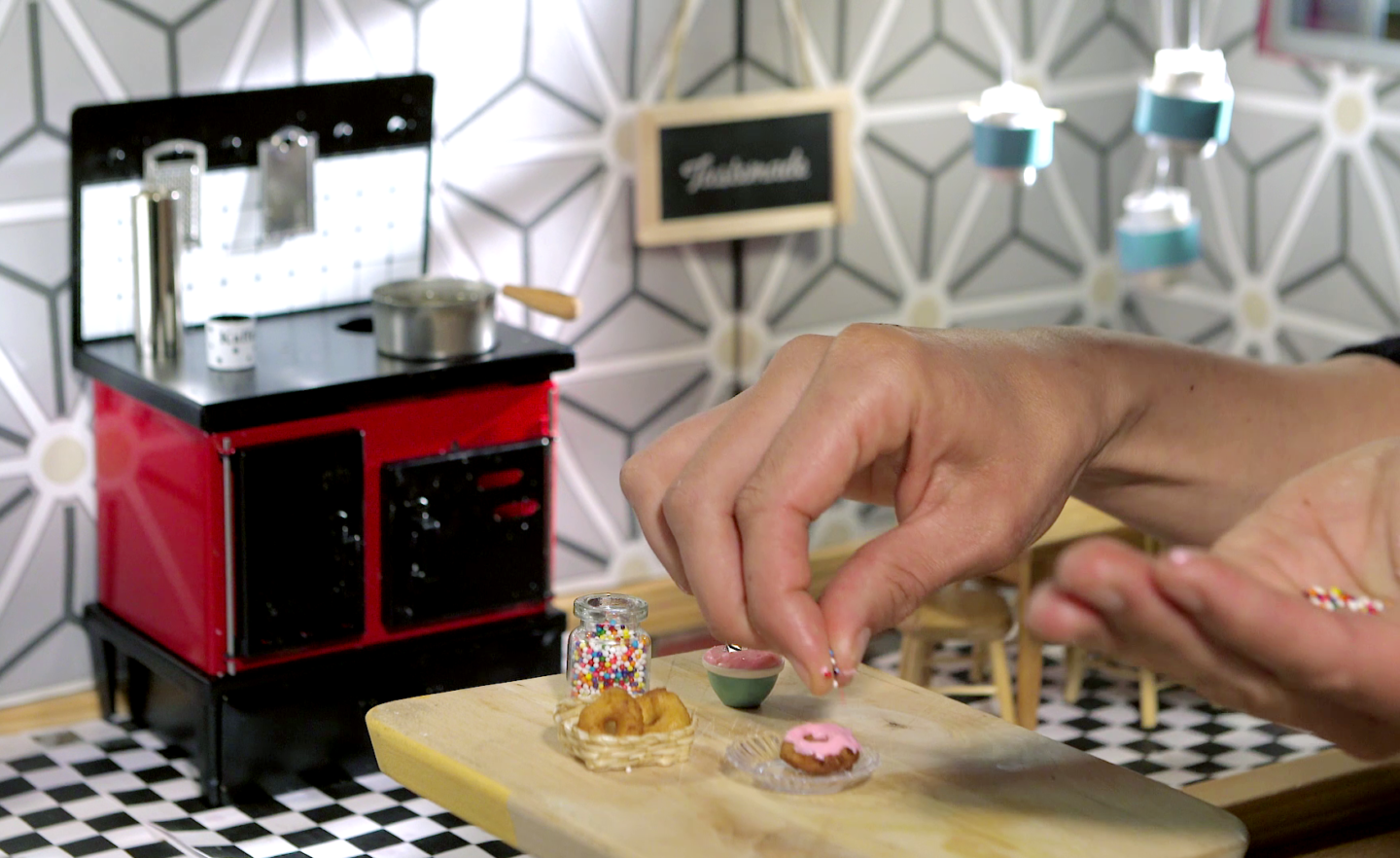
"caption": "Human-sized hands make doll-sized doughnuts in the Tiny Kitchen roughly 1/12 the normal size.",
"description": null,
"title": "Human-sized hands make doll-sized doughnuts in the Tiny Kitchen roughly 1/12 the normal size.",
"credit": "Courtesy of Tiny Kitchen",
"status": "inherit",
"isLoading": false,
"fetchFailed": false
},
"arts_11545893": {
"type": "attachments",
"id": "arts_11545893",
"meta": {
"index": "attachments_1716263798",
"site": "arts",
"id": "11545893",
"found": true
},
"parent": 11545475,
"imgSizes": {
"thumbnail": {
"file": "https://ww2.kqed.org/app/uploads/sites/2/2016/05/Sue-Egan-FB-67-or-68-in-leather-jacket-CROP-400x268.jpg",
"width": 400,
"mimeType": "image/jpeg",
"height": 268
},
"post-thumbnail": {
"file": "https://ww2.kqed.org/app/uploads/sites/2/2016/05/Sue-Egan-FB-67-or-68-in-leather-jacket-CROP-672x372.jpg",
"width": 672,
"mimeType": "image/jpeg",
"height": 372
},
"kqedFullSize": {
"file": "https://ww2.kqed.org/app/uploads/sites/2/2016/05/Sue-Egan-FB-67-or-68-in-leather-jacket-CROP.jpg",
"width": 731,
"height": 490
},
"guest-author-96": {
"file": "https://ww2.kqed.org/app/uploads/sites/2/2016/05/Sue-Egan-FB-67-or-68-in-leather-jacket-CROP-96x96.jpg",
"width": 96,
"mimeType": "image/jpeg",
"height": 96
},
"guest-author-64": {
"file": "https://ww2.kqed.org/app/uploads/sites/2/2016/05/Sue-Egan-FB-67-or-68-in-leather-jacket-CROP-64x64.jpg",
"width": 64,
"mimeType": "image/jpeg",
"height": 64
},
"detail": {
"file": "https://ww2.kqed.org/app/uploads/sites/2/2016/05/Sue-Egan-FB-67-or-68-in-leather-jacket-CROP-150x150.jpg",
"width": 150,
"mimeType": "image/jpeg",
"height": 150
},
"guest-author-32": {
"file": "https://ww2.kqed.org/app/uploads/sites/2/2016/05/Sue-Egan-FB-67-or-68-in-leather-jacket-CROP-32x32.jpg",
"width": 32,
"mimeType": "image/jpeg",
"height": 32
},
"guest-author-128": {
"file": "https://ww2.kqed.org/app/uploads/sites/2/2016/05/Sue-Egan-FB-67-or-68-in-leather-jacket-CROP-128x128.jpg",
"width": 128,
"mimeType": "image/jpeg",
"height": 128
}
},
"publishDate": 1462232746,
"modified": 1462232835,
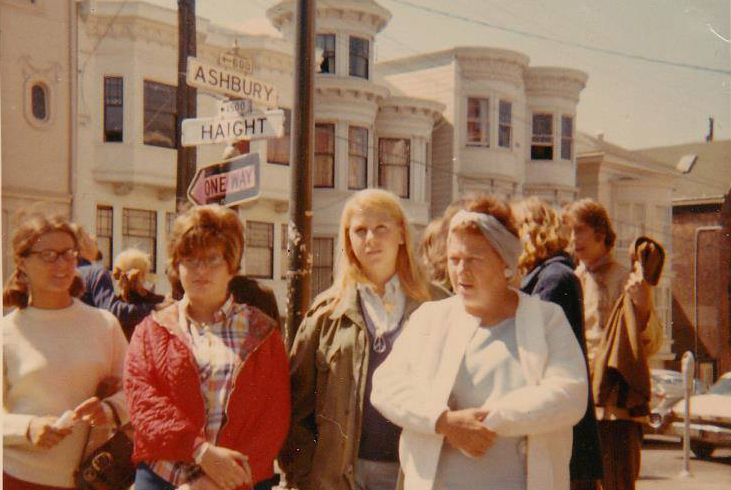
"caption": "A photo submitted by Sue Egan via Facebook: \"1967/68(?) Passing through S.F. with the family. I was the midwest \"hippie\" in the army jacket trying to be cool and pretend I wasn't with my more traditional cousins and mother. Look close and you can see my peace sign necklace.\"",
"description": null,
"title": "Sue Egan FB 67 or 68 in leather jacket CROP",
"credit": null,
"status": "inherit",
"isLoading": false,
"fetchFailed": false
},
"arts_11531517": {
"type": "attachments",
"id": "arts_11531517",
"meta": {
"index": "attachments_1716263798",
"site": "arts",
"id": "11531517",
"found": true
},
"parent": 11531516,
"imgSizes": {
"twentyfourteen-full-width": {
"file": "https://ww2.kqed.org/app/uploads/sites/2/2016/04/MayCover-1038x576.jpg",
"width": 1038,
"mimeType": "image/jpeg",
"height": 576
},
"thumbnail": {
"file": "https://ww2.kqed.org/app/uploads/sites/2/2016/04/MayCover-400x225.jpg",
"width": 400,
"mimeType": "image/jpeg",
"height": 225
},
"fd-sm": {
"file": "https://ww2.kqed.org/app/uploads/sites/2/2016/04/MayCover-960x540.jpg",
"width": 960,
"mimeType": "image/jpeg",
"height": 540
},
"post-thumbnail": {
"file": "https://ww2.kqed.org/app/uploads/sites/2/2016/04/MayCover-672x372.jpg",
"width": 672,
"mimeType": "image/jpeg",
"height": 372
},
"kqedFullSize": {
"file": "https://ww2.kqed.org/app/uploads/sites/2/2016/04/MayCover.jpg",
"width": 1920,
"height": 1080
},
"large": {
"file": "https://ww2.kqed.org/app/uploads/sites/2/2016/04/MayCover-1180x664.jpg",
"width": 1180,
"mimeType": "image/jpeg",
"height": 664
},
"guest-author-96": {
"file": "https://ww2.kqed.org/app/uploads/sites/2/2016/04/MayCover-96x96.jpg",
"width": 96,
"mimeType": "image/jpeg",
"height": 96
},
"medium": {
"file": "https://ww2.kqed.org/app/uploads/sites/2/2016/04/MayCover-800x450.jpg",
"width": 800,
"mimeType": "image/jpeg",
"height": 450
},
"guest-author-64": {
"file": "https://ww2.kqed.org/app/uploads/sites/2/2016/04/MayCover-64x64.jpg",
"width": 64,
"mimeType": "image/jpeg",
"height": 64
},
"guest-author-32": {
"file": "https://ww2.kqed.org/app/uploads/sites/2/2016/04/MayCover-32x32.jpg",
"width": 32,
"mimeType": "image/jpeg",
"height": 32
},
"fd-lrg": {
"file": "https://ww2.kqed.org/app/uploads/sites/2/2016/04/MayCover-1920x1080.jpg",
"width": 1920,
"mimeType": "image/jpeg",
"height": 1080
},
"fd-med": {
"file": "https://ww2.kqed.org/app/uploads/sites/2/2016/04/MayCover-1180x664.jpg",
"width": 1180,
"mimeType": "image/jpeg",
"height": 664
},
"detail": {
"file": "https://ww2.kqed.org/app/uploads/sites/2/2016/04/MayCover-150x150.jpg",
"width": 150,
"mimeType": "image/jpeg",
"height": 150
},
"medium_large": {
"file": "https://ww2.kqed.org/app/uploads/sites/2/2016/04/MayCover-768x432.jpg",
"width": 768,
"mimeType": "image/jpeg",
"height": 432
},
"guest-author-128": {
"file": "https://ww2.kqed.org/app/uploads/sites/2/2016/04/MayCover-128x128.jpg",
"width": 128,
"mimeType": "image/jpeg",
"height": 128
}
},
"publishDate": 1461800582,
"modified": 1461800620,
"caption": "Kate Rhoades, 'Karen,' 2016.",
"description": null,
"title": "MayCover",
"credit": "Courtesy of the artist and Recology",
"status": "inherit",
"isLoading": false,
"fetchFailed": false
},
"arts_11536825": {
"type": "attachments",
"id": "arts_11536825",
"meta": {
"index": "attachments_1716263798",
"site": "arts",
"id": "11536825",
"found": true
},
"parent": 11536691,
"imgSizes": {
"thumbnail": {
"file": "https://ww2.kqed.org/app/uploads/sites/2/2016/04/CharlesGatewood2CROP-400x225.jpg",
"width": 400,
"mimeType": "image/jpeg",
"height": 225
},
"post-thumbnail": {
"file": "https://ww2.kqed.org/app/uploads/sites/2/2016/04/CharlesGatewood2CROP-672x372.jpg",
"width": 672,
"mimeType": "image/jpeg",
"height": 372
},
"kqedFullSize": {
"file": "https://ww2.kqed.org/app/uploads/sites/2/2016/04/CharlesGatewood2CROP.jpg",
"width": 800,
"height": 450
},
"guest-author-96": {
"file": "https://ww2.kqed.org/app/uploads/sites/2/2016/04/CharlesGatewood2CROP-96x96.jpg",
"width": 96,
"mimeType": "image/jpeg",
"height": 96
},
"medium": {
"file": "https://ww2.kqed.org/app/uploads/sites/2/2016/04/CharlesGatewood2CROP-800x450.jpg",
"width": 800,
"mimeType": "image/jpeg",
"height": 450
},
"guest-author-64": {
"file": "https://ww2.kqed.org/app/uploads/sites/2/2016/04/CharlesGatewood2CROP-64x64.jpg",
"width": 64,
"mimeType": "image/jpeg",
"height": 64
},
"detail": {
"file": "https://ww2.kqed.org/app/uploads/sites/2/2016/04/CharlesGatewood2CROP-150x150.jpg",
"width": 150,
"mimeType": "image/jpeg",
"height": 150
},
"guest-author-32": {
"file": "https://ww2.kqed.org/app/uploads/sites/2/2016/04/CharlesGatewood2CROP-32x32.jpg",
"width": 32,
"mimeType": "image/jpeg",
"height": 32
},
"medium_large": {
"file": "https://ww2.kqed.org/app/uploads/sites/2/2016/04/CharlesGatewood2CROP-768x432.jpg",
"width": 768,
"mimeType": "image/jpeg",
"height": 432
},
"guest-author-128": {
"file": "https://ww2.kqed.org/app/uploads/sites/2/2016/04/CharlesGatewood2CROP-128x128.jpg",
"width": 128,
"mimeType": "image/jpeg",
"height": 128
}
},
"publishDate": 1461960122,
"modified": 1461960382,
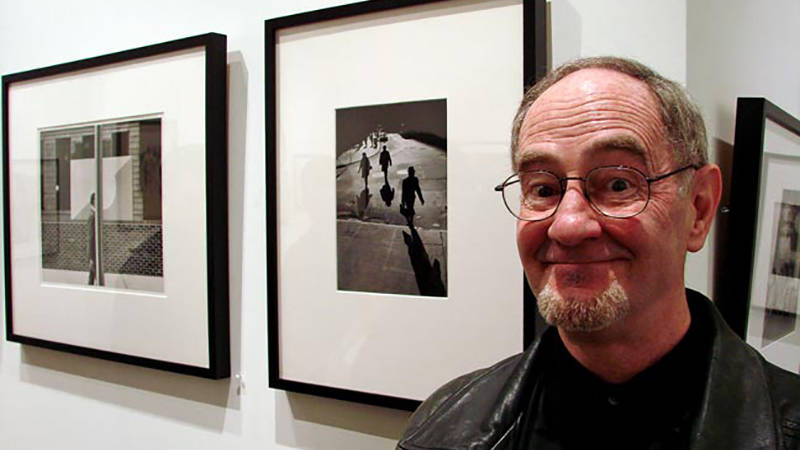
"caption": "Charles Gatewood ",
"description": "Charles Gatewood ",
"title": "CharlesGatewood2CROP",
"credit": "Photo: Courtesy of the PRSM Group",
"status": "inherit",
"isLoading": false,
"fetchFailed": false
},
"arts_11532355": {
"type": "attachments",
"id": "arts_11532355",
"meta": {
"index": "attachments_1716263798",
"site": "arts",
"id": "11532355",
"found": true
},
"parent": 11530661,
"imgSizes": {
"twentyfourteen-full-width": {
"file": "https://ww2.kqed.org/app/uploads/sites/2/2016/04/2.-Xaviera-Simmons-Warm-Leatherette-2009_COVER-1038x576.jpg",
"width": 1038,
"mimeType": "image/jpeg",
"height": 576
},
"thumbnail": {
"file": "https://ww2.kqed.org/app/uploads/sites/2/2016/04/2.-Xaviera-Simmons-Warm-Leatherette-2009_COVER-400x225.jpg",
"width": 400,
"mimeType": "image/jpeg",
"height": 225
},
"fd-sm": {
"file": "https://ww2.kqed.org/app/uploads/sites/2/2016/04/2.-Xaviera-Simmons-Warm-Leatherette-2009_COVER-960x540.jpg",
"width": 960,
"mimeType": "image/jpeg",
"height": 540
},
"post-thumbnail": {
"file": "https://ww2.kqed.org/app/uploads/sites/2/2016/04/2.-Xaviera-Simmons-Warm-Leatherette-2009_COVER-672x372.jpg",
"width": 672,
"mimeType": "image/jpeg",
"height": 372
},
"kqedFullSize": {
"file": "https://ww2.kqed.org/app/uploads/sites/2/2016/04/2.-Xaviera-Simmons-Warm-Leatherette-2009_COVER.jpg",
"width": 1920,
"height": 1080
},
"large": {
"file": "https://ww2.kqed.org/app/uploads/sites/2/2016/04/2.-Xaviera-Simmons-Warm-Leatherette-2009_COVER-1180x664.jpg",
"width": 1180,
"mimeType": "image/jpeg",
"height": 664
},
"guest-author-96": {
"file": "https://ww2.kqed.org/app/uploads/sites/2/2016/04/2.-Xaviera-Simmons-Warm-Leatherette-2009_COVER-96x96.jpg",
"width": 96,
"mimeType": "image/jpeg",
"height": 96
},
"medium": {
"file": "https://ww2.kqed.org/app/uploads/sites/2/2016/04/2.-Xaviera-Simmons-Warm-Leatherette-2009_COVER-800x450.jpg",
"width": 800,
"mimeType": "image/jpeg",
"height": 450
},
"guest-author-64": {
"file": "https://ww2.kqed.org/app/uploads/sites/2/2016/04/2.-Xaviera-Simmons-Warm-Leatherette-2009_COVER-64x64.jpg",
"width": 64,
"mimeType": "image/jpeg",
"height": 64
},
"guest-author-32": {
"file": "https://ww2.kqed.org/app/uploads/sites/2/2016/04/2.-Xaviera-Simmons-Warm-Leatherette-2009_COVER-32x32.jpg",
"width": 32,
"mimeType": "image/jpeg",
"height": 32
},
"fd-lrg": {
"file": "https://ww2.kqed.org/app/uploads/sites/2/2016/04/2.-Xaviera-Simmons-Warm-Leatherette-2009_COVER-1920x1080.jpg",
"width": 1920,
"mimeType": "image/jpeg",
"height": 1080
},
"fd-med": {
"file": "https://ww2.kqed.org/app/uploads/sites/2/2016/04/2.-Xaviera-Simmons-Warm-Leatherette-2009_COVER-1180x664.jpg",
"width": 1180,
"mimeType": "image/jpeg",
"height": 664
},
"detail": {
"file": "https://ww2.kqed.org/app/uploads/sites/2/2016/04/2.-Xaviera-Simmons-Warm-Leatherette-2009_COVER-150x150.jpg",
"width": 150,
"mimeType": "image/jpeg",
"height": 150
},
"medium_large": {
"file": "https://ww2.kqed.org/app/uploads/sites/2/2016/04/2.-Xaviera-Simmons-Warm-Leatherette-2009_COVER-768x432.jpg",
"width": 768,
"mimeType": "image/jpeg",
"height": 432
},
"guest-author-128": {
"file": "https://ww2.kqed.org/app/uploads/sites/2/2016/04/2.-Xaviera-Simmons-Warm-Leatherette-2009_COVER-128x128.jpg",
"width": 128,
"mimeType": "image/jpeg",
"height": 128
}
},
"publishDate": 1461826536,
"modified": 1461826606,
"caption": "Xaviera Simmons, 'Warm Leatherette,' 2009.",
"description": null,
"title": "2.-Xaviera-Simmons-Warm-Leatherette-2009_COVER",
"credit": "Courtesy David Castillo Gallery",
"status": "inherit",
"isLoading": false,
"fetchFailed": false
},
"about_6757": {
"type": "attachments",
"id": "about_6757",
"meta": {
"index": "attachments_1716263798",
"site": "about",
"id": "6757",
"found": true
},
"parent": 6753,
"imgSizes": {
"twentyfourteen-full-width": {
"file": "https://ww2.kqed.org/app/uploads/sites/19/2016/04/Janis_LGB_Still3-mezz-1038x576.jpg",
"width": 1038,
"mimeType": "image/jpeg",
"height": 576
},
"thumbnail": {
"file": "https://ww2.kqed.org/app/uploads/sites/19/2016/04/Janis_LGB_Still3-mezz-400x225.jpg",
"width": 400,
"mimeType": "image/jpeg",
"height": 225
},
"fd-sm": {
"file": "https://ww2.kqed.org/app/uploads/sites/19/2016/04/Janis_LGB_Still3-mezz-960x540.jpg",
"width": 960,
"mimeType": "image/jpeg",
"height": 540
},
"post-thumbnail": {
"file": "https://ww2.kqed.org/app/uploads/sites/19/2016/04/Janis_LGB_Still3-mezz-672x372.jpg",
"width": 672,
"mimeType": "image/jpeg",
"height": 372
},
"kqedFullSize": {
"file": "https://ww2.kqed.org/app/uploads/sites/19/2016/04/Janis_LGB_Still3-mezz.jpg",
"width": 3060,
"height": 1721
},
"large": {
"file": "https://ww2.kqed.org/app/uploads/sites/19/2016/04/Janis_LGB_Still3-mezz-1180x664.jpg",
"width": 1180,
"mimeType": "image/jpeg",
"height": 664
},
"guest-author-96": {
"file": "https://ww2.kqed.org/app/uploads/sites/19/2016/04/Janis_LGB_Still3-mezz-96x96.jpg",
"width": 96,
"mimeType": "image/jpeg",
"height": 96
},
"medium": {
"file": "https://ww2.kqed.org/app/uploads/sites/19/2016/04/Janis_LGB_Still3-mezz-800x450.jpg",
"width": 800,
"mimeType": "image/jpeg",
"height": 450
},
"guest-author-64": {
"file": "https://ww2.kqed.org/app/uploads/sites/19/2016/04/Janis_LGB_Still3-mezz-64x64.jpg",
"width": 64,
"mimeType": "image/jpeg",
"height": 64
},
"guest-author-32": {
"file": "https://ww2.kqed.org/app/uploads/sites/19/2016/04/Janis_LGB_Still3-mezz-32x32.jpg",
"width": 32,
"mimeType": "image/jpeg",
"height": 32
},
"jmtc-small-thumb": {
"file": "https://ww2.kqed.org/app/uploads/sites/19/2016/04/Janis_LGB_Still3-mezz-280x150.jpg",
"width": 280,
"mimeType": "image/jpeg",
"height": 150
},
"fd-lrg": {
"file": "https://ww2.kqed.org/app/uploads/sites/19/2016/04/Janis_LGB_Still3-mezz-1920x1080.jpg",
"width": 1920,
"mimeType": "image/jpeg",
"height": 1080
},
"fd-med": {
"file": "https://ww2.kqed.org/app/uploads/sites/19/2016/04/Janis_LGB_Still3-mezz-1180x664.jpg",
"width": 1180,
"mimeType": "image/jpeg",
"height": 664
},
"detail": {
"file": "https://ww2.kqed.org/app/uploads/sites/19/2016/04/Janis_LGB_Still3-mezz-150x150.jpg",
"width": 150,
"mimeType": "image/jpeg",
"height": 150
},
"medium_large": {
"file": "https://ww2.kqed.org/app/uploads/sites/19/2016/04/Janis_LGB_Still3-mezz-768x432.jpg",
"width": 768,
"mimeType": "image/jpeg",
"height": 432
},
"guest-author-128": {
"file": "https://ww2.kqed.org/app/uploads/sites/19/2016/04/Janis_LGB_Still3-mezz-128x128.jpg",
"width": 128,
"mimeType": "image/jpeg",
"height": 128
}
},
"publishDate": 1461711965,
"modified": 1461712086,
"caption": "Janis Joplin",
"description": null,
"title": "Janis_LGB_Still3-mezz",
"credit": "Michael Ochs Archive / Getty Images",
"status": "inherit",
"isLoading": false,
"fetchFailed": false
},
"arts_11528237": {
"type": "attachments",
"id": "arts_11528237",
"meta": {
"index": "attachments_1716263798",
"site": "arts",
"id": "11528237",
"found": true
},
"parent": 11527482,
"imgSizes": {
"thumbnail": {
"file": "https://ww2.kqed.org/app/uploads/sites/2/2016/04/RS19263_Pelee-qut-400x265.jpg",
"width": 400,
"mimeType": "image/jpeg",
"height": 265
},
"post-thumbnail": {
"file": "https://ww2.kqed.org/app/uploads/sites/2/2016/04/RS19263_Pelee-qut-600x372.jpg",
"width": 600,
"mimeType": "image/jpeg",
"height": 372
},
"kqedFullSize": {
"file": "https://ww2.kqed.org/app/uploads/sites/2/2016/04/RS19263_Pelee-qut.jpg",
"width": 600,
"height": 398
},
"guest-author-96": {
"file": "https://ww2.kqed.org/app/uploads/sites/2/2016/04/RS19263_Pelee-qut-96x96.jpg",
"width": 96,
"mimeType": "image/jpeg",
"height": 96
},
"guest-author-64": {
"file": "https://ww2.kqed.org/app/uploads/sites/2/2016/04/RS19263_Pelee-qut-64x64.jpg",
"width": 64,
"mimeType": "image/jpeg",
"height": 64
},
"detail": {
"file": "https://ww2.kqed.org/app/uploads/sites/2/2016/04/RS19263_Pelee-qut-150x150.jpg",
"width": 150,
"mimeType": "image/jpeg",
"height": 150
},
"guest-author-32": {
"file": "https://ww2.kqed.org/app/uploads/sites/2/2016/04/RS19263_Pelee-qut-32x32.jpg",
"width": 32,
"mimeType": "image/jpeg",
"height": 32
},
"guest-author-128": {
"file": "https://ww2.kqed.org/app/uploads/sites/2/2016/04/RS19263_Pelee-qut-128x128.jpg",
"width": 128,
"mimeType": "image/jpeg",
"height": 128
}
},
"publishDate": 1461704580,
"modified": 1461706374,
"caption": "\"Pelée,\" by James Turrell (2014), now showing at the Pace gallery in Palo Alto.",
"description": "\"Pelée,\" by James Turrell (2014), now showing at the Pace gallery in Palo Alto.",
"title": "RS19263_Pelee-qut",
"credit": "Photo: Courtesy of Florian Holzherr",
"status": "inherit",
"isLoading": false,
"fetchFailed": false
},
"news_10937309": {
"type": "attachments",
"id": "news_10937309",
"meta": {
"index": "attachments_1716263798",
"site": "news",
"id": "10937309",
"found": true
},
"parent": 10937300,
"imgSizes": {
"twentyfourteen-full-width": {
"file": "https://ww2.kqed.org/app/uploads/sites/10/2016/04/RS19243_CRUDER_LAPENTA-20122-qut-1038x576.jpg",
"width": 1038,
"mimeType": "image/jpeg",
"height": 576
},
"jmtc-small-thumb": {
"file": "https://ww2.kqed.org/app/uploads/sites/10/2016/04/RS19243_CRUDER_LAPENTA-20122-qut-280x150.jpg",
"width": 280,
"mimeType": "image/jpeg",
"height": 150
},
"thumbnail": {
"file": "https://ww2.kqed.org/app/uploads/sites/10/2016/04/RS19243_CRUDER_LAPENTA-20122-qut-400x267.jpg",
"width": 400,
"mimeType": "image/jpeg",
"height": 267
},
"fd-sm": {
"file": "https://ww2.kqed.org/app/uploads/sites/10/2016/04/RS19243_CRUDER_LAPENTA-20122-qut-960x640.jpg",
"width": 960,
"mimeType": "image/jpeg",
"height": 640
},
"post-thumbnail": {
"file": "https://ww2.kqed.org/app/uploads/sites/10/2016/04/RS19243_CRUDER_LAPENTA-20122-qut-672x372.jpg",
"width": 672,
"mimeType": "image/jpeg",
"height": 372
},
"kqedFullSize": {
"file": "https://ww2.kqed.org/app/uploads/sites/10/2016/04/RS19243_CRUDER_LAPENTA-20122-qut.jpg",
"width": 1080,
"height": 720
},
"guest-author-96": {
"file": "https://ww2.kqed.org/app/uploads/sites/10/2016/04/RS19243_CRUDER_LAPENTA-20122-qut-96x96.jpg",
"width": 96,
"mimeType": "image/jpeg",
"height": 96
},
"medium": {
"file": "https://ww2.kqed.org/app/uploads/sites/10/2016/04/RS19243_CRUDER_LAPENTA-20122-qut-800x533.jpg",
"width": 800,
"mimeType": "image/jpeg",
"height": 533
},
"guest-author-64": {
"file": "https://ww2.kqed.org/app/uploads/sites/10/2016/04/RS19243_CRUDER_LAPENTA-20122-qut-64x64.jpg",
"width": 64,
"mimeType": "image/jpeg",
"height": 64
},
"detail": {
"file": "https://ww2.kqed.org/app/uploads/sites/10/2016/04/RS19243_CRUDER_LAPENTA-20122-qut-75x75.jpg",
"width": 75,
"mimeType": "image/jpeg",
"height": 75
},
"guest-author-32": {
"file": "https://ww2.kqed.org/app/uploads/sites/10/2016/04/RS19243_CRUDER_LAPENTA-20122-qut-32x32.jpg",
"width": 32,
"mimeType": "image/jpeg",
"height": 32
},
"guest-author-128": {
"file": "https://ww2.kqed.org/app/uploads/sites/10/2016/04/RS19243_CRUDER_LAPENTA-20122-qut-128x128.jpg",
"width": 128,
"mimeType": "image/jpeg",
"height": 128
}
},
"publishDate": 1461363390,
"modified": 1461618934,
"caption": "The \"Natural Plasticity\" exhibit will make its way from L.A.'s Pershing Square to locations along the L.A. River, mimicking the journey of plastic trash toward the ocean.",
"description": null,
"title": "RS19243_CRUDER_LAPENTA-20122-qut",
"credit": "Jana Cruder",
"status": "inherit",
"isLoading": false,
"fetchFailed": false
},
"arts_11514721": {
"type": "attachments",
"id": "arts_11514721",
"meta": {
"index": "attachments_1716263798",
"site": "arts",
"id": "11514721",
"found": true
},
"parent": 11514312,
"imgSizes": {
"twentyfourteen-full-width": {
"file": "https://ww2.kqed.org/app/uploads/sites/2/2016/04/header2-1038x576.jpg",
"width": 1038,
"mimeType": "image/jpeg",
"height": 576
},
"thumbnail": {
"file": "https://ww2.kqed.org/app/uploads/sites/2/2016/04/header2-400x225.jpg",
"width": 400,
"mimeType": "image/jpeg",
"height": 225
},
"fd-sm": {
"file": "https://ww2.kqed.org/app/uploads/sites/2/2016/04/header2-960x540.jpg",
"width": 960,
"mimeType": "image/jpeg",
"height": 540
},
"post-thumbnail": {
"file": "https://ww2.kqed.org/app/uploads/sites/2/2016/04/header2-672x372.jpg",
"width": 672,
"mimeType": "image/jpeg",
"height": 372
},
"kqedFullSize": {
"file": "https://ww2.kqed.org/app/uploads/sites/2/2016/04/header2.jpg",
"width": 1422,
"height": 800
},
"large": {
"file": "https://ww2.kqed.org/app/uploads/sites/2/2016/04/header2-1180x664.jpg",
"width": 1180,
"mimeType": "image/jpeg",
"height": 664
},
"guest-author-96": {
"file": "https://ww2.kqed.org/app/uploads/sites/2/2016/04/header2-96x96.jpg",
"width": 96,
"mimeType": "image/jpeg",
"height": 96
},
"medium": {
"file": "https://ww2.kqed.org/app/uploads/sites/2/2016/04/header2-800x450.jpg",
"width": 800,
"mimeType": "image/jpeg",
"height": 450
},
"guest-author-64": {
"file": "https://ww2.kqed.org/app/uploads/sites/2/2016/04/header2-64x64.jpg",
"width": 64,
"mimeType": "image/jpeg",
"height": 64
},
"guest-author-32": {
"file": "https://ww2.kqed.org/app/uploads/sites/2/2016/04/header2-32x32.jpg",
"width": 32,
"mimeType": "image/jpeg",
"height": 32
},
"fd-med": {
"file": "https://ww2.kqed.org/app/uploads/sites/2/2016/04/header2-1180x664.jpg",
"width": 1180,
"mimeType": "image/jpeg",
"height": 664
},
"detail": {
"file": "https://ww2.kqed.org/app/uploads/sites/2/2016/04/header2-75x75.jpg",
"width": 75,
"mimeType": "image/jpeg",
"height": 75
},
"medium_large": {
"file": "https://ww2.kqed.org/app/uploads/sites/2/2016/04/header2-768x432.jpg",
"width": 768,
"mimeType": "image/jpeg",
"height": 432
},
"guest-author-128": {
"file": "https://ww2.kqed.org/app/uploads/sites/2/2016/04/header2-128x128.jpg",
"width": 128,
"mimeType": "image/jpeg",
"height": 128
}
},
"publishDate": 1461275425,
"modified": 1461285330,
"caption": "The mixed-media piece \"Nicki With Gherkins\" by Craig Calderwood speaks to the role of minority artists as part of Issued ID: Minority as Brand.",
"description": "The mixed-media piece \"Nicki With Gherkins\" by Craig Calderwood speaks to the role of minority artists as part of Issued ID: Minority as Brand.",
"title": "The mixed-media piece \"Nicki With Gherkins\" by Craig Calderwood speaks to the role of minority artists as part of Issued ID: Minority as Brand.",
"credit": "Creo Noveno / KQED ",
"status": "inherit",
"isLoading": false,
"fetchFailed": false
},
"arts_11511404": {
"type": "attachments",
"id": "arts_11511404",
"meta": {
"index": "attachments_1716263798",
"site": "arts",
"id": "11511404",
"found": true
},
"parent": 11511400,
"imgSizes": {
"twentyfourteen-full-width": {
"file": "https://ww2.kqed.org/app/uploads/sites/2/2016/04/DeballCover-1038x576.jpg",
"width": 1038,
"mimeType": "image/jpeg",
"height": 576
},
"thumbnail": {
"file": "https://ww2.kqed.org/app/uploads/sites/2/2016/04/DeballCover-400x225.jpg",
"width": 400,
"mimeType": "image/jpeg",
"height": 225
},
"fd-sm": {
"file": "https://ww2.kqed.org/app/uploads/sites/2/2016/04/DeballCover-960x540.jpg",
"width": 960,
"mimeType": "image/jpeg",
"height": 540
},
"post-thumbnail": {
"file": "https://ww2.kqed.org/app/uploads/sites/2/2016/04/DeballCover-672x372.jpg",
"width": 672,
"mimeType": "image/jpeg",
"height": 372
},
"kqedFullSize": {
"file": "https://ww2.kqed.org/app/uploads/sites/2/2016/04/DeballCover.jpg",
"width": 1920,
"height": 1080
},
"large": {
"file": "https://ww2.kqed.org/app/uploads/sites/2/2016/04/DeballCover-1180x664.jpg",
"width": 1180,
"mimeType": "image/jpeg",
"height": 664
},
"guest-author-96": {
"file": "https://ww2.kqed.org/app/uploads/sites/2/2016/04/DeballCover-96x96.jpg",
"width": 96,
"mimeType": "image/jpeg",
"height": 96
},
"medium": {
"file": "https://ww2.kqed.org/app/uploads/sites/2/2016/04/DeballCover-800x450.jpg",
"width": 800,
"mimeType": "image/jpeg",
"height": 450
},
"guest-author-64": {
"file": "https://ww2.kqed.org/app/uploads/sites/2/2016/04/DeballCover-64x64.jpg",
"width": 64,
"mimeType": "image/jpeg",
"height": 64
},
"guest-author-32": {
"file": "https://ww2.kqed.org/app/uploads/sites/2/2016/04/DeballCover-32x32.jpg",
"width": 32,
"mimeType": "image/jpeg",
"height": 32
},
"fd-lrg": {
"file": "https://ww2.kqed.org/app/uploads/sites/2/2016/04/DeballCover-1920x1080.jpg",
"width": 1920,
"mimeType": "image/jpeg",
"height": 1080
},
"fd-med": {
"file": "https://ww2.kqed.org/app/uploads/sites/2/2016/04/DeballCover-1180x664.jpg",
"width": 1180,
"mimeType": "image/jpeg",
"height": 664
},
"detail": {
"file": "https://ww2.kqed.org/app/uploads/sites/2/2016/04/DeballCover-75x75.jpg",
"width": 75,
"mimeType": "image/jpeg",
"height": 75
},
"medium_large": {
"file": "https://ww2.kqed.org/app/uploads/sites/2/2016/04/DeballCover-768x432.jpg",
"width": 768,
"mimeType": "image/jpeg",
"height": 432
},
"guest-author-128": {
"file": "https://ww2.kqed.org/app/uploads/sites/2/2016/04/DeballCover-128x128.jpg",
"width": 128,
"mimeType": "image/jpeg",
"height": 128
}
},
"publishDate": 1461181524,
"modified": 1461181576,
"caption": "Installation view, Mariana Castillo Deball, 'Feathered Changes, Serpent Disappearances,' Walter and McBean Galleries, San Francisco Art Institute, April 14 – July 30, 2016.\n\n",
"description": null,
"title": "DeballCover",
"credit": "Photo: Stephanie Smith",
"status": "inherit",
"isLoading": false,
"fetchFailed": false
},
"arts_11511272": {
"type": "attachments",
"id": "arts_11511272",
"meta": {
"index": "attachments_1716263798",
"site": "arts",
"id": "11511272",
"found": true
},
"title": "deYoung_MuseumAtNight",
"publishDate": 1461178950,
"status": "inherit",
"parent": 11511270,
"modified": 1733944000,
"caption": "The de Young Museum by night.",
"credit": "Courtesy of Fine Arts Museums of San Francisco",
"altTag": "The de Young Museum by night",
"description": "The de Young Museum by night",
"imgSizes": {
"thumbnail": {
"file": "https://cdn.kqed.org/wp-content/uploads/sites/2/2016/04/deYoung_MuseumAtNight-e1461178964895-400x249.jpg",
"width": 400,
"height": 249,
"mimeType": "image/jpeg"
},
"medium_large": {
"file": "https://cdn.kqed.org/wp-content/uploads/sites/2/2016/04/deYoung_MuseumAtNight-e1461178964895-768x478.jpg",
"width": 768,
"height": 478,
"mimeType": "image/jpeg"
},
"post-thumbnail": {
"file": "https://cdn.kqed.org/wp-content/uploads/sites/2/2016/04/deYoung_MuseumAtNight-e1461178964895-672x372.jpg",
"width": 672,
"height": 372,
"mimeType": "image/jpeg"
},
"guest-author-32": {
"file": "https://cdn.kqed.org/wp-content/uploads/sites/2/2016/04/deYoung_MuseumAtNight-e1461178964895-32x32.jpg",
"width": 32,
"height": 32,
"mimeType": "image/jpeg"
},
"guest-author-64": {
"file": "https://cdn.kqed.org/wp-content/uploads/sites/2/2016/04/deYoung_MuseumAtNight-e1461178964895-64x64.jpg",
"width": 64,
"height": 64,
"mimeType": "image/jpeg"
},
"guest-author-96": {
"file": "https://cdn.kqed.org/wp-content/uploads/sites/2/2016/04/deYoung_MuseumAtNight-e1461178964895-96x96.jpg",
"width": 96,
"height": 96,
"mimeType": "image/jpeg"
},
"guest-author-128": {
"file": "https://cdn.kqed.org/wp-content/uploads/sites/2/2016/04/deYoung_MuseumAtNight-e1461178964895-128x128.jpg",
"width": 128,
"height": 128,
"mimeType": "image/jpeg"
},
"detail": {
"file": "https://cdn.kqed.org/wp-content/uploads/sites/2/2016/04/deYoung_MuseumAtNight-e1461178964895-75x75.jpg",
"width": 75,
"height": 75,
"mimeType": "image/jpeg"
},
"kqedFullSize": {
"file": "https://cdn.kqed.org/wp-content/uploads/sites/2/2016/04/deYoung_MuseumAtNight-e1461178964895.jpg",
"width": 783,
"height": 487
}
},
"isLoading": false,
"fetchFailed": false
}
},
"audioPlayerReducer": {
"postId": "stream_live",
"isPaused": true,
"isPlaying": false,
"pfsActive": false,
"pledgeModalIsOpen": true,
"playerDrawerIsOpen": false,
"liveAudioPlayStartedAt": 0,
"liveAudioPlayContext": ""
},
"authorsReducer": {
"byline_bayareabites_109011": {
"type": "authors",
"id": "byline_bayareabites_109011",
"meta": {
"override": true
},
"slug": "byline_bayareabites_109011",
"name": "Tove Danovich, \u003ca href=\"https://ww2.kqed.org/bayareabites/author/nprfood/\">NPR Food\u003c/a>",
"isLoading": false
},
"byline_news_10937300": {
"type": "authors",
"id": "byline_news_10937300",
"meta": {
"override": true
},
"slug": "byline_news_10937300",
"name": "\u003cstrong>\u003ca href=\"http://www.kcrw.com/people/avishay-artsy\">Avishay Artsy\u003c/a>\u003c/strong>",
"isLoading": false
},
"jedalatpour": {
"type": "authors",
"id": "42",
"meta": {
"index": "authors_1716337520",
"id": "42",
"found": true
},
"name": "Jeffrey Edalatpour",
"firstName": "Jeffrey",
"lastName": "Edalatpour",
"slug": "jedalatpour",
"email": "jedalatpour@kqed.org",
"display_author_email": false,
"staff_mastheads": [],
"title": null,
"bio": "Jeffrey Edalatpour's first published article was a 1999 film review of Pedro Almodovar’s \u003ci>All About My Mother. \u003c/i>Since then, his writing about arts, food and culture has appeared in a variety of print and online publications, including: KQED Arts, \u003ci>Metro Silicon Valley, Interview Magazine, \u003c/i>Berkeleyside.com, The Rumpus and \u003ci>SF Weekly. \u003c/i>His favorite Iris Murdoch novels (in no particular order) are \u003ci>The Bell, An Unofficial Rose \u003c/i>and\u003ci>The Black Prince\u003c/i>\u003ci>. \u003c/i>In other words, his home library is an anglophile’s dream.",
"avatar": "https://secure.gravatar.com/avatar/ed59ec60f4980f3a45d0c3758c17a4d4?s=600&d=blank&r=g",
"twitter": "jsedalatpour",
"facebook": null,
"instagram": null,
"linkedin": null,
"sites": [
{
"site": "arts",
"roles": [
"Contributor",
"contributor"
]
},
{
"site": "about",
"roles": [
"contributor"
]
},
{
"site": "bayareabites",
"roles": [
"author"
]
}
],
"headData": {
"title": "Jeffrey Edalatpour | KQED",
"description": null,
"ogImgSrc": "https://secure.gravatar.com/avatar/ed59ec60f4980f3a45d0c3758c17a4d4?s=600&d=blank&r=g",
"twImgSrc": "https://secure.gravatar.com/avatar/ed59ec60f4980f3a45d0c3758c17a4d4?s=600&d=blank&r=g"
},
"isLoading": false,
"link": "/author/jedalatpour"
},
"shotchkiss": {
"type": "authors",
"id": "61",
"meta": {
"index": "authors_1716337520",
"id": "61",
"found": true
},
"name": "Sarah Hotchkiss",
"firstName": "Sarah",
"lastName": "Hotchkiss",
"slug": "shotchkiss",
"email": "shotchkiss@kqed.org",
"display_author_email": true,
"staff_mastheads": [
"arts"
],
"title": "Senior Editor",
"bio": "Sarah Hotchkiss is a San Francisco \u003ca href=\"http://www.sarahhotchkiss.com\">artist\u003c/a> and arts writer. In 2019, she received the Dorothea & Leo Rabkin Foundation grant for visual art journalism and in 2020 she received a Society of Professional Journalists, Northern California award for excellence in arts and culture reporting.",
"avatar": "https://secure.gravatar.com/avatar/bc662df144b3d27fd8b1b6f1c2a420d34e91e53154d411bb7ad353cc8b6cea8d?s=600&d=blank&r=g",
"twitter": null,
"bluesky": null,
"facebook": null,
"instagram": null,
"linkedin": null,
"sites": [
{
"site": "",
"roles": [
"editor"
]
},
{
"site": "arts",
"roles": [
"Contributor",
"administrator"
]
},
{
"site": "artschool",
"roles": [
"administrator"
]
},
{
"site": "news",
"roles": [
"editor"
]
},
{
"site": "pop",
"roles": [
"administrator"
]
},
{
"site": "bayareabites",
"roles": [
"editor"
]
},
{
"site": "spark",
"roles": [
"editor"
]
},
{
"site": "checkplease",
"roles": [
"editor"
]
}
],
"headData": {
"title": "Sarah Hotchkiss | KQED",
"description": "Senior Editor",
"ogImgSrc": "https://secure.gravatar.com/avatar/bc662df144b3d27fd8b1b6f1c2a420d34e91e53154d411bb7ad353cc8b6cea8d?s=600&d=blank&r=g",
"twImgSrc": "https://secure.gravatar.com/avatar/bc662df144b3d27fd8b1b6f1c2a420d34e91e53154d411bb7ad353cc8b6cea8d?s=600&d=blank&r=g"
},
"isLoading": false,
"link": "/author/shotchkiss"
},
"kjones": {
"type": "authors",
"id": "93",
"meta": {
"index": "authors_1716337520",
"id": "93",
"found": true
},
"name": "Kevin L. Jones",
"firstName": "Kevin",
"lastName": "Jones",
"slug": "kjones",
"email": "kjones@kqed.org",
"display_author_email": false,
"staff_mastheads": [],
"title": null,
"bio": null,
"avatar": "https://secure.gravatar.com/avatar/12c65b5633ed39d0a59bb7f497eff645?s=600&d=blank&r=g",
"twitter": null,
"facebook": null,
"instagram": null,
"linkedin": null,
"sites": [
{
"site": "arts",
"roles": [
"subscriber"
]
},
{
"site": "styleguide",
"roles": [
"contributor"
]
},
{
"site": "artschool",
"roles": [
"subscriber"
]
},
{
"site": "news",
"roles": [
"subscriber"
]
},
{
"site": "pop",
"roles": [
"subscriber"
]
}
],
"headData": {
"title": "Kevin L. Jones | KQED",
"description": null,
"ogImgSrc": "https://secure.gravatar.com/avatar/12c65b5633ed39d0a59bb7f497eff645?s=600&d=blank&r=g",
"twImgSrc": "https://secure.gravatar.com/avatar/12c65b5633ed39d0a59bb7f497eff645?s=600&d=blank&r=g"
},
"isLoading": false,
"link": "/author/kjones"
},
"rachael-myrow": {
"type": "authors",
"id": "251",
"meta": {
"index": "authors_1716337520",
"id": "251",
"found": true
},
"name": "Rachael Myrow",
"firstName": "Rachael",
"lastName": "Myrow",
"slug": "rachael-myrow",
"email": "rmyrow@kqed.org",
"display_author_email": true,
"staff_mastheads": [
"news"
],
"title": "Senior Editor of KQED's Silicon Valley News Desk",
"bio": "• I write and edit stories about how Silicon Valley power and policies shape everyday life in California. I’m also passionate about making Bay Area history and culture more accessible to a broad public. • I’ve been a journalist for most of my life, starting in high school with The Franklin Press in Los Angeles, where I grew up. While earning my first degree in English at UC Berkeley, I got my start in public radio at KALX-FM. After completing a second degree in journalism at Cal, I landed my first professional job at Marketplace, then moved on to KPCC (now LAist), and then KQED, where I hosted The California Report for more than seven years. • My reporting has appeared on NPR, The World, WBUR’s \u003ci>Here & Now\u003c/i>, and the BBC. I also guest host for KQED’s \u003ci>Forum\u003c/i>, as well as the Commonwealth Club in San Francisco. • I speak periodically on media, democracy and technology issues, and do voiceover work for documentaries and educational video projects. • Outside of the studio, you'll find me hiking Bay Area trails and whipping up Insta-ready meals in my kitchen. • I do not accept gifts, money, or favors from anyone connected to my reporting, I don't pay people for information, and I do not support or donate to political causes. • I strive to treat the people I report on with fairness, honesty, and respect. I also recognize there are often multiple sides to a story and work to verify information through multiple sources and documentation. If I get something wrong, I correct it.",
"avatar": "https://secure.gravatar.com/avatar/3ed8a3c5f26025e4a805ba634cda8cd764906b97438a6d9ce216b044e340da4e?s=600&d=blank&r=g",
"twitter": "rachaelmyrow",
"bluesky": null,
"facebook": null,
"instagram": null,
"linkedin": "https://www.linkedin.com/in/rachaelmyrow/",
"sites": [
{
"site": "arts",
"roles": [
"administrator"
]
},
{
"site": "news",
"roles": [
"edit_others_posts",
"editor"
]
},
{
"site": "futureofyou",
"roles": [
"editor"
]
},
{
"site": "bayareabites",
"roles": [
"editor"
]
},
{
"site": "stateofhealth",
"roles": [
"editor"
]
},
{
"site": "science",
"roles": [
"editor"
]
},
{
"site": "food",
"roles": [
"editor"
]
},
{
"site": "forum",
"roles": [
"editor"
]
},
{
"site": "liveblog",
"roles": [
"author"
]
}
],
"headData": {
"title": "Rachael Myrow | KQED",
"description": "Senior Editor of KQED's Silicon Valley News Desk",
"ogImgSrc": "https://secure.gravatar.com/avatar/3ed8a3c5f26025e4a805ba634cda8cd764906b97438a6d9ce216b044e340da4e?s=600&d=blank&r=g",
"twImgSrc": "https://secure.gravatar.com/avatar/3ed8a3c5f26025e4a805ba634cda8cd764906b97438a6d9ce216b044e340da4e?s=600&d=blank&r=g"
},
"isLoading": false,
"link": "/author/rachael-myrow"
},
"carlysevern": {
"type": "authors",
"id": "3243",
"meta": {
"index": "authors_1716337520",
"id": "3243",
"found": true
},
"name": "Carly Severn",
"firstName": "Carly",
"lastName": "Severn",
"slug": "carlysevern",
"email": "csevern@kqed.org",
"display_author_email": false,
"staff_mastheads": [
"news"
],
"title": "Senior Editor, Audience News ",
"bio": "Carly is KQED's Senior Editor of Audience News on the Digital News team, and has reported for the California Report Magazine, Bay Curious and KQED Arts. She's formerly the host of \u003ca href=\"http://ww2.kqed.org/pop/category/the-cooler/\" rel=\"noopener noreferrer\">The Cooler\u003c/a> podcast.",
"avatar": "https://secure.gravatar.com/avatar/54037bf5c128fe678f0ef26cec97a93f2e7f220a22d7285703328f12c42c1b1d?s=600&d=blank&r=g",
"twitter": "teacupinthebay",
"bluesky": null,
"facebook": null,
"instagram": null,
"linkedin": null,
"sites": [
{
"site": "",
"roles": [
"editor"
]
},
{
"site": "arts",
"roles": [
"editor"
]
},
{
"site": "news",
"roles": [
"administrator"
]
},
{
"site": "pop",
"roles": [
"editor"
]
},
{
"site": "futureofyou",
"roles": [
"editor"
]
},
{
"site": "about",
"roles": [
"administrator"
]
},
{
"site": "mindshift",
"roles": [
"editor"
]
},
{
"site": "bayareabites",
"roles": [
"editor"
]
},
{
"site": "stateofhealth",
"roles": [
"editor"
]
},
{
"site": "science",
"roles": [
"editor"
]
},
{
"site": "food",
"roles": [
"contributor"
]
},
{
"site": "forum",
"roles": [
"editor"
]
},
{
"site": "perspectives",
"roles": [
"administrator"
]
},
{
"site": "liveblog",
"roles": [
"editor"
]
}
],
"headData": {
"title": "Carly Severn | KQED",
"description": "Senior Editor, Audience News ",
"ogImgSrc": "https://secure.gravatar.com/avatar/54037bf5c128fe678f0ef26cec97a93f2e7f220a22d7285703328f12c42c1b1d?s=600&d=blank&r=g",
"twImgSrc": "https://secure.gravatar.com/avatar/54037bf5c128fe678f0ef26cec97a93f2e7f220a22d7285703328f12c42c1b1d?s=600&d=blank&r=g"
},
"isLoading": false,
"link": "/author/carlysevern"
},
"kwhalen": {
"type": "authors",
"id": "3248",
"meta": {
"index": "authors_1716337520",
"id": "3248",
"found": true
},
"name": "Kelly Whalen",
"firstName": "Kelly",
"lastName": "Whalen",
"slug": "kwhalen",
"email": "kwhalen@kqed.org",
"display_author_email": false,
"staff_mastheads": [],
"title": "Senior Video Producer",
"bio": "Kelly Whalen is a filmmaker and educator who directs and produces social justice documentaries and award-winning arts and culture web series. She is the creator of KQED Arts’ three-time Webby Award-winning YouTube series \u003cem>If Cities Could Dance\u003c/em>, featuring dancers across the country representing their cities’ signature moves, and the director of \u003cem>When the Waters Get Deep\u003c/em>, a documentary about Oakland-based artists SOL Development and their work toward healing their communities’ trauma from gun violence.",
"avatar": "https://secure.gravatar.com/avatar/1a2b57e8a13abdcfc3d4966d9c0e1512?s=600&d=blank&r=g",
"twitter": "kellyfilmmaker",
"facebook": null,
"instagram": null,
"linkedin": null,
"sites": [
{
"site": "arts",
"roles": [
"subscriber"
]
}
],
"headData": {
"title": "Kelly Whalen | KQED",
"description": "Senior Video Producer",
"ogImgSrc": "https://secure.gravatar.com/avatar/1a2b57e8a13abdcfc3d4966d9c0e1512?s=600&d=blank&r=g",
"twImgSrc": "https://secure.gravatar.com/avatar/1a2b57e8a13abdcfc3d4966d9c0e1512?s=600&d=blank&r=g"
},
"isLoading": false,
"link": "/author/kwhalen"
},
"onqblog": {
"type": "authors",
"id": "6626",
"meta": {
"index": "authors_1716337520",
"id": "6626",
"found": true
},
"name": "On KQED",
"firstName": "On",
"lastName": "KQED",
"slug": "onqblog",
"email": "facebook@kqed.org",
"display_author_email": false,
"staff_mastheads": [],
"title": "KQED Contributor",
"bio": null,
"avatar": "https://secure.gravatar.com/avatar/242146e34ab31d67f77a595e2ccd81f3c43359ca298ca5de24b0d8f4ed0a8834?s=600&d=blank&r=g",
"twitter": null,
"bluesky": null,
"facebook": null,
"instagram": null,
"linkedin": null,
"sites": [
{
"site": "about",
"roles": [
"editor"
]
},
{
"site": "pressroom",
"roles": [
"editor"
]
}
],
"headData": {
"title": "On KQED | KQED",
"description": "KQED Contributor",
"ogImgSrc": "https://secure.gravatar.com/avatar/242146e34ab31d67f77a595e2ccd81f3c43359ca298ca5de24b0d8f4ed0a8834?s=600&d=blank&r=g",
"twImgSrc": "https://secure.gravatar.com/avatar/242146e34ab31d67f77a595e2ccd81f3c43359ca298ca5de24b0d8f4ed0a8834?s=600&d=blank&r=g"
},
"isLoading": false,
"link": "/author/onqblog"
},
"cveltman": {
"type": "authors",
"id": "8608",
"meta": {
"index": "authors_1716337520",
"id": "8608",
"found": true
},
"name": "Chloe Veltman",
"firstName": "Chloe",
"lastName": "Veltman",
"slug": "cveltman",
"email": "cveltman@kqed.org",
"display_author_email": true,
"staff_mastheads": [],
"title": "Arts and Culture Reporter",
"bio": "Chloe Veltman is a former arts and culture reporter for KQED. Prior to joining the organization, she launched and led the arts bureau at Colorado Public Radio, served as the Bay Area's culture columnist for the New York Times, and was the founder, host and executive producer of VoiceBox, a national award-winning weekly podcast/radio show and live events series all about the human voice. Chloe is the recipient of numerous prizes, grants and fellowships including a Webby Award for her work on interactive storytelling, both the John S Knight Journalism Fellowship and Humanities Center Fellowship at Stanford University, the Sundance Arts Writing Fellowship and a Library of Congress Research Fellowship. She is the author of the book \"On Acting\" and has appeared as a guest lecturer at Yale University and the San Francisco Conservatory of Music among other institutions. She holds a BA in english literature from King's College, Cambridge, and a Masters in Dramaturgy from the Central School of Speech and Drama/Harvard Institute for Advanced Theater Training.\r\n\u003ca href=\"https://www.chloeveltman.com\">www.chloeveltman.com\u003c/a>",
"avatar": "https://secure.gravatar.com/avatar/55403394b00a1ddab683952c2eb2cf85?s=600&d=blank&r=g",
"twitter": "chloeveltman",
"facebook": null,
"instagram": null,
"linkedin": null,
"sites": [
{
"site": "arts",
"roles": []
},
{
"site": "news",
"roles": [
"author"
]
},
{
"site": "pop",
"roles": [
"editor"
]
},
{
"site": "science",
"roles": []
}
],
"headData": {
"title": "Chloe Veltman | KQED",
"description": "Arts and Culture Reporter",
"ogImgSrc": "https://secure.gravatar.com/avatar/55403394b00a1ddab683952c2eb2cf85?s=600&d=blank&r=g",
"twImgSrc": "https://secure.gravatar.com/avatar/55403394b00a1ddab683952c2eb2cf85?s=600&d=blank&r=g"
},
"isLoading": false,
"link": "/author/cveltman"
},
"crnoveno": {
"type": "authors",
"id": "11208",
"meta": {
"index": "authors_1716337520",
"id": "11208",
"found": true
},
"name": "Creo Noveno",
"firstName": "Creo",
"lastName": "Noveno",
"slug": "crnoveno",
"email": "creonoveno@gmail.com",
"display_author_email": false,
"staff_mastheads": [],
"title": "KQED Contributor",
"bio": null,
"avatar": "https://secure.gravatar.com/avatar/0df6606b8e36036309fd287052246d01?s=600&d=blank&r=g",
"twitter": null,
"facebook": null,
"instagram": null,
"linkedin": null,
"sites": [
{
"site": "arts",
"roles": [
"subscriber"
]
},
{
"site": "pop",
"roles": [
"contributor"
]
}
],
"headData": {
"title": "Creo Noveno | KQED",
"description": "KQED Contributor",
"ogImgSrc": "https://secure.gravatar.com/avatar/0df6606b8e36036309fd287052246d01?s=600&d=blank&r=g",
"twImgSrc": "https://secure.gravatar.com/avatar/0df6606b8e36036309fd287052246d01?s=600&d=blank&r=g"
},
"isLoading": false,
"link": "/author/crnoveno"
}
},
"pagesReducer": {
"arts_category_visualarts": {
"type": "terms",
"id": "arts_70",
"meta": {
"index": "terms_1716263798",
"site": "arts",
"id": "70",
"score": 14.407251
},
"featImg": null,
"name": "Visual Arts",
"description": null,
"taxonomy": "category",
"headData": {
"twImgId": null,
"twTitle": null,
"ogTitle": null,
"ogImgId": null,
"twDescription": null,
"description": null,
"title": "Visual Arts Archives | KQED Arts",
"ogDescription": null
},
"ttid": 71,
"slug": "visualarts",
"isLoading": false,
"title": "Visual Arts",
"pageMeta": {
"site": "arts",
"WpPageTemplate": "page-topic-editorial",
"currentPage": 131
},
"blocks": [
{
"blockName": "kqed/post-list",
"attrs": {
"layout": "cardArticle2",
"query": "posts/arts?category=visualarts",
"seeMore": false,
"paginated": true,
"page": 131
}
},
{
"blockName": "kqed/ad"
}
]
}
},
"pfsSessionReducer": {},
"postsReducer": {
"stream_live": {
"type": "live",
"id": "stream_live",
"audioUrl": "https://streams.kqed.org/kqedradio",
"title": "Live Stream",
"excerpt": "Live Stream information currently unavailable.",
"link": "/radio",
"featImg": "",
"label": {
"name": "KQED Live",
"link": "/"
}
},
"stream_kqedNewscast": {
"type": "posts",
"id": "stream_kqedNewscast",
"audioUrl": "https://www.kqed.org/.stream/anon/radio/RDnews/newscast.mp3?_=1",
"title": "KQED Newscast",
"featImg": "",
"label": {
"name": "88.5 FM",
"link": "/"
}
},
"arts_11545476": {
"type": "posts",
"id": "arts_11545476",
"meta": {
"index": "posts_1716263798",
"site": "arts",
"id": "11545476",
"score": null,
"sort": [
1462287629000
]
},
"guestAuthors": [],
"slug": "tattooed-and-tenacious-reveals-badass-legacy-of-female-tattoo-artists",
"title": "'Tattooed and Tenacious' Reveals Badass Legacy of Female Tattoo Artists",
"publishDate": 1462287629,
"format": "video",
"headTitle": "‘Tattooed and Tenacious’ Reveals Badass Legacy of Female Tattoo Artists | KQED",
"labelTerm": {
"site": "arts"
},
"content": "\u003cp>When History San José recruited Sarah Grossman to show her work in the \u003ca href=\"http://historysanjose.org/wp/exhibits-activities/mckay-gallery/\" target=\"_blank\" rel=\"noopener\">\u003cem>Tattooed and Tenacious: Inked Women in California’s History \u003c/em>\u003c/a>exhibition along with a handful of other South Bay female tattoo artists, she jumped at the opportunity. [contextly_sidebar id=”5W4WgzUYmLsR2MkAGas8riDY8UsLN68x”]\u003c/p>\n\u003cp>“We’re not floozies, or a criminal underbelly of women,” says Grossman, who is the only female tattoo artist at San Jose’s Polished Tattooing. “All of us are working artists and fully capable of designing a custom masterpiece.”\u003c/p>\n\u003cp>Tattooing is a male-dominated scene today. But as the \u003cem>Tattooed and Tenacious\u003c/em> exhibition shows, women have always been a part of tattooing. Native California women who tattooed one another as a rite of passage centuries ago practiced the art form, as did 20\u003csup>th\u003c/sup> century circus side show performers like Betty Broadbent and Lady Viola. Their heavily-tattooed bodies drew crowds, and they were accomplished tattoo artists too.\u003c/p>\n\u003cp>Unlike their male counterparts, women in the craft are often highly sexualized. “When I got into the industry, my goal was to really just prove myself on the merit of my work and my work ethic,” says Grossman. While many clients are attracted to Grossman’s signature floral and nature-inspired tattoos, she says she equally loves drawing skulls and daggers.\u003c/p>\n\u003cp>Grossman, 31, studied medical and science illustration in art school. Eight years ago she instead decided to become a tattoo artist. Her fascination with tattoos dates back to her primary school years when she was first introduced to the cult classic film \u003cem>The Illustrated Man\u003c/em>, adapted from Ray Bradbury’s collection of short stories of the name same. The narrative centers on a young drifter who encounters a former carnival worker. He becomes transfixed by the old man’s tattoos, discovering a long gaze into the elaborate illustrations reveals the future.\u003c/p>\n\u003cp>[ad fullwidth]\u003c/p>\n\u003cp>Grossman was hooked. “Tattooing is a way for someone to externalize the internal, to claim their own feelings, memories and dreams,” says the artist, who has sat through more than 100 hours of ink sessions to tattoo her own body. “To own that on the exterior of your body becomes a very personal display.”\u003c/p>\n\u003cp>\u003c/p>\n\u003cp>\u003cem>The \u003c/em>Tattooed and Tenacious\u003cem> exhibition is on view through December 31, 2016, at History San José. \u003c/em>\u003cem>Listen to \u003ca href=\"http://ww2.kqed.org/arts/2016/03/28/inked-women-of-california-flex-their-muscles-in-san-jose/\" target=\"_blank\" rel=\"noopener\">a radio report \u003c/a>about the history of women and tattoos by Rachael Myrow.\u003c/em>\u003c/p>\n\n",
"blocks": [],
"excerpt": "History San José's ongoing exhibition celebrates the fascinating and little-known impact of women in this male-dominated field.",
"status": "publish",
"parent": 0,
"modified": 1726788077,
"stats": {
"hasAudio": false,
"hasVideo": false,
"hasChartOrMap": false,
"iframeSrcs": [],
"hasGoogleForm": false,
"hasGallery": false,
"hasHearkenModule": false,
"hasPolis": false,
"paragraphCount": 9,
"wordCount": 426
},
"headData": {
"title": "'Tattooed and Tenacious' Reveals Badass Legacy of Female Tattoo Artists | KQED",
"description": "History San José's ongoing exhibition celebrates the fascinating and little-known impact of women in this male-dominated field.",
"ogTitle": "",
"ogDescription": "",
"ogImgId": "",
"twTitle": "",
"twDescription": "",
"twImgId": "",
"schema": {
"@context": "https://schema.org",
"@type": "Article",
"headline": "'Tattooed and Tenacious' Reveals Badass Legacy of Female Tattoo Artists",
"datePublished": "2016-05-03T08:00:29-07:00",
"dateModified": "2024-09-19T16:21:17-07:00",
"image": "https://cdn.kqed.org/wp-content/uploads/2020/02/KQED-OG-Image@1x.png"
}
},
"videoEmbed": "https://youtu.be/xjyq88lpFjY",
"sticky": false,
"path": "/arts/11545476/tattooed-and-tenacious-reveals-badass-legacy-of-female-tattoo-artists",
"audioTrackLength": null,
"parsedContent": [
{
"type": "contentString",
"content": "\u003cdiv class=\"post-body\">\u003cp>\u003cp>When History San José recruited Sarah Grossman to show her work in the \u003ca href=\"http://historysanjose.org/wp/exhibits-activities/mckay-gallery/\" target=\"_blank\" rel=\"noopener\">\u003cem>Tattooed and Tenacious: Inked Women in California’s History \u003c/em>\u003c/a>exhibition along with a handful of other South Bay female tattoo artists, she jumped at the opportunity. \u003c/p>\u003cp>\u003c/p>\u003cp>\u003c/p>\n\u003cp>“We’re not floozies, or a criminal underbelly of women,” says Grossman, who is the only female tattoo artist at San Jose’s Polished Tattooing. “All of us are working artists and fully capable of designing a custom masterpiece.”\u003c/p>\n\u003cp>Tattooing is a male-dominated scene today. But as the \u003cem>Tattooed and Tenacious\u003c/em> exhibition shows, women have always been a part of tattooing. Native California women who tattooed one another as a rite of passage centuries ago practiced the art form, as did 20\u003csup>th\u003c/sup> century circus side show performers like Betty Broadbent and Lady Viola. Their heavily-tattooed bodies drew crowds, and they were accomplished tattoo artists too.\u003c/p>\n\u003cp>Unlike their male counterparts, women in the craft are often highly sexualized. “When I got into the industry, my goal was to really just prove myself on the merit of my work and my work ethic,” says Grossman. While many clients are attracted to Grossman’s signature floral and nature-inspired tattoos, she says she equally loves drawing skulls and daggers.\u003c/p>\n\u003cp>Grossman, 31, studied medical and science illustration in art school. Eight years ago she instead decided to become a tattoo artist. Her fascination with tattoos dates back to her primary school years when she was first introduced to the cult classic film \u003cem>The Illustrated Man\u003c/em>, adapted from Ray Bradbury’s collection of short stories of the name same. The narrative centers on a young drifter who encounters a former carnival worker. He becomes transfixed by the old man’s tattoos, discovering a long gaze into the elaborate illustrations reveals the future.\u003c/p>\n\u003cp>\u003c/p>\u003c/div>",
"attributes": {
"named": {},
"numeric": []
}
},
{
"type": "component",
"content": "",
"name": "ad",
"attributes": {
"named": {
"label": "fullwidth"
},
"numeric": [
"fullwidth"
]
}
},
{
"type": "contentString",
"content": "\u003cdiv class=\"post-body\">\u003cp>\u003c/p>\n\u003cp>Grossman was hooked. “Tattooing is a way for someone to externalize the internal, to claim their own feelings, memories and dreams,” says the artist, who has sat through more than 100 hours of ink sessions to tattoo her own body. “To own that on the exterior of your body becomes a very personal display.”\u003c/p>\n\u003cp>\u003c/p>\n\u003cp>\u003cem>The \u003c/em>Tattooed and Tenacious\u003cem> exhibition is on view through December 31, 2016, at History San José. \u003c/em>\u003cem>Listen to \u003ca href=\"http://ww2.kqed.org/arts/2016/03/28/inked-women-of-california-flex-their-muscles-in-san-jose/\" target=\"_blank\" rel=\"noopener\">a radio report \u003c/a>about the history of women and tattoos by Rachael Myrow.\u003c/em>\u003c/p>\n\n\u003c/div>\u003c/p>",
"attributes": {
"named": {},
"numeric": []
}
}
],
"link": "/arts/11545476/tattooed-and-tenacious-reveals-badass-legacy-of-female-tattoo-artists",
"authors": [
"3248"
],
"categories": [
"arts_70"
],
"tags": [
"arts_1118",
"arts_596",
"arts_1007"
],
"featImg": "arts_11545747",
"label": "arts"
},
"bayareabites_109011": {
"type": "posts",
"id": "bayareabites_109011",
"meta": {
"index": "posts_1716263798",
"site": "bayareabites",
"id": "109011",
"score": null,
"sort": [
1462300271000
]
},
"parent": 0,
"labelTerm": {
"site": "bayareabites"
},
"blocks": [],
"publishDate": 1462300271,
"format": "standard",
"disqusTitle": "'Tiny Kitchen' Videos Cook Up Real Food In Doll-Sized Portions",
"title": "'Tiny Kitchen' Videos Cook Up Real Food In Doll-Sized Portions",
"headTitle": "Bay Area Bites | KQED Food",
"content": "\u003cp>Honey, I shrunk the queso.\u003c/p>\n\u003cp>They've fried hard shell tacos, made a comforting bowl of chicken noodle soup, even whipped up a batch of rainbow sprinkle-covered doughnuts. In an age of molecular gastronomy, this may not seem like culinary genius. But on \u003ca href=\"https://www.tastemade.com/shows/tiny-kitchen\">Tiny Kitchen\u003c/a>, everything is cooked in a dollhouse kitchen roughly 1/12 the normal size.\u003c/p>\n\u003cp>Now in its second season, the popular online video series is produced by media group Tastemade. Jay Holzer, head of production, says the idea for a tiny cooking show came from one of Tastemade's Japanese partners, who sent them a box filled with a tiny stove, tiny utensils, and a set of tiny cutting boards.\u003c/p>\n\u003cp>https://youtu.be/BWig5gexJXQ\u003c/p>\n\u003cp>\"Since then, it's taken on a life of its own,\" Holzer says.\u003c/p>\n\u003cp>[ad fullwidth]\u003c/p>\n\u003cp>Miniatures have long been popular in Japan due to the cultural dominance of \u003cem>kawaii, \u003c/em>or all things cute, but making minuscule edible food — rather than polymer clay copies — is the newest incarnation of that trend. (A quick search of YouTube reveals several similar tiny cooking shows that appear to be from Japan.)\u003c/p>\n\u003cp>One of Tastemade's food stylists, Hannah Aufman, now works on \u003cem>Tiny Kitchen\u003c/em> exclusively. The show\u003cstrong> \u003c/strong>has also commissioned a special kitchen from a dollhouse maker in Germany. Once the crew finds a tiny working oven and a tiny barbecue, the\u003cem> Tiny Kitchen\u003c/em> folks plan to continue expanding their tiny culinary repertoire.\u003c/p>\n\u003cfigure id=\"attachment_109013\" class=\"wp-caption aligncenter\" style=\"max-width: 1996px\">\u003cimg src=\"http://ww2.kqed.org/bayareabites/wp-content/uploads/sites/24/2016/05/tiny-kitchen_s2e6_tiny-eggplant-parm_landscapethumbnail_en-us_edited_wide-f51c01d8df2c09d4777ef536c8a7d49f6c77b8c1.jpg\" alt=\"Tiny Eggplant Parmesan\" width=\"1996\" height=\"1123\" class=\"size-full wp-image-109013\" srcset=\"https://ww2.kqed.org/app/uploads/sites/24/2016/05/tiny-kitchen_s2e6_tiny-eggplant-parm_landscapethumbnail_en-us_edited_wide-f51c01d8df2c09d4777ef536c8a7d49f6c77b8c1.jpg 1996w, https://ww2.kqed.org/app/uploads/sites/24/2016/05/tiny-kitchen_s2e6_tiny-eggplant-parm_landscapethumbnail_en-us_edited_wide-f51c01d8df2c09d4777ef536c8a7d49f6c77b8c1-400x225.jpg 400w, https://ww2.kqed.org/app/uploads/sites/24/2016/05/tiny-kitchen_s2e6_tiny-eggplant-parm_landscapethumbnail_en-us_edited_wide-f51c01d8df2c09d4777ef536c8a7d49f6c77b8c1-800x450.jpg 800w, https://ww2.kqed.org/app/uploads/sites/24/2016/05/tiny-kitchen_s2e6_tiny-eggplant-parm_landscapethumbnail_en-us_edited_wide-f51c01d8df2c09d4777ef536c8a7d49f6c77b8c1-768x432.jpg 768w, https://ww2.kqed.org/app/uploads/sites/24/2016/05/tiny-kitchen_s2e6_tiny-eggplant-parm_landscapethumbnail_en-us_edited_wide-f51c01d8df2c09d4777ef536c8a7d49f6c77b8c1-1440x810.jpg 1440w, https://ww2.kqed.org/app/uploads/sites/24/2016/05/tiny-kitchen_s2e6_tiny-eggplant-parm_landscapethumbnail_en-us_edited_wide-f51c01d8df2c09d4777ef536c8a7d49f6c77b8c1-1180x664.jpg 1180w, https://ww2.kqed.org/app/uploads/sites/24/2016/05/tiny-kitchen_s2e6_tiny-eggplant-parm_landscapethumbnail_en-us_edited_wide-f51c01d8df2c09d4777ef536c8a7d49f6c77b8c1-960x540.jpg 960w\" sizes=\"(max-width: 1996px) 100vw, 1996px\">\u003cfigcaption class=\"wp-caption-text\">Tiny Eggplant Parmesan \u003ccite>( Courtesy of Tiny Kitchen)\u003c/cite>\u003c/figcaption>\u003c/figure>\n\u003cp>A lot more goes into creating a new recipe than math. In addition to rewriting existing recipes to fit the mini serving sizes, Aufman is responsible for jury-rigging ways to fry teensy taco shells (she bends a paper clip into something like a frying basket) or figuring out how to deal with eggs (use part of a quail egg, the smallest commercially available variety).\u003c/p>\n\u003cp>And forget gas or electricity — this mini stove is heated by a tealight. Since the volume of food being cooked is so small, the candle provides more than enough energy to melt butter or boil water. In fact, things often cook too quickly. Burgers take no more than a few seconds on each side.\u003c/p>\n\u003cp>https://youtu.be/SqU0rTRVotw\u003c/p>\n\u003cp>\"You can't regulate the heat,\" Holzer says. \"It's either 'hot as a tealight' or no heat at all.\" Luckily, the crew is quick with their tiny spatulas and ladles — utensils that are often not much bigger than a fingernail.\u003c/p>\n\u003cp>But size discrepancies are unavoidable when dealing with real food. That quail egg, for example, is the same size as the mixing bowl. An early episode, in which\u003cem> Tiny Kitchen\u003c/em> made bananas Foster, starts by showing a tiny knife chopping into an entire banana. Were this kitchen scaled back to full size, that banana would be at least as tall as a basketball player. To cut out doughnut holes, \u003cem>Tiny Kitchen\u003c/em> had to use part of a soda straw — but that still towered over the individual doughnuts. Even the dollhouse where the show is filmed sits in the midst of a gigantic soundstage.\u003c/p>\n\u003cfigure id=\"attachment_109019\" class=\"wp-caption aligncenter\" style=\"max-width: 800px\">\u003cimg src=\"http://ww2.kqed.org/bayareabites/wp-content/uploads/sites/24/2016/05/tiny-kitchen.jpg\" alt=\"Even the dollhouse where Tiny Kitchen is filmed sits in the midst of a gigantic soundstage.\" width=\"800\" height=\"664\" class=\"size-full wp-image-109019\" srcset=\"https://ww2.kqed.org/app/uploads/sites/24/2016/05/tiny-kitchen.jpg 800w, https://ww2.kqed.org/app/uploads/sites/24/2016/05/tiny-kitchen-400x332.jpg 400w, https://ww2.kqed.org/app/uploads/sites/24/2016/05/tiny-kitchen-768x637.jpg 768w\" sizes=\"(max-width: 800px) 100vw, 800px\">\u003cfigcaption class=\"wp-caption-text\">Even the dollhouse where Tiny Kitchen is filmed sits in the midst of a gigantic soundstage. \u003ccite>(Courtesy of Tiny Kitchen)\u003c/cite>\u003c/figcaption>\u003c/figure>\n\u003cp>Somehow, the incongruities make the show feel more relatable. It's not just a beautifully decorated miniature. This is a \"working\" kitchen with real cooks (or at least their hands) making real food that just happens to be less-than-bite-sized. After each episode is done filming, the food is left out for people to eat. And it all does get eaten — though there's not much of it to go around.\u003c/p>\n\u003cp>Holzer says the most popular tiny recipes are the ones people know how to make at home. Pancakes and tacos are two of the show's most shared videos. \"It's something you or I know how to make a human-sized version of, so it's fun to watch it happen as a tiny thing.\"\u003c/p>\n\u003cp>Unfortunately, it's just not very filling.\u003c/p>\n\u003cp>\u003c/p>\n\u003cp>\u003cem>Copyright 2016 \u003ca href=\"http://www.npr.org/\" target=\"_blank\">NPR\u003c/a>.\u003c/em>\u003c/p>\n\n",
"disqusIdentifier": "109011 http://ww2.kqed.org/bayareabites/?p=109011",
"disqusUrl": "https://ww2.kqed.org/bayareabites/2016/05/03/tiny-kitchen-videos-cook-up-real-food-in-doll-sized-portions/",
"stats": {
"hasVideo": false,
"hasChartOrMap": false,
"hasAudio": false,
"hasPolis": false,
"wordCount": 677,
"hasGoogleForm": false,
"hasGallery": false,
"hasHearkenModule": false,
"iframeSrcs": [],
"paragraphCount": 16
},
"modified": 1462300271,
"excerpt": "They've fried hard shell tacos, made a gooey pot of queso, even whipped up a batch of rainbow sprinkle-covered doughnuts. All in a dollhouse kitchen roughly 1/12 the normal size.",
"headData": {
"twImgId": "",
"twTitle": "",
"ogTitle": "",
"ogImgId": "",
"twDescription": "",
"description": "They've fried hard shell tacos, made a gooey pot of queso, even whipped up a batch of rainbow sprinkle-covered doughnuts. All in a dollhouse kitchen roughly 1/12 the normal size.",
"title": "'Tiny Kitchen' Videos Cook Up Real Food In Doll-Sized Portions | KQED",
"ogDescription": "",
"schema": {
"@context": "https://schema.org",
"@type": "Article",
"headline": "'Tiny Kitchen' Videos Cook Up Real Food In Doll-Sized Portions",
"datePublished": "2016-05-03T11:31:11-07:00",
"dateModified": "2016-05-03T11:31:11-07:00",
"image": "https://cdn.kqed.org/wp-content/uploads/2020/02/KQED-OG-Image@1x.png"
}
},
"guestAuthors": [],
"slug": "tiny-kitchen-videos-cook-up-real-food-in-doll-sized-portions",
"status": "publish",
"nprApiLink": "http://api.npr.org/query?id=475783900&apiKey=MDAxOTAwOTE4MDEyMTkxMDAzNjczZDljZA004",
"nprByline": "Tove Danovich, \u003ca href=\"https://ww2.kqed.org/bayareabites/author/nprfood/\">NPR Food\u003c/a>",
"nprStoryDate": "Tue, 03 May 2016 08:00:00 -0400",
"nprLastModifiedDate": "Tue, 03 May 2016 14:04:48 -0400",
"nprHtmlLink": "http://www.npr.org/sections/thesalt/2016/05/03/475783900/tiny-kitchen-videos-cook-up-real-food-in-doll-sized-portions?ft=nprml&f=475783900",
"nprImageAgency": "Courtesy of Tiny Kitchen",
"nprStoryId": "475783900",
"nprRetrievedStory": "1",
"nprPubDate": "Tue, 03 May 2016 14:04:00 -0400",
"path": "/bayareabites/109011/tiny-kitchen-videos-cook-up-real-food-in-doll-sized-portions",
"audioTrackLength": null,
"parsedContent": [
{
"type": "contentString",
"content": "\u003cdiv class=\"post-body\">\u003cp>\u003cp>Honey, I shrunk the queso.\u003c/p>\n\u003cp>They've fried hard shell tacos, made a comforting bowl of chicken noodle soup, even whipped up a batch of rainbow sprinkle-covered doughnuts. In an age of molecular gastronomy, this may not seem like culinary genius. But on \u003ca href=\"https://www.tastemade.com/shows/tiny-kitchen\">Tiny Kitchen\u003c/a>, everything is cooked in a dollhouse kitchen roughly 1/12 the normal size.\u003c/p>\n\u003cp>Now in its second season, the popular online video series is produced by media group Tastemade. Jay Holzer, head of production, says the idea for a tiny cooking show came from one of Tastemade's Japanese partners, who sent them a box filled with a tiny stove, tiny utensils, and a set of tiny cutting boards.\u003c/p>\u003c/p>\u003cp>\u003cspan class='utils-parseShortcode-shortcodes-__youtubeShortcode__embedYoutube'>\n \u003cspan class='utils-parseShortcode-shortcodes-__youtubeShortcode__embedYoutubeInside'>\n \u003ciframe\n loading='lazy'\n class='utils-parseShortcode-shortcodes-__youtubeShortcode__youtubePlayer'\n type='text/html'\n src='//www.youtube.com/embed/BWig5gexJXQ'\n title='//www.youtube.com/embed/BWig5gexJXQ'\n allowfullscreen='true'\n style='border:0;'>\u003c/iframe>\n \u003c/span>\n \u003c/span>\u003c/p>\u003cp>\u003cp>\"Since then, it's taken on a life of its own,\" Holzer says.\u003c/p>\n\u003cp>\u003c/p>\u003c/div>",
"attributes": {
"named": {},
"numeric": []
}
},
{
"type": "component",
"content": "",
"name": "ad",
"attributes": {
"named": {
"label": "fullwidth"
},
"numeric": [
"fullwidth"
]
}
},
{
"type": "contentString",
"content": "\u003cdiv class=\"post-body\">\u003cp>\u003c/p>\n\u003cp>Miniatures have long been popular in Japan due to the cultural dominance of \u003cem>kawaii, \u003c/em>or all things cute, but making minuscule edible food — rather than polymer clay copies — is the newest incarnation of that trend. (A quick search of YouTube reveals several similar tiny cooking shows that appear to be from Japan.)\u003c/p>\n\u003cp>One of Tastemade's food stylists, Hannah Aufman, now works on \u003cem>Tiny Kitchen\u003c/em> exclusively. The show\u003cstrong> \u003c/strong>has also commissioned a special kitchen from a dollhouse maker in Germany. Once the crew finds a tiny working oven and a tiny barbecue, the\u003cem> Tiny Kitchen\u003c/em> folks plan to continue expanding their tiny culinary repertoire.\u003c/p>\n\u003cfigure id=\"attachment_109013\" class=\"wp-caption aligncenter\" style=\"max-width: 1996px\">\u003cimg src=\"http://ww2.kqed.org/bayareabites/wp-content/uploads/sites/24/2016/05/tiny-kitchen_s2e6_tiny-eggplant-parm_landscapethumbnail_en-us_edited_wide-f51c01d8df2c09d4777ef536c8a7d49f6c77b8c1.jpg\" alt=\"Tiny Eggplant Parmesan\" width=\"1996\" height=\"1123\" class=\"size-full wp-image-109013\" srcset=\"https://ww2.kqed.org/app/uploads/sites/24/2016/05/tiny-kitchen_s2e6_tiny-eggplant-parm_landscapethumbnail_en-us_edited_wide-f51c01d8df2c09d4777ef536c8a7d49f6c77b8c1.jpg 1996w, https://ww2.kqed.org/app/uploads/sites/24/2016/05/tiny-kitchen_s2e6_tiny-eggplant-parm_landscapethumbnail_en-us_edited_wide-f51c01d8df2c09d4777ef536c8a7d49f6c77b8c1-400x225.jpg 400w, https://ww2.kqed.org/app/uploads/sites/24/2016/05/tiny-kitchen_s2e6_tiny-eggplant-parm_landscapethumbnail_en-us_edited_wide-f51c01d8df2c09d4777ef536c8a7d49f6c77b8c1-800x450.jpg 800w, https://ww2.kqed.org/app/uploads/sites/24/2016/05/tiny-kitchen_s2e6_tiny-eggplant-parm_landscapethumbnail_en-us_edited_wide-f51c01d8df2c09d4777ef536c8a7d49f6c77b8c1-768x432.jpg 768w, https://ww2.kqed.org/app/uploads/sites/24/2016/05/tiny-kitchen_s2e6_tiny-eggplant-parm_landscapethumbnail_en-us_edited_wide-f51c01d8df2c09d4777ef536c8a7d49f6c77b8c1-1440x810.jpg 1440w, https://ww2.kqed.org/app/uploads/sites/24/2016/05/tiny-kitchen_s2e6_tiny-eggplant-parm_landscapethumbnail_en-us_edited_wide-f51c01d8df2c09d4777ef536c8a7d49f6c77b8c1-1180x664.jpg 1180w, https://ww2.kqed.org/app/uploads/sites/24/2016/05/tiny-kitchen_s2e6_tiny-eggplant-parm_landscapethumbnail_en-us_edited_wide-f51c01d8df2c09d4777ef536c8a7d49f6c77b8c1-960x540.jpg 960w\" sizes=\"(max-width: 1996px) 100vw, 1996px\">\u003cfigcaption class=\"wp-caption-text\">Tiny Eggplant Parmesan \u003ccite>( Courtesy of Tiny Kitchen)\u003c/cite>\u003c/figcaption>\u003c/figure>\n\u003cp>A lot more goes into creating a new recipe than math. In addition to rewriting existing recipes to fit the mini serving sizes, Aufman is responsible for jury-rigging ways to fry teensy taco shells (she bends a paper clip into something like a frying basket) or figuring out how to deal with eggs (use part of a quail egg, the smallest commercially available variety).\u003c/p>\n\u003cp>And forget gas or electricity — this mini stove is heated by a tealight. Since the volume of food being cooked is so small, the candle provides more than enough energy to melt butter or boil water. In fact, things often cook too quickly. Burgers take no more than a few seconds on each side.\u003c/p>\u003c/p>\u003cp>\u003cspan class='utils-parseShortcode-shortcodes-__youtubeShortcode__embedYoutube'>\n \u003cspan class='utils-parseShortcode-shortcodes-__youtubeShortcode__embedYoutubeInside'>\n \u003ciframe\n loading='lazy'\n class='utils-parseShortcode-shortcodes-__youtubeShortcode__youtubePlayer'\n type='text/html'\n src='//www.youtube.com/embed/SqU0rTRVotw'\n title='//www.youtube.com/embed/SqU0rTRVotw'\n allowfullscreen='true'\n style='border:0;'>\u003c/iframe>\n \u003c/span>\n \u003c/span>\u003c/p>\u003cp>\u003cp>\"You can't regulate the heat,\" Holzer says. \"It's either 'hot as a tealight' or no heat at all.\" Luckily, the crew is quick with their tiny spatulas and ladles — utensils that are often not much bigger than a fingernail.\u003c/p>\n\u003cp>But size discrepancies are unavoidable when dealing with real food. That quail egg, for example, is the same size as the mixing bowl. An early episode, in which\u003cem> Tiny Kitchen\u003c/em> made bananas Foster, starts by showing a tiny knife chopping into an entire banana. Were this kitchen scaled back to full size, that banana would be at least as tall as a basketball player. To cut out doughnut holes, \u003cem>Tiny Kitchen\u003c/em> had to use part of a soda straw — but that still towered over the individual doughnuts. Even the dollhouse where the show is filmed sits in the midst of a gigantic soundstage.\u003c/p>\n\u003cfigure id=\"attachment_109019\" class=\"wp-caption aligncenter\" style=\"max-width: 800px\">\u003cimg src=\"http://ww2.kqed.org/bayareabites/wp-content/uploads/sites/24/2016/05/tiny-kitchen.jpg\" alt=\"Even the dollhouse where Tiny Kitchen is filmed sits in the midst of a gigantic soundstage.\" width=\"800\" height=\"664\" class=\"size-full wp-image-109019\" srcset=\"https://ww2.kqed.org/app/uploads/sites/24/2016/05/tiny-kitchen.jpg 800w, https://ww2.kqed.org/app/uploads/sites/24/2016/05/tiny-kitchen-400x332.jpg 400w, https://ww2.kqed.org/app/uploads/sites/24/2016/05/tiny-kitchen-768x637.jpg 768w\" sizes=\"(max-width: 800px) 100vw, 800px\">\u003cfigcaption class=\"wp-caption-text\">Even the dollhouse where Tiny Kitchen is filmed sits in the midst of a gigantic soundstage. \u003ccite>(Courtesy of Tiny Kitchen)\u003c/cite>\u003c/figcaption>\u003c/figure>\n\u003cp>Somehow, the incongruities make the show feel more relatable. It's not just a beautifully decorated miniature. This is a \"working\" kitchen with real cooks (or at least their hands) making real food that just happens to be less-than-bite-sized. After each episode is done filming, the food is left out for people to eat. And it all does get eaten — though there's not much of it to go around.\u003c/p>\n\u003cp>Holzer says the most popular tiny recipes are the ones people know how to make at home. Pancakes and tacos are two of the show's most shared videos. \"It's something you or I know how to make a human-sized version of, so it's fun to watch it happen as a tiny thing.\"\u003c/p>\n\u003cp>Unfortunately, it's just not very filling.\u003c/p>\n\u003cp>\u003c/p>\n\u003cp>\u003cem>Copyright 2016 \u003ca href=\"http://www.npr.org/\" target=\"_blank\">NPR\u003c/a>.\u003c/em>\u003c/p>\n\n\u003c/div>\u003c/p>",
"attributes": {
"named": {},
"numeric": []
}
}
],
"link": "/bayareabites/109011/tiny-kitchen-videos-cook-up-real-food-in-doll-sized-portions",
"authors": [
"byline_bayareabites_109011"
],
"categories": [
"bayareabites_11028",
"bayareabites_2407",
"bayareabites_334",
"bayareabites_1593",
"bayareabites_316"
],
"tags": [
"bayareabites_15440",
"bayareabites_15439"
],
"featImg": "bayareabites_109012",
"label": "bayareabites"
},
"arts_11545475": {
"type": "posts",
"id": "arts_11545475",
"meta": {
"index": "posts_1716263798",
"site": "arts",
"id": "11545475",
"score": null,
"sort": [
1462252419000
]
},
"guestAuthors": [],
"slug": "photos-the-1960s-san-francisco-bay-area-seen-though-family-albums",
"title": "PHOTOS: The 1960s San Francisco Bay Area, Seen Though Family Albums",
"publishDate": 1462252419,
"format": "image",
"headTitle": "PHOTOS: The 1960s San Francisco Bay Area, Seen Though Family Albums | KQED",
"labelTerm": {
"site": "arts"
},
"content": "\u003cp>To celebrate the broadcast premiere of \u003ca href=\"arts/2016/04/28/american-masters-janis-joplin/\" target=\"_blank\" rel=\"noopener\">\u003cem>Janis Joplin: Little Girl Blue\u003c/em>\u003c/a> on Tuesday, May 3 on KQED 9, \u003ca href=\"https://ww2.kqed.org/about/2016/04/28/baybackwhen-we-want-your-vintage-family-photographs-from-the-1960s/\">we asked our social media fans\u003c/a> to delve into their family albums and show us their snapshots taken during the Sixties in the San Francisco Bay Area: a place Joplin called home until her untimely death age 27 in 1970. And they did \u003cem>not\u003c/em> disappoint.\u003c/p>\n\u003cp>Scroll down to enjoy just some of the many, many evocative photographs we received via the #BayBackWhen hashtag. Many thanks to all those who contributed to this collective picture of the style, attitude and atmosphere of an unforgettable period of Bay Area history!\u003c/p>\n\u003cp style=\"text-align: left\">\u003cstrong>(Click \u003ca href=\"arts/2016/04/28/american-masters-janis-joplin/\" target=\"_blank\" rel=\"noopener\">here\u003c/a> for more information on \u003cem>\u003ca href=\"http://www.kqed.org/tv/programs/index.jsp?pgmid=23409\" target=\"_blank\" rel=\"noopener\">Janis Joplin: Little Girl Blue\u003c/a>, \u003c/em>including interviews, \u003ca href=\"http://ww2.kqed.org/arts/2016/04/29/bonus-video-clips-and-excerpts-from-janis-little-girl-blue/\" target=\"_blank\" rel=\"noopener\">bonus video clips\u003c/a> and \u003ca href=\"http://ww2.kqed.org/arts/2016/04/28/american-masters-janis-joplin/\" target=\"_blank\" rel=\"noopener\">more\u003c/a>.)\u003c/strong>\u003c/p>\n\u003cfigure id=\"attachment_11545718\" class=\"wp-caption aligncenter\" style=\"max-width: 742px\">\u003cimg loading=\"lazy\" decoding=\"async\" class=\"size-full wp-image-11545718\" src=\"http://ww2.kqed.org/arts/wp-content/uploads/sites/2/2016/05/Joan-Rudloff-FB-SF-General-1970-ish.jpg\" alt='Joan Rudloff, via Facebook: Pictured at San Francisco General Hospital \"in 1970 or so\"' width=\"742\" height=\"960\" srcset=\"https://cdn.kqed.org/wp-content/uploads/sites/2/2016/05/Joan-Rudloff-FB-SF-General-1970-ish.jpg 742w, https://cdn.kqed.org/wp-content/uploads/sites/2/2016/05/Joan-Rudloff-FB-SF-General-1970-ish-400x518.jpg 400w, https://cdn.kqed.org/wp-content/uploads/sites/2/2016/05/Joan-Rudloff-FB-SF-General-1970-ish-464x600.jpg 464w\" sizes=\"(max-width: 742px) 100vw, 742px\">\u003cfigcaption class=\"wp-caption-text\">Joan Rudloff, via Facebook: Pictured at San Francisco General Hospital “in 1970 or so”\u003c/figcaption>\u003c/figure>\n\u003cfigure id=\"attachment_11551586\" class=\"wp-caption aligncenter\" style=\"max-width: 720px\">\u003cimg loading=\"lazy\" decoding=\"async\" class=\"size-full wp-image-11551586\" src=\"http://ww2.kqed.org/arts/wp-content/uploads/sites/2/2016/05/Lori-Gomez-FB-post-1961-2-Santa-Cruz.jpg\" alt=\"Loriz Gomez, via Facebook: "'61, 62? Santa Cruz. Sis in law Sharon, my brothers, my niece the baby and sis Robina and I. Crazy family!"\" width=\"720\" height=\"960\" srcset=\"https://cdn.kqed.org/wp-content/uploads/sites/2/2016/05/Lori-Gomez-FB-post-1961-2-Santa-Cruz.jpg 720w, https://cdn.kqed.org/wp-content/uploads/sites/2/2016/05/Lori-Gomez-FB-post-1961-2-Santa-Cruz-400x533.jpg 400w, https://cdn.kqed.org/wp-content/uploads/sites/2/2016/05/Lori-Gomez-FB-post-1961-2-Santa-Cruz-450x600.jpg 450w\" sizes=\"(max-width: 720px) 100vw, 720px\">\u003cfigcaption class=\"wp-caption-text\">Loriz Gomez, via Facebook: “’61, 62? Santa Cruz. Sis in law Sharon, my brothers, my niece the baby and sis Robina and I. Crazy family!”\u003c/figcaption>\u003c/figure>\n\u003cfigure id=\"attachment_11545612\" class=\"wp-caption aligncenter\" style=\"max-width: 536px\">\u003cimg loading=\"lazy\" decoding=\"async\" class=\"size-full wp-image-11545612\" src=\"http://ww2.kqed.org/arts/wp-content/uploads/sites/2/2016/05/Molly-Robinson-Couto-FB-1968-holding-older-sis-hand-protest-march-dt-Berkeley.jpg\" alt=\"Molly Robinson Couto, via Facebook: "Me holding my older sister's hand during a protest march in downtown Berkeley in around 1968. My mom is just behind my sister, and her best friend is behind her next to another family friend."\" width=\"536\" height=\"608\" srcset=\"https://cdn.kqed.org/wp-content/uploads/sites/2/2016/05/Molly-Robinson-Couto-FB-1968-holding-older-sis-hand-protest-march-dt-Berkeley.jpg 536w, https://cdn.kqed.org/wp-content/uploads/sites/2/2016/05/Molly-Robinson-Couto-FB-1968-holding-older-sis-hand-protest-march-dt-Berkeley-400x454.jpg 400w, https://cdn.kqed.org/wp-content/uploads/sites/2/2016/05/Molly-Robinson-Couto-FB-1968-holding-older-sis-hand-protest-march-dt-Berkeley-529x600.jpg 529w\" sizes=\"(max-width: 536px) 100vw, 536px\">\u003cfigcaption class=\"wp-caption-text\">Molly Robinson Couto, via Facebook: “Me holding my older sister’s hand during a protest march in downtown Berkeley in around 1968. My mom is just behind my sister, and her best friend is behind her next to another family friend.”\u003c/figcaption>\u003c/figure>\n\u003cfigure id=\"attachment_11551585\" class=\"wp-caption aligncenter\" style=\"max-width: 960px\">\u003cimg loading=\"lazy\" decoding=\"async\" class=\"size-full wp-image-11551585\" src=\"http://ww2.kqed.org/arts/wp-content/uploads/sites/2/2016/05/Xochitl-Selena-Martinez-FB-1965.jpg\" alt='Xochitl Selena Martinez, via Facebook: \"The Sinaloa nightclub in North Beach, S.F. me as a child, my mom, aunts and extended family 1965.\"' width=\"960\" height=\"628\" srcset=\"https://cdn.kqed.org/wp-content/uploads/sites/2/2016/05/Xochitl-Selena-Martinez-FB-1965.jpg 960w, https://cdn.kqed.org/wp-content/uploads/sites/2/2016/05/Xochitl-Selena-Martinez-FB-1965-400x262.jpg 400w, https://cdn.kqed.org/wp-content/uploads/sites/2/2016/05/Xochitl-Selena-Martinez-FB-1965-800x523.jpg 800w, https://cdn.kqed.org/wp-content/uploads/sites/2/2016/05/Xochitl-Selena-Martinez-FB-1965-768x502.jpg 768w\" sizes=\"(max-width: 960px) 100vw, 960px\">\u003cfigcaption class=\"wp-caption-text\">Xochitl Selena Martinez, via Facebook: “The Sinaloa nightclub in North Beach, S.F. me as a child, my mom, aunts and extended family 1965.”\u003c/figcaption>\u003c/figure>\n\u003cfigure id=\"attachment_11545734\" class=\"wp-caption aligncenter\" style=\"max-width: 734px\">\u003cimg loading=\"lazy\" decoding=\"async\" class=\"size-full wp-image-11545734\" src=\"http://ww2.kqed.org/arts/wp-content/uploads/sites/2/2016/05/MaryElizabeth-Ferla-Brown-FB-dad-Jim-passed-away-2002.jpg\" alt='From Mary Elizabeth Ferla-Brown, via Facebook: \"My dad , Jim Ferla [exact date unknown.] He passed away in 2002 and I always keep it in my wallet.\"' width=\"734\" height=\"960\" srcset=\"https://cdn.kqed.org/wp-content/uploads/sites/2/2016/05/MaryElizabeth-Ferla-Brown-FB-dad-Jim-passed-away-2002.jpg 734w, https://cdn.kqed.org/wp-content/uploads/sites/2/2016/05/MaryElizabeth-Ferla-Brown-FB-dad-Jim-passed-away-2002-400x523.jpg 400w, https://cdn.kqed.org/wp-content/uploads/sites/2/2016/05/MaryElizabeth-Ferla-Brown-FB-dad-Jim-passed-away-2002-459x600.jpg 459w\" sizes=\"(max-width: 734px) 100vw, 734px\">\u003cfigcaption class=\"wp-caption-text\">From Mary Elizabeth Ferla-Brown, via Facebook: “My dad , Jim Ferla [exact date unknown.] He passed away in 2002 and I always keep it in my wallet.”\u003c/figcaption>\u003c/figure>\n\u003cfigure id=\"attachment_11548842\" class=\"wp-caption aligncenter\" style=\"max-width: 1334px\">\u003cimg loading=\"lazy\" decoding=\"async\" class=\"wp-image-11548842 size-full\" src=\"http://ww2.kqed.org/arts/wp-content/uploads/sites/2/2016/05/Jessica-Cruz-Dovans.jpg\" alt='\"This picture was taken in 1969, Monterey. The Dovan clan had been one of the first Vietnamese families to emigrate to the US. The patriarch, Hien Dovan was offered a teaching post at the Language Institute on the West Coast and came over during the Eisenhower administration in 1957; his family soon followed. At school the young Dovans were thought to be either Koreans (because of the recent Korean War), Chinese or Japanese because at that time very few people had ever heard of Vietnam.”' width=\"1334\" height=\"910\" srcset=\"https://cdn.kqed.org/wp-content/uploads/sites/2/2016/05/Jessica-Cruz-Dovans.jpg 1334w, https://cdn.kqed.org/wp-content/uploads/sites/2/2016/05/Jessica-Cruz-Dovans-400x273.jpg 400w, https://cdn.kqed.org/wp-content/uploads/sites/2/2016/05/Jessica-Cruz-Dovans-800x546.jpg 800w, https://cdn.kqed.org/wp-content/uploads/sites/2/2016/05/Jessica-Cruz-Dovans-768x524.jpg 768w, https://cdn.kqed.org/wp-content/uploads/sites/2/2016/05/Jessica-Cruz-Dovans-1180x805.jpg 1180w, https://cdn.kqed.org/wp-content/uploads/sites/2/2016/05/Jessica-Cruz-Dovans-960x655.jpg 960w\" sizes=\"(max-width: 1334px) 100vw, 1334px\">\u003cfigcaption class=\"wp-caption-text\">Minh Steven Dovan: “This picture was taken in 1969, Monterey. The Dovan clan had been one of the first Vietnamese families to emigrate to the US. The patriarch, Hien Dovan was offered a teaching post at the Language Institute on the West Coast and came over during the Eisenhower administration in 1957; his family soon followed. At school the young Dovans were thought to be either Koreans (because of the recent Korean War), Chinese or Japanese because at that time very few people had ever heard of Vietnam.”\u003c/figcaption>\u003c/figure>\n\u003cfigure id=\"attachment_11545750\" class=\"wp-caption aligncenter\" style=\"max-width: 960px\">\u003cimg loading=\"lazy\" decoding=\"async\" class=\"size-full wp-image-11545750\" src=\"http://ww2.kqed.org/arts/wp-content/uploads/sites/2/2016/05/Jacqueline-Haber-FB-1968.jpg\" alt='Jacqueline Haber, via Facebook: \"Miss Martinez & Miss McNulty, San Franciscans picnicking on Mt. Tam, 1968!\"' width=\"960\" height=\"960\" srcset=\"https://cdn.kqed.org/wp-content/uploads/sites/2/2016/05/Jacqueline-Haber-FB-1968.jpg 960w, https://cdn.kqed.org/wp-content/uploads/sites/2/2016/05/Jacqueline-Haber-FB-1968-400x400.jpg 400w, https://cdn.kqed.org/wp-content/uploads/sites/2/2016/05/Jacqueline-Haber-FB-1968-600x600.jpg 600w, https://cdn.kqed.org/wp-content/uploads/sites/2/2016/05/Jacqueline-Haber-FB-1968-768x768.jpg 768w, https://cdn.kqed.org/wp-content/uploads/sites/2/2016/05/Jacqueline-Haber-FB-1968-32x32.jpg 32w, https://cdn.kqed.org/wp-content/uploads/sites/2/2016/05/Jacqueline-Haber-FB-1968-64x64.jpg 64w, https://cdn.kqed.org/wp-content/uploads/sites/2/2016/05/Jacqueline-Haber-FB-1968-96x96.jpg 96w, https://cdn.kqed.org/wp-content/uploads/sites/2/2016/05/Jacqueline-Haber-FB-1968-128x128.jpg 128w, https://cdn.kqed.org/wp-content/uploads/sites/2/2016/05/Jacqueline-Haber-FB-1968-150x150.jpg 150w\" sizes=\"(max-width: 960px) 100vw, 960px\">\u003cfigcaption class=\"wp-caption-text\">Jacqueline Haber, via Facebook: “Miss Martinez & Miss McNulty, San Franciscans picnicking on Mt. Tam, 1968!”\u003c/figcaption>\u003c/figure>\n\u003cfigure id=\"attachment_11551587\" class=\"wp-caption aligncenter\" style=\"max-width: 960px\">\u003cimg loading=\"lazy\" decoding=\"async\" class=\"size-full wp-image-11551587\" src=\"http://ww2.kqed.org/arts/wp-content/uploads/sites/2/2016/05/Stephanie-Byrne-Fiedler-FB-post-1968-9.jpg\" alt='Stephanie Byrne Fiedler, via Facebook: \"Peace March in San Francisco - probably 1968 or 1969.\"' width=\"960\" height=\"640\" srcset=\"https://cdn.kqed.org/wp-content/uploads/sites/2/2016/05/Stephanie-Byrne-Fiedler-FB-post-1968-9.jpg 960w, https://cdn.kqed.org/wp-content/uploads/sites/2/2016/05/Stephanie-Byrne-Fiedler-FB-post-1968-9-400x267.jpg 400w, https://cdn.kqed.org/wp-content/uploads/sites/2/2016/05/Stephanie-Byrne-Fiedler-FB-post-1968-9-800x533.jpg 800w, https://cdn.kqed.org/wp-content/uploads/sites/2/2016/05/Stephanie-Byrne-Fiedler-FB-post-1968-9-768x512.jpg 768w\" sizes=\"(max-width: 960px) 100vw, 960px\">\u003cfigcaption class=\"wp-caption-text\">Stephanie Byrne Fiedler, via Facebook: “Peace March in San Francisco – probably 1968 or 1969.”\u003c/figcaption>\u003c/figure>\n\u003cfigure id=\"attachment_11548061\" class=\"wp-caption aligncenter\" style=\"max-width: 700px\">\u003cimg loading=\"lazy\" decoding=\"async\" class=\"size-full wp-image-11548061\" src=\"http://ww2.kqed.org/arts/wp-content/uploads/sites/2/2016/05/Gary-Lucas-FB-68-Avalon.jpg\" alt=\"Gary Lucas, via Facebook: "I was there the night Janis and the Angels closed down the Avalon. It was the best party in town. This is a photo of three Haight Street Freaks back in about '68. I'm the one in the middle. We were driven by a psychological compulsion to search for an order of complexity greater than what had been previously experienced. Believing it was my duty to advance Humanitarian Values and to protect the earth, I brought my ability to transcend with me and San Francisco validated it."\" width=\"700\" height=\"489\" srcset=\"https://cdn.kqed.org/wp-content/uploads/sites/2/2016/05/Gary-Lucas-FB-68-Avalon.jpg 700w, https://cdn.kqed.org/wp-content/uploads/sites/2/2016/05/Gary-Lucas-FB-68-Avalon-400x279.jpg 400w\" sizes=\"(max-width: 700px) 100vw, 700px\">\u003cfigcaption class=\"wp-caption-text\">Gary Lucas, via Facebook: “I was there the night Janis and the Angels closed down the Avalon. It was the best party in town. This is a photo of three Haight Street Freaks back in about ’68. I’m the one in the middle. We were driven by a psychological compulsion to search for an order of complexity greater than what had been previously experienced. Believing it was my duty to advance Humanitarian Values and to protect the earth, I brought my ability to transcend with me and San Francisco validated it.”\u003c/figcaption>\u003c/figure>\n\u003cfigure id=\"attachment_11548064\" class=\"wp-caption aligncenter\" style=\"max-width: 964px\">\u003cimg loading=\"lazy\" decoding=\"async\" class=\"size-full wp-image-11548064\" src=\"http://ww2.kqed.org/arts/wp-content/uploads/sites/2/2016/05/Theresa-Anderson-Glisson-FB.jpg\" alt=\"Theresa Anderson Glisson, via Facebook: "Here's my family photo from my hippie days......cousins, aunts, uncles, parents, grandparents, brother and sisters. I'm the cool one in front with the dog."\" width=\"964\" height=\"810\" srcset=\"https://cdn.kqed.org/wp-content/uploads/sites/2/2016/05/Theresa-Anderson-Glisson-FB.jpg 964w, https://cdn.kqed.org/wp-content/uploads/sites/2/2016/05/Theresa-Anderson-Glisson-FB-400x336.jpg 400w, https://cdn.kqed.org/wp-content/uploads/sites/2/2016/05/Theresa-Anderson-Glisson-FB-714x600.jpg 714w, https://cdn.kqed.org/wp-content/uploads/sites/2/2016/05/Theresa-Anderson-Glisson-FB-768x645.jpg 768w, https://cdn.kqed.org/wp-content/uploads/sites/2/2016/05/Theresa-Anderson-Glisson-FB-960x807.jpg 960w\" sizes=\"(max-width: 964px) 100vw, 964px\">\u003cfigcaption class=\"wp-caption-text\">Theresa Anderson Glisson, via Facebook: “Here’s my family photo from my hippie days……cousins, aunts, uncles, parents, grandparents, brother and sisters. I’m the cool one in front with the dog.”\u003c/figcaption>\u003c/figure>\n\u003cfigure id=\"attachment_11551583\" class=\"wp-caption aligncenter\" style=\"max-width: 591px\">\u003cimg loading=\"lazy\" decoding=\"async\" class=\"wp-image-11551583 size-full\" src=\"http://ww2.kqed.org/arts/wp-content/uploads/sites/2/2016/05/Julieta-Zambrano-Villa-12.jpg\" alt=\"Julieta Zambrano Villa, via Facebook\" width=\"591\" height=\"527\" srcset=\"https://cdn.kqed.org/wp-content/uploads/sites/2/2016/05/Julieta-Zambrano-Villa-12.jpg 591w, https://cdn.kqed.org/wp-content/uploads/sites/2/2016/05/Julieta-Zambrano-Villa-12-400x357.jpg 400w\" sizes=\"(max-width: 591px) 100vw, 591px\">\u003cfigcaption class=\"wp-caption-text\">Julieta Zambrano Villa, via Facebook\u003c/figcaption>\u003c/figure>\n\u003cfigure id=\"attachment_11551584\" class=\"wp-caption aligncenter\" style=\"max-width: 720px\">\u003cimg loading=\"lazy\" decoding=\"async\" class=\"size-full wp-image-11551584\" src=\"http://ww2.kqed.org/arts/wp-content/uploads/sites/2/2016/05/Maureen-Hurley.jpg\" alt=\"Maureen Hurley, via Facebook: "Mo Hurley & Bob Hamilton, with my brother Guy Franklin and cousin David Dinsmore, partying like rockstars in San Rafael. I'm fairly certain the punch was spiked. Look at the little kid's expression."\" width=\"720\" height=\"713\" srcset=\"https://cdn.kqed.org/wp-content/uploads/sites/2/2016/05/Maureen-Hurley.jpg 720w, https://cdn.kqed.org/wp-content/uploads/sites/2/2016/05/Maureen-Hurley-400x396.jpg 400w, https://cdn.kqed.org/wp-content/uploads/sites/2/2016/05/Maureen-Hurley-606x600.jpg 606w, https://cdn.kqed.org/wp-content/uploads/sites/2/2016/05/Maureen-Hurley-32x32.jpg 32w, https://cdn.kqed.org/wp-content/uploads/sites/2/2016/05/Maureen-Hurley-64x64.jpg 64w, https://cdn.kqed.org/wp-content/uploads/sites/2/2016/05/Maureen-Hurley-96x96.jpg 96w, https://cdn.kqed.org/wp-content/uploads/sites/2/2016/05/Maureen-Hurley-128x128.jpg 128w, https://cdn.kqed.org/wp-content/uploads/sites/2/2016/05/Maureen-Hurley-150x150.jpg 150w\" sizes=\"(max-width: 720px) 100vw, 720px\">\u003cfigcaption class=\"wp-caption-text\">Maureen Hurley, via Facebook: “Mo Hurley & Bob Hamilton, with my brother Guy Franklin and cousin David Dinsmore, partying like rockstars in San Rafael. I’m fairly certain the punch was spiked. Look at the little kid’s expression.”\u003c/figcaption>\u003c/figure>\n\u003cfigure id=\"attachment_11545757\" class=\"wp-caption aligncenter\" style=\"max-width: 641px\">\u003cimg loading=\"lazy\" decoding=\"async\" class=\"wp-image-11545757 size-full\" src=\"http://ww2.kqed.org/arts/wp-content/uploads/sites/2/2016/05/Cheri-Mendieta-FB-1967-GG-Park-1.jpg\" alt='Cheri Mendieta, via Facebook: \"1967 free concert Golden Gate park, sisterly love with brother Bill Rook.\"' width=\"641\" height=\"707\" srcset=\"https://cdn.kqed.org/wp-content/uploads/sites/2/2016/05/Cheri-Mendieta-FB-1967-GG-Park-1.jpg 641w, https://cdn.kqed.org/wp-content/uploads/sites/2/2016/05/Cheri-Mendieta-FB-1967-GG-Park-1-400x441.jpg 400w, https://cdn.kqed.org/wp-content/uploads/sites/2/2016/05/Cheri-Mendieta-FB-1967-GG-Park-1-544x600.jpg 544w\" sizes=\"(max-width: 641px) 100vw, 641px\">\u003cfigcaption class=\"wp-caption-text\">Cheri Mendieta, via Facebook: “1967 free concert Golden Gate park, sisterly love with brother Bill Rook.”\u003c/figcaption>\u003c/figure>\n\u003cfigure id=\"attachment_11545611\" class=\"wp-caption aligncenter\" style=\"max-width: 603px\">\u003cimg loading=\"lazy\" decoding=\"async\" class=\"size-full wp-image-11545611\" src=\"http://ww2.kqed.org/arts/wp-content/uploads/sites/2/2016/05/Molly-Robinson-Couto-FB-1961-Strawberry-Canyon-Pool-Dad-far-right-Uncle-Al-and-friend-Paul.jpg\" alt='Molly Robinson Couto, via Facebook: \"This is my dad (far right), my Uncle Al, middle, and their friend Paul Nord, hanging out at Strawberry Canyon pool, 1961\"' width=\"603\" height=\"599\" srcset=\"https://cdn.kqed.org/wp-content/uploads/sites/2/2016/05/Molly-Robinson-Couto-FB-1961-Strawberry-Canyon-Pool-Dad-far-right-Uncle-Al-and-friend-Paul.jpg 603w, https://cdn.kqed.org/wp-content/uploads/sites/2/2016/05/Molly-Robinson-Couto-FB-1961-Strawberry-Canyon-Pool-Dad-far-right-Uncle-Al-and-friend-Paul-400x397.jpg 400w, https://cdn.kqed.org/wp-content/uploads/sites/2/2016/05/Molly-Robinson-Couto-FB-1961-Strawberry-Canyon-Pool-Dad-far-right-Uncle-Al-and-friend-Paul-32x32.jpg 32w, https://cdn.kqed.org/wp-content/uploads/sites/2/2016/05/Molly-Robinson-Couto-FB-1961-Strawberry-Canyon-Pool-Dad-far-right-Uncle-Al-and-friend-Paul-64x64.jpg 64w, https://cdn.kqed.org/wp-content/uploads/sites/2/2016/05/Molly-Robinson-Couto-FB-1961-Strawberry-Canyon-Pool-Dad-far-right-Uncle-Al-and-friend-Paul-96x96.jpg 96w, https://cdn.kqed.org/wp-content/uploads/sites/2/2016/05/Molly-Robinson-Couto-FB-1961-Strawberry-Canyon-Pool-Dad-far-right-Uncle-Al-and-friend-Paul-128x128.jpg 128w, https://cdn.kqed.org/wp-content/uploads/sites/2/2016/05/Molly-Robinson-Couto-FB-1961-Strawberry-Canyon-Pool-Dad-far-right-Uncle-Al-and-friend-Paul-150x150.jpg 150w\" sizes=\"(max-width: 603px) 100vw, 603px\">\u003cfigcaption class=\"wp-caption-text\">From Molly Robinson Couto, via Facebook: “This is my dad (far right), my Uncle Al, middle, and their friend Paul Nord, hanging out at Strawberry Canyon pool [Berkeley], 1961”\u003c/figcaption>\u003c/figure>\n\u003cfigure id=\"attachment_11545732\" class=\"wp-caption aligncenter\" style=\"max-width: 358px\">\u003cimg loading=\"lazy\" decoding=\"async\" class=\"wp-image-11545732 size-full\" src=\"http://ww2.kqed.org/arts/wp-content/uploads/sites/2/2016/05/Susan-Sarra-Kelly-FB-HS-graduation-1967.jpg\" alt='Susan Sarra, via Facebook: \"My high school graduation, 1967\"' width=\"358\" height=\"395\">\u003cfigcaption class=\"wp-caption-text\">From Susan Sarra, via Facebook: “My high school graduation, 1967. Lovin’ the dress.”\u003c/figcaption>\u003c/figure>\n\u003cfigure id=\"attachment_11548063\" class=\"wp-caption aligncenter\" style=\"max-width: 644px\">\u003cimg loading=\"lazy\" decoding=\"async\" class=\"size-full wp-image-11548063\" src=\"http://ww2.kqed.org/arts/wp-content/uploads/sites/2/2016/05/Gary-Lucas-FB-67-Sister.jpg\" alt=\"Gary Lucas, via Facebook: "One day I was at a stop sign with a Janis song blaring on the radio, when suddenly she crossed the street in front of me. Hearing my radio, she turned and gave me a big Janis Joplin wave.This is a photo of me with my littIe sister in about '67 somewhere in the Haight. "Hey Lana Jean," I hollered as I was pulling out of our small New Mexico farm town. "You wanna go to San Francisco?" We turned on, tuned in, and dropped out -- meaning we accepted the epistemological demand of adult learners to be self-authoring. Our intention was to transcend the captivity of socialization. Innately, Humans are makers of meaning. We shape our experiences. Reality just doesn't happen, up to us, pre-formed. We have the responsibility of making our own meaning."\" width=\"644\" height=\"630\" srcset=\"https://cdn.kqed.org/wp-content/uploads/sites/2/2016/05/Gary-Lucas-FB-67-Sister.jpg 644w, https://cdn.kqed.org/wp-content/uploads/sites/2/2016/05/Gary-Lucas-FB-67-Sister-400x391.jpg 400w, https://cdn.kqed.org/wp-content/uploads/sites/2/2016/05/Gary-Lucas-FB-67-Sister-613x600.jpg 613w, https://cdn.kqed.org/wp-content/uploads/sites/2/2016/05/Gary-Lucas-FB-67-Sister-32x32.jpg 32w, https://cdn.kqed.org/wp-content/uploads/sites/2/2016/05/Gary-Lucas-FB-67-Sister-64x64.jpg 64w\" sizes=\"(max-width: 644px) 100vw, 644px\">\u003cfigcaption class=\"wp-caption-text\">Gary Lucas, via Facebook: “One day I was at a stop sign with a Janis song blaring on the radio, when suddenly she crossed the street in front of me. Hearing my radio, she turned and gave me a big Janis Joplin wave.This is a photo of me with my littIe sister in about ’67 somewhere in the Haight. “Hey Lana Jean,” I hollered as I was pulling out of our small New Mexico farm town. “You wanna go to San Francisco?” We turned on, tuned in, and dropped out — meaning we accepted the epistemological demand of adult learners to be self-authoring. Our intention was to transcend the captivity of socialization. Innately, Humans are makers of meaning. We shape our experiences. Reality just doesn’t happen, up to us, pre-formed. We have the responsibility of making our own meaning.”\u003c/figcaption>\u003c/figure>\n\u003cfigure id=\"attachment_11545744\" class=\"wp-caption aligncenter\" style=\"max-width: 507px\">\u003cimg loading=\"lazy\" decoding=\"async\" class=\"size-full wp-image-11545744\" src=\"http://ww2.kqed.org/arts/wp-content/uploads/sites/2/2016/05/Loretta-Norton-Billie-Jean-King-late-60s.jpg\" alt='Loretta Norton, via Facebook: \"Billy Jean King at party in the late 60s. I am at left playing guitar.\"' width=\"507\" height=\"445\" srcset=\"https://cdn.kqed.org/wp-content/uploads/sites/2/2016/05/Loretta-Norton-Billie-Jean-King-late-60s.jpg 507w, https://cdn.kqed.org/wp-content/uploads/sites/2/2016/05/Loretta-Norton-Billie-Jean-King-late-60s-400x351.jpg 400w\" sizes=\"(max-width: 507px) 100vw, 507px\">\u003cfigcaption class=\"wp-caption-text\">Loretta Norton, via Facebook: “Billy Jean King at party in the late 60s. I am at left playing guitar.”\u003c/figcaption>\u003c/figure>\n\u003cfigure id=\"attachment_11545760\" class=\"wp-caption aligncenter\" style=\"max-width: 851px\">\u003cimg loading=\"lazy\" decoding=\"async\" class=\"size-full wp-image-11545760\" src=\"http://ww2.kqed.org/arts/wp-content/uploads/sites/2/2016/05/Deborash-Wall-McGraw-FB-1968-hat.jpg\" alt='Deborah Wall McGraw, via Facebook: \"San Francisco, 1968\"' width=\"851\" height=\"681\" srcset=\"https://cdn.kqed.org/wp-content/uploads/sites/2/2016/05/Deborash-Wall-McGraw-FB-1968-hat.jpg 851w, https://cdn.kqed.org/wp-content/uploads/sites/2/2016/05/Deborash-Wall-McGraw-FB-1968-hat-400x320.jpg 400w, https://cdn.kqed.org/wp-content/uploads/sites/2/2016/05/Deborash-Wall-McGraw-FB-1968-hat-750x600.jpg 750w, https://cdn.kqed.org/wp-content/uploads/sites/2/2016/05/Deborash-Wall-McGraw-FB-1968-hat-768x615.jpg 768w\" sizes=\"(max-width: 851px) 100vw, 851px\">\u003cfigcaption class=\"wp-caption-text\">Deborah Wall McGraw, via Facebook: “San Francisco, 1968”\u003c/figcaption>\u003c/figure>\n\u003cfigure id=\"attachment_11545765\" class=\"wp-caption aligncenter\" style=\"max-width: 635px\">\u003cimg loading=\"lazy\" decoding=\"async\" class=\"size-full wp-image-11545765\" src=\"http://ww2.kqed.org/arts/wp-content/uploads/sites/2/2016/05/Scott-Klinepier-IG-1969-Kentfield.jpg\" alt='Scott Klinepier, via Instagram: \"Me in 1969, Kentfield\"' width=\"635\" height=\"631\" srcset=\"https://cdn.kqed.org/wp-content/uploads/sites/2/2016/05/Scott-Klinepier-IG-1969-Kentfield.jpg 635w, https://cdn.kqed.org/wp-content/uploads/sites/2/2016/05/Scott-Klinepier-IG-1969-Kentfield-400x397.jpg 400w, https://cdn.kqed.org/wp-content/uploads/sites/2/2016/05/Scott-Klinepier-IG-1969-Kentfield-604x600.jpg 604w, https://cdn.kqed.org/wp-content/uploads/sites/2/2016/05/Scott-Klinepier-IG-1969-Kentfield-32x32.jpg 32w, https://cdn.kqed.org/wp-content/uploads/sites/2/2016/05/Scott-Klinepier-IG-1969-Kentfield-64x64.jpg 64w, https://cdn.kqed.org/wp-content/uploads/sites/2/2016/05/Scott-Klinepier-IG-1969-Kentfield-96x96.jpg 96w, https://cdn.kqed.org/wp-content/uploads/sites/2/2016/05/Scott-Klinepier-IG-1969-Kentfield-128x128.jpg 128w, https://cdn.kqed.org/wp-content/uploads/sites/2/2016/05/Scott-Klinepier-IG-1969-Kentfield-150x150.jpg 150w\" sizes=\"(max-width: 635px) 100vw, 635px\">\u003cfigcaption class=\"wp-caption-text\">Scott Klinepier, via Instagram: “Me in 1969, Kentfield”\u003c/figcaption>\u003c/figure>\n\u003cfigure id=\"attachment_11545885\" class=\"wp-caption aligncenter\" style=\"max-width: 640px\">\u003cimg loading=\"lazy\" decoding=\"async\" class=\"size-full wp-image-11545885\" src=\"http://ww2.kqed.org/arts/wp-content/uploads/sites/2/2016/05/Shannon-Barter-IG-2.jpg\" alt='Shannon Barter, via Instagram: \"Me and the fam, Montara 1969.\"' width=\"640\" height=\"799\" srcset=\"https://cdn.kqed.org/wp-content/uploads/sites/2/2016/05/Shannon-Barter-IG-2.jpg 640w, https://cdn.kqed.org/wp-content/uploads/sites/2/2016/05/Shannon-Barter-IG-2-400x499.jpg 400w, https://cdn.kqed.org/wp-content/uploads/sites/2/2016/05/Shannon-Barter-IG-2-481x600.jpg 481w\" sizes=\"(max-width: 640px) 100vw, 640px\">\u003cfigcaption class=\"wp-caption-text\">Shannon Barter, via Instagram: “Me and the fam, Montara 1969.”\u003c/figcaption>\u003c/figure>\n\u003cfigure id=\"attachment_11545751\" class=\"wp-caption aligncenter\" style=\"max-width: 938px\">\u003cimg loading=\"lazy\" decoding=\"async\" class=\"size-full wp-image-11545751\" src=\"http://ww2.kqed.org/arts/wp-content/uploads/sites/2/2016/05/Trish-Gima-FB-Oakland-1965.jpg\" alt='Trish Grima, via Facebook: \"Oakland 1965 (in front of old Laurel School)\"' width=\"938\" height=\"960\" srcset=\"https://cdn.kqed.org/wp-content/uploads/sites/2/2016/05/Trish-Gima-FB-Oakland-1965.jpg 938w, https://cdn.kqed.org/wp-content/uploads/sites/2/2016/05/Trish-Gima-FB-Oakland-1965-400x409.jpg 400w, https://cdn.kqed.org/wp-content/uploads/sites/2/2016/05/Trish-Gima-FB-Oakland-1965-586x600.jpg 586w, https://cdn.kqed.org/wp-content/uploads/sites/2/2016/05/Trish-Gima-FB-Oakland-1965-768x786.jpg 768w, https://cdn.kqed.org/wp-content/uploads/sites/2/2016/05/Trish-Gima-FB-Oakland-1965-32x32.jpg 32w\" sizes=\"(max-width: 938px) 100vw, 938px\">\u003cfigcaption class=\"wp-caption-text\">Trish Grima, via Facebook: “Oakland 1965 (in front of old Laurel School)”\u003c/figcaption>\u003c/figure>\n\u003cfigure id=\"attachment_11545762\" class=\"wp-caption aligncenter\" style=\"max-width: 960px\">\u003cimg loading=\"lazy\" decoding=\"async\" class=\"size-full wp-image-11545762\" src=\"http://ww2.kqed.org/arts/wp-content/uploads/sites/2/2016/05/Steve-Quinlan-FB-Robert-Tomiko-Quinlan-Fairfield-1969.jpg\" alt='Steve Quinlan, via Facebook: \"Robert & Tomiko Quinlan. Fairfield,1969.\"' width=\"960\" height=\"960\" srcset=\"https://cdn.kqed.org/wp-content/uploads/sites/2/2016/05/Steve-Quinlan-FB-Robert-Tomiko-Quinlan-Fairfield-1969.jpg 960w, https://cdn.kqed.org/wp-content/uploads/sites/2/2016/05/Steve-Quinlan-FB-Robert-Tomiko-Quinlan-Fairfield-1969-400x400.jpg 400w, https://cdn.kqed.org/wp-content/uploads/sites/2/2016/05/Steve-Quinlan-FB-Robert-Tomiko-Quinlan-Fairfield-1969-600x600.jpg 600w, https://cdn.kqed.org/wp-content/uploads/sites/2/2016/05/Steve-Quinlan-FB-Robert-Tomiko-Quinlan-Fairfield-1969-768x768.jpg 768w, https://cdn.kqed.org/wp-content/uploads/sites/2/2016/05/Steve-Quinlan-FB-Robert-Tomiko-Quinlan-Fairfield-1969-32x32.jpg 32w, https://cdn.kqed.org/wp-content/uploads/sites/2/2016/05/Steve-Quinlan-FB-Robert-Tomiko-Quinlan-Fairfield-1969-64x64.jpg 64w, https://cdn.kqed.org/wp-content/uploads/sites/2/2016/05/Steve-Quinlan-FB-Robert-Tomiko-Quinlan-Fairfield-1969-96x96.jpg 96w, https://cdn.kqed.org/wp-content/uploads/sites/2/2016/05/Steve-Quinlan-FB-Robert-Tomiko-Quinlan-Fairfield-1969-128x128.jpg 128w, https://cdn.kqed.org/wp-content/uploads/sites/2/2016/05/Steve-Quinlan-FB-Robert-Tomiko-Quinlan-Fairfield-1969-150x150.jpg 150w\" sizes=\"(max-width: 960px) 100vw, 960px\">\u003cfigcaption class=\"wp-caption-text\">Steve Quinlan, via Facebook: “Robert & Tomiko Quinlan. Fairfield,1969.”\u003c/figcaption>\u003c/figure>\n\u003cfigure id=\"attachment_11545736\" class=\"wp-caption aligncenter\" style=\"max-width: 960px\">\u003cimg loading=\"lazy\" decoding=\"async\" class=\"size-full wp-image-11545736\" src=\"http://ww2.kqed.org/arts/wp-content/uploads/sites/2/2016/05/Melanie-Hofmann-FB-Graduation-ceremony-of-students-at-Pinel-School-Martinez-CA.jpg\" alt='Melanie Hofmann, via Facebook: \"Graduation ceremony of students at Pinel School (Martinez, CA), Curry Creek, Clayton, CA\"' width=\"960\" height=\"637\" srcset=\"https://cdn.kqed.org/wp-content/uploads/sites/2/2016/05/Melanie-Hofmann-FB-Graduation-ceremony-of-students-at-Pinel-School-Martinez-CA.jpg 960w, https://cdn.kqed.org/wp-content/uploads/sites/2/2016/05/Melanie-Hofmann-FB-Graduation-ceremony-of-students-at-Pinel-School-Martinez-CA-400x265.jpg 400w, https://cdn.kqed.org/wp-content/uploads/sites/2/2016/05/Melanie-Hofmann-FB-Graduation-ceremony-of-students-at-Pinel-School-Martinez-CA-800x531.jpg 800w, https://cdn.kqed.org/wp-content/uploads/sites/2/2016/05/Melanie-Hofmann-FB-Graduation-ceremony-of-students-at-Pinel-School-Martinez-CA-768x510.jpg 768w\" sizes=\"(max-width: 960px) 100vw, 960px\">\u003cfigcaption class=\"wp-caption-text\">Melanie Hofmann, via Facebook: “Graduation ceremony of students at Pinel School (Martinez, CA), Curry Creek, Clayton, CA”\u003c/figcaption>\u003c/figure>\n\u003cfigure id=\"attachment_11545763\" class=\"wp-caption aligncenter\" style=\"max-width: 682px\">\u003cimg loading=\"lazy\" decoding=\"async\" class=\"size-full wp-image-11545763\" src=\"http://ww2.kqed.org/arts/wp-content/uploads/sites/2/2016/05/Susan-Sarra-Kelly-FB-Christmas-69-with-mom.jpg\" alt=\"Susan Sarra Kelly, via Facebook: "Christmas '69. Me & my Mom"\" width=\"682\" height=\"960\" srcset=\"https://cdn.kqed.org/wp-content/uploads/sites/2/2016/05/Susan-Sarra-Kelly-FB-Christmas-69-with-mom.jpg 682w, https://cdn.kqed.org/wp-content/uploads/sites/2/2016/05/Susan-Sarra-Kelly-FB-Christmas-69-with-mom-400x563.jpg 400w, https://cdn.kqed.org/wp-content/uploads/sites/2/2016/05/Susan-Sarra-Kelly-FB-Christmas-69-with-mom-426x600.jpg 426w\" sizes=\"(max-width: 682px) 100vw, 682px\">\u003cfigcaption class=\"wp-caption-text\">Susan Sarra Kelly, via Facebook: “Christmas ’69. Me & my Mom”\u003c/figcaption>\u003c/figure>\n\u003cfigure id=\"attachment_11545737\" class=\"wp-caption aligncenter\" style=\"max-width: 626px\">\u003cimg loading=\"lazy\" decoding=\"async\" class=\"size-full wp-image-11545737\" src=\"http://ww2.kqed.org/arts/wp-content/uploads/sites/2/2016/05/Ivee-Broussard-FB-POST-Excelsior-1968.jpg\" alt=\"Ivee Broussard, via Facebook: "Once upon a time in the Excelsior District of San Francisco, people got *very* dressed up to go to Sunday mass. I love my mother's (Anita) pillbox hat, wrist length gloves, and pointy shoes, and my father's (Ivan) Sinatra look. 1968, Church of the Epiphany."\" width=\"626\" height=\"661\" srcset=\"https://cdn.kqed.org/wp-content/uploads/sites/2/2016/05/Ivee-Broussard-FB-POST-Excelsior-1968.jpg 626w, https://cdn.kqed.org/wp-content/uploads/sites/2/2016/05/Ivee-Broussard-FB-POST-Excelsior-1968-400x422.jpg 400w, https://cdn.kqed.org/wp-content/uploads/sites/2/2016/05/Ivee-Broussard-FB-POST-Excelsior-1968-568x600.jpg 568w\" sizes=\"(max-width: 626px) 100vw, 626px\">\u003cfigcaption class=\"wp-caption-text\">Ivee Broussard, via Facebook: “Once upon a time in the Excelsior District of San Francisco, people got *very* dressed up to go to Sunday mass. I love my mother’s (Anita) pillbox hat, wrist length gloves, and pointy shoes, and my father’s (Ivan) Sinatra look. 1968, Church of the Epiphany.”\u003c/figcaption>\u003c/figure>\n\u003cfigure id=\"attachment_11545759\" class=\"wp-caption aligncenter\" style=\"max-width: 643px\">\u003cimg loading=\"lazy\" decoding=\"async\" class=\"size-full wp-image-11545759\" src=\"http://ww2.kqed.org/arts/wp-content/uploads/sites/2/2016/05/Marisol-Colon-Santoni.jpg\" alt='Marisol Colon Santoni, via Facebook: \"17th Street [San Francisco] with Eureka Market in background, 1962. Pictured are my Mom and brother.\"' width=\"643\" height=\"598\" srcset=\"https://cdn.kqed.org/wp-content/uploads/sites/2/2016/05/Marisol-Colon-Santoni.jpg 643w, https://cdn.kqed.org/wp-content/uploads/sites/2/2016/05/Marisol-Colon-Santoni-400x372.jpg 400w\" sizes=\"(max-width: 643px) 100vw, 643px\">\u003cfigcaption class=\"wp-caption-text\">Marisol Colon Santoni, via Facebook: “17th Street [San Francisco] with Eureka Market in background, 1962. Pictured are my Mom and brother.”\u003c/figcaption>\u003c/figure>\n\u003cfigure id=\"attachment_11545755\" class=\"wp-caption aligncenter\" style=\"max-width: 960px\">\u003cimg loading=\"lazy\" decoding=\"async\" class=\"size-full wp-image-11545755\" src=\"http://ww2.kqed.org/arts/wp-content/uploads/sites/2/2016/05/Russ-Dugoni-FB-1969.jpg\" alt='Russ Dugoni, via Facebook: \"Groovy! 1969 family pic.\"' width=\"960\" height=\"540\" srcset=\"https://cdn.kqed.org/wp-content/uploads/sites/2/2016/05/Russ-Dugoni-FB-1969.jpg 960w, https://cdn.kqed.org/wp-content/uploads/sites/2/2016/05/Russ-Dugoni-FB-1969-400x225.jpg 400w, https://cdn.kqed.org/wp-content/uploads/sites/2/2016/05/Russ-Dugoni-FB-1969-800x450.jpg 800w, https://cdn.kqed.org/wp-content/uploads/sites/2/2016/05/Russ-Dugoni-FB-1969-768x432.jpg 768w\" sizes=\"(max-width: 960px) 100vw, 960px\">\u003cfigcaption class=\"wp-caption-text\">Russ Dugoni, via Facebook: “Groovy! 1969 family pic.”\u003c/figcaption>\u003c/figure>\n\u003cfigure id=\"attachment_11545738\" class=\"wp-caption aligncenter\" style=\"max-width: 347px\">\u003cimg loading=\"lazy\" decoding=\"async\" class=\"size-full wp-image-11545738\" src=\"http://ww2.kqed.org/arts/wp-content/uploads/sites/2/2016/05/Ali-Madigan-FB-San-Pablo-1969.jpg\" alt=\"Ali Madigan, via Facebook: "San Pablo 1969. Me, riding the pony, with my 3 siblings & 2 neighbor kids. You can just see the tail end of mom's VW bus on the right. Now famous for being the quintessential "Hippie" van, for our family of 7 it was the "mini van" of the day."\" width=\"347\" height=\"448\">\u003cfigcaption class=\"wp-caption-text\">Ali Madigan, via Facebook: “San Pablo 1969. Me, riding the pony, with my three siblings and two neighbor kids. You can just see the tail end of Mom’s VW bus on the right. Now famous for being the quintessential “Hippie” van, for our family of seven it was the “minivan” of the day.”\u003c/figcaption>\u003c/figure>\n\u003cfigure id=\"attachment_11545752\" class=\"wp-caption aligncenter\" style=\"max-width: 621px\">\u003cimg loading=\"lazy\" decoding=\"async\" class=\"size-full wp-image-11545752\" src=\"http://ww2.kqed.org/arts/wp-content/uploads/sites/2/2016/05/Deborash-Wall-McGraw-FB-1968.jpg\" alt='Deborah Wall McGraw, via Facebook: \"A concert in the Bay Area, 1968\"' width=\"621\" height=\"634\" srcset=\"https://cdn.kqed.org/wp-content/uploads/sites/2/2016/05/Deborash-Wall-McGraw-FB-1968.jpg 621w, https://cdn.kqed.org/wp-content/uploads/sites/2/2016/05/Deborash-Wall-McGraw-FB-1968-400x408.jpg 400w, https://cdn.kqed.org/wp-content/uploads/sites/2/2016/05/Deborash-Wall-McGraw-FB-1968-588x600.jpg 588w, https://cdn.kqed.org/wp-content/uploads/sites/2/2016/05/Deborash-Wall-McGraw-FB-1968-32x32.jpg 32w, https://cdn.kqed.org/wp-content/uploads/sites/2/2016/05/Deborash-Wall-McGraw-FB-1968-64x64.jpg 64w\" sizes=\"(max-width: 621px) 100vw, 621px\">\u003cfigcaption class=\"wp-caption-text\">Deborah Wall McGraw, via Facebook: “A concert in the Bay Area, 1968”\u003c/figcaption>\u003c/figure>\n\u003cfigure id=\"attachment_11545745\" class=\"wp-caption aligncenter\" style=\"max-width: 604px\">\u003cimg loading=\"lazy\" decoding=\"async\" class=\"size-full wp-image-11545745\" src=\"http://ww2.kqed.org/arts/wp-content/uploads/sites/2/2016/05/Jan-Rosen-FB-Saratoga-1962.jpg\" alt='Jan Rosen, via Facebook: \"Saratoga 1962\"' width=\"604\" height=\"386\" srcset=\"https://cdn.kqed.org/wp-content/uploads/sites/2/2016/05/Jan-Rosen-FB-Saratoga-1962.jpg 604w, https://cdn.kqed.org/wp-content/uploads/sites/2/2016/05/Jan-Rosen-FB-Saratoga-1962-400x256.jpg 400w\" sizes=\"(max-width: 604px) 100vw, 604px\">\u003cfigcaption class=\"wp-caption-text\">Jan Rosen, via Facebook: “Saratoga 1962”\u003c/figcaption>\u003c/figure>\n\u003cfigure id=\"attachment_11545746\" class=\"wp-caption aligncenter\" style=\"max-width: 960px\">\u003cimg loading=\"lazy\" decoding=\"async\" class=\"size-full wp-image-11545746\" src=\"http://ww2.kqed.org/arts/wp-content/uploads/sites/2/2016/05/Katherine-Murray-FB-Half-Moon-Bay-in-our-new-1965-Mustang.jpg\" alt='Katherine Murray, via Facebook: \"Half Moon Bay in our new 1965 Mustang.\"' width=\"960\" height=\"954\" srcset=\"https://cdn.kqed.org/wp-content/uploads/sites/2/2016/05/Katherine-Murray-FB-Half-Moon-Bay-in-our-new-1965-Mustang.jpg 960w, https://cdn.kqed.org/wp-content/uploads/sites/2/2016/05/Katherine-Murray-FB-Half-Moon-Bay-in-our-new-1965-Mustang-400x398.jpg 400w, https://cdn.kqed.org/wp-content/uploads/sites/2/2016/05/Katherine-Murray-FB-Half-Moon-Bay-in-our-new-1965-Mustang-604x600.jpg 604w, https://cdn.kqed.org/wp-content/uploads/sites/2/2016/05/Katherine-Murray-FB-Half-Moon-Bay-in-our-new-1965-Mustang-768x763.jpg 768w, https://cdn.kqed.org/wp-content/uploads/sites/2/2016/05/Katherine-Murray-FB-Half-Moon-Bay-in-our-new-1965-Mustang-32x32.jpg 32w, https://cdn.kqed.org/wp-content/uploads/sites/2/2016/05/Katherine-Murray-FB-Half-Moon-Bay-in-our-new-1965-Mustang-64x64.jpg 64w, https://cdn.kqed.org/wp-content/uploads/sites/2/2016/05/Katherine-Murray-FB-Half-Moon-Bay-in-our-new-1965-Mustang-96x96.jpg 96w, https://cdn.kqed.org/wp-content/uploads/sites/2/2016/05/Katherine-Murray-FB-Half-Moon-Bay-in-our-new-1965-Mustang-128x128.jpg 128w, https://cdn.kqed.org/wp-content/uploads/sites/2/2016/05/Katherine-Murray-FB-Half-Moon-Bay-in-our-new-1965-Mustang-150x150.jpg 150w\" sizes=\"(max-width: 960px) 100vw, 960px\">\u003cfigcaption class=\"wp-caption-text\">Katherine Murray, via Facebook: “Half Moon Bay in our new 1965 Mustang.”\u003c/figcaption>\u003c/figure>\n\u003cfigure id=\"attachment_11545748\" class=\"wp-caption aligncenter\" style=\"max-width: 554px\">\u003cimg loading=\"lazy\" decoding=\"async\" class=\"size-full wp-image-11545748\" src=\"http://ww2.kqed.org/arts/wp-content/uploads/sites/2/2016/05/Christine-Suppes-FB-1962.jpg\" alt='Christine Suppes, via Facebook: \"Dad coming home from work one summer evening down on the Peninsula in 1962, in front of an old California bay tree in our yard. We lived outdoors as little kids all summer long, and I almost never wore shoes!\"' width=\"554\" height=\"742\" srcset=\"https://cdn.kqed.org/wp-content/uploads/sites/2/2016/05/Christine-Suppes-FB-1962.jpg 554w, https://cdn.kqed.org/wp-content/uploads/sites/2/2016/05/Christine-Suppes-FB-1962-400x536.jpg 400w, https://cdn.kqed.org/wp-content/uploads/sites/2/2016/05/Christine-Suppes-FB-1962-448x600.jpg 448w\" sizes=\"(max-width: 554px) 100vw, 554px\">\u003cfigcaption class=\"wp-caption-text\">Christine Suppes, via Facebook: “Dad coming home from work one summer evening down on the Peninsula in 1962, in front of an old California bay tree in our yard. We lived outdoors as little kids all summer long, and I almost never wore shoes!”\u003c/figcaption>\u003c/figure>\n\u003cfigure id=\"attachment_11545754\" class=\"wp-caption aligncenter\" style=\"max-width: 734px\">\u003cimg loading=\"lazy\" decoding=\"async\" class=\"size-full wp-image-11545754\" src=\"http://ww2.kqed.org/arts/wp-content/uploads/sites/2/2016/05/Jacqueline-Dever-Bolinas-1964.jpg\" alt='Jacqueline Dever, via Facebook: \"Bolinas Beach, with Stinson in the background.\"' width=\"734\" height=\"960\" srcset=\"https://cdn.kqed.org/wp-content/uploads/sites/2/2016/05/Jacqueline-Dever-Bolinas-1964.jpg 734w, https://cdn.kqed.org/wp-content/uploads/sites/2/2016/05/Jacqueline-Dever-Bolinas-1964-400x523.jpg 400w, https://cdn.kqed.org/wp-content/uploads/sites/2/2016/05/Jacqueline-Dever-Bolinas-1964-459x600.jpg 459w\" sizes=\"(max-width: 734px) 100vw, 734px\">\u003cfigcaption class=\"wp-caption-text\">Jacqueline Dever, via Facebook: “Bolinas Beach, with Stinson in the background.”\u003c/figcaption>\u003c/figure>\n\u003cp>[ad fullwidth]\u003c/p>\u003cp>[ad floatright]\u003c/p>\n",
"blocks": [],
"excerpt": null,
"status": "publish",
"parent": 0,
"modified": 1726788079,
"stats": {
"hasAudio": false,
"hasVideo": false,
"hasChartOrMap": false,
"iframeSrcs": [],
"hasGoogleForm": false,
"hasGallery": false,
"hasHearkenModule": false,
"hasPolis": false,
"paragraphCount": 4,
"wordCount": 1163
},
"headData": {
"title": "PHOTOS: The 1960s San Francisco Bay Area, Seen Though Family Albums | KQED",
"description": "To celebrate the broadcast premiere of Janis Joplin: Little Girl Blue on Tuesday, May 3 on KQED 9, we asked our social media fans to delve into their family albums and show us their snapshots taken during the Sixties in the San Francisco Bay Area: a place Joplin called home until her untimely death age 27 in 1970. And they did not disappoint. Scroll down to enjoy just some of the many, many evocative photographs we received via the #BayBackWhen hashtag. Many thanks to all those who contributed to this collective picture of the style, attitude and atmosphere of an unforgettable period of Bay Area history! (Click here",
"ogTitle": "",
"ogDescription": "",
"ogImgId": "",
"twTitle": "",
"twDescription": "",
"twImgId": "",
"schema": {
"@context": "https://schema.org",
"@type": "Article",
"headline": "PHOTOS: The 1960s San Francisco Bay Area, Seen Though Family Albums",
"datePublished": "2016-05-02T22:13:39-07:00",
"dateModified": "2024-09-19T16:21:19-07:00",
"image": "https://cdn.kqed.org/wp-content/uploads/2020/02/KQED-OG-Image@1x.png"
}
},
"sticky": false,
"path": "/arts/11545475/photos-the-1960s-san-francisco-bay-area-seen-though-family-albums",
"audioTrackLength": null,
"parsedContent": [
{
"type": "contentString",
"content": "\u003cdiv class=\"post-body\">\u003cp>\u003cp>To celebrate the broadcast premiere of \u003ca href=\"arts/2016/04/28/american-masters-janis-joplin/\" target=\"_blank\" rel=\"noopener\">\u003cem>Janis Joplin: Little Girl Blue\u003c/em>\u003c/a> on Tuesday, May 3 on KQED 9, \u003ca href=\"https://ww2.kqed.org/about/2016/04/28/baybackwhen-we-want-your-vintage-family-photographs-from-the-1960s/\">we asked our social media fans\u003c/a> to delve into their family albums and show us their snapshots taken during the Sixties in the San Francisco Bay Area: a place Joplin called home until her untimely death age 27 in 1970. And they did \u003cem>not\u003c/em> disappoint.\u003c/p>\n\u003cp>Scroll down to enjoy just some of the many, many evocative photographs we received via the #BayBackWhen hashtag. Many thanks to all those who contributed to this collective picture of the style, attitude and atmosphere of an unforgettable period of Bay Area history!\u003c/p>\n\u003cp style=\"text-align: left\">\u003cstrong>(Click \u003ca href=\"arts/2016/04/28/american-masters-janis-joplin/\" target=\"_blank\" rel=\"noopener\">here\u003c/a> for more information on \u003cem>\u003ca href=\"http://www.kqed.org/tv/programs/index.jsp?pgmid=23409\" target=\"_blank\" rel=\"noopener\">Janis Joplin: Little Girl Blue\u003c/a>, \u003c/em>including interviews, \u003ca href=\"http://ww2.kqed.org/arts/2016/04/29/bonus-video-clips-and-excerpts-from-janis-little-girl-blue/\" target=\"_blank\" rel=\"noopener\">bonus video clips\u003c/a> and \u003ca href=\"http://ww2.kqed.org/arts/2016/04/28/american-masters-janis-joplin/\" target=\"_blank\" rel=\"noopener\">more\u003c/a>.)\u003c/strong>\u003c/p>\n\u003cfigure id=\"attachment_11545718\" class=\"wp-caption aligncenter\" style=\"max-width: 742px\">\u003cimg loading=\"lazy\" decoding=\"async\" class=\"size-full wp-image-11545718\" src=\"http://ww2.kqed.org/arts/wp-content/uploads/sites/2/2016/05/Joan-Rudloff-FB-SF-General-1970-ish.jpg\" alt='Joan Rudloff, via Facebook: Pictured at San Francisco General Hospital \"in 1970 or so\"' width=\"742\" height=\"960\" srcset=\"https://cdn.kqed.org/wp-content/uploads/sites/2/2016/05/Joan-Rudloff-FB-SF-General-1970-ish.jpg 742w, https://cdn.kqed.org/wp-content/uploads/sites/2/2016/05/Joan-Rudloff-FB-SF-General-1970-ish-400x518.jpg 400w, https://cdn.kqed.org/wp-content/uploads/sites/2/2016/05/Joan-Rudloff-FB-SF-General-1970-ish-464x600.jpg 464w\" sizes=\"(max-width: 742px) 100vw, 742px\">\u003cfigcaption class=\"wp-caption-text\">Joan Rudloff, via Facebook: Pictured at San Francisco General Hospital “in 1970 or so”\u003c/figcaption>\u003c/figure>\n\u003cfigure id=\"attachment_11551586\" class=\"wp-caption aligncenter\" style=\"max-width: 720px\">\u003cimg loading=\"lazy\" decoding=\"async\" class=\"size-full wp-image-11551586\" src=\"http://ww2.kqed.org/arts/wp-content/uploads/sites/2/2016/05/Lori-Gomez-FB-post-1961-2-Santa-Cruz.jpg\" alt=\"Loriz Gomez, via Facebook: "'61, 62? Santa Cruz. Sis in law Sharon, my brothers, my niece the baby and sis Robina and I. Crazy family!"\" width=\"720\" height=\"960\" srcset=\"https://cdn.kqed.org/wp-content/uploads/sites/2/2016/05/Lori-Gomez-FB-post-1961-2-Santa-Cruz.jpg 720w, https://cdn.kqed.org/wp-content/uploads/sites/2/2016/05/Lori-Gomez-FB-post-1961-2-Santa-Cruz-400x533.jpg 400w, https://cdn.kqed.org/wp-content/uploads/sites/2/2016/05/Lori-Gomez-FB-post-1961-2-Santa-Cruz-450x600.jpg 450w\" sizes=\"(max-width: 720px) 100vw, 720px\">\u003cfigcaption class=\"wp-caption-text\">Loriz Gomez, via Facebook: “’61, 62? Santa Cruz. Sis in law Sharon, my brothers, my niece the baby and sis Robina and I. Crazy family!”\u003c/figcaption>\u003c/figure>\n\u003cfigure id=\"attachment_11545612\" class=\"wp-caption aligncenter\" style=\"max-width: 536px\">\u003cimg loading=\"lazy\" decoding=\"async\" class=\"size-full wp-image-11545612\" src=\"http://ww2.kqed.org/arts/wp-content/uploads/sites/2/2016/05/Molly-Robinson-Couto-FB-1968-holding-older-sis-hand-protest-march-dt-Berkeley.jpg\" alt=\"Molly Robinson Couto, via Facebook: "Me holding my older sister's hand during a protest march in downtown Berkeley in around 1968. My mom is just behind my sister, and her best friend is behind her next to another family friend."\" width=\"536\" height=\"608\" srcset=\"https://cdn.kqed.org/wp-content/uploads/sites/2/2016/05/Molly-Robinson-Couto-FB-1968-holding-older-sis-hand-protest-march-dt-Berkeley.jpg 536w, https://cdn.kqed.org/wp-content/uploads/sites/2/2016/05/Molly-Robinson-Couto-FB-1968-holding-older-sis-hand-protest-march-dt-Berkeley-400x454.jpg 400w, https://cdn.kqed.org/wp-content/uploads/sites/2/2016/05/Molly-Robinson-Couto-FB-1968-holding-older-sis-hand-protest-march-dt-Berkeley-529x600.jpg 529w\" sizes=\"(max-width: 536px) 100vw, 536px\">\u003cfigcaption class=\"wp-caption-text\">Molly Robinson Couto, via Facebook: “Me holding my older sister’s hand during a protest march in downtown Berkeley in around 1968. My mom is just behind my sister, and her best friend is behind her next to another family friend.”\u003c/figcaption>\u003c/figure>\n\u003cfigure id=\"attachment_11551585\" class=\"wp-caption aligncenter\" style=\"max-width: 960px\">\u003cimg loading=\"lazy\" decoding=\"async\" class=\"size-full wp-image-11551585\" src=\"http://ww2.kqed.org/arts/wp-content/uploads/sites/2/2016/05/Xochitl-Selena-Martinez-FB-1965.jpg\" alt='Xochitl Selena Martinez, via Facebook: \"The Sinaloa nightclub in North Beach, S.F. me as a child, my mom, aunts and extended family 1965.\"' width=\"960\" height=\"628\" srcset=\"https://cdn.kqed.org/wp-content/uploads/sites/2/2016/05/Xochitl-Selena-Martinez-FB-1965.jpg 960w, https://cdn.kqed.org/wp-content/uploads/sites/2/2016/05/Xochitl-Selena-Martinez-FB-1965-400x262.jpg 400w, https://cdn.kqed.org/wp-content/uploads/sites/2/2016/05/Xochitl-Selena-Martinez-FB-1965-800x523.jpg 800w, https://cdn.kqed.org/wp-content/uploads/sites/2/2016/05/Xochitl-Selena-Martinez-FB-1965-768x502.jpg 768w\" sizes=\"(max-width: 960px) 100vw, 960px\">\u003cfigcaption class=\"wp-caption-text\">Xochitl Selena Martinez, via Facebook: “The Sinaloa nightclub in North Beach, S.F. me as a child, my mom, aunts and extended family 1965.”\u003c/figcaption>\u003c/figure>\n\u003cfigure id=\"attachment_11545734\" class=\"wp-caption aligncenter\" style=\"max-width: 734px\">\u003cimg loading=\"lazy\" decoding=\"async\" class=\"size-full wp-image-11545734\" src=\"http://ww2.kqed.org/arts/wp-content/uploads/sites/2/2016/05/MaryElizabeth-Ferla-Brown-FB-dad-Jim-passed-away-2002.jpg\" alt='From Mary Elizabeth Ferla-Brown, via Facebook: \"My dad , Jim Ferla [exact date unknown.] He passed away in 2002 and I always keep it in my wallet.\"' width=\"734\" height=\"960\" srcset=\"https://cdn.kqed.org/wp-content/uploads/sites/2/2016/05/MaryElizabeth-Ferla-Brown-FB-dad-Jim-passed-away-2002.jpg 734w, https://cdn.kqed.org/wp-content/uploads/sites/2/2016/05/MaryElizabeth-Ferla-Brown-FB-dad-Jim-passed-away-2002-400x523.jpg 400w, https://cdn.kqed.org/wp-content/uploads/sites/2/2016/05/MaryElizabeth-Ferla-Brown-FB-dad-Jim-passed-away-2002-459x600.jpg 459w\" sizes=\"(max-width: 734px) 100vw, 734px\">\u003cfigcaption class=\"wp-caption-text\">From Mary Elizabeth Ferla-Brown, via Facebook: “My dad , Jim Ferla [exact date unknown.] He passed away in 2002 and I always keep it in my wallet.”\u003c/figcaption>\u003c/figure>\n\u003cfigure id=\"attachment_11548842\" class=\"wp-caption aligncenter\" style=\"max-width: 1334px\">\u003cimg loading=\"lazy\" decoding=\"async\" class=\"wp-image-11548842 size-full\" src=\"http://ww2.kqed.org/arts/wp-content/uploads/sites/2/2016/05/Jessica-Cruz-Dovans.jpg\" alt='\"This picture was taken in 1969, Monterey. The Dovan clan had been one of the first Vietnamese families to emigrate to the US. The patriarch, Hien Dovan was offered a teaching post at the Language Institute on the West Coast and came over during the Eisenhower administration in 1957; his family soon followed. At school the young Dovans were thought to be either Koreans (because of the recent Korean War), Chinese or Japanese because at that time very few people had ever heard of Vietnam.”' width=\"1334\" height=\"910\" srcset=\"https://cdn.kqed.org/wp-content/uploads/sites/2/2016/05/Jessica-Cruz-Dovans.jpg 1334w, https://cdn.kqed.org/wp-content/uploads/sites/2/2016/05/Jessica-Cruz-Dovans-400x273.jpg 400w, https://cdn.kqed.org/wp-content/uploads/sites/2/2016/05/Jessica-Cruz-Dovans-800x546.jpg 800w, https://cdn.kqed.org/wp-content/uploads/sites/2/2016/05/Jessica-Cruz-Dovans-768x524.jpg 768w, https://cdn.kqed.org/wp-content/uploads/sites/2/2016/05/Jessica-Cruz-Dovans-1180x805.jpg 1180w, https://cdn.kqed.org/wp-content/uploads/sites/2/2016/05/Jessica-Cruz-Dovans-960x655.jpg 960w\" sizes=\"(max-width: 1334px) 100vw, 1334px\">\u003cfigcaption class=\"wp-caption-text\">Minh Steven Dovan: “This picture was taken in 1969, Monterey. The Dovan clan had been one of the first Vietnamese families to emigrate to the US. The patriarch, Hien Dovan was offered a teaching post at the Language Institute on the West Coast and came over during the Eisenhower administration in 1957; his family soon followed. At school the young Dovans were thought to be either Koreans (because of the recent Korean War), Chinese or Japanese because at that time very few people had ever heard of Vietnam.”\u003c/figcaption>\u003c/figure>\n\u003cfigure id=\"attachment_11545750\" class=\"wp-caption aligncenter\" style=\"max-width: 960px\">\u003cimg loading=\"lazy\" decoding=\"async\" class=\"size-full wp-image-11545750\" src=\"http://ww2.kqed.org/arts/wp-content/uploads/sites/2/2016/05/Jacqueline-Haber-FB-1968.jpg\" alt='Jacqueline Haber, via Facebook: \"Miss Martinez & Miss McNulty, San Franciscans picnicking on Mt. Tam, 1968!\"' width=\"960\" height=\"960\" srcset=\"https://cdn.kqed.org/wp-content/uploads/sites/2/2016/05/Jacqueline-Haber-FB-1968.jpg 960w, https://cdn.kqed.org/wp-content/uploads/sites/2/2016/05/Jacqueline-Haber-FB-1968-400x400.jpg 400w, https://cdn.kqed.org/wp-content/uploads/sites/2/2016/05/Jacqueline-Haber-FB-1968-600x600.jpg 600w, https://cdn.kqed.org/wp-content/uploads/sites/2/2016/05/Jacqueline-Haber-FB-1968-768x768.jpg 768w, https://cdn.kqed.org/wp-content/uploads/sites/2/2016/05/Jacqueline-Haber-FB-1968-32x32.jpg 32w, https://cdn.kqed.org/wp-content/uploads/sites/2/2016/05/Jacqueline-Haber-FB-1968-64x64.jpg 64w, https://cdn.kqed.org/wp-content/uploads/sites/2/2016/05/Jacqueline-Haber-FB-1968-96x96.jpg 96w, https://cdn.kqed.org/wp-content/uploads/sites/2/2016/05/Jacqueline-Haber-FB-1968-128x128.jpg 128w, https://cdn.kqed.org/wp-content/uploads/sites/2/2016/05/Jacqueline-Haber-FB-1968-150x150.jpg 150w\" sizes=\"(max-width: 960px) 100vw, 960px\">\u003cfigcaption class=\"wp-caption-text\">Jacqueline Haber, via Facebook: “Miss Martinez & Miss McNulty, San Franciscans picnicking on Mt. Tam, 1968!”\u003c/figcaption>\u003c/figure>\n\u003cfigure id=\"attachment_11551587\" class=\"wp-caption aligncenter\" style=\"max-width: 960px\">\u003cimg loading=\"lazy\" decoding=\"async\" class=\"size-full wp-image-11551587\" src=\"http://ww2.kqed.org/arts/wp-content/uploads/sites/2/2016/05/Stephanie-Byrne-Fiedler-FB-post-1968-9.jpg\" alt='Stephanie Byrne Fiedler, via Facebook: \"Peace March in San Francisco - probably 1968 or 1969.\"' width=\"960\" height=\"640\" srcset=\"https://cdn.kqed.org/wp-content/uploads/sites/2/2016/05/Stephanie-Byrne-Fiedler-FB-post-1968-9.jpg 960w, https://cdn.kqed.org/wp-content/uploads/sites/2/2016/05/Stephanie-Byrne-Fiedler-FB-post-1968-9-400x267.jpg 400w, https://cdn.kqed.org/wp-content/uploads/sites/2/2016/05/Stephanie-Byrne-Fiedler-FB-post-1968-9-800x533.jpg 800w, https://cdn.kqed.org/wp-content/uploads/sites/2/2016/05/Stephanie-Byrne-Fiedler-FB-post-1968-9-768x512.jpg 768w\" sizes=\"(max-width: 960px) 100vw, 960px\">\u003cfigcaption class=\"wp-caption-text\">Stephanie Byrne Fiedler, via Facebook: “Peace March in San Francisco – probably 1968 or 1969.”\u003c/figcaption>\u003c/figure>\n\u003cfigure id=\"attachment_11548061\" class=\"wp-caption aligncenter\" style=\"max-width: 700px\">\u003cimg loading=\"lazy\" decoding=\"async\" class=\"size-full wp-image-11548061\" src=\"http://ww2.kqed.org/arts/wp-content/uploads/sites/2/2016/05/Gary-Lucas-FB-68-Avalon.jpg\" alt=\"Gary Lucas, via Facebook: "I was there the night Janis and the Angels closed down the Avalon. It was the best party in town. This is a photo of three Haight Street Freaks back in about '68. I'm the one in the middle. We were driven by a psychological compulsion to search for an order of complexity greater than what had been previously experienced. Believing it was my duty to advance Humanitarian Values and to protect the earth, I brought my ability to transcend with me and San Francisco validated it."\" width=\"700\" height=\"489\" srcset=\"https://cdn.kqed.org/wp-content/uploads/sites/2/2016/05/Gary-Lucas-FB-68-Avalon.jpg 700w, https://cdn.kqed.org/wp-content/uploads/sites/2/2016/05/Gary-Lucas-FB-68-Avalon-400x279.jpg 400w\" sizes=\"(max-width: 700px) 100vw, 700px\">\u003cfigcaption class=\"wp-caption-text\">Gary Lucas, via Facebook: “I was there the night Janis and the Angels closed down the Avalon. It was the best party in town. This is a photo of three Haight Street Freaks back in about ’68. I’m the one in the middle. We were driven by a psychological compulsion to search for an order of complexity greater than what had been previously experienced. Believing it was my duty to advance Humanitarian Values and to protect the earth, I brought my ability to transcend with me and San Francisco validated it.”\u003c/figcaption>\u003c/figure>\n\u003cfigure id=\"attachment_11548064\" class=\"wp-caption aligncenter\" style=\"max-width: 964px\">\u003cimg loading=\"lazy\" decoding=\"async\" class=\"size-full wp-image-11548064\" src=\"http://ww2.kqed.org/arts/wp-content/uploads/sites/2/2016/05/Theresa-Anderson-Glisson-FB.jpg\" alt=\"Theresa Anderson Glisson, via Facebook: "Here's my family photo from my hippie days......cousins, aunts, uncles, parents, grandparents, brother and sisters. I'm the cool one in front with the dog."\" width=\"964\" height=\"810\" srcset=\"https://cdn.kqed.org/wp-content/uploads/sites/2/2016/05/Theresa-Anderson-Glisson-FB.jpg 964w, https://cdn.kqed.org/wp-content/uploads/sites/2/2016/05/Theresa-Anderson-Glisson-FB-400x336.jpg 400w, https://cdn.kqed.org/wp-content/uploads/sites/2/2016/05/Theresa-Anderson-Glisson-FB-714x600.jpg 714w, https://cdn.kqed.org/wp-content/uploads/sites/2/2016/05/Theresa-Anderson-Glisson-FB-768x645.jpg 768w, https://cdn.kqed.org/wp-content/uploads/sites/2/2016/05/Theresa-Anderson-Glisson-FB-960x807.jpg 960w\" sizes=\"(max-width: 964px) 100vw, 964px\">\u003cfigcaption class=\"wp-caption-text\">Theresa Anderson Glisson, via Facebook: “Here’s my family photo from my hippie days……cousins, aunts, uncles, parents, grandparents, brother and sisters. I’m the cool one in front with the dog.”\u003c/figcaption>\u003c/figure>\n\u003cfigure id=\"attachment_11551583\" class=\"wp-caption aligncenter\" style=\"max-width: 591px\">\u003cimg loading=\"lazy\" decoding=\"async\" class=\"wp-image-11551583 size-full\" src=\"http://ww2.kqed.org/arts/wp-content/uploads/sites/2/2016/05/Julieta-Zambrano-Villa-12.jpg\" alt=\"Julieta Zambrano Villa, via Facebook\" width=\"591\" height=\"527\" srcset=\"https://cdn.kqed.org/wp-content/uploads/sites/2/2016/05/Julieta-Zambrano-Villa-12.jpg 591w, https://cdn.kqed.org/wp-content/uploads/sites/2/2016/05/Julieta-Zambrano-Villa-12-400x357.jpg 400w\" sizes=\"(max-width: 591px) 100vw, 591px\">\u003cfigcaption class=\"wp-caption-text\">Julieta Zambrano Villa, via Facebook\u003c/figcaption>\u003c/figure>\n\u003cfigure id=\"attachment_11551584\" class=\"wp-caption aligncenter\" style=\"max-width: 720px\">\u003cimg loading=\"lazy\" decoding=\"async\" class=\"size-full wp-image-11551584\" src=\"http://ww2.kqed.org/arts/wp-content/uploads/sites/2/2016/05/Maureen-Hurley.jpg\" alt=\"Maureen Hurley, via Facebook: "Mo Hurley & Bob Hamilton, with my brother Guy Franklin and cousin David Dinsmore, partying like rockstars in San Rafael. I'm fairly certain the punch was spiked. Look at the little kid's expression."\" width=\"720\" height=\"713\" srcset=\"https://cdn.kqed.org/wp-content/uploads/sites/2/2016/05/Maureen-Hurley.jpg 720w, https://cdn.kqed.org/wp-content/uploads/sites/2/2016/05/Maureen-Hurley-400x396.jpg 400w, https://cdn.kqed.org/wp-content/uploads/sites/2/2016/05/Maureen-Hurley-606x600.jpg 606w, https://cdn.kqed.org/wp-content/uploads/sites/2/2016/05/Maureen-Hurley-32x32.jpg 32w, https://cdn.kqed.org/wp-content/uploads/sites/2/2016/05/Maureen-Hurley-64x64.jpg 64w, https://cdn.kqed.org/wp-content/uploads/sites/2/2016/05/Maureen-Hurley-96x96.jpg 96w, https://cdn.kqed.org/wp-content/uploads/sites/2/2016/05/Maureen-Hurley-128x128.jpg 128w, https://cdn.kqed.org/wp-content/uploads/sites/2/2016/05/Maureen-Hurley-150x150.jpg 150w\" sizes=\"(max-width: 720px) 100vw, 720px\">\u003cfigcaption class=\"wp-caption-text\">Maureen Hurley, via Facebook: “Mo Hurley & Bob Hamilton, with my brother Guy Franklin and cousin David Dinsmore, partying like rockstars in San Rafael. I’m fairly certain the punch was spiked. Look at the little kid’s expression.”\u003c/figcaption>\u003c/figure>\n\u003cfigure id=\"attachment_11545757\" class=\"wp-caption aligncenter\" style=\"max-width: 641px\">\u003cimg loading=\"lazy\" decoding=\"async\" class=\"wp-image-11545757 size-full\" src=\"http://ww2.kqed.org/arts/wp-content/uploads/sites/2/2016/05/Cheri-Mendieta-FB-1967-GG-Park-1.jpg\" alt='Cheri Mendieta, via Facebook: \"1967 free concert Golden Gate park, sisterly love with brother Bill Rook.\"' width=\"641\" height=\"707\" srcset=\"https://cdn.kqed.org/wp-content/uploads/sites/2/2016/05/Cheri-Mendieta-FB-1967-GG-Park-1.jpg 641w, https://cdn.kqed.org/wp-content/uploads/sites/2/2016/05/Cheri-Mendieta-FB-1967-GG-Park-1-400x441.jpg 400w, https://cdn.kqed.org/wp-content/uploads/sites/2/2016/05/Cheri-Mendieta-FB-1967-GG-Park-1-544x600.jpg 544w\" sizes=\"(max-width: 641px) 100vw, 641px\">\u003cfigcaption class=\"wp-caption-text\">Cheri Mendieta, via Facebook: “1967 free concert Golden Gate park, sisterly love with brother Bill Rook.”\u003c/figcaption>\u003c/figure>\n\u003cfigure id=\"attachment_11545611\" class=\"wp-caption aligncenter\" style=\"max-width: 603px\">\u003cimg loading=\"lazy\" decoding=\"async\" class=\"size-full wp-image-11545611\" src=\"http://ww2.kqed.org/arts/wp-content/uploads/sites/2/2016/05/Molly-Robinson-Couto-FB-1961-Strawberry-Canyon-Pool-Dad-far-right-Uncle-Al-and-friend-Paul.jpg\" alt='Molly Robinson Couto, via Facebook: \"This is my dad (far right), my Uncle Al, middle, and their friend Paul Nord, hanging out at Strawberry Canyon pool, 1961\"' width=\"603\" height=\"599\" srcset=\"https://cdn.kqed.org/wp-content/uploads/sites/2/2016/05/Molly-Robinson-Couto-FB-1961-Strawberry-Canyon-Pool-Dad-far-right-Uncle-Al-and-friend-Paul.jpg 603w, https://cdn.kqed.org/wp-content/uploads/sites/2/2016/05/Molly-Robinson-Couto-FB-1961-Strawberry-Canyon-Pool-Dad-far-right-Uncle-Al-and-friend-Paul-400x397.jpg 400w, https://cdn.kqed.org/wp-content/uploads/sites/2/2016/05/Molly-Robinson-Couto-FB-1961-Strawberry-Canyon-Pool-Dad-far-right-Uncle-Al-and-friend-Paul-32x32.jpg 32w, https://cdn.kqed.org/wp-content/uploads/sites/2/2016/05/Molly-Robinson-Couto-FB-1961-Strawberry-Canyon-Pool-Dad-far-right-Uncle-Al-and-friend-Paul-64x64.jpg 64w, https://cdn.kqed.org/wp-content/uploads/sites/2/2016/05/Molly-Robinson-Couto-FB-1961-Strawberry-Canyon-Pool-Dad-far-right-Uncle-Al-and-friend-Paul-96x96.jpg 96w, https://cdn.kqed.org/wp-content/uploads/sites/2/2016/05/Molly-Robinson-Couto-FB-1961-Strawberry-Canyon-Pool-Dad-far-right-Uncle-Al-and-friend-Paul-128x128.jpg 128w, https://cdn.kqed.org/wp-content/uploads/sites/2/2016/05/Molly-Robinson-Couto-FB-1961-Strawberry-Canyon-Pool-Dad-far-right-Uncle-Al-and-friend-Paul-150x150.jpg 150w\" sizes=\"(max-width: 603px) 100vw, 603px\">\u003cfigcaption class=\"wp-caption-text\">From Molly Robinson Couto, via Facebook: “This is my dad (far right), my Uncle Al, middle, and their friend Paul Nord, hanging out at Strawberry Canyon pool [Berkeley], 1961”\u003c/figcaption>\u003c/figure>\n\u003cfigure id=\"attachment_11545732\" class=\"wp-caption aligncenter\" style=\"max-width: 358px\">\u003cimg loading=\"lazy\" decoding=\"async\" class=\"wp-image-11545732 size-full\" src=\"http://ww2.kqed.org/arts/wp-content/uploads/sites/2/2016/05/Susan-Sarra-Kelly-FB-HS-graduation-1967.jpg\" alt='Susan Sarra, via Facebook: \"My high school graduation, 1967\"' width=\"358\" height=\"395\">\u003cfigcaption class=\"wp-caption-text\">From Susan Sarra, via Facebook: “My high school graduation, 1967. Lovin’ the dress.”\u003c/figcaption>\u003c/figure>\n\u003cfigure id=\"attachment_11548063\" class=\"wp-caption aligncenter\" style=\"max-width: 644px\">\u003cimg loading=\"lazy\" decoding=\"async\" class=\"size-full wp-image-11548063\" src=\"http://ww2.kqed.org/arts/wp-content/uploads/sites/2/2016/05/Gary-Lucas-FB-67-Sister.jpg\" alt=\"Gary Lucas, via Facebook: "One day I was at a stop sign with a Janis song blaring on the radio, when suddenly she crossed the street in front of me. Hearing my radio, she turned and gave me a big Janis Joplin wave.This is a photo of me with my littIe sister in about '67 somewhere in the Haight. "Hey Lana Jean," I hollered as I was pulling out of our small New Mexico farm town. "You wanna go to San Francisco?" We turned on, tuned in, and dropped out -- meaning we accepted the epistemological demand of adult learners to be self-authoring. Our intention was to transcend the captivity of socialization. Innately, Humans are makers of meaning. We shape our experiences. Reality just doesn't happen, up to us, pre-formed. We have the responsibility of making our own meaning."\" width=\"644\" height=\"630\" srcset=\"https://cdn.kqed.org/wp-content/uploads/sites/2/2016/05/Gary-Lucas-FB-67-Sister.jpg 644w, https://cdn.kqed.org/wp-content/uploads/sites/2/2016/05/Gary-Lucas-FB-67-Sister-400x391.jpg 400w, https://cdn.kqed.org/wp-content/uploads/sites/2/2016/05/Gary-Lucas-FB-67-Sister-613x600.jpg 613w, https://cdn.kqed.org/wp-content/uploads/sites/2/2016/05/Gary-Lucas-FB-67-Sister-32x32.jpg 32w, https://cdn.kqed.org/wp-content/uploads/sites/2/2016/05/Gary-Lucas-FB-67-Sister-64x64.jpg 64w\" sizes=\"(max-width: 644px) 100vw, 644px\">\u003cfigcaption class=\"wp-caption-text\">Gary Lucas, via Facebook: “One day I was at a stop sign with a Janis song blaring on the radio, when suddenly she crossed the street in front of me. Hearing my radio, she turned and gave me a big Janis Joplin wave.This is a photo of me with my littIe sister in about ’67 somewhere in the Haight. “Hey Lana Jean,” I hollered as I was pulling out of our small New Mexico farm town. “You wanna go to San Francisco?” We turned on, tuned in, and dropped out — meaning we accepted the epistemological demand of adult learners to be self-authoring. Our intention was to transcend the captivity of socialization. Innately, Humans are makers of meaning. We shape our experiences. Reality just doesn’t happen, up to us, pre-formed. We have the responsibility of making our own meaning.”\u003c/figcaption>\u003c/figure>\n\u003cfigure id=\"attachment_11545744\" class=\"wp-caption aligncenter\" style=\"max-width: 507px\">\u003cimg loading=\"lazy\" decoding=\"async\" class=\"size-full wp-image-11545744\" src=\"http://ww2.kqed.org/arts/wp-content/uploads/sites/2/2016/05/Loretta-Norton-Billie-Jean-King-late-60s.jpg\" alt='Loretta Norton, via Facebook: \"Billy Jean King at party in the late 60s. I am at left playing guitar.\"' width=\"507\" height=\"445\" srcset=\"https://cdn.kqed.org/wp-content/uploads/sites/2/2016/05/Loretta-Norton-Billie-Jean-King-late-60s.jpg 507w, https://cdn.kqed.org/wp-content/uploads/sites/2/2016/05/Loretta-Norton-Billie-Jean-King-late-60s-400x351.jpg 400w\" sizes=\"(max-width: 507px) 100vw, 507px\">\u003cfigcaption class=\"wp-caption-text\">Loretta Norton, via Facebook: “Billy Jean King at party in the late 60s. I am at left playing guitar.”\u003c/figcaption>\u003c/figure>\n\u003cfigure id=\"attachment_11545760\" class=\"wp-caption aligncenter\" style=\"max-width: 851px\">\u003cimg loading=\"lazy\" decoding=\"async\" class=\"size-full wp-image-11545760\" src=\"http://ww2.kqed.org/arts/wp-content/uploads/sites/2/2016/05/Deborash-Wall-McGraw-FB-1968-hat.jpg\" alt='Deborah Wall McGraw, via Facebook: \"San Francisco, 1968\"' width=\"851\" height=\"681\" srcset=\"https://cdn.kqed.org/wp-content/uploads/sites/2/2016/05/Deborash-Wall-McGraw-FB-1968-hat.jpg 851w, https://cdn.kqed.org/wp-content/uploads/sites/2/2016/05/Deborash-Wall-McGraw-FB-1968-hat-400x320.jpg 400w, https://cdn.kqed.org/wp-content/uploads/sites/2/2016/05/Deborash-Wall-McGraw-FB-1968-hat-750x600.jpg 750w, https://cdn.kqed.org/wp-content/uploads/sites/2/2016/05/Deborash-Wall-McGraw-FB-1968-hat-768x615.jpg 768w\" sizes=\"(max-width: 851px) 100vw, 851px\">\u003cfigcaption class=\"wp-caption-text\">Deborah Wall McGraw, via Facebook: “San Francisco, 1968”\u003c/figcaption>\u003c/figure>\n\u003cfigure id=\"attachment_11545765\" class=\"wp-caption aligncenter\" style=\"max-width: 635px\">\u003cimg loading=\"lazy\" decoding=\"async\" class=\"size-full wp-image-11545765\" src=\"http://ww2.kqed.org/arts/wp-content/uploads/sites/2/2016/05/Scott-Klinepier-IG-1969-Kentfield.jpg\" alt='Scott Klinepier, via Instagram: \"Me in 1969, Kentfield\"' width=\"635\" height=\"631\" srcset=\"https://cdn.kqed.org/wp-content/uploads/sites/2/2016/05/Scott-Klinepier-IG-1969-Kentfield.jpg 635w, https://cdn.kqed.org/wp-content/uploads/sites/2/2016/05/Scott-Klinepier-IG-1969-Kentfield-400x397.jpg 400w, https://cdn.kqed.org/wp-content/uploads/sites/2/2016/05/Scott-Klinepier-IG-1969-Kentfield-604x600.jpg 604w, https://cdn.kqed.org/wp-content/uploads/sites/2/2016/05/Scott-Klinepier-IG-1969-Kentfield-32x32.jpg 32w, https://cdn.kqed.org/wp-content/uploads/sites/2/2016/05/Scott-Klinepier-IG-1969-Kentfield-64x64.jpg 64w, https://cdn.kqed.org/wp-content/uploads/sites/2/2016/05/Scott-Klinepier-IG-1969-Kentfield-96x96.jpg 96w, https://cdn.kqed.org/wp-content/uploads/sites/2/2016/05/Scott-Klinepier-IG-1969-Kentfield-128x128.jpg 128w, https://cdn.kqed.org/wp-content/uploads/sites/2/2016/05/Scott-Klinepier-IG-1969-Kentfield-150x150.jpg 150w\" sizes=\"(max-width: 635px) 100vw, 635px\">\u003cfigcaption class=\"wp-caption-text\">Scott Klinepier, via Instagram: “Me in 1969, Kentfield”\u003c/figcaption>\u003c/figure>\n\u003cfigure id=\"attachment_11545885\" class=\"wp-caption aligncenter\" style=\"max-width: 640px\">\u003cimg loading=\"lazy\" decoding=\"async\" class=\"size-full wp-image-11545885\" src=\"http://ww2.kqed.org/arts/wp-content/uploads/sites/2/2016/05/Shannon-Barter-IG-2.jpg\" alt='Shannon Barter, via Instagram: \"Me and the fam, Montara 1969.\"' width=\"640\" height=\"799\" srcset=\"https://cdn.kqed.org/wp-content/uploads/sites/2/2016/05/Shannon-Barter-IG-2.jpg 640w, https://cdn.kqed.org/wp-content/uploads/sites/2/2016/05/Shannon-Barter-IG-2-400x499.jpg 400w, https://cdn.kqed.org/wp-content/uploads/sites/2/2016/05/Shannon-Barter-IG-2-481x600.jpg 481w\" sizes=\"(max-width: 640px) 100vw, 640px\">\u003cfigcaption class=\"wp-caption-text\">Shannon Barter, via Instagram: “Me and the fam, Montara 1969.”\u003c/figcaption>\u003c/figure>\n\u003cfigure id=\"attachment_11545751\" class=\"wp-caption aligncenter\" style=\"max-width: 938px\">\u003cimg loading=\"lazy\" decoding=\"async\" class=\"size-full wp-image-11545751\" src=\"http://ww2.kqed.org/arts/wp-content/uploads/sites/2/2016/05/Trish-Gima-FB-Oakland-1965.jpg\" alt='Trish Grima, via Facebook: \"Oakland 1965 (in front of old Laurel School)\"' width=\"938\" height=\"960\" srcset=\"https://cdn.kqed.org/wp-content/uploads/sites/2/2016/05/Trish-Gima-FB-Oakland-1965.jpg 938w, https://cdn.kqed.org/wp-content/uploads/sites/2/2016/05/Trish-Gima-FB-Oakland-1965-400x409.jpg 400w, https://cdn.kqed.org/wp-content/uploads/sites/2/2016/05/Trish-Gima-FB-Oakland-1965-586x600.jpg 586w, https://cdn.kqed.org/wp-content/uploads/sites/2/2016/05/Trish-Gima-FB-Oakland-1965-768x786.jpg 768w, https://cdn.kqed.org/wp-content/uploads/sites/2/2016/05/Trish-Gima-FB-Oakland-1965-32x32.jpg 32w\" sizes=\"(max-width: 938px) 100vw, 938px\">\u003cfigcaption class=\"wp-caption-text\">Trish Grima, via Facebook: “Oakland 1965 (in front of old Laurel School)”\u003c/figcaption>\u003c/figure>\n\u003cfigure id=\"attachment_11545762\" class=\"wp-caption aligncenter\" style=\"max-width: 960px\">\u003cimg loading=\"lazy\" decoding=\"async\" class=\"size-full wp-image-11545762\" src=\"http://ww2.kqed.org/arts/wp-content/uploads/sites/2/2016/05/Steve-Quinlan-FB-Robert-Tomiko-Quinlan-Fairfield-1969.jpg\" alt='Steve Quinlan, via Facebook: \"Robert & Tomiko Quinlan. Fairfield,1969.\"' width=\"960\" height=\"960\" srcset=\"https://cdn.kqed.org/wp-content/uploads/sites/2/2016/05/Steve-Quinlan-FB-Robert-Tomiko-Quinlan-Fairfield-1969.jpg 960w, https://cdn.kqed.org/wp-content/uploads/sites/2/2016/05/Steve-Quinlan-FB-Robert-Tomiko-Quinlan-Fairfield-1969-400x400.jpg 400w, https://cdn.kqed.org/wp-content/uploads/sites/2/2016/05/Steve-Quinlan-FB-Robert-Tomiko-Quinlan-Fairfield-1969-600x600.jpg 600w, https://cdn.kqed.org/wp-content/uploads/sites/2/2016/05/Steve-Quinlan-FB-Robert-Tomiko-Quinlan-Fairfield-1969-768x768.jpg 768w, https://cdn.kqed.org/wp-content/uploads/sites/2/2016/05/Steve-Quinlan-FB-Robert-Tomiko-Quinlan-Fairfield-1969-32x32.jpg 32w, https://cdn.kqed.org/wp-content/uploads/sites/2/2016/05/Steve-Quinlan-FB-Robert-Tomiko-Quinlan-Fairfield-1969-64x64.jpg 64w, https://cdn.kqed.org/wp-content/uploads/sites/2/2016/05/Steve-Quinlan-FB-Robert-Tomiko-Quinlan-Fairfield-1969-96x96.jpg 96w, https://cdn.kqed.org/wp-content/uploads/sites/2/2016/05/Steve-Quinlan-FB-Robert-Tomiko-Quinlan-Fairfield-1969-128x128.jpg 128w, https://cdn.kqed.org/wp-content/uploads/sites/2/2016/05/Steve-Quinlan-FB-Robert-Tomiko-Quinlan-Fairfield-1969-150x150.jpg 150w\" sizes=\"(max-width: 960px) 100vw, 960px\">\u003cfigcaption class=\"wp-caption-text\">Steve Quinlan, via Facebook: “Robert & Tomiko Quinlan. Fairfield,1969.”\u003c/figcaption>\u003c/figure>\n\u003cfigure id=\"attachment_11545736\" class=\"wp-caption aligncenter\" style=\"max-width: 960px\">\u003cimg loading=\"lazy\" decoding=\"async\" class=\"size-full wp-image-11545736\" src=\"http://ww2.kqed.org/arts/wp-content/uploads/sites/2/2016/05/Melanie-Hofmann-FB-Graduation-ceremony-of-students-at-Pinel-School-Martinez-CA.jpg\" alt='Melanie Hofmann, via Facebook: \"Graduation ceremony of students at Pinel School (Martinez, CA), Curry Creek, Clayton, CA\"' width=\"960\" height=\"637\" srcset=\"https://cdn.kqed.org/wp-content/uploads/sites/2/2016/05/Melanie-Hofmann-FB-Graduation-ceremony-of-students-at-Pinel-School-Martinez-CA.jpg 960w, https://cdn.kqed.org/wp-content/uploads/sites/2/2016/05/Melanie-Hofmann-FB-Graduation-ceremony-of-students-at-Pinel-School-Martinez-CA-400x265.jpg 400w, https://cdn.kqed.org/wp-content/uploads/sites/2/2016/05/Melanie-Hofmann-FB-Graduation-ceremony-of-students-at-Pinel-School-Martinez-CA-800x531.jpg 800w, https://cdn.kqed.org/wp-content/uploads/sites/2/2016/05/Melanie-Hofmann-FB-Graduation-ceremony-of-students-at-Pinel-School-Martinez-CA-768x510.jpg 768w\" sizes=\"(max-width: 960px) 100vw, 960px\">\u003cfigcaption class=\"wp-caption-text\">Melanie Hofmann, via Facebook: “Graduation ceremony of students at Pinel School (Martinez, CA), Curry Creek, Clayton, CA”\u003c/figcaption>\u003c/figure>\n\u003cfigure id=\"attachment_11545763\" class=\"wp-caption aligncenter\" style=\"max-width: 682px\">\u003cimg loading=\"lazy\" decoding=\"async\" class=\"size-full wp-image-11545763\" src=\"http://ww2.kqed.org/arts/wp-content/uploads/sites/2/2016/05/Susan-Sarra-Kelly-FB-Christmas-69-with-mom.jpg\" alt=\"Susan Sarra Kelly, via Facebook: "Christmas '69. Me & my Mom"\" width=\"682\" height=\"960\" srcset=\"https://cdn.kqed.org/wp-content/uploads/sites/2/2016/05/Susan-Sarra-Kelly-FB-Christmas-69-with-mom.jpg 682w, https://cdn.kqed.org/wp-content/uploads/sites/2/2016/05/Susan-Sarra-Kelly-FB-Christmas-69-with-mom-400x563.jpg 400w, https://cdn.kqed.org/wp-content/uploads/sites/2/2016/05/Susan-Sarra-Kelly-FB-Christmas-69-with-mom-426x600.jpg 426w\" sizes=\"(max-width: 682px) 100vw, 682px\">\u003cfigcaption class=\"wp-caption-text\">Susan Sarra Kelly, via Facebook: “Christmas ’69. Me & my Mom”\u003c/figcaption>\u003c/figure>\n\u003cfigure id=\"attachment_11545737\" class=\"wp-caption aligncenter\" style=\"max-width: 626px\">\u003cimg loading=\"lazy\" decoding=\"async\" class=\"size-full wp-image-11545737\" src=\"http://ww2.kqed.org/arts/wp-content/uploads/sites/2/2016/05/Ivee-Broussard-FB-POST-Excelsior-1968.jpg\" alt=\"Ivee Broussard, via Facebook: "Once upon a time in the Excelsior District of San Francisco, people got *very* dressed up to go to Sunday mass. I love my mother's (Anita) pillbox hat, wrist length gloves, and pointy shoes, and my father's (Ivan) Sinatra look. 1968, Church of the Epiphany."\" width=\"626\" height=\"661\" srcset=\"https://cdn.kqed.org/wp-content/uploads/sites/2/2016/05/Ivee-Broussard-FB-POST-Excelsior-1968.jpg 626w, https://cdn.kqed.org/wp-content/uploads/sites/2/2016/05/Ivee-Broussard-FB-POST-Excelsior-1968-400x422.jpg 400w, https://cdn.kqed.org/wp-content/uploads/sites/2/2016/05/Ivee-Broussard-FB-POST-Excelsior-1968-568x600.jpg 568w\" sizes=\"(max-width: 626px) 100vw, 626px\">\u003cfigcaption class=\"wp-caption-text\">Ivee Broussard, via Facebook: “Once upon a time in the Excelsior District of San Francisco, people got *very* dressed up to go to Sunday mass. I love my mother’s (Anita) pillbox hat, wrist length gloves, and pointy shoes, and my father’s (Ivan) Sinatra look. 1968, Church of the Epiphany.”\u003c/figcaption>\u003c/figure>\n\u003cfigure id=\"attachment_11545759\" class=\"wp-caption aligncenter\" style=\"max-width: 643px\">\u003cimg loading=\"lazy\" decoding=\"async\" class=\"size-full wp-image-11545759\" src=\"http://ww2.kqed.org/arts/wp-content/uploads/sites/2/2016/05/Marisol-Colon-Santoni.jpg\" alt='Marisol Colon Santoni, via Facebook: \"17th Street [San Francisco] with Eureka Market in background, 1962. Pictured are my Mom and brother.\"' width=\"643\" height=\"598\" srcset=\"https://cdn.kqed.org/wp-content/uploads/sites/2/2016/05/Marisol-Colon-Santoni.jpg 643w, https://cdn.kqed.org/wp-content/uploads/sites/2/2016/05/Marisol-Colon-Santoni-400x372.jpg 400w\" sizes=\"(max-width: 643px) 100vw, 643px\">\u003cfigcaption class=\"wp-caption-text\">Marisol Colon Santoni, via Facebook: “17th Street [San Francisco] with Eureka Market in background, 1962. Pictured are my Mom and brother.”\u003c/figcaption>\u003c/figure>\n\u003cfigure id=\"attachment_11545755\" class=\"wp-caption aligncenter\" style=\"max-width: 960px\">\u003cimg loading=\"lazy\" decoding=\"async\" class=\"size-full wp-image-11545755\" src=\"http://ww2.kqed.org/arts/wp-content/uploads/sites/2/2016/05/Russ-Dugoni-FB-1969.jpg\" alt='Russ Dugoni, via Facebook: \"Groovy! 1969 family pic.\"' width=\"960\" height=\"540\" srcset=\"https://cdn.kqed.org/wp-content/uploads/sites/2/2016/05/Russ-Dugoni-FB-1969.jpg 960w, https://cdn.kqed.org/wp-content/uploads/sites/2/2016/05/Russ-Dugoni-FB-1969-400x225.jpg 400w, https://cdn.kqed.org/wp-content/uploads/sites/2/2016/05/Russ-Dugoni-FB-1969-800x450.jpg 800w, https://cdn.kqed.org/wp-content/uploads/sites/2/2016/05/Russ-Dugoni-FB-1969-768x432.jpg 768w\" sizes=\"(max-width: 960px) 100vw, 960px\">\u003cfigcaption class=\"wp-caption-text\">Russ Dugoni, via Facebook: “Groovy! 1969 family pic.”\u003c/figcaption>\u003c/figure>\n\u003cfigure id=\"attachment_11545738\" class=\"wp-caption aligncenter\" style=\"max-width: 347px\">\u003cimg loading=\"lazy\" decoding=\"async\" class=\"size-full wp-image-11545738\" src=\"http://ww2.kqed.org/arts/wp-content/uploads/sites/2/2016/05/Ali-Madigan-FB-San-Pablo-1969.jpg\" alt=\"Ali Madigan, via Facebook: "San Pablo 1969. Me, riding the pony, with my 3 siblings & 2 neighbor kids. You can just see the tail end of mom's VW bus on the right. Now famous for being the quintessential "Hippie" van, for our family of 7 it was the "mini van" of the day."\" width=\"347\" height=\"448\">\u003cfigcaption class=\"wp-caption-text\">Ali Madigan, via Facebook: “San Pablo 1969. Me, riding the pony, with my three siblings and two neighbor kids. You can just see the tail end of Mom’s VW bus on the right. Now famous for being the quintessential “Hippie” van, for our family of seven it was the “minivan” of the day.”\u003c/figcaption>\u003c/figure>\n\u003cfigure id=\"attachment_11545752\" class=\"wp-caption aligncenter\" style=\"max-width: 621px\">\u003cimg loading=\"lazy\" decoding=\"async\" class=\"size-full wp-image-11545752\" src=\"http://ww2.kqed.org/arts/wp-content/uploads/sites/2/2016/05/Deborash-Wall-McGraw-FB-1968.jpg\" alt='Deborah Wall McGraw, via Facebook: \"A concert in the Bay Area, 1968\"' width=\"621\" height=\"634\" srcset=\"https://cdn.kqed.org/wp-content/uploads/sites/2/2016/05/Deborash-Wall-McGraw-FB-1968.jpg 621w, https://cdn.kqed.org/wp-content/uploads/sites/2/2016/05/Deborash-Wall-McGraw-FB-1968-400x408.jpg 400w, https://cdn.kqed.org/wp-content/uploads/sites/2/2016/05/Deborash-Wall-McGraw-FB-1968-588x600.jpg 588w, https://cdn.kqed.org/wp-content/uploads/sites/2/2016/05/Deborash-Wall-McGraw-FB-1968-32x32.jpg 32w, https://cdn.kqed.org/wp-content/uploads/sites/2/2016/05/Deborash-Wall-McGraw-FB-1968-64x64.jpg 64w\" sizes=\"(max-width: 621px) 100vw, 621px\">\u003cfigcaption class=\"wp-caption-text\">Deborah Wall McGraw, via Facebook: “A concert in the Bay Area, 1968”\u003c/figcaption>\u003c/figure>\n\u003cfigure id=\"attachment_11545745\" class=\"wp-caption aligncenter\" style=\"max-width: 604px\">\u003cimg loading=\"lazy\" decoding=\"async\" class=\"size-full wp-image-11545745\" src=\"http://ww2.kqed.org/arts/wp-content/uploads/sites/2/2016/05/Jan-Rosen-FB-Saratoga-1962.jpg\" alt='Jan Rosen, via Facebook: \"Saratoga 1962\"' width=\"604\" height=\"386\" srcset=\"https://cdn.kqed.org/wp-content/uploads/sites/2/2016/05/Jan-Rosen-FB-Saratoga-1962.jpg 604w, https://cdn.kqed.org/wp-content/uploads/sites/2/2016/05/Jan-Rosen-FB-Saratoga-1962-400x256.jpg 400w\" sizes=\"(max-width: 604px) 100vw, 604px\">\u003cfigcaption class=\"wp-caption-text\">Jan Rosen, via Facebook: “Saratoga 1962”\u003c/figcaption>\u003c/figure>\n\u003cfigure id=\"attachment_11545746\" class=\"wp-caption aligncenter\" style=\"max-width: 960px\">\u003cimg loading=\"lazy\" decoding=\"async\" class=\"size-full wp-image-11545746\" src=\"http://ww2.kqed.org/arts/wp-content/uploads/sites/2/2016/05/Katherine-Murray-FB-Half-Moon-Bay-in-our-new-1965-Mustang.jpg\" alt='Katherine Murray, via Facebook: \"Half Moon Bay in our new 1965 Mustang.\"' width=\"960\" height=\"954\" srcset=\"https://cdn.kqed.org/wp-content/uploads/sites/2/2016/05/Katherine-Murray-FB-Half-Moon-Bay-in-our-new-1965-Mustang.jpg 960w, https://cdn.kqed.org/wp-content/uploads/sites/2/2016/05/Katherine-Murray-FB-Half-Moon-Bay-in-our-new-1965-Mustang-400x398.jpg 400w, https://cdn.kqed.org/wp-content/uploads/sites/2/2016/05/Katherine-Murray-FB-Half-Moon-Bay-in-our-new-1965-Mustang-604x600.jpg 604w, https://cdn.kqed.org/wp-content/uploads/sites/2/2016/05/Katherine-Murray-FB-Half-Moon-Bay-in-our-new-1965-Mustang-768x763.jpg 768w, https://cdn.kqed.org/wp-content/uploads/sites/2/2016/05/Katherine-Murray-FB-Half-Moon-Bay-in-our-new-1965-Mustang-32x32.jpg 32w, https://cdn.kqed.org/wp-content/uploads/sites/2/2016/05/Katherine-Murray-FB-Half-Moon-Bay-in-our-new-1965-Mustang-64x64.jpg 64w, https://cdn.kqed.org/wp-content/uploads/sites/2/2016/05/Katherine-Murray-FB-Half-Moon-Bay-in-our-new-1965-Mustang-96x96.jpg 96w, https://cdn.kqed.org/wp-content/uploads/sites/2/2016/05/Katherine-Murray-FB-Half-Moon-Bay-in-our-new-1965-Mustang-128x128.jpg 128w, https://cdn.kqed.org/wp-content/uploads/sites/2/2016/05/Katherine-Murray-FB-Half-Moon-Bay-in-our-new-1965-Mustang-150x150.jpg 150w\" sizes=\"(max-width: 960px) 100vw, 960px\">\u003cfigcaption class=\"wp-caption-text\">Katherine Murray, via Facebook: “Half Moon Bay in our new 1965 Mustang.”\u003c/figcaption>\u003c/figure>\n\u003cfigure id=\"attachment_11545748\" class=\"wp-caption aligncenter\" style=\"max-width: 554px\">\u003cimg loading=\"lazy\" decoding=\"async\" class=\"size-full wp-image-11545748\" src=\"http://ww2.kqed.org/arts/wp-content/uploads/sites/2/2016/05/Christine-Suppes-FB-1962.jpg\" alt='Christine Suppes, via Facebook: \"Dad coming home from work one summer evening down on the Peninsula in 1962, in front of an old California bay tree in our yard. We lived outdoors as little kids all summer long, and I almost never wore shoes!\"' width=\"554\" height=\"742\" srcset=\"https://cdn.kqed.org/wp-content/uploads/sites/2/2016/05/Christine-Suppes-FB-1962.jpg 554w, https://cdn.kqed.org/wp-content/uploads/sites/2/2016/05/Christine-Suppes-FB-1962-400x536.jpg 400w, https://cdn.kqed.org/wp-content/uploads/sites/2/2016/05/Christine-Suppes-FB-1962-448x600.jpg 448w\" sizes=\"(max-width: 554px) 100vw, 554px\">\u003cfigcaption class=\"wp-caption-text\">Christine Suppes, via Facebook: “Dad coming home from work one summer evening down on the Peninsula in 1962, in front of an old California bay tree in our yard. We lived outdoors as little kids all summer long, and I almost never wore shoes!”\u003c/figcaption>\u003c/figure>\n\u003cfigure id=\"attachment_11545754\" class=\"wp-caption aligncenter\" style=\"max-width: 734px\">\u003cimg loading=\"lazy\" decoding=\"async\" class=\"size-full wp-image-11545754\" src=\"http://ww2.kqed.org/arts/wp-content/uploads/sites/2/2016/05/Jacqueline-Dever-Bolinas-1964.jpg\" alt='Jacqueline Dever, via Facebook: \"Bolinas Beach, with Stinson in the background.\"' width=\"734\" height=\"960\" srcset=\"https://cdn.kqed.org/wp-content/uploads/sites/2/2016/05/Jacqueline-Dever-Bolinas-1964.jpg 734w, https://cdn.kqed.org/wp-content/uploads/sites/2/2016/05/Jacqueline-Dever-Bolinas-1964-400x523.jpg 400w, https://cdn.kqed.org/wp-content/uploads/sites/2/2016/05/Jacqueline-Dever-Bolinas-1964-459x600.jpg 459w\" sizes=\"(max-width: 734px) 100vw, 734px\">\u003cfigcaption class=\"wp-caption-text\">Jacqueline Dever, via Facebook: “Bolinas Beach, with Stinson in the background.”\u003c/figcaption>\u003c/figure>\n\u003cp>\u003c/p>\u003c/div>",
"attributes": {
"named": {},
"numeric": []
}
},
{
"type": "component",
"content": "",
"name": "ad",
"attributes": {
"named": {
"label": "fullwidth"
},
"numeric": [
"fullwidth"
]
}
},
{
"type": "contentString",
"content": "\u003cdiv class=\"post-body\">\u003cp>\u003c/p>\u003cp>\u003c/p>\u003c/div>",
"attributes": {
"named": {},
"numeric": []
}
},
{
"type": "component",
"content": "",
"name": "ad",
"attributes": {
"named": {
"label": "floatright"
},
"numeric": [
"floatright"
]
}
},
{
"type": "contentString",
"content": "\u003cdiv class=\"post-body\">\u003cp>\u003c/p>\n\u003c/div>\u003c/p>",
"attributes": {
"named": {},
"numeric": []
}
}
],
"link": "/arts/11545475/photos-the-1960s-san-francisco-bay-area-seen-though-family-albums",
"authors": [
"3243"
],
"categories": [
"arts_69",
"arts_75",
"arts_70"
],
"tags": [
"arts_1254",
"arts_1425",
"arts_596",
"arts_822"
],
"featImg": "arts_11545893",
"label": "arts"
},
"arts_11531516": {
"type": "posts",
"id": "arts_11531516",
"meta": {
"index": "posts_1716263798",
"site": "arts",
"id": "11531516",
"score": null,
"sort": [
1462201230000
]
},
"guestAuthors": [],
"slug": "artful-dodger-maximize-your-may-with-visual-art-happenings",
"title": "Artful Dodger: Maximize Your May With Visual Art Happenings",
"publishDate": 1462201230,
"format": "standard",
"headTitle": "Artful Dodger: Maximize Your May With Visual Art Happenings | KQED",
"labelTerm": {
"site": "arts"
},
"content": "\u003cp>Remember when SFMOMA’s reopening was still \u003ca href=\"http://ww2.kqed.org/arts/2015/10/22/sfmoma-makes-it-official-date-for-reopening-set-for-next-year/\" target=\"_blank\" rel=\"noopener\">hundreds of days away\u003c/a>? The time just flew by and now their countdown clock is in its tweens. On May 14, SFMOMA reopens as one of the largest museums in the land.\u003c/p>\n\u003cp>If you didn’t snag tickets for the museum’s \u003ca href=\"https://www.sfmoma.org/opening-celebrations/\" target=\"_blank\" rel=\"noopener\">opening day\u003c/a>, it’s still worth a visit to Third Street and the surrounding neighborhood on that Saturday; nearby institutions like Yerba Buena Center for the Arts, Museum of the African Diaspora, the Contemporary Jewish Museum and the California Historical Society are getting in the celebratory spirit by opening their doors for free.\u003c/p>\n\u003cp>If — perhaps wisely — you choose to wait for the crowds to thin a bit before braving a visit to bigger, better SFMOMA, there’s plenty of good competition for your attention in the coming month.\u003c/p>\n\u003cfigure id=\"attachment_11531521\" class=\"wp-caption alignright\" style=\"max-width: 640px\">\u003cimg loading=\"lazy\" decoding=\"async\" class=\"size-full wp-image-11531521\" src=\"http://ww2.kqed.org/arts/wp-content/uploads/sites/2/2016/04/Woods640.jpg\" alt=\"Suné Woods, 'Landings,' 2015.\" width=\"640\" height=\"427\" srcset=\"https://cdn.kqed.org/wp-content/uploads/sites/2/2016/04/Woods640.jpg 640w, https://cdn.kqed.org/wp-content/uploads/sites/2/2016/04/Woods640-400x267.jpg 400w\" sizes=\"(max-width: 640px) 100vw, 640px\">\u003cfigcaption class=\"wp-caption-text\">Suné Woods, ‘Landings,’ 2015. \u003ccite>(Courtesy of SF Camerawork)\u003c/cite>\u003c/figcaption>\u003c/figure>\n\u003ch3>\u003ca href=\"http://www.sfcamerawork.org/2016-baum-award\" target=\"_blank\" rel=\"noopener\">Suné Woods, \u003ci>2016 Baum Award for an Emerging American Photographer\u003c/i>\u003c/a>\u003c/h3>\n\u003ch5>SF Camerawork, San Francisco\u003cbr>\nMay 5 – June 25\u003c/h5>\n\u003cp>Los Angeles-based artist Suné Woods is this year’s recipient of the Baum Award, a bi-annual prize given to “an artist of exceptional talent working in the medium of photography.” Woods’ collage works blend images of cosmic and natural beauty with Black hands and fingers, disembodied. Extracting these images from their initial contexts (travel and geographic books and magazines), Woods seeks, according to her most recent exhibition at Papillon, to identify the social phenomena “that indoctrinate brutality and hatred.” FREE!\u003c/p>\n\u003cfigure id=\"attachment_11531522\" class=\"wp-caption alignright\" style=\"max-width: 540px\">\u003cimg loading=\"lazy\" decoding=\"async\" class=\"size-full wp-image-11531522\" src=\"http://ww2.kqed.org/arts/wp-content/uploads/sites/2/2016/04/YinJu.jpg\" alt=\"Yin-Ju Chen, Video still from the multimedia installation 'Extrastellar Evaluations,' 2016. \" width=\"540\" height=\"304\" srcset=\"https://cdn.kqed.org/wp-content/uploads/sites/2/2016/04/YinJu.jpg 540w, https://cdn.kqed.org/wp-content/uploads/sites/2/2016/04/YinJu-400x225.jpg 400w\" sizes=\"(max-width: 540px) 100vw, 540px\">\u003cfigcaption class=\"wp-caption-text\">Yin-Ju Chen, Video still from the multimedia installation ‘Extrastellar Evaluations,’ 2016. \u003ccite>(Courtesy the artist)\u003c/cite>\u003c/figcaption>\u003c/figure>\n\u003ch3>\u003ca href=\"http://www.kadist.org/en/programs/all/2466\" target=\"_blank\" rel=\"noopener\">Yin-Ju Chen, \u003ci>Extrastellar Evaluations\u003c/i>\u003c/a>\u003c/h3>\n\u003ch5>Kadist, San Francisco\u003cbr>\nMay 11 – June 25\u003c/h5>\n\u003cp>Taipei-based artist Yin-Ju Chen wraps up her four-month residency at San Francisco’s Kadist with an exhibition investigating the lost continent of Lemuria, a subterranean alien civilization believed (in some esoteric corners) to still exist deep beneath Mount Shasta, CA. In Chen’s adoption of the mythology, minimalist artists of the 20th century like Carl Andre, Mel Bochner and James Turrell are Lemurians; their cubes, monoliths and interventions into the landscape, understood by humans as art, are actually communication tools created to report back on humanity. Revisiting the turbulent 1960s through the lens of an alien intelligence, Chen presents archival photographic and video materials alongside objects created by modern-day Lemurians. FREE!\u003c/p>\n\u003cfigure id=\"attachment_11531518\" class=\"wp-caption alignright\" style=\"max-width: 640px\">\u003cimg loading=\"lazy\" decoding=\"async\" class=\"size-full wp-image-11531518\" src=\"http://ww2.kqed.org/arts/wp-content/uploads/sites/2/2016/04/Nkanga640.jpg\" alt=\"Otobong Nkanga, 'Contained Measures of a Kolanut: Kola hands,' 2012.\" width=\"640\" height=\"433\" srcset=\"https://cdn.kqed.org/wp-content/uploads/sites/2/2016/04/Nkanga640.jpg 640w, https://cdn.kqed.org/wp-content/uploads/sites/2/2016/04/Nkanga640-400x271.jpg 400w\" sizes=\"(max-width: 640px) 100vw, 640px\">\u003cfigcaption class=\"wp-caption-text\">Otobong Nkanga, ‘Contained Measures of a Kolanut: Kola hands,’ 2012. \u003ccite>(Courtesy of the artist)\u003c/cite>\u003c/figcaption>\u003c/figure>\n\u003ch3>\u003ca href=\"http://bampfa.org/program/otobong-nkanga-matrix-260\" target=\"_blank\" rel=\"noopener\">Otobong Nkanga, \u003ci>MATRIX 260\u003c/i>\u003c/a>\u003c/h3>\n\u003ch5>Various locations, Berkeley\u003cbr>\nMay 11, 7:30pm & May 14, 1-5pm\u003c/h5>\n\u003cp>The first MATRIX Program for Contemporary Art to take place in the new BAMPFA goes to Nigerian-born, Antwerp-based artist Otobong Nkanga. In \u003ci>From Where I Stand\u003c/i> (May 11 at BAMPFA), a brand new performance, she engages with the history and legacy of colonial European mining in Africa. And in \u003ci>Contained Measures of a Kolanut\u003c/i> (May 14 at the Tropical House, UC Botanical Garden) she sits for four hours at tables arrayed with diagrams, maps and images exploring associations with the kolanut, engaging participants in conversation about this bitter nut indigenous to tropical African rainforests. For tickets and more information visit \u003ca href=\"http://bampfa.org/program/otobong-nkanga-matrix-260\" target=\"_blank\" rel=\"noopener\">bampfa.org\u003c/a>.\u003c/p>\n\u003cfigure id=\"attachment_11531519\" class=\"wp-caption alignright\" style=\"max-width: 640px\">\u003cimg loading=\"lazy\" decoding=\"async\" class=\"size-full wp-image-11531519\" src=\"http://ww2.kqed.org/arts/wp-content/uploads/sites/2/2016/04/realfeels640.jpg\" alt=\"All the feels.\" width=\"640\" height=\"427\" srcset=\"https://cdn.kqed.org/wp-content/uploads/sites/2/2016/04/realfeels640.jpg 640w, https://cdn.kqed.org/wp-content/uploads/sites/2/2016/04/realfeels640-400x267.jpg 400w\" sizes=\"(max-width: 640px) 100vw, 640px\">\u003cfigcaption class=\"wp-caption-text\">All the feels. \u003ccite>(Courtesy Southern Exposure)\u003c/cite>\u003c/figcaption>\u003c/figure>\n\u003ch3>\u003ca href=\"https://www.soex.org/artists-education-project/real-feels-and-rollercoasters\" target=\"_blank\" rel=\"noopener\">\u003ci>Real Feels and Rollercoasters\u003c/i>\u003c/a>\u003c/h3>\n\u003ch5>Southern Exposure, San Francisco\u003cbr>\nMay 19 – 28\u003c/h5>\n\u003cp>The student artists of Southern Exposure’s Artists in Education (AIE) programs take over the entirety of the Mission District gallery space with one of the best-titled shows of all time. \u003ci>Real Feels and Rollercoasters\u003c/i> includes the work of participants in four of the organization’s AIE programs addressing the issues (and real feels) relevant to their lives. See what the next generation of Bay Area artists are up to! Also: FREE.\u003c/p>\n\u003cfigure id=\"attachment_11531520\" class=\"wp-caption alignright\" style=\"max-width: 640px\">\u003cimg loading=\"lazy\" decoding=\"async\" class=\"size-full wp-image-11531520\" src=\"http://ww2.kqed.org/arts/wp-content/uploads/sites/2/2016/04/Weston640.jpg\" alt=\"Weston Teruya at work in the Recology studios.\" width=\"640\" height=\"427\" srcset=\"https://cdn.kqed.org/wp-content/uploads/sites/2/2016/04/Weston640.jpg 640w, https://cdn.kqed.org/wp-content/uploads/sites/2/2016/04/Weston640-400x267.jpg 400w\" sizes=\"(max-width: 640px) 100vw, 640px\">\u003cfigcaption class=\"wp-caption-text\">Weston Teruya at work in the Recology studios. \u003ccite>(Courtesy of Recology)\u003c/cite>\u003c/figcaption>\u003c/figure>\n\u003ch3>\u003ca href=\"http://www.sfrecycling.com/index.php/next-art-exhibition\" target=\"_blank\" rel=\"noopener\">\u003ci>Recology San Francisco Artist in Residence Exhibitions: Work by Kate Rhoades, Weston Teruya and Cristina Velázquez\u003c/i>\u003c/a>\u003c/h3>\n\u003ch5>Recology, San Francisco\u003cbr>\nMay 20, 5-9pm; May 21, 1-3pm; May 24, 5-7pm\u003c/h5>\n\u003cp>After four months of scavenging materials from the Recology dump, resident artists Kate Rhoades, Weston Teruya and Cristina Velázquez present three solo exhibitions over the course of one weekend. Rhoades’ video project \u003ci>Karen\u003c/i> reimagines the \u003ca href=\"https://www.youtube.com/watch?v=EOWRWG5_nAQ\" target=\"_blank\" rel=\"noopener\">Junk Lady\u003c/a> from the film \u003ci>Labyrinth\u003c/i> as a main character with a complicated backstory of her own. Teruya’s \u003ci>The Space Left Behind\u003c/i> uses only paper to create precarious sculptures tied to the Bay Area’s equally precarious housing crisis. And Velázquez reclaims fabric into playful biomorphic sculptures in \u003ci>Enajenaciones\u003c/i>. FREE!\u003c/p>\n\u003cp>[ad fullwidth]\u003c/p>\u003cp>\u003c/p>\n",
"blocks": [],
"excerpt": "Yes, SFMOMA's reopening May 14, but the smaller-scale Bay Area art scene chugs on with just as much fervor this month. ",
"status": "publish",
"parent": 0,
"modified": 1726702059,
"stats": {
"hasAudio": false,
"hasVideo": false,
"hasChartOrMap": false,
"iframeSrcs": [],
"hasGoogleForm": false,
"hasGallery": false,
"hasHearkenModule": false,
"hasPolis": false,
"paragraphCount": 10,
"wordCount": 780
},
"headData": {
"title": "Artful Dodger: Maximize Your May With Visual Art Happenings | KQED",
"description": "Yes, SFMOMA's reopening May 14, but the smaller-scale Bay Area art scene chugs on with just as much fervor this month. ",
"ogTitle": "",
"ogDescription": "",
"ogImgId": "",
"twTitle": "",
"twDescription": "",
"twImgId": "",
"schema": {
"@context": "https://schema.org",
"@type": "Article",
"headline": "Artful Dodger: Maximize Your May With Visual Art Happenings",
"datePublished": "2016-05-02T08:00:30-07:00",
"dateModified": "2024-09-18T16:27:39-07:00",
"image": "https://cdn.kqed.org/wp-content/uploads/2020/02/KQED-OG-Image@1x.png"
}
},
"sticky": false,
"path": "/arts/11531516/artful-dodger-maximize-your-may-with-visual-art-happenings",
"audioTrackLength": null,
"parsedContent": [
{
"type": "contentString",
"content": "\u003cdiv class=\"post-body\">\u003cp>\u003cp>Remember when SFMOMA’s reopening was still \u003ca href=\"http://ww2.kqed.org/arts/2015/10/22/sfmoma-makes-it-official-date-for-reopening-set-for-next-year/\" target=\"_blank\" rel=\"noopener\">hundreds of days away\u003c/a>? The time just flew by and now their countdown clock is in its tweens. On May 14, SFMOMA reopens as one of the largest museums in the land.\u003c/p>\n\u003cp>If you didn’t snag tickets for the museum’s \u003ca href=\"https://www.sfmoma.org/opening-celebrations/\" target=\"_blank\" rel=\"noopener\">opening day\u003c/a>, it’s still worth a visit to Third Street and the surrounding neighborhood on that Saturday; nearby institutions like Yerba Buena Center for the Arts, Museum of the African Diaspora, the Contemporary Jewish Museum and the California Historical Society are getting in the celebratory spirit by opening their doors for free.\u003c/p>\n\u003cp>If — perhaps wisely — you choose to wait for the crowds to thin a bit before braving a visit to bigger, better SFMOMA, there’s plenty of good competition for your attention in the coming month.\u003c/p>\n\u003cfigure id=\"attachment_11531521\" class=\"wp-caption alignright\" style=\"max-width: 640px\">\u003cimg loading=\"lazy\" decoding=\"async\" class=\"size-full wp-image-11531521\" src=\"http://ww2.kqed.org/arts/wp-content/uploads/sites/2/2016/04/Woods640.jpg\" alt=\"Suné Woods, 'Landings,' 2015.\" width=\"640\" height=\"427\" srcset=\"https://cdn.kqed.org/wp-content/uploads/sites/2/2016/04/Woods640.jpg 640w, https://cdn.kqed.org/wp-content/uploads/sites/2/2016/04/Woods640-400x267.jpg 400w\" sizes=\"(max-width: 640px) 100vw, 640px\">\u003cfigcaption class=\"wp-caption-text\">Suné Woods, ‘Landings,’ 2015. \u003ccite>(Courtesy of SF Camerawork)\u003c/cite>\u003c/figcaption>\u003c/figure>\n\u003ch3>\u003ca href=\"http://www.sfcamerawork.org/2016-baum-award\" target=\"_blank\" rel=\"noopener\">Suné Woods, \u003ci>2016 Baum Award for an Emerging American Photographer\u003c/i>\u003c/a>\u003c/h3>\n\u003ch5>SF Camerawork, San Francisco\u003cbr>\nMay 5 – June 25\u003c/h5>\n\u003cp>Los Angeles-based artist Suné Woods is this year’s recipient of the Baum Award, a bi-annual prize given to “an artist of exceptional talent working in the medium of photography.” Woods’ collage works blend images of cosmic and natural beauty with Black hands and fingers, disembodied. Extracting these images from their initial contexts (travel and geographic books and magazines), Woods seeks, according to her most recent exhibition at Papillon, to identify the social phenomena “that indoctrinate brutality and hatred.” FREE!\u003c/p>\n\u003cfigure id=\"attachment_11531522\" class=\"wp-caption alignright\" style=\"max-width: 540px\">\u003cimg loading=\"lazy\" decoding=\"async\" class=\"size-full wp-image-11531522\" src=\"http://ww2.kqed.org/arts/wp-content/uploads/sites/2/2016/04/YinJu.jpg\" alt=\"Yin-Ju Chen, Video still from the multimedia installation 'Extrastellar Evaluations,' 2016. \" width=\"540\" height=\"304\" srcset=\"https://cdn.kqed.org/wp-content/uploads/sites/2/2016/04/YinJu.jpg 540w, https://cdn.kqed.org/wp-content/uploads/sites/2/2016/04/YinJu-400x225.jpg 400w\" sizes=\"(max-width: 540px) 100vw, 540px\">\u003cfigcaption class=\"wp-caption-text\">Yin-Ju Chen, Video still from the multimedia installation ‘Extrastellar Evaluations,’ 2016. \u003ccite>(Courtesy the artist)\u003c/cite>\u003c/figcaption>\u003c/figure>\n\u003ch3>\u003ca href=\"http://www.kadist.org/en/programs/all/2466\" target=\"_blank\" rel=\"noopener\">Yin-Ju Chen, \u003ci>Extrastellar Evaluations\u003c/i>\u003c/a>\u003c/h3>\n\u003ch5>Kadist, San Francisco\u003cbr>\nMay 11 – June 25\u003c/h5>\n\u003cp>Taipei-based artist Yin-Ju Chen wraps up her four-month residency at San Francisco’s Kadist with an exhibition investigating the lost continent of Lemuria, a subterranean alien civilization believed (in some esoteric corners) to still exist deep beneath Mount Shasta, CA. In Chen’s adoption of the mythology, minimalist artists of the 20th century like Carl Andre, Mel Bochner and James Turrell are Lemurians; their cubes, monoliths and interventions into the landscape, understood by humans as art, are actually communication tools created to report back on humanity. Revisiting the turbulent 1960s through the lens of an alien intelligence, Chen presents archival photographic and video materials alongside objects created by modern-day Lemurians. FREE!\u003c/p>\n\u003cfigure id=\"attachment_11531518\" class=\"wp-caption alignright\" style=\"max-width: 640px\">\u003cimg loading=\"lazy\" decoding=\"async\" class=\"size-full wp-image-11531518\" src=\"http://ww2.kqed.org/arts/wp-content/uploads/sites/2/2016/04/Nkanga640.jpg\" alt=\"Otobong Nkanga, 'Contained Measures of a Kolanut: Kola hands,' 2012.\" width=\"640\" height=\"433\" srcset=\"https://cdn.kqed.org/wp-content/uploads/sites/2/2016/04/Nkanga640.jpg 640w, https://cdn.kqed.org/wp-content/uploads/sites/2/2016/04/Nkanga640-400x271.jpg 400w\" sizes=\"(max-width: 640px) 100vw, 640px\">\u003cfigcaption class=\"wp-caption-text\">Otobong Nkanga, ‘Contained Measures of a Kolanut: Kola hands,’ 2012. \u003ccite>(Courtesy of the artist)\u003c/cite>\u003c/figcaption>\u003c/figure>\n\u003ch3>\u003ca href=\"http://bampfa.org/program/otobong-nkanga-matrix-260\" target=\"_blank\" rel=\"noopener\">Otobong Nkanga, \u003ci>MATRIX 260\u003c/i>\u003c/a>\u003c/h3>\n\u003ch5>Various locations, Berkeley\u003cbr>\nMay 11, 7:30pm & May 14, 1-5pm\u003c/h5>\n\u003cp>The first MATRIX Program for Contemporary Art to take place in the new BAMPFA goes to Nigerian-born, Antwerp-based artist Otobong Nkanga. In \u003ci>From Where I Stand\u003c/i> (May 11 at BAMPFA), a brand new performance, she engages with the history and legacy of colonial European mining in Africa. And in \u003ci>Contained Measures of a Kolanut\u003c/i> (May 14 at the Tropical House, UC Botanical Garden) she sits for four hours at tables arrayed with diagrams, maps and images exploring associations with the kolanut, engaging participants in conversation about this bitter nut indigenous to tropical African rainforests. For tickets and more information visit \u003ca href=\"http://bampfa.org/program/otobong-nkanga-matrix-260\" target=\"_blank\" rel=\"noopener\">bampfa.org\u003c/a>.\u003c/p>\n\u003cfigure id=\"attachment_11531519\" class=\"wp-caption alignright\" style=\"max-width: 640px\">\u003cimg loading=\"lazy\" decoding=\"async\" class=\"size-full wp-image-11531519\" src=\"http://ww2.kqed.org/arts/wp-content/uploads/sites/2/2016/04/realfeels640.jpg\" alt=\"All the feels.\" width=\"640\" height=\"427\" srcset=\"https://cdn.kqed.org/wp-content/uploads/sites/2/2016/04/realfeels640.jpg 640w, https://cdn.kqed.org/wp-content/uploads/sites/2/2016/04/realfeels640-400x267.jpg 400w\" sizes=\"(max-width: 640px) 100vw, 640px\">\u003cfigcaption class=\"wp-caption-text\">All the feels. \u003ccite>(Courtesy Southern Exposure)\u003c/cite>\u003c/figcaption>\u003c/figure>\n\u003ch3>\u003ca href=\"https://www.soex.org/artists-education-project/real-feels-and-rollercoasters\" target=\"_blank\" rel=\"noopener\">\u003ci>Real Feels and Rollercoasters\u003c/i>\u003c/a>\u003c/h3>\n\u003ch5>Southern Exposure, San Francisco\u003cbr>\nMay 19 – 28\u003c/h5>\n\u003cp>The student artists of Southern Exposure’s Artists in Education (AIE) programs take over the entirety of the Mission District gallery space with one of the best-titled shows of all time. \u003ci>Real Feels and Rollercoasters\u003c/i> includes the work of participants in four of the organization’s AIE programs addressing the issues (and real feels) relevant to their lives. See what the next generation of Bay Area artists are up to! Also: FREE.\u003c/p>\n\u003cfigure id=\"attachment_11531520\" class=\"wp-caption alignright\" style=\"max-width: 640px\">\u003cimg loading=\"lazy\" decoding=\"async\" class=\"size-full wp-image-11531520\" src=\"http://ww2.kqed.org/arts/wp-content/uploads/sites/2/2016/04/Weston640.jpg\" alt=\"Weston Teruya at work in the Recology studios.\" width=\"640\" height=\"427\" srcset=\"https://cdn.kqed.org/wp-content/uploads/sites/2/2016/04/Weston640.jpg 640w, https://cdn.kqed.org/wp-content/uploads/sites/2/2016/04/Weston640-400x267.jpg 400w\" sizes=\"(max-width: 640px) 100vw, 640px\">\u003cfigcaption class=\"wp-caption-text\">Weston Teruya at work in the Recology studios. \u003ccite>(Courtesy of Recology)\u003c/cite>\u003c/figcaption>\u003c/figure>\n\u003ch3>\u003ca href=\"http://www.sfrecycling.com/index.php/next-art-exhibition\" target=\"_blank\" rel=\"noopener\">\u003ci>Recology San Francisco Artist in Residence Exhibitions: Work by Kate Rhoades, Weston Teruya and Cristina Velázquez\u003c/i>\u003c/a>\u003c/h3>\n\u003ch5>Recology, San Francisco\u003cbr>\nMay 20, 5-9pm; May 21, 1-3pm; May 24, 5-7pm\u003c/h5>\n\u003cp>After four months of scavenging materials from the Recology dump, resident artists Kate Rhoades, Weston Teruya and Cristina Velázquez present three solo exhibitions over the course of one weekend. Rhoades’ video project \u003ci>Karen\u003c/i> reimagines the \u003ca href=\"https://www.youtube.com/watch?v=EOWRWG5_nAQ\" target=\"_blank\" rel=\"noopener\">Junk Lady\u003c/a> from the film \u003ci>Labyrinth\u003c/i> as a main character with a complicated backstory of her own. Teruya’s \u003ci>The Space Left Behind\u003c/i> uses only paper to create precarious sculptures tied to the Bay Area’s equally precarious housing crisis. And Velázquez reclaims fabric into playful biomorphic sculptures in \u003ci>Enajenaciones\u003c/i>. FREE!\u003c/p>\n\u003cp>\u003c/p>\u003c/div>",
"attributes": {
"named": {},
"numeric": []
}
},
{
"type": "component",
"content": "",
"name": "ad",
"attributes": {
"named": {
"label": "fullwidth"
},
"numeric": [
"fullwidth"
]
}
},
{
"type": "contentString",
"content": "\u003cdiv class=\"post-body\">\u003cp>\u003c/p>\u003cp>\u003c/p>\n\u003c/div>\u003c/p>",
"attributes": {
"named": {},
"numeric": []
}
}
],
"link": "/arts/11531516/artful-dodger-maximize-your-may-with-visual-art-happenings",
"authors": [
"61"
],
"categories": [
"arts_70"
],
"tags": [
"arts_1118",
"arts_1006",
"arts_596"
],
"featImg": "arts_11531517",
"label": "arts"
},
"arts_11536691": {
"type": "posts",
"id": "arts_11536691",
"meta": {
"index": "posts_1716263798",
"site": "arts",
"id": "11536691",
"score": null,
"sort": [
1461968210000
]
},
"guestAuthors": [],
"slug": "charles-gatewood-groundbreaking-photographer-dead-at-73",
"title": "Charles Gatewood, Groundbreaking Photographer, Dead at 73",
"publishDate": 1461968210,
"format": "standard",
"headTitle": "Charles Gatewood, Groundbreaking Photographer, Dead at 73 | KQED",
"labelTerm": {
"site": "arts"
},
"content": "\u003cp>\u003ca href=\"https://en.wikipedia.org/wiki/Charles_Gatewood\" target=\"_blank\" rel=\"noopener\">Charles Gatewood\u003c/a>, an \u003ca href=\"http://laughingsquid.com/charles-gatewood-1942-2016-legendary-underground-photographer-author-and-artist/\" target=\"_blank\" rel=\"noopener\">award-winning photographer\u003c/a> who shot both celebrities and counter culture figures, including the Hell’s Angels and erotic performance artists like Annie Sprinkle, died Thursday from injuries after he fell off his third-story balcony several weeks before. He was 73.\u003c/p>\n\u003cp>Born in Illinois in 1942 and raised mostly in Missouri, Gatewood began pursuing a career in photography \u003ca href=\"http://www.broadwayworld.com/bwwart/article/Remembering-Famed-Photographer-Charles-Gatewood-20160429#\" target=\"_blank\" rel=\"noopener\">while in his first year of graduate school\u003c/a> at the University of Missouri. While living in Stockholm, Sweden, attending school and traveling around Europe, Gatewood landed a job with AB Text & Bilder, a Swedish news wire, as a darkroom technician. The position provided him a press pass and equipment, which he used to photograph jazz concerts and other events.\u003c/p>\n\u003cfigure id=\"attachment_11537074\" class=\"wp-caption alignright\" style=\"max-width: 413px\">\u003cimg loading=\"lazy\" decoding=\"async\" src=\"http://ww2.kqed.org/arts/wp-content/uploads/sites/2/2016/04/Bob-Dylan-by-Gatewood-413x600.jpg\" alt=\"Dylan With Sunglasses and Cigarette\" width=\"413\" height=\"600\" class=\"size-medium wp-image-11537074\" srcset=\"https://cdn.kqed.org/wp-content/uploads/sites/2/2016/04/Bob-Dylan-by-Gatewood-413x600.jpg 413w, https://cdn.kqed.org/wp-content/uploads/sites/2/2016/04/Bob-Dylan-by-Gatewood-400x582.jpg 400w, https://cdn.kqed.org/wp-content/uploads/sites/2/2016/04/Bob-Dylan-by-Gatewood.jpg 584w\" sizes=\"(max-width: 413px) 100vw, 413px\">\u003cfigcaption class=\"wp-caption-text\">Dylan With Sunglasses and Cigarette \u003ccite>(Photo: Charles Gatewood)\u003c/cite>\u003c/figcaption>\u003c/figure>\n\u003cp>In 1966, Gatewood had his first big break when he photographed Bob Dylan at a press conference. The photograph, titled “Dylan With Sunglasses and Cigarette” was picked up for syndication and published around the world. \u003c/p>\n\u003cp>“Taking the Bob Dylan photo gave me faith I could actually be a professional photographer,” \u003ca href=\"http://hifructose.com/2016/04/28/legendary-photographer-charles-gatewood-1942-2016/\" target=\"_blank\" rel=\"noopener\">Gatewood would later say\u003c/a>.\u003c/p>\n\u003cp>Gatewood went on to shoot several celebrities and other notable figures over the next 50 years, including Beat writers William S. Burroughs and Allen Ginsburg; musicians such as Ella Fitzgerald, Rod Stewart and David Bowie; and even legendary civil rights activists such as Martin Luther King Jr. His work would appear in publications such as the \u003cem>New York Times\u003c/em>, \u003cem>Time\u003c/em> and \u003cem>Rolling Stone\u003c/em>.\u003c/p>\n\u003cp>[ad fullwidth]\u003c/p>\n\u003cp>But celebrities weren’t his only subjects — Gatewood was a dedicated documentarian of underground subcultures. He entrenched himself in subjects others would see as dark and off-limits, such as the debauchery of 1970s New Orleans during Mardi Gras and the sex positive communities in San Francisco, which helped bring those previously underground groups into the mainstream. He would later say that he wanted to “take photographs that kill.”\u003c/p>\n\u003cfigure id=\"attachment_11537082\" class=\"wp-caption aligncenter\" style=\"max-width: 640px\">\u003cimg loading=\"lazy\" decoding=\"async\" src=\"http://ww2.kqed.org/arts/wp-content/uploads/sites/2/2016/04/Page-Burroughs-by-Gatewood.jpg\" alt=\"Guitarist Jimmy Page and author William S. Burroughs\" width=\"640\" height=\"480\" class=\"size-full wp-image-11537082\" srcset=\"https://cdn.kqed.org/wp-content/uploads/sites/2/2016/04/Page-Burroughs-by-Gatewood.jpg 640w, https://cdn.kqed.org/wp-content/uploads/sites/2/2016/04/Page-Burroughs-by-Gatewood-400x300.jpg 400w\" sizes=\"(max-width: 640px) 100vw, 640px\">\u003cfigcaption class=\"wp-caption-text\">Guitarist Jimmy Page and author William S. Burroughs \u003ccite>(Photo: Charles Gatewood)\u003c/cite>\u003c/figcaption>\u003c/figure>\n\u003cp>Gatewood moved to San Francisco in 1987, and would cover events such as the Folsom Street Fair and Burning Man. From 1998 to 2010, Gatewood would do most of his work for \u003ci>Skin and Ink\u003c/i> magazine, and later concentrated on photo collages that he created in his apartment.\u003c/p>\n\u003cp>After the fall from his third-floor balcony, Gatewood was hospitalized for several weeks. When he finally died on April 28, he was surrounded by friends.\u003c/p>\n\u003cp>“Well, Charles took the last train out at 12:30 this morning,” Last Gasp publisher Ron Turner, one of Gatewood’s last portrait subjects, wrote on \u003ca href=\"https://www.facebook.com/ronald.e.turner/posts/10154282528739155?pnref=story\" target=\"_blank\" rel=\"noopener\">Facebook\u003c/a> after Gatewood died. “I marveled at Charles’ wakefulness yesterday evening. It was as if he was taking in as much as he could, like a child being ushered out of the amusement park as it was shutting down. I treasure the smile I got from him as I left.”\u003c/p>\n\u003cp>UC Berkeley’s Bancroft Library recently bought Gatewood’s massive photo archive and there are plans for a retrospective in 2017. A memorial was being organized as of Thursday, which is expected to be held at the Center for Sex and Culture in San Francisco.\u003c/p>\n\u003cp>\u003ci>Watch a perspective of Gatewood and his work below. \u003cstrong>Warning:\u003c/strong> some images are NSFW.\u003c/i>\u003c/p>\n\u003cp>\u003c/p>\n\u003cp>https://www.youtube.com/watch?v=lhq9IgeG_Nk \u003c/p>\n\n",
"blocks": [],
"excerpt": "The award-winning photographer shot celebrities like Bob Dylan and helped bring hidden subcultures into the mainstream.",
"status": "publish",
"parent": 0,
"modified": 1726788081,
"stats": {
"hasAudio": false,
"hasVideo": true,
"hasChartOrMap": false,
"iframeSrcs": [],
"hasGoogleForm": false,
"hasGallery": false,
"hasHearkenModule": false,
"hasPolis": false,
"paragraphCount": 13,
"wordCount": 561
},
"headData": {
"title": "Charles Gatewood, Groundbreaking Photographer, Dead at 73 | KQED",
"description": "The award-winning photographer shot celebrities like Bob Dylan and helped bring hidden subcultures into the mainstream.",
"ogTitle": "",
"ogDescription": "",
"ogImgId": "",
"twTitle": "",
"twDescription": "",
"twImgId": "",
"schema": {
"@context": "https://schema.org",
"@type": "Article",
"headline": "Charles Gatewood, Groundbreaking Photographer, Dead at 73",
"datePublished": "2016-04-29T15:16:50-07:00",
"dateModified": "2024-09-19T16:21:21-07:00",
"image": "https://cdn.kqed.org/wp-content/uploads/2020/02/KQED-OG-Image@1x.png"
}
},
"sticky": false,
"path": "/arts/11536691/charles-gatewood-groundbreaking-photographer-dead-at-73",
"audioTrackLength": null,
"parsedContent": [
{
"type": "contentString",
"content": "\u003cdiv class=\"post-body\">\u003cp>\u003cp>\u003ca href=\"https://en.wikipedia.org/wiki/Charles_Gatewood\" target=\"_blank\" rel=\"noopener\">Charles Gatewood\u003c/a>, an \u003ca href=\"http://laughingsquid.com/charles-gatewood-1942-2016-legendary-underground-photographer-author-and-artist/\" target=\"_blank\" rel=\"noopener\">award-winning photographer\u003c/a> who shot both celebrities and counter culture figures, including the Hell’s Angels and erotic performance artists like Annie Sprinkle, died Thursday from injuries after he fell off his third-story balcony several weeks before. He was 73.\u003c/p>\n\u003cp>Born in Illinois in 1942 and raised mostly in Missouri, Gatewood began pursuing a career in photography \u003ca href=\"http://www.broadwayworld.com/bwwart/article/Remembering-Famed-Photographer-Charles-Gatewood-20160429#\" target=\"_blank\" rel=\"noopener\">while in his first year of graduate school\u003c/a> at the University of Missouri. While living in Stockholm, Sweden, attending school and traveling around Europe, Gatewood landed a job with AB Text & Bilder, a Swedish news wire, as a darkroom technician. The position provided him a press pass and equipment, which he used to photograph jazz concerts and other events.\u003c/p>\n\u003cfigure id=\"attachment_11537074\" class=\"wp-caption alignright\" style=\"max-width: 413px\">\u003cimg loading=\"lazy\" decoding=\"async\" src=\"http://ww2.kqed.org/arts/wp-content/uploads/sites/2/2016/04/Bob-Dylan-by-Gatewood-413x600.jpg\" alt=\"Dylan With Sunglasses and Cigarette\" width=\"413\" height=\"600\" class=\"size-medium wp-image-11537074\" srcset=\"https://cdn.kqed.org/wp-content/uploads/sites/2/2016/04/Bob-Dylan-by-Gatewood-413x600.jpg 413w, https://cdn.kqed.org/wp-content/uploads/sites/2/2016/04/Bob-Dylan-by-Gatewood-400x582.jpg 400w, https://cdn.kqed.org/wp-content/uploads/sites/2/2016/04/Bob-Dylan-by-Gatewood.jpg 584w\" sizes=\"(max-width: 413px) 100vw, 413px\">\u003cfigcaption class=\"wp-caption-text\">Dylan With Sunglasses and Cigarette \u003ccite>(Photo: Charles Gatewood)\u003c/cite>\u003c/figcaption>\u003c/figure>\n\u003cp>In 1966, Gatewood had his first big break when he photographed Bob Dylan at a press conference. The photograph, titled “Dylan With Sunglasses and Cigarette” was picked up for syndication and published around the world. \u003c/p>\n\u003cp>“Taking the Bob Dylan photo gave me faith I could actually be a professional photographer,” \u003ca href=\"http://hifructose.com/2016/04/28/legendary-photographer-charles-gatewood-1942-2016/\" target=\"_blank\" rel=\"noopener\">Gatewood would later say\u003c/a>.\u003c/p>\n\u003cp>Gatewood went on to shoot several celebrities and other notable figures over the next 50 years, including Beat writers William S. Burroughs and Allen Ginsburg; musicians such as Ella Fitzgerald, Rod Stewart and David Bowie; and even legendary civil rights activists such as Martin Luther King Jr. His work would appear in publications such as the \u003cem>New York Times\u003c/em>, \u003cem>Time\u003c/em> and \u003cem>Rolling Stone\u003c/em>.\u003c/p>\n\u003cp>\u003c/p>\u003c/div>",
"attributes": {
"named": {},
"numeric": []
}
},
{
"type": "component",
"content": "",
"name": "ad",
"attributes": {
"named": {
"label": "fullwidth"
},
"numeric": [
"fullwidth"
]
}
},
{
"type": "contentString",
"content": "\u003cdiv class=\"post-body\">\u003cp>\u003c/p>\n\u003cp>But celebrities weren’t his only subjects — Gatewood was a dedicated documentarian of underground subcultures. He entrenched himself in subjects others would see as dark and off-limits, such as the debauchery of 1970s New Orleans during Mardi Gras and the sex positive communities in San Francisco, which helped bring those previously underground groups into the mainstream. He would later say that he wanted to “take photographs that kill.”\u003c/p>\n\u003cfigure id=\"attachment_11537082\" class=\"wp-caption aligncenter\" style=\"max-width: 640px\">\u003cimg loading=\"lazy\" decoding=\"async\" src=\"http://ww2.kqed.org/arts/wp-content/uploads/sites/2/2016/04/Page-Burroughs-by-Gatewood.jpg\" alt=\"Guitarist Jimmy Page and author William S. Burroughs\" width=\"640\" height=\"480\" class=\"size-full wp-image-11537082\" srcset=\"https://cdn.kqed.org/wp-content/uploads/sites/2/2016/04/Page-Burroughs-by-Gatewood.jpg 640w, https://cdn.kqed.org/wp-content/uploads/sites/2/2016/04/Page-Burroughs-by-Gatewood-400x300.jpg 400w\" sizes=\"(max-width: 640px) 100vw, 640px\">\u003cfigcaption class=\"wp-caption-text\">Guitarist Jimmy Page and author William S. Burroughs \u003ccite>(Photo: Charles Gatewood)\u003c/cite>\u003c/figcaption>\u003c/figure>\n\u003cp>Gatewood moved to San Francisco in 1987, and would cover events such as the Folsom Street Fair and Burning Man. From 1998 to 2010, Gatewood would do most of his work for \u003ci>Skin and Ink\u003c/i> magazine, and later concentrated on photo collages that he created in his apartment.\u003c/p>\n\u003cp>After the fall from his third-floor balcony, Gatewood was hospitalized for several weeks. When he finally died on April 28, he was surrounded by friends.\u003c/p>\n\u003cp>“Well, Charles took the last train out at 12:30 this morning,” Last Gasp publisher Ron Turner, one of Gatewood’s last portrait subjects, wrote on \u003ca href=\"https://www.facebook.com/ronald.e.turner/posts/10154282528739155?pnref=story\" target=\"_blank\" rel=\"noopener\">Facebook\u003c/a> after Gatewood died. “I marveled at Charles’ wakefulness yesterday evening. It was as if he was taking in as much as he could, like a child being ushered out of the amusement park as it was shutting down. I treasure the smile I got from him as I left.”\u003c/p>\n\u003cp>UC Berkeley’s Bancroft Library recently bought Gatewood’s massive photo archive and there are plans for a retrospective in 2017. A memorial was being organized as of Thursday, which is expected to be held at the Center for Sex and Culture in San Francisco.\u003c/p>\n\u003cp>\u003ci>Watch a perspective of Gatewood and his work below. \u003cstrong>Warning:\u003c/strong> some images are NSFW.\u003c/i>\u003c/p>\n\u003cp>\u003c/p>\n\u003cp>https://www.youtube.com/watch?v=lhq9IgeG_Nk \u003c/p>\n\n\u003c/div>\u003c/p>",
"attributes": {
"named": {},
"numeric": []
}
}
],
"link": "/arts/11536691/charles-gatewood-groundbreaking-photographer-dead-at-73",
"authors": [
"93"
],
"categories": [
"arts_69",
"arts_75",
"arts_70"
],
"tags": [
"arts_1254",
"arts_596",
"arts_1091"
],
"featImg": "arts_11536825",
"label": "arts"
},
"arts_11530661": {
"type": "posts",
"id": "arts_11530661",
"meta": {
"index": "posts_1716263798",
"site": "arts",
"id": "11530661",
"score": null,
"sort": [
1461880841000
]
},
"guestAuthors": [],
"slug": "the-grace-jones-project-at-moad-deconstructs-her-flawless-arabesque",
"title": "How Does the Influence of Grace Jones Impact Art Today?",
"publishDate": 1461880841,
"format": "standard",
"headTitle": "How Does the Influence of Grace Jones Impact Art Today? | KQED",
"labelTerm": {
"site": "arts"
},
"content": "\u003cp>Opening the door to \u003ca href=\"http://www.moadsf.org/exhibition/the-grace-jones-project/\">\u003ci>The Grace Jones Project\u003c/i>\u003c/a> at the Museum of the Africa Diaspora is like entering the shrine of a living goddess.\u003c/p>\n\u003cp>\u003cimg loading=\"lazy\" decoding=\"async\" class=\"alignright size-full wp-image-11532358\" src=\"http://ww2.kqed.org/arts/wp-content/uploads/sites/2/2016/04/GraceJones-short.gif\" alt=\"GraceJones-short\" width=\"338\" height=\"519\">In the center of the gallery two display walls separate the space, drawing a line through the exhibit. On one side of the line, the artist represented is Jones herself. Thirty-two evenly arranged Grace Jones records are divided and mounted on black backgrounds. The singer, actress and model features prominently on almost every album cover. Her aura, and her shifting series of identities, dominate the room. The effect is that of a pop star’s power to dazzle.\u003c/p>\n\u003cp>A reel of Jones’ music videos loops alongside the wall of albums. The projected images shriek with the 1980s MTV era of self-conscious experimentalism. Jones and her collaborators capitalized on the fact that the camera loved to look at her. But she knew how to look back. Jones stared down the male gaze and smashed it to bits. Sunglasses, costumes, hats, cowls, even her makeup were all parts of the armory, to be removed only at her behest.\u003c/p>\n\u003cp>The other side of gallery space contends with her enduring cultural influence and its impact on musicians and artists, pop and otherwise. Harold Offeh, a London-based performance and video artist, filmed a live action version of himself attempting the famous arabesque pose from the cover of Jones’ 1985 album \u003ci>Island Life\u003c/i>.\u003c/p>\n\u003cfigure id=\"attachment_11532356\" class=\"wp-caption aligncenter\" style=\"max-width: 1000px\">\u003cimg loading=\"lazy\" decoding=\"async\" class=\"size-full wp-image-11532356\" src=\"http://ww2.kqed.org/arts/wp-content/uploads/sites/2/2016/04/3.-Harold-Offeh-Arabesque-After-Grace-Jones-1989-still-2008-2009_1200.jpg\" alt=\"Harold Offeh, Still from 'Arabesque, Covers: Arabesque, After Grace Jones, 1978,' 2008-2009.\" width=\"1000\" height=\"658\" srcset=\"https://cdn.kqed.org/wp-content/uploads/sites/2/2016/04/3.-Harold-Offeh-Arabesque-After-Grace-Jones-1989-still-2008-2009_1200.jpg 1000w, https://cdn.kqed.org/wp-content/uploads/sites/2/2016/04/3.-Harold-Offeh-Arabesque-After-Grace-Jones-1989-still-2008-2009_1200-400x263.jpg 400w, https://cdn.kqed.org/wp-content/uploads/sites/2/2016/04/3.-Harold-Offeh-Arabesque-After-Grace-Jones-1989-still-2008-2009_1200-800x526.jpg 800w, https://cdn.kqed.org/wp-content/uploads/sites/2/2016/04/3.-Harold-Offeh-Arabesque-After-Grace-Jones-1989-still-2008-2009_1200-768x505.jpg 768w, https://cdn.kqed.org/wp-content/uploads/sites/2/2016/04/3.-Harold-Offeh-Arabesque-After-Grace-Jones-1989-still-2008-2009_1200-960x632.jpg 960w\" sizes=\"(max-width: 1000px) 100vw, 1000px\">\u003cfigcaption class=\"wp-caption-text\">Harold Offeh, Still from ‘Arabesque, Covers: Arabesque, After Grace Jones, 1978,’ 2008-2009. \u003ccite>(Courtesy of the artist)\u003c/cite>\u003c/figcaption>\u003c/figure>\n\u003cp>Unlike Jones, Offeh is nude as he stands with his limbs outstretched (Jones’ body is selectively wrapped: an ankle, a wrist, her breasts). His round stomach lacks her body’s sculptural ideal, and he’s all the more human for it. After holding something like her pose for a minute, he loses his balance, utters a sigh, and the film begins again. It’s a witty piece that exposes the album cover for what it is: a cut and paste technique — a pre-Photoshop illusion — by the photographer Jean-Paul Goude.\u003c/p>\n\u003cp>[ad fullwidth]\u003c/p>\n\u003cp>In a deliberate omission, Goude is not represented in \u003ci>The Grace Jones Project\u003c/i>. He may not have been the sole decision maker of her aesthetic sensibility, but while they were a couple he was responsible for much of it. Goude photographed and designed her album covers and directed many of her first music videos.\u003c/p>\n\u003cfigure id=\"attachment_11530665\" class=\"wp-caption alignright\" style=\"max-width: 480px\">\u003cimg loading=\"lazy\" decoding=\"async\" class=\"size-full wp-image-11530665\" src=\"http://ww2.kqed.org/arts/wp-content/uploads/sites/2/2016/04/5.-Gaskin-Backstage-at-the-Evisu-Ball-Manhattan.jpg\" alt=\"Gerard Gaskin, 'Backstage at the Evisu Ball, Manhattan,' 2010. \" width=\"480\" height=\"720\" srcset=\"https://cdn.kqed.org/wp-content/uploads/sites/2/2016/04/5.-Gaskin-Backstage-at-the-Evisu-Ball-Manhattan.jpg 480w, https://cdn.kqed.org/wp-content/uploads/sites/2/2016/04/5.-Gaskin-Backstage-at-the-Evisu-Ball-Manhattan-400x600.jpg 400w\" sizes=\"(max-width: 480px) 100vw, 480px\">\u003cfigcaption class=\"wp-caption-text\">Gerard Gaskin, ‘Backstage at the Evisu Ball, Manhattan,’ 2010. \u003ccite>(Courtesy of the artist.)\u003c/cite>\u003c/figcaption>\u003c/figure>\n\u003cp>His 1982 book of photography, \u003ci>Jungle Fever\u003c/i>, features a notorious image of Jones naked and caged. Goude, a white man, revels in the need for art to shock for the sake of attention. His “Break the Internet” photographs with Kim Kardashian for the November 2014 issue of \u003ci>PAPER\u003c/i> magazine were no exception.\u003c/p>\n\u003cp>This outré aspect of their work together brings this question to mind: In what context has the art of Grace Jones actively retained its influence?\u003c/p>\n\u003cp>The collection of vinyl on display at MoAD belongs to the exhibit’s curator Nicole Caruth, but \u003ci>The Grace Jones Project\u003c/i> is not simply the tribute project of an ardent fan. When Caruth first saw the video for “La Vie en rose,” Jones, tangling with an accordion, was for her a figure of female and Black empowerment (Jones moved from Jamaica to New York as a teenager).\u003c/p>\n\u003cp>Many of the installations on display contend with and embrace Jones’ projection of Black strength. Photo shoots like the one she did for \u003ci>Playboy\u003c/i> in 1985, with her then-boyfriend Dolph Lundgren, reinforced the mythology of her physical perfection.\u003c/p>\n\u003cfigure id=\"attachment_11532354\" class=\"wp-caption aligncenter\" style=\"max-width: 1200px\">\u003cimg loading=\"lazy\" decoding=\"async\" class=\"size-full wp-image-11532354\" src=\"http://ww2.kqed.org/arts/wp-content/uploads/sites/2/2016/04/1.-Rashayla-Marie-Brown-The-Island-Pose-from-the-Black-Betty-series-2013_1200.jpg\" alt=\"Rashayla Marie Brown, 'The Island Pose from the Black Betty series,' 2013.\" width=\"1200\" height=\"795\" srcset=\"https://cdn.kqed.org/wp-content/uploads/sites/2/2016/04/1.-Rashayla-Marie-Brown-The-Island-Pose-from-the-Black-Betty-series-2013_1200.jpg 1200w, https://cdn.kqed.org/wp-content/uploads/sites/2/2016/04/1.-Rashayla-Marie-Brown-The-Island-Pose-from-the-Black-Betty-series-2013_1200-400x265.jpg 400w, https://cdn.kqed.org/wp-content/uploads/sites/2/2016/04/1.-Rashayla-Marie-Brown-The-Island-Pose-from-the-Black-Betty-series-2013_1200-800x530.jpg 800w, https://cdn.kqed.org/wp-content/uploads/sites/2/2016/04/1.-Rashayla-Marie-Brown-The-Island-Pose-from-the-Black-Betty-series-2013_1200-768x509.jpg 768w, https://cdn.kqed.org/wp-content/uploads/sites/2/2016/04/1.-Rashayla-Marie-Brown-The-Island-Pose-from-the-Black-Betty-series-2013_1200-1180x782.jpg 1180w, https://cdn.kqed.org/wp-content/uploads/sites/2/2016/04/1.-Rashayla-Marie-Brown-The-Island-Pose-from-the-Black-Betty-series-2013_1200-960x636.jpg 960w\" sizes=\"(max-width: 1200px) 100vw, 1200px\">\u003cfigcaption class=\"wp-caption-text\">Rashayla Marie Brown, ‘The Island Pose from the Black Betty series,’ 2013. \u003ccite>(Courtesy of the artist)\u003c/cite>\u003c/figcaption>\u003c/figure>\n\u003cp>But her oeuvre largely resides within the realms of pop culture, where attention-getting is the end game. It’s easy to see where Rihanna, Lady Gaga and Nicki Minaj often draw visual inspiration, sometimes borrowing directly from Jones’ wardrobe. But it’s difficult to compete with the lasting impression made by a suit made of meat.\u003c/p>\n\u003cp>Heather Hart’s mixed media collage \u003ci>Jumeaux\u003c/i> (twins) claims Grace Jones as more than mere pop artifact. Hart says, “In pop culture we found her in chains, in cages, with raw meat, put into the position of the savage animal. But because of her command, because she was tall, because she was androgynous, because she had power in her own gaze, somehow I didn’t doubt her agency as a subject.”\u003c/p>\n\u003cfigure id=\"attachment_11532357\" class=\"wp-caption aligncenter\" style=\"max-width: 1000px\">\u003cimg loading=\"lazy\" decoding=\"async\" class=\"size-full wp-image-11532357\" src=\"http://ww2.kqed.org/arts/wp-content/uploads/sites/2/2016/04/4.-Gaskin-painted-black-at-the-Tony-Andrea-and-Eric-Ball-Brooklyn-NY_1200.jpg\" alt=\"Gerard Gaskin, 'Baby (painted black) at the Tony, Andrea, and Eric Ball, Brooklyn, NY,' 2000.\" width=\"1000\" height=\"667\" srcset=\"https://cdn.kqed.org/wp-content/uploads/sites/2/2016/04/4.-Gaskin-painted-black-at-the-Tony-Andrea-and-Eric-Ball-Brooklyn-NY_1200.jpg 1000w, https://cdn.kqed.org/wp-content/uploads/sites/2/2016/04/4.-Gaskin-painted-black-at-the-Tony-Andrea-and-Eric-Ball-Brooklyn-NY_1200-400x267.jpg 400w, https://cdn.kqed.org/wp-content/uploads/sites/2/2016/04/4.-Gaskin-painted-black-at-the-Tony-Andrea-and-Eric-Ball-Brooklyn-NY_1200-800x534.jpg 800w, https://cdn.kqed.org/wp-content/uploads/sites/2/2016/04/4.-Gaskin-painted-black-at-the-Tony-Andrea-and-Eric-Ball-Brooklyn-NY_1200-768x512.jpg 768w, https://cdn.kqed.org/wp-content/uploads/sites/2/2016/04/4.-Gaskin-painted-black-at-the-Tony-Andrea-and-Eric-Ball-Brooklyn-NY_1200-960x640.jpg 960w\" sizes=\"(max-width: 1000px) 100vw, 1000px\">\u003cfigcaption class=\"wp-caption-text\">Gerard Gaskin, ‘Baby (painted black) at the Tony, Andrea, and Eric Ball, Brooklyn, NY,’ 2000. \u003ccite>(Courtesy of the artist)\u003c/cite>\u003c/figcaption>\u003c/figure>\n\u003cp>Two images of Jones nest inside a circle of light in Hart’s collage. The viewer is instructed “to press one piece of gold leaf” into this space on the canvas. For Hart, this action is meant to refute the idea that Jones was just a puppet in Goude’s hands.\u003c/p>\n\u003cp>Hart’s collage, and the diverse range of other contributions in \u003cem>The Grace Jones Project\u003c/em> make a convincing argument for Jones’ status as an icon of Black female empowerment, and as a seminal figure in the landscape of pop culture.\u003c/p>\n\u003cp>\u003c/p>\n\u003cp>\u003cem>\u003cb>The Grace Jones Project\u003c/b> is on view through Sept. 18 at the Museum of the African Diaspora in San Francisco. For tickets and more information visit \u003ca href=\"http://www.moadsf.org/exhibition/the-grace-jones-project/\" target=\"_blank\" rel=\"noopener\">moadsf.org\u003c/a>.\u003c/em>\u003c/p>\n\n",
"blocks": [],
"excerpt": "A group show at MoAD brings together generations of artists influenced by and paying homage to model, actress, and singer Grace Jones.",
"status": "publish",
"parent": 0,
"modified": 1726788088,
"stats": {
"hasAudio": false,
"hasVideo": false,
"hasChartOrMap": false,
"iframeSrcs": [],
"hasGoogleForm": false,
"hasGallery": false,
"hasHearkenModule": false,
"hasPolis": false,
"paragraphCount": 17,
"wordCount": 917
},
"headData": {
"title": "How Does the Influence of Grace Jones Impact Art Today? | KQED",
"description": "A group show at MoAD brings together generations of artists influenced by and paying homage to model, actress, and singer Grace Jones.",
"ogTitle": "",
"ogDescription": "",
"ogImgId": "",
"twTitle": "",
"twDescription": "",
"twImgId": "",
"schema": {
"@context": "https://schema.org",
"@type": "Article",
"headline": "How Does the Influence of Grace Jones Impact Art Today?",
"datePublished": "2016-04-28T15:00:41-07:00",
"dateModified": "2024-09-19T16:21:28-07:00",
"image": "https://cdn.kqed.org/wp-content/uploads/2020/02/KQED-OG-Image@1x.png"
}
},
"sticky": false,
"path": "/arts/11530661/the-grace-jones-project-at-moad-deconstructs-her-flawless-arabesque",
"audioTrackLength": null,
"parsedContent": [
{
"type": "contentString",
"content": "\u003cdiv class=\"post-body\">\u003cp>\u003cp>Opening the door to \u003ca href=\"http://www.moadsf.org/exhibition/the-grace-jones-project/\">\u003ci>The Grace Jones Project\u003c/i>\u003c/a> at the Museum of the Africa Diaspora is like entering the shrine of a living goddess.\u003c/p>\n\u003cp>\u003cimg loading=\"lazy\" decoding=\"async\" class=\"alignright size-full wp-image-11532358\" src=\"http://ww2.kqed.org/arts/wp-content/uploads/sites/2/2016/04/GraceJones-short.gif\" alt=\"GraceJones-short\" width=\"338\" height=\"519\">In the center of the gallery two display walls separate the space, drawing a line through the exhibit. On one side of the line, the artist represented is Jones herself. Thirty-two evenly arranged Grace Jones records are divided and mounted on black backgrounds. The singer, actress and model features prominently on almost every album cover. Her aura, and her shifting series of identities, dominate the room. The effect is that of a pop star’s power to dazzle.\u003c/p>\n\u003cp>A reel of Jones’ music videos loops alongside the wall of albums. The projected images shriek with the 1980s MTV era of self-conscious experimentalism. Jones and her collaborators capitalized on the fact that the camera loved to look at her. But she knew how to look back. Jones stared down the male gaze and smashed it to bits. Sunglasses, costumes, hats, cowls, even her makeup were all parts of the armory, to be removed only at her behest.\u003c/p>\n\u003cp>The other side of gallery space contends with her enduring cultural influence and its impact on musicians and artists, pop and otherwise. Harold Offeh, a London-based performance and video artist, filmed a live action version of himself attempting the famous arabesque pose from the cover of Jones’ 1985 album \u003ci>Island Life\u003c/i>.\u003c/p>\n\u003cfigure id=\"attachment_11532356\" class=\"wp-caption aligncenter\" style=\"max-width: 1000px\">\u003cimg loading=\"lazy\" decoding=\"async\" class=\"size-full wp-image-11532356\" src=\"http://ww2.kqed.org/arts/wp-content/uploads/sites/2/2016/04/3.-Harold-Offeh-Arabesque-After-Grace-Jones-1989-still-2008-2009_1200.jpg\" alt=\"Harold Offeh, Still from 'Arabesque, Covers: Arabesque, After Grace Jones, 1978,' 2008-2009.\" width=\"1000\" height=\"658\" srcset=\"https://cdn.kqed.org/wp-content/uploads/sites/2/2016/04/3.-Harold-Offeh-Arabesque-After-Grace-Jones-1989-still-2008-2009_1200.jpg 1000w, https://cdn.kqed.org/wp-content/uploads/sites/2/2016/04/3.-Harold-Offeh-Arabesque-After-Grace-Jones-1989-still-2008-2009_1200-400x263.jpg 400w, https://cdn.kqed.org/wp-content/uploads/sites/2/2016/04/3.-Harold-Offeh-Arabesque-After-Grace-Jones-1989-still-2008-2009_1200-800x526.jpg 800w, https://cdn.kqed.org/wp-content/uploads/sites/2/2016/04/3.-Harold-Offeh-Arabesque-After-Grace-Jones-1989-still-2008-2009_1200-768x505.jpg 768w, https://cdn.kqed.org/wp-content/uploads/sites/2/2016/04/3.-Harold-Offeh-Arabesque-After-Grace-Jones-1989-still-2008-2009_1200-960x632.jpg 960w\" sizes=\"(max-width: 1000px) 100vw, 1000px\">\u003cfigcaption class=\"wp-caption-text\">Harold Offeh, Still from ‘Arabesque, Covers: Arabesque, After Grace Jones, 1978,’ 2008-2009. \u003ccite>(Courtesy of the artist)\u003c/cite>\u003c/figcaption>\u003c/figure>\n\u003cp>Unlike Jones, Offeh is nude as he stands with his limbs outstretched (Jones’ body is selectively wrapped: an ankle, a wrist, her breasts). His round stomach lacks her body’s sculptural ideal, and he’s all the more human for it. After holding something like her pose for a minute, he loses his balance, utters a sigh, and the film begins again. It’s a witty piece that exposes the album cover for what it is: a cut and paste technique — a pre-Photoshop illusion — by the photographer Jean-Paul Goude.\u003c/p>\n\u003cp>\u003c/p>\u003c/div>",
"attributes": {
"named": {},
"numeric": []
}
},
{
"type": "component",
"content": "",
"name": "ad",
"attributes": {
"named": {
"label": "fullwidth"
},
"numeric": [
"fullwidth"
]
}
},
{
"type": "contentString",
"content": "\u003cdiv class=\"post-body\">\u003cp>\u003c/p>\n\u003cp>In a deliberate omission, Goude is not represented in \u003ci>The Grace Jones Project\u003c/i>. He may not have been the sole decision maker of her aesthetic sensibility, but while they were a couple he was responsible for much of it. Goude photographed and designed her album covers and directed many of her first music videos.\u003c/p>\n\u003cfigure id=\"attachment_11530665\" class=\"wp-caption alignright\" style=\"max-width: 480px\">\u003cimg loading=\"lazy\" decoding=\"async\" class=\"size-full wp-image-11530665\" src=\"http://ww2.kqed.org/arts/wp-content/uploads/sites/2/2016/04/5.-Gaskin-Backstage-at-the-Evisu-Ball-Manhattan.jpg\" alt=\"Gerard Gaskin, 'Backstage at the Evisu Ball, Manhattan,' 2010. \" width=\"480\" height=\"720\" srcset=\"https://cdn.kqed.org/wp-content/uploads/sites/2/2016/04/5.-Gaskin-Backstage-at-the-Evisu-Ball-Manhattan.jpg 480w, https://cdn.kqed.org/wp-content/uploads/sites/2/2016/04/5.-Gaskin-Backstage-at-the-Evisu-Ball-Manhattan-400x600.jpg 400w\" sizes=\"(max-width: 480px) 100vw, 480px\">\u003cfigcaption class=\"wp-caption-text\">Gerard Gaskin, ‘Backstage at the Evisu Ball, Manhattan,’ 2010. \u003ccite>(Courtesy of the artist.)\u003c/cite>\u003c/figcaption>\u003c/figure>\n\u003cp>His 1982 book of photography, \u003ci>Jungle Fever\u003c/i>, features a notorious image of Jones naked and caged. Goude, a white man, revels in the need for art to shock for the sake of attention. His “Break the Internet” photographs with Kim Kardashian for the November 2014 issue of \u003ci>PAPER\u003c/i> magazine were no exception.\u003c/p>\n\u003cp>This outré aspect of their work together brings this question to mind: In what context has the art of Grace Jones actively retained its influence?\u003c/p>\n\u003cp>The collection of vinyl on display at MoAD belongs to the exhibit’s curator Nicole Caruth, but \u003ci>The Grace Jones Project\u003c/i> is not simply the tribute project of an ardent fan. When Caruth first saw the video for “La Vie en rose,” Jones, tangling with an accordion, was for her a figure of female and Black empowerment (Jones moved from Jamaica to New York as a teenager).\u003c/p>\n\u003cp>Many of the installations on display contend with and embrace Jones’ projection of Black strength. Photo shoots like the one she did for \u003ci>Playboy\u003c/i> in 1985, with her then-boyfriend Dolph Lundgren, reinforced the mythology of her physical perfection.\u003c/p>\n\u003cfigure id=\"attachment_11532354\" class=\"wp-caption aligncenter\" style=\"max-width: 1200px\">\u003cimg loading=\"lazy\" decoding=\"async\" class=\"size-full wp-image-11532354\" src=\"http://ww2.kqed.org/arts/wp-content/uploads/sites/2/2016/04/1.-Rashayla-Marie-Brown-The-Island-Pose-from-the-Black-Betty-series-2013_1200.jpg\" alt=\"Rashayla Marie Brown, 'The Island Pose from the Black Betty series,' 2013.\" width=\"1200\" height=\"795\" srcset=\"https://cdn.kqed.org/wp-content/uploads/sites/2/2016/04/1.-Rashayla-Marie-Brown-The-Island-Pose-from-the-Black-Betty-series-2013_1200.jpg 1200w, https://cdn.kqed.org/wp-content/uploads/sites/2/2016/04/1.-Rashayla-Marie-Brown-The-Island-Pose-from-the-Black-Betty-series-2013_1200-400x265.jpg 400w, https://cdn.kqed.org/wp-content/uploads/sites/2/2016/04/1.-Rashayla-Marie-Brown-The-Island-Pose-from-the-Black-Betty-series-2013_1200-800x530.jpg 800w, https://cdn.kqed.org/wp-content/uploads/sites/2/2016/04/1.-Rashayla-Marie-Brown-The-Island-Pose-from-the-Black-Betty-series-2013_1200-768x509.jpg 768w, https://cdn.kqed.org/wp-content/uploads/sites/2/2016/04/1.-Rashayla-Marie-Brown-The-Island-Pose-from-the-Black-Betty-series-2013_1200-1180x782.jpg 1180w, https://cdn.kqed.org/wp-content/uploads/sites/2/2016/04/1.-Rashayla-Marie-Brown-The-Island-Pose-from-the-Black-Betty-series-2013_1200-960x636.jpg 960w\" sizes=\"(max-width: 1200px) 100vw, 1200px\">\u003cfigcaption class=\"wp-caption-text\">Rashayla Marie Brown, ‘The Island Pose from the Black Betty series,’ 2013. \u003ccite>(Courtesy of the artist)\u003c/cite>\u003c/figcaption>\u003c/figure>\n\u003cp>But her oeuvre largely resides within the realms of pop culture, where attention-getting is the end game. It’s easy to see where Rihanna, Lady Gaga and Nicki Minaj often draw visual inspiration, sometimes borrowing directly from Jones’ wardrobe. But it’s difficult to compete with the lasting impression made by a suit made of meat.\u003c/p>\n\u003cp>Heather Hart’s mixed media collage \u003ci>Jumeaux\u003c/i> (twins) claims Grace Jones as more than mere pop artifact. Hart says, “In pop culture we found her in chains, in cages, with raw meat, put into the position of the savage animal. But because of her command, because she was tall, because she was androgynous, because she had power in her own gaze, somehow I didn’t doubt her agency as a subject.”\u003c/p>\n\u003cfigure id=\"attachment_11532357\" class=\"wp-caption aligncenter\" style=\"max-width: 1000px\">\u003cimg loading=\"lazy\" decoding=\"async\" class=\"size-full wp-image-11532357\" src=\"http://ww2.kqed.org/arts/wp-content/uploads/sites/2/2016/04/4.-Gaskin-painted-black-at-the-Tony-Andrea-and-Eric-Ball-Brooklyn-NY_1200.jpg\" alt=\"Gerard Gaskin, 'Baby (painted black) at the Tony, Andrea, and Eric Ball, Brooklyn, NY,' 2000.\" width=\"1000\" height=\"667\" srcset=\"https://cdn.kqed.org/wp-content/uploads/sites/2/2016/04/4.-Gaskin-painted-black-at-the-Tony-Andrea-and-Eric-Ball-Brooklyn-NY_1200.jpg 1000w, https://cdn.kqed.org/wp-content/uploads/sites/2/2016/04/4.-Gaskin-painted-black-at-the-Tony-Andrea-and-Eric-Ball-Brooklyn-NY_1200-400x267.jpg 400w, https://cdn.kqed.org/wp-content/uploads/sites/2/2016/04/4.-Gaskin-painted-black-at-the-Tony-Andrea-and-Eric-Ball-Brooklyn-NY_1200-800x534.jpg 800w, https://cdn.kqed.org/wp-content/uploads/sites/2/2016/04/4.-Gaskin-painted-black-at-the-Tony-Andrea-and-Eric-Ball-Brooklyn-NY_1200-768x512.jpg 768w, https://cdn.kqed.org/wp-content/uploads/sites/2/2016/04/4.-Gaskin-painted-black-at-the-Tony-Andrea-and-Eric-Ball-Brooklyn-NY_1200-960x640.jpg 960w\" sizes=\"(max-width: 1000px) 100vw, 1000px\">\u003cfigcaption class=\"wp-caption-text\">Gerard Gaskin, ‘Baby (painted black) at the Tony, Andrea, and Eric Ball, Brooklyn, NY,’ 2000. \u003ccite>(Courtesy of the artist)\u003c/cite>\u003c/figcaption>\u003c/figure>\n\u003cp>Two images of Jones nest inside a circle of light in Hart’s collage. The viewer is instructed “to press one piece of gold leaf” into this space on the canvas. For Hart, this action is meant to refute the idea that Jones was just a puppet in Goude’s hands.\u003c/p>\n\u003cp>Hart’s collage, and the diverse range of other contributions in \u003cem>The Grace Jones Project\u003c/em> make a convincing argument for Jones’ status as an icon of Black female empowerment, and as a seminal figure in the landscape of pop culture.\u003c/p>\n\u003cp>\u003c/p>\n\u003cp>\u003cem>\u003cb>The Grace Jones Project\u003c/b> is on view through Sept. 18 at the Museum of the African Diaspora in San Francisco. For tickets and more information visit \u003ca href=\"http://www.moadsf.org/exhibition/the-grace-jones-project/\" target=\"_blank\" rel=\"noopener\">moadsf.org\u003c/a>.\u003c/em>\u003c/p>\n\n\u003c/div>\u003c/p>",
"attributes": {
"named": {},
"numeric": []
}
}
],
"link": "/arts/11530661/the-grace-jones-project-at-moad-deconstructs-her-flawless-arabesque",
"authors": [
"42"
],
"categories": [
"arts_76",
"arts_70"
],
"tags": [
"arts_1118",
"arts_596",
"arts_769"
],
"featImg": "arts_11532355",
"label": "arts"
},
"about_6753": {
"type": "posts",
"id": "about_6753",
"meta": {
"index": "posts_1716263798",
"site": "about",
"id": "6753",
"score": null,
"sort": [
1461868427000
]
},
"parent": 0,
"labelTerm": {
"site": "about",
"term": 19
},
"blocks": [],
"publishDate": 1461868427,
"format": "image",
"disqusTitle": "#BayBackWhen: We Want Your Vintage Family Photographs From the 1960s!",
"title": "#BayBackWhen: We Want Your Vintage Family Photographs From the 1960s!",
"headTitle": "On KQED Insider | About KQED",
"content": "\u003cp>\u003cstrong>In association with the broadcast premiere of \u003ca href=\"http://www.kqed.org/tv/programs/index.jsp?pgmid=23409\" target=\"_blank\">\u003cem>Janis Joplin: Little Girl Blue\u003c/em>\u003c/a> on Tuesday, May 3, at 8 pm on KQED 9\u003c/strong>\u003c/p>\n\u003cp>Do your family albums contain vintage snaps of you or your parents — or perhaps your grandparents, or family friends — taken during the 1960s in the San Francisco Bay Area? Then we want to see them.\u003c/p>\n\u003cp>To celebrate the broadcast of \u003cem>American Masters\u003c/em>’ acclaimed film \u003ca href=\"http://ww2.kqed.org/arts/2016/04/28/american-masters-janis-joplin/\" target=\"_blank\">\u003cem>Janis Joplin: Little Girl Blue\u003c/em>\u003c/a> on May 3, we’re building a collective picture of the style, attitude and atmosphere of 1960s San Francisco and the wider Bay Area: a place Janis Joplin called home from 1963 until her untimely death age 27 in 1970. That's where you — and your family photos — come in.\u003c/p>\n\u003cfigure id=\"attachment_6761\" class=\"wp-caption aligncenter\" style=\"max-width: 1047px\">\u003cimg class=\"size-full wp-image-6761\" src=\"http://ww2.kqed.org/about/wp-content/uploads/sites/19/2016/04/Blosser_60s_crop.jpg\" alt=\"KQED staffer Heather Blosser sent us this picture of her parents (far right) with her as a toddler, taken in the 1960s\" width=\"1047\" height=\"894\" srcset=\"https://ww2.kqed.org/app/uploads/sites/19/2016/04/Blosser_60s_crop.jpg 1047w, https://ww2.kqed.org/app/uploads/sites/19/2016/04/Blosser_60s_crop-400x342.jpg 400w, https://ww2.kqed.org/app/uploads/sites/19/2016/04/Blosser_60s_crop-703x600.jpg 703w, https://ww2.kqed.org/app/uploads/sites/19/2016/04/Blosser_60s_crop-768x656.jpg 768w, https://ww2.kqed.org/app/uploads/sites/19/2016/04/Blosser_60s_crop-960x820.jpg 960w\" sizes=\"(max-width: 1047px) 100vw, 1047px\">\u003cfigcaption class=\"wp-caption-text\">KQED staffer Heather Blosser sent us this picture of her parents (far right) with her as a toddler, taken in the 1960s\u003c/figcaption>\u003c/figure>\n\u003cp>Think your family's got a great photo taken between 1960 and 1970 in the Bay Area? Take a photo of it (or if you're feeling fancy, maybe even scan it) and post it to Twitter, Instagram or \u003ca href=\"https://www.facebook.com/kqed\" target=\"_blank\">KQED's Facebook Page\u003c/a> with the hashtag \u003cstrong>#BayBackWhen\u003c/strong>. Don't forget to include a note about who's in it, and when and where it was taken, if you know it. We'll be collecting photos and reposting highlights to social media and our website!\u003c/p>\n\u003cp>\u003cem>Remember, by posting a photo you are agreeing that you have the right and permission necessary to post the photo (e.g., that you own the copyright in the photo and that you have everyone’s permission in the photo to post it). You agree that KQED may publish the photo on our website , social media pages or in other media and that you will hold KQED harmless from any and all claims and expenses (including legal expenses) arising from use of the photo and/or your failure to comply with the rules set out in this disclaimer.\u003c/em>\u003c/p>\n\u003cp>[ad fullwidth]\u003c/p>\u003cp>\u003c/p>\n",
"disqusIdentifier": "6753 http://ww2.kqed.org/about/?p=6753",
"disqusUrl": "https://ww2.kqed.org/about/2016/04/28/baybackwhen-we-want-your-vintage-family-photographs-from-the-1960s/",
"stats": {
"hasVideo": false,
"hasChartOrMap": false,
"hasAudio": false,
"hasPolis": false,
"wordCount": 351,
"hasGoogleForm": false,
"hasGallery": false,
"hasHearkenModule": false,
"iframeSrcs": [],
"paragraphCount": 7
},
"modified": 1461964204,
"excerpt": null,
"headData": {
"twImgId": "",
"twTitle": "",
"ogTitle": "",
"ogImgId": "",
"twDescription": "",
"description": "In association with the broadcast premiere of Janis Joplin: Little Girl Blue on Tuesday, May 3, at 8 pm on KQED 9 Do your family albums contain vintage snaps of you or your parents — or perhaps your grandparents, or family friends — taken during the 1960s in the San Francisco Bay Area? Then we want to see them. To celebrate",
"title": "#BayBackWhen: We Want Your Vintage Family Photographs From the 1960s! | KQED",
"ogDescription": "",
"schema": {
"@context": "https://schema.org",
"@type": "Article",
"headline": "#BayBackWhen: We Want Your Vintage Family Photographs From the 1960s!",
"datePublished": "2016-04-28T11:33:47-07:00",
"dateModified": "2016-04-29T14:10:04-07:00",
"image": "https://cdn.kqed.org/wp-content/uploads/2020/02/KQED-OG-Image@1x.png"
}
},
"guestAuthors": [],
"slug": "baybackwhen-we-want-your-vintage-family-photographs-from-the-1960s",
"status": "publish",
"path": "/about/6753/baybackwhen-we-want-your-vintage-family-photographs-from-the-1960s",
"audioTrackLength": null,
"parsedContent": [
{
"type": "contentString",
"content": "\u003cdiv class=\"post-body\">\u003cp>\u003cp>\u003cstrong>In association with the broadcast premiere of \u003ca href=\"http://www.kqed.org/tv/programs/index.jsp?pgmid=23409\" target=\"_blank\">\u003cem>Janis Joplin: Little Girl Blue\u003c/em>\u003c/a> on Tuesday, May 3, at 8 pm on KQED 9\u003c/strong>\u003c/p>\n\u003cp>Do your family albums contain vintage snaps of you or your parents — or perhaps your grandparents, or family friends — taken during the 1960s in the San Francisco Bay Area? Then we want to see them.\u003c/p>\n\u003cp>To celebrate the broadcast of \u003cem>American Masters\u003c/em>’ acclaimed film \u003ca href=\"http://ww2.kqed.org/arts/2016/04/28/american-masters-janis-joplin/\" target=\"_blank\">\u003cem>Janis Joplin: Little Girl Blue\u003c/em>\u003c/a> on May 3, we’re building a collective picture of the style, attitude and atmosphere of 1960s San Francisco and the wider Bay Area: a place Janis Joplin called home from 1963 until her untimely death age 27 in 1970. That's where you — and your family photos — come in.\u003c/p>\n\u003cfigure id=\"attachment_6761\" class=\"wp-caption aligncenter\" style=\"max-width: 1047px\">\u003cimg class=\"size-full wp-image-6761\" src=\"http://ww2.kqed.org/about/wp-content/uploads/sites/19/2016/04/Blosser_60s_crop.jpg\" alt=\"KQED staffer Heather Blosser sent us this picture of her parents (far right) with her as a toddler, taken in the 1960s\" width=\"1047\" height=\"894\" srcset=\"https://ww2.kqed.org/app/uploads/sites/19/2016/04/Blosser_60s_crop.jpg 1047w, https://ww2.kqed.org/app/uploads/sites/19/2016/04/Blosser_60s_crop-400x342.jpg 400w, https://ww2.kqed.org/app/uploads/sites/19/2016/04/Blosser_60s_crop-703x600.jpg 703w, https://ww2.kqed.org/app/uploads/sites/19/2016/04/Blosser_60s_crop-768x656.jpg 768w, https://ww2.kqed.org/app/uploads/sites/19/2016/04/Blosser_60s_crop-960x820.jpg 960w\" sizes=\"(max-width: 1047px) 100vw, 1047px\">\u003cfigcaption class=\"wp-caption-text\">KQED staffer Heather Blosser sent us this picture of her parents (far right) with her as a toddler, taken in the 1960s\u003c/figcaption>\u003c/figure>\n\u003cp>Think your family's got a great photo taken between 1960 and 1970 in the Bay Area? Take a photo of it (or if you're feeling fancy, maybe even scan it) and post it to Twitter, Instagram or \u003ca href=\"https://www.facebook.com/kqed\" target=\"_blank\">KQED's Facebook Page\u003c/a> with the hashtag \u003cstrong>#BayBackWhen\u003c/strong>. Don't forget to include a note about who's in it, and when and where it was taken, if you know it. We'll be collecting photos and reposting highlights to social media and our website!\u003c/p>\n\u003cp>\u003cem>Remember, by posting a photo you are agreeing that you have the right and permission necessary to post the photo (e.g., that you own the copyright in the photo and that you have everyone’s permission in the photo to post it). You agree that KQED may publish the photo on our website , social media pages or in other media and that you will hold KQED harmless from any and all claims and expenses (including legal expenses) arising from use of the photo and/or your failure to comply with the rules set out in this disclaimer.\u003c/em>\u003c/p>\n\u003cp>\u003c/p>\u003c/div>",
"attributes": {
"named": {},
"numeric": []
}
},
{
"type": "component",
"content": "",
"name": "ad",
"attributes": {
"named": {
"label": "fullwidth"
},
"numeric": [
"fullwidth"
]
}
},
{
"type": "contentString",
"content": "\u003cdiv class=\"post-body\">\u003cp>\u003c/p>\u003cp>\u003c/p>\n\u003c/div>\u003c/p>",
"attributes": {
"named": {},
"numeric": []
}
}
],
"link": "/about/6753/baybackwhen-we-want-your-vintage-family-photographs-from-the-1960s",
"authors": [
"6626"
],
"series": [
"about_19"
],
"featImg": "about_6757",
"label": "about_19"
},
"arts_11527482": {
"type": "posts",
"id": "arts_11527482",
"meta": {
"index": "posts_1716263798",
"site": "arts",
"id": "11527482",
"score": null,
"sort": [
1461794426000
]
},
"guestAuthors": [],
"slug": "james-turrell-in-palo-alto-hot-art-bling-the-new-thing-on-the-peninsula",
"title": "James Turrell in Palo Alto: Hot Art Bling the New Thing on the Peninsula",
"publishDate": 1461794426,
"format": "standard",
"headTitle": "James Turrell in Palo Alto: Hot Art Bling the New Thing on the Peninsula | KQED",
"labelTerm": {
"term": 140,
"site": "arts"
},
"content": "\u003cp>The coming relaunch of the \u003ca href=\"https://www.sfmoma.org/\">San Francisco Museum of Modern Art\u003c/a> has lots of people buzzing in anticipation. But downtown San Francisco is not the only place where truly exciting things are happening on the visual arts front.\u003c/p>\n\u003cp>Super-star artist \u003ca href=\"http://jamesturrell.com/about/introduction/\">James Turrell\u003c/a>, for instance, is touching down in Palo Alto with a pocket-sized exhibition this week, ahead of the re-opening of a \u003ca href=\"http://www.lacma.org/art/exhibition/james-turrell-breathing-light\">major retrospective\u003c/a> of his work at The Los Angeles County Museum of Art in late May.\u003c/p>\n\u003cp>Turrell is famous for his meditations on light and space that play with your depth perception. Take the most eye-catching piece in the inaugural show at the newly opened Pace Gallery in Palo Alto. \u003ca href=\"https://www.artsy.net/artwork/james-turrell-pelee\">\u003cem>Pelée \u003c/em>\u003c/a>is a curvaceous LED screen that looks like a window — or really, more like an opening in the wall to another world.\u003c/p>\n\u003cp>“You’ll see reds, and that can fade into other colors,” says Pace Palo Alto President Elizabeth Sullivan. “It’s just beautiful, mesmerizing, really meditative in a way.”\u003c/p>\n\u003cp>Sullivan figures the most casual passer-by will be entranced by the light of the artwork spilling out onto the street. Even those unfamiliar with Turrell’s work may have been exposed by Drake’s video for “Hotline Bling,” albeit without Turrell’s consent: his work was ripped off. (For the record, Turrell has reportedly said he’s \u003ca href=\"http://www.theguardian.com/artanddesign/2015/nov/11/james-turrell-more-people-have-heard-of-me-through-drake-than-anything-else\">not that irked\u003c/a> by the hip hop artist’s co-option of his art.)\u003c/p>\n\u003cp>[ad fullwidth]\u003c/p>\n\u003cp>[youtube https://www.youtube.com/watch?v=uxpDa-c-4Mc]\u003c/p>\n\u003cp>Pace, which has represented Turrell for years, is a bit of an art world celebrity, too. The global art gallery empire, based in New York with four galleries there, maintains outposts in London, Paris, Beijing and Hong Kong.\u003c/p>\n\u003cp>Sullivan won’t say why Pace picked Palo Alto over more obvious choices like San Francisco or Los Angeles. But the local community is happy about the choice. “People in the art world are so excited that Pace would choose to come to Silicon Valley,” says Cathy Kimball, executive director of the \u003ca href=\"http://sjica.org/\">San Jose Institute of Contemporary Art\u003c/a>.\u003c/p>\n\u003cp>Pace started on the Peninsula with a “pop-up” gallery in Menlo Park in a converted Tesla showroom, slated for demolition sometime next year. There were a handful of solid exhibitions featuring names like Alexander Calder and Tara Donovan. Then came a blockbuster by a Japanese group called \u003ca href=\"https://www.team-lab.net/\">teamlab\u003c/a>, which makes ancient Japanese art come alive in floor-to-ceiling digital animations.\u003c/p>\n\u003cp>[youtube https://www.youtube.com/watch?v=l9IwS1QkZXk]\u003c/p>\n\u003cp>From her vantage point to the south, Kimball looked on with some envy as Pace drew in 45,000 people in less than three months. “That teamlab animation is something to marvel at,” Kimball says. “It’s immersive. It’s so animated. There’s so much to look at.”\u003c/p>\n\u003cp>Kimball insists she’s not really feeling competitive with Pace, though she wishes her organization had resources more in line with the shiny new neighbor up the road. “Pace certainly has a kick ass team,” Kimball says. “They also have a kick ass budget. There aren’t a lot of us who can mount a Turrell show or a teamlab show in the degree that they did in Menlo Park.”\u003c/p>\n\u003cp>Pace is not the only big art muscle flexing on the Peninsula. In the last five years, Stanford has built an entire “arts district” in the heart of its campus. The site includes a new museum next to the Cantor Arts Center built to house the personal collection of one local family, the \u003ca href=\"https://anderson.stanford.edu/about/the-andersons/\">Andersons\u003c/a>.\u003c/p>\n\u003cfigure id=\"attachment_11528236\" class=\"wp-caption aligncenter\" style=\"max-width: 800px\">\u003cimg loading=\"lazy\" decoding=\"async\" class=\"wp-image-11528236 size-medium\" src=\"http://ww2.kqed.org/arts/wp-content/uploads/sites/2/2016/04/RS19262_Anderson_7-2015_27-qut-800x533.jpg\" alt=\"A room at Stanford's Anderson Collection. From left to right: "Timeless Clock," by David Smith (1957); "Lucifer" by Jackson Pollack (1947); "Transfiguration III" by Adolph Gottlieb (1958); and "Figure 8" by Franz Kline (1952).\" width=\"800\" height=\"533\" srcset=\"https://cdn.kqed.org/wp-content/uploads/sites/2/2016/04/RS19262_Anderson_7-2015_27-qut-800x533.jpg 800w, https://cdn.kqed.org/wp-content/uploads/sites/2/2016/04/RS19262_Anderson_7-2015_27-qut-400x267.jpg 400w, https://cdn.kqed.org/wp-content/uploads/sites/2/2016/04/RS19262_Anderson_7-2015_27-qut-768x512.jpg 768w, https://cdn.kqed.org/wp-content/uploads/sites/2/2016/04/RS19262_Anderson_7-2015_27-qut-1180x787.jpg 1180w, https://cdn.kqed.org/wp-content/uploads/sites/2/2016/04/RS19262_Anderson_7-2015_27-qut-960x640.jpg 960w, https://cdn.kqed.org/wp-content/uploads/sites/2/2016/04/RS19262_Anderson_7-2015_27-qut.jpg 1500w\" sizes=\"(max-width: 800px) 100vw, 800px\">\u003cfigcaption class=\"wp-caption-text\">A room at Stanford’s Anderson Collection. From left to right: “Timeless Clock,” by David Smith (1957); “Lucifer” by Jackson Pollack (1947); “Transfiguration III” by Adolph Gottlieb (1958); and “Figure 8” by Franz Kline (1952). \u003ccite>(Photo: Courtesy of Johnna Arnold)\u003c/cite>\u003c/figcaption>\u003c/figure>\n\u003cp>On a recent Saturday, a group of curators, gallery owners, collection managers, and other visual arts professionals took a private tour of the museum. The tour was put together by the local chapter of \u003ca href=\"http://www.arttable.org/\">Art Table\u003c/a>, a non-profit that usually organizes special events like this one \u003cspan style=\"background: white\">in San Francisco and the East Bay. \u003c/span>\u003c/p>\n\u003cp>[contextly_sidebar id=”pyeWbiln5qLQqPk75byBZVha284Cg9A0″]But that’s changing, says chapter co-chair Kathy Kenyon. “I think it’s real exciting what they’re doing here with this whole arts section, with the \u003ca href=\"https://anderson.stanford.edu/\">Anderson Collection\u003c/a>, and bringing over the art department so that it is directly connected with the museums here is a huge thing,” Kenyon says. And all of Stanford’s art collection is available to the public for free.\u003c/p>\n\u003cp>There’s more to the scene than the high profile glamour of Stanford and Pace. Municipalities on the Peninsula are also doing a fair bit to nurture local talent. A number of them, including \u003ca href=\"http://ww2.kqed.org/arts/2016/03/15/redwood-city-sidewalk-stencils-draw-your-eyes-to-your-feet/\">Redwood City\u003c/a>, commission and exhibit local artists. Palo Alto goes a step further, providing \u003ca href=\"http://www.cityofpaloalto.org/gov/depts/csd/studios/default.asp\">studio space\u003c/a> for \u003ca href=\"http://cubberleyartists.com/\">25 artists\u003c/a>.\u003c/p>\n\u003cfigure id=\"attachment_11528485\" class=\"wp-caption aligncenter\" style=\"max-width: 478px\">\u003cimg loading=\"lazy\" decoding=\"async\" class=\"size-medium wp-image-11528485\" src=\"http://ww2.kqed.org/arts/wp-content/uploads/sites/2/2016/04/RS19264_MichalGavishRibosomemetamorphosis1_1-qut-478x600.jpg\" alt=\""Ribosome Metamorphosis," by chemist-turned-artist Michal Gavish (2016). She's one of the artists who's benefited from Palo Alto's city-sponsored, affordable studio space.\" width=\"478\" height=\"600\" srcset=\"https://cdn.kqed.org/wp-content/uploads/sites/2/2016/04/RS19264_MichalGavishRibosomemetamorphosis1_1-qut-478x600.jpg 478w, https://cdn.kqed.org/wp-content/uploads/sites/2/2016/04/RS19264_MichalGavishRibosomemetamorphosis1_1-qut-400x502.jpg 400w, https://cdn.kqed.org/wp-content/uploads/sites/2/2016/04/RS19264_MichalGavishRibosomemetamorphosis1_1-qut.jpg 600w\" sizes=\"(max-width: 478px) 100vw, 478px\">\u003cfigcaption class=\"wp-caption-text\">“Ribosome Metamorphosis,” by chemist-turned-artist Michal Gavish (2016). She’s one of the artists who’s benefited from Palo Alto’s city-sponsored, affordable studio space. \u003ccite>(Photo: Courtesy of Michal Gavish)\u003c/cite>\u003c/figcaption>\u003c/figure>\n\u003cp>“Artists and arts groups can be considered here an endangered species,” says Rhyena Halpern, who oversees the city’s public investment in the arts as assistant director of Palo Alto’s \u003ca href=\"http://www.cityofpaloalto.org/gov/depts/csd/\">Community Services Department\u003c/a>. “Because the cost of living is so high, and the cost of doing business is so high.”\u003c/p>\n\u003cp>\u003c/p>\n\u003cp>But the very same economic boom has created more people in a position to invest in art. Pace, Halpern says, could well be the harbinger of things to come. “That they took this risk to come here to see what they could do, see if there was a collector base they could tap into: very smart,” Halpern says. “But what it gives the community in return is this amazing access. You know, down the street. It’s incredible!”\u003c/p>\n\n",
"blocks": [],
"excerpt": "Stanford University and the Pace gallery are pulling in big names in the visual arts to the Peninsula",
"status": "publish",
"parent": 0,
"modified": 1726771190,
"stats": {
"hasAudio": false,
"hasVideo": true,
"hasChartOrMap": false,
"iframeSrcs": [],
"hasGoogleForm": false,
"hasGallery": false,
"hasHearkenModule": false,
"hasPolis": false,
"paragraphCount": 20,
"wordCount": 1057
},
"headData": {
"title": "James Turrell in Palo Alto: Hot Art Bling the New Thing on the Peninsula | KQED",
"description": "Stanford University and the Pace gallery are pulling in big names in the visual arts to the Peninsula",
"ogTitle": "",
"ogDescription": "",
"ogImgId": "",
"twTitle": "",
"twDescription": "",
"twImgId": "",
"schema": {
"@context": "https://schema.org",
"@type": "Article",
"headline": "James Turrell in Palo Alto: Hot Art Bling the New Thing on the Peninsula",
"datePublished": "2016-04-27T15:00:26-07:00",
"dateModified": "2024-09-19T11:39:50-07:00",
"image": "https://cdn.kqed.org/wp-content/uploads/2020/02/KQED-OG-Image@1x.png"
}
},
"sticky": false,
"path": "/arts/11527482/james-turrell-in-palo-alto-hot-art-bling-the-new-thing-on-the-peninsula",
"audioTrackLength": null,
"parsedContent": [
{
"type": "contentString",
"content": "\u003cdiv class=\"post-body\">\u003cp>\u003cp>The coming relaunch of the \u003ca href=\"https://www.sfmoma.org/\">San Francisco Museum of Modern Art\u003c/a> has lots of people buzzing in anticipation. But downtown San Francisco is not the only place where truly exciting things are happening on the visual arts front.\u003c/p>\n\u003cp>Super-star artist \u003ca href=\"http://jamesturrell.com/about/introduction/\">James Turrell\u003c/a>, for instance, is touching down in Palo Alto with a pocket-sized exhibition this week, ahead of the re-opening of a \u003ca href=\"http://www.lacma.org/art/exhibition/james-turrell-breathing-light\">major retrospective\u003c/a> of his work at The Los Angeles County Museum of Art in late May.\u003c/p>\n\u003cp>Turrell is famous for his meditations on light and space that play with your depth perception. Take the most eye-catching piece in the inaugural show at the newly opened Pace Gallery in Palo Alto. \u003ca href=\"https://www.artsy.net/artwork/james-turrell-pelee\">\u003cem>Pelée \u003c/em>\u003c/a>is a curvaceous LED screen that looks like a window — or really, more like an opening in the wall to another world.\u003c/p>\n\u003cp>“You’ll see reds, and that can fade into other colors,” says Pace Palo Alto President Elizabeth Sullivan. “It’s just beautiful, mesmerizing, really meditative in a way.”\u003c/p>\n\u003cp>Sullivan figures the most casual passer-by will be entranced by the light of the artwork spilling out onto the street. Even those unfamiliar with Turrell’s work may have been exposed by Drake’s video for “Hotline Bling,” albeit without Turrell’s consent: his work was ripped off. (For the record, Turrell has reportedly said he’s \u003ca href=\"http://www.theguardian.com/artanddesign/2015/nov/11/james-turrell-more-people-have-heard-of-me-through-drake-than-anything-else\">not that irked\u003c/a> by the hip hop artist’s co-option of his art.)\u003c/p>\n\u003cp>\u003c/p>\u003c/div>",
"attributes": {
"named": {},
"numeric": []
}
},
{
"type": "component",
"content": "",
"name": "ad",
"attributes": {
"named": {
"label": "fullwidth"
},
"numeric": [
"fullwidth"
]
}
},
{
"type": "contentString",
"content": "\u003cdiv class=\"post-body\">\u003cp>\u003c/p>\n\u003cp>\u003c/p>\u003cp>\u003cspan class='utils-parseShortcode-shortcodes-__youtubeShortcode__embedYoutube'>\n \u003cspan class='utils-parseShortcode-shortcodes-__youtubeShortcode__embedYoutubeInside'>\n \u003ciframe\n loading='lazy'\n class='utils-parseShortcode-shortcodes-__youtubeShortcode__youtubePlayer'\n type='text/html'\n src='//www.youtube.com/embed/uxpDa-c-4Mc'\n title='//www.youtube.com/embed/uxpDa-c-4Mc'\n allowfullscreen='true'\n style='border:0;'>\u003c/iframe>\n \u003c/span>\n \u003c/span>\u003c/p>\u003cp>\u003c/p>\n\u003cp>Pace, which has represented Turrell for years, is a bit of an art world celebrity, too. The global art gallery empire, based in New York with four galleries there, maintains outposts in London, Paris, Beijing and Hong Kong.\u003c/p>\n\u003cp>Sullivan won’t say why Pace picked Palo Alto over more obvious choices like San Francisco or Los Angeles. But the local community is happy about the choice. “People in the art world are so excited that Pace would choose to come to Silicon Valley,” says Cathy Kimball, executive director of the \u003ca href=\"http://sjica.org/\">San Jose Institute of Contemporary Art\u003c/a>.\u003c/p>\n\u003cp>Pace started on the Peninsula with a “pop-up” gallery in Menlo Park in a converted Tesla showroom, slated for demolition sometime next year. There were a handful of solid exhibitions featuring names like Alexander Calder and Tara Donovan. Then came a blockbuster by a Japanese group called \u003ca href=\"https://www.team-lab.net/\">teamlab\u003c/a>, which makes ancient Japanese art come alive in floor-to-ceiling digital animations.\u003c/p>\n\u003cp>\u003c/p>\u003cp>\u003cspan class='utils-parseShortcode-shortcodes-__youtubeShortcode__embedYoutube'>\n \u003cspan class='utils-parseShortcode-shortcodes-__youtubeShortcode__embedYoutubeInside'>\n \u003ciframe\n loading='lazy'\n class='utils-parseShortcode-shortcodes-__youtubeShortcode__youtubePlayer'\n type='text/html'\n src='//www.youtube.com/embed/l9IwS1QkZXk'\n title='//www.youtube.com/embed/l9IwS1QkZXk'\n allowfullscreen='true'\n style='border:0;'>\u003c/iframe>\n \u003c/span>\n \u003c/span>\u003c/p>\u003cp>\u003c/p>\n\u003cp>From her vantage point to the south, Kimball looked on with some envy as Pace drew in 45,000 people in less than three months. “That teamlab animation is something to marvel at,” Kimball says. “It’s immersive. It’s so animated. There’s so much to look at.”\u003c/p>\n\u003cp>Kimball insists she’s not really feeling competitive with Pace, though she wishes her organization had resources more in line with the shiny new neighbor up the road. “Pace certainly has a kick ass team,” Kimball says. “They also have a kick ass budget. There aren’t a lot of us who can mount a Turrell show or a teamlab show in the degree that they did in Menlo Park.”\u003c/p>\n\u003cp>Pace is not the only big art muscle flexing on the Peninsula. In the last five years, Stanford has built an entire “arts district” in the heart of its campus. The site includes a new museum next to the Cantor Arts Center built to house the personal collection of one local family, the \u003ca href=\"https://anderson.stanford.edu/about/the-andersons/\">Andersons\u003c/a>.\u003c/p>\n\u003cfigure id=\"attachment_11528236\" class=\"wp-caption aligncenter\" style=\"max-width: 800px\">\u003cimg loading=\"lazy\" decoding=\"async\" class=\"wp-image-11528236 size-medium\" src=\"http://ww2.kqed.org/arts/wp-content/uploads/sites/2/2016/04/RS19262_Anderson_7-2015_27-qut-800x533.jpg\" alt=\"A room at Stanford's Anderson Collection. From left to right: "Timeless Clock," by David Smith (1957); "Lucifer" by Jackson Pollack (1947); "Transfiguration III" by Adolph Gottlieb (1958); and "Figure 8" by Franz Kline (1952).\" width=\"800\" height=\"533\" srcset=\"https://cdn.kqed.org/wp-content/uploads/sites/2/2016/04/RS19262_Anderson_7-2015_27-qut-800x533.jpg 800w, https://cdn.kqed.org/wp-content/uploads/sites/2/2016/04/RS19262_Anderson_7-2015_27-qut-400x267.jpg 400w, https://cdn.kqed.org/wp-content/uploads/sites/2/2016/04/RS19262_Anderson_7-2015_27-qut-768x512.jpg 768w, https://cdn.kqed.org/wp-content/uploads/sites/2/2016/04/RS19262_Anderson_7-2015_27-qut-1180x787.jpg 1180w, https://cdn.kqed.org/wp-content/uploads/sites/2/2016/04/RS19262_Anderson_7-2015_27-qut-960x640.jpg 960w, https://cdn.kqed.org/wp-content/uploads/sites/2/2016/04/RS19262_Anderson_7-2015_27-qut.jpg 1500w\" sizes=\"(max-width: 800px) 100vw, 800px\">\u003cfigcaption class=\"wp-caption-text\">A room at Stanford’s Anderson Collection. From left to right: “Timeless Clock,” by David Smith (1957); “Lucifer” by Jackson Pollack (1947); “Transfiguration III” by Adolph Gottlieb (1958); and “Figure 8” by Franz Kline (1952). \u003ccite>(Photo: Courtesy of Johnna Arnold)\u003c/cite>\u003c/figcaption>\u003c/figure>\n\u003cp>On a recent Saturday, a group of curators, gallery owners, collection managers, and other visual arts professionals took a private tour of the museum. The tour was put together by the local chapter of \u003ca href=\"http://www.arttable.org/\">Art Table\u003c/a>, a non-profit that usually organizes special events like this one \u003cspan style=\"background: white\">in San Francisco and the East Bay. \u003c/span>\u003c/p>\n\u003cp>\u003c/p>\u003cp>\u003c/p>\u003cp>But that’s changing, says chapter co-chair Kathy Kenyon. “I think it’s real exciting what they’re doing here with this whole arts section, with the \u003ca href=\"https://anderson.stanford.edu/\">Anderson Collection\u003c/a>, and bringing over the art department so that it is directly connected with the museums here is a huge thing,” Kenyon says. And all of Stanford’s art collection is available to the public for free.\u003c/p>\n\u003cp>There’s more to the scene than the high profile glamour of Stanford and Pace. Municipalities on the Peninsula are also doing a fair bit to nurture local talent. A number of them, including \u003ca href=\"http://ww2.kqed.org/arts/2016/03/15/redwood-city-sidewalk-stencils-draw-your-eyes-to-your-feet/\">Redwood City\u003c/a>, commission and exhibit local artists. Palo Alto goes a step further, providing \u003ca href=\"http://www.cityofpaloalto.org/gov/depts/csd/studios/default.asp\">studio space\u003c/a> for \u003ca href=\"http://cubberleyartists.com/\">25 artists\u003c/a>.\u003c/p>\n\u003cfigure id=\"attachment_11528485\" class=\"wp-caption aligncenter\" style=\"max-width: 478px\">\u003cimg loading=\"lazy\" decoding=\"async\" class=\"size-medium wp-image-11528485\" src=\"http://ww2.kqed.org/arts/wp-content/uploads/sites/2/2016/04/RS19264_MichalGavishRibosomemetamorphosis1_1-qut-478x600.jpg\" alt=\""Ribosome Metamorphosis," by chemist-turned-artist Michal Gavish (2016). She's one of the artists who's benefited from Palo Alto's city-sponsored, affordable studio space.\" width=\"478\" height=\"600\" srcset=\"https://cdn.kqed.org/wp-content/uploads/sites/2/2016/04/RS19264_MichalGavishRibosomemetamorphosis1_1-qut-478x600.jpg 478w, https://cdn.kqed.org/wp-content/uploads/sites/2/2016/04/RS19264_MichalGavishRibosomemetamorphosis1_1-qut-400x502.jpg 400w, https://cdn.kqed.org/wp-content/uploads/sites/2/2016/04/RS19264_MichalGavishRibosomemetamorphosis1_1-qut.jpg 600w\" sizes=\"(max-width: 478px) 100vw, 478px\">\u003cfigcaption class=\"wp-caption-text\">“Ribosome Metamorphosis,” by chemist-turned-artist Michal Gavish (2016). She’s one of the artists who’s benefited from Palo Alto’s city-sponsored, affordable studio space. \u003ccite>(Photo: Courtesy of Michal Gavish)\u003c/cite>\u003c/figcaption>\u003c/figure>\n\u003cp>“Artists and arts groups can be considered here an endangered species,” says Rhyena Halpern, who oversees the city’s public investment in the arts as assistant director of Palo Alto’s \u003ca href=\"http://www.cityofpaloalto.org/gov/depts/csd/\">Community Services Department\u003c/a>. “Because the cost of living is so high, and the cost of doing business is so high.”\u003c/p>\n\u003cp>\u003c/p>\n\u003cp>But the very same economic boom has created more people in a position to invest in art. Pace, Halpern says, could well be the harbinger of things to come. “That they took this risk to come here to see what they could do, see if there was a collector base they could tap into: very smart,” Halpern says. “But what it gives the community in return is this amazing access. You know, down the street. It’s incredible!”\u003c/p>\n\n\u003c/div>\u003c/p>",
"attributes": {
"named": {},
"numeric": []
}
}
],
"link": "/arts/11527482/james-turrell-in-palo-alto-hot-art-bling-the-new-thing-on-the-peninsula",
"authors": [
"251"
],
"programs": [
"arts_140"
],
"categories": [
"arts_235",
"arts_70"
],
"tags": [
"arts_1037",
"arts_1119",
"arts_1118",
"arts_596"
],
"featImg": "arts_11528237",
"label": "arts_140"
},
"news_10937300": {
"type": "posts",
"id": "news_10937300",
"meta": {
"index": "posts_1716263798",
"site": "news",
"id": "10937300",
"score": null,
"sort": [
1461395135000
]
},
"parent": 0,
"labelTerm": {
"site": "news",
"term": 72
},
"blocks": [],
"publishDate": 1461395135,
"format": "standard",
"disqusTitle": "L.A. Exhibit Makes Disposable Plastic Trash Impossible to Ignore",
"title": "L.A. Exhibit Makes Disposable Plastic Trash Impossible to Ignore",
"headTitle": "The California Report | KQED News",
"content": "\u003cp>Discarded plastic cups and bottles are so prevalent, they’re almost invisible. Whether it’s an iced coffee cup from Starbucks or a red Solo cup at a party, or a water bottle bought from a gas station, they are made to be used and thrown away minutes later.\u003c/p>\n\u003cp>Two artists are trying to raise awareness of the harmful impact of these plastic objects. Using post-consumer recycled plastic, they created two large inflatable sculptures, each about the size of a school bus. One is shaped like a simple plastic bottle. They other is a plastic cup with a lid and a green straw.\u003c/p>\n\u003cp>[soundcloud url=\"https://api.soundcloud.com/tracks/260435732\" params=\"color=ff5500&auto_play=false&hide_related=false&show_comments=true&show_user=true&show_reposts=false\" width=\"100%\" height=\"166\" iframe=\"true\" /]\u003c/p>\n\u003cp>On a recent weekend, the artists -- \u003ca href=\"http://janacruderfineart.com/\">Jana Cruder\u003c/a> and \u003ca href=\"http://www.matthewlapenta.com/\">Matthew LaPenta\u003c/a> -- set up their sculptures in Pershing Square, a park surrounded by glittering skyscrapers in downtown Los Angeles. Passersby snapped selfies in front of the bulbous shapes and approached the artists to ask questions about their intention.\u003c/p>\n\u003cp>Cruder and LaPenta call this work “Natural Plasticity,” a phrase that both draws attention to just how unnatural plastic actually is, and is also a reference to “neural plasticity,” the brain's ability to reorganize itself by forming new neural connections. Their goal is to change how people think about plastic, and influence consumer behavior.\u003c/p>\n\u003cp>[ad fullwidth]\u003c/p>\n\u003cp>Created from the byproduct of oil and natural gas production, the neurotoxins and chemicals found in plastic have been linked to a host of public health concerns, including diabetes, obesity, various forms of cancer and reproductive problems.\u003c/p>\n\u003cfigure id=\"attachment_10937346\" class=\"wp-caption aligncenter\" style=\"max-width: 1920px\">\u003cimg class=\"size-full wp-image-10937346\" src=\"http://ww2.kqed.org/news/wp-content/uploads/sites/10/2016/04/RS19244_IMG_1425-qut.jpg\" alt=\"The goal of artists Matthew LaPenta and Jana Cruder is to change how people think about plastic, and influence consumer behavior.\" width=\"1920\" height=\"1440\" srcset=\"https://ww2.kqed.org/app/uploads/sites/10/2016/04/RS19244_IMG_1425-qut.jpg 1920w, https://ww2.kqed.org/app/uploads/sites/10/2016/04/RS19244_IMG_1425-qut-400x300.jpg 400w, https://ww2.kqed.org/app/uploads/sites/10/2016/04/RS19244_IMG_1425-qut-800x600.jpg 800w, https://ww2.kqed.org/app/uploads/sites/10/2016/04/RS19244_IMG_1425-qut-1180x885.jpg 1180w, https://ww2.kqed.org/app/uploads/sites/10/2016/04/RS19244_IMG_1425-qut-960x720.jpg 960w\" sizes=\"(max-width: 1920px) 100vw, 1920px\">\u003cfigcaption class=\"wp-caption-text\">The goal of artists Matthew LaPenta and Jana Cruder is to change how people think about plastic, and influence consumer behavior. \u003ccite>(Avishay Artsy/KQED)\u003c/cite>\u003c/figcaption>\u003c/figure>\n\u003cp>The artists plan to bring their sculptures to other locations around Los Angeles. LaPenta said the goal is to head west along the L.A. River, mimicking the journey of plastic trash toward the ocean.\u003c/p>\n\u003cp>“Because that's a huge problem, that everything's being flushed out to the ocean. And we're not really being responsible,” LaPenta said.\u003c/p>\n\u003cp>The artists cite Claes Oldenburg, the sculptor who turns ink stamps, shuttlecocks and ice cream cones into public art, as a major influence on their work. They also credit Chinese dissident artist and activist Ai Weiwei as a political influence.\u003c/p>\n\u003cp>Cruder said her awareness of disposable plastic began after the couple watched a documentary called \u003ca href=\"https://www.youtube.com/watch?v=a7X-J1DhfjE\">\u003cem>Plastic Planet\u003c/em>\u003c/a>, a 14-country tour of plastic manufacturing and health dangers associated with products made of synthetic polymers. Later, during hikes through national parks, the couple would see plastic trash thrown everywhere.\u003c/p>\n\u003cp>But it was her personal health that really moved Cruder to act.\u003c/p>\n\u003cp>[contextly_sidebar id=\"eHFv77HSVvhO7klVm7GaalxH3nvIzLLG\"]\u003c/p>\n\u003cp>“My mother had breast cancer most of my life and when she passed away, I did a ton of research to make sure that I don't get breast cancer,” Cruder says. “And one of the things that I learned was about plastic and how it affects women specifically, our endocrine systems. And from that awareness, this choice in eradication of plastic out of my life happened.”\u003c/p>\n\u003cp>Policy activists say the amount of plastic that ends up in our oceans has created a public health crisis. Visual artist Dianna Cohen runs Plastic Pollution Coalition, a global alliance of NGOs and businesses. She came out to the park to see the artwork herself.\u003c/p>\n\u003cp>“Some people have heard of the \u003ca href=\"http://education.nationalgeographic.org/encyclopedia/great-pacific-garbage-patch/\">Great Pacific Garbage Patch\u003c/a>. Well, we’ve got multiple garbage patches in all five major oceans in the world,” Cohen said. “We’re not saying that they’re islands of plastic, we’re saying the entire ocean has become a plastic soup.”\u003c/p>\n\u003cp>Cohen says public art like this can actually change people’s behavior. “To me, what this does is, it’s in your face,” Cohen said. “And the thing about it is, we become immune to seeing this stuff. If you drive home tonight, you’ll see it along the side of the road. You know, you’ll see it everywhere. And people don’t even pick it up anymore because there’s so much of it.”\u003c/p>\n\u003cfigure id=\"attachment_10937347\" class=\"wp-caption aligncenter\" style=\"max-width: 1280px\">\u003cimg class=\"size-full wp-image-10937347\" src=\"http://ww2.kqed.org/news/wp-content/uploads/sites/10/2016/04/RS19249_Guina_Elvis_Image_1-qut.jpg\" alt=\"The artists built the sculptures out of post-consumer recycled plastic.\" width=\"1280\" height=\"721\" srcset=\"https://ww2.kqed.org/app/uploads/sites/10/2016/04/RS19249_Guina_Elvis_Image_1-qut.jpg 1280w, https://ww2.kqed.org/app/uploads/sites/10/2016/04/RS19249_Guina_Elvis_Image_1-qut-400x225.jpg 400w, https://ww2.kqed.org/app/uploads/sites/10/2016/04/RS19249_Guina_Elvis_Image_1-qut-800x451.jpg 800w, https://ww2.kqed.org/app/uploads/sites/10/2016/04/RS19249_Guina_Elvis_Image_1-qut-1180x665.jpg 1180w, https://ww2.kqed.org/app/uploads/sites/10/2016/04/RS19249_Guina_Elvis_Image_1-qut-960x541.jpg 960w\" sizes=\"(max-width: 1280px) 100vw, 1280px\">\u003cfigcaption class=\"wp-caption-text\">The artists built the sculptures out of post-consumer recycled plastic. \u003ccite>(Guina Elvis)\u003c/cite>\u003c/figcaption>\u003c/figure>\n\u003cp>The artwork also resonated with Eric Gharakhanian, who happened upon it while walking through downtown. He thinks projects like “Natural Plasticity” may lead people to rethink their use of disposable plastic.\u003c/p>\n\u003cp>“I think it'll make people more conscious of it, because it seems all too common to just see like a bottle on the ground. And to sort of have that like in such a magnified and large form, I think it might make people consider that,” Gharakhanian said.\u003c/p>\n\u003cp>Gharakhanian said he didn’t realize at first that the objects are meant to draw attention to how much of this plastic ends up in the oceans. That’s why the artists say they need to be present with the art, to help make that connection and suggest ways to reduce the use of disposable plastic.\u003c/p>\n\u003caside class=\"pullquote alignright\">'We’re not saying that they’re islands of plastic, we’re saying the entire ocean has become a plastic soup.'\u003c/aside>\n\u003cp>“I’m sorry guys, recycling doesn’t work, because we're producing way more than we can ever recycle, and we're exporting our recyclables,” Cruder said. “Other countries don't really know what to do with it. So, it’s refusing, it's getting to the point of saying no, I'm not going to use disposable plastic in my life and if we as consumers shift that, then I think those who make things that we buy will shift as well. So, it’s about shifting perspective.”\u003c/p>\n\u003cp>The use of inflatable plastic sculptures comes with its own headaches. Strong winds require the use of sandbags to hold the bottle and cup in place. Visitors tend to poke and prod the sculptures, requiring the artists to politely ask them to back away. And on a sunny afternoon, the heat demands the artists re-inflate the works using a rather loud air pump.\u003c/p>\n\u003cp>The appearance of “Natural Plasticity” in Pershing Square was made possible through funding from \u003ca href=\"http://doartfoundation.org/\">Do Art Foundation\u003c/a>, RVCC, \u003ca href=\"http://www.sharkallies.com/\">Shark Allies\u003c/a> and support by the City of LA Department of Recreation and Parks. After the sculptures reach the Pacific Ocean, the artists want to keep it moving. Their next stops could include Yosemite, Sequoia & Kings Canyon and other national parks fighting the onslaught of plastic.\u003c/p>\n\u003cp>[ad floatright]\u003c/p>\n\u003cp>You can see “Natural Plasticity” on display in Los Angeles at Griffith Park on Saturday, April 30, and Elysian Park on Sunday, May 1st.\u003c/p>\n\n",
"disqusIdentifier": "10937300 http://ww2.kqed.org/news/?p=10937300",
"disqusUrl": "https://ww2.kqed.org/news/2016/04/23/l-a-exhibit-makes-disposable-plastic-trash-impossible-to-ignore/",
"stats": {
"hasVideo": false,
"hasChartOrMap": false,
"hasAudio": false,
"hasPolis": false,
"wordCount": 1164,
"hasGoogleForm": false,
"hasGallery": false,
"hasHearkenModule": false,
"iframeSrcs": [],
"paragraphCount": 25
},
"modified": 1461618948,
"excerpt": "\"You’ll see it everywhere. And people don’t even pick it up anymore because there’s so much of it.”",
"headData": {
"twImgId": "",
"twTitle": "",
"ogTitle": "",
"ogImgId": "",
"twDescription": "",
"description": ""You’ll see it everywhere. And people don’t even pick it up anymore because there’s so much of it.”",
"title": "L.A. Exhibit Makes Disposable Plastic Trash Impossible to Ignore | KQED",
"ogDescription": "",
"schema": {
"@context": "https://schema.org",
"@type": "NewsArticle",
"headline": "L.A. Exhibit Makes Disposable Plastic Trash Impossible to Ignore",
"datePublished": "2016-04-23T00:05:35-07:00",
"dateModified": "2016-04-25T14:15:48-07:00",
"image": "https://cdn.kqed.org/wp-content/uploads/2020/02/KQED-OG-Image@1x.png",
"isAccessibleForFree": "True",
"publisher": {
"@type": "NewsMediaOrganization",
"@id": "https://www.kqed.org/#organization",
"name": "KQED",
"logo": "https://cdn.kqed.org/wp-content/uploads/2020/02/KQED-OG-Image@1x.png",
"url": "https://www.kqed.org",
"sameAs": [
"https://www.facebook.com/KQED",
"https://twitter.com/KQED",
"https://www.instagram.com/kqed/",
"https://www.tiktok.com/@kqedofficial",
"https://www.linkedin.com/company/kqed",
"https://www.youtube.com/channel/UCeC0IOo7i1P_61zVUWbJ4nw"
]
}
}
},
"guestAuthors": [],
"slug": "l-a-exhibit-makes-disposable-plastic-trash-impossible-to-ignore",
"status": "publish",
"nprByline": "\u003cstrong>\u003ca href=\"http://www.kcrw.com/people/avishay-artsy\">Avishay Artsy\u003c/a>\u003c/strong>",
"path": "/news/10937300/l-a-exhibit-makes-disposable-plastic-trash-impossible-to-ignore",
"audioTrackLength": null,
"parsedContent": [
{
"type": "contentString",
"content": "\u003cdiv class=\"post-body\">\u003cp>\u003cp>Discarded plastic cups and bottles are so prevalent, they’re almost invisible. Whether it’s an iced coffee cup from Starbucks or a red Solo cup at a party, or a water bottle bought from a gas station, they are made to be used and thrown away minutes later.\u003c/p>\n\u003cp>Two artists are trying to raise awareness of the harmful impact of these plastic objects. Using post-consumer recycled plastic, they created two large inflatable sculptures, each about the size of a school bus. One is shaped like a simple plastic bottle. They other is a plastic cup with a lid and a green straw.\u003c/p>\n\u003cp>\u003c/p>\u003cp>\u003cdiv class='utils-parseShortcode-shortcodes-__shortcodes__shortcodeWrapper'>\n \u003ciframe width='100%' height='166'\n scrolling='no' frameborder='no'\n src='https://w.soundcloud.com/player/?url=https://api.soundcloud.com/tracks/260435732&visual=true&color=ff5500&auto_play=false&hide_related=false&show_comments=true&show_user=true&show_reposts=false'\n title='https://api.soundcloud.com/tracks/260435732'>\n \u003c/iframe>\n \u003c/div>\u003c/p>\u003cp>\u003c/p>\n\u003cp>On a recent weekend, the artists -- \u003ca href=\"http://janacruderfineart.com/\">Jana Cruder\u003c/a> and \u003ca href=\"http://www.matthewlapenta.com/\">Matthew LaPenta\u003c/a> -- set up their sculptures in Pershing Square, a park surrounded by glittering skyscrapers in downtown Los Angeles. Passersby snapped selfies in front of the bulbous shapes and approached the artists to ask questions about their intention.\u003c/p>\n\u003cp>Cruder and LaPenta call this work “Natural Plasticity,” a phrase that both draws attention to just how unnatural plastic actually is, and is also a reference to “neural plasticity,” the brain's ability to reorganize itself by forming new neural connections. Their goal is to change how people think about plastic, and influence consumer behavior.\u003c/p>\n\u003cp>\u003c/p>\u003c/div>",
"attributes": {
"named": {},
"numeric": []
}
},
{
"type": "component",
"content": "",
"name": "ad",
"attributes": {
"named": {
"label": "fullwidth"
},
"numeric": [
"fullwidth"
]
}
},
{
"type": "contentString",
"content": "\u003cdiv class=\"post-body\">\u003cp>\u003c/p>\n\u003cp>Created from the byproduct of oil and natural gas production, the neurotoxins and chemicals found in plastic have been linked to a host of public health concerns, including diabetes, obesity, various forms of cancer and reproductive problems.\u003c/p>\n\u003cfigure id=\"attachment_10937346\" class=\"wp-caption aligncenter\" style=\"max-width: 1920px\">\u003cimg class=\"size-full wp-image-10937346\" src=\"http://ww2.kqed.org/news/wp-content/uploads/sites/10/2016/04/RS19244_IMG_1425-qut.jpg\" alt=\"The goal of artists Matthew LaPenta and Jana Cruder is to change how people think about plastic, and influence consumer behavior.\" width=\"1920\" height=\"1440\" srcset=\"https://ww2.kqed.org/app/uploads/sites/10/2016/04/RS19244_IMG_1425-qut.jpg 1920w, https://ww2.kqed.org/app/uploads/sites/10/2016/04/RS19244_IMG_1425-qut-400x300.jpg 400w, https://ww2.kqed.org/app/uploads/sites/10/2016/04/RS19244_IMG_1425-qut-800x600.jpg 800w, https://ww2.kqed.org/app/uploads/sites/10/2016/04/RS19244_IMG_1425-qut-1180x885.jpg 1180w, https://ww2.kqed.org/app/uploads/sites/10/2016/04/RS19244_IMG_1425-qut-960x720.jpg 960w\" sizes=\"(max-width: 1920px) 100vw, 1920px\">\u003cfigcaption class=\"wp-caption-text\">The goal of artists Matthew LaPenta and Jana Cruder is to change how people think about plastic, and influence consumer behavior. \u003ccite>(Avishay Artsy/KQED)\u003c/cite>\u003c/figcaption>\u003c/figure>\n\u003cp>The artists plan to bring their sculptures to other locations around Los Angeles. LaPenta said the goal is to head west along the L.A. River, mimicking the journey of plastic trash toward the ocean.\u003c/p>\n\u003cp>“Because that's a huge problem, that everything's being flushed out to the ocean. And we're not really being responsible,” LaPenta said.\u003c/p>\n\u003cp>The artists cite Claes Oldenburg, the sculptor who turns ink stamps, shuttlecocks and ice cream cones into public art, as a major influence on their work. They also credit Chinese dissident artist and activist Ai Weiwei as a political influence.\u003c/p>\n\u003cp>Cruder said her awareness of disposable plastic began after the couple watched a documentary called \u003ca href=\"https://www.youtube.com/watch?v=a7X-J1DhfjE\">\u003cem>Plastic Planet\u003c/em>\u003c/a>, a 14-country tour of plastic manufacturing and health dangers associated with products made of synthetic polymers. Later, during hikes through national parks, the couple would see plastic trash thrown everywhere.\u003c/p>\n\u003cp>But it was her personal health that really moved Cruder to act.\u003c/p>\n\u003cp>\u003c/p>\u003cp>\u003c/p>\u003cp>\u003c/p>\n\u003cp>“My mother had breast cancer most of my life and when she passed away, I did a ton of research to make sure that I don't get breast cancer,” Cruder says. “And one of the things that I learned was about plastic and how it affects women specifically, our endocrine systems. And from that awareness, this choice in eradication of plastic out of my life happened.”\u003c/p>\n\u003cp>Policy activists say the amount of plastic that ends up in our oceans has created a public health crisis. Visual artist Dianna Cohen runs Plastic Pollution Coalition, a global alliance of NGOs and businesses. She came out to the park to see the artwork herself.\u003c/p>\n\u003cp>“Some people have heard of the \u003ca href=\"http://education.nationalgeographic.org/encyclopedia/great-pacific-garbage-patch/\">Great Pacific Garbage Patch\u003c/a>. Well, we’ve got multiple garbage patches in all five major oceans in the world,” Cohen said. “We’re not saying that they’re islands of plastic, we’re saying the entire ocean has become a plastic soup.”\u003c/p>\n\u003cp>Cohen says public art like this can actually change people’s behavior. “To me, what this does is, it’s in your face,” Cohen said. “And the thing about it is, we become immune to seeing this stuff. If you drive home tonight, you’ll see it along the side of the road. You know, you’ll see it everywhere. And people don’t even pick it up anymore because there’s so much of it.”\u003c/p>\n\u003cfigure id=\"attachment_10937347\" class=\"wp-caption aligncenter\" style=\"max-width: 1280px\">\u003cimg class=\"size-full wp-image-10937347\" src=\"http://ww2.kqed.org/news/wp-content/uploads/sites/10/2016/04/RS19249_Guina_Elvis_Image_1-qut.jpg\" alt=\"The artists built the sculptures out of post-consumer recycled plastic.\" width=\"1280\" height=\"721\" srcset=\"https://ww2.kqed.org/app/uploads/sites/10/2016/04/RS19249_Guina_Elvis_Image_1-qut.jpg 1280w, https://ww2.kqed.org/app/uploads/sites/10/2016/04/RS19249_Guina_Elvis_Image_1-qut-400x225.jpg 400w, https://ww2.kqed.org/app/uploads/sites/10/2016/04/RS19249_Guina_Elvis_Image_1-qut-800x451.jpg 800w, https://ww2.kqed.org/app/uploads/sites/10/2016/04/RS19249_Guina_Elvis_Image_1-qut-1180x665.jpg 1180w, https://ww2.kqed.org/app/uploads/sites/10/2016/04/RS19249_Guina_Elvis_Image_1-qut-960x541.jpg 960w\" sizes=\"(max-width: 1280px) 100vw, 1280px\">\u003cfigcaption class=\"wp-caption-text\">The artists built the sculptures out of post-consumer recycled plastic. \u003ccite>(Guina Elvis)\u003c/cite>\u003c/figcaption>\u003c/figure>\n\u003cp>The artwork also resonated with Eric Gharakhanian, who happened upon it while walking through downtown. He thinks projects like “Natural Plasticity” may lead people to rethink their use of disposable plastic.\u003c/p>\n\u003cp>“I think it'll make people more conscious of it, because it seems all too common to just see like a bottle on the ground. And to sort of have that like in such a magnified and large form, I think it might make people consider that,” Gharakhanian said.\u003c/p>\n\u003cp>Gharakhanian said he didn’t realize at first that the objects are meant to draw attention to how much of this plastic ends up in the oceans. That’s why the artists say they need to be present with the art, to help make that connection and suggest ways to reduce the use of disposable plastic.\u003c/p>\n\u003caside class=\"pullquote alignright\">'We’re not saying that they’re islands of plastic, we’re saying the entire ocean has become a plastic soup.'\u003c/aside>\n\u003cp>“I’m sorry guys, recycling doesn’t work, because we're producing way more than we can ever recycle, and we're exporting our recyclables,” Cruder said. “Other countries don't really know what to do with it. So, it’s refusing, it's getting to the point of saying no, I'm not going to use disposable plastic in my life and if we as consumers shift that, then I think those who make things that we buy will shift as well. So, it’s about shifting perspective.”\u003c/p>\n\u003cp>The use of inflatable plastic sculptures comes with its own headaches. Strong winds require the use of sandbags to hold the bottle and cup in place. Visitors tend to poke and prod the sculptures, requiring the artists to politely ask them to back away. And on a sunny afternoon, the heat demands the artists re-inflate the works using a rather loud air pump.\u003c/p>\n\u003cp>The appearance of “Natural Plasticity” in Pershing Square was made possible through funding from \u003ca href=\"http://doartfoundation.org/\">Do Art Foundation\u003c/a>, RVCC, \u003ca href=\"http://www.sharkallies.com/\">Shark Allies\u003c/a> and support by the City of LA Department of Recreation and Parks. After the sculptures reach the Pacific Ocean, the artists want to keep it moving. Their next stops could include Yosemite, Sequoia & Kings Canyon and other national parks fighting the onslaught of plastic.\u003c/p>\n\u003cp>\u003c/p>\u003c/div>",
"attributes": {
"named": {},
"numeric": []
}
},
{
"type": "component",
"content": "",
"name": "ad",
"attributes": {
"named": {
"label": "floatright"
},
"numeric": [
"floatright"
]
}
},
{
"type": "contentString",
"content": "\u003cdiv class=\"post-body\">\u003cp>\u003c/p>\n\u003cp>You can see “Natural Plasticity” on display in Los Angeles at Griffith Park on Saturday, April 30, and Elysian Park on Sunday, May 1st.\u003c/p>\n\n\u003c/div>\u003c/p>",
"attributes": {
"named": {},
"numeric": []
}
}
],
"link": "/news/10937300/l-a-exhibit-makes-disposable-plastic-trash-impossible-to-ignore",
"authors": [
"byline_news_10937300"
],
"programs": [
"news_72"
],
"categories": [
"news_223",
"news_19906",
"news_8",
"news_356"
],
"tags": [
"news_4265",
"news_17032",
"news_4",
"news_17286"
],
"featImg": "news_10937309",
"label": "news_72"
},
"arts_11514312": {
"type": "posts",
"id": "arts_11514312",
"meta": {
"index": "posts_1716263798",
"site": "arts",
"id": "11514312",
"score": null,
"sort": [
1461276153000
]
},
"guestAuthors": [],
"slug": "can-minority-artists-just-be-artists",
"title": "Can \"Minority\" Artists Just Be Artists?",
"publishDate": 1461276153,
"format": "standard",
"headTitle": "Can “Minority” Artists Just Be Artists? | KQED",
"labelTerm": {
"site": "arts"
},
"content": "\u003cp>Growing up in a mixed-race family, the question of imposed identity was something that always interested \u003ca href=\"https://pushingart.wordpress.com/\" target=\"_blank\" rel=\"noopener\">Rhiannon MacFadyen\u003c/a>. The black side of her family was highly educated, while the white side was working class. “I didn’t feel like I fit into any of the check boxes,” she says. “Though my family let me be who I was, other people were always telling me what I was my whole life instead of finding it out for myself.”\u003c/p>\n\u003cp>Now a curator and visual artist, MacFadyen found that questions of identity were just as prevalent in the art world.\u003c/p>\n\u003cfigure id=\"attachment_11514723\" class=\"wp-caption alignnone\" style=\"max-width: 800px\">\u003cimg loading=\"lazy\" decoding=\"async\" class=\"size-medium wp-image-11514723\" src=\"http://ww2.kqed.org/arts/wp-content/uploads/sites/2/2016/04/portrait2-800x600.jpg\" alt=\"Rhiannon MacFadyen poses with Craig Calderwood's beaded work at Black and White Projects. \" width=\"800\" height=\"600\" srcset=\"https://cdn.kqed.org/wp-content/uploads/sites/2/2016/04/portrait2-800x600.jpg 800w, https://cdn.kqed.org/wp-content/uploads/sites/2/2016/04/portrait2-400x300.jpg 400w, https://cdn.kqed.org/wp-content/uploads/sites/2/2016/04/portrait2-768x576.jpg 768w, https://cdn.kqed.org/wp-content/uploads/sites/2/2016/04/portrait2-960x720.jpg 960w, https://cdn.kqed.org/wp-content/uploads/sites/2/2016/04/portrait2.jpg 1067w\" sizes=\"(max-width: 800px) 100vw, 800px\">\u003cfigcaption class=\"wp-caption-text\">Rhiannon MacFadyen poses with Craig Calderwood’s work at Black and White Projects. \u003ccite>(Creo Noveno / KQED)\u003c/cite>\u003c/figcaption>\u003c/figure>\n\u003cp>While recently moderating a panel between two artists, MacFadyen and her guests were interrupted by an audience member asking what they thought about people of color constantly having to answer for their identity.\u003c/p>\n\u003cp>“I wanted to tell her that I didn’t think we get asked to answer for our identity more than non-minorities all the time — it’s just that our identities are defined more rigidly than everybody else,” MacFadyen says. “Our imposed identities are supposed to be all about our minority-hood rather than the experiences we’ve had or our other inspirations.”\u003c/p>\n\u003cfigure id=\"attachment_11514720\" class=\"wp-caption alignnone\" style=\"max-width: 800px\">\u003cimg loading=\"lazy\" decoding=\"async\" class=\"wp-image-11514720 size-medium\" src=\"http://ww2.kqed.org/arts/wp-content/uploads/sites/2/2016/04/header-800x450.jpg\" alt=\"Curator Rhiannon MacFadyen reached out to artists such as Xandra Ibarra and art collective Related Tactics to speak on their experiences as minorities in the art world.\" width=\"800\" height=\"450\" srcset=\"https://cdn.kqed.org/wp-content/uploads/sites/2/2016/04/header-800x450.jpg 800w, https://cdn.kqed.org/wp-content/uploads/sites/2/2016/04/header-400x225.jpg 400w, https://cdn.kqed.org/wp-content/uploads/sites/2/2016/04/header-768x432.jpg 768w, https://cdn.kqed.org/wp-content/uploads/sites/2/2016/04/header-1180x664.jpg 1180w, https://cdn.kqed.org/wp-content/uploads/sites/2/2016/04/header-960x540.jpg 960w, https://cdn.kqed.org/wp-content/uploads/sites/2/2016/04/header.jpg 1422w\" sizes=\"(max-width: 800px) 100vw, 800px\">\u003cfigcaption class=\"wp-caption-text\">Pieces by artists such as Xandra Ibarra and art collective Related Tactics speak on their experiences as minorities in the art world. \u003ccite>(Creo Noveno / KQED)\u003c/cite>\u003c/figcaption>\u003c/figure>\n\u003cp>MacFadyen’s new show \u003ca href=\"https://issuedid.com/2016/03/05/minority-as-brand/\" target=\"_blank\" rel=\"noopener\">\u003ci>Issued ID: Minority as Brand\u003c/i>\u003c/a> seeks to examine the place of minorities in the art world and the ways minority artists negotiate expectations around their identities.\u003c/p>\n\u003cp>[ad fullwidth]\u003c/p>\n\u003cp>One point of conflict lies in the subjectivity involved in art. For the artist, their work may exist outside a system of prescribed identities and tropes, MacFadyen says. But a work’s meaning can change once another person sees the symbols in the piece and interprets them personally.\u003c/p>\n\u003cp>“It’s just a part of the exchange — it’s not necessarily good or bad. But (artists) have to separate why we make and why we share art,” she says.\u003c/p>\n\u003cp>This subjectivity is informed by certain expectations tied to the artist’s identity, according to abstract artist \u003ca href=\"http://www.timroseborough.com/\" target=\"_blank\" rel=\"noopener\">Tim Roseborough\u003c/a>, who says he believes minority artists often carry the unfair burden of being experts in their own heritages, which audiences then project onto their work.\u003c/p>\n\u003cfigure id=\"attachment_11514858\" class=\"wp-caption alignnone\" style=\"max-width: 653px\">\u003cimg loading=\"lazy\" decoding=\"async\" class=\"wp-image-11514858 size-medium\" src=\"http://ww2.kqed.org/arts/wp-content/uploads/sites/2/2016/04/tumt-653x600.jpg\" alt=\"Tim Roseborough's "I'm Not Black, But You Are" refutes his identity and turns it back toward the viewer.\" width=\"653\" height=\"600\" srcset=\"https://cdn.kqed.org/wp-content/uploads/sites/2/2016/04/tumt-653x600.jpg 653w, https://cdn.kqed.org/wp-content/uploads/sites/2/2016/04/tumt-400x368.jpg 400w, https://cdn.kqed.org/wp-content/uploads/sites/2/2016/04/tumt-768x706.jpg 768w, https://cdn.kqed.org/wp-content/uploads/sites/2/2016/04/tumt-960x882.jpg 960w, https://cdn.kqed.org/wp-content/uploads/sites/2/2016/04/tumt.jpg 1000w\" sizes=\"(max-width: 653px) 100vw, 653px\">\u003cfigcaption class=\"wp-caption-text\">Tim Roseborough’s “I’m Not Black, But You Are” refutes his identity and turns it back toward the viewer. \u003ccite>(Creo Noveno / KQED)\u003c/cite>\u003c/figcaption>\u003c/figure>\n\u003cp>“I want to be ‘Tim Roseborough: The Artist’ first over ‘Tim Roseborough: The Black Man,’ or ‘Tim Roseborough: The Gay Man’ or any other identity,” he says.\u003c/p>\n\u003cp>Ultimately, MacFadyen hopes that the discussions raised in \u003ci>Issued ID\u003c/i> help minority artists find opportunities to explore their own personal visions of themselves as well as make the industry more aware about the positions it places such artists in.\u003c/p>\n\u003cp>“What’s more important is finding an honest way of presenting your work. If you think all your work is black queer performance and you’re selling it as that, then it’s honest. If your work isn’t, no one should tell you that it has to be,” MacFadyen says.\u003c/p>\n\u003cp>\u003c/p>\n\u003cp>\u003ci>\u003cb>Issued ID: Minority as Brand\u003c/b> will hold a roundtable on Saturday, April 23 at 2pm in Black & White Projects in San Francisco. The full exhibition runs through April 30. Visit \u003ca href=\"http://issuedid.com\" target=\"_blank\" rel=\"noopener\">issuedid.com\u003c/a> for more information.\u003c/i>\u003c/p>\n\n",
"blocks": [],
"excerpt": "'Issued ID: Minority as Brand,' a new exhibition at Black & White Projects, examines the difficult position of minority artists in the art world.",
"status": "publish",
"parent": 0,
"modified": 1726788096,
"stats": {
"hasAudio": false,
"hasVideo": false,
"hasChartOrMap": false,
"iframeSrcs": [],
"hasGoogleForm": false,
"hasGallery": false,
"hasHearkenModule": false,
"hasPolis": false,
"paragraphCount": 14,
"wordCount": 605
},
"headData": {
"title": "Can \"Minority\" Artists Just Be Artists? | KQED",
"description": "'Issued ID: Minority as Brand,' a new exhibition at Black & White Projects, examines the difficult position of minority artists in the art world.",
"ogTitle": "",
"ogDescription": "",
"ogImgId": "",
"twTitle": "",
"twDescription": "",
"twImgId": "",
"schema": {
"@context": "https://schema.org",
"@type": "Article",
"headline": "Can \"Minority\" Artists Just Be Artists?",
"datePublished": "2016-04-21T15:02:33-07:00",
"dateModified": "2024-09-19T16:21:36-07:00",
"image": "https://cdn.kqed.org/wp-content/uploads/2020/02/KQED-OG-Image@1x.png"
}
},
"sticky": false,
"path": "/arts/11514312/can-minority-artists-just-be-artists",
"audioTrackLength": null,
"parsedContent": [
{
"type": "contentString",
"content": "\u003cdiv class=\"post-body\">\u003cp>\u003cp>Growing up in a mixed-race family, the question of imposed identity was something that always interested \u003ca href=\"https://pushingart.wordpress.com/\" target=\"_blank\" rel=\"noopener\">Rhiannon MacFadyen\u003c/a>. The black side of her family was highly educated, while the white side was working class. “I didn’t feel like I fit into any of the check boxes,” she says. “Though my family let me be who I was, other people were always telling me what I was my whole life instead of finding it out for myself.”\u003c/p>\n\u003cp>Now a curator and visual artist, MacFadyen found that questions of identity were just as prevalent in the art world.\u003c/p>\n\u003cfigure id=\"attachment_11514723\" class=\"wp-caption alignnone\" style=\"max-width: 800px\">\u003cimg loading=\"lazy\" decoding=\"async\" class=\"size-medium wp-image-11514723\" src=\"http://ww2.kqed.org/arts/wp-content/uploads/sites/2/2016/04/portrait2-800x600.jpg\" alt=\"Rhiannon MacFadyen poses with Craig Calderwood's beaded work at Black and White Projects. \" width=\"800\" height=\"600\" srcset=\"https://cdn.kqed.org/wp-content/uploads/sites/2/2016/04/portrait2-800x600.jpg 800w, https://cdn.kqed.org/wp-content/uploads/sites/2/2016/04/portrait2-400x300.jpg 400w, https://cdn.kqed.org/wp-content/uploads/sites/2/2016/04/portrait2-768x576.jpg 768w, https://cdn.kqed.org/wp-content/uploads/sites/2/2016/04/portrait2-960x720.jpg 960w, https://cdn.kqed.org/wp-content/uploads/sites/2/2016/04/portrait2.jpg 1067w\" sizes=\"(max-width: 800px) 100vw, 800px\">\u003cfigcaption class=\"wp-caption-text\">Rhiannon MacFadyen poses with Craig Calderwood’s work at Black and White Projects. \u003ccite>(Creo Noveno / KQED)\u003c/cite>\u003c/figcaption>\u003c/figure>\n\u003cp>While recently moderating a panel between two artists, MacFadyen and her guests were interrupted by an audience member asking what they thought about people of color constantly having to answer for their identity.\u003c/p>\n\u003cp>“I wanted to tell her that I didn’t think we get asked to answer for our identity more than non-minorities all the time — it’s just that our identities are defined more rigidly than everybody else,” MacFadyen says. “Our imposed identities are supposed to be all about our minority-hood rather than the experiences we’ve had or our other inspirations.”\u003c/p>\n\u003cfigure id=\"attachment_11514720\" class=\"wp-caption alignnone\" style=\"max-width: 800px\">\u003cimg loading=\"lazy\" decoding=\"async\" class=\"wp-image-11514720 size-medium\" src=\"http://ww2.kqed.org/arts/wp-content/uploads/sites/2/2016/04/header-800x450.jpg\" alt=\"Curator Rhiannon MacFadyen reached out to artists such as Xandra Ibarra and art collective Related Tactics to speak on their experiences as minorities in the art world.\" width=\"800\" height=\"450\" srcset=\"https://cdn.kqed.org/wp-content/uploads/sites/2/2016/04/header-800x450.jpg 800w, https://cdn.kqed.org/wp-content/uploads/sites/2/2016/04/header-400x225.jpg 400w, https://cdn.kqed.org/wp-content/uploads/sites/2/2016/04/header-768x432.jpg 768w, https://cdn.kqed.org/wp-content/uploads/sites/2/2016/04/header-1180x664.jpg 1180w, https://cdn.kqed.org/wp-content/uploads/sites/2/2016/04/header-960x540.jpg 960w, https://cdn.kqed.org/wp-content/uploads/sites/2/2016/04/header.jpg 1422w\" sizes=\"(max-width: 800px) 100vw, 800px\">\u003cfigcaption class=\"wp-caption-text\">Pieces by artists such as Xandra Ibarra and art collective Related Tactics speak on their experiences as minorities in the art world. \u003ccite>(Creo Noveno / KQED)\u003c/cite>\u003c/figcaption>\u003c/figure>\n\u003cp>MacFadyen’s new show \u003ca href=\"https://issuedid.com/2016/03/05/minority-as-brand/\" target=\"_blank\" rel=\"noopener\">\u003ci>Issued ID: Minority as Brand\u003c/i>\u003c/a> seeks to examine the place of minorities in the art world and the ways minority artists negotiate expectations around their identities.\u003c/p>\n\u003cp>\u003c/p>\u003c/div>",
"attributes": {
"named": {},
"numeric": []
}
},
{
"type": "component",
"content": "",
"name": "ad",
"attributes": {
"named": {
"label": "fullwidth"
},
"numeric": [
"fullwidth"
]
}
},
{
"type": "contentString",
"content": "\u003cdiv class=\"post-body\">\u003cp>\u003c/p>\n\u003cp>One point of conflict lies in the subjectivity involved in art. For the artist, their work may exist outside a system of prescribed identities and tropes, MacFadyen says. But a work’s meaning can change once another person sees the symbols in the piece and interprets them personally.\u003c/p>\n\u003cp>“It’s just a part of the exchange — it’s not necessarily good or bad. But (artists) have to separate why we make and why we share art,” she says.\u003c/p>\n\u003cp>This subjectivity is informed by certain expectations tied to the artist’s identity, according to abstract artist \u003ca href=\"http://www.timroseborough.com/\" target=\"_blank\" rel=\"noopener\">Tim Roseborough\u003c/a>, who says he believes minority artists often carry the unfair burden of being experts in their own heritages, which audiences then project onto their work.\u003c/p>\n\u003cfigure id=\"attachment_11514858\" class=\"wp-caption alignnone\" style=\"max-width: 653px\">\u003cimg loading=\"lazy\" decoding=\"async\" class=\"wp-image-11514858 size-medium\" src=\"http://ww2.kqed.org/arts/wp-content/uploads/sites/2/2016/04/tumt-653x600.jpg\" alt=\"Tim Roseborough's "I'm Not Black, But You Are" refutes his identity and turns it back toward the viewer.\" width=\"653\" height=\"600\" srcset=\"https://cdn.kqed.org/wp-content/uploads/sites/2/2016/04/tumt-653x600.jpg 653w, https://cdn.kqed.org/wp-content/uploads/sites/2/2016/04/tumt-400x368.jpg 400w, https://cdn.kqed.org/wp-content/uploads/sites/2/2016/04/tumt-768x706.jpg 768w, https://cdn.kqed.org/wp-content/uploads/sites/2/2016/04/tumt-960x882.jpg 960w, https://cdn.kqed.org/wp-content/uploads/sites/2/2016/04/tumt.jpg 1000w\" sizes=\"(max-width: 653px) 100vw, 653px\">\u003cfigcaption class=\"wp-caption-text\">Tim Roseborough’s “I’m Not Black, But You Are” refutes his identity and turns it back toward the viewer. \u003ccite>(Creo Noveno / KQED)\u003c/cite>\u003c/figcaption>\u003c/figure>\n\u003cp>“I want to be ‘Tim Roseborough: The Artist’ first over ‘Tim Roseborough: The Black Man,’ or ‘Tim Roseborough: The Gay Man’ or any other identity,” he says.\u003c/p>\n\u003cp>Ultimately, MacFadyen hopes that the discussions raised in \u003ci>Issued ID\u003c/i> help minority artists find opportunities to explore their own personal visions of themselves as well as make the industry more aware about the positions it places such artists in.\u003c/p>\n\u003cp>“What’s more important is finding an honest way of presenting your work. If you think all your work is black queer performance and you’re selling it as that, then it’s honest. If your work isn’t, no one should tell you that it has to be,” MacFadyen says.\u003c/p>\n\u003cp>\u003c/p>\n\u003cp>\u003ci>\u003cb>Issued ID: Minority as Brand\u003c/b> will hold a roundtable on Saturday, April 23 at 2pm in Black & White Projects in San Francisco. The full exhibition runs through April 30. Visit \u003ca href=\"http://issuedid.com\" target=\"_blank\" rel=\"noopener\">issuedid.com\u003c/a> for more information.\u003c/i>\u003c/p>\n\n\u003c/div>\u003c/p>",
"attributes": {
"named": {},
"numeric": []
}
}
],
"link": "/arts/11514312/can-minority-artists-just-be-artists",
"authors": [
"11208"
],
"categories": [
"arts_70"
],
"tags": [
"arts_1119",
"arts_1118",
"arts_596"
],
"featImg": "arts_11514721",
"label": "arts"
},
"arts_11511400": {
"type": "posts",
"id": "arts_11511400",
"meta": {
"index": "posts_1716263798",
"site": "arts",
"id": "11511400",
"score": null,
"sort": [
1461189612000
]
},
"parent": 0,
"labelTerm": {
"site": "arts"
},
"blocks": [],
"publishDate": 1461189612,
"format": "standard",
"title": "Mariana Castillo Deball Strings Together Artifacts and Absences at SFAI",
"headTitle": "Mariana Castillo Deball Strings Together Artifacts and Absences at SFAI | KQED",
"content": "\u003cp>I try not to put the word “history” in my headlines, under the (likely correct) assumption that any mere mention of the subject causes eyes to glaze over. And once the eyes glaze over, the understanding is, good luck getting those readers to click through. So I tricked you, and didn’t put “history” in this headline. Because this time, “history” isn’t a staid and boring lesson in the way things were — it’s a space filled with gaps, mysteries, conflicting stories and living legacies.\u003c/p>\n\u003cfigure id=\"attachment_11511408\" class=\"wp-caption aligncenter\" style=\"max-width: 1200px\">\u003cimg loading=\"lazy\" decoding=\"async\" src=\"http://ww2.kqed.org/arts/wp-content/uploads/sites/2/2016/04/MCD_4_1200-1.jpg\" alt=\"Installation view, Mariana Castillo Deball, 'Feathered Changes, Serpent Disappearances.'\" width=\"1200\" height=\"846\" class=\"size-full wp-image-11511408\" srcset=\"https://cdn.kqed.org/wp-content/uploads/sites/2/2016/04/MCD_4_1200-1.jpg 1200w, https://cdn.kqed.org/wp-content/uploads/sites/2/2016/04/MCD_4_1200-1-400x282.jpg 400w, https://cdn.kqed.org/wp-content/uploads/sites/2/2016/04/MCD_4_1200-1-800x564.jpg 800w, https://cdn.kqed.org/wp-content/uploads/sites/2/2016/04/MCD_4_1200-1-768x541.jpg 768w, https://cdn.kqed.org/wp-content/uploads/sites/2/2016/04/MCD_4_1200-1-1180x832.jpg 1180w, https://cdn.kqed.org/wp-content/uploads/sites/2/2016/04/MCD_4_1200-1-960x677.jpg 960w\" sizes=\"(max-width: 1200px) 100vw, 1200px\">\u003cfigcaption class=\"wp-caption-text\">Installation view, Mariana Castillo Deball, ‘Feathered Changes, Serpent Disappearances.’ \u003ccite>(Photo: Stephanie Smith)\u003c/cite>\u003c/figcaption>\u003c/figure>\n\u003cp>“Every time you try to read history you make it new,” says Mexican artist Mariana Castillo Deball. Her solo exhibition \u003ci>\u003ca href=\"http://sfai.edu/exhibitions-public-events/detail/a-project-by-mariana-castillo-deball\" target=\"_blank\" rel=\"noopener\">Feathered Changes, Serpent Disappearances\u003c/a>\u003c/i>, on view in SFAI’s Walter and McBean Galleries through July 30, is filled with references to and replications of historical things: ancient Mexican murals, Mayan and Mimbres pottery and the chance-based artworks of the late composer John Cage. In her hands, these disparate threads weave together with an ease that makes the viewer almost unaware they’re being lead through an alternate retelling of the dreaded subject of “history” and its artifacts. \u003c/p>\n\u003cp>Assisted by recent grad and SFAI + Kadist Fellow Christopher Squier, Deball’s exhibition delves into the collections of two Bay Area institutions — the \u003ca href=\"https://www.famsf.org/\" target=\"_blank\" rel=\"noopener\">Fine Arts Museums of San Francisco\u003c/a> and \u003ca href=\"http://www.crownpoint.com/\" target=\"_blank\" rel=\"noopener\">Crown Point Press\u003c/a>. The former houses the \u003ca href=\"https://deyoung.famsf.org/deyoung/collections/harald-wagner-collection-teotihuacan-murals\">Harald Wagner Collection of Teotihuacan Murals\u003c/a>, a surprise bequest to the museum of fragmented wall paintings looted from the walls of the ancient Mesoamerican mega-city of Teotihuacan. The latter published Cage’s experiments in printmaking from 1978 to 1992, including a series titled \u003ci>Changes & Disappearances\u003c/i>, in which each printmaking decision was made using a computerized algorithm based on the \u003ci>I Ching\u003c/i>, an ancient Chinese divination text.\u003c/p>\n\u003cp>For Deball, her interest in the Teotihuacan murals (specifically \u003ci>Feathered Serpent and Flowering Trees\u003c/i>, a mimeograph reproduction of which is on view in the SFAI exhibition) and Cage’s \u003ci>Changes & Disappearances\u003c/i> (the 27th iteration of which is also on view) isn’t just about the artworks themselves, but the institutions that preserve them.\u003c/p>\n\u003cfigure id=\"attachment_11511406\" class=\"wp-caption aligncenter\" style=\"max-width: 1200px\">\u003cimg loading=\"lazy\" decoding=\"async\" src=\"http://ww2.kqed.org/arts/wp-content/uploads/sites/2/2016/04/MCD_6_1200.jpg\" alt=\"Installation view, Mariana Castillo Deball, 'Feathered Changes, Serpent Disappearances.'\" width=\"1200\" height=\"760\" class=\"size-full wp-image-11511406\" srcset=\"https://cdn.kqed.org/wp-content/uploads/sites/2/2016/04/MCD_6_1200.jpg 1200w, https://cdn.kqed.org/wp-content/uploads/sites/2/2016/04/MCD_6_1200-400x253.jpg 400w, https://cdn.kqed.org/wp-content/uploads/sites/2/2016/04/MCD_6_1200-800x507.jpg 800w, https://cdn.kqed.org/wp-content/uploads/sites/2/2016/04/MCD_6_1200-768x486.jpg 768w, https://cdn.kqed.org/wp-content/uploads/sites/2/2016/04/MCD_6_1200-1180x747.jpg 1180w, https://cdn.kqed.org/wp-content/uploads/sites/2/2016/04/MCD_6_1200-960x608.jpg 960w\" sizes=\"(max-width: 1200px) 100vw, 1200px\">\u003cfigcaption class=\"wp-caption-text\">Installation view, Mariana Castillo Deball, ‘Feathered Changes, Serpent Disappearances.’ \u003ccite>(Photo: Stephanie Smith)\u003c/cite>\u003c/figcaption>\u003c/figure>\n\u003cp>A series of fresco fragments positioned throughout the SFAI exhibition are scaled-up versions of “crumbs” kept in storage at the de Young, illegible chunks of the mural that retain their status as archaeological artifacts within the museum’s collection. With the help of SFAI students, Deball created original frescoes with cement, lime plaster and pigment to mimic the de Young’s “crumbs.” Yet they also show evidence of aesthetic decision-making and elements of Cage-like chance; Deball reduces some patterns to just one or two colors, with changes in scale rendering the minuscule hefty.\u003c/p>\n\u003cp>[ad fullwidth]\u003c/p>\n\u003cp>Such translations occur with satisfying regularity in \u003ci>Feathered Changes, Serpent Disappearances\u003c/i>. A literal “through line” of varying thicknesses of rope runs from the steps outside the upstairs gallery down to the main space, where the floor, painted a rich terra-cotta hue of “copper orange,” puts all frescoes, pottery, ropes and brightly painted poles into sharp relief.\u003c/p>\n\u003cp>Outside on concrete steps usually reserved for chain-smoking art students, fragmented cast concrete reliefs reproduce the larger-than-life patterns of \u003ci>Feathered Changes, Serpent Disappearances\u003c/i>. Back inside, Deball ties (literally; there’s rope everywhere) SFAI’s Brutalist architecture to the history of archaeological rubbings with a giant rubbing of the building’s conical skylights. \u003c/p>\n\u003cfigure id=\"attachment_11511407\" class=\"wp-caption aligncenter\" style=\"max-width: 1200px\">\u003cimg loading=\"lazy\" decoding=\"async\" src=\"http://ww2.kqed.org/arts/wp-content/uploads/sites/2/2016/04/MCD_17_1200.jpg\" alt=\"Installation view, Mariana Castillo Deball, 'Feathered Changes, Serpent Disappearances.'\" width=\"1200\" height=\"789\" class=\"size-full wp-image-11511407\" srcset=\"https://cdn.kqed.org/wp-content/uploads/sites/2/2016/04/MCD_17_1200.jpg 1200w, https://cdn.kqed.org/wp-content/uploads/sites/2/2016/04/MCD_17_1200-400x263.jpg 400w, https://cdn.kqed.org/wp-content/uploads/sites/2/2016/04/MCD_17_1200-800x526.jpg 800w, https://cdn.kqed.org/wp-content/uploads/sites/2/2016/04/MCD_17_1200-768x505.jpg 768w, https://cdn.kqed.org/wp-content/uploads/sites/2/2016/04/MCD_17_1200-1180x776.jpg 1180w, https://cdn.kqed.org/wp-content/uploads/sites/2/2016/04/MCD_17_1200-960x631.jpg 960w\" sizes=\"(max-width: 1200px) 100vw, 1200px\">\u003cfigcaption class=\"wp-caption-text\">Installation view, Mariana Castillo Deball, ‘Feathered Changes, Serpent Disappearances.’ \u003ccite>(Photo: Stephanie Smith)\u003c/cite>\u003c/figcaption>\u003c/figure>\n\u003cp>For all the objects in Deball’s exhibition, the presentation is as much about absence as it about making connections between disparate cultures, histories and themes. Of the Teotihuacan murals bequeathed to the Fine Arts Museums by Harald Wagner, the majority were repatriated to the Mexican government after many years of negotiations, but a dissonance remains between the original site of the looting and the multiple collections that now house the displaced murals. Similarly, reproductions of Mayan and Mimbres pottery scattered throughout the exhibition all feature “kill holes,” punctures through their centers that render the ceramics useless as functional objects and reserve them — some archaeologists believe — for funereal purposes. \u003c/p>\n\u003cp>For Deball, the distance between what is certain, what is assumed and what will perhaps never be known about the past is a fascinating and fruitful space. Like Cage, she embraces chance and experimentation, balancing historical research with graceful aesthetic decisions that make \u003ci>Feathered Changes, Serpent Disappearances\u003c/i> a thoroughly invigorating art viewing experience and painless history lesson all in one.\u003c/p>\n\u003cp> \u003c/p>\n\u003cp>\u003c/p>\n\u003cp>\u003ci>\u003cb>Feathered Changes, Serpent Disappearances\u003c/b> is on view at SFAI’s Walter and McBean Galleries in San Francisco through July 30, 2016. For more information visit \u003ca href=\"http://sfai.edu/exhibitions-public-events/detail/a-project-by-mariana-castillo-deball\" target=\"_blank\" rel=\"noopener\">sfai.edu\u003c/a>.\u003c/i>\u003c/p>\n\n",
"stats": {
"hasVideo": false,
"hasChartOrMap": false,
"hasAudio": false,
"hasPolis": false,
"wordCount": 832,
"hasGoogleForm": false,
"hasGallery": false,
"hasHearkenModule": false,
"iframeSrcs": [],
"paragraphCount": 12
},
"modified": 1705044528,
"excerpt": "The Mexican artist's exhibition 'Feathered Changes, Serpent Disappearances' overtakes the Walter and McBean Galleries with fragments, reproductions, ropes and prints.",
"headData": {
"twImgId": "",
"twTitle": "",
"ogTitle": "",
"ogImgId": "",
"twDescription": "",
"description": "The Mexican artist's exhibition 'Feathered Changes, Serpent Disappearances' overtakes the Walter and McBean Galleries with fragments, reproductions, ropes and prints.",
"title": "Mariana Castillo Deball Strings Together Artifacts and Absences at SFAI | KQED",
"ogDescription": "",
"schema": {
"@context": "https://schema.org",
"@type": "Article",
"headline": "Mariana Castillo Deball Strings Together Artifacts and Absences at SFAI",
"datePublished": "2016-04-20T15:00:12-07:00",
"dateModified": "2024-01-11T23:28:48-08:00",
"image": "https://cdn.kqed.org/wp-content/uploads/2020/02/KQED-OG-Image@1x.png"
}
},
"guestAuthors": [],
"slug": "mariana-castillo-deball-strings-together-artifacts-and-absences-at-sfai",
"status": "publish",
"sticky": false,
"path": "/arts/11511400/mariana-castillo-deball-strings-together-artifacts-and-absences-at-sfai",
"audioTrackLength": null,
"parsedContent": [
{
"type": "contentString",
"content": "\u003cdiv class=\"post-body\">\u003cp>\u003cp>I try not to put the word “history” in my headlines, under the (likely correct) assumption that any mere mention of the subject causes eyes to glaze over. And once the eyes glaze over, the understanding is, good luck getting those readers to click through. So I tricked you, and didn’t put “history” in this headline. Because this time, “history” isn’t a staid and boring lesson in the way things were — it’s a space filled with gaps, mysteries, conflicting stories and living legacies.\u003c/p>\n\u003cfigure id=\"attachment_11511408\" class=\"wp-caption aligncenter\" style=\"max-width: 1200px\">\u003cimg loading=\"lazy\" decoding=\"async\" src=\"http://ww2.kqed.org/arts/wp-content/uploads/sites/2/2016/04/MCD_4_1200-1.jpg\" alt=\"Installation view, Mariana Castillo Deball, 'Feathered Changes, Serpent Disappearances.'\" width=\"1200\" height=\"846\" class=\"size-full wp-image-11511408\" srcset=\"https://cdn.kqed.org/wp-content/uploads/sites/2/2016/04/MCD_4_1200-1.jpg 1200w, https://cdn.kqed.org/wp-content/uploads/sites/2/2016/04/MCD_4_1200-1-400x282.jpg 400w, https://cdn.kqed.org/wp-content/uploads/sites/2/2016/04/MCD_4_1200-1-800x564.jpg 800w, https://cdn.kqed.org/wp-content/uploads/sites/2/2016/04/MCD_4_1200-1-768x541.jpg 768w, https://cdn.kqed.org/wp-content/uploads/sites/2/2016/04/MCD_4_1200-1-1180x832.jpg 1180w, https://cdn.kqed.org/wp-content/uploads/sites/2/2016/04/MCD_4_1200-1-960x677.jpg 960w\" sizes=\"(max-width: 1200px) 100vw, 1200px\">\u003cfigcaption class=\"wp-caption-text\">Installation view, Mariana Castillo Deball, ‘Feathered Changes, Serpent Disappearances.’ \u003ccite>(Photo: Stephanie Smith)\u003c/cite>\u003c/figcaption>\u003c/figure>\n\u003cp>“Every time you try to read history you make it new,” says Mexican artist Mariana Castillo Deball. Her solo exhibition \u003ci>\u003ca href=\"http://sfai.edu/exhibitions-public-events/detail/a-project-by-mariana-castillo-deball\" target=\"_blank\" rel=\"noopener\">Feathered Changes, Serpent Disappearances\u003c/a>\u003c/i>, on view in SFAI’s Walter and McBean Galleries through July 30, is filled with references to and replications of historical things: ancient Mexican murals, Mayan and Mimbres pottery and the chance-based artworks of the late composer John Cage. In her hands, these disparate threads weave together with an ease that makes the viewer almost unaware they’re being lead through an alternate retelling of the dreaded subject of “history” and its artifacts. \u003c/p>\n\u003cp>Assisted by recent grad and SFAI + Kadist Fellow Christopher Squier, Deball’s exhibition delves into the collections of two Bay Area institutions — the \u003ca href=\"https://www.famsf.org/\" target=\"_blank\" rel=\"noopener\">Fine Arts Museums of San Francisco\u003c/a> and \u003ca href=\"http://www.crownpoint.com/\" target=\"_blank\" rel=\"noopener\">Crown Point Press\u003c/a>. The former houses the \u003ca href=\"https://deyoung.famsf.org/deyoung/collections/harald-wagner-collection-teotihuacan-murals\">Harald Wagner Collection of Teotihuacan Murals\u003c/a>, a surprise bequest to the museum of fragmented wall paintings looted from the walls of the ancient Mesoamerican mega-city of Teotihuacan. The latter published Cage’s experiments in printmaking from 1978 to 1992, including a series titled \u003ci>Changes & Disappearances\u003c/i>, in which each printmaking decision was made using a computerized algorithm based on the \u003ci>I Ching\u003c/i>, an ancient Chinese divination text.\u003c/p>\n\u003cp>For Deball, her interest in the Teotihuacan murals (specifically \u003ci>Feathered Serpent and Flowering Trees\u003c/i>, a mimeograph reproduction of which is on view in the SFAI exhibition) and Cage’s \u003ci>Changes & Disappearances\u003c/i> (the 27th iteration of which is also on view) isn’t just about the artworks themselves, but the institutions that preserve them.\u003c/p>\n\u003cfigure id=\"attachment_11511406\" class=\"wp-caption aligncenter\" style=\"max-width: 1200px\">\u003cimg loading=\"lazy\" decoding=\"async\" src=\"http://ww2.kqed.org/arts/wp-content/uploads/sites/2/2016/04/MCD_6_1200.jpg\" alt=\"Installation view, Mariana Castillo Deball, 'Feathered Changes, Serpent Disappearances.'\" width=\"1200\" height=\"760\" class=\"size-full wp-image-11511406\" srcset=\"https://cdn.kqed.org/wp-content/uploads/sites/2/2016/04/MCD_6_1200.jpg 1200w, https://cdn.kqed.org/wp-content/uploads/sites/2/2016/04/MCD_6_1200-400x253.jpg 400w, https://cdn.kqed.org/wp-content/uploads/sites/2/2016/04/MCD_6_1200-800x507.jpg 800w, https://cdn.kqed.org/wp-content/uploads/sites/2/2016/04/MCD_6_1200-768x486.jpg 768w, https://cdn.kqed.org/wp-content/uploads/sites/2/2016/04/MCD_6_1200-1180x747.jpg 1180w, https://cdn.kqed.org/wp-content/uploads/sites/2/2016/04/MCD_6_1200-960x608.jpg 960w\" sizes=\"(max-width: 1200px) 100vw, 1200px\">\u003cfigcaption class=\"wp-caption-text\">Installation view, Mariana Castillo Deball, ‘Feathered Changes, Serpent Disappearances.’ \u003ccite>(Photo: Stephanie Smith)\u003c/cite>\u003c/figcaption>\u003c/figure>\n\u003cp>A series of fresco fragments positioned throughout the SFAI exhibition are scaled-up versions of “crumbs” kept in storage at the de Young, illegible chunks of the mural that retain their status as archaeological artifacts within the museum’s collection. With the help of SFAI students, Deball created original frescoes with cement, lime plaster and pigment to mimic the de Young’s “crumbs.” Yet they also show evidence of aesthetic decision-making and elements of Cage-like chance; Deball reduces some patterns to just one or two colors, with changes in scale rendering the minuscule hefty.\u003c/p>\n\u003cp>\u003c/p>\u003c/div>",
"attributes": {
"named": {},
"numeric": []
}
},
{
"type": "component",
"content": "",
"name": "ad",
"attributes": {
"named": {
"label": "fullwidth"
},
"numeric": [
"fullwidth"
]
}
},
{
"type": "contentString",
"content": "\u003cdiv class=\"post-body\">\u003cp>\u003c/p>\n\u003cp>Such translations occur with satisfying regularity in \u003ci>Feathered Changes, Serpent Disappearances\u003c/i>. A literal “through line” of varying thicknesses of rope runs from the steps outside the upstairs gallery down to the main space, where the floor, painted a rich terra-cotta hue of “copper orange,” puts all frescoes, pottery, ropes and brightly painted poles into sharp relief.\u003c/p>\n\u003cp>Outside on concrete steps usually reserved for chain-smoking art students, fragmented cast concrete reliefs reproduce the larger-than-life patterns of \u003ci>Feathered Changes, Serpent Disappearances\u003c/i>. Back inside, Deball ties (literally; there’s rope everywhere) SFAI’s Brutalist architecture to the history of archaeological rubbings with a giant rubbing of the building’s conical skylights. \u003c/p>\n\u003cfigure id=\"attachment_11511407\" class=\"wp-caption aligncenter\" style=\"max-width: 1200px\">\u003cimg loading=\"lazy\" decoding=\"async\" src=\"http://ww2.kqed.org/arts/wp-content/uploads/sites/2/2016/04/MCD_17_1200.jpg\" alt=\"Installation view, Mariana Castillo Deball, 'Feathered Changes, Serpent Disappearances.'\" width=\"1200\" height=\"789\" class=\"size-full wp-image-11511407\" srcset=\"https://cdn.kqed.org/wp-content/uploads/sites/2/2016/04/MCD_17_1200.jpg 1200w, https://cdn.kqed.org/wp-content/uploads/sites/2/2016/04/MCD_17_1200-400x263.jpg 400w, https://cdn.kqed.org/wp-content/uploads/sites/2/2016/04/MCD_17_1200-800x526.jpg 800w, https://cdn.kqed.org/wp-content/uploads/sites/2/2016/04/MCD_17_1200-768x505.jpg 768w, https://cdn.kqed.org/wp-content/uploads/sites/2/2016/04/MCD_17_1200-1180x776.jpg 1180w, https://cdn.kqed.org/wp-content/uploads/sites/2/2016/04/MCD_17_1200-960x631.jpg 960w\" sizes=\"(max-width: 1200px) 100vw, 1200px\">\u003cfigcaption class=\"wp-caption-text\">Installation view, Mariana Castillo Deball, ‘Feathered Changes, Serpent Disappearances.’ \u003ccite>(Photo: Stephanie Smith)\u003c/cite>\u003c/figcaption>\u003c/figure>\n\u003cp>For all the objects in Deball’s exhibition, the presentation is as much about absence as it about making connections between disparate cultures, histories and themes. Of the Teotihuacan murals bequeathed to the Fine Arts Museums by Harald Wagner, the majority were repatriated to the Mexican government after many years of negotiations, but a dissonance remains between the original site of the looting and the multiple collections that now house the displaced murals. Similarly, reproductions of Mayan and Mimbres pottery scattered throughout the exhibition all feature “kill holes,” punctures through their centers that render the ceramics useless as functional objects and reserve them — some archaeologists believe — for funereal purposes. \u003c/p>\n\u003cp>For Deball, the distance between what is certain, what is assumed and what will perhaps never be known about the past is a fascinating and fruitful space. Like Cage, she embraces chance and experimentation, balancing historical research with graceful aesthetic decisions that make \u003ci>Feathered Changes, Serpent Disappearances\u003c/i> a thoroughly invigorating art viewing experience and painless history lesson all in one.\u003c/p>\n\u003cp> \u003c/p>\n\u003cp>\u003c/p>\n\u003cp>\u003ci>\u003cb>Feathered Changes, Serpent Disappearances\u003c/b> is on view at SFAI’s Walter and McBean Galleries in San Francisco through July 30, 2016. For more information visit \u003ca href=\"http://sfai.edu/exhibitions-public-events/detail/a-project-by-mariana-castillo-deball\" target=\"_blank\" rel=\"noopener\">sfai.edu\u003c/a>.\u003c/i>\u003c/p>\n\n\u003c/div>\u003c/p>",
"attributes": {
"named": {},
"numeric": []
}
}
],
"link": "/arts/11511400/mariana-castillo-deball-strings-together-artifacts-and-absences-at-sfai",
"authors": [
"61"
],
"categories": [
"arts_70"
],
"tags": [
"arts_1118",
"arts_596",
"arts_769"
],
"featImg": "arts_11511404",
"label": "arts"
},
"arts_11511270": {
"type": "posts",
"id": "arts_11511270",
"meta": {
"index": "posts_1716263798",
"site": "arts",
"id": "11511270",
"score": null,
"sort": [
1461180738000
]
},
"guestAuthors": [],
"slug": "de-young-and-legion-of-honor-announce-price-increase",
"title": "De Young and Legion of Honor Announce Price Increase",
"publishDate": 1461180738,
"format": "standard",
"headTitle": "De Young and Legion of Honor Announce Price Increase | KQED",
"labelTerm": {
"site": "arts"
},
"content": "\u003cp>Visiting San Francisco’s de Young Museum and the Legion of Honor will cost more starting in July.\u003c/p>\n\u003cp>The board that oversees the two nationally prominent art institutions, collectively known as the \u003ca href=\"https://www.famsf.org/\" target=\"_blank\" rel=\"noopener\">Fine Arts Museums of San Francisco\u003c/a> (FAMSF), announced price hikes for adult admission from $10 to $15 on Tuesday after the board approved the increase.\u003c/p>\n\u003cp>The senior rate will rise from $7 to $10.\u003c/p>\n\u003cp>A spokeswoman for the museum says making some patrons pay more will actually get more people in for free. Teenagers under 18 pay $6 now, but won’t pay anything come July 1.\u003c/p>\n\u003cp>Admission will continue to be free on Friday nights and the first Tuesday of every month.\u003c/p>\n\u003cp>[ad fullwidth]\u003c/p>\n\u003cp>The news comes in the wake of the announcement of pricing increases at the soon-to-reopen \u003ca href=\"https://www.sfmoma.org/\" target=\"_blank\" rel=\"noopener\">San Francisco Museum of Modern Art\u003c/a> (SFMOMA), where the price of adult admission will increase to $25 when the museum reopens on May 14.\u003c/p>\n\u003cp>\u003c/p>\n\u003cp>SFMOMA also announced free admission to patrons under the age of 18.\u003c/p>\n\n",
"blocks": [],
"excerpt": "The board that oversees the two nationally prominent art institutions, collectively known as the Fine Arts Museums of San Francisco (FAMSF), announced price hikes for adult admission from $10 to $15.",
"status": "publish",
"parent": 0,
"modified": 1726709945,
"stats": {
"hasAudio": false,
"hasVideo": false,
"hasChartOrMap": false,
"iframeSrcs": [],
"hasGoogleForm": false,
"hasGallery": false,
"hasHearkenModule": false,
"hasPolis": false,
"paragraphCount": 9,
"wordCount": 172
},
"headData": {
"title": "De Young and Legion of Honor Announce Price Increase | KQED",
"description": "The board that oversees the two nationally prominent art institutions, collectively known as the Fine Arts Museums of San Francisco (FAMSF), announced price hikes for adult admission from $10 to $15.",
"ogTitle": "",
"ogDescription": "",
"ogImgId": "",
"twTitle": "",
"twDescription": "",
"twImgId": "",
"schema": {
"@context": "https://schema.org",
"@type": "Article",
"headline": "De Young and Legion of Honor Announce Price Increase",
"datePublished": "2016-04-20T12:32:18-07:00",
"dateModified": "2024-09-18T18:39:05-07:00",
"image": "https://cdn.kqed.org/wp-content/uploads/2020/02/KQED-OG-Image@1x.png"
}
},
"sticky": false,
"path": "/arts/11511270/de-young-and-legion-of-honor-announce-price-increase",
"audioTrackLength": null,
"parsedContent": [
{
"type": "contentString",
"content": "\u003cdiv class=\"post-body\">\u003cp>\u003cp>Visiting San Francisco’s de Young Museum and the Legion of Honor will cost more starting in July.\u003c/p>\n\u003cp>The board that oversees the two nationally prominent art institutions, collectively known as the \u003ca href=\"https://www.famsf.org/\" target=\"_blank\" rel=\"noopener\">Fine Arts Museums of San Francisco\u003c/a> (FAMSF), announced price hikes for adult admission from $10 to $15 on Tuesday after the board approved the increase.\u003c/p>\n\u003cp>The senior rate will rise from $7 to $10.\u003c/p>\n\u003cp>A spokeswoman for the museum says making some patrons pay more will actually get more people in for free. Teenagers under 18 pay $6 now, but won’t pay anything come July 1.\u003c/p>\n\u003cp>Admission will continue to be free on Friday nights and the first Tuesday of every month.\u003c/p>\n\u003cp>\u003c/p>\u003c/div>",
"attributes": {
"named": {},
"numeric": []
}
},
{
"type": "component",
"content": "",
"name": "ad",
"attributes": {
"named": {
"label": "fullwidth"
},
"numeric": [
"fullwidth"
]
}
},
{
"type": "contentString",
"content": "\u003cdiv class=\"post-body\">\u003cp>\u003c/p>\n\u003cp>The news comes in the wake of the announcement of pricing increases at the soon-to-reopen \u003ca href=\"https://www.sfmoma.org/\" target=\"_blank\" rel=\"noopener\">San Francisco Museum of Modern Art\u003c/a> (SFMOMA), where the price of adult admission will increase to $25 when the museum reopens on May 14.\u003c/p>\n\u003cp>\u003c/p>\n\u003cp>SFMOMA also announced free admission to patrons under the age of 18.\u003c/p>\n\n\u003c/div>\u003c/p>",
"attributes": {
"named": {},
"numeric": []
}
}
],
"link": "/arts/11511270/de-young-and-legion-of-honor-announce-price-increase",
"authors": [
"8608"
],
"categories": [
"arts_235",
"arts_70"
],
"tags": [
"arts_1254",
"arts_746",
"arts_596"
],
"featImg": "arts_11511272",
"label": "arts"
}
},
"podcastsReducer": {
"isFetching": false,
"fetchFailed": false,
"hasFetched": false,
"podcasts": {}
},
"radioProgramsReducer": {
"isFetching": false,
"fetchFailed": false,
"hasFetched": false,
"radioPrograms": {}
},
"radioSearchSegmentsReducer": {},
"programsReducer": {
"all-things-considered": {
"id": "all-things-considered",
"title": "All Things Considered",
"info": "Every weekday, \u003cem>All Things Considered\u003c/em> hosts Robert Siegel, Audie Cornish, Ari Shapiro, and Kelly McEvers present the program's trademark mix of news, interviews, commentaries, reviews, and offbeat features. Michel Martin hosts on the weekends.",
"airtime": "MON-FRI 1pm-2pm, 4:30pm-6:30pm\u003cbr />SAT-SUN 5pm-6pm",
"imageSrc": "https://cdn.kqed.org/wp-content/uploads/2024/04/All-Things-Considered-Podcast-Tile-360x360-1.jpg",
"officialWebsiteLink": "https://www.npr.org/programs/all-things-considered/",
"meta": {
"site": "news",
"source": "npr"
},
"link": "/radio/program/all-things-considered"
},
"american-suburb-podcast": {
"id": "american-suburb-podcast",
"title": "American Suburb: The Podcast",
"tagline": "The flip side of gentrification, told through one town",
"info": "Gentrification is changing cities across America, forcing people from neighborhoods they have long called home. Call them the displaced. Now those priced out of the Bay Area are looking for a better life in an unlikely place. American Suburb follows this migration to one California town along the Delta, 45 miles from San Francisco. But is this once sleepy suburb ready for them?",
"imageSrc": "https://cdn.kqed.org/wp-content/uploads/2024/04/American-Suburb-Podcast-Tile-703x703-1.jpg",
"officialWebsiteLink": "/news/series/american-suburb-podcast",
"meta": {
"site": "news",
"source": "kqed",
"order": 19
},
"link": "/news/series/american-suburb-podcast/",
"subscribe": {
"npr": "https://rpb3r.app.goo.gl/RBrW",
"apple": "https://itunes.apple.com/WebObjects/MZStore.woa/wa/viewPodcast?mt=2&id=1287748328",
"tuneIn": "https://tunein.com/radio/American-Suburb-p1086805/",
"rss": "https://ww2.kqed.org/news/series/american-suburb-podcast/feed/podcast",
"google": "https://podcasts.google.com/feed/aHR0cHM6Ly9mZWVkcy5tZWdhcGhvbmUuZm0vS1FJTkMzMDExODgxNjA5"
}
},
"baycurious": {
"id": "baycurious",
"title": "Bay Curious",
"tagline": "Exploring the Bay Area, one question at a time",
"info": "KQED’s new podcast, Bay Curious, gets to the bottom of the mysteries — both profound and peculiar — that give the Bay Area its unique identity. And we’ll do it with your help! You ask the questions. You decide what Bay Curious investigates. And you join us on the journey to find the answers.",
"imageSrc": "https://cdn.kqed.org/wp-content/uploads/2024/04/Bay-Curious-Podcast-Tile-703x703-1.jpg",
"imageAlt": "KQED Bay Curious",
"officialWebsiteLink": "/news/series/baycurious",
"meta": {
"site": "news",
"source": "kqed",
"order": 3
},
"link": "/podcasts/baycurious",
"subscribe": {
"apple": "https://podcasts.apple.com/us/podcast/bay-curious/id1172473406",
"npr": "https://www.npr.org/podcasts/500557090/bay-curious",
"rss": "https://ww2.kqed.org/news/category/bay-curious-podcast/feed/podcast",
"amazon": "https://music.amazon.com/podcasts/9a90d476-aa04-455d-9a4c-0871ed6216d4/bay-curious",
"stitcher": "https://www.stitcher.com/podcast/kqed/bay-curious",
"spotify": "https://open.spotify.com/show/6O76IdmhixfijmhTZLIJ8k"
}
},
"bbc-world-service": {
"id": "bbc-world-service",
"title": "BBC World Service",
"info": "The day's top stories from BBC News compiled twice daily in the week, once at weekends.",
"airtime": "MON-FRI 9pm-10pm, TUE-FRI 1am-2am",
"imageSrc": "https://cdn.kqed.org/wp-content/uploads/2024/04/BBC-World-Service-Podcast-Tile-360x360-1.jpg",
"officialWebsiteLink": "https://www.bbc.co.uk/sounds/play/live:bbc_world_service",
"meta": {
"site": "news",
"source": "BBC World Service"
},
"link": "/radio/program/bbc-world-service",
"subscribe": {
"apple": "https://itunes.apple.com/us/podcast/global-news-podcast/id135067274?mt=2",
"tuneIn": "https://tunein.com/radio/BBC-World-Service-p455581/",
"rss": "https://podcasts.files.bbci.co.uk/p02nq0gn.rss"
}
},
"californiareport": {
"id": "californiareport",
"title": "The California Report",
"tagline": "California, day by day",
"info": "KQED’s statewide radio news program providing daily coverage of issues, trends and public policy decisions.",
"imageSrc": "https://cdn.kqed.org/wp-content/uploads/2024/04/The-California-Report-Podcast-Tile-703x703-1.jpg",
"imageAlt": "KQED The California Report",
"officialWebsiteLink": "/californiareport",
"meta": {
"site": "news",
"source": "kqed",
"order": 8
},
"link": "/californiareport",
"subscribe": {
"apple": "https://podcasts.apple.com/us/podcast/kqeds-the-california-report/id79681292",
"amazon": "https://music.amazon.com/podcasts/26099305-72af-4542-9dde-ac1807fe36d5/kqed-s-the-california-report",
"npr": "https://www.npr.org/podcasts/432285393/the-california-report",
"stitcher": "https://www.stitcher.com/podcast/kqedfm-kqeds-the-california-report-podcast-8838",
"rss": "https://ww2.kqed.org/news/tag/tcram/feed/podcast"
}
},
"californiareportmagazine": {
"id": "californiareportmagazine",
"title": "The California Report Magazine",
"tagline": "Your state, your stories",
"info": "Every week, The California Report Magazine takes you on a road trip for the ears: to visit the places and meet the people who make California unique. The in-depth storytelling podcast from the California Report.",
"airtime": "FRI 4:30pm-5pm, 6:30pm-7pm, 11pm-11:30pm",
"imageSrc": "https://cdn.kqed.org/wp-content/uploads/2024/04/The-California-Report-Magazine-Podcast-Tile-703x703-1.jpg",
"imageAlt": "KQED The California Report Magazine",
"officialWebsiteLink": "/californiareportmagazine",
"meta": {
"site": "news",
"source": "kqed",
"order": 10
},
"link": "/californiareportmagazine",
"subscribe": {
"apple": "https://podcasts.apple.com/us/podcast/the-california-report-magazine/id1314750545",
"google": "https://podcasts.google.com/feed/aHR0cHM6Ly9mZWVkcy5tZWdhcGhvbmUuZm0vS1FJTkM3NjkwNjk1OTAz",
"npr": "https://www.npr.org/podcasts/564733126/the-california-report-magazine",
"stitcher": "https://www.stitcher.com/podcast/kqed/the-california-report-magazine",
"rss": "https://ww2.kqed.org/news/tag/tcrmag/feed/podcast"
}
},
"city-arts": {
"id": "city-arts",
"title": "City Arts & Lectures",
"info": "A one-hour radio program to hear celebrated writers, artists and thinkers address contemporary ideas and values, often discussing the creative process. Please note: tapes or transcripts are not available",
"imageSrc": "https://ww2.kqed.org/radio/wp-content/uploads/sites/50/2018/05/cityartsandlecture-300x300.jpg",
"officialWebsiteLink": "https://www.cityarts.net/",
"airtime": "SUN 1pm-2pm, TUE 10pm, WED 1am",
"meta": {
"site": "news",
"source": "City Arts & Lectures"
},
"link": "https://www.cityarts.net",
"subscribe": {
"tuneIn": "https://tunein.com/radio/City-Arts-and-Lectures-p692/",
"rss": "https://www.cityarts.net/feed/"
}
},
"closealltabs": {
"id": "closealltabs",
"title": "Close All Tabs",
"tagline": "Your irreverent guide to the trends redefining our world",
"info": "Close All Tabs breaks down how digital culture shapes our world through thoughtful insights and irreverent humor.",
"imageSrc": "https://cdn.kqed.org/wp-content/uploads/2025/02/CAT_2_Tile-scaled.jpg",
"imageAlt": "KQED Close All Tabs",
"officialWebsiteLink": "/podcasts/closealltabs",
"meta": {
"site": "news",
"source": "kqed",
"order": 1
},
"link": "/podcasts/closealltabs",
"subscribe": {
"apple": "https://podcasts.apple.com/us/podcast/close-all-tabs/id214663465",
"rss": "https://feeds.megaphone.fm/KQINC6993880386",
"amazon": "https://music.amazon.com/podcasts/92d9d4ac-67a3-4eed-b10a-fb45d45b1ef2/close-all-tabs",
"spotify": "https://open.spotify.com/show/6LAJFHnGK1pYXYzv6SIol6?si=deb0cae19813417c"
}
},
"code-switch-life-kit": {
"id": "code-switch-life-kit",
"title": "Code Switch / Life Kit",
"info": "\u003cem>Code Switch\u003c/em>, which listeners will hear in the first part of the hour, has fearless and much-needed conversations about race. Hosted by journalists of color, the show tackles the subject of race head-on, exploring how it impacts every part of society — from politics and pop culture to history, sports and more.\u003cbr />\u003cbr />\u003cem>Life Kit\u003c/em>, which will be in the second part of the hour, guides you through spaces and feelings no one prepares you for — from finances to mental health, from workplace microaggressions to imposter syndrome, from relationships to parenting. The show features experts with real world experience and shares their knowledge. Because everyone needs a little help being human.\u003cbr />\u003cbr />\u003ca href=\"https://www.npr.org/podcasts/510312/codeswitch\">\u003cem>Code Switch\u003c/em> offical site and podcast\u003c/a>\u003cbr />\u003ca href=\"https://www.npr.org/lifekit\">\u003cem>Life Kit\u003c/em> offical site and podcast\u003c/a>\u003cbr />",
"airtime": "SUN 9pm-10pm",
"imageSrc": "https://cdn.kqed.org/wp-content/uploads/2024/04/Code-Switch-Life-Kit-Podcast-Tile-360x360-1.jpg",
"meta": {
"site": "radio",
"source": "npr"
},
"link": "/radio/program/code-switch-life-kit",
"subscribe": {
"apple": "https://podcasts.apple.com/podcast/1112190608?mt=2&at=11l79Y&ct=nprdirectory",
"google": "https://podcasts.google.com/feed/aHR0cHM6Ly93d3cubnByLm9yZy9yc3MvcG9kY2FzdC5waHA_aWQ9NTEwMzEy",
"spotify": "https://open.spotify.com/show/3bExJ9JQpkwNhoHvaIIuyV",
"rss": "https://feeds.npr.org/510312/podcast.xml"
}
},
"commonwealth-club": {
"id": "commonwealth-club",
"title": "Commonwealth Club of California Podcast",
"info": "The Commonwealth Club of California is the nation's oldest and largest public affairs forum. As a non-partisan forum, The Club brings to the public airwaves diverse viewpoints on important topics. The Club's weekly radio broadcast - the oldest in the U.S., dating back to 1924 - is carried across the nation on public radio stations and is now podcasting. Our website archive features audio of our recent programs, as well as selected speeches from our long and distinguished history. This podcast feed is usually updated twice a week and is always un-edited.",
"airtime": "THU 10pm, FRI 1am",
"imageSrc": "https://cdn.kqed.org/wp-content/uploads/2024/04/Commonwealth-Club-Podcast-Tile-360x360-1.jpg",
"officialWebsiteLink": "https://www.commonwealthclub.org/podcasts",
"meta": {
"site": "news",
"source": "Commonwealth Club of California"
},
"link": "/radio/program/commonwealth-club",
"subscribe": {
"apple": "https://itunes.apple.com/us/podcast/commonwealth-club-of-california-podcast/id976334034?mt=2",
"google": "https://podcasts.google.com/feed/aHR0cDovL3d3dy5jb21tb253ZWFsdGhjbHViLm9yZy9hdWRpby9wb2RjYXN0L3dlZWtseS54bWw",
"tuneIn": "https://tunein.com/radio/Commonwealth-Club-of-California-p1060/"
}
},
"forum": {
"id": "forum",
"title": "Forum",
"tagline": "The conversation starts here",
"info": "KQED’s live call-in program discussing local, state, national and international issues, as well as in-depth interviews.",
"airtime": "MON-FRI 9am-11am, 10pm-11pm",
"imageSrc": "https://cdn.kqed.org/wp-content/uploads/2024/04/Forum-Podcast-Tile-703x703-1.jpg",
"imageAlt": "KQED Forum with Mina Kim and Alexis Madrigal",
"officialWebsiteLink": "/forum",
"meta": {
"site": "news",
"source": "kqed",
"order": 9
},
"link": "/forum",
"subscribe": {
"apple": "https://podcasts.apple.com/us/podcast/kqeds-forum/id73329719",
"google": "https://podcasts.google.com/feed/aHR0cHM6Ly9mZWVkcy5tZWdhcGhvbmUuZm0vS1FJTkM5NTU3MzgxNjMz",
"npr": "https://www.npr.org/podcasts/432307980/forum",
"stitcher": "https://www.stitcher.com/podcast/kqedfm-kqeds-forum-podcast",
"rss": "https://feeds.megaphone.fm/KQINC9557381633"
}
},
"freakonomics-radio": {
"id": "freakonomics-radio",
"title": "Freakonomics Radio",
"info": "Freakonomics Radio is a one-hour award-winning podcast and public-radio project hosted by Stephen Dubner, with co-author Steve Levitt as a regular guest. It is produced in partnership with WNYC.",
"imageSrc": "https://ww2.kqed.org/news/wp-content/uploads/sites/10/2018/05/freakonomicsRadio.png",
"officialWebsiteLink": "http://freakonomics.com/",
"airtime": "SUN 1am-2am, SAT 3pm-4pm",
"meta": {
"site": "radio",
"source": "WNYC"
},
"link": "/radio/program/freakonomics-radio",
"subscribe": {
"npr": "https://rpb3r.app.goo.gl/4s8b",
"apple": "https://itunes.apple.com/us/podcast/freakonomics-radio/id354668519",
"tuneIn": "https://tunein.com/podcasts/WNYC-Podcasts/Freakonomics-Radio-p272293/",
"rss": "https://feeds.feedburner.com/freakonomicsradio"
}
},
"fresh-air": {
"id": "fresh-air",
"title": "Fresh Air",
"info": "Hosted by Terry Gross, \u003cem>Fresh Air from WHYY\u003c/em> is the Peabody Award-winning weekday magazine of contemporary arts and issues. One of public radio's most popular programs, Fresh Air features intimate conversations with today's biggest luminaries.",
"airtime": "MON-FRI 7pm-8pm",
"imageSrc": "https://cdn.kqed.org/wp-content/uploads/2024/04/Fresh-Air-Podcast-Tile-360x360-1.jpg",
"officialWebsiteLink": "https://www.npr.org/programs/fresh-air/",
"meta": {
"site": "radio",
"source": "npr"
},
"link": "/radio/program/fresh-air",
"subscribe": {
"npr": "https://rpb3r.app.goo.gl/4s8b",
"apple": "https://itunes.apple.com/WebObjects/MZStore.woa/wa/viewPodcast?s=143441&mt=2&id=214089682&at=11l79Y&ct=nprdirectory",
"tuneIn": "https://tunein.com/radio/Fresh-Air-p17/",
"rss": "https://feeds.npr.org/381444908/podcast.xml"
}
},
"here-and-now": {
"id": "here-and-now",
"title": "Here & Now",
"info": "A live production of NPR and WBUR Boston, in collaboration with stations across the country, Here & Now reflects the fluid world of news as it's happening in the middle of the day, with timely, in-depth news, interviews and conversation. Hosted by Robin Young, Jeremy Hobson and Tonya Mosley.",
"airtime": "MON-THU 11am-12pm",
"imageSrc": "https://cdn.kqed.org/wp-content/uploads/2024/04/Here-And-Now-Podcast-Tile-360x360-1.jpg",
"officialWebsiteLink": "http://www.wbur.org/hereandnow",
"meta": {
"site": "news",
"source": "npr"
},
"link": "/radio/program/here-and-now",
"subsdcribe": {
"apple": "https://itunes.apple.com/WebObjects/MZStore.woa/wa/viewPodcast?mt=2&id=426698661",
"tuneIn": "https://tunein.com/radio/Here--Now-p211/",
"rss": "https://feeds.npr.org/510051/podcast.xml"
}
},
"hidden-brain": {
"id": "hidden-brain",
"title": "Hidden Brain",
"info": "Shankar Vedantam uses science and storytelling to reveal the unconscious patterns that drive human behavior, shape our choices and direct our relationships.",
"imageSrc": "https://ww2.kqed.org/radio/wp-content/uploads/sites/50/2018/05/hiddenbrain.jpg",
"officialWebsiteLink": "https://www.npr.org/series/423302056/hidden-brain",
"airtime": "SUN 7pm-8pm",
"meta": {
"site": "news",
"source": "NPR"
},
"link": "/radio/program/hidden-brain",
"subscribe": {
"apple": "https://itunes.apple.com/us/podcast/hidden-brain/id1028908750?mt=2",
"tuneIn": "https://tunein.com/podcasts/Science-Podcasts/Hidden-Brain-p787503/",
"rss": "https://feeds.npr.org/510308/podcast.xml"
}
},
"how-i-built-this": {
"id": "how-i-built-this",
"title": "How I Built This with Guy Raz",
"info": "Guy Raz dives into the stories behind some of the world's best known companies. How I Built This weaves a narrative journey about innovators, entrepreneurs and idealists—and the movements they built.",
"imageSrc": "https://ww2.kqed.org/news/wp-content/uploads/sites/10/2018/05/howIBuiltThis.png",
"officialWebsiteLink": "https://www.npr.org/podcasts/510313/how-i-built-this",
"airtime": "SUN 7:30pm-8pm",
"meta": {
"site": "news",
"source": "npr"
},
"link": "/radio/program/how-i-built-this",
"subscribe": {
"npr": "https://rpb3r.app.goo.gl/3zxy",
"apple": "https://itunes.apple.com/us/podcast/how-i-built-this-with-guy-raz/id1150510297?mt=2",
"tuneIn": "https://tunein.com/podcasts/Arts--Culture-Podcasts/How-I-Built-This-p910896/",
"rss": "https://feeds.npr.org/510313/podcast.xml"
}
},
"hyphenacion": {
"id": "hyphenacion",
"title": "Hyphenación",
"tagline": "Where conversation and cultura meet",
"info": "What kind of no sabo word is Hyphenación? For us, it’s about living within a hyphenation. Like being a third-gen Mexican-American from the Texas border now living that Bay Area Chicano life. Like Xorje! Each week we bring together a couple of hyphenated Latinos to talk all about personal life choices: family, careers, relationships, belonging … everything is on the table. ",
"imageSrc": "https://cdn.kqed.org/wp-content/uploads/2025/03/Hyphenacion_FinalAssets_PodcastTile.png",
"imageAlt": "KQED Hyphenación",
"officialWebsiteLink": "/podcasts/hyphenacion",
"meta": {
"site": "news",
"source": "kqed",
"order": 15
},
"link": "/podcasts/hyphenacion",
"subscribe": {
"apple": "https://podcasts.apple.com/us/podcast/hyphenaci%C3%B3n/id1191591838",
"spotify": "https://open.spotify.com/show/2p3Fifq96nw9BPcmFdIq0o?si=39209f7b25774f38",
"youtube": "https://www.youtube.com/c/kqedarts",
"amazon": "https://music.amazon.com/podcasts/6c3dd23c-93fb-4aab-97ba-1725fa6315f1/hyphenaci%C3%B3n",
"rss": "https://feeds.megaphone.fm/KQINC2275451163"
}
},
"jerrybrown": {
"id": "jerrybrown",
"title": "The Political Mind of Jerry Brown",
"tagline": "Lessons from a lifetime in politics",
"info": "The Political Mind of Jerry Brown brings listeners the wisdom of the former Governor, Mayor, and presidential candidate. Scott Shafer interviewed Brown for more than 40 hours, covering the former governor's life and half-century in the political game – and Brown has some lessons he'd like to share. ",
"imageSrc": "https://cdn.kqed.org/wp-content/uploads/2024/04/The-Political-Mind-of-Jerry-Brown-Podcast-Tile-703x703-1.jpg",
"imageAlt": "KQED The Political Mind of Jerry Brown",
"officialWebsiteLink": "/podcasts/jerrybrown",
"meta": {
"site": "news",
"source": "kqed",
"order": 18
},
"link": "/podcasts/jerrybrown",
"subscribe": {
"npr": "https://www.npr.org/podcasts/790253322/the-political-mind-of-jerry-brown",
"apple": "https://itunes.apple.com/us/podcast/id1492194549",
"rss": "https://ww2.kqed.org/news/series/jerrybrown/feed/podcast/",
"tuneIn": "http://tun.in/pjGcK",
"stitcher": "https://www.stitcher.com/podcast/kqed/the-political-mind-of-jerry-brown",
"spotify": "https://open.spotify.com/show/54C1dmuyFyKMFttY6X2j6r?si=K8SgRCoISNK6ZbjpXrX5-w",
"amazon": "https://music.amazon.com/podcasts/44420f75-3b0e-4301-ab3b-16da6b09e543/the-political-mind-of-jerry-brown"
}
},
"latino-usa": {
"id": "latino-usa",
"title": "Latino USA",
"airtime": "MON 1am-2am, SUN 6pm-7pm",
"info": "Latino USA, the radio journal of news and culture, is the only national, English-language radio program produced from a Latino perspective.",
"imageSrc": "https://ww2.kqed.org/radio/wp-content/uploads/sites/50/2018/04/latinoUsa.jpg",
"officialWebsiteLink": "http://latinousa.org/",
"meta": {
"site": "news",
"source": "npr"
},
"link": "/radio/program/latino-usa",
"subscribe": {
"npr": "https://rpb3r.app.goo.gl/xtTd",
"apple": "https://itunes.apple.com/WebObjects/MZStore.woa/wa/viewPodcast?s=143441&mt=2&id=79681317&at=11l79Y&ct=nprdirectory",
"tuneIn": "https://tunein.com/radio/Latino-USA-p621/",
"rss": "https://feeds.npr.org/510016/podcast.xml"
}
},
"marketplace": {
"id": "marketplace",
"title": "Marketplace",
"info": "Our flagship program, helmed by Kai Ryssdal, examines what the day in money delivered, through stories, conversations, newsworthy numbers and more. Updated Monday through Friday at about 3:30 p.m. PT.",
"airtime": "MON-FRI 4pm-4:30pm, MON-WED 6:30pm-7pm",
"imageSrc": "https://cdn.kqed.org/wp-content/uploads/2024/04/Marketplace-Podcast-Tile-360x360-1.jpg",
"officialWebsiteLink": "https://www.marketplace.org/",
"meta": {
"site": "news",
"source": "American Public Media"
},
"link": "/radio/program/marketplace",
"subscribe": {
"apple": "https://itunes.apple.com/WebObjects/MZStore.woa/wa/viewPodcast?s=143441&mt=2&id=201853034&at=11l79Y&ct=nprdirectory",
"tuneIn": "https://tunein.com/radio/APM-Marketplace-p88/",
"rss": "https://feeds.publicradio.org/public_feeds/marketplace-pm/rss/rss"
}
},
"masters-of-scale": {
"id": "masters-of-scale",
"title": "Masters of Scale",
"info": "Masters of Scale is an original podcast in which LinkedIn co-founder and Greylock Partner Reid Hoffman sets out to describe and prove theories that explain how great entrepreneurs take their companies from zero to a gazillion in ingenious fashion.",
"airtime": "Every other Wednesday June 12 through October 16 at 8pm (repeats Thursdays at 2am)",
"imageSrc": "https://cdn.kqed.org/wp-content/uploads/2024/04/Masters-of-Scale-Podcast-Tile-360x360-1.jpg",
"officialWebsiteLink": "https://mastersofscale.com/",
"meta": {
"site": "radio",
"source": "WaitWhat"
},
"link": "/radio/program/masters-of-scale",
"subscribe": {
"apple": "http://mastersofscale.app.link/",
"rss": "https://rss.art19.com/masters-of-scale"
}
},
"mindshift": {
"id": "mindshift",
"title": "MindShift",
"tagline": "A podcast about the future of learning and how we raise our kids",
"info": "The MindShift podcast explores the innovations in education that are shaping how kids learn. Hosts Ki Sung and Katrina Schwartz introduce listeners to educators, researchers, parents and students who are developing effective ways to improve how kids learn. We cover topics like how fed-up administrators are developing surprising tactics to deal with classroom disruptions; how listening to podcasts are helping kids develop reading skills; the consequences of overparenting; and why interdisciplinary learning can engage students on all ends of the traditional achievement spectrum. This podcast is part of the MindShift education site, a division of KQED News. KQED is an NPR/PBS member station based in San Francisco. You can also visit the MindShift website for episodes and supplemental blog posts or tweet us \u003ca href=\"https://twitter.com/MindShiftKQED\">@MindShiftKQED\u003c/a> or visit us at \u003ca href=\"/mindshift\">MindShift.KQED.org\u003c/a>",
"imageSrc": "https://cdn.kqed.org/wp-content/uploads/2024/04/Mindshift-Podcast-Tile-703x703-1.jpg",
"imageAlt": "KQED MindShift: How We Will Learn",
"officialWebsiteLink": "/mindshift/",
"meta": {
"site": "news",
"source": "kqed",
"order": 12
},
"link": "/podcasts/mindshift",
"subscribe": {
"apple": "https://podcasts.apple.com/us/podcast/mindshift-podcast/id1078765985",
"google": "https://podcasts.google.com/feed/aHR0cHM6Ly9mZWVkcy5tZWdhcGhvbmUuZm0vS1FJTkM1NzY0NjAwNDI5",
"npr": "https://www.npr.org/podcasts/464615685/mind-shift-podcast",
"stitcher": "https://www.stitcher.com/podcast/kqed/stories-teachers-share",
"spotify": "https://open.spotify.com/show/0MxSpNYZKNprFLCl7eEtyx"
}
},
"morning-edition": {
"id": "morning-edition",
"title": "Morning Edition",
"info": "\u003cem>Morning Edition\u003c/em> takes listeners around the country and the world with multi-faceted stories and commentaries every weekday. Hosts Steve Inskeep, David Greene and Rachel Martin bring you the latest breaking news and features to prepare you for the day.",
"airtime": "MON-FRI 3am-9am",
"imageSrc": "https://cdn.kqed.org/wp-content/uploads/2024/04/Morning-Edition-Podcast-Tile-360x360-1.jpg",
"officialWebsiteLink": "https://www.npr.org/programs/morning-edition/",
"meta": {
"site": "news",
"source": "npr"
},
"link": "/radio/program/morning-edition"
},
"onourwatch": {
"id": "onourwatch",
"title": "On Our Watch",
"tagline": "Deeply-reported investigative journalism",
"info": "For decades, the process for how police police themselves has been inconsistent – if not opaque. In some states, like California, these proceedings were completely hidden. After a new police transparency law unsealed scores of internal affairs files, our reporters set out to examine these cases and the shadow world of police discipline. On Our Watch brings listeners into the rooms where officers are questioned and witnesses are interrogated to find out who this system is really protecting. Is it the officers, or the public they've sworn to serve?",
"imageSrc": "https://cdn.kqed.org/wp-content/uploads/2024/04/On-Our-Watch-Podcast-Tile-703x703-1.jpg",
"imageAlt": "On Our Watch from NPR and KQED",
"officialWebsiteLink": "/podcasts/onourwatch",
"meta": {
"site": "news",
"source": "kqed",
"order": 11
},
"link": "/podcasts/onourwatch",
"subscribe": {
"apple": "https://podcasts.apple.com/podcast/id1567098962",
"google": "https://podcasts.google.com/feed/aHR0cHM6Ly9mZWVkcy5ucHIub3JnLzUxMDM2MC9wb2RjYXN0LnhtbD9zYz1nb29nbGVwb2RjYXN0cw",
"npr": "https://rpb3r.app.goo.gl/onourwatch",
"spotify": "https://open.spotify.com/show/0OLWoyizopu6tY1XiuX70x",
"tuneIn": "https://tunein.com/radio/On-Our-Watch-p1436229/",
"stitcher": "https://www.stitcher.com/show/on-our-watch",
"rss": "https://feeds.npr.org/510360/podcast.xml"
}
},
"on-the-media": {
"id": "on-the-media",
"title": "On The Media",
"info": "Our weekly podcast explores how the media 'sausage' is made, casts an incisive eye on fluctuations in the marketplace of ideas, and examines threats to the freedom of information and expression in America and abroad. For one hour a week, the show tries to lift the veil from the process of \"making media,\" especially news media, because it's through that lens that we see the world and the world sees us",
"airtime": "SUN 2pm-3pm, MON 12am-1am",
"imageSrc": "https://ww2.kqed.org/radio/wp-content/uploads/sites/50/2018/04/onTheMedia.png",
"officialWebsiteLink": "https://www.wnycstudios.org/shows/otm",
"meta": {
"site": "news",
"source": "wnyc"
},
"link": "/radio/program/on-the-media",
"subscribe": {
"apple": "https://itunes.apple.com/us/podcast/on-the-media/id73330715?mt=2",
"tuneIn": "https://tunein.com/radio/On-the-Media-p69/",
"rss": "http://feeds.wnyc.org/onthemedia"
}
},
"pbs-newshour": {
"id": "pbs-newshour",
"title": "PBS NewsHour",
"info": "Analysis, background reports and updates from the PBS NewsHour putting today's news in context.",
"airtime": "MON-FRI 3pm-4pm",
"imageSrc": "https://cdn.kqed.org/wp-content/uploads/2024/04/PBS-News-Hour-Podcast-Tile-360x360-1.jpg",
"officialWebsiteLink": "https://www.pbs.org/newshour/",
"meta": {
"site": "news",
"source": "pbs"
},
"link": "/radio/program/pbs-newshour",
"subscribe": {
"apple": "https://itunes.apple.com/us/podcast/pbs-newshour-full-show/id394432287?mt=2",
"tuneIn": "https://tunein.com/radio/PBS-NewsHour---Full-Show-p425698/",
"rss": "https://www.pbs.org/newshour/feeds/rss/podcasts/show"
}
},
"perspectives": {
"id": "perspectives",
"title": "Perspectives",
"tagline": "KQED's series of daily listener commentaries since 1991",
"info": "KQED's series of daily listener commentaries since 1991.",
"imageSrc": "https://cdn.kqed.org/wp-content/uploads/2025/01/Perspectives_Tile_Final.jpg",
"imageAlt": "KQED Perspectives",
"officialWebsiteLink": "/perspectives/",
"meta": {
"site": "radio",
"source": "kqed",
"order": 14
},
"link": "/perspectives",
"subscribe": {
"apple": "https://podcasts.apple.com/us/podcast/id73801135",
"npr": "https://www.npr.org/podcasts/432309616/perspectives",
"rss": "https://ww2.kqed.org/perspectives/category/perspectives/feed/",
"google": "https://podcasts.google.com/feed/aHR0cHM6Ly93dzIua3FlZC5vcmcvcGVyc3BlY3RpdmVzL2NhdGVnb3J5L3BlcnNwZWN0aXZlcy9mZWVkLw"
}
},
"planet-money": {
"id": "planet-money",
"title": "Planet Money",
"info": "The economy explained. Imagine you could call up a friend and say, Meet me at the bar and tell me what's going on with the economy. Now imagine that's actually a fun evening.",
"airtime": "SUN 3pm-4pm",
"imageSrc": "https://ww2.kqed.org/radio/wp-content/uploads/sites/50/2018/04/planetmoney.jpg",
"officialWebsiteLink": "https://www.npr.org/sections/money/",
"meta": {
"site": "news",
"source": "npr"
},
"link": "/radio/program/planet-money",
"subscribe": {
"npr": "https://rpb3r.app.goo.gl/M4f5",
"apple": "https://itunes.apple.com/us/podcast/planet-money/id290783428?mt=2",
"tuneIn": "https://tunein.com/podcasts/Business--Economics-Podcasts/Planet-Money-p164680/",
"rss": "https://feeds.npr.org/510289/podcast.xml"
}
},
"politicalbreakdown": {
"id": "politicalbreakdown",
"title": "Political Breakdown",
"tagline": "Politics from a personal perspective",
"info": "Political Breakdown is a new series that explores the political intersection of California and the nation. Each week hosts Scott Shafer and Marisa Lagos are joined with a new special guest to unpack politics -- with personality — and offer an insider’s glimpse at how politics happens.",
"airtime": "THU 6:30pm-7pm",
"imageSrc": "https://cdn.kqed.org/wp-content/uploads/2024/04/Political-Breakdown-2024-Podcast-Tile-703x703-1.jpg",
"imageAlt": "KQED Political Breakdown",
"officialWebsiteLink": "/podcasts/politicalbreakdown",
"meta": {
"site": "radio",
"source": "kqed",
"order": 5
},
"link": "/podcasts/politicalbreakdown",
"subscribe": {
"apple": "https://podcasts.apple.com/us/podcast/political-breakdown/id1327641087",
"amazon": "https://music.amazon.com/podcasts/e0c2d153-ad36-4c8d-901d-f1da6a724824/political-breakdown",
"npr": "https://www.npr.org/podcasts/572155894/political-breakdown",
"stitcher": "https://www.stitcher.com/podcast/kqed/political-breakdown",
"spotify": "https://open.spotify.com/show/07RVyIjIdk2WDuVehvBMoN",
"rss": "https://ww2.kqed.org/news/tag/political-breakdown/feed/podcast"
}
},
"possible": {
"id": "possible",
"title": "Possible",
"info": "Possible is hosted by entrepreneur Reid Hoffman and writer Aria Finger. Together in Possible, Hoffman and Finger lead enlightening discussions about building a brighter collective future. The show features interviews with visionary guests like Trevor Noah, Sam Altman and Janette Sadik-Khan. Possible paints an optimistic portrait of the world we can create through science, policy, business, art and our shared humanity. It asks: What if everything goes right for once? How can we get there? Each episode also includes a short fiction story generated by advanced AI GPT-4, serving as a thought-provoking springboard to speculate how humanity could leverage technology for good.",
"airtime": "SUN 2pm",
"imageSrc": "https://cdn.kqed.org/wp-content/uploads/2024/04/Possible-Podcast-Tile-360x360-1.jpg",
"officialWebsiteLink": "https://www.possible.fm/",
"meta": {
"site": "news",
"source": "Possible"
},
"link": "/radio/program/possible",
"subscribe": {
"apple": "https://podcasts.apple.com/us/podcast/possible/id1677184070",
"spotify": "https://open.spotify.com/show/730YpdUSNlMyPQwNnyjp4k"
}
},
"pri-the-world": {
"id": "pri-the-world",
"title": "PRI's The World: Latest Edition",
"info": "Each weekday, host Marco Werman and his team of producers bring you the world's most interesting stories in an hour of radio that reminds us just how small our planet really is.",
"airtime": "MON-FRI 2pm-3pm",
"imageSrc": "https://cdn.kqed.org/wp-content/uploads/2024/04/The-World-Podcast-Tile-360x360-1.jpg",
"officialWebsiteLink": "https://www.pri.org/programs/the-world",
"meta": {
"site": "news",
"source": "PRI"
},
"link": "/radio/program/pri-the-world",
"subscribe": {
"apple": "https://itunes.apple.com/us/podcast/pris-the-world-latest-edition/id278196007?mt=2",
"tuneIn": "https://tunein.com/podcasts/News--Politics-Podcasts/PRIs-The-World-p24/",
"rss": "http://feeds.feedburner.com/pri/theworld"
}
},
"radiolab": {
"id": "radiolab",
"title": "Radiolab",
"info": "A two-time Peabody Award-winner, Radiolab is an investigation told through sounds and stories, and centered around one big idea. In the Radiolab world, information sounds like music and science and culture collide. Hosted by Jad Abumrad and Robert Krulwich, the show is designed for listeners who demand skepticism, but appreciate wonder. WNYC Studios is the producer of other leading podcasts including Freakonomics Radio, Death, Sex & Money, On the Media and many more.",
"airtime": "SUN 12am-1am, SAT 2pm-3pm",
"imageSrc": "https://ww2.kqed.org/radio/wp-content/uploads/sites/50/2018/04/radiolab1400.png",
"officialWebsiteLink": "https://www.wnycstudios.org/shows/radiolab/",
"meta": {
"site": "science",
"source": "WNYC"
},
"link": "/radio/program/radiolab",
"subscribe": {
"apple": "https://itunes.apple.com/us/podcast/radiolab/id152249110?mt=2",
"tuneIn": "https://tunein.com/radio/RadioLab-p68032/",
"rss": "https://feeds.wnyc.org/radiolab"
}
},
"reveal": {
"id": "reveal",
"title": "Reveal",
"info": "Created by The Center for Investigative Reporting and PRX, Reveal is public radios first one-hour weekly radio show and podcast dedicated to investigative reporting. Credible, fact based and without a partisan agenda, Reveal combines the power and artistry of driveway moment storytelling with data-rich reporting on critically important issues. The result is stories that inform and inspire, arming our listeners with information to right injustices, hold the powerful accountable and improve lives.Reveal is hosted by Al Letson and showcases the award-winning work of CIR and newsrooms large and small across the nation. In a radio and podcast market crowded with choices, Reveal focuses on important and often surprising stories that illuminate the world for our listeners.",
"airtime": "SAT 4pm-5pm",
"imageSrc": "https://ww2.kqed.org/radio/wp-content/uploads/sites/50/2018/04/reveal300px.png",
"officialWebsiteLink": "https://www.revealnews.org/episodes/",
"meta": {
"site": "news",
"source": "npr"
},
"link": "/radio/program/reveal",
"subscribe": {
"apple": "https://itunes.apple.com/us/podcast/reveal/id886009669",
"tuneIn": "https://tunein.com/radio/Reveal-p679597/",
"rss": "http://feeds.revealradio.org/revealpodcast"
}
},
"rightnowish": {
"id": "rightnowish",
"title": "Rightnowish",
"tagline": "Art is where you find it",
"info": "Rightnowish digs into life in the Bay Area right now… ish. Journalist Pendarvis Harshaw takes us to galleries painted on the sides of liquor stores in West Oakland. We'll dance in warehouses in the Bayview, make smoothies with kids in South Berkeley, and listen to classical music in a 1984 Cutlass Supreme in Richmond. Every week, Pen talks to movers and shakers about how the Bay Area shapes what they create, and how they shape the place we call home.",
"imageSrc": "https://cdn.kqed.org/wp-content/uploads/2024/04/Rightnowish-Podcast-Tile-500x500-1.jpg",
"imageAlt": "KQED Rightnowish with Pendarvis Harshaw",
"officialWebsiteLink": "/podcasts/rightnowish",
"meta": {
"site": "arts",
"source": "kqed",
"order": 16
},
"link": "/podcasts/rightnowish",
"subscribe": {
"npr": "https://www.npr.org/podcasts/721590300/rightnowish",
"rss": "https://ww2.kqed.org/arts/programs/rightnowish/feed/podcast",
"apple": "https://podcasts.apple.com/us/podcast/rightnowish/id1482187648",
"stitcher": "https://www.stitcher.com/podcast/kqed/rightnowish",
"google": "https://podcasts.google.com/feed/aHR0cHM6Ly9mZWVkcy5tZWdhcGhvbmUuZm0vS1FJTkMxMjU5MTY3NDc4",
"spotify": "https://open.spotify.com/show/7kEJuafTzTVan7B78ttz1I"
}
},
"science-friday": {
"id": "science-friday",
"title": "Science Friday",
"info": "Science Friday is a weekly science talk show, broadcast live over public radio stations nationwide. Each week, the show focuses on science topics that are in the news and tries to bring an educated, balanced discussion to bear on the scientific issues at hand. Panels of expert guests join host Ira Flatow, a veteran science journalist, to discuss science and to take questions from listeners during the call-in portion of the program.",
"airtime": "FRI 11am-1pm",
"imageSrc": "https://cdn.kqed.org/wp-content/uploads/2024/04/Science-Friday-Podcast-Tile-360x360-1.jpg",
"officialWebsiteLink": "https://www.wnycstudios.org/shows/science-friday",
"meta": {
"site": "news",
"source": "npr"
},
"link": "/radio/program/science-friday",
"subscribe": {
"apple": "https://itunes.apple.com/WebObjects/MZStore.woa/wa/viewPodcast?s=143441&mt=2&id=73329284&at=11l79Y&ct=nprdirectory",
"tuneIn": "https://tunein.com/radio/Science-Friday-p394/",
"rss": "http://feeds.wnyc.org/science-friday"
}
},
"snap-judgment": {
"id": "snap-judgment",
"title": "Snap Judgment",
"tagline": "Real stories with killer beats",
"info": "The Snap Judgment radio show and podcast mixes real stories with killer beats to produce cinematic, dramatic radio. Snap's musical brand of storytelling dares listeners to see the world through the eyes of another. This is storytelling... with a BEAT!! Snap first aired on public radio stations nationwide in July 2010. Today, Snap Judgment airs on over 450 public radio stations and is brought to the airwaves by KQED & PRX.",
"airtime": "SAT 1pm-2pm, 9pm-10pm",
"imageSrc": "https://cdn.kqed.org/wp-content/uploads/2024/05/Snap-Judgment-Podcast-Tile-703x703-1.jpg",
"imageAlt": "KQED Snap Judgment",
"officialWebsiteLink": "https://snapjudgment.org",
"meta": {
"site": "arts",
"source": "kqed",
"order": 4
},
"link": "https://snapjudgment.org",
"subscribe": {
"apple": "https://podcasts.apple.com/us/podcast/snap-judgment/id283657561",
"npr": "https://www.npr.org/podcasts/449018144/snap-judgment",
"stitcher": "https://www.pandora.com/podcast/snap-judgment/PC:241?source=stitcher-sunset",
"spotify": "https://open.spotify.com/show/3Cct7ZWmxHNAtLgBTqjC5v",
"rss": "https://snap.feed.snapjudgment.org/"
}
},
"soldout": {
"id": "soldout",
"title": "SOLD OUT: Rethinking Housing in America",
"tagline": "A new future for housing",
"info": "Sold Out: Rethinking Housing in America",
"imageSrc": "https://cdn.kqed.org/wp-content/uploads/2024/04/Sold-Out-Podcast-Tile-703x703-1.jpg",
"imageAlt": "KQED Sold Out: Rethinking Housing in America",
"officialWebsiteLink": "/podcasts/soldout",
"meta": {
"site": "news",
"source": "kqed",
"order": 13
},
"link": "/podcasts/soldout",
"subscribe": {
"npr": "https://www.npr.org/podcasts/911586047/s-o-l-d-o-u-t-a-new-future-for-housing",
"apple": "https://podcasts.apple.com/us/podcast/introducing-sold-out-rethinking-housing-in-america/id1531354937",
"rss": "https://feeds.megaphone.fm/soldout",
"spotify": "https://open.spotify.com/show/38dTBSk2ISFoPiyYNoKn1X",
"stitcher": "https://www.stitcher.com/podcast/kqed/sold-out-rethinking-housing-in-america",
"tunein": "https://tunein.com/radio/SOLD-OUT-Rethinking-Housing-in-America-p1365871/"
}
},
"spooked": {
"id": "spooked",
"title": "Spooked",
"tagline": "True-life supernatural stories",
"info": "",
"imageSrc": "https://cdn.kqed.org/wp-content/uploads/2024/10/Spooked-Podcast-Tile-703x703-1.jpg",
"imageAlt": "KQED Spooked",
"officialWebsiteLink": "https://spookedpodcast.org/",
"meta": {
"site": "news",
"source": "kqed",
"order": 7
},
"link": "https://spookedpodcast.org/",
"subscribe": {
"apple": "https://podcasts.apple.com/us/podcast/spooked/id1279361017",
"npr": "https://www.npr.org/podcasts/549547848/snap-judgment-presents-spooked",
"spotify": "https://open.spotify.com/show/76571Rfl3m7PLJQZKQIGCT",
"rss": "https://feeds.simplecast.com/TBotaapn"
}
},
"tech-nation": {
"id": "tech-nation",
"title": "Tech Nation Radio Podcast",
"info": "Tech Nation is a weekly public radio program, hosted by Dr. Moira Gunn. Founded in 1993, it has grown from a simple interview show to a multi-faceted production, featuring conversations with noted technology and science leaders, and a weekly science and technology-related commentary.",
"airtime": "FRI 10pm",
"imageSrc": "https://cdn.kqed.org/wp-content/uploads/2024/04/Tech-Nation-Radio-Podcast-Tile-360x360-1.jpg",
"officialWebsiteLink": "http://technation.podomatic.com/",
"meta": {
"site": "science",
"source": "Tech Nation Media"
},
"link": "/radio/program/tech-nation",
"subscribe": {
"rss": "https://technation.podomatic.com/rss2.xml"
}
},
"ted-radio-hour": {
"id": "ted-radio-hour",
"title": "TED Radio Hour",
"info": "The TED Radio Hour is a journey through fascinating ideas, astonishing inventions, fresh approaches to old problems, and new ways to think and create.",
"airtime": "SUN 3pm-4pm, SAT 10pm-11pm",
"imageSrc": "https://ww2.kqed.org/radio/wp-content/uploads/sites/50/2018/04/tedRadioHour.jpg",
"officialWebsiteLink": "https://www.npr.org/programs/ted-radio-hour/?showDate=2018-06-22",
"meta": {
"site": "news",
"source": "npr"
},
"link": "/radio/program/ted-radio-hour",
"subscribe": {
"npr": "https://rpb3r.app.goo.gl/8vsS",
"apple": "https://itunes.apple.com/WebObjects/MZStore.woa/wa/viewPodcast?s=143441&mt=2&id=523121474&at=11l79Y&ct=nprdirectory",
"tuneIn": "https://tunein.com/radio/TED-Radio-Hour-p418021/",
"rss": "https://feeds.npr.org/510298/podcast.xml"
}
},
"thebay": {
"id": "thebay",
"title": "The Bay",
"tagline": "Local news to keep you rooted",
"info": "Host Devin Katayama walks you through the biggest story of the day with reporters and newsmakers.",
"imageSrc": "https://cdn.kqed.org/wp-content/uploads/2024/04/The-Bay-Podcast-Tile-703x703-1.jpg",
"imageAlt": "KQED The Bay",
"officialWebsiteLink": "/podcasts/thebay",
"meta": {
"site": "radio",
"source": "kqed",
"order": 2
},
"link": "/podcasts/thebay",
"subscribe": {
"apple": "https://podcasts.apple.com/us/podcast/the-bay/id1350043452",
"amazon": "https://music.amazon.com/podcasts/d800ea4c-7a2c-42f2-b861-edaf78a5db0b/the-bay",
"npr": "https://www.npr.org/podcasts/586725995/the-bay",
"stitcher": "https://www.stitcher.com/podcast/kqed/the-bay",
"spotify": "https://open.spotify.com/show/4BIKBKIujizLHlIlBNaAqQ",
"rss": "https://feeds.megaphone.fm/KQINC8259786327"
}
},
"thelatest": {
"id": "thelatest",
"title": "The Latest",
"tagline": "Trusted local news in real time",
"info": "",
"imageSrc": "https://cdn.kqed.org/wp-content/uploads/2025/05/The-Latest-2025-Podcast-Tile-703x703-1.jpg",
"imageAlt": "KQED The Latest",
"officialWebsiteLink": "/thelatest",
"meta": {
"site": "news",
"source": "kqed",
"order": 6
},
"link": "/thelatest",
"subscribe": {
"apple": "https://podcasts.apple.com/us/podcast/the-latest-from-kqed/id1197721799",
"npr": "https://www.npr.org/podcasts/1257949365/the-latest-from-k-q-e-d",
"spotify": "https://open.spotify.com/show/5KIIXMgM9GTi5AepwOYvIZ?si=bd3053fec7244dba",
"rss": "https://feeds.megaphone.fm/KQINC9137121918"
}
},
"theleap": {
"id": "theleap",
"title": "The Leap",
"tagline": "What if you closed your eyes, and jumped?",
"info": "Stories about people making dramatic, risky changes, told by award-winning public radio reporter Judy Campbell.",
"imageSrc": "https://cdn.kqed.org/wp-content/uploads/2024/04/The-Leap-Podcast-Tile-703x703-1.jpg",
"imageAlt": "KQED The Leap",
"officialWebsiteLink": "/podcasts/theleap",
"meta": {
"site": "news",
"source": "kqed",
"order": 17
},
"link": "/podcasts/theleap",
"subscribe": {
"apple": "https://podcasts.apple.com/us/podcast/the-leap/id1046668171",
"npr": "https://www.npr.org/podcasts/447248267/the-leap",
"stitcher": "https://www.stitcher.com/podcast/kqed/the-leap",
"spotify": "https://open.spotify.com/show/3sSlVHHzU0ytLwuGs1SD1U",
"rss": "https://ww2.kqed.org/news/programs/the-leap/feed/podcast"
}
},
"the-moth-radio-hour": {
"id": "the-moth-radio-hour",
"title": "The Moth Radio Hour",
"info": "Since its launch in 1997, The Moth has presented thousands of true stories, told live and without notes, to standing-room-only crowds worldwide. Moth storytellers stand alone, under a spotlight, with only a microphone and a roomful of strangers. The storyteller and the audience embark on a high-wire act of shared experience which is both terrifying and exhilarating. Since 2008, The Moth podcast has featured many of our favorite stories told live on Moth stages around the country. For information on all of our programs and live events, visit themoth.org.",
"airtime": "SAT 8pm-9pm and SUN 11am-12pm",
"imageSrc": "https://ww2.kqed.org/radio/wp-content/uploads/sites/50/2018/04/theMoth.jpg",
"officialWebsiteLink": "https://themoth.org/",
"meta": {
"site": "arts",
"source": "prx"
},
"link": "/radio/program/the-moth-radio-hour",
"subscribe": {
"apple": "https://itunes.apple.com/us/podcast/the-moth-podcast/id275699983?mt=2",
"tuneIn": "https://tunein.com/radio/The-Moth-p273888/",
"rss": "http://feeds.themoth.org/themothpodcast"
}
},
"the-new-yorker-radio-hour": {
"id": "the-new-yorker-radio-hour",
"title": "The New Yorker Radio Hour",
"info": "The New Yorker Radio Hour is a weekly program presented by the magazine's editor, David Remnick, and produced by WNYC Studios and The New Yorker. Each episode features a diverse mix of interviews, profiles, storytelling, and an occasional burst of humor inspired by the magazine, and shaped by its writers, artists, and editors. This isn't a radio version of a magazine, but something all its own, reflecting the rich possibilities of audio storytelling and conversation. Theme music for the show was composed and performed by Merrill Garbus of tUnE-YArDs.",
"airtime": "SAT 10am-11am",
"imageSrc": "https://cdn.kqed.org/wp-content/uploads/2024/04/The-New-Yorker-Podcast-Tile-360x360-1.jpg",
"officialWebsiteLink": "https://www.wnycstudios.org/shows/tnyradiohour",
"meta": {
"site": "arts",
"source": "WNYC"
},
"link": "/radio/program/the-new-yorker-radio-hour",
"subscribe": {
"apple": "https://itunes.apple.com/us/podcast/id1050430296",
"tuneIn": "https://tunein.com/podcasts/WNYC-Podcasts/New-Yorker-Radio-Hour-p803804/",
"rss": "https://feeds.feedburner.com/newyorkerradiohour"
}
},
"the-sam-sanders-show": {
"id": "the-sam-sanders-show",
"title": "The Sam Sanders Show",
"info": "One of public radio's most dynamic voices, Sam Sanders helped launch The NPR Politics Podcast and hosted NPR's hit show It's Been A Minute. Now, the award-winning host returns with something brand new, The Sam Sanders Show. Every week, Sam Sanders and friends dig into the culture that shapes our lives: what's driving the biggest trends, how artists really think, and even the memes you can't stop scrolling past. Sam is beloved for his way of unpacking the world and bringing you up close to fresh currents and engaging conversations. The Sam Sanders Show is smart, funny and always a good time.",
"airtime": "FRI 12-1pm AND SAT 11am-12pm",
"imageSrc": "https://cdn.kqed.org/wp-content/uploads/2025/11/The-Sam-Sanders-Show-Podcast-Tile-400x400-1.jpg",
"officialWebsiteLink": "https://www.kcrw.com/shows/the-sam-sanders-show/latest",
"meta": {
"site": "arts",
"source": "KCRW"
},
"link": "https://www.kcrw.com/shows/the-sam-sanders-show/latest",
"subscribe": {
"rss": "https://feed.cdnstream1.com/zjb/feed/download/ac/28/59/ac28594c-e1d0-4231-8728-61865cdc80e8.xml"
}
},
"the-splendid-table": {
"id": "the-splendid-table",
"title": "The Splendid Table",
"info": "\u003cem>The Splendid Table\u003c/em> hosts our nation's conversations about cooking, sustainability and food culture.",
"imageSrc": "https://cdn.kqed.org/wp-content/uploads/2024/04/The-Splendid-Table-Podcast-Tile-360x360-1.jpg",
"officialWebsiteLink": "https://www.splendidtable.org/",
"airtime": "SUN 10-11 pm",
"meta": {
"site": "radio",
"source": "npr"
},
"link": "/radio/program/the-splendid-table"
},
"this-american-life": {
"id": "this-american-life",
"title": "This American Life",
"info": "This American Life is a weekly public radio show, heard by 2.2 million people on more than 500 stations. Another 2.5 million people download the weekly podcast. It is hosted by Ira Glass, produced in collaboration with Chicago Public Media, delivered to stations by PRX The Public Radio Exchange, and has won all of the major broadcasting awards.",
"airtime": "SAT 12pm-1pm, 7pm-8pm",
"imageSrc": "https://ww2.kqed.org/radio/wp-content/uploads/sites/50/2018/04/thisAmericanLife.png",
"officialWebsiteLink": "https://www.thisamericanlife.org/",
"meta": {
"site": "news",
"source": "wbez"
},
"link": "/radio/program/this-american-life",
"subscribe": {
"apple": "https://itunes.apple.com/WebObjects/MZStore.woa/wa/viewPodcast?s=143441&mt=2&id=201671138&at=11l79Y&ct=nprdirectory",
"rss": "https://www.thisamericanlife.org/podcast/rss.xml"
}
},
"tinydeskradio": {
"id": "tinydeskradio",
"title": "Tiny Desk Radio",
"info": "We're bringing the best of Tiny Desk to the airwaves, only on public radio.",
"airtime": "SUN 8pm and SAT 9pm",
"imageSrc": "https://cdn.kqed.org/wp-content/uploads/2025/04/300x300-For-Member-Station-Logo-Tiny-Desk-Radio-@2x.png",
"officialWebsiteLink": "https://www.npr.org/series/g-s1-52030/tiny-desk-radio",
"meta": {
"site": "news",
"source": "npr"
},
"link": "/radio/program/tinydeskradio",
"subscribe": {
"rss": "https://feeds.npr.org/g-s1-52030/rss.xml"
}
},
"wait-wait-dont-tell-me": {
"id": "wait-wait-dont-tell-me",
"title": "Wait Wait... Don't Tell Me!",
"info": "Peter Sagal and Bill Kurtis host the weekly NPR News quiz show alongside some of the best and brightest news and entertainment personalities.",
"airtime": "SUN 10am-11am, SAT 11am-12pm, SAT 6pm-7pm",
"imageSrc": "https://cdn.kqed.org/wp-content/uploads/2024/04/Wait-Wait-Podcast-Tile-300x300-1.jpg",
"officialWebsiteLink": "https://www.npr.org/programs/wait-wait-dont-tell-me/",
"meta": {
"site": "news",
"source": "npr"
},
"link": "/radio/program/wait-wait-dont-tell-me",
"subscribe": {
"npr": "https://rpb3r.app.goo.gl/Xogv",
"apple": "https://itunes.apple.com/WebObjects/MZStore.woa/wa/viewPodcast?s=143441&mt=2&id=121493804&at=11l79Y&ct=nprdirectory",
"tuneIn": "https://tunein.com/radio/Wait-Wait-Dont-Tell-Me-p46/",
"rss": "https://feeds.npr.org/344098539/podcast.xml"
}
},
"weekend-edition-saturday": {
"id": "weekend-edition-saturday",
"title": "Weekend Edition Saturday",
"info": "Weekend Edition Saturday wraps up the week's news and offers a mix of analysis and features on a wide range of topics, including arts, sports, entertainment, and human interest stories. The two-hour program is hosted by NPR's Peabody Award-winning Scott Simon.",
"airtime": "SAT 5am-10am",
"imageSrc": "https://cdn.kqed.org/wp-content/uploads/2024/04/Weekend-Edition-Podcast-Tile-360x360-1.jpg",
"officialWebsiteLink": "https://www.npr.org/programs/weekend-edition-saturday/",
"meta": {
"site": "news",
"source": "npr"
},
"link": "/radio/program/weekend-edition-saturday"
},
"weekend-edition-sunday": {
"id": "weekend-edition-sunday",
"title": "Weekend Edition Sunday",
"info": "Weekend Edition Sunday features interviews with newsmakers, artists, scientists, politicians, musicians, writers, theologians and historians. The program has covered news events from Nelson Mandela's 1990 release from a South African prison to the capture of Saddam Hussein.",
"airtime": "SUN 5am-10am",
"imageSrc": "https://cdn.kqed.org/wp-content/uploads/2024/04/Weekend-Edition-Podcast-Tile-360x360-1.jpg",
"officialWebsiteLink": "https://www.npr.org/programs/weekend-edition-sunday/",
"meta": {
"site": "news",
"source": "npr"
},
"link": "/radio/program/weekend-edition-sunday"
}
},
"racesReducer": {},
"racesGenElectionReducer": {},
"racesGenElection2026Reducer": {},
"racesGenElection2026PresidentialReducer": {},
"radioSchedulesReducer": {},
"listsReducer": {
"posts/arts?category=visualarts": {
"isFetching": false,
"latestQuery": {
"from": 1560,
"size": 12
},
"vitalsOnly": false,
"totalRequested": 12,
"isLoading": false,
"isLoadingMore": true,
"total": {
"value": 2494,
"relation": "eq"
},
"items": [
"arts_11545476",
"bayareabites_109011",
"arts_11545475",
"arts_11531516",
"arts_11536691",
"arts_11530661",
"about_6753",
"arts_11527482",
"news_10937300",
"arts_11514312",
"arts_11511400",
"arts_11511270"
],
"complete": true
}
},
"recallGuideReducer": {
"intros": {},
"policy": {},
"candidates": {}
},
"savedArticleReducer": {
"articles": [],
"status": {}
},
"newslettersReducer": {
"isFetching": false,
"fetchFailed": false,
"hasFetched": false,
"newsletters": {},
"isSubscribing": false,
"isUnsubscribing": false,
"subscribedNewsletters": {}
},
"termsReducer": {
"about": {
"name": "About",
"type": "terms",
"id": "about",
"slug": "about",
"link": "/about",
"taxonomy": "site"
},
"arts": {
"name": "Arts & Culture",
"grouping": [
"arts",
"pop",
"trulyca"
],
"description": "KQED Arts provides daily in-depth coverage of the Bay Area's music, art, film, performing arts, literature and arts news, as well as cultural commentary and criticism.",
"type": "terms",
"id": "arts",
"slug": "arts",
"link": "/arts",
"taxonomy": "site"
},
"artschool": {
"name": "Art School",
"parent": "arts",
"type": "terms",
"id": "artschool",
"slug": "artschool",
"link": "/artschool",
"taxonomy": "site"
},
"bayareabites": {
"name": "KQED food",
"grouping": [
"food",
"bayareabites",
"checkplease"
],
"parent": "food",
"type": "terms",
"id": "bayareabites",
"slug": "bayareabites",
"link": "/food",
"taxonomy": "site"
},
"bayareahiphop": {
"name": "Bay Area Hiphop",
"type": "terms",
"id": "bayareahiphop",
"slug": "bayareahiphop",
"link": "/bayareahiphop",
"taxonomy": "site"
},
"campaign21": {
"name": "Campaign 21",
"type": "terms",
"id": "campaign21",
"slug": "campaign21",
"link": "/campaign21",
"taxonomy": "site"
},
"careers": {
"name": "Careers",
"type": "terms",
"id": "careers",
"slug": "careers",
"link": "/careers",
"taxonomy": "site"
},
"checkplease": {
"name": "KQED food",
"grouping": [
"food",
"bayareabites",
"checkplease"
],
"parent": "food",
"type": "terms",
"id": "checkplease",
"slug": "checkplease",
"link": "/food",
"taxonomy": "site"
},
"education": {
"name": "Education",
"grouping": [
"education"
],
"type": "terms",
"id": "education",
"slug": "education",
"link": "/education",
"taxonomy": "site"
},
"elections": {
"name": "Elections",
"type": "terms",
"id": "elections",
"slug": "elections",
"link": "/elections",
"taxonomy": "site"
},
"events": {
"name": "Events",
"type": "terms",
"id": "events",
"slug": "events",
"link": "/events",
"taxonomy": "site"
},
"event": {
"name": "Event",
"alias": "events",
"type": "terms",
"id": "event",
"slug": "event",
"link": "/event",
"taxonomy": "site"
},
"filmschoolshorts": {
"name": "Film School Shorts",
"type": "terms",
"id": "filmschoolshorts",
"slug": "filmschoolshorts",
"link": "/filmschoolshorts",
"taxonomy": "site"
},
"food": {
"name": "KQED food",
"grouping": [
"food",
"bayareabites",
"checkplease"
],
"type": "terms",
"id": "food",
"slug": "food",
"link": "/food",
"taxonomy": "site"
},
"forum": {
"name": "Forum",
"relatedContentQuery": "posts/forum?",
"parent": "news",
"type": "terms",
"id": "forum",
"slug": "forum",
"link": "/forum",
"taxonomy": "site"
},
"futureofyou": {
"name": "Future of You",
"grouping": [
"science",
"futureofyou"
],
"parent": "science",
"type": "terms",
"id": "futureofyou",
"slug": "futureofyou",
"link": "/futureofyou",
"taxonomy": "site"
},
"jpepinheart": {
"name": "KQED food",
"relatedContentQuery": "posts/food,bayareabites,checkplease",
"parent": "food",
"type": "terms",
"id": "jpepinheart",
"slug": "jpepinheart",
"link": "/food",
"taxonomy": "site"
},
"liveblog": {
"name": "Live Blog",
"type": "terms",
"id": "liveblog",
"slug": "liveblog",
"link": "/liveblog",
"taxonomy": "site"
},
"livetv": {
"name": "Live TV",
"parent": "tv",
"type": "terms",
"id": "livetv",
"slug": "livetv",
"link": "/livetv",
"taxonomy": "site"
},
"lowdown": {
"name": "The Lowdown",
"relatedContentQuery": "posts/lowdown?",
"parent": "news",
"type": "terms",
"id": "lowdown",
"slug": "lowdown",
"link": "/lowdown",
"taxonomy": "site"
},
"mindshift": {
"name": "Mindshift",
"parent": "news",
"description": "MindShift explores the future of education by highlighting the innovative – and sometimes counterintuitive – ways educators and parents are helping all children succeed.",
"type": "terms",
"id": "mindshift",
"slug": "mindshift",
"link": "/mindshift",
"taxonomy": "site"
},
"news": {
"name": "News",
"grouping": [
"news",
"forum"
],
"type": "terms",
"id": "news",
"slug": "news",
"link": "/news",
"taxonomy": "site"
},
"newsletters": {
"name": "newsletters",
"type": "terms",
"id": "newsletters",
"slug": "newsletters",
"link": "/newsletters",
"taxonomy": "site"
},
"perspectives": {
"name": "Perspectives",
"parent": "radio",
"type": "terms",
"id": "perspectives",
"slug": "perspectives",
"link": "/perspectives",
"taxonomy": "site"
},
"podcasts": {
"name": "Podcasts",
"type": "terms",
"id": "podcasts",
"slug": "podcasts",
"link": "/podcasts",
"taxonomy": "site"
},
"pop": {
"name": "Pop",
"parent": "arts",
"type": "terms",
"id": "pop",
"slug": "pop",
"link": "/pop",
"taxonomy": "site"
},
"pressroom": {
"name": "Pressroom",
"type": "terms",
"id": "pressroom",
"slug": "pressroom",
"link": "/pressroom",
"taxonomy": "site"
},
"quest": {
"name": "Quest",
"parent": "science",
"type": "terms",
"id": "quest",
"slug": "quest",
"link": "/quest",
"taxonomy": "site"
},
"radio": {
"name": "Radio",
"grouping": [
"forum",
"perspectives"
],
"description": "Listen to KQED Public Radio – home of Forum and The California Report – on 88.5 FM in San Francisco, 89.3 FM in Sacramento, 88.3 FM in Santa Rosa and 88.1 FM in Martinez.",
"type": "terms",
"id": "radio",
"slug": "radio",
"link": "/radio",
"taxonomy": "site"
},
"root": {
"name": "KQED",
"image": "https://ww2.kqed.org/app/uploads/2020/02/KQED-OG-Image@1x.png",
"imageWidth": 1200,
"imageHeight": 630,
"headData": {
"title": "KQED | News, Radio, Podcasts, TV | Public Media for Northern California",
"description": "KQED provides public radio, television, and independent reporting on issues that matter to the Bay Area. We’re the NPR and PBS member station for Northern California."
},
"type": "terms",
"id": "root",
"slug": "root",
"link": "/root",
"taxonomy": "site"
},
"science": {
"name": "Science",
"grouping": [
"science",
"futureofyou"
],
"description": "KQED Science brings you award-winning science and environment coverage from the Bay Area and beyond.",
"type": "terms",
"id": "science",
"slug": "science",
"link": "/science",
"taxonomy": "site"
},
"stateofhealth": {
"name": "State of Health",
"parent": "science",
"type": "terms",
"id": "stateofhealth",
"slug": "stateofhealth",
"link": "/stateofhealth",
"taxonomy": "site"
},
"support": {
"name": "Support",
"type": "terms",
"id": "support",
"slug": "support",
"link": "/support",
"taxonomy": "site"
},
"thedolist": {
"name": "The Do List",
"parent": "arts",
"type": "terms",
"id": "thedolist",
"slug": "thedolist",
"link": "/thedolist",
"taxonomy": "site"
},
"trulyca": {
"name": "Truly CA",
"grouping": [
"arts",
"pop",
"trulyca"
],
"parent": "arts",
"type": "terms",
"id": "trulyca",
"slug": "trulyca",
"link": "/trulyca",
"taxonomy": "site"
},
"tv": {
"name": "TV",
"type": "terms",
"id": "tv",
"slug": "tv",
"link": "/tv",
"taxonomy": "site"
},
"voterguide": {
"name": "Voter Guide",
"parent": "elections",
"alias": "elections",
"type": "terms",
"id": "voterguide",
"slug": "voterguide",
"link": "/voterguide",
"taxonomy": "site"
},
"guiaelectoral": {
"name": "Guia Electoral",
"parent": "elections",
"alias": "elections",
"type": "terms",
"id": "guiaelectoral",
"slug": "guiaelectoral",
"link": "/guiaelectoral",
"taxonomy": "site"
},
"arts_category_visualarts": {
"isLoading": true
},
"arts_70": {
"type": "terms",
"id": "arts_70",
"meta": {
"index": "terms_1716263798",
"site": "arts",
"id": "70",
"found": true
},
"relationships": {},
"featImg": null,
"name": "Visual Arts",
"description": null,
"taxonomy": "category",
"headData": {
"twImgId": null,
"twTitle": null,
"ogTitle": null,
"ogImgId": null,
"twDescription": null,
"description": null,
"title": "Visual Arts Archives | KQED Arts",
"ogDescription": null
},
"ttid": 71,
"slug": "visualarts",
"isLoading": false,
"link": "/arts/category/visualarts"
},
"arts_1118": {
"type": "terms",
"id": "arts_1118",
"meta": {
"index": "terms_1716263798",
"site": "arts",
"id": "1118",
"found": true
},
"relationships": {},
"featImg": null,
"name": "featured",
"description": null,
"taxonomy": "tag",
"headData": {
"twImgId": null,
"twTitle": null,
"ogTitle": null,
"ogImgId": null,
"twDescription": null,
"description": null,
"title": "featured Archives | KQED Arts",
"ogDescription": null
},
"ttid": 1135,
"slug": "featured",
"isLoading": false,
"link": "/arts/tag/featured"
},
"arts_596": {
"type": "terms",
"id": "arts_596",
"meta": {
"index": "terms_1716263798",
"site": "arts",
"id": "596",
"found": true
},
"relationships": {},
"featImg": null,
"name": "ntv",
"description": null,
"taxonomy": "tag",
"headData": {
"twImgId": null,
"twTitle": null,
"ogTitle": null,
"ogImgId": null,
"twDescription": null,
"description": null,
"title": "ntv Archives | KQED Arts",
"ogDescription": null
},
"ttid": 602,
"slug": "ntv",
"isLoading": false,
"link": "/arts/tag/ntv"
},
"arts_1007": {
"type": "terms",
"id": "arts_1007",
"meta": {
"index": "terms_1716263798",
"site": "arts",
"id": "1007",
"found": true
},
"relationships": {},
"featImg": null,
"name": "video",
"description": null,
"taxonomy": "tag",
"headData": {
"twImgId": null,
"twTitle": null,
"ogTitle": null,
"ogImgId": null,
"twDescription": null,
"description": null,
"title": "video Archives | KQED Arts",
"ogDescription": null
},
"ttid": 1024,
"slug": "video",
"isLoading": false,
"link": "/arts/tag/video"
},
"bayareabites_11028": {
"type": "terms",
"id": "bayareabites_11028",
"meta": {
"index": "terms_1716263798",
"site": "bayareabites",
"id": "11028",
"found": true
},
"relationships": {},
"featImg": null,
"name": "food art",
"description": null,
"taxonomy": "category",
"headData": {
"twImgId": null,
"twTitle": null,
"ogTitle": null,
"ogImgId": null,
"twDescription": null,
"description": null,
"title": "food art Archives | KQED Bay Area Bites",
"ogDescription": null
},
"ttid": 7736,
"slug": "food-art",
"isLoading": false,
"link": "/bayareabites/category/food-art"
},
"bayareabites_2407": {
"type": "terms",
"id": "bayareabites_2407",
"meta": {
"index": "terms_1716263798",
"site": "bayareabites",
"id": "2407",
"found": true
},
"relationships": {},
"featImg": null,
"name": "food art, writing, music, dance",
"description": null,
"taxonomy": "category",
"headData": {
"twImgId": null,
"twTitle": null,
"ogTitle": null,
"ogImgId": null,
"twDescription": null,
"description": null,
"title": "food art, writing, music, dance Archives | KQED Bay Area Bites",
"ogDescription": null
},
"ttid": 941,
"slug": "food-art-writing-music",
"isLoading": false,
"link": "/bayareabites/category/food-art-writing-music"
},
"bayareabites_334": {
"type": "terms",
"id": "bayareabites_334",
"meta": {
"index": "terms_1716263798",
"site": "bayareabites",
"id": "334",
"found": true
},
"relationships": {},
"featImg": null,
"name": "humor",
"description": null,
"taxonomy": "category",
"headData": {
"twImgId": null,
"twTitle": null,
"ogTitle": null,
"ogImgId": null,
"twDescription": null,
"description": null,
"title": "humor Archives | KQED Bay Area Bites",
"ogDescription": null
},
"ttid": 5913,
"slug": "humor",
"isLoading": false,
"link": "/bayareabites/category/humor"
},
"bayareabites_1593": {
"type": "terms",
"id": "bayareabites_1593",
"meta": {
"index": "terms_1716263798",
"site": "bayareabites",
"id": "1593",
"found": true
},
"relationships": {},
"featImg": null,
"name": "tv, film, video, photography",
"description": null,
"taxonomy": "category",
"headData": {
"twImgId": null,
"twTitle": null,
"ogTitle": null,
"ogImgId": null,
"twDescription": null,
"description": null,
"title": "tv, film, video, photography Archives | KQED Bay Area Bites",
"ogDescription": null
},
"ttid": 9,
"slug": "tv-film-video",
"isLoading": false,
"link": "/bayareabites/category/tv-film-video"
},
"bayareabites_316": {
"type": "terms",
"id": "bayareabites_316",
"meta": {
"index": "terms_1716263798",
"site": "bayareabites",
"id": "316",
"found": true
},
"relationships": {},
"featImg": null,
"name": "video",
"description": null,
"taxonomy": "category",
"headData": {
"twImgId": null,
"twTitle": null,
"ogTitle": null,
"ogImgId": null,
"twDescription": null,
"description": null,
"title": "video Archives | KQED Bay Area Bites",
"ogDescription": null
},
"ttid": 5360,
"slug": "video",
"isLoading": false,
"link": "/bayareabites/category/video"
},
"bayareabites_15440": {
"type": "terms",
"id": "bayareabites_15440",
"meta": {
"index": "terms_1716263798",
"site": "bayareabites",
"id": "15440",
"found": true
},
"relationships": {},
"featImg": null,
"name": "miniature",
"description": null,
"taxonomy": "tag",
"headData": {
"twImgId": null,
"twTitle": null,
"ogTitle": null,
"ogImgId": null,
"twDescription": null,
"description": null,
"title": "miniature Archives | KQED Bay Area Bites",
"ogDescription": null
},
"ttid": 99770,
"slug": "miniature",
"isLoading": false,
"link": "/bayareabites/tag/miniature"
},
"bayareabites_15439": {
"type": "terms",
"id": "bayareabites_15439",
"meta": {
"index": "terms_1716263798",
"site": "bayareabites",
"id": "15439",
"found": true
},
"relationships": {},
"featImg": null,
"name": "Tiny Kitchen",
"description": null,
"taxonomy": "tag",
"headData": {
"twImgId": null,
"twTitle": null,
"ogTitle": null,
"ogImgId": null,
"twDescription": null,
"description": null,
"title": "Tiny Kitchen Archives | KQED Bay Area Bites",
"ogDescription": null
},
"ttid": 99769,
"slug": "tiny-kitchen",
"isLoading": false,
"link": "/bayareabites/tag/tiny-kitchen"
},
"arts_69": {
"type": "terms",
"id": "arts_69",
"meta": {
"index": "terms_1716263798",
"site": "arts",
"id": "69",
"found": true
},
"relationships": {},
"featImg": null,
"name": "Music",
"description": null,
"taxonomy": "category",
"headData": {
"twImgId": null,
"twTitle": null,
"ogTitle": null,
"ogImgId": null,
"twDescription": null,
"description": null,
"title": "Music Archives | KQED Arts",
"ogDescription": null
},
"ttid": 70,
"slug": "music",
"isLoading": false,
"link": "/arts/category/music"
},
"arts_75": {
"type": "terms",
"id": "arts_75",
"meta": {
"index": "terms_1716263798",
"site": "arts",
"id": "75",
"found": true
},
"relationships": {},
"featImg": null,
"name": "Pop Culture",
"description": null,
"taxonomy": "category",
"headData": {
"twImgId": null,
"twTitle": null,
"ogTitle": null,
"ogImgId": null,
"twDescription": null,
"description": null,
"title": "Pop Culture Archives | KQED Arts",
"ogDescription": null
},
"ttid": 76,
"slug": "popculture",
"isLoading": false,
"link": "/arts/category/popculture"
},
"arts_1254": {
"type": "terms",
"id": "arts_1254",
"meta": {
"index": "terms_1716263798",
"site": "arts",
"id": "1254",
"found": true
},
"relationships": {},
"featImg": null,
"name": "exclude",
"description": null,
"taxonomy": "tag",
"headData": {
"twImgId": null,
"twTitle": null,
"ogTitle": null,
"ogImgId": null,
"twDescription": null,
"description": null,
"title": "exclude Archives | KQED Arts",
"ogDescription": null
},
"ttid": 1266,
"slug": "exclude",
"isLoading": false,
"link": "/arts/tag/exclude"
},
"arts_1425": {
"type": "terms",
"id": "arts_1425",
"meta": {
"index": "terms_1716263798",
"site": "arts",
"id": "1425",
"found": true
},
"relationships": {},
"featImg": null,
"name": "Janis",
"description": null,
"taxonomy": "tag",
"headData": {
"twImgId": null,
"twTitle": null,
"ogTitle": null,
"ogImgId": null,
"twDescription": null,
"description": null,
"title": "Janis Archives | KQED Arts",
"ogDescription": null
},
"ttid": 1437,
"slug": "janis",
"isLoading": false,
"link": "/arts/tag/janis"
},
"arts_822": {
"type": "terms",
"id": "arts_822",
"meta": {
"index": "terms_1716263798",
"site": "arts",
"id": "822",
"found": true
},
"relationships": {},
"featImg": null,
"name": "photography",
"description": null,
"taxonomy": "tag",
"headData": {
"twImgId": null,
"twTitle": null,
"ogTitle": null,
"ogImgId": null,
"twDescription": null,
"description": null,
"title": "photography Archives | KQED Arts",
"ogDescription": null
},
"ttid": 840,
"slug": "photography",
"isLoading": false,
"link": "/arts/tag/photography"
},
"arts_1006": {
"type": "terms",
"id": "arts_1006",
"meta": {
"index": "terms_1716263798",
"site": "arts",
"id": "1006",
"found": true
},
"relationships": {},
"featImg": null,
"name": "guide",
"description": null,
"taxonomy": "tag",
"headData": {
"twImgId": null,
"twTitle": null,
"ogTitle": null,
"ogImgId": null,
"twDescription": null,
"description": null,
"title": "guide Archives | KQED Arts",
"ogDescription": null
},
"ttid": 1023,
"slug": "guide",
"isLoading": false,
"link": "/arts/tag/guide"
},
"arts_1091": {
"type": "terms",
"id": "arts_1091",
"meta": {
"index": "terms_1716263798",
"site": "arts",
"id": "1091",
"found": true
},
"relationships": {},
"featImg": null,
"name": "obit",
"description": null,
"taxonomy": "tag",
"headData": {
"twImgId": null,
"twTitle": null,
"ogTitle": null,
"ogImgId": null,
"twDescription": null,
"description": null,
"title": "obit Archives | KQED Arts",
"ogDescription": null
},
"ttid": 1108,
"slug": "obit",
"isLoading": false,
"link": "/arts/tag/obit"
},
"arts_76": {
"type": "terms",
"id": "arts_76",
"meta": {
"index": "terms_1716263798",
"site": "arts",
"id": "76",
"found": true
},
"relationships": {},
"featImg": null,
"name": "Fashion/Design",
"description": null,
"taxonomy": "category",
"headData": {
"twImgId": null,
"twTitle": null,
"ogTitle": null,
"ogImgId": null,
"twDescription": null,
"description": null,
"title": "Fashion/Design Archives | KQED Arts",
"ogDescription": null
},
"ttid": 77,
"slug": "design",
"isLoading": false,
"link": "/arts/category/design"
},
"arts_769": {
"type": "terms",
"id": "arts_769",
"meta": {
"index": "terms_1716263798",
"site": "arts",
"id": "769",
"found": true
},
"relationships": {},
"featImg": null,
"name": "review",
"description": null,
"taxonomy": "tag",
"headData": {
"twImgId": null,
"twTitle": null,
"ogTitle": null,
"ogImgId": null,
"twDescription": null,
"description": null,
"title": "review Archives | KQED Arts",
"ogDescription": null
},
"ttid": 787,
"slug": "review",
"isLoading": false,
"link": "/arts/tag/review"
},
"about_19": {
"type": "terms",
"id": "about_19",
"meta": {
"index": "terms_1716263798",
"site": "about",
"id": "19",
"found": true
},
"relationships": {},
"featImg": null,
"name": "On KQED Insider",
"description": null,
"taxonomy": "series",
"headData": {
"twImgId": null,
"twTitle": null,
"ogTitle": null,
"ogImgId": null,
"twDescription": null,
"description": null,
"title": "On KQED Insider | KQED",
"ogDescription": null
},
"ttid": 19,
"slug": "on-kqed-insider",
"isLoading": false,
"link": "/about/series/on-kqed-insider"
},
"arts_140": {
"type": "terms",
"id": "arts_140",
"meta": {
"index": "terms_1716263798",
"site": "arts",
"id": "140",
"found": true
},
"relationships": {},
"name": "The Do List",
"slug": "the-do-list",
"taxonomy": "program",
"description": null,
"featImg": "https://cdn.kqed.org/wp-content/uploads/sites/2/2015/11/The-Do-LIst-logo-2014-horizontal-015.png",
"headData": {
"title": "The Do List Archives | KQED Arts",
"description": null,
"ogTitle": null,
"ogDescription": null,
"ogImgId": null,
"twTitle": null,
"twDescription": null,
"twImgId": null
},
"ttid": 141,
"isLoading": false,
"link": "/arts/program/the-do-list"
},
"arts_235": {
"type": "terms",
"id": "arts_235",
"meta": {
"index": "terms_1716263798",
"site": "arts",
"id": "235",
"found": true
},
"relationships": {},
"featImg": null,
"name": "News",
"description": null,
"taxonomy": "category",
"headData": {
"twImgId": null,
"twTitle": null,
"ogTitle": null,
"ogImgId": null,
"twDescription": null,
"description": null,
"title": "News Archives | KQED Arts",
"ogDescription": null
},
"ttid": 236,
"slug": "news",
"isLoading": false,
"link": "/arts/category/news"
},
"arts_1037": {
"type": "terms",
"id": "arts_1037",
"meta": {
"index": "terms_1716263798",
"site": "arts",
"id": "1037",
"found": true
},
"relationships": {},
"featImg": null,
"name": "audio",
"description": null,
"taxonomy": "tag",
"headData": {
"twImgId": null,
"twTitle": null,
"ogTitle": null,
"ogImgId": null,
"twDescription": null,
"description": null,
"title": "audio Archives | KQED Arts",
"ogDescription": null
},
"ttid": 1054,
"slug": "audio",
"isLoading": false,
"link": "/arts/tag/audio"
},
"arts_1119": {
"type": "terms",
"id": "arts_1119",
"meta": {
"index": "terms_1716263798",
"site": "arts",
"id": "1119",
"found": true
},
"relationships": {},
"featImg": null,
"name": "feature",
"description": null,
"taxonomy": "tag",
"headData": {
"twImgId": null,
"twTitle": null,
"ogTitle": null,
"ogImgId": null,
"twDescription": null,
"description": null,
"title": "feature Archives | KQED Arts",
"ogDescription": null
},
"ttid": 1136,
"slug": "feature",
"isLoading": false,
"link": "/arts/tag/feature"
},
"news_72": {
"type": "terms",
"id": "news_72",
"meta": {
"index": "terms_1716263798",
"site": "news",
"id": "72",
"found": true
},
"relationships": {},
"featImg": "https://ww2.kqed.org/app/uploads/sites/10/2014/10/TCR-2-Logo-Web-Banners-03.png",
"name": "The California Report",
"description": null,
"taxonomy": "program",
"headData": {
"twImgId": null,
"twTitle": null,
"ogTitle": null,
"ogImgId": null,
"twDescription": null,
"description": null,
"title": "The California Report Archives | KQED News",
"ogDescription": null
},
"ttid": 6969,
"slug": "the-california-report",
"isLoading": false,
"link": "/news/program/the-california-report"
},
"news_223": {
"type": "terms",
"id": "news_223",
"meta": {
"index": "terms_1716263798",
"site": "news",
"id": "223",
"found": true
},
"relationships": {},
"featImg": null,
"name": "Arts and Culture",
"description": null,
"taxonomy": "category",
"headData": {
"twImgId": null,
"twTitle": null,
"ogTitle": null,
"ogImgId": null,
"twDescription": null,
"description": null,
"title": "Arts and Culture Archives | KQED News",
"ogDescription": null
},
"ttid": 231,
"slug": "arts-and-culture",
"isLoading": false,
"link": "/news/category/arts-and-culture"
},
"news_19906": {
"type": "terms",
"id": "news_19906",
"meta": {
"index": "terms_1716263798",
"site": "news",
"id": "19906",
"found": true
},
"relationships": {},
"featImg": null,
"name": "Environment",
"description": null,
"taxonomy": "category",
"headData": {
"twImgId": null,
"twTitle": null,
"ogTitle": null,
"ogImgId": null,
"twDescription": null,
"description": null,
"title": "Environment Archives | KQED News",
"ogDescription": null
},
"ttid": 19923,
"slug": "environment",
"isLoading": false,
"link": "/news/category/environment"
},
"news_8": {
"type": "terms",
"id": "news_8",
"meta": {
"index": "terms_1716263798",
"site": "news",
"id": "8",
"found": true
},
"relationships": {},
"featImg": null,
"name": "News",
"description": null,
"taxonomy": "category",
"headData": {
"twImgId": null,
"twTitle": null,
"ogTitle": null,
"ogImgId": null,
"twDescription": null,
"description": null,
"title": "News Archives | KQED News",
"ogDescription": null
},
"ttid": 8,
"slug": "news",
"isLoading": false,
"link": "/news/category/news"
},
"news_356": {
"type": "terms",
"id": "news_356",
"meta": {
"index": "terms_1716263798",
"site": "news",
"id": "356",
"found": true
},
"relationships": {},
"featImg": null,
"name": "Science",
"description": null,
"taxonomy": "category",
"headData": {
"twImgId": null,
"twTitle": null,
"ogTitle": null,
"ogImgId": null,
"twDescription": null,
"description": null,
"title": "Science Archives | KQED News",
"ogDescription": null
},
"ttid": 364,
"slug": "science",
"isLoading": false,
"link": "/news/category/science"
},
"news_4265": {
"type": "terms",
"id": "news_4265",
"meta": {
"index": "terms_1716263798",
"site": "news",
"id": "4265",
"found": true
},
"relationships": {},
"featImg": null,
"name": "garbage",
"description": null,
"taxonomy": "tag",
"headData": {
"twImgId": null,
"twTitle": null,
"ogTitle": null,
"ogImgId": null,
"twDescription": null,
"description": null,
"title": "garbage Archives | KQED News",
"ogDescription": null
},
"ttid": 4284,
"slug": "garbage",
"isLoading": false,
"link": "/news/tag/garbage"
},
"news_17032": {
"type": "terms",
"id": "news_17032",
"meta": {
"index": "terms_1716263798",
"site": "news",
"id": "17032",
"found": true
},
"relationships": {},
"featImg": null,
"name": "Great Pacific Garbage Patch",
"description": null,
"taxonomy": "tag",
"headData": {
"twImgId": null,
"twTitle": null,
"ogTitle": null,
"ogImgId": null,
"twDescription": null,
"description": null,
"title": "Great Pacific Garbage Patch Archives | KQED News",
"ogDescription": null
},
"ttid": 17058,
"slug": "great-pacific-garbage-patch",
"isLoading": false,
"link": "/news/tag/great-pacific-garbage-patch"
},
"news_4": {
"type": "terms",
"id": "news_4",
"meta": {
"index": "terms_1716263798",
"site": "news",
"id": "4",
"found": true
},
"relationships": {},
"featImg": null,
"name": "los angeles",
"description": null,
"taxonomy": "tag",
"headData": {
"twImgId": null,
"twTitle": null,
"ogTitle": null,
"ogImgId": null,
"twDescription": null,
"description": null,
"title": "los angeles Archives | KQED News",
"ogDescription": null
},
"ttid": 4,
"slug": "los-angeles",
"isLoading": false,
"link": "/news/tag/los-angeles"
},
"news_17286": {
"type": "terms",
"id": "news_17286",
"meta": {
"index": "terms_1716263798",
"site": "news",
"id": "17286",
"found": true
},
"relationships": {},
"featImg": null,
"name": "tcr",
"description": null,
"taxonomy": "tag",
"headData": {
"twImgId": null,
"twTitle": null,
"ogTitle": null,
"ogImgId": null,
"twDescription": null,
"description": null,
"title": "tcr Archives | KQED News",
"ogDescription": null
},
"ttid": 17318,
"slug": "tcr",
"isLoading": false,
"link": "/news/tag/tcr"
},
"arts_746": {
"type": "terms",
"id": "arts_746",
"meta": {
"index": "terms_1716263798",
"site": "arts",
"id": "746",
"found": true
},
"relationships": {},
"featImg": null,
"name": "news",
"description": null,
"taxonomy": "tag",
"headData": {
"twImgId": null,
"twTitle": null,
"ogTitle": null,
"ogImgId": null,
"twDescription": null,
"description": null,
"title": "news Archives | KQED Arts",
"ogDescription": null
},
"ttid": 764,
"slug": "news-2",
"isLoading": false,
"link": "/arts/tag/news-2"
}
},
"userPermissionsReducer": {
"wpLoggedIn": false
},
"eventsReducer": {},
"fssReducer": {},
"tvDailyScheduleReducer": {},
"tvWeeklyScheduleReducer": {},
"tvPrimetimeScheduleReducer": {},
"tvMonthlyScheduleReducer": {},
"userAccountReducer": {
"user": {
"email": null,
"emailStatus": "EMAIL_UNVALIDATED",
"loggedStatus": "LOGGED_OUT",
"loggingChecked": false,
"articles": [],
"firstName": null,
"lastName": null,
"phoneNumber": null,
"fetchingMembership": false,
"membershipError": false,
"memberships": [
{
"id": null,
"startDate": null,
"firstName": null,
"lastName": null,
"familyNumber": null,
"memberNumber": null,
"memberSince": null,
"expirationDate": null,
"pfsEligible": false,
"isSustaining": false,
"membershipLevel": "Prospect",
"membershipStatus": "Non Member",
"lastGiftDate": null,
"renewalDate": null,
"lastDonationAmount": null
}
]
},
"authModal": {
"isOpen": false,
"view": "LANDING_VIEW"
},
"error": null
},
"youthMediaReducer": {},
"checkPleaseReducer": {
"filterData": {
"region": {
"key": "Restaurant Region",
"filters": [
"Any Region"
]
},
"cuisine": {
"key": "Restaurant Cuisine",
"filters": [
"Any Cuisine"
]
}
},
"restaurantDataById": {},
"restaurantIdsSorted": [],
"error": null
},
"userAgentReducer": {
"userAgent": "Mozilla/5.0 AppleWebKit/537.36 (KHTML, like Gecko; compatible; ClaudeBot/1.0; +claudebot@anthropic.com)",
"isBot": true
},
"requestOutcomesReducer": {
"notFound": []
}
}