window.__IS_SSR__=true
window.__INITIAL_STATE__={
"attachmentsReducer": {
"audio_0": {
"type": "attachments",
"id": "audio_0",
"imgSizes": {
"kqedFullSize": {
"file": "https://ww2.kqed.org/news/wp-content/themes/KQED-unified/img/audio_bgs/background0.jpg"
}
}
},
"audio_1": {
"type": "attachments",
"id": "audio_1",
"imgSizes": {
"kqedFullSize": {
"file": "https://ww2.kqed.org/news/wp-content/themes/KQED-unified/img/audio_bgs/background1.jpg"
}
}
},
"audio_2": {
"type": "attachments",
"id": "audio_2",
"imgSizes": {
"kqedFullSize": {
"file": "https://ww2.kqed.org/news/wp-content/themes/KQED-unified/img/audio_bgs/background2.jpg"
}
}
},
"audio_3": {
"type": "attachments",
"id": "audio_3",
"imgSizes": {
"kqedFullSize": {
"file": "https://ww2.kqed.org/news/wp-content/themes/KQED-unified/img/audio_bgs/background3.jpg"
}
}
},
"audio_4": {
"type": "attachments",
"id": "audio_4",
"imgSizes": {
"kqedFullSize": {
"file": "https://ww2.kqed.org/news/wp-content/themes/KQED-unified/img/audio_bgs/background4.jpg"
}
}
},
"placeholder": {
"type": "attachments",
"id": "placeholder",
"imgSizes": {
"thumbnail": {
"file": "https://cdn.kqed.org/wp-content/uploads/2024/12/KQED-Default-Image-816638274-2000x1333-1-160x107.jpg",
"width": 160,
"height": 107,
"mimeType": "image/jpeg"
},
"medium": {
"file": "https://cdn.kqed.org/wp-content/uploads/2024/12/KQED-Default-Image-816638274-2000x1333-1-800x533.jpg",
"width": 800,
"height": 533,
"mimeType": "image/jpeg"
},
"medium_large": {
"file": "https://cdn.kqed.org/wp-content/uploads/2024/12/KQED-Default-Image-816638274-2000x1333-1-768x512.jpg",
"width": 768,
"height": 512,
"mimeType": "image/jpeg"
},
"large": {
"file": "https://cdn.kqed.org/wp-content/uploads/2024/12/KQED-Default-Image-816638274-2000x1333-1-1020x680.jpg",
"width": 1020,
"height": 680,
"mimeType": "image/jpeg"
},
"1536x1536": {
"file": "https://cdn.kqed.org/wp-content/uploads/2024/12/KQED-Default-Image-816638274-2000x1333-1-1536x1024.jpg",
"width": 1536,
"height": 1024,
"mimeType": "image/jpeg"
},
"fd-lrg": {
"file": "https://cdn.kqed.org/wp-content/uploads/2024/12/KQED-Default-Image-816638274-2000x1333-1-1536x1024.jpg",
"width": 1536,
"height": 1024,
"mimeType": "image/jpeg"
},
"fd-med": {
"file": "https://cdn.kqed.org/wp-content/uploads/2024/12/KQED-Default-Image-816638274-2000x1333-1-1020x680.jpg",
"width": 1020,
"height": 680,
"mimeType": "image/jpeg"
},
"fd-sm": {
"file": "https://cdn.kqed.org/wp-content/uploads/2024/12/KQED-Default-Image-816638274-2000x1333-1-800x533.jpg",
"width": 800,
"height": 533,
"mimeType": "image/jpeg"
},
"post-thumbnail": {
"file": "https://cdn.kqed.org/wp-content/uploads/2024/12/KQED-Default-Image-816638274-2000x1333-1-672x372.jpg",
"width": 672,
"height": 372,
"mimeType": "image/jpeg"
},
"twentyfourteen-full-width": {
"file": "https://cdn.kqed.org/wp-content/uploads/2024/12/KQED-Default-Image-816638274-2000x1333-1-1038x576.jpg",
"width": 1038,
"height": 576,
"mimeType": "image/jpeg"
},
"xxsmall": {
"file": "https://cdn.kqed.org/wp-content/uploads/2024/12/KQED-Default-Image-816638274-2000x1333-1-160x107.jpg",
"width": 160,
"height": 107,
"mimeType": "image/jpeg"
},
"xsmall": {
"file": "https://cdn.kqed.org/wp-content/uploads/2024/12/KQED-Default-Image-816638274-2000x1333-1-672x372.jpg",
"width": 672,
"height": 372,
"mimeType": "image/jpeg"
},
"small": {
"file": "https://cdn.kqed.org/wp-content/uploads/2024/12/KQED-Default-Image-816638274-2000x1333-1-672x372.jpg",
"width": 672,
"height": 372,
"mimeType": "image/jpeg"
},
"xlarge": {
"file": "https://cdn.kqed.org/wp-content/uploads/2024/12/KQED-Default-Image-816638274-2000x1333-1-1020x680.jpg",
"width": 1020,
"height": 680,
"mimeType": "image/jpeg"
},
"full-width": {
"file": "https://cdn.kqed.org/wp-content/uploads/2024/12/KQED-Default-Image-816638274-2000x1333-1-1920x1280.jpg",
"width": 1920,
"height": 1280,
"mimeType": "image/jpeg"
},
"guest-author-32": {
"file": "https://cdn.kqed.org/wp-content/uploads/2025/01/KQED-Default-Image-816638274-1333x1333-1-160x160.jpg",
"width": 32,
"height": 32,
"mimeType": "image/jpeg"
},
"guest-author-50": {
"file": "https://cdn.kqed.org/wp-content/uploads/2025/01/KQED-Default-Image-816638274-1333x1333-1-160x160.jpg",
"width": 50,
"height": 50,
"mimeType": "image/jpeg"
},
"guest-author-64": {
"file": "https://cdn.kqed.org/wp-content/uploads/2025/01/KQED-Default-Image-816638274-1333x1333-1-160x160.jpg",
"width": 64,
"height": 64,
"mimeType": "image/jpeg"
},
"guest-author-96": {
"file": "https://cdn.kqed.org/wp-content/uploads/2025/01/KQED-Default-Image-816638274-1333x1333-1-160x160.jpg",
"width": 96,
"height": 96,
"mimeType": "image/jpeg"
},
"guest-author-128": {
"file": "https://cdn.kqed.org/wp-content/uploads/2025/01/KQED-Default-Image-816638274-1333x1333-1-160x160.jpg",
"width": 128,
"height": 128,
"mimeType": "image/jpeg"
},
"detail": {
"file": "https://cdn.kqed.org/wp-content/uploads/2025/01/KQED-Default-Image-816638274-1333x1333-1-160x160.jpg",
"width": 160,
"height": 160,
"mimeType": "image/jpeg"
},
"kqedFullSize": {
"file": "https://cdn.kqed.org/wp-content/uploads/2024/12/KQED-Default-Image-816638274-2000x1333-1.jpg",
"width": 2000,
"height": 1333
}
}
},
"arts_12617319": {
"type": "attachments",
"id": "arts_12617319",
"meta": {
"index": "attachments_1716263798",
"site": "arts",
"id": "12617319",
"found": true
},
"parent": 12617113,
"imgSizes": {
"small": {
"file": "https://ww2.kqed.org/app/uploads/sites/2/2017/01/gracias.2.dancebrigade_RobbieSweeny-e1484251677938-520x287.jpg",
"width": 520,
"mimeType": "image/jpeg",
"height": 287
},
"twentyfourteen-full-width": {
"file": "https://ww2.kqed.org/app/uploads/sites/2/2017/01/gracias.2.dancebrigade_RobbieSweeny-e1484251677938-1038x576.jpg",
"width": 1038,
"mimeType": "image/jpeg",
"height": 576
},
"thumbnail": {
"file": "https://ww2.kqed.org/app/uploads/sites/2/2017/01/gracias.2.dancebrigade_RobbieSweeny-e1484251677938-160x88.jpg",
"width": 160,
"mimeType": "image/jpeg",
"height": 88
},
"fd-sm": {
"file": "https://ww2.kqed.org/app/uploads/sites/2/2017/01/gracias.2.dancebrigade_RobbieSweeny-e1484251677938-960x531.jpg",
"width": 960,
"mimeType": "image/jpeg",
"height": 531
},
"post-thumbnail": {
"file": "https://ww2.kqed.org/app/uploads/sites/2/2017/01/gracias.2.dancebrigade_RobbieSweeny-e1484251677938-672x372.jpg",
"width": 672,
"mimeType": "image/jpeg",
"height": 372
},
"xsmall": {
"file": "https://ww2.kqed.org/app/uploads/sites/2/2017/01/gracias.2.dancebrigade_RobbieSweeny-e1484251677938-375x207.jpg",
"width": 375,
"mimeType": "image/jpeg",
"height": 207
},
"kqedFullSize": {
"file": "https://ww2.kqed.org/app/uploads/sites/2/2017/01/gracias.2.dancebrigade_RobbieSweeny-e1484251677938.jpg",
"width": 2037,
"height": 1126
},
"large": {
"file": "https://ww2.kqed.org/app/uploads/sites/2/2017/01/gracias.2.dancebrigade_RobbieSweeny-e1484251677938-1020x564.jpg",
"width": 1020,
"mimeType": "image/jpeg",
"height": 564
},
"xlarge": {
"file": "https://ww2.kqed.org/app/uploads/sites/2/2017/01/gracias.2.dancebrigade_RobbieSweeny-e1484251677938-1180x652.jpg",
"width": 1180,
"mimeType": "image/jpeg",
"height": 652
},
"guest-author-50": {
"file": "https://ww2.kqed.org/app/uploads/sites/2/2017/01/gracias.2.dancebrigade_RobbieSweeny-e1484251677938-50x50.jpg",
"width": 50,
"mimeType": "image/jpeg",
"height": 50
},
"guest-author-96": {
"file": "https://ww2.kqed.org/app/uploads/sites/2/2017/01/gracias.2.dancebrigade_RobbieSweeny-e1484251677938-96x96.jpg",
"width": 96,
"mimeType": "image/jpeg",
"height": 96
},
"medium": {
"file": "https://ww2.kqed.org/app/uploads/sites/2/2017/01/gracias.2.dancebrigade_RobbieSweeny-e1484251677938-800x442.jpg",
"width": 800,
"mimeType": "image/jpeg",
"height": 442
},
"guest-author-64": {
"file": "https://ww2.kqed.org/app/uploads/sites/2/2017/01/gracias.2.dancebrigade_RobbieSweeny-e1484251677938-64x64.jpg",
"width": 64,
"mimeType": "image/jpeg",
"height": 64
},
"guest-author-32": {
"file": "https://ww2.kqed.org/app/uploads/sites/2/2017/01/gracias.2.dancebrigade_RobbieSweeny-e1484251677938-32x32.jpg",
"width": 32,
"mimeType": "image/jpeg",
"height": 32
},
"fd-lrg": {
"file": "https://ww2.kqed.org/app/uploads/sites/2/2017/01/gracias.2.dancebrigade_RobbieSweeny-e1484251677938-1920x1061.jpg",
"width": 1920,
"mimeType": "image/jpeg",
"height": 1061
},
"fd-med": {
"file": "https://ww2.kqed.org/app/uploads/sites/2/2017/01/gracias.2.dancebrigade_RobbieSweeny-e1484251677938-1180x652.jpg",
"width": 1180,
"mimeType": "image/jpeg",
"height": 652
},
"full-width": {
"file": "https://ww2.kqed.org/app/uploads/sites/2/2017/01/gracias.2.dancebrigade_RobbieSweeny-e1484251677938-1920x1061.jpg",
"width": 1920,
"mimeType": "image/jpeg",
"height": 1061
},
"detail": {
"file": "https://ww2.kqed.org/app/uploads/sites/2/2017/01/gracias.2.dancebrigade_RobbieSweeny-e1484251677938-150x150.jpg",
"width": 150,
"mimeType": "image/jpeg",
"height": 150
},
"medium_large": {
"file": "https://ww2.kqed.org/app/uploads/sites/2/2017/01/gracias.2.dancebrigade_RobbieSweeny-e1484251677938-768x425.jpg",
"width": 768,
"mimeType": "image/jpeg",
"height": 425
},
"guest-author-128": {
"file": "https://ww2.kqed.org/app/uploads/sites/2/2017/01/gracias.2.dancebrigade_RobbieSweeny-e1484251677938-128x128.jpg",
"width": 128,
"mimeType": "image/jpeg",
"height": 128
},
"xxsmall": {
"file": "https://ww2.kqed.org/app/uploads/sites/2/2017/01/gracias.2.dancebrigade_RobbieSweeny-e1484251677938-240x133.jpg",
"width": 240,
"mimeType": "image/jpeg",
"height": 133
}
},
"publishDate": 1484251570,
"modified": 1484251692,
"caption": "Dance Brigade performs Gracias a la Vida for its 40th Anniversary Season",
"description": "Dance Brigade performs Gracias a la Vida for its 40th Anniversary Season",
"title": "Dance Brigade performs Gracias a la Vida for its 40th Anniversary Season",
"credit": "Photo: Robbie Sweeny/Dance Brigade",
"status": "inherit",
"isLoading": false,
"fetchFailed": false
},
"arts_12605436": {
"type": "attachments",
"id": "arts_12605436",
"meta": {
"index": "attachments_1716263798",
"site": "arts",
"id": "12605436",
"found": true
},
"parent": 12603270,
"imgSizes": {
"small": {
"file": "https://ww2.kqed.org/app/uploads/sites/2/2017/01/RS23529_DSC_9861-qut-520x345.jpg",
"width": 520,
"mimeType": "image/jpeg",
"height": 345
},
"twentyfourteen-full-width": {
"file": "https://ww2.kqed.org/app/uploads/sites/2/2017/01/RS23529_DSC_9861-qut-1038x576.jpg",
"width": 1038,
"mimeType": "image/jpeg",
"height": 576
},
"thumbnail": {
"file": "https://ww2.kqed.org/app/uploads/sites/2/2017/01/RS23529_DSC_9861-qut-160x106.jpg",
"width": 160,
"mimeType": "image/jpeg",
"height": 106
},
"fd-sm": {
"file": "https://ww2.kqed.org/app/uploads/sites/2/2017/01/RS23529_DSC_9861-qut-960x636.jpg",
"width": 960,
"mimeType": "image/jpeg",
"height": 636
},
"post-thumbnail": {
"file": "https://ww2.kqed.org/app/uploads/sites/2/2017/01/RS23529_DSC_9861-qut-672x372.jpg",
"width": 672,
"mimeType": "image/jpeg",
"height": 372
},
"xsmall": {
"file": "https://ww2.kqed.org/app/uploads/sites/2/2017/01/RS23529_DSC_9861-qut-375x248.jpg",
"width": 375,
"mimeType": "image/jpeg",
"height": 248
},
"kqedFullSize": {
"file": "https://ww2.kqed.org/app/uploads/sites/2/2017/01/RS23529_DSC_9861-qut.jpg",
"width": 1920,
"height": 1272
},
"large": {
"file": "https://ww2.kqed.org/app/uploads/sites/2/2017/01/RS23529_DSC_9861-qut-1020x676.jpg",
"width": 1020,
"mimeType": "image/jpeg",
"height": 676
},
"xlarge": {
"file": "https://ww2.kqed.org/app/uploads/sites/2/2017/01/RS23529_DSC_9861-qut-1180x782.jpg",
"width": 1180,
"mimeType": "image/jpeg",
"height": 782
},
"guest-author-50": {
"file": "https://ww2.kqed.org/app/uploads/sites/2/2017/01/RS23529_DSC_9861-qut-50x50.jpg",
"width": 50,
"mimeType": "image/jpeg",
"height": 50
},
"guest-author-96": {
"file": "https://ww2.kqed.org/app/uploads/sites/2/2017/01/RS23529_DSC_9861-qut-96x96.jpg",
"width": 96,
"mimeType": "image/jpeg",
"height": 96
},
"medium": {
"file": "https://ww2.kqed.org/app/uploads/sites/2/2017/01/RS23529_DSC_9861-qut-800x530.jpg",
"width": 800,
"mimeType": "image/jpeg",
"height": 530
},
"guest-author-64": {
"file": "https://ww2.kqed.org/app/uploads/sites/2/2017/01/RS23529_DSC_9861-qut-64x64.jpg",
"width": 64,
"mimeType": "image/jpeg",
"height": 64
},
"guest-author-32": {
"file": "https://ww2.kqed.org/app/uploads/sites/2/2017/01/RS23529_DSC_9861-qut-32x32.jpg",
"width": 32,
"mimeType": "image/jpeg",
"height": 32
},
"fd-lrg": {
"file": "https://ww2.kqed.org/app/uploads/sites/2/2017/01/RS23529_DSC_9861-qut-1920x1272.jpg",
"width": 1920,
"mimeType": "image/jpeg",
"height": 1272
},
"fd-med": {
"file": "https://ww2.kqed.org/app/uploads/sites/2/2017/01/RS23529_DSC_9861-qut-1180x782.jpg",
"width": 1180,
"mimeType": "image/jpeg",
"height": 782
},
"full-width": {
"file": "https://ww2.kqed.org/app/uploads/sites/2/2017/01/RS23529_DSC_9861-qut-1920x1272.jpg",
"width": 1920,
"mimeType": "image/jpeg",
"height": 1272
},
"detail": {
"file": "https://ww2.kqed.org/app/uploads/sites/2/2017/01/RS23529_DSC_9861-qut-150x150.jpg",
"width": 150,
"mimeType": "image/jpeg",
"height": 150
},
"medium_large": {
"file": "https://ww2.kqed.org/app/uploads/sites/2/2017/01/RS23529_DSC_9861-qut-768x509.jpg",
"width": 768,
"mimeType": "image/jpeg",
"height": 509
},
"guest-author-128": {
"file": "https://ww2.kqed.org/app/uploads/sites/2/2017/01/RS23529_DSC_9861-qut-128x128.jpg",
"width": 128,
"mimeType": "image/jpeg",
"height": 128
},
"xxsmall": {
"file": "https://ww2.kqed.org/app/uploads/sites/2/2017/01/RS23529_DSC_9861-qut-240x159.jpg",
"width": 240,
"mimeType": "image/jpeg",
"height": 159
}
},
"publishDate": 1484029827,
"modified": 1484084916,
"caption": "The art installation \"Shortening: Making the Irrational Rational\" hangs in the New Industries Building on Alcatraz Island through Sunday, Feb. 5. The piece combines math and prison vernacular to protest long sentences for nonviolent drug offenders.",
"description": "The art installation \"Shortening: Making the Irrational Rational\" hangs in the New Industries Building on Alcatraz Island through Sunday, Feb. 5. The piece combines math and prison vernacular to protest long sentences for nonviolent drug offenders.",
"title": "Shortening",
"credit": "Photo: Ryan Levi/KQED",
"status": "inherit",
"isLoading": false,
"fetchFailed": false
},
"arts_12610527": {
"type": "attachments",
"id": "arts_12610527",
"meta": {
"index": "attachments_1716263798",
"site": "arts",
"id": "12610527",
"found": true
},
"parent": 12608765,
"imgSizes": {
"small": {
"file": "https://ww2.kqed.org/app/uploads/sites/2/2017/01/FortMason-520x292.jpg",
"width": 520,
"mimeType": "image/jpeg",
"height": 292
},
"twentyfourteen-full-width": {
"file": "https://ww2.kqed.org/app/uploads/sites/2/2017/01/FortMason-1038x576.jpg",
"width": 1038,
"mimeType": "image/jpeg",
"height": 576
},
"thumbnail": {
"file": "https://ww2.kqed.org/app/uploads/sites/2/2017/01/FortMason-160x90.jpg",
"width": 160,
"mimeType": "image/jpeg",
"height": 90
},
"fd-sm": {
"file": "https://ww2.kqed.org/app/uploads/sites/2/2017/01/FortMason-960x540.jpg",
"width": 960,
"mimeType": "image/jpeg",
"height": 540
},
"post-thumbnail": {
"file": "https://ww2.kqed.org/app/uploads/sites/2/2017/01/FortMason-672x372.jpg",
"width": 672,
"mimeType": "image/jpeg",
"height": 372
},
"xsmall": {
"file": "https://ww2.kqed.org/app/uploads/sites/2/2017/01/FortMason-375x211.jpg",
"width": 375,
"mimeType": "image/jpeg",
"height": 211
},
"kqedFullSize": {
"file": "https://ww2.kqed.org/app/uploads/sites/2/2017/01/FortMason.jpg",
"width": 1400,
"height": 787
},
"large": {
"file": "https://ww2.kqed.org/app/uploads/sites/2/2017/01/FortMason-1020x573.jpg",
"width": 1020,
"mimeType": "image/jpeg",
"height": 573
},
"xlarge": {
"file": "https://ww2.kqed.org/app/uploads/sites/2/2017/01/FortMason-1180x663.jpg",
"width": 1180,
"mimeType": "image/jpeg",
"height": 663
},
"guest-author-50": {
"file": "https://ww2.kqed.org/app/uploads/sites/2/2017/01/FortMason-50x50.jpg",
"width": 50,
"mimeType": "image/jpeg",
"height": 50
},
"guest-author-96": {
"file": "https://ww2.kqed.org/app/uploads/sites/2/2017/01/FortMason-96x96.jpg",
"width": 96,
"mimeType": "image/jpeg",
"height": 96
},
"medium": {
"file": "https://ww2.kqed.org/app/uploads/sites/2/2017/01/FortMason-800x450.jpg",
"width": 800,
"mimeType": "image/jpeg",
"height": 450
},
"guest-author-64": {
"file": "https://ww2.kqed.org/app/uploads/sites/2/2017/01/FortMason-64x64.jpg",
"width": 64,
"mimeType": "image/jpeg",
"height": 64
},
"guest-author-32": {
"file": "https://ww2.kqed.org/app/uploads/sites/2/2017/01/FortMason-32x32.jpg",
"width": 32,
"mimeType": "image/jpeg",
"height": 32
},
"fd-med": {
"file": "https://ww2.kqed.org/app/uploads/sites/2/2017/01/FortMason-1180x663.jpg",
"width": 1180,
"mimeType": "image/jpeg",
"height": 663
},
"detail": {
"file": "https://ww2.kqed.org/app/uploads/sites/2/2017/01/FortMason-150x150.jpg",
"width": 150,
"mimeType": "image/jpeg",
"height": 150
},
"medium_large": {
"file": "https://ww2.kqed.org/app/uploads/sites/2/2017/01/FortMason-768x432.jpg",
"width": 768,
"mimeType": "image/jpeg",
"height": 432
},
"guest-author-128": {
"file": "https://ww2.kqed.org/app/uploads/sites/2/2017/01/FortMason-128x128.jpg",
"width": 128,
"mimeType": "image/jpeg",
"height": 128
},
"xxsmall": {
"file": "https://ww2.kqed.org/app/uploads/sites/2/2017/01/FortMason-240x135.jpg",
"width": 240,
"mimeType": "image/jpeg",
"height": 135
}
},
"publishDate": 1484126455,
"modified": 1484126640,
"caption": "Fort Mason Festival Pavilion, home to FOG Design+Art, Jan. 11-15.",
"description": "Fort Mason Festival Pavilion, home to FOG Design+Art, Jan. 11-15.",
"title": "fortmason",
"credit": "Courtesy of Fort Mason Center for Arts & Culture",
"status": "inherit",
"isLoading": false,
"fetchFailed": false
},
"pop_58074": {
"type": "attachments",
"id": "pop_58074",
"meta": {
"index": "attachments_1716263798",
"site": "pop",
"id": "58074",
"found": true
},
"parent": 58065,
"imgSizes": {
"small": {
"file": "https://ww2.kqed.org/app/uploads/sites/12/2017/01/rihanna_bangsbday-78e7169ce1e209ec16e5da7e45846ac6cf542ec4-1-520x390.jpg",
"width": 520,
"mimeType": "image/jpeg",
"height": 390
},
"twentyfourteen-full-width": {
"file": "https://ww2.kqed.org/app/uploads/sites/12/2017/01/rihanna_bangsbday-78e7169ce1e209ec16e5da7e45846ac6cf542ec4-1-1038x576.jpg",
"width": 1038,
"mimeType": "image/jpeg",
"height": 576
},
"thumbnail": {
"file": "https://ww2.kqed.org/app/uploads/sites/12/2017/01/rihanna_bangsbday-78e7169ce1e209ec16e5da7e45846ac6cf542ec4-1-160x120.jpg",
"width": 160,
"mimeType": "image/jpeg",
"height": 120
},
"fd-sm": {
"file": "https://ww2.kqed.org/app/uploads/sites/12/2017/01/rihanna_bangsbday-78e7169ce1e209ec16e5da7e45846ac6cf542ec4-1-960x720.jpg",
"width": 960,
"mimeType": "image/jpeg",
"height": 720
},
"post-thumbnail": {
"file": "https://ww2.kqed.org/app/uploads/sites/12/2017/01/rihanna_bangsbday-78e7169ce1e209ec16e5da7e45846ac6cf542ec4-1-672x372.jpg",
"width": 672,
"mimeType": "image/jpeg",
"height": 372
},
"xsmall": {
"file": "https://ww2.kqed.org/app/uploads/sites/12/2017/01/rihanna_bangsbday-78e7169ce1e209ec16e5da7e45846ac6cf542ec4-1-375x281.jpg",
"width": 375,
"mimeType": "image/jpeg",
"height": 281
},
"kqedFullSize": {
"file": "https://ww2.kqed.org/app/uploads/sites/12/2017/01/rihanna_bangsbday-78e7169ce1e209ec16e5da7e45846ac6cf542ec4-1.jpg",
"width": 3826,
"height": 2869
},
"large": {
"file": "https://ww2.kqed.org/app/uploads/sites/12/2017/01/rihanna_bangsbday-78e7169ce1e209ec16e5da7e45846ac6cf542ec4-1-1020x765.jpg",
"width": 1020,
"mimeType": "image/jpeg",
"height": 765
},
"xlarge": {
"file": "https://ww2.kqed.org/app/uploads/sites/12/2017/01/rihanna_bangsbday-78e7169ce1e209ec16e5da7e45846ac6cf542ec4-1-1180x885.jpg",
"width": 1180,
"mimeType": "image/jpeg",
"height": 885
},
"guest-author-50": {
"file": "https://ww2.kqed.org/app/uploads/sites/12/2017/01/rihanna_bangsbday-78e7169ce1e209ec16e5da7e45846ac6cf542ec4-1-50x50.jpg",
"width": 50,
"mimeType": "image/jpeg",
"height": 50
},
"guest-author-96": {
"file": "https://ww2.kqed.org/app/uploads/sites/12/2017/01/rihanna_bangsbday-78e7169ce1e209ec16e5da7e45846ac6cf542ec4-1-96x96.jpg",
"width": 96,
"mimeType": "image/jpeg",
"height": 96
},
"medium": {
"file": "https://ww2.kqed.org/app/uploads/sites/12/2017/01/rihanna_bangsbday-78e7169ce1e209ec16e5da7e45846ac6cf542ec4-1-800x600.jpg",
"width": 800,
"mimeType": "image/jpeg",
"height": 600
},
"guest-author-64": {
"file": "https://ww2.kqed.org/app/uploads/sites/12/2017/01/rihanna_bangsbday-78e7169ce1e209ec16e5da7e45846ac6cf542ec4-1-64x64.jpg",
"width": 64,
"mimeType": "image/jpeg",
"height": 64
},
"guest-author-32": {
"file": "https://ww2.kqed.org/app/uploads/sites/12/2017/01/rihanna_bangsbday-78e7169ce1e209ec16e5da7e45846ac6cf542ec4-1-32x32.jpg",
"width": 32,
"mimeType": "image/jpeg",
"height": 32
},
"fd-lrg": {
"file": "https://ww2.kqed.org/app/uploads/sites/12/2017/01/rihanna_bangsbday-78e7169ce1e209ec16e5da7e45846ac6cf542ec4-1-1920x1440.jpg",
"width": 1920,
"mimeType": "image/jpeg",
"height": 1440
},
"fd-med": {
"file": "https://ww2.kqed.org/app/uploads/sites/12/2017/01/rihanna_bangsbday-78e7169ce1e209ec16e5da7e45846ac6cf542ec4-1-1180x885.jpg",
"width": 1180,
"mimeType": "image/jpeg",
"height": 885
},
"full-width": {
"file": "https://ww2.kqed.org/app/uploads/sites/12/2017/01/rihanna_bangsbday-78e7169ce1e209ec16e5da7e45846ac6cf542ec4-1-1920x1440.jpg",
"width": 1920,
"mimeType": "image/jpeg",
"height": 1440
},
"detail": {
"file": "https://ww2.kqed.org/app/uploads/sites/12/2017/01/rihanna_bangsbday-78e7169ce1e209ec16e5da7e45846ac6cf542ec4-1-150x150.jpg",
"width": 150,
"mimeType": "image/jpeg",
"height": 150
},
"medium_large": {
"file": "https://ww2.kqed.org/app/uploads/sites/12/2017/01/rihanna_bangsbday-78e7169ce1e209ec16e5da7e45846ac6cf542ec4-1-768x576.jpg",
"width": 768,
"mimeType": "image/jpeg",
"height": 576
},
"guest-author-128": {
"file": "https://ww2.kqed.org/app/uploads/sites/12/2017/01/rihanna_bangsbday-78e7169ce1e209ec16e5da7e45846ac6cf542ec4-1-128x128.jpg",
"width": 128,
"mimeType": "image/jpeg",
"height": 128
},
"xxsmall": {
"file": "https://ww2.kqed.org/app/uploads/sites/12/2017/01/rihanna_bangsbday-78e7169ce1e209ec16e5da7e45846ac6cf542ec4-1-240x180.jpg",
"width": 240,
"mimeType": "image/jpeg",
"height": 180
}
},
"publishDate": 1484171001,
"modified": 1484172676,
"caption": "Bang Bang says of Rihanna, \"She just always has a super special place in my heart because she's done so much for my career.\"",
"description": "Bang Bang says of Rihanna, \"She just always has a super special place in my heart because she's done so much for my career.\"",
"title": "Bang Bang says of Rihanna, \"She just always has a super special place in my heart because she's done so much for my career.\"",
"credit": "Photo: Bang Bang Tattoo",
"status": "inherit",
"isLoading": false,
"fetchFailed": false
},
"arts_12585212": {
"type": "attachments",
"id": "arts_12585212",
"meta": {
"index": "attachments_1716263798",
"site": "arts",
"id": "12585212",
"found": true
},
"parent": 12584610,
"imgSizes": {
"small": {
"file": "https://ww2.kqed.org/app/uploads/sites/2/2017/01/Pig-pic-520x293.jpg",
"width": 520,
"mimeType": "image/jpeg",
"height": 293
},
"twentyfourteen-full-width": {
"file": "https://ww2.kqed.org/app/uploads/sites/2/2017/01/Pig-pic-1038x576.jpg",
"width": 1038,
"mimeType": "image/jpeg",
"height": 576
},
"thumbnail": {
"file": "https://ww2.kqed.org/app/uploads/sites/2/2017/01/Pig-pic-160x90.jpg",
"width": 160,
"mimeType": "image/jpeg",
"height": 90
},
"fd-sm": {
"file": "https://ww2.kqed.org/app/uploads/sites/2/2017/01/Pig-pic-960x540.jpg",
"width": 960,
"mimeType": "image/jpeg",
"height": 540
},
"post-thumbnail": {
"file": "https://ww2.kqed.org/app/uploads/sites/2/2017/01/Pig-pic-672x372.jpg",
"width": 672,
"mimeType": "image/jpeg",
"height": 372
},
"xsmall": {
"file": "https://ww2.kqed.org/app/uploads/sites/2/2017/01/Pig-pic-375x211.jpg",
"width": 375,
"mimeType": "image/jpeg",
"height": 211
},
"kqedFullSize": {
"file": "https://ww2.kqed.org/app/uploads/sites/2/2017/01/Pig-pic.jpg",
"width": 1920,
"height": 1080
},
"large": {
"file": "https://ww2.kqed.org/app/uploads/sites/2/2017/01/Pig-pic-1020x574.jpg",
"width": 1020,
"mimeType": "image/jpeg",
"height": 574
},
"xlarge": {
"file": "https://ww2.kqed.org/app/uploads/sites/2/2017/01/Pig-pic-1180x664.jpg",
"width": 1180,
"mimeType": "image/jpeg",
"height": 664
},
"guest-author-50": {
"file": "https://ww2.kqed.org/app/uploads/sites/2/2017/01/Pig-pic-50x50.jpg",
"width": 50,
"mimeType": "image/jpeg",
"height": 50
},
"guest-author-96": {
"file": "https://ww2.kqed.org/app/uploads/sites/2/2017/01/Pig-pic-96x96.jpg",
"width": 96,
"mimeType": "image/jpeg",
"height": 96
},
"medium": {
"file": "https://ww2.kqed.org/app/uploads/sites/2/2017/01/Pig-pic-800x450.jpg",
"width": 800,
"mimeType": "image/jpeg",
"height": 450
},
"guest-author-64": {
"file": "https://ww2.kqed.org/app/uploads/sites/2/2017/01/Pig-pic-64x64.jpg",
"width": 64,
"mimeType": "image/jpeg",
"height": 64
},
"guest-author-32": {
"file": "https://ww2.kqed.org/app/uploads/sites/2/2017/01/Pig-pic-32x32.jpg",
"width": 32,
"mimeType": "image/jpeg",
"height": 32
},
"fd-lrg": {
"file": "https://ww2.kqed.org/app/uploads/sites/2/2017/01/Pig-pic-1920x1080.jpg",
"width": 1920,
"mimeType": "image/jpeg",
"height": 1080
},
"fd-med": {
"file": "https://ww2.kqed.org/app/uploads/sites/2/2017/01/Pig-pic-1180x664.jpg",
"width": 1180,
"mimeType": "image/jpeg",
"height": 664
},
"full-width": {
"file": "https://ww2.kqed.org/app/uploads/sites/2/2017/01/Pig-pic-1920x1080.jpg",
"width": 1920,
"mimeType": "image/jpeg",
"height": 1080
},
"detail": {
"file": "https://ww2.kqed.org/app/uploads/sites/2/2017/01/Pig-pic-150x150.jpg",
"width": 150,
"mimeType": "image/jpeg",
"height": 150
},
"medium_large": {
"file": "https://ww2.kqed.org/app/uploads/sites/2/2017/01/Pig-pic-768x432.jpg",
"width": 768,
"mimeType": "image/jpeg",
"height": 432
},
"guest-author-128": {
"file": "https://ww2.kqed.org/app/uploads/sites/2/2017/01/Pig-pic-128x128.jpg",
"width": 128,
"mimeType": "image/jpeg",
"height": 128
},
"xxsmall": {
"file": "https://ww2.kqed.org/app/uploads/sites/2/2017/01/Pig-pic-240x135.jpg",
"width": 240,
"mimeType": "image/jpeg",
"height": 135
}
},
"publishDate": 1483655022,
"modified": 1483659225,
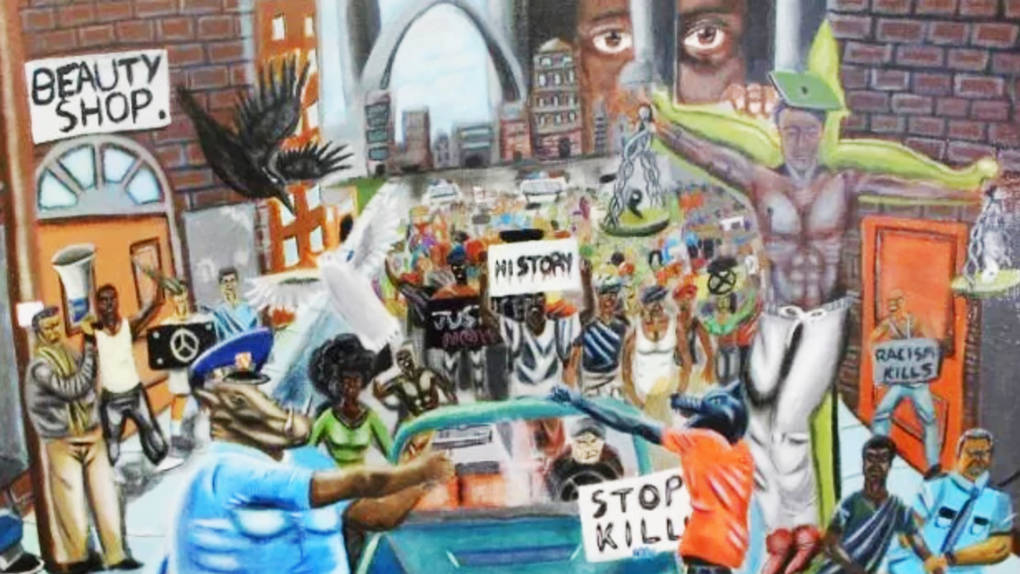
"caption": "Bay Area police unions joined law enforcement groups around the country Thursday calling on House Speaker Paul Ryan to remove this painting, \"Untitled #1,\" by high school student David Pulphus, from the U.S. Capitol complex.",
"description": "Bay Area police unions joined law enforcement groups around the country Thursday calling on House Speaker Paul Ryan to remove this painting, \"Untitled #1 by high school student David Pulphus from the U.S. Capitol complex.",
"title": "pig-pic",
"credit": "Photo: Courtesy of David Pulphus",
"status": "inherit",
"isLoading": false,
"fetchFailed": false
},
"arts_12585823": {
"type": "attachments",
"id": "arts_12585823",
"meta": {
"index": "attachments_1716263798",
"site": "arts",
"id": "12585823",
"found": true
},
"parent": 12585626,
"imgSizes": {
"small": {
"file": "https://ww2.kqed.org/app/uploads/sites/2/2017/01/BonanzaCOVER-520x293.jpg",
"width": 520,
"mimeType": "image/jpeg",
"height": 293
},
"twentyfourteen-full-width": {
"file": "https://ww2.kqed.org/app/uploads/sites/2/2017/01/BonanzaCOVER-1038x576.jpg",
"width": 1038,
"mimeType": "image/jpeg",
"height": 576
},
"thumbnail": {
"file": "https://ww2.kqed.org/app/uploads/sites/2/2017/01/BonanzaCOVER-160x90.jpg",
"width": 160,
"mimeType": "image/jpeg",
"height": 90
},
"fd-sm": {
"file": "https://ww2.kqed.org/app/uploads/sites/2/2017/01/BonanzaCOVER-960x540.jpg",
"width": 960,
"mimeType": "image/jpeg",
"height": 540
},
"post-thumbnail": {
"file": "https://ww2.kqed.org/app/uploads/sites/2/2017/01/BonanzaCOVER-672x372.jpg",
"width": 672,
"mimeType": "image/jpeg",
"height": 372
},
"xsmall": {
"file": "https://ww2.kqed.org/app/uploads/sites/2/2017/01/BonanzaCOVER-375x211.jpg",
"width": 375,
"mimeType": "image/jpeg",
"height": 211
},
"kqedFullSize": {
"file": "https://ww2.kqed.org/app/uploads/sites/2/2017/01/BonanzaCOVER.jpg",
"width": 1920,
"height": 1080
},
"large": {
"file": "https://ww2.kqed.org/app/uploads/sites/2/2017/01/BonanzaCOVER-1020x574.jpg",
"width": 1020,
"mimeType": "image/jpeg",
"height": 574
},
"xlarge": {
"file": "https://ww2.kqed.org/app/uploads/sites/2/2017/01/BonanzaCOVER-1180x664.jpg",
"width": 1180,
"mimeType": "image/jpeg",
"height": 664
},
"guest-author-50": {
"file": "https://ww2.kqed.org/app/uploads/sites/2/2017/01/BonanzaCOVER-50x50.jpg",
"width": 50,
"mimeType": "image/jpeg",
"height": 50
},
"guest-author-96": {
"file": "https://ww2.kqed.org/app/uploads/sites/2/2017/01/BonanzaCOVER-96x96.jpg",
"width": 96,
"mimeType": "image/jpeg",
"height": 96
},
"medium": {
"file": "https://ww2.kqed.org/app/uploads/sites/2/2017/01/BonanzaCOVER-800x450.jpg",
"width": 800,
"mimeType": "image/jpeg",
"height": 450
},
"guest-author-64": {
"file": "https://ww2.kqed.org/app/uploads/sites/2/2017/01/BonanzaCOVER-64x64.jpg",
"width": 64,
"mimeType": "image/jpeg",
"height": 64
},
"guest-author-32": {
"file": "https://ww2.kqed.org/app/uploads/sites/2/2017/01/BonanzaCOVER-32x32.jpg",
"width": 32,
"mimeType": "image/jpeg",
"height": 32
},
"fd-lrg": {
"file": "https://ww2.kqed.org/app/uploads/sites/2/2017/01/BonanzaCOVER-1920x1080.jpg",
"width": 1920,
"mimeType": "image/jpeg",
"height": 1080
},
"fd-med": {
"file": "https://ww2.kqed.org/app/uploads/sites/2/2017/01/BonanzaCOVER-1180x664.jpg",
"width": 1180,
"mimeType": "image/jpeg",
"height": 664
},
"full-width": {
"file": "https://ww2.kqed.org/app/uploads/sites/2/2017/01/BonanzaCOVER-1920x1080.jpg",
"width": 1920,
"mimeType": "image/jpeg",
"height": 1080
},
"detail": {
"file": "https://ww2.kqed.org/app/uploads/sites/2/2017/01/BonanzaCOVER-150x150.jpg",
"width": 150,
"mimeType": "image/jpeg",
"height": 150
},
"medium_large": {
"file": "https://ww2.kqed.org/app/uploads/sites/2/2017/01/BonanzaCOVER-768x432.jpg",
"width": 768,
"mimeType": "image/jpeg",
"height": 432
},
"guest-author-128": {
"file": "https://ww2.kqed.org/app/uploads/sites/2/2017/01/BonanzaCOVER-128x128.jpg",
"width": 128,
"mimeType": "image/jpeg",
"height": 128
},
"xxsmall": {
"file": "https://ww2.kqed.org/app/uploads/sites/2/2017/01/BonanzaCOVER-240x135.jpg",
"width": 240,
"mimeType": "image/jpeg",
"height": 135
}
},
"publishDate": 1483667192,
"modified": 1483667265,
"caption": "Bonanza, Still from 'Future 4ever Beta,' 2017.",
"description": "Bonanza, Still from 'Future 4ever Beta,' 2017.",
"title": "bonanzacover",
"credit": "Courtesy of Southern Exposure",
"status": "inherit",
"isLoading": false,
"fetchFailed": false
},
"arts_12603868": {
"type": "attachments",
"id": "arts_12603868",
"meta": {
"index": "attachments_1716263798",
"site": "arts",
"id": "12603868",
"found": true
},
"parent": 12603865,
"imgSizes": {
"small": {
"file": "https://ww2.kqed.org/app/uploads/sites/2/2017/01/gettyimages-84381121_wide-935edee2898a6b0abaace78bf1370474efac40a1-520x292.jpg",
"width": 520,
"mimeType": "image/jpeg",
"height": 292
},
"twentyfourteen-full-width": {
"file": "https://ww2.kqed.org/app/uploads/sites/2/2017/01/gettyimages-84381121_wide-935edee2898a6b0abaace78bf1370474efac40a1-1038x576.jpg",
"width": 1038,
"mimeType": "image/jpeg",
"height": 576
},
"thumbnail": {
"file": "https://ww2.kqed.org/app/uploads/sites/2/2017/01/gettyimages-84381121_wide-935edee2898a6b0abaace78bf1370474efac40a1-160x90.jpg",
"width": 160,
"mimeType": "image/jpeg",
"height": 90
},
"fd-sm": {
"file": "https://ww2.kqed.org/app/uploads/sites/2/2017/01/gettyimages-84381121_wide-935edee2898a6b0abaace78bf1370474efac40a1-960x540.jpg",
"width": 960,
"mimeType": "image/jpeg",
"height": 540
},
"post-thumbnail": {
"file": "https://ww2.kqed.org/app/uploads/sites/2/2017/01/gettyimages-84381121_wide-935edee2898a6b0abaace78bf1370474efac40a1-672x372.jpg",
"width": 672,
"mimeType": "image/jpeg",
"height": 372
},
"xsmall": {
"file": "https://ww2.kqed.org/app/uploads/sites/2/2017/01/gettyimages-84381121_wide-935edee2898a6b0abaace78bf1370474efac40a1-375x211.jpg",
"width": 375,
"mimeType": "image/jpeg",
"height": 211
},
"kqedFullSize": {
"file": "https://ww2.kqed.org/app/uploads/sites/2/2017/01/gettyimages-84381121_wide-935edee2898a6b0abaace78bf1370474efac40a1.jpg",
"width": 2048,
"height": 1152
},
"large": {
"file": "https://ww2.kqed.org/app/uploads/sites/2/2017/01/gettyimages-84381121_wide-935edee2898a6b0abaace78bf1370474efac40a1-1020x574.jpg",
"width": 1020,
"mimeType": "image/jpeg",
"height": 574
},
"xlarge": {
"file": "https://ww2.kqed.org/app/uploads/sites/2/2017/01/gettyimages-84381121_wide-935edee2898a6b0abaace78bf1370474efac40a1-1180x664.jpg",
"width": 1180,
"mimeType": "image/jpeg",
"height": 664
},
"guest-author-50": {
"file": "https://ww2.kqed.org/app/uploads/sites/2/2017/01/gettyimages-84381121_wide-935edee2898a6b0abaace78bf1370474efac40a1-50x50.jpg",
"width": 50,
"mimeType": "image/jpeg",
"height": 50
},
"guest-author-96": {
"file": "https://ww2.kqed.org/app/uploads/sites/2/2017/01/gettyimages-84381121_wide-935edee2898a6b0abaace78bf1370474efac40a1-96x96.jpg",
"width": 96,
"mimeType": "image/jpeg",
"height": 96
},
"medium": {
"file": "https://ww2.kqed.org/app/uploads/sites/2/2017/01/gettyimages-84381121_wide-935edee2898a6b0abaace78bf1370474efac40a1-800x450.jpg",
"width": 800,
"mimeType": "image/jpeg",
"height": 450
},
"guest-author-64": {
"file": "https://ww2.kqed.org/app/uploads/sites/2/2017/01/gettyimages-84381121_wide-935edee2898a6b0abaace78bf1370474efac40a1-64x64.jpg",
"width": 64,
"mimeType": "image/jpeg",
"height": 64
},
"guest-author-32": {
"file": "https://ww2.kqed.org/app/uploads/sites/2/2017/01/gettyimages-84381121_wide-935edee2898a6b0abaace78bf1370474efac40a1-32x32.jpg",
"width": 32,
"mimeType": "image/jpeg",
"height": 32
},
"fd-lrg": {
"file": "https://ww2.kqed.org/app/uploads/sites/2/2017/01/gettyimages-84381121_wide-935edee2898a6b0abaace78bf1370474efac40a1-1920x1080.jpg",
"width": 1920,
"mimeType": "image/jpeg",
"height": 1080
},
"fd-med": {
"file": "https://ww2.kqed.org/app/uploads/sites/2/2017/01/gettyimages-84381121_wide-935edee2898a6b0abaace78bf1370474efac40a1-1180x664.jpg",
"width": 1180,
"mimeType": "image/jpeg",
"height": 664
},
"full-width": {
"file": "https://ww2.kqed.org/app/uploads/sites/2/2017/01/gettyimages-84381121_wide-935edee2898a6b0abaace78bf1370474efac40a1-1920x1080.jpg",
"width": 1920,
"mimeType": "image/jpeg",
"height": 1080
},
"detail": {
"file": "https://ww2.kqed.org/app/uploads/sites/2/2017/01/gettyimages-84381121_wide-935edee2898a6b0abaace78bf1370474efac40a1-150x150.jpg",
"width": 150,
"mimeType": "image/jpeg",
"height": 150
},
"medium_large": {
"file": "https://ww2.kqed.org/app/uploads/sites/2/2017/01/gettyimages-84381121_wide-935edee2898a6b0abaace78bf1370474efac40a1-768x432.jpg",
"width": 768,
"mimeType": "image/jpeg",
"height": 432
},
"guest-author-128": {
"file": "https://ww2.kqed.org/app/uploads/sites/2/2017/01/gettyimages-84381121_wide-935edee2898a6b0abaace78bf1370474efac40a1-128x128.jpg",
"width": 128,
"mimeType": "image/jpeg",
"height": 128
},
"xxsmall": {
"file": "https://ww2.kqed.org/app/uploads/sites/2/2017/01/gettyimages-84381121_wide-935edee2898a6b0abaace78bf1370474efac40a1-240x135.jpg",
"width": 240,
"mimeType": "image/jpeg",
"height": 135
}
},
"publishDate": 1484003853,
"modified": 1484004319,
"caption": "Barack and Michelle Obama attend the Neighborhood Inaugural Ball on Jan. 20, 2009. The first lady wore a gown by Jason Wu.",
"description": "Barack and Michelle Obama attend the Neighborhood Inaugural Ball on Jan. 20, 2009. The first lady wore a gown by Jason Wu.",
"title": "Barack and Michelle Obama attend the Neighborhood Inaugural Ball on Jan. 20, 2009. The first lady wore a gown by Jason Wu.",
"credit": "Photo: Chip Somodevilla/Getty Images",
"status": "inherit",
"isLoading": false,
"fetchFailed": false
},
"arts_12589488": {
"type": "attachments",
"id": "arts_12589488",
"meta": {
"index": "attachments_1716263798",
"site": "arts",
"id": "12589488",
"found": true
},
"parent": 12589287,
"imgSizes": {
"small": {
"file": "https://ww2.kqed.org/app/uploads/sites/2/2017/01/Duncan-Hunter-520x293.jpg",
"width": 520,
"mimeType": "image/jpeg",
"height": 293
},
"twentyfourteen-full-width": {
"file": "https://ww2.kqed.org/app/uploads/sites/2/2017/01/Duncan-Hunter-1038x576.jpg",
"width": 1038,
"mimeType": "image/jpeg",
"height": 576
},
"thumbnail": {
"file": "https://ww2.kqed.org/app/uploads/sites/2/2017/01/Duncan-Hunter-160x90.jpg",
"width": 160,
"mimeType": "image/jpeg",
"height": 90
},
"fd-sm": {
"file": "https://ww2.kqed.org/app/uploads/sites/2/2017/01/Duncan-Hunter-960x540.jpg",
"width": 960,
"mimeType": "image/jpeg",
"height": 540
},
"post-thumbnail": {
"file": "https://ww2.kqed.org/app/uploads/sites/2/2017/01/Duncan-Hunter-672x372.jpg",
"width": 672,
"mimeType": "image/jpeg",
"height": 372
},
"xsmall": {
"file": "https://ww2.kqed.org/app/uploads/sites/2/2017/01/Duncan-Hunter-375x211.jpg",
"width": 375,
"mimeType": "image/jpeg",
"height": 211
},
"kqedFullSize": {
"file": "https://ww2.kqed.org/app/uploads/sites/2/2017/01/Duncan-Hunter.jpg",
"width": 1920,
"height": 1080
},
"large": {
"file": "https://ww2.kqed.org/app/uploads/sites/2/2017/01/Duncan-Hunter-1020x574.jpg",
"width": 1020,
"mimeType": "image/jpeg",
"height": 574
},
"xlarge": {
"file": "https://ww2.kqed.org/app/uploads/sites/2/2017/01/Duncan-Hunter-1180x664.jpg",
"width": 1180,
"mimeType": "image/jpeg",
"height": 664
},
"guest-author-50": {
"file": "https://ww2.kqed.org/app/uploads/sites/2/2017/01/Duncan-Hunter-50x50.jpg",
"width": 50,
"mimeType": "image/jpeg",
"height": 50
},
"guest-author-96": {
"file": "https://ww2.kqed.org/app/uploads/sites/2/2017/01/Duncan-Hunter-96x96.jpg",
"width": 96,
"mimeType": "image/jpeg",
"height": 96
},
"medium": {
"file": "https://ww2.kqed.org/app/uploads/sites/2/2017/01/Duncan-Hunter-800x450.jpg",
"width": 800,
"mimeType": "image/jpeg",
"height": 450
},
"guest-author-64": {
"file": "https://ww2.kqed.org/app/uploads/sites/2/2017/01/Duncan-Hunter-64x64.jpg",
"width": 64,
"mimeType": "image/jpeg",
"height": 64
},
"guest-author-32": {
"file": "https://ww2.kqed.org/app/uploads/sites/2/2017/01/Duncan-Hunter-32x32.jpg",
"width": 32,
"mimeType": "image/jpeg",
"height": 32
},
"fd-lrg": {
"file": "https://ww2.kqed.org/app/uploads/sites/2/2017/01/Duncan-Hunter-1920x1080.jpg",
"width": 1920,
"mimeType": "image/jpeg",
"height": 1080
},
"fd-med": {
"file": "https://ww2.kqed.org/app/uploads/sites/2/2017/01/Duncan-Hunter-1180x664.jpg",
"width": 1180,
"mimeType": "image/jpeg",
"height": 664
},
"full-width": {
"file": "https://ww2.kqed.org/app/uploads/sites/2/2017/01/Duncan-Hunter-1920x1080.jpg",
"width": 1920,
"mimeType": "image/jpeg",
"height": 1080
},
"detail": {
"file": "https://ww2.kqed.org/app/uploads/sites/2/2017/01/Duncan-Hunter-150x150.jpg",
"width": 150,
"mimeType": "image/jpeg",
"height": 150
},
"medium_large": {
"file": "https://ww2.kqed.org/app/uploads/sites/2/2017/01/Duncan-Hunter-768x432.jpg",
"width": 768,
"mimeType": "image/jpeg",
"height": 432
},
"guest-author-128": {
"file": "https://ww2.kqed.org/app/uploads/sites/2/2017/01/Duncan-Hunter-128x128.jpg",
"width": 128,
"mimeType": "image/jpeg",
"height": 128
},
"xxsmall": {
"file": "https://ww2.kqed.org/app/uploads/sites/2/2017/01/Duncan-Hunter-240x135.jpg",
"width": 240,
"mimeType": "image/jpeg",
"height": 135
}
},
"publishDate": 1483735175,
"modified": 1483735224,
"caption": "Rep. Duncan Hunter (R-CA) speaks during a news conference held by House Republicans in 2014. ",
"description": "Rep. Duncan Hunter (R-CA) speaks during a news conference held by House Republicans in 2014. ",
"title": "Cantor, House Republicans Hold News Conference On Protecting US Veterans",
"credit": "Photo: Win McNamee/Getty Images",
"status": "inherit",
"isLoading": false,
"fetchFailed": false
},
"arts_12585011": {
"type": "attachments",
"id": "arts_12585011",
"meta": {
"index": "attachments_1716263798",
"site": "arts",
"id": "12585011",
"found": true
},
"parent": 12584017,
"imgSizes": {
"small": {
"file": "https://ww2.kqed.org/app/uploads/sites/2/2017/01/Midge-Ure-e1483653437289-520x290.jpg",
"width": 520,
"mimeType": "image/jpeg",
"height": 290
},
"twentyfourteen-full-width": {
"file": "https://ww2.kqed.org/app/uploads/sites/2/2017/01/Midge-Ure-e1483653437289-1038x576.jpg",
"width": 1038,
"mimeType": "image/jpeg",
"height": 576
},
"thumbnail": {
"file": "https://ww2.kqed.org/app/uploads/sites/2/2017/01/Midge-Ure-e1483653437289-160x89.jpg",
"width": 160,
"mimeType": "image/jpeg",
"height": 89
},
"fd-sm": {
"file": "https://ww2.kqed.org/app/uploads/sites/2/2017/01/Midge-Ure-e1483653437289-960x535.jpg",
"width": 960,
"mimeType": "image/jpeg",
"height": 535
},
"post-thumbnail": {
"file": "https://ww2.kqed.org/app/uploads/sites/2/2017/01/Midge-Ure-e1483653437289-672x372.jpg",
"width": 672,
"mimeType": "image/jpeg",
"height": 372
},
"xsmall": {
"file": "https://ww2.kqed.org/app/uploads/sites/2/2017/01/Midge-Ure-e1483653437289-375x209.jpg",
"width": 375,
"mimeType": "image/jpeg",
"height": 209
},
"kqedFullSize": {
"file": "https://ww2.kqed.org/app/uploads/sites/2/2017/01/Midge-Ure-e1483653437289.jpg",
"width": 1249,
"height": 696
},
"large": {
"file": "https://ww2.kqed.org/app/uploads/sites/2/2017/01/Midge-Ure-e1483653437289-1020x568.jpg",
"width": 1020,
"mimeType": "image/jpeg",
"height": 568
},
"xlarge": {
"file": "https://ww2.kqed.org/app/uploads/sites/2/2017/01/Midge-Ure-e1483653437289-1180x658.jpg",
"width": 1180,
"mimeType": "image/jpeg",
"height": 658
},
"guest-author-50": {
"file": "https://ww2.kqed.org/app/uploads/sites/2/2017/01/Midge-Ure-e1483653437289-50x50.jpg",
"width": 50,
"mimeType": "image/jpeg",
"height": 50
},
"guest-author-96": {
"file": "https://ww2.kqed.org/app/uploads/sites/2/2017/01/Midge-Ure-e1483653437289-96x96.jpg",
"width": 96,
"mimeType": "image/jpeg",
"height": 96
},
"medium": {
"file": "https://ww2.kqed.org/app/uploads/sites/2/2017/01/Midge-Ure-e1483653437289-800x446.jpg",
"width": 800,
"mimeType": "image/jpeg",
"height": 446
},
"guest-author-64": {
"file": "https://ww2.kqed.org/app/uploads/sites/2/2017/01/Midge-Ure-e1483653437289-64x64.jpg",
"width": 64,
"mimeType": "image/jpeg",
"height": 64
},
"guest-author-32": {
"file": "https://ww2.kqed.org/app/uploads/sites/2/2017/01/Midge-Ure-e1483653437289-32x32.jpg",
"width": 32,
"mimeType": "image/jpeg",
"height": 32
},
"fd-lrg": {
"file": "https://ww2.kqed.org/app/uploads/sites/2/2017/01/Midge-Ure-1920x1357.jpg",
"width": 1920,
"mimeType": "image/jpeg",
"height": 1357
},
"fd-med": {
"file": "https://ww2.kqed.org/app/uploads/sites/2/2017/01/Midge-Ure-e1483653437289-1180x658.jpg",
"width": 1180,
"mimeType": "image/jpeg",
"height": 658
},
"full-width": {
"file": "https://ww2.kqed.org/app/uploads/sites/2/2017/01/Midge-Ure-1920x1357.jpg",
"width": 1920,
"mimeType": "image/jpeg",
"height": 1357
},
"detail": {
"file": "https://ww2.kqed.org/app/uploads/sites/2/2017/01/Midge-Ure-e1483653437289-150x150.jpg",
"width": 150,
"mimeType": "image/jpeg",
"height": 150
},
"medium_large": {
"file": "https://ww2.kqed.org/app/uploads/sites/2/2017/01/Midge-Ure-e1483653437289-768x428.jpg",
"width": 768,
"mimeType": "image/jpeg",
"height": 428
},
"guest-author-128": {
"file": "https://ww2.kqed.org/app/uploads/sites/2/2017/01/Midge-Ure-e1483653437289-128x128.jpg",
"width": 128,
"mimeType": "image/jpeg",
"height": 128
},
"xxsmall": {
"file": "https://ww2.kqed.org/app/uploads/sites/2/2017/01/Midge-Ure-e1483653437289-240x134.jpg",
"width": 240,
"mimeType": "image/jpeg",
"height": 134
}
},
"publishDate": 1483653334,
"modified": 1483653399,
"caption": "Midge Ure of Ultravox fame plays three shows in Northern California this coming week",
"description": "Midge Ure of Ultravox fame plays three shows in Northern California this coming week",
"title": "Midge Ure of Ultravox fame plays three shows in Northern California this coming week",
"credit": "Photo: Courtesy of Midge Ure",
"status": "inherit",
"isLoading": false,
"fetchFailed": false
},
"arts_12579916": {
"type": "attachments",
"id": "arts_12579916",
"meta": {
"index": "attachments_1716263798",
"site": "arts",
"id": "12579916",
"found": true
},
"parent": 12578740,
"imgSizes": {
"small": {
"file": "https://ww2.kqed.org/app/uploads/sites/2/2017/01/RS23459_Photo-Dec-19-10-42-37-AM-qut-520x293.jpg",
"width": 520,
"mimeType": "image/jpeg",
"height": 293
},
"twentyfourteen-full-width": {
"file": "https://ww2.kqed.org/app/uploads/sites/2/2017/01/RS23459_Photo-Dec-19-10-42-37-AM-qut-1038x576.jpg",
"width": 1038,
"mimeType": "image/jpeg",
"height": 576
},
"thumbnail": {
"file": "https://ww2.kqed.org/app/uploads/sites/2/2017/01/RS23459_Photo-Dec-19-10-42-37-AM-qut-160x90.jpg",
"width": 160,
"mimeType": "image/jpeg",
"height": 90
},
"fd-sm": {
"file": "https://ww2.kqed.org/app/uploads/sites/2/2017/01/RS23459_Photo-Dec-19-10-42-37-AM-qut-960x540.jpg",
"width": 960,
"mimeType": "image/jpeg",
"height": 540
},
"post-thumbnail": {
"file": "https://ww2.kqed.org/app/uploads/sites/2/2017/01/RS23459_Photo-Dec-19-10-42-37-AM-qut-672x372.jpg",
"width": 672,
"mimeType": "image/jpeg",
"height": 372
},
"xsmall": {
"file": "https://ww2.kqed.org/app/uploads/sites/2/2017/01/RS23459_Photo-Dec-19-10-42-37-AM-qut-375x211.jpg",
"width": 375,
"mimeType": "image/jpeg",
"height": 211
},
"kqedFullSize": {
"file": "https://ww2.kqed.org/app/uploads/sites/2/2017/01/RS23459_Photo-Dec-19-10-42-37-AM-qut.jpg",
"width": 1920,
"height": 1080
},
"large": {
"file": "https://ww2.kqed.org/app/uploads/sites/2/2017/01/RS23459_Photo-Dec-19-10-42-37-AM-qut-1020x574.jpg",
"width": 1020,
"mimeType": "image/jpeg",
"height": 574
},
"xlarge": {
"file": "https://ww2.kqed.org/app/uploads/sites/2/2017/01/RS23459_Photo-Dec-19-10-42-37-AM-qut-1180x664.jpg",
"width": 1180,
"mimeType": "image/jpeg",
"height": 664
},
"guest-author-50": {
"file": "https://ww2.kqed.org/app/uploads/sites/2/2017/01/RS23459_Photo-Dec-19-10-42-37-AM-qut-50x50.jpg",
"width": 50,
"mimeType": "image/jpeg",
"height": 50
},
"guest-author-96": {
"file": "https://ww2.kqed.org/app/uploads/sites/2/2017/01/RS23459_Photo-Dec-19-10-42-37-AM-qut-96x96.jpg",
"width": 96,
"mimeType": "image/jpeg",
"height": 96
},
"medium": {
"file": "https://ww2.kqed.org/app/uploads/sites/2/2017/01/RS23459_Photo-Dec-19-10-42-37-AM-qut-800x450.jpg",
"width": 800,
"mimeType": "image/jpeg",
"height": 450
},
"guest-author-64": {
"file": "https://ww2.kqed.org/app/uploads/sites/2/2017/01/RS23459_Photo-Dec-19-10-42-37-AM-qut-64x64.jpg",
"width": 64,
"mimeType": "image/jpeg",
"height": 64
},
"guest-author-32": {
"file": "https://ww2.kqed.org/app/uploads/sites/2/2017/01/RS23459_Photo-Dec-19-10-42-37-AM-qut-32x32.jpg",
"width": 32,
"mimeType": "image/jpeg",
"height": 32
},
"fd-lrg": {
"file": "https://ww2.kqed.org/app/uploads/sites/2/2017/01/RS23459_Photo-Dec-19-10-42-37-AM-qut-1920x1080.jpg",
"width": 1920,
"mimeType": "image/jpeg",
"height": 1080
},
"fd-med": {
"file": "https://ww2.kqed.org/app/uploads/sites/2/2017/01/RS23459_Photo-Dec-19-10-42-37-AM-qut-1180x664.jpg",
"width": 1180,
"mimeType": "image/jpeg",
"height": 664
},
"full-width": {
"file": "https://ww2.kqed.org/app/uploads/sites/2/2017/01/RS23459_Photo-Dec-19-10-42-37-AM-qut-1920x1080.jpg",
"width": 1920,
"mimeType": "image/jpeg",
"height": 1080
},
"detail": {
"file": "https://ww2.kqed.org/app/uploads/sites/2/2017/01/RS23459_Photo-Dec-19-10-42-37-AM-qut-150x150.jpg",
"width": 150,
"mimeType": "image/jpeg",
"height": 150
},
"medium_large": {
"file": "https://ww2.kqed.org/app/uploads/sites/2/2017/01/RS23459_Photo-Dec-19-10-42-37-AM-qut-768x432.jpg",
"width": 768,
"mimeType": "image/jpeg",
"height": 432
},
"guest-author-128": {
"file": "https://ww2.kqed.org/app/uploads/sites/2/2017/01/RS23459_Photo-Dec-19-10-42-37-AM-qut-128x128.jpg",
"width": 128,
"mimeType": "image/jpeg",
"height": 128
},
"xxsmall": {
"file": "https://ww2.kqed.org/app/uploads/sites/2/2017/01/RS23459_Photo-Dec-19-10-42-37-AM-qut-240x135.jpg",
"width": 240,
"mimeType": "image/jpeg",
"height": 135
}
},
"publishDate": 1483559467,
"modified": 1483559496,
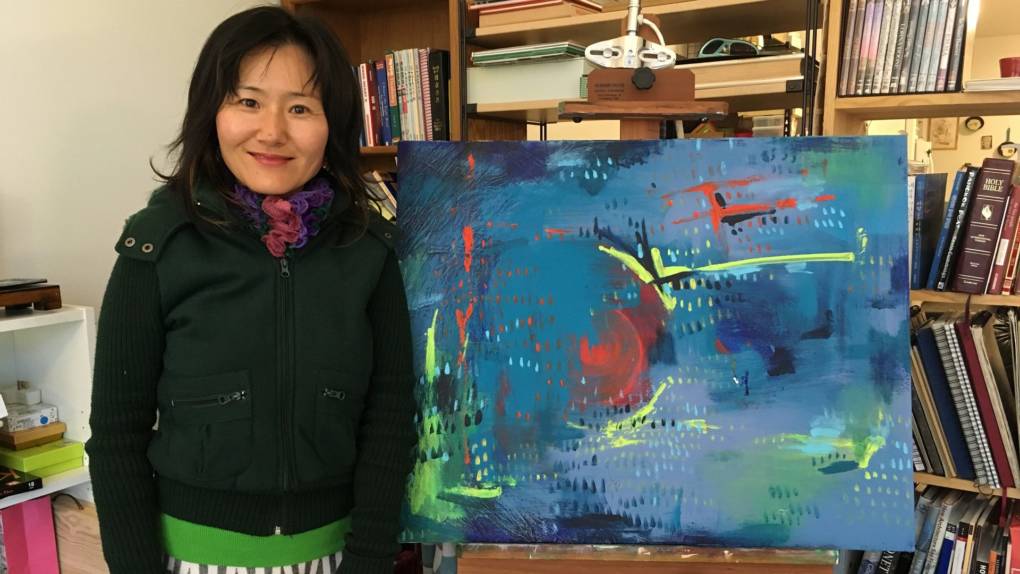
"caption": "At the Tannery Arts Center, an affordable housing complex designed for artists, Heejin Lee pays $1,224 a month for a three-bedroom unit, something that would cost her two or three times as much on the open market.",
"description": "At the Tannery Arts Center, an affordable housing complex designed for artists, Heejin Lee pays $1,224 a month for a three-bedroom unit, something that would cost her two or three times as much on the open market.",
"title": "rs23459_photo-dec-19-10-42-37-am-qut",
"credit": "Photo: Rachael Myrow/KQED",
"status": "inherit",
"isLoading": false,
"fetchFailed": false
},
"arts_11755811": {
"type": "attachments",
"id": "arts_11755811",
"meta": {
"index": "attachments_1716263798",
"site": "arts",
"id": "11755811",
"found": true
},
"parent": 11755797,
"imgSizes": {
"twentyfourteen-full-width": {
"file": "https://ww2.kqed.org/app/uploads/sites/2/2016/06/GuerreroCOVER-1038x576.jpg",
"width": 1038,
"mimeType": "image/jpeg",
"height": 576
},
"thumbnail": {
"file": "https://ww2.kqed.org/app/uploads/sites/2/2016/06/GuerreroCOVER-400x225.jpg",
"width": 400,
"mimeType": "image/jpeg",
"height": 225
},
"fd-sm": {
"file": "https://ww2.kqed.org/app/uploads/sites/2/2016/06/GuerreroCOVER-960x540.jpg",
"width": 960,
"mimeType": "image/jpeg",
"height": 540
},
"post-thumbnail": {
"file": "https://ww2.kqed.org/app/uploads/sites/2/2016/06/GuerreroCOVER-672x372.jpg",
"width": 672,
"mimeType": "image/jpeg",
"height": 372
},
"kqedFullSize": {
"file": "https://ww2.kqed.org/app/uploads/sites/2/2016/06/GuerreroCOVER.jpg",
"width": 1500,
"height": 844
},
"large": {
"file": "https://ww2.kqed.org/app/uploads/sites/2/2016/06/GuerreroCOVER-1180x664.jpg",
"width": 1180,
"mimeType": "image/jpeg",
"height": 664
},
"guest-author-50": {
"file": "https://ww2.kqed.org/app/uploads/sites/2/2016/06/GuerreroCOVER-50x50.jpg",
"width": 50,
"mimeType": "image/jpeg",
"height": 50
},
"guest-author-96": {
"file": "https://ww2.kqed.org/app/uploads/sites/2/2016/06/GuerreroCOVER-96x96.jpg",
"width": 96,
"mimeType": "image/jpeg",
"height": 96
},
"medium": {
"file": "https://ww2.kqed.org/app/uploads/sites/2/2016/06/GuerreroCOVER-800x450.jpg",
"width": 800,
"mimeType": "image/jpeg",
"height": 450
},
"guest-author-64": {
"file": "https://ww2.kqed.org/app/uploads/sites/2/2016/06/GuerreroCOVER-64x64.jpg",
"width": 64,
"mimeType": "image/jpeg",
"height": 64
},
"guest-author-32": {
"file": "https://ww2.kqed.org/app/uploads/sites/2/2016/06/GuerreroCOVER-32x32.jpg",
"width": 32,
"mimeType": "image/jpeg",
"height": 32
},
"fd-med": {
"file": "https://ww2.kqed.org/app/uploads/sites/2/2016/06/GuerreroCOVER-1180x664.jpg",
"width": 1180,
"mimeType": "image/jpeg",
"height": 664
},
"detail": {
"file": "https://ww2.kqed.org/app/uploads/sites/2/2016/06/GuerreroCOVER-150x150.jpg",
"width": 150,
"mimeType": "image/jpeg",
"height": 150
},
"medium_large": {
"file": "https://ww2.kqed.org/app/uploads/sites/2/2016/06/GuerreroCOVER-768x432.jpg",
"width": 768,
"mimeType": "image/jpeg",
"height": 432
},
"guest-author-128": {
"file": "https://ww2.kqed.org/app/uploads/sites/2/2016/06/GuerreroCOVER-128x128.jpg",
"width": 128,
"mimeType": "image/jpeg",
"height": 128
}
},
"publishDate": 1467266002,
"modified": 1575334782,
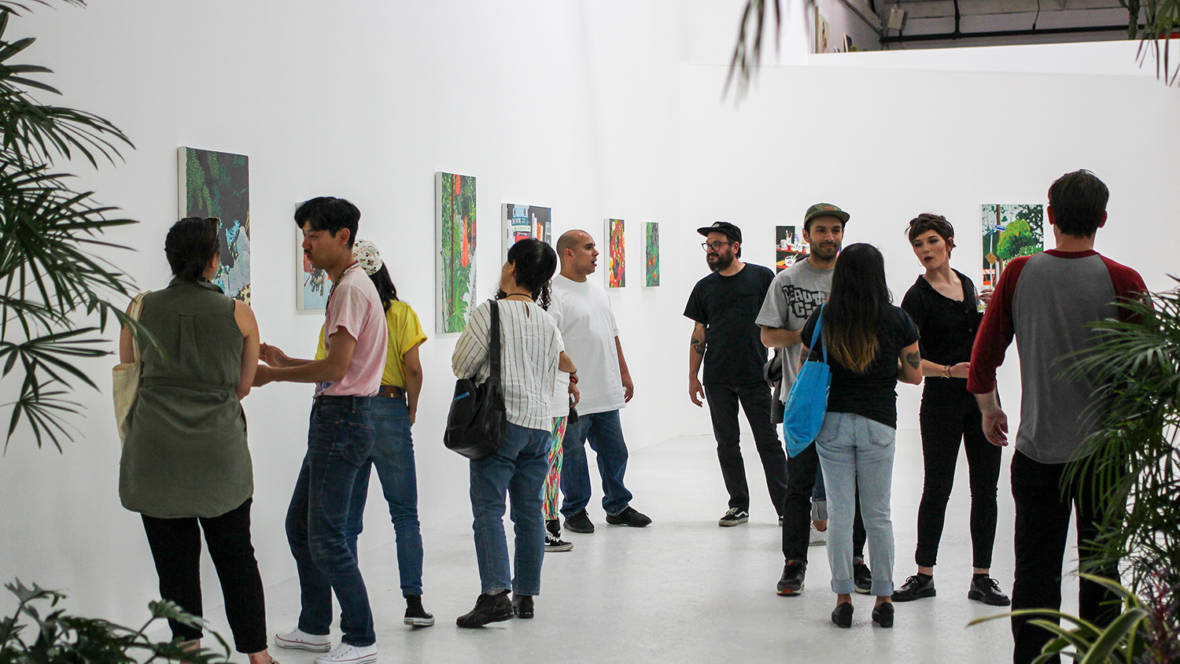
"caption": "The new Guerrero Gallery during the opening of Hilary Pecis' 'El Verano' in 2016.",
"description": "The new Guerrero Gallery during the opening of Hilary Pecis' 'El Verano' in 2016.",
"title": "GuerreroCOVER",
"credit": "Photo: Alan Gonzalez; Courtesy of Guerrero Gallery",
"status": "inherit",
"isLoading": false,
"fetchFailed": false
}
},
"audioPlayerReducer": {
"postId": "stream_live",
"isPaused": true,
"isPlaying": false,
"pfsActive": false,
"pledgeModalIsOpen": true,
"playerDrawerIsOpen": false,
"liveAudioPlayStartedAt": 0,
"liveAudioPlayContext": ""
},
"authorsReducer": {
"byline_pop_58065": {
"type": "authors",
"id": "byline_pop_58065",
"meta": {
"override": true
},
"slug": "byline_pop_58065",
"name": "Dustin DeSoto",
"isLoading": false
},
"byline_arts_12608568": {
"type": "authors",
"id": "byline_arts_12608568",
"meta": {
"override": true
},
"slug": "byline_arts_12608568",
"name": "Kevin Freking, Associated Press",
"isLoading": false
},
"byline_arts_12603865": {
"type": "authors",
"id": "byline_arts_12603865",
"meta": {
"override": true
},
"slug": "byline_arts_12603865",
"name": "Elizabeth Blair",
"isLoading": false
},
"byline_arts_12589287": {
"type": "authors",
"id": "byline_arts_12589287",
"meta": {
"override": true
},
"slug": "byline_arts_12589287",
"name": "Kevin Freking, Associated Press",
"isLoading": false
},
"cmusiker": {
"type": "authors",
"id": "32",
"meta": {
"index": "authors_1716337520",
"id": "32",
"found": true
},
"name": "Cy Musiker",
"firstName": "Cy",
"lastName": "Musiker",
"slug": "cmusiker",
"email": "cmusiker@kqed.org",
"display_author_email": false,
"staff_mastheads": [],
"title": "KQED Contributor",
"bio": "Cy Musiker is a former co-host of The Do List and a former reporter covering the arts for KQED News and The California Report. He loves live performance, especially great theater, jazz, roots music, anything by Mahler. Cy has an MJ from UC Berkeley's School of Journalism, and got his BA from Hampshire College. His work has been recognized by the Society for Professional Journalists with their Sigma Delta Chi Award for Public Service in Journalism. When he can, Cy likes to swim in Tomales Bay, run with his dog in the East Bay Hills, and hike the Sierra.",
"avatar": "https://secure.gravatar.com/avatar/05eaba5c5696ce8f062e4ea2df428a43?s=600&d=blank&r=g",
"twitter": null,
"facebook": null,
"instagram": null,
"linkedin": null,
"sites": [
{
"site": "arts",
"roles": [
"Contributor",
"subscriber"
]
},
{
"site": "news",
"roles": [
"author"
]
},
{
"site": "bayareabites",
"roles": [
"contributor"
]
}
],
"headData": {
"title": "Cy Musiker | KQED",
"description": "KQED Contributor",
"ogImgSrc": "https://secure.gravatar.com/avatar/05eaba5c5696ce8f062e4ea2df428a43?s=600&d=blank&r=g",
"twImgSrc": "https://secure.gravatar.com/avatar/05eaba5c5696ce8f062e4ea2df428a43?s=600&d=blank&r=g"
},
"isLoading": false,
"link": "/author/cmusiker"
},
"shotchkiss": {
"type": "authors",
"id": "61",
"meta": {
"index": "authors_1716337520",
"id": "61",
"found": true
},
"name": "Sarah Hotchkiss",
"firstName": "Sarah",
"lastName": "Hotchkiss",
"slug": "shotchkiss",
"email": "shotchkiss@kqed.org",
"display_author_email": true,
"staff_mastheads": [
"arts"
],
"title": "Senior Editor",
"bio": "Sarah Hotchkiss is a San Francisco \u003ca href=\"http://www.sarahhotchkiss.com\">artist\u003c/a> and arts writer. In 2019, she received the Dorothea & Leo Rabkin Foundation grant for visual art journalism and in 2020 she received a Society of Professional Journalists, Northern California award for excellence in arts and culture reporting.",
"avatar": "https://secure.gravatar.com/avatar/bc662df144b3d27fd8b1b6f1c2a420d34e91e53154d411bb7ad353cc8b6cea8d?s=600&d=blank&r=g",
"twitter": null,
"bluesky": null,
"facebook": null,
"instagram": null,
"linkedin": null,
"sites": [
{
"site": "",
"roles": [
"editor"
]
},
{
"site": "arts",
"roles": [
"Contributor",
"administrator"
]
},
{
"site": "artschool",
"roles": [
"administrator"
]
},
{
"site": "news",
"roles": [
"editor"
]
},
{
"site": "pop",
"roles": [
"administrator"
]
},
{
"site": "bayareabites",
"roles": [
"editor"
]
},
{
"site": "spark",
"roles": [
"editor"
]
},
{
"site": "checkplease",
"roles": [
"editor"
]
}
],
"headData": {
"title": "Sarah Hotchkiss | KQED",
"description": "Senior Editor",
"ogImgSrc": "https://secure.gravatar.com/avatar/bc662df144b3d27fd8b1b6f1c2a420d34e91e53154d411bb7ad353cc8b6cea8d?s=600&d=blank&r=g",
"twImgSrc": "https://secure.gravatar.com/avatar/bc662df144b3d27fd8b1b6f1c2a420d34e91e53154d411bb7ad353cc8b6cea8d?s=600&d=blank&r=g"
},
"isLoading": false,
"link": "/author/shotchkiss"
},
"rachael-myrow": {
"type": "authors",
"id": "251",
"meta": {
"index": "authors_1716337520",
"id": "251",
"found": true
},
"name": "Rachael Myrow",
"firstName": "Rachael",
"lastName": "Myrow",
"slug": "rachael-myrow",
"email": "rmyrow@kqed.org",
"display_author_email": true,
"staff_mastheads": [
"news"
],
"title": "Senior Editor of KQED's Silicon Valley News Desk",
"bio": "• I write and edit stories about how Silicon Valley power and policies shape everyday life in California. I’m also passionate about making Bay Area history and culture more accessible to a broad public. • I’ve been a journalist for most of my life, starting in high school with The Franklin Press in Los Angeles, where I grew up. While earning my first degree in English at UC Berkeley, I got my start in public radio at KALX-FM. After completing a second degree in journalism at Cal, I landed my first professional job at Marketplace, then moved on to KPCC (now LAist), and then KQED, where I hosted The California Report for more than seven years. • My reporting has appeared on NPR, The World, WBUR’s \u003ci>Here & Now\u003c/i>, and the BBC. I also guest host for KQED’s \u003ci>Forum\u003c/i>, as well as the Commonwealth Club in San Francisco. • I speak periodically on media, democracy and technology issues, and do voiceover work for documentaries and educational video projects. • Outside of the studio, you'll find me hiking Bay Area trails and whipping up Insta-ready meals in my kitchen. • I do not accept gifts, money, or favors from anyone connected to my reporting, I don't pay people for information, and I do not support or donate to political causes. • I strive to treat the people I report on with fairness, honesty, and respect. I also recognize there are often multiple sides to a story and work to verify information through multiple sources and documentation. If I get something wrong, I correct it.",
"avatar": "https://secure.gravatar.com/avatar/3ed8a3c5f26025e4a805ba634cda8cd764906b97438a6d9ce216b044e340da4e?s=600&d=blank&r=g",
"twitter": "rachaelmyrow",
"bluesky": null,
"facebook": null,
"instagram": null,
"linkedin": "https://www.linkedin.com/in/rachaelmyrow/",
"sites": [
{
"site": "arts",
"roles": [
"administrator"
]
},
{
"site": "news",
"roles": [
"edit_others_posts",
"editor"
]
},
{
"site": "futureofyou",
"roles": [
"editor"
]
},
{
"site": "bayareabites",
"roles": [
"editor"
]
},
{
"site": "stateofhealth",
"roles": [
"editor"
]
},
{
"site": "science",
"roles": [
"editor"
]
},
{
"site": "food",
"roles": [
"editor"
]
},
{
"site": "forum",
"roles": [
"editor"
]
},
{
"site": "liveblog",
"roles": [
"author"
]
}
],
"headData": {
"title": "Rachael Myrow | KQED",
"description": "Senior Editor of KQED's Silicon Valley News Desk",
"ogImgSrc": "https://secure.gravatar.com/avatar/3ed8a3c5f26025e4a805ba634cda8cd764906b97438a6d9ce216b044e340da4e?s=600&d=blank&r=g",
"twImgSrc": "https://secure.gravatar.com/avatar/3ed8a3c5f26025e4a805ba634cda8cd764906b97438a6d9ce216b044e340da4e?s=600&d=blank&r=g"
},
"isLoading": false,
"link": "/author/rachael-myrow"
},
"rlevi": {
"type": "authors",
"id": "11260",
"meta": {
"index": "authors_1716337520",
"id": "11260",
"found": true
},
"name": "Ryan Levi",
"firstName": "Ryan",
"lastName": "Levi",
"slug": "rlevi",
"email": "rlevi@KQED.org",
"display_author_email": false,
"staff_mastheads": [],
"title": "KQED Contributor",
"bio": "Ryan Levi was a reporter and podcast producer at KQED News from 2016-2019. He worked on \u003ca href=\"https://www.kqed.org/news/series/baycurious\">Bay Curious\u003c/a>, \u003ca href=\"https://www.kqed.org/news/tag/the-bay/\">The Bay, \u003c/a>and \u003ca href=\"https://podcasts.apple.com/us/podcast/the-california-report-magazine/id1314750545\">The California Report Magazine\u003c/a>, as well as hosting and producing the weekly \u003ca href=\"https://www.kqed.org/news/program/qedup/\">Q'ed Up podcast. \u003c/a>He also helped inaugurate KQED's weekend news coverage in 2017 as one of two original digital producers. Ryan holds degrees in multimedia journalism and Spanish from the University of Missouri.",
"avatar": "https://secure.gravatar.com/avatar/4cb2ddd028ac8807d1adf09609c5555d?s=600&d=blank&r=g",
"twitter": "ryan_levi",
"facebook": null,
"instagram": null,
"linkedin": null,
"sites": [
{
"site": "arts",
"roles": [
"editor"
]
},
{
"site": "news",
"roles": [
"subscriber"
]
},
{
"site": "stateofhealth",
"roles": [
"editor"
]
},
{
"site": "science",
"roles": [
"editor"
]
},
{
"site": "forum",
"roles": [
"administrator"
]
},
{
"site": "perspectives",
"roles": [
"administrator"
]
}
],
"headData": {
"title": "Ryan Levi | KQED",
"description": "KQED Contributor",
"ogImgSrc": "https://secure.gravatar.com/avatar/4cb2ddd028ac8807d1adf09609c5555d?s=600&d=blank&r=g",
"twImgSrc": "https://secure.gravatar.com/avatar/4cb2ddd028ac8807d1adf09609c5555d?s=600&d=blank&r=g"
},
"isLoading": false,
"link": "/author/rlevi"
}
},
"pagesReducer": {
"arts_category_visualarts": {
"type": "terms",
"id": "arts_70",
"meta": {
"index": "terms_1716263798",
"site": "arts",
"id": "70",
"score": 14.4072075
},
"featImg": null,
"name": "Visual Arts",
"description": null,
"taxonomy": "category",
"headData": {
"twImgId": null,
"twTitle": null,
"ogTitle": null,
"ogImgId": null,
"twDescription": null,
"description": null,
"title": "Visual Arts Archives | KQED Arts",
"ogDescription": null
},
"ttid": 71,
"slug": "visualarts",
"isLoading": false,
"title": "Visual Arts",
"pageMeta": {
"site": "arts",
"WpPageTemplate": "page-topic-editorial",
"currentPage": 112
},
"blocks": [
{
"blockName": "kqed/post-list",
"attrs": {
"layout": "cardArticle2",
"query": "posts/arts?category=visualarts",
"seeMore": false,
"paginated": true,
"page": 112
}
},
{
"blockName": "kqed/ad"
}
]
}
},
"pfsSessionReducer": {},
"postsReducer": {
"stream_live": {
"type": "live",
"id": "stream_live",
"audioUrl": "https://streams.kqed.org/kqedradio",
"title": "Live Stream",
"excerpt": "Live Stream information currently unavailable.",
"link": "/radio",
"featImg": "",
"label": {
"name": "KQED Live",
"link": "/"
}
},
"stream_kqedNewscast": {
"type": "posts",
"id": "stream_kqedNewscast",
"audioUrl": "https://www.kqed.org/.stream/anon/radio/RDnews/newscast.mp3?_=1",
"title": "KQED Newscast",
"featImg": "",
"label": {
"name": "88.5 FM",
"link": "/"
}
},
"arts_12617113": {
"type": "posts",
"id": "arts_12617113",
"meta": {
"index": "posts_1716263798",
"site": "arts",
"id": "12617113",
"score": null,
"sort": [
1484269204000
]
},
"guestAuthors": [],
"slug": "cy-and-davids-picks-love-in-bitter-times-corporatizing-the-unthinkable-and-writers-on-trump",
"title": "Cy and David's Picks: Love in Bitter Times, Corporatizing the Unthinkable, and Writers on Trump",
"publishDate": 1484269204,
"format": "standard",
"headTitle": "Cy and David’s Picks: Love in Bitter Times, Corporatizing the Unthinkable, and Writers on Trump | KQED",
"labelTerm": {
"term": 140,
"site": "arts"
},
"content": "\u003caside class=\"aligncenter\">\n\u003cstrong>KQED’s Cy Musiker and David Wiegand share their picks for great events around the Bay Area this week.\u003c/strong>\u003cbr>\nhttp://www.kqed.org/.stream/anon/radio/thedolist/2017/01/TDL20170113.mp3\u003cbr>\n\u003c/aside>\n\u003cp>Last week, we talked about \u003ca href=\"http://www.fogfair.com\" target=\"_blank\" rel=\"noopener\">Fog Design + Art\u003c/a>, the art fair opening today (Jan. 12) at Fort Mason, but we neglected another gathering of galleries: \u003ca href=\"http://www.art-untitled.com\" target=\"_blank\" rel=\"noopener\">Untitled, San Francisco\u003c/a> at Pier 70 in the Dogpatch, a new outpost for an art fair out of Miami Beach. Perhaps the competition will make them both better, and the art more affordable (not likely). Now here’s the show:\u003c/p>\n\u003cfigure id=\"attachment_12617116\" class=\"wp-caption aligncenter\" style=\"max-width: 800px\">\u003cimg loading=\"lazy\" decoding=\"async\" class=\"size-medium wp-image-12617116\" src=\"http://ww2.kqed.org/arts/wp-content/uploads/sites/2/2017/01/FullSizeRender-6-800x495.jpg\" alt=\"Kristen Grzeca leads the Ruth Asawa San Francisco School of the Arts orchestra and chorus in a performance of Brahms' German Requiem \" width=\"800\" height=\"495\" srcset=\"https://cdn.kqed.org/wp-content/uploads/sites/2/2017/01/FullSizeRender-6-800x495.jpg 800w, https://cdn.kqed.org/wp-content/uploads/sites/2/2017/01/FullSizeRender-6-160x99.jpg 160w, https://cdn.kqed.org/wp-content/uploads/sites/2/2017/01/FullSizeRender-6-768x475.jpg 768w, https://cdn.kqed.org/wp-content/uploads/sites/2/2017/01/FullSizeRender-6-1020x631.jpg 1020w, https://cdn.kqed.org/wp-content/uploads/sites/2/2017/01/FullSizeRender-6-1920x1187.jpg 1920w, https://cdn.kqed.org/wp-content/uploads/sites/2/2017/01/FullSizeRender-6-1180x730.jpg 1180w, https://cdn.kqed.org/wp-content/uploads/sites/2/2017/01/FullSizeRender-6-960x594.jpg 960w, https://cdn.kqed.org/wp-content/uploads/sites/2/2017/01/FullSizeRender-6-240x148.jpg 240w, https://cdn.kqed.org/wp-content/uploads/sites/2/2017/01/FullSizeRender-6-375x232.jpg 375w, https://cdn.kqed.org/wp-content/uploads/sites/2/2017/01/FullSizeRender-6-520x322.jpg 520w, https://cdn.kqed.org/wp-content/uploads/sites/2/2017/01/FullSizeRender-6.jpg 2048w\" sizes=\"(max-width: 800px) 100vw, 800px\">\u003cfigcaption class=\"wp-caption-text\">Kristen Grzeca leads the Ruth Asawa San Francisco School of the Arts orchestra and chorus in a performance of Brahms’ German Requiem. \u003ccite>(Photo: Cy Musiker/KQED)\u003c/cite>\u003c/figcaption>\u003c/figure>\n\u003cp>\u003cstrong>Jan. 13\u003c/strong>: Brahms’ \u003cem>German Requiem\u003c/em> is a gorgeous expression of the joy that can come after great sorrow. The student musicians from the Ruth Asawa School of the Arts have every right to those emotions, after the death of junior and chorus member \u003ca href=\"https://ww2.kqed.org/arts/2016/12/16/draven-mcgill/\" target=\"_blank\" rel=\"noopener\">Draven McGill\u003c/a> and alum \u003ca href=\"https://ww2.kqed.org/arts/2016/12/11/johnny-igaz-a-pillar-of-community-electronic-musician-and-inspiration/\" target=\"_blank\" rel=\"noopener\">Johnny Igaz \u003c/a>in the Ghost Ship fire in December. The performance at the Calvary Presyterian Church in San Francisco is dedicated to the two young men. Details \u003ca href=\"http://www.sfsota.org/calendar3/brahms-requiem1132017\" target=\"_blank\" rel=\"noopener\">here\u003c/a>.\u003c/p>\n\u003cfigure id=\"attachment_12617312\" class=\"wp-caption aligncenter\" style=\"max-width: 800px\">\u003cimg loading=\"lazy\" decoding=\"async\" class=\"size-medium wp-image-12617312\" src=\"http://ww2.kqed.org/arts/wp-content/uploads/sites/2/2017/01/ideation-2-800x367.jpg\" alt=\"Corporate consultants with a creepy agenda: Pictured, from left: Brock (George Psarras), Sandeep (Sunny Moza), Hannah (Lisa Mallette), Ted (Tom Gough) and Scooter (Max Tachis)\" width=\"800\" height=\"367\" srcset=\"https://cdn.kqed.org/wp-content/uploads/sites/2/2017/01/ideation-2-800x367.jpg 800w, https://cdn.kqed.org/wp-content/uploads/sites/2/2017/01/ideation-2-160x73.jpg 160w, https://cdn.kqed.org/wp-content/uploads/sites/2/2017/01/ideation-2-768x352.jpg 768w, https://cdn.kqed.org/wp-content/uploads/sites/2/2017/01/ideation-2-1020x468.jpg 1020w, https://cdn.kqed.org/wp-content/uploads/sites/2/2017/01/ideation-2-1180x541.jpg 1180w, https://cdn.kqed.org/wp-content/uploads/sites/2/2017/01/ideation-2-960x440.jpg 960w, https://cdn.kqed.org/wp-content/uploads/sites/2/2017/01/ideation-2-240x110.jpg 240w, https://cdn.kqed.org/wp-content/uploads/sites/2/2017/01/ideation-2-375x172.jpg 375w, https://cdn.kqed.org/wp-content/uploads/sites/2/2017/01/ideation-2-520x238.jpg 520w, https://cdn.kqed.org/wp-content/uploads/sites/2/2017/01/ideation-2.jpg 1560w\" sizes=\"(max-width: 800px) 100vw, 800px\">\u003cfigcaption class=\"wp-caption-text\">Corporate consultants with a creepy agenda: Pictured, from left: Brock (George Psarras), Sandeep (Sunny Moza), Hannah (Lisa Mallette), Ted (Tom Gough) and Scooter (Max Tachis). \u003ccite>(Photo: Taylor Sanders/City Lights Theater Co.)\u003c/cite>\u003c/figcaption>\u003c/figure>\n\u003cp>\u003cstrong>Jan. 19–Feb. 19\u003c/strong>: Berkeley playwright \u003ca href=\"http://corporate.kabam.com/leadership/\" target=\"_blank\" rel=\"noopener\">Aaron Loeb\u003c/a> (\u003cem>Abraham Lincoln’s Big Gay Dance Party) \u003c/em>wrote \u003cem>Ideation\u003c/em> a few years ago while working with consultants in his day job as a video game executive, and while his wife led a civil suit against the former defense minister of Somalia. \u003cem>Ideation\u003c/em> melds those elements into a show that will seem very familiar at first to anyone who works in a modern office — with tightly wound corporate types outlining strategies on a white board — except they’re plotting something very creepy, reminiscent of a police state. It’s good to see this show get a fresh production in Silicon Valley, where companies sometimes help foreign governments do not-so-nice things like spy on dissidents. Details for \u003cem>Ideation\u003c/em>’s run at \u003ca href=\"http://cltc.org/\" target=\"_blank\" rel=\"noopener\">City Lights Theater Company \u003c/a>in San Jose are \u003ca href=\"http://cltc.org/explore-our-2016-17-season/ideation/\" target=\"_blank\" rel=\"noopener\">here.\u003c/a>\u003c/p>\n\u003cp>https://www.youtube.com/watch?v=aIjjB2KLCJQ\u003c/p>\n\u003cp>\u003cstrong>Jan. 19\u003c/strong>: Glasgow-based \u003ca href=\"http://www.mogwai.co.uk/\" target=\"_blank\" rel=\"noopener\">Mogwai\u003c/a> makes trance-like prog rock, and the band’s new album, \u003cem>Atomic\u003c/em>, serves a double mission: it’s also the soundtrack to the British documentary \u003cem>Atomic: Living in Dread and Promise\u003c/em>, about the prospect of nuclear warfare. Band member Stuart Braithwaite says Mogwai has been wanting to make music about the threat of nuclear annihilation ever since visiting Hiroshima some years ago. Mogwai is showing the film and doing the live soundtrack on its current tour; perhaps our President-elect should see the film before \u003ca href=\"https://twitter.com/realdonaldtrump/status/811977223326625792?lang=en\" target=\"_blank\" rel=\"noopener\">tweeting about the need for a new arms race\u003c/a>. Details for Mogwai’s show at the UC Theatre in Berkeley are \u003ca href=\"//www.theuctheatre.org/event/1394713-mogwai-play-atomic-berkeley/\" target=\"_blank\" rel=\"noopener\">here\u003c/a>.\u003c/p>\n\u003cp>[ad fullwidth]\u003c/p>\n\u003cp>https://www.youtube.com/watch?v=jiXy25ejFzU\u003c/p>\n\u003cp>Jan. 13–14: \u003ca href=\"http://www.dancebrigade.org/\" target=\"_blank\" rel=\"noopener\">Dance Brigade\u003c/a> founder Krissy Keefer says the company’s idea has always been to make dance infused with the same passion and politics as one finds in the songs of Woody Guthrie or Holly Near. The company is now celebrating 40 years of that kinetic mix of feminist activism and modern dance with a timely anniversary show, \u003cem>Gracias a la Vida — Love in a Bitter Time\u003c/em>, featuring dances on NSA Spying and the election of Donald Trump. “We don’t mince our words,” Keefer told me at her Mission District studio. “We make proclamations, declarations, and accusations and observations and we articulate them with humor and poetry and great resolve. People’s heart channels are opened because the dancing is so beautiful.” And it’s a \u003cstrong>cheap thrill\u003c/strong> — tickets for their \u003ca href=\"http://www.ybca.org\" target=\"_blank\" rel=\"noopener\">Yerba Buena Center for the Arts\u003c/a> shows start at just $10, with a matinee for just $5. Details \u003ca href=\"https://www.ybca.org/whats-on/dance-brigade\" target=\"_blank\" rel=\"noopener\">here \u003c/a>or \u003ca href=\"http://www.dancebrigade.org/performances/\" target=\"_blank\" rel=\"noopener\">here\u003c/a>.\u003c/p>\n\u003cp>https://www.youtube.com/watch?v=hL28CrEaOsE\u003c/p>\n\u003cp>\u003cstrong>Jan. 13\u003c/strong>: \u003ca href=\"http://joebagale.com/\" target=\"_blank\" rel=\"noopener\">Joe Bagale\u003c/a> sounds a bit like the love child of Stevie Wonder and Parliament Funkadelic. He calls his new band Otis McDonald (Adam Theis, Nino Moschella, Daniel Casares, Max Cowan and Max Miller); “Otis” coming from bluesman Shuggie Otis and “McDonald” from the Doobie Brothers’ Michael McDonald. But all you need to know is that the new songs are a funky success. Details for his show at Slim’s are right \u003ca href=\"http://www.slimspresents.com/event/sals-greenhouse-slims-w-otis-mcdonald-agapesoul-w-special-guest-martin-luther-mccoy/\" target=\"_blank\" rel=\"noopener\">here\u003c/a>.\u003c/p>\n\u003cfigure id=\"attachment_12617521\" class=\"wp-caption aligncenter\" style=\"max-width: 800px\">\u003cimg loading=\"lazy\" decoding=\"async\" class=\"size-medium wp-image-12617521\" src=\"http://ww2.kqed.org/arts/wp-content/uploads/sites/2/2017/01/writers-respond-to-trump-e1484255315358-800x560.jpg\" alt=\"Litquake asks a panel of writers to respond to President-elect Donald Trump\" width=\"800\" height=\"560\" srcset=\"https://cdn.kqed.org/wp-content/uploads/sites/2/2017/01/writers-respond-to-trump-e1484255315358-800x560.jpg 800w, https://cdn.kqed.org/wp-content/uploads/sites/2/2017/01/writers-respond-to-trump-e1484255315358-160x112.jpg 160w, https://cdn.kqed.org/wp-content/uploads/sites/2/2017/01/writers-respond-to-trump-e1484255315358-768x538.jpg 768w, https://cdn.kqed.org/wp-content/uploads/sites/2/2017/01/writers-respond-to-trump-e1484255315358-240x168.jpg 240w, https://cdn.kqed.org/wp-content/uploads/sites/2/2017/01/writers-respond-to-trump-e1484255315358-375x263.jpg 375w, https://cdn.kqed.org/wp-content/uploads/sites/2/2017/01/writers-respond-to-trump-e1484255315358-520x364.jpg 520w, https://cdn.kqed.org/wp-content/uploads/sites/2/2017/01/writers-respond-to-trump-e1484255315358.jpg 940w\" sizes=\"(max-width: 800px) 100vw, 800px\">\u003cfigcaption class=\"wp-caption-text\">Litquake asks a panel of writers to respond to President-elect Donald Trump. \u003ccite>(Photo: Image courtesy of Litquake)\u003c/cite>\u003c/figcaption>\u003c/figure>\n\u003cp>\u003cstrong>Jan. 15 & 18\u003c/strong>: Many writers around the country and the Bay Area are troubled by President-elect Donald Trump’s comments on limits to press freedom. On Sunday, Jan. 15, Oakland’s Starline Social Club will host \u003ca href=\"http://www.starlinesocialclub.com/new-events/2017/1/15/writers-resist\" target=\"_blank\" rel=\"noopener\">Writers Resist\u003c/a>, featuring Jane Hirshfield, D.A. Powell, Solmaz Sharif, Beth Nguyen, Ishmael Reed and others. Details \u003ca href=\"https://www.facebook.com/events/1879182968971703/\" target=\"_blank\" rel=\"noopener\">here\u003c/a>.\u003c/p>\n\u003cp>\u003c/p>\n\u003cp>And on Wednesday, Jan. 18, \u003ca href=\"http://www.litquake.org/\" target=\"_blank\" rel=\"noopener\">Litquake\u003c/a> sponsors \u003cem>Writers Respond to Trump\u003c/em>, where they ask the question, “Do we publish a manifesto, or curl up in the fetal position?” The program at the main branch of the SF Public Library will feature Mills Professor and poet Elmaz Abinader, comedian Zahra Noorbaksh, novelist Robert Mailer Anderson, poet devorah major, and chief pot-stirrer Ishmael Reed. That’s free, and a \u003cstrong>cheap thrill\u003c/strong>. Details \u003ca href=\"http://www.litquake.org/events/no-shadow-without-light-writers-respond-trump\" target=\"_blank\" rel=\"noopener\">here\u003c/a>.\u003c/p>\n\n",
"blocks": [],
"excerpt": "The Do List this week features writers on Trump, retro soul, and an activist dance brigade.",
"status": "publish",
"parent": 0,
"modified": 1726787235,
"stats": {
"hasAudio": true,
"hasVideo": true,
"hasChartOrMap": false,
"iframeSrcs": [],
"hasGoogleForm": false,
"hasGallery": false,
"hasHearkenModule": false,
"hasPolis": false,
"paragraphCount": 10,
"wordCount": 929
},
"headData": {
"title": "Cy and David's Picks: Love in Bitter Times, Corporatizing the Unthinkable, and Writers on Trump | KQED",
"description": "The Do List this week features writers on Trump, retro soul, and an activist dance brigade.",
"ogTitle": "",
"ogDescription": "",
"ogImgId": "",
"twTitle": "",
"twDescription": "",
"twImgId": "",
"schema": {
"@context": "https://schema.org",
"@type": "Article",
"headline": "Cy and David's Picks: Love in Bitter Times, Corporatizing the Unthinkable, and Writers on Trump",
"datePublished": "2017-01-12T17:00:04-08:00",
"dateModified": "2024-09-19T16:07:15-07:00",
"image": "https://cdn.kqed.org/wp-content/uploads/2020/02/KQED-OG-Image@1x.png"
}
},
"sticky": false,
"path": "/arts/12617113/cy-and-davids-picks-love-in-bitter-times-corporatizing-the-unthinkable-and-writers-on-trump",
"audioUrl": "http://www.kqed.org/.stream/anon/radio/thedolist/2017/01/TDL20170113.mp3",
"audioDuration": null,
"audioTrackLength": null,
"parsedContent": [
{
"type": "contentString",
"content": "\u003cdiv class=\"post-body\">\u003cp>\u003caside class=\"aligncenter\">\n\u003cstrong>KQED’s Cy Musiker and David Wiegand share their picks for great events around the Bay Area this week.\u003c/strong>\u003cbr>\nhttp://www.kqed.org/.stream/anon/radio/thedolist/2017/01/TDL20170113.mp3\u003cbr>\n\u003c/aside>\n\u003cp>Last week, we talked about \u003ca href=\"http://www.fogfair.com\" target=\"_blank\" rel=\"noopener\">Fog Design + Art\u003c/a>, the art fair opening today (Jan. 12) at Fort Mason, but we neglected another gathering of galleries: \u003ca href=\"http://www.art-untitled.com\" target=\"_blank\" rel=\"noopener\">Untitled, San Francisco\u003c/a> at Pier 70 in the Dogpatch, a new outpost for an art fair out of Miami Beach. Perhaps the competition will make them both better, and the art more affordable (not likely). Now here’s the show:\u003c/p>\n\u003cfigure id=\"attachment_12617116\" class=\"wp-caption aligncenter\" style=\"max-width: 800px\">\u003cimg loading=\"lazy\" decoding=\"async\" class=\"size-medium wp-image-12617116\" src=\"http://ww2.kqed.org/arts/wp-content/uploads/sites/2/2017/01/FullSizeRender-6-800x495.jpg\" alt=\"Kristen Grzeca leads the Ruth Asawa San Francisco School of the Arts orchestra and chorus in a performance of Brahms' German Requiem \" width=\"800\" height=\"495\" srcset=\"https://cdn.kqed.org/wp-content/uploads/sites/2/2017/01/FullSizeRender-6-800x495.jpg 800w, https://cdn.kqed.org/wp-content/uploads/sites/2/2017/01/FullSizeRender-6-160x99.jpg 160w, https://cdn.kqed.org/wp-content/uploads/sites/2/2017/01/FullSizeRender-6-768x475.jpg 768w, https://cdn.kqed.org/wp-content/uploads/sites/2/2017/01/FullSizeRender-6-1020x631.jpg 1020w, https://cdn.kqed.org/wp-content/uploads/sites/2/2017/01/FullSizeRender-6-1920x1187.jpg 1920w, https://cdn.kqed.org/wp-content/uploads/sites/2/2017/01/FullSizeRender-6-1180x730.jpg 1180w, https://cdn.kqed.org/wp-content/uploads/sites/2/2017/01/FullSizeRender-6-960x594.jpg 960w, https://cdn.kqed.org/wp-content/uploads/sites/2/2017/01/FullSizeRender-6-240x148.jpg 240w, https://cdn.kqed.org/wp-content/uploads/sites/2/2017/01/FullSizeRender-6-375x232.jpg 375w, https://cdn.kqed.org/wp-content/uploads/sites/2/2017/01/FullSizeRender-6-520x322.jpg 520w, https://cdn.kqed.org/wp-content/uploads/sites/2/2017/01/FullSizeRender-6.jpg 2048w\" sizes=\"(max-width: 800px) 100vw, 800px\">\u003cfigcaption class=\"wp-caption-text\">Kristen Grzeca leads the Ruth Asawa San Francisco School of the Arts orchestra and chorus in a performance of Brahms’ German Requiem. \u003ccite>(Photo: Cy Musiker/KQED)\u003c/cite>\u003c/figcaption>\u003c/figure>\n\u003cp>\u003cstrong>Jan. 13\u003c/strong>: Brahms’ \u003cem>German Requiem\u003c/em> is a gorgeous expression of the joy that can come after great sorrow. The student musicians from the Ruth Asawa School of the Arts have every right to those emotions, after the death of junior and chorus member \u003ca href=\"https://ww2.kqed.org/arts/2016/12/16/draven-mcgill/\" target=\"_blank\" rel=\"noopener\">Draven McGill\u003c/a> and alum \u003ca href=\"https://ww2.kqed.org/arts/2016/12/11/johnny-igaz-a-pillar-of-community-electronic-musician-and-inspiration/\" target=\"_blank\" rel=\"noopener\">Johnny Igaz \u003c/a>in the Ghost Ship fire in December. The performance at the Calvary Presyterian Church in San Francisco is dedicated to the two young men. Details \u003ca href=\"http://www.sfsota.org/calendar3/brahms-requiem1132017\" target=\"_blank\" rel=\"noopener\">here\u003c/a>.\u003c/p>\n\u003cfigure id=\"attachment_12617312\" class=\"wp-caption aligncenter\" style=\"max-width: 800px\">\u003cimg loading=\"lazy\" decoding=\"async\" class=\"size-medium wp-image-12617312\" src=\"http://ww2.kqed.org/arts/wp-content/uploads/sites/2/2017/01/ideation-2-800x367.jpg\" alt=\"Corporate consultants with a creepy agenda: Pictured, from left: Brock (George Psarras), Sandeep (Sunny Moza), Hannah (Lisa Mallette), Ted (Tom Gough) and Scooter (Max Tachis)\" width=\"800\" height=\"367\" srcset=\"https://cdn.kqed.org/wp-content/uploads/sites/2/2017/01/ideation-2-800x367.jpg 800w, https://cdn.kqed.org/wp-content/uploads/sites/2/2017/01/ideation-2-160x73.jpg 160w, https://cdn.kqed.org/wp-content/uploads/sites/2/2017/01/ideation-2-768x352.jpg 768w, https://cdn.kqed.org/wp-content/uploads/sites/2/2017/01/ideation-2-1020x468.jpg 1020w, https://cdn.kqed.org/wp-content/uploads/sites/2/2017/01/ideation-2-1180x541.jpg 1180w, https://cdn.kqed.org/wp-content/uploads/sites/2/2017/01/ideation-2-960x440.jpg 960w, https://cdn.kqed.org/wp-content/uploads/sites/2/2017/01/ideation-2-240x110.jpg 240w, https://cdn.kqed.org/wp-content/uploads/sites/2/2017/01/ideation-2-375x172.jpg 375w, https://cdn.kqed.org/wp-content/uploads/sites/2/2017/01/ideation-2-520x238.jpg 520w, https://cdn.kqed.org/wp-content/uploads/sites/2/2017/01/ideation-2.jpg 1560w\" sizes=\"(max-width: 800px) 100vw, 800px\">\u003cfigcaption class=\"wp-caption-text\">Corporate consultants with a creepy agenda: Pictured, from left: Brock (George Psarras), Sandeep (Sunny Moza), Hannah (Lisa Mallette), Ted (Tom Gough) and Scooter (Max Tachis). \u003ccite>(Photo: Taylor Sanders/City Lights Theater Co.)\u003c/cite>\u003c/figcaption>\u003c/figure>\n\u003cp>\u003cstrong>Jan. 19–Feb. 19\u003c/strong>: Berkeley playwright \u003ca href=\"http://corporate.kabam.com/leadership/\" target=\"_blank\" rel=\"noopener\">Aaron Loeb\u003c/a> (\u003cem>Abraham Lincoln’s Big Gay Dance Party) \u003c/em>wrote \u003cem>Ideation\u003c/em> a few years ago while working with consultants in his day job as a video game executive, and while his wife led a civil suit against the former defense minister of Somalia. \u003cem>Ideation\u003c/em> melds those elements into a show that will seem very familiar at first to anyone who works in a modern office — with tightly wound corporate types outlining strategies on a white board — except they’re plotting something very creepy, reminiscent of a police state. It’s good to see this show get a fresh production in Silicon Valley, where companies sometimes help foreign governments do not-so-nice things like spy on dissidents. Details for \u003cem>Ideation\u003c/em>’s run at \u003ca href=\"http://cltc.org/\" target=\"_blank\" rel=\"noopener\">City Lights Theater Company \u003c/a>in San Jose are \u003ca href=\"http://cltc.org/explore-our-2016-17-season/ideation/\" target=\"_blank\" rel=\"noopener\">here.\u003c/a>\u003c/p>\u003c/p>\u003cp>\u003cspan class='utils-parseShortcode-shortcodes-__youtubeShortcode__embedYoutube'>\n \u003cspan class='utils-parseShortcode-shortcodes-__youtubeShortcode__embedYoutubeInside'>\n \u003ciframe\n loading='lazy'\n class='utils-parseShortcode-shortcodes-__youtubeShortcode__youtubePlayer'\n type='text/html'\n src='//www.youtube.com/embed/aIjjB2KLCJQ'\n title='//www.youtube.com/embed/aIjjB2KLCJQ'\n allowfullscreen='true'\n style='border:0;'>\u003c/iframe>\n \u003c/span>\n \u003c/span>\u003c/p>\u003cp>\u003cp>\u003cstrong>Jan. 19\u003c/strong>: Glasgow-based \u003ca href=\"http://www.mogwai.co.uk/\" target=\"_blank\" rel=\"noopener\">Mogwai\u003c/a> makes trance-like prog rock, and the band’s new album, \u003cem>Atomic\u003c/em>, serves a double mission: it’s also the soundtrack to the British documentary \u003cem>Atomic: Living in Dread and Promise\u003c/em>, about the prospect of nuclear warfare. Band member Stuart Braithwaite says Mogwai has been wanting to make music about the threat of nuclear annihilation ever since visiting Hiroshima some years ago. Mogwai is showing the film and doing the live soundtrack on its current tour; perhaps our President-elect should see the film before \u003ca href=\"https://twitter.com/realdonaldtrump/status/811977223326625792?lang=en\" target=\"_blank\" rel=\"noopener\">tweeting about the need for a new arms race\u003c/a>. Details for Mogwai’s show at the UC Theatre in Berkeley are \u003ca href=\"//www.theuctheatre.org/event/1394713-mogwai-play-atomic-berkeley/\" target=\"_blank\" rel=\"noopener\">here\u003c/a>.\u003c/p>\n\u003cp>\u003c/p>\u003c/div>",
"attributes": {
"named": {},
"numeric": []
}
},
{
"type": "component",
"content": "",
"name": "ad",
"attributes": {
"named": {
"label": "fullwidth"
},
"numeric": [
"fullwidth"
]
}
},
{
"type": "contentString",
"content": "\u003cdiv class=\"post-body\">\u003cp>\u003c/p>\u003c/p>\u003cp>\u003cspan class='utils-parseShortcode-shortcodes-__youtubeShortcode__embedYoutube'>\n \u003cspan class='utils-parseShortcode-shortcodes-__youtubeShortcode__embedYoutubeInside'>\n \u003ciframe\n loading='lazy'\n class='utils-parseShortcode-shortcodes-__youtubeShortcode__youtubePlayer'\n type='text/html'\n src='//www.youtube.com/embed/jiXy25ejFzU'\n title='//www.youtube.com/embed/jiXy25ejFzU'\n allowfullscreen='true'\n style='border:0;'>\u003c/iframe>\n \u003c/span>\n \u003c/span>\u003c/p>\u003cp>\u003cp>Jan. 13–14: \u003ca href=\"http://www.dancebrigade.org/\" target=\"_blank\" rel=\"noopener\">Dance Brigade\u003c/a> founder Krissy Keefer says the company’s idea has always been to make dance infused with the same passion and politics as one finds in the songs of Woody Guthrie or Holly Near. The company is now celebrating 40 years of that kinetic mix of feminist activism and modern dance with a timely anniversary show, \u003cem>Gracias a la Vida — Love in a Bitter Time\u003c/em>, featuring dances on NSA Spying and the election of Donald Trump. “We don’t mince our words,” Keefer told me at her Mission District studio. “We make proclamations, declarations, and accusations and observations and we articulate them with humor and poetry and great resolve. People’s heart channels are opened because the dancing is so beautiful.” And it’s a \u003cstrong>cheap thrill\u003c/strong> — tickets for their \u003ca href=\"http://www.ybca.org\" target=\"_blank\" rel=\"noopener\">Yerba Buena Center for the Arts\u003c/a> shows start at just $10, with a matinee for just $5. Details \u003ca href=\"https://www.ybca.org/whats-on/dance-brigade\" target=\"_blank\" rel=\"noopener\">here \u003c/a>or \u003ca href=\"http://www.dancebrigade.org/performances/\" target=\"_blank\" rel=\"noopener\">here\u003c/a>.\u003c/p>\u003c/p>\u003cp>\u003cspan class='utils-parseShortcode-shortcodes-__youtubeShortcode__embedYoutube'>\n \u003cspan class='utils-parseShortcode-shortcodes-__youtubeShortcode__embedYoutubeInside'>\n \u003ciframe\n loading='lazy'\n class='utils-parseShortcode-shortcodes-__youtubeShortcode__youtubePlayer'\n type='text/html'\n src='//www.youtube.com/embed/hL28CrEaOsE'\n title='//www.youtube.com/embed/hL28CrEaOsE'\n allowfullscreen='true'\n style='border:0;'>\u003c/iframe>\n \u003c/span>\n \u003c/span>\u003c/p>\u003cp>\u003cp>\u003cstrong>Jan. 13\u003c/strong>: \u003ca href=\"http://joebagale.com/\" target=\"_blank\" rel=\"noopener\">Joe Bagale\u003c/a> sounds a bit like the love child of Stevie Wonder and Parliament Funkadelic. He calls his new band Otis McDonald (Adam Theis, Nino Moschella, Daniel Casares, Max Cowan and Max Miller); “Otis” coming from bluesman Shuggie Otis and “McDonald” from the Doobie Brothers’ Michael McDonald. But all you need to know is that the new songs are a funky success. Details for his show at Slim’s are right \u003ca href=\"http://www.slimspresents.com/event/sals-greenhouse-slims-w-otis-mcdonald-agapesoul-w-special-guest-martin-luther-mccoy/\" target=\"_blank\" rel=\"noopener\">here\u003c/a>.\u003c/p>\n\u003cfigure id=\"attachment_12617521\" class=\"wp-caption aligncenter\" style=\"max-width: 800px\">\u003cimg loading=\"lazy\" decoding=\"async\" class=\"size-medium wp-image-12617521\" src=\"http://ww2.kqed.org/arts/wp-content/uploads/sites/2/2017/01/writers-respond-to-trump-e1484255315358-800x560.jpg\" alt=\"Litquake asks a panel of writers to respond to President-elect Donald Trump\" width=\"800\" height=\"560\" srcset=\"https://cdn.kqed.org/wp-content/uploads/sites/2/2017/01/writers-respond-to-trump-e1484255315358-800x560.jpg 800w, https://cdn.kqed.org/wp-content/uploads/sites/2/2017/01/writers-respond-to-trump-e1484255315358-160x112.jpg 160w, https://cdn.kqed.org/wp-content/uploads/sites/2/2017/01/writers-respond-to-trump-e1484255315358-768x538.jpg 768w, https://cdn.kqed.org/wp-content/uploads/sites/2/2017/01/writers-respond-to-trump-e1484255315358-240x168.jpg 240w, https://cdn.kqed.org/wp-content/uploads/sites/2/2017/01/writers-respond-to-trump-e1484255315358-375x263.jpg 375w, https://cdn.kqed.org/wp-content/uploads/sites/2/2017/01/writers-respond-to-trump-e1484255315358-520x364.jpg 520w, https://cdn.kqed.org/wp-content/uploads/sites/2/2017/01/writers-respond-to-trump-e1484255315358.jpg 940w\" sizes=\"(max-width: 800px) 100vw, 800px\">\u003cfigcaption class=\"wp-caption-text\">Litquake asks a panel of writers to respond to President-elect Donald Trump. \u003ccite>(Photo: Image courtesy of Litquake)\u003c/cite>\u003c/figcaption>\u003c/figure>\n\u003cp>\u003cstrong>Jan. 15 & 18\u003c/strong>: Many writers around the country and the Bay Area are troubled by President-elect Donald Trump’s comments on limits to press freedom. On Sunday, Jan. 15, Oakland’s Starline Social Club will host \u003ca href=\"http://www.starlinesocialclub.com/new-events/2017/1/15/writers-resist\" target=\"_blank\" rel=\"noopener\">Writers Resist\u003c/a>, featuring Jane Hirshfield, D.A. Powell, Solmaz Sharif, Beth Nguyen, Ishmael Reed and others. Details \u003ca href=\"https://www.facebook.com/events/1879182968971703/\" target=\"_blank\" rel=\"noopener\">here\u003c/a>.\u003c/p>\n\u003cp>\u003c/p>\n\u003cp>And on Wednesday, Jan. 18, \u003ca href=\"http://www.litquake.org/\" target=\"_blank\" rel=\"noopener\">Litquake\u003c/a> sponsors \u003cem>Writers Respond to Trump\u003c/em>, where they ask the question, “Do we publish a manifesto, or curl up in the fetal position?” The program at the main branch of the SF Public Library will feature Mills Professor and poet Elmaz Abinader, comedian Zahra Noorbaksh, novelist Robert Mailer Anderson, poet devorah major, and chief pot-stirrer Ishmael Reed. That’s free, and a \u003cstrong>cheap thrill\u003c/strong>. Details \u003ca href=\"http://www.litquake.org/events/no-shadow-without-light-writers-respond-trump\" target=\"_blank\" rel=\"noopener\">here\u003c/a>.\u003c/p>\n\n\u003c/div>\u003c/p>",
"attributes": {
"named": {},
"numeric": []
}
}
],
"link": "/arts/12617113/cy-and-davids-picks-love-in-bitter-times-corporatizing-the-unthinkable-and-writers-on-trump",
"authors": [
"32"
],
"programs": [
"arts_140"
],
"categories": [
"arts_1",
"arts_73",
"arts_966",
"arts_76",
"arts_69",
"arts_235",
"arts_75",
"arts_967",
"arts_70"
],
"tags": [
"arts_1118",
"arts_1006",
"arts_596",
"arts_626"
],
"featImg": "arts_12617319",
"label": "arts_140"
},
"arts_12603270": {
"type": "posts",
"id": "arts_12603270",
"meta": {
"index": "posts_1716263798",
"site": "arts",
"id": "12603270",
"score": null,
"sort": [
1484244017000
]
},
"guestAuthors": [],
"slug": "alcatraz-displays-irrational-numbers-irrationally-long-prison-sentences",
"title": "Alcatraz Displays Irrational Numbers & Irrationally Long Prison Sentences",
"publishDate": 1484244017,
"format": "image",
"headTitle": "Alcatraz Displays Irrational Numbers & Irrationally Long Prison Sentences | KQED",
"labelTerm": {
"site": "arts"
},
"content": "\u003cp>Along the left side of a cold, gray cement building on Alcatraz Island, hundreds of colorful NFL jerseys suspended on clothesline hang limp in the cold air.\u003c/p>\n\u003cp>The building is about as long as a football field. Broken windows, peeling paint and the busted out remains of what used to be toilets line the walls. It looks like the dirtiest NFL pro shop imaginable, only the jerseys aren’t for sale. They’re art.\u003c/p>\n\u003cp>“It’s really about shortening irrationally long prison sentences that are too often given for nonviolent minor drug crimes,” says Nelson Saiers, the New York-based artist behind \u003cem>\u003ca href=\"http://www.parksconservancy.org/visit/art/current-exhibits/shortening-on-alcatraz.html?referrer=https://www.google.com/\" target=\"_blank\" rel=\"noopener\">Shortening: Making the Irrational Rational\u003c/a>, \u003c/em>currently on display on Alcatraz through Sunday, Feb. 5.\u003c/p>\n\u003cp>[soundcloud url=”https://api.soundcloud.com/tracks/302155438″ params=”color=ff5500&auto_play=false&hide_related=false&show_comments=true&show_user=true&show_reposts=false” width=”100%” height=”166″ iframe=”true” /]\u003c/p>\n\u003cp>The exhibition starts in the corner of the New Industries Building with a giant white “3” on a green piece of synthetic turf suspended from the ceiling. From there, the jerseys wind throughout the building, with the numbers on the back spelling out the first several hundred digits of the number pi.\u003c/p>\n\u003cp>[ad fullwidth]\u003c/p>\n\u003cp>“Pi is what’s called an irrational number which means it never ends nor repeats,” says the 41-year-old Saiers, who earned a Ph.D. in mathematics at the age of 23 and ran a hedge fund before becoming a full-time artist. “Now the way to turn it into a rational number is to shorten it. So that’s a very good metaphor for what needs to be done to these irrational prison sentences.”\u003c/p>\n\u003cp>https://www.youtube.com/watch?v=3OcZYZTS6q8&feature=youtu.be\u003c/p>\n\u003ch3>Inspired by news headlines\u003c/h3>\n\u003cp>Saiers’ process began with the news of the death of Freddie Gray, a black man in Baltimore, who died while in police custody in the spring of 2015.\u003c/p>\n\u003cp>The incident provoked a discussion between Saiers and a friend about the ongoing issues between communities of color and police departments.\u003c/p>\n\u003cp>“And he said, ‘Well the number one thing they gotta get rid of is football numbers because it’s destroying families,” Saiers says of that conversation. “It’s destroying entire communities.'”\u003c/p>\n\u003cp>Saiers’ friend told him that “football numbers” referred to double-digit prison sentences.\u003c/p>\n\u003cp>“It comes from the idea that if you get 30 years or 44 years or 25 years, it’s a number that looks like a number on a football jersey,” Saiers says. “So the football jerseys hanging in the room point to that expression.”\u003c/p>\n\u003cp>[gallery type=\"rectangular\" ids=\"12605449,12605450,12605451,12605452,12605453\"]\u003c/p>\n\u003ch3>California’s stance on long prison sentences\u003c/h3>\n\u003cp>Many of those double-digit sentences for nonviolent drug crimes date back to tough on crime laws like California’s 1994 “Three Strikes” Law, which established mandatory long prison sentences for repeat offenders.\u003c/p>\n\u003cp>But those sentences have become less common in recent years. Two recent ballot measures — 2012’s Proposition 36 and 2014’s Proposition 47 — as well as Governor Jerry Brown’s prison realignment plan passed in 2011, were all designed in part to reduce the kinds of long prison terms Saiers protests in his work.\u003c/p>\n\u003cp>\u003ca href=\"https://ww2.kqed.org/news/2012/11/12/prop-36-may-release-felons-from-prison-but-how-many/\" target=\"_blank\" rel=\"noopener\">Proposition 36\u003c/a> amended the 1994 Three Strikes Law to establish more lenient sentencing for nonviolent offenders, and \u003ca href=\"https://ww2.kqed.org/news/2015/08/22/proposition-47-gives-former-felons-a-new-chance/\" target=\"_blank\" rel=\"noopener\">Proposition 47\u003c/a> reclassified some nonviolent drug offenses from felonies down to misdemeanors. Both measures included opportunities for offenders already behind bars to appeal and potentially reduce their current sentences. \u003ca href=\"https://ww2.kqed.org/news/2016/09/29/five-years-later-many-see-criminal-justice-realignment-as-success/\" target=\"_blank\" rel=\"noopener\">Realignment\u003c/a> called for moving some nonviolent offenders, including those with drug convictions, out of state prisons and into county jails.\u003c/p>\n\u003cfigure id=\"attachment_12605440\" class=\"wp-caption aligncenter\" style=\"max-width: 800px\">\u003cimg loading=\"lazy\" decoding=\"async\" class=\"wp-image-12605440 size-medium\" src=\"http://ww2.kqed.org/arts/wp-content/uploads/sites/2/2017/01/RS23531_DSC_9884-qut-800x530.jpg\" alt='A football jersey is strung on hemp rope as part of the art installation \"Shortening: Making the Irrational Rational\" on Tuesday, November 15, 2016. The hemp rope alludes to minor drug offenses such as marijuana possession that the artist says too often result in unnecessarily long prison sentences.' width=\"800\" height=\"530\" srcset=\"https://cdn.kqed.org/wp-content/uploads/sites/2/2017/01/RS23531_DSC_9884-qut-800x530.jpg 800w, https://cdn.kqed.org/wp-content/uploads/sites/2/2017/01/RS23531_DSC_9884-qut-160x106.jpg 160w, https://cdn.kqed.org/wp-content/uploads/sites/2/2017/01/RS23531_DSC_9884-qut-768x509.jpg 768w, https://cdn.kqed.org/wp-content/uploads/sites/2/2017/01/RS23531_DSC_9884-qut-1020x676.jpg 1020w, https://cdn.kqed.org/wp-content/uploads/sites/2/2017/01/RS23531_DSC_9884-qut.jpg 1920w, https://cdn.kqed.org/wp-content/uploads/sites/2/2017/01/RS23531_DSC_9884-qut-1180x782.jpg 1180w, https://cdn.kqed.org/wp-content/uploads/sites/2/2017/01/RS23531_DSC_9884-qut-960x636.jpg 960w, https://cdn.kqed.org/wp-content/uploads/sites/2/2017/01/RS23531_DSC_9884-qut-240x159.jpg 240w, https://cdn.kqed.org/wp-content/uploads/sites/2/2017/01/RS23531_DSC_9884-qut-375x248.jpg 375w, https://cdn.kqed.org/wp-content/uploads/sites/2/2017/01/RS23531_DSC_9884-qut-520x345.jpg 520w\" sizes=\"(max-width: 800px) 100vw, 800px\">\u003cfigcaption class=\"wp-caption-text\">A football jersey is strung on hemp rope as part of the art installation “Shortening: Making the Irrational Rational”. The hemp rope alludes to minor drug offenses such as marijuana possession that the artist says too often result in unnecessarily long prison sentences. \u003ccite>(Photo: Ryan Levi/KQED)\u003c/cite>\u003c/figcaption>\u003c/figure>\n\u003cp>But even with all of that progress — plus the possibility of even more reduced sentences after the passage last November of \u003ca href=\"http://elections.kqed.org/article/11076610/6-ways-recreational-pot-would-change-california-and-7-ways-it-wouldnt\" target=\"_blank\" rel=\"noopener\">Proposition 64\u003c/a> legalizing recreational marijuana — this is not a settled issue.\u003c/p>\n\u003cp>“While those changes have happened and continue to happen, you will still find people in state prison who are serving long sentences, life sentences,” says Krissi Khokhobashvili, spokeswoman for the California Department of Corrections and Rehabilitation.\u003c/p>\n\u003ch3>The many layers of \u003cem>Shortening\u003c/em>\u003c/h3>\n\u003cp>The complexities of Saiers’ artwork go beyond football jerseys and the number pi. For example, the piece also relates to the storied history of Alcatraz.\u003c/p>\n\u003cfigure id=\"attachment_12605438\" class=\"wp-caption aligncenter\" style=\"max-width: 800px\">\u003cimg loading=\"lazy\" decoding=\"async\" class=\"wp-image-12605438 size-medium\" src=\"http://ww2.kqed.org/arts/wp-content/uploads/sites/2/2017/01/RS23526_DSC_9849-qut-800x530.jpg\" alt='Black duct tape covers up the term \"Redskins\" on a football jersey at the art installation \"Shortening: Making the Irrational Rational\" on Tuesday, November 15, 2016. The artist says he used the duct tape to mute what he views as a derogatory term towards Native Americans.' width=\"800\" height=\"530\" srcset=\"https://cdn.kqed.org/wp-content/uploads/sites/2/2017/01/RS23526_DSC_9849-qut-800x530.jpg 800w, https://cdn.kqed.org/wp-content/uploads/sites/2/2017/01/RS23526_DSC_9849-qut-160x106.jpg 160w, https://cdn.kqed.org/wp-content/uploads/sites/2/2017/01/RS23526_DSC_9849-qut-768x509.jpg 768w, https://cdn.kqed.org/wp-content/uploads/sites/2/2017/01/RS23526_DSC_9849-qut-1020x676.jpg 1020w, https://cdn.kqed.org/wp-content/uploads/sites/2/2017/01/RS23526_DSC_9849-qut.jpg 1920w, https://cdn.kqed.org/wp-content/uploads/sites/2/2017/01/RS23526_DSC_9849-qut-1180x782.jpg 1180w, https://cdn.kqed.org/wp-content/uploads/sites/2/2017/01/RS23526_DSC_9849-qut-960x636.jpg 960w, https://cdn.kqed.org/wp-content/uploads/sites/2/2017/01/RS23526_DSC_9849-qut-240x159.jpg 240w, https://cdn.kqed.org/wp-content/uploads/sites/2/2017/01/RS23526_DSC_9849-qut-375x248.jpg 375w, https://cdn.kqed.org/wp-content/uploads/sites/2/2017/01/RS23526_DSC_9849-qut-520x345.jpg 520w\" sizes=\"(max-width: 800px) 100vw, 800px\">\u003cfigcaption class=\"wp-caption-text\">Black duct tape covers up the term “Redskins” on a football jersey at the art installation “Shortening: Making the Irrational Rational”. The artist says he used the duct tape to mute what he views as a derogatory term towards Native Americans. \u003ccite>(Photo: Ryan Levi/KQED)\u003c/cite>\u003c/figcaption>\u003c/figure>\n\u003cp>Saiers repeatedly pays homage in the exhibition to the Native American presence on The Rock. He put duct tape over jerseys emblazoned with the word “Redskins” to “mute” what he sees as a derogatory term. The numbers on those jerseys — 19 and 89 — also reflect the Native American occupation of Alcatraz, where 89 Native Americans held the island for 19 months between Nov. 1969 and Jun. 1971 — an action that helped give birth to the modern Native American civil rights movement.\u003c/p>\n\u003cfigure id=\"attachment_12605439\" class=\"wp-caption aligncenter\" style=\"max-width: 800px\">\u003cimg loading=\"lazy\" decoding=\"async\" class=\"wp-image-12605439 size-medium\" src=\"http://ww2.kqed.org/arts/wp-content/uploads/sites/2/2017/01/RS23522_DSC_9799-qut-800x530.jpg\" alt=\"A white number 11 Chicago Bears jersey with the name "Capone" is strung up as part of the art installation "Shortening: Making the Irrational Rational" at Alcatraz on Tuesday, October 25, 2016. According to the artist, the smaller Capone jersey signifies that Capone's sentence, 11 years, should have been longer unlike the nonviolent drug sentences he would like to see shortened.\" width=\"800\" height=\"530\" srcset=\"https://cdn.kqed.org/wp-content/uploads/sites/2/2017/01/RS23522_DSC_9799-qut-800x530.jpg 800w, https://cdn.kqed.org/wp-content/uploads/sites/2/2017/01/RS23522_DSC_9799-qut-160x106.jpg 160w, https://cdn.kqed.org/wp-content/uploads/sites/2/2017/01/RS23522_DSC_9799-qut-768x509.jpg 768w, https://cdn.kqed.org/wp-content/uploads/sites/2/2017/01/RS23522_DSC_9799-qut-1020x676.jpg 1020w, https://cdn.kqed.org/wp-content/uploads/sites/2/2017/01/RS23522_DSC_9799-qut.jpg 1920w, https://cdn.kqed.org/wp-content/uploads/sites/2/2017/01/RS23522_DSC_9799-qut-1180x782.jpg 1180w, https://cdn.kqed.org/wp-content/uploads/sites/2/2017/01/RS23522_DSC_9799-qut-960x636.jpg 960w, https://cdn.kqed.org/wp-content/uploads/sites/2/2017/01/RS23522_DSC_9799-qut-240x159.jpg 240w, https://cdn.kqed.org/wp-content/uploads/sites/2/2017/01/RS23522_DSC_9799-qut-375x248.jpg 375w, https://cdn.kqed.org/wp-content/uploads/sites/2/2017/01/RS23522_DSC_9799-qut-520x345.jpg 520w\" sizes=\"(max-width: 800px) 100vw, 800px\">\u003cfigcaption class=\"wp-caption-text\">A white number 11 Chicago Bears jersey with the name “Capone” is strung up as part of the art installation “Shortening: Making the Irrational Rational” on Alcatraz. According to the artist, the smaller Capone jersey signifies that Capone’s sentence, 11 years, should have been longer unlike the nonviolent drug sentences he would like to see shortened. \u003ccite>(Photo: Ryan Levi/KQED)\u003c/cite>\u003c/figcaption>\u003c/figure>\n\u003cp>The work also references famous Alcatraz inmates like Chicago mob boss Al Capone and Robert Stroud (better known as the Birdman of Alcatraz). Saiers says the numbers on the jerseys of bird-related teams (Eagles, Ravens, Seahawks, Cardinals, etc.) add up to 594, which was Stroud’s inmate number at Alcatraz.\u003c/p>\n\u003cp>In the same vein, most of the Chicago Bears jerseys show number 85, representing Capone, who wore that number while imprisoned on Alcatraz. Saiers says this number 11 jersey with Capone’s name on the back represents the crime boss’ 11-year prison sentence for tax evasion. He says the jersey is smaller than all the others because Capone’s is an example of a sentence that should’ve been lengthened instead of shortened.\u003c/p>\n\u003cfigure id=\"attachment_12605441\" class=\"wp-caption aligncenter\" style=\"max-width: 800px\">\u003cimg loading=\"lazy\" decoding=\"async\" class=\"wp-image-12605441 size-medium\" src=\"http://ww2.kqed.org/arts/wp-content/uploads/sites/2/2017/01/RS23534_DSC_9792-qut-800x530.jpg\" alt=\"Three jerseys are strung near the ceiling as part of the art installation "Shortening: Making the Irrational Rational on Tuesday, October 25, 2016. The letters on the back of the jersey are a scrambled version of "Off with his head," a reference to the irrational sentences handed down by the Queen of Hearts in Lewis Carroll's "Alice in Wonderland."\" width=\"800\" height=\"530\" srcset=\"https://cdn.kqed.org/wp-content/uploads/sites/2/2017/01/RS23534_DSC_9792-qut-800x530.jpg 800w, https://cdn.kqed.org/wp-content/uploads/sites/2/2017/01/RS23534_DSC_9792-qut-160x106.jpg 160w, https://cdn.kqed.org/wp-content/uploads/sites/2/2017/01/RS23534_DSC_9792-qut-768x509.jpg 768w, https://cdn.kqed.org/wp-content/uploads/sites/2/2017/01/RS23534_DSC_9792-qut-1020x676.jpg 1020w, https://cdn.kqed.org/wp-content/uploads/sites/2/2017/01/RS23534_DSC_9792-qut.jpg 1920w, https://cdn.kqed.org/wp-content/uploads/sites/2/2017/01/RS23534_DSC_9792-qut-1180x782.jpg 1180w, https://cdn.kqed.org/wp-content/uploads/sites/2/2017/01/RS23534_DSC_9792-qut-960x636.jpg 960w, https://cdn.kqed.org/wp-content/uploads/sites/2/2017/01/RS23534_DSC_9792-qut-240x159.jpg 240w, https://cdn.kqed.org/wp-content/uploads/sites/2/2017/01/RS23534_DSC_9792-qut-375x248.jpg 375w, https://cdn.kqed.org/wp-content/uploads/sites/2/2017/01/RS23534_DSC_9792-qut-520x345.jpg 520w\" sizes=\"(max-width: 800px) 100vw, 800px\">\u003cfigcaption class=\"wp-caption-text\">Three jerseys are strung near the ceiling as part of the art installation “Shortening: Making the Irrational Rational.” The letters on the back of the jersey are a scrambled version of “Off with his head,” a reference to the irrational sentences handed down by the Queen of Hearts in Lewis Carroll’s “Alice in Wonderland.” \u003ccite>(Photo: Ryan Levi/KQED)\u003c/cite>\u003c/figcaption>\u003c/figure>\n\u003ch3>Protest art on Alcatraz\u003c/h3>\n\u003cp>Saiers isn’t the first artist to use Alcatraz as a platform to speak out against unfair incarceration.\u003c/p>\n\u003cp>For example, in 2012, a group of Bay Area artists staged a choreographed dance film at Alcatraz called \u003ca href=\"https://vimeo.com/52877758\" target=\"_blank\" rel=\"noopener\">\u003cem>Well Contested Sites\u003c/em>\u003c/a>. They were attracted by the site’s complex history of activism and incarceration as well as its physical incongruity as both an old, decrepit prison and one of the world’s most scenic tourist attractions.\u003c/p>\n\u003cp>“What happens all too often is that these beautiful places become distant places of oppression for certain people,” says Reggie Daniels, one of several artists involved in the film who was previously incarcerated. “So while other people are experiencing the beauty, there are people who are experiencing these dreadful harms and living and suffering with a very harsh quality of life in beautiful spaces like San Francisco.”\u003c/p>\n\u003cp>\u003c!-- iframe plugin v.4.3 wordpress.org/plugins/iframe/ -->\u003cbr>\n\u003ciframe loading=\"lazy\" src=\"https://player.vimeo.com/video/52877758\" width=\"800\" frameborder=\"0\" height=\"500\" scrolling=\"yes\" class=\"iframe-class\">\u003c/iframe>\u003cbr>\n\u003cem>\u003ca href=\"https://vimeo.com/52877758\">Well Contested Sites\u003c/a> from \u003ca href=\"https://vimeo.com/raptproductions\">Rapt Productions\u003c/a> on \u003ca href=\"https://vimeo.com\">Vimeo\u003c/a>.\u003c/em>\u003c/p>\n\u003cp>Perhaps the most well-known recent example of art activism on Alcatraz was \u003ca href=\"https://ww2.kqed.org/arts/series/ai-weiwei-on-alcatraz/\" target=\"_blank\" rel=\"noopener\">\u003cem>@Large\u003c/em>\u003c/a>, a 2014-15 exhibition designed by the famous Chinese artist Ai Wei Wei. \u003cem>@Large \u003c/em>explored what it means to be free and was seen by nearly 900,000 people during its seven month stay on the island.\u003c/p>\n\u003cp>“Alcatraz is a place of protest,” says Kate Bickert, who helps run the Golden Gate National Parks Conservancy’s \u003cem>Arts in the Parks\u003c/em> program. This program brought \u003cem>Shortening: Making the Irrational Rational \u003c/em>to The Rock.\u003c/p>\n\u003ch3>Drawing out the meaning\u003c/h3>\n\u003cp>Beyond historical symbolism, Saiers has a much more practical reason for staging his piece on Alcatraz: The setting helps bring out the meaning in a work that might otherwise seem abstract and impenetrable.\u003c/p>\n\u003cp>“Having the backdrop be Alcatraz would certainly point people in the direction that this is about prisons,” Saiers says. “Otherwise, you come in and see a room of football jerseys with strange numbers on it and duct tape and things like that, and you may not naturally think about prison sentences.”\u003c/p>\n\u003cp>Even with the Alcatraz hint, some people still don’t get it. A fair number of visitors do a quick loop through the installation without really stopping. But for some people, like Galen Tom of Fairfield, the unique setting helps the work click into place.\u003c/p>\n\u003cfigure id=\"attachment_12605454\" class=\"wp-caption aligncenter\" style=\"max-width: 800px\">\u003cimg loading=\"lazy\" decoding=\"async\" class=\"wp-image-12605454 size-medium\" src=\"http://ww2.kqed.org/arts/wp-content/uploads/sites/2/2017/01/RS23533_White-Board-qut-800x600.jpg\" alt='Visitors at Alcatraz share their feelings about the art installation \"Shortening: Making the Irrational Rational.\" Rangers at Alcatraz have used the white board to provoke thought and elicit feedback from visitors on the exhibit.' width=\"800\" height=\"600\" srcset=\"https://cdn.kqed.org/wp-content/uploads/sites/2/2017/01/RS23533_White-Board-qut-800x600.jpg 800w, https://cdn.kqed.org/wp-content/uploads/sites/2/2017/01/RS23533_White-Board-qut-160x120.jpg 160w, https://cdn.kqed.org/wp-content/uploads/sites/2/2017/01/RS23533_White-Board-qut-768x576.jpg 768w, https://cdn.kqed.org/wp-content/uploads/sites/2/2017/01/RS23533_White-Board-qut-1020x765.jpg 1020w, https://cdn.kqed.org/wp-content/uploads/sites/2/2017/01/RS23533_White-Board-qut.jpg 1920w, https://cdn.kqed.org/wp-content/uploads/sites/2/2017/01/RS23533_White-Board-qut-1180x885.jpg 1180w, https://cdn.kqed.org/wp-content/uploads/sites/2/2017/01/RS23533_White-Board-qut-960x720.jpg 960w, https://cdn.kqed.org/wp-content/uploads/sites/2/2017/01/RS23533_White-Board-qut-240x180.jpg 240w, https://cdn.kqed.org/wp-content/uploads/sites/2/2017/01/RS23533_White-Board-qut-375x281.jpg 375w, https://cdn.kqed.org/wp-content/uploads/sites/2/2017/01/RS23533_White-Board-qut-520x390.jpg 520w\" sizes=\"(max-width: 800px) 100vw, 800px\">\u003cfigcaption class=\"wp-caption-text\">Visitors at Alcatraz share their feelings about the art installation “Shortening: Making the Irrational Rational.” Rangers at Alcatraz have used the white board to provoke thought and elicit feedback from visitors on the exhibit. \u003ccite>(Photo: Courtesy of the National Park Service)\u003c/cite>\u003c/figcaption>\u003c/figure>\n\u003cp>“For me, it really sends a message especially when you don’t get it at first and you think, ‘Oh, I’m in a prison and I’m going through it and these numbers represent people who have served years — some low some high — in drug related offenses,'” Tom says. “It definitely hits at home of understanding and seeing the gloom of the interior of this place.”\u003c/p>\n\u003cp>\u003cimg loading=\"lazy\" decoding=\"async\" class=\"alignright size-full wp-image-12127869\" src=\"http://ww2.kqed.org/arts/wp-content/uploads/sites/2/2016/09/Q.Logo_.Break_.jpg\" alt=\"Q.Logo.Break\" width=\"800\" height=\"78\" srcset=\"https://cdn.kqed.org/wp-content/uploads/sites/2/2016/09/Q.Logo_.Break_.jpg 800w, https://cdn.kqed.org/wp-content/uploads/sites/2/2016/09/Q.Logo_.Break_-400x39.jpg 400w, https://cdn.kqed.org/wp-content/uploads/sites/2/2016/09/Q.Logo_.Break_-768x75.jpg 768w\" sizes=\"(max-width: 800px) 100vw, 800px\">\u003c/p>\n\u003cp>[ad floatright]\u003c/p>\n\u003cp>\u003cem>For more details about ‘Shortening on Alcatraz,’ \u003ca href=\"http://www.parksconservancy.org/visit/art/current-exhibits/shortening-on-alcatraz.html?referrer=https://www.google.com/\" target=\"_blank\" rel=\"noopener\">see here\u003c/a>. \u003c/em>\u003c/p>\n\n",
"blocks": [],
"excerpt": "Nelson Saiers' abstract art installation on The Rock combines football jerseys, the number Pi and prison terms to protest lengthy sentences for nonviolent offenders.",
"status": "publish",
"parent": 0,
"modified": 1726770972,
"stats": {
"hasAudio": false,
"hasVideo": true,
"hasChartOrMap": false,
"iframeSrcs": [],
"hasGoogleForm": false,
"hasGallery": true,
"hasHearkenModule": false,
"hasPolis": false,
"paragraphCount": 35,
"wordCount": 1744
},
"headData": {
"title": "Alcatraz Displays Irrational Numbers & Irrationally Long Prison Sentences | KQED",
"description": "Nelson Saiers' abstract art installation on The Rock combines football jerseys, the number Pi and prison terms to protest lengthy sentences for nonviolent offenders.",
"ogTitle": "",
"ogDescription": "",
"ogImgId": "",
"twTitle": "",
"twDescription": "",
"twImgId": "",
"schema": {
"@context": "https://schema.org",
"@type": "Article",
"headline": "Alcatraz Displays Irrational Numbers & Irrationally Long Prison Sentences",
"datePublished": "2017-01-12T10:00:17-08:00",
"dateModified": "2024-09-19T11:36:12-07:00",
"image": "https://cdn.kqed.org/wp-content/uploads/2020/02/KQED-OG-Image@1x.png"
}
},
"guestFields": "0",
"sticky": false,
"path": "/arts/12603270/alcatraz-displays-irrational-numbers-irrationally-long-prison-sentences",
"audioTrackLength": null,
"parsedContent": [
{
"type": "contentString",
"content": "\u003cdiv class=\"post-body\">\u003cp>\u003cp>Along the left side of a cold, gray cement building on Alcatraz Island, hundreds of colorful NFL jerseys suspended on clothesline hang limp in the cold air.\u003c/p>\n\u003cp>The building is about as long as a football field. Broken windows, peeling paint and the busted out remains of what used to be toilets line the walls. It looks like the dirtiest NFL pro shop imaginable, only the jerseys aren’t for sale. They’re art.\u003c/p>\n\u003cp>“It’s really about shortening irrationally long prison sentences that are too often given for nonviolent minor drug crimes,” says Nelson Saiers, the New York-based artist behind \u003cem>\u003ca href=\"http://www.parksconservancy.org/visit/art/current-exhibits/shortening-on-alcatraz.html?referrer=https://www.google.com/\" target=\"_blank\" rel=\"noopener\">Shortening: Making the Irrational Rational\u003c/a>, \u003c/em>currently on display on Alcatraz through Sunday, Feb. 5.\u003c/p>\n\u003cp>\u003c/p>\u003cp>\u003cdiv class='utils-parseShortcode-shortcodes-__shortcodes__shortcodeWrapper'>\n \u003ciframe width='”100%”' height='”166″'\n scrolling='no' frameborder='no'\n src='https://w.soundcloud.com/player/?url=”https://api.soundcloud.com/tracks/302155438″&visual=true&”color=ff5500&auto_play=false&hide_related=false&show_comments=true&show_user=true&show_reposts=false”'\n title='”https://api.soundcloud.com/tracks/302155438″'>\n \u003c/iframe>\n \u003c/div>\u003c/p>\u003cp>\u003c/p>\n\u003cp>The exhibition starts in the corner of the New Industries Building with a giant white “3” on a green piece of synthetic turf suspended from the ceiling. From there, the jerseys wind throughout the building, with the numbers on the back spelling out the first several hundred digits of the number pi.\u003c/p>\n\u003cp>\u003c/p>\u003c/div>",
"attributes": {
"named": {},
"numeric": []
}
},
{
"type": "component",
"content": "",
"name": "ad",
"attributes": {
"named": {
"label": "fullwidth"
},
"numeric": [
"fullwidth"
]
}
},
{
"type": "contentString",
"content": "\u003cdiv class=\"post-body\">\u003cp>\u003c/p>\n\u003cp>“Pi is what’s called an irrational number which means it never ends nor repeats,” says the 41-year-old Saiers, who earned a Ph.D. in mathematics at the age of 23 and ran a hedge fund before becoming a full-time artist. “Now the way to turn it into a rational number is to shorten it. So that’s a very good metaphor for what needs to be done to these irrational prison sentences.”\u003c/p>\u003c/p>\u003cp>\u003cspan class='utils-parseShortcode-shortcodes-__youtubeShortcode__embedYoutube'>\n \u003cspan class='utils-parseShortcode-shortcodes-__youtubeShortcode__embedYoutubeInside'>\n \u003ciframe\n loading='lazy'\n class='utils-parseShortcode-shortcodes-__youtubeShortcode__youtubePlayer'\n type='text/html'\n src='//www.youtube.com/embed/3OcZYZTS6q8'\n title='//www.youtube.com/embed/3OcZYZTS6q8'\n allowfullscreen='true'\n style='border:0;'>\u003c/iframe>\n \u003c/span>\n \u003c/span>\u003c/p>\u003cp>\u003ch3>Inspired by news headlines\u003c/h3>\n\u003cp>Saiers’ process began with the news of the death of Freddie Gray, a black man in Baltimore, who died while in police custody in the spring of 2015.\u003c/p>\n\u003cp>The incident provoked a discussion between Saiers and a friend about the ongoing issues between communities of color and police departments.\u003c/p>\n\u003cp>“And he said, ‘Well the number one thing they gotta get rid of is football numbers because it’s destroying families,” Saiers says of that conversation. “It’s destroying entire communities.'”\u003c/p>\n\u003cp>Saiers’ friend told him that “football numbers” referred to double-digit prison sentences.\u003c/p>\n\u003cp>“It comes from the idea that if you get 30 years or 44 years or 25 years, it’s a number that looks like a number on a football jersey,” Saiers says. “So the football jerseys hanging in the room point to that expression.”\u003c/p>\n\u003cp>\u003c/p>\u003c/div>",
"attributes": {
"named": {},
"numeric": []
}
},
{
"type": "component",
"content": "",
"name": "gallery",
"attributes": {
"named": {
"type": "rectangular",
"ids": "12605449,12605450,12605451,12605452,12605453",
"label": ""
},
"numeric": []
}
},
{
"type": "contentString",
"content": "\u003cdiv class=\"post-body\">\u003cp>\u003c/p>\n\u003ch3>California’s stance on long prison sentences\u003c/h3>\n\u003cp>Many of those double-digit sentences for nonviolent drug crimes date back to tough on crime laws like California’s 1994 “Three Strikes” Law, which established mandatory long prison sentences for repeat offenders.\u003c/p>\n\u003cp>But those sentences have become less common in recent years. Two recent ballot measures — 2012’s Proposition 36 and 2014’s Proposition 47 — as well as Governor Jerry Brown’s prison realignment plan passed in 2011, were all designed in part to reduce the kinds of long prison terms Saiers protests in his work.\u003c/p>\n\u003cp>\u003ca href=\"https://ww2.kqed.org/news/2012/11/12/prop-36-may-release-felons-from-prison-but-how-many/\" target=\"_blank\" rel=\"noopener\">Proposition 36\u003c/a> amended the 1994 Three Strikes Law to establish more lenient sentencing for nonviolent offenders, and \u003ca href=\"https://ww2.kqed.org/news/2015/08/22/proposition-47-gives-former-felons-a-new-chance/\" target=\"_blank\" rel=\"noopener\">Proposition 47\u003c/a> reclassified some nonviolent drug offenses from felonies down to misdemeanors. Both measures included opportunities for offenders already behind bars to appeal and potentially reduce their current sentences. \u003ca href=\"https://ww2.kqed.org/news/2016/09/29/five-years-later-many-see-criminal-justice-realignment-as-success/\" target=\"_blank\" rel=\"noopener\">Realignment\u003c/a> called for moving some nonviolent offenders, including those with drug convictions, out of state prisons and into county jails.\u003c/p>\n\u003cfigure id=\"attachment_12605440\" class=\"wp-caption aligncenter\" style=\"max-width: 800px\">\u003cimg loading=\"lazy\" decoding=\"async\" class=\"wp-image-12605440 size-medium\" src=\"http://ww2.kqed.org/arts/wp-content/uploads/sites/2/2017/01/RS23531_DSC_9884-qut-800x530.jpg\" alt='A football jersey is strung on hemp rope as part of the art installation \"Shortening: Making the Irrational Rational\" on Tuesday, November 15, 2016. The hemp rope alludes to minor drug offenses such as marijuana possession that the artist says too often result in unnecessarily long prison sentences.' width=\"800\" height=\"530\" srcset=\"https://cdn.kqed.org/wp-content/uploads/sites/2/2017/01/RS23531_DSC_9884-qut-800x530.jpg 800w, https://cdn.kqed.org/wp-content/uploads/sites/2/2017/01/RS23531_DSC_9884-qut-160x106.jpg 160w, https://cdn.kqed.org/wp-content/uploads/sites/2/2017/01/RS23531_DSC_9884-qut-768x509.jpg 768w, https://cdn.kqed.org/wp-content/uploads/sites/2/2017/01/RS23531_DSC_9884-qut-1020x676.jpg 1020w, https://cdn.kqed.org/wp-content/uploads/sites/2/2017/01/RS23531_DSC_9884-qut.jpg 1920w, https://cdn.kqed.org/wp-content/uploads/sites/2/2017/01/RS23531_DSC_9884-qut-1180x782.jpg 1180w, https://cdn.kqed.org/wp-content/uploads/sites/2/2017/01/RS23531_DSC_9884-qut-960x636.jpg 960w, https://cdn.kqed.org/wp-content/uploads/sites/2/2017/01/RS23531_DSC_9884-qut-240x159.jpg 240w, https://cdn.kqed.org/wp-content/uploads/sites/2/2017/01/RS23531_DSC_9884-qut-375x248.jpg 375w, https://cdn.kqed.org/wp-content/uploads/sites/2/2017/01/RS23531_DSC_9884-qut-520x345.jpg 520w\" sizes=\"(max-width: 800px) 100vw, 800px\">\u003cfigcaption class=\"wp-caption-text\">A football jersey is strung on hemp rope as part of the art installation “Shortening: Making the Irrational Rational”. The hemp rope alludes to minor drug offenses such as marijuana possession that the artist says too often result in unnecessarily long prison sentences. \u003ccite>(Photo: Ryan Levi/KQED)\u003c/cite>\u003c/figcaption>\u003c/figure>\n\u003cp>But even with all of that progress — plus the possibility of even more reduced sentences after the passage last November of \u003ca href=\"http://elections.kqed.org/article/11076610/6-ways-recreational-pot-would-change-california-and-7-ways-it-wouldnt\" target=\"_blank\" rel=\"noopener\">Proposition 64\u003c/a> legalizing recreational marijuana — this is not a settled issue.\u003c/p>\n\u003cp>“While those changes have happened and continue to happen, you will still find people in state prison who are serving long sentences, life sentences,” says Krissi Khokhobashvili, spokeswoman for the California Department of Corrections and Rehabilitation.\u003c/p>\n\u003ch3>The many layers of \u003cem>Shortening\u003c/em>\u003c/h3>\n\u003cp>The complexities of Saiers’ artwork go beyond football jerseys and the number pi. For example, the piece also relates to the storied history of Alcatraz.\u003c/p>\n\u003cfigure id=\"attachment_12605438\" class=\"wp-caption aligncenter\" style=\"max-width: 800px\">\u003cimg loading=\"lazy\" decoding=\"async\" class=\"wp-image-12605438 size-medium\" src=\"http://ww2.kqed.org/arts/wp-content/uploads/sites/2/2017/01/RS23526_DSC_9849-qut-800x530.jpg\" alt='Black duct tape covers up the term \"Redskins\" on a football jersey at the art installation \"Shortening: Making the Irrational Rational\" on Tuesday, November 15, 2016. The artist says he used the duct tape to mute what he views as a derogatory term towards Native Americans.' width=\"800\" height=\"530\" srcset=\"https://cdn.kqed.org/wp-content/uploads/sites/2/2017/01/RS23526_DSC_9849-qut-800x530.jpg 800w, https://cdn.kqed.org/wp-content/uploads/sites/2/2017/01/RS23526_DSC_9849-qut-160x106.jpg 160w, https://cdn.kqed.org/wp-content/uploads/sites/2/2017/01/RS23526_DSC_9849-qut-768x509.jpg 768w, https://cdn.kqed.org/wp-content/uploads/sites/2/2017/01/RS23526_DSC_9849-qut-1020x676.jpg 1020w, https://cdn.kqed.org/wp-content/uploads/sites/2/2017/01/RS23526_DSC_9849-qut.jpg 1920w, https://cdn.kqed.org/wp-content/uploads/sites/2/2017/01/RS23526_DSC_9849-qut-1180x782.jpg 1180w, https://cdn.kqed.org/wp-content/uploads/sites/2/2017/01/RS23526_DSC_9849-qut-960x636.jpg 960w, https://cdn.kqed.org/wp-content/uploads/sites/2/2017/01/RS23526_DSC_9849-qut-240x159.jpg 240w, https://cdn.kqed.org/wp-content/uploads/sites/2/2017/01/RS23526_DSC_9849-qut-375x248.jpg 375w, https://cdn.kqed.org/wp-content/uploads/sites/2/2017/01/RS23526_DSC_9849-qut-520x345.jpg 520w\" sizes=\"(max-width: 800px) 100vw, 800px\">\u003cfigcaption class=\"wp-caption-text\">Black duct tape covers up the term “Redskins” on a football jersey at the art installation “Shortening: Making the Irrational Rational”. The artist says he used the duct tape to mute what he views as a derogatory term towards Native Americans. \u003ccite>(Photo: Ryan Levi/KQED)\u003c/cite>\u003c/figcaption>\u003c/figure>\n\u003cp>Saiers repeatedly pays homage in the exhibition to the Native American presence on The Rock. He put duct tape over jerseys emblazoned with the word “Redskins” to “mute” what he sees as a derogatory term. The numbers on those jerseys — 19 and 89 — also reflect the Native American occupation of Alcatraz, where 89 Native Americans held the island for 19 months between Nov. 1969 and Jun. 1971 — an action that helped give birth to the modern Native American civil rights movement.\u003c/p>\n\u003cfigure id=\"attachment_12605439\" class=\"wp-caption aligncenter\" style=\"max-width: 800px\">\u003cimg loading=\"lazy\" decoding=\"async\" class=\"wp-image-12605439 size-medium\" src=\"http://ww2.kqed.org/arts/wp-content/uploads/sites/2/2017/01/RS23522_DSC_9799-qut-800x530.jpg\" alt=\"A white number 11 Chicago Bears jersey with the name "Capone" is strung up as part of the art installation "Shortening: Making the Irrational Rational" at Alcatraz on Tuesday, October 25, 2016. According to the artist, the smaller Capone jersey signifies that Capone's sentence, 11 years, should have been longer unlike the nonviolent drug sentences he would like to see shortened.\" width=\"800\" height=\"530\" srcset=\"https://cdn.kqed.org/wp-content/uploads/sites/2/2017/01/RS23522_DSC_9799-qut-800x530.jpg 800w, https://cdn.kqed.org/wp-content/uploads/sites/2/2017/01/RS23522_DSC_9799-qut-160x106.jpg 160w, https://cdn.kqed.org/wp-content/uploads/sites/2/2017/01/RS23522_DSC_9799-qut-768x509.jpg 768w, https://cdn.kqed.org/wp-content/uploads/sites/2/2017/01/RS23522_DSC_9799-qut-1020x676.jpg 1020w, https://cdn.kqed.org/wp-content/uploads/sites/2/2017/01/RS23522_DSC_9799-qut.jpg 1920w, https://cdn.kqed.org/wp-content/uploads/sites/2/2017/01/RS23522_DSC_9799-qut-1180x782.jpg 1180w, https://cdn.kqed.org/wp-content/uploads/sites/2/2017/01/RS23522_DSC_9799-qut-960x636.jpg 960w, https://cdn.kqed.org/wp-content/uploads/sites/2/2017/01/RS23522_DSC_9799-qut-240x159.jpg 240w, https://cdn.kqed.org/wp-content/uploads/sites/2/2017/01/RS23522_DSC_9799-qut-375x248.jpg 375w, https://cdn.kqed.org/wp-content/uploads/sites/2/2017/01/RS23522_DSC_9799-qut-520x345.jpg 520w\" sizes=\"(max-width: 800px) 100vw, 800px\">\u003cfigcaption class=\"wp-caption-text\">A white number 11 Chicago Bears jersey with the name “Capone” is strung up as part of the art installation “Shortening: Making the Irrational Rational” on Alcatraz. According to the artist, the smaller Capone jersey signifies that Capone’s sentence, 11 years, should have been longer unlike the nonviolent drug sentences he would like to see shortened. \u003ccite>(Photo: Ryan Levi/KQED)\u003c/cite>\u003c/figcaption>\u003c/figure>\n\u003cp>The work also references famous Alcatraz inmates like Chicago mob boss Al Capone and Robert Stroud (better known as the Birdman of Alcatraz). Saiers says the numbers on the jerseys of bird-related teams (Eagles, Ravens, Seahawks, Cardinals, etc.) add up to 594, which was Stroud’s inmate number at Alcatraz.\u003c/p>\n\u003cp>In the same vein, most of the Chicago Bears jerseys show number 85, representing Capone, who wore that number while imprisoned on Alcatraz. Saiers says this number 11 jersey with Capone’s name on the back represents the crime boss’ 11-year prison sentence for tax evasion. He says the jersey is smaller than all the others because Capone’s is an example of a sentence that should’ve been lengthened instead of shortened.\u003c/p>\n\u003cfigure id=\"attachment_12605441\" class=\"wp-caption aligncenter\" style=\"max-width: 800px\">\u003cimg loading=\"lazy\" decoding=\"async\" class=\"wp-image-12605441 size-medium\" src=\"http://ww2.kqed.org/arts/wp-content/uploads/sites/2/2017/01/RS23534_DSC_9792-qut-800x530.jpg\" alt=\"Three jerseys are strung near the ceiling as part of the art installation "Shortening: Making the Irrational Rational on Tuesday, October 25, 2016. The letters on the back of the jersey are a scrambled version of "Off with his head," a reference to the irrational sentences handed down by the Queen of Hearts in Lewis Carroll's "Alice in Wonderland."\" width=\"800\" height=\"530\" srcset=\"https://cdn.kqed.org/wp-content/uploads/sites/2/2017/01/RS23534_DSC_9792-qut-800x530.jpg 800w, https://cdn.kqed.org/wp-content/uploads/sites/2/2017/01/RS23534_DSC_9792-qut-160x106.jpg 160w, https://cdn.kqed.org/wp-content/uploads/sites/2/2017/01/RS23534_DSC_9792-qut-768x509.jpg 768w, https://cdn.kqed.org/wp-content/uploads/sites/2/2017/01/RS23534_DSC_9792-qut-1020x676.jpg 1020w, https://cdn.kqed.org/wp-content/uploads/sites/2/2017/01/RS23534_DSC_9792-qut.jpg 1920w, https://cdn.kqed.org/wp-content/uploads/sites/2/2017/01/RS23534_DSC_9792-qut-1180x782.jpg 1180w, https://cdn.kqed.org/wp-content/uploads/sites/2/2017/01/RS23534_DSC_9792-qut-960x636.jpg 960w, https://cdn.kqed.org/wp-content/uploads/sites/2/2017/01/RS23534_DSC_9792-qut-240x159.jpg 240w, https://cdn.kqed.org/wp-content/uploads/sites/2/2017/01/RS23534_DSC_9792-qut-375x248.jpg 375w, https://cdn.kqed.org/wp-content/uploads/sites/2/2017/01/RS23534_DSC_9792-qut-520x345.jpg 520w\" sizes=\"(max-width: 800px) 100vw, 800px\">\u003cfigcaption class=\"wp-caption-text\">Three jerseys are strung near the ceiling as part of the art installation “Shortening: Making the Irrational Rational.” The letters on the back of the jersey are a scrambled version of “Off with his head,” a reference to the irrational sentences handed down by the Queen of Hearts in Lewis Carroll’s “Alice in Wonderland.” \u003ccite>(Photo: Ryan Levi/KQED)\u003c/cite>\u003c/figcaption>\u003c/figure>\n\u003ch3>Protest art on Alcatraz\u003c/h3>\n\u003cp>Saiers isn’t the first artist to use Alcatraz as a platform to speak out against unfair incarceration.\u003c/p>\n\u003cp>For example, in 2012, a group of Bay Area artists staged a choreographed dance film at Alcatraz called \u003ca href=\"https://vimeo.com/52877758\" target=\"_blank\" rel=\"noopener\">\u003cem>Well Contested Sites\u003c/em>\u003c/a>. They were attracted by the site’s complex history of activism and incarceration as well as its physical incongruity as both an old, decrepit prison and one of the world’s most scenic tourist attractions.\u003c/p>\n\u003cp>“What happens all too often is that these beautiful places become distant places of oppression for certain people,” says Reggie Daniels, one of several artists involved in the film who was previously incarcerated. “So while other people are experiencing the beauty, there are people who are experiencing these dreadful harms and living and suffering with a very harsh quality of life in beautiful spaces like San Francisco.”\u003c/p>\n\u003cp>\u003c!-- iframe plugin v.4.3 wordpress.org/plugins/iframe/ -->\u003cbr>\n\u003ciframe loading=\"lazy\" src=\"https://player.vimeo.com/video/52877758\" width=\"800\" frameborder=\"0\" height=\"500\" scrolling=\"yes\" class=\"iframe-class\">\u003c/iframe>\u003cbr>\n\u003cem>\u003ca href=\"https://vimeo.com/52877758\">Well Contested Sites\u003c/a> from \u003ca href=\"https://vimeo.com/raptproductions\">Rapt Productions\u003c/a> on \u003ca href=\"https://vimeo.com\">Vimeo\u003c/a>.\u003c/em>\u003c/p>\n\u003cp>Perhaps the most well-known recent example of art activism on Alcatraz was \u003ca href=\"https://ww2.kqed.org/arts/series/ai-weiwei-on-alcatraz/\" target=\"_blank\" rel=\"noopener\">\u003cem>@Large\u003c/em>\u003c/a>, a 2014-15 exhibition designed by the famous Chinese artist Ai Wei Wei. \u003cem>@Large \u003c/em>explored what it means to be free and was seen by nearly 900,000 people during its seven month stay on the island.\u003c/p>\n\u003cp>“Alcatraz is a place of protest,” says Kate Bickert, who helps run the Golden Gate National Parks Conservancy’s \u003cem>Arts in the Parks\u003c/em> program. This program brought \u003cem>Shortening: Making the Irrational Rational \u003c/em>to The Rock.\u003c/p>\n\u003ch3>Drawing out the meaning\u003c/h3>\n\u003cp>Beyond historical symbolism, Saiers has a much more practical reason for staging his piece on Alcatraz: The setting helps bring out the meaning in a work that might otherwise seem abstract and impenetrable.\u003c/p>\n\u003cp>“Having the backdrop be Alcatraz would certainly point people in the direction that this is about prisons,” Saiers says. “Otherwise, you come in and see a room of football jerseys with strange numbers on it and duct tape and things like that, and you may not naturally think about prison sentences.”\u003c/p>\n\u003cp>Even with the Alcatraz hint, some people still don’t get it. A fair number of visitors do a quick loop through the installation without really stopping. But for some people, like Galen Tom of Fairfield, the unique setting helps the work click into place.\u003c/p>\n\u003cfigure id=\"attachment_12605454\" class=\"wp-caption aligncenter\" style=\"max-width: 800px\">\u003cimg loading=\"lazy\" decoding=\"async\" class=\"wp-image-12605454 size-medium\" src=\"http://ww2.kqed.org/arts/wp-content/uploads/sites/2/2017/01/RS23533_White-Board-qut-800x600.jpg\" alt='Visitors at Alcatraz share their feelings about the art installation \"Shortening: Making the Irrational Rational.\" Rangers at Alcatraz have used the white board to provoke thought and elicit feedback from visitors on the exhibit.' width=\"800\" height=\"600\" srcset=\"https://cdn.kqed.org/wp-content/uploads/sites/2/2017/01/RS23533_White-Board-qut-800x600.jpg 800w, https://cdn.kqed.org/wp-content/uploads/sites/2/2017/01/RS23533_White-Board-qut-160x120.jpg 160w, https://cdn.kqed.org/wp-content/uploads/sites/2/2017/01/RS23533_White-Board-qut-768x576.jpg 768w, https://cdn.kqed.org/wp-content/uploads/sites/2/2017/01/RS23533_White-Board-qut-1020x765.jpg 1020w, https://cdn.kqed.org/wp-content/uploads/sites/2/2017/01/RS23533_White-Board-qut.jpg 1920w, https://cdn.kqed.org/wp-content/uploads/sites/2/2017/01/RS23533_White-Board-qut-1180x885.jpg 1180w, https://cdn.kqed.org/wp-content/uploads/sites/2/2017/01/RS23533_White-Board-qut-960x720.jpg 960w, https://cdn.kqed.org/wp-content/uploads/sites/2/2017/01/RS23533_White-Board-qut-240x180.jpg 240w, https://cdn.kqed.org/wp-content/uploads/sites/2/2017/01/RS23533_White-Board-qut-375x281.jpg 375w, https://cdn.kqed.org/wp-content/uploads/sites/2/2017/01/RS23533_White-Board-qut-520x390.jpg 520w\" sizes=\"(max-width: 800px) 100vw, 800px\">\u003cfigcaption class=\"wp-caption-text\">Visitors at Alcatraz share their feelings about the art installation “Shortening: Making the Irrational Rational.” Rangers at Alcatraz have used the white board to provoke thought and elicit feedback from visitors on the exhibit. \u003ccite>(Photo: Courtesy of the National Park Service)\u003c/cite>\u003c/figcaption>\u003c/figure>\n\u003cp>“For me, it really sends a message especially when you don’t get it at first and you think, ‘Oh, I’m in a prison and I’m going through it and these numbers represent people who have served years — some low some high — in drug related offenses,'” Tom says. “It definitely hits at home of understanding and seeing the gloom of the interior of this place.”\u003c/p>\n\u003cp>\u003cimg loading=\"lazy\" decoding=\"async\" class=\"alignright size-full wp-image-12127869\" src=\"http://ww2.kqed.org/arts/wp-content/uploads/sites/2/2016/09/Q.Logo_.Break_.jpg\" alt=\"Q.Logo.Break\" width=\"800\" height=\"78\" srcset=\"https://cdn.kqed.org/wp-content/uploads/sites/2/2016/09/Q.Logo_.Break_.jpg 800w, https://cdn.kqed.org/wp-content/uploads/sites/2/2016/09/Q.Logo_.Break_-400x39.jpg 400w, https://cdn.kqed.org/wp-content/uploads/sites/2/2016/09/Q.Logo_.Break_-768x75.jpg 768w\" sizes=\"(max-width: 800px) 100vw, 800px\">\u003c/p>\n\u003cp>\u003c/p>\u003c/div>",
"attributes": {
"named": {},
"numeric": []
}
},
{
"type": "component",
"content": "",
"name": "ad",
"attributes": {
"named": {
"label": "floatright"
},
"numeric": [
"floatright"
]
}
},
{
"type": "contentString",
"content": "\u003cdiv class=\"post-body\">\u003cp>\u003c/p>\n\u003cp>\u003cem>For more details about ‘Shortening on Alcatraz,’ \u003ca href=\"http://www.parksconservancy.org/visit/art/current-exhibits/shortening-on-alcatraz.html?referrer=https://www.google.com/\" target=\"_blank\" rel=\"noopener\">see here\u003c/a>. \u003c/em>\u003c/p>\n\n\u003c/div>\u003c/p>",
"attributes": {
"named": {},
"numeric": []
}
}
],
"link": "/arts/12603270/alcatraz-displays-irrational-numbers-irrationally-long-prison-sentences",
"authors": [
"11260"
],
"categories": [
"arts_235",
"arts_70"
],
"tags": [
"arts_1119",
"arts_1118",
"arts_596",
"arts_1526"
],
"featImg": "arts_12605436",
"label": "arts"
},
"arts_12608765": {
"type": "posts",
"id": "arts_12608765",
"meta": {
"index": "posts_1716263798",
"site": "arts",
"id": "12608765",
"score": null,
"sort": [
1484150447000
]
},
"parent": 0,
"labelTerm": {
"site": "arts",
"term": 140
},
"blocks": [],
"publishDate": 1484150447,
"format": "standard",
"title": "Fair-ly Overwhelmed? A Helpful Guide to this Week’s Art Events",
"headTitle": "Fair-ly Overwhelmed? A Helpful Guide to this Week’s Art Events | KQED",
"content": "\u003cp>Art fairs can overwhelm. Whether it’s their maze-like architecture of temporary booths filled with an enormous variety of contemporary art, or the crowds of people intent on not just looking at that art, but actually purchasing it, fairs can be exhausting, both visually and physically. \u003c/p>\n\u003cp>And with not one but two commercial art fairs overtaking the edges of San Francisco this week — the fourth annual \u003ca href=\"https://fogfair.com/\" target=\"_blank\" rel=\"noopener\">FOG Design+Art Fair\u003c/a> and newcomer \u003ca href=\"https://art-untitled.com/san-francisco\" target=\"_blank\" rel=\"noopener\">UNTITLED\u003c/a> — a strategy for allocating one’s time and energy is in order. \u003c/p>\n\u003cp>Because on the flipside of exhaustion is exhilaration. Fairs bring far-flung galleries and artists to our doorstep, saving us the expense of international travel. Programmers pull out the stops, organizing talks, performances and moments worth braving these (sometimes claustrophobic) environments of enormous wealth and enormous spending. If you’re an art lover, you’ll want to bust out your comfy shoes.\u003c/p>\n\u003cfigure id=\"attachment_12610530\" class=\"wp-caption alignright\" style=\"max-width: 640px\">\u003cimg loading=\"lazy\" decoding=\"async\" src=\"http://ww2.kqed.org/arts/wp-content/uploads/sites/2/2017/01/YVES-master640.jpg\" alt=\"Yves Klein in a conceptual art performance in 1959.\" width=\"640\" height=\"468\" class=\"size-full wp-image-12610530\" srcset=\"https://cdn.kqed.org/wp-content/uploads/sites/2/2017/01/YVES-master640.jpg 640w, https://cdn.kqed.org/wp-content/uploads/sites/2/2017/01/YVES-master640-160x117.jpg 160w, https://cdn.kqed.org/wp-content/uploads/sites/2/2017/01/YVES-master640-240x176.jpg 240w, https://cdn.kqed.org/wp-content/uploads/sites/2/2017/01/YVES-master640-375x274.jpg 375w, https://cdn.kqed.org/wp-content/uploads/sites/2/2017/01/YVES-master640-520x380.jpg 520w\" sizes=\"(max-width: 640px) 100vw, 640px\">\u003cfigcaption class=\"wp-caption-text\">Yves Klein in a conceptual art performance in 1959. \u003ccite>(Photo by Charles Wilp; Yves Klein, Artists Rights Society, New York/ADAGP, Paris 2013)\u003c/cite>\u003c/figcaption>\u003c/figure>\n\u003ch3>\u003ca href=\"https://www.gracecathedral.org/events/yves-kleins-monotone-silence-symphony/\" target=\"_blank\" rel=\"noopener\">Yves Klein’s \u003ci>Monotone-Silence Symphony\u003c/i>\u003c/a>\u003c/h3>\n\u003ch5>Thursday, Jan. 12; doors at 6pm, performance begins at 6:30pm\u003cbr>\nGrace Cathedral, San Francisco\u003cbr>\nFREE with \u003ca href=\"http://rsvp.artsy.net/levy-gorvy-and-artsy\" target=\"_blank\" rel=\"noopener\">RSVP\u003c/a>\u003c/h5>\n\u003cp>Begin the busy next few days in a meditative state with an experimental symphony by Yves Klein, the modernist perhaps best known for monochrome paintings rendered in his \u003ca href=\"https://en.wikipedia.org/wiki/International_Klein_Blue\" target=\"_blank\" rel=\"noopener\">signature, electric blue\u003c/a>. The \u003ci>Monotone-Silence Symphony\u003c/i>, developed by Klein around 1947-48, similarly explores the concept of a single artistic material — in this case, a single note performed by a group of musicians and singers for 20 minutes straight. The group then “performs” an equal amount of absolute silence. Klein himself described the symphony — performed only once in his brief lifetime — as creating “aspiration outside of time.” It’s an exercise in stamina that might prove transcendent, especially against the backdrop of Grace Cathedral and its seven-second acoustic delay. \u003c/p>\n\u003cfigure id=\"attachment_12610721\" class=\"wp-caption alignright\" style=\"max-width: 548px\">\u003cimg loading=\"lazy\" decoding=\"async\" src=\"http://ww2.kqed.org/arts/wp-content/uploads/sites/2/2017/01/gif-bonanza.gif\" alt=\"Constance Hockaday, 'ATTENTION! We've moved.' Jan. 13-15.\" width=\"548\" height=\"317\" class=\"size-full wp-image-12610721\">\u003cfigcaption class=\"wp-caption-text\">Constance Hockaday, ‘ATTENTION! We’ve moved.’ Jan. 13-15. \u003ccite>(Courtesy of The Lab)\u003c/cite>\u003c/figcaption>\u003c/figure>\n\u003ch3>\u003ca href=\"http://www.thelab.org/projects/2017/1/12/noiseclub\" target=\"_blank\" rel=\"noopener\">Constance Hockaday, \u003ci>Attention! We’ve moved.\u003c/i>\u003c/a>\u003c/h3>\n\u003ch5>Jan. 12, 7pm; Jan. 13-14 cruises at 7 and 9pm\u003cbr>\nLaunching from Pier 40, San Francisco\u003cbr>\nTickets: \u003ca href=\"http://www.thelab.org/projects/2017/1/12/noiseclub\" target=\"_blank\" rel=\"noopener\">$35 regular; $160 VIP on Jan. 12\u003c/a>\u003c/h5>\n\u003cp>In conjunction with UNTITLED, The Lab takes its programming offshore for three nights of a “floating noise club” party cruise in the San Francisco Bay. Conceived by Oakland-based artist Constance Hockaday, \u003ci>Attention! We’ve moved.\u003c/i> counters the ongoing displacement of radical, queer and experimental communities from the Bay Area landscape, carving out a space for these groups to exist on the water. Emceed by Jibz Cameron’s outrageous alter ego \u003ca href=\"https://ww2.kqed.org/arts/2015/06/18/jibz-cameron-and-her-alter-ego-the-outrageous-dynasty-handbag/\" target=\"_blank\" rel=\"noopener\">Dynasty Handbag\u003c/a>, each cruise features performances from local acts like \u003ca href=\"https://ww2.kqed.org/arts/2016/05/04/wrecking-the-patriarchy-with-oakland-reggaeton-duo-las-sucias/\" target=\"_blank\" rel=\"noopener\">Las Sucias\u003c/a>, \u003ca href=\"https://www.facebook.com/voicehandler/\" target=\"_blank\" rel=\"noopener\">Voicehandler\u003c/a> and psychedelic dance party organizers \u003ca href=\"https://www.facebook.com/groups/58630483103/\" target=\"_blank\" rel=\"noopener\">International Freakout A Go-Go\u003c/a> — and, of course, a cash bar to keep the party going.\u003c/p>\n\u003cfigure id=\"attachment_12610526\" class=\"wp-caption alignright\" style=\"max-width: 640px\">\u003cimg loading=\"lazy\" decoding=\"async\" src=\"http://ww2.kqed.org/arts/wp-content/uploads/sites/2/2017/01/51_Cincelli_Ireland_Portrait_640.jpg\" alt=\"Portraits of David Ireland with Dumbball, 1998.\" width=\"640\" height=\"486\" class=\"size-full wp-image-12610526\" srcset=\"https://cdn.kqed.org/wp-content/uploads/sites/2/2017/01/51_Cincelli_Ireland_Portrait_640.jpg 640w, https://cdn.kqed.org/wp-content/uploads/sites/2/2017/01/51_Cincelli_Ireland_Portrait_640-160x122.jpg 160w, https://cdn.kqed.org/wp-content/uploads/sites/2/2017/01/51_Cincelli_Ireland_Portrait_640-240x182.jpg 240w, https://cdn.kqed.org/wp-content/uploads/sites/2/2017/01/51_Cincelli_Ireland_Portrait_640-375x285.jpg 375w, https://cdn.kqed.org/wp-content/uploads/sites/2/2017/01/51_Cincelli_Ireland_Portrait_640-520x395.jpg 520w\" sizes=\"(max-width: 640px) 100vw, 640px\">\u003cfigcaption class=\"wp-caption-text\">Portraits of David Ireland with Dumbball, 1998. \u003ccite>(Photo by Elisa Cicinelli)\u003c/cite>\u003c/figcaption>\u003c/figure>\n\u003ch3>\u003ca href=\"https://art-untitled.com/san-francisco/program/event/01-14-2017\" target=\"_blank\" rel=\"noopener\">500 Capp Street presents David Ireland’s Dumbballs\u003c/a>\u003c/h3>\n\u003ch5>Saturday, Jan. 14, 1-4pm\u003cbr>\nUNTITLED, Pier 70, San Francisco\u003cbr>\nFREE with fair admission: \u003ca href=\"https://art-untitled.com/san-francisco/tickets\" target=\"_blank\" rel=\"noopener\">$20-30\u003c/a>\u003c/h5>\n\u003cp>Local artists Rebecca Goldfarb (the late David Ireland’s last studio assistant) and Andrew Sheets ( filmmaker and artist guide at \u003ca href=\"https://ww2.kqed.org/arts/2016/01/13/david-irelands-cabinet-of-curiosities-opens-its-mission-district-doors/\" target=\"_blank\" rel=\"noopener\">500 Capp Street\u003c/a>) lead a free workshop on the making of Ireland’s “quintessential” artwork — a concrete sphere he dubbed the “dumbball.” Participate in Ireland’s ritualistic, meditative practice of tossing a lump of (quick-dry) concrete back and forth between your hands. Artistic decision-making is replaced by the material’s drying time, a metaphor for Ireland’s approach to artmaking across media. Most importantly, if you can’t afford to purchase anything at UNTITLED, you’ll leave this workshop with a dumbball of your very own.\u003c/p>\n\u003cfigure id=\"attachment_12610528\" class=\"wp-caption alignright\" style=\"max-width: 640px\">\u003cimg loading=\"lazy\" decoding=\"async\" src=\"http://ww2.kqed.org/arts/wp-content/uploads/sites/2/2017/01/Kare.jpg\" alt=\"Icons by Susan Kare, 1983-2015.\" width=\"640\" height=\"438\" class=\"size-full wp-image-12610528\" srcset=\"https://cdn.kqed.org/wp-content/uploads/sites/2/2017/01/Kare.jpg 640w, https://cdn.kqed.org/wp-content/uploads/sites/2/2017/01/Kare-160x110.jpg 160w, https://cdn.kqed.org/wp-content/uploads/sites/2/2017/01/Kare-240x164.jpg 240w, https://cdn.kqed.org/wp-content/uploads/sites/2/2017/01/Kare-375x257.jpg 375w, https://cdn.kqed.org/wp-content/uploads/sites/2/2017/01/Kare-520x356.jpg 520w\" sizes=\"(max-width: 640px) 100vw, 640px\">\u003cfigcaption class=\"wp-caption-text\">Icons by Susan Kare, 1983-2015. \u003ccite>(Courtesy of the artist)\u003c/cite>\u003c/figcaption>\u003c/figure>\n\u003ch3>\u003ca href=\"https://fogfair.com/schedule/\" target=\"_blank\" rel=\"noopener\">Susan Kare, A Perspective on Icon Design\u003c/a>\u003c/h3>\n\u003ch5>FOG Art+Design, Fort Mason Festival Pavilion, San Francisco\u003cbr>\nFriday, Jan. 13, 5pm\u003cbr>\nFREE with fair admission: \u003ca href=\"https://www.eventbrite.com/e/fog-designart-tickets-29177162679\" target=\"_blank\" rel=\"noopener\">$20\u003c/a>\u003c/h5>\n\u003cp>FOG is stacked with four very full days of artist and designer talks, panel discussions and screenings, but none have me as excited as this one. If the name Susan Kare draws a blank, think back to the early days of the original Apple Macintosh. Its icons — the watch, the trash can, the pouring bucket of paint, the happy boxy little Mac — now accepted without question as the symbols of computing, are all courtesy of Kare. She’s been called the “icon of icons” by \u003ci>Wired\u003c/i>, and if you have any interest in how the bits and pieces of our digital visual culture get made, this talk won’t disappoint. \u003c/p>\n\u003cfigure id=\"attachment_12610529\" class=\"wp-caption alignright\" style=\"max-width: 640px\">\u003cimg loading=\"lazy\" decoding=\"async\" src=\"http://ww2.kqed.org/arts/wp-content/uploads/sites/2/2017/01/MindControl640.jpg\" alt=\"Mind Control at Alter Space, Jan. 12-15.\" width=\"640\" height=\"694\" class=\"size-full wp-image-12610529\" srcset=\"https://cdn.kqed.org/wp-content/uploads/sites/2/2017/01/MindControl640.jpg 640w, https://cdn.kqed.org/wp-content/uploads/sites/2/2017/01/MindControl640-160x174.jpg 160w, https://cdn.kqed.org/wp-content/uploads/sites/2/2017/01/MindControl640-240x260.jpg 240w, https://cdn.kqed.org/wp-content/uploads/sites/2/2017/01/MindControl640-375x407.jpg 375w, https://cdn.kqed.org/wp-content/uploads/sites/2/2017/01/MindControl640-520x564.jpg 520w\" sizes=\"(max-width: 640px) 100vw, 640px\">\u003cfigcaption class=\"wp-caption-text\">Mind Control at Alter Space, Jan. 12-15. \u003ccite>(Courtesy of Alter Space)\u003c/cite>\u003c/figcaption>\u003c/figure>\n\u003ch3>\u003ca href=\"http://www.alterspace.gallery/mind-control/\" target=\"_blank\" rel=\"noopener\">\u003ci>Mind Control\u003c/i>\u003c/a>\u003c/h3>\n\u003ch5>Jan. 12-15, 12-6pm\u003cbr>\nAlter Space, San Francisco\u003cbr>\nFREE\u003c/h5>\n\u003cp>It wouldn’t be a week of art fairs without an artist-organized alternative “fair” of a scrappier sort. Alter Space hosts \u003ci>Mind Control\u003c/i>, a gathering of twelve commercial galleries, curatorial projects, online spaces and artist collectives from Reno, New York, Los Angeles, San Diego and the Bay Area. Never quite able to catch a project by \u003ca href=\"http://qualityoakland.tumblr.com/\" target=\"_blank\" rel=\"noopener\">Quality\u003c/a>, \u003ca href=\"https://www.facebook.com/NookArtGallery/\" target=\"_blank\" rel=\"noopener\">Nook Gallery\u003c/a> or \u003ca href=\"https://www.instagram.com/gallery_y2k/\" target=\"_blank\" rel=\"noopener\">Y2K\u003c/a>? Now’s your chance. As a bonus, \u003ci>Mind Control\u003c/i> remains open long after FOG and UNTITLED break down their temporary art mazes and pack up, with open hours through Jan. 28, Thursday through Saturday, 1-6pm.\u003c/p>\n\u003cp>[ad fullwidth]\u003c/p>\u003cp>\u003c/p>\n",
"stats": {
"hasVideo": false,
"hasChartOrMap": false,
"hasAudio": false,
"hasPolis": false,
"wordCount": 922,
"hasGoogleForm": false,
"hasGallery": false,
"hasHearkenModule": false,
"iframeSrcs": [],
"paragraphCount": 10
},
"modified": 1705031940,
"excerpt": "Not one but two commercial art fairs are about to descend on San Francisco. Stay hydrated, my friends.",
"headData": {
"twImgId": "",
"twTitle": "",
"ogTitle": "",
"ogImgId": "",
"twDescription": "",
"description": "Not one but two commercial art fairs are about to descend on San Francisco. Stay hydrated, my friends.",
"title": "Fair-ly Overwhelmed? A Helpful Guide to this Week’s Art Events | KQED",
"ogDescription": "",
"schema": {
"@context": "https://schema.org",
"@type": "Article",
"headline": "Fair-ly Overwhelmed? A Helpful Guide to this Week’s Art Events",
"datePublished": "2017-01-11T08:00:47-08:00",
"dateModified": "2024-01-11T19:59:00-08:00",
"image": "https://cdn.kqed.org/wp-content/uploads/2020/02/KQED-OG-Image@1x.png"
}
},
"guestAuthors": [],
"slug": "fair-ly-overwhelmed-a-helpful-guide-to-this-weeks-art-events",
"status": "publish",
"sticky": false,
"path": "/arts/12608765/fair-ly-overwhelmed-a-helpful-guide-to-this-weeks-art-events",
"audioTrackLength": null,
"parsedContent": [
{
"type": "contentString",
"content": "\u003cdiv class=\"post-body\">\u003cp>\u003cp>Art fairs can overwhelm. Whether it’s their maze-like architecture of temporary booths filled with an enormous variety of contemporary art, or the crowds of people intent on not just looking at that art, but actually purchasing it, fairs can be exhausting, both visually and physically. \u003c/p>\n\u003cp>And with not one but two commercial art fairs overtaking the edges of San Francisco this week — the fourth annual \u003ca href=\"https://fogfair.com/\" target=\"_blank\" rel=\"noopener\">FOG Design+Art Fair\u003c/a> and newcomer \u003ca href=\"https://art-untitled.com/san-francisco\" target=\"_blank\" rel=\"noopener\">UNTITLED\u003c/a> — a strategy for allocating one’s time and energy is in order. \u003c/p>\n\u003cp>Because on the flipside of exhaustion is exhilaration. Fairs bring far-flung galleries and artists to our doorstep, saving us the expense of international travel. Programmers pull out the stops, organizing talks, performances and moments worth braving these (sometimes claustrophobic) environments of enormous wealth and enormous spending. If you’re an art lover, you’ll want to bust out your comfy shoes.\u003c/p>\n\u003cfigure id=\"attachment_12610530\" class=\"wp-caption alignright\" style=\"max-width: 640px\">\u003cimg loading=\"lazy\" decoding=\"async\" src=\"http://ww2.kqed.org/arts/wp-content/uploads/sites/2/2017/01/YVES-master640.jpg\" alt=\"Yves Klein in a conceptual art performance in 1959.\" width=\"640\" height=\"468\" class=\"size-full wp-image-12610530\" srcset=\"https://cdn.kqed.org/wp-content/uploads/sites/2/2017/01/YVES-master640.jpg 640w, https://cdn.kqed.org/wp-content/uploads/sites/2/2017/01/YVES-master640-160x117.jpg 160w, https://cdn.kqed.org/wp-content/uploads/sites/2/2017/01/YVES-master640-240x176.jpg 240w, https://cdn.kqed.org/wp-content/uploads/sites/2/2017/01/YVES-master640-375x274.jpg 375w, https://cdn.kqed.org/wp-content/uploads/sites/2/2017/01/YVES-master640-520x380.jpg 520w\" sizes=\"(max-width: 640px) 100vw, 640px\">\u003cfigcaption class=\"wp-caption-text\">Yves Klein in a conceptual art performance in 1959. \u003ccite>(Photo by Charles Wilp; Yves Klein, Artists Rights Society, New York/ADAGP, Paris 2013)\u003c/cite>\u003c/figcaption>\u003c/figure>\n\u003ch3>\u003ca href=\"https://www.gracecathedral.org/events/yves-kleins-monotone-silence-symphony/\" target=\"_blank\" rel=\"noopener\">Yves Klein’s \u003ci>Monotone-Silence Symphony\u003c/i>\u003c/a>\u003c/h3>\n\u003ch5>Thursday, Jan. 12; doors at 6pm, performance begins at 6:30pm\u003cbr>\nGrace Cathedral, San Francisco\u003cbr>\nFREE with \u003ca href=\"http://rsvp.artsy.net/levy-gorvy-and-artsy\" target=\"_blank\" rel=\"noopener\">RSVP\u003c/a>\u003c/h5>\n\u003cp>Begin the busy next few days in a meditative state with an experimental symphony by Yves Klein, the modernist perhaps best known for monochrome paintings rendered in his \u003ca href=\"https://en.wikipedia.org/wiki/International_Klein_Blue\" target=\"_blank\" rel=\"noopener\">signature, electric blue\u003c/a>. The \u003ci>Monotone-Silence Symphony\u003c/i>, developed by Klein around 1947-48, similarly explores the concept of a single artistic material — in this case, a single note performed by a group of musicians and singers for 20 minutes straight. The group then “performs” an equal amount of absolute silence. Klein himself described the symphony — performed only once in his brief lifetime — as creating “aspiration outside of time.” It’s an exercise in stamina that might prove transcendent, especially against the backdrop of Grace Cathedral and its seven-second acoustic delay. \u003c/p>\n\u003cfigure id=\"attachment_12610721\" class=\"wp-caption alignright\" style=\"max-width: 548px\">\u003cimg loading=\"lazy\" decoding=\"async\" src=\"http://ww2.kqed.org/arts/wp-content/uploads/sites/2/2017/01/gif-bonanza.gif\" alt=\"Constance Hockaday, 'ATTENTION! We've moved.' Jan. 13-15.\" width=\"548\" height=\"317\" class=\"size-full wp-image-12610721\">\u003cfigcaption class=\"wp-caption-text\">Constance Hockaday, ‘ATTENTION! We’ve moved.’ Jan. 13-15. \u003ccite>(Courtesy of The Lab)\u003c/cite>\u003c/figcaption>\u003c/figure>\n\u003ch3>\u003ca href=\"http://www.thelab.org/projects/2017/1/12/noiseclub\" target=\"_blank\" rel=\"noopener\">Constance Hockaday, \u003ci>Attention! We’ve moved.\u003c/i>\u003c/a>\u003c/h3>\n\u003ch5>Jan. 12, 7pm; Jan. 13-14 cruises at 7 and 9pm\u003cbr>\nLaunching from Pier 40, San Francisco\u003cbr>\nTickets: \u003ca href=\"http://www.thelab.org/projects/2017/1/12/noiseclub\" target=\"_blank\" rel=\"noopener\">$35 regular; $160 VIP on Jan. 12\u003c/a>\u003c/h5>\n\u003cp>In conjunction with UNTITLED, The Lab takes its programming offshore for three nights of a “floating noise club” party cruise in the San Francisco Bay. Conceived by Oakland-based artist Constance Hockaday, \u003ci>Attention! We’ve moved.\u003c/i> counters the ongoing displacement of radical, queer and experimental communities from the Bay Area landscape, carving out a space for these groups to exist on the water. Emceed by Jibz Cameron’s outrageous alter ego \u003ca href=\"https://ww2.kqed.org/arts/2015/06/18/jibz-cameron-and-her-alter-ego-the-outrageous-dynasty-handbag/\" target=\"_blank\" rel=\"noopener\">Dynasty Handbag\u003c/a>, each cruise features performances from local acts like \u003ca href=\"https://ww2.kqed.org/arts/2016/05/04/wrecking-the-patriarchy-with-oakland-reggaeton-duo-las-sucias/\" target=\"_blank\" rel=\"noopener\">Las Sucias\u003c/a>, \u003ca href=\"https://www.facebook.com/voicehandler/\" target=\"_blank\" rel=\"noopener\">Voicehandler\u003c/a> and psychedelic dance party organizers \u003ca href=\"https://www.facebook.com/groups/58630483103/\" target=\"_blank\" rel=\"noopener\">International Freakout A Go-Go\u003c/a> — and, of course, a cash bar to keep the party going.\u003c/p>\n\u003cfigure id=\"attachment_12610526\" class=\"wp-caption alignright\" style=\"max-width: 640px\">\u003cimg loading=\"lazy\" decoding=\"async\" src=\"http://ww2.kqed.org/arts/wp-content/uploads/sites/2/2017/01/51_Cincelli_Ireland_Portrait_640.jpg\" alt=\"Portraits of David Ireland with Dumbball, 1998.\" width=\"640\" height=\"486\" class=\"size-full wp-image-12610526\" srcset=\"https://cdn.kqed.org/wp-content/uploads/sites/2/2017/01/51_Cincelli_Ireland_Portrait_640.jpg 640w, https://cdn.kqed.org/wp-content/uploads/sites/2/2017/01/51_Cincelli_Ireland_Portrait_640-160x122.jpg 160w, https://cdn.kqed.org/wp-content/uploads/sites/2/2017/01/51_Cincelli_Ireland_Portrait_640-240x182.jpg 240w, https://cdn.kqed.org/wp-content/uploads/sites/2/2017/01/51_Cincelli_Ireland_Portrait_640-375x285.jpg 375w, https://cdn.kqed.org/wp-content/uploads/sites/2/2017/01/51_Cincelli_Ireland_Portrait_640-520x395.jpg 520w\" sizes=\"(max-width: 640px) 100vw, 640px\">\u003cfigcaption class=\"wp-caption-text\">Portraits of David Ireland with Dumbball, 1998. \u003ccite>(Photo by Elisa Cicinelli)\u003c/cite>\u003c/figcaption>\u003c/figure>\n\u003ch3>\u003ca href=\"https://art-untitled.com/san-francisco/program/event/01-14-2017\" target=\"_blank\" rel=\"noopener\">500 Capp Street presents David Ireland’s Dumbballs\u003c/a>\u003c/h3>\n\u003ch5>Saturday, Jan. 14, 1-4pm\u003cbr>\nUNTITLED, Pier 70, San Francisco\u003cbr>\nFREE with fair admission: \u003ca href=\"https://art-untitled.com/san-francisco/tickets\" target=\"_blank\" rel=\"noopener\">$20-30\u003c/a>\u003c/h5>\n\u003cp>Local artists Rebecca Goldfarb (the late David Ireland’s last studio assistant) and Andrew Sheets ( filmmaker and artist guide at \u003ca href=\"https://ww2.kqed.org/arts/2016/01/13/david-irelands-cabinet-of-curiosities-opens-its-mission-district-doors/\" target=\"_blank\" rel=\"noopener\">500 Capp Street\u003c/a>) lead a free workshop on the making of Ireland’s “quintessential” artwork — a concrete sphere he dubbed the “dumbball.” Participate in Ireland’s ritualistic, meditative practice of tossing a lump of (quick-dry) concrete back and forth between your hands. Artistic decision-making is replaced by the material’s drying time, a metaphor for Ireland’s approach to artmaking across media. Most importantly, if you can’t afford to purchase anything at UNTITLED, you’ll leave this workshop with a dumbball of your very own.\u003c/p>\n\u003cfigure id=\"attachment_12610528\" class=\"wp-caption alignright\" style=\"max-width: 640px\">\u003cimg loading=\"lazy\" decoding=\"async\" src=\"http://ww2.kqed.org/arts/wp-content/uploads/sites/2/2017/01/Kare.jpg\" alt=\"Icons by Susan Kare, 1983-2015.\" width=\"640\" height=\"438\" class=\"size-full wp-image-12610528\" srcset=\"https://cdn.kqed.org/wp-content/uploads/sites/2/2017/01/Kare.jpg 640w, https://cdn.kqed.org/wp-content/uploads/sites/2/2017/01/Kare-160x110.jpg 160w, https://cdn.kqed.org/wp-content/uploads/sites/2/2017/01/Kare-240x164.jpg 240w, https://cdn.kqed.org/wp-content/uploads/sites/2/2017/01/Kare-375x257.jpg 375w, https://cdn.kqed.org/wp-content/uploads/sites/2/2017/01/Kare-520x356.jpg 520w\" sizes=\"(max-width: 640px) 100vw, 640px\">\u003cfigcaption class=\"wp-caption-text\">Icons by Susan Kare, 1983-2015. \u003ccite>(Courtesy of the artist)\u003c/cite>\u003c/figcaption>\u003c/figure>\n\u003ch3>\u003ca href=\"https://fogfair.com/schedule/\" target=\"_blank\" rel=\"noopener\">Susan Kare, A Perspective on Icon Design\u003c/a>\u003c/h3>\n\u003ch5>FOG Art+Design, Fort Mason Festival Pavilion, San Francisco\u003cbr>\nFriday, Jan. 13, 5pm\u003cbr>\nFREE with fair admission: \u003ca href=\"https://www.eventbrite.com/e/fog-designart-tickets-29177162679\" target=\"_blank\" rel=\"noopener\">$20\u003c/a>\u003c/h5>\n\u003cp>FOG is stacked with four very full days of artist and designer talks, panel discussions and screenings, but none have me as excited as this one. If the name Susan Kare draws a blank, think back to the early days of the original Apple Macintosh. Its icons — the watch, the trash can, the pouring bucket of paint, the happy boxy little Mac — now accepted without question as the symbols of computing, are all courtesy of Kare. She’s been called the “icon of icons” by \u003ci>Wired\u003c/i>, and if you have any interest in how the bits and pieces of our digital visual culture get made, this talk won’t disappoint. \u003c/p>\n\u003cfigure id=\"attachment_12610529\" class=\"wp-caption alignright\" style=\"max-width: 640px\">\u003cimg loading=\"lazy\" decoding=\"async\" src=\"http://ww2.kqed.org/arts/wp-content/uploads/sites/2/2017/01/MindControl640.jpg\" alt=\"Mind Control at Alter Space, Jan. 12-15.\" width=\"640\" height=\"694\" class=\"size-full wp-image-12610529\" srcset=\"https://cdn.kqed.org/wp-content/uploads/sites/2/2017/01/MindControl640.jpg 640w, https://cdn.kqed.org/wp-content/uploads/sites/2/2017/01/MindControl640-160x174.jpg 160w, https://cdn.kqed.org/wp-content/uploads/sites/2/2017/01/MindControl640-240x260.jpg 240w, https://cdn.kqed.org/wp-content/uploads/sites/2/2017/01/MindControl640-375x407.jpg 375w, https://cdn.kqed.org/wp-content/uploads/sites/2/2017/01/MindControl640-520x564.jpg 520w\" sizes=\"(max-width: 640px) 100vw, 640px\">\u003cfigcaption class=\"wp-caption-text\">Mind Control at Alter Space, Jan. 12-15. \u003ccite>(Courtesy of Alter Space)\u003c/cite>\u003c/figcaption>\u003c/figure>\n\u003ch3>\u003ca href=\"http://www.alterspace.gallery/mind-control/\" target=\"_blank\" rel=\"noopener\">\u003ci>Mind Control\u003c/i>\u003c/a>\u003c/h3>\n\u003ch5>Jan. 12-15, 12-6pm\u003cbr>\nAlter Space, San Francisco\u003cbr>\nFREE\u003c/h5>\n\u003cp>It wouldn’t be a week of art fairs without an artist-organized alternative “fair” of a scrappier sort. Alter Space hosts \u003ci>Mind Control\u003c/i>, a gathering of twelve commercial galleries, curatorial projects, online spaces and artist collectives from Reno, New York, Los Angeles, San Diego and the Bay Area. Never quite able to catch a project by \u003ca href=\"http://qualityoakland.tumblr.com/\" target=\"_blank\" rel=\"noopener\">Quality\u003c/a>, \u003ca href=\"https://www.facebook.com/NookArtGallery/\" target=\"_blank\" rel=\"noopener\">Nook Gallery\u003c/a> or \u003ca href=\"https://www.instagram.com/gallery_y2k/\" target=\"_blank\" rel=\"noopener\">Y2K\u003c/a>? Now’s your chance. As a bonus, \u003ci>Mind Control\u003c/i> remains open long after FOG and UNTITLED break down their temporary art mazes and pack up, with open hours through Jan. 28, Thursday through Saturday, 1-6pm.\u003c/p>\n\u003cp>\u003c/p>\u003c/div>",
"attributes": {
"named": {},
"numeric": []
}
},
{
"type": "component",
"content": "",
"name": "ad",
"attributes": {
"named": {
"label": "fullwidth"
},
"numeric": [
"fullwidth"
]
}
},
{
"type": "contentString",
"content": "\u003cdiv class=\"post-body\">\u003cp>\u003c/p>\u003cp>\u003c/p>\n\u003c/div>\u003c/p>",
"attributes": {
"named": {},
"numeric": []
}
}
],
"link": "/arts/12608765/fair-ly-overwhelmed-a-helpful-guide-to-this-weeks-art-events",
"authors": [
"61"
],
"programs": [
"arts_140"
],
"categories": [
"arts_70"
],
"tags": [
"arts_1118",
"arts_1006",
"arts_596",
"arts_1334"
],
"featImg": "arts_12610527",
"label": "arts_140"
},
"pop_58065": {
"type": "posts",
"id": "pop_58065",
"meta": {
"index": "posts_1716263798",
"site": "pop",
"id": "58065",
"score": null,
"sort": [
1484172962000
]
},
"parent": 0,
"labelTerm": {
"site": "pop"
},
"blocks": [],
"publishDate": 1484172962,
"format": "standard",
"disqusTitle": "How Tattoo Artist Bang Bang Is Leaving His Mark On Celebrities",
"title": "How Tattoo Artist Bang Bang Is Leaving His Mark On Celebrities",
"headTitle": "KQED Pop | KQED Arts",
"content": "\u003cp>Availability is the best ability for Keith \"Bang Bang\" McCurdy.\u003c/p>\n\u003cp>\"I'm waiting all the time for that call, because I know Justin Bieber may call me at three in the morning and I have to tattoo him at six. That has happened,\" McCurdy says.\u003c/p>\n\u003cp>Bang Bang is considered one of the most successful tattoo artists in the industry.\u003c/p>\n\u003cp>The New York-based artist is credited for creating some of the most iconic tattoos on celebrities. Like fashion model Cara Delevingne's simple yet eye-catching lion tattoo that sits on her index finger. And pop star Rihanna's henna design that wraps across her wrist and drips down her fingertips.\u003c/p>\n\u003cp>In fact, it was Bang Bang's work of art for Rihanna in 2007, when he was just 19 years old, that helped to catapult his career.\u003c/p>\n\u003cp>[ad fullwidth]\u003c/p>\n\u003cp>Now 29, Bang Bang reflects on his journey from Pottstown, P.A. — a city about 40 miles northwest of Philadelphia — to how he got his big break.\u003c/p>\n\u003cp>Keith McCurdy was born to teenage parents. His mother was a 17-year-old high school dropout who worked at Domino's Pizza, while his dad, who finished high school and went on to college, was scarcely around to father him, McCurdy recalls. This resulted in McCurdy being raised primarily by his mom.\u003c/p>\n\u003cp>When he was 3 years old, McCurdy moved with his mom from Pennsylvania to a public housing unit in Delaware. There, his mom became an exotic dancer and he says this sometimes exposed him to a somewhat unsavory lifestyle. But the most challenging part, he says, was watching his mom struggle to put food on the table. That early hardship, however, forced McCurdy to grow up fast.\u003c/p>\n\u003cp>In school, he struggled to keep up and was easily distracted by friends and the occasional recreational drug use. And while his dad was often absent from his life, whenever he did come around, he always stressed to McCurdy the importance of education. Thus, at age 13, tired of failing grades and getting into trouble, McCurdy heeded his dad's advice to be a better student and convinced his parents to send him to boarding school in Connecticut.\u003c/p>\n\u003cfigure id=\"attachment_58079\" class=\"wp-caption alignright\" style=\"max-width: 640px\">\u003ca href=\"http://ww2.kqed.org/pop/wp-content/uploads/sites/12/2017/01/0s6a5317-5828497aef86565999eeb76eb63b448749811ead-s1200.jpg\">\u003cimg class=\"wp-image-58079 size-large\" src=\"http://ww2.kqed.org/pop/wp-content/uploads/sites/12/2017/01/0s6a5317-5828497aef86565999eeb76eb63b448749811ead-s1200-1020x764.jpg\" width=\"640\" height=\"479\" srcset=\"https://ww2.kqed.org/app/uploads/sites/12/2017/01/0s6a5317-5828497aef86565999eeb76eb63b448749811ead-s1200-1020x764.jpg 1020w, https://ww2.kqed.org/app/uploads/sites/12/2017/01/0s6a5317-5828497aef86565999eeb76eb63b448749811ead-s1200-160x120.jpg 160w, https://ww2.kqed.org/app/uploads/sites/12/2017/01/0s6a5317-5828497aef86565999eeb76eb63b448749811ead-s1200-800x599.jpg 800w, https://ww2.kqed.org/app/uploads/sites/12/2017/01/0s6a5317-5828497aef86565999eeb76eb63b448749811ead-s1200-768x575.jpg 768w, https://ww2.kqed.org/app/uploads/sites/12/2017/01/0s6a5317-5828497aef86565999eeb76eb63b448749811ead-s1200-1180x884.jpg 1180w, https://ww2.kqed.org/app/uploads/sites/12/2017/01/0s6a5317-5828497aef86565999eeb76eb63b448749811ead-s1200-960x719.jpg 960w, https://ww2.kqed.org/app/uploads/sites/12/2017/01/0s6a5317-5828497aef86565999eeb76eb63b448749811ead-s1200-240x180.jpg 240w, https://ww2.kqed.org/app/uploads/sites/12/2017/01/0s6a5317-5828497aef86565999eeb76eb63b448749811ead-s1200-375x281.jpg 375w, https://ww2.kqed.org/app/uploads/sites/12/2017/01/0s6a5317-5828497aef86565999eeb76eb63b448749811ead-s1200-520x390.jpg 520w, https://ww2.kqed.org/app/uploads/sites/12/2017/01/0s6a5317-5828497aef86565999eeb76eb63b448749811ead-s1200.jpg 1200w\" sizes=\"(max-width: 640px) 100vw, 640px\">\u003c/a>\u003cfigcaption class=\"wp-caption-text\">Bang Bang and NFL star Odell Beckham Jr. \u003ccite>(Photo: Bang LLC./Bang Bang Tattoo)\u003c/cite>\u003c/figcaption>\u003c/figure>\n\u003cp>\u003cstrong>Leaving home for the first time\u003c/strong>\u003c/p>\n\u003cp>Two years later, McCurdy was thriving in boarding school. By now, he'd gotten his first exposure to tattoos and wanted one. His parents weren't enthusiastic about the idea, but McCurdy struck a deal with them that if he made the honor roll, they'd let him get a tattoo.\u003c/p>\n\u003cp>\"So I made the honor roll and I got a tattoo, and it was a great experience for me because it really fueled my interest more,\" McCurdy says.\u003c/p>\n\u003cp>He was 15 years old.\u003c/p>\n\u003cp>By this time, McCurdy notes, he'd gained more self-confidence and discipline. It appeared that his life was on track. But then he did what he describes as \"something stupid.\"\u003c/p>\n\u003cp>He was gearing up for college, filling out applications and getting his portfolio together; McCurdy was interested in graphic design. And despite finally getting his act together and excelling in school, McCurdy cheated on a Spanish test. This got him kicked out of boarding school.\u003c/p>\n\u003cp>He found himself back in Delaware living with his mother and working part-time at Red Lobster, while trying to complete his high school diploma at a public school. Getting kicked out of boarding school was devastating for McCurdy. He'd liked it there, it inspired him and he felt like he was doing something positive with his life. It was also there — after he got his first tattoo — that he realized he wanted more. But with no money to pay for them, McCurdy thought of the next best thing — creating them from scratch. He felt that he could express himself through designing tattoos.\u003c/p>\n\u003cp>McCurdy ordered a tattoo kit online and when it came in the mail, he walked into his mother's kitchen, sat down and started to tattoo.\u003c/p>\n\u003cp>\"And every day since, it's with that enthusiasm and love, that I continued to tattoo,\" he says.\u003c/p>\n\u003cfigure id=\"attachment_58080\" class=\"wp-caption aligncenter\" style=\"max-width: 641px\">\u003ca href=\"http://ww2.kqed.org/pop/wp-content/uploads/sites/12/2017/01/BANG-BANG-neck-8bcb6fe4e6d93739de042f2b394fd8807c242533-s800-c85.jpg\">\u003cimg class=\"wp-image-58080 size-full\" src=\"http://ww2.kqed.org/pop/wp-content/uploads/sites/12/2017/01/BANG-BANG-neck-8bcb6fe4e6d93739de042f2b394fd8807c242533-s800-c85.jpg\" width=\"641\" height=\"480\" srcset=\"https://ww2.kqed.org/app/uploads/sites/12/2017/01/BANG-BANG-neck-8bcb6fe4e6d93739de042f2b394fd8807c242533-s800-c85.jpg 641w, https://ww2.kqed.org/app/uploads/sites/12/2017/01/BANG-BANG-neck-8bcb6fe4e6d93739de042f2b394fd8807c242533-s800-c85-160x120.jpg 160w, https://ww2.kqed.org/app/uploads/sites/12/2017/01/BANG-BANG-neck-8bcb6fe4e6d93739de042f2b394fd8807c242533-s800-c85-240x180.jpg 240w, https://ww2.kqed.org/app/uploads/sites/12/2017/01/BANG-BANG-neck-8bcb6fe4e6d93739de042f2b394fd8807c242533-s800-c85-375x281.jpg 375w, https://ww2.kqed.org/app/uploads/sites/12/2017/01/BANG-BANG-neck-8bcb6fe4e6d93739de042f2b394fd8807c242533-s800-c85-520x389.jpg 520w\" sizes=\"(max-width: 641px) 100vw, 641px\">\u003c/a>\u003cfigcaption class=\"wp-caption-text\">Becoming Bang Bang: \"I dropped out of high school to tattoo outside of a trailer park, and I tattooed guns on my neck so that I'd have no choice other than to succeed at it.\" \u003ccite>(Photo: Bang Bang Tattoo)\u003c/cite>\u003c/figcaption>\u003c/figure>\n\u003cp>After three months of tattooing at home on himself and on everyone he knew, McCurdy landed a job at his dad's friend's tattoo shop outside a nearby trailer park. He quit his job at Red Lobster, dropped out of school and focused solely on tattooing.\u003c/p>\n\u003cp>\"In hindsight it was a terrible decision, I mean it worked out, but man, I dropped out of high school to tattoo outside of a trailer park. And I tattooed guns on [my] neck and I had no choice other than to succeed at it,\" McCurdy says.\u003c/p>\n\u003cp>It was from tattooing the guns that McCurdy earned the nickname, \"Bang Bang.\" He says the guns also symbolized that this was what he was going to do for the rest of his life.\u003c/p>\n\u003cfigure id=\"attachment_58077\" class=\"wp-caption alignright\" style=\"max-width: 640px\">\u003ca href=\"http://ww2.kqed.org/pop/wp-content/uploads/sites/12/2017/01/cara_lion-ce94ab9a5f3ae04c55c63bf0e44c6721a87b693a.jpg\">\u003cimg class=\"wp-image-58077 size-large\" src=\"http://ww2.kqed.org/pop/wp-content/uploads/sites/12/2017/01/cara_lion-ce94ab9a5f3ae04c55c63bf0e44c6721a87b693a-1020x765.jpg\" alt=\"Bang Bang gave Cara Delevingne's this lion tattoo. \" width=\"640\" height=\"480\" srcset=\"https://ww2.kqed.org/app/uploads/sites/12/2017/01/cara_lion-ce94ab9a5f3ae04c55c63bf0e44c6721a87b693a-1020x765.jpg 1020w, https://ww2.kqed.org/app/uploads/sites/12/2017/01/cara_lion-ce94ab9a5f3ae04c55c63bf0e44c6721a87b693a-160x120.jpg 160w, https://ww2.kqed.org/app/uploads/sites/12/2017/01/cara_lion-ce94ab9a5f3ae04c55c63bf0e44c6721a87b693a-800x600.jpg 800w, https://ww2.kqed.org/app/uploads/sites/12/2017/01/cara_lion-ce94ab9a5f3ae04c55c63bf0e44c6721a87b693a-768x576.jpg 768w, https://ww2.kqed.org/app/uploads/sites/12/2017/01/cara_lion-ce94ab9a5f3ae04c55c63bf0e44c6721a87b693a-1180x885.jpg 1180w, https://ww2.kqed.org/app/uploads/sites/12/2017/01/cara_lion-ce94ab9a5f3ae04c55c63bf0e44c6721a87b693a-960x720.jpg 960w, https://ww2.kqed.org/app/uploads/sites/12/2017/01/cara_lion-ce94ab9a5f3ae04c55c63bf0e44c6721a87b693a-240x180.jpg 240w, https://ww2.kqed.org/app/uploads/sites/12/2017/01/cara_lion-ce94ab9a5f3ae04c55c63bf0e44c6721a87b693a-375x281.jpg 375w, https://ww2.kqed.org/app/uploads/sites/12/2017/01/cara_lion-ce94ab9a5f3ae04c55c63bf0e44c6721a87b693a-520x390.jpg 520w, https://ww2.kqed.org/app/uploads/sites/12/2017/01/cara_lion-ce94ab9a5f3ae04c55c63bf0e44c6721a87b693a.jpg 1538w\" sizes=\"(max-width: 640px) 100vw, 640px\">\u003c/a>\u003cfigcaption class=\"wp-caption-text\">Bang Bang gave Cara Delevingne's this lion tattoo. \u003ccite>(Photo: Bang Bang Tattoo)\u003c/cite>\u003c/figcaption>\u003c/figure>\n\u003cp>\u003cstrong>New York City has more skin\u003c/strong>\u003c/p>\n\u003cp>Still, McCurdy thought he could take his skills further than the trailer park tattoo shop. He wanted more. So he scoped the industry and studied his craft. He knew who the big players were, and he knew that if he wanted to grow he would have to leave his neighborhood. So McCurdy packed up and moved to New York City.\u003c/p>\n\u003cp>\"New York City just has more people,\" he says. \"So it was simply my thought that, well, there's more skin, I'm going to go where the skin is — so if that's my canvas I'm going to go there.\"\u003c/p>\n\u003cp>Upon moving to New York City, McCurdy had a hard time finding work. This 19-year-old tattoo artist from Delaware found himself in the Big Apple going from tattoo shop to tattoo shop passing around his portfolio. He says many tattoo shop owners had a hard time believing that it was his work in the book because of how impressive it was to the eye.\u003c/p>\n\u003cfigure id=\"attachment_58075\" class=\"wp-caption aligncenter\" style=\"max-width: 640px\">\u003ca href=\"http://ww2.kqed.org/pop/wp-content/uploads/sites/12/2017/01/bangbangforever-2-2-edit_custom-f912b6a19a0cfbb97b67328feb9ef4d793ee76c3-1.jpg\">\u003cimg class=\"wp-image-58075 size-large\" src=\"http://ww2.kqed.org/pop/wp-content/uploads/sites/12/2017/01/bangbangforever-2-2-edit_custom-f912b6a19a0cfbb97b67328feb9ef4d793ee76c3-1-1020x679.jpg\" alt='Tattoo artist Keith \"Bang Bang\" McCurdy works on NBA star LeBron James. ' width=\"640\" height=\"426\" srcset=\"https://ww2.kqed.org/app/uploads/sites/12/2017/01/bangbangforever-2-2-edit_custom-f912b6a19a0cfbb97b67328feb9ef4d793ee76c3-1-1020x679.jpg 1020w, https://ww2.kqed.org/app/uploads/sites/12/2017/01/bangbangforever-2-2-edit_custom-f912b6a19a0cfbb97b67328feb9ef4d793ee76c3-1-160x107.jpg 160w, https://ww2.kqed.org/app/uploads/sites/12/2017/01/bangbangforever-2-2-edit_custom-f912b6a19a0cfbb97b67328feb9ef4d793ee76c3-1-800x533.jpg 800w, https://ww2.kqed.org/app/uploads/sites/12/2017/01/bangbangforever-2-2-edit_custom-f912b6a19a0cfbb97b67328feb9ef4d793ee76c3-1-768x511.jpg 768w, https://ww2.kqed.org/app/uploads/sites/12/2017/01/bangbangforever-2-2-edit_custom-f912b6a19a0cfbb97b67328feb9ef4d793ee76c3-1-1920x1279.jpg 1920w, https://ww2.kqed.org/app/uploads/sites/12/2017/01/bangbangforever-2-2-edit_custom-f912b6a19a0cfbb97b67328feb9ef4d793ee76c3-1-1180x786.jpg 1180w, https://ww2.kqed.org/app/uploads/sites/12/2017/01/bangbangforever-2-2-edit_custom-f912b6a19a0cfbb97b67328feb9ef4d793ee76c3-1-960x639.jpg 960w, https://ww2.kqed.org/app/uploads/sites/12/2017/01/bangbangforever-2-2-edit_custom-f912b6a19a0cfbb97b67328feb9ef4d793ee76c3-1-240x160.jpg 240w, https://ww2.kqed.org/app/uploads/sites/12/2017/01/bangbangforever-2-2-edit_custom-f912b6a19a0cfbb97b67328feb9ef4d793ee76c3-1-375x250.jpg 375w, https://ww2.kqed.org/app/uploads/sites/12/2017/01/bangbangforever-2-2-edit_custom-f912b6a19a0cfbb97b67328feb9ef4d793ee76c3-1-520x346.jpg 520w\" sizes=\"(max-width: 640px) 100vw, 640px\">\u003c/a>\u003cfigcaption class=\"wp-caption-text\">Tattoo artist Keith \"Bang Bang\" McCurdy works on NBA star LeBron James. \u003ccite>(Photo: Bang Bang Tattoo)\u003c/cite>\u003c/figcaption>\u003c/figure>\n\u003cp>He had to find another way to stand out.\u003c/p>\n\u003cp>\"When I moved to NYC I lost that funny little nickname,\" he says. \"I didn't tell people my name was Bang Bang, I told people my name was Keith. And the problem is Keith McCurdy isn't really easy to remember, but nobody forgets Bang Bang. So I started telling people my name was Bang Bang and it was really great for me.\"\u003c/p>\n\u003cp>From then on out there was no more Keith McCurdy; there was only Bang Bang.\u003c/p>\n\u003cp>\u003cstrong>This is what she came for\u003c/strong>\u003c/p>\n\u003cp>After several months, Bang Bang finally landed a job at a grungy, dark basement tattoo shop on the Lower East Side. It was here where he'd meet the girl that would launch his career and forever change his life.\u003c/p>\n\u003cfigure id=\"attachment_58081\" class=\"wp-caption alignright\" style=\"max-width: 400px\">\u003ca href=\"http://ww2.kqed.org/pop/wp-content/uploads/sites/12/2017/01/BANG-BANG-and-Rihanna-first-tattoo_vert-14010630aa70602d099166603ee0825d6692a95b-s400-c85.jpg\">\u003cimg class=\"wp-image-58081 size-full\" src=\"http://ww2.kqed.org/pop/wp-content/uploads/sites/12/2017/01/BANG-BANG-and-Rihanna-first-tattoo_vert-14010630aa70602d099166603ee0825d6692a95b-s400-c85.jpg\" alt=\"The first time Bang Bang tattooed Rihanna, he says, "I didn't know who she was, all I knew was she was a singer." \" width=\"400\" height=\"533\" srcset=\"https://ww2.kqed.org/app/uploads/sites/12/2017/01/BANG-BANG-and-Rihanna-first-tattoo_vert-14010630aa70602d099166603ee0825d6692a95b-s400-c85.jpg 400w, https://ww2.kqed.org/app/uploads/sites/12/2017/01/BANG-BANG-and-Rihanna-first-tattoo_vert-14010630aa70602d099166603ee0825d6692a95b-s400-c85-160x213.jpg 160w, https://ww2.kqed.org/app/uploads/sites/12/2017/01/BANG-BANG-and-Rihanna-first-tattoo_vert-14010630aa70602d099166603ee0825d6692a95b-s400-c85-240x320.jpg 240w, https://ww2.kqed.org/app/uploads/sites/12/2017/01/BANG-BANG-and-Rihanna-first-tattoo_vert-14010630aa70602d099166603ee0825d6692a95b-s400-c85-375x500.jpg 375w\" sizes=\"(max-width: 400px) 100vw, 400px\">\u003c/a>\u003cfigcaption class=\"wp-caption-text\">The first time Bang Bang tattooed Rihanna, he says, \"I didn't know who she was, all I knew was she was a singer.\" \u003ccite>(Photo: Bang Bang Tattoo)\u003c/cite>\u003c/figcaption>\u003c/figure>\n\u003cp>A couple of months after he landed his first gig in New York, Bang Bang was tattooing in the basement when he recalls a group of five or six, tall, beautiful women walking into the shop. They asked the man at the front who was the best tattoo artist, the man said Bang Bang. Bang Bang's coworker then told him that a singer wanted to get a tattoo. That singer was Barbadian then-rising pop star, Rihanna.\u003c/p>\n\u003cp>Rihanna, then 18, wanted a Sanskrit prayer etched along her thigh.\u003c/p>\n\u003cp>The next day, Rihanna came into the shop with a reporter. They all sat down in the window of the tattoo shop storefront. Slowly, people began to gather around the window to watch. Bang Bang turned on his machine and started to ink Rihanna's skin as the reporter interviewed her.\u003c/p>\n\u003cp>\"For me, it was very difficult to make that tattoo. Because she's talking and she moves a lot when she talks, and she's speaking with her hands. And I'm like, 'There's this girl who will not sit still, and everyone's watching me, and I'm stressing out,' \" Bang Bang says.\u003c/p>\n\u003cp>In the end, the tattoo turned out great. Rihanna was happy, so all was good in the world.\u003c/p>\n\u003cp>Word of mouth quickly spread Bang Bang's success on the pop singer's tattoo. This opened the door for more career opportunities, and Bang Bang made sure he was ready. He's created a brand, a tattoo empire. \"Bang Bang\" is no longer just his nickname, it's the name of \u003ca href=\"http://www.bangbangforever.com/\">the store he opened\u003c/a> where he now manages 16 artists.\u003c/p>\n\u003cp>He's Rihanna's go-to tattoo artist, and has also inked celebrities such as Justin Bieber, Katy Perry, Lebron James and Miley Cyrus, just to name a few.\u003c/p>\n\u003cp>Through it all, Bang Bang falls back on one principle: being available. So much so, that for his first 10 years in New York, he didn't take a vacation — and he's made sure to not repeat the mistakes of his younger years in abusing alcohol or using drugs.\u003c/p>\n\u003cp>[ad floatright]\u003c/p>\n\u003cp>\"I may need to fly across the planet because Lebron calls at 9 p.m. and I have to fly on this first flight the next morning,\" Bang Bang says. \"I have to sort out my whole world to get it done, but saying yes and making sure I am able to do it is what really laid the foundation for the opportunities that came.\"\u003c/p>\n\u003cdiv class=\"fullattribution\">\u003cem>Copyright 2017 NPR. To see more, visit http://www.npr.org/.\u003cimg src=\"http://www.google-analytics.com/__utm.gif?utmac=UA-5828686-4&utmdt=How+Tattoo+Artist+Bang+Bang+Is+Leaving+His+Mark+On+Celebrities&utme=8(APIKey)9(MDAxOTAwOTE4MDEyMTkxMDAzNjczZDljZA004)\">\u003c/em>\u003c/div>\n\n",
"disqusIdentifier": "58065 http://ww2.kqed.org/pop/?p=58065",
"disqusUrl": "https://ww2.kqed.org/pop/2017/01/11/how-tattoo-artist-bang-bang-is-leaving-his-mark-on-celebrities/",
"stats": {
"hasVideo": false,
"hasChartOrMap": false,
"hasAudio": false,
"hasPolis": false,
"wordCount": 1665,
"hasGoogleForm": false,
"hasGallery": false,
"hasHearkenModule": false,
"iframeSrcs": [],
"paragraphCount": 41
},
"modified": 1484172962,
"excerpt": "High school dropout Keith McCurdy went from tattooing outside of a Delaware trailer park to inking supermodels and stars. Above all, it's his readiness that's helped him turn his passion into success.",
"headData": {
"twImgId": "",
"twTitle": "",
"ogTitle": "",
"ogImgId": "",
"twDescription": "",
"description": "High school dropout Keith McCurdy went from tattooing outside of a Delaware trailer park to inking supermodels and stars. Above all, it's his readiness that's helped him turn his passion into success.",
"title": "How Tattoo Artist Bang Bang Is Leaving His Mark On Celebrities | KQED",
"ogDescription": "",
"schema": {
"@context": "https://schema.org",
"@type": "Article",
"headline": "How Tattoo Artist Bang Bang Is Leaving His Mark On Celebrities",
"datePublished": "2017-01-11T14:16:02-08:00",
"dateModified": "2017-01-11T14:16:02-08:00",
"image": "https://cdn.kqed.org/wp-content/uploads/2020/02/KQED-OG-Image@1x.png"
}
},
"guestAuthors": [],
"slug": "how-tattoo-artist-bang-bang-is-leaving-his-mark-on-celebrities",
"status": "publish",
"nprApiLink": "http://api.npr.org/query?id=505542257&apiKey=MDAxOTAwOTE4MDEyMTkxMDAzNjczZDljZA004",
"nprByline": "Dustin DeSoto",
"nprStoryDate": "Sun, 08 Jan 2017 14:00:00 -0500",
"nprLastModifiedDate": "Sun, 08 Jan 2017 15:03:54 -0500",
"nprHtmlLink": "http://www.npr.org/2017/01/08/505542257/how-tattoo-artist-bang-bang-is-leaving-his-mark-on-celebrities?ft=nprml&f=505542257",
"nprAudio": "https://ondemand.npr.org/anon.npr-mp3/npr/atc/2017/01/20170101_atc_my_big_break_-_bang_bang.mp3?orgId=1&topicId=1008&aggIds=274340198&d=340&p=2&story=505542257&ft=nprml&f=505542257",
"nprImageAgency": "Bang Bang",
"nprImageCredit": "Courtesy Bang Bang",
"nprAudioM3u": "http://api.npr.org/m3u/1507799174-53acb7.m3u?orgId=1&topicId=1008&aggIds=274340198&d=340&p=2&story=505542257&ft=nprml&f=505542257",
"nprStoryId": "505542257",
"nprRetrievedStory": "1",
"nprPubDate": "Sun, 08 Jan 2017 15:03:00 -0500",
"path": "/pop/58065/how-tattoo-artist-bang-bang-is-leaving-his-mark-on-celebrities",
"audioUrl": "https://ondemand.npr.org/anon.npr-mp3/npr/atc/2017/01/20170101_atc_my_big_break_-_bang_bang.mp3?orgId=1&topicId=1008&aggIds=274340198&d=340&p=2&story=505542257&ft=nprml&f=505542257",
"audioTrackLength": null,
"parsedContent": [
{
"type": "contentString",
"content": "\u003cdiv class=\"post-body\">\u003cp>\u003cp>Availability is the best ability for Keith \"Bang Bang\" McCurdy.\u003c/p>\n\u003cp>\"I'm waiting all the time for that call, because I know Justin Bieber may call me at three in the morning and I have to tattoo him at six. That has happened,\" McCurdy says.\u003c/p>\n\u003cp>Bang Bang is considered one of the most successful tattoo artists in the industry.\u003c/p>\n\u003cp>The New York-based artist is credited for creating some of the most iconic tattoos on celebrities. Like fashion model Cara Delevingne's simple yet eye-catching lion tattoo that sits on her index finger. And pop star Rihanna's henna design that wraps across her wrist and drips down her fingertips.\u003c/p>\n\u003cp>In fact, it was Bang Bang's work of art for Rihanna in 2007, when he was just 19 years old, that helped to catapult his career.\u003c/p>\n\u003cp>\u003c/p>\u003c/div>",
"attributes": {
"named": {},
"numeric": []
}
},
{
"type": "component",
"content": "",
"name": "ad",
"attributes": {
"named": {
"label": "fullwidth"
},
"numeric": [
"fullwidth"
]
}
},
{
"type": "contentString",
"content": "\u003cdiv class=\"post-body\">\u003cp>\u003c/p>\n\u003cp>Now 29, Bang Bang reflects on his journey from Pottstown, P.A. — a city about 40 miles northwest of Philadelphia — to how he got his big break.\u003c/p>\n\u003cp>Keith McCurdy was born to teenage parents. His mother was a 17-year-old high school dropout who worked at Domino's Pizza, while his dad, who finished high school and went on to college, was scarcely around to father him, McCurdy recalls. This resulted in McCurdy being raised primarily by his mom.\u003c/p>\n\u003cp>When he was 3 years old, McCurdy moved with his mom from Pennsylvania to a public housing unit in Delaware. There, his mom became an exotic dancer and he says this sometimes exposed him to a somewhat unsavory lifestyle. But the most challenging part, he says, was watching his mom struggle to put food on the table. That early hardship, however, forced McCurdy to grow up fast.\u003c/p>\n\u003cp>In school, he struggled to keep up and was easily distracted by friends and the occasional recreational drug use. And while his dad was often absent from his life, whenever he did come around, he always stressed to McCurdy the importance of education. Thus, at age 13, tired of failing grades and getting into trouble, McCurdy heeded his dad's advice to be a better student and convinced his parents to send him to boarding school in Connecticut.\u003c/p>\n\u003cfigure id=\"attachment_58079\" class=\"wp-caption alignright\" style=\"max-width: 640px\">\u003ca href=\"http://ww2.kqed.org/pop/wp-content/uploads/sites/12/2017/01/0s6a5317-5828497aef86565999eeb76eb63b448749811ead-s1200.jpg\">\u003cimg class=\"wp-image-58079 size-large\" src=\"http://ww2.kqed.org/pop/wp-content/uploads/sites/12/2017/01/0s6a5317-5828497aef86565999eeb76eb63b448749811ead-s1200-1020x764.jpg\" width=\"640\" height=\"479\" srcset=\"https://ww2.kqed.org/app/uploads/sites/12/2017/01/0s6a5317-5828497aef86565999eeb76eb63b448749811ead-s1200-1020x764.jpg 1020w, https://ww2.kqed.org/app/uploads/sites/12/2017/01/0s6a5317-5828497aef86565999eeb76eb63b448749811ead-s1200-160x120.jpg 160w, https://ww2.kqed.org/app/uploads/sites/12/2017/01/0s6a5317-5828497aef86565999eeb76eb63b448749811ead-s1200-800x599.jpg 800w, https://ww2.kqed.org/app/uploads/sites/12/2017/01/0s6a5317-5828497aef86565999eeb76eb63b448749811ead-s1200-768x575.jpg 768w, https://ww2.kqed.org/app/uploads/sites/12/2017/01/0s6a5317-5828497aef86565999eeb76eb63b448749811ead-s1200-1180x884.jpg 1180w, https://ww2.kqed.org/app/uploads/sites/12/2017/01/0s6a5317-5828497aef86565999eeb76eb63b448749811ead-s1200-960x719.jpg 960w, https://ww2.kqed.org/app/uploads/sites/12/2017/01/0s6a5317-5828497aef86565999eeb76eb63b448749811ead-s1200-240x180.jpg 240w, https://ww2.kqed.org/app/uploads/sites/12/2017/01/0s6a5317-5828497aef86565999eeb76eb63b448749811ead-s1200-375x281.jpg 375w, https://ww2.kqed.org/app/uploads/sites/12/2017/01/0s6a5317-5828497aef86565999eeb76eb63b448749811ead-s1200-520x390.jpg 520w, https://ww2.kqed.org/app/uploads/sites/12/2017/01/0s6a5317-5828497aef86565999eeb76eb63b448749811ead-s1200.jpg 1200w\" sizes=\"(max-width: 640px) 100vw, 640px\">\u003c/a>\u003cfigcaption class=\"wp-caption-text\">Bang Bang and NFL star Odell Beckham Jr. \u003ccite>(Photo: Bang LLC./Bang Bang Tattoo)\u003c/cite>\u003c/figcaption>\u003c/figure>\n\u003cp>\u003cstrong>Leaving home for the first time\u003c/strong>\u003c/p>\n\u003cp>Two years later, McCurdy was thriving in boarding school. By now, he'd gotten his first exposure to tattoos and wanted one. His parents weren't enthusiastic about the idea, but McCurdy struck a deal with them that if he made the honor roll, they'd let him get a tattoo.\u003c/p>\n\u003cp>\"So I made the honor roll and I got a tattoo, and it was a great experience for me because it really fueled my interest more,\" McCurdy says.\u003c/p>\n\u003cp>He was 15 years old.\u003c/p>\n\u003cp>By this time, McCurdy notes, he'd gained more self-confidence and discipline. It appeared that his life was on track. But then he did what he describes as \"something stupid.\"\u003c/p>\n\u003cp>He was gearing up for college, filling out applications and getting his portfolio together; McCurdy was interested in graphic design. And despite finally getting his act together and excelling in school, McCurdy cheated on a Spanish test. This got him kicked out of boarding school.\u003c/p>\n\u003cp>He found himself back in Delaware living with his mother and working part-time at Red Lobster, while trying to complete his high school diploma at a public school. Getting kicked out of boarding school was devastating for McCurdy. He'd liked it there, it inspired him and he felt like he was doing something positive with his life. It was also there — after he got his first tattoo — that he realized he wanted more. But with no money to pay for them, McCurdy thought of the next best thing — creating them from scratch. He felt that he could express himself through designing tattoos.\u003c/p>\n\u003cp>McCurdy ordered a tattoo kit online and when it came in the mail, he walked into his mother's kitchen, sat down and started to tattoo.\u003c/p>\n\u003cp>\"And every day since, it's with that enthusiasm and love, that I continued to tattoo,\" he says.\u003c/p>\n\u003cfigure id=\"attachment_58080\" class=\"wp-caption aligncenter\" style=\"max-width: 641px\">\u003ca href=\"http://ww2.kqed.org/pop/wp-content/uploads/sites/12/2017/01/BANG-BANG-neck-8bcb6fe4e6d93739de042f2b394fd8807c242533-s800-c85.jpg\">\u003cimg class=\"wp-image-58080 size-full\" src=\"http://ww2.kqed.org/pop/wp-content/uploads/sites/12/2017/01/BANG-BANG-neck-8bcb6fe4e6d93739de042f2b394fd8807c242533-s800-c85.jpg\" width=\"641\" height=\"480\" srcset=\"https://ww2.kqed.org/app/uploads/sites/12/2017/01/BANG-BANG-neck-8bcb6fe4e6d93739de042f2b394fd8807c242533-s800-c85.jpg 641w, https://ww2.kqed.org/app/uploads/sites/12/2017/01/BANG-BANG-neck-8bcb6fe4e6d93739de042f2b394fd8807c242533-s800-c85-160x120.jpg 160w, https://ww2.kqed.org/app/uploads/sites/12/2017/01/BANG-BANG-neck-8bcb6fe4e6d93739de042f2b394fd8807c242533-s800-c85-240x180.jpg 240w, https://ww2.kqed.org/app/uploads/sites/12/2017/01/BANG-BANG-neck-8bcb6fe4e6d93739de042f2b394fd8807c242533-s800-c85-375x281.jpg 375w, https://ww2.kqed.org/app/uploads/sites/12/2017/01/BANG-BANG-neck-8bcb6fe4e6d93739de042f2b394fd8807c242533-s800-c85-520x389.jpg 520w\" sizes=\"(max-width: 641px) 100vw, 641px\">\u003c/a>\u003cfigcaption class=\"wp-caption-text\">Becoming Bang Bang: \"I dropped out of high school to tattoo outside of a trailer park, and I tattooed guns on my neck so that I'd have no choice other than to succeed at it.\" \u003ccite>(Photo: Bang Bang Tattoo)\u003c/cite>\u003c/figcaption>\u003c/figure>\n\u003cp>After three months of tattooing at home on himself and on everyone he knew, McCurdy landed a job at his dad's friend's tattoo shop outside a nearby trailer park. He quit his job at Red Lobster, dropped out of school and focused solely on tattooing.\u003c/p>\n\u003cp>\"In hindsight it was a terrible decision, I mean it worked out, but man, I dropped out of high school to tattoo outside of a trailer park. And I tattooed guns on [my] neck and I had no choice other than to succeed at it,\" McCurdy says.\u003c/p>\n\u003cp>It was from tattooing the guns that McCurdy earned the nickname, \"Bang Bang.\" He says the guns also symbolized that this was what he was going to do for the rest of his life.\u003c/p>\n\u003cfigure id=\"attachment_58077\" class=\"wp-caption alignright\" style=\"max-width: 640px\">\u003ca href=\"http://ww2.kqed.org/pop/wp-content/uploads/sites/12/2017/01/cara_lion-ce94ab9a5f3ae04c55c63bf0e44c6721a87b693a.jpg\">\u003cimg class=\"wp-image-58077 size-large\" src=\"http://ww2.kqed.org/pop/wp-content/uploads/sites/12/2017/01/cara_lion-ce94ab9a5f3ae04c55c63bf0e44c6721a87b693a-1020x765.jpg\" alt=\"Bang Bang gave Cara Delevingne's this lion tattoo. \" width=\"640\" height=\"480\" srcset=\"https://ww2.kqed.org/app/uploads/sites/12/2017/01/cara_lion-ce94ab9a5f3ae04c55c63bf0e44c6721a87b693a-1020x765.jpg 1020w, https://ww2.kqed.org/app/uploads/sites/12/2017/01/cara_lion-ce94ab9a5f3ae04c55c63bf0e44c6721a87b693a-160x120.jpg 160w, https://ww2.kqed.org/app/uploads/sites/12/2017/01/cara_lion-ce94ab9a5f3ae04c55c63bf0e44c6721a87b693a-800x600.jpg 800w, https://ww2.kqed.org/app/uploads/sites/12/2017/01/cara_lion-ce94ab9a5f3ae04c55c63bf0e44c6721a87b693a-768x576.jpg 768w, https://ww2.kqed.org/app/uploads/sites/12/2017/01/cara_lion-ce94ab9a5f3ae04c55c63bf0e44c6721a87b693a-1180x885.jpg 1180w, https://ww2.kqed.org/app/uploads/sites/12/2017/01/cara_lion-ce94ab9a5f3ae04c55c63bf0e44c6721a87b693a-960x720.jpg 960w, https://ww2.kqed.org/app/uploads/sites/12/2017/01/cara_lion-ce94ab9a5f3ae04c55c63bf0e44c6721a87b693a-240x180.jpg 240w, https://ww2.kqed.org/app/uploads/sites/12/2017/01/cara_lion-ce94ab9a5f3ae04c55c63bf0e44c6721a87b693a-375x281.jpg 375w, https://ww2.kqed.org/app/uploads/sites/12/2017/01/cara_lion-ce94ab9a5f3ae04c55c63bf0e44c6721a87b693a-520x390.jpg 520w, https://ww2.kqed.org/app/uploads/sites/12/2017/01/cara_lion-ce94ab9a5f3ae04c55c63bf0e44c6721a87b693a.jpg 1538w\" sizes=\"(max-width: 640px) 100vw, 640px\">\u003c/a>\u003cfigcaption class=\"wp-caption-text\">Bang Bang gave Cara Delevingne's this lion tattoo. \u003ccite>(Photo: Bang Bang Tattoo)\u003c/cite>\u003c/figcaption>\u003c/figure>\n\u003cp>\u003cstrong>New York City has more skin\u003c/strong>\u003c/p>\n\u003cp>Still, McCurdy thought he could take his skills further than the trailer park tattoo shop. He wanted more. So he scoped the industry and studied his craft. He knew who the big players were, and he knew that if he wanted to grow he would have to leave his neighborhood. So McCurdy packed up and moved to New York City.\u003c/p>\n\u003cp>\"New York City just has more people,\" he says. \"So it was simply my thought that, well, there's more skin, I'm going to go where the skin is — so if that's my canvas I'm going to go there.\"\u003c/p>\n\u003cp>Upon moving to New York City, McCurdy had a hard time finding work. This 19-year-old tattoo artist from Delaware found himself in the Big Apple going from tattoo shop to tattoo shop passing around his portfolio. He says many tattoo shop owners had a hard time believing that it was his work in the book because of how impressive it was to the eye.\u003c/p>\n\u003cfigure id=\"attachment_58075\" class=\"wp-caption aligncenter\" style=\"max-width: 640px\">\u003ca href=\"http://ww2.kqed.org/pop/wp-content/uploads/sites/12/2017/01/bangbangforever-2-2-edit_custom-f912b6a19a0cfbb97b67328feb9ef4d793ee76c3-1.jpg\">\u003cimg class=\"wp-image-58075 size-large\" src=\"http://ww2.kqed.org/pop/wp-content/uploads/sites/12/2017/01/bangbangforever-2-2-edit_custom-f912b6a19a0cfbb97b67328feb9ef4d793ee76c3-1-1020x679.jpg\" alt='Tattoo artist Keith \"Bang Bang\" McCurdy works on NBA star LeBron James. ' width=\"640\" height=\"426\" srcset=\"https://ww2.kqed.org/app/uploads/sites/12/2017/01/bangbangforever-2-2-edit_custom-f912b6a19a0cfbb97b67328feb9ef4d793ee76c3-1-1020x679.jpg 1020w, https://ww2.kqed.org/app/uploads/sites/12/2017/01/bangbangforever-2-2-edit_custom-f912b6a19a0cfbb97b67328feb9ef4d793ee76c3-1-160x107.jpg 160w, https://ww2.kqed.org/app/uploads/sites/12/2017/01/bangbangforever-2-2-edit_custom-f912b6a19a0cfbb97b67328feb9ef4d793ee76c3-1-800x533.jpg 800w, https://ww2.kqed.org/app/uploads/sites/12/2017/01/bangbangforever-2-2-edit_custom-f912b6a19a0cfbb97b67328feb9ef4d793ee76c3-1-768x511.jpg 768w, https://ww2.kqed.org/app/uploads/sites/12/2017/01/bangbangforever-2-2-edit_custom-f912b6a19a0cfbb97b67328feb9ef4d793ee76c3-1-1920x1279.jpg 1920w, https://ww2.kqed.org/app/uploads/sites/12/2017/01/bangbangforever-2-2-edit_custom-f912b6a19a0cfbb97b67328feb9ef4d793ee76c3-1-1180x786.jpg 1180w, https://ww2.kqed.org/app/uploads/sites/12/2017/01/bangbangforever-2-2-edit_custom-f912b6a19a0cfbb97b67328feb9ef4d793ee76c3-1-960x639.jpg 960w, https://ww2.kqed.org/app/uploads/sites/12/2017/01/bangbangforever-2-2-edit_custom-f912b6a19a0cfbb97b67328feb9ef4d793ee76c3-1-240x160.jpg 240w, https://ww2.kqed.org/app/uploads/sites/12/2017/01/bangbangforever-2-2-edit_custom-f912b6a19a0cfbb97b67328feb9ef4d793ee76c3-1-375x250.jpg 375w, https://ww2.kqed.org/app/uploads/sites/12/2017/01/bangbangforever-2-2-edit_custom-f912b6a19a0cfbb97b67328feb9ef4d793ee76c3-1-520x346.jpg 520w\" sizes=\"(max-width: 640px) 100vw, 640px\">\u003c/a>\u003cfigcaption class=\"wp-caption-text\">Tattoo artist Keith \"Bang Bang\" McCurdy works on NBA star LeBron James. \u003ccite>(Photo: Bang Bang Tattoo)\u003c/cite>\u003c/figcaption>\u003c/figure>\n\u003cp>He had to find another way to stand out.\u003c/p>\n\u003cp>\"When I moved to NYC I lost that funny little nickname,\" he says. \"I didn't tell people my name was Bang Bang, I told people my name was Keith. And the problem is Keith McCurdy isn't really easy to remember, but nobody forgets Bang Bang. So I started telling people my name was Bang Bang and it was really great for me.\"\u003c/p>\n\u003cp>From then on out there was no more Keith McCurdy; there was only Bang Bang.\u003c/p>\n\u003cp>\u003cstrong>This is what she came for\u003c/strong>\u003c/p>\n\u003cp>After several months, Bang Bang finally landed a job at a grungy, dark basement tattoo shop on the Lower East Side. It was here where he'd meet the girl that would launch his career and forever change his life.\u003c/p>\n\u003cfigure id=\"attachment_58081\" class=\"wp-caption alignright\" style=\"max-width: 400px\">\u003ca href=\"http://ww2.kqed.org/pop/wp-content/uploads/sites/12/2017/01/BANG-BANG-and-Rihanna-first-tattoo_vert-14010630aa70602d099166603ee0825d6692a95b-s400-c85.jpg\">\u003cimg class=\"wp-image-58081 size-full\" src=\"http://ww2.kqed.org/pop/wp-content/uploads/sites/12/2017/01/BANG-BANG-and-Rihanna-first-tattoo_vert-14010630aa70602d099166603ee0825d6692a95b-s400-c85.jpg\" alt=\"The first time Bang Bang tattooed Rihanna, he says, "I didn't know who she was, all I knew was she was a singer." \" width=\"400\" height=\"533\" srcset=\"https://ww2.kqed.org/app/uploads/sites/12/2017/01/BANG-BANG-and-Rihanna-first-tattoo_vert-14010630aa70602d099166603ee0825d6692a95b-s400-c85.jpg 400w, https://ww2.kqed.org/app/uploads/sites/12/2017/01/BANG-BANG-and-Rihanna-first-tattoo_vert-14010630aa70602d099166603ee0825d6692a95b-s400-c85-160x213.jpg 160w, https://ww2.kqed.org/app/uploads/sites/12/2017/01/BANG-BANG-and-Rihanna-first-tattoo_vert-14010630aa70602d099166603ee0825d6692a95b-s400-c85-240x320.jpg 240w, https://ww2.kqed.org/app/uploads/sites/12/2017/01/BANG-BANG-and-Rihanna-first-tattoo_vert-14010630aa70602d099166603ee0825d6692a95b-s400-c85-375x500.jpg 375w\" sizes=\"(max-width: 400px) 100vw, 400px\">\u003c/a>\u003cfigcaption class=\"wp-caption-text\">The first time Bang Bang tattooed Rihanna, he says, \"I didn't know who she was, all I knew was she was a singer.\" \u003ccite>(Photo: Bang Bang Tattoo)\u003c/cite>\u003c/figcaption>\u003c/figure>\n\u003cp>A couple of months after he landed his first gig in New York, Bang Bang was tattooing in the basement when he recalls a group of five or six, tall, beautiful women walking into the shop. They asked the man at the front who was the best tattoo artist, the man said Bang Bang. Bang Bang's coworker then told him that a singer wanted to get a tattoo. That singer was Barbadian then-rising pop star, Rihanna.\u003c/p>\n\u003cp>Rihanna, then 18, wanted a Sanskrit prayer etched along her thigh.\u003c/p>\n\u003cp>The next day, Rihanna came into the shop with a reporter. They all sat down in the window of the tattoo shop storefront. Slowly, people began to gather around the window to watch. Bang Bang turned on his machine and started to ink Rihanna's skin as the reporter interviewed her.\u003c/p>\n\u003cp>\"For me, it was very difficult to make that tattoo. Because she's talking and she moves a lot when she talks, and she's speaking with her hands. And I'm like, 'There's this girl who will not sit still, and everyone's watching me, and I'm stressing out,' \" Bang Bang says.\u003c/p>\n\u003cp>In the end, the tattoo turned out great. Rihanna was happy, so all was good in the world.\u003c/p>\n\u003cp>Word of mouth quickly spread Bang Bang's success on the pop singer's tattoo. This opened the door for more career opportunities, and Bang Bang made sure he was ready. He's created a brand, a tattoo empire. \"Bang Bang\" is no longer just his nickname, it's the name of \u003ca href=\"http://www.bangbangforever.com/\">the store he opened\u003c/a> where he now manages 16 artists.\u003c/p>\n\u003cp>He's Rihanna's go-to tattoo artist, and has also inked celebrities such as Justin Bieber, Katy Perry, Lebron James and Miley Cyrus, just to name a few.\u003c/p>\n\u003cp>Through it all, Bang Bang falls back on one principle: being available. So much so, that for his first 10 years in New York, he didn't take a vacation — and he's made sure to not repeat the mistakes of his younger years in abusing alcohol or using drugs.\u003c/p>\n\u003cp>\u003c/p>\u003c/div>",
"attributes": {
"named": {},
"numeric": []
}
},
{
"type": "component",
"content": "",
"name": "ad",
"attributes": {
"named": {
"label": "floatright"
},
"numeric": [
"floatright"
]
}
},
{
"type": "contentString",
"content": "\u003cdiv class=\"post-body\">\u003cp>\u003c/p>\n\u003cp>\"I may need to fly across the planet because Lebron calls at 9 p.m. and I have to fly on this first flight the next morning,\" Bang Bang says. \"I have to sort out my whole world to get it done, but saying yes and making sure I am able to do it is what really laid the foundation for the opportunities that came.\"\u003c/p>\n\u003cdiv class=\"fullattribution\">\u003cem>Copyright 2017 NPR. To see more, visit http://www.npr.org/.\u003cimg src=\"http://www.google-analytics.com/__utm.gif?utmac=UA-5828686-4&utmdt=How+Tattoo+Artist+Bang+Bang+Is+Leaving+His+Mark+On+Celebrities&utme=8(APIKey)9(MDAxOTAwOTE4MDEyMTkxMDAzNjczZDljZA004)\">\u003c/em>\u003c/div>\n\n\u003c/div>\u003c/p>",
"attributes": {
"named": {},
"numeric": []
}
}
],
"link": "/pop/58065/how-tattoo-artist-bang-bang-is-leaving-his-mark-on-celebrities",
"authors": [
"byline_pop_58065"
],
"categories": [
"pop_1537"
],
"tags": [
"pop_10"
],
"featImg": "pop_58074",
"label": "pop"
},
"arts_12608568": {
"type": "posts",
"id": "arts_12608568",
"meta": {
"index": "posts_1716263798",
"site": "arts",
"id": "12608568",
"score": null,
"sort": [
1484090211000
]
},
"guestAuthors": [],
"slug": "drawing-of-pig-in-police-uniform-restored-to-capitol-display",
"title": "Drawing of Pig in Police Uniform Restored to Capitol Display",
"publishDate": 1484090211,
"format": "standard",
"headTitle": "Drawing of Pig in Police Uniform Restored to Capitol Display | KQED",
"labelTerm": {
"site": "arts"
},
"content": "\u003cp>A high school student’s painting of Ferguson, Missouri, with the image of a pig in a police uniform aiming a gun at a protester is back on the wall on Capitol Hill.\u003c/p>\n\u003cp>Rep. William Lacy Clay, D-Mo., rehung the painting on Tuesday after a Republican lawmaker found it offensive and removed it. Joined by several lawmakers, including other members of the Congressional Black Caucus, Clay said returning the painting was about defending the Constitution.\u003c/p>\n\u003cp>“I do not agree or disagree with this painting,” Clay said. “But I will fight to defend this young man’s right to express himself because his artwork is true for him and he is entitled to that protection under the law.”\u003c/p>\n\u003cp>David Pulphus, 18, won an annual arts competition in Clay’s congressional district. His picture portrays events in Ferguson after the shooting of an unarmed teenager set off protests. Rep. Duncan Hunter, R-Calif., removed the painting last Friday and returned it to Clay’s office.\u003c/p>\n\u003cp>After Clay restored the painting, Rep. Doug Lamborn, R-Colo., removed it again and took it to Clay’s office. Clay put it back up again, this time without the fanfare of a press conference.\u003c/p>\n\u003cp>[ad fullwidth]\u003c/p>\n\u003cp>“He brought it to my office and I took it back and told him he had no authority to remove the painting,” Clay said, adding that he would return the painting each time it is removed.\u003c/p>\n\u003cp>The Missouri congressman said it is “pathetic” that some Republicans and “alt-right media types” constantly refer to themselves as constitutional conservatives, but don’t think the same document protects the free-speech rights of his constituent.\u003c/p>\n\u003cp>The painting showed a police officer taking aim with signs saying “history” and “stop kill.” The police officer has an elongated face with tusks, much like a razorback pig. The background includes the Gateway Arch in St. Louis and a young black man looking out from prison bars. One of the figures also appears to show a protester as a wolf.\u003c/p>\n\u003cp>A hallway between a House office building and the Capitol is filled with winning artwork from students around the country.\u003c/p>\n\u003cp>Some police organizations cheered Hunter’s actions.\u003c/p>\n\u003cp>Hunter dismissed the free-speech argument and said GOP leaders will seek to have the architect of the Capitol remove the painting.\u003c/p>\n\u003cp>“You can’t have offensive things in the U.S. Capitol. It violated the arts competition rules,” Hunter said.\u003c/p>\n\u003cp>Clay said he’s ready to have that debate. He said there are numerous works of art around the Capitol that he and his constituents find offensive. He specifically cited a portrait of the late Sen. James Eastland of Mississippi, a staunch segregationist, and statues of Robert E. Lee and Jefferson Davis, leaders of the Confederate States of America during the Civil War.\u003c/p>\n\u003cp>Rep. Cedric Richmond, D-La., said Hunter was seeking to deflect from his own ethical woes. The House Ethics Committee is looking into possible violations, and the lawmaker had to explain last week after spending $600 in campaign funds to fly a pet rabbit with his family. Hunter later repaid the money as part of more than $60,000 in questionable charges to his campaign. Some of the charges included stays at resorts, video games and a garage door, the San Diego Union-Tribune has reported.\u003c/p>\n\u003cp>“Any crisis manager will tell you, if you want them to stop talking about your ethics, create another issue. Unfortunately, he picked on an 18-year-old, gifted artist to create his diversion,” Richmond said.\u003c/p>\n\u003cp>\u003c/p>\n\u003cp>Hunter pointed out that other GOP lawmakers took offense to the painting as well.\u003c/p>\n\n",
"blocks": [],
"excerpt": "A high school student's painting of a pig in a police uniform is back on the wall on Capitol Hill",
"status": "publish",
"parent": 0,
"modified": 1726708617,
"stats": {
"hasAudio": false,
"hasVideo": false,
"hasChartOrMap": false,
"iframeSrcs": [],
"hasGoogleForm": false,
"hasGallery": false,
"hasHearkenModule": false,
"hasPolis": false,
"paragraphCount": 18,
"wordCount": 628
},
"headData": {
"title": "Drawing of Pig in Police Uniform Restored to Capitol Display | KQED",
"description": "A high school student's painting of a pig in a police uniform is back on the wall on Capitol Hill",
"ogTitle": "",
"ogDescription": "",
"ogImgId": "",
"twTitle": "",
"twDescription": "",
"twImgId": "",
"schema": {
"@context": "https://schema.org",
"@type": "Article",
"headline": "Drawing of Pig in Police Uniform Restored to Capitol Display",
"datePublished": "2017-01-10T15:16:51-08:00",
"dateModified": "2024-09-18T18:16:57-07:00",
"image": "https://cdn.kqed.org/wp-content/uploads/2020/02/KQED-OG-Image@1x.png"
}
},
"sticky": false,
"nprByline": "Kevin Freking, Associated Press",
"path": "/arts/12608568/drawing-of-pig-in-police-uniform-restored-to-capitol-display",
"audioTrackLength": null,
"parsedContent": [
{
"type": "contentString",
"content": "\u003cdiv class=\"post-body\">\u003cp>\u003cp>A high school student’s painting of Ferguson, Missouri, with the image of a pig in a police uniform aiming a gun at a protester is back on the wall on Capitol Hill.\u003c/p>\n\u003cp>Rep. William Lacy Clay, D-Mo., rehung the painting on Tuesday after a Republican lawmaker found it offensive and removed it. Joined by several lawmakers, including other members of the Congressional Black Caucus, Clay said returning the painting was about defending the Constitution.\u003c/p>\n\u003cp>“I do not agree or disagree with this painting,” Clay said. “But I will fight to defend this young man’s right to express himself because his artwork is true for him and he is entitled to that protection under the law.”\u003c/p>\n\u003cp>David Pulphus, 18, won an annual arts competition in Clay’s congressional district. His picture portrays events in Ferguson after the shooting of an unarmed teenager set off protests. Rep. Duncan Hunter, R-Calif., removed the painting last Friday and returned it to Clay’s office.\u003c/p>\n\u003cp>After Clay restored the painting, Rep. Doug Lamborn, R-Colo., removed it again and took it to Clay’s office. Clay put it back up again, this time without the fanfare of a press conference.\u003c/p>\n\u003cp>\u003c/p>\u003c/div>",
"attributes": {
"named": {},
"numeric": []
}
},
{
"type": "component",
"content": "",
"name": "ad",
"attributes": {
"named": {
"label": "fullwidth"
},
"numeric": [
"fullwidth"
]
}
},
{
"type": "contentString",
"content": "\u003cdiv class=\"post-body\">\u003cp>\u003c/p>\n\u003cp>“He brought it to my office and I took it back and told him he had no authority to remove the painting,” Clay said, adding that he would return the painting each time it is removed.\u003c/p>\n\u003cp>The Missouri congressman said it is “pathetic” that some Republicans and “alt-right media types” constantly refer to themselves as constitutional conservatives, but don’t think the same document protects the free-speech rights of his constituent.\u003c/p>\n\u003cp>The painting showed a police officer taking aim with signs saying “history” and “stop kill.” The police officer has an elongated face with tusks, much like a razorback pig. The background includes the Gateway Arch in St. Louis and a young black man looking out from prison bars. One of the figures also appears to show a protester as a wolf.\u003c/p>\n\u003cp>A hallway between a House office building and the Capitol is filled with winning artwork from students around the country.\u003c/p>\n\u003cp>Some police organizations cheered Hunter’s actions.\u003c/p>\n\u003cp>Hunter dismissed the free-speech argument and said GOP leaders will seek to have the architect of the Capitol remove the painting.\u003c/p>\n\u003cp>“You can’t have offensive things in the U.S. Capitol. It violated the arts competition rules,” Hunter said.\u003c/p>\n\u003cp>Clay said he’s ready to have that debate. He said there are numerous works of art around the Capitol that he and his constituents find offensive. He specifically cited a portrait of the late Sen. James Eastland of Mississippi, a staunch segregationist, and statues of Robert E. Lee and Jefferson Davis, leaders of the Confederate States of America during the Civil War.\u003c/p>\n\u003cp>Rep. Cedric Richmond, D-La., said Hunter was seeking to deflect from his own ethical woes. The House Ethics Committee is looking into possible violations, and the lawmaker had to explain last week after spending $600 in campaign funds to fly a pet rabbit with his family. Hunter later repaid the money as part of more than $60,000 in questionable charges to his campaign. Some of the charges included stays at resorts, video games and a garage door, the San Diego Union-Tribune has reported.\u003c/p>\n\u003cp>“Any crisis manager will tell you, if you want them to stop talking about your ethics, create another issue. Unfortunately, he picked on an 18-year-old, gifted artist to create his diversion,” Richmond said.\u003c/p>\n\u003cp>\u003c/p>\n\u003cp>Hunter pointed out that other GOP lawmakers took offense to the painting as well.\u003c/p>\n\n\u003c/div>\u003c/p>",
"attributes": {
"named": {},
"numeric": []
}
}
],
"link": "/arts/12608568/drawing-of-pig-in-police-uniform-restored-to-capitol-display",
"authors": [
"byline_arts_12608568"
],
"categories": [
"arts_235",
"arts_70"
],
"tags": [
"arts_1254",
"arts_596",
"arts_1427"
],
"featImg": "arts_12585212",
"label": "arts"
},
"arts_12585626": {
"type": "posts",
"id": "arts_12585626",
"meta": {
"index": "posts_1716263798",
"site": "arts",
"id": "12585626",
"score": null,
"sort": [
1484078418000
]
},
"parent": 0,
"labelTerm": {
"site": "arts"
},
"blocks": [],
"publishDate": 1484078418,
"format": "standard",
"title": "'Sooner or Later' Artists Imagine the Future as a Place We Want to Be",
"headTitle": "‘Sooner or Later’ Artists Imagine the Future as a Place We Want to Be | KQED",
"content": "\u003cp>It had me at hello. “If we do not imagine the future, someone else will do it for us,” reads the opening sentence of the press release for \u003ci>\u003ca href=\"https://www.soex.org/projects-exhibitions/sooner-or-later\" target=\"_blank\" rel=\"noopener\">Sooner or Later\u003c/a>\u003c/i>, a group exhibition opening at Southern Exposure on Jan. 13. \u003ci>Yes\u003c/i>, I said to myself. \u003ci>Exactly\u003c/i>.\u003c/p>\n\u003cp>Curated by Oakland-based artist \u003ca href=\"http://www.torreya.info/\" target=\"_blank\" rel=\"noopener\">Torreya Cummings\u003c/a>, \u003ci>Sooner or Later\u003c/i> carries the impressive subtitle “A non-Euclidian vision of the future as a place to be,” borrowed from science fiction writer Ursula K. LeGuin’s 1982 paper “A Non-Euclidean View of California as a Cold Place to Be.” In it, LeGuin proposes utopia might be reachable not by moving forward, but “only roundabout or sideways.”\u003c/p>\n\u003cfigure id=\"attachment_12585824\" class=\"wp-caption aligncenter\" style=\"max-width: 1200px\">\u003cimg loading=\"lazy\" decoding=\"async\" src=\"http://ww2.kqed.org/arts/wp-content/uploads/sites/2/2017/01/Cordova1200.jpg\" alt=\"Sofía Córdova, Still from 'Echoes of a Tumbling Throne (Odas al fin de los tiempos) #8: COOERPOH A COOERPOH,' 2016.\" width=\"1200\" height=\"675\" class=\"size-full wp-image-12585824\" srcset=\"https://cdn.kqed.org/wp-content/uploads/sites/2/2017/01/Cordova1200.jpg 1200w, https://cdn.kqed.org/wp-content/uploads/sites/2/2017/01/Cordova1200-160x90.jpg 160w, https://cdn.kqed.org/wp-content/uploads/sites/2/2017/01/Cordova1200-800x450.jpg 800w, https://cdn.kqed.org/wp-content/uploads/sites/2/2017/01/Cordova1200-768x432.jpg 768w, https://cdn.kqed.org/wp-content/uploads/sites/2/2017/01/Cordova1200-1020x574.jpg 1020w, https://cdn.kqed.org/wp-content/uploads/sites/2/2017/01/Cordova1200-1180x664.jpg 1180w, https://cdn.kqed.org/wp-content/uploads/sites/2/2017/01/Cordova1200-960x540.jpg 960w, https://cdn.kqed.org/wp-content/uploads/sites/2/2017/01/Cordova1200-240x135.jpg 240w, https://cdn.kqed.org/wp-content/uploads/sites/2/2017/01/Cordova1200-375x211.jpg 375w, https://cdn.kqed.org/wp-content/uploads/sites/2/2017/01/Cordova1200-520x293.jpg 520w\" sizes=\"(max-width: 1200px) 100vw, 1200px\">\u003cfigcaption class=\"wp-caption-text\">Sofía Córdova, Still from ‘Echoes of a Tumbling Throne (Odas al fin de los tiempos) #8: COOERPOH A COOERPOH,’ 2016. \u003ccite>(Courtesy of Southern Exposure)\u003c/cite>\u003c/figcaption>\u003c/figure>\n\u003cp>“We have got ourselves into a really bad mess and have got to get out,” LeGuin wrote 35 years ago, “and we have to be sure that it’s the other side we get out to; and when we do get out, we shall be changed.” (\u003ca href=\"https://theanarchistlibrary.org/library/ursula-k-le-guin-a-non-euclidean-view-of-california-as-a-cold-place-to-be\" target=\"_blank\" rel=\"noopener\">Read the whole paper\u003c/a>, it’s great.)\u003c/p>\n\u003cp>The five artists and collaboratives in \u003ci>Sooner or Later\u003c/i> — \u003ca href=\"http://www.sofiacordova.com/\" target=\"_blank\" rel=\"noopener\">Sofía Córdova\u003c/a>, Bonanza, \u003ca href=\"http://www.jadervision.com/\" target=\"_blank\" rel=\"noopener\">Jader\u003c/a>, \u003ca href=\"http://www.gracerosarioperkins.com/\" target=\"_blank\" rel=\"noopener\">Grace Rosario Perkins\u003c/a> and Richard-Jonathan Nelson — speculate on futures not necessarily decreed by the relentless drive of technological progress. In other words, not all possible futures are slick, sterile environments filled with whooshing, self-opening doors. \u003c/p>\n\u003cfigure id=\"attachment_12585826\" class=\"wp-caption aligncenter\" style=\"max-width: 1200px\">\u003cimg loading=\"lazy\" decoding=\"async\" src=\"http://ww2.kqed.org/arts/wp-content/uploads/sites/2/2017/01/Perkins1200.jpg\" alt=\"Grace Rosario Perkins, 'Three Sisters, King and Queen' (detail), 2016. \" width=\"1200\" height=\"776\" class=\"size-full wp-image-12585826\" srcset=\"https://cdn.kqed.org/wp-content/uploads/sites/2/2017/01/Perkins1200.jpg 1200w, https://cdn.kqed.org/wp-content/uploads/sites/2/2017/01/Perkins1200-160x103.jpg 160w, https://cdn.kqed.org/wp-content/uploads/sites/2/2017/01/Perkins1200-800x517.jpg 800w, https://cdn.kqed.org/wp-content/uploads/sites/2/2017/01/Perkins1200-768x497.jpg 768w, https://cdn.kqed.org/wp-content/uploads/sites/2/2017/01/Perkins1200-1020x660.jpg 1020w, https://cdn.kqed.org/wp-content/uploads/sites/2/2017/01/Perkins1200-1180x763.jpg 1180w, https://cdn.kqed.org/wp-content/uploads/sites/2/2017/01/Perkins1200-960x621.jpg 960w, https://cdn.kqed.org/wp-content/uploads/sites/2/2017/01/Perkins1200-240x155.jpg 240w, https://cdn.kqed.org/wp-content/uploads/sites/2/2017/01/Perkins1200-375x243.jpg 375w, https://cdn.kqed.org/wp-content/uploads/sites/2/2017/01/Perkins1200-520x336.jpg 520w\" sizes=\"(max-width: 1200px) 100vw, 1200px\">\u003cfigcaption class=\"wp-caption-text\">Grace Rosario Perkins, ‘Three Sisters, King and Queen’ (detail), 2016. \u003ccite>(Photo by CA Greenlee / Courtesy of Southern Exposure)\u003c/cite>\u003c/figcaption>\u003c/figure>\n\u003cp>Part of creating a future utopia, LeGuin argues, lies in identifying what is already utopian about our present. The artists in \u003ci>Sooner or Later\u003c/i> present their alternative narratives in luscious, saturated tones, making the future less impossible, much more attractive, and possibly within our collective grasp.\u003c/p>\n\u003cp>[ad fullwidth]\u003c/p>\n\u003cp>Córdova continues her pre- and post-apocalyptic epic \u003ci>Echoes of a Tumbling Throne (Odas Al Fin De Los Tiempos)\u003c/i>, a video and installation series filled with glamorous, otherworldly characters enacting elaborate music and dance-based rituals. The collaborative trio Bonanza, well-known for embracing just about every medium available to them (including fashion design) shows a new video “marked by camp aesthetics,” while the artist Jader constructs complex, surreal portraits of genderless, species-less beings. \u003c/p>\n\u003cfigure id=\"attachment_12585825\" class=\"wp-caption aligncenter\" style=\"max-width: 1200px\">\u003cimg loading=\"lazy\" decoding=\"async\" src=\"http://ww2.kqed.org/arts/wp-content/uploads/sites/2/2017/01/Nelson1200.jpg\" alt=\"Richard-Jonathan Nelson, 'We crossover but time still owns us,' 2016.\" width=\"1200\" height=\"776\" class=\"size-full wp-image-12585825\" srcset=\"https://cdn.kqed.org/wp-content/uploads/sites/2/2017/01/Nelson1200.jpg 1200w, https://cdn.kqed.org/wp-content/uploads/sites/2/2017/01/Nelson1200-160x103.jpg 160w, https://cdn.kqed.org/wp-content/uploads/sites/2/2017/01/Nelson1200-800x517.jpg 800w, https://cdn.kqed.org/wp-content/uploads/sites/2/2017/01/Nelson1200-768x497.jpg 768w, https://cdn.kqed.org/wp-content/uploads/sites/2/2017/01/Nelson1200-1020x660.jpg 1020w, https://cdn.kqed.org/wp-content/uploads/sites/2/2017/01/Nelson1200-1180x763.jpg 1180w, https://cdn.kqed.org/wp-content/uploads/sites/2/2017/01/Nelson1200-960x621.jpg 960w, https://cdn.kqed.org/wp-content/uploads/sites/2/2017/01/Nelson1200-240x155.jpg 240w, https://cdn.kqed.org/wp-content/uploads/sites/2/2017/01/Nelson1200-375x243.jpg 375w, https://cdn.kqed.org/wp-content/uploads/sites/2/2017/01/Nelson1200-520x336.jpg 520w\" sizes=\"(max-width: 1200px) 100vw, 1200px\">\u003cfigcaption class=\"wp-caption-text\">Richard-Jonathan Nelson, ‘We crossover but time still owns us,’ 2016. \u003ccite>(Courtesy of Southern Exposure)\u003c/cite>\u003c/figcaption>\u003c/figure>\n\u003cp>Perkins contributes her energetically colorful work in painting, sculpture and installation, creating objects that “disassemble and reassemble” her own personal narrative. And Nelson, a current California College of the Arts MFA student, collages image and color on large-scale textile work, creating what he calls a portal. \u003c/p>\n\u003cp>Within \u003ci>Sooner or Later\u003c/i>, the gathered disparate artworks embody perhaps the most crucial element of LeGuin’s view of utopia — that it cannot be a place of totalitarianism. \u003c/p>\n\u003cp>\u003cimg loading=\"lazy\" decoding=\"async\" src=\"http://ww2.kqed.org/arts/wp-content/uploads/sites/2/2016/09/Q.Logo_.Break_.jpg\" alt=\"Q.Logo.Break\" width=\"800\" height=\"78\" class=\"aligncenter size-full wp-image-12127869\" srcset=\"https://cdn.kqed.org/wp-content/uploads/sites/2/2016/09/Q.Logo_.Break_.jpg 800w, https://cdn.kqed.org/wp-content/uploads/sites/2/2016/09/Q.Logo_.Break_-400x39.jpg 400w, https://cdn.kqed.org/wp-content/uploads/sites/2/2016/09/Q.Logo_.Break_-768x75.jpg 768w\" sizes=\"(max-width: 800px) 100vw, 800px\">\u003c/p>\n\u003cp>\u003c/p>\n\u003cp>\u003ci>‘Sooner or Later: Non-Euclidean visions of the future as a place to be’ is on view at Southern Exposure in San Francisco Jan. 13–Feb. 25, 2017. For more information, visit \u003ca href=\"https://www.soex.org/projects-exhibitions/sooner-or-later\" target=\"_blank\" rel=\"noopener\">soex.org\u003c/a>.\u003c/i>\u003c/p>\n\n",
"stats": {
"hasVideo": false,
"hasChartOrMap": false,
"hasAudio": false,
"hasPolis": false,
"wordCount": 547,
"hasGoogleForm": false,
"hasGallery": false,
"hasHearkenModule": false,
"iframeSrcs": [],
"paragraphCount": 12
},
"modified": 1705031951,
"excerpt": "A group show at Southern Exposure gathers artistic depictions of speculative futures we might actually look forward to. ",
"headData": {
"twImgId": "",
"twTitle": "",
"ogTitle": "",
"ogImgId": "",
"twDescription": "",
"description": "A group show at Southern Exposure gathers artistic depictions of speculative futures we might actually look forward to. ",
"title": "'Sooner or Later' Artists Imagine the Future as a Place We Want to Be | KQED",
"ogDescription": "",
"schema": {
"@context": "https://schema.org",
"@type": "Article",
"headline": "'Sooner or Later' Artists Imagine the Future as a Place We Want to Be",
"datePublished": "2017-01-10T12:00:18-08:00",
"dateModified": "2024-01-11T19:59:11-08:00",
"image": "https://cdn.kqed.org/wp-content/uploads/2020/02/KQED-OG-Image@1x.png"
}
},
"guestAuthors": [],
"slug": "sooner-or-later-artists-imagine-the-future-as-a-place-we-want-to-be",
"status": "publish",
"sticky": false,
"path": "/arts/12585626/sooner-or-later-artists-imagine-the-future-as-a-place-we-want-to-be",
"audioTrackLength": null,
"parsedContent": [
{
"type": "contentString",
"content": "\u003cdiv class=\"post-body\">\u003cp>\u003cp>It had me at hello. “If we do not imagine the future, someone else will do it for us,” reads the opening sentence of the press release for \u003ci>\u003ca href=\"https://www.soex.org/projects-exhibitions/sooner-or-later\" target=\"_blank\" rel=\"noopener\">Sooner or Later\u003c/a>\u003c/i>, a group exhibition opening at Southern Exposure on Jan. 13. \u003ci>Yes\u003c/i>, I said to myself. \u003ci>Exactly\u003c/i>.\u003c/p>\n\u003cp>Curated by Oakland-based artist \u003ca href=\"http://www.torreya.info/\" target=\"_blank\" rel=\"noopener\">Torreya Cummings\u003c/a>, \u003ci>Sooner or Later\u003c/i> carries the impressive subtitle “A non-Euclidian vision of the future as a place to be,” borrowed from science fiction writer Ursula K. LeGuin’s 1982 paper “A Non-Euclidean View of California as a Cold Place to Be.” In it, LeGuin proposes utopia might be reachable not by moving forward, but “only roundabout or sideways.”\u003c/p>\n\u003cfigure id=\"attachment_12585824\" class=\"wp-caption aligncenter\" style=\"max-width: 1200px\">\u003cimg loading=\"lazy\" decoding=\"async\" src=\"http://ww2.kqed.org/arts/wp-content/uploads/sites/2/2017/01/Cordova1200.jpg\" alt=\"Sofía Córdova, Still from 'Echoes of a Tumbling Throne (Odas al fin de los tiempos) #8: COOERPOH A COOERPOH,' 2016.\" width=\"1200\" height=\"675\" class=\"size-full wp-image-12585824\" srcset=\"https://cdn.kqed.org/wp-content/uploads/sites/2/2017/01/Cordova1200.jpg 1200w, https://cdn.kqed.org/wp-content/uploads/sites/2/2017/01/Cordova1200-160x90.jpg 160w, https://cdn.kqed.org/wp-content/uploads/sites/2/2017/01/Cordova1200-800x450.jpg 800w, https://cdn.kqed.org/wp-content/uploads/sites/2/2017/01/Cordova1200-768x432.jpg 768w, https://cdn.kqed.org/wp-content/uploads/sites/2/2017/01/Cordova1200-1020x574.jpg 1020w, https://cdn.kqed.org/wp-content/uploads/sites/2/2017/01/Cordova1200-1180x664.jpg 1180w, https://cdn.kqed.org/wp-content/uploads/sites/2/2017/01/Cordova1200-960x540.jpg 960w, https://cdn.kqed.org/wp-content/uploads/sites/2/2017/01/Cordova1200-240x135.jpg 240w, https://cdn.kqed.org/wp-content/uploads/sites/2/2017/01/Cordova1200-375x211.jpg 375w, https://cdn.kqed.org/wp-content/uploads/sites/2/2017/01/Cordova1200-520x293.jpg 520w\" sizes=\"(max-width: 1200px) 100vw, 1200px\">\u003cfigcaption class=\"wp-caption-text\">Sofía Córdova, Still from ‘Echoes of a Tumbling Throne (Odas al fin de los tiempos) #8: COOERPOH A COOERPOH,’ 2016. \u003ccite>(Courtesy of Southern Exposure)\u003c/cite>\u003c/figcaption>\u003c/figure>\n\u003cp>“We have got ourselves into a really bad mess and have got to get out,” LeGuin wrote 35 years ago, “and we have to be sure that it’s the other side we get out to; and when we do get out, we shall be changed.” (\u003ca href=\"https://theanarchistlibrary.org/library/ursula-k-le-guin-a-non-euclidean-view-of-california-as-a-cold-place-to-be\" target=\"_blank\" rel=\"noopener\">Read the whole paper\u003c/a>, it’s great.)\u003c/p>\n\u003cp>The five artists and collaboratives in \u003ci>Sooner or Later\u003c/i> — \u003ca href=\"http://www.sofiacordova.com/\" target=\"_blank\" rel=\"noopener\">Sofía Córdova\u003c/a>, Bonanza, \u003ca href=\"http://www.jadervision.com/\" target=\"_blank\" rel=\"noopener\">Jader\u003c/a>, \u003ca href=\"http://www.gracerosarioperkins.com/\" target=\"_blank\" rel=\"noopener\">Grace Rosario Perkins\u003c/a> and Richard-Jonathan Nelson — speculate on futures not necessarily decreed by the relentless drive of technological progress. In other words, not all possible futures are slick, sterile environments filled with whooshing, self-opening doors. \u003c/p>\n\u003cfigure id=\"attachment_12585826\" class=\"wp-caption aligncenter\" style=\"max-width: 1200px\">\u003cimg loading=\"lazy\" decoding=\"async\" src=\"http://ww2.kqed.org/arts/wp-content/uploads/sites/2/2017/01/Perkins1200.jpg\" alt=\"Grace Rosario Perkins, 'Three Sisters, King and Queen' (detail), 2016. \" width=\"1200\" height=\"776\" class=\"size-full wp-image-12585826\" srcset=\"https://cdn.kqed.org/wp-content/uploads/sites/2/2017/01/Perkins1200.jpg 1200w, https://cdn.kqed.org/wp-content/uploads/sites/2/2017/01/Perkins1200-160x103.jpg 160w, https://cdn.kqed.org/wp-content/uploads/sites/2/2017/01/Perkins1200-800x517.jpg 800w, https://cdn.kqed.org/wp-content/uploads/sites/2/2017/01/Perkins1200-768x497.jpg 768w, https://cdn.kqed.org/wp-content/uploads/sites/2/2017/01/Perkins1200-1020x660.jpg 1020w, https://cdn.kqed.org/wp-content/uploads/sites/2/2017/01/Perkins1200-1180x763.jpg 1180w, https://cdn.kqed.org/wp-content/uploads/sites/2/2017/01/Perkins1200-960x621.jpg 960w, https://cdn.kqed.org/wp-content/uploads/sites/2/2017/01/Perkins1200-240x155.jpg 240w, https://cdn.kqed.org/wp-content/uploads/sites/2/2017/01/Perkins1200-375x243.jpg 375w, https://cdn.kqed.org/wp-content/uploads/sites/2/2017/01/Perkins1200-520x336.jpg 520w\" sizes=\"(max-width: 1200px) 100vw, 1200px\">\u003cfigcaption class=\"wp-caption-text\">Grace Rosario Perkins, ‘Three Sisters, King and Queen’ (detail), 2016. \u003ccite>(Photo by CA Greenlee / Courtesy of Southern Exposure)\u003c/cite>\u003c/figcaption>\u003c/figure>\n\u003cp>Part of creating a future utopia, LeGuin argues, lies in identifying what is already utopian about our present. The artists in \u003ci>Sooner or Later\u003c/i> present their alternative narratives in luscious, saturated tones, making the future less impossible, much more attractive, and possibly within our collective grasp.\u003c/p>\n\u003cp>\u003c/p>\u003c/div>",
"attributes": {
"named": {},
"numeric": []
}
},
{
"type": "component",
"content": "",
"name": "ad",
"attributes": {
"named": {
"label": "fullwidth"
},
"numeric": [
"fullwidth"
]
}
},
{
"type": "contentString",
"content": "\u003cdiv class=\"post-body\">\u003cp>\u003c/p>\n\u003cp>Córdova continues her pre- and post-apocalyptic epic \u003ci>Echoes of a Tumbling Throne (Odas Al Fin De Los Tiempos)\u003c/i>, a video and installation series filled with glamorous, otherworldly characters enacting elaborate music and dance-based rituals. The collaborative trio Bonanza, well-known for embracing just about every medium available to them (including fashion design) shows a new video “marked by camp aesthetics,” while the artist Jader constructs complex, surreal portraits of genderless, species-less beings. \u003c/p>\n\u003cfigure id=\"attachment_12585825\" class=\"wp-caption aligncenter\" style=\"max-width: 1200px\">\u003cimg loading=\"lazy\" decoding=\"async\" src=\"http://ww2.kqed.org/arts/wp-content/uploads/sites/2/2017/01/Nelson1200.jpg\" alt=\"Richard-Jonathan Nelson, 'We crossover but time still owns us,' 2016.\" width=\"1200\" height=\"776\" class=\"size-full wp-image-12585825\" srcset=\"https://cdn.kqed.org/wp-content/uploads/sites/2/2017/01/Nelson1200.jpg 1200w, https://cdn.kqed.org/wp-content/uploads/sites/2/2017/01/Nelson1200-160x103.jpg 160w, https://cdn.kqed.org/wp-content/uploads/sites/2/2017/01/Nelson1200-800x517.jpg 800w, https://cdn.kqed.org/wp-content/uploads/sites/2/2017/01/Nelson1200-768x497.jpg 768w, https://cdn.kqed.org/wp-content/uploads/sites/2/2017/01/Nelson1200-1020x660.jpg 1020w, https://cdn.kqed.org/wp-content/uploads/sites/2/2017/01/Nelson1200-1180x763.jpg 1180w, https://cdn.kqed.org/wp-content/uploads/sites/2/2017/01/Nelson1200-960x621.jpg 960w, https://cdn.kqed.org/wp-content/uploads/sites/2/2017/01/Nelson1200-240x155.jpg 240w, https://cdn.kqed.org/wp-content/uploads/sites/2/2017/01/Nelson1200-375x243.jpg 375w, https://cdn.kqed.org/wp-content/uploads/sites/2/2017/01/Nelson1200-520x336.jpg 520w\" sizes=\"(max-width: 1200px) 100vw, 1200px\">\u003cfigcaption class=\"wp-caption-text\">Richard-Jonathan Nelson, ‘We crossover but time still owns us,’ 2016. \u003ccite>(Courtesy of Southern Exposure)\u003c/cite>\u003c/figcaption>\u003c/figure>\n\u003cp>Perkins contributes her energetically colorful work in painting, sculpture and installation, creating objects that “disassemble and reassemble” her own personal narrative. And Nelson, a current California College of the Arts MFA student, collages image and color on large-scale textile work, creating what he calls a portal. \u003c/p>\n\u003cp>Within \u003ci>Sooner or Later\u003c/i>, the gathered disparate artworks embody perhaps the most crucial element of LeGuin’s view of utopia — that it cannot be a place of totalitarianism. \u003c/p>\n\u003cp>\u003cimg loading=\"lazy\" decoding=\"async\" src=\"http://ww2.kqed.org/arts/wp-content/uploads/sites/2/2016/09/Q.Logo_.Break_.jpg\" alt=\"Q.Logo.Break\" width=\"800\" height=\"78\" class=\"aligncenter size-full wp-image-12127869\" srcset=\"https://cdn.kqed.org/wp-content/uploads/sites/2/2016/09/Q.Logo_.Break_.jpg 800w, https://cdn.kqed.org/wp-content/uploads/sites/2/2016/09/Q.Logo_.Break_-400x39.jpg 400w, https://cdn.kqed.org/wp-content/uploads/sites/2/2016/09/Q.Logo_.Break_-768x75.jpg 768w\" sizes=\"(max-width: 800px) 100vw, 800px\">\u003c/p>\n\u003cp>\u003c/p>\n\u003cp>\u003ci>‘Sooner or Later: Non-Euclidean visions of the future as a place to be’ is on view at Southern Exposure in San Francisco Jan. 13–Feb. 25, 2017. For more information, visit \u003ca href=\"https://www.soex.org/projects-exhibitions/sooner-or-later\" target=\"_blank\" rel=\"noopener\">soex.org\u003c/a>.\u003c/i>\u003c/p>\n\n\u003c/div>\u003c/p>",
"attributes": {
"named": {},
"numeric": []
}
}
],
"link": "/arts/12585626/sooner-or-later-artists-imagine-the-future-as-a-place-we-want-to-be",
"authors": [
"61"
],
"categories": [
"arts_70"
],
"tags": [
"arts_1118",
"arts_1006",
"arts_596",
"arts_1334"
],
"featImg": "arts_12585823",
"label": "arts"
},
"arts_12603865": {
"type": "posts",
"id": "arts_12603865",
"meta": {
"index": "posts_1716263798",
"site": "arts",
"id": "12603865",
"score": null,
"sort": [
1484004423000
]
},
"parent": 0,
"labelTerm": {
"site": "arts",
"term": 137
},
"blocks": [],
"publishDate": 1484004423,
"format": "standard",
"title": "Clothes Don't Make a First Lady, But They Can Make a Statement",
"headTitle": "Clothes Don’t Make a First Lady, But They Can Make a Statement | KQED",
"content": "\u003cp>From head to toe, a first lady’s look is heavily scrutinized, and Melania Trump will be no exception. But Trump is no stranger to the spotlight: In 2005, she was on the cover of \u003cem>Vogue\u003c/em> in her Dior wedding dress, and she’s modeled for \u003cem>Harper’s Bazaar\u003c/em> and posed nude for \u003cem>GQ\u003c/em>. She also once sold her own line of costume jewelry and watches on QVC.\u003c/p>\n\u003cp>With the whole world watching, the first lady can make a fashion statement like no one else. She can also make a difference during the campaign. In October 2008, just days before the election, Michelle Obama appeared on \u003cem>The Tonight Show\u003c/em> wearing a mustard yellow sweater and printed silk shirt. When Jay Leno asked her what she was wearing, she told him her outfit was from J. Crew. The audience roared with excitement: “We ladies, we know J.Crew,” Obama said knowingly. “You can get some good stuff online.”\u003c/p>\n\u003cp>Chicago boutique owner Ikram Goldman worked as Obama’s fashion consultant at the time. She says, “The idea of her being inclusive was very important, and I think it was important to other people who were looking at her to feel like they can have access to that as well.”\u003c/p>\n\u003cp>Obama also championed young American designers like Jason Wu, whose career took off after she wore his one-shouldered, white chiffon gown to President Obama’s 2009 inaugural balls. Goldman helped select the gown but kept it a secret until that night. She says when Wu saw it on TV, he called her. “He was crying. He was shocked. He was happy. He couldn’t believe it,” Goldman remembers.\u003c/p>\n\u003cfigure id=\"attachment_12603867\" class=\"wp-caption aligncenter\" style=\"max-width: 800px\">\u003cimg loading=\"lazy\" decoding=\"async\" src=\"http://ww2.kqed.org/arts/wp-content/uploads/sites/2/2017/01/ap_081027022649-5c6291d972a1e4fb14b6c4f44212321d723d5162-800x600.jpg\" alt=\"Michelle Obama appeared on <em>The Tonight Show</em> on Oct. 27, 2008, just days before the election.\" width=\"800\" height=\"600\" class=\"size-medium wp-image-12603867\" srcset=\"https://cdn.kqed.org/wp-content/uploads/sites/2/2017/01/ap_081027022649-5c6291d972a1e4fb14b6c4f44212321d723d5162-800x600.jpg 800w, https://cdn.kqed.org/wp-content/uploads/sites/2/2017/01/ap_081027022649-5c6291d972a1e4fb14b6c4f44212321d723d5162-160x120.jpg 160w, https://cdn.kqed.org/wp-content/uploads/sites/2/2017/01/ap_081027022649-5c6291d972a1e4fb14b6c4f44212321d723d5162-768x576.jpg 768w, https://cdn.kqed.org/wp-content/uploads/sites/2/2017/01/ap_081027022649-5c6291d972a1e4fb14b6c4f44212321d723d5162-1020x765.jpg 1020w, https://cdn.kqed.org/wp-content/uploads/sites/2/2017/01/ap_081027022649-5c6291d972a1e4fb14b6c4f44212321d723d5162-1920x1440.jpg 1920w, https://cdn.kqed.org/wp-content/uploads/sites/2/2017/01/ap_081027022649-5c6291d972a1e4fb14b6c4f44212321d723d5162-1180x885.jpg 1180w, https://cdn.kqed.org/wp-content/uploads/sites/2/2017/01/ap_081027022649-5c6291d972a1e4fb14b6c4f44212321d723d5162-960x720.jpg 960w, https://cdn.kqed.org/wp-content/uploads/sites/2/2017/01/ap_081027022649-5c6291d972a1e4fb14b6c4f44212321d723d5162-240x180.jpg 240w, https://cdn.kqed.org/wp-content/uploads/sites/2/2017/01/ap_081027022649-5c6291d972a1e4fb14b6c4f44212321d723d5162-375x281.jpg 375w, https://cdn.kqed.org/wp-content/uploads/sites/2/2017/01/ap_081027022649-5c6291d972a1e4fb14b6c4f44212321d723d5162-520x390.jpg 520w, https://cdn.kqed.org/wp-content/uploads/sites/2/2017/01/ap_081027022649-5c6291d972a1e4fb14b6c4f44212321d723d5162.jpg 2048w\" sizes=\"(max-width: 800px) 100vw, 800px\">\u003cfigcaption class=\"wp-caption-text\">Michelle Obama appeared on \u003cem>The Tonight Show\u003c/em> on Oct. 27, 2008, just days before the election. \u003ccite>(Photo: Kevork Djansezian)\u003c/cite>\u003c/figcaption>\u003c/figure>\n\u003cp>Obama was embraced by the fashion industry, but Melania Trump comes from it. A former model, Trump seems to have a preference for European designers. She’s often seen wearing such luxury brands such as Gucci and Dolce & Gabbana, most of which she reportedly bought off the rack.\u003c/p>\n\u003cp>[ad fullwidth]\u003c/p>\n\u003cp>“Expensive” and “body conscious” are among the first words Robin Givhan uses when asked to describe Trump’s style. Givhan, a Pulitzer Prize-winning fashion critic for \u003cem>The Washington Post\u003c/em>, says, “It speaks to a bank account; it speaks to a particular kind of social life; and it speaks to a particular tribe of women who exist in New York, in particular. … They lead very comfortable lives. … They have both the time and the energy to attend to themselves.” Givhan says Trump’s look has “a polish to it, a glamour to it, but not in a particularly personal or individual way.”\u003c/p>\n\u003cp>Like Michelle Obama before her, Melania Trump’s choices are already making an impact. For her speech at the Republican National Convention this summer, Trump wore an ivory, cotton and silk dress with sleeves that billowed at the elbows. The $2,195 dress (by Serbian-born designer Roksanda Ilincic) reportedly sold out in the days following Trump’s speech.\u003c/p>\n\u003cfigure id=\"attachment_12603869\" class=\"wp-caption aligncenter\" style=\"max-width: 800px\">\u003cimg loading=\"lazy\" decoding=\"async\" src=\"http://ww2.kqed.org/arts/wp-content/uploads/sites/2/2017/01/gettyimages-577293608_wide-7a07cedc32bf16fb98482a7831c5511cbeb60b42-800x450.jpg\" alt=\"Melania Trump delivered her Republican National Convention speech in a $2,195 dress by Serbian-born designer Roksanda Ilincic.\" width=\"800\" height=\"450\" class=\"size-medium wp-image-12603869\" srcset=\"https://cdn.kqed.org/wp-content/uploads/sites/2/2017/01/gettyimages-577293608_wide-7a07cedc32bf16fb98482a7831c5511cbeb60b42-800x450.jpg 800w, https://cdn.kqed.org/wp-content/uploads/sites/2/2017/01/gettyimages-577293608_wide-7a07cedc32bf16fb98482a7831c5511cbeb60b42-160x90.jpg 160w, https://cdn.kqed.org/wp-content/uploads/sites/2/2017/01/gettyimages-577293608_wide-7a07cedc32bf16fb98482a7831c5511cbeb60b42-768x432.jpg 768w, https://cdn.kqed.org/wp-content/uploads/sites/2/2017/01/gettyimages-577293608_wide-7a07cedc32bf16fb98482a7831c5511cbeb60b42-1020x574.jpg 1020w, https://cdn.kqed.org/wp-content/uploads/sites/2/2017/01/gettyimages-577293608_wide-7a07cedc32bf16fb98482a7831c5511cbeb60b42-1920x1080.jpg 1920w, https://cdn.kqed.org/wp-content/uploads/sites/2/2017/01/gettyimages-577293608_wide-7a07cedc32bf16fb98482a7831c5511cbeb60b42-1180x664.jpg 1180w, https://cdn.kqed.org/wp-content/uploads/sites/2/2017/01/gettyimages-577293608_wide-7a07cedc32bf16fb98482a7831c5511cbeb60b42-960x540.jpg 960w, https://cdn.kqed.org/wp-content/uploads/sites/2/2017/01/gettyimages-577293608_wide-7a07cedc32bf16fb98482a7831c5511cbeb60b42-240x135.jpg 240w, https://cdn.kqed.org/wp-content/uploads/sites/2/2017/01/gettyimages-577293608_wide-7a07cedc32bf16fb98482a7831c5511cbeb60b42-375x211.jpg 375w, https://cdn.kqed.org/wp-content/uploads/sites/2/2017/01/gettyimages-577293608_wide-7a07cedc32bf16fb98482a7831c5511cbeb60b42-520x293.jpg 520w, https://cdn.kqed.org/wp-content/uploads/sites/2/2017/01/gettyimages-577293608_wide-7a07cedc32bf16fb98482a7831c5511cbeb60b42.jpg 2048w\" sizes=\"(max-width: 800px) 100vw, 800px\">\u003cfigcaption class=\"wp-caption-text\">Melania Trump delivered her Republican National Convention speech in a $2,195 dress by Serbian-born designer Roksanda Ilincic. \u003ccite>(Photo: Timothy A. Clary/AFP/Getty Images)\u003c/cite>\u003c/figcaption>\u003c/figure>\n\u003cp>Meanwhile, retailers in Washington, D.C., are getting ready for a very different style of first lady. The ladies consignment shop Inga’s Once Is Not Enough is something of an institution in the nation’s capital, especially for women who need to dress for high-powered, formal events on a federal government salary. Sorting through the racks, owner Inga Guen says she would love to dress Melania Trump. She pulls out an olive green Oscar de la Renta dress, hand-embroidered with ivory beading, and a black cashmere jacket with a fur collar by Valentino. “She would look très chic — très, très, très chic — in this,” Guen says.\u003c/p>\n\u003cp>Guen describes Trump’s style as daring and slightly eccentric with a European sensibility. She says she’s already had three new clients come into her shop who’ve been hired by the new administration. “I have no idea how they heard about me, but I dressed them and they were so, so very happy to have met Melania Trump,” she says. Asked whether their style was anything like Trump’s, Guen replies, “Au contraire, it was not similar to her at all. But I said, ‘We have to put a little bit of oomph in your wardrobe right now, we have to be a little bit glamourous.’ ”\u003c/p>\n\u003cp>\u003c/p>\n\u003cp>Guen hopes to do business with Trump, but the fashion industry is splitting at the seams over whether to work with her. Some designers have said absolutely not; others say it would be an honor to dress any first lady. \u003c/p>\n\u003cdiv class=\"fullattribution\">Copyright 2017 NPR. To see more, visit http://www.npr.org/.\u003cimg decoding=\"async\" src=\"http://www.google-analytics.com/__utm.gif?utmac=UA-5828686-4&utmdt=Clothes+Don%27t+Make+A+First+Lady%2C+But+They+Can+Make+A+Statement&utme=8(APIKey)9(MDAxOTAwOTE4MDEyMTkxMDAzNjczZDljZA004)\">\u003c/div>\n\n",
"stats": {
"hasVideo": false,
"hasChartOrMap": false,
"hasAudio": false,
"hasPolis": false,
"wordCount": 854,
"hasGoogleForm": false,
"hasGallery": false,
"hasHearkenModule": false,
"iframeSrcs": [],
"paragraphCount": 12
},
"modified": 1705031960,
"excerpt": "Michelle Obama is known for wearing affordable clothing, while Melania Trump is often seen in luxury brands. One critic describes Trump's look as polished and glamorous, but not very personal.",
"headData": {
"twImgId": "",
"twTitle": "",
"ogTitle": "",
"ogImgId": "",
"twDescription": "",
"description": "Michelle Obama is known for wearing affordable clothing, while Melania Trump is often seen in luxury brands. One critic describes Trump's look as polished and glamorous, but not very personal.",
"title": "Clothes Don't Make a First Lady, But They Can Make a Statement | KQED",
"ogDescription": "",
"schema": {
"@context": "https://schema.org",
"@type": "Article",
"headline": "Clothes Don't Make a First Lady, But They Can Make a Statement",
"datePublished": "2017-01-09T15:27:03-08:00",
"dateModified": "2024-01-11T19:59:20-08:00",
"image": "https://cdn.kqed.org/wp-content/uploads/2020/02/KQED-OG-Image@1x.png"
}
},
"guestAuthors": [],
"slug": "clothes-dont-make-a-first-lady-but-they-can-make-a-statement",
"status": "publish",
"nprApiLink": "http://api.npr.org/query?id=508949564&apiKey=MDAxOTAwOTE4MDEyMTkxMDAzNjczZDljZA004",
"nprStoryDate": "Mon, 09 Jan 2017 16:33:00 -0500",
"nprLastModifiedDate": "Mon, 09 Jan 2017 17:43:13 -0500",
"nprHtmlLink": "http://www.npr.org/2017/01/09/508949564/clothes-dont-make-a-first-lady-but-they-can-make-a-statement?ft=nprml&f=508949564",
"nprAudio": "https://ondemand.npr.org/anon.npr-mp3/npr/atc/2017/01/20170109_atc_clothes_dont_make_a_first_lady_but_they_can_make_a_statement.mp3?orgId=1&topicId=1047&d=236&p=2&story=508949564&t=progseg&e=509001287&seg=17&ft=nprml&f=508949564",
"nprImageAgency": "AP",
"nprAudioM3u": "http://api.npr.org/m3u/1509001422-d70514.m3u?orgId=1&topicId=1047&d=236&p=2&story=508949564&t=progseg&e=509001287&seg=17&ft=nprml&f=508949564",
"nprStoryId": "508949564",
"nprByline": "Elizabeth Blair",
"sticky": false,
"nprImageCredit": "Evan Vucci",
"nprRetrievedStory": "1",
"nprPubDate": "Mon, 09 Jan 2017 16:38:00 -0500",
"path": "/arts/12603865/clothes-dont-make-a-first-lady-but-they-can-make-a-statement",
"audioUrl": "https://ondemand.npr.org/anon.npr-mp3/npr/atc/2017/01/20170109_atc_clothes_dont_make_a_first_lady_but_they_can_make_a_statement.mp3?orgId=1&topicId=1047&d=236&p=2&story=508949564&t=progseg&e=509001287&seg=17&ft=nprml&f=508949564",
"audioTrackLength": null,
"parsedContent": [
{
"type": "contentString",
"content": "\u003cdiv class=\"post-body\">\u003cp>\u003cp>From head to toe, a first lady’s look is heavily scrutinized, and Melania Trump will be no exception. But Trump is no stranger to the spotlight: In 2005, she was on the cover of \u003cem>Vogue\u003c/em> in her Dior wedding dress, and she’s modeled for \u003cem>Harper’s Bazaar\u003c/em> and posed nude for \u003cem>GQ\u003c/em>. She also once sold her own line of costume jewelry and watches on QVC.\u003c/p>\n\u003cp>With the whole world watching, the first lady can make a fashion statement like no one else. She can also make a difference during the campaign. In October 2008, just days before the election, Michelle Obama appeared on \u003cem>The Tonight Show\u003c/em> wearing a mustard yellow sweater and printed silk shirt. When Jay Leno asked her what she was wearing, she told him her outfit was from J. Crew. The audience roared with excitement: “We ladies, we know J.Crew,” Obama said knowingly. “You can get some good stuff online.”\u003c/p>\n\u003cp>Chicago boutique owner Ikram Goldman worked as Obama’s fashion consultant at the time. She says, “The idea of her being inclusive was very important, and I think it was important to other people who were looking at her to feel like they can have access to that as well.”\u003c/p>\n\u003cp>Obama also championed young American designers like Jason Wu, whose career took off after she wore his one-shouldered, white chiffon gown to President Obama’s 2009 inaugural balls. Goldman helped select the gown but kept it a secret until that night. She says when Wu saw it on TV, he called her. “He was crying. He was shocked. He was happy. He couldn’t believe it,” Goldman remembers.\u003c/p>\n\u003cfigure id=\"attachment_12603867\" class=\"wp-caption aligncenter\" style=\"max-width: 800px\">\u003cimg loading=\"lazy\" decoding=\"async\" src=\"http://ww2.kqed.org/arts/wp-content/uploads/sites/2/2017/01/ap_081027022649-5c6291d972a1e4fb14b6c4f44212321d723d5162-800x600.jpg\" alt=\"Michelle Obama appeared on <em>The Tonight Show</em> on Oct. 27, 2008, just days before the election.\" width=\"800\" height=\"600\" class=\"size-medium wp-image-12603867\" srcset=\"https://cdn.kqed.org/wp-content/uploads/sites/2/2017/01/ap_081027022649-5c6291d972a1e4fb14b6c4f44212321d723d5162-800x600.jpg 800w, https://cdn.kqed.org/wp-content/uploads/sites/2/2017/01/ap_081027022649-5c6291d972a1e4fb14b6c4f44212321d723d5162-160x120.jpg 160w, https://cdn.kqed.org/wp-content/uploads/sites/2/2017/01/ap_081027022649-5c6291d972a1e4fb14b6c4f44212321d723d5162-768x576.jpg 768w, https://cdn.kqed.org/wp-content/uploads/sites/2/2017/01/ap_081027022649-5c6291d972a1e4fb14b6c4f44212321d723d5162-1020x765.jpg 1020w, https://cdn.kqed.org/wp-content/uploads/sites/2/2017/01/ap_081027022649-5c6291d972a1e4fb14b6c4f44212321d723d5162-1920x1440.jpg 1920w, https://cdn.kqed.org/wp-content/uploads/sites/2/2017/01/ap_081027022649-5c6291d972a1e4fb14b6c4f44212321d723d5162-1180x885.jpg 1180w, https://cdn.kqed.org/wp-content/uploads/sites/2/2017/01/ap_081027022649-5c6291d972a1e4fb14b6c4f44212321d723d5162-960x720.jpg 960w, https://cdn.kqed.org/wp-content/uploads/sites/2/2017/01/ap_081027022649-5c6291d972a1e4fb14b6c4f44212321d723d5162-240x180.jpg 240w, https://cdn.kqed.org/wp-content/uploads/sites/2/2017/01/ap_081027022649-5c6291d972a1e4fb14b6c4f44212321d723d5162-375x281.jpg 375w, https://cdn.kqed.org/wp-content/uploads/sites/2/2017/01/ap_081027022649-5c6291d972a1e4fb14b6c4f44212321d723d5162-520x390.jpg 520w, https://cdn.kqed.org/wp-content/uploads/sites/2/2017/01/ap_081027022649-5c6291d972a1e4fb14b6c4f44212321d723d5162.jpg 2048w\" sizes=\"(max-width: 800px) 100vw, 800px\">\u003cfigcaption class=\"wp-caption-text\">Michelle Obama appeared on \u003cem>The Tonight Show\u003c/em> on Oct. 27, 2008, just days before the election. \u003ccite>(Photo: Kevork Djansezian)\u003c/cite>\u003c/figcaption>\u003c/figure>\n\u003cp>Obama was embraced by the fashion industry, but Melania Trump comes from it. A former model, Trump seems to have a preference for European designers. She’s often seen wearing such luxury brands such as Gucci and Dolce & Gabbana, most of which she reportedly bought off the rack.\u003c/p>\n\u003cp>\u003c/p>\u003c/div>",
"attributes": {
"named": {},
"numeric": []
}
},
{
"type": "component",
"content": "",
"name": "ad",
"attributes": {
"named": {
"label": "fullwidth"
},
"numeric": [
"fullwidth"
]
}
},
{
"type": "contentString",
"content": "\u003cdiv class=\"post-body\">\u003cp>\u003c/p>\n\u003cp>“Expensive” and “body conscious” are among the first words Robin Givhan uses when asked to describe Trump’s style. Givhan, a Pulitzer Prize-winning fashion critic for \u003cem>The Washington Post\u003c/em>, says, “It speaks to a bank account; it speaks to a particular kind of social life; and it speaks to a particular tribe of women who exist in New York, in particular. … They lead very comfortable lives. … They have both the time and the energy to attend to themselves.” Givhan says Trump’s look has “a polish to it, a glamour to it, but not in a particularly personal or individual way.”\u003c/p>\n\u003cp>Like Michelle Obama before her, Melania Trump’s choices are already making an impact. For her speech at the Republican National Convention this summer, Trump wore an ivory, cotton and silk dress with sleeves that billowed at the elbows. The $2,195 dress (by Serbian-born designer Roksanda Ilincic) reportedly sold out in the days following Trump’s speech.\u003c/p>\n\u003cfigure id=\"attachment_12603869\" class=\"wp-caption aligncenter\" style=\"max-width: 800px\">\u003cimg loading=\"lazy\" decoding=\"async\" src=\"http://ww2.kqed.org/arts/wp-content/uploads/sites/2/2017/01/gettyimages-577293608_wide-7a07cedc32bf16fb98482a7831c5511cbeb60b42-800x450.jpg\" alt=\"Melania Trump delivered her Republican National Convention speech in a $2,195 dress by Serbian-born designer Roksanda Ilincic.\" width=\"800\" height=\"450\" class=\"size-medium wp-image-12603869\" srcset=\"https://cdn.kqed.org/wp-content/uploads/sites/2/2017/01/gettyimages-577293608_wide-7a07cedc32bf16fb98482a7831c5511cbeb60b42-800x450.jpg 800w, https://cdn.kqed.org/wp-content/uploads/sites/2/2017/01/gettyimages-577293608_wide-7a07cedc32bf16fb98482a7831c5511cbeb60b42-160x90.jpg 160w, https://cdn.kqed.org/wp-content/uploads/sites/2/2017/01/gettyimages-577293608_wide-7a07cedc32bf16fb98482a7831c5511cbeb60b42-768x432.jpg 768w, https://cdn.kqed.org/wp-content/uploads/sites/2/2017/01/gettyimages-577293608_wide-7a07cedc32bf16fb98482a7831c5511cbeb60b42-1020x574.jpg 1020w, https://cdn.kqed.org/wp-content/uploads/sites/2/2017/01/gettyimages-577293608_wide-7a07cedc32bf16fb98482a7831c5511cbeb60b42-1920x1080.jpg 1920w, https://cdn.kqed.org/wp-content/uploads/sites/2/2017/01/gettyimages-577293608_wide-7a07cedc32bf16fb98482a7831c5511cbeb60b42-1180x664.jpg 1180w, https://cdn.kqed.org/wp-content/uploads/sites/2/2017/01/gettyimages-577293608_wide-7a07cedc32bf16fb98482a7831c5511cbeb60b42-960x540.jpg 960w, https://cdn.kqed.org/wp-content/uploads/sites/2/2017/01/gettyimages-577293608_wide-7a07cedc32bf16fb98482a7831c5511cbeb60b42-240x135.jpg 240w, https://cdn.kqed.org/wp-content/uploads/sites/2/2017/01/gettyimages-577293608_wide-7a07cedc32bf16fb98482a7831c5511cbeb60b42-375x211.jpg 375w, https://cdn.kqed.org/wp-content/uploads/sites/2/2017/01/gettyimages-577293608_wide-7a07cedc32bf16fb98482a7831c5511cbeb60b42-520x293.jpg 520w, https://cdn.kqed.org/wp-content/uploads/sites/2/2017/01/gettyimages-577293608_wide-7a07cedc32bf16fb98482a7831c5511cbeb60b42.jpg 2048w\" sizes=\"(max-width: 800px) 100vw, 800px\">\u003cfigcaption class=\"wp-caption-text\">Melania Trump delivered her Republican National Convention speech in a $2,195 dress by Serbian-born designer Roksanda Ilincic. \u003ccite>(Photo: Timothy A. Clary/AFP/Getty Images)\u003c/cite>\u003c/figcaption>\u003c/figure>\n\u003cp>Meanwhile, retailers in Washington, D.C., are getting ready for a very different style of first lady. The ladies consignment shop Inga’s Once Is Not Enough is something of an institution in the nation’s capital, especially for women who need to dress for high-powered, formal events on a federal government salary. Sorting through the racks, owner Inga Guen says she would love to dress Melania Trump. She pulls out an olive green Oscar de la Renta dress, hand-embroidered with ivory beading, and a black cashmere jacket with a fur collar by Valentino. “She would look très chic — très, très, très chic — in this,” Guen says.\u003c/p>\n\u003cp>Guen describes Trump’s style as daring and slightly eccentric with a European sensibility. She says she’s already had three new clients come into her shop who’ve been hired by the new administration. “I have no idea how they heard about me, but I dressed them and they were so, so very happy to have met Melania Trump,” she says. Asked whether their style was anything like Trump’s, Guen replies, “Au contraire, it was not similar to her at all. But I said, ‘We have to put a little bit of oomph in your wardrobe right now, we have to be a little bit glamourous.’ ”\u003c/p>\n\u003cp>\u003c/p>\n\u003cp>Guen hopes to do business with Trump, but the fashion industry is splitting at the seams over whether to work with her. Some designers have said absolutely not; others say it would be an honor to dress any first lady. \u003c/p>\n\u003cdiv class=\"fullattribution\">Copyright 2017 NPR. To see more, visit http://www.npr.org/.\u003cimg decoding=\"async\" src=\"http://www.google-analytics.com/__utm.gif?utmac=UA-5828686-4&utmdt=Clothes+Don%27t+Make+A+First+Lady%2C+But+They+Can+Make+A+Statement&utme=8(APIKey)9(MDAxOTAwOTE4MDEyMTkxMDAzNjczZDljZA004)\">\u003c/div>\n\n\u003c/div>\u003c/p>",
"attributes": {
"named": {},
"numeric": []
}
}
],
"link": "/arts/12603865/clothes-dont-make-a-first-lady-but-they-can-make-a-statement",
"authors": [
"byline_arts_12603865"
],
"categories": [
"arts_76",
"arts_75",
"arts_70"
],
"tags": [
"arts_1118",
"arts_596",
"arts_1427"
],
"affiliates": [
"arts_137"
],
"featImg": "arts_12603868",
"label": "arts_137"
},
"arts_12589287": {
"type": "posts",
"id": "arts_12589287",
"meta": {
"index": "posts_1716263798",
"site": "arts",
"id": "12589287",
"score": null,
"sort": [
1483735286000
]
},
"guestAuthors": [],
"slug": "lawmaker-removes-capitol-hill-art-with-pig-in-police-uniform",
"title": "Lawmaker Removes Capitol Hill Art with Pig in Police Uniform",
"publishDate": 1483735286,
"format": "standard",
"headTitle": "Lawmaker Removes Capitol Hill Art with Pig in Police Uniform | KQED",
"labelTerm": {
"site": "arts"
},
"content": "\u003cp>A Republican lawmaker \u003ca href=\"https://ww2.kqed.org/arts/2017/01/05/bay-area-police-call-for-pig-headed-cop-paintings-removal-from-u-s-capitol/\" target=\"_blank\" rel=\"noopener\">removed a high school student’s painting \u003c/a>from a Capitol Hill display Friday because it shows a pig in a police uniform, aiming a gun at African-American protesters. The image was inspired by the shooting and protests in Ferguson, Missouri.\u003c/p>\n\u003cp>[contextly_sidebar id=”2wGs3WteqSPbEQeZ1FBoX9NFPGj57VuH”]\u003c/p>\n\u003cp>California Rep. Duncan Hunter unscrewed the painting from a hallway display that includes hundreds of works of art and returned it to the office of Democratic Rep. William Lacy Clay, who sponsored the work and represents a St. Louis congressional district.\u003c/p>\n\u003cp>Joe Kasper, a spokesman for Hunter, said “there’s nothing appropriate” about the painting. He said the artwork was the subject of discussion when GOP lawmakers gathered for a morning caucus meeting. When Hunter left the meeting, he walked to the display and took it off the wall.\u003c/p>\n\u003cp>Hunter did not speak with Clay about the portrait. Kasper said it was Clay’s prerogative to return the painting to the display.\u003c/p>\n\u003cp>[ad fullwidth]\u003c/p>\n\u003cp>A spokesman for Clay says the congressman was unavailable for comment.\u003c/p>\n\u003cfigure id=\"attachment_12585005\" class=\"wp-caption aligncenter\" style=\"max-width: 640px\">\u003cimg loading=\"lazy\" decoding=\"async\" src=\"http://ww2.kqed.org/arts/wp-content/uploads/sites/2/2017/01/RS23465_15877663_10210631416056032_1479861317_o-qut-1020x833.jpg\" alt=\"Bay Area police unions joined law enforcement groups around the country calling on House Speaker Paul Ryan to remove this painting from the US Capitol complex. The artist's father Jonathan Pulphus says his son is taking the controversy in stride. "He understands that freedom of speech applies to everyone. They are entitled to their own opinion as well."\" width=\"640\" height=\"523\" class=\"size-large wp-image-12585005\" srcset=\"https://cdn.kqed.org/wp-content/uploads/sites/2/2017/01/RS23465_15877663_10210631416056032_1479861317_o-qut-1020x833.jpg 1020w, https://cdn.kqed.org/wp-content/uploads/sites/2/2017/01/RS23465_15877663_10210631416056032_1479861317_o-qut-160x131.jpg 160w, https://cdn.kqed.org/wp-content/uploads/sites/2/2017/01/RS23465_15877663_10210631416056032_1479861317_o-qut-800x653.jpg 800w, https://cdn.kqed.org/wp-content/uploads/sites/2/2017/01/RS23465_15877663_10210631416056032_1479861317_o-qut-768x627.jpg 768w, https://cdn.kqed.org/wp-content/uploads/sites/2/2017/01/RS23465_15877663_10210631416056032_1479861317_o-qut-960x784.jpg 960w, https://cdn.kqed.org/wp-content/uploads/sites/2/2017/01/RS23465_15877663_10210631416056032_1479861317_o-qut-240x196.jpg 240w, https://cdn.kqed.org/wp-content/uploads/sites/2/2017/01/RS23465_15877663_10210631416056032_1479861317_o-qut-375x306.jpg 375w, https://cdn.kqed.org/wp-content/uploads/sites/2/2017/01/RS23465_15877663_10210631416056032_1479861317_o-qut-520x425.jpg 520w, https://cdn.kqed.org/wp-content/uploads/sites/2/2017/01/RS23465_15877663_10210631416056032_1479861317_o-qut.jpg 1111w\" sizes=\"(max-width: 640px) 100vw, 640px\">\u003cfigcaption class=\"wp-caption-text\">Bay Area police unions joined law enforcement groups around the country calling on House Speaker Paul Ryan to remove this painting from the US Capitol complex. The artist’s father Jonathan Pulphus says his son is taking the controversy in stride. “He understands that freedom of speech applies to everyone. They are entitled to their own opinion as well.” \u003ccite>(Photo: Courtesy of David Pulphus)\u003c/cite>\u003c/figcaption>\u003c/figure>\n\u003cp>The painting showed a police officer taking aim at protesters with signs saying “history” and “stop kill.” The police officer has an elongated face with tusks, much like a razorback pig. The background includes the Gateway Arch in St. Louis, a young black man looking out from prison bars. One of the figures also appears to show a protester as a wolf.\u003c/p>\n\u003cp>Clay’s website gives the following description of the artwork: “The painting portrays a colorful landscape of symbolic characters representing social injustice, the tragic events in Ferguson, Missouri, and the lingering elements of inequality in modern American society.”\u003c/p>\n\u003cp>Clay’s office said Cardinal Ritter College Prep High School Senior David Pulphus won the lawmaker’s 16th Annual Congressional Art Competition, and “his visually stunning acrylic painting on canvas entitled, ‘Untitled #1’ will be displayed at the U.S. Capitol Complex.”\u003c/p>\n\u003cp>A tunnel leading to the Capitol is filled with paintings and other artwork done by students who enter them in the annual Congressional Art Competition. The nationwide competition began in 1982 and students around the country submit entries to their representative’s office. Panels of district artists select the winner from each district, and the winning works are displayed for one year.\u003c/p>\n\u003cp>\u003c/p>\n\u003cp>In August 2014, a white police officer shot and killed Michael Brown, an unarmed black teenager, in Ferguson, setting off weeks of protests.\u003c/p>\n\n",
"blocks": [],
"excerpt": "A Republican lawmaker, Rep. Duncan Hunter, removed a high school student's painting from a Capitol Hill display",
"status": "publish",
"parent": 0,
"modified": 1726708646,
"stats": {
"hasAudio": false,
"hasVideo": false,
"hasChartOrMap": false,
"iframeSrcs": [],
"hasGoogleForm": false,
"hasGallery": false,
"hasHearkenModule": false,
"hasPolis": false,
"paragraphCount": 13,
"wordCount": 487
},
"headData": {
"title": "Lawmaker Removes Capitol Hill Art with Pig in Police Uniform | KQED",
"description": "A Republican lawmaker, Rep. Duncan Hunter, removed a high school student's painting from a Capitol Hill display",
"ogTitle": "",
"ogDescription": "",
"ogImgId": "",
"twTitle": "",
"twDescription": "",
"twImgId": "",
"schema": {
"@context": "https://schema.org",
"@type": "Article",
"headline": "Lawmaker Removes Capitol Hill Art with Pig in Police Uniform",
"datePublished": "2017-01-06T12:41:26-08:00",
"dateModified": "2024-09-18T18:17:26-07:00",
"image": "https://cdn.kqed.org/wp-content/uploads/2020/02/KQED-OG-Image@1x.png"
}
},
"sticky": false,
"nprByline": "Kevin Freking, Associated Press",
"path": "/arts/12589287/lawmaker-removes-capitol-hill-art-with-pig-in-police-uniform",
"audioTrackLength": null,
"parsedContent": [
{
"type": "contentString",
"content": "\u003cdiv class=\"post-body\">\u003cp>\u003cp>A Republican lawmaker \u003ca href=\"https://ww2.kqed.org/arts/2017/01/05/bay-area-police-call-for-pig-headed-cop-paintings-removal-from-u-s-capitol/\" target=\"_blank\" rel=\"noopener\">removed a high school student’s painting \u003c/a>from a Capitol Hill display Friday because it shows a pig in a police uniform, aiming a gun at African-American protesters. The image was inspired by the shooting and protests in Ferguson, Missouri.\u003c/p>\n\u003cp>\u003c/p>\u003cp>\u003c/p>\u003cp>\u003c/p>\n\u003cp>California Rep. Duncan Hunter unscrewed the painting from a hallway display that includes hundreds of works of art and returned it to the office of Democratic Rep. William Lacy Clay, who sponsored the work and represents a St. Louis congressional district.\u003c/p>\n\u003cp>Joe Kasper, a spokesman for Hunter, said “there’s nothing appropriate” about the painting. He said the artwork was the subject of discussion when GOP lawmakers gathered for a morning caucus meeting. When Hunter left the meeting, he walked to the display and took it off the wall.\u003c/p>\n\u003cp>Hunter did not speak with Clay about the portrait. Kasper said it was Clay’s prerogative to return the painting to the display.\u003c/p>\n\u003cp>\u003c/p>\u003c/div>",
"attributes": {
"named": {},
"numeric": []
}
},
{
"type": "component",
"content": "",
"name": "ad",
"attributes": {
"named": {
"label": "fullwidth"
},
"numeric": [
"fullwidth"
]
}
},
{
"type": "contentString",
"content": "\u003cdiv class=\"post-body\">\u003cp>\u003c/p>\n\u003cp>A spokesman for Clay says the congressman was unavailable for comment.\u003c/p>\n\u003cfigure id=\"attachment_12585005\" class=\"wp-caption aligncenter\" style=\"max-width: 640px\">\u003cimg loading=\"lazy\" decoding=\"async\" src=\"http://ww2.kqed.org/arts/wp-content/uploads/sites/2/2017/01/RS23465_15877663_10210631416056032_1479861317_o-qut-1020x833.jpg\" alt=\"Bay Area police unions joined law enforcement groups around the country calling on House Speaker Paul Ryan to remove this painting from the US Capitol complex. The artist's father Jonathan Pulphus says his son is taking the controversy in stride. "He understands that freedom of speech applies to everyone. They are entitled to their own opinion as well."\" width=\"640\" height=\"523\" class=\"size-large wp-image-12585005\" srcset=\"https://cdn.kqed.org/wp-content/uploads/sites/2/2017/01/RS23465_15877663_10210631416056032_1479861317_o-qut-1020x833.jpg 1020w, https://cdn.kqed.org/wp-content/uploads/sites/2/2017/01/RS23465_15877663_10210631416056032_1479861317_o-qut-160x131.jpg 160w, https://cdn.kqed.org/wp-content/uploads/sites/2/2017/01/RS23465_15877663_10210631416056032_1479861317_o-qut-800x653.jpg 800w, https://cdn.kqed.org/wp-content/uploads/sites/2/2017/01/RS23465_15877663_10210631416056032_1479861317_o-qut-768x627.jpg 768w, https://cdn.kqed.org/wp-content/uploads/sites/2/2017/01/RS23465_15877663_10210631416056032_1479861317_o-qut-960x784.jpg 960w, https://cdn.kqed.org/wp-content/uploads/sites/2/2017/01/RS23465_15877663_10210631416056032_1479861317_o-qut-240x196.jpg 240w, https://cdn.kqed.org/wp-content/uploads/sites/2/2017/01/RS23465_15877663_10210631416056032_1479861317_o-qut-375x306.jpg 375w, https://cdn.kqed.org/wp-content/uploads/sites/2/2017/01/RS23465_15877663_10210631416056032_1479861317_o-qut-520x425.jpg 520w, https://cdn.kqed.org/wp-content/uploads/sites/2/2017/01/RS23465_15877663_10210631416056032_1479861317_o-qut.jpg 1111w\" sizes=\"(max-width: 640px) 100vw, 640px\">\u003cfigcaption class=\"wp-caption-text\">Bay Area police unions joined law enforcement groups around the country calling on House Speaker Paul Ryan to remove this painting from the US Capitol complex. The artist’s father Jonathan Pulphus says his son is taking the controversy in stride. “He understands that freedom of speech applies to everyone. They are entitled to their own opinion as well.” \u003ccite>(Photo: Courtesy of David Pulphus)\u003c/cite>\u003c/figcaption>\u003c/figure>\n\u003cp>The painting showed a police officer taking aim at protesters with signs saying “history” and “stop kill.” The police officer has an elongated face with tusks, much like a razorback pig. The background includes the Gateway Arch in St. Louis, a young black man looking out from prison bars. One of the figures also appears to show a protester as a wolf.\u003c/p>\n\u003cp>Clay’s website gives the following description of the artwork: “The painting portrays a colorful landscape of symbolic characters representing social injustice, the tragic events in Ferguson, Missouri, and the lingering elements of inequality in modern American society.”\u003c/p>\n\u003cp>Clay’s office said Cardinal Ritter College Prep High School Senior David Pulphus won the lawmaker’s 16th Annual Congressional Art Competition, and “his visually stunning acrylic painting on canvas entitled, ‘Untitled #1’ will be displayed at the U.S. Capitol Complex.”\u003c/p>\n\u003cp>A tunnel leading to the Capitol is filled with paintings and other artwork done by students who enter them in the annual Congressional Art Competition. The nationwide competition began in 1982 and students around the country submit entries to their representative’s office. Panels of district artists select the winner from each district, and the winning works are displayed for one year.\u003c/p>\n\u003cp>\u003c/p>\n\u003cp>In August 2014, a white police officer shot and killed Michael Brown, an unarmed black teenager, in Ferguson, setting off weeks of protests.\u003c/p>\n\n\u003c/div>\u003c/p>",
"attributes": {
"named": {},
"numeric": []
}
}
],
"link": "/arts/12589287/lawmaker-removes-capitol-hill-art-with-pig-in-police-uniform",
"authors": [
"byline_arts_12589287"
],
"categories": [
"arts_235",
"arts_70"
],
"tags": [
"arts_596",
"arts_1427"
],
"featImg": "arts_12589488",
"label": "arts"
},
"arts_12584017": {
"type": "posts",
"id": "arts_12584017",
"meta": {
"index": "posts_1716263798",
"site": "arts",
"id": "12584017",
"score": null,
"sort": [
1483664436000
]
},
"guestAuthors": [],
"slug": "cy-and-davids-picks-a-wonder-woman-vaudeville-at-sketchfest-and-a-benefit-with-the-dodos",
"title": "Cy and David's Picks: A Wonder Woman, Vaudeville at Sketchfest, and a Benefit with the Dodos",
"publishDate": 1483664436,
"format": "standard",
"headTitle": "Cy and David’s Picks: A Wonder Woman, Vaudeville at Sketchfest, and a Benefit with the Dodos | KQED",
"labelTerm": {
"term": 140,
"site": "arts"
},
"content": "\u003caside class=\"aligncenter\">\n\u003cstrong>KQED’s Cy Musiker and David Wiegand share their picks for great events around the Bay Area this week.\u003c/strong>\u003cbr>\nhttp://www.kqed.org/.stream/anon/radio/thedolist/2017/01/TDL20170105.mp3\u003cbr>\n\u003c/aside>\n\u003cp>This week we feature the premiere of a new play from Oakland’s\u003ca href=\"http://www.lowerbottomplayaz.com\" target=\"_blank\" rel=\"noopener\"> Lower Bottom Playaz\u003c/a>, but there’s another scrappy little theater company making amazing work as it closes out its 2016 season. The \u003ca href=\"https://www.shotgunplayers.org/Online/default.asp\" target=\"_blank\" rel=\"noopener\">Shotgun Players \u003c/a>in Berkeley are doing five shows in repertory, each one a winner. But their \u003cem>Hamlet\u003c/em> is a work of daredevil brilliance, with cast members learning which character they’ll play just before each performance. Catch them before the season ends on Jan. 15th.\u003c/p>\n\u003cp>https://www.youtube.com/watch?v=Dx-Mho3qU2I\u003c/p>\n\u003cp>\u003cstrong>Jan. 9–11\u003c/strong>: Rock ‘n’ roll lost some great performers this past year, but others are still going strong, like \u003ca href=\"http://www.midgeure.co.uk/\" target=\"_blank\" rel=\"noopener\">Midge Ure\u003c/a>, formerly of Thin Lizzy, Rich Kids, and Ultravox. He’s also one of the masterminds, with Bob Geldof, of Live Aid, and the co-writer of “Do They Know it’s Christmas” — a rock ‘n’ roll Zelig. His charity work earned him an Order of the British Empire, and we’re grateful he keeps performing, despite some serious hearing issues. Ure’s shows in the Bay Area include Jan. 9 at Harlow’s in Sacramento (details \u003ca href=\"http://www.harlows.com/event/1319815-midge-ure-sacramento/\" target=\"_blank\" rel=\"noopener\">here\u003c/a>); Jan. 10 at Petaluma’s Mystic Theatre (details \u003ca href=\"http://www.ticketweb.com/t3/sale/SaleEventDetail?dispatch=loadSelectionData&eventId=6879695&pl=mystic\" target=\"_blank\" rel=\"noopener\"> here\u003c/a>); and Jan. 11 at the Social Hall in San Francisco (details \u003ca href=\"http://www.socialhallsf.com/events/detail/314015\" target=\"_blank\" rel=\"noopener\">here\u003c/a>).\u003c/p>\n\u003cfigure id=\"attachment_12585018\" class=\"wp-caption aligncenter\" style=\"max-width: 800px\">\u003cimg loading=\"lazy\" decoding=\"async\" class=\"wp-image-12585018 size-medium\" src=\"http://ww2.kqed.org/arts/wp-content/uploads/sites/2/2017/01/Lower-Bottom-Playaz.-Cat-Brooks-and-Pierre-Scott-in-Mama-at-Twilight.-Photo-by-TaSin-Sabir-e1483654624970-800x494.jpg\" alt=\"Cat Brooks and Pierre Scott in The Lower Bottom Playaz premiere of 'Mama at Twilight' at the Flight Deck in Oakland\" width=\"800\" height=\"494\" srcset=\"https://cdn.kqed.org/wp-content/uploads/sites/2/2017/01/Lower-Bottom-Playaz.-Cat-Brooks-and-Pierre-Scott-in-Mama-at-Twilight.-Photo-by-TaSin-Sabir-e1483654624970-800x494.jpg 800w, https://cdn.kqed.org/wp-content/uploads/sites/2/2017/01/Lower-Bottom-Playaz.-Cat-Brooks-and-Pierre-Scott-in-Mama-at-Twilight.-Photo-by-TaSin-Sabir-e1483654624970-160x99.jpg 160w, https://cdn.kqed.org/wp-content/uploads/sites/2/2017/01/Lower-Bottom-Playaz.-Cat-Brooks-and-Pierre-Scott-in-Mama-at-Twilight.-Photo-by-TaSin-Sabir-e1483654624970-768x474.jpg 768w, https://cdn.kqed.org/wp-content/uploads/sites/2/2017/01/Lower-Bottom-Playaz.-Cat-Brooks-and-Pierre-Scott-in-Mama-at-Twilight.-Photo-by-TaSin-Sabir-e1483654624970-1020x630.jpg 1020w, https://cdn.kqed.org/wp-content/uploads/sites/2/2017/01/Lower-Bottom-Playaz.-Cat-Brooks-and-Pierre-Scott-in-Mama-at-Twilight.-Photo-by-TaSin-Sabir-e1483654624970-1920x1185.jpg 1920w, https://cdn.kqed.org/wp-content/uploads/sites/2/2017/01/Lower-Bottom-Playaz.-Cat-Brooks-and-Pierre-Scott-in-Mama-at-Twilight.-Photo-by-TaSin-Sabir-e1483654624970-1180x728.jpg 1180w, https://cdn.kqed.org/wp-content/uploads/sites/2/2017/01/Lower-Bottom-Playaz.-Cat-Brooks-and-Pierre-Scott-in-Mama-at-Twilight.-Photo-by-TaSin-Sabir-e1483654624970-960x593.jpg 960w, https://cdn.kqed.org/wp-content/uploads/sites/2/2017/01/Lower-Bottom-Playaz.-Cat-Brooks-and-Pierre-Scott-in-Mama-at-Twilight.-Photo-by-TaSin-Sabir-e1483654624970-240x148.jpg 240w, https://cdn.kqed.org/wp-content/uploads/sites/2/2017/01/Lower-Bottom-Playaz.-Cat-Brooks-and-Pierre-Scott-in-Mama-at-Twilight.-Photo-by-TaSin-Sabir-e1483654624970-375x231.jpg 375w, https://cdn.kqed.org/wp-content/uploads/sites/2/2017/01/Lower-Bottom-Playaz.-Cat-Brooks-and-Pierre-Scott-in-Mama-at-Twilight.-Photo-by-TaSin-Sabir-e1483654624970-520x321.jpg 520w, https://cdn.kqed.org/wp-content/uploads/sites/2/2017/01/Lower-Bottom-Playaz.-Cat-Brooks-and-Pierre-Scott-in-Mama-at-Twilight.-Photo-by-TaSin-Sabir-e1483654624970.jpg 2048w\" sizes=\"(max-width: 800px) 100vw, 800px\">\u003cfigcaption class=\"wp-caption-text\">Cat Brooks and Pierre Scott in The Lower Bottom Playaz premiere of ‘Mama at Twilight’ at the Flight Deck in Oakland. \u003ccite>(Photo: Tasin Sabir/Lower Bottom Playaz)\u003c/cite>\u003c/figcaption>\u003c/figure>\n\u003cp>\u003cstrong>Jan. 12–29\u003c/strong>: The \u003ca href=\"http://www.lowerbottomplayaz.com/\" target=\"_blank\" rel=\"noopener\">Lower Bottom Playaz\u003c/a> is one of the groups keeping theater — and theater training — alive in Oakland (along with the \u003ca href=\"http://www.ubuntutheaterproject.com/our-season\" target=\"_blank\" rel=\"noopener\">Ubuntu Theater Project\u003c/a> and \u003ca href=\"http://www.grittycityrep.org/\" target=\"_blank\" rel=\"noopener\">Gritty City Repertory\u003c/a>). In keeping with their mission to critically examine the lives of people in the inner city, the Playaz are staging an insightful world premiere by founder and company director Ayodele Nzinga.\u003cem> Mama at Twilight: Death by Love\u003c/em> is a play about HIV, incarceration and health care, just in time for the Republican-controlled Congress to show us how much health care, or its absence, matters in America today. Details for the play at Oakland’s Flight Deck are \u003ca href=\"http://www.lowerbottomplayaz.com/\" target=\"_blank\" rel=\"noopener\">here\u003c/a>.\u003c/p>\n\u003cp>https://www.youtube.com/watch?v=vO2URhI_AEk\u003c/p>\n\u003cp>[ad fullwidth]\u003c/p>\n\u003cp>\u003cstrong>Jan. 6\u003c/strong>: \u003ca href=\"http://www.esandresky.com/\" target=\"_blank\" rel=\"noopener\">Eleonor Sandresky\u003c/a> is on the cutting edge of the avant-garde. She’s a New York-based pianist who’s trying on some new ideas in music and clothing, with what she calls her “Wonder Suit.” This is wearable tech that does more than just track your footsteps. The suit, as you can see in the video above, lets Sandresky integrate live electronics with her movements. Okay, so the Bay Area’s \u003ca href=\"http://www.pamelaz.com/\" target=\"_blank\" rel=\"noopener\">Pamela Z\u003c/a> and Derrique McGee have been playing with these ideas for years. But Sandresky brings her New York sensibility to a new work in which she integrates live piano with recorded space sounds from NASA, taking us, we hope, to a deep listening space. Details for her show at the Center for New Music are \u003ca href=\"http://centerfornewmusic.com/calendar/prism-series-presents-the-wonder-suit-show-a-space-odyssey/\" target=\"_blank\" rel=\"noopener\">here.\u003c/a>\u003c/p>\n\u003cfigure id=\"attachment_12585219\" class=\"wp-caption aligncenter\" style=\"max-width: 800px\">\u003cimg loading=\"lazy\" decoding=\"async\" class=\"size-medium wp-image-12585219\" src=\"http://ww2.kqed.org/arts/wp-content/uploads/sites/2/2017/01/Julien_Baltimore-Courtesy-of-Jessica-Silverman-Gallery-e1483658551989-800x547.jpg\" alt=\"Isaac Julien‘s work will be featured at the Jessica Silverman Gallery booth at the Fog Art Fair\" width=\"800\" height=\"547\" srcset=\"https://cdn.kqed.org/wp-content/uploads/sites/2/2017/01/Julien_Baltimore-Courtesy-of-Jessica-Silverman-Gallery-e1483658551989-800x547.jpg 800w, https://cdn.kqed.org/wp-content/uploads/sites/2/2017/01/Julien_Baltimore-Courtesy-of-Jessica-Silverman-Gallery-e1483658551989-160x109.jpg 160w, https://cdn.kqed.org/wp-content/uploads/sites/2/2017/01/Julien_Baltimore-Courtesy-of-Jessica-Silverman-Gallery-e1483658551989-768x525.jpg 768w, https://cdn.kqed.org/wp-content/uploads/sites/2/2017/01/Julien_Baltimore-Courtesy-of-Jessica-Silverman-Gallery-e1483658551989-1020x697.jpg 1020w, https://cdn.kqed.org/wp-content/uploads/sites/2/2017/01/Julien_Baltimore-Courtesy-of-Jessica-Silverman-Gallery-e1483658551989-1920x1312.jpg 1920w, https://cdn.kqed.org/wp-content/uploads/sites/2/2017/01/Julien_Baltimore-Courtesy-of-Jessica-Silverman-Gallery-e1483658551989-1180x806.jpg 1180w, https://cdn.kqed.org/wp-content/uploads/sites/2/2017/01/Julien_Baltimore-Courtesy-of-Jessica-Silverman-Gallery-e1483658551989-960x656.jpg 960w, https://cdn.kqed.org/wp-content/uploads/sites/2/2017/01/Julien_Baltimore-Courtesy-of-Jessica-Silverman-Gallery-e1483658551989-240x164.jpg 240w, https://cdn.kqed.org/wp-content/uploads/sites/2/2017/01/Julien_Baltimore-Courtesy-of-Jessica-Silverman-Gallery-e1483658551989-375x256.jpg 375w, https://cdn.kqed.org/wp-content/uploads/sites/2/2017/01/Julien_Baltimore-Courtesy-of-Jessica-Silverman-Gallery-e1483658551989-520x355.jpg 520w, https://cdn.kqed.org/wp-content/uploads/sites/2/2017/01/Julien_Baltimore-Courtesy-of-Jessica-Silverman-Gallery-e1483658551989.jpg 2037w\" sizes=\"(max-width: 800px) 100vw, 800px\">\u003cfigcaption class=\"wp-caption-text\">Isaac Julien‘s work will be featured at the Jessica Silverman Gallery booth at the Fog Art Fair. \u003ccite>(Photo: Courtesy of Jessica Silverman Gallery)\u003c/cite>\u003c/figcaption>\u003c/figure>\n\u003cp>\u003cstrong>Jan. 12–14\u003c/strong>: The FOG Design+Art Fair is back at Fort Mason for the fourth year. This is a design and art showcase for the whole west coast, and a Bay Area response to the boom in art fairs around the world. This one is carefully curated, with just a few dozen exhibitors from the worlds of art and design. Among the programs is \u003cem>Designing a Legacy: Female Game Changers in Art and Culture\u003c/em>, a panel including Cheryl Haines of the For-Site Foundation and Stephanie Hanor from the Mills College Museum; a conversation with artist and designer Tomás Saraceno, and much more. Details for the fair (tickets are $20 in advance) at Fort Mason are \u003ca href=\"https://fogfair.com/\" target=\"_blank\" rel=\"noopener\">here\u003c/a>.\u003c/p>\n\u003cp>https://www.youtube.com/watch?v=-AVifTdjtvE&t=346s\u003c/p>\n\u003cp>\u003cstrong>Jan. 12–29:\u003c/strong> \u003ca href=\"http://www.sfsketchfest.com/\" target=\"_blank\" rel=\"noopener\">Sketchfest\u003c/a> is back, just in time to bring some humor and comedy to this dark time of year. We’ve got Patton Oswalt coming to town, closeup magician Ricky Jay (who is astonishingly weird and good), tributes to Tig Notaro (David put \u003cem>\u003ca href=\"https://www.amazon.com/One-Mississippi-Season-1/dp/B017APUVI8\" target=\"_blank\" rel=\"noopener\">One Mississippi\u003c/a>,\u003c/em> her new show on Amazon, on his \u003ca href=\"http://www.sfchronicle.com/tv/article/The-10-best-TV-shows-of-2016-and-2-more-10815761.php\" target=\"_blank\" rel=\"noopener\">10 Best List\u003c/a>), and more. There’s even a couple of shows aimed at the President-elect, with comedian Moshe Kahser doing a live podcast called \u003cem>Planning a Non-Violent Revolution in the Age of Trump\u003c/em>.\u003c/p>\n\u003cp>Sketchfest also features an evening of vaudeville hosted by Tony-winning clown \u003ca href=\"http://thebillirwin.com/\" target=\"_blank\" rel=\"noopener\">Bill Irwin\u003c/a>, who performs with his old clowning partner \u003ca href=\"https://en.wikipedia.org/wiki/Geoff_Hoyle\" target=\"_blank\" rel=\"noopener\">Geoff Hoyle\u003c/a> and guitarist \u003ca href=\"http://billfrisell.com/news\" target=\"_blank\" rel=\"noopener\">Bill Frisell\u003c/a>. Irwin is also in San Francisco for a one-man show at the American Conservatory Theater (ACT) about playwright \u003ca href=\"https://en.wikipedia.org/wiki/Samuel_Beckett\" target=\"_blank\" rel=\"noopener\">Samuel Beckett\u003c/a>. Irwin told me by phone that the two shows are deeply connected, because Beckett’s plays were a kind of metaphysical vaudeville. “He and his family went to the variety theater, watching music hall and vaudeville comics,” Irwin said. “He seemed to be, even in his most avant-garde work, alluding to a kind of circus and music hall and vaudeville tradition. And he asked for bowler hats and baggy pants (for the characters of Vladimir and Estragon in \u003cem>Waiting for Godot\u003c/em>).” Details for Sketchfest are \u003ca href=\"http://www.sfsketchfest.com/\" target=\"_blank\" rel=\"noopener\">here\u003c/a>, and for Irwin’s ACT performance \u003ca href=\"https://tickets.act-sf.org/Online/default.asp?doWork::WScontent::loadArticle=Load&BOparam::WScontent::loadArticle::article_id=A5AED901-EFAA-48AB-964C-2A1C7A7F67BB\" target=\"_blank\" rel=\"noopener\">see here\u003c/a>.\u003c/p>\n\u003cp>https://www.youtube.com/watch?v=3De0E_1x1Rw\u003c/p>\n\u003cp>\u003cstrong>Jan. 7:\u003c/strong> A lot of people are still hurting as a result of the Ghost Ship Fire, and \u003ca href=\"https://ww2.kqed.org/arts/2016/07/21/women-to-watch-sarah-sexton/\" target=\"_blank\" rel=\"noopener\">Sarah Sexton\u003c/a> is producing a benefit concert at the \u003ca href=\"http://www.starlinesocialclub.com/#home-1\" target=\"_blank\" rel=\"noopener\">Starline Social Club \u003c/a>featuring \u003ca href=\"https://www.facebook.com/ritualsofmine/\" target=\"_blank\" rel=\"noopener\">Rituals of Mine\u003c/a>, \u003ca href=\"https://www.facebook.com/waxidols/\" target=\"_blank\" rel=\"noopener\">Wax Idols\u003c/a>, Kool A.D. and others. There will be an altar at the event for offerings from audience members that will later be moved to the site of the fire in Fruitvale. Details for the benefit are \u003ca href=\"http://www.starlinesocialclub.com/new-events/2017/1/7/ghost-ship-benefit-feat-rituals-of-mine-special-guests\" target=\"_blank\" rel=\"noopener\">here\u003c/a>.\u003c/p>\n\u003cp>https://www.youtube.com/watch?v=aPQb6XkxNL4\u003c/p>\n\u003cp>\u003cstrong>Jan. 19: \u003c/strong>Here’s a heads up for a show that will quickly sell out: \u003ca href=\"http://www.dodosmusic.net/\" target=\"_blank\" rel=\"noopener\">The Dodos\u003c/a> play a benefit for booker Annie Southworth at Bottom of the Hill. Let’s call it a \u003cstrong>CHEAP THRILL\u003c/strong>, $20 in advance for a good cause and a rare chance to see Meric Long and Logan Kroeber play amazing rock ‘n’ roll. \u003ca href=\"http://www.songkick.com/concerts/28697629-dodos-at-bottom-of-the-hill\" target=\"_blank\" rel=\"noopener\">Details here\u003c/a>.\u003c/p>\n\u003cp>[ad floatright]\u003c/p>\n\u003cp>\u003cimg loading=\"lazy\" decoding=\"async\" src=\"http://ww2.kqed.org/arts/wp-content/uploads/sites/2/2016/09/Q.Logo_.Break_.jpg\" alt=\"Q.Logo.Break\" width=\"800\" height=\"78\" class=\"aligncenter size-full wp-image-12127869\" srcset=\"https://cdn.kqed.org/wp-content/uploads/sites/2/2016/09/Q.Logo_.Break_.jpg 800w, https://cdn.kqed.org/wp-content/uploads/sites/2/2016/09/Q.Logo_.Break_-400x39.jpg 400w, https://cdn.kqed.org/wp-content/uploads/sites/2/2016/09/Q.Logo_.Break_-768x75.jpg 768w\" sizes=\"(max-width: 800px) 100vw, 800px\">\u003c/p>\n\n",
"blocks": [],
"excerpt": "Wonder woman Eleonor Sandresky and '80s survivor Midge Ure are just two of the Do List's many picks this week.",
"status": "publish",
"parent": 0,
"modified": 1726787241,
"stats": {
"hasAudio": true,
"hasVideo": true,
"hasChartOrMap": false,
"iframeSrcs": [],
"hasGoogleForm": false,
"hasGallery": false,
"hasHearkenModule": false,
"hasPolis": false,
"paragraphCount": 12,
"wordCount": 1115
},
"headData": {
"title": "Cy and David's Picks: A Wonder Woman, Vaudeville at Sketchfest, and a Benefit with the Dodos | KQED",
"description": "Wonder woman Eleonor Sandresky and '80s survivor Midge Ure are just two of the Do List's many picks this week.",
"ogTitle": "",
"ogDescription": "",
"ogImgId": "",
"twTitle": "",
"twDescription": "",
"twImgId": "",
"schema": {
"@context": "https://schema.org",
"@type": "Article",
"headline": "Cy and David's Picks: A Wonder Woman, Vaudeville at Sketchfest, and a Benefit with the Dodos",
"datePublished": "2017-01-05T17:00:36-08:00",
"dateModified": "2024-09-19T16:07:21-07:00",
"image": "https://cdn.kqed.org/wp-content/uploads/2020/02/KQED-OG-Image@1x.png"
}
},
"sticky": false,
"path": "/arts/12584017/cy-and-davids-picks-a-wonder-woman-vaudeville-at-sketchfest-and-a-benefit-with-the-dodos",
"audioUrl": "http://www.kqed.org/.stream/anon/radio/thedolist/2017/01/TDL20170105.mp3",
"audioDuration": null,
"audioTrackLength": null,
"parsedContent": [
{
"type": "contentString",
"content": "\u003cdiv class=\"post-body\">\u003cp>\u003caside class=\"aligncenter\">\n\u003cstrong>KQED’s Cy Musiker and David Wiegand share their picks for great events around the Bay Area this week.\u003c/strong>\u003cbr>\nhttp://www.kqed.org/.stream/anon/radio/thedolist/2017/01/TDL20170105.mp3\u003cbr>\n\u003c/aside>\n\u003cp>This week we feature the premiere of a new play from Oakland’s\u003ca href=\"http://www.lowerbottomplayaz.com\" target=\"_blank\" rel=\"noopener\"> Lower Bottom Playaz\u003c/a>, but there’s another scrappy little theater company making amazing work as it closes out its 2016 season. The \u003ca href=\"https://www.shotgunplayers.org/Online/default.asp\" target=\"_blank\" rel=\"noopener\">Shotgun Players \u003c/a>in Berkeley are doing five shows in repertory, each one a winner. But their \u003cem>Hamlet\u003c/em> is a work of daredevil brilliance, with cast members learning which character they’ll play just before each performance. Catch them before the season ends on Jan. 15th.\u003c/p>\u003c/p>\u003cp>\u003cspan class='utils-parseShortcode-shortcodes-__youtubeShortcode__embedYoutube'>\n \u003cspan class='utils-parseShortcode-shortcodes-__youtubeShortcode__embedYoutubeInside'>\n \u003ciframe\n loading='lazy'\n class='utils-parseShortcode-shortcodes-__youtubeShortcode__youtubePlayer'\n type='text/html'\n src='//www.youtube.com/embed/Dx-Mho3qU2I'\n title='//www.youtube.com/embed/Dx-Mho3qU2I'\n allowfullscreen='true'\n style='border:0;'>\u003c/iframe>\n \u003c/span>\n \u003c/span>\u003c/p>\u003cp>\u003cp>\u003cstrong>Jan. 9–11\u003c/strong>: Rock ‘n’ roll lost some great performers this past year, but others are still going strong, like \u003ca href=\"http://www.midgeure.co.uk/\" target=\"_blank\" rel=\"noopener\">Midge Ure\u003c/a>, formerly of Thin Lizzy, Rich Kids, and Ultravox. He’s also one of the masterminds, with Bob Geldof, of Live Aid, and the co-writer of “Do They Know it’s Christmas” — a rock ‘n’ roll Zelig. His charity work earned him an Order of the British Empire, and we’re grateful he keeps performing, despite some serious hearing issues. Ure’s shows in the Bay Area include Jan. 9 at Harlow’s in Sacramento (details \u003ca href=\"http://www.harlows.com/event/1319815-midge-ure-sacramento/\" target=\"_blank\" rel=\"noopener\">here\u003c/a>); Jan. 10 at Petaluma’s Mystic Theatre (details \u003ca href=\"http://www.ticketweb.com/t3/sale/SaleEventDetail?dispatch=loadSelectionData&eventId=6879695&pl=mystic\" target=\"_blank\" rel=\"noopener\"> here\u003c/a>); and Jan. 11 at the Social Hall in San Francisco (details \u003ca href=\"http://www.socialhallsf.com/events/detail/314015\" target=\"_blank\" rel=\"noopener\">here\u003c/a>).\u003c/p>\n\u003cfigure id=\"attachment_12585018\" class=\"wp-caption aligncenter\" style=\"max-width: 800px\">\u003cimg loading=\"lazy\" decoding=\"async\" class=\"wp-image-12585018 size-medium\" src=\"http://ww2.kqed.org/arts/wp-content/uploads/sites/2/2017/01/Lower-Bottom-Playaz.-Cat-Brooks-and-Pierre-Scott-in-Mama-at-Twilight.-Photo-by-TaSin-Sabir-e1483654624970-800x494.jpg\" alt=\"Cat Brooks and Pierre Scott in The Lower Bottom Playaz premiere of 'Mama at Twilight' at the Flight Deck in Oakland\" width=\"800\" height=\"494\" srcset=\"https://cdn.kqed.org/wp-content/uploads/sites/2/2017/01/Lower-Bottom-Playaz.-Cat-Brooks-and-Pierre-Scott-in-Mama-at-Twilight.-Photo-by-TaSin-Sabir-e1483654624970-800x494.jpg 800w, https://cdn.kqed.org/wp-content/uploads/sites/2/2017/01/Lower-Bottom-Playaz.-Cat-Brooks-and-Pierre-Scott-in-Mama-at-Twilight.-Photo-by-TaSin-Sabir-e1483654624970-160x99.jpg 160w, https://cdn.kqed.org/wp-content/uploads/sites/2/2017/01/Lower-Bottom-Playaz.-Cat-Brooks-and-Pierre-Scott-in-Mama-at-Twilight.-Photo-by-TaSin-Sabir-e1483654624970-768x474.jpg 768w, https://cdn.kqed.org/wp-content/uploads/sites/2/2017/01/Lower-Bottom-Playaz.-Cat-Brooks-and-Pierre-Scott-in-Mama-at-Twilight.-Photo-by-TaSin-Sabir-e1483654624970-1020x630.jpg 1020w, https://cdn.kqed.org/wp-content/uploads/sites/2/2017/01/Lower-Bottom-Playaz.-Cat-Brooks-and-Pierre-Scott-in-Mama-at-Twilight.-Photo-by-TaSin-Sabir-e1483654624970-1920x1185.jpg 1920w, https://cdn.kqed.org/wp-content/uploads/sites/2/2017/01/Lower-Bottom-Playaz.-Cat-Brooks-and-Pierre-Scott-in-Mama-at-Twilight.-Photo-by-TaSin-Sabir-e1483654624970-1180x728.jpg 1180w, https://cdn.kqed.org/wp-content/uploads/sites/2/2017/01/Lower-Bottom-Playaz.-Cat-Brooks-and-Pierre-Scott-in-Mama-at-Twilight.-Photo-by-TaSin-Sabir-e1483654624970-960x593.jpg 960w, https://cdn.kqed.org/wp-content/uploads/sites/2/2017/01/Lower-Bottom-Playaz.-Cat-Brooks-and-Pierre-Scott-in-Mama-at-Twilight.-Photo-by-TaSin-Sabir-e1483654624970-240x148.jpg 240w, https://cdn.kqed.org/wp-content/uploads/sites/2/2017/01/Lower-Bottom-Playaz.-Cat-Brooks-and-Pierre-Scott-in-Mama-at-Twilight.-Photo-by-TaSin-Sabir-e1483654624970-375x231.jpg 375w, https://cdn.kqed.org/wp-content/uploads/sites/2/2017/01/Lower-Bottom-Playaz.-Cat-Brooks-and-Pierre-Scott-in-Mama-at-Twilight.-Photo-by-TaSin-Sabir-e1483654624970-520x321.jpg 520w, https://cdn.kqed.org/wp-content/uploads/sites/2/2017/01/Lower-Bottom-Playaz.-Cat-Brooks-and-Pierre-Scott-in-Mama-at-Twilight.-Photo-by-TaSin-Sabir-e1483654624970.jpg 2048w\" sizes=\"(max-width: 800px) 100vw, 800px\">\u003cfigcaption class=\"wp-caption-text\">Cat Brooks and Pierre Scott in The Lower Bottom Playaz premiere of ‘Mama at Twilight’ at the Flight Deck in Oakland. \u003ccite>(Photo: Tasin Sabir/Lower Bottom Playaz)\u003c/cite>\u003c/figcaption>\u003c/figure>\n\u003cp>\u003cstrong>Jan. 12–29\u003c/strong>: The \u003ca href=\"http://www.lowerbottomplayaz.com/\" target=\"_blank\" rel=\"noopener\">Lower Bottom Playaz\u003c/a> is one of the groups keeping theater — and theater training — alive in Oakland (along with the \u003ca href=\"http://www.ubuntutheaterproject.com/our-season\" target=\"_blank\" rel=\"noopener\">Ubuntu Theater Project\u003c/a> and \u003ca href=\"http://www.grittycityrep.org/\" target=\"_blank\" rel=\"noopener\">Gritty City Repertory\u003c/a>). In keeping with their mission to critically examine the lives of people in the inner city, the Playaz are staging an insightful world premiere by founder and company director Ayodele Nzinga.\u003cem> Mama at Twilight: Death by Love\u003c/em> is a play about HIV, incarceration and health care, just in time for the Republican-controlled Congress to show us how much health care, or its absence, matters in America today. Details for the play at Oakland’s Flight Deck are \u003ca href=\"http://www.lowerbottomplayaz.com/\" target=\"_blank\" rel=\"noopener\">here\u003c/a>.\u003c/p>\u003c/p>\u003cp>\u003cspan class='utils-parseShortcode-shortcodes-__youtubeShortcode__embedYoutube'>\n \u003cspan class='utils-parseShortcode-shortcodes-__youtubeShortcode__embedYoutubeInside'>\n \u003ciframe\n loading='lazy'\n class='utils-parseShortcode-shortcodes-__youtubeShortcode__youtubePlayer'\n type='text/html'\n src='//www.youtube.com/embed/vO2URhI_AEk'\n title='//www.youtube.com/embed/vO2URhI_AEk'\n allowfullscreen='true'\n style='border:0;'>\u003c/iframe>\n \u003c/span>\n \u003c/span>\u003c/p>\u003cp>\u003cp>\u003c/p>\u003c/div>",
"attributes": {
"named": {},
"numeric": []
}
},
{
"type": "component",
"content": "",
"name": "ad",
"attributes": {
"named": {
"label": "fullwidth"
},
"numeric": [
"fullwidth"
]
}
},
{
"type": "contentString",
"content": "\u003cdiv class=\"post-body\">\u003cp>\u003c/p>\n\u003cp>\u003cstrong>Jan. 6\u003c/strong>: \u003ca href=\"http://www.esandresky.com/\" target=\"_blank\" rel=\"noopener\">Eleonor Sandresky\u003c/a> is on the cutting edge of the avant-garde. She’s a New York-based pianist who’s trying on some new ideas in music and clothing, with what she calls her “Wonder Suit.” This is wearable tech that does more than just track your footsteps. The suit, as you can see in the video above, lets Sandresky integrate live electronics with her movements. Okay, so the Bay Area’s \u003ca href=\"http://www.pamelaz.com/\" target=\"_blank\" rel=\"noopener\">Pamela Z\u003c/a> and Derrique McGee have been playing with these ideas for years. But Sandresky brings her New York sensibility to a new work in which she integrates live piano with recorded space sounds from NASA, taking us, we hope, to a deep listening space. Details for her show at the Center for New Music are \u003ca href=\"http://centerfornewmusic.com/calendar/prism-series-presents-the-wonder-suit-show-a-space-odyssey/\" target=\"_blank\" rel=\"noopener\">here.\u003c/a>\u003c/p>\n\u003cfigure id=\"attachment_12585219\" class=\"wp-caption aligncenter\" style=\"max-width: 800px\">\u003cimg loading=\"lazy\" decoding=\"async\" class=\"size-medium wp-image-12585219\" src=\"http://ww2.kqed.org/arts/wp-content/uploads/sites/2/2017/01/Julien_Baltimore-Courtesy-of-Jessica-Silverman-Gallery-e1483658551989-800x547.jpg\" alt=\"Isaac Julien‘s work will be featured at the Jessica Silverman Gallery booth at the Fog Art Fair\" width=\"800\" height=\"547\" srcset=\"https://cdn.kqed.org/wp-content/uploads/sites/2/2017/01/Julien_Baltimore-Courtesy-of-Jessica-Silverman-Gallery-e1483658551989-800x547.jpg 800w, https://cdn.kqed.org/wp-content/uploads/sites/2/2017/01/Julien_Baltimore-Courtesy-of-Jessica-Silverman-Gallery-e1483658551989-160x109.jpg 160w, https://cdn.kqed.org/wp-content/uploads/sites/2/2017/01/Julien_Baltimore-Courtesy-of-Jessica-Silverman-Gallery-e1483658551989-768x525.jpg 768w, https://cdn.kqed.org/wp-content/uploads/sites/2/2017/01/Julien_Baltimore-Courtesy-of-Jessica-Silverman-Gallery-e1483658551989-1020x697.jpg 1020w, https://cdn.kqed.org/wp-content/uploads/sites/2/2017/01/Julien_Baltimore-Courtesy-of-Jessica-Silverman-Gallery-e1483658551989-1920x1312.jpg 1920w, https://cdn.kqed.org/wp-content/uploads/sites/2/2017/01/Julien_Baltimore-Courtesy-of-Jessica-Silverman-Gallery-e1483658551989-1180x806.jpg 1180w, https://cdn.kqed.org/wp-content/uploads/sites/2/2017/01/Julien_Baltimore-Courtesy-of-Jessica-Silverman-Gallery-e1483658551989-960x656.jpg 960w, https://cdn.kqed.org/wp-content/uploads/sites/2/2017/01/Julien_Baltimore-Courtesy-of-Jessica-Silverman-Gallery-e1483658551989-240x164.jpg 240w, https://cdn.kqed.org/wp-content/uploads/sites/2/2017/01/Julien_Baltimore-Courtesy-of-Jessica-Silverman-Gallery-e1483658551989-375x256.jpg 375w, https://cdn.kqed.org/wp-content/uploads/sites/2/2017/01/Julien_Baltimore-Courtesy-of-Jessica-Silverman-Gallery-e1483658551989-520x355.jpg 520w, https://cdn.kqed.org/wp-content/uploads/sites/2/2017/01/Julien_Baltimore-Courtesy-of-Jessica-Silverman-Gallery-e1483658551989.jpg 2037w\" sizes=\"(max-width: 800px) 100vw, 800px\">\u003cfigcaption class=\"wp-caption-text\">Isaac Julien‘s work will be featured at the Jessica Silverman Gallery booth at the Fog Art Fair. \u003ccite>(Photo: Courtesy of Jessica Silverman Gallery)\u003c/cite>\u003c/figcaption>\u003c/figure>\n\u003cp>\u003cstrong>Jan. 12–14\u003c/strong>: The FOG Design+Art Fair is back at Fort Mason for the fourth year. This is a design and art showcase for the whole west coast, and a Bay Area response to the boom in art fairs around the world. This one is carefully curated, with just a few dozen exhibitors from the worlds of art and design. Among the programs is \u003cem>Designing a Legacy: Female Game Changers in Art and Culture\u003c/em>, a panel including Cheryl Haines of the For-Site Foundation and Stephanie Hanor from the Mills College Museum; a conversation with artist and designer Tomás Saraceno, and much more. Details for the fair (tickets are $20 in advance) at Fort Mason are \u003ca href=\"https://fogfair.com/\" target=\"_blank\" rel=\"noopener\">here\u003c/a>.\u003c/p>\u003c/p>\u003cp>\u003cspan class='utils-parseShortcode-shortcodes-__youtubeShortcode__embedYoutube'>\n \u003cspan class='utils-parseShortcode-shortcodes-__youtubeShortcode__embedYoutubeInside'>\n \u003ciframe\n loading='lazy'\n class='utils-parseShortcode-shortcodes-__youtubeShortcode__youtubePlayer'\n type='text/html'\n src='//www.youtube.com/embed/-AVifTdjtvE'\n title='//www.youtube.com/embed/-AVifTdjtvE'\n allowfullscreen='true'\n style='border:0;'>\u003c/iframe>\n \u003c/span>\n \u003c/span>\u003c/p>\u003cp>\u003cp>\u003cstrong>Jan. 12–29:\u003c/strong> \u003ca href=\"http://www.sfsketchfest.com/\" target=\"_blank\" rel=\"noopener\">Sketchfest\u003c/a> is back, just in time to bring some humor and comedy to this dark time of year. We’ve got Patton Oswalt coming to town, closeup magician Ricky Jay (who is astonishingly weird and good), tributes to Tig Notaro (David put \u003cem>\u003ca href=\"https://www.amazon.com/One-Mississippi-Season-1/dp/B017APUVI8\" target=\"_blank\" rel=\"noopener\">One Mississippi\u003c/a>,\u003c/em> her new show on Amazon, on his \u003ca href=\"http://www.sfchronicle.com/tv/article/The-10-best-TV-shows-of-2016-and-2-more-10815761.php\" target=\"_blank\" rel=\"noopener\">10 Best List\u003c/a>), and more. There’s even a couple of shows aimed at the President-elect, with comedian Moshe Kahser doing a live podcast called \u003cem>Planning a Non-Violent Revolution in the Age of Trump\u003c/em>.\u003c/p>\n\u003cp>Sketchfest also features an evening of vaudeville hosted by Tony-winning clown \u003ca href=\"http://thebillirwin.com/\" target=\"_blank\" rel=\"noopener\">Bill Irwin\u003c/a>, who performs with his old clowning partner \u003ca href=\"https://en.wikipedia.org/wiki/Geoff_Hoyle\" target=\"_blank\" rel=\"noopener\">Geoff Hoyle\u003c/a> and guitarist \u003ca href=\"http://billfrisell.com/news\" target=\"_blank\" rel=\"noopener\">Bill Frisell\u003c/a>. Irwin is also in San Francisco for a one-man show at the American Conservatory Theater (ACT) about playwright \u003ca href=\"https://en.wikipedia.org/wiki/Samuel_Beckett\" target=\"_blank\" rel=\"noopener\">Samuel Beckett\u003c/a>. Irwin told me by phone that the two shows are deeply connected, because Beckett’s plays were a kind of metaphysical vaudeville. “He and his family went to the variety theater, watching music hall and vaudeville comics,” Irwin said. “He seemed to be, even in his most avant-garde work, alluding to a kind of circus and music hall and vaudeville tradition. And he asked for bowler hats and baggy pants (for the characters of Vladimir and Estragon in \u003cem>Waiting for Godot\u003c/em>).” Details for Sketchfest are \u003ca href=\"http://www.sfsketchfest.com/\" target=\"_blank\" rel=\"noopener\">here\u003c/a>, and for Irwin’s ACT performance \u003ca href=\"https://tickets.act-sf.org/Online/default.asp?doWork::WScontent::loadArticle=Load&BOparam::WScontent::loadArticle::article_id=A5AED901-EFAA-48AB-964C-2A1C7A7F67BB\" target=\"_blank\" rel=\"noopener\">see here\u003c/a>.\u003c/p>\u003c/p>\u003cp>\u003cspan class='utils-parseShortcode-shortcodes-__youtubeShortcode__embedYoutube'>\n \u003cspan class='utils-parseShortcode-shortcodes-__youtubeShortcode__embedYoutubeInside'>\n \u003ciframe\n loading='lazy'\n class='utils-parseShortcode-shortcodes-__youtubeShortcode__youtubePlayer'\n type='text/html'\n src='//www.youtube.com/embed/3De0E_1x1Rw'\n title='//www.youtube.com/embed/3De0E_1x1Rw'\n allowfullscreen='true'\n style='border:0;'>\u003c/iframe>\n \u003c/span>\n \u003c/span>\u003c/p>\u003cp>\u003cp>\u003cstrong>Jan. 7:\u003c/strong> A lot of people are still hurting as a result of the Ghost Ship Fire, and \u003ca href=\"https://ww2.kqed.org/arts/2016/07/21/women-to-watch-sarah-sexton/\" target=\"_blank\" rel=\"noopener\">Sarah Sexton\u003c/a> is producing a benefit concert at the \u003ca href=\"http://www.starlinesocialclub.com/#home-1\" target=\"_blank\" rel=\"noopener\">Starline Social Club \u003c/a>featuring \u003ca href=\"https://www.facebook.com/ritualsofmine/\" target=\"_blank\" rel=\"noopener\">Rituals of Mine\u003c/a>, \u003ca href=\"https://www.facebook.com/waxidols/\" target=\"_blank\" rel=\"noopener\">Wax Idols\u003c/a>, Kool A.D. and others. There will be an altar at the event for offerings from audience members that will later be moved to the site of the fire in Fruitvale. Details for the benefit are \u003ca href=\"http://www.starlinesocialclub.com/new-events/2017/1/7/ghost-ship-benefit-feat-rituals-of-mine-special-guests\" target=\"_blank\" rel=\"noopener\">here\u003c/a>.\u003c/p>\u003c/p>\u003cp>\u003cspan class='utils-parseShortcode-shortcodes-__youtubeShortcode__embedYoutube'>\n \u003cspan class='utils-parseShortcode-shortcodes-__youtubeShortcode__embedYoutubeInside'>\n \u003ciframe\n loading='lazy'\n class='utils-parseShortcode-shortcodes-__youtubeShortcode__youtubePlayer'\n type='text/html'\n src='//www.youtube.com/embed/aPQb6XkxNL4'\n title='//www.youtube.com/embed/aPQb6XkxNL4'\n allowfullscreen='true'\n style='border:0;'>\u003c/iframe>\n \u003c/span>\n \u003c/span>\u003c/p>\u003cp>\u003cp>\u003cstrong>Jan. 19: \u003c/strong>Here’s a heads up for a show that will quickly sell out: \u003ca href=\"http://www.dodosmusic.net/\" target=\"_blank\" rel=\"noopener\">The Dodos\u003c/a> play a benefit for booker Annie Southworth at Bottom of the Hill. Let’s call it a \u003cstrong>CHEAP THRILL\u003c/strong>, $20 in advance for a good cause and a rare chance to see Meric Long and Logan Kroeber play amazing rock ‘n’ roll. \u003ca href=\"http://www.songkick.com/concerts/28697629-dodos-at-bottom-of-the-hill\" target=\"_blank\" rel=\"noopener\">Details here\u003c/a>.\u003c/p>\n\u003cp>\u003c/p>\u003c/div>",
"attributes": {
"named": {},
"numeric": []
}
},
{
"type": "component",
"content": "",
"name": "ad",
"attributes": {
"named": {
"label": "floatright"
},
"numeric": [
"floatright"
]
}
},
{
"type": "contentString",
"content": "\u003cdiv class=\"post-body\">\u003cp>\u003c/p>\n\u003cp>\u003cimg loading=\"lazy\" decoding=\"async\" src=\"http://ww2.kqed.org/arts/wp-content/uploads/sites/2/2016/09/Q.Logo_.Break_.jpg\" alt=\"Q.Logo.Break\" width=\"800\" height=\"78\" class=\"aligncenter size-full wp-image-12127869\" srcset=\"https://cdn.kqed.org/wp-content/uploads/sites/2/2016/09/Q.Logo_.Break_.jpg 800w, https://cdn.kqed.org/wp-content/uploads/sites/2/2016/09/Q.Logo_.Break_-400x39.jpg 400w, https://cdn.kqed.org/wp-content/uploads/sites/2/2016/09/Q.Logo_.Break_-768x75.jpg 768w\" sizes=\"(max-width: 800px) 100vw, 800px\">\u003c/p>\n\n\u003c/div>\u003c/p>",
"attributes": {
"named": {},
"numeric": []
}
}
],
"link": "/arts/12584017/cy-and-davids-picks-a-wonder-woman-vaudeville-at-sketchfest-and-a-benefit-with-the-dodos",
"authors": [
"32"
],
"programs": [
"arts_140"
],
"categories": [
"arts_1",
"arts_968",
"arts_76",
"arts_69",
"arts_235",
"arts_75",
"arts_967",
"arts_70"
],
"tags": [
"arts_1118",
"arts_1006",
"arts_596",
"arts_626"
],
"featImg": "arts_12585011",
"label": "arts_140"
},
"arts_12584610": {
"type": "posts",
"id": "arts_12584610",
"meta": {
"index": "posts_1716263798",
"site": "arts",
"id": "12584610",
"score": null,
"sort": [
1483657017000
]
},
"guestAuthors": [],
"slug": "bay-area-police-call-for-pig-headed-cop-paintings-removal-from-u-s-capitol",
"title": "Bay Area Police Call for Pig-Headed Cop Painting's Removal from U.S. Capitol",
"publishDate": 1483657017,
"format": "standard",
"headTitle": "Bay Area Police Call for Pig-Headed Cop Painting’s Removal from U.S. Capitol | KQED",
"labelTerm": {
"site": "arts"
},
"content": "\u003cp>Bay Area police unions joined law enforcement groups around the country Thursday \u003ca href=\"http://lapd.com/assets/House_Speaker_Ryan_Letter_Jan_3.pdf\" target=\"_blank\" rel=\"noopener\">calling on House Speaker Paul Ryan\u003c/a> to remove a painting from the U.S. Capitol complex.\u003c/p>\n\u003cp>A letter jointly sent by police unions around the country, including those in San Francisco, Oakland and San Jose states:\u003c/p>\n\u003cblockquote>\u003cp>“Our law enforcement organizations, representing over 27,000 law enforcement professionals, strongly urge you to exercise the extraordinary power you possess as Speaker of the House of Representatives to immediately remove the reprehensible and repugnant ‘art’ on display in our nation’s Capitol that depicts police officers as Pigs intent on gunning down innocent people.”\u003c/p>\u003c/blockquote>\n\u003cp>The work in question, “Untitled #1” by \u003cspan style=\"font-weight: 400\">David Pulphus, who was a high school student in \u003c/span>St. Louis, Missouri, at the time he made the painting, depicts the unrest in Ferguson after the death of Michael Brown in 2014. Brown, an 18-year-old black man, was fatally shot by a white police officer after robbing a convenience store. In the painting, cops with the heads of boars (a type of pig) aim guns at the protesters.\u003c/p>\n\u003cfigure id=\"attachment_12585005\" class=\"wp-caption aligncenter\" style=\"max-width: 640px\">\u003cimg loading=\"lazy\" decoding=\"async\" class=\"size-large wp-image-12585005\" src=\"http://ww2.kqed.org/arts/wp-content/uploads/sites/2/2017/01/RS23465_15877663_10210631416056032_1479861317_o-qut-1020x833.jpg\" alt=\"Bay Area police unions joined law enforcement groups around the country calling on House Speaker Paul Ryan to remove this painting from the US Capitol complex. The artist's father Jonathan Pulphus says his son is taking the controversy in stride. "He understands that freedom of speech applies to everyone. They are entitled to their own opinion as well."\" width=\"640\" height=\"523\" srcset=\"https://cdn.kqed.org/wp-content/uploads/sites/2/2017/01/RS23465_15877663_10210631416056032_1479861317_o-qut-1020x833.jpg 1020w, https://cdn.kqed.org/wp-content/uploads/sites/2/2017/01/RS23465_15877663_10210631416056032_1479861317_o-qut-160x131.jpg 160w, https://cdn.kqed.org/wp-content/uploads/sites/2/2017/01/RS23465_15877663_10210631416056032_1479861317_o-qut-800x653.jpg 800w, https://cdn.kqed.org/wp-content/uploads/sites/2/2017/01/RS23465_15877663_10210631416056032_1479861317_o-qut-768x627.jpg 768w, https://cdn.kqed.org/wp-content/uploads/sites/2/2017/01/RS23465_15877663_10210631416056032_1479861317_o-qut-960x784.jpg 960w, https://cdn.kqed.org/wp-content/uploads/sites/2/2017/01/RS23465_15877663_10210631416056032_1479861317_o-qut-240x196.jpg 240w, https://cdn.kqed.org/wp-content/uploads/sites/2/2017/01/RS23465_15877663_10210631416056032_1479861317_o-qut-375x306.jpg 375w, https://cdn.kqed.org/wp-content/uploads/sites/2/2017/01/RS23465_15877663_10210631416056032_1479861317_o-qut-520x425.jpg 520w, https://cdn.kqed.org/wp-content/uploads/sites/2/2017/01/RS23465_15877663_10210631416056032_1479861317_o-qut.jpg 1111w\" sizes=\"(max-width: 640px) 100vw, 640px\">\u003cfigcaption class=\"wp-caption-text\">Bay Area police unions joined law enforcement groups around the country calling on House Speaker Paul Ryan to remove this painting from the US Capitol complex. The artist’s father Jonathan Pulphus says his son is taking the controversy in stride. “He understands that freedom of speech applies to everyone. They are entitled to their own opinion as well.” \u003ccite>(Photo: Courtesy of David Pulphus)\u003c/cite>\u003c/figcaption>\u003c/figure>\n\u003cp>The acrylic painting has been on display for months after it \u003ca href=\"https://lacyclay.house.gov/media-center/press-releases/clay-salutes-2016-congressional-art-competition-winners\" target=\"_blank\" rel=\"noopener\">won an annual art contest\u003c/a> put on by Missouri Democrat William Lacy Clay last May. A number of members of Congress sponsor art competitions, though they don’t judge the art themselves. Clay was not a judge in this particular contest.\u003c/p>\n\u003cp>But Paul Kelly of the \u003ca href=\"https://www.sjpoa.com/\" target=\"_blank\" rel=\"noopener\">San José Police Officers Association\u003c/a> says the work is “hateful” and “basically paints all law enforcement essentially as racists.”\u003c/p>\n\u003cp>[ad fullwidth]\u003c/p>\n\u003cp>Kelly says attacks against uniformed law enforcement officers are on the rise and that Pulphus’ artwork could incite more violence. “There could be people out there that continue to be angry, are mentally ill,” Kelly says. “False narratives that continue to be pushed out could push them over the edge.”\u003c/p>\n\u003cp>[soundcloud url=”https://api.soundcloud.com/tracks/301110703″ params=”color=ff5500&auto_play=false&hide_related=false&show_comments=true&show_user=true&show_reposts=false” width=”100%” height=”166″ iframe=”true” /]\u003c/p>\n\u003cp>Police deaths have not spiked in the last two years, according to the \u003ca href=\"http://www.nleomf.org/facts/officer-fatalities-data/causes.html\" target=\"_blank\" rel=\"noopener\">National Law Enforcement Officers Memorial Fund\u003c/a>. But the letter from the police unions calls the painting, “incredibly disrespectful to the families of those killed in the line of duty.”\u003c/p>\n\u003cfigure id=\"attachment_12585215\" class=\"wp-caption alignright\" style=\"max-width: 303px\">\u003cimg loading=\"lazy\" decoding=\"async\" class=\"size-full wp-image-12585215\" src=\"http://ww2.kqed.org/arts/wp-content/uploads/sites/2/2017/01/Cop-pic-unveiling.jpg\" alt=\"Artist David Pulphus and Rep. William Lacy Clay (D-Missouri) next to Pulphus's painting in the U.S. Capitol complex\" width=\"303\" height=\"539\" srcset=\"https://cdn.kqed.org/wp-content/uploads/sites/2/2017/01/Cop-pic-unveiling.jpg 303w, https://cdn.kqed.org/wp-content/uploads/sites/2/2017/01/Cop-pic-unveiling-160x285.jpg 160w, https://cdn.kqed.org/wp-content/uploads/sites/2/2017/01/Cop-pic-unveiling-240x427.jpg 240w\" sizes=\"(max-width: 303px) 100vw, 303px\">\u003cfigcaption class=\"wp-caption-text\">Artist David Pulphus and Rep. William Lacy Clay (D-Missouri) next to Pulphus’s painting in the U.S. Capitol complex \u003ccite>(Photo: Jonathan Pulphus)\u003c/cite>\u003c/figcaption>\u003c/figure>\n\u003cp>Pulphus’ father Jonathan Pulphus says his son — now a freshman at St. Louis Community College–Meramec — is taking the controversy in his stride. “He understands that freedom of speech applies to everyone,” Pulphus says. “They are entitled to their own opinion as well. The painting is far more dynamic than just the depiction of cops. The piece speaks volumes covering a variety of themes. Basically, this is just his interpretation of his experiences thus far.”\u003c/p>\n\u003cp>Congressman Clay has refused to take down the work located in the tunnel that connects the Longworth House Office Building and the Capitol. “The U.S. Capitol is a symbol of freedom, not censorship,” writes Clay in a statement. “The young artist chose his own subject and the painting will not be removed.”\u003c/p>\n\u003cp>\u003c/p>\n\u003cp>Speaker Ryan has not yet responded to the police unions’ letter.\u003c/p>\n\n",
"blocks": [],
"excerpt": "Law enforcement groups say the painting, depicting cops in riot gear with pig heads, is hateful and might potentially incite more violence against police officers.",
"status": "publish",
"parent": 0,
"modified": 1726708652,
"stats": {
"hasAudio": false,
"hasVideo": false,
"hasChartOrMap": false,
"iframeSrcs": [],
"hasGoogleForm": false,
"hasGallery": false,
"hasHearkenModule": false,
"hasPolis": false,
"paragraphCount": 14,
"wordCount": 661
},
"headData": {
"title": "Bay Area Police Call for Pig-Headed Cop Painting's Removal from U.S. Capitol | KQED",
"description": "Law enforcement groups say the painting, depicting cops in riot gear with pig heads, is hateful and might potentially incite more violence against police officers.",
"ogTitle": "",
"ogDescription": "",
"ogImgId": "",
"twTitle": "",
"twDescription": "",
"twImgId": "",
"schema": {
"@context": "https://schema.org",
"@type": "Article",
"headline": "Bay Area Police Call for Pig-Headed Cop Painting's Removal from U.S. Capitol",
"datePublished": "2017-01-05T14:56:57-08:00",
"dateModified": "2024-09-18T18:17:32-07:00",
"image": "https://cdn.kqed.org/wp-content/uploads/2020/02/KQED-OG-Image@1x.png"
}
},
"sticky": false,
"path": "/arts/12584610/bay-area-police-call-for-pig-headed-cop-paintings-removal-from-u-s-capitol",
"audioTrackLength": null,
"parsedContent": [
{
"type": "contentString",
"content": "\u003cdiv class=\"post-body\">\u003cp>\u003cp>Bay Area police unions joined law enforcement groups around the country Thursday \u003ca href=\"http://lapd.com/assets/House_Speaker_Ryan_Letter_Jan_3.pdf\" target=\"_blank\" rel=\"noopener\">calling on House Speaker Paul Ryan\u003c/a> to remove a painting from the U.S. Capitol complex.\u003c/p>\n\u003cp>A letter jointly sent by police unions around the country, including those in San Francisco, Oakland and San Jose states:\u003c/p>\n\u003cblockquote>\u003cp>“Our law enforcement organizations, representing over 27,000 law enforcement professionals, strongly urge you to exercise the extraordinary power you possess as Speaker of the House of Representatives to immediately remove the reprehensible and repugnant ‘art’ on display in our nation’s Capitol that depicts police officers as Pigs intent on gunning down innocent people.”\u003c/p>\u003c/blockquote>\n\u003cp>The work in question, “Untitled #1” by \u003cspan style=\"font-weight: 400\">David Pulphus, who was a high school student in \u003c/span>St. Louis, Missouri, at the time he made the painting, depicts the unrest in Ferguson after the death of Michael Brown in 2014. Brown, an 18-year-old black man, was fatally shot by a white police officer after robbing a convenience store. In the painting, cops with the heads of boars (a type of pig) aim guns at the protesters.\u003c/p>\n\u003cfigure id=\"attachment_12585005\" class=\"wp-caption aligncenter\" style=\"max-width: 640px\">\u003cimg loading=\"lazy\" decoding=\"async\" class=\"size-large wp-image-12585005\" src=\"http://ww2.kqed.org/arts/wp-content/uploads/sites/2/2017/01/RS23465_15877663_10210631416056032_1479861317_o-qut-1020x833.jpg\" alt=\"Bay Area police unions joined law enforcement groups around the country calling on House Speaker Paul Ryan to remove this painting from the US Capitol complex. The artist's father Jonathan Pulphus says his son is taking the controversy in stride. "He understands that freedom of speech applies to everyone. They are entitled to their own opinion as well."\" width=\"640\" height=\"523\" srcset=\"https://cdn.kqed.org/wp-content/uploads/sites/2/2017/01/RS23465_15877663_10210631416056032_1479861317_o-qut-1020x833.jpg 1020w, https://cdn.kqed.org/wp-content/uploads/sites/2/2017/01/RS23465_15877663_10210631416056032_1479861317_o-qut-160x131.jpg 160w, https://cdn.kqed.org/wp-content/uploads/sites/2/2017/01/RS23465_15877663_10210631416056032_1479861317_o-qut-800x653.jpg 800w, https://cdn.kqed.org/wp-content/uploads/sites/2/2017/01/RS23465_15877663_10210631416056032_1479861317_o-qut-768x627.jpg 768w, https://cdn.kqed.org/wp-content/uploads/sites/2/2017/01/RS23465_15877663_10210631416056032_1479861317_o-qut-960x784.jpg 960w, https://cdn.kqed.org/wp-content/uploads/sites/2/2017/01/RS23465_15877663_10210631416056032_1479861317_o-qut-240x196.jpg 240w, https://cdn.kqed.org/wp-content/uploads/sites/2/2017/01/RS23465_15877663_10210631416056032_1479861317_o-qut-375x306.jpg 375w, https://cdn.kqed.org/wp-content/uploads/sites/2/2017/01/RS23465_15877663_10210631416056032_1479861317_o-qut-520x425.jpg 520w, https://cdn.kqed.org/wp-content/uploads/sites/2/2017/01/RS23465_15877663_10210631416056032_1479861317_o-qut.jpg 1111w\" sizes=\"(max-width: 640px) 100vw, 640px\">\u003cfigcaption class=\"wp-caption-text\">Bay Area police unions joined law enforcement groups around the country calling on House Speaker Paul Ryan to remove this painting from the US Capitol complex. The artist’s father Jonathan Pulphus says his son is taking the controversy in stride. “He understands that freedom of speech applies to everyone. They are entitled to their own opinion as well.” \u003ccite>(Photo: Courtesy of David Pulphus)\u003c/cite>\u003c/figcaption>\u003c/figure>\n\u003cp>The acrylic painting has been on display for months after it \u003ca href=\"https://lacyclay.house.gov/media-center/press-releases/clay-salutes-2016-congressional-art-competition-winners\" target=\"_blank\" rel=\"noopener\">won an annual art contest\u003c/a> put on by Missouri Democrat William Lacy Clay last May. A number of members of Congress sponsor art competitions, though they don’t judge the art themselves. Clay was not a judge in this particular contest.\u003c/p>\n\u003cp>But Paul Kelly of the \u003ca href=\"https://www.sjpoa.com/\" target=\"_blank\" rel=\"noopener\">San José Police Officers Association\u003c/a> says the work is “hateful” and “basically paints all law enforcement essentially as racists.”\u003c/p>\n\u003cp>\u003c/p>\u003c/div>",
"attributes": {
"named": {},
"numeric": []
}
},
{
"type": "component",
"content": "",
"name": "ad",
"attributes": {
"named": {
"label": "fullwidth"
},
"numeric": [
"fullwidth"
]
}
},
{
"type": "contentString",
"content": "\u003cdiv class=\"post-body\">\u003cp>\u003c/p>\n\u003cp>Kelly says attacks against uniformed law enforcement officers are on the rise and that Pulphus’ artwork could incite more violence. “There could be people out there that continue to be angry, are mentally ill,” Kelly says. “False narratives that continue to be pushed out could push them over the edge.”\u003c/p>\n\u003cp>\u003c/p>\u003cp>\u003cdiv class='utils-parseShortcode-shortcodes-__shortcodes__shortcodeWrapper'>\n \u003ciframe width='”100%”' height='”166″'\n scrolling='no' frameborder='no'\n src='https://w.soundcloud.com/player/?url=”https://api.soundcloud.com/tracks/301110703″&visual=true&”color=ff5500&auto_play=false&hide_related=false&show_comments=true&show_user=true&show_reposts=false”'\n title='”https://api.soundcloud.com/tracks/301110703″'>\n \u003c/iframe>\n \u003c/div>\u003c/p>\u003cp>\u003c/p>\n\u003cp>Police deaths have not spiked in the last two years, according to the \u003ca href=\"http://www.nleomf.org/facts/officer-fatalities-data/causes.html\" target=\"_blank\" rel=\"noopener\">National Law Enforcement Officers Memorial Fund\u003c/a>. But the letter from the police unions calls the painting, “incredibly disrespectful to the families of those killed in the line of duty.”\u003c/p>\n\u003cfigure id=\"attachment_12585215\" class=\"wp-caption alignright\" style=\"max-width: 303px\">\u003cimg loading=\"lazy\" decoding=\"async\" class=\"size-full wp-image-12585215\" src=\"http://ww2.kqed.org/arts/wp-content/uploads/sites/2/2017/01/Cop-pic-unveiling.jpg\" alt=\"Artist David Pulphus and Rep. William Lacy Clay (D-Missouri) next to Pulphus's painting in the U.S. Capitol complex\" width=\"303\" height=\"539\" srcset=\"https://cdn.kqed.org/wp-content/uploads/sites/2/2017/01/Cop-pic-unveiling.jpg 303w, https://cdn.kqed.org/wp-content/uploads/sites/2/2017/01/Cop-pic-unveiling-160x285.jpg 160w, https://cdn.kqed.org/wp-content/uploads/sites/2/2017/01/Cop-pic-unveiling-240x427.jpg 240w\" sizes=\"(max-width: 303px) 100vw, 303px\">\u003cfigcaption class=\"wp-caption-text\">Artist David Pulphus and Rep. William Lacy Clay (D-Missouri) next to Pulphus’s painting in the U.S. Capitol complex \u003ccite>(Photo: Jonathan Pulphus)\u003c/cite>\u003c/figcaption>\u003c/figure>\n\u003cp>Pulphus’ father Jonathan Pulphus says his son — now a freshman at St. Louis Community College–Meramec — is taking the controversy in his stride. “He understands that freedom of speech applies to everyone,” Pulphus says. “They are entitled to their own opinion as well. The painting is far more dynamic than just the depiction of cops. The piece speaks volumes covering a variety of themes. Basically, this is just his interpretation of his experiences thus far.”\u003c/p>\n\u003cp>Congressman Clay has refused to take down the work located in the tunnel that connects the Longworth House Office Building and the Capitol. “The U.S. Capitol is a symbol of freedom, not censorship,” writes Clay in a statement. “The young artist chose his own subject and the painting will not be removed.”\u003c/p>\n\u003cp>\u003c/p>\n\u003cp>Speaker Ryan has not yet responded to the police unions’ letter.\u003c/p>\n\n\u003c/div>\u003c/p>",
"attributes": {
"named": {},
"numeric": []
}
}
],
"link": "/arts/12584610/bay-area-police-call-for-pig-headed-cop-paintings-removal-from-u-s-capitol",
"authors": [
"251"
],
"categories": [
"arts_235",
"arts_70"
],
"tags": [
"arts_1037",
"arts_596"
],
"featImg": "arts_12585212",
"label": "arts"
},
"arts_12578740": {
"type": "posts",
"id": "arts_12578740",
"meta": {
"index": "posts_1716263798",
"site": "arts",
"id": "12578740",
"score": null,
"sort": [
1483561818000
]
},
"guestAuthors": [],
"slug": "affordable-housing-for-artists-santa-cruz-shows-bay-area-how-its-done",
"title": "Affordable Housing for Artists: Santa Cruz Shows Bay Area How It's Done",
"publishDate": 1483561818,
"format": "standard",
"headTitle": "Affordable Housing for Artists: Santa Cruz Shows Bay Area How It’s Done | KQED",
"labelTerm": {
"site": "arts"
},
"content": "\u003cp>In the wake of the \u003ca href=\"https://ww2.kqed.org/arts/programs/oakland-warehouse-memorial/\" target=\"_blank\" rel=\"noopener\">Ghost Ship\u003c/a> warehouse fire in Oakland, cities all over the country are looking into what they can do to create more affordable housing for artists that doesn’t trade basic safety for cheap rent. One answer lies to the south, with the \u003ca href=\"http://tanneryartscenter.org/\" target=\"_blank\" rel=\"noopener\">Tannery Arts Center\u003c/a> in Santa Cruz.\u003c/p>\n\u003cp>When the \u003ca href=\"http://tanneryartscenter.org/history/\" target=\"_blank\" rel=\"noopener\">Salz Tannery closed\u003c/a> in 2001, the local redevelopment agency decided the cluster of funky, red-and-white 19th century warehouses near downtown was a perfect place to build affordable housing for artists. The agency then sought out one of the nation’s biggest developers of affordable housing for artists, \u003ca href=\"http://www.artspace.org/our-places/artspace-tannery-lofts\" target=\"_blank\" rel=\"noopener\">Artspace\u003c/a>.\u003c/p>\n\u003cp>The nonprofit, based in Minneapolis, has helped develop 43 different projects around the country since it launched in 1979, including three loft spaces in Seattle and five in Chicago. The Tannery Arts Center is arguably its most ambitious project: a $42 million complex on eight acres, including 28 commercial art studios and 100 live/work studios.\u003c/p>\n\u003cp>[soundcloud url=”https://api.soundcloud.com/tracks/300923160″ params=”color=ff5500&auto_play=false&hide_related=false&show_comments=true&show_user=true&show_reposts=false” width=”100%” height=”166″ iframe=”true” /]\u003c/p>\n\u003cp>Greg Handberg of Artspace, who oversaw the development of the Tannery Arts Center, explains “Artspace lives at the intersection of affordable housing needs, economic development needs, cultural facility needs, historic preservation needs. When a community is grappling with those issues, they find us.”\u003c/p>\n\u003caside class=\"alignright\">\n\u003ch3>What Paid for the Tannery Arts Center\u003c/h3>\n\u003ch4>Public Agencies\u003c/h4>\n\u003cul>\n\u003cli>California Department of Community Redevelopment Housing\u003c/li>\n\u003cli>California Tax Credit Allocation Committee\u003c/li>\n\u003cli>City of Santa Cruz Housing Trust Fund\u003c/li>\n\u003cli>City of Santa Cruz Redevelopment Agency\u003c/li>\n\u003cli>County of Santa Cruz Housing Trust Fund\u003c/li>\n\u003cli>Federal Home Loan Bank\u003c/li>\n\u003cli>Affordable Housing Program\u003c/li>\n\u003c/ul>\n\u003ch4>Private Entities\u003c/h4>\n\u003cul>\n\u003cli>RBC–Apollo Equity Partners\u003c/li>\n\u003cli>J.P. Morgan Chase\u003c/li>\n\u003cli>U.S. Bancorp Foundation\u003c/li>\n\u003cli>Washington Mutual Foundation\u003c/li>\n\u003cli>Wells Fargo Foundation\u003c/li>\n\u003c/ul>\n\u003ch5>\u003cem>Source: \u003ca href=\"http://www.artspace.org/our-places/artspace-tannery-lofts\" target=\"_blank\" rel=\"noopener\">Artspace\u003c/a>\u003c/em>\u003c/h5>\n\u003c/aside>\n\u003cp>Artspace helps cities pull together the local, state and federal funding required to develop affordable housing for artists. Handberg says every project is different, but the financing works in much the same way.\u003c/p>\n\u003cp>[ad fullwidth]\u003c/p>\n\u003cp>“The most important tool in the Tannery financial picture was something called a federal low income housing tax credit,” he says. That means companies like US Bancorp and Washington Mutual paid for much of the project in exchange for tax breaks. Grants covered the rest – and a city like Santa Cruz got a multi-million dollar complex for a fraction of the cost and a low debt load going forward.\u003c/p>\n\u003cp>Eligibility for the units is federally proscribed by US Department of Housing and Urban Development. Applicants must be making less than 50 percent of the area median income for Santa Cruz County, which was about $67,000 in 2015, according to the US Census.\u003c/p>\n\u003cfigure id=\"attachment_12579915\" class=\"wp-caption aligncenter\" style=\"max-width: 800px\">\u003cimg loading=\"lazy\" decoding=\"async\" class=\"size-medium wp-image-12579915\" src=\"http://ww2.kqed.org/arts/wp-content/uploads/sites/2/2017/01/RS23458_Photo-Dec-19-9-41-40-AM-qut-800x450.jpg\" alt=\"The Salz Tannery closed in 2001. It was the oldest operating leather tannery West of the Mississippi – quaint, completely out of step with 20th century safety codes, but Santa Cruz saw it as a redevelopment opportunity.\" width=\"800\" height=\"450\" srcset=\"https://cdn.kqed.org/wp-content/uploads/sites/2/2017/01/RS23458_Photo-Dec-19-9-41-40-AM-qut-800x450.jpg 800w, https://cdn.kqed.org/wp-content/uploads/sites/2/2017/01/RS23458_Photo-Dec-19-9-41-40-AM-qut-160x90.jpg 160w, https://cdn.kqed.org/wp-content/uploads/sites/2/2017/01/RS23458_Photo-Dec-19-9-41-40-AM-qut-768x432.jpg 768w, https://cdn.kqed.org/wp-content/uploads/sites/2/2017/01/RS23458_Photo-Dec-19-9-41-40-AM-qut-1020x574.jpg 1020w, https://cdn.kqed.org/wp-content/uploads/sites/2/2017/01/RS23458_Photo-Dec-19-9-41-40-AM-qut.jpg 1920w, https://cdn.kqed.org/wp-content/uploads/sites/2/2017/01/RS23458_Photo-Dec-19-9-41-40-AM-qut-1180x664.jpg 1180w, https://cdn.kqed.org/wp-content/uploads/sites/2/2017/01/RS23458_Photo-Dec-19-9-41-40-AM-qut-960x540.jpg 960w, https://cdn.kqed.org/wp-content/uploads/sites/2/2017/01/RS23458_Photo-Dec-19-9-41-40-AM-qut-240x135.jpg 240w, https://cdn.kqed.org/wp-content/uploads/sites/2/2017/01/RS23458_Photo-Dec-19-9-41-40-AM-qut-375x211.jpg 375w, https://cdn.kqed.org/wp-content/uploads/sites/2/2017/01/RS23458_Photo-Dec-19-9-41-40-AM-qut-520x293.jpg 520w\" sizes=\"(max-width: 800px) 100vw, 800px\">\u003cfigcaption class=\"wp-caption-text\">The Salz Tannery closed in 2001. It was the oldest operating leather tannery West of the Mississippi – quaint, and completely out of step with 20th century safety codes. Santa Cruz saw it as a redevelopment opportunity. \u003ccite>(Photo: Rachael Myrow/KQED)\u003c/cite>\u003c/figcaption>\u003c/figure>\n\u003cp>Visual artist \u003ca href=\"https://www.facebook.com/heejin.lee.338863\" target=\"_blank\" rel=\"noopener\">Heejin Lee\u003c/a> pays $1,224 a month for a three-bedroom unit, something that would cost her two or three times as much on the open market. “This is very safe and also peaceful place for concentrate your art,” she says.\u003c/p>\n\u003cp>\u003cstrong>A space space for creative artists\u003c/strong>\u003c/p>\n\u003cp>Lee, a soft-spoken Korean-American, has lived in Santa Cruz for 14 years and the last three have been spent at Tannery. Her studio, filled with paints and easels and work up on the walls, looks out over the San Lorenzo River. She loves that she’s surrounded by art inside her studio and outside. “We have painter, writer, dancers, musicians. We share all our thoughts and our passion together,” she says.\u003c/p>\n\u003cfigure id=\"attachment_12579919\" class=\"wp-caption aligncenter\" style=\"max-width: 800px\">\u003cimg loading=\"lazy\" decoding=\"async\" class=\"size-medium wp-image-12579919\" src=\"http://ww2.kqed.org/arts/wp-content/uploads/sites/2/2017/01/RS23460_Photo-Dec-19-10-46-42-AM-qut-800x451.jpg\" alt=\"Artist tenants at the Tannery Arts Center are enthusiastically encouraging to install art in the hallways.\" width=\"800\" height=\"451\" srcset=\"https://cdn.kqed.org/wp-content/uploads/sites/2/2017/01/RS23460_Photo-Dec-19-10-46-42-AM-qut-800x451.jpg 800w, https://cdn.kqed.org/wp-content/uploads/sites/2/2017/01/RS23460_Photo-Dec-19-10-46-42-AM-qut-160x90.jpg 160w, https://cdn.kqed.org/wp-content/uploads/sites/2/2017/01/RS23460_Photo-Dec-19-10-46-42-AM-qut-768x433.jpg 768w, https://cdn.kqed.org/wp-content/uploads/sites/2/2017/01/RS23460_Photo-Dec-19-10-46-42-AM-qut-1020x575.jpg 1020w, https://cdn.kqed.org/wp-content/uploads/sites/2/2017/01/RS23460_Photo-Dec-19-10-46-42-AM-qut.jpg 1920w, https://cdn.kqed.org/wp-content/uploads/sites/2/2017/01/RS23460_Photo-Dec-19-10-46-42-AM-qut-1180x665.jpg 1180w, https://cdn.kqed.org/wp-content/uploads/sites/2/2017/01/RS23460_Photo-Dec-19-10-46-42-AM-qut-960x541.jpg 960w, https://cdn.kqed.org/wp-content/uploads/sites/2/2017/01/RS23460_Photo-Dec-19-10-46-42-AM-qut-240x135.jpg 240w, https://cdn.kqed.org/wp-content/uploads/sites/2/2017/01/RS23460_Photo-Dec-19-10-46-42-AM-qut-375x211.jpg 375w, https://cdn.kqed.org/wp-content/uploads/sites/2/2017/01/RS23460_Photo-Dec-19-10-46-42-AM-qut-520x293.jpg 520w\" sizes=\"(max-width: 800px) 100vw, 800px\">\u003cfigcaption class=\"wp-caption-text\">Artist tenants at the Tannery Arts Center are enthusiastically encouraging to install art in the hallways. \u003ccite>(Photo: Rachael Myrow/KQED)\u003c/cite>\u003c/figcaption>\u003c/figure>\n\u003cp>Lee sells her work at a gallery over in the commercial studio complex across the way. Like most residents here, she survives on a diversified economic portfolio that includes, in her case, teaching and a part-time job at a sushi restaurant.\u003c/p>\n\u003cp>Given the way real estate developers have co-opted the phrase “artist loft,” it’s easy to forget what real artists want in a live/work space. It’s not a fancy kitchen or plush carpets. A real artist’s loft is the kind of space you can make a creative mess in.\u003c/p>\n\u003cp>\u003cstrong>Spare units, filled with creative possibility\u003c/strong>\u003c/p>\n\u003cp>“They’re very simple,” explains Warren Reed, who works for the \u003ca href=\"http://jsco.net/\" target=\"_blank\" rel=\"noopener\">John Stewart Company\u003c/a>, the firm managing the Tannery Arts Center. “Hard surfaces on the floor. Easy to maintain for the residents, but also gives them the flexibility to design their space however they want to use it.”\u003c/p>\n\u003cfigure id=\"attachment_12579921\" class=\"wp-caption aligncenter\" style=\"max-width: 800px\">\u003cimg loading=\"lazy\" decoding=\"async\" class=\"size-medium wp-image-12579921\" src=\"http://ww2.kqed.org/arts/wp-content/uploads/sites/2/2017/01/RS23457_Photo-Dec-19-9-41-11-AM-qut-800x481.jpg\" alt='Greg Handberg of Artspace says affordable housing projects for artists are \"a little more complicated\" these days because of Governor Jerry Brown’s decision to dissolve the state’s redevelopment agencies in 2011. \"The Tannery project really was led by the redevelopment agency of the city of Santa Cruz in the 2000s. But that’s not a challenge we haven’t faced in places like New York, or new Orleans, or Hawaii or Minneapolis. We just have to figure it out.\"' width=\"800\" height=\"481\" srcset=\"https://cdn.kqed.org/wp-content/uploads/sites/2/2017/01/RS23457_Photo-Dec-19-9-41-11-AM-qut-800x481.jpg 800w, https://cdn.kqed.org/wp-content/uploads/sites/2/2017/01/RS23457_Photo-Dec-19-9-41-11-AM-qut-160x96.jpg 160w, https://cdn.kqed.org/wp-content/uploads/sites/2/2017/01/RS23457_Photo-Dec-19-9-41-11-AM-qut-768x462.jpg 768w, https://cdn.kqed.org/wp-content/uploads/sites/2/2017/01/RS23457_Photo-Dec-19-9-41-11-AM-qut-1020x614.jpg 1020w, https://cdn.kqed.org/wp-content/uploads/sites/2/2017/01/RS23457_Photo-Dec-19-9-41-11-AM-qut.jpg 1920w, https://cdn.kqed.org/wp-content/uploads/sites/2/2017/01/RS23457_Photo-Dec-19-9-41-11-AM-qut-1180x710.jpg 1180w, https://cdn.kqed.org/wp-content/uploads/sites/2/2017/01/RS23457_Photo-Dec-19-9-41-11-AM-qut-960x578.jpg 960w, https://cdn.kqed.org/wp-content/uploads/sites/2/2017/01/RS23457_Photo-Dec-19-9-41-11-AM-qut-240x144.jpg 240w, https://cdn.kqed.org/wp-content/uploads/sites/2/2017/01/RS23457_Photo-Dec-19-9-41-11-AM-qut-375x226.jpg 375w, https://cdn.kqed.org/wp-content/uploads/sites/2/2017/01/RS23457_Photo-Dec-19-9-41-11-AM-qut-520x313.jpg 520w\" sizes=\"(max-width: 800px) 100vw, 800px\">\u003cfigcaption class=\"wp-caption-text\">Greg Handberg of Artspace says affordable housing projects for artists are “a little more complicated” these days because of Governor Jerry Brown’s decision to dissolve the state’s redevelopment agencies in 2011. “The Tannery project really was led by the redevelopment agency of the city of Santa Cruz in the 2000s. But that’s not a challenge we haven’t faced in places like New York, or new Orleans, or Hawaii or Minneapolis. We just have to figure it out.” \u003ccite>(Photo: Rachael Myrow/KQED)\u003c/cite>\u003c/figcaption>\u003c/figure>\n\u003cp>“Of course, here being a lot of the residents are visual artists, they hang their art out in the hallways and it changes,” Reed says. “It’s like an open air gallery. So it’s kind of exciting to walk through the halls and see what’s happening.”\u003c/p>\n\u003cp>Now, why prioritize artists over other people who need help, like veterans, seniors and disabled folks?\u003c/p>\n\u003cp>Bonnie Lipscomb, Director of Economic Development for Santa Cruz, says it’s not a zero sum game. “We’ve housed over 1,200 units of affordable housing in our community in the last 20 years. So we are concerned about everyone. What we saw here was that a very specific, vital part of our community was leaving, cause they couldn’t afford to live here anymore, and that’s part of our whole cultural identity,” she said.\u003c/p>\n\u003cp>\u003cstrong>A model for others to follow\u003c/strong>\u003c/p>\n\u003cp>So is Tannery a model for the rest of the Bay Area, and beyond? Absolutely, says Lipscomb. “It’s a matter of leveraging the various sources. I think it could happen today. It might be a slightly different path, but the funding is there.”\u003c/p>\n\u003cp>[ad floatright]\u003c/p>\n\u003cp>Tannery was the first Artspace project in California, but two more are in the works, one of them in Monterey. That said, supply will probably never meet demand. It took nearly 15 years to develop the Tannery Arts Center. The units filled as soon as they opened, and now, there are around 300 people on the waiting list.\u003c/p>\n\n",
"blocks": [],
"excerpt": "How Santa Cruz and the nonprofit Artspace developed affordable housing at the Tannery Arts Center.",
"status": "publish",
"parent": 0,
"modified": 1726700647,
"stats": {
"hasAudio": false,
"hasVideo": false,
"hasChartOrMap": false,
"iframeSrcs": [],
"hasGoogleForm": false,
"hasGallery": false,
"hasHearkenModule": false,
"hasPolis": false,
"paragraphCount": 23,
"wordCount": 1187
},
"headData": {
"title": "Affordable Housing for Artists: Santa Cruz Shows Bay Area How It's Done | KQED",
"description": "How Santa Cruz and the nonprofit Artspace developed affordable housing at the Tannery Arts Center.",
"ogTitle": "",
"ogDescription": "",
"ogImgId": "",
"twTitle": "",
"twDescription": "",
"twImgId": "",
"schema": {
"@context": "https://schema.org",
"@type": "Article",
"headline": "Affordable Housing for Artists: Santa Cruz Shows Bay Area How It's Done",
"datePublished": "2017-01-04T12:30:18-08:00",
"dateModified": "2024-09-18T16:04:07-07:00",
"image": "https://cdn.kqed.org/wp-content/uploads/2020/02/KQED-OG-Image@1x.png"
}
},
"sticky": false,
"path": "/arts/12578740/affordable-housing-for-artists-santa-cruz-shows-bay-area-how-its-done",
"audioTrackLength": null,
"parsedContent": [
{
"type": "contentString",
"content": "\u003cdiv class=\"post-body\">\u003cp>\u003cp>In the wake of the \u003ca href=\"https://ww2.kqed.org/arts/programs/oakland-warehouse-memorial/\" target=\"_blank\" rel=\"noopener\">Ghost Ship\u003c/a> warehouse fire in Oakland, cities all over the country are looking into what they can do to create more affordable housing for artists that doesn’t trade basic safety for cheap rent. One answer lies to the south, with the \u003ca href=\"http://tanneryartscenter.org/\" target=\"_blank\" rel=\"noopener\">Tannery Arts Center\u003c/a> in Santa Cruz.\u003c/p>\n\u003cp>When the \u003ca href=\"http://tanneryartscenter.org/history/\" target=\"_blank\" rel=\"noopener\">Salz Tannery closed\u003c/a> in 2001, the local redevelopment agency decided the cluster of funky, red-and-white 19th century warehouses near downtown was a perfect place to build affordable housing for artists. The agency then sought out one of the nation’s biggest developers of affordable housing for artists, \u003ca href=\"http://www.artspace.org/our-places/artspace-tannery-lofts\" target=\"_blank\" rel=\"noopener\">Artspace\u003c/a>.\u003c/p>\n\u003cp>The nonprofit, based in Minneapolis, has helped develop 43 different projects around the country since it launched in 1979, including three loft spaces in Seattle and five in Chicago. The Tannery Arts Center is arguably its most ambitious project: a $42 million complex on eight acres, including 28 commercial art studios and 100 live/work studios.\u003c/p>\n\u003cp>\u003c/p>\u003cp>\u003cdiv class='utils-parseShortcode-shortcodes-__shortcodes__shortcodeWrapper'>\n \u003ciframe width='”100%”' height='”166″'\n scrolling='no' frameborder='no'\n src='https://w.soundcloud.com/player/?url=”https://api.soundcloud.com/tracks/300923160″&visual=true&”color=ff5500&auto_play=false&hide_related=false&show_comments=true&show_user=true&show_reposts=false”'\n title='”https://api.soundcloud.com/tracks/300923160″'>\n \u003c/iframe>\n \u003c/div>\u003c/p>\u003cp>\u003c/p>\n\u003cp>Greg Handberg of Artspace, who oversaw the development of the Tannery Arts Center, explains “Artspace lives at the intersection of affordable housing needs, economic development needs, cultural facility needs, historic preservation needs. When a community is grappling with those issues, they find us.”\u003c/p>\n\u003caside class=\"alignright\">\n\u003ch3>What Paid for the Tannery Arts Center\u003c/h3>\n\u003ch4>Public Agencies\u003c/h4>\n\u003cul>\n\u003cli>California Department of Community Redevelopment Housing\u003c/li>\n\u003cli>California Tax Credit Allocation Committee\u003c/li>\n\u003cli>City of Santa Cruz Housing Trust Fund\u003c/li>\n\u003cli>City of Santa Cruz Redevelopment Agency\u003c/li>\n\u003cli>County of Santa Cruz Housing Trust Fund\u003c/li>\n\u003cli>Federal Home Loan Bank\u003c/li>\n\u003cli>Affordable Housing Program\u003c/li>\n\u003c/ul>\n\u003ch4>Private Entities\u003c/h4>\n\u003cul>\n\u003cli>RBC–Apollo Equity Partners\u003c/li>\n\u003cli>J.P. Morgan Chase\u003c/li>\n\u003cli>U.S. Bancorp Foundation\u003c/li>\n\u003cli>Washington Mutual Foundation\u003c/li>\n\u003cli>Wells Fargo Foundation\u003c/li>\n\u003c/ul>\n\u003ch5>\u003cem>Source: \u003ca href=\"http://www.artspace.org/our-places/artspace-tannery-lofts\" target=\"_blank\" rel=\"noopener\">Artspace\u003c/a>\u003c/em>\u003c/h5>\n\u003c/aside>\n\u003cp>Artspace helps cities pull together the local, state and federal funding required to develop affordable housing for artists. Handberg says every project is different, but the financing works in much the same way.\u003c/p>\n\u003cp>\u003c/p>\u003c/div>",
"attributes": {
"named": {},
"numeric": []
}
},
{
"type": "component",
"content": "",
"name": "ad",
"attributes": {
"named": {
"label": "fullwidth"
},
"numeric": [
"fullwidth"
]
}
},
{
"type": "contentString",
"content": "\u003cdiv class=\"post-body\">\u003cp>\u003c/p>\n\u003cp>“The most important tool in the Tannery financial picture was something called a federal low income housing tax credit,” he says. That means companies like US Bancorp and Washington Mutual paid for much of the project in exchange for tax breaks. Grants covered the rest – and a city like Santa Cruz got a multi-million dollar complex for a fraction of the cost and a low debt load going forward.\u003c/p>\n\u003cp>Eligibility for the units is federally proscribed by US Department of Housing and Urban Development. Applicants must be making less than 50 percent of the area median income for Santa Cruz County, which was about $67,000 in 2015, according to the US Census.\u003c/p>\n\u003cfigure id=\"attachment_12579915\" class=\"wp-caption aligncenter\" style=\"max-width: 800px\">\u003cimg loading=\"lazy\" decoding=\"async\" class=\"size-medium wp-image-12579915\" src=\"http://ww2.kqed.org/arts/wp-content/uploads/sites/2/2017/01/RS23458_Photo-Dec-19-9-41-40-AM-qut-800x450.jpg\" alt=\"The Salz Tannery closed in 2001. It was the oldest operating leather tannery West of the Mississippi – quaint, completely out of step with 20th century safety codes, but Santa Cruz saw it as a redevelopment opportunity.\" width=\"800\" height=\"450\" srcset=\"https://cdn.kqed.org/wp-content/uploads/sites/2/2017/01/RS23458_Photo-Dec-19-9-41-40-AM-qut-800x450.jpg 800w, https://cdn.kqed.org/wp-content/uploads/sites/2/2017/01/RS23458_Photo-Dec-19-9-41-40-AM-qut-160x90.jpg 160w, https://cdn.kqed.org/wp-content/uploads/sites/2/2017/01/RS23458_Photo-Dec-19-9-41-40-AM-qut-768x432.jpg 768w, https://cdn.kqed.org/wp-content/uploads/sites/2/2017/01/RS23458_Photo-Dec-19-9-41-40-AM-qut-1020x574.jpg 1020w, https://cdn.kqed.org/wp-content/uploads/sites/2/2017/01/RS23458_Photo-Dec-19-9-41-40-AM-qut.jpg 1920w, https://cdn.kqed.org/wp-content/uploads/sites/2/2017/01/RS23458_Photo-Dec-19-9-41-40-AM-qut-1180x664.jpg 1180w, https://cdn.kqed.org/wp-content/uploads/sites/2/2017/01/RS23458_Photo-Dec-19-9-41-40-AM-qut-960x540.jpg 960w, https://cdn.kqed.org/wp-content/uploads/sites/2/2017/01/RS23458_Photo-Dec-19-9-41-40-AM-qut-240x135.jpg 240w, https://cdn.kqed.org/wp-content/uploads/sites/2/2017/01/RS23458_Photo-Dec-19-9-41-40-AM-qut-375x211.jpg 375w, https://cdn.kqed.org/wp-content/uploads/sites/2/2017/01/RS23458_Photo-Dec-19-9-41-40-AM-qut-520x293.jpg 520w\" sizes=\"(max-width: 800px) 100vw, 800px\">\u003cfigcaption class=\"wp-caption-text\">The Salz Tannery closed in 2001. It was the oldest operating leather tannery West of the Mississippi – quaint, and completely out of step with 20th century safety codes. Santa Cruz saw it as a redevelopment opportunity. \u003ccite>(Photo: Rachael Myrow/KQED)\u003c/cite>\u003c/figcaption>\u003c/figure>\n\u003cp>Visual artist \u003ca href=\"https://www.facebook.com/heejin.lee.338863\" target=\"_blank\" rel=\"noopener\">Heejin Lee\u003c/a> pays $1,224 a month for a three-bedroom unit, something that would cost her two or three times as much on the open market. “This is very safe and also peaceful place for concentrate your art,” she says.\u003c/p>\n\u003cp>\u003cstrong>A space space for creative artists\u003c/strong>\u003c/p>\n\u003cp>Lee, a soft-spoken Korean-American, has lived in Santa Cruz for 14 years and the last three have been spent at Tannery. Her studio, filled with paints and easels and work up on the walls, looks out over the San Lorenzo River. She loves that she’s surrounded by art inside her studio and outside. “We have painter, writer, dancers, musicians. We share all our thoughts and our passion together,” she says.\u003c/p>\n\u003cfigure id=\"attachment_12579919\" class=\"wp-caption aligncenter\" style=\"max-width: 800px\">\u003cimg loading=\"lazy\" decoding=\"async\" class=\"size-medium wp-image-12579919\" src=\"http://ww2.kqed.org/arts/wp-content/uploads/sites/2/2017/01/RS23460_Photo-Dec-19-10-46-42-AM-qut-800x451.jpg\" alt=\"Artist tenants at the Tannery Arts Center are enthusiastically encouraging to install art in the hallways.\" width=\"800\" height=\"451\" srcset=\"https://cdn.kqed.org/wp-content/uploads/sites/2/2017/01/RS23460_Photo-Dec-19-10-46-42-AM-qut-800x451.jpg 800w, https://cdn.kqed.org/wp-content/uploads/sites/2/2017/01/RS23460_Photo-Dec-19-10-46-42-AM-qut-160x90.jpg 160w, https://cdn.kqed.org/wp-content/uploads/sites/2/2017/01/RS23460_Photo-Dec-19-10-46-42-AM-qut-768x433.jpg 768w, https://cdn.kqed.org/wp-content/uploads/sites/2/2017/01/RS23460_Photo-Dec-19-10-46-42-AM-qut-1020x575.jpg 1020w, https://cdn.kqed.org/wp-content/uploads/sites/2/2017/01/RS23460_Photo-Dec-19-10-46-42-AM-qut.jpg 1920w, https://cdn.kqed.org/wp-content/uploads/sites/2/2017/01/RS23460_Photo-Dec-19-10-46-42-AM-qut-1180x665.jpg 1180w, https://cdn.kqed.org/wp-content/uploads/sites/2/2017/01/RS23460_Photo-Dec-19-10-46-42-AM-qut-960x541.jpg 960w, https://cdn.kqed.org/wp-content/uploads/sites/2/2017/01/RS23460_Photo-Dec-19-10-46-42-AM-qut-240x135.jpg 240w, https://cdn.kqed.org/wp-content/uploads/sites/2/2017/01/RS23460_Photo-Dec-19-10-46-42-AM-qut-375x211.jpg 375w, https://cdn.kqed.org/wp-content/uploads/sites/2/2017/01/RS23460_Photo-Dec-19-10-46-42-AM-qut-520x293.jpg 520w\" sizes=\"(max-width: 800px) 100vw, 800px\">\u003cfigcaption class=\"wp-caption-text\">Artist tenants at the Tannery Arts Center are enthusiastically encouraging to install art in the hallways. \u003ccite>(Photo: Rachael Myrow/KQED)\u003c/cite>\u003c/figcaption>\u003c/figure>\n\u003cp>Lee sells her work at a gallery over in the commercial studio complex across the way. Like most residents here, she survives on a diversified economic portfolio that includes, in her case, teaching and a part-time job at a sushi restaurant.\u003c/p>\n\u003cp>Given the way real estate developers have co-opted the phrase “artist loft,” it’s easy to forget what real artists want in a live/work space. It’s not a fancy kitchen or plush carpets. A real artist’s loft is the kind of space you can make a creative mess in.\u003c/p>\n\u003cp>\u003cstrong>Spare units, filled with creative possibility\u003c/strong>\u003c/p>\n\u003cp>“They’re very simple,” explains Warren Reed, who works for the \u003ca href=\"http://jsco.net/\" target=\"_blank\" rel=\"noopener\">John Stewart Company\u003c/a>, the firm managing the Tannery Arts Center. “Hard surfaces on the floor. Easy to maintain for the residents, but also gives them the flexibility to design their space however they want to use it.”\u003c/p>\n\u003cfigure id=\"attachment_12579921\" class=\"wp-caption aligncenter\" style=\"max-width: 800px\">\u003cimg loading=\"lazy\" decoding=\"async\" class=\"size-medium wp-image-12579921\" src=\"http://ww2.kqed.org/arts/wp-content/uploads/sites/2/2017/01/RS23457_Photo-Dec-19-9-41-11-AM-qut-800x481.jpg\" alt='Greg Handberg of Artspace says affordable housing projects for artists are \"a little more complicated\" these days because of Governor Jerry Brown’s decision to dissolve the state’s redevelopment agencies in 2011. \"The Tannery project really was led by the redevelopment agency of the city of Santa Cruz in the 2000s. But that’s not a challenge we haven’t faced in places like New York, or new Orleans, or Hawaii or Minneapolis. We just have to figure it out.\"' width=\"800\" height=\"481\" srcset=\"https://cdn.kqed.org/wp-content/uploads/sites/2/2017/01/RS23457_Photo-Dec-19-9-41-11-AM-qut-800x481.jpg 800w, https://cdn.kqed.org/wp-content/uploads/sites/2/2017/01/RS23457_Photo-Dec-19-9-41-11-AM-qut-160x96.jpg 160w, https://cdn.kqed.org/wp-content/uploads/sites/2/2017/01/RS23457_Photo-Dec-19-9-41-11-AM-qut-768x462.jpg 768w, https://cdn.kqed.org/wp-content/uploads/sites/2/2017/01/RS23457_Photo-Dec-19-9-41-11-AM-qut-1020x614.jpg 1020w, https://cdn.kqed.org/wp-content/uploads/sites/2/2017/01/RS23457_Photo-Dec-19-9-41-11-AM-qut.jpg 1920w, https://cdn.kqed.org/wp-content/uploads/sites/2/2017/01/RS23457_Photo-Dec-19-9-41-11-AM-qut-1180x710.jpg 1180w, https://cdn.kqed.org/wp-content/uploads/sites/2/2017/01/RS23457_Photo-Dec-19-9-41-11-AM-qut-960x578.jpg 960w, https://cdn.kqed.org/wp-content/uploads/sites/2/2017/01/RS23457_Photo-Dec-19-9-41-11-AM-qut-240x144.jpg 240w, https://cdn.kqed.org/wp-content/uploads/sites/2/2017/01/RS23457_Photo-Dec-19-9-41-11-AM-qut-375x226.jpg 375w, https://cdn.kqed.org/wp-content/uploads/sites/2/2017/01/RS23457_Photo-Dec-19-9-41-11-AM-qut-520x313.jpg 520w\" sizes=\"(max-width: 800px) 100vw, 800px\">\u003cfigcaption class=\"wp-caption-text\">Greg Handberg of Artspace says affordable housing projects for artists are “a little more complicated” these days because of Governor Jerry Brown’s decision to dissolve the state’s redevelopment agencies in 2011. “The Tannery project really was led by the redevelopment agency of the city of Santa Cruz in the 2000s. But that’s not a challenge we haven’t faced in places like New York, or new Orleans, or Hawaii or Minneapolis. We just have to figure it out.” \u003ccite>(Photo: Rachael Myrow/KQED)\u003c/cite>\u003c/figcaption>\u003c/figure>\n\u003cp>“Of course, here being a lot of the residents are visual artists, they hang their art out in the hallways and it changes,” Reed says. “It’s like an open air gallery. So it’s kind of exciting to walk through the halls and see what’s happening.”\u003c/p>\n\u003cp>Now, why prioritize artists over other people who need help, like veterans, seniors and disabled folks?\u003c/p>\n\u003cp>Bonnie Lipscomb, Director of Economic Development for Santa Cruz, says it’s not a zero sum game. “We’ve housed over 1,200 units of affordable housing in our community in the last 20 years. So we are concerned about everyone. What we saw here was that a very specific, vital part of our community was leaving, cause they couldn’t afford to live here anymore, and that’s part of our whole cultural identity,” she said.\u003c/p>\n\u003cp>\u003cstrong>A model for others to follow\u003c/strong>\u003c/p>\n\u003cp>So is Tannery a model for the rest of the Bay Area, and beyond? Absolutely, says Lipscomb. “It’s a matter of leveraging the various sources. I think it could happen today. It might be a slightly different path, but the funding is there.”\u003c/p>\n\u003cp>\u003c/p>\u003c/div>",
"attributes": {
"named": {},
"numeric": []
}
},
{
"type": "component",
"content": "",
"name": "ad",
"attributes": {
"named": {
"label": "floatright"
},
"numeric": [
"floatright"
]
}
},
{
"type": "contentString",
"content": "\u003cdiv class=\"post-body\">\u003cp>\u003c/p>\n\u003cp>Tannery was the first Artspace project in California, but two more are in the works, one of them in Monterey. That said, supply will probably never meet demand. It took nearly 15 years to develop the Tannery Arts Center. The units filled as soon as they opened, and now, there are around 300 people on the waiting list.\u003c/p>\n\n\u003c/div>\u003c/p>",
"attributes": {
"named": {},
"numeric": []
}
}
],
"link": "/arts/12578740/affordable-housing-for-artists-santa-cruz-shows-bay-area-how-its-done",
"authors": [
"251"
],
"categories": [
"arts_1",
"arts_235",
"arts_70"
],
"tags": [
"arts_1037",
"arts_1118",
"arts_1559",
"arts_596"
],
"featImg": "arts_12579916",
"label": "arts"
},
"arts_12575282": {
"type": "posts",
"id": "arts_12575282",
"meta": {
"index": "posts_1716263798",
"site": "arts",
"id": "12575282",
"score": null,
"sort": [
1483484412000
]
},
"parent": 0,
"labelTerm": {
"site": "arts"
},
"blocks": [],
"publishDate": 1483484412,
"format": "standard",
"title": "A New Year's Resolution for the Bay Area Art Scene",
"headTitle": "A New Year’s Resolution for the Bay Area Art Scene | KQED",
"content": "\u003cp>2016 was the year of \u003ci>more\u003c/i>. More art spaces, more shows, more mainstream art happening in the Bay Area than ever before. A mix of brand new spaces, reopenings and expansions brought us \u003ca href=\"https://ww2.kqed.org/arts/2016/01/13/david-irelands-cabinet-of-curiosities-opens-its-mission-district-doors/\" target=\"_blank\" rel=\"noopener\">500 Capp Street\u003c/a>, \u003ca href=\"http://ctrlshftcollective.com/\" target=\"_blank\" rel=\"noopener\">CTRL+SHFT\u003c/a>, \u003ca href=\"https://ww2.kqed.org/arts/2016/03/17/new-dogpatch-arts-complex-fuels-hope-amid-evictions-and-closures/\" target=\"_blank\" rel=\"noopener\">Minnesota Street Project\u003c/a>, \u003ca href=\"https://ww2.kqed.org/arts/2016/04/27/james-turrell-in-palo-alto-hot-art-bling-the-new-thing-on-the-peninsula/\" target=\"_blank\" rel=\"noopener\">PACE Palo Alto\u003c/a>, the oasis of \u003ca href=\"http://guerrerogallery.com/\" target=\"_blank\" rel=\"noopener\">Guerrero Gallery\u003c/a>, a \u003ca href=\"http://www.gagosian.com/\" target=\"_blank\" rel=\"noopener\">Gagosian\u003c/a> outpost, a bigger \u003ca href=\"http://www.altmansiegel.com/\" target=\"_blank\" rel=\"noopener\">Altman Siegel\u003c/a>, UC Davis’ \u003ca href=\"https://ww2.kqed.org/arts/2016/11/08/get-optimistic-with-grand-opening-of-the-manetti-shrem-museum/\" target=\"_blank\" rel=\"noopener\">Manetti Shrem Museum\u003c/a>, and a new \u003ca href=\"https://ww2.kqed.org/arts/2016/01/21/asunder-no-more-sfac-gallery-expands-and-reopens-in-civic-center/\" target=\"_blank\" rel=\"noopener\">San Francisco Arts Commission Gallery\u003c/a>, \u003ca href=\"https://ww2.kqed.org/arts/2016/01/29/architecture-of-life-an-optimistic-start-for-new-bampfa/\" target=\"_blank\" rel=\"noopener\">BAMPFA\u003c/a> and \u003ca href=\"https://ww2.kqed.org/arts/2016/05/04/welcome-to-sfmomas-infrequently-asked-questions-page/\" target=\"_blank\" rel=\"noopener\">SFMOMA\u003c/a>.\u003c/p>\n\u003cp>If we gained more square footage for art in 2016, the year also proved Bay Area artists will continue to gather for the sake of being together, regardless of location: the \u003ca href=\"https://ww2.kqed.org/arts/2016/07/19/irony-social-commentary-and-political-dissonance-in-the-dogpatch/\" target=\"_blank\" rel=\"noopener\">San Francisco Art Book Fair\u003c/a> drew crowds of 9,000 to the Dogpatch over its inaugural weekend, the second \u003ca href=\"https://ww2.kqed.org/arts/2016/05/06/artists-take-over-san-francisco-parking-lot-for-satirical-art-fair/\" target=\"_blank\" rel=\"noopener\">Parking Lot Art Fair\u003c/a> overtook even more of Fort Mason’s asphalt entryway and in the wake of the \u003ca href=\"https://ww2.kqed.org/arts/programs/oakland-warehouse-memorial/\" target=\"_blank\" rel=\"noopener\">Oakland warehouse fire\u003c/a> that claimed 36 lives, countless arts spaces opened their doors to vigils, benefit shows and community gatherings as we comforted each other in the wake of so much loss.\u003c/p>\n\u003cp>It’s this impulse toward gathering — for mutual support and resistance — that most energizes me in the face of 2017. As simple as it may seem, gathering at a local art opening, attending an artist talk, and perusing an open studios weekend are tangible, visible (and usually completely free) ways to show those in the Bay Area art community that you value their presence and their work. Nobody creates art in a vacuum. Having a living, breathing audience is a vital element of any artist’s practice.\u003c/p>\n\u003cp>As Renny Pritikin, current chief curator at the Contemporary Jewish Museum, wrote in 2009 in his 23-point treatise “\u003ca href=\"http://dailyserving.com/wp-content/uploads/2016/07/prescription-for-a-healthy-art-scene.gif\" target=\"_blank\" rel=\"noopener\">Prescription for a Healthy Art Scene\u003c/a>”: in addition to a cadre of artists, teaching opportunities, schools, studios, alternative spaces, dealers, collectors, art writers, publications, grants and museums, the art ecosystem needs “interested audiences who attend all the above and read about it.”\u003c/p>\n\u003cp>So I’ll keep writing about it, you keep reading about it, and here’s to all of us showing up more in 2017.\u003c/p>\n\u003cp>[ad fullwidth]\u003c/p>\u003cp>\u003c/p>\n",
"stats": {
"hasVideo": false,
"hasChartOrMap": false,
"hasAudio": false,
"hasPolis": false,
"wordCount": 360,
"hasGoogleForm": false,
"hasGallery": false,
"hasHearkenModule": false,
"iframeSrcs": [],
"paragraphCount": 7
},
"modified": 1705032012,
"excerpt": "2016 was the year of more art spaces, shows, and happenings both official and unofficial than ever before. Let's make 2017 the year of filling those spaces with gatherings of mutual support and resistance.",
"headData": {
"twImgId": "",
"twTitle": "",
"ogTitle": "",
"ogImgId": "",
"twDescription": "",
"description": "2016 was the year of more art spaces, shows, and happenings both official and unofficial than ever before. Let's make 2017 the year of filling those spaces with gatherings of mutual support and resistance.",
"title": "A New Year's Resolution for the Bay Area Art Scene | KQED",
"ogDescription": "",
"schema": {
"@context": "https://schema.org",
"@type": "Article",
"headline": "A New Year's Resolution for the Bay Area Art Scene",
"datePublished": "2017-01-03T15:00:12-08:00",
"dateModified": "2024-01-11T20:00:12-08:00",
"image": "https://cdn.kqed.org/wp-content/uploads/2020/02/KQED-OG-Image@1x.png"
}
},
"guestAuthors": [],
"slug": "a-new-years-resolution-for-the-bay-area-art-scene",
"status": "publish",
"sticky": false,
"path": "/arts/12575282/a-new-years-resolution-for-the-bay-area-art-scene",
"audioTrackLength": null,
"parsedContent": [
{
"type": "contentString",
"content": "\u003cdiv class=\"post-body\">\u003cp>\u003cp>2016 was the year of \u003ci>more\u003c/i>. More art spaces, more shows, more mainstream art happening in the Bay Area than ever before. A mix of brand new spaces, reopenings and expansions brought us \u003ca href=\"https://ww2.kqed.org/arts/2016/01/13/david-irelands-cabinet-of-curiosities-opens-its-mission-district-doors/\" target=\"_blank\" rel=\"noopener\">500 Capp Street\u003c/a>, \u003ca href=\"http://ctrlshftcollective.com/\" target=\"_blank\" rel=\"noopener\">CTRL+SHFT\u003c/a>, \u003ca href=\"https://ww2.kqed.org/arts/2016/03/17/new-dogpatch-arts-complex-fuels-hope-amid-evictions-and-closures/\" target=\"_blank\" rel=\"noopener\">Minnesota Street Project\u003c/a>, \u003ca href=\"https://ww2.kqed.org/arts/2016/04/27/james-turrell-in-palo-alto-hot-art-bling-the-new-thing-on-the-peninsula/\" target=\"_blank\" rel=\"noopener\">PACE Palo Alto\u003c/a>, the oasis of \u003ca href=\"http://guerrerogallery.com/\" target=\"_blank\" rel=\"noopener\">Guerrero Gallery\u003c/a>, a \u003ca href=\"http://www.gagosian.com/\" target=\"_blank\" rel=\"noopener\">Gagosian\u003c/a> outpost, a bigger \u003ca href=\"http://www.altmansiegel.com/\" target=\"_blank\" rel=\"noopener\">Altman Siegel\u003c/a>, UC Davis’ \u003ca href=\"https://ww2.kqed.org/arts/2016/11/08/get-optimistic-with-grand-opening-of-the-manetti-shrem-museum/\" target=\"_blank\" rel=\"noopener\">Manetti Shrem Museum\u003c/a>, and a new \u003ca href=\"https://ww2.kqed.org/arts/2016/01/21/asunder-no-more-sfac-gallery-expands-and-reopens-in-civic-center/\" target=\"_blank\" rel=\"noopener\">San Francisco Arts Commission Gallery\u003c/a>, \u003ca href=\"https://ww2.kqed.org/arts/2016/01/29/architecture-of-life-an-optimistic-start-for-new-bampfa/\" target=\"_blank\" rel=\"noopener\">BAMPFA\u003c/a> and \u003ca href=\"https://ww2.kqed.org/arts/2016/05/04/welcome-to-sfmomas-infrequently-asked-questions-page/\" target=\"_blank\" rel=\"noopener\">SFMOMA\u003c/a>.\u003c/p>\n\u003cp>If we gained more square footage for art in 2016, the year also proved Bay Area artists will continue to gather for the sake of being together, regardless of location: the \u003ca href=\"https://ww2.kqed.org/arts/2016/07/19/irony-social-commentary-and-political-dissonance-in-the-dogpatch/\" target=\"_blank\" rel=\"noopener\">San Francisco Art Book Fair\u003c/a> drew crowds of 9,000 to the Dogpatch over its inaugural weekend, the second \u003ca href=\"https://ww2.kqed.org/arts/2016/05/06/artists-take-over-san-francisco-parking-lot-for-satirical-art-fair/\" target=\"_blank\" rel=\"noopener\">Parking Lot Art Fair\u003c/a> overtook even more of Fort Mason’s asphalt entryway and in the wake of the \u003ca href=\"https://ww2.kqed.org/arts/programs/oakland-warehouse-memorial/\" target=\"_blank\" rel=\"noopener\">Oakland warehouse fire\u003c/a> that claimed 36 lives, countless arts spaces opened their doors to vigils, benefit shows and community gatherings as we comforted each other in the wake of so much loss.\u003c/p>\n\u003cp>It’s this impulse toward gathering — for mutual support and resistance — that most energizes me in the face of 2017. As simple as it may seem, gathering at a local art opening, attending an artist talk, and perusing an open studios weekend are tangible, visible (and usually completely free) ways to show those in the Bay Area art community that you value their presence and their work. Nobody creates art in a vacuum. Having a living, breathing audience is a vital element of any artist’s practice.\u003c/p>\n\u003cp>As Renny Pritikin, current chief curator at the Contemporary Jewish Museum, wrote in 2009 in his 23-point treatise “\u003ca href=\"http://dailyserving.com/wp-content/uploads/2016/07/prescription-for-a-healthy-art-scene.gif\" target=\"_blank\" rel=\"noopener\">Prescription for a Healthy Art Scene\u003c/a>”: in addition to a cadre of artists, teaching opportunities, schools, studios, alternative spaces, dealers, collectors, art writers, publications, grants and museums, the art ecosystem needs “interested audiences who attend all the above and read about it.”\u003c/p>\n\u003cp>So I’ll keep writing about it, you keep reading about it, and here’s to all of us showing up more in 2017.\u003c/p>\n\u003cp>\u003c/p>\u003c/div>",
"attributes": {
"named": {},
"numeric": []
}
},
{
"type": "component",
"content": "",
"name": "ad",
"attributes": {
"named": {
"label": "fullwidth"
},
"numeric": [
"fullwidth"
]
}
},
{
"type": "contentString",
"content": "\u003cdiv class=\"post-body\">\u003cp>\u003c/p>\u003cp>\u003c/p>\n\u003c/div>\u003c/p>",
"attributes": {
"named": {},
"numeric": []
}
}
],
"link": "/arts/12575282/a-new-years-resolution-for-the-bay-area-art-scene",
"authors": [
"61"
],
"categories": [
"arts_70"
],
"tags": [
"arts_1118",
"arts_596"
],
"featImg": "arts_11755811",
"label": "arts"
}
},
"podcastsReducer": {
"isFetching": false,
"fetchFailed": false,
"hasFetched": false,
"podcasts": {}
},
"radioProgramsReducer": {
"isFetching": false,
"fetchFailed": false,
"hasFetched": false,
"radioPrograms": {}
},
"radioSearchSegmentsReducer": {},
"programsReducer": {
"all-things-considered": {
"id": "all-things-considered",
"title": "All Things Considered",
"info": "Every weekday, \u003cem>All Things Considered\u003c/em> hosts Robert Siegel, Audie Cornish, Ari Shapiro, and Kelly McEvers present the program's trademark mix of news, interviews, commentaries, reviews, and offbeat features. Michel Martin hosts on the weekends.",
"airtime": "MON-FRI 1pm-2pm, 4:30pm-6:30pm\u003cbr />SAT-SUN 5pm-6pm",
"imageSrc": "https://cdn.kqed.org/wp-content/uploads/2024/04/All-Things-Considered-Podcast-Tile-360x360-1.jpg",
"officialWebsiteLink": "https://www.npr.org/programs/all-things-considered/",
"meta": {
"site": "news",
"source": "npr"
},
"link": "/radio/program/all-things-considered"
},
"american-suburb-podcast": {
"id": "american-suburb-podcast",
"title": "American Suburb: The Podcast",
"tagline": "The flip side of gentrification, told through one town",
"info": "Gentrification is changing cities across America, forcing people from neighborhoods they have long called home. Call them the displaced. Now those priced out of the Bay Area are looking for a better life in an unlikely place. American Suburb follows this migration to one California town along the Delta, 45 miles from San Francisco. But is this once sleepy suburb ready for them?",
"imageSrc": "https://cdn.kqed.org/wp-content/uploads/2024/04/American-Suburb-Podcast-Tile-703x703-1.jpg",
"officialWebsiteLink": "/news/series/american-suburb-podcast",
"meta": {
"site": "news",
"source": "kqed",
"order": 19
},
"link": "/news/series/american-suburb-podcast/",
"subscribe": {
"npr": "https://rpb3r.app.goo.gl/RBrW",
"apple": "https://itunes.apple.com/WebObjects/MZStore.woa/wa/viewPodcast?mt=2&id=1287748328",
"tuneIn": "https://tunein.com/radio/American-Suburb-p1086805/",
"rss": "https://ww2.kqed.org/news/series/american-suburb-podcast/feed/podcast",
"google": "https://podcasts.google.com/feed/aHR0cHM6Ly9mZWVkcy5tZWdhcGhvbmUuZm0vS1FJTkMzMDExODgxNjA5"
}
},
"baycurious": {
"id": "baycurious",
"title": "Bay Curious",
"tagline": "Exploring the Bay Area, one question at a time",
"info": "KQED’s new podcast, Bay Curious, gets to the bottom of the mysteries — both profound and peculiar — that give the Bay Area its unique identity. And we’ll do it with your help! You ask the questions. You decide what Bay Curious investigates. And you join us on the journey to find the answers.",
"imageSrc": "https://cdn.kqed.org/wp-content/uploads/2024/04/Bay-Curious-Podcast-Tile-703x703-1.jpg",
"imageAlt": "KQED Bay Curious",
"officialWebsiteLink": "/news/series/baycurious",
"meta": {
"site": "news",
"source": "kqed",
"order": 3
},
"link": "/podcasts/baycurious",
"subscribe": {
"apple": "https://podcasts.apple.com/us/podcast/bay-curious/id1172473406",
"npr": "https://www.npr.org/podcasts/500557090/bay-curious",
"rss": "https://ww2.kqed.org/news/category/bay-curious-podcast/feed/podcast",
"amazon": "https://music.amazon.com/podcasts/9a90d476-aa04-455d-9a4c-0871ed6216d4/bay-curious",
"stitcher": "https://www.stitcher.com/podcast/kqed/bay-curious",
"spotify": "https://open.spotify.com/show/6O76IdmhixfijmhTZLIJ8k"
}
},
"bbc-world-service": {
"id": "bbc-world-service",
"title": "BBC World Service",
"info": "The day's top stories from BBC News compiled twice daily in the week, once at weekends.",
"airtime": "MON-FRI 9pm-10pm, TUE-FRI 1am-2am",
"imageSrc": "https://cdn.kqed.org/wp-content/uploads/2024/04/BBC-World-Service-Podcast-Tile-360x360-1.jpg",
"officialWebsiteLink": "https://www.bbc.co.uk/sounds/play/live:bbc_world_service",
"meta": {
"site": "news",
"source": "BBC World Service"
},
"link": "/radio/program/bbc-world-service",
"subscribe": {
"apple": "https://itunes.apple.com/us/podcast/global-news-podcast/id135067274?mt=2",
"tuneIn": "https://tunein.com/radio/BBC-World-Service-p455581/",
"rss": "https://podcasts.files.bbci.co.uk/p02nq0gn.rss"
}
},
"californiareport": {
"id": "californiareport",
"title": "The California Report",
"tagline": "California, day by day",
"info": "KQED’s statewide radio news program providing daily coverage of issues, trends and public policy decisions.",
"imageSrc": "https://cdn.kqed.org/wp-content/uploads/2024/04/The-California-Report-Podcast-Tile-703x703-1.jpg",
"imageAlt": "KQED The California Report",
"officialWebsiteLink": "/californiareport",
"meta": {
"site": "news",
"source": "kqed",
"order": 8
},
"link": "/californiareport",
"subscribe": {
"apple": "https://podcasts.apple.com/us/podcast/kqeds-the-california-report/id79681292",
"amazon": "https://music.amazon.com/podcasts/26099305-72af-4542-9dde-ac1807fe36d5/kqed-s-the-california-report",
"npr": "https://www.npr.org/podcasts/432285393/the-california-report",
"stitcher": "https://www.stitcher.com/podcast/kqedfm-kqeds-the-california-report-podcast-8838",
"rss": "https://ww2.kqed.org/news/tag/tcram/feed/podcast"
}
},
"californiareportmagazine": {
"id": "californiareportmagazine",
"title": "The California Report Magazine",
"tagline": "Your state, your stories",
"info": "Every week, The California Report Magazine takes you on a road trip for the ears: to visit the places and meet the people who make California unique. The in-depth storytelling podcast from the California Report.",
"airtime": "FRI 4:30pm-5pm, 6:30pm-7pm, 11pm-11:30pm",
"imageSrc": "https://cdn.kqed.org/wp-content/uploads/2024/04/The-California-Report-Magazine-Podcast-Tile-703x703-1.jpg",
"imageAlt": "KQED The California Report Magazine",
"officialWebsiteLink": "/californiareportmagazine",
"meta": {
"site": "news",
"source": "kqed",
"order": 10
},
"link": "/californiareportmagazine",
"subscribe": {
"apple": "https://podcasts.apple.com/us/podcast/the-california-report-magazine/id1314750545",
"google": "https://podcasts.google.com/feed/aHR0cHM6Ly9mZWVkcy5tZWdhcGhvbmUuZm0vS1FJTkM3NjkwNjk1OTAz",
"npr": "https://www.npr.org/podcasts/564733126/the-california-report-magazine",
"stitcher": "https://www.stitcher.com/podcast/kqed/the-california-report-magazine",
"rss": "https://ww2.kqed.org/news/tag/tcrmag/feed/podcast"
}
},
"city-arts": {
"id": "city-arts",
"title": "City Arts & Lectures",
"info": "A one-hour radio program to hear celebrated writers, artists and thinkers address contemporary ideas and values, often discussing the creative process. Please note: tapes or transcripts are not available",
"imageSrc": "https://ww2.kqed.org/radio/wp-content/uploads/sites/50/2018/05/cityartsandlecture-300x300.jpg",
"officialWebsiteLink": "https://www.cityarts.net/",
"airtime": "SUN 1pm-2pm, TUE 10pm, WED 1am",
"meta": {
"site": "news",
"source": "City Arts & Lectures"
},
"link": "https://www.cityarts.net",
"subscribe": {
"tuneIn": "https://tunein.com/radio/City-Arts-and-Lectures-p692/",
"rss": "https://www.cityarts.net/feed/"
}
},
"closealltabs": {
"id": "closealltabs",
"title": "Close All Tabs",
"tagline": "Your irreverent guide to the trends redefining our world",
"info": "Close All Tabs breaks down how digital culture shapes our world through thoughtful insights and irreverent humor.",
"imageSrc": "https://cdn.kqed.org/wp-content/uploads/2025/02/CAT_2_Tile-scaled.jpg",
"imageAlt": "KQED Close All Tabs",
"officialWebsiteLink": "/podcasts/closealltabs",
"meta": {
"site": "news",
"source": "kqed",
"order": 1
},
"link": "/podcasts/closealltabs",
"subscribe": {
"apple": "https://podcasts.apple.com/us/podcast/close-all-tabs/id214663465",
"rss": "https://feeds.megaphone.fm/KQINC6993880386",
"amazon": "https://music.amazon.com/podcasts/92d9d4ac-67a3-4eed-b10a-fb45d45b1ef2/close-all-tabs",
"spotify": "https://open.spotify.com/show/6LAJFHnGK1pYXYzv6SIol6?si=deb0cae19813417c"
}
},
"code-switch-life-kit": {
"id": "code-switch-life-kit",
"title": "Code Switch / Life Kit",
"info": "\u003cem>Code Switch\u003c/em>, which listeners will hear in the first part of the hour, has fearless and much-needed conversations about race. Hosted by journalists of color, the show tackles the subject of race head-on, exploring how it impacts every part of society — from politics and pop culture to history, sports and more.\u003cbr />\u003cbr />\u003cem>Life Kit\u003c/em>, which will be in the second part of the hour, guides you through spaces and feelings no one prepares you for — from finances to mental health, from workplace microaggressions to imposter syndrome, from relationships to parenting. The show features experts with real world experience and shares their knowledge. Because everyone needs a little help being human.\u003cbr />\u003cbr />\u003ca href=\"https://www.npr.org/podcasts/510312/codeswitch\">\u003cem>Code Switch\u003c/em> offical site and podcast\u003c/a>\u003cbr />\u003ca href=\"https://www.npr.org/lifekit\">\u003cem>Life Kit\u003c/em> offical site and podcast\u003c/a>\u003cbr />",
"airtime": "SUN 9pm-10pm",
"imageSrc": "https://cdn.kqed.org/wp-content/uploads/2024/04/Code-Switch-Life-Kit-Podcast-Tile-360x360-1.jpg",
"meta": {
"site": "radio",
"source": "npr"
},
"link": "/radio/program/code-switch-life-kit",
"subscribe": {
"apple": "https://podcasts.apple.com/podcast/1112190608?mt=2&at=11l79Y&ct=nprdirectory",
"google": "https://podcasts.google.com/feed/aHR0cHM6Ly93d3cubnByLm9yZy9yc3MvcG9kY2FzdC5waHA_aWQ9NTEwMzEy",
"spotify": "https://open.spotify.com/show/3bExJ9JQpkwNhoHvaIIuyV",
"rss": "https://feeds.npr.org/510312/podcast.xml"
}
},
"commonwealth-club": {
"id": "commonwealth-club",
"title": "Commonwealth Club of California Podcast",
"info": "The Commonwealth Club of California is the nation's oldest and largest public affairs forum. As a non-partisan forum, The Club brings to the public airwaves diverse viewpoints on important topics. The Club's weekly radio broadcast - the oldest in the U.S., dating back to 1924 - is carried across the nation on public radio stations and is now podcasting. Our website archive features audio of our recent programs, as well as selected speeches from our long and distinguished history. This podcast feed is usually updated twice a week and is always un-edited.",
"airtime": "THU 10pm, FRI 1am",
"imageSrc": "https://cdn.kqed.org/wp-content/uploads/2024/04/Commonwealth-Club-Podcast-Tile-360x360-1.jpg",
"officialWebsiteLink": "https://www.commonwealthclub.org/podcasts",
"meta": {
"site": "news",
"source": "Commonwealth Club of California"
},
"link": "/radio/program/commonwealth-club",
"subscribe": {
"apple": "https://itunes.apple.com/us/podcast/commonwealth-club-of-california-podcast/id976334034?mt=2",
"google": "https://podcasts.google.com/feed/aHR0cDovL3d3dy5jb21tb253ZWFsdGhjbHViLm9yZy9hdWRpby9wb2RjYXN0L3dlZWtseS54bWw",
"tuneIn": "https://tunein.com/radio/Commonwealth-Club-of-California-p1060/"
}
},
"forum": {
"id": "forum",
"title": "Forum",
"tagline": "The conversation starts here",
"info": "KQED’s live call-in program discussing local, state, national and international issues, as well as in-depth interviews.",
"airtime": "MON-FRI 9am-11am, 10pm-11pm",
"imageSrc": "https://cdn.kqed.org/wp-content/uploads/2024/04/Forum-Podcast-Tile-703x703-1.jpg",
"imageAlt": "KQED Forum with Mina Kim and Alexis Madrigal",
"officialWebsiteLink": "/forum",
"meta": {
"site": "news",
"source": "kqed",
"order": 9
},
"link": "/forum",
"subscribe": {
"apple": "https://podcasts.apple.com/us/podcast/kqeds-forum/id73329719",
"google": "https://podcasts.google.com/feed/aHR0cHM6Ly9mZWVkcy5tZWdhcGhvbmUuZm0vS1FJTkM5NTU3MzgxNjMz",
"npr": "https://www.npr.org/podcasts/432307980/forum",
"stitcher": "https://www.stitcher.com/podcast/kqedfm-kqeds-forum-podcast",
"rss": "https://feeds.megaphone.fm/KQINC9557381633"
}
},
"freakonomics-radio": {
"id": "freakonomics-radio",
"title": "Freakonomics Radio",
"info": "Freakonomics Radio is a one-hour award-winning podcast and public-radio project hosted by Stephen Dubner, with co-author Steve Levitt as a regular guest. It is produced in partnership with WNYC.",
"imageSrc": "https://ww2.kqed.org/news/wp-content/uploads/sites/10/2018/05/freakonomicsRadio.png",
"officialWebsiteLink": "http://freakonomics.com/",
"airtime": "SUN 1am-2am, SAT 3pm-4pm",
"meta": {
"site": "radio",
"source": "WNYC"
},
"link": "/radio/program/freakonomics-radio",
"subscribe": {
"npr": "https://rpb3r.app.goo.gl/4s8b",
"apple": "https://itunes.apple.com/us/podcast/freakonomics-radio/id354668519",
"tuneIn": "https://tunein.com/podcasts/WNYC-Podcasts/Freakonomics-Radio-p272293/",
"rss": "https://feeds.feedburner.com/freakonomicsradio"
}
},
"fresh-air": {
"id": "fresh-air",
"title": "Fresh Air",
"info": "Hosted by Terry Gross, \u003cem>Fresh Air from WHYY\u003c/em> is the Peabody Award-winning weekday magazine of contemporary arts and issues. One of public radio's most popular programs, Fresh Air features intimate conversations with today's biggest luminaries.",
"airtime": "MON-FRI 7pm-8pm",
"imageSrc": "https://cdn.kqed.org/wp-content/uploads/2024/04/Fresh-Air-Podcast-Tile-360x360-1.jpg",
"officialWebsiteLink": "https://www.npr.org/programs/fresh-air/",
"meta": {
"site": "radio",
"source": "npr"
},
"link": "/radio/program/fresh-air",
"subscribe": {
"npr": "https://rpb3r.app.goo.gl/4s8b",
"apple": "https://itunes.apple.com/WebObjects/MZStore.woa/wa/viewPodcast?s=143441&mt=2&id=214089682&at=11l79Y&ct=nprdirectory",
"tuneIn": "https://tunein.com/radio/Fresh-Air-p17/",
"rss": "https://feeds.npr.org/381444908/podcast.xml"
}
},
"here-and-now": {
"id": "here-and-now",
"title": "Here & Now",
"info": "A live production of NPR and WBUR Boston, in collaboration with stations across the country, Here & Now reflects the fluid world of news as it's happening in the middle of the day, with timely, in-depth news, interviews and conversation. Hosted by Robin Young, Jeremy Hobson and Tonya Mosley.",
"airtime": "MON-THU 11am-12pm",
"imageSrc": "https://cdn.kqed.org/wp-content/uploads/2024/04/Here-And-Now-Podcast-Tile-360x360-1.jpg",
"officialWebsiteLink": "http://www.wbur.org/hereandnow",
"meta": {
"site": "news",
"source": "npr"
},
"link": "/radio/program/here-and-now",
"subsdcribe": {
"apple": "https://itunes.apple.com/WebObjects/MZStore.woa/wa/viewPodcast?mt=2&id=426698661",
"tuneIn": "https://tunein.com/radio/Here--Now-p211/",
"rss": "https://feeds.npr.org/510051/podcast.xml"
}
},
"hidden-brain": {
"id": "hidden-brain",
"title": "Hidden Brain",
"info": "Shankar Vedantam uses science and storytelling to reveal the unconscious patterns that drive human behavior, shape our choices and direct our relationships.",
"imageSrc": "https://ww2.kqed.org/radio/wp-content/uploads/sites/50/2018/05/hiddenbrain.jpg",
"officialWebsiteLink": "https://www.npr.org/series/423302056/hidden-brain",
"airtime": "SUN 7pm-8pm",
"meta": {
"site": "news",
"source": "NPR"
},
"link": "/radio/program/hidden-brain",
"subscribe": {
"apple": "https://itunes.apple.com/us/podcast/hidden-brain/id1028908750?mt=2",
"tuneIn": "https://tunein.com/podcasts/Science-Podcasts/Hidden-Brain-p787503/",
"rss": "https://feeds.npr.org/510308/podcast.xml"
}
},
"how-i-built-this": {
"id": "how-i-built-this",
"title": "How I Built This with Guy Raz",
"info": "Guy Raz dives into the stories behind some of the world's best known companies. How I Built This weaves a narrative journey about innovators, entrepreneurs and idealists—and the movements they built.",
"imageSrc": "https://ww2.kqed.org/news/wp-content/uploads/sites/10/2018/05/howIBuiltThis.png",
"officialWebsiteLink": "https://www.npr.org/podcasts/510313/how-i-built-this",
"airtime": "SUN 7:30pm-8pm",
"meta": {
"site": "news",
"source": "npr"
},
"link": "/radio/program/how-i-built-this",
"subscribe": {
"npr": "https://rpb3r.app.goo.gl/3zxy",
"apple": "https://itunes.apple.com/us/podcast/how-i-built-this-with-guy-raz/id1150510297?mt=2",
"tuneIn": "https://tunein.com/podcasts/Arts--Culture-Podcasts/How-I-Built-This-p910896/",
"rss": "https://feeds.npr.org/510313/podcast.xml"
}
},
"hyphenacion": {
"id": "hyphenacion",
"title": "Hyphenación",
"tagline": "Where conversation and cultura meet",
"info": "What kind of no sabo word is Hyphenación? For us, it’s about living within a hyphenation. Like being a third-gen Mexican-American from the Texas border now living that Bay Area Chicano life. Like Xorje! Each week we bring together a couple of hyphenated Latinos to talk all about personal life choices: family, careers, relationships, belonging … everything is on the table. ",
"imageSrc": "https://cdn.kqed.org/wp-content/uploads/2025/03/Hyphenacion_FinalAssets_PodcastTile.png",
"imageAlt": "KQED Hyphenación",
"officialWebsiteLink": "/podcasts/hyphenacion",
"meta": {
"site": "news",
"source": "kqed",
"order": 15
},
"link": "/podcasts/hyphenacion",
"subscribe": {
"apple": "https://podcasts.apple.com/us/podcast/hyphenaci%C3%B3n/id1191591838",
"spotify": "https://open.spotify.com/show/2p3Fifq96nw9BPcmFdIq0o?si=39209f7b25774f38",
"youtube": "https://www.youtube.com/c/kqedarts",
"amazon": "https://music.amazon.com/podcasts/6c3dd23c-93fb-4aab-97ba-1725fa6315f1/hyphenaci%C3%B3n",
"rss": "https://feeds.megaphone.fm/KQINC2275451163"
}
},
"jerrybrown": {
"id": "jerrybrown",
"title": "The Political Mind of Jerry Brown",
"tagline": "Lessons from a lifetime in politics",
"info": "The Political Mind of Jerry Brown brings listeners the wisdom of the former Governor, Mayor, and presidential candidate. Scott Shafer interviewed Brown for more than 40 hours, covering the former governor's life and half-century in the political game – and Brown has some lessons he'd like to share. ",
"imageSrc": "https://cdn.kqed.org/wp-content/uploads/2024/04/The-Political-Mind-of-Jerry-Brown-Podcast-Tile-703x703-1.jpg",
"imageAlt": "KQED The Political Mind of Jerry Brown",
"officialWebsiteLink": "/podcasts/jerrybrown",
"meta": {
"site": "news",
"source": "kqed",
"order": 18
},
"link": "/podcasts/jerrybrown",
"subscribe": {
"npr": "https://www.npr.org/podcasts/790253322/the-political-mind-of-jerry-brown",
"apple": "https://itunes.apple.com/us/podcast/id1492194549",
"rss": "https://ww2.kqed.org/news/series/jerrybrown/feed/podcast/",
"tuneIn": "http://tun.in/pjGcK",
"stitcher": "https://www.stitcher.com/podcast/kqed/the-political-mind-of-jerry-brown",
"spotify": "https://open.spotify.com/show/54C1dmuyFyKMFttY6X2j6r?si=K8SgRCoISNK6ZbjpXrX5-w",
"amazon": "https://music.amazon.com/podcasts/44420f75-3b0e-4301-ab3b-16da6b09e543/the-political-mind-of-jerry-brown"
}
},
"latino-usa": {
"id": "latino-usa",
"title": "Latino USA",
"airtime": "MON 1am-2am, SUN 6pm-7pm",
"info": "Latino USA, the radio journal of news and culture, is the only national, English-language radio program produced from a Latino perspective.",
"imageSrc": "https://ww2.kqed.org/radio/wp-content/uploads/sites/50/2018/04/latinoUsa.jpg",
"officialWebsiteLink": "http://latinousa.org/",
"meta": {
"site": "news",
"source": "npr"
},
"link": "/radio/program/latino-usa",
"subscribe": {
"npr": "https://rpb3r.app.goo.gl/xtTd",
"apple": "https://itunes.apple.com/WebObjects/MZStore.woa/wa/viewPodcast?s=143441&mt=2&id=79681317&at=11l79Y&ct=nprdirectory",
"tuneIn": "https://tunein.com/radio/Latino-USA-p621/",
"rss": "https://feeds.npr.org/510016/podcast.xml"
}
},
"marketplace": {
"id": "marketplace",
"title": "Marketplace",
"info": "Our flagship program, helmed by Kai Ryssdal, examines what the day in money delivered, through stories, conversations, newsworthy numbers and more. Updated Monday through Friday at about 3:30 p.m. PT.",
"airtime": "MON-FRI 4pm-4:30pm, MON-WED 6:30pm-7pm",
"imageSrc": "https://cdn.kqed.org/wp-content/uploads/2024/04/Marketplace-Podcast-Tile-360x360-1.jpg",
"officialWebsiteLink": "https://www.marketplace.org/",
"meta": {
"site": "news",
"source": "American Public Media"
},
"link": "/radio/program/marketplace",
"subscribe": {
"apple": "https://itunes.apple.com/WebObjects/MZStore.woa/wa/viewPodcast?s=143441&mt=2&id=201853034&at=11l79Y&ct=nprdirectory",
"tuneIn": "https://tunein.com/radio/APM-Marketplace-p88/",
"rss": "https://feeds.publicradio.org/public_feeds/marketplace-pm/rss/rss"
}
},
"masters-of-scale": {
"id": "masters-of-scale",
"title": "Masters of Scale",
"info": "Masters of Scale is an original podcast in which LinkedIn co-founder and Greylock Partner Reid Hoffman sets out to describe and prove theories that explain how great entrepreneurs take their companies from zero to a gazillion in ingenious fashion.",
"airtime": "Every other Wednesday June 12 through October 16 at 8pm (repeats Thursdays at 2am)",
"imageSrc": "https://cdn.kqed.org/wp-content/uploads/2024/04/Masters-of-Scale-Podcast-Tile-360x360-1.jpg",
"officialWebsiteLink": "https://mastersofscale.com/",
"meta": {
"site": "radio",
"source": "WaitWhat"
},
"link": "/radio/program/masters-of-scale",
"subscribe": {
"apple": "http://mastersofscale.app.link/",
"rss": "https://rss.art19.com/masters-of-scale"
}
},
"mindshift": {
"id": "mindshift",
"title": "MindShift",
"tagline": "A podcast about the future of learning and how we raise our kids",
"info": "The MindShift podcast explores the innovations in education that are shaping how kids learn. Hosts Ki Sung and Katrina Schwartz introduce listeners to educators, researchers, parents and students who are developing effective ways to improve how kids learn. We cover topics like how fed-up administrators are developing surprising tactics to deal with classroom disruptions; how listening to podcasts are helping kids develop reading skills; the consequences of overparenting; and why interdisciplinary learning can engage students on all ends of the traditional achievement spectrum. This podcast is part of the MindShift education site, a division of KQED News. KQED is an NPR/PBS member station based in San Francisco. You can also visit the MindShift website for episodes and supplemental blog posts or tweet us \u003ca href=\"https://twitter.com/MindShiftKQED\">@MindShiftKQED\u003c/a> or visit us at \u003ca href=\"/mindshift\">MindShift.KQED.org\u003c/a>",
"imageSrc": "https://cdn.kqed.org/wp-content/uploads/2024/04/Mindshift-Podcast-Tile-703x703-1.jpg",
"imageAlt": "KQED MindShift: How We Will Learn",
"officialWebsiteLink": "/mindshift/",
"meta": {
"site": "news",
"source": "kqed",
"order": 12
},
"link": "/podcasts/mindshift",
"subscribe": {
"apple": "https://podcasts.apple.com/us/podcast/mindshift-podcast/id1078765985",
"google": "https://podcasts.google.com/feed/aHR0cHM6Ly9mZWVkcy5tZWdhcGhvbmUuZm0vS1FJTkM1NzY0NjAwNDI5",
"npr": "https://www.npr.org/podcasts/464615685/mind-shift-podcast",
"stitcher": "https://www.stitcher.com/podcast/kqed/stories-teachers-share",
"spotify": "https://open.spotify.com/show/0MxSpNYZKNprFLCl7eEtyx"
}
},
"morning-edition": {
"id": "morning-edition",
"title": "Morning Edition",
"info": "\u003cem>Morning Edition\u003c/em> takes listeners around the country and the world with multi-faceted stories and commentaries every weekday. Hosts Steve Inskeep, David Greene and Rachel Martin bring you the latest breaking news and features to prepare you for the day.",
"airtime": "MON-FRI 3am-9am",
"imageSrc": "https://cdn.kqed.org/wp-content/uploads/2024/04/Morning-Edition-Podcast-Tile-360x360-1.jpg",
"officialWebsiteLink": "https://www.npr.org/programs/morning-edition/",
"meta": {
"site": "news",
"source": "npr"
},
"link": "/radio/program/morning-edition"
},
"onourwatch": {
"id": "onourwatch",
"title": "On Our Watch",
"tagline": "Deeply-reported investigative journalism",
"info": "For decades, the process for how police police themselves has been inconsistent – if not opaque. In some states, like California, these proceedings were completely hidden. After a new police transparency law unsealed scores of internal affairs files, our reporters set out to examine these cases and the shadow world of police discipline. On Our Watch brings listeners into the rooms where officers are questioned and witnesses are interrogated to find out who this system is really protecting. Is it the officers, or the public they've sworn to serve?",
"imageSrc": "https://cdn.kqed.org/wp-content/uploads/2024/04/On-Our-Watch-Podcast-Tile-703x703-1.jpg",
"imageAlt": "On Our Watch from NPR and KQED",
"officialWebsiteLink": "/podcasts/onourwatch",
"meta": {
"site": "news",
"source": "kqed",
"order": 11
},
"link": "/podcasts/onourwatch",
"subscribe": {
"apple": "https://podcasts.apple.com/podcast/id1567098962",
"google": "https://podcasts.google.com/feed/aHR0cHM6Ly9mZWVkcy5ucHIub3JnLzUxMDM2MC9wb2RjYXN0LnhtbD9zYz1nb29nbGVwb2RjYXN0cw",
"npr": "https://rpb3r.app.goo.gl/onourwatch",
"spotify": "https://open.spotify.com/show/0OLWoyizopu6tY1XiuX70x",
"tuneIn": "https://tunein.com/radio/On-Our-Watch-p1436229/",
"stitcher": "https://www.stitcher.com/show/on-our-watch",
"rss": "https://feeds.npr.org/510360/podcast.xml"
}
},
"on-the-media": {
"id": "on-the-media",
"title": "On The Media",
"info": "Our weekly podcast explores how the media 'sausage' is made, casts an incisive eye on fluctuations in the marketplace of ideas, and examines threats to the freedom of information and expression in America and abroad. For one hour a week, the show tries to lift the veil from the process of \"making media,\" especially news media, because it's through that lens that we see the world and the world sees us",
"airtime": "SUN 2pm-3pm, MON 12am-1am",
"imageSrc": "https://ww2.kqed.org/radio/wp-content/uploads/sites/50/2018/04/onTheMedia.png",
"officialWebsiteLink": "https://www.wnycstudios.org/shows/otm",
"meta": {
"site": "news",
"source": "wnyc"
},
"link": "/radio/program/on-the-media",
"subscribe": {
"apple": "https://itunes.apple.com/us/podcast/on-the-media/id73330715?mt=2",
"tuneIn": "https://tunein.com/radio/On-the-Media-p69/",
"rss": "http://feeds.wnyc.org/onthemedia"
}
},
"pbs-newshour": {
"id": "pbs-newshour",
"title": "PBS NewsHour",
"info": "Analysis, background reports and updates from the PBS NewsHour putting today's news in context.",
"airtime": "MON-FRI 3pm-4pm",
"imageSrc": "https://cdn.kqed.org/wp-content/uploads/2024/04/PBS-News-Hour-Podcast-Tile-360x360-1.jpg",
"officialWebsiteLink": "https://www.pbs.org/newshour/",
"meta": {
"site": "news",
"source": "pbs"
},
"link": "/radio/program/pbs-newshour",
"subscribe": {
"apple": "https://itunes.apple.com/us/podcast/pbs-newshour-full-show/id394432287?mt=2",
"tuneIn": "https://tunein.com/radio/PBS-NewsHour---Full-Show-p425698/",
"rss": "https://www.pbs.org/newshour/feeds/rss/podcasts/show"
}
},
"perspectives": {
"id": "perspectives",
"title": "Perspectives",
"tagline": "KQED's series of daily listener commentaries since 1991",
"info": "KQED's series of daily listener commentaries since 1991.",
"imageSrc": "https://cdn.kqed.org/wp-content/uploads/2025/01/Perspectives_Tile_Final.jpg",
"imageAlt": "KQED Perspectives",
"officialWebsiteLink": "/perspectives/",
"meta": {
"site": "radio",
"source": "kqed",
"order": 14
},
"link": "/perspectives",
"subscribe": {
"apple": "https://podcasts.apple.com/us/podcast/id73801135",
"npr": "https://www.npr.org/podcasts/432309616/perspectives",
"rss": "https://ww2.kqed.org/perspectives/category/perspectives/feed/",
"google": "https://podcasts.google.com/feed/aHR0cHM6Ly93dzIua3FlZC5vcmcvcGVyc3BlY3RpdmVzL2NhdGVnb3J5L3BlcnNwZWN0aXZlcy9mZWVkLw"
}
},
"planet-money": {
"id": "planet-money",
"title": "Planet Money",
"info": "The economy explained. Imagine you could call up a friend and say, Meet me at the bar and tell me what's going on with the economy. Now imagine that's actually a fun evening.",
"airtime": "SUN 3pm-4pm",
"imageSrc": "https://ww2.kqed.org/radio/wp-content/uploads/sites/50/2018/04/planetmoney.jpg",
"officialWebsiteLink": "https://www.npr.org/sections/money/",
"meta": {
"site": "news",
"source": "npr"
},
"link": "/radio/program/planet-money",
"subscribe": {
"npr": "https://rpb3r.app.goo.gl/M4f5",
"apple": "https://itunes.apple.com/us/podcast/planet-money/id290783428?mt=2",
"tuneIn": "https://tunein.com/podcasts/Business--Economics-Podcasts/Planet-Money-p164680/",
"rss": "https://feeds.npr.org/510289/podcast.xml"
}
},
"politicalbreakdown": {
"id": "politicalbreakdown",
"title": "Political Breakdown",
"tagline": "Politics from a personal perspective",
"info": "Political Breakdown is a new series that explores the political intersection of California and the nation. Each week hosts Scott Shafer and Marisa Lagos are joined with a new special guest to unpack politics -- with personality — and offer an insider’s glimpse at how politics happens.",
"airtime": "THU 6:30pm-7pm",
"imageSrc": "https://cdn.kqed.org/wp-content/uploads/2024/04/Political-Breakdown-2024-Podcast-Tile-703x703-1.jpg",
"imageAlt": "KQED Political Breakdown",
"officialWebsiteLink": "/podcasts/politicalbreakdown",
"meta": {
"site": "radio",
"source": "kqed",
"order": 5
},
"link": "/podcasts/politicalbreakdown",
"subscribe": {
"apple": "https://podcasts.apple.com/us/podcast/political-breakdown/id1327641087",
"amazon": "https://music.amazon.com/podcasts/e0c2d153-ad36-4c8d-901d-f1da6a724824/political-breakdown",
"npr": "https://www.npr.org/podcasts/572155894/political-breakdown",
"stitcher": "https://www.stitcher.com/podcast/kqed/political-breakdown",
"spotify": "https://open.spotify.com/show/07RVyIjIdk2WDuVehvBMoN",
"rss": "https://ww2.kqed.org/news/tag/political-breakdown/feed/podcast"
}
},
"possible": {
"id": "possible",
"title": "Possible",
"info": "Possible is hosted by entrepreneur Reid Hoffman and writer Aria Finger. Together in Possible, Hoffman and Finger lead enlightening discussions about building a brighter collective future. The show features interviews with visionary guests like Trevor Noah, Sam Altman and Janette Sadik-Khan. Possible paints an optimistic portrait of the world we can create through science, policy, business, art and our shared humanity. It asks: What if everything goes right for once? How can we get there? Each episode also includes a short fiction story generated by advanced AI GPT-4, serving as a thought-provoking springboard to speculate how humanity could leverage technology for good.",
"airtime": "SUN 2pm",
"imageSrc": "https://cdn.kqed.org/wp-content/uploads/2024/04/Possible-Podcast-Tile-360x360-1.jpg",
"officialWebsiteLink": "https://www.possible.fm/",
"meta": {
"site": "news",
"source": "Possible"
},
"link": "/radio/program/possible",
"subscribe": {
"apple": "https://podcasts.apple.com/us/podcast/possible/id1677184070",
"spotify": "https://open.spotify.com/show/730YpdUSNlMyPQwNnyjp4k"
}
},
"pri-the-world": {
"id": "pri-the-world",
"title": "PRI's The World: Latest Edition",
"info": "Each weekday, host Marco Werman and his team of producers bring you the world's most interesting stories in an hour of radio that reminds us just how small our planet really is.",
"airtime": "MON-FRI 2pm-3pm",
"imageSrc": "https://cdn.kqed.org/wp-content/uploads/2024/04/The-World-Podcast-Tile-360x360-1.jpg",
"officialWebsiteLink": "https://www.pri.org/programs/the-world",
"meta": {
"site": "news",
"source": "PRI"
},
"link": "/radio/program/pri-the-world",
"subscribe": {
"apple": "https://itunes.apple.com/us/podcast/pris-the-world-latest-edition/id278196007?mt=2",
"tuneIn": "https://tunein.com/podcasts/News--Politics-Podcasts/PRIs-The-World-p24/",
"rss": "http://feeds.feedburner.com/pri/theworld"
}
},
"radiolab": {
"id": "radiolab",
"title": "Radiolab",
"info": "A two-time Peabody Award-winner, Radiolab is an investigation told through sounds and stories, and centered around one big idea. In the Radiolab world, information sounds like music and science and culture collide. Hosted by Jad Abumrad and Robert Krulwich, the show is designed for listeners who demand skepticism, but appreciate wonder. WNYC Studios is the producer of other leading podcasts including Freakonomics Radio, Death, Sex & Money, On the Media and many more.",
"airtime": "SUN 12am-1am, SAT 2pm-3pm",
"imageSrc": "https://ww2.kqed.org/radio/wp-content/uploads/sites/50/2018/04/radiolab1400.png",
"officialWebsiteLink": "https://www.wnycstudios.org/shows/radiolab/",
"meta": {
"site": "science",
"source": "WNYC"
},
"link": "/radio/program/radiolab",
"subscribe": {
"apple": "https://itunes.apple.com/us/podcast/radiolab/id152249110?mt=2",
"tuneIn": "https://tunein.com/radio/RadioLab-p68032/",
"rss": "https://feeds.wnyc.org/radiolab"
}
},
"reveal": {
"id": "reveal",
"title": "Reveal",
"info": "Created by The Center for Investigative Reporting and PRX, Reveal is public radios first one-hour weekly radio show and podcast dedicated to investigative reporting. Credible, fact based and without a partisan agenda, Reveal combines the power and artistry of driveway moment storytelling with data-rich reporting on critically important issues. The result is stories that inform and inspire, arming our listeners with information to right injustices, hold the powerful accountable and improve lives.Reveal is hosted by Al Letson and showcases the award-winning work of CIR and newsrooms large and small across the nation. In a radio and podcast market crowded with choices, Reveal focuses on important and often surprising stories that illuminate the world for our listeners.",
"airtime": "SAT 4pm-5pm",
"imageSrc": "https://ww2.kqed.org/radio/wp-content/uploads/sites/50/2018/04/reveal300px.png",
"officialWebsiteLink": "https://www.revealnews.org/episodes/",
"meta": {
"site": "news",
"source": "npr"
},
"link": "/radio/program/reveal",
"subscribe": {
"apple": "https://itunes.apple.com/us/podcast/reveal/id886009669",
"tuneIn": "https://tunein.com/radio/Reveal-p679597/",
"rss": "http://feeds.revealradio.org/revealpodcast"
}
},
"rightnowish": {
"id": "rightnowish",
"title": "Rightnowish",
"tagline": "Art is where you find it",
"info": "Rightnowish digs into life in the Bay Area right now… ish. Journalist Pendarvis Harshaw takes us to galleries painted on the sides of liquor stores in West Oakland. We'll dance in warehouses in the Bayview, make smoothies with kids in South Berkeley, and listen to classical music in a 1984 Cutlass Supreme in Richmond. Every week, Pen talks to movers and shakers about how the Bay Area shapes what they create, and how they shape the place we call home.",
"imageSrc": "https://cdn.kqed.org/wp-content/uploads/2024/04/Rightnowish-Podcast-Tile-500x500-1.jpg",
"imageAlt": "KQED Rightnowish with Pendarvis Harshaw",
"officialWebsiteLink": "/podcasts/rightnowish",
"meta": {
"site": "arts",
"source": "kqed",
"order": 16
},
"link": "/podcasts/rightnowish",
"subscribe": {
"npr": "https://www.npr.org/podcasts/721590300/rightnowish",
"rss": "https://ww2.kqed.org/arts/programs/rightnowish/feed/podcast",
"apple": "https://podcasts.apple.com/us/podcast/rightnowish/id1482187648",
"stitcher": "https://www.stitcher.com/podcast/kqed/rightnowish",
"google": "https://podcasts.google.com/feed/aHR0cHM6Ly9mZWVkcy5tZWdhcGhvbmUuZm0vS1FJTkMxMjU5MTY3NDc4",
"spotify": "https://open.spotify.com/show/7kEJuafTzTVan7B78ttz1I"
}
},
"science-friday": {
"id": "science-friday",
"title": "Science Friday",
"info": "Science Friday is a weekly science talk show, broadcast live over public radio stations nationwide. Each week, the show focuses on science topics that are in the news and tries to bring an educated, balanced discussion to bear on the scientific issues at hand. Panels of expert guests join host Ira Flatow, a veteran science journalist, to discuss science and to take questions from listeners during the call-in portion of the program.",
"airtime": "FRI 11am-1pm",
"imageSrc": "https://cdn.kqed.org/wp-content/uploads/2024/04/Science-Friday-Podcast-Tile-360x360-1.jpg",
"officialWebsiteLink": "https://www.wnycstudios.org/shows/science-friday",
"meta": {
"site": "news",
"source": "npr"
},
"link": "/radio/program/science-friday",
"subscribe": {
"apple": "https://itunes.apple.com/WebObjects/MZStore.woa/wa/viewPodcast?s=143441&mt=2&id=73329284&at=11l79Y&ct=nprdirectory",
"tuneIn": "https://tunein.com/radio/Science-Friday-p394/",
"rss": "http://feeds.wnyc.org/science-friday"
}
},
"snap-judgment": {
"id": "snap-judgment",
"title": "Snap Judgment",
"tagline": "Real stories with killer beats",
"info": "The Snap Judgment radio show and podcast mixes real stories with killer beats to produce cinematic, dramatic radio. Snap's musical brand of storytelling dares listeners to see the world through the eyes of another. This is storytelling... with a BEAT!! Snap first aired on public radio stations nationwide in July 2010. Today, Snap Judgment airs on over 450 public radio stations and is brought to the airwaves by KQED & PRX.",
"airtime": "SAT 1pm-2pm, 9pm-10pm",
"imageSrc": "https://cdn.kqed.org/wp-content/uploads/2024/05/Snap-Judgment-Podcast-Tile-703x703-1.jpg",
"imageAlt": "KQED Snap Judgment",
"officialWebsiteLink": "https://snapjudgment.org",
"meta": {
"site": "arts",
"source": "kqed",
"order": 4
},
"link": "https://snapjudgment.org",
"subscribe": {
"apple": "https://podcasts.apple.com/us/podcast/snap-judgment/id283657561",
"npr": "https://www.npr.org/podcasts/449018144/snap-judgment",
"stitcher": "https://www.pandora.com/podcast/snap-judgment/PC:241?source=stitcher-sunset",
"spotify": "https://open.spotify.com/show/3Cct7ZWmxHNAtLgBTqjC5v",
"rss": "https://snap.feed.snapjudgment.org/"
}
},
"soldout": {
"id": "soldout",
"title": "SOLD OUT: Rethinking Housing in America",
"tagline": "A new future for housing",
"info": "Sold Out: Rethinking Housing in America",
"imageSrc": "https://cdn.kqed.org/wp-content/uploads/2024/04/Sold-Out-Podcast-Tile-703x703-1.jpg",
"imageAlt": "KQED Sold Out: Rethinking Housing in America",
"officialWebsiteLink": "/podcasts/soldout",
"meta": {
"site": "news",
"source": "kqed",
"order": 13
},
"link": "/podcasts/soldout",
"subscribe": {
"npr": "https://www.npr.org/podcasts/911586047/s-o-l-d-o-u-t-a-new-future-for-housing",
"apple": "https://podcasts.apple.com/us/podcast/introducing-sold-out-rethinking-housing-in-america/id1531354937",
"rss": "https://feeds.megaphone.fm/soldout",
"spotify": "https://open.spotify.com/show/38dTBSk2ISFoPiyYNoKn1X",
"stitcher": "https://www.stitcher.com/podcast/kqed/sold-out-rethinking-housing-in-america",
"tunein": "https://tunein.com/radio/SOLD-OUT-Rethinking-Housing-in-America-p1365871/"
}
},
"spooked": {
"id": "spooked",
"title": "Spooked",
"tagline": "True-life supernatural stories",
"info": "",
"imageSrc": "https://cdn.kqed.org/wp-content/uploads/2024/10/Spooked-Podcast-Tile-703x703-1.jpg",
"imageAlt": "KQED Spooked",
"officialWebsiteLink": "https://spookedpodcast.org/",
"meta": {
"site": "news",
"source": "kqed",
"order": 7
},
"link": "https://spookedpodcast.org/",
"subscribe": {
"apple": "https://podcasts.apple.com/us/podcast/spooked/id1279361017",
"npr": "https://www.npr.org/podcasts/549547848/snap-judgment-presents-spooked",
"spotify": "https://open.spotify.com/show/76571Rfl3m7PLJQZKQIGCT",
"rss": "https://feeds.simplecast.com/TBotaapn"
}
},
"tech-nation": {
"id": "tech-nation",
"title": "Tech Nation Radio Podcast",
"info": "Tech Nation is a weekly public radio program, hosted by Dr. Moira Gunn. Founded in 1993, it has grown from a simple interview show to a multi-faceted production, featuring conversations with noted technology and science leaders, and a weekly science and technology-related commentary.",
"airtime": "FRI 10pm",
"imageSrc": "https://cdn.kqed.org/wp-content/uploads/2024/04/Tech-Nation-Radio-Podcast-Tile-360x360-1.jpg",
"officialWebsiteLink": "http://technation.podomatic.com/",
"meta": {
"site": "science",
"source": "Tech Nation Media"
},
"link": "/radio/program/tech-nation",
"subscribe": {
"rss": "https://technation.podomatic.com/rss2.xml"
}
},
"ted-radio-hour": {
"id": "ted-radio-hour",
"title": "TED Radio Hour",
"info": "The TED Radio Hour is a journey through fascinating ideas, astonishing inventions, fresh approaches to old problems, and new ways to think and create.",
"airtime": "SUN 3pm-4pm, SAT 10pm-11pm",
"imageSrc": "https://ww2.kqed.org/radio/wp-content/uploads/sites/50/2018/04/tedRadioHour.jpg",
"officialWebsiteLink": "https://www.npr.org/programs/ted-radio-hour/?showDate=2018-06-22",
"meta": {
"site": "news",
"source": "npr"
},
"link": "/radio/program/ted-radio-hour",
"subscribe": {
"npr": "https://rpb3r.app.goo.gl/8vsS",
"apple": "https://itunes.apple.com/WebObjects/MZStore.woa/wa/viewPodcast?s=143441&mt=2&id=523121474&at=11l79Y&ct=nprdirectory",
"tuneIn": "https://tunein.com/radio/TED-Radio-Hour-p418021/",
"rss": "https://feeds.npr.org/510298/podcast.xml"
}
},
"thebay": {
"id": "thebay",
"title": "The Bay",
"tagline": "Local news to keep you rooted",
"info": "Host Devin Katayama walks you through the biggest story of the day with reporters and newsmakers.",
"imageSrc": "https://cdn.kqed.org/wp-content/uploads/2024/04/The-Bay-Podcast-Tile-703x703-1.jpg",
"imageAlt": "KQED The Bay",
"officialWebsiteLink": "/podcasts/thebay",
"meta": {
"site": "radio",
"source": "kqed",
"order": 2
},
"link": "/podcasts/thebay",
"subscribe": {
"apple": "https://podcasts.apple.com/us/podcast/the-bay/id1350043452",
"amazon": "https://music.amazon.com/podcasts/d800ea4c-7a2c-42f2-b861-edaf78a5db0b/the-bay",
"npr": "https://www.npr.org/podcasts/586725995/the-bay",
"stitcher": "https://www.stitcher.com/podcast/kqed/the-bay",
"spotify": "https://open.spotify.com/show/4BIKBKIujizLHlIlBNaAqQ",
"rss": "https://feeds.megaphone.fm/KQINC8259786327"
}
},
"thelatest": {
"id": "thelatest",
"title": "The Latest",
"tagline": "Trusted local news in real time",
"info": "",
"imageSrc": "https://cdn.kqed.org/wp-content/uploads/2025/05/The-Latest-2025-Podcast-Tile-703x703-1.jpg",
"imageAlt": "KQED The Latest",
"officialWebsiteLink": "/thelatest",
"meta": {
"site": "news",
"source": "kqed",
"order": 6
},
"link": "/thelatest",
"subscribe": {
"apple": "https://podcasts.apple.com/us/podcast/the-latest-from-kqed/id1197721799",
"npr": "https://www.npr.org/podcasts/1257949365/the-latest-from-k-q-e-d",
"spotify": "https://open.spotify.com/show/5KIIXMgM9GTi5AepwOYvIZ?si=bd3053fec7244dba",
"rss": "https://feeds.megaphone.fm/KQINC9137121918"
}
},
"theleap": {
"id": "theleap",
"title": "The Leap",
"tagline": "What if you closed your eyes, and jumped?",
"info": "Stories about people making dramatic, risky changes, told by award-winning public radio reporter Judy Campbell.",
"imageSrc": "https://cdn.kqed.org/wp-content/uploads/2024/04/The-Leap-Podcast-Tile-703x703-1.jpg",
"imageAlt": "KQED The Leap",
"officialWebsiteLink": "/podcasts/theleap",
"meta": {
"site": "news",
"source": "kqed",
"order": 17
},
"link": "/podcasts/theleap",
"subscribe": {
"apple": "https://podcasts.apple.com/us/podcast/the-leap/id1046668171",
"npr": "https://www.npr.org/podcasts/447248267/the-leap",
"stitcher": "https://www.stitcher.com/podcast/kqed/the-leap",
"spotify": "https://open.spotify.com/show/3sSlVHHzU0ytLwuGs1SD1U",
"rss": "https://ww2.kqed.org/news/programs/the-leap/feed/podcast"
}
},
"the-moth-radio-hour": {
"id": "the-moth-radio-hour",
"title": "The Moth Radio Hour",
"info": "Since its launch in 1997, The Moth has presented thousands of true stories, told live and without notes, to standing-room-only crowds worldwide. Moth storytellers stand alone, under a spotlight, with only a microphone and a roomful of strangers. The storyteller and the audience embark on a high-wire act of shared experience which is both terrifying and exhilarating. Since 2008, The Moth podcast has featured many of our favorite stories told live on Moth stages around the country. For information on all of our programs and live events, visit themoth.org.",
"airtime": "SAT 8pm-9pm and SUN 11am-12pm",
"imageSrc": "https://ww2.kqed.org/radio/wp-content/uploads/sites/50/2018/04/theMoth.jpg",
"officialWebsiteLink": "https://themoth.org/",
"meta": {
"site": "arts",
"source": "prx"
},
"link": "/radio/program/the-moth-radio-hour",
"subscribe": {
"apple": "https://itunes.apple.com/us/podcast/the-moth-podcast/id275699983?mt=2",
"tuneIn": "https://tunein.com/radio/The-Moth-p273888/",
"rss": "http://feeds.themoth.org/themothpodcast"
}
},
"the-new-yorker-radio-hour": {
"id": "the-new-yorker-radio-hour",
"title": "The New Yorker Radio Hour",
"info": "The New Yorker Radio Hour is a weekly program presented by the magazine's editor, David Remnick, and produced by WNYC Studios and The New Yorker. Each episode features a diverse mix of interviews, profiles, storytelling, and an occasional burst of humor inspired by the magazine, and shaped by its writers, artists, and editors. This isn't a radio version of a magazine, but something all its own, reflecting the rich possibilities of audio storytelling and conversation. Theme music for the show was composed and performed by Merrill Garbus of tUnE-YArDs.",
"airtime": "SAT 10am-11am",
"imageSrc": "https://cdn.kqed.org/wp-content/uploads/2024/04/The-New-Yorker-Podcast-Tile-360x360-1.jpg",
"officialWebsiteLink": "https://www.wnycstudios.org/shows/tnyradiohour",
"meta": {
"site": "arts",
"source": "WNYC"
},
"link": "/radio/program/the-new-yorker-radio-hour",
"subscribe": {
"apple": "https://itunes.apple.com/us/podcast/id1050430296",
"tuneIn": "https://tunein.com/podcasts/WNYC-Podcasts/New-Yorker-Radio-Hour-p803804/",
"rss": "https://feeds.feedburner.com/newyorkerradiohour"
}
},
"the-sam-sanders-show": {
"id": "the-sam-sanders-show",
"title": "The Sam Sanders Show",
"info": "One of public radio's most dynamic voices, Sam Sanders helped launch The NPR Politics Podcast and hosted NPR's hit show It's Been A Minute. Now, the award-winning host returns with something brand new, The Sam Sanders Show. Every week, Sam Sanders and friends dig into the culture that shapes our lives: what's driving the biggest trends, how artists really think, and even the memes you can't stop scrolling past. Sam is beloved for his way of unpacking the world and bringing you up close to fresh currents and engaging conversations. The Sam Sanders Show is smart, funny and always a good time.",
"airtime": "FRI 12-1pm AND SAT 11am-12pm",
"imageSrc": "https://cdn.kqed.org/wp-content/uploads/2025/11/The-Sam-Sanders-Show-Podcast-Tile-400x400-1.jpg",
"officialWebsiteLink": "https://www.kcrw.com/shows/the-sam-sanders-show/latest",
"meta": {
"site": "arts",
"source": "KCRW"
},
"link": "https://www.kcrw.com/shows/the-sam-sanders-show/latest",
"subscribe": {
"rss": "https://feed.cdnstream1.com/zjb/feed/download/ac/28/59/ac28594c-e1d0-4231-8728-61865cdc80e8.xml"
}
},
"the-splendid-table": {
"id": "the-splendid-table",
"title": "The Splendid Table",
"info": "\u003cem>The Splendid Table\u003c/em> hosts our nation's conversations about cooking, sustainability and food culture.",
"imageSrc": "https://cdn.kqed.org/wp-content/uploads/2024/04/The-Splendid-Table-Podcast-Tile-360x360-1.jpg",
"officialWebsiteLink": "https://www.splendidtable.org/",
"airtime": "SUN 10-11 pm",
"meta": {
"site": "radio",
"source": "npr"
},
"link": "/radio/program/the-splendid-table"
},
"this-american-life": {
"id": "this-american-life",
"title": "This American Life",
"info": "This American Life is a weekly public radio show, heard by 2.2 million people on more than 500 stations. Another 2.5 million people download the weekly podcast. It is hosted by Ira Glass, produced in collaboration with Chicago Public Media, delivered to stations by PRX The Public Radio Exchange, and has won all of the major broadcasting awards.",
"airtime": "SAT 12pm-1pm, 7pm-8pm",
"imageSrc": "https://ww2.kqed.org/radio/wp-content/uploads/sites/50/2018/04/thisAmericanLife.png",
"officialWebsiteLink": "https://www.thisamericanlife.org/",
"meta": {
"site": "news",
"source": "wbez"
},
"link": "/radio/program/this-american-life",
"subscribe": {
"apple": "https://itunes.apple.com/WebObjects/MZStore.woa/wa/viewPodcast?s=143441&mt=2&id=201671138&at=11l79Y&ct=nprdirectory",
"rss": "https://www.thisamericanlife.org/podcast/rss.xml"
}
},
"tinydeskradio": {
"id": "tinydeskradio",
"title": "Tiny Desk Radio",
"info": "We're bringing the best of Tiny Desk to the airwaves, only on public radio.",
"airtime": "SUN 8pm and SAT 9pm",
"imageSrc": "https://cdn.kqed.org/wp-content/uploads/2025/04/300x300-For-Member-Station-Logo-Tiny-Desk-Radio-@2x.png",
"officialWebsiteLink": "https://www.npr.org/series/g-s1-52030/tiny-desk-radio",
"meta": {
"site": "news",
"source": "npr"
},
"link": "/radio/program/tinydeskradio",
"subscribe": {
"rss": "https://feeds.npr.org/g-s1-52030/rss.xml"
}
},
"wait-wait-dont-tell-me": {
"id": "wait-wait-dont-tell-me",
"title": "Wait Wait... Don't Tell Me!",
"info": "Peter Sagal and Bill Kurtis host the weekly NPR News quiz show alongside some of the best and brightest news and entertainment personalities.",
"airtime": "SUN 10am-11am, SAT 11am-12pm, SAT 6pm-7pm",
"imageSrc": "https://cdn.kqed.org/wp-content/uploads/2024/04/Wait-Wait-Podcast-Tile-300x300-1.jpg",
"officialWebsiteLink": "https://www.npr.org/programs/wait-wait-dont-tell-me/",
"meta": {
"site": "news",
"source": "npr"
},
"link": "/radio/program/wait-wait-dont-tell-me",
"subscribe": {
"npr": "https://rpb3r.app.goo.gl/Xogv",
"apple": "https://itunes.apple.com/WebObjects/MZStore.woa/wa/viewPodcast?s=143441&mt=2&id=121493804&at=11l79Y&ct=nprdirectory",
"tuneIn": "https://tunein.com/radio/Wait-Wait-Dont-Tell-Me-p46/",
"rss": "https://feeds.npr.org/344098539/podcast.xml"
}
},
"weekend-edition-saturday": {
"id": "weekend-edition-saturday",
"title": "Weekend Edition Saturday",
"info": "Weekend Edition Saturday wraps up the week's news and offers a mix of analysis and features on a wide range of topics, including arts, sports, entertainment, and human interest stories. The two-hour program is hosted by NPR's Peabody Award-winning Scott Simon.",
"airtime": "SAT 5am-10am",
"imageSrc": "https://cdn.kqed.org/wp-content/uploads/2024/04/Weekend-Edition-Podcast-Tile-360x360-1.jpg",
"officialWebsiteLink": "https://www.npr.org/programs/weekend-edition-saturday/",
"meta": {
"site": "news",
"source": "npr"
},
"link": "/radio/program/weekend-edition-saturday"
},
"weekend-edition-sunday": {
"id": "weekend-edition-sunday",
"title": "Weekend Edition Sunday",
"info": "Weekend Edition Sunday features interviews with newsmakers, artists, scientists, politicians, musicians, writers, theologians and historians. The program has covered news events from Nelson Mandela's 1990 release from a South African prison to the capture of Saddam Hussein.",
"airtime": "SUN 5am-10am",
"imageSrc": "https://cdn.kqed.org/wp-content/uploads/2024/04/Weekend-Edition-Podcast-Tile-360x360-1.jpg",
"officialWebsiteLink": "https://www.npr.org/programs/weekend-edition-sunday/",
"meta": {
"site": "news",
"source": "npr"
},
"link": "/radio/program/weekend-edition-sunday"
}
},
"racesReducer": {},
"racesGenElectionReducer": {},
"racesGenElection2026Reducer": {},
"racesGenElection2026PresidentialReducer": {},
"radioSchedulesReducer": {},
"listsReducer": {
"posts/arts?category=visualarts": {
"isFetching": false,
"latestQuery": {
"from": 1332,
"size": 12
},
"vitalsOnly": false,
"totalRequested": 12,
"isLoading": false,
"isLoadingMore": true,
"total": {
"value": 2494,
"relation": "eq"
},
"items": [
"arts_12617113",
"arts_12603270",
"arts_12608765",
"pop_58065",
"arts_12608568",
"arts_12585626",
"arts_12603865",
"arts_12589287",
"arts_12584017",
"arts_12584610",
"arts_12578740",
"arts_12575282"
],
"complete": true
}
},
"recallGuideReducer": {
"intros": {},
"policy": {},
"candidates": {}
},
"savedArticleReducer": {
"articles": [],
"status": {}
},
"newslettersReducer": {
"isFetching": false,
"fetchFailed": false,
"hasFetched": false,
"newsletters": {},
"isSubscribing": false,
"isUnsubscribing": false,
"subscribedNewsletters": {}
},
"termsReducer": {
"about": {
"name": "About",
"type": "terms",
"id": "about",
"slug": "about",
"link": "/about",
"taxonomy": "site"
},
"arts": {
"name": "Arts & Culture",
"grouping": [
"arts",
"pop",
"trulyca"
],
"description": "KQED Arts provides daily in-depth coverage of the Bay Area's music, art, film, performing arts, literature and arts news, as well as cultural commentary and criticism.",
"type": "terms",
"id": "arts",
"slug": "arts",
"link": "/arts",
"taxonomy": "site"
},
"artschool": {
"name": "Art School",
"parent": "arts",
"type": "terms",
"id": "artschool",
"slug": "artschool",
"link": "/artschool",
"taxonomy": "site"
},
"bayareabites": {
"name": "KQED food",
"grouping": [
"food",
"bayareabites",
"checkplease"
],
"parent": "food",
"type": "terms",
"id": "bayareabites",
"slug": "bayareabites",
"link": "/food",
"taxonomy": "site"
},
"bayareahiphop": {
"name": "Bay Area Hiphop",
"type": "terms",
"id": "bayareahiphop",
"slug": "bayareahiphop",
"link": "/bayareahiphop",
"taxonomy": "site"
},
"campaign21": {
"name": "Campaign 21",
"type": "terms",
"id": "campaign21",
"slug": "campaign21",
"link": "/campaign21",
"taxonomy": "site"
},
"careers": {
"name": "Careers",
"type": "terms",
"id": "careers",
"slug": "careers",
"link": "/careers",
"taxonomy": "site"
},
"checkplease": {
"name": "KQED food",
"grouping": [
"food",
"bayareabites",
"checkplease"
],
"parent": "food",
"type": "terms",
"id": "checkplease",
"slug": "checkplease",
"link": "/food",
"taxonomy": "site"
},
"education": {
"name": "Education",
"grouping": [
"education"
],
"type": "terms",
"id": "education",
"slug": "education",
"link": "/education",
"taxonomy": "site"
},
"elections": {
"name": "Elections",
"type": "terms",
"id": "elections",
"slug": "elections",
"link": "/elections",
"taxonomy": "site"
},
"events": {
"name": "Events",
"type": "terms",
"id": "events",
"slug": "events",
"link": "/events",
"taxonomy": "site"
},
"event": {
"name": "Event",
"alias": "events",
"type": "terms",
"id": "event",
"slug": "event",
"link": "/event",
"taxonomy": "site"
},
"filmschoolshorts": {
"name": "Film School Shorts",
"type": "terms",
"id": "filmschoolshorts",
"slug": "filmschoolshorts",
"link": "/filmschoolshorts",
"taxonomy": "site"
},
"food": {
"name": "KQED food",
"grouping": [
"food",
"bayareabites",
"checkplease"
],
"type": "terms",
"id": "food",
"slug": "food",
"link": "/food",
"taxonomy": "site"
},
"forum": {
"name": "Forum",
"relatedContentQuery": "posts/forum?",
"parent": "news",
"type": "terms",
"id": "forum",
"slug": "forum",
"link": "/forum",
"taxonomy": "site"
},
"futureofyou": {
"name": "Future of You",
"grouping": [
"science",
"futureofyou"
],
"parent": "science",
"type": "terms",
"id": "futureofyou",
"slug": "futureofyou",
"link": "/futureofyou",
"taxonomy": "site"
},
"jpepinheart": {
"name": "KQED food",
"relatedContentQuery": "posts/food,bayareabites,checkplease",
"parent": "food",
"type": "terms",
"id": "jpepinheart",
"slug": "jpepinheart",
"link": "/food",
"taxonomy": "site"
},
"liveblog": {
"name": "Live Blog",
"type": "terms",
"id": "liveblog",
"slug": "liveblog",
"link": "/liveblog",
"taxonomy": "site"
},
"livetv": {
"name": "Live TV",
"parent": "tv",
"type": "terms",
"id": "livetv",
"slug": "livetv",
"link": "/livetv",
"taxonomy": "site"
},
"lowdown": {
"name": "The Lowdown",
"relatedContentQuery": "posts/lowdown?",
"parent": "news",
"type": "terms",
"id": "lowdown",
"slug": "lowdown",
"link": "/lowdown",
"taxonomy": "site"
},
"mindshift": {
"name": "Mindshift",
"parent": "news",
"description": "MindShift explores the future of education by highlighting the innovative – and sometimes counterintuitive – ways educators and parents are helping all children succeed.",
"type": "terms",
"id": "mindshift",
"slug": "mindshift",
"link": "/mindshift",
"taxonomy": "site"
},
"news": {
"name": "News",
"grouping": [
"news",
"forum"
],
"type": "terms",
"id": "news",
"slug": "news",
"link": "/news",
"taxonomy": "site"
},
"newsletters": {
"name": "newsletters",
"type": "terms",
"id": "newsletters",
"slug": "newsletters",
"link": "/newsletters",
"taxonomy": "site"
},
"perspectives": {
"name": "Perspectives",
"parent": "radio",
"type": "terms",
"id": "perspectives",
"slug": "perspectives",
"link": "/perspectives",
"taxonomy": "site"
},
"podcasts": {
"name": "Podcasts",
"type": "terms",
"id": "podcasts",
"slug": "podcasts",
"link": "/podcasts",
"taxonomy": "site"
},
"pop": {
"name": "Pop",
"parent": "arts",
"type": "terms",
"id": "pop",
"slug": "pop",
"link": "/pop",
"taxonomy": "site"
},
"pressroom": {
"name": "Pressroom",
"type": "terms",
"id": "pressroom",
"slug": "pressroom",
"link": "/pressroom",
"taxonomy": "site"
},
"quest": {
"name": "Quest",
"parent": "science",
"type": "terms",
"id": "quest",
"slug": "quest",
"link": "/quest",
"taxonomy": "site"
},
"radio": {
"name": "Radio",
"grouping": [
"forum",
"perspectives"
],
"description": "Listen to KQED Public Radio – home of Forum and The California Report – on 88.5 FM in San Francisco, 89.3 FM in Sacramento, 88.3 FM in Santa Rosa and 88.1 FM in Martinez.",
"type": "terms",
"id": "radio",
"slug": "radio",
"link": "/radio",
"taxonomy": "site"
},
"root": {
"name": "KQED",
"image": "https://ww2.kqed.org/app/uploads/2020/02/KQED-OG-Image@1x.png",
"imageWidth": 1200,
"imageHeight": 630,
"headData": {
"title": "KQED | News, Radio, Podcasts, TV | Public Media for Northern California",
"description": "KQED provides public radio, television, and independent reporting on issues that matter to the Bay Area. We’re the NPR and PBS member station for Northern California."
},
"type": "terms",
"id": "root",
"slug": "root",
"link": "/root",
"taxonomy": "site"
},
"science": {
"name": "Science",
"grouping": [
"science",
"futureofyou"
],
"description": "KQED Science brings you award-winning science and environment coverage from the Bay Area and beyond.",
"type": "terms",
"id": "science",
"slug": "science",
"link": "/science",
"taxonomy": "site"
},
"stateofhealth": {
"name": "State of Health",
"parent": "science",
"type": "terms",
"id": "stateofhealth",
"slug": "stateofhealth",
"link": "/stateofhealth",
"taxonomy": "site"
},
"support": {
"name": "Support",
"type": "terms",
"id": "support",
"slug": "support",
"link": "/support",
"taxonomy": "site"
},
"thedolist": {
"name": "The Do List",
"parent": "arts",
"type": "terms",
"id": "thedolist",
"slug": "thedolist",
"link": "/thedolist",
"taxonomy": "site"
},
"trulyca": {
"name": "Truly CA",
"grouping": [
"arts",
"pop",
"trulyca"
],
"parent": "arts",
"type": "terms",
"id": "trulyca",
"slug": "trulyca",
"link": "/trulyca",
"taxonomy": "site"
},
"tv": {
"name": "TV",
"type": "terms",
"id": "tv",
"slug": "tv",
"link": "/tv",
"taxonomy": "site"
},
"voterguide": {
"name": "Voter Guide",
"parent": "elections",
"alias": "elections",
"type": "terms",
"id": "voterguide",
"slug": "voterguide",
"link": "/voterguide",
"taxonomy": "site"
},
"guiaelectoral": {
"name": "Guia Electoral",
"parent": "elections",
"alias": "elections",
"type": "terms",
"id": "guiaelectoral",
"slug": "guiaelectoral",
"link": "/guiaelectoral",
"taxonomy": "site"
},
"arts_category_visualarts": {
"isLoading": true
},
"arts_70": {
"type": "terms",
"id": "arts_70",
"meta": {
"index": "terms_1716263798",
"site": "arts",
"id": "70",
"found": true
},
"relationships": {},
"featImg": null,
"name": "Visual Arts",
"description": null,
"taxonomy": "category",
"headData": {
"twImgId": null,
"twTitle": null,
"ogTitle": null,
"ogImgId": null,
"twDescription": null,
"description": null,
"title": "Visual Arts Archives | KQED Arts",
"ogDescription": null
},
"ttid": 71,
"slug": "visualarts",
"isLoading": false,
"link": "/arts/category/visualarts"
},
"arts_140": {
"type": "terms",
"id": "arts_140",
"meta": {
"index": "terms_1716263798",
"site": "arts",
"id": "140",
"found": true
},
"relationships": {},
"name": "The Do List",
"slug": "the-do-list",
"taxonomy": "program",
"description": null,
"featImg": "https://cdn.kqed.org/wp-content/uploads/sites/2/2015/11/The-Do-LIst-logo-2014-horizontal-015.png",
"headData": {
"title": "The Do List Archives | KQED Arts",
"description": null,
"ogTitle": null,
"ogDescription": null,
"ogImgId": null,
"twTitle": null,
"twDescription": null,
"twImgId": null
},
"ttid": 141,
"isLoading": false,
"link": "/arts/program/the-do-list"
},
"arts_1": {
"type": "terms",
"id": "arts_1",
"meta": {
"index": "terms_1716263798",
"site": "arts",
"id": "1",
"found": true
},
"relationships": {},
"featImg": null,
"name": "Arts",
"description": null,
"taxonomy": "category",
"headData": {
"twImgId": null,
"twTitle": null,
"ogTitle": null,
"ogImgId": null,
"twDescription": null,
"description": null,
"title": "Arts Archives | KQED Arts",
"ogDescription": null
},
"ttid": 1,
"slug": "arts",
"isLoading": false,
"link": "/arts/category/arts"
},
"arts_73": {
"type": "terms",
"id": "arts_73",
"meta": {
"index": "terms_1716263798",
"site": "arts",
"id": "73",
"found": true
},
"relationships": {},
"featImg": null,
"name": "Books",
"description": null,
"taxonomy": "category",
"headData": {
"twImgId": null,
"twTitle": null,
"ogTitle": null,
"ogImgId": null,
"twDescription": null,
"description": null,
"title": "Books Archives | KQED Arts",
"ogDescription": null
},
"ttid": 74,
"slug": "literature",
"isLoading": false,
"link": "/arts/category/literature"
},
"arts_966": {
"type": "terms",
"id": "arts_966",
"meta": {
"index": "terms_1716263798",
"site": "arts",
"id": "966",
"found": true
},
"relationships": {},
"featImg": null,
"name": "Dance",
"description": null,
"taxonomy": "category",
"headData": {
"twImgId": null,
"twTitle": null,
"ogTitle": null,
"ogImgId": null,
"twDescription": null,
"description": null,
"title": "Dance Archives | KQED Arts",
"ogDescription": null
},
"ttid": 984,
"slug": "dance",
"isLoading": false,
"link": "/arts/category/dance"
},
"arts_76": {
"type": "terms",
"id": "arts_76",
"meta": {
"index": "terms_1716263798",
"site": "arts",
"id": "76",
"found": true
},
"relationships": {},
"featImg": null,
"name": "Fashion/Design",
"description": null,
"taxonomy": "category",
"headData": {
"twImgId": null,
"twTitle": null,
"ogTitle": null,
"ogImgId": null,
"twDescription": null,
"description": null,
"title": "Fashion/Design Archives | KQED Arts",
"ogDescription": null
},
"ttid": 77,
"slug": "design",
"isLoading": false,
"link": "/arts/category/design"
},
"arts_69": {
"type": "terms",
"id": "arts_69",
"meta": {
"index": "terms_1716263798",
"site": "arts",
"id": "69",
"found": true
},
"relationships": {},
"featImg": null,
"name": "Music",
"description": null,
"taxonomy": "category",
"headData": {
"twImgId": null,
"twTitle": null,
"ogTitle": null,
"ogImgId": null,
"twDescription": null,
"description": null,
"title": "Music Archives | KQED Arts",
"ogDescription": null
},
"ttid": 70,
"slug": "music",
"isLoading": false,
"link": "/arts/category/music"
},
"arts_235": {
"type": "terms",
"id": "arts_235",
"meta": {
"index": "terms_1716263798",
"site": "arts",
"id": "235",
"found": true
},
"relationships": {},
"featImg": null,
"name": "News",
"description": null,
"taxonomy": "category",
"headData": {
"twImgId": null,
"twTitle": null,
"ogTitle": null,
"ogImgId": null,
"twDescription": null,
"description": null,
"title": "News Archives | KQED Arts",
"ogDescription": null
},
"ttid": 236,
"slug": "news",
"isLoading": false,
"link": "/arts/category/news"
},
"arts_75": {
"type": "terms",
"id": "arts_75",
"meta": {
"index": "terms_1716263798",
"site": "arts",
"id": "75",
"found": true
},
"relationships": {},
"featImg": null,
"name": "Pop Culture",
"description": null,
"taxonomy": "category",
"headData": {
"twImgId": null,
"twTitle": null,
"ogTitle": null,
"ogImgId": null,
"twDescription": null,
"description": null,
"title": "Pop Culture Archives | KQED Arts",
"ogDescription": null
},
"ttid": 76,
"slug": "popculture",
"isLoading": false,
"link": "/arts/category/popculture"
},
"arts_967": {
"type": "terms",
"id": "arts_967",
"meta": {
"index": "terms_1716263798",
"site": "arts",
"id": "967",
"found": true
},
"relationships": {},
"featImg": null,
"name": "Theater",
"description": null,
"taxonomy": "category",
"headData": {
"twImgId": null,
"twTitle": null,
"ogTitle": null,
"ogImgId": null,
"twDescription": null,
"description": null,
"title": "Theater Archives | KQED Arts",
"ogDescription": null
},
"ttid": 985,
"slug": "theater",
"isLoading": false,
"link": "/arts/category/theater"
},
"arts_1118": {
"type": "terms",
"id": "arts_1118",
"meta": {
"index": "terms_1716263798",
"site": "arts",
"id": "1118",
"found": true
},
"relationships": {},
"featImg": null,
"name": "featured",
"description": null,
"taxonomy": "tag",
"headData": {
"twImgId": null,
"twTitle": null,
"ogTitle": null,
"ogImgId": null,
"twDescription": null,
"description": null,
"title": "featured Archives | KQED Arts",
"ogDescription": null
},
"ttid": 1135,
"slug": "featured",
"isLoading": false,
"link": "/arts/tag/featured"
},
"arts_1006": {
"type": "terms",
"id": "arts_1006",
"meta": {
"index": "terms_1716263798",
"site": "arts",
"id": "1006",
"found": true
},
"relationships": {},
"featImg": null,
"name": "guide",
"description": null,
"taxonomy": "tag",
"headData": {
"twImgId": null,
"twTitle": null,
"ogTitle": null,
"ogImgId": null,
"twDescription": null,
"description": null,
"title": "guide Archives | KQED Arts",
"ogDescription": null
},
"ttid": 1023,
"slug": "guide",
"isLoading": false,
"link": "/arts/tag/guide"
},
"arts_596": {
"type": "terms",
"id": "arts_596",
"meta": {
"index": "terms_1716263798",
"site": "arts",
"id": "596",
"found": true
},
"relationships": {},
"featImg": null,
"name": "ntv",
"description": null,
"taxonomy": "tag",
"headData": {
"twImgId": null,
"twTitle": null,
"ogTitle": null,
"ogImgId": null,
"twDescription": null,
"description": null,
"title": "ntv Archives | KQED Arts",
"ogDescription": null
},
"ttid": 602,
"slug": "ntv",
"isLoading": false,
"link": "/arts/tag/ntv"
},
"arts_626": {
"type": "terms",
"id": "arts_626",
"meta": {
"index": "terms_1716263798",
"site": "arts",
"id": "626",
"found": true
},
"relationships": {},
"featImg": null,
"name": "the-do-list-featured",
"description": null,
"taxonomy": "tag",
"headData": {
"twImgId": null,
"twTitle": null,
"ogTitle": null,
"ogImgId": null,
"twDescription": null,
"description": null,
"title": "the-do-list-featured Archives | KQED Arts",
"ogDescription": null
},
"ttid": 634,
"slug": "the-do-list-featured",
"isLoading": false,
"link": "/arts/tag/the-do-list-featured"
},
"arts_1119": {
"type": "terms",
"id": "arts_1119",
"meta": {
"index": "terms_1716263798",
"site": "arts",
"id": "1119",
"found": true
},
"relationships": {},
"featImg": null,
"name": "feature",
"description": null,
"taxonomy": "tag",
"headData": {
"twImgId": null,
"twTitle": null,
"ogTitle": null,
"ogImgId": null,
"twDescription": null,
"description": null,
"title": "feature Archives | KQED Arts",
"ogDescription": null
},
"ttid": 1136,
"slug": "feature",
"isLoading": false,
"link": "/arts/tag/feature"
},
"arts_1526": {
"type": "terms",
"id": "arts_1526",
"meta": {
"index": "terms_1716263798",
"site": "arts",
"id": "1526",
"found": true
},
"relationships": {},
"featImg": null,
"name": "prison",
"description": null,
"taxonomy": "tag",
"headData": {
"twImgId": null,
"twTitle": null,
"ogTitle": null,
"ogImgId": null,
"twDescription": null,
"description": null,
"title": "prison Archives | KQED Arts",
"ogDescription": null
},
"ttid": 1538,
"slug": "prison",
"isLoading": false,
"link": "/arts/tag/prison"
},
"arts_1334": {
"type": "terms",
"id": "arts_1334",
"meta": {
"index": "terms_1716263798",
"site": "arts",
"id": "1334",
"found": true
},
"relationships": {},
"featImg": null,
"name": "the do list",
"description": null,
"taxonomy": "tag",
"headData": {
"twImgId": null,
"twTitle": null,
"ogTitle": null,
"ogImgId": null,
"twDescription": null,
"description": null,
"title": "the do list Archives | KQED Arts",
"ogDescription": null
},
"ttid": 1346,
"slug": "the-do-list",
"isLoading": false,
"link": "/arts/tag/the-do-list"
},
"pop_1537": {
"type": "terms",
"id": "pop_1537",
"meta": {
"index": "terms_1716263798",
"site": "pop",
"id": "1537",
"found": true
},
"relationships": {},
"featImg": null,
"name": "Art",
"description": null,
"taxonomy": "category",
"headData": {
"twImgId": null,
"twTitle": null,
"ogTitle": null,
"ogImgId": null,
"twDescription": null,
"description": null,
"title": "Art Archives | KQED Arts",
"ogDescription": null
},
"ttid": 1540,
"slug": "art-2",
"isLoading": false,
"link": "/pop/category/art-2"
},
"pop_10": {
"type": "terms",
"id": "pop_10",
"meta": {
"index": "terms_1716263798",
"site": "pop",
"id": "10",
"found": true
},
"relationships": {},
"featImg": null,
"name": "tattoos",
"description": null,
"taxonomy": "tag",
"headData": {
"twImgId": null,
"twTitle": null,
"ogTitle": null,
"ogImgId": null,
"twDescription": null,
"description": null,
"title": "tattoos Archives | KQED Arts",
"ogDescription": null
},
"ttid": 10,
"slug": "tattoos",
"isLoading": false,
"link": "/pop/tag/tattoos"
},
"arts_1254": {
"type": "terms",
"id": "arts_1254",
"meta": {
"index": "terms_1716263798",
"site": "arts",
"id": "1254",
"found": true
},
"relationships": {},
"featImg": null,
"name": "exclude",
"description": null,
"taxonomy": "tag",
"headData": {
"twImgId": null,
"twTitle": null,
"ogTitle": null,
"ogImgId": null,
"twDescription": null,
"description": null,
"title": "exclude Archives | KQED Arts",
"ogDescription": null
},
"ttid": 1266,
"slug": "exclude",
"isLoading": false,
"link": "/arts/tag/exclude"
},
"arts_1427": {
"type": "terms",
"id": "arts_1427",
"meta": {
"index": "terms_1716263798",
"site": "arts",
"id": "1427",
"found": true
},
"relationships": {},
"featImg": null,
"name": "wire",
"description": null,
"taxonomy": "tag",
"headData": {
"twImgId": null,
"twTitle": null,
"ogTitle": null,
"ogImgId": null,
"twDescription": null,
"description": null,
"title": "wire Archives | KQED Arts",
"ogDescription": null
},
"ttid": 1439,
"slug": "wire",
"isLoading": false,
"link": "/arts/tag/wire"
},
"arts_137": {
"type": "terms",
"id": "arts_137",
"meta": {
"index": "terms_1716263798",
"site": "arts",
"id": "137",
"found": true
},
"relationships": {},
"featImg": "https://ww2.kqed.org/app/uploads/sites/2/2014/04/logo-npr-lg1.png",
"name": "NPR",
"description": null,
"taxonomy": "affiliate",
"headData": {
"twImgId": null,
"twTitle": null,
"ogTitle": null,
"ogImgId": null,
"twDescription": null,
"description": null,
"title": "NPR Archives | KQED Arts",
"ogDescription": null
},
"ttid": 138,
"slug": "npr",
"isLoading": false,
"link": "/arts/affiliate/npr"
},
"arts_968": {
"type": "terms",
"id": "arts_968",
"meta": {
"index": "terms_1716263798",
"site": "arts",
"id": "968",
"found": true
},
"relationships": {},
"featImg": null,
"name": "Comedy",
"description": null,
"taxonomy": "category",
"headData": {
"twImgId": null,
"twTitle": null,
"ogTitle": null,
"ogImgId": null,
"twDescription": null,
"description": null,
"title": "Comedy Archives | KQED Arts",
"ogDescription": null
},
"ttid": 986,
"slug": "comedy",
"isLoading": false,
"link": "/arts/category/comedy"
},
"arts_1037": {
"type": "terms",
"id": "arts_1037",
"meta": {
"index": "terms_1716263798",
"site": "arts",
"id": "1037",
"found": true
},
"relationships": {},
"featImg": null,
"name": "audio",
"description": null,
"taxonomy": "tag",
"headData": {
"twImgId": null,
"twTitle": null,
"ogTitle": null,
"ogImgId": null,
"twDescription": null,
"description": null,
"title": "audio Archives | KQED Arts",
"ogDescription": null
},
"ttid": 1054,
"slug": "audio",
"isLoading": false,
"link": "/arts/tag/audio"
},
"arts_1559": {
"type": "terms",
"id": "arts_1559",
"meta": {
"index": "terms_1716263798",
"site": "arts",
"id": "1559",
"found": true
},
"relationships": {},
"featImg": null,
"name": "ghost ship",
"description": null,
"taxonomy": "tag",
"headData": {
"twImgId": null,
"twTitle": null,
"ogTitle": null,
"ogImgId": null,
"twDescription": null,
"description": null,
"title": "ghost ship Archives | KQED Arts",
"ogDescription": null
},
"ttid": 1571,
"slug": "ghost-ship",
"isLoading": false,
"link": "/arts/tag/ghost-ship"
}
},
"userPermissionsReducer": {
"wpLoggedIn": false
},
"eventsReducer": {},
"fssReducer": {},
"tvDailyScheduleReducer": {},
"tvWeeklyScheduleReducer": {},
"tvPrimetimeScheduleReducer": {},
"tvMonthlyScheduleReducer": {},
"userAccountReducer": {
"user": {
"email": null,
"emailStatus": "EMAIL_UNVALIDATED",
"loggedStatus": "LOGGED_OUT",
"loggingChecked": false,
"articles": [],
"firstName": null,
"lastName": null,
"phoneNumber": null,
"fetchingMembership": false,
"membershipError": false,
"memberships": [
{
"id": null,
"startDate": null,
"firstName": null,
"lastName": null,
"familyNumber": null,
"memberNumber": null,
"memberSince": null,
"expirationDate": null,
"pfsEligible": false,
"isSustaining": false,
"membershipLevel": "Prospect",
"membershipStatus": "Non Member",
"lastGiftDate": null,
"renewalDate": null,
"lastDonationAmount": null
}
]
},
"authModal": {
"isOpen": false,
"view": "LANDING_VIEW"
},
"error": null
},
"youthMediaReducer": {},
"checkPleaseReducer": {
"filterData": {
"region": {
"key": "Restaurant Region",
"filters": [
"Any Region"
]
},
"cuisine": {
"key": "Restaurant Cuisine",
"filters": [
"Any Cuisine"
]
}
},
"restaurantDataById": {},
"restaurantIdsSorted": [],
"error": null
},
"userAgentReducer": {
"userAgent": "Mozilla/5.0 AppleWebKit/537.36 (KHTML, like Gecko; compatible; ClaudeBot/1.0; +claudebot@anthropic.com)",
"isBot": true
},
"requestOutcomesReducer": {
"notFound": []
}
}