window.__IS_SSR__=true
window.__INITIAL_STATE__={
"attachmentsReducer": {
"audio_0": {
"type": "attachments",
"id": "audio_0",
"imgSizes": {
"kqedFullSize": {
"file": "https://ww2.kqed.org/news/wp-content/themes/KQED-unified/img/audio_bgs/background0.jpg"
}
}
},
"audio_1": {
"type": "attachments",
"id": "audio_1",
"imgSizes": {
"kqedFullSize": {
"file": "https://ww2.kqed.org/news/wp-content/themes/KQED-unified/img/audio_bgs/background1.jpg"
}
}
},
"audio_2": {
"type": "attachments",
"id": "audio_2",
"imgSizes": {
"kqedFullSize": {
"file": "https://ww2.kqed.org/news/wp-content/themes/KQED-unified/img/audio_bgs/background2.jpg"
}
}
},
"audio_3": {
"type": "attachments",
"id": "audio_3",
"imgSizes": {
"kqedFullSize": {
"file": "https://ww2.kqed.org/news/wp-content/themes/KQED-unified/img/audio_bgs/background3.jpg"
}
}
},
"audio_4": {
"type": "attachments",
"id": "audio_4",
"imgSizes": {
"kqedFullSize": {
"file": "https://ww2.kqed.org/news/wp-content/themes/KQED-unified/img/audio_bgs/background4.jpg"
}
}
},
"placeholder": {
"type": "attachments",
"id": "placeholder",
"imgSizes": {
"thumbnail": {
"file": "https://cdn.kqed.org/wp-content/uploads/2024/12/KQED-Default-Image-816638274-2000x1333-1-160x107.jpg",
"width": 160,
"height": 107,
"mimeType": "image/jpeg"
},
"medium": {
"file": "https://cdn.kqed.org/wp-content/uploads/2024/12/KQED-Default-Image-816638274-2000x1333-1-800x533.jpg",
"width": 800,
"height": 533,
"mimeType": "image/jpeg"
},
"medium_large": {
"file": "https://cdn.kqed.org/wp-content/uploads/2024/12/KQED-Default-Image-816638274-2000x1333-1-768x512.jpg",
"width": 768,
"height": 512,
"mimeType": "image/jpeg"
},
"large": {
"file": "https://cdn.kqed.org/wp-content/uploads/2024/12/KQED-Default-Image-816638274-2000x1333-1-1020x680.jpg",
"width": 1020,
"height": 680,
"mimeType": "image/jpeg"
},
"1536x1536": {
"file": "https://cdn.kqed.org/wp-content/uploads/2024/12/KQED-Default-Image-816638274-2000x1333-1-1536x1024.jpg",
"width": 1536,
"height": 1024,
"mimeType": "image/jpeg"
},
"fd-lrg": {
"file": "https://cdn.kqed.org/wp-content/uploads/2024/12/KQED-Default-Image-816638274-2000x1333-1-1536x1024.jpg",
"width": 1536,
"height": 1024,
"mimeType": "image/jpeg"
},
"fd-med": {
"file": "https://cdn.kqed.org/wp-content/uploads/2024/12/KQED-Default-Image-816638274-2000x1333-1-1020x680.jpg",
"width": 1020,
"height": 680,
"mimeType": "image/jpeg"
},
"fd-sm": {
"file": "https://cdn.kqed.org/wp-content/uploads/2024/12/KQED-Default-Image-816638274-2000x1333-1-800x533.jpg",
"width": 800,
"height": 533,
"mimeType": "image/jpeg"
},
"post-thumbnail": {
"file": "https://cdn.kqed.org/wp-content/uploads/2024/12/KQED-Default-Image-816638274-2000x1333-1-672x372.jpg",
"width": 672,
"height": 372,
"mimeType": "image/jpeg"
},
"twentyfourteen-full-width": {
"file": "https://cdn.kqed.org/wp-content/uploads/2024/12/KQED-Default-Image-816638274-2000x1333-1-1038x576.jpg",
"width": 1038,
"height": 576,
"mimeType": "image/jpeg"
},
"xxsmall": {
"file": "https://cdn.kqed.org/wp-content/uploads/2024/12/KQED-Default-Image-816638274-2000x1333-1-160x107.jpg",
"width": 160,
"height": 107,
"mimeType": "image/jpeg"
},
"xsmall": {
"file": "https://cdn.kqed.org/wp-content/uploads/2024/12/KQED-Default-Image-816638274-2000x1333-1-672x372.jpg",
"width": 672,
"height": 372,
"mimeType": "image/jpeg"
},
"small": {
"file": "https://cdn.kqed.org/wp-content/uploads/2024/12/KQED-Default-Image-816638274-2000x1333-1-672x372.jpg",
"width": 672,
"height": 372,
"mimeType": "image/jpeg"
},
"xlarge": {
"file": "https://cdn.kqed.org/wp-content/uploads/2024/12/KQED-Default-Image-816638274-2000x1333-1-1020x680.jpg",
"width": 1020,
"height": 680,
"mimeType": "image/jpeg"
},
"full-width": {
"file": "https://cdn.kqed.org/wp-content/uploads/2024/12/KQED-Default-Image-816638274-2000x1333-1-1920x1280.jpg",
"width": 1920,
"height": 1280,
"mimeType": "image/jpeg"
},
"guest-author-32": {
"file": "https://cdn.kqed.org/wp-content/uploads/2025/01/KQED-Default-Image-816638274-1333x1333-1-160x160.jpg",
"width": 32,
"height": 32,
"mimeType": "image/jpeg"
},
"guest-author-50": {
"file": "https://cdn.kqed.org/wp-content/uploads/2025/01/KQED-Default-Image-816638274-1333x1333-1-160x160.jpg",
"width": 50,
"height": 50,
"mimeType": "image/jpeg"
},
"guest-author-64": {
"file": "https://cdn.kqed.org/wp-content/uploads/2025/01/KQED-Default-Image-816638274-1333x1333-1-160x160.jpg",
"width": 64,
"height": 64,
"mimeType": "image/jpeg"
},
"guest-author-96": {
"file": "https://cdn.kqed.org/wp-content/uploads/2025/01/KQED-Default-Image-816638274-1333x1333-1-160x160.jpg",
"width": 96,
"height": 96,
"mimeType": "image/jpeg"
},
"guest-author-128": {
"file": "https://cdn.kqed.org/wp-content/uploads/2025/01/KQED-Default-Image-816638274-1333x1333-1-160x160.jpg",
"width": 128,
"height": 128,
"mimeType": "image/jpeg"
},
"detail": {
"file": "https://cdn.kqed.org/wp-content/uploads/2025/01/KQED-Default-Image-816638274-1333x1333-1-160x160.jpg",
"width": 160,
"height": 160,
"mimeType": "image/jpeg"
},
"kqedFullSize": {
"file": "https://cdn.kqed.org/wp-content/uploads/2024/12/KQED-Default-Image-816638274-2000x1333-1.jpg",
"width": 2000,
"height": 1333
}
}
},
"arts_12651361": {
"type": "attachments",
"id": "arts_12651361",
"meta": {
"index": "attachments_1716263798",
"site": "arts",
"id": "12651361",
"found": true
},
"parent": 12650795,
"imgSizes": {
"small": {
"file": "https://ww2.kqed.org/app/uploads/sites/2/2017/01/RS23676_IMG_2677-qut-520x293.jpg",
"width": 520,
"mimeType": "image/jpeg",
"height": 293
},
"twentyfourteen-full-width": {
"file": "https://ww2.kqed.org/app/uploads/sites/2/2017/01/RS23676_IMG_2677-qut-1038x576.jpg",
"width": 1038,
"mimeType": "image/jpeg",
"height": 576
},
"thumbnail": {
"file": "https://ww2.kqed.org/app/uploads/sites/2/2017/01/RS23676_IMG_2677-qut-160x90.jpg",
"width": 160,
"mimeType": "image/jpeg",
"height": 90
},
"fd-sm": {
"file": "https://ww2.kqed.org/app/uploads/sites/2/2017/01/RS23676_IMG_2677-qut-960x541.jpg",
"width": 960,
"mimeType": "image/jpeg",
"height": 541
},
"post-thumbnail": {
"file": "https://ww2.kqed.org/app/uploads/sites/2/2017/01/RS23676_IMG_2677-qut-672x372.jpg",
"width": 672,
"mimeType": "image/jpeg",
"height": 372
},
"xsmall": {
"file": "https://ww2.kqed.org/app/uploads/sites/2/2017/01/RS23676_IMG_2677-qut-375x211.jpg",
"width": 375,
"mimeType": "image/jpeg",
"height": 211
},
"kqedFullSize": {
"file": "https://ww2.kqed.org/app/uploads/sites/2/2017/01/RS23676_IMG_2677-qut.jpg",
"width": 1920,
"height": 1081
},
"large": {
"file": "https://ww2.kqed.org/app/uploads/sites/2/2017/01/RS23676_IMG_2677-qut-1020x574.jpg",
"width": 1020,
"mimeType": "image/jpeg",
"height": 574
},
"xlarge": {
"file": "https://ww2.kqed.org/app/uploads/sites/2/2017/01/RS23676_IMG_2677-qut-1180x664.jpg",
"width": 1180,
"mimeType": "image/jpeg",
"height": 664
},
"guest-author-50": {
"file": "https://ww2.kqed.org/app/uploads/sites/2/2017/01/RS23676_IMG_2677-qut-50x50.jpg",
"width": 50,
"mimeType": "image/jpeg",
"height": 50
},
"guest-author-96": {
"file": "https://ww2.kqed.org/app/uploads/sites/2/2017/01/RS23676_IMG_2677-qut-96x96.jpg",
"width": 96,
"mimeType": "image/jpeg",
"height": 96
},
"medium": {
"file": "https://ww2.kqed.org/app/uploads/sites/2/2017/01/RS23676_IMG_2677-qut-800x450.jpg",
"width": 800,
"mimeType": "image/jpeg",
"height": 450
},
"guest-author-64": {
"file": "https://ww2.kqed.org/app/uploads/sites/2/2017/01/RS23676_IMG_2677-qut-64x64.jpg",
"width": 64,
"mimeType": "image/jpeg",
"height": 64
},
"guest-author-32": {
"file": "https://ww2.kqed.org/app/uploads/sites/2/2017/01/RS23676_IMG_2677-qut-32x32.jpg",
"width": 32,
"mimeType": "image/jpeg",
"height": 32
},
"fd-lrg": {
"file": "https://ww2.kqed.org/app/uploads/sites/2/2017/01/RS23676_IMG_2677-qut-1920x1081.jpg",
"width": 1920,
"mimeType": "image/jpeg",
"height": 1081
},
"fd-med": {
"file": "https://ww2.kqed.org/app/uploads/sites/2/2017/01/RS23676_IMG_2677-qut-1180x664.jpg",
"width": 1180,
"mimeType": "image/jpeg",
"height": 664
},
"full-width": {
"file": "https://ww2.kqed.org/app/uploads/sites/2/2017/01/RS23676_IMG_2677-qut-1920x1081.jpg",
"width": 1920,
"mimeType": "image/jpeg",
"height": 1081
},
"detail": {
"file": "https://ww2.kqed.org/app/uploads/sites/2/2017/01/RS23676_IMG_2677-qut-150x150.jpg",
"width": 150,
"mimeType": "image/jpeg",
"height": 150
},
"medium_large": {
"file": "https://ww2.kqed.org/app/uploads/sites/2/2017/01/RS23676_IMG_2677-qut-768x432.jpg",
"width": 768,
"mimeType": "image/jpeg",
"height": 432
},
"guest-author-128": {
"file": "https://ww2.kqed.org/app/uploads/sites/2/2017/01/RS23676_IMG_2677-qut-128x128.jpg",
"width": 128,
"mimeType": "image/jpeg",
"height": 128
},
"xxsmall": {
"file": "https://ww2.kqed.org/app/uploads/sites/2/2017/01/RS23676_IMG_2677-qut-240x135.jpg",
"width": 240,
"mimeType": "image/jpeg",
"height": 135
}
},
"publishDate": 1484886925,
"modified": 1484887095,
"caption": "Artist David Hockney offers pointers to an eighth-grader at the San Francisco 49ers Academy in East Palo Alto, as part of a program run by Turnaround Arts: California.",
"description": "Artist David Hockney offers pointers to an eighth-grader at the San Francisco 49ers Academy in East Palo Alto, as part of a program run by Turnaround Arts: California.",
"title": "RS23676_IMG_2677-qut",
"credit": "Photo: Rachael Myrow/KQED",
"status": "inherit",
"isLoading": false,
"fetchFailed": false
},
"arts_12645144": {
"type": "attachments",
"id": "arts_12645144",
"meta": {
"index": "attachments_1716263798",
"site": "arts",
"id": "12645144",
"found": true
},
"parent": 12641314,
"imgSizes": {
"small": {
"file": "https://ww2.kqed.org/app/uploads/sites/2/2017/01/01_wethepeopleCOVER-520x293.jpg",
"width": 520,
"mimeType": "image/jpeg",
"height": 293
},
"twentyfourteen-full-width": {
"file": "https://ww2.kqed.org/app/uploads/sites/2/2017/01/01_wethepeopleCOVER-1038x576.jpg",
"width": 1038,
"mimeType": "image/jpeg",
"height": 576
},
"thumbnail": {
"file": "https://ww2.kqed.org/app/uploads/sites/2/2017/01/01_wethepeopleCOVER-160x90.jpg",
"width": 160,
"mimeType": "image/jpeg",
"height": 90
},
"fd-sm": {
"file": "https://ww2.kqed.org/app/uploads/sites/2/2017/01/01_wethepeopleCOVER-960x541.jpg",
"width": 960,
"mimeType": "image/jpeg",
"height": 541
},
"post-thumbnail": {
"file": "https://ww2.kqed.org/app/uploads/sites/2/2017/01/01_wethepeopleCOVER-672x372.jpg",
"width": 672,
"mimeType": "image/jpeg",
"height": 372
},
"xsmall": {
"file": "https://ww2.kqed.org/app/uploads/sites/2/2017/01/01_wethepeopleCOVER-375x211.jpg",
"width": 375,
"mimeType": "image/jpeg",
"height": 211
},
"kqedFullSize": {
"file": "https://ww2.kqed.org/app/uploads/sites/2/2017/01/01_wethepeopleCOVER.jpg",
"width": 1920,
"height": 1082
},
"large": {
"file": "https://ww2.kqed.org/app/uploads/sites/2/2017/01/01_wethepeopleCOVER-1020x575.jpg",
"width": 1020,
"mimeType": "image/jpeg",
"height": 575
},
"xlarge": {
"file": "https://ww2.kqed.org/app/uploads/sites/2/2017/01/01_wethepeopleCOVER-1180x665.jpg",
"width": 1180,
"mimeType": "image/jpeg",
"height": 665
},
"guest-author-50": {
"file": "https://ww2.kqed.org/app/uploads/sites/2/2017/01/01_wethepeopleCOVER-50x50.jpg",
"width": 50,
"mimeType": "image/jpeg",
"height": 50
},
"guest-author-96": {
"file": "https://ww2.kqed.org/app/uploads/sites/2/2017/01/01_wethepeopleCOVER-96x96.jpg",
"width": 96,
"mimeType": "image/jpeg",
"height": 96
},
"medium": {
"file": "https://ww2.kqed.org/app/uploads/sites/2/2017/01/01_wethepeopleCOVER-800x451.jpg",
"width": 800,
"mimeType": "image/jpeg",
"height": 451
},
"guest-author-64": {
"file": "https://ww2.kqed.org/app/uploads/sites/2/2017/01/01_wethepeopleCOVER-64x64.jpg",
"width": 64,
"mimeType": "image/jpeg",
"height": 64
},
"guest-author-32": {
"file": "https://ww2.kqed.org/app/uploads/sites/2/2017/01/01_wethepeopleCOVER-32x32.jpg",
"width": 32,
"mimeType": "image/jpeg",
"height": 32
},
"fd-lrg": {
"file": "https://ww2.kqed.org/app/uploads/sites/2/2017/01/01_wethepeopleCOVER-1920x1082.jpg",
"width": 1920,
"mimeType": "image/jpeg",
"height": 1082
},
"fd-med": {
"file": "https://ww2.kqed.org/app/uploads/sites/2/2017/01/01_wethepeopleCOVER-1180x665.jpg",
"width": 1180,
"mimeType": "image/jpeg",
"height": 665
},
"full-width": {
"file": "https://ww2.kqed.org/app/uploads/sites/2/2017/01/01_wethepeopleCOVER-1920x1082.jpg",
"width": 1920,
"mimeType": "image/jpeg",
"height": 1082
},
"detail": {
"file": "https://ww2.kqed.org/app/uploads/sites/2/2017/01/01_wethepeopleCOVER-150x150.jpg",
"width": 150,
"mimeType": "image/jpeg",
"height": 150
},
"medium_large": {
"file": "https://ww2.kqed.org/app/uploads/sites/2/2017/01/01_wethepeopleCOVER-768x433.jpg",
"width": 768,
"mimeType": "image/jpeg",
"height": 433
},
"guest-author-128": {
"file": "https://ww2.kqed.org/app/uploads/sites/2/2017/01/01_wethepeopleCOVER-128x128.jpg",
"width": 128,
"mimeType": "image/jpeg",
"height": 128
},
"xxsmall": {
"file": "https://ww2.kqed.org/app/uploads/sites/2/2017/01/01_wethepeopleCOVER-240x135.jpg",
"width": 240,
"mimeType": "image/jpeg",
"height": 135
}
},
"publishDate": 1484773135,
"modified": 1484773710,
"caption": "100 Days Action, 'We the People.'",
"description": "100 Days Action, 'We the People.'",
"title": "01_wethepeopleCOVER",
"credit": "Courtesy of 100 Days Action",
"status": "inherit",
"isLoading": false,
"fetchFailed": false
},
"arts_12649420": {
"type": "attachments",
"id": "arts_12649420",
"meta": {
"index": "attachments_1716263798",
"site": "arts",
"id": "12649420",
"found": true
},
"parent": 12622387,
"imgSizes": {
"small": {
"file": "https://ww2.kqed.org/app/uploads/sites/2/2017/01/Lukaza.MAIN_-520x312.jpg",
"width": 520,
"mimeType": "image/jpeg",
"height": 312
},
"twentyfourteen-full-width": {
"file": "https://ww2.kqed.org/app/uploads/sites/2/2017/01/Lukaza.MAIN_-1038x576.jpg",
"width": 1038,
"mimeType": "image/jpeg",
"height": 576
},
"thumbnail": {
"file": "https://ww2.kqed.org/app/uploads/sites/2/2017/01/Lukaza.MAIN_-160x96.jpg",
"width": 160,
"mimeType": "image/jpeg",
"height": 96
},
"fd-sm": {
"file": "https://ww2.kqed.org/app/uploads/sites/2/2017/01/Lukaza.MAIN_-960x576.jpg",
"width": 960,
"mimeType": "image/jpeg",
"height": 576
},
"post-thumbnail": {
"file": "https://ww2.kqed.org/app/uploads/sites/2/2017/01/Lukaza.MAIN_-672x372.jpg",
"width": 672,
"mimeType": "image/jpeg",
"height": 372
},
"xsmall": {
"file": "https://ww2.kqed.org/app/uploads/sites/2/2017/01/Lukaza.MAIN_-375x225.jpg",
"width": 375,
"mimeType": "image/jpeg",
"height": 225
},
"kqedFullSize": {
"file": "https://ww2.kqed.org/app/uploads/sites/2/2017/01/Lukaza.MAIN_.jpg",
"width": 1920,
"height": 1152
},
"large": {
"file": "https://ww2.kqed.org/app/uploads/sites/2/2017/01/Lukaza.MAIN_-1020x612.jpg",
"width": 1020,
"mimeType": "image/jpeg",
"height": 612
},
"xlarge": {
"file": "https://ww2.kqed.org/app/uploads/sites/2/2017/01/Lukaza.MAIN_-1180x708.jpg",
"width": 1180,
"mimeType": "image/jpeg",
"height": 708
},
"guest-author-50": {
"file": "https://ww2.kqed.org/app/uploads/sites/2/2017/01/Lukaza.MAIN_-50x50.jpg",
"width": 50,
"mimeType": "image/jpeg",
"height": 50
},
"guest-author-96": {
"file": "https://ww2.kqed.org/app/uploads/sites/2/2017/01/Lukaza.MAIN_-96x96.jpg",
"width": 96,
"mimeType": "image/jpeg",
"height": 96
},
"medium": {
"file": "https://ww2.kqed.org/app/uploads/sites/2/2017/01/Lukaza.MAIN_-800x480.jpg",
"width": 800,
"mimeType": "image/jpeg",
"height": 480
},
"guest-author-64": {
"file": "https://ww2.kqed.org/app/uploads/sites/2/2017/01/Lukaza.MAIN_-64x64.jpg",
"width": 64,
"mimeType": "image/jpeg",
"height": 64
},
"guest-author-32": {
"file": "https://ww2.kqed.org/app/uploads/sites/2/2017/01/Lukaza.MAIN_-32x32.jpg",
"width": 32,
"mimeType": "image/jpeg",
"height": 32
},
"fd-lrg": {
"file": "https://ww2.kqed.org/app/uploads/sites/2/2017/01/Lukaza.MAIN_-1920x1152.jpg",
"width": 1920,
"mimeType": "image/jpeg",
"height": 1152
},
"fd-med": {
"file": "https://ww2.kqed.org/app/uploads/sites/2/2017/01/Lukaza.MAIN_-1180x708.jpg",
"width": 1180,
"mimeType": "image/jpeg",
"height": 708
},
"full-width": {
"file": "https://ww2.kqed.org/app/uploads/sites/2/2017/01/Lukaza.MAIN_-1920x1152.jpg",
"width": 1920,
"mimeType": "image/jpeg",
"height": 1152
},
"detail": {
"file": "https://ww2.kqed.org/app/uploads/sites/2/2017/01/Lukaza.MAIN_-150x150.jpg",
"width": 150,
"mimeType": "image/jpeg",
"height": 150
},
"medium_large": {
"file": "https://ww2.kqed.org/app/uploads/sites/2/2017/01/Lukaza.MAIN_-768x461.jpg",
"width": 768,
"mimeType": "image/jpeg",
"height": 461
},
"guest-author-128": {
"file": "https://ww2.kqed.org/app/uploads/sites/2/2017/01/Lukaza.MAIN_-128x128.jpg",
"width": 128,
"mimeType": "image/jpeg",
"height": 128
},
"xxsmall": {
"file": "https://ww2.kqed.org/app/uploads/sites/2/2017/01/Lukaza.MAIN_-240x144.jpg",
"width": 240,
"mimeType": "image/jpeg",
"height": 144
}
},
"publishDate": 1484853386,
"modified": 1484853412,
"caption": "Artist Lukaza Branfman-Verissimo inside her solo show at Lago Projects.",
"description": "Artist Lukaza Branfman-Verissimo inside her solo show at Lago Projects.",
"title": "Lukaza.MAIN",
"credit": "Photo: Sarah Burke",
"status": "inherit",
"isLoading": false,
"fetchFailed": false
},
"arts_12645539": {
"type": "attachments",
"id": "arts_12645539",
"meta": {
"index": "attachments_1716263798",
"site": "arts",
"id": "12645539",
"found": true
},
"parent": 12636849,
"imgSizes": {
"small": {
"file": "https://ww2.kqed.org/app/uploads/sites/2/2017/01/Jackie-Kathy-headshotsCOVER-520x293.jpg",
"width": 520,
"mimeType": "image/jpeg",
"height": 293
},
"twentyfourteen-full-width": {
"file": "https://ww2.kqed.org/app/uploads/sites/2/2017/01/Jackie-Kathy-headshotsCOVER-1038x576.jpg",
"width": 1038,
"mimeType": "image/jpeg",
"height": 576
},
"thumbnail": {
"file": "https://ww2.kqed.org/app/uploads/sites/2/2017/01/Jackie-Kathy-headshotsCOVER-160x90.jpg",
"width": 160,
"mimeType": "image/jpeg",
"height": 90
},
"fd-sm": {
"file": "https://ww2.kqed.org/app/uploads/sites/2/2017/01/Jackie-Kathy-headshotsCOVER-960x540.jpg",
"width": 960,
"mimeType": "image/jpeg",
"height": 540
},
"post-thumbnail": {
"file": "https://ww2.kqed.org/app/uploads/sites/2/2017/01/Jackie-Kathy-headshotsCOVER-672x372.jpg",
"width": 672,
"mimeType": "image/jpeg",
"height": 372
},
"xsmall": {
"file": "https://ww2.kqed.org/app/uploads/sites/2/2017/01/Jackie-Kathy-headshotsCOVER-375x211.jpg",
"width": 375,
"mimeType": "image/jpeg",
"height": 211
},
"kqedFullSize": {
"file": "https://ww2.kqed.org/app/uploads/sites/2/2017/01/Jackie-Kathy-headshotsCOVER.jpg",
"width": 1920,
"height": 1080
},
"large": {
"file": "https://ww2.kqed.org/app/uploads/sites/2/2017/01/Jackie-Kathy-headshotsCOVER-1020x574.jpg",
"width": 1020,
"mimeType": "image/jpeg",
"height": 574
},
"xlarge": {
"file": "https://ww2.kqed.org/app/uploads/sites/2/2017/01/Jackie-Kathy-headshotsCOVER-1180x664.jpg",
"width": 1180,
"mimeType": "image/jpeg",
"height": 664
},
"guest-author-50": {
"file": "https://ww2.kqed.org/app/uploads/sites/2/2017/01/Jackie-Kathy-headshotsCOVER-50x50.jpg",
"width": 50,
"mimeType": "image/jpeg",
"height": 50
},
"guest-author-96": {
"file": "https://ww2.kqed.org/app/uploads/sites/2/2017/01/Jackie-Kathy-headshotsCOVER-96x96.jpg",
"width": 96,
"mimeType": "image/jpeg",
"height": 96
},
"medium": {
"file": "https://ww2.kqed.org/app/uploads/sites/2/2017/01/Jackie-Kathy-headshotsCOVER-800x450.jpg",
"width": 800,
"mimeType": "image/jpeg",
"height": 450
},
"guest-author-64": {
"file": "https://ww2.kqed.org/app/uploads/sites/2/2017/01/Jackie-Kathy-headshotsCOVER-64x64.jpg",
"width": 64,
"mimeType": "image/jpeg",
"height": 64
},
"guest-author-32": {
"file": "https://ww2.kqed.org/app/uploads/sites/2/2017/01/Jackie-Kathy-headshotsCOVER-32x32.jpg",
"width": 32,
"mimeType": "image/jpeg",
"height": 32
},
"fd-lrg": {
"file": "https://ww2.kqed.org/app/uploads/sites/2/2017/01/Jackie-Kathy-headshotsCOVER-1920x1080.jpg",
"width": 1920,
"mimeType": "image/jpeg",
"height": 1080
},
"fd-med": {
"file": "https://ww2.kqed.org/app/uploads/sites/2/2017/01/Jackie-Kathy-headshotsCOVER-1180x664.jpg",
"width": 1180,
"mimeType": "image/jpeg",
"height": 664
},
"full-width": {
"file": "https://ww2.kqed.org/app/uploads/sites/2/2017/01/Jackie-Kathy-headshotsCOVER-1920x1080.jpg",
"width": 1920,
"mimeType": "image/jpeg",
"height": 1080
},
"detail": {
"file": "https://ww2.kqed.org/app/uploads/sites/2/2017/01/Jackie-Kathy-headshotsCOVER-150x150.jpg",
"width": 150,
"mimeType": "image/jpeg",
"height": 150
},
"medium_large": {
"file": "https://ww2.kqed.org/app/uploads/sites/2/2017/01/Jackie-Kathy-headshotsCOVER-768x432.jpg",
"width": 768,
"mimeType": "image/jpeg",
"height": 432
},
"guest-author-128": {
"file": "https://ww2.kqed.org/app/uploads/sites/2/2017/01/Jackie-Kathy-headshotsCOVER-128x128.jpg",
"width": 128,
"mimeType": "image/jpeg",
"height": 128
},
"xxsmall": {
"file": "https://ww2.kqed.org/app/uploads/sites/2/2017/01/Jackie-Kathy-headshotsCOVER-240x135.jpg",
"width": 240,
"mimeType": "image/jpeg",
"height": 135
}
},
"publishDate": 1484779872,
"modified": 1484779937,
"caption": "Jacqueline Francis and Kathy Zarur, co-curators of 'Where is Here' at the Museum of African Diaspora.",
"description": "Jacqueline Francis and Kathy Zarur, co-curators of 'Where is Here' at the Museum of African Diaspora.",
"title": "Jackie-Kathy-headshotsCOVER",
"credit": "Courtesy of MoAD",
"status": "inherit",
"isLoading": false,
"fetchFailed": false
},
"arts_12644934": {
"type": "attachments",
"id": "arts_12644934",
"meta": {
"index": "attachments_1716263798",
"site": "arts",
"id": "12644934",
"found": true
},
"parent": 12644932,
"imgSizes": {
"small": {
"file": "https://ww2.kqed.org/app/uploads/sites/2/2017/01/005-e1484767729476-520x293.jpg",
"width": 520,
"mimeType": "image/jpeg",
"height": 293
},
"twentyfourteen-full-width": {
"file": "https://ww2.kqed.org/app/uploads/sites/2/2017/01/005-e1484767729476-1038x576.jpg",
"width": 1038,
"mimeType": "image/jpeg",
"height": 576
},
"thumbnail": {
"file": "https://ww2.kqed.org/app/uploads/sites/2/2017/01/005-e1484767729476-160x90.jpg",
"width": 160,
"mimeType": "image/jpeg",
"height": 90
},
"fd-sm": {
"file": "https://ww2.kqed.org/app/uploads/sites/2/2017/01/005-e1484767729476-960x540.jpg",
"width": 960,
"mimeType": "image/jpeg",
"height": 540
},
"post-thumbnail": {
"file": "https://ww2.kqed.org/app/uploads/sites/2/2017/01/005-e1484767729476-672x372.jpg",
"width": 672,
"mimeType": "image/jpeg",
"height": 372
},
"xsmall": {
"file": "https://ww2.kqed.org/app/uploads/sites/2/2017/01/005-e1484767729476-375x211.jpg",
"width": 375,
"mimeType": "image/jpeg",
"height": 211
},
"kqedFullSize": {
"file": "https://ww2.kqed.org/app/uploads/sites/2/2017/01/005-e1484767729476.jpg",
"width": 2048,
"height": 1152
},
"large": {
"file": "https://ww2.kqed.org/app/uploads/sites/2/2017/01/005-e1484767729476-1020x574.jpg",
"width": 1020,
"mimeType": "image/jpeg",
"height": 574
},
"xlarge": {
"file": "https://ww2.kqed.org/app/uploads/sites/2/2017/01/005-e1484767729476-1180x664.jpg",
"width": 1180,
"mimeType": "image/jpeg",
"height": 664
},
"guest-author-50": {
"file": "https://ww2.kqed.org/app/uploads/sites/2/2017/01/005-e1484767729476-50x50.jpg",
"width": 50,
"mimeType": "image/jpeg",
"height": 50
},
"guest-author-96": {
"file": "https://ww2.kqed.org/app/uploads/sites/2/2017/01/005-e1484767729476-96x96.jpg",
"width": 96,
"mimeType": "image/jpeg",
"height": 96
},
"medium": {
"file": "https://ww2.kqed.org/app/uploads/sites/2/2017/01/005-e1484767729476-800x450.jpg",
"width": 800,
"mimeType": "image/jpeg",
"height": 450
},
"guest-author-64": {
"file": "https://ww2.kqed.org/app/uploads/sites/2/2017/01/005-e1484767729476-64x64.jpg",
"width": 64,
"mimeType": "image/jpeg",
"height": 64
},
"guest-author-32": {
"file": "https://ww2.kqed.org/app/uploads/sites/2/2017/01/005-e1484767729476-32x32.jpg",
"width": 32,
"mimeType": "image/jpeg",
"height": 32
},
"fd-lrg": {
"file": "https://ww2.kqed.org/app/uploads/sites/2/2017/01/005-e1484767729476-1920x1080.jpg",
"width": 1920,
"mimeType": "image/jpeg",
"height": 1080
},
"fd-med": {
"file": "https://ww2.kqed.org/app/uploads/sites/2/2017/01/005-e1484767729476-1180x664.jpg",
"width": 1180,
"mimeType": "image/jpeg",
"height": 664
},
"full-width": {
"file": "https://ww2.kqed.org/app/uploads/sites/2/2017/01/005-e1484767729476-1920x1080.jpg",
"width": 1920,
"mimeType": "image/jpeg",
"height": 1080
},
"detail": {
"file": "https://ww2.kqed.org/app/uploads/sites/2/2017/01/005-e1484767729476-150x150.jpg",
"width": 150,
"mimeType": "image/jpeg",
"height": 150
},
"medium_large": {
"file": "https://ww2.kqed.org/app/uploads/sites/2/2017/01/005-e1484767729476-768x432.jpg",
"width": 768,
"mimeType": "image/jpeg",
"height": 432
},
"guest-author-128": {
"file": "https://ww2.kqed.org/app/uploads/sites/2/2017/01/005-e1484767729476-128x128.jpg",
"width": 128,
"mimeType": "image/jpeg",
"height": 128
},
"xxsmall": {
"file": "https://ww2.kqed.org/app/uploads/sites/2/2017/01/005-e1484767729476-240x135.jpg",
"width": 240,
"mimeType": "image/jpeg",
"height": 135
}
},
"publishDate": 1484767548,
"modified": 1484767692,
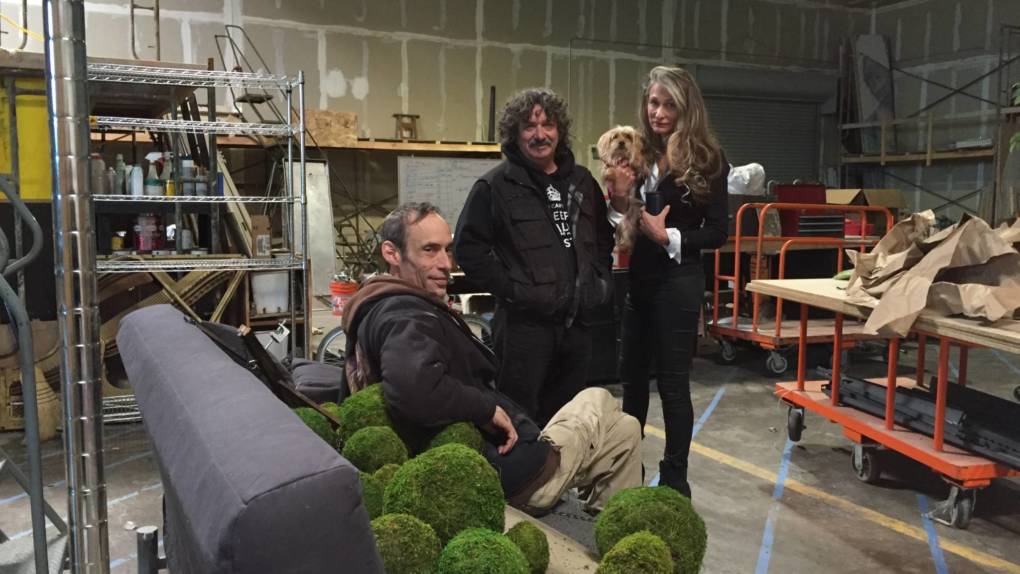
"caption": "Artists Nick Randell and Andrew Johnstone and leasing agent Cheryl Edison",
"description": "Artists Nick Randell and Andrew Johnstone and leasing agent Cheryl Edison",
"title": "Artists Nick Randell and Andrew Johnstone and leasing agent Cheryl Edison",
"credit": "Photo: Cy Musiker/KQED",
"status": "inherit",
"isLoading": false,
"fetchFailed": false
},
"arts_12640891": {
"type": "attachments",
"id": "arts_12640891",
"meta": {
"index": "attachments_1716263798",
"site": "arts",
"id": "12640891",
"found": true
},
"parent": 12640882,
"imgSizes": {
"small": {
"file": "https://ww2.kqed.org/app/uploads/sites/2/2017/01/Eastern-Span-of-Bay-Bridge-2-e1484694661522-520x292.jpg",
"width": 520,
"mimeType": "image/jpeg",
"height": 292
},
"twentyfourteen-full-width": {
"file": "https://ww2.kqed.org/app/uploads/sites/2/2017/01/Eastern-Span-of-Bay-Bridge-2-896x576.jpg",
"width": 896,
"mimeType": "image/jpeg",
"height": 576
},
"thumbnail": {
"file": "https://ww2.kqed.org/app/uploads/sites/2/2017/01/Eastern-Span-of-Bay-Bridge-2-e1484694661522-160x90.jpg",
"width": 160,
"mimeType": "image/jpeg",
"height": 90
},
"post-thumbnail": {
"file": "https://ww2.kqed.org/app/uploads/sites/2/2017/01/Eastern-Span-of-Bay-Bridge-2-e1484694661522-672x372.jpg",
"width": 672,
"mimeType": "image/jpeg",
"height": 372
},
"xsmall": {
"file": "https://ww2.kqed.org/app/uploads/sites/2/2017/01/Eastern-Span-of-Bay-Bridge-2-e1484694661522-375x211.jpg",
"width": 375,
"mimeType": "image/jpeg",
"height": 211
},
"kqedFullSize": {
"file": "https://ww2.kqed.org/app/uploads/sites/2/2017/01/Eastern-Span-of-Bay-Bridge-2-e1484694661522.jpg",
"width": 895,
"height": 503
},
"guest-author-50": {
"file": "https://ww2.kqed.org/app/uploads/sites/2/2017/01/Eastern-Span-of-Bay-Bridge-2-e1484694661522-50x50.jpg",
"width": 50,
"mimeType": "image/jpeg",
"height": 50
},
"guest-author-96": {
"file": "https://ww2.kqed.org/app/uploads/sites/2/2017/01/Eastern-Span-of-Bay-Bridge-2-e1484694661522-96x96.jpg",
"width": 96,
"mimeType": "image/jpeg",
"height": 96
},
"medium": {
"file": "https://ww2.kqed.org/app/uploads/sites/2/2017/01/Eastern-Span-of-Bay-Bridge-2-e1484694661522-800x450.jpg",
"width": 800,
"mimeType": "image/jpeg",
"height": 450
},
"guest-author-64": {
"file": "https://ww2.kqed.org/app/uploads/sites/2/2017/01/Eastern-Span-of-Bay-Bridge-2-e1484694661522-64x64.jpg",
"width": 64,
"mimeType": "image/jpeg",
"height": 64
},
"guest-author-32": {
"file": "https://ww2.kqed.org/app/uploads/sites/2/2017/01/Eastern-Span-of-Bay-Bridge-2-e1484694661522-32x32.jpg",
"width": 32,
"mimeType": "image/jpeg",
"height": 32
},
"detail": {
"file": "https://ww2.kqed.org/app/uploads/sites/2/2017/01/Eastern-Span-of-Bay-Bridge-2-e1484694661522-150x150.jpg",
"width": 150,
"mimeType": "image/jpeg",
"height": 150
},
"medium_large": {
"file": "https://ww2.kqed.org/app/uploads/sites/2/2017/01/Eastern-Span-of-Bay-Bridge-2-e1484694661522-768x432.jpg",
"width": 768,
"mimeType": "image/jpeg",
"height": 432
},
"guest-author-128": {
"file": "https://ww2.kqed.org/app/uploads/sites/2/2017/01/Eastern-Span-of-Bay-Bridge-2-e1484694661522-128x128.jpg",
"width": 128,
"mimeType": "image/jpeg",
"height": 128
},
"xxsmall": {
"file": "https://ww2.kqed.org/app/uploads/sites/2/2017/01/Eastern-Span-of-Bay-Bridge-2-e1484694661522-240x135.jpg",
"width": 240,
"mimeType": "image/jpeg",
"height": 135
}
},
"publishDate": 1484694600,
"modified": 1484694790,
"caption": "Taking apart the eastern span of the Bay Bridge",
"description": "Taking apart the eastern span of the Bay Bridge",
"title": "Taking apart the eastern span of the Bay Bridge",
"credit": "Photo: Sam Burbank/OMCA",
"status": "inherit",
"isLoading": false,
"fetchFailed": false
},
"arts_12622581": {
"type": "attachments",
"id": "arts_12622581",
"meta": {
"index": "attachments_1716263798",
"site": "arts",
"id": "12622581",
"found": true
},
"parent": 12621797,
"imgSizes": {
"small": {
"file": "https://ww2.kqed.org/app/uploads/sites/2/2017/01/RS23584_Photo-Dec-22-10-11-15-AM-001-qut-520x293.jpg",
"width": 520,
"mimeType": "image/jpeg",
"height": 293
},
"twentyfourteen-full-width": {
"file": "https://ww2.kqed.org/app/uploads/sites/2/2017/01/RS23584_Photo-Dec-22-10-11-15-AM-001-qut-1038x576.jpg",
"width": 1038,
"mimeType": "image/jpeg",
"height": 576
},
"thumbnail": {
"file": "https://ww2.kqed.org/app/uploads/sites/2/2017/01/RS23584_Photo-Dec-22-10-11-15-AM-001-qut-160x90.jpg",
"width": 160,
"mimeType": "image/jpeg",
"height": 90
},
"fd-sm": {
"file": "https://ww2.kqed.org/app/uploads/sites/2/2017/01/RS23584_Photo-Dec-22-10-11-15-AM-001-qut-960x542.jpg",
"width": 960,
"mimeType": "image/jpeg",
"height": 542
},
"post-thumbnail": {
"file": "https://ww2.kqed.org/app/uploads/sites/2/2017/01/RS23584_Photo-Dec-22-10-11-15-AM-001-qut-672x372.jpg",
"width": 672,
"mimeType": "image/jpeg",
"height": 372
},
"xsmall": {
"file": "https://ww2.kqed.org/app/uploads/sites/2/2017/01/RS23584_Photo-Dec-22-10-11-15-AM-001-qut-375x212.jpg",
"width": 375,
"mimeType": "image/jpeg",
"height": 212
},
"kqedFullSize": {
"file": "https://ww2.kqed.org/app/uploads/sites/2/2017/01/RS23584_Photo-Dec-22-10-11-15-AM-001-qut.jpg",
"width": 1920,
"height": 1083
},
"large": {
"file": "https://ww2.kqed.org/app/uploads/sites/2/2017/01/RS23584_Photo-Dec-22-10-11-15-AM-001-qut-1020x575.jpg",
"width": 1020,
"mimeType": "image/jpeg",
"height": 575
},
"xlarge": {
"file": "https://ww2.kqed.org/app/uploads/sites/2/2017/01/RS23584_Photo-Dec-22-10-11-15-AM-001-qut-1180x666.jpg",
"width": 1180,
"mimeType": "image/jpeg",
"height": 666
},
"guest-author-50": {
"file": "https://ww2.kqed.org/app/uploads/sites/2/2017/01/RS23584_Photo-Dec-22-10-11-15-AM-001-qut-50x50.jpg",
"width": 50,
"mimeType": "image/jpeg",
"height": 50
},
"guest-author-96": {
"file": "https://ww2.kqed.org/app/uploads/sites/2/2017/01/RS23584_Photo-Dec-22-10-11-15-AM-001-qut-96x96.jpg",
"width": 96,
"mimeType": "image/jpeg",
"height": 96
},
"medium": {
"file": "https://ww2.kqed.org/app/uploads/sites/2/2017/01/RS23584_Photo-Dec-22-10-11-15-AM-001-qut-800x451.jpg",
"width": 800,
"mimeType": "image/jpeg",
"height": 451
},
"guest-author-64": {
"file": "https://ww2.kqed.org/app/uploads/sites/2/2017/01/RS23584_Photo-Dec-22-10-11-15-AM-001-qut-64x64.jpg",
"width": 64,
"mimeType": "image/jpeg",
"height": 64
},
"guest-author-32": {
"file": "https://ww2.kqed.org/app/uploads/sites/2/2017/01/RS23584_Photo-Dec-22-10-11-15-AM-001-qut-32x32.jpg",
"width": 32,
"mimeType": "image/jpeg",
"height": 32
},
"fd-lrg": {
"file": "https://ww2.kqed.org/app/uploads/sites/2/2017/01/RS23584_Photo-Dec-22-10-11-15-AM-001-qut-1920x1083.jpg",
"width": 1920,
"mimeType": "image/jpeg",
"height": 1083
},
"fd-med": {
"file": "https://ww2.kqed.org/app/uploads/sites/2/2017/01/RS23584_Photo-Dec-22-10-11-15-AM-001-qut-1180x666.jpg",
"width": 1180,
"mimeType": "image/jpeg",
"height": 666
},
"full-width": {
"file": "https://ww2.kqed.org/app/uploads/sites/2/2017/01/RS23584_Photo-Dec-22-10-11-15-AM-001-qut-1920x1083.jpg",
"width": 1920,
"mimeType": "image/jpeg",
"height": 1083
},
"detail": {
"file": "https://ww2.kqed.org/app/uploads/sites/2/2017/01/RS23584_Photo-Dec-22-10-11-15-AM-001-qut-150x150.jpg",
"width": 150,
"mimeType": "image/jpeg",
"height": 150
},
"medium_large": {
"file": "https://ww2.kqed.org/app/uploads/sites/2/2017/01/RS23584_Photo-Dec-22-10-11-15-AM-001-qut-768x433.jpg",
"width": 768,
"mimeType": "image/jpeg",
"height": 433
},
"guest-author-128": {
"file": "https://ww2.kqed.org/app/uploads/sites/2/2017/01/RS23584_Photo-Dec-22-10-11-15-AM-001-qut-128x128.jpg",
"width": 128,
"mimeType": "image/jpeg",
"height": 128
},
"xxsmall": {
"file": "https://ww2.kqed.org/app/uploads/sites/2/2017/01/RS23584_Photo-Dec-22-10-11-15-AM-001-qut-240x135.jpg",
"width": 240,
"mimeType": "image/jpeg",
"height": 135
}
},
"publishDate": 1484346528,
"modified": 1484346547,
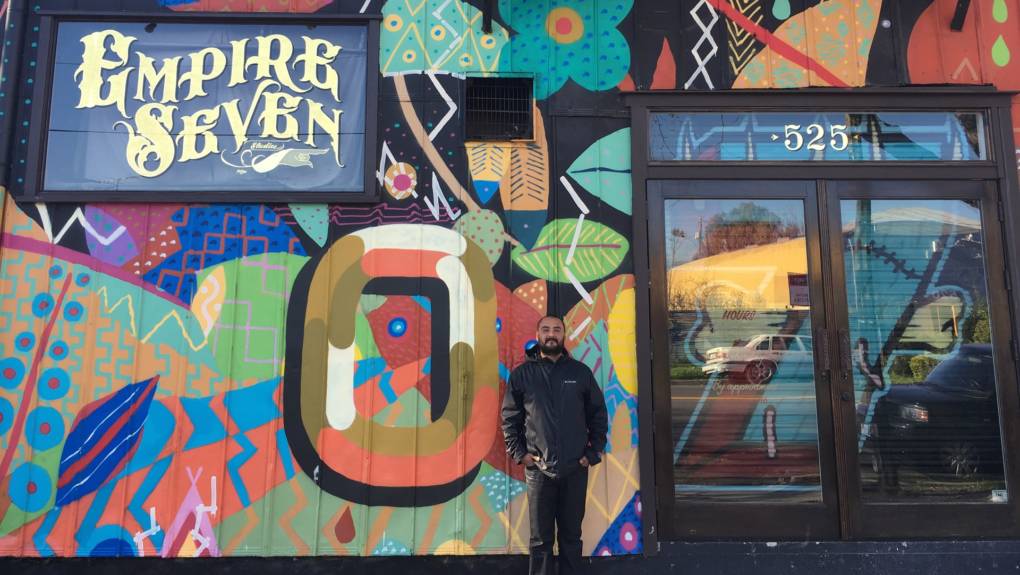
"caption": "Juan Carlos Araujo, outside the space Empire Seven Studios has occupied for almost 10 years. A developer who bought the property plans to raze the building in early 2017 to put up new housing.",
"description": "Juan Carlos Araujo, outside the space Empire Seven Studios has occupied for almost 10 years. A developer who bought the property plans to raze the building in early 2017 to put up new housing.",
"title": "rs23584_photo-dec-22-10-11-15-am-001-qut",
"credit": "Photo: Rachael Myrow/KQED",
"status": "inherit",
"isLoading": false,
"fetchFailed": false
},
"arts_12617310": {
"type": "attachments",
"id": "arts_12617310",
"meta": {
"index": "attachments_1716263798",
"site": "arts",
"id": "12617310",
"found": true
},
"parent": 12617308,
"imgSizes": {
"small": {
"file": "https://ww2.kqed.org/app/uploads/sites/2/2017/01/Rigo-23-Work-in-progress-at-EDELO-San-Cristobal-de-las-Casas-Chiapas-Mexico-1-520x348.jpeg",
"width": 520,
"mimeType": "image/jpeg",
"height": 348
},
"twentyfourteen-full-width": {
"file": "https://ww2.kqed.org/app/uploads/sites/2/2017/01/Rigo-23-Work-in-progress-at-EDELO-San-Cristobal-de-las-Casas-Chiapas-Mexico-1-930x576.jpeg",
"width": 930,
"mimeType": "image/jpeg",
"height": 576
},
"thumbnail": {
"file": "https://ww2.kqed.org/app/uploads/sites/2/2017/01/Rigo-23-Work-in-progress-at-EDELO-San-Cristobal-de-las-Casas-Chiapas-Mexico-1-160x107.jpeg",
"width": 160,
"mimeType": "image/jpeg",
"height": 107
},
"post-thumbnail": {
"file": "https://ww2.kqed.org/app/uploads/sites/2/2017/01/Rigo-23-Work-in-progress-at-EDELO-San-Cristobal-de-las-Casas-Chiapas-Mexico-1-672x372.jpeg",
"width": 672,
"mimeType": "image/jpeg",
"height": 372
},
"xsmall": {
"file": "https://ww2.kqed.org/app/uploads/sites/2/2017/01/Rigo-23-Work-in-progress-at-EDELO-San-Cristobal-de-las-Casas-Chiapas-Mexico-1-375x251.jpeg",
"width": 375,
"mimeType": "image/jpeg",
"height": 251
},
"kqedFullSize": {
"file": "https://ww2.kqed.org/app/uploads/sites/2/2017/01/Rigo-23-Work-in-progress-at-EDELO-San-Cristobal-de-las-Casas-Chiapas-Mexico-1.jpeg",
"width": 930,
"height": 623
},
"guest-author-50": {
"file": "https://ww2.kqed.org/app/uploads/sites/2/2017/01/Rigo-23-Work-in-progress-at-EDELO-San-Cristobal-de-las-Casas-Chiapas-Mexico-1-50x50.jpeg",
"width": 50,
"mimeType": "image/jpeg",
"height": 50
},
"guest-author-96": {
"file": "https://ww2.kqed.org/app/uploads/sites/2/2017/01/Rigo-23-Work-in-progress-at-EDELO-San-Cristobal-de-las-Casas-Chiapas-Mexico-1-96x96.jpeg",
"width": 96,
"mimeType": "image/jpeg",
"height": 96
},
"medium": {
"file": "https://ww2.kqed.org/app/uploads/sites/2/2017/01/Rigo-23-Work-in-progress-at-EDELO-San-Cristobal-de-las-Casas-Chiapas-Mexico-1-800x536.jpeg",
"width": 800,
"mimeType": "image/jpeg",
"height": 536
},
"guest-author-64": {
"file": "https://ww2.kqed.org/app/uploads/sites/2/2017/01/Rigo-23-Work-in-progress-at-EDELO-San-Cristobal-de-las-Casas-Chiapas-Mexico-1-64x64.jpeg",
"width": 64,
"mimeType": "image/jpeg",
"height": 64
},
"guest-author-32": {
"file": "https://ww2.kqed.org/app/uploads/sites/2/2017/01/Rigo-23-Work-in-progress-at-EDELO-San-Cristobal-de-las-Casas-Chiapas-Mexico-1-32x32.jpeg",
"width": 32,
"mimeType": "image/jpeg",
"height": 32
},
"detail": {
"file": "https://ww2.kqed.org/app/uploads/sites/2/2017/01/Rigo-23-Work-in-progress-at-EDELO-San-Cristobal-de-las-Casas-Chiapas-Mexico-1-150x150.jpeg",
"width": 150,
"mimeType": "image/jpeg",
"height": 150
},
"medium_large": {
"file": "https://ww2.kqed.org/app/uploads/sites/2/2017/01/Rigo-23-Work-in-progress-at-EDELO-San-Cristobal-de-las-Casas-Chiapas-Mexico-1-768x514.jpeg",
"width": 768,
"mimeType": "image/jpeg",
"height": 514
},
"guest-author-128": {
"file": "https://ww2.kqed.org/app/uploads/sites/2/2017/01/Rigo-23-Work-in-progress-at-EDELO-San-Cristobal-de-las-Casas-Chiapas-Mexico-1-128x128.jpeg",
"width": 128,
"mimeType": "image/jpeg",
"height": 128
},
"xxsmall": {
"file": "https://ww2.kqed.org/app/uploads/sites/2/2017/01/Rigo-23-Work-in-progress-at-EDELO-San-Cristobal-de-las-Casas-Chiapas-Mexico-1-240x161.jpeg",
"width": 240,
"mimeType": "image/jpeg",
"height": 161
}
},
"publishDate": 1484249953,
"modified": 1484250137,
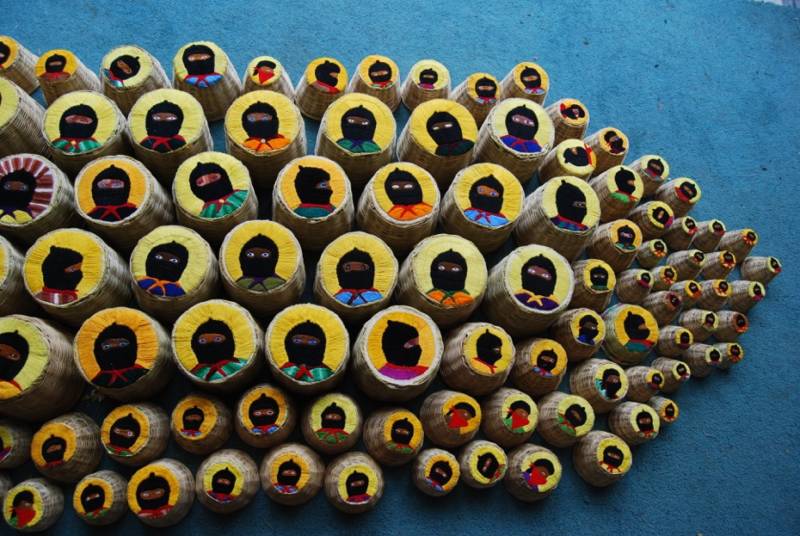
"caption": "Rigo 23, Work in progress at EDELO residency, San Cristobal de las Casas, Chiapas, Mexico.",
"description": "Rigo 23, Work in progress at EDELO residency, San Cristobal de las Casas, Chiapas, Mexico.",
"title": "rigo-23-work-in-progress-at-edelo-san-cristobal-de-las-casas-chiapas-mexico-1",
"credit": "Courtesy of Anglim Gilbert Gallery",
"status": "inherit",
"isLoading": false,
"fetchFailed": false
},
"arts_12624168": {
"type": "attachments",
"id": "arts_12624168",
"meta": {
"index": "attachments_1716263798",
"site": "arts",
"id": "12624168",
"found": true
},
"parent": 12622802,
"imgSizes": {
"small": {
"file": "https://ww2.kqed.org/app/uploads/sites/2/2017/01/oreeportrait-520x293.jpg",
"width": 520,
"mimeType": "image/jpeg",
"height": 293
},
"twentyfourteen-full-width": {
"file": "https://ww2.kqed.org/app/uploads/sites/2/2017/01/oreeportrait-1038x576.jpg",
"width": 1038,
"mimeType": "image/jpeg",
"height": 576
},
"thumbnail": {
"file": "https://ww2.kqed.org/app/uploads/sites/2/2017/01/oreeportrait-160x90.jpg",
"width": 160,
"mimeType": "image/jpeg",
"height": 90
},
"fd-sm": {
"file": "https://ww2.kqed.org/app/uploads/sites/2/2017/01/oreeportrait-960x540.jpg",
"width": 960,
"mimeType": "image/jpeg",
"height": 540
},
"post-thumbnail": {
"file": "https://ww2.kqed.org/app/uploads/sites/2/2017/01/oreeportrait-672x372.jpg",
"width": 672,
"mimeType": "image/jpeg",
"height": 372
},
"xsmall": {
"file": "https://ww2.kqed.org/app/uploads/sites/2/2017/01/oreeportrait-375x211.jpg",
"width": 375,
"mimeType": "image/jpeg",
"height": 211
},
"kqedFullSize": {
"file": "https://ww2.kqed.org/app/uploads/sites/2/2017/01/oreeportrait.jpg",
"width": 1600,
"height": 900
},
"large": {
"file": "https://ww2.kqed.org/app/uploads/sites/2/2017/01/oreeportrait-1020x574.jpg",
"width": 1020,
"mimeType": "image/jpeg",
"height": 574
},
"xlarge": {
"file": "https://ww2.kqed.org/app/uploads/sites/2/2017/01/oreeportrait-1180x664.jpg",
"width": 1180,
"mimeType": "image/jpeg",
"height": 664
},
"guest-author-50": {
"file": "https://ww2.kqed.org/app/uploads/sites/2/2017/01/oreeportrait-50x50.jpg",
"width": 50,
"mimeType": "image/jpeg",
"height": 50
},
"guest-author-96": {
"file": "https://ww2.kqed.org/app/uploads/sites/2/2017/01/oreeportrait-96x96.jpg",
"width": 96,
"mimeType": "image/jpeg",
"height": 96
},
"medium": {
"file": "https://ww2.kqed.org/app/uploads/sites/2/2017/01/oreeportrait-800x450.jpg",
"width": 800,
"mimeType": "image/jpeg",
"height": 450
},
"guest-author-64": {
"file": "https://ww2.kqed.org/app/uploads/sites/2/2017/01/oreeportrait-64x64.jpg",
"width": 64,
"mimeType": "image/jpeg",
"height": 64
},
"guest-author-32": {
"file": "https://ww2.kqed.org/app/uploads/sites/2/2017/01/oreeportrait-32x32.jpg",
"width": 32,
"mimeType": "image/jpeg",
"height": 32
},
"fd-med": {
"file": "https://ww2.kqed.org/app/uploads/sites/2/2017/01/oreeportrait-1180x664.jpg",
"width": 1180,
"mimeType": "image/jpeg",
"height": 664
},
"detail": {
"file": "https://ww2.kqed.org/app/uploads/sites/2/2017/01/oreeportrait-150x150.jpg",
"width": 150,
"mimeType": "image/jpeg",
"height": 150
},
"medium_large": {
"file": "https://ww2.kqed.org/app/uploads/sites/2/2017/01/oreeportrait-768x432.jpg",
"width": 768,
"mimeType": "image/jpeg",
"height": 432
},
"guest-author-128": {
"file": "https://ww2.kqed.org/app/uploads/sites/2/2017/01/oreeportrait-128x128.jpg",
"width": 128,
"mimeType": "image/jpeg",
"height": 128
},
"xxsmall": {
"file": "https://ww2.kqed.org/app/uploads/sites/2/2017/01/oreeportrait-240x135.jpg",
"width": 240,
"mimeType": "image/jpeg",
"height": 135
}
},
"publishDate": 1484375592,
"modified": 1546047230,
"caption": "Artist Oree Originol with posters from his 'Justice for Our Lives' project.",
"description": "Artist Oree Originol",
"title": "oreeportrait",
"credit": "Manjula Varghese",
"status": "inherit",
"isLoading": false,
"fetchFailed": false
},
"arts_12618323": {
"type": "attachments",
"id": "arts_12618323",
"meta": {
"index": "attachments_1716263798",
"site": "arts",
"id": "12618323",
"found": true
},
"parent": 12618125,
"imgSizes": {
"small": {
"file": "https://ww2.kqed.org/app/uploads/sites/2/2017/01/06_HumansCOVER-520x293.jpg",
"width": 520,
"mimeType": "image/jpeg",
"height": 293
},
"twentyfourteen-full-width": {
"file": "https://ww2.kqed.org/app/uploads/sites/2/2017/01/06_HumansCOVER-1038x576.jpg",
"width": 1038,
"mimeType": "image/jpeg",
"height": 576
},
"thumbnail": {
"file": "https://ww2.kqed.org/app/uploads/sites/2/2017/01/06_HumansCOVER-160x90.jpg",
"width": 160,
"mimeType": "image/jpeg",
"height": 90
},
"fd-sm": {
"file": "https://ww2.kqed.org/app/uploads/sites/2/2017/01/06_HumansCOVER-960x540.jpg",
"width": 960,
"mimeType": "image/jpeg",
"height": 540
},
"post-thumbnail": {
"file": "https://ww2.kqed.org/app/uploads/sites/2/2017/01/06_HumansCOVER-672x372.jpg",
"width": 672,
"mimeType": "image/jpeg",
"height": 372
},
"xsmall": {
"file": "https://ww2.kqed.org/app/uploads/sites/2/2017/01/06_HumansCOVER-375x211.jpg",
"width": 375,
"mimeType": "image/jpeg",
"height": 211
},
"kqedFullSize": {
"file": "https://ww2.kqed.org/app/uploads/sites/2/2017/01/06_HumansCOVER.jpg",
"width": 1920,
"height": 1080
},
"large": {
"file": "https://ww2.kqed.org/app/uploads/sites/2/2017/01/06_HumansCOVER-1020x574.jpg",
"width": 1020,
"mimeType": "image/jpeg",
"height": 574
},
"xlarge": {
"file": "https://ww2.kqed.org/app/uploads/sites/2/2017/01/06_HumansCOVER-1180x664.jpg",
"width": 1180,
"mimeType": "image/jpeg",
"height": 664
},
"guest-author-50": {
"file": "https://ww2.kqed.org/app/uploads/sites/2/2017/01/06_HumansCOVER-50x50.jpg",
"width": 50,
"mimeType": "image/jpeg",
"height": 50
},
"guest-author-96": {
"file": "https://ww2.kqed.org/app/uploads/sites/2/2017/01/06_HumansCOVER-96x96.jpg",
"width": 96,
"mimeType": "image/jpeg",
"height": 96
},
"medium": {
"file": "https://ww2.kqed.org/app/uploads/sites/2/2017/01/06_HumansCOVER-800x450.jpg",
"width": 800,
"mimeType": "image/jpeg",
"height": 450
},
"guest-author-64": {
"file": "https://ww2.kqed.org/app/uploads/sites/2/2017/01/06_HumansCOVER-64x64.jpg",
"width": 64,
"mimeType": "image/jpeg",
"height": 64
},
"guest-author-32": {
"file": "https://ww2.kqed.org/app/uploads/sites/2/2017/01/06_HumansCOVER-32x32.jpg",
"width": 32,
"mimeType": "image/jpeg",
"height": 32
},
"fd-lrg": {
"file": "https://ww2.kqed.org/app/uploads/sites/2/2017/01/06_HumansCOVER-1920x1080.jpg",
"width": 1920,
"mimeType": "image/jpeg",
"height": 1080
},
"fd-med": {
"file": "https://ww2.kqed.org/app/uploads/sites/2/2017/01/06_HumansCOVER-1180x664.jpg",
"width": 1180,
"mimeType": "image/jpeg",
"height": 664
},
"full-width": {
"file": "https://ww2.kqed.org/app/uploads/sites/2/2017/01/06_HumansCOVER-1920x1080.jpg",
"width": 1920,
"mimeType": "image/jpeg",
"height": 1080
},
"detail": {
"file": "https://ww2.kqed.org/app/uploads/sites/2/2017/01/06_HumansCOVER-150x150.jpg",
"width": 150,
"mimeType": "image/jpeg",
"height": 150
},
"medium_large": {
"file": "https://ww2.kqed.org/app/uploads/sites/2/2017/01/06_HumansCOVER-768x432.jpg",
"width": 768,
"mimeType": "image/jpeg",
"height": 432
},
"guest-author-128": {
"file": "https://ww2.kqed.org/app/uploads/sites/2/2017/01/06_HumansCOVER-128x128.jpg",
"width": 128,
"mimeType": "image/jpeg",
"height": 128
},
"xxsmall": {
"file": "https://ww2.kqed.org/app/uploads/sites/2/2017/01/06_HumansCOVER-240x135.jpg",
"width": 240,
"mimeType": "image/jpeg",
"height": 135
}
},
"publishDate": 1484267008,
"modified": 1484267281,
"caption": "Lauren McKeon, 'Humans,' t-shirt, human blood.",
"description": "Lauren McKeon, 'Humans,' t-shirt, human blood.",
"title": "06_humanscover",
"credit": "Courtesy of Interface Gallery",
"status": "inherit",
"isLoading": false,
"fetchFailed": false
},
"news_11268128": {
"type": "attachments",
"id": "news_11268128",
"meta": {
"index": "attachments_1716263798",
"site": "news",
"id": "11268128",
"found": true
},
"parent": 11268009,
"imgSizes": {
"small": {
"file": "https://ww2.kqed.org/app/uploads/sites/10/2017/01/UnderwaterPav-520x292.jpg",
"width": 520,
"mimeType": "image/jpeg",
"height": 292
},
"twentyfourteen-full-width": {
"file": "https://ww2.kqed.org/app/uploads/sites/10/2017/01/UnderwaterPav-1038x576.jpg",
"width": 1038,
"mimeType": "image/jpeg",
"height": 576
},
"thumbnail": {
"file": "https://ww2.kqed.org/app/uploads/sites/10/2017/01/UnderwaterPav-160x90.jpg",
"width": 160,
"mimeType": "image/jpeg",
"height": 90
},
"fd-sm": {
"file": "https://ww2.kqed.org/app/uploads/sites/10/2017/01/UnderwaterPav-960x540.jpg",
"width": 960,
"mimeType": "image/jpeg",
"height": 540
},
"post-thumbnail": {
"file": "https://ww2.kqed.org/app/uploads/sites/10/2017/01/UnderwaterPav-672x372.jpg",
"width": 672,
"mimeType": "image/jpeg",
"height": 372
},
"xsmall": {
"file": "https://ww2.kqed.org/app/uploads/sites/10/2017/01/UnderwaterPav-375x211.jpg",
"width": 375,
"mimeType": "image/jpeg",
"height": 211
},
"kqedFullSize": {
"file": "https://ww2.kqed.org/app/uploads/sites/10/2017/01/UnderwaterPav.jpg",
"width": 1920,
"height": 1079
},
"large": {
"file": "https://ww2.kqed.org/app/uploads/sites/10/2017/01/UnderwaterPav-1020x573.jpg",
"width": 1020,
"mimeType": "image/jpeg",
"height": 573
},
"xlarge": {
"file": "https://ww2.kqed.org/app/uploads/sites/10/2017/01/UnderwaterPav-1180x663.jpg",
"width": 1180,
"mimeType": "image/jpeg",
"height": 663
},
"guest-author-50": {
"file": "https://ww2.kqed.org/app/uploads/sites/10/2017/01/UnderwaterPav-50x50.jpg",
"width": 50,
"mimeType": "image/jpeg",
"height": 50
},
"guest-author-96": {
"file": "https://ww2.kqed.org/app/uploads/sites/10/2017/01/UnderwaterPav-96x96.jpg",
"width": 96,
"mimeType": "image/jpeg",
"height": 96
},
"medium": {
"file": "https://ww2.kqed.org/app/uploads/sites/10/2017/01/UnderwaterPav-800x450.jpg",
"width": 800,
"mimeType": "image/jpeg",
"height": 450
},
"guest-author-64": {
"file": "https://ww2.kqed.org/app/uploads/sites/10/2017/01/UnderwaterPav-64x64.jpg",
"width": 64,
"mimeType": "image/jpeg",
"height": 64
},
"guest-author-32": {
"file": "https://ww2.kqed.org/app/uploads/sites/10/2017/01/UnderwaterPav-32x32.jpg",
"width": 32,
"mimeType": "image/jpeg",
"height": 32
},
"jmtc-small-thumb": {
"file": "https://ww2.kqed.org/app/uploads/sites/10/2017/01/UnderwaterPav-280x150.jpg",
"width": 280,
"mimeType": "image/jpeg",
"height": 150
},
"fd-lrg": {
"file": "https://ww2.kqed.org/app/uploads/sites/10/2017/01/UnderwaterPav-1920x1079.jpg",
"width": 1920,
"mimeType": "image/jpeg",
"height": 1079
},
"fd-med": {
"file": "https://ww2.kqed.org/app/uploads/sites/10/2017/01/UnderwaterPav-1180x663.jpg",
"width": 1180,
"mimeType": "image/jpeg",
"height": 663
},
"full-width": {
"file": "https://ww2.kqed.org/app/uploads/sites/10/2017/01/UnderwaterPav-1920x1079.jpg",
"width": 1920,
"mimeType": "image/jpeg",
"height": 1079
},
"detail": {
"file": "https://ww2.kqed.org/app/uploads/sites/10/2017/01/UnderwaterPav-150x150.jpg",
"width": 150,
"mimeType": "image/jpeg",
"height": 150
},
"guest-author-128": {
"file": "https://ww2.kqed.org/app/uploads/sites/10/2017/01/UnderwaterPav-128x128.jpg",
"width": 128,
"mimeType": "image/jpeg",
"height": 128
},
"xxsmall": {
"file": "https://ww2.kqed.org/app/uploads/sites/10/2017/01/UnderwaterPav-240x135.jpg",
"width": 240,
"mimeType": "image/jpeg",
"height": 135
}
},
"publishDate": 1484345056,
"modified": 1484697361,
"caption": "Reporter Eric Drachman dives inside Doug Aitken's 'Underwater Pavilions' installation.",
"description": "Reporter Eric Drachman dives inside Doug Aitken's 'Underwater Pavilions' installation.",
"title": "underwaterpav",
"credit": "Courtesy Joel Wilson",
"status": "inherit",
"isLoading": false,
"fetchFailed": false
},
"arts_12617917": {
"type": "attachments",
"id": "arts_12617917",
"meta": {
"index": "attachments_1716263798",
"site": "arts",
"id": "12617917",
"found": true
},
"parent": 12617117,
"imgSizes": {
"small": {
"file": "https://ww2.kqed.org/app/uploads/sites/2/2017/01/the-dreamer-2010-520x359.jpg",
"width": 520,
"mimeType": "image/jpeg",
"height": 359
},
"twentyfourteen-full-width": {
"file": "https://ww2.kqed.org/app/uploads/sites/2/2017/01/the-dreamer-2010-1000x576.jpg",
"width": 1000,
"mimeType": "image/jpeg",
"height": 576
},
"thumbnail": {
"file": "https://ww2.kqed.org/app/uploads/sites/2/2017/01/the-dreamer-2010-160x111.jpg",
"width": 160,
"mimeType": "image/jpeg",
"height": 111
},
"fd-sm": {
"file": "https://ww2.kqed.org/app/uploads/sites/2/2017/01/the-dreamer-2010-960x663.jpg",
"width": 960,
"mimeType": "image/jpeg",
"height": 663
},
"post-thumbnail": {
"file": "https://ww2.kqed.org/app/uploads/sites/2/2017/01/the-dreamer-2010-672x372.jpg",
"width": 672,
"mimeType": "image/jpeg",
"height": 372
},
"xsmall": {
"file": "https://ww2.kqed.org/app/uploads/sites/2/2017/01/the-dreamer-2010-375x259.jpg",
"width": 375,
"mimeType": "image/jpeg",
"height": 259
},
"kqedFullSize": {
"file": "https://ww2.kqed.org/app/uploads/sites/2/2017/01/the-dreamer-2010.jpg",
"width": 1000,
"height": 691
},
"guest-author-50": {
"file": "https://ww2.kqed.org/app/uploads/sites/2/2017/01/the-dreamer-2010-50x50.jpg",
"width": 50,
"mimeType": "image/jpeg",
"height": 50
},
"guest-author-96": {
"file": "https://ww2.kqed.org/app/uploads/sites/2/2017/01/the-dreamer-2010-96x96.jpg",
"width": 96,
"mimeType": "image/jpeg",
"height": 96
},
"medium": {
"file": "https://ww2.kqed.org/app/uploads/sites/2/2017/01/the-dreamer-2010-800x553.jpg",
"width": 800,
"mimeType": "image/jpeg",
"height": 553
},
"guest-author-64": {
"file": "https://ww2.kqed.org/app/uploads/sites/2/2017/01/the-dreamer-2010-64x64.jpg",
"width": 64,
"mimeType": "image/jpeg",
"height": 64
},
"guest-author-32": {
"file": "https://ww2.kqed.org/app/uploads/sites/2/2017/01/the-dreamer-2010-32x32.jpg",
"width": 32,
"mimeType": "image/jpeg",
"height": 32
},
"detail": {
"file": "https://ww2.kqed.org/app/uploads/sites/2/2017/01/the-dreamer-2010-150x150.jpg",
"width": 150,
"mimeType": "image/jpeg",
"height": 150
},
"medium_large": {
"file": "https://ww2.kqed.org/app/uploads/sites/2/2017/01/the-dreamer-2010-768x531.jpg",
"width": 768,
"mimeType": "image/jpeg",
"height": 531
},
"guest-author-128": {
"file": "https://ww2.kqed.org/app/uploads/sites/2/2017/01/the-dreamer-2010-128x128.jpg",
"width": 128,
"mimeType": "image/jpeg",
"height": 128
},
"xxsmall": {
"file": "https://ww2.kqed.org/app/uploads/sites/2/2017/01/the-dreamer-2010-240x166.jpg",
"width": 240,
"mimeType": "image/jpeg",
"height": 166
}
},
"publishDate": 1484263050,
"modified": 1484263090,
"caption": "The Dreamer, 2010. Acrylic, & image transfer on panel, 48\" x 32\" ",
"description": "The Dreamer, 2010. Acrylic, & image transfer on panel, 48\" x 32\" ",
"title": "The Dreamer, 2010. Acrylic, & image transfer on panel, 48\" x 32\"",
"credit": "Photo: Ramon Pintado",
"status": "inherit",
"isLoading": false,
"fetchFailed": false
}
},
"audioPlayerReducer": {
"postId": "stream_live",
"isPaused": true,
"isPlaying": false,
"pfsActive": false,
"pledgeModalIsOpen": true,
"playerDrawerIsOpen": false,
"liveAudioPlayStartedAt": 0,
"liveAudioPlayContext": ""
},
"authorsReducer": {
"byline_arts_12622802": {
"type": "authors",
"id": "byline_arts_12622802",
"meta": {
"override": true
},
"slug": "byline_arts_12622802",
"name": "Jessica Jones and Kelly Whalen",
"isLoading": false
},
"byline_news_11268009": {
"type": "authors",
"id": "byline_news_11268009",
"meta": {
"override": true
},
"slug": "byline_news_11268009",
"name": "\u003cstrong>\u003ca href=\"http://blogs.kcrw.com/dna/author/ericdrachman\">Eric Drachman\u003c/a>\u003cbr>\u003ca href=\"http://www.kcrw.com/\">KCRW\u003c/a>\u003c/strong>",
"isLoading": false
},
"cmusiker": {
"type": "authors",
"id": "32",
"meta": {
"index": "authors_1716337520",
"id": "32",
"found": true
},
"name": "Cy Musiker",
"firstName": "Cy",
"lastName": "Musiker",
"slug": "cmusiker",
"email": "cmusiker@kqed.org",
"display_author_email": false,
"staff_mastheads": [],
"title": "KQED Contributor",
"bio": "Cy Musiker is a former co-host of The Do List and a former reporter covering the arts for KQED News and The California Report. He loves live performance, especially great theater, jazz, roots music, anything by Mahler. Cy has an MJ from UC Berkeley's School of Journalism, and got his BA from Hampshire College. His work has been recognized by the Society for Professional Journalists with their Sigma Delta Chi Award for Public Service in Journalism. When he can, Cy likes to swim in Tomales Bay, run with his dog in the East Bay Hills, and hike the Sierra.",
"avatar": "https://secure.gravatar.com/avatar/05eaba5c5696ce8f062e4ea2df428a43?s=600&d=blank&r=g",
"twitter": null,
"facebook": null,
"instagram": null,
"linkedin": null,
"sites": [
{
"site": "arts",
"roles": [
"Contributor",
"subscriber"
]
},
{
"site": "news",
"roles": [
"author"
]
},
{
"site": "bayareabites",
"roles": [
"contributor"
]
}
],
"headData": {
"title": "Cy Musiker | KQED",
"description": "KQED Contributor",
"ogImgSrc": "https://secure.gravatar.com/avatar/05eaba5c5696ce8f062e4ea2df428a43?s=600&d=blank&r=g",
"twImgSrc": "https://secure.gravatar.com/avatar/05eaba5c5696ce8f062e4ea2df428a43?s=600&d=blank&r=g"
},
"isLoading": false,
"link": "/author/cmusiker"
},
"shotchkiss": {
"type": "authors",
"id": "61",
"meta": {
"index": "authors_1716337520",
"id": "61",
"found": true
},
"name": "Sarah Hotchkiss",
"firstName": "Sarah",
"lastName": "Hotchkiss",
"slug": "shotchkiss",
"email": "shotchkiss@kqed.org",
"display_author_email": true,
"staff_mastheads": [
"arts"
],
"title": "Senior Editor",
"bio": "Sarah Hotchkiss is a San Francisco \u003ca href=\"http://www.sarahhotchkiss.com\">artist\u003c/a> and arts writer. In 2019, she received the Dorothea & Leo Rabkin Foundation grant for visual art journalism and in 2020 she received a Society of Professional Journalists, Northern California award for excellence in arts and culture reporting.",
"avatar": "https://secure.gravatar.com/avatar/bc662df144b3d27fd8b1b6f1c2a420d34e91e53154d411bb7ad353cc8b6cea8d?s=600&d=blank&r=g",
"twitter": null,
"bluesky": null,
"facebook": null,
"instagram": null,
"linkedin": null,
"sites": [
{
"site": "",
"roles": [
"editor"
]
},
{
"site": "arts",
"roles": [
"Contributor",
"administrator"
]
},
{
"site": "artschool",
"roles": [
"administrator"
]
},
{
"site": "news",
"roles": [
"editor"
]
},
{
"site": "pop",
"roles": [
"administrator"
]
},
{
"site": "bayareabites",
"roles": [
"editor"
]
},
{
"site": "spark",
"roles": [
"editor"
]
},
{
"site": "checkplease",
"roles": [
"editor"
]
}
],
"headData": {
"title": "Sarah Hotchkiss | KQED",
"description": "Senior Editor",
"ogImgSrc": "https://secure.gravatar.com/avatar/bc662df144b3d27fd8b1b6f1c2a420d34e91e53154d411bb7ad353cc8b6cea8d?s=600&d=blank&r=g",
"twImgSrc": "https://secure.gravatar.com/avatar/bc662df144b3d27fd8b1b6f1c2a420d34e91e53154d411bb7ad353cc8b6cea8d?s=600&d=blank&r=g"
},
"isLoading": false,
"link": "/author/shotchkiss"
},
"rachael-myrow": {
"type": "authors",
"id": "251",
"meta": {
"index": "authors_1716337520",
"id": "251",
"found": true
},
"name": "Rachael Myrow",
"firstName": "Rachael",
"lastName": "Myrow",
"slug": "rachael-myrow",
"email": "rmyrow@kqed.org",
"display_author_email": true,
"staff_mastheads": [
"news"
],
"title": "Senior Editor of KQED's Silicon Valley News Desk",
"bio": "• I write and edit stories about how Silicon Valley power and policies shape everyday life in California. I’m also passionate about making Bay Area history and culture more accessible to a broad public. • I’ve been a journalist for most of my life, starting in high school with The Franklin Press in Los Angeles, where I grew up. While earning my first degree in English at UC Berkeley, I got my start in public radio at KALX-FM. After completing a second degree in journalism at Cal, I landed my first professional job at Marketplace, then moved on to KPCC (now LAist), and then KQED, where I hosted The California Report for more than seven years. • My reporting has appeared on NPR, The World, WBUR’s \u003ci>Here & Now\u003c/i>, and the BBC. I also guest host for KQED’s \u003ci>Forum\u003c/i>, as well as the Commonwealth Club in San Francisco. • I speak periodically on media, democracy and technology issues, and do voiceover work for documentaries and educational video projects. • Outside of the studio, you'll find me hiking Bay Area trails and whipping up Insta-ready meals in my kitchen. • I do not accept gifts, money, or favors from anyone connected to my reporting, I don't pay people for information, and I do not support or donate to political causes. • I strive to treat the people I report on with fairness, honesty, and respect. I also recognize there are often multiple sides to a story and work to verify information through multiple sources and documentation. If I get something wrong, I correct it.",
"avatar": "https://secure.gravatar.com/avatar/3ed8a3c5f26025e4a805ba634cda8cd764906b97438a6d9ce216b044e340da4e?s=600&d=blank&r=g",
"twitter": "rachaelmyrow",
"bluesky": null,
"facebook": null,
"instagram": null,
"linkedin": "https://www.linkedin.com/in/rachaelmyrow/",
"sites": [
{
"site": "arts",
"roles": [
"administrator"
]
},
{
"site": "news",
"roles": [
"edit_others_posts",
"editor"
]
},
{
"site": "futureofyou",
"roles": [
"editor"
]
},
{
"site": "bayareabites",
"roles": [
"editor"
]
},
{
"site": "stateofhealth",
"roles": [
"editor"
]
},
{
"site": "science",
"roles": [
"editor"
]
},
{
"site": "food",
"roles": [
"editor"
]
},
{
"site": "forum",
"roles": [
"editor"
]
},
{
"site": "liveblog",
"roles": [
"author"
]
}
],
"headData": {
"title": "Rachael Myrow | KQED",
"description": "Senior Editor of KQED's Silicon Valley News Desk",
"ogImgSrc": "https://secure.gravatar.com/avatar/3ed8a3c5f26025e4a805ba634cda8cd764906b97438a6d9ce216b044e340da4e?s=600&d=blank&r=g",
"twImgSrc": "https://secure.gravatar.com/avatar/3ed8a3c5f26025e4a805ba634cda8cd764906b97438a6d9ce216b044e340da4e?s=600&d=blank&r=g"
},
"isLoading": false,
"link": "/author/rachael-myrow"
},
"eholmes": {
"type": "authors",
"id": "8623",
"meta": {
"index": "authors_1716337520",
"id": "8623",
"found": true
},
"name": "Emily Holmes",
"firstName": "Emily",
"lastName": "Holmes",
"slug": "eholmes",
"email": "emily@artpractical.com",
"display_author_email": false,
"staff_mastheads": [],
"title": null,
"bio": "\u003ca href=\"http://www.emilykholmes.com/\" target=\"_blank\" rel=\"noopener\">Emily Holmes \u003c/a>is a Sacramento-based writer and editor.",
"avatar": "https://secure.gravatar.com/avatar/3415140cdd1ccd2cb8e99eb21568553a?s=600&d=blank&r=g",
"twitter": null,
"facebook": null,
"instagram": null,
"linkedin": null,
"sites": [
{
"site": "arts",
"roles": [
"contributor"
]
}
],
"headData": {
"title": "Emily Holmes | KQED",
"description": null,
"ogImgSrc": "https://secure.gravatar.com/avatar/3415140cdd1ccd2cb8e99eb21568553a?s=600&d=blank&r=g",
"twImgSrc": "https://secure.gravatar.com/avatar/3415140cdd1ccd2cb8e99eb21568553a?s=600&d=blank&r=g"
},
"isLoading": false,
"link": "/author/eholmes"
},
"crnoveno": {
"type": "authors",
"id": "11208",
"meta": {
"index": "authors_1716337520",
"id": "11208",
"found": true
},
"name": "Creo Noveno",
"firstName": "Creo",
"lastName": "Noveno",
"slug": "crnoveno",
"email": "creonoveno@gmail.com",
"display_author_email": false,
"staff_mastheads": [],
"title": "KQED Contributor",
"bio": null,
"avatar": "https://secure.gravatar.com/avatar/0df6606b8e36036309fd287052246d01?s=600&d=blank&r=g",
"twitter": null,
"facebook": null,
"instagram": null,
"linkedin": null,
"sites": [
{
"site": "arts",
"roles": [
"subscriber"
]
},
{
"site": "pop",
"roles": [
"contributor"
]
}
],
"headData": {
"title": "Creo Noveno | KQED",
"description": "KQED Contributor",
"ogImgSrc": "https://secure.gravatar.com/avatar/0df6606b8e36036309fd287052246d01?s=600&d=blank&r=g",
"twImgSrc": "https://secure.gravatar.com/avatar/0df6606b8e36036309fd287052246d01?s=600&d=blank&r=g"
},
"isLoading": false,
"link": "/author/crnoveno"
},
"sburke": {
"type": "authors",
"id": "11323",
"meta": {
"index": "authors_1716337520",
"id": "11323",
"found": true
},
"name": "Sarah Burke",
"firstName": "Sarah",
"lastName": "Burke",
"slug": "sburke",
"email": "sarahlburke@gmail.com",
"display_author_email": false,
"staff_mastheads": [],
"title": "KQED Contributor",
"bio": "Sarah Burke is a journalist, critic, and curator living and working in Oakland, California. She is a regular contributor to KQED's Culture Cue, for which she writes about topics at the intersection of art, culture, and identity. Her work has been recognized with first place awards from the American Association of Alternative Newsmedia and The Society of Professional Journalists. Previously, she served as Managing Editor at the \u003cem>East Bay Express\u003c/em>. Find her on twitter at \u003ca href=\"https://twitter.com/sarahlubyburke\">@sarahlubyburke. \u003c/a>",
"avatar": "https://secure.gravatar.com/avatar/ea2a423eaf2fff65d31ec42d2a88bb6b96668e41e653ffa1945172c043a786b2?s=600&d=blank&r=g",
"twitter": "sarahlubyburke",
"bluesky": null,
"facebook": null,
"instagram": null,
"linkedin": null,
"sites": [
{
"site": "arts",
"roles": [
"subscriber"
]
}
],
"headData": {
"title": "Sarah Burke | KQED",
"description": "KQED Contributor",
"ogImgSrc": "https://secure.gravatar.com/avatar/ea2a423eaf2fff65d31ec42d2a88bb6b96668e41e653ffa1945172c043a786b2?s=600&d=blank&r=g",
"twImgSrc": "https://secure.gravatar.com/avatar/ea2a423eaf2fff65d31ec42d2a88bb6b96668e41e653ffa1945172c043a786b2?s=600&d=blank&r=g"
},
"isLoading": false,
"link": "/author/sburke"
}
},
"pagesReducer": {
"arts_category_visualarts": {
"type": "terms",
"id": "arts_70",
"meta": {
"index": "terms_1716263798",
"site": "arts",
"id": "70",
"score": 14.407251
},
"featImg": null,
"name": "Visual Arts",
"description": null,
"taxonomy": "category",
"headData": {
"twImgId": null,
"twTitle": null,
"ogTitle": null,
"ogImgId": null,
"twDescription": null,
"description": null,
"title": "Visual Arts Archives | KQED Arts",
"ogDescription": null
},
"ttid": 71,
"slug": "visualarts",
"isLoading": false,
"title": "Visual Arts",
"pageMeta": {
"site": "arts",
"WpPageTemplate": "page-topic-editorial",
"currentPage": 111
},
"blocks": [
{
"blockName": "kqed/post-list",
"attrs": {
"layout": "cardArticle2",
"query": "posts/arts?category=visualarts",
"seeMore": false,
"paginated": true,
"page": 111
}
},
{
"blockName": "kqed/ad"
}
]
}
},
"pfsSessionReducer": {},
"postsReducer": {
"stream_live": {
"type": "live",
"id": "stream_live",
"audioUrl": "https://streams.kqed.org/kqedradio",
"title": "Live Stream",
"excerpt": "Live Stream information currently unavailable.",
"link": "/radio",
"featImg": "",
"label": {
"name": "KQED Live",
"link": "/"
}
},
"stream_kqedNewscast": {
"type": "posts",
"id": "stream_kqedNewscast",
"audioUrl": "https://www.kqed.org/.stream/anon/radio/RDnews/newscast.mp3?_=1",
"title": "KQED Newscast",
"featImg": "",
"label": {
"name": "88.5 FM",
"link": "/"
}
},
"arts_12650795": {
"type": "posts",
"id": "arts_12650795",
"meta": {
"index": "posts_1716263798",
"site": "arts",
"id": "12650795",
"score": null,
"sort": [
1484939986000
]
},
"guestAuthors": [],
"slug": "david-hockney-frank-gehry-adopt-the-arts-at-two-east-palo-alto-schools",
"title": "David Hockney, Frank Gehry Adopt the Arts at Two East Palo Alto Schools",
"publishDate": 1484939986,
"format": "standard",
"headTitle": "David Hockney, Frank Gehry Adopt the Arts at Two East Palo Alto Schools | KQED",
"labelTerm": {
"site": "arts"
},
"content": "\u003cp>David Hockney doesn’t say much to Angela Karamian’s art class when all eyes are upon him. The soft-spoken, \u003ca href=\"http://www.hockneypictures.com/home.php\" target=\"_blank\" rel=\"noopener\">world-famous painter\u003c/a> simply does what he does best: draw.\u003c/p>\n\u003cp>The assignment Thursday was to use the software program \u003ca href=\"http://www.brushesapp.com/\" target=\"_blank\" rel=\"noopener\">Brushes\u003c/a> to draw a glass vase with flowers on an iPad. With mesmerizing ease, Hockney selects colors and builds a delightful picture, as a classroom of middle schoolers at the \u003ca href=\"http://49ersacademy.org/\" target=\"_blank\" rel=\"noopener\">San Francisco 49ers Academy\u003c/a> in East Palo Alto watches with rapt attention. (Earlier in the day, Hockney taught a class to Costaño Elemetary students who share the same campus.)\u003c/p>\n\u003cp>At the back of the class, a group of grown-ups responsible for this art lesson watch with the same rapt attention — including world-famous architect Frank Gehry.\u003c/p>\n\u003cfigure id=\"attachment_12651363\" class=\"wp-caption aligncenter\" style=\"max-width: 800px\">\u003cimg loading=\"lazy\" decoding=\"async\" class=\"size-medium wp-image-12651363\" src=\"https://ww2.kqed.org/arts/wp-content/uploads/sites/2/2017/01/RS23679_IMG_2668-qut-800x450.jpg\" alt=\"The assignment for today in Angela Karamian’s art class, courtesy of Turnaround Arts: California. Costaño/49ers Principal Viviana Espinosa says “It’s especially important in this community right now, with all the obstacles that students face, to have something like art. It’s a place where they can be comfortable. It’s a place where they can express themselves and create a counter narrative.”\" width=\"800\" height=\"450\" srcset=\"https://cdn.kqed.org/wp-content/uploads/sites/2/2017/01/RS23679_IMG_2668-qut-800x450.jpg 800w, https://cdn.kqed.org/wp-content/uploads/sites/2/2017/01/RS23679_IMG_2668-qut-160x90.jpg 160w, https://cdn.kqed.org/wp-content/uploads/sites/2/2017/01/RS23679_IMG_2668-qut-768x432.jpg 768w, https://cdn.kqed.org/wp-content/uploads/sites/2/2017/01/RS23679_IMG_2668-qut-1020x574.jpg 1020w, https://cdn.kqed.org/wp-content/uploads/sites/2/2017/01/RS23679_IMG_2668-qut.jpg 1920w, https://cdn.kqed.org/wp-content/uploads/sites/2/2017/01/RS23679_IMG_2668-qut-1180x664.jpg 1180w, https://cdn.kqed.org/wp-content/uploads/sites/2/2017/01/RS23679_IMG_2668-qut-960x541.jpg 960w, https://cdn.kqed.org/wp-content/uploads/sites/2/2017/01/RS23679_IMG_2668-qut-240x135.jpg 240w, https://cdn.kqed.org/wp-content/uploads/sites/2/2017/01/RS23679_IMG_2668-qut-375x211.jpg 375w, https://cdn.kqed.org/wp-content/uploads/sites/2/2017/01/RS23679_IMG_2668-qut-520x293.jpg 520w\" sizes=\"(max-width: 800px) 100vw, 800px\">\u003cfigcaption class=\"wp-caption-text\">The materials for today in Angela Karamian’s art class, courtesy of Turnaround Arts: California. Costaño/49ers Principal Viviana Espinosa says, “It’s especially important in this community right now, with all the obstacles that students face, to have something like art. It’s a place where they can be comfortable. It’s a place where they can express themselves and create a counter narrative.” \u003ccite>(Photo: Rachael Myrow/KQED)\u003c/cite>\u003c/figcaption>\u003c/figure>\n\u003cp>Along with the \u003ca href=\"http://www.arts.ca.gov/\" target=\"_blank\" rel=\"noopener\">California Arts Council\u003c/a>, Gehry pulled out his own checkbook to help launch the nonprofit organization that brought Hockney here, the California chapter of \u003ca href=\"http://turnaroundartsca.org\">Turnaround Arts\u003c/a>. It’s a private program launched by the Obama Administration in 2011 to narrow achievement gaps in struggling schools.\u003c/p>\n\u003cp>The idea immediately resonated with Gehry. His sister, Doreen Gehry-Nelson, is a pioneer in design-based learning. Focused on K–12 students, the philosophy focuses children on a physically engaging project, like art. Essentially, they learn complex concepts as they work.\u003c/p>\n\u003cp>[ad fullwidth]\u003c/p>\n\u003cp>“This engages people at a level that turns their souls and their hearts around,” Gehry says, watching the 49ers class draw. “And their self-respect, because immediately, they’ve got a thing to be proud of.”\u003c/p>\n\u003cfigure id=\"attachment_12651362\" class=\"wp-caption aligncenter\" style=\"max-width: 800px\">\u003cimg loading=\"lazy\" decoding=\"async\" class=\"size-medium wp-image-12651362\" src=\"https://ww2.kqed.org/arts/wp-content/uploads/sites/2/2017/01/RS23674_IMG_2673-qut-800x451.jpg\" alt='David Hockney demonstrates how he uses the program Brushes on an iPad to whip up a quick painting of a vase with flowers. “Everything is there (with Brushes) that you need,\" says Hockney. Most importantly, “There’s no cleaning up afterwards!”' width=\"800\" height=\"451\" srcset=\"https://cdn.kqed.org/wp-content/uploads/sites/2/2017/01/RS23674_IMG_2673-qut-800x451.jpg 800w, https://cdn.kqed.org/wp-content/uploads/sites/2/2017/01/RS23674_IMG_2673-qut-160x90.jpg 160w, https://cdn.kqed.org/wp-content/uploads/sites/2/2017/01/RS23674_IMG_2673-qut-768x433.jpg 768w, https://cdn.kqed.org/wp-content/uploads/sites/2/2017/01/RS23674_IMG_2673-qut-1020x574.jpg 1020w, https://cdn.kqed.org/wp-content/uploads/sites/2/2017/01/RS23674_IMG_2673-qut-1180x665.jpg 1180w, https://cdn.kqed.org/wp-content/uploads/sites/2/2017/01/RS23674_IMG_2673-qut-960x541.jpg 960w, https://cdn.kqed.org/wp-content/uploads/sites/2/2017/01/RS23674_IMG_2673-qut-240x135.jpg 240w, https://cdn.kqed.org/wp-content/uploads/sites/2/2017/01/RS23674_IMG_2673-qut-375x211.jpg 375w, https://cdn.kqed.org/wp-content/uploads/sites/2/2017/01/RS23674_IMG_2673-qut-520x293.jpg 520w, https://cdn.kqed.org/wp-content/uploads/sites/2/2017/01/RS23674_IMG_2673-qut.jpg 1662w\" sizes=\"(max-width: 800px) 100vw, 800px\">\u003cfigcaption class=\"wp-caption-text\">David Hockney demonstrates how he uses the program Brushes on an iPad to whip up a quick painting of a vase with flowers. “Everything is there (with Brushes) that you need,” says Hockney. Most importantly, “There’s no cleaning up afterwards!” \u003ccite>(Photo: Rachael Myrow/KQED)\u003c/cite>\u003c/figcaption>\u003c/figure>\n\u003cp>It so happens Gehry has designed an\u003ca href=\"https://www.dezeen.com/2015/03/31/facebook-moves-into-campus-frank-gehry-silicon-valley-california/\" target=\"_blank\" rel=\"noopener\"> ambitious expansion for Facebook\u003c/a> in neighboring Menlo Park. Gehry and Hockney, who both live in Los Angeles, are personal friends.\u003c/p>\n\u003cp>“He asked me to come,” 80 year-old Hockney says after his demonstration before the class. “I said OK. I haven’t been inside a school for 40 years or more, and it’s very nice. The kids give off energy and I get it back.”\u003c/p>\n\u003cp>Lauren Swezey\u003cstrong>, \u003c/strong>sustainability and community outreach manager at Facebook, shares similarly positive feelings. “We want to be a good neighbor, and education is so important to the local community, and we want to be a part of that.”\u003c/p>\n\u003cp>Swezey declined to put a dollar amount on Facebook’s contribution to the art program here for Turnaround Arts. But she says Facebook has a habit of giving to local education programs like \u003ca href=\"http://www.codeforfun.com/\" target=\"_blank\" rel=\"noopener\">Code for Fun\u003c/a> and \u003ca href=\"http://www.ravenswoodef.org/makerspaces.html\" target=\"_blank\" rel=\"noopener\">Makerspaces\u003c/a>.\u003c/p>\n\u003cfigure id=\"attachment_12651364\" class=\"wp-caption aligncenter\" style=\"max-width: 800px\">\u003cimg loading=\"lazy\" decoding=\"async\" class=\"size-medium wp-image-12651364\" src=\"https://ww2.kqed.org/arts/wp-content/uploads/sites/2/2017/01/RS23678_IMG_2693-qut-800x450.jpg\" alt=\"The school had the iPads. Facebook helped pay for teacher training at Costaño-49ers in the Ravenswood City School District.\" width=\"800\" height=\"450\" srcset=\"https://cdn.kqed.org/wp-content/uploads/sites/2/2017/01/RS23678_IMG_2693-qut-800x450.jpg 800w, https://cdn.kqed.org/wp-content/uploads/sites/2/2017/01/RS23678_IMG_2693-qut-160x90.jpg 160w, https://cdn.kqed.org/wp-content/uploads/sites/2/2017/01/RS23678_IMG_2693-qut-768x432.jpg 768w, https://cdn.kqed.org/wp-content/uploads/sites/2/2017/01/RS23678_IMG_2693-qut-1020x574.jpg 1020w, https://cdn.kqed.org/wp-content/uploads/sites/2/2017/01/RS23678_IMG_2693-qut.jpg 1920w, https://cdn.kqed.org/wp-content/uploads/sites/2/2017/01/RS23678_IMG_2693-qut-1180x664.jpg 1180w, https://cdn.kqed.org/wp-content/uploads/sites/2/2017/01/RS23678_IMG_2693-qut-960x541.jpg 960w, https://cdn.kqed.org/wp-content/uploads/sites/2/2017/01/RS23678_IMG_2693-qut-240x135.jpg 240w, https://cdn.kqed.org/wp-content/uploads/sites/2/2017/01/RS23678_IMG_2693-qut-375x211.jpg 375w, https://cdn.kqed.org/wp-content/uploads/sites/2/2017/01/RS23678_IMG_2693-qut-520x293.jpg 520w\" sizes=\"(max-width: 800px) 100vw, 800px\">\u003cfigcaption class=\"wp-caption-text\">The school had the iPads. Facebook helped pay for teacher training at Costaño-49ers in the Ravenswood City School District. \u003ccite>(Photo: Rachael Myrow/KQED)\u003c/cite>\u003c/figcaption>\u003c/figure>\n\u003cp>With Facebook’s financial backing, Turnaround sent one teacher from each grade level at Costaño/49ers to participate in teacher training at the \u003ca href=\"http://education.kennedy-center.org//education/ceta/\" target=\"_blank\" rel=\"noopener\">John F. Kennedy Center for the Performing Arts\u003c/a>, which took over administration of the national program from the President’s Committee on the Arts and Humanities.\u003c/p>\n\u003cp>“That’s really what we invest in: professional development, strategic planning,” says Malissa Shriver, the executive director of Turnaround Arts California, which supports the arts in 16 schools around the state, three of them in the Bay Area.\u003c/p>\n\u003cp>Turnaround also gets companies like art supply maker Crayola and organizations like the \u003ca href=\"https://www.namm.org/\" target=\"_blank\" rel=\"noopener\">National Association of Music Merchants\u003c/a> to donate arts materials and musical instruments. But Shriver says many schools are most in need of the teaching skills to offer a sophisticated arts curriculum.\u003c/p>\n\u003cfigure id=\"attachment_12651365\" class=\"wp-caption aligncenter\" style=\"max-width: 800px\">\u003cimg loading=\"lazy\" decoding=\"async\" class=\"size-medium wp-image-12651365\" src=\"https://ww2.kqed.org/arts/wp-content/uploads/sites/2/2017/01/RS23677_IMG_2682-qut-800x450.jpg\" alt='Frank Gehry co-founded the California chapter of Turnaround Arts. “Arts education in the United States has deteriorated,\" he says. \"It’s almost non-existent in the public schools, and that’s where it’s needed.”' width=\"800\" height=\"450\" srcset=\"https://cdn.kqed.org/wp-content/uploads/sites/2/2017/01/RS23677_IMG_2682-qut-800x450.jpg 800w, https://cdn.kqed.org/wp-content/uploads/sites/2/2017/01/RS23677_IMG_2682-qut-160x90.jpg 160w, https://cdn.kqed.org/wp-content/uploads/sites/2/2017/01/RS23677_IMG_2682-qut-768x432.jpg 768w, https://cdn.kqed.org/wp-content/uploads/sites/2/2017/01/RS23677_IMG_2682-qut-1020x574.jpg 1020w, https://cdn.kqed.org/wp-content/uploads/sites/2/2017/01/RS23677_IMG_2682-qut.jpg 1920w, https://cdn.kqed.org/wp-content/uploads/sites/2/2017/01/RS23677_IMG_2682-qut-1180x664.jpg 1180w, https://cdn.kqed.org/wp-content/uploads/sites/2/2017/01/RS23677_IMG_2682-qut-960x541.jpg 960w, https://cdn.kqed.org/wp-content/uploads/sites/2/2017/01/RS23677_IMG_2682-qut-240x135.jpg 240w, https://cdn.kqed.org/wp-content/uploads/sites/2/2017/01/RS23677_IMG_2682-qut-375x211.jpg 375w, https://cdn.kqed.org/wp-content/uploads/sites/2/2017/01/RS23677_IMG_2682-qut-520x293.jpg 520w\" sizes=\"(max-width: 800px) 100vw, 800px\">\u003cfigcaption class=\"wp-caption-text\">Frank Gehry co-founded the California chapter of Turnaround Arts. “Arts education in the United States has deteriorated,” he says. “It’s almost non-existent in the public schools, and that’s where it’s needed.” \u003ccite>(Photo: Rachael Myrow/KQED)\u003c/cite>\u003c/figcaption>\u003c/figure>\n\u003cp>“It’s always the first thing cut,” says Shriver. “And if you have a system, like ours, that is funded by property taxes, there is going to be an inherent inequity. The children who benefit the most ironically get the least.”\u003c/p>\n\u003cp>Gehry has big plans for the budding artists at at Costaño/49ers. The architect plans to turn the kids’ images into big prints. He says he wants to put them up at Facebook’s offices in Menlo Park, where the students will later visit on a field trip. “They’re going to go and see them there,” he says with a big, satisfied smile.\u003c/p>\n\u003cp>\u003c/p>\n\u003cp>That’s his short-term plan. In the long term? Gehry says, “We’re hoping that they (Facebook) get more involved than just the one school.”\u003c/p>\n\u003cfigure id=\"attachment_12651366\" class=\"wp-caption aligncenter\" style=\"max-width: 800px\">\u003cimg loading=\"lazy\" decoding=\"async\" class=\"size-medium wp-image-12651366\" src=\"https://ww2.kqed.org/arts/wp-content/uploads/sites/2/2017/01/RS23681_IMG_2683-qut-800x451.jpg\" alt=\"LA-based David Hockney doesn't have to revisit Costaño-49ers in East Palo Alto. But many of the celebrities engaged by Turnaround Arts: California become attached to the schools they've "adopted."\" width=\"800\" height=\"451\" srcset=\"https://cdn.kqed.org/wp-content/uploads/sites/2/2017/01/RS23681_IMG_2683-qut-800x451.jpg 800w, https://cdn.kqed.org/wp-content/uploads/sites/2/2017/01/RS23681_IMG_2683-qut-160x90.jpg 160w, https://cdn.kqed.org/wp-content/uploads/sites/2/2017/01/RS23681_IMG_2683-qut-768x433.jpg 768w, https://cdn.kqed.org/wp-content/uploads/sites/2/2017/01/RS23681_IMG_2683-qut-1020x576.jpg 1020w, https://cdn.kqed.org/wp-content/uploads/sites/2/2017/01/RS23681_IMG_2683-qut-960x542.jpg 960w, https://cdn.kqed.org/wp-content/uploads/sites/2/2017/01/RS23681_IMG_2683-qut-240x135.jpg 240w, https://cdn.kqed.org/wp-content/uploads/sites/2/2017/01/RS23681_IMG_2683-qut-375x212.jpg 375w, https://cdn.kqed.org/wp-content/uploads/sites/2/2017/01/RS23681_IMG_2683-qut-520x293.jpg 520w, https://cdn.kqed.org/wp-content/uploads/sites/2/2017/01/RS23681_IMG_2683-qut.jpg 1166w\" sizes=\"(max-width: 800px) 100vw, 800px\">\u003cfigcaption class=\"wp-caption-text\">Los Angeles-based David Hockney doesn’t have to revisit Costaño/49ers in East Palo Alto. But many of the celebrities engaged by Turnaround Arts: California become attached to the schools they’ve ‘adopted.’ \u003ccite>(Photo: Rachael Myrow/KQED)\u003c/cite>\u003c/figcaption>\u003c/figure>\n\n",
"blocks": [],
"excerpt": "The famous artist and architect are working with Facebook on a project to bring more art to young people's lives, particularly in disadvantaged communities like East Palo Alto.",
"status": "publish",
"parent": 0,
"modified": 1726708552,
"stats": {
"hasAudio": false,
"hasVideo": false,
"hasChartOrMap": false,
"iframeSrcs": [],
"hasGoogleForm": false,
"hasGallery": false,
"hasHearkenModule": false,
"hasPolis": false,
"paragraphCount": 18,
"wordCount": 970
},
"headData": {
"title": "David Hockney, Frank Gehry Adopt the Arts at Two East Palo Alto Schools | KQED",
"description": "The famous artist and architect are working with Facebook on a project to bring more art to young people's lives, particularly in disadvantaged communities like East Palo Alto.",
"ogTitle": "",
"ogDescription": "",
"ogImgId": "",
"twTitle": "",
"twDescription": "",
"twImgId": "",
"schema": {
"@context": "https://schema.org",
"@type": "Article",
"headline": "David Hockney, Frank Gehry Adopt the Arts at Two East Palo Alto Schools",
"datePublished": "2017-01-20T11:19:46-08:00",
"dateModified": "2024-09-18T18:15:52-07:00",
"image": "https://cdn.kqed.org/wp-content/uploads/2020/02/KQED-OG-Image@1x.png"
}
},
"sticky": false,
"path": "/arts/12650795/david-hockney-frank-gehry-adopt-the-arts-at-two-east-palo-alto-schools",
"audioTrackLength": null,
"parsedContent": [
{
"type": "contentString",
"content": "\u003cdiv class=\"post-body\">\u003cp>\u003cp>David Hockney doesn’t say much to Angela Karamian’s art class when all eyes are upon him. The soft-spoken, \u003ca href=\"http://www.hockneypictures.com/home.php\" target=\"_blank\" rel=\"noopener\">world-famous painter\u003c/a> simply does what he does best: draw.\u003c/p>\n\u003cp>The assignment Thursday was to use the software program \u003ca href=\"http://www.brushesapp.com/\" target=\"_blank\" rel=\"noopener\">Brushes\u003c/a> to draw a glass vase with flowers on an iPad. With mesmerizing ease, Hockney selects colors and builds a delightful picture, as a classroom of middle schoolers at the \u003ca href=\"http://49ersacademy.org/\" target=\"_blank\" rel=\"noopener\">San Francisco 49ers Academy\u003c/a> in East Palo Alto watches with rapt attention. (Earlier in the day, Hockney taught a class to Costaño Elemetary students who share the same campus.)\u003c/p>\n\u003cp>At the back of the class, a group of grown-ups responsible for this art lesson watch with the same rapt attention — including world-famous architect Frank Gehry.\u003c/p>\n\u003cfigure id=\"attachment_12651363\" class=\"wp-caption aligncenter\" style=\"max-width: 800px\">\u003cimg loading=\"lazy\" decoding=\"async\" class=\"size-medium wp-image-12651363\" src=\"https://ww2.kqed.org/arts/wp-content/uploads/sites/2/2017/01/RS23679_IMG_2668-qut-800x450.jpg\" alt=\"The assignment for today in Angela Karamian’s art class, courtesy of Turnaround Arts: California. Costaño/49ers Principal Viviana Espinosa says “It’s especially important in this community right now, with all the obstacles that students face, to have something like art. It’s a place where they can be comfortable. It’s a place where they can express themselves and create a counter narrative.”\" width=\"800\" height=\"450\" srcset=\"https://cdn.kqed.org/wp-content/uploads/sites/2/2017/01/RS23679_IMG_2668-qut-800x450.jpg 800w, https://cdn.kqed.org/wp-content/uploads/sites/2/2017/01/RS23679_IMG_2668-qut-160x90.jpg 160w, https://cdn.kqed.org/wp-content/uploads/sites/2/2017/01/RS23679_IMG_2668-qut-768x432.jpg 768w, https://cdn.kqed.org/wp-content/uploads/sites/2/2017/01/RS23679_IMG_2668-qut-1020x574.jpg 1020w, https://cdn.kqed.org/wp-content/uploads/sites/2/2017/01/RS23679_IMG_2668-qut.jpg 1920w, https://cdn.kqed.org/wp-content/uploads/sites/2/2017/01/RS23679_IMG_2668-qut-1180x664.jpg 1180w, https://cdn.kqed.org/wp-content/uploads/sites/2/2017/01/RS23679_IMG_2668-qut-960x541.jpg 960w, https://cdn.kqed.org/wp-content/uploads/sites/2/2017/01/RS23679_IMG_2668-qut-240x135.jpg 240w, https://cdn.kqed.org/wp-content/uploads/sites/2/2017/01/RS23679_IMG_2668-qut-375x211.jpg 375w, https://cdn.kqed.org/wp-content/uploads/sites/2/2017/01/RS23679_IMG_2668-qut-520x293.jpg 520w\" sizes=\"(max-width: 800px) 100vw, 800px\">\u003cfigcaption class=\"wp-caption-text\">The materials for today in Angela Karamian’s art class, courtesy of Turnaround Arts: California. Costaño/49ers Principal Viviana Espinosa says, “It’s especially important in this community right now, with all the obstacles that students face, to have something like art. It’s a place where they can be comfortable. It’s a place where they can express themselves and create a counter narrative.” \u003ccite>(Photo: Rachael Myrow/KQED)\u003c/cite>\u003c/figcaption>\u003c/figure>\n\u003cp>Along with the \u003ca href=\"http://www.arts.ca.gov/\" target=\"_blank\" rel=\"noopener\">California Arts Council\u003c/a>, Gehry pulled out his own checkbook to help launch the nonprofit organization that brought Hockney here, the California chapter of \u003ca href=\"http://turnaroundartsca.org\">Turnaround Arts\u003c/a>. It’s a private program launched by the Obama Administration in 2011 to narrow achievement gaps in struggling schools.\u003c/p>\n\u003cp>The idea immediately resonated with Gehry. His sister, Doreen Gehry-Nelson, is a pioneer in design-based learning. Focused on K–12 students, the philosophy focuses children on a physically engaging project, like art. Essentially, they learn complex concepts as they work.\u003c/p>\n\u003cp>\u003c/p>\u003c/div>",
"attributes": {
"named": {},
"numeric": []
}
},
{
"type": "component",
"content": "",
"name": "ad",
"attributes": {
"named": {
"label": "fullwidth"
},
"numeric": [
"fullwidth"
]
}
},
{
"type": "contentString",
"content": "\u003cdiv class=\"post-body\">\u003cp>\u003c/p>\n\u003cp>“This engages people at a level that turns their souls and their hearts around,” Gehry says, watching the 49ers class draw. “And their self-respect, because immediately, they’ve got a thing to be proud of.”\u003c/p>\n\u003cfigure id=\"attachment_12651362\" class=\"wp-caption aligncenter\" style=\"max-width: 800px\">\u003cimg loading=\"lazy\" decoding=\"async\" class=\"size-medium wp-image-12651362\" src=\"https://ww2.kqed.org/arts/wp-content/uploads/sites/2/2017/01/RS23674_IMG_2673-qut-800x451.jpg\" alt='David Hockney demonstrates how he uses the program Brushes on an iPad to whip up a quick painting of a vase with flowers. “Everything is there (with Brushes) that you need,\" says Hockney. Most importantly, “There’s no cleaning up afterwards!”' width=\"800\" height=\"451\" srcset=\"https://cdn.kqed.org/wp-content/uploads/sites/2/2017/01/RS23674_IMG_2673-qut-800x451.jpg 800w, https://cdn.kqed.org/wp-content/uploads/sites/2/2017/01/RS23674_IMG_2673-qut-160x90.jpg 160w, https://cdn.kqed.org/wp-content/uploads/sites/2/2017/01/RS23674_IMG_2673-qut-768x433.jpg 768w, https://cdn.kqed.org/wp-content/uploads/sites/2/2017/01/RS23674_IMG_2673-qut-1020x574.jpg 1020w, https://cdn.kqed.org/wp-content/uploads/sites/2/2017/01/RS23674_IMG_2673-qut-1180x665.jpg 1180w, https://cdn.kqed.org/wp-content/uploads/sites/2/2017/01/RS23674_IMG_2673-qut-960x541.jpg 960w, https://cdn.kqed.org/wp-content/uploads/sites/2/2017/01/RS23674_IMG_2673-qut-240x135.jpg 240w, https://cdn.kqed.org/wp-content/uploads/sites/2/2017/01/RS23674_IMG_2673-qut-375x211.jpg 375w, https://cdn.kqed.org/wp-content/uploads/sites/2/2017/01/RS23674_IMG_2673-qut-520x293.jpg 520w, https://cdn.kqed.org/wp-content/uploads/sites/2/2017/01/RS23674_IMG_2673-qut.jpg 1662w\" sizes=\"(max-width: 800px) 100vw, 800px\">\u003cfigcaption class=\"wp-caption-text\">David Hockney demonstrates how he uses the program Brushes on an iPad to whip up a quick painting of a vase with flowers. “Everything is there (with Brushes) that you need,” says Hockney. Most importantly, “There’s no cleaning up afterwards!” \u003ccite>(Photo: Rachael Myrow/KQED)\u003c/cite>\u003c/figcaption>\u003c/figure>\n\u003cp>It so happens Gehry has designed an\u003ca href=\"https://www.dezeen.com/2015/03/31/facebook-moves-into-campus-frank-gehry-silicon-valley-california/\" target=\"_blank\" rel=\"noopener\"> ambitious expansion for Facebook\u003c/a> in neighboring Menlo Park. Gehry and Hockney, who both live in Los Angeles, are personal friends.\u003c/p>\n\u003cp>“He asked me to come,” 80 year-old Hockney says after his demonstration before the class. “I said OK. I haven’t been inside a school for 40 years or more, and it’s very nice. The kids give off energy and I get it back.”\u003c/p>\n\u003cp>Lauren Swezey\u003cstrong>, \u003c/strong>sustainability and community outreach manager at Facebook, shares similarly positive feelings. “We want to be a good neighbor, and education is so important to the local community, and we want to be a part of that.”\u003c/p>\n\u003cp>Swezey declined to put a dollar amount on Facebook’s contribution to the art program here for Turnaround Arts. But she says Facebook has a habit of giving to local education programs like \u003ca href=\"http://www.codeforfun.com/\" target=\"_blank\" rel=\"noopener\">Code for Fun\u003c/a> and \u003ca href=\"http://www.ravenswoodef.org/makerspaces.html\" target=\"_blank\" rel=\"noopener\">Makerspaces\u003c/a>.\u003c/p>\n\u003cfigure id=\"attachment_12651364\" class=\"wp-caption aligncenter\" style=\"max-width: 800px\">\u003cimg loading=\"lazy\" decoding=\"async\" class=\"size-medium wp-image-12651364\" src=\"https://ww2.kqed.org/arts/wp-content/uploads/sites/2/2017/01/RS23678_IMG_2693-qut-800x450.jpg\" alt=\"The school had the iPads. Facebook helped pay for teacher training at Costaño-49ers in the Ravenswood City School District.\" width=\"800\" height=\"450\" srcset=\"https://cdn.kqed.org/wp-content/uploads/sites/2/2017/01/RS23678_IMG_2693-qut-800x450.jpg 800w, https://cdn.kqed.org/wp-content/uploads/sites/2/2017/01/RS23678_IMG_2693-qut-160x90.jpg 160w, https://cdn.kqed.org/wp-content/uploads/sites/2/2017/01/RS23678_IMG_2693-qut-768x432.jpg 768w, https://cdn.kqed.org/wp-content/uploads/sites/2/2017/01/RS23678_IMG_2693-qut-1020x574.jpg 1020w, https://cdn.kqed.org/wp-content/uploads/sites/2/2017/01/RS23678_IMG_2693-qut.jpg 1920w, https://cdn.kqed.org/wp-content/uploads/sites/2/2017/01/RS23678_IMG_2693-qut-1180x664.jpg 1180w, https://cdn.kqed.org/wp-content/uploads/sites/2/2017/01/RS23678_IMG_2693-qut-960x541.jpg 960w, https://cdn.kqed.org/wp-content/uploads/sites/2/2017/01/RS23678_IMG_2693-qut-240x135.jpg 240w, https://cdn.kqed.org/wp-content/uploads/sites/2/2017/01/RS23678_IMG_2693-qut-375x211.jpg 375w, https://cdn.kqed.org/wp-content/uploads/sites/2/2017/01/RS23678_IMG_2693-qut-520x293.jpg 520w\" sizes=\"(max-width: 800px) 100vw, 800px\">\u003cfigcaption class=\"wp-caption-text\">The school had the iPads. Facebook helped pay for teacher training at Costaño-49ers in the Ravenswood City School District. \u003ccite>(Photo: Rachael Myrow/KQED)\u003c/cite>\u003c/figcaption>\u003c/figure>\n\u003cp>With Facebook’s financial backing, Turnaround sent one teacher from each grade level at Costaño/49ers to participate in teacher training at the \u003ca href=\"http://education.kennedy-center.org//education/ceta/\" target=\"_blank\" rel=\"noopener\">John F. Kennedy Center for the Performing Arts\u003c/a>, which took over administration of the national program from the President’s Committee on the Arts and Humanities.\u003c/p>\n\u003cp>“That’s really what we invest in: professional development, strategic planning,” says Malissa Shriver, the executive director of Turnaround Arts California, which supports the arts in 16 schools around the state, three of them in the Bay Area.\u003c/p>\n\u003cp>Turnaround also gets companies like art supply maker Crayola and organizations like the \u003ca href=\"https://www.namm.org/\" target=\"_blank\" rel=\"noopener\">National Association of Music Merchants\u003c/a> to donate arts materials and musical instruments. But Shriver says many schools are most in need of the teaching skills to offer a sophisticated arts curriculum.\u003c/p>\n\u003cfigure id=\"attachment_12651365\" class=\"wp-caption aligncenter\" style=\"max-width: 800px\">\u003cimg loading=\"lazy\" decoding=\"async\" class=\"size-medium wp-image-12651365\" src=\"https://ww2.kqed.org/arts/wp-content/uploads/sites/2/2017/01/RS23677_IMG_2682-qut-800x450.jpg\" alt='Frank Gehry co-founded the California chapter of Turnaround Arts. “Arts education in the United States has deteriorated,\" he says. \"It’s almost non-existent in the public schools, and that’s where it’s needed.”' width=\"800\" height=\"450\" srcset=\"https://cdn.kqed.org/wp-content/uploads/sites/2/2017/01/RS23677_IMG_2682-qut-800x450.jpg 800w, https://cdn.kqed.org/wp-content/uploads/sites/2/2017/01/RS23677_IMG_2682-qut-160x90.jpg 160w, https://cdn.kqed.org/wp-content/uploads/sites/2/2017/01/RS23677_IMG_2682-qut-768x432.jpg 768w, https://cdn.kqed.org/wp-content/uploads/sites/2/2017/01/RS23677_IMG_2682-qut-1020x574.jpg 1020w, https://cdn.kqed.org/wp-content/uploads/sites/2/2017/01/RS23677_IMG_2682-qut.jpg 1920w, https://cdn.kqed.org/wp-content/uploads/sites/2/2017/01/RS23677_IMG_2682-qut-1180x664.jpg 1180w, https://cdn.kqed.org/wp-content/uploads/sites/2/2017/01/RS23677_IMG_2682-qut-960x541.jpg 960w, https://cdn.kqed.org/wp-content/uploads/sites/2/2017/01/RS23677_IMG_2682-qut-240x135.jpg 240w, https://cdn.kqed.org/wp-content/uploads/sites/2/2017/01/RS23677_IMG_2682-qut-375x211.jpg 375w, https://cdn.kqed.org/wp-content/uploads/sites/2/2017/01/RS23677_IMG_2682-qut-520x293.jpg 520w\" sizes=\"(max-width: 800px) 100vw, 800px\">\u003cfigcaption class=\"wp-caption-text\">Frank Gehry co-founded the California chapter of Turnaround Arts. “Arts education in the United States has deteriorated,” he says. “It’s almost non-existent in the public schools, and that’s where it’s needed.” \u003ccite>(Photo: Rachael Myrow/KQED)\u003c/cite>\u003c/figcaption>\u003c/figure>\n\u003cp>“It’s always the first thing cut,” says Shriver. “And if you have a system, like ours, that is funded by property taxes, there is going to be an inherent inequity. The children who benefit the most ironically get the least.”\u003c/p>\n\u003cp>Gehry has big plans for the budding artists at at Costaño/49ers. The architect plans to turn the kids’ images into big prints. He says he wants to put them up at Facebook’s offices in Menlo Park, where the students will later visit on a field trip. “They’re going to go and see them there,” he says with a big, satisfied smile.\u003c/p>\n\u003cp>\u003c/p>\n\u003cp>That’s his short-term plan. In the long term? Gehry says, “We’re hoping that they (Facebook) get more involved than just the one school.”\u003c/p>\n\u003cfigure id=\"attachment_12651366\" class=\"wp-caption aligncenter\" style=\"max-width: 800px\">\u003cimg loading=\"lazy\" decoding=\"async\" class=\"size-medium wp-image-12651366\" src=\"https://ww2.kqed.org/arts/wp-content/uploads/sites/2/2017/01/RS23681_IMG_2683-qut-800x451.jpg\" alt=\"LA-based David Hockney doesn't have to revisit Costaño-49ers in East Palo Alto. But many of the celebrities engaged by Turnaround Arts: California become attached to the schools they've "adopted."\" width=\"800\" height=\"451\" srcset=\"https://cdn.kqed.org/wp-content/uploads/sites/2/2017/01/RS23681_IMG_2683-qut-800x451.jpg 800w, https://cdn.kqed.org/wp-content/uploads/sites/2/2017/01/RS23681_IMG_2683-qut-160x90.jpg 160w, https://cdn.kqed.org/wp-content/uploads/sites/2/2017/01/RS23681_IMG_2683-qut-768x433.jpg 768w, https://cdn.kqed.org/wp-content/uploads/sites/2/2017/01/RS23681_IMG_2683-qut-1020x576.jpg 1020w, https://cdn.kqed.org/wp-content/uploads/sites/2/2017/01/RS23681_IMG_2683-qut-960x542.jpg 960w, https://cdn.kqed.org/wp-content/uploads/sites/2/2017/01/RS23681_IMG_2683-qut-240x135.jpg 240w, https://cdn.kqed.org/wp-content/uploads/sites/2/2017/01/RS23681_IMG_2683-qut-375x212.jpg 375w, https://cdn.kqed.org/wp-content/uploads/sites/2/2017/01/RS23681_IMG_2683-qut-520x293.jpg 520w, https://cdn.kqed.org/wp-content/uploads/sites/2/2017/01/RS23681_IMG_2683-qut.jpg 1166w\" sizes=\"(max-width: 800px) 100vw, 800px\">\u003cfigcaption class=\"wp-caption-text\">Los Angeles-based David Hockney doesn’t have to revisit Costaño/49ers in East Palo Alto. But many of the celebrities engaged by Turnaround Arts: California become attached to the schools they’ve ‘adopted.’ \u003ccite>(Photo: Rachael Myrow/KQED)\u003c/cite>\u003c/figcaption>\u003c/figure>\n\n\u003c/div>\u003c/p>",
"attributes": {
"named": {},
"numeric": []
}
}
],
"link": "/arts/12650795/david-hockney-frank-gehry-adopt-the-arts-at-two-east-palo-alto-schools",
"authors": [
"251"
],
"categories": [
"arts_69",
"arts_235",
"arts_70"
],
"tags": [
"arts_1448",
"arts_1254",
"arts_1119"
],
"featImg": "arts_12651361",
"label": "arts"
},
"arts_12641314": {
"type": "posts",
"id": "arts_12641314",
"meta": {
"index": "posts_1716263798",
"site": "arts",
"id": "12641314",
"score": null,
"sort": [
1484928026000
]
},
"guestAuthors": [],
"slug": "local-artists-organize-100-day-calendar-of-creative-resistance",
"title": "Local Artists Organize 100-Day Calendar of Creative Resistance",
"publishDate": 1484928026,
"format": "standard",
"headTitle": "Local Artists Organize 100-Day Calendar of Creative Resistance | KQED",
"labelTerm": {
"site": "arts"
},
"content": "\u003cp>At the first gathering for \u003cem>\u003ca href=\"https://100daysaction.net/\" target=\"_blank\" rel=\"noopener\">100 Days Action\u003c/a>\u003c/em>, held at Oakland’s Royal NoneSuch Gallery on a cold and rainy night at the start of the new year, the organizers and their assembled audience went around the room explaining why they were there.\u003c/p>\n\u003cp>“I’m angry,” many of them said. “I want to do something with this anger, but I’m not sure where to start.”\u003c/p>\n\u003cp>\u003ca href=\"http://ww2.kqed.org/arts/2017/01/18/first-100-days-art-in-the-age-of-trump/\">\u003cimg loading=\"lazy\" decoding=\"async\" src=\"https://ww2.kqed.org/arts/wp-content/uploads/sites/2/2017/01/100Days_300x300z-1.jpg\" alt=\"100Days_300x300z\" width=\"300\" height=\"300\" class=\"alignright size-full wp-image-12667846\" srcset=\"https://cdn.kqed.org/wp-content/uploads/sites/2/2017/01/100Days_300x300z-1.jpg 300w, https://cdn.kqed.org/wp-content/uploads/sites/2/2017/01/100Days_300x300z-1-160x160.jpg 160w, https://cdn.kqed.org/wp-content/uploads/sites/2/2017/01/100Days_300x300z-1-240x240.jpg 240w, https://cdn.kqed.org/wp-content/uploads/sites/2/2017/01/100Days_300x300z-1-32x32.jpg 32w, https://cdn.kqed.org/wp-content/uploads/sites/2/2017/01/100Days_300x300z-1-50x50.jpg 50w, https://cdn.kqed.org/wp-content/uploads/sites/2/2017/01/100Days_300x300z-1-64x64.jpg 64w, https://cdn.kqed.org/wp-content/uploads/sites/2/2017/01/100Days_300x300z-1-96x96.jpg 96w, https://cdn.kqed.org/wp-content/uploads/sites/2/2017/01/100Days_300x300z-1-128x128.jpg 128w, https://cdn.kqed.org/wp-content/uploads/sites/2/2017/01/100Days_300x300z-1-150x150.jpg 150w\" sizes=\"(max-width: 300px) 100vw, 300px\">\u003c/a>\u003c/p>\n\u003cp>\u003cem>100 Days Action\u003c/em>, a project organized by 15 Bay Area artists, educators, activists and writers, is in its simplest sense a web-based calendar of local artistic events created in response to Donald Trump’s presidency. But behind the smooth-scrolling website and its catchy GIFs is a network of multi-talented organizers and partner institutions involved in countless hours of meetings, outreach, creative actions and mutual support.\u003c/p>\n\u003cp>Like the other people attending the \u003cem>100 Days Action\u003c/em> info session, writer Ingrid Rojas Contreras and her husband, artist Jeremiah Barber, found themselves feeling angry and isolated after the elections. The couple posted their feelings on Facebook, inviting others to gather and discuss how they could take productive action in the face of the next four years. The \u003cem>100 Days Action\u003c/em> “collective of concerned citizens” was formed.\u003c/p>\n\u003cfigure id=\"attachment_12645145\" class=\"wp-caption aligncenter\" style=\"max-width: 1200px\">\u003cimg loading=\"lazy\" decoding=\"async\" class=\"size-full wp-image-12645145\" src=\"http://ww2.kqed.org/arts/wp-content/uploads/sites/2/2017/01/02_inauguralball1200.jpg\" alt=\"100 Days Action, Striking poses for the '100 Days Action Inaugural Ball.'\" width=\"1200\" height=\"969\" srcset=\"https://cdn.kqed.org/wp-content/uploads/sites/2/2017/01/02_inauguralball1200.jpg 1200w, https://cdn.kqed.org/wp-content/uploads/sites/2/2017/01/02_inauguralball1200-160x129.jpg 160w, https://cdn.kqed.org/wp-content/uploads/sites/2/2017/01/02_inauguralball1200-800x646.jpg 800w, https://cdn.kqed.org/wp-content/uploads/sites/2/2017/01/02_inauguralball1200-768x620.jpg 768w, https://cdn.kqed.org/wp-content/uploads/sites/2/2017/01/02_inauguralball1200-1020x824.jpg 1020w, https://cdn.kqed.org/wp-content/uploads/sites/2/2017/01/02_inauguralball1200-1180x953.jpg 1180w, https://cdn.kqed.org/wp-content/uploads/sites/2/2017/01/02_inauguralball1200-960x775.jpg 960w, https://cdn.kqed.org/wp-content/uploads/sites/2/2017/01/02_inauguralball1200-240x194.jpg 240w, https://cdn.kqed.org/wp-content/uploads/sites/2/2017/01/02_inauguralball1200-375x303.jpg 375w, https://cdn.kqed.org/wp-content/uploads/sites/2/2017/01/02_inauguralball1200-520x420.jpg 520w\" sizes=\"(max-width: 1200px) 100vw, 1200px\">\u003cfigcaption class=\"wp-caption-text\">100 Days Action, Striking poses for the ‘100 Days Action Inaugural Ball.’ \u003ccite>(Courtesy of 100 Days Action)\u003c/cite>\u003c/figcaption>\u003c/figure>\n\u003cp>“That first gathering was a direct response to how isolating it felt,” Contreras says. “It was about working together to counter the loneliness and fear.”\u003c/p>\n\u003cp>[ad fullwidth]\u003c/p>\n\u003cp>Barber, whose own artwork is often based in performance, pointed to Trump’s 100-day plan, published in Oct. 2016 and officially titled “Donald Trump’s Contract With The American Voter.”\u003c/p>\n\u003cp>To Barber, the plan sounded like an instructional performance piece, something akin to the work of \u003ca href=\"http://imaginepeace.com/\" target=\"_blank\" rel=\"noopener\">Yoko Ono\u003c/a>, \u003ca href=\"https://en.wikipedia.org/wiki/Marina_Abramovi%C4%87\" target=\"_blank\" rel=\"noopener\">Marina Abramović\u003c/a>, \u003ca href=\"http://www.tehchinghsieh.com/\" target=\"_blank\" rel=\"noopener\">Tehching Hsieh\u003c/a> or \u003ca href=\"http://www.emmasulkowicz.com/\" target=\"_blank\" rel=\"noopener\">Emma Sulkowicz\u003c/a>. That is, something Ono, Abramović, Hsieh or Sulkowicz might produce in an alternate universe, if these artists aligned themselves with priorities like canceling all federal funding to sanctuary cities.\u003c/p>\n\u003cp>If Trump’s first 100 days in office can be viewed as a performance piece by a skilled entertainer, Barber says artists are uniquely positioned to respond in kind. “We’re actually trained in this language,” he says. “We can offer up our own performance as a counternarrative.”\u003c/p>\n\u003cp>Thus, “\u003cem>100 Days Action\u003c/em>,” the project’s website proclaims, “is a call to all bodies that stand against bigotry, xenophobia, racism, sexism, and the destruction of our environment to act together.”\u003c/p>\n\u003cp>With rolling submission deadlines, \u003cem>100 Days Action\u003c/em> aims to list as many artistic happenings that fall under its mission statement as possible, with a single action given a feature spot on the site every day. The organizers are in conversation with several partner organizations — including \u003ca href=\"https://ybca.org/\" target=\"_blank\" rel=\"noopener\">Yerba Buena Center for the Arts\u003c/a>, \u003ca href=\"https://www.soex.org/\" target=\"_blank\" rel=\"noopener\">Southern Exposure\u003c/a> and the \u003ca href=\"http://www.missionculturalcenter.org/\" target=\"_blank\" rel=\"noopener\">Mission Cultural Center for Latino Arts\u003c/a> — to pair submissions with host venues. \u003cem>100 Days Action\u003c/em> hopes to be a hub, connecting artists, institutions, organizers and volunteers to amplify a given project.\u003c/p>\n\u003cfigure id=\"attachment_12645146\" class=\"wp-caption aligncenter\" style=\"max-width: 1252px\">\u003cimg loading=\"lazy\" decoding=\"async\" class=\"size-full wp-image-12645146\" src=\"http://ww2.kqed.org/arts/wp-content/uploads/sites/2/2017/01/03_invitation.jpg\" alt=\"100 Days Action, 'Invitation.'\" width=\"1252\" height=\"1632\" srcset=\"https://cdn.kqed.org/wp-content/uploads/sites/2/2017/01/03_invitation.jpg 1252w, https://cdn.kqed.org/wp-content/uploads/sites/2/2017/01/03_invitation-160x209.jpg 160w, https://cdn.kqed.org/wp-content/uploads/sites/2/2017/01/03_invitation-800x1043.jpg 800w, https://cdn.kqed.org/wp-content/uploads/sites/2/2017/01/03_invitation-768x1001.jpg 768w, https://cdn.kqed.org/wp-content/uploads/sites/2/2017/01/03_invitation-1020x1330.jpg 1020w, https://cdn.kqed.org/wp-content/uploads/sites/2/2017/01/03_invitation-1180x1538.jpg 1180w, https://cdn.kqed.org/wp-content/uploads/sites/2/2017/01/03_invitation-960x1251.jpg 960w, https://cdn.kqed.org/wp-content/uploads/sites/2/2017/01/03_invitation-240x313.jpg 240w, https://cdn.kqed.org/wp-content/uploads/sites/2/2017/01/03_invitation-375x489.jpg 375w, https://cdn.kqed.org/wp-content/uploads/sites/2/2017/01/03_invitation-520x678.jpg 520w\" sizes=\"(max-width: 1252px) 100vw, 1252px\">\u003cfigcaption class=\"wp-caption-text\">100 Days Action, ‘Invitation.’ \u003ccite>(Courtesy of 100 Days Action)\u003c/cite>\u003c/figcaption>\u003c/figure>\n\u003cp>The group is particularly interested in highlighting creative actions that can be undertaken by anyone, anywhere. Instructional pieces, like those contained in Ono’s 1964 publication \u003ci>Grapefruit\u003c/i>, decentralize the authorship of a particular performance, potentially helping its power to spread far and wide.\u003c/p>\n\u003cp>In \u003cem>Grapefruit\u003c/em>, Ono’s “Voice Piece for Soprano” instructs readers to “Scream. / 1. against the wind / 2. against the wall / 3. against the sky.”\u003c/p>\n\u003cp>“The little gesture is underestimated,” says Contreras. In concert, she says, gestures like Ono’s “Voice Piece” can become strongly symbolic, especially in the era of the ever-powerful hashtag.\u003c/p>\n\u003cp>\u003cem>100 Days Action\u003c/em> organizers also have their own projects in the mix, including Katina Papson’s \u003ci>Values Vault\u003c/i>, a group of time capsules that invite participants to submit answers to the question, “What do you value?” Revisiting the submissions a year from now, Papson wants to evaluate how priorities might shift in the political, economic and social climate ahead.\u003c/p>\n\u003cp>And for those without artistic inclinations, who simply want to lend their bodies in support of \u003cem>100 Days Action\u003c/em>, events begin with an alternative inauguration ball on Friday, Jan. 20 at Royal NoneSuch Gallery. Swear the oath of office on a tome of your own choosing — anything from the Constitution to the Quran to the \u003ci>The Feminine Mystique\u003c/i>. In keeping with the tone of all Trump-related festivities, the suggested attire is “absurd ballroom.”\u003c/p>\n\u003cp>\u003cimg loading=\"lazy\" decoding=\"async\" class=\"aligncenter size-full wp-image-12127869\" src=\"http://ww2.kqed.org/arts/wp-content/uploads/sites/2/2016/09/Q.Logo_.Break_.jpg\" alt=\"Q.Logo.Break\" width=\"800\" height=\"78\" srcset=\"https://cdn.kqed.org/wp-content/uploads/sites/2/2016/09/Q.Logo_.Break_.jpg 800w, https://cdn.kqed.org/wp-content/uploads/sites/2/2016/09/Q.Logo_.Break_-400x39.jpg 400w, https://cdn.kqed.org/wp-content/uploads/sites/2/2016/09/Q.Logo_.Break_-768x75.jpg 768w\" sizes=\"(max-width: 800px) 100vw, 800px\">\u003c/p>\n\u003cp>\u003c/p>\n\u003cp>\u003ci>\u003cstrong>100 Days Action\u003c/strong> takes place Friday, Jan. 20 through Saturday, Apr. 29. For more information visit \u003ca href=\"https://100daysaction.net/\" target=\"_blank\" rel=\"noopener\">100daysaction.net\u003c/a>.\u003c/i>\u003c/p>\n\n",
"blocks": [],
"excerpt": "The team of artists and organizers behind '100 Days Action' invite people to use artistic actions as a form of resistance against Donald Trump's plan for the first 100 days of his presidency.",
"status": "publish",
"parent": 0,
"modified": 1726701379,
"stats": {
"hasAudio": false,
"hasVideo": false,
"hasChartOrMap": false,
"iframeSrcs": [],
"hasGoogleForm": false,
"hasGallery": false,
"hasHearkenModule": false,
"hasPolis": false,
"paragraphCount": 20,
"wordCount": 813
},
"headData": {
"title": "Local Artists Organize 100-Day Calendar of Creative Resistance | KQED",
"description": "The team of artists and organizers behind '100 Days Action' invite people to use artistic actions as a form of resistance against Donald Trump's plan for the first 100 days of his presidency.",
"ogTitle": "",
"ogDescription": "",
"ogImgId": "",
"twTitle": "",
"twDescription": "",
"twImgId": "",
"schema": {
"@context": "https://schema.org",
"@type": "Article",
"headline": "Local Artists Organize 100-Day Calendar of Creative Resistance",
"datePublished": "2017-01-20T08:00:26-08:00",
"dateModified": "2024-09-18T16:16:19-07:00",
"image": "https://cdn.kqed.org/wp-content/uploads/2020/02/KQED-OG-Image@1x.png"
}
},
"sticky": false,
"path": "/arts/12641314/local-artists-organize-100-day-calendar-of-creative-resistance",
"audioTrackLength": null,
"parsedContent": [
{
"type": "contentString",
"content": "\u003cdiv class=\"post-body\">\u003cp>\u003cp>At the first gathering for \u003cem>\u003ca href=\"https://100daysaction.net/\" target=\"_blank\" rel=\"noopener\">100 Days Action\u003c/a>\u003c/em>, held at Oakland’s Royal NoneSuch Gallery on a cold and rainy night at the start of the new year, the organizers and their assembled audience went around the room explaining why they were there.\u003c/p>\n\u003cp>“I’m angry,” many of them said. “I want to do something with this anger, but I’m not sure where to start.”\u003c/p>\n\u003cp>\u003ca href=\"http://ww2.kqed.org/arts/2017/01/18/first-100-days-art-in-the-age-of-trump/\">\u003cimg loading=\"lazy\" decoding=\"async\" src=\"https://ww2.kqed.org/arts/wp-content/uploads/sites/2/2017/01/100Days_300x300z-1.jpg\" alt=\"100Days_300x300z\" width=\"300\" height=\"300\" class=\"alignright size-full wp-image-12667846\" srcset=\"https://cdn.kqed.org/wp-content/uploads/sites/2/2017/01/100Days_300x300z-1.jpg 300w, https://cdn.kqed.org/wp-content/uploads/sites/2/2017/01/100Days_300x300z-1-160x160.jpg 160w, https://cdn.kqed.org/wp-content/uploads/sites/2/2017/01/100Days_300x300z-1-240x240.jpg 240w, https://cdn.kqed.org/wp-content/uploads/sites/2/2017/01/100Days_300x300z-1-32x32.jpg 32w, https://cdn.kqed.org/wp-content/uploads/sites/2/2017/01/100Days_300x300z-1-50x50.jpg 50w, https://cdn.kqed.org/wp-content/uploads/sites/2/2017/01/100Days_300x300z-1-64x64.jpg 64w, https://cdn.kqed.org/wp-content/uploads/sites/2/2017/01/100Days_300x300z-1-96x96.jpg 96w, https://cdn.kqed.org/wp-content/uploads/sites/2/2017/01/100Days_300x300z-1-128x128.jpg 128w, https://cdn.kqed.org/wp-content/uploads/sites/2/2017/01/100Days_300x300z-1-150x150.jpg 150w\" sizes=\"(max-width: 300px) 100vw, 300px\">\u003c/a>\u003c/p>\n\u003cp>\u003cem>100 Days Action\u003c/em>, a project organized by 15 Bay Area artists, educators, activists and writers, is in its simplest sense a web-based calendar of local artistic events created in response to Donald Trump’s presidency. But behind the smooth-scrolling website and its catchy GIFs is a network of multi-talented organizers and partner institutions involved in countless hours of meetings, outreach, creative actions and mutual support.\u003c/p>\n\u003cp>Like the other people attending the \u003cem>100 Days Action\u003c/em> info session, writer Ingrid Rojas Contreras and her husband, artist Jeremiah Barber, found themselves feeling angry and isolated after the elections. The couple posted their feelings on Facebook, inviting others to gather and discuss how they could take productive action in the face of the next four years. The \u003cem>100 Days Action\u003c/em> “collective of concerned citizens” was formed.\u003c/p>\n\u003cfigure id=\"attachment_12645145\" class=\"wp-caption aligncenter\" style=\"max-width: 1200px\">\u003cimg loading=\"lazy\" decoding=\"async\" class=\"size-full wp-image-12645145\" src=\"http://ww2.kqed.org/arts/wp-content/uploads/sites/2/2017/01/02_inauguralball1200.jpg\" alt=\"100 Days Action, Striking poses for the '100 Days Action Inaugural Ball.'\" width=\"1200\" height=\"969\" srcset=\"https://cdn.kqed.org/wp-content/uploads/sites/2/2017/01/02_inauguralball1200.jpg 1200w, https://cdn.kqed.org/wp-content/uploads/sites/2/2017/01/02_inauguralball1200-160x129.jpg 160w, https://cdn.kqed.org/wp-content/uploads/sites/2/2017/01/02_inauguralball1200-800x646.jpg 800w, https://cdn.kqed.org/wp-content/uploads/sites/2/2017/01/02_inauguralball1200-768x620.jpg 768w, https://cdn.kqed.org/wp-content/uploads/sites/2/2017/01/02_inauguralball1200-1020x824.jpg 1020w, https://cdn.kqed.org/wp-content/uploads/sites/2/2017/01/02_inauguralball1200-1180x953.jpg 1180w, https://cdn.kqed.org/wp-content/uploads/sites/2/2017/01/02_inauguralball1200-960x775.jpg 960w, https://cdn.kqed.org/wp-content/uploads/sites/2/2017/01/02_inauguralball1200-240x194.jpg 240w, https://cdn.kqed.org/wp-content/uploads/sites/2/2017/01/02_inauguralball1200-375x303.jpg 375w, https://cdn.kqed.org/wp-content/uploads/sites/2/2017/01/02_inauguralball1200-520x420.jpg 520w\" sizes=\"(max-width: 1200px) 100vw, 1200px\">\u003cfigcaption class=\"wp-caption-text\">100 Days Action, Striking poses for the ‘100 Days Action Inaugural Ball.’ \u003ccite>(Courtesy of 100 Days Action)\u003c/cite>\u003c/figcaption>\u003c/figure>\n\u003cp>“That first gathering was a direct response to how isolating it felt,” Contreras says. “It was about working together to counter the loneliness and fear.”\u003c/p>\n\u003cp>\u003c/p>\u003c/div>",
"attributes": {
"named": {},
"numeric": []
}
},
{
"type": "component",
"content": "",
"name": "ad",
"attributes": {
"named": {
"label": "fullwidth"
},
"numeric": [
"fullwidth"
]
}
},
{
"type": "contentString",
"content": "\u003cdiv class=\"post-body\">\u003cp>\u003c/p>\n\u003cp>Barber, whose own artwork is often based in performance, pointed to Trump’s 100-day plan, published in Oct. 2016 and officially titled “Donald Trump’s Contract With The American Voter.”\u003c/p>\n\u003cp>To Barber, the plan sounded like an instructional performance piece, something akin to the work of \u003ca href=\"http://imaginepeace.com/\" target=\"_blank\" rel=\"noopener\">Yoko Ono\u003c/a>, \u003ca href=\"https://en.wikipedia.org/wiki/Marina_Abramovi%C4%87\" target=\"_blank\" rel=\"noopener\">Marina Abramović\u003c/a>, \u003ca href=\"http://www.tehchinghsieh.com/\" target=\"_blank\" rel=\"noopener\">Tehching Hsieh\u003c/a> or \u003ca href=\"http://www.emmasulkowicz.com/\" target=\"_blank\" rel=\"noopener\">Emma Sulkowicz\u003c/a>. That is, something Ono, Abramović, Hsieh or Sulkowicz might produce in an alternate universe, if these artists aligned themselves with priorities like canceling all federal funding to sanctuary cities.\u003c/p>\n\u003cp>If Trump’s first 100 days in office can be viewed as a performance piece by a skilled entertainer, Barber says artists are uniquely positioned to respond in kind. “We’re actually trained in this language,” he says. “We can offer up our own performance as a counternarrative.”\u003c/p>\n\u003cp>Thus, “\u003cem>100 Days Action\u003c/em>,” the project’s website proclaims, “is a call to all bodies that stand against bigotry, xenophobia, racism, sexism, and the destruction of our environment to act together.”\u003c/p>\n\u003cp>With rolling submission deadlines, \u003cem>100 Days Action\u003c/em> aims to list as many artistic happenings that fall under its mission statement as possible, with a single action given a feature spot on the site every day. The organizers are in conversation with several partner organizations — including \u003ca href=\"https://ybca.org/\" target=\"_blank\" rel=\"noopener\">Yerba Buena Center for the Arts\u003c/a>, \u003ca href=\"https://www.soex.org/\" target=\"_blank\" rel=\"noopener\">Southern Exposure\u003c/a> and the \u003ca href=\"http://www.missionculturalcenter.org/\" target=\"_blank\" rel=\"noopener\">Mission Cultural Center for Latino Arts\u003c/a> — to pair submissions with host venues. \u003cem>100 Days Action\u003c/em> hopes to be a hub, connecting artists, institutions, organizers and volunteers to amplify a given project.\u003c/p>\n\u003cfigure id=\"attachment_12645146\" class=\"wp-caption aligncenter\" style=\"max-width: 1252px\">\u003cimg loading=\"lazy\" decoding=\"async\" class=\"size-full wp-image-12645146\" src=\"http://ww2.kqed.org/arts/wp-content/uploads/sites/2/2017/01/03_invitation.jpg\" alt=\"100 Days Action, 'Invitation.'\" width=\"1252\" height=\"1632\" srcset=\"https://cdn.kqed.org/wp-content/uploads/sites/2/2017/01/03_invitation.jpg 1252w, https://cdn.kqed.org/wp-content/uploads/sites/2/2017/01/03_invitation-160x209.jpg 160w, https://cdn.kqed.org/wp-content/uploads/sites/2/2017/01/03_invitation-800x1043.jpg 800w, https://cdn.kqed.org/wp-content/uploads/sites/2/2017/01/03_invitation-768x1001.jpg 768w, https://cdn.kqed.org/wp-content/uploads/sites/2/2017/01/03_invitation-1020x1330.jpg 1020w, https://cdn.kqed.org/wp-content/uploads/sites/2/2017/01/03_invitation-1180x1538.jpg 1180w, https://cdn.kqed.org/wp-content/uploads/sites/2/2017/01/03_invitation-960x1251.jpg 960w, https://cdn.kqed.org/wp-content/uploads/sites/2/2017/01/03_invitation-240x313.jpg 240w, https://cdn.kqed.org/wp-content/uploads/sites/2/2017/01/03_invitation-375x489.jpg 375w, https://cdn.kqed.org/wp-content/uploads/sites/2/2017/01/03_invitation-520x678.jpg 520w\" sizes=\"(max-width: 1252px) 100vw, 1252px\">\u003cfigcaption class=\"wp-caption-text\">100 Days Action, ‘Invitation.’ \u003ccite>(Courtesy of 100 Days Action)\u003c/cite>\u003c/figcaption>\u003c/figure>\n\u003cp>The group is particularly interested in highlighting creative actions that can be undertaken by anyone, anywhere. Instructional pieces, like those contained in Ono’s 1964 publication \u003ci>Grapefruit\u003c/i>, decentralize the authorship of a particular performance, potentially helping its power to spread far and wide.\u003c/p>\n\u003cp>In \u003cem>Grapefruit\u003c/em>, Ono’s “Voice Piece for Soprano” instructs readers to “Scream. / 1. against the wind / 2. against the wall / 3. against the sky.”\u003c/p>\n\u003cp>“The little gesture is underestimated,” says Contreras. In concert, she says, gestures like Ono’s “Voice Piece” can become strongly symbolic, especially in the era of the ever-powerful hashtag.\u003c/p>\n\u003cp>\u003cem>100 Days Action\u003c/em> organizers also have their own projects in the mix, including Katina Papson’s \u003ci>Values Vault\u003c/i>, a group of time capsules that invite participants to submit answers to the question, “What do you value?” Revisiting the submissions a year from now, Papson wants to evaluate how priorities might shift in the political, economic and social climate ahead.\u003c/p>\n\u003cp>And for those without artistic inclinations, who simply want to lend their bodies in support of \u003cem>100 Days Action\u003c/em>, events begin with an alternative inauguration ball on Friday, Jan. 20 at Royal NoneSuch Gallery. Swear the oath of office on a tome of your own choosing — anything from the Constitution to the Quran to the \u003ci>The Feminine Mystique\u003c/i>. In keeping with the tone of all Trump-related festivities, the suggested attire is “absurd ballroom.”\u003c/p>\n\u003cp>\u003cimg loading=\"lazy\" decoding=\"async\" class=\"aligncenter size-full wp-image-12127869\" src=\"http://ww2.kqed.org/arts/wp-content/uploads/sites/2/2016/09/Q.Logo_.Break_.jpg\" alt=\"Q.Logo.Break\" width=\"800\" height=\"78\" srcset=\"https://cdn.kqed.org/wp-content/uploads/sites/2/2016/09/Q.Logo_.Break_.jpg 800w, https://cdn.kqed.org/wp-content/uploads/sites/2/2016/09/Q.Logo_.Break_-400x39.jpg 400w, https://cdn.kqed.org/wp-content/uploads/sites/2/2016/09/Q.Logo_.Break_-768x75.jpg 768w\" sizes=\"(max-width: 800px) 100vw, 800px\">\u003c/p>\n\u003cp>\u003c/p>\n\u003cp>\u003ci>\u003cstrong>100 Days Action\u003c/strong> takes place Friday, Jan. 20 through Saturday, Apr. 29. For more information visit \u003ca href=\"https://100daysaction.net/\" target=\"_blank\" rel=\"noopener\">100daysaction.net\u003c/a>.\u003c/i>\u003c/p>\n\n\u003c/div>\u003c/p>",
"attributes": {
"named": {},
"numeric": []
}
}
],
"link": "/arts/12641314/local-artists-organize-100-day-calendar-of-creative-resistance",
"authors": [
"61"
],
"categories": [
"arts_70"
],
"tags": [
"arts_1642",
"arts_1119",
"arts_1118",
"arts_596"
],
"featImg": "arts_12645144",
"label": "arts"
},
"arts_12622387": {
"type": "posts",
"id": "arts_12622387",
"meta": {
"index": "posts_1716263798",
"site": "arts",
"id": "12622387",
"score": null,
"sort": [
1484856057000
]
},
"guestAuthors": [],
"slug": "the-politics-of-lukaza-branfman-verissimos-brown-black-blue-body",
"title": "The Politics of Lukaza Branfman-Verissimo’s Brown, Black, Blue Body",
"publishDate": 1484856057,
"format": "standard",
"headTitle": "The Politics of Lukaza Branfman-Verissimo’s Brown, Black, Blue Body | KQED",
"labelTerm": {
"site": "arts"
},
"content": "\u003cp>When Donald Trump was elected president, Oakland artist Lukaza Branfman-Verissimo wasted no time. Almost immediately, she grabbed a marker and a plain shirt and essentially created a wearable protest sign. It read, “PROTECT MUSLIM / LATINX / QUEER / BLACK / NATIVE / POCS / FRIENDS.” She took a selfie and posted it to Instagram. Not long after, the artist had created a digital poster that expanded her initial list to include “immigrant,” “trans,” “LGBTQ+,” “low income,” and “artist.” Soon enough, she was silk-screening posters and shirts for anyone interested.\u003c/p>\n\u003cp>\u003ca href=\"http://ww2.kqed.org/arts/2017/01/18/first-100-days-art-in-the-age-of-trump/\">\u003cimg loading=\"lazy\" decoding=\"async\" src=\"https://ww2.kqed.org/arts/wp-content/uploads/sites/2/2017/01/100Days_300x300z-1.jpg\" alt=\"100Days_300x300z\" width=\"300\" height=\"300\" class=\"alignright size-full wp-image-12667846\" srcset=\"https://cdn.kqed.org/wp-content/uploads/sites/2/2017/01/100Days_300x300z-1.jpg 300w, https://cdn.kqed.org/wp-content/uploads/sites/2/2017/01/100Days_300x300z-1-160x160.jpg 160w, https://cdn.kqed.org/wp-content/uploads/sites/2/2017/01/100Days_300x300z-1-240x240.jpg 240w, https://cdn.kqed.org/wp-content/uploads/sites/2/2017/01/100Days_300x300z-1-32x32.jpg 32w, https://cdn.kqed.org/wp-content/uploads/sites/2/2017/01/100Days_300x300z-1-50x50.jpg 50w, https://cdn.kqed.org/wp-content/uploads/sites/2/2017/01/100Days_300x300z-1-64x64.jpg 64w, https://cdn.kqed.org/wp-content/uploads/sites/2/2017/01/100Days_300x300z-1-96x96.jpg 96w, https://cdn.kqed.org/wp-content/uploads/sites/2/2017/01/100Days_300x300z-1-128x128.jpg 128w, https://cdn.kqed.org/wp-content/uploads/sites/2/2017/01/100Days_300x300z-1-150x150.jpg 150w\" sizes=\"(max-width: 300px) 100vw, 300px\">\u003c/a>\u003c/p>\n\u003cp>The Oakland artist’s \u003ca href=\"http://www.lukazabranfman-verissimo.com/\">work\u003c/a> is typically based in social practice such as gathering people for conversations and collecting oral histories. At the end of 2015, for instance, she \u003ca href=\"http://www.eastbayexpress.com/oakland/spinning-stories-in-sculpture/Content?oid=4604851\">did a residency\u003c/a> at E.M. Wolfman bookstore that involved hosting open listening sessions to hear people’s stories, then creating a collection of small found-object sculptures inspired by them.\u003c/p>\n\u003cp>But amid the recent political climate, Branfman-Verissimo has been increasingly interested in making signs. Being the Los Angeles-raised daughter of an Afro-Brazilian father involved in the Brazilian black power movement and a Jewish-American mother with familial ties to the communist party, protest signs are a familiar form, she tells me. But Branfman-Verissimo’s new body of work both champions and complicates the medium.\u003c/p>\n\u003cfigure id=\"attachment_12649463\" class=\"wp-caption aligncenter\" style=\"max-width: 800px\">\u003cimg loading=\"lazy\" decoding=\"async\" src=\"https://ww2.kqed.org/arts/wp-content/uploads/sites/2/2017/01/Lukaza.Inline-800x450.jpg\" alt=\"Artist Lukaza Branfman-Verissimo inside her solo show at Lago Projects.\" width=\"800\" height=\"450\" class=\"size-medium wp-image-12649463\" srcset=\"https://cdn.kqed.org/wp-content/uploads/sites/2/2017/01/Lukaza.Inline-800x450.jpg 800w, https://cdn.kqed.org/wp-content/uploads/sites/2/2017/01/Lukaza.Inline-160x90.jpg 160w, https://cdn.kqed.org/wp-content/uploads/sites/2/2017/01/Lukaza.Inline-768x432.jpg 768w, https://cdn.kqed.org/wp-content/uploads/sites/2/2017/01/Lukaza.Inline-1020x574.jpg 1020w, https://cdn.kqed.org/wp-content/uploads/sites/2/2017/01/Lukaza.Inline.jpg 1920w, https://cdn.kqed.org/wp-content/uploads/sites/2/2017/01/Lukaza.Inline-1180x664.jpg 1180w, https://cdn.kqed.org/wp-content/uploads/sites/2/2017/01/Lukaza.Inline-960x540.jpg 960w, https://cdn.kqed.org/wp-content/uploads/sites/2/2017/01/Lukaza.Inline-240x135.jpg 240w, https://cdn.kqed.org/wp-content/uploads/sites/2/2017/01/Lukaza.Inline-375x211.jpg 375w, https://cdn.kqed.org/wp-content/uploads/sites/2/2017/01/Lukaza.Inline-520x293.jpg 520w\" sizes=\"(max-width: 800px) 100vw, 800px\">\u003cfigcaption class=\"wp-caption-text\">Artist Lukaza Branfman-Verissimo inside her solo show at Lago Projects. \u003ccite>(Photo: Sarah Burke)\u003c/cite>\u003c/figcaption>\u003c/figure>\n\u003cp>In her solo show, \u003cem>I like the way you look at my brown black blue body, I don’t like how my brown black blue body has been historically looked at, \u003c/em>currently at the brand-new \u003ca href=\"http://lagoprojects.com/\">Lago Projects\u003c/a> in Oakland, Branfman-Verissimo digs into the question of what it means to be a brown person in America today. As she puts it, the show is “thinking about brown bodies in my community of Oakland and nationally through examining my own self and looking at the dualities of being a mixed brown-black-white body.” And she does so, in part, through signage.\u003c/p>\n\u003cp>[ad fullwidth]\u003c/p>\n\u003cp>Three black and white signs command the gallery. Their textured, inconsistent lettering feels as personal as a signature, but the form itself calls to mind iconic civil rights signs of the ’60s declaring “\u003ca href=\"http://pictures.ozy.com/pictures/1500xany/7/3/5/75735_BE001140.jpg\" target=\"_blank\" rel=\"noopener\">I AM A MAN\u003c/a>.” Branfman-Verissimo’s though, declares, “PART WHITE SUGAR PART BLACK GIRL MAGIC.” That’s her ode to self, a statement about the way that her body is looked at by others every day.\u003c/p>\n\u003cp>“WRAPPED HELD PIERCED MARKED” screams another sign, dedicated to the way black and brown women have historically been treated in Oakland. The third, which reads “PASSION FRUIT,” alludes to the artist’s Afro-Brazilian heritage. She made it “just thinking about all the times my name has been called ‘exotic’ throughout my life,” she said.\u003c/p>\n\u003cp>Arranged in a triangle, the trio of paintings work like signposts to position the artist’s place in the world. But in their simplicity, the pieces also belie the limits of language when it comes to such ineffable notions as a person’s identity. Like bodies placed into colored categories, labels can only relay so much about someone’s sense of self, the work seems to say.\u003c/p>\n\u003cfigure id=\"attachment_12622999\" class=\"wp-caption alignright\" style=\"max-width: 332px\">\u003cimg loading=\"lazy\" decoding=\"async\" class=\" wp-image-12622999\" src=\"http://ww2.kqed.org/arts/wp-content/uploads/sites/2/2017/01/IMG_9057-800x1028.jpg\" alt=\"Lukaza Branfman-Verissimo's altar to black and brown women. \" width=\"332\" height=\"393\">\u003cfigcaption class=\"wp-caption-text\">Lukaza Branfman-Verissimo’s altar to black and brown women. \u003ccite>(Sarah Burke)\u003c/cite>\u003c/figcaption>\u003c/figure>\n\u003cp>Walking past the signs reveals that each is propped up by a blue altar made of small sculptures and collected objects. The altar to the self includes a \u003cem>lukasa\u003c/em>, a pneumonic sculpture used in Congolese culture to tell stories (also, the artist’s namesake); while the altar to women of color includes a framed list of black and brown women killed by the Oakland police last year. Each speaks to the meaning that lies behind words but can’t quite be articulated.\u003c/p>\n\u003cp>Why, though, are the altars blue? Branfman-Verissimo became infatuated with the color when she discovered that the path by which indigo arrived in the Americas mimicked the migration routes of her ancestors: arriving in Brazil, then traveling into the south of the United States via the slave trade. “When I use blue, I feel like it’s a direct honoring of my roots,” she says.\u003c/p>\n\u003cp>Typically, Branfman-Verissimo’s work is partly identifiable by the fact that it’s almost entirely blue. But in \u003cem>I like the way you look at my brown black blue body, I don’t like how my brown black blue body has been historically looked at \u003c/em>the blue pieces stand out as extra authentic, speaking to all that’s left unsaid in the chasm between black and white.\u003c/p>\n\u003cp>\u003c/p>\n\u003cp>“In the name of the show, in repeating these three colors —black, brown, and blue — I’m asking, ‘How do I paint my identity? My blood?” says Branfman-Verissimo. “Blue, black, and white mixed together is a painting of me.”\u003c/p>\n\n",
"blocks": [],
"excerpt": "Through personal signage, Oakland artist Lukaza Branfman-Verissimo digs into what it means to be a brown person in America on the cusp of a new administration.",
"status": "publish",
"parent": 0,
"modified": 1726704664,
"stats": {
"hasAudio": false,
"hasVideo": false,
"hasChartOrMap": false,
"iframeSrcs": [],
"hasGoogleForm": false,
"hasGallery": false,
"hasHearkenModule": false,
"hasPolis": false,
"paragraphCount": 14,
"wordCount": 849
},
"headData": {
"title": "The Politics of Lukaza Branfman-Verissimo’s Brown, Black, Blue Body | KQED",
"description": "Through personal signage, Oakland artist Lukaza Branfman-Verissimo digs into what it means to be a brown person in America on the cusp of a new administration.",
"ogTitle": "",
"ogDescription": "",
"ogImgId": "",
"twTitle": "",
"twDescription": "",
"twImgId": "",
"schema": {
"@context": "https://schema.org",
"@type": "Article",
"headline": "The Politics of Lukaza Branfman-Verissimo’s Brown, Black, Blue Body",
"datePublished": "2017-01-19T12:00:57-08:00",
"dateModified": "2024-09-18T17:11:04-07:00",
"image": "https://cdn.kqed.org/wp-content/uploads/2020/02/KQED-OG-Image@1x.png"
}
},
"sticky": false,
"path": "/arts/12622387/the-politics-of-lukaza-branfman-verissimos-brown-black-blue-body",
"audioTrackLength": null,
"parsedContent": [
{
"type": "contentString",
"content": "\u003cdiv class=\"post-body\">\u003cp>\u003cp>When Donald Trump was elected president, Oakland artist Lukaza Branfman-Verissimo wasted no time. Almost immediately, she grabbed a marker and a plain shirt and essentially created a wearable protest sign. It read, “PROTECT MUSLIM / LATINX / QUEER / BLACK / NATIVE / POCS / FRIENDS.” She took a selfie and posted it to Instagram. Not long after, the artist had created a digital poster that expanded her initial list to include “immigrant,” “trans,” “LGBTQ+,” “low income,” and “artist.” Soon enough, she was silk-screening posters and shirts for anyone interested.\u003c/p>\n\u003cp>\u003ca href=\"http://ww2.kqed.org/arts/2017/01/18/first-100-days-art-in-the-age-of-trump/\">\u003cimg loading=\"lazy\" decoding=\"async\" src=\"https://ww2.kqed.org/arts/wp-content/uploads/sites/2/2017/01/100Days_300x300z-1.jpg\" alt=\"100Days_300x300z\" width=\"300\" height=\"300\" class=\"alignright size-full wp-image-12667846\" srcset=\"https://cdn.kqed.org/wp-content/uploads/sites/2/2017/01/100Days_300x300z-1.jpg 300w, https://cdn.kqed.org/wp-content/uploads/sites/2/2017/01/100Days_300x300z-1-160x160.jpg 160w, https://cdn.kqed.org/wp-content/uploads/sites/2/2017/01/100Days_300x300z-1-240x240.jpg 240w, https://cdn.kqed.org/wp-content/uploads/sites/2/2017/01/100Days_300x300z-1-32x32.jpg 32w, https://cdn.kqed.org/wp-content/uploads/sites/2/2017/01/100Days_300x300z-1-50x50.jpg 50w, https://cdn.kqed.org/wp-content/uploads/sites/2/2017/01/100Days_300x300z-1-64x64.jpg 64w, https://cdn.kqed.org/wp-content/uploads/sites/2/2017/01/100Days_300x300z-1-96x96.jpg 96w, https://cdn.kqed.org/wp-content/uploads/sites/2/2017/01/100Days_300x300z-1-128x128.jpg 128w, https://cdn.kqed.org/wp-content/uploads/sites/2/2017/01/100Days_300x300z-1-150x150.jpg 150w\" sizes=\"(max-width: 300px) 100vw, 300px\">\u003c/a>\u003c/p>\n\u003cp>The Oakland artist’s \u003ca href=\"http://www.lukazabranfman-verissimo.com/\">work\u003c/a> is typically based in social practice such as gathering people for conversations and collecting oral histories. At the end of 2015, for instance, she \u003ca href=\"http://www.eastbayexpress.com/oakland/spinning-stories-in-sculpture/Content?oid=4604851\">did a residency\u003c/a> at E.M. Wolfman bookstore that involved hosting open listening sessions to hear people’s stories, then creating a collection of small found-object sculptures inspired by them.\u003c/p>\n\u003cp>But amid the recent political climate, Branfman-Verissimo has been increasingly interested in making signs. Being the Los Angeles-raised daughter of an Afro-Brazilian father involved in the Brazilian black power movement and a Jewish-American mother with familial ties to the communist party, protest signs are a familiar form, she tells me. But Branfman-Verissimo’s new body of work both champions and complicates the medium.\u003c/p>\n\u003cfigure id=\"attachment_12649463\" class=\"wp-caption aligncenter\" style=\"max-width: 800px\">\u003cimg loading=\"lazy\" decoding=\"async\" src=\"https://ww2.kqed.org/arts/wp-content/uploads/sites/2/2017/01/Lukaza.Inline-800x450.jpg\" alt=\"Artist Lukaza Branfman-Verissimo inside her solo show at Lago Projects.\" width=\"800\" height=\"450\" class=\"size-medium wp-image-12649463\" srcset=\"https://cdn.kqed.org/wp-content/uploads/sites/2/2017/01/Lukaza.Inline-800x450.jpg 800w, https://cdn.kqed.org/wp-content/uploads/sites/2/2017/01/Lukaza.Inline-160x90.jpg 160w, https://cdn.kqed.org/wp-content/uploads/sites/2/2017/01/Lukaza.Inline-768x432.jpg 768w, https://cdn.kqed.org/wp-content/uploads/sites/2/2017/01/Lukaza.Inline-1020x574.jpg 1020w, https://cdn.kqed.org/wp-content/uploads/sites/2/2017/01/Lukaza.Inline.jpg 1920w, https://cdn.kqed.org/wp-content/uploads/sites/2/2017/01/Lukaza.Inline-1180x664.jpg 1180w, https://cdn.kqed.org/wp-content/uploads/sites/2/2017/01/Lukaza.Inline-960x540.jpg 960w, https://cdn.kqed.org/wp-content/uploads/sites/2/2017/01/Lukaza.Inline-240x135.jpg 240w, https://cdn.kqed.org/wp-content/uploads/sites/2/2017/01/Lukaza.Inline-375x211.jpg 375w, https://cdn.kqed.org/wp-content/uploads/sites/2/2017/01/Lukaza.Inline-520x293.jpg 520w\" sizes=\"(max-width: 800px) 100vw, 800px\">\u003cfigcaption class=\"wp-caption-text\">Artist Lukaza Branfman-Verissimo inside her solo show at Lago Projects. \u003ccite>(Photo: Sarah Burke)\u003c/cite>\u003c/figcaption>\u003c/figure>\n\u003cp>In her solo show, \u003cem>I like the way you look at my brown black blue body, I don’t like how my brown black blue body has been historically looked at, \u003c/em>currently at the brand-new \u003ca href=\"http://lagoprojects.com/\">Lago Projects\u003c/a> in Oakland, Branfman-Verissimo digs into the question of what it means to be a brown person in America today. As she puts it, the show is “thinking about brown bodies in my community of Oakland and nationally through examining my own self and looking at the dualities of being a mixed brown-black-white body.” And she does so, in part, through signage.\u003c/p>\n\u003cp>\u003c/p>\u003c/div>",
"attributes": {
"named": {},
"numeric": []
}
},
{
"type": "component",
"content": "",
"name": "ad",
"attributes": {
"named": {
"label": "fullwidth"
},
"numeric": [
"fullwidth"
]
}
},
{
"type": "contentString",
"content": "\u003cdiv class=\"post-body\">\u003cp>\u003c/p>\n\u003cp>Three black and white signs command the gallery. Their textured, inconsistent lettering feels as personal as a signature, but the form itself calls to mind iconic civil rights signs of the ’60s declaring “\u003ca href=\"http://pictures.ozy.com/pictures/1500xany/7/3/5/75735_BE001140.jpg\" target=\"_blank\" rel=\"noopener\">I AM A MAN\u003c/a>.” Branfman-Verissimo’s though, declares, “PART WHITE SUGAR PART BLACK GIRL MAGIC.” That’s her ode to self, a statement about the way that her body is looked at by others every day.\u003c/p>\n\u003cp>“WRAPPED HELD PIERCED MARKED” screams another sign, dedicated to the way black and brown women have historically been treated in Oakland. The third, which reads “PASSION FRUIT,” alludes to the artist’s Afro-Brazilian heritage. She made it “just thinking about all the times my name has been called ‘exotic’ throughout my life,” she said.\u003c/p>\n\u003cp>Arranged in a triangle, the trio of paintings work like signposts to position the artist’s place in the world. But in their simplicity, the pieces also belie the limits of language when it comes to such ineffable notions as a person’s identity. Like bodies placed into colored categories, labels can only relay so much about someone’s sense of self, the work seems to say.\u003c/p>\n\u003cfigure id=\"attachment_12622999\" class=\"wp-caption alignright\" style=\"max-width: 332px\">\u003cimg loading=\"lazy\" decoding=\"async\" class=\" wp-image-12622999\" src=\"http://ww2.kqed.org/arts/wp-content/uploads/sites/2/2017/01/IMG_9057-800x1028.jpg\" alt=\"Lukaza Branfman-Verissimo's altar to black and brown women. \" width=\"332\" height=\"393\">\u003cfigcaption class=\"wp-caption-text\">Lukaza Branfman-Verissimo’s altar to black and brown women. \u003ccite>(Sarah Burke)\u003c/cite>\u003c/figcaption>\u003c/figure>\n\u003cp>Walking past the signs reveals that each is propped up by a blue altar made of small sculptures and collected objects. The altar to the self includes a \u003cem>lukasa\u003c/em>, a pneumonic sculpture used in Congolese culture to tell stories (also, the artist’s namesake); while the altar to women of color includes a framed list of black and brown women killed by the Oakland police last year. Each speaks to the meaning that lies behind words but can’t quite be articulated.\u003c/p>\n\u003cp>Why, though, are the altars blue? Branfman-Verissimo became infatuated with the color when she discovered that the path by which indigo arrived in the Americas mimicked the migration routes of her ancestors: arriving in Brazil, then traveling into the south of the United States via the slave trade. “When I use blue, I feel like it’s a direct honoring of my roots,” she says.\u003c/p>\n\u003cp>Typically, Branfman-Verissimo’s work is partly identifiable by the fact that it’s almost entirely blue. But in \u003cem>I like the way you look at my brown black blue body, I don’t like how my brown black blue body has been historically looked at \u003c/em>the blue pieces stand out as extra authentic, speaking to all that’s left unsaid in the chasm between black and white.\u003c/p>\n\u003cp>\u003c/p>\n\u003cp>“In the name of the show, in repeating these three colors —black, brown, and blue — I’m asking, ‘How do I paint my identity? My blood?” says Branfman-Verissimo. “Blue, black, and white mixed together is a painting of me.”\u003c/p>\n\n\u003c/div>\u003c/p>",
"attributes": {
"named": {},
"numeric": []
}
}
],
"link": "/arts/12622387/the-politics-of-lukaza-branfman-verissimos-brown-black-blue-body",
"authors": [
"11323"
],
"categories": [
"arts_70"
],
"tags": [
"arts_1118",
"arts_596",
"arts_769"
],
"featImg": "arts_12649420",
"label": "arts"
},
"arts_12636849": {
"type": "posts",
"id": "arts_12636849",
"meta": {
"index": "posts_1716263798",
"site": "arts",
"id": "12636849",
"score": null,
"sort": [
1484787606000
]
},
"parent": 0,
"labelTerm": {
"site": "arts",
"term": 140
},
"blocks": [],
"publishDate": 1484787606,
"format": "standard",
"title": "At MoAD, Open-Ended 'Where Is Here' Reaches Beyond the Museum's Walls",
"headTitle": "At MoAD, Open-Ended ‘Where Is Here’ Reaches Beyond the Museum’s Walls | KQED",
"content": "\u003cp>Said out loud, \u003cem>Where Is Here\u003c/em> rolls off the tongue softly. When devoid of punctuation, the phrase is neither a question nor a firm statement.\u003c/p>\n\u003cp>Is “here” a seemingly straightforward location? Is “where,” used most often when lost or uncertain, instead accessible and knowable? What exists between the certainty and mystery both words might contain?\u003c/p>\n\u003cp>Questions like these spurred Bay Area curators Jacqueline Francis and Kathy Zarur when they began discussing the possibility of an exhibition dedicated to “place” and “space” over six years ago. \u003ca href=\"http://www.moadsf.org/exhibition/where-is-here/\" target=\"_blank\" rel=\"noopener\">\u003cem>Where Is Here\u003c/em>\u003c/a>, on view through April 2 at the \u003ca href=\"http://www.moadsf.org/\" target=\"_blank\" rel=\"noopener\">Museum of African Diaspora\u003c/a> (MoAD) in San Francisco, doesn’t promise answers. Like its title, the exhibition is open-ended and exploratory, featuring works by 10 contemporary artists of African descent.\u003c/p>\n\u003cfigure id=\"attachment_12636852\" class=\"wp-caption aligncenter\" style=\"max-width: 800px\">\u003cimg loading=\"lazy\" decoding=\"async\" class=\"size-medium wp-image-12636852\" src=\"https://ww2.kqed.org/arts/wp-content/uploads/sites/2/2017/01/WideShot_1-800x367.jpg\" alt=\"'Where Is Here,' installation view.\" width=\"800\" height=\"367\" srcset=\"https://cdn.kqed.org/wp-content/uploads/sites/2/2017/01/WideShot_1-800x367.jpg 800w, https://cdn.kqed.org/wp-content/uploads/sites/2/2017/01/WideShot_1-160x73.jpg 160w, https://cdn.kqed.org/wp-content/uploads/sites/2/2017/01/WideShot_1-768x353.jpg 768w, https://cdn.kqed.org/wp-content/uploads/sites/2/2017/01/WideShot_1-1020x468.jpg 1020w, https://cdn.kqed.org/wp-content/uploads/sites/2/2017/01/WideShot_1-1920x881.jpg 1920w, https://cdn.kqed.org/wp-content/uploads/sites/2/2017/01/WideShot_1-1180x542.jpg 1180w, https://cdn.kqed.org/wp-content/uploads/sites/2/2017/01/WideShot_1-960x441.jpg 960w, https://cdn.kqed.org/wp-content/uploads/sites/2/2017/01/WideShot_1-240x110.jpg 240w, https://cdn.kqed.org/wp-content/uploads/sites/2/2017/01/WideShot_1-375x172.jpg 375w, https://cdn.kqed.org/wp-content/uploads/sites/2/2017/01/WideShot_1-520x239.jpg 520w, https://cdn.kqed.org/wp-content/uploads/sites/2/2017/01/WideShot_1.jpg 2048w\" sizes=\"(max-width: 800px) 100vw, 800px\">\u003cfigcaption class=\"wp-caption-text\">‘Where Is Here,’ installation view. \u003ccite>(Courtesy of the Museum of African Diaspora)\u003c/cite>\u003c/figcaption>\u003c/figure>\n\u003cp>\u003cem>Where Is Here\u003c/em> is a truly multidisciplinary showcase, as diverse in media as it is in thematic approaches to the questions posed. It’s rare to find a group exhibition that coheres with such vibrancy.\u003c/p>\n\u003cp>I spoke with the curators on site at the museum in late December. They described the exhibition’s trajectory as though it were a living thing, one that evolved with each studio visit, changed during the installation process, and productively affected their public programming. Although curating always means more than choosing and arranging artworks in a space, these co-curators extended the exhibition’s reach beyond the walls of the museum.\u003c/p>\n\u003ch3>Curating beyond the walls\u003c/h3>\n\u003cp>The exhibition intentionally includes both local and global artists, reflecting the specificity of the San Francisco Bay Area as well as MoAD’s international focus. The artworks include virtual reality, abstract paintings, photographs, prose, and, most unexpectedly, song tracks from \u003ca href=\"http://www.brounsoun.com/\">Broun Fellinis\u003c/a>, a San Francisco jazz group founded in the 1990s.\u003c/p>\n\u003cfigure id=\"attachment_12636853\" class=\"wp-caption aligncenter\" style=\"max-width: 1196px\">\u003cimg loading=\"lazy\" decoding=\"async\" class=\"size-full wp-image-12636853\" src=\"https://ww2.kqed.org/arts/wp-content/uploads/sites/2/2017/01/BrounFellinis.jpg\" alt=\"Broun Fellinis.\" width=\"1196\" height=\"797\" srcset=\"https://cdn.kqed.org/wp-content/uploads/sites/2/2017/01/BrounFellinis.jpg 1196w, https://cdn.kqed.org/wp-content/uploads/sites/2/2017/01/BrounFellinis-160x107.jpg 160w, https://cdn.kqed.org/wp-content/uploads/sites/2/2017/01/BrounFellinis-800x533.jpg 800w, https://cdn.kqed.org/wp-content/uploads/sites/2/2017/01/BrounFellinis-768x512.jpg 768w, https://cdn.kqed.org/wp-content/uploads/sites/2/2017/01/BrounFellinis-1020x680.jpg 1020w, https://cdn.kqed.org/wp-content/uploads/sites/2/2017/01/BrounFellinis-1180x786.jpg 1180w, https://cdn.kqed.org/wp-content/uploads/sites/2/2017/01/BrounFellinis-960x640.jpg 960w, https://cdn.kqed.org/wp-content/uploads/sites/2/2017/01/BrounFellinis-240x160.jpg 240w, https://cdn.kqed.org/wp-content/uploads/sites/2/2017/01/BrounFellinis-375x250.jpg 375w, https://cdn.kqed.org/wp-content/uploads/sites/2/2017/01/BrounFellinis-520x347.jpg 520w\" sizes=\"(max-width: 1196px) 100vw, 1196px\">\u003cfigcaption class=\"wp-caption-text\">Broun Fellinis. \u003ccite>(Courtesy Broun Fellinis)\u003c/cite>\u003c/figcaption>\u003c/figure>\n\u003cp>\u003cem>Where Is Here\u003c/em> joins in conversation with a concurrent nearby show, Root Division’s \u003cem>\u003ca href=\"https://rootdivision.org/exhibition-rd-gallery/call-beauty\">Call for Beauty\u003c/a>\u003c/em>, an exhibition exploring “alternatives to the ugliness” of present-day politics from Black artistic perspectives. Linking the two shows are performances by Broun Fellinis — \u003ca href=\"http://www.moadsf.org/event/performance-the-broun-fellinis-at-root-division/?instance_id=13644\" target=\"_blank\" rel=\"noopener\">Feb. 11\u003c/a> at Root Division and \u003ca href=\"http://www.moadsf.org/event/performance-broun-fellinis/?instance_id=13673\">March 2\u003c/a> at MoAD.\u003c/p>\n\u003cp>[ad fullwidth]\u003c/p>\n\u003cp>Treating the music as performance art, Francis notes, acknowledges that “a performance is about space, and is something unique to a moment.”\u003c/p>\n\u003ch3>The presence and absence of the figure\u003c/h3>\n\u003cp>The exhibition also includes a robust \u003ca href=\"http://www.moadsf.org/calendar/\" target=\"_blank\" rel=\"noopener\">film screening series\u003c/a> (including early work from \u003ci>Moonlight\u003c/i> director Barry Jenkins) and \u003ca href=\"http://www.moadsf.org/event/moad-and-the-sfsu-poetry-center-present-navigating-space-for-women-through-poetry-literature-and-art/?instance_id=13659\" target=\"_blank\" rel=\"noopener\">a literature and arts panel\u003c/a> in partnership with the San Francisco State University Poetry Center. Such events, like the performances, bring audience members together, physically and spatially.\u003c/p>\n\u003cp>In contrast, there’s an absence of the human figure in the artwork of \u003cem>Where Is Here\u003c/em>. That’s intentional, something the curators took as a productive challenge. Francis says that she and Zarur wondered, “Could the story, or any stories of place, be told without the human figure? Can we think about the ‘where’ of any location without seeing a figure?” she says. “We were interested in seeing how the works stood on their own.”\u003c/p>\n\u003cfigure id=\"attachment_12637042\" class=\"wp-caption aligncenter\" style=\"max-width: 800px\">\u003cimg loading=\"lazy\" decoding=\"async\" class=\"size-medium wp-image-12637042\" src=\"https://ww2.kqed.org/arts/wp-content/uploads/sites/2/2017/01/WideShot_2-800x533.jpg\" alt=\"Installation view of 'Where Is Here.'\" width=\"800\" height=\"533\" srcset=\"https://cdn.kqed.org/wp-content/uploads/sites/2/2017/01/WideShot_2-800x533.jpg 800w, https://cdn.kqed.org/wp-content/uploads/sites/2/2017/01/WideShot_2-160x107.jpg 160w, https://cdn.kqed.org/wp-content/uploads/sites/2/2017/01/WideShot_2-768x512.jpg 768w, https://cdn.kqed.org/wp-content/uploads/sites/2/2017/01/WideShot_2-1020x680.jpg 1020w, https://cdn.kqed.org/wp-content/uploads/sites/2/2017/01/WideShot_2-1920x1280.jpg 1920w, https://cdn.kqed.org/wp-content/uploads/sites/2/2017/01/WideShot_2-1180x787.jpg 1180w, https://cdn.kqed.org/wp-content/uploads/sites/2/2017/01/WideShot_2-960x640.jpg 960w, https://cdn.kqed.org/wp-content/uploads/sites/2/2017/01/WideShot_2-240x160.jpg 240w, https://cdn.kqed.org/wp-content/uploads/sites/2/2017/01/WideShot_2-375x250.jpg 375w, https://cdn.kqed.org/wp-content/uploads/sites/2/2017/01/WideShot_2-520x347.jpg 520w, https://cdn.kqed.org/wp-content/uploads/sites/2/2017/01/WideShot_2.jpg 2048w\" sizes=\"(max-width: 800px) 100vw, 800px\">\u003cfigcaption class=\"wp-caption-text\">Installation view of ‘Where Is Here.’ \u003ccite>(Courtesy of the Museum of African Diaspora)\u003c/cite>\u003c/figcaption>\u003c/figure>\n\u003cp>To that end, Zarur says, “The body is still here, regardless of its visual absence.” Some of the works explore structures that shelter bodies (\u003ca href=\"http://adiamillett.com/\" target=\"_blank\" rel=\"noopener\">Adia Millett\u003c/a>’s site-specific installation of blown-apart homes and barns; \u003ca href=\"http://vigilism.com/\" target=\"_blank\" rel=\"noopener\">Olaleken Jeyfious\u003c/a>’s architectural structures), whereas others more obliquely reference presence, like \u003ca href=\"http://allandesouza.com/\" target=\"_blank\" rel=\"noopener\">Allan deSouza\u003c/a>’s video works of unnamed shorelines.\u003c/p>\n\u003cp>Bay Area artist \u003ca href=\"http://www.asyaabdrahman.com/\" target=\"_blank\" rel=\"noopener\">Asya Abdraman\u003c/a>’s sculpture series, \u003cem>In Her Shoes\u003c/em>, is an example of how intertwined space, place, and bodily presence can be. The artist collects old shoes from friends and family, which she then decorates with natural materials like moss.\u003c/p>\n\u003cp>As Zarur says, Abdraman’s objects hold private stories as well as public topics, such as struggles over natural resources and land use. “These shoes may be aesthetically beautiful, but they speak to pain on both collective and individual levels,” Zarur says.\u003c/p>\n\u003cfigure id=\"attachment_12637043\" class=\"wp-caption aligncenter\" style=\"max-width: 800px\">\u003cimg loading=\"lazy\" decoding=\"async\" class=\"size-medium wp-image-12637043\" src=\"https://ww2.kqed.org/arts/wp-content/uploads/sites/2/2017/01/AsyaAbdrahman_2-800x533.jpg\" alt=\"Asya Abrahman, 'In Her Shoes,' 2016.\" width=\"800\" height=\"533\" srcset=\"https://cdn.kqed.org/wp-content/uploads/sites/2/2017/01/AsyaAbdrahman_2-800x533.jpg 800w, https://cdn.kqed.org/wp-content/uploads/sites/2/2017/01/AsyaAbdrahman_2-160x107.jpg 160w, https://cdn.kqed.org/wp-content/uploads/sites/2/2017/01/AsyaAbdrahman_2-768x512.jpg 768w, https://cdn.kqed.org/wp-content/uploads/sites/2/2017/01/AsyaAbdrahman_2-1020x680.jpg 1020w, https://cdn.kqed.org/wp-content/uploads/sites/2/2017/01/AsyaAbdrahman_2-1920x1280.jpg 1920w, https://cdn.kqed.org/wp-content/uploads/sites/2/2017/01/AsyaAbdrahman_2-1180x787.jpg 1180w, https://cdn.kqed.org/wp-content/uploads/sites/2/2017/01/AsyaAbdrahman_2-960x640.jpg 960w, https://cdn.kqed.org/wp-content/uploads/sites/2/2017/01/AsyaAbdrahman_2-240x160.jpg 240w, https://cdn.kqed.org/wp-content/uploads/sites/2/2017/01/AsyaAbdrahman_2-375x250.jpg 375w, https://cdn.kqed.org/wp-content/uploads/sites/2/2017/01/AsyaAbdrahman_2-520x347.jpg 520w, https://cdn.kqed.org/wp-content/uploads/sites/2/2017/01/AsyaAbdrahman_2.jpg 2048w\" sizes=\"(max-width: 800px) 100vw, 800px\">\u003cfigcaption class=\"wp-caption-text\">Asya Abrahman, ‘In Her Shoes,’ 2016. \u003ccite>(Courtesy of the Museum of African Diaspora)\u003c/cite>\u003c/figcaption>\u003c/figure>\n\u003cp>Like many works in \u003cem>Where Is Here\u003c/em>, Abdrahman’s sculptures remind us that places are both personal and political. Indeed, that which might seem the most personal — home — is, for many, caught up in public struggles over resources, property, and citizenship.\u003c/p>\n\u003ch3>Playing with space\u003c/h3>\n\u003cp>Elsewhere, the exhibition gives some artists incentive to try out new displays. \u003ca href=\"http://www.lavaughnbelle.com/\">LaVaughn Belle\u003c/a>’s paintings of colonial porcelain plates already evoke multiple histories and locales: East Asia, where the blue and white patterns began; European craft, which appropriated the patterns; and St. Croix, where remnants of these plates are often found in shards.\u003c/p>\n\u003cp>“You find these broken pieces in the earth in St. Croix because people just throw them out when they’re done,” Francis says. “To get that sense of that St. Croix locale, we created for this exhibition this little bit of potting soil with shards the artist sent us from the Virgin Islands.”\u003c/p>\n\u003cfigure id=\"attachment_12637044\" class=\"wp-caption aligncenter\" style=\"max-width: 800px\">\u003cimg loading=\"lazy\" decoding=\"async\" class=\"size-medium wp-image-12637044\" src=\"https://ww2.kqed.org/arts/wp-content/uploads/sites/2/2017/01/Belle_2-800x533.jpg\" alt=\"Installation view of LaVaughn Belle's work.\" width=\"800\" height=\"533\" srcset=\"https://cdn.kqed.org/wp-content/uploads/sites/2/2017/01/Belle_2-800x533.jpg 800w, https://cdn.kqed.org/wp-content/uploads/sites/2/2017/01/Belle_2-160x107.jpg 160w, https://cdn.kqed.org/wp-content/uploads/sites/2/2017/01/Belle_2-768x512.jpg 768w, https://cdn.kqed.org/wp-content/uploads/sites/2/2017/01/Belle_2-1020x680.jpg 1020w, https://cdn.kqed.org/wp-content/uploads/sites/2/2017/01/Belle_2-1920x1280.jpg 1920w, https://cdn.kqed.org/wp-content/uploads/sites/2/2017/01/Belle_2-1180x787.jpg 1180w, https://cdn.kqed.org/wp-content/uploads/sites/2/2017/01/Belle_2-960x640.jpg 960w, https://cdn.kqed.org/wp-content/uploads/sites/2/2017/01/Belle_2-240x160.jpg 240w, https://cdn.kqed.org/wp-content/uploads/sites/2/2017/01/Belle_2-375x250.jpg 375w, https://cdn.kqed.org/wp-content/uploads/sites/2/2017/01/Belle_2-520x347.jpg 520w, https://cdn.kqed.org/wp-content/uploads/sites/2/2017/01/Belle_2.jpg 2048w\" sizes=\"(max-width: 800px) 100vw, 800px\">\u003cfigcaption class=\"wp-caption-text\">Installation view of LaVaughn Belle’s work. \u003ccite>(Courtesy of the Museum of African Diaspora)\u003c/cite>\u003c/figcaption>\u003c/figure>\n\u003ch3>When here isn’t home\u003c/h3>\n\u003cp>When thinking about place and space, the concept of home is never far behind. Home seems like such a personal thing, something one can lays claim to and adheres to. But, of course, this is not necessarily the story everyone gets to have. Zarur’s own experiences exemplify this, as someone from the Bay Area who traveled and lived abroad for many years. When she returned recently, she found the housing prices impossible.\u003c/p>\n\u003cp>“I couldn’t help but feel like an exile in my own city because I can’t afford it anymore,” Zarur says. “[When curating this show,] it was important to reference San Francisco as part of the story. It’s one of the undercurrents. We talked about displacement, who can live where, and thought about what forces determine the answers to those questions.”\u003c/p>\n\u003cp>Hence, Francis says, the title \u003cem>Where Is Here\u003c/em>. “It’s not exclusively a question nor is it a declarative statement,” she says. “It’s supposed to be open, in the way that that phrase is always a negotiation.”\u003c/p>\n\u003cp>\u003cimg loading=\"lazy\" decoding=\"async\" class=\"aligncenter size-full wp-image-12127869\" src=\"https://ww2.kqed.org/arts/wp-content/uploads/sites/2/2016/09/Q.Logo_.Break_.jpg\" alt=\"Q.Logo.Break\" width=\"800\" height=\"78\" srcset=\"https://cdn.kqed.org/wp-content/uploads/sites/2/2016/09/Q.Logo_.Break_.jpg 800w, https://cdn.kqed.org/wp-content/uploads/sites/2/2016/09/Q.Logo_.Break_-400x39.jpg 400w, https://cdn.kqed.org/wp-content/uploads/sites/2/2016/09/Q.Logo_.Break_-768x75.jpg 768w\" sizes=\"(max-width: 800px) 100vw, 800px\">\u003c/p>\n\u003cp>[ad floatright]\u003c/p>\n\u003cp>\u003cem>‘Where Is Here’ is on view at through April 2 at the Museum of African Disapora in San Francisco. For tickets and information, visit \u003ca href=\"http://www.moadsf.org/\" target=\"_blank\" rel=\"noopener\">moadsf.org\u003c/a>.\u003c/em>\u003c/p>\n\n",
"stats": {
"hasVideo": false,
"hasChartOrMap": false,
"hasAudio": false,
"hasPolis": false,
"wordCount": 1125,
"hasGoogleForm": false,
"hasGallery": false,
"hasHearkenModule": false,
"iframeSrcs": [],
"paragraphCount": 23
},
"modified": 1705031852,
"excerpt": "A group exhibition curated by Jacqueline Francis and Kathy Zarur coheres with rare vibrancy around ideas of space and place.",
"headData": {
"twImgId": "",
"twTitle": "",
"ogTitle": "",
"ogImgId": "",
"twDescription": "",
"description": "A group exhibition curated by Jacqueline Francis and Kathy Zarur coheres with rare vibrancy around ideas of space and place.",
"title": "At MoAD, Open-Ended 'Where Is Here' Reaches Beyond the Museum's Walls | KQED",
"ogDescription": "",
"schema": {
"@context": "https://schema.org",
"@type": "Article",
"headline": "At MoAD, Open-Ended 'Where Is Here' Reaches Beyond the Museum's Walls",
"datePublished": "2017-01-18T17:00:06-08:00",
"dateModified": "2024-01-11T19:57:32-08:00",
"image": "https://cdn.kqed.org/wp-content/uploads/2020/02/KQED-OG-Image@1x.png"
}
},
"guestAuthors": [],
"slug": "at-moad-open-ended-where-is-here-reaches-beyond-the-museums-walls",
"status": "publish",
"sticky": false,
"path": "/arts/12636849/at-moad-open-ended-where-is-here-reaches-beyond-the-museums-walls",
"audioTrackLength": null,
"parsedContent": [
{
"type": "contentString",
"content": "\u003cdiv class=\"post-body\">\u003cp>\u003cp>Said out loud, \u003cem>Where Is Here\u003c/em> rolls off the tongue softly. When devoid of punctuation, the phrase is neither a question nor a firm statement.\u003c/p>\n\u003cp>Is “here” a seemingly straightforward location? Is “where,” used most often when lost or uncertain, instead accessible and knowable? What exists between the certainty and mystery both words might contain?\u003c/p>\n\u003cp>Questions like these spurred Bay Area curators Jacqueline Francis and Kathy Zarur when they began discussing the possibility of an exhibition dedicated to “place” and “space” over six years ago. \u003ca href=\"http://www.moadsf.org/exhibition/where-is-here/\" target=\"_blank\" rel=\"noopener\">\u003cem>Where Is Here\u003c/em>\u003c/a>, on view through April 2 at the \u003ca href=\"http://www.moadsf.org/\" target=\"_blank\" rel=\"noopener\">Museum of African Diaspora\u003c/a> (MoAD) in San Francisco, doesn’t promise answers. Like its title, the exhibition is open-ended and exploratory, featuring works by 10 contemporary artists of African descent.\u003c/p>\n\u003cfigure id=\"attachment_12636852\" class=\"wp-caption aligncenter\" style=\"max-width: 800px\">\u003cimg loading=\"lazy\" decoding=\"async\" class=\"size-medium wp-image-12636852\" src=\"https://ww2.kqed.org/arts/wp-content/uploads/sites/2/2017/01/WideShot_1-800x367.jpg\" alt=\"'Where Is Here,' installation view.\" width=\"800\" height=\"367\" srcset=\"https://cdn.kqed.org/wp-content/uploads/sites/2/2017/01/WideShot_1-800x367.jpg 800w, https://cdn.kqed.org/wp-content/uploads/sites/2/2017/01/WideShot_1-160x73.jpg 160w, https://cdn.kqed.org/wp-content/uploads/sites/2/2017/01/WideShot_1-768x353.jpg 768w, https://cdn.kqed.org/wp-content/uploads/sites/2/2017/01/WideShot_1-1020x468.jpg 1020w, https://cdn.kqed.org/wp-content/uploads/sites/2/2017/01/WideShot_1-1920x881.jpg 1920w, https://cdn.kqed.org/wp-content/uploads/sites/2/2017/01/WideShot_1-1180x542.jpg 1180w, https://cdn.kqed.org/wp-content/uploads/sites/2/2017/01/WideShot_1-960x441.jpg 960w, https://cdn.kqed.org/wp-content/uploads/sites/2/2017/01/WideShot_1-240x110.jpg 240w, https://cdn.kqed.org/wp-content/uploads/sites/2/2017/01/WideShot_1-375x172.jpg 375w, https://cdn.kqed.org/wp-content/uploads/sites/2/2017/01/WideShot_1-520x239.jpg 520w, https://cdn.kqed.org/wp-content/uploads/sites/2/2017/01/WideShot_1.jpg 2048w\" sizes=\"(max-width: 800px) 100vw, 800px\">\u003cfigcaption class=\"wp-caption-text\">‘Where Is Here,’ installation view. \u003ccite>(Courtesy of the Museum of African Diaspora)\u003c/cite>\u003c/figcaption>\u003c/figure>\n\u003cp>\u003cem>Where Is Here\u003c/em> is a truly multidisciplinary showcase, as diverse in media as it is in thematic approaches to the questions posed. It’s rare to find a group exhibition that coheres with such vibrancy.\u003c/p>\n\u003cp>I spoke with the curators on site at the museum in late December. They described the exhibition’s trajectory as though it were a living thing, one that evolved with each studio visit, changed during the installation process, and productively affected their public programming. Although curating always means more than choosing and arranging artworks in a space, these co-curators extended the exhibition’s reach beyond the walls of the museum.\u003c/p>\n\u003ch3>Curating beyond the walls\u003c/h3>\n\u003cp>The exhibition intentionally includes both local and global artists, reflecting the specificity of the San Francisco Bay Area as well as MoAD’s international focus. The artworks include virtual reality, abstract paintings, photographs, prose, and, most unexpectedly, song tracks from \u003ca href=\"http://www.brounsoun.com/\">Broun Fellinis\u003c/a>, a San Francisco jazz group founded in the 1990s.\u003c/p>\n\u003cfigure id=\"attachment_12636853\" class=\"wp-caption aligncenter\" style=\"max-width: 1196px\">\u003cimg loading=\"lazy\" decoding=\"async\" class=\"size-full wp-image-12636853\" src=\"https://ww2.kqed.org/arts/wp-content/uploads/sites/2/2017/01/BrounFellinis.jpg\" alt=\"Broun Fellinis.\" width=\"1196\" height=\"797\" srcset=\"https://cdn.kqed.org/wp-content/uploads/sites/2/2017/01/BrounFellinis.jpg 1196w, https://cdn.kqed.org/wp-content/uploads/sites/2/2017/01/BrounFellinis-160x107.jpg 160w, https://cdn.kqed.org/wp-content/uploads/sites/2/2017/01/BrounFellinis-800x533.jpg 800w, https://cdn.kqed.org/wp-content/uploads/sites/2/2017/01/BrounFellinis-768x512.jpg 768w, https://cdn.kqed.org/wp-content/uploads/sites/2/2017/01/BrounFellinis-1020x680.jpg 1020w, https://cdn.kqed.org/wp-content/uploads/sites/2/2017/01/BrounFellinis-1180x786.jpg 1180w, https://cdn.kqed.org/wp-content/uploads/sites/2/2017/01/BrounFellinis-960x640.jpg 960w, https://cdn.kqed.org/wp-content/uploads/sites/2/2017/01/BrounFellinis-240x160.jpg 240w, https://cdn.kqed.org/wp-content/uploads/sites/2/2017/01/BrounFellinis-375x250.jpg 375w, https://cdn.kqed.org/wp-content/uploads/sites/2/2017/01/BrounFellinis-520x347.jpg 520w\" sizes=\"(max-width: 1196px) 100vw, 1196px\">\u003cfigcaption class=\"wp-caption-text\">Broun Fellinis. \u003ccite>(Courtesy Broun Fellinis)\u003c/cite>\u003c/figcaption>\u003c/figure>\n\u003cp>\u003cem>Where Is Here\u003c/em> joins in conversation with a concurrent nearby show, Root Division’s \u003cem>\u003ca href=\"https://rootdivision.org/exhibition-rd-gallery/call-beauty\">Call for Beauty\u003c/a>\u003c/em>, an exhibition exploring “alternatives to the ugliness” of present-day politics from Black artistic perspectives. Linking the two shows are performances by Broun Fellinis — \u003ca href=\"http://www.moadsf.org/event/performance-the-broun-fellinis-at-root-division/?instance_id=13644\" target=\"_blank\" rel=\"noopener\">Feb. 11\u003c/a> at Root Division and \u003ca href=\"http://www.moadsf.org/event/performance-broun-fellinis/?instance_id=13673\">March 2\u003c/a> at MoAD.\u003c/p>\n\u003cp>\u003c/p>\u003c/div>",
"attributes": {
"named": {},
"numeric": []
}
},
{
"type": "component",
"content": "",
"name": "ad",
"attributes": {
"named": {
"label": "fullwidth"
},
"numeric": [
"fullwidth"
]
}
},
{
"type": "contentString",
"content": "\u003cdiv class=\"post-body\">\u003cp>\u003c/p>\n\u003cp>Treating the music as performance art, Francis notes, acknowledges that “a performance is about space, and is something unique to a moment.”\u003c/p>\n\u003ch3>The presence and absence of the figure\u003c/h3>\n\u003cp>The exhibition also includes a robust \u003ca href=\"http://www.moadsf.org/calendar/\" target=\"_blank\" rel=\"noopener\">film screening series\u003c/a> (including early work from \u003ci>Moonlight\u003c/i> director Barry Jenkins) and \u003ca href=\"http://www.moadsf.org/event/moad-and-the-sfsu-poetry-center-present-navigating-space-for-women-through-poetry-literature-and-art/?instance_id=13659\" target=\"_blank\" rel=\"noopener\">a literature and arts panel\u003c/a> in partnership with the San Francisco State University Poetry Center. Such events, like the performances, bring audience members together, physically and spatially.\u003c/p>\n\u003cp>In contrast, there’s an absence of the human figure in the artwork of \u003cem>Where Is Here\u003c/em>. That’s intentional, something the curators took as a productive challenge. Francis says that she and Zarur wondered, “Could the story, or any stories of place, be told without the human figure? Can we think about the ‘where’ of any location without seeing a figure?” she says. “We were interested in seeing how the works stood on their own.”\u003c/p>\n\u003cfigure id=\"attachment_12637042\" class=\"wp-caption aligncenter\" style=\"max-width: 800px\">\u003cimg loading=\"lazy\" decoding=\"async\" class=\"size-medium wp-image-12637042\" src=\"https://ww2.kqed.org/arts/wp-content/uploads/sites/2/2017/01/WideShot_2-800x533.jpg\" alt=\"Installation view of 'Where Is Here.'\" width=\"800\" height=\"533\" srcset=\"https://cdn.kqed.org/wp-content/uploads/sites/2/2017/01/WideShot_2-800x533.jpg 800w, https://cdn.kqed.org/wp-content/uploads/sites/2/2017/01/WideShot_2-160x107.jpg 160w, https://cdn.kqed.org/wp-content/uploads/sites/2/2017/01/WideShot_2-768x512.jpg 768w, https://cdn.kqed.org/wp-content/uploads/sites/2/2017/01/WideShot_2-1020x680.jpg 1020w, https://cdn.kqed.org/wp-content/uploads/sites/2/2017/01/WideShot_2-1920x1280.jpg 1920w, https://cdn.kqed.org/wp-content/uploads/sites/2/2017/01/WideShot_2-1180x787.jpg 1180w, https://cdn.kqed.org/wp-content/uploads/sites/2/2017/01/WideShot_2-960x640.jpg 960w, https://cdn.kqed.org/wp-content/uploads/sites/2/2017/01/WideShot_2-240x160.jpg 240w, https://cdn.kqed.org/wp-content/uploads/sites/2/2017/01/WideShot_2-375x250.jpg 375w, https://cdn.kqed.org/wp-content/uploads/sites/2/2017/01/WideShot_2-520x347.jpg 520w, https://cdn.kqed.org/wp-content/uploads/sites/2/2017/01/WideShot_2.jpg 2048w\" sizes=\"(max-width: 800px) 100vw, 800px\">\u003cfigcaption class=\"wp-caption-text\">Installation view of ‘Where Is Here.’ \u003ccite>(Courtesy of the Museum of African Diaspora)\u003c/cite>\u003c/figcaption>\u003c/figure>\n\u003cp>To that end, Zarur says, “The body is still here, regardless of its visual absence.” Some of the works explore structures that shelter bodies (\u003ca href=\"http://adiamillett.com/\" target=\"_blank\" rel=\"noopener\">Adia Millett\u003c/a>’s site-specific installation of blown-apart homes and barns; \u003ca href=\"http://vigilism.com/\" target=\"_blank\" rel=\"noopener\">Olaleken Jeyfious\u003c/a>’s architectural structures), whereas others more obliquely reference presence, like \u003ca href=\"http://allandesouza.com/\" target=\"_blank\" rel=\"noopener\">Allan deSouza\u003c/a>’s video works of unnamed shorelines.\u003c/p>\n\u003cp>Bay Area artist \u003ca href=\"http://www.asyaabdrahman.com/\" target=\"_blank\" rel=\"noopener\">Asya Abdraman\u003c/a>’s sculpture series, \u003cem>In Her Shoes\u003c/em>, is an example of how intertwined space, place, and bodily presence can be. The artist collects old shoes from friends and family, which she then decorates with natural materials like moss.\u003c/p>\n\u003cp>As Zarur says, Abdraman’s objects hold private stories as well as public topics, such as struggles over natural resources and land use. “These shoes may be aesthetically beautiful, but they speak to pain on both collective and individual levels,” Zarur says.\u003c/p>\n\u003cfigure id=\"attachment_12637043\" class=\"wp-caption aligncenter\" style=\"max-width: 800px\">\u003cimg loading=\"lazy\" decoding=\"async\" class=\"size-medium wp-image-12637043\" src=\"https://ww2.kqed.org/arts/wp-content/uploads/sites/2/2017/01/AsyaAbdrahman_2-800x533.jpg\" alt=\"Asya Abrahman, 'In Her Shoes,' 2016.\" width=\"800\" height=\"533\" srcset=\"https://cdn.kqed.org/wp-content/uploads/sites/2/2017/01/AsyaAbdrahman_2-800x533.jpg 800w, https://cdn.kqed.org/wp-content/uploads/sites/2/2017/01/AsyaAbdrahman_2-160x107.jpg 160w, https://cdn.kqed.org/wp-content/uploads/sites/2/2017/01/AsyaAbdrahman_2-768x512.jpg 768w, https://cdn.kqed.org/wp-content/uploads/sites/2/2017/01/AsyaAbdrahman_2-1020x680.jpg 1020w, https://cdn.kqed.org/wp-content/uploads/sites/2/2017/01/AsyaAbdrahman_2-1920x1280.jpg 1920w, https://cdn.kqed.org/wp-content/uploads/sites/2/2017/01/AsyaAbdrahman_2-1180x787.jpg 1180w, https://cdn.kqed.org/wp-content/uploads/sites/2/2017/01/AsyaAbdrahman_2-960x640.jpg 960w, https://cdn.kqed.org/wp-content/uploads/sites/2/2017/01/AsyaAbdrahman_2-240x160.jpg 240w, https://cdn.kqed.org/wp-content/uploads/sites/2/2017/01/AsyaAbdrahman_2-375x250.jpg 375w, https://cdn.kqed.org/wp-content/uploads/sites/2/2017/01/AsyaAbdrahman_2-520x347.jpg 520w, https://cdn.kqed.org/wp-content/uploads/sites/2/2017/01/AsyaAbdrahman_2.jpg 2048w\" sizes=\"(max-width: 800px) 100vw, 800px\">\u003cfigcaption class=\"wp-caption-text\">Asya Abrahman, ‘In Her Shoes,’ 2016. \u003ccite>(Courtesy of the Museum of African Diaspora)\u003c/cite>\u003c/figcaption>\u003c/figure>\n\u003cp>Like many works in \u003cem>Where Is Here\u003c/em>, Abdrahman’s sculptures remind us that places are both personal and political. Indeed, that which might seem the most personal — home — is, for many, caught up in public struggles over resources, property, and citizenship.\u003c/p>\n\u003ch3>Playing with space\u003c/h3>\n\u003cp>Elsewhere, the exhibition gives some artists incentive to try out new displays. \u003ca href=\"http://www.lavaughnbelle.com/\">LaVaughn Belle\u003c/a>’s paintings of colonial porcelain plates already evoke multiple histories and locales: East Asia, where the blue and white patterns began; European craft, which appropriated the patterns; and St. Croix, where remnants of these plates are often found in shards.\u003c/p>\n\u003cp>“You find these broken pieces in the earth in St. Croix because people just throw them out when they’re done,” Francis says. “To get that sense of that St. Croix locale, we created for this exhibition this little bit of potting soil with shards the artist sent us from the Virgin Islands.”\u003c/p>\n\u003cfigure id=\"attachment_12637044\" class=\"wp-caption aligncenter\" style=\"max-width: 800px\">\u003cimg loading=\"lazy\" decoding=\"async\" class=\"size-medium wp-image-12637044\" src=\"https://ww2.kqed.org/arts/wp-content/uploads/sites/2/2017/01/Belle_2-800x533.jpg\" alt=\"Installation view of LaVaughn Belle's work.\" width=\"800\" height=\"533\" srcset=\"https://cdn.kqed.org/wp-content/uploads/sites/2/2017/01/Belle_2-800x533.jpg 800w, https://cdn.kqed.org/wp-content/uploads/sites/2/2017/01/Belle_2-160x107.jpg 160w, https://cdn.kqed.org/wp-content/uploads/sites/2/2017/01/Belle_2-768x512.jpg 768w, https://cdn.kqed.org/wp-content/uploads/sites/2/2017/01/Belle_2-1020x680.jpg 1020w, https://cdn.kqed.org/wp-content/uploads/sites/2/2017/01/Belle_2-1920x1280.jpg 1920w, https://cdn.kqed.org/wp-content/uploads/sites/2/2017/01/Belle_2-1180x787.jpg 1180w, https://cdn.kqed.org/wp-content/uploads/sites/2/2017/01/Belle_2-960x640.jpg 960w, https://cdn.kqed.org/wp-content/uploads/sites/2/2017/01/Belle_2-240x160.jpg 240w, https://cdn.kqed.org/wp-content/uploads/sites/2/2017/01/Belle_2-375x250.jpg 375w, https://cdn.kqed.org/wp-content/uploads/sites/2/2017/01/Belle_2-520x347.jpg 520w, https://cdn.kqed.org/wp-content/uploads/sites/2/2017/01/Belle_2.jpg 2048w\" sizes=\"(max-width: 800px) 100vw, 800px\">\u003cfigcaption class=\"wp-caption-text\">Installation view of LaVaughn Belle’s work. \u003ccite>(Courtesy of the Museum of African Diaspora)\u003c/cite>\u003c/figcaption>\u003c/figure>\n\u003ch3>When here isn’t home\u003c/h3>\n\u003cp>When thinking about place and space, the concept of home is never far behind. Home seems like such a personal thing, something one can lays claim to and adheres to. But, of course, this is not necessarily the story everyone gets to have. Zarur’s own experiences exemplify this, as someone from the Bay Area who traveled and lived abroad for many years. When she returned recently, she found the housing prices impossible.\u003c/p>\n\u003cp>“I couldn’t help but feel like an exile in my own city because I can’t afford it anymore,” Zarur says. “[When curating this show,] it was important to reference San Francisco as part of the story. It’s one of the undercurrents. We talked about displacement, who can live where, and thought about what forces determine the answers to those questions.”\u003c/p>\n\u003cp>Hence, Francis says, the title \u003cem>Where Is Here\u003c/em>. “It’s not exclusively a question nor is it a declarative statement,” she says. “It’s supposed to be open, in the way that that phrase is always a negotiation.”\u003c/p>\n\u003cp>\u003cimg loading=\"lazy\" decoding=\"async\" class=\"aligncenter size-full wp-image-12127869\" src=\"https://ww2.kqed.org/arts/wp-content/uploads/sites/2/2016/09/Q.Logo_.Break_.jpg\" alt=\"Q.Logo.Break\" width=\"800\" height=\"78\" srcset=\"https://cdn.kqed.org/wp-content/uploads/sites/2/2016/09/Q.Logo_.Break_.jpg 800w, https://cdn.kqed.org/wp-content/uploads/sites/2/2016/09/Q.Logo_.Break_-400x39.jpg 400w, https://cdn.kqed.org/wp-content/uploads/sites/2/2016/09/Q.Logo_.Break_-768x75.jpg 768w\" sizes=\"(max-width: 800px) 100vw, 800px\">\u003c/p>\n\u003cp>\u003c/p>\u003c/div>",
"attributes": {
"named": {},
"numeric": []
}
},
{
"type": "component",
"content": "",
"name": "ad",
"attributes": {
"named": {
"label": "floatright"
},
"numeric": [
"floatright"
]
}
},
{
"type": "contentString",
"content": "\u003cdiv class=\"post-body\">\u003cp>\u003c/p>\n\u003cp>\u003cem>‘Where Is Here’ is on view at through April 2 at the Museum of African Disapora in San Francisco. For tickets and information, visit \u003ca href=\"http://www.moadsf.org/\" target=\"_blank\" rel=\"noopener\">moadsf.org\u003c/a>.\u003c/em>\u003c/p>\n\n\u003c/div>\u003c/p>",
"attributes": {
"named": {},
"numeric": []
}
}
],
"link": "/arts/12636849/at-moad-open-ended-where-is-here-reaches-beyond-the-museums-walls",
"authors": [
"8623"
],
"programs": [
"arts_140"
],
"categories": [
"arts_70"
],
"tags": [
"arts_1118",
"arts_596",
"arts_769",
"arts_1334"
],
"featImg": "arts_12645539",
"label": "arts_140"
},
"arts_12644932": {
"type": "posts",
"id": "arts_12644932",
"meta": {
"index": "posts_1716263798",
"site": "arts",
"id": "12644932",
"score": null,
"sort": [
1484775631000
]
},
"guestAuthors": [],
"slug": "artists-and-makers-lose-another-east-bay-warehouse-space",
"title": "Artists and Makers Lose Another East Bay Warehouse Space",
"publishDate": 1484775631,
"format": "standard",
"headTitle": "Artists and Makers Lose Another East Bay Warehouse Space | KQED",
"labelTerm": {
"site": "arts"
},
"content": "\u003cp>\u003ca href=\"http://www.edisoninternationalusa.com/about.html\" target=\"_blank\" rel=\"noopener\">Cheryl Edison\u003c/a> said she knew what was coming after the Ghost Ship Fire.\u003c/p>\n\u003cp>“Heads up,” Edison texted her boss the next day. “There’s been a big warehouse fire, and because our property is called a warehouse, there’s likely to be a backlash.”\u003c/p>\n\u003cp>Edison was a consultant, finding artists and makers to occupy a co-working space called \u003ca href=\"http://thefactory510.com/\" target=\"_blank\" rel=\"noopener\">Factory 510\u003c/a>, part of the \u003ca href=\"http://thegate510.com/the-team/\" target=\"_blank\" rel=\"noopener\">Gate 510\u003c/a> complex, which houses a number of retail, tech, maker, and artist spaces off Davis Street in San Leandro.\u003c/p>\n\u003cp>And Edison said her boss, \u003ca href=\"https://skbcos.com/expertise/#team_members\" target=\"_blank\" rel=\"noopener\">Steve Wong\u003c/a>, a property manager with the real estate merchant banker \u003ca href=\"https://skbcos.com/expertise/\" target=\"_blank\" rel=\"noopener\">ScanlanKemperBard \u003c/a>(SKB), based in Portland, texted her back.\u003c/p>\n\u003cp>“We have nothing to worry about. Our property is nothing like that (the Ghost Ship) property. We are concrete and steel beams, sprinklers throughout.”\u003c/p>\n\u003cp>[ad fullwidth]\u003c/p>\n\u003cp>But Edison was right. On the Monday morning after the fire, “came fire officials,” Edison said, “and representatives from the city of San Leandro, making a huge scene. I was called by tenants and members, I contacted SKB. And I said Steve, we have an issue here.”\u003c/p>\n\u003cp>\u003ca href=\"http://thegate510.com/about-the-gate/\" target=\"_blank\" rel=\"noopener\">Gate 510 \u003c/a>encompasses nearly a million square-feet of space. It was once a manufacturing plant for Dodges and Plymouths, and then Caterpillar tractors. Now there’s a Home Depot, a Ross Dress for Less and other retailers downstairs. Upstairs, SKB has built studios and offices for entrepreneurs, tech companies, artists, and makers.\u003c/p>\n\u003cp>Edison showed me around the huge modern looking space a few weeks ago. A few artists were there with her, packing their gear, because SKB terminated all the leases for Factory 510 as of Jan. 9.\u003c/p>\n\u003cfigure id=\"attachment_12644935\" class=\"wp-caption alignright\" style=\"max-width: 800px\">\u003cimg loading=\"lazy\" decoding=\"async\" class=\"size-medium wp-image-12644935\" src=\"http://ww2.kqed.org/arts/wp-content/uploads/sites/2/2017/01/004-800x600.jpg\" alt=\"Cheryl Edison stand by a giant mural that used to decorate a common area of Factory 510 that safety inspectors told her was a fire hazard\" width=\"800\" height=\"600\" srcset=\"https://cdn.kqed.org/wp-content/uploads/sites/2/2017/01/004-800x600.jpg 800w, https://cdn.kqed.org/wp-content/uploads/sites/2/2017/01/004-160x120.jpg 160w, https://cdn.kqed.org/wp-content/uploads/sites/2/2017/01/004-768x576.jpg 768w, https://cdn.kqed.org/wp-content/uploads/sites/2/2017/01/004-1020x765.jpg 1020w, https://cdn.kqed.org/wp-content/uploads/sites/2/2017/01/004-1920x1440.jpg 1920w, https://cdn.kqed.org/wp-content/uploads/sites/2/2017/01/004-1180x885.jpg 1180w, https://cdn.kqed.org/wp-content/uploads/sites/2/2017/01/004-960x720.jpg 960w, https://cdn.kqed.org/wp-content/uploads/sites/2/2017/01/004-240x180.jpg 240w, https://cdn.kqed.org/wp-content/uploads/sites/2/2017/01/004-375x281.jpg 375w, https://cdn.kqed.org/wp-content/uploads/sites/2/2017/01/004-520x390.jpg 520w, https://cdn.kqed.org/wp-content/uploads/sites/2/2017/01/004.jpg 2048w\" sizes=\"(max-width: 800px) 100vw, 800px\">\u003cfigcaption class=\"wp-caption-text\">Cheryl Edison stand by a giant mural that used to decorate a common area of Factory 510 that safety inspectors told her was a fire hazard \u003ccite>(Photo: Cy Musiker/KQED)\u003c/cite>\u003c/figcaption>\u003c/figure>\n\u003cp>“What happened here, is like saying we’ve got a problem with forest fires, so let’s just cut all the trees down,” said Andrew Johnstone, an artist who designs and builds huge sculptures, including the iconic Burning Man figure used at last summer’s Burning Man Festival. “That’s not how you deal with this.”\u003c/p>\n\u003cp>\u003cstrong>The City Building Official\u003c/strong>\u003c/p>\n\u003cp>But Jerry Smith Jr., San Leandro’s chief building official, said the inspection on Dec. 5 was routine and not a crackdown.\u003c/p>\n\u003cp>“There’s this perception,” Smith said in a phone interview, “because of the Ghost Ship fire, that we suddenly had this interest in the Gate. I was at the gate my first week here.\u003c/p>\n\u003cp>“It’s so complex,” Smith said. “It’s so far ahead of the code, that we regularly go through to figure out what they’re doing, how do we protect them, what’s the best way to do this.”\u003c/p>\n\u003cp>Smith is like many city officials after the Ghost Ship fire, eager to work with artists, entrepreneurs, and makers — all of whom bring innovation and taxes to their cities. “This city is pro-artist and pro-maker,” Smith said. But he added that he always worries that he could be overlooking a major safety hazard.\u003c/p>\n\u003cp>“When we do our job, nothing happens,” Smith said. “I have prevented more death and injury than any first responder in the history of mankind.”\u003c/p>\n\u003cp>Smith said what he found at Factory 510 was a neon art installation with bare wires tied to the building steel in an area designated as a refuge, a safe room to which people could go in the event of a fire.\u003c/p>\n\u003cp>“People would have gotten electrocuted,” Smith said. “And the neon was suspended over the top of the exit path. Can you imagine if we had an earthquake event. It would have shattered, you would have gotten a glass shower.”\u003c/p>\n\u003cp>Edison said Smith and the fire inspector told her that “anything that could loosely be called art was no longer something that could be permitted.”\u003c/p>\n\u003cp>Artist Nick Randell, who installed the neon said, “I did some wonderful installations here which I assure you were perfectly safe. I’ve been setting up neon in places for over 30 years and I have yet to electrocute anyone or burn anything down.”\u003c/p>\n\u003cp>Johnstone said the inspectors warned him that he had flammable paintings hanging on a wall, and he was ordered to remove them. That established, what he called, an impossible safety standard for a working artist.\u003c/p>\n\u003cp>\u003cstrong>The Landlord\u003c/strong>\u003c/p>\n\u003cp>Meanwhile SKB’s Steve Wong said in a phone interview that the inspection was only a minor factor in ending the company’s arrangement with Edison and the artists she was leasing to. “Part of Edison’s job was going away,” Wong said, “because she’d done such a good job of leasing the space.\u003c/p>\n\u003cp>“If anything the timing of it relative to the Oakland fire may have accelerated it by a few months,” Wong said. “And some of those folks leaving were short term tenants under Cheryl’s purview.”\u003c/p>\n\u003cp>Wong said SKB was happy with the work Edison did bringing in artists and tech entrepreneurs. But the company “needed to take a couple of steps back because of the additional scrutiny on fire and safety.”\u003c/p>\n\u003cp>\u003cstrong>A Plea For a Home\u003c/strong>\u003c/p>\n\u003cp>Back at Factory 510, neon artist Nick Randell takes the long view on his eviction. “This is just a temporary setback,” said Randell. “Our work is done here. Artists come in when a place is down at the heels. And once it gets successful they get rid of us.”\u003c/p>\n\u003cp>And despite losing her consultancy with SKB, Edison said “There are no villains here.”\u003c/p>\n\u003cp>The real problem, she said, is that cities still don’t understand how to take the Bay Area’s many under-used warehouses and “upcycle those buildings to allow them to be used safely and adequately for new uses.”\u003c/p>\n\u003cp>Edison paused a minute. “I’m not going to cry,” she said, tearing up for just a second.\u003c/p>\n\u003cp>[ad floatright]\u003c/p>\n\u003cp>“I’m reaching out to the mayor of Alameda, the mayor of Berkeley, the mayor of Oakland,” Edison said. “Have you got a space for dozens and dozens of tech companies and artists, who play by the rules, who want to be safe, and need a place to make innovation thrive, and make an economy thrive? Just like we did here in San Leandro. We need a place to be.”\u003c/p>\n\n",
"blocks": [],
"excerpt": "How the Ghost Ship fire pushed a group of artists and makers out of a modern warehouse in San Leandro",
"status": "publish",
"parent": 0,
"modified": 1726708569,
"stats": {
"hasAudio": false,
"hasVideo": false,
"hasChartOrMap": false,
"iframeSrcs": [],
"hasGoogleForm": false,
"hasGallery": false,
"hasHearkenModule": false,
"hasPolis": false,
"paragraphCount": 32,
"wordCount": 1132
},
"headData": {
"title": "Artists and Makers Lose Another East Bay Warehouse Space | KQED",
"description": "How the Ghost Ship fire pushed a group of artists and makers out of a modern warehouse in San Leandro",
"ogTitle": "",
"ogDescription": "",
"ogImgId": "",
"twTitle": "",
"twDescription": "",
"twImgId": "",
"schema": {
"@context": "https://schema.org",
"@type": "Article",
"headline": "Artists and Makers Lose Another East Bay Warehouse Space",
"datePublished": "2017-01-18T13:40:31-08:00",
"dateModified": "2024-09-18T18:16:09-07:00",
"image": "https://cdn.kqed.org/wp-content/uploads/2020/02/KQED-OG-Image@1x.png"
}
},
"sticky": false,
"path": "/arts/12644932/artists-and-makers-lose-another-east-bay-warehouse-space",
"audioTrackLength": null,
"parsedContent": [
{
"type": "contentString",
"content": "\u003cdiv class=\"post-body\">\u003cp>\u003cp>\u003ca href=\"http://www.edisoninternationalusa.com/about.html\" target=\"_blank\" rel=\"noopener\">Cheryl Edison\u003c/a> said she knew what was coming after the Ghost Ship Fire.\u003c/p>\n\u003cp>“Heads up,” Edison texted her boss the next day. “There’s been a big warehouse fire, and because our property is called a warehouse, there’s likely to be a backlash.”\u003c/p>\n\u003cp>Edison was a consultant, finding artists and makers to occupy a co-working space called \u003ca href=\"http://thefactory510.com/\" target=\"_blank\" rel=\"noopener\">Factory 510\u003c/a>, part of the \u003ca href=\"http://thegate510.com/the-team/\" target=\"_blank\" rel=\"noopener\">Gate 510\u003c/a> complex, which houses a number of retail, tech, maker, and artist spaces off Davis Street in San Leandro.\u003c/p>\n\u003cp>And Edison said her boss, \u003ca href=\"https://skbcos.com/expertise/#team_members\" target=\"_blank\" rel=\"noopener\">Steve Wong\u003c/a>, a property manager with the real estate merchant banker \u003ca href=\"https://skbcos.com/expertise/\" target=\"_blank\" rel=\"noopener\">ScanlanKemperBard \u003c/a>(SKB), based in Portland, texted her back.\u003c/p>\n\u003cp>“We have nothing to worry about. Our property is nothing like that (the Ghost Ship) property. We are concrete and steel beams, sprinklers throughout.”\u003c/p>\n\u003cp>\u003c/p>\u003c/div>",
"attributes": {
"named": {},
"numeric": []
}
},
{
"type": "component",
"content": "",
"name": "ad",
"attributes": {
"named": {
"label": "fullwidth"
},
"numeric": [
"fullwidth"
]
}
},
{
"type": "contentString",
"content": "\u003cdiv class=\"post-body\">\u003cp>\u003c/p>\n\u003cp>But Edison was right. On the Monday morning after the fire, “came fire officials,” Edison said, “and representatives from the city of San Leandro, making a huge scene. I was called by tenants and members, I contacted SKB. And I said Steve, we have an issue here.”\u003c/p>\n\u003cp>\u003ca href=\"http://thegate510.com/about-the-gate/\" target=\"_blank\" rel=\"noopener\">Gate 510 \u003c/a>encompasses nearly a million square-feet of space. It was once a manufacturing plant for Dodges and Plymouths, and then Caterpillar tractors. Now there’s a Home Depot, a Ross Dress for Less and other retailers downstairs. Upstairs, SKB has built studios and offices for entrepreneurs, tech companies, artists, and makers.\u003c/p>\n\u003cp>Edison showed me around the huge modern looking space a few weeks ago. A few artists were there with her, packing their gear, because SKB terminated all the leases for Factory 510 as of Jan. 9.\u003c/p>\n\u003cfigure id=\"attachment_12644935\" class=\"wp-caption alignright\" style=\"max-width: 800px\">\u003cimg loading=\"lazy\" decoding=\"async\" class=\"size-medium wp-image-12644935\" src=\"http://ww2.kqed.org/arts/wp-content/uploads/sites/2/2017/01/004-800x600.jpg\" alt=\"Cheryl Edison stand by a giant mural that used to decorate a common area of Factory 510 that safety inspectors told her was a fire hazard\" width=\"800\" height=\"600\" srcset=\"https://cdn.kqed.org/wp-content/uploads/sites/2/2017/01/004-800x600.jpg 800w, https://cdn.kqed.org/wp-content/uploads/sites/2/2017/01/004-160x120.jpg 160w, https://cdn.kqed.org/wp-content/uploads/sites/2/2017/01/004-768x576.jpg 768w, https://cdn.kqed.org/wp-content/uploads/sites/2/2017/01/004-1020x765.jpg 1020w, https://cdn.kqed.org/wp-content/uploads/sites/2/2017/01/004-1920x1440.jpg 1920w, https://cdn.kqed.org/wp-content/uploads/sites/2/2017/01/004-1180x885.jpg 1180w, https://cdn.kqed.org/wp-content/uploads/sites/2/2017/01/004-960x720.jpg 960w, https://cdn.kqed.org/wp-content/uploads/sites/2/2017/01/004-240x180.jpg 240w, https://cdn.kqed.org/wp-content/uploads/sites/2/2017/01/004-375x281.jpg 375w, https://cdn.kqed.org/wp-content/uploads/sites/2/2017/01/004-520x390.jpg 520w, https://cdn.kqed.org/wp-content/uploads/sites/2/2017/01/004.jpg 2048w\" sizes=\"(max-width: 800px) 100vw, 800px\">\u003cfigcaption class=\"wp-caption-text\">Cheryl Edison stand by a giant mural that used to decorate a common area of Factory 510 that safety inspectors told her was a fire hazard \u003ccite>(Photo: Cy Musiker/KQED)\u003c/cite>\u003c/figcaption>\u003c/figure>\n\u003cp>“What happened here, is like saying we’ve got a problem with forest fires, so let’s just cut all the trees down,” said Andrew Johnstone, an artist who designs and builds huge sculptures, including the iconic Burning Man figure used at last summer’s Burning Man Festival. “That’s not how you deal with this.”\u003c/p>\n\u003cp>\u003cstrong>The City Building Official\u003c/strong>\u003c/p>\n\u003cp>But Jerry Smith Jr., San Leandro’s chief building official, said the inspection on Dec. 5 was routine and not a crackdown.\u003c/p>\n\u003cp>“There’s this perception,” Smith said in a phone interview, “because of the Ghost Ship fire, that we suddenly had this interest in the Gate. I was at the gate my first week here.\u003c/p>\n\u003cp>“It’s so complex,” Smith said. “It’s so far ahead of the code, that we regularly go through to figure out what they’re doing, how do we protect them, what’s the best way to do this.”\u003c/p>\n\u003cp>Smith is like many city officials after the Ghost Ship fire, eager to work with artists, entrepreneurs, and makers — all of whom bring innovation and taxes to their cities. “This city is pro-artist and pro-maker,” Smith said. But he added that he always worries that he could be overlooking a major safety hazard.\u003c/p>\n\u003cp>“When we do our job, nothing happens,” Smith said. “I have prevented more death and injury than any first responder in the history of mankind.”\u003c/p>\n\u003cp>Smith said what he found at Factory 510 was a neon art installation with bare wires tied to the building steel in an area designated as a refuge, a safe room to which people could go in the event of a fire.\u003c/p>\n\u003cp>“People would have gotten electrocuted,” Smith said. “And the neon was suspended over the top of the exit path. Can you imagine if we had an earthquake event. It would have shattered, you would have gotten a glass shower.”\u003c/p>\n\u003cp>Edison said Smith and the fire inspector told her that “anything that could loosely be called art was no longer something that could be permitted.”\u003c/p>\n\u003cp>Artist Nick Randell, who installed the neon said, “I did some wonderful installations here which I assure you were perfectly safe. I’ve been setting up neon in places for over 30 years and I have yet to electrocute anyone or burn anything down.”\u003c/p>\n\u003cp>Johnstone said the inspectors warned him that he had flammable paintings hanging on a wall, and he was ordered to remove them. That established, what he called, an impossible safety standard for a working artist.\u003c/p>\n\u003cp>\u003cstrong>The Landlord\u003c/strong>\u003c/p>\n\u003cp>Meanwhile SKB’s Steve Wong said in a phone interview that the inspection was only a minor factor in ending the company’s arrangement with Edison and the artists she was leasing to. “Part of Edison’s job was going away,” Wong said, “because she’d done such a good job of leasing the space.\u003c/p>\n\u003cp>“If anything the timing of it relative to the Oakland fire may have accelerated it by a few months,” Wong said. “And some of those folks leaving were short term tenants under Cheryl’s purview.”\u003c/p>\n\u003cp>Wong said SKB was happy with the work Edison did bringing in artists and tech entrepreneurs. But the company “needed to take a couple of steps back because of the additional scrutiny on fire and safety.”\u003c/p>\n\u003cp>\u003cstrong>A Plea For a Home\u003c/strong>\u003c/p>\n\u003cp>Back at Factory 510, neon artist Nick Randell takes the long view on his eviction. “This is just a temporary setback,” said Randell. “Our work is done here. Artists come in when a place is down at the heels. And once it gets successful they get rid of us.”\u003c/p>\n\u003cp>And despite losing her consultancy with SKB, Edison said “There are no villains here.”\u003c/p>\n\u003cp>The real problem, she said, is that cities still don’t understand how to take the Bay Area’s many under-used warehouses and “upcycle those buildings to allow them to be used safely and adequately for new uses.”\u003c/p>\n\u003cp>Edison paused a minute. “I’m not going to cry,” she said, tearing up for just a second.\u003c/p>\n\u003cp>\u003c/p>\u003c/div>",
"attributes": {
"named": {},
"numeric": []
}
},
{
"type": "component",
"content": "",
"name": "ad",
"attributes": {
"named": {
"label": "floatright"
},
"numeric": [
"floatright"
]
}
},
{
"type": "contentString",
"content": "\u003cdiv class=\"post-body\">\u003cp>\u003c/p>\n\u003cp>“I’m reaching out to the mayor of Alameda, the mayor of Berkeley, the mayor of Oakland,” Edison said. “Have you got a space for dozens and dozens of tech companies and artists, who play by the rules, who want to be safe, and need a place to make innovation thrive, and make an economy thrive? Just like we did here in San Leandro. We need a place to be.”\u003c/p>\n\n\u003c/div>\u003c/p>",
"attributes": {
"named": {},
"numeric": []
}
}
],
"link": "/arts/12644932/artists-and-makers-lose-another-east-bay-warehouse-space",
"authors": [
"32"
],
"categories": [
"arts_235",
"arts_70"
],
"tags": [
"arts_1448",
"arts_1559",
"arts_1627",
"arts_596",
"arts_1635"
],
"featImg": "arts_12644934",
"label": "arts"
},
"arts_12640882": {
"type": "posts",
"id": "arts_12640882",
"meta": {
"index": "posts_1716263798",
"site": "arts",
"id": "12640882",
"score": null,
"sort": [
1484696918000
]
},
"guestAuthors": [],
"slug": "steel-from-the-old-bay-bridge-getting-a-new-life-in-art",
"title": "Steel from the Old Bay Bridge Getting a New Life in Art",
"publishDate": 1484696918,
"format": "standard",
"headTitle": "Steel from the Old Bay Bridge Getting a New Life in Art | KQED",
"labelTerm": {
"site": "arts"
},
"content": "\u003cp>What would you do with a few tons of steel left over from the demolition of the eastern span of the Oakland-San Francisco Bay Bridge?\u003c/p>\n\u003cp>Well 15 artists and design teams will get a chance to build, among other things, playful structures on Treasure Island, artwork just north of the Ferry Building, a sundial at Laney College, a sculpture near the Petaluma River and the platform for a miniature railroad in Truckee.\u003c/p>\n\u003cp>\u003ca href=\"http://museumca.org/\" target=\"_blank\" rel=\"noopener\">The Oakland Museum of California\u003c/a> Tuesday announced the final five winners of sections of steel, rivets and an old Bay Bridge warning light, all to be used in public projects around California. \u003ca href=\"http://mtc.ca.gov/about-mtc/what-mtc/bay-area-toll-authority-bata\" target=\"_blank\" rel=\"noopener\">The Bay Area Toll Authority\u003c/a> had put the museum in charge of sifting through applications from dozens of artists who wanted to work with material from the iconic cantilever section of the bridge. OMCA had picked some of the winners in earlier announcements.\u003c/p>\n\u003cfigure id=\"attachment_12640890\" class=\"wp-caption alignright\" style=\"max-width: 640px\">\u003cimg loading=\"lazy\" decoding=\"async\" class=\"size-full wp-image-12640890\" src=\"http://ww2.kqed.org/arts/wp-content/uploads/sites/2/2017/01/Eastern-Span-of-the-Old-Bay-Bridge.jpg\" alt=\"The eastern span of the old Bay Bridge\" width=\"640\" height=\"360\" srcset=\"https://cdn.kqed.org/wp-content/uploads/sites/2/2017/01/Eastern-Span-of-the-Old-Bay-Bridge.jpg 640w, https://cdn.kqed.org/wp-content/uploads/sites/2/2017/01/Eastern-Span-of-the-Old-Bay-Bridge-160x90.jpg 160w, https://cdn.kqed.org/wp-content/uploads/sites/2/2017/01/Eastern-Span-of-the-Old-Bay-Bridge-240x135.jpg 240w, https://cdn.kqed.org/wp-content/uploads/sites/2/2017/01/Eastern-Span-of-the-Old-Bay-Bridge-375x211.jpg 375w, https://cdn.kqed.org/wp-content/uploads/sites/2/2017/01/Eastern-Span-of-the-Old-Bay-Bridge-520x293.jpg 520w\" sizes=\"(max-width: 640px) 100vw, 640px\">\u003cfigcaption class=\"wp-caption-text\">The eastern span of the old Bay Bridge \u003ccite>(Bryan Goebel/KQED)\u003c/cite>\u003c/figcaption>\u003c/figure>\n\u003cp>A statement from OMCA says the toll authority will begin to distribute the steel in the spring of this year.\u003c/p>\n\u003cp>Among the newly chosen projects, one that seems timed to the inauguration of President-elect Trump; “Building Bridges, Not Walls,” by the \u003ca href=\"https://livingnewdeal.org/\" target=\"_blank\" rel=\"noopener\">Living New Deal Project\u003c/a>, highlighting the contributions of immigrant workers in building the bridge.\u003c/p>\n\u003cp>[ad fullwidth]\u003c/p>\u003cp>\u003c/p>\n",
"blocks": [],
"excerpt": "Fifteen artists learned Tuesday that they will get the chance to recycle Bay Bridge steel as art",
"status": "publish",
"parent": 0,
"modified": 1726708571,
"stats": {
"hasAudio": false,
"hasVideo": false,
"hasChartOrMap": false,
"iframeSrcs": [],
"hasGoogleForm": false,
"hasGallery": false,
"hasHearkenModule": false,
"hasPolis": false,
"paragraphCount": 7,
"wordCount": 226
},
"headData": {
"title": "Steel from the Old Bay Bridge Getting a New Life in Art | KQED",
"description": "Fifteen artists learned Tuesday that they will get the chance to recycle Bay Bridge steel as art",
"ogTitle": "",
"ogDescription": "",
"ogImgId": "",
"twTitle": "",
"twDescription": "",
"twImgId": "",
"schema": {
"@context": "https://schema.org",
"@type": "Article",
"headline": "Steel from the Old Bay Bridge Getting a New Life in Art",
"datePublished": "2017-01-17T15:48:38-08:00",
"dateModified": "2024-09-18T18:16:11-07:00",
"image": "https://cdn.kqed.org/wp-content/uploads/2020/02/KQED-OG-Image@1x.png"
}
},
"sticky": false,
"path": "/arts/12640882/steel-from-the-old-bay-bridge-getting-a-new-life-in-art",
"audioTrackLength": null,
"parsedContent": [
{
"type": "contentString",
"content": "\u003cdiv class=\"post-body\">\u003cp>\u003cp>What would you do with a few tons of steel left over from the demolition of the eastern span of the Oakland-San Francisco Bay Bridge?\u003c/p>\n\u003cp>Well 15 artists and design teams will get a chance to build, among other things, playful structures on Treasure Island, artwork just north of the Ferry Building, a sundial at Laney College, a sculpture near the Petaluma River and the platform for a miniature railroad in Truckee.\u003c/p>\n\u003cp>\u003ca href=\"http://museumca.org/\" target=\"_blank\" rel=\"noopener\">The Oakland Museum of California\u003c/a> Tuesday announced the final five winners of sections of steel, rivets and an old Bay Bridge warning light, all to be used in public projects around California. \u003ca href=\"http://mtc.ca.gov/about-mtc/what-mtc/bay-area-toll-authority-bata\" target=\"_blank\" rel=\"noopener\">The Bay Area Toll Authority\u003c/a> had put the museum in charge of sifting through applications from dozens of artists who wanted to work with material from the iconic cantilever section of the bridge. OMCA had picked some of the winners in earlier announcements.\u003c/p>\n\u003cfigure id=\"attachment_12640890\" class=\"wp-caption alignright\" style=\"max-width: 640px\">\u003cimg loading=\"lazy\" decoding=\"async\" class=\"size-full wp-image-12640890\" src=\"http://ww2.kqed.org/arts/wp-content/uploads/sites/2/2017/01/Eastern-Span-of-the-Old-Bay-Bridge.jpg\" alt=\"The eastern span of the old Bay Bridge\" width=\"640\" height=\"360\" srcset=\"https://cdn.kqed.org/wp-content/uploads/sites/2/2017/01/Eastern-Span-of-the-Old-Bay-Bridge.jpg 640w, https://cdn.kqed.org/wp-content/uploads/sites/2/2017/01/Eastern-Span-of-the-Old-Bay-Bridge-160x90.jpg 160w, https://cdn.kqed.org/wp-content/uploads/sites/2/2017/01/Eastern-Span-of-the-Old-Bay-Bridge-240x135.jpg 240w, https://cdn.kqed.org/wp-content/uploads/sites/2/2017/01/Eastern-Span-of-the-Old-Bay-Bridge-375x211.jpg 375w, https://cdn.kqed.org/wp-content/uploads/sites/2/2017/01/Eastern-Span-of-the-Old-Bay-Bridge-520x293.jpg 520w\" sizes=\"(max-width: 640px) 100vw, 640px\">\u003cfigcaption class=\"wp-caption-text\">The eastern span of the old Bay Bridge \u003ccite>(Bryan Goebel/KQED)\u003c/cite>\u003c/figcaption>\u003c/figure>\n\u003cp>A statement from OMCA says the toll authority will begin to distribute the steel in the spring of this year.\u003c/p>\n\u003cp>Among the newly chosen projects, one that seems timed to the inauguration of President-elect Trump; “Building Bridges, Not Walls,” by the \u003ca href=\"https://livingnewdeal.org/\" target=\"_blank\" rel=\"noopener\">Living New Deal Project\u003c/a>, highlighting the contributions of immigrant workers in building the bridge.\u003c/p>\n\u003cp>\u003c/p>\u003c/div>",
"attributes": {
"named": {},
"numeric": []
}
},
{
"type": "component",
"content": "",
"name": "ad",
"attributes": {
"named": {
"label": "fullwidth"
},
"numeric": [
"fullwidth"
]
}
},
{
"type": "contentString",
"content": "\u003cdiv class=\"post-body\">\u003cp>\u003c/p>\u003cp>\u003c/p>\n\u003c/div>\u003c/p>",
"attributes": {
"named": {},
"numeric": []
}
}
],
"link": "/arts/12640882/steel-from-the-old-bay-bridge-getting-a-new-life-in-art",
"authors": [
"32"
],
"categories": [
"arts_235",
"arts_70"
],
"tags": [
"arts_1448",
"arts_596"
],
"featImg": "arts_12640891",
"label": "arts"
},
"arts_12621797": {
"type": "posts",
"id": "arts_12621797",
"meta": {
"index": "posts_1716263798",
"site": "arts",
"id": "12621797",
"score": null,
"sort": [
1484689184000
]
},
"guestAuthors": [],
"slug": "future-uncertain-for-san-joses-priced-out-empire-seven-studios",
"title": "Future Uncertain for San Jose's Priced Out Empire Seven Studios",
"publishDate": 1484689184,
"format": "standard",
"headTitle": "Future Uncertain for San Jose’s Priced Out Empire Seven Studios | KQED",
"labelTerm": {
"site": "arts"
},
"content": "\u003cp>The last art show is up on the walls of \u003ca href=\"http://www.empiresevenstudios.com/\" target=\"_blank\" rel=\"noopener noreferrer\">Empire Seven Studios\u003c/a> – at least, in the gallery Juan Carlos Araujo and Jennifer Ahn opened nearly 10 years ago. A luxury apartment developer bought the building near the corner of Empire and 7th in Japantown late last year, and in a story grown familiar to artists all over the Bay Area, the couple has to leave ahead of the bulldozers.\u003c/p>\n\u003cp>The new landlord has offered some give room. Empire Seven has until the end of February. After that? It’s anybody’s guess.\u003c/p>\n\u003cp>Araujo says he’s been exploring several prospects, “but so far, nothing has been signed in ink.” Ideally, he wants to stay in San Jose.\u003c/p>\n\u003cp>But the \u003ca href=\"https://www.gofundme.com/save-empire-seven\" target=\"_blank\" rel=\"noopener noreferrer\">GoFundMe campaign\u003c/a> Araujo and Ahn launched has raised about $27,000 — a fraction of what’s necessary to buy another property in this Silicon Valley town. So while the original goal was buying a property, they’d settle for a place to rent at this point in time.\u003c/p>\n\u003cp>http://www.youtube.com/watch?v=rLlXlMLMNZ0\u003c/p>\n\u003cp>[ad fullwidth]\u003c/p>\n\u003cp>\u003cstrong>A beloved local institution\u003c/strong>\u003c/p>\n\u003cp>“Empire Seven is a labor a love,” says Kristin Farr, a former KQED Arts writer who is now Deputy Editor for \u003ca href=\"http://www.juxtapoz.com/\" target=\"_blank\" rel=\"noopener noreferrer\">Juxtapoz Magazine\u003c/a>. She’s also a visual artist. “They’ve been very good to my husband and me. We’ve shown our art there a lot.”\u003c/p>\n\u003cp>Farr echoes a chorus of people who say Empire Seven is more than a gallery. For many, it’s a champion of emerging talent, and a go-between that brings under-the-radar artists together with established institutions and property owners for all sorts of public works, like murals.\u003c/p>\n\u003cp>Empire Seven’s current location is not in a fancy part of Japantown. Train tracks are steps away. Trash blows up against the front door. The place was a dusty mess when Araujo and Ahn came in with a broom and an idea nearly 10 years ago.\u003c/p>\n\u003cp>“You can hear the train in the back,” Araujo says as we talk. “It’s one of the things that sold me on the place. It looked like a diamond in the rough. I took a chance.”\u003c/p>\n\u003cfigure id=\"attachment_12622585\" class=\"wp-caption aligncenter\" style=\"max-width: 800px\">\u003cimg loading=\"lazy\" decoding=\"async\" class=\"size-medium wp-image-12622585\" src=\"http://ww2.kqed.org/arts/wp-content/uploads/sites/2/2017/01/RS23585_Photo-Dec-22-10-14-38-AM-001-qut-800x450.jpg\" alt=\"A mural by Andrew Schoultz, right around the corner from Empire Seven Studios.\" width=\"800\" height=\"450\" srcset=\"https://cdn.kqed.org/wp-content/uploads/sites/2/2017/01/RS23585_Photo-Dec-22-10-14-38-AM-001-qut-800x450.jpg 800w, https://cdn.kqed.org/wp-content/uploads/sites/2/2017/01/RS23585_Photo-Dec-22-10-14-38-AM-001-qut-160x90.jpg 160w, https://cdn.kqed.org/wp-content/uploads/sites/2/2017/01/RS23585_Photo-Dec-22-10-14-38-AM-001-qut-768x432.jpg 768w, https://cdn.kqed.org/wp-content/uploads/sites/2/2017/01/RS23585_Photo-Dec-22-10-14-38-AM-001-qut-1020x574.jpg 1020w, https://cdn.kqed.org/wp-content/uploads/sites/2/2017/01/RS23585_Photo-Dec-22-10-14-38-AM-001-qut.jpg 1920w, https://cdn.kqed.org/wp-content/uploads/sites/2/2017/01/RS23585_Photo-Dec-22-10-14-38-AM-001-qut-1180x664.jpg 1180w, https://cdn.kqed.org/wp-content/uploads/sites/2/2017/01/RS23585_Photo-Dec-22-10-14-38-AM-001-qut-960x541.jpg 960w, https://cdn.kqed.org/wp-content/uploads/sites/2/2017/01/RS23585_Photo-Dec-22-10-14-38-AM-001-qut-240x135.jpg 240w, https://cdn.kqed.org/wp-content/uploads/sites/2/2017/01/RS23585_Photo-Dec-22-10-14-38-AM-001-qut-375x211.jpg 375w, https://cdn.kqed.org/wp-content/uploads/sites/2/2017/01/RS23585_Photo-Dec-22-10-14-38-AM-001-qut-520x293.jpg 520w\" sizes=\"(max-width: 800px) 100vw, 800px\">\u003cfigcaption class=\"wp-caption-text\">A mural by Andrew Schoultz, right around the corner from Empire Seven Studios. \u003ccite>(Photo: Rachael Myrow/KQED)\u003c/cite>\u003c/figcaption>\u003c/figure>\n\u003cp>“Are we really doing this?” Ahn recollected on a recent episode of the San Jose-based podcast \u003ca href=\"https://soundcloud.com/jorge-m-sanchez/82-roberto-tinoco-duran\" target=\"_blank\" rel=\"noopener noreferrer\">JMS\u003c/a>. “Are we really, seriously doing this? It was nothing like it is now, but it all fell into place.” The drywall, the track lighting, the clean, white paint: that wasn’t here before them.\u003c/p>\n\u003cp>\u003cstrong>But Empire Seven is for-profit\u003c/strong>\u003c/p>\n\u003cp>The gallery does receive funding from the San Jose Office of Cultural Affairs. But there’s only so much support San Jose can offer, even though the city has gone to great lengths to help nonprofit arts organizations like the \u003ca href=\"http://www.bagi.org/\" target=\"_blank\" rel=\"noopener noreferrer\">Bay Area Glass Institute\u003c/a> and \u003ca href=\"http://maclaarte.org/\" target=\"_blank\" rel=\"noopener noreferrer\">Movimiento de Arte y Cultura Latino Americana\u003c/a> rent or buy.\u003c/p>\n\u003cp>Kerry Adams Hapner, Deputy Director of Economic Development for San Jose’s Director of Cultural Affairs, suggested that the couple should think seriously about becoming a nonprofit. “Empire Seven is a mission-driven organization with a public benefit. Becoming a nonprofit requires complete reconsideration of a business model and it is not for everyone, but it may enable them access to more resources. ”\u003c/p>\n\u003cp>Others aren’t so sure. Anjee Helstrup-Alvarez, Executive Director of MACLA, says “I would NOT suggest that they become a nonprofit organization. People often think that the 501(c)3 tax code structure is the holy grail of ‘free money’ and access to unlimited grants, but that is not the case. To be a nonprofit, you have be willing to live within the legal structure that governs our industry.”\u003c/p>\n\u003cfigure id=\"attachment_12622586\" class=\"wp-caption aligncenter\" style=\"max-width: 800px\">\u003cimg loading=\"lazy\" decoding=\"async\" class=\"size-medium wp-image-12622586\" src=\"http://ww2.kqed.org/arts/wp-content/uploads/sites/2/2017/01/RS23583_Photo-Dec-22-10-07-55-AM-001-qut-800x450.jpg\" alt='The last show up on the walls, DY*NAS*TY, is representative of the political and artistic aesthetic of Empire Seven. All three artists -- Mesngr, SFaustina and Cristovoe -- came up in graffiti, but work as \"grown-ups\" now in graphic design, animation and retail clothing.' width=\"800\" height=\"450\" srcset=\"https://cdn.kqed.org/wp-content/uploads/sites/2/2017/01/RS23583_Photo-Dec-22-10-07-55-AM-001-qut-800x450.jpg 800w, https://cdn.kqed.org/wp-content/uploads/sites/2/2017/01/RS23583_Photo-Dec-22-10-07-55-AM-001-qut-160x90.jpg 160w, https://cdn.kqed.org/wp-content/uploads/sites/2/2017/01/RS23583_Photo-Dec-22-10-07-55-AM-001-qut-768x432.jpg 768w, https://cdn.kqed.org/wp-content/uploads/sites/2/2017/01/RS23583_Photo-Dec-22-10-07-55-AM-001-qut-1020x574.jpg 1020w, https://cdn.kqed.org/wp-content/uploads/sites/2/2017/01/RS23583_Photo-Dec-22-10-07-55-AM-001-qut.jpg 1920w, https://cdn.kqed.org/wp-content/uploads/sites/2/2017/01/RS23583_Photo-Dec-22-10-07-55-AM-001-qut-1180x664.jpg 1180w, https://cdn.kqed.org/wp-content/uploads/sites/2/2017/01/RS23583_Photo-Dec-22-10-07-55-AM-001-qut-960x541.jpg 960w, https://cdn.kqed.org/wp-content/uploads/sites/2/2017/01/RS23583_Photo-Dec-22-10-07-55-AM-001-qut-240x135.jpg 240w, https://cdn.kqed.org/wp-content/uploads/sites/2/2017/01/RS23583_Photo-Dec-22-10-07-55-AM-001-qut-375x211.jpg 375w, https://cdn.kqed.org/wp-content/uploads/sites/2/2017/01/RS23583_Photo-Dec-22-10-07-55-AM-001-qut-520x293.jpg 520w\" sizes=\"(max-width: 800px) 100vw, 800px\">\u003cfigcaption class=\"wp-caption-text\">The last show up on the walls, DY*NAS*TY, is representative of the political and artistic aesthetic of Empire Seven. All three artists — Mesngr, SFaustina and Cristovoe — came up in graffiti, but work as “grown-ups” now in graphic design, animation and retail clothing. \u003ccite>(Photo: Rachael Myrow/KQED)\u003c/cite>\u003c/figcaption>\u003c/figure>\n\u003cp>That means a board of directors, by laws, etc, and all of that takes time to establish. It also takes even more time to apply for grants, and then to wait for that money to come through.\u003c/p>\n\u003cp>So what’s Empire Seven to do in the meantime? Araujo and Ahn are talking to the developer pushing them out about a gallery space in the new building. They might rent gallery space from other outfits to mount exhibitions. They might consult. They might pursue all those options simultaneously.\u003c/p>\n\u003cp>Whatever the case, Helstrup-Alvarez argues it’s a great idea for Empire Seven to “continue to build public awareness through their murals, public art projects, or pop-up exhibition spaces.”\u003c/p>\n\u003cp>Araujo is cagey about debt. He doesn’t want to take out loans or max out any credit cards. The GoFundMe campaign, he says, should at the least help Empire Seven survive the next few months.\u003c/p>\n\u003cp>\u003c/p>\n\u003cp>He appreciates all the cash and advice coming his way lately. “You know that you can survive, having all these people behind you.”\u003c/p>\n\u003cfigure id=\"attachment_12622587\" class=\"wp-caption aligncenter\" style=\"max-width: 800px\">\u003cimg loading=\"lazy\" decoding=\"async\" class=\"size-medium wp-image-12622587\" src=\"http://ww2.kqed.org/arts/wp-content/uploads/sites/2/2017/01/RS23586_Photo-Dec-22-10-12-50-AM-001-qut-800x451.jpg\" alt=\"A familiar sight in San Jose these days, warning of something new and upscale.\" width=\"800\" height=\"451\" srcset=\"https://cdn.kqed.org/wp-content/uploads/sites/2/2017/01/RS23586_Photo-Dec-22-10-12-50-AM-001-qut-800x451.jpg 800w, https://cdn.kqed.org/wp-content/uploads/sites/2/2017/01/RS23586_Photo-Dec-22-10-12-50-AM-001-qut-160x90.jpg 160w, https://cdn.kqed.org/wp-content/uploads/sites/2/2017/01/RS23586_Photo-Dec-22-10-12-50-AM-001-qut-768x433.jpg 768w, https://cdn.kqed.org/wp-content/uploads/sites/2/2017/01/RS23586_Photo-Dec-22-10-12-50-AM-001-qut-1020x575.jpg 1020w, https://cdn.kqed.org/wp-content/uploads/sites/2/2017/01/RS23586_Photo-Dec-22-10-12-50-AM-001-qut.jpg 1920w, https://cdn.kqed.org/wp-content/uploads/sites/2/2017/01/RS23586_Photo-Dec-22-10-12-50-AM-001-qut-1180x665.jpg 1180w, https://cdn.kqed.org/wp-content/uploads/sites/2/2017/01/RS23586_Photo-Dec-22-10-12-50-AM-001-qut-960x541.jpg 960w, https://cdn.kqed.org/wp-content/uploads/sites/2/2017/01/RS23586_Photo-Dec-22-10-12-50-AM-001-qut-240x135.jpg 240w, https://cdn.kqed.org/wp-content/uploads/sites/2/2017/01/RS23586_Photo-Dec-22-10-12-50-AM-001-qut-375x211.jpg 375w, https://cdn.kqed.org/wp-content/uploads/sites/2/2017/01/RS23586_Photo-Dec-22-10-12-50-AM-001-qut-520x293.jpg 520w\" sizes=\"(max-width: 800px) 100vw, 800px\">\u003cfigcaption class=\"wp-caption-text\">A familiar sight in San Jose these days, warning of something new and upscale. \u003ccite>(Photo: Rachael Myrow/KQED)\u003c/cite>\u003c/figcaption>\u003c/figure>\n\n",
"blocks": [],
"excerpt": "Empire Seven Studios of San Jose has until March 1st to figure out where it's going to live next.",
"status": "publish",
"parent": 0,
"modified": 1726708584,
"stats": {
"hasAudio": false,
"hasVideo": false,
"hasChartOrMap": false,
"iframeSrcs": [],
"hasGoogleForm": false,
"hasGallery": false,
"hasHearkenModule": false,
"hasPolis": false,
"paragraphCount": 21,
"wordCount": 925
},
"headData": {
"title": "Future Uncertain for San Jose's Priced Out Empire Seven Studios | KQED",
"description": "Empire Seven Studios of San Jose has until March 1st to figure out where it's going to live next.",
"ogTitle": "",
"ogDescription": "",
"ogImgId": "",
"twTitle": "",
"twDescription": "",
"twImgId": "",
"schema": {
"@context": "https://schema.org",
"@type": "Article",
"headline": "Future Uncertain for San Jose's Priced Out Empire Seven Studios",
"datePublished": "2017-01-17T13:39:44-08:00",
"dateModified": "2024-09-18T18:16:24-07:00",
"image": "https://cdn.kqed.org/wp-content/uploads/2020/02/KQED-OG-Image@1x.png"
}
},
"sticky": false,
"excludeFromSiteSearch": "Include",
"path": "/arts/12621797/future-uncertain-for-san-joses-priced-out-empire-seven-studios",
"audioTrackLength": null,
"parsedContent": [
{
"type": "contentString",
"content": "\u003cdiv class=\"post-body\">\u003cp>\u003cp>The last art show is up on the walls of \u003ca href=\"http://www.empiresevenstudios.com/\" target=\"_blank\" rel=\"noopener noreferrer\">Empire Seven Studios\u003c/a> – at least, in the gallery Juan Carlos Araujo and Jennifer Ahn opened nearly 10 years ago. A luxury apartment developer bought the building near the corner of Empire and 7th in Japantown late last year, and in a story grown familiar to artists all over the Bay Area, the couple has to leave ahead of the bulldozers.\u003c/p>\n\u003cp>The new landlord has offered some give room. Empire Seven has until the end of February. After that? It’s anybody’s guess.\u003c/p>\n\u003cp>Araujo says he’s been exploring several prospects, “but so far, nothing has been signed in ink.” Ideally, he wants to stay in San Jose.\u003c/p>\n\u003cp>But the \u003ca href=\"https://www.gofundme.com/save-empire-seven\" target=\"_blank\" rel=\"noopener noreferrer\">GoFundMe campaign\u003c/a> Araujo and Ahn launched has raised about $27,000 — a fraction of what’s necessary to buy another property in this Silicon Valley town. So while the original goal was buying a property, they’d settle for a place to rent at this point in time.\u003c/p>\u003c/p>\u003cp>\u003cspan class='utils-parseShortcode-shortcodes-__youtubeShortcode__embedYoutube'>\n \u003cspan class='utils-parseShortcode-shortcodes-__youtubeShortcode__embedYoutubeInside'>\n \u003ciframe\n loading='lazy'\n class='utils-parseShortcode-shortcodes-__youtubeShortcode__youtubePlayer'\n type='text/html'\n src='//www.youtube.com/embed/rLlXlMLMNZ0'\n title='//www.youtube.com/embed/rLlXlMLMNZ0'\n allowfullscreen='true'\n style='border:0;'>\u003c/iframe>\n \u003c/span>\n \u003c/span>\u003c/p>\u003cp>\u003cp>\u003c/p>\u003c/div>",
"attributes": {
"named": {},
"numeric": []
}
},
{
"type": "component",
"content": "",
"name": "ad",
"attributes": {
"named": {
"label": "fullwidth"
},
"numeric": [
"fullwidth"
]
}
},
{
"type": "contentString",
"content": "\u003cdiv class=\"post-body\">\u003cp>\u003c/p>\n\u003cp>\u003cstrong>A beloved local institution\u003c/strong>\u003c/p>\n\u003cp>“Empire Seven is a labor a love,” says Kristin Farr, a former KQED Arts writer who is now Deputy Editor for \u003ca href=\"http://www.juxtapoz.com/\" target=\"_blank\" rel=\"noopener noreferrer\">Juxtapoz Magazine\u003c/a>. She’s also a visual artist. “They’ve been very good to my husband and me. We’ve shown our art there a lot.”\u003c/p>\n\u003cp>Farr echoes a chorus of people who say Empire Seven is more than a gallery. For many, it’s a champion of emerging talent, and a go-between that brings under-the-radar artists together with established institutions and property owners for all sorts of public works, like murals.\u003c/p>\n\u003cp>Empire Seven’s current location is not in a fancy part of Japantown. Train tracks are steps away. Trash blows up against the front door. The place was a dusty mess when Araujo and Ahn came in with a broom and an idea nearly 10 years ago.\u003c/p>\n\u003cp>“You can hear the train in the back,” Araujo says as we talk. “It’s one of the things that sold me on the place. It looked like a diamond in the rough. I took a chance.”\u003c/p>\n\u003cfigure id=\"attachment_12622585\" class=\"wp-caption aligncenter\" style=\"max-width: 800px\">\u003cimg loading=\"lazy\" decoding=\"async\" class=\"size-medium wp-image-12622585\" src=\"http://ww2.kqed.org/arts/wp-content/uploads/sites/2/2017/01/RS23585_Photo-Dec-22-10-14-38-AM-001-qut-800x450.jpg\" alt=\"A mural by Andrew Schoultz, right around the corner from Empire Seven Studios.\" width=\"800\" height=\"450\" srcset=\"https://cdn.kqed.org/wp-content/uploads/sites/2/2017/01/RS23585_Photo-Dec-22-10-14-38-AM-001-qut-800x450.jpg 800w, https://cdn.kqed.org/wp-content/uploads/sites/2/2017/01/RS23585_Photo-Dec-22-10-14-38-AM-001-qut-160x90.jpg 160w, https://cdn.kqed.org/wp-content/uploads/sites/2/2017/01/RS23585_Photo-Dec-22-10-14-38-AM-001-qut-768x432.jpg 768w, https://cdn.kqed.org/wp-content/uploads/sites/2/2017/01/RS23585_Photo-Dec-22-10-14-38-AM-001-qut-1020x574.jpg 1020w, https://cdn.kqed.org/wp-content/uploads/sites/2/2017/01/RS23585_Photo-Dec-22-10-14-38-AM-001-qut.jpg 1920w, https://cdn.kqed.org/wp-content/uploads/sites/2/2017/01/RS23585_Photo-Dec-22-10-14-38-AM-001-qut-1180x664.jpg 1180w, https://cdn.kqed.org/wp-content/uploads/sites/2/2017/01/RS23585_Photo-Dec-22-10-14-38-AM-001-qut-960x541.jpg 960w, https://cdn.kqed.org/wp-content/uploads/sites/2/2017/01/RS23585_Photo-Dec-22-10-14-38-AM-001-qut-240x135.jpg 240w, https://cdn.kqed.org/wp-content/uploads/sites/2/2017/01/RS23585_Photo-Dec-22-10-14-38-AM-001-qut-375x211.jpg 375w, https://cdn.kqed.org/wp-content/uploads/sites/2/2017/01/RS23585_Photo-Dec-22-10-14-38-AM-001-qut-520x293.jpg 520w\" sizes=\"(max-width: 800px) 100vw, 800px\">\u003cfigcaption class=\"wp-caption-text\">A mural by Andrew Schoultz, right around the corner from Empire Seven Studios. \u003ccite>(Photo: Rachael Myrow/KQED)\u003c/cite>\u003c/figcaption>\u003c/figure>\n\u003cp>“Are we really doing this?” Ahn recollected on a recent episode of the San Jose-based podcast \u003ca href=\"https://soundcloud.com/jorge-m-sanchez/82-roberto-tinoco-duran\" target=\"_blank\" rel=\"noopener noreferrer\">JMS\u003c/a>. “Are we really, seriously doing this? It was nothing like it is now, but it all fell into place.” The drywall, the track lighting, the clean, white paint: that wasn’t here before them.\u003c/p>\n\u003cp>\u003cstrong>But Empire Seven is for-profit\u003c/strong>\u003c/p>\n\u003cp>The gallery does receive funding from the San Jose Office of Cultural Affairs. But there’s only so much support San Jose can offer, even though the city has gone to great lengths to help nonprofit arts organizations like the \u003ca href=\"http://www.bagi.org/\" target=\"_blank\" rel=\"noopener noreferrer\">Bay Area Glass Institute\u003c/a> and \u003ca href=\"http://maclaarte.org/\" target=\"_blank\" rel=\"noopener noreferrer\">Movimiento de Arte y Cultura Latino Americana\u003c/a> rent or buy.\u003c/p>\n\u003cp>Kerry Adams Hapner, Deputy Director of Economic Development for San Jose’s Director of Cultural Affairs, suggested that the couple should think seriously about becoming a nonprofit. “Empire Seven is a mission-driven organization with a public benefit. Becoming a nonprofit requires complete reconsideration of a business model and it is not for everyone, but it may enable them access to more resources. ”\u003c/p>\n\u003cp>Others aren’t so sure. Anjee Helstrup-Alvarez, Executive Director of MACLA, says “I would NOT suggest that they become a nonprofit organization. People often think that the 501(c)3 tax code structure is the holy grail of ‘free money’ and access to unlimited grants, but that is not the case. To be a nonprofit, you have be willing to live within the legal structure that governs our industry.”\u003c/p>\n\u003cfigure id=\"attachment_12622586\" class=\"wp-caption aligncenter\" style=\"max-width: 800px\">\u003cimg loading=\"lazy\" decoding=\"async\" class=\"size-medium wp-image-12622586\" src=\"http://ww2.kqed.org/arts/wp-content/uploads/sites/2/2017/01/RS23583_Photo-Dec-22-10-07-55-AM-001-qut-800x450.jpg\" alt='The last show up on the walls, DY*NAS*TY, is representative of the political and artistic aesthetic of Empire Seven. All three artists -- Mesngr, SFaustina and Cristovoe -- came up in graffiti, but work as \"grown-ups\" now in graphic design, animation and retail clothing.' width=\"800\" height=\"450\" srcset=\"https://cdn.kqed.org/wp-content/uploads/sites/2/2017/01/RS23583_Photo-Dec-22-10-07-55-AM-001-qut-800x450.jpg 800w, https://cdn.kqed.org/wp-content/uploads/sites/2/2017/01/RS23583_Photo-Dec-22-10-07-55-AM-001-qut-160x90.jpg 160w, https://cdn.kqed.org/wp-content/uploads/sites/2/2017/01/RS23583_Photo-Dec-22-10-07-55-AM-001-qut-768x432.jpg 768w, https://cdn.kqed.org/wp-content/uploads/sites/2/2017/01/RS23583_Photo-Dec-22-10-07-55-AM-001-qut-1020x574.jpg 1020w, https://cdn.kqed.org/wp-content/uploads/sites/2/2017/01/RS23583_Photo-Dec-22-10-07-55-AM-001-qut.jpg 1920w, https://cdn.kqed.org/wp-content/uploads/sites/2/2017/01/RS23583_Photo-Dec-22-10-07-55-AM-001-qut-1180x664.jpg 1180w, https://cdn.kqed.org/wp-content/uploads/sites/2/2017/01/RS23583_Photo-Dec-22-10-07-55-AM-001-qut-960x541.jpg 960w, https://cdn.kqed.org/wp-content/uploads/sites/2/2017/01/RS23583_Photo-Dec-22-10-07-55-AM-001-qut-240x135.jpg 240w, https://cdn.kqed.org/wp-content/uploads/sites/2/2017/01/RS23583_Photo-Dec-22-10-07-55-AM-001-qut-375x211.jpg 375w, https://cdn.kqed.org/wp-content/uploads/sites/2/2017/01/RS23583_Photo-Dec-22-10-07-55-AM-001-qut-520x293.jpg 520w\" sizes=\"(max-width: 800px) 100vw, 800px\">\u003cfigcaption class=\"wp-caption-text\">The last show up on the walls, DY*NAS*TY, is representative of the political and artistic aesthetic of Empire Seven. All three artists — Mesngr, SFaustina and Cristovoe — came up in graffiti, but work as “grown-ups” now in graphic design, animation and retail clothing. \u003ccite>(Photo: Rachael Myrow/KQED)\u003c/cite>\u003c/figcaption>\u003c/figure>\n\u003cp>That means a board of directors, by laws, etc, and all of that takes time to establish. It also takes even more time to apply for grants, and then to wait for that money to come through.\u003c/p>\n\u003cp>So what’s Empire Seven to do in the meantime? Araujo and Ahn are talking to the developer pushing them out about a gallery space in the new building. They might rent gallery space from other outfits to mount exhibitions. They might consult. They might pursue all those options simultaneously.\u003c/p>\n\u003cp>Whatever the case, Helstrup-Alvarez argues it’s a great idea for Empire Seven to “continue to build public awareness through their murals, public art projects, or pop-up exhibition spaces.”\u003c/p>\n\u003cp>Araujo is cagey about debt. He doesn’t want to take out loans or max out any credit cards. The GoFundMe campaign, he says, should at the least help Empire Seven survive the next few months.\u003c/p>\n\u003cp>\u003c/p>\n\u003cp>He appreciates all the cash and advice coming his way lately. “You know that you can survive, having all these people behind you.”\u003c/p>\n\u003cfigure id=\"attachment_12622587\" class=\"wp-caption aligncenter\" style=\"max-width: 800px\">\u003cimg loading=\"lazy\" decoding=\"async\" class=\"size-medium wp-image-12622587\" src=\"http://ww2.kqed.org/arts/wp-content/uploads/sites/2/2017/01/RS23586_Photo-Dec-22-10-12-50-AM-001-qut-800x451.jpg\" alt=\"A familiar sight in San Jose these days, warning of something new and upscale.\" width=\"800\" height=\"451\" srcset=\"https://cdn.kqed.org/wp-content/uploads/sites/2/2017/01/RS23586_Photo-Dec-22-10-12-50-AM-001-qut-800x451.jpg 800w, https://cdn.kqed.org/wp-content/uploads/sites/2/2017/01/RS23586_Photo-Dec-22-10-12-50-AM-001-qut-160x90.jpg 160w, https://cdn.kqed.org/wp-content/uploads/sites/2/2017/01/RS23586_Photo-Dec-22-10-12-50-AM-001-qut-768x433.jpg 768w, https://cdn.kqed.org/wp-content/uploads/sites/2/2017/01/RS23586_Photo-Dec-22-10-12-50-AM-001-qut-1020x575.jpg 1020w, https://cdn.kqed.org/wp-content/uploads/sites/2/2017/01/RS23586_Photo-Dec-22-10-12-50-AM-001-qut.jpg 1920w, https://cdn.kqed.org/wp-content/uploads/sites/2/2017/01/RS23586_Photo-Dec-22-10-12-50-AM-001-qut-1180x665.jpg 1180w, https://cdn.kqed.org/wp-content/uploads/sites/2/2017/01/RS23586_Photo-Dec-22-10-12-50-AM-001-qut-960x541.jpg 960w, https://cdn.kqed.org/wp-content/uploads/sites/2/2017/01/RS23586_Photo-Dec-22-10-12-50-AM-001-qut-240x135.jpg 240w, https://cdn.kqed.org/wp-content/uploads/sites/2/2017/01/RS23586_Photo-Dec-22-10-12-50-AM-001-qut-375x211.jpg 375w, https://cdn.kqed.org/wp-content/uploads/sites/2/2017/01/RS23586_Photo-Dec-22-10-12-50-AM-001-qut-520x293.jpg 520w\" sizes=\"(max-width: 800px) 100vw, 800px\">\u003cfigcaption class=\"wp-caption-text\">A familiar sight in San Jose these days, warning of something new and upscale. \u003ccite>(Photo: Rachael Myrow/KQED)\u003c/cite>\u003c/figcaption>\u003c/figure>\n\n\u003c/div>\u003c/p>",
"attributes": {
"named": {},
"numeric": []
}
}
],
"link": "/arts/12621797/future-uncertain-for-san-joses-priced-out-empire-seven-studios",
"authors": [
"251"
],
"categories": [
"arts_235",
"arts_75",
"arts_70"
],
"tags": [
"arts_1448",
"arts_14294",
"arts_596",
"arts_4642",
"arts_1084"
],
"featImg": "arts_12622581",
"label": "arts"
},
"arts_12617308": {
"type": "posts",
"id": "arts_12617308",
"meta": {
"index": "posts_1716263798",
"site": "arts",
"id": "12617308",
"score": null,
"sort": [
1484668801000
]
},
"guestAuthors": [],
"slug": "imagining-zapatistas-in-space-with-rigo-23-at-anglim-gilbert-gallery",
"title": "Imagining Zapatistas in Space with Rigo 23 at Anglim Gilbert Gallery",
"publishDate": 1484668801,
"format": "standard",
"headTitle": "Imagining Zapatistas in Space with Rigo 23 at Anglim Gilbert Gallery | KQED",
"labelTerm": {
"term": 140,
"site": "arts"
},
"content": "\u003cp>Art may seem like a secondary concern this week, but come Jan. 20, it will enter the streets in the form of handmade signs, banners, songs and chants. Art — and artists — will stay there, creating visual symbols of the movements to come, writing the new anthems of solidarity and performing the actions of resistance we’ll witness or participate in for the days, weeks and years ahead.\u003c/p>\n\u003cp>Amidst the hustle and bustle of last weekend’s art fair bonanza, San Francisco’s Anglim Gilbert Gallery opened \u003ci>\u003ca href=\"http://anglimgilbertgallery.com/rigo-23-autonomous-intergalactic-space-program/#ms-3933\" target=\"_blank\" rel=\"noopener\">Autonomous InterGalactic Space Program\u003c/a>\u003c/i>, an exhibition of works by Rigo 23 made in collaboration with artisans of Chiapas, Mexico.\u003c/p>\n\u003cp>If you’re wondering why Rigo 23’s name sounds familiar, here are several possibilities: a) his long history of political and community-focused work; b) his highly visible public art, like the large-scale \u003ca href=\"http://www.sfmuralarts.com/mural/128.html\" target=\"_blank\" rel=\"noopener\">\u003cem>One Tree\u003c/em> mural\u003c/a> near the Highway 101 onramp at San Francisco’s 10th and Bryant Streets; and/or c) the recent removal of his \u003ca href=\"https://www.democracynow.org/2017/1/4/american_university_removes_leonard_peltier_statue\" target=\"_blank\" rel=\"noopener\">Leonard Peltier statue\u003c/a> from the American University campus in Washington, D.C.\u003c/p>\n\u003cfigure id=\"attachment_12617309\" class=\"wp-caption aligncenter\" style=\"max-width: 930px\">\u003cimg loading=\"lazy\" decoding=\"async\" src=\"http://ww2.kqed.org/arts/wp-content/uploads/sites/2/2017/01/Rigo-23-Work-in-progress-at-EDELO-San-Cristobal-de-las-Casas-Chiapas-Mexico-3COVER.jpg\" alt=\"Rigo 23, Work in progress at EDELO residency, San Cristobal de las Casas, Chiapas, Mexico.\" width=\"930\" height=\"523\" class=\"size-full wp-image-12617309\" srcset=\"https://cdn.kqed.org/wp-content/uploads/sites/2/2017/01/Rigo-23-Work-in-progress-at-EDELO-San-Cristobal-de-las-Casas-Chiapas-Mexico-3COVER.jpg 930w, https://cdn.kqed.org/wp-content/uploads/sites/2/2017/01/Rigo-23-Work-in-progress-at-EDELO-San-Cristobal-de-las-Casas-Chiapas-Mexico-3COVER-160x90.jpg 160w, https://cdn.kqed.org/wp-content/uploads/sites/2/2017/01/Rigo-23-Work-in-progress-at-EDELO-San-Cristobal-de-las-Casas-Chiapas-Mexico-3COVER-800x450.jpg 800w, https://cdn.kqed.org/wp-content/uploads/sites/2/2017/01/Rigo-23-Work-in-progress-at-EDELO-San-Cristobal-de-las-Casas-Chiapas-Mexico-3COVER-768x432.jpg 768w, https://cdn.kqed.org/wp-content/uploads/sites/2/2017/01/Rigo-23-Work-in-progress-at-EDELO-San-Cristobal-de-las-Casas-Chiapas-Mexico-3COVER-240x135.jpg 240w, https://cdn.kqed.org/wp-content/uploads/sites/2/2017/01/Rigo-23-Work-in-progress-at-EDELO-San-Cristobal-de-las-Casas-Chiapas-Mexico-3COVER-375x211.jpg 375w, https://cdn.kqed.org/wp-content/uploads/sites/2/2017/01/Rigo-23-Work-in-progress-at-EDELO-San-Cristobal-de-las-Casas-Chiapas-Mexico-3COVER-520x292.jpg 520w\" sizes=\"(max-width: 930px) 100vw, 930px\">\u003cfigcaption class=\"wp-caption-text\">Rigo 23, Work in progress at EDELO residency, San Cristobal de las Casas, Chiapas, Mexico. \u003ccite>(Courtesy of Anglim Gilbert Gallery)\u003c/cite>\u003c/figcaption>\u003c/figure>\n\u003cp>Inspired by the Zapatista Army of National Liberation (EZLN) and their 23-year struggle to combat globalization and marginalization by the Mexican state, Rigo 23 asked Zapatista artists to imagine a different kind of future for their annual meeting — the Global Festival of Dignified Rage. What if the festival was truly intergalactic, he asked. What if the next invitation came from a host beyond the Milky Way? How would the EZLN attend?\u003c/p>\n\u003cp>\u003ci>Autonomous InterGalactic Space Program\u003c/i>, first shown in 2012 at \u003ca href=\"https://www.redcat.org/exhibition/rigo-23-autonomous-intergalactic-space-program\" target=\"_blank\" rel=\"noopener\">REDCAT\u003c/a> in Los Angeles, is the answer to that question in the form of a sculptural installation. Like the futures proffered in Southern Exposure’s \u003ci>\u003ca href=\"https://ww2.kqed.org/arts/2017/01/10/sooner-or-later-artists-imagine-the-future-as-a-place-we-want-to-be/\" target=\"_blank\" rel=\"noopener\">Sooner or Later\u003c/a>\u003c/i>, \u003ci>Autonomous InterGalactic Space Program\u003c/i> depicts a space program designed by people less interested in technological progress than in a radically reworked society.\u003c/p>\n\u003cfigure id=\"attachment_12617311\" class=\"wp-caption aligncenter\" style=\"max-width: 930px\">\u003cimg loading=\"lazy\" decoding=\"async\" class=\"size-full wp-image-12617311\" src=\"http://ww2.kqed.org/arts/wp-content/uploads/sites/2/2017/01/Rigo-23-Work-in-progress-at-EDELO-San-Cristobal-de-las-Casas-Chiapas-Mexico-2.jpeg\" alt=\"Rigo 23, Work in progress at EDELO residency, San Cristobal de las Casas, Chiapas, Mexico.\" width=\"930\" height=\"623\" srcset=\"https://cdn.kqed.org/wp-content/uploads/sites/2/2017/01/Rigo-23-Work-in-progress-at-EDELO-San-Cristobal-de-las-Casas-Chiapas-Mexico-2.jpeg 930w, https://cdn.kqed.org/wp-content/uploads/sites/2/2017/01/Rigo-23-Work-in-progress-at-EDELO-San-Cristobal-de-las-Casas-Chiapas-Mexico-2-160x107.jpeg 160w, https://cdn.kqed.org/wp-content/uploads/sites/2/2017/01/Rigo-23-Work-in-progress-at-EDELO-San-Cristobal-de-las-Casas-Chiapas-Mexico-2-800x536.jpeg 800w, https://cdn.kqed.org/wp-content/uploads/sites/2/2017/01/Rigo-23-Work-in-progress-at-EDELO-San-Cristobal-de-las-Casas-Chiapas-Mexico-2-768x514.jpeg 768w, https://cdn.kqed.org/wp-content/uploads/sites/2/2017/01/Rigo-23-Work-in-progress-at-EDELO-San-Cristobal-de-las-Casas-Chiapas-Mexico-2-240x161.jpeg 240w, https://cdn.kqed.org/wp-content/uploads/sites/2/2017/01/Rigo-23-Work-in-progress-at-EDELO-San-Cristobal-de-las-Casas-Chiapas-Mexico-2-375x251.jpeg 375w, https://cdn.kqed.org/wp-content/uploads/sites/2/2017/01/Rigo-23-Work-in-progress-at-EDELO-San-Cristobal-de-las-Casas-Chiapas-Mexico-2-520x348.jpeg 520w\" sizes=\"(max-width: 930px) 100vw, 930px\">\u003cfigcaption class=\"wp-caption-text\">Rigo 23, Work in progress at EDELO residency, San Cristobal de las Casas, Chiapas, Mexico. \u003ccite>(Courtesy of Anglim Gilbert Gallery)\u003c/cite>\u003c/figcaption>\u003c/figure>\n\u003cp>Showcasing the work of weavers, painters, seamstresses, carpenters and cultural activists, \u003ci>Autonomous InterGalactic Space Program\u003c/i> creates an environment for viewers to fully enter and explore, filled with the handiwork of over 100 collaborators.\u003c/p>\n\u003cp>[ad fullwidth]\u003c/p>\n\u003cp>The playful, hopeful elements of \u003ci>Autonomous InterGalactic Space Program\u003c/i> may appear far removed from the posters, chants and bodies pouring into American streets this week, but to the EZLN, art and poetry are revolutionary weapons. A journey to space in a giant ear of corn may be the radically different future we all need to imagine right now.\u003c/p>\n\u003cp>\u003cimg loading=\"lazy\" decoding=\"async\" class=\"alignright size-full wp-image-12127869\" src=\"http://ww2.kqed.org/arts/wp-content/uploads/sites/2/2016/09/Q.Logo_.Break_.jpg\" alt=\"Q.Logo.Break\" width=\"800\" height=\"78\" srcset=\"https://cdn.kqed.org/wp-content/uploads/sites/2/2016/09/Q.Logo_.Break_.jpg 800w, https://cdn.kqed.org/wp-content/uploads/sites/2/2016/09/Q.Logo_.Break_-400x39.jpg 400w, https://cdn.kqed.org/wp-content/uploads/sites/2/2016/09/Q.Logo_.Break_-768x75.jpg 768w\" sizes=\"(max-width: 800px) 100vw, 800px\">\u003c/p>\n\u003cp>\u003c/p>\n\u003cp>\u003ci>\u003cb>Autonomous InterGalactic Space Program\u003c/b> is on view at Anglim Gilbert Gallery in Minnesota Street Project, San Francisco through Feb. 27. Visit \u003ca href=\"http://anglimgilbertgallery.com/rigo-23-autonomous-intergalactic-space-program/#ms-3933\" target=\"_blank\" rel=\"noopener\">anglimgilbertgallery.com\u003c/a> for more information.\u003c/i>\u003c/p>\n\n",
"blocks": [],
"excerpt": "Collaborating with over 100 artisans from Chiapas, Mexico, Rigo 23's sculptural installation proposes space travel in a giant ear of corn.",
"status": "publish",
"parent": 0,
"modified": 1726702023,
"stats": {
"hasAudio": false,
"hasVideo": false,
"hasChartOrMap": false,
"iframeSrcs": [],
"hasGoogleForm": false,
"hasGallery": false,
"hasHearkenModule": false,
"hasPolis": false,
"paragraphCount": 11,
"wordCount": 482
},
"headData": {
"title": "Imagining Zapatistas in Space with Rigo 23 at Anglim Gilbert Gallery | KQED",
"description": "Collaborating with over 100 artisans from Chiapas, Mexico, Rigo 23's sculptural installation proposes space travel in a giant ear of corn.",
"ogTitle": "",
"ogDescription": "",
"ogImgId": "",
"twTitle": "",
"twDescription": "",
"twImgId": "",
"schema": {
"@context": "https://schema.org",
"@type": "Article",
"headline": "Imagining Zapatistas in Space with Rigo 23 at Anglim Gilbert Gallery",
"datePublished": "2017-01-17T08:00:01-08:00",
"dateModified": "2024-09-18T16:27:03-07:00",
"image": "https://cdn.kqed.org/wp-content/uploads/2020/02/KQED-OG-Image@1x.png"
}
},
"sticky": false,
"path": "/arts/12617308/imagining-zapatistas-in-space-with-rigo-23-at-anglim-gilbert-gallery",
"audioTrackLength": null,
"parsedContent": [
{
"type": "contentString",
"content": "\u003cdiv class=\"post-body\">\u003cp>\u003cp>Art may seem like a secondary concern this week, but come Jan. 20, it will enter the streets in the form of handmade signs, banners, songs and chants. Art — and artists — will stay there, creating visual symbols of the movements to come, writing the new anthems of solidarity and performing the actions of resistance we’ll witness or participate in for the days, weeks and years ahead.\u003c/p>\n\u003cp>Amidst the hustle and bustle of last weekend’s art fair bonanza, San Francisco’s Anglim Gilbert Gallery opened \u003ci>\u003ca href=\"http://anglimgilbertgallery.com/rigo-23-autonomous-intergalactic-space-program/#ms-3933\" target=\"_blank\" rel=\"noopener\">Autonomous InterGalactic Space Program\u003c/a>\u003c/i>, an exhibition of works by Rigo 23 made in collaboration with artisans of Chiapas, Mexico.\u003c/p>\n\u003cp>If you’re wondering why Rigo 23’s name sounds familiar, here are several possibilities: a) his long history of political and community-focused work; b) his highly visible public art, like the large-scale \u003ca href=\"http://www.sfmuralarts.com/mural/128.html\" target=\"_blank\" rel=\"noopener\">\u003cem>One Tree\u003c/em> mural\u003c/a> near the Highway 101 onramp at San Francisco’s 10th and Bryant Streets; and/or c) the recent removal of his \u003ca href=\"https://www.democracynow.org/2017/1/4/american_university_removes_leonard_peltier_statue\" target=\"_blank\" rel=\"noopener\">Leonard Peltier statue\u003c/a> from the American University campus in Washington, D.C.\u003c/p>\n\u003cfigure id=\"attachment_12617309\" class=\"wp-caption aligncenter\" style=\"max-width: 930px\">\u003cimg loading=\"lazy\" decoding=\"async\" src=\"http://ww2.kqed.org/arts/wp-content/uploads/sites/2/2017/01/Rigo-23-Work-in-progress-at-EDELO-San-Cristobal-de-las-Casas-Chiapas-Mexico-3COVER.jpg\" alt=\"Rigo 23, Work in progress at EDELO residency, San Cristobal de las Casas, Chiapas, Mexico.\" width=\"930\" height=\"523\" class=\"size-full wp-image-12617309\" srcset=\"https://cdn.kqed.org/wp-content/uploads/sites/2/2017/01/Rigo-23-Work-in-progress-at-EDELO-San-Cristobal-de-las-Casas-Chiapas-Mexico-3COVER.jpg 930w, https://cdn.kqed.org/wp-content/uploads/sites/2/2017/01/Rigo-23-Work-in-progress-at-EDELO-San-Cristobal-de-las-Casas-Chiapas-Mexico-3COVER-160x90.jpg 160w, https://cdn.kqed.org/wp-content/uploads/sites/2/2017/01/Rigo-23-Work-in-progress-at-EDELO-San-Cristobal-de-las-Casas-Chiapas-Mexico-3COVER-800x450.jpg 800w, https://cdn.kqed.org/wp-content/uploads/sites/2/2017/01/Rigo-23-Work-in-progress-at-EDELO-San-Cristobal-de-las-Casas-Chiapas-Mexico-3COVER-768x432.jpg 768w, https://cdn.kqed.org/wp-content/uploads/sites/2/2017/01/Rigo-23-Work-in-progress-at-EDELO-San-Cristobal-de-las-Casas-Chiapas-Mexico-3COVER-240x135.jpg 240w, https://cdn.kqed.org/wp-content/uploads/sites/2/2017/01/Rigo-23-Work-in-progress-at-EDELO-San-Cristobal-de-las-Casas-Chiapas-Mexico-3COVER-375x211.jpg 375w, https://cdn.kqed.org/wp-content/uploads/sites/2/2017/01/Rigo-23-Work-in-progress-at-EDELO-San-Cristobal-de-las-Casas-Chiapas-Mexico-3COVER-520x292.jpg 520w\" sizes=\"(max-width: 930px) 100vw, 930px\">\u003cfigcaption class=\"wp-caption-text\">Rigo 23, Work in progress at EDELO residency, San Cristobal de las Casas, Chiapas, Mexico. \u003ccite>(Courtesy of Anglim Gilbert Gallery)\u003c/cite>\u003c/figcaption>\u003c/figure>\n\u003cp>Inspired by the Zapatista Army of National Liberation (EZLN) and their 23-year struggle to combat globalization and marginalization by the Mexican state, Rigo 23 asked Zapatista artists to imagine a different kind of future for their annual meeting — the Global Festival of Dignified Rage. What if the festival was truly intergalactic, he asked. What if the next invitation came from a host beyond the Milky Way? How would the EZLN attend?\u003c/p>\n\u003cp>\u003ci>Autonomous InterGalactic Space Program\u003c/i>, first shown in 2012 at \u003ca href=\"https://www.redcat.org/exhibition/rigo-23-autonomous-intergalactic-space-program\" target=\"_blank\" rel=\"noopener\">REDCAT\u003c/a> in Los Angeles, is the answer to that question in the form of a sculptural installation. Like the futures proffered in Southern Exposure’s \u003ci>\u003ca href=\"https://ww2.kqed.org/arts/2017/01/10/sooner-or-later-artists-imagine-the-future-as-a-place-we-want-to-be/\" target=\"_blank\" rel=\"noopener\">Sooner or Later\u003c/a>\u003c/i>, \u003ci>Autonomous InterGalactic Space Program\u003c/i> depicts a space program designed by people less interested in technological progress than in a radically reworked society.\u003c/p>\n\u003cfigure id=\"attachment_12617311\" class=\"wp-caption aligncenter\" style=\"max-width: 930px\">\u003cimg loading=\"lazy\" decoding=\"async\" class=\"size-full wp-image-12617311\" src=\"http://ww2.kqed.org/arts/wp-content/uploads/sites/2/2017/01/Rigo-23-Work-in-progress-at-EDELO-San-Cristobal-de-las-Casas-Chiapas-Mexico-2.jpeg\" alt=\"Rigo 23, Work in progress at EDELO residency, San Cristobal de las Casas, Chiapas, Mexico.\" width=\"930\" height=\"623\" srcset=\"https://cdn.kqed.org/wp-content/uploads/sites/2/2017/01/Rigo-23-Work-in-progress-at-EDELO-San-Cristobal-de-las-Casas-Chiapas-Mexico-2.jpeg 930w, https://cdn.kqed.org/wp-content/uploads/sites/2/2017/01/Rigo-23-Work-in-progress-at-EDELO-San-Cristobal-de-las-Casas-Chiapas-Mexico-2-160x107.jpeg 160w, https://cdn.kqed.org/wp-content/uploads/sites/2/2017/01/Rigo-23-Work-in-progress-at-EDELO-San-Cristobal-de-las-Casas-Chiapas-Mexico-2-800x536.jpeg 800w, https://cdn.kqed.org/wp-content/uploads/sites/2/2017/01/Rigo-23-Work-in-progress-at-EDELO-San-Cristobal-de-las-Casas-Chiapas-Mexico-2-768x514.jpeg 768w, https://cdn.kqed.org/wp-content/uploads/sites/2/2017/01/Rigo-23-Work-in-progress-at-EDELO-San-Cristobal-de-las-Casas-Chiapas-Mexico-2-240x161.jpeg 240w, https://cdn.kqed.org/wp-content/uploads/sites/2/2017/01/Rigo-23-Work-in-progress-at-EDELO-San-Cristobal-de-las-Casas-Chiapas-Mexico-2-375x251.jpeg 375w, https://cdn.kqed.org/wp-content/uploads/sites/2/2017/01/Rigo-23-Work-in-progress-at-EDELO-San-Cristobal-de-las-Casas-Chiapas-Mexico-2-520x348.jpeg 520w\" sizes=\"(max-width: 930px) 100vw, 930px\">\u003cfigcaption class=\"wp-caption-text\">Rigo 23, Work in progress at EDELO residency, San Cristobal de las Casas, Chiapas, Mexico. \u003ccite>(Courtesy of Anglim Gilbert Gallery)\u003c/cite>\u003c/figcaption>\u003c/figure>\n\u003cp>Showcasing the work of weavers, painters, seamstresses, carpenters and cultural activists, \u003ci>Autonomous InterGalactic Space Program\u003c/i> creates an environment for viewers to fully enter and explore, filled with the handiwork of over 100 collaborators.\u003c/p>\n\u003cp>\u003c/p>\u003c/div>",
"attributes": {
"named": {},
"numeric": []
}
},
{
"type": "component",
"content": "",
"name": "ad",
"attributes": {
"named": {
"label": "fullwidth"
},
"numeric": [
"fullwidth"
]
}
},
{
"type": "contentString",
"content": "\u003cdiv class=\"post-body\">\u003cp>\u003c/p>\n\u003cp>The playful, hopeful elements of \u003ci>Autonomous InterGalactic Space Program\u003c/i> may appear far removed from the posters, chants and bodies pouring into American streets this week, but to the EZLN, art and poetry are revolutionary weapons. A journey to space in a giant ear of corn may be the radically different future we all need to imagine right now.\u003c/p>\n\u003cp>\u003cimg loading=\"lazy\" decoding=\"async\" class=\"alignright size-full wp-image-12127869\" src=\"http://ww2.kqed.org/arts/wp-content/uploads/sites/2/2016/09/Q.Logo_.Break_.jpg\" alt=\"Q.Logo.Break\" width=\"800\" height=\"78\" srcset=\"https://cdn.kqed.org/wp-content/uploads/sites/2/2016/09/Q.Logo_.Break_.jpg 800w, https://cdn.kqed.org/wp-content/uploads/sites/2/2016/09/Q.Logo_.Break_-400x39.jpg 400w, https://cdn.kqed.org/wp-content/uploads/sites/2/2016/09/Q.Logo_.Break_-768x75.jpg 768w\" sizes=\"(max-width: 800px) 100vw, 800px\">\u003c/p>\n\u003cp>\u003c/p>\n\u003cp>\u003ci>\u003cb>Autonomous InterGalactic Space Program\u003c/b> is on view at Anglim Gilbert Gallery in Minnesota Street Project, San Francisco through Feb. 27. Visit \u003ca href=\"http://anglimgilbertgallery.com/rigo-23-autonomous-intergalactic-space-program/#ms-3933\" target=\"_blank\" rel=\"noopener\">anglimgilbertgallery.com\u003c/a> for more information.\u003c/i>\u003c/p>\n\n\u003c/div>\u003c/p>",
"attributes": {
"named": {},
"numeric": []
}
}
],
"link": "/arts/12617308/imagining-zapatistas-in-space-with-rigo-23-at-anglim-gilbert-gallery",
"authors": [
"61"
],
"programs": [
"arts_140"
],
"categories": [
"arts_70"
],
"tags": [
"arts_1118",
"arts_1006",
"arts_596",
"arts_1334"
],
"featImg": "arts_12617310",
"label": "arts_140"
},
"arts_12622802": {
"type": "posts",
"id": "arts_12622802",
"meta": {
"index": "posts_1716263798",
"site": "arts",
"id": "12622802",
"score": null,
"sort": [
1484607655000
]
},
"guestAuthors": [],
"slug": "portraitist-oree-originol-honors-people-of-color-killed-by-law-enforcement",
"title": "Portraitist Oree Originol Honors People of Color Killed by Law Enforcement",
"publishDate": 1484607655,
"format": "video",
"headTitle": "Portraitist Oree Originol Honors People of Color Killed by Law Enforcement | KQED",
"labelTerm": {
"site": "arts"
},
"content": "\u003cp>Natasha McKenna. Eric Garner. Alan Blueford. Corey Kanosh. Errol Chang. Aiyana Jones. Troy Davis.\u003c/p>\n\u003cp>The Oakland street artist who goes by Oree Originol never wants us to forget their names.\u003c/p>\n\u003cp>“I feel it is my responsibility as an artist to make these names popular,” says the 32-year-old Chicano artist, who has created dozens of portraits of people of color killed by law enforcement as part of his ongoing project, \u003ca href=\"http://ww2.kqed.org/arts/feeds/items/outraged-by-joseph-fiennes-playing-michael-jackson-tv-producers-were-banking-on-it/\" target=\"_blank\" rel=\"noopener\">Justice for Our Lives\u003c/a>.\u003c/p>\n\u003cp>The simple but striking black and white digital drawings have been presented at Bay Area locations like \u003ca href=\"https://www.facebook.com/SoleSpace/\" target=\"_blank\" rel=\"noopener\">Sole Space \u003c/a>in Oakland and San Francisco’s \u003ca href=\"https://ww2.kqed.org/arts/2016/03/22/take-this-hammer-reveals-power-of-art-and-activism-at-ybca/\" target=\"_blank\" rel=\"noopener\">Yerba Buena Center for the Arts\u003c/a>. They’ve helped to fuel street protests and vigils around the world inspired by the Black Lives Matter movement.\u003c/p>\n\u003cp>Oree Originol, who hails originally from Los Angeles and moved to Oakland in 2009, makes every portrait available for download at no cost, and uses \u003ca href=\"https://www.instagram.com/oreeoriginol/\" target=\"_blank\" rel=\"noopener\">social media\u003c/a> to get new work out. He also leads talks and workshops at schools and community centers, which almost always culminate with participants wheat pasting or screen printing the portraits. At a recent \u003ca href=\"https://www.exploratorium.edu/visit/calendar/after-dark/11-3-2016\">Exploratorium After Dark Thursday\u003c/a>, the artist encouraged participants to go home and research the stories behind the portraits they worked with.\u003c/p>\n\u003cp>[ad fullwidth]\u003c/p>\n\u003cp>The self-taught artist found inspiration for his project when, in 2014, he attended the annual vigil at Fruitvale BART station for Oscar Grant, the 22-year-old African-American man fatally shot by BART Police Officer Johannes Mehserle on Jan. 1, 2009. He was moved not only by Grant’s story but by the Bay Area’s activist spirit. When he returned home later that night, he decided to make his first portrait of Grant.\u003c/p>\n\u003cp>Since then, Oree Originol has created 56 portraits. When researching his subjects, he often speaks with their family members. The artist recognizes he’s honored just a fraction of the men and women who have been killed by law enforcement in recent years, and says he will continue to make the portraits until the violence stops.\u003c/p>\n\u003cp>\u003c/p>\n\u003cp>\u003cem>Text by Kelly Whalen; Video by Jessica Jones\u003c/em>\u003c/p>\n\n",
"blocks": [],
"excerpt": "With his \"Justice for Our Lives\" project, the Oakland artist is on a mission to ensure those killed by law enforcement are never forgotten.",
"status": "publish",
"parent": 0,
"modified": 1726787232,
"stats": {
"hasAudio": false,
"hasVideo": false,
"hasChartOrMap": false,
"iframeSrcs": [],
"hasGoogleForm": false,
"hasGallery": false,
"hasHearkenModule": false,
"hasPolis": false,
"paragraphCount": 10,
"wordCount": 376
},
"headData": {
"title": "Portraitist Oree Originol Honors People of Color Killed by Law Enforcement | KQED",
"description": "With his "Justice for Our Lives" project, the Oakland artist is on a mission to ensure those killed by law enforcement are never forgotten.",
"ogTitle": "",
"ogDescription": "",
"ogImgId": "",
"twTitle": "",
"twDescription": "",
"twImgId": "",
"schema": {
"@context": "https://schema.org",
"@type": "Article",
"headline": "Portraitist Oree Originol Honors People of Color Killed by Law Enforcement",
"datePublished": "2017-01-16T15:00:55-08:00",
"dateModified": "2024-09-19T16:07:12-07:00",
"image": "https://cdn.kqed.org/wp-content/uploads/2020/02/KQED-OG-Image@1x.png"
}
},
"videoEmbed": "https://www.youtube.com/watch?v=bMLH84NA1vY",
"sticky": false,
"nprByline": "Jessica Jones and Kelly Whalen",
"path": "/arts/12622802/portraitist-oree-originol-honors-people-of-color-killed-by-law-enforcement",
"audioTrackLength": null,
"parsedContent": [
{
"type": "contentString",
"content": "\u003cdiv class=\"post-body\">\u003cp>\u003cp>Natasha McKenna. Eric Garner. Alan Blueford. Corey Kanosh. Errol Chang. Aiyana Jones. Troy Davis.\u003c/p>\n\u003cp>The Oakland street artist who goes by Oree Originol never wants us to forget their names.\u003c/p>\n\u003cp>“I feel it is my responsibility as an artist to make these names popular,” says the 32-year-old Chicano artist, who has created dozens of portraits of people of color killed by law enforcement as part of his ongoing project, \u003ca href=\"http://ww2.kqed.org/arts/feeds/items/outraged-by-joseph-fiennes-playing-michael-jackson-tv-producers-were-banking-on-it/\" target=\"_blank\" rel=\"noopener\">Justice for Our Lives\u003c/a>.\u003c/p>\n\u003cp>The simple but striking black and white digital drawings have been presented at Bay Area locations like \u003ca href=\"https://www.facebook.com/SoleSpace/\" target=\"_blank\" rel=\"noopener\">Sole Space \u003c/a>in Oakland and San Francisco’s \u003ca href=\"https://ww2.kqed.org/arts/2016/03/22/take-this-hammer-reveals-power-of-art-and-activism-at-ybca/\" target=\"_blank\" rel=\"noopener\">Yerba Buena Center for the Arts\u003c/a>. They’ve helped to fuel street protests and vigils around the world inspired by the Black Lives Matter movement.\u003c/p>\n\u003cp>Oree Originol, who hails originally from Los Angeles and moved to Oakland in 2009, makes every portrait available for download at no cost, and uses \u003ca href=\"https://www.instagram.com/oreeoriginol/\" target=\"_blank\" rel=\"noopener\">social media\u003c/a> to get new work out. He also leads talks and workshops at schools and community centers, which almost always culminate with participants wheat pasting or screen printing the portraits. At a recent \u003ca href=\"https://www.exploratorium.edu/visit/calendar/after-dark/11-3-2016\">Exploratorium After Dark Thursday\u003c/a>, the artist encouraged participants to go home and research the stories behind the portraits they worked with.\u003c/p>\n\u003cp>\u003c/p>\u003c/div>",
"attributes": {
"named": {},
"numeric": []
}
},
{
"type": "component",
"content": "",
"name": "ad",
"attributes": {
"named": {
"label": "fullwidth"
},
"numeric": [
"fullwidth"
]
}
},
{
"type": "contentString",
"content": "\u003cdiv class=\"post-body\">\u003cp>\u003c/p>\n\u003cp>The self-taught artist found inspiration for his project when, in 2014, he attended the annual vigil at Fruitvale BART station for Oscar Grant, the 22-year-old African-American man fatally shot by BART Police Officer Johannes Mehserle on Jan. 1, 2009. He was moved not only by Grant’s story but by the Bay Area’s activist spirit. When he returned home later that night, he decided to make his first portrait of Grant.\u003c/p>\n\u003cp>Since then, Oree Originol has created 56 portraits. When researching his subjects, he often speaks with their family members. The artist recognizes he’s honored just a fraction of the men and women who have been killed by law enforcement in recent years, and says he will continue to make the portraits until the violence stops.\u003c/p>\n\u003cp>\u003c/p>\n\u003cp>\u003cem>Text by Kelly Whalen; Video by Jessica Jones\u003c/em>\u003c/p>\n\n\u003c/div>\u003c/p>",
"attributes": {
"named": {},
"numeric": []
}
}
],
"link": "/arts/12622802/portraitist-oree-originol-honors-people-of-color-killed-by-law-enforcement",
"authors": [
"byline_arts_12622802"
],
"categories": [
"arts_70"
],
"tags": [
"arts_3156",
"arts_1118",
"arts_596",
"arts_4730",
"arts_3126",
"arts_1007",
"arts_901"
],
"featImg": "arts_12624168",
"label": "arts"
},
"arts_12618125": {
"type": "posts",
"id": "arts_12618125",
"meta": {
"index": "posts_1716263798",
"site": "arts",
"id": "12618125",
"score": null,
"sort": [
1484496010000
]
},
"parent": 0,
"labelTerm": {
"site": "arts",
"term": 140
},
"blocks": [],
"publishDate": 1484496010,
"format": "standard",
"title": "Lauren McKeon Upends Modern 'Don'ts' at Interface Gallery",
"headTitle": "Lauren McKeon Upends Modern ‘Don’ts’ at Interface Gallery | KQED",
"content": "\u003cp>The elements in Lauren McKeon’s first solo show at Oakland’s Interface Gallery, \u003ci>\u003ca href=\"http://www.interfaceartgallery.com/\" target=\"_blank\" rel=\"noopener\">dos and donts, but mostly donts\u003c/a>\u003c/i>, sit throughout the small space like props in a Nikolai Gogol play. I say a Gogol play mostly because of \u003ca href=\"https://en.wikipedia.org/wiki/The_Nose_(Gogol_short_story)\" target=\"_blank\" rel=\"noopener\">the mysterious bronze nose\u003c/a> resting in one corner of the gallery, a shiny protuberance titled \u003ci>Parts to rub\u003c/i>.\u003c/p>\n\u003cp>The theatrical atmosphere is anchored by \u003ci>Untitled\u003c/i>, an 8-by-9-foot prop doorway laying flat on most of Interface’s square footage. The matte-black framework would overwhelm the delicate arrangement of objects in the space were it not horizontal and utterly useless.\u003c/p>\n\u003cfigure id=\"attachment_12618324\" class=\"wp-caption aligncenter\" style=\"max-width: 1200px\">\u003cimg loading=\"lazy\" decoding=\"async\" class=\"size-full wp-image-12618324\" src=\"http://ww2.kqed.org/arts/wp-content/uploads/sites/2/2017/01/10b_Parts1200.jpg\" alt=\"Lauren McKeon, 'Parts to rub,' bronze.\" width=\"1200\" height=\"900\" srcset=\"https://cdn.kqed.org/wp-content/uploads/sites/2/2017/01/10b_Parts1200.jpg 1200w, https://cdn.kqed.org/wp-content/uploads/sites/2/2017/01/10b_Parts1200-160x120.jpg 160w, https://cdn.kqed.org/wp-content/uploads/sites/2/2017/01/10b_Parts1200-800x600.jpg 800w, https://cdn.kqed.org/wp-content/uploads/sites/2/2017/01/10b_Parts1200-768x576.jpg 768w, https://cdn.kqed.org/wp-content/uploads/sites/2/2017/01/10b_Parts1200-1020x765.jpg 1020w, https://cdn.kqed.org/wp-content/uploads/sites/2/2017/01/10b_Parts1200-1180x885.jpg 1180w, https://cdn.kqed.org/wp-content/uploads/sites/2/2017/01/10b_Parts1200-960x720.jpg 960w, https://cdn.kqed.org/wp-content/uploads/sites/2/2017/01/10b_Parts1200-240x180.jpg 240w, https://cdn.kqed.org/wp-content/uploads/sites/2/2017/01/10b_Parts1200-375x281.jpg 375w, https://cdn.kqed.org/wp-content/uploads/sites/2/2017/01/10b_Parts1200-520x390.jpg 520w\" sizes=\"(max-width: 1200px) 100vw, 1200px\">\u003cfigcaption class=\"wp-caption-text\">Lauren McKeon, ‘Parts to rub,’ bronze. \u003ccite>(Courtesy of Interface Gallery)\u003c/cite>\u003c/figcaption>\u003c/figure>\n\u003cp>“Something face down is both tragic and funny,” McKeon says of the sculpture, made in memory of a friend who fell to his death.\u003c/p>\n\u003cp>\u003ci>Untitled\u003c/i> calls Buster Keaton to mind, but it also conjures thoughts of unmarked, unreachable exits. Assembled on-site, too large to travel through the gallery’s own door, the prop doorway wouldn’t be functional even if it could stand upright. It has no threshold; it’s designed for tripping.\u003c/p>\n\u003cfigure id=\"attachment_12618322\" class=\"wp-caption aligncenter\" style=\"max-width: 1200px\">\u003cimg loading=\"lazy\" decoding=\"async\" src=\"http://ww2.kqed.org/arts/wp-content/uploads/sites/2/2017/01/01_InstallationView1200.jpg\" alt=\"Lauren McKeon, Installation view of 'dos and donts but mostly donts.'\" width=\"1200\" height=\"750\" class=\"size-full wp-image-12618322\" srcset=\"https://cdn.kqed.org/wp-content/uploads/sites/2/2017/01/01_InstallationView1200.jpg 1200w, https://cdn.kqed.org/wp-content/uploads/sites/2/2017/01/01_InstallationView1200-160x100.jpg 160w, https://cdn.kqed.org/wp-content/uploads/sites/2/2017/01/01_InstallationView1200-800x500.jpg 800w, https://cdn.kqed.org/wp-content/uploads/sites/2/2017/01/01_InstallationView1200-768x480.jpg 768w, https://cdn.kqed.org/wp-content/uploads/sites/2/2017/01/01_InstallationView1200-1020x638.jpg 1020w, https://cdn.kqed.org/wp-content/uploads/sites/2/2017/01/01_InstallationView1200-1180x738.jpg 1180w, https://cdn.kqed.org/wp-content/uploads/sites/2/2017/01/01_InstallationView1200-960x600.jpg 960w, https://cdn.kqed.org/wp-content/uploads/sites/2/2017/01/01_InstallationView1200-240x150.jpg 240w, https://cdn.kqed.org/wp-content/uploads/sites/2/2017/01/01_InstallationView1200-375x234.jpg 375w, https://cdn.kqed.org/wp-content/uploads/sites/2/2017/01/01_InstallationView1200-520x325.jpg 520w\" sizes=\"(max-width: 1200px) 100vw, 1200px\">\u003cfigcaption class=\"wp-caption-text\">Lauren McKeon, Installation view of ‘dos and donts but mostly donts.’ \u003ccite>(Courtesy of Interface Gallery)\u003c/cite>\u003c/figcaption>\u003c/figure>\n\u003cp>Visitors to \u003ci>dos and donts\u003c/i> must circumnavigate the doorway on the floor. Physical progress through the exhibition is made more difficult by the artist’s active resistance to the “modern myth of human progress” in general.\u003c/p>\n\u003cp>[ad fullwidth]\u003c/p>\n\u003cp>Opposite the gallery entrance, \u003ci>WI-FI\u003c/i>, a seashell carved into the shape of an acrylic nail, sits bedazzled on top of a clear plastic pedestal. Per the artist’s instructions, an Oakland nail shop decorated the nail with silvery flakes, a tiny gold seashell and the cryptic black text “wifi.”\u003c/p>\n\u003cfigure id=\"attachment_12618326\" class=\"wp-caption aligncenter\" style=\"max-width: 1200px\">\u003cimg loading=\"lazy\" decoding=\"async\" class=\"size-full wp-image-12618326\" src=\"http://ww2.kqed.org/arts/wp-content/uploads/sites/2/2017/01/08_Wifi1200.jpg\" alt=\"Lauren McKeon, 'WI-FI,' seashell, acrylic, nail polish, acrylic display.\" width=\"1200\" height=\"801\" srcset=\"https://cdn.kqed.org/wp-content/uploads/sites/2/2017/01/08_Wifi1200.jpg 1200w, https://cdn.kqed.org/wp-content/uploads/sites/2/2017/01/08_Wifi1200-160x107.jpg 160w, https://cdn.kqed.org/wp-content/uploads/sites/2/2017/01/08_Wifi1200-800x534.jpg 800w, https://cdn.kqed.org/wp-content/uploads/sites/2/2017/01/08_Wifi1200-768x513.jpg 768w, https://cdn.kqed.org/wp-content/uploads/sites/2/2017/01/08_Wifi1200-1020x681.jpg 1020w, https://cdn.kqed.org/wp-content/uploads/sites/2/2017/01/08_Wifi1200-1180x788.jpg 1180w, https://cdn.kqed.org/wp-content/uploads/sites/2/2017/01/08_Wifi1200-960x641.jpg 960w, https://cdn.kqed.org/wp-content/uploads/sites/2/2017/01/08_Wifi1200-240x160.jpg 240w, https://cdn.kqed.org/wp-content/uploads/sites/2/2017/01/08_Wifi1200-375x250.jpg 375w, https://cdn.kqed.org/wp-content/uploads/sites/2/2017/01/08_Wifi1200-520x347.jpg 520w\" sizes=\"(max-width: 1200px) 100vw, 1200px\">\u003cfigcaption class=\"wp-caption-text\">Lauren McKeon, ‘WI-FI,’ seashell, acrylic, nail polish, acrylic display. \u003ccite>(Courtesy of Interface Gallery)\u003c/cite>\u003c/figcaption>\u003c/figure>\n\u003cp>Like all the works in the show, McKeon traces the realization of the piece back to a specific experience. On a trip to Essaouira, Morocco, the home of an intense purple dye made from predatory sea snails, McKeon found an analog between an ancient luxury commodity and the rare yet much-sought-after commodity of her own trip: wireless internet.\u003c/p>\n\u003cp>The cryptic, sparkly \u003ci>WI-FI\u003c/i> is yet another mode of adornment — a status symbol of the modern day.\u003c/p>\n\u003cfigure id=\"attachment_12618325\" class=\"wp-caption aligncenter\" style=\"max-width: 1200px\">\u003cimg loading=\"lazy\" decoding=\"async\" class=\"size-full wp-image-12618325\" src=\"http://ww2.kqed.org/arts/wp-content/uploads/sites/2/2017/01/11_EncryptedPhantom1200.jpg\" alt=\"Lauren McKeon, 'Encrypted phantom,' beeswax, drone dust.\" width=\"1200\" height=\"801\" srcset=\"https://cdn.kqed.org/wp-content/uploads/sites/2/2017/01/11_EncryptedPhantom1200.jpg 1200w, https://cdn.kqed.org/wp-content/uploads/sites/2/2017/01/11_EncryptedPhantom1200-160x107.jpg 160w, https://cdn.kqed.org/wp-content/uploads/sites/2/2017/01/11_EncryptedPhantom1200-800x534.jpg 800w, https://cdn.kqed.org/wp-content/uploads/sites/2/2017/01/11_EncryptedPhantom1200-768x513.jpg 768w, https://cdn.kqed.org/wp-content/uploads/sites/2/2017/01/11_EncryptedPhantom1200-1020x681.jpg 1020w, https://cdn.kqed.org/wp-content/uploads/sites/2/2017/01/11_EncryptedPhantom1200-1180x788.jpg 1180w, https://cdn.kqed.org/wp-content/uploads/sites/2/2017/01/11_EncryptedPhantom1200-960x641.jpg 960w, https://cdn.kqed.org/wp-content/uploads/sites/2/2017/01/11_EncryptedPhantom1200-240x160.jpg 240w, https://cdn.kqed.org/wp-content/uploads/sites/2/2017/01/11_EncryptedPhantom1200-375x250.jpg 375w, https://cdn.kqed.org/wp-content/uploads/sites/2/2017/01/11_EncryptedPhantom1200-520x347.jpg 520w\" sizes=\"(max-width: 1200px) 100vw, 1200px\">\u003cfigcaption class=\"wp-caption-text\">Lauren McKeon, ‘Encrypted phantom,’ beeswax, drone dust. \u003ccite>(Courtesy of Interface Gallery)\u003c/cite>\u003c/figcaption>\u003c/figure>\n\u003cp>In trying to understand (and resist) certain contemporary obsessions, other sculptures in \u003ci>dos and donts\u003c/i> take on more ritualistic forms. \u003ci>Encrypted phantom\u003c/i>, a stocky beeswax candle mixed with the pulverized remnants of a drone once felled by a bird, sits atop a beautifully translucent crystal shelf.\u003c/p>\n\u003cp>McKoen loves the drone’s backstory. “It’s this moment of resistance between nature and progress,” she says, remembering the horror of the drone’s original upon hearing why she bought it.\u003c/p>\n\u003cp>The objects on view at Interface are alluring in no small part because of the carefully considered pedestals, shelves and poles supporting them. McKeon also points to the gallery’s location in Temescal Alley, a quaint corridor of high-end boutique shops. At first glance, \u003ci>dos and donts, but mostly donts\u003c/i> could be mistaken for one of those stores in which the quantity of objects on sale is inversely proportional to the cost of said objects. Then, upon closer inspection, it is revealed the t-shirt against the left wall is tie-dyed with blood. \u003c/p>\n\u003cp>McKeon’s group of odd props are more likely the recipe for an occult ritual that will open a portal in the floor — a doorway down, through and against that list of rules and restrictions we like to call the path toward “progress.”\u003c/p>\n\u003cp>\u003cimg loading=\"lazy\" decoding=\"async\" class=\"aligncenter size-full wp-image-12127869\" src=\"http://ww2.kqed.org/arts/wp-content/uploads/sites/2/2016/09/Q.Logo_.Break_.jpg\" alt=\"Q.Logo.Break\" width=\"800\" height=\"78\" srcset=\"https://cdn.kqed.org/wp-content/uploads/sites/2/2016/09/Q.Logo_.Break_.jpg 800w, https://cdn.kqed.org/wp-content/uploads/sites/2/2016/09/Q.Logo_.Break_-400x39.jpg 400w, https://cdn.kqed.org/wp-content/uploads/sites/2/2016/09/Q.Logo_.Break_-768x75.jpg 768w\" sizes=\"(max-width: 800px) 100vw, 800px\">\u003c/p>\n\u003cp>\u003c/p>\n\u003cp>\u003ci>\u003cb>dos and donts, but mostly donts\u003c/b> is on view at Interface Gallery in Oakland through Feb. 12. For hours and information visit \u003ca href=\"http://www.interfaceartgallery.com/\" target=\"_blank\" rel=\"noopener\">interfaceartgallery.com\u003c/a>.\u003c/i>\u003c/p>\n\n",
"stats": {
"hasVideo": false,
"hasChartOrMap": false,
"hasAudio": false,
"hasPolis": false,
"wordCount": 665,
"hasGoogleForm": false,
"hasGallery": false,
"hasHearkenModule": false,
"iframeSrcs": [],
"paragraphCount": 16
},
"modified": 1705031897,
"excerpt": "With an acrylic nail, a bronze nose, a pulverized drone, a stained t-shirt and a door in the floor, 'dos and donts, but mostly donts' throws obstacles in the path of human progress.",
"headData": {
"twImgId": "",
"twTitle": "",
"ogTitle": "",
"ogImgId": "",
"twDescription": "",
"description": "With an acrylic nail, a bronze nose, a pulverized drone, a stained t-shirt and a door in the floor, 'dos and donts, but mostly donts' throws obstacles in the path of human progress.",
"title": "Lauren McKeon Upends Modern 'Don'ts' at Interface Gallery | KQED",
"ogDescription": "",
"schema": {
"@context": "https://schema.org",
"@type": "Article",
"headline": "Lauren McKeon Upends Modern 'Don'ts' at Interface Gallery",
"datePublished": "2017-01-15T08:00:10-08:00",
"dateModified": "2024-01-11T19:58:17-08:00",
"image": "https://cdn.kqed.org/wp-content/uploads/2020/02/KQED-OG-Image@1x.png"
}
},
"guestAuthors": [],
"slug": "lauren-mckeon-upends-modern-donts-at-interface-gallery",
"status": "publish",
"sticky": false,
"path": "/arts/12618125/lauren-mckeon-upends-modern-donts-at-interface-gallery",
"audioTrackLength": null,
"parsedContent": [
{
"type": "contentString",
"content": "\u003cdiv class=\"post-body\">\u003cp>\u003cp>The elements in Lauren McKeon’s first solo show at Oakland’s Interface Gallery, \u003ci>\u003ca href=\"http://www.interfaceartgallery.com/\" target=\"_blank\" rel=\"noopener\">dos and donts, but mostly donts\u003c/a>\u003c/i>, sit throughout the small space like props in a Nikolai Gogol play. I say a Gogol play mostly because of \u003ca href=\"https://en.wikipedia.org/wiki/The_Nose_(Gogol_short_story)\" target=\"_blank\" rel=\"noopener\">the mysterious bronze nose\u003c/a> resting in one corner of the gallery, a shiny protuberance titled \u003ci>Parts to rub\u003c/i>.\u003c/p>\n\u003cp>The theatrical atmosphere is anchored by \u003ci>Untitled\u003c/i>, an 8-by-9-foot prop doorway laying flat on most of Interface’s square footage. The matte-black framework would overwhelm the delicate arrangement of objects in the space were it not horizontal and utterly useless.\u003c/p>\n\u003cfigure id=\"attachment_12618324\" class=\"wp-caption aligncenter\" style=\"max-width: 1200px\">\u003cimg loading=\"lazy\" decoding=\"async\" class=\"size-full wp-image-12618324\" src=\"http://ww2.kqed.org/arts/wp-content/uploads/sites/2/2017/01/10b_Parts1200.jpg\" alt=\"Lauren McKeon, 'Parts to rub,' bronze.\" width=\"1200\" height=\"900\" srcset=\"https://cdn.kqed.org/wp-content/uploads/sites/2/2017/01/10b_Parts1200.jpg 1200w, https://cdn.kqed.org/wp-content/uploads/sites/2/2017/01/10b_Parts1200-160x120.jpg 160w, https://cdn.kqed.org/wp-content/uploads/sites/2/2017/01/10b_Parts1200-800x600.jpg 800w, https://cdn.kqed.org/wp-content/uploads/sites/2/2017/01/10b_Parts1200-768x576.jpg 768w, https://cdn.kqed.org/wp-content/uploads/sites/2/2017/01/10b_Parts1200-1020x765.jpg 1020w, https://cdn.kqed.org/wp-content/uploads/sites/2/2017/01/10b_Parts1200-1180x885.jpg 1180w, https://cdn.kqed.org/wp-content/uploads/sites/2/2017/01/10b_Parts1200-960x720.jpg 960w, https://cdn.kqed.org/wp-content/uploads/sites/2/2017/01/10b_Parts1200-240x180.jpg 240w, https://cdn.kqed.org/wp-content/uploads/sites/2/2017/01/10b_Parts1200-375x281.jpg 375w, https://cdn.kqed.org/wp-content/uploads/sites/2/2017/01/10b_Parts1200-520x390.jpg 520w\" sizes=\"(max-width: 1200px) 100vw, 1200px\">\u003cfigcaption class=\"wp-caption-text\">Lauren McKeon, ‘Parts to rub,’ bronze. \u003ccite>(Courtesy of Interface Gallery)\u003c/cite>\u003c/figcaption>\u003c/figure>\n\u003cp>“Something face down is both tragic and funny,” McKeon says of the sculpture, made in memory of a friend who fell to his death.\u003c/p>\n\u003cp>\u003ci>Untitled\u003c/i> calls Buster Keaton to mind, but it also conjures thoughts of unmarked, unreachable exits. Assembled on-site, too large to travel through the gallery’s own door, the prop doorway wouldn’t be functional even if it could stand upright. It has no threshold; it’s designed for tripping.\u003c/p>\n\u003cfigure id=\"attachment_12618322\" class=\"wp-caption aligncenter\" style=\"max-width: 1200px\">\u003cimg loading=\"lazy\" decoding=\"async\" src=\"http://ww2.kqed.org/arts/wp-content/uploads/sites/2/2017/01/01_InstallationView1200.jpg\" alt=\"Lauren McKeon, Installation view of 'dos and donts but mostly donts.'\" width=\"1200\" height=\"750\" class=\"size-full wp-image-12618322\" srcset=\"https://cdn.kqed.org/wp-content/uploads/sites/2/2017/01/01_InstallationView1200.jpg 1200w, https://cdn.kqed.org/wp-content/uploads/sites/2/2017/01/01_InstallationView1200-160x100.jpg 160w, https://cdn.kqed.org/wp-content/uploads/sites/2/2017/01/01_InstallationView1200-800x500.jpg 800w, https://cdn.kqed.org/wp-content/uploads/sites/2/2017/01/01_InstallationView1200-768x480.jpg 768w, https://cdn.kqed.org/wp-content/uploads/sites/2/2017/01/01_InstallationView1200-1020x638.jpg 1020w, https://cdn.kqed.org/wp-content/uploads/sites/2/2017/01/01_InstallationView1200-1180x738.jpg 1180w, https://cdn.kqed.org/wp-content/uploads/sites/2/2017/01/01_InstallationView1200-960x600.jpg 960w, https://cdn.kqed.org/wp-content/uploads/sites/2/2017/01/01_InstallationView1200-240x150.jpg 240w, https://cdn.kqed.org/wp-content/uploads/sites/2/2017/01/01_InstallationView1200-375x234.jpg 375w, https://cdn.kqed.org/wp-content/uploads/sites/2/2017/01/01_InstallationView1200-520x325.jpg 520w\" sizes=\"(max-width: 1200px) 100vw, 1200px\">\u003cfigcaption class=\"wp-caption-text\">Lauren McKeon, Installation view of ‘dos and donts but mostly donts.’ \u003ccite>(Courtesy of Interface Gallery)\u003c/cite>\u003c/figcaption>\u003c/figure>\n\u003cp>Visitors to \u003ci>dos and donts\u003c/i> must circumnavigate the doorway on the floor. Physical progress through the exhibition is made more difficult by the artist’s active resistance to the “modern myth of human progress” in general.\u003c/p>\n\u003cp>\u003c/p>\u003c/div>",
"attributes": {
"named": {},
"numeric": []
}
},
{
"type": "component",
"content": "",
"name": "ad",
"attributes": {
"named": {
"label": "fullwidth"
},
"numeric": [
"fullwidth"
]
}
},
{
"type": "contentString",
"content": "\u003cdiv class=\"post-body\">\u003cp>\u003c/p>\n\u003cp>Opposite the gallery entrance, \u003ci>WI-FI\u003c/i>, a seashell carved into the shape of an acrylic nail, sits bedazzled on top of a clear plastic pedestal. Per the artist’s instructions, an Oakland nail shop decorated the nail with silvery flakes, a tiny gold seashell and the cryptic black text “wifi.”\u003c/p>\n\u003cfigure id=\"attachment_12618326\" class=\"wp-caption aligncenter\" style=\"max-width: 1200px\">\u003cimg loading=\"lazy\" decoding=\"async\" class=\"size-full wp-image-12618326\" src=\"http://ww2.kqed.org/arts/wp-content/uploads/sites/2/2017/01/08_Wifi1200.jpg\" alt=\"Lauren McKeon, 'WI-FI,' seashell, acrylic, nail polish, acrylic display.\" width=\"1200\" height=\"801\" srcset=\"https://cdn.kqed.org/wp-content/uploads/sites/2/2017/01/08_Wifi1200.jpg 1200w, https://cdn.kqed.org/wp-content/uploads/sites/2/2017/01/08_Wifi1200-160x107.jpg 160w, https://cdn.kqed.org/wp-content/uploads/sites/2/2017/01/08_Wifi1200-800x534.jpg 800w, https://cdn.kqed.org/wp-content/uploads/sites/2/2017/01/08_Wifi1200-768x513.jpg 768w, https://cdn.kqed.org/wp-content/uploads/sites/2/2017/01/08_Wifi1200-1020x681.jpg 1020w, https://cdn.kqed.org/wp-content/uploads/sites/2/2017/01/08_Wifi1200-1180x788.jpg 1180w, https://cdn.kqed.org/wp-content/uploads/sites/2/2017/01/08_Wifi1200-960x641.jpg 960w, https://cdn.kqed.org/wp-content/uploads/sites/2/2017/01/08_Wifi1200-240x160.jpg 240w, https://cdn.kqed.org/wp-content/uploads/sites/2/2017/01/08_Wifi1200-375x250.jpg 375w, https://cdn.kqed.org/wp-content/uploads/sites/2/2017/01/08_Wifi1200-520x347.jpg 520w\" sizes=\"(max-width: 1200px) 100vw, 1200px\">\u003cfigcaption class=\"wp-caption-text\">Lauren McKeon, ‘WI-FI,’ seashell, acrylic, nail polish, acrylic display. \u003ccite>(Courtesy of Interface Gallery)\u003c/cite>\u003c/figcaption>\u003c/figure>\n\u003cp>Like all the works in the show, McKeon traces the realization of the piece back to a specific experience. On a trip to Essaouira, Morocco, the home of an intense purple dye made from predatory sea snails, McKeon found an analog between an ancient luxury commodity and the rare yet much-sought-after commodity of her own trip: wireless internet.\u003c/p>\n\u003cp>The cryptic, sparkly \u003ci>WI-FI\u003c/i> is yet another mode of adornment — a status symbol of the modern day.\u003c/p>\n\u003cfigure id=\"attachment_12618325\" class=\"wp-caption aligncenter\" style=\"max-width: 1200px\">\u003cimg loading=\"lazy\" decoding=\"async\" class=\"size-full wp-image-12618325\" src=\"http://ww2.kqed.org/arts/wp-content/uploads/sites/2/2017/01/11_EncryptedPhantom1200.jpg\" alt=\"Lauren McKeon, 'Encrypted phantom,' beeswax, drone dust.\" width=\"1200\" height=\"801\" srcset=\"https://cdn.kqed.org/wp-content/uploads/sites/2/2017/01/11_EncryptedPhantom1200.jpg 1200w, https://cdn.kqed.org/wp-content/uploads/sites/2/2017/01/11_EncryptedPhantom1200-160x107.jpg 160w, https://cdn.kqed.org/wp-content/uploads/sites/2/2017/01/11_EncryptedPhantom1200-800x534.jpg 800w, https://cdn.kqed.org/wp-content/uploads/sites/2/2017/01/11_EncryptedPhantom1200-768x513.jpg 768w, https://cdn.kqed.org/wp-content/uploads/sites/2/2017/01/11_EncryptedPhantom1200-1020x681.jpg 1020w, https://cdn.kqed.org/wp-content/uploads/sites/2/2017/01/11_EncryptedPhantom1200-1180x788.jpg 1180w, https://cdn.kqed.org/wp-content/uploads/sites/2/2017/01/11_EncryptedPhantom1200-960x641.jpg 960w, https://cdn.kqed.org/wp-content/uploads/sites/2/2017/01/11_EncryptedPhantom1200-240x160.jpg 240w, https://cdn.kqed.org/wp-content/uploads/sites/2/2017/01/11_EncryptedPhantom1200-375x250.jpg 375w, https://cdn.kqed.org/wp-content/uploads/sites/2/2017/01/11_EncryptedPhantom1200-520x347.jpg 520w\" sizes=\"(max-width: 1200px) 100vw, 1200px\">\u003cfigcaption class=\"wp-caption-text\">Lauren McKeon, ‘Encrypted phantom,’ beeswax, drone dust. \u003ccite>(Courtesy of Interface Gallery)\u003c/cite>\u003c/figcaption>\u003c/figure>\n\u003cp>In trying to understand (and resist) certain contemporary obsessions, other sculptures in \u003ci>dos and donts\u003c/i> take on more ritualistic forms. \u003ci>Encrypted phantom\u003c/i>, a stocky beeswax candle mixed with the pulverized remnants of a drone once felled by a bird, sits atop a beautifully translucent crystal shelf.\u003c/p>\n\u003cp>McKoen loves the drone’s backstory. “It’s this moment of resistance between nature and progress,” she says, remembering the horror of the drone’s original upon hearing why she bought it.\u003c/p>\n\u003cp>The objects on view at Interface are alluring in no small part because of the carefully considered pedestals, shelves and poles supporting them. McKeon also points to the gallery’s location in Temescal Alley, a quaint corridor of high-end boutique shops. At first glance, \u003ci>dos and donts, but mostly donts\u003c/i> could be mistaken for one of those stores in which the quantity of objects on sale is inversely proportional to the cost of said objects. Then, upon closer inspection, it is revealed the t-shirt against the left wall is tie-dyed with blood. \u003c/p>\n\u003cp>McKeon’s group of odd props are more likely the recipe for an occult ritual that will open a portal in the floor — a doorway down, through and against that list of rules and restrictions we like to call the path toward “progress.”\u003c/p>\n\u003cp>\u003cimg loading=\"lazy\" decoding=\"async\" class=\"aligncenter size-full wp-image-12127869\" src=\"http://ww2.kqed.org/arts/wp-content/uploads/sites/2/2016/09/Q.Logo_.Break_.jpg\" alt=\"Q.Logo.Break\" width=\"800\" height=\"78\" srcset=\"https://cdn.kqed.org/wp-content/uploads/sites/2/2016/09/Q.Logo_.Break_.jpg 800w, https://cdn.kqed.org/wp-content/uploads/sites/2/2016/09/Q.Logo_.Break_-400x39.jpg 400w, https://cdn.kqed.org/wp-content/uploads/sites/2/2016/09/Q.Logo_.Break_-768x75.jpg 768w\" sizes=\"(max-width: 800px) 100vw, 800px\">\u003c/p>\n\u003cp>\u003c/p>\n\u003cp>\u003ci>\u003cb>dos and donts, but mostly donts\u003c/b> is on view at Interface Gallery in Oakland through Feb. 12. For hours and information visit \u003ca href=\"http://www.interfaceartgallery.com/\" target=\"_blank\" rel=\"noopener\">interfaceartgallery.com\u003c/a>.\u003c/i>\u003c/p>\n\n\u003c/div>\u003c/p>",
"attributes": {
"named": {},
"numeric": []
}
}
],
"link": "/arts/12618125/lauren-mckeon-upends-modern-donts-at-interface-gallery",
"authors": [
"61"
],
"programs": [
"arts_140"
],
"categories": [
"arts_70"
],
"tags": [
"arts_1118",
"arts_596",
"arts_769"
],
"featImg": "arts_12618323",
"label": "arts_140"
},
"news_11268009": {
"type": "posts",
"id": "news_11268009",
"meta": {
"index": "posts_1716263798",
"site": "news",
"id": "11268009",
"score": null,
"sort": [
1484469040000
]
},
"parent": 0,
"labelTerm": {},
"blocks": [],
"publishDate": 1484469040,
"format": "image",
"disqusTitle": "Underwater Art Installation Opens Near Catalina Coast",
"title": "Underwater Art Installation Opens Near Catalina Coast",
"headTitle": "The California Report | KQED News",
"content": "\u003cp>The artist Doug Aitken has a history of taking his audiences out of traditional museum or gallery spaces. His latest installation, a companion piece to his retrospective exhibition \u003ca href=\"http://www.moca.org/exhibition/doug-aitken-electric-earth\">Electric Earth\u003c/a> at MOCA, is a series of sculptures in the ocean called \u003ca href=\"https://www.underwaterpavilions.com/#underwaterpavilions\">Underwater Pavilions\u003c/a>. Viewing them involves a ferry ride to the island of Catalina, followed by a deep-sea dive.\u003c/p>\n\u003cp>The installation is on the other side of town in the Casino Point Dive Park in front of the Catalina Casino, with its famed art deco ballroom.\u003c/p>\n\u003cp>The artwork is only 100 yards or so from shore. The turquoise glow around it stands out from the dark blue sea.\u003c/p>\n\u003cp>[soundcloud url=\"https://api.soundcloud.com/tracks/302609960\" params=\"auto_play=false&hide_related=false&show_comments=true&show_user=true&show_reposts=false&visual=true\" width=\"100%\" height=\"450\" iframe=\"true\" /]\u003c/p>\n\u003cp>\"As you swim closer, you find yourself, I think, really in the present. You find yourself kind of caught in that moment with nothing else in your mind,\" Aitken said. \"You find yourself swimming through a sea of monochrome, kind of blue gray, and in front of you in the distance you start making out shapes -- these strange geometric shapes -- hexagonal shapes.\"\u003c/p>\n\u003cp>[ad fullwidth]\u003c/p>\n\u003cp>The three sculptures all float at different depths. One has mirrors on the outside, and the other two have mirrors on the inside.\u003c/p>\n\u003cp>Those are the ones local dive instructor Joel Wilson really likes, \"because it’s kind of like a scuba diving changing room -- you go inside and you can kind of see yourself from all angles, and you really kind of get a sense of what I look like when I’m scuba diving.\"\u003c/p>\n\u003cp>https://www.youtube.com/watch?v=kPE5rHTr5qs\u003c/p>\n\u003cp>They all have a textured surface designed for sea life to cling to, and live on. They’re big, 12 feet or so, enough to swim inside, look in the mirrors, turn around and swim out through one of the hexagonal openings.\u003c/p>\n\u003cp>Swimming through these sculptures was a cool experience. But getting to them was challenging. Aitken says it’s not just an inconvenience.\u003c/p>\n\u003cp>\"I think there’s something about taking this boat over there that kind of allows you to slow down and decelerate in a way,” Aitken said, “that disorienting sense of suddenly stepping into a completely different field of experience.\"\u003c/p>\n\u003cfigure id=\"attachment_11268140\" class=\"wp-caption aligncenter\" style=\"max-width: 800px\">\u003cimg class=\"size-medium wp-image-11268140\" src=\"http://ww2.kqed.org/news/wp-content/uploads/sites/10/2017/01/Scuba2-800x470.jpg\" alt=\"A diver is reflected in Doug Aitken's 'Underwater Pavilions' installation.\" width=\"800\" height=\"470\" srcset=\"https://ww2.kqed.org/app/uploads/sites/10/2017/01/Scuba2-800x470.jpg 800w, https://ww2.kqed.org/app/uploads/sites/10/2017/01/Scuba2-160x94.jpg 160w, https://ww2.kqed.org/app/uploads/sites/10/2017/01/Scuba2-1020x599.jpg 1020w, https://ww2.kqed.org/app/uploads/sites/10/2017/01/Scuba2.jpg 1920w, https://ww2.kqed.org/app/uploads/sites/10/2017/01/Scuba2-1180x693.jpg 1180w, https://ww2.kqed.org/app/uploads/sites/10/2017/01/Scuba2-960x564.jpg 960w, https://ww2.kqed.org/app/uploads/sites/10/2017/01/Scuba2-240x141.jpg 240w, https://ww2.kqed.org/app/uploads/sites/10/2017/01/Scuba2-375x220.jpg 375w, https://ww2.kqed.org/app/uploads/sites/10/2017/01/Scuba2-520x306.jpg 520w\" sizes=\"(max-width: 800px) 100vw, 800px\">\u003cfigcaption class=\"wp-caption-text\">A diver is reflected in Doug Aitken's 'Underwater Pavilions' installation. \u003ccite>(Courtesy Joel Wilson)\u003c/cite>\u003c/figcaption>\u003c/figure>\n\u003cp>Aitken has a history of taking his audiences out of the traditional museum or gallery spaces. He's staged performances on a train traveling across America, and has had large-scale video installations in an airplane hangar-like space in Arles, France, and on a barge floating off the coast of Athens.\u003c/p>\n\u003cp>Cyrill Gutsch, founder of the environmental organization \u003ca href=\"http://www.parley.tv/#fortheoceans\">Parley for the Oceans\u003c/a>, says there’s more below the surface. His group has partnered with Aitken’s studio and MOCA on this project.\u003c/p>\n\u003cp>“The oceans are under such a massive threat and still nobody really knows or cares, because the sea feels like so far away from everyday life, and nobody really understands why it is necessary actually to protect the sea,” Gutsch said.\u003c/p>\n\u003cp>Parley doesn’t focus on protests, but rather employs art to raise consciousness about the plight of the oceans.\u003c/p>\n\u003cp>“Jacques Cousteau said in a very nice way, ‘People only protect what they love.’ And art is the perfect way to create that love -- to kind of close the gap that is between us, mankind, and that life that feels so distant, so far away, and still we are so depending on it,\" he said.\u003c/p>\n\u003cp>For most of us, Aitken says, the Pacific Ocean is so vast, \"we don’t really know where to go or what to see or how to approach it, so it becomes intimidating. It becomes this kind of dark mysterious mass. The idea of the Underwater Pavilions is to create something which is almost like an aperture. It's almost like a door into the ocean.\"\u003c/p>\n\u003cp>And for Parley, Doug Aitken’s art can make that connection.\u003c/p>\n\u003cp>“It’s like a bait in a way, to lure people down to discover – to explore,” Gutsch said.\u003c/p>\n\u003cfigure id=\"attachment_11268216\" class=\"wp-caption aligncenter\" style=\"max-width: 800px\">\u003cimg class=\"size-medium wp-image-11268216\" src=\"http://ww2.kqed.org/news/wp-content/uploads/sites/10/2017/01/SeaInstallation-800x601.jpg\" alt=\"One of Doug Aitken's sculptures, just before being submerged.\" width=\"800\" height=\"601\" srcset=\"https://ww2.kqed.org/app/uploads/sites/10/2017/01/SeaInstallation-800x601.jpg 800w, https://ww2.kqed.org/app/uploads/sites/10/2017/01/SeaInstallation-160x120.jpg 160w, https://ww2.kqed.org/app/uploads/sites/10/2017/01/SeaInstallation-1020x766.jpg 1020w, https://ww2.kqed.org/app/uploads/sites/10/2017/01/SeaInstallation.jpg 1920w, https://ww2.kqed.org/app/uploads/sites/10/2017/01/SeaInstallation-1180x886.jpg 1180w, https://ww2.kqed.org/app/uploads/sites/10/2017/01/SeaInstallation-960x721.jpg 960w, https://ww2.kqed.org/app/uploads/sites/10/2017/01/SeaInstallation-240x180.jpg 240w, https://ww2.kqed.org/app/uploads/sites/10/2017/01/SeaInstallation-375x282.jpg 375w, https://ww2.kqed.org/app/uploads/sites/10/2017/01/SeaInstallation-520x391.jpg 520w\" sizes=\"(max-width: 800px) 100vw, 800px\">\u003cfigcaption class=\"wp-caption-text\">One of Doug Aitken's sculptures, just before being submerged. \u003ccite>(Courtesy Doug Aitken)\u003c/cite>\u003c/figcaption>\u003c/figure>\n\u003cp>For the town of Avalon, it's bait to further attract tourists to the island. And according to Richard Huband at the local scuba shop, there’s already plenty of interest from the mainland, too.\u003c/p>\n\u003cp>“We’ve had people calling just to come and see the sculptures before they are even installed. So yeah, we’ll get more divers because they want to come and see them,” Huband said.\u003c/p>\n\u003cp>In fact, divers travel to see great wrecks around the world, so this will be a draw for divers. But will it be a draw for art lovers in general?\u003c/p>\n\u003cp>The sculptures are expected to stay where they are for at least the next three months. You just need to drive, park, take a ferry to Catalina, rent your gear if you need it, and dive. The trip could cost $200, and that's if you don’t stay overnight.\u003c/p>\n\u003cp>\u003c/p>\n\u003cp>If you’d rather experience Underwater Pavilions from dry land, for free, they’re in the process of installing a live video and audio feed of the sculptures.\u003c/p>\n\n",
"disqusIdentifier": "11268009 http://ww2.kqed.org/news/?p=11268009",
"disqusUrl": "https://ww2.kqed.org/news/2017/01/15/underwater-art-installation-opens-near-catalina-coast/",
"stats": {
"hasVideo": true,
"hasChartOrMap": false,
"hasAudio": false,
"hasPolis": false,
"wordCount": 917,
"hasGoogleForm": false,
"hasGallery": false,
"hasHearkenModule": false,
"iframeSrcs": [],
"paragraphCount": 25
},
"modified": 1484697364,
"excerpt": "Environmental groups hope artist Doug Aitken's latest installation will help raise consciousness about the plight of the world's oceans.",
"headData": {
"twImgId": "",
"twTitle": "",
"ogTitle": "",
"ogImgId": "",
"twDescription": "",
"description": "Environmental groups hope artist Doug Aitken's latest installation will help raise consciousness about the plight of the world's oceans.",
"title": "Underwater Art Installation Opens Near Catalina Coast | KQED",
"ogDescription": "",
"schema": {
"@context": "https://schema.org",
"@type": "NewsArticle",
"headline": "Underwater Art Installation Opens Near Catalina Coast",
"datePublished": "2017-01-15T00:30:40-08:00",
"dateModified": "2017-01-17T15:56:04-08:00",
"image": "https://cdn.kqed.org/wp-content/uploads/2020/02/KQED-OG-Image@1x.png",
"isAccessibleForFree": "True",
"publisher": {
"@type": "NewsMediaOrganization",
"@id": "https://www.kqed.org/#organization",
"name": "KQED",
"logo": "https://cdn.kqed.org/wp-content/uploads/2020/02/KQED-OG-Image@1x.png",
"url": "https://www.kqed.org",
"sameAs": [
"https://www.facebook.com/KQED",
"https://twitter.com/KQED",
"https://www.instagram.com/kqed/",
"https://www.tiktok.com/@kqedofficial",
"https://www.linkedin.com/company/kqed",
"https://www.youtube.com/channel/UCeC0IOo7i1P_61zVUWbJ4nw"
]
}
}
},
"guestAuthors": [],
"slug": "underwater-art-installation-opens-near-catalina-coast",
"status": "publish",
"sourceUrl": "http://www.kcrw.com/",
"nprByline": "\u003cstrong>\u003ca href=\"http://blogs.kcrw.com/dna/author/ericdrachman\">Eric Drachman\u003c/a>\u003cbr>\u003ca href=\"http://www.kcrw.com/\">KCRW\u003c/a>\u003c/strong>",
"source": "KCRW",
"path": "/news/11268009/underwater-art-installation-opens-near-catalina-coast",
"audioTrackLength": null,
"parsedContent": [
{
"type": "contentString",
"content": "\u003cdiv class=\"post-body\">\u003cp>\u003cp>The artist Doug Aitken has a history of taking his audiences out of traditional museum or gallery spaces. His latest installation, a companion piece to his retrospective exhibition \u003ca href=\"http://www.moca.org/exhibition/doug-aitken-electric-earth\">Electric Earth\u003c/a> at MOCA, is a series of sculptures in the ocean called \u003ca href=\"https://www.underwaterpavilions.com/#underwaterpavilions\">Underwater Pavilions\u003c/a>. Viewing them involves a ferry ride to the island of Catalina, followed by a deep-sea dive.\u003c/p>\n\u003cp>The installation is on the other side of town in the Casino Point Dive Park in front of the Catalina Casino, with its famed art deco ballroom.\u003c/p>\n\u003cp>The artwork is only 100 yards or so from shore. The turquoise glow around it stands out from the dark blue sea.\u003c/p>\n\u003cp>\u003c/p>\u003cp>\u003cdiv class='utils-parseShortcode-shortcodes-__shortcodes__shortcodeWrapper'>\n \u003ciframe width='100%' height='450'\n scrolling='no' frameborder='no'\n src='https://w.soundcloud.com/player/?url=https://api.soundcloud.com/tracks/302609960&visual=true&auto_play=false&hide_related=false&show_comments=true&show_user=true&show_reposts=false&visual=true'\n title='https://api.soundcloud.com/tracks/302609960'>\n \u003c/iframe>\n \u003c/div>\u003c/p>\u003cp>\u003c/p>\n\u003cp>\"As you swim closer, you find yourself, I think, really in the present. You find yourself kind of caught in that moment with nothing else in your mind,\" Aitken said. \"You find yourself swimming through a sea of monochrome, kind of blue gray, and in front of you in the distance you start making out shapes -- these strange geometric shapes -- hexagonal shapes.\"\u003c/p>\n\u003cp>\u003c/p>\u003c/div>",
"attributes": {
"named": {},
"numeric": []
}
},
{
"type": "component",
"content": "",
"name": "ad",
"attributes": {
"named": {
"label": "fullwidth"
},
"numeric": [
"fullwidth"
]
}
},
{
"type": "contentString",
"content": "\u003cdiv class=\"post-body\">\u003cp>\u003c/p>\n\u003cp>The three sculptures all float at different depths. One has mirrors on the outside, and the other two have mirrors on the inside.\u003c/p>\n\u003cp>Those are the ones local dive instructor Joel Wilson really likes, \"because it’s kind of like a scuba diving changing room -- you go inside and you can kind of see yourself from all angles, and you really kind of get a sense of what I look like when I’m scuba diving.\"\u003c/p>\u003c/p>\u003cp>\u003cspan class='utils-parseShortcode-shortcodes-__youtubeShortcode__embedYoutube'>\n \u003cspan class='utils-parseShortcode-shortcodes-__youtubeShortcode__embedYoutubeInside'>\n \u003ciframe\n loading='lazy'\n class='utils-parseShortcode-shortcodes-__youtubeShortcode__youtubePlayer'\n type='text/html'\n src='//www.youtube.com/embed/kPE5rHTr5qs'\n title='//www.youtube.com/embed/kPE5rHTr5qs'\n allowfullscreen='true'\n style='border:0;'>\u003c/iframe>\n \u003c/span>\n \u003c/span>\u003c/p>\u003cp>\u003cp>They all have a textured surface designed for sea life to cling to, and live on. They’re big, 12 feet or so, enough to swim inside, look in the mirrors, turn around and swim out through one of the hexagonal openings.\u003c/p>\n\u003cp>Swimming through these sculptures was a cool experience. But getting to them was challenging. Aitken says it’s not just an inconvenience.\u003c/p>\n\u003cp>\"I think there’s something about taking this boat over there that kind of allows you to slow down and decelerate in a way,” Aitken said, “that disorienting sense of suddenly stepping into a completely different field of experience.\"\u003c/p>\n\u003cfigure id=\"attachment_11268140\" class=\"wp-caption aligncenter\" style=\"max-width: 800px\">\u003cimg class=\"size-medium wp-image-11268140\" src=\"http://ww2.kqed.org/news/wp-content/uploads/sites/10/2017/01/Scuba2-800x470.jpg\" alt=\"A diver is reflected in Doug Aitken's 'Underwater Pavilions' installation.\" width=\"800\" height=\"470\" srcset=\"https://ww2.kqed.org/app/uploads/sites/10/2017/01/Scuba2-800x470.jpg 800w, https://ww2.kqed.org/app/uploads/sites/10/2017/01/Scuba2-160x94.jpg 160w, https://ww2.kqed.org/app/uploads/sites/10/2017/01/Scuba2-1020x599.jpg 1020w, https://ww2.kqed.org/app/uploads/sites/10/2017/01/Scuba2.jpg 1920w, https://ww2.kqed.org/app/uploads/sites/10/2017/01/Scuba2-1180x693.jpg 1180w, https://ww2.kqed.org/app/uploads/sites/10/2017/01/Scuba2-960x564.jpg 960w, https://ww2.kqed.org/app/uploads/sites/10/2017/01/Scuba2-240x141.jpg 240w, https://ww2.kqed.org/app/uploads/sites/10/2017/01/Scuba2-375x220.jpg 375w, https://ww2.kqed.org/app/uploads/sites/10/2017/01/Scuba2-520x306.jpg 520w\" sizes=\"(max-width: 800px) 100vw, 800px\">\u003cfigcaption class=\"wp-caption-text\">A diver is reflected in Doug Aitken's 'Underwater Pavilions' installation. \u003ccite>(Courtesy Joel Wilson)\u003c/cite>\u003c/figcaption>\u003c/figure>\n\u003cp>Aitken has a history of taking his audiences out of the traditional museum or gallery spaces. He's staged performances on a train traveling across America, and has had large-scale video installations in an airplane hangar-like space in Arles, France, and on a barge floating off the coast of Athens.\u003c/p>\n\u003cp>Cyrill Gutsch, founder of the environmental organization \u003ca href=\"http://www.parley.tv/#fortheoceans\">Parley for the Oceans\u003c/a>, says there’s more below the surface. His group has partnered with Aitken’s studio and MOCA on this project.\u003c/p>\n\u003cp>“The oceans are under such a massive threat and still nobody really knows or cares, because the sea feels like so far away from everyday life, and nobody really understands why it is necessary actually to protect the sea,” Gutsch said.\u003c/p>\n\u003cp>Parley doesn’t focus on protests, but rather employs art to raise consciousness about the plight of the oceans.\u003c/p>\n\u003cp>“Jacques Cousteau said in a very nice way, ‘People only protect what they love.’ And art is the perfect way to create that love -- to kind of close the gap that is between us, mankind, and that life that feels so distant, so far away, and still we are so depending on it,\" he said.\u003c/p>\n\u003cp>For most of us, Aitken says, the Pacific Ocean is so vast, \"we don’t really know where to go or what to see or how to approach it, so it becomes intimidating. It becomes this kind of dark mysterious mass. The idea of the Underwater Pavilions is to create something which is almost like an aperture. It's almost like a door into the ocean.\"\u003c/p>\n\u003cp>And for Parley, Doug Aitken’s art can make that connection.\u003c/p>\n\u003cp>“It’s like a bait in a way, to lure people down to discover – to explore,” Gutsch said.\u003c/p>\n\u003cfigure id=\"attachment_11268216\" class=\"wp-caption aligncenter\" style=\"max-width: 800px\">\u003cimg class=\"size-medium wp-image-11268216\" src=\"http://ww2.kqed.org/news/wp-content/uploads/sites/10/2017/01/SeaInstallation-800x601.jpg\" alt=\"One of Doug Aitken's sculptures, just before being submerged.\" width=\"800\" height=\"601\" srcset=\"https://ww2.kqed.org/app/uploads/sites/10/2017/01/SeaInstallation-800x601.jpg 800w, https://ww2.kqed.org/app/uploads/sites/10/2017/01/SeaInstallation-160x120.jpg 160w, https://ww2.kqed.org/app/uploads/sites/10/2017/01/SeaInstallation-1020x766.jpg 1020w, https://ww2.kqed.org/app/uploads/sites/10/2017/01/SeaInstallation.jpg 1920w, https://ww2.kqed.org/app/uploads/sites/10/2017/01/SeaInstallation-1180x886.jpg 1180w, https://ww2.kqed.org/app/uploads/sites/10/2017/01/SeaInstallation-960x721.jpg 960w, https://ww2.kqed.org/app/uploads/sites/10/2017/01/SeaInstallation-240x180.jpg 240w, https://ww2.kqed.org/app/uploads/sites/10/2017/01/SeaInstallation-375x282.jpg 375w, https://ww2.kqed.org/app/uploads/sites/10/2017/01/SeaInstallation-520x391.jpg 520w\" sizes=\"(max-width: 800px) 100vw, 800px\">\u003cfigcaption class=\"wp-caption-text\">One of Doug Aitken's sculptures, just before being submerged. \u003ccite>(Courtesy Doug Aitken)\u003c/cite>\u003c/figcaption>\u003c/figure>\n\u003cp>For the town of Avalon, it's bait to further attract tourists to the island. And according to Richard Huband at the local scuba shop, there’s already plenty of interest from the mainland, too.\u003c/p>\n\u003cp>“We’ve had people calling just to come and see the sculptures before they are even installed. So yeah, we’ll get more divers because they want to come and see them,” Huband said.\u003c/p>\n\u003cp>In fact, divers travel to see great wrecks around the world, so this will be a draw for divers. But will it be a draw for art lovers in general?\u003c/p>\n\u003cp>The sculptures are expected to stay where they are for at least the next three months. You just need to drive, park, take a ferry to Catalina, rent your gear if you need it, and dive. The trip could cost $200, and that's if you don’t stay overnight.\u003c/p>\n\u003cp>\u003c/p>\n\u003cp>If you’d rather experience Underwater Pavilions from dry land, for free, they’re in the process of installing a live video and audio feed of the sculptures.\u003c/p>\n\n\u003c/div>\u003c/p>",
"attributes": {
"named": {},
"numeric": []
}
}
],
"link": "/news/11268009/underwater-art-installation-opens-near-catalina-coast",
"authors": [
"byline_news_11268009"
],
"programs": [
"news_72"
],
"categories": [
"news_223",
"news_19906",
"news_356"
],
"tags": [
"news_17286",
"news_17041"
],
"featImg": "news_11268128",
"label": "source_news_11268009"
},
"arts_12617117": {
"type": "posts",
"id": "arts_12617117",
"meta": {
"index": "posts_1716263798",
"site": "arts",
"id": "12617117",
"score": null,
"sort": [
1484323206000
]
},
"guestAuthors": [],
"slug": "new-to-america-raised-in-the-tenderloin",
"title": "New to America, Raised in the Tenderloin",
"publishDate": 1484323206,
"format": "standard",
"headTitle": "New to America, Raised in the Tenderloin | KQED",
"labelTerm": {
"site": "arts"
},
"content": "\u003cp>Rea Lynn de Guzman’s new show \u003cem>TL Dreams\u003c/em> is a series of memories — a mix of her imagined and lived experiences in the Tenderloin — presented in a wash of bright acrylics and printed organza.\u003c/p>\n\u003cp>But more than anything, the pieces serve as a snapshot of all the different shapes liminality can take.\u003c/p>\n\u003cp>The earlier work in \u003cem>TL Dreams\u003c/em> captures de Guzman’s life mid-transition — her immigration from the Philippines to San Francisco’s Turk Street, her shift from youth to adulthood — in a chromatic palette that’s more fever dream than true-to-life. Children are portrayed in model-esque forms, surrounded by jeepneys and other paraphernalia of a life left in the Philippines.\u003c/p>\n\u003cfigure id=\"attachment_12617913\" class=\"wp-caption aligncenter\" style=\"max-width: 1000px\">\u003cimg loading=\"lazy\" decoding=\"async\" class=\"size-full wp-image-12617913\" src=\"http://ww2.kqed.org/arts/wp-content/uploads/sites/2/2017/01/what-couldve-been-or-not.jpg\" alt=\"What Could've Been or Not, 2011. Acrylic & image transfer on canvas, 54" x 40" (Photo: Ramon Pintado)\" width=\"1000\" height=\"744\" srcset=\"https://cdn.kqed.org/wp-content/uploads/sites/2/2017/01/what-couldve-been-or-not.jpg 1000w, https://cdn.kqed.org/wp-content/uploads/sites/2/2017/01/what-couldve-been-or-not-160x119.jpg 160w, https://cdn.kqed.org/wp-content/uploads/sites/2/2017/01/what-couldve-been-or-not-800x595.jpg 800w, https://cdn.kqed.org/wp-content/uploads/sites/2/2017/01/what-couldve-been-or-not-768x571.jpg 768w, https://cdn.kqed.org/wp-content/uploads/sites/2/2017/01/what-couldve-been-or-not-960x714.jpg 960w, https://cdn.kqed.org/wp-content/uploads/sites/2/2017/01/what-couldve-been-or-not-240x179.jpg 240w, https://cdn.kqed.org/wp-content/uploads/sites/2/2017/01/what-couldve-been-or-not-375x279.jpg 375w, https://cdn.kqed.org/wp-content/uploads/sites/2/2017/01/what-couldve-been-or-not-520x387.jpg 520w\" sizes=\"(max-width: 1000px) 100vw, 1000px\">\u003cfigcaption class=\"wp-caption-text\">‘What Could’ve Been or Not,’ 2011. Acrylic & image transfer on canvas, 54″ x 40″. (Photo: Ramon Pintado) \u003ccite>(Courtesy of Rea Lynn de Guzman)\u003c/cite>\u003c/figcaption>\u003c/figure>\n\u003cp>“I am interested in the perplexing nature of these in-between, psychological experiences that are often difficult to process or talk about but could possibly flow freely in the form of art,” de Guzman says.\u003c/p>\n\u003cp>The show is inspired by a specific time and place: the Tenderloin in the early aughts, as remembered by de Guzman and fellow immigrant friends in the neighborhood.\u003c/p>\n\u003cfigure id=\"attachment_12617914\" class=\"wp-caption aligncenter\" style=\"max-width: 2048px\">\u003cimg loading=\"lazy\" decoding=\"async\" class=\"size-full wp-image-12617914\" src=\"http://ww2.kqed.org/arts/wp-content/uploads/sites/2/2017/01/image1.jpg\" alt=\"Rea Lynn de Guzman stands in front of her work.\" width=\"2048\" height=\"1446\" srcset=\"https://cdn.kqed.org/wp-content/uploads/sites/2/2017/01/image1.jpg 2048w, https://cdn.kqed.org/wp-content/uploads/sites/2/2017/01/image1-160x113.jpg 160w, https://cdn.kqed.org/wp-content/uploads/sites/2/2017/01/image1-800x565.jpg 800w, https://cdn.kqed.org/wp-content/uploads/sites/2/2017/01/image1-768x542.jpg 768w, https://cdn.kqed.org/wp-content/uploads/sites/2/2017/01/image1-1020x720.jpg 1020w, https://cdn.kqed.org/wp-content/uploads/sites/2/2017/01/image1-1920x1355.jpg 1920w, https://cdn.kqed.org/wp-content/uploads/sites/2/2017/01/image1-1180x833.jpg 1180w, https://cdn.kqed.org/wp-content/uploads/sites/2/2017/01/image1-960x678.jpg 960w, https://cdn.kqed.org/wp-content/uploads/sites/2/2017/01/image1-240x169.jpg 240w, https://cdn.kqed.org/wp-content/uploads/sites/2/2017/01/image1-375x265.jpg 375w, https://cdn.kqed.org/wp-content/uploads/sites/2/2017/01/image1-520x367.jpg 520w\" sizes=\"(max-width: 2048px) 100vw, 2048px\">\u003cfigcaption class=\"wp-caption-text\">Rea Lynn de Guzman. \u003ccite>(Photo: Lizzy Brooks)\u003c/cite>\u003c/figcaption>\u003c/figure>\n\u003cp>“The Tenderloin holds a unique, special place in my heart. It’s where I ‘grew up’ in the United States,” de Guzman says. She recalls the neighborhood as a place where she developed friendships with other young immigrants who were similarly struggling to find their place in a new home. The Tenderloin was also where de Guzman began her foray into the arts, painting her very first piece during an art day at the former Tenderloin YMCA.\u003c/p>\n\u003cp>[ad fullwidth]\u003c/p>\n\u003cp>Yet just as present in her memories are the harsh realities of the Tenderloin and the violence that sometimes erupted in her neighborhood, which de Guzman says she revisits and attempts to work out in the second, newer part of her show. “I still have many questions and unresolved emotions about these experiences,” she says, “and I have no single answer to it.”\u003c/p>\n\u003cfigure id=\"attachment_12617915\" class=\"wp-caption aligncenter\" style=\"max-width: 2048px\">\u003cimg loading=\"lazy\" decoding=\"async\" class=\"size-full wp-image-12617915\" src=\"http://ww2.kqed.org/arts/wp-content/uploads/sites/2/2017/01/Skewed-Fusion.jpg\" alt='\"Skewed Fusion,\" Image transfer on synthetic organza, 16\" x 20\" framed' width=\"2048\" height=\"1485\" srcset=\"https://cdn.kqed.org/wp-content/uploads/sites/2/2017/01/Skewed-Fusion.jpg 2048w, https://cdn.kqed.org/wp-content/uploads/sites/2/2017/01/Skewed-Fusion-160x116.jpg 160w, https://cdn.kqed.org/wp-content/uploads/sites/2/2017/01/Skewed-Fusion-800x580.jpg 800w, https://cdn.kqed.org/wp-content/uploads/sites/2/2017/01/Skewed-Fusion-768x557.jpg 768w, https://cdn.kqed.org/wp-content/uploads/sites/2/2017/01/Skewed-Fusion-1020x740.jpg 1020w, https://cdn.kqed.org/wp-content/uploads/sites/2/2017/01/Skewed-Fusion-1920x1392.jpg 1920w, https://cdn.kqed.org/wp-content/uploads/sites/2/2017/01/Skewed-Fusion-1180x856.jpg 1180w, https://cdn.kqed.org/wp-content/uploads/sites/2/2017/01/Skewed-Fusion-960x696.jpg 960w, https://cdn.kqed.org/wp-content/uploads/sites/2/2017/01/Skewed-Fusion-240x174.jpg 240w, https://cdn.kqed.org/wp-content/uploads/sites/2/2017/01/Skewed-Fusion-375x272.jpg 375w, https://cdn.kqed.org/wp-content/uploads/sites/2/2017/01/Skewed-Fusion-520x377.jpg 520w\" sizes=\"(max-width: 2048px) 100vw, 2048px\">\u003cfigcaption class=\"wp-caption-text\">‘Skewed Fusion,’ Image transfer on synthetic organza, 16″ x 20″ framed. \u003ccite>(Courtesy of Rea Lynn de Guzman)\u003c/cite>\u003c/figcaption>\u003c/figure>\n\u003cp>de Guzman opts for more muted colors in her recent pieces, her subjects less defined against the cityscapes image-transferred onto organza. They almost serve as a retrospective of both her previous work and her previous self, her restrained palette intentional in both mood and message (she says her move toward brown tones is an effort to question art’s hegemonic whiteness).\u003c/p>\n\u003cp>Lots of changes have come since de Guzman’s time in the Tenderloin — she has long since relocated to the Castro — but her love for the neighborhood and the memories that linger within it remain close to her heart.\u003c/p>\n\u003cp>“I think many people tend to magnify or focus on superficial stereotypes about the Tenderloin — crime, drugs, seediness,” she says, “but to me it is full of character, with a rich history, and a place to call home.”\u003c/p>\n\u003cp>\u003cimg loading=\"lazy\" decoding=\"async\" src=\"http://ww2.kqed.org/arts/wp-content/uploads/sites/2/2016/09/Q.Logo_.Break_.jpg\" alt=\"Q.Logo.Break\" width=\"800\" height=\"78\" class=\"alignright size-full wp-image-12127869\" srcset=\"https://cdn.kqed.org/wp-content/uploads/sites/2/2016/09/Q.Logo_.Break_.jpg 800w, https://cdn.kqed.org/wp-content/uploads/sites/2/2016/09/Q.Logo_.Break_-400x39.jpg 400w, https://cdn.kqed.org/wp-content/uploads/sites/2/2016/09/Q.Logo_.Break_-768x75.jpg 768w\" sizes=\"(max-width: 800px) 100vw, 800px\">\u003c/p>\n\u003cp>\u003c/p>\n\u003cp>\u003cem>‘TL Dreams’ runs from Jan. 12–Feb. 23, 2017, with a closing reception and artist lecture on Thursday, Feb. 23 at 7pm at the Tenderloin Museum, co-presented by Root Division. For more information, see \u003ca href=\"https://www.rootdivision.org/exhibition-offsite/rea-lynn-de-guzmans-tl-dreams\">here\u003c/a>.\u003c/em>\u003c/p>\n\n",
"blocks": [],
"excerpt": "Rea Lynn de Guzman's new show 'TL Dreams' draws upon memories of being a young girl from the Philippines living in San Francisco. ",
"status": "publish",
"parent": 0,
"modified": 1726704670,
"stats": {
"hasAudio": false,
"hasVideo": false,
"hasChartOrMap": false,
"iframeSrcs": [],
"hasGoogleForm": false,
"hasGallery": false,
"hasHearkenModule": false,
"hasPolis": false,
"paragraphCount": 14,
"wordCount": 595
},
"headData": {
"title": "New to America, Raised in the Tenderloin | KQED",
"description": "Rea Lynn de Guzman's new show 'TL Dreams' draws upon memories of being a young girl from the Philippines living in San Francisco. ",
"ogTitle": "",
"ogDescription": "",
"ogImgId": "",
"twTitle": "",
"twDescription": "",
"twImgId": "",
"schema": {
"@context": "https://schema.org",
"@type": "Article",
"headline": "New to America, Raised in the Tenderloin",
"datePublished": "2017-01-13T08:00:06-08:00",
"dateModified": "2024-09-18T17:11:10-07:00",
"image": "https://cdn.kqed.org/wp-content/uploads/2020/02/KQED-OG-Image@1x.png"
}
},
"sticky": false,
"path": "/arts/12617117/new-to-america-raised-in-the-tenderloin",
"audioTrackLength": null,
"parsedContent": [
{
"type": "contentString",
"content": "\u003cdiv class=\"post-body\">\u003cp>\u003cp>Rea Lynn de Guzman’s new show \u003cem>TL Dreams\u003c/em> is a series of memories — a mix of her imagined and lived experiences in the Tenderloin — presented in a wash of bright acrylics and printed organza.\u003c/p>\n\u003cp>But more than anything, the pieces serve as a snapshot of all the different shapes liminality can take.\u003c/p>\n\u003cp>The earlier work in \u003cem>TL Dreams\u003c/em> captures de Guzman’s life mid-transition — her immigration from the Philippines to San Francisco’s Turk Street, her shift from youth to adulthood — in a chromatic palette that’s more fever dream than true-to-life. Children are portrayed in model-esque forms, surrounded by jeepneys and other paraphernalia of a life left in the Philippines.\u003c/p>\n\u003cfigure id=\"attachment_12617913\" class=\"wp-caption aligncenter\" style=\"max-width: 1000px\">\u003cimg loading=\"lazy\" decoding=\"async\" class=\"size-full wp-image-12617913\" src=\"http://ww2.kqed.org/arts/wp-content/uploads/sites/2/2017/01/what-couldve-been-or-not.jpg\" alt=\"What Could've Been or Not, 2011. Acrylic & image transfer on canvas, 54" x 40" (Photo: Ramon Pintado)\" width=\"1000\" height=\"744\" srcset=\"https://cdn.kqed.org/wp-content/uploads/sites/2/2017/01/what-couldve-been-or-not.jpg 1000w, https://cdn.kqed.org/wp-content/uploads/sites/2/2017/01/what-couldve-been-or-not-160x119.jpg 160w, https://cdn.kqed.org/wp-content/uploads/sites/2/2017/01/what-couldve-been-or-not-800x595.jpg 800w, https://cdn.kqed.org/wp-content/uploads/sites/2/2017/01/what-couldve-been-or-not-768x571.jpg 768w, https://cdn.kqed.org/wp-content/uploads/sites/2/2017/01/what-couldve-been-or-not-960x714.jpg 960w, https://cdn.kqed.org/wp-content/uploads/sites/2/2017/01/what-couldve-been-or-not-240x179.jpg 240w, https://cdn.kqed.org/wp-content/uploads/sites/2/2017/01/what-couldve-been-or-not-375x279.jpg 375w, https://cdn.kqed.org/wp-content/uploads/sites/2/2017/01/what-couldve-been-or-not-520x387.jpg 520w\" sizes=\"(max-width: 1000px) 100vw, 1000px\">\u003cfigcaption class=\"wp-caption-text\">‘What Could’ve Been or Not,’ 2011. Acrylic & image transfer on canvas, 54″ x 40″. (Photo: Ramon Pintado) \u003ccite>(Courtesy of Rea Lynn de Guzman)\u003c/cite>\u003c/figcaption>\u003c/figure>\n\u003cp>“I am interested in the perplexing nature of these in-between, psychological experiences that are often difficult to process or talk about but could possibly flow freely in the form of art,” de Guzman says.\u003c/p>\n\u003cp>The show is inspired by a specific time and place: the Tenderloin in the early aughts, as remembered by de Guzman and fellow immigrant friends in the neighborhood.\u003c/p>\n\u003cfigure id=\"attachment_12617914\" class=\"wp-caption aligncenter\" style=\"max-width: 2048px\">\u003cimg loading=\"lazy\" decoding=\"async\" class=\"size-full wp-image-12617914\" src=\"http://ww2.kqed.org/arts/wp-content/uploads/sites/2/2017/01/image1.jpg\" alt=\"Rea Lynn de Guzman stands in front of her work.\" width=\"2048\" height=\"1446\" srcset=\"https://cdn.kqed.org/wp-content/uploads/sites/2/2017/01/image1.jpg 2048w, https://cdn.kqed.org/wp-content/uploads/sites/2/2017/01/image1-160x113.jpg 160w, https://cdn.kqed.org/wp-content/uploads/sites/2/2017/01/image1-800x565.jpg 800w, https://cdn.kqed.org/wp-content/uploads/sites/2/2017/01/image1-768x542.jpg 768w, https://cdn.kqed.org/wp-content/uploads/sites/2/2017/01/image1-1020x720.jpg 1020w, https://cdn.kqed.org/wp-content/uploads/sites/2/2017/01/image1-1920x1355.jpg 1920w, https://cdn.kqed.org/wp-content/uploads/sites/2/2017/01/image1-1180x833.jpg 1180w, https://cdn.kqed.org/wp-content/uploads/sites/2/2017/01/image1-960x678.jpg 960w, https://cdn.kqed.org/wp-content/uploads/sites/2/2017/01/image1-240x169.jpg 240w, https://cdn.kqed.org/wp-content/uploads/sites/2/2017/01/image1-375x265.jpg 375w, https://cdn.kqed.org/wp-content/uploads/sites/2/2017/01/image1-520x367.jpg 520w\" sizes=\"(max-width: 2048px) 100vw, 2048px\">\u003cfigcaption class=\"wp-caption-text\">Rea Lynn de Guzman. \u003ccite>(Photo: Lizzy Brooks)\u003c/cite>\u003c/figcaption>\u003c/figure>\n\u003cp>“The Tenderloin holds a unique, special place in my heart. It’s where I ‘grew up’ in the United States,” de Guzman says. She recalls the neighborhood as a place where she developed friendships with other young immigrants who were similarly struggling to find their place in a new home. The Tenderloin was also where de Guzman began her foray into the arts, painting her very first piece during an art day at the former Tenderloin YMCA.\u003c/p>\n\u003cp>\u003c/p>\u003c/div>",
"attributes": {
"named": {},
"numeric": []
}
},
{
"type": "component",
"content": "",
"name": "ad",
"attributes": {
"named": {
"label": "fullwidth"
},
"numeric": [
"fullwidth"
]
}
},
{
"type": "contentString",
"content": "\u003cdiv class=\"post-body\">\u003cp>\u003c/p>\n\u003cp>Yet just as present in her memories are the harsh realities of the Tenderloin and the violence that sometimes erupted in her neighborhood, which de Guzman says she revisits and attempts to work out in the second, newer part of her show. “I still have many questions and unresolved emotions about these experiences,” she says, “and I have no single answer to it.”\u003c/p>\n\u003cfigure id=\"attachment_12617915\" class=\"wp-caption aligncenter\" style=\"max-width: 2048px\">\u003cimg loading=\"lazy\" decoding=\"async\" class=\"size-full wp-image-12617915\" src=\"http://ww2.kqed.org/arts/wp-content/uploads/sites/2/2017/01/Skewed-Fusion.jpg\" alt='\"Skewed Fusion,\" Image transfer on synthetic organza, 16\" x 20\" framed' width=\"2048\" height=\"1485\" srcset=\"https://cdn.kqed.org/wp-content/uploads/sites/2/2017/01/Skewed-Fusion.jpg 2048w, https://cdn.kqed.org/wp-content/uploads/sites/2/2017/01/Skewed-Fusion-160x116.jpg 160w, https://cdn.kqed.org/wp-content/uploads/sites/2/2017/01/Skewed-Fusion-800x580.jpg 800w, https://cdn.kqed.org/wp-content/uploads/sites/2/2017/01/Skewed-Fusion-768x557.jpg 768w, https://cdn.kqed.org/wp-content/uploads/sites/2/2017/01/Skewed-Fusion-1020x740.jpg 1020w, https://cdn.kqed.org/wp-content/uploads/sites/2/2017/01/Skewed-Fusion-1920x1392.jpg 1920w, https://cdn.kqed.org/wp-content/uploads/sites/2/2017/01/Skewed-Fusion-1180x856.jpg 1180w, https://cdn.kqed.org/wp-content/uploads/sites/2/2017/01/Skewed-Fusion-960x696.jpg 960w, https://cdn.kqed.org/wp-content/uploads/sites/2/2017/01/Skewed-Fusion-240x174.jpg 240w, https://cdn.kqed.org/wp-content/uploads/sites/2/2017/01/Skewed-Fusion-375x272.jpg 375w, https://cdn.kqed.org/wp-content/uploads/sites/2/2017/01/Skewed-Fusion-520x377.jpg 520w\" sizes=\"(max-width: 2048px) 100vw, 2048px\">\u003cfigcaption class=\"wp-caption-text\">‘Skewed Fusion,’ Image transfer on synthetic organza, 16″ x 20″ framed. \u003ccite>(Courtesy of Rea Lynn de Guzman)\u003c/cite>\u003c/figcaption>\u003c/figure>\n\u003cp>de Guzman opts for more muted colors in her recent pieces, her subjects less defined against the cityscapes image-transferred onto organza. They almost serve as a retrospective of both her previous work and her previous self, her restrained palette intentional in both mood and message (she says her move toward brown tones is an effort to question art’s hegemonic whiteness).\u003c/p>\n\u003cp>Lots of changes have come since de Guzman’s time in the Tenderloin — she has long since relocated to the Castro — but her love for the neighborhood and the memories that linger within it remain close to her heart.\u003c/p>\n\u003cp>“I think many people tend to magnify or focus on superficial stereotypes about the Tenderloin — crime, drugs, seediness,” she says, “but to me it is full of character, with a rich history, and a place to call home.”\u003c/p>\n\u003cp>\u003cimg loading=\"lazy\" decoding=\"async\" src=\"http://ww2.kqed.org/arts/wp-content/uploads/sites/2/2016/09/Q.Logo_.Break_.jpg\" alt=\"Q.Logo.Break\" width=\"800\" height=\"78\" class=\"alignright size-full wp-image-12127869\" srcset=\"https://cdn.kqed.org/wp-content/uploads/sites/2/2016/09/Q.Logo_.Break_.jpg 800w, https://cdn.kqed.org/wp-content/uploads/sites/2/2016/09/Q.Logo_.Break_-400x39.jpg 400w, https://cdn.kqed.org/wp-content/uploads/sites/2/2016/09/Q.Logo_.Break_-768x75.jpg 768w\" sizes=\"(max-width: 800px) 100vw, 800px\">\u003c/p>\n\u003cp>\u003c/p>\n\u003cp>\u003cem>‘TL Dreams’ runs from Jan. 12–Feb. 23, 2017, with a closing reception and artist lecture on Thursday, Feb. 23 at 7pm at the Tenderloin Museum, co-presented by Root Division. For more information, see \u003ca href=\"https://www.rootdivision.org/exhibition-offsite/rea-lynn-de-guzmans-tl-dreams\">here\u003c/a>.\u003c/em>\u003c/p>\n\n\u003c/div>\u003c/p>",
"attributes": {
"named": {},
"numeric": []
}
}
],
"link": "/arts/12617117/new-to-america-raised-in-the-tenderloin",
"authors": [
"11208"
],
"categories": [
"arts_70"
],
"tags": [
"arts_1118",
"arts_596",
"arts_769"
],
"featImg": "arts_12617917",
"label": "arts"
}
},
"podcastsReducer": {
"isFetching": false,
"fetchFailed": false,
"hasFetched": false,
"podcasts": {}
},
"radioProgramsReducer": {
"isFetching": false,
"fetchFailed": false,
"hasFetched": false,
"radioPrograms": {}
},
"radioSearchSegmentsReducer": {},
"programsReducer": {
"all-things-considered": {
"id": "all-things-considered",
"title": "All Things Considered",
"info": "Every weekday, \u003cem>All Things Considered\u003c/em> hosts Robert Siegel, Audie Cornish, Ari Shapiro, and Kelly McEvers present the program's trademark mix of news, interviews, commentaries, reviews, and offbeat features. Michel Martin hosts on the weekends.",
"airtime": "MON-FRI 1pm-2pm, 4:30pm-6:30pm\u003cbr />SAT-SUN 5pm-6pm",
"imageSrc": "https://cdn.kqed.org/wp-content/uploads/2024/04/All-Things-Considered-Podcast-Tile-360x360-1.jpg",
"officialWebsiteLink": "https://www.npr.org/programs/all-things-considered/",
"meta": {
"site": "news",
"source": "npr"
},
"link": "/radio/program/all-things-considered"
},
"american-suburb-podcast": {
"id": "american-suburb-podcast",
"title": "American Suburb: The Podcast",
"tagline": "The flip side of gentrification, told through one town",
"info": "Gentrification is changing cities across America, forcing people from neighborhoods they have long called home. Call them the displaced. Now those priced out of the Bay Area are looking for a better life in an unlikely place. American Suburb follows this migration to one California town along the Delta, 45 miles from San Francisco. But is this once sleepy suburb ready for them?",
"imageSrc": "https://cdn.kqed.org/wp-content/uploads/2024/04/American-Suburb-Podcast-Tile-703x703-1.jpg",
"officialWebsiteLink": "/news/series/american-suburb-podcast",
"meta": {
"site": "news",
"source": "kqed",
"order": 19
},
"link": "/news/series/american-suburb-podcast/",
"subscribe": {
"npr": "https://rpb3r.app.goo.gl/RBrW",
"apple": "https://itunes.apple.com/WebObjects/MZStore.woa/wa/viewPodcast?mt=2&id=1287748328",
"tuneIn": "https://tunein.com/radio/American-Suburb-p1086805/",
"rss": "https://ww2.kqed.org/news/series/american-suburb-podcast/feed/podcast",
"google": "https://podcasts.google.com/feed/aHR0cHM6Ly9mZWVkcy5tZWdhcGhvbmUuZm0vS1FJTkMzMDExODgxNjA5"
}
},
"baycurious": {
"id": "baycurious",
"title": "Bay Curious",
"tagline": "Exploring the Bay Area, one question at a time",
"info": "KQED’s new podcast, Bay Curious, gets to the bottom of the mysteries — both profound and peculiar — that give the Bay Area its unique identity. And we’ll do it with your help! You ask the questions. You decide what Bay Curious investigates. And you join us on the journey to find the answers.",
"imageSrc": "https://cdn.kqed.org/wp-content/uploads/2024/04/Bay-Curious-Podcast-Tile-703x703-1.jpg",
"imageAlt": "KQED Bay Curious",
"officialWebsiteLink": "/news/series/baycurious",
"meta": {
"site": "news",
"source": "kqed",
"order": 3
},
"link": "/podcasts/baycurious",
"subscribe": {
"apple": "https://podcasts.apple.com/us/podcast/bay-curious/id1172473406",
"npr": "https://www.npr.org/podcasts/500557090/bay-curious",
"rss": "https://ww2.kqed.org/news/category/bay-curious-podcast/feed/podcast",
"amazon": "https://music.amazon.com/podcasts/9a90d476-aa04-455d-9a4c-0871ed6216d4/bay-curious",
"stitcher": "https://www.stitcher.com/podcast/kqed/bay-curious",
"spotify": "https://open.spotify.com/show/6O76IdmhixfijmhTZLIJ8k"
}
},
"bbc-world-service": {
"id": "bbc-world-service",
"title": "BBC World Service",
"info": "The day's top stories from BBC News compiled twice daily in the week, once at weekends.",
"airtime": "MON-FRI 9pm-10pm, TUE-FRI 1am-2am",
"imageSrc": "https://cdn.kqed.org/wp-content/uploads/2024/04/BBC-World-Service-Podcast-Tile-360x360-1.jpg",
"officialWebsiteLink": "https://www.bbc.co.uk/sounds/play/live:bbc_world_service",
"meta": {
"site": "news",
"source": "BBC World Service"
},
"link": "/radio/program/bbc-world-service",
"subscribe": {
"apple": "https://itunes.apple.com/us/podcast/global-news-podcast/id135067274?mt=2",
"tuneIn": "https://tunein.com/radio/BBC-World-Service-p455581/",
"rss": "https://podcasts.files.bbci.co.uk/p02nq0gn.rss"
}
},
"californiareport": {
"id": "californiareport",
"title": "The California Report",
"tagline": "California, day by day",
"info": "KQED’s statewide radio news program providing daily coverage of issues, trends and public policy decisions.",
"imageSrc": "https://cdn.kqed.org/wp-content/uploads/2024/04/The-California-Report-Podcast-Tile-703x703-1.jpg",
"imageAlt": "KQED The California Report",
"officialWebsiteLink": "/californiareport",
"meta": {
"site": "news",
"source": "kqed",
"order": 8
},
"link": "/californiareport",
"subscribe": {
"apple": "https://podcasts.apple.com/us/podcast/kqeds-the-california-report/id79681292",
"amazon": "https://music.amazon.com/podcasts/26099305-72af-4542-9dde-ac1807fe36d5/kqed-s-the-california-report",
"npr": "https://www.npr.org/podcasts/432285393/the-california-report",
"stitcher": "https://www.stitcher.com/podcast/kqedfm-kqeds-the-california-report-podcast-8838",
"rss": "https://ww2.kqed.org/news/tag/tcram/feed/podcast"
}
},
"californiareportmagazine": {
"id": "californiareportmagazine",
"title": "The California Report Magazine",
"tagline": "Your state, your stories",
"info": "Every week, The California Report Magazine takes you on a road trip for the ears: to visit the places and meet the people who make California unique. The in-depth storytelling podcast from the California Report.",
"airtime": "FRI 4:30pm-5pm, 6:30pm-7pm, 11pm-11:30pm",
"imageSrc": "https://cdn.kqed.org/wp-content/uploads/2024/04/The-California-Report-Magazine-Podcast-Tile-703x703-1.jpg",
"imageAlt": "KQED The California Report Magazine",
"officialWebsiteLink": "/californiareportmagazine",
"meta": {
"site": "news",
"source": "kqed",
"order": 10
},
"link": "/californiareportmagazine",
"subscribe": {
"apple": "https://podcasts.apple.com/us/podcast/the-california-report-magazine/id1314750545",
"google": "https://podcasts.google.com/feed/aHR0cHM6Ly9mZWVkcy5tZWdhcGhvbmUuZm0vS1FJTkM3NjkwNjk1OTAz",
"npr": "https://www.npr.org/podcasts/564733126/the-california-report-magazine",
"stitcher": "https://www.stitcher.com/podcast/kqed/the-california-report-magazine",
"rss": "https://ww2.kqed.org/news/tag/tcrmag/feed/podcast"
}
},
"city-arts": {
"id": "city-arts",
"title": "City Arts & Lectures",
"info": "A one-hour radio program to hear celebrated writers, artists and thinkers address contemporary ideas and values, often discussing the creative process. Please note: tapes or transcripts are not available",
"imageSrc": "https://ww2.kqed.org/radio/wp-content/uploads/sites/50/2018/05/cityartsandlecture-300x300.jpg",
"officialWebsiteLink": "https://www.cityarts.net/",
"airtime": "SUN 1pm-2pm, TUE 10pm, WED 1am",
"meta": {
"site": "news",
"source": "City Arts & Lectures"
},
"link": "https://www.cityarts.net",
"subscribe": {
"tuneIn": "https://tunein.com/radio/City-Arts-and-Lectures-p692/",
"rss": "https://www.cityarts.net/feed/"
}
},
"closealltabs": {
"id": "closealltabs",
"title": "Close All Tabs",
"tagline": "Your irreverent guide to the trends redefining our world",
"info": "Close All Tabs breaks down how digital culture shapes our world through thoughtful insights and irreverent humor.",
"imageSrc": "https://cdn.kqed.org/wp-content/uploads/2025/02/CAT_2_Tile-scaled.jpg",
"imageAlt": "KQED Close All Tabs",
"officialWebsiteLink": "/podcasts/closealltabs",
"meta": {
"site": "news",
"source": "kqed",
"order": 1
},
"link": "/podcasts/closealltabs",
"subscribe": {
"apple": "https://podcasts.apple.com/us/podcast/close-all-tabs/id214663465",
"rss": "https://feeds.megaphone.fm/KQINC6993880386",
"amazon": "https://music.amazon.com/podcasts/92d9d4ac-67a3-4eed-b10a-fb45d45b1ef2/close-all-tabs",
"spotify": "https://open.spotify.com/show/6LAJFHnGK1pYXYzv6SIol6?si=deb0cae19813417c"
}
},
"code-switch-life-kit": {
"id": "code-switch-life-kit",
"title": "Code Switch / Life Kit",
"info": "\u003cem>Code Switch\u003c/em>, which listeners will hear in the first part of the hour, has fearless and much-needed conversations about race. Hosted by journalists of color, the show tackles the subject of race head-on, exploring how it impacts every part of society — from politics and pop culture to history, sports and more.\u003cbr />\u003cbr />\u003cem>Life Kit\u003c/em>, which will be in the second part of the hour, guides you through spaces and feelings no one prepares you for — from finances to mental health, from workplace microaggressions to imposter syndrome, from relationships to parenting. The show features experts with real world experience and shares their knowledge. Because everyone needs a little help being human.\u003cbr />\u003cbr />\u003ca href=\"https://www.npr.org/podcasts/510312/codeswitch\">\u003cem>Code Switch\u003c/em> offical site and podcast\u003c/a>\u003cbr />\u003ca href=\"https://www.npr.org/lifekit\">\u003cem>Life Kit\u003c/em> offical site and podcast\u003c/a>\u003cbr />",
"airtime": "SUN 9pm-10pm",
"imageSrc": "https://cdn.kqed.org/wp-content/uploads/2024/04/Code-Switch-Life-Kit-Podcast-Tile-360x360-1.jpg",
"meta": {
"site": "radio",
"source": "npr"
},
"link": "/radio/program/code-switch-life-kit",
"subscribe": {
"apple": "https://podcasts.apple.com/podcast/1112190608?mt=2&at=11l79Y&ct=nprdirectory",
"google": "https://podcasts.google.com/feed/aHR0cHM6Ly93d3cubnByLm9yZy9yc3MvcG9kY2FzdC5waHA_aWQ9NTEwMzEy",
"spotify": "https://open.spotify.com/show/3bExJ9JQpkwNhoHvaIIuyV",
"rss": "https://feeds.npr.org/510312/podcast.xml"
}
},
"commonwealth-club": {
"id": "commonwealth-club",
"title": "Commonwealth Club of California Podcast",
"info": "The Commonwealth Club of California is the nation's oldest and largest public affairs forum. As a non-partisan forum, The Club brings to the public airwaves diverse viewpoints on important topics. The Club's weekly radio broadcast - the oldest in the U.S., dating back to 1924 - is carried across the nation on public radio stations and is now podcasting. Our website archive features audio of our recent programs, as well as selected speeches from our long and distinguished history. This podcast feed is usually updated twice a week and is always un-edited.",
"airtime": "THU 10pm, FRI 1am",
"imageSrc": "https://cdn.kqed.org/wp-content/uploads/2024/04/Commonwealth-Club-Podcast-Tile-360x360-1.jpg",
"officialWebsiteLink": "https://www.commonwealthclub.org/podcasts",
"meta": {
"site": "news",
"source": "Commonwealth Club of California"
},
"link": "/radio/program/commonwealth-club",
"subscribe": {
"apple": "https://itunes.apple.com/us/podcast/commonwealth-club-of-california-podcast/id976334034?mt=2",
"google": "https://podcasts.google.com/feed/aHR0cDovL3d3dy5jb21tb253ZWFsdGhjbHViLm9yZy9hdWRpby9wb2RjYXN0L3dlZWtseS54bWw",
"tuneIn": "https://tunein.com/radio/Commonwealth-Club-of-California-p1060/"
}
},
"forum": {
"id": "forum",
"title": "Forum",
"tagline": "The conversation starts here",
"info": "KQED’s live call-in program discussing local, state, national and international issues, as well as in-depth interviews.",
"airtime": "MON-FRI 9am-11am, 10pm-11pm",
"imageSrc": "https://cdn.kqed.org/wp-content/uploads/2024/04/Forum-Podcast-Tile-703x703-1.jpg",
"imageAlt": "KQED Forum with Mina Kim and Alexis Madrigal",
"officialWebsiteLink": "/forum",
"meta": {
"site": "news",
"source": "kqed",
"order": 9
},
"link": "/forum",
"subscribe": {
"apple": "https://podcasts.apple.com/us/podcast/kqeds-forum/id73329719",
"google": "https://podcasts.google.com/feed/aHR0cHM6Ly9mZWVkcy5tZWdhcGhvbmUuZm0vS1FJTkM5NTU3MzgxNjMz",
"npr": "https://www.npr.org/podcasts/432307980/forum",
"stitcher": "https://www.stitcher.com/podcast/kqedfm-kqeds-forum-podcast",
"rss": "https://feeds.megaphone.fm/KQINC9557381633"
}
},
"freakonomics-radio": {
"id": "freakonomics-radio",
"title": "Freakonomics Radio",
"info": "Freakonomics Radio is a one-hour award-winning podcast and public-radio project hosted by Stephen Dubner, with co-author Steve Levitt as a regular guest. It is produced in partnership with WNYC.",
"imageSrc": "https://ww2.kqed.org/news/wp-content/uploads/sites/10/2018/05/freakonomicsRadio.png",
"officialWebsiteLink": "http://freakonomics.com/",
"airtime": "SUN 1am-2am, SAT 3pm-4pm",
"meta": {
"site": "radio",
"source": "WNYC"
},
"link": "/radio/program/freakonomics-radio",
"subscribe": {
"npr": "https://rpb3r.app.goo.gl/4s8b",
"apple": "https://itunes.apple.com/us/podcast/freakonomics-radio/id354668519",
"tuneIn": "https://tunein.com/podcasts/WNYC-Podcasts/Freakonomics-Radio-p272293/",
"rss": "https://feeds.feedburner.com/freakonomicsradio"
}
},
"fresh-air": {
"id": "fresh-air",
"title": "Fresh Air",
"info": "Hosted by Terry Gross, \u003cem>Fresh Air from WHYY\u003c/em> is the Peabody Award-winning weekday magazine of contemporary arts and issues. One of public radio's most popular programs, Fresh Air features intimate conversations with today's biggest luminaries.",
"airtime": "MON-FRI 7pm-8pm",
"imageSrc": "https://cdn.kqed.org/wp-content/uploads/2024/04/Fresh-Air-Podcast-Tile-360x360-1.jpg",
"officialWebsiteLink": "https://www.npr.org/programs/fresh-air/",
"meta": {
"site": "radio",
"source": "npr"
},
"link": "/radio/program/fresh-air",
"subscribe": {
"npr": "https://rpb3r.app.goo.gl/4s8b",
"apple": "https://itunes.apple.com/WebObjects/MZStore.woa/wa/viewPodcast?s=143441&mt=2&id=214089682&at=11l79Y&ct=nprdirectory",
"tuneIn": "https://tunein.com/radio/Fresh-Air-p17/",
"rss": "https://feeds.npr.org/381444908/podcast.xml"
}
},
"here-and-now": {
"id": "here-and-now",
"title": "Here & Now",
"info": "A live production of NPR and WBUR Boston, in collaboration with stations across the country, Here & Now reflects the fluid world of news as it's happening in the middle of the day, with timely, in-depth news, interviews and conversation. Hosted by Robin Young, Jeremy Hobson and Tonya Mosley.",
"airtime": "MON-THU 11am-12pm",
"imageSrc": "https://cdn.kqed.org/wp-content/uploads/2024/04/Here-And-Now-Podcast-Tile-360x360-1.jpg",
"officialWebsiteLink": "http://www.wbur.org/hereandnow",
"meta": {
"site": "news",
"source": "npr"
},
"link": "/radio/program/here-and-now",
"subsdcribe": {
"apple": "https://itunes.apple.com/WebObjects/MZStore.woa/wa/viewPodcast?mt=2&id=426698661",
"tuneIn": "https://tunein.com/radio/Here--Now-p211/",
"rss": "https://feeds.npr.org/510051/podcast.xml"
}
},
"hidden-brain": {
"id": "hidden-brain",
"title": "Hidden Brain",
"info": "Shankar Vedantam uses science and storytelling to reveal the unconscious patterns that drive human behavior, shape our choices and direct our relationships.",
"imageSrc": "https://ww2.kqed.org/radio/wp-content/uploads/sites/50/2018/05/hiddenbrain.jpg",
"officialWebsiteLink": "https://www.npr.org/series/423302056/hidden-brain",
"airtime": "SUN 7pm-8pm",
"meta": {
"site": "news",
"source": "NPR"
},
"link": "/radio/program/hidden-brain",
"subscribe": {
"apple": "https://itunes.apple.com/us/podcast/hidden-brain/id1028908750?mt=2",
"tuneIn": "https://tunein.com/podcasts/Science-Podcasts/Hidden-Brain-p787503/",
"rss": "https://feeds.npr.org/510308/podcast.xml"
}
},
"how-i-built-this": {
"id": "how-i-built-this",
"title": "How I Built This with Guy Raz",
"info": "Guy Raz dives into the stories behind some of the world's best known companies. How I Built This weaves a narrative journey about innovators, entrepreneurs and idealists—and the movements they built.",
"imageSrc": "https://ww2.kqed.org/news/wp-content/uploads/sites/10/2018/05/howIBuiltThis.png",
"officialWebsiteLink": "https://www.npr.org/podcasts/510313/how-i-built-this",
"airtime": "SUN 7:30pm-8pm",
"meta": {
"site": "news",
"source": "npr"
},
"link": "/radio/program/how-i-built-this",
"subscribe": {
"npr": "https://rpb3r.app.goo.gl/3zxy",
"apple": "https://itunes.apple.com/us/podcast/how-i-built-this-with-guy-raz/id1150510297?mt=2",
"tuneIn": "https://tunein.com/podcasts/Arts--Culture-Podcasts/How-I-Built-This-p910896/",
"rss": "https://feeds.npr.org/510313/podcast.xml"
}
},
"hyphenacion": {
"id": "hyphenacion",
"title": "Hyphenación",
"tagline": "Where conversation and cultura meet",
"info": "What kind of no sabo word is Hyphenación? For us, it’s about living within a hyphenation. Like being a third-gen Mexican-American from the Texas border now living that Bay Area Chicano life. Like Xorje! Each week we bring together a couple of hyphenated Latinos to talk all about personal life choices: family, careers, relationships, belonging … everything is on the table. ",
"imageSrc": "https://cdn.kqed.org/wp-content/uploads/2025/03/Hyphenacion_FinalAssets_PodcastTile.png",
"imageAlt": "KQED Hyphenación",
"officialWebsiteLink": "/podcasts/hyphenacion",
"meta": {
"site": "news",
"source": "kqed",
"order": 15
},
"link": "/podcasts/hyphenacion",
"subscribe": {
"apple": "https://podcasts.apple.com/us/podcast/hyphenaci%C3%B3n/id1191591838",
"spotify": "https://open.spotify.com/show/2p3Fifq96nw9BPcmFdIq0o?si=39209f7b25774f38",
"youtube": "https://www.youtube.com/c/kqedarts",
"amazon": "https://music.amazon.com/podcasts/6c3dd23c-93fb-4aab-97ba-1725fa6315f1/hyphenaci%C3%B3n",
"rss": "https://feeds.megaphone.fm/KQINC2275451163"
}
},
"jerrybrown": {
"id": "jerrybrown",
"title": "The Political Mind of Jerry Brown",
"tagline": "Lessons from a lifetime in politics",
"info": "The Political Mind of Jerry Brown brings listeners the wisdom of the former Governor, Mayor, and presidential candidate. Scott Shafer interviewed Brown for more than 40 hours, covering the former governor's life and half-century in the political game – and Brown has some lessons he'd like to share. ",
"imageSrc": "https://cdn.kqed.org/wp-content/uploads/2024/04/The-Political-Mind-of-Jerry-Brown-Podcast-Tile-703x703-1.jpg",
"imageAlt": "KQED The Political Mind of Jerry Brown",
"officialWebsiteLink": "/podcasts/jerrybrown",
"meta": {
"site": "news",
"source": "kqed",
"order": 18
},
"link": "/podcasts/jerrybrown",
"subscribe": {
"npr": "https://www.npr.org/podcasts/790253322/the-political-mind-of-jerry-brown",
"apple": "https://itunes.apple.com/us/podcast/id1492194549",
"rss": "https://ww2.kqed.org/news/series/jerrybrown/feed/podcast/",
"tuneIn": "http://tun.in/pjGcK",
"stitcher": "https://www.stitcher.com/podcast/kqed/the-political-mind-of-jerry-brown",
"spotify": "https://open.spotify.com/show/54C1dmuyFyKMFttY6X2j6r?si=K8SgRCoISNK6ZbjpXrX5-w",
"amazon": "https://music.amazon.com/podcasts/44420f75-3b0e-4301-ab3b-16da6b09e543/the-political-mind-of-jerry-brown"
}
},
"latino-usa": {
"id": "latino-usa",
"title": "Latino USA",
"airtime": "MON 1am-2am, SUN 6pm-7pm",
"info": "Latino USA, the radio journal of news and culture, is the only national, English-language radio program produced from a Latino perspective.",
"imageSrc": "https://ww2.kqed.org/radio/wp-content/uploads/sites/50/2018/04/latinoUsa.jpg",
"officialWebsiteLink": "http://latinousa.org/",
"meta": {
"site": "news",
"source": "npr"
},
"link": "/radio/program/latino-usa",
"subscribe": {
"npr": "https://rpb3r.app.goo.gl/xtTd",
"apple": "https://itunes.apple.com/WebObjects/MZStore.woa/wa/viewPodcast?s=143441&mt=2&id=79681317&at=11l79Y&ct=nprdirectory",
"tuneIn": "https://tunein.com/radio/Latino-USA-p621/",
"rss": "https://feeds.npr.org/510016/podcast.xml"
}
},
"marketplace": {
"id": "marketplace",
"title": "Marketplace",
"info": "Our flagship program, helmed by Kai Ryssdal, examines what the day in money delivered, through stories, conversations, newsworthy numbers and more. Updated Monday through Friday at about 3:30 p.m. PT.",
"airtime": "MON-FRI 4pm-4:30pm, MON-WED 6:30pm-7pm",
"imageSrc": "https://cdn.kqed.org/wp-content/uploads/2024/04/Marketplace-Podcast-Tile-360x360-1.jpg",
"officialWebsiteLink": "https://www.marketplace.org/",
"meta": {
"site": "news",
"source": "American Public Media"
},
"link": "/radio/program/marketplace",
"subscribe": {
"apple": "https://itunes.apple.com/WebObjects/MZStore.woa/wa/viewPodcast?s=143441&mt=2&id=201853034&at=11l79Y&ct=nprdirectory",
"tuneIn": "https://tunein.com/radio/APM-Marketplace-p88/",
"rss": "https://feeds.publicradio.org/public_feeds/marketplace-pm/rss/rss"
}
},
"masters-of-scale": {
"id": "masters-of-scale",
"title": "Masters of Scale",
"info": "Masters of Scale is an original podcast in which LinkedIn co-founder and Greylock Partner Reid Hoffman sets out to describe and prove theories that explain how great entrepreneurs take their companies from zero to a gazillion in ingenious fashion.",
"airtime": "Every other Wednesday June 12 through October 16 at 8pm (repeats Thursdays at 2am)",
"imageSrc": "https://cdn.kqed.org/wp-content/uploads/2024/04/Masters-of-Scale-Podcast-Tile-360x360-1.jpg",
"officialWebsiteLink": "https://mastersofscale.com/",
"meta": {
"site": "radio",
"source": "WaitWhat"
},
"link": "/radio/program/masters-of-scale",
"subscribe": {
"apple": "http://mastersofscale.app.link/",
"rss": "https://rss.art19.com/masters-of-scale"
}
},
"mindshift": {
"id": "mindshift",
"title": "MindShift",
"tagline": "A podcast about the future of learning and how we raise our kids",
"info": "The MindShift podcast explores the innovations in education that are shaping how kids learn. Hosts Ki Sung and Katrina Schwartz introduce listeners to educators, researchers, parents and students who are developing effective ways to improve how kids learn. We cover topics like how fed-up administrators are developing surprising tactics to deal with classroom disruptions; how listening to podcasts are helping kids develop reading skills; the consequences of overparenting; and why interdisciplinary learning can engage students on all ends of the traditional achievement spectrum. This podcast is part of the MindShift education site, a division of KQED News. KQED is an NPR/PBS member station based in San Francisco. You can also visit the MindShift website for episodes and supplemental blog posts or tweet us \u003ca href=\"https://twitter.com/MindShiftKQED\">@MindShiftKQED\u003c/a> or visit us at \u003ca href=\"/mindshift\">MindShift.KQED.org\u003c/a>",
"imageSrc": "https://cdn.kqed.org/wp-content/uploads/2024/04/Mindshift-Podcast-Tile-703x703-1.jpg",
"imageAlt": "KQED MindShift: How We Will Learn",
"officialWebsiteLink": "/mindshift/",
"meta": {
"site": "news",
"source": "kqed",
"order": 12
},
"link": "/podcasts/mindshift",
"subscribe": {
"apple": "https://podcasts.apple.com/us/podcast/mindshift-podcast/id1078765985",
"google": "https://podcasts.google.com/feed/aHR0cHM6Ly9mZWVkcy5tZWdhcGhvbmUuZm0vS1FJTkM1NzY0NjAwNDI5",
"npr": "https://www.npr.org/podcasts/464615685/mind-shift-podcast",
"stitcher": "https://www.stitcher.com/podcast/kqed/stories-teachers-share",
"spotify": "https://open.spotify.com/show/0MxSpNYZKNprFLCl7eEtyx"
}
},
"morning-edition": {
"id": "morning-edition",
"title": "Morning Edition",
"info": "\u003cem>Morning Edition\u003c/em> takes listeners around the country and the world with multi-faceted stories and commentaries every weekday. Hosts Steve Inskeep, David Greene and Rachel Martin bring you the latest breaking news and features to prepare you for the day.",
"airtime": "MON-FRI 3am-9am",
"imageSrc": "https://cdn.kqed.org/wp-content/uploads/2024/04/Morning-Edition-Podcast-Tile-360x360-1.jpg",
"officialWebsiteLink": "https://www.npr.org/programs/morning-edition/",
"meta": {
"site": "news",
"source": "npr"
},
"link": "/radio/program/morning-edition"
},
"onourwatch": {
"id": "onourwatch",
"title": "On Our Watch",
"tagline": "Deeply-reported investigative journalism",
"info": "For decades, the process for how police police themselves has been inconsistent – if not opaque. In some states, like California, these proceedings were completely hidden. After a new police transparency law unsealed scores of internal affairs files, our reporters set out to examine these cases and the shadow world of police discipline. On Our Watch brings listeners into the rooms where officers are questioned and witnesses are interrogated to find out who this system is really protecting. Is it the officers, or the public they've sworn to serve?",
"imageSrc": "https://cdn.kqed.org/wp-content/uploads/2024/04/On-Our-Watch-Podcast-Tile-703x703-1.jpg",
"imageAlt": "On Our Watch from NPR and KQED",
"officialWebsiteLink": "/podcasts/onourwatch",
"meta": {
"site": "news",
"source": "kqed",
"order": 11
},
"link": "/podcasts/onourwatch",
"subscribe": {
"apple": "https://podcasts.apple.com/podcast/id1567098962",
"google": "https://podcasts.google.com/feed/aHR0cHM6Ly9mZWVkcy5ucHIub3JnLzUxMDM2MC9wb2RjYXN0LnhtbD9zYz1nb29nbGVwb2RjYXN0cw",
"npr": "https://rpb3r.app.goo.gl/onourwatch",
"spotify": "https://open.spotify.com/show/0OLWoyizopu6tY1XiuX70x",
"tuneIn": "https://tunein.com/radio/On-Our-Watch-p1436229/",
"stitcher": "https://www.stitcher.com/show/on-our-watch",
"rss": "https://feeds.npr.org/510360/podcast.xml"
}
},
"on-the-media": {
"id": "on-the-media",
"title": "On The Media",
"info": "Our weekly podcast explores how the media 'sausage' is made, casts an incisive eye on fluctuations in the marketplace of ideas, and examines threats to the freedom of information and expression in America and abroad. For one hour a week, the show tries to lift the veil from the process of \"making media,\" especially news media, because it's through that lens that we see the world and the world sees us",
"airtime": "SUN 2pm-3pm, MON 12am-1am",
"imageSrc": "https://ww2.kqed.org/radio/wp-content/uploads/sites/50/2018/04/onTheMedia.png",
"officialWebsiteLink": "https://www.wnycstudios.org/shows/otm",
"meta": {
"site": "news",
"source": "wnyc"
},
"link": "/radio/program/on-the-media",
"subscribe": {
"apple": "https://itunes.apple.com/us/podcast/on-the-media/id73330715?mt=2",
"tuneIn": "https://tunein.com/radio/On-the-Media-p69/",
"rss": "http://feeds.wnyc.org/onthemedia"
}
},
"pbs-newshour": {
"id": "pbs-newshour",
"title": "PBS NewsHour",
"info": "Analysis, background reports and updates from the PBS NewsHour putting today's news in context.",
"airtime": "MON-FRI 3pm-4pm",
"imageSrc": "https://cdn.kqed.org/wp-content/uploads/2024/04/PBS-News-Hour-Podcast-Tile-360x360-1.jpg",
"officialWebsiteLink": "https://www.pbs.org/newshour/",
"meta": {
"site": "news",
"source": "pbs"
},
"link": "/radio/program/pbs-newshour",
"subscribe": {
"apple": "https://itunes.apple.com/us/podcast/pbs-newshour-full-show/id394432287?mt=2",
"tuneIn": "https://tunein.com/radio/PBS-NewsHour---Full-Show-p425698/",
"rss": "https://www.pbs.org/newshour/feeds/rss/podcasts/show"
}
},
"perspectives": {
"id": "perspectives",
"title": "Perspectives",
"tagline": "KQED's series of daily listener commentaries since 1991",
"info": "KQED's series of daily listener commentaries since 1991.",
"imageSrc": "https://cdn.kqed.org/wp-content/uploads/2025/01/Perspectives_Tile_Final.jpg",
"imageAlt": "KQED Perspectives",
"officialWebsiteLink": "/perspectives/",
"meta": {
"site": "radio",
"source": "kqed",
"order": 14
},
"link": "/perspectives",
"subscribe": {
"apple": "https://podcasts.apple.com/us/podcast/id73801135",
"npr": "https://www.npr.org/podcasts/432309616/perspectives",
"rss": "https://ww2.kqed.org/perspectives/category/perspectives/feed/",
"google": "https://podcasts.google.com/feed/aHR0cHM6Ly93dzIua3FlZC5vcmcvcGVyc3BlY3RpdmVzL2NhdGVnb3J5L3BlcnNwZWN0aXZlcy9mZWVkLw"
}
},
"planet-money": {
"id": "planet-money",
"title": "Planet Money",
"info": "The economy explained. Imagine you could call up a friend and say, Meet me at the bar and tell me what's going on with the economy. Now imagine that's actually a fun evening.",
"airtime": "SUN 3pm-4pm",
"imageSrc": "https://ww2.kqed.org/radio/wp-content/uploads/sites/50/2018/04/planetmoney.jpg",
"officialWebsiteLink": "https://www.npr.org/sections/money/",
"meta": {
"site": "news",
"source": "npr"
},
"link": "/radio/program/planet-money",
"subscribe": {
"npr": "https://rpb3r.app.goo.gl/M4f5",
"apple": "https://itunes.apple.com/us/podcast/planet-money/id290783428?mt=2",
"tuneIn": "https://tunein.com/podcasts/Business--Economics-Podcasts/Planet-Money-p164680/",
"rss": "https://feeds.npr.org/510289/podcast.xml"
}
},
"politicalbreakdown": {
"id": "politicalbreakdown",
"title": "Political Breakdown",
"tagline": "Politics from a personal perspective",
"info": "Political Breakdown is a new series that explores the political intersection of California and the nation. Each week hosts Scott Shafer and Marisa Lagos are joined with a new special guest to unpack politics -- with personality — and offer an insider’s glimpse at how politics happens.",
"airtime": "THU 6:30pm-7pm",
"imageSrc": "https://cdn.kqed.org/wp-content/uploads/2024/04/Political-Breakdown-2024-Podcast-Tile-703x703-1.jpg",
"imageAlt": "KQED Political Breakdown",
"officialWebsiteLink": "/podcasts/politicalbreakdown",
"meta": {
"site": "radio",
"source": "kqed",
"order": 5
},
"link": "/podcasts/politicalbreakdown",
"subscribe": {
"apple": "https://podcasts.apple.com/us/podcast/political-breakdown/id1327641087",
"amazon": "https://music.amazon.com/podcasts/e0c2d153-ad36-4c8d-901d-f1da6a724824/political-breakdown",
"npr": "https://www.npr.org/podcasts/572155894/political-breakdown",
"stitcher": "https://www.stitcher.com/podcast/kqed/political-breakdown",
"spotify": "https://open.spotify.com/show/07RVyIjIdk2WDuVehvBMoN",
"rss": "https://ww2.kqed.org/news/tag/political-breakdown/feed/podcast"
}
},
"possible": {
"id": "possible",
"title": "Possible",
"info": "Possible is hosted by entrepreneur Reid Hoffman and writer Aria Finger. Together in Possible, Hoffman and Finger lead enlightening discussions about building a brighter collective future. The show features interviews with visionary guests like Trevor Noah, Sam Altman and Janette Sadik-Khan. Possible paints an optimistic portrait of the world we can create through science, policy, business, art and our shared humanity. It asks: What if everything goes right for once? How can we get there? Each episode also includes a short fiction story generated by advanced AI GPT-4, serving as a thought-provoking springboard to speculate how humanity could leverage technology for good.",
"airtime": "SUN 2pm",
"imageSrc": "https://cdn.kqed.org/wp-content/uploads/2024/04/Possible-Podcast-Tile-360x360-1.jpg",
"officialWebsiteLink": "https://www.possible.fm/",
"meta": {
"site": "news",
"source": "Possible"
},
"link": "/radio/program/possible",
"subscribe": {
"apple": "https://podcasts.apple.com/us/podcast/possible/id1677184070",
"spotify": "https://open.spotify.com/show/730YpdUSNlMyPQwNnyjp4k"
}
},
"pri-the-world": {
"id": "pri-the-world",
"title": "PRI's The World: Latest Edition",
"info": "Each weekday, host Marco Werman and his team of producers bring you the world's most interesting stories in an hour of radio that reminds us just how small our planet really is.",
"airtime": "MON-FRI 2pm-3pm",
"imageSrc": "https://cdn.kqed.org/wp-content/uploads/2024/04/The-World-Podcast-Tile-360x360-1.jpg",
"officialWebsiteLink": "https://www.pri.org/programs/the-world",
"meta": {
"site": "news",
"source": "PRI"
},
"link": "/radio/program/pri-the-world",
"subscribe": {
"apple": "https://itunes.apple.com/us/podcast/pris-the-world-latest-edition/id278196007?mt=2",
"tuneIn": "https://tunein.com/podcasts/News--Politics-Podcasts/PRIs-The-World-p24/",
"rss": "http://feeds.feedburner.com/pri/theworld"
}
},
"radiolab": {
"id": "radiolab",
"title": "Radiolab",
"info": "A two-time Peabody Award-winner, Radiolab is an investigation told through sounds and stories, and centered around one big idea. In the Radiolab world, information sounds like music and science and culture collide. Hosted by Jad Abumrad and Robert Krulwich, the show is designed for listeners who demand skepticism, but appreciate wonder. WNYC Studios is the producer of other leading podcasts including Freakonomics Radio, Death, Sex & Money, On the Media and many more.",
"airtime": "SUN 12am-1am, SAT 2pm-3pm",
"imageSrc": "https://ww2.kqed.org/radio/wp-content/uploads/sites/50/2018/04/radiolab1400.png",
"officialWebsiteLink": "https://www.wnycstudios.org/shows/radiolab/",
"meta": {
"site": "science",
"source": "WNYC"
},
"link": "/radio/program/radiolab",
"subscribe": {
"apple": "https://itunes.apple.com/us/podcast/radiolab/id152249110?mt=2",
"tuneIn": "https://tunein.com/radio/RadioLab-p68032/",
"rss": "https://feeds.wnyc.org/radiolab"
}
},
"reveal": {
"id": "reveal",
"title": "Reveal",
"info": "Created by The Center for Investigative Reporting and PRX, Reveal is public radios first one-hour weekly radio show and podcast dedicated to investigative reporting. Credible, fact based and without a partisan agenda, Reveal combines the power and artistry of driveway moment storytelling with data-rich reporting on critically important issues. The result is stories that inform and inspire, arming our listeners with information to right injustices, hold the powerful accountable and improve lives.Reveal is hosted by Al Letson and showcases the award-winning work of CIR and newsrooms large and small across the nation. In a radio and podcast market crowded with choices, Reveal focuses on important and often surprising stories that illuminate the world for our listeners.",
"airtime": "SAT 4pm-5pm",
"imageSrc": "https://ww2.kqed.org/radio/wp-content/uploads/sites/50/2018/04/reveal300px.png",
"officialWebsiteLink": "https://www.revealnews.org/episodes/",
"meta": {
"site": "news",
"source": "npr"
},
"link": "/radio/program/reveal",
"subscribe": {
"apple": "https://itunes.apple.com/us/podcast/reveal/id886009669",
"tuneIn": "https://tunein.com/radio/Reveal-p679597/",
"rss": "http://feeds.revealradio.org/revealpodcast"
}
},
"rightnowish": {
"id": "rightnowish",
"title": "Rightnowish",
"tagline": "Art is where you find it",
"info": "Rightnowish digs into life in the Bay Area right now… ish. Journalist Pendarvis Harshaw takes us to galleries painted on the sides of liquor stores in West Oakland. We'll dance in warehouses in the Bayview, make smoothies with kids in South Berkeley, and listen to classical music in a 1984 Cutlass Supreme in Richmond. Every week, Pen talks to movers and shakers about how the Bay Area shapes what they create, and how they shape the place we call home.",
"imageSrc": "https://cdn.kqed.org/wp-content/uploads/2024/04/Rightnowish-Podcast-Tile-500x500-1.jpg",
"imageAlt": "KQED Rightnowish with Pendarvis Harshaw",
"officialWebsiteLink": "/podcasts/rightnowish",
"meta": {
"site": "arts",
"source": "kqed",
"order": 16
},
"link": "/podcasts/rightnowish",
"subscribe": {
"npr": "https://www.npr.org/podcasts/721590300/rightnowish",
"rss": "https://ww2.kqed.org/arts/programs/rightnowish/feed/podcast",
"apple": "https://podcasts.apple.com/us/podcast/rightnowish/id1482187648",
"stitcher": "https://www.stitcher.com/podcast/kqed/rightnowish",
"google": "https://podcasts.google.com/feed/aHR0cHM6Ly9mZWVkcy5tZWdhcGhvbmUuZm0vS1FJTkMxMjU5MTY3NDc4",
"spotify": "https://open.spotify.com/show/7kEJuafTzTVan7B78ttz1I"
}
},
"science-friday": {
"id": "science-friday",
"title": "Science Friday",
"info": "Science Friday is a weekly science talk show, broadcast live over public radio stations nationwide. Each week, the show focuses on science topics that are in the news and tries to bring an educated, balanced discussion to bear on the scientific issues at hand. Panels of expert guests join host Ira Flatow, a veteran science journalist, to discuss science and to take questions from listeners during the call-in portion of the program.",
"airtime": "FRI 11am-1pm",
"imageSrc": "https://cdn.kqed.org/wp-content/uploads/2024/04/Science-Friday-Podcast-Tile-360x360-1.jpg",
"officialWebsiteLink": "https://www.wnycstudios.org/shows/science-friday",
"meta": {
"site": "news",
"source": "npr"
},
"link": "/radio/program/science-friday",
"subscribe": {
"apple": "https://itunes.apple.com/WebObjects/MZStore.woa/wa/viewPodcast?s=143441&mt=2&id=73329284&at=11l79Y&ct=nprdirectory",
"tuneIn": "https://tunein.com/radio/Science-Friday-p394/",
"rss": "http://feeds.wnyc.org/science-friday"
}
},
"snap-judgment": {
"id": "snap-judgment",
"title": "Snap Judgment",
"tagline": "Real stories with killer beats",
"info": "The Snap Judgment radio show and podcast mixes real stories with killer beats to produce cinematic, dramatic radio. Snap's musical brand of storytelling dares listeners to see the world through the eyes of another. This is storytelling... with a BEAT!! Snap first aired on public radio stations nationwide in July 2010. Today, Snap Judgment airs on over 450 public radio stations and is brought to the airwaves by KQED & PRX.",
"airtime": "SAT 1pm-2pm, 9pm-10pm",
"imageSrc": "https://cdn.kqed.org/wp-content/uploads/2024/05/Snap-Judgment-Podcast-Tile-703x703-1.jpg",
"imageAlt": "KQED Snap Judgment",
"officialWebsiteLink": "https://snapjudgment.org",
"meta": {
"site": "arts",
"source": "kqed",
"order": 4
},
"link": "https://snapjudgment.org",
"subscribe": {
"apple": "https://podcasts.apple.com/us/podcast/snap-judgment/id283657561",
"npr": "https://www.npr.org/podcasts/449018144/snap-judgment",
"stitcher": "https://www.pandora.com/podcast/snap-judgment/PC:241?source=stitcher-sunset",
"spotify": "https://open.spotify.com/show/3Cct7ZWmxHNAtLgBTqjC5v",
"rss": "https://snap.feed.snapjudgment.org/"
}
},
"soldout": {
"id": "soldout",
"title": "SOLD OUT: Rethinking Housing in America",
"tagline": "A new future for housing",
"info": "Sold Out: Rethinking Housing in America",
"imageSrc": "https://cdn.kqed.org/wp-content/uploads/2024/04/Sold-Out-Podcast-Tile-703x703-1.jpg",
"imageAlt": "KQED Sold Out: Rethinking Housing in America",
"officialWebsiteLink": "/podcasts/soldout",
"meta": {
"site": "news",
"source": "kqed",
"order": 13
},
"link": "/podcasts/soldout",
"subscribe": {
"npr": "https://www.npr.org/podcasts/911586047/s-o-l-d-o-u-t-a-new-future-for-housing",
"apple": "https://podcasts.apple.com/us/podcast/introducing-sold-out-rethinking-housing-in-america/id1531354937",
"rss": "https://feeds.megaphone.fm/soldout",
"spotify": "https://open.spotify.com/show/38dTBSk2ISFoPiyYNoKn1X",
"stitcher": "https://www.stitcher.com/podcast/kqed/sold-out-rethinking-housing-in-america",
"tunein": "https://tunein.com/radio/SOLD-OUT-Rethinking-Housing-in-America-p1365871/"
}
},
"spooked": {
"id": "spooked",
"title": "Spooked",
"tagline": "True-life supernatural stories",
"info": "",
"imageSrc": "https://cdn.kqed.org/wp-content/uploads/2024/10/Spooked-Podcast-Tile-703x703-1.jpg",
"imageAlt": "KQED Spooked",
"officialWebsiteLink": "https://spookedpodcast.org/",
"meta": {
"site": "news",
"source": "kqed",
"order": 7
},
"link": "https://spookedpodcast.org/",
"subscribe": {
"apple": "https://podcasts.apple.com/us/podcast/spooked/id1279361017",
"npr": "https://www.npr.org/podcasts/549547848/snap-judgment-presents-spooked",
"spotify": "https://open.spotify.com/show/76571Rfl3m7PLJQZKQIGCT",
"rss": "https://feeds.simplecast.com/TBotaapn"
}
},
"tech-nation": {
"id": "tech-nation",
"title": "Tech Nation Radio Podcast",
"info": "Tech Nation is a weekly public radio program, hosted by Dr. Moira Gunn. Founded in 1993, it has grown from a simple interview show to a multi-faceted production, featuring conversations with noted technology and science leaders, and a weekly science and technology-related commentary.",
"airtime": "FRI 10pm",
"imageSrc": "https://cdn.kqed.org/wp-content/uploads/2024/04/Tech-Nation-Radio-Podcast-Tile-360x360-1.jpg",
"officialWebsiteLink": "http://technation.podomatic.com/",
"meta": {
"site": "science",
"source": "Tech Nation Media"
},
"link": "/radio/program/tech-nation",
"subscribe": {
"rss": "https://technation.podomatic.com/rss2.xml"
}
},
"ted-radio-hour": {
"id": "ted-radio-hour",
"title": "TED Radio Hour",
"info": "The TED Radio Hour is a journey through fascinating ideas, astonishing inventions, fresh approaches to old problems, and new ways to think and create.",
"airtime": "SUN 3pm-4pm, SAT 10pm-11pm",
"imageSrc": "https://ww2.kqed.org/radio/wp-content/uploads/sites/50/2018/04/tedRadioHour.jpg",
"officialWebsiteLink": "https://www.npr.org/programs/ted-radio-hour/?showDate=2018-06-22",
"meta": {
"site": "news",
"source": "npr"
},
"link": "/radio/program/ted-radio-hour",
"subscribe": {
"npr": "https://rpb3r.app.goo.gl/8vsS",
"apple": "https://itunes.apple.com/WebObjects/MZStore.woa/wa/viewPodcast?s=143441&mt=2&id=523121474&at=11l79Y&ct=nprdirectory",
"tuneIn": "https://tunein.com/radio/TED-Radio-Hour-p418021/",
"rss": "https://feeds.npr.org/510298/podcast.xml"
}
},
"thebay": {
"id": "thebay",
"title": "The Bay",
"tagline": "Local news to keep you rooted",
"info": "Host Devin Katayama walks you through the biggest story of the day with reporters and newsmakers.",
"imageSrc": "https://cdn.kqed.org/wp-content/uploads/2024/04/The-Bay-Podcast-Tile-703x703-1.jpg",
"imageAlt": "KQED The Bay",
"officialWebsiteLink": "/podcasts/thebay",
"meta": {
"site": "radio",
"source": "kqed",
"order": 2
},
"link": "/podcasts/thebay",
"subscribe": {
"apple": "https://podcasts.apple.com/us/podcast/the-bay/id1350043452",
"amazon": "https://music.amazon.com/podcasts/d800ea4c-7a2c-42f2-b861-edaf78a5db0b/the-bay",
"npr": "https://www.npr.org/podcasts/586725995/the-bay",
"stitcher": "https://www.stitcher.com/podcast/kqed/the-bay",
"spotify": "https://open.spotify.com/show/4BIKBKIujizLHlIlBNaAqQ",
"rss": "https://feeds.megaphone.fm/KQINC8259786327"
}
},
"thelatest": {
"id": "thelatest",
"title": "The Latest",
"tagline": "Trusted local news in real time",
"info": "",
"imageSrc": "https://cdn.kqed.org/wp-content/uploads/2025/05/The-Latest-2025-Podcast-Tile-703x703-1.jpg",
"imageAlt": "KQED The Latest",
"officialWebsiteLink": "/thelatest",
"meta": {
"site": "news",
"source": "kqed",
"order": 6
},
"link": "/thelatest",
"subscribe": {
"apple": "https://podcasts.apple.com/us/podcast/the-latest-from-kqed/id1197721799",
"npr": "https://www.npr.org/podcasts/1257949365/the-latest-from-k-q-e-d",
"spotify": "https://open.spotify.com/show/5KIIXMgM9GTi5AepwOYvIZ?si=bd3053fec7244dba",
"rss": "https://feeds.megaphone.fm/KQINC9137121918"
}
},
"theleap": {
"id": "theleap",
"title": "The Leap",
"tagline": "What if you closed your eyes, and jumped?",
"info": "Stories about people making dramatic, risky changes, told by award-winning public radio reporter Judy Campbell.",
"imageSrc": "https://cdn.kqed.org/wp-content/uploads/2024/04/The-Leap-Podcast-Tile-703x703-1.jpg",
"imageAlt": "KQED The Leap",
"officialWebsiteLink": "/podcasts/theleap",
"meta": {
"site": "news",
"source": "kqed",
"order": 17
},
"link": "/podcasts/theleap",
"subscribe": {
"apple": "https://podcasts.apple.com/us/podcast/the-leap/id1046668171",
"npr": "https://www.npr.org/podcasts/447248267/the-leap",
"stitcher": "https://www.stitcher.com/podcast/kqed/the-leap",
"spotify": "https://open.spotify.com/show/3sSlVHHzU0ytLwuGs1SD1U",
"rss": "https://ww2.kqed.org/news/programs/the-leap/feed/podcast"
}
},
"the-moth-radio-hour": {
"id": "the-moth-radio-hour",
"title": "The Moth Radio Hour",
"info": "Since its launch in 1997, The Moth has presented thousands of true stories, told live and without notes, to standing-room-only crowds worldwide. Moth storytellers stand alone, under a spotlight, with only a microphone and a roomful of strangers. The storyteller and the audience embark on a high-wire act of shared experience which is both terrifying and exhilarating. Since 2008, The Moth podcast has featured many of our favorite stories told live on Moth stages around the country. For information on all of our programs and live events, visit themoth.org.",
"airtime": "SAT 8pm-9pm and SUN 11am-12pm",
"imageSrc": "https://ww2.kqed.org/radio/wp-content/uploads/sites/50/2018/04/theMoth.jpg",
"officialWebsiteLink": "https://themoth.org/",
"meta": {
"site": "arts",
"source": "prx"
},
"link": "/radio/program/the-moth-radio-hour",
"subscribe": {
"apple": "https://itunes.apple.com/us/podcast/the-moth-podcast/id275699983?mt=2",
"tuneIn": "https://tunein.com/radio/The-Moth-p273888/",
"rss": "http://feeds.themoth.org/themothpodcast"
}
},
"the-new-yorker-radio-hour": {
"id": "the-new-yorker-radio-hour",
"title": "The New Yorker Radio Hour",
"info": "The New Yorker Radio Hour is a weekly program presented by the magazine's editor, David Remnick, and produced by WNYC Studios and The New Yorker. Each episode features a diverse mix of interviews, profiles, storytelling, and an occasional burst of humor inspired by the magazine, and shaped by its writers, artists, and editors. This isn't a radio version of a magazine, but something all its own, reflecting the rich possibilities of audio storytelling and conversation. Theme music for the show was composed and performed by Merrill Garbus of tUnE-YArDs.",
"airtime": "SAT 10am-11am",
"imageSrc": "https://cdn.kqed.org/wp-content/uploads/2024/04/The-New-Yorker-Podcast-Tile-360x360-1.jpg",
"officialWebsiteLink": "https://www.wnycstudios.org/shows/tnyradiohour",
"meta": {
"site": "arts",
"source": "WNYC"
},
"link": "/radio/program/the-new-yorker-radio-hour",
"subscribe": {
"apple": "https://itunes.apple.com/us/podcast/id1050430296",
"tuneIn": "https://tunein.com/podcasts/WNYC-Podcasts/New-Yorker-Radio-Hour-p803804/",
"rss": "https://feeds.feedburner.com/newyorkerradiohour"
}
},
"the-sam-sanders-show": {
"id": "the-sam-sanders-show",
"title": "The Sam Sanders Show",
"info": "One of public radio's most dynamic voices, Sam Sanders helped launch The NPR Politics Podcast and hosted NPR's hit show It's Been A Minute. Now, the award-winning host returns with something brand new, The Sam Sanders Show. Every week, Sam Sanders and friends dig into the culture that shapes our lives: what's driving the biggest trends, how artists really think, and even the memes you can't stop scrolling past. Sam is beloved for his way of unpacking the world and bringing you up close to fresh currents and engaging conversations. The Sam Sanders Show is smart, funny and always a good time.",
"airtime": "FRI 12-1pm AND SAT 11am-12pm",
"imageSrc": "https://cdn.kqed.org/wp-content/uploads/2025/11/The-Sam-Sanders-Show-Podcast-Tile-400x400-1.jpg",
"officialWebsiteLink": "https://www.kcrw.com/shows/the-sam-sanders-show/latest",
"meta": {
"site": "arts",
"source": "KCRW"
},
"link": "https://www.kcrw.com/shows/the-sam-sanders-show/latest",
"subscribe": {
"rss": "https://feed.cdnstream1.com/zjb/feed/download/ac/28/59/ac28594c-e1d0-4231-8728-61865cdc80e8.xml"
}
},
"the-splendid-table": {
"id": "the-splendid-table",
"title": "The Splendid Table",
"info": "\u003cem>The Splendid Table\u003c/em> hosts our nation's conversations about cooking, sustainability and food culture.",
"imageSrc": "https://cdn.kqed.org/wp-content/uploads/2024/04/The-Splendid-Table-Podcast-Tile-360x360-1.jpg",
"officialWebsiteLink": "https://www.splendidtable.org/",
"airtime": "SUN 10-11 pm",
"meta": {
"site": "radio",
"source": "npr"
},
"link": "/radio/program/the-splendid-table"
},
"this-american-life": {
"id": "this-american-life",
"title": "This American Life",
"info": "This American Life is a weekly public radio show, heard by 2.2 million people on more than 500 stations. Another 2.5 million people download the weekly podcast. It is hosted by Ira Glass, produced in collaboration with Chicago Public Media, delivered to stations by PRX The Public Radio Exchange, and has won all of the major broadcasting awards.",
"airtime": "SAT 12pm-1pm, 7pm-8pm",
"imageSrc": "https://ww2.kqed.org/radio/wp-content/uploads/sites/50/2018/04/thisAmericanLife.png",
"officialWebsiteLink": "https://www.thisamericanlife.org/",
"meta": {
"site": "news",
"source": "wbez"
},
"link": "/radio/program/this-american-life",
"subscribe": {
"apple": "https://itunes.apple.com/WebObjects/MZStore.woa/wa/viewPodcast?s=143441&mt=2&id=201671138&at=11l79Y&ct=nprdirectory",
"rss": "https://www.thisamericanlife.org/podcast/rss.xml"
}
},
"tinydeskradio": {
"id": "tinydeskradio",
"title": "Tiny Desk Radio",
"info": "We're bringing the best of Tiny Desk to the airwaves, only on public radio.",
"airtime": "SUN 8pm and SAT 9pm",
"imageSrc": "https://cdn.kqed.org/wp-content/uploads/2025/04/300x300-For-Member-Station-Logo-Tiny-Desk-Radio-@2x.png",
"officialWebsiteLink": "https://www.npr.org/series/g-s1-52030/tiny-desk-radio",
"meta": {
"site": "news",
"source": "npr"
},
"link": "/radio/program/tinydeskradio",
"subscribe": {
"rss": "https://feeds.npr.org/g-s1-52030/rss.xml"
}
},
"wait-wait-dont-tell-me": {
"id": "wait-wait-dont-tell-me",
"title": "Wait Wait... Don't Tell Me!",
"info": "Peter Sagal and Bill Kurtis host the weekly NPR News quiz show alongside some of the best and brightest news and entertainment personalities.",
"airtime": "SUN 10am-11am, SAT 11am-12pm, SAT 6pm-7pm",
"imageSrc": "https://cdn.kqed.org/wp-content/uploads/2024/04/Wait-Wait-Podcast-Tile-300x300-1.jpg",
"officialWebsiteLink": "https://www.npr.org/programs/wait-wait-dont-tell-me/",
"meta": {
"site": "news",
"source": "npr"
},
"link": "/radio/program/wait-wait-dont-tell-me",
"subscribe": {
"npr": "https://rpb3r.app.goo.gl/Xogv",
"apple": "https://itunes.apple.com/WebObjects/MZStore.woa/wa/viewPodcast?s=143441&mt=2&id=121493804&at=11l79Y&ct=nprdirectory",
"tuneIn": "https://tunein.com/radio/Wait-Wait-Dont-Tell-Me-p46/",
"rss": "https://feeds.npr.org/344098539/podcast.xml"
}
},
"weekend-edition-saturday": {
"id": "weekend-edition-saturday",
"title": "Weekend Edition Saturday",
"info": "Weekend Edition Saturday wraps up the week's news and offers a mix of analysis and features on a wide range of topics, including arts, sports, entertainment, and human interest stories. The two-hour program is hosted by NPR's Peabody Award-winning Scott Simon.",
"airtime": "SAT 5am-10am",
"imageSrc": "https://cdn.kqed.org/wp-content/uploads/2024/04/Weekend-Edition-Podcast-Tile-360x360-1.jpg",
"officialWebsiteLink": "https://www.npr.org/programs/weekend-edition-saturday/",
"meta": {
"site": "news",
"source": "npr"
},
"link": "/radio/program/weekend-edition-saturday"
},
"weekend-edition-sunday": {
"id": "weekend-edition-sunday",
"title": "Weekend Edition Sunday",
"info": "Weekend Edition Sunday features interviews with newsmakers, artists, scientists, politicians, musicians, writers, theologians and historians. The program has covered news events from Nelson Mandela's 1990 release from a South African prison to the capture of Saddam Hussein.",
"airtime": "SUN 5am-10am",
"imageSrc": "https://cdn.kqed.org/wp-content/uploads/2024/04/Weekend-Edition-Podcast-Tile-360x360-1.jpg",
"officialWebsiteLink": "https://www.npr.org/programs/weekend-edition-sunday/",
"meta": {
"site": "news",
"source": "npr"
},
"link": "/radio/program/weekend-edition-sunday"
}
},
"racesReducer": {},
"racesGenElectionReducer": {},
"racesGenElection2026Reducer": {},
"racesGenElection2026PresidentialReducer": {},
"radioSchedulesReducer": {},
"listsReducer": {
"posts/arts?category=visualarts": {
"isFetching": false,
"latestQuery": {
"from": 1320,
"size": 12
},
"vitalsOnly": false,
"totalRequested": 12,
"isLoading": false,
"isLoadingMore": true,
"total": {
"value": 2494,
"relation": "eq"
},
"items": [
"arts_12650795",
"arts_12641314",
"arts_12622387",
"arts_12636849",
"arts_12644932",
"arts_12640882",
"arts_12621797",
"arts_12617308",
"arts_12622802",
"arts_12618125",
"news_11268009",
"arts_12617117"
],
"complete": true
}
},
"recallGuideReducer": {
"intros": {},
"policy": {},
"candidates": {}
},
"savedArticleReducer": {
"articles": [],
"status": {}
},
"newslettersReducer": {
"isFetching": false,
"fetchFailed": false,
"hasFetched": false,
"newsletters": {},
"isSubscribing": false,
"isUnsubscribing": false,
"subscribedNewsletters": {}
},
"termsReducer": {
"about": {
"name": "About",
"type": "terms",
"id": "about",
"slug": "about",
"link": "/about",
"taxonomy": "site"
},
"arts": {
"name": "Arts & Culture",
"grouping": [
"arts",
"pop",
"trulyca"
],
"description": "KQED Arts provides daily in-depth coverage of the Bay Area's music, art, film, performing arts, literature and arts news, as well as cultural commentary and criticism.",
"type": "terms",
"id": "arts",
"slug": "arts",
"link": "/arts",
"taxonomy": "site"
},
"artschool": {
"name": "Art School",
"parent": "arts",
"type": "terms",
"id": "artschool",
"slug": "artschool",
"link": "/artschool",
"taxonomy": "site"
},
"bayareabites": {
"name": "KQED food",
"grouping": [
"food",
"bayareabites",
"checkplease"
],
"parent": "food",
"type": "terms",
"id": "bayareabites",
"slug": "bayareabites",
"link": "/food",
"taxonomy": "site"
},
"bayareahiphop": {
"name": "Bay Area Hiphop",
"type": "terms",
"id": "bayareahiphop",
"slug": "bayareahiphop",
"link": "/bayareahiphop",
"taxonomy": "site"
},
"campaign21": {
"name": "Campaign 21",
"type": "terms",
"id": "campaign21",
"slug": "campaign21",
"link": "/campaign21",
"taxonomy": "site"
},
"careers": {
"name": "Careers",
"type": "terms",
"id": "careers",
"slug": "careers",
"link": "/careers",
"taxonomy": "site"
},
"checkplease": {
"name": "KQED food",
"grouping": [
"food",
"bayareabites",
"checkplease"
],
"parent": "food",
"type": "terms",
"id": "checkplease",
"slug": "checkplease",
"link": "/food",
"taxonomy": "site"
},
"education": {
"name": "Education",
"grouping": [
"education"
],
"type": "terms",
"id": "education",
"slug": "education",
"link": "/education",
"taxonomy": "site"
},
"elections": {
"name": "Elections",
"type": "terms",
"id": "elections",
"slug": "elections",
"link": "/elections",
"taxonomy": "site"
},
"events": {
"name": "Events",
"type": "terms",
"id": "events",
"slug": "events",
"link": "/events",
"taxonomy": "site"
},
"event": {
"name": "Event",
"alias": "events",
"type": "terms",
"id": "event",
"slug": "event",
"link": "/event",
"taxonomy": "site"
},
"filmschoolshorts": {
"name": "Film School Shorts",
"type": "terms",
"id": "filmschoolshorts",
"slug": "filmschoolshorts",
"link": "/filmschoolshorts",
"taxonomy": "site"
},
"food": {
"name": "KQED food",
"grouping": [
"food",
"bayareabites",
"checkplease"
],
"type": "terms",
"id": "food",
"slug": "food",
"link": "/food",
"taxonomy": "site"
},
"forum": {
"name": "Forum",
"relatedContentQuery": "posts/forum?",
"parent": "news",
"type": "terms",
"id": "forum",
"slug": "forum",
"link": "/forum",
"taxonomy": "site"
},
"futureofyou": {
"name": "Future of You",
"grouping": [
"science",
"futureofyou"
],
"parent": "science",
"type": "terms",
"id": "futureofyou",
"slug": "futureofyou",
"link": "/futureofyou",
"taxonomy": "site"
},
"jpepinheart": {
"name": "KQED food",
"relatedContentQuery": "posts/food,bayareabites,checkplease",
"parent": "food",
"type": "terms",
"id": "jpepinheart",
"slug": "jpepinheart",
"link": "/food",
"taxonomy": "site"
},
"liveblog": {
"name": "Live Blog",
"type": "terms",
"id": "liveblog",
"slug": "liveblog",
"link": "/liveblog",
"taxonomy": "site"
},
"livetv": {
"name": "Live TV",
"parent": "tv",
"type": "terms",
"id": "livetv",
"slug": "livetv",
"link": "/livetv",
"taxonomy": "site"
},
"lowdown": {
"name": "The Lowdown",
"relatedContentQuery": "posts/lowdown?",
"parent": "news",
"type": "terms",
"id": "lowdown",
"slug": "lowdown",
"link": "/lowdown",
"taxonomy": "site"
},
"mindshift": {
"name": "Mindshift",
"parent": "news",
"description": "MindShift explores the future of education by highlighting the innovative – and sometimes counterintuitive – ways educators and parents are helping all children succeed.",
"type": "terms",
"id": "mindshift",
"slug": "mindshift",
"link": "/mindshift",
"taxonomy": "site"
},
"news": {
"name": "News",
"grouping": [
"news",
"forum"
],
"type": "terms",
"id": "news",
"slug": "news",
"link": "/news",
"taxonomy": "site"
},
"newsletters": {
"name": "newsletters",
"type": "terms",
"id": "newsletters",
"slug": "newsletters",
"link": "/newsletters",
"taxonomy": "site"
},
"perspectives": {
"name": "Perspectives",
"parent": "radio",
"type": "terms",
"id": "perspectives",
"slug": "perspectives",
"link": "/perspectives",
"taxonomy": "site"
},
"podcasts": {
"name": "Podcasts",
"type": "terms",
"id": "podcasts",
"slug": "podcasts",
"link": "/podcasts",
"taxonomy": "site"
},
"pop": {
"name": "Pop",
"parent": "arts",
"type": "terms",
"id": "pop",
"slug": "pop",
"link": "/pop",
"taxonomy": "site"
},
"pressroom": {
"name": "Pressroom",
"type": "terms",
"id": "pressroom",
"slug": "pressroom",
"link": "/pressroom",
"taxonomy": "site"
},
"quest": {
"name": "Quest",
"parent": "science",
"type": "terms",
"id": "quest",
"slug": "quest",
"link": "/quest",
"taxonomy": "site"
},
"radio": {
"name": "Radio",
"grouping": [
"forum",
"perspectives"
],
"description": "Listen to KQED Public Radio – home of Forum and The California Report – on 88.5 FM in San Francisco, 89.3 FM in Sacramento, 88.3 FM in Santa Rosa and 88.1 FM in Martinez.",
"type": "terms",
"id": "radio",
"slug": "radio",
"link": "/radio",
"taxonomy": "site"
},
"root": {
"name": "KQED",
"image": "https://ww2.kqed.org/app/uploads/2020/02/KQED-OG-Image@1x.png",
"imageWidth": 1200,
"imageHeight": 630,
"headData": {
"title": "KQED | News, Radio, Podcasts, TV | Public Media for Northern California",
"description": "KQED provides public radio, television, and independent reporting on issues that matter to the Bay Area. We’re the NPR and PBS member station for Northern California."
},
"type": "terms",
"id": "root",
"slug": "root",
"link": "/root",
"taxonomy": "site"
},
"science": {
"name": "Science",
"grouping": [
"science",
"futureofyou"
],
"description": "KQED Science brings you award-winning science and environment coverage from the Bay Area and beyond.",
"type": "terms",
"id": "science",
"slug": "science",
"link": "/science",
"taxonomy": "site"
},
"stateofhealth": {
"name": "State of Health",
"parent": "science",
"type": "terms",
"id": "stateofhealth",
"slug": "stateofhealth",
"link": "/stateofhealth",
"taxonomy": "site"
},
"support": {
"name": "Support",
"type": "terms",
"id": "support",
"slug": "support",
"link": "/support",
"taxonomy": "site"
},
"thedolist": {
"name": "The Do List",
"parent": "arts",
"type": "terms",
"id": "thedolist",
"slug": "thedolist",
"link": "/thedolist",
"taxonomy": "site"
},
"trulyca": {
"name": "Truly CA",
"grouping": [
"arts",
"pop",
"trulyca"
],
"parent": "arts",
"type": "terms",
"id": "trulyca",
"slug": "trulyca",
"link": "/trulyca",
"taxonomy": "site"
},
"tv": {
"name": "TV",
"type": "terms",
"id": "tv",
"slug": "tv",
"link": "/tv",
"taxonomy": "site"
},
"voterguide": {
"name": "Voter Guide",
"parent": "elections",
"alias": "elections",
"type": "terms",
"id": "voterguide",
"slug": "voterguide",
"link": "/voterguide",
"taxonomy": "site"
},
"guiaelectoral": {
"name": "Guia Electoral",
"parent": "elections",
"alias": "elections",
"type": "terms",
"id": "guiaelectoral",
"slug": "guiaelectoral",
"link": "/guiaelectoral",
"taxonomy": "site"
},
"arts_category_visualarts": {
"isLoading": true
},
"arts_70": {
"type": "terms",
"id": "arts_70",
"meta": {
"index": "terms_1716263798",
"site": "arts",
"id": "70",
"found": true
},
"relationships": {},
"featImg": null,
"name": "Visual Arts",
"description": null,
"taxonomy": "category",
"headData": {
"twImgId": null,
"twTitle": null,
"ogTitle": null,
"ogImgId": null,
"twDescription": null,
"description": null,
"title": "Visual Arts Archives | KQED Arts",
"ogDescription": null
},
"ttid": 71,
"slug": "visualarts",
"isLoading": false,
"link": "/arts/category/visualarts"
},
"source_news_11268009": {
"type": "terms",
"id": "source_news_11268009",
"meta": {
"override": true
},
"name": "KCRW",
"link": "http://www.kcrw.com/",
"isLoading": false
},
"arts_69": {
"type": "terms",
"id": "arts_69",
"meta": {
"index": "terms_1716263798",
"site": "arts",
"id": "69",
"found": true
},
"relationships": {},
"featImg": null,
"name": "Music",
"description": null,
"taxonomy": "category",
"headData": {
"twImgId": null,
"twTitle": null,
"ogTitle": null,
"ogImgId": null,
"twDescription": null,
"description": null,
"title": "Music Archives | KQED Arts",
"ogDescription": null
},
"ttid": 70,
"slug": "music",
"isLoading": false,
"link": "/arts/category/music"
},
"arts_235": {
"type": "terms",
"id": "arts_235",
"meta": {
"index": "terms_1716263798",
"site": "arts",
"id": "235",
"found": true
},
"relationships": {},
"featImg": null,
"name": "News",
"description": null,
"taxonomy": "category",
"headData": {
"twImgId": null,
"twTitle": null,
"ogTitle": null,
"ogImgId": null,
"twDescription": null,
"description": null,
"title": "News Archives | KQED Arts",
"ogDescription": null
},
"ttid": 236,
"slug": "news",
"isLoading": false,
"link": "/arts/category/news"
},
"arts_1448": {
"type": "terms",
"id": "arts_1448",
"meta": {
"index": "terms_1716263798",
"site": "arts",
"id": "1448",
"found": true
},
"relationships": {},
"featImg": null,
"name": "art wire",
"description": null,
"taxonomy": "tag",
"headData": {
"twImgId": null,
"twTitle": null,
"ogTitle": null,
"ogImgId": null,
"twDescription": null,
"description": null,
"title": "art wire Archives | KQED Arts",
"ogDescription": null
},
"ttid": 1460,
"slug": "art-wire",
"isLoading": false,
"link": "/arts/tag/art-wire"
},
"arts_1254": {
"type": "terms",
"id": "arts_1254",
"meta": {
"index": "terms_1716263798",
"site": "arts",
"id": "1254",
"found": true
},
"relationships": {},
"featImg": null,
"name": "exclude",
"description": null,
"taxonomy": "tag",
"headData": {
"twImgId": null,
"twTitle": null,
"ogTitle": null,
"ogImgId": null,
"twDescription": null,
"description": null,
"title": "exclude Archives | KQED Arts",
"ogDescription": null
},
"ttid": 1266,
"slug": "exclude",
"isLoading": false,
"link": "/arts/tag/exclude"
},
"arts_1119": {
"type": "terms",
"id": "arts_1119",
"meta": {
"index": "terms_1716263798",
"site": "arts",
"id": "1119",
"found": true
},
"relationships": {},
"featImg": null,
"name": "feature",
"description": null,
"taxonomy": "tag",
"headData": {
"twImgId": null,
"twTitle": null,
"ogTitle": null,
"ogImgId": null,
"twDescription": null,
"description": null,
"title": "feature Archives | KQED Arts",
"ogDescription": null
},
"ttid": 1136,
"slug": "feature",
"isLoading": false,
"link": "/arts/tag/feature"
},
"arts_1642": {
"type": "terms",
"id": "arts_1642",
"meta": {
"index": "terms_1716263798",
"site": "arts",
"id": "1642",
"found": true
},
"relationships": {},
"featImg": null,
"name": "#100daysart",
"description": null,
"taxonomy": "tag",
"headData": {
"twImgId": null,
"twTitle": null,
"ogTitle": null,
"ogImgId": null,
"twDescription": null,
"description": null,
"title": "#100daysart Archives | KQED Arts",
"ogDescription": null
},
"ttid": 1654,
"slug": "100daysart",
"isLoading": false,
"link": "/arts/tag/100daysart"
},
"arts_1118": {
"type": "terms",
"id": "arts_1118",
"meta": {
"index": "terms_1716263798",
"site": "arts",
"id": "1118",
"found": true
},
"relationships": {},
"featImg": null,
"name": "featured",
"description": null,
"taxonomy": "tag",
"headData": {
"twImgId": null,
"twTitle": null,
"ogTitle": null,
"ogImgId": null,
"twDescription": null,
"description": null,
"title": "featured Archives | KQED Arts",
"ogDescription": null
},
"ttid": 1135,
"slug": "featured",
"isLoading": false,
"link": "/arts/tag/featured"
},
"arts_596": {
"type": "terms",
"id": "arts_596",
"meta": {
"index": "terms_1716263798",
"site": "arts",
"id": "596",
"found": true
},
"relationships": {},
"featImg": null,
"name": "ntv",
"description": null,
"taxonomy": "tag",
"headData": {
"twImgId": null,
"twTitle": null,
"ogTitle": null,
"ogImgId": null,
"twDescription": null,
"description": null,
"title": "ntv Archives | KQED Arts",
"ogDescription": null
},
"ttid": 602,
"slug": "ntv",
"isLoading": false,
"link": "/arts/tag/ntv"
},
"arts_769": {
"type": "terms",
"id": "arts_769",
"meta": {
"index": "terms_1716263798",
"site": "arts",
"id": "769",
"found": true
},
"relationships": {},
"featImg": null,
"name": "review",
"description": null,
"taxonomy": "tag",
"headData": {
"twImgId": null,
"twTitle": null,
"ogTitle": null,
"ogImgId": null,
"twDescription": null,
"description": null,
"title": "review Archives | KQED Arts",
"ogDescription": null
},
"ttid": 787,
"slug": "review",
"isLoading": false,
"link": "/arts/tag/review"
},
"arts_140": {
"type": "terms",
"id": "arts_140",
"meta": {
"index": "terms_1716263798",
"site": "arts",
"id": "140",
"found": true
},
"relationships": {},
"name": "The Do List",
"slug": "the-do-list",
"taxonomy": "program",
"description": null,
"featImg": "https://cdn.kqed.org/wp-content/uploads/sites/2/2015/11/The-Do-LIst-logo-2014-horizontal-015.png",
"headData": {
"title": "The Do List Archives | KQED Arts",
"description": null,
"ogTitle": null,
"ogDescription": null,
"ogImgId": null,
"twTitle": null,
"twDescription": null,
"twImgId": null
},
"ttid": 141,
"isLoading": false,
"link": "/arts/program/the-do-list"
},
"arts_1334": {
"type": "terms",
"id": "arts_1334",
"meta": {
"index": "terms_1716263798",
"site": "arts",
"id": "1334",
"found": true
},
"relationships": {},
"featImg": null,
"name": "the do list",
"description": null,
"taxonomy": "tag",
"headData": {
"twImgId": null,
"twTitle": null,
"ogTitle": null,
"ogImgId": null,
"twDescription": null,
"description": null,
"title": "the do list Archives | KQED Arts",
"ogDescription": null
},
"ttid": 1346,
"slug": "the-do-list",
"isLoading": false,
"link": "/arts/tag/the-do-list"
},
"arts_1559": {
"type": "terms",
"id": "arts_1559",
"meta": {
"index": "terms_1716263798",
"site": "arts",
"id": "1559",
"found": true
},
"relationships": {},
"featImg": null,
"name": "ghost ship",
"description": null,
"taxonomy": "tag",
"headData": {
"twImgId": null,
"twTitle": null,
"ogTitle": null,
"ogImgId": null,
"twDescription": null,
"description": null,
"title": "ghost ship Archives | KQED Arts",
"ogDescription": null
},
"ttid": 1571,
"slug": "ghost-ship",
"isLoading": false,
"link": "/arts/tag/ghost-ship"
},
"arts_1627": {
"type": "terms",
"id": "arts_1627",
"meta": {
"index": "terms_1716263798",
"site": "arts",
"id": "1627",
"found": true
},
"relationships": {},
"featImg": null,
"name": "Ghost Ship fire",
"description": null,
"taxonomy": "tag",
"headData": {
"twImgId": null,
"twTitle": null,
"ogTitle": null,
"ogImgId": null,
"twDescription": null,
"description": null,
"title": "Ghost Ship fire Archives | KQED Arts",
"ogDescription": null
},
"ttid": 1639,
"slug": "ghost-ship-fire",
"isLoading": false,
"link": "/arts/tag/ghost-ship-fire"
},
"arts_1635": {
"type": "terms",
"id": "arts_1635",
"meta": {
"index": "terms_1716263798",
"site": "arts",
"id": "1635",
"found": true
},
"relationships": {},
"featImg": null,
"name": "San Leandro",
"description": null,
"taxonomy": "tag",
"headData": {
"twImgId": null,
"twTitle": null,
"ogTitle": null,
"ogImgId": null,
"twDescription": null,
"description": null,
"title": "San Leandro Archives | KQED Arts",
"ogDescription": null
},
"ttid": 1647,
"slug": "san-leandro",
"isLoading": false,
"link": "/arts/tag/san-leandro"
},
"arts_75": {
"type": "terms",
"id": "arts_75",
"meta": {
"index": "terms_1716263798",
"site": "arts",
"id": "75",
"found": true
},
"relationships": {},
"featImg": null,
"name": "Pop Culture",
"description": null,
"taxonomy": "category",
"headData": {
"twImgId": null,
"twTitle": null,
"ogTitle": null,
"ogImgId": null,
"twDescription": null,
"description": null,
"title": "Pop Culture Archives | KQED Arts",
"ogDescription": null
},
"ttid": 76,
"slug": "popculture",
"isLoading": false,
"link": "/arts/category/popculture"
},
"arts_14294": {
"type": "terms",
"id": "arts_14294",
"meta": {
"index": "terms_1716263798",
"site": "arts",
"id": "14294",
"found": true
},
"relationships": {},
"featImg": null,
"name": "japantown",
"description": null,
"taxonomy": "tag",
"headData": {
"twImgId": null,
"twTitle": null,
"ogTitle": null,
"ogImgId": null,
"twDescription": null,
"description": null,
"title": "japantown Archives | KQED Arts",
"ogDescription": null
},
"ttid": 14306,
"slug": "japantown",
"isLoading": false,
"link": "/arts/tag/japantown"
},
"arts_4642": {
"type": "terms",
"id": "arts_4642",
"meta": {
"index": "terms_1716263798",
"site": "arts",
"id": "4642",
"found": true
},
"relationships": {},
"featImg": null,
"name": "Rachael Myrow",
"description": null,
"taxonomy": "tag",
"headData": {
"twImgId": null,
"twTitle": null,
"ogTitle": null,
"ogImgId": null,
"twDescription": null,
"description": null,
"title": "Rachael Myrow Archives | KQED Arts",
"ogDescription": null
},
"ttid": 4654,
"slug": "rachael-myrow",
"isLoading": false,
"link": "/arts/tag/rachael-myrow"
},
"arts_1084": {
"type": "terms",
"id": "arts_1084",
"meta": {
"index": "terms_1716263798",
"site": "arts",
"id": "1084",
"found": true
},
"relationships": {},
"featImg": null,
"name": "San Jose",
"description": null,
"taxonomy": "tag",
"headData": {
"twImgId": null,
"twTitle": null,
"ogTitle": null,
"ogImgId": null,
"twDescription": null,
"description": null,
"title": "San Jose Archives | KQED Arts",
"ogDescription": null
},
"ttid": 1101,
"slug": "san-jose",
"isLoading": false,
"link": "/arts/tag/san-jose"
},
"arts_1006": {
"type": "terms",
"id": "arts_1006",
"meta": {
"index": "terms_1716263798",
"site": "arts",
"id": "1006",
"found": true
},
"relationships": {},
"featImg": null,
"name": "guide",
"description": null,
"taxonomy": "tag",
"headData": {
"twImgId": null,
"twTitle": null,
"ogTitle": null,
"ogImgId": null,
"twDescription": null,
"description": null,
"title": "guide Archives | KQED Arts",
"ogDescription": null
},
"ttid": 1023,
"slug": "guide",
"isLoading": false,
"link": "/arts/tag/guide"
},
"arts_3156": {
"type": "terms",
"id": "arts_3156",
"meta": {
"index": "terms_1716263798",
"site": "arts",
"id": "3156",
"found": true
},
"relationships": {},
"featImg": null,
"name": "Black Lives Matter",
"description": null,
"taxonomy": "tag",
"headData": {
"twImgId": null,
"twTitle": null,
"ogTitle": null,
"ogImgId": null,
"twDescription": null,
"description": null,
"title": "Black Lives Matter Archives | KQED Arts",
"ogDescription": null
},
"ttid": 3168,
"slug": "black-lives-matter",
"isLoading": false,
"link": "/arts/tag/black-lives-matter"
},
"arts_4730": {
"type": "terms",
"id": "arts_4730",
"meta": {
"index": "terms_1716263798",
"site": "arts",
"id": "4730",
"found": true
},
"relationships": {},
"featImg": null,
"name": "police",
"description": null,
"taxonomy": "tag",
"headData": {
"twImgId": null,
"twTitle": null,
"ogTitle": null,
"ogImgId": null,
"twDescription": null,
"description": null,
"title": "police Archives | KQED Arts",
"ogDescription": null
},
"ttid": 4742,
"slug": "police",
"isLoading": false,
"link": "/arts/tag/police"
},
"arts_3126": {
"type": "terms",
"id": "arts_3126",
"meta": {
"index": "terms_1716263798",
"site": "arts",
"id": "3126",
"found": true
},
"relationships": {},
"featImg": null,
"name": "represent",
"description": null,
"taxonomy": "tag",
"headData": {
"twImgId": null,
"twTitle": null,
"ogTitle": null,
"ogImgId": null,
"twDescription": null,
"description": null,
"title": "represent Archives | KQED Arts",
"ogDescription": null
},
"ttid": 3138,
"slug": "represent",
"isLoading": false,
"link": "/arts/tag/represent"
},
"arts_1007": {
"type": "terms",
"id": "arts_1007",
"meta": {
"index": "terms_1716263798",
"site": "arts",
"id": "1007",
"found": true
},
"relationships": {},
"featImg": null,
"name": "video",
"description": null,
"taxonomy": "tag",
"headData": {
"twImgId": null,
"twTitle": null,
"ogTitle": null,
"ogImgId": null,
"twDescription": null,
"description": null,
"title": "video Archives | KQED Arts",
"ogDescription": null
},
"ttid": 1024,
"slug": "video",
"isLoading": false,
"link": "/arts/tag/video"
},
"arts_901": {
"type": "terms",
"id": "arts_901",
"meta": {
"index": "terms_1716263798",
"site": "arts",
"id": "901",
"found": true
},
"relationships": {},
"featImg": null,
"name": "visual art",
"description": null,
"taxonomy": "tag",
"headData": {
"twImgId": null,
"twTitle": null,
"ogTitle": null,
"ogImgId": null,
"twDescription": null,
"description": null,
"title": "visual art Archives | KQED Arts",
"ogDescription": null
},
"ttid": 919,
"slug": "visual-art",
"isLoading": false,
"link": "/arts/tag/visual-art"
},
"news_72": {
"type": "terms",
"id": "news_72",
"meta": {
"index": "terms_1716263798",
"site": "news",
"id": "72",
"found": true
},
"relationships": {},
"featImg": "https://ww2.kqed.org/app/uploads/sites/10/2014/10/TCR-2-Logo-Web-Banners-03.png",
"name": "The California Report",
"description": null,
"taxonomy": "program",
"headData": {
"twImgId": null,
"twTitle": null,
"ogTitle": null,
"ogImgId": null,
"twDescription": null,
"description": null,
"title": "The California Report Archives | KQED News",
"ogDescription": null
},
"ttid": 6969,
"slug": "the-california-report",
"isLoading": false,
"link": "/news/program/the-california-report"
},
"news_223": {
"type": "terms",
"id": "news_223",
"meta": {
"index": "terms_1716263798",
"site": "news",
"id": "223",
"found": true
},
"relationships": {},
"featImg": null,
"name": "Arts and Culture",
"description": null,
"taxonomy": "category",
"headData": {
"twImgId": null,
"twTitle": null,
"ogTitle": null,
"ogImgId": null,
"twDescription": null,
"description": null,
"title": "Arts and Culture Archives | KQED News",
"ogDescription": null
},
"ttid": 231,
"slug": "arts-and-culture",
"isLoading": false,
"link": "/news/category/arts-and-culture"
},
"news_19906": {
"type": "terms",
"id": "news_19906",
"meta": {
"index": "terms_1716263798",
"site": "news",
"id": "19906",
"found": true
},
"relationships": {},
"featImg": null,
"name": "Environment",
"description": null,
"taxonomy": "category",
"headData": {
"twImgId": null,
"twTitle": null,
"ogTitle": null,
"ogImgId": null,
"twDescription": null,
"description": null,
"title": "Environment Archives | KQED News",
"ogDescription": null
},
"ttid": 19923,
"slug": "environment",
"isLoading": false,
"link": "/news/category/environment"
},
"news_356": {
"type": "terms",
"id": "news_356",
"meta": {
"index": "terms_1716263798",
"site": "news",
"id": "356",
"found": true
},
"relationships": {},
"featImg": null,
"name": "Science",
"description": null,
"taxonomy": "category",
"headData": {
"twImgId": null,
"twTitle": null,
"ogTitle": null,
"ogImgId": null,
"twDescription": null,
"description": null,
"title": "Science Archives | KQED News",
"ogDescription": null
},
"ttid": 364,
"slug": "science",
"isLoading": false,
"link": "/news/category/science"
},
"news_17286": {
"type": "terms",
"id": "news_17286",
"meta": {
"index": "terms_1716263798",
"site": "news",
"id": "17286",
"found": true
},
"relationships": {},
"featImg": null,
"name": "tcr",
"description": null,
"taxonomy": "tag",
"headData": {
"twImgId": null,
"twTitle": null,
"ogTitle": null,
"ogImgId": null,
"twDescription": null,
"description": null,
"title": "tcr Archives | KQED News",
"ogDescription": null
},
"ttid": 17318,
"slug": "tcr",
"isLoading": false,
"link": "/news/tag/tcr"
},
"news_17041": {
"type": "terms",
"id": "news_17041",
"meta": {
"index": "terms_1716263798",
"site": "news",
"id": "17041",
"found": true
},
"relationships": {},
"featImg": null,
"name": "the-california-report-featured",
"description": null,
"taxonomy": "tag",
"headData": {
"twImgId": null,
"twTitle": null,
"ogTitle": null,
"ogImgId": null,
"twDescription": null,
"description": null,
"title": "the-california-report-featured Archives | KQED News",
"ogDescription": null
},
"ttid": 17067,
"slug": "the-california-report-featured",
"isLoading": false,
"link": "/news/tag/the-california-report-featured"
}
},
"userPermissionsReducer": {
"wpLoggedIn": false
},
"eventsReducer": {},
"fssReducer": {},
"tvDailyScheduleReducer": {},
"tvWeeklyScheduleReducer": {},
"tvPrimetimeScheduleReducer": {},
"tvMonthlyScheduleReducer": {},
"userAccountReducer": {
"user": {
"email": null,
"emailStatus": "EMAIL_UNVALIDATED",
"loggedStatus": "LOGGED_OUT",
"loggingChecked": false,
"articles": [],
"firstName": null,
"lastName": null,
"phoneNumber": null,
"fetchingMembership": false,
"membershipError": false,
"memberships": [
{
"id": null,
"startDate": null,
"firstName": null,
"lastName": null,
"familyNumber": null,
"memberNumber": null,
"memberSince": null,
"expirationDate": null,
"pfsEligible": false,
"isSustaining": false,
"membershipLevel": "Prospect",
"membershipStatus": "Non Member",
"lastGiftDate": null,
"renewalDate": null,
"lastDonationAmount": null
}
]
},
"authModal": {
"isOpen": false,
"view": "LANDING_VIEW"
},
"error": null
},
"youthMediaReducer": {},
"checkPleaseReducer": {
"filterData": {
"region": {
"key": "Restaurant Region",
"filters": [
"Any Region"
]
},
"cuisine": {
"key": "Restaurant Cuisine",
"filters": [
"Any Cuisine"
]
}
},
"restaurantDataById": {},
"restaurantIdsSorted": [],
"error": null
},
"userAgentReducer": {
"userAgent": "Mozilla/5.0 AppleWebKit/537.36 (KHTML, like Gecko; compatible; ClaudeBot/1.0; +claudebot@anthropic.com)",
"isBot": true
},
"requestOutcomesReducer": {
"notFound": []
}
}