window.__IS_SSR__=true
window.__INITIAL_STATE__={
"attachmentsReducer": {
"audio_0": {
"type": "attachments",
"id": "audio_0",
"imgSizes": {
"kqedFullSize": {
"file": "https://ww2.kqed.org/news/wp-content/themes/KQED-unified/img/audio_bgs/background0.jpg"
}
}
},
"audio_1": {
"type": "attachments",
"id": "audio_1",
"imgSizes": {
"kqedFullSize": {
"file": "https://ww2.kqed.org/news/wp-content/themes/KQED-unified/img/audio_bgs/background1.jpg"
}
}
},
"audio_2": {
"type": "attachments",
"id": "audio_2",
"imgSizes": {
"kqedFullSize": {
"file": "https://ww2.kqed.org/news/wp-content/themes/KQED-unified/img/audio_bgs/background2.jpg"
}
}
},
"audio_3": {
"type": "attachments",
"id": "audio_3",
"imgSizes": {
"kqedFullSize": {
"file": "https://ww2.kqed.org/news/wp-content/themes/KQED-unified/img/audio_bgs/background3.jpg"
}
}
},
"audio_4": {
"type": "attachments",
"id": "audio_4",
"imgSizes": {
"kqedFullSize": {
"file": "https://ww2.kqed.org/news/wp-content/themes/KQED-unified/img/audio_bgs/background4.jpg"
}
}
},
"placeholder": {
"type": "attachments",
"id": "placeholder",
"imgSizes": {
"thumbnail": {
"file": "https://cdn.kqed.org/wp-content/uploads/2024/12/KQED-Default-Image-816638274-2000x1333-1-160x107.jpg",
"width": 160,
"height": 107,
"mimeType": "image/jpeg"
},
"medium": {
"file": "https://cdn.kqed.org/wp-content/uploads/2024/12/KQED-Default-Image-816638274-2000x1333-1-800x533.jpg",
"width": 800,
"height": 533,
"mimeType": "image/jpeg"
},
"medium_large": {
"file": "https://cdn.kqed.org/wp-content/uploads/2024/12/KQED-Default-Image-816638274-2000x1333-1-768x512.jpg",
"width": 768,
"height": 512,
"mimeType": "image/jpeg"
},
"large": {
"file": "https://cdn.kqed.org/wp-content/uploads/2024/12/KQED-Default-Image-816638274-2000x1333-1-1020x680.jpg",
"width": 1020,
"height": 680,
"mimeType": "image/jpeg"
},
"1536x1536": {
"file": "https://cdn.kqed.org/wp-content/uploads/2024/12/KQED-Default-Image-816638274-2000x1333-1-1536x1024.jpg",
"width": 1536,
"height": 1024,
"mimeType": "image/jpeg"
},
"fd-lrg": {
"file": "https://cdn.kqed.org/wp-content/uploads/2024/12/KQED-Default-Image-816638274-2000x1333-1-1536x1024.jpg",
"width": 1536,
"height": 1024,
"mimeType": "image/jpeg"
},
"fd-med": {
"file": "https://cdn.kqed.org/wp-content/uploads/2024/12/KQED-Default-Image-816638274-2000x1333-1-1020x680.jpg",
"width": 1020,
"height": 680,
"mimeType": "image/jpeg"
},
"fd-sm": {
"file": "https://cdn.kqed.org/wp-content/uploads/2024/12/KQED-Default-Image-816638274-2000x1333-1-800x533.jpg",
"width": 800,
"height": 533,
"mimeType": "image/jpeg"
},
"post-thumbnail": {
"file": "https://cdn.kqed.org/wp-content/uploads/2024/12/KQED-Default-Image-816638274-2000x1333-1-672x372.jpg",
"width": 672,
"height": 372,
"mimeType": "image/jpeg"
},
"twentyfourteen-full-width": {
"file": "https://cdn.kqed.org/wp-content/uploads/2024/12/KQED-Default-Image-816638274-2000x1333-1-1038x576.jpg",
"width": 1038,
"height": 576,
"mimeType": "image/jpeg"
},
"xxsmall": {
"file": "https://cdn.kqed.org/wp-content/uploads/2024/12/KQED-Default-Image-816638274-2000x1333-1-160x107.jpg",
"width": 160,
"height": 107,
"mimeType": "image/jpeg"
},
"xsmall": {
"file": "https://cdn.kqed.org/wp-content/uploads/2024/12/KQED-Default-Image-816638274-2000x1333-1-672x372.jpg",
"width": 672,
"height": 372,
"mimeType": "image/jpeg"
},
"small": {
"file": "https://cdn.kqed.org/wp-content/uploads/2024/12/KQED-Default-Image-816638274-2000x1333-1-672x372.jpg",
"width": 672,
"height": 372,
"mimeType": "image/jpeg"
},
"xlarge": {
"file": "https://cdn.kqed.org/wp-content/uploads/2024/12/KQED-Default-Image-816638274-2000x1333-1-1020x680.jpg",
"width": 1020,
"height": 680,
"mimeType": "image/jpeg"
},
"full-width": {
"file": "https://cdn.kqed.org/wp-content/uploads/2024/12/KQED-Default-Image-816638274-2000x1333-1-1920x1280.jpg",
"width": 1920,
"height": 1280,
"mimeType": "image/jpeg"
},
"guest-author-32": {
"file": "https://cdn.kqed.org/wp-content/uploads/2025/01/KQED-Default-Image-816638274-1333x1333-1-160x160.jpg",
"width": 32,
"height": 32,
"mimeType": "image/jpeg"
},
"guest-author-50": {
"file": "https://cdn.kqed.org/wp-content/uploads/2025/01/KQED-Default-Image-816638274-1333x1333-1-160x160.jpg",
"width": 50,
"height": 50,
"mimeType": "image/jpeg"
},
"guest-author-64": {
"file": "https://cdn.kqed.org/wp-content/uploads/2025/01/KQED-Default-Image-816638274-1333x1333-1-160x160.jpg",
"width": 64,
"height": 64,
"mimeType": "image/jpeg"
},
"guest-author-96": {
"file": "https://cdn.kqed.org/wp-content/uploads/2025/01/KQED-Default-Image-816638274-1333x1333-1-160x160.jpg",
"width": 96,
"height": 96,
"mimeType": "image/jpeg"
},
"guest-author-128": {
"file": "https://cdn.kqed.org/wp-content/uploads/2025/01/KQED-Default-Image-816638274-1333x1333-1-160x160.jpg",
"width": 128,
"height": 128,
"mimeType": "image/jpeg"
},
"detail": {
"file": "https://cdn.kqed.org/wp-content/uploads/2025/01/KQED-Default-Image-816638274-1333x1333-1-160x160.jpg",
"width": 160,
"height": 160,
"mimeType": "image/jpeg"
},
"kqedFullSize": {
"file": "https://cdn.kqed.org/wp-content/uploads/2024/12/KQED-Default-Image-816638274-2000x1333-1.jpg",
"width": 2000,
"height": 1333
}
}
},
"arts_13960478": {
"type": "attachments",
"id": "arts_13960478",
"meta": {
"index": "attachments_1716263798",
"site": "arts",
"id": "13960478",
"found": true
},
"title": "file-13931-file",
"publishDate": 1719600148,
"status": "inherit",
"parent": 13960422,
"modified": 1719600876,
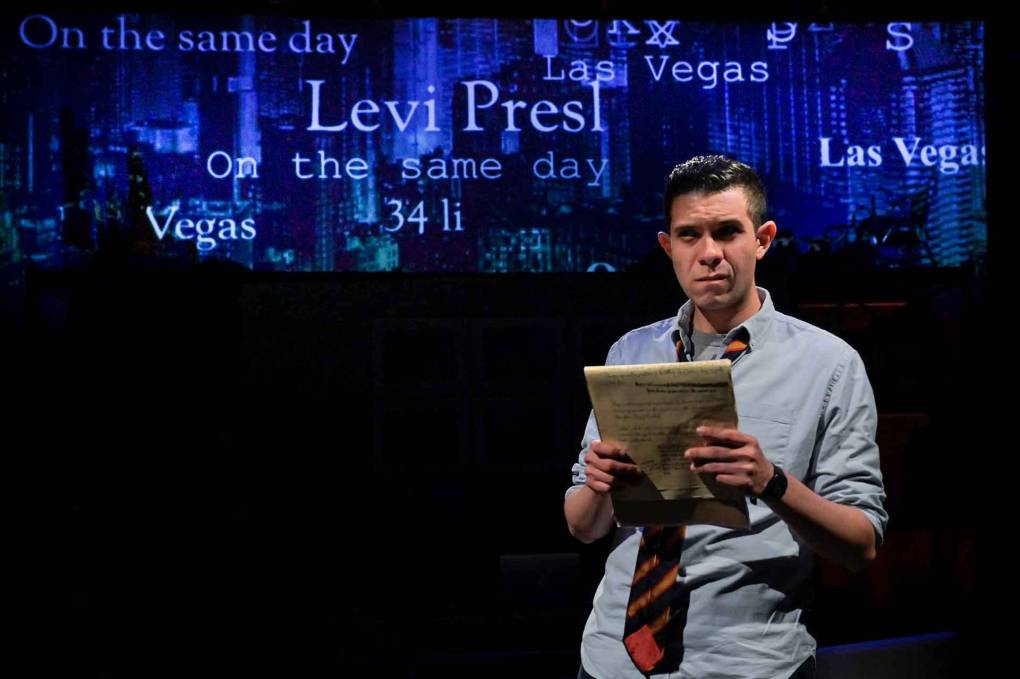
"caption": "Hernán Angulo as fact-checker Jim Fingal in 'The Lifespan of a Fact' at Aurora Theatre in Berkeley. ",
"credit": "Kevin Berne",
"altTag": null,
"description": null,
"imgSizes": {
"medium": {
"file": "https://cdn.kqed.org/wp-content/uploads/sites/2/2024/06/file-13931-file-800x533.jpg",
"width": 800,
"height": 533,
"mimeType": "image/jpeg"
},
"large": {
"file": "https://cdn.kqed.org/wp-content/uploads/sites/2/2024/06/file-13931-file-1020x679.jpg",
"width": 1020,
"height": 679,
"mimeType": "image/jpeg"
},
"thumbnail": {
"file": "https://cdn.kqed.org/wp-content/uploads/sites/2/2024/06/file-13931-file-160x107.jpg",
"width": 160,
"height": 107,
"mimeType": "image/jpeg"
},
"medium_large": {
"file": "https://cdn.kqed.org/wp-content/uploads/sites/2/2024/06/file-13931-file-768x511.jpg",
"width": 768,
"height": 511,
"mimeType": "image/jpeg"
},
"1536x1536": {
"file": "https://cdn.kqed.org/wp-content/uploads/sites/2/2024/06/file-13931-file-1536x1022.jpg",
"width": 1536,
"height": 1022,
"mimeType": "image/jpeg"
},
"post-thumbnail": {
"file": "https://cdn.kqed.org/wp-content/uploads/sites/2/2024/06/file-13931-file-672x372.jpg",
"width": 672,
"height": 372,
"mimeType": "image/jpeg"
},
"twentyfourteen-full-width": {
"file": "https://cdn.kqed.org/wp-content/uploads/sites/2/2024/06/file-13931-file-1038x576.jpg",
"width": 1038,
"height": 576,
"mimeType": "image/jpeg"
},
"kqedFullSize": {
"file": "https://cdn.kqed.org/wp-content/uploads/sites/2/2024/06/file-13931-file.jpg",
"width": 1920,
"height": 1278
}
},
"isLoading": false,
"fetchFailed": false
},
"arts_13960262": {
"type": "attachments",
"id": "arts_13960262",
"meta": {
"index": "attachments_1716263798",
"site": "arts",
"id": "13960262",
"found": true
},
"title": "MTR_061",
"publishDate": 1719338156,
"status": "inherit",
"parent": 13960254,
"modified": 1719338401,
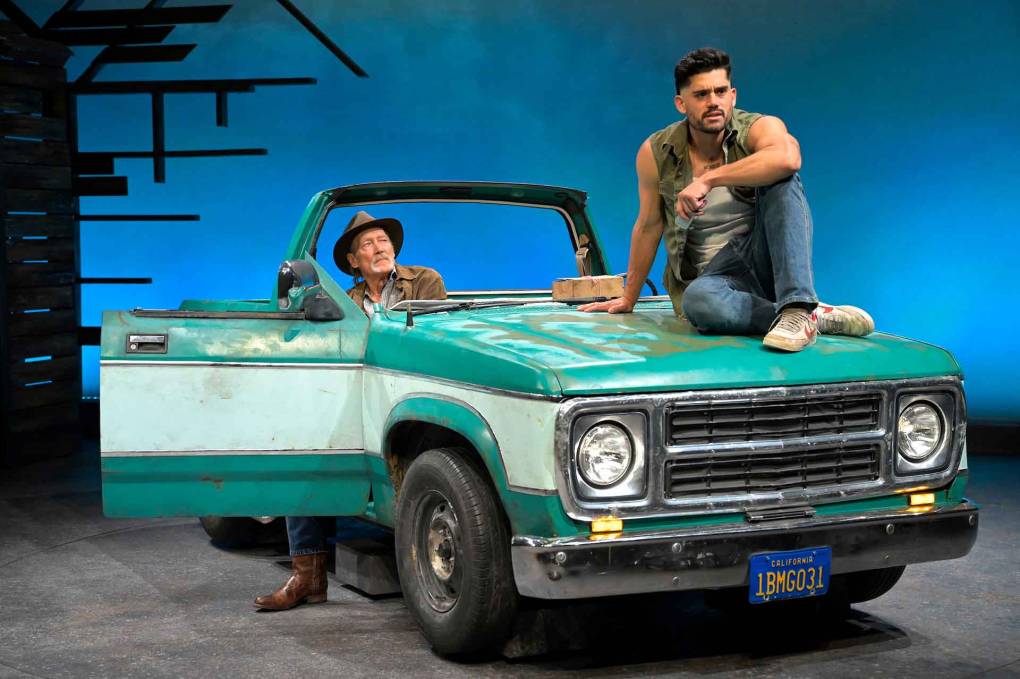
"caption": "James Carpenter (William Joad) and Emilio Garcia-Sanchez (Martín Jodes) in 'Mother Road,' by Octavio Solis, at Berkeley Rep.",
"credit": "Kevin Berne",
"altTag": "An older man sits inside a truck cab while a younger man in a sleeveless shirt and jeans sits on the hood.",
"description": null,
"imgSizes": {
"medium": {
"file": "https://cdn.kqed.org/wp-content/uploads/sites/2/2024/06/MTR_061-800x533.jpg",
"width": 800,
"height": 533,
"mimeType": "image/jpeg"
},
"large": {
"file": "https://cdn.kqed.org/wp-content/uploads/sites/2/2024/06/MTR_061-1020x679.jpg",
"width": 1020,
"height": 679,
"mimeType": "image/jpeg"
},
"thumbnail": {
"file": "https://cdn.kqed.org/wp-content/uploads/sites/2/2024/06/MTR_061-160x107.jpg",
"width": 160,
"height": 107,
"mimeType": "image/jpeg"
},
"medium_large": {
"file": "https://cdn.kqed.org/wp-content/uploads/sites/2/2024/06/MTR_061-768x511.jpg",
"width": 768,
"height": 511,
"mimeType": "image/jpeg"
},
"1536x1536": {
"file": "https://cdn.kqed.org/wp-content/uploads/sites/2/2024/06/MTR_061-1536x1022.jpg",
"width": 1536,
"height": 1022,
"mimeType": "image/jpeg"
},
"post-thumbnail": {
"file": "https://cdn.kqed.org/wp-content/uploads/sites/2/2024/06/MTR_061-672x372.jpg",
"width": 672,
"height": 372,
"mimeType": "image/jpeg"
},
"twentyfourteen-full-width": {
"file": "https://cdn.kqed.org/wp-content/uploads/sites/2/2024/06/MTR_061-1038x576.jpg",
"width": 1038,
"height": 576,
"mimeType": "image/jpeg"
},
"kqedFullSize": {
"file": "https://cdn.kqed.org/wp-content/uploads/sites/2/2024/06/MTR_061.jpg",
"width": 1920,
"height": 1278
}
},
"isLoading": false,
"fetchFailed": false
},
"arts_13959732": {
"type": "attachments",
"id": "arts_13959732",
"meta": {
"index": "attachments_1716263798",
"site": "arts",
"id": "13959732",
"found": true
},
"title": "Sanctuary.crop.16x9",
"publishDate": 1718231877,
"status": "inherit",
"parent": 13959654,
"modified": 1718235734,
"caption": "Singer and thespian 3LISE provides original music to 'Sanctuary.'",
"credit": "pejamane",
"altTag": "Singer and thespian, 3LISE, with a fierce black church hat and purple fan.",
"description": null,
"imgSizes": {
"medium": {
"file": "https://cdn.kqed.org/wp-content/uploads/sites/2/2024/06/Sanctuary.crop_.16x9-800x450.jpg",
"width": 800,
"height": 450,
"mimeType": "image/jpeg"
},
"large": {
"file": "https://cdn.kqed.org/wp-content/uploads/sites/2/2024/06/Sanctuary.crop_.16x9-1020x574.jpg",
"width": 1020,
"height": 574,
"mimeType": "image/jpeg"
},
"thumbnail": {
"file": "https://cdn.kqed.org/wp-content/uploads/sites/2/2024/06/Sanctuary.crop_.16x9-160x90.jpg",
"width": 160,
"height": 90,
"mimeType": "image/jpeg"
},
"medium_large": {
"file": "https://cdn.kqed.org/wp-content/uploads/sites/2/2024/06/Sanctuary.crop_.16x9-768x432.jpg",
"width": 768,
"height": 432,
"mimeType": "image/jpeg"
},
"post-thumbnail": {
"file": "https://cdn.kqed.org/wp-content/uploads/sites/2/2024/06/Sanctuary.crop_.16x9-672x372.jpg",
"width": 672,
"height": 372,
"mimeType": "image/jpeg"
},
"twentyfourteen-full-width": {
"file": "https://cdn.kqed.org/wp-content/uploads/sites/2/2024/06/Sanctuary.crop_.16x9-1038x576.jpg",
"width": 1038,
"height": 576,
"mimeType": "image/jpeg"
},
"kqedFullSize": {
"file": "https://cdn.kqed.org/wp-content/uploads/sites/2/2024/06/Sanctuary.crop_.16x9.jpg",
"width": 1228,
"height": 691
}
},
"isLoading": false,
"fetchFailed": false
},
"arts_13959619": {
"type": "attachments",
"id": "arts_13959619",
"meta": {
"index": "attachments_1716263798",
"site": "arts",
"id": "13959619",
"found": true
},
"title": "3rd_Palou_COVER",
"publishDate": 1718140027,
"status": "inherit",
"parent": 13959524,
"modified": 1718141893,
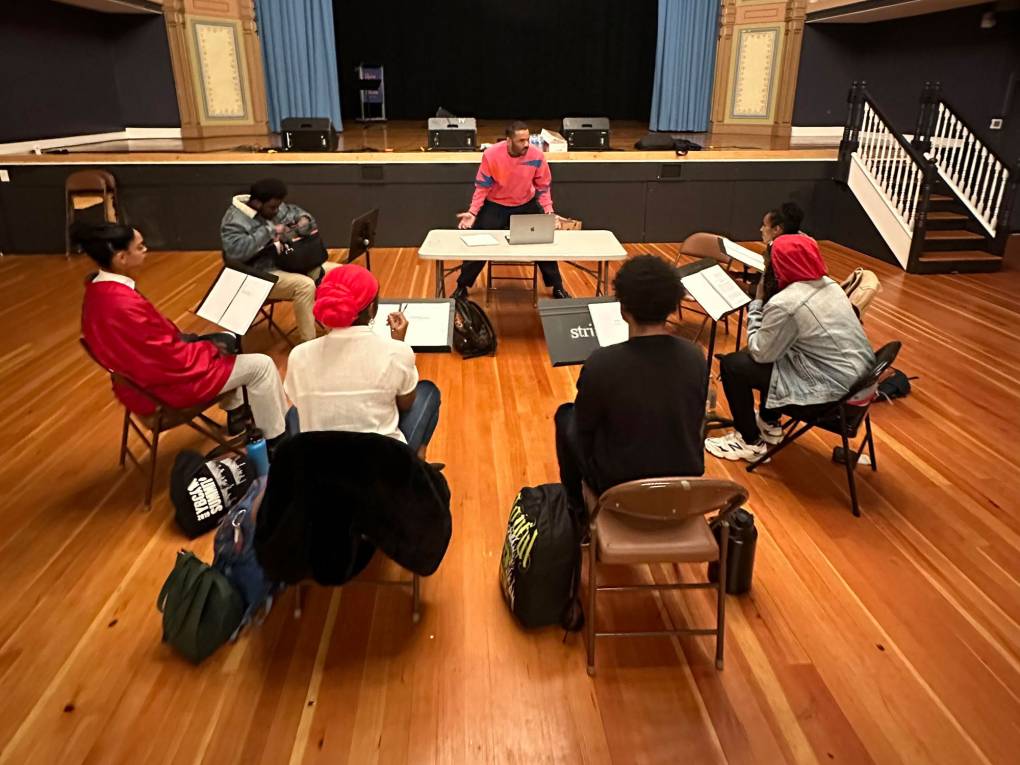
"caption": "Biko Eisen-Martin working with his cast at the Ruth Williams Opera House.",
"credit": "Courtesy Biko Eisen-Martin",
"altTag": "One man standing at table in circle of seated people in theater space",
"description": null,
"imgSizes": {
"medium": {
"file": "https://cdn.kqed.org/wp-content/uploads/sites/2/2024/06/3rd_Palou_COVER-800x600.jpg",
"width": 800,
"height": 600,
"mimeType": "image/jpeg"
},
"large": {
"file": "https://cdn.kqed.org/wp-content/uploads/sites/2/2024/06/3rd_Palou_COVER-1020x765.jpg",
"width": 1020,
"height": 765,
"mimeType": "image/jpeg"
},
"thumbnail": {
"file": "https://cdn.kqed.org/wp-content/uploads/sites/2/2024/06/3rd_Palou_COVER-160x120.jpg",
"width": 160,
"height": 120,
"mimeType": "image/jpeg"
},
"medium_large": {
"file": "https://cdn.kqed.org/wp-content/uploads/sites/2/2024/06/3rd_Palou_COVER-768x576.jpg",
"width": 768,
"height": 576,
"mimeType": "image/jpeg"
},
"1536x1536": {
"file": "https://cdn.kqed.org/wp-content/uploads/sites/2/2024/06/3rd_Palou_COVER-1536x1152.jpg",
"width": 1536,
"height": 1152,
"mimeType": "image/jpeg"
},
"post-thumbnail": {
"file": "https://cdn.kqed.org/wp-content/uploads/sites/2/2024/06/3rd_Palou_COVER-672x372.jpg",
"width": 672,
"height": 372,
"mimeType": "image/jpeg"
},
"twentyfourteen-full-width": {
"file": "https://cdn.kqed.org/wp-content/uploads/sites/2/2024/06/3rd_Palou_COVER-1038x576.jpg",
"width": 1038,
"height": 576,
"mimeType": "image/jpeg"
},
"full-width": {
"file": "https://cdn.kqed.org/wp-content/uploads/sites/2/2024/06/3rd_Palou_COVER-1920x1440.jpg",
"width": 1920,
"height": 1440,
"mimeType": "image/jpeg"
},
"kqedFullSize": {
"file": "https://cdn.kqed.org/wp-content/uploads/sites/2/2024/06/3rd_Palou_COVER.jpg",
"width": 2000,
"height": 1500
}
},
"isLoading": false,
"fetchFailed": false
},
"arts_13959110": {
"type": "attachments",
"id": "arts_13959110",
"meta": {
"index": "attachments_1716263798",
"site": "arts",
"id": "13959110",
"found": true
},
"title": "_74A1662",
"publishDate": 1717440079,
"status": "inherit",
"parent": 13959026,
"modified": 1717442217,
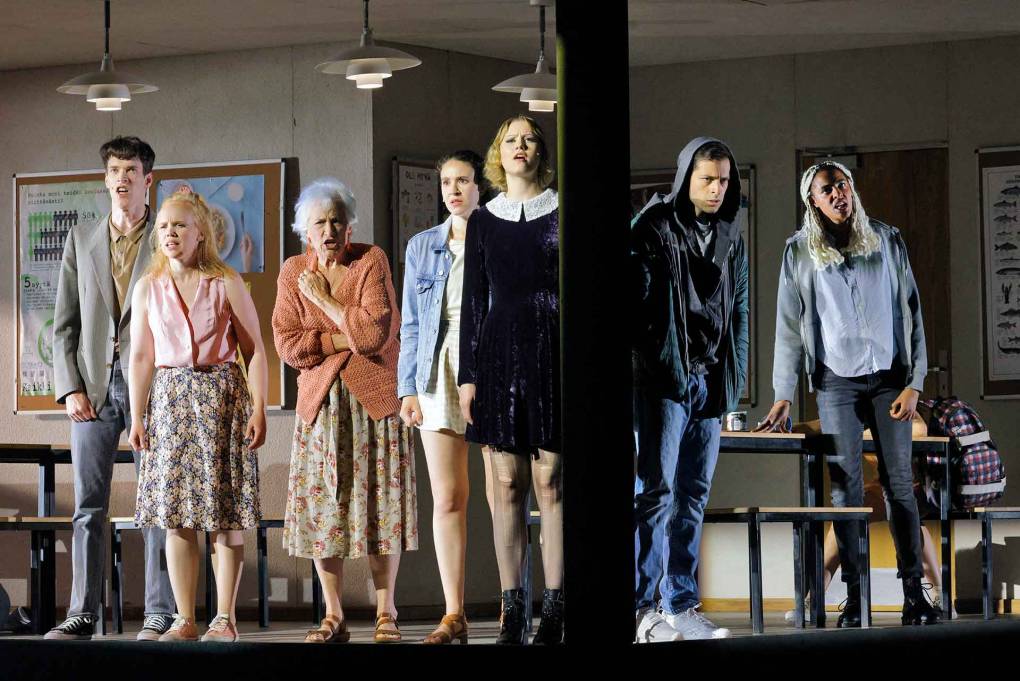
"caption": "Rowan Kievits as Student #4 (Anton), Beate Mordal as Student #2 (Lilly), Lucy Shelton as the Teacher, Marina Dumont as Student #6 (Alexia), Vilma Jää as Student #1 (Markéta), Camilo Delgado Díaz as Student #5 (Jerónimo), and Julie Hega as Student #3 (Iris) in 'Innocence' at SF Opera.",
"credit": "Cory Weaver/San Francisco Opera",
"altTag": null,
"description": null,
"imgSizes": {
"medium": {
"file": "https://cdn.kqed.org/wp-content/uploads/sites/2/2024/06/74A1662-800x534.jpg",
"width": 800,
"height": 534,
"mimeType": "image/jpeg"
},
"large": {
"file": "https://cdn.kqed.org/wp-content/uploads/sites/2/2024/06/74A1662-1020x681.jpg",
"width": 1020,
"height": 681,
"mimeType": "image/jpeg"
},
"thumbnail": {
"file": "https://cdn.kqed.org/wp-content/uploads/sites/2/2024/06/74A1662-160x107.jpg",
"width": 160,
"height": 107,
"mimeType": "image/jpeg"
},
"medium_large": {
"file": "https://cdn.kqed.org/wp-content/uploads/sites/2/2024/06/74A1662-768x512.jpg",
"width": 768,
"height": 512,
"mimeType": "image/jpeg"
},
"1536x1536": {
"file": "https://cdn.kqed.org/wp-content/uploads/sites/2/2024/06/74A1662-1536x1025.jpg",
"width": 1536,
"height": 1025,
"mimeType": "image/jpeg"
},
"post-thumbnail": {
"file": "https://cdn.kqed.org/wp-content/uploads/sites/2/2024/06/74A1662-672x372.jpg",
"width": 672,
"height": 372,
"mimeType": "image/jpeg"
},
"twentyfourteen-full-width": {
"file": "https://cdn.kqed.org/wp-content/uploads/sites/2/2024/06/74A1662-1038x576.jpg",
"width": 1038,
"height": 576,
"mimeType": "image/jpeg"
},
"kqedFullSize": {
"file": "https://cdn.kqed.org/wp-content/uploads/sites/2/2024/06/74A1662.jpg",
"width": 1920,
"height": 1281
}
},
"isLoading": false,
"fetchFailed": false
},
"arts_13958920": {
"type": "attachments",
"id": "arts_13958920",
"meta": {
"index": "attachments_1716263798",
"site": "arts",
"id": "13958920",
"found": true
},
"title": "LEH.featured",
"publishDate": 1717176557,
"status": "inherit",
"parent": 13958910,
"modified": 1717176654,
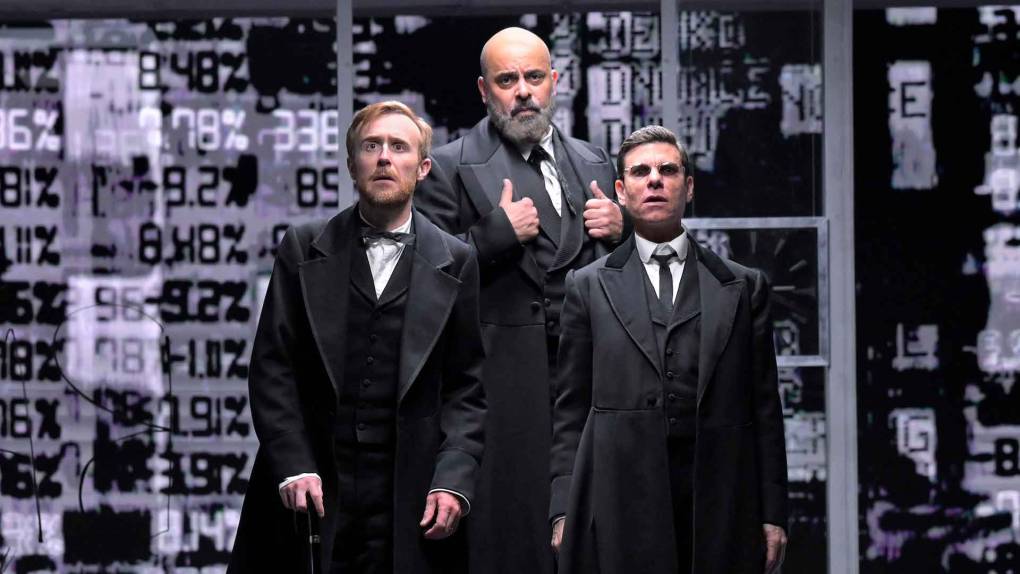
"caption": "John Heffernan (Henry Lehman), Howard W. Overshown (Emanuel Lehman), and Aaron Krohn (Mayer Lehman) in 'The Lehman Trilogy' at A.C.T.’s Toni Rembe Theater.",
"credit": "Kevin Berne",
"altTag": "three men in antiquated suits look surprised, in front of a backdrop of stock tickers",
"description": null,
"imgSizes": {
"medium": {
"file": "https://cdn.kqed.org/wp-content/uploads/sites/2/2024/05/LEH.featured-800x450.jpg",
"width": 800,
"height": 450,
"mimeType": "image/jpeg"
},
"large": {
"file": "https://cdn.kqed.org/wp-content/uploads/sites/2/2024/05/LEH.featured-1020x574.jpg",
"width": 1020,
"height": 574,
"mimeType": "image/jpeg"
},
"thumbnail": {
"file": "https://cdn.kqed.org/wp-content/uploads/sites/2/2024/05/LEH.featured-160x90.jpg",
"width": 160,
"height": 90,
"mimeType": "image/jpeg"
},
"medium_large": {
"file": "https://cdn.kqed.org/wp-content/uploads/sites/2/2024/05/LEH.featured-768x432.jpg",
"width": 768,
"height": 432,
"mimeType": "image/jpeg"
},
"1536x1536": {
"file": "https://cdn.kqed.org/wp-content/uploads/sites/2/2024/05/LEH.featured-1536x864.jpg",
"width": 1536,
"height": 864,
"mimeType": "image/jpeg"
},
"post-thumbnail": {
"file": "https://cdn.kqed.org/wp-content/uploads/sites/2/2024/05/LEH.featured-672x372.jpg",
"width": 672,
"height": 372,
"mimeType": "image/jpeg"
},
"twentyfourteen-full-width": {
"file": "https://cdn.kqed.org/wp-content/uploads/sites/2/2024/05/LEH.featured-1038x576.jpg",
"width": 1038,
"height": 576,
"mimeType": "image/jpeg"
},
"kqedFullSize": {
"file": "https://cdn.kqed.org/wp-content/uploads/sites/2/2024/05/LEH.featured.jpg",
"width": 1920,
"height": 1080
}
},
"isLoading": false,
"fetchFailed": false
},
"arts_13958359": {
"type": "attachments",
"id": "arts_13958359",
"meta": {
"index": "attachments_1716263798",
"site": "arts",
"id": "13958359",
"found": true
},
"title": "SOROCHE KQED",
"publishDate": 1716410712,
"status": "inherit",
"parent": 13958337,
"modified": 1716489009,
"caption": "Monica Ojeda's short story, \"Soroche,\" was translated into English as part of 'Through the Night Like a Snake,' a Latin American horror story anthology. It has since been adapted for the stage by Cuentero Productions.",
"credit": "Giovanna Lomanto",
"altTag": "a collection of Latin American books are loosely scattered on a table",
"description": null,
"imgSizes": {
"medium": {
"file": "https://cdn.kqed.org/wp-content/uploads/sites/2/2024/05/SOROCHE-KQED-800x533.png",
"width": 800,
"height": 533,
"mimeType": "image/png"
},
"large": {
"file": "https://cdn.kqed.org/wp-content/uploads/sites/2/2024/05/SOROCHE-KQED-1020x680.png",
"width": 1020,
"height": 680,
"mimeType": "image/png"
},
"thumbnail": {
"file": "https://cdn.kqed.org/wp-content/uploads/sites/2/2024/05/SOROCHE-KQED-160x107.png",
"width": 160,
"height": 107,
"mimeType": "image/png"
},
"medium_large": {
"file": "https://cdn.kqed.org/wp-content/uploads/sites/2/2024/05/SOROCHE-KQED-768x512.png",
"width": 768,
"height": 512,
"mimeType": "image/png"
},
"1536x1536": {
"file": "https://cdn.kqed.org/wp-content/uploads/sites/2/2024/05/SOROCHE-KQED-1536x1024.png",
"width": 1536,
"height": 1024,
"mimeType": "image/png"
},
"2048x2048": {
"file": "https://cdn.kqed.org/wp-content/uploads/sites/2/2024/05/SOROCHE-KQED-2048x1365.png",
"width": 2048,
"height": 1365,
"mimeType": "image/png"
},
"post-thumbnail": {
"file": "https://cdn.kqed.org/wp-content/uploads/sites/2/2024/05/SOROCHE-KQED-672x372.png",
"width": 672,
"height": 372,
"mimeType": "image/png"
},
"twentyfourteen-full-width": {
"file": "https://cdn.kqed.org/wp-content/uploads/sites/2/2024/05/SOROCHE-KQED-1038x576.png",
"width": 1038,
"height": 576,
"mimeType": "image/png"
},
"full-width": {
"file": "https://cdn.kqed.org/wp-content/uploads/sites/2/2024/05/SOROCHE-KQED-1920x1280.png",
"width": 1920,
"height": 1280,
"mimeType": "image/png"
},
"kqedFullSize": {
"file": "https://cdn.kqed.org/wp-content/uploads/sites/2/2024/05/SOROCHE-KQED.png",
"width": 5184,
"height": 3456
}
},
"isLoading": false,
"fetchFailed": false
},
"arts_13958079": {
"type": "attachments",
"id": "arts_13958079",
"meta": {
"index": "attachments_1716263798",
"site": "arts",
"id": "13958079",
"found": true
},
"parent": 0,
"imgSizes": {
"twentyfourteen-full-width": {
"file": "https://cdn.kqed.org/wp-content/uploads/sites/2/2024/05/GLO_038-1038x576.jpg",
"width": 1038,
"mimeType": "image/jpeg",
"height": 576
},
"thumbnail": {
"file": "https://cdn.kqed.org/wp-content/uploads/sites/2/2024/05/GLO_038-160x107.jpg",
"width": 160,
"mimeType": "image/jpeg",
"height": 107
},
"post-thumbnail": {
"file": "https://cdn.kqed.org/wp-content/uploads/sites/2/2024/05/GLO_038-672x372.jpg",
"width": 672,
"mimeType": "image/jpeg",
"height": 372
},
"kqedFullSize": {
"file": "https://cdn.kqed.org/wp-content/uploads/sites/2/2024/05/GLO_038.jpg",
"width": 1920,
"height": 1278
},
"large": {
"file": "https://cdn.kqed.org/wp-content/uploads/sites/2/2024/05/GLO_038-1020x679.jpg",
"width": 1020,
"mimeType": "image/jpeg",
"height": 679
},
"1536x1536": {
"file": "https://cdn.kqed.org/wp-content/uploads/sites/2/2024/05/GLO_038-1536x1022.jpg",
"width": 1536,
"mimeType": "image/jpeg",
"height": 1022
},
"medium": {
"file": "https://cdn.kqed.org/wp-content/uploads/sites/2/2024/05/GLO_038-800x533.jpg",
"width": 800,
"mimeType": "image/jpeg",
"height": 533
},
"medium_large": {
"file": "https://cdn.kqed.org/wp-content/uploads/sites/2/2024/05/GLO_038-768x511.jpg",
"width": 768,
"mimeType": "image/jpeg",
"height": 511
}
},
"publishDate": 1715960125,
"modified": 1715960315,
"caption": "Raúl Esparza (Galileo Galilei) in the world premiere of 'Galileo: A Rock Musical' at Berkeley Repertory Theatre.",
"description": null,
"title": "GLO_038",
"credit": "Kevin Berne",
"status": "inherit",
"altTag": null,
"isLoading": false,
"fetchFailed": false
},
"arts_13957847": {
"type": "attachments",
"id": "arts_13957847",
"meta": {
"index": "attachments_1716263798",
"site": "arts",
"id": "13957847",
"found": true
},
"parent": 13957845,
"imgSizes": {
"twentyfourteen-full-width": {
"file": "https://cdn.kqed.org/wp-content/uploads/sites/2/2024/05/Melissa-Lewis-Wong-right-with-their-mother-Joy-ChenYu-Lewis.-Photo-by-RJ-Muna-3-1038x576.jpg",
"width": 1038,
"mimeType": "image/jpeg",
"height": 576
},
"thumbnail": {
"file": "https://cdn.kqed.org/wp-content/uploads/sites/2/2024/05/Melissa-Lewis-Wong-right-with-their-mother-Joy-ChenYu-Lewis.-Photo-by-RJ-Muna-3-160x106.jpg",
"width": 160,
"mimeType": "image/jpeg",
"height": 106
},
"post-thumbnail": {
"file": "https://cdn.kqed.org/wp-content/uploads/sites/2/2024/05/Melissa-Lewis-Wong-right-with-their-mother-Joy-ChenYu-Lewis.-Photo-by-RJ-Muna-3-672x372.jpg",
"width": 672,
"mimeType": "image/jpeg",
"height": 372
},
"kqedFullSize": {
"file": "https://cdn.kqed.org/wp-content/uploads/sites/2/2024/05/Melissa-Lewis-Wong-right-with-their-mother-Joy-ChenYu-Lewis.-Photo-by-RJ-Muna-3-scaled.jpg",
"width": 2560,
"height": 1701
},
"2048x2048": {
"file": "https://cdn.kqed.org/wp-content/uploads/sites/2/2024/05/Melissa-Lewis-Wong-right-with-their-mother-Joy-ChenYu-Lewis.-Photo-by-RJ-Muna-3-2048x1361.jpg",
"width": 2048,
"mimeType": "image/jpeg",
"height": 1361
},
"large": {
"file": "https://cdn.kqed.org/wp-content/uploads/sites/2/2024/05/Melissa-Lewis-Wong-right-with-their-mother-Joy-ChenYu-Lewis.-Photo-by-RJ-Muna-3-1020x678.jpg",
"width": 1020,
"mimeType": "image/jpeg",
"height": 678
},
"1536x1536": {
"file": "https://cdn.kqed.org/wp-content/uploads/sites/2/2024/05/Melissa-Lewis-Wong-right-with-their-mother-Joy-ChenYu-Lewis.-Photo-by-RJ-Muna-3-1536x1020.jpg",
"width": 1536,
"mimeType": "image/jpeg",
"height": 1020
},
"full-width": {
"file": "https://cdn.kqed.org/wp-content/uploads/sites/2/2024/05/Melissa-Lewis-Wong-right-with-their-mother-Joy-ChenYu-Lewis.-Photo-by-RJ-Muna-3-1920x1276.jpg",
"width": 1920,
"mimeType": "image/jpeg",
"height": 1276
},
"medium": {
"file": "https://cdn.kqed.org/wp-content/uploads/sites/2/2024/05/Melissa-Lewis-Wong-right-with-their-mother-Joy-ChenYu-Lewis.-Photo-by-RJ-Muna-3-800x531.jpg",
"width": 800,
"mimeType": "image/jpeg",
"height": 531
},
"medium_large": {
"file": "https://cdn.kqed.org/wp-content/uploads/sites/2/2024/05/Melissa-Lewis-Wong-right-with-their-mother-Joy-ChenYu-Lewis.-Photo-by-RJ-Muna-3-768x510.jpg",
"width": 768,
"mimeType": "image/jpeg",
"height": 510
}
},
"publishDate": 1715727053,
"modified": 1715729374,
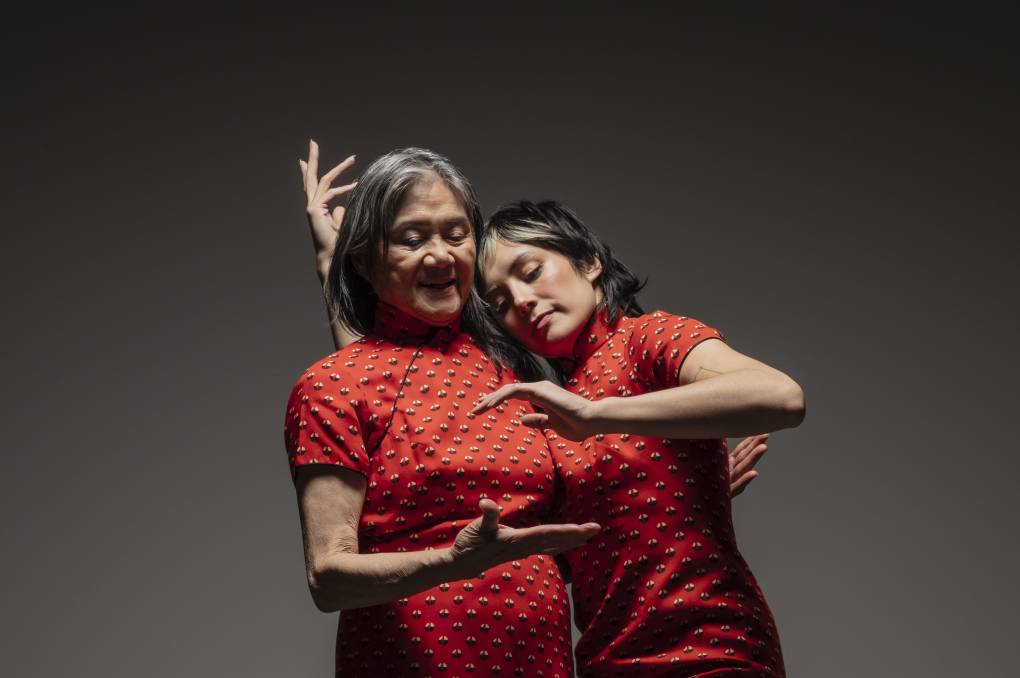
"caption": "Melissa Lewis Wong, right, with their mother Joy ChenYu Lewis. Together they perform in 'flowers and fog' at the Golden Gate Theatre in San Francisco's Chinatown.",
"description": null,
"title": null,
"credit": "RJ Muna",
"status": "inherit",
"altTag": null,
"isLoading": false,
"fetchFailed": false
},
"arts_13957710": {
"type": "attachments",
"id": "arts_13957710",
"meta": {
"index": "attachments_1716263798",
"site": "arts",
"id": "13957710",
"found": true
},
"parent": 13957684,
"imgSizes": {
"twentyfourteen-full-width": {
"file": "https://cdn.kqed.org/wp-content/uploads/sites/2/2024/05/The_Ghost_of_King_2024_8649_cropped-1038x576.jpg",
"width": 1038,
"mimeType": "image/jpeg",
"height": 576
},
"thumbnail": {
"file": "https://cdn.kqed.org/wp-content/uploads/sites/2/2024/05/The_Ghost_of_King_2024_8649_cropped-160x102.jpg",
"width": 160,
"mimeType": "image/jpeg",
"height": 102
},
"post-thumbnail": {
"file": "https://cdn.kqed.org/wp-content/uploads/sites/2/2024/05/The_Ghost_of_King_2024_8649_cropped-672x372.jpg",
"width": 672,
"mimeType": "image/jpeg",
"height": 372
},
"kqedFullSize": {
"file": "https://cdn.kqed.org/wp-content/uploads/sites/2/2024/05/The_Ghost_of_King_2024_8649_cropped.jpg",
"width": 1920,
"height": 1224
},
"large": {
"file": "https://cdn.kqed.org/wp-content/uploads/sites/2/2024/05/The_Ghost_of_King_2024_8649_cropped-1020x650.jpg",
"width": 1020,
"mimeType": "image/jpeg",
"height": 650
},
"1536x1536": {
"file": "https://cdn.kqed.org/wp-content/uploads/sites/2/2024/05/The_Ghost_of_King_2024_8649_cropped-1536x979.jpg",
"width": 1536,
"mimeType": "image/jpeg",
"height": 979
},
"medium": {
"file": "https://cdn.kqed.org/wp-content/uploads/sites/2/2024/05/The_Ghost_of_King_2024_8649_cropped-800x510.jpg",
"width": 800,
"mimeType": "image/jpeg",
"height": 510
},
"medium_large": {
"file": "https://cdn.kqed.org/wp-content/uploads/sites/2/2024/05/The_Ghost_of_King_2024_8649_cropped-768x490.jpg",
"width": 768,
"mimeType": "image/jpeg",
"height": 490
}
},
"publishDate": 1715634505,
"modified": 1715635682,
"caption": "Playwright Michael Wayne Turner III will perform as Dr. Martin Luther King, Jr. in 'The Ghost of King' in Oakland. \n",
"description": null,
"title": "The_Ghost_of_King_2024_8649_cropped",
"credit": "Oakland Theater Project",
"status": "inherit",
"altTag": null,
"isLoading": false,
"fetchFailed": false
},
"arts_13956434": {
"type": "attachments",
"id": "arts_13956434",
"meta": {
"index": "attachments_1716263798",
"site": "arts",
"id": "13956434",
"found": true
},
"parent": 13956359,
"imgSizes": {
"twentyfourteen-full-width": {
"file": "https://cdn.kqed.org/wp-content/uploads/sites/2/2024/04/025_KQEDArts_Oakland_AyodeleNzinga_07192021-1038x576.jpg",
"width": 1038,
"mimeType": "image/jpeg",
"height": 576
},
"thumbnail": {
"file": "https://cdn.kqed.org/wp-content/uploads/sites/2/2024/04/025_KQEDArts_Oakland_AyodeleNzinga_07192021-160x107.jpg",
"width": 160,
"mimeType": "image/jpeg",
"height": 107
},
"post-thumbnail": {
"file": "https://cdn.kqed.org/wp-content/uploads/sites/2/2024/04/025_KQEDArts_Oakland_AyodeleNzinga_07192021-672x372.jpg",
"width": 672,
"mimeType": "image/jpeg",
"height": 372
},
"kqedFullSize": {
"file": "https://cdn.kqed.org/wp-content/uploads/sites/2/2024/04/025_KQEDArts_Oakland_AyodeleNzinga_07192021.jpg",
"width": 1920,
"height": 1280
},
"large": {
"file": "https://cdn.kqed.org/wp-content/uploads/sites/2/2024/04/025_KQEDArts_Oakland_AyodeleNzinga_07192021-1020x680.jpg",
"width": 1020,
"mimeType": "image/jpeg",
"height": 680
},
"1536x1536": {
"file": "https://cdn.kqed.org/wp-content/uploads/sites/2/2024/04/025_KQEDArts_Oakland_AyodeleNzinga_07192021-1536x1024.jpg",
"width": 1536,
"mimeType": "image/jpeg",
"height": 1024
},
"medium": {
"file": "https://cdn.kqed.org/wp-content/uploads/sites/2/2024/04/025_KQEDArts_Oakland_AyodeleNzinga_07192021-800x533.jpg",
"width": 800,
"mimeType": "image/jpeg",
"height": 533
},
"medium_large": {
"file": "https://cdn.kqed.org/wp-content/uploads/sites/2/2024/04/025_KQEDArts_Oakland_AyodeleNzinga_07192021-768x512.jpg",
"width": 768,
"mimeType": "image/jpeg",
"height": 512
}
},
"publishDate": 1713902958,
"modified": 1713903009,
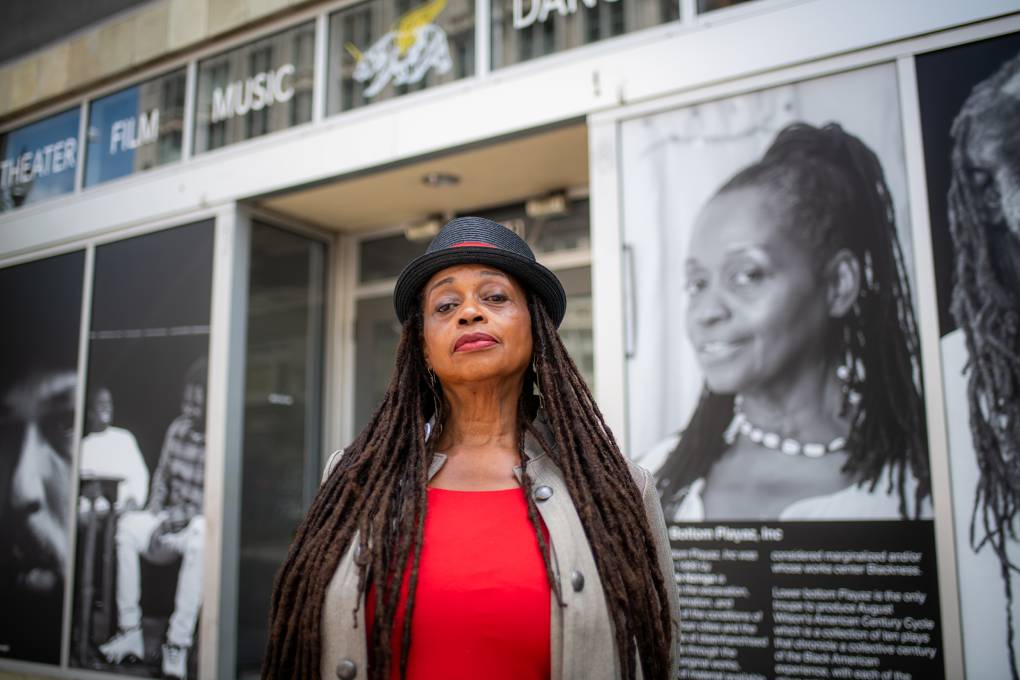
"caption": "Ayodele Nzinga stands in front of a photo of herself, a part of the project Story Windows, at PianoFight theater in Oakland on July 19, 2021.",
"description": "Ayodele Nzinga stands in front of a photo of herself, a part of the project Story Windows, at PianoFight theater in Oakland on July 19, 2021.",
"title": "Ayodele Nzinga stands in front of a photo of herself, a part of the project Story Windows, at PianoFight theater in Oakland on July 19, 2021.",
"credit": "(Beth LaBerge/KQED)",
"status": "inherit",
"altTag": "Ayodele Nzinga stands in front of a photo of herself, a part of the project Story Windows, at PianoFight theater in Oakland on July 19, 2021.",
"isLoading": false,
"fetchFailed": false
},
"arts_13955116": {
"type": "attachments",
"id": "arts_13955116",
"meta": {
"index": "attachments_1716263798",
"site": "arts",
"id": "13955116",
"found": true
},
"parent": 13955108,
"imgSizes": {
"twentyfourteen-full-width": {
"file": "https://cdn.kqed.org/wp-content/uploads/sites/2/2024/04/Soskin.thumb_-1038x576.jpg",
"width": 1038,
"mimeType": "image/jpeg",
"height": 576
},
"thumbnail": {
"file": "https://cdn.kqed.org/wp-content/uploads/sites/2/2024/04/Soskin.thumb_-160x90.jpg",
"width": 160,
"mimeType": "image/jpeg",
"height": 90
},
"post-thumbnail": {
"file": "https://cdn.kqed.org/wp-content/uploads/sites/2/2024/04/Soskin.thumb_-672x372.jpg",
"width": 672,
"mimeType": "image/jpeg",
"height": 372
},
"kqedFullSize": {
"file": "https://cdn.kqed.org/wp-content/uploads/sites/2/2024/04/Soskin.thumb_.jpg",
"width": 1920,
"height": 1080
},
"large": {
"file": "https://cdn.kqed.org/wp-content/uploads/sites/2/2024/04/Soskin.thumb_-1020x574.jpg",
"width": 1020,
"mimeType": "image/jpeg",
"height": 574
},
"1536x1536": {
"file": "https://cdn.kqed.org/wp-content/uploads/sites/2/2024/04/Soskin.thumb_-1536x864.jpg",
"width": 1536,
"mimeType": "image/jpeg",
"height": 864
},
"medium": {
"file": "https://cdn.kqed.org/wp-content/uploads/sites/2/2024/04/Soskin.thumb_-800x450.jpg",
"width": 800,
"mimeType": "image/jpeg",
"height": 450
},
"medium_large": {
"file": "https://cdn.kqed.org/wp-content/uploads/sites/2/2024/04/Soskin.thumb_-768x432.jpg",
"width": 768,
"mimeType": "image/jpeg",
"height": 432
}
},
"publishDate": 1711995061,
"modified": 1711995898,
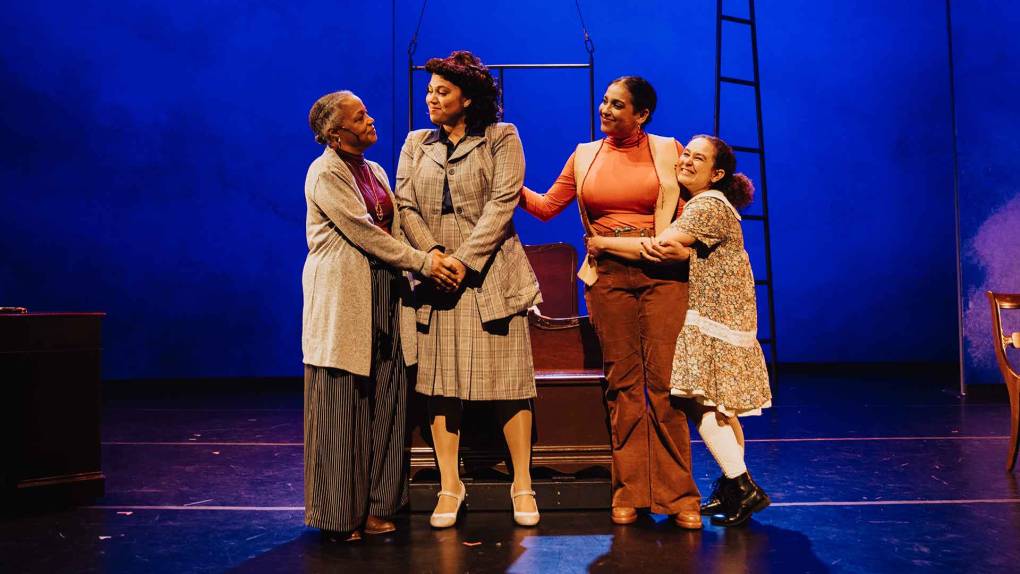
"caption": "The four Betty Reid Soskins of 'Sign My Name to Freedom' (L–R): Cathleen Riddley, Aidaa Peerzada, Lucca Troutman and Tierra Allen. ",
"description": null,
"title": "Soskin.thumb",
"credit": "Alexa 'LexMex' Treviño",
"status": "inherit",
"altTag": "Four women stand on a stage backlit by blue, looking admiringly at each other",
"isLoading": false,
"fetchFailed": false
}
},
"audioPlayerReducer": {
"postId": "stream_live",
"isPaused": true,
"isPlaying": false,
"pfsActive": false,
"pledgeModalIsOpen": true,
"playerDrawerIsOpen": false,
"liveAudioPlayStartedAt": 0,
"liveAudioPlayContext": ""
},
"authorsReducer": {
"gmeline": {
"type": "authors",
"id": "185",
"meta": {
"index": "authors_1716337520",
"id": "185",
"found": true
},
"name": "Gabe Meline",
"firstName": "Gabe",
"lastName": "Meline",
"slug": "gmeline",
"email": "gmeline@kqed.org",
"display_author_email": true,
"staff_mastheads": [
"arts"
],
"title": "Senior Editor, KQED Arts & Culture",
"bio": "Gabe Meline entered journalism at age 15 making photocopied zines, and has since earned awards from the Edward R. Murrow Awards, the Society for Professional Journalists, the Online Journalism Awards, the Association of Alternative Newsweeklies and the California Newspaper Publishers Association. Prior to KQED, he was the editor of the \u003cem>North Bay Bohemian\u003c/em> and a touring musician. He lives with his wife and daughter in his hometown of Santa Rosa, CA.",
"avatar": "https://secure.gravatar.com/avatar/5bebe57be0d8bc2dd318934feb47299e2d2d10cba28d09d8d7afb389a2ce2bdd?s=600&d=blank&r=g",
"twitter": null,
"bluesky": null,
"facebook": null,
"instagram": null,
"linkedin": null,
"sites": [
{
"site": "",
"roles": [
"editor"
]
},
{
"site": "arts",
"roles": [
"administrator"
]
},
{
"site": "artschool",
"roles": [
"editor"
]
},
{
"site": "news",
"roles": [
"author"
]
},
{
"site": "pop",
"roles": [
"editor"
]
},
{
"site": "bayareabites",
"roles": [
"editor"
]
},
{
"site": "food",
"roles": [
"editor"
]
},
{
"site": "forum",
"roles": [
"administrator"
]
},
{
"site": "liveblog",
"roles": [
"editor"
]
},
{
"site": "hiphop",
"roles": [
"editor"
]
}
],
"headData": {
"title": "Gabe Meline | KQED",
"description": "Senior Editor, KQED Arts & Culture",
"ogImgSrc": "https://secure.gravatar.com/avatar/5bebe57be0d8bc2dd318934feb47299e2d2d10cba28d09d8d7afb389a2ce2bdd?s=600&d=blank&r=g",
"twImgSrc": "https://secure.gravatar.com/avatar/5bebe57be0d8bc2dd318934feb47299e2d2d10cba28d09d8d7afb389a2ce2bdd?s=600&d=blank&r=g"
},
"isLoading": false,
"link": "/author/gmeline"
},
"aproehl": {
"type": "authors",
"id": "11296",
"meta": {
"index": "authors_1716337520",
"id": "11296",
"found": true
},
"name": "Ariana Proehl",
"firstName": "Ariana",
"lastName": "Proehl",
"slug": "aproehl",
"email": "aproehl@KQED.org",
"display_author_email": true,
"staff_mastheads": [
"news"
],
"title": "Culture Reporter, KQED",
"bio": "Ariana Proehl is a Culture Reporter and Host.",
"avatar": "https://secure.gravatar.com/avatar/c96b24567eb5bb3a4f8bb295ed53e232?s=600&d=blank&r=g",
"twitter": "ArianaProehl",
"facebook": null,
"instagram": null,
"linkedin": null,
"sites": [
{
"site": "arts",
"roles": []
},
{
"site": "news",
"roles": []
},
{
"site": "education",
"roles": []
},
{
"site": "forum",
"roles": []
}
],
"headData": {
"title": "Ariana Proehl | KQED",
"description": "Culture Reporter, KQED",
"ogImgSrc": "https://secure.gravatar.com/avatar/c96b24567eb5bb3a4f8bb295ed53e232?s=600&d=blank&r=g",
"twImgSrc": "https://secure.gravatar.com/avatar/c96b24567eb5bb3a4f8bb295ed53e232?s=600&d=blank&r=g"
},
"isLoading": false,
"link": "/author/aproehl"
},
"ogpenn": {
"type": "authors",
"id": "11491",
"meta": {
"index": "authors_1716337520",
"id": "11491",
"found": true
},
"name": "Pendarvis Harshaw",
"firstName": "Pendarvis",
"lastName": "Harshaw",
"slug": "ogpenn",
"email": "ogpenn@gmail.com",
"display_author_email": false,
"staff_mastheads": [
"arts"
],
"title": "Community Engagement Reporter",
"bio": "Pendarvis Harshaw is an educator, host and writer with KQED Arts.",
"avatar": "https://secure.gravatar.com/avatar/972b77ee8e3f346ae2b00622661187fbfabd059b5693bbdc1475ea7a722fd4cd?s=600&d=blank&r=g",
"twitter": null,
"bluesky": null,
"facebook": null,
"instagram": "ogpenn",
"linkedin": null,
"sites": [
{
"site": "arts",
"roles": [
"administrator"
]
},
{
"site": "news",
"roles": [
"editor"
]
},
{
"site": "bayareabites",
"roles": [
"author"
]
},
{
"site": "hiphop",
"roles": [
"editor"
]
}
],
"headData": {
"title": "Pendarvis Harshaw | KQED",
"description": "Community Engagement Reporter",
"ogImgSrc": "https://secure.gravatar.com/avatar/972b77ee8e3f346ae2b00622661187fbfabd059b5693bbdc1475ea7a722fd4cd?s=600&d=blank&r=g",
"twImgSrc": "https://secure.gravatar.com/avatar/972b77ee8e3f346ae2b00622661187fbfabd059b5693bbdc1475ea7a722fd4cd?s=600&d=blank&r=g"
},
"isLoading": false,
"link": "/author/ogpenn"
},
"achazaro": {
"type": "authors",
"id": "11748",
"meta": {
"index": "authors_1716337520",
"id": "11748",
"found": true
},
"name": "Alan Chazaro",
"firstName": "Alan",
"lastName": "Chazaro",
"slug": "achazaro",
"email": "agchazaro@gmail.com",
"display_author_email": true,
"staff_mastheads": [],
"title": "Food Writer and Reporter",
"bio": "Alan Chazaro is the author of \u003cem>This Is Not a Frank Ocean Cover Album\u003c/em> (Black Lawrence Press, 2019), \u003cem>Piñata Theory\u003c/em> (Black Lawrence Press, 2020), and \u003cem>Notes from the Eastern Span of the Bay Bridge\u003c/em> (Ghost City Press, 2021). He is a graduate of June Jordan’s Poetry for the People program at UC Berkeley and a former Lawrence Ferlinghetti Fellow at the University of San Francisco. He writes about sports, food, art, music, education, and culture while repping the Bay on \u003ca href=\"https://twitter.com/alan_chazaro\">Twitter\u003c/a> and \u003ca href=\"https://www.instagram.com/alan_chazaro/?hl=en\">Instagram\u003c/a> at @alan_chazaro.",
"avatar": "https://secure.gravatar.com/avatar/ea8b6dd970fc5c29e7a188e7d5861df7?s=600&d=blank&r=g",
"twitter": "alan_chazaro",
"facebook": null,
"instagram": null,
"linkedin": null,
"sites": [
{
"site": "arts",
"roles": [
"contributor"
]
},
{
"site": "news",
"roles": [
"editor"
]
}
],
"headData": {
"title": "Alan Chazaro | KQED",
"description": "Food Writer and Reporter",
"ogImgSrc": "https://secure.gravatar.com/avatar/ea8b6dd970fc5c29e7a188e7d5861df7?s=600&d=blank&r=g",
"twImgSrc": "https://secure.gravatar.com/avatar/ea8b6dd970fc5c29e7a188e7d5861df7?s=600&d=blank&r=g"
},
"isLoading": false,
"link": "/author/achazaro"
},
"djchavez": {
"type": "authors",
"id": "11905",
"meta": {
"index": "authors_1716337520",
"id": "11905",
"found": true
},
"name": "David John Chávez",
"firstName": "David John",
"lastName": "Chávez",
"slug": "djchavez",
"email": "theatrechavez@gmail.com",
"display_author_email": false,
"staff_mastheads": [],
"title": "KQED Contributor",
"bio": "Based in San José, David is a theater critic and reporter who who served as Executive Chair of the American Theatre Critics/Journalists Association (’22-’25), as well as a regular theater contributor to The Mercury News, San Francisco Chronicle, American Theatre Magazine and KQED, among other publications. He is a two-time juror for the Pulitzer Prize for Drama (’22-’23) and a 2020 fellow of the Eugene O'Neill National Critics Institute.",
"avatar": "https://secure.gravatar.com/avatar/5eaa3ce994228213820907c390795c28f7b97165c2b575f46d15fc9273a132b7?s=600&d=blank&r=g",
"twitter": null,
"bluesky": null,
"facebook": "https://www.facebook.com/bydavidjchavez",
"instagram": "https://www.instagram.com/davidjchavez/",
"linkedin": null,
"sites": [
{
"site": "arts",
"roles": [
"contributor"
]
}
],
"headData": {
"title": "David John Chávez | KQED",
"description": "KQED Contributor",
"ogImgSrc": "https://secure.gravatar.com/avatar/5eaa3ce994228213820907c390795c28f7b97165c2b575f46d15fc9273a132b7?s=600&d=blank&r=g",
"twImgSrc": "https://secure.gravatar.com/avatar/5eaa3ce994228213820907c390795c28f7b97165c2b575f46d15fc9273a132b7?s=600&d=blank&r=g"
},
"isLoading": false,
"link": "/author/djchavez"
}
},
"pagesReducer": {
"arts_category_theater": {
"type": "terms",
"id": "arts_967",
"meta": {
"index": "terms_1716263798",
"site": "arts",
"id": "967",
"score": 12.28665
},
"featImg": null,
"name": "Theater",
"description": null,
"taxonomy": "category",
"headData": {
"twImgId": null,
"twTitle": null,
"ogTitle": null,
"ogImgId": null,
"twDescription": null,
"description": null,
"title": "Theater Archives | KQED Arts",
"ogDescription": null
},
"ttid": 985,
"slug": "theater",
"isLoading": false,
"title": "Theater",
"pageMeta": {
"site": "arts",
"WpPageTemplate": "page-topic-editorial",
"currentPage": 9
},
"blocks": [
{
"blockName": "kqed/post-list",
"attrs": {
"layout": "cardArticle2",
"query": "posts/arts?category=theater",
"seeMore": false,
"paginated": true,
"page": 9
}
},
{
"blockName": "kqed/ad"
}
]
}
},
"pfsSessionReducer": {},
"postsReducer": {
"stream_live": {
"type": "live",
"id": "stream_live",
"audioUrl": "https://streams.kqed.org/kqedradio",
"title": "Live Stream",
"excerpt": "Live Stream information currently unavailable.",
"link": "/radio",
"featImg": "",
"label": {
"name": "KQED Live",
"link": "/"
}
},
"stream_kqedNewscast": {
"type": "posts",
"id": "stream_kqedNewscast",
"audioUrl": "https://www.kqed.org/.stream/anon/radio/RDnews/newscast.mp3?_=1",
"title": "KQED Newscast",
"featImg": "",
"label": {
"name": "88.5 FM",
"link": "/"
}
},
"arts_13960422": {
"type": "posts",
"id": "arts_13960422",
"meta": {
"index": "posts_1716263798",
"site": "arts",
"id": "13960422",
"score": null,
"sort": [
1719603567000
]
},
"guestAuthors": [],
"slug": "lifespan-of-a-fact-review-aurora-theatre-berkeley-fact-checking",
"title": "Bringing the Fact-Checker to a Play About Fact-Checking",
"publishDate": 1719603567,
"format": "standard",
"headTitle": "Bringing the Fact-Checker to a Play About Fact-Checking | KQED",
"labelTerm": {
"term": 140,
"site": "arts"
},
"content": "\u003cp>In the world of journalism, a fact-checker performs invisible work. No one, save the writer or editor of a story, really notices it. And yet at the country’s top magazines on down to its remaining newspapers, copy desks engage in that tireless task of reviewing stories for a paramount goal: accuracy.\u003c/p>\n\u003cp>Bringing this work to the literal spotlight is \u003cem>The Lifespan of a Fact\u003c/em>, a 90-minute play running through July 21 at Berkeley’s Aurora Theatre. In it, a magazine writer, fact-checker and editor quarrel over an essay’s tiny details, and how they do, or do not, affect the resonance of its bigger themes. It’s essentially a question about the old Mark Twain maxim, writ large: Should you ever let the truth get in the way of a good story?\u003c/p>\n\u003cfigure id=\"attachment_13960484\" class=\"wp-caption aligncenter\" style=\"max-width: 1920px\">\u003cimg loading=\"lazy\" decoding=\"async\" class=\"size-full wp-image-13960484\" src=\"https://cdn.kqed.org/wp-content/uploads/sites/2/2024/06/file-13941-file.jpg\" alt=\"A blonde woman in blue sits atop a sofa, while staring at the table along with a bearded man in a grubby T-shirt and a young man sitting at a table.\" width=\"1920\" height=\"1277\" srcset=\"https://cdn.kqed.org/wp-content/uploads/sites/2/2024/06/file-13941-file.jpg 1920w, https://cdn.kqed.org/wp-content/uploads/sites/2/2024/06/file-13941-file-800x532.jpg 800w, https://cdn.kqed.org/wp-content/uploads/sites/2/2024/06/file-13941-file-1020x678.jpg 1020w, https://cdn.kqed.org/wp-content/uploads/sites/2/2024/06/file-13941-file-160x106.jpg 160w, https://cdn.kqed.org/wp-content/uploads/sites/2/2024/06/file-13941-file-768x511.jpg 768w, https://cdn.kqed.org/wp-content/uploads/sites/2/2024/06/file-13941-file-1536x1022.jpg 1536w\" sizes=\"(max-width: 1920px) 100vw, 1920px\">\u003cfigcaption class=\"wp-caption-text\">Carrie Paff, Elijah Alexander and Hernán Angulo in ‘The Lifespan of a Fact’ at Aurora Theatre in Berkeley. \u003ccite>(Kevin Berne)\u003c/cite>\u003c/figcaption>\u003c/figure>\n\u003cp>Linda Houser doesn’t think so. As a 24-year veteran of the \u003cem>San Francisco Chronicle\u003c/em>’s copy desk who fact-checks stories daily, her life is a trifecta of clarity, consistency and accuracy. Which I why I decided to bring her along to see \u003cem>The Lifespan of a Fact\u003c/em>. Who better to “review” the play than the copy chief at the Bay Area’s newspaper of record? (I knew I’d brought the right person when, just before curtain, Houser mused aloud if “lifespan” should be one word or two.)\u003c/p>\n\u003cp>\u003cem>The Lifespan of a Fact\u003c/em> opened on Broadway in 2018, and is based on the real-life disputes between writer John D’Agata (played here by Elijah Alexander) and fact-checker Jim Fingal (Hernán Angulo) over a magazine story about a teen suicide. With Carrie Paff as editor Emily Penrose, and directed by Jessica Holt, the play \u003ca href=\"https://datebook.sfchronicle.com/theater/aurora-lifespan-of-a-fact-review-19513552\">takes some liberties\u003c/a> while raising broad questions about human nature.\u003c/p>\n\u003cp>After opening night, Houser and I posted up on Shattuck Avenue in downtown Berkeley to talk about it. Our conversation has been edited for length and clarity.\u003c/p>\n\u003cfigure id=\"attachment_13960481\" class=\"wp-caption aligncenter\" style=\"max-width: 1920px\">\u003cimg loading=\"lazy\" decoding=\"async\" class=\"size-full wp-image-13960481\" src=\"https://cdn.kqed.org/wp-content/uploads/sites/2/2024/06/file-13937-file.jpg\" alt=\"\" width=\"1920\" height=\"1277\" srcset=\"https://cdn.kqed.org/wp-content/uploads/sites/2/2024/06/file-13937-file.jpg 1920w, https://cdn.kqed.org/wp-content/uploads/sites/2/2024/06/file-13937-file-800x532.jpg 800w, https://cdn.kqed.org/wp-content/uploads/sites/2/2024/06/file-13937-file-1020x678.jpg 1020w, https://cdn.kqed.org/wp-content/uploads/sites/2/2024/06/file-13937-file-160x106.jpg 160w, https://cdn.kqed.org/wp-content/uploads/sites/2/2024/06/file-13937-file-768x511.jpg 768w, https://cdn.kqed.org/wp-content/uploads/sites/2/2024/06/file-13937-file-1536x1022.jpg 1536w\" sizes=\"(max-width: 1920px) 100vw, 1920px\">\u003cfigcaption class=\"wp-caption-text\">Hernán Angulo in ‘The Lifespan of a Fact’ at Aurora Theatre in Berkeley. \u003ccite>(Kevin Berne)\u003c/cite>\u003c/figcaption>\u003c/figure>\n\u003cp>\u003cstrong>KQED: First things first. Did you like the play? \u003c/strong>\u003c/p>\n\u003cp>[ad fullwidth]\u003c/p>\n\u003cp>\u003cstrong>Linda Houser\u003c/strong>: I did like the play! I kind of liked and hated a couple of the characters, by turns, and so it was very thought-provoking.\u003c/p>\n\u003cp>\u003cstrong>How true would you say it is to the work that you do, of fact-checking?\u003c/strong>\u003c/p>\n\u003cp>At a newspaper, we wouldn’t have something quite so scandalous. In the play, the writer’s an essay guy, a magazine guy, and he’s basically writing fiction. We wouldn’t even check some those details, because it would never occur to a daily newspaper journalist to not have the facts right, or to blatantly disregard them, like he does.\u003c/p>\n\u003cp>\u003cstrong>So the very granular detail of fact-checking in this play — that doesn’t come up at a daily newspaper?\u003c/strong>\u003c/p>\n\u003cp>I mean, we do check. But usually when we’re checking, it’s a math error, where people maybe forget about a leap year. Was the date wrong, or was the number of days wrong? Was one of those numbers a typo? Adding is a big part of the job. That’s a lot of what we do, and we hammer that out very easily. There’s no arguing, or flying to Vegas.\u003c/p>\n\u003cfigure id=\"attachment_13960480\" class=\"wp-caption aligncenter\" style=\"max-width: 1920px\">\u003cimg loading=\"lazy\" decoding=\"async\" class=\"size-full wp-image-13960480\" src=\"https://cdn.kqed.org/wp-content/uploads/sites/2/2024/06/file-13929-file.jpg\" alt=\"\" width=\"1920\" height=\"1277\" srcset=\"https://cdn.kqed.org/wp-content/uploads/sites/2/2024/06/file-13929-file.jpg 1920w, https://cdn.kqed.org/wp-content/uploads/sites/2/2024/06/file-13929-file-800x532.jpg 800w, https://cdn.kqed.org/wp-content/uploads/sites/2/2024/06/file-13929-file-1020x678.jpg 1020w, https://cdn.kqed.org/wp-content/uploads/sites/2/2024/06/file-13929-file-160x106.jpg 160w, https://cdn.kqed.org/wp-content/uploads/sites/2/2024/06/file-13929-file-768x511.jpg 768w, https://cdn.kqed.org/wp-content/uploads/sites/2/2024/06/file-13929-file-1536x1022.jpg 1536w\" sizes=\"(max-width: 1920px) 100vw, 1920px\">\u003cfigcaption class=\"wp-caption-text\">Carrie Paff as magazine editor Emily Penrose in ‘The Lifespan of a Fact’ at Aurora Theatre in Berkeley. \u003ccite>(Kevin Berne)\u003c/cite>\u003c/figcaption>\u003c/figure>\n\u003cp>\u003cstrong>Was there any part of the play that best illustrated the work that you’ve done for the past 24 years? Where you went, “Yes! That’s what I do!”\u003c/strong>\u003c/p>\n\u003cp>I didn’t like the kid at first, the fact-checker, because it seemed like he was really trying to make the story about himself. But then he would make a great catch, and find something really important.\u003c/p>\n\u003cp>We had a freelance writer a few years ago who filed a feature story. They were quoting an excerpt of something at the beginning, and they said it was Emily Dickinson, or someone like that. And it just didn’t sound right. I checked and it was a Prince lyric. It was the oddest thing ever! We had a good laugh about that one. Like, is it April 1? Because that is ridiculous.\u003c/p>\n\u003cp>\u003cstrong>Was there an aspect of the play that was off to you? That made you say, “Oh, come on, it’s not like that at all”?\u003c/strong>\u003c/p>\n\u003cp>Well, you know, there were the Triscuits.\u003c/p>\n\u003cp>\u003cstrong>Right, the fact-checker really wanted to know if they were actually eating Triscuits. \u003c/strong>\u003c/p>\n\u003cp>I don’t know how much of it is the kid going to Harvard. I’ve known some people who went to Harvard and are not that annoying. But I don’t think the Triscuits matter at all, you know?\u003c/p>\n\u003cp>\u003cstrong>That’s the central tension in this play, the debate over whether or not to let facts and accuracy get in the way of a larger truth. And I was a little convinced at times that some details didn’t matter as much as the story’s rhythm, or pacing. \u003c/strong>\u003c/p>\n\u003cp>I will say, I feel like the writer didn’t really \u003cem>need\u003c/em> all the numbers that he seemed to need. Even his own editor thought there was something special about the number four.\u003c/p>\n\u003cfigure id=\"attachment_13960485\" class=\"wp-caption aligncenter\" style=\"max-width: 1277px\">\u003cimg loading=\"lazy\" decoding=\"async\" class=\"size-full wp-image-13960485\" src=\"https://cdn.kqed.org/wp-content/uploads/sites/2/2024/06/file-13933-file.jpg\" alt=\"\" width=\"1277\" height=\"1920\" srcset=\"https://cdn.kqed.org/wp-content/uploads/sites/2/2024/06/file-13933-file.jpg 1277w, https://cdn.kqed.org/wp-content/uploads/sites/2/2024/06/file-13933-file-800x1203.jpg 800w, https://cdn.kqed.org/wp-content/uploads/sites/2/2024/06/file-13933-file-1020x1534.jpg 1020w, https://cdn.kqed.org/wp-content/uploads/sites/2/2024/06/file-13933-file-160x241.jpg 160w, https://cdn.kqed.org/wp-content/uploads/sites/2/2024/06/file-13933-file-768x1155.jpg 768w, https://cdn.kqed.org/wp-content/uploads/sites/2/2024/06/file-13933-file-1022x1536.jpg 1022w\" sizes=\"(max-width: 1277px) 100vw, 1277px\">\u003cfigcaption class=\"wp-caption-text\">Elijah Alexander as writer John D’Agata in ‘The Lifespan of a Fact’ at Aurora Theatre in Berkeley. \u003ccite>(Kevin Berne)\u003c/cite>\u003c/figcaption>\u003c/figure>\n\u003cp>\u003cstrong>Have there ever been times when you’ve taken a fact out of a story because it seemed incidental or unimportant, and then regretted it later?\u003c/strong>\u003c/p>\n\u003cp>No. We did have an editor once on the city desk. His motto was “when in doubt, take it out.” I wouldn’t always loop him in, because sometimes there are things that are nice to have in the story, and he would take it out if it didn’t matter.\u003c/p>\n\u003cp>\u003cstrong>What about additions? The true story that this play is based on, the fact-checking process went on for seven years, partly because new facts came to light. Have you ever had a stop-the-presses moment over new facts that emerged at the last minute that fundamentally changed the story?\u003c/strong>\u003c/p>\n\u003cp>No, but I did get to kill a story once. I was slotting it, which means the editor had read it, and then the rim copy editor had read it. And this freelancer, a good writer and a respected writer, was writing about someone who’d died. It was this writer’s idea that clearly the wife had done it. They cited some vague facts, and then leapt to a conclusion. They did not talk to the wife, or the police.\u003c/p>\n\u003cp>And it was very juicy for a minute. I was like, “Oh my gosh, she totally did it.” Of course, that’s everyone’s first impression. But then I was like, I know we are the features section, but this is perhaps too much. I checked with my people on the city desk who deal with crime and legal issues all the time. And they said, “Linda, no! We cannot put that in the paper.” So we plugged it with a different story.\u003c/p>\n\u003cfigure id=\"attachment_13960483\" class=\"wp-caption aligncenter\" style=\"max-width: 1920px\">\u003cimg loading=\"lazy\" decoding=\"async\" class=\"size-full wp-image-13960483\" src=\"https://cdn.kqed.org/wp-content/uploads/sites/2/2024/06/file-13939-file.jpg\" alt=\"\" width=\"1920\" height=\"1277\" srcset=\"https://cdn.kqed.org/wp-content/uploads/sites/2/2024/06/file-13939-file.jpg 1920w, https://cdn.kqed.org/wp-content/uploads/sites/2/2024/06/file-13939-file-800x532.jpg 800w, https://cdn.kqed.org/wp-content/uploads/sites/2/2024/06/file-13939-file-1020x678.jpg 1020w, https://cdn.kqed.org/wp-content/uploads/sites/2/2024/06/file-13939-file-160x106.jpg 160w, https://cdn.kqed.org/wp-content/uploads/sites/2/2024/06/file-13939-file-768x511.jpg 768w, https://cdn.kqed.org/wp-content/uploads/sites/2/2024/06/file-13939-file-1536x1022.jpg 1536w\" sizes=\"(max-width: 1920px) 100vw, 1920px\">\u003cfigcaption class=\"wp-caption-text\">Elijah Alexander and Carrie Paff in ‘The Lifespan of a Fact’ at Aurora Theatre in Berkeley. \u003ccite>(Kevin Berne)\u003c/cite>\u003c/figcaption>\u003c/figure>\n\u003cp>\u003cstrong>We live in an age of proliferating disinformation. Obviously, most of it is out of your personal control. But do you see your job, in its small way, as protecting truth, and by extension, protecting the importance of truth? \u003c/strong>\u003c/p>\n\u003cp>Well, we certainly try, but it’s crazy. You can just repeat things, and so many people believe them. You can have AI magnify them and make them bigger. And people, when they see it so much, they’re like, “Well, of course it’s true.” They don’t even know what they’re reading, but it looks legitimate and they believe it, and it isn’t. And then they distrust us because people say, “Oh, the \u003cem>media\u003c/em>. The \u003cem>mainstream media\u003c/em>.” Like, maybe we are the mainstream media because we have gone to college, and we’ve studied, and we try hard. But they don’t care.\u003c/p>\n\u003cp>\u003cstrong>Bring back gatekeepers!\u003c/strong>\u003c/p>\n\u003cp>Yikes.\u003c/p>\n\u003cp>\u003cstrong>I’m not just pantomiming what you’re saying, I actually think we should bring back gatekeepers. \u003c/strong>\u003c/p>\n\u003cp>It’d be nice.\u003c/p>\n\u003cfigure id=\"attachment_13960479\" class=\"wp-caption aligncenter\" style=\"max-width: 1277px\">\u003cimg loading=\"lazy\" decoding=\"async\" class=\"size-full wp-image-13960479\" src=\"https://cdn.kqed.org/wp-content/uploads/sites/2/2024/06/file-13934-file.jpg\" alt=\"\" width=\"1277\" height=\"1920\" srcset=\"https://cdn.kqed.org/wp-content/uploads/sites/2/2024/06/file-13934-file.jpg 1277w, https://cdn.kqed.org/wp-content/uploads/sites/2/2024/06/file-13934-file-800x1203.jpg 800w, https://cdn.kqed.org/wp-content/uploads/sites/2/2024/06/file-13934-file-1020x1534.jpg 1020w, https://cdn.kqed.org/wp-content/uploads/sites/2/2024/06/file-13934-file-160x241.jpg 160w, https://cdn.kqed.org/wp-content/uploads/sites/2/2024/06/file-13934-file-768x1155.jpg 768w, https://cdn.kqed.org/wp-content/uploads/sites/2/2024/06/file-13934-file-1022x1536.jpg 1022w\" sizes=\"(max-width: 1277px) 100vw, 1277px\">\u003cfigcaption class=\"wp-caption-text\">Hernán Angulo and Elijah Alexander in ‘The Lifespan of a Fact’ at Aurora Theatre in Berkeley. \u003ccite>(Kevin Berne)\u003c/cite>\u003c/figcaption>\u003c/figure>\n\u003cp>\u003cstrong>Near the end of this play, the young fact-checker is warning the older editor and writer about this new online paradigm, where you can’t just make things up or fudge facts, because people on Reddit and 4Chan and Twitter will seize upon it and publicize that it’s wrong, and it will be a giant scandal. And I had this very depressing feeling that, while that may have been true at the time, it’s not now. A hundred people could correct the facts online and it would not matter. \u003c/strong>\u003c/p>\n\u003cp>Yeah. I liked the fact-checker. He was very eager. I thought he was too eager, but he was right.\u003c/p>\n\u003cp>\u003cstrong>Last question: No one really sees the work you do. What would you like people to understand about your job as a copy editor and fact-checker?\u003c/strong>\u003c/p>\n\u003cp>Really, I’m just reading the newspaper. It’s a little different now with the website, but back in the day, I got to read the paper before people could read the paper. And I’m really just another reader. If something looks iffy to me, it will look iffy to the audience we have. And I want to fix that before it gets out there. There’s less of us now, of course. We have the shrinking staff that everybody has. So it’s a lot of pressure, and maybe it’s underappreciated, but it is important.\u003c/p>\n\u003chr>\n\u003cp>[ad floatright]\u003c/p>\n\u003cp>\u003cem>‘The Lifespan of a Fact’ runs through July 21 at Aurora Theatre in Berkeley. \u003ca href=\"https://www.auroratheatre.org/index.php/shows-events/20232024-season/the-lifespan-of-a-fact\">Details here\u003c/a>.\u003c/em>\u003c/p>\n\n",
"blocks": [],
"excerpt": "In 'The Lifespan of a Fact,' truth and accuracy are blurred. What does a real-life fact-checker think?",
"status": "publish",
"parent": 0,
"modified": 1719626100,
"stats": {
"hasAudio": false,
"hasVideo": false,
"hasChartOrMap": false,
"iframeSrcs": [],
"hasGoogleForm": false,
"hasGallery": false,
"hasHearkenModule": false,
"hasPolis": false,
"paragraphCount": 38,
"wordCount": 1768
},
"headData": {
"title": "A Fact-Checker Reviews 'Lifespan of a Fact' at Aurora Theatre in Berkeley | KQED",
"description": "In 'The Lifespan of a Fact,' truth and accuracy are blurred. What does a real-life fact-checker think?",
"ogTitle": "Bringing the Fact-Checker to a Play About Fact-Checking",
"ogDescription": "",
"ogImgId": "",
"twTitle": "Bringing the Fact-Checker to a Play About Fact-Checking",
"twDescription": "",
"twImgId": "",
"socialTitle": "A Fact-Checker Reviews 'Lifespan of a Fact' at Aurora Theatre in Berkeley %%page%% %%sep%% KQED",
"schema": {
"@context": "https://schema.org",
"@type": "Article",
"headline": "Bringing the Fact-Checker to a Play About Fact-Checking",
"datePublished": "2024-06-28T12:39:27-07:00",
"dateModified": "2024-06-28T18:55:00-07:00",
"image": "https://cdn.kqed.org/wp-content/uploads/2020/02/KQED-OG-Image@1x.png"
}
},
"sticky": false,
"nprStoryId": "kqed-13960422",
"templateType": "standard",
"featuredImageType": "standard",
"excludeFromSiteSearch": "Include",
"articleAge": "0",
"path": "/arts/13960422/lifespan-of-a-fact-review-aurora-theatre-berkeley-fact-checking",
"audioTrackLength": null,
"parsedContent": [
{
"type": "contentString",
"content": "\u003cdiv class=\"post-body\">\u003cp>\u003cp>In the world of journalism, a fact-checker performs invisible work. No one, save the writer or editor of a story, really notices it. And yet at the country’s top magazines on down to its remaining newspapers, copy desks engage in that tireless task of reviewing stories for a paramount goal: accuracy.\u003c/p>\n\u003cp>Bringing this work to the literal spotlight is \u003cem>The Lifespan of a Fact\u003c/em>, a 90-minute play running through July 21 at Berkeley’s Aurora Theatre. In it, a magazine writer, fact-checker and editor quarrel over an essay’s tiny details, and how they do, or do not, affect the resonance of its bigger themes. It’s essentially a question about the old Mark Twain maxim, writ large: Should you ever let the truth get in the way of a good story?\u003c/p>\n\u003cfigure id=\"attachment_13960484\" class=\"wp-caption aligncenter\" style=\"max-width: 1920px\">\u003cimg loading=\"lazy\" decoding=\"async\" class=\"size-full wp-image-13960484\" src=\"https://cdn.kqed.org/wp-content/uploads/sites/2/2024/06/file-13941-file.jpg\" alt=\"A blonde woman in blue sits atop a sofa, while staring at the table along with a bearded man in a grubby T-shirt and a young man sitting at a table.\" width=\"1920\" height=\"1277\" srcset=\"https://cdn.kqed.org/wp-content/uploads/sites/2/2024/06/file-13941-file.jpg 1920w, https://cdn.kqed.org/wp-content/uploads/sites/2/2024/06/file-13941-file-800x532.jpg 800w, https://cdn.kqed.org/wp-content/uploads/sites/2/2024/06/file-13941-file-1020x678.jpg 1020w, https://cdn.kqed.org/wp-content/uploads/sites/2/2024/06/file-13941-file-160x106.jpg 160w, https://cdn.kqed.org/wp-content/uploads/sites/2/2024/06/file-13941-file-768x511.jpg 768w, https://cdn.kqed.org/wp-content/uploads/sites/2/2024/06/file-13941-file-1536x1022.jpg 1536w\" sizes=\"(max-width: 1920px) 100vw, 1920px\">\u003cfigcaption class=\"wp-caption-text\">Carrie Paff, Elijah Alexander and Hernán Angulo in ‘The Lifespan of a Fact’ at Aurora Theatre in Berkeley. \u003ccite>(Kevin Berne)\u003c/cite>\u003c/figcaption>\u003c/figure>\n\u003cp>Linda Houser doesn’t think so. As a 24-year veteran of the \u003cem>San Francisco Chronicle\u003c/em>’s copy desk who fact-checks stories daily, her life is a trifecta of clarity, consistency and accuracy. Which I why I decided to bring her along to see \u003cem>The Lifespan of a Fact\u003c/em>. Who better to “review” the play than the copy chief at the Bay Area’s newspaper of record? (I knew I’d brought the right person when, just before curtain, Houser mused aloud if “lifespan” should be one word or two.)\u003c/p>\n\u003cp>\u003cem>The Lifespan of a Fact\u003c/em> opened on Broadway in 2018, and is based on the real-life disputes between writer John D’Agata (played here by Elijah Alexander) and fact-checker Jim Fingal (Hernán Angulo) over a magazine story about a teen suicide. With Carrie Paff as editor Emily Penrose, and directed by Jessica Holt, the play \u003ca href=\"https://datebook.sfchronicle.com/theater/aurora-lifespan-of-a-fact-review-19513552\">takes some liberties\u003c/a> while raising broad questions about human nature.\u003c/p>\n\u003cp>After opening night, Houser and I posted up on Shattuck Avenue in downtown Berkeley to talk about it. Our conversation has been edited for length and clarity.\u003c/p>\n\u003cfigure id=\"attachment_13960481\" class=\"wp-caption aligncenter\" style=\"max-width: 1920px\">\u003cimg loading=\"lazy\" decoding=\"async\" class=\"size-full wp-image-13960481\" src=\"https://cdn.kqed.org/wp-content/uploads/sites/2/2024/06/file-13937-file.jpg\" alt=\"\" width=\"1920\" height=\"1277\" srcset=\"https://cdn.kqed.org/wp-content/uploads/sites/2/2024/06/file-13937-file.jpg 1920w, https://cdn.kqed.org/wp-content/uploads/sites/2/2024/06/file-13937-file-800x532.jpg 800w, https://cdn.kqed.org/wp-content/uploads/sites/2/2024/06/file-13937-file-1020x678.jpg 1020w, https://cdn.kqed.org/wp-content/uploads/sites/2/2024/06/file-13937-file-160x106.jpg 160w, https://cdn.kqed.org/wp-content/uploads/sites/2/2024/06/file-13937-file-768x511.jpg 768w, https://cdn.kqed.org/wp-content/uploads/sites/2/2024/06/file-13937-file-1536x1022.jpg 1536w\" sizes=\"(max-width: 1920px) 100vw, 1920px\">\u003cfigcaption class=\"wp-caption-text\">Hernán Angulo in ‘The Lifespan of a Fact’ at Aurora Theatre in Berkeley. \u003ccite>(Kevin Berne)\u003c/cite>\u003c/figcaption>\u003c/figure>\n\u003cp>\u003cstrong>KQED: First things first. Did you like the play? \u003c/strong>\u003c/p>\n\u003cp>\u003c/p>\u003c/div>",
"attributes": {
"named": {},
"numeric": []
}
},
{
"type": "component",
"content": "",
"name": "ad",
"attributes": {
"named": {
"label": "fullwidth"
},
"numeric": [
"fullwidth"
]
}
},
{
"type": "contentString",
"content": "\u003cdiv class=\"post-body\">\u003cp>\u003c/p>\n\u003cp>\u003cstrong>Linda Houser\u003c/strong>: I did like the play! I kind of liked and hated a couple of the characters, by turns, and so it was very thought-provoking.\u003c/p>\n\u003cp>\u003cstrong>How true would you say it is to the work that you do, of fact-checking?\u003c/strong>\u003c/p>\n\u003cp>At a newspaper, we wouldn’t have something quite so scandalous. In the play, the writer’s an essay guy, a magazine guy, and he’s basically writing fiction. We wouldn’t even check some those details, because it would never occur to a daily newspaper journalist to not have the facts right, or to blatantly disregard them, like he does.\u003c/p>\n\u003cp>\u003cstrong>So the very granular detail of fact-checking in this play — that doesn’t come up at a daily newspaper?\u003c/strong>\u003c/p>\n\u003cp>I mean, we do check. But usually when we’re checking, it’s a math error, where people maybe forget about a leap year. Was the date wrong, or was the number of days wrong? Was one of those numbers a typo? Adding is a big part of the job. That’s a lot of what we do, and we hammer that out very easily. There’s no arguing, or flying to Vegas.\u003c/p>\n\u003cfigure id=\"attachment_13960480\" class=\"wp-caption aligncenter\" style=\"max-width: 1920px\">\u003cimg loading=\"lazy\" decoding=\"async\" class=\"size-full wp-image-13960480\" src=\"https://cdn.kqed.org/wp-content/uploads/sites/2/2024/06/file-13929-file.jpg\" alt=\"\" width=\"1920\" height=\"1277\" srcset=\"https://cdn.kqed.org/wp-content/uploads/sites/2/2024/06/file-13929-file.jpg 1920w, https://cdn.kqed.org/wp-content/uploads/sites/2/2024/06/file-13929-file-800x532.jpg 800w, https://cdn.kqed.org/wp-content/uploads/sites/2/2024/06/file-13929-file-1020x678.jpg 1020w, https://cdn.kqed.org/wp-content/uploads/sites/2/2024/06/file-13929-file-160x106.jpg 160w, https://cdn.kqed.org/wp-content/uploads/sites/2/2024/06/file-13929-file-768x511.jpg 768w, https://cdn.kqed.org/wp-content/uploads/sites/2/2024/06/file-13929-file-1536x1022.jpg 1536w\" sizes=\"(max-width: 1920px) 100vw, 1920px\">\u003cfigcaption class=\"wp-caption-text\">Carrie Paff as magazine editor Emily Penrose in ‘The Lifespan of a Fact’ at Aurora Theatre in Berkeley. \u003ccite>(Kevin Berne)\u003c/cite>\u003c/figcaption>\u003c/figure>\n\u003cp>\u003cstrong>Was there any part of the play that best illustrated the work that you’ve done for the past 24 years? Where you went, “Yes! That’s what I do!”\u003c/strong>\u003c/p>\n\u003cp>I didn’t like the kid at first, the fact-checker, because it seemed like he was really trying to make the story about himself. But then he would make a great catch, and find something really important.\u003c/p>\n\u003cp>We had a freelance writer a few years ago who filed a feature story. They were quoting an excerpt of something at the beginning, and they said it was Emily Dickinson, or someone like that. And it just didn’t sound right. I checked and it was a Prince lyric. It was the oddest thing ever! We had a good laugh about that one. Like, is it April 1? Because that is ridiculous.\u003c/p>\n\u003cp>\u003cstrong>Was there an aspect of the play that was off to you? That made you say, “Oh, come on, it’s not like that at all”?\u003c/strong>\u003c/p>\n\u003cp>Well, you know, there were the Triscuits.\u003c/p>\n\u003cp>\u003cstrong>Right, the fact-checker really wanted to know if they were actually eating Triscuits. \u003c/strong>\u003c/p>\n\u003cp>I don’t know how much of it is the kid going to Harvard. I’ve known some people who went to Harvard and are not that annoying. But I don’t think the Triscuits matter at all, you know?\u003c/p>\n\u003cp>\u003cstrong>That’s the central tension in this play, the debate over whether or not to let facts and accuracy get in the way of a larger truth. And I was a little convinced at times that some details didn’t matter as much as the story’s rhythm, or pacing. \u003c/strong>\u003c/p>\n\u003cp>I will say, I feel like the writer didn’t really \u003cem>need\u003c/em> all the numbers that he seemed to need. Even his own editor thought there was something special about the number four.\u003c/p>\n\u003cfigure id=\"attachment_13960485\" class=\"wp-caption aligncenter\" style=\"max-width: 1277px\">\u003cimg loading=\"lazy\" decoding=\"async\" class=\"size-full wp-image-13960485\" src=\"https://cdn.kqed.org/wp-content/uploads/sites/2/2024/06/file-13933-file.jpg\" alt=\"\" width=\"1277\" height=\"1920\" srcset=\"https://cdn.kqed.org/wp-content/uploads/sites/2/2024/06/file-13933-file.jpg 1277w, https://cdn.kqed.org/wp-content/uploads/sites/2/2024/06/file-13933-file-800x1203.jpg 800w, https://cdn.kqed.org/wp-content/uploads/sites/2/2024/06/file-13933-file-1020x1534.jpg 1020w, https://cdn.kqed.org/wp-content/uploads/sites/2/2024/06/file-13933-file-160x241.jpg 160w, https://cdn.kqed.org/wp-content/uploads/sites/2/2024/06/file-13933-file-768x1155.jpg 768w, https://cdn.kqed.org/wp-content/uploads/sites/2/2024/06/file-13933-file-1022x1536.jpg 1022w\" sizes=\"(max-width: 1277px) 100vw, 1277px\">\u003cfigcaption class=\"wp-caption-text\">Elijah Alexander as writer John D’Agata in ‘The Lifespan of a Fact’ at Aurora Theatre in Berkeley. \u003ccite>(Kevin Berne)\u003c/cite>\u003c/figcaption>\u003c/figure>\n\u003cp>\u003cstrong>Have there ever been times when you’ve taken a fact out of a story because it seemed incidental or unimportant, and then regretted it later?\u003c/strong>\u003c/p>\n\u003cp>No. We did have an editor once on the city desk. His motto was “when in doubt, take it out.” I wouldn’t always loop him in, because sometimes there are things that are nice to have in the story, and he would take it out if it didn’t matter.\u003c/p>\n\u003cp>\u003cstrong>What about additions? The true story that this play is based on, the fact-checking process went on for seven years, partly because new facts came to light. Have you ever had a stop-the-presses moment over new facts that emerged at the last minute that fundamentally changed the story?\u003c/strong>\u003c/p>\n\u003cp>No, but I did get to kill a story once. I was slotting it, which means the editor had read it, and then the rim copy editor had read it. And this freelancer, a good writer and a respected writer, was writing about someone who’d died. It was this writer’s idea that clearly the wife had done it. They cited some vague facts, and then leapt to a conclusion. They did not talk to the wife, or the police.\u003c/p>\n\u003cp>And it was very juicy for a minute. I was like, “Oh my gosh, she totally did it.” Of course, that’s everyone’s first impression. But then I was like, I know we are the features section, but this is perhaps too much. I checked with my people on the city desk who deal with crime and legal issues all the time. And they said, “Linda, no! We cannot put that in the paper.” So we plugged it with a different story.\u003c/p>\n\u003cfigure id=\"attachment_13960483\" class=\"wp-caption aligncenter\" style=\"max-width: 1920px\">\u003cimg loading=\"lazy\" decoding=\"async\" class=\"size-full wp-image-13960483\" src=\"https://cdn.kqed.org/wp-content/uploads/sites/2/2024/06/file-13939-file.jpg\" alt=\"\" width=\"1920\" height=\"1277\" srcset=\"https://cdn.kqed.org/wp-content/uploads/sites/2/2024/06/file-13939-file.jpg 1920w, https://cdn.kqed.org/wp-content/uploads/sites/2/2024/06/file-13939-file-800x532.jpg 800w, https://cdn.kqed.org/wp-content/uploads/sites/2/2024/06/file-13939-file-1020x678.jpg 1020w, https://cdn.kqed.org/wp-content/uploads/sites/2/2024/06/file-13939-file-160x106.jpg 160w, https://cdn.kqed.org/wp-content/uploads/sites/2/2024/06/file-13939-file-768x511.jpg 768w, https://cdn.kqed.org/wp-content/uploads/sites/2/2024/06/file-13939-file-1536x1022.jpg 1536w\" sizes=\"(max-width: 1920px) 100vw, 1920px\">\u003cfigcaption class=\"wp-caption-text\">Elijah Alexander and Carrie Paff in ‘The Lifespan of a Fact’ at Aurora Theatre in Berkeley. \u003ccite>(Kevin Berne)\u003c/cite>\u003c/figcaption>\u003c/figure>\n\u003cp>\u003cstrong>We live in an age of proliferating disinformation. Obviously, most of it is out of your personal control. But do you see your job, in its small way, as protecting truth, and by extension, protecting the importance of truth? \u003c/strong>\u003c/p>\n\u003cp>Well, we certainly try, but it’s crazy. You can just repeat things, and so many people believe them. You can have AI magnify them and make them bigger. And people, when they see it so much, they’re like, “Well, of course it’s true.” They don’t even know what they’re reading, but it looks legitimate and they believe it, and it isn’t. And then they distrust us because people say, “Oh, the \u003cem>media\u003c/em>. The \u003cem>mainstream media\u003c/em>.” Like, maybe we are the mainstream media because we have gone to college, and we’ve studied, and we try hard. But they don’t care.\u003c/p>\n\u003cp>\u003cstrong>Bring back gatekeepers!\u003c/strong>\u003c/p>\n\u003cp>Yikes.\u003c/p>\n\u003cp>\u003cstrong>I’m not just pantomiming what you’re saying, I actually think we should bring back gatekeepers. \u003c/strong>\u003c/p>\n\u003cp>It’d be nice.\u003c/p>\n\u003cfigure id=\"attachment_13960479\" class=\"wp-caption aligncenter\" style=\"max-width: 1277px\">\u003cimg loading=\"lazy\" decoding=\"async\" class=\"size-full wp-image-13960479\" src=\"https://cdn.kqed.org/wp-content/uploads/sites/2/2024/06/file-13934-file.jpg\" alt=\"\" width=\"1277\" height=\"1920\" srcset=\"https://cdn.kqed.org/wp-content/uploads/sites/2/2024/06/file-13934-file.jpg 1277w, https://cdn.kqed.org/wp-content/uploads/sites/2/2024/06/file-13934-file-800x1203.jpg 800w, https://cdn.kqed.org/wp-content/uploads/sites/2/2024/06/file-13934-file-1020x1534.jpg 1020w, https://cdn.kqed.org/wp-content/uploads/sites/2/2024/06/file-13934-file-160x241.jpg 160w, https://cdn.kqed.org/wp-content/uploads/sites/2/2024/06/file-13934-file-768x1155.jpg 768w, https://cdn.kqed.org/wp-content/uploads/sites/2/2024/06/file-13934-file-1022x1536.jpg 1022w\" sizes=\"(max-width: 1277px) 100vw, 1277px\">\u003cfigcaption class=\"wp-caption-text\">Hernán Angulo and Elijah Alexander in ‘The Lifespan of a Fact’ at Aurora Theatre in Berkeley. \u003ccite>(Kevin Berne)\u003c/cite>\u003c/figcaption>\u003c/figure>\n\u003cp>\u003cstrong>Near the end of this play, the young fact-checker is warning the older editor and writer about this new online paradigm, where you can’t just make things up or fudge facts, because people on Reddit and 4Chan and Twitter will seize upon it and publicize that it’s wrong, and it will be a giant scandal. And I had this very depressing feeling that, while that may have been true at the time, it’s not now. A hundred people could correct the facts online and it would not matter. \u003c/strong>\u003c/p>\n\u003cp>Yeah. I liked the fact-checker. He was very eager. I thought he was too eager, but he was right.\u003c/p>\n\u003cp>\u003cstrong>Last question: No one really sees the work you do. What would you like people to understand about your job as a copy editor and fact-checker?\u003c/strong>\u003c/p>\n\u003cp>Really, I’m just reading the newspaper. It’s a little different now with the website, but back in the day, I got to read the paper before people could read the paper. And I’m really just another reader. If something looks iffy to me, it will look iffy to the audience we have. And I want to fix that before it gets out there. There’s less of us now, of course. We have the shrinking staff that everybody has. So it’s a lot of pressure, and maybe it’s underappreciated, but it is important.\u003c/p>\n\u003chr>\n\u003cp>\u003c/p>\u003c/div>",
"attributes": {
"named": {},
"numeric": []
}
},
{
"type": "component",
"content": "",
"name": "ad",
"attributes": {
"named": {
"label": "floatright"
},
"numeric": [
"floatright"
]
}
},
{
"type": "contentString",
"content": "\u003cdiv class=\"post-body\">\u003cp>\u003c/p>\n\u003cp>\u003cem>‘The Lifespan of a Fact’ runs through July 21 at Aurora Theatre in Berkeley. \u003ca href=\"https://www.auroratheatre.org/index.php/shows-events/20232024-season/the-lifespan-of-a-fact\">Details here\u003c/a>.\u003c/em>\u003c/p>\n\n\u003c/div>\u003c/p>",
"attributes": {
"named": {},
"numeric": []
}
}
],
"link": "/arts/13960422/lifespan-of-a-fact-review-aurora-theatre-berkeley-fact-checking",
"authors": [
"185"
],
"programs": [
"arts_140"
],
"categories": [
"arts_1",
"arts_967"
],
"tags": [
"arts_21925",
"arts_10278",
"arts_769",
"arts_4689",
"arts_585"
],
"featImg": "arts_13960478",
"label": "arts_140"
},
"arts_13960254": {
"type": "posts",
"id": "arts_13960254",
"meta": {
"index": "posts_1716263798",
"site": "arts",
"id": "13960254",
"score": null,
"sort": [
1719338966000
]
},
"guestAuthors": [],
"slug": "review-mother-road-berkeley-rep-octavio-solis",
"title": "A Bumpy Return Trip to Oklahoma for Tom Joad’s Descendants",
"publishDate": 1719338966,
"format": "standard",
"headTitle": "A Bumpy Return Trip to Oklahoma for Tom Joad’s Descendants | KQED",
"labelTerm": {
"term": 140,
"site": "arts"
},
"content": "\u003cp>There is a searing urgency to the lyrical poetry and luscious prose of playwright Octavio Solis. In his Berkeley Repertory Theatre debut production of \u003cem>Mother Road\u003c/em>, each character has a mission to “dale gas,” a Spanish phrase that urges a firm pedal to the metal.\u003c/p>\n\u003cp>Despite some storytelling that veers into quizzical directions, it’s that very urgency that provides \u003cem>Mother Road\u003c/em> with its sharpest moments, informed by one of literature’s most decorated novels. \u003c/p>\n\u003cp>John Steinbeck’s Pultizer- and Nobel-winning \u003cem>The Grapes of Wrath\u003c/em> provides the texture for this modern sequel, borne of Solis’ grand imagination and brought to the stage via David Mendizábal’s sharp direction. The 1939 novel’s flawed yet virtuous hero Tom Joad is heavily present in \u003cem>Mother Road\u003c/em>, as his bloodline runs deep inside his descendant, Martín Jodes (Emilio Garcia-Sanchez). \u003c/p>\n\u003cfigure id=\"attachment_13960264\" class=\"wp-caption aligncenter\" style=\"max-width: 1920px\">\u003cimg loading=\"lazy\" decoding=\"async\" src=\"https://cdn.kqed.org/wp-content/uploads/sites/2/2024/06/MTR_074.jpg\" alt=\"\" width=\"1920\" height=\"1278\" class=\"size-full wp-image-13960264\" srcset=\"https://cdn.kqed.org/wp-content/uploads/sites/2/2024/06/MTR_074.jpg 1920w, https://cdn.kqed.org/wp-content/uploads/sites/2/2024/06/MTR_074-800x533.jpg 800w, https://cdn.kqed.org/wp-content/uploads/sites/2/2024/06/MTR_074-1020x679.jpg 1020w, https://cdn.kqed.org/wp-content/uploads/sites/2/2024/06/MTR_074-160x107.jpg 160w, https://cdn.kqed.org/wp-content/uploads/sites/2/2024/06/MTR_074-768x511.jpg 768w, https://cdn.kqed.org/wp-content/uploads/sites/2/2024/06/MTR_074-1536x1022.jpg 1536w\" sizes=\"(max-width: 1920px) 100vw, 1920px\">\u003cfigcaption class=\"wp-caption-text\">Cher Álvarez (Amelia), James Carpenter (William Joad), and Emilio Garcia-Sanchez (Martín Jodes) in ‘Mother Road,’ by Octavio Solis, at Berkeley Rep. \u003ccite>(Kevin Berne)\u003c/cite>\u003c/figcaption>\u003c/figure>\n\u003cp>Martín doesn’t have much going for himself in California. He struggles to make ends meet as a migrant farmworker, moving from crop to crop. A marriage engagement to Amelia (Cher Álvarez) has gone kaput. So when a man named William Joad (James Carpenter) arrives with a mysterious proposition to bequeath 2,000 acres of Oklahoma land to Joad descendant Martín, the young man joins his older relative in a return trip to Oklahoma on Route 66, which Steinbeck dubbed “The Mother Road.”\u003c/p>\n\u003cp>That legendary stretch of highway, which held so much peril for the Joad clan, offered the false and cruel hopes of a California where golden crops and crisp bills grew everywhere. While the Dust Bowl caused tenant farmers to flee Oklahoma in the 1930s due to economic hardship, drought and agricultural shifts, Martín, despite seeing the state as less than desirable, sees it giving his fortunes a massive boost. \u003c/p>\n\u003cp>[ad fullwidth]\u003c/p>\n\u003cp>That boost is not just reserved to these two road-trip compatriots, with Martín hopeful and William battling life-threatening health issues. The newfound power of Martín means hiring his passion-fueled cousin Mo (Lindsay Rico), who provides a burst of energy essential to any good road trip story.\u003c/p>\n\u003cfigure id=\"attachment_13960265\" class=\"wp-caption aligncenter\" style=\"max-width: 1920px\">\u003cimg loading=\"lazy\" decoding=\"async\" src=\"https://cdn.kqed.org/wp-content/uploads/sites/2/2024/06/MTR_104.jpg\" alt=\"\" width=\"1920\" height=\"1278\" class=\"size-full wp-image-13960265\" srcset=\"https://cdn.kqed.org/wp-content/uploads/sites/2/2024/06/MTR_104.jpg 1920w, https://cdn.kqed.org/wp-content/uploads/sites/2/2024/06/MTR_104-800x533.jpg 800w, https://cdn.kqed.org/wp-content/uploads/sites/2/2024/06/MTR_104-1020x679.jpg 1020w, https://cdn.kqed.org/wp-content/uploads/sites/2/2024/06/MTR_104-160x107.jpg 160w, https://cdn.kqed.org/wp-content/uploads/sites/2/2024/06/MTR_104-768x511.jpg 768w, https://cdn.kqed.org/wp-content/uploads/sites/2/2024/06/MTR_104-1536x1022.jpg 1536w\" sizes=\"(max-width: 1920px) 100vw, 1920px\">\u003cfigcaption class=\"wp-caption-text\">Daniel Duque-Estrada (Abelardo), Lindsay Rico (Mo), and Emilio Garcia-Sanchez (Martín Jodes) in ‘Mother Road,’ by Octavio Solis, at Berkeley Rep. \u003ccite>(Kevin Berne)\u003c/cite>\u003c/figcaption>\u003c/figure>\n\u003cp>Joyous moments come as the trio barrels down Route 66 in their beat-up pickup truck. (The truck itself is one of the stars of the show, with many bells and whistles — even a restaurant complete with neon sign, inside the vehicle — designed by Tanya Orellana.) Yet the road is still filled with the dangers of modern society, especially when a brown man and queer brown woman are riding in a sketchy vehicle through unwelcoming locales.\u003c/p>\n\u003cp>Anyone who loves \u003cem>The Grapes of Wrath\u003c/em> will be pleased to engage in this adaptation. Several Easter eggs recall the harrowing nature of the Joad family. As in the novel, the dream of acquiring land and the role of protectors expanding in this modern universe is ever-present. There is a luscious excitement in connecting the brutal parallels of Tom and Martín, with each tasked to deliver critical oration that punctuates the story. (Sound by Jake Rodriguez and original music by Ritmos Tropicosmos provide scintillating texture.)\u003c/p>\n\u003cp>What Garcia-Sanchez’s performance lacks in variety is made up for by his brooding intensity. Paired with Carpenter, a veteran of the highest order, their chemistry can sometimes be hit-or-miss. They craft a bond that isn’t always fluid, but their willingness to engage and share each of their character’s vulnerabilities pushes the story toward a satisfying, powerful denouement.\u003c/p>\n\u003cfigure id=\"attachment_13960263\" class=\"wp-caption aligncenter\" style=\"max-width: 1920px\">\u003cimg loading=\"lazy\" decoding=\"async\" src=\"https://cdn.kqed.org/wp-content/uploads/sites/2/2024/06/MTR_137.jpg\" alt=\"\" width=\"1920\" height=\"1278\" class=\"size-full wp-image-13960263\" srcset=\"https://cdn.kqed.org/wp-content/uploads/sites/2/2024/06/MTR_137.jpg 1920w, https://cdn.kqed.org/wp-content/uploads/sites/2/2024/06/MTR_137-800x533.jpg 800w, https://cdn.kqed.org/wp-content/uploads/sites/2/2024/06/MTR_137-1020x679.jpg 1020w, https://cdn.kqed.org/wp-content/uploads/sites/2/2024/06/MTR_137-160x107.jpg 160w, https://cdn.kqed.org/wp-content/uploads/sites/2/2024/06/MTR_137-768x511.jpg 768w, https://cdn.kqed.org/wp-content/uploads/sites/2/2024/06/MTR_137-1536x1022.jpg 1536w\" sizes=\"(max-width: 1920px) 100vw, 1920px\">\u003cfigcaption class=\"wp-caption-text\">Michael Moreland Milligan (Roger), Benny Wayne Sully (Curtis), Emilio Garcia-Sanchez (Martín Jodes), Courtney Walsh (Ivy), and Branden Davon Lindsay (James) in ‘Mother Road,’ by Octavio Solis, at Berkeley Rep. \u003ccite>(Kevin Berne)\u003c/cite>\u003c/figcaption>\u003c/figure>\n\u003cp>The multiple characterizations of the cast are highlighted beautifully by Álvarez, who lets her various characters breathe inside some powerful discoveries. Solis emphasizes multiple stylings and humor in his narrative; one of the most effective moments comes when Álvarez delivers some critical words in Spanish. Rico’s Mo offers up laughs in some nice setups, while in one embattled moment, her range powerfully comes into play.\u003c/p>\n\u003cp>While \u003cem>Mother Road\u003c/em> could use a bit of trimming to tighten its narrative, the story still has a gripping power, coming from some of the greatest source material in literature. Solis handles his inspiration from Steinbeck with aplomb, and \u003cem>Mother Road\u003c/em> accentuates one devastating fact consistently: In a world that has always offered more danger than respite to its most marginalized, sometimes the best thing to do is hit the pavement hard and “dale gas,” no matter what.\u003c/p>\n\u003chr>\n\u003cp>\u003c/p>\n\u003cp>\u003cem>‘Mother Road’ runs through Sunday, July 21 at Berkeley Repertory Theatre. \u003ca href=\"https://www.berkeleyrep.org/shows/mother-road/\">Details here\u003c/a>. \u003c/em>\u003c/p>\n\n",
"blocks": [],
"excerpt": "‘Mother Road,’ Octavio Solis’ modern sequel to ‘The Grapes of Wrath,’ takes some quizzical turns. ",
"status": "publish",
"parent": 0,
"modified": 1719348443,
"stats": {
"hasAudio": false,
"hasVideo": false,
"hasChartOrMap": false,
"iframeSrcs": [],
"hasGoogleForm": false,
"hasGallery": false,
"hasHearkenModule": false,
"hasPolis": false,
"paragraphCount": 14,
"wordCount": 856
},
"headData": {
"title": "Review: 'Mother Road' at Berkeley Rep Is a Bumpy Steinbeck Road Trip | KQED",
"description": "Octavio Solis’ modern sequel to ‘The Grapes of Wrath’ takes some quizzical turns.",
"ogTitle": "",
"ogDescription": "",
"ogImgId": "",
"twTitle": "",
"twDescription": "",
"twImgId": "",
"socialTitle": "Review: 'Mother Road' at Berkeley Rep Is a Bumpy Steinbeck Road Trip %%page%% %%sep%% KQED",
"socialDescription": "Octavio Solis’ modern sequel to ‘The Grapes of Wrath’ takes some quizzical turns.",
"schema": {
"@context": "https://schema.org",
"@type": "Article",
"headline": "A Bumpy Return Trip to Oklahoma for Tom Joad’s Descendants",
"datePublished": "2024-06-25T11:09:26-07:00",
"dateModified": "2024-06-25T13:47:23-07:00",
"image": "https://cdn.kqed.org/wp-content/uploads/2020/02/KQED-OG-Image@1x.png"
}
},
"sticky": false,
"nprStoryId": "kqed-13960254",
"templateType": "standard",
"featuredImageType": "standard",
"excludeFromSiteSearch": "Include",
"articleAge": "0",
"path": "/arts/13960254/review-mother-road-berkeley-rep-octavio-solis",
"audioTrackLength": null,
"parsedContent": [
{
"type": "contentString",
"content": "\u003cdiv class=\"post-body\">\u003cp>\u003cp>There is a searing urgency to the lyrical poetry and luscious prose of playwright Octavio Solis. In his Berkeley Repertory Theatre debut production of \u003cem>Mother Road\u003c/em>, each character has a mission to “dale gas,” a Spanish phrase that urges a firm pedal to the metal.\u003c/p>\n\u003cp>Despite some storytelling that veers into quizzical directions, it’s that very urgency that provides \u003cem>Mother Road\u003c/em> with its sharpest moments, informed by one of literature’s most decorated novels. \u003c/p>\n\u003cp>John Steinbeck’s Pultizer- and Nobel-winning \u003cem>The Grapes of Wrath\u003c/em> provides the texture for this modern sequel, borne of Solis’ grand imagination and brought to the stage via David Mendizábal’s sharp direction. The 1939 novel’s flawed yet virtuous hero Tom Joad is heavily present in \u003cem>Mother Road\u003c/em>, as his bloodline runs deep inside his descendant, Martín Jodes (Emilio Garcia-Sanchez). \u003c/p>\n\u003cfigure id=\"attachment_13960264\" class=\"wp-caption aligncenter\" style=\"max-width: 1920px\">\u003cimg loading=\"lazy\" decoding=\"async\" src=\"https://cdn.kqed.org/wp-content/uploads/sites/2/2024/06/MTR_074.jpg\" alt=\"\" width=\"1920\" height=\"1278\" class=\"size-full wp-image-13960264\" srcset=\"https://cdn.kqed.org/wp-content/uploads/sites/2/2024/06/MTR_074.jpg 1920w, https://cdn.kqed.org/wp-content/uploads/sites/2/2024/06/MTR_074-800x533.jpg 800w, https://cdn.kqed.org/wp-content/uploads/sites/2/2024/06/MTR_074-1020x679.jpg 1020w, https://cdn.kqed.org/wp-content/uploads/sites/2/2024/06/MTR_074-160x107.jpg 160w, https://cdn.kqed.org/wp-content/uploads/sites/2/2024/06/MTR_074-768x511.jpg 768w, https://cdn.kqed.org/wp-content/uploads/sites/2/2024/06/MTR_074-1536x1022.jpg 1536w\" sizes=\"(max-width: 1920px) 100vw, 1920px\">\u003cfigcaption class=\"wp-caption-text\">Cher Álvarez (Amelia), James Carpenter (William Joad), and Emilio Garcia-Sanchez (Martín Jodes) in ‘Mother Road,’ by Octavio Solis, at Berkeley Rep. \u003ccite>(Kevin Berne)\u003c/cite>\u003c/figcaption>\u003c/figure>\n\u003cp>Martín doesn’t have much going for himself in California. He struggles to make ends meet as a migrant farmworker, moving from crop to crop. A marriage engagement to Amelia (Cher Álvarez) has gone kaput. So when a man named William Joad (James Carpenter) arrives with a mysterious proposition to bequeath 2,000 acres of Oklahoma land to Joad descendant Martín, the young man joins his older relative in a return trip to Oklahoma on Route 66, which Steinbeck dubbed “The Mother Road.”\u003c/p>\n\u003cp>That legendary stretch of highway, which held so much peril for the Joad clan, offered the false and cruel hopes of a California where golden crops and crisp bills grew everywhere. While the Dust Bowl caused tenant farmers to flee Oklahoma in the 1930s due to economic hardship, drought and agricultural shifts, Martín, despite seeing the state as less than desirable, sees it giving his fortunes a massive boost. \u003c/p>\n\u003cp>\u003c/p>\u003c/div>",
"attributes": {
"named": {},
"numeric": []
}
},
{
"type": "component",
"content": "",
"name": "ad",
"attributes": {
"named": {
"label": "fullwidth"
},
"numeric": [
"fullwidth"
]
}
},
{
"type": "contentString",
"content": "\u003cdiv class=\"post-body\">\u003cp>\u003c/p>\n\u003cp>That boost is not just reserved to these two road-trip compatriots, with Martín hopeful and William battling life-threatening health issues. The newfound power of Martín means hiring his passion-fueled cousin Mo (Lindsay Rico), who provides a burst of energy essential to any good road trip story.\u003c/p>\n\u003cfigure id=\"attachment_13960265\" class=\"wp-caption aligncenter\" style=\"max-width: 1920px\">\u003cimg loading=\"lazy\" decoding=\"async\" src=\"https://cdn.kqed.org/wp-content/uploads/sites/2/2024/06/MTR_104.jpg\" alt=\"\" width=\"1920\" height=\"1278\" class=\"size-full wp-image-13960265\" srcset=\"https://cdn.kqed.org/wp-content/uploads/sites/2/2024/06/MTR_104.jpg 1920w, https://cdn.kqed.org/wp-content/uploads/sites/2/2024/06/MTR_104-800x533.jpg 800w, https://cdn.kqed.org/wp-content/uploads/sites/2/2024/06/MTR_104-1020x679.jpg 1020w, https://cdn.kqed.org/wp-content/uploads/sites/2/2024/06/MTR_104-160x107.jpg 160w, https://cdn.kqed.org/wp-content/uploads/sites/2/2024/06/MTR_104-768x511.jpg 768w, https://cdn.kqed.org/wp-content/uploads/sites/2/2024/06/MTR_104-1536x1022.jpg 1536w\" sizes=\"(max-width: 1920px) 100vw, 1920px\">\u003cfigcaption class=\"wp-caption-text\">Daniel Duque-Estrada (Abelardo), Lindsay Rico (Mo), and Emilio Garcia-Sanchez (Martín Jodes) in ‘Mother Road,’ by Octavio Solis, at Berkeley Rep. \u003ccite>(Kevin Berne)\u003c/cite>\u003c/figcaption>\u003c/figure>\n\u003cp>Joyous moments come as the trio barrels down Route 66 in their beat-up pickup truck. (The truck itself is one of the stars of the show, with many bells and whistles — even a restaurant complete with neon sign, inside the vehicle — designed by Tanya Orellana.) Yet the road is still filled with the dangers of modern society, especially when a brown man and queer brown woman are riding in a sketchy vehicle through unwelcoming locales.\u003c/p>\n\u003cp>Anyone who loves \u003cem>The Grapes of Wrath\u003c/em> will be pleased to engage in this adaptation. Several Easter eggs recall the harrowing nature of the Joad family. As in the novel, the dream of acquiring land and the role of protectors expanding in this modern universe is ever-present. There is a luscious excitement in connecting the brutal parallels of Tom and Martín, with each tasked to deliver critical oration that punctuates the story. (Sound by Jake Rodriguez and original music by Ritmos Tropicosmos provide scintillating texture.)\u003c/p>\n\u003cp>What Garcia-Sanchez’s performance lacks in variety is made up for by his brooding intensity. Paired with Carpenter, a veteran of the highest order, their chemistry can sometimes be hit-or-miss. They craft a bond that isn’t always fluid, but their willingness to engage and share each of their character’s vulnerabilities pushes the story toward a satisfying, powerful denouement.\u003c/p>\n\u003cfigure id=\"attachment_13960263\" class=\"wp-caption aligncenter\" style=\"max-width: 1920px\">\u003cimg loading=\"lazy\" decoding=\"async\" src=\"https://cdn.kqed.org/wp-content/uploads/sites/2/2024/06/MTR_137.jpg\" alt=\"\" width=\"1920\" height=\"1278\" class=\"size-full wp-image-13960263\" srcset=\"https://cdn.kqed.org/wp-content/uploads/sites/2/2024/06/MTR_137.jpg 1920w, https://cdn.kqed.org/wp-content/uploads/sites/2/2024/06/MTR_137-800x533.jpg 800w, https://cdn.kqed.org/wp-content/uploads/sites/2/2024/06/MTR_137-1020x679.jpg 1020w, https://cdn.kqed.org/wp-content/uploads/sites/2/2024/06/MTR_137-160x107.jpg 160w, https://cdn.kqed.org/wp-content/uploads/sites/2/2024/06/MTR_137-768x511.jpg 768w, https://cdn.kqed.org/wp-content/uploads/sites/2/2024/06/MTR_137-1536x1022.jpg 1536w\" sizes=\"(max-width: 1920px) 100vw, 1920px\">\u003cfigcaption class=\"wp-caption-text\">Michael Moreland Milligan (Roger), Benny Wayne Sully (Curtis), Emilio Garcia-Sanchez (Martín Jodes), Courtney Walsh (Ivy), and Branden Davon Lindsay (James) in ‘Mother Road,’ by Octavio Solis, at Berkeley Rep. \u003ccite>(Kevin Berne)\u003c/cite>\u003c/figcaption>\u003c/figure>\n\u003cp>The multiple characterizations of the cast are highlighted beautifully by Álvarez, who lets her various characters breathe inside some powerful discoveries. Solis emphasizes multiple stylings and humor in his narrative; one of the most effective moments comes when Álvarez delivers some critical words in Spanish. Rico’s Mo offers up laughs in some nice setups, while in one embattled moment, her range powerfully comes into play.\u003c/p>\n\u003cp>While \u003cem>Mother Road\u003c/em> could use a bit of trimming to tighten its narrative, the story still has a gripping power, coming from some of the greatest source material in literature. Solis handles his inspiration from Steinbeck with aplomb, and \u003cem>Mother Road\u003c/em> accentuates one devastating fact consistently: In a world that has always offered more danger than respite to its most marginalized, sometimes the best thing to do is hit the pavement hard and “dale gas,” no matter what.\u003c/p>\n\u003chr>\n\u003cp>\u003c/p>\n\u003cp>\u003cem>‘Mother Road’ runs through Sunday, July 21 at Berkeley Repertory Theatre. \u003ca href=\"https://www.berkeleyrep.org/shows/mother-road/\">Details here\u003c/a>. \u003c/em>\u003c/p>\n\n\u003c/div>\u003c/p>",
"attributes": {
"named": {},
"numeric": []
}
}
],
"link": "/arts/13960254/review-mother-road-berkeley-rep-octavio-solis",
"authors": [
"11905"
],
"programs": [
"arts_140"
],
"categories": [
"arts_1",
"arts_967"
],
"tags": [
"arts_1237",
"arts_10278",
"arts_22192",
"arts_22193",
"arts_769"
],
"featImg": "arts_13960262",
"label": "arts_140"
},
"arts_13959654": {
"type": "posts",
"id": "arts_13959654",
"meta": {
"index": "posts_1716263798",
"site": "arts",
"id": "13959654",
"score": null,
"sort": [
1718233420000
]
},
"guestAuthors": [],
"slug": "sanctuary-play-san-francisco-black-queer-joy-church-dance-mission-theater",
"title": "New Ways of Expressing Black Queer Joy In the Church",
"publishDate": 1718233420,
"format": "aside",
"headTitle": "New Ways of Expressing Black Queer Joy In the Church | KQED",
"labelTerm": {
"term": 140,
"site": "arts"
},
"content": "\u003cfigure id=\"attachment_13959660\" class=\"wp-caption aligncenter\" style=\"max-width: 1228px\">\u003cimg loading=\"lazy\" decoding=\"async\" class=\"wp-image-13959660 size-full\" src=\"https://cdn.kqed.org/wp-content/uploads/sites/2/2024/06/Screenshot-2024-06-12-at-9.52.09%E2%80%AFAM.png\" alt=\"Singer and thespian, 3LISE, with a fierce black church hat and purple fan.\" width=\"1228\" height=\"1628\" srcset=\"https://cdn.kqed.org/wp-content/uploads/sites/2/2024/06/Screenshot-2024-06-12-at-9.52.09 AM.png 1228w, https://cdn.kqed.org/wp-content/uploads/sites/2/2024/06/Screenshot-2024-06-12-at-9.52.09 AM-800x1061.png 800w, https://cdn.kqed.org/wp-content/uploads/sites/2/2024/06/Screenshot-2024-06-12-at-9.52.09 AM-1020x1352.png 1020w, https://cdn.kqed.org/wp-content/uploads/sites/2/2024/06/Screenshot-2024-06-12-at-9.52.09 AM-160x212.png 160w, https://cdn.kqed.org/wp-content/uploads/sites/2/2024/06/Screenshot-2024-06-12-at-9.52.09 AM-768x1018.png 768w, https://cdn.kqed.org/wp-content/uploads/sites/2/2024/06/Screenshot-2024-06-12-at-9.52.09 AM-1159x1536.png 1159w\" sizes=\"(max-width: 1228px) 100vw, 1228px\">\u003cfigcaption class=\"wp-caption-text\">Singer and thespian 3LISE is the music director and songwriter for the play, ‘Sanctuary.’ \u003ccite>(pejamane)\u003c/cite>\u003c/figcaption>\u003c/figure>\n\u003cp>During a performance at The Chapel a couple years ago, singer ASTU was in the middle of performing the song “\u003ca href=\"https://www.youtube.com/watch?v=EOaSD7_vlAU\">G4U\u003c/a>” when their band broke into a gospel melody. Still in performance mode, ASTU called folks to the front of the venue — and the crowd responded.\u003c/p>\n\u003cp>“We had all these Black gay girls twerking to gospel music,” ASTU reflects, on a recent phone call. “I’m like, ‘This is church, \u003cem>literally\u003c/em>.’ People were just totally free. It was an incredible feeling.”\u003c/p>\n\u003cfigure id=\"attachment_13959663\" class=\"wp-caption aligncenter\" style=\"max-width: 800px\">\u003cimg loading=\"lazy\" decoding=\"async\" class=\"size-medium wp-image-13959663\" src=\"https://cdn.kqed.org/wp-content/uploads/sites/2/2024/06/Screenshot-2024-06-12-at-10.03.29%E2%80%AFAM-800x1066.png\" alt=\"Jaz on Drums at a rehearsal for the play, Sanctuary. \" width=\"800\" height=\"1066\" srcset=\"https://cdn.kqed.org/wp-content/uploads/sites/2/2024/06/Screenshot-2024-06-12-at-10.03.29 AM-800x1066.png 800w, https://cdn.kqed.org/wp-content/uploads/sites/2/2024/06/Screenshot-2024-06-12-at-10.03.29 AM-1020x1359.png 1020w, https://cdn.kqed.org/wp-content/uploads/sites/2/2024/06/Screenshot-2024-06-12-at-10.03.29 AM-160x213.png 160w, https://cdn.kqed.org/wp-content/uploads/sites/2/2024/06/Screenshot-2024-06-12-at-10.03.29 AM-768x1023.png 768w, https://cdn.kqed.org/wp-content/uploads/sites/2/2024/06/Screenshot-2024-06-12-at-10.03.29 AM-1153x1536.png 1153w, https://cdn.kqed.org/wp-content/uploads/sites/2/2024/06/Screenshot-2024-06-12-at-10.03.29 AM.png 1234w\" sizes=\"(max-width: 800px) 100vw, 800px\">\u003cfigcaption class=\"wp-caption-text\">Jaz on Drums at a rehearsal for the play ‘Sanctuary.’ \u003ccite>(pejamane)\u003c/cite>\u003c/figcaption>\u003c/figure>\n\u003cp>That feeling inspired the new play ‘\u003cem>\u003ca href=\"https://www.eventbrite.com/e/sanctuary-tickets-available-for-friday-june-14th-saturday-june-15th-tickets-893723831037?\">Sanctuary\u003c/a>\u003c/em>,’ a musical journey through church and spirituality that’s steeped in Afro-fantasy and queer joy. The story, written by \u003ca href=\"https://www.instagram.com/astu.music/\" target=\"_blank\" rel=\"noopener\">ASTU\u003c/a> and \u003ca href=\"https://www.instagram.com/isntshelovey/\">Lovey\u003c/a> and made possible by a grant from the \u003ca href=\"https://18thstreet.org/californiacreativecorps/#ASTU\">18th Street Arts Center\u003c/a> and support from \u003ca href=\"https://www.sfcenter.org/\">SF LGBT Center\u003c/a>, features original music from ASTU, \u003ca href=\"https://www.instagram.com/a_r_o_m_a_/\">AroMa\u003c/a> and \u003ca href=\"https://www.instagram.com/3lisemusic/\">3LISE\u003c/a>\u003c/p>\n\u003cp>“The message,” ASTU says, “is that we start in victory. On top, in the church.” Part of reimagining spirituality through the church, they explain, is uplifting the idea of coming from abundance, not from a deficit. And with that, the ways in which we connect with the divine can shift.\u003c/p>\n\u003cp>[aside postID='arts_13825157']“In the Black church,” says ASTU, “music has been something that has saved us, across the diaspora.” As a former preacher who stepped away from the family practice to pursue their own dream, ASTU says they still enjoy the music — they will literally throw their hands in the air while dancing to gospel. “It just frees you,” ASTU says.\u003c/p>\n\u003cp>[ad fullwidth]\u003c/p>\n\u003cp>And they’re clear that showing a new way to express joy in the church — like twerking — might ruffle some feathers. But that’s not going to stop them from doing it. “To reclaim that space as a gay Black femme person, there’s something incredible about that,” says ASTU.\u003c/p>\n\u003cfigure id=\"attachment_13959665\" class=\"wp-caption aligncenter\" style=\"max-width: 800px\">\u003cimg loading=\"lazy\" decoding=\"async\" class=\"size-medium wp-image-13959665\" src=\"https://cdn.kqed.org/wp-content/uploads/sites/2/2024/06/Screenshot-2024-06-12-at-10.18.53%E2%80%AFAM-800x596.png\" alt=\"A behind the scenes shot of Wesley Leonx, Mia Pixley, and Chanelle Ignant rehearsing for the play 'Sanctuary.' \" width=\"800\" height=\"596\" srcset=\"https://cdn.kqed.org/wp-content/uploads/sites/2/2024/06/Screenshot-2024-06-12-at-10.18.53 AM-800x596.png 800w, https://cdn.kqed.org/wp-content/uploads/sites/2/2024/06/Screenshot-2024-06-12-at-10.18.53 AM-1020x760.png 1020w, https://cdn.kqed.org/wp-content/uploads/sites/2/2024/06/Screenshot-2024-06-12-at-10.18.53 AM-160x119.png 160w, https://cdn.kqed.org/wp-content/uploads/sites/2/2024/06/Screenshot-2024-06-12-at-10.18.53 AM-768x573.png 768w, https://cdn.kqed.org/wp-content/uploads/sites/2/2024/06/Screenshot-2024-06-12-at-10.18.53 AM-1536x1145.png 1536w, https://cdn.kqed.org/wp-content/uploads/sites/2/2024/06/Screenshot-2024-06-12-at-10.18.53 AM-2048x1527.png 2048w, https://cdn.kqed.org/wp-content/uploads/sites/2/2024/06/Screenshot-2024-06-12-at-10.18.53 AM-1920x1431.png 1920w\" sizes=\"(max-width: 800px) 100vw, 800px\">\u003cfigcaption class=\"wp-caption-text\">A behind-the-scenes shot of Wesley Leonx, Mia Pixley and Chanelle Ignant rehearsing for the play ‘Sanctuary.’ \u003ccite>(pejamane)\u003c/cite>\u003c/figcaption>\u003c/figure>\n\u003cp>In the play, as in life, there will be moments of both pain and joy. But what matters in the end is surrendering to ourselves, finding peace and honoring all of the parts of ourselves, says ASTU: “That’s kind of the journey we go on throughout the play.”\u003c/p>\n\u003chr>\n\u003cp>\u003c/p>\n\u003cp>\u003cem>‘Sanctuary’ runs Friday and Saturday, June 14 and 15, at \u003ca href=\"https://dancemissiontheater.org/\" target=\"_blank\" rel=\"noopener\">Dance Mission Theater\u003c/a> in San Francisco. Admission is free. \u003ca href=\"https://dancemissiontheater.org/2024/04/18/june-14-15-sanctuary/\">Details here\u003c/a>.\u003c/em>\u003c/p>\n\n",
"blocks": [],
"excerpt": "'Sanctuary,' a musical journey through the Black church, reimagines the spiritual experience.",
"status": "publish",
"parent": 0,
"modified": 1718238111,
"stats": {
"hasAudio": false,
"hasVideo": false,
"hasChartOrMap": false,
"iframeSrcs": [],
"hasGoogleForm": false,
"hasGallery": false,
"hasHearkenModule": false,
"hasPolis": false,
"paragraphCount": 10,
"wordCount": 460
},
"headData": {
"title": "'Sanctuary' Explores New Expressions of Black Queer Joy In the Church | KQED",
"description": "'Sanctuary,' a musical journey through the Black church, reimagines the spiritual experience.",
"ogTitle": "New Ways of Expressing Black Queer Joy In the Church",
"ogDescription": "",
"ogImgId": "",
"twTitle": "New Ways of Expressing Black Queer Joy In the Church",
"twDescription": "",
"twImgId": "",
"socialTitle": "'Sanctuary' Explores New Expressions of Black Queer Joy In the Church %%page%% %%sep%% KQED",
"schema": {
"@context": "https://schema.org",
"@type": "Article",
"headline": "New Ways of Expressing Black Queer Joy In the Church",
"datePublished": "2024-06-12T16:03:40-07:00",
"dateModified": "2024-06-12T17:21:51-07:00",
"image": "https://cdn.kqed.org/wp-content/uploads/2020/02/KQED-OG-Image@1x.png"
}
},
"sticky": false,
"nprStoryId": "kqed-13959654",
"templateType": "standard",
"featuredImageType": "standard",
"excludeFromSiteSearch": "Include",
"articleAge": "0",
"path": "/arts/13959654/sanctuary-play-san-francisco-black-queer-joy-church-dance-mission-theater",
"audioTrackLength": null,
"parsedContent": [
{
"type": "contentString",
"content": "\u003cdiv class=\"post-body\">\u003cp>\u003cfigure id=\"attachment_13959660\" class=\"wp-caption aligncenter\" style=\"max-width: 1228px\">\u003cimg loading=\"lazy\" decoding=\"async\" class=\"wp-image-13959660 size-full\" src=\"https://cdn.kqed.org/wp-content/uploads/sites/2/2024/06/Screenshot-2024-06-12-at-9.52.09%E2%80%AFAM.png\" alt=\"Singer and thespian, 3LISE, with a fierce black church hat and purple fan.\" width=\"1228\" height=\"1628\" srcset=\"https://cdn.kqed.org/wp-content/uploads/sites/2/2024/06/Screenshot-2024-06-12-at-9.52.09 AM.png 1228w, https://cdn.kqed.org/wp-content/uploads/sites/2/2024/06/Screenshot-2024-06-12-at-9.52.09 AM-800x1061.png 800w, https://cdn.kqed.org/wp-content/uploads/sites/2/2024/06/Screenshot-2024-06-12-at-9.52.09 AM-1020x1352.png 1020w, https://cdn.kqed.org/wp-content/uploads/sites/2/2024/06/Screenshot-2024-06-12-at-9.52.09 AM-160x212.png 160w, https://cdn.kqed.org/wp-content/uploads/sites/2/2024/06/Screenshot-2024-06-12-at-9.52.09 AM-768x1018.png 768w, https://cdn.kqed.org/wp-content/uploads/sites/2/2024/06/Screenshot-2024-06-12-at-9.52.09 AM-1159x1536.png 1159w\" sizes=\"(max-width: 1228px) 100vw, 1228px\">\u003cfigcaption class=\"wp-caption-text\">Singer and thespian 3LISE is the music director and songwriter for the play, ‘Sanctuary.’ \u003ccite>(pejamane)\u003c/cite>\u003c/figcaption>\u003c/figure>\n\u003cp>During a performance at The Chapel a couple years ago, singer ASTU was in the middle of performing the song “\u003ca href=\"https://www.youtube.com/watch?v=EOaSD7_vlAU\">G4U\u003c/a>” when their band broke into a gospel melody. Still in performance mode, ASTU called folks to the front of the venue — and the crowd responded.\u003c/p>\n\u003cp>“We had all these Black gay girls twerking to gospel music,” ASTU reflects, on a recent phone call. “I’m like, ‘This is church, \u003cem>literally\u003c/em>.’ People were just totally free. It was an incredible feeling.”\u003c/p>\n\u003cfigure id=\"attachment_13959663\" class=\"wp-caption aligncenter\" style=\"max-width: 800px\">\u003cimg loading=\"lazy\" decoding=\"async\" class=\"size-medium wp-image-13959663\" src=\"https://cdn.kqed.org/wp-content/uploads/sites/2/2024/06/Screenshot-2024-06-12-at-10.03.29%E2%80%AFAM-800x1066.png\" alt=\"Jaz on Drums at a rehearsal for the play, Sanctuary. \" width=\"800\" height=\"1066\" srcset=\"https://cdn.kqed.org/wp-content/uploads/sites/2/2024/06/Screenshot-2024-06-12-at-10.03.29 AM-800x1066.png 800w, https://cdn.kqed.org/wp-content/uploads/sites/2/2024/06/Screenshot-2024-06-12-at-10.03.29 AM-1020x1359.png 1020w, https://cdn.kqed.org/wp-content/uploads/sites/2/2024/06/Screenshot-2024-06-12-at-10.03.29 AM-160x213.png 160w, https://cdn.kqed.org/wp-content/uploads/sites/2/2024/06/Screenshot-2024-06-12-at-10.03.29 AM-768x1023.png 768w, https://cdn.kqed.org/wp-content/uploads/sites/2/2024/06/Screenshot-2024-06-12-at-10.03.29 AM-1153x1536.png 1153w, https://cdn.kqed.org/wp-content/uploads/sites/2/2024/06/Screenshot-2024-06-12-at-10.03.29 AM.png 1234w\" sizes=\"(max-width: 800px) 100vw, 800px\">\u003cfigcaption class=\"wp-caption-text\">Jaz on Drums at a rehearsal for the play ‘Sanctuary.’ \u003ccite>(pejamane)\u003c/cite>\u003c/figcaption>\u003c/figure>\n\u003cp>That feeling inspired the new play ‘\u003cem>\u003ca href=\"https://www.eventbrite.com/e/sanctuary-tickets-available-for-friday-june-14th-saturday-june-15th-tickets-893723831037?\">Sanctuary\u003c/a>\u003c/em>,’ a musical journey through church and spirituality that’s steeped in Afro-fantasy and queer joy. The story, written by \u003ca href=\"https://www.instagram.com/astu.music/\" target=\"_blank\" rel=\"noopener\">ASTU\u003c/a> and \u003ca href=\"https://www.instagram.com/isntshelovey/\">Lovey\u003c/a> and made possible by a grant from the \u003ca href=\"https://18thstreet.org/californiacreativecorps/#ASTU\">18th Street Arts Center\u003c/a> and support from \u003ca href=\"https://www.sfcenter.org/\">SF LGBT Center\u003c/a>, features original music from ASTU, \u003ca href=\"https://www.instagram.com/a_r_o_m_a_/\">AroMa\u003c/a> and \u003ca href=\"https://www.instagram.com/3lisemusic/\">3LISE\u003c/a>\u003c/p>\n\u003cp>“The message,” ASTU says, “is that we start in victory. On top, in the church.” Part of reimagining spirituality through the church, they explain, is uplifting the idea of coming from abundance, not from a deficit. And with that, the ways in which we connect with the divine can shift.\u003c/p>\n\u003cp>\u003c/p>\u003c/div>",
"attributes": {
"named": {},
"numeric": []
}
},
{
"type": "component",
"content": "",
"name": "aside",
"attributes": {
"named": {
"postid": "arts_13825157",
"label": ""
},
"numeric": []
}
},
{
"type": "contentString",
"content": "\u003cdiv class=\"post-body\">\u003cp>“In the Black church,” says ASTU, “music has been something that has saved us, across the diaspora.” As a former preacher who stepped away from the family practice to pursue their own dream, ASTU says they still enjoy the music — they will literally throw their hands in the air while dancing to gospel. “It just frees you,” ASTU says.\u003c/p>\n\u003cp>\u003c/p>\u003c/div>",
"attributes": {
"named": {},
"numeric": []
}
},
{
"type": "component",
"content": "",
"name": "ad",
"attributes": {
"named": {
"label": "fullwidth"
},
"numeric": [
"fullwidth"
]
}
},
{
"type": "contentString",
"content": "\u003cdiv class=\"post-body\">\u003cp>\u003c/p>\n\u003cp>And they’re clear that showing a new way to express joy in the church — like twerking — might ruffle some feathers. But that’s not going to stop them from doing it. “To reclaim that space as a gay Black femme person, there’s something incredible about that,” says ASTU.\u003c/p>\n\u003cfigure id=\"attachment_13959665\" class=\"wp-caption aligncenter\" style=\"max-width: 800px\">\u003cimg loading=\"lazy\" decoding=\"async\" class=\"size-medium wp-image-13959665\" src=\"https://cdn.kqed.org/wp-content/uploads/sites/2/2024/06/Screenshot-2024-06-12-at-10.18.53%E2%80%AFAM-800x596.png\" alt=\"A behind the scenes shot of Wesley Leonx, Mia Pixley, and Chanelle Ignant rehearsing for the play 'Sanctuary.' \" width=\"800\" height=\"596\" srcset=\"https://cdn.kqed.org/wp-content/uploads/sites/2/2024/06/Screenshot-2024-06-12-at-10.18.53 AM-800x596.png 800w, https://cdn.kqed.org/wp-content/uploads/sites/2/2024/06/Screenshot-2024-06-12-at-10.18.53 AM-1020x760.png 1020w, https://cdn.kqed.org/wp-content/uploads/sites/2/2024/06/Screenshot-2024-06-12-at-10.18.53 AM-160x119.png 160w, https://cdn.kqed.org/wp-content/uploads/sites/2/2024/06/Screenshot-2024-06-12-at-10.18.53 AM-768x573.png 768w, https://cdn.kqed.org/wp-content/uploads/sites/2/2024/06/Screenshot-2024-06-12-at-10.18.53 AM-1536x1145.png 1536w, https://cdn.kqed.org/wp-content/uploads/sites/2/2024/06/Screenshot-2024-06-12-at-10.18.53 AM-2048x1527.png 2048w, https://cdn.kqed.org/wp-content/uploads/sites/2/2024/06/Screenshot-2024-06-12-at-10.18.53 AM-1920x1431.png 1920w\" sizes=\"(max-width: 800px) 100vw, 800px\">\u003cfigcaption class=\"wp-caption-text\">A behind-the-scenes shot of Wesley Leonx, Mia Pixley and Chanelle Ignant rehearsing for the play ‘Sanctuary.’ \u003ccite>(pejamane)\u003c/cite>\u003c/figcaption>\u003c/figure>\n\u003cp>In the play, as in life, there will be moments of both pain and joy. But what matters in the end is surrendering to ourselves, finding peace and honoring all of the parts of ourselves, says ASTU: “That’s kind of the journey we go on throughout the play.”\u003c/p>\n\u003chr>\n\u003cp>\u003c/p>\n\u003cp>\u003cem>‘Sanctuary’ runs Friday and Saturday, June 14 and 15, at \u003ca href=\"https://dancemissiontheater.org/\" target=\"_blank\" rel=\"noopener\">Dance Mission Theater\u003c/a> in San Francisco. Admission is free. \u003ca href=\"https://dancemissiontheater.org/2024/04/18/june-14-15-sanctuary/\">Details here\u003c/a>.\u003c/em>\u003c/p>\n\n\u003c/div>\u003c/p>",
"attributes": {
"named": {},
"numeric": []
}
}
],
"link": "/arts/13959654/sanctuary-play-san-francisco-black-queer-joy-church-dance-mission-theater",
"authors": [
"11491"
],
"programs": [
"arts_140"
],
"categories": [
"arts_1",
"arts_69",
"arts_967"
],
"tags": [
"arts_22187",
"arts_21905",
"arts_585"
],
"featImg": "arts_13959732",
"label": "arts_140"
},
"arts_13959524": {
"type": "posts",
"id": "arts_13959524",
"meta": {
"index": "posts_1716263798",
"site": "arts",
"id": "13959524",
"score": null,
"sort": [
1718204456000
]
},
"guestAuthors": [],
"slug": "biko-eisen-martin-3rd-and-palou-bayview-ruth-williams-opera-house-juneteenth",
"title": "Biko Eisen-Martin’s New Play Grapples With a 1966 Uprising in Hunters Point",
"publishDate": 1718204456,
"format": "standard",
"headTitle": "Biko Eisen-Martin’s New Play Grapples With a 1966 Uprising in Hunters Point | KQED",
"labelTerm": {
"term": 140,
"site": "arts"
},
"content": "\u003cp>While the Vietnam War raged in 1966, and the onset of California’s prison industrial complex began to ravage Black and low-income communities in a dreadfully systematic way, San Francisco’s Hunters Point residents were hurled onto the frontlines of their own conflict. On Sept. 27 of that year, the Third Street Riot (or \u003ca href=\"https://www.foundsf.org/index.php?title=Hunters_Point_Uprising\">Hunters Point Uprising\u003c/a>) ignited after an SFPD officer killed Matthew “Peanut” Johnson — a neighborhood teenager the police were pursuing after a crime.\u003c/p>\n\u003cp>Johnson’s violent — and presumably racially motivated — death ignited a series of community actions that crescendoed with a citywide outbreak of demands for justice. Though largely overlooked in modern history (despite being \u003ca href=\"https://www.blackpast.org/african-american-history/hunter-s-point-san-francisco-uprising-1966/\">the largest riot in San Francisco history at the time\u003c/a>), the event offers a critical look at San Francisco’s decades-long struggles with racial segregation, police brutality and community neglect.\u003c/p>\n\u003cfigure id=\"attachment_13959620\" class=\"wp-caption alignright\" style=\"max-width: 727px\">\u003cimg loading=\"lazy\" decoding=\"async\" class=\"size-full wp-image-13959620\" src=\"https://cdn.kqed.org/wp-content/uploads/sites/2/2024/06/image5.jpeg\" alt=\"Black-and-white headshot of man with facial hair\" width=\"727\" height=\"948\" srcset=\"https://cdn.kqed.org/wp-content/uploads/sites/2/2024/06/image5.jpeg 727w, https://cdn.kqed.org/wp-content/uploads/sites/2/2024/06/image5-160x209.jpeg 160w\" sizes=\"(max-width: 727px) 100vw, 727px\">\u003cfigcaption class=\"wp-caption-text\">Biko Eisen-Martin. \u003ccite>(Jeremiah Cumberbatch)\u003c/cite>\u003c/figcaption>\u003c/figure>\n\u003cp>For local actor and filmmaker \u003ca href=\"https://www.instagram.com/saybiko/?hl=en\">Biko Eisen-Martin\u003c/a>, it’s an essential chapter of San Francisco’s past that has yet to be fully excavated by the public. For him, growing up in San Francisco and listening to his family members and elders speak about the revolutionary time inspired Eisen-Martin to write and direct \u003ca href=\"https://www.bikoeisenmartin.com/3rd-palou\">\u003ci>3rd and Palou\u003c/i>\u003c/a> — a community-centered performance premiering as a staged reading at the historic \u003ca href=\"https://rwoh.org/#\">Ruth Williams Opera House\u003c/a> (also known as the Bayview Opera House) on the night of Juneteenth.\u003c/p>\n\u003cp>“This is based on community testimonies. Right now, there isn’t a pipeline for these stories. This isn’t stuff that is readily available; it hasn’t been properly archived,” Eisen-Martin says. “But it happened right here on Third Street. There were tanks rolling down the streets of San Francisco. There are still bullet holes in the Bayview Opera House from it all. That’s why I wanted to make [the Opera House] ground zero and activate the community.”\u003c/p>\n\u003cp>Directly inspired by Eisen-Martin’s godmother, Ida McCrae — who was a teenager navigating issues of patriarchy, racism and rising incarceration at the time — the play is a semi-biographical coming-of-age tale that focuses deeply on one woman’s experience, rather than trying to abstractly retell the story of the entire uprising itself.\u003c/p>\n\u003cp>[ad fullwidth]\u003c/p>\n\u003cp>“[McCrae] is a revolutionary with a long, rich story,” says Eisen-Martin. “This is just a clip of it all. One year before the riots, the Youth Authority opened, \u003ca href=\"https://ojp.gov/pdffiles1/Digitization/14214NCJRS.pdf\">a huge prison\u003c/a> where Bay Area youth were sent. Ida was a victim of that.”\u003c/p>\n\u003cp>As a theatrical performance, \u003ci>3rd & Palou\u003c/i> is a dramatized depiction that takes creative liberties. But the core of McCrae’s story — who Eisen-Martin interviewed extensively while scripting his play — is central to much larger truths about Northern California’s Black communities, going far beyond just Hunters Point (the riots eventually spilled into other Black neighborhoods around San Francisco).\u003c/p>\n\u003cfigure id=\"attachment_13959621\" class=\"wp-caption aligncenter\" style=\"max-width: 618px\">\u003cimg loading=\"lazy\" decoding=\"async\" class=\"size-full wp-image-13959621\" src=\"https://cdn.kqed.org/wp-content/uploads/sites/2/2024/06/image4.jpeg\" alt=\"Black-and-white photograph of police crouched in street with guns while people stand in doorway of building \" width=\"618\" height=\"400\" srcset=\"https://cdn.kqed.org/wp-content/uploads/sites/2/2024/06/image4.jpeg 618w, https://cdn.kqed.org/wp-content/uploads/sites/2/2024/06/image4-160x104.jpeg 160w\" sizes=\"(max-width: 618px) 100vw, 618px\">\u003cfigcaption class=\"wp-caption-text\">The Bayview-Hunters Point Community Center under siege during the 1966 uprising. \u003ccite>(Photo by Jean-Antony Du Lac; Courtesy San Francisco History Center, San Francisco Public Library)\u003c/cite>\u003c/figcaption>\u003c/figure>\n\u003cp>“It’s a moment in time but it’s also a microcosm of what we still see today,” he continues. “At the time, learning about imperialism was at the forefront of popular consciousness. Reading political magazines was a day to day thing, not just a subculture. [During the testimonies], I really could see the love the community had for each other back then. We need an entire curriculum, films, books about this. I’m just trying to be a spark; it’s a big, old oven full of stuff, and this is just the preheating.”\u003c/p>\n\u003cp>[aside postID='arts_13958706']Additional research on Eisen-Martin’s part included correspondence with Stanford PhD candidate \u003ca href=\"https://history.stanford.edu/people/aliyah-dunn-salahuddin\">Aliyah Dunn-Salahuddin\u003c/a> — who was formerly the head of the African American Studies department at the City College of San Francisco. Her dissertation, “A Forgotten Community, A Forgotten History: San Francisco’s 1966 Uprising” was excerpted in \u003ci>\u003ca href=\"https://nyupress.org/9781479820337/the-strange-careers-of-the-jim-crow-north/\">The Strange Careers of the Jim Crow North: Segregation and Struggle Outside of the South\u003c/a>\u003c/i>, which Eisen-Martin heavily referenced while weaving together various threads for his own work.\u003c/p>\n\u003cp>A former teacher at Berkeley High School and a product of the Bay Area’s \u003ca href=\"https://youthspeaks.org/\">Youth Speaks\u003c/a> program for rising poets, Eisen-Martin has been comfortable with standing in front of an audience since he was able to walk. His mother, Arlene Eisen, was active in exposing Biko’s (as well as his older brother, San Francisco’s Poet Laureate \u003ca href=\"https://www.kqed.org/arts/13893308/tongo-eisen-martin-on-a-poets-role-in-a-protest\">Tongo Eisen-Martin\u003c/a>) to the Bay Area’s diverse tapestry of arts, activism and community organizing. Offering free acting classes and directly asking for the community’s feedback is a part of Biko’s everyday existence as a writer and actor with generational ties to Frisco’s Black histories.\u003c/p>\n\u003cp>In both San Francisco and New York City — where the artist splits his time working and performing — Eisen-Martin is all too familiar with the erasure of not just the arts, but the deep-seated stories in communities who have long fostered them.\u003c/p>\n\u003cp>“It’s a great feeling to do a show off Broadway, being in New York and spilling out into the street with all the big lights, but there’s something to being in your own community and activating the future of your community with a craft you love and watching others fall in love with it, too,” says Eisen-Martin. “We don’t need the big lights, they need us. Some of the work gets shine, some doesn’t; but the work is what has a lasting impression.”\u003c/p>\n\u003cp>Eisen-Martin makes clear that he doesn’t have any answers. But, as poets and artists in times of struggle often do, he’s willing to ask questions in search of catharsis and healing.\u003c/p>\n\u003chr>\n\u003cp>\u003c/p>\n\u003cp>\u003ci>‘3rd & Palou’ takes place as a free staged reading at the \u003ca href=\"https://rwoh.org/#\">Ruth Williams Opera House\u003c/a> (4705 Third St., San Francisco) on June 19, 2024 at 7 p.m.\u003c/i>\u003c/p>\n\n",
"blocks": [],
"excerpt": "Community testimonies inform this free, staged reading on Juneteenth at the Ruth Williams Opera House.",
"status": "publish",
"parent": 0,
"modified": 1726701232,
"stats": {
"hasAudio": false,
"hasVideo": false,
"hasChartOrMap": false,
"iframeSrcs": [],
"hasGoogleForm": false,
"hasGallery": false,
"hasHearkenModule": false,
"hasPolis": false,
"paragraphCount": 16,
"wordCount": 1045
},
"headData": {
"title": "‘3rd & Palou’: Biko Eisen-Martin’s New Play About a 1966 Uprising | KQED",
"description": "Community testimonies inform this free, staged reading on Juneteenth at the Ruth Williams Opera House.",
"ogTitle": "Biko Eisen-Martin’s New Play Grapples With a 1966 Uprising in Hunters Point",
"ogDescription": "",
"ogImgId": "",
"twTitle": "Biko Eisen-Martin’s New Play Grapples With a 1966 Uprising in Hunters Point",
"twDescription": "",
"twImgId": "",
"socialTitle": "‘3rd & Palou’: Biko Eisen-Martin’s New Play About a 1966 Uprising %%page%% %%sep%% KQED",
"schema": {
"@context": "https://schema.org",
"@type": "Article",
"headline": "Biko Eisen-Martin’s New Play Grapples With a 1966 Uprising in Hunters Point",
"datePublished": "2024-06-12T08:00:56-07:00",
"dateModified": "2024-09-18T16:13:52-07:00",
"image": "https://cdn.kqed.org/wp-content/uploads/2020/02/KQED-OG-Image@1x.png"
}
},
"sticky": false,
"nprStoryId": "kqed-13959524",
"templateType": "standard",
"featuredImageType": "standard",
"excludeFromSiteSearch": "Include",
"articleAge": "0",
"path": "/arts/13959524/biko-eisen-martin-3rd-and-palou-bayview-ruth-williams-opera-house-juneteenth",
"audioTrackLength": null,
"parsedContent": [
{
"type": "contentString",
"content": "\u003cdiv class=\"post-body\">\u003cp>\u003cp>While the Vietnam War raged in 1966, and the onset of California’s prison industrial complex began to ravage Black and low-income communities in a dreadfully systematic way, San Francisco’s Hunters Point residents were hurled onto the frontlines of their own conflict. On Sept. 27 of that year, the Third Street Riot (or \u003ca href=\"https://www.foundsf.org/index.php?title=Hunters_Point_Uprising\">Hunters Point Uprising\u003c/a>) ignited after an SFPD officer killed Matthew “Peanut” Johnson — a neighborhood teenager the police were pursuing after a crime.\u003c/p>\n\u003cp>Johnson’s violent — and presumably racially motivated — death ignited a series of community actions that crescendoed with a citywide outbreak of demands for justice. Though largely overlooked in modern history (despite being \u003ca href=\"https://www.blackpast.org/african-american-history/hunter-s-point-san-francisco-uprising-1966/\">the largest riot in San Francisco history at the time\u003c/a>), the event offers a critical look at San Francisco’s decades-long struggles with racial segregation, police brutality and community neglect.\u003c/p>\n\u003cfigure id=\"attachment_13959620\" class=\"wp-caption alignright\" style=\"max-width: 727px\">\u003cimg loading=\"lazy\" decoding=\"async\" class=\"size-full wp-image-13959620\" src=\"https://cdn.kqed.org/wp-content/uploads/sites/2/2024/06/image5.jpeg\" alt=\"Black-and-white headshot of man with facial hair\" width=\"727\" height=\"948\" srcset=\"https://cdn.kqed.org/wp-content/uploads/sites/2/2024/06/image5.jpeg 727w, https://cdn.kqed.org/wp-content/uploads/sites/2/2024/06/image5-160x209.jpeg 160w\" sizes=\"(max-width: 727px) 100vw, 727px\">\u003cfigcaption class=\"wp-caption-text\">Biko Eisen-Martin. \u003ccite>(Jeremiah Cumberbatch)\u003c/cite>\u003c/figcaption>\u003c/figure>\n\u003cp>For local actor and filmmaker \u003ca href=\"https://www.instagram.com/saybiko/?hl=en\">Biko Eisen-Martin\u003c/a>, it’s an essential chapter of San Francisco’s past that has yet to be fully excavated by the public. For him, growing up in San Francisco and listening to his family members and elders speak about the revolutionary time inspired Eisen-Martin to write and direct \u003ca href=\"https://www.bikoeisenmartin.com/3rd-palou\">\u003ci>3rd and Palou\u003c/i>\u003c/a> — a community-centered performance premiering as a staged reading at the historic \u003ca href=\"https://rwoh.org/#\">Ruth Williams Opera House\u003c/a> (also known as the Bayview Opera House) on the night of Juneteenth.\u003c/p>\n\u003cp>“This is based on community testimonies. Right now, there isn’t a pipeline for these stories. This isn’t stuff that is readily available; it hasn’t been properly archived,” Eisen-Martin says. “But it happened right here on Third Street. There were tanks rolling down the streets of San Francisco. There are still bullet holes in the Bayview Opera House from it all. That’s why I wanted to make [the Opera House] ground zero and activate the community.”\u003c/p>\n\u003cp>Directly inspired by Eisen-Martin’s godmother, Ida McCrae — who was a teenager navigating issues of patriarchy, racism and rising incarceration at the time — the play is a semi-biographical coming-of-age tale that focuses deeply on one woman’s experience, rather than trying to abstractly retell the story of the entire uprising itself.\u003c/p>\n\u003cp>\u003c/p>\u003c/div>",
"attributes": {
"named": {},
"numeric": []
}
},
{
"type": "component",
"content": "",
"name": "ad",
"attributes": {
"named": {
"label": "fullwidth"
},
"numeric": [
"fullwidth"
]
}
},
{
"type": "contentString",
"content": "\u003cdiv class=\"post-body\">\u003cp>\u003c/p>\n\u003cp>“[McCrae] is a revolutionary with a long, rich story,” says Eisen-Martin. “This is just a clip of it all. One year before the riots, the Youth Authority opened, \u003ca href=\"https://ojp.gov/pdffiles1/Digitization/14214NCJRS.pdf\">a huge prison\u003c/a> where Bay Area youth were sent. Ida was a victim of that.”\u003c/p>\n\u003cp>As a theatrical performance, \u003ci>3rd & Palou\u003c/i> is a dramatized depiction that takes creative liberties. But the core of McCrae’s story — who Eisen-Martin interviewed extensively while scripting his play — is central to much larger truths about Northern California’s Black communities, going far beyond just Hunters Point (the riots eventually spilled into other Black neighborhoods around San Francisco).\u003c/p>\n\u003cfigure id=\"attachment_13959621\" class=\"wp-caption aligncenter\" style=\"max-width: 618px\">\u003cimg loading=\"lazy\" decoding=\"async\" class=\"size-full wp-image-13959621\" src=\"https://cdn.kqed.org/wp-content/uploads/sites/2/2024/06/image4.jpeg\" alt=\"Black-and-white photograph of police crouched in street with guns while people stand in doorway of building \" width=\"618\" height=\"400\" srcset=\"https://cdn.kqed.org/wp-content/uploads/sites/2/2024/06/image4.jpeg 618w, https://cdn.kqed.org/wp-content/uploads/sites/2/2024/06/image4-160x104.jpeg 160w\" sizes=\"(max-width: 618px) 100vw, 618px\">\u003cfigcaption class=\"wp-caption-text\">The Bayview-Hunters Point Community Center under siege during the 1966 uprising. \u003ccite>(Photo by Jean-Antony Du Lac; Courtesy San Francisco History Center, San Francisco Public Library)\u003c/cite>\u003c/figcaption>\u003c/figure>\n\u003cp>“It’s a moment in time but it’s also a microcosm of what we still see today,” he continues. “At the time, learning about imperialism was at the forefront of popular consciousness. Reading political magazines was a day to day thing, not just a subculture. [During the testimonies], I really could see the love the community had for each other back then. We need an entire curriculum, films, books about this. I’m just trying to be a spark; it’s a big, old oven full of stuff, and this is just the preheating.”\u003c/p>\n\u003cp>\u003c/p>\u003c/div>",
"attributes": {
"named": {},
"numeric": []
}
},
{
"type": "component",
"content": "",
"name": "aside",
"attributes": {
"named": {
"postid": "arts_13958706",
"label": ""
},
"numeric": []
}
},
{
"type": "contentString",
"content": "\u003cdiv class=\"post-body\">\u003cp>Additional research on Eisen-Martin’s part included correspondence with Stanford PhD candidate \u003ca href=\"https://history.stanford.edu/people/aliyah-dunn-salahuddin\">Aliyah Dunn-Salahuddin\u003c/a> — who was formerly the head of the African American Studies department at the City College of San Francisco. Her dissertation, “A Forgotten Community, A Forgotten History: San Francisco’s 1966 Uprising” was excerpted in \u003ci>\u003ca href=\"https://nyupress.org/9781479820337/the-strange-careers-of-the-jim-crow-north/\">The Strange Careers of the Jim Crow North: Segregation and Struggle Outside of the South\u003c/a>\u003c/i>, which Eisen-Martin heavily referenced while weaving together various threads for his own work.\u003c/p>\n\u003cp>A former teacher at Berkeley High School and a product of the Bay Area’s \u003ca href=\"https://youthspeaks.org/\">Youth Speaks\u003c/a> program for rising poets, Eisen-Martin has been comfortable with standing in front of an audience since he was able to walk. His mother, Arlene Eisen, was active in exposing Biko’s (as well as his older brother, San Francisco’s Poet Laureate \u003ca href=\"https://www.kqed.org/arts/13893308/tongo-eisen-martin-on-a-poets-role-in-a-protest\">Tongo Eisen-Martin\u003c/a>) to the Bay Area’s diverse tapestry of arts, activism and community organizing. Offering free acting classes and directly asking for the community’s feedback is a part of Biko’s everyday existence as a writer and actor with generational ties to Frisco’s Black histories.\u003c/p>\n\u003cp>In both San Francisco and New York City — where the artist splits his time working and performing — Eisen-Martin is all too familiar with the erasure of not just the arts, but the deep-seated stories in communities who have long fostered them.\u003c/p>\n\u003cp>“It’s a great feeling to do a show off Broadway, being in New York and spilling out into the street with all the big lights, but there’s something to being in your own community and activating the future of your community with a craft you love and watching others fall in love with it, too,” says Eisen-Martin. “We don’t need the big lights, they need us. Some of the work gets shine, some doesn’t; but the work is what has a lasting impression.”\u003c/p>\n\u003cp>Eisen-Martin makes clear that he doesn’t have any answers. But, as poets and artists in times of struggle often do, he’s willing to ask questions in search of catharsis and healing.\u003c/p>\n\u003chr>\n\u003cp>\u003c/p>\n\u003cp>\u003ci>‘3rd & Palou’ takes place as a free staged reading at the \u003ca href=\"https://rwoh.org/#\">Ruth Williams Opera House\u003c/a> (4705 Third St., San Francisco) on June 19, 2024 at 7 p.m.\u003c/i>\u003c/p>\n\n\u003c/div>\u003c/p>",
"attributes": {
"named": {},
"numeric": []
}
}
],
"link": "/arts/13959524/biko-eisen-martin-3rd-and-palou-bayview-ruth-williams-opera-house-juneteenth",
"authors": [
"11748"
],
"programs": [
"arts_140"
],
"categories": [
"arts_1",
"arts_967"
],
"tags": [
"arts_4018",
"arts_4017",
"arts_7465",
"arts_1146",
"arts_1072",
"arts_585"
],
"featImg": "arts_13959619",
"label": "arts_140"
},
"arts_13959026": {
"type": "posts",
"id": "arts_13959026",
"meta": {
"index": "posts_1716263798",
"site": "arts",
"id": "13959026",
"score": null,
"sort": [
1717444131000
]
},
"guestAuthors": [],
"slug": "innocence-sf-opera-review-san-francisco-school-shooting-kaija-saariaho",
"title": "‘Innocence’ at SF Opera: An Astonishing Masterwork About a School Shooting",
"publishDate": 1717444131,
"format": "standard",
"headTitle": "‘Innocence’ at SF Opera: An Astonishing Masterwork About a School Shooting | KQED",
"labelTerm": {
"term": 140,
"site": "arts"
},
"content": "\u003cp>The thing is, I’d started to get desensitized to school shootings. Where once I devoured every detail in the news reports, trying to make sense of the senseless, lately I have scrolled right past. Maybe this has happened to you, too. If so, you know the strange guilt of it. The \u003cem>I care, but I cannot care right now\u003c/em> of it.\u003c/p>\n\u003cp>Is this how “normalization” works? \u003c/p>\n\u003cp>\u003cem>\u003ca href=\"https://www.sfopera.com/operas/innocence/\">Innocence\u003c/a>\u003c/em>, an opera about a school shooting that made its U.S. premiere on Saturday at San Francisco Opera, does not let you look away from the horror that has, yes, become normalized in America. It does so without being preachy, or didactic. Written by the Finnish composer Kaija Saariaho, who died before its San Francisco opening, it is, hands down, the most moving contemporary opera I’ve ever seen.\u003c/p>\n\u003cfigure id=\"attachment_13959106\" class=\"wp-caption aligncenter\" style=\"max-width: 1920px\">\u003cimg loading=\"lazy\" decoding=\"async\" src=\"https://cdn.kqed.org/wp-content/uploads/sites/2/2024/06/74A0991.1920.jpg\" alt=\"\" width=\"1920\" height=\"1281\" class=\"size-full wp-image-13959106\" srcset=\"https://cdn.kqed.org/wp-content/uploads/sites/2/2024/06/74A0991.1920.jpg 1920w, https://cdn.kqed.org/wp-content/uploads/sites/2/2024/06/74A0991.1920-800x534.jpg 800w, https://cdn.kqed.org/wp-content/uploads/sites/2/2024/06/74A0991.1920-1020x681.jpg 1020w, https://cdn.kqed.org/wp-content/uploads/sites/2/2024/06/74A0991.1920-160x107.jpg 160w, https://cdn.kqed.org/wp-content/uploads/sites/2/2024/06/74A0991.1920-768x512.jpg 768w, https://cdn.kqed.org/wp-content/uploads/sites/2/2024/06/74A0991.1920-1536x1025.jpg 1536w\" sizes=\"(max-width: 1920px) 100vw, 1920px\" />\u003cfigcaption class=\"wp-caption-text\">Claire de Sévigné as the Mother-in-Law (Patricia), Miles Mykkanen as the Bridegroom (Tuomas), Lilian Farahani as the Bride (Stela), Ruxandra Donose as the Waitress (Tereza), and Rod Gilfry as the Father-in-Law (Henrik) in ‘Innocence’ at SF Opera. \u003ccite>(Cory Weaver/San Francisco Opera)\u003c/cite>\u003c/figcaption>\u003c/figure>\n\u003cp>The story opens at a wedding rehearsal dinner, where the bride, Stela (played by Lilian Farahani) is thrilled to soon be married to Tuomas (Miles Mykkanen). Meanwhile, a catering waitress, Tereza (Ruxandra Donose), recognizes Tuomas as the brother of the man who committed a mass shooting at her daughter’s school, 10 years prior.\u003c/p>\n\u003cp>While Tereza, as well as the groom’s parents, wrestle with what to tell the bride, seven figures haunt the wedding. Six are students. One is a teacher. In a series of soliloquies and flashbacks, on a revolving two-story turntable set that morphs between wedding venue and school, the students and teacher contrast the joy of the upcoming nuptials with the terror of the shooting.\u003c/p>\n\u003cfigure id=\"attachment_13959124\" class=\"wp-caption aligncenter\" style=\"max-width: 1920px\">\u003cimg loading=\"lazy\" decoding=\"async\" src=\"https://cdn.kqed.org/wp-content/uploads/sites/2/2024/06/74A1047.jpg\" alt=\"\" width=\"1920\" height=\"1425\" class=\"size-full wp-image-13959124\" srcset=\"https://cdn.kqed.org/wp-content/uploads/sites/2/2024/06/74A1047.jpg 1920w, https://cdn.kqed.org/wp-content/uploads/sites/2/2024/06/74A1047-800x594.jpg 800w, https://cdn.kqed.org/wp-content/uploads/sites/2/2024/06/74A1047-1020x757.jpg 1020w, https://cdn.kqed.org/wp-content/uploads/sites/2/2024/06/74A1047-160x119.jpg 160w, https://cdn.kqed.org/wp-content/uploads/sites/2/2024/06/74A1047-768x570.jpg 768w, https://cdn.kqed.org/wp-content/uploads/sites/2/2024/06/74A1047-1536x1140.jpg 1536w\" sizes=\"(max-width: 1920px) 100vw, 1920px\" />\u003cfigcaption class=\"wp-caption-text\">At left, Claire de Sévigné as the Mother-in-Law (Patricia) and Rod Gilfry as the Father-in-Law (Henrik); at right, Vilma Jää as Student #1 (Markéta) and Ruxandra Donose as the Waitress (Tereza) in ‘Innocence’ at SF Opera. \u003ccite>(Cory Weaver/San Francisco Opera)\u003c/cite>\u003c/figcaption>\u003c/figure>\n\u003cp>Director Louise Bakker spares us the shooting itself. You will, to be sure, see red streaks of blood. You will see panic, and lifeless young bodies slumped against a classroom wall. (On opening night, as these visuals multiplied, I noticed only three people walk out; the rest, rapt, couldn’t look away.)\u003c/p>\n\u003cp>Nearly as agonizing is the characters’ ongoing trauma, its complex layers fearlessly probed by librettist Sofi Oksanen. The waitress resents the shooter’s family for the audacity to carry on with a future that they don’t deserve, while the parents of the groom, and of his brother the shooter, fight incessantly.\u003c/p>\n\u003cfigure id=\"attachment_13959101\" class=\"wp-caption aligncenter\" style=\"max-width: 1920px\">\u003cimg loading=\"lazy\" decoding=\"async\" src=\"https://cdn.kqed.org/wp-content/uploads/sites/2/2024/06/74A9204.jpg\" alt=\"\" width=\"1920\" height=\"1280\" class=\"size-full wp-image-13959101\" srcset=\"https://cdn.kqed.org/wp-content/uploads/sites/2/2024/06/74A9204.jpg 1920w, https://cdn.kqed.org/wp-content/uploads/sites/2/2024/06/74A9204-800x533.jpg 800w, https://cdn.kqed.org/wp-content/uploads/sites/2/2024/06/74A9204-1020x680.jpg 1020w, https://cdn.kqed.org/wp-content/uploads/sites/2/2024/06/74A9204-160x107.jpg 160w, https://cdn.kqed.org/wp-content/uploads/sites/2/2024/06/74A9204-768x512.jpg 768w, https://cdn.kqed.org/wp-content/uploads/sites/2/2024/06/74A9204-1536x1024.jpg 1536w\" sizes=\"(max-width: 1920px) 100vw, 1920px\" />\u003cfigcaption class=\"wp-caption-text\">Lilian Farahani as the Bride (Stela), Miles Mykkanen as the Bridegroom (Tuomas), Claire de Sévigné as the Mother-in-Law (Patricia), and Rod Gilfry as the Father-in-Law (Henrik) in ‘Innocence’ at SF Opera. \u003ccite>(Cory Weaver/San Francisco Opera)\u003c/cite>\u003c/figcaption>\u003c/figure>\n\u003cp>The students who survived the shooting can’t stand to be in large crowds now, or sit with their back to a door. They teach themselves to stop talking about the shooting, even though it is the only thing they can think about. For the teacher (Lucy Shelton), her very purpose has evaporated. All knowledge feels useless after the shooting, she sings, in an anguished voice: “Each textbook, stupid. Each exam, superfluous.”\u003c/p>\n\u003cp>\u003cem>Innocence\u003c/em> is about this loss. Not just a loss of innocence but a loss of sense or meaning. A loss, caused by guns, of our common bonds. \u003c/p>\n\u003cfigure id=\"attachment_13959118\" class=\"wp-caption aligncenter\" style=\"max-width: 1920px\">\u003cimg loading=\"lazy\" decoding=\"async\" src=\"https://cdn.kqed.org/wp-content/uploads/sites/2/2024/06/74A1022.dip_.jpg\" alt=\"\" width=\"1920\" height=\"1427\" class=\"size-full wp-image-13959118\" srcset=\"https://cdn.kqed.org/wp-content/uploads/sites/2/2024/06/74A1022.dip_.jpg 1920w, https://cdn.kqed.org/wp-content/uploads/sites/2/2024/06/74A1022.dip_-800x595.jpg 800w, https://cdn.kqed.org/wp-content/uploads/sites/2/2024/06/74A1022.dip_-1020x758.jpg 1020w, https://cdn.kqed.org/wp-content/uploads/sites/2/2024/06/74A1022.dip_-160x119.jpg 160w, https://cdn.kqed.org/wp-content/uploads/sites/2/2024/06/74A1022.dip_-768x571.jpg 768w, https://cdn.kqed.org/wp-content/uploads/sites/2/2024/06/74A1022.dip_-1536x1142.jpg 1536w\" sizes=\"(max-width: 1920px) 100vw, 1920px\" />\u003cfigcaption class=\"wp-caption-text\">At left, Camilo Delgado Díaz as Student #5 (Jerónimo); at right, Julie Hega as Student #3 (Iris) in ‘Innocence’ at SF Opera. \u003ccite>(Cory Weaver/San Francisco Opera)\u003c/cite>\u003c/figcaption>\u003c/figure>\n\u003cp>All of this would be powerful enough on its own. But in the fourth act, we are forced to ask: who is really innocent? As new, shocking twists are revealed by students Iris and Markéta (Julie Hega and Vilma Jää, both mesmerizing talents), and as further context is added by the groom, his parents and even a priest (Kristinn Sigmundsson), the pain of the shooting becomes more entrenched. \u003c/p>\n\u003cp>Elevating all of this is Saariaho’s angular, modern-sounding score, matching the mood and timeliness of its subject perfectly. Jää’s usage of Finnish folk singing adds to the story’s realism, while an off-stage chorus and surround-sound effects lend further gravitas to the tension, discomfort and sorrow. Over time, the revolving set designed by Chloe Lamford transforms entirely. All together, it’s an opera that feels like a movie, both in style and length; the whole thing runs just an hour and 48 minutes. \u003c/p>\n\u003cfigure id=\"attachment_13959097\" class=\"wp-caption aligncenter\" style=\"max-width: 1920px\">\u003cimg loading=\"lazy\" decoding=\"async\" src=\"https://cdn.kqed.org/wp-content/uploads/sites/2/2024/06/75A8850.jpg\" alt=\"\" width=\"1920\" height=\"1280\" class=\"size-full wp-image-13959097\" srcset=\"https://cdn.kqed.org/wp-content/uploads/sites/2/2024/06/75A8850.jpg 1920w, https://cdn.kqed.org/wp-content/uploads/sites/2/2024/06/75A8850-800x533.jpg 800w, https://cdn.kqed.org/wp-content/uploads/sites/2/2024/06/75A8850-1020x680.jpg 1020w, https://cdn.kqed.org/wp-content/uploads/sites/2/2024/06/75A8850-160x107.jpg 160w, https://cdn.kqed.org/wp-content/uploads/sites/2/2024/06/75A8850-768x512.jpg 768w, https://cdn.kqed.org/wp-content/uploads/sites/2/2024/06/75A8850-1536x1024.jpg 1536w\" sizes=\"(max-width: 1920px) 100vw, 1920px\" />\u003cfigcaption class=\"wp-caption-text\">Vilma Jää as Student #1 (Markéta) (center) with Lucy Shelton as the Teacher, and Rowan Kievits as Student #4 (Anton) in ‘Innocence’ at SF Opera. \u003ccite>(Cory Weaver / San Francisco Opera)\u003c/cite>\u003c/figcaption>\u003c/figure>\n\u003cp>\u003cem>Innocence\u003c/em> is based on a 2008 school shooting that occurred in Saariaho’s native Finland. At the time, this was a rarity for the country, but two months ago, just outside Helsinki, a \u003ca href=\"https://www.bbc.com/news/world-europe-68724991\">12 year-old brought a gun to school and shot a classmate dead\u003c/a>. \u003c/p>\n\u003cp>Meanwhile, I can’t count the number of school shootings in America. Can you? Since Columbine in 1999, there have been \u003ca href=\"https://www.security.org/blog/a-timeline-of-school-shootings-since-columbine/\">118 active shooter incidents reported at K–12 schools in the United States\u003c/a>. A total of 1,243 have been injured, and 440 people killed. Teachers, children, all with futures. All shot down dead.\u003c/p>\n\u003cp>This was supposed to be an opera review, I know. But as a work of art, \u003cem>Innocence\u003c/em> is just that masterful, to shake you out of your complacency, to keep you thinking about it for days afterward. And to never take a school shooting for granted again. \u003c/p>\n\u003chr>\n\u003cp>\u003cem>‘\u003ca href=\"https://www.sfopera.com/operas/innocence/\">Innocence\u003c/a>’ runs through June 21 at the War Memorial Opera House in San Francisco. \u003ca href=\"https://www.sfopera.com/operas/innocence/\">Details here\u003c/a>. SF Opera has also convened \u003ca href=\"https://www.sfopera.com/beyond-innocence\">Beyond Innocence\u003c/a>, a series of panel discussions on gun violence and its effects. \u003ca href=\"https://www.sfopera.com/beyond-innocence\">Details here\u003c/a>.\u003c/em>\u003c/p>\n",
"blocks": [],
"excerpt": "Probing the lasting agony caused by a school shooting, ‘Innocence’ is an unforgettable triumph.",
"status": "publish",
"parent": 0,
"modified": 1717539906,
"stats": {
"hasAudio": false,
"hasVideo": false,
"hasChartOrMap": false,
"iframeSrcs": [],
"hasGoogleForm": false,
"hasGallery": false,
"hasHearkenModule": false,
"hasPolis": false,
"paragraphCount": 15,
"wordCount": 1010
},
"headData": {
"title": "‘Innocence’ at SF Opera: A Masterwork About a School Shooting | KQED",
"description": "Probing the lasting agony caused by a school shooting, ‘Innocence’ is an unforgettable triumph.",
"ogTitle": "‘Innocence’ at SF Opera: An Astonishing Masterwork About a School Shooting",
"ogDescription": "",
"ogImgId": "",
"twTitle": "‘Innocence’ at SF Opera: An Astonishing Masterwork About a School Shooting",
"twDescription": "",
"twImgId": "",
"socialTitle": "‘Innocence’ at SF Opera: A Masterwork About a School Shooting %%page%% %%sep%% KQED",
"schema": {
"@context": "https://schema.org",
"@type": "Article",
"headline": "‘Innocence’ at SF Opera: An Astonishing Masterwork About a School Shooting",
"datePublished": "2024-06-03T12:48:51-07:00",
"dateModified": "2024-06-04T15:25:06-07:00",
"image": "https://cdn.kqed.org/wp-content/uploads/2020/02/KQED-OG-Image@1x.png"
}
},
"sticky": false,
"nprStoryId": "kqed-13959026",
"templateType": "standard",
"featuredImageType": "standard",
"excludeFromSiteSearch": "Include",
"articleAge": "0",
"path": "/arts/13959026/innocence-sf-opera-review-san-francisco-school-shooting-kaija-saariaho",
"audioTrackLength": null,
"parsedContent": [
{
"type": "contentString",
"content": "\u003cdiv class=\"post-body\">\u003cp>\u003cp>The thing is, I’d started to get desensitized to school shootings. Where once I devoured every detail in the news reports, trying to make sense of the senseless, lately I have scrolled right past. Maybe this has happened to you, too. If so, you know the strange guilt of it. The \u003cem>I care, but I cannot care right now\u003c/em> of it.\u003c/p>\n\u003cp>Is this how “normalization” works? \u003c/p>\n\u003cp>\u003cem>\u003ca href=\"https://www.sfopera.com/operas/innocence/\">Innocence\u003c/a>\u003c/em>, an opera about a school shooting that made its U.S. premiere on Saturday at San Francisco Opera, does not let you look away from the horror that has, yes, become normalized in America. It does so without being preachy, or didactic. Written by the Finnish composer Kaija Saariaho, who died before its San Francisco opening, it is, hands down, the most moving contemporary opera I’ve ever seen.\u003c/p>\n\u003cfigure id=\"attachment_13959106\" class=\"wp-caption aligncenter\" style=\"max-width: 1920px\">\u003cimg loading=\"lazy\" decoding=\"async\" src=\"https://cdn.kqed.org/wp-content/uploads/sites/2/2024/06/74A0991.1920.jpg\" alt=\"\" width=\"1920\" height=\"1281\" class=\"size-full wp-image-13959106\" srcset=\"https://cdn.kqed.org/wp-content/uploads/sites/2/2024/06/74A0991.1920.jpg 1920w, https://cdn.kqed.org/wp-content/uploads/sites/2/2024/06/74A0991.1920-800x534.jpg 800w, https://cdn.kqed.org/wp-content/uploads/sites/2/2024/06/74A0991.1920-1020x681.jpg 1020w, https://cdn.kqed.org/wp-content/uploads/sites/2/2024/06/74A0991.1920-160x107.jpg 160w, https://cdn.kqed.org/wp-content/uploads/sites/2/2024/06/74A0991.1920-768x512.jpg 768w, https://cdn.kqed.org/wp-content/uploads/sites/2/2024/06/74A0991.1920-1536x1025.jpg 1536w\" sizes=\"(max-width: 1920px) 100vw, 1920px\" />\u003cfigcaption class=\"wp-caption-text\">Claire de Sévigné as the Mother-in-Law (Patricia), Miles Mykkanen as the Bridegroom (Tuomas), Lilian Farahani as the Bride (Stela), Ruxandra Donose as the Waitress (Tereza), and Rod Gilfry as the Father-in-Law (Henrik) in ‘Innocence’ at SF Opera. \u003ccite>(Cory Weaver/San Francisco Opera)\u003c/cite>\u003c/figcaption>\u003c/figure>\n\u003cp>The story opens at a wedding rehearsal dinner, where the bride, Stela (played by Lilian Farahani) is thrilled to soon be married to Tuomas (Miles Mykkanen). Meanwhile, a catering waitress, Tereza (Ruxandra Donose), recognizes Tuomas as the brother of the man who committed a mass shooting at her daughter’s school, 10 years prior.\u003c/p>\n\u003cp>While Tereza, as well as the groom’s parents, wrestle with what to tell the bride, seven figures haunt the wedding. Six are students. One is a teacher. In a series of soliloquies and flashbacks, on a revolving two-story turntable set that morphs between wedding venue and school, the students and teacher contrast the joy of the upcoming nuptials with the terror of the shooting.\u003c/p>\n\u003cfigure id=\"attachment_13959124\" class=\"wp-caption aligncenter\" style=\"max-width: 1920px\">\u003cimg loading=\"lazy\" decoding=\"async\" src=\"https://cdn.kqed.org/wp-content/uploads/sites/2/2024/06/74A1047.jpg\" alt=\"\" width=\"1920\" height=\"1425\" class=\"size-full wp-image-13959124\" srcset=\"https://cdn.kqed.org/wp-content/uploads/sites/2/2024/06/74A1047.jpg 1920w, https://cdn.kqed.org/wp-content/uploads/sites/2/2024/06/74A1047-800x594.jpg 800w, https://cdn.kqed.org/wp-content/uploads/sites/2/2024/06/74A1047-1020x757.jpg 1020w, https://cdn.kqed.org/wp-content/uploads/sites/2/2024/06/74A1047-160x119.jpg 160w, https://cdn.kqed.org/wp-content/uploads/sites/2/2024/06/74A1047-768x570.jpg 768w, https://cdn.kqed.org/wp-content/uploads/sites/2/2024/06/74A1047-1536x1140.jpg 1536w\" sizes=\"(max-width: 1920px) 100vw, 1920px\" />\u003cfigcaption class=\"wp-caption-text\">At left, Claire de Sévigné as the Mother-in-Law (Patricia) and Rod Gilfry as the Father-in-Law (Henrik); at right, Vilma Jää as Student #1 (Markéta) and Ruxandra Donose as the Waitress (Tereza) in ‘Innocence’ at SF Opera. \u003ccite>(Cory Weaver/San Francisco Opera)\u003c/cite>\u003c/figcaption>\u003c/figure>\n\u003cp>Director Louise Bakker spares us the shooting itself. You will, to be sure, see red streaks of blood. You will see panic, and lifeless young bodies slumped against a classroom wall. (On opening night, as these visuals multiplied, I noticed only three people walk out; the rest, rapt, couldn’t look away.)\u003c/p>\n\u003cp>Nearly as agonizing is the characters’ ongoing trauma, its complex layers fearlessly probed by librettist Sofi Oksanen. The waitress resents the shooter’s family for the audacity to carry on with a future that they don’t deserve, while the parents of the groom, and of his brother the shooter, fight incessantly.\u003c/p>\n\u003cfigure id=\"attachment_13959101\" class=\"wp-caption aligncenter\" style=\"max-width: 1920px\">\u003cimg loading=\"lazy\" decoding=\"async\" src=\"https://cdn.kqed.org/wp-content/uploads/sites/2/2024/06/74A9204.jpg\" alt=\"\" width=\"1920\" height=\"1280\" class=\"size-full wp-image-13959101\" srcset=\"https://cdn.kqed.org/wp-content/uploads/sites/2/2024/06/74A9204.jpg 1920w, https://cdn.kqed.org/wp-content/uploads/sites/2/2024/06/74A9204-800x533.jpg 800w, https://cdn.kqed.org/wp-content/uploads/sites/2/2024/06/74A9204-1020x680.jpg 1020w, https://cdn.kqed.org/wp-content/uploads/sites/2/2024/06/74A9204-160x107.jpg 160w, https://cdn.kqed.org/wp-content/uploads/sites/2/2024/06/74A9204-768x512.jpg 768w, https://cdn.kqed.org/wp-content/uploads/sites/2/2024/06/74A9204-1536x1024.jpg 1536w\" sizes=\"(max-width: 1920px) 100vw, 1920px\" />\u003cfigcaption class=\"wp-caption-text\">Lilian Farahani as the Bride (Stela), Miles Mykkanen as the Bridegroom (Tuomas), Claire de Sévigné as the Mother-in-Law (Patricia), and Rod Gilfry as the Father-in-Law (Henrik) in ‘Innocence’ at SF Opera. \u003ccite>(Cory Weaver/San Francisco Opera)\u003c/cite>\u003c/figcaption>\u003c/figure>\n\u003cp>The students who survived the shooting can’t stand to be in large crowds now, or sit with their back to a door. They teach themselves to stop talking about the shooting, even though it is the only thing they can think about. For the teacher (Lucy Shelton), her very purpose has evaporated. All knowledge feels useless after the shooting, she sings, in an anguished voice: “Each textbook, stupid. Each exam, superfluous.”\u003c/p>\n\u003cp>\u003cem>Innocence\u003c/em> is about this loss. Not just a loss of innocence but a loss of sense or meaning. A loss, caused by guns, of our common bonds. \u003c/p>\n\u003cfigure id=\"attachment_13959118\" class=\"wp-caption aligncenter\" style=\"max-width: 1920px\">\u003cimg loading=\"lazy\" decoding=\"async\" src=\"https://cdn.kqed.org/wp-content/uploads/sites/2/2024/06/74A1022.dip_.jpg\" alt=\"\" width=\"1920\" height=\"1427\" class=\"size-full wp-image-13959118\" srcset=\"https://cdn.kqed.org/wp-content/uploads/sites/2/2024/06/74A1022.dip_.jpg 1920w, https://cdn.kqed.org/wp-content/uploads/sites/2/2024/06/74A1022.dip_-800x595.jpg 800w, https://cdn.kqed.org/wp-content/uploads/sites/2/2024/06/74A1022.dip_-1020x758.jpg 1020w, https://cdn.kqed.org/wp-content/uploads/sites/2/2024/06/74A1022.dip_-160x119.jpg 160w, https://cdn.kqed.org/wp-content/uploads/sites/2/2024/06/74A1022.dip_-768x571.jpg 768w, https://cdn.kqed.org/wp-content/uploads/sites/2/2024/06/74A1022.dip_-1536x1142.jpg 1536w\" sizes=\"(max-width: 1920px) 100vw, 1920px\" />\u003cfigcaption class=\"wp-caption-text\">At left, Camilo Delgado Díaz as Student #5 (Jerónimo); at right, Julie Hega as Student #3 (Iris) in ‘Innocence’ at SF Opera. \u003ccite>(Cory Weaver/San Francisco Opera)\u003c/cite>\u003c/figcaption>\u003c/figure>\n\u003cp>All of this would be powerful enough on its own. But in the fourth act, we are forced to ask: who is really innocent? As new, shocking twists are revealed by students Iris and Markéta (Julie Hega and Vilma Jää, both mesmerizing talents), and as further context is added by the groom, his parents and even a priest (Kristinn Sigmundsson), the pain of the shooting becomes more entrenched. \u003c/p>\n\u003cp>Elevating all of this is Saariaho’s angular, modern-sounding score, matching the mood and timeliness of its subject perfectly. Jää’s usage of Finnish folk singing adds to the story’s realism, while an off-stage chorus and surround-sound effects lend further gravitas to the tension, discomfort and sorrow. Over time, the revolving set designed by Chloe Lamford transforms entirely. All together, it’s an opera that feels like a movie, both in style and length; the whole thing runs just an hour and 48 minutes. \u003c/p>\n\u003cfigure id=\"attachment_13959097\" class=\"wp-caption aligncenter\" style=\"max-width: 1920px\">\u003cimg loading=\"lazy\" decoding=\"async\" src=\"https://cdn.kqed.org/wp-content/uploads/sites/2/2024/06/75A8850.jpg\" alt=\"\" width=\"1920\" height=\"1280\" class=\"size-full wp-image-13959097\" srcset=\"https://cdn.kqed.org/wp-content/uploads/sites/2/2024/06/75A8850.jpg 1920w, https://cdn.kqed.org/wp-content/uploads/sites/2/2024/06/75A8850-800x533.jpg 800w, https://cdn.kqed.org/wp-content/uploads/sites/2/2024/06/75A8850-1020x680.jpg 1020w, https://cdn.kqed.org/wp-content/uploads/sites/2/2024/06/75A8850-160x107.jpg 160w, https://cdn.kqed.org/wp-content/uploads/sites/2/2024/06/75A8850-768x512.jpg 768w, https://cdn.kqed.org/wp-content/uploads/sites/2/2024/06/75A8850-1536x1024.jpg 1536w\" sizes=\"(max-width: 1920px) 100vw, 1920px\" />\u003cfigcaption class=\"wp-caption-text\">Vilma Jää as Student #1 (Markéta) (center) with Lucy Shelton as the Teacher, and Rowan Kievits as Student #4 (Anton) in ‘Innocence’ at SF Opera. \u003ccite>(Cory Weaver / San Francisco Opera)\u003c/cite>\u003c/figcaption>\u003c/figure>\n\u003cp>\u003cem>Innocence\u003c/em> is based on a 2008 school shooting that occurred in Saariaho’s native Finland. At the time, this was a rarity for the country, but two months ago, just outside Helsinki, a \u003ca href=\"https://www.bbc.com/news/world-europe-68724991\">12 year-old brought a gun to school and shot a classmate dead\u003c/a>. \u003c/p>\n\u003cp>Meanwhile, I can’t count the number of school shootings in America. Can you? Since Columbine in 1999, there have been \u003ca href=\"https://www.security.org/blog/a-timeline-of-school-shootings-since-columbine/\">118 active shooter incidents reported at K–12 schools in the United States\u003c/a>. A total of 1,243 have been injured, and 440 people killed. Teachers, children, all with futures. All shot down dead.\u003c/p>\n\u003cp>This was supposed to be an opera review, I know. But as a work of art, \u003cem>Innocence\u003c/em> is just that masterful, to shake you out of your complacency, to keep you thinking about it for days afterward. And to never take a school shooting for granted again. \u003c/p>\n\u003chr>\n\u003cp>\u003cem>‘\u003ca href=\"https://www.sfopera.com/operas/innocence/\">Innocence\u003c/a>’ runs through June 21 at the War Memorial Opera House in San Francisco. \u003ca href=\"https://www.sfopera.com/operas/innocence/\">Details here\u003c/a>. SF Opera has also convened \u003ca href=\"https://www.sfopera.com/beyond-innocence\">Beyond Innocence\u003c/a>, a series of panel discussions on gun violence and its effects. \u003ca href=\"https://www.sfopera.com/beyond-innocence\">Details here\u003c/a>.\u003c/em>\u003c/p>\n\u003c/div>\u003c/p>",
"attributes": {
"named": {},
"numeric": []
}
}
],
"link": "/arts/13959026/innocence-sf-opera-review-san-francisco-school-shooting-kaija-saariaho",
"authors": [
"185"
],
"programs": [
"arts_140"
],
"categories": [
"arts_1",
"arts_69",
"arts_967"
],
"tags": [
"arts_1312",
"arts_10278",
"arts_3081",
"arts_1146",
"arts_22172",
"arts_3316",
"arts_585",
"arts_22171"
],
"featImg": "arts_13959110",
"label": "arts_140"
},
"arts_13958910": {
"type": "posts",
"id": "arts_13958910",
"meta": {
"index": "posts_1716263798",
"site": "arts",
"id": "13958910",
"score": null,
"sort": [
1717178730000
]
},
"guestAuthors": [],
"slug": "the-lehman-trilogy-review-san-francisco-act",
"title": "‘The Lehman Trilogy’ at ACT: Phenomenal Acting, But Too Kind to Finance",
"publishDate": 1717178730,
"format": "standard",
"headTitle": "‘The Lehman Trilogy’ at ACT: Phenomenal Acting, But Too Kind to Finance | KQED",
"labelTerm": {
"term": 140,
"site": "arts"
},
"content": "\u003cp>\u003cem>The Lehman Trilogy\u003c/em>, which opened at A.C.T. Wednesday in San Francisco, is a three-and-a-half hour tour de force of impeccable acting talent. On Broadway, it won five Tony Awards, including Best Play. It is a thrill to watch. It will also evaporate your faith in this country’s financial system, and the willingness of theater to challenge its abuses.\u003c/p>\n\u003cp>A chronological telling of the Lehman Brothers as both a family and a company, the play opens in 1844, when Henry Lehman arrives in New York from Bavaria. Filled with reverence for the promise of America, he moves to Montgomery, Alabama, and is soon joined by his brothers Emanuel and Mayer, who help run the Lehman general store.\u003c/p>\n\u003cfigure id=\"attachment_13958916\" class=\"wp-caption aligncenter\" style=\"max-width: 1920px\">\u003cimg loading=\"lazy\" decoding=\"async\" class=\"size-full wp-image-13958916\" src=\"https://cdn.kqed.org/wp-content/uploads/sites/2/2024/05/LEH_112.jpg\" alt=\"\" width=\"1920\" height=\"1278\" srcset=\"https://cdn.kqed.org/wp-content/uploads/sites/2/2024/05/LEH_112.jpg 1920w, https://cdn.kqed.org/wp-content/uploads/sites/2/2024/05/LEH_112-800x533.jpg 800w, https://cdn.kqed.org/wp-content/uploads/sites/2/2024/05/LEH_112-1020x679.jpg 1020w, https://cdn.kqed.org/wp-content/uploads/sites/2/2024/05/LEH_112-160x107.jpg 160w, https://cdn.kqed.org/wp-content/uploads/sites/2/2024/05/LEH_112-768x511.jpg 768w, https://cdn.kqed.org/wp-content/uploads/sites/2/2024/05/LEH_112-1536x1022.jpg 1536w\" sizes=\"(max-width: 1920px) 100vw, 1920px\">\u003cfigcaption class=\"wp-caption-text\">(L–R): Aaron Krohn (Mayer Lehman), John Heffernan (Henry Lehman), and Howard W. Overshown (Emanuel Lehman) in ‘The Lehman Trilogy’ at A.C.T.’s Toni Rembe Theater. \u003ccite>(Kevin Berne)\u003c/cite>\u003c/figcaption>\u003c/figure>\n\u003cp>Over three acts, the Lehmans serve as a proxy for a history of U.S. finance. Slavery, the Civil War, various tragedies and downturns — the Lehmans, as middlemen, find a way to profit from all of it. They go from buying and selling commodities to investing their millions into industry, technology and, ultimately, the intangible concept of investing itself. (As one character bellows: “Money is a ghost! Money is numbers! Money is air!”)\u003c/p>\n\u003cp>Every actor on stage delivers jaw-dropping performances. In \u003cem>The Lehman Trilogy\u003c/em>’s masterclass, actors John Hefferman, Aaron Krohn and Howard W. Overshown play their roles, narrate the action, occupy new characters and impersonate others, often in the same 10-second span. With exact pacing from famed director Sam Mendes, and a taut script by Stefano Massini, these are experts at their craft. The set design by Es Devlin is similarly dazzling — a plain office of boxes and furniture on a turntable, constantly and imaginatively transformed against a semicircle of projected backdrops.\u003c/p>\n\u003cfigure id=\"attachment_13958919\" class=\"wp-caption aligncenter\" style=\"max-width: 1920px\">\u003cimg loading=\"lazy\" decoding=\"async\" class=\"size-full wp-image-13958919\" src=\"https://cdn.kqed.org/wp-content/uploads/sites/2/2024/05/LEH_053.jpg\" alt=\"\" width=\"1920\" height=\"1278\" srcset=\"https://cdn.kqed.org/wp-content/uploads/sites/2/2024/05/LEH_053.jpg 1920w, https://cdn.kqed.org/wp-content/uploads/sites/2/2024/05/LEH_053-800x533.jpg 800w, https://cdn.kqed.org/wp-content/uploads/sites/2/2024/05/LEH_053-1020x679.jpg 1020w, https://cdn.kqed.org/wp-content/uploads/sites/2/2024/05/LEH_053-160x107.jpg 160w, https://cdn.kqed.org/wp-content/uploads/sites/2/2024/05/LEH_053-768x511.jpg 768w, https://cdn.kqed.org/wp-content/uploads/sites/2/2024/05/LEH_053-1536x1022.jpg 1536w\" sizes=\"(max-width: 1920px) 100vw, 1920px\">\u003cfigcaption class=\"wp-caption-text\">(L-R): Howard W. Overshown (Emanuel Lehman), John Heffernan (Henry Lehman), and Aaron Krohn (Mayer Lehman) in ‘The Lehman Trilogy’ at A.C.T.’s Toni Rembe Theater. \u003ccite>(Kevin Berne)\u003c/cite>\u003c/figcaption>\u003c/figure>\n\u003cp>But at the end of each act, I had to ask myself: Where is any sort of indictment for the Lehmans’ rampant greed and exploitation?\u003c/p>\n\u003cp>[ad fullwidth]\u003c/p>\n\u003cp>As a Horatio Alger story of the opportunity of America, \u003cem>The Lehman Trilogy\u003c/em> too often lionizes rather than criticizes the firm that played a leading role in the financial collapse and subsequent Great Recession. It jumps from the 1960s to 2008 in a short matter of minutes, skipping entirely over the Reagan era, deregulation, the repeal of the Glass-Steagall Act, adjustable rate mortgages, credit default swaps, foreclosed homes and the many who suffered and died at the hands of Wall Street run amok.\u003c/p>\n\u003cfigure id=\"attachment_13958918\" class=\"wp-caption aligncenter\" style=\"max-width: 1920px\">\u003cimg loading=\"lazy\" decoding=\"async\" class=\"size-full wp-image-13958918\" src=\"https://cdn.kqed.org/wp-content/uploads/sites/2/2024/05/LEH_236.jpg\" alt=\"\" width=\"1920\" height=\"1278\" srcset=\"https://cdn.kqed.org/wp-content/uploads/sites/2/2024/05/LEH_236.jpg 1920w, https://cdn.kqed.org/wp-content/uploads/sites/2/2024/05/LEH_236-800x533.jpg 800w, https://cdn.kqed.org/wp-content/uploads/sites/2/2024/05/LEH_236-1020x679.jpg 1020w, https://cdn.kqed.org/wp-content/uploads/sites/2/2024/05/LEH_236-160x107.jpg 160w, https://cdn.kqed.org/wp-content/uploads/sites/2/2024/05/LEH_236-768x511.jpg 768w, https://cdn.kqed.org/wp-content/uploads/sites/2/2024/05/LEH_236-1536x1022.jpg 1536w\" sizes=\"(max-width: 1920px) 100vw, 1920px\">\u003cfigcaption class=\"wp-caption-text\">(L-R): Howard W. Overshown (Emanuel Lehman), Aaron Krohn (Mayer Lehman), and John Heffernan (Henry Lehman) in ‘The Lehman Trilogy’ at A.C.T.’s Toni Rembe Theater. \u003ccite>(Kevin Berne)\u003c/cite>\u003c/figcaption>\u003c/figure>\n\u003cp>I repeat: the acting is astonishing. But while the play’s final image on stage is mesmerizing, after three and a half hours of humanizing the Lehman Brothers firm, the play doesn’t present its bankruptcy and collapse as comeuppance so much as a sad loss of one family’s American dream.\u003c/p>\n\u003cp>Thousands of other American families, meanwhile, would like a word.\u003c/p>\n\u003chr>\n\u003cp>\u003c/p>\n\u003cp>\u003cem>‘The Lehman Trilogy’ runs through June 23 at the Toni Rembe Theater in San Francisco. \u003ca href=\"https://www.act-sf.org/whats-on/2023-24-season/the-lehman-trilogy/\">Details here\u003c/a>.\u003c/em>\u003c/p>\n\n",
"blocks": [],
"excerpt": "With top-notch acting, this glowing history of the global finance firm overlooks many of its abuses.",
"status": "publish",
"parent": 0,
"modified": 1717365255,
"stats": {
"hasAudio": false,
"hasVideo": false,
"hasChartOrMap": false,
"iframeSrcs": [],
"hasGoogleForm": false,
"hasGallery": false,
"hasHearkenModule": false,
"hasPolis": false,
"paragraphCount": 11,
"wordCount": 589
},
"headData": {
"title": "Review: 'The Lehman Trilogy' in San Francisco Is Too Kind to Finance | KQED",
"description": "With top-notch acting, this glowing history of the global finance firm overlooks many of its abuses.",
"ogTitle": "Review: 'The Lehman Trilogy' in San Francisco Is Too Kind to Finance",
"ogDescription": "",
"ogImgId": "",
"twTitle": "Review: 'The Lehman Trilogy' in San Francisco Is Too Kind to Finance",
"twDescription": "",
"twImgId": "",
"socialTitle": "Review: 'The Lehman Trilogy' in San Francisco Is Too Kind to Finance %%page%% %%sep%% KQED",
"socialDescription": "With top-notch acting, this glowing history of the global finance firm overlooks many of its abuses.",
"schema": {
"@context": "https://schema.org",
"@type": "Article",
"headline": "‘The Lehman Trilogy’ at ACT: Phenomenal Acting, But Too Kind to Finance",
"datePublished": "2024-05-31T11:05:30-07:00",
"dateModified": "2024-06-02T14:54:15-07:00",
"image": "https://cdn.kqed.org/wp-content/uploads/2020/02/KQED-OG-Image@1x.png"
}
},
"sticky": false,
"nprStoryId": "kqed-13958910",
"templateType": "standard",
"featuredImageType": "standard",
"excludeFromSiteSearch": "Include",
"articleAge": "0",
"path": "/arts/13958910/the-lehman-trilogy-review-san-francisco-act",
"audioTrackLength": null,
"parsedContent": [
{
"type": "contentString",
"content": "\u003cdiv class=\"post-body\">\u003cp>\u003cp>\u003cem>The Lehman Trilogy\u003c/em>, which opened at A.C.T. Wednesday in San Francisco, is a three-and-a-half hour tour de force of impeccable acting talent. On Broadway, it won five Tony Awards, including Best Play. It is a thrill to watch. It will also evaporate your faith in this country’s financial system, and the willingness of theater to challenge its abuses.\u003c/p>\n\u003cp>A chronological telling of the Lehman Brothers as both a family and a company, the play opens in 1844, when Henry Lehman arrives in New York from Bavaria. Filled with reverence for the promise of America, he moves to Montgomery, Alabama, and is soon joined by his brothers Emanuel and Mayer, who help run the Lehman general store.\u003c/p>\n\u003cfigure id=\"attachment_13958916\" class=\"wp-caption aligncenter\" style=\"max-width: 1920px\">\u003cimg loading=\"lazy\" decoding=\"async\" class=\"size-full wp-image-13958916\" src=\"https://cdn.kqed.org/wp-content/uploads/sites/2/2024/05/LEH_112.jpg\" alt=\"\" width=\"1920\" height=\"1278\" srcset=\"https://cdn.kqed.org/wp-content/uploads/sites/2/2024/05/LEH_112.jpg 1920w, https://cdn.kqed.org/wp-content/uploads/sites/2/2024/05/LEH_112-800x533.jpg 800w, https://cdn.kqed.org/wp-content/uploads/sites/2/2024/05/LEH_112-1020x679.jpg 1020w, https://cdn.kqed.org/wp-content/uploads/sites/2/2024/05/LEH_112-160x107.jpg 160w, https://cdn.kqed.org/wp-content/uploads/sites/2/2024/05/LEH_112-768x511.jpg 768w, https://cdn.kqed.org/wp-content/uploads/sites/2/2024/05/LEH_112-1536x1022.jpg 1536w\" sizes=\"(max-width: 1920px) 100vw, 1920px\">\u003cfigcaption class=\"wp-caption-text\">(L–R): Aaron Krohn (Mayer Lehman), John Heffernan (Henry Lehman), and Howard W. Overshown (Emanuel Lehman) in ‘The Lehman Trilogy’ at A.C.T.’s Toni Rembe Theater. \u003ccite>(Kevin Berne)\u003c/cite>\u003c/figcaption>\u003c/figure>\n\u003cp>Over three acts, the Lehmans serve as a proxy for a history of U.S. finance. Slavery, the Civil War, various tragedies and downturns — the Lehmans, as middlemen, find a way to profit from all of it. They go from buying and selling commodities to investing their millions into industry, technology and, ultimately, the intangible concept of investing itself. (As one character bellows: “Money is a ghost! Money is numbers! Money is air!”)\u003c/p>\n\u003cp>Every actor on stage delivers jaw-dropping performances. In \u003cem>The Lehman Trilogy\u003c/em>’s masterclass, actors John Hefferman, Aaron Krohn and Howard W. Overshown play their roles, narrate the action, occupy new characters and impersonate others, often in the same 10-second span. With exact pacing from famed director Sam Mendes, and a taut script by Stefano Massini, these are experts at their craft. The set design by Es Devlin is similarly dazzling — a plain office of boxes and furniture on a turntable, constantly and imaginatively transformed against a semicircle of projected backdrops.\u003c/p>\n\u003cfigure id=\"attachment_13958919\" class=\"wp-caption aligncenter\" style=\"max-width: 1920px\">\u003cimg loading=\"lazy\" decoding=\"async\" class=\"size-full wp-image-13958919\" src=\"https://cdn.kqed.org/wp-content/uploads/sites/2/2024/05/LEH_053.jpg\" alt=\"\" width=\"1920\" height=\"1278\" srcset=\"https://cdn.kqed.org/wp-content/uploads/sites/2/2024/05/LEH_053.jpg 1920w, https://cdn.kqed.org/wp-content/uploads/sites/2/2024/05/LEH_053-800x533.jpg 800w, https://cdn.kqed.org/wp-content/uploads/sites/2/2024/05/LEH_053-1020x679.jpg 1020w, https://cdn.kqed.org/wp-content/uploads/sites/2/2024/05/LEH_053-160x107.jpg 160w, https://cdn.kqed.org/wp-content/uploads/sites/2/2024/05/LEH_053-768x511.jpg 768w, https://cdn.kqed.org/wp-content/uploads/sites/2/2024/05/LEH_053-1536x1022.jpg 1536w\" sizes=\"(max-width: 1920px) 100vw, 1920px\">\u003cfigcaption class=\"wp-caption-text\">(L-R): Howard W. Overshown (Emanuel Lehman), John Heffernan (Henry Lehman), and Aaron Krohn (Mayer Lehman) in ‘The Lehman Trilogy’ at A.C.T.’s Toni Rembe Theater. \u003ccite>(Kevin Berne)\u003c/cite>\u003c/figcaption>\u003c/figure>\n\u003cp>But at the end of each act, I had to ask myself: Where is any sort of indictment for the Lehmans’ rampant greed and exploitation?\u003c/p>\n\u003cp>\u003c/p>\u003c/div>",
"attributes": {
"named": {},
"numeric": []
}
},
{
"type": "component",
"content": "",
"name": "ad",
"attributes": {
"named": {
"label": "fullwidth"
},
"numeric": [
"fullwidth"
]
}
},
{
"type": "contentString",
"content": "\u003cdiv class=\"post-body\">\u003cp>\u003c/p>\n\u003cp>As a Horatio Alger story of the opportunity of America, \u003cem>The Lehman Trilogy\u003c/em> too often lionizes rather than criticizes the firm that played a leading role in the financial collapse and subsequent Great Recession. It jumps from the 1960s to 2008 in a short matter of minutes, skipping entirely over the Reagan era, deregulation, the repeal of the Glass-Steagall Act, adjustable rate mortgages, credit default swaps, foreclosed homes and the many who suffered and died at the hands of Wall Street run amok.\u003c/p>\n\u003cfigure id=\"attachment_13958918\" class=\"wp-caption aligncenter\" style=\"max-width: 1920px\">\u003cimg loading=\"lazy\" decoding=\"async\" class=\"size-full wp-image-13958918\" src=\"https://cdn.kqed.org/wp-content/uploads/sites/2/2024/05/LEH_236.jpg\" alt=\"\" width=\"1920\" height=\"1278\" srcset=\"https://cdn.kqed.org/wp-content/uploads/sites/2/2024/05/LEH_236.jpg 1920w, https://cdn.kqed.org/wp-content/uploads/sites/2/2024/05/LEH_236-800x533.jpg 800w, https://cdn.kqed.org/wp-content/uploads/sites/2/2024/05/LEH_236-1020x679.jpg 1020w, https://cdn.kqed.org/wp-content/uploads/sites/2/2024/05/LEH_236-160x107.jpg 160w, https://cdn.kqed.org/wp-content/uploads/sites/2/2024/05/LEH_236-768x511.jpg 768w, https://cdn.kqed.org/wp-content/uploads/sites/2/2024/05/LEH_236-1536x1022.jpg 1536w\" sizes=\"(max-width: 1920px) 100vw, 1920px\">\u003cfigcaption class=\"wp-caption-text\">(L-R): Howard W. Overshown (Emanuel Lehman), Aaron Krohn (Mayer Lehman), and John Heffernan (Henry Lehman) in ‘The Lehman Trilogy’ at A.C.T.’s Toni Rembe Theater. \u003ccite>(Kevin Berne)\u003c/cite>\u003c/figcaption>\u003c/figure>\n\u003cp>I repeat: the acting is astonishing. But while the play’s final image on stage is mesmerizing, after three and a half hours of humanizing the Lehman Brothers firm, the play doesn’t present its bankruptcy and collapse as comeuppance so much as a sad loss of one family’s American dream.\u003c/p>\n\u003cp>Thousands of other American families, meanwhile, would like a word.\u003c/p>\n\u003chr>\n\u003cp>\u003c/p>\n\u003cp>\u003cem>‘The Lehman Trilogy’ runs through June 23 at the Toni Rembe Theater in San Francisco. \u003ca href=\"https://www.act-sf.org/whats-on/2023-24-season/the-lehman-trilogy/\">Details here\u003c/a>.\u003c/em>\u003c/p>\n\n\u003c/div>\u003c/p>",
"attributes": {
"named": {},
"numeric": []
}
}
],
"link": "/arts/13958910/the-lehman-trilogy-review-san-francisco-act",
"authors": [
"185"
],
"programs": [
"arts_140"
],
"categories": [
"arts_1",
"arts_967"
],
"tags": [
"arts_1238",
"arts_1175",
"arts_10278",
"arts_769",
"arts_22168"
],
"featImg": "arts_13958920",
"label": "arts_140"
},
"arts_13958337": {
"type": "posts",
"id": "arts_13958337",
"meta": {
"index": "posts_1716263798",
"site": "arts",
"id": "13958337",
"score": null,
"sort": [
1716489206000
]
},
"guestAuthors": [],
"slug": "soroche-brava-theater-play-cuentero-productions-horror",
"title": "‘Soroche’ Brings High-Altitude Latin American Horror to SF’s Brava Theater",
"publishDate": 1716489206,
"format": "standard",
"headTitle": "‘Soroche’ Brings High-Altitude Latin American Horror to SF’s Brava Theater | KQED",
"labelTerm": {},
"content": "\u003cp>There’s a certain beauty in translating literature from other languages — a delicate art of re-interpretation that requires a fusing of author and translator to create a third voice. Even more intricate is when a translation undergoes another level of filtration as it’s adapted from the written word into a stage performance.\u003c/p>\n\u003cp>That’s exactly what happened when the notable Ecuadorian writer \u003ca href=\"https://www.instagram.com/monaojedaf/?hl=en\">Mónica Ojeda\u003c/a>’s short story “Soroche” was picked up for translation by San Francisco’s \u003ca href=\"https://www.instagram.com/twolinespress/\">Two Lines Press\u003c/a>, then morphed into a live stage adaptation by \u003ca href=\"https://www.cuenteroproductions.com/cuentos/soroche\">Cuentero Productions\u003c/a> and the \u003ca href=\"https://www.catranslation.org/\">Center for the Art of Translation\u003c/a>.\u003c/p>\n\u003cp>Initially translated from Spanish to English by Sarah Booker and Noelle de la Paz, the story — which details the dizzying erosion of social relationships during a group trip gone wrong in the Andes — was first included in a short story collection titled \u003ca href=\"https://www.catranslation.org/shop/book/through-the-night-like-a-snake-2/\">\u003ci>Through the Night Like a Snake: Latin American Horror Stories\u003c/i>\u003c/a>.\u003c/p>\n\u003cp>Rather than taking on the trope of an external monster, Ojeda explores the psychological horrors of flawed friendships and everyday hypocrisies that lurk beneath the surface of our relationships. Under pressure, these are the fissures that can disastrously combust. Fueled by the dissolution of a sex scandal, broken trust and an abusive partner — and told through the alternating perspectives of a group of women friends — the story exposes the horrors of inescapable humiliation and social isolation in the modern world.\u003c/p>\n\u003cp>The sonically and psychologically layered performance is slated for one-night only at San Francisco’s Brava Theater on Thursday, June 6 at 7 p.m. The play stars Catalina Plata Guevara, MJ García, Claudia Andrea Escobar and Laura Ubaté.\u003c/p>\n\u003cp>[ad fullwidth]\u003c/p>\n\u003cp>Camilo Garzón is spearheading the story’s stage adaptation — with a keen focus on cinematic sound design. Garzón appreciates the story’s setting as a rich backdrop for the characters’ emotional and mental fracturing, and fully aims to bring the characters’ psychological dimensions to life with a suggestive, indirect touch.\u003c/p>\n\u003cp>“The story is horrifying. We don’t want to retraumatize people [since] it gravitates around revenge porn and an abusive relationship,” Garzón, a former NPR radio producer, says. “Instead, we emphasize the mountains, the wind. How can you feel like you’re in the Andes? How does the heartbeat go faster? The audience is smart, and we can use the power of suggestion. It’s about being immersed in an insidious, under your skin way. The soundscapes can transport you there.”\u003c/p>\n\u003cp>As a Colombian who was born and raised in the Andes, Garzón is in many ways the ideal candidate to create a theatrical experience about Latin Americans navigating the high-altitude environment. He mentions the story’s namesake, soroche (an indigenous Quechuan term referring to altitude sickness), or “mal de montaña,” a kind of physical distress that can occur in your lungs when adjusting to the shortage of oxygen.\u003c/p>\n\u003cp>“How do you take the air out of a room?” Garzón contemplates. As another kind of effect, one of the story’s characters will not appear physically on stage, and will instead only operate as a voice through the theater’s speakers. “We want to make it ghostly,” he says. “When a voice is disembodied and talking about how disembodied they’ve felt, it feels even more intrusive and creates the horror of this story.”\u003c/p>\n\u003cp>In thinking through the many layers of translation and adaptation — including cultural, literary and physical — Garzón emphasizes the collaborative efforts required, particularly as a man working on a story about the experiences of women. He takes care to shout out Laura Ubaté and Catherine Girardeau, who helped create the sonic landscape and consulted on audio adaptation. Fellow Andean Colombians Daniel Murcia and composer María Linares worked on the project as sound designer and composer, respectively.\u003c/p>\n\u003cp>Despite the challenges of reworking the story for the stage, Garzón hopes that the heaviest themes in Ojeda’s writing — the everyday terrors that women experience — are conveyed.\u003c/p>\n\u003cp>“Altitude sickness in this story is a metaphor for condescension and looking down on someone, but condescension and sexism are part of all of our lives,” he says. “Patriarchy is part of our lives. These are the kind of horrors that happen often and aren’t in your face, and because of that they’re the most important to dismantle. It can just be one more unsaid thing in a larger cycle of abuse.”\u003c/p>\n\u003chr>\n\u003cp>\u003c/p>\n\u003cp>\u003cem>‘Soroche’ takes place at Brava Theater (2781 24th St., San Francisco) on June 6, 2024 at 7 p.m. \u003ca href=\"https://www.instagram.com/medicinefornightmares/\">Medicine for Nightmares\u003c/a> will host a book sale before and after the performance. A Q&A session with translators Sarah Booker and Noelle de la Paz, and Two Lines Press editor Sarah Coolidge, will take place after the show. Tickets are available \u003ca href=\"https://www.eventbrite.com/e/two-lines-press-cuentero-productions-present-soroche-live-at-the-brava-tickets-891297594097?aff=oddtdtcreator\">here\u003c/a>.\u003c/em>\u003c/p>\n\n",
"blocks": [],
"excerpt": "An Ecuadorian author’s short story gets a stage adaptation for a one-night-only performance.",
"status": "publish",
"parent": 0,
"modified": 1718400065,
"stats": {
"hasAudio": false,
"hasVideo": false,
"hasChartOrMap": false,
"iframeSrcs": [],
"hasGoogleForm": false,
"hasGallery": false,
"hasHearkenModule": false,
"hasPolis": false,
"paragraphCount": 15,
"wordCount": 864
},
"headData": {
"title": "‘Soroche’ Brings High-Altitude Horror to Brava Theater | KQED",
"description": "An Ecuadorian author’s short story gets a stage adaptation for a one-night-only performance.",
"ogTitle": "‘Soroche’ Brings High-Altitude Latin American Horror to SF’s Brava Theater",
"ogDescription": "",
"ogImgId": "",
"twTitle": "‘Soroche’ Brings High-Altitude Latin American Horror to SF’s Brava Theater",
"twDescription": "",
"twImgId": "",
"socialTitle": "‘Soroche’ Brings High-Altitude Horror to Brava Theater %%page%% %%sep%% KQED",
"schema": {
"@context": "https://schema.org",
"@type": "Article",
"headline": "‘Soroche’ Brings High-Altitude Latin American Horror to SF’s Brava Theater",
"datePublished": "2024-05-23T11:33:26-07:00",
"dateModified": "2024-06-14T14:21:05-07:00",
"image": "https://cdn.kqed.org/wp-content/uploads/2020/02/KQED-OG-Image@1x.png"
}
},
"source": "The Do List",
"sourceUrl": "https://www.kqed.org/thedolist",
"sticky": false,
"nprStoryId": "kqed-13958337",
"templateType": "standard",
"featuredImageType": "standard",
"excludeFromSiteSearch": "Include",
"articleAge": "0",
"path": "/arts/13958337/soroche-brava-theater-play-cuentero-productions-horror",
"audioTrackLength": null,
"parsedContent": [
{
"type": "contentString",
"content": "\u003cdiv class=\"post-body\">\u003cp>\u003cp>There’s a certain beauty in translating literature from other languages — a delicate art of re-interpretation that requires a fusing of author and translator to create a third voice. Even more intricate is when a translation undergoes another level of filtration as it’s adapted from the written word into a stage performance.\u003c/p>\n\u003cp>That’s exactly what happened when the notable Ecuadorian writer \u003ca href=\"https://www.instagram.com/monaojedaf/?hl=en\">Mónica Ojeda\u003c/a>’s short story “Soroche” was picked up for translation by San Francisco’s \u003ca href=\"https://www.instagram.com/twolinespress/\">Two Lines Press\u003c/a>, then morphed into a live stage adaptation by \u003ca href=\"https://www.cuenteroproductions.com/cuentos/soroche\">Cuentero Productions\u003c/a> and the \u003ca href=\"https://www.catranslation.org/\">Center for the Art of Translation\u003c/a>.\u003c/p>\n\u003cp>Initially translated from Spanish to English by Sarah Booker and Noelle de la Paz, the story — which details the dizzying erosion of social relationships during a group trip gone wrong in the Andes — was first included in a short story collection titled \u003ca href=\"https://www.catranslation.org/shop/book/through-the-night-like-a-snake-2/\">\u003ci>Through the Night Like a Snake: Latin American Horror Stories\u003c/i>\u003c/a>.\u003c/p>\n\u003cp>Rather than taking on the trope of an external monster, Ojeda explores the psychological horrors of flawed friendships and everyday hypocrisies that lurk beneath the surface of our relationships. Under pressure, these are the fissures that can disastrously combust. Fueled by the dissolution of a sex scandal, broken trust and an abusive partner — and told through the alternating perspectives of a group of women friends — the story exposes the horrors of inescapable humiliation and social isolation in the modern world.\u003c/p>\n\u003cp>The sonically and psychologically layered performance is slated for one-night only at San Francisco’s Brava Theater on Thursday, June 6 at 7 p.m. The play stars Catalina Plata Guevara, MJ García, Claudia Andrea Escobar and Laura Ubaté.\u003c/p>\n\u003cp>\u003c/p>\u003c/div>",
"attributes": {
"named": {},
"numeric": []
}
},
{
"type": "component",
"content": "",
"name": "ad",
"attributes": {
"named": {
"label": "fullwidth"
},
"numeric": [
"fullwidth"
]
}
},
{
"type": "contentString",
"content": "\u003cdiv class=\"post-body\">\u003cp>\u003c/p>\n\u003cp>Camilo Garzón is spearheading the story’s stage adaptation — with a keen focus on cinematic sound design. Garzón appreciates the story’s setting as a rich backdrop for the characters’ emotional and mental fracturing, and fully aims to bring the characters’ psychological dimensions to life with a suggestive, indirect touch.\u003c/p>\n\u003cp>“The story is horrifying. We don’t want to retraumatize people [since] it gravitates around revenge porn and an abusive relationship,” Garzón, a former NPR radio producer, says. “Instead, we emphasize the mountains, the wind. How can you feel like you’re in the Andes? How does the heartbeat go faster? The audience is smart, and we can use the power of suggestion. It’s about being immersed in an insidious, under your skin way. The soundscapes can transport you there.”\u003c/p>\n\u003cp>As a Colombian who was born and raised in the Andes, Garzón is in many ways the ideal candidate to create a theatrical experience about Latin Americans navigating the high-altitude environment. He mentions the story’s namesake, soroche (an indigenous Quechuan term referring to altitude sickness), or “mal de montaña,” a kind of physical distress that can occur in your lungs when adjusting to the shortage of oxygen.\u003c/p>\n\u003cp>“How do you take the air out of a room?” Garzón contemplates. As another kind of effect, one of the story’s characters will not appear physically on stage, and will instead only operate as a voice through the theater’s speakers. “We want to make it ghostly,” he says. “When a voice is disembodied and talking about how disembodied they’ve felt, it feels even more intrusive and creates the horror of this story.”\u003c/p>\n\u003cp>In thinking through the many layers of translation and adaptation — including cultural, literary and physical — Garzón emphasizes the collaborative efforts required, particularly as a man working on a story about the experiences of women. He takes care to shout out Laura Ubaté and Catherine Girardeau, who helped create the sonic landscape and consulted on audio adaptation. Fellow Andean Colombians Daniel Murcia and composer María Linares worked on the project as sound designer and composer, respectively.\u003c/p>\n\u003cp>Despite the challenges of reworking the story for the stage, Garzón hopes that the heaviest themes in Ojeda’s writing — the everyday terrors that women experience — are conveyed.\u003c/p>\n\u003cp>“Altitude sickness in this story is a metaphor for condescension and looking down on someone, but condescension and sexism are part of all of our lives,” he says. “Patriarchy is part of our lives. These are the kind of horrors that happen often and aren’t in your face, and because of that they’re the most important to dismantle. It can just be one more unsaid thing in a larger cycle of abuse.”\u003c/p>\n\u003chr>\n\u003cp>\u003c/p>\n\u003cp>\u003cem>‘Soroche’ takes place at Brava Theater (2781 24th St., San Francisco) on June 6, 2024 at 7 p.m. \u003ca href=\"https://www.instagram.com/medicinefornightmares/\">Medicine for Nightmares\u003c/a> will host a book sale before and after the performance. A Q&A session with translators Sarah Booker and Noelle de la Paz, and Two Lines Press editor Sarah Coolidge, will take place after the show. Tickets are available \u003ca href=\"https://www.eventbrite.com/e/two-lines-press-cuentero-productions-present-soroche-live-at-the-brava-tickets-891297594097?aff=oddtdtcreator\">here\u003c/a>.\u003c/em>\u003c/p>\n\n\u003c/div>\u003c/p>",
"attributes": {
"named": {},
"numeric": []
}
}
],
"link": "/arts/13958337/soroche-brava-theater-play-cuentero-productions-horror",
"authors": [
"11748"
],
"programs": [
"arts_140"
],
"categories": [
"arts_1",
"arts_73",
"arts_967"
],
"tags": [
"arts_928",
"arts_1252",
"arts_5087",
"arts_14801",
"arts_1072",
"arts_585"
],
"featImg": "arts_13958359",
"label": "source_arts_13958337"
},
"arts_13958082": {
"type": "posts",
"id": "arts_13958082",
"meta": {
"index": "posts_1716263798",
"site": "arts",
"id": "13958082",
"score": null,
"sort": [
1715972105000
]
},
"parent": 0,
"labelTerm": {
"site": "arts",
"term": 140
},
"blocks": [],
"publishDate": 1715972105,
"format": "standard",
"title": "A Battle Between Science and Religion, With Galileo Caught in the Middle",
"headTitle": "A Battle Between Science and Religion, With Galileo Caught in the Middle | KQED",
"content": "\u003cp>During the Renaissance era, the conflicting bedfellows of religion and science had clear delineations, dictated by Earth’s highest stewards to Heaven’s gates. “Science asks questions, but the Bible gives the answers,” thundered Pope Urban VIII, verbalizing the view of many in Europe’s 16th and 17th centuries. \u003c/p>\n\u003cp>While Galileo Galilei fancied himself a strong purveyor of both the scientific and theological, his moral core of truth at the center of his existence faced a brutal reckoning — one that ultimately ripped both his body and soul to shreds.\u003c/p>\n\u003cp>[aside postID='arts_13957684']In the spellbinding yet problematic world premiere musical \u003cem>Galileo\u003c/em>, which opened May 15 at Berkeley Repertory Theatre, discoveries made in both science and religion complicate matters. Its storyline is greatly informed by the modern-day war on truth, loaded with a ceaselessly high-octane rock music score exploited mightily by the wicked talents of director Michael Mayer. \u003c/p>\n\u003cfigure id=\"attachment_13958078\" class=\"wp-caption aligncenter\" style=\"max-width: 1920px\">\u003cimg loading=\"lazy\" decoding=\"async\" src=\"https://cdn.kqed.org/wp-content/uploads/sites/2/2024/05/GLO_147.jpg\" alt=\"\" width=\"1920\" height=\"1278\" class=\"size-full wp-image-13958078\" srcset=\"https://cdn.kqed.org/wp-content/uploads/sites/2/2024/05/GLO_147.jpg 1920w, https://cdn.kqed.org/wp-content/uploads/sites/2/2024/05/GLO_147-800x533.jpg 800w, https://cdn.kqed.org/wp-content/uploads/sites/2/2024/05/GLO_147-1020x679.jpg 1020w, https://cdn.kqed.org/wp-content/uploads/sites/2/2024/05/GLO_147-160x107.jpg 160w, https://cdn.kqed.org/wp-content/uploads/sites/2/2024/05/GLO_147-768x511.jpg 768w, https://cdn.kqed.org/wp-content/uploads/sites/2/2024/05/GLO_147-1536x1022.jpg 1536w\" sizes=\"(max-width: 1920px) 100vw, 1920px\">\u003cfigcaption class=\"wp-caption-text\">Jeremy Kushnier (Bishop Maffeo Barberini) and Raúl Esparza (Galileo Galilei) in the world premiere of ‘Galileo: A Rock Musical’ at Berkeley Repertory Theatre. \u003ccite>(Kevin Berne)\u003c/cite>\u003c/figcaption>\u003c/figure>\n\u003cp>Galileo Galilei (Raúl Esparza) has taken root in his laboratory, a man of 45 who has trouble blindly accepting the religious view that Earth is the center of the universe. After all, that view had been challenged years prior by fellow polymath Nicolaus Copernicus in the famed heliocentric model, where Earth and other planets were shown to revolve around the sun.\u003c/p>\n\u003cp>An affirmation of those teachings, thanks to Galileo’s enhancement of the telescope, has proved unsatisfactory to the dominant biblical divinity of Catholic doctrine, which citizens believe to be infallible. Yet Galileo still carries some support, despite the dominance of Cardinal Morosini (Javier Muñoz), who gives no space for what he perceives as anti-Bible sentiments.\u003c/p>\n\u003cp>[ad fullwidth]\u003c/p>\n\u003cp>[aside postID='arts_13957845']The support of Galileo’s close ally Bishop Barberini (Jeremy Kushnier) contributes greatly to his desire to continue locking horns with the Catholic establishment, and when Barberini is elevated as pontiff and becomes Pope Urban VIII, Galileo is poised to break through and declare truth the victor. Yet an effort by the pope to slow the public acceleration of Galileo’s scientific theories, introduced in Galileo’s book comparing the Copernican system with the accepted and less truthful Ptolemaic system, comes with an offensive slight, accelerating Galileo’s demise. \u003c/p>\n\u003cfigure id=\"attachment_13958080\" class=\"wp-caption aligncenter\" style=\"max-width: 1920px\">\u003cimg loading=\"lazy\" decoding=\"async\" src=\"https://cdn.kqed.org/wp-content/uploads/sites/2/2024/05/GLO_060.jpg\" alt=\"\" width=\"1920\" height=\"1278\" class=\"size-full wp-image-13958080\" srcset=\"https://cdn.kqed.org/wp-content/uploads/sites/2/2024/05/GLO_060.jpg 1920w, https://cdn.kqed.org/wp-content/uploads/sites/2/2024/05/GLO_060-800x533.jpg 800w, https://cdn.kqed.org/wp-content/uploads/sites/2/2024/05/GLO_060-1020x679.jpg 1020w, https://cdn.kqed.org/wp-content/uploads/sites/2/2024/05/GLO_060-160x107.jpg 160w, https://cdn.kqed.org/wp-content/uploads/sites/2/2024/05/GLO_060-768x511.jpg 768w, https://cdn.kqed.org/wp-content/uploads/sites/2/2024/05/GLO_060-1536x1022.jpg 1536w\" sizes=\"(max-width: 1920px) 100vw, 1920px\">\u003cfigcaption class=\"wp-caption-text\">Raúl Esparza (Galileo Galilei, center) and the cast of ‘Galileo: A Rock Musical’ at Berkeley Repertory Theatre. \u003ccite>(Kevin Berne)\u003c/cite>\u003c/figcaption>\u003c/figure>\n\u003cp>So many elements of spectacle allow the musical to brew and breathe within a white-hot fire, with music thrusting itself to the top of the ticket. Composers Michael Weiner and Zoe Sarnak unleash consecutive bangers, challenging their vocalists with vein-popping verve, melodies and divine harmonies as persistent as Galileo himself. Those compositions are nestled neatly inside Danny Strong’s book. \u003c/p>\n\u003cp>Each challenge is accepted by the cast, led by Broadway stalwart Esparza, who digs mightily into every ounce of his scintillating, grizzled register. A delicious counterpoint to Esparza’s wide-ranging vocals is his commitment to Galileo’s painful and joyous discoveries. His eyes accentuate each arc in every moment, a broken and beaten man who is constantly reminded that power decides truth, not the other way around.\u003c/p>\n\u003cfigure id=\"attachment_13958077\" class=\"wp-caption aligncenter\" style=\"max-width: 1920px\">\u003cimg loading=\"lazy\" decoding=\"async\" src=\"https://cdn.kqed.org/wp-content/uploads/sites/2/2024/05/GLO_102.jpg\" alt=\"\" width=\"1920\" height=\"1278\" class=\"size-full wp-image-13958077\" srcset=\"https://cdn.kqed.org/wp-content/uploads/sites/2/2024/05/GLO_102.jpg 1920w, https://cdn.kqed.org/wp-content/uploads/sites/2/2024/05/GLO_102-800x533.jpg 800w, https://cdn.kqed.org/wp-content/uploads/sites/2/2024/05/GLO_102-1020x679.jpg 1020w, https://cdn.kqed.org/wp-content/uploads/sites/2/2024/05/GLO_102-160x107.jpg 160w, https://cdn.kqed.org/wp-content/uploads/sites/2/2024/05/GLO_102-768x511.jpg 768w, https://cdn.kqed.org/wp-content/uploads/sites/2/2024/05/GLO_102-1536x1022.jpg 1536w\" sizes=\"(max-width: 1920px) 100vw, 1920px\">\u003cfigcaption class=\"wp-caption-text\">Christian Magby (Alessandro Tarantola) and Madalynn Mathews (Virginia Galilei) in the world premiere of ‘Galileo: A Rock Musical’ at Berkeley Repertory Theatre.\u003c/figcaption>\u003c/figure>\n\u003cp>Kushnier’s mellifluity lives within its own constellation, a buttery-smooth falsetto that spotlights tenderness and admiration for Galileo, especially in his solo “By Thy Light I See.” Muñoz, Esparza’s fellow Broadway star, commands respect as the uncompromising Morosini, and Madelynn Mathews as Galileo’s embattled daughter Virginia, whose illegitimacy thrusts her away from love and into a cloistered life, gives a master class in vocals and empathy. These four craft a narrative that elevates the entire company in a show that gets louder and louder as time passes. \u003c/p>\n\u003cp>Where the piece needs harnessing begins late in the second act, when a certain theme carries on much too long, ultimately diluting the critical nature of its voice. It’s as if the concept of truth and its virtues need constant repeating, which drags the entire narrative down. A piece that moves towards three hours needs to slap incessantly; this is not the case here. \u003c/p>\n\u003cfigure id=\"attachment_13958081\" class=\"wp-caption aligncenter\" style=\"max-width: 1920px\">\u003cimg loading=\"lazy\" decoding=\"async\" src=\"https://cdn.kqed.org/wp-content/uploads/sites/2/2024/05/GLO_188.jpg\" alt=\"\" width=\"1920\" height=\"1278\" class=\"size-full wp-image-13958081\" srcset=\"https://cdn.kqed.org/wp-content/uploads/sites/2/2024/05/GLO_188.jpg 1920w, https://cdn.kqed.org/wp-content/uploads/sites/2/2024/05/GLO_188-800x533.jpg 800w, https://cdn.kqed.org/wp-content/uploads/sites/2/2024/05/GLO_188-1020x679.jpg 1020w, https://cdn.kqed.org/wp-content/uploads/sites/2/2024/05/GLO_188-160x107.jpg 160w, https://cdn.kqed.org/wp-content/uploads/sites/2/2024/05/GLO_188-768x511.jpg 768w, https://cdn.kqed.org/wp-content/uploads/sites/2/2024/05/GLO_188-1536x1022.jpg 1536w\" sizes=\"(max-width: 1920px) 100vw, 1920px\">\u003cfigcaption class=\"wp-caption-text\">Raúl Esparza (Galileo Galilei) and the cast of ‘Galileo: A Rock Musical’ at Berkeley Repertory Theatre. \u003ccite>(Kevin Berne)\u003c/cite>\u003c/figcaption>\u003c/figure>\n\u003cp>Still, the show feels as if it’s hurtling somewhere with no expense spared, especially through the technical design. Scenic work by Tony Award winner Rachel Hauck pairs beautifully with Anita Yavich’s nuanced and sparkly costume plot. Jason H. Thompson, along with Kaitlyn Pietras, go all in on Christian symbolism through their passionate projection design, combined sharply with the lighting of Kevin Adams. \u003c/p>\n\u003cp>There are many morsels that challenge in Strong’s book, and a critical question is posed: “When does the truth cost too much?” Thankfully for Galileo, and in a lesson for the masses, a legacy and the truth are not for sale. \u003c/p>\n\u003chr>\n\u003cp>\u003c/p>\n\u003cp>\u003cem>‘Galileo’ runs through June 23 at Berkeley Repertory Theatre in downtown Berkeley. \u003ca href=\"https://www.berkeleyrep.org/shows/galileo/\">Details here\u003c/a>.\u003c/em> \u003c/p>\n\n",
"stats": {
"hasVideo": false,
"hasChartOrMap": false,
"hasAudio": false,
"hasPolis": false,
"wordCount": 896,
"hasGoogleForm": false,
"hasGallery": false,
"hasHearkenModule": false,
"iframeSrcs": [],
"paragraphCount": 15
},
"modified": 1715972175,
"excerpt": "The world premiere of 'Galileo' at Berkeley Rep is good, but long, and packed with rock music.",
"headData": {
"twImgId": "",
"twTitle": "A Battle Between Science and Religion, With Galileo Caught in the Middle",
"socialTitle": "Review: 'Galileo' at Berkeley Rep Is a Long Battle of Science and Religion %%page%% %%sep%% KQED",
"ogTitle": "A Battle Between Science and Religion, With Galileo Caught in the Middle",
"ogImgId": "",
"twDescription": "",
"description": "The world premiere of 'Galileo' at Berkeley Rep is good, but long, and packed with rock music.",
"title": "Review: 'Galileo' at Berkeley Rep Is a Long Battle of Science and Religion | KQED",
"ogDescription": "",
"schema": {
"@context": "https://schema.org",
"@type": "Article",
"headline": "A Battle Between Science and Religion, With Galileo Caught in the Middle",
"datePublished": "2024-05-17T11:55:05-07:00",
"dateModified": "2024-05-17T11:56:15-07:00",
"image": "https://cdn.kqed.org/wp-content/uploads/2020/02/KQED-OG-Image@1x.png"
}
},
"guestAuthors": [],
"slug": "galileo-review-theater-berkeley-rep",
"status": "publish",
"templateType": "standard",
"excludeFromSiteSearch": "Include",
"featuredImageType": "standard",
"sticky": false,
"articleAge": "0",
"nprStoryId": "kqed-13958082",
"path": "/arts/13958082/galileo-review-theater-berkeley-rep",
"audioTrackLength": null,
"parsedContent": [
{
"type": "contentString",
"content": "\u003cdiv class=\"post-body\">\u003cp>\u003cp>During the Renaissance era, the conflicting bedfellows of religion and science had clear delineations, dictated by Earth’s highest stewards to Heaven’s gates. “Science asks questions, but the Bible gives the answers,” thundered Pope Urban VIII, verbalizing the view of many in Europe’s 16th and 17th centuries. \u003c/p>\n\u003cp>While Galileo Galilei fancied himself a strong purveyor of both the scientific and theological, his moral core of truth at the center of his existence faced a brutal reckoning — one that ultimately ripped both his body and soul to shreds.\u003c/p>\n\u003cp>\u003c/p>\u003c/div>",
"attributes": {
"named": {},
"numeric": []
}
},
{
"type": "component",
"content": "",
"name": "aside",
"attributes": {
"named": {
"postid": "arts_13957684",
"label": ""
},
"numeric": []
}
},
{
"type": "contentString",
"content": "\u003cdiv class=\"post-body\">\u003cp>In the spellbinding yet problematic world premiere musical \u003cem>Galileo\u003c/em>, which opened May 15 at Berkeley Repertory Theatre, discoveries made in both science and religion complicate matters. Its storyline is greatly informed by the modern-day war on truth, loaded with a ceaselessly high-octane rock music score exploited mightily by the wicked talents of director Michael Mayer. \u003c/p>\n\u003cfigure id=\"attachment_13958078\" class=\"wp-caption aligncenter\" style=\"max-width: 1920px\">\u003cimg loading=\"lazy\" decoding=\"async\" src=\"https://cdn.kqed.org/wp-content/uploads/sites/2/2024/05/GLO_147.jpg\" alt=\"\" width=\"1920\" height=\"1278\" class=\"size-full wp-image-13958078\" srcset=\"https://cdn.kqed.org/wp-content/uploads/sites/2/2024/05/GLO_147.jpg 1920w, https://cdn.kqed.org/wp-content/uploads/sites/2/2024/05/GLO_147-800x533.jpg 800w, https://cdn.kqed.org/wp-content/uploads/sites/2/2024/05/GLO_147-1020x679.jpg 1020w, https://cdn.kqed.org/wp-content/uploads/sites/2/2024/05/GLO_147-160x107.jpg 160w, https://cdn.kqed.org/wp-content/uploads/sites/2/2024/05/GLO_147-768x511.jpg 768w, https://cdn.kqed.org/wp-content/uploads/sites/2/2024/05/GLO_147-1536x1022.jpg 1536w\" sizes=\"(max-width: 1920px) 100vw, 1920px\">\u003cfigcaption class=\"wp-caption-text\">Jeremy Kushnier (Bishop Maffeo Barberini) and Raúl Esparza (Galileo Galilei) in the world premiere of ‘Galileo: A Rock Musical’ at Berkeley Repertory Theatre. \u003ccite>(Kevin Berne)\u003c/cite>\u003c/figcaption>\u003c/figure>\n\u003cp>Galileo Galilei (Raúl Esparza) has taken root in his laboratory, a man of 45 who has trouble blindly accepting the religious view that Earth is the center of the universe. After all, that view had been challenged years prior by fellow polymath Nicolaus Copernicus in the famed heliocentric model, where Earth and other planets were shown to revolve around the sun.\u003c/p>\n\u003cp>An affirmation of those teachings, thanks to Galileo’s enhancement of the telescope, has proved unsatisfactory to the dominant biblical divinity of Catholic doctrine, which citizens believe to be infallible. Yet Galileo still carries some support, despite the dominance of Cardinal Morosini (Javier Muñoz), who gives no space for what he perceives as anti-Bible sentiments.\u003c/p>\n\u003cp>\u003c/p>\u003c/div>",
"attributes": {
"named": {},
"numeric": []
}
},
{
"type": "component",
"content": "",
"name": "ad",
"attributes": {
"named": {
"label": "fullwidth"
},
"numeric": [
"fullwidth"
]
}
},
{
"type": "contentString",
"content": "\u003cdiv class=\"post-body\">\u003cp>\u003c/p>\n\u003cp>\u003c/p>\u003c/div>",
"attributes": {
"named": {},
"numeric": []
}
},
{
"type": "component",
"content": "",
"name": "aside",
"attributes": {
"named": {
"postid": "arts_13957845",
"label": ""
},
"numeric": []
}
},
{
"type": "contentString",
"content": "\u003cdiv class=\"post-body\">\u003cp>The support of Galileo’s close ally Bishop Barberini (Jeremy Kushnier) contributes greatly to his desire to continue locking horns with the Catholic establishment, and when Barberini is elevated as pontiff and becomes Pope Urban VIII, Galileo is poised to break through and declare truth the victor. Yet an effort by the pope to slow the public acceleration of Galileo’s scientific theories, introduced in Galileo’s book comparing the Copernican system with the accepted and less truthful Ptolemaic system, comes with an offensive slight, accelerating Galileo’s demise. \u003c/p>\n\u003cfigure id=\"attachment_13958080\" class=\"wp-caption aligncenter\" style=\"max-width: 1920px\">\u003cimg loading=\"lazy\" decoding=\"async\" src=\"https://cdn.kqed.org/wp-content/uploads/sites/2/2024/05/GLO_060.jpg\" alt=\"\" width=\"1920\" height=\"1278\" class=\"size-full wp-image-13958080\" srcset=\"https://cdn.kqed.org/wp-content/uploads/sites/2/2024/05/GLO_060.jpg 1920w, https://cdn.kqed.org/wp-content/uploads/sites/2/2024/05/GLO_060-800x533.jpg 800w, https://cdn.kqed.org/wp-content/uploads/sites/2/2024/05/GLO_060-1020x679.jpg 1020w, https://cdn.kqed.org/wp-content/uploads/sites/2/2024/05/GLO_060-160x107.jpg 160w, https://cdn.kqed.org/wp-content/uploads/sites/2/2024/05/GLO_060-768x511.jpg 768w, https://cdn.kqed.org/wp-content/uploads/sites/2/2024/05/GLO_060-1536x1022.jpg 1536w\" sizes=\"(max-width: 1920px) 100vw, 1920px\">\u003cfigcaption class=\"wp-caption-text\">Raúl Esparza (Galileo Galilei, center) and the cast of ‘Galileo: A Rock Musical’ at Berkeley Repertory Theatre. \u003ccite>(Kevin Berne)\u003c/cite>\u003c/figcaption>\u003c/figure>\n\u003cp>So many elements of spectacle allow the musical to brew and breathe within a white-hot fire, with music thrusting itself to the top of the ticket. Composers Michael Weiner and Zoe Sarnak unleash consecutive bangers, challenging their vocalists with vein-popping verve, melodies and divine harmonies as persistent as Galileo himself. Those compositions are nestled neatly inside Danny Strong’s book. \u003c/p>\n\u003cp>Each challenge is accepted by the cast, led by Broadway stalwart Esparza, who digs mightily into every ounce of his scintillating, grizzled register. A delicious counterpoint to Esparza’s wide-ranging vocals is his commitment to Galileo’s painful and joyous discoveries. His eyes accentuate each arc in every moment, a broken and beaten man who is constantly reminded that power decides truth, not the other way around.\u003c/p>\n\u003cfigure id=\"attachment_13958077\" class=\"wp-caption aligncenter\" style=\"max-width: 1920px\">\u003cimg loading=\"lazy\" decoding=\"async\" src=\"https://cdn.kqed.org/wp-content/uploads/sites/2/2024/05/GLO_102.jpg\" alt=\"\" width=\"1920\" height=\"1278\" class=\"size-full wp-image-13958077\" srcset=\"https://cdn.kqed.org/wp-content/uploads/sites/2/2024/05/GLO_102.jpg 1920w, https://cdn.kqed.org/wp-content/uploads/sites/2/2024/05/GLO_102-800x533.jpg 800w, https://cdn.kqed.org/wp-content/uploads/sites/2/2024/05/GLO_102-1020x679.jpg 1020w, https://cdn.kqed.org/wp-content/uploads/sites/2/2024/05/GLO_102-160x107.jpg 160w, https://cdn.kqed.org/wp-content/uploads/sites/2/2024/05/GLO_102-768x511.jpg 768w, https://cdn.kqed.org/wp-content/uploads/sites/2/2024/05/GLO_102-1536x1022.jpg 1536w\" sizes=\"(max-width: 1920px) 100vw, 1920px\">\u003cfigcaption class=\"wp-caption-text\">Christian Magby (Alessandro Tarantola) and Madalynn Mathews (Virginia Galilei) in the world premiere of ‘Galileo: A Rock Musical’ at Berkeley Repertory Theatre.\u003c/figcaption>\u003c/figure>\n\u003cp>Kushnier’s mellifluity lives within its own constellation, a buttery-smooth falsetto that spotlights tenderness and admiration for Galileo, especially in his solo “By Thy Light I See.” Muñoz, Esparza’s fellow Broadway star, commands respect as the uncompromising Morosini, and Madelynn Mathews as Galileo’s embattled daughter Virginia, whose illegitimacy thrusts her away from love and into a cloistered life, gives a master class in vocals and empathy. These four craft a narrative that elevates the entire company in a show that gets louder and louder as time passes. \u003c/p>\n\u003cp>Where the piece needs harnessing begins late in the second act, when a certain theme carries on much too long, ultimately diluting the critical nature of its voice. It’s as if the concept of truth and its virtues need constant repeating, which drags the entire narrative down. A piece that moves towards three hours needs to slap incessantly; this is not the case here. \u003c/p>\n\u003cfigure id=\"attachment_13958081\" class=\"wp-caption aligncenter\" style=\"max-width: 1920px\">\u003cimg loading=\"lazy\" decoding=\"async\" src=\"https://cdn.kqed.org/wp-content/uploads/sites/2/2024/05/GLO_188.jpg\" alt=\"\" width=\"1920\" height=\"1278\" class=\"size-full wp-image-13958081\" srcset=\"https://cdn.kqed.org/wp-content/uploads/sites/2/2024/05/GLO_188.jpg 1920w, https://cdn.kqed.org/wp-content/uploads/sites/2/2024/05/GLO_188-800x533.jpg 800w, https://cdn.kqed.org/wp-content/uploads/sites/2/2024/05/GLO_188-1020x679.jpg 1020w, https://cdn.kqed.org/wp-content/uploads/sites/2/2024/05/GLO_188-160x107.jpg 160w, https://cdn.kqed.org/wp-content/uploads/sites/2/2024/05/GLO_188-768x511.jpg 768w, https://cdn.kqed.org/wp-content/uploads/sites/2/2024/05/GLO_188-1536x1022.jpg 1536w\" sizes=\"(max-width: 1920px) 100vw, 1920px\">\u003cfigcaption class=\"wp-caption-text\">Raúl Esparza (Galileo Galilei) and the cast of ‘Galileo: A Rock Musical’ at Berkeley Repertory Theatre. \u003ccite>(Kevin Berne)\u003c/cite>\u003c/figcaption>\u003c/figure>\n\u003cp>Still, the show feels as if it’s hurtling somewhere with no expense spared, especially through the technical design. Scenic work by Tony Award winner Rachel Hauck pairs beautifully with Anita Yavich’s nuanced and sparkly costume plot. Jason H. Thompson, along with Kaitlyn Pietras, go all in on Christian symbolism through their passionate projection design, combined sharply with the lighting of Kevin Adams. \u003c/p>\n\u003cp>There are many morsels that challenge in Strong’s book, and a critical question is posed: “When does the truth cost too much?” Thankfully for Galileo, and in a lesson for the masses, a legacy and the truth are not for sale. \u003c/p>\n\u003chr>\n\u003cp>\u003c/p>\n\u003cp>\u003cem>‘Galileo’ runs through June 23 at Berkeley Repertory Theatre in downtown Berkeley. \u003ca href=\"https://www.berkeleyrep.org/shows/galileo/\">Details here\u003c/a>.\u003c/em> \u003c/p>\n\n\u003c/div>\u003c/p>",
"attributes": {
"named": {},
"numeric": []
}
}
],
"link": "/arts/13958082/galileo-review-theater-berkeley-rep",
"authors": [
"11905"
],
"programs": [
"arts_140"
],
"categories": [
"arts_1",
"arts_967"
],
"tags": [
"arts_1270",
"arts_1237",
"arts_769",
"arts_585"
],
"featImg": "arts_13958079",
"label": "arts_140"
},
"arts_13957845": {
"type": "posts",
"id": "arts_13957845",
"meta": {
"index": "posts_1716263798",
"site": "arts",
"id": "13957845",
"score": null,
"sort": [
1715729990000
]
},
"parent": 0,
"labelTerm": {
"site": "arts",
"term": 140
},
"blocks": [],
"publishDate": 1715729990,
"format": "standard",
"title": "Mother and Daughter Duet in Multi-Disciplinary ‘flowers and fog’ Show",
"headTitle": "Mother and Daughter Duet in Multi-Disciplinary ‘flowers and fog’ Show | KQED",
"content": "\u003cp>For most of \u003ca href=\"https://www.melissalewis.art/\">Melissa Lewis Wong\u003c/a>’s adult life, no news was good news in their family – it was normal for Wong and their parents to go several weeks without talking. But when Covid hit, the dance and drag artist felt an urge to connect more frequently, and deeply, with their parents.\u003c/p>\n\u003cp>“The fear of them passing or having complications from Covid was really, really present for me,” Wong says. “It made me realize, especially with my mom, how much I felt that I didn’t know yet – that I hadn’t really asked, that I just wanted more information and connection around.”\u003c/p>\n\u003cp>[aside postID='news_11973503']Wong decided to funnel that fear and desire into a \u003ca href=\"https://vimeo.com/553398262\">short film project\u003c/a> in collaboration with their mother, Joy ChenYu Lewis, who is a singer and performer. They shot it remotely during the pandemic. Now, Wong and Lewis have adapted the project, titled \u003ca href=\"https://www.eventbrite.com/e/flowers-and-fog-show-tickets-874105211217\">\u003ci>flowers and fog\u003c/i>\u003c/a>, for the stage; a two-weekend run opens with a preview on Friday, May 17 at the Gateway Theatre in San Francisco’s Chinatown.\u003c/p>\n\u003cp>The experimental show meditates on the relationship between parent and child – and the ups and downs it can go through – with contemporary dance, classical Chinese song, video projection, drag performance and a communal Mahjong game. Up to 12 people can also opt to attend a pre-performance picnic at Chinatown’s Portsmouth Square that includes Dim Sum, tea and storytelling. A different drag artist, including local favorites like \u003ca href=\"https://www.instagram.com/kinglotusboy/?hl=en\">LOTUS BOY\u003c/a> and \u003ca href=\"https://www.instagram.com/hennessy_williams/\">Hennessy Williams\u003c/a>, will open each show.\u003c/p>\n\u003cfigure id=\"attachment_13957848\" class=\"wp-caption aligncenter\" style=\"max-width: 800px\">\u003cimg loading=\"lazy\" decoding=\"async\" class=\"wp-image-13957848 size-medium\" src=\"https://cdn.kqed.org/wp-content/uploads/sites/2/2024/05/Melissa-Lewis-Wong-right-with-their-mother-Joy-ChenYu-Lewis.-Photo-by-RJ-Muna-4-800x523.jpg\" alt=\"\" width=\"800\" height=\"523\" srcset=\"https://cdn.kqed.org/wp-content/uploads/sites/2/2024/05/Melissa-Lewis-Wong-right-with-their-mother-Joy-ChenYu-Lewis.-Photo-by-RJ-Muna-4-800x523.jpg 800w, https://cdn.kqed.org/wp-content/uploads/sites/2/2024/05/Melissa-Lewis-Wong-right-with-their-mother-Joy-ChenYu-Lewis.-Photo-by-RJ-Muna-4-1020x667.jpg 1020w, https://cdn.kqed.org/wp-content/uploads/sites/2/2024/05/Melissa-Lewis-Wong-right-with-their-mother-Joy-ChenYu-Lewis.-Photo-by-RJ-Muna-4-160x105.jpg 160w, https://cdn.kqed.org/wp-content/uploads/sites/2/2024/05/Melissa-Lewis-Wong-right-with-their-mother-Joy-ChenYu-Lewis.-Photo-by-RJ-Muna-4-768x502.jpg 768w, https://cdn.kqed.org/wp-content/uploads/sites/2/2024/05/Melissa-Lewis-Wong-right-with-their-mother-Joy-ChenYu-Lewis.-Photo-by-RJ-Muna-4-1536x1004.jpg 1536w, https://cdn.kqed.org/wp-content/uploads/sites/2/2024/05/Melissa-Lewis-Wong-right-with-their-mother-Joy-ChenYu-Lewis.-Photo-by-RJ-Muna-4-2048x1339.jpg 2048w, https://cdn.kqed.org/wp-content/uploads/sites/2/2024/05/Melissa-Lewis-Wong-right-with-their-mother-Joy-ChenYu-Lewis.-Photo-by-RJ-Muna-4-1920x1255.jpg 1920w\" sizes=\"(max-width: 800px) 100vw, 800px\">\u003cfigcaption class=\"wp-caption-text\">Melissa Lewis Wong, right, and their mother Joy ChenYu Lewis combine Classical Chinese song, dance, drag and more in limited-run “flowers and fog” performances. \u003ccite>(RJ Muna)\u003c/cite>\u003c/figcaption>\u003c/figure>\n\u003cp>“I do feel like looking at our own personal lives and histories and relationships with our family or loved ones [is] like a very precious creative truth,” Wong says.\u003c/p>\n\u003cp>[ad fullwidth]\u003c/p>\n\u003cp>Wong recalled learning during this reconnection phase that Lewis, who fled to Inner Mongolia during China’s Cultural Revolution before immigrating to the U.S. in 1980, had written a memoir about her life in Inner Mongolia. “It felt so cinematic to me,” Wong says of the revelation. (Lewis’ memoir will be published in 2025.)\u003c/p>\n\u003cp>[aside postID='arts_13956218']Wong also has their own memories of not feeling understood by their parents or peers, growing up as a queer, mixed Chinese and white kid in small-town Massachusetts. That lent to the distance Wong felt between themselves and their parents for much of their life.\u003c/p>\n\u003cp>While pulling from stories and experiences of their pasts, though, Wong and Lewis are fully embracing the present. The title \u003ci>flowers and fog\u003c/i> is inspired by the poem “Flower No Flower” by ancient Chinese musician and poet Bai JuYi that is about seizing the moment.\u003c/p>\n\u003cp>“The explanation of that poetry is to catch the spirit or the inspiration right away otherwise it disappears,” Lewis says. “And a flower can wilt and the fog will disappear, but when they appear, that’s the time to catch it.”\u003c/p>\n\u003cfigure id=\"attachment_13957849\" class=\"wp-caption aligncenter\" style=\"max-width: 800px\">\u003cimg loading=\"lazy\" decoding=\"async\" class=\"size-medium wp-image-13957849\" src=\"https://cdn.kqed.org/wp-content/uploads/sites/2/2024/05/Melissa-Lewis-Wong-right-with-their-mother-Joy-ChenYu-Lewis.-Photo-by-RJ-Muna-1-800x558.jpg\" alt=\"\" width=\"800\" height=\"558\" srcset=\"https://cdn.kqed.org/wp-content/uploads/sites/2/2024/05/Melissa-Lewis-Wong-right-with-their-mother-Joy-ChenYu-Lewis.-Photo-by-RJ-Muna-1-800x558.jpg 800w, https://cdn.kqed.org/wp-content/uploads/sites/2/2024/05/Melissa-Lewis-Wong-right-with-their-mother-Joy-ChenYu-Lewis.-Photo-by-RJ-Muna-1-1020x711.jpg 1020w, https://cdn.kqed.org/wp-content/uploads/sites/2/2024/05/Melissa-Lewis-Wong-right-with-their-mother-Joy-ChenYu-Lewis.-Photo-by-RJ-Muna-1-160x112.jpg 160w, https://cdn.kqed.org/wp-content/uploads/sites/2/2024/05/Melissa-Lewis-Wong-right-with-their-mother-Joy-ChenYu-Lewis.-Photo-by-RJ-Muna-1-768x536.jpg 768w, https://cdn.kqed.org/wp-content/uploads/sites/2/2024/05/Melissa-Lewis-Wong-right-with-their-mother-Joy-ChenYu-Lewis.-Photo-by-RJ-Muna-1-1536x1071.jpg 1536w, https://cdn.kqed.org/wp-content/uploads/sites/2/2024/05/Melissa-Lewis-Wong-right-with-their-mother-Joy-ChenYu-Lewis.-Photo-by-RJ-Muna-1-2048x1428.jpg 2048w, https://cdn.kqed.org/wp-content/uploads/sites/2/2024/05/Melissa-Lewis-Wong-right-with-their-mother-Joy-ChenYu-Lewis.-Photo-by-RJ-Muna-1-1920x1339.jpg 1920w\" sizes=\"(max-width: 800px) 100vw, 800px\">\u003cfigcaption class=\"wp-caption-text\">Melissa Lewis Wong, right, with their mother Joy ChenYu Lewis. \u003ccite>( RJ Muna)\u003c/cite>\u003c/figcaption>\u003c/figure>\n\u003cp>Lewis, who recalled audience members coming up to her in tears after past previews and saying they want to know more about their parents or grandparents after seeing the show, says she hopes more audience members walk away feeling that impulse.\u003c/p>\n\u003cp>“We were a little late to start [our] interest in each other,” Lewis says of herself and her daughter. “But you’re never too late. Catch it and then you will never feel sorry about it.”\u003c/p>\n\u003chr>\n\u003cp>\u003c/p>\n\u003cp>\u003ci>‘flowers and fog’ runs weekends, May 17–26, at the Gateway Theatre in San Francisco. \u003ca href=\"https://www.eventbrite.com/e/flowers-and-fog-show-tickets-874105211217\">Details here\u003c/a>.\u003c/i>\u003c/p>\n\n",
"stats": {
"hasVideo": false,
"hasChartOrMap": false,
"hasAudio": false,
"hasPolis": false,
"wordCount": 643,
"hasGoogleForm": false,
"hasGallery": false,
"hasHearkenModule": false,
"iframeSrcs": [],
"paragraphCount": 14
},
"modified": 1715889875,
"excerpt": "Melissa Lewis Wong and mother Joy ChenYu Lewis explore familial bonds in a short film-turned-stage show.",
"headData": {
"twImgId": "",
"twTitle": "",
"ogTitle": "",
"ogImgId": "",
"twDescription": "",
"description": "Melissa Lewis Wong and mother Joy ChenYu Lewis explore familial bonds in a short film-turned-stage show.",
"title": "Mother and Daughter Duet in Multi-Disciplinary ‘flowers and fog’ Show | KQED",
"ogDescription": "",
"schema": {
"@context": "https://schema.org",
"@type": "Article",
"headline": "Mother and Daughter Duet in Multi-Disciplinary ‘flowers and fog’ Show",
"datePublished": "2024-05-14T16:39:50-07:00",
"dateModified": "2024-05-16T13:04:35-07:00",
"image": "https://cdn.kqed.org/wp-content/uploads/2020/02/KQED-OG-Image@1x.png"
}
},
"guestAuthors": [],
"slug": "mother-and-daughter-duet-flowers-and-fog-joy-chenyu-lewis-melissa-lewis-wong",
"status": "publish",
"templateType": "standard",
"audioUrl": "https://traffic.omny.fm/d/clips/0af137ef-751e-4b19-a055-aaef00d2d578/ffca7e9f-6831-41c5-bcaf-aaef00f5a073/1f6ab9b3-72a2-454b-bc9a-b172010aa31f/audio.mp3",
"excludeFromSiteSearch": "Include",
"featuredImageType": "standard",
"sticky": false,
"articleAge": "0",
"nprStoryId": "kqed-13957845",
"path": "/arts/13957845/mother-and-daughter-duet-flowers-and-fog-joy-chenyu-lewis-melissa-lewis-wong",
"audioTrackLength": null,
"parsedContent": [
{
"type": "contentString",
"content": "\u003cdiv class=\"post-body\">\u003cp>\u003cp>For most of \u003ca href=\"https://www.melissalewis.art/\">Melissa Lewis Wong\u003c/a>’s adult life, no news was good news in their family – it was normal for Wong and their parents to go several weeks without talking. But when Covid hit, the dance and drag artist felt an urge to connect more frequently, and deeply, with their parents.\u003c/p>\n\u003cp>“The fear of them passing or having complications from Covid was really, really present for me,” Wong says. “It made me realize, especially with my mom, how much I felt that I didn’t know yet – that I hadn’t really asked, that I just wanted more information and connection around.”\u003c/p>\n\u003cp>\u003c/p>\u003c/div>",
"attributes": {
"named": {},
"numeric": []
}
},
{
"type": "component",
"content": "",
"name": "aside",
"attributes": {
"named": {
"postid": "news_11973503",
"label": ""
},
"numeric": []
}
},
{
"type": "contentString",
"content": "\u003cdiv class=\"post-body\">\u003cp>Wong decided to funnel that fear and desire into a \u003ca href=\"https://vimeo.com/553398262\">short film project\u003c/a> in collaboration with their mother, Joy ChenYu Lewis, who is a singer and performer. They shot it remotely during the pandemic. Now, Wong and Lewis have adapted the project, titled \u003ca href=\"https://www.eventbrite.com/e/flowers-and-fog-show-tickets-874105211217\">\u003ci>flowers and fog\u003c/i>\u003c/a>, for the stage; a two-weekend run opens with a preview on Friday, May 17 at the Gateway Theatre in San Francisco’s Chinatown.\u003c/p>\n\u003cp>The experimental show meditates on the relationship between parent and child – and the ups and downs it can go through – with contemporary dance, classical Chinese song, video projection, drag performance and a communal Mahjong game. Up to 12 people can also opt to attend a pre-performance picnic at Chinatown’s Portsmouth Square that includes Dim Sum, tea and storytelling. A different drag artist, including local favorites like \u003ca href=\"https://www.instagram.com/kinglotusboy/?hl=en\">LOTUS BOY\u003c/a> and \u003ca href=\"https://www.instagram.com/hennessy_williams/\">Hennessy Williams\u003c/a>, will open each show.\u003c/p>\n\u003cfigure id=\"attachment_13957848\" class=\"wp-caption aligncenter\" style=\"max-width: 800px\">\u003cimg loading=\"lazy\" decoding=\"async\" class=\"wp-image-13957848 size-medium\" src=\"https://cdn.kqed.org/wp-content/uploads/sites/2/2024/05/Melissa-Lewis-Wong-right-with-their-mother-Joy-ChenYu-Lewis.-Photo-by-RJ-Muna-4-800x523.jpg\" alt=\"\" width=\"800\" height=\"523\" srcset=\"https://cdn.kqed.org/wp-content/uploads/sites/2/2024/05/Melissa-Lewis-Wong-right-with-their-mother-Joy-ChenYu-Lewis.-Photo-by-RJ-Muna-4-800x523.jpg 800w, https://cdn.kqed.org/wp-content/uploads/sites/2/2024/05/Melissa-Lewis-Wong-right-with-their-mother-Joy-ChenYu-Lewis.-Photo-by-RJ-Muna-4-1020x667.jpg 1020w, https://cdn.kqed.org/wp-content/uploads/sites/2/2024/05/Melissa-Lewis-Wong-right-with-their-mother-Joy-ChenYu-Lewis.-Photo-by-RJ-Muna-4-160x105.jpg 160w, https://cdn.kqed.org/wp-content/uploads/sites/2/2024/05/Melissa-Lewis-Wong-right-with-their-mother-Joy-ChenYu-Lewis.-Photo-by-RJ-Muna-4-768x502.jpg 768w, https://cdn.kqed.org/wp-content/uploads/sites/2/2024/05/Melissa-Lewis-Wong-right-with-their-mother-Joy-ChenYu-Lewis.-Photo-by-RJ-Muna-4-1536x1004.jpg 1536w, https://cdn.kqed.org/wp-content/uploads/sites/2/2024/05/Melissa-Lewis-Wong-right-with-their-mother-Joy-ChenYu-Lewis.-Photo-by-RJ-Muna-4-2048x1339.jpg 2048w, https://cdn.kqed.org/wp-content/uploads/sites/2/2024/05/Melissa-Lewis-Wong-right-with-their-mother-Joy-ChenYu-Lewis.-Photo-by-RJ-Muna-4-1920x1255.jpg 1920w\" sizes=\"(max-width: 800px) 100vw, 800px\">\u003cfigcaption class=\"wp-caption-text\">Melissa Lewis Wong, right, and their mother Joy ChenYu Lewis combine Classical Chinese song, dance, drag and more in limited-run “flowers and fog” performances. \u003ccite>(RJ Muna)\u003c/cite>\u003c/figcaption>\u003c/figure>\n\u003cp>“I do feel like looking at our own personal lives and histories and relationships with our family or loved ones [is] like a very precious creative truth,” Wong says.\u003c/p>\n\u003cp>\u003c/p>\u003c/div>",
"attributes": {
"named": {},
"numeric": []
}
},
{
"type": "component",
"content": "",
"name": "ad",
"attributes": {
"named": {
"label": "fullwidth"
},
"numeric": [
"fullwidth"
]
}
},
{
"type": "contentString",
"content": "\u003cdiv class=\"post-body\">\u003cp>\u003c/p>\n\u003cp>Wong recalled learning during this reconnection phase that Lewis, who fled to Inner Mongolia during China’s Cultural Revolution before immigrating to the U.S. in 1980, had written a memoir about her life in Inner Mongolia. “It felt so cinematic to me,” Wong says of the revelation. (Lewis’ memoir will be published in 2025.)\u003c/p>\n\u003cp>\u003c/p>\u003c/div>",
"attributes": {
"named": {},
"numeric": []
}
},
{
"type": "component",
"content": "",
"name": "aside",
"attributes": {
"named": {
"postid": "arts_13956218",
"label": ""
},
"numeric": []
}
},
{
"type": "contentString",
"content": "\u003cdiv class=\"post-body\">\u003cp>Wong also has their own memories of not feeling understood by their parents or peers, growing up as a queer, mixed Chinese and white kid in small-town Massachusetts. That lent to the distance Wong felt between themselves and their parents for much of their life.\u003c/p>\n\u003cp>While pulling from stories and experiences of their pasts, though, Wong and Lewis are fully embracing the present. The title \u003ci>flowers and fog\u003c/i> is inspired by the poem “Flower No Flower” by ancient Chinese musician and poet Bai JuYi that is about seizing the moment.\u003c/p>\n\u003cp>“The explanation of that poetry is to catch the spirit or the inspiration right away otherwise it disappears,” Lewis says. “And a flower can wilt and the fog will disappear, but when they appear, that’s the time to catch it.”\u003c/p>\n\u003cfigure id=\"attachment_13957849\" class=\"wp-caption aligncenter\" style=\"max-width: 800px\">\u003cimg loading=\"lazy\" decoding=\"async\" class=\"size-medium wp-image-13957849\" src=\"https://cdn.kqed.org/wp-content/uploads/sites/2/2024/05/Melissa-Lewis-Wong-right-with-their-mother-Joy-ChenYu-Lewis.-Photo-by-RJ-Muna-1-800x558.jpg\" alt=\"\" width=\"800\" height=\"558\" srcset=\"https://cdn.kqed.org/wp-content/uploads/sites/2/2024/05/Melissa-Lewis-Wong-right-with-their-mother-Joy-ChenYu-Lewis.-Photo-by-RJ-Muna-1-800x558.jpg 800w, https://cdn.kqed.org/wp-content/uploads/sites/2/2024/05/Melissa-Lewis-Wong-right-with-their-mother-Joy-ChenYu-Lewis.-Photo-by-RJ-Muna-1-1020x711.jpg 1020w, https://cdn.kqed.org/wp-content/uploads/sites/2/2024/05/Melissa-Lewis-Wong-right-with-their-mother-Joy-ChenYu-Lewis.-Photo-by-RJ-Muna-1-160x112.jpg 160w, https://cdn.kqed.org/wp-content/uploads/sites/2/2024/05/Melissa-Lewis-Wong-right-with-their-mother-Joy-ChenYu-Lewis.-Photo-by-RJ-Muna-1-768x536.jpg 768w, https://cdn.kqed.org/wp-content/uploads/sites/2/2024/05/Melissa-Lewis-Wong-right-with-their-mother-Joy-ChenYu-Lewis.-Photo-by-RJ-Muna-1-1536x1071.jpg 1536w, https://cdn.kqed.org/wp-content/uploads/sites/2/2024/05/Melissa-Lewis-Wong-right-with-their-mother-Joy-ChenYu-Lewis.-Photo-by-RJ-Muna-1-2048x1428.jpg 2048w, https://cdn.kqed.org/wp-content/uploads/sites/2/2024/05/Melissa-Lewis-Wong-right-with-their-mother-Joy-ChenYu-Lewis.-Photo-by-RJ-Muna-1-1920x1339.jpg 1920w\" sizes=\"(max-width: 800px) 100vw, 800px\">\u003cfigcaption class=\"wp-caption-text\">Melissa Lewis Wong, right, with their mother Joy ChenYu Lewis. \u003ccite>( RJ Muna)\u003c/cite>\u003c/figcaption>\u003c/figure>\n\u003cp>Lewis, who recalled audience members coming up to her in tears after past previews and saying they want to know more about their parents or grandparents after seeing the show, says she hopes more audience members walk away feeling that impulse.\u003c/p>\n\u003cp>“We were a little late to start [our] interest in each other,” Lewis says of herself and her daughter. “But you’re never too late. Catch it and then you will never feel sorry about it.”\u003c/p>\n\u003chr>\n\u003cp>\u003c/p>\n\u003cp>\u003ci>‘flowers and fog’ runs weekends, May 17–26, at the Gateway Theatre in San Francisco. \u003ca href=\"https://www.eventbrite.com/e/flowers-and-fog-show-tickets-874105211217\">Details here\u003c/a>.\u003c/i>\u003c/p>\n\n\u003c/div>\u003c/p>",
"attributes": {
"named": {},
"numeric": []
}
}
],
"link": "/arts/13957845/mother-and-daughter-duet-flowers-and-fog-joy-chenyu-lewis-melissa-lewis-wong",
"authors": [
"11296"
],
"programs": [
"arts_140"
],
"categories": [
"arts_1",
"arts_967"
],
"tags": [
"arts_2654",
"arts_3226",
"arts_6285",
"arts_585"
],
"featImg": "arts_13957847",
"label": "arts_140"
},
"arts_13957684": {
"type": "posts",
"id": "arts_13957684",
"meta": {
"index": "posts_1716263798",
"site": "arts",
"id": "13957684",
"score": null,
"sort": [
1715636581000
]
},
"parent": 0,
"labelTerm": {},
"blocks": [],
"publishDate": 1715636581,
"format": "aside",
"title": "Your Guide to the Best Plays and Musicals in the Bay Area This Summer",
"headTitle": "Your Guide to the Best Plays and Musicals in the Bay Area This Summer | KQED",
"content": "\u003cp>This summer, Bay Area theater offers something for everyone. Whether you’re seeking out experimental offerings, a tried-and-true Shakespeare classic under the stars, or some hefty song and dance Broadway style, the Bay Area’s summer has you covered.\u003c/p>\n\u003cp>Here are 10 shows in the Bay Area from June to early September that are not to be missed. \u003c/p>\n\u003cfigure id=\"attachment_13957713\" class=\"wp-caption aligncenter\" style=\"max-width: 1920px\">\u003cimg loading=\"lazy\" decoding=\"async\" src=\"https://cdn.kqed.org/wp-content/uploads/sites/2/2024/05/Lifespan.rev_.jpg\" alt=\"\" width=\"1920\" height=\"1432\" class=\"size-full wp-image-13957713\" srcset=\"https://cdn.kqed.org/wp-content/uploads/sites/2/2024/05/Lifespan.rev_.jpg 1920w, https://cdn.kqed.org/wp-content/uploads/sites/2/2024/05/Lifespan.rev_-800x597.jpg 800w, https://cdn.kqed.org/wp-content/uploads/sites/2/2024/05/Lifespan.rev_-1020x761.jpg 1020w, https://cdn.kqed.org/wp-content/uploads/sites/2/2024/05/Lifespan.rev_-160x119.jpg 160w, https://cdn.kqed.org/wp-content/uploads/sites/2/2024/05/Lifespan.rev_-768x573.jpg 768w, https://cdn.kqed.org/wp-content/uploads/sites/2/2024/05/Lifespan.rev_-1536x1146.jpg 1536w\" sizes=\"(max-width: 1920px) 100vw, 1920px\">\u003cfigcaption class=\"wp-caption-text\">Fact-checking and copy editing take center stage in ‘The Lifespan of a Fact’ at Aurora Theatre this summer. \u003ccite>(Aurora Theatre)\u003c/cite>\u003c/figcaption>\u003c/figure>\n\u003ch2>‘\u003ca href=\"https://www.auroratheatre.org/fact\">The Lifespan of a Fact\u003c/a>’\u003c/h2>\n\u003cp>\u003cem>Aurora Theatre, Berkeley\u003cbr>\nJune 21–July 25, 2024\u003c/em>\u003c/p>\n\u003cp>Jim Fingal is a newly minted Harvard grad who takes a job at a consequential magazine as a fact-checker. That consequence has softened, however, since the magazine is now hanging by a thread. An essay from mega-talent John D’Agata, about a teen boy’s suicide, could change the magazine’s fortunes.\u003c/p>\n\u003cp>There’s one major problem — the actual facts of the story are shaky at best, placing both characters into a battle between truth and fiction. (The play’s heralded 2018 Broadway run featured actors Bobby Cannavale, Daniel Radcliffe and Cherry Jones.)\u003c/p>\n\u003cp>[ad fullwidth]\u003c/p>\n\u003cp>There’s no better time to support Aurora, a gem of a small theater in Berkeley. Like many theaters post-pandemic, the company faces a major funding shortfall, and are in \u003ca href=\"https://givebutter.com/AuroraSpring24\">an active campaign\u003c/a> to save their artistic outlet.\u003c/p>\n\u003cfigure id=\"attachment_13957720\" class=\"wp-caption aligncenter\" style=\"max-width: 1665px\">\u003cimg loading=\"lazy\" decoding=\"async\" src=\"https://cdn.kqed.org/wp-content/uploads/sites/2/2024/05/Pino.diptych.jpg\" alt=\"\" width=\"1665\" height=\"1143\" class=\"size-full wp-image-13957720\" srcset=\"https://cdn.kqed.org/wp-content/uploads/sites/2/2024/05/Pino.diptych.jpg 1665w, https://cdn.kqed.org/wp-content/uploads/sites/2/2024/05/Pino.diptych-800x549.jpg 800w, https://cdn.kqed.org/wp-content/uploads/sites/2/2024/05/Pino.diptych-1020x700.jpg 1020w, https://cdn.kqed.org/wp-content/uploads/sites/2/2024/05/Pino.diptych-160x110.jpg 160w, https://cdn.kqed.org/wp-content/uploads/sites/2/2024/05/Pino.diptych-768x527.jpg 768w, https://cdn.kqed.org/wp-content/uploads/sites/2/2024/05/Pino.diptych-1536x1054.jpg 1536w\" sizes=\"(max-width: 1665px) 100vw, 1665px\">\u003cfigcaption class=\"wp-caption-text\">Jonathan Rhys Williams is Lawrence Jameson and Keith Pinto is Freddy Benson in the San Jose Stage production of ‘Dirty Rotten Scoundrels.’ \u003ccite>(San Jose Stage)\u003c/cite>\u003c/figcaption>\u003c/figure>\n\u003ch2>‘\u003ca href=\"https://www.thestage.org/\">Dirty Rotten Scoundrels\u003c/a>’\u003c/h2>\n\u003cp>\u003cem>San Jose Stage\u003cbr>\nJune 5–30, 2024\u003c/em>\u003c/p>\n\u003cp>Based on the popular 1988 film and directed by Stage Associate Artist Johnny Moreno, this French Riviera con caper follows two men who compete for the heart of a wealthy American heiress. Featuring a jazzy score from composer David Yazbek (\u003cem>The Full Monty\u003c/em>, \u003cem>The Band’s Visit\u003c/em>), the Stage is digging into another example of what they do so well — the quirky summer musical. \u003c/p>\n\u003cfigure id=\"attachment_13957712\" class=\"wp-caption aligncenter\" style=\"max-width: 1920px\">\u003cimg loading=\"lazy\" decoding=\"async\" src=\"https://cdn.kqed.org/wp-content/uploads/sites/2/2024/05/Untitled-design-1.jpg\" alt=\"\" width=\"1920\" height=\"1080\" class=\"size-full wp-image-13957712\" srcset=\"https://cdn.kqed.org/wp-content/uploads/sites/2/2024/05/Untitled-design-1.jpg 1920w, https://cdn.kqed.org/wp-content/uploads/sites/2/2024/05/Untitled-design-1-800x450.jpg 800w, https://cdn.kqed.org/wp-content/uploads/sites/2/2024/05/Untitled-design-1-1020x574.jpg 1020w, https://cdn.kqed.org/wp-content/uploads/sites/2/2024/05/Untitled-design-1-160x90.jpg 160w, https://cdn.kqed.org/wp-content/uploads/sites/2/2024/05/Untitled-design-1-768x432.jpg 768w, https://cdn.kqed.org/wp-content/uploads/sites/2/2024/05/Untitled-design-1-1536x864.jpg 1536w\" sizes=\"(max-width: 1920px) 100vw, 1920px\">\u003cfigcaption class=\"wp-caption-text\">Bridgette Loriaux is Beatrice and Johnny Moreno is Benedick in ‘Much Ado About Nothing.’\u003cbr> \u003ccite>(Marin Shakespeare Company)\u003c/cite>\u003c/figcaption>\u003c/figure>\n\u003ch2>‘\u003ca href=\"https://www.marinshakespeare.org/\">Much Ado About Nothing\u003c/a>’\u003c/h2>\n\u003cp>\u003cem>Marin Shakespeare Company, San Rafael\u003cbr>\nJune 28–July 28, 2024\u003c/em>\u003c/p>\n\u003cp>In this wild Shakespearean romp, Beatrice and Benedick engage in a war of words while the soldier Claudio falls for the fair Hero. After the requisite bickering commences, love is discovered, vows are exchanged and all is well. \u003c/p>\n\u003cp>Popular Bay Area director and educator Domenique Lozano handles the direction, with Bridgette Loriaux playing Beatrice and Johnny Moreno tackling Benedick. And while the play’s the thing, renting some cushions and plopping them down inside the spacious seating area for a show under the North Bay stars can’t be beat. \u003c/p>\n\u003cp>Preshow pro tip – enjoy a Cubano sandwich at Sol Food down the street while taking in some salsa beats from the live band that plays on the sidewalk.\u003cbr>\nAnd if you’re looking for even more Shakespearean comedy under the summer stars, the return of Cal Shakes in Orinda to regular theater programming includes the 50th anniversary production of \u003cem>\u003ca href=\"https://calshakes.org/as-you-like-it-2024/\">As You Like It\u003c/a>\u003c/em> at Bruns Memorial Amphitheater in September.\u003c/p>\n\u003cfigure id=\"attachment_13957709\" class=\"wp-caption aligncenter\" style=\"max-width: 1920px\">\u003cimg loading=\"lazy\" decoding=\"async\" src=\"https://cdn.kqed.org/wp-content/uploads/sites/2/2024/05/Ryan-Williams-4.jpg\" alt=\"\" width=\"1920\" height=\"1885\" class=\"size-full wp-image-13957709\" srcset=\"https://cdn.kqed.org/wp-content/uploads/sites/2/2024/05/Ryan-Williams-4.jpg 1920w, https://cdn.kqed.org/wp-content/uploads/sites/2/2024/05/Ryan-Williams-4-800x785.jpg 800w, https://cdn.kqed.org/wp-content/uploads/sites/2/2024/05/Ryan-Williams-4-1020x1001.jpg 1020w, https://cdn.kqed.org/wp-content/uploads/sites/2/2024/05/Ryan-Williams-4-160x157.jpg 160w, https://cdn.kqed.org/wp-content/uploads/sites/2/2024/05/Ryan-Williams-4-768x754.jpg 768w, https://cdn.kqed.org/wp-content/uploads/sites/2/2024/05/Ryan-Williams-4-1536x1508.jpg 1536w\" sizes=\"(max-width: 1920px) 100vw, 1920px\">\u003cfigcaption class=\"wp-caption-text\">Ryan Williams comes to Oakland for the role of Tommy DeVito in the Woodminster Summer Musicals production ‘Jersey Boys’ in July.\u003cbr> \u003ccite>(Ryan J. Zirngibl)\u003c/cite>\u003c/figcaption>\u003c/figure>\n\u003ch2>‘\u003ca href=\"https://www.woodminster.com/\">Jersey Boys\u003c/a>’\u003c/h2>\n\u003cp>\u003cem>Woodminster Summer Musicals, Oakland\u003cbr>\nJuly 12–21, 2024\u003c/em>\u003c/p>\n\u003cp>The story of Frankie Valli and the Four Seasons has had productions all over the world, with Broadway and off-Broadway productions still running while multiple national tours stop often in the Bay Area. (The production made its regional premiere via the first national tour in December of 2006 at the Curran Theatre in San Francisco.)\u003c/p>\n\u003cp>There are several reasons for the production’s popularity, namely the non-stop hit parade that is the music of Valli and songwriter Bob Gaudio, whose handshake agreement lasting decades is the stuff of legend. But the one thing that could usurp the show’s quality is the venue itself, nestled neatly within Joaquin Miller Park in the idyllic Oakland hills. When night falls, it’s one of the most picturesque views in the Bay. \u003c/p>\n\u003cfigure id=\"attachment_13957715\" class=\"wp-caption aligncenter\" style=\"max-width: 1180px\">\u003cimg loading=\"lazy\" decoding=\"async\" src=\"https://cdn.kqed.org/wp-content/uploads/sites/2/2024/05/OctavioSolisAnneHamerskycropped-1180x664-1.jpg\" alt=\"\" width=\"1180\" height=\"664\" class=\"size-full wp-image-13957715\" srcset=\"https://cdn.kqed.org/wp-content/uploads/sites/2/2024/05/OctavioSolisAnneHamerskycropped-1180x664-1.jpg 1180w, https://cdn.kqed.org/wp-content/uploads/sites/2/2024/05/OctavioSolisAnneHamerskycropped-1180x664-1-800x450.jpg 800w, https://cdn.kqed.org/wp-content/uploads/sites/2/2024/05/OctavioSolisAnneHamerskycropped-1180x664-1-1020x574.jpg 1020w, https://cdn.kqed.org/wp-content/uploads/sites/2/2024/05/OctavioSolisAnneHamerskycropped-1180x664-1-160x90.jpg 160w, https://cdn.kqed.org/wp-content/uploads/sites/2/2024/05/OctavioSolisAnneHamerskycropped-1180x664-1-768x432.jpg 768w\" sizes=\"(max-width: 1180px) 100vw, 1180px\">\u003cfigcaption class=\"wp-caption-text\">Octavio Solis’ ‘Mother Road,’an adaptation of ‘The Grapes of Wrath,’ explores the story of Martín, a descendant of the Joad family. \u003ccite>(Anne Hamersky)\u003c/cite>\u003c/figcaption>\u003c/figure>\n\u003ch2>‘\u003ca href=\"https://www.berkeleyrep.org/shows/mother-road/\">Mother Road\u003c/a>’\u003c/h2>\n\u003cp>\u003cem>Berkeley Repertory Theatre\u003cbr>\nJune 14–July 21, 2024\u003c/em>\u003c/p>\n\u003cp>Octavio Solis, who spent decades in the Bay Area before moving to Oregon, makes one of his frequent Bay Area returns with \u003cem>Mother Road\u003c/em>. The story is a spinoff of \u003cem>The Grapes of Wrath\u003c/em>, taking the story’s iconic blue-collar hero Tom Joad and offering the new narrative of his descendant named Martín, a Mexican-American migrant worker. \u003c/p>\n\u003cp>Terminally ill William Joad learns of Martín as an heir to the family farm, and together they return to Oklahoma, the site of the Joad family’s perilous journey that serves as the soul of the original source material. Solis’ realism and poetic sensibilities are placed in the hands of the Rep’s associate artistic director David Mendizábal, who will direct the piece.\u003c/p>\n\u003cfigure id=\"attachment_13957706\" class=\"wp-caption aligncenter\" style=\"max-width: 1920px\">\u003cimg loading=\"lazy\" decoding=\"async\" src=\"https://cdn.kqed.org/wp-content/uploads/sites/2/2024/05/naomi_iizuka.jpg\" alt=\"\" width=\"1920\" height=\"1417\" class=\"size-full wp-image-13957706\" srcset=\"https://cdn.kqed.org/wp-content/uploads/sites/2/2024/05/naomi_iizuka.jpg 1920w, https://cdn.kqed.org/wp-content/uploads/sites/2/2024/05/naomi_iizuka-800x590.jpg 800w, https://cdn.kqed.org/wp-content/uploads/sites/2/2024/05/naomi_iizuka-1020x753.jpg 1020w, https://cdn.kqed.org/wp-content/uploads/sites/2/2024/05/naomi_iizuka-160x118.jpg 160w, https://cdn.kqed.org/wp-content/uploads/sites/2/2024/05/naomi_iizuka-768x567.jpg 768w, https://cdn.kqed.org/wp-content/uploads/sites/2/2024/05/naomi_iizuka-1536x1134.jpg 1536w\" sizes=\"(max-width: 1920px) 100vw, 1920px\">\u003cfigcaption class=\"wp-caption-text\">Playwright Naomi Iizuka is spending the bulk of her summer in San Francisco, with the world premiere of her play ‘Garuda’s Wing’ debuting in June, and her translation of Shakespeare’s ‘Richard II’ opening in August.\u003cbr> \u003ccite>(Magic Theatre)\u003c/cite>\u003c/figcaption>\u003c/figure>\n\u003ch2>‘\u003ca href=\"https://magictheatre.org/calendar/garudas-wing\">Garuda’s Wing\u003c/a>’\u003c/h2>\n\u003cp>\u003cem>The Magic Theatre, San Francisco\u003cbr>\nJune 5–July 23, 2024\u003c/em>\u003c/p>\n\u003cp>Playwright Naomi Iizuka is getting cozy inside the iconic theater space at Fort Mason for the entire summer, kicking things off with a ghost play. It’s an international investigation, and an intergenerational exploration, set across locales such as Jakarta and Borneo. A search unearths murder, while exposing the effects of revolution and colonialism. Lorraine Hansberry Theatre artistic director Margo Hall directs.\u003c/p>\n\u003cp>To further expand on Iizuka’s time in San Francisco, her translation of the intense and timely \u003cem>Richard II\u003c/em>, directed by Santa Clara University professor Karina Gutierrez, follows in August.\u003c/p>\n\u003cfigure id=\"attachment_13957708\" class=\"wp-caption aligncenter\" style=\"max-width: 1920px\">\u003cimg loading=\"lazy\" decoding=\"async\" src=\"https://cdn.kqed.org/wp-content/uploads/sites/2/2024/05/Robert-Kelley3_DavidAllenPhoto-scaled-1.jpg\" alt=\"\" width=\"1920\" height=\"1272\" class=\"size-full wp-image-13957708\" srcset=\"https://cdn.kqed.org/wp-content/uploads/sites/2/2024/05/Robert-Kelley3_DavidAllenPhoto-scaled-1.jpg 1920w, https://cdn.kqed.org/wp-content/uploads/sites/2/2024/05/Robert-Kelley3_DavidAllenPhoto-scaled-1-800x530.jpg 800w, https://cdn.kqed.org/wp-content/uploads/sites/2/2024/05/Robert-Kelley3_DavidAllenPhoto-scaled-1-1020x676.jpg 1020w, https://cdn.kqed.org/wp-content/uploads/sites/2/2024/05/Robert-Kelley3_DavidAllenPhoto-scaled-1-160x106.jpg 160w, https://cdn.kqed.org/wp-content/uploads/sites/2/2024/05/Robert-Kelley3_DavidAllenPhoto-scaled-1-768x509.jpg 768w, https://cdn.kqed.org/wp-content/uploads/sites/2/2024/05/Robert-Kelley3_DavidAllenPhoto-scaled-1-1536x1018.jpg 1536w\" sizes=\"(max-width: 1920px) 100vw, 1920px\">\u003cfigcaption class=\"wp-caption-text\">Former TheatreWorks Silicon Valley artistic director Robert Kelley returns for the world premiere of ‘Being Alive: A Sondheim Celebration’ this June in Mountain View. \u003ccite>(David Allen)\u003c/cite>\u003c/figcaption>\u003c/figure>\n\u003ch2>‘\u003ca href=\"https://theatreworks.org/mainstage/being-alive/\">Being Alive: A Sondheim Celebration\u003c/a>’\u003c/h2>\n\u003cp>\u003cem>TheatreWorks Silicon Valley, Mountain View\u003cbr>\nJune 5–30, 2024\u003c/em>\u003c/p>\n\u003cp>Since Stephen Sondheim’s passing in November of 2021, the master composer and lyricist has continued his dominance over every ounce of the musical theater landscape. Now, longtime collaborators Robert Kelley, who served TheatreWorks as artistic director for 50 years, and resident musical director William Liberatore are offering up another new take on Sondheim’s wonderful life. \u003c/p>\n\u003cp>TheatreWorks is a perfect spot for this world premiere, considering Sondheim is the company’s most produced composer. Expect many of Sondheim’s most iconic hits to make their way onto the stage, performed by a stellar six-person cast. (And for those who need even more Sondheim, the 2022 Broadway revival of \u003cem>\u003ca href=\"https://www.broadwaysf.com/events/company/\">Company\u003c/a>\u003c/em>, in which the single 35-year-old Bobbie is gender-swapped for a woman, lunches at BroadwaySF’s Orpheum Theatre in San Francisco for the month of June.) \u003c/p>\n\u003cfigure id=\"attachment_13957710\" class=\"wp-caption aligncenter\" style=\"max-width: 1920px\">\u003cimg loading=\"lazy\" decoding=\"async\" src=\"https://cdn.kqed.org/wp-content/uploads/sites/2/2024/05/The_Ghost_of_King_2024_8649_cropped.jpg\" alt=\"\" width=\"1920\" height=\"1224\" class=\"size-full wp-image-13957710\" srcset=\"https://cdn.kqed.org/wp-content/uploads/sites/2/2024/05/The_Ghost_of_King_2024_8649_cropped.jpg 1920w, https://cdn.kqed.org/wp-content/uploads/sites/2/2024/05/The_Ghost_of_King_2024_8649_cropped-800x510.jpg 800w, https://cdn.kqed.org/wp-content/uploads/sites/2/2024/05/The_Ghost_of_King_2024_8649_cropped-1020x650.jpg 1020w, https://cdn.kqed.org/wp-content/uploads/sites/2/2024/05/The_Ghost_of_King_2024_8649_cropped-160x102.jpg 160w, https://cdn.kqed.org/wp-content/uploads/sites/2/2024/05/The_Ghost_of_King_2024_8649_cropped-768x490.jpg 768w, https://cdn.kqed.org/wp-content/uploads/sites/2/2024/05/The_Ghost_of_King_2024_8649_cropped-1536x979.jpg 1536w\" sizes=\"(max-width: 1920px) 100vw, 1920px\">\u003cfigcaption class=\"wp-caption-text\">Playwright Michael Wayne Turner III will perform as Dr. Martin Luther King, Jr. in ‘The Ghost of King’ in Oakland.\u003cbr> \u003ccite>(Oakland Theater Project)\u003c/cite>\u003c/figcaption>\u003c/figure>\n\u003ch2>‘\u003ca href=\"https://oaklandtheaterproject.org/\">The Ghost of King\u003c/a>’\u003c/h2>\n\u003cp>\u003cem>Oakland Theater Project\u003cbr>\nJune 6–23, 2024\u003c/em>\u003c/p>\n\u003cp>Michael Wayne Turner III is both the creator and featured performer of this exploration of Dr. Martin Luther King, Jr., digging into the famed civil rights leader and his tireless advocacy to ensure that the underclass are given justice and opportunity.\u003c/p>\n\u003cp>Oakland Theater Project is doing what they do very well — develop, develop, develop — and Turner weaves the life and conflicts of King together with his poetry and most memorable speeches. Details and research inform this insightful deep dive into the iconic leader and orator, gunned down in 1968 a few months past his 39th birthday. \u003c/p>\n\u003cfigure id=\"attachment_13957704\" class=\"wp-caption aligncenter\" style=\"max-width: 1440px\">\u003cimg loading=\"lazy\" decoding=\"async\" src=\"https://cdn.kqed.org/wp-content/uploads/sites/2/2024/05/Left-to-right-Heikki-Koskinen-and-Nan-Busse-in-Happened-Change-Photo-credit-Steve-Bronson.jpg\" alt=\"\" width=\"1440\" height=\"1920\" class=\"size-full wp-image-13957704\" srcset=\"https://cdn.kqed.org/wp-content/uploads/sites/2/2024/05/Left-to-right-Heikki-Koskinen-and-Nan-Busse-in-Happened-Change-Photo-credit-Steve-Bronson.jpg 1440w, https://cdn.kqed.org/wp-content/uploads/sites/2/2024/05/Left-to-right-Heikki-Koskinen-and-Nan-Busse-in-Happened-Change-Photo-credit-Steve-Bronson-800x1067.jpg 800w, https://cdn.kqed.org/wp-content/uploads/sites/2/2024/05/Left-to-right-Heikki-Koskinen-and-Nan-Busse-in-Happened-Change-Photo-credit-Steve-Bronson-1020x1360.jpg 1020w, https://cdn.kqed.org/wp-content/uploads/sites/2/2024/05/Left-to-right-Heikki-Koskinen-and-Nan-Busse-in-Happened-Change-Photo-credit-Steve-Bronson-160x213.jpg 160w, https://cdn.kqed.org/wp-content/uploads/sites/2/2024/05/Left-to-right-Heikki-Koskinen-and-Nan-Busse-in-Happened-Change-Photo-credit-Steve-Bronson-768x1024.jpg 768w, https://cdn.kqed.org/wp-content/uploads/sites/2/2024/05/Left-to-right-Heikki-Koskinen-and-Nan-Busse-in-Happened-Change-Photo-credit-Steve-Bronson-1152x1536.jpg 1152w\" sizes=\"(max-width: 1440px) 100vw, 1440px\">\u003cfigcaption class=\"wp-caption-text\">Heikki Koskinen and Nan Busse in “Happened Change,” an entry in this year’s San Francisco Fringe Festival, running at the Exit Theatre in August.\u003cbr> \u003ccite>(Steve Bronson)\u003c/cite>\u003c/figcaption>\u003c/figure>\n\u003ch2>\u003ca href=\"https://www.theexit.org/\">San Francisco Fringe Festival\u003c/a>\u003c/h2>\n\u003cp>\u003cem>The Exit Theatre, San Francisco\u003cbr>\nAug. 9–25, 2024\u003c/em>\u003c/p>\n\u003cp>The 33rd installment of San Francisco Fringe is all about quirky, poignant fun that exists off the beaten path from run-of-the-mill theatrical fare. Many of the shows are of the solo variety, and Exit Theatre’s festival continues to provide voices and opportunity for theater makers to sharpen both their art and their voices. This year’s festival features a whopping 45 performances of 15 different shows. \u003c/p>\n\u003cfigure id=\"attachment_13957703\" class=\"wp-caption aligncenter\" style=\"max-width: 1920px\">\u003cimg loading=\"lazy\" decoding=\"async\" src=\"https://cdn.kqed.org/wp-content/uploads/sites/2/2024/05/Jamie.jpg\" alt=\"\" width=\"1920\" height=\"1279\" class=\"size-full wp-image-13957703\" srcset=\"https://cdn.kqed.org/wp-content/uploads/sites/2/2024/05/Jamie.jpg 1920w, https://cdn.kqed.org/wp-content/uploads/sites/2/2024/05/Jamie-800x533.jpg 800w, https://cdn.kqed.org/wp-content/uploads/sites/2/2024/05/Jamie-1020x679.jpg 1020w, https://cdn.kqed.org/wp-content/uploads/sites/2/2024/05/Jamie-160x107.jpg 160w, https://cdn.kqed.org/wp-content/uploads/sites/2/2024/05/Jamie-768x512.jpg 768w, https://cdn.kqed.org/wp-content/uploads/sites/2/2024/05/Jamie-1536x1023.jpg 1536w\" sizes=\"(max-width: 1920px) 100vw, 1920px\">\u003cfigcaption class=\"wp-caption-text\">In ‘Everybody’s Talking About Jamie,’ Romelo Urbi plays the title role of Jamie, a 16-year-old high schooler in Sheffield who privately dreams of drag queen stardom. \u003ccite>(Shane Ray)\u003c/cite>\u003c/figcaption>\u003c/figure>\n\u003ch2>‘\u003ca href=\"https://www.rayoflighttheatre.com/jamie\">Everybody’s Talking About Jamie\u003c/a>’\u003c/h2>\n\u003cp>\u003cem>Ray of Light Theatre, San Francisco\u003cbr>\nJune 1–23, 2024\u003c/em>\u003c/p>\n\u003cp>British denizens fell in love with the luminous 16-year-old gay teen Jamie, who was a fixture on London’s West End toward the end of the past decade. Sadly, Americans had to wait. Despite a critically acclaimed 2021 film version, productions of the musical in the United States have been scarce.\u003c/p>\n\u003cp>In June, Ray of Light Theatre gives the Bay an opportunity to fall head over stiletto heels for Jamie, an outcast who dreams of becoming a fabulous drag queen and finding superstar status on the biggest stages. It’s a tender story that shows what allyship and acceptance can mean to a young person looking to soar within their individuality in every aspect of life.\u003c/p>\n\u003cp>[ad floatright]\u003c/p>\n\u003cp>A delightful local cast steps in for this one, with Romelo Urbi taking on the title role, and the entire production is led by director Alex Kirschner. Fittingly, the show’s opening night coincides with the annual start to Pride month across the nation. \u003c/p>\n\n",
"stats": {
"hasVideo": false,
"hasChartOrMap": false,
"hasAudio": false,
"hasPolis": false,
"wordCount": 1716,
"hasGoogleForm": false,
"hasGallery": false,
"hasHearkenModule": false,
"iframeSrcs": [],
"paragraphCount": 35
},
"modified": 1715959731,
"excerpt": "From Shakespeare under the stars to fringe festivals and more, Bay Area stages are full this summer. ",
"headData": {
"twImgId": "",
"twTitle": "Your Guide to the Best Plays and Musicals in the Bay Area This Summer",
"socialTitle": "The Best Plays and Musicals in the Bay Area This Summer %%page%% %%sep%% KQED",
"ogTitle": "Your Guide to the Best Plays and Musicals in the Bay Area This Summer",
"ogImgId": "",
"twDescription": "From Shakespeare under the stars to fringe festivals and more, Bay Area stages are full this summer.",
"description": "From Shakespeare under the stars to fringe festivals and more, Bay Area stages are full this summer.",
"socialDescription": "From Shakespeare under the stars to fringe festivals and more, Bay Area stages are full this summer.",
"title": "The Best Plays and Musicals in the Bay Area This Summer | KQED",
"ogDescription": "From Shakespeare under the stars to fringe festivals and more, Bay Area stages are full this summer.",
"schema": {
"@context": "https://schema.org",
"@type": "Article",
"headline": "Your Guide to the Best Plays and Musicals in the Bay Area This Summer",
"datePublished": "2024-05-13T14:43:01-07:00",
"dateModified": "2024-05-17T08:28:51-07:00",
"image": "https://cdn.kqed.org/wp-content/uploads/2020/02/KQED-OG-Image@1x.png"
}
},
"guestAuthors": [],
"slug": "best-plays-musicals-theatre-bay-area-summer-2024",
"status": "publish",
"sourceUrl": "https://www.kqed.org/arts/tag/summer-guide-2024",
"templateType": "standard",
"excludeFromSiteSearch": "Include",
"featuredImageType": "standard",
"sticky": false,
"source": "Summer Guide 2024",
"articleAge": "0",
"nprStoryId": "kqed-13957684",
"path": "/arts/13957684/best-plays-musicals-theatre-bay-area-summer-2024",
"audioTrackLength": null,
"parsedContent": [
{
"type": "contentString",
"content": "\u003cdiv class=\"post-body\">\u003cp>\u003cp>This summer, Bay Area theater offers something for everyone. Whether you’re seeking out experimental offerings, a tried-and-true Shakespeare classic under the stars, or some hefty song and dance Broadway style, the Bay Area’s summer has you covered.\u003c/p>\n\u003cp>Here are 10 shows in the Bay Area from June to early September that are not to be missed. \u003c/p>\n\u003cfigure id=\"attachment_13957713\" class=\"wp-caption aligncenter\" style=\"max-width: 1920px\">\u003cimg loading=\"lazy\" decoding=\"async\" src=\"https://cdn.kqed.org/wp-content/uploads/sites/2/2024/05/Lifespan.rev_.jpg\" alt=\"\" width=\"1920\" height=\"1432\" class=\"size-full wp-image-13957713\" srcset=\"https://cdn.kqed.org/wp-content/uploads/sites/2/2024/05/Lifespan.rev_.jpg 1920w, https://cdn.kqed.org/wp-content/uploads/sites/2/2024/05/Lifespan.rev_-800x597.jpg 800w, https://cdn.kqed.org/wp-content/uploads/sites/2/2024/05/Lifespan.rev_-1020x761.jpg 1020w, https://cdn.kqed.org/wp-content/uploads/sites/2/2024/05/Lifespan.rev_-160x119.jpg 160w, https://cdn.kqed.org/wp-content/uploads/sites/2/2024/05/Lifespan.rev_-768x573.jpg 768w, https://cdn.kqed.org/wp-content/uploads/sites/2/2024/05/Lifespan.rev_-1536x1146.jpg 1536w\" sizes=\"(max-width: 1920px) 100vw, 1920px\">\u003cfigcaption class=\"wp-caption-text\">Fact-checking and copy editing take center stage in ‘The Lifespan of a Fact’ at Aurora Theatre this summer. \u003ccite>(Aurora Theatre)\u003c/cite>\u003c/figcaption>\u003c/figure>\n\u003ch2>‘\u003ca href=\"https://www.auroratheatre.org/fact\">The Lifespan of a Fact\u003c/a>’\u003c/h2>\n\u003cp>\u003cem>Aurora Theatre, Berkeley\u003cbr>\nJune 21–July 25, 2024\u003c/em>\u003c/p>\n\u003cp>Jim Fingal is a newly minted Harvard grad who takes a job at a consequential magazine as a fact-checker. That consequence has softened, however, since the magazine is now hanging by a thread. An essay from mega-talent John D’Agata, about a teen boy’s suicide, could change the magazine’s fortunes.\u003c/p>\n\u003cp>There’s one major problem — the actual facts of the story are shaky at best, placing both characters into a battle between truth and fiction. (The play’s heralded 2018 Broadway run featured actors Bobby Cannavale, Daniel Radcliffe and Cherry Jones.)\u003c/p>\n\u003cp>\u003c/p>\u003c/div>",
"attributes": {
"named": {},
"numeric": []
}
},
{
"type": "component",
"content": "",
"name": "ad",
"attributes": {
"named": {
"label": "fullwidth"
},
"numeric": [
"fullwidth"
]
}
},
{
"type": "contentString",
"content": "\u003cdiv class=\"post-body\">\u003cp>\u003c/p>\n\u003cp>There’s no better time to support Aurora, a gem of a small theater in Berkeley. Like many theaters post-pandemic, the company faces a major funding shortfall, and are in \u003ca href=\"https://givebutter.com/AuroraSpring24\">an active campaign\u003c/a> to save their artistic outlet.\u003c/p>\n\u003cfigure id=\"attachment_13957720\" class=\"wp-caption aligncenter\" style=\"max-width: 1665px\">\u003cimg loading=\"lazy\" decoding=\"async\" src=\"https://cdn.kqed.org/wp-content/uploads/sites/2/2024/05/Pino.diptych.jpg\" alt=\"\" width=\"1665\" height=\"1143\" class=\"size-full wp-image-13957720\" srcset=\"https://cdn.kqed.org/wp-content/uploads/sites/2/2024/05/Pino.diptych.jpg 1665w, https://cdn.kqed.org/wp-content/uploads/sites/2/2024/05/Pino.diptych-800x549.jpg 800w, https://cdn.kqed.org/wp-content/uploads/sites/2/2024/05/Pino.diptych-1020x700.jpg 1020w, https://cdn.kqed.org/wp-content/uploads/sites/2/2024/05/Pino.diptych-160x110.jpg 160w, https://cdn.kqed.org/wp-content/uploads/sites/2/2024/05/Pino.diptych-768x527.jpg 768w, https://cdn.kqed.org/wp-content/uploads/sites/2/2024/05/Pino.diptych-1536x1054.jpg 1536w\" sizes=\"(max-width: 1665px) 100vw, 1665px\">\u003cfigcaption class=\"wp-caption-text\">Jonathan Rhys Williams is Lawrence Jameson and Keith Pinto is Freddy Benson in the San Jose Stage production of ‘Dirty Rotten Scoundrels.’ \u003ccite>(San Jose Stage)\u003c/cite>\u003c/figcaption>\u003c/figure>\n\u003ch2>‘\u003ca href=\"https://www.thestage.org/\">Dirty Rotten Scoundrels\u003c/a>’\u003c/h2>\n\u003cp>\u003cem>San Jose Stage\u003cbr>\nJune 5–30, 2024\u003c/em>\u003c/p>\n\u003cp>Based on the popular 1988 film and directed by Stage Associate Artist Johnny Moreno, this French Riviera con caper follows two men who compete for the heart of a wealthy American heiress. Featuring a jazzy score from composer David Yazbek (\u003cem>The Full Monty\u003c/em>, \u003cem>The Band’s Visit\u003c/em>), the Stage is digging into another example of what they do so well — the quirky summer musical. \u003c/p>\n\u003cfigure id=\"attachment_13957712\" class=\"wp-caption aligncenter\" style=\"max-width: 1920px\">\u003cimg loading=\"lazy\" decoding=\"async\" src=\"https://cdn.kqed.org/wp-content/uploads/sites/2/2024/05/Untitled-design-1.jpg\" alt=\"\" width=\"1920\" height=\"1080\" class=\"size-full wp-image-13957712\" srcset=\"https://cdn.kqed.org/wp-content/uploads/sites/2/2024/05/Untitled-design-1.jpg 1920w, https://cdn.kqed.org/wp-content/uploads/sites/2/2024/05/Untitled-design-1-800x450.jpg 800w, https://cdn.kqed.org/wp-content/uploads/sites/2/2024/05/Untitled-design-1-1020x574.jpg 1020w, https://cdn.kqed.org/wp-content/uploads/sites/2/2024/05/Untitled-design-1-160x90.jpg 160w, https://cdn.kqed.org/wp-content/uploads/sites/2/2024/05/Untitled-design-1-768x432.jpg 768w, https://cdn.kqed.org/wp-content/uploads/sites/2/2024/05/Untitled-design-1-1536x864.jpg 1536w\" sizes=\"(max-width: 1920px) 100vw, 1920px\">\u003cfigcaption class=\"wp-caption-text\">Bridgette Loriaux is Beatrice and Johnny Moreno is Benedick in ‘Much Ado About Nothing.’\u003cbr> \u003ccite>(Marin Shakespeare Company)\u003c/cite>\u003c/figcaption>\u003c/figure>\n\u003ch2>‘\u003ca href=\"https://www.marinshakespeare.org/\">Much Ado About Nothing\u003c/a>’\u003c/h2>\n\u003cp>\u003cem>Marin Shakespeare Company, San Rafael\u003cbr>\nJune 28–July 28, 2024\u003c/em>\u003c/p>\n\u003cp>In this wild Shakespearean romp, Beatrice and Benedick engage in a war of words while the soldier Claudio falls for the fair Hero. After the requisite bickering commences, love is discovered, vows are exchanged and all is well. \u003c/p>\n\u003cp>Popular Bay Area director and educator Domenique Lozano handles the direction, with Bridgette Loriaux playing Beatrice and Johnny Moreno tackling Benedick. And while the play’s the thing, renting some cushions and plopping them down inside the spacious seating area for a show under the North Bay stars can’t be beat. \u003c/p>\n\u003cp>Preshow pro tip – enjoy a Cubano sandwich at Sol Food down the street while taking in some salsa beats from the live band that plays on the sidewalk.\u003cbr>\nAnd if you’re looking for even more Shakespearean comedy under the summer stars, the return of Cal Shakes in Orinda to regular theater programming includes the 50th anniversary production of \u003cem>\u003ca href=\"https://calshakes.org/as-you-like-it-2024/\">As You Like It\u003c/a>\u003c/em> at Bruns Memorial Amphitheater in September.\u003c/p>\n\u003cfigure id=\"attachment_13957709\" class=\"wp-caption aligncenter\" style=\"max-width: 1920px\">\u003cimg loading=\"lazy\" decoding=\"async\" src=\"https://cdn.kqed.org/wp-content/uploads/sites/2/2024/05/Ryan-Williams-4.jpg\" alt=\"\" width=\"1920\" height=\"1885\" class=\"size-full wp-image-13957709\" srcset=\"https://cdn.kqed.org/wp-content/uploads/sites/2/2024/05/Ryan-Williams-4.jpg 1920w, https://cdn.kqed.org/wp-content/uploads/sites/2/2024/05/Ryan-Williams-4-800x785.jpg 800w, https://cdn.kqed.org/wp-content/uploads/sites/2/2024/05/Ryan-Williams-4-1020x1001.jpg 1020w, https://cdn.kqed.org/wp-content/uploads/sites/2/2024/05/Ryan-Williams-4-160x157.jpg 160w, https://cdn.kqed.org/wp-content/uploads/sites/2/2024/05/Ryan-Williams-4-768x754.jpg 768w, https://cdn.kqed.org/wp-content/uploads/sites/2/2024/05/Ryan-Williams-4-1536x1508.jpg 1536w\" sizes=\"(max-width: 1920px) 100vw, 1920px\">\u003cfigcaption class=\"wp-caption-text\">Ryan Williams comes to Oakland for the role of Tommy DeVito in the Woodminster Summer Musicals production ‘Jersey Boys’ in July.\u003cbr> \u003ccite>(Ryan J. Zirngibl)\u003c/cite>\u003c/figcaption>\u003c/figure>\n\u003ch2>‘\u003ca href=\"https://www.woodminster.com/\">Jersey Boys\u003c/a>’\u003c/h2>\n\u003cp>\u003cem>Woodminster Summer Musicals, Oakland\u003cbr>\nJuly 12–21, 2024\u003c/em>\u003c/p>\n\u003cp>The story of Frankie Valli and the Four Seasons has had productions all over the world, with Broadway and off-Broadway productions still running while multiple national tours stop often in the Bay Area. (The production made its regional premiere via the first national tour in December of 2006 at the Curran Theatre in San Francisco.)\u003c/p>\n\u003cp>There are several reasons for the production’s popularity, namely the non-stop hit parade that is the music of Valli and songwriter Bob Gaudio, whose handshake agreement lasting decades is the stuff of legend. But the one thing that could usurp the show’s quality is the venue itself, nestled neatly within Joaquin Miller Park in the idyllic Oakland hills. When night falls, it’s one of the most picturesque views in the Bay. \u003c/p>\n\u003cfigure id=\"attachment_13957715\" class=\"wp-caption aligncenter\" style=\"max-width: 1180px\">\u003cimg loading=\"lazy\" decoding=\"async\" src=\"https://cdn.kqed.org/wp-content/uploads/sites/2/2024/05/OctavioSolisAnneHamerskycropped-1180x664-1.jpg\" alt=\"\" width=\"1180\" height=\"664\" class=\"size-full wp-image-13957715\" srcset=\"https://cdn.kqed.org/wp-content/uploads/sites/2/2024/05/OctavioSolisAnneHamerskycropped-1180x664-1.jpg 1180w, https://cdn.kqed.org/wp-content/uploads/sites/2/2024/05/OctavioSolisAnneHamerskycropped-1180x664-1-800x450.jpg 800w, https://cdn.kqed.org/wp-content/uploads/sites/2/2024/05/OctavioSolisAnneHamerskycropped-1180x664-1-1020x574.jpg 1020w, https://cdn.kqed.org/wp-content/uploads/sites/2/2024/05/OctavioSolisAnneHamerskycropped-1180x664-1-160x90.jpg 160w, https://cdn.kqed.org/wp-content/uploads/sites/2/2024/05/OctavioSolisAnneHamerskycropped-1180x664-1-768x432.jpg 768w\" sizes=\"(max-width: 1180px) 100vw, 1180px\">\u003cfigcaption class=\"wp-caption-text\">Octavio Solis’ ‘Mother Road,’an adaptation of ‘The Grapes of Wrath,’ explores the story of Martín, a descendant of the Joad family. \u003ccite>(Anne Hamersky)\u003c/cite>\u003c/figcaption>\u003c/figure>\n\u003ch2>‘\u003ca href=\"https://www.berkeleyrep.org/shows/mother-road/\">Mother Road\u003c/a>’\u003c/h2>\n\u003cp>\u003cem>Berkeley Repertory Theatre\u003cbr>\nJune 14–July 21, 2024\u003c/em>\u003c/p>\n\u003cp>Octavio Solis, who spent decades in the Bay Area before moving to Oregon, makes one of his frequent Bay Area returns with \u003cem>Mother Road\u003c/em>. The story is a spinoff of \u003cem>The Grapes of Wrath\u003c/em>, taking the story’s iconic blue-collar hero Tom Joad and offering the new narrative of his descendant named Martín, a Mexican-American migrant worker. \u003c/p>\n\u003cp>Terminally ill William Joad learns of Martín as an heir to the family farm, and together they return to Oklahoma, the site of the Joad family’s perilous journey that serves as the soul of the original source material. Solis’ realism and poetic sensibilities are placed in the hands of the Rep’s associate artistic director David Mendizábal, who will direct the piece.\u003c/p>\n\u003cfigure id=\"attachment_13957706\" class=\"wp-caption aligncenter\" style=\"max-width: 1920px\">\u003cimg loading=\"lazy\" decoding=\"async\" src=\"https://cdn.kqed.org/wp-content/uploads/sites/2/2024/05/naomi_iizuka.jpg\" alt=\"\" width=\"1920\" height=\"1417\" class=\"size-full wp-image-13957706\" srcset=\"https://cdn.kqed.org/wp-content/uploads/sites/2/2024/05/naomi_iizuka.jpg 1920w, https://cdn.kqed.org/wp-content/uploads/sites/2/2024/05/naomi_iizuka-800x590.jpg 800w, https://cdn.kqed.org/wp-content/uploads/sites/2/2024/05/naomi_iizuka-1020x753.jpg 1020w, https://cdn.kqed.org/wp-content/uploads/sites/2/2024/05/naomi_iizuka-160x118.jpg 160w, https://cdn.kqed.org/wp-content/uploads/sites/2/2024/05/naomi_iizuka-768x567.jpg 768w, https://cdn.kqed.org/wp-content/uploads/sites/2/2024/05/naomi_iizuka-1536x1134.jpg 1536w\" sizes=\"(max-width: 1920px) 100vw, 1920px\">\u003cfigcaption class=\"wp-caption-text\">Playwright Naomi Iizuka is spending the bulk of her summer in San Francisco, with the world premiere of her play ‘Garuda’s Wing’ debuting in June, and her translation of Shakespeare’s ‘Richard II’ opening in August.\u003cbr> \u003ccite>(Magic Theatre)\u003c/cite>\u003c/figcaption>\u003c/figure>\n\u003ch2>‘\u003ca href=\"https://magictheatre.org/calendar/garudas-wing\">Garuda’s Wing\u003c/a>’\u003c/h2>\n\u003cp>\u003cem>The Magic Theatre, San Francisco\u003cbr>\nJune 5–July 23, 2024\u003c/em>\u003c/p>\n\u003cp>Playwright Naomi Iizuka is getting cozy inside the iconic theater space at Fort Mason for the entire summer, kicking things off with a ghost play. It’s an international investigation, and an intergenerational exploration, set across locales such as Jakarta and Borneo. A search unearths murder, while exposing the effects of revolution and colonialism. Lorraine Hansberry Theatre artistic director Margo Hall directs.\u003c/p>\n\u003cp>To further expand on Iizuka’s time in San Francisco, her translation of the intense and timely \u003cem>Richard II\u003c/em>, directed by Santa Clara University professor Karina Gutierrez, follows in August.\u003c/p>\n\u003cfigure id=\"attachment_13957708\" class=\"wp-caption aligncenter\" style=\"max-width: 1920px\">\u003cimg loading=\"lazy\" decoding=\"async\" src=\"https://cdn.kqed.org/wp-content/uploads/sites/2/2024/05/Robert-Kelley3_DavidAllenPhoto-scaled-1.jpg\" alt=\"\" width=\"1920\" height=\"1272\" class=\"size-full wp-image-13957708\" srcset=\"https://cdn.kqed.org/wp-content/uploads/sites/2/2024/05/Robert-Kelley3_DavidAllenPhoto-scaled-1.jpg 1920w, https://cdn.kqed.org/wp-content/uploads/sites/2/2024/05/Robert-Kelley3_DavidAllenPhoto-scaled-1-800x530.jpg 800w, https://cdn.kqed.org/wp-content/uploads/sites/2/2024/05/Robert-Kelley3_DavidAllenPhoto-scaled-1-1020x676.jpg 1020w, https://cdn.kqed.org/wp-content/uploads/sites/2/2024/05/Robert-Kelley3_DavidAllenPhoto-scaled-1-160x106.jpg 160w, https://cdn.kqed.org/wp-content/uploads/sites/2/2024/05/Robert-Kelley3_DavidAllenPhoto-scaled-1-768x509.jpg 768w, https://cdn.kqed.org/wp-content/uploads/sites/2/2024/05/Robert-Kelley3_DavidAllenPhoto-scaled-1-1536x1018.jpg 1536w\" sizes=\"(max-width: 1920px) 100vw, 1920px\">\u003cfigcaption class=\"wp-caption-text\">Former TheatreWorks Silicon Valley artistic director Robert Kelley returns for the world premiere of ‘Being Alive: A Sondheim Celebration’ this June in Mountain View. \u003ccite>(David Allen)\u003c/cite>\u003c/figcaption>\u003c/figure>\n\u003ch2>‘\u003ca href=\"https://theatreworks.org/mainstage/being-alive/\">Being Alive: A Sondheim Celebration\u003c/a>’\u003c/h2>\n\u003cp>\u003cem>TheatreWorks Silicon Valley, Mountain View\u003cbr>\nJune 5–30, 2024\u003c/em>\u003c/p>\n\u003cp>Since Stephen Sondheim’s passing in November of 2021, the master composer and lyricist has continued his dominance over every ounce of the musical theater landscape. Now, longtime collaborators Robert Kelley, who served TheatreWorks as artistic director for 50 years, and resident musical director William Liberatore are offering up another new take on Sondheim’s wonderful life. \u003c/p>\n\u003cp>TheatreWorks is a perfect spot for this world premiere, considering Sondheim is the company’s most produced composer. Expect many of Sondheim’s most iconic hits to make their way onto the stage, performed by a stellar six-person cast. (And for those who need even more Sondheim, the 2022 Broadway revival of \u003cem>\u003ca href=\"https://www.broadwaysf.com/events/company/\">Company\u003c/a>\u003c/em>, in which the single 35-year-old Bobbie is gender-swapped for a woman, lunches at BroadwaySF’s Orpheum Theatre in San Francisco for the month of June.) \u003c/p>\n\u003cfigure id=\"attachment_13957710\" class=\"wp-caption aligncenter\" style=\"max-width: 1920px\">\u003cimg loading=\"lazy\" decoding=\"async\" src=\"https://cdn.kqed.org/wp-content/uploads/sites/2/2024/05/The_Ghost_of_King_2024_8649_cropped.jpg\" alt=\"\" width=\"1920\" height=\"1224\" class=\"size-full wp-image-13957710\" srcset=\"https://cdn.kqed.org/wp-content/uploads/sites/2/2024/05/The_Ghost_of_King_2024_8649_cropped.jpg 1920w, https://cdn.kqed.org/wp-content/uploads/sites/2/2024/05/The_Ghost_of_King_2024_8649_cropped-800x510.jpg 800w, https://cdn.kqed.org/wp-content/uploads/sites/2/2024/05/The_Ghost_of_King_2024_8649_cropped-1020x650.jpg 1020w, https://cdn.kqed.org/wp-content/uploads/sites/2/2024/05/The_Ghost_of_King_2024_8649_cropped-160x102.jpg 160w, https://cdn.kqed.org/wp-content/uploads/sites/2/2024/05/The_Ghost_of_King_2024_8649_cropped-768x490.jpg 768w, https://cdn.kqed.org/wp-content/uploads/sites/2/2024/05/The_Ghost_of_King_2024_8649_cropped-1536x979.jpg 1536w\" sizes=\"(max-width: 1920px) 100vw, 1920px\">\u003cfigcaption class=\"wp-caption-text\">Playwright Michael Wayne Turner III will perform as Dr. Martin Luther King, Jr. in ‘The Ghost of King’ in Oakland.\u003cbr> \u003ccite>(Oakland Theater Project)\u003c/cite>\u003c/figcaption>\u003c/figure>\n\u003ch2>‘\u003ca href=\"https://oaklandtheaterproject.org/\">The Ghost of King\u003c/a>’\u003c/h2>\n\u003cp>\u003cem>Oakland Theater Project\u003cbr>\nJune 6–23, 2024\u003c/em>\u003c/p>\n\u003cp>Michael Wayne Turner III is both the creator and featured performer of this exploration of Dr. Martin Luther King, Jr., digging into the famed civil rights leader and his tireless advocacy to ensure that the underclass are given justice and opportunity.\u003c/p>\n\u003cp>Oakland Theater Project is doing what they do very well — develop, develop, develop — and Turner weaves the life and conflicts of King together with his poetry and most memorable speeches. Details and research inform this insightful deep dive into the iconic leader and orator, gunned down in 1968 a few months past his 39th birthday. \u003c/p>\n\u003cfigure id=\"attachment_13957704\" class=\"wp-caption aligncenter\" style=\"max-width: 1440px\">\u003cimg loading=\"lazy\" decoding=\"async\" src=\"https://cdn.kqed.org/wp-content/uploads/sites/2/2024/05/Left-to-right-Heikki-Koskinen-and-Nan-Busse-in-Happened-Change-Photo-credit-Steve-Bronson.jpg\" alt=\"\" width=\"1440\" height=\"1920\" class=\"size-full wp-image-13957704\" srcset=\"https://cdn.kqed.org/wp-content/uploads/sites/2/2024/05/Left-to-right-Heikki-Koskinen-and-Nan-Busse-in-Happened-Change-Photo-credit-Steve-Bronson.jpg 1440w, https://cdn.kqed.org/wp-content/uploads/sites/2/2024/05/Left-to-right-Heikki-Koskinen-and-Nan-Busse-in-Happened-Change-Photo-credit-Steve-Bronson-800x1067.jpg 800w, https://cdn.kqed.org/wp-content/uploads/sites/2/2024/05/Left-to-right-Heikki-Koskinen-and-Nan-Busse-in-Happened-Change-Photo-credit-Steve-Bronson-1020x1360.jpg 1020w, https://cdn.kqed.org/wp-content/uploads/sites/2/2024/05/Left-to-right-Heikki-Koskinen-and-Nan-Busse-in-Happened-Change-Photo-credit-Steve-Bronson-160x213.jpg 160w, https://cdn.kqed.org/wp-content/uploads/sites/2/2024/05/Left-to-right-Heikki-Koskinen-and-Nan-Busse-in-Happened-Change-Photo-credit-Steve-Bronson-768x1024.jpg 768w, https://cdn.kqed.org/wp-content/uploads/sites/2/2024/05/Left-to-right-Heikki-Koskinen-and-Nan-Busse-in-Happened-Change-Photo-credit-Steve-Bronson-1152x1536.jpg 1152w\" sizes=\"(max-width: 1440px) 100vw, 1440px\">\u003cfigcaption class=\"wp-caption-text\">Heikki Koskinen and Nan Busse in “Happened Change,” an entry in this year’s San Francisco Fringe Festival, running at the Exit Theatre in August.\u003cbr> \u003ccite>(Steve Bronson)\u003c/cite>\u003c/figcaption>\u003c/figure>\n\u003ch2>\u003ca href=\"https://www.theexit.org/\">San Francisco Fringe Festival\u003c/a>\u003c/h2>\n\u003cp>\u003cem>The Exit Theatre, San Francisco\u003cbr>\nAug. 9–25, 2024\u003c/em>\u003c/p>\n\u003cp>The 33rd installment of San Francisco Fringe is all about quirky, poignant fun that exists off the beaten path from run-of-the-mill theatrical fare. Many of the shows are of the solo variety, and Exit Theatre’s festival continues to provide voices and opportunity for theater makers to sharpen both their art and their voices. This year’s festival features a whopping 45 performances of 15 different shows. \u003c/p>\n\u003cfigure id=\"attachment_13957703\" class=\"wp-caption aligncenter\" style=\"max-width: 1920px\">\u003cimg loading=\"lazy\" decoding=\"async\" src=\"https://cdn.kqed.org/wp-content/uploads/sites/2/2024/05/Jamie.jpg\" alt=\"\" width=\"1920\" height=\"1279\" class=\"size-full wp-image-13957703\" srcset=\"https://cdn.kqed.org/wp-content/uploads/sites/2/2024/05/Jamie.jpg 1920w, https://cdn.kqed.org/wp-content/uploads/sites/2/2024/05/Jamie-800x533.jpg 800w, https://cdn.kqed.org/wp-content/uploads/sites/2/2024/05/Jamie-1020x679.jpg 1020w, https://cdn.kqed.org/wp-content/uploads/sites/2/2024/05/Jamie-160x107.jpg 160w, https://cdn.kqed.org/wp-content/uploads/sites/2/2024/05/Jamie-768x512.jpg 768w, https://cdn.kqed.org/wp-content/uploads/sites/2/2024/05/Jamie-1536x1023.jpg 1536w\" sizes=\"(max-width: 1920px) 100vw, 1920px\">\u003cfigcaption class=\"wp-caption-text\">In ‘Everybody’s Talking About Jamie,’ Romelo Urbi plays the title role of Jamie, a 16-year-old high schooler in Sheffield who privately dreams of drag queen stardom. \u003ccite>(Shane Ray)\u003c/cite>\u003c/figcaption>\u003c/figure>\n\u003ch2>‘\u003ca href=\"https://www.rayoflighttheatre.com/jamie\">Everybody’s Talking About Jamie\u003c/a>’\u003c/h2>\n\u003cp>\u003cem>Ray of Light Theatre, San Francisco\u003cbr>\nJune 1–23, 2024\u003c/em>\u003c/p>\n\u003cp>British denizens fell in love with the luminous 16-year-old gay teen Jamie, who was a fixture on London’s West End toward the end of the past decade. Sadly, Americans had to wait. Despite a critically acclaimed 2021 film version, productions of the musical in the United States have been scarce.\u003c/p>\n\u003cp>In June, Ray of Light Theatre gives the Bay an opportunity to fall head over stiletto heels for Jamie, an outcast who dreams of becoming a fabulous drag queen and finding superstar status on the biggest stages. It’s a tender story that shows what allyship and acceptance can mean to a young person looking to soar within their individuality in every aspect of life.\u003c/p>\n\u003cp>\u003c/p>\u003c/div>",
"attributes": {
"named": {},
"numeric": []
}
},
{
"type": "component",
"content": "",
"name": "ad",
"attributes": {
"named": {
"label": "floatright"
},
"numeric": [
"floatright"
]
}
},
{
"type": "contentString",
"content": "\u003cdiv class=\"post-body\">\u003cp>\u003c/p>\n\u003cp>A delightful local cast steps in for this one, with Romelo Urbi taking on the title role, and the entire production is led by director Alex Kirschner. Fittingly, the show’s opening night coincides with the annual start to Pride month across the nation. \u003c/p>\n\n\u003c/div>\u003c/p>",
"attributes": {
"named": {},
"numeric": []
}
}
],
"link": "/arts/13957684/best-plays-musicals-theatre-bay-area-summer-2024",
"authors": [
"11905"
],
"programs": [
"arts_140"
],
"categories": [
"arts_1",
"arts_967"
],
"tags": [
"arts_1237",
"arts_22148",
"arts_10278",
"arts_2020",
"arts_21781",
"arts_22150",
"arts_2323",
"arts_585"
],
"featImg": "arts_13957710",
"label": "source_arts_13957684"
},
"arts_13956359": {
"type": "posts",
"id": "arts_13956359",
"meta": {
"index": "posts_1716263798",
"site": "arts",
"id": "13956359",
"score": null,
"sort": [
1713982102000
]
},
"guestAuthors": [],
"slug": "rainin-grants-ayodele-nzinga-antoine-hunter-adrian-burrell-tnt-traysikel",
"title": "The Rainin Foundation Announces Its 2024 Fellows, Receiving $100,000 Each",
"publishDate": 1713982102,
"format": "standard",
"headTitle": "The Rainin Foundation Announces Its 2024 Fellows, Receiving $100,000 Each | KQED",
"labelTerm": {
"site": "arts"
},
"content": "\u003cp>The Kenneth Rainin Foundation announced its 2024 class of fellows on Wednesday, giving unrestricted grants of $100,000 each to three individual artists and one trio of creatives.\u003c/p>\n\u003cp>The list includes filmmaker \u003ca href=\"https://www.instagram.com/adrianlburrell/\" target=\"_blank\" rel=\"noopener\">Adrian L. Burrell\u003c/a>, dancer \u003ca href=\"https://www.danceforallbodies.org/antoinehunter\" target=\"_blank\" rel=\"noopener noreferrer\">Antoine Hunter, a.k.a. Purple Fire Crow\u003c/a>, poet and thespian \u003ca href=\"https://www.ayodelenzinga.com/\" target=\"_blank\" rel=\"noopener noreferrer\">Ayodele ‘WordSlanger’ Nzinga\u003c/a>, and the trio of Mike Arcega, Paolo Asuncion, and Rachel Lastimosa of the \u003ca href=\"https://arcega.us/section/501274-TNT%20Traysikel.html\" target=\"_blank\" rel=\"noopener\">TNT Traysikel\u003c/a> mobile art exhibition.\u003c/p>\n\u003cfigure id=\"attachment_13956437\" class=\"wp-caption aligncenter\" style=\"max-width: 800px\">\u003cimg loading=\"lazy\" decoding=\"async\" class=\"size-medium wp-image-13956437\" src=\"https://cdn.kqed.org/wp-content/uploads/sites/2/2024/04/b46deecd95380203a29c0adb7ee6ec25-800x621.jpg\" alt=\"TNT Traysikel, a roaming sculpture that represents the Filipino-American community, parked in front of the Golden Gate Bridge. \" width=\"800\" height=\"621\" srcset=\"https://cdn.kqed.org/wp-content/uploads/sites/2/2024/04/b46deecd95380203a29c0adb7ee6ec25-800x621.jpg 800w, https://cdn.kqed.org/wp-content/uploads/sites/2/2024/04/b46deecd95380203a29c0adb7ee6ec25-1020x792.jpg 1020w, https://cdn.kqed.org/wp-content/uploads/sites/2/2024/04/b46deecd95380203a29c0adb7ee6ec25-160x124.jpg 160w, https://cdn.kqed.org/wp-content/uploads/sites/2/2024/04/b46deecd95380203a29c0adb7ee6ec25-768x596.jpg 768w, https://cdn.kqed.org/wp-content/uploads/sites/2/2024/04/b46deecd95380203a29c0adb7ee6ec25-1536x1192.jpg 1536w, https://cdn.kqed.org/wp-content/uploads/sites/2/2024/04/b46deecd95380203a29c0adb7ee6ec25.jpg 1572w\" sizes=\"(max-width: 800px) 100vw, 800px\">\u003cfigcaption class=\"wp-caption-text\">TNT Traysikel, a roaming sculpture that represents the Filipino-American community, seen parked in front of the Golden Gate Bridge. \u003ccite>(Mark Baugh-Sasaki)\u003c/cite>\u003c/figcaption>\u003c/figure>\n\u003cp>When asked what it feels like to receive the award, Oakland Poet Laureate Ayodele Nzinga says: “Liberated… It affords me a tiny bit of security here in the Bay.”\u003c/p>\n\u003cp>A playwright and owner of the \u003ca href=\"https://www.kqed.org/arts/13933205/ayodele-nzinga-opens-curtain-at-bam-house-a-new-home-for-black-arts\" target=\"_blank\" rel=\"noopener\">BAM House\u003c/a> theatre, Nzinga has produced shows in Oakland for more than two decades. She founded the theatre company the Lower Bottom Playaz in 1999, and in 2021 was awarded the title of \u003ca href=\"https://www.npr.org/2021/07/15/1013730633/meet-oaklands-first-poet-laureate-dr-ayodele-wordslanger-nzinga\" target=\"_blank\" rel=\"noopener\">Oakland’s first Poet Laureate.\u003c/a>\u003c/p>\n\u003cp>“I spent most of the time as Poet Laureate hoping that I could stay in Oakland for the term of laureatecy,” says Nzinga, adding that the ability to “root” both personally and professionally is her biggest takeaway from the grant.\u003c/p>\n\u003cfigure id=\"attachment_13956481\" class=\"wp-caption aligncenter\" style=\"max-width: 1000px\">\u003cimg loading=\"lazy\" decoding=\"async\" class=\"size-full wp-image-13956481\" src=\"https://cdn.kqed.org/wp-content/uploads/sites/2/2024/04/0.jpg\" alt=\"\" width=\"1000\" height=\"1250\" srcset=\"https://cdn.kqed.org/wp-content/uploads/sites/2/2024/04/0.jpg 1000w, https://cdn.kqed.org/wp-content/uploads/sites/2/2024/04/0-800x1000.jpg 800w, https://cdn.kqed.org/wp-content/uploads/sites/2/2024/04/0-160x200.jpg 160w, https://cdn.kqed.org/wp-content/uploads/sites/2/2024/04/0-768x960.jpg 768w\" sizes=\"(max-width: 1000px) 100vw, 1000px\">\u003cfigcaption class=\"wp-caption-text\">Adrian L. Burrell. \u003ccite>(Dondre Stutley )\u003c/cite>\u003c/figcaption>\u003c/figure>\n\u003cp>Adrian L. Burrell echoes Nzinga’s plan to invest the funds into personal and professional development.\u003c/p>\n\u003cp>[ad fullwidth]\u003c/p>\n\u003cp>Burrell is a filmmaker, photographer and proud third-generation Oakland representative. He makes multimedia works comprised of his personal sojourns, family video archives and elements of Afrocentric spirituality. His work has received national acclaim; earlier this year, he was the recipient of \u003ca href=\"https://thegrio.com/2024/02/27/meet-adrian-burrell-the-first-recipient-of-thegrios-emerging-filmmaker-fellowship/\" target=\"_blank\" rel=\"noopener\">TheGrio’s Emerging Filmmaker Fellowship\u003c/a>.\u003c/p>\n\u003cp>But the Rainin Fellowship has special meaning to him. “It feels good to be supported by the soil,” Burrell says. As an independent artist, with no official gallery representation, he knows such recognition is rare.\u003c/p>\n\u003cp>“It’s been cool to be in a position where I can make my work and it touches people,” says Burrell, who will be at the \u003ca href=\"https://museumca.org/event/book-release-and-conversation-with-filmmaker-artist-and-author-adrian-burrell/\" target=\"_blank\" rel=\"noopener\">Oakland Museum of California\u003c/a> on May 4 for a Q&A about his book, \u003cem>Sugarcane & Lighting\u003c/em>, and a screening of his short film, \u003cem>The Saints Step in Kongo Time\u003c/em>. Burrell says support from local institutions is important: “That allows me to grow my practice, and continue to try to grow toward being a practicing sustainable artist.”\u003c/p>\n\u003cfigure id=\"attachment_13956558\" class=\"wp-caption aligncenter\" style=\"max-width: 1170px\">\u003cimg loading=\"lazy\" decoding=\"async\" class=\"wp-image-13956558 size-full\" src=\"https://cdn.kqed.org/wp-content/uploads/sites/2/2024/04/unnamed-1.jpg\" alt=\"Antoine Hunter (Purple Fire Crow) poses for a photo while wearing a golden-brown cloth draped over his upper body. \" width=\"1170\" height=\"1476\" srcset=\"https://cdn.kqed.org/wp-content/uploads/sites/2/2024/04/unnamed-1.jpg 1170w, https://cdn.kqed.org/wp-content/uploads/sites/2/2024/04/unnamed-1-800x1009.jpg 800w, https://cdn.kqed.org/wp-content/uploads/sites/2/2024/04/unnamed-1-1020x1287.jpg 1020w, https://cdn.kqed.org/wp-content/uploads/sites/2/2024/04/unnamed-1-160x202.jpg 160w, https://cdn.kqed.org/wp-content/uploads/sites/2/2024/04/unnamed-1-768x969.jpg 768w\" sizes=\"(max-width: 1170px) 100vw, 1170px\">\u003cfigcaption class=\"wp-caption-text\">Award-winning dancer Antoine ‘Purple Fire Crow’ Hunter. \u003ccite>(Mark Kitoaka)\u003c/cite>\u003c/figcaption>\u003c/figure>\n\u003cp>Sustainability, for self and community, are on the mind of dancer Antoine Hunter as he receives the fellowship. Hunter, also known as Purple Fire Crow, says when he learned about the award, he was hit with a mixture of emotion — joy and gratitude, as well as the “stress to stay the best human being I can be to support my community.” He was reminded, he says, of how there’s more work to do, as his goal is to open more doors for people to come after him.\u003c/p>\n\u003cp>An award winning-dancer and choreographer from Oakland, Hunter is Deaf and creates work for people living with disabilities. “This award is a milestone blessing that adds on the layer to the story of my career with the \u003ca href=\"https://www.realurbanjazzdance.com/\" target=\"_blank\" rel=\"noopener\">Urban Jazz Dance Company\u003c/a> (UJDC),” Hunter writes in an email. He adds that the fellowship is a way of recognizing the challenges faced by members of the Deaf and Disabled communities who are working to overcome ableism, and that it will deepen the impact of his work in the Bay Area arts community — “particularly in advocating for Deaf (and) Disabled folks of many kinds of artists, and promoting inclusivity in dance.”\u003c/p>\n\u003cfigure id=\"attachment_13956574\" class=\"wp-caption aligncenter\" style=\"max-width: 800px\">\u003cimg loading=\"lazy\" decoding=\"async\" class=\"wp-image-13956574 size-medium\" src=\"https://cdn.kqed.org/wp-content/uploads/sites/2/2024/04/unnamed-800x450.jpg\" alt=\"The TNT Traysikel trio and their three-wheeled vehicle. \" width=\"800\" height=\"450\" srcset=\"https://cdn.kqed.org/wp-content/uploads/sites/2/2024/04/unnamed-800x450.jpg 800w, https://cdn.kqed.org/wp-content/uploads/sites/2/2024/04/unnamed-1020x574.jpg 1020w, https://cdn.kqed.org/wp-content/uploads/sites/2/2024/04/unnamed-160x90.jpg 160w, https://cdn.kqed.org/wp-content/uploads/sites/2/2024/04/unnamed-768x432.jpg 768w, https://cdn.kqed.org/wp-content/uploads/sites/2/2024/04/unnamed-1536x864.jpg 1536w, https://cdn.kqed.org/wp-content/uploads/sites/2/2024/04/unnamed-2048x1152.jpg 2048w, https://cdn.kqed.org/wp-content/uploads/sites/2/2024/04/unnamed-1920x1080.jpg 1920w\" sizes=\"(max-width: 800px) 100vw, 800px\">\u003cfigcaption class=\"wp-caption-text\">The TNT Traysikel trio and their three-wheeled vehicle. \u003ccite>(Alvin Dizon)\u003c/cite>\u003c/figcaption>\u003c/figure>\n\u003cp>Mike Arcega of TNT Traysikel says the fellowship feels like validation for the group’s work. They created a vehicle that speaks to the culture of the Philippines and connects Filipino community members here in the Bay, and it’s paying off.\u003c/p>\n\u003cp>TNT Traysikel’s Rachel Lastimosa says the stipulation-free grant “signals that artists know what they’re doing, and that they know how to get the job done.” She adds that “the job” isn’t always about producing. “There’s more parts to being an artist that are very human — like housing, healthcare, childcare for example — that contribute to the work we do,” says Lastimosa. “It’s validating to get this sense of self-determination.” \u003c/p>\n\u003cp>Paolo Asuncion, the third member of TNT Traysikel, says the group plans on taking their vehicle on the road, connecting with Filipino communities in Stockton, Morro Bay and as far as \u003ca href=\"https://filipinola.com/st-malo/\" target=\"_blank\" rel=\"noopener\">Bayou St. Malo in Louisiana\u003c/a>.\u003c/p>\n\u003cp>\u003c/p>\n\u003cp>“The plan is to ride TNT across the states,” Asuncion says, “to collect stories from all of these people and to spread the joy outward from San Francisco Bay.” \u003c/p>\n\n",
"blocks": [],
"excerpt": "Three artists and one trio will receive the unrestricted grants, which one calls 'a milestone blessing.'",
"status": "publish",
"parent": 0,
"modified": 1726792398,
"stats": {
"hasAudio": false,
"hasVideo": false,
"hasChartOrMap": false,
"iframeSrcs": [],
"hasGoogleForm": false,
"hasGallery": false,
"hasHearkenModule": false,
"hasPolis": false,
"paragraphCount": 17,
"wordCount": 847
},
"headData": {
"title": "The Rainin Foundation Announces Its 2024 Fellows, Receiving $100,000 Each | KQED",
"description": "Three artists and one trio will receive the unrestricted grants, which one calls 'a milestone blessing.'",
"ogTitle": "",
"ogDescription": "",
"ogImgId": "",
"twTitle": "",
"twDescription": "",
"twImgId": "",
"schema": {
"@context": "https://schema.org",
"@type": "Article",
"headline": "The Rainin Foundation Announces Its 2024 Fellows, Receiving $100,000 Each",
"datePublished": "2024-04-24T11:08:22-07:00",
"dateModified": "2024-09-19T17:33:18-07:00",
"image": "https://cdn.kqed.org/wp-content/uploads/2020/02/KQED-OG-Image@1x.png"
}
},
"sticky": false,
"nprStoryId": "kqed-13956359",
"templateType": "standard",
"featuredImageType": "standard",
"excludeFromSiteSearch": "Include",
"articleAge": "0",
"path": "/arts/13956359/rainin-grants-ayodele-nzinga-antoine-hunter-adrian-burrell-tnt-traysikel",
"audioTrackLength": null,
"parsedContent": [
{
"type": "contentString",
"content": "\u003cdiv class=\"post-body\">\u003cp>\u003cp>The Kenneth Rainin Foundation announced its 2024 class of fellows on Wednesday, giving unrestricted grants of $100,000 each to three individual artists and one trio of creatives.\u003c/p>\n\u003cp>The list includes filmmaker \u003ca href=\"https://www.instagram.com/adrianlburrell/\" target=\"_blank\" rel=\"noopener\">Adrian L. Burrell\u003c/a>, dancer \u003ca href=\"https://www.danceforallbodies.org/antoinehunter\" target=\"_blank\" rel=\"noopener noreferrer\">Antoine Hunter, a.k.a. Purple Fire Crow\u003c/a>, poet and thespian \u003ca href=\"https://www.ayodelenzinga.com/\" target=\"_blank\" rel=\"noopener noreferrer\">Ayodele ‘WordSlanger’ Nzinga\u003c/a>, and the trio of Mike Arcega, Paolo Asuncion, and Rachel Lastimosa of the \u003ca href=\"https://arcega.us/section/501274-TNT%20Traysikel.html\" target=\"_blank\" rel=\"noopener\">TNT Traysikel\u003c/a> mobile art exhibition.\u003c/p>\n\u003cfigure id=\"attachment_13956437\" class=\"wp-caption aligncenter\" style=\"max-width: 800px\">\u003cimg loading=\"lazy\" decoding=\"async\" class=\"size-medium wp-image-13956437\" src=\"https://cdn.kqed.org/wp-content/uploads/sites/2/2024/04/b46deecd95380203a29c0adb7ee6ec25-800x621.jpg\" alt=\"TNT Traysikel, a roaming sculpture that represents the Filipino-American community, parked in front of the Golden Gate Bridge. \" width=\"800\" height=\"621\" srcset=\"https://cdn.kqed.org/wp-content/uploads/sites/2/2024/04/b46deecd95380203a29c0adb7ee6ec25-800x621.jpg 800w, https://cdn.kqed.org/wp-content/uploads/sites/2/2024/04/b46deecd95380203a29c0adb7ee6ec25-1020x792.jpg 1020w, https://cdn.kqed.org/wp-content/uploads/sites/2/2024/04/b46deecd95380203a29c0adb7ee6ec25-160x124.jpg 160w, https://cdn.kqed.org/wp-content/uploads/sites/2/2024/04/b46deecd95380203a29c0adb7ee6ec25-768x596.jpg 768w, https://cdn.kqed.org/wp-content/uploads/sites/2/2024/04/b46deecd95380203a29c0adb7ee6ec25-1536x1192.jpg 1536w, https://cdn.kqed.org/wp-content/uploads/sites/2/2024/04/b46deecd95380203a29c0adb7ee6ec25.jpg 1572w\" sizes=\"(max-width: 800px) 100vw, 800px\">\u003cfigcaption class=\"wp-caption-text\">TNT Traysikel, a roaming sculpture that represents the Filipino-American community, seen parked in front of the Golden Gate Bridge. \u003ccite>(Mark Baugh-Sasaki)\u003c/cite>\u003c/figcaption>\u003c/figure>\n\u003cp>When asked what it feels like to receive the award, Oakland Poet Laureate Ayodele Nzinga says: “Liberated… It affords me a tiny bit of security here in the Bay.”\u003c/p>\n\u003cp>A playwright and owner of the \u003ca href=\"https://www.kqed.org/arts/13933205/ayodele-nzinga-opens-curtain-at-bam-house-a-new-home-for-black-arts\" target=\"_blank\" rel=\"noopener\">BAM House\u003c/a> theatre, Nzinga has produced shows in Oakland for more than two decades. She founded the theatre company the Lower Bottom Playaz in 1999, and in 2021 was awarded the title of \u003ca href=\"https://www.npr.org/2021/07/15/1013730633/meet-oaklands-first-poet-laureate-dr-ayodele-wordslanger-nzinga\" target=\"_blank\" rel=\"noopener\">Oakland’s first Poet Laureate.\u003c/a>\u003c/p>\n\u003cp>“I spent most of the time as Poet Laureate hoping that I could stay in Oakland for the term of laureatecy,” says Nzinga, adding that the ability to “root” both personally and professionally is her biggest takeaway from the grant.\u003c/p>\n\u003cfigure id=\"attachment_13956481\" class=\"wp-caption aligncenter\" style=\"max-width: 1000px\">\u003cimg loading=\"lazy\" decoding=\"async\" class=\"size-full wp-image-13956481\" src=\"https://cdn.kqed.org/wp-content/uploads/sites/2/2024/04/0.jpg\" alt=\"\" width=\"1000\" height=\"1250\" srcset=\"https://cdn.kqed.org/wp-content/uploads/sites/2/2024/04/0.jpg 1000w, https://cdn.kqed.org/wp-content/uploads/sites/2/2024/04/0-800x1000.jpg 800w, https://cdn.kqed.org/wp-content/uploads/sites/2/2024/04/0-160x200.jpg 160w, https://cdn.kqed.org/wp-content/uploads/sites/2/2024/04/0-768x960.jpg 768w\" sizes=\"(max-width: 1000px) 100vw, 1000px\">\u003cfigcaption class=\"wp-caption-text\">Adrian L. Burrell. \u003ccite>(Dondre Stutley )\u003c/cite>\u003c/figcaption>\u003c/figure>\n\u003cp>Adrian L. Burrell echoes Nzinga’s plan to invest the funds into personal and professional development.\u003c/p>\n\u003cp>\u003c/p>\u003c/div>",
"attributes": {
"named": {},
"numeric": []
}
},
{
"type": "component",
"content": "",
"name": "ad",
"attributes": {
"named": {
"label": "fullwidth"
},
"numeric": [
"fullwidth"
]
}
},
{
"type": "contentString",
"content": "\u003cdiv class=\"post-body\">\u003cp>\u003c/p>\n\u003cp>Burrell is a filmmaker, photographer and proud third-generation Oakland representative. He makes multimedia works comprised of his personal sojourns, family video archives and elements of Afrocentric spirituality. His work has received national acclaim; earlier this year, he was the recipient of \u003ca href=\"https://thegrio.com/2024/02/27/meet-adrian-burrell-the-first-recipient-of-thegrios-emerging-filmmaker-fellowship/\" target=\"_blank\" rel=\"noopener\">TheGrio’s Emerging Filmmaker Fellowship\u003c/a>.\u003c/p>\n\u003cp>But the Rainin Fellowship has special meaning to him. “It feels good to be supported by the soil,” Burrell says. As an independent artist, with no official gallery representation, he knows such recognition is rare.\u003c/p>\n\u003cp>“It’s been cool to be in a position where I can make my work and it touches people,” says Burrell, who will be at the \u003ca href=\"https://museumca.org/event/book-release-and-conversation-with-filmmaker-artist-and-author-adrian-burrell/\" target=\"_blank\" rel=\"noopener\">Oakland Museum of California\u003c/a> on May 4 for a Q&A about his book, \u003cem>Sugarcane & Lighting\u003c/em>, and a screening of his short film, \u003cem>The Saints Step in Kongo Time\u003c/em>. Burrell says support from local institutions is important: “That allows me to grow my practice, and continue to try to grow toward being a practicing sustainable artist.”\u003c/p>\n\u003cfigure id=\"attachment_13956558\" class=\"wp-caption aligncenter\" style=\"max-width: 1170px\">\u003cimg loading=\"lazy\" decoding=\"async\" class=\"wp-image-13956558 size-full\" src=\"https://cdn.kqed.org/wp-content/uploads/sites/2/2024/04/unnamed-1.jpg\" alt=\"Antoine Hunter (Purple Fire Crow) poses for a photo while wearing a golden-brown cloth draped over his upper body. \" width=\"1170\" height=\"1476\" srcset=\"https://cdn.kqed.org/wp-content/uploads/sites/2/2024/04/unnamed-1.jpg 1170w, https://cdn.kqed.org/wp-content/uploads/sites/2/2024/04/unnamed-1-800x1009.jpg 800w, https://cdn.kqed.org/wp-content/uploads/sites/2/2024/04/unnamed-1-1020x1287.jpg 1020w, https://cdn.kqed.org/wp-content/uploads/sites/2/2024/04/unnamed-1-160x202.jpg 160w, https://cdn.kqed.org/wp-content/uploads/sites/2/2024/04/unnamed-1-768x969.jpg 768w\" sizes=\"(max-width: 1170px) 100vw, 1170px\">\u003cfigcaption class=\"wp-caption-text\">Award-winning dancer Antoine ‘Purple Fire Crow’ Hunter. \u003ccite>(Mark Kitoaka)\u003c/cite>\u003c/figcaption>\u003c/figure>\n\u003cp>Sustainability, for self and community, are on the mind of dancer Antoine Hunter as he receives the fellowship. Hunter, also known as Purple Fire Crow, says when he learned about the award, he was hit with a mixture of emotion — joy and gratitude, as well as the “stress to stay the best human being I can be to support my community.” He was reminded, he says, of how there’s more work to do, as his goal is to open more doors for people to come after him.\u003c/p>\n\u003cp>An award winning-dancer and choreographer from Oakland, Hunter is Deaf and creates work for people living with disabilities. “This award is a milestone blessing that adds on the layer to the story of my career with the \u003ca href=\"https://www.realurbanjazzdance.com/\" target=\"_blank\" rel=\"noopener\">Urban Jazz Dance Company\u003c/a> (UJDC),” Hunter writes in an email. He adds that the fellowship is a way of recognizing the challenges faced by members of the Deaf and Disabled communities who are working to overcome ableism, and that it will deepen the impact of his work in the Bay Area arts community — “particularly in advocating for Deaf (and) Disabled folks of many kinds of artists, and promoting inclusivity in dance.”\u003c/p>\n\u003cfigure id=\"attachment_13956574\" class=\"wp-caption aligncenter\" style=\"max-width: 800px\">\u003cimg loading=\"lazy\" decoding=\"async\" class=\"wp-image-13956574 size-medium\" src=\"https://cdn.kqed.org/wp-content/uploads/sites/2/2024/04/unnamed-800x450.jpg\" alt=\"The TNT Traysikel trio and their three-wheeled vehicle. \" width=\"800\" height=\"450\" srcset=\"https://cdn.kqed.org/wp-content/uploads/sites/2/2024/04/unnamed-800x450.jpg 800w, https://cdn.kqed.org/wp-content/uploads/sites/2/2024/04/unnamed-1020x574.jpg 1020w, https://cdn.kqed.org/wp-content/uploads/sites/2/2024/04/unnamed-160x90.jpg 160w, https://cdn.kqed.org/wp-content/uploads/sites/2/2024/04/unnamed-768x432.jpg 768w, https://cdn.kqed.org/wp-content/uploads/sites/2/2024/04/unnamed-1536x864.jpg 1536w, https://cdn.kqed.org/wp-content/uploads/sites/2/2024/04/unnamed-2048x1152.jpg 2048w, https://cdn.kqed.org/wp-content/uploads/sites/2/2024/04/unnamed-1920x1080.jpg 1920w\" sizes=\"(max-width: 800px) 100vw, 800px\">\u003cfigcaption class=\"wp-caption-text\">The TNT Traysikel trio and their three-wheeled vehicle. \u003ccite>(Alvin Dizon)\u003c/cite>\u003c/figcaption>\u003c/figure>\n\u003cp>Mike Arcega of TNT Traysikel says the fellowship feels like validation for the group’s work. They created a vehicle that speaks to the culture of the Philippines and connects Filipino community members here in the Bay, and it’s paying off.\u003c/p>\n\u003cp>TNT Traysikel’s Rachel Lastimosa says the stipulation-free grant “signals that artists know what they’re doing, and that they know how to get the job done.” She adds that “the job” isn’t always about producing. “There’s more parts to being an artist that are very human — like housing, healthcare, childcare for example — that contribute to the work we do,” says Lastimosa. “It’s validating to get this sense of self-determination.” \u003c/p>\n\u003cp>Paolo Asuncion, the third member of TNT Traysikel, says the group plans on taking their vehicle on the road, connecting with Filipino communities in Stockton, Morro Bay and as far as \u003ca href=\"https://filipinola.com/st-malo/\" target=\"_blank\" rel=\"noopener\">Bayou St. Malo in Louisiana\u003c/a>.\u003c/p>\n\u003cp>\u003c/p>\n\u003cp>“The plan is to ride TNT across the states,” Asuncion says, “to collect stories from all of these people and to spread the joy outward from San Francisco Bay.” \u003c/p>\n\n\u003c/div>\u003c/p>",
"attributes": {
"named": {},
"numeric": []
}
}
],
"link": "/arts/13956359/rainin-grants-ayodele-nzinga-antoine-hunter-adrian-burrell-tnt-traysikel",
"authors": [
"11491"
],
"categories": [
"arts_1",
"arts_73",
"arts_966",
"arts_74",
"arts_967",
"arts_70"
],
"tags": [
"arts_7624",
"arts_10278",
"arts_3590",
"arts_22105"
],
"featImg": "arts_13956434",
"label": "arts"
},
"arts_13955108": {
"type": "posts",
"id": "arts_13955108",
"meta": {
"index": "posts_1716263798",
"site": "arts",
"id": "13955108",
"score": null,
"sort": [
1711997790000
]
},
"parent": 0,
"labelTerm": {
"site": "arts",
"term": 140
},
"blocks": [],
"publishDate": 1711997790,
"format": "aside",
"title": "Betty Reid Soskin’s Incredible Life Comes to the Stage in ‘Sign My Name to Freedom’",
"headTitle": "Betty Reid Soskin’s Incredible Life Comes to the Stage in ‘Sign My Name to Freedom’ | KQED",
"content": "\u003cfigure id=\"attachment_13955111\" class=\"wp-caption aligncenter\" style=\"max-width: 1920px\">\u003cimg loading=\"lazy\" decoding=\"async\" src=\"https://cdn.kqed.org/wp-content/uploads/sites/2/2024/04/SMNTF-LexMexArt-28.jpg\" alt=\"\" width=\"1920\" height=\"1280\" class=\"size-full wp-image-13955111\" srcset=\"https://cdn.kqed.org/wp-content/uploads/sites/2/2024/04/SMNTF-LexMexArt-28.jpg 1920w, https://cdn.kqed.org/wp-content/uploads/sites/2/2024/04/SMNTF-LexMexArt-28-800x533.jpg 800w, https://cdn.kqed.org/wp-content/uploads/sites/2/2024/04/SMNTF-LexMexArt-28-1020x680.jpg 1020w, https://cdn.kqed.org/wp-content/uploads/sites/2/2024/04/SMNTF-LexMexArt-28-160x107.jpg 160w, https://cdn.kqed.org/wp-content/uploads/sites/2/2024/04/SMNTF-LexMexArt-28-768x512.jpg 768w, https://cdn.kqed.org/wp-content/uploads/sites/2/2024/04/SMNTF-LexMexArt-28-1536x1024.jpg 1536w\" sizes=\"(max-width: 1920px) 100vw, 1920px\">\u003cfigcaption class=\"wp-caption-text\">The four Betty Reid Soskins of ‘Sign My Name to Freedom’ (L–R): Cathleen Riddley, Aidaa Peerzada, Lucca Troutman and Tierra Allen. \u003ccite>(Alexa 'LexMex' Treviño)\u003c/cite>\u003c/figcaption>\u003c/figure>\n\u003cp>Not one, not two, but four different Betty Reid Soskins take the stage in \u003cem>Sign My Name to Freedom\u003c/em>, the world-premiere play that opened in San Francisco Friday night. And honestly, four still seems inadequate for its fascinating, multifaceted subject.\u003c/p>\n\u003cp>As this excellent and affecting production demonstrates, \u003ca href=\"https://www.kqed.org/news/tag/betty-reid-soskin\">Betty Reid Soskin\u003c/a>, the woman best known as a \u003ca href=\"https://www.kqed.org/news/11914312/betty-reid-soskin-at-100-the-life-of-the-nations-oldest-park-ranger-in-her-own-words\">park ranger\u003c/a> at Richmond’s \u003ca href=\"https://www.nps.gov/rori/index.htm\">Rosie the Riveter National Historic Park\u003c/a>, has lived at least a dozen lives, if not more. Hers is a quintessentially Bay Area story, encompassing the Great Migration, grassroots arts and political activism, experiences of thinly veiled liberal racism, the independent hustle, the trap of the suburbs, dancing the pain away and, yes, doom-loop crime. \u003c/p>\n\u003cfigure id=\"attachment_13955110\" class=\"wp-caption aligncenter\" style=\"max-width: 1920px\">\u003cimg loading=\"lazy\" decoding=\"async\" src=\"https://cdn.kqed.org/wp-content/uploads/sites/2/2024/04/SMNTF-LexMexArt-6.jpg\" alt=\"\" width=\"1920\" height=\"1280\" class=\"size-full wp-image-13955110\" srcset=\"https://cdn.kqed.org/wp-content/uploads/sites/2/2024/04/SMNTF-LexMexArt-6.jpg 1920w, https://cdn.kqed.org/wp-content/uploads/sites/2/2024/04/SMNTF-LexMexArt-6-800x533.jpg 800w, https://cdn.kqed.org/wp-content/uploads/sites/2/2024/04/SMNTF-LexMexArt-6-1020x680.jpg 1020w, https://cdn.kqed.org/wp-content/uploads/sites/2/2024/04/SMNTF-LexMexArt-6-160x107.jpg 160w, https://cdn.kqed.org/wp-content/uploads/sites/2/2024/04/SMNTF-LexMexArt-6-768x512.jpg 768w, https://cdn.kqed.org/wp-content/uploads/sites/2/2024/04/SMNTF-LexMexArt-6-1536x1024.jpg 1536w\" sizes=\"(max-width: 1920px) 100vw, 1920px\">\u003cfigcaption class=\"wp-caption-text\">Little Betty (Tierra Allen) learns where life will take her from the 95-year-old Betty Reid Soskin (Cathleen Riddley) in ‘Sign My Name to Freedom’ at Z Space. \u003ccite>(Alexa 'LexMex' Treviño)\u003c/cite>\u003c/figcaption>\u003c/figure>\n\u003cp>The play opens with a robber breaking into the modest apartment of Soskin (Cathleen Riddley) who, at 95 years of age, adroitly fends him off. Her stocktaking of stolen items with her fellow park ranger friend Renee (Jasmine Milan Williams) turns into an inventory of her life. Soon, Little Betty (Tierra Allen) shows up for a reenactment, replete with billowy blue fabric and aerial dancers, of the hurricane of 1927 that blew Soskin’s family all the way from New Orleans to Oakland.\u003c/p>\n\u003cp>Little Betty and older Betty begin talking, in awe of each other: Little Betty for the places she’ll go, and older Betty for where she’s been. Throughout the mostly chronological telling of Soskin’s life, playing out like a beautifully written memoir on the stage, we meet two more Soskins. There’s Married Betty, who overcomes constant challenges, and, occupying much of Act Two, the songwriting, speech-delivering Revolutionary Betty. \u003c/p>\n\u003cfigure id=\"attachment_13955115\" class=\"wp-caption aligncenter\" style=\"max-width: 1920px\">\u003cimg loading=\"lazy\" decoding=\"async\" src=\"https://cdn.kqed.org/wp-content/uploads/sites/2/2024/04/SMNTF-LexMexArt-27.jpg\" alt=\"\" width=\"1920\" height=\"1280\" class=\"size-full wp-image-13955115\" srcset=\"https://cdn.kqed.org/wp-content/uploads/sites/2/2024/04/SMNTF-LexMexArt-27.jpg 1920w, https://cdn.kqed.org/wp-content/uploads/sites/2/2024/04/SMNTF-LexMexArt-27-800x533.jpg 800w, https://cdn.kqed.org/wp-content/uploads/sites/2/2024/04/SMNTF-LexMexArt-27-1020x680.jpg 1020w, https://cdn.kqed.org/wp-content/uploads/sites/2/2024/04/SMNTF-LexMexArt-27-160x107.jpg 160w, https://cdn.kqed.org/wp-content/uploads/sites/2/2024/04/SMNTF-LexMexArt-27-768x512.jpg 768w, https://cdn.kqed.org/wp-content/uploads/sites/2/2024/04/SMNTF-LexMexArt-27-1536x1024.jpg 1536w\" sizes=\"(max-width: 1920px) 100vw, 1920px\">\u003cfigcaption class=\"wp-caption-text\">(L–R) Lucca Troutman (Revolutionary Betty), Cathleen Riddley (Betty Reid Soskin), Tierra Allen (Little Betty) and Aidaa Peerzada (Married Betty) in ‘Sign My Name to Freedom’ at Z Space. \u003ccite>(Alexa 'LexMex' Treviño)\u003c/cite>\u003c/figcaption>\u003c/figure>\n\u003cp>It’s an achievement by playwright Michael Gene Sullivan and director Elizabeth Carter that this approach doesn’t get too crowded, or confuse the audience. By the end of the play, when these four Bettys have told Soskin’s remarkable story, their group conversation arrives at a mutual understanding of a life and what it’s lived for. Sullivan’s dialogue is smart but not showy, thoughtfully considered and frequently very funny. \u003c/p>\n\u003cp>[ad fullwidth]\u003c/p>\n\u003cp>[aside postID='arts_13952570']As Soskin, Riddley has her work cut out for her. Assessing her 95 years, she movingly retells prior challenges and regrets while standing strong. Allen starts out with a bit of childhood overplaying for Little Betty, but grows into the indispensable role. \u003c/p>\n\u003cp>Married Betty (Aidaa Peerzada) faces the most ups and downs, marrying music impresario Mel Reid, adopting one child and having three more, and raising them while running the family record store, \u003ca href=\"https://www.kqed.org/arts/13850266/reids-records-berkeley-gospel-mainstay-to-close-after-75-years\">Reid’s Records\u003c/a> (if you thought Too Short was the first to sell records out of the trunk, think again). Married Betty moves to Walnut Creek and fights in vain at a school board meeting to change its white supremacist culture, and eventually divorces after Mel blows their money on gambling and other women. \u003c/p>\n\u003cfigure id=\"attachment_13955117\" class=\"wp-caption aligncenter\" style=\"max-width: 1920px\">\u003cimg loading=\"lazy\" decoding=\"async\" src=\"https://cdn.kqed.org/wp-content/uploads/sites/2/2024/04/SMNTF-LexMexArt-15.jpg\" alt=\"\" width=\"1920\" height=\"1280\" class=\"size-full wp-image-13955117\" srcset=\"https://cdn.kqed.org/wp-content/uploads/sites/2/2024/04/SMNTF-LexMexArt-15.jpg 1920w, https://cdn.kqed.org/wp-content/uploads/sites/2/2024/04/SMNTF-LexMexArt-15-800x533.jpg 800w, https://cdn.kqed.org/wp-content/uploads/sites/2/2024/04/SMNTF-LexMexArt-15-1020x680.jpg 1020w, https://cdn.kqed.org/wp-content/uploads/sites/2/2024/04/SMNTF-LexMexArt-15-160x107.jpg 160w, https://cdn.kqed.org/wp-content/uploads/sites/2/2024/04/SMNTF-LexMexArt-15-768x512.jpg 768w, https://cdn.kqed.org/wp-content/uploads/sites/2/2024/04/SMNTF-LexMexArt-15-1536x1024.jpg 1536w\" sizes=\"(max-width: 1920px) 100vw, 1920px\">\u003cfigcaption class=\"wp-caption-text\">L to R: Jeremy Brooks (Dancer/Ensemble), Marc Cunanan Chappelle (Dancer/Ensemble), Veronica Blair (Aerialist/Dancer), Nina Sawant (Aerialist/Dancer), Ahja Henry (Dance Captain/Dancer/Ensemble) and Markaila Dyson (Dancer/Ensemble) dance at a house party in ‘Sign My Name to Freedom’ at Z Space. \u003ccite>(Alexa 'LexMex' Treviño)\u003c/cite>\u003c/figcaption>\u003c/figure>\n\u003cp>Enter Revolutionary Betty (Lucca Troutman), who stands on Soskin’s kitchen table to announce her new identity: folk singing Civil Rights activist. When Married Betty explains that she moved to Walnut Creek for her family, Revolutionary Betty retorts: “If you gave a damn about your family, you wouldn’t’ve moved them out here with all these threaten-to-burn-your-house-down-’cause-they’re-suburban-crackers in the first place!”\u003c/p>\n\u003cp>Soskin’s songs — \u003ca href=\"https://www.kqed.org/arts/13952570/betty-reid-soskin-music-documentary-sign-my-name-to-freedom\">recently unearthed on reel-to-reel tapes\u003c/a> stored in a box for decades — address police brutality, Black identity, and the spate of church burnings in the South, with shades of Odetta and Nina Simone. After we learn that Soskin stops writing songs amid the crack epidemic in order to save the family record store, we hear one of her most beautiful compositions, with complex jazz chords played on guitar by Troutman.\u003c/p>\n\u003cfigure id=\"attachment_13955118\" class=\"wp-caption aligncenter\" style=\"max-width: 1920px\">\u003cimg loading=\"lazy\" decoding=\"async\" src=\"https://cdn.kqed.org/wp-content/uploads/sites/2/2024/04/SMNTF-LexMexArt-19.jpg\" alt=\"\" width=\"1920\" height=\"1280\" class=\"size-full wp-image-13955118\" srcset=\"https://cdn.kqed.org/wp-content/uploads/sites/2/2024/04/SMNTF-LexMexArt-19.jpg 1920w, https://cdn.kqed.org/wp-content/uploads/sites/2/2024/04/SMNTF-LexMexArt-19-800x533.jpg 800w, https://cdn.kqed.org/wp-content/uploads/sites/2/2024/04/SMNTF-LexMexArt-19-1020x680.jpg 1020w, https://cdn.kqed.org/wp-content/uploads/sites/2/2024/04/SMNTF-LexMexArt-19-160x107.jpg 160w, https://cdn.kqed.org/wp-content/uploads/sites/2/2024/04/SMNTF-LexMexArt-19-768x512.jpg 768w, https://cdn.kqed.org/wp-content/uploads/sites/2/2024/04/SMNTF-LexMexArt-19-1536x1024.jpg 1536w\" sizes=\"(max-width: 1920px) 100vw, 1920px\">\u003cfigcaption class=\"wp-caption-text\">Lucca Troutman (Revolutionary Betty) plays and sings an original song by Betty Reid Soskin as Tierra Allen (Little Betty) listens in ‘Sign My Name to Freedom’ at Z Space. \u003ccite>(Alexa 'LexMex' Treviño)\u003c/cite>\u003c/figcaption>\u003c/figure>\n\u003cp>Additional songs by the show’s music director Daniel Savio propel scenes of tragedy and joy. A lonely saxophone soundtracks a ship explosion in \u003ca href=\"https://www.kqed.org/news/142082/how-a-deadly-explosion-70-years-ago-led-to-integrating-the-navy\">Port Chicago\u003c/a> that kills 320 people, including the predominantly Black servicemen chosen to handle dangerous ammunition and torpedoes. And an upbeat jazz number enlivens a house party that allows Laura Elaine Ellis’ choreography, and standout dancers Ahja Henry and Marc Cunanan Chappelle, to shine. \u003c/p>\n\u003cp>If anyone out there wants to throw a million dollars at this play, please do; a higher production budget could give it the polish it deserves. Mikiko Uesugi’s set design is sparse, just a bed, dresser, table and door, and the offstage band does an able job with the constraints of their size. Both should have more texture. Especially because, aside from a recurring, not-fully-fleshed-out thread involving Soskin’s son David (and a tad too much interpretive aerial dance for my personal tastes), the play itself is nearly flawless. \u003c/p>\n\u003cfigure id=\"attachment_13955114\" class=\"wp-caption aligncenter\" style=\"max-width: 1920px\">\u003cimg loading=\"lazy\" decoding=\"async\" src=\"https://cdn.kqed.org/wp-content/uploads/sites/2/2024/04/SMNTF-LexMexArt-22.jpg\" alt=\"\" width=\"1920\" height=\"1280\" class=\"size-full wp-image-13955114\" srcset=\"https://cdn.kqed.org/wp-content/uploads/sites/2/2024/04/SMNTF-LexMexArt-22.jpg 1920w, https://cdn.kqed.org/wp-content/uploads/sites/2/2024/04/SMNTF-LexMexArt-22-800x533.jpg 800w, https://cdn.kqed.org/wp-content/uploads/sites/2/2024/04/SMNTF-LexMexArt-22-1020x680.jpg 1020w, https://cdn.kqed.org/wp-content/uploads/sites/2/2024/04/SMNTF-LexMexArt-22-160x107.jpg 160w, https://cdn.kqed.org/wp-content/uploads/sites/2/2024/04/SMNTF-LexMexArt-22-768x512.jpg 768w, https://cdn.kqed.org/wp-content/uploads/sites/2/2024/04/SMNTF-LexMexArt-22-1536x1024.jpg 1536w\" sizes=\"(max-width: 1920px) 100vw, 1920px\">\u003cfigcaption class=\"wp-caption-text\">(L–R) Jeremy Brooks (Dancer/Ensemble), Ahja Henry (Dance Captain/Dancer/Ensemble), Veronica Blair (Aerialist/Dancer), Aidaa Peerzada (Married Betty), Marc Cunanan Chappelle (Dancer/Ensemble), Tierra Allen (Little Betty), William Brewton Fowler Jr. (Aerialist/Dancer), Nina Sawant (Aerialist/Dancer) and Lucca Troutman (Revolutionary Betty) in ‘Sign My Name to Freedom’ at Z Space. \u003ccite>(Alexa 'LexMex' Treviño)\u003c/cite>\u003c/figcaption>\u003c/figure>\n\u003cp>A key moment comes early, when the \u003cem>San Francisco Chronicle\u003c/em> calls the apartment, hearing of the break-in and wanting to include Soskin in a story about the uptick in Bay Area crime. “No,” Soskin says, dreaming aloud of the day the newspaper calls instead to talk about harmful toxins in Richmond’s air and water, or the income inequality between the hills and the flatlands. \u003c/p>\n\u003cp>Soskin didn’t wait for the call. She told her own story, her way. With skill and heart, \u003cem>Sign My Name to Freedom\u003c/em> brings it to a new audience that should leave the theater like I did: inspired.\u003c/p>\n\u003cp>\u003cimg loading=\"lazy\" decoding=\"async\" src=\"https://cdn.kqed.org/wp-content/uploads/sites/2/2016/09/Q.Logo_.Break_.jpg\" alt=\"\" width=\"800\" height=\"78\" class=\"aligncenter size-full wp-image-12127869\" srcset=\"https://cdn.kqed.org/wp-content/uploads/sites/2/2016/09/Q.Logo_.Break_.jpg 800w, https://cdn.kqed.org/wp-content/uploads/sites/2/2016/09/Q.Logo_.Break_-400x39.jpg 400w, https://cdn.kqed.org/wp-content/uploads/sites/2/2016/09/Q.Logo_.Break_-768x75.jpg 768w\" sizes=\"(max-width: 800px) 100vw, 800px\">\u003c/p>\n\u003cp>[ad floatright]\u003c/p>\n\u003cp>\u003cem>‘Sign My Name to Freedom’ runs at Z Space (450 Florida St., San Francisco) through April 13. Tickets and details here. \u003c/em>\u003c/p>\n\n",
"stats": {
"hasVideo": false,
"hasChartOrMap": false,
"hasAudio": false,
"hasPolis": false,
"wordCount": 1194,
"hasGoogleForm": false,
"hasGallery": false,
"hasHearkenModule": false,
"iframeSrcs": [],
"paragraphCount": 17
},
"modified": 1712078357,
"excerpt": "The tremendous new play about Richmond’s most famous park ranger doubles as a history of the Bay Area itself.",
"headData": {
"twImgId": "",
"twTitle": "",
"ogTitle": "",
"ogImgId": "",
"twDescription": "",
"description": "The tremendous new play about Richmond’s most famous park ranger doubles as a history of the Bay Area itself.",
"title": "Betty Reid Soskin’s Incredible Life Comes to the Stage in ‘Sign My Name to Freedom’ | KQED",
"ogDescription": "",
"schema": {
"@context": "https://schema.org",
"@type": "Article",
"headline": "Betty Reid Soskin’s Incredible Life Comes to the Stage in ‘Sign My Name to Freedom’",
"datePublished": "2024-04-01T11:56:30-07:00",
"dateModified": "2024-04-02T10:19:17-07:00",
"image": "https://cdn.kqed.org/wp-content/uploads/2020/02/KQED-OG-Image@1x.png"
}
},
"guestAuthors": [],
"slug": "betty-reid-soskin-stage-play-z-space-sign-my-name-to-freedom-review",
"status": "publish",
"templateType": "standard",
"excludeFromSiteSearch": "Include",
"featuredImageType": "standard",
"sticky": false,
"WpOldSlug": "betty-reid-soskins-incredible-life-story-comes-to-the-stage-in-sign-my-name-to-freedom",
"articleAge": "0",
"path": "/arts/13955108/betty-reid-soskin-stage-play-z-space-sign-my-name-to-freedom-review",
"audioTrackLength": null,
"parsedContent": [
{
"type": "contentString",
"content": "\u003cdiv class=\"post-body\">\u003cp>\u003cfigure id=\"attachment_13955111\" class=\"wp-caption aligncenter\" style=\"max-width: 1920px\">\u003cimg loading=\"lazy\" decoding=\"async\" src=\"https://cdn.kqed.org/wp-content/uploads/sites/2/2024/04/SMNTF-LexMexArt-28.jpg\" alt=\"\" width=\"1920\" height=\"1280\" class=\"size-full wp-image-13955111\" srcset=\"https://cdn.kqed.org/wp-content/uploads/sites/2/2024/04/SMNTF-LexMexArt-28.jpg 1920w, https://cdn.kqed.org/wp-content/uploads/sites/2/2024/04/SMNTF-LexMexArt-28-800x533.jpg 800w, https://cdn.kqed.org/wp-content/uploads/sites/2/2024/04/SMNTF-LexMexArt-28-1020x680.jpg 1020w, https://cdn.kqed.org/wp-content/uploads/sites/2/2024/04/SMNTF-LexMexArt-28-160x107.jpg 160w, https://cdn.kqed.org/wp-content/uploads/sites/2/2024/04/SMNTF-LexMexArt-28-768x512.jpg 768w, https://cdn.kqed.org/wp-content/uploads/sites/2/2024/04/SMNTF-LexMexArt-28-1536x1024.jpg 1536w\" sizes=\"(max-width: 1920px) 100vw, 1920px\">\u003cfigcaption class=\"wp-caption-text\">The four Betty Reid Soskins of ‘Sign My Name to Freedom’ (L–R): Cathleen Riddley, Aidaa Peerzada, Lucca Troutman and Tierra Allen. \u003ccite>(Alexa 'LexMex' Treviño)\u003c/cite>\u003c/figcaption>\u003c/figure>\n\u003cp>Not one, not two, but four different Betty Reid Soskins take the stage in \u003cem>Sign My Name to Freedom\u003c/em>, the world-premiere play that opened in San Francisco Friday night. And honestly, four still seems inadequate for its fascinating, multifaceted subject.\u003c/p>\n\u003cp>As this excellent and affecting production demonstrates, \u003ca href=\"https://www.kqed.org/news/tag/betty-reid-soskin\">Betty Reid Soskin\u003c/a>, the woman best known as a \u003ca href=\"https://www.kqed.org/news/11914312/betty-reid-soskin-at-100-the-life-of-the-nations-oldest-park-ranger-in-her-own-words\">park ranger\u003c/a> at Richmond’s \u003ca href=\"https://www.nps.gov/rori/index.htm\">Rosie the Riveter National Historic Park\u003c/a>, has lived at least a dozen lives, if not more. Hers is a quintessentially Bay Area story, encompassing the Great Migration, grassroots arts and political activism, experiences of thinly veiled liberal racism, the independent hustle, the trap of the suburbs, dancing the pain away and, yes, doom-loop crime. \u003c/p>\n\u003cfigure id=\"attachment_13955110\" class=\"wp-caption aligncenter\" style=\"max-width: 1920px\">\u003cimg loading=\"lazy\" decoding=\"async\" src=\"https://cdn.kqed.org/wp-content/uploads/sites/2/2024/04/SMNTF-LexMexArt-6.jpg\" alt=\"\" width=\"1920\" height=\"1280\" class=\"size-full wp-image-13955110\" srcset=\"https://cdn.kqed.org/wp-content/uploads/sites/2/2024/04/SMNTF-LexMexArt-6.jpg 1920w, https://cdn.kqed.org/wp-content/uploads/sites/2/2024/04/SMNTF-LexMexArt-6-800x533.jpg 800w, https://cdn.kqed.org/wp-content/uploads/sites/2/2024/04/SMNTF-LexMexArt-6-1020x680.jpg 1020w, https://cdn.kqed.org/wp-content/uploads/sites/2/2024/04/SMNTF-LexMexArt-6-160x107.jpg 160w, https://cdn.kqed.org/wp-content/uploads/sites/2/2024/04/SMNTF-LexMexArt-6-768x512.jpg 768w, https://cdn.kqed.org/wp-content/uploads/sites/2/2024/04/SMNTF-LexMexArt-6-1536x1024.jpg 1536w\" sizes=\"(max-width: 1920px) 100vw, 1920px\">\u003cfigcaption class=\"wp-caption-text\">Little Betty (Tierra Allen) learns where life will take her from the 95-year-old Betty Reid Soskin (Cathleen Riddley) in ‘Sign My Name to Freedom’ at Z Space. \u003ccite>(Alexa 'LexMex' Treviño)\u003c/cite>\u003c/figcaption>\u003c/figure>\n\u003cp>The play opens with a robber breaking into the modest apartment of Soskin (Cathleen Riddley) who, at 95 years of age, adroitly fends him off. Her stocktaking of stolen items with her fellow park ranger friend Renee (Jasmine Milan Williams) turns into an inventory of her life. Soon, Little Betty (Tierra Allen) shows up for a reenactment, replete with billowy blue fabric and aerial dancers, of the hurricane of 1927 that blew Soskin’s family all the way from New Orleans to Oakland.\u003c/p>\n\u003cp>Little Betty and older Betty begin talking, in awe of each other: Little Betty for the places she’ll go, and older Betty for where she’s been. Throughout the mostly chronological telling of Soskin’s life, playing out like a beautifully written memoir on the stage, we meet two more Soskins. There’s Married Betty, who overcomes constant challenges, and, occupying much of Act Two, the songwriting, speech-delivering Revolutionary Betty. \u003c/p>\n\u003cfigure id=\"attachment_13955115\" class=\"wp-caption aligncenter\" style=\"max-width: 1920px\">\u003cimg loading=\"lazy\" decoding=\"async\" src=\"https://cdn.kqed.org/wp-content/uploads/sites/2/2024/04/SMNTF-LexMexArt-27.jpg\" alt=\"\" width=\"1920\" height=\"1280\" class=\"size-full wp-image-13955115\" srcset=\"https://cdn.kqed.org/wp-content/uploads/sites/2/2024/04/SMNTF-LexMexArt-27.jpg 1920w, https://cdn.kqed.org/wp-content/uploads/sites/2/2024/04/SMNTF-LexMexArt-27-800x533.jpg 800w, https://cdn.kqed.org/wp-content/uploads/sites/2/2024/04/SMNTF-LexMexArt-27-1020x680.jpg 1020w, https://cdn.kqed.org/wp-content/uploads/sites/2/2024/04/SMNTF-LexMexArt-27-160x107.jpg 160w, https://cdn.kqed.org/wp-content/uploads/sites/2/2024/04/SMNTF-LexMexArt-27-768x512.jpg 768w, https://cdn.kqed.org/wp-content/uploads/sites/2/2024/04/SMNTF-LexMexArt-27-1536x1024.jpg 1536w\" sizes=\"(max-width: 1920px) 100vw, 1920px\">\u003cfigcaption class=\"wp-caption-text\">(L–R) Lucca Troutman (Revolutionary Betty), Cathleen Riddley (Betty Reid Soskin), Tierra Allen (Little Betty) and Aidaa Peerzada (Married Betty) in ‘Sign My Name to Freedom’ at Z Space. \u003ccite>(Alexa 'LexMex' Treviño)\u003c/cite>\u003c/figcaption>\u003c/figure>\n\u003cp>It’s an achievement by playwright Michael Gene Sullivan and director Elizabeth Carter that this approach doesn’t get too crowded, or confuse the audience. By the end of the play, when these four Bettys have told Soskin’s remarkable story, their group conversation arrives at a mutual understanding of a life and what it’s lived for. Sullivan’s dialogue is smart but not showy, thoughtfully considered and frequently very funny. \u003c/p>\n\u003cp>\u003c/p>\u003c/div>",
"attributes": {
"named": {},
"numeric": []
}
},
{
"type": "component",
"content": "",
"name": "ad",
"attributes": {
"named": {
"label": "fullwidth"
},
"numeric": [
"fullwidth"
]
}
},
{
"type": "contentString",
"content": "\u003cdiv class=\"post-body\">\u003cp>\u003c/p>\n\u003cp>\u003c/p>\u003c/div>",
"attributes": {
"named": {},
"numeric": []
}
},
{
"type": "component",
"content": "",
"name": "aside",
"attributes": {
"named": {
"postid": "arts_13952570",
"label": ""
},
"numeric": []
}
},
{
"type": "contentString",
"content": "\u003cdiv class=\"post-body\">\u003cp>As Soskin, Riddley has her work cut out for her. Assessing her 95 years, she movingly retells prior challenges and regrets while standing strong. Allen starts out with a bit of childhood overplaying for Little Betty, but grows into the indispensable role. \u003c/p>\n\u003cp>Married Betty (Aidaa Peerzada) faces the most ups and downs, marrying music impresario Mel Reid, adopting one child and having three more, and raising them while running the family record store, \u003ca href=\"https://www.kqed.org/arts/13850266/reids-records-berkeley-gospel-mainstay-to-close-after-75-years\">Reid’s Records\u003c/a> (if you thought Too Short was the first to sell records out of the trunk, think again). Married Betty moves to Walnut Creek and fights in vain at a school board meeting to change its white supremacist culture, and eventually divorces after Mel blows their money on gambling and other women. \u003c/p>\n\u003cfigure id=\"attachment_13955117\" class=\"wp-caption aligncenter\" style=\"max-width: 1920px\">\u003cimg loading=\"lazy\" decoding=\"async\" src=\"https://cdn.kqed.org/wp-content/uploads/sites/2/2024/04/SMNTF-LexMexArt-15.jpg\" alt=\"\" width=\"1920\" height=\"1280\" class=\"size-full wp-image-13955117\" srcset=\"https://cdn.kqed.org/wp-content/uploads/sites/2/2024/04/SMNTF-LexMexArt-15.jpg 1920w, https://cdn.kqed.org/wp-content/uploads/sites/2/2024/04/SMNTF-LexMexArt-15-800x533.jpg 800w, https://cdn.kqed.org/wp-content/uploads/sites/2/2024/04/SMNTF-LexMexArt-15-1020x680.jpg 1020w, https://cdn.kqed.org/wp-content/uploads/sites/2/2024/04/SMNTF-LexMexArt-15-160x107.jpg 160w, https://cdn.kqed.org/wp-content/uploads/sites/2/2024/04/SMNTF-LexMexArt-15-768x512.jpg 768w, https://cdn.kqed.org/wp-content/uploads/sites/2/2024/04/SMNTF-LexMexArt-15-1536x1024.jpg 1536w\" sizes=\"(max-width: 1920px) 100vw, 1920px\">\u003cfigcaption class=\"wp-caption-text\">L to R: Jeremy Brooks (Dancer/Ensemble), Marc Cunanan Chappelle (Dancer/Ensemble), Veronica Blair (Aerialist/Dancer), Nina Sawant (Aerialist/Dancer), Ahja Henry (Dance Captain/Dancer/Ensemble) and Markaila Dyson (Dancer/Ensemble) dance at a house party in ‘Sign My Name to Freedom’ at Z Space. \u003ccite>(Alexa 'LexMex' Treviño)\u003c/cite>\u003c/figcaption>\u003c/figure>\n\u003cp>Enter Revolutionary Betty (Lucca Troutman), who stands on Soskin’s kitchen table to announce her new identity: folk singing Civil Rights activist. When Married Betty explains that she moved to Walnut Creek for her family, Revolutionary Betty retorts: “If you gave a damn about your family, you wouldn’t’ve moved them out here with all these threaten-to-burn-your-house-down-’cause-they’re-suburban-crackers in the first place!”\u003c/p>\n\u003cp>Soskin’s songs — \u003ca href=\"https://www.kqed.org/arts/13952570/betty-reid-soskin-music-documentary-sign-my-name-to-freedom\">recently unearthed on reel-to-reel tapes\u003c/a> stored in a box for decades — address police brutality, Black identity, and the spate of church burnings in the South, with shades of Odetta and Nina Simone. After we learn that Soskin stops writing songs amid the crack epidemic in order to save the family record store, we hear one of her most beautiful compositions, with complex jazz chords played on guitar by Troutman.\u003c/p>\n\u003cfigure id=\"attachment_13955118\" class=\"wp-caption aligncenter\" style=\"max-width: 1920px\">\u003cimg loading=\"lazy\" decoding=\"async\" src=\"https://cdn.kqed.org/wp-content/uploads/sites/2/2024/04/SMNTF-LexMexArt-19.jpg\" alt=\"\" width=\"1920\" height=\"1280\" class=\"size-full wp-image-13955118\" srcset=\"https://cdn.kqed.org/wp-content/uploads/sites/2/2024/04/SMNTF-LexMexArt-19.jpg 1920w, https://cdn.kqed.org/wp-content/uploads/sites/2/2024/04/SMNTF-LexMexArt-19-800x533.jpg 800w, https://cdn.kqed.org/wp-content/uploads/sites/2/2024/04/SMNTF-LexMexArt-19-1020x680.jpg 1020w, https://cdn.kqed.org/wp-content/uploads/sites/2/2024/04/SMNTF-LexMexArt-19-160x107.jpg 160w, https://cdn.kqed.org/wp-content/uploads/sites/2/2024/04/SMNTF-LexMexArt-19-768x512.jpg 768w, https://cdn.kqed.org/wp-content/uploads/sites/2/2024/04/SMNTF-LexMexArt-19-1536x1024.jpg 1536w\" sizes=\"(max-width: 1920px) 100vw, 1920px\">\u003cfigcaption class=\"wp-caption-text\">Lucca Troutman (Revolutionary Betty) plays and sings an original song by Betty Reid Soskin as Tierra Allen (Little Betty) listens in ‘Sign My Name to Freedom’ at Z Space. \u003ccite>(Alexa 'LexMex' Treviño)\u003c/cite>\u003c/figcaption>\u003c/figure>\n\u003cp>Additional songs by the show’s music director Daniel Savio propel scenes of tragedy and joy. A lonely saxophone soundtracks a ship explosion in \u003ca href=\"https://www.kqed.org/news/142082/how-a-deadly-explosion-70-years-ago-led-to-integrating-the-navy\">Port Chicago\u003c/a> that kills 320 people, including the predominantly Black servicemen chosen to handle dangerous ammunition and torpedoes. And an upbeat jazz number enlivens a house party that allows Laura Elaine Ellis’ choreography, and standout dancers Ahja Henry and Marc Cunanan Chappelle, to shine. \u003c/p>\n\u003cp>If anyone out there wants to throw a million dollars at this play, please do; a higher production budget could give it the polish it deserves. Mikiko Uesugi’s set design is sparse, just a bed, dresser, table and door, and the offstage band does an able job with the constraints of their size. Both should have more texture. Especially because, aside from a recurring, not-fully-fleshed-out thread involving Soskin’s son David (and a tad too much interpretive aerial dance for my personal tastes), the play itself is nearly flawless. \u003c/p>\n\u003cfigure id=\"attachment_13955114\" class=\"wp-caption aligncenter\" style=\"max-width: 1920px\">\u003cimg loading=\"lazy\" decoding=\"async\" src=\"https://cdn.kqed.org/wp-content/uploads/sites/2/2024/04/SMNTF-LexMexArt-22.jpg\" alt=\"\" width=\"1920\" height=\"1280\" class=\"size-full wp-image-13955114\" srcset=\"https://cdn.kqed.org/wp-content/uploads/sites/2/2024/04/SMNTF-LexMexArt-22.jpg 1920w, https://cdn.kqed.org/wp-content/uploads/sites/2/2024/04/SMNTF-LexMexArt-22-800x533.jpg 800w, https://cdn.kqed.org/wp-content/uploads/sites/2/2024/04/SMNTF-LexMexArt-22-1020x680.jpg 1020w, https://cdn.kqed.org/wp-content/uploads/sites/2/2024/04/SMNTF-LexMexArt-22-160x107.jpg 160w, https://cdn.kqed.org/wp-content/uploads/sites/2/2024/04/SMNTF-LexMexArt-22-768x512.jpg 768w, https://cdn.kqed.org/wp-content/uploads/sites/2/2024/04/SMNTF-LexMexArt-22-1536x1024.jpg 1536w\" sizes=\"(max-width: 1920px) 100vw, 1920px\">\u003cfigcaption class=\"wp-caption-text\">(L–R) Jeremy Brooks (Dancer/Ensemble), Ahja Henry (Dance Captain/Dancer/Ensemble), Veronica Blair (Aerialist/Dancer), Aidaa Peerzada (Married Betty), Marc Cunanan Chappelle (Dancer/Ensemble), Tierra Allen (Little Betty), William Brewton Fowler Jr. (Aerialist/Dancer), Nina Sawant (Aerialist/Dancer) and Lucca Troutman (Revolutionary Betty) in ‘Sign My Name to Freedom’ at Z Space. \u003ccite>(Alexa 'LexMex' Treviño)\u003c/cite>\u003c/figcaption>\u003c/figure>\n\u003cp>A key moment comes early, when the \u003cem>San Francisco Chronicle\u003c/em> calls the apartment, hearing of the break-in and wanting to include Soskin in a story about the uptick in Bay Area crime. “No,” Soskin says, dreaming aloud of the day the newspaper calls instead to talk about harmful toxins in Richmond’s air and water, or the income inequality between the hills and the flatlands. \u003c/p>\n\u003cp>Soskin didn’t wait for the call. She told her own story, her way. With skill and heart, \u003cem>Sign My Name to Freedom\u003c/em> brings it to a new audience that should leave the theater like I did: inspired.\u003c/p>\n\u003cp>\u003cimg loading=\"lazy\" decoding=\"async\" src=\"https://cdn.kqed.org/wp-content/uploads/sites/2/2016/09/Q.Logo_.Break_.jpg\" alt=\"\" width=\"800\" height=\"78\" class=\"aligncenter size-full wp-image-12127869\" srcset=\"https://cdn.kqed.org/wp-content/uploads/sites/2/2016/09/Q.Logo_.Break_.jpg 800w, https://cdn.kqed.org/wp-content/uploads/sites/2/2016/09/Q.Logo_.Break_-400x39.jpg 400w, https://cdn.kqed.org/wp-content/uploads/sites/2/2016/09/Q.Logo_.Break_-768x75.jpg 768w\" sizes=\"(max-width: 800px) 100vw, 800px\">\u003c/p>\n\u003cp>\u003c/p>\u003c/div>",
"attributes": {
"named": {},
"numeric": []
}
},
{
"type": "component",
"content": "",
"name": "ad",
"attributes": {
"named": {
"label": "floatright"
},
"numeric": [
"floatright"
]
}
},
{
"type": "contentString",
"content": "\u003cdiv class=\"post-body\">\u003cp>\u003c/p>\n\u003cp>\u003cem>‘Sign My Name to Freedom’ runs at Z Space (450 Florida St., San Francisco) through April 13. Tickets and details here. \u003c/em>\u003c/p>\n\n\u003c/div>\u003c/p>",
"attributes": {
"named": {},
"numeric": []
}
}
],
"link": "/arts/13955108/betty-reid-soskin-stage-play-z-space-sign-my-name-to-freedom-review",
"authors": [
"185"
],
"programs": [
"arts_140"
],
"categories": [
"arts_1",
"arts_235",
"arts_967"
],
"tags": [
"arts_21955",
"arts_10278",
"arts_3652",
"arts_22052",
"arts_585",
"arts_1240"
],
"featImg": "arts_13955116",
"label": "arts_140"
}
},
"podcastsReducer": {
"isFetching": false,
"fetchFailed": false,
"hasFetched": false,
"podcasts": {}
},
"radioProgramsReducer": {
"isFetching": false,
"fetchFailed": false,
"hasFetched": false,
"radioPrograms": {}
},
"radioSearchSegmentsReducer": {},
"programsReducer": {
"all-things-considered": {
"id": "all-things-considered",
"title": "All Things Considered",
"info": "Every weekday, \u003cem>All Things Considered\u003c/em> hosts Robert Siegel, Audie Cornish, Ari Shapiro, and Kelly McEvers present the program's trademark mix of news, interviews, commentaries, reviews, and offbeat features. Michel Martin hosts on the weekends.",
"airtime": "MON-FRI 1pm-2pm, 4:30pm-6:30pm\u003cbr />SAT-SUN 5pm-6pm",
"imageSrc": "https://cdn.kqed.org/wp-content/uploads/2024/04/All-Things-Considered-Podcast-Tile-360x360-1.jpg",
"officialWebsiteLink": "https://www.npr.org/programs/all-things-considered/",
"meta": {
"site": "news",
"source": "npr"
},
"link": "/radio/program/all-things-considered"
},
"american-suburb-podcast": {
"id": "american-suburb-podcast",
"title": "American Suburb: The Podcast",
"tagline": "The flip side of gentrification, told through one town",
"info": "Gentrification is changing cities across America, forcing people from neighborhoods they have long called home. Call them the displaced. Now those priced out of the Bay Area are looking for a better life in an unlikely place. American Suburb follows this migration to one California town along the Delta, 45 miles from San Francisco. But is this once sleepy suburb ready for them?",
"imageSrc": "https://cdn.kqed.org/wp-content/uploads/2024/04/American-Suburb-Podcast-Tile-703x703-1.jpg",
"officialWebsiteLink": "/news/series/american-suburb-podcast",
"meta": {
"site": "news",
"source": "kqed",
"order": 19
},
"link": "/news/series/american-suburb-podcast/",
"subscribe": {
"npr": "https://rpb3r.app.goo.gl/RBrW",
"apple": "https://itunes.apple.com/WebObjects/MZStore.woa/wa/viewPodcast?mt=2&id=1287748328",
"tuneIn": "https://tunein.com/radio/American-Suburb-p1086805/",
"rss": "https://ww2.kqed.org/news/series/american-suburb-podcast/feed/podcast",
"google": "https://podcasts.google.com/feed/aHR0cHM6Ly9mZWVkcy5tZWdhcGhvbmUuZm0vS1FJTkMzMDExODgxNjA5"
}
},
"baycurious": {
"id": "baycurious",
"title": "Bay Curious",
"tagline": "Exploring the Bay Area, one question at a time",
"info": "KQED’s new podcast, Bay Curious, gets to the bottom of the mysteries — both profound and peculiar — that give the Bay Area its unique identity. And we’ll do it with your help! You ask the questions. You decide what Bay Curious investigates. And you join us on the journey to find the answers.",
"imageSrc": "https://cdn.kqed.org/wp-content/uploads/2024/04/Bay-Curious-Podcast-Tile-703x703-1.jpg",
"imageAlt": "KQED Bay Curious",
"officialWebsiteLink": "/news/series/baycurious",
"meta": {
"site": "news",
"source": "kqed",
"order": 3
},
"link": "/podcasts/baycurious",
"subscribe": {
"apple": "https://podcasts.apple.com/us/podcast/bay-curious/id1172473406",
"npr": "https://www.npr.org/podcasts/500557090/bay-curious",
"rss": "https://ww2.kqed.org/news/category/bay-curious-podcast/feed/podcast",
"amazon": "https://music.amazon.com/podcasts/9a90d476-aa04-455d-9a4c-0871ed6216d4/bay-curious",
"stitcher": "https://www.stitcher.com/podcast/kqed/bay-curious",
"spotify": "https://open.spotify.com/show/6O76IdmhixfijmhTZLIJ8k"
}
},
"bbc-world-service": {
"id": "bbc-world-service",
"title": "BBC World Service",
"info": "The day's top stories from BBC News compiled twice daily in the week, once at weekends.",
"airtime": "MON-FRI 9pm-10pm, TUE-FRI 1am-2am",
"imageSrc": "https://cdn.kqed.org/wp-content/uploads/2024/04/BBC-World-Service-Podcast-Tile-360x360-1.jpg",
"officialWebsiteLink": "https://www.bbc.co.uk/sounds/play/live:bbc_world_service",
"meta": {
"site": "news",
"source": "BBC World Service"
},
"link": "/radio/program/bbc-world-service",
"subscribe": {
"apple": "https://itunes.apple.com/us/podcast/global-news-podcast/id135067274?mt=2",
"tuneIn": "https://tunein.com/radio/BBC-World-Service-p455581/",
"rss": "https://podcasts.files.bbci.co.uk/p02nq0gn.rss"
}
},
"californiareport": {
"id": "californiareport",
"title": "The California Report",
"tagline": "California, day by day",
"info": "KQED’s statewide radio news program providing daily coverage of issues, trends and public policy decisions.",
"imageSrc": "https://cdn.kqed.org/wp-content/uploads/2024/04/The-California-Report-Podcast-Tile-703x703-1.jpg",
"imageAlt": "KQED The California Report",
"officialWebsiteLink": "/californiareport",
"meta": {
"site": "news",
"source": "kqed",
"order": 8
},
"link": "/californiareport",
"subscribe": {
"apple": "https://podcasts.apple.com/us/podcast/kqeds-the-california-report/id79681292",
"amazon": "https://music.amazon.com/podcasts/26099305-72af-4542-9dde-ac1807fe36d5/kqed-s-the-california-report",
"npr": "https://www.npr.org/podcasts/432285393/the-california-report",
"stitcher": "https://www.stitcher.com/podcast/kqedfm-kqeds-the-california-report-podcast-8838",
"rss": "https://ww2.kqed.org/news/tag/tcram/feed/podcast"
}
},
"californiareportmagazine": {
"id": "californiareportmagazine",
"title": "The California Report Magazine",
"tagline": "Your state, your stories",
"info": "Every week, The California Report Magazine takes you on a road trip for the ears: to visit the places and meet the people who make California unique. The in-depth storytelling podcast from the California Report.",
"airtime": "FRI 4:30pm-5pm, 6:30pm-7pm, 11pm-11:30pm",
"imageSrc": "https://cdn.kqed.org/wp-content/uploads/2024/04/The-California-Report-Magazine-Podcast-Tile-703x703-1.jpg",
"imageAlt": "KQED The California Report Magazine",
"officialWebsiteLink": "/californiareportmagazine",
"meta": {
"site": "news",
"source": "kqed",
"order": 10
},
"link": "/californiareportmagazine",
"subscribe": {
"apple": "https://podcasts.apple.com/us/podcast/the-california-report-magazine/id1314750545",
"google": "https://podcasts.google.com/feed/aHR0cHM6Ly9mZWVkcy5tZWdhcGhvbmUuZm0vS1FJTkM3NjkwNjk1OTAz",
"npr": "https://www.npr.org/podcasts/564733126/the-california-report-magazine",
"stitcher": "https://www.stitcher.com/podcast/kqed/the-california-report-magazine",
"rss": "https://ww2.kqed.org/news/tag/tcrmag/feed/podcast"
}
},
"city-arts": {
"id": "city-arts",
"title": "City Arts & Lectures",
"info": "A one-hour radio program to hear celebrated writers, artists and thinkers address contemporary ideas and values, often discussing the creative process. Please note: tapes or transcripts are not available",
"imageSrc": "https://ww2.kqed.org/radio/wp-content/uploads/sites/50/2018/05/cityartsandlecture-300x300.jpg",
"officialWebsiteLink": "https://www.cityarts.net/",
"airtime": "SUN 1pm-2pm, TUE 10pm, WED 1am",
"meta": {
"site": "news",
"source": "City Arts & Lectures"
},
"link": "https://www.cityarts.net",
"subscribe": {
"tuneIn": "https://tunein.com/radio/City-Arts-and-Lectures-p692/",
"rss": "https://www.cityarts.net/feed/"
}
},
"closealltabs": {
"id": "closealltabs",
"title": "Close All Tabs",
"tagline": "Your irreverent guide to the trends redefining our world",
"info": "Close All Tabs breaks down how digital culture shapes our world through thoughtful insights and irreverent humor.",
"imageSrc": "https://cdn.kqed.org/wp-content/uploads/2025/02/CAT_2_Tile-scaled.jpg",
"imageAlt": "KQED Close All Tabs",
"officialWebsiteLink": "/podcasts/closealltabs",
"meta": {
"site": "news",
"source": "kqed",
"order": 1
},
"link": "/podcasts/closealltabs",
"subscribe": {
"apple": "https://podcasts.apple.com/us/podcast/close-all-tabs/id214663465",
"rss": "https://feeds.megaphone.fm/KQINC6993880386",
"amazon": "https://music.amazon.com/podcasts/92d9d4ac-67a3-4eed-b10a-fb45d45b1ef2/close-all-tabs",
"spotify": "https://open.spotify.com/show/6LAJFHnGK1pYXYzv6SIol6?si=deb0cae19813417c"
}
},
"code-switch-life-kit": {
"id": "code-switch-life-kit",
"title": "Code Switch / Life Kit",
"info": "\u003cem>Code Switch\u003c/em>, which listeners will hear in the first part of the hour, has fearless and much-needed conversations about race. Hosted by journalists of color, the show tackles the subject of race head-on, exploring how it impacts every part of society — from politics and pop culture to history, sports and more.\u003cbr />\u003cbr />\u003cem>Life Kit\u003c/em>, which will be in the second part of the hour, guides you through spaces and feelings no one prepares you for — from finances to mental health, from workplace microaggressions to imposter syndrome, from relationships to parenting. The show features experts with real world experience and shares their knowledge. Because everyone needs a little help being human.\u003cbr />\u003cbr />\u003ca href=\"https://www.npr.org/podcasts/510312/codeswitch\">\u003cem>Code Switch\u003c/em> offical site and podcast\u003c/a>\u003cbr />\u003ca href=\"https://www.npr.org/lifekit\">\u003cem>Life Kit\u003c/em> offical site and podcast\u003c/a>\u003cbr />",
"airtime": "SUN 9pm-10pm",
"imageSrc": "https://cdn.kqed.org/wp-content/uploads/2024/04/Code-Switch-Life-Kit-Podcast-Tile-360x360-1.jpg",
"meta": {
"site": "radio",
"source": "npr"
},
"link": "/radio/program/code-switch-life-kit",
"subscribe": {
"apple": "https://podcasts.apple.com/podcast/1112190608?mt=2&at=11l79Y&ct=nprdirectory",
"google": "https://podcasts.google.com/feed/aHR0cHM6Ly93d3cubnByLm9yZy9yc3MvcG9kY2FzdC5waHA_aWQ9NTEwMzEy",
"spotify": "https://open.spotify.com/show/3bExJ9JQpkwNhoHvaIIuyV",
"rss": "https://feeds.npr.org/510312/podcast.xml"
}
},
"commonwealth-club": {
"id": "commonwealth-club",
"title": "Commonwealth Club of California Podcast",
"info": "The Commonwealth Club of California is the nation's oldest and largest public affairs forum. As a non-partisan forum, The Club brings to the public airwaves diverse viewpoints on important topics. The Club's weekly radio broadcast - the oldest in the U.S., dating back to 1924 - is carried across the nation on public radio stations and is now podcasting. Our website archive features audio of our recent programs, as well as selected speeches from our long and distinguished history. This podcast feed is usually updated twice a week and is always un-edited.",
"airtime": "THU 10pm, FRI 1am",
"imageSrc": "https://cdn.kqed.org/wp-content/uploads/2024/04/Commonwealth-Club-Podcast-Tile-360x360-1.jpg",
"officialWebsiteLink": "https://www.commonwealthclub.org/podcasts",
"meta": {
"site": "news",
"source": "Commonwealth Club of California"
},
"link": "/radio/program/commonwealth-club",
"subscribe": {
"apple": "https://itunes.apple.com/us/podcast/commonwealth-club-of-california-podcast/id976334034?mt=2",
"google": "https://podcasts.google.com/feed/aHR0cDovL3d3dy5jb21tb253ZWFsdGhjbHViLm9yZy9hdWRpby9wb2RjYXN0L3dlZWtseS54bWw",
"tuneIn": "https://tunein.com/radio/Commonwealth-Club-of-California-p1060/"
}
},
"forum": {
"id": "forum",
"title": "Forum",
"tagline": "The conversation starts here",
"info": "KQED’s live call-in program discussing local, state, national and international issues, as well as in-depth interviews.",
"airtime": "MON-FRI 9am-11am, 10pm-11pm",
"imageSrc": "https://cdn.kqed.org/wp-content/uploads/2024/04/Forum-Podcast-Tile-703x703-1.jpg",
"imageAlt": "KQED Forum with Mina Kim and Alexis Madrigal",
"officialWebsiteLink": "/forum",
"meta": {
"site": "news",
"source": "kqed",
"order": 9
},
"link": "/forum",
"subscribe": {
"apple": "https://podcasts.apple.com/us/podcast/kqeds-forum/id73329719",
"google": "https://podcasts.google.com/feed/aHR0cHM6Ly9mZWVkcy5tZWdhcGhvbmUuZm0vS1FJTkM5NTU3MzgxNjMz",
"npr": "https://www.npr.org/podcasts/432307980/forum",
"stitcher": "https://www.stitcher.com/podcast/kqedfm-kqeds-forum-podcast",
"rss": "https://feeds.megaphone.fm/KQINC9557381633"
}
},
"freakonomics-radio": {
"id": "freakonomics-radio",
"title": "Freakonomics Radio",
"info": "Freakonomics Radio is a one-hour award-winning podcast and public-radio project hosted by Stephen Dubner, with co-author Steve Levitt as a regular guest. It is produced in partnership with WNYC.",
"imageSrc": "https://ww2.kqed.org/news/wp-content/uploads/sites/10/2018/05/freakonomicsRadio.png",
"officialWebsiteLink": "http://freakonomics.com/",
"airtime": "SUN 1am-2am, SAT 3pm-4pm",
"meta": {
"site": "radio",
"source": "WNYC"
},
"link": "/radio/program/freakonomics-radio",
"subscribe": {
"npr": "https://rpb3r.app.goo.gl/4s8b",
"apple": "https://itunes.apple.com/us/podcast/freakonomics-radio/id354668519",
"tuneIn": "https://tunein.com/podcasts/WNYC-Podcasts/Freakonomics-Radio-p272293/",
"rss": "https://feeds.feedburner.com/freakonomicsradio"
}
},
"fresh-air": {
"id": "fresh-air",
"title": "Fresh Air",
"info": "Hosted by Terry Gross, \u003cem>Fresh Air from WHYY\u003c/em> is the Peabody Award-winning weekday magazine of contemporary arts and issues. One of public radio's most popular programs, Fresh Air features intimate conversations with today's biggest luminaries.",
"airtime": "MON-FRI 7pm-8pm",
"imageSrc": "https://cdn.kqed.org/wp-content/uploads/2024/04/Fresh-Air-Podcast-Tile-360x360-1.jpg",
"officialWebsiteLink": "https://www.npr.org/programs/fresh-air/",
"meta": {
"site": "radio",
"source": "npr"
},
"link": "/radio/program/fresh-air",
"subscribe": {
"npr": "https://rpb3r.app.goo.gl/4s8b",
"apple": "https://itunes.apple.com/WebObjects/MZStore.woa/wa/viewPodcast?s=143441&mt=2&id=214089682&at=11l79Y&ct=nprdirectory",
"tuneIn": "https://tunein.com/radio/Fresh-Air-p17/",
"rss": "https://feeds.npr.org/381444908/podcast.xml"
}
},
"here-and-now": {
"id": "here-and-now",
"title": "Here & Now",
"info": "A live production of NPR and WBUR Boston, in collaboration with stations across the country, Here & Now reflects the fluid world of news as it's happening in the middle of the day, with timely, in-depth news, interviews and conversation. Hosted by Robin Young, Jeremy Hobson and Tonya Mosley.",
"airtime": "MON-THU 11am-12pm",
"imageSrc": "https://cdn.kqed.org/wp-content/uploads/2024/04/Here-And-Now-Podcast-Tile-360x360-1.jpg",
"officialWebsiteLink": "http://www.wbur.org/hereandnow",
"meta": {
"site": "news",
"source": "npr"
},
"link": "/radio/program/here-and-now",
"subsdcribe": {
"apple": "https://itunes.apple.com/WebObjects/MZStore.woa/wa/viewPodcast?mt=2&id=426698661",
"tuneIn": "https://tunein.com/radio/Here--Now-p211/",
"rss": "https://feeds.npr.org/510051/podcast.xml"
}
},
"hidden-brain": {
"id": "hidden-brain",
"title": "Hidden Brain",
"info": "Shankar Vedantam uses science and storytelling to reveal the unconscious patterns that drive human behavior, shape our choices and direct our relationships.",
"imageSrc": "https://ww2.kqed.org/radio/wp-content/uploads/sites/50/2018/05/hiddenbrain.jpg",
"officialWebsiteLink": "https://www.npr.org/series/423302056/hidden-brain",
"airtime": "SUN 7pm-8pm",
"meta": {
"site": "news",
"source": "NPR"
},
"link": "/radio/program/hidden-brain",
"subscribe": {
"apple": "https://itunes.apple.com/us/podcast/hidden-brain/id1028908750?mt=2",
"tuneIn": "https://tunein.com/podcasts/Science-Podcasts/Hidden-Brain-p787503/",
"rss": "https://feeds.npr.org/510308/podcast.xml"
}
},
"how-i-built-this": {
"id": "how-i-built-this",
"title": "How I Built This with Guy Raz",
"info": "Guy Raz dives into the stories behind some of the world's best known companies. How I Built This weaves a narrative journey about innovators, entrepreneurs and idealists—and the movements they built.",
"imageSrc": "https://ww2.kqed.org/news/wp-content/uploads/sites/10/2018/05/howIBuiltThis.png",
"officialWebsiteLink": "https://www.npr.org/podcasts/510313/how-i-built-this",
"airtime": "SUN 7:30pm-8pm",
"meta": {
"site": "news",
"source": "npr"
},
"link": "/radio/program/how-i-built-this",
"subscribe": {
"npr": "https://rpb3r.app.goo.gl/3zxy",
"apple": "https://itunes.apple.com/us/podcast/how-i-built-this-with-guy-raz/id1150510297?mt=2",
"tuneIn": "https://tunein.com/podcasts/Arts--Culture-Podcasts/How-I-Built-This-p910896/",
"rss": "https://feeds.npr.org/510313/podcast.xml"
}
},
"hyphenacion": {
"id": "hyphenacion",
"title": "Hyphenación",
"tagline": "Where conversation and cultura meet",
"info": "What kind of no sabo word is Hyphenación? For us, it’s about living within a hyphenation. Like being a third-gen Mexican-American from the Texas border now living that Bay Area Chicano life. Like Xorje! Each week we bring together a couple of hyphenated Latinos to talk all about personal life choices: family, careers, relationships, belonging … everything is on the table. ",
"imageSrc": "https://cdn.kqed.org/wp-content/uploads/2025/03/Hyphenacion_FinalAssets_PodcastTile.png",
"imageAlt": "KQED Hyphenación",
"officialWebsiteLink": "/podcasts/hyphenacion",
"meta": {
"site": "news",
"source": "kqed",
"order": 15
},
"link": "/podcasts/hyphenacion",
"subscribe": {
"apple": "https://podcasts.apple.com/us/podcast/hyphenaci%C3%B3n/id1191591838",
"spotify": "https://open.spotify.com/show/2p3Fifq96nw9BPcmFdIq0o?si=39209f7b25774f38",
"youtube": "https://www.youtube.com/c/kqedarts",
"amazon": "https://music.amazon.com/podcasts/6c3dd23c-93fb-4aab-97ba-1725fa6315f1/hyphenaci%C3%B3n",
"rss": "https://feeds.megaphone.fm/KQINC2275451163"
}
},
"jerrybrown": {
"id": "jerrybrown",
"title": "The Political Mind of Jerry Brown",
"tagline": "Lessons from a lifetime in politics",
"info": "The Political Mind of Jerry Brown brings listeners the wisdom of the former Governor, Mayor, and presidential candidate. Scott Shafer interviewed Brown for more than 40 hours, covering the former governor's life and half-century in the political game – and Brown has some lessons he'd like to share. ",
"imageSrc": "https://cdn.kqed.org/wp-content/uploads/2024/04/The-Political-Mind-of-Jerry-Brown-Podcast-Tile-703x703-1.jpg",
"imageAlt": "KQED The Political Mind of Jerry Brown",
"officialWebsiteLink": "/podcasts/jerrybrown",
"meta": {
"site": "news",
"source": "kqed",
"order": 18
},
"link": "/podcasts/jerrybrown",
"subscribe": {
"npr": "https://www.npr.org/podcasts/790253322/the-political-mind-of-jerry-brown",
"apple": "https://itunes.apple.com/us/podcast/id1492194549",
"rss": "https://ww2.kqed.org/news/series/jerrybrown/feed/podcast/",
"tuneIn": "http://tun.in/pjGcK",
"stitcher": "https://www.stitcher.com/podcast/kqed/the-political-mind-of-jerry-brown",
"spotify": "https://open.spotify.com/show/54C1dmuyFyKMFttY6X2j6r?si=K8SgRCoISNK6ZbjpXrX5-w",
"amazon": "https://music.amazon.com/podcasts/44420f75-3b0e-4301-ab3b-16da6b09e543/the-political-mind-of-jerry-brown"
}
},
"latino-usa": {
"id": "latino-usa",
"title": "Latino USA",
"airtime": "MON 1am-2am, SUN 6pm-7pm",
"info": "Latino USA, the radio journal of news and culture, is the only national, English-language radio program produced from a Latino perspective.",
"imageSrc": "https://ww2.kqed.org/radio/wp-content/uploads/sites/50/2018/04/latinoUsa.jpg",
"officialWebsiteLink": "http://latinousa.org/",
"meta": {
"site": "news",
"source": "npr"
},
"link": "/radio/program/latino-usa",
"subscribe": {
"npr": "https://rpb3r.app.goo.gl/xtTd",
"apple": "https://itunes.apple.com/WebObjects/MZStore.woa/wa/viewPodcast?s=143441&mt=2&id=79681317&at=11l79Y&ct=nprdirectory",
"tuneIn": "https://tunein.com/radio/Latino-USA-p621/",
"rss": "https://feeds.npr.org/510016/podcast.xml"
}
},
"marketplace": {
"id": "marketplace",
"title": "Marketplace",
"info": "Our flagship program, helmed by Kai Ryssdal, examines what the day in money delivered, through stories, conversations, newsworthy numbers and more. Updated Monday through Friday at about 3:30 p.m. PT.",
"airtime": "MON-FRI 4pm-4:30pm, MON-WED 6:30pm-7pm",
"imageSrc": "https://cdn.kqed.org/wp-content/uploads/2024/04/Marketplace-Podcast-Tile-360x360-1.jpg",
"officialWebsiteLink": "https://www.marketplace.org/",
"meta": {
"site": "news",
"source": "American Public Media"
},
"link": "/radio/program/marketplace",
"subscribe": {
"apple": "https://itunes.apple.com/WebObjects/MZStore.woa/wa/viewPodcast?s=143441&mt=2&id=201853034&at=11l79Y&ct=nprdirectory",
"tuneIn": "https://tunein.com/radio/APM-Marketplace-p88/",
"rss": "https://feeds.publicradio.org/public_feeds/marketplace-pm/rss/rss"
}
},
"masters-of-scale": {
"id": "masters-of-scale",
"title": "Masters of Scale",
"info": "Masters of Scale is an original podcast in which LinkedIn co-founder and Greylock Partner Reid Hoffman sets out to describe and prove theories that explain how great entrepreneurs take their companies from zero to a gazillion in ingenious fashion.",
"airtime": "Every other Wednesday June 12 through October 16 at 8pm (repeats Thursdays at 2am)",
"imageSrc": "https://cdn.kqed.org/wp-content/uploads/2024/04/Masters-of-Scale-Podcast-Tile-360x360-1.jpg",
"officialWebsiteLink": "https://mastersofscale.com/",
"meta": {
"site": "radio",
"source": "WaitWhat"
},
"link": "/radio/program/masters-of-scale",
"subscribe": {
"apple": "http://mastersofscale.app.link/",
"rss": "https://rss.art19.com/masters-of-scale"
}
},
"mindshift": {
"id": "mindshift",
"title": "MindShift",
"tagline": "A podcast about the future of learning and how we raise our kids",
"info": "The MindShift podcast explores the innovations in education that are shaping how kids learn. Hosts Ki Sung and Katrina Schwartz introduce listeners to educators, researchers, parents and students who are developing effective ways to improve how kids learn. We cover topics like how fed-up administrators are developing surprising tactics to deal with classroom disruptions; how listening to podcasts are helping kids develop reading skills; the consequences of overparenting; and why interdisciplinary learning can engage students on all ends of the traditional achievement spectrum. This podcast is part of the MindShift education site, a division of KQED News. KQED is an NPR/PBS member station based in San Francisco. You can also visit the MindShift website for episodes and supplemental blog posts or tweet us \u003ca href=\"https://twitter.com/MindShiftKQED\">@MindShiftKQED\u003c/a> or visit us at \u003ca href=\"/mindshift\">MindShift.KQED.org\u003c/a>",
"imageSrc": "https://cdn.kqed.org/wp-content/uploads/2024/04/Mindshift-Podcast-Tile-703x703-1.jpg",
"imageAlt": "KQED MindShift: How We Will Learn",
"officialWebsiteLink": "/mindshift/",
"meta": {
"site": "news",
"source": "kqed",
"order": 12
},
"link": "/podcasts/mindshift",
"subscribe": {
"apple": "https://podcasts.apple.com/us/podcast/mindshift-podcast/id1078765985",
"google": "https://podcasts.google.com/feed/aHR0cHM6Ly9mZWVkcy5tZWdhcGhvbmUuZm0vS1FJTkM1NzY0NjAwNDI5",
"npr": "https://www.npr.org/podcasts/464615685/mind-shift-podcast",
"stitcher": "https://www.stitcher.com/podcast/kqed/stories-teachers-share",
"spotify": "https://open.spotify.com/show/0MxSpNYZKNprFLCl7eEtyx"
}
},
"morning-edition": {
"id": "morning-edition",
"title": "Morning Edition",
"info": "\u003cem>Morning Edition\u003c/em> takes listeners around the country and the world with multi-faceted stories and commentaries every weekday. Hosts Steve Inskeep, David Greene and Rachel Martin bring you the latest breaking news and features to prepare you for the day.",
"airtime": "MON-FRI 3am-9am",
"imageSrc": "https://cdn.kqed.org/wp-content/uploads/2024/04/Morning-Edition-Podcast-Tile-360x360-1.jpg",
"officialWebsiteLink": "https://www.npr.org/programs/morning-edition/",
"meta": {
"site": "news",
"source": "npr"
},
"link": "/radio/program/morning-edition"
},
"onourwatch": {
"id": "onourwatch",
"title": "On Our Watch",
"tagline": "Deeply-reported investigative journalism",
"info": "For decades, the process for how police police themselves has been inconsistent – if not opaque. In some states, like California, these proceedings were completely hidden. After a new police transparency law unsealed scores of internal affairs files, our reporters set out to examine these cases and the shadow world of police discipline. On Our Watch brings listeners into the rooms where officers are questioned and witnesses are interrogated to find out who this system is really protecting. Is it the officers, or the public they've sworn to serve?",
"imageSrc": "https://cdn.kqed.org/wp-content/uploads/2024/04/On-Our-Watch-Podcast-Tile-703x703-1.jpg",
"imageAlt": "On Our Watch from NPR and KQED",
"officialWebsiteLink": "/podcasts/onourwatch",
"meta": {
"site": "news",
"source": "kqed",
"order": 11
},
"link": "/podcasts/onourwatch",
"subscribe": {
"apple": "https://podcasts.apple.com/podcast/id1567098962",
"google": "https://podcasts.google.com/feed/aHR0cHM6Ly9mZWVkcy5ucHIub3JnLzUxMDM2MC9wb2RjYXN0LnhtbD9zYz1nb29nbGVwb2RjYXN0cw",
"npr": "https://rpb3r.app.goo.gl/onourwatch",
"spotify": "https://open.spotify.com/show/0OLWoyizopu6tY1XiuX70x",
"tuneIn": "https://tunein.com/radio/On-Our-Watch-p1436229/",
"stitcher": "https://www.stitcher.com/show/on-our-watch",
"rss": "https://feeds.npr.org/510360/podcast.xml"
}
},
"on-the-media": {
"id": "on-the-media",
"title": "On The Media",
"info": "Our weekly podcast explores how the media 'sausage' is made, casts an incisive eye on fluctuations in the marketplace of ideas, and examines threats to the freedom of information and expression in America and abroad. For one hour a week, the show tries to lift the veil from the process of \"making media,\" especially news media, because it's through that lens that we see the world and the world sees us",
"airtime": "SUN 2pm-3pm, MON 12am-1am",
"imageSrc": "https://ww2.kqed.org/radio/wp-content/uploads/sites/50/2018/04/onTheMedia.png",
"officialWebsiteLink": "https://www.wnycstudios.org/shows/otm",
"meta": {
"site": "news",
"source": "wnyc"
},
"link": "/radio/program/on-the-media",
"subscribe": {
"apple": "https://itunes.apple.com/us/podcast/on-the-media/id73330715?mt=2",
"tuneIn": "https://tunein.com/radio/On-the-Media-p69/",
"rss": "http://feeds.wnyc.org/onthemedia"
}
},
"pbs-newshour": {
"id": "pbs-newshour",
"title": "PBS NewsHour",
"info": "Analysis, background reports and updates from the PBS NewsHour putting today's news in context.",
"airtime": "MON-FRI 3pm-4pm",
"imageSrc": "https://cdn.kqed.org/wp-content/uploads/2024/04/PBS-News-Hour-Podcast-Tile-360x360-1.jpg",
"officialWebsiteLink": "https://www.pbs.org/newshour/",
"meta": {
"site": "news",
"source": "pbs"
},
"link": "/radio/program/pbs-newshour",
"subscribe": {
"apple": "https://itunes.apple.com/us/podcast/pbs-newshour-full-show/id394432287?mt=2",
"tuneIn": "https://tunein.com/radio/PBS-NewsHour---Full-Show-p425698/",
"rss": "https://www.pbs.org/newshour/feeds/rss/podcasts/show"
}
},
"perspectives": {
"id": "perspectives",
"title": "Perspectives",
"tagline": "KQED's series of daily listener commentaries since 1991",
"info": "KQED's series of daily listener commentaries since 1991.",
"imageSrc": "https://cdn.kqed.org/wp-content/uploads/2025/01/Perspectives_Tile_Final.jpg",
"imageAlt": "KQED Perspectives",
"officialWebsiteLink": "/perspectives/",
"meta": {
"site": "radio",
"source": "kqed",
"order": 14
},
"link": "/perspectives",
"subscribe": {
"apple": "https://podcasts.apple.com/us/podcast/id73801135",
"npr": "https://www.npr.org/podcasts/432309616/perspectives",
"rss": "https://ww2.kqed.org/perspectives/category/perspectives/feed/",
"google": "https://podcasts.google.com/feed/aHR0cHM6Ly93dzIua3FlZC5vcmcvcGVyc3BlY3RpdmVzL2NhdGVnb3J5L3BlcnNwZWN0aXZlcy9mZWVkLw"
}
},
"planet-money": {
"id": "planet-money",
"title": "Planet Money",
"info": "The economy explained. Imagine you could call up a friend and say, Meet me at the bar and tell me what's going on with the economy. Now imagine that's actually a fun evening.",
"airtime": "SUN 3pm-4pm",
"imageSrc": "https://ww2.kqed.org/radio/wp-content/uploads/sites/50/2018/04/planetmoney.jpg",
"officialWebsiteLink": "https://www.npr.org/sections/money/",
"meta": {
"site": "news",
"source": "npr"
},
"link": "/radio/program/planet-money",
"subscribe": {
"npr": "https://rpb3r.app.goo.gl/M4f5",
"apple": "https://itunes.apple.com/us/podcast/planet-money/id290783428?mt=2",
"tuneIn": "https://tunein.com/podcasts/Business--Economics-Podcasts/Planet-Money-p164680/",
"rss": "https://feeds.npr.org/510289/podcast.xml"
}
},
"politicalbreakdown": {
"id": "politicalbreakdown",
"title": "Political Breakdown",
"tagline": "Politics from a personal perspective",
"info": "Political Breakdown is a new series that explores the political intersection of California and the nation. Each week hosts Scott Shafer and Marisa Lagos are joined with a new special guest to unpack politics -- with personality — and offer an insider’s glimpse at how politics happens.",
"airtime": "THU 6:30pm-7pm",
"imageSrc": "https://cdn.kqed.org/wp-content/uploads/2024/04/Political-Breakdown-2024-Podcast-Tile-703x703-1.jpg",
"imageAlt": "KQED Political Breakdown",
"officialWebsiteLink": "/podcasts/politicalbreakdown",
"meta": {
"site": "radio",
"source": "kqed",
"order": 5
},
"link": "/podcasts/politicalbreakdown",
"subscribe": {
"apple": "https://podcasts.apple.com/us/podcast/political-breakdown/id1327641087",
"amazon": "https://music.amazon.com/podcasts/e0c2d153-ad36-4c8d-901d-f1da6a724824/political-breakdown",
"npr": "https://www.npr.org/podcasts/572155894/political-breakdown",
"stitcher": "https://www.stitcher.com/podcast/kqed/political-breakdown",
"spotify": "https://open.spotify.com/show/07RVyIjIdk2WDuVehvBMoN",
"rss": "https://ww2.kqed.org/news/tag/political-breakdown/feed/podcast"
}
},
"possible": {
"id": "possible",
"title": "Possible",
"info": "Possible is hosted by entrepreneur Reid Hoffman and writer Aria Finger. Together in Possible, Hoffman and Finger lead enlightening discussions about building a brighter collective future. The show features interviews with visionary guests like Trevor Noah, Sam Altman and Janette Sadik-Khan. Possible paints an optimistic portrait of the world we can create through science, policy, business, art and our shared humanity. It asks: What if everything goes right for once? How can we get there? Each episode also includes a short fiction story generated by advanced AI GPT-4, serving as a thought-provoking springboard to speculate how humanity could leverage technology for good.",
"airtime": "SUN 2pm",
"imageSrc": "https://cdn.kqed.org/wp-content/uploads/2024/04/Possible-Podcast-Tile-360x360-1.jpg",
"officialWebsiteLink": "https://www.possible.fm/",
"meta": {
"site": "news",
"source": "Possible"
},
"link": "/radio/program/possible",
"subscribe": {
"apple": "https://podcasts.apple.com/us/podcast/possible/id1677184070",
"spotify": "https://open.spotify.com/show/730YpdUSNlMyPQwNnyjp4k"
}
},
"pri-the-world": {
"id": "pri-the-world",
"title": "PRI's The World: Latest Edition",
"info": "Each weekday, host Marco Werman and his team of producers bring you the world's most interesting stories in an hour of radio that reminds us just how small our planet really is.",
"airtime": "MON-FRI 2pm-3pm",
"imageSrc": "https://cdn.kqed.org/wp-content/uploads/2024/04/The-World-Podcast-Tile-360x360-1.jpg",
"officialWebsiteLink": "https://www.pri.org/programs/the-world",
"meta": {
"site": "news",
"source": "PRI"
},
"link": "/radio/program/pri-the-world",
"subscribe": {
"apple": "https://itunes.apple.com/us/podcast/pris-the-world-latest-edition/id278196007?mt=2",
"tuneIn": "https://tunein.com/podcasts/News--Politics-Podcasts/PRIs-The-World-p24/",
"rss": "http://feeds.feedburner.com/pri/theworld"
}
},
"radiolab": {
"id": "radiolab",
"title": "Radiolab",
"info": "A two-time Peabody Award-winner, Radiolab is an investigation told through sounds and stories, and centered around one big idea. In the Radiolab world, information sounds like music and science and culture collide. Hosted by Jad Abumrad and Robert Krulwich, the show is designed for listeners who demand skepticism, but appreciate wonder. WNYC Studios is the producer of other leading podcasts including Freakonomics Radio, Death, Sex & Money, On the Media and many more.",
"airtime": "SUN 12am-1am, SAT 2pm-3pm",
"imageSrc": "https://ww2.kqed.org/radio/wp-content/uploads/sites/50/2018/04/radiolab1400.png",
"officialWebsiteLink": "https://www.wnycstudios.org/shows/radiolab/",
"meta": {
"site": "science",
"source": "WNYC"
},
"link": "/radio/program/radiolab",
"subscribe": {
"apple": "https://itunes.apple.com/us/podcast/radiolab/id152249110?mt=2",
"tuneIn": "https://tunein.com/radio/RadioLab-p68032/",
"rss": "https://feeds.wnyc.org/radiolab"
}
},
"reveal": {
"id": "reveal",
"title": "Reveal",
"info": "Created by The Center for Investigative Reporting and PRX, Reveal is public radios first one-hour weekly radio show and podcast dedicated to investigative reporting. Credible, fact based and without a partisan agenda, Reveal combines the power and artistry of driveway moment storytelling with data-rich reporting on critically important issues. The result is stories that inform and inspire, arming our listeners with information to right injustices, hold the powerful accountable and improve lives.Reveal is hosted by Al Letson and showcases the award-winning work of CIR and newsrooms large and small across the nation. In a radio and podcast market crowded with choices, Reveal focuses on important and often surprising stories that illuminate the world for our listeners.",
"airtime": "SAT 4pm-5pm",
"imageSrc": "https://ww2.kqed.org/radio/wp-content/uploads/sites/50/2018/04/reveal300px.png",
"officialWebsiteLink": "https://www.revealnews.org/episodes/",
"meta": {
"site": "news",
"source": "npr"
},
"link": "/radio/program/reveal",
"subscribe": {
"apple": "https://itunes.apple.com/us/podcast/reveal/id886009669",
"tuneIn": "https://tunein.com/radio/Reveal-p679597/",
"rss": "http://feeds.revealradio.org/revealpodcast"
}
},
"rightnowish": {
"id": "rightnowish",
"title": "Rightnowish",
"tagline": "Art is where you find it",
"info": "Rightnowish digs into life in the Bay Area right now… ish. Journalist Pendarvis Harshaw takes us to galleries painted on the sides of liquor stores in West Oakland. We'll dance in warehouses in the Bayview, make smoothies with kids in South Berkeley, and listen to classical music in a 1984 Cutlass Supreme in Richmond. Every week, Pen talks to movers and shakers about how the Bay Area shapes what they create, and how they shape the place we call home.",
"imageSrc": "https://cdn.kqed.org/wp-content/uploads/2024/04/Rightnowish-Podcast-Tile-500x500-1.jpg",
"imageAlt": "KQED Rightnowish with Pendarvis Harshaw",
"officialWebsiteLink": "/podcasts/rightnowish",
"meta": {
"site": "arts",
"source": "kqed",
"order": 16
},
"link": "/podcasts/rightnowish",
"subscribe": {
"npr": "https://www.npr.org/podcasts/721590300/rightnowish",
"rss": "https://ww2.kqed.org/arts/programs/rightnowish/feed/podcast",
"apple": "https://podcasts.apple.com/us/podcast/rightnowish/id1482187648",
"stitcher": "https://www.stitcher.com/podcast/kqed/rightnowish",
"google": "https://podcasts.google.com/feed/aHR0cHM6Ly9mZWVkcy5tZWdhcGhvbmUuZm0vS1FJTkMxMjU5MTY3NDc4",
"spotify": "https://open.spotify.com/show/7kEJuafTzTVan7B78ttz1I"
}
},
"science-friday": {
"id": "science-friday",
"title": "Science Friday",
"info": "Science Friday is a weekly science talk show, broadcast live over public radio stations nationwide. Each week, the show focuses on science topics that are in the news and tries to bring an educated, balanced discussion to bear on the scientific issues at hand. Panels of expert guests join host Ira Flatow, a veteran science journalist, to discuss science and to take questions from listeners during the call-in portion of the program.",
"airtime": "FRI 11am-1pm",
"imageSrc": "https://cdn.kqed.org/wp-content/uploads/2024/04/Science-Friday-Podcast-Tile-360x360-1.jpg",
"officialWebsiteLink": "https://www.wnycstudios.org/shows/science-friday",
"meta": {
"site": "news",
"source": "npr"
},
"link": "/radio/program/science-friday",
"subscribe": {
"apple": "https://itunes.apple.com/WebObjects/MZStore.woa/wa/viewPodcast?s=143441&mt=2&id=73329284&at=11l79Y&ct=nprdirectory",
"tuneIn": "https://tunein.com/radio/Science-Friday-p394/",
"rss": "http://feeds.wnyc.org/science-friday"
}
},
"snap-judgment": {
"id": "snap-judgment",
"title": "Snap Judgment",
"tagline": "Real stories with killer beats",
"info": "The Snap Judgment radio show and podcast mixes real stories with killer beats to produce cinematic, dramatic radio. Snap's musical brand of storytelling dares listeners to see the world through the eyes of another. This is storytelling... with a BEAT!! Snap first aired on public radio stations nationwide in July 2010. Today, Snap Judgment airs on over 450 public radio stations and is brought to the airwaves by KQED & PRX.",
"airtime": "SAT 1pm-2pm, 9pm-10pm",
"imageSrc": "https://cdn.kqed.org/wp-content/uploads/2024/05/Snap-Judgment-Podcast-Tile-703x703-1.jpg",
"imageAlt": "KQED Snap Judgment",
"officialWebsiteLink": "https://snapjudgment.org",
"meta": {
"site": "arts",
"source": "kqed",
"order": 4
},
"link": "https://snapjudgment.org",
"subscribe": {
"apple": "https://podcasts.apple.com/us/podcast/snap-judgment/id283657561",
"npr": "https://www.npr.org/podcasts/449018144/snap-judgment",
"stitcher": "https://www.pandora.com/podcast/snap-judgment/PC:241?source=stitcher-sunset",
"spotify": "https://open.spotify.com/show/3Cct7ZWmxHNAtLgBTqjC5v",
"rss": "https://snap.feed.snapjudgment.org/"
}
},
"soldout": {
"id": "soldout",
"title": "SOLD OUT: Rethinking Housing in America",
"tagline": "A new future for housing",
"info": "Sold Out: Rethinking Housing in America",
"imageSrc": "https://cdn.kqed.org/wp-content/uploads/2024/04/Sold-Out-Podcast-Tile-703x703-1.jpg",
"imageAlt": "KQED Sold Out: Rethinking Housing in America",
"officialWebsiteLink": "/podcasts/soldout",
"meta": {
"site": "news",
"source": "kqed",
"order": 13
},
"link": "/podcasts/soldout",
"subscribe": {
"npr": "https://www.npr.org/podcasts/911586047/s-o-l-d-o-u-t-a-new-future-for-housing",
"apple": "https://podcasts.apple.com/us/podcast/introducing-sold-out-rethinking-housing-in-america/id1531354937",
"rss": "https://feeds.megaphone.fm/soldout",
"spotify": "https://open.spotify.com/show/38dTBSk2ISFoPiyYNoKn1X",
"stitcher": "https://www.stitcher.com/podcast/kqed/sold-out-rethinking-housing-in-america",
"tunein": "https://tunein.com/radio/SOLD-OUT-Rethinking-Housing-in-America-p1365871/"
}
},
"spooked": {
"id": "spooked",
"title": "Spooked",
"tagline": "True-life supernatural stories",
"info": "",
"imageSrc": "https://cdn.kqed.org/wp-content/uploads/2024/10/Spooked-Podcast-Tile-703x703-1.jpg",
"imageAlt": "KQED Spooked",
"officialWebsiteLink": "https://spookedpodcast.org/",
"meta": {
"site": "news",
"source": "kqed",
"order": 7
},
"link": "https://spookedpodcast.org/",
"subscribe": {
"apple": "https://podcasts.apple.com/us/podcast/spooked/id1279361017",
"npr": "https://www.npr.org/podcasts/549547848/snap-judgment-presents-spooked",
"spotify": "https://open.spotify.com/show/76571Rfl3m7PLJQZKQIGCT",
"rss": "https://feeds.simplecast.com/TBotaapn"
}
},
"tech-nation": {
"id": "tech-nation",
"title": "Tech Nation Radio Podcast",
"info": "Tech Nation is a weekly public radio program, hosted by Dr. Moira Gunn. Founded in 1993, it has grown from a simple interview show to a multi-faceted production, featuring conversations with noted technology and science leaders, and a weekly science and technology-related commentary.",
"airtime": "FRI 10pm",
"imageSrc": "https://cdn.kqed.org/wp-content/uploads/2024/04/Tech-Nation-Radio-Podcast-Tile-360x360-1.jpg",
"officialWebsiteLink": "http://technation.podomatic.com/",
"meta": {
"site": "science",
"source": "Tech Nation Media"
},
"link": "/radio/program/tech-nation",
"subscribe": {
"rss": "https://technation.podomatic.com/rss2.xml"
}
},
"ted-radio-hour": {
"id": "ted-radio-hour",
"title": "TED Radio Hour",
"info": "The TED Radio Hour is a journey through fascinating ideas, astonishing inventions, fresh approaches to old problems, and new ways to think and create.",
"airtime": "SUN 3pm-4pm, SAT 10pm-11pm",
"imageSrc": "https://ww2.kqed.org/radio/wp-content/uploads/sites/50/2018/04/tedRadioHour.jpg",
"officialWebsiteLink": "https://www.npr.org/programs/ted-radio-hour/?showDate=2018-06-22",
"meta": {
"site": "news",
"source": "npr"
},
"link": "/radio/program/ted-radio-hour",
"subscribe": {
"npr": "https://rpb3r.app.goo.gl/8vsS",
"apple": "https://itunes.apple.com/WebObjects/MZStore.woa/wa/viewPodcast?s=143441&mt=2&id=523121474&at=11l79Y&ct=nprdirectory",
"tuneIn": "https://tunein.com/radio/TED-Radio-Hour-p418021/",
"rss": "https://feeds.npr.org/510298/podcast.xml"
}
},
"thebay": {
"id": "thebay",
"title": "The Bay",
"tagline": "Local news to keep you rooted",
"info": "Host Devin Katayama walks you through the biggest story of the day with reporters and newsmakers.",
"imageSrc": "https://cdn.kqed.org/wp-content/uploads/2024/04/The-Bay-Podcast-Tile-703x703-1.jpg",
"imageAlt": "KQED The Bay",
"officialWebsiteLink": "/podcasts/thebay",
"meta": {
"site": "radio",
"source": "kqed",
"order": 2
},
"link": "/podcasts/thebay",
"subscribe": {
"apple": "https://podcasts.apple.com/us/podcast/the-bay/id1350043452",
"amazon": "https://music.amazon.com/podcasts/d800ea4c-7a2c-42f2-b861-edaf78a5db0b/the-bay",
"npr": "https://www.npr.org/podcasts/586725995/the-bay",
"stitcher": "https://www.stitcher.com/podcast/kqed/the-bay",
"spotify": "https://open.spotify.com/show/4BIKBKIujizLHlIlBNaAqQ",
"rss": "https://feeds.megaphone.fm/KQINC8259786327"
}
},
"thelatest": {
"id": "thelatest",
"title": "The Latest",
"tagline": "Trusted local news in real time",
"info": "",
"imageSrc": "https://cdn.kqed.org/wp-content/uploads/2025/05/The-Latest-2025-Podcast-Tile-703x703-1.jpg",
"imageAlt": "KQED The Latest",
"officialWebsiteLink": "/thelatest",
"meta": {
"site": "news",
"source": "kqed",
"order": 6
},
"link": "/thelatest",
"subscribe": {
"apple": "https://podcasts.apple.com/us/podcast/the-latest-from-kqed/id1197721799",
"npr": "https://www.npr.org/podcasts/1257949365/the-latest-from-k-q-e-d",
"spotify": "https://open.spotify.com/show/5KIIXMgM9GTi5AepwOYvIZ?si=bd3053fec7244dba",
"rss": "https://feeds.megaphone.fm/KQINC9137121918"
}
},
"theleap": {
"id": "theleap",
"title": "The Leap",
"tagline": "What if you closed your eyes, and jumped?",
"info": "Stories about people making dramatic, risky changes, told by award-winning public radio reporter Judy Campbell.",
"imageSrc": "https://cdn.kqed.org/wp-content/uploads/2024/04/The-Leap-Podcast-Tile-703x703-1.jpg",
"imageAlt": "KQED The Leap",
"officialWebsiteLink": "/podcasts/theleap",
"meta": {
"site": "news",
"source": "kqed",
"order": 17
},
"link": "/podcasts/theleap",
"subscribe": {
"apple": "https://podcasts.apple.com/us/podcast/the-leap/id1046668171",
"npr": "https://www.npr.org/podcasts/447248267/the-leap",
"stitcher": "https://www.stitcher.com/podcast/kqed/the-leap",
"spotify": "https://open.spotify.com/show/3sSlVHHzU0ytLwuGs1SD1U",
"rss": "https://ww2.kqed.org/news/programs/the-leap/feed/podcast"
}
},
"the-moth-radio-hour": {
"id": "the-moth-radio-hour",
"title": "The Moth Radio Hour",
"info": "Since its launch in 1997, The Moth has presented thousands of true stories, told live and without notes, to standing-room-only crowds worldwide. Moth storytellers stand alone, under a spotlight, with only a microphone and a roomful of strangers. The storyteller and the audience embark on a high-wire act of shared experience which is both terrifying and exhilarating. Since 2008, The Moth podcast has featured many of our favorite stories told live on Moth stages around the country. For information on all of our programs and live events, visit themoth.org.",
"airtime": "SAT 8pm-9pm and SUN 11am-12pm",
"imageSrc": "https://ww2.kqed.org/radio/wp-content/uploads/sites/50/2018/04/theMoth.jpg",
"officialWebsiteLink": "https://themoth.org/",
"meta": {
"site": "arts",
"source": "prx"
},
"link": "/radio/program/the-moth-radio-hour",
"subscribe": {
"apple": "https://itunes.apple.com/us/podcast/the-moth-podcast/id275699983?mt=2",
"tuneIn": "https://tunein.com/radio/The-Moth-p273888/",
"rss": "http://feeds.themoth.org/themothpodcast"
}
},
"the-new-yorker-radio-hour": {
"id": "the-new-yorker-radio-hour",
"title": "The New Yorker Radio Hour",
"info": "The New Yorker Radio Hour is a weekly program presented by the magazine's editor, David Remnick, and produced by WNYC Studios and The New Yorker. Each episode features a diverse mix of interviews, profiles, storytelling, and an occasional burst of humor inspired by the magazine, and shaped by its writers, artists, and editors. This isn't a radio version of a magazine, but something all its own, reflecting the rich possibilities of audio storytelling and conversation. Theme music for the show was composed and performed by Merrill Garbus of tUnE-YArDs.",
"airtime": "SAT 10am-11am",
"imageSrc": "https://cdn.kqed.org/wp-content/uploads/2024/04/The-New-Yorker-Podcast-Tile-360x360-1.jpg",
"officialWebsiteLink": "https://www.wnycstudios.org/shows/tnyradiohour",
"meta": {
"site": "arts",
"source": "WNYC"
},
"link": "/radio/program/the-new-yorker-radio-hour",
"subscribe": {
"apple": "https://itunes.apple.com/us/podcast/id1050430296",
"tuneIn": "https://tunein.com/podcasts/WNYC-Podcasts/New-Yorker-Radio-Hour-p803804/",
"rss": "https://feeds.feedburner.com/newyorkerradiohour"
}
},
"the-sam-sanders-show": {
"id": "the-sam-sanders-show",
"title": "The Sam Sanders Show",
"info": "One of public radio's most dynamic voices, Sam Sanders helped launch The NPR Politics Podcast and hosted NPR's hit show It's Been A Minute. Now, the award-winning host returns with something brand new, The Sam Sanders Show. Every week, Sam Sanders and friends dig into the culture that shapes our lives: what's driving the biggest trends, how artists really think, and even the memes you can't stop scrolling past. Sam is beloved for his way of unpacking the world and bringing you up close to fresh currents and engaging conversations. The Sam Sanders Show is smart, funny and always a good time.",
"airtime": "FRI 12-1pm AND SAT 11am-12pm",
"imageSrc": "https://cdn.kqed.org/wp-content/uploads/2025/11/The-Sam-Sanders-Show-Podcast-Tile-400x400-1.jpg",
"officialWebsiteLink": "https://www.kcrw.com/shows/the-sam-sanders-show/latest",
"meta": {
"site": "arts",
"source": "KCRW"
},
"link": "https://www.kcrw.com/shows/the-sam-sanders-show/latest",
"subscribe": {
"rss": "https://feed.cdnstream1.com/zjb/feed/download/ac/28/59/ac28594c-e1d0-4231-8728-61865cdc80e8.xml"
}
},
"the-splendid-table": {
"id": "the-splendid-table",
"title": "The Splendid Table",
"info": "\u003cem>The Splendid Table\u003c/em> hosts our nation's conversations about cooking, sustainability and food culture.",
"imageSrc": "https://cdn.kqed.org/wp-content/uploads/2024/04/The-Splendid-Table-Podcast-Tile-360x360-1.jpg",
"officialWebsiteLink": "https://www.splendidtable.org/",
"airtime": "SUN 10-11 pm",
"meta": {
"site": "radio",
"source": "npr"
},
"link": "/radio/program/the-splendid-table"
},
"this-american-life": {
"id": "this-american-life",
"title": "This American Life",
"info": "This American Life is a weekly public radio show, heard by 2.2 million people on more than 500 stations. Another 2.5 million people download the weekly podcast. It is hosted by Ira Glass, produced in collaboration with Chicago Public Media, delivered to stations by PRX The Public Radio Exchange, and has won all of the major broadcasting awards.",
"airtime": "SAT 12pm-1pm, 7pm-8pm",
"imageSrc": "https://ww2.kqed.org/radio/wp-content/uploads/sites/50/2018/04/thisAmericanLife.png",
"officialWebsiteLink": "https://www.thisamericanlife.org/",
"meta": {
"site": "news",
"source": "wbez"
},
"link": "/radio/program/this-american-life",
"subscribe": {
"apple": "https://itunes.apple.com/WebObjects/MZStore.woa/wa/viewPodcast?s=143441&mt=2&id=201671138&at=11l79Y&ct=nprdirectory",
"rss": "https://www.thisamericanlife.org/podcast/rss.xml"
}
},
"tinydeskradio": {
"id": "tinydeskradio",
"title": "Tiny Desk Radio",
"info": "We're bringing the best of Tiny Desk to the airwaves, only on public radio.",
"airtime": "SUN 8pm and SAT 9pm",
"imageSrc": "https://cdn.kqed.org/wp-content/uploads/2025/04/300x300-For-Member-Station-Logo-Tiny-Desk-Radio-@2x.png",
"officialWebsiteLink": "https://www.npr.org/series/g-s1-52030/tiny-desk-radio",
"meta": {
"site": "news",
"source": "npr"
},
"link": "/radio/program/tinydeskradio",
"subscribe": {
"rss": "https://feeds.npr.org/g-s1-52030/rss.xml"
}
},
"wait-wait-dont-tell-me": {
"id": "wait-wait-dont-tell-me",
"title": "Wait Wait... Don't Tell Me!",
"info": "Peter Sagal and Bill Kurtis host the weekly NPR News quiz show alongside some of the best and brightest news and entertainment personalities.",
"airtime": "SUN 10am-11am, SAT 11am-12pm, SAT 6pm-7pm",
"imageSrc": "https://cdn.kqed.org/wp-content/uploads/2024/04/Wait-Wait-Podcast-Tile-300x300-1.jpg",
"officialWebsiteLink": "https://www.npr.org/programs/wait-wait-dont-tell-me/",
"meta": {
"site": "news",
"source": "npr"
},
"link": "/radio/program/wait-wait-dont-tell-me",
"subscribe": {
"npr": "https://rpb3r.app.goo.gl/Xogv",
"apple": "https://itunes.apple.com/WebObjects/MZStore.woa/wa/viewPodcast?s=143441&mt=2&id=121493804&at=11l79Y&ct=nprdirectory",
"tuneIn": "https://tunein.com/radio/Wait-Wait-Dont-Tell-Me-p46/",
"rss": "https://feeds.npr.org/344098539/podcast.xml"
}
},
"weekend-edition-saturday": {
"id": "weekend-edition-saturday",
"title": "Weekend Edition Saturday",
"info": "Weekend Edition Saturday wraps up the week's news and offers a mix of analysis and features on a wide range of topics, including arts, sports, entertainment, and human interest stories. The two-hour program is hosted by NPR's Peabody Award-winning Scott Simon.",
"airtime": "SAT 5am-10am",
"imageSrc": "https://cdn.kqed.org/wp-content/uploads/2024/04/Weekend-Edition-Podcast-Tile-360x360-1.jpg",
"officialWebsiteLink": "https://www.npr.org/programs/weekend-edition-saturday/",
"meta": {
"site": "news",
"source": "npr"
},
"link": "/radio/program/weekend-edition-saturday"
},
"weekend-edition-sunday": {
"id": "weekend-edition-sunday",
"title": "Weekend Edition Sunday",
"info": "Weekend Edition Sunday features interviews with newsmakers, artists, scientists, politicians, musicians, writers, theologians and historians. The program has covered news events from Nelson Mandela's 1990 release from a South African prison to the capture of Saddam Hussein.",
"airtime": "SUN 5am-10am",
"imageSrc": "https://cdn.kqed.org/wp-content/uploads/2024/04/Weekend-Edition-Podcast-Tile-360x360-1.jpg",
"officialWebsiteLink": "https://www.npr.org/programs/weekend-edition-sunday/",
"meta": {
"site": "news",
"source": "npr"
},
"link": "/radio/program/weekend-edition-sunday"
}
},
"racesReducer": {},
"racesGenElectionReducer": {},
"racesGenElection2026Reducer": {},
"racesGenElection2026PresidentialReducer": {},
"radioSchedulesReducer": {},
"listsReducer": {
"posts/arts?category=theater": {
"isFetching": false,
"latestQuery": {
"from": 96,
"size": 12
},
"vitalsOnly": false,
"totalRequested": 12,
"isLoading": false,
"isLoadingMore": true,
"total": {
"value": 983,
"relation": "eq"
},
"items": [
"arts_13960422",
"arts_13960254",
"arts_13959654",
"arts_13959524",
"arts_13959026",
"arts_13958910",
"arts_13958337",
"arts_13958082",
"arts_13957845",
"arts_13957684",
"arts_13956359",
"arts_13955108"
],
"complete": true
}
},
"recallGuideReducer": {
"intros": {},
"policy": {},
"candidates": {}
},
"savedArticleReducer": {
"articles": [],
"status": {}
},
"newslettersReducer": {
"isFetching": false,
"fetchFailed": false,
"hasFetched": false,
"newsletters": {},
"isSubscribing": false,
"isUnsubscribing": false,
"subscribedNewsletters": {}
},
"termsReducer": {
"about": {
"name": "About",
"type": "terms",
"id": "about",
"slug": "about",
"link": "/about",
"taxonomy": "site"
},
"arts": {
"name": "Arts & Culture",
"grouping": [
"arts",
"pop",
"trulyca"
],
"description": "KQED Arts provides daily in-depth coverage of the Bay Area's music, art, film, performing arts, literature and arts news, as well as cultural commentary and criticism.",
"type": "terms",
"id": "arts",
"slug": "arts",
"link": "/arts",
"taxonomy": "site"
},
"artschool": {
"name": "Art School",
"parent": "arts",
"type": "terms",
"id": "artschool",
"slug": "artschool",
"link": "/artschool",
"taxonomy": "site"
},
"bayareabites": {
"name": "KQED food",
"grouping": [
"food",
"bayareabites",
"checkplease"
],
"parent": "food",
"type": "terms",
"id": "bayareabites",
"slug": "bayareabites",
"link": "/food",
"taxonomy": "site"
},
"bayareahiphop": {
"name": "Bay Area Hiphop",
"type": "terms",
"id": "bayareahiphop",
"slug": "bayareahiphop",
"link": "/bayareahiphop",
"taxonomy": "site"
},
"campaign21": {
"name": "Campaign 21",
"type": "terms",
"id": "campaign21",
"slug": "campaign21",
"link": "/campaign21",
"taxonomy": "site"
},
"careers": {
"name": "Careers",
"type": "terms",
"id": "careers",
"slug": "careers",
"link": "/careers",
"taxonomy": "site"
},
"checkplease": {
"name": "KQED food",
"grouping": [
"food",
"bayareabites",
"checkplease"
],
"parent": "food",
"type": "terms",
"id": "checkplease",
"slug": "checkplease",
"link": "/food",
"taxonomy": "site"
},
"education": {
"name": "Education",
"grouping": [
"education"
],
"type": "terms",
"id": "education",
"slug": "education",
"link": "/education",
"taxonomy": "site"
},
"elections": {
"name": "Elections",
"type": "terms",
"id": "elections",
"slug": "elections",
"link": "/elections",
"taxonomy": "site"
},
"events": {
"name": "Events",
"type": "terms",
"id": "events",
"slug": "events",
"link": "/events",
"taxonomy": "site"
},
"event": {
"name": "Event",
"alias": "events",
"type": "terms",
"id": "event",
"slug": "event",
"link": "/event",
"taxonomy": "site"
},
"filmschoolshorts": {
"name": "Film School Shorts",
"type": "terms",
"id": "filmschoolshorts",
"slug": "filmschoolshorts",
"link": "/filmschoolshorts",
"taxonomy": "site"
},
"food": {
"name": "KQED food",
"grouping": [
"food",
"bayareabites",
"checkplease"
],
"type": "terms",
"id": "food",
"slug": "food",
"link": "/food",
"taxonomy": "site"
},
"forum": {
"name": "Forum",
"relatedContentQuery": "posts/forum?",
"parent": "news",
"type": "terms",
"id": "forum",
"slug": "forum",
"link": "/forum",
"taxonomy": "site"
},
"futureofyou": {
"name": "Future of You",
"grouping": [
"science",
"futureofyou"
],
"parent": "science",
"type": "terms",
"id": "futureofyou",
"slug": "futureofyou",
"link": "/futureofyou",
"taxonomy": "site"
},
"jpepinheart": {
"name": "KQED food",
"relatedContentQuery": "posts/food,bayareabites,checkplease",
"parent": "food",
"type": "terms",
"id": "jpepinheart",
"slug": "jpepinheart",
"link": "/food",
"taxonomy": "site"
},
"liveblog": {
"name": "Live Blog",
"type": "terms",
"id": "liveblog",
"slug": "liveblog",
"link": "/liveblog",
"taxonomy": "site"
},
"livetv": {
"name": "Live TV",
"parent": "tv",
"type": "terms",
"id": "livetv",
"slug": "livetv",
"link": "/livetv",
"taxonomy": "site"
},
"lowdown": {
"name": "The Lowdown",
"relatedContentQuery": "posts/lowdown?",
"parent": "news",
"type": "terms",
"id": "lowdown",
"slug": "lowdown",
"link": "/lowdown",
"taxonomy": "site"
},
"mindshift": {
"name": "Mindshift",
"parent": "news",
"description": "MindShift explores the future of education by highlighting the innovative – and sometimes counterintuitive – ways educators and parents are helping all children succeed.",
"type": "terms",
"id": "mindshift",
"slug": "mindshift",
"link": "/mindshift",
"taxonomy": "site"
},
"news": {
"name": "News",
"grouping": [
"news",
"forum"
],
"type": "terms",
"id": "news",
"slug": "news",
"link": "/news",
"taxonomy": "site"
},
"newsletters": {
"name": "newsletters",
"type": "terms",
"id": "newsletters",
"slug": "newsletters",
"link": "/newsletters",
"taxonomy": "site"
},
"perspectives": {
"name": "Perspectives",
"parent": "radio",
"type": "terms",
"id": "perspectives",
"slug": "perspectives",
"link": "/perspectives",
"taxonomy": "site"
},
"podcasts": {
"name": "Podcasts",
"type": "terms",
"id": "podcasts",
"slug": "podcasts",
"link": "/podcasts",
"taxonomy": "site"
},
"pop": {
"name": "Pop",
"parent": "arts",
"type": "terms",
"id": "pop",
"slug": "pop",
"link": "/pop",
"taxonomy": "site"
},
"pressroom": {
"name": "Pressroom",
"type": "terms",
"id": "pressroom",
"slug": "pressroom",
"link": "/pressroom",
"taxonomy": "site"
},
"quest": {
"name": "Quest",
"parent": "science",
"type": "terms",
"id": "quest",
"slug": "quest",
"link": "/quest",
"taxonomy": "site"
},
"radio": {
"name": "Radio",
"grouping": [
"forum",
"perspectives"
],
"description": "Listen to KQED Public Radio – home of Forum and The California Report – on 88.5 FM in San Francisco, 89.3 FM in Sacramento, 88.3 FM in Santa Rosa and 88.1 FM in Martinez.",
"type": "terms",
"id": "radio",
"slug": "radio",
"link": "/radio",
"taxonomy": "site"
},
"root": {
"name": "KQED",
"image": "https://ww2.kqed.org/app/uploads/2020/02/KQED-OG-Image@1x.png",
"imageWidth": 1200,
"imageHeight": 630,
"headData": {
"title": "KQED | News, Radio, Podcasts, TV | Public Media for Northern California",
"description": "KQED provides public radio, television, and independent reporting on issues that matter to the Bay Area. We’re the NPR and PBS member station for Northern California."
},
"type": "terms",
"id": "root",
"slug": "root",
"link": "/root",
"taxonomy": "site"
},
"science": {
"name": "Science",
"grouping": [
"science",
"futureofyou"
],
"description": "KQED Science brings you award-winning science and environment coverage from the Bay Area and beyond.",
"type": "terms",
"id": "science",
"slug": "science",
"link": "/science",
"taxonomy": "site"
},
"stateofhealth": {
"name": "State of Health",
"parent": "science",
"type": "terms",
"id": "stateofhealth",
"slug": "stateofhealth",
"link": "/stateofhealth",
"taxonomy": "site"
},
"support": {
"name": "Support",
"type": "terms",
"id": "support",
"slug": "support",
"link": "/support",
"taxonomy": "site"
},
"thedolist": {
"name": "The Do List",
"parent": "arts",
"type": "terms",
"id": "thedolist",
"slug": "thedolist",
"link": "/thedolist",
"taxonomy": "site"
},
"trulyca": {
"name": "Truly CA",
"grouping": [
"arts",
"pop",
"trulyca"
],
"parent": "arts",
"type": "terms",
"id": "trulyca",
"slug": "trulyca",
"link": "/trulyca",
"taxonomy": "site"
},
"tv": {
"name": "TV",
"type": "terms",
"id": "tv",
"slug": "tv",
"link": "/tv",
"taxonomy": "site"
},
"voterguide": {
"name": "Voter Guide",
"parent": "elections",
"alias": "elections",
"type": "terms",
"id": "voterguide",
"slug": "voterguide",
"link": "/voterguide",
"taxonomy": "site"
},
"guiaelectoral": {
"name": "Guia Electoral",
"parent": "elections",
"alias": "elections",
"type": "terms",
"id": "guiaelectoral",
"slug": "guiaelectoral",
"link": "/guiaelectoral",
"taxonomy": "site"
},
"arts_category_theater": {
"isLoading": true
},
"arts_967": {
"type": "terms",
"id": "arts_967",
"meta": {
"index": "terms_1716263798",
"site": "arts",
"id": "967",
"found": true
},
"relationships": {},
"featImg": null,
"name": "Theater",
"description": null,
"taxonomy": "category",
"headData": {
"twImgId": null,
"twTitle": null,
"ogTitle": null,
"ogImgId": null,
"twDescription": null,
"description": null,
"title": "Theater Archives | KQED Arts",
"ogDescription": null
},
"ttid": 985,
"slug": "theater",
"isLoading": false,
"link": "/arts/category/theater"
},
"source_arts_13958337": {
"type": "terms",
"id": "source_arts_13958337",
"meta": {
"override": true
},
"name": "The Do List",
"link": "https://www.kqed.org/thedolist",
"isLoading": false
},
"source_arts_13957684": {
"type": "terms",
"id": "source_arts_13957684",
"meta": {
"override": true
},
"name": "Summer Guide 2024",
"link": "https://www.kqed.org/arts/tag/summer-guide-2024",
"isLoading": false
},
"arts_140": {
"type": "terms",
"id": "arts_140",
"meta": {
"index": "terms_1716263798",
"site": "arts",
"id": "140",
"found": true
},
"relationships": {},
"name": "The Do List",
"slug": "the-do-list",
"taxonomy": "program",
"description": null,
"featImg": "https://cdn.kqed.org/wp-content/uploads/sites/2/2015/11/The-Do-LIst-logo-2014-horizontal-015.png",
"headData": {
"title": "The Do List Archives | KQED Arts",
"description": null,
"ogTitle": null,
"ogDescription": null,
"ogImgId": null,
"twTitle": null,
"twDescription": null,
"twImgId": null
},
"ttid": 141,
"isLoading": false,
"link": "/arts/program/the-do-list"
},
"arts_1": {
"type": "terms",
"id": "arts_1",
"meta": {
"index": "terms_1716263798",
"site": "arts",
"id": "1",
"found": true
},
"relationships": {},
"featImg": null,
"name": "Arts",
"description": null,
"taxonomy": "category",
"headData": {
"twImgId": null,
"twTitle": null,
"ogTitle": null,
"ogImgId": null,
"twDescription": null,
"description": null,
"title": "Arts Archives | KQED Arts",
"ogDescription": null
},
"ttid": 1,
"slug": "arts",
"isLoading": false,
"link": "/arts/category/arts"
},
"arts_21925": {
"type": "terms",
"id": "arts_21925",
"meta": {
"index": "terms_1716263798",
"site": "arts",
"id": "21925",
"found": true
},
"relationships": {},
"name": "Aurora Theatre",
"slug": "aurora-theatre",
"taxonomy": "tag",
"description": null,
"featImg": null,
"headData": {
"title": "Aurora Theatre | KQED Arts",
"description": null,
"ogTitle": null,
"ogDescription": null,
"ogImgId": null,
"twTitle": null,
"twDescription": null,
"twImgId": null
},
"ttid": 21937,
"isLoading": false,
"link": "/arts/tag/aurora-theatre"
},
"arts_10278": {
"type": "terms",
"id": "arts_10278",
"meta": {
"index": "terms_1716263798",
"site": "arts",
"id": "10278",
"found": true
},
"relationships": {},
"featImg": null,
"name": "featured-arts",
"description": null,
"taxonomy": "tag",
"headData": {
"twImgId": null,
"twTitle": null,
"ogTitle": null,
"ogImgId": null,
"twDescription": null,
"description": null,
"title": "featured-arts Archives | KQED Arts",
"ogDescription": null
},
"ttid": 10290,
"slug": "featured-arts",
"isLoading": false,
"link": "/arts/tag/featured-arts"
},
"arts_769": {
"type": "terms",
"id": "arts_769",
"meta": {
"index": "terms_1716263798",
"site": "arts",
"id": "769",
"found": true
},
"relationships": {},
"featImg": null,
"name": "review",
"description": null,
"taxonomy": "tag",
"headData": {
"twImgId": null,
"twTitle": null,
"ogTitle": null,
"ogImgId": null,
"twDescription": null,
"description": null,
"title": "review Archives | KQED Arts",
"ogDescription": null
},
"ttid": 787,
"slug": "review",
"isLoading": false,
"link": "/arts/tag/review"
},
"arts_4689": {
"type": "terms",
"id": "arts_4689",
"meta": {
"index": "terms_1716263798",
"site": "arts",
"id": "4689",
"found": true
},
"relationships": {},
"featImg": null,
"name": "san francisco chronicle",
"description": null,
"taxonomy": "tag",
"headData": {
"twImgId": null,
"twTitle": null,
"ogTitle": null,
"ogImgId": null,
"twDescription": null,
"description": null,
"title": "san francisco chronicle Archives | KQED Arts",
"ogDescription": null
},
"ttid": 4701,
"slug": "san-francisco-chronicle",
"isLoading": false,
"link": "/arts/tag/san-francisco-chronicle"
},
"arts_585": {
"type": "terms",
"id": "arts_585",
"meta": {
"index": "terms_1716263798",
"site": "arts",
"id": "585",
"found": true
},
"relationships": {},
"featImg": null,
"name": "thedolist",
"description": null,
"taxonomy": "tag",
"headData": {
"twImgId": null,
"twTitle": null,
"ogTitle": null,
"ogImgId": null,
"twDescription": null,
"description": null,
"title": "thedolist Archives | KQED Arts",
"ogDescription": null
},
"ttid": 590,
"slug": "thedolist",
"isLoading": false,
"link": "/arts/tag/thedolist"
},
"arts_21866": {
"type": "terms",
"id": "arts_21866",
"meta": {
"index": "terms_1716263798",
"site": "arts",
"id": "21866",
"found": true
},
"relationships": {},
"featImg": null,
"name": "Arts and Culture",
"description": null,
"taxonomy": "interest",
"headData": {
"twImgId": null,
"twTitle": null,
"ogTitle": null,
"ogImgId": null,
"twDescription": null,
"description": null,
"title": "Arts and Culture Archives | KQED Arts",
"ogDescription": null
},
"ttid": 21878,
"slug": "arts-and-culture",
"isLoading": false,
"link": "/arts/interest/arts-and-culture"
},
"arts_21872": {
"type": "terms",
"id": "arts_21872",
"meta": {
"index": "terms_1716263798",
"site": "arts",
"id": "21872",
"found": true
},
"relationships": {},
"featImg": null,
"name": "Berkeley",
"description": null,
"taxonomy": "interest",
"headData": {
"twImgId": null,
"twTitle": null,
"ogTitle": null,
"ogImgId": null,
"twDescription": null,
"description": null,
"title": "Berkeley Archives | KQED Arts",
"ogDescription": null
},
"ttid": 21884,
"slug": "berkeley",
"isLoading": false,
"link": "/arts/interest/berkeley"
},
"arts_21871": {
"type": "terms",
"id": "arts_21871",
"meta": {
"index": "terms_1716263798",
"site": "arts",
"id": "21871",
"found": true
},
"relationships": {},
"featImg": null,
"name": "East Bay",
"description": null,
"taxonomy": "interest",
"headData": {
"twImgId": null,
"twTitle": null,
"ogTitle": null,
"ogImgId": null,
"twDescription": null,
"description": null,
"title": "East Bay Archives | KQED Arts",
"ogDescription": null
},
"ttid": 21883,
"slug": "east-bay",
"isLoading": false,
"link": "/arts/interest/east-bay"
},
"arts_21879": {
"type": "terms",
"id": "arts_21879",
"meta": {
"index": "terms_1716263798",
"site": "arts",
"id": "21879",
"found": true
},
"relationships": {},
"featImg": null,
"name": "Entertainment",
"description": null,
"taxonomy": "interest",
"headData": {
"twImgId": null,
"twTitle": null,
"ogTitle": null,
"ogImgId": null,
"twDescription": null,
"description": null,
"title": "Entertainment Archives | KQED Arts",
"ogDescription": null
},
"ttid": 21891,
"slug": "entertainment",
"isLoading": false,
"link": "/arts/interest/entertainment"
},
"arts_21870": {
"type": "terms",
"id": "arts_21870",
"meta": {
"index": "terms_1716263798",
"site": "arts",
"id": "21870",
"found": true
},
"relationships": {},
"featImg": null,
"name": "Events",
"description": null,
"taxonomy": "interest",
"headData": {
"twImgId": null,
"twTitle": null,
"ogTitle": null,
"ogImgId": null,
"twDescription": null,
"description": null,
"title": "Events Archives | KQED Arts",
"ogDescription": null
},
"ttid": 21882,
"slug": "events",
"isLoading": false,
"link": "/arts/interest/events"
},
"arts_1237": {
"type": "terms",
"id": "arts_1237",
"meta": {
"index": "terms_1716263798",
"site": "arts",
"id": "1237",
"found": true
},
"relationships": {},
"featImg": null,
"name": "Berkeley Rep",
"description": null,
"taxonomy": "tag",
"headData": {
"twImgId": null,
"twTitle": null,
"ogTitle": null,
"ogImgId": null,
"twDescription": null,
"description": null,
"title": "Berkeley Rep Archives | KQED Arts",
"ogDescription": null
},
"ttid": 1249,
"slug": "berkeley-rep",
"isLoading": false,
"link": "/arts/tag/berkeley-rep"
},
"arts_22192": {
"type": "terms",
"id": "arts_22192",
"meta": {
"index": "terms_1716263798",
"site": "arts",
"id": "22192",
"found": true
},
"relationships": {},
"name": "john steinbeck",
"slug": "john-steinbeck",
"taxonomy": "tag",
"description": null,
"featImg": null,
"headData": {
"title": "john steinbeck Archives | KQED Arts",
"description": null,
"ogTitle": null,
"ogDescription": null,
"ogImgId": null,
"twTitle": null,
"twDescription": null,
"twImgId": null
},
"ttid": 22204,
"isLoading": false,
"link": "/arts/tag/john-steinbeck"
},
"arts_22193": {
"type": "terms",
"id": "arts_22193",
"meta": {
"index": "terms_1716263798",
"site": "arts",
"id": "22193",
"found": true
},
"relationships": {},
"name": "octavio solis",
"slug": "octavio-solis",
"taxonomy": "tag",
"description": null,
"featImg": null,
"headData": {
"title": "octavio solis Archives | KQED Arts",
"description": null,
"ogTitle": null,
"ogDescription": null,
"ogImgId": null,
"twTitle": null,
"twDescription": null,
"twImgId": null
},
"ttid": 22205,
"isLoading": false,
"link": "/arts/tag/octavio-solis"
},
"arts_69": {
"type": "terms",
"id": "arts_69",
"meta": {
"index": "terms_1716263798",
"site": "arts",
"id": "69",
"found": true
},
"relationships": {},
"featImg": null,
"name": "Music",
"description": null,
"taxonomy": "category",
"headData": {
"twImgId": null,
"twTitle": null,
"ogTitle": null,
"ogImgId": null,
"twDescription": null,
"description": null,
"title": "Music Archives | KQED Arts",
"ogDescription": null
},
"ttid": 70,
"slug": "music",
"isLoading": false,
"link": "/arts/category/music"
},
"arts_22187": {
"type": "terms",
"id": "arts_22187",
"meta": {
"index": "terms_1716263798",
"site": "arts",
"id": "22187",
"found": true
},
"relationships": {},
"name": "dance mission theater",
"slug": "dance-mission-theater",
"taxonomy": "tag",
"description": null,
"featImg": null,
"headData": {
"title": "dance mission theater Archives | KQED Arts",
"description": null,
"ogTitle": null,
"ogDescription": null,
"ogImgId": null,
"twTitle": null,
"twDescription": null,
"twImgId": null
},
"ttid": 22199,
"isLoading": false,
"link": "/arts/tag/dance-mission-theater"
},
"arts_21905": {
"type": "terms",
"id": "arts_21905",
"meta": {
"index": "terms_1716263798",
"site": "arts",
"id": "21905",
"found": true
},
"relationships": {},
"featImg": null,
"name": "gospel music",
"description": null,
"taxonomy": "tag",
"headData": {
"twImgId": null,
"twTitle": null,
"ogTitle": null,
"ogImgId": null,
"twDescription": null,
"description": null,
"title": "gospel music Archives | KQED Arts",
"ogDescription": null
},
"ttid": 21917,
"slug": "gospel-music",
"isLoading": false,
"link": "/arts/tag/gospel-music"
},
"arts_21859": {
"type": "terms",
"id": "arts_21859",
"meta": {
"index": "terms_1716263798",
"site": "arts",
"id": "21859",
"found": true
},
"relationships": {},
"featImg": null,
"name": "San Francisco",
"description": null,
"taxonomy": "interest",
"headData": {
"twImgId": null,
"twTitle": null,
"ogTitle": null,
"ogImgId": null,
"twDescription": null,
"description": null,
"title": "San Francisco Archives | KQED Arts",
"ogDescription": null
},
"ttid": 21871,
"slug": "san-francisco",
"isLoading": false,
"link": "/arts/interest/san-francisco"
},
"arts_4018": {
"type": "terms",
"id": "arts_4018",
"meta": {
"index": "terms_1716263798",
"site": "arts",
"id": "4018",
"found": true
},
"relationships": {},
"featImg": null,
"name": "bayview",
"description": null,
"taxonomy": "tag",
"headData": {
"twImgId": null,
"twTitle": null,
"ogTitle": null,
"ogImgId": null,
"twDescription": null,
"description": null,
"title": "bayview Archives | KQED Arts",
"ogDescription": null
},
"ttid": 4030,
"slug": "bayview",
"isLoading": false,
"link": "/arts/tag/bayview"
},
"arts_4017": {
"type": "terms",
"id": "arts_4017",
"meta": {
"index": "terms_1716263798",
"site": "arts",
"id": "4017",
"found": true
},
"relationships": {},
"featImg": null,
"name": "hunters point",
"description": null,
"taxonomy": "tag",
"headData": {
"twImgId": null,
"twTitle": null,
"ogTitle": null,
"ogImgId": null,
"twDescription": null,
"description": null,
"title": "hunters point Archives | KQED Arts",
"ogDescription": null
},
"ttid": 4029,
"slug": "hunters-point",
"isLoading": false,
"link": "/arts/tag/hunters-point"
},
"arts_7465": {
"type": "terms",
"id": "arts_7465",
"meta": {
"index": "terms_1716263798",
"site": "arts",
"id": "7465",
"found": true
},
"relationships": {},
"featImg": null,
"name": "juneteenth",
"description": null,
"taxonomy": "tag",
"headData": {
"twImgId": null,
"twTitle": null,
"ogTitle": null,
"ogImgId": null,
"twDescription": null,
"description": null,
"title": "juneteenth Archives | KQED Arts",
"ogDescription": null
},
"ttid": 7477,
"slug": "juneteenth",
"isLoading": false,
"link": "/arts/tag/juneteenth"
},
"arts_1146": {
"type": "terms",
"id": "arts_1146",
"meta": {
"index": "terms_1716263798",
"site": "arts",
"id": "1146",
"found": true
},
"relationships": {},
"featImg": null,
"name": "San Francisco",
"description": null,
"taxonomy": "tag",
"headData": {
"twImgId": null,
"twTitle": null,
"ogTitle": null,
"ogImgId": null,
"twDescription": null,
"description": null,
"title": "San Francisco Archives | KQED Arts",
"ogDescription": null
},
"ttid": 701,
"slug": "san-francisco",
"isLoading": false,
"link": "/arts/tag/san-francisco"
},
"arts_1072": {
"type": "terms",
"id": "arts_1072",
"meta": {
"index": "terms_1716263798",
"site": "arts",
"id": "1072",
"found": true
},
"relationships": {},
"featImg": null,
"name": "theater",
"description": null,
"taxonomy": "tag",
"headData": {
"twImgId": null,
"twTitle": null,
"ogTitle": null,
"ogImgId": null,
"twDescription": null,
"description": null,
"title": "theater Archives | KQED Arts",
"ogDescription": null
},
"ttid": 1089,
"slug": "theater",
"isLoading": false,
"link": "/arts/tag/theater"
},
"arts_1312": {
"type": "terms",
"id": "arts_1312",
"meta": {
"index": "terms_1716263798",
"site": "arts",
"id": "1312",
"found": true
},
"relationships": {},
"featImg": null,
"name": "classical music",
"description": null,
"taxonomy": "tag",
"headData": {
"twImgId": null,
"twTitle": null,
"socialTitle": "From Symphony Hall to Hidden Gems: Bay Area's Classical Music Stories",
"ogTitle": null,
"ogImgId": null,
"twDescription": null,
"description": "Immerse yourself in the Bay Area's rich classical music world! KQED brings you news, educational resources, and event listings.",
"metaRobotsNoIndex": "index",
"title": "From Symphony Hall to Hidden Gems: Bay Area's Classical Music Stories",
"ogDescription": null
},
"ttid": 1324,
"slug": "classical-music",
"isLoading": false,
"link": "/arts/tag/classical-music"
},
"arts_3081": {
"type": "terms",
"id": "arts_3081",
"meta": {
"index": "terms_1716263798",
"site": "arts",
"id": "3081",
"found": true
},
"relationships": {},
"featImg": null,
"name": "gun violence",
"description": null,
"taxonomy": "tag",
"headData": {
"twImgId": null,
"twTitle": null,
"ogTitle": null,
"ogImgId": null,
"twDescription": null,
"description": null,
"title": "gun violence Archives | KQED Arts",
"ogDescription": null
},
"ttid": 3093,
"slug": "gun-violence",
"isLoading": false,
"link": "/arts/tag/gun-violence"
},
"arts_22172": {
"type": "terms",
"id": "arts_22172",
"meta": {
"index": "terms_1716263798",
"site": "arts",
"id": "22172",
"found": true
},
"relationships": {},
"name": "school shootings",
"slug": "school-shootings",
"taxonomy": "tag",
"description": null,
"featImg": null,
"headData": {
"title": "school shootings Archives | KQED Arts",
"description": null,
"ogTitle": null,
"ogDescription": null,
"ogImgId": null,
"twTitle": null,
"twDescription": null,
"twImgId": null
},
"ttid": 22184,
"isLoading": false,
"link": "/arts/tag/school-shootings"
},
"arts_3316": {
"type": "terms",
"id": "arts_3316",
"meta": {
"index": "terms_1716263798",
"site": "arts",
"id": "3316",
"found": true
},
"relationships": {},
"featImg": null,
"name": "SF Opera",
"description": null,
"taxonomy": "tag",
"headData": {
"twImgId": null,
"twTitle": null,
"ogTitle": null,
"ogImgId": null,
"twDescription": null,
"description": null,
"title": "SF Opera Archives | KQED Arts",
"ogDescription": null
},
"ttid": 3328,
"slug": "sf-opera",
"isLoading": false,
"link": "/arts/tag/sf-opera"
},
"arts_22171": {
"type": "terms",
"id": "arts_22171",
"meta": {
"index": "terms_1716263798",
"site": "arts",
"id": "22171",
"found": true
},
"relationships": {},
"name": "war memorial opera house",
"slug": "war-memorial-opera-house",
"taxonomy": "tag",
"description": null,
"featImg": null,
"headData": {
"title": "war memorial opera house Archives | KQED Arts",
"description": null,
"ogTitle": null,
"ogDescription": null,
"ogImgId": null,
"twTitle": null,
"twDescription": null,
"twImgId": null
},
"ttid": 22183,
"isLoading": false,
"link": "/arts/tag/war-memorial-opera-house"
},
"arts_1238": {
"type": "terms",
"id": "arts_1238",
"meta": {
"index": "terms_1716263798",
"site": "arts",
"id": "1238",
"found": true
},
"relationships": {},
"featImg": null,
"name": "ACT",
"description": null,
"taxonomy": "tag",
"headData": {
"twImgId": null,
"twTitle": null,
"ogTitle": null,
"ogImgId": null,
"twDescription": null,
"description": null,
"title": "ACT Archives | KQED Arts",
"ogDescription": null
},
"ttid": 1250,
"slug": "act",
"isLoading": false,
"link": "/arts/tag/act"
},
"arts_1175": {
"type": "terms",
"id": "arts_1175",
"meta": {
"index": "terms_1716263798",
"site": "arts",
"id": "1175",
"found": true
},
"relationships": {},
"featImg": null,
"name": "American Conservatory Theater",
"description": null,
"taxonomy": "tag",
"headData": {
"twImgId": null,
"twTitle": null,
"ogTitle": null,
"ogImgId": null,
"twDescription": null,
"description": null,
"title": "American Conservatory Theater Archives | KQED Arts",
"ogDescription": null
},
"ttid": 1187,
"slug": "american-conservatory-theater",
"isLoading": false,
"link": "/arts/tag/american-conservatory-theater"
},
"arts_22168": {
"type": "terms",
"id": "arts_22168",
"meta": {
"index": "terms_1716263798",
"site": "arts",
"id": "22168",
"found": true
},
"relationships": {},
"name": "toni rembe theater",
"slug": "toni-rembe-theater",
"taxonomy": "tag",
"description": null,
"featImg": null,
"headData": {
"title": "toni rembe theater Archives | KQED Arts",
"description": null,
"ogTitle": null,
"ogDescription": null,
"ogImgId": null,
"twTitle": null,
"twDescription": null,
"twImgId": null
},
"ttid": 22180,
"isLoading": false,
"link": "/arts/tag/toni-rembe-theater"
},
"arts_73": {
"type": "terms",
"id": "arts_73",
"meta": {
"index": "terms_1716263798",
"site": "arts",
"id": "73",
"found": true
},
"relationships": {},
"featImg": null,
"name": "Books",
"description": null,
"taxonomy": "category",
"headData": {
"twImgId": null,
"twTitle": null,
"ogTitle": null,
"ogImgId": null,
"twDescription": null,
"description": null,
"title": "Books Archives | KQED Arts",
"ogDescription": null
},
"ttid": 74,
"slug": "literature",
"isLoading": false,
"link": "/arts/category/literature"
},
"arts_928": {
"type": "terms",
"id": "arts_928",
"meta": {
"index": "terms_1716263798",
"site": "arts",
"id": "928",
"found": true
},
"relationships": {},
"featImg": null,
"name": "books",
"description": null,
"taxonomy": "tag",
"headData": {
"twImgId": null,
"twTitle": null,
"ogTitle": null,
"ogImgId": null,
"twDescription": null,
"description": null,
"title": "books Archives | KQED Arts",
"ogDescription": null
},
"ttid": 946,
"slug": "books",
"isLoading": false,
"link": "/arts/tag/books"
},
"arts_1252": {
"type": "terms",
"id": "arts_1252",
"meta": {
"index": "terms_1716263798",
"site": "arts",
"id": "1252",
"found": true
},
"relationships": {},
"featImg": null,
"name": "Brava Theater",
"description": null,
"taxonomy": "tag",
"headData": {
"twImgId": null,
"twTitle": null,
"ogTitle": null,
"ogImgId": null,
"twDescription": null,
"description": null,
"title": "Brava Theater Archives | KQED Arts",
"ogDescription": null
},
"ttid": 1264,
"slug": "brava-theater",
"isLoading": false,
"link": "/arts/tag/brava-theater"
},
"arts_5087": {
"type": "terms",
"id": "arts_5087",
"meta": {
"index": "terms_1716263798",
"site": "arts",
"id": "5087",
"found": true
},
"relationships": {},
"featImg": null,
"name": "horror",
"description": null,
"taxonomy": "tag",
"headData": {
"twImgId": null,
"twTitle": null,
"ogTitle": null,
"ogImgId": null,
"twDescription": null,
"description": null,
"title": "horror Archives | KQED Arts",
"ogDescription": null
},
"ttid": 5099,
"slug": "horror",
"isLoading": false,
"link": "/arts/tag/horror"
},
"arts_14801": {
"type": "terms",
"id": "arts_14801",
"meta": {
"index": "terms_1716263798",
"site": "arts",
"id": "14801",
"found": true
},
"relationships": {},
"featImg": null,
"name": "latin america",
"description": null,
"taxonomy": "tag",
"headData": {
"twImgId": null,
"twTitle": null,
"ogTitle": null,
"ogImgId": null,
"twDescription": null,
"description": null,
"title": "latin america Archives | KQED Arts",
"ogDescription": null
},
"ttid": 14813,
"slug": "latin-america",
"isLoading": false,
"link": "/arts/tag/latin-america"
},
"arts_1270": {
"type": "terms",
"id": "arts_1270",
"meta": {
"index": "terms_1716263798",
"site": "arts",
"id": "1270",
"found": true
},
"relationships": {},
"featImg": null,
"name": "Berkeley",
"description": null,
"taxonomy": "tag",
"headData": {
"twImgId": null,
"twTitle": null,
"ogTitle": null,
"ogImgId": null,
"twDescription": null,
"description": null,
"title": "Berkeley Archives | KQED Arts",
"ogDescription": null
},
"ttid": 1282,
"slug": "berkeley",
"isLoading": false,
"link": "/arts/tag/berkeley"
},
"arts_2654": {
"type": "terms",
"id": "arts_2654",
"meta": {
"index": "terms_1716263798",
"site": "arts",
"id": "2654",
"found": true
},
"relationships": {},
"featImg": null,
"name": "chinatown",
"description": null,
"taxonomy": "tag",
"headData": {
"twImgId": null,
"twTitle": null,
"ogTitle": null,
"ogImgId": null,
"twDescription": null,
"description": null,
"title": "chinatown Archives | KQED Arts",
"ogDescription": null
},
"ttid": 2666,
"slug": "chinatown",
"isLoading": false,
"link": "/arts/tag/chinatown"
},
"arts_3226": {
"type": "terms",
"id": "arts_3226",
"meta": {
"index": "terms_1716263798",
"site": "arts",
"id": "3226",
"found": true
},
"relationships": {},
"name": "LGBTQ+",
"slug": "lgbtq",
"taxonomy": "tag",
"description": null,
"featImg": null,
"headData": {
"title": "LGBTQ+ | KQED Arts",
"description": null,
"ogTitle": null,
"ogDescription": null,
"ogImgId": null,
"twTitle": null,
"twDescription": null,
"twImgId": null
},
"ttid": 3238,
"isLoading": false,
"link": "/arts/tag/lgbtq"
},
"arts_6285": {
"type": "terms",
"id": "arts_6285",
"meta": {
"index": "terms_1716263798",
"site": "arts",
"id": "6285",
"found": true
},
"relationships": {},
"featImg": null,
"name": "Parenthood",
"description": null,
"taxonomy": "tag",
"headData": {
"twImgId": null,
"twTitle": null,
"ogTitle": null,
"ogImgId": null,
"twDescription": null,
"description": null,
"title": "Parenthood Archives | KQED Arts",
"ogDescription": null
},
"ttid": 6297,
"slug": "parenthood",
"isLoading": false,
"link": "/arts/tag/parenthood"
},
"arts_22148": {
"type": "terms",
"id": "arts_22148",
"meta": {
"index": "terms_1716263798",
"site": "arts",
"id": "22148",
"found": true
},
"relationships": {},
"featImg": null,
"name": "exit theatre",
"description": null,
"taxonomy": "tag",
"headData": {
"twImgId": null,
"twTitle": null,
"ogTitle": null,
"ogImgId": null,
"twDescription": null,
"description": null,
"title": "exit theatre Archives | KQED Arts",
"ogDescription": null
},
"ttid": 22160,
"slug": "exit-theatre",
"isLoading": false,
"link": "/arts/tag/exit-theatre"
},
"arts_2020": {
"type": "terms",
"id": "arts_2020",
"meta": {
"index": "terms_1716263798",
"site": "arts",
"id": "2020",
"found": true
},
"relationships": {},
"featImg": null,
"name": "magic theatre",
"description": null,
"taxonomy": "tag",
"headData": {
"twImgId": null,
"twTitle": null,
"ogTitle": null,
"ogImgId": null,
"twDescription": null,
"description": null,
"title": "magic theatre Archives | KQED Arts",
"ogDescription": null
},
"ttid": 2032,
"slug": "magic-theatre",
"isLoading": false,
"link": "/arts/tag/magic-theatre"
},
"arts_21781": {
"type": "terms",
"id": "arts_21781",
"meta": {
"index": "terms_1716263798",
"site": "arts",
"id": "21781",
"found": true
},
"relationships": {},
"featImg": null,
"name": "oakland theater project",
"description": null,
"taxonomy": "tag",
"headData": {
"twImgId": null,
"twTitle": null,
"ogTitle": null,
"ogImgId": null,
"twDescription": null,
"description": null,
"title": "oakland theater project Archives | KQED Arts",
"ogDescription": null
},
"ttid": 21793,
"slug": "oakland-theater-project",
"isLoading": false,
"link": "/arts/tag/oakland-theater-project"
},
"arts_22150": {
"type": "terms",
"id": "arts_22150",
"meta": {
"index": "terms_1716263798",
"site": "arts",
"id": "22150",
"found": true
},
"relationships": {},
"featImg": null,
"name": "Summer Guide 2024",
"description": null,
"taxonomy": "tag",
"headData": {
"twImgId": null,
"twTitle": null,
"ogTitle": null,
"ogImgId": null,
"twDescription": null,
"description": null,
"title": "Summer Guide 2024 Archives | KQED Arts",
"ogDescription": null
},
"ttid": 22162,
"slug": "summer-guide-2024",
"isLoading": false,
"link": "/arts/tag/summer-guide-2024"
},
"arts_2323": {
"type": "terms",
"id": "arts_2323",
"meta": {
"index": "terms_1716263798",
"site": "arts",
"id": "2323",
"found": true
},
"relationships": {},
"featImg": null,
"name": "Theatreworks",
"description": null,
"taxonomy": "tag",
"headData": {
"twImgId": null,
"twTitle": null,
"ogTitle": null,
"ogImgId": null,
"twDescription": null,
"description": null,
"title": "Theatreworks Archives | KQED Arts",
"ogDescription": null
},
"ttid": 2335,
"slug": "theatreworks",
"isLoading": false,
"link": "/arts/tag/theatreworks"
},
"arts_21873": {
"type": "terms",
"id": "arts_21873",
"meta": {
"index": "terms_1716263798",
"site": "arts",
"id": "21873",
"found": true
},
"relationships": {},
"featImg": null,
"name": "North Bay",
"description": null,
"taxonomy": "interest",
"headData": {
"twImgId": null,
"twTitle": null,
"ogTitle": null,
"ogImgId": null,
"twDescription": null,
"description": null,
"title": "North Bay Archives | KQED Arts",
"ogDescription": null
},
"ttid": 21885,
"slug": "north-bay",
"isLoading": false,
"link": "/arts/interest/north-bay"
},
"arts_21860": {
"type": "terms",
"id": "arts_21860",
"meta": {
"index": "terms_1716263798",
"site": "arts",
"id": "21860",
"found": true
},
"relationships": {},
"featImg": null,
"name": "Oakland",
"description": null,
"taxonomy": "interest",
"headData": {
"twImgId": null,
"twTitle": null,
"ogTitle": null,
"ogImgId": null,
"twDescription": null,
"description": null,
"title": "Oakland Archives | KQED Arts",
"ogDescription": null
},
"ttid": 21872,
"slug": "oakland",
"isLoading": false,
"link": "/arts/interest/oakland"
},
"arts_21874": {
"type": "terms",
"id": "arts_21874",
"meta": {
"index": "terms_1716263798",
"site": "arts",
"id": "21874",
"found": true
},
"relationships": {},
"featImg": null,
"name": "Peninsula",
"description": null,
"taxonomy": "interest",
"headData": {
"twImgId": null,
"twTitle": null,
"ogTitle": null,
"ogImgId": null,
"twDescription": null,
"description": null,
"title": "Peninsula Archives | KQED Arts",
"ogDescription": null
},
"ttid": 21886,
"slug": "peninsula",
"isLoading": false,
"link": "/arts/interest/peninsula"
},
"arts_21861": {
"type": "terms",
"id": "arts_21861",
"meta": {
"index": "terms_1716263798",
"site": "arts",
"id": "21861",
"found": true
},
"relationships": {},
"featImg": null,
"name": "South Bay",
"description": null,
"taxonomy": "interest",
"headData": {
"twImgId": null,
"twTitle": null,
"ogTitle": null,
"ogImgId": null,
"twDescription": null,
"description": null,
"title": "South Bay Archives | KQED Arts",
"ogDescription": null
},
"ttid": 21873,
"slug": "south-bay",
"isLoading": false,
"link": "/arts/interest/south-bay"
},
"arts_966": {
"type": "terms",
"id": "arts_966",
"meta": {
"index": "terms_1716263798",
"site": "arts",
"id": "966",
"found": true
},
"relationships": {},
"featImg": null,
"name": "Dance",
"description": null,
"taxonomy": "category",
"headData": {
"twImgId": null,
"twTitle": null,
"ogTitle": null,
"ogImgId": null,
"twDescription": null,
"description": null,
"title": "Dance Archives | KQED Arts",
"ogDescription": null
},
"ttid": 984,
"slug": "dance",
"isLoading": false,
"link": "/arts/category/dance"
},
"arts_74": {
"type": "terms",
"id": "arts_74",
"meta": {
"index": "terms_1716263798",
"site": "arts",
"id": "74",
"found": true
},
"relationships": {},
"featImg": null,
"name": "Movies",
"description": null,
"taxonomy": "category",
"headData": {
"twImgId": null,
"twTitle": null,
"ogTitle": null,
"ogImgId": null,
"twDescription": null,
"description": null,
"title": "Movies Archives | KQED Arts",
"ogDescription": null
},
"ttid": 75,
"slug": "movies",
"isLoading": false,
"link": "/arts/category/movies"
},
"arts_70": {
"type": "terms",
"id": "arts_70",
"meta": {
"index": "terms_1716263798",
"site": "arts",
"id": "70",
"found": true
},
"relationships": {},
"featImg": null,
"name": "Visual Arts",
"description": null,
"taxonomy": "category",
"headData": {
"twImgId": null,
"twTitle": null,
"ogTitle": null,
"ogImgId": null,
"twDescription": null,
"description": null,
"title": "Visual Arts Archives | KQED Arts",
"ogDescription": null
},
"ttid": 71,
"slug": "visualarts",
"isLoading": false,
"link": "/arts/category/visualarts"
},
"arts_7624": {
"type": "terms",
"id": "arts_7624",
"meta": {
"index": "terms_1716263798",
"site": "arts",
"id": "7624",
"found": true
},
"relationships": {},
"featImg": null,
"name": "ayodele nzinga",
"description": null,
"taxonomy": "tag",
"headData": {
"twImgId": null,
"twTitle": null,
"ogTitle": null,
"ogImgId": null,
"twDescription": null,
"description": null,
"title": "ayodele nzinga Archives | KQED Arts",
"ogDescription": null
},
"ttid": 7636,
"slug": "ayodele-nzinga",
"isLoading": false,
"link": "/arts/tag/ayodele-nzinga"
},
"arts_3590": {
"type": "terms",
"id": "arts_3590",
"meta": {
"index": "terms_1716263798",
"site": "arts",
"id": "3590",
"found": true
},
"relationships": {},
"featImg": null,
"name": "grants",
"description": null,
"taxonomy": "tag",
"headData": {
"twImgId": null,
"twTitle": null,
"ogTitle": null,
"ogImgId": null,
"twDescription": null,
"description": null,
"title": "grants Archives | KQED Arts",
"ogDescription": null
},
"ttid": 3602,
"slug": "grants",
"isLoading": false,
"link": "/arts/tag/grants"
},
"arts_22105": {
"type": "terms",
"id": "arts_22105",
"meta": {
"index": "terms_1716263798",
"site": "arts",
"id": "22105",
"found": true
},
"relationships": {},
"featImg": null,
"name": "Rainin Foundation",
"description": null,
"taxonomy": "tag",
"headData": {
"twImgId": null,
"twTitle": null,
"ogTitle": null,
"ogImgId": null,
"twDescription": null,
"description": null,
"title": "Rainin Foundation Archives | KQED Arts",
"ogDescription": null
},
"ttid": 22117,
"slug": "rainin-foundation",
"isLoading": false,
"link": "/arts/tag/rainin-foundation"
},
"arts_235": {
"type": "terms",
"id": "arts_235",
"meta": {
"index": "terms_1716263798",
"site": "arts",
"id": "235",
"found": true
},
"relationships": {},
"featImg": null,
"name": "News",
"description": null,
"taxonomy": "category",
"headData": {
"twImgId": null,
"twTitle": null,
"ogTitle": null,
"ogImgId": null,
"twDescription": null,
"description": null,
"title": "News Archives | KQED Arts",
"ogDescription": null
},
"ttid": 236,
"slug": "news",
"isLoading": false,
"link": "/arts/category/news"
},
"arts_21955": {
"type": "terms",
"id": "arts_21955",
"meta": {
"index": "terms_1716263798",
"site": "arts",
"id": "21955",
"found": true
},
"relationships": {},
"featImg": null,
"name": "Betty Reid Soskin",
"description": null,
"taxonomy": "tag",
"headData": {
"twImgId": null,
"twTitle": null,
"ogTitle": null,
"ogImgId": null,
"twDescription": null,
"description": null,
"title": "Betty Reid Soskin Archives | KQED Arts",
"ogDescription": null
},
"ttid": 21967,
"slug": "betty-reid-soskin",
"isLoading": false,
"link": "/arts/tag/betty-reid-soskin"
},
"arts_3652": {
"type": "terms",
"id": "arts_3652",
"meta": {
"index": "terms_1716263798",
"site": "arts",
"id": "3652",
"found": true
},
"relationships": {},
"featImg": null,
"name": "racism",
"description": null,
"taxonomy": "tag",
"headData": {
"twImgId": null,
"twTitle": null,
"ogTitle": null,
"ogImgId": null,
"twDescription": null,
"description": null,
"title": "racism Archives | KQED Arts",
"ogDescription": null
},
"ttid": 3664,
"slug": "racism",
"isLoading": false,
"link": "/arts/tag/racism"
},
"arts_22052": {
"type": "terms",
"id": "arts_22052",
"meta": {
"index": "terms_1716263798",
"site": "arts",
"id": "22052",
"found": true
},
"relationships": {},
"featImg": null,
"name": "sfbatco",
"description": null,
"taxonomy": "tag",
"headData": {
"twImgId": null,
"twTitle": null,
"ogTitle": null,
"ogImgId": null,
"twDescription": null,
"description": null,
"title": "sfbatco Archives | KQED Arts",
"ogDescription": null
},
"ttid": 22064,
"slug": "sfbatco",
"isLoading": false,
"link": "/arts/tag/sfbatco"
},
"arts_1240": {
"type": "terms",
"id": "arts_1240",
"meta": {
"index": "terms_1716263798",
"site": "arts",
"id": "1240",
"found": true
},
"relationships": {},
"featImg": null,
"name": "Z Space",
"description": null,
"taxonomy": "tag",
"headData": {
"twImgId": null,
"twTitle": null,
"ogTitle": null,
"ogImgId": null,
"twDescription": null,
"description": null,
"title": "Z Space Archives | KQED Arts",
"ogDescription": null
},
"ttid": 1252,
"slug": "z-space",
"isLoading": false,
"link": "/arts/tag/z-space"
}
},
"userPermissionsReducer": {
"wpLoggedIn": false
},
"eventsReducer": {},
"fssReducer": {},
"tvDailyScheduleReducer": {},
"tvWeeklyScheduleReducer": {},
"tvPrimetimeScheduleReducer": {},
"tvMonthlyScheduleReducer": {},
"userAccountReducer": {
"user": {
"email": null,
"emailStatus": "EMAIL_UNVALIDATED",
"loggedStatus": "LOGGED_OUT",
"loggingChecked": false,
"articles": [],
"firstName": null,
"lastName": null,
"phoneNumber": null,
"fetchingMembership": false,
"membershipError": false,
"memberships": [
{
"id": null,
"startDate": null,
"firstName": null,
"lastName": null,
"familyNumber": null,
"memberNumber": null,
"memberSince": null,
"expirationDate": null,
"pfsEligible": false,
"isSustaining": false,
"membershipLevel": "Prospect",
"membershipStatus": "Non Member",
"lastGiftDate": null,
"renewalDate": null,
"lastDonationAmount": null
}
]
},
"authModal": {
"isOpen": false,
"view": "LANDING_VIEW"
},
"error": null
},
"youthMediaReducer": {},
"checkPleaseReducer": {
"filterData": {
"region": {
"key": "Restaurant Region",
"filters": [
"Any Region"
]
},
"cuisine": {
"key": "Restaurant Cuisine",
"filters": [
"Any Cuisine"
]
}
},
"restaurantDataById": {},
"restaurantIdsSorted": [],
"error": null
},
"userAgentReducer": {
"userAgent": "Mozilla/5.0 AppleWebKit/537.36 (KHTML, like Gecko; compatible; ClaudeBot/1.0; +claudebot@anthropic.com)",
"isBot": true
},
"requestOutcomesReducer": {
"notFound": []
}
}