window.__IS_SSR__=true
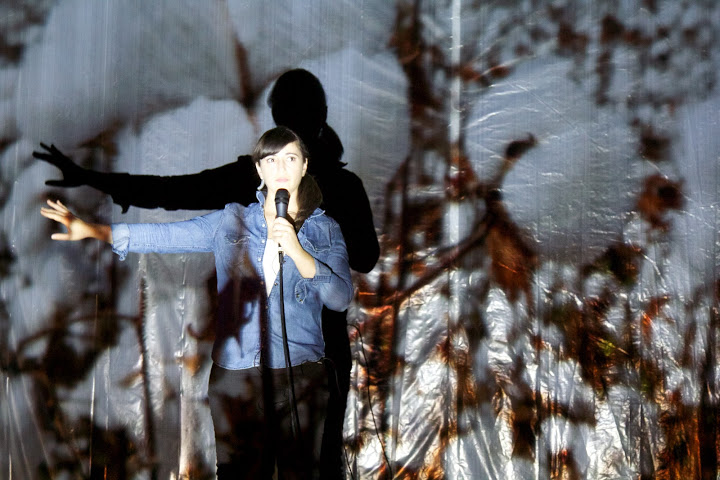
window.__INITIAL_STATE__={
"attachmentsReducer": {
"audio_0": {
"type": "attachments",
"id": "audio_0",
"imgSizes": {
"kqedFullSize": {
"file": "https://ww2.kqed.org/news/wp-content/themes/KQED-unified/img/audio_bgs/background0.jpg"
}
}
},
"audio_1": {
"type": "attachments",
"id": "audio_1",
"imgSizes": {
"kqedFullSize": {
"file": "https://ww2.kqed.org/news/wp-content/themes/KQED-unified/img/audio_bgs/background1.jpg"
}
}
},
"audio_2": {
"type": "attachments",
"id": "audio_2",
"imgSizes": {
"kqedFullSize": {
"file": "https://ww2.kqed.org/news/wp-content/themes/KQED-unified/img/audio_bgs/background2.jpg"
}
}
},
"audio_3": {
"type": "attachments",
"id": "audio_3",
"imgSizes": {
"kqedFullSize": {
"file": "https://ww2.kqed.org/news/wp-content/themes/KQED-unified/img/audio_bgs/background3.jpg"
}
}
},
"audio_4": {
"type": "attachments",
"id": "audio_4",
"imgSizes": {
"kqedFullSize": {
"file": "https://ww2.kqed.org/news/wp-content/themes/KQED-unified/img/audio_bgs/background4.jpg"
}
}
},
"placeholder": {
"type": "attachments",
"id": "placeholder",
"imgSizes": {
"thumbnail": {
"file": "https://cdn.kqed.org/wp-content/uploads/2024/12/KQED-Default-Image-816638274-2000x1333-1-160x107.jpg",
"width": 160,
"height": 107,
"mimeType": "image/jpeg"
},
"medium": {
"file": "https://cdn.kqed.org/wp-content/uploads/2024/12/KQED-Default-Image-816638274-2000x1333-1-800x533.jpg",
"width": 800,
"height": 533,
"mimeType": "image/jpeg"
},
"medium_large": {
"file": "https://cdn.kqed.org/wp-content/uploads/2024/12/KQED-Default-Image-816638274-2000x1333-1-768x512.jpg",
"width": 768,
"height": 512,
"mimeType": "image/jpeg"
},
"large": {
"file": "https://cdn.kqed.org/wp-content/uploads/2024/12/KQED-Default-Image-816638274-2000x1333-1-1020x680.jpg",
"width": 1020,
"height": 680,
"mimeType": "image/jpeg"
},
"1536x1536": {
"file": "https://cdn.kqed.org/wp-content/uploads/2024/12/KQED-Default-Image-816638274-2000x1333-1-1536x1024.jpg",
"width": 1536,
"height": 1024,
"mimeType": "image/jpeg"
},
"fd-lrg": {
"file": "https://cdn.kqed.org/wp-content/uploads/2024/12/KQED-Default-Image-816638274-2000x1333-1-1536x1024.jpg",
"width": 1536,
"height": 1024,
"mimeType": "image/jpeg"
},
"fd-med": {
"file": "https://cdn.kqed.org/wp-content/uploads/2024/12/KQED-Default-Image-816638274-2000x1333-1-1020x680.jpg",
"width": 1020,
"height": 680,
"mimeType": "image/jpeg"
},
"fd-sm": {
"file": "https://cdn.kqed.org/wp-content/uploads/2024/12/KQED-Default-Image-816638274-2000x1333-1-800x533.jpg",
"width": 800,
"height": 533,
"mimeType": "image/jpeg"
},
"post-thumbnail": {
"file": "https://cdn.kqed.org/wp-content/uploads/2024/12/KQED-Default-Image-816638274-2000x1333-1-672x372.jpg",
"width": 672,
"height": 372,
"mimeType": "image/jpeg"
},
"twentyfourteen-full-width": {
"file": "https://cdn.kqed.org/wp-content/uploads/2024/12/KQED-Default-Image-816638274-2000x1333-1-1038x576.jpg",
"width": 1038,
"height": 576,
"mimeType": "image/jpeg"
},
"xxsmall": {
"file": "https://cdn.kqed.org/wp-content/uploads/2024/12/KQED-Default-Image-816638274-2000x1333-1-160x107.jpg",
"width": 160,
"height": 107,
"mimeType": "image/jpeg"
},
"xsmall": {
"file": "https://cdn.kqed.org/wp-content/uploads/2024/12/KQED-Default-Image-816638274-2000x1333-1-672x372.jpg",
"width": 672,
"height": 372,
"mimeType": "image/jpeg"
},
"small": {
"file": "https://cdn.kqed.org/wp-content/uploads/2024/12/KQED-Default-Image-816638274-2000x1333-1-672x372.jpg",
"width": 672,
"height": 372,
"mimeType": "image/jpeg"
},
"xlarge": {
"file": "https://cdn.kqed.org/wp-content/uploads/2024/12/KQED-Default-Image-816638274-2000x1333-1-1020x680.jpg",
"width": 1020,
"height": 680,
"mimeType": "image/jpeg"
},
"full-width": {
"file": "https://cdn.kqed.org/wp-content/uploads/2024/12/KQED-Default-Image-816638274-2000x1333-1-1920x1280.jpg",
"width": 1920,
"height": 1280,
"mimeType": "image/jpeg"
},
"guest-author-32": {
"file": "https://cdn.kqed.org/wp-content/uploads/2025/01/KQED-Default-Image-816638274-1333x1333-1-160x160.jpg",
"width": 32,
"height": 32,
"mimeType": "image/jpeg"
},
"guest-author-50": {
"file": "https://cdn.kqed.org/wp-content/uploads/2025/01/KQED-Default-Image-816638274-1333x1333-1-160x160.jpg",
"width": 50,
"height": 50,
"mimeType": "image/jpeg"
},
"guest-author-64": {
"file": "https://cdn.kqed.org/wp-content/uploads/2025/01/KQED-Default-Image-816638274-1333x1333-1-160x160.jpg",
"width": 64,
"height": 64,
"mimeType": "image/jpeg"
},
"guest-author-96": {
"file": "https://cdn.kqed.org/wp-content/uploads/2025/01/KQED-Default-Image-816638274-1333x1333-1-160x160.jpg",
"width": 96,
"height": 96,
"mimeType": "image/jpeg"
},
"guest-author-128": {
"file": "https://cdn.kqed.org/wp-content/uploads/2025/01/KQED-Default-Image-816638274-1333x1333-1-160x160.jpg",
"width": 128,
"height": 128,
"mimeType": "image/jpeg"
},
"detail": {
"file": "https://cdn.kqed.org/wp-content/uploads/2025/01/KQED-Default-Image-816638274-1333x1333-1-160x160.jpg",
"width": 160,
"height": 160,
"mimeType": "image/jpeg"
},
"kqedFullSize": {
"file": "https://cdn.kqed.org/wp-content/uploads/2024/12/KQED-Default-Image-816638274-2000x1333-1.jpg",
"width": 2000,
"height": 1333
}
}
},
"arts_10858286": {
"type": "attachments",
"id": "arts_10858286",
"meta": {
"index": "attachments_1716263798",
"site": "arts",
"id": "10858286",
"found": true
},
"parent": 10858284,
"imgSizes": {
"thumbnail": {
"file": "https://ww2.kqed.org/app/uploads/sites/2/2015/07/Photo-1-400x267.jpg",
"width": 400,
"mimeType": "image/jpeg",
"height": 267
},
"post-thumbnail": {
"file": "https://ww2.kqed.org/app/uploads/sites/2/2015/07/Photo-1-672x372.jpg",
"width": 672,
"mimeType": "image/jpeg",
"height": 372
},
"kqedFullSize": {
"file": "https://ww2.kqed.org/app/uploads/sites/2/2015/07/Photo-1.jpg",
"width": 720,
"height": 480
},
"guest-author-96": {
"file": "https://ww2.kqed.org/app/uploads/sites/2/2015/07/Photo-1-96x96.jpg",
"width": 96,
"mimeType": "image/jpeg",
"height": 96
},
"guest-author-64": {
"file": "https://ww2.kqed.org/app/uploads/sites/2/2015/07/Photo-1-64x64.jpg",
"width": 64,
"mimeType": "image/jpeg",
"height": 64
},
"detail": {
"file": "https://ww2.kqed.org/app/uploads/sites/2/2015/07/Photo-1-75x75.jpg",
"width": 75,
"mimeType": "image/jpeg",
"height": 75
},
"guest-author-32": {
"file": "https://ww2.kqed.org/app/uploads/sites/2/2015/07/Photo-1-32x32.jpg",
"width": 32,
"mimeType": "image/jpeg",
"height": 32
},
"guest-author-128": {
"file": "https://ww2.kqed.org/app/uploads/sites/2/2015/07/Photo-1-128x128.jpg",
"width": 128,
"mimeType": "image/jpeg",
"height": 128
}
},
"publishDate": 1437769714,
"modified": 1437769806,
"caption": "Aysan Celik in JUÁREZ: A Documentary Mythology. Photo courtesy of Theater Mitu",
"description": null,
"title": "Photo 1",
"credit": null,
"status": "inherit",
"isLoading": false,
"fetchFailed": false
},
"arts_10850266": {
"type": "attachments",
"id": "arts_10850266",
"meta": {
"index": "attachments_1716263798",
"site": "arts",
"id": "10850266",
"found": true
},
"parent": 10849984,
"imgSizes": {
"twentyfourteen-full-width": {
"file": "https://ww2.kqed.org/app/uploads/sites/2/2015/07/MatildaTour0023r_resized-1038x576.jpg",
"width": 1038,
"mimeType": "image/jpeg",
"height": 576
},
"thumbnail": {
"file": "https://ww2.kqed.org/app/uploads/sites/2/2015/07/MatildaTour0023r_resized-400x261.jpg",
"width": 400,
"mimeType": "image/jpeg",
"height": 261
},
"fd-sm": {
"file": "https://ww2.kqed.org/app/uploads/sites/2/2015/07/MatildaTour0023r_resized-960x627.jpg",
"width": 960,
"mimeType": "image/jpeg",
"height": 627
},
"post-thumbnail": {
"file": "https://ww2.kqed.org/app/uploads/sites/2/2015/07/MatildaTour0023r_resized-672x372.jpg",
"width": 672,
"mimeType": "image/jpeg",
"height": 372
},
"kqedFullSize": {
"file": "https://ww2.kqed.org/app/uploads/sites/2/2015/07/MatildaTour0023r_resized.jpg",
"width": 2892,
"height": 1888
},
"large": {
"file": "https://ww2.kqed.org/app/uploads/sites/2/2015/07/MatildaTour0023r_resized-1180x770.jpg",
"width": 1180,
"mimeType": "image/jpeg",
"height": 770
},
"guest-author-96": {
"file": "https://ww2.kqed.org/app/uploads/sites/2/2015/07/MatildaTour0023r_resized-96x96.jpg",
"width": 96,
"mimeType": "image/jpeg",
"height": 96
},
"medium": {
"file": "https://ww2.kqed.org/app/uploads/sites/2/2015/07/MatildaTour0023r_resized-800x522.jpg",
"width": 800,
"mimeType": "image/jpeg",
"height": 522
},
"guest-author-64": {
"file": "https://ww2.kqed.org/app/uploads/sites/2/2015/07/MatildaTour0023r_resized-64x64.jpg",
"width": 64,
"mimeType": "image/jpeg",
"height": 64
},
"guest-author-32": {
"file": "https://ww2.kqed.org/app/uploads/sites/2/2015/07/MatildaTour0023r_resized-32x32.jpg",
"width": 32,
"mimeType": "image/jpeg",
"height": 32
},
"fd-lrg": {
"file": "https://ww2.kqed.org/app/uploads/sites/2/2015/07/MatildaTour0023r_resized-1400x914.jpg",
"width": 1400,
"mimeType": "image/jpeg",
"height": 914
},
"fd-med": {
"file": "https://ww2.kqed.org/app/uploads/sites/2/2015/07/MatildaTour0023r_resized-1180x770.jpg",
"width": 1180,
"mimeType": "image/jpeg",
"height": 770
},
"detail": {
"file": "https://ww2.kqed.org/app/uploads/sites/2/2015/07/MatildaTour0023r_resized-75x75.jpg",
"width": 75,
"mimeType": "image/jpeg",
"height": 75
},
"guest-author-128": {
"file": "https://ww2.kqed.org/app/uploads/sites/2/2015/07/MatildaTour0023r_resized-128x128.jpg",
"width": 128,
"mimeType": "image/jpeg",
"height": 128
}
},
"publishDate": 1437427026,
"modified": 1437427145,
"caption": "A scene from the national tour of 'Matilda the Musical'\n",
"description": null,
"title": "MatildaTour0023r_resized",
"credit": "Photo: Joan Marcus/SHN",
"status": "inherit",
"isLoading": false,
"fetchFailed": false
},
"news_10605078": {
"type": "attachments",
"id": "news_10605078",
"meta": {
"index": "attachments_1716263798",
"site": "news",
"id": "10605078",
"found": true
},
"parent": 10603541,
"imgSizes": {
"twentyfourteen-full-width": {
"file": "https://ww2.kqed.org/app/uploads/sites/10/2015/07/ADS2-1038x576.jpg",
"width": 1038,
"mimeType": "image/jpeg",
"height": 576
},
"thumbnail": {
"file": "https://ww2.kqed.org/app/uploads/sites/10/2015/07/ADS2-400x382.jpg",
"width": 400,
"mimeType": "image/jpeg",
"height": 382
},
"fd-sm": {
"file": "https://ww2.kqed.org/app/uploads/sites/10/2015/07/ADS2-960x917.jpg",
"width": 960,
"mimeType": "image/jpeg",
"height": 917
},
"post-thumbnail": {
"file": "https://ww2.kqed.org/app/uploads/sites/10/2015/07/ADS2-672x372.jpg",
"width": 672,
"mimeType": "image/jpeg",
"height": 372
},
"kqedFullSize": {
"file": "https://ww2.kqed.org/app/uploads/sites/10/2015/07/ADS2.jpg",
"width": 1920,
"height": 1833
},
"large": {
"file": "https://ww2.kqed.org/app/uploads/sites/10/2015/07/ADS2-1440x1375.jpg",
"width": 1440,
"mimeType": "image/jpeg",
"height": 1375
},
"guest-author-96": {
"file": "https://ww2.kqed.org/app/uploads/sites/10/2015/07/ADS2-96x96.jpg",
"width": 96,
"mimeType": "image/jpeg",
"height": 96
},
"medium": {
"file": "https://ww2.kqed.org/app/uploads/sites/10/2015/07/ADS2-800x764.jpg",
"width": 800,
"mimeType": "image/jpeg",
"height": 764
},
"guest-author-64": {
"file": "https://ww2.kqed.org/app/uploads/sites/10/2015/07/ADS2-64x64.jpg",
"width": 64,
"mimeType": "image/jpeg",
"height": 64
},
"guest-author-32": {
"file": "https://ww2.kqed.org/app/uploads/sites/10/2015/07/ADS2-32x32.jpg",
"width": 32,
"mimeType": "image/jpeg",
"height": 32
},
"jmtc-small-thumb": {
"file": "https://ww2.kqed.org/app/uploads/sites/10/2015/07/ADS2-280x150.jpg",
"width": 280,
"mimeType": "image/jpeg",
"height": 150
},
"fd-lrg": {
"file": "https://ww2.kqed.org/app/uploads/sites/10/2015/07/ADS2-1400x1337.jpg",
"width": 1400,
"mimeType": "image/jpeg",
"height": 1337
},
"fd-med": {
"file": "https://ww2.kqed.org/app/uploads/sites/10/2015/07/ADS2-1180x1127.jpg",
"width": 1180,
"mimeType": "image/jpeg",
"height": 1127
},
"detail": {
"file": "https://ww2.kqed.org/app/uploads/sites/10/2015/07/ADS2-75x75.jpg",
"width": 75,
"mimeType": "image/jpeg",
"height": 75
},
"guest-author-128": {
"file": "https://ww2.kqed.org/app/uploads/sites/10/2015/07/ADS2-128x128.jpg",
"width": 128,
"mimeType": "image/jpeg",
"height": 128
}
},
"publishDate": 1437182106,
"modified": 1437182127,
"caption": "Anna Deavere Smith portrays India Sledge, a student from West Baltimore, in \"Notes from the Field: Doing Time in Education, The California Chapter.\"",
"description": "Anna Deavere Smith portrays India Sledge, a student from West Baltimore, in \"Notes from the Field: Doing Time in Education, The California Chapter.\"",
"title": "ADS2",
"credit": "Kevin Berne/Berkeley Rep",
"status": "inherit",
"isLoading": false,
"fetchFailed": false
},
"arts_10842135": {
"type": "attachments",
"id": "arts_10842135",
"meta": {
"index": "attachments_1716263798",
"site": "arts",
"id": "10842135",
"found": true
},
"parent": 10842131,
"imgSizes": {
"thumbnail": {
"file": "https://ww2.kqed.org/app/uploads/sites/2/2015/07/notesfield4-400x267.jpg",
"width": 400,
"mimeType": "image/jpeg",
"height": 267
},
"post-thumbnail": {
"file": "https://ww2.kqed.org/app/uploads/sites/2/2015/07/notesfield4-672x372.jpg",
"width": 672,
"mimeType": "image/jpeg",
"height": 372
},
"kqedFullSize": {
"file": "https://ww2.kqed.org/app/uploads/sites/2/2015/07/notesfield4.jpg",
"width": 800,
"height": 533
},
"guest-author-96": {
"file": "https://ww2.kqed.org/app/uploads/sites/2/2015/07/notesfield4-96x96.jpg",
"width": 96,
"mimeType": "image/jpeg",
"height": 96
},
"medium": {
"file": "https://ww2.kqed.org/app/uploads/sites/2/2015/07/notesfield4-800x533.jpg",
"width": 800,
"mimeType": "image/jpeg",
"height": 533
},
"guest-author-64": {
"file": "https://ww2.kqed.org/app/uploads/sites/2/2015/07/notesfield4-64x64.jpg",
"width": 64,
"mimeType": "image/jpeg",
"height": 64
},
"detail": {
"file": "https://ww2.kqed.org/app/uploads/sites/2/2015/07/notesfield4-75x75.jpg",
"width": 75,
"mimeType": "image/jpeg",
"height": 75
},
"guest-author-32": {
"file": "https://ww2.kqed.org/app/uploads/sites/2/2015/07/notesfield4-32x32.jpg",
"width": 32,
"mimeType": "image/jpeg",
"height": 32
},
"guest-author-128": {
"file": "https://ww2.kqed.org/app/uploads/sites/2/2015/07/notesfield4-128x128.jpg",
"width": 128,
"mimeType": "image/jpeg",
"height": 128
}
},
"publishDate": 1437076827,
"modified": 1437076877,
"caption": "Award-winning playwright, actor and educator Anna Deavere Smith takes center stage as Kevin Moore, videographer of the Freddie Gray beating, in \u003ci>Notes from the Field: Doing Time in Education, The California Chapter\u003c/i>, a one-woman show featuring stories about California’s devastating school-to-prison pipeline. (Photo: kevinberne.com)",
"description": null,
"title": "notesfield4",
"credit": null,
"status": "inherit",
"isLoading": false,
"fetchFailed": false
},
"arts_10840809": {
"type": "attachments",
"id": "arts_10840809",
"meta": {
"index": "attachments_1716263798",
"site": "arts",
"id": "10840809",
"found": true
},
"parent": 10840183,
"imgSizes": {
"twentyfourteen-full-width": {
"file": "https://ww2.kqed.org/app/uploads/sites/2/2015/07/4-1038x576.jpg",
"width": 1038,
"mimeType": "image/jpeg",
"height": 576
},
"thumbnail": {
"file": "https://ww2.kqed.org/app/uploads/sites/2/2015/07/4-400x267.jpg",
"width": 400,
"mimeType": "image/jpeg",
"height": 267
},
"fd-sm": {
"file": "https://ww2.kqed.org/app/uploads/sites/2/2015/07/4-960x640.jpg",
"width": 960,
"mimeType": "image/jpeg",
"height": 640
},
"post-thumbnail": {
"file": "https://ww2.kqed.org/app/uploads/sites/2/2015/07/4-672x372.jpg",
"width": 672,
"mimeType": "image/jpeg",
"height": 372
},
"kqedFullSize": {
"file": "https://ww2.kqed.org/app/uploads/sites/2/2015/07/4.jpg",
"width": 3000,
"height": 2000
},
"large": {
"file": "https://ww2.kqed.org/app/uploads/sites/2/2015/07/4-1180x787.jpg",
"width": 1180,
"mimeType": "image/jpeg",
"height": 787
},
"guest-author-96": {
"file": "https://ww2.kqed.org/app/uploads/sites/2/2015/07/4-96x96.jpg",
"width": 96,
"mimeType": "image/jpeg",
"height": 96
},
"medium": {
"file": "https://ww2.kqed.org/app/uploads/sites/2/2015/07/4-800x533.jpg",
"width": 800,
"mimeType": "image/jpeg",
"height": 533
},
"guest-author-64": {
"file": "https://ww2.kqed.org/app/uploads/sites/2/2015/07/4-64x64.jpg",
"width": 64,
"mimeType": "image/jpeg",
"height": 64
},
"guest-author-32": {
"file": "https://ww2.kqed.org/app/uploads/sites/2/2015/07/4-32x32.jpg",
"width": 32,
"mimeType": "image/jpeg",
"height": 32
},
"fd-lrg": {
"file": "https://ww2.kqed.org/app/uploads/sites/2/2015/07/4-1400x933.jpg",
"width": 1400,
"mimeType": "image/jpeg",
"height": 933
},
"fd-med": {
"file": "https://ww2.kqed.org/app/uploads/sites/2/2015/07/4-1180x787.jpg",
"width": 1180,
"mimeType": "image/jpeg",
"height": 787
},
"detail": {
"file": "https://ww2.kqed.org/app/uploads/sites/2/2015/07/4-75x75.jpg",
"width": 75,
"mimeType": "image/jpeg",
"height": 75
},
"guest-author-128": {
"file": "https://ww2.kqed.org/app/uploads/sites/2/2015/07/4-128x128.jpg",
"width": 128,
"mimeType": "image/jpeg",
"height": 128
}
},
"publishDate": 1437023368,
"modified": 1437099116,
"caption": "Kendra Lee Oberhaser as Marlene and Rosie Hallet as Angie",
"description": null,
"title": "Top Girls",
"credit": null,
"status": "inherit",
"isLoading": false,
"fetchFailed": false
},
"arts_10834898": {
"type": "attachments",
"id": "arts_10834898",
"meta": {
"index": "attachments_1716263798",
"site": "arts",
"id": "10834898",
"found": true
},
"parent": 10834881,
"imgSizes": {
"twentyfourteen-full-width": {
"file": "https://ww2.kqed.org/app/uploads/sites/2/2015/07/IMG_4322-1038x576.jpg",
"width": 1038,
"mimeType": "image/jpeg",
"height": 576
},
"thumbnail": {
"file": "https://ww2.kqed.org/app/uploads/sites/2/2015/07/IMG_4322-400x267.jpg",
"width": 400,
"mimeType": "image/jpeg",
"height": 267
},
"fd-sm": {
"file": "https://ww2.kqed.org/app/uploads/sites/2/2015/07/IMG_4322-960x640.jpg",
"width": 960,
"mimeType": "image/jpeg",
"height": 640
},
"post-thumbnail": {
"file": "https://ww2.kqed.org/app/uploads/sites/2/2015/07/IMG_4322-672x372.jpg",
"width": 672,
"mimeType": "image/jpeg",
"height": 372
},
"kqedFullSize": {
"file": "https://ww2.kqed.org/app/uploads/sites/2/2015/07/IMG_4322-e1437157735966.jpg",
"width": 800,
"height": 533
},
"large": {
"file": "https://ww2.kqed.org/app/uploads/sites/2/2015/07/IMG_4322-1180x787.jpg",
"width": 1180,
"mimeType": "image/jpeg",
"height": 787
},
"guest-author-96": {
"file": "https://ww2.kqed.org/app/uploads/sites/2/2015/07/IMG_4322-96x96.jpg",
"width": 96,
"mimeType": "image/jpeg",
"height": 96
},
"medium": {
"file": "https://ww2.kqed.org/app/uploads/sites/2/2015/07/IMG_4322-800x533.jpg",
"width": 800,
"mimeType": "image/jpeg",
"height": 533
},
"guest-author-64": {
"file": "https://ww2.kqed.org/app/uploads/sites/2/2015/07/IMG_4322-64x64.jpg",
"width": 64,
"mimeType": "image/jpeg",
"height": 64
},
"guest-author-32": {
"file": "https://ww2.kqed.org/app/uploads/sites/2/2015/07/IMG_4322-32x32.jpg",
"width": 32,
"mimeType": "image/jpeg",
"height": 32
},
"fd-med": {
"file": "https://ww2.kqed.org/app/uploads/sites/2/2015/07/IMG_4322-1180x787.jpg",
"width": 1180,
"mimeType": "image/jpeg",
"height": 787
},
"detail": {
"file": "https://ww2.kqed.org/app/uploads/sites/2/2015/07/IMG_4322-75x75.jpg",
"width": 75,
"mimeType": "image/jpeg",
"height": 75
},
"guest-author-128": {
"file": "https://ww2.kqed.org/app/uploads/sites/2/2015/07/IMG_4322-128x128.jpg",
"width": 128,
"mimeType": "image/jpeg",
"height": 128
}
},
"publishDate": 1436758544,
"modified": 1437157739,
"caption": null,
"description": null,
"title": "IMG_4322",
"credit": null,
"status": "inherit",
"isLoading": false,
"fetchFailed": false
},
"arts_10841938": {
"type": "attachments",
"id": "arts_10841938",
"meta": {
"index": "attachments_1716263798",
"site": "arts",
"id": "10841938",
"found": true
},
"parent": 10840294,
"imgSizes": {
"twentyfourteen-full-width": {
"file": "https://ww2.kqed.org/app/uploads/sites/2/2015/07/VetCover-1038x576.jpg",
"width": 1038,
"mimeType": "image/jpeg",
"height": 576
},
"thumbnail": {
"file": "https://ww2.kqed.org/app/uploads/sites/2/2015/07/VetCover-400x225.jpg",
"width": 400,
"mimeType": "image/jpeg",
"height": 225
},
"fd-sm": {
"file": "https://ww2.kqed.org/app/uploads/sites/2/2015/07/VetCover-960x540.jpg",
"width": 960,
"mimeType": "image/jpeg",
"height": 540
},
"post-thumbnail": {
"file": "https://ww2.kqed.org/app/uploads/sites/2/2015/07/VetCover-672x372.jpg",
"width": 672,
"mimeType": "image/jpeg",
"height": 372
},
"kqedFullSize": {
"file": "https://ww2.kqed.org/app/uploads/sites/2/2015/07/VetCover.jpg",
"width": 1920,
"height": 1080
},
"large": {
"file": "https://ww2.kqed.org/app/uploads/sites/2/2015/07/VetCover-1180x664.jpg",
"width": 1180,
"mimeType": "image/jpeg",
"height": 664
},
"guest-author-96": {
"file": "https://ww2.kqed.org/app/uploads/sites/2/2015/07/VetCover-96x96.jpg",
"width": 96,
"mimeType": "image/jpeg",
"height": 96
},
"medium": {
"file": "https://ww2.kqed.org/app/uploads/sites/2/2015/07/VetCover-800x450.jpg",
"width": 800,
"mimeType": "image/jpeg",
"height": 450
},
"guest-author-64": {
"file": "https://ww2.kqed.org/app/uploads/sites/2/2015/07/VetCover-64x64.jpg",
"width": 64,
"mimeType": "image/jpeg",
"height": 64
},
"guest-author-32": {
"file": "https://ww2.kqed.org/app/uploads/sites/2/2015/07/VetCover-32x32.jpg",
"width": 32,
"mimeType": "image/jpeg",
"height": 32
},
"fd-lrg": {
"file": "https://ww2.kqed.org/app/uploads/sites/2/2015/07/VetCover-1400x788.jpg",
"width": 1400,
"mimeType": "image/jpeg",
"height": 788
},
"fd-med": {
"file": "https://ww2.kqed.org/app/uploads/sites/2/2015/07/VetCover-1180x664.jpg",
"width": 1180,
"mimeType": "image/jpeg",
"height": 664
},
"detail": {
"file": "https://ww2.kqed.org/app/uploads/sites/2/2015/07/VetCover-75x75.jpg",
"width": 75,
"mimeType": "image/jpeg",
"height": 75
},
"guest-author-128": {
"file": "https://ww2.kqed.org/app/uploads/sites/2/2015/07/VetCover-128x128.jpg",
"width": 128,
"mimeType": "image/jpeg",
"height": 128
}
},
"publishDate": 1437068448,
"modified": 1437068463,
"caption": "Inside the War Memorial Veterans Building as it undergoes renovations. (Photo: Chloe Veltman/KQED)",
"description": null,
"title": "VetCover",
"credit": null,
"status": "inherit",
"isLoading": false,
"fetchFailed": false
},
"arts_10835065": {
"type": "attachments",
"id": "arts_10835065",
"meta": {
"index": "attachments_1716263798",
"site": "arts",
"id": "10835065",
"found": true
},
"parent": 10834986,
"imgSizes": {
"twentyfourteen-full-width": {
"file": "https://ww2.kqed.org/app/uploads/sites/2/2015/07/048A0742-1038x576.jpg",
"width": 1038,
"mimeType": "image/jpeg",
"height": 576
},
"thumbnail": {
"file": "https://ww2.kqed.org/app/uploads/sites/2/2015/07/048A0742-400x267.jpg",
"width": 400,
"mimeType": "image/jpeg",
"height": 267
},
"fd-sm": {
"file": "https://ww2.kqed.org/app/uploads/sites/2/2015/07/048A0742-960x640.jpg",
"width": 960,
"mimeType": "image/jpeg",
"height": 640
},
"post-thumbnail": {
"file": "https://ww2.kqed.org/app/uploads/sites/2/2015/07/048A0742-672x372.jpg",
"width": 672,
"mimeType": "image/jpeg",
"height": 372
},
"kqedFullSize": {
"file": "https://ww2.kqed.org/app/uploads/sites/2/2015/07/048A0742.jpg",
"width": 2048,
"height": 1365
},
"large": {
"file": "https://ww2.kqed.org/app/uploads/sites/2/2015/07/048A0742-1180x786.jpg",
"width": 1180,
"mimeType": "image/jpeg",
"height": 786
},
"guest-author-96": {
"file": "https://ww2.kqed.org/app/uploads/sites/2/2015/07/048A0742-96x96.jpg",
"width": 96,
"mimeType": "image/jpeg",
"height": 96
},
"medium": {
"file": "https://ww2.kqed.org/app/uploads/sites/2/2015/07/048A0742-800x533.jpg",
"width": 800,
"mimeType": "image/jpeg",
"height": 533
},
"guest-author-64": {
"file": "https://ww2.kqed.org/app/uploads/sites/2/2015/07/048A0742-64x64.jpg",
"width": 64,
"mimeType": "image/jpeg",
"height": 64
},
"guest-author-32": {
"file": "https://ww2.kqed.org/app/uploads/sites/2/2015/07/048A0742-32x32.jpg",
"width": 32,
"mimeType": "image/jpeg",
"height": 32
},
"fd-med": {
"file": "https://ww2.kqed.org/app/uploads/sites/2/2015/07/048A0742-1180x786.jpg",
"width": 1180,
"mimeType": "image/jpeg",
"height": 786
},
"detail": {
"file": "https://ww2.kqed.org/app/uploads/sites/2/2015/07/048A0742-75x75.jpg",
"width": 75,
"mimeType": "image/jpeg",
"height": 75
},
"guest-author-128": {
"file": "https://ww2.kqed.org/app/uploads/sites/2/2015/07/048A0742-128x128.jpg",
"width": 128,
"mimeType": "image/jpeg",
"height": 128
}
},
"publishDate": 1436764404,
"modified": 1436764459,
"caption": "Kathy (Michelle Drexler) and Robert (Keith Pinto) in SF Playhouse's production of 'Company.'",
"description": null,
"title": "048A0742",
"credit": "Photo: Jessica Palopoli/SF Playhouse",
"status": "inherit",
"isLoading": false,
"fetchFailed": false
},
"arts_10835869": {
"type": "attachments",
"id": "arts_10835869",
"meta": {
"index": "attachments_1716263798",
"site": "arts",
"id": "10835869",
"found": true
},
"parent": 10835866,
"imgSizes": {
"twentyfourteen-full-width": {
"file": "https://ww2.kqed.org/app/uploads/sites/2/2015/07/IMG_2504-1038x576.jpg",
"width": 1038,
"mimeType": "image/jpeg",
"height": 576
},
"thumbnail": {
"file": "https://ww2.kqed.org/app/uploads/sites/2/2015/07/IMG_2504-400x300.jpg",
"width": 400,
"mimeType": "image/jpeg",
"height": 300
},
"fd-sm": {
"file": "https://ww2.kqed.org/app/uploads/sites/2/2015/07/IMG_2504-960x720.jpg",
"width": 960,
"mimeType": "image/jpeg",
"height": 720
},
"post-thumbnail": {
"file": "https://ww2.kqed.org/app/uploads/sites/2/2015/07/IMG_2504-672x372.jpg",
"width": 672,
"mimeType": "image/jpeg",
"height": 372
},
"kqedFullSize": {
"file": "https://ww2.kqed.org/app/uploads/sites/2/2015/07/IMG_2504.jpg",
"width": 3264,
"height": 2448
},
"large": {
"file": "https://ww2.kqed.org/app/uploads/sites/2/2015/07/IMG_2504-1180x885.jpg",
"width": 1180,
"mimeType": "image/jpeg",
"height": 885
},
"guest-author-96": {
"file": "https://ww2.kqed.org/app/uploads/sites/2/2015/07/IMG_2504-96x96.jpg",
"width": 96,
"mimeType": "image/jpeg",
"height": 96
},
"medium": {
"file": "https://ww2.kqed.org/app/uploads/sites/2/2015/07/IMG_2504-800x600.jpg",
"width": 800,
"mimeType": "image/jpeg",
"height": 600
},
"guest-author-64": {
"file": "https://ww2.kqed.org/app/uploads/sites/2/2015/07/IMG_2504-64x64.jpg",
"width": 64,
"mimeType": "image/jpeg",
"height": 64
},
"guest-author-32": {
"file": "https://ww2.kqed.org/app/uploads/sites/2/2015/07/IMG_2504-32x32.jpg",
"width": 32,
"mimeType": "image/jpeg",
"height": 32
},
"fd-med": {
"file": "https://ww2.kqed.org/app/uploads/sites/2/2015/07/IMG_2504-1180x885.jpg",
"width": 1180,
"mimeType": "image/jpeg",
"height": 885
},
"detail": {
"file": "https://ww2.kqed.org/app/uploads/sites/2/2015/07/IMG_2504-75x75.jpg",
"width": 75,
"mimeType": "image/jpeg",
"height": 75
},
"guest-author-128": {
"file": "https://ww2.kqed.org/app/uploads/sites/2/2015/07/IMG_2504-128x128.jpg",
"width": 128,
"mimeType": "image/jpeg",
"height": 128
}
},
"publishDate": 1436802188,
"modified": 1436802265,
"caption": "Oakland Mayor Libby Schaaf presents Tova Ricardo with a $5 thousand check and the title of Oakland Youth Poet Laureate ",
"description": null,
"title": "IMG_2504",
"credit": "Cy Musiker",
"status": "inherit",
"isLoading": false,
"fetchFailed": false
},
"arts_10826956": {
"type": "attachments",
"id": "arts_10826956",
"meta": {
"index": "attachments_1716263798",
"site": "arts",
"id": "10826956",
"found": true
},
"parent": 10826871,
"imgSizes": {
"twentyfourteen-full-width": {
"file": "https://ww2.kqed.org/app/uploads/sites/2/2015/07/IMG_444002535-1-e1436635050261-1038x576.jpg",
"width": 1038,
"mimeType": "image/jpeg",
"height": 576
},
"thumbnail": {
"file": "https://ww2.kqed.org/app/uploads/sites/2/2015/07/IMG_444002535-1-e1436635050261-400x225.jpg",
"width": 400,
"mimeType": "image/jpeg",
"height": 225
},
"fd-sm": {
"file": "https://ww2.kqed.org/app/uploads/sites/2/2015/07/IMG_444002535-1-e1436635050261-960x541.jpg",
"width": 960,
"mimeType": "image/jpeg",
"height": 541
},
"post-thumbnail": {
"file": "https://ww2.kqed.org/app/uploads/sites/2/2015/07/IMG_444002535-1-e1436635050261-672x372.jpg",
"width": 672,
"mimeType": "image/jpeg",
"height": 372
},
"kqedFullSize": {
"file": "https://ww2.kqed.org/app/uploads/sites/2/2015/07/IMG_444002535-1-e1436635066581.jpg",
"width": 800,
"height": 451
},
"large": {
"file": "https://ww2.kqed.org/app/uploads/sites/2/2015/07/IMG_444002535-1-e1436635050261-1180x665.jpg",
"width": 1180,
"mimeType": "image/jpeg",
"height": 665
},
"guest-author-96": {
"file": "https://ww2.kqed.org/app/uploads/sites/2/2015/07/IMG_444002535-1-e1436635050261-96x96.jpg",
"width": 96,
"mimeType": "image/jpeg",
"height": 96
},
"medium": {
"file": "https://ww2.kqed.org/app/uploads/sites/2/2015/07/IMG_444002535-1-e1436635050261-800x451.jpg",
"width": 800,
"mimeType": "image/jpeg",
"height": 451
},
"guest-author-64": {
"file": "https://ww2.kqed.org/app/uploads/sites/2/2015/07/IMG_444002535-1-e1436635050261-64x64.jpg",
"width": 64,
"mimeType": "image/jpeg",
"height": 64
},
"guest-author-32": {
"file": "https://ww2.kqed.org/app/uploads/sites/2/2015/07/IMG_444002535-1-e1436635050261-32x32.jpg",
"width": 32,
"mimeType": "image/jpeg",
"height": 32
},
"fd-med": {
"file": "https://ww2.kqed.org/app/uploads/sites/2/2015/07/IMG_444002535-1-e1436635050261-1180x665.jpg",
"width": 1180,
"mimeType": "image/jpeg",
"height": 665
},
"detail": {
"file": "https://ww2.kqed.org/app/uploads/sites/2/2015/07/IMG_444002535-1-e1436635050261-75x75.jpg",
"width": 75,
"mimeType": "image/jpeg",
"height": 75
},
"guest-author-128": {
"file": "https://ww2.kqed.org/app/uploads/sites/2/2015/07/IMG_444002535-1-e1436635050261-128x128.jpg",
"width": 128,
"mimeType": "image/jpeg",
"height": 128
}
},
"publishDate": 1436398728,
"modified": 1436635077,
"caption": "Tim Minchin trying to look as tough as Matilda",
"description": "Tim Minchin trying to look as tough as Matilda",
"title": "IMG_444002535-1",
"credit": "Cy Musiker",
"status": "inherit",
"isLoading": false,
"fetchFailed": false
},
"arts_10826453": {
"type": "attachments",
"id": "arts_10826453",
"meta": {
"index": "attachments_1716263798",
"site": "arts",
"id": "10826453",
"found": true
},
"parent": 10826452,
"imgSizes": {
"thumbnail": {
"file": "https://ww2.kqed.org/app/uploads/sites/2/2015/07/ThurgoodA-e1436504427833-400x225.jpg",
"width": 400,
"mimeType": "image/jpeg",
"height": 225
},
"post-thumbnail": {
"file": "https://ww2.kqed.org/app/uploads/sites/2/2015/07/ThurgoodA-e1436504427833-672x372.jpg",
"width": 672,
"mimeType": "image/jpeg",
"height": 372
},
"kqedFullSize": {
"file": "https://ww2.kqed.org/app/uploads/sites/2/2015/07/ThurgoodA-e1436504427833.jpg",
"width": 800,
"height": 449
},
"guest-author-96": {
"file": "https://ww2.kqed.org/app/uploads/sites/2/2015/07/ThurgoodA-e1436504427833-96x96.jpg",
"width": 96,
"mimeType": "image/jpeg",
"height": 96
},
"medium": {
"file": "https://ww2.kqed.org/app/uploads/sites/2/2015/07/ThurgoodA-e1436504427833-800x449.jpg",
"width": 800,
"mimeType": "image/jpeg",
"height": 449
},
"guest-author-64": {
"file": "https://ww2.kqed.org/app/uploads/sites/2/2015/07/ThurgoodA-e1436504427833-64x64.jpg",
"width": 64,
"mimeType": "image/jpeg",
"height": 64
},
"detail": {
"file": "https://ww2.kqed.org/app/uploads/sites/2/2015/07/ThurgoodA-e1436504427833-75x75.jpg",
"width": 75,
"mimeType": "image/jpeg",
"height": 75
},
"guest-author-32": {
"file": "https://ww2.kqed.org/app/uploads/sites/2/2015/07/ThurgoodA-e1436504427833-32x32.jpg",
"width": 32,
"mimeType": "image/jpeg",
"height": 32
},
"guest-author-128": {
"file": "https://ww2.kqed.org/app/uploads/sites/2/2015/07/ThurgoodA-e1436504427833-128x128.jpg",
"width": 128,
"mimeType": "image/jpeg",
"height": 128
}
},
"publishDate": 1436376105,
"modified": 1436504441,
"caption": "Steven Anthony Jones stars as Supreme Court Justice Thurgood Marshall in Lorraine Hansberry Theatre's one-man show \u003ci>Thurgood\u003c/i>. (Photo: Gina Snow)",
"description": "Steven Anthony Jones stars as Supreme Court Justice Thurgood Marshall in Lorraine Hansberry Theatre's one-man show \u003ci>Thurgood\u003c/i>. (Photo: Gina Snow)",
"title": "ThurgoodA",
"credit": null,
"status": "inherit",
"isLoading": false,
"fetchFailed": false
},
"arts_10796909": {
"type": "attachments",
"id": "arts_10796909",
"meta": {
"index": "attachments_1716263798",
"site": "arts",
"id": "10796909",
"found": true
},
"parent": 10789845,
"imgSizes": {
"twentyfourteen-full-width": {
"file": "https://ww2.kqed.org/app/uploads/sites/2/2015/06/AnaisMitchell.JaySansone-1038x576.jpg",
"width": 1038,
"mimeType": "image/jpeg",
"height": 576
},
"thumbnail": {
"file": "https://ww2.kqed.org/app/uploads/sites/2/2015/06/AnaisMitchell.JaySansone-400x225.jpg",
"width": 400,
"mimeType": "image/jpeg",
"height": 225
},
"fd-sm": {
"file": "https://ww2.kqed.org/app/uploads/sites/2/2015/06/AnaisMitchell.JaySansone-960x540.jpg",
"width": 960,
"mimeType": "image/jpeg",
"height": 540
},
"post-thumbnail": {
"file": "https://ww2.kqed.org/app/uploads/sites/2/2015/06/AnaisMitchell.JaySansone-672x372.jpg",
"width": 672,
"mimeType": "image/jpeg",
"height": 372
},
"kqedFullSize": {
"file": "https://ww2.kqed.org/app/uploads/sites/2/2015/06/AnaisMitchell.JaySansone.jpg",
"width": 1100,
"height": 619
},
"guest-author-96": {
"file": "https://ww2.kqed.org/app/uploads/sites/2/2015/06/AnaisMitchell.JaySansone-96x96.jpg",
"width": 96,
"mimeType": "image/jpeg",
"height": 96
},
"medium": {
"file": "https://ww2.kqed.org/app/uploads/sites/2/2015/06/AnaisMitchell.JaySansone-800x450.jpg",
"width": 800,
"mimeType": "image/jpeg",
"height": 450
},
"guest-author-64": {
"file": "https://ww2.kqed.org/app/uploads/sites/2/2015/06/AnaisMitchell.JaySansone-64x64.jpg",
"width": 64,
"mimeType": "image/jpeg",
"height": 64
},
"detail": {
"file": "https://ww2.kqed.org/app/uploads/sites/2/2015/06/AnaisMitchell.JaySansone-75x75.jpg",
"width": 75,
"mimeType": "image/jpeg",
"height": 75
},
"guest-author-32": {
"file": "https://ww2.kqed.org/app/uploads/sites/2/2015/06/AnaisMitchell.JaySansone-32x32.jpg",
"width": 32,
"mimeType": "image/jpeg",
"height": 32
},
"guest-author-128": {
"file": "https://ww2.kqed.org/app/uploads/sites/2/2015/06/AnaisMitchell.JaySansone-128x128.jpg",
"width": 128,
"mimeType": "image/jpeg",
"height": 128
}
},
"publishDate": 1435171261,
"modified": 1435171324,
"caption": "After tours through New England and a workshop in New York, Anaïs Mitchell's folk opera 'Hadestown' finally comes to the Bay Area. (Photo: Jay Sansone)",
"description": null,
"title": "AnaisMitchell.JaySansone",
"credit": null,
"status": "inherit",
"isLoading": false,
"fetchFailed": false
}
},
"audioPlayerReducer": {
"postId": "stream_live",
"isPaused": true,
"isPlaying": false,
"pfsActive": false,
"pledgeModalIsOpen": true,
"playerDrawerIsOpen": false,
"liveAudioPlayStartedAt": 0,
"liveAudioPlayContext": ""
},
"authorsReducer": {
"cmusiker": {
"type": "authors",
"id": "32",
"meta": {
"index": "authors_1716337520",
"id": "32",
"found": true
},
"name": "Cy Musiker",
"firstName": "Cy",
"lastName": "Musiker",
"slug": "cmusiker",
"email": "cmusiker@kqed.org",
"display_author_email": false,
"staff_mastheads": [],
"title": "KQED Contributor",
"bio": "Cy Musiker is a former co-host of The Do List and a former reporter covering the arts for KQED News and The California Report. He loves live performance, especially great theater, jazz, roots music, anything by Mahler. Cy has an MJ from UC Berkeley's School of Journalism, and got his BA from Hampshire College. His work has been recognized by the Society for Professional Journalists with their Sigma Delta Chi Award for Public Service in Journalism. When he can, Cy likes to swim in Tomales Bay, run with his dog in the East Bay Hills, and hike the Sierra.",
"avatar": "https://secure.gravatar.com/avatar/05eaba5c5696ce8f062e4ea2df428a43?s=600&d=blank&r=g",
"twitter": null,
"facebook": null,
"instagram": null,
"linkedin": null,
"sites": [
{
"site": "arts",
"roles": [
"Contributor",
"subscriber"
]
},
{
"site": "news",
"roles": [
"author"
]
},
{
"site": "bayareabites",
"roles": [
"contributor"
]
}
],
"headData": {
"title": "Cy Musiker | KQED",
"description": "KQED Contributor",
"ogImgSrc": "https://secure.gravatar.com/avatar/05eaba5c5696ce8f062e4ea2df428a43?s=600&d=blank&r=g",
"twImgSrc": "https://secure.gravatar.com/avatar/05eaba5c5696ce8f062e4ea2df428a43?s=600&d=blank&r=g"
},
"isLoading": false,
"link": "/author/cmusiker"
},
"shurwitt": {
"type": "authors",
"id": "76",
"meta": {
"index": "authors_1716337520",
"id": "76",
"found": true
},
"name": "Sam Hurwitt",
"firstName": "Sam",
"lastName": "Hurwitt",
"slug": "shurwitt",
"email": "samhurwitt@yahoo.com",
"display_author_email": false,
"staff_mastheads": [],
"title": null,
"bio": "Sam Hurwitt is a freelance theater critic for \u003cem>KQED Arts\u003c/em>, the \u003ci>Marin Independent Journal \u003c/i>and the \u003cem>San Jose Mercury News\u003c/em> in addition to his own theater and culture blog, \u003ci>\u003ca href=\"http://theidiolect.com\">The Idiolect\u003c/a>\u003c/i>. You can find him on Twitter cleverly camouflaged as \u003ca href=\"http://twitter.com/shurwitt\">shurwitt\u003c/a>.",
"avatar": "https://secure.gravatar.com/avatar/d1a4f050e83a1dc4c0512ff16a0aacee?s=600&d=blank&r=g",
"twitter": null,
"facebook": null,
"instagram": null,
"linkedin": null,
"sites": [
{
"site": "arts",
"roles": [
"Contributor",
"contributor"
]
}
],
"headData": {
"title": "Sam Hurwitt | KQED",
"description": null,
"ogImgSrc": "https://secure.gravatar.com/avatar/d1a4f050e83a1dc4c0512ff16a0aacee?s=600&d=blank&r=g",
"twImgSrc": "https://secure.gravatar.com/avatar/d1a4f050e83a1dc4c0512ff16a0aacee?s=600&d=blank&r=g"
},
"isLoading": false,
"link": "/author/shurwitt"
},
"agilbert": {
"type": "authors",
"id": "86",
"meta": {
"index": "authors_1716337520",
"id": "86",
"found": true
},
"name": "Andrew Gilbert",
"firstName": "Andrew",
"lastName": "Gilbert",
"slug": "agilbert",
"email": "jazzscribe@aol.com",
"display_author_email": false,
"staff_mastheads": [],
"title": "KQED Contributor",
"bio": "A Los Angeles native based in the Berkeley area since 1996, Andrew Gilbert covers jazz, international music and dance for KQED's \u003ci>California Report, \u003c/i>the\u003ci> Mercury News\u003c/i>, \u003ci>San Francisco Chronicle\u003c/i>, \u003ci>Berkeleyside.com\u003c/i>, and other publications. He is available for weddings and bar and bat mitzvahs. #jazzscribe",
"avatar": "https://secure.gravatar.com/avatar/d7bcafdbefdd39e9a68f88724ca616eb4e7a5a6bff9cdfb62de652a1e1751471?s=600&d=blank&r=g",
"twitter": null,
"bluesky": null,
"facebook": null,
"instagram": null,
"linkedin": null,
"sites": [
{
"site": "arts",
"roles": [
"Contributor",
"author"
]
},
{
"site": "news",
"roles": [
"author"
]
}
],
"headData": {
"title": "Andrew Gilbert | KQED",
"description": "KQED Contributor",
"ogImgSrc": "https://secure.gravatar.com/avatar/d7bcafdbefdd39e9a68f88724ca616eb4e7a5a6bff9cdfb62de652a1e1751471?s=600&d=blank&r=g",
"twImgSrc": "https://secure.gravatar.com/avatar/d7bcafdbefdd39e9a68f88724ca616eb4e7a5a6bff9cdfb62de652a1e1751471?s=600&d=blank&r=g"
},
"isLoading": false,
"link": "/author/agilbert"
},
"ekelly": {
"type": "authors",
"id": "3211",
"meta": {
"index": "authors_1716337520",
"id": "3211",
"found": true
},
"name": "Erika Kelly",
"firstName": "Erika",
"lastName": "Kelly",
"slug": "ekelly",
"email": "ekelly@KQED.org",
"display_author_email": true,
"staff_mastheads": [
"news"
],
"title": "Deputy Managing Editor",
"bio": "Erika Kelly is deputy managing editor of KQED's newsroom, working with teams covering housing, climate, health, labor and the arts. Previously, she was the senior editor of KQED’s housing affordability desk, leading the team that produced the award winning podcast Sold Out: Rethinking Housing in America. She is a graduate of the Medill School of Journalism and a native of the Greater Chicagoland Area.",
"avatar": "https://secure.gravatar.com/avatar/3653973f475e2af06d52444628a0023a48f83905a9d7ce3a4e45e5ecebcb4230?s=600&d=blank&r=g",
"twitter": null,
"bluesky": null,
"facebook": null,
"instagram": null,
"linkedin": null,
"sites": [
{
"site": "",
"roles": [
"editor"
]
},
{
"site": "arts",
"roles": [
"administrator"
]
},
{
"site": "news",
"roles": [
"administrator"
]
},
{
"site": "science",
"roles": [
"administrator"
]
},
{
"site": "liveblog",
"roles": [
"administrator"
]
}
],
"headData": {
"title": "Erika Kelly | KQED",
"description": "Deputy Managing Editor",
"ogImgSrc": "https://secure.gravatar.com/avatar/3653973f475e2af06d52444628a0023a48f83905a9d7ce3a4e45e5ecebcb4230?s=600&d=blank&r=g",
"twImgSrc": "https://secure.gravatar.com/avatar/3653973f475e2af06d52444628a0023a48f83905a9d7ce3a4e45e5ecebcb4230?s=600&d=blank&r=g"
},
"isLoading": false,
"link": "/author/ekelly"
},
"jplaczek": {
"type": "authors",
"id": "8606",
"meta": {
"index": "authors_1716337520",
"id": "8606",
"found": true
},
"name": "Jessica Placzek",
"firstName": "Jessica",
"lastName": "Placzek",
"slug": "jplaczek",
"email": "jessicalplaczek@gmail.com",
"display_author_email": false,
"staff_mastheads": [
"news"
],
"title": "KQED Contributor",
"bio": "Jessica Placzek is a former senior editor of podcasts at KQED where she served as the editorial lead of the podcast department. She worked with shows like MindShift, Rightnowish, Consider This, SOLD OUT, Bay Curious and The Bay. She’s also been a reporter and audio producer at KQED, KPFA, and KALW. She taught audio production to men incarcerated at California State Prison Solano and edited pieces they produced for the Uncuffed podcast through KALW. In 2018 she co-hosted and produced the third season of Raw Material for SFMOMA. In New Orleans she wrote for the Nola Defender. Her work has also appeared on Marketplace, All Things Considered, The California Report, and Vice. You can find more at jessicaplaczek.com",
"avatar": "https://secure.gravatar.com/avatar/5ead103b5880f672eceb84ce75eecd1b4b6f74a47edc457684a73ad5b8b158e9?s=600&d=blank&r=g",
"twitter": null,
"bluesky": null,
"facebook": null,
"instagram": null,
"linkedin": null,
"sites": [
{
"site": "arts",
"roles": [
"subscriber"
]
},
{
"site": "news",
"roles": [
"subscriber"
]
},
{
"site": "stateofhealth",
"roles": [
"editor"
]
},
{
"site": "forum",
"roles": [
"editor"
]
}
],
"headData": {
"title": "Jessica Placzek | KQED",
"description": "KQED Contributor",
"ogImgSrc": "https://secure.gravatar.com/avatar/5ead103b5880f672eceb84ce75eecd1b4b6f74a47edc457684a73ad5b8b158e9?s=600&d=blank&r=g",
"twImgSrc": "https://secure.gravatar.com/avatar/5ead103b5880f672eceb84ce75eecd1b4b6f74a47edc457684a73ad5b8b158e9?s=600&d=blank&r=g"
},
"isLoading": false,
"link": "/author/jplaczek"
},
"cveltman": {
"type": "authors",
"id": "8608",
"meta": {
"index": "authors_1716337520",
"id": "8608",
"found": true
},
"name": "Chloe Veltman",
"firstName": "Chloe",
"lastName": "Veltman",
"slug": "cveltman",
"email": "cveltman@kqed.org",
"display_author_email": true,
"staff_mastheads": [],
"title": "Arts and Culture Reporter",
"bio": "Chloe Veltman is a former arts and culture reporter for KQED. Prior to joining the organization, she launched and led the arts bureau at Colorado Public Radio, served as the Bay Area's culture columnist for the New York Times, and was the founder, host and executive producer of VoiceBox, a national award-winning weekly podcast/radio show and live events series all about the human voice. Chloe is the recipient of numerous prizes, grants and fellowships including a Webby Award for her work on interactive storytelling, both the John S Knight Journalism Fellowship and Humanities Center Fellowship at Stanford University, the Sundance Arts Writing Fellowship and a Library of Congress Research Fellowship. She is the author of the book \"On Acting\" and has appeared as a guest lecturer at Yale University and the San Francisco Conservatory of Music among other institutions. She holds a BA in english literature from King's College, Cambridge, and a Masters in Dramaturgy from the Central School of Speech and Drama/Harvard Institute for Advanced Theater Training.\r\n\u003ca href=\"https://www.chloeveltman.com\">www.chloeveltman.com\u003c/a>",
"avatar": "https://secure.gravatar.com/avatar/55403394b00a1ddab683952c2eb2cf85?s=600&d=blank&r=g",
"twitter": "chloeveltman",
"facebook": null,
"instagram": null,
"linkedin": null,
"sites": [
{
"site": "arts",
"roles": []
},
{
"site": "news",
"roles": [
"author"
]
},
{
"site": "pop",
"roles": [
"editor"
]
},
{
"site": "science",
"roles": []
}
],
"headData": {
"title": "Chloe Veltman | KQED",
"description": "Arts and Culture Reporter",
"ogImgSrc": "https://secure.gravatar.com/avatar/55403394b00a1ddab683952c2eb2cf85?s=600&d=blank&r=g",
"twImgSrc": "https://secure.gravatar.com/avatar/55403394b00a1ddab683952c2eb2cf85?s=600&d=blank&r=g"
},
"isLoading": false,
"link": "/author/cveltman"
},
"ravila": {
"type": "authors",
"id": "8613",
"meta": {
"index": "authors_1716337520",
"id": "8613",
"found": true
},
"name": "Rob Avila",
"firstName": "Rob",
"lastName": "Avila",
"slug": "ravila",
"email": "roav2001@yahoo.com",
"display_author_email": false,
"staff_mastheads": [],
"title": null,
"bio": null,
"avatar": "https://secure.gravatar.com/avatar/fae54dd068c409db1febf4b2fc05ac45?s=600&d=blank&r=g",
"twitter": null,
"facebook": null,
"instagram": null,
"linkedin": null,
"sites": [
{
"site": "arts",
"roles": [
"contributor"
]
}
],
"headData": {
"title": "Rob Avila | KQED",
"description": null,
"ogImgSrc": "https://secure.gravatar.com/avatar/fae54dd068c409db1febf4b2fc05ac45?s=600&d=blank&r=g",
"twImgSrc": "https://secure.gravatar.com/avatar/fae54dd068c409db1febf4b2fc05ac45?s=600&d=blank&r=g"
},
"isLoading": false,
"link": "/author/ravila"
},
"jwilkins": {
"type": "authors",
"id": "8668",
"meta": {
"index": "authors_1716337520",
"id": "8668",
"found": true
},
"name": "John Wilkins",
"firstName": "John",
"lastName": "Wilkins",
"slug": "jwilkins",
"email": "Johnrwilkins@aol.com",
"display_author_email": false,
"staff_mastheads": [],
"title": null,
"bio": "John Wilkins is the theater critic for KQED Arts. He was the Artistic Director of Last Planet Theatre for ten years and teaches in the Writing and Literature program at CCA. Follow him on Twitter @johnrwilkins2",
"avatar": "https://secure.gravatar.com/avatar/7798fcc8a10bee0e04387b724b492df7?s=600&d=blank&r=g",
"twitter": null,
"facebook": null,
"instagram": null,
"linkedin": null,
"sites": [
{
"site": "arts",
"roles": [
"subscriber"
]
}
],
"headData": {
"title": "John Wilkins | KQED",
"description": null,
"ogImgSrc": "https://secure.gravatar.com/avatar/7798fcc8a10bee0e04387b724b492df7?s=600&d=blank&r=g",
"twImgSrc": "https://secure.gravatar.com/avatar/7798fcc8a10bee0e04387b724b492df7?s=600&d=blank&r=g"
},
"isLoading": false,
"link": "/author/jwilkins"
}
},
"pagesReducer": {
"arts_category_theater": {
"type": "terms",
"id": "arts_967",
"meta": {
"index": "terms_1716263798",
"site": "arts",
"id": "967",
"score": 12.286692
},
"featImg": null,
"name": "Theater",
"description": null,
"taxonomy": "category",
"headData": {
"twImgId": null,
"twTitle": null,
"ogTitle": null,
"ogImgId": null,
"twDescription": null,
"description": null,
"title": "Theater Archives | KQED Arts",
"ogDescription": null
},
"ttid": 985,
"slug": "theater",
"isLoading": false,
"title": "Theater",
"pageMeta": {
"site": "arts",
"WpPageTemplate": "page-topic-editorial",
"currentPage": 69
},
"blocks": [
{
"blockName": "kqed/post-list",
"attrs": {
"layout": "cardArticle2",
"query": "posts/arts?category=theater",
"seeMore": false,
"paginated": true,
"page": 69
}
},
{
"blockName": "kqed/ad"
}
]
}
},
"pfsSessionReducer": {},
"postsReducer": {
"stream_live": {
"type": "live",
"id": "stream_live",
"audioUrl": "https://streams.kqed.org/kqedradio",
"title": "Live Stream",
"excerpt": "Live Stream information currently unavailable.",
"link": "/radio",
"featImg": "",
"label": {
"name": "KQED Live",
"link": "/"
}
},
"stream_kqedNewscast": {
"type": "posts",
"id": "stream_kqedNewscast",
"audioUrl": "https://www.kqed.org/.stream/anon/radio/RDnews/newscast.mp3?_=1",
"title": "KQED Newscast",
"featImg": "",
"label": {
"name": "88.5 FM",
"link": "/"
}
},
"arts_10858284": {
"type": "posts",
"id": "arts_10858284",
"meta": {
"index": "posts_1716263798",
"site": "arts",
"id": "10858284",
"score": null,
"sort": [
1437836420000
]
},
"parent": 0,
"labelTerm": {
"site": "arts",
"term": 140
},
"blocks": [],
"publishDate": 1437836420,
"format": "standard",
"title": "Docudrama Explores how Juárez Became the Murder Capital of the World",
"headTitle": "Docudrama Explores how Juárez Became the Murder Capital of the World | KQED",
"content": "\u003caside class=\"event-info alignright\">\n\u003cfigure>\u003ca href=\"http://ww2.kqed.org/arts/programs/the-do-list/\">\u003cimg decoding=\"async\" src=\"http://ww2.kqed.org/wp-content/themes/KQED-unified/img/thedolist_icon.png\" alt=\"\" width=\"100\">\u003c/a>\u003c/figure>\n\u003ch3>\u003ca href=\"http://ww2.kqed.org/arts/the-do-list/juarez-a-documentary-mythology/\" target=\"_blank\" rel=\"noopener\">Event Information\u003c/a>\u003c/h3>\n\u003ch2>‘Juarez: A Documentary Mythology’\u003c/h2>\n\u003cdiv class=\"event-desc\">A multimedia drama about the city of Juarez, Mexico, from New York and Abu Dhabi-based Theater Mitu, makes its Bay Area premiere.\u003c/div>\n\u003cdiv class=\"event-dates\">\n\u003ch4>Through July 26\u003c/h4>\n\u003c/div>\n\u003cdiv class=\"event-venue\">Z Spacee\u003c/div>\n\u003cul>\n\u003cli>\u003ca href=\"http://ww2.kqed.org/arts/the-do-list/juarez-a-documentary-mythology/\" target=\"_blank\" rel=\"noopener\">Details and tickets\u003c/a>\u003c/li>\n\u003c/ul>\n\u003c/aside>\n\u003cp>Americans who have heard of Ciudad Juárez might think of the northern Mexican city—lying just over the Rio Grande from its American sister, El Paso—in purely negative terms: a ferocious battleground of the Mexican Drug War; site of a horrifying epidemic of unsolved murders of young women (more than 1000 cases since 1993); even a beleaguered poster child for the The North American Free Trade Agreement (NAFTA) and the social tumult brought in its wake of foreign factories or \u003cem>maquiladoras\u003c/em>.\u003c/p>\n\u003cp>New York and Abu Dhabi–based Theater Mitu’s\u003cem> Juárez: A Documentary Mythology\u003c/em>, which opened last night at Z Space, begins somewhat unexpectedly, then, with the sound of a film projector and the joyful images of a home movie.\u003c/p>\n\u003cp>A male voice with firsthand knowledge narrates what we see: an elaborate coronation of his sister as “queen” of the local Lions Club. This is Juárez as family, community and, we are told, pure theater, orchestrated “as usual” by the narrator’s father.\u003c/p>\n\u003cp>The home movie continues for a minute or two. But the sound of the projector quickly fades (since the film has long ago been transferred to video). The sound is theater too, and marks a certain distance, even as the images retain history, facts, memory.\u003c/p>\n\u003cp>We’re being introduced to a combination of artifice and artifact, which here goes by the name “documentary mythology” and will characterize the production’s increasingly elaborate attempt to bring us somewhere we might otherwise find inaccessible, obscure, even dangerous; a place we might otherwise avoid or dismiss.\u003c/p>\n\u003cp>[ad fullwidth]\u003c/p>\n\u003cp>But\u003cb> \u003c/b>to turn away from Juárez is to dismiss more than the home movies of Rubén Polendo, \u003cem>Juárez\u003c/em>’s director and Theater Mitu’s founding artistic director. As we come to realize over the next 100 minutes, it’s to dismiss some reflection of ourselves.\u003c/p>\n\u003cp>Appropriate to the production’s hometown impetus, the stage has a homemade look: creased translucent tarps stretched out for screens, microphones and cables lying around, laptops and lamps. It’s a makeshift and fluid set of properties manipulated by an ensemble cast of six (Kayla Asbel, Denis Butkus, Aysan Celik, Adam Cochran, Michael Littig and Justin Nestor), tasked with showing us just how close Ciudad Juárez really is.\u003c/p>\n\u003cfigure id=\"attachment_10858288\" class=\"wp-caption alignright\" style=\"max-width: 341px\">\u003ca href=\"http://ww2.kqed.org/arts/wp-content/uploads/sites/2/2015/07/20130713_Juarez_122.jpg\">\u003cimg loading=\"lazy\" decoding=\"async\" class=\"size-full wp-image-10858288\" src=\"http://ww2.kqed.org/arts/wp-content/uploads/sites/2/2015/07/20130713_Juarez_122.jpg\" alt=\"(L to R): Denis Butkus, Ryan Conarro, Justin Nestor (standing), Adam Cochran (lying down), Aysan Celik. Photo courtesy of Theater Mitu\" width=\"341\" height=\"512\">\u003c/a>\u003cfigcaption class=\"wp-caption-text\">(L to R): Denis Butkus, Ryan Conarro, Justin Nestor (standing), Adam Cochran (lying down), Aysan Celik.\u003cbr>(Photo: Theater Mitu)\u003c/figcaption>\u003c/figure>\n\u003cp>To this end, the ensemble members (none of whom are Mexican natives) draw on the research and extensive interviews they conducted firsthand during repeated trips to both Juárez and El Paso between 2012 and 2013.\u003c/p>\n\u003cp>In the vein of Moises Kaufman and Tectonic Theater’s \u003cem>Laramie Project\u003c/em> (2000), which delved into the aftermath of the 1998 Matthew Shepard murder, the actors serve not only as conduits for local voices—activists, psychologists, historians, grandmothers, journalists, businessmen—but also as interpreters of meaning.\u003c/p>\n\u003cp>In \u003cem>Juárez\u003c/em>, the actors sometimes faithfully recreate the cadences of the interviews (in some cases played back to them through ear pieces). On other occasions, they take them in histrionic directions. Augmented by various visual flourishes and bodily contortions, the acting in these scenes is frequently labored and less than compelling.\u003c/p>\n\u003cp>Sometimes, and probably too often, the dialogue is sung to musical accompaniment. Setting off the words in this way proves only partly successful. And once or twice—including a section in which a dreamy memory of learning to swim in the Rio Grande mingles a sense of innocence with a shiver of premonition—it is eerily and seductively effective.\u003c/p>\n\u003cfigure id=\"attachment_10858292\" class=\"wp-caption alignnone\" style=\"max-width: 720px\">\u003ca href=\"http://ww2.kqed.org/arts/wp-content/uploads/sites/2/2015/07/Photo-3.jpg\">\u003cimg loading=\"lazy\" decoding=\"async\" class=\"size-full wp-image-10858292\" src=\"http://ww2.kqed.org/arts/wp-content/uploads/sites/2/2015/07/Photo-3.jpg\" alt=\"(L to R) : Ryan Conarro, Denis Butkus, Adam Cochran. Photo courtesy of Theater Mitu\" width=\"720\" height=\"480\" srcset=\"https://cdn.kqed.org/wp-content/uploads/sites/2/2015/07/Photo-3.jpg 720w, https://cdn.kqed.org/wp-content/uploads/sites/2/2015/07/Photo-3-400x267.jpg 400w\" sizes=\"(max-width: 720px) 100vw, 720px\">\u003c/a>\u003cfigcaption class=\"wp-caption-text\">(L to R) : Ryan Conarro, Denis Butkus, Adam Cochran. Photo courtesy of Theater Mitu\u003c/figcaption>\u003c/figure>\n\u003cp>At their best, these and other strategies for re-staging a plethora of facts, opinions, memories, and local lore do provoke recognition, critical distance, or a frisson of emotion—all ways of homing in on a darkly veiled subject.\u003c/p>\n\u003cp>But Juarez—the place, the landscape, its people, the horror they live through, the sense they make of it, the resistance they offer—comes in and out of focus here. If the production is capable of some beautiful, even harrowingly beautiful moments, its almost manic self-positioning as mediator, translator, champion, and witness can end up placing the stress too heavily on the actors themselves, at the expense of their subjects.\u003c/p>\n\u003cp>Nevertheless, it is surely true, as the play contends, that Juárez is not very foreign terrain at all. The city is, rather, a deeply connected part of our world: the reflection just across the water of profound and abiding relationships, overlapping populations, traditions and experiences, and quintessential aspects of American society and power. Juárez, like San Francisco, like much of the globe, is in thrall to some notion of “progress.” We look away at our peril.\u003c/p>\n\u003cp>\u003c/p>\n\u003cp>\u003cem id=\"yui_3_16_0_1_1437761962577_49337\">JUÁREZ: A Documentary Mythology\u003c/em>\u003cbr>\nJuly 23-26\u003cbr>\nThursday, Friday and Saturday at 8pm; Saturday matinee at 2pm; Sunday at 5pm\u003cbr>\nZ Space, 450 Florida Street, SF\u003cbr>\n\u003cstrong>Tickets:\u003c/strong> $20.00 \u003ca id=\"yui_3_16_0_1_1437761962577_49336\" href=\"http://cts.vresp.com/c/?ShaveandaHaircut/ddf52a8c77/e1b8470a40/ba77bbb1e7\" target=\"_blank\" rel=\"nofollow noopener\">https://web.ovationtix.com/trs/pr/945129\u003c/a>\u003c/p>\n\n",
"stats": {
"hasVideo": false,
"hasChartOrMap": false,
"hasAudio": false,
"hasPolis": false,
"wordCount": 921,
"hasGoogleForm": false,
"hasGallery": false,
"hasHearkenModule": false,
"iframeSrcs": [],
"paragraphCount": 17
},
"modified": 1705046701,
"excerpt": "The Bay Area premiere of a documentary theater project about Ciudad Juárez by the New York- and Abu Dhabi-based performance company Theater Mitu looks at -- with varying success -- the impact of \"progress\" of one of the world's most challenged cities. ",
"headData": {
"twImgId": "",
"twTitle": "",
"ogTitle": "",
"ogImgId": "",
"twDescription": "",
"description": "The Bay Area premiere of a documentary theater project about Ciudad Juárez by the New York- and Abu Dhabi-based performance company Theater Mitu looks at -- with varying success -- the impact of "progress" of one of the world's most challenged cities. ",
"title": "Docudrama Explores how Juárez Became the Murder Capital of the World | KQED",
"ogDescription": "",
"schema": {
"@context": "https://schema.org",
"@type": "Article",
"headline": "Docudrama Explores how Juárez Became the Murder Capital of the World",
"datePublished": "2015-07-25T08:00:20-07:00",
"dateModified": "2024-01-12T00:05:01-08:00",
"image": "https://cdn.kqed.org/wp-content/uploads/2020/02/KQED-OG-Image@1x.png"
}
},
"guestAuthors": [],
"slug": "docudrama-explores-how-juarez-became-the-murder-capital-of-the-world",
"status": "publish",
"sticky": false,
"path": "/arts/10858284/docudrama-explores-how-juarez-became-the-murder-capital-of-the-world",
"audioTrackLength": null,
"parsedContent": [
{
"type": "contentString",
"content": "\u003cdiv class=\"post-body\">\u003cp>\u003caside class=\"event-info alignright\">\n\u003cfigure>\u003ca href=\"http://ww2.kqed.org/arts/programs/the-do-list/\">\u003cimg decoding=\"async\" src=\"http://ww2.kqed.org/wp-content/themes/KQED-unified/img/thedolist_icon.png\" alt=\"\" width=\"100\">\u003c/a>\u003c/figure>\n\u003ch3>\u003ca href=\"http://ww2.kqed.org/arts/the-do-list/juarez-a-documentary-mythology/\" target=\"_blank\" rel=\"noopener\">Event Information\u003c/a>\u003c/h3>\n\u003ch2>‘Juarez: A Documentary Mythology’\u003c/h2>\n\u003cdiv class=\"event-desc\">A multimedia drama about the city of Juarez, Mexico, from New York and Abu Dhabi-based Theater Mitu, makes its Bay Area premiere.\u003c/div>\n\u003cdiv class=\"event-dates\">\n\u003ch4>Through July 26\u003c/h4>\n\u003c/div>\n\u003cdiv class=\"event-venue\">Z Spacee\u003c/div>\n\u003cul>\n\u003cli>\u003ca href=\"http://ww2.kqed.org/arts/the-do-list/juarez-a-documentary-mythology/\" target=\"_blank\" rel=\"noopener\">Details and tickets\u003c/a>\u003c/li>\n\u003c/ul>\n\u003c/aside>\n\u003cp>Americans who have heard of Ciudad Juárez might think of the northern Mexican city—lying just over the Rio Grande from its American sister, El Paso—in purely negative terms: a ferocious battleground of the Mexican Drug War; site of a horrifying epidemic of unsolved murders of young women (more than 1000 cases since 1993); even a beleaguered poster child for the The North American Free Trade Agreement (NAFTA) and the social tumult brought in its wake of foreign factories or \u003cem>maquiladoras\u003c/em>.\u003c/p>\n\u003cp>New York and Abu Dhabi–based Theater Mitu’s\u003cem> Juárez: A Documentary Mythology\u003c/em>, which opened last night at Z Space, begins somewhat unexpectedly, then, with the sound of a film projector and the joyful images of a home movie.\u003c/p>\n\u003cp>A male voice with firsthand knowledge narrates what we see: an elaborate coronation of his sister as “queen” of the local Lions Club. This is Juárez as family, community and, we are told, pure theater, orchestrated “as usual” by the narrator’s father.\u003c/p>\n\u003cp>The home movie continues for a minute or two. But the sound of the projector quickly fades (since the film has long ago been transferred to video). The sound is theater too, and marks a certain distance, even as the images retain history, facts, memory.\u003c/p>\n\u003cp>We’re being introduced to a combination of artifice and artifact, which here goes by the name “documentary mythology” and will characterize the production’s increasingly elaborate attempt to bring us somewhere we might otherwise find inaccessible, obscure, even dangerous; a place we might otherwise avoid or dismiss.\u003c/p>\n\u003cp>\u003c/p>\u003c/div>",
"attributes": {
"named": {},
"numeric": []
}
},
{
"type": "component",
"content": "",
"name": "ad",
"attributes": {
"named": {
"label": "fullwidth"
},
"numeric": [
"fullwidth"
]
}
},
{
"type": "contentString",
"content": "\u003cdiv class=\"post-body\">\u003cp>\u003c/p>\n\u003cp>But\u003cb> \u003c/b>to turn away from Juárez is to dismiss more than the home movies of Rubén Polendo, \u003cem>Juárez\u003c/em>’s director and Theater Mitu’s founding artistic director. As we come to realize over the next 100 minutes, it’s to dismiss some reflection of ourselves.\u003c/p>\n\u003cp>Appropriate to the production’s hometown impetus, the stage has a homemade look: creased translucent tarps stretched out for screens, microphones and cables lying around, laptops and lamps. It’s a makeshift and fluid set of properties manipulated by an ensemble cast of six (Kayla Asbel, Denis Butkus, Aysan Celik, Adam Cochran, Michael Littig and Justin Nestor), tasked with showing us just how close Ciudad Juárez really is.\u003c/p>\n\u003cfigure id=\"attachment_10858288\" class=\"wp-caption alignright\" style=\"max-width: 341px\">\u003ca href=\"http://ww2.kqed.org/arts/wp-content/uploads/sites/2/2015/07/20130713_Juarez_122.jpg\">\u003cimg loading=\"lazy\" decoding=\"async\" class=\"size-full wp-image-10858288\" src=\"http://ww2.kqed.org/arts/wp-content/uploads/sites/2/2015/07/20130713_Juarez_122.jpg\" alt=\"(L to R): Denis Butkus, Ryan Conarro, Justin Nestor (standing), Adam Cochran (lying down), Aysan Celik. Photo courtesy of Theater Mitu\" width=\"341\" height=\"512\">\u003c/a>\u003cfigcaption class=\"wp-caption-text\">(L to R): Denis Butkus, Ryan Conarro, Justin Nestor (standing), Adam Cochran (lying down), Aysan Celik.\u003cbr>(Photo: Theater Mitu)\u003c/figcaption>\u003c/figure>\n\u003cp>To this end, the ensemble members (none of whom are Mexican natives) draw on the research and extensive interviews they conducted firsthand during repeated trips to both Juárez and El Paso between 2012 and 2013.\u003c/p>\n\u003cp>In the vein of Moises Kaufman and Tectonic Theater’s \u003cem>Laramie Project\u003c/em> (2000), which delved into the aftermath of the 1998 Matthew Shepard murder, the actors serve not only as conduits for local voices—activists, psychologists, historians, grandmothers, journalists, businessmen—but also as interpreters of meaning.\u003c/p>\n\u003cp>In \u003cem>Juárez\u003c/em>, the actors sometimes faithfully recreate the cadences of the interviews (in some cases played back to them through ear pieces). On other occasions, they take them in histrionic directions. Augmented by various visual flourishes and bodily contortions, the acting in these scenes is frequently labored and less than compelling.\u003c/p>\n\u003cp>Sometimes, and probably too often, the dialogue is sung to musical accompaniment. Setting off the words in this way proves only partly successful. And once or twice—including a section in which a dreamy memory of learning to swim in the Rio Grande mingles a sense of innocence with a shiver of premonition—it is eerily and seductively effective.\u003c/p>\n\u003cfigure id=\"attachment_10858292\" class=\"wp-caption alignnone\" style=\"max-width: 720px\">\u003ca href=\"http://ww2.kqed.org/arts/wp-content/uploads/sites/2/2015/07/Photo-3.jpg\">\u003cimg loading=\"lazy\" decoding=\"async\" class=\"size-full wp-image-10858292\" src=\"http://ww2.kqed.org/arts/wp-content/uploads/sites/2/2015/07/Photo-3.jpg\" alt=\"(L to R) : Ryan Conarro, Denis Butkus, Adam Cochran. Photo courtesy of Theater Mitu\" width=\"720\" height=\"480\" srcset=\"https://cdn.kqed.org/wp-content/uploads/sites/2/2015/07/Photo-3.jpg 720w, https://cdn.kqed.org/wp-content/uploads/sites/2/2015/07/Photo-3-400x267.jpg 400w\" sizes=\"(max-width: 720px) 100vw, 720px\">\u003c/a>\u003cfigcaption class=\"wp-caption-text\">(L to R) : Ryan Conarro, Denis Butkus, Adam Cochran. Photo courtesy of Theater Mitu\u003c/figcaption>\u003c/figure>\n\u003cp>At their best, these and other strategies for re-staging a plethora of facts, opinions, memories, and local lore do provoke recognition, critical distance, or a frisson of emotion—all ways of homing in on a darkly veiled subject.\u003c/p>\n\u003cp>But Juarez—the place, the landscape, its people, the horror they live through, the sense they make of it, the resistance they offer—comes in and out of focus here. If the production is capable of some beautiful, even harrowingly beautiful moments, its almost manic self-positioning as mediator, translator, champion, and witness can end up placing the stress too heavily on the actors themselves, at the expense of their subjects.\u003c/p>\n\u003cp>Nevertheless, it is surely true, as the play contends, that Juárez is not very foreign terrain at all. The city is, rather, a deeply connected part of our world: the reflection just across the water of profound and abiding relationships, overlapping populations, traditions and experiences, and quintessential aspects of American society and power. Juárez, like San Francisco, like much of the globe, is in thrall to some notion of “progress.” We look away at our peril.\u003c/p>\n\u003cp>\u003c/p>\n\u003cp>\u003cem id=\"yui_3_16_0_1_1437761962577_49337\">JUÁREZ: A Documentary Mythology\u003c/em>\u003cbr>\nJuly 23-26\u003cbr>\nThursday, Friday and Saturday at 8pm; Saturday matinee at 2pm; Sunday at 5pm\u003cbr>\nZ Space, 450 Florida Street, SF\u003cbr>\n\u003cstrong>Tickets:\u003c/strong> $20.00 \u003ca id=\"yui_3_16_0_1_1437761962577_49336\" href=\"http://cts.vresp.com/c/?ShaveandaHaircut/ddf52a8c77/e1b8470a40/ba77bbb1e7\" target=\"_blank\" rel=\"nofollow noopener\">https://web.ovationtix.com/trs/pr/945129\u003c/a>\u003c/p>\n\n\u003c/div>\u003c/p>",
"attributes": {
"named": {},
"numeric": []
}
}
],
"link": "/arts/10858284/docudrama-explores-how-juarez-became-the-murder-capital-of-the-world",
"authors": [
"8613"
],
"programs": [
"arts_140"
],
"categories": [
"arts_967"
],
"tags": [
"arts_596",
"arts_626"
],
"featImg": "arts_10858286",
"label": "arts_140"
},
"arts_10849984": {
"type": "posts",
"id": "arts_10849984",
"meta": {
"index": "posts_1716263798",
"site": "arts",
"id": "10849984",
"score": null,
"sort": [
1437490800000
]
},
"parent": 0,
"labelTerm": {
"site": "arts",
"term": 140
},
"blocks": [],
"publishDate": 1437490800,
"format": "standard",
"title": "A Parent's Guide to Seeing 'Matilda the Musical' with Kids",
"headTitle": "A Parent’s Guide to Seeing ‘Matilda the Musical’ with Kids | KQED",
"content": "\u003caside class=\"event-info alignright\">\n\u003cfigure>\u003ca href=\"http://ww2.kqed.org/arts/programs/the-do-list/\">\u003cimg decoding=\"async\" src=\"http://ww2.kqed.org/wp-content/themes/KQED-unified/img/thedolist_icon.png\" alt=\"\" width=\"100\">\u003c/a>\u003c/figure>\n\u003ch3>\u003ca href=\"http://ww2.kqed.org/arts/the-do-list/matilda-the-musical/\" target=\"_blank\" rel=\"noopener\">Event Information\u003c/a>\u003c/h3>\n\u003ch2>‘Matilda the Musical’\u003c/h2>\n\u003cdiv class=\"event-desc\">The hit Broadway show about a prodigal little girl based on the beloved story by Roald Dahl stops in San Francisco on its national tour.\u003c/div>\n\u003cdiv class=\"event-dates\">\n\u003ch4>Through Aug. 15\u003c/h4>\n\u003c/div>\n\u003cdiv class=\"event-venue\">Orpheum Theatre\u003c/div>\n\u003cul>\n\u003cli>\u003ca href=\"http://ww2.kqed.org/arts/the-do-list/matilda-the-musical/\" target=\"_blank\" rel=\"noopener\">Details and tickets\u003c/a>\u003c/li>\n\u003c/ul>\n\u003c/aside>\n\u003cp>I still remember seeing \u003cem>Annie\u003c/em> on stage for the first time when I was a little girl. My sisters and I brought home the cast recording with its bright red and white cover and spun it endlessly on our record player. We sang “It’s A Hard Knock Life” with the conviction of Depression-era orphans.\u003c/p>\n\u003cp>With those memories of \u003cem>Annie\u003c/em> still playing in my mind, I jumped at the chance to take my seven-year-old daughter Rowan to see \u003cem>Matilda The Musical\u003c/em>, based on the book by Roald Dahl. It’s playing at the Orpheum Theatre in San Francisco through August 15th.\u003c/p>\n\u003cp>At the heart of the story is Matilda, a five-year-old prodigy whose idiotic parents can’t understand why she loves to read so much. When Matilda begins school, her sweet teacher Miss Honey recognizes her brilliance and looks out for her. But the school is ruled by an evil headmistress, Miss Trunchbull. She hates the children and punishes them by locking them in the dreaded “Chokey.”\u003c/p>\n\u003cfigure id=\"attachment_10850267\" class=\"wp-caption alignright\" style=\"max-width: 450px\">\u003cimg loading=\"lazy\" decoding=\"async\" class=\"size-medium wp-image-10850267\" src=\"http://ww2.kqed.org/arts/wp-content/uploads/sites/2/2015/07/IMG_6885-450x600.jpg\" alt=\"Rowan Kelly stands in front of a poster for 'Matilda the Musical' at the Orpheum Theatre in San Francisco \" width=\"450\" height=\"600\" srcset=\"https://cdn.kqed.org/wp-content/uploads/sites/2/2015/07/IMG_6885-450x600.jpg 450w, https://cdn.kqed.org/wp-content/uploads/sites/2/2015/07/IMG_6885-400x533.jpg 400w, https://cdn.kqed.org/wp-content/uploads/sites/2/2015/07/IMG_6885-885x1180.jpg 885w, https://cdn.kqed.org/wp-content/uploads/sites/2/2015/07/IMG_6885-1400x1867.jpg 1400w, https://cdn.kqed.org/wp-content/uploads/sites/2/2015/07/IMG_6885-1180x1573.jpg 1180w, https://cdn.kqed.org/wp-content/uploads/sites/2/2015/07/IMG_6885-960x1280.jpg 960w\" sizes=\"(max-width: 450px) 100vw, 450px\">\u003cfigcaption class=\"wp-caption-text\">Rowan Kelly stands in front of a poster for ‘Matilda the Musical’ at the Orpheum Theatre in San Francisco \u003ccite>(Photo: Erika Kelly/KQED)\u003c/cite>\u003c/figcaption>\u003c/figure>\n\u003cp>Matilda isn’t just smart. She has a fierce mischievous streak, which she uses to put bullies in their place. And that’s just what my daughter Rowan likes best about the character. “My favorite part was when Matilda played tricks on her dad,” Rowan said. “I liked when she put glue in his hat and turned his hair green.” I am now wondering if maybe I should lock up our supply of crazy glue.\u003c/p>\n\u003cp>The theater was filled with lots of little Matilda fans the Sunday matinee performance I attended, including Josie Marroquin, 7, from San Francisco. “My favorite character is Matilda because she’s brave and smart,” Josie said to me. Josie’s favorite part is when Matilda wowed Miss Honey with her mastery of her “times tables.” That thrills Josie, because she’s working on her own times tables, said her grandfather Rex Ridgeway. Personally, I think every little girl needs a heroine who is known for her superior math skills.\u003c/p>\n\u003cp>[ad fullwidth]\u003c/p>\n\u003cp>Like a good Pixar movie, Matilda is one of those family entertainments that is actually entertaining for family members over the age of 12. I loved sweet, smart Matilda. But I enjoyed the idiots and the evildoers even more. While busy repressing young children, Miss Trunchbull manages to do some hilarious singing, dancing and acrobatics. The character is played by Danville native Bryce Ryness, who looks fierce in the headmistress’s gray bun and shoulder-padded military uniform.\u003c/p>\n\u003cfigure id=\"attachment_10850268\" class=\"wp-caption alignnone\" style=\"max-width: 800px\">\u003ca href=\"http://ww2.kqed.org/arts/wp-content/uploads/sites/2/2015/07/MatildaTourMabel0989r_resized.jpg\">\u003cimg loading=\"lazy\" decoding=\"async\" class=\"size-medium wp-image-10850268\" src=\"http://ww2.kqed.org/arts/wp-content/uploads/sites/2/2015/07/MatildaTourMabel0989r_resized-800x520.jpg\" alt=\"Bryce Ryness (Miss Trunchbull) and Mabel Tyler (Matilda Wormwood) together with members of the 'Matilda The Musical' cast.\" width=\"800\" height=\"520\" srcset=\"https://cdn.kqed.org/wp-content/uploads/sites/2/2015/07/MatildaTourMabel0989r_resized-800x520.jpg 800w, https://cdn.kqed.org/wp-content/uploads/sites/2/2015/07/MatildaTourMabel0989r_resized-400x260.jpg 400w, https://cdn.kqed.org/wp-content/uploads/sites/2/2015/07/MatildaTourMabel0989r_resized-1180x767.jpg 1180w, https://cdn.kqed.org/wp-content/uploads/sites/2/2015/07/MatildaTourMabel0989r_resized-1400x910.jpg 1400w, https://cdn.kqed.org/wp-content/uploads/sites/2/2015/07/MatildaTourMabel0989r_resized-960x624.jpg 960w\" sizes=\"(max-width: 800px) 100vw, 800px\">\u003c/a>\u003cfigcaption class=\"wp-caption-text\">Bryce Ryness (Miss Trunchbull) and Mabel Tyler (Matilda Wormwood) together with members of the ‘Matilda The Musical’ cast. \u003ccite>(Photo: Joan Marcus)\u003c/cite>\u003c/figcaption>\u003c/figure>\n\u003cp>And what of the music? This is a musical after all. The first song, “Miracle,” is kind of a slow starter. Rowan didn’t really understand who all the kids were (“Where’s Matilda?”) and this lengthy salute to badly behaved children grated on my nerves after a while. But the songs improve soon thereafter, when Matilda sings “Naughty.” I think the clever schoolgirl sees into Rowan’s soul when she sings: “We’re told we have to do what we’re told, but surely sometimes you have to be a little bit naughty.”\u003c/p>\n\u003cp>“When I Grow Up,” at the start of the second act, is sweet and melancholy, and earns joy points from Rowan because the kids play on giant swings as they sing. My favorite is “Revolting Children,” a rock anthem with a punk vibe — well, punk for a Broadway show tune anyway.\u003c/p>\n\u003cp>Like many Broadway shows, seeing \u003cem>Matilda\u003c/em> isn’t cheap. Ticket prices start at $45 and there are no discounts for children, though a limited number of limited view rush tickets are available for $40 (cash only) two hours before curtain. Lining up for these rush tickets with small children on one of the busiest and most economically challenged sections of Market Street isn’t necessarily the easiest proposition for many parents, though. Plus, a ticket buyer can only purchase two rush tickets per performance, so taking the kids to a nearby cafe while your partner stands in line isn’t likely.\u003c/p>\n\u003cp>That being said, the musical is worth the money if you can spare it. I even went as far as to drop $25 to buy the CD. We played it on the car ride home, and I can only hope it gets the same love that I gave my old vinyl copy of \u003cem>Annie\u003c/em>.\u003c/p>\n\u003cp>\u003cem>\u003cstrong>If you’re thinking of going to see the show…\u003c/strong>\u003c/em>\u003c/p>\n\u003cp>\u003cem>Matilda is recommended for kids ages six and up. If you do have a young child, ask an usher for a booster seat so he or she can see over the giant adult heads in the way.\u003c/em>\u003c/p>\n\u003cp>\u003cem>The production requires some staying power: it lasts 2 hours and 34 minutes with one 15 minute intermission. \u003c/em>\u003c/p>\n\u003cp>\u003c/p>\n\u003cp>\u003cem>Matilda the Musical runs through Aug. 15, SHN Orpheum Theater, 1192 Market Street, San Francisco.\u003c/em>\u003c/p>\n\n",
"stats": {
"hasVideo": false,
"hasChartOrMap": false,
"hasAudio": false,
"hasPolis": false,
"wordCount": 957,
"hasGoogleForm": false,
"hasGallery": false,
"hasHearkenModule": false,
"iframeSrcs": [],
"paragraphCount": 16
},
"modified": 1705046738,
"excerpt": "KQED's Erika Kelly and her daughter Rowan take in a matinee performance of 'Matilda the Musical' to figure out if it's really worth plunking down the hefty ticket price to see the hit Broadway show, currently on tour in San Francisco. ",
"headData": {
"twImgId": "",
"twTitle": "",
"ogTitle": "",
"ogImgId": "",
"twDescription": "",
"description": "KQED's Erika Kelly and her daughter Rowan take in a matinee performance of 'Matilda the Musical' to figure out if it's really worth plunking down the hefty ticket price to see the hit Broadway show, currently on tour in San Francisco. ",
"title": "A Parent's Guide to Seeing 'Matilda the Musical' with Kids | KQED",
"ogDescription": "",
"schema": {
"@context": "https://schema.org",
"@type": "Article",
"headline": "A Parent's Guide to Seeing 'Matilda the Musical' with Kids",
"datePublished": "2015-07-21T08:00:00-07:00",
"dateModified": "2024-01-12T00:05:38-08:00",
"image": "https://cdn.kqed.org/wp-content/uploads/2020/02/KQED-OG-Image@1x.png"
}
},
"guestAuthors": [],
"slug": "a-parent-and-childs-guide-to-seeing-matilda-the-musical",
"status": "publish",
"sticky": false,
"path": "/arts/10849984/a-parent-and-childs-guide-to-seeing-matilda-the-musical",
"audioTrackLength": null,
"parsedContent": [
{
"type": "contentString",
"content": "\u003cdiv class=\"post-body\">\u003cp>\u003caside class=\"event-info alignright\">\n\u003cfigure>\u003ca href=\"http://ww2.kqed.org/arts/programs/the-do-list/\">\u003cimg decoding=\"async\" src=\"http://ww2.kqed.org/wp-content/themes/KQED-unified/img/thedolist_icon.png\" alt=\"\" width=\"100\">\u003c/a>\u003c/figure>\n\u003ch3>\u003ca href=\"http://ww2.kqed.org/arts/the-do-list/matilda-the-musical/\" target=\"_blank\" rel=\"noopener\">Event Information\u003c/a>\u003c/h3>\n\u003ch2>‘Matilda the Musical’\u003c/h2>\n\u003cdiv class=\"event-desc\">The hit Broadway show about a prodigal little girl based on the beloved story by Roald Dahl stops in San Francisco on its national tour.\u003c/div>\n\u003cdiv class=\"event-dates\">\n\u003ch4>Through Aug. 15\u003c/h4>\n\u003c/div>\n\u003cdiv class=\"event-venue\">Orpheum Theatre\u003c/div>\n\u003cul>\n\u003cli>\u003ca href=\"http://ww2.kqed.org/arts/the-do-list/matilda-the-musical/\" target=\"_blank\" rel=\"noopener\">Details and tickets\u003c/a>\u003c/li>\n\u003c/ul>\n\u003c/aside>\n\u003cp>I still remember seeing \u003cem>Annie\u003c/em> on stage for the first time when I was a little girl. My sisters and I brought home the cast recording with its bright red and white cover and spun it endlessly on our record player. We sang “It’s A Hard Knock Life” with the conviction of Depression-era orphans.\u003c/p>\n\u003cp>With those memories of \u003cem>Annie\u003c/em> still playing in my mind, I jumped at the chance to take my seven-year-old daughter Rowan to see \u003cem>Matilda The Musical\u003c/em>, based on the book by Roald Dahl. It’s playing at the Orpheum Theatre in San Francisco through August 15th.\u003c/p>\n\u003cp>At the heart of the story is Matilda, a five-year-old prodigy whose idiotic parents can’t understand why she loves to read so much. When Matilda begins school, her sweet teacher Miss Honey recognizes her brilliance and looks out for her. But the school is ruled by an evil headmistress, Miss Trunchbull. She hates the children and punishes them by locking them in the dreaded “Chokey.”\u003c/p>\n\u003cfigure id=\"attachment_10850267\" class=\"wp-caption alignright\" style=\"max-width: 450px\">\u003cimg loading=\"lazy\" decoding=\"async\" class=\"size-medium wp-image-10850267\" src=\"http://ww2.kqed.org/arts/wp-content/uploads/sites/2/2015/07/IMG_6885-450x600.jpg\" alt=\"Rowan Kelly stands in front of a poster for 'Matilda the Musical' at the Orpheum Theatre in San Francisco \" width=\"450\" height=\"600\" srcset=\"https://cdn.kqed.org/wp-content/uploads/sites/2/2015/07/IMG_6885-450x600.jpg 450w, https://cdn.kqed.org/wp-content/uploads/sites/2/2015/07/IMG_6885-400x533.jpg 400w, https://cdn.kqed.org/wp-content/uploads/sites/2/2015/07/IMG_6885-885x1180.jpg 885w, https://cdn.kqed.org/wp-content/uploads/sites/2/2015/07/IMG_6885-1400x1867.jpg 1400w, https://cdn.kqed.org/wp-content/uploads/sites/2/2015/07/IMG_6885-1180x1573.jpg 1180w, https://cdn.kqed.org/wp-content/uploads/sites/2/2015/07/IMG_6885-960x1280.jpg 960w\" sizes=\"(max-width: 450px) 100vw, 450px\">\u003cfigcaption class=\"wp-caption-text\">Rowan Kelly stands in front of a poster for ‘Matilda the Musical’ at the Orpheum Theatre in San Francisco \u003ccite>(Photo: Erika Kelly/KQED)\u003c/cite>\u003c/figcaption>\u003c/figure>\n\u003cp>Matilda isn’t just smart. She has a fierce mischievous streak, which she uses to put bullies in their place. And that’s just what my daughter Rowan likes best about the character. “My favorite part was when Matilda played tricks on her dad,” Rowan said. “I liked when she put glue in his hat and turned his hair green.” I am now wondering if maybe I should lock up our supply of crazy glue.\u003c/p>\n\u003cp>The theater was filled with lots of little Matilda fans the Sunday matinee performance I attended, including Josie Marroquin, 7, from San Francisco. “My favorite character is Matilda because she’s brave and smart,” Josie said to me. Josie’s favorite part is when Matilda wowed Miss Honey with her mastery of her “times tables.” That thrills Josie, because she’s working on her own times tables, said her grandfather Rex Ridgeway. Personally, I think every little girl needs a heroine who is known for her superior math skills.\u003c/p>\n\u003cp>\u003c/p>\u003c/div>",
"attributes": {
"named": {},
"numeric": []
}
},
{
"type": "component",
"content": "",
"name": "ad",
"attributes": {
"named": {
"label": "fullwidth"
},
"numeric": [
"fullwidth"
]
}
},
{
"type": "contentString",
"content": "\u003cdiv class=\"post-body\">\u003cp>\u003c/p>\n\u003cp>Like a good Pixar movie, Matilda is one of those family entertainments that is actually entertaining for family members over the age of 12. I loved sweet, smart Matilda. But I enjoyed the idiots and the evildoers even more. While busy repressing young children, Miss Trunchbull manages to do some hilarious singing, dancing and acrobatics. The character is played by Danville native Bryce Ryness, who looks fierce in the headmistress’s gray bun and shoulder-padded military uniform.\u003c/p>\n\u003cfigure id=\"attachment_10850268\" class=\"wp-caption alignnone\" style=\"max-width: 800px\">\u003ca href=\"http://ww2.kqed.org/arts/wp-content/uploads/sites/2/2015/07/MatildaTourMabel0989r_resized.jpg\">\u003cimg loading=\"lazy\" decoding=\"async\" class=\"size-medium wp-image-10850268\" src=\"http://ww2.kqed.org/arts/wp-content/uploads/sites/2/2015/07/MatildaTourMabel0989r_resized-800x520.jpg\" alt=\"Bryce Ryness (Miss Trunchbull) and Mabel Tyler (Matilda Wormwood) together with members of the 'Matilda The Musical' cast.\" width=\"800\" height=\"520\" srcset=\"https://cdn.kqed.org/wp-content/uploads/sites/2/2015/07/MatildaTourMabel0989r_resized-800x520.jpg 800w, https://cdn.kqed.org/wp-content/uploads/sites/2/2015/07/MatildaTourMabel0989r_resized-400x260.jpg 400w, https://cdn.kqed.org/wp-content/uploads/sites/2/2015/07/MatildaTourMabel0989r_resized-1180x767.jpg 1180w, https://cdn.kqed.org/wp-content/uploads/sites/2/2015/07/MatildaTourMabel0989r_resized-1400x910.jpg 1400w, https://cdn.kqed.org/wp-content/uploads/sites/2/2015/07/MatildaTourMabel0989r_resized-960x624.jpg 960w\" sizes=\"(max-width: 800px) 100vw, 800px\">\u003c/a>\u003cfigcaption class=\"wp-caption-text\">Bryce Ryness (Miss Trunchbull) and Mabel Tyler (Matilda Wormwood) together with members of the ‘Matilda The Musical’ cast. \u003ccite>(Photo: Joan Marcus)\u003c/cite>\u003c/figcaption>\u003c/figure>\n\u003cp>And what of the music? This is a musical after all. The first song, “Miracle,” is kind of a slow starter. Rowan didn’t really understand who all the kids were (“Where’s Matilda?”) and this lengthy salute to badly behaved children grated on my nerves after a while. But the songs improve soon thereafter, when Matilda sings “Naughty.” I think the clever schoolgirl sees into Rowan’s soul when she sings: “We’re told we have to do what we’re told, but surely sometimes you have to be a little bit naughty.”\u003c/p>\n\u003cp>“When I Grow Up,” at the start of the second act, is sweet and melancholy, and earns joy points from Rowan because the kids play on giant swings as they sing. My favorite is “Revolting Children,” a rock anthem with a punk vibe — well, punk for a Broadway show tune anyway.\u003c/p>\n\u003cp>Like many Broadway shows, seeing \u003cem>Matilda\u003c/em> isn’t cheap. Ticket prices start at $45 and there are no discounts for children, though a limited number of limited view rush tickets are available for $40 (cash only) two hours before curtain. Lining up for these rush tickets with small children on one of the busiest and most economically challenged sections of Market Street isn’t necessarily the easiest proposition for many parents, though. Plus, a ticket buyer can only purchase two rush tickets per performance, so taking the kids to a nearby cafe while your partner stands in line isn’t likely.\u003c/p>\n\u003cp>That being said, the musical is worth the money if you can spare it. I even went as far as to drop $25 to buy the CD. We played it on the car ride home, and I can only hope it gets the same love that I gave my old vinyl copy of \u003cem>Annie\u003c/em>.\u003c/p>\n\u003cp>\u003cem>\u003cstrong>If you’re thinking of going to see the show…\u003c/strong>\u003c/em>\u003c/p>\n\u003cp>\u003cem>Matilda is recommended for kids ages six and up. If you do have a young child, ask an usher for a booster seat so he or she can see over the giant adult heads in the way.\u003c/em>\u003c/p>\n\u003cp>\u003cem>The production requires some staying power: it lasts 2 hours and 34 minutes with one 15 minute intermission. \u003c/em>\u003c/p>\n\u003cp>\u003c/p>\n\u003cp>\u003cem>Matilda the Musical runs through Aug. 15, SHN Orpheum Theater, 1192 Market Street, San Francisco.\u003c/em>\u003c/p>\n\n\u003c/div>\u003c/p>",
"attributes": {
"named": {},
"numeric": []
}
}
],
"link": "/arts/10849984/a-parent-and-childs-guide-to-seeing-matilda-the-musical",
"authors": [
"3211"
],
"programs": [
"arts_140"
],
"categories": [
"arts_69",
"arts_235",
"arts_967"
],
"tags": [
"arts_596"
],
"featImg": "arts_10850266",
"label": "arts_140"
},
"news_10603541": {
"type": "posts",
"id": "news_10603541",
"meta": {
"index": "posts_1716263798",
"site": "news",
"id": "10603541",
"score": null,
"sort": [
1437310806000
]
},
"parent": 0,
"labelTerm": {
"site": "news",
"term": 72
},
"blocks": [],
"publishDate": 1437310806,
"format": "standard",
"disqusTitle": "Anna Deavere Smith Fights School-to-Prison Pipeline With New Play",
"title": "Anna Deavere Smith Fights School-to-Prison Pipeline With New Play",
"headTitle": "The California Report | KQED News",
"content": "\u003cp>\u003ca href=\"http://annadeaveresmithprojects.net/\" target=\"_blank\">Anna Deavere Smith\u003c/a> is best known for her TV work on \u003ca href=\"http://www.sho.com/sho/nurse-jackie/home\" target=\"_blank\">\"Nurse Jackie\"\u003c/a> and \"The West Wing,\" but she’s been making documentary theater for decades, about race and class.\u003c/p>\n\u003cp>Her latest play, \u003ca href=\"http://www.berkeleyrep.org/season/1415/9293.asp\" target=\"_blank\">“Notes from the Field: Doing Time in Education, The California Chapter”\u003c/a> at Berkeley Repertory Theatre, tackles what social justice groups have dubbed the\u003ca href=\"http://www.pbs.org/wnet/tavissmiley/tsr/education-under-arrest/school-to-prison-pipeline-fact-sheet/\" target=\"_blank\"> school-to-prison pipeline\u003c/a>. That's what happens when black, brown and Native American children are suspended, expelled and even arrested way out of proportion to their numbers in the student population, putting them on a path to juvenile hall or prison.\u003c/p>\n\u003cp>[soundcloud url=\"https://api.soundcloud.com/tracks/215213165\" params=\"color=ff5500&auto_play=false&hide_related=false&show_comments=true&show_user=true&show_reposts=false\" width=\"100%\" height=\"166\" iframe=\"true\" /]\u003c/p>\n\u003cp>Smith creates her shows by interviewing people who know the issues firsthand, nearly 150 for \"Notes,\" and then embodying a dozen or more on stage, using quick changes in costume and voice.\u003c/p>\n\u003cp>For instance, \u003ca href=\"http://www.stocktongov.com/government/council/district6.html\" target=\"_blank\">Michael Tubbs\u003c/a>, an African-American city councilman from Stockton, makes an appearance near the beginning of the play.\u003c/p>\n\u003cp>[ad fullwidth]\u003c/p>\n\u003cp>\"Whenever I talk to young people in Stockton,\" says Smith as Tubbs, \"I always quote the \u003ca href=\"http://allpoetry.com/The-Rose-That-Grew-From-Concrete\" target=\"_blank\">Tupac (Shakur) poem about the rose that grew from concrete\u003c/a>, where he talks about, 'Long live the rose that grew from concrete when no one else cares.' \"\u003c/p>\n\u003cp>A note of hope, tempered by another observation from Smith in her role as Tubbs.\u003c/p>\n\u003cp>\"For a lot of men of color in Stockton, there’s almost this prevailing sense of nihilism. You have an undercaste of young people who just feel forgotten, neglected and just angry, and don’t know what to be angry at.\"\u003c/p>\n\u003cp>Among the other characters: Abby Abinanti, chief judge of the Yurok Tribal Court, and Taos Proctor, a Yurok fisherman, who Abinanti helped rescue from the school-to-prison system.\u003c/p>\n\u003cp>The monologues, so vivid in Smith's impersonations, are underscored with musical backing from bassist, bandleader and composer Marcus Shelby.\u003c/p>\n\u003cfigure id=\"attachment_10603544\" class=\"wp-caption alignright\" style=\"max-width: 373px\">\u003ca href=\"http://ww2.kqed.org/news/wp-content/uploads/sites/10/2015/07/NF6_lr.jpg\">\u003cimg class=\"wp-image-10603544 size-full\" src=\"http://ww2.kqed.org/news/wp-content/uploads/sites/10/2015/07/NF6_lr.jpg\" alt='Bassist Marcus Shelby composes music for and performs in Anna Deavere Smith’s \"Notes from the Field: Doing Time in Education, The California Chapter\"' width=\"373\" height=\"560\">\u003c/a>\u003cfigcaption class=\"wp-caption-text\">Bassist Marcus Shelby composes music for and performs in Anna Deavere Smith’s \"Notes from the Field: Doing Time in Education, The California Chapter\" \u003ccite>(Kevin Berne/Berkeley Rep)\u003c/cite>\u003c/figcaption>\u003c/figure>\n\u003cp>In one transition between scenes, Shelby improvises on \"\u003ca href=\"https://www.youtube.com/watch?v=OGd6CdtOqEE\" target=\"_blank\">Spanish Harlem,\u003c/a>\" a old song that restates the theme of the Tupac poem:\u003c/p>\n\u003cp>\"There is a rose in Spanish Harlem...\u003c/p>\n\u003cp>It's growing in the street\u003cbr>\nRight up through the concrete.\"\u003c/p>\n\u003cp>Shelby plays that song and a lot of blues throughout the play because, he says, the blues capture the pain of the human condition.\u003c/p>\n\u003cp>\"It’s the dichotomy between tragedy and triumph,\" Shelby said. \"All the ways we feel life: anger happiness, love, tension, release.\u003c/p>\n\u003cp>The play is highly personal for Smith, whose mother was a teacher at a school in a poor Baltimore neighborhood.\u003c/p>\n\u003cp>\"So in my house,\" Smith said, \"my mother would bring home these great big boys because she believed there was no such thing as a non-reader. So if someone was in her sixth-grade class, they weren’t leaving sixth grade until they learned to read.\"\u003c/p>\n\u003cp>Smith argues, during an interview in a break from rehearsal recently, and in her characters on stage, that these days teachers are taking an unfair share of the blame for funneling troubled students into the school-to-prison pipeline.\u003c/p>\n\u003cp>\"Because it is a broader problem that is linked to poverty,\" Smith said, \"and the question is how do we help people become productive citizens to their families, to their country and to their communities.\"\u003c/p>\n\u003cp>The play has a surprise built into its second act, even for audiences familiar with Smith’s discursive storytelling.\u003c/p>\n\u003cp>At intermission during a recent preview, 20 facilitators, some from the writing corps \u003ca href=\"http://youthspeaks.org/\" target=\"_blank\">Youth Speaks\u003c/a>, broke the audience up into groups of 30 or so for a brisk whiteboard exercise.\u003c/p>\n\u003cfigure id=\"attachment_10603673\" class=\"wp-caption alignright\" style=\"max-width: 640px\">\u003ca href=\"http://ww2.kqed.org/news/wp-content/uploads/sites/10/2015/07/IMG_458627864.jpg\">\u003cimg class=\"wp-image-10603673 size-large\" src=\"http://ww2.kqed.org/news/wp-content/uploads/sites/10/2015/07/IMG_458627864-1440x1080.jpg\" alt=\"Poet Dahlak Brathwaite at the whiteboard during Anna Deveare Smith's "Notes from the Field: Doing Time in Education, The California Chapter.”\" width=\"640\" height=\"480\" srcset=\"https://ww2.kqed.org/app/uploads/sites/10/2015/07/IMG_458627864-1440x1080.jpg 1440w, https://ww2.kqed.org/app/uploads/sites/10/2015/07/IMG_458627864-400x300.jpg 400w, https://ww2.kqed.org/app/uploads/sites/10/2015/07/IMG_458627864-800x600.jpg 800w, https://ww2.kqed.org/app/uploads/sites/10/2015/07/IMG_458627864-1400x1050.jpg 1400w, https://ww2.kqed.org/app/uploads/sites/10/2015/07/IMG_458627864-1180x885.jpg 1180w, https://ww2.kqed.org/app/uploads/sites/10/2015/07/IMG_458627864-960x720.jpg 960w\" sizes=\"(max-width: 640px) 100vw, 640px\">\u003c/a>\u003cfigcaption class=\"wp-caption-text\">Poet Dahlak Brathwaite at the whiteboard during Anna Deveare Smith's \"Notes from the Field: Doing Time in Education, The California Chapter.” \u003ccite>(Cy Musiker/KQED)\u003c/cite>\u003c/figcaption>\u003c/figure>\n\u003cp>As audience members munched packets of cookies, the kind you might find in a schoolkid's lunchbox, poet Dahlak Brathwaite asked the audience to accept the challenge implicit in Smith's play, \"to be part of the effort to change (the school-to-prison pipeline).\"\u003c/p>\n\u003cp>In the play, Smith portrays a conversation with Sherrilyn Ifill, president of the NAACP Legal Defense and Education Fund, in which Ifill calls for the U.S. to invest in education in the same way it invested in the U.S. highway system and the suburbs.\u003c/p>\n\u003cp>But audience members in our group were less ambitious. One man said, \"To create the society I want to live in, I would be willing to pay higher taxes.\"\u003c/p>\n\u003cp>Another said, \"I will vote.\"\u003c/p>\n\u003cp>Asked what she thought of the exercise, Sybil Cobbs of Oakland, part of another group, said, \"I actually loved it. We’re changing our minds, and therefore everything will follow in terms of our actions.\"\u003c/p>\n\u003cp>But she added, \"One young man in our group said, ‘What change can we make in three years?’ And it was heart-wrenching, that our young people feel so hopeless.\"\u003c/p>\n\u003cp>The Act Two discussions raise the question of whether theater, or any art form, can change society. One scholar notes that plays agitating for change are as old the anti-war plays of Aristophanes, and as American as the Federal Theater Project of the Great Depression.\u003c/p>\n\u003cp>Smith herself bristled a bit when I asked the question.\u003c/p>\n\u003cp>\"It’s so obvious,\" she said, \"that art is a form of expression that gets beyond the official language. That complicates things. It has the opportunity to really draw more people in, and particularly in a place in their heart, where they might just make an adjustment about how they think about things.”\u003c/p>\n\u003cp>\u003c/p>\n\u003cp>Smith will be trying to motivate people to change the school-to-prison pipeline through Aug. 2 at Berkeley Rep. Then she and Berkeley Rep are working on plans to take the show to Yurok country in Northern California, and to three cities on the East Coast.\u003c/p>\n\n",
"disqusIdentifier": "10603541 http://ww2.kqed.org/news/?p=10603541",
"disqusUrl": "https://ww2.kqed.org/news/2015/07/19/anna-deaveare-smith-fights-the-school-to-prison-pipeline-with-theater/",
"stats": {
"hasVideo": false,
"hasChartOrMap": false,
"hasAudio": false,
"hasPolis": false,
"wordCount": 1041,
"hasGoogleForm": false,
"hasGallery": false,
"hasHearkenModule": false,
"iframeSrcs": [],
"paragraphCount": 33
},
"modified": 1437183491,
"excerpt": "'Notes from the Field' at Berkeley Rep takes a look at education in the United States.",
"headData": {
"twImgId": "",
"twTitle": "",
"ogTitle": "",
"ogImgId": "",
"twDescription": "",
"description": "'Notes from the Field' at Berkeley Rep takes a look at education in the United States.",
"title": "Anna Deavere Smith Fights School-to-Prison Pipeline With New Play | KQED",
"ogDescription": "",
"schema": {
"@context": "https://schema.org",
"@type": "NewsArticle",
"headline": "Anna Deavere Smith Fights School-to-Prison Pipeline With New Play",
"datePublished": "2015-07-19T06:00:06-07:00",
"dateModified": "2015-07-17T18:38:11-07:00",
"image": "https://cdn.kqed.org/wp-content/uploads/2020/02/KQED-OG-Image@1x.png",
"isAccessibleForFree": "True",
"publisher": {
"@type": "NewsMediaOrganization",
"@id": "https://www.kqed.org/#organization",
"name": "KQED",
"logo": "https://cdn.kqed.org/wp-content/uploads/2020/02/KQED-OG-Image@1x.png",
"url": "https://www.kqed.org",
"sameAs": [
"https://www.facebook.com/KQED",
"https://twitter.com/KQED",
"https://www.instagram.com/kqed/",
"https://www.tiktok.com/@kqedofficial",
"https://www.linkedin.com/company/kqed",
"https://www.youtube.com/channel/UCeC0IOo7i1P_61zVUWbJ4nw"
]
}
}
},
"guestAuthors": [],
"slug": "anna-deaveare-smith-fights-the-school-to-prison-pipeline-with-theater",
"status": "publish",
"path": "/news/10603541/anna-deaveare-smith-fights-the-school-to-prison-pipeline-with-theater",
"audioTrackLength": null,
"parsedContent": [
{
"type": "contentString",
"content": "\u003cdiv class=\"post-body\">\u003cp>\u003cp>\u003ca href=\"http://annadeaveresmithprojects.net/\" target=\"_blank\">Anna Deavere Smith\u003c/a> is best known for her TV work on \u003ca href=\"http://www.sho.com/sho/nurse-jackie/home\" target=\"_blank\">\"Nurse Jackie\"\u003c/a> and \"The West Wing,\" but she’s been making documentary theater for decades, about race and class.\u003c/p>\n\u003cp>Her latest play, \u003ca href=\"http://www.berkeleyrep.org/season/1415/9293.asp\" target=\"_blank\">“Notes from the Field: Doing Time in Education, The California Chapter”\u003c/a> at Berkeley Repertory Theatre, tackles what social justice groups have dubbed the\u003ca href=\"http://www.pbs.org/wnet/tavissmiley/tsr/education-under-arrest/school-to-prison-pipeline-fact-sheet/\" target=\"_blank\"> school-to-prison pipeline\u003c/a>. That's what happens when black, brown and Native American children are suspended, expelled and even arrested way out of proportion to their numbers in the student population, putting them on a path to juvenile hall or prison.\u003c/p>\n\u003cp>\u003c/p>\u003cp>\u003cdiv class='utils-parseShortcode-shortcodes-__shortcodes__shortcodeWrapper'>\n \u003ciframe width='100%' height='166'\n scrolling='no' frameborder='no'\n src='https://w.soundcloud.com/player/?url=https://api.soundcloud.com/tracks/215213165&visual=true&color=ff5500&auto_play=false&hide_related=false&show_comments=true&show_user=true&show_reposts=false'\n title='https://api.soundcloud.com/tracks/215213165'>\n \u003c/iframe>\n \u003c/div>\u003c/p>\u003cp>\u003c/p>\n\u003cp>Smith creates her shows by interviewing people who know the issues firsthand, nearly 150 for \"Notes,\" and then embodying a dozen or more on stage, using quick changes in costume and voice.\u003c/p>\n\u003cp>For instance, \u003ca href=\"http://www.stocktongov.com/government/council/district6.html\" target=\"_blank\">Michael Tubbs\u003c/a>, an African-American city councilman from Stockton, makes an appearance near the beginning of the play.\u003c/p>\n\u003cp>\u003c/p>\u003c/div>",
"attributes": {
"named": {},
"numeric": []
}
},
{
"type": "component",
"content": "",
"name": "ad",
"attributes": {
"named": {
"label": "fullwidth"
},
"numeric": [
"fullwidth"
]
}
},
{
"type": "contentString",
"content": "\u003cdiv class=\"post-body\">\u003cp>\u003c/p>\n\u003cp>\"Whenever I talk to young people in Stockton,\" says Smith as Tubbs, \"I always quote the \u003ca href=\"http://allpoetry.com/The-Rose-That-Grew-From-Concrete\" target=\"_blank\">Tupac (Shakur) poem about the rose that grew from concrete\u003c/a>, where he talks about, 'Long live the rose that grew from concrete when no one else cares.' \"\u003c/p>\n\u003cp>A note of hope, tempered by another observation from Smith in her role as Tubbs.\u003c/p>\n\u003cp>\"For a lot of men of color in Stockton, there’s almost this prevailing sense of nihilism. You have an undercaste of young people who just feel forgotten, neglected and just angry, and don’t know what to be angry at.\"\u003c/p>\n\u003cp>Among the other characters: Abby Abinanti, chief judge of the Yurok Tribal Court, and Taos Proctor, a Yurok fisherman, who Abinanti helped rescue from the school-to-prison system.\u003c/p>\n\u003cp>The monologues, so vivid in Smith's impersonations, are underscored with musical backing from bassist, bandleader and composer Marcus Shelby.\u003c/p>\n\u003cfigure id=\"attachment_10603544\" class=\"wp-caption alignright\" style=\"max-width: 373px\">\u003ca href=\"http://ww2.kqed.org/news/wp-content/uploads/sites/10/2015/07/NF6_lr.jpg\">\u003cimg class=\"wp-image-10603544 size-full\" src=\"http://ww2.kqed.org/news/wp-content/uploads/sites/10/2015/07/NF6_lr.jpg\" alt='Bassist Marcus Shelby composes music for and performs in Anna Deavere Smith’s \"Notes from the Field: Doing Time in Education, The California Chapter\"' width=\"373\" height=\"560\">\u003c/a>\u003cfigcaption class=\"wp-caption-text\">Bassist Marcus Shelby composes music for and performs in Anna Deavere Smith’s \"Notes from the Field: Doing Time in Education, The California Chapter\" \u003ccite>(Kevin Berne/Berkeley Rep)\u003c/cite>\u003c/figcaption>\u003c/figure>\n\u003cp>In one transition between scenes, Shelby improvises on \"\u003ca href=\"https://www.youtube.com/watch?v=OGd6CdtOqEE\" target=\"_blank\">Spanish Harlem,\u003c/a>\" a old song that restates the theme of the Tupac poem:\u003c/p>\n\u003cp>\"There is a rose in Spanish Harlem...\u003c/p>\n\u003cp>It's growing in the street\u003cbr>\nRight up through the concrete.\"\u003c/p>\n\u003cp>Shelby plays that song and a lot of blues throughout the play because, he says, the blues capture the pain of the human condition.\u003c/p>\n\u003cp>\"It’s the dichotomy between tragedy and triumph,\" Shelby said. \"All the ways we feel life: anger happiness, love, tension, release.\u003c/p>\n\u003cp>The play is highly personal for Smith, whose mother was a teacher at a school in a poor Baltimore neighborhood.\u003c/p>\n\u003cp>\"So in my house,\" Smith said, \"my mother would bring home these great big boys because she believed there was no such thing as a non-reader. So if someone was in her sixth-grade class, they weren’t leaving sixth grade until they learned to read.\"\u003c/p>\n\u003cp>Smith argues, during an interview in a break from rehearsal recently, and in her characters on stage, that these days teachers are taking an unfair share of the blame for funneling troubled students into the school-to-prison pipeline.\u003c/p>\n\u003cp>\"Because it is a broader problem that is linked to poverty,\" Smith said, \"and the question is how do we help people become productive citizens to their families, to their country and to their communities.\"\u003c/p>\n\u003cp>The play has a surprise built into its second act, even for audiences familiar with Smith’s discursive storytelling.\u003c/p>\n\u003cp>At intermission during a recent preview, 20 facilitators, some from the writing corps \u003ca href=\"http://youthspeaks.org/\" target=\"_blank\">Youth Speaks\u003c/a>, broke the audience up into groups of 30 or so for a brisk whiteboard exercise.\u003c/p>\n\u003cfigure id=\"attachment_10603673\" class=\"wp-caption alignright\" style=\"max-width: 640px\">\u003ca href=\"http://ww2.kqed.org/news/wp-content/uploads/sites/10/2015/07/IMG_458627864.jpg\">\u003cimg class=\"wp-image-10603673 size-large\" src=\"http://ww2.kqed.org/news/wp-content/uploads/sites/10/2015/07/IMG_458627864-1440x1080.jpg\" alt=\"Poet Dahlak Brathwaite at the whiteboard during Anna Deveare Smith's "Notes from the Field: Doing Time in Education, The California Chapter.”\" width=\"640\" height=\"480\" srcset=\"https://ww2.kqed.org/app/uploads/sites/10/2015/07/IMG_458627864-1440x1080.jpg 1440w, https://ww2.kqed.org/app/uploads/sites/10/2015/07/IMG_458627864-400x300.jpg 400w, https://ww2.kqed.org/app/uploads/sites/10/2015/07/IMG_458627864-800x600.jpg 800w, https://ww2.kqed.org/app/uploads/sites/10/2015/07/IMG_458627864-1400x1050.jpg 1400w, https://ww2.kqed.org/app/uploads/sites/10/2015/07/IMG_458627864-1180x885.jpg 1180w, https://ww2.kqed.org/app/uploads/sites/10/2015/07/IMG_458627864-960x720.jpg 960w\" sizes=\"(max-width: 640px) 100vw, 640px\">\u003c/a>\u003cfigcaption class=\"wp-caption-text\">Poet Dahlak Brathwaite at the whiteboard during Anna Deveare Smith's \"Notes from the Field: Doing Time in Education, The California Chapter.” \u003ccite>(Cy Musiker/KQED)\u003c/cite>\u003c/figcaption>\u003c/figure>\n\u003cp>As audience members munched packets of cookies, the kind you might find in a schoolkid's lunchbox, poet Dahlak Brathwaite asked the audience to accept the challenge implicit in Smith's play, \"to be part of the effort to change (the school-to-prison pipeline).\"\u003c/p>\n\u003cp>In the play, Smith portrays a conversation with Sherrilyn Ifill, president of the NAACP Legal Defense and Education Fund, in which Ifill calls for the U.S. to invest in education in the same way it invested in the U.S. highway system and the suburbs.\u003c/p>\n\u003cp>But audience members in our group were less ambitious. One man said, \"To create the society I want to live in, I would be willing to pay higher taxes.\"\u003c/p>\n\u003cp>Another said, \"I will vote.\"\u003c/p>\n\u003cp>Asked what she thought of the exercise, Sybil Cobbs of Oakland, part of another group, said, \"I actually loved it. We’re changing our minds, and therefore everything will follow in terms of our actions.\"\u003c/p>\n\u003cp>But she added, \"One young man in our group said, ‘What change can we make in three years?’ And it was heart-wrenching, that our young people feel so hopeless.\"\u003c/p>\n\u003cp>The Act Two discussions raise the question of whether theater, or any art form, can change society. One scholar notes that plays agitating for change are as old the anti-war plays of Aristophanes, and as American as the Federal Theater Project of the Great Depression.\u003c/p>\n\u003cp>Smith herself bristled a bit when I asked the question.\u003c/p>\n\u003cp>\"It’s so obvious,\" she said, \"that art is a form of expression that gets beyond the official language. That complicates things. It has the opportunity to really draw more people in, and particularly in a place in their heart, where they might just make an adjustment about how they think about things.”\u003c/p>\n\u003cp>\u003c/p>\n\u003cp>Smith will be trying to motivate people to change the school-to-prison pipeline through Aug. 2 at Berkeley Rep. Then she and Berkeley Rep are working on plans to take the show to Yurok country in Northern California, and to three cities on the East Coast.\u003c/p>\n\n\u003c/div>\u003c/p>",
"attributes": {
"named": {},
"numeric": []
}
}
],
"link": "/news/10603541/anna-deaveare-smith-fights-the-school-to-prison-pipeline-with-theater",
"authors": [
"32"
],
"programs": [
"news_72"
],
"categories": [
"news_223",
"news_18540",
"news_6188",
"news_8",
"news_13"
],
"tags": [
"news_17286"
],
"featImg": "news_10605078",
"label": "news_72"
},
"arts_10842131": {
"type": "posts",
"id": "arts_10842131",
"meta": {
"index": "posts_1716263798",
"site": "arts",
"id": "10842131",
"score": null,
"sort": [
1437231652000
]
},
"parent": 0,
"labelTerm": {
"site": "arts",
"term": 140
},
"blocks": [],
"publishDate": 1437231652,
"format": "standard",
"title": "Tearing Down the System with Anna Deavere Smith",
"headTitle": "Tearing Down the System with Anna Deavere Smith | KQED",
"content": "\u003caside class=\"event-info alignright\">\n\u003cfigure>\u003ca href=\"http://ww2.kqed.org/arts/programs/the-do-list/\">\u003cimg decoding=\"async\" src=\"http://ww2.kqed.org/wp-content/themes/KQED-unified/img/thedolist_icon.png\" alt=\"\" width=\"100\">\u003c/a>\u003c/figure>\n\u003ch3>\u003ca href=\"http://ww2.kqed.org/arts/the-do-list/notes-from-the-field/\" target=\"_blank\" rel=\"noopener\">Event Information\u003c/a>\u003c/h3>\n\u003ch2>‘Notes from the Field: Doing time in Education, the California Chapter’\u003c/h2>\n\u003cdiv class=\"event-desc\">Lauded documentary theater artist Anna Deavere Smith presents a show about breaking the school to prison pipeline.\u003c/div>\n\u003cdiv class=\"event-dates\">\n\u003ch4>Through Aug. 2\u003c/h4>\n\u003c/div>\n\u003cdiv class=\"event-venue\">Berkeley Repertory Theatre\u003c/div>\n\u003cul>\n\u003cli>\u003ca href=\"http://ww2.kqed.org/arts/the-do-list/notes-from-the-field/\" target=\"_blank\" rel=\"noopener\">Details and tickets\u003c/a>\u003c/li>\n\u003c/ul>\n\u003c/aside>\n\u003cp>Anna Deavere Smith is an old hand at tackling complex issues in down-to-earth terms without reducing their complexity. In her early solo shows \u003cem>Fires in the Mirror \u003c/em>and \u003cem>Twilight: Los Angeles, 1992, \u003c/em>she explored how long-simmering racial tensions exploded into riots in Brooklyn and Los Angeles in the early 1990s. The performer’s signature style of performing verbatim excerpts of her own interviews proved to be especially poignant in those documentary theater pieces as she embodied leaders, bystanders, activists and other figures on all sides of the divide talking about their experience of difference through the same face. The fact that Smith herself is a light-skinned African American woman only helped drive her points home.\u003c/p>\n\u003cp>Smith has continued to try to make sense of overwhelmingly complicated social issues by embodying contrasting perspectives in subsequent pieces such as \u003cem>Let Me Down Easy. \u003c/em>This look at the thorny American health care system came to Berkeley Repertory Theatre in 2011.\u003c/p>\n\u003cp>Smith’s new piece at Berkeley Rep carries the unwieldy title \u003cem>Notes from the Field: Doing Time in Education, The California Chapter.\u003c/em> It’s the latest stage of a work in progress about the school-to-prison pipeline for underserved youth–primarily of color–from impoverished communities in the United States. Although it’s a full-length drama, clocking in at two hours and 20 minutes, Smith is presenting it in an unfinished form.\u003c/p>\n\u003cp>The sections that are in place, however, appear polished. Smith humanizes her subjects by preserving their verbal tics, intonation and body language in a manner that’s sometimes amusing, and that serves to accentuate rather than undermine their credibility. These aren’t just disembodied points of view; these are real people with real lived experiences.\u003c/p>\n\u003cp>Smith becomes teachers, counselors, ex-cons, judges, activists, civic leaders and witnesses of police violence in segments skillfully woven together so that one speaker often seems to be using the last person’s testimony as a jumping-off point.\u003c/p>\n\u003cp>[ad fullwidth]\u003c/p>\n\u003cp>Costume and set changes are minimal. Occasionally Smith puts on a jacket to become someone new. But more often, the shift is pure body language. In director Leah C. Gardiner’s smooth staging, the stagehands seamlessly move chairs and tables to and fro between segments so that each interview has a different, albeit minimalist, setting.\u003c/p>\n\u003cp>This one isn’t quite a solo show: Bay Area jazz composer Marcus Shelby is onstage the whole time, accentuating key sections with somber musical accompaniment on double bass.\u003c/p>\n\u003cfigure id=\"attachment_10842136\" class=\"wp-caption alignright\" style=\"max-width: 800px\">\u003ca href=\"http://ww2.kqed.org/arts/wp-content/uploads/sites/2/2015/07/notesfield7.jpg\">\u003cimg loading=\"lazy\" decoding=\"async\" class=\"size-full wp-image-10842136\" src=\"http://ww2.kqed.org/arts/wp-content/uploads/sites/2/2015/07/notesfield7.jpg\" alt=\"Anna Deavere Smith portrays Stephanie Williams, emotional support teacher in Philadelphia, in Notes from the Field: Doing Time in Education, The California Chapter, a one-woman show featuring stories about California’s devastating school-to-prison pipeline. (Photo: kevinberne.com)\" width=\"800\" height=\"532\" srcset=\"https://cdn.kqed.org/wp-content/uploads/sites/2/2015/07/notesfield7.jpg 800w, https://cdn.kqed.org/wp-content/uploads/sites/2/2015/07/notesfield7-400x266.jpg 400w\" sizes=\"(max-width: 800px) 100vw, 800px\">\u003c/a>\u003cfigcaption class=\"wp-caption-text\">Anna Deavere Smith portrays Stephanie Williams, emotional support teacher in Philadelphia, in \u003ci>Notes from the Field: Doing Time in Education, The California Chapter\u003c/i>, a one-woman show featuring stories about California’s devastating school-to-prison pipeline. (Photo: kevinberne.com)\u003c/figcaption>\u003c/figure>\n\u003cp>Smith is taking on a huge and multifaceted subject here. She talks about children traumatized at an early age who are just passed along from school to school to juvenile hall without addressing what leads them to act out in the first place. Her subjects describe the criminalization of everyday life for people of color, in which police can stop you on any pretext and can brutalize or kill you for “resisting arrest” even when there was no crime they could arrest you for in the first place.\u003c/p>\n\u003cp>Ultimately, though, this is all the same system, a result of the allocation of funds and resources to the criminal justice system instead of education and social services. Whole segments of the population are effectively written off as a loss before they even get started.\u003c/p>\n\u003cp>How can a system so mammoth and so fixed possibly be changed? Well, that’s where a bold experiment comes in. The whole second act of the show is “homework.” The audience is split up into small groups assigned to different areas all over the theater grounds to participate in guided discussions with facilitators with dry-erase boards.\u003c/p>\n\u003cp>In our group, however, there really wasn’t any conversation. We were asked to blurt out phrases about what needed to happen and what a better future would look like, all of which were written down on the board. We were asked to write down a description of positive change and to state what we individually are prepared to commit to do to help change this sad state of affairs. Only a couple of people came forward, and it was to talk about things they were already doing. Other groups seemed slightly livelier, but the format didn’t seem to be designed for much back-and-forth discussion.\u003c/p>\n\u003cp>It was a frustrating experience to feel so impotent and disengaged in any solution to such entrenched systematic injustice. But making people uncomfortable may be part of the point. When we’re asked what we’re personally willing to do to change things, it’s embarrassing to come up empty. As a part of the theatrical experience, the brainstorming sessions seem awkward. But as a way of pursuing an issue further than just hearing about it for a couple of hours, it seems worth a try.\u003c/p>\n\u003cp>\u003c/p>\n\u003cp>\u003cem>Notes from the Field: Doing Time in Education, The California Chapter\u003c/em> runs through August 2, 2015 at Berkeley Repertory Theatre in Berkeley. For \u003ca href=\"http://www.berkeleyrep.org/\" target=\"_blank\" rel=\"noopener\">tickets and information\u003c/a> visit berkeleyrep.org.\u003c/p>\n\n",
"stats": {
"hasVideo": false,
"hasChartOrMap": false,
"hasAudio": false,
"hasPolis": false,
"wordCount": 940,
"hasGoogleForm": false,
"hasGallery": false,
"hasHearkenModule": false,
"iframeSrcs": [],
"paragraphCount": 15
},
"modified": 1705046748,
"excerpt": "The virtuoso documentary theater artist enlists the audience's help to break the school-to-prison pipeline.",
"headData": {
"twImgId": "",
"twTitle": "",
"ogTitle": "",
"ogImgId": "",
"twDescription": "",
"description": "The virtuoso documentary theater artist enlists the audience's help to break the school-to-prison pipeline.",
"title": "Tearing Down the System with Anna Deavere Smith | KQED",
"ogDescription": "",
"schema": {
"@context": "https://schema.org",
"@type": "Article",
"headline": "Tearing Down the System with Anna Deavere Smith",
"datePublished": "2015-07-18T08:00:52-07:00",
"dateModified": "2024-01-12T00:05:48-08:00",
"image": "https://cdn.kqed.org/wp-content/uploads/2020/02/KQED-OG-Image@1x.png"
}
},
"guestAuthors": [],
"slug": "tearing-down-the-system-with-anna-deavere-smith",
"status": "publish",
"sticky": false,
"path": "/arts/10842131/tearing-down-the-system-with-anna-deavere-smith",
"audioTrackLength": null,
"parsedContent": [
{
"type": "contentString",
"content": "\u003cdiv class=\"post-body\">\u003cp>\u003caside class=\"event-info alignright\">\n\u003cfigure>\u003ca href=\"http://ww2.kqed.org/arts/programs/the-do-list/\">\u003cimg decoding=\"async\" src=\"http://ww2.kqed.org/wp-content/themes/KQED-unified/img/thedolist_icon.png\" alt=\"\" width=\"100\">\u003c/a>\u003c/figure>\n\u003ch3>\u003ca href=\"http://ww2.kqed.org/arts/the-do-list/notes-from-the-field/\" target=\"_blank\" rel=\"noopener\">Event Information\u003c/a>\u003c/h3>\n\u003ch2>‘Notes from the Field: Doing time in Education, the California Chapter’\u003c/h2>\n\u003cdiv class=\"event-desc\">Lauded documentary theater artist Anna Deavere Smith presents a show about breaking the school to prison pipeline.\u003c/div>\n\u003cdiv class=\"event-dates\">\n\u003ch4>Through Aug. 2\u003c/h4>\n\u003c/div>\n\u003cdiv class=\"event-venue\">Berkeley Repertory Theatre\u003c/div>\n\u003cul>\n\u003cli>\u003ca href=\"http://ww2.kqed.org/arts/the-do-list/notes-from-the-field/\" target=\"_blank\" rel=\"noopener\">Details and tickets\u003c/a>\u003c/li>\n\u003c/ul>\n\u003c/aside>\n\u003cp>Anna Deavere Smith is an old hand at tackling complex issues in down-to-earth terms without reducing their complexity. In her early solo shows \u003cem>Fires in the Mirror \u003c/em>and \u003cem>Twilight: Los Angeles, 1992, \u003c/em>she explored how long-simmering racial tensions exploded into riots in Brooklyn and Los Angeles in the early 1990s. The performer’s signature style of performing verbatim excerpts of her own interviews proved to be especially poignant in those documentary theater pieces as she embodied leaders, bystanders, activists and other figures on all sides of the divide talking about their experience of difference through the same face. The fact that Smith herself is a light-skinned African American woman only helped drive her points home.\u003c/p>\n\u003cp>Smith has continued to try to make sense of overwhelmingly complicated social issues by embodying contrasting perspectives in subsequent pieces such as \u003cem>Let Me Down Easy. \u003c/em>This look at the thorny American health care system came to Berkeley Repertory Theatre in 2011.\u003c/p>\n\u003cp>Smith’s new piece at Berkeley Rep carries the unwieldy title \u003cem>Notes from the Field: Doing Time in Education, The California Chapter.\u003c/em> It’s the latest stage of a work in progress about the school-to-prison pipeline for underserved youth–primarily of color–from impoverished communities in the United States. Although it’s a full-length drama, clocking in at two hours and 20 minutes, Smith is presenting it in an unfinished form.\u003c/p>\n\u003cp>The sections that are in place, however, appear polished. Smith humanizes her subjects by preserving their verbal tics, intonation and body language in a manner that’s sometimes amusing, and that serves to accentuate rather than undermine their credibility. These aren’t just disembodied points of view; these are real people with real lived experiences.\u003c/p>\n\u003cp>Smith becomes teachers, counselors, ex-cons, judges, activists, civic leaders and witnesses of police violence in segments skillfully woven together so that one speaker often seems to be using the last person’s testimony as a jumping-off point.\u003c/p>\n\u003cp>\u003c/p>\u003c/div>",
"attributes": {
"named": {},
"numeric": []
}
},
{
"type": "component",
"content": "",
"name": "ad",
"attributes": {
"named": {
"label": "fullwidth"
},
"numeric": [
"fullwidth"
]
}
},
{
"type": "contentString",
"content": "\u003cdiv class=\"post-body\">\u003cp>\u003c/p>\n\u003cp>Costume and set changes are minimal. Occasionally Smith puts on a jacket to become someone new. But more often, the shift is pure body language. In director Leah C. Gardiner’s smooth staging, the stagehands seamlessly move chairs and tables to and fro between segments so that each interview has a different, albeit minimalist, setting.\u003c/p>\n\u003cp>This one isn’t quite a solo show: Bay Area jazz composer Marcus Shelby is onstage the whole time, accentuating key sections with somber musical accompaniment on double bass.\u003c/p>\n\u003cfigure id=\"attachment_10842136\" class=\"wp-caption alignright\" style=\"max-width: 800px\">\u003ca href=\"http://ww2.kqed.org/arts/wp-content/uploads/sites/2/2015/07/notesfield7.jpg\">\u003cimg loading=\"lazy\" decoding=\"async\" class=\"size-full wp-image-10842136\" src=\"http://ww2.kqed.org/arts/wp-content/uploads/sites/2/2015/07/notesfield7.jpg\" alt=\"Anna Deavere Smith portrays Stephanie Williams, emotional support teacher in Philadelphia, in Notes from the Field: Doing Time in Education, The California Chapter, a one-woman show featuring stories about California’s devastating school-to-prison pipeline. (Photo: kevinberne.com)\" width=\"800\" height=\"532\" srcset=\"https://cdn.kqed.org/wp-content/uploads/sites/2/2015/07/notesfield7.jpg 800w, https://cdn.kqed.org/wp-content/uploads/sites/2/2015/07/notesfield7-400x266.jpg 400w\" sizes=\"(max-width: 800px) 100vw, 800px\">\u003c/a>\u003cfigcaption class=\"wp-caption-text\">Anna Deavere Smith portrays Stephanie Williams, emotional support teacher in Philadelphia, in \u003ci>Notes from the Field: Doing Time in Education, The California Chapter\u003c/i>, a one-woman show featuring stories about California’s devastating school-to-prison pipeline. (Photo: kevinberne.com)\u003c/figcaption>\u003c/figure>\n\u003cp>Smith is taking on a huge and multifaceted subject here. She talks about children traumatized at an early age who are just passed along from school to school to juvenile hall without addressing what leads them to act out in the first place. Her subjects describe the criminalization of everyday life for people of color, in which police can stop you on any pretext and can brutalize or kill you for “resisting arrest” even when there was no crime they could arrest you for in the first place.\u003c/p>\n\u003cp>Ultimately, though, this is all the same system, a result of the allocation of funds and resources to the criminal justice system instead of education and social services. Whole segments of the population are effectively written off as a loss before they even get started.\u003c/p>\n\u003cp>How can a system so mammoth and so fixed possibly be changed? Well, that’s where a bold experiment comes in. The whole second act of the show is “homework.” The audience is split up into small groups assigned to different areas all over the theater grounds to participate in guided discussions with facilitators with dry-erase boards.\u003c/p>\n\u003cp>In our group, however, there really wasn’t any conversation. We were asked to blurt out phrases about what needed to happen and what a better future would look like, all of which were written down on the board. We were asked to write down a description of positive change and to state what we individually are prepared to commit to do to help change this sad state of affairs. Only a couple of people came forward, and it was to talk about things they were already doing. Other groups seemed slightly livelier, but the format didn’t seem to be designed for much back-and-forth discussion.\u003c/p>\n\u003cp>It was a frustrating experience to feel so impotent and disengaged in any solution to such entrenched systematic injustice. But making people uncomfortable may be part of the point. When we’re asked what we’re personally willing to do to change things, it’s embarrassing to come up empty. As a part of the theatrical experience, the brainstorming sessions seem awkward. But as a way of pursuing an issue further than just hearing about it for a couple of hours, it seems worth a try.\u003c/p>\n\u003cp>\u003c/p>\n\u003cp>\u003cem>Notes from the Field: Doing Time in Education, The California Chapter\u003c/em> runs through August 2, 2015 at Berkeley Repertory Theatre in Berkeley. For \u003ca href=\"http://www.berkeleyrep.org/\" target=\"_blank\" rel=\"noopener\">tickets and information\u003c/a> visit berkeleyrep.org.\u003c/p>\n\n\u003c/div>\u003c/p>",
"attributes": {
"named": {},
"numeric": []
}
}
],
"link": "/arts/10842131/tearing-down-the-system-with-anna-deavere-smith",
"authors": [
"76"
],
"programs": [
"arts_140"
],
"categories": [
"arts_967"
],
"tags": [
"arts_596"
],
"featImg": "arts_10842135",
"label": "arts_140"
},
"arts_10840183": {
"type": "posts",
"id": "arts_10840183",
"meta": {
"index": "posts_1716263798",
"site": "arts",
"id": "10840183",
"score": null,
"sort": [
1437170401000
]
},
"parent": 0,
"labelTerm": {
"site": "arts",
"term": 140
},
"blocks": [],
"publishDate": 1437170401,
"format": "standard",
"title": "Caryl Churchill's Innovation Trap",
"headTitle": "Caryl Churchill’s Innovation Trap | KQED",
"content": "\u003caside class=\"event-info alignright\">\n\u003cfigure>\u003ca href=\"http://ww2.kqed.org/arts/programs/the-do-list/\">\u003cimg decoding=\"async\" src=\"http://ww2.kqed.org/wp-content/themes/KQED-unified/img/thedolist_icon.png\" alt=\"\" width=\"100\">\u003c/a>\u003c/figure>\n\u003ch3>\u003ca href=\"http://ww2.kqed.org/arts/the-do-list/love-and-information/\" target=\"_blank\" rel=\"noopener\">Event Information\u003c/a>\u003c/h3>\n\u003ch2>‘Love and Information’\u003c/h2>\n\u003cdiv class=\"event-desc\">ACT inaugurates the newly refurbished Strand Theater with Caryl Churchill’s acclaimed new play.\u003c/div>\n\u003cdiv class=\"event-dates\">\n\u003ch4>June 3 – Aug. 9\u003c/h4>\n\u003c/div>\n\u003cdiv class=\"event-venue\">Strand Theater\u003c/div>\n\u003cul>\n\u003cli>\u003ca href=\"http://ww2.kqed.org/arts/the-do-list/love-and-information/\" target=\"_blank\" rel=\"noopener\">Details and tickets\u003c/a>\u003c/li>\n\u003c/ul>\n\u003c/aside>\n\u003caside class=\"event-info alignright\">\n\u003cfigure>\u003ca href=\"http://ww2.kqed.org/arts/programs/the-do-list/\">\u003cimg decoding=\"async\" src=\"http://ww2.kqed.org/wp-content/themes/KQED-unified/img/thedolist_icon.png\" alt=\"\" width=\"100\">\u003c/a>\u003c/figure>\n\u003ch3>\u003ca href=\"http://ww2.kqed.org/arts/the-do-list/top-girls/\" target=\"_blank\" rel=\"noopener\">Event Information\u003c/a>\u003c/h3>\n\u003ch2>‘Top Girls’\u003c/h2>\n\u003cdiv class=\"event-desc\">Caryl Churchill’s most popular play, her early ’80s feminist drama, gets the Shotgun Players treatment.\u003c/div>\n\u003cdiv class=\"event-dates\">\n\u003ch4>July 2 – Aug. 2\u003c/h4>\n\u003c/div>\n\u003cdiv class=\"event-venue\">Shotgun Players’ Ashby Stage\u003c/div>\n\u003cul>\n\u003cli>\u003ca href=\"http://ww2.kqed.org/arts/the-do-list/top-girls/\" target=\"_blank\" rel=\"noopener\">Details and tickets\u003c/a>\u003c/li>\n\u003c/ul>\n\u003c/aside>\n\u003cp>Over a career spanning four decades, Caryl Churchill has become one of the world’s most famous English language playwrights. The socially prescient, experimentally inclined British dramatist’s reputation is somewhat deserved: Her breakout 1979 farce of sexual politics \u003cem>Cloud Nine\u003c/em> and her 2000 shocker about love, genocide and hat design, \u003cem>Far Away\u003c/em>, are unnerving explorations of the way social conventions can warp and destroy anyone who dares to risk love. You leave these plays with a sense of caution for those who seek happiness and for what they might do to get it.\u003c/p>\n\u003cp>Yet what passes for vision in Churchill is less about the world we live in and more about the theater. The difference is telling. The dramatist claims that playwrights “don’t give answers; they ask questions.” Fair enough, though the showiness of her plays belies those claims. Critics fall all over themselves praising the innovative nature of Churchill’s work, lavishing such panegyrics upon it as, “a bracing kaleidoscopic challenge,” “as inventive as anyone writing for the theater,” and “brilliantly stretching theater’s boundaries.” As if innovation were the equivalent of artistic and moral excellence.\u003c/p>\n\u003cp>Right now, Bay Area theatergoers have an opportunity to challenge the Churchill orthodoxy. Two of her most significant works — one old, one new — are up and running in San Francisco and Berkeley: \u003cem>Love and Information\u003c/em> at the American Conservatory Theater’s (ACT) new performance space, the Strand, and the Shotgun Players’ take on Churchill’s 1982 feminist drama, \u003cem>Top Girls\u003c/em>. In this pair of imperfect productions, Churchill’s limitations and strengths are on full display.\u003c/p>\n\u003cp>\u003cem>Love and Information\u003c/em>, a play about the corrosive effects of technology, consists of 57 scenes and over a hundred characters, none of them memorable. Some of the vignettes last no more than a few seconds and none stretches for more than five minutes. The effect is deadening. Every moment is enveloped in a cloud of importance, as if to say, “This is the way we live! This is who we are!” When two people gaze at the sky and muse about light, time and death, or in a scene titled “Grief,” where the death of a friend is just a set up for a joke, you know that Churchill is taking the easy way out. The overall form might be innovative, but the content is on the level of Hallmark card homilies.\u003c/p>\n\u003cp>Over and over in ACT’s production we’re asked to grant importance to mere sketches. Casey Stangl’s one-note direction coupled with the visual flatness of Robert Brill’s sets, Lap Chi Chu’s lightning, and the inevitable use of video projections accentuate rather than mute Churchill’s flaws. She hasn’t so much written a play about love and information as she’s written 57 commercials for one.\u003c/p>\n\u003cp>[ad fullwidth]\u003c/p>\n\u003cp>\u003cem>Top Girls\u003c/em> is a tougher, smarter play, although marred by the very gimmickry that makes it memorable. Marlene, celebrating her promotion to managing director at Top Girls employment agency, throws a dinner party at a swank restaurant. Instead of inviting friends, her guests, which include Pope Joan, Patient Griselda from Geoffrey Chaucer’s \u003cem>The Canterbury Tales\u003c/em>, a Japanese concubine and the 19th century explorer Isabella Bird among others, are either dead or fictional, and sometimes both.\u003c/p>\n\u003cp>Right from the start we can sense that these are symbols rather than characters, here to prove a point about the longstanding indignity of women’s lives. We never doubt that point. But we grasp it faster than Churchill expresses it. As she lectures the audience, the only thing we can do is sit there and wait for her to catch up.\u003c/p>\n\u003cp>Still, scenes as simple as Marlene interviewing a confused client or two teenage girls planning to go to the movies are sharp and surprising. Suddenly, the play gains energy and direction. We see Marlene struggling with her success, the trapped lives of her downtrodden sister and niece, and how alone she is, even when surrounded by colleagues, clients, and family. Churchill poses a horrible possibility: without her job and material success, would Marlene even exist?\u003c/p>\n\u003cp>There are many problems with the Shotgun Player’s production. First and foremost among them is Erik Flatmo’s visually confusing set. The way the designer mixes and matches elements from one setting to the next robs the production of the social dimensions unique to time and place. There’s a reason Churchill moves back and forth from Marelene’s office to her sister’s rundown flat: the juxtaposition has to be sharp and brutal, not thrown together and messy.\u003c/p>\n\u003cp>We can thank the lead actresses for overcoming these obstacles and finding the heart of Churchill’s play. When confronted with life rather than concepts, the cast digs in and you pay attention. Every scene between Marlene (Kendra Lee Oberhauser) and her niece Angie (Rosie Hallet) is riveting. Watch how Hallet changes her posture when Angie visits her Aunt’s office, or how Oberhauser seems larger and a little lumbering when Marlene invades her sister’s flat. That’s fine acting. The last line of \u003cem>Top Girls\u003c/em> is frightening and without much help from the production, these two actresses make it so.\u003c/p>\n\u003cp>[ad floatright]\u003c/p>\n\u003cp>I wonder what type of play \u003cem>Top Girls\u003c/em> would be without the first act? My guess is a better one, but ultimately not as successful. Churchill’s flaws are exactly what make her so appealing to critics and theaters. Things appear to be happening. But all too often this is just the dazzle of empty questions, rather than the necessity of brutal, hard thought answers. We can’t fault ACT and Shotgun for trumpeting Churchill’s reputation as a theatrical iconoclast. But we should be wary of marketing and what it values: you can bet it has nothing to do with human beings.\u003c/p>\n\n",
"stats": {
"hasVideo": false,
"hasChartOrMap": false,
"hasAudio": false,
"hasPolis": false,
"wordCount": 1105,
"hasGoogleForm": false,
"hasGallery": false,
"hasHearkenModule": false,
"iframeSrcs": [],
"paragraphCount": 13
},
"modified": 1705046750,
"excerpt": "There are currently two productions of shows by the famous British playwright going on in Bay Area theaters. Experiencing them reveals Churchill's strengths -- and flaws. ",
"headData": {
"twImgId": "",
"twTitle": "",
"ogTitle": "",
"ogImgId": "",
"twDescription": "",
"description": "There are currently two productions of shows by the famous British playwright going on in Bay Area theaters. Experiencing them reveals Churchill's strengths -- and flaws. ",
"title": "Caryl Churchill's Innovation Trap | KQED",
"ogDescription": "",
"schema": {
"@context": "https://schema.org",
"@type": "Article",
"headline": "Caryl Churchill's Innovation Trap",
"datePublished": "2015-07-17T15:00:01-07:00",
"dateModified": "2024-01-12T00:05:50-08:00",
"image": "https://cdn.kqed.org/wp-content/uploads/2020/02/KQED-OG-Image@1x.png"
}
},
"guestAuthors": [],
"slug": "caryl-churchills-innovation-trap",
"status": "publish",
"sticky": false,
"path": "/arts/10840183/caryl-churchills-innovation-trap",
"audioTrackLength": null,
"parsedContent": [
{
"type": "contentString",
"content": "\u003cdiv class=\"post-body\">\u003cp>\u003caside class=\"event-info alignright\">\n\u003cfigure>\u003ca href=\"http://ww2.kqed.org/arts/programs/the-do-list/\">\u003cimg decoding=\"async\" src=\"http://ww2.kqed.org/wp-content/themes/KQED-unified/img/thedolist_icon.png\" alt=\"\" width=\"100\">\u003c/a>\u003c/figure>\n\u003ch3>\u003ca href=\"http://ww2.kqed.org/arts/the-do-list/love-and-information/\" target=\"_blank\" rel=\"noopener\">Event Information\u003c/a>\u003c/h3>\n\u003ch2>‘Love and Information’\u003c/h2>\n\u003cdiv class=\"event-desc\">ACT inaugurates the newly refurbished Strand Theater with Caryl Churchill’s acclaimed new play.\u003c/div>\n\u003cdiv class=\"event-dates\">\n\u003ch4>June 3 – Aug. 9\u003c/h4>\n\u003c/div>\n\u003cdiv class=\"event-venue\">Strand Theater\u003c/div>\n\u003cul>\n\u003cli>\u003ca href=\"http://ww2.kqed.org/arts/the-do-list/love-and-information/\" target=\"_blank\" rel=\"noopener\">Details and tickets\u003c/a>\u003c/li>\n\u003c/ul>\n\u003c/aside>\n\u003caside class=\"event-info alignright\">\n\u003cfigure>\u003ca href=\"http://ww2.kqed.org/arts/programs/the-do-list/\">\u003cimg decoding=\"async\" src=\"http://ww2.kqed.org/wp-content/themes/KQED-unified/img/thedolist_icon.png\" alt=\"\" width=\"100\">\u003c/a>\u003c/figure>\n\u003ch3>\u003ca href=\"http://ww2.kqed.org/arts/the-do-list/top-girls/\" target=\"_blank\" rel=\"noopener\">Event Information\u003c/a>\u003c/h3>\n\u003ch2>‘Top Girls’\u003c/h2>\n\u003cdiv class=\"event-desc\">Caryl Churchill’s most popular play, her early ’80s feminist drama, gets the Shotgun Players treatment.\u003c/div>\n\u003cdiv class=\"event-dates\">\n\u003ch4>July 2 – Aug. 2\u003c/h4>\n\u003c/div>\n\u003cdiv class=\"event-venue\">Shotgun Players’ Ashby Stage\u003c/div>\n\u003cul>\n\u003cli>\u003ca href=\"http://ww2.kqed.org/arts/the-do-list/top-girls/\" target=\"_blank\" rel=\"noopener\">Details and tickets\u003c/a>\u003c/li>\n\u003c/ul>\n\u003c/aside>\n\u003cp>Over a career spanning four decades, Caryl Churchill has become one of the world’s most famous English language playwrights. The socially prescient, experimentally inclined British dramatist’s reputation is somewhat deserved: Her breakout 1979 farce of sexual politics \u003cem>Cloud Nine\u003c/em> and her 2000 shocker about love, genocide and hat design, \u003cem>Far Away\u003c/em>, are unnerving explorations of the way social conventions can warp and destroy anyone who dares to risk love. You leave these plays with a sense of caution for those who seek happiness and for what they might do to get it.\u003c/p>\n\u003cp>Yet what passes for vision in Churchill is less about the world we live in and more about the theater. The difference is telling. The dramatist claims that playwrights “don’t give answers; they ask questions.” Fair enough, though the showiness of her plays belies those claims. Critics fall all over themselves praising the innovative nature of Churchill’s work, lavishing such panegyrics upon it as, “a bracing kaleidoscopic challenge,” “as inventive as anyone writing for the theater,” and “brilliantly stretching theater’s boundaries.” As if innovation were the equivalent of artistic and moral excellence.\u003c/p>\n\u003cp>Right now, Bay Area theatergoers have an opportunity to challenge the Churchill orthodoxy. Two of her most significant works — one old, one new — are up and running in San Francisco and Berkeley: \u003cem>Love and Information\u003c/em> at the American Conservatory Theater’s (ACT) new performance space, the Strand, and the Shotgun Players’ take on Churchill’s 1982 feminist drama, \u003cem>Top Girls\u003c/em>. In this pair of imperfect productions, Churchill’s limitations and strengths are on full display.\u003c/p>\n\u003cp>\u003cem>Love and Information\u003c/em>, a play about the corrosive effects of technology, consists of 57 scenes and over a hundred characters, none of them memorable. Some of the vignettes last no more than a few seconds and none stretches for more than five minutes. The effect is deadening. Every moment is enveloped in a cloud of importance, as if to say, “This is the way we live! This is who we are!” When two people gaze at the sky and muse about light, time and death, or in a scene titled “Grief,” where the death of a friend is just a set up for a joke, you know that Churchill is taking the easy way out. The overall form might be innovative, but the content is on the level of Hallmark card homilies.\u003c/p>\n\u003cp>Over and over in ACT’s production we’re asked to grant importance to mere sketches. Casey Stangl’s one-note direction coupled with the visual flatness of Robert Brill’s sets, Lap Chi Chu’s lightning, and the inevitable use of video projections accentuate rather than mute Churchill’s flaws. She hasn’t so much written a play about love and information as she’s written 57 commercials for one.\u003c/p>\n\u003cp>\u003c/p>\u003c/div>",
"attributes": {
"named": {},
"numeric": []
}
},
{
"type": "component",
"content": "",
"name": "ad",
"attributes": {
"named": {
"label": "fullwidth"
},
"numeric": [
"fullwidth"
]
}
},
{
"type": "contentString",
"content": "\u003cdiv class=\"post-body\">\u003cp>\u003c/p>\n\u003cp>\u003cem>Top Girls\u003c/em> is a tougher, smarter play, although marred by the very gimmickry that makes it memorable. Marlene, celebrating her promotion to managing director at Top Girls employment agency, throws a dinner party at a swank restaurant. Instead of inviting friends, her guests, which include Pope Joan, Patient Griselda from Geoffrey Chaucer’s \u003cem>The Canterbury Tales\u003c/em>, a Japanese concubine and the 19th century explorer Isabella Bird among others, are either dead or fictional, and sometimes both.\u003c/p>\n\u003cp>Right from the start we can sense that these are symbols rather than characters, here to prove a point about the longstanding indignity of women’s lives. We never doubt that point. But we grasp it faster than Churchill expresses it. As she lectures the audience, the only thing we can do is sit there and wait for her to catch up.\u003c/p>\n\u003cp>Still, scenes as simple as Marlene interviewing a confused client or two teenage girls planning to go to the movies are sharp and surprising. Suddenly, the play gains energy and direction. We see Marlene struggling with her success, the trapped lives of her downtrodden sister and niece, and how alone she is, even when surrounded by colleagues, clients, and family. Churchill poses a horrible possibility: without her job and material success, would Marlene even exist?\u003c/p>\n\u003cp>There are many problems with the Shotgun Player’s production. First and foremost among them is Erik Flatmo’s visually confusing set. The way the designer mixes and matches elements from one setting to the next robs the production of the social dimensions unique to time and place. There’s a reason Churchill moves back and forth from Marelene’s office to her sister’s rundown flat: the juxtaposition has to be sharp and brutal, not thrown together and messy.\u003c/p>\n\u003cp>We can thank the lead actresses for overcoming these obstacles and finding the heart of Churchill’s play. When confronted with life rather than concepts, the cast digs in and you pay attention. Every scene between Marlene (Kendra Lee Oberhauser) and her niece Angie (Rosie Hallet) is riveting. Watch how Hallet changes her posture when Angie visits her Aunt’s office, or how Oberhauser seems larger and a little lumbering when Marlene invades her sister’s flat. That’s fine acting. The last line of \u003cem>Top Girls\u003c/em> is frightening and without much help from the production, these two actresses make it so.\u003c/p>\n\u003cp>\u003c/p>\u003c/div>",
"attributes": {
"named": {},
"numeric": []
}
},
{
"type": "component",
"content": "",
"name": "ad",
"attributes": {
"named": {
"label": "floatright"
},
"numeric": [
"floatright"
]
}
},
{
"type": "contentString",
"content": "\u003cdiv class=\"post-body\">\u003cp>\u003c/p>\n\u003cp>I wonder what type of play \u003cem>Top Girls\u003c/em> would be without the first act? My guess is a better one, but ultimately not as successful. Churchill’s flaws are exactly what make her so appealing to critics and theaters. Things appear to be happening. But all too often this is just the dazzle of empty questions, rather than the necessity of brutal, hard thought answers. We can’t fault ACT and Shotgun for trumpeting Churchill’s reputation as a theatrical iconoclast. But we should be wary of marketing and what it values: you can bet it has nothing to do with human beings.\u003c/p>\n\n\u003c/div>\u003c/p>",
"attributes": {
"named": {},
"numeric": []
}
}
],
"link": "/arts/10840183/caryl-churchills-innovation-trap",
"authors": [
"8668"
],
"programs": [
"arts_140"
],
"categories": [
"arts_967"
],
"tags": [
"arts_596"
],
"featImg": "arts_10840809",
"label": "arts_140"
},
"arts_10834881": {
"type": "posts",
"id": "arts_10834881",
"meta": {
"index": "posts_1716263798",
"site": "arts",
"id": "10834881",
"score": null,
"sort": [
1437145252000
]
},
"parent": 0,
"labelTerm": {
"site": "arts",
"term": 140
},
"blocks": [],
"publishDate": 1437145252,
"format": "standard",
"title": "A Santa Rosa Theater Company Brings Bilingual Plays to Parks by Bike",
"headTitle": "A Santa Rosa Theater Company Brings Bilingual Plays to Parks by Bike | KQED",
"content": "\u003caside class=\"event-info alignright\">\n\u003cfigure>\u003ca href=\"http://ww2.kqed.org/arts/programs/the-do-list/\">\u003cimg decoding=\"async\" src=\"http://ww2.kqed.org/wp-content/themes/KQED-unified/img/thedolist_icon.png\" alt=\"\" width=\"100\">\u003c/a>\u003c/figure>\n\u003ch3>\u003ca href=\"http://ww2.kqed.org/arts/the-do-list/the-imaginists/\" target=\"_blank\" rel=\"noopener\">Event Information\u003c/a>\u003c/h3>\n\u003ch2>‘The Imaginists’\u003c/h2>\n\u003cdiv class=\"event-desc\">The bilingual, bicycle-toting theater company performs a surreal yet family-friendly drama about an insect wedding — for free!\u003c/div>\n\u003cdiv class=\"event-dates\">\n\u003ch4>July 19 – July 25\u003c/h4>\n\u003c/div>\n\u003cdiv class=\"event-venue\">Locations vary\u003c/div>\n\u003cul>\n\u003cli>\u003ca href=\"http://ww2.kqed.org/arts/the-do-list/the-imaginists/\" target=\"_blank\" rel=\"noopener\">Details and tickets\u003c/a>\u003c/li>\n\u003c/ul>\n\u003c/aside>\n\u003cp>The Imaginists is an unconventional theater company. During the summer they put on free plays in public parks in and around Santa Rosa where all the props, costumes, sets and actors arrive on bikes. The company was founded in 2001, and has been riding bikes for six years. And many of its performances are bilingual, with the actors moving fluidly between English and Spanish.\u003c/p>\n\u003cp>This summer, the company is touring the region with an early play by Spanish dramatist Federico Garcia Lorca. \u003cem>The Butterfly’s Evil Spell/\u003c/em>\u003cem>El Maleficio de la Mariposa\u003c/em> is a surreal, poetic drama about an insect wedding in which all the actors play bugs. The work has no ending and Lorca himself was not happy with it\u003cb>. \u003c/b>As a result, \u003cem>The Butterfly’s Evil Spell\u003c/em> is rarely performed.\u003c/p>\n\u003cp>\u003cimg loading=\"lazy\" decoding=\"async\" class=\"alignnone size-medium wp-image-10834889\" src=\"http://ww2.kqed.org/arts/wp-content/uploads/sites/2/2015/07/IMG_4277-800x533.jpg\" alt=\"IMG_4277\" width=\"800\" height=\"533\" srcset=\"https://cdn.kqed.org/wp-content/uploads/sites/2/2015/07/IMG_4277-800x533.jpg 800w, https://cdn.kqed.org/wp-content/uploads/sites/2/2015/07/IMG_4277-400x267.jpg 400w, https://cdn.kqed.org/wp-content/uploads/sites/2/2015/07/IMG_4277-1180x787.jpg 1180w, https://cdn.kqed.org/wp-content/uploads/sites/2/2015/07/IMG_4277-960x640.jpg 960w\" sizes=\"(max-width: 800px) 100vw, 800px\">\u003c/p>\n\u003cp>Last Friday, the troupe took the play to Bayer Neighborhood Park and Gardens in Santa Rosa. The performance piggybacked on a weekly community potluck complete with hot tortillas warmed over a fire. Before the play, kids speaking Spanish and English leapt over picnic tables, jumped on top of mulch piles and biked back and forth across the parkland. Once the actors had finished unloading the bikes and setting up, they rolled stumps towards the staging area for seating. Then people settled in to watch the show.\u003c/p>\n\u003cp>[soundcloud url=”https://api.soundcloud.com/tracks/215209695″ params=”color=ff5500&auto_play=false&hide_related=false&show_comments=true&show_user=true&show_reposts=false” width=”100%” height=”166″ iframe=”true” /]\u003c/p>\n\u003cp>Amy Pinto and Brent Lindsay, cofounders of the Imaginists, wanted to bring theater to the community of Santa Rosa. Like the rest of California, a big part of that community is Hispanic.\u003c/p>\n\u003cp>[ad fullwidth]\u003c/p>\n\u003cp>“There isn’t a whole lot of art that is accessible to people in this community,” Karym Sanchez, a community organizer with the North Bay Organizing Project said. “It’s awesome that they bring the theater to the people, you know, so there’s no longer that threshold of having to pay to get in.”\u003c/p>\n\u003cp>\u003cimg loading=\"lazy\" decoding=\"async\" class=\"alignnone size-medium wp-image-10834897\" style=\"line-height: 1.5\" src=\"http://ww2.kqed.org/arts/wp-content/uploads/sites/2/2015/07/IMG_4313-800x533.jpg\" alt=\"IMG_4313\" width=\"800\" height=\"533\" srcset=\"https://cdn.kqed.org/wp-content/uploads/sites/2/2015/07/IMG_4313-800x533.jpg 800w, https://cdn.kqed.org/wp-content/uploads/sites/2/2015/07/IMG_4313-400x267.jpg 400w, https://cdn.kqed.org/wp-content/uploads/sites/2/2015/07/IMG_4313-1180x787.jpg 1180w, https://cdn.kqed.org/wp-content/uploads/sites/2/2015/07/IMG_4313-960x640.jpg 960w\" sizes=\"(max-width: 800px) 100vw, 800px\">\u003c/p>\n\u003cp>\u003cstrong>One Stage, Two Languages\u003c/strong>\u003c/p>\n\u003cp>Producing bilingual plays means that sometimes a line is spoken in English and then repeated immediately in Spanish. Other times, a Spanish phrase is followed by a clarifying sentence in English. And of course, the performers always act it out.\u003c/p>\n\u003cp>“Communication can happen in a lot of different ways rather than just language,” Pinto said.\u003c/p>\n\u003cp>Some people in the company are bilingual. But many only speak Spanish or English. Yet everyone in the cast delivers lines in both languages.\u003c/p>\n\u003cp>The Imaginists have done six bilingual plays to date including \u003cem>Extranjeros en su Propia Tierra/Strangers in Their Own Land\u003c/em> and \u003cem>REAL\u003c/em>. When new scripts are doled out for the company’s bilingual plays, actors who only speak one language learn the other from fellow cast members who are fluent in the other tongue. The actors say the process is a humbling and empowering exchange for everyone.\u003c/p>\n\u003cp>\u003cstrong>An approachable approach\u003c/strong>\u003c/p>\n\u003cp>One goal of the Imaginists is to make theater unintimidating and integrated into the community. The company does this by using untrained actors from the community, bicycles and lots of humor. In \u003cem>The Butterfly’s Evil Spell\u003c/em>, actors rap, dance and employ slapstick comedy.\u003c/p>\n\u003cp>“We aim to develop an atmosphere of trust,” Lindsay said. “The way you introduce people to that environment is of course opening up and to become vulnerable with us. Laughter is of course a perfect opportunity to open people up.”\u003c/p>\n\u003cp>The plays also incorporate audience participation. In \u003cem>The Butterfly’s Evil Spell\u003c/em>, the audience is invited to dance on stage, sing along to songs, and even dictate how Lorca’s conclusion-less play will end.\u003c/p>\n\u003cp>\u003ca href=\"http://ww2.kqed.org/arts/wp-content/uploads/sites/2/2015/07/IMG_4329.jpg\">\u003cimg loading=\"lazy\" decoding=\"async\" class=\" size-medium wp-image-10834899 aligncenter\" src=\"http://ww2.kqed.org/arts/wp-content/uploads/sites/2/2015/07/IMG_4329-800x533.jpg\" alt=\"IMG_4329\" width=\"800\" height=\"533\" srcset=\"https://cdn.kqed.org/wp-content/uploads/sites/2/2015/07/IMG_4329-800x533.jpg 800w, https://cdn.kqed.org/wp-content/uploads/sites/2/2015/07/IMG_4329-400x267.jpg 400w, https://cdn.kqed.org/wp-content/uploads/sites/2/2015/07/IMG_4329-1180x787.jpg 1180w, https://cdn.kqed.org/wp-content/uploads/sites/2/2015/07/IMG_4329-960x640.jpg 960w\" sizes=\"(max-width: 800px) 100vw, 800px\">\u003c/a>\u003c/p>\n\u003cp>Actors ask the audience for suggestions for a suitable ending. After the crowd votes for a favorite, the cast improvises the finale. Last Friday the lovers ended up together but dead.\u003c/p>\n\u003cp>“How they got the kids involved was very creative. The people are part of the play,” said audience member Omar Gallardo. Gallardo is the outreach and diversity director of LandPaths, a stewardship organization that connects Sonoma County residents with open spaces.\u003c/p>\n\u003cp>The company draws a diverse audience, ranging from toddlers to older people. Both Latinos and non-Hispanic whites are in attendance.\u003c/p>\n\u003cp>Sitting in the audience, it’s clear that the spectators appreciate the performance. However Lindsay said Santa Rosa as a whole has not been particularly open to the Imaginists’ approach. He says it has taken a long time for the Santa Rosa establishment to come around.\u003c/p>\n\u003cp>“Especially in Santa Rosa and Sonoma, it was difficult to convince people that what you were doing was anything but amateur,” Lindsay said. “To convince people that the ideas were coming from the right place, that took at least five years.”\u003c/p>\n\u003cp>Lindsay says what really sparked local attention was recognition from outside Santa Rosa, including grants from the National Endowment for the Arts and reviews from publications in the East Bay and San Francisco.\u003c/p>\n\u003cp>\u003cstrong>Art reflects life, life reflects art\u003c/strong>\u003c/p>\n\u003cp>The troupe not only adapts plays and poems but also produces original works for the stage. When choosing what to produce, Lindsay and Pinto try to pick subjects to which their community can relate.\u003c/p>\n\u003cp>In one of the Imaginists’ current productions, \u003cem>The Art is Medicine Show/El Show El Arte Es Medicina\u003c/em>, actress Dulce Precido recites a poem by Francisco Larcon, “First Day of School.” It’s about a newly immigrated child being handed off to a teacher whose language the child cannot understand.\u003c/p>\n\u003cp>“It’s my story,” said Precido, who left Mexico for California in 2002. “When I went to school, I didn’t speak English and couldn’t understand the teacher.”\u003c/p>\n\u003cp>One of the early bilingual plays, \u003cem>Foreigners in Their Own Land/Extranjeros en Su Propia Tierra,\u003c/em> the Imaginists tackled border crossings and deportation. An actress named Laura took the role of a woman who was going to be deported. Two years later, fiction became reality and Laura was in fact deported.\u003c/p>\n\u003cp>“Every one of the stories that are told in the play were real, but we never imagined that the story of Laura being deported was going to be real,” actor Sergio Zavala said. “It’s tough for us to come back and participate in the Imaginists after group members have been deported. So sometimes you can feel alone, but the Imaginists are loving and offer support.”\u003c/p>\n\u003cfigure id=\"attachment_10834905\" class=\"wp-caption alignnone\" style=\"max-width: 800px\">\u003ca href=\"http://ww2.kqed.org/arts/wp-content/uploads/sites/2/2015/07/IMG_4378.jpg\">\u003cimg loading=\"lazy\" decoding=\"async\" class=\"wp-image-10834905 size-medium\" src=\"http://ww2.kqed.org/arts/wp-content/uploads/sites/2/2015/07/IMG_4378-800x533.jpg\" alt=\"Actor Sergio Zavalo\" width=\"800\" height=\"533\" srcset=\"https://cdn.kqed.org/wp-content/uploads/sites/2/2015/07/IMG_4378-800x533.jpg 800w, https://cdn.kqed.org/wp-content/uploads/sites/2/2015/07/IMG_4378-400x267.jpg 400w, https://cdn.kqed.org/wp-content/uploads/sites/2/2015/07/IMG_4378-1180x787.jpg 1180w, https://cdn.kqed.org/wp-content/uploads/sites/2/2015/07/IMG_4378-960x640.jpg 960w\" sizes=\"(max-width: 800px) 100vw, 800px\">\u003c/a>\u003cfigcaption class=\"wp-caption-text\">Actor Sergio Zavalo\u003c/figcaption>\u003c/figure>\n\u003cp>\u003cb>The Butterfly’s Evil Spell/\u003c/b>\u003cstrong>El Maleficio de la Mariposa \u003c/strong>\u003c/p>\n\u003cp>July 19 – Humboldt Park @ 4pm\u003cbr>\nJuly 24 – MLK Park @ 7 pm\u003cbr>\nJuly 25 – Finley Park @ 4pm\u003c/p>\n\u003cp>\u003cstrong>The Art is Medicine Shoe/El Show el Arte es Medicina\u003c/strong>\u003c/p>\n\u003cp>[ad floatright]\u003c/p>\n\u003cp>July 21 – MLK Park @ 12:30\u003c/p>\n\n",
"stats": {
"hasVideo": false,
"hasChartOrMap": false,
"hasAudio": false,
"hasPolis": false,
"wordCount": 1252,
"hasGoogleForm": false,
"hasGallery": false,
"hasHearkenModule": false,
"iframeSrcs": [],
"paragraphCount": 36
},
"modified": 1705046754,
"excerpt": "For the past seven years, the members of The Imaginists theater company have spent their summers cycling around the region, performing experimental plays in English and Spanish before captivated audiences. ",
"headData": {
"twImgId": "",
"twTitle": "",
"ogTitle": "",
"ogImgId": "",
"twDescription": "",
"description": "For the past seven years, the members of The Imaginists theater company have spent their summers cycling around the region, performing experimental plays in English and Spanish before captivated audiences. ",
"title": "A Santa Rosa Theater Company Brings Bilingual Plays to Parks by Bike | KQED",
"ogDescription": "",
"schema": {
"@context": "https://schema.org",
"@type": "Article",
"headline": "A Santa Rosa Theater Company Brings Bilingual Plays to Parks by Bike",
"datePublished": "2015-07-17T08:00:52-07:00",
"dateModified": "2024-01-12T00:05:54-08:00",
"image": "https://cdn.kqed.org/wp-content/uploads/2020/02/KQED-OG-Image@1x.png"
}
},
"guestAuthors": [],
"slug": "a-santa-rosa-theater-company-brings-bilingual-plays-to-parks-by-bike",
"status": "publish",
"sticky": false,
"path": "/arts/10834881/a-santa-rosa-theater-company-brings-bilingual-plays-to-parks-by-bike",
"audioTrackLength": null,
"parsedContent": [
{
"type": "contentString",
"content": "\u003cdiv class=\"post-body\">\u003cp>\u003caside class=\"event-info alignright\">\n\u003cfigure>\u003ca href=\"http://ww2.kqed.org/arts/programs/the-do-list/\">\u003cimg decoding=\"async\" src=\"http://ww2.kqed.org/wp-content/themes/KQED-unified/img/thedolist_icon.png\" alt=\"\" width=\"100\">\u003c/a>\u003c/figure>\n\u003ch3>\u003ca href=\"http://ww2.kqed.org/arts/the-do-list/the-imaginists/\" target=\"_blank\" rel=\"noopener\">Event Information\u003c/a>\u003c/h3>\n\u003ch2>‘The Imaginists’\u003c/h2>\n\u003cdiv class=\"event-desc\">The bilingual, bicycle-toting theater company performs a surreal yet family-friendly drama about an insect wedding — for free!\u003c/div>\n\u003cdiv class=\"event-dates\">\n\u003ch4>July 19 – July 25\u003c/h4>\n\u003c/div>\n\u003cdiv class=\"event-venue\">Locations vary\u003c/div>\n\u003cul>\n\u003cli>\u003ca href=\"http://ww2.kqed.org/arts/the-do-list/the-imaginists/\" target=\"_blank\" rel=\"noopener\">Details and tickets\u003c/a>\u003c/li>\n\u003c/ul>\n\u003c/aside>\n\u003cp>The Imaginists is an unconventional theater company. During the summer they put on free plays in public parks in and around Santa Rosa where all the props, costumes, sets and actors arrive on bikes. The company was founded in 2001, and has been riding bikes for six years. And many of its performances are bilingual, with the actors moving fluidly between English and Spanish.\u003c/p>\n\u003cp>This summer, the company is touring the region with an early play by Spanish dramatist Federico Garcia Lorca. \u003cem>The Butterfly’s Evil Spell/\u003c/em>\u003cem>El Maleficio de la Mariposa\u003c/em> is a surreal, poetic drama about an insect wedding in which all the actors play bugs. The work has no ending and Lorca himself was not happy with it\u003cb>. \u003c/b>As a result, \u003cem>The Butterfly’s Evil Spell\u003c/em> is rarely performed.\u003c/p>\n\u003cp>\u003cimg loading=\"lazy\" decoding=\"async\" class=\"alignnone size-medium wp-image-10834889\" src=\"http://ww2.kqed.org/arts/wp-content/uploads/sites/2/2015/07/IMG_4277-800x533.jpg\" alt=\"IMG_4277\" width=\"800\" height=\"533\" srcset=\"https://cdn.kqed.org/wp-content/uploads/sites/2/2015/07/IMG_4277-800x533.jpg 800w, https://cdn.kqed.org/wp-content/uploads/sites/2/2015/07/IMG_4277-400x267.jpg 400w, https://cdn.kqed.org/wp-content/uploads/sites/2/2015/07/IMG_4277-1180x787.jpg 1180w, https://cdn.kqed.org/wp-content/uploads/sites/2/2015/07/IMG_4277-960x640.jpg 960w\" sizes=\"(max-width: 800px) 100vw, 800px\">\u003c/p>\n\u003cp>Last Friday, the troupe took the play to Bayer Neighborhood Park and Gardens in Santa Rosa. The performance piggybacked on a weekly community potluck complete with hot tortillas warmed over a fire. Before the play, kids speaking Spanish and English leapt over picnic tables, jumped on top of mulch piles and biked back and forth across the parkland. Once the actors had finished unloading the bikes and setting up, they rolled stumps towards the staging area for seating. Then people settled in to watch the show.\u003c/p>\n\u003cp>\u003c/p>\u003cp>\u003cdiv class='utils-parseShortcode-shortcodes-__shortcodes__shortcodeWrapper'>\n \u003ciframe width='”100%”' height='”166″'\n scrolling='no' frameborder='no'\n src='https://w.soundcloud.com/player/?url=”https://api.soundcloud.com/tracks/215209695″&visual=true&”color=ff5500&auto_play=false&hide_related=false&show_comments=true&show_user=true&show_reposts=false”'\n title='”https://api.soundcloud.com/tracks/215209695″'>\n \u003c/iframe>\n \u003c/div>\u003c/p>\u003cp>\u003c/p>\n\u003cp>Amy Pinto and Brent Lindsay, cofounders of the Imaginists, wanted to bring theater to the community of Santa Rosa. Like the rest of California, a big part of that community is Hispanic.\u003c/p>\n\u003cp>\u003c/p>\u003c/div>",
"attributes": {
"named": {},
"numeric": []
}
},
{
"type": "component",
"content": "",
"name": "ad",
"attributes": {
"named": {
"label": "fullwidth"
},
"numeric": [
"fullwidth"
]
}
},
{
"type": "contentString",
"content": "\u003cdiv class=\"post-body\">\u003cp>\u003c/p>\n\u003cp>“There isn’t a whole lot of art that is accessible to people in this community,” Karym Sanchez, a community organizer with the North Bay Organizing Project said. “It’s awesome that they bring the theater to the people, you know, so there’s no longer that threshold of having to pay to get in.”\u003c/p>\n\u003cp>\u003cimg loading=\"lazy\" decoding=\"async\" class=\"alignnone size-medium wp-image-10834897\" style=\"line-height: 1.5\" src=\"http://ww2.kqed.org/arts/wp-content/uploads/sites/2/2015/07/IMG_4313-800x533.jpg\" alt=\"IMG_4313\" width=\"800\" height=\"533\" srcset=\"https://cdn.kqed.org/wp-content/uploads/sites/2/2015/07/IMG_4313-800x533.jpg 800w, https://cdn.kqed.org/wp-content/uploads/sites/2/2015/07/IMG_4313-400x267.jpg 400w, https://cdn.kqed.org/wp-content/uploads/sites/2/2015/07/IMG_4313-1180x787.jpg 1180w, https://cdn.kqed.org/wp-content/uploads/sites/2/2015/07/IMG_4313-960x640.jpg 960w\" sizes=\"(max-width: 800px) 100vw, 800px\">\u003c/p>\n\u003cp>\u003cstrong>One Stage, Two Languages\u003c/strong>\u003c/p>\n\u003cp>Producing bilingual plays means that sometimes a line is spoken in English and then repeated immediately in Spanish. Other times, a Spanish phrase is followed by a clarifying sentence in English. And of course, the performers always act it out.\u003c/p>\n\u003cp>“Communication can happen in a lot of different ways rather than just language,” Pinto said.\u003c/p>\n\u003cp>Some people in the company are bilingual. But many only speak Spanish or English. Yet everyone in the cast delivers lines in both languages.\u003c/p>\n\u003cp>The Imaginists have done six bilingual plays to date including \u003cem>Extranjeros en su Propia Tierra/Strangers in Their Own Land\u003c/em> and \u003cem>REAL\u003c/em>. When new scripts are doled out for the company’s bilingual plays, actors who only speak one language learn the other from fellow cast members who are fluent in the other tongue. The actors say the process is a humbling and empowering exchange for everyone.\u003c/p>\n\u003cp>\u003cstrong>An approachable approach\u003c/strong>\u003c/p>\n\u003cp>One goal of the Imaginists is to make theater unintimidating and integrated into the community. The company does this by using untrained actors from the community, bicycles and lots of humor. In \u003cem>The Butterfly’s Evil Spell\u003c/em>, actors rap, dance and employ slapstick comedy.\u003c/p>\n\u003cp>“We aim to develop an atmosphere of trust,” Lindsay said. “The way you introduce people to that environment is of course opening up and to become vulnerable with us. Laughter is of course a perfect opportunity to open people up.”\u003c/p>\n\u003cp>The plays also incorporate audience participation. In \u003cem>The Butterfly’s Evil Spell\u003c/em>, the audience is invited to dance on stage, sing along to songs, and even dictate how Lorca’s conclusion-less play will end.\u003c/p>\n\u003cp>\u003ca href=\"http://ww2.kqed.org/arts/wp-content/uploads/sites/2/2015/07/IMG_4329.jpg\">\u003cimg loading=\"lazy\" decoding=\"async\" class=\" size-medium wp-image-10834899 aligncenter\" src=\"http://ww2.kqed.org/arts/wp-content/uploads/sites/2/2015/07/IMG_4329-800x533.jpg\" alt=\"IMG_4329\" width=\"800\" height=\"533\" srcset=\"https://cdn.kqed.org/wp-content/uploads/sites/2/2015/07/IMG_4329-800x533.jpg 800w, https://cdn.kqed.org/wp-content/uploads/sites/2/2015/07/IMG_4329-400x267.jpg 400w, https://cdn.kqed.org/wp-content/uploads/sites/2/2015/07/IMG_4329-1180x787.jpg 1180w, https://cdn.kqed.org/wp-content/uploads/sites/2/2015/07/IMG_4329-960x640.jpg 960w\" sizes=\"(max-width: 800px) 100vw, 800px\">\u003c/a>\u003c/p>\n\u003cp>Actors ask the audience for suggestions for a suitable ending. After the crowd votes for a favorite, the cast improvises the finale. Last Friday the lovers ended up together but dead.\u003c/p>\n\u003cp>“How they got the kids involved was very creative. The people are part of the play,” said audience member Omar Gallardo. Gallardo is the outreach and diversity director of LandPaths, a stewardship organization that connects Sonoma County residents with open spaces.\u003c/p>\n\u003cp>The company draws a diverse audience, ranging from toddlers to older people. Both Latinos and non-Hispanic whites are in attendance.\u003c/p>\n\u003cp>Sitting in the audience, it’s clear that the spectators appreciate the performance. However Lindsay said Santa Rosa as a whole has not been particularly open to the Imaginists’ approach. He says it has taken a long time for the Santa Rosa establishment to come around.\u003c/p>\n\u003cp>“Especially in Santa Rosa and Sonoma, it was difficult to convince people that what you were doing was anything but amateur,” Lindsay said. “To convince people that the ideas were coming from the right place, that took at least five years.”\u003c/p>\n\u003cp>Lindsay says what really sparked local attention was recognition from outside Santa Rosa, including grants from the National Endowment for the Arts and reviews from publications in the East Bay and San Francisco.\u003c/p>\n\u003cp>\u003cstrong>Art reflects life, life reflects art\u003c/strong>\u003c/p>\n\u003cp>The troupe not only adapts plays and poems but also produces original works for the stage. When choosing what to produce, Lindsay and Pinto try to pick subjects to which their community can relate.\u003c/p>\n\u003cp>In one of the Imaginists’ current productions, \u003cem>The Art is Medicine Show/El Show El Arte Es Medicina\u003c/em>, actress Dulce Precido recites a poem by Francisco Larcon, “First Day of School.” It’s about a newly immigrated child being handed off to a teacher whose language the child cannot understand.\u003c/p>\n\u003cp>“It’s my story,” said Precido, who left Mexico for California in 2002. “When I went to school, I didn’t speak English and couldn’t understand the teacher.”\u003c/p>\n\u003cp>One of the early bilingual plays, \u003cem>Foreigners in Their Own Land/Extranjeros en Su Propia Tierra,\u003c/em> the Imaginists tackled border crossings and deportation. An actress named Laura took the role of a woman who was going to be deported. Two years later, fiction became reality and Laura was in fact deported.\u003c/p>\n\u003cp>“Every one of the stories that are told in the play were real, but we never imagined that the story of Laura being deported was going to be real,” actor Sergio Zavala said. “It’s tough for us to come back and participate in the Imaginists after group members have been deported. So sometimes you can feel alone, but the Imaginists are loving and offer support.”\u003c/p>\n\u003cfigure id=\"attachment_10834905\" class=\"wp-caption alignnone\" style=\"max-width: 800px\">\u003ca href=\"http://ww2.kqed.org/arts/wp-content/uploads/sites/2/2015/07/IMG_4378.jpg\">\u003cimg loading=\"lazy\" decoding=\"async\" class=\"wp-image-10834905 size-medium\" src=\"http://ww2.kqed.org/arts/wp-content/uploads/sites/2/2015/07/IMG_4378-800x533.jpg\" alt=\"Actor Sergio Zavalo\" width=\"800\" height=\"533\" srcset=\"https://cdn.kqed.org/wp-content/uploads/sites/2/2015/07/IMG_4378-800x533.jpg 800w, https://cdn.kqed.org/wp-content/uploads/sites/2/2015/07/IMG_4378-400x267.jpg 400w, https://cdn.kqed.org/wp-content/uploads/sites/2/2015/07/IMG_4378-1180x787.jpg 1180w, https://cdn.kqed.org/wp-content/uploads/sites/2/2015/07/IMG_4378-960x640.jpg 960w\" sizes=\"(max-width: 800px) 100vw, 800px\">\u003c/a>\u003cfigcaption class=\"wp-caption-text\">Actor Sergio Zavalo\u003c/figcaption>\u003c/figure>\n\u003cp>\u003cb>The Butterfly’s Evil Spell/\u003c/b>\u003cstrong>El Maleficio de la Mariposa \u003c/strong>\u003c/p>\n\u003cp>July 19 – Humboldt Park @ 4pm\u003cbr>\nJuly 24 – MLK Park @ 7 pm\u003cbr>\nJuly 25 – Finley Park @ 4pm\u003c/p>\n\u003cp>\u003cstrong>The Art is Medicine Shoe/El Show el Arte es Medicina\u003c/strong>\u003c/p>\n\u003cp>\u003c/p>\u003c/div>",
"attributes": {
"named": {},
"numeric": []
}
},
{
"type": "component",
"content": "",
"name": "ad",
"attributes": {
"named": {
"label": "floatright"
},
"numeric": [
"floatright"
]
}
},
{
"type": "contentString",
"content": "\u003cdiv class=\"post-body\">\u003cp>\u003c/p>\n\u003cp>July 21 – MLK Park @ 12:30\u003c/p>\n\n\u003c/div>\u003c/p>",
"attributes": {
"named": {},
"numeric": []
}
}
],
"link": "/arts/10834881/a-santa-rosa-theater-company-brings-bilingual-plays-to-parks-by-bike",
"authors": [
"8606"
],
"programs": [
"arts_140"
],
"categories": [
"arts_235",
"arts_967"
],
"tags": [
"arts_1310",
"arts_596",
"arts_1334"
],
"featImg": "arts_10834898",
"label": "arts_140"
},
"arts_10840294": {
"type": "posts",
"id": "arts_10840294",
"meta": {
"index": "posts_1716263798",
"site": "arts",
"id": "10840294",
"score": null,
"sort": [
1437068471000
]
},
"parent": 0,
"labelTerm": {
"site": "arts"
},
"blocks": [],
"publishDate": 1437068471,
"format": "standard",
"title": "War Memorial Veterans Building Sheds Institutional Look with Major Facelift",
"headTitle": "War Memorial Veterans Building Sheds Institutional Look with Major Facelift | KQED",
"content": "\u003cp>Over the past few years, San Francisco’s \u003ca href=\"http://www.sfwmpac.org/\" target=\"_blank\" rel=\"noopener\">War Memorial Veterans Building\u003c/a> gradually shed its institutional office look. The august old space, site of the signing of the United Nations charter in 1945 and countless performance and literary events, temporarily closed for massive renovations in 2013 and reopens at the end of September.\u003c/p>\n\u003cp>The renovations to the Veterans Building, part of the larger War Memorial and Performing Arts Center complex (which also includes the opera house and Davies Symphony Hall) cost more than $150 million in total. The city of San Francisco, as well as grant makers like the Herbst Foundation provided funding for the project.\u003c/p>\n\u003cp>The Veterans Building originally opened in 1932. It hasn’t had a major facelift since the late 1970s.\u003c/p>\n\u003cfigure id=\"attachment_10841928\" class=\"wp-caption alignnone\" style=\"max-width: 800px\">\u003ca href=\"http://ww2.kqed.org/arts/wp-content/uploads/sites/2/2015/07/Veterans-Building-2.jpg\">\u003cimg loading=\"lazy\" decoding=\"async\" class=\"size-medium wp-image-10841928\" src=\"http://ww2.kqed.org/arts/wp-content/uploads/sites/2/2015/07/Veterans-Building-2-800x600.jpg\" alt=\"Renovations underway at the Veterans Building\" width=\"800\" height=\"600\" srcset=\"https://cdn.kqed.org/wp-content/uploads/sites/2/2015/07/Veterans-Building-2-800x600.jpg 800w, https://cdn.kqed.org/wp-content/uploads/sites/2/2015/07/Veterans-Building-2-400x300.jpg 400w, https://cdn.kqed.org/wp-content/uploads/sites/2/2015/07/Veterans-Building-2-1180x885.jpg 1180w, https://cdn.kqed.org/wp-content/uploads/sites/2/2015/07/Veterans-Building-2-1400x1050.jpg 1400w, https://cdn.kqed.org/wp-content/uploads/sites/2/2015/07/Veterans-Building-2-960x720.jpg 960w\" sizes=\"(max-width: 800px) 100vw, 800px\">\u003c/a>\u003cfigcaption class=\"wp-caption-text\">Renovations underway at the Veterans Building \u003ccite>(Photo: Chloe Veltman/KQED)\u003c/cite>\u003c/figcaption>\u003c/figure>\n\u003cp>Among the most significant upgrades to the public areas of the site are the installation of a cafe with outdoor seating (scheduled to open in January 2016), new boxes in the Herbst Theatre auditorium with improved acoustics and sight lines, better acoustics, fresh paint and stage curtains, restored chandeliers, enlarged gallery space and the addition of restrooms on every floor. (The last item is a particular coup as patrons used to have to scurry to the basement to use the facilities.)\u003c/p>\n\u003cp>Rescuing the theater’s walls from ill-advised 1970s pink and orange to the original ochre color, the new paint job also helps highlight a series of large-scale murals that adorn the sides of the auditorium. Depicting the four elements — air, earth, fire and water — the murals were originally created by artist Frank Brangwyn for the Pan Pacific International Exposition in 1915.\u003c/p>\n\u003cfigure id=\"attachment_10841931\" class=\"wp-caption alignnone\" style=\"max-width: 800px\">\u003ca href=\"http://ww2.kqed.org/arts/wp-content/uploads/sites/2/2015/07/Veterans-Building-3.jpg\">\u003cimg loading=\"lazy\" decoding=\"async\" class=\"size-medium wp-image-10841931\" src=\"http://ww2.kqed.org/arts/wp-content/uploads/sites/2/2015/07/Veterans-Building-3-800x600.jpg\" alt=\"A view from the balcony in the Herbst Theatre\" width=\"800\" height=\"600\" srcset=\"https://cdn.kqed.org/wp-content/uploads/sites/2/2015/07/Veterans-Building-3-800x600.jpg 800w, https://cdn.kqed.org/wp-content/uploads/sites/2/2015/07/Veterans-Building-3-400x300.jpg 400w, https://cdn.kqed.org/wp-content/uploads/sites/2/2015/07/Veterans-Building-3-1180x885.jpg 1180w, https://cdn.kqed.org/wp-content/uploads/sites/2/2015/07/Veterans-Building-3-1400x1050.jpg 1400w, https://cdn.kqed.org/wp-content/uploads/sites/2/2015/07/Veterans-Building-3-960x720.jpg 960w\" sizes=\"(max-width: 800px) 100vw, 800px\">\u003c/a>\u003cfigcaption class=\"wp-caption-text\">A view from the balcony in the Herbst Theatre \u003ccite>(Photo: Chloe Veltman/KQED)\u003c/cite>\u003c/figcaption>\u003c/figure>\n\u003cp>In addition to the aesthetic improvements, the building underwent significant seismic retrofitting. The concrete and steel reinforcement system is mostly embedded in the walls, hidden from view.\u003c/p>\n\u003cp>[ad fullwidth]\u003c/p>\n\u003cp>The changes aren’t just for audience members. Artists who perform at the Herbst Theatre, hosted by organizations like the New Century Chamber Orchestra, the Philharmonia Baroque Orchestra and San Francisco Performances, also stand to benefit greatly. Most notably, there’s the swanky new 5,000 square-foot “Backstage Suite.” It includes five airy dressing rooms, a performers’ lounge and a rehearsal room.\u003c/p>\n\u003cp>And for the first time in its history, the Herbst has easily accessible dressing rooms. In the past, the cramped artist facilities were located on mezzanine levels flanking the stage and in the basement.\u003c/p>\n\u003cp>“Before, you had to take a circular spiral staircase to get to your dressing room,” Elizabeth Murray, managing director of the San Francisco War Memorial and Performing Arts Center said.\u003c/p>\n\u003cp>The dressing rooms themselves are bigger and brighter. Many of the furnishings, such as the dressing room tables, were salvaged from the old dressing rooms — an effort to be environmentally conscious and cost-efficient.\u003c/p>\n\u003cfigure id=\"attachment_10841932\" class=\"wp-caption alignnone\" style=\"max-width: 800px\">\u003ca href=\"http://ww2.kqed.org/arts/wp-content/uploads/sites/2/2015/07/Veterans-Building-4.jpg\">\u003cimg loading=\"lazy\" decoding=\"async\" class=\"size-medium wp-image-10841932\" src=\"http://ww2.kqed.org/arts/wp-content/uploads/sites/2/2015/07/Veterans-Building-4-800x600.jpg\" alt=\"A view from the new boxes in the Herbst Theatre\" width=\"800\" height=\"600\" srcset=\"https://cdn.kqed.org/wp-content/uploads/sites/2/2015/07/Veterans-Building-4-800x600.jpg 800w, https://cdn.kqed.org/wp-content/uploads/sites/2/2015/07/Veterans-Building-4-400x300.jpg 400w, https://cdn.kqed.org/wp-content/uploads/sites/2/2015/07/Veterans-Building-4-1180x885.jpg 1180w, https://cdn.kqed.org/wp-content/uploads/sites/2/2015/07/Veterans-Building-4-1400x1050.jpg 1400w, https://cdn.kqed.org/wp-content/uploads/sites/2/2015/07/Veterans-Building-4-960x720.jpg 960w\" sizes=\"(max-width: 800px) 100vw, 800px\">\u003c/a>\u003cfigcaption class=\"wp-caption-text\">A view from the new boxes in the Herbst Theatre \u003ccite>(Photo: Chloe Veltman/KQED)\u003c/cite>\u003c/figcaption>\u003c/figure>\n\u003cp>“The artists used to have to warm up in the public hallways and bathrooms,” Murray said. “Now they don’t have to.”\u003c/p>\n\u003cp>Another major addition to the building is the Diane Wilsey Center for Opera on the fourth floor. The center includes a 330-seat performance space dedicated to opera. Construction on this piece of the project is expected to continue through October.\u003c/p>\n\u003cp>\u003c/p>\n\u003cp>“We’ve always loved this theater,” San Francisco Performances president Ruth Felt said. “Now we’ll love it even more.”\u003c/p>\n\n",
"stats": {
"hasVideo": false,
"hasChartOrMap": false,
"hasAudio": false,
"hasPolis": false,
"wordCount": 616,
"hasGoogleForm": false,
"hasGallery": false,
"hasHearkenModule": false,
"iframeSrcs": [],
"paragraphCount": 15
},
"modified": 1705046759,
"excerpt": "The building reopens in Sept. with seismic upgrades and new benefits for audiences and performers alike.",
"headData": {
"twImgId": "",
"twTitle": "",
"ogTitle": "",
"ogImgId": "",
"twDescription": "",
"description": "The building reopens in Sept. with seismic upgrades and new benefits for audiences and performers alike.",
"title": "War Memorial Veterans Building Sheds Institutional Look with Major Facelift | KQED",
"ogDescription": "",
"schema": {
"@context": "https://schema.org",
"@type": "Article",
"headline": "War Memorial Veterans Building Sheds Institutional Look with Major Facelift",
"datePublished": "2015-07-16T10:41:11-07:00",
"dateModified": "2024-01-12T00:05:59-08:00",
"image": "https://cdn.kqed.org/wp-content/uploads/2020/02/KQED-OG-Image@1x.png"
}
},
"guestAuthors": [],
"slug": "war-memorial-veterans-building-sheds-institutional-look-with-major-facelift",
"status": "publish",
"sticky": false,
"path": "/arts/10840294/war-memorial-veterans-building-sheds-institutional-look-with-major-facelift",
"audioTrackLength": null,
"parsedContent": [
{
"type": "contentString",
"content": "\u003cdiv class=\"post-body\">\u003cp>\u003cp>Over the past few years, San Francisco’s \u003ca href=\"http://www.sfwmpac.org/\" target=\"_blank\" rel=\"noopener\">War Memorial Veterans Building\u003c/a> gradually shed its institutional office look. The august old space, site of the signing of the United Nations charter in 1945 and countless performance and literary events, temporarily closed for massive renovations in 2013 and reopens at the end of September.\u003c/p>\n\u003cp>The renovations to the Veterans Building, part of the larger War Memorial and Performing Arts Center complex (which also includes the opera house and Davies Symphony Hall) cost more than $150 million in total. The city of San Francisco, as well as grant makers like the Herbst Foundation provided funding for the project.\u003c/p>\n\u003cp>The Veterans Building originally opened in 1932. It hasn’t had a major facelift since the late 1970s.\u003c/p>\n\u003cfigure id=\"attachment_10841928\" class=\"wp-caption alignnone\" style=\"max-width: 800px\">\u003ca href=\"http://ww2.kqed.org/arts/wp-content/uploads/sites/2/2015/07/Veterans-Building-2.jpg\">\u003cimg loading=\"lazy\" decoding=\"async\" class=\"size-medium wp-image-10841928\" src=\"http://ww2.kqed.org/arts/wp-content/uploads/sites/2/2015/07/Veterans-Building-2-800x600.jpg\" alt=\"Renovations underway at the Veterans Building\" width=\"800\" height=\"600\" srcset=\"https://cdn.kqed.org/wp-content/uploads/sites/2/2015/07/Veterans-Building-2-800x600.jpg 800w, https://cdn.kqed.org/wp-content/uploads/sites/2/2015/07/Veterans-Building-2-400x300.jpg 400w, https://cdn.kqed.org/wp-content/uploads/sites/2/2015/07/Veterans-Building-2-1180x885.jpg 1180w, https://cdn.kqed.org/wp-content/uploads/sites/2/2015/07/Veterans-Building-2-1400x1050.jpg 1400w, https://cdn.kqed.org/wp-content/uploads/sites/2/2015/07/Veterans-Building-2-960x720.jpg 960w\" sizes=\"(max-width: 800px) 100vw, 800px\">\u003c/a>\u003cfigcaption class=\"wp-caption-text\">Renovations underway at the Veterans Building \u003ccite>(Photo: Chloe Veltman/KQED)\u003c/cite>\u003c/figcaption>\u003c/figure>\n\u003cp>Among the most significant upgrades to the public areas of the site are the installation of a cafe with outdoor seating (scheduled to open in January 2016), new boxes in the Herbst Theatre auditorium with improved acoustics and sight lines, better acoustics, fresh paint and stage curtains, restored chandeliers, enlarged gallery space and the addition of restrooms on every floor. (The last item is a particular coup as patrons used to have to scurry to the basement to use the facilities.)\u003c/p>\n\u003cp>Rescuing the theater’s walls from ill-advised 1970s pink and orange to the original ochre color, the new paint job also helps highlight a series of large-scale murals that adorn the sides of the auditorium. Depicting the four elements — air, earth, fire and water — the murals were originally created by artist Frank Brangwyn for the Pan Pacific International Exposition in 1915.\u003c/p>\n\u003cfigure id=\"attachment_10841931\" class=\"wp-caption alignnone\" style=\"max-width: 800px\">\u003ca href=\"http://ww2.kqed.org/arts/wp-content/uploads/sites/2/2015/07/Veterans-Building-3.jpg\">\u003cimg loading=\"lazy\" decoding=\"async\" class=\"size-medium wp-image-10841931\" src=\"http://ww2.kqed.org/arts/wp-content/uploads/sites/2/2015/07/Veterans-Building-3-800x600.jpg\" alt=\"A view from the balcony in the Herbst Theatre\" width=\"800\" height=\"600\" srcset=\"https://cdn.kqed.org/wp-content/uploads/sites/2/2015/07/Veterans-Building-3-800x600.jpg 800w, https://cdn.kqed.org/wp-content/uploads/sites/2/2015/07/Veterans-Building-3-400x300.jpg 400w, https://cdn.kqed.org/wp-content/uploads/sites/2/2015/07/Veterans-Building-3-1180x885.jpg 1180w, https://cdn.kqed.org/wp-content/uploads/sites/2/2015/07/Veterans-Building-3-1400x1050.jpg 1400w, https://cdn.kqed.org/wp-content/uploads/sites/2/2015/07/Veterans-Building-3-960x720.jpg 960w\" sizes=\"(max-width: 800px) 100vw, 800px\">\u003c/a>\u003cfigcaption class=\"wp-caption-text\">A view from the balcony in the Herbst Theatre \u003ccite>(Photo: Chloe Veltman/KQED)\u003c/cite>\u003c/figcaption>\u003c/figure>\n\u003cp>In addition to the aesthetic improvements, the building underwent significant seismic retrofitting. The concrete and steel reinforcement system is mostly embedded in the walls, hidden from view.\u003c/p>\n\u003cp>\u003c/p>\u003c/div>",
"attributes": {
"named": {},
"numeric": []
}
},
{
"type": "component",
"content": "",
"name": "ad",
"attributes": {
"named": {
"label": "fullwidth"
},
"numeric": [
"fullwidth"
]
}
},
{
"type": "contentString",
"content": "\u003cdiv class=\"post-body\">\u003cp>\u003c/p>\n\u003cp>The changes aren’t just for audience members. Artists who perform at the Herbst Theatre, hosted by organizations like the New Century Chamber Orchestra, the Philharmonia Baroque Orchestra and San Francisco Performances, also stand to benefit greatly. Most notably, there’s the swanky new 5,000 square-foot “Backstage Suite.” It includes five airy dressing rooms, a performers’ lounge and a rehearsal room.\u003c/p>\n\u003cp>And for the first time in its history, the Herbst has easily accessible dressing rooms. In the past, the cramped artist facilities were located on mezzanine levels flanking the stage and in the basement.\u003c/p>\n\u003cp>“Before, you had to take a circular spiral staircase to get to your dressing room,” Elizabeth Murray, managing director of the San Francisco War Memorial and Performing Arts Center said.\u003c/p>\n\u003cp>The dressing rooms themselves are bigger and brighter. Many of the furnishings, such as the dressing room tables, were salvaged from the old dressing rooms — an effort to be environmentally conscious and cost-efficient.\u003c/p>\n\u003cfigure id=\"attachment_10841932\" class=\"wp-caption alignnone\" style=\"max-width: 800px\">\u003ca href=\"http://ww2.kqed.org/arts/wp-content/uploads/sites/2/2015/07/Veterans-Building-4.jpg\">\u003cimg loading=\"lazy\" decoding=\"async\" class=\"size-medium wp-image-10841932\" src=\"http://ww2.kqed.org/arts/wp-content/uploads/sites/2/2015/07/Veterans-Building-4-800x600.jpg\" alt=\"A view from the new boxes in the Herbst Theatre\" width=\"800\" height=\"600\" srcset=\"https://cdn.kqed.org/wp-content/uploads/sites/2/2015/07/Veterans-Building-4-800x600.jpg 800w, https://cdn.kqed.org/wp-content/uploads/sites/2/2015/07/Veterans-Building-4-400x300.jpg 400w, https://cdn.kqed.org/wp-content/uploads/sites/2/2015/07/Veterans-Building-4-1180x885.jpg 1180w, https://cdn.kqed.org/wp-content/uploads/sites/2/2015/07/Veterans-Building-4-1400x1050.jpg 1400w, https://cdn.kqed.org/wp-content/uploads/sites/2/2015/07/Veterans-Building-4-960x720.jpg 960w\" sizes=\"(max-width: 800px) 100vw, 800px\">\u003c/a>\u003cfigcaption class=\"wp-caption-text\">A view from the new boxes in the Herbst Theatre \u003ccite>(Photo: Chloe Veltman/KQED)\u003c/cite>\u003c/figcaption>\u003c/figure>\n\u003cp>“The artists used to have to warm up in the public hallways and bathrooms,” Murray said. “Now they don’t have to.”\u003c/p>\n\u003cp>Another major addition to the building is the Diane Wilsey Center for Opera on the fourth floor. The center includes a 330-seat performance space dedicated to opera. Construction on this piece of the project is expected to continue through October.\u003c/p>\n\u003cp>\u003c/p>\n\u003cp>“We’ve always loved this theater,” San Francisco Performances president Ruth Felt said. “Now we’ll love it even more.”\u003c/p>\n\n\u003c/div>\u003c/p>",
"attributes": {
"named": {},
"numeric": []
}
}
],
"link": "/arts/10840294/war-memorial-veterans-building-sheds-institutional-look-with-major-facelift",
"authors": [
"8608"
],
"categories": [
"arts_69",
"arts_235",
"arts_967"
],
"tags": [
"arts_596"
],
"featImg": "arts_10841938",
"label": "arts"
},
"arts_10834986": {
"type": "posts",
"id": "arts_10834986",
"meta": {
"index": "posts_1716263798",
"site": "arts",
"id": "10834986",
"score": null,
"sort": [
1436886054000
]
},
"parent": 0,
"labelTerm": {
"site": "arts",
"term": 140
},
"blocks": [],
"publishDate": 1436886054,
"format": "standard",
"title": "SF Playhouse's 'Company' Presents 1970s Take on Marriage",
"headTitle": "SF Playhouse’s ‘Company’ Presents 1970s Take on Marriage | KQED",
"content": "\u003caside class=\"event-info alignright\">\n\u003cfigure>\u003ca href=\"http://ww2.kqed.org/arts/programs/the-do-list/\">\u003cimg decoding=\"async\" src=\"http://ww2.kqed.org/wp-content/themes/KQED-unified/img/thedolist_icon.png\" alt=\"\" width=\"100\">\u003c/a>\u003c/figure>\n\u003ch3>\u003ca href=\"http://ww2.kqed.org/arts/the-do-list/company/\" target=\"_blank\" rel=\"noopener\">Event Information\u003c/a>\u003c/h3>\n\u003ch2>‘Company’\u003c/h2>\n\u003cdiv class=\"event-desc\">Stephen Sondheim and George Furth’s matrimonial musical.\u003c/div>\n\u003cdiv class=\"event-dates\">\n\u003ch4>Through Sept. 12, 2015\u003c/h4>\n\u003c/div>\n\u003cdiv class=\"event-venue\">San Francisco Playhouse\u003c/div>\n\u003cul>\n\u003cli>\u003ca href=\"http://ww2.kqed.org/arts/the-do-list/company/\" target=\"_blank\" rel=\"noopener\">Details and tickets\u003c/a>\u003c/li>\n\u003c/ul>\n\u003c/aside>\n\u003cp>Stephen Sondheim and George Furth’s 1970 musical about marriage, \u003cem>Company,\u003c/em> is a product of its times. As an affable bachelor, Robert, moves through his 36th year in a blur of dinner parties with married friends and dates with women whom he doesn’t care that much about, clichés abound: The wives are crazy and spend their time making gossip; the husbands are dumb and spend their time making dirty jokes.\u003c/p>\n\u003cp>The American domestic sitcom was built on such stuff.\u003c/p>\n\u003cp>Offering alternately funny, touching or bittersweet snapshots of a bunch of marital relationships\u003ci>, \u003c/i>the emotional content of \u003cem>Company \u003c/em>is in many ways timeless. Sondheim and Furth’s songs, like “The Little Things You Do Together” and “Sorry-Grateful,” repeatedly bring out the crazy-making paradox of feelings people have for one another when they’re in it for the long haul.\u003c/p>\n\u003cp>Director Susi Damilano’s entertaining production for \u003ca href=\"http://sfplayhouse.org/sfph/company/\" target=\"_blank\" rel=\"noopener\">SF Playhouse\u003c/a>, performed with precision and gusto by an endearing ensemble cast, certainly draws out the complexities of these human relationships throughout. Monique Hafen gives a particularly standout performance as the batty, soon-to-be-wed Amy. Hafen reels off the anxiety-choked lyrics of her character’s big number, “Getting Married Today,” with frayed brilliance, her small frame flailing jaggedly at the thought of having to walk down the aisle. Against Bill English and Jacquelyn Scott’s stark, scaffolding-heavy set, this young woman’s pre-nuptial psychotic break feels like she’s heading to the gallows rather than to a wedding party. The actress’s comic timing is impeccable.\u003c/p>\n\u003cp>Aided by joyous live music provided by a pair of pianists who toss Sondheim’s playful phrases back and forth while seated at matching baby grand pianos on either side of the stage, Damilano’s fluid mise-en-scene seamlessly connects Sondheim and Furth’s plotless vignettes. As a result, the whole show possesses an effortless swing.\u003c/p>\n\u003cp>[ad fullwidth]\u003c/p>\n\u003cp>Yet although the show is undeniably a good time, what this \u003cem>Company\u003c/em> seems weirdly oblivious to is just how far the institution of marriage has come in this country since Sondheim and Furth penned those songs.\u003c/p>\n\u003cp>Back in 1970, gay and lesbian relationships simply weren’t openly depicted on the Broadway stage. (The earliest musicals with gay characters — \u003cem>The Faggot\u003c/em> and the\u003cem> Rocky Horror Show\u003c/em> — didn’t appear on the scene until 1973.) As such, Sondheim and Furth stuck to depicting the connubial lives of five straight couples. What’s more, they barely even touched on the piquant issues of the day that impacted many of those marriages, like women’s lib and wife-swapping.\u003c/p>\n\u003cfigure id=\"attachment_10836943\" class=\"wp-caption alignright\" style=\"max-width: 640px\">\u003cimg loading=\"lazy\" decoding=\"async\" class=\"size-full wp-image-10836943\" src=\"http://ww2.kqed.org/arts/wp-content/uploads/sites/2/2015/07/Company2.jpg\" alt=\"April (Morgan Dayley), Kathy (Michelle Drexler), and Marta (Teresa Attridge) in SF Playhouse's production of 'Company.' \" width=\"640\" height=\"457\" srcset=\"https://cdn.kqed.org/wp-content/uploads/sites/2/2015/07/Company2.jpg 640w, https://cdn.kqed.org/wp-content/uploads/sites/2/2015/07/Company2-400x286.jpg 400w\" sizes=\"(max-width: 640px) 100vw, 640px\">\u003cfigcaption class=\"wp-caption-text\">April (Morgan Dayley), Kathy (Michelle Drexler), and Marta (Teresa Attridge) in SF Playhouse’s production of ‘Company.’ (Photo: Jessica Palopoli/SF Playhouse)\u003c/figcaption>\u003c/figure>\n\u003cp>But in 2015, and in the Bay Area especially, it seems strange to experience a work of art about marriage that deals exclusively with the heterosexual kind. And \u003cem>Company\u003c/em> is a musical that seems ripe for exploration beyond the realm of male-female relationships. For one thing, there’s little about the characters in this plotless work that necessitates an intrinsically straight approach. For another, as a man who did not come out as gay until he was about 40, Sondheim would probably welcome a gay, lesbian, bisexual or transgender couple or two in the mix.\u003c/p>\n\u003cp>The show was obviously cast long before before the Supreme Court blew open the definition of marriage last month, and in so doing changed not just the lives of people in LGBT relationships, but also touched the entire nation.\u003c/p>\n\u003cp>One could argue (albeit weakly) that because Damilano and her collaborators doubtless had to make casting decisions ahead of the Supreme Court ruling, how could they have known to include at least one non-hetero-normative couple on the SF Playhouse stage? But even without the blaring headlines, SF Playhouse’s straight-laced casting would have felt dated even a decade ago. Worse than that, the company has wasted an opportunity to capitalize and create commentary on one of the most pressing civil rights issues of this moment.\u003c/p>\n\u003cp>In his program notes, the organization’s artistic director, Bill English, asks: “Is marriage dated?” But it’s not marriage that’s dated; it’s SF Playhouse’s conception of the institution that seems to be behind the times.\u003c/p>\n\u003cp>UPDATE:\u003c/p>\n\u003cp>\u003c/p>\n\u003cp>In an email after this review initially went live, SF Playhouse’s press representative, Anne Abrams, said that Damilano’s original concept for the show in fact revolved around “portraying the protagonist Bobby as bisexual, struggling with his sexuality, even going so far as to consider having one of the people he dates be a man to underscore his struggle.” Abrams said that when SF Playhouse approached Music Theatre International, the license holder of \u003cem>Company\u003c/em>, about making tweaks to the casting along these lines, the request “received a resounding emphatic NO.”\u003c/p>\n\n",
"stats": {
"hasVideo": false,
"hasChartOrMap": false,
"hasAudio": false,
"hasPolis": false,
"wordCount": 936,
"hasGoogleForm": false,
"hasGallery": false,
"hasHearkenModule": false,
"iframeSrcs": [],
"paragraphCount": 15
},
"modified": 1705046778,
"excerpt": "Susi Damilano's production of Stephen Sondheim's 1970 musical about marriage is undeniably a good time, but the show misses a valuable opportunity to look beyond hetero-normative relationships.",
"headData": {
"twImgId": "",
"twTitle": "",
"ogTitle": "",
"ogImgId": "",
"twDescription": "",
"description": "Susi Damilano's production of Stephen Sondheim's 1970 musical about marriage is undeniably a good time, but the show misses a valuable opportunity to look beyond hetero-normative relationships.",
"title": "SF Playhouse's 'Company' Presents 1970s Take on Marriage | KQED",
"ogDescription": "",
"schema": {
"@context": "https://schema.org",
"@type": "Article",
"headline": "SF Playhouse's 'Company' Presents 1970s Take on Marriage",
"datePublished": "2015-07-14T08:00:54-07:00",
"dateModified": "2024-01-12T00:06:18-08:00",
"image": "https://cdn.kqed.org/wp-content/uploads/2020/02/KQED-OG-Image@1x.png"
}
},
"guestAuthors": [],
"slug": "why-sf-playhouses-company-needs-to-get-with-the-times",
"status": "publish",
"sticky": false,
"path": "/arts/10834986/why-sf-playhouses-company-needs-to-get-with-the-times",
"audioTrackLength": null,
"parsedContent": [
{
"type": "contentString",
"content": "\u003cdiv class=\"post-body\">\u003cp>\u003caside class=\"event-info alignright\">\n\u003cfigure>\u003ca href=\"http://ww2.kqed.org/arts/programs/the-do-list/\">\u003cimg decoding=\"async\" src=\"http://ww2.kqed.org/wp-content/themes/KQED-unified/img/thedolist_icon.png\" alt=\"\" width=\"100\">\u003c/a>\u003c/figure>\n\u003ch3>\u003ca href=\"http://ww2.kqed.org/arts/the-do-list/company/\" target=\"_blank\" rel=\"noopener\">Event Information\u003c/a>\u003c/h3>\n\u003ch2>‘Company’\u003c/h2>\n\u003cdiv class=\"event-desc\">Stephen Sondheim and George Furth’s matrimonial musical.\u003c/div>\n\u003cdiv class=\"event-dates\">\n\u003ch4>Through Sept. 12, 2015\u003c/h4>\n\u003c/div>\n\u003cdiv class=\"event-venue\">San Francisco Playhouse\u003c/div>\n\u003cul>\n\u003cli>\u003ca href=\"http://ww2.kqed.org/arts/the-do-list/company/\" target=\"_blank\" rel=\"noopener\">Details and tickets\u003c/a>\u003c/li>\n\u003c/ul>\n\u003c/aside>\n\u003cp>Stephen Sondheim and George Furth’s 1970 musical about marriage, \u003cem>Company,\u003c/em> is a product of its times. As an affable bachelor, Robert, moves through his 36th year in a blur of dinner parties with married friends and dates with women whom he doesn’t care that much about, clichés abound: The wives are crazy and spend their time making gossip; the husbands are dumb and spend their time making dirty jokes.\u003c/p>\n\u003cp>The American domestic sitcom was built on such stuff.\u003c/p>\n\u003cp>Offering alternately funny, touching or bittersweet snapshots of a bunch of marital relationships\u003ci>, \u003c/i>the emotional content of \u003cem>Company \u003c/em>is in many ways timeless. Sondheim and Furth’s songs, like “The Little Things You Do Together” and “Sorry-Grateful,” repeatedly bring out the crazy-making paradox of feelings people have for one another when they’re in it for the long haul.\u003c/p>\n\u003cp>Director Susi Damilano’s entertaining production for \u003ca href=\"http://sfplayhouse.org/sfph/company/\" target=\"_blank\" rel=\"noopener\">SF Playhouse\u003c/a>, performed with precision and gusto by an endearing ensemble cast, certainly draws out the complexities of these human relationships throughout. Monique Hafen gives a particularly standout performance as the batty, soon-to-be-wed Amy. Hafen reels off the anxiety-choked lyrics of her character’s big number, “Getting Married Today,” with frayed brilliance, her small frame flailing jaggedly at the thought of having to walk down the aisle. Against Bill English and Jacquelyn Scott’s stark, scaffolding-heavy set, this young woman’s pre-nuptial psychotic break feels like she’s heading to the gallows rather than to a wedding party. The actress’s comic timing is impeccable.\u003c/p>\n\u003cp>Aided by joyous live music provided by a pair of pianists who toss Sondheim’s playful phrases back and forth while seated at matching baby grand pianos on either side of the stage, Damilano’s fluid mise-en-scene seamlessly connects Sondheim and Furth’s plotless vignettes. As a result, the whole show possesses an effortless swing.\u003c/p>\n\u003cp>\u003c/p>\u003c/div>",
"attributes": {
"named": {},
"numeric": []
}
},
{
"type": "component",
"content": "",
"name": "ad",
"attributes": {
"named": {
"label": "fullwidth"
},
"numeric": [
"fullwidth"
]
}
},
{
"type": "contentString",
"content": "\u003cdiv class=\"post-body\">\u003cp>\u003c/p>\n\u003cp>Yet although the show is undeniably a good time, what this \u003cem>Company\u003c/em> seems weirdly oblivious to is just how far the institution of marriage has come in this country since Sondheim and Furth penned those songs.\u003c/p>\n\u003cp>Back in 1970, gay and lesbian relationships simply weren’t openly depicted on the Broadway stage. (The earliest musicals with gay characters — \u003cem>The Faggot\u003c/em> and the\u003cem> Rocky Horror Show\u003c/em> — didn’t appear on the scene until 1973.) As such, Sondheim and Furth stuck to depicting the connubial lives of five straight couples. What’s more, they barely even touched on the piquant issues of the day that impacted many of those marriages, like women’s lib and wife-swapping.\u003c/p>\n\u003cfigure id=\"attachment_10836943\" class=\"wp-caption alignright\" style=\"max-width: 640px\">\u003cimg loading=\"lazy\" decoding=\"async\" class=\"size-full wp-image-10836943\" src=\"http://ww2.kqed.org/arts/wp-content/uploads/sites/2/2015/07/Company2.jpg\" alt=\"April (Morgan Dayley), Kathy (Michelle Drexler), and Marta (Teresa Attridge) in SF Playhouse's production of 'Company.' \" width=\"640\" height=\"457\" srcset=\"https://cdn.kqed.org/wp-content/uploads/sites/2/2015/07/Company2.jpg 640w, https://cdn.kqed.org/wp-content/uploads/sites/2/2015/07/Company2-400x286.jpg 400w\" sizes=\"(max-width: 640px) 100vw, 640px\">\u003cfigcaption class=\"wp-caption-text\">April (Morgan Dayley), Kathy (Michelle Drexler), and Marta (Teresa Attridge) in SF Playhouse’s production of ‘Company.’ (Photo: Jessica Palopoli/SF Playhouse)\u003c/figcaption>\u003c/figure>\n\u003cp>But in 2015, and in the Bay Area especially, it seems strange to experience a work of art about marriage that deals exclusively with the heterosexual kind. And \u003cem>Company\u003c/em> is a musical that seems ripe for exploration beyond the realm of male-female relationships. For one thing, there’s little about the characters in this plotless work that necessitates an intrinsically straight approach. For another, as a man who did not come out as gay until he was about 40, Sondheim would probably welcome a gay, lesbian, bisexual or transgender couple or two in the mix.\u003c/p>\n\u003cp>The show was obviously cast long before before the Supreme Court blew open the definition of marriage last month, and in so doing changed not just the lives of people in LGBT relationships, but also touched the entire nation.\u003c/p>\n\u003cp>One could argue (albeit weakly) that because Damilano and her collaborators doubtless had to make casting decisions ahead of the Supreme Court ruling, how could they have known to include at least one non-hetero-normative couple on the SF Playhouse stage? But even without the blaring headlines, SF Playhouse’s straight-laced casting would have felt dated even a decade ago. Worse than that, the company has wasted an opportunity to capitalize and create commentary on one of the most pressing civil rights issues of this moment.\u003c/p>\n\u003cp>In his program notes, the organization’s artistic director, Bill English, asks: “Is marriage dated?” But it’s not marriage that’s dated; it’s SF Playhouse’s conception of the institution that seems to be behind the times.\u003c/p>\n\u003cp>UPDATE:\u003c/p>\n\u003cp>\u003c/p>\n\u003cp>In an email after this review initially went live, SF Playhouse’s press representative, Anne Abrams, said that Damilano’s original concept for the show in fact revolved around “portraying the protagonist Bobby as bisexual, struggling with his sexuality, even going so far as to consider having one of the people he dates be a man to underscore his struggle.” Abrams said that when SF Playhouse approached Music Theatre International, the license holder of \u003cem>Company\u003c/em>, about making tweaks to the casting along these lines, the request “received a resounding emphatic NO.”\u003c/p>\n\n\u003c/div>\u003c/p>",
"attributes": {
"named": {},
"numeric": []
}
}
],
"link": "/arts/10834986/why-sf-playhouses-company-needs-to-get-with-the-times",
"authors": [
"8608"
],
"programs": [
"arts_140"
],
"categories": [
"arts_967"
],
"tags": [
"arts_596"
],
"featImg": "arts_10835065",
"label": "arts_140"
},
"arts_10835866": {
"type": "posts",
"id": "arts_10835866",
"meta": {
"index": "posts_1716263798",
"site": "arts",
"id": "10835866",
"score": null,
"sort": [
1436828445000
]
},
"parent": 0,
"labelTerm": {
"site": "arts"
},
"blocks": [],
"publishDate": 1436828445,
"format": "standard",
"title": "Meet Oakland's New Youth Poet Laureate",
"headTitle": "Meet Oakland’s New Youth Poet Laureate | KQED",
"content": "\u003cp>Oakland has a new \u003ca href=\"http://www.oaklandlibrary.org/teens/events-programs/youth-poet-laureate-program\" target=\"_blank\" rel=\"noopener\">Youth Poet Laureate.\u003c/a>\u003c/p>\n\u003cp>She is Tova Ricardo, a 16 year old junior at the\u003ca href=\"http://www.bentleyschool.net/page\" target=\"_blank\" rel=\"noopener\"> Bentley School\u003c/a> in Lafayette. Ricardo was selected Saturday evening after a reading at\u003ca href=\"http://www.proartsgallery.org/\" target=\"_blank\" rel=\"noopener\"> Pro-Arts Gallery\u003c/a> in Oakland across from Oakland City Hall.\u003c/p>\n\u003cp>Ricardo was one of seven semi-finalists at the reading, one of the opening events for \u003ca href=\"http://beastcrawl.weebly.com/\" target=\"_blank\" rel=\"noopener\">Oakland’s Beast Literary Crawl\u003c/a>. The room was packed with more than a hundred family members and poetry lovers as Ricardo and fellow Oakland teens read and chanted angry and jubilant poems about such themes as family, immigration, and how black lives matter.\u003c/p>\n\u003cfigure id=\"attachment_10835871\" class=\"wp-caption alignright\" style=\"max-width: 640px\">\u003ca href=\"http://ww2.kqed.org/arts/wp-content/uploads/sites/2/2015/07/IMG_2502.jpg\">\u003cimg loading=\"lazy\" decoding=\"async\" class=\"size-large wp-image-10835871\" src=\"http://ww2.kqed.org/arts/wp-content/uploads/sites/2/2015/07/IMG_2502-1180x885.jpg\" alt=\"16 year old Litzy Castillo, a student at MetWest High School, thrills the crowd with her poem\" width=\"640\" height=\"480\" srcset=\"https://cdn.kqed.org/wp-content/uploads/sites/2/2015/07/IMG_2502-1180x885.jpg 1180w, https://cdn.kqed.org/wp-content/uploads/sites/2/2015/07/IMG_2502-400x300.jpg 400w, https://cdn.kqed.org/wp-content/uploads/sites/2/2015/07/IMG_2502-800x600.jpg 800w, https://cdn.kqed.org/wp-content/uploads/sites/2/2015/07/IMG_2502-960x720.jpg 960w\" sizes=\"(max-width: 640px) 100vw, 640px\">\u003c/a>\u003cfigcaption class=\"wp-caption-text\">16 year old Litzy Castillo, a student at MetWest High School, thrills the crowd with her poem \u003ccite>(Cy Musiker)\u003c/cite>\u003c/figcaption>\u003c/figure>\n\u003cp>The youth poet laureate program, begun in 2012, is sponsored by the writing training organization \u003ca href=\"http://youthspeaks.org/\" target=\"_blank\" rel=\"noopener\">Youth Speaks\u003c/a> and the Oakland Public Library.\u003c/p>\n\u003cp>Ricardo read a poem that was a tribute to her grandfather, a Korean war veteran, and his tiger tattoo.\u003c/p>\n\u003cp>[ad fullwidth]\u003c/p>\n\u003cp>“I thought of the tiger tattoo that flaunted its paws across the forearms of bronze steel muscles that replicated scribbly lines to the six year old instead of contorted rivers,” Ricardo read. “The tiger tattoo who belonged to the southern rugged fields of southern rugged men that roared as a distraction at the family dining table as the seven year old spilled the rice and beans in the midst of admiring the ancient artwork.”\u003c/p>\n\u003cp>Oakland Mayor Libby Schaaf presented Ricardo with a scholarship check for $5,000.\u003c/p>\n\u003cfigure id=\"attachment_10835873\" class=\"wp-caption alignright\" style=\"max-width: 640px\">\u003ca href=\"http://ww2.kqed.org/arts/wp-content/uploads/sites/2/2015/07/IMG_2499.jpg\">\u003cimg loading=\"lazy\" decoding=\"async\" class=\"size-large wp-image-10835873\" src=\"http://ww2.kqed.org/arts/wp-content/uploads/sites/2/2015/07/IMG_2499-1180x885.jpg\" alt='Ericson Amaya reading his poem about immigration, \"Harriet Tubman was our first coyote.\"' width=\"640\" height=\"480\" srcset=\"https://cdn.kqed.org/wp-content/uploads/sites/2/2015/07/IMG_2499-1180x885.jpg 1180w, https://cdn.kqed.org/wp-content/uploads/sites/2/2015/07/IMG_2499-400x300.jpg 400w, https://cdn.kqed.org/wp-content/uploads/sites/2/2015/07/IMG_2499-800x600.jpg 800w, https://cdn.kqed.org/wp-content/uploads/sites/2/2015/07/IMG_2499-960x720.jpg 960w\" sizes=\"(max-width: 640px) 100vw, 640px\">\u003c/a>\u003cfigcaption class=\"wp-caption-text\">Ericson Amaya reading his poem about immigration, “Harriet Tubman was our first coyote.” \u003ccite>(Cy Musiker)\u003c/cite>\u003c/figcaption>\u003c/figure>\n\u003cp> \u003c/p>\n\u003cp>“Poetry has been the one thing that has kept me sane on this crazy crazy planet,” Ricardo, the winning poet, said in a brief acceptance speech. “And I just want us, the youth, to just change this world, to go out there and fight this crazy, crazy system that’s trying to knock all of us down and just speak our truth, because that’s the only thing that’s going to save us. We’re going to save us.”\u003c/p>\n\u003cp>Ricardo’s writing teacher, Peter Hagen, was at the ceremony. Hagen said Ricardo had only taken his class once before becoming earning the title. “She just ripped the doors off,” Hagen said.\u003c/p>\n\u003cp>Other youth poets performed their works alongside Ricardo. 18 year old Emerson Amaya, a student at Coliseum College Prep Academy, read a poem that he described as being about “the black brown unity that Oakland really needs.”\u003c/p>\n\u003cp>“The most powerful thing is when we have young folks together sharing space and telling stories,” Youth Speaks Teaching Artist Gabriel Cortez said. Cortez who emceed the reading.\u003c/p>\n\u003cp>Ricardo takes over youth poet laureate duties from the 2014 laureate Sophie Elkin, a student at Oakland School for the Arts.\u003c/p>\n\u003cp>\u003c/p>\n\u003cp>The Oakland Public Library and Youth Speaks will schedule more readings for Ricardo this coming year at schools and senior centers.\u003c/p>\n\n",
"stats": {
"hasVideo": false,
"hasChartOrMap": false,
"hasAudio": false,
"hasPolis": false,
"wordCount": 511,
"hasGoogleForm": false,
"hasGallery": false,
"hasHearkenModule": false,
"iframeSrcs": [],
"paragraphCount": 15
},
"modified": 1705046781,
"excerpt": "Tova Ricardo, a 16 year old junior at the Bentley School in Lafayette, performed her winning poem at an event in downtown Oakland Saturday night.",
"headData": {
"twImgId": "",
"twTitle": "",
"ogTitle": "",
"ogImgId": "",
"twDescription": "",
"description": "Tova Ricardo, a 16 year old junior at the Bentley School in Lafayette, performed her winning poem at an event in downtown Oakland Saturday night.",
"title": "Meet Oakland's New Youth Poet Laureate | KQED",
"ogDescription": "",
"schema": {
"@context": "https://schema.org",
"@type": "Article",
"headline": "Meet Oakland's New Youth Poet Laureate",
"datePublished": "2015-07-13T16:00:45-07:00",
"dateModified": "2024-01-12T00:06:21-08:00",
"image": "https://cdn.kqed.org/wp-content/uploads/2020/02/KQED-OG-Image@1x.png"
}
},
"guestAuthors": [],
"slug": "meet-oaklands-new-youth-poet-laureate",
"status": "publish",
"sticky": false,
"path": "/arts/10835866/meet-oaklands-new-youth-poet-laureate",
"audioTrackLength": null,
"parsedContent": [
{
"type": "contentString",
"content": "\u003cdiv class=\"post-body\">\u003cp>\u003cp>Oakland has a new \u003ca href=\"http://www.oaklandlibrary.org/teens/events-programs/youth-poet-laureate-program\" target=\"_blank\" rel=\"noopener\">Youth Poet Laureate.\u003c/a>\u003c/p>\n\u003cp>She is Tova Ricardo, a 16 year old junior at the\u003ca href=\"http://www.bentleyschool.net/page\" target=\"_blank\" rel=\"noopener\"> Bentley School\u003c/a> in Lafayette. Ricardo was selected Saturday evening after a reading at\u003ca href=\"http://www.proartsgallery.org/\" target=\"_blank\" rel=\"noopener\"> Pro-Arts Gallery\u003c/a> in Oakland across from Oakland City Hall.\u003c/p>\n\u003cp>Ricardo was one of seven semi-finalists at the reading, one of the opening events for \u003ca href=\"http://beastcrawl.weebly.com/\" target=\"_blank\" rel=\"noopener\">Oakland’s Beast Literary Crawl\u003c/a>. The room was packed with more than a hundred family members and poetry lovers as Ricardo and fellow Oakland teens read and chanted angry and jubilant poems about such themes as family, immigration, and how black lives matter.\u003c/p>\n\u003cfigure id=\"attachment_10835871\" class=\"wp-caption alignright\" style=\"max-width: 640px\">\u003ca href=\"http://ww2.kqed.org/arts/wp-content/uploads/sites/2/2015/07/IMG_2502.jpg\">\u003cimg loading=\"lazy\" decoding=\"async\" class=\"size-large wp-image-10835871\" src=\"http://ww2.kqed.org/arts/wp-content/uploads/sites/2/2015/07/IMG_2502-1180x885.jpg\" alt=\"16 year old Litzy Castillo, a student at MetWest High School, thrills the crowd with her poem\" width=\"640\" height=\"480\" srcset=\"https://cdn.kqed.org/wp-content/uploads/sites/2/2015/07/IMG_2502-1180x885.jpg 1180w, https://cdn.kqed.org/wp-content/uploads/sites/2/2015/07/IMG_2502-400x300.jpg 400w, https://cdn.kqed.org/wp-content/uploads/sites/2/2015/07/IMG_2502-800x600.jpg 800w, https://cdn.kqed.org/wp-content/uploads/sites/2/2015/07/IMG_2502-960x720.jpg 960w\" sizes=\"(max-width: 640px) 100vw, 640px\">\u003c/a>\u003cfigcaption class=\"wp-caption-text\">16 year old Litzy Castillo, a student at MetWest High School, thrills the crowd with her poem \u003ccite>(Cy Musiker)\u003c/cite>\u003c/figcaption>\u003c/figure>\n\u003cp>The youth poet laureate program, begun in 2012, is sponsored by the writing training organization \u003ca href=\"http://youthspeaks.org/\" target=\"_blank\" rel=\"noopener\">Youth Speaks\u003c/a> and the Oakland Public Library.\u003c/p>\n\u003cp>Ricardo read a poem that was a tribute to her grandfather, a Korean war veteran, and his tiger tattoo.\u003c/p>\n\u003cp>\u003c/p>\u003c/div>",
"attributes": {
"named": {},
"numeric": []
}
},
{
"type": "component",
"content": "",
"name": "ad",
"attributes": {
"named": {
"label": "fullwidth"
},
"numeric": [
"fullwidth"
]
}
},
{
"type": "contentString",
"content": "\u003cdiv class=\"post-body\">\u003cp>\u003c/p>\n\u003cp>“I thought of the tiger tattoo that flaunted its paws across the forearms of bronze steel muscles that replicated scribbly lines to the six year old instead of contorted rivers,” Ricardo read. “The tiger tattoo who belonged to the southern rugged fields of southern rugged men that roared as a distraction at the family dining table as the seven year old spilled the rice and beans in the midst of admiring the ancient artwork.”\u003c/p>\n\u003cp>Oakland Mayor Libby Schaaf presented Ricardo with a scholarship check for $5,000.\u003c/p>\n\u003cfigure id=\"attachment_10835873\" class=\"wp-caption alignright\" style=\"max-width: 640px\">\u003ca href=\"http://ww2.kqed.org/arts/wp-content/uploads/sites/2/2015/07/IMG_2499.jpg\">\u003cimg loading=\"lazy\" decoding=\"async\" class=\"size-large wp-image-10835873\" src=\"http://ww2.kqed.org/arts/wp-content/uploads/sites/2/2015/07/IMG_2499-1180x885.jpg\" alt='Ericson Amaya reading his poem about immigration, \"Harriet Tubman was our first coyote.\"' width=\"640\" height=\"480\" srcset=\"https://cdn.kqed.org/wp-content/uploads/sites/2/2015/07/IMG_2499-1180x885.jpg 1180w, https://cdn.kqed.org/wp-content/uploads/sites/2/2015/07/IMG_2499-400x300.jpg 400w, https://cdn.kqed.org/wp-content/uploads/sites/2/2015/07/IMG_2499-800x600.jpg 800w, https://cdn.kqed.org/wp-content/uploads/sites/2/2015/07/IMG_2499-960x720.jpg 960w\" sizes=\"(max-width: 640px) 100vw, 640px\">\u003c/a>\u003cfigcaption class=\"wp-caption-text\">Ericson Amaya reading his poem about immigration, “Harriet Tubman was our first coyote.” \u003ccite>(Cy Musiker)\u003c/cite>\u003c/figcaption>\u003c/figure>\n\u003cp> \u003c/p>\n\u003cp>“Poetry has been the one thing that has kept me sane on this crazy crazy planet,” Ricardo, the winning poet, said in a brief acceptance speech. “And I just want us, the youth, to just change this world, to go out there and fight this crazy, crazy system that’s trying to knock all of us down and just speak our truth, because that’s the only thing that’s going to save us. We’re going to save us.”\u003c/p>\n\u003cp>Ricardo’s writing teacher, Peter Hagen, was at the ceremony. Hagen said Ricardo had only taken his class once before becoming earning the title. “She just ripped the doors off,” Hagen said.\u003c/p>\n\u003cp>Other youth poets performed their works alongside Ricardo. 18 year old Emerson Amaya, a student at Coliseum College Prep Academy, read a poem that he described as being about “the black brown unity that Oakland really needs.”\u003c/p>\n\u003cp>“The most powerful thing is when we have young folks together sharing space and telling stories,” Youth Speaks Teaching Artist Gabriel Cortez said. Cortez who emceed the reading.\u003c/p>\n\u003cp>Ricardo takes over youth poet laureate duties from the 2014 laureate Sophie Elkin, a student at Oakland School for the Arts.\u003c/p>\n\u003cp>\u003c/p>\n\u003cp>The Oakland Public Library and Youth Speaks will schedule more readings for Ricardo this coming year at schools and senior centers.\u003c/p>\n\n\u003c/div>\u003c/p>",
"attributes": {
"named": {},
"numeric": []
}
}
],
"link": "/arts/10835866/meet-oaklands-new-youth-poet-laureate",
"authors": [
"32"
],
"categories": [
"arts_73",
"arts_235",
"arts_967"
],
"tags": [
"arts_596"
],
"featImg": "arts_10835869",
"label": "arts"
},
"arts_10826871": {
"type": "posts",
"id": "arts_10826871",
"meta": {
"index": "posts_1716263798",
"site": "arts",
"id": "10826871",
"score": null,
"sort": [
1436626803000
]
},
"parent": 0,
"labelTerm": {
"site": "arts"
},
"blocks": [],
"publishDate": 1436626803,
"format": "standard",
"title": "\"Matilda\" Songwriter On How Reading Makes a Superhero",
"headTitle": "“Matilda” Songwriter On How Reading Makes a Superhero | KQED",
"content": "\u003cp>Composer and performer Tim Minchin used to write for children’s theater. So maybe it’s natural that he got the gig to write music and lyrics for the Tony and Olivier Award-winning “Matilda the Musical,” based on the novel by Roald Dahl. The show opens Wednesday, July 15 at The Orpheum Theater in San Francisco.\u003c/p>\n\u003cp>Minchin is also a versatile performer. He was a deranged rocker on Showtime’s “Californication.” And he’s huge star in his native Australia and in England doing a cabaret act, wearing enough eye shadow to be mistaken for a raccoon, and mixing stand-up comedy and songs about kids, sex, science and religion. (He’s a confirmed atheist, even though one of his biggest hits is a song about Christmas.)\u003c/p>\n\u003cp>For his next project, he’s reuniting with Matilda director Matthew Warchus composing music and lyrics for a musical adaptation of Harold Ramis’ “Groundhog Day,” scheduled to debut next spring on the stage of the Old Vic in London, and move to Broadway in 2017.\u003c/p>\n\u003cp>KQED recently sat down with Minchin to talk about his life and take on \u003cem>Matilda\u003c/em>.\u003c/p>\n\u003cp>\u003cstrong> Tell me about your musical education. What did you listen to growing up?\u003cbr>\n\u003c/strong>\u003cbr>\nI’m not that common in terms of Broadway composers in that I’m mostly self-taught as a musician. My cultural references are not particularly relatable to Americans or even the English, because I grew up in Western Australia. And all my music background came from my brother who was listening to all these Australian rock and pop bands.\u003c/p>\n\u003cp>[ad fullwidth]\u003c/p>\n\u003cp>But at the same time, my grandmother and my mum took us to see all the Gilbert and Sullivan shows that were on at the local theater. So I’m a great fan of lyrical trickery and density. And that might have been an influence. But then the big bands in my life, aside from the Beatles, were Queen and the Kinks. Ray Davies of the Kinks went from writing “Waterloo Sunset,” which for me was one of the most beautiful songs ever written, to “A Dedicated Follower of Fashion,” which is absolute social satire. So I was always, in hindsight, a fan of people who wrote songs that weren’t lyrically vapid.\u003c/p>\n\u003cp>https://www.youtube.com/watch?v=QA5gJ0hZpCc\u003c/p>\n\u003cp>Then I got the call from the Royal Shakespeare Company saying, “Have you heard of \u003cem>Matilda\u003c/em> and Roald Dahl? We’ve got the rights to do it as a musical.” \u003cspan style=\"line-height: 1.5\">And I went, “Yeah. And not only have I heard of it, but I thought about writing it as a musical 10 years ago.”\u003c/span>\u003c/p>\n\u003cp>\u003cstrong>So you were a fan of Roald Dahl?\u003c/strong>\u003c/p>\n\u003cp>Dahl is without any exaggeration the author of my childhood. I read everything. I can picture his books on my bookshelf when I was a kid. My daughter’s first novel I ever read to her was \u003cem>Charlie and the Chocolate Factory\u003c/em>.\u003c/p>\n\u003cp>I had actually written to the Dahl estate and asked about the rights to \u003cem>Matilda\u003c/em> when I was writing children’s theater in Perth. It’s the only time I’ve ever written to anyone about rights. And then nine years later, in a total coincidence, they came and asked me to do it.\u003c/p>\n\u003cp>\u003cstrong>So the producers of \u003cem>Matilda\u003c/em> heard about you. What were they responding to in your work? It’s pretty profane stuff for the composer of a family-friendly Broadway musical.\u003c/strong>\u003c/p>\n\u003cp>In fact I was suggested to the director Matthew Warchus by the RSC dramaturg Jeanie O’Hare, She said, “You should go have a look at Tim Minchin. He writes these clever wordy comedy songs, and they’re very dark, and that’s surely the sort of thing we want for Dahl.”\u003c/p>\n\u003cp>So Matthew came along to my show, with my songs about science and religion — slightly contentious topics. At the very end of the show, he had pretty much decided I was very heady, but he didn’t think I had the heart or the emotional access to write the music for \u003cem>Matilda\u003c/em>.\u003c/p>\n\u003cp>He was about to grab his jacket and go, and I came on to do my encore. I always like to do sentimental encores. I sang a song called “White Wine in the Sun,” which is a song about Christmas and taking my baby daughter home to see her family, that is a real weeper and really kicks people in the guts.\u003c/p>\n\u003cp>https://www.youtube.com/watch?v=fCNvZqpa-7Q\u003c/p>\n\u003cp>Matthew just changed his mind, spun on a dime. As far as I know — he’d have to verify this story — he went back and said, “It’s that guy or I’m not doing it.”\u003c/p>\n\u003cp>\u003cstrong>So how do you balance songs that are smart, funny and tell a story with ones that touch the hearts of those in the audience?\u003c/strong>\u003c/p>\n\u003cp>I was part of making a musical that’s become successful. But one wants to be very careful in assuming that I know something about musicals.\u003c/p>\n\u003cp>When it comes to theater, the most important thing for me is you never forget that you’re telling a story and that you must connect to what that character is going through and what we want to know about them at that point.\u003c/p>\n\u003cp>If you’re true to the story and caring about your characters, then there’s no decision to be made.\u003c/p>\n\u003cp>\u003cstrong>Even though this show is a musical comedy, the subject is very serious. How do you write songs about a girl who is really the victim of child abuse?\u003c/strong>\u003c/p>\n\u003cp>That’s right. But you don’t write a song in which Matilda sings, “It’s hard being a little girl locked in an attic.” You sing a song about her defiance. Matilda’s first song is about being naughty.\u003c/p>\n\u003cp>https://www.youtube.com/watch?v=oewVISY1Yhs\u003c/p>\n\u003cp>When Matilda is oppressed by her parents, she finds little ways to take her power back by playing little tricks. And then as she goes on, she’s oppressed by a much greater force: by a school with a despot at the top, like a dictatorship. She has to draw on deeper knowledge, read more books.\u003c/p>\n\u003cp>https://www.youtube.com/watch?v=bI5PdesXyxM\u003c/p>\n\u003cp>She has to move stuff with her eyes. In the end she’s a superhero. Her powers come from being cheeky and reading books.\u003c/p>\n\u003cp>I’m passionate about this musical because its role model is not only a genuine feminist icon, but is also an icon for an American narrative — that you can take power back for yourself. We need to create art that says to people, “Knowledge is power, not taking power with guns and beheadings. Read more. Read more. Read more.” Basically the musical says “read more.”\u003c/p>\n\u003cp>It’s a privileged middle class thing to say, “What everyone needs is more books.” But it’s true as well.\u003c/p>\n\u003cp>[ad floatright]\u003c/p>\n\u003cp>\u003cem>This interview has been edited for length and clarity.\u003c/em>\u003c/p>\n\n",
"stats": {
"hasVideo": true,
"hasChartOrMap": false,
"hasAudio": false,
"hasPolis": false,
"wordCount": 1236,
"hasGoogleForm": false,
"hasGallery": false,
"hasHearkenModule": false,
"iframeSrcs": [],
"paragraphCount": 28
},
"modified": 1705046791,
"excerpt": "Composer, comedian and 'Californication' star Tim Minchin chats about writing lyrics for the Tony and Olivier Award-winning 'Matilda the Musical,' based on the novel by Roald Dahl. The show opens Wednesday, July 15 at The Orpheum Theater in San Francisco.",
"headData": {
"twImgId": "",
"twTitle": "",
"ogTitle": "",
"ogImgId": "",
"twDescription": "",
"description": "Composer, comedian and 'Californication' star Tim Minchin chats about writing lyrics for the Tony and Olivier Award-winning 'Matilda the Musical,' based on the novel by Roald Dahl. The show opens Wednesday, July 15 at The Orpheum Theater in San Francisco.",
"title": "\"Matilda\" Songwriter On How Reading Makes a Superhero | KQED",
"ogDescription": "",
"schema": {
"@context": "https://schema.org",
"@type": "Article",
"headline": "\"Matilda\" Songwriter On How Reading Makes a Superhero",
"datePublished": "2015-07-11T08:00:03-07:00",
"dateModified": "2024-01-12T00:06:31-08:00",
"image": "https://cdn.kqed.org/wp-content/uploads/2020/02/KQED-OG-Image@1x.png"
}
},
"guestAuthors": [],
"slug": "versatile-groundhog-day-lyricist-takes-on-matilda-musical",
"status": "publish",
"sticky": false,
"path": "/arts/10826871/versatile-groundhog-day-lyricist-takes-on-matilda-musical",
"audioTrackLength": null,
"parsedContent": [
{
"type": "contentString",
"content": "\u003cdiv class=\"post-body\">\u003cp>\u003cp>Composer and performer Tim Minchin used to write for children’s theater. So maybe it’s natural that he got the gig to write music and lyrics for the Tony and Olivier Award-winning “Matilda the Musical,” based on the novel by Roald Dahl. The show opens Wednesday, July 15 at The Orpheum Theater in San Francisco.\u003c/p>\n\u003cp>Minchin is also a versatile performer. He was a deranged rocker on Showtime’s “Californication.” And he’s huge star in his native Australia and in England doing a cabaret act, wearing enough eye shadow to be mistaken for a raccoon, and mixing stand-up comedy and songs about kids, sex, science and religion. (He’s a confirmed atheist, even though one of his biggest hits is a song about Christmas.)\u003c/p>\n\u003cp>For his next project, he’s reuniting with Matilda director Matthew Warchus composing music and lyrics for a musical adaptation of Harold Ramis’ “Groundhog Day,” scheduled to debut next spring on the stage of the Old Vic in London, and move to Broadway in 2017.\u003c/p>\n\u003cp>KQED recently sat down with Minchin to talk about his life and take on \u003cem>Matilda\u003c/em>.\u003c/p>\n\u003cp>\u003cstrong> Tell me about your musical education. What did you listen to growing up?\u003cbr>\n\u003c/strong>\u003cbr>\nI’m not that common in terms of Broadway composers in that I’m mostly self-taught as a musician. My cultural references are not particularly relatable to Americans or even the English, because I grew up in Western Australia. And all my music background came from my brother who was listening to all these Australian rock and pop bands.\u003c/p>\n\u003cp>\u003c/p>\u003c/div>",
"attributes": {
"named": {},
"numeric": []
}
},
{
"type": "component",
"content": "",
"name": "ad",
"attributes": {
"named": {
"label": "fullwidth"
},
"numeric": [
"fullwidth"
]
}
},
{
"type": "contentString",
"content": "\u003cdiv class=\"post-body\">\u003cp>\u003c/p>\n\u003cp>But at the same time, my grandmother and my mum took us to see all the Gilbert and Sullivan shows that were on at the local theater. So I’m a great fan of lyrical trickery and density. And that might have been an influence. But then the big bands in my life, aside from the Beatles, were Queen and the Kinks. Ray Davies of the Kinks went from writing “Waterloo Sunset,” which for me was one of the most beautiful songs ever written, to “A Dedicated Follower of Fashion,” which is absolute social satire. So I was always, in hindsight, a fan of people who wrote songs that weren’t lyrically vapid.\u003c/p>\u003c/p>\u003cp>\u003cspan class='utils-parseShortcode-shortcodes-__youtubeShortcode__embedYoutube'>\n \u003cspan class='utils-parseShortcode-shortcodes-__youtubeShortcode__embedYoutubeInside'>\n \u003ciframe\n loading='lazy'\n class='utils-parseShortcode-shortcodes-__youtubeShortcode__youtubePlayer'\n type='text/html'\n src='//www.youtube.com/embed/QA5gJ0hZpCc'\n title='//www.youtube.com/embed/QA5gJ0hZpCc'\n allowfullscreen='true'\n style='border:0;'>\u003c/iframe>\n \u003c/span>\n \u003c/span>\u003c/p>\u003cp>\u003cp>Then I got the call from the Royal Shakespeare Company saying, “Have you heard of \u003cem>Matilda\u003c/em> and Roald Dahl? We’ve got the rights to do it as a musical.” \u003cspan style=\"line-height: 1.5\">And I went, “Yeah. And not only have I heard of it, but I thought about writing it as a musical 10 years ago.”\u003c/span>\u003c/p>\n\u003cp>\u003cstrong>So you were a fan of Roald Dahl?\u003c/strong>\u003c/p>\n\u003cp>Dahl is without any exaggeration the author of my childhood. I read everything. I can picture his books on my bookshelf when I was a kid. My daughter’s first novel I ever read to her was \u003cem>Charlie and the Chocolate Factory\u003c/em>.\u003c/p>\n\u003cp>I had actually written to the Dahl estate and asked about the rights to \u003cem>Matilda\u003c/em> when I was writing children’s theater in Perth. It’s the only time I’ve ever written to anyone about rights. And then nine years later, in a total coincidence, they came and asked me to do it.\u003c/p>\n\u003cp>\u003cstrong>So the producers of \u003cem>Matilda\u003c/em> heard about you. What were they responding to in your work? It’s pretty profane stuff for the composer of a family-friendly Broadway musical.\u003c/strong>\u003c/p>\n\u003cp>In fact I was suggested to the director Matthew Warchus by the RSC dramaturg Jeanie O’Hare, She said, “You should go have a look at Tim Minchin. He writes these clever wordy comedy songs, and they’re very dark, and that’s surely the sort of thing we want for Dahl.”\u003c/p>\n\u003cp>So Matthew came along to my show, with my songs about science and religion — slightly contentious topics. At the very end of the show, he had pretty much decided I was very heady, but he didn’t think I had the heart or the emotional access to write the music for \u003cem>Matilda\u003c/em>.\u003c/p>\n\u003cp>He was about to grab his jacket and go, and I came on to do my encore. I always like to do sentimental encores. I sang a song called “White Wine in the Sun,” which is a song about Christmas and taking my baby daughter home to see her family, that is a real weeper and really kicks people in the guts.\u003c/p>\u003c/p>\u003cp>\u003cspan class='utils-parseShortcode-shortcodes-__youtubeShortcode__embedYoutube'>\n \u003cspan class='utils-parseShortcode-shortcodes-__youtubeShortcode__embedYoutubeInside'>\n \u003ciframe\n loading='lazy'\n class='utils-parseShortcode-shortcodes-__youtubeShortcode__youtubePlayer'\n type='text/html'\n src='//www.youtube.com/embed/fCNvZqpa-7Q'\n title='//www.youtube.com/embed/fCNvZqpa-7Q'\n allowfullscreen='true'\n style='border:0;'>\u003c/iframe>\n \u003c/span>\n \u003c/span>\u003c/p>\u003cp>\u003cp>Matthew just changed his mind, spun on a dime. As far as I know — he’d have to verify this story — he went back and said, “It’s that guy or I’m not doing it.”\u003c/p>\n\u003cp>\u003cstrong>So how do you balance songs that are smart, funny and tell a story with ones that touch the hearts of those in the audience?\u003c/strong>\u003c/p>\n\u003cp>I was part of making a musical that’s become successful. But one wants to be very careful in assuming that I know something about musicals.\u003c/p>\n\u003cp>When it comes to theater, the most important thing for me is you never forget that you’re telling a story and that you must connect to what that character is going through and what we want to know about them at that point.\u003c/p>\n\u003cp>If you’re true to the story and caring about your characters, then there’s no decision to be made.\u003c/p>\n\u003cp>\u003cstrong>Even though this show is a musical comedy, the subject is very serious. How do you write songs about a girl who is really the victim of child abuse?\u003c/strong>\u003c/p>\n\u003cp>That’s right. But you don’t write a song in which Matilda sings, “It’s hard being a little girl locked in an attic.” You sing a song about her defiance. Matilda’s first song is about being naughty.\u003c/p>\u003c/p>\u003cp>\u003cspan class='utils-parseShortcode-shortcodes-__youtubeShortcode__embedYoutube'>\n \u003cspan class='utils-parseShortcode-shortcodes-__youtubeShortcode__embedYoutubeInside'>\n \u003ciframe\n loading='lazy'\n class='utils-parseShortcode-shortcodes-__youtubeShortcode__youtubePlayer'\n type='text/html'\n src='//www.youtube.com/embed/oewVISY1Yhs'\n title='//www.youtube.com/embed/oewVISY1Yhs'\n allowfullscreen='true'\n style='border:0;'>\u003c/iframe>\n \u003c/span>\n \u003c/span>\u003c/p>\u003cp>\u003cp>When Matilda is oppressed by her parents, she finds little ways to take her power back by playing little tricks. And then as she goes on, she’s oppressed by a much greater force: by a school with a despot at the top, like a dictatorship. She has to draw on deeper knowledge, read more books.\u003c/p>\u003c/p>\u003cp>\u003cspan class='utils-parseShortcode-shortcodes-__youtubeShortcode__embedYoutube'>\n \u003cspan class='utils-parseShortcode-shortcodes-__youtubeShortcode__embedYoutubeInside'>\n \u003ciframe\n loading='lazy'\n class='utils-parseShortcode-shortcodes-__youtubeShortcode__youtubePlayer'\n type='text/html'\n src='//www.youtube.com/embed/bI5PdesXyxM'\n title='//www.youtube.com/embed/bI5PdesXyxM'\n allowfullscreen='true'\n style='border:0;'>\u003c/iframe>\n \u003c/span>\n \u003c/span>\u003c/p>\u003cp>\u003cp>She has to move stuff with her eyes. In the end she’s a superhero. Her powers come from being cheeky and reading books.\u003c/p>\n\u003cp>I’m passionate about this musical because its role model is not only a genuine feminist icon, but is also an icon for an American narrative — that you can take power back for yourself. We need to create art that says to people, “Knowledge is power, not taking power with guns and beheadings. Read more. Read more. Read more.” Basically the musical says “read more.”\u003c/p>\n\u003cp>It’s a privileged middle class thing to say, “What everyone needs is more books.” But it’s true as well.\u003c/p>\n\u003cp>\u003c/p>\u003c/div>",
"attributes": {
"named": {},
"numeric": []
}
},
{
"type": "component",
"content": "",
"name": "ad",
"attributes": {
"named": {
"label": "floatright"
},
"numeric": [
"floatright"
]
}
},
{
"type": "contentString",
"content": "\u003cdiv class=\"post-body\">\u003cp>\u003c/p>\n\u003cp>\u003cem>This interview has been edited for length and clarity.\u003c/em>\u003c/p>\n\n\u003c/div>\u003c/p>",
"attributes": {
"named": {},
"numeric": []
}
}
],
"link": "/arts/10826871/versatile-groundhog-day-lyricist-takes-on-matilda-musical",
"authors": [
"32"
],
"categories": [
"arts_69",
"arts_967"
],
"tags": [
"arts_596"
],
"featImg": "arts_10826956",
"label": "arts"
},
"arts_10826452": {
"type": "posts",
"id": "arts_10826452",
"meta": {
"index": "posts_1716263798",
"site": "arts",
"id": "10826452",
"score": null,
"sort": [
1436392840000
]
},
"parent": 0,
"labelTerm": {
"site": "arts",
"term": 140
},
"blocks": [],
"publishDate": 1436392840,
"format": "standard",
"title": "Supreme Court Justice Tells All in Thurgood Marshall Solo Show",
"headTitle": "Supreme Court Justice Tells All in Thurgood Marshall Solo Show | KQED",
"content": "\u003caside class=\"event-info alignright\">\n\u003cfigure>\u003ca href=\"http://ww2.kqed.org/arts/programs/the-do-list/\">\u003cimg decoding=\"async\" src=\"http://ww2.kqed.org/wp-content/themes/KQED-unified/img/thedolist_icon.png\" alt=\"\" width=\"100\">\u003c/a>\u003c/figure>\n\u003ch3>\u003ca href=\"http://ww2.kqed.org/arts/the-do-list/thurgood/\" target=\"_blank\" rel=\"noopener\">Event Information\u003c/a>\u003c/h3>\n\u003ch2>‘Thurgood’\u003c/h2>\n\u003cdiv class=\"event-desc\">Lorraine Hansberry Theatre presents a solo show about Thurgood Marshall.\u003c/div>\n\u003cdiv class=\"event-dates\">\n\u003ch4>Through July 25\u003c/h4>\n\u003c/div>\n\u003cdiv class=\"event-venue\">Lorraine Hansberry Theatre\u003c/div>\n\u003cul>\n\u003cli>\u003ca href=\"http://ww2.kqed.org/arts/the-do-list/thurgood/\" target=\"_blank\" rel=\"noopener\">Details and tickets\u003c/a>\u003c/li>\n\u003c/ul>\n\u003c/aside>\n\u003cp>Everybody’s been talking about the Supreme Court in the last couple of weeks as the nation responds to the historic June 26 \u003ca href=\"http://www.kqed.org/a/forum/R201506260900\">marriage equality ruling\u003c/a> confirming same-sex couples’ right to tie the knot.\u003c/p>\n\u003cp>As such, the timing couldn’t be more prescient for the Lorraine Hansberry Theatre’s production of \u003cem>Thurgood — \u003c/em>a solo show about Thurgood Marshall, the first African-American justice of the Supreme Court. Before that, Marshall was a great civil rights lawyer who represented the the National Association for the Advancement of Colored People (NAACP) in \u003cem>Brown vs. Board of Education\u003c/em>, the landmark 1954 Supreme Court case that unanimously declared racially segregated public schools unconstitutional.\u003c/p>\n\u003cp>Long San Francisco’s most prominent African-American theater company, the Lorraine Hansberry has kept a relatively low profile since it vacated its last home at the Post Street Theatre three years ago. The currently-nomadic organization is offering its subscribers “passport seasons” of plays produced by other theaters, such as Marin Theatre Company and American Conservatory Theater (ACT). It also produces occasional homegrown fare including staged readings, holiday shows or one-off events.\u003c/p>\n\u003cp>Now, the company returns with a full three-week run of \u003cem>Thurgood\u003c/em> starring its artistic director, veteran ACT actor Steven Anthony Jones.\u003c/p>\n\u003cp>In this biographical monologue by George Stevens Jr., Marshall visits his alma mater, Howard University, for a lecture in which he reviews his life and career from the streets of Baltimore to the highest court in the land.\u003c/p>\n\u003cp>[ad fullwidth]\u003c/p>\n\u003cp>Jones took some time out from rehearsals to talk about the show.\u003c/p>\n\u003cfigure id=\"attachment_10826454\" class=\"wp-caption alignright\" style=\"max-width: 542px\">\u003ca href=\"http://ww2.kqed.org/arts/wp-content/uploads/sites/2/2015/07/ThurgoodB.jpg\">\u003cimg loading=\"lazy\" decoding=\"async\" class=\"size-full wp-image-10826454\" src=\"http://ww2.kqed.org/arts/wp-content/uploads/sites/2/2015/07/ThurgoodB.jpg\" alt=\"Steven Anthony Jones as Supreme Court Justice Thurgood Marshall in George Stevens Jr.'s biographical monologue Thurgood. (Photo: Gina Snow)\" width=\"542\" height=\"800\" srcset=\"https://cdn.kqed.org/wp-content/uploads/sites/2/2015/07/ThurgoodB.jpg 542w, https://cdn.kqed.org/wp-content/uploads/sites/2/2015/07/ThurgoodB-400x590.jpg 400w, https://cdn.kqed.org/wp-content/uploads/sites/2/2015/07/ThurgoodB-407x600.jpg 407w\" sizes=\"(max-width: 542px) 100vw, 542px\">\u003c/a>\u003cfigcaption class=\"wp-caption-text\">Steven Anthony Jones as Supreme Court Justice Thurgood Marshall in George Stevens Jr.’s biographical monologue \u003ci>Thurgood\u003c/i>. (Photo: Gina Snow/Lorraine Hansberry Theatre)\u003c/figcaption>\u003c/figure>\n\u003cp>\u003cstrong>How would you describe \u003cem>Thurgood\u003c/em>?\u003c/strong>\u003c/p>\n\u003cp>If we’re going to talk in general terms, it is another of those one-man shows in which historical characters talk about their lives. The only reason that’s interesting is because that historical character was so important. I think we have forgotten what a major figure Thurgood Marshall was in the 20th century, in the civil rights movement particularly. The playwright couldn’t have known the storm of events—the emergence of “Black Lives Matter,” the examination of how the police conduct themselves, the fact that we have a black president, the controversy over the death penalty, the taking down of the Confederate flag. All of these things have come together in the news and in American society. And this play, in Thurgood Marshall’s voice, speaks out about all of that stuff. I mean, it’s as though the play were written six months ago.\u003c/p>\n\u003cp>\u003cstrong>This production turned out to be pretty timely, with so much excitement around the Supreme Court right now. \u003c/strong>\u003c/p>\n\u003cp>I can’t give myself credit for that. I would be lying if I said that I’d anticipated any of it. My initial thought was that this is a really important person historically and it harkens back to his being a leader in the civil rights movement. Race is always a topic. But Marshall and the people who worked with him risked their lives. Some people \u003cem>lost\u003c/em> their lives so that we today could live the way that we live. The Supreme Court, \u003cem>Brown v. Board of Education\u003c/em>, the \u003ca href=\"https://en.wikipedia.org/wiki/Loving_v._Virginia\" target=\"_blank\" rel=\"noopener\">\u003cem>Loving\u003c/em> case\u003c/a> and the marriage equality movement are all game changers. The basis of Marshall’s strategy was the 14th Amendment. The judgment that the Supreme Court handed down on marriage equality was based on the 14th Amendment. I absolutely could never have foreseen that. I didn’t think I’d live to see a black president. For a lot of reasons, I feel like this is an amazing time.\u003c/p>\n\u003cp>\u003cstrong>What does this play have to say to the present moment? What could we stand to learn from Marshall’s story?\u003c/strong>\u003c/p>\n\u003cp>Marshall went to school with Langston Hughes and he credits Hughes with getting him to give up the party life when they were in college. So he finishes the play with a quote from a \u003ca href=\"http://www.poets.org/poetsorg/poem/let-america-be-america-again\" target=\"_blank\" rel=\"noopener\">Hughes poem\u003c/a>: “America never was America to me, and yet I swear this oath–America will be!” I really think that sums it up. Many people will freely admit, in terms of race, income equality and other issues that are important and that are recognized by a broad spectrum of people, there’s a whole lot left to do. For a lot of people, including LGBT and the poor, “America never was America, but America \u003cem>will be,”\u003c/em> because there are good people with their shoulders to the wheel that are continuing the work that Thurgood Marshall began.\u003c/p>\n\u003cp>\u003c/p>\n\u003cp>\u003cem>Thurgood\u003c/em> runs through July 25, 2015 at the Creativity Theater in San Francisco. For \u003ca href=\"http://LHTSF.org\">tickets and information\u003c/a> visit LHTSF.org.\u003c/p>\n\n",
"stats": {
"hasVideo": false,
"hasChartOrMap": false,
"hasAudio": false,
"hasPolis": false,
"wordCount": 858,
"hasGoogleForm": false,
"hasGallery": false,
"hasHearkenModule": false,
"iframeSrcs": [],
"paragraphCount": 15
},
"modified": 1705046807,
"excerpt": "Steven Anthony Jones plays civil rights icon and Supreme Court Justice Thurgood Marshall in 'Thurgood.'",
"headData": {
"twImgId": "",
"twTitle": "",
"ogTitle": "",
"ogImgId": "",
"twDescription": "",
"description": "Steven Anthony Jones plays civil rights icon and Supreme Court Justice Thurgood Marshall in 'Thurgood.'",
"title": "Supreme Court Justice Tells All in Thurgood Marshall Solo Show | KQED",
"ogDescription": "",
"schema": {
"@context": "https://schema.org",
"@type": "Article",
"headline": "Supreme Court Justice Tells All in Thurgood Marshall Solo Show",
"datePublished": "2015-07-08T15:00:40-07:00",
"dateModified": "2024-01-12T00:06:47-08:00",
"image": "https://cdn.kqed.org/wp-content/uploads/2020/02/KQED-OG-Image@1x.png"
}
},
"guestAuthors": [],
"slug": "supreme-court-justice-tells-all-in-thurgood-marshall-solo-show",
"status": "publish",
"sticky": false,
"path": "/arts/10826452/supreme-court-justice-tells-all-in-thurgood-marshall-solo-show",
"audioTrackLength": null,
"parsedContent": [
{
"type": "contentString",
"content": "\u003cdiv class=\"post-body\">\u003cp>\u003caside class=\"event-info alignright\">\n\u003cfigure>\u003ca href=\"http://ww2.kqed.org/arts/programs/the-do-list/\">\u003cimg decoding=\"async\" src=\"http://ww2.kqed.org/wp-content/themes/KQED-unified/img/thedolist_icon.png\" alt=\"\" width=\"100\">\u003c/a>\u003c/figure>\n\u003ch3>\u003ca href=\"http://ww2.kqed.org/arts/the-do-list/thurgood/\" target=\"_blank\" rel=\"noopener\">Event Information\u003c/a>\u003c/h3>\n\u003ch2>‘Thurgood’\u003c/h2>\n\u003cdiv class=\"event-desc\">Lorraine Hansberry Theatre presents a solo show about Thurgood Marshall.\u003c/div>\n\u003cdiv class=\"event-dates\">\n\u003ch4>Through July 25\u003c/h4>\n\u003c/div>\n\u003cdiv class=\"event-venue\">Lorraine Hansberry Theatre\u003c/div>\n\u003cul>\n\u003cli>\u003ca href=\"http://ww2.kqed.org/arts/the-do-list/thurgood/\" target=\"_blank\" rel=\"noopener\">Details and tickets\u003c/a>\u003c/li>\n\u003c/ul>\n\u003c/aside>\n\u003cp>Everybody’s been talking about the Supreme Court in the last couple of weeks as the nation responds to the historic June 26 \u003ca href=\"http://www.kqed.org/a/forum/R201506260900\">marriage equality ruling\u003c/a> confirming same-sex couples’ right to tie the knot.\u003c/p>\n\u003cp>As such, the timing couldn’t be more prescient for the Lorraine Hansberry Theatre’s production of \u003cem>Thurgood — \u003c/em>a solo show about Thurgood Marshall, the first African-American justice of the Supreme Court. Before that, Marshall was a great civil rights lawyer who represented the the National Association for the Advancement of Colored People (NAACP) in \u003cem>Brown vs. Board of Education\u003c/em>, the landmark 1954 Supreme Court case that unanimously declared racially segregated public schools unconstitutional.\u003c/p>\n\u003cp>Long San Francisco’s most prominent African-American theater company, the Lorraine Hansberry has kept a relatively low profile since it vacated its last home at the Post Street Theatre three years ago. The currently-nomadic organization is offering its subscribers “passport seasons” of plays produced by other theaters, such as Marin Theatre Company and American Conservatory Theater (ACT). It also produces occasional homegrown fare including staged readings, holiday shows or one-off events.\u003c/p>\n\u003cp>Now, the company returns with a full three-week run of \u003cem>Thurgood\u003c/em> starring its artistic director, veteran ACT actor Steven Anthony Jones.\u003c/p>\n\u003cp>In this biographical monologue by George Stevens Jr., Marshall visits his alma mater, Howard University, for a lecture in which he reviews his life and career from the streets of Baltimore to the highest court in the land.\u003c/p>\n\u003cp>\u003c/p>\u003c/div>",
"attributes": {
"named": {},
"numeric": []
}
},
{
"type": "component",
"content": "",
"name": "ad",
"attributes": {
"named": {
"label": "fullwidth"
},
"numeric": [
"fullwidth"
]
}
},
{
"type": "contentString",
"content": "\u003cdiv class=\"post-body\">\u003cp>\u003c/p>\n\u003cp>Jones took some time out from rehearsals to talk about the show.\u003c/p>\n\u003cfigure id=\"attachment_10826454\" class=\"wp-caption alignright\" style=\"max-width: 542px\">\u003ca href=\"http://ww2.kqed.org/arts/wp-content/uploads/sites/2/2015/07/ThurgoodB.jpg\">\u003cimg loading=\"lazy\" decoding=\"async\" class=\"size-full wp-image-10826454\" src=\"http://ww2.kqed.org/arts/wp-content/uploads/sites/2/2015/07/ThurgoodB.jpg\" alt=\"Steven Anthony Jones as Supreme Court Justice Thurgood Marshall in George Stevens Jr.'s biographical monologue Thurgood. (Photo: Gina Snow)\" width=\"542\" height=\"800\" srcset=\"https://cdn.kqed.org/wp-content/uploads/sites/2/2015/07/ThurgoodB.jpg 542w, https://cdn.kqed.org/wp-content/uploads/sites/2/2015/07/ThurgoodB-400x590.jpg 400w, https://cdn.kqed.org/wp-content/uploads/sites/2/2015/07/ThurgoodB-407x600.jpg 407w\" sizes=\"(max-width: 542px) 100vw, 542px\">\u003c/a>\u003cfigcaption class=\"wp-caption-text\">Steven Anthony Jones as Supreme Court Justice Thurgood Marshall in George Stevens Jr.’s biographical monologue \u003ci>Thurgood\u003c/i>. (Photo: Gina Snow/Lorraine Hansberry Theatre)\u003c/figcaption>\u003c/figure>\n\u003cp>\u003cstrong>How would you describe \u003cem>Thurgood\u003c/em>?\u003c/strong>\u003c/p>\n\u003cp>If we’re going to talk in general terms, it is another of those one-man shows in which historical characters talk about their lives. The only reason that’s interesting is because that historical character was so important. I think we have forgotten what a major figure Thurgood Marshall was in the 20th century, in the civil rights movement particularly. The playwright couldn’t have known the storm of events—the emergence of “Black Lives Matter,” the examination of how the police conduct themselves, the fact that we have a black president, the controversy over the death penalty, the taking down of the Confederate flag. All of these things have come together in the news and in American society. And this play, in Thurgood Marshall’s voice, speaks out about all of that stuff. I mean, it’s as though the play were written six months ago.\u003c/p>\n\u003cp>\u003cstrong>This production turned out to be pretty timely, with so much excitement around the Supreme Court right now. \u003c/strong>\u003c/p>\n\u003cp>I can’t give myself credit for that. I would be lying if I said that I’d anticipated any of it. My initial thought was that this is a really important person historically and it harkens back to his being a leader in the civil rights movement. Race is always a topic. But Marshall and the people who worked with him risked their lives. Some people \u003cem>lost\u003c/em> their lives so that we today could live the way that we live. The Supreme Court, \u003cem>Brown v. Board of Education\u003c/em>, the \u003ca href=\"https://en.wikipedia.org/wiki/Loving_v._Virginia\" target=\"_blank\" rel=\"noopener\">\u003cem>Loving\u003c/em> case\u003c/a> and the marriage equality movement are all game changers. The basis of Marshall’s strategy was the 14th Amendment. The judgment that the Supreme Court handed down on marriage equality was based on the 14th Amendment. I absolutely could never have foreseen that. I didn’t think I’d live to see a black president. For a lot of reasons, I feel like this is an amazing time.\u003c/p>\n\u003cp>\u003cstrong>What does this play have to say to the present moment? What could we stand to learn from Marshall’s story?\u003c/strong>\u003c/p>\n\u003cp>Marshall went to school with Langston Hughes and he credits Hughes with getting him to give up the party life when they were in college. So he finishes the play with a quote from a \u003ca href=\"http://www.poets.org/poetsorg/poem/let-america-be-america-again\" target=\"_blank\" rel=\"noopener\">Hughes poem\u003c/a>: “America never was America to me, and yet I swear this oath–America will be!” I really think that sums it up. Many people will freely admit, in terms of race, income equality and other issues that are important and that are recognized by a broad spectrum of people, there’s a whole lot left to do. For a lot of people, including LGBT and the poor, “America never was America, but America \u003cem>will be,”\u003c/em> because there are good people with their shoulders to the wheel that are continuing the work that Thurgood Marshall began.\u003c/p>\n\u003cp>\u003c/p>\n\u003cp>\u003cem>Thurgood\u003c/em> runs through July 25, 2015 at the Creativity Theater in San Francisco. For \u003ca href=\"http://LHTSF.org\">tickets and information\u003c/a> visit LHTSF.org.\u003c/p>\n\n\u003c/div>\u003c/p>",
"attributes": {
"named": {},
"numeric": []
}
}
],
"link": "/arts/10826452/supreme-court-justice-tells-all-in-thurgood-marshall-solo-show",
"authors": [
"76"
],
"programs": [
"arts_140"
],
"categories": [
"arts_235",
"arts_967"
],
"tags": [
"arts_596",
"arts_989"
],
"featImg": "arts_10826453",
"label": "arts_140"
},
"arts_10789845": {
"type": "posts",
"id": "arts_10789845",
"meta": {
"index": "posts_1716263798",
"site": "arts",
"id": "10789845",
"score": null,
"sort": [
1435172434000
]
},
"parent": 0,
"labelTerm": {
"site": "arts",
"term": 140
},
"blocks": [],
"publishDate": 1435172434,
"format": "standard",
"title": "Anaïs Mitchell: Bringing the Underworld to Berkeley",
"headTitle": "Anaïs Mitchell: Bringing the Underworld to Berkeley | KQED",
"content": "\u003caside class=\"event-info alignright\">\n\u003cfigure>\u003ca href=\"http://ww2.kqed.org/arts/programs/the-do-list/\">\u003cimg decoding=\"async\" src=\"http://ww2.kqed.org/wp-content/themes/KQED-unified/img/thedolist_icon.png\" alt=\"\" width=\"100\">\u003c/a>\u003c/figure>\n\u003ch3>\u003ca href=\"http://ww2.kqed.org/arts/the-do-list/anais-mitchells-hadestown/\" target=\"_blank\" rel=\"noopener\">Event Information\u003c/a>\u003c/h3>\n\u003ch2>‘Hadestown’\u003c/h2>\n\u003cdiv class=\"event-desc\">Anaïs Mitchell’s mythology-inspired folk opera.\u003c/div>\n\u003cdiv class=\"event-dates\">\n\u003ch4>June 28, 2015\u003c/h4>\n\u003c/div>\n\u003cdiv class=\"event-venue\">Freight & Salvage\u003c/div>\n\u003cul>\n\u003cli>\u003ca href=\"http://ww2.kqed.org/arts/the-do-list/anais-mitchells-hadestown/\" target=\"_blank\" rel=\"noopener\">Details and tickets\u003c/a>\u003c/li>\n\u003c/ul>\n\u003c/aside>\n\u003cp>When singer/songwriter Anaïs Mitchell released her folk opera \u003cem>Hadestown\u003c/em> in 2009, the vivid reimagining of the Greek myth of the doomed lovers Orpheus and Eurydice clearly seemed inspired by the nation’s economic crisis.\u003c/p>\n\u003cp>Set in a Depression-era company town painted in the stark colors of a hard-boiled Dashiel Hammett dystopia, the album brought together an immoderately talented multi-generational cast of singers and instrumentalists, including Greg Brown (Hades), Ani DiFranco (Persephone), Bon Iver’s Justin Vernon (Orpheus), and Petra, Rachel and Tanya Haden (the Fates). But Mitchell, who sang the role of Eurydice, says that the project was born long before the bursting housing bubble almost toppled the global financial system.\u003c/p>\n\u003cp>In fact, it was George W. Bush’s reelection in 2004 and Mitchell’s wavering faith in the power of writing politically topical songs that set her on a path toward Greek mythology. The underworld, it turned out, was an ideal forum for unleashing her vision of a curdling American dream.\u003c/p>\n\u003cp>“Hades was a way to write about those things in an archetypical way, rather than tied to specific events,” says Mitchell, 34. “When the album was coming out and the recession hit, themes of poverty and desperation really came to the fore. Now we’re on the road to recovery and other parts of the music and imagery feel a little more relevant. It’s an ancient myth that continues to resonate in so many ways.”\u003c/p>\n\u003cp>[youtube http://www.youtube.com/watch?v=fZoQSThtD6s?list=PLRYgn2qsiSwrwBl8dBi4M89CUQ8_xbKRk&w=640&h=360]\u003c/p>\n\u003cp>Mitchell presents a newly expanded version of the song cycle at Berkeley’s Freight & Salvage on June 28, working with album’s two key collaborators: arranger Michael Chorney, who plays acoustic guitar and prepared guitar, and bassist Todd Sickafoose, who produced the album and her acclaimed 2012 followup \u003cem>Young Man In America\u003c/em> (Wilderland Records). They’re joined by a stellar ensemble including violinist/vocalist Jenny Scheinman, cellist/vocalist Markia Hughes, trumpeter/vocalist Darren Johnston, accordionist Rob Reich, and drummer Eric Garland.\u003c/p>\n\u003cp>[ad fullwidth]\u003c/p>\n\u003cp>Several years before recording the album, Mitchell presented \u003cem>Hadestown\u003c/em> in Vermont as a traveling theatrical production with a \u003ca href=\"http://breadandpuppet.org/\" target=\"_blank\" rel=\"noopener\">Bread & Puppet Theater\u003c/a> aesthetic, with Chorney on hand. With virtually no funding or institutional support, they toured around New England twice over the course of two years.\u003c/p>\n\u003cp>“The album was a third draft of a thing that began in a DIY theatrical way, with myself and Michael and a band playing his arrangements,” Mitchell says. “We’d go to a particular town or state and recruit friends and strangers from the music community to sing the roles. We thought of it as a radio novella. I always wanted to see it go back to the theater, because of what can happen working with real actors.”\u003c/p>\n\u003cfigure id=\"attachment_10796912\" class=\"wp-caption alignright\" style=\"max-width: 295px\">\u003cimg loading=\"lazy\" decoding=\"async\" src=\"http://ww2.kqed.org/arts/wp-content/uploads/sites/2/2015/06/AnaisMitchellPolaroid2.jpg\" alt=\"Anaïs Mitchell \" width=\"295\" height=\"360\" class=\"size-full wp-image-10796912\">\u003cfigcaption class=\"wp-caption-text\">Anaïs Mitchell.\u003c/figcaption>\u003c/figure>\n\u003cp>What’s remarkable about the album is the way it evokes the piece’s theatricality, the sense of drama being played out in a physical space, rather than unfolding simply as a collection of songs connected by a narrative. Before he produced the album, Sickafoose joined Mitchell’s cast on the road, “and it was really instructive to be part of the theatricality of it from the beginning,” says Sickafoose (who performs with his own band Tiny Resistors on June 26 at the Red Poppy Art House).\u003c/p>\n\u003cp>“We tried to make the record have that feeling, having different people singing all the roles, and making sure there was space in the music so it didn’t just go one line to the next, one song to the next, setting scenes and including the kind of transitions you feel like you’re seeing. ‘Folk opera’ is a beautiful term. It feels like a good cloak to put on and say ‘this is what it is,’ and move around inside of that. It’s the first genre name I’ve ever liked.”\u003c/p>\n\u003cp>Mitchell got a chance to revisit the piece’s theatrical roots earlier this year via \u003ca href=\"http://newyorktheatreworkshop.org/\" target=\"_blank\" rel=\"noopener\">New York Theater Workshop\u003c/a>, the organization that first presented \u003cem>Rent\u003c/em> and \u003cem>Once\u003c/em>. Sunday’s matinee is another step in that process, as \u003ca href=\"http://www.berkeleyrep.org/groundfloor/\" target=\"_blank\" rel=\"noopener\">The Ground Floor\u003c/a>, Berkeley Rep’s center for the creation and development of new work, selected \u003cem>Hadestown\u003c/em> as one of 14 projects in its fourth Summer Residency Lab.\u003c/p>\n\u003cp>The Berkeley Rep has a long history of productions involving music, from Green Day’s \u003cem>American Idiot\u003c/em> to Stew and Heidi Rodewald’s \u003cem>Passing Strange\u003c/em>, and \u003cem>Hadestown \u003c/em>seemed ripe for a workshop.\u003c/p>\n\u003cp>\u003c/p>\n\u003cp>“We like things that seep across boundaries,” says Madeleine Oldham, Berkeley Rep’s resident dramaturg and director of The Ground Floor. “Anaïs’s work is perfect that way. She’s taking music and testing the waters of theater. She’s a multi-threat composer, songwriter, and lyricist with an inherently theatrical quality.”\u003c/p>\n\n",
"stats": {
"hasVideo": true,
"hasChartOrMap": false,
"hasAudio": false,
"hasPolis": false,
"wordCount": 873,
"hasGoogleForm": false,
"hasGallery": false,
"hasHearkenModule": false,
"iframeSrcs": [],
"paragraphCount": 15
},
"modified": 1705046901,
"excerpt": "After tours through New England and a workshop in New York, Anaïs Mitchell's folk opera 'Hadestown' finally comes to the Bay Area.",
"headData": {
"twImgId": "",
"twTitle": "",
"ogTitle": "",
"ogImgId": "",
"twDescription": "",
"description": "After tours through New England and a workshop in New York, Anaïs Mitchell's folk opera 'Hadestown' finally comes to the Bay Area.",
"title": "Anaïs Mitchell: Bringing the Underworld to Berkeley | KQED",
"ogDescription": "",
"schema": {
"@context": "https://schema.org",
"@type": "Article",
"headline": "Anaïs Mitchell: Bringing the Underworld to Berkeley",
"datePublished": "2015-06-24T12:00:34-07:00",
"dateModified": "2024-01-12T00:08:21-08:00",
"image": "https://cdn.kqed.org/wp-content/uploads/2020/02/KQED-OG-Image@1x.png"
}
},
"guestAuthors": [],
"slug": "anais-mitchell-bringing-the-underworld-to-berkeley",
"status": "publish",
"sticky": false,
"path": "/arts/10789845/anais-mitchell-bringing-the-underworld-to-berkeley",
"audioTrackLength": null,
"parsedContent": [
{
"type": "contentString",
"content": "\u003cdiv class=\"post-body\">\u003cp>\u003caside class=\"event-info alignright\">\n\u003cfigure>\u003ca href=\"http://ww2.kqed.org/arts/programs/the-do-list/\">\u003cimg decoding=\"async\" src=\"http://ww2.kqed.org/wp-content/themes/KQED-unified/img/thedolist_icon.png\" alt=\"\" width=\"100\">\u003c/a>\u003c/figure>\n\u003ch3>\u003ca href=\"http://ww2.kqed.org/arts/the-do-list/anais-mitchells-hadestown/\" target=\"_blank\" rel=\"noopener\">Event Information\u003c/a>\u003c/h3>\n\u003ch2>‘Hadestown’\u003c/h2>\n\u003cdiv class=\"event-desc\">Anaïs Mitchell’s mythology-inspired folk opera.\u003c/div>\n\u003cdiv class=\"event-dates\">\n\u003ch4>June 28, 2015\u003c/h4>\n\u003c/div>\n\u003cdiv class=\"event-venue\">Freight & Salvage\u003c/div>\n\u003cul>\n\u003cli>\u003ca href=\"http://ww2.kqed.org/arts/the-do-list/anais-mitchells-hadestown/\" target=\"_blank\" rel=\"noopener\">Details and tickets\u003c/a>\u003c/li>\n\u003c/ul>\n\u003c/aside>\n\u003cp>When singer/songwriter Anaïs Mitchell released her folk opera \u003cem>Hadestown\u003c/em> in 2009, the vivid reimagining of the Greek myth of the doomed lovers Orpheus and Eurydice clearly seemed inspired by the nation’s economic crisis.\u003c/p>\n\u003cp>Set in a Depression-era company town painted in the stark colors of a hard-boiled Dashiel Hammett dystopia, the album brought together an immoderately talented multi-generational cast of singers and instrumentalists, including Greg Brown (Hades), Ani DiFranco (Persephone), Bon Iver’s Justin Vernon (Orpheus), and Petra, Rachel and Tanya Haden (the Fates). But Mitchell, who sang the role of Eurydice, says that the project was born long before the bursting housing bubble almost toppled the global financial system.\u003c/p>\n\u003cp>In fact, it was George W. Bush’s reelection in 2004 and Mitchell’s wavering faith in the power of writing politically topical songs that set her on a path toward Greek mythology. The underworld, it turned out, was an ideal forum for unleashing her vision of a curdling American dream.\u003c/p>\n\u003cp>“Hades was a way to write about those things in an archetypical way, rather than tied to specific events,” says Mitchell, 34. “When the album was coming out and the recession hit, themes of poverty and desperation really came to the fore. Now we’re on the road to recovery and other parts of the music and imagery feel a little more relevant. It’s an ancient myth that continues to resonate in so many ways.”\u003c/p>\n\u003cp>\u003c/p>\u003cp>\u003cspan class='utils-parseShortcode-shortcodes-__youtubeShortcode__embedYoutube'>\n \u003cspan class='utils-parseShortcode-shortcodes-__youtubeShortcode__embedYoutubeInside'>\n \u003ciframe\n loading='lazy'\n class='utils-parseShortcode-shortcodes-__youtubeShortcode__youtubePlayer'\n type='text/html'\n src='//www.youtube.com/embed/fZoQSThtD6s?list=PLRYgn2qsiSwrwBl8dBi4M89CUQ8_xbKRk'\n title='//www.youtube.com/embed/fZoQSThtD6s?list=PLRYgn2qsiSwrwBl8dBi4M89CUQ8_xbKRk'\n allowfullscreen='true'\n style='border:0;'>\u003c/iframe>\n \u003c/span>\n \u003c/span>\u003c/p>\u003cp>\u003c/p>\n\u003cp>Mitchell presents a newly expanded version of the song cycle at Berkeley’s Freight & Salvage on June 28, working with album’s two key collaborators: arranger Michael Chorney, who plays acoustic guitar and prepared guitar, and bassist Todd Sickafoose, who produced the album and her acclaimed 2012 followup \u003cem>Young Man In America\u003c/em> (Wilderland Records). They’re joined by a stellar ensemble including violinist/vocalist Jenny Scheinman, cellist/vocalist Markia Hughes, trumpeter/vocalist Darren Johnston, accordionist Rob Reich, and drummer Eric Garland.\u003c/p>\n\u003cp>\u003c/p>\u003c/div>",
"attributes": {
"named": {},
"numeric": []
}
},
{
"type": "component",
"content": "",
"name": "ad",
"attributes": {
"named": {
"label": "fullwidth"
},
"numeric": [
"fullwidth"
]
}
},
{
"type": "contentString",
"content": "\u003cdiv class=\"post-body\">\u003cp>\u003c/p>\n\u003cp>Several years before recording the album, Mitchell presented \u003cem>Hadestown\u003c/em> in Vermont as a traveling theatrical production with a \u003ca href=\"http://breadandpuppet.org/\" target=\"_blank\" rel=\"noopener\">Bread & Puppet Theater\u003c/a> aesthetic, with Chorney on hand. With virtually no funding or institutional support, they toured around New England twice over the course of two years.\u003c/p>\n\u003cp>“The album was a third draft of a thing that began in a DIY theatrical way, with myself and Michael and a band playing his arrangements,” Mitchell says. “We’d go to a particular town or state and recruit friends and strangers from the music community to sing the roles. We thought of it as a radio novella. I always wanted to see it go back to the theater, because of what can happen working with real actors.”\u003c/p>\n\u003cfigure id=\"attachment_10796912\" class=\"wp-caption alignright\" style=\"max-width: 295px\">\u003cimg loading=\"lazy\" decoding=\"async\" src=\"http://ww2.kqed.org/arts/wp-content/uploads/sites/2/2015/06/AnaisMitchellPolaroid2.jpg\" alt=\"Anaïs Mitchell \" width=\"295\" height=\"360\" class=\"size-full wp-image-10796912\">\u003cfigcaption class=\"wp-caption-text\">Anaïs Mitchell.\u003c/figcaption>\u003c/figure>\n\u003cp>What’s remarkable about the album is the way it evokes the piece’s theatricality, the sense of drama being played out in a physical space, rather than unfolding simply as a collection of songs connected by a narrative. Before he produced the album, Sickafoose joined Mitchell’s cast on the road, “and it was really instructive to be part of the theatricality of it from the beginning,” says Sickafoose (who performs with his own band Tiny Resistors on June 26 at the Red Poppy Art House).\u003c/p>\n\u003cp>“We tried to make the record have that feeling, having different people singing all the roles, and making sure there was space in the music so it didn’t just go one line to the next, one song to the next, setting scenes and including the kind of transitions you feel like you’re seeing. ‘Folk opera’ is a beautiful term. It feels like a good cloak to put on and say ‘this is what it is,’ and move around inside of that. It’s the first genre name I’ve ever liked.”\u003c/p>\n\u003cp>Mitchell got a chance to revisit the piece’s theatrical roots earlier this year via \u003ca href=\"http://newyorktheatreworkshop.org/\" target=\"_blank\" rel=\"noopener\">New York Theater Workshop\u003c/a>, the organization that first presented \u003cem>Rent\u003c/em> and \u003cem>Once\u003c/em>. Sunday’s matinee is another step in that process, as \u003ca href=\"http://www.berkeleyrep.org/groundfloor/\" target=\"_blank\" rel=\"noopener\">The Ground Floor\u003c/a>, Berkeley Rep’s center for the creation and development of new work, selected \u003cem>Hadestown\u003c/em> as one of 14 projects in its fourth Summer Residency Lab.\u003c/p>\n\u003cp>The Berkeley Rep has a long history of productions involving music, from Green Day’s \u003cem>American Idiot\u003c/em> to Stew and Heidi Rodewald’s \u003cem>Passing Strange\u003c/em>, and \u003cem>Hadestown \u003c/em>seemed ripe for a workshop.\u003c/p>\n\u003cp>\u003c/p>\n\u003cp>“We like things that seep across boundaries,” says Madeleine Oldham, Berkeley Rep’s resident dramaturg and director of The Ground Floor. “Anaïs’s work is perfect that way. She’s taking music and testing the waters of theater. She’s a multi-threat composer, songwriter, and lyricist with an inherently theatrical quality.”\u003c/p>\n\n\u003c/div>\u003c/p>",
"attributes": {
"named": {},
"numeric": []
}
}
],
"link": "/arts/10789845/anais-mitchell-bringing-the-underworld-to-berkeley",
"authors": [
"86"
],
"programs": [
"arts_140"
],
"categories": [
"arts_69",
"arts_967"
],
"tags": [
"arts_596",
"arts_989",
"arts_626"
],
"featImg": "arts_10796909",
"label": "arts_140"
}
},
"podcastsReducer": {
"isFetching": false,
"fetchFailed": false,
"hasFetched": false,
"podcasts": {}
},
"radioProgramsReducer": {
"isFetching": false,
"fetchFailed": false,
"hasFetched": false,
"radioPrograms": {}
},
"radioSearchSegmentsReducer": {},
"programsReducer": {
"all-things-considered": {
"id": "all-things-considered",
"title": "All Things Considered",
"info": "Every weekday, \u003cem>All Things Considered\u003c/em> hosts Robert Siegel, Audie Cornish, Ari Shapiro, and Kelly McEvers present the program's trademark mix of news, interviews, commentaries, reviews, and offbeat features. Michel Martin hosts on the weekends.",
"airtime": "MON-FRI 1pm-2pm, 4:30pm-6:30pm\u003cbr />SAT-SUN 5pm-6pm",
"imageSrc": "https://cdn.kqed.org/wp-content/uploads/2024/04/All-Things-Considered-Podcast-Tile-360x360-1.jpg",
"officialWebsiteLink": "https://www.npr.org/programs/all-things-considered/",
"meta": {
"site": "news",
"source": "npr"
},
"link": "/radio/program/all-things-considered"
},
"american-suburb-podcast": {
"id": "american-suburb-podcast",
"title": "American Suburb: The Podcast",
"tagline": "The flip side of gentrification, told through one town",
"info": "Gentrification is changing cities across America, forcing people from neighborhoods they have long called home. Call them the displaced. Now those priced out of the Bay Area are looking for a better life in an unlikely place. American Suburb follows this migration to one California town along the Delta, 45 miles from San Francisco. But is this once sleepy suburb ready for them?",
"imageSrc": "https://cdn.kqed.org/wp-content/uploads/2024/04/American-Suburb-Podcast-Tile-703x703-1.jpg",
"officialWebsiteLink": "/news/series/american-suburb-podcast",
"meta": {
"site": "news",
"source": "kqed",
"order": 19
},
"link": "/news/series/american-suburb-podcast/",
"subscribe": {
"npr": "https://rpb3r.app.goo.gl/RBrW",
"apple": "https://itunes.apple.com/WebObjects/MZStore.woa/wa/viewPodcast?mt=2&id=1287748328",
"tuneIn": "https://tunein.com/radio/American-Suburb-p1086805/",
"rss": "https://ww2.kqed.org/news/series/american-suburb-podcast/feed/podcast",
"google": "https://podcasts.google.com/feed/aHR0cHM6Ly9mZWVkcy5tZWdhcGhvbmUuZm0vS1FJTkMzMDExODgxNjA5"
}
},
"baycurious": {
"id": "baycurious",
"title": "Bay Curious",
"tagline": "Exploring the Bay Area, one question at a time",
"info": "KQED’s new podcast, Bay Curious, gets to the bottom of the mysteries — both profound and peculiar — that give the Bay Area its unique identity. And we’ll do it with your help! You ask the questions. You decide what Bay Curious investigates. And you join us on the journey to find the answers.",
"imageSrc": "https://cdn.kqed.org/wp-content/uploads/2024/04/Bay-Curious-Podcast-Tile-703x703-1.jpg",
"imageAlt": "KQED Bay Curious",
"officialWebsiteLink": "/news/series/baycurious",
"meta": {
"site": "news",
"source": "kqed",
"order": 3
},
"link": "/podcasts/baycurious",
"subscribe": {
"apple": "https://podcasts.apple.com/us/podcast/bay-curious/id1172473406",
"npr": "https://www.npr.org/podcasts/500557090/bay-curious",
"rss": "https://ww2.kqed.org/news/category/bay-curious-podcast/feed/podcast",
"amazon": "https://music.amazon.com/podcasts/9a90d476-aa04-455d-9a4c-0871ed6216d4/bay-curious",
"stitcher": "https://www.stitcher.com/podcast/kqed/bay-curious",
"spotify": "https://open.spotify.com/show/6O76IdmhixfijmhTZLIJ8k"
}
},
"bbc-world-service": {
"id": "bbc-world-service",
"title": "BBC World Service",
"info": "The day's top stories from BBC News compiled twice daily in the week, once at weekends.",
"airtime": "MON-FRI 9pm-10pm, TUE-FRI 1am-2am",
"imageSrc": "https://cdn.kqed.org/wp-content/uploads/2024/04/BBC-World-Service-Podcast-Tile-360x360-1.jpg",
"officialWebsiteLink": "https://www.bbc.co.uk/sounds/play/live:bbc_world_service",
"meta": {
"site": "news",
"source": "BBC World Service"
},
"link": "/radio/program/bbc-world-service",
"subscribe": {
"apple": "https://itunes.apple.com/us/podcast/global-news-podcast/id135067274?mt=2",
"tuneIn": "https://tunein.com/radio/BBC-World-Service-p455581/",
"rss": "https://podcasts.files.bbci.co.uk/p02nq0gn.rss"
}
},
"californiareport": {
"id": "californiareport",
"title": "The California Report",
"tagline": "California, day by day",
"info": "KQED’s statewide radio news program providing daily coverage of issues, trends and public policy decisions.",
"imageSrc": "https://cdn.kqed.org/wp-content/uploads/2024/04/The-California-Report-Podcast-Tile-703x703-1.jpg",
"imageAlt": "KQED The California Report",
"officialWebsiteLink": "/californiareport",
"meta": {
"site": "news",
"source": "kqed",
"order": 8
},
"link": "/californiareport",
"subscribe": {
"apple": "https://podcasts.apple.com/us/podcast/kqeds-the-california-report/id79681292",
"amazon": "https://music.amazon.com/podcasts/26099305-72af-4542-9dde-ac1807fe36d5/kqed-s-the-california-report",
"npr": "https://www.npr.org/podcasts/432285393/the-california-report",
"stitcher": "https://www.stitcher.com/podcast/kqedfm-kqeds-the-california-report-podcast-8838",
"rss": "https://ww2.kqed.org/news/tag/tcram/feed/podcast"
}
},
"californiareportmagazine": {
"id": "californiareportmagazine",
"title": "The California Report Magazine",
"tagline": "Your state, your stories",
"info": "Every week, The California Report Magazine takes you on a road trip for the ears: to visit the places and meet the people who make California unique. The in-depth storytelling podcast from the California Report.",
"airtime": "FRI 4:30pm-5pm, 6:30pm-7pm, 11pm-11:30pm",
"imageSrc": "https://cdn.kqed.org/wp-content/uploads/2024/04/The-California-Report-Magazine-Podcast-Tile-703x703-1.jpg",
"imageAlt": "KQED The California Report Magazine",
"officialWebsiteLink": "/californiareportmagazine",
"meta": {
"site": "news",
"source": "kqed",
"order": 10
},
"link": "/californiareportmagazine",
"subscribe": {
"apple": "https://podcasts.apple.com/us/podcast/the-california-report-magazine/id1314750545",
"google": "https://podcasts.google.com/feed/aHR0cHM6Ly9mZWVkcy5tZWdhcGhvbmUuZm0vS1FJTkM3NjkwNjk1OTAz",
"npr": "https://www.npr.org/podcasts/564733126/the-california-report-magazine",
"stitcher": "https://www.stitcher.com/podcast/kqed/the-california-report-magazine",
"rss": "https://ww2.kqed.org/news/tag/tcrmag/feed/podcast"
}
},
"city-arts": {
"id": "city-arts",
"title": "City Arts & Lectures",
"info": "A one-hour radio program to hear celebrated writers, artists and thinkers address contemporary ideas and values, often discussing the creative process. Please note: tapes or transcripts are not available",
"imageSrc": "https://ww2.kqed.org/radio/wp-content/uploads/sites/50/2018/05/cityartsandlecture-300x300.jpg",
"officialWebsiteLink": "https://www.cityarts.net/",
"airtime": "SUN 1pm-2pm, TUE 10pm, WED 1am",
"meta": {
"site": "news",
"source": "City Arts & Lectures"
},
"link": "https://www.cityarts.net",
"subscribe": {
"tuneIn": "https://tunein.com/radio/City-Arts-and-Lectures-p692/",
"rss": "https://www.cityarts.net/feed/"
}
},
"closealltabs": {
"id": "closealltabs",
"title": "Close All Tabs",
"tagline": "Your irreverent guide to the trends redefining our world",
"info": "Close All Tabs breaks down how digital culture shapes our world through thoughtful insights and irreverent humor.",
"imageSrc": "https://cdn.kqed.org/wp-content/uploads/2025/02/CAT_2_Tile-scaled.jpg",
"imageAlt": "KQED Close All Tabs",
"officialWebsiteLink": "/podcasts/closealltabs",
"meta": {
"site": "news",
"source": "kqed",
"order": 1
},
"link": "/podcasts/closealltabs",
"subscribe": {
"apple": "https://podcasts.apple.com/us/podcast/close-all-tabs/id214663465",
"rss": "https://feeds.megaphone.fm/KQINC6993880386",
"amazon": "https://music.amazon.com/podcasts/92d9d4ac-67a3-4eed-b10a-fb45d45b1ef2/close-all-tabs",
"spotify": "https://open.spotify.com/show/6LAJFHnGK1pYXYzv6SIol6?si=deb0cae19813417c"
}
},
"code-switch-life-kit": {
"id": "code-switch-life-kit",
"title": "Code Switch / Life Kit",
"info": "\u003cem>Code Switch\u003c/em>, which listeners will hear in the first part of the hour, has fearless and much-needed conversations about race. Hosted by journalists of color, the show tackles the subject of race head-on, exploring how it impacts every part of society — from politics and pop culture to history, sports and more.\u003cbr />\u003cbr />\u003cem>Life Kit\u003c/em>, which will be in the second part of the hour, guides you through spaces and feelings no one prepares you for — from finances to mental health, from workplace microaggressions to imposter syndrome, from relationships to parenting. The show features experts with real world experience and shares their knowledge. Because everyone needs a little help being human.\u003cbr />\u003cbr />\u003ca href=\"https://www.npr.org/podcasts/510312/codeswitch\">\u003cem>Code Switch\u003c/em> offical site and podcast\u003c/a>\u003cbr />\u003ca href=\"https://www.npr.org/lifekit\">\u003cem>Life Kit\u003c/em> offical site and podcast\u003c/a>\u003cbr />",
"airtime": "SUN 9pm-10pm",
"imageSrc": "https://cdn.kqed.org/wp-content/uploads/2024/04/Code-Switch-Life-Kit-Podcast-Tile-360x360-1.jpg",
"meta": {
"site": "radio",
"source": "npr"
},
"link": "/radio/program/code-switch-life-kit",
"subscribe": {
"apple": "https://podcasts.apple.com/podcast/1112190608?mt=2&at=11l79Y&ct=nprdirectory",
"google": "https://podcasts.google.com/feed/aHR0cHM6Ly93d3cubnByLm9yZy9yc3MvcG9kY2FzdC5waHA_aWQ9NTEwMzEy",
"spotify": "https://open.spotify.com/show/3bExJ9JQpkwNhoHvaIIuyV",
"rss": "https://feeds.npr.org/510312/podcast.xml"
}
},
"commonwealth-club": {
"id": "commonwealth-club",
"title": "Commonwealth Club of California Podcast",
"info": "The Commonwealth Club of California is the nation's oldest and largest public affairs forum. As a non-partisan forum, The Club brings to the public airwaves diverse viewpoints on important topics. The Club's weekly radio broadcast - the oldest in the U.S., dating back to 1924 - is carried across the nation on public radio stations and is now podcasting. Our website archive features audio of our recent programs, as well as selected speeches from our long and distinguished history. This podcast feed is usually updated twice a week and is always un-edited.",
"airtime": "THU 10pm, FRI 1am",
"imageSrc": "https://cdn.kqed.org/wp-content/uploads/2024/04/Commonwealth-Club-Podcast-Tile-360x360-1.jpg",
"officialWebsiteLink": "https://www.commonwealthclub.org/podcasts",
"meta": {
"site": "news",
"source": "Commonwealth Club of California"
},
"link": "/radio/program/commonwealth-club",
"subscribe": {
"apple": "https://itunes.apple.com/us/podcast/commonwealth-club-of-california-podcast/id976334034?mt=2",
"google": "https://podcasts.google.com/feed/aHR0cDovL3d3dy5jb21tb253ZWFsdGhjbHViLm9yZy9hdWRpby9wb2RjYXN0L3dlZWtseS54bWw",
"tuneIn": "https://tunein.com/radio/Commonwealth-Club-of-California-p1060/"
}
},
"forum": {
"id": "forum",
"title": "Forum",
"tagline": "The conversation starts here",
"info": "KQED’s live call-in program discussing local, state, national and international issues, as well as in-depth interviews.",
"airtime": "MON-FRI 9am-11am, 10pm-11pm",
"imageSrc": "https://cdn.kqed.org/wp-content/uploads/2024/04/Forum-Podcast-Tile-703x703-1.jpg",
"imageAlt": "KQED Forum with Mina Kim and Alexis Madrigal",
"officialWebsiteLink": "/forum",
"meta": {
"site": "news",
"source": "kqed",
"order": 9
},
"link": "/forum",
"subscribe": {
"apple": "https://podcasts.apple.com/us/podcast/kqeds-forum/id73329719",
"google": "https://podcasts.google.com/feed/aHR0cHM6Ly9mZWVkcy5tZWdhcGhvbmUuZm0vS1FJTkM5NTU3MzgxNjMz",
"npr": "https://www.npr.org/podcasts/432307980/forum",
"stitcher": "https://www.stitcher.com/podcast/kqedfm-kqeds-forum-podcast",
"rss": "https://feeds.megaphone.fm/KQINC9557381633"
}
},
"freakonomics-radio": {
"id": "freakonomics-radio",
"title": "Freakonomics Radio",
"info": "Freakonomics Radio is a one-hour award-winning podcast and public-radio project hosted by Stephen Dubner, with co-author Steve Levitt as a regular guest. It is produced in partnership with WNYC.",
"imageSrc": "https://ww2.kqed.org/news/wp-content/uploads/sites/10/2018/05/freakonomicsRadio.png",
"officialWebsiteLink": "http://freakonomics.com/",
"airtime": "SUN 1am-2am, SAT 3pm-4pm",
"meta": {
"site": "radio",
"source": "WNYC"
},
"link": "/radio/program/freakonomics-radio",
"subscribe": {
"npr": "https://rpb3r.app.goo.gl/4s8b",
"apple": "https://itunes.apple.com/us/podcast/freakonomics-radio/id354668519",
"tuneIn": "https://tunein.com/podcasts/WNYC-Podcasts/Freakonomics-Radio-p272293/",
"rss": "https://feeds.feedburner.com/freakonomicsradio"
}
},
"fresh-air": {
"id": "fresh-air",
"title": "Fresh Air",
"info": "Hosted by Terry Gross, \u003cem>Fresh Air from WHYY\u003c/em> is the Peabody Award-winning weekday magazine of contemporary arts and issues. One of public radio's most popular programs, Fresh Air features intimate conversations with today's biggest luminaries.",
"airtime": "MON-FRI 7pm-8pm",
"imageSrc": "https://cdn.kqed.org/wp-content/uploads/2024/04/Fresh-Air-Podcast-Tile-360x360-1.jpg",
"officialWebsiteLink": "https://www.npr.org/programs/fresh-air/",
"meta": {
"site": "radio",
"source": "npr"
},
"link": "/radio/program/fresh-air",
"subscribe": {
"npr": "https://rpb3r.app.goo.gl/4s8b",
"apple": "https://itunes.apple.com/WebObjects/MZStore.woa/wa/viewPodcast?s=143441&mt=2&id=214089682&at=11l79Y&ct=nprdirectory",
"tuneIn": "https://tunein.com/radio/Fresh-Air-p17/",
"rss": "https://feeds.npr.org/381444908/podcast.xml"
}
},
"here-and-now": {
"id": "here-and-now",
"title": "Here & Now",
"info": "A live production of NPR and WBUR Boston, in collaboration with stations across the country, Here & Now reflects the fluid world of news as it's happening in the middle of the day, with timely, in-depth news, interviews and conversation. Hosted by Robin Young, Jeremy Hobson and Tonya Mosley.",
"airtime": "MON-THU 11am-12pm",
"imageSrc": "https://cdn.kqed.org/wp-content/uploads/2024/04/Here-And-Now-Podcast-Tile-360x360-1.jpg",
"officialWebsiteLink": "http://www.wbur.org/hereandnow",
"meta": {
"site": "news",
"source": "npr"
},
"link": "/radio/program/here-and-now",
"subsdcribe": {
"apple": "https://itunes.apple.com/WebObjects/MZStore.woa/wa/viewPodcast?mt=2&id=426698661",
"tuneIn": "https://tunein.com/radio/Here--Now-p211/",
"rss": "https://feeds.npr.org/510051/podcast.xml"
}
},
"hidden-brain": {
"id": "hidden-brain",
"title": "Hidden Brain",
"info": "Shankar Vedantam uses science and storytelling to reveal the unconscious patterns that drive human behavior, shape our choices and direct our relationships.",
"imageSrc": "https://ww2.kqed.org/radio/wp-content/uploads/sites/50/2018/05/hiddenbrain.jpg",
"officialWebsiteLink": "https://www.npr.org/series/423302056/hidden-brain",
"airtime": "SUN 7pm-8pm",
"meta": {
"site": "news",
"source": "NPR"
},
"link": "/radio/program/hidden-brain",
"subscribe": {
"apple": "https://itunes.apple.com/us/podcast/hidden-brain/id1028908750?mt=2",
"tuneIn": "https://tunein.com/podcasts/Science-Podcasts/Hidden-Brain-p787503/",
"rss": "https://feeds.npr.org/510308/podcast.xml"
}
},
"how-i-built-this": {
"id": "how-i-built-this",
"title": "How I Built This with Guy Raz",
"info": "Guy Raz dives into the stories behind some of the world's best known companies. How I Built This weaves a narrative journey about innovators, entrepreneurs and idealists—and the movements they built.",
"imageSrc": "https://ww2.kqed.org/news/wp-content/uploads/sites/10/2018/05/howIBuiltThis.png",
"officialWebsiteLink": "https://www.npr.org/podcasts/510313/how-i-built-this",
"airtime": "SUN 7:30pm-8pm",
"meta": {
"site": "news",
"source": "npr"
},
"link": "/radio/program/how-i-built-this",
"subscribe": {
"npr": "https://rpb3r.app.goo.gl/3zxy",
"apple": "https://itunes.apple.com/us/podcast/how-i-built-this-with-guy-raz/id1150510297?mt=2",
"tuneIn": "https://tunein.com/podcasts/Arts--Culture-Podcasts/How-I-Built-This-p910896/",
"rss": "https://feeds.npr.org/510313/podcast.xml"
}
},
"hyphenacion": {
"id": "hyphenacion",
"title": "Hyphenación",
"tagline": "Where conversation and cultura meet",
"info": "What kind of no sabo word is Hyphenación? For us, it’s about living within a hyphenation. Like being a third-gen Mexican-American from the Texas border now living that Bay Area Chicano life. Like Xorje! Each week we bring together a couple of hyphenated Latinos to talk all about personal life choices: family, careers, relationships, belonging … everything is on the table. ",
"imageSrc": "https://cdn.kqed.org/wp-content/uploads/2025/03/Hyphenacion_FinalAssets_PodcastTile.png",
"imageAlt": "KQED Hyphenación",
"officialWebsiteLink": "/podcasts/hyphenacion",
"meta": {
"site": "news",
"source": "kqed",
"order": 15
},
"link": "/podcasts/hyphenacion",
"subscribe": {
"apple": "https://podcasts.apple.com/us/podcast/hyphenaci%C3%B3n/id1191591838",
"spotify": "https://open.spotify.com/show/2p3Fifq96nw9BPcmFdIq0o?si=39209f7b25774f38",
"youtube": "https://www.youtube.com/c/kqedarts",
"amazon": "https://music.amazon.com/podcasts/6c3dd23c-93fb-4aab-97ba-1725fa6315f1/hyphenaci%C3%B3n",
"rss": "https://feeds.megaphone.fm/KQINC2275451163"
}
},
"jerrybrown": {
"id": "jerrybrown",
"title": "The Political Mind of Jerry Brown",
"tagline": "Lessons from a lifetime in politics",
"info": "The Political Mind of Jerry Brown brings listeners the wisdom of the former Governor, Mayor, and presidential candidate. Scott Shafer interviewed Brown for more than 40 hours, covering the former governor's life and half-century in the political game – and Brown has some lessons he'd like to share. ",
"imageSrc": "https://cdn.kqed.org/wp-content/uploads/2024/04/The-Political-Mind-of-Jerry-Brown-Podcast-Tile-703x703-1.jpg",
"imageAlt": "KQED The Political Mind of Jerry Brown",
"officialWebsiteLink": "/podcasts/jerrybrown",
"meta": {
"site": "news",
"source": "kqed",
"order": 18
},
"link": "/podcasts/jerrybrown",
"subscribe": {
"npr": "https://www.npr.org/podcasts/790253322/the-political-mind-of-jerry-brown",
"apple": "https://itunes.apple.com/us/podcast/id1492194549",
"rss": "https://ww2.kqed.org/news/series/jerrybrown/feed/podcast/",
"tuneIn": "http://tun.in/pjGcK",
"stitcher": "https://www.stitcher.com/podcast/kqed/the-political-mind-of-jerry-brown",
"spotify": "https://open.spotify.com/show/54C1dmuyFyKMFttY6X2j6r?si=K8SgRCoISNK6ZbjpXrX5-w",
"amazon": "https://music.amazon.com/podcasts/44420f75-3b0e-4301-ab3b-16da6b09e543/the-political-mind-of-jerry-brown"
}
},
"latino-usa": {
"id": "latino-usa",
"title": "Latino USA",
"airtime": "MON 1am-2am, SUN 6pm-7pm",
"info": "Latino USA, the radio journal of news and culture, is the only national, English-language radio program produced from a Latino perspective.",
"imageSrc": "https://ww2.kqed.org/radio/wp-content/uploads/sites/50/2018/04/latinoUsa.jpg",
"officialWebsiteLink": "http://latinousa.org/",
"meta": {
"site": "news",
"source": "npr"
},
"link": "/radio/program/latino-usa",
"subscribe": {
"npr": "https://rpb3r.app.goo.gl/xtTd",
"apple": "https://itunes.apple.com/WebObjects/MZStore.woa/wa/viewPodcast?s=143441&mt=2&id=79681317&at=11l79Y&ct=nprdirectory",
"tuneIn": "https://tunein.com/radio/Latino-USA-p621/",
"rss": "https://feeds.npr.org/510016/podcast.xml"
}
},
"marketplace": {
"id": "marketplace",
"title": "Marketplace",
"info": "Our flagship program, helmed by Kai Ryssdal, examines what the day in money delivered, through stories, conversations, newsworthy numbers and more. Updated Monday through Friday at about 3:30 p.m. PT.",
"airtime": "MON-FRI 4pm-4:30pm, MON-WED 6:30pm-7pm",
"imageSrc": "https://cdn.kqed.org/wp-content/uploads/2024/04/Marketplace-Podcast-Tile-360x360-1.jpg",
"officialWebsiteLink": "https://www.marketplace.org/",
"meta": {
"site": "news",
"source": "American Public Media"
},
"link": "/radio/program/marketplace",
"subscribe": {
"apple": "https://itunes.apple.com/WebObjects/MZStore.woa/wa/viewPodcast?s=143441&mt=2&id=201853034&at=11l79Y&ct=nprdirectory",
"tuneIn": "https://tunein.com/radio/APM-Marketplace-p88/",
"rss": "https://feeds.publicradio.org/public_feeds/marketplace-pm/rss/rss"
}
},
"masters-of-scale": {
"id": "masters-of-scale",
"title": "Masters of Scale",
"info": "Masters of Scale is an original podcast in which LinkedIn co-founder and Greylock Partner Reid Hoffman sets out to describe and prove theories that explain how great entrepreneurs take their companies from zero to a gazillion in ingenious fashion.",
"airtime": "Every other Wednesday June 12 through October 16 at 8pm (repeats Thursdays at 2am)",
"imageSrc": "https://cdn.kqed.org/wp-content/uploads/2024/04/Masters-of-Scale-Podcast-Tile-360x360-1.jpg",
"officialWebsiteLink": "https://mastersofscale.com/",
"meta": {
"site": "radio",
"source": "WaitWhat"
},
"link": "/radio/program/masters-of-scale",
"subscribe": {
"apple": "http://mastersofscale.app.link/",
"rss": "https://rss.art19.com/masters-of-scale"
}
},
"mindshift": {
"id": "mindshift",
"title": "MindShift",
"tagline": "A podcast about the future of learning and how we raise our kids",
"info": "The MindShift podcast explores the innovations in education that are shaping how kids learn. Hosts Ki Sung and Katrina Schwartz introduce listeners to educators, researchers, parents and students who are developing effective ways to improve how kids learn. We cover topics like how fed-up administrators are developing surprising tactics to deal with classroom disruptions; how listening to podcasts are helping kids develop reading skills; the consequences of overparenting; and why interdisciplinary learning can engage students on all ends of the traditional achievement spectrum. This podcast is part of the MindShift education site, a division of KQED News. KQED is an NPR/PBS member station based in San Francisco. You can also visit the MindShift website for episodes and supplemental blog posts or tweet us \u003ca href=\"https://twitter.com/MindShiftKQED\">@MindShiftKQED\u003c/a> or visit us at \u003ca href=\"/mindshift\">MindShift.KQED.org\u003c/a>",
"imageSrc": "https://cdn.kqed.org/wp-content/uploads/2024/04/Mindshift-Podcast-Tile-703x703-1.jpg",
"imageAlt": "KQED MindShift: How We Will Learn",
"officialWebsiteLink": "/mindshift/",
"meta": {
"site": "news",
"source": "kqed",
"order": 12
},
"link": "/podcasts/mindshift",
"subscribe": {
"apple": "https://podcasts.apple.com/us/podcast/mindshift-podcast/id1078765985",
"google": "https://podcasts.google.com/feed/aHR0cHM6Ly9mZWVkcy5tZWdhcGhvbmUuZm0vS1FJTkM1NzY0NjAwNDI5",
"npr": "https://www.npr.org/podcasts/464615685/mind-shift-podcast",
"stitcher": "https://www.stitcher.com/podcast/kqed/stories-teachers-share",
"spotify": "https://open.spotify.com/show/0MxSpNYZKNprFLCl7eEtyx"
}
},
"morning-edition": {
"id": "morning-edition",
"title": "Morning Edition",
"info": "\u003cem>Morning Edition\u003c/em> takes listeners around the country and the world with multi-faceted stories and commentaries every weekday. Hosts Steve Inskeep, David Greene and Rachel Martin bring you the latest breaking news and features to prepare you for the day.",
"airtime": "MON-FRI 3am-9am",
"imageSrc": "https://cdn.kqed.org/wp-content/uploads/2024/04/Morning-Edition-Podcast-Tile-360x360-1.jpg",
"officialWebsiteLink": "https://www.npr.org/programs/morning-edition/",
"meta": {
"site": "news",
"source": "npr"
},
"link": "/radio/program/morning-edition"
},
"onourwatch": {
"id": "onourwatch",
"title": "On Our Watch",
"tagline": "Deeply-reported investigative journalism",
"info": "For decades, the process for how police police themselves has been inconsistent – if not opaque. In some states, like California, these proceedings were completely hidden. After a new police transparency law unsealed scores of internal affairs files, our reporters set out to examine these cases and the shadow world of police discipline. On Our Watch brings listeners into the rooms where officers are questioned and witnesses are interrogated to find out who this system is really protecting. Is it the officers, or the public they've sworn to serve?",
"imageSrc": "https://cdn.kqed.org/wp-content/uploads/2024/04/On-Our-Watch-Podcast-Tile-703x703-1.jpg",
"imageAlt": "On Our Watch from NPR and KQED",
"officialWebsiteLink": "/podcasts/onourwatch",
"meta": {
"site": "news",
"source": "kqed",
"order": 11
},
"link": "/podcasts/onourwatch",
"subscribe": {
"apple": "https://podcasts.apple.com/podcast/id1567098962",
"google": "https://podcasts.google.com/feed/aHR0cHM6Ly9mZWVkcy5ucHIub3JnLzUxMDM2MC9wb2RjYXN0LnhtbD9zYz1nb29nbGVwb2RjYXN0cw",
"npr": "https://rpb3r.app.goo.gl/onourwatch",
"spotify": "https://open.spotify.com/show/0OLWoyizopu6tY1XiuX70x",
"tuneIn": "https://tunein.com/radio/On-Our-Watch-p1436229/",
"stitcher": "https://www.stitcher.com/show/on-our-watch",
"rss": "https://feeds.npr.org/510360/podcast.xml"
}
},
"on-the-media": {
"id": "on-the-media",
"title": "On The Media",
"info": "Our weekly podcast explores how the media 'sausage' is made, casts an incisive eye on fluctuations in the marketplace of ideas, and examines threats to the freedom of information and expression in America and abroad. For one hour a week, the show tries to lift the veil from the process of \"making media,\" especially news media, because it's through that lens that we see the world and the world sees us",
"airtime": "SUN 2pm-3pm, MON 12am-1am",
"imageSrc": "https://ww2.kqed.org/radio/wp-content/uploads/sites/50/2018/04/onTheMedia.png",
"officialWebsiteLink": "https://www.wnycstudios.org/shows/otm",
"meta": {
"site": "news",
"source": "wnyc"
},
"link": "/radio/program/on-the-media",
"subscribe": {
"apple": "https://itunes.apple.com/us/podcast/on-the-media/id73330715?mt=2",
"tuneIn": "https://tunein.com/radio/On-the-Media-p69/",
"rss": "http://feeds.wnyc.org/onthemedia"
}
},
"pbs-newshour": {
"id": "pbs-newshour",
"title": "PBS NewsHour",
"info": "Analysis, background reports and updates from the PBS NewsHour putting today's news in context.",
"airtime": "MON-FRI 3pm-4pm",
"imageSrc": "https://cdn.kqed.org/wp-content/uploads/2024/04/PBS-News-Hour-Podcast-Tile-360x360-1.jpg",
"officialWebsiteLink": "https://www.pbs.org/newshour/",
"meta": {
"site": "news",
"source": "pbs"
},
"link": "/radio/program/pbs-newshour",
"subscribe": {
"apple": "https://itunes.apple.com/us/podcast/pbs-newshour-full-show/id394432287?mt=2",
"tuneIn": "https://tunein.com/radio/PBS-NewsHour---Full-Show-p425698/",
"rss": "https://www.pbs.org/newshour/feeds/rss/podcasts/show"
}
},
"perspectives": {
"id": "perspectives",
"title": "Perspectives",
"tagline": "KQED's series of daily listener commentaries since 1991",
"info": "KQED's series of daily listener commentaries since 1991.",
"imageSrc": "https://cdn.kqed.org/wp-content/uploads/2025/01/Perspectives_Tile_Final.jpg",
"imageAlt": "KQED Perspectives",
"officialWebsiteLink": "/perspectives/",
"meta": {
"site": "radio",
"source": "kqed",
"order": 14
},
"link": "/perspectives",
"subscribe": {
"apple": "https://podcasts.apple.com/us/podcast/id73801135",
"npr": "https://www.npr.org/podcasts/432309616/perspectives",
"rss": "https://ww2.kqed.org/perspectives/category/perspectives/feed/",
"google": "https://podcasts.google.com/feed/aHR0cHM6Ly93dzIua3FlZC5vcmcvcGVyc3BlY3RpdmVzL2NhdGVnb3J5L3BlcnNwZWN0aXZlcy9mZWVkLw"
}
},
"planet-money": {
"id": "planet-money",
"title": "Planet Money",
"info": "The economy explained. Imagine you could call up a friend and say, Meet me at the bar and tell me what's going on with the economy. Now imagine that's actually a fun evening.",
"airtime": "SUN 3pm-4pm",
"imageSrc": "https://ww2.kqed.org/radio/wp-content/uploads/sites/50/2018/04/planetmoney.jpg",
"officialWebsiteLink": "https://www.npr.org/sections/money/",
"meta": {
"site": "news",
"source": "npr"
},
"link": "/radio/program/planet-money",
"subscribe": {
"npr": "https://rpb3r.app.goo.gl/M4f5",
"apple": "https://itunes.apple.com/us/podcast/planet-money/id290783428?mt=2",
"tuneIn": "https://tunein.com/podcasts/Business--Economics-Podcasts/Planet-Money-p164680/",
"rss": "https://feeds.npr.org/510289/podcast.xml"
}
},
"politicalbreakdown": {
"id": "politicalbreakdown",
"title": "Political Breakdown",
"tagline": "Politics from a personal perspective",
"info": "Political Breakdown is a new series that explores the political intersection of California and the nation. Each week hosts Scott Shafer and Marisa Lagos are joined with a new special guest to unpack politics -- with personality — and offer an insider’s glimpse at how politics happens.",
"airtime": "THU 6:30pm-7pm",
"imageSrc": "https://cdn.kqed.org/wp-content/uploads/2024/04/Political-Breakdown-2024-Podcast-Tile-703x703-1.jpg",
"imageAlt": "KQED Political Breakdown",
"officialWebsiteLink": "/podcasts/politicalbreakdown",
"meta": {
"site": "radio",
"source": "kqed",
"order": 5
},
"link": "/podcasts/politicalbreakdown",
"subscribe": {
"apple": "https://podcasts.apple.com/us/podcast/political-breakdown/id1327641087",
"amazon": "https://music.amazon.com/podcasts/e0c2d153-ad36-4c8d-901d-f1da6a724824/political-breakdown",
"npr": "https://www.npr.org/podcasts/572155894/political-breakdown",
"stitcher": "https://www.stitcher.com/podcast/kqed/political-breakdown",
"spotify": "https://open.spotify.com/show/07RVyIjIdk2WDuVehvBMoN",
"rss": "https://ww2.kqed.org/news/tag/political-breakdown/feed/podcast"
}
},
"possible": {
"id": "possible",
"title": "Possible",
"info": "Possible is hosted by entrepreneur Reid Hoffman and writer Aria Finger. Together in Possible, Hoffman and Finger lead enlightening discussions about building a brighter collective future. The show features interviews with visionary guests like Trevor Noah, Sam Altman and Janette Sadik-Khan. Possible paints an optimistic portrait of the world we can create through science, policy, business, art and our shared humanity. It asks: What if everything goes right for once? How can we get there? Each episode also includes a short fiction story generated by advanced AI GPT-4, serving as a thought-provoking springboard to speculate how humanity could leverage technology for good.",
"airtime": "SUN 2pm",
"imageSrc": "https://cdn.kqed.org/wp-content/uploads/2024/04/Possible-Podcast-Tile-360x360-1.jpg",
"officialWebsiteLink": "https://www.possible.fm/",
"meta": {
"site": "news",
"source": "Possible"
},
"link": "/radio/program/possible",
"subscribe": {
"apple": "https://podcasts.apple.com/us/podcast/possible/id1677184070",
"spotify": "https://open.spotify.com/show/730YpdUSNlMyPQwNnyjp4k"
}
},
"pri-the-world": {
"id": "pri-the-world",
"title": "PRI's The World: Latest Edition",
"info": "Each weekday, host Marco Werman and his team of producers bring you the world's most interesting stories in an hour of radio that reminds us just how small our planet really is.",
"airtime": "MON-FRI 2pm-3pm",
"imageSrc": "https://cdn.kqed.org/wp-content/uploads/2024/04/The-World-Podcast-Tile-360x360-1.jpg",
"officialWebsiteLink": "https://www.pri.org/programs/the-world",
"meta": {
"site": "news",
"source": "PRI"
},
"link": "/radio/program/pri-the-world",
"subscribe": {
"apple": "https://itunes.apple.com/us/podcast/pris-the-world-latest-edition/id278196007?mt=2",
"tuneIn": "https://tunein.com/podcasts/News--Politics-Podcasts/PRIs-The-World-p24/",
"rss": "http://feeds.feedburner.com/pri/theworld"
}
},
"radiolab": {
"id": "radiolab",
"title": "Radiolab",
"info": "A two-time Peabody Award-winner, Radiolab is an investigation told through sounds and stories, and centered around one big idea. In the Radiolab world, information sounds like music and science and culture collide. Hosted by Jad Abumrad and Robert Krulwich, the show is designed for listeners who demand skepticism, but appreciate wonder. WNYC Studios is the producer of other leading podcasts including Freakonomics Radio, Death, Sex & Money, On the Media and many more.",
"airtime": "SUN 12am-1am, SAT 2pm-3pm",
"imageSrc": "https://ww2.kqed.org/radio/wp-content/uploads/sites/50/2018/04/radiolab1400.png",
"officialWebsiteLink": "https://www.wnycstudios.org/shows/radiolab/",
"meta": {
"site": "science",
"source": "WNYC"
},
"link": "/radio/program/radiolab",
"subscribe": {
"apple": "https://itunes.apple.com/us/podcast/radiolab/id152249110?mt=2",
"tuneIn": "https://tunein.com/radio/RadioLab-p68032/",
"rss": "https://feeds.wnyc.org/radiolab"
}
},
"reveal": {
"id": "reveal",
"title": "Reveal",
"info": "Created by The Center for Investigative Reporting and PRX, Reveal is public radios first one-hour weekly radio show and podcast dedicated to investigative reporting. Credible, fact based and without a partisan agenda, Reveal combines the power and artistry of driveway moment storytelling with data-rich reporting on critically important issues. The result is stories that inform and inspire, arming our listeners with information to right injustices, hold the powerful accountable and improve lives.Reveal is hosted by Al Letson and showcases the award-winning work of CIR and newsrooms large and small across the nation. In a radio and podcast market crowded with choices, Reveal focuses on important and often surprising stories that illuminate the world for our listeners.",
"airtime": "SAT 4pm-5pm",
"imageSrc": "https://ww2.kqed.org/radio/wp-content/uploads/sites/50/2018/04/reveal300px.png",
"officialWebsiteLink": "https://www.revealnews.org/episodes/",
"meta": {
"site": "news",
"source": "npr"
},
"link": "/radio/program/reveal",
"subscribe": {
"apple": "https://itunes.apple.com/us/podcast/reveal/id886009669",
"tuneIn": "https://tunein.com/radio/Reveal-p679597/",
"rss": "http://feeds.revealradio.org/revealpodcast"
}
},
"rightnowish": {
"id": "rightnowish",
"title": "Rightnowish",
"tagline": "Art is where you find it",
"info": "Rightnowish digs into life in the Bay Area right now… ish. Journalist Pendarvis Harshaw takes us to galleries painted on the sides of liquor stores in West Oakland. We'll dance in warehouses in the Bayview, make smoothies with kids in South Berkeley, and listen to classical music in a 1984 Cutlass Supreme in Richmond. Every week, Pen talks to movers and shakers about how the Bay Area shapes what they create, and how they shape the place we call home.",
"imageSrc": "https://cdn.kqed.org/wp-content/uploads/2024/04/Rightnowish-Podcast-Tile-500x500-1.jpg",
"imageAlt": "KQED Rightnowish with Pendarvis Harshaw",
"officialWebsiteLink": "/podcasts/rightnowish",
"meta": {
"site": "arts",
"source": "kqed",
"order": 16
},
"link": "/podcasts/rightnowish",
"subscribe": {
"npr": "https://www.npr.org/podcasts/721590300/rightnowish",
"rss": "https://ww2.kqed.org/arts/programs/rightnowish/feed/podcast",
"apple": "https://podcasts.apple.com/us/podcast/rightnowish/id1482187648",
"stitcher": "https://www.stitcher.com/podcast/kqed/rightnowish",
"google": "https://podcasts.google.com/feed/aHR0cHM6Ly9mZWVkcy5tZWdhcGhvbmUuZm0vS1FJTkMxMjU5MTY3NDc4",
"spotify": "https://open.spotify.com/show/7kEJuafTzTVan7B78ttz1I"
}
},
"science-friday": {
"id": "science-friday",
"title": "Science Friday",
"info": "Science Friday is a weekly science talk show, broadcast live over public radio stations nationwide. Each week, the show focuses on science topics that are in the news and tries to bring an educated, balanced discussion to bear on the scientific issues at hand. Panels of expert guests join host Ira Flatow, a veteran science journalist, to discuss science and to take questions from listeners during the call-in portion of the program.",
"airtime": "FRI 11am-1pm",
"imageSrc": "https://cdn.kqed.org/wp-content/uploads/2024/04/Science-Friday-Podcast-Tile-360x360-1.jpg",
"officialWebsiteLink": "https://www.wnycstudios.org/shows/science-friday",
"meta": {
"site": "news",
"source": "npr"
},
"link": "/radio/program/science-friday",
"subscribe": {
"apple": "https://itunes.apple.com/WebObjects/MZStore.woa/wa/viewPodcast?s=143441&mt=2&id=73329284&at=11l79Y&ct=nprdirectory",
"tuneIn": "https://tunein.com/radio/Science-Friday-p394/",
"rss": "http://feeds.wnyc.org/science-friday"
}
},
"snap-judgment": {
"id": "snap-judgment",
"title": "Snap Judgment",
"tagline": "Real stories with killer beats",
"info": "The Snap Judgment radio show and podcast mixes real stories with killer beats to produce cinematic, dramatic radio. Snap's musical brand of storytelling dares listeners to see the world through the eyes of another. This is storytelling... with a BEAT!! Snap first aired on public radio stations nationwide in July 2010. Today, Snap Judgment airs on over 450 public radio stations and is brought to the airwaves by KQED & PRX.",
"airtime": "SAT 1pm-2pm, 9pm-10pm",
"imageSrc": "https://cdn.kqed.org/wp-content/uploads/2024/05/Snap-Judgment-Podcast-Tile-703x703-1.jpg",
"imageAlt": "KQED Snap Judgment",
"officialWebsiteLink": "https://snapjudgment.org",
"meta": {
"site": "arts",
"source": "kqed",
"order": 4
},
"link": "https://snapjudgment.org",
"subscribe": {
"apple": "https://podcasts.apple.com/us/podcast/snap-judgment/id283657561",
"npr": "https://www.npr.org/podcasts/449018144/snap-judgment",
"stitcher": "https://www.pandora.com/podcast/snap-judgment/PC:241?source=stitcher-sunset",
"spotify": "https://open.spotify.com/show/3Cct7ZWmxHNAtLgBTqjC5v",
"rss": "https://snap.feed.snapjudgment.org/"
}
},
"soldout": {
"id": "soldout",
"title": "SOLD OUT: Rethinking Housing in America",
"tagline": "A new future for housing",
"info": "Sold Out: Rethinking Housing in America",
"imageSrc": "https://cdn.kqed.org/wp-content/uploads/2024/04/Sold-Out-Podcast-Tile-703x703-1.jpg",
"imageAlt": "KQED Sold Out: Rethinking Housing in America",
"officialWebsiteLink": "/podcasts/soldout",
"meta": {
"site": "news",
"source": "kqed",
"order": 13
},
"link": "/podcasts/soldout",
"subscribe": {
"npr": "https://www.npr.org/podcasts/911586047/s-o-l-d-o-u-t-a-new-future-for-housing",
"apple": "https://podcasts.apple.com/us/podcast/introducing-sold-out-rethinking-housing-in-america/id1531354937",
"rss": "https://feeds.megaphone.fm/soldout",
"spotify": "https://open.spotify.com/show/38dTBSk2ISFoPiyYNoKn1X",
"stitcher": "https://www.stitcher.com/podcast/kqed/sold-out-rethinking-housing-in-america",
"tunein": "https://tunein.com/radio/SOLD-OUT-Rethinking-Housing-in-America-p1365871/"
}
},
"spooked": {
"id": "spooked",
"title": "Spooked",
"tagline": "True-life supernatural stories",
"info": "",
"imageSrc": "https://cdn.kqed.org/wp-content/uploads/2024/10/Spooked-Podcast-Tile-703x703-1.jpg",
"imageAlt": "KQED Spooked",
"officialWebsiteLink": "https://spookedpodcast.org/",
"meta": {
"site": "news",
"source": "kqed",
"order": 7
},
"link": "https://spookedpodcast.org/",
"subscribe": {
"apple": "https://podcasts.apple.com/us/podcast/spooked/id1279361017",
"npr": "https://www.npr.org/podcasts/549547848/snap-judgment-presents-spooked",
"spotify": "https://open.spotify.com/show/76571Rfl3m7PLJQZKQIGCT",
"rss": "https://feeds.simplecast.com/TBotaapn"
}
},
"tech-nation": {
"id": "tech-nation",
"title": "Tech Nation Radio Podcast",
"info": "Tech Nation is a weekly public radio program, hosted by Dr. Moira Gunn. Founded in 1993, it has grown from a simple interview show to a multi-faceted production, featuring conversations with noted technology and science leaders, and a weekly science and technology-related commentary.",
"airtime": "FRI 10pm",
"imageSrc": "https://cdn.kqed.org/wp-content/uploads/2024/04/Tech-Nation-Radio-Podcast-Tile-360x360-1.jpg",
"officialWebsiteLink": "http://technation.podomatic.com/",
"meta": {
"site": "science",
"source": "Tech Nation Media"
},
"link": "/radio/program/tech-nation",
"subscribe": {
"rss": "https://technation.podomatic.com/rss2.xml"
}
},
"ted-radio-hour": {
"id": "ted-radio-hour",
"title": "TED Radio Hour",
"info": "The TED Radio Hour is a journey through fascinating ideas, astonishing inventions, fresh approaches to old problems, and new ways to think and create.",
"airtime": "SUN 3pm-4pm, SAT 10pm-11pm",
"imageSrc": "https://ww2.kqed.org/radio/wp-content/uploads/sites/50/2018/04/tedRadioHour.jpg",
"officialWebsiteLink": "https://www.npr.org/programs/ted-radio-hour/?showDate=2018-06-22",
"meta": {
"site": "news",
"source": "npr"
},
"link": "/radio/program/ted-radio-hour",
"subscribe": {
"npr": "https://rpb3r.app.goo.gl/8vsS",
"apple": "https://itunes.apple.com/WebObjects/MZStore.woa/wa/viewPodcast?s=143441&mt=2&id=523121474&at=11l79Y&ct=nprdirectory",
"tuneIn": "https://tunein.com/radio/TED-Radio-Hour-p418021/",
"rss": "https://feeds.npr.org/510298/podcast.xml"
}
},
"thebay": {
"id": "thebay",
"title": "The Bay",
"tagline": "Local news to keep you rooted",
"info": "Host Devin Katayama walks you through the biggest story of the day with reporters and newsmakers.",
"imageSrc": "https://cdn.kqed.org/wp-content/uploads/2024/04/The-Bay-Podcast-Tile-703x703-1.jpg",
"imageAlt": "KQED The Bay",
"officialWebsiteLink": "/podcasts/thebay",
"meta": {
"site": "radio",
"source": "kqed",
"order": 2
},
"link": "/podcasts/thebay",
"subscribe": {
"apple": "https://podcasts.apple.com/us/podcast/the-bay/id1350043452",
"amazon": "https://music.amazon.com/podcasts/d800ea4c-7a2c-42f2-b861-edaf78a5db0b/the-bay",
"npr": "https://www.npr.org/podcasts/586725995/the-bay",
"stitcher": "https://www.stitcher.com/podcast/kqed/the-bay",
"spotify": "https://open.spotify.com/show/4BIKBKIujizLHlIlBNaAqQ",
"rss": "https://feeds.megaphone.fm/KQINC8259786327"
}
},
"thelatest": {
"id": "thelatest",
"title": "The Latest",
"tagline": "Trusted local news in real time",
"info": "",
"imageSrc": "https://cdn.kqed.org/wp-content/uploads/2025/05/The-Latest-2025-Podcast-Tile-703x703-1.jpg",
"imageAlt": "KQED The Latest",
"officialWebsiteLink": "/thelatest",
"meta": {
"site": "news",
"source": "kqed",
"order": 6
},
"link": "/thelatest",
"subscribe": {
"apple": "https://podcasts.apple.com/us/podcast/the-latest-from-kqed/id1197721799",
"npr": "https://www.npr.org/podcasts/1257949365/the-latest-from-k-q-e-d",
"spotify": "https://open.spotify.com/show/5KIIXMgM9GTi5AepwOYvIZ?si=bd3053fec7244dba",
"rss": "https://feeds.megaphone.fm/KQINC9137121918"
}
},
"theleap": {
"id": "theleap",
"title": "The Leap",
"tagline": "What if you closed your eyes, and jumped?",
"info": "Stories about people making dramatic, risky changes, told by award-winning public radio reporter Judy Campbell.",
"imageSrc": "https://cdn.kqed.org/wp-content/uploads/2024/04/The-Leap-Podcast-Tile-703x703-1.jpg",
"imageAlt": "KQED The Leap",
"officialWebsiteLink": "/podcasts/theleap",
"meta": {
"site": "news",
"source": "kqed",
"order": 17
},
"link": "/podcasts/theleap",
"subscribe": {
"apple": "https://podcasts.apple.com/us/podcast/the-leap/id1046668171",
"npr": "https://www.npr.org/podcasts/447248267/the-leap",
"stitcher": "https://www.stitcher.com/podcast/kqed/the-leap",
"spotify": "https://open.spotify.com/show/3sSlVHHzU0ytLwuGs1SD1U",
"rss": "https://ww2.kqed.org/news/programs/the-leap/feed/podcast"
}
},
"the-moth-radio-hour": {
"id": "the-moth-radio-hour",
"title": "The Moth Radio Hour",
"info": "Since its launch in 1997, The Moth has presented thousands of true stories, told live and without notes, to standing-room-only crowds worldwide. Moth storytellers stand alone, under a spotlight, with only a microphone and a roomful of strangers. The storyteller and the audience embark on a high-wire act of shared experience which is both terrifying and exhilarating. Since 2008, The Moth podcast has featured many of our favorite stories told live on Moth stages around the country. For information on all of our programs and live events, visit themoth.org.",
"airtime": "SAT 8pm-9pm and SUN 11am-12pm",
"imageSrc": "https://ww2.kqed.org/radio/wp-content/uploads/sites/50/2018/04/theMoth.jpg",
"officialWebsiteLink": "https://themoth.org/",
"meta": {
"site": "arts",
"source": "prx"
},
"link": "/radio/program/the-moth-radio-hour",
"subscribe": {
"apple": "https://itunes.apple.com/us/podcast/the-moth-podcast/id275699983?mt=2",
"tuneIn": "https://tunein.com/radio/The-Moth-p273888/",
"rss": "http://feeds.themoth.org/themothpodcast"
}
},
"the-new-yorker-radio-hour": {
"id": "the-new-yorker-radio-hour",
"title": "The New Yorker Radio Hour",
"info": "The New Yorker Radio Hour is a weekly program presented by the magazine's editor, David Remnick, and produced by WNYC Studios and The New Yorker. Each episode features a diverse mix of interviews, profiles, storytelling, and an occasional burst of humor inspired by the magazine, and shaped by its writers, artists, and editors. This isn't a radio version of a magazine, but something all its own, reflecting the rich possibilities of audio storytelling and conversation. Theme music for the show was composed and performed by Merrill Garbus of tUnE-YArDs.",
"airtime": "SAT 10am-11am",
"imageSrc": "https://cdn.kqed.org/wp-content/uploads/2024/04/The-New-Yorker-Podcast-Tile-360x360-1.jpg",
"officialWebsiteLink": "https://www.wnycstudios.org/shows/tnyradiohour",
"meta": {
"site": "arts",
"source": "WNYC"
},
"link": "/radio/program/the-new-yorker-radio-hour",
"subscribe": {
"apple": "https://itunes.apple.com/us/podcast/id1050430296",
"tuneIn": "https://tunein.com/podcasts/WNYC-Podcasts/New-Yorker-Radio-Hour-p803804/",
"rss": "https://feeds.feedburner.com/newyorkerradiohour"
}
},
"the-sam-sanders-show": {
"id": "the-sam-sanders-show",
"title": "The Sam Sanders Show",
"info": "One of public radio's most dynamic voices, Sam Sanders helped launch The NPR Politics Podcast and hosted NPR's hit show It's Been A Minute. Now, the award-winning host returns with something brand new, The Sam Sanders Show. Every week, Sam Sanders and friends dig into the culture that shapes our lives: what's driving the biggest trends, how artists really think, and even the memes you can't stop scrolling past. Sam is beloved for his way of unpacking the world and bringing you up close to fresh currents and engaging conversations. The Sam Sanders Show is smart, funny and always a good time.",
"airtime": "FRI 12-1pm AND SAT 11am-12pm",
"imageSrc": "https://cdn.kqed.org/wp-content/uploads/2025/11/The-Sam-Sanders-Show-Podcast-Tile-400x400-1.jpg",
"officialWebsiteLink": "https://www.kcrw.com/shows/the-sam-sanders-show/latest",
"meta": {
"site": "arts",
"source": "KCRW"
},
"link": "https://www.kcrw.com/shows/the-sam-sanders-show/latest",
"subscribe": {
"rss": "https://feed.cdnstream1.com/zjb/feed/download/ac/28/59/ac28594c-e1d0-4231-8728-61865cdc80e8.xml"
}
},
"the-splendid-table": {
"id": "the-splendid-table",
"title": "The Splendid Table",
"info": "\u003cem>The Splendid Table\u003c/em> hosts our nation's conversations about cooking, sustainability and food culture.",
"imageSrc": "https://cdn.kqed.org/wp-content/uploads/2024/04/The-Splendid-Table-Podcast-Tile-360x360-1.jpg",
"officialWebsiteLink": "https://www.splendidtable.org/",
"airtime": "SUN 10-11 pm",
"meta": {
"site": "radio",
"source": "npr"
},
"link": "/radio/program/the-splendid-table"
},
"this-american-life": {
"id": "this-american-life",
"title": "This American Life",
"info": "This American Life is a weekly public radio show, heard by 2.2 million people on more than 500 stations. Another 2.5 million people download the weekly podcast. It is hosted by Ira Glass, produced in collaboration with Chicago Public Media, delivered to stations by PRX The Public Radio Exchange, and has won all of the major broadcasting awards.",
"airtime": "SAT 12pm-1pm, 7pm-8pm",
"imageSrc": "https://ww2.kqed.org/radio/wp-content/uploads/sites/50/2018/04/thisAmericanLife.png",
"officialWebsiteLink": "https://www.thisamericanlife.org/",
"meta": {
"site": "news",
"source": "wbez"
},
"link": "/radio/program/this-american-life",
"subscribe": {
"apple": "https://itunes.apple.com/WebObjects/MZStore.woa/wa/viewPodcast?s=143441&mt=2&id=201671138&at=11l79Y&ct=nprdirectory",
"rss": "https://www.thisamericanlife.org/podcast/rss.xml"
}
},
"tinydeskradio": {
"id": "tinydeskradio",
"title": "Tiny Desk Radio",
"info": "We're bringing the best of Tiny Desk to the airwaves, only on public radio.",
"airtime": "SUN 8pm and SAT 9pm",
"imageSrc": "https://cdn.kqed.org/wp-content/uploads/2025/04/300x300-For-Member-Station-Logo-Tiny-Desk-Radio-@2x.png",
"officialWebsiteLink": "https://www.npr.org/series/g-s1-52030/tiny-desk-radio",
"meta": {
"site": "news",
"source": "npr"
},
"link": "/radio/program/tinydeskradio",
"subscribe": {
"rss": "https://feeds.npr.org/g-s1-52030/rss.xml"
}
},
"wait-wait-dont-tell-me": {
"id": "wait-wait-dont-tell-me",
"title": "Wait Wait... Don't Tell Me!",
"info": "Peter Sagal and Bill Kurtis host the weekly NPR News quiz show alongside some of the best and brightest news and entertainment personalities.",
"airtime": "SUN 10am-11am, SAT 11am-12pm, SAT 6pm-7pm",
"imageSrc": "https://cdn.kqed.org/wp-content/uploads/2024/04/Wait-Wait-Podcast-Tile-300x300-1.jpg",
"officialWebsiteLink": "https://www.npr.org/programs/wait-wait-dont-tell-me/",
"meta": {
"site": "news",
"source": "npr"
},
"link": "/radio/program/wait-wait-dont-tell-me",
"subscribe": {
"npr": "https://rpb3r.app.goo.gl/Xogv",
"apple": "https://itunes.apple.com/WebObjects/MZStore.woa/wa/viewPodcast?s=143441&mt=2&id=121493804&at=11l79Y&ct=nprdirectory",
"tuneIn": "https://tunein.com/radio/Wait-Wait-Dont-Tell-Me-p46/",
"rss": "https://feeds.npr.org/344098539/podcast.xml"
}
},
"weekend-edition-saturday": {
"id": "weekend-edition-saturday",
"title": "Weekend Edition Saturday",
"info": "Weekend Edition Saturday wraps up the week's news and offers a mix of analysis and features on a wide range of topics, including arts, sports, entertainment, and human interest stories. The two-hour program is hosted by NPR's Peabody Award-winning Scott Simon.",
"airtime": "SAT 5am-10am",
"imageSrc": "https://cdn.kqed.org/wp-content/uploads/2024/04/Weekend-Edition-Podcast-Tile-360x360-1.jpg",
"officialWebsiteLink": "https://www.npr.org/programs/weekend-edition-saturday/",
"meta": {
"site": "news",
"source": "npr"
},
"link": "/radio/program/weekend-edition-saturday"
},
"weekend-edition-sunday": {
"id": "weekend-edition-sunday",
"title": "Weekend Edition Sunday",
"info": "Weekend Edition Sunday features interviews with newsmakers, artists, scientists, politicians, musicians, writers, theologians and historians. The program has covered news events from Nelson Mandela's 1990 release from a South African prison to the capture of Saddam Hussein.",
"airtime": "SUN 5am-10am",
"imageSrc": "https://cdn.kqed.org/wp-content/uploads/2024/04/Weekend-Edition-Podcast-Tile-360x360-1.jpg",
"officialWebsiteLink": "https://www.npr.org/programs/weekend-edition-sunday/",
"meta": {
"site": "news",
"source": "npr"
},
"link": "/radio/program/weekend-edition-sunday"
}
},
"racesReducer": {},
"racesGenElectionReducer": {},
"racesGenElection2026Reducer": {},
"racesGenElection2026PresidentialReducer": {},
"radioSchedulesReducer": {},
"listsReducer": {
"posts/arts?category=theater": {
"isFetching": false,
"latestQuery": {
"from": 816,
"size": 12
},
"vitalsOnly": false,
"totalRequested": 12,
"isLoading": false,
"isLoadingMore": true,
"total": {
"value": 983,
"relation": "eq"
},
"items": [
"arts_10858284",
"arts_10849984",
"news_10603541",
"arts_10842131",
"arts_10840183",
"arts_10834881",
"arts_10840294",
"arts_10834986",
"arts_10835866",
"arts_10826871",
"arts_10826452",
"arts_10789845"
],
"complete": true
}
},
"recallGuideReducer": {
"intros": {},
"policy": {},
"candidates": {}
},
"savedArticleReducer": {
"articles": [],
"status": {}
},
"newslettersReducer": {
"isFetching": false,
"fetchFailed": false,
"hasFetched": false,
"newsletters": {},
"isSubscribing": false,
"isUnsubscribing": false,
"subscribedNewsletters": {}
},
"termsReducer": {
"about": {
"name": "About",
"type": "terms",
"id": "about",
"slug": "about",
"link": "/about",
"taxonomy": "site"
},
"arts": {
"name": "Arts & Culture",
"grouping": [
"arts",
"pop",
"trulyca"
],
"description": "KQED Arts provides daily in-depth coverage of the Bay Area's music, art, film, performing arts, literature and arts news, as well as cultural commentary and criticism.",
"type": "terms",
"id": "arts",
"slug": "arts",
"link": "/arts",
"taxonomy": "site"
},
"artschool": {
"name": "Art School",
"parent": "arts",
"type": "terms",
"id": "artschool",
"slug": "artschool",
"link": "/artschool",
"taxonomy": "site"
},
"bayareabites": {
"name": "KQED food",
"grouping": [
"food",
"bayareabites",
"checkplease"
],
"parent": "food",
"type": "terms",
"id": "bayareabites",
"slug": "bayareabites",
"link": "/food",
"taxonomy": "site"
},
"bayareahiphop": {
"name": "Bay Area Hiphop",
"type": "terms",
"id": "bayareahiphop",
"slug": "bayareahiphop",
"link": "/bayareahiphop",
"taxonomy": "site"
},
"campaign21": {
"name": "Campaign 21",
"type": "terms",
"id": "campaign21",
"slug": "campaign21",
"link": "/campaign21",
"taxonomy": "site"
},
"careers": {
"name": "Careers",
"type": "terms",
"id": "careers",
"slug": "careers",
"link": "/careers",
"taxonomy": "site"
},
"checkplease": {
"name": "KQED food",
"grouping": [
"food",
"bayareabites",
"checkplease"
],
"parent": "food",
"type": "terms",
"id": "checkplease",
"slug": "checkplease",
"link": "/food",
"taxonomy": "site"
},
"education": {
"name": "Education",
"grouping": [
"education"
],
"type": "terms",
"id": "education",
"slug": "education",
"link": "/education",
"taxonomy": "site"
},
"elections": {
"name": "Elections",
"type": "terms",
"id": "elections",
"slug": "elections",
"link": "/elections",
"taxonomy": "site"
},
"events": {
"name": "Events",
"type": "terms",
"id": "events",
"slug": "events",
"link": "/events",
"taxonomy": "site"
},
"event": {
"name": "Event",
"alias": "events",
"type": "terms",
"id": "event",
"slug": "event",
"link": "/event",
"taxonomy": "site"
},
"filmschoolshorts": {
"name": "Film School Shorts",
"type": "terms",
"id": "filmschoolshorts",
"slug": "filmschoolshorts",
"link": "/filmschoolshorts",
"taxonomy": "site"
},
"food": {
"name": "KQED food",
"grouping": [
"food",
"bayareabites",
"checkplease"
],
"type": "terms",
"id": "food",
"slug": "food",
"link": "/food",
"taxonomy": "site"
},
"forum": {
"name": "Forum",
"relatedContentQuery": "posts/forum?",
"parent": "news",
"type": "terms",
"id": "forum",
"slug": "forum",
"link": "/forum",
"taxonomy": "site"
},
"futureofyou": {
"name": "Future of You",
"grouping": [
"science",
"futureofyou"
],
"parent": "science",
"type": "terms",
"id": "futureofyou",
"slug": "futureofyou",
"link": "/futureofyou",
"taxonomy": "site"
},
"jpepinheart": {
"name": "KQED food",
"relatedContentQuery": "posts/food,bayareabites,checkplease",
"parent": "food",
"type": "terms",
"id": "jpepinheart",
"slug": "jpepinheart",
"link": "/food",
"taxonomy": "site"
},
"liveblog": {
"name": "Live Blog",
"type": "terms",
"id": "liveblog",
"slug": "liveblog",
"link": "/liveblog",
"taxonomy": "site"
},
"livetv": {
"name": "Live TV",
"parent": "tv",
"type": "terms",
"id": "livetv",
"slug": "livetv",
"link": "/livetv",
"taxonomy": "site"
},
"lowdown": {
"name": "The Lowdown",
"relatedContentQuery": "posts/lowdown?",
"parent": "news",
"type": "terms",
"id": "lowdown",
"slug": "lowdown",
"link": "/lowdown",
"taxonomy": "site"
},
"mindshift": {
"name": "Mindshift",
"parent": "news",
"description": "MindShift explores the future of education by highlighting the innovative – and sometimes counterintuitive – ways educators and parents are helping all children succeed.",
"type": "terms",
"id": "mindshift",
"slug": "mindshift",
"link": "/mindshift",
"taxonomy": "site"
},
"news": {
"name": "News",
"grouping": [
"news",
"forum"
],
"type": "terms",
"id": "news",
"slug": "news",
"link": "/news",
"taxonomy": "site"
},
"newsletters": {
"name": "newsletters",
"type": "terms",
"id": "newsletters",
"slug": "newsletters",
"link": "/newsletters",
"taxonomy": "site"
},
"perspectives": {
"name": "Perspectives",
"parent": "radio",
"type": "terms",
"id": "perspectives",
"slug": "perspectives",
"link": "/perspectives",
"taxonomy": "site"
},
"podcasts": {
"name": "Podcasts",
"type": "terms",
"id": "podcasts",
"slug": "podcasts",
"link": "/podcasts",
"taxonomy": "site"
},
"pop": {
"name": "Pop",
"parent": "arts",
"type": "terms",
"id": "pop",
"slug": "pop",
"link": "/pop",
"taxonomy": "site"
},
"pressroom": {
"name": "Pressroom",
"type": "terms",
"id": "pressroom",
"slug": "pressroom",
"link": "/pressroom",
"taxonomy": "site"
},
"quest": {
"name": "Quest",
"parent": "science",
"type": "terms",
"id": "quest",
"slug": "quest",
"link": "/quest",
"taxonomy": "site"
},
"radio": {
"name": "Radio",
"grouping": [
"forum",
"perspectives"
],
"description": "Listen to KQED Public Radio – home of Forum and The California Report – on 88.5 FM in San Francisco, 89.3 FM in Sacramento, 88.3 FM in Santa Rosa and 88.1 FM in Martinez.",
"type": "terms",
"id": "radio",
"slug": "radio",
"link": "/radio",
"taxonomy": "site"
},
"root": {
"name": "KQED",
"image": "https://ww2.kqed.org/app/uploads/2020/02/KQED-OG-Image@1x.png",
"imageWidth": 1200,
"imageHeight": 630,
"headData": {
"title": "KQED | News, Radio, Podcasts, TV | Public Media for Northern California",
"description": "KQED provides public radio, television, and independent reporting on issues that matter to the Bay Area. We’re the NPR and PBS member station for Northern California."
},
"type": "terms",
"id": "root",
"slug": "root",
"link": "/root",
"taxonomy": "site"
},
"science": {
"name": "Science",
"grouping": [
"science",
"futureofyou"
],
"description": "KQED Science brings you award-winning science and environment coverage from the Bay Area and beyond.",
"type": "terms",
"id": "science",
"slug": "science",
"link": "/science",
"taxonomy": "site"
},
"stateofhealth": {
"name": "State of Health",
"parent": "science",
"type": "terms",
"id": "stateofhealth",
"slug": "stateofhealth",
"link": "/stateofhealth",
"taxonomy": "site"
},
"support": {
"name": "Support",
"type": "terms",
"id": "support",
"slug": "support",
"link": "/support",
"taxonomy": "site"
},
"thedolist": {
"name": "The Do List",
"parent": "arts",
"type": "terms",
"id": "thedolist",
"slug": "thedolist",
"link": "/thedolist",
"taxonomy": "site"
},
"trulyca": {
"name": "Truly CA",
"grouping": [
"arts",
"pop",
"trulyca"
],
"parent": "arts",
"type": "terms",
"id": "trulyca",
"slug": "trulyca",
"link": "/trulyca",
"taxonomy": "site"
},
"tv": {
"name": "TV",
"type": "terms",
"id": "tv",
"slug": "tv",
"link": "/tv",
"taxonomy": "site"
},
"voterguide": {
"name": "Voter Guide",
"parent": "elections",
"alias": "elections",
"type": "terms",
"id": "voterguide",
"slug": "voterguide",
"link": "/voterguide",
"taxonomy": "site"
},
"guiaelectoral": {
"name": "Guia Electoral",
"parent": "elections",
"alias": "elections",
"type": "terms",
"id": "guiaelectoral",
"slug": "guiaelectoral",
"link": "/guiaelectoral",
"taxonomy": "site"
},
"arts_category_theater": {
"isLoading": true
},
"arts_967": {
"type": "terms",
"id": "arts_967",
"meta": {
"index": "terms_1716263798",
"site": "arts",
"id": "967",
"found": true
},
"relationships": {},
"featImg": null,
"name": "Theater",
"description": null,
"taxonomy": "category",
"headData": {
"twImgId": null,
"twTitle": null,
"ogTitle": null,
"ogImgId": null,
"twDescription": null,
"description": null,
"title": "Theater Archives | KQED Arts",
"ogDescription": null
},
"ttid": 985,
"slug": "theater",
"isLoading": false,
"link": "/arts/category/theater"
},
"arts_140": {
"type": "terms",
"id": "arts_140",
"meta": {
"index": "terms_1716263798",
"site": "arts",
"id": "140",
"found": true
},
"relationships": {},
"name": "The Do List",
"slug": "the-do-list",
"taxonomy": "program",
"description": null,
"featImg": "https://cdn.kqed.org/wp-content/uploads/sites/2/2015/11/The-Do-LIst-logo-2014-horizontal-015.png",
"headData": {
"title": "The Do List Archives | KQED Arts",
"description": null,
"ogTitle": null,
"ogDescription": null,
"ogImgId": null,
"twTitle": null,
"twDescription": null,
"twImgId": null
},
"ttid": 141,
"isLoading": false,
"link": "/arts/program/the-do-list"
},
"arts_596": {
"type": "terms",
"id": "arts_596",
"meta": {
"index": "terms_1716263798",
"site": "arts",
"id": "596",
"found": true
},
"relationships": {},
"featImg": null,
"name": "ntv",
"description": null,
"taxonomy": "tag",
"headData": {
"twImgId": null,
"twTitle": null,
"ogTitle": null,
"ogImgId": null,
"twDescription": null,
"description": null,
"title": "ntv Archives | KQED Arts",
"ogDescription": null
},
"ttid": 602,
"slug": "ntv",
"isLoading": false,
"link": "/arts/tag/ntv"
},
"arts_626": {
"type": "terms",
"id": "arts_626",
"meta": {
"index": "terms_1716263798",
"site": "arts",
"id": "626",
"found": true
},
"relationships": {},
"featImg": null,
"name": "the-do-list-featured",
"description": null,
"taxonomy": "tag",
"headData": {
"twImgId": null,
"twTitle": null,
"ogTitle": null,
"ogImgId": null,
"twDescription": null,
"description": null,
"title": "the-do-list-featured Archives | KQED Arts",
"ogDescription": null
},
"ttid": 634,
"slug": "the-do-list-featured",
"isLoading": false,
"link": "/arts/tag/the-do-list-featured"
},
"arts_69": {
"type": "terms",
"id": "arts_69",
"meta": {
"index": "terms_1716263798",
"site": "arts",
"id": "69",
"found": true
},
"relationships": {},
"featImg": null,
"name": "Music",
"description": null,
"taxonomy": "category",
"headData": {
"twImgId": null,
"twTitle": null,
"ogTitle": null,
"ogImgId": null,
"twDescription": null,
"description": null,
"title": "Music Archives | KQED Arts",
"ogDescription": null
},
"ttid": 70,
"slug": "music",
"isLoading": false,
"link": "/arts/category/music"
},
"arts_235": {
"type": "terms",
"id": "arts_235",
"meta": {
"index": "terms_1716263798",
"site": "arts",
"id": "235",
"found": true
},
"relationships": {},
"featImg": null,
"name": "News",
"description": null,
"taxonomy": "category",
"headData": {
"twImgId": null,
"twTitle": null,
"ogTitle": null,
"ogImgId": null,
"twDescription": null,
"description": null,
"title": "News Archives | KQED Arts",
"ogDescription": null
},
"ttid": 236,
"slug": "news",
"isLoading": false,
"link": "/arts/category/news"
},
"news_72": {
"type": "terms",
"id": "news_72",
"meta": {
"index": "terms_1716263798",
"site": "news",
"id": "72",
"found": true
},
"relationships": {},
"featImg": "https://ww2.kqed.org/app/uploads/sites/10/2014/10/TCR-2-Logo-Web-Banners-03.png",
"name": "The California Report",
"description": null,
"taxonomy": "program",
"headData": {
"twImgId": null,
"twTitle": null,
"ogTitle": null,
"ogImgId": null,
"twDescription": null,
"description": null,
"title": "The California Report Archives | KQED News",
"ogDescription": null
},
"ttid": 6969,
"slug": "the-california-report",
"isLoading": false,
"link": "/news/program/the-california-report"
},
"news_223": {
"type": "terms",
"id": "news_223",
"meta": {
"index": "terms_1716263798",
"site": "news",
"id": "223",
"found": true
},
"relationships": {},
"featImg": null,
"name": "Arts and Culture",
"description": null,
"taxonomy": "category",
"headData": {
"twImgId": null,
"twTitle": null,
"ogTitle": null,
"ogImgId": null,
"twDescription": null,
"description": null,
"title": "Arts and Culture Archives | KQED News",
"ogDescription": null
},
"ttid": 231,
"slug": "arts-and-culture",
"isLoading": false,
"link": "/news/category/arts-and-culture"
},
"news_18540": {
"type": "terms",
"id": "news_18540",
"meta": {
"index": "terms_1716263798",
"site": "news",
"id": "18540",
"found": true
},
"relationships": {},
"featImg": null,
"name": "Education",
"description": null,
"taxonomy": "category",
"headData": {
"twImgId": null,
"twTitle": null,
"ogTitle": null,
"ogImgId": null,
"twDescription": null,
"description": null,
"title": "Education Archives | KQED News",
"ogDescription": null
},
"ttid": 2595,
"slug": "education",
"isLoading": false,
"link": "/news/category/education"
},
"news_6188": {
"type": "terms",
"id": "news_6188",
"meta": {
"index": "terms_1716263798",
"site": "news",
"id": "6188",
"found": true
},
"relationships": {},
"featImg": null,
"name": "Law and Justice",
"description": null,
"taxonomy": "category",
"headData": {
"twImgId": null,
"twTitle": null,
"ogTitle": null,
"ogImgId": null,
"twDescription": null,
"description": null,
"title": "Law and Justice Archives | KQED News",
"ogDescription": null
},
"ttid": 6212,
"slug": "law-and-justice",
"isLoading": false,
"link": "/news/category/law-and-justice"
},
"news_8": {
"type": "terms",
"id": "news_8",
"meta": {
"index": "terms_1716263798",
"site": "news",
"id": "8",
"found": true
},
"relationships": {},
"featImg": null,
"name": "News",
"description": null,
"taxonomy": "category",
"headData": {
"twImgId": null,
"twTitle": null,
"ogTitle": null,
"ogImgId": null,
"twDescription": null,
"description": null,
"title": "News Archives | KQED News",
"ogDescription": null
},
"ttid": 8,
"slug": "news",
"isLoading": false,
"link": "/news/category/news"
},
"news_13": {
"type": "terms",
"id": "news_13",
"meta": {
"index": "terms_1716263798",
"site": "news",
"id": "13",
"found": true
},
"relationships": {},
"name": "Politics",
"slug": "politics",
"taxonomy": "category",
"description": null,
"featImg": null,
"headData": {
"title": "Politics | KQED News",
"description": null,
"ogTitle": null,
"ogDescription": null,
"ogImgId": null,
"twTitle": null,
"twDescription": null,
"twImgId": null
},
"ttid": 13,
"isLoading": false,
"link": "/news/category/politics"
},
"news_17286": {
"type": "terms",
"id": "news_17286",
"meta": {
"index": "terms_1716263798",
"site": "news",
"id": "17286",
"found": true
},
"relationships": {},
"featImg": null,
"name": "tcr",
"description": null,
"taxonomy": "tag",
"headData": {
"twImgId": null,
"twTitle": null,
"ogTitle": null,
"ogImgId": null,
"twDescription": null,
"description": null,
"title": "tcr Archives | KQED News",
"ogDescription": null
},
"ttid": 17318,
"slug": "tcr",
"isLoading": false,
"link": "/news/tag/tcr"
},
"arts_1310": {
"type": "terms",
"id": "arts_1310",
"meta": {
"index": "terms_1716263798",
"site": "arts",
"id": "1310",
"found": true
},
"relationships": {},
"featImg": null,
"name": "Art in the Open",
"description": null,
"taxonomy": "tag",
"headData": {
"twImgId": null,
"twTitle": null,
"ogTitle": null,
"ogImgId": null,
"twDescription": null,
"description": null,
"title": "Art in the Open Archives | KQED Arts",
"ogDescription": null
},
"ttid": 1322,
"slug": "art-in-the-open",
"isLoading": false,
"link": "/arts/tag/art-in-the-open"
},
"arts_1334": {
"type": "terms",
"id": "arts_1334",
"meta": {
"index": "terms_1716263798",
"site": "arts",
"id": "1334",
"found": true
},
"relationships": {},
"featImg": null,
"name": "the do list",
"description": null,
"taxonomy": "tag",
"headData": {
"twImgId": null,
"twTitle": null,
"ogTitle": null,
"ogImgId": null,
"twDescription": null,
"description": null,
"title": "the do list Archives | KQED Arts",
"ogDescription": null
},
"ttid": 1346,
"slug": "the-do-list",
"isLoading": false,
"link": "/arts/tag/the-do-list"
},
"arts_73": {
"type": "terms",
"id": "arts_73",
"meta": {
"index": "terms_1716263798",
"site": "arts",
"id": "73",
"found": true
},
"relationships": {},
"featImg": null,
"name": "Books",
"description": null,
"taxonomy": "category",
"headData": {
"twImgId": null,
"twTitle": null,
"ogTitle": null,
"ogImgId": null,
"twDescription": null,
"description": null,
"title": "Books Archives | KQED Arts",
"ogDescription": null
},
"ttid": 74,
"slug": "literature",
"isLoading": false,
"link": "/arts/category/literature"
},
"arts_989": {
"type": "terms",
"id": "arts_989",
"meta": {
"index": "terms_1716263798",
"site": "arts",
"id": "989",
"found": true
},
"relationships": {},
"featImg": null,
"name": "Q&A",
"description": null,
"taxonomy": "tag",
"headData": {
"twImgId": null,
"twTitle": null,
"ogTitle": null,
"ogImgId": null,
"twDescription": null,
"description": null,
"title": "Q&A Archives | KQED Arts",
"ogDescription": null
},
"ttid": 1007,
"slug": "qa",
"isLoading": false,
"link": "/arts/tag/qa"
}
},
"userPermissionsReducer": {
"wpLoggedIn": false
},
"eventsReducer": {},
"fssReducer": {},
"tvDailyScheduleReducer": {},
"tvWeeklyScheduleReducer": {},
"tvPrimetimeScheduleReducer": {},
"tvMonthlyScheduleReducer": {},
"userAccountReducer": {
"user": {
"email": null,
"emailStatus": "EMAIL_UNVALIDATED",
"loggedStatus": "LOGGED_OUT",
"loggingChecked": false,
"articles": [],
"firstName": null,
"lastName": null,
"phoneNumber": null,
"fetchingMembership": false,
"membershipError": false,
"memberships": [
{
"id": null,
"startDate": null,
"firstName": null,
"lastName": null,
"familyNumber": null,
"memberNumber": null,
"memberSince": null,
"expirationDate": null,
"pfsEligible": false,
"isSustaining": false,
"membershipLevel": "Prospect",
"membershipStatus": "Non Member",
"lastGiftDate": null,
"renewalDate": null,
"lastDonationAmount": null
}
]
},
"authModal": {
"isOpen": false,
"view": "LANDING_VIEW"
},
"error": null
},
"youthMediaReducer": {},
"checkPleaseReducer": {
"filterData": {
"region": {
"key": "Restaurant Region",
"filters": [
"Any Region"
]
},
"cuisine": {
"key": "Restaurant Cuisine",
"filters": [
"Any Cuisine"
]
}
},
"restaurantDataById": {},
"restaurantIdsSorted": [],
"error": null
},
"userAgentReducer": {
"userAgent": "Mozilla/5.0 AppleWebKit/537.36 (KHTML, like Gecko; compatible; ClaudeBot/1.0; +claudebot@anthropic.com)",
"isBot": true
},
"requestOutcomesReducer": {
"notFound": []
}
}