window.__IS_SSR__=true
window.__INITIAL_STATE__={
"attachmentsReducer": {
"audio_0": {
"type": "attachments",
"id": "audio_0",
"imgSizes": {
"kqedFullSize": {
"file": "https://ww2.kqed.org/news/wp-content/themes/KQED-unified/img/audio_bgs/background0.jpg"
}
}
},
"audio_1": {
"type": "attachments",
"id": "audio_1",
"imgSizes": {
"kqedFullSize": {
"file": "https://ww2.kqed.org/news/wp-content/themes/KQED-unified/img/audio_bgs/background1.jpg"
}
}
},
"audio_2": {
"type": "attachments",
"id": "audio_2",
"imgSizes": {
"kqedFullSize": {
"file": "https://ww2.kqed.org/news/wp-content/themes/KQED-unified/img/audio_bgs/background2.jpg"
}
}
},
"audio_3": {
"type": "attachments",
"id": "audio_3",
"imgSizes": {
"kqedFullSize": {
"file": "https://ww2.kqed.org/news/wp-content/themes/KQED-unified/img/audio_bgs/background3.jpg"
}
}
},
"audio_4": {
"type": "attachments",
"id": "audio_4",
"imgSizes": {
"kqedFullSize": {
"file": "https://ww2.kqed.org/news/wp-content/themes/KQED-unified/img/audio_bgs/background4.jpg"
}
}
},
"placeholder": {
"type": "attachments",
"id": "placeholder",
"imgSizes": {
"thumbnail": {
"file": "https://cdn.kqed.org/wp-content/uploads/2024/12/KQED-Default-Image-816638274-2000x1333-1-160x107.jpg",
"width": 160,
"height": 107,
"mimeType": "image/jpeg"
},
"medium": {
"file": "https://cdn.kqed.org/wp-content/uploads/2024/12/KQED-Default-Image-816638274-2000x1333-1-800x533.jpg",
"width": 800,
"height": 533,
"mimeType": "image/jpeg"
},
"medium_large": {
"file": "https://cdn.kqed.org/wp-content/uploads/2024/12/KQED-Default-Image-816638274-2000x1333-1-768x512.jpg",
"width": 768,
"height": 512,
"mimeType": "image/jpeg"
},
"large": {
"file": "https://cdn.kqed.org/wp-content/uploads/2024/12/KQED-Default-Image-816638274-2000x1333-1-1020x680.jpg",
"width": 1020,
"height": 680,
"mimeType": "image/jpeg"
},
"1536x1536": {
"file": "https://cdn.kqed.org/wp-content/uploads/2024/12/KQED-Default-Image-816638274-2000x1333-1-1536x1024.jpg",
"width": 1536,
"height": 1024,
"mimeType": "image/jpeg"
},
"fd-lrg": {
"file": "https://cdn.kqed.org/wp-content/uploads/2024/12/KQED-Default-Image-816638274-2000x1333-1-1536x1024.jpg",
"width": 1536,
"height": 1024,
"mimeType": "image/jpeg"
},
"fd-med": {
"file": "https://cdn.kqed.org/wp-content/uploads/2024/12/KQED-Default-Image-816638274-2000x1333-1-1020x680.jpg",
"width": 1020,
"height": 680,
"mimeType": "image/jpeg"
},
"fd-sm": {
"file": "https://cdn.kqed.org/wp-content/uploads/2024/12/KQED-Default-Image-816638274-2000x1333-1-800x533.jpg",
"width": 800,
"height": 533,
"mimeType": "image/jpeg"
},
"post-thumbnail": {
"file": "https://cdn.kqed.org/wp-content/uploads/2024/12/KQED-Default-Image-816638274-2000x1333-1-672x372.jpg",
"width": 672,
"height": 372,
"mimeType": "image/jpeg"
},
"twentyfourteen-full-width": {
"file": "https://cdn.kqed.org/wp-content/uploads/2024/12/KQED-Default-Image-816638274-2000x1333-1-1038x576.jpg",
"width": 1038,
"height": 576,
"mimeType": "image/jpeg"
},
"xxsmall": {
"file": "https://cdn.kqed.org/wp-content/uploads/2024/12/KQED-Default-Image-816638274-2000x1333-1-160x107.jpg",
"width": 160,
"height": 107,
"mimeType": "image/jpeg"
},
"xsmall": {
"file": "https://cdn.kqed.org/wp-content/uploads/2024/12/KQED-Default-Image-816638274-2000x1333-1-672x372.jpg",
"width": 672,
"height": 372,
"mimeType": "image/jpeg"
},
"small": {
"file": "https://cdn.kqed.org/wp-content/uploads/2024/12/KQED-Default-Image-816638274-2000x1333-1-672x372.jpg",
"width": 672,
"height": 372,
"mimeType": "image/jpeg"
},
"xlarge": {
"file": "https://cdn.kqed.org/wp-content/uploads/2024/12/KQED-Default-Image-816638274-2000x1333-1-1020x680.jpg",
"width": 1020,
"height": 680,
"mimeType": "image/jpeg"
},
"full-width": {
"file": "https://cdn.kqed.org/wp-content/uploads/2024/12/KQED-Default-Image-816638274-2000x1333-1-1920x1280.jpg",
"width": 1920,
"height": 1280,
"mimeType": "image/jpeg"
},
"guest-author-32": {
"file": "https://cdn.kqed.org/wp-content/uploads/2025/01/KQED-Default-Image-816638274-1333x1333-1-160x160.jpg",
"width": 32,
"height": 32,
"mimeType": "image/jpeg"
},
"guest-author-50": {
"file": "https://cdn.kqed.org/wp-content/uploads/2025/01/KQED-Default-Image-816638274-1333x1333-1-160x160.jpg",
"width": 50,
"height": 50,
"mimeType": "image/jpeg"
},
"guest-author-64": {
"file": "https://cdn.kqed.org/wp-content/uploads/2025/01/KQED-Default-Image-816638274-1333x1333-1-160x160.jpg",
"width": 64,
"height": 64,
"mimeType": "image/jpeg"
},
"guest-author-96": {
"file": "https://cdn.kqed.org/wp-content/uploads/2025/01/KQED-Default-Image-816638274-1333x1333-1-160x160.jpg",
"width": 96,
"height": 96,
"mimeType": "image/jpeg"
},
"guest-author-128": {
"file": "https://cdn.kqed.org/wp-content/uploads/2025/01/KQED-Default-Image-816638274-1333x1333-1-160x160.jpg",
"width": 128,
"height": 128,
"mimeType": "image/jpeg"
},
"detail": {
"file": "https://cdn.kqed.org/wp-content/uploads/2025/01/KQED-Default-Image-816638274-1333x1333-1-160x160.jpg",
"width": 160,
"height": 160,
"mimeType": "image/jpeg"
},
"kqedFullSize": {
"file": "https://cdn.kqed.org/wp-content/uploads/2024/12/KQED-Default-Image-816638274-2000x1333-1.jpg",
"width": 2000,
"height": 1333
}
}
},
"arts_11014359": {
"type": "attachments",
"id": "arts_11014359",
"meta": {
"index": "attachments_1716263798",
"site": "arts",
"id": "11014359",
"found": true
},
"parent": 11013937,
"imgSizes": {
"twentyfourteen-full-width": {
"file": "https://ww2.kqed.org/app/uploads/sites/2/2015/10/FKAMain-1038x576.jpg",
"width": 1038,
"mimeType": "image/jpeg",
"height": 576
},
"thumbnail": {
"file": "https://ww2.kqed.org/app/uploads/sites/2/2015/10/FKAMain-400x225.jpg",
"width": 400,
"mimeType": "image/jpeg",
"height": 225
},
"fd-sm": {
"file": "https://ww2.kqed.org/app/uploads/sites/2/2015/10/FKAMain-960x540.jpg",
"width": 960,
"mimeType": "image/jpeg",
"height": 540
},
"post-thumbnail": {
"file": "https://ww2.kqed.org/app/uploads/sites/2/2015/10/FKAMain-672x372.jpg",
"width": 672,
"mimeType": "image/jpeg",
"height": 372
},
"kqedFullSize": {
"file": "https://ww2.kqed.org/app/uploads/sites/2/2015/10/FKAMain.jpg",
"width": 1100,
"height": 619
},
"guest-author-96": {
"file": "https://ww2.kqed.org/app/uploads/sites/2/2015/10/FKAMain-96x96.jpg",
"width": 96,
"mimeType": "image/jpeg",
"height": 96
},
"medium": {
"file": "https://ww2.kqed.org/app/uploads/sites/2/2015/10/FKAMain-800x450.jpg",
"width": 800,
"mimeType": "image/jpeg",
"height": 450
},
"guest-author-64": {
"file": "https://ww2.kqed.org/app/uploads/sites/2/2015/10/FKAMain-64x64.jpg",
"width": 64,
"mimeType": "image/jpeg",
"height": 64
},
"detail": {
"file": "https://ww2.kqed.org/app/uploads/sites/2/2015/10/FKAMain-75x75.jpg",
"width": 75,
"mimeType": "image/jpeg",
"height": 75
},
"guest-author-32": {
"file": "https://ww2.kqed.org/app/uploads/sites/2/2015/10/FKAMain-32x32.jpg",
"width": 32,
"mimeType": "image/jpeg",
"height": 32
},
"guest-author-128": {
"file": "https://ww2.kqed.org/app/uploads/sites/2/2015/10/FKAMain-128x128.jpg",
"width": 128,
"mimeType": "image/jpeg",
"height": 128
}
},
"publishDate": 1444977511,
"modified": 1444977544,
"caption": "FKA Twigs is a highlight at this year's Treasure Island Music Festival.",
"description": "FKA Twigs is a highlight at this year's Treasure Island Music Festival.",
"title": "FKAMain",
"credit": null,
"status": "inherit",
"isLoading": false,
"fetchFailed": false
},
"arts_11003733": {
"type": "attachments",
"id": "arts_11003733",
"meta": {
"index": "attachments_1716263798",
"site": "arts",
"id": "11003733",
"found": true
},
"parent": 11003651,
"imgSizes": {
"thumbnail": {
"file": "https://ww2.kqed.org/app/uploads/sites/2/2015/10/flight-of-poets-event-e1444349217689-400x226.jpg",
"width": 400,
"mimeType": "image/jpeg",
"height": 226
},
"fd-sm": {
"file": "https://ww2.kqed.org/app/uploads/sites/2/2015/10/flight-of-poets-event-960x518.jpg",
"width": 960,
"mimeType": "image/jpeg",
"height": 518
},
"post-thumbnail": {
"file": "https://ww2.kqed.org/app/uploads/sites/2/2015/10/flight-of-poets-event-e1444349217689-672x372.jpg",
"width": 672,
"mimeType": "image/jpeg",
"height": 372
},
"kqedFullSize": {
"file": "https://ww2.kqed.org/app/uploads/sites/2/2015/10/flight-of-poets-event-e1444349217689.jpg",
"width": 922,
"height": 520
},
"guest-author-96": {
"file": "https://ww2.kqed.org/app/uploads/sites/2/2015/10/flight-of-poets-event-e1444349217689-96x96.jpg",
"width": 96,
"mimeType": "image/jpeg",
"height": 96
},
"medium": {
"file": "https://ww2.kqed.org/app/uploads/sites/2/2015/10/flight-of-poets-event-e1444349217689-800x451.jpg",
"width": 800,
"mimeType": "image/jpeg",
"height": 451
},
"guest-author-64": {
"file": "https://ww2.kqed.org/app/uploads/sites/2/2015/10/flight-of-poets-event-e1444349217689-64x64.jpg",
"width": 64,
"mimeType": "image/jpeg",
"height": 64
},
"detail": {
"file": "https://ww2.kqed.org/app/uploads/sites/2/2015/10/flight-of-poets-event-e1444349217689-75x75.jpg",
"width": 75,
"mimeType": "image/jpeg",
"height": 75
},
"guest-author-32": {
"file": "https://ww2.kqed.org/app/uploads/sites/2/2015/10/flight-of-poets-event-e1444349217689-32x32.jpg",
"width": 32,
"mimeType": "image/jpeg",
"height": 32
},
"guest-author-128": {
"file": "https://ww2.kqed.org/app/uploads/sites/2/2015/10/flight-of-poets-event-e1444349217689-128x128.jpg",
"width": 128,
"mimeType": "image/jpeg",
"height": 128
}
},
"publishDate": 1444349193,
"modified": 1457554912,
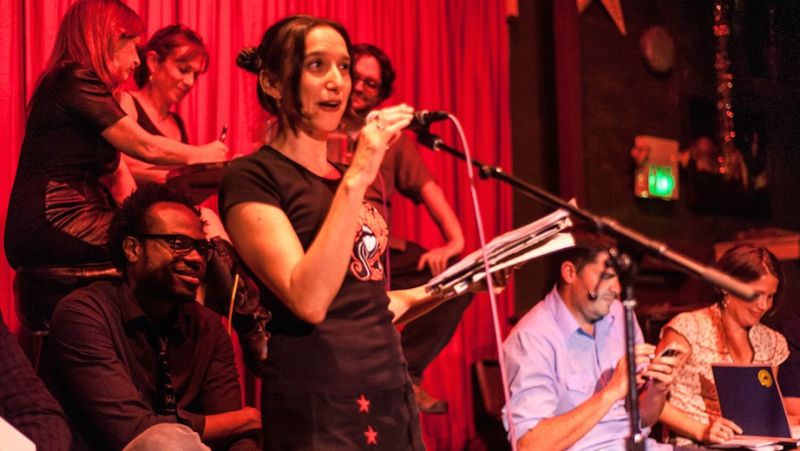
"caption": "Litquake, the biggest little literary event in the West, kicks off Friday, Oct. 9.",
"description": "Litquake, the biggest little literary event in the West, kicks off Friday, Oct. 9.",
"title": "Litquake File Photo",
"credit": null,
"status": "inherit",
"isLoading": false,
"fetchFailed": false
},
"arts_10989352": {
"type": "attachments",
"id": "arts_10989352",
"meta": {
"index": "attachments_1716263798",
"site": "arts",
"id": "10989352",
"found": true
},
"parent": 10989339,
"imgSizes": {
"thumbnail": {
"file": "https://ww2.kqed.org/app/uploads/sites/2/2015/10/IMG_8043-400x267.jpg",
"width": 400,
"mimeType": "image/jpeg",
"height": 267
},
"post-thumbnail": {
"file": "https://ww2.kqed.org/app/uploads/sites/2/2015/10/IMG_8043-600x372.jpg",
"width": 600,
"mimeType": "image/jpeg",
"height": 372
},
"kqedFullSize": {
"file": "https://ww2.kqed.org/app/uploads/sites/2/2015/10/IMG_8043.jpg",
"width": 600,
"height": 400
},
"guest-author-96": {
"file": "https://ww2.kqed.org/app/uploads/sites/2/2015/10/IMG_8043-96x96.jpg",
"width": 96,
"mimeType": "image/jpeg",
"height": 96
},
"guest-author-64": {
"file": "https://ww2.kqed.org/app/uploads/sites/2/2015/10/IMG_8043-64x64.jpg",
"width": 64,
"mimeType": "image/jpeg",
"height": 64
},
"detail": {
"file": "https://ww2.kqed.org/app/uploads/sites/2/2015/10/IMG_8043-75x75.jpg",
"width": 75,
"mimeType": "image/jpeg",
"height": 75
},
"guest-author-32": {
"file": "https://ww2.kqed.org/app/uploads/sites/2/2015/10/IMG_8043-32x32.jpg",
"width": 32,
"mimeType": "image/jpeg",
"height": 32
},
"guest-author-128": {
"file": "https://ww2.kqed.org/app/uploads/sites/2/2015/10/IMG_8043-128x128.jpg",
"width": 128,
"mimeType": "image/jpeg",
"height": 128
}
},
"publishDate": 1443689999,
"modified": 1443830448,
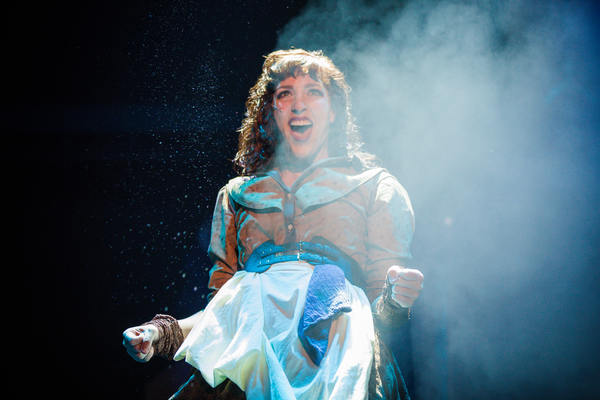
"caption": "Bridget the Maid (Melissa Reinertson) gets smoky",
"description": "Bridget the Maid (Melissa Reinertson) gets smoky",
"title": "IMG_8043",
"credit": "Photo: Nick Otto",
"status": "inherit",
"isLoading": false,
"fetchFailed": false
},
"arts_10990166": {
"type": "attachments",
"id": "arts_10990166",
"meta": {
"index": "attachments_1716263798",
"site": "arts",
"id": "10990166",
"found": true
},
"parent": 10990165,
"imgSizes": {
"twentyfourteen-full-width": {
"file": "https://ww2.kqed.org/app/uploads/sites/2/2015/10/act_mns_0274-1038x576.jpg",
"width": 1038,
"mimeType": "image/jpeg",
"height": 576
},
"thumbnail": {
"file": "https://ww2.kqed.org/app/uploads/sites/2/2015/10/act_mns_0274-400x266.jpg",
"width": 400,
"mimeType": "image/jpeg",
"height": 266
},
"fd-sm": {
"file": "https://ww2.kqed.org/app/uploads/sites/2/2015/10/act_mns_0274-960x638.jpg",
"width": 960,
"mimeType": "image/jpeg",
"height": 638
},
"post-thumbnail": {
"file": "https://ww2.kqed.org/app/uploads/sites/2/2015/10/act_mns_0274-672x372.jpg",
"width": 672,
"mimeType": "image/jpeg",
"height": 372
},
"kqedFullSize": {
"file": "https://ww2.kqed.org/app/uploads/sites/2/2015/10/act_mns_0274.jpg",
"width": 4288,
"height": 2848
},
"large": {
"file": "https://ww2.kqed.org/app/uploads/sites/2/2015/10/act_mns_0274-1180x784.jpg",
"width": 1180,
"mimeType": "image/jpeg",
"height": 784
},
"guest-author-96": {
"file": "https://ww2.kqed.org/app/uploads/sites/2/2015/10/act_mns_0274-96x96.jpg",
"width": 96,
"mimeType": "image/jpeg",
"height": 96
},
"medium": {
"file": "https://ww2.kqed.org/app/uploads/sites/2/2015/10/act_mns_0274-800x531.jpg",
"width": 800,
"mimeType": "image/jpeg",
"height": 531
},
"guest-author-64": {
"file": "https://ww2.kqed.org/app/uploads/sites/2/2015/10/act_mns_0274-64x64.jpg",
"width": 64,
"mimeType": "image/jpeg",
"height": 64
},
"guest-author-32": {
"file": "https://ww2.kqed.org/app/uploads/sites/2/2015/10/act_mns_0274-32x32.jpg",
"width": 32,
"mimeType": "image/jpeg",
"height": 32
},
"fd-lrg": {
"file": "https://ww2.kqed.org/app/uploads/sites/2/2015/10/act_mns_0274-1920x1275.jpg",
"width": 1920,
"mimeType": "image/jpeg",
"height": 1275
},
"fd-med": {
"file": "https://ww2.kqed.org/app/uploads/sites/2/2015/10/act_mns_0274-1180x784.jpg",
"width": 1180,
"mimeType": "image/jpeg",
"height": 784
},
"detail": {
"file": "https://ww2.kqed.org/app/uploads/sites/2/2015/10/act_mns_0274-75x75.jpg",
"width": 75,
"mimeType": "image/jpeg",
"height": 75
},
"guest-author-128": {
"file": "https://ww2.kqed.org/app/uploads/sites/2/2015/10/act_mns_0274-128x128.jpg",
"width": 128,
"mimeType": "image/jpeg",
"height": 128
}
},
"publishDate": 1443727074,
"modified": 1443727144,
"caption": "Philip Kan Gotanda, Lysley Tenorio, and Sean San Jose",
"description": "Philip Kan Gotanda, Lysley Tenorio, and Sean San Jose",
"title": "Philip Kan Gotanda, Lysley Tenorio, and Sean San Jose",
"credit": "Ryan Montgomery",
"status": "inherit",
"isLoading": false,
"fetchFailed": false
},
"arts_10142683": {
"type": "attachments",
"id": "arts_10142683",
"meta": {
"index": "attachments_1716263798",
"site": "arts",
"id": "10142683",
"found": true
},
"parent": 10142657,
"imgSizes": {
"thumbnail": {
"file": "https://ww2.kqed.org/app/uploads/sites/2/2014/09/joanmankin-400x252.jpg",
"width": 400,
"mimeType": "image/jpeg",
"height": 252
},
"post-thumbnail": {
"file": "https://ww2.kqed.org/app/uploads/sites/2/2014/09/joanmankin-672x372.jpg",
"width": 672,
"mimeType": "image/jpeg",
"height": 372
},
"kqedFullSize": {
"file": "https://ww2.kqed.org/app/uploads/sites/2/2014/09/joanmankin.jpg",
"width": 800,
"height": 505
},
"guest-author-96": {
"file": "https://ww2.kqed.org/app/uploads/sites/2/2014/09/joanmankin-96x96.jpg",
"width": 96,
"mimeType": "image/jpeg",
"height": 96
},
"medium": {
"file": "https://ww2.kqed.org/app/uploads/sites/2/2014/09/joanmankin-300x189.jpg",
"width": 300,
"mimeType": "image/jpeg",
"height": 189
},
"guest-author-64": {
"file": "https://ww2.kqed.org/app/uploads/sites/2/2014/09/joanmankin-64x64.jpg",
"width": 64,
"mimeType": "image/jpeg",
"height": 64
},
"detail": {
"file": "https://ww2.kqed.org/app/uploads/sites/2/2014/09/joanmankin-75x75.jpg",
"width": 75,
"mimeType": "image/jpeg",
"height": 75
},
"guest-author-32": {
"file": "https://ww2.kqed.org/app/uploads/sites/2/2014/09/joanmankin-32x32.jpg",
"width": 32,
"mimeType": "image/jpeg",
"height": 32
},
"guest-author-128": {
"file": "https://ww2.kqed.org/app/uploads/sites/2/2014/09/joanmankin-128x128.jpg",
"width": 128,
"mimeType": "image/jpeg",
"height": 128
}
},
"publishDate": 1411504655,
"modified": 1443559753,
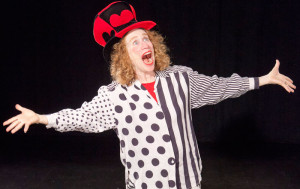
"caption": "Joan Mankin as the Mad Hatter in her last production, the 2013 production of 'Wunderworld.' Photo: David Wilson.",
"description": "Joan Mankin as the Mad Hatter in her last production, the 2013 production of 'Wunderworld.' ",
"title": "Joan Mankin",
"credit": "David Wilson.",
"status": "inherit",
"isLoading": false,
"fetchFailed": false
},
"arts_10971779": {
"type": "attachments",
"id": "arts_10971779",
"meta": {
"index": "attachments_1716263798",
"site": "arts",
"id": "10971779",
"found": true
},
"parent": 0,
"imgSizes": {
"twentyfourteen-full-width": {
"file": "https://ww2.kqed.org/app/uploads/sites/2/2015/09/Matthew-Shilvock-1038x576.jpg",
"width": 1038,
"mimeType": "image/jpeg",
"height": 576
},
"thumbnail": {
"file": "https://ww2.kqed.org/app/uploads/sites/2/2015/09/Matthew-Shilvock-400x264.jpg",
"width": 400,
"mimeType": "image/jpeg",
"height": 264
},
"fd-sm": {
"file": "https://ww2.kqed.org/app/uploads/sites/2/2015/09/Matthew-Shilvock-960x633.jpg",
"width": 960,
"mimeType": "image/jpeg",
"height": 633
},
"post-thumbnail": {
"file": "https://ww2.kqed.org/app/uploads/sites/2/2015/09/Matthew-Shilvock-672x372.jpg",
"width": 672,
"mimeType": "image/jpeg",
"height": 372
},
"kqedFullSize": {
"file": "https://ww2.kqed.org/app/uploads/sites/2/2015/09/Matthew-Shilvock.jpg",
"width": 1200,
"height": 791
},
"large": {
"file": "https://ww2.kqed.org/app/uploads/sites/2/2015/09/Matthew-Shilvock-1180x778.jpg",
"width": 1180,
"mimeType": "image/jpeg",
"height": 778
},
"guest-author-96": {
"file": "https://ww2.kqed.org/app/uploads/sites/2/2015/09/Matthew-Shilvock-96x96.jpg",
"width": 96,
"mimeType": "image/jpeg",
"height": 96
},
"medium": {
"file": "https://ww2.kqed.org/app/uploads/sites/2/2015/09/Matthew-Shilvock-800x527.jpg",
"width": 800,
"mimeType": "image/jpeg",
"height": 527
},
"guest-author-64": {
"file": "https://ww2.kqed.org/app/uploads/sites/2/2015/09/Matthew-Shilvock-64x64.jpg",
"width": 64,
"mimeType": "image/jpeg",
"height": 64
},
"guest-author-32": {
"file": "https://ww2.kqed.org/app/uploads/sites/2/2015/09/Matthew-Shilvock-32x32.jpg",
"width": 32,
"mimeType": "image/jpeg",
"height": 32
},
"fd-med": {
"file": "https://ww2.kqed.org/app/uploads/sites/2/2015/09/Matthew-Shilvock-1180x778.jpg",
"width": 1180,
"mimeType": "image/jpeg",
"height": 778
},
"detail": {
"file": "https://ww2.kqed.org/app/uploads/sites/2/2015/09/Matthew-Shilvock-75x75.jpg",
"width": 75,
"mimeType": "image/jpeg",
"height": 75
},
"guest-author-128": {
"file": "https://ww2.kqed.org/app/uploads/sites/2/2015/09/Matthew-Shilvock-128x128.jpg",
"width": 128,
"mimeType": "image/jpeg",
"height": 128
}
},
"publishDate": 1442884626,
"modified": 1442884677,
"caption": "Matthew Shilvock, San Francisco Opera General Director Designate",
"description": "Matthew Shilvock, San Francisco Opera General Director Designate",
"title": "Matthew Shilvock",
"credit": "Photo: Cory Weaver",
"status": "inherit",
"isLoading": false,
"fetchFailed": false
},
"arts_10958420": {
"type": "attachments",
"id": "arts_10958420",
"meta": {
"index": "attachments_1716263798",
"site": "arts",
"id": "10958420",
"found": true
},
"parent": 10958328,
"imgSizes": {
"thumbnail": {
"file": "https://ww2.kqed.org/app/uploads/sites/2/2015/09/Riverside_1_Web-400x267.jpg",
"width": 400,
"mimeType": "image/jpeg",
"height": 267
},
"post-thumbnail": {
"file": "https://ww2.kqed.org/app/uploads/sites/2/2015/09/Riverside_1_Web-672x372.jpg",
"width": 672,
"mimeType": "image/jpeg",
"height": 372
},
"kqedFullSize": {
"file": "https://ww2.kqed.org/app/uploads/sites/2/2015/09/Riverside_1_Web.jpg",
"width": 800,
"height": 533
},
"guest-author-96": {
"file": "https://ww2.kqed.org/app/uploads/sites/2/2015/09/Riverside_1_Web-96x96.jpg",
"width": 96,
"mimeType": "image/jpeg",
"height": 96
},
"medium": {
"file": "https://ww2.kqed.org/app/uploads/sites/2/2015/09/Riverside_1_Web-800x533.jpg",
"width": 800,
"mimeType": "image/jpeg",
"height": 533
},
"guest-author-64": {
"file": "https://ww2.kqed.org/app/uploads/sites/2/2015/09/Riverside_1_Web-64x64.jpg",
"width": 64,
"mimeType": "image/jpeg",
"height": 64
},
"detail": {
"file": "https://ww2.kqed.org/app/uploads/sites/2/2015/09/Riverside_1_Web-75x75.jpg",
"width": 75,
"mimeType": "image/jpeg",
"height": 75
},
"guest-author-32": {
"file": "https://ww2.kqed.org/app/uploads/sites/2/2015/09/Riverside_1_Web-32x32.jpg",
"width": 32,
"mimeType": "image/jpeg",
"height": 32
},
"guest-author-128": {
"file": "https://ww2.kqed.org/app/uploads/sites/2/2015/09/Riverside_1_Web-128x128.jpg",
"width": 128,
"mimeType": "image/jpeg",
"height": 128
}
},
"publishDate": 1442269631,
"modified": 1442362955,
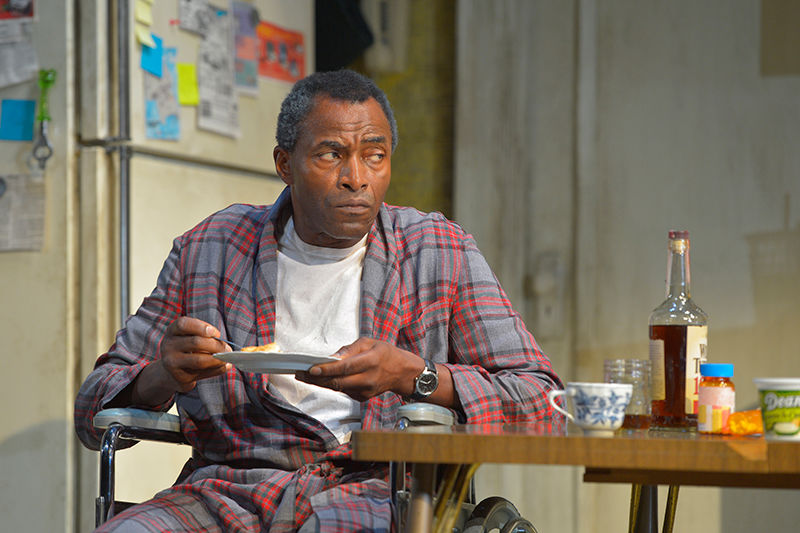
"caption": "Carl Lumbly as Walter “Pops” Washington in 'Betwen Riverside and Crazy' at ACT. ",
"description": "Carl Lumbly as Walter “Pops” Washington in 'Betwen Riverside and Crazy' at ACT. ",
"title": "Riverside_1_Web",
"credit": "Photo: Kevin Berne",
"status": "inherit",
"isLoading": false,
"fetchFailed": false
},
"arts_10964523": {
"type": "attachments",
"id": "arts_10964523",
"meta": {
"index": "attachments_1716263798",
"site": "arts",
"id": "10964523",
"found": true
},
"parent": 10964434,
"imgSizes": {
"twentyfourteen-full-width": {
"file": "https://ww2.kqed.org/app/uploads/sites/2/2015/09/Push-Dance-Company-2-1038x576.jpg",
"width": 1038,
"mimeType": "image/jpeg",
"height": 576
},
"thumbnail": {
"file": "https://ww2.kqed.org/app/uploads/sites/2/2015/09/Push-Dance-Company-2-400x320.jpg",
"width": 400,
"mimeType": "image/jpeg",
"height": 320
},
"fd-sm": {
"file": "https://ww2.kqed.org/app/uploads/sites/2/2015/09/Push-Dance-Company-2-960x768.jpg",
"width": 960,
"mimeType": "image/jpeg",
"height": 768
},
"post-thumbnail": {
"file": "https://ww2.kqed.org/app/uploads/sites/2/2015/09/Push-Dance-Company-2-672x372.jpg",
"width": 672,
"mimeType": "image/jpeg",
"height": 372
},
"kqedFullSize": {
"file": "https://ww2.kqed.org/app/uploads/sites/2/2015/09/Push-Dance-Company-2.jpg",
"width": 3540,
"height": 2832
},
"large": {
"file": "https://ww2.kqed.org/app/uploads/sites/2/2015/09/Push-Dance-Company-2-1180x944.jpg",
"width": 1180,
"mimeType": "image/jpeg",
"height": 944
},
"guest-author-96": {
"file": "https://ww2.kqed.org/app/uploads/sites/2/2015/09/Push-Dance-Company-2-96x96.jpg",
"width": 96,
"mimeType": "image/jpeg",
"height": 96
},
"medium": {
"file": "https://ww2.kqed.org/app/uploads/sites/2/2015/09/Push-Dance-Company-2-750x600.jpg",
"width": 750,
"mimeType": "image/jpeg",
"height": 600
},
"guest-author-64": {
"file": "https://ww2.kqed.org/app/uploads/sites/2/2015/09/Push-Dance-Company-2-64x64.jpg",
"width": 64,
"mimeType": "image/jpeg",
"height": 64
},
"guest-author-32": {
"file": "https://ww2.kqed.org/app/uploads/sites/2/2015/09/Push-Dance-Company-2-32x32.jpg",
"width": 32,
"mimeType": "image/jpeg",
"height": 32
},
"fd-lrg": {
"file": "https://ww2.kqed.org/app/uploads/sites/2/2015/09/Push-Dance-Company-2-1920x1536.jpg",
"width": 1920,
"mimeType": "image/jpeg",
"height": 1536
},
"fd-med": {
"file": "https://ww2.kqed.org/app/uploads/sites/2/2015/09/Push-Dance-Company-2-1180x944.jpg",
"width": 1180,
"mimeType": "image/jpeg",
"height": 944
},
"detail": {
"file": "https://ww2.kqed.org/app/uploads/sites/2/2015/09/Push-Dance-Company-2-75x75.jpg",
"width": 75,
"mimeType": "image/jpeg",
"height": 75
},
"guest-author-128": {
"file": "https://ww2.kqed.org/app/uploads/sites/2/2015/09/Push-Dance-Company-2-128x128.jpg",
"width": 128,
"mimeType": "image/jpeg",
"height": 128
}
},
"publishDate": 1442528732,
"modified": 1442528771,
"caption": "Push Dance Company's annual showcase runs Sept. 18-20.",
"description": "Push Dance Company's annual showcase runs Sept. 18-20.",
"title": "Push-Dance-Company-2",
"credit": "Courtesy Push Dance Company",
"status": "inherit",
"isLoading": false,
"fetchFailed": false
},
"arts_10956703": {
"type": "attachments",
"id": "arts_10956703",
"meta": {
"index": "attachments_1716263798",
"site": "arts",
"id": "10956703",
"found": true
},
"parent": 10956702,
"imgSizes": {
"twentyfourteen-full-width": {
"file": "https://ww2.kqed.org/app/uploads/sites/2/2015/09/sf-opera-sweeney-todd-act2-1038x576.jpg",
"width": 1038,
"mimeType": "image/jpeg",
"height": 576
},
"thumbnail": {
"file": "https://ww2.kqed.org/app/uploads/sites/2/2015/09/sf-opera-sweeney-todd-act2-400x265.jpg",
"width": 400,
"mimeType": "image/jpeg",
"height": 265
},
"fd-sm": {
"file": "https://ww2.kqed.org/app/uploads/sites/2/2015/09/sf-opera-sweeney-todd-act2-960x636.jpg",
"width": 960,
"mimeType": "image/jpeg",
"height": 636
},
"post-thumbnail": {
"file": "https://ww2.kqed.org/app/uploads/sites/2/2015/09/sf-opera-sweeney-todd-act2-672x372.jpg",
"width": 672,
"mimeType": "image/jpeg",
"height": 372
},
"kqedFullSize": {
"file": "https://ww2.kqed.org/app/uploads/sites/2/2015/09/sf-opera-sweeney-todd-act2.jpg",
"width": 3708,
"height": 2455
},
"large": {
"file": "https://ww2.kqed.org/app/uploads/sites/2/2015/09/sf-opera-sweeney-todd-act2-1180x781.jpg",
"width": 1180,
"mimeType": "image/jpeg",
"height": 781
},
"guest-author-96": {
"file": "https://ww2.kqed.org/app/uploads/sites/2/2015/09/sf-opera-sweeney-todd-act2-96x96.jpg",
"width": 96,
"mimeType": "image/jpeg",
"height": 96
},
"medium": {
"file": "https://ww2.kqed.org/app/uploads/sites/2/2015/09/sf-opera-sweeney-todd-act2-800x530.jpg",
"width": 800,
"mimeType": "image/jpeg",
"height": 530
},
"guest-author-64": {
"file": "https://ww2.kqed.org/app/uploads/sites/2/2015/09/sf-opera-sweeney-todd-act2-64x64.jpg",
"width": 64,
"mimeType": "image/jpeg",
"height": 64
},
"guest-author-32": {
"file": "https://ww2.kqed.org/app/uploads/sites/2/2015/09/sf-opera-sweeney-todd-act2-32x32.jpg",
"width": 32,
"mimeType": "image/jpeg",
"height": 32
},
"fd-lrg": {
"file": "https://ww2.kqed.org/app/uploads/sites/2/2015/09/sf-opera-sweeney-todd-act2-1920x1271.jpg",
"width": 1920,
"mimeType": "image/jpeg",
"height": 1271
},
"fd-med": {
"file": "https://ww2.kqed.org/app/uploads/sites/2/2015/09/sf-opera-sweeney-todd-act2-1180x781.jpg",
"width": 1180,
"mimeType": "image/jpeg",
"height": 781
},
"detail": {
"file": "https://ww2.kqed.org/app/uploads/sites/2/2015/09/sf-opera-sweeney-todd-act2-75x75.jpg",
"width": 75,
"mimeType": "image/jpeg",
"height": 75
},
"guest-author-128": {
"file": "https://ww2.kqed.org/app/uploads/sites/2/2015/09/sf-opera-sweeney-todd-act2-128x128.jpg",
"width": 128,
"mimeType": "image/jpeg",
"height": 128
}
},
"publishDate": 1442203071,
"modified": 1442346761,
"caption": "Act II Opening with the San Francisco Opera Chorus, mezzo-soprano Stephanie Blythe as Mrs. Lovett and bass-baritone Brian Mulligan as Sweeney Todd. ",
"description": "Act II Opening with the San Francisco Opera Chorus, mezzo-soprano Stephanie Blythe as Mrs. Lovett and bass-baritone Brian Mulligan as Sweeney Todd. ",
"title": "San Francisco Opera's Sweeney Todd",
"credit": "Photo: Cory Weaver/San Francisco Opera",
"status": "inherit",
"isLoading": false,
"fetchFailed": false
},
"arts_10914958": {
"type": "attachments",
"id": "arts_10914958",
"meta": {
"index": "attachments_1716263798",
"site": "arts",
"id": "10914958",
"found": true
},
"parent": 10914955,
"imgSizes": {
"twentyfourteen-full-width": {
"file": "https://ww2.kqed.org/app/uploads/sites/2/2015/08/david-gockley-ballpark-1038x576.jpg",
"width": 1038,
"mimeType": "image/jpeg",
"height": 576
},
"thumbnail": {
"file": "https://ww2.kqed.org/app/uploads/sites/2/2015/08/david-gockley-ballpark-400x267.jpg",
"width": 400,
"mimeType": "image/jpeg",
"height": 267
},
"fd-sm": {
"file": "https://ww2.kqed.org/app/uploads/sites/2/2015/08/david-gockley-ballpark-960x640.jpg",
"width": 960,
"mimeType": "image/jpeg",
"height": 640
},
"post-thumbnail": {
"file": "https://ww2.kqed.org/app/uploads/sites/2/2015/08/david-gockley-ballpark-672x372.jpg",
"width": 672,
"mimeType": "image/jpeg",
"height": 372
},
"kqedFullSize": {
"file": "https://ww2.kqed.org/app/uploads/sites/2/2015/08/david-gockley-ballpark.jpg",
"width": 2100,
"height": 1400
},
"large": {
"file": "https://ww2.kqed.org/app/uploads/sites/2/2015/08/david-gockley-ballpark-1180x787.jpg",
"width": 1180,
"mimeType": "image/jpeg",
"height": 787
},
"guest-author-96": {
"file": "https://ww2.kqed.org/app/uploads/sites/2/2015/08/david-gockley-ballpark-96x96.jpg",
"width": 96,
"mimeType": "image/jpeg",
"height": 96
},
"medium": {
"file": "https://ww2.kqed.org/app/uploads/sites/2/2015/08/david-gockley-ballpark-800x533.jpg",
"width": 800,
"mimeType": "image/jpeg",
"height": 533
},
"guest-author-64": {
"file": "https://ww2.kqed.org/app/uploads/sites/2/2015/08/david-gockley-ballpark-64x64.jpg",
"width": 64,
"mimeType": "image/jpeg",
"height": 64
},
"guest-author-32": {
"file": "https://ww2.kqed.org/app/uploads/sites/2/2015/08/david-gockley-ballpark-32x32.jpg",
"width": 32,
"mimeType": "image/jpeg",
"height": 32
},
"fd-lrg": {
"file": "https://ww2.kqed.org/app/uploads/sites/2/2015/08/david-gockley-ballpark-1920x1280.jpg",
"width": 1920,
"mimeType": "image/jpeg",
"height": 1280
},
"fd-med": {
"file": "https://ww2.kqed.org/app/uploads/sites/2/2015/08/david-gockley-ballpark-1180x787.jpg",
"width": 1180,
"mimeType": "image/jpeg",
"height": 787
},
"detail": {
"file": "https://ww2.kqed.org/app/uploads/sites/2/2015/08/david-gockley-ballpark-75x75.jpg",
"width": 75,
"mimeType": "image/jpeg",
"height": 75
},
"guest-author-128": {
"file": "https://ww2.kqed.org/app/uploads/sites/2/2015/08/david-gockley-ballpark-128x128.jpg",
"width": 128,
"mimeType": "image/jpeg",
"height": 128
}
},
"publishDate": 1440434351,
"modified": 1441834416,
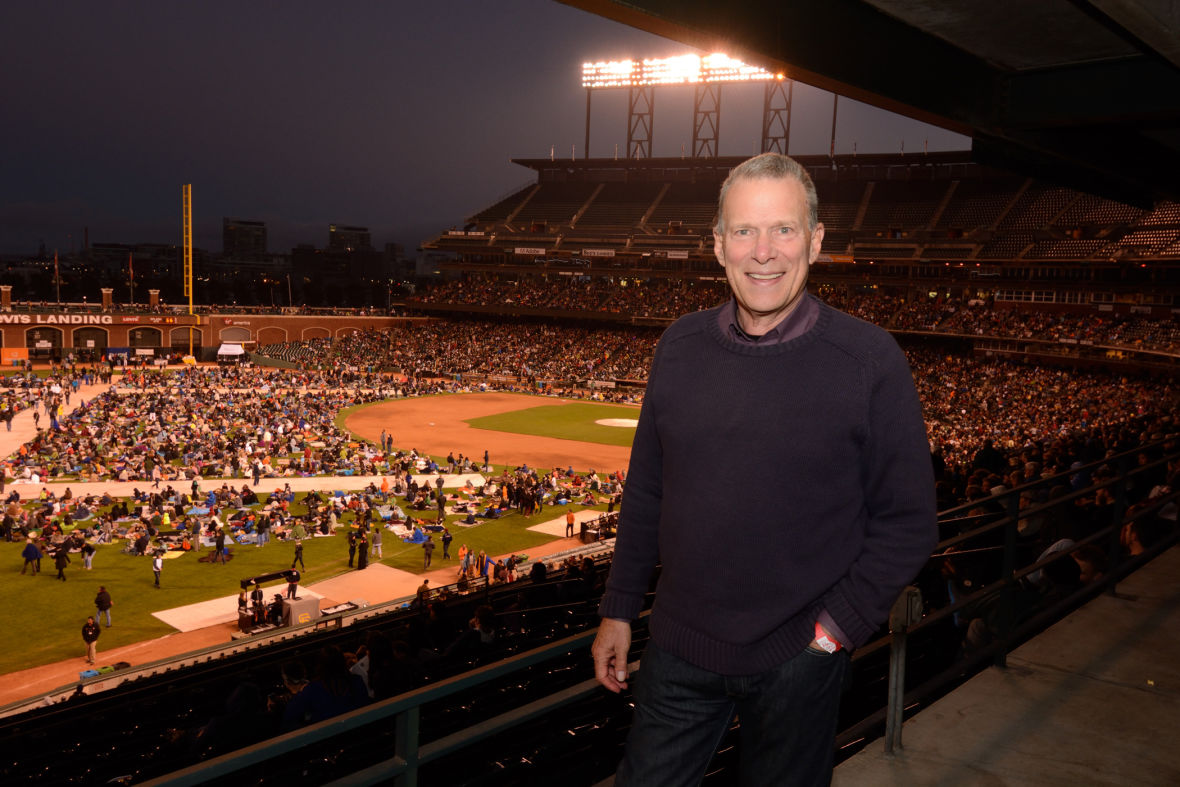
"caption": "San Francisco Opera's General Director David Gockley at Opera at the Ballpark.",
"description": "David Gockley at Opera at the Ballpark.",
"title": "David Gockley at the ballpark",
"credit": "Photo: Scott Wall/San Francisco Opera",
"status": "inherit",
"isLoading": false,
"fetchFailed": false
},
"arts_10922874": {
"type": "attachments",
"id": "arts_10922874",
"meta": {
"index": "attachments_1716263798",
"site": "arts",
"id": "10922874",
"found": true
},
"parent": 10919359,
"imgSizes": {
"twentyfourteen-full-width": {
"file": "https://ww2.kqed.org/app/uploads/sites/2/2015/08/BonnieBillyMAIN-1038x576.jpg",
"width": 1038,
"mimeType": "image/jpeg",
"height": 576
},
"thumbnail": {
"file": "https://ww2.kqed.org/app/uploads/sites/2/2015/08/BonnieBillyMAIN-400x225.jpg",
"width": 400,
"mimeType": "image/jpeg",
"height": 225
},
"fd-sm": {
"file": "https://ww2.kqed.org/app/uploads/sites/2/2015/08/BonnieBillyMAIN-960x540.jpg",
"width": 960,
"mimeType": "image/jpeg",
"height": 540
},
"post-thumbnail": {
"file": "https://ww2.kqed.org/app/uploads/sites/2/2015/08/BonnieBillyMAIN-672x372.jpg",
"width": 672,
"mimeType": "image/jpeg",
"height": 372
},
"kqedFullSize": {
"file": "https://ww2.kqed.org/app/uploads/sites/2/2015/08/BonnieBillyMAIN.jpg",
"width": 1100,
"height": 619
},
"guest-author-96": {
"file": "https://ww2.kqed.org/app/uploads/sites/2/2015/08/BonnieBillyMAIN-96x96.jpg",
"width": 96,
"mimeType": "image/jpeg",
"height": 96
},
"medium": {
"file": "https://ww2.kqed.org/app/uploads/sites/2/2015/08/BonnieBillyMAIN-800x450.jpg",
"width": 800,
"mimeType": "image/jpeg",
"height": 450
},
"guest-author-64": {
"file": "https://ww2.kqed.org/app/uploads/sites/2/2015/08/BonnieBillyMAIN-64x64.jpg",
"width": 64,
"mimeType": "image/jpeg",
"height": 64
},
"detail": {
"file": "https://ww2.kqed.org/app/uploads/sites/2/2015/08/BonnieBillyMAIN-75x75.jpg",
"width": 75,
"mimeType": "image/jpeg",
"height": 75
},
"guest-author-32": {
"file": "https://ww2.kqed.org/app/uploads/sites/2/2015/08/BonnieBillyMAIN-32x32.jpg",
"width": 32,
"mimeType": "image/jpeg",
"height": 32
},
"guest-author-128": {
"file": "https://ww2.kqed.org/app/uploads/sites/2/2015/08/BonnieBillyMAIN-128x128.jpg",
"width": 128,
"mimeType": "image/jpeg",
"height": 128
}
},
"publishDate": 1440799546,
"modified": 1440799580,
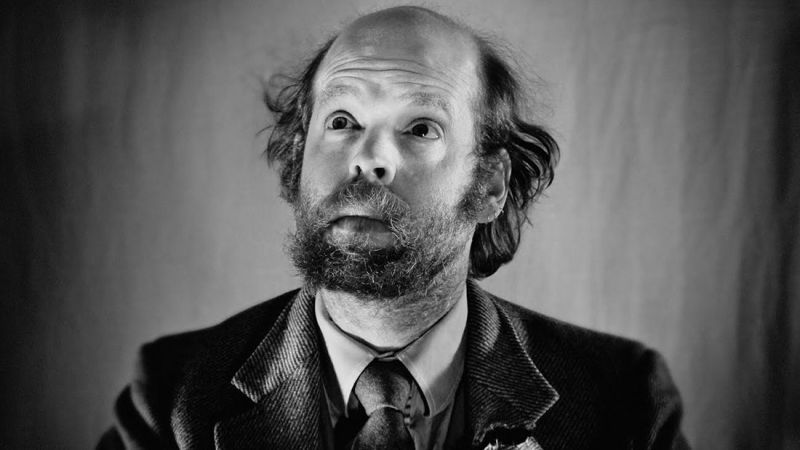
"caption": "Bonnie \"Prince\" Billy plays in Sonoma on Sept. 27.",
"description": null,
"title": "BonnieBillyMAIN",
"credit": null,
"status": "inherit",
"isLoading": false,
"fetchFailed": false
},
"arts_10942871": {
"type": "attachments",
"id": "arts_10942871",
"meta": {
"index": "attachments_1716263798",
"site": "arts",
"id": "10942871",
"found": true
},
"parent": 10942869,
"imgSizes": {
"twentyfourteen-full-width": {
"file": "https://ww2.kqed.org/app/uploads/sites/2/2015/09/ReOrient2015_Festival4-800x576.jpg",
"width": 800,
"mimeType": "image/jpeg",
"height": 576
},
"thumbnail": {
"file": "https://ww2.kqed.org/app/uploads/sites/2/2015/09/ReOrient2015_Festival4-e1441813933841-400x258.jpg",
"width": 400,
"mimeType": "image/jpeg",
"height": 258
},
"post-thumbnail": {
"file": "https://ww2.kqed.org/app/uploads/sites/2/2015/09/ReOrient2015_Festival4-e1441813933841-672x372.jpg",
"width": 672,
"mimeType": "image/jpeg",
"height": 372
},
"kqedFullSize": {
"file": "https://ww2.kqed.org/app/uploads/sites/2/2015/09/ReOrient2015_Festival4-e1441813933841.jpg",
"width": 800,
"height": 516
},
"guest-author-96": {
"file": "https://ww2.kqed.org/app/uploads/sites/2/2015/09/ReOrient2015_Festival4-e1441813933841-96x96.jpg",
"width": 96,
"mimeType": "image/jpeg",
"height": 96
},
"medium": {
"file": "https://ww2.kqed.org/app/uploads/sites/2/2015/09/ReOrient2015_Festival4-e1441813933841-800x516.jpg",
"width": 800,
"mimeType": "image/jpeg",
"height": 516
},
"guest-author-64": {
"file": "https://ww2.kqed.org/app/uploads/sites/2/2015/09/ReOrient2015_Festival4-e1441813933841-64x64.jpg",
"width": 64,
"mimeType": "image/jpeg",
"height": 64
},
"detail": {
"file": "https://ww2.kqed.org/app/uploads/sites/2/2015/09/ReOrient2015_Festival4-e1441813933841-75x75.jpg",
"width": 75,
"mimeType": "image/jpeg",
"height": 75
},
"guest-author-32": {
"file": "https://ww2.kqed.org/app/uploads/sites/2/2015/09/ReOrient2015_Festival4-e1441813933841-32x32.jpg",
"width": 32,
"mimeType": "image/jpeg",
"height": 32
},
"guest-author-128": {
"file": "https://ww2.kqed.org/app/uploads/sites/2/2015/09/ReOrient2015_Festival4-e1441813933841-128x128.jpg",
"width": 128,
"mimeType": "image/jpeg",
"height": 128
}
},
"publishDate": 1441654123,
"modified": 1441739114,
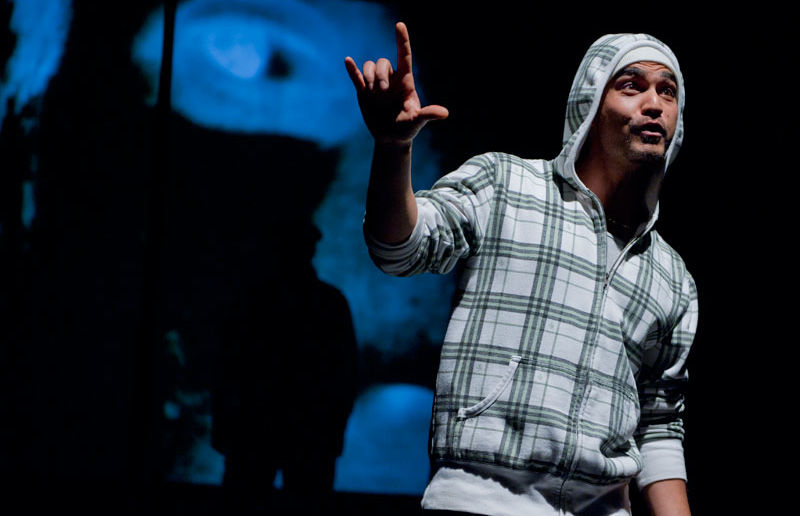
"caption": "Shoresh Alaudini performing in ReOrient 2012. ",
"description": "Shoresh Alaudini performing in ReOrient 2012. ",
"title": "ReOrient2015_Festival4",
"credit": "Photo: David Allen Studio. ",
"status": "inherit",
"isLoading": false,
"fetchFailed": false
}
},
"audioPlayerReducer": {
"postId": "stream_live",
"isPaused": true,
"isPlaying": false,
"pfsActive": false,
"pledgeModalIsOpen": true,
"playerDrawerIsOpen": false,
"liveAudioPlayStartedAt": 0,
"liveAudioPlayContext": ""
},
"authorsReducer": {
"cmusiker": {
"type": "authors",
"id": "32",
"meta": {
"index": "authors_1716337520",
"id": "32",
"found": true
},
"name": "Cy Musiker",
"firstName": "Cy",
"lastName": "Musiker",
"slug": "cmusiker",
"email": "cmusiker@kqed.org",
"display_author_email": false,
"staff_mastheads": [],
"title": "KQED Contributor",
"bio": "Cy Musiker is a former co-host of The Do List and a former reporter covering the arts for KQED News and The California Report. He loves live performance, especially great theater, jazz, roots music, anything by Mahler. Cy has an MJ from UC Berkeley's School of Journalism, and got his BA from Hampshire College. His work has been recognized by the Society for Professional Journalists with their Sigma Delta Chi Award for Public Service in Journalism. When he can, Cy likes to swim in Tomales Bay, run with his dog in the East Bay Hills, and hike the Sierra.",
"avatar": "https://secure.gravatar.com/avatar/05eaba5c5696ce8f062e4ea2df428a43?s=600&d=blank&r=g",
"twitter": null,
"facebook": null,
"instagram": null,
"linkedin": null,
"sites": [
{
"site": "arts",
"roles": [
"Contributor",
"subscriber"
]
},
{
"site": "news",
"roles": [
"author"
]
},
{
"site": "bayareabites",
"roles": [
"contributor"
]
}
],
"headData": {
"title": "Cy Musiker | KQED",
"description": "KQED Contributor",
"ogImgSrc": "https://secure.gravatar.com/avatar/05eaba5c5696ce8f062e4ea2df428a43?s=600&d=blank&r=g",
"twImgSrc": "https://secure.gravatar.com/avatar/05eaba5c5696ce8f062e4ea2df428a43?s=600&d=blank&r=g"
},
"isLoading": false,
"link": "/author/cmusiker"
},
"shurwitt": {
"type": "authors",
"id": "76",
"meta": {
"index": "authors_1716337520",
"id": "76",
"found": true
},
"name": "Sam Hurwitt",
"firstName": "Sam",
"lastName": "Hurwitt",
"slug": "shurwitt",
"email": "samhurwitt@yahoo.com",
"display_author_email": false,
"staff_mastheads": [],
"title": null,
"bio": "Sam Hurwitt is a freelance theater critic for \u003cem>KQED Arts\u003c/em>, the \u003ci>Marin Independent Journal \u003c/i>and the \u003cem>San Jose Mercury News\u003c/em> in addition to his own theater and culture blog, \u003ci>\u003ca href=\"http://theidiolect.com\">The Idiolect\u003c/a>\u003c/i>. You can find him on Twitter cleverly camouflaged as \u003ca href=\"http://twitter.com/shurwitt\">shurwitt\u003c/a>.",
"avatar": "https://secure.gravatar.com/avatar/d1a4f050e83a1dc4c0512ff16a0aacee?s=600&d=blank&r=g",
"twitter": null,
"facebook": null,
"instagram": null,
"linkedin": null,
"sites": [
{
"site": "arts",
"roles": [
"Contributor",
"contributor"
]
}
],
"headData": {
"title": "Sam Hurwitt | KQED",
"description": null,
"ogImgSrc": "https://secure.gravatar.com/avatar/d1a4f050e83a1dc4c0512ff16a0aacee?s=600&d=blank&r=g",
"twImgSrc": "https://secure.gravatar.com/avatar/d1a4f050e83a1dc4c0512ff16a0aacee?s=600&d=blank&r=g"
},
"isLoading": false,
"link": "/author/shurwitt"
},
"gmeline": {
"type": "authors",
"id": "185",
"meta": {
"index": "authors_1716337520",
"id": "185",
"found": true
},
"name": "Gabe Meline",
"firstName": "Gabe",
"lastName": "Meline",
"slug": "gmeline",
"email": "gmeline@kqed.org",
"display_author_email": true,
"staff_mastheads": [
"arts"
],
"title": "Senior Editor, KQED Arts & Culture",
"bio": "Gabe Meline entered journalism at age 15 making photocopied zines, and has since earned awards from the Edward R. Murrow Awards, the Society for Professional Journalists, the Online Journalism Awards, the Association of Alternative Newsweeklies and the California Newspaper Publishers Association. Prior to KQED, he was the editor of the \u003cem>North Bay Bohemian\u003c/em> and a touring musician. He lives with his wife and daughter in his hometown of Santa Rosa, CA.",
"avatar": "https://secure.gravatar.com/avatar/5bebe57be0d8bc2dd318934feb47299e2d2d10cba28d09d8d7afb389a2ce2bdd?s=600&d=blank&r=g",
"twitter": null,
"bluesky": null,
"facebook": null,
"instagram": null,
"linkedin": null,
"sites": [
{
"site": "",
"roles": [
"editor"
]
},
{
"site": "arts",
"roles": [
"administrator"
]
},
{
"site": "artschool",
"roles": [
"editor"
]
},
{
"site": "news",
"roles": [
"author"
]
},
{
"site": "pop",
"roles": [
"editor"
]
},
{
"site": "bayareabites",
"roles": [
"editor"
]
},
{
"site": "food",
"roles": [
"editor"
]
},
{
"site": "forum",
"roles": [
"administrator"
]
},
{
"site": "liveblog",
"roles": [
"editor"
]
},
{
"site": "hiphop",
"roles": [
"editor"
]
}
],
"headData": {
"title": "Gabe Meline | KQED",
"description": "Senior Editor, KQED Arts & Culture",
"ogImgSrc": "https://secure.gravatar.com/avatar/5bebe57be0d8bc2dd318934feb47299e2d2d10cba28d09d8d7afb389a2ce2bdd?s=600&d=blank&r=g",
"twImgSrc": "https://secure.gravatar.com/avatar/5bebe57be0d8bc2dd318934feb47299e2d2d10cba28d09d8d7afb389a2ce2bdd?s=600&d=blank&r=g"
},
"isLoading": false,
"link": "/author/gmeline"
},
"thedolist": {
"type": "authors",
"id": "3215",
"meta": {
"index": "authors_1716337520",
"id": "3215",
"found": true
},
"name": "The Do List",
"firstName": "Do",
"lastName": "List",
"slug": "thedolist",
"email": "harold.check+dolist@gmail.com",
"display_author_email": false,
"staff_mastheads": [],
"title": null,
"bio": "The Do List scours the Bay Area for superb and surprising performing arts events, with an eye for local talent, new discoveries, and fun opportunities across the price spectrum. Every Friday morning at 6:23 and 8:23am on KQED Radio, you can hear Do List regulars Cy Musiker and David Wiegand discuss the upcoming week's best picks.",
"avatar": "https://secure.gravatar.com/avatar/25ef8068d096493f649195742621360d?s=600&d=blank&r=g",
"twitter": null,
"facebook": null,
"instagram": null,
"linkedin": null,
"sites": [
{
"site": "arts",
"roles": [
"contributor"
]
}
],
"headData": {
"title": "The Do List | KQED",
"description": null,
"ogImgSrc": "https://secure.gravatar.com/avatar/25ef8068d096493f649195742621360d?s=600&d=blank&r=g",
"twImgSrc": "https://secure.gravatar.com/avatar/25ef8068d096493f649195742621360d?s=600&d=blank&r=g"
},
"isLoading": false,
"link": "/author/thedolist"
},
"ctiee": {
"type": "authors",
"id": "8660",
"meta": {
"index": "authors_1716337520",
"id": "8660",
"found": true
},
"name": "Charlise Tiee",
"firstName": "Charlise",
"lastName": "Tiee",
"slug": "ctiee",
"email": "snailwing@gmail.com",
"display_author_email": false,
"staff_mastheads": [],
"title": null,
"bio": "Bay Area-based writer and painter. Reviews performances of classical music and audience behavior at \u003ca href=\"http://operatattler.com\" target=\"_blank\">The Opera Tattler\u003c/a>.",
"avatar": "https://secure.gravatar.com/avatar/f1a0befa08b57c5871e7b99521309901?s=600&d=blank&r=g",
"twitter": null,
"facebook": null,
"instagram": null,
"linkedin": null,
"sites": [
{
"site": "arts",
"roles": [
"contributor"
]
}
],
"headData": {
"title": "Charlise Tiee | KQED",
"description": null,
"ogImgSrc": "https://secure.gravatar.com/avatar/f1a0befa08b57c5871e7b99521309901?s=600&d=blank&r=g",
"twImgSrc": "https://secure.gravatar.com/avatar/f1a0befa08b57c5871e7b99521309901?s=600&d=blank&r=g"
},
"isLoading": false,
"link": "/author/ctiee"
},
"jwilkins": {
"type": "authors",
"id": "8668",
"meta": {
"index": "authors_1716337520",
"id": "8668",
"found": true
},
"name": "John Wilkins",
"firstName": "John",
"lastName": "Wilkins",
"slug": "jwilkins",
"email": "Johnrwilkins@aol.com",
"display_author_email": false,
"staff_mastheads": [],
"title": null,
"bio": "John Wilkins is the theater critic for KQED Arts. He was the Artistic Director of Last Planet Theatre for ten years and teaches in the Writing and Literature program at CCA. Follow him on Twitter @johnrwilkins2",
"avatar": "https://secure.gravatar.com/avatar/7798fcc8a10bee0e04387b724b492df7?s=600&d=blank&r=g",
"twitter": null,
"facebook": null,
"instagram": null,
"linkedin": null,
"sites": [
{
"site": "arts",
"roles": [
"subscriber"
]
}
],
"headData": {
"title": "John Wilkins | KQED",
"description": null,
"ogImgSrc": "https://secure.gravatar.com/avatar/7798fcc8a10bee0e04387b724b492df7?s=600&d=blank&r=g",
"twImgSrc": "https://secure.gravatar.com/avatar/7798fcc8a10bee0e04387b724b492df7?s=600&d=blank&r=g"
},
"isLoading": false,
"link": "/author/jwilkins"
},
"dventon": {
"type": "authors",
"id": "11088",
"meta": {
"index": "authors_1716337520",
"id": "11088",
"found": true
},
"name": "Danielle Venton",
"firstName": "Danielle",
"lastName": "Venton",
"slug": "dventon",
"email": "dventon@kqed.org",
"display_author_email": true,
"staff_mastheads": [
"science"
],
"title": "Science reporter",
"bio": "Danielle Venton is a reporter for KQED Science. She covers wildfires, space and oceans (though she is prone to sea sickness).\r\n\r\nBefore joining KQED in 2015, Danielle was a staff reporter at KRCB in Sonoma County and a freelancer. She studied science communication at UC Santa Cruz and formerly worked at CERN in Geneva, Switzerland where she wrote about computing. She lives in Sonoma County and enjoys backpacking.",
"avatar": "https://secure.gravatar.com/avatar/37b292b5c40c8d93959c4f48d73b5286f41b7abd8588277e941905a3ed4c801c?s=600&d=blank&r=g",
"twitter": "DanielleVenton",
"bluesky": null,
"facebook": null,
"instagram": null,
"linkedin": null,
"sites": [
{
"site": "arts",
"roles": [
"contributor"
]
},
{
"site": "news",
"roles": [
"editor"
]
},
{
"site": "futureofyou",
"roles": [
"editor"
]
},
{
"site": "science",
"roles": [
"editor"
]
},
{
"site": "liveblog",
"roles": [
"contributor"
]
}
],
"headData": {
"title": "Danielle Venton | KQED",
"description": "Science reporter",
"ogImgSrc": "https://secure.gravatar.com/avatar/37b292b5c40c8d93959c4f48d73b5286f41b7abd8588277e941905a3ed4c801c?s=600&d=blank&r=g",
"twImgSrc": "https://secure.gravatar.com/avatar/37b292b5c40c8d93959c4f48d73b5286f41b7abd8588277e941905a3ed4c801c?s=600&d=blank&r=g"
},
"isLoading": false,
"link": "/author/dventon"
}
},
"pagesReducer": {
"arts_category_theater": {
"type": "terms",
"id": "arts_967",
"meta": {
"index": "terms_1716263798",
"site": "arts",
"id": "967",
"score": 12.28665
},
"featImg": null,
"name": "Theater",
"description": null,
"taxonomy": "category",
"headData": {
"twImgId": null,
"twTitle": null,
"ogTitle": null,
"ogImgId": null,
"twDescription": null,
"description": null,
"title": "Theater Archives | KQED Arts",
"ogDescription": null
},
"ttid": 985,
"slug": "theater",
"isLoading": false,
"title": "Theater",
"pageMeta": {
"site": "arts",
"WpPageTemplate": "page-topic-editorial",
"currentPage": 67
},
"blocks": [
{
"blockName": "kqed/post-list",
"attrs": {
"layout": "cardArticle2",
"query": "posts/arts?category=theater",
"seeMore": false,
"paginated": true,
"page": 67
}
},
{
"blockName": "kqed/ad"
}
]
}
},
"pfsSessionReducer": {},
"postsReducer": {
"stream_live": {
"type": "live",
"id": "stream_live",
"audioUrl": "https://streams.kqed.org/kqedradio",
"title": "Live Stream",
"excerpt": "Live Stream information currently unavailable.",
"link": "/radio",
"featImg": "",
"label": {
"name": "KQED Live",
"link": "/"
}
},
"stream_kqedNewscast": {
"type": "posts",
"id": "stream_kqedNewscast",
"audioUrl": "https://www.kqed.org/.stream/anon/radio/RDnews/newscast.mp3?_=1",
"title": "KQED Newscast",
"featImg": "",
"label": {
"name": "88.5 FM",
"link": "/"
}
},
"arts_11013937": {
"type": "posts",
"id": "arts_11013937",
"meta": {
"index": "posts_1716263798",
"site": "arts",
"id": "11013937",
"score": null,
"sort": [
1444977909000
]
},
"parent": 0,
"labelTerm": {
"site": "arts",
"term": 140
},
"blocks": [],
"publishDate": 1444977909,
"format": "standard",
"title": "Cy & David's Picks: Treasure Island, Modern Hula, and Twyla's 50th",
"headTitle": "Cy & David’s Picks: Treasure Island, Modern Hula, and Twyla’s 50th | KQED",
"content": "\u003caside class=\"aligncenter\">\n\u003ch4>Cy Musiker and David Wiegand share their picks for great events around the Bay Area this week.\u003c/h4>\n\u003cp>http://www.kqed.org/.stream/anon/radio/thedolist/2015/10/TDL20151015.mp3\u003c/p>\n\u003c/aside>\n\u003cp>\u003cstrong>Oct. 17–18\u003c/strong>: The \u003ca href=\"http://treasureislandfestival.com/2015/\" target=\"_blank\" rel=\"noopener\">Treasure Island Music Festival\u003c/a>. Tucked in the middle of the Bay with stellar views, this year’s electronic and indie festival includes Chvrches, Deadmau5, FKA Twigs, Father John Misty, Big Grams and many, many others on two stages. New this year is a comedy lineup, while attendees still get to the island the same way they always have — from a free shuttle departing from SF. This is truly one of the Bay Area’s annual gems. \u003ca href=\"http://treasureislandfestival.com/2015/\" target=\"_blank\" rel=\"noopener\">Details here\u003c/a>.\u003c/p>\n\u003cp>\u003cstrong>Oct. 16–18\u003c/strong>: \u003ca href=\"http://calperformances.org/performances/2015-16/dance/twyla-tharp-50th-anniversary.php\" target=\"_blank\" rel=\"noopener\">Twyla Tharp 50th Anniversary Tour\u003c/a>. There aren’t very many figures that have had as much influence on modern dance as Tharp, and it’s hard to believe she founded her company 50 years ago — especially considering her use of progressive contemporary music from the likes of John Zorn, Henry Butler and Steven Bernstein. Three shows at Zellerbach Auditorium are poised to show why the \u003cem>New York Times\u003c/em> calls her “the queen of mixing vernacular dance and classical ballet.” \u003ca href=\"http://calperformances.org/performances/2015-16/dance/twyla-tharp-50th-anniversary.php\" target=\"_blank\" rel=\"noopener\">Details here\u003c/a>.\u003c/p>\n\u003cp>\u003cstrong>Oct. 18\u003c/strong>: \u003ca href=\"http://www.sfsymphony.org/Buy-Tickets/2015-2016/Paul-Jacobs-with-soprano-Christine-Brewer.aspx\" target=\"_blank\" rel=\"noopener\">Paul Jacobs and Christine Brewer with the San Francisco Symphony\u003c/a>. An operatic soprano and a classical organist may seem like strange bedfellows, but then, this is Paul Jacobs and Christine Brewer we’re talking about here. Brewer, for her part, was the obvious replacement in 2006 when Renée Fleming had to call out sick at Festival del Solé, in Yountville; Jacobs has been one of the finest players of the organ in recent memory. The program includes Bach, Franck, Puccini, Reger, Boulanger, Handel and more. \u003ca href=\"http://www.sfsymphony.org/Buy-Tickets/2015-2016/Paul-Jacobs-with-soprano-Christine-Brewer.aspx\" target=\"_blank\" rel=\"noopener\">Details here\u003c/a>.\u003c/p>\n\u003cp>\u003cstrong>Oct. 17–25\u003c/strong>: \u003ca href=\"http://naleihulu.org/\" target=\"_blank\" rel=\"noopener\">Na Lei Hulu I Ka Wekiu 30th Anniversary\u003c/a>. Patrick Makuakāne founded this dance company 30 years ago on the foundation of innovative choreography and musical choices, and has even led hula dances to the sounds of Lady Gaga. Citing hip-hop dance as a major inspiration, Makuakāne draws from past traditions while innovating the hula form for future generations. \u003ca href=\"http://naleihulu.org/\" target=\"_blank\" rel=\"noopener\">Details here\u003c/a>.\u003c/p>\n\u003cp>\u003cstrong>Oct. 16–Dec. 20\u003c/strong>: the \u003ca href=\"http://www.berkeleyrep.org/season/1516/9310.asp\" target=\"_blank\" rel=\"noopener\">Pirates of Penzance\u003c/a>. Berkeley Rep stages this adaptation of Gilbert & Sullivan’s classic by the Hypocrites, a band of rebels from Chicago, who dethrone the masterwork with a sliver of snark and an abundance of skill. Banjos, beach balls, and guitars all come into play in this adaptation, which is the very model of a modern major musical. \u003ca href=\"http://www.berkeleyrep.org/season/1516/9310.asp\" target=\"_blank\" rel=\"noopener\">Details here\u003c/a>.\u003c/p>\n\u003cp>[ad fullwidth]\u003c/p>\n\u003cp>\u003c/p>\n\u003cp>\u003cstrong>Oct. 16\u003c/strong>: \u003ca href=\"http://www.gunbun.com/calendar\" target=\"_blank\" rel=\"noopener\">Fuzz and Mudhoney\u003c/a>. Ty Seagall’s “side project” has managed to achieve the momentum of any regular band, owing to the prolific nature of Seagall — who left SF for Los Angeles when the going got tough and the rents got high. His departure has only made him more active musically, though, and his presence behind the drum kit on this show in a 100-year-old-barn is hardly the highlight when Sub Pop’s finest “Touch Me I’m Sick” purveyors headline. \u003ca href=\"http://www.gunbun.com/calendar\" target=\"_blank\" rel=\"noopener\">Details here\u003c/a>.\u003c/p>\n\n",
"stats": {
"hasVideo": false,
"hasChartOrMap": false,
"hasAudio": true,
"hasPolis": false,
"wordCount": 532,
"hasGoogleForm": false,
"hasGallery": false,
"hasHearkenModule": false,
"iframeSrcs": [],
"paragraphCount": 8
},
"modified": 1705046171,
"excerpt": "Cy Musiker and David Wiegand share their picks for great events around the Bay Area this week.",
"headData": {
"twImgId": "",
"twTitle": "",
"ogTitle": "",
"ogImgId": "",
"twDescription": "",
"description": "Cy Musiker and David Wiegand share their picks for great events around the Bay Area this week.",
"title": "Cy & David's Picks: Treasure Island, Modern Hula, and Twyla's 50th | KQED",
"ogDescription": "",
"schema": {
"@context": "https://schema.org",
"@type": "Article",
"headline": "Cy & David's Picks: Treasure Island, Modern Hula, and Twyla's 50th",
"datePublished": "2015-10-15T23:45:09-07:00",
"dateModified": "2024-01-11T23:56:11-08:00",
"image": "https://cdn.kqed.org/wp-content/uploads/2020/02/KQED-OG-Image@1x.png"
}
},
"guestAuthors": [],
"slug": "cy-davids-picks-treasure-island-modern-hula-and-twylas-50th",
"status": "publish",
"sticky": false,
"path": "/arts/11013937/cy-davids-picks-treasure-island-modern-hula-and-twylas-50th",
"audioTrackLength": null,
"parsedContent": [
{
"type": "contentString",
"content": "\u003cdiv class=\"post-body\">\u003cp>\u003caside class=\"aligncenter\">\n\u003ch4>Cy Musiker and David Wiegand share their picks for great events around the Bay Area this week.\u003c/h4>\u003c/p>\u003c/div>",
"attributes": {
"named": {},
"numeric": []
}
},
{
"type": "component",
"content": "",
"name": "audioLink",
"attributes": {
"named": {
"src": "http://www.kqed.org/.stream/anon/radio/thedolist/2015/10/TDL20151015.mp3"
},
"numeric": []
}
},
{
"type": "contentString",
"content": "\u003cdiv class=\"post-body\">\u003cp>\u003c/aside>\n\u003cp>\u003cstrong>Oct. 17–18\u003c/strong>: The \u003ca href=\"http://treasureislandfestival.com/2015/\" target=\"_blank\" rel=\"noopener\">Treasure Island Music Festival\u003c/a>. Tucked in the middle of the Bay with stellar views, this year’s electronic and indie festival includes Chvrches, Deadmau5, FKA Twigs, Father John Misty, Big Grams and many, many others on two stages. New this year is a comedy lineup, while attendees still get to the island the same way they always have — from a free shuttle departing from SF. This is truly one of the Bay Area’s annual gems. \u003ca href=\"http://treasureislandfestival.com/2015/\" target=\"_blank\" rel=\"noopener\">Details here\u003c/a>.\u003c/p>\n\u003cp>\u003cstrong>Oct. 16–18\u003c/strong>: \u003ca href=\"http://calperformances.org/performances/2015-16/dance/twyla-tharp-50th-anniversary.php\" target=\"_blank\" rel=\"noopener\">Twyla Tharp 50th Anniversary Tour\u003c/a>. There aren’t very many figures that have had as much influence on modern dance as Tharp, and it’s hard to believe she founded her company 50 years ago — especially considering her use of progressive contemporary music from the likes of John Zorn, Henry Butler and Steven Bernstein. Three shows at Zellerbach Auditorium are poised to show why the \u003cem>New York Times\u003c/em> calls her “the queen of mixing vernacular dance and classical ballet.” \u003ca href=\"http://calperformances.org/performances/2015-16/dance/twyla-tharp-50th-anniversary.php\" target=\"_blank\" rel=\"noopener\">Details here\u003c/a>.\u003c/p>\n\u003cp>\u003cstrong>Oct. 18\u003c/strong>: \u003ca href=\"http://www.sfsymphony.org/Buy-Tickets/2015-2016/Paul-Jacobs-with-soprano-Christine-Brewer.aspx\" target=\"_blank\" rel=\"noopener\">Paul Jacobs and Christine Brewer with the San Francisco Symphony\u003c/a>. An operatic soprano and a classical organist may seem like strange bedfellows, but then, this is Paul Jacobs and Christine Brewer we’re talking about here. Brewer, for her part, was the obvious replacement in 2006 when Renée Fleming had to call out sick at Festival del Solé, in Yountville; Jacobs has been one of the finest players of the organ in recent memory. The program includes Bach, Franck, Puccini, Reger, Boulanger, Handel and more. \u003ca href=\"http://www.sfsymphony.org/Buy-Tickets/2015-2016/Paul-Jacobs-with-soprano-Christine-Brewer.aspx\" target=\"_blank\" rel=\"noopener\">Details here\u003c/a>.\u003c/p>\n\u003cp>\u003cstrong>Oct. 17–25\u003c/strong>: \u003ca href=\"http://naleihulu.org/\" target=\"_blank\" rel=\"noopener\">Na Lei Hulu I Ka Wekiu 30th Anniversary\u003c/a>. Patrick Makuakāne founded this dance company 30 years ago on the foundation of innovative choreography and musical choices, and has even led hula dances to the sounds of Lady Gaga. Citing hip-hop dance as a major inspiration, Makuakāne draws from past traditions while innovating the hula form for future generations. \u003ca href=\"http://naleihulu.org/\" target=\"_blank\" rel=\"noopener\">Details here\u003c/a>.\u003c/p>\n\u003cp>\u003cstrong>Oct. 16–Dec. 20\u003c/strong>: the \u003ca href=\"http://www.berkeleyrep.org/season/1516/9310.asp\" target=\"_blank\" rel=\"noopener\">Pirates of Penzance\u003c/a>. Berkeley Rep stages this adaptation of Gilbert & Sullivan’s classic by the Hypocrites, a band of rebels from Chicago, who dethrone the masterwork with a sliver of snark and an abundance of skill. Banjos, beach balls, and guitars all come into play in this adaptation, which is the very model of a modern major musical. \u003ca href=\"http://www.berkeleyrep.org/season/1516/9310.asp\" target=\"_blank\" rel=\"noopener\">Details here\u003c/a>.\u003c/p>\n\u003cp>\u003c/p>\u003c/div>",
"attributes": {
"named": {},
"numeric": []
}
},
{
"type": "component",
"content": "",
"name": "ad",
"attributes": {
"named": {
"label": "fullwidth"
},
"numeric": [
"fullwidth"
]
}
},
{
"type": "contentString",
"content": "\u003cdiv class=\"post-body\">\u003cp>\u003c/p>\n\u003cp>\u003c/p>\n\u003cp>\u003cstrong>Oct. 16\u003c/strong>: \u003ca href=\"http://www.gunbun.com/calendar\" target=\"_blank\" rel=\"noopener\">Fuzz and Mudhoney\u003c/a>. Ty Seagall’s “side project” has managed to achieve the momentum of any regular band, owing to the prolific nature of Seagall — who left SF for Los Angeles when the going got tough and the rents got high. His departure has only made him more active musically, though, and his presence behind the drum kit on this show in a 100-year-old-barn is hardly the highlight when Sub Pop’s finest “Touch Me I’m Sick” purveyors headline. \u003ca href=\"http://www.gunbun.com/calendar\" target=\"_blank\" rel=\"noopener\">Details here\u003c/a>.\u003c/p>\n\n\u003c/div>\u003c/p>",
"attributes": {
"named": {},
"numeric": []
}
}
],
"link": "/arts/11013937/cy-davids-picks-treasure-island-modern-hula-and-twylas-50th",
"authors": [
"3215"
],
"programs": [
"arts_140"
],
"categories": [
"arts_966",
"arts_69",
"arts_967"
],
"tags": [
"arts_1118",
"arts_596",
"arts_626"
],
"featImg": "arts_11014359",
"label": "arts_140"
},
"arts_11003651": {
"type": "posts",
"id": "arts_11003651",
"meta": {
"index": "posts_1716263798",
"site": "arts",
"id": "11003651",
"score": null,
"sort": [
1444356015000
]
},
"guestAuthors": [],
"slug": "cy-and-davids-weekly-picks-litquake-political-puppets-and-more",
"title": "Cy and David's Weekly Picks: Litquake, Political Puppets, and More",
"publishDate": 1444356015,
"format": "audio",
"headTitle": "Cy and David’s Weekly Picks: Litquake, Political Puppets, and More | KQED",
"labelTerm": {
"term": 140,
"site": "arts"
},
"content": "\u003caside class=\"aligncenter\">\n\u003ch4>Cy Musiker and David Wiegand share their picks for great events around the Bay Area this week.\u003c/h4>\n\u003cp>http://www.kqed.org/.stream/anon/radio/thedolist/2015/10/20151009tdl.mp3\u003c/p>\n\u003c/aside>\n\u003cp>\u003cstrong>Now through Feb. 7, 2016: \u003ca href=\"http://sjmusart.org/exhibition/artists-including-me-william-wegman\" target=\"_blank\" rel=\"noopener\">William Wegman: “Artists Including Me.”\u003c/a> \u003c/strong>Now credited with being one \u003cstrong>of the earliest web-based video artists, \u003c/strong>Wegman works also visual and verbal puns into his photos, paintings and drawings, never taking himself too seriously. \u003ca href=\"http://sjmusart.org/exhibition/artists-including-me-william-wegman\" target=\"_blank\" rel=\"noopener\">Details here. \u003c/a>\u003c/p>\n\u003cp>\u003cstrong>Friday, Oct. 9 – Sunday, Oct. 11: \u003ca href=\"http://breadandpuppet.org/tour-schedule\" target=\"_blank\" rel=\"noopener\">Bread and Puppet Theater\u003c/a>. \u003c/strong>This eccentric, 50-year-old troupe embraces music, puppets and stilt-walkers, pageantry and politics. They perform twice in San Francisco this weekend; \u003ca href=\"http://breadandpuppet.org/tour-schedule\" target=\"_blank\" rel=\"noopener\">details here. \u003c/a>\u003c/p>\n\u003cp>\u003cstrong>Sunday, Oct. 11: \u003ca href=\"http://www.theindependentsf.com/event/865123-patrick-watson-san-francisco/\" target=\"_blank\" rel=\"noopener\">Patrick Watson\u003c/a>.\u003c/strong> The singer’s new \u003cem>Love Songs For Robots contains \u003c/em>lyrics both dark and whimsical, rock and roll, R&B and a “zest” of folk. \u003ca href=\"http://www.theindependentsf.com/event/865123-patrick-watson-san-francisco/\" target=\"_blank\" rel=\"noopener\">Details here. \u003c/a>\u003c/p>\n\u003cp>\u003cstrong>Thursday, Oct. 15: \u003ca href=\"http://www.thefoxoakland.com/popartist.php?cID=5150&KeepThis=true&\" target=\"_blank\" rel=\"noopener\">Sparks and Franz Ferdinand.\u003c/a> \u003c/strong>See what happens when 40-year-old American band Sparks teams up with Scottish indie rockers Franz Ferdinand, after trading songs across the Atlantic. \u003ca href=\"http://www.thefoxoakland.com/popartist.php?cID=5150&KeepThis=true&\" target=\"_blank\" rel=\"noopener\">Details here. \u003c/a>\u003c/p>\n\u003cp>\u003cstrong>Thursday, Oct. 15: \u003ca href=\"http://www.litquake.org/events/boots-riley-tell-homeland-security%E2%80%94we-are-bomb\" target=\"_blank\" rel=\"noopener\">Litquake Presents Boots Riley\u003c/a>. \u003c/strong>The annual festival of all things literary kicks off Friday, Oct. 9, and there are more events than we could possibly list here. Tonight, the fest hosts one of the Bay Area’s most beloved (and controversial) hip-hop figures, reading his book \u003cem>Tell Homeland Security — We Are the Bomb. \u003c/em>Bonus: Panel featuring W. Kamau Bell. \u003ca href=\"http://www.litquake.org/events/boots-riley-tell-homeland-security%E2%80%94we-are-bomb\" target=\"_blank\" rel=\"noopener\">Details here. \u003c/a>\u003c/p>\n\u003cp>[ad fullwidth]\u003c/p>\n\u003cp>\u003c/p>\n\u003cp> \u003c/p>\n\n",
"blocks": [],
"excerpt": "Cy Musiker and David Wiegand share their picks for great events around the Bay Area this week.",
"status": "publish",
"parent": 0,
"modified": 1726771159,
"stats": {
"hasAudio": true,
"hasVideo": false,
"hasChartOrMap": false,
"iframeSrcs": [],
"hasGoogleForm": false,
"hasGallery": false,
"hasHearkenModule": false,
"hasPolis": false,
"paragraphCount": 7,
"wordCount": 263
},
"headData": {
"title": "Cy and David's Weekly Picks: Litquake, Political Puppets, and More | KQED",
"description": "Cy Musiker and David Wiegand share their picks for great events around the Bay Area this week.",
"ogTitle": "",
"ogDescription": "",
"ogImgId": "",
"twTitle": "",
"twDescription": "",
"twImgId": "",
"schema": {
"@context": "https://schema.org",
"@type": "Article",
"headline": "Cy and David's Weekly Picks: Litquake, Political Puppets, and More",
"datePublished": "2015-10-08T19:00:15-07:00",
"dateModified": "2024-09-19T11:39:19-07:00",
"image": "https://cdn.kqed.org/wp-content/uploads/2020/02/KQED-OG-Image@1x.png"
}
},
"sticky": false,
"path": "/arts/11003651/cy-and-davids-weekly-picks-litquake-political-puppets-and-more",
"audioUrl": "http://www.kqed.org/.stream/anon/radio/thedolist/2015/10/20151009tdl.mp3",
"audioDuration": null,
"audioTrackLength": null,
"parsedContent": [
{
"type": "contentString",
"content": "\u003cdiv class=\"post-body\">\u003cp>\u003caside class=\"aligncenter\">\n\u003ch4>Cy Musiker and David Wiegand share their picks for great events around the Bay Area this week.\u003c/h4>\u003c/p>\u003c/div>",
"attributes": {
"named": {},
"numeric": []
}
},
{
"type": "component",
"content": "",
"name": "audioLink",
"attributes": {
"named": {
"src": "http://www.kqed.org/.stream/anon/radio/thedolist/2015/10/20151009tdl.mp3"
},
"numeric": []
}
},
{
"type": "contentString",
"content": "\u003cdiv class=\"post-body\">\u003cp>\u003c/aside>\n\u003cp>\u003cstrong>Now through Feb. 7, 2016: \u003ca href=\"http://sjmusart.org/exhibition/artists-including-me-william-wegman\" target=\"_blank\" rel=\"noopener\">William Wegman: “Artists Including Me.”\u003c/a> \u003c/strong>Now credited with being one \u003cstrong>of the earliest web-based video artists, \u003c/strong>Wegman works also visual and verbal puns into his photos, paintings and drawings, never taking himself too seriously. \u003ca href=\"http://sjmusart.org/exhibition/artists-including-me-william-wegman\" target=\"_blank\" rel=\"noopener\">Details here. \u003c/a>\u003c/p>\n\u003cp>\u003cstrong>Friday, Oct. 9 – Sunday, Oct. 11: \u003ca href=\"http://breadandpuppet.org/tour-schedule\" target=\"_blank\" rel=\"noopener\">Bread and Puppet Theater\u003c/a>. \u003c/strong>This eccentric, 50-year-old troupe embraces music, puppets and stilt-walkers, pageantry and politics. They perform twice in San Francisco this weekend; \u003ca href=\"http://breadandpuppet.org/tour-schedule\" target=\"_blank\" rel=\"noopener\">details here. \u003c/a>\u003c/p>\n\u003cp>\u003cstrong>Sunday, Oct. 11: \u003ca href=\"http://www.theindependentsf.com/event/865123-patrick-watson-san-francisco/\" target=\"_blank\" rel=\"noopener\">Patrick Watson\u003c/a>.\u003c/strong> The singer’s new \u003cem>Love Songs For Robots contains \u003c/em>lyrics both dark and whimsical, rock and roll, R&B and a “zest” of folk. \u003ca href=\"http://www.theindependentsf.com/event/865123-patrick-watson-san-francisco/\" target=\"_blank\" rel=\"noopener\">Details here. \u003c/a>\u003c/p>\n\u003cp>\u003cstrong>Thursday, Oct. 15: \u003ca href=\"http://www.thefoxoakland.com/popartist.php?cID=5150&KeepThis=true&\" target=\"_blank\" rel=\"noopener\">Sparks and Franz Ferdinand.\u003c/a> \u003c/strong>See what happens when 40-year-old American band Sparks teams up with Scottish indie rockers Franz Ferdinand, after trading songs across the Atlantic. \u003ca href=\"http://www.thefoxoakland.com/popartist.php?cID=5150&KeepThis=true&\" target=\"_blank\" rel=\"noopener\">Details here. \u003c/a>\u003c/p>\n\u003cp>\u003cstrong>Thursday, Oct. 15: \u003ca href=\"http://www.litquake.org/events/boots-riley-tell-homeland-security%E2%80%94we-are-bomb\" target=\"_blank\" rel=\"noopener\">Litquake Presents Boots Riley\u003c/a>. \u003c/strong>The annual festival of all things literary kicks off Friday, Oct. 9, and there are more events than we could possibly list here. Tonight, the fest hosts one of the Bay Area’s most beloved (and controversial) hip-hop figures, reading his book \u003cem>Tell Homeland Security — We Are the Bomb. \u003c/em>Bonus: Panel featuring W. Kamau Bell. \u003ca href=\"http://www.litquake.org/events/boots-riley-tell-homeland-security%E2%80%94we-are-bomb\" target=\"_blank\" rel=\"noopener\">Details here. \u003c/a>\u003c/p>\n\u003cp>\u003c/p>\u003c/div>",
"attributes": {
"named": {},
"numeric": []
}
},
{
"type": "component",
"content": "",
"name": "ad",
"attributes": {
"named": {
"label": "fullwidth"
},
"numeric": [
"fullwidth"
]
}
},
{
"type": "contentString",
"content": "\u003cdiv class=\"post-body\">\u003cp>\u003c/p>\n\u003cp>\u003c/p>\n\u003cp> \u003c/p>\n\n\u003c/div>\u003c/p>",
"attributes": {
"named": {},
"numeric": []
}
}
],
"link": "/arts/11003651/cy-and-davids-weekly-picks-litquake-political-puppets-and-more",
"authors": [
"3215"
],
"programs": [
"arts_140"
],
"categories": [
"arts_69",
"arts_967"
],
"tags": [
"arts_1118",
"arts_1006",
"arts_596",
"arts_626"
],
"featImg": "arts_11003733",
"label": "arts_140"
},
"arts_10989339": {
"type": "posts",
"id": "arts_10989339",
"meta": {
"index": "posts_1716263798",
"site": "arts",
"id": "10989339",
"score": null,
"sort": [
1443884433000
]
},
"guestAuthors": [],
"slug": "theater-junkie-ray-of-lights-lizzie-borden-musical-plus-shows-at-the-magic-and-custom-made",
"title": "Theater Junkie: Ray of Light's Lizzie Borden Musical Plus Shows at the Magic and Custom Made",
"publishDate": 1443884433,
"format": "standard",
"headTitle": "Theater Junkie: Ray of Light’s Lizzie Borden Musical Plus Shows at the Magic and Custom Made | KQED",
"labelTerm": {
"site": "arts"
},
"content": "\u003cp>The past is always a tricky deal in the American theater. Many have said this is because we are so young and have no history to speak of, or at least not enough distance in the rearview mirror to gain artistic force or vision. Yet, it’s hard to think of a country that is as swathed in myth as we are. Next to Coca-Cola and corn syrup, the mythic past is what America does best. Still, giving theatrical shape to that past is no easy task. Our theater is littered with thousands of turgid costume pageants, half-baked political screeds, overwrought nostalgia — everything but a historical conscious that is alive, dynamic, and dangerous.\u003c/p>\n\u003cp>In odd and interesting ways, \u003ca href=\"http://rayoflighttheatre.com/lizzie/\" target=\"_blank\" rel=\"noopener\">Ray of Light Theatre\u003c/a>, \u003ca href=\"http://www.custommade.org/youth/\" target=\"_blank\" rel=\"noopener\">Custom Made Theatre\u003c/a>, and the \u003ca href=\"http://magictheatre.org/season/freds-diner\" target=\"_blank\" rel=\"noopener\">Magic Theatre\u003c/a> are all currently runnning shows that attempt to catch history at the moment of conception. Not as it recedes into myth, but rather as it comes racing to life—you can barely wait for the havoc to begin. It’s a wonderful test for any theater company: here are the limits of your art, your country, and your history. So what are you going to do now? It turns out the story of the week in Bay Area theater is attempting to answer this question.\u003c/p>\n\u003cp style=\"text-align: left\">\u003cstrong>Doggerel verse becomes Greek tragedy in Ray of Light’s \u003cem>Lizzie\u003c/em>\u003c/strong>\u003c/p>\n\u003cfigure id=\"attachment_10989350\" class=\"wp-caption alignright\" style=\"max-width: 400px\">\u003cimg loading=\"lazy\" decoding=\"async\" src=\"http://ww2.kqed.org/arts/wp-content/uploads/sites/2/2015/10/IMG_7865-1-400x600.jpg\" alt=\"Lizzie (Elizabeth Curtis) gets ready to axe the parents in a musical at Ray of Light Theatre\" width=\"400\" height=\"600\" class=\"size-medium wp-image-10989350\">\u003cfigcaption class=\"wp-caption-text\">Lizzie (Elizabeth Curtis) gets ready to axe the parents in a musical at Ray of Light Theatre \u003ccite>(Photo: Nick Otto/Ray of Light Theatre)\u003c/cite>\u003c/figcaption>\u003c/figure>\n\u003cp>A rock musical about Lizzie Borden is a bad idea. But there aren’t enough bad ideas in the theater these days, and it’s exactly its complete lack of promise and taste that makes Ray of Light’s production of the Steven Cheslik-DeMeyer, Tim Maner, Alan Stevens-Hewitt musical \u003cem>Lizzie\u003c/em> such a triumph. The whole enterprise just kind of slips into the past to see what terror felt like in 1892, and the results are strange and lovely.\u003c/p>\n\u003cp>The tale of America’s premiere axe-murderess is well known, its doggerel verse recounting a schoolyard favorite. It’s in the psyche and that’s where the musical’s creators keep it. They don’t bother with narrative, surprise endings, psychology, or– even worse –empathy and understanding. The pure force of myth combines with over-the-top rock theatrics to create a mating of the ridiculous with the ridiculous that somehow takes us close to the sublime.\u003c/p>\n\u003cp>[ad fullwidth]\u003c/p>\n\u003cp>What’s surprising is how subtle and touching Borden’s story and the rock musical become under these conditions. Despite its riot-grrrl façade, \u003cem>Lizzie\u003c/em> has a classical sense of form. The songs are not an intensification of feeling as they are in most musicals, but rather crucial to our understanding of the twists and turns of what we might initially think is a simple and well-known story. It’s rare for show tunes to require this much intellectual engagement, but every turn of phrase is a revelation. You know more, you feel more, and like Borden, you want to get closer to the abyss. Listen to her sing to pigeons in a barn loft—“The Soul of the White Bird”—and you’ll want to take her hand and gently place it on an axe.\u003c/p>\n\u003cp>The nimble “Shattercane and Velvet Grass,” sung during a chance encounter between Borden and her family’s maid, Bridget, illuminates how it easy it is to begin to think murder’s a swell idea. The song isn’t an explanation of Lizzie’s actions, but instead a demonstration of how a mind can slip into an idea, and how that slip leads to another slip, which leads to another, and another, and another, until: “Lizzie Borden with an axe/Gave her father forty wacks/When she saw what she had done/She gave her mother forty-one.” When I think of the tremendous scope of \u003cem>Lizzie\u003c/em>, it’s hard to believe that there are only four characters. But again, it’s closer to Sophocles than Nirvana, all the way down to the brutal off-stage murders.\u003c/p>\n\u003cp>\u003cstrong>Custom Made Theatre’s \u003cem>This is Our Youth: \u003c/em>a sly attempt at a present day historical drama\u003c/strong>\u003c/p>\n\u003cfigure id=\"attachment_10989353\" class=\"wp-caption alignright\" style=\"max-width: 800px\">\u003ca href=\"http://ww2.kqed.org/arts/wp-content/uploads/sites/2/2015/10/you-want-a-present.jpg\">\u003cimg loading=\"lazy\" decoding=\"async\" class=\"wp-image-10989353 size-medium\" src=\"http://ww2.kqed.org/arts/wp-content/uploads/sites/2/2015/10/you-want-a-present-800x598.jpg\" alt=\"you want a present\" width=\"800\" height=\"598\" srcset=\"https://cdn.kqed.org/wp-content/uploads/sites/2/2015/10/you-want-a-present-800x598.jpg 800w, https://cdn.kqed.org/wp-content/uploads/sites/2/2015/10/you-want-a-present-400x299.jpg 400w, https://cdn.kqed.org/wp-content/uploads/sites/2/2015/10/you-want-a-present-1180x882.jpg 1180w, https://cdn.kqed.org/wp-content/uploads/sites/2/2015/10/you-want-a-present-1920x1436.jpg 1920w, https://cdn.kqed.org/wp-content/uploads/sites/2/2015/10/you-want-a-present-960x718.jpg 960w\" sizes=\"(max-width: 800px) 100vw, 800px\">\u003c/a>\u003cfigcaption class=\"wp-caption-text\">Warren (Sam Bertken) and Jessica (Katie Robbins) have a talk in Custom Made Theatre’s ‘This is Our Youth’. (Photo: Jay Yamada/Custom Made Theatre.)\u003c/figcaption>\u003c/figure>\n\u003cp>Kenneth Lonergan’s 1996 hit \u003cem>This is Our Youth\u003c/em> attempts something quite difficult: to catch the moment when one’s youth turns to stone and becomes a shining monument to our own irrelevance. He wants us see the past and the present at the same time and in the same person. Here, Lonergan says, is the exact second when our souls atrophy and history begins.\u003c/p>\n\u003cp>So, \u003cem>This is Our Youth\u003c/em> is very much an x-ray, an autopsy disguised as an episode of \u003cem>Gossip Girl\u003c/em>. The plot is pure soap: Warren steals $15,000 dollars from his dad and begs his high school pal and drug connection Dennis to crash at his pad. Dennis, always on the lookout for a deal, concocts a plan to score some cocaine, get high, resell what’s left, and make some profit before daddy discovers the loot is missing. Along the way, he’d like to get Warren laid, too. Enter the confused and available Jessica. Although this trio of amoral waifs is far from corrupt, their touch is vile and much more dangerous for their lack of awareness.\u003c/p>\n\u003cp>All this takes brio and precision to pull off and Custom Made’s production is far too tame to handle Lonergan’s caustic vision. The balance of the acting is crucial to the play. Sam Bertken and Katie Robbins are credible as Warren and Jessica. But as Dennis, David Raymond feels as if he’s acting a set of attributes rather than a character—being hyperactive is not the same as playing a hyperactive character. \u003cem>This is Our Youth\u003c/em> is a sly attempt at a present day historical drama. Its history is not the past, but rather the sacrificial act that was so crucial to the Greeks: the awful moment when you trade your innocence for a snort and a fuck.\u003c/p>\n\u003cp>\u003cstrong>‘Fred’s Diner’ at the Magic Theatre inverts historical logic\u003c/strong>\u003c/p>\n\u003cfigure id=\"attachment_10989355\" class=\"wp-caption alignright\" style=\"max-width: 640px\">\u003ca href=\"http://ww2.kqed.org/arts/wp-content/uploads/sites/2/2015/10/Freds-Fred-Heather.jpg\">\u003cimg loading=\"lazy\" decoding=\"async\" class=\"wp-image-10989355 size-large\" src=\"http://ww2.kqed.org/arts/wp-content/uploads/sites/2/2015/10/Freds-Fred-Heather-1180x904.jpg\" alt=\"Freds-Fred-Heather\" width=\"640\" height=\"490\" srcset=\"https://cdn.kqed.org/wp-content/uploads/sites/2/2015/10/Freds-Fred-Heather-1180x904.jpg 1180w, https://cdn.kqed.org/wp-content/uploads/sites/2/2015/10/Freds-Fred-Heather-400x306.jpg 400w, https://cdn.kqed.org/wp-content/uploads/sites/2/2015/10/Freds-Fred-Heather-783x600.jpg 783w, https://cdn.kqed.org/wp-content/uploads/sites/2/2015/10/Freds-Fred-Heather-960x735.jpg 960w, https://cdn.kqed.org/wp-content/uploads/sites/2/2015/10/Freds-Fred-Heather.jpg 1200w\" sizes=\"(max-width: 640px) 100vw, 640px\">\u003c/a>\u003cfigcaption class=\"wp-caption-text\">Fred (Donald Sage Mackay) and Heather (Julia McNeal) in ‘Fred’s Diner’ at the Magic Theatre. (Photo: Jennifer Reiley/Magic Theatre).\u003c/figcaption>\u003c/figure>\n\u003cp>Right from the start, British dramatist Penelope Skinner’s \u003cem>Fred’s Diner\u003c/em> performs a nice inversion of historical logic. The majority of the play is set in a kitschy American-style diner off a motorway in England, beautifully realized in Erik Flatmo’s striking set at the Magic Theatre. What matters here is not the great English past of Oxford, Shakespeare, and a thousand sly witticisms, but a tawdry, ersatz Americana. The play imagines a brutal equation: if that debased vision of America was the world, if it obliterated the past and any hope of the future, what would it take to escape? It’s the type of question parents ask when their child grows up to be a criminal.\u003c/p>\n\u003cp>Skinner has talent and she takes risks throughout. The first act courts boredom in a daring way. Except for the brief opening scene, the play buries us in the mundane tasks of working in a diner. But the playwright understands that the everyday is more precarious than the unique. When Fred’s best waitress and adopted daughter, Melissa, applies to Oxford to study law, that simple step unleashes a beast more appropriate to American pulp than English refinement.\u003c/p>\n\u003cp>And that’s just what \u003cem>Fred’s Diner\u003c/em> needs, a good blast of cheap, American thrills. Skinner intends to shock, but her revelations feel like schoolroom exercises. And this is where \u003cem>Lizzie\u003c/em> is instructive. We know the story of Lizzie Borden. It’s planted in our souls. Yet, every moment of that show is surprising. It’s as if we unlearn the myth as we watch it. Here, Skinner withholds crucial aspects of the plot and we’ve got her figured out before she even starts.\u003c/p>\n\u003cp>As these productions show, representing American history is a realist’s nightmare. Our past is always of the moment. It slithers through Lizzie Borden’s Fall River, Massachusetts, to New York City’s haute bourgeois, and even back to a shabby English diner. Wherever it lands, its violence makes up for its youth. This is a country founded on ideas and those ideas have resisted history for 239 years. They will never be contained in costumes or facts, but must instead be fleetingly felt, like \u003cem>Lizzie \u003c/em>allows us, in a headlong rush to the abyss. That’s the dare for any theater company in America.\u003c/p>\n\u003cfigure id=\"attachment_10989435\" class=\"wp-caption aligncenter\" style=\"max-width: 600px\">\u003ca href=\"http://ww2.kqed.org/arts/wp-content/uploads/sites/2/2015/10/IMG_7756.jpg\">\u003cimg loading=\"lazy\" decoding=\"async\" class=\"wp-image-10989435 size-full\" src=\"http://ww2.kqed.org/arts/wp-content/uploads/sites/2/2015/10/IMG_7756.jpg\" alt=\"IMG_7756\" width=\"600\" height=\"400\" srcset=\"https://cdn.kqed.org/wp-content/uploads/sites/2/2015/10/IMG_7756.jpg 600w, https://cdn.kqed.org/wp-content/uploads/sites/2/2015/10/IMG_7756-400x267.jpg 400w\" sizes=\"(max-width: 600px) 100vw, 600px\">\u003c/a>\u003cfigcaption class=\"wp-caption-text\">Bridget, the Maid (Melissa Reinertson), Lizzie (Elizabeth Curtis), and Alice the Friend (Taylor Iman Jones) fall into the abyss in ‘Lizzie’ at Ray of Light Theatre. (Photo: Nick Otto/Ray of Light Theatre).\u003c/figcaption>\u003c/figure>\n\u003cp>\u003ci>Lizzie\u003c/i> runs through October 17 at the Victoria Theater. For tickets and information visit \u003ca href=\"http://rayoflighttheatre.com/\" target=\"_blank\" rel=\"noopener\">rayoflighttheatre.com.\u003c/a>\u003c/p>\n\u003cp>\u003ci>This\u003c/i> \u003ci>is\u003c/i> \u003ci>Our\u003c/i> \u003ci>Youth\u003c/i> runs through October 17 in San Francisco. For tickets and information visit \u003ca href=\"http://www.custommade.org/\" target=\"_blank\" rel=\"noopener\">custommade.org.\u003c/a>\u003c/p>\n\u003cp>\u003ci>Fred’s\u003c/i> \u003ci>Diner\u003c/i> runs through October 11 at the Magic Theatre in San Francisco. For tickets and information visit \u003ca href=\"http://magictheatre.org/\" target=\"_blank\" rel=\"noopener\">magictheatre.org.\u003c/a>\u003c/p>\n\u003cp>[ad floatright]\u003c/p>\n\u003cp> \u003c/p>\n\n",
"blocks": [],
"excerpt": "Three Bay Area theater companies examine the American historical conscience.",
"status": "publish",
"parent": 0,
"modified": 1726771163,
"stats": {
"hasAudio": false,
"hasVideo": false,
"hasChartOrMap": false,
"iframeSrcs": [],
"hasGoogleForm": false,
"hasGallery": false,
"hasHearkenModule": false,
"hasPolis": false,
"paragraphCount": 20,
"wordCount": 1627
},
"headData": {
"title": "Theater Junkie: Ray of Light's Lizzie Borden Musical Plus Shows at the Magic and Custom Made | KQED",
"description": "Three Bay Area theater companies examine the American historical conscience.",
"ogTitle": "",
"ogDescription": "",
"ogImgId": "",
"twTitle": "",
"twDescription": "",
"twImgId": "",
"schema": {
"@context": "https://schema.org",
"@type": "Article",
"headline": "Theater Junkie: Ray of Light's Lizzie Borden Musical Plus Shows at the Magic and Custom Made",
"datePublished": "2015-10-03T08:00:33-07:00",
"dateModified": "2024-09-19T11:39:23-07:00",
"image": "https://cdn.kqed.org/wp-content/uploads/2020/02/KQED-OG-Image@1x.png"
}
},
"sticky": false,
"path": "/arts/10989339/theater-junkie-ray-of-lights-lizzie-borden-musical-plus-shows-at-the-magic-and-custom-made",
"audioTrackLength": null,
"parsedContent": [
{
"type": "contentString",
"content": "\u003cdiv class=\"post-body\">\u003cp>\u003cp>The past is always a tricky deal in the American theater. Many have said this is because we are so young and have no history to speak of, or at least not enough distance in the rearview mirror to gain artistic force or vision. Yet, it’s hard to think of a country that is as swathed in myth as we are. Next to Coca-Cola and corn syrup, the mythic past is what America does best. Still, giving theatrical shape to that past is no easy task. Our theater is littered with thousands of turgid costume pageants, half-baked political screeds, overwrought nostalgia — everything but a historical conscious that is alive, dynamic, and dangerous.\u003c/p>\n\u003cp>In odd and interesting ways, \u003ca href=\"http://rayoflighttheatre.com/lizzie/\" target=\"_blank\" rel=\"noopener\">Ray of Light Theatre\u003c/a>, \u003ca href=\"http://www.custommade.org/youth/\" target=\"_blank\" rel=\"noopener\">Custom Made Theatre\u003c/a>, and the \u003ca href=\"http://magictheatre.org/season/freds-diner\" target=\"_blank\" rel=\"noopener\">Magic Theatre\u003c/a> are all currently runnning shows that attempt to catch history at the moment of conception. Not as it recedes into myth, but rather as it comes racing to life—you can barely wait for the havoc to begin. It’s a wonderful test for any theater company: here are the limits of your art, your country, and your history. So what are you going to do now? It turns out the story of the week in Bay Area theater is attempting to answer this question.\u003c/p>\n\u003cp style=\"text-align: left\">\u003cstrong>Doggerel verse becomes Greek tragedy in Ray of Light’s \u003cem>Lizzie\u003c/em>\u003c/strong>\u003c/p>\n\u003cfigure id=\"attachment_10989350\" class=\"wp-caption alignright\" style=\"max-width: 400px\">\u003cimg loading=\"lazy\" decoding=\"async\" src=\"http://ww2.kqed.org/arts/wp-content/uploads/sites/2/2015/10/IMG_7865-1-400x600.jpg\" alt=\"Lizzie (Elizabeth Curtis) gets ready to axe the parents in a musical at Ray of Light Theatre\" width=\"400\" height=\"600\" class=\"size-medium wp-image-10989350\">\u003cfigcaption class=\"wp-caption-text\">Lizzie (Elizabeth Curtis) gets ready to axe the parents in a musical at Ray of Light Theatre \u003ccite>(Photo: Nick Otto/Ray of Light Theatre)\u003c/cite>\u003c/figcaption>\u003c/figure>\n\u003cp>A rock musical about Lizzie Borden is a bad idea. But there aren’t enough bad ideas in the theater these days, and it’s exactly its complete lack of promise and taste that makes Ray of Light’s production of the Steven Cheslik-DeMeyer, Tim Maner, Alan Stevens-Hewitt musical \u003cem>Lizzie\u003c/em> such a triumph. The whole enterprise just kind of slips into the past to see what terror felt like in 1892, and the results are strange and lovely.\u003c/p>\n\u003cp>The tale of America’s premiere axe-murderess is well known, its doggerel verse recounting a schoolyard favorite. It’s in the psyche and that’s where the musical’s creators keep it. They don’t bother with narrative, surprise endings, psychology, or– even worse –empathy and understanding. The pure force of myth combines with over-the-top rock theatrics to create a mating of the ridiculous with the ridiculous that somehow takes us close to the sublime.\u003c/p>\n\u003cp>\u003c/p>\u003c/div>",
"attributes": {
"named": {},
"numeric": []
}
},
{
"type": "component",
"content": "",
"name": "ad",
"attributes": {
"named": {
"label": "fullwidth"
},
"numeric": [
"fullwidth"
]
}
},
{
"type": "contentString",
"content": "\u003cdiv class=\"post-body\">\u003cp>\u003c/p>\n\u003cp>What’s surprising is how subtle and touching Borden’s story and the rock musical become under these conditions. Despite its riot-grrrl façade, \u003cem>Lizzie\u003c/em> has a classical sense of form. The songs are not an intensification of feeling as they are in most musicals, but rather crucial to our understanding of the twists and turns of what we might initially think is a simple and well-known story. It’s rare for show tunes to require this much intellectual engagement, but every turn of phrase is a revelation. You know more, you feel more, and like Borden, you want to get closer to the abyss. Listen to her sing to pigeons in a barn loft—“The Soul of the White Bird”—and you’ll want to take her hand and gently place it on an axe.\u003c/p>\n\u003cp>The nimble “Shattercane and Velvet Grass,” sung during a chance encounter between Borden and her family’s maid, Bridget, illuminates how it easy it is to begin to think murder’s a swell idea. The song isn’t an explanation of Lizzie’s actions, but instead a demonstration of how a mind can slip into an idea, and how that slip leads to another slip, which leads to another, and another, and another, until: “Lizzie Borden with an axe/Gave her father forty wacks/When she saw what she had done/She gave her mother forty-one.” When I think of the tremendous scope of \u003cem>Lizzie\u003c/em>, it’s hard to believe that there are only four characters. But again, it’s closer to Sophocles than Nirvana, all the way down to the brutal off-stage murders.\u003c/p>\n\u003cp>\u003cstrong>Custom Made Theatre’s \u003cem>This is Our Youth: \u003c/em>a sly attempt at a present day historical drama\u003c/strong>\u003c/p>\n\u003cfigure id=\"attachment_10989353\" class=\"wp-caption alignright\" style=\"max-width: 800px\">\u003ca href=\"http://ww2.kqed.org/arts/wp-content/uploads/sites/2/2015/10/you-want-a-present.jpg\">\u003cimg loading=\"lazy\" decoding=\"async\" class=\"wp-image-10989353 size-medium\" src=\"http://ww2.kqed.org/arts/wp-content/uploads/sites/2/2015/10/you-want-a-present-800x598.jpg\" alt=\"you want a present\" width=\"800\" height=\"598\" srcset=\"https://cdn.kqed.org/wp-content/uploads/sites/2/2015/10/you-want-a-present-800x598.jpg 800w, https://cdn.kqed.org/wp-content/uploads/sites/2/2015/10/you-want-a-present-400x299.jpg 400w, https://cdn.kqed.org/wp-content/uploads/sites/2/2015/10/you-want-a-present-1180x882.jpg 1180w, https://cdn.kqed.org/wp-content/uploads/sites/2/2015/10/you-want-a-present-1920x1436.jpg 1920w, https://cdn.kqed.org/wp-content/uploads/sites/2/2015/10/you-want-a-present-960x718.jpg 960w\" sizes=\"(max-width: 800px) 100vw, 800px\">\u003c/a>\u003cfigcaption class=\"wp-caption-text\">Warren (Sam Bertken) and Jessica (Katie Robbins) have a talk in Custom Made Theatre’s ‘This is Our Youth’. (Photo: Jay Yamada/Custom Made Theatre.)\u003c/figcaption>\u003c/figure>\n\u003cp>Kenneth Lonergan’s 1996 hit \u003cem>This is Our Youth\u003c/em> attempts something quite difficult: to catch the moment when one’s youth turns to stone and becomes a shining monument to our own irrelevance. He wants us see the past and the present at the same time and in the same person. Here, Lonergan says, is the exact second when our souls atrophy and history begins.\u003c/p>\n\u003cp>So, \u003cem>This is Our Youth\u003c/em> is very much an x-ray, an autopsy disguised as an episode of \u003cem>Gossip Girl\u003c/em>. The plot is pure soap: Warren steals $15,000 dollars from his dad and begs his high school pal and drug connection Dennis to crash at his pad. Dennis, always on the lookout for a deal, concocts a plan to score some cocaine, get high, resell what’s left, and make some profit before daddy discovers the loot is missing. Along the way, he’d like to get Warren laid, too. Enter the confused and available Jessica. Although this trio of amoral waifs is far from corrupt, their touch is vile and much more dangerous for their lack of awareness.\u003c/p>\n\u003cp>All this takes brio and precision to pull off and Custom Made’s production is far too tame to handle Lonergan’s caustic vision. The balance of the acting is crucial to the play. Sam Bertken and Katie Robbins are credible as Warren and Jessica. But as Dennis, David Raymond feels as if he’s acting a set of attributes rather than a character—being hyperactive is not the same as playing a hyperactive character. \u003cem>This is Our Youth\u003c/em> is a sly attempt at a present day historical drama. Its history is not the past, but rather the sacrificial act that was so crucial to the Greeks: the awful moment when you trade your innocence for a snort and a fuck.\u003c/p>\n\u003cp>\u003cstrong>‘Fred’s Diner’ at the Magic Theatre inverts historical logic\u003c/strong>\u003c/p>\n\u003cfigure id=\"attachment_10989355\" class=\"wp-caption alignright\" style=\"max-width: 640px\">\u003ca href=\"http://ww2.kqed.org/arts/wp-content/uploads/sites/2/2015/10/Freds-Fred-Heather.jpg\">\u003cimg loading=\"lazy\" decoding=\"async\" class=\"wp-image-10989355 size-large\" src=\"http://ww2.kqed.org/arts/wp-content/uploads/sites/2/2015/10/Freds-Fred-Heather-1180x904.jpg\" alt=\"Freds-Fred-Heather\" width=\"640\" height=\"490\" srcset=\"https://cdn.kqed.org/wp-content/uploads/sites/2/2015/10/Freds-Fred-Heather-1180x904.jpg 1180w, https://cdn.kqed.org/wp-content/uploads/sites/2/2015/10/Freds-Fred-Heather-400x306.jpg 400w, https://cdn.kqed.org/wp-content/uploads/sites/2/2015/10/Freds-Fred-Heather-783x600.jpg 783w, https://cdn.kqed.org/wp-content/uploads/sites/2/2015/10/Freds-Fred-Heather-960x735.jpg 960w, https://cdn.kqed.org/wp-content/uploads/sites/2/2015/10/Freds-Fred-Heather.jpg 1200w\" sizes=\"(max-width: 640px) 100vw, 640px\">\u003c/a>\u003cfigcaption class=\"wp-caption-text\">Fred (Donald Sage Mackay) and Heather (Julia McNeal) in ‘Fred’s Diner’ at the Magic Theatre. (Photo: Jennifer Reiley/Magic Theatre).\u003c/figcaption>\u003c/figure>\n\u003cp>Right from the start, British dramatist Penelope Skinner’s \u003cem>Fred’s Diner\u003c/em> performs a nice inversion of historical logic. The majority of the play is set in a kitschy American-style diner off a motorway in England, beautifully realized in Erik Flatmo’s striking set at the Magic Theatre. What matters here is not the great English past of Oxford, Shakespeare, and a thousand sly witticisms, but a tawdry, ersatz Americana. The play imagines a brutal equation: if that debased vision of America was the world, if it obliterated the past and any hope of the future, what would it take to escape? It’s the type of question parents ask when their child grows up to be a criminal.\u003c/p>\n\u003cp>Skinner has talent and she takes risks throughout. The first act courts boredom in a daring way. Except for the brief opening scene, the play buries us in the mundane tasks of working in a diner. But the playwright understands that the everyday is more precarious than the unique. When Fred’s best waitress and adopted daughter, Melissa, applies to Oxford to study law, that simple step unleashes a beast more appropriate to American pulp than English refinement.\u003c/p>\n\u003cp>And that’s just what \u003cem>Fred’s Diner\u003c/em> needs, a good blast of cheap, American thrills. Skinner intends to shock, but her revelations feel like schoolroom exercises. And this is where \u003cem>Lizzie\u003c/em> is instructive. We know the story of Lizzie Borden. It’s planted in our souls. Yet, every moment of that show is surprising. It’s as if we unlearn the myth as we watch it. Here, Skinner withholds crucial aspects of the plot and we’ve got her figured out before she even starts.\u003c/p>\n\u003cp>As these productions show, representing American history is a realist’s nightmare. Our past is always of the moment. It slithers through Lizzie Borden’s Fall River, Massachusetts, to New York City’s haute bourgeois, and even back to a shabby English diner. Wherever it lands, its violence makes up for its youth. This is a country founded on ideas and those ideas have resisted history for 239 years. They will never be contained in costumes or facts, but must instead be fleetingly felt, like \u003cem>Lizzie \u003c/em>allows us, in a headlong rush to the abyss. That’s the dare for any theater company in America.\u003c/p>\n\u003cfigure id=\"attachment_10989435\" class=\"wp-caption aligncenter\" style=\"max-width: 600px\">\u003ca href=\"http://ww2.kqed.org/arts/wp-content/uploads/sites/2/2015/10/IMG_7756.jpg\">\u003cimg loading=\"lazy\" decoding=\"async\" class=\"wp-image-10989435 size-full\" src=\"http://ww2.kqed.org/arts/wp-content/uploads/sites/2/2015/10/IMG_7756.jpg\" alt=\"IMG_7756\" width=\"600\" height=\"400\" srcset=\"https://cdn.kqed.org/wp-content/uploads/sites/2/2015/10/IMG_7756.jpg 600w, https://cdn.kqed.org/wp-content/uploads/sites/2/2015/10/IMG_7756-400x267.jpg 400w\" sizes=\"(max-width: 600px) 100vw, 600px\">\u003c/a>\u003cfigcaption class=\"wp-caption-text\">Bridget, the Maid (Melissa Reinertson), Lizzie (Elizabeth Curtis), and Alice the Friend (Taylor Iman Jones) fall into the abyss in ‘Lizzie’ at Ray of Light Theatre. (Photo: Nick Otto/Ray of Light Theatre).\u003c/figcaption>\u003c/figure>\n\u003cp>\u003ci>Lizzie\u003c/i> runs through October 17 at the Victoria Theater. For tickets and information visit \u003ca href=\"http://rayoflighttheatre.com/\" target=\"_blank\" rel=\"noopener\">rayoflighttheatre.com.\u003c/a>\u003c/p>\n\u003cp>\u003ci>This\u003c/i> \u003ci>is\u003c/i> \u003ci>Our\u003c/i> \u003ci>Youth\u003c/i> runs through October 17 in San Francisco. For tickets and information visit \u003ca href=\"http://www.custommade.org/\" target=\"_blank\" rel=\"noopener\">custommade.org.\u003c/a>\u003c/p>\n\u003cp>\u003ci>Fred’s\u003c/i> \u003ci>Diner\u003c/i> runs through October 11 at the Magic Theatre in San Francisco. For tickets and information visit \u003ca href=\"http://magictheatre.org/\" target=\"_blank\" rel=\"noopener\">magictheatre.org.\u003c/a>\u003c/p>\n\u003cp>\u003c/p>\u003c/div>",
"attributes": {
"named": {},
"numeric": []
}
},
{
"type": "component",
"content": "",
"name": "ad",
"attributes": {
"named": {
"label": "floatright"
},
"numeric": [
"floatright"
]
}
},
{
"type": "contentString",
"content": "\u003cdiv class=\"post-body\">\u003cp>\u003c/p>\n\u003cp> \u003c/p>\n\n\u003c/div>\u003c/p>",
"attributes": {
"named": {},
"numeric": []
}
}
],
"link": "/arts/10989339/theater-junkie-ray-of-lights-lizzie-borden-musical-plus-shows-at-the-magic-and-custom-made",
"authors": [
"8668"
],
"categories": [
"arts_967"
],
"tags": [
"arts_1119",
"arts_1118",
"arts_596"
],
"featImg": "arts_10989352",
"label": "arts"
},
"arts_10990165": {
"type": "posts",
"id": "arts_10990165",
"meta": {
"index": "posts_1716263798",
"site": "arts",
"id": "10990165",
"score": null,
"sort": [
1443736827000
]
},
"guestAuthors": [],
"slug": "a-beautiful-collaboration-delivers-a-monstress",
"title": "A Beautiful Collaboration Delivers a ‘Monstress’",
"publishDate": 1443736827,
"format": "standard",
"headTitle": "A Beautiful Collaboration Delivers a ‘Monstress’ | KQED",
"labelTerm": {
"site": "arts"
},
"content": "\u003cp>When it opened, \u003ca href=\"http://www.act-sf.org/\" target=\"_blank\" rel=\"noopener\">American Conservatory Theater\u003c/a> Artistic Director Carey Perloff promised to offer more experimental fare at the company’s new \u003ca href=\"http://www.act-sf.org/home/box_office/strand.html\" target=\"_blank\" rel=\"noopener\">Strand Theater \u003c/a>on Market Street. And it looks, at least, like she’s delivering.\u003c/p>\n\u003cp>The Strand season opens with \u003ci>Monstress,\u003c/i> two one-act plays of contemporary Filipino-American life in California, adapted from the short story collection of the same name by San Francisco author \u003ca href=\"http://lysleytenorio.com/\" target=\"_blank\" rel=\"noopener\">Lysley Tenorio\u003c/a>.\u003c/p>\n\u003cp>For the adaptations, Perloff tapped Filipino-American playwright, director and actor \u003ca href=\"http://tdps.berkeley.edu/people/sean-san-jose/\" target=\"_blank\" rel=\"noopener\">Sean San Jose\u003c/a>, and the Japanese-American playwright and UC Berkeley Theater Professor \u003ca href=\"http://www.philipkangotanda.com/\" target=\"_blank\" rel=\"noopener\">Philip Kan Gotanda\u003c/a>. They’ve freely adapted two of the stories, with Tenorio’s blessing, adding some unexpected songs and music to these immigrant tales.\u003c/p>\n\u003cp>Here’s an edited transcript of my conversations with San Jose and Gotanda about bringing Tenorio’s stories to life on the Strand stage.\u003c/p>\n\u003cp>\u003cstrong>Philip Kan Gotanda, how did you get involved in this project?\u003c/strong>\u003c/p>\n\u003cp>[ad fullwidth]\u003c/p>\n\u003cp>I was contacted by Carey Perloff… she came across Lysley’s short stories and was taken by them. And I read them and thought they were wonderful. And I was immediately drawn to “Save the I-Hotel.”\u003c/p>\n\u003cp>\u003cstrong>That’s the story about a pair of elderly Filipino men living in San Francisco’s I-Hotel in the 1970’s, about their frustrated love affair and the protests that occurred when the building’s owner tried to evict all the hotel residents. So what drew you to that story?\u003c/strong>\u003c/p>\n\u003cp>I lived through that era. I was going to law school at UC Hastings at the time. Many of the Filipino American students there were involved in that struggle. So it’s a live historical moment for me. And I grew up in Stockton, all my friends were Filipino-Americans. So I was familiar with the foods and the smells and the culture.\u003c/p>\n\u003cp>The people who were inhabiting the I-Hotel were very like my next door neighbors growing up in Stockton. So I felt immediately that I knew these two men . I could hear their voices. Which was a good sign for me if I was going to adapt them for the stage. And I told Carey this is the story I wanted to tell.\u003c/p>\n\u003cp>\u003cstrong>How do you go about adapting a short story into a one act play? What’s the process?\u003c/strong>\u003c/p>\n\u003cp>Well for me initially I have to have a connection to it. Then I’ll begin to feel there are certain moments that I can use those to anchor the story. In this particular story, it had to do with when the two older gentlemen were touching each other. When one was shaving the other, or helping him dress. And the key moment when there is a kiss. And for me, this is what the story is all about. It’s a love story. And so those intimate moments are the starting points, and then I grow the piece from there, and I fill in the beginning and the end.\u003c/p>\n\u003cp>\u003cstrong>Sean San Jose, you picked “Monstress,” the title story from Tenorio’s collection. That’s also a love story, about a schlock filmmaker in Manila and his girlfriend and muse, who he always casts as the monstress in the films they make, and how the two follow their dreams to Hollywood.\u003c/strong>\u003c/p>\n\u003cp>To me what was really thrilling is that it did this fabulous thing that Tenorio does in his writing, he’s able to take events and capture the essence of the events, and of a people — who we are as Filipinos.\u003c/p>\n\u003cp>So it has this beautiful sense of longing and romance and dreaming and fabulousness.\u003c/p>\n\u003cp>And meanwhile it really is veiled in this strange version of an immigration story. So to me the whole (short story) collection is variations on an immigration story. And while this one story is about film making and the lust to create, it’s also really about landing in a place, and what it’s like to have lost your dreams and lost your home or have no sense of home anywhere.\u003c/p>\n\u003cfigure id=\"attachment_10990248\" class=\"wp-caption aligncenter\" style=\"max-width: 640px\">\u003ca href=\"http://ww2.kqed.org/arts/wp-content/uploads/sites/2/2015/10/L1010799_ssj-1.jpg\">\u003cimg loading=\"lazy\" decoding=\"async\" class=\"size-large wp-image-10990248\" src=\"http://ww2.kqed.org/arts/wp-content/uploads/sites/2/2015/10/L1010799_ssj-1-1180x664.jpg\" alt=\"Playwright, actor, and director Sean San Jose \" width=\"640\" height=\"360\" srcset=\"https://cdn.kqed.org/wp-content/uploads/sites/2/2015/10/L1010799_ssj-1-1180x664.jpg 1180w, https://cdn.kqed.org/wp-content/uploads/sites/2/2015/10/L1010799_ssj-1-400x225.jpg 400w, https://cdn.kqed.org/wp-content/uploads/sites/2/2015/10/L1010799_ssj-1-800x450.jpg 800w, https://cdn.kqed.org/wp-content/uploads/sites/2/2015/10/L1010799_ssj-1-1920x1080.jpg 1920w, https://cdn.kqed.org/wp-content/uploads/sites/2/2015/10/L1010799_ssj-1-960x540.jpg 960w\" sizes=\"(max-width: 640px) 100vw, 640px\">\u003c/a>\u003cfigcaption class=\"wp-caption-text\">Playwright, actor, and director Sean San Jose \u003ccite>(Courtesy Sean San Jose)\u003c/cite>\u003c/figcaption>\u003c/figure>\n\u003cp>\u003cstrong>So how do you turn a story into a play?\u003c/strong>\u003c/p>\n\u003cp>For me it’s always finding what is the thing that lives out loud the most in the story. Sometimes that’s a narrative voice. Sometimes a writer writes with a lot of dialogue. So I immediately took to this idea of creating a community of people reliving what happened to these two lovers.\u003c/p>\n\u003cp>And there was something thrilling about the two pieces that Philip and I worked on… one is very interior (“Save the I-Hotel”) and one is very energetic and exterior (“Monstress”). And we could do them with the same company of actors, and the intention of a narrating choruses in both of them, shaping the two pieces to live as a twin bill together.\u003c/p>\n\u003cp>\u003cstrong>What do you make of this classic idea that “Monstress” explores of Hollywood as a place where dreams are made and broken.\u003c/strong>\u003c/p>\n\u003cp>Having heartache, romance and dreaming, and reality live side-by-side is very familiar to me and many immigrants.\u003c/p>\n\u003cp>What it reminded me of was how my mom and my aunties watched movies a lot — especially \u003cem>West Side Story\u003c/em>. We would watch it and we all knew what’s going to happen to Tony and Maria, and yet you hope for a happy ending all the same.\u003c/p>\n\u003cp>\u003c/p>\n\u003cp>So a lot of times we retell our family histories, even though we know the ending might be sad. There’s something about the reliving and the romance of it, that appeals to me.\u003c/p>\n\n",
"blocks": [],
"excerpt": "The Strand season opens with “Monstress,” two one act plays of contemporary Filipino-American life in California, adapted from the short story collection of the same name by San Francisco author Lysley Tenorio.",
"status": "publish",
"parent": 0,
"modified": 1726788384,
"stats": {
"hasAudio": false,
"hasVideo": false,
"hasChartOrMap": false,
"iframeSrcs": [],
"hasGoogleForm": false,
"hasGallery": false,
"hasHearkenModule": false,
"hasPolis": false,
"paragraphCount": 24,
"wordCount": 985
},
"headData": {
"title": "A Beautiful Collaboration Delivers a ‘Monstress’ | KQED",
"description": "The Strand season opens with “Monstress,” two one act plays of contemporary Filipino-American life in California, adapted from the short story collection of the same name by San Francisco author Lysley Tenorio.",
"ogTitle": "",
"ogDescription": "",
"ogImgId": "",
"twTitle": "",
"twDescription": "",
"twImgId": "",
"schema": {
"@context": "https://schema.org",
"@type": "Article",
"headline": "A Beautiful Collaboration Delivers a ‘Monstress’",
"datePublished": "2015-10-01T15:00:27-07:00",
"dateModified": "2024-09-19T16:26:24-07:00",
"image": "https://cdn.kqed.org/wp-content/uploads/2020/02/KQED-OG-Image@1x.png"
}
},
"sticky": false,
"path": "/arts/10990165/a-beautiful-collaboration-delivers-a-monstress",
"audioTrackLength": null,
"parsedContent": [
{
"type": "contentString",
"content": "\u003cdiv class=\"post-body\">\u003cp>\u003cp>When it opened, \u003ca href=\"http://www.act-sf.org/\" target=\"_blank\" rel=\"noopener\">American Conservatory Theater\u003c/a> Artistic Director Carey Perloff promised to offer more experimental fare at the company’s new \u003ca href=\"http://www.act-sf.org/home/box_office/strand.html\" target=\"_blank\" rel=\"noopener\">Strand Theater \u003c/a>on Market Street. And it looks, at least, like she’s delivering.\u003c/p>\n\u003cp>The Strand season opens with \u003ci>Monstress,\u003c/i> two one-act plays of contemporary Filipino-American life in California, adapted from the short story collection of the same name by San Francisco author \u003ca href=\"http://lysleytenorio.com/\" target=\"_blank\" rel=\"noopener\">Lysley Tenorio\u003c/a>.\u003c/p>\n\u003cp>For the adaptations, Perloff tapped Filipino-American playwright, director and actor \u003ca href=\"http://tdps.berkeley.edu/people/sean-san-jose/\" target=\"_blank\" rel=\"noopener\">Sean San Jose\u003c/a>, and the Japanese-American playwright and UC Berkeley Theater Professor \u003ca href=\"http://www.philipkangotanda.com/\" target=\"_blank\" rel=\"noopener\">Philip Kan Gotanda\u003c/a>. They’ve freely adapted two of the stories, with Tenorio’s blessing, adding some unexpected songs and music to these immigrant tales.\u003c/p>\n\u003cp>Here’s an edited transcript of my conversations with San Jose and Gotanda about bringing Tenorio’s stories to life on the Strand stage.\u003c/p>\n\u003cp>\u003cstrong>Philip Kan Gotanda, how did you get involved in this project?\u003c/strong>\u003c/p>\n\u003cp>\u003c/p>\u003c/div>",
"attributes": {
"named": {},
"numeric": []
}
},
{
"type": "component",
"content": "",
"name": "ad",
"attributes": {
"named": {
"label": "fullwidth"
},
"numeric": [
"fullwidth"
]
}
},
{
"type": "contentString",
"content": "\u003cdiv class=\"post-body\">\u003cp>\u003c/p>\n\u003cp>I was contacted by Carey Perloff… she came across Lysley’s short stories and was taken by them. And I read them and thought they were wonderful. And I was immediately drawn to “Save the I-Hotel.”\u003c/p>\n\u003cp>\u003cstrong>That’s the story about a pair of elderly Filipino men living in San Francisco’s I-Hotel in the 1970’s, about their frustrated love affair and the protests that occurred when the building’s owner tried to evict all the hotel residents. So what drew you to that story?\u003c/strong>\u003c/p>\n\u003cp>I lived through that era. I was going to law school at UC Hastings at the time. Many of the Filipino American students there were involved in that struggle. So it’s a live historical moment for me. And I grew up in Stockton, all my friends were Filipino-Americans. So I was familiar with the foods and the smells and the culture.\u003c/p>\n\u003cp>The people who were inhabiting the I-Hotel were very like my next door neighbors growing up in Stockton. So I felt immediately that I knew these two men . I could hear their voices. Which was a good sign for me if I was going to adapt them for the stage. And I told Carey this is the story I wanted to tell.\u003c/p>\n\u003cp>\u003cstrong>How do you go about adapting a short story into a one act play? What’s the process?\u003c/strong>\u003c/p>\n\u003cp>Well for me initially I have to have a connection to it. Then I’ll begin to feel there are certain moments that I can use those to anchor the story. In this particular story, it had to do with when the two older gentlemen were touching each other. When one was shaving the other, or helping him dress. And the key moment when there is a kiss. And for me, this is what the story is all about. It’s a love story. And so those intimate moments are the starting points, and then I grow the piece from there, and I fill in the beginning and the end.\u003c/p>\n\u003cp>\u003cstrong>Sean San Jose, you picked “Monstress,” the title story from Tenorio’s collection. That’s also a love story, about a schlock filmmaker in Manila and his girlfriend and muse, who he always casts as the monstress in the films they make, and how the two follow their dreams to Hollywood.\u003c/strong>\u003c/p>\n\u003cp>To me what was really thrilling is that it did this fabulous thing that Tenorio does in his writing, he’s able to take events and capture the essence of the events, and of a people — who we are as Filipinos.\u003c/p>\n\u003cp>So it has this beautiful sense of longing and romance and dreaming and fabulousness.\u003c/p>\n\u003cp>And meanwhile it really is veiled in this strange version of an immigration story. So to me the whole (short story) collection is variations on an immigration story. And while this one story is about film making and the lust to create, it’s also really about landing in a place, and what it’s like to have lost your dreams and lost your home or have no sense of home anywhere.\u003c/p>\n\u003cfigure id=\"attachment_10990248\" class=\"wp-caption aligncenter\" style=\"max-width: 640px\">\u003ca href=\"http://ww2.kqed.org/arts/wp-content/uploads/sites/2/2015/10/L1010799_ssj-1.jpg\">\u003cimg loading=\"lazy\" decoding=\"async\" class=\"size-large wp-image-10990248\" src=\"http://ww2.kqed.org/arts/wp-content/uploads/sites/2/2015/10/L1010799_ssj-1-1180x664.jpg\" alt=\"Playwright, actor, and director Sean San Jose \" width=\"640\" height=\"360\" srcset=\"https://cdn.kqed.org/wp-content/uploads/sites/2/2015/10/L1010799_ssj-1-1180x664.jpg 1180w, https://cdn.kqed.org/wp-content/uploads/sites/2/2015/10/L1010799_ssj-1-400x225.jpg 400w, https://cdn.kqed.org/wp-content/uploads/sites/2/2015/10/L1010799_ssj-1-800x450.jpg 800w, https://cdn.kqed.org/wp-content/uploads/sites/2/2015/10/L1010799_ssj-1-1920x1080.jpg 1920w, https://cdn.kqed.org/wp-content/uploads/sites/2/2015/10/L1010799_ssj-1-960x540.jpg 960w\" sizes=\"(max-width: 640px) 100vw, 640px\">\u003c/a>\u003cfigcaption class=\"wp-caption-text\">Playwright, actor, and director Sean San Jose \u003ccite>(Courtesy Sean San Jose)\u003c/cite>\u003c/figcaption>\u003c/figure>\n\u003cp>\u003cstrong>So how do you turn a story into a play?\u003c/strong>\u003c/p>\n\u003cp>For me it’s always finding what is the thing that lives out loud the most in the story. Sometimes that’s a narrative voice. Sometimes a writer writes with a lot of dialogue. So I immediately took to this idea of creating a community of people reliving what happened to these two lovers.\u003c/p>\n\u003cp>And there was something thrilling about the two pieces that Philip and I worked on… one is very interior (“Save the I-Hotel”) and one is very energetic and exterior (“Monstress”). And we could do them with the same company of actors, and the intention of a narrating choruses in both of them, shaping the two pieces to live as a twin bill together.\u003c/p>\n\u003cp>\u003cstrong>What do you make of this classic idea that “Monstress” explores of Hollywood as a place where dreams are made and broken.\u003c/strong>\u003c/p>\n\u003cp>Having heartache, romance and dreaming, and reality live side-by-side is very familiar to me and many immigrants.\u003c/p>\n\u003cp>What it reminded me of was how my mom and my aunties watched movies a lot — especially \u003cem>West Side Story\u003c/em>. We would watch it and we all knew what’s going to happen to Tony and Maria, and yet you hope for a happy ending all the same.\u003c/p>\n\u003cp>\u003c/p>\n\u003cp>So a lot of times we retell our family histories, even though we know the ending might be sad. There’s something about the reliving and the romance of it, that appeals to me.\u003c/p>\n\n\u003c/div>\u003c/p>",
"attributes": {
"named": {},
"numeric": []
}
}
],
"link": "/arts/10990165/a-beautiful-collaboration-delivers-a-monstress",
"authors": [
"32"
],
"categories": [
"arts_73",
"arts_967"
],
"tags": [
"arts_1118",
"arts_596",
"arts_989"
],
"featImg": "arts_10990166",
"label": "arts"
},
"arts_10986334": {
"type": "posts",
"id": "arts_10986334",
"meta": {
"index": "posts_1716263798",
"site": "arts",
"id": "10986334",
"score": null,
"sort": [
1443561250000
]
},
"guestAuthors": [],
"slug": "pioneer-clown-joan-mankin-dies",
"title": "Pioneer Clown Joan Mankin Dies",
"publishDate": 1443561250,
"format": "standard",
"headTitle": "Pioneer Clown Joan Mankin Dies | KQED",
"labelTerm": {
"site": "arts"
},
"content": "\u003cp>One of the Bay Area’s most beloved actors and clowns has died.\u003c/p>\n\u003cp>Joan Mankin was 67, and was suffering from early dementia and amyotrophic lateral sclerosis (ALS) when she passed away on Saturday at home in San Francisco.\u003c/p>\n\u003cp>Mankin worked with Bay Area theater companies, large and small, from her debut in 1970 with the San Francisco Mime Troupe to more recent gigs with the American Conservatory Theater and California Shakespeare Theater, where she was a company member, to the tiny, Oakland-based Stagebridge troupe .\u003c/p>\n\u003cp>Mankin began her career as a pioneer female clown, inventing the comically self-absorbed character Queenie Moon for the now defunct Pickle Family Circus.\u003c/p>\n\u003cp>“She has empowered so many young women around the Bay Area to do physical theater,” said fellow Pickle clown Jeff Raz, who admired Mankin’s commitment no matter how small or large the project. “When she worked with people, she was all there.”\u003c/p>\n\u003cp>[ad fullwidth]\u003c/p>\n\u003cp>Mankin taught physical acting and clown arts with Raz at San Francisco’s Clown Conservatory. “You’re talking about one strong woman.” Raz said. “She used to make our young virile clown students feel really bad when she would hold a handstand longer than anyone in class by a factor of three.”\u003c/p>\n\u003cp>Mankin also taught at Dell’Arte International in Blue Lake in far northern California, where Producing Artistic Director Michael Fields says she performed and taught classes in mask and a blend of martial arts and physical theater.\u003c/p>\n\u003cp>“Joan was this amazing, volatile force of nature,” Fields said. “She leaves behind a great mark as an amazing actress, but on top of that, was a tremendous spokesperson for women and justice.”\u003c/p>\n\u003cp>Jon Moscone, the former artistic director for the California Shakespeare Theater, recalls her work just as vividly.\u003c/p>\n\u003cp>“She was no mere mortal,” Moscone said. “She was probably the most present individual I’ve ever met. She looked at you, when she performed, when she talked to you, and she was just connected.\u003c/p>\n\u003cp>\u003c/p>\n\u003cp>https://www.youtube.com/watch?t=10&v=aRWJF1MEsd8\u003c/p>\n\n",
"blocks": [],
"excerpt": "The beloved performer was suffering from early dementia and amyotrophic lateral sclerosis (ALS) when she passed away.",
"status": "publish",
"parent": 0,
"modified": 1726771165,
"stats": {
"hasAudio": false,
"hasVideo": true,
"hasChartOrMap": false,
"iframeSrcs": [],
"hasGoogleForm": false,
"hasGallery": false,
"hasHearkenModule": false,
"hasPolis": false,
"paragraphCount": 12,
"wordCount": 367
},
"headData": {
"title": "Pioneer Clown Joan Mankin Dies | KQED",
"description": "The beloved performer was suffering from early dementia and amyotrophic lateral sclerosis (ALS) when she passed away.",
"ogTitle": "",
"ogDescription": "",
"ogImgId": "",
"twTitle": "",
"twDescription": "",
"twImgId": "",
"schema": {
"@context": "https://schema.org",
"@type": "Article",
"headline": "Pioneer Clown Joan Mankin Dies",
"datePublished": "2015-09-29T14:14:10-07:00",
"dateModified": "2024-09-19T11:39:25-07:00",
"image": "https://cdn.kqed.org/wp-content/uploads/2020/02/KQED-OG-Image@1x.png"
}
},
"sticky": false,
"path": "/arts/10986334/pioneer-clown-joan-mankin-dies",
"audioTrackLength": null,
"parsedContent": [
{
"type": "contentString",
"content": "\u003cdiv class=\"post-body\">\u003cp>\u003cp>One of the Bay Area’s most beloved actors and clowns has died.\u003c/p>\n\u003cp>Joan Mankin was 67, and was suffering from early dementia and amyotrophic lateral sclerosis (ALS) when she passed away on Saturday at home in San Francisco.\u003c/p>\n\u003cp>Mankin worked with Bay Area theater companies, large and small, from her debut in 1970 with the San Francisco Mime Troupe to more recent gigs with the American Conservatory Theater and California Shakespeare Theater, where she was a company member, to the tiny, Oakland-based Stagebridge troupe .\u003c/p>\n\u003cp>Mankin began her career as a pioneer female clown, inventing the comically self-absorbed character Queenie Moon for the now defunct Pickle Family Circus.\u003c/p>\n\u003cp>“She has empowered so many young women around the Bay Area to do physical theater,” said fellow Pickle clown Jeff Raz, who admired Mankin’s commitment no matter how small or large the project. “When she worked with people, she was all there.”\u003c/p>\n\u003cp>\u003c/p>\u003c/div>",
"attributes": {
"named": {},
"numeric": []
}
},
{
"type": "component",
"content": "",
"name": "ad",
"attributes": {
"named": {
"label": "fullwidth"
},
"numeric": [
"fullwidth"
]
}
},
{
"type": "contentString",
"content": "\u003cdiv class=\"post-body\">\u003cp>\u003c/p>\n\u003cp>Mankin taught physical acting and clown arts with Raz at San Francisco’s Clown Conservatory. “You’re talking about one strong woman.” Raz said. “She used to make our young virile clown students feel really bad when she would hold a handstand longer than anyone in class by a factor of three.”\u003c/p>\n\u003cp>Mankin also taught at Dell’Arte International in Blue Lake in far northern California, where Producing Artistic Director Michael Fields says she performed and taught classes in mask and a blend of martial arts and physical theater.\u003c/p>\n\u003cp>“Joan was this amazing, volatile force of nature,” Fields said. “She leaves behind a great mark as an amazing actress, but on top of that, was a tremendous spokesperson for women and justice.”\u003c/p>\n\u003cp>Jon Moscone, the former artistic director for the California Shakespeare Theater, recalls her work just as vividly.\u003c/p>\n\u003cp>“She was no mere mortal,” Moscone said. “She was probably the most present individual I’ve ever met. She looked at you, when she performed, when she talked to you, and she was just connected.\u003c/p>\n\u003cp>\u003c/p>\u003c/p>\u003cp>\u003cspan class='utils-parseShortcode-shortcodes-__youtubeShortcode__embedYoutube'>\n \u003cspan class='utils-parseShortcode-shortcodes-__youtubeShortcode__embedYoutubeInside'>\n \u003ciframe\n loading='lazy'\n class='utils-parseShortcode-shortcodes-__youtubeShortcode__youtubePlayer'\n type='text/html'\n src='//www.youtube.com/embed/aRWJF1MEsd8'\n title='//www.youtube.com/embed/aRWJF1MEsd8'\n allowfullscreen='true'\n style='border:0;'>\u003c/iframe>\n \u003c/span>\n \u003c/span>\u003c/p>\u003cp>\n\u003c/div>\u003c/p>",
"attributes": {
"named": {},
"numeric": []
}
}
],
"link": "/arts/10986334/pioneer-clown-joan-mankin-dies",
"authors": [
"32"
],
"categories": [
"arts_968",
"arts_235",
"arts_967"
],
"tags": [
"arts_746",
"arts_596",
"arts_1091"
],
"featImg": "arts_10142683",
"label": "arts"
},
"arts_10972803": {
"type": "posts",
"id": "arts_10972803",
"meta": {
"index": "posts_1716263798",
"site": "arts",
"id": "10972803",
"score": null,
"sort": [
1442944809000
]
},
"parent": 0,
"labelTerm": {
"site": "arts"
},
"blocks": [],
"publishDate": 1442944809,
"format": "standard",
"title": "San Francisco Opera appoints Matthew Shilvock as New General Director",
"headTitle": "San Francisco Opera appoints Matthew Shilvock as New General Director | KQED",
"content": "\u003cp>\u003cem>Editor’s Note: KQED is a partner of San Francisco Opera. The orgnizations collaborate on the annual broadcast of opera productions. \u003c/em>\u003c/p>\n\u003cp>Staging a night of opera is “a very complicated jigsaw puzzle,” says Matthew Shilvock. Music, theater, dance, architecture and writing must be arranged into a coherent whole. Today, the \u003ca href=\"http://sfopera.com/Home.aspx\" target=\"_blank\" rel=\"noopener\">San Francisco Opera\u003c/a> announced Shilvock will become their primary puzzlemaster next August, as he steps into the role of general director, replacing David Gockley as he retires after 10 years at the helm of one of the country’s biggest opera companies.\u003c/p>\n\u003cp>Shilvock first came on board with the San Francisco Opera as part of Gockley’s transition team a decade ago and went on to become the company’s associate general director in 2010. The two men had worked together at Houston Grand Opera for three years prior to coming to the Bay Area, where Gockley was general director and Shilvock was his liaison.\u003c/p>\n\u003cp>Currently Shilvock manages and leads six departments: music operations, electronic media, education, rehersal, development and the opera’s professional artist training programs. Under his guidance, the opera began in 2007 it’s program of \u003ca href=\"http://sfopera.com/Season-Tickets/Opera-in-the-Park.aspx\" target=\"_blank\" rel=\"noopener\">free live opera simulcasts at the AT&T ballpark\u003c/a>. Shilvock also negotiated the media rights to make it possible to commercially release performances on home video, television and the internet.\u003c/p>\n\u003cp>Over the past 10 years, the San Francisco Opera has transformed from running deep deficits to having relatively stable finances. Some opera aficionados have accused Gockley of staging one too many crowd-pleasing Puccini productions, but he’s also known for mounting world premieres and for bringing musicals (including \u003cem>Porgy and Bess\u003c/em>, \u003cem>Show Boat\u003c/em> and this season’s \u003cem>Sweeney Todd\u003c/em>) to the opera stage. (Read \u003ca href=\"http://ww2.kqed.org/arts/2015/09/11/looking-back-at-david-gockleys-puccini-ful-years-at-sf-opera/\" target=\"_blank\" rel=\"noopener\">Charlise Tiee’s retrospective of Gockley’s years \u003c/a>at the San Francisco Opera for more on Gockley’s tenure.)\u003c/p>\n\u003cp>[ad fullwidth]\u003c/p>\n\u003cp>“Matthew now has the ultimate balancing act,” says Marc Scorca, president and CEO of \u003ca href=\"http://www.operaamerica.org/\" target=\"_blank\" rel=\"noopener\">OPERA America\u003c/a>, an opera service organization. Scorca, who describes Shilvock as “thorough, meticulous and gracious at every minute,” has known the new director designate since 2002, when Shilvock became an OPERA America fellow.\u003c/p>\n\u003cp>“I’m not the first person to say this, but every financial decision has an artistic implication and every artistic decision has a financial implication,” Scorca says. “Matthew now holds the reins of doing something so hard to do, which is to make great art, keep the finances of the company strong and the audience curious and excited.”\u003c/p>\n\u003cp>Bay Area opera fans shouldn’t expect drastic changes as Shilvock takes over the directorship.\u003c/p>\n\u003cp>“We live and breathe on our relationship with our community,” Shilvock says. “That’s going to be as important now as it ever has been. I think taking advantage of the great energy and change that is happening in San Francisco at the moment is going to be essential as we look to the future.”\u003c/p>\n\u003cp>As part of his strategy, Shilvock says the company may form closer partnerships with performers, composers, directors and opera companies in Pacific Rim countries, particularly in China. He’s also eager to develop the programming at the company’s new 300-seat \u003ca href=\"http://sfopera.com/Support-Us/Individual-Giving/Wilsey-Center/Wilsey-Center-Detailed-Information.aspx\" target=\"_blank\" rel=\"noopener\">Diane B. Wilsey Center for Opera\u003c/a>, opening next year at the Veterans Building. Between now and his appointment as director next August, Shilvock says he will be diving into programming the 2018/19 season.\u003c/p>\n\u003cp>Despite the fact that Shilvock is a protégé of Gockley’s, Scorca says not to expect Shilvock to be a carbon copy of the outgoing director. “But Matthew had great responsibility for realizing many of the productions at San Francisco and Houston Grand Opera,” Scorca says. “We know the sensibilities that have shaped him over the last 13 years. I think he’s going to be looking for vocal excellence, a wide mix of works from the classical repertoire and new material. So the values that San Francisco holds dear I think will be promoted by Matthew.”\u003c/p>\n\u003cp>Born and educated in England in 1976, Shilvock studied music at Oxford University and holds a master’s degree in public administration from the University of Massachusetts Amherst. Shilvock lives in Marin County with his wife Kate and their two children.\u003c/p>\n\u003cp>\u003c/p>\n\u003cp>The appointment of Shilvock comes at the end of a 10-month-long, international search. His five year contract as general director will last through July 2021.\u003c/p>\n\n",
"stats": {
"hasVideo": false,
"hasChartOrMap": false,
"hasAudio": false,
"hasPolis": false,
"wordCount": 776,
"hasGoogleForm": false,
"hasGallery": false,
"hasHearkenModule": false,
"iframeSrcs": [],
"paragraphCount": 15
},
"modified": 1705046321,
"excerpt": "The former SF Opera associate director succeeds David Gockley, who retires July 2016, concluding a 44-year career. \r\n \r\n",
"headData": {
"twImgId": "",
"twTitle": "",
"ogTitle": "",
"ogImgId": "",
"twDescription": "",
"description": "The former SF Opera associate director succeeds David Gockley, who retires July 2016, concluding a 44-year career. \r\n \r\n",
"title": "San Francisco Opera appoints Matthew Shilvock as New General Director | KQED",
"ogDescription": "",
"schema": {
"@context": "https://schema.org",
"@type": "Article",
"headline": "San Francisco Opera appoints Matthew Shilvock as New General Director",
"datePublished": "2015-09-22T11:00:09-07:00",
"dateModified": "2024-01-11T23:58:41-08:00",
"image": "https://cdn.kqed.org/wp-content/uploads/2020/02/KQED-OG-Image@1x.png"
}
},
"guestAuthors": [],
"slug": "san-francisco-opera-appoints-matthew-shilvock-as-new-general-director",
"status": "publish",
"sticky": false,
"path": "/arts/10972803/san-francisco-opera-appoints-matthew-shilvock-as-new-general-director",
"audioTrackLength": null,
"parsedContent": [
{
"type": "contentString",
"content": "\u003cdiv class=\"post-body\">\u003cp>\u003cp>\u003cem>Editor’s Note: KQED is a partner of San Francisco Opera. The orgnizations collaborate on the annual broadcast of opera productions. \u003c/em>\u003c/p>\n\u003cp>Staging a night of opera is “a very complicated jigsaw puzzle,” says Matthew Shilvock. Music, theater, dance, architecture and writing must be arranged into a coherent whole. Today, the \u003ca href=\"http://sfopera.com/Home.aspx\" target=\"_blank\" rel=\"noopener\">San Francisco Opera\u003c/a> announced Shilvock will become their primary puzzlemaster next August, as he steps into the role of general director, replacing David Gockley as he retires after 10 years at the helm of one of the country’s biggest opera companies.\u003c/p>\n\u003cp>Shilvock first came on board with the San Francisco Opera as part of Gockley’s transition team a decade ago and went on to become the company’s associate general director in 2010. The two men had worked together at Houston Grand Opera for three years prior to coming to the Bay Area, where Gockley was general director and Shilvock was his liaison.\u003c/p>\n\u003cp>Currently Shilvock manages and leads six departments: music operations, electronic media, education, rehersal, development and the opera’s professional artist training programs. Under his guidance, the opera began in 2007 it’s program of \u003ca href=\"http://sfopera.com/Season-Tickets/Opera-in-the-Park.aspx\" target=\"_blank\" rel=\"noopener\">free live opera simulcasts at the AT&T ballpark\u003c/a>. Shilvock also negotiated the media rights to make it possible to commercially release performances on home video, television and the internet.\u003c/p>\n\u003cp>Over the past 10 years, the San Francisco Opera has transformed from running deep deficits to having relatively stable finances. Some opera aficionados have accused Gockley of staging one too many crowd-pleasing Puccini productions, but he’s also known for mounting world premieres and for bringing musicals (including \u003cem>Porgy and Bess\u003c/em>, \u003cem>Show Boat\u003c/em> and this season’s \u003cem>Sweeney Todd\u003c/em>) to the opera stage. (Read \u003ca href=\"http://ww2.kqed.org/arts/2015/09/11/looking-back-at-david-gockleys-puccini-ful-years-at-sf-opera/\" target=\"_blank\" rel=\"noopener\">Charlise Tiee’s retrospective of Gockley’s years \u003c/a>at the San Francisco Opera for more on Gockley’s tenure.)\u003c/p>\n\u003cp>\u003c/p>\u003c/div>",
"attributes": {
"named": {},
"numeric": []
}
},
{
"type": "component",
"content": "",
"name": "ad",
"attributes": {
"named": {
"label": "fullwidth"
},
"numeric": [
"fullwidth"
]
}
},
{
"type": "contentString",
"content": "\u003cdiv class=\"post-body\">\u003cp>\u003c/p>\n\u003cp>“Matthew now has the ultimate balancing act,” says Marc Scorca, president and CEO of \u003ca href=\"http://www.operaamerica.org/\" target=\"_blank\" rel=\"noopener\">OPERA America\u003c/a>, an opera service organization. Scorca, who describes Shilvock as “thorough, meticulous and gracious at every minute,” has known the new director designate since 2002, when Shilvock became an OPERA America fellow.\u003c/p>\n\u003cp>“I’m not the first person to say this, but every financial decision has an artistic implication and every artistic decision has a financial implication,” Scorca says. “Matthew now holds the reins of doing something so hard to do, which is to make great art, keep the finances of the company strong and the audience curious and excited.”\u003c/p>\n\u003cp>Bay Area opera fans shouldn’t expect drastic changes as Shilvock takes over the directorship.\u003c/p>\n\u003cp>“We live and breathe on our relationship with our community,” Shilvock says. “That’s going to be as important now as it ever has been. I think taking advantage of the great energy and change that is happening in San Francisco at the moment is going to be essential as we look to the future.”\u003c/p>\n\u003cp>As part of his strategy, Shilvock says the company may form closer partnerships with performers, composers, directors and opera companies in Pacific Rim countries, particularly in China. He’s also eager to develop the programming at the company’s new 300-seat \u003ca href=\"http://sfopera.com/Support-Us/Individual-Giving/Wilsey-Center/Wilsey-Center-Detailed-Information.aspx\" target=\"_blank\" rel=\"noopener\">Diane B. Wilsey Center for Opera\u003c/a>, opening next year at the Veterans Building. Between now and his appointment as director next August, Shilvock says he will be diving into programming the 2018/19 season.\u003c/p>\n\u003cp>Despite the fact that Shilvock is a protégé of Gockley’s, Scorca says not to expect Shilvock to be a carbon copy of the outgoing director. “But Matthew had great responsibility for realizing many of the productions at San Francisco and Houston Grand Opera,” Scorca says. “We know the sensibilities that have shaped him over the last 13 years. I think he’s going to be looking for vocal excellence, a wide mix of works from the classical repertoire and new material. So the values that San Francisco holds dear I think will be promoted by Matthew.”\u003c/p>\n\u003cp>Born and educated in England in 1976, Shilvock studied music at Oxford University and holds a master’s degree in public administration from the University of Massachusetts Amherst. Shilvock lives in Marin County with his wife Kate and their two children.\u003c/p>\n\u003cp>\u003c/p>\n\u003cp>The appointment of Shilvock comes at the end of a 10-month-long, international search. His five year contract as general director will last through July 2021.\u003c/p>\n\n\u003c/div>\u003c/p>",
"attributes": {
"named": {},
"numeric": []
}
}
],
"link": "/arts/10972803/san-francisco-opera-appoints-matthew-shilvock-as-new-general-director",
"authors": [
"11088"
],
"categories": [
"arts_69",
"arts_235",
"arts_967"
],
"tags": [
"arts_1118",
"arts_746",
"arts_596"
],
"featImg": "arts_10971779",
"label": "arts"
},
"arts_10958328": {
"type": "posts",
"id": "arts_10958328",
"meta": {
"index": "posts_1716263798",
"site": "arts",
"id": "10958328",
"score": null,
"sort": [
1442602856000
]
},
"guestAuthors": [],
"slug": "theater-junkie-amelie-at-berkeley-rep-act-takes-on-guirgis-auroras-mud-blue-sky",
"title": "Theater Junkie: 'Amelie' at Berkeley Rep, ACT takes on Guirgis, Aurora's 'Mud Blue Sky'",
"publishDate": 1442602856,
"format": "standard",
"headTitle": "Theater Junkie: ‘Amelie’ at Berkeley Rep, ACT takes on Guirgis, Aurora’s ‘Mud Blue Sky’ | KQED",
"labelTerm": {
"term": 140,
"site": "arts"
},
"content": "\u003cp>The first day of school is tricky business and what you choose to wear is even trickier. You want your clothes to say something, anything: who you were, who you are, who you’d like to become. It’s a balancing act between the weight of history and dreamy aspirations, and it all must rest easily in the present, as if none of this were planned, as if it were all just happening by chance.\u003c/p>\n\u003cp>For theater companies, the opening production of any season is that first outfit. You can feel the desire to hit big, to come out of the gate running at full speed and fully formed. Yet that outfit is always provisional. It contains a myriad of other messages, contrary and perplexing — future promises that may or may not get realized.\u003c/p>\n\u003cp>Over the last two weeks, American Conservatory Theater (ACT), Berkeley Repertory Theatre, and the Aurora Theatre Company have all opened their seasons. Their current work provides an intriguing glance into the present and potential future of these well-established institutions. Of course, this is just one passing moment, but like all first days it can be a telling one.\u003c/p>\n\u003ch2>\u003cem> Mud Blue Sky\u003c/em>: Closer to a pilot for premium cable than necessary theater\u003c/h2>\n\u003cp>Maria Wegrzyn’s \u003cem>Mud Blue Sky\u003c/em> is a quintessential Aurora play: aesthetically conservative, humane, and served with a slight glaze of social consciousness. Most of these plays seem designed to disappear. And especially \u003cem>Mud Blue\u003c/em> \u003cem>Sky\u003c/em>, which feels closer to a pilot for premium cable than necessary theatre. The writing is professional rather than passionate. So you watch the plot unfold in dutiful fashion without ever having to think, or feel, or engage in any meaningful way.\u003c/p>\n\u003caside class=\"event-info alignright\">\n\u003cfigure>\u003ca href=\"http://ww2.kqed.org/arts/programs/the-do-list/\">\u003cimg decoding=\"async\" src=\"http://ww2.kqed.org/wp-content/themes/KQED-unified/img/thedolist_icon.png\" alt=\"\" width=\"100\">\u003c/a>\u003c/figure>\n\u003ch3>\u003ca href=\"http://ww2.kqed.org/arts/the-do-list/mud-blue-sky/\" target=\"_blank\" rel=\"noopener\">Event Information\u003c/a>\u003c/h3>\n\u003ch2>‘Mud Blue Sky’\u003c/h2>\n\u003cdiv class=\"event-desc\">Marisa Wegrzyn’s drama opens the new season at Aurora.\u003c/div>\n\u003cdiv class=\"event-dates\">\n\u003ch4>Through Oct. 3\u003c/h4>\n\u003c/div>\n\u003cdiv class=\"event-venue\">Aurora Theatre\u003c/div>\n\u003cul>\n\u003cli>\u003ca href=\"http://ww2.kqed.org/arts/the-do-list/mud-blue-sky/\" target=\"_blank\" rel=\"noopener\">Details and tickets\u003c/a>\u003c/li>\n\u003c/ul>\n\u003c/aside>\n\u003cp>Written in the soft comic tones that have become the \u003cem>lingua franca\u003c/em> of mainstream American theater, the play details a difficult night in the slow, downward spiral of Beth, an aging flight attendant. With her prospects dimming both financially and emotionally, she is the symbol of the extraneous American—still vibrant enough to be of use and dream of a better future, but barely.\u003c/p>\n\u003cp>[ad fullwidth]\u003c/p>\n\u003cp>Wegrzyn should have believed in the force of that story. Instead, she drowns it in a wave of soft drama and clichéd characters. Beth’s fellow stewardess and frenemy, Sam, is, of course, sassy. Her high school weed dealer, Jonathan, might be exacting, but he is also sensitive and confused. And her old friend and colleague, Angie, fired for being too fat, is, well, more than she seems. Wegrzyn makes a few attempts at farce, but her concerns are not with the dizzying possibilities of misunderstanding and escalating action central to that form.\u003c/p>\n\u003cp>What Wegrzyn wants is emotional reconciliation and so Beth must eventually stand in for Jonathan’s dead mother. She must believe in him as something more than a convenient source of weed and lead him to his better self. Yes, he is a closet artist! Together they will start a “microbrewery” and Jonathan will design the labels. In \u003cem>America\u003c/em> and in \u003cem>Sky\u003c/em>, happiness is the slightest glimpse of entrepreneurial success.\u003c/p>\n\u003cfigure id=\"attachment_10960918\" class=\"wp-caption alignright\" style=\"max-width: 680px\">\u003ca href=\"http://ww2.kqed.org/arts/wp-content/uploads/sites/2/2015/09/Mud3.jpg\">\u003cimg loading=\"lazy\" decoding=\"async\" class=\"wp-image-10960918 size-full\" src=\"http://ww2.kqed.org/arts/wp-content/uploads/sites/2/2015/09/Mud3.jpg\" alt=\"Mud3\" width=\"680\" height=\"450\" srcset=\"https://cdn.kqed.org/wp-content/uploads/sites/2/2015/09/Mud3.jpg 680w, https://cdn.kqed.org/wp-content/uploads/sites/2/2015/09/Mud3-400x265.jpg 400w\" sizes=\"(max-width: 680px) 100vw, 680px\">\u003c/a>\u003cfigcaption class=\"wp-caption-text\">Sam (Rebecca Dines) tries to cajole Beth (Jamies Jones, left) into joining her for a little fun in the city. (Photo: David Allen)\u003c/figcaption>\u003c/figure>\n\u003cp>If you care about sense, then \u003cem>Sky\u003c/em> is the type of realist drama that makes the absurd seem reasonable. Still, and rather absurdly, I have been unable to shake one image from Aurora’s production and that is Jamie Jones’ face. Her performance as Beth, against all the odds of the script, is searing. Jones is expert at listening, and when freed from Wegrzyn’s writing, her face registers a history, situations, and feelings of wrenching complexity. It is a face that could stand in for a new economic type: the almost done, a frieze of numbing disbelief. And so one wonders what might happen to a performance like that in a real play? It’s something to imagine. Somewhere deep in Aurora’s mission the dance of disbelief, hope, and fear that races across Jones’ face is screaming to get out.\u003c/p>\n\u003ch2>\u003cem>Between Riverside and Crazy\u003c/em>: about as good as it gets these days\u003c/h2>\n\u003cp>The physical fact of ACT’s Geary theater—it’s size, it’s stunning beauty, so much red and gold—is a problem considering the prevailing trends in American theater and playwriting. The Geary should burst with hundreds of characters and thousands of extras. It should speak to us in the biggest way about America and the world we live in. It’s that type of space. But the theater world around it has become pinched, crabbed, and small.\u003c/p>\n\u003caside class=\"event-info alignright\">\n\u003cfigure>\u003ca href=\"http://ww2.kqed.org/arts/programs/the-do-list/\">\u003cimg decoding=\"async\" src=\"http://ww2.kqed.org/wp-content/themes/KQED-unified/img/thedolist_icon.png\" alt=\"\" width=\"100\">\u003c/a>\u003c/figure>\n\u003ch3>\u003ca href=\"http://ww2.kqed.org/arts/the-do-list/between-riverside-and-crazy/\" target=\"_blank\" rel=\"noopener\">Event Information\u003c/a>\u003c/h3>\n\u003ch2>‘Between Riverside and Crazy’\u003c/h2>\n\u003cdiv class=\"event-desc\">A new play by Stephen Adly Guirgus at ACT.\u003c/div>\n\u003cdiv class=\"event-dates\">\n\u003ch4>Through Sept. 27\u003c/h4>\n\u003c/div>\n\u003cdiv class=\"event-venue\">Geary Theatre\u003c/div>\n\u003cul>\n\u003cli>\u003ca href=\"http://ww2.kqed.org/arts/the-do-list/between-riverside-and-crazy/\" target=\"_blank\" rel=\"noopener\">Details and tickets\u003c/a>\u003c/li>\n\u003c/ul>\n\u003c/aside>\n\u003cp>So, I imagine play selection — especially \u003cem>new\u003c/em> play selection — must be quite difficult for ACT, and that when they came across it, Stephen Adly Guirgis’ \u003cem>Between Riverside and Crazy\u003c/em> must have seemed a beautiful gift from another era. Guirgis is a rare beast in the American theater. He has a gift for complex character, raucous comedy, and political debate. He’s neither avant-garde nor mainstream. He’s his own thing, and because of that Guirgis feels closer to our experience of people, the world, and our country than we normally get in the theater.\u003c/p>\n\u003cfigure id=\"attachment_10960920\" class=\"wp-caption alignright\" style=\"max-width: 399px\">\u003ca href=\"http://ww2.kqed.org/arts/wp-content/uploads/sites/2/2015/09/Riverside_11_Web-1.jpg\">\u003cimg loading=\"lazy\" decoding=\"async\" class=\"size-medium wp-image-10960920\" src=\"http://ww2.kqed.org/arts/wp-content/uploads/sites/2/2015/09/Riverside_11_Web-1-399x600.jpg\" alt=\"The Church Lady (Catherine Castellanos) prays for Walter “Pops” Washington (Carl Lumbly, left) in Stephen Adly Guirgis’s Pulitzer Prize–winning dark comedy, Between Riverside and Crazy. Photo by Kevin Berne\" width=\"399\" height=\"600\" srcset=\"https://cdn.kqed.org/wp-content/uploads/sites/2/2015/09/Riverside_11_Web-1-399x600.jpg 399w, https://cdn.kqed.org/wp-content/uploads/sites/2/2015/09/Riverside_11_Web-1-400x602.jpg 400w, https://cdn.kqed.org/wp-content/uploads/sites/2/2015/09/Riverside_11_Web-1.jpg 532w\" sizes=\"(max-width: 399px) 100vw, 399px\">\u003c/a>\u003cfigcaption class=\"wp-caption-text\">\u003cem>The Church Lady (Catherine Castellanos) prays for Walter “Pops” Washington (Carl Lumbly) in Stephen Adly Guirgis’s Pulitzer Prize–winning dark comedy, ‘Between Riverside and Crazy’. (Photo: Kevin Berne)\u003c/em>\u003c/figcaption>\u003c/figure>\n\u003cp>\u003cem>Crazy\u003c/em> is a broad, loose-leafed fable set in New York City about Walter “Pops” Washington, an African-American ex-cop living in a rent-controlled Riverside Drive apartment with his son, his son’s pregnant girlfriend, and his son’s pal from prison. Over the next couple of days, a lot of Washington’s past is going to come to a head: eviction notices, his lawsuit against the city for suffering a brutal assault at the hands of a fellow police officer, a visit from his old partner accompanied by her wonderfully slick and mournful fiancée (also a cop), and a church lady looking to save his soul and more.\u003c/p>\n\u003cp>Like George Bernard Shaw, another complex polemicist, Guirgis’ plays are about arguments. Not to the audience, there’s no preaching going on here, but from character to character. He knows that people are both advocates for the truth and nimble liars—that we are expert at shading facts to our advantage, even when or especially when we see lying as serving a greater cause. In a play like \u003cem>Mud Blue Sky\u003c/em>, argument is merely a means of keeping people on stage, advancing the action, whereas in \u003cem>Crazy\u003c/em> arguments meander. They float back and forth between important social and political truths, silly anecdotes, self-serving justifications, and the fun of being around those you love and hate and sometimes at the same time.\u003c/p>\n\u003cp>There are witty rejoinders, but they don’t feel false and are not for our benefit. Instead, they are for the benefit of those who wield them. Go to this play and you’ll see moments when the audience and the characters laugh at the same time. It’s a common occurrence in \u003cem>Crazy\u003c/em>, and an odd and jolting one. Audiences often laugh at meticulously constructed jokes, but they don’t often get a chance to laugh with the characters when the jokes aren’t that good and the joker cracks up out of sheer delight. Guirgis allows us to join his crowd in all their pettiness and we can’t help being amused when they hit the mark, or, even better, miss it badly.\u003c/p>\n\u003cp>ACT’s production is more than fine. It will get better as the run progresses and the actors fall into Guirgis’ rhythms. Carl Lumbly is super as Washington, as are Stacy Ross and Gabriel Marin as soon-to-be-married cops a little too interested in “Pops” well being. \u003cem>Crazy\u003c/em> is not a perfect play, I’d like to cut the first two scenes, but it’s alive to the world and people. That’s about as good as it gets these days.\u003c/p>\n\u003ch2>\u003cem>Amélie, a new Musical\u003c/em>: the stage equivalent of Bobby McFerrin’s bullying 1988 hit, “Don’t Worry, Be Happy.”\u003c/h2>\n\u003cp>I don’t think an artist would come up with the title “Amélie, a new musical.” It screams of corporate contracts and you wonder if the overlords of this project will rebrand it in five years when time turns the “new” into a lie. But the title clues you in to the real issues here. This is not art, but product, and an especially brutal one at that. The Berkeley Rep can point to the mass of talent behind this production and take pride in the slickness of its presentation. But professionalism and talent are no guarantee that what you end up with is anything close to art.\u003c/p>\n\u003caside class=\"event-info alignright\">\n\u003cfigure>\u003ca href=\"http://ww2.kqed.org/arts/programs/the-do-list/\">\u003cimg decoding=\"async\" src=\"http://ww2.kqed.org/wp-content/themes/KQED-unified/img/thedolist_icon.png\" alt=\"\" width=\"100\">\u003c/a>\u003c/figure>\n\u003ch3>\u003ca href=\"http://ww2.kqed.org/arts/the-do-list/amelie-a-new-musical/\" target=\"_blank\" rel=\"noopener\">Event Information\u003c/a>\u003c/h3>\n\u003ch2>‘Amelie’\u003c/h2>\n\u003cdiv class=\"event-desc\">A new musical version of the hit French movie opens Berkeley Repertory Theatre’s 2015-16 season.\u003c/div>\n\u003cdiv class=\"event-dates\">\n\u003ch4>Through Oct. 18\u003c/h4>\n\u003c/div>\n\u003cdiv class=\"event-venue\">Berkeley Repertory Theatre\u003c/div>\n\u003cul>\n\u003cli>\u003ca href=\"http://ww2.kqed.org/arts/the-do-list/amelie-a-new-musical/\" target=\"_blank\" rel=\"noopener\">Details and tickets\u003c/a>\u003c/li>\n\u003c/ul>\n\u003c/aside>\n\u003cp>Adapted from Jean-Pierre Jeunet’s 2001 hit film, this musical version of \u003cem>Amélie \u003c/em>is about a young woman determined to help friends, family, and strangers fulfill their dreams. Through her unseen ministrations, she shows all the lost souls of the world, or at least those in her Montmartre café, that if they only stop denying who they are and what they need, they can get everything they want. No wonder the film did so well in America; Andrew Carnegie would approve. Yet our heroine, so keen to the unfulfilled desires of others, is even more emotionally stunted than the people she’s helping. She, too, will have to overcome herself and learn to accept the love and happiness that are her due. Despite its self-help veneer, there’s nothing wrong with the story, and it makes for a decent enough movie.\u003c/p>\n\u003cfigure id=\"attachment_10958429\" class=\"wp-caption alignright\" style=\"max-width: 560px\">\u003ca href=\"http://ww2.kqed.org/arts/wp-content/uploads/sites/2/2015/09/AM2_lr.jpg\">\u003cimg loading=\"lazy\" decoding=\"async\" class=\"wp-image-10958429 size-full\" src=\"http://ww2.kqed.org/arts/wp-content/uploads/sites/2/2015/09/AM2_lr.jpg\" alt=\"AM2_lr\" width=\"560\" height=\"373\" srcset=\"https://cdn.kqed.org/wp-content/uploads/sites/2/2015/09/AM2_lr.jpg 560w, https://cdn.kqed.org/wp-content/uploads/sites/2/2015/09/AM2_lr-400x266.jpg 400w\" sizes=\"(max-width: 560px) 100vw, 560px\">\u003c/a>\u003cfigcaption class=\"wp-caption-text\">Amelie (Samantha Banks) celebrates with a few friends in Amelie, a new musical. (Photo: Kevin Berne.)\u003c/figcaption>\u003c/figure>\n\u003cp>The problem is that everyone involved in this enterprise—composer Daniel Messé of the pop group Hem, librettist Craig Lucas (a playwright of note and talent), the much lauded director Pam MacKinnon, designers of the first rate, producers, everyone—have reduced Jeunet’s thin fable to one lesson: open yourself to the chance of love.\u003c/p>\n\u003cp>And this lesson is delivered to maximum effect over and over again. There is no development, nothing to free you from the grip of this single emotion love machine. In the movie, the supporting characters mattered, but here they are just fairy dust to the grinding march of joy. It’s the stage equivalent of Bobby McFerrin’s bullying 1988 hit, “Don’t Worry, Be Happy.” You want to ask if there’s another path, another way this could go, but this musical\u003cem> \u003c/em>is a labyrinth of love that you cannot escape. It will not allow for complex emotions and it will not tolerate any opposition.\u003c/p>\n\u003cp>Every once and a while art tries to sneak its way past the guardians of the message, most prominently when Bretodeaux, the painter who lives across the street from Amélie, begins to sing about his painting. Finally, we are off course — something that \u003cem>From Riverside to Crazy\u003c/em> does naturally. But within seconds, the song is high jacked and we are back to the one and only purpose of this show: you must open yourself to love and you must love this show for telling you that.\u003c/p>\n\u003cp>Like many musicals by pop artists, Massé’s score sounds more like an album than a piece of theater. After about 12 minutes and 37 seconds, the music feels undifferentiated and flat; every song hits the same notes. It goes without saying that the jokes here are both insistent and juvenile. There are goofy talking goldfish, plumbing/sex jokes, and worst of all: a pointless sendup of Elton John’s tribute to the late Princess Diana. It’s an easy shot, like game show parodies. But a video montage of Diana’s life and the memory of John’s “Candle in the Wind” reminds you of what art is capable of and what this musical wholly rejects.\u003c/p>\n\u003cp>As I was leaving the theater with the buoyant opening night crowd, the man in front of me threw his program violently into the air and strode down the street in obvious disgust, his wife meekly following behind. The usher at the door and I made knowing eye contact: he’s crazy; that’s no way to act. But as I ambled my way to BART, I thought, shouldn’t that be the appropriate response to \u003cem>Amélie, a new\u003c/em> \u003cem>musical\u003c/em>? The Berkeley Rep, capable of amassing and deploying ridiculous levels of talent and resources, opens its season with a production that celebrates the worst type of corporate propaganda. And we clap, and then cradle our programs as we leave.\u003c/p>\n\u003cp>[ad floatright]\u003c/p>\n\u003cp>Last season, the Rep produced a brilliant and terrifying version of Molière’s \u003cem>Tartuffe\u003c/em>. Dominique Serrand’s production made clear that no one is really fooled by the fascistic clown at the center of Molière’s poison pill of a farce. But by simply doing what they always do, they allow Tartuffe and the terror he unleashes to flourish. For one moment, I almost went back to the theater to throw my program violently in the air.\u003c/p>\n\n",
"blocks": [],
"excerpt": "Three season openers at some of the region's major theaters provide telling insights into the present and potential futures of these well-established institutions. ",
"status": "publish",
"parent": 0,
"modified": 1726771166,
"stats": {
"hasAudio": false,
"hasVideo": false,
"hasChartOrMap": false,
"iframeSrcs": [],
"hasGoogleForm": false,
"hasGallery": false,
"hasHearkenModule": false,
"hasPolis": false,
"paragraphCount": 24,
"wordCount": 2389
},
"headData": {
"title": "Theater Junkie: 'Amelie' at Berkeley Rep, ACT takes on Guirgis, Aurora's 'Mud Blue Sky' | KQED",
"description": "Three season openers at some of the region's major theaters provide telling insights into the present and potential futures of these well-established institutions. ",
"ogTitle": "",
"ogDescription": "",
"ogImgId": "",
"twTitle": "",
"twDescription": "",
"twImgId": "",
"schema": {
"@context": "https://schema.org",
"@type": "Article",
"headline": "Theater Junkie: 'Amelie' at Berkeley Rep, ACT takes on Guirgis, Aurora's 'Mud Blue Sky'",
"datePublished": "2015-09-18T12:00:56-07:00",
"dateModified": "2024-09-19T11:39:26-07:00",
"image": "https://cdn.kqed.org/wp-content/uploads/2020/02/KQED-OG-Image@1x.png"
}
},
"sticky": false,
"path": "/arts/10958328/theater-junkie-amelie-at-berkeley-rep-act-takes-on-guirgis-auroras-mud-blue-sky",
"audioTrackLength": null,
"parsedContent": [
{
"type": "contentString",
"content": "\u003cdiv class=\"post-body\">\u003cp>\u003cp>The first day of school is tricky business and what you choose to wear is even trickier. You want your clothes to say something, anything: who you were, who you are, who you’d like to become. It’s a balancing act between the weight of history and dreamy aspirations, and it all must rest easily in the present, as if none of this were planned, as if it were all just happening by chance.\u003c/p>\n\u003cp>For theater companies, the opening production of any season is that first outfit. You can feel the desire to hit big, to come out of the gate running at full speed and fully formed. Yet that outfit is always provisional. It contains a myriad of other messages, contrary and perplexing — future promises that may or may not get realized.\u003c/p>\n\u003cp>Over the last two weeks, American Conservatory Theater (ACT), Berkeley Repertory Theatre, and the Aurora Theatre Company have all opened their seasons. Their current work provides an intriguing glance into the present and potential future of these well-established institutions. Of course, this is just one passing moment, but like all first days it can be a telling one.\u003c/p>\n\u003ch2>\u003cem> Mud Blue Sky\u003c/em>: Closer to a pilot for premium cable than necessary theater\u003c/h2>\n\u003cp>Maria Wegrzyn’s \u003cem>Mud Blue Sky\u003c/em> is a quintessential Aurora play: aesthetically conservative, humane, and served with a slight glaze of social consciousness. Most of these plays seem designed to disappear. And especially \u003cem>Mud Blue\u003c/em> \u003cem>Sky\u003c/em>, which feels closer to a pilot for premium cable than necessary theatre. The writing is professional rather than passionate. So you watch the plot unfold in dutiful fashion without ever having to think, or feel, or engage in any meaningful way.\u003c/p>\n\u003caside class=\"event-info alignright\">\n\u003cfigure>\u003ca href=\"http://ww2.kqed.org/arts/programs/the-do-list/\">\u003cimg decoding=\"async\" src=\"http://ww2.kqed.org/wp-content/themes/KQED-unified/img/thedolist_icon.png\" alt=\"\" width=\"100\">\u003c/a>\u003c/figure>\n\u003ch3>\u003ca href=\"http://ww2.kqed.org/arts/the-do-list/mud-blue-sky/\" target=\"_blank\" rel=\"noopener\">Event Information\u003c/a>\u003c/h3>\n\u003ch2>‘Mud Blue Sky’\u003c/h2>\n\u003cdiv class=\"event-desc\">Marisa Wegrzyn’s drama opens the new season at Aurora.\u003c/div>\n\u003cdiv class=\"event-dates\">\n\u003ch4>Through Oct. 3\u003c/h4>\n\u003c/div>\n\u003cdiv class=\"event-venue\">Aurora Theatre\u003c/div>\n\u003cul>\n\u003cli>\u003ca href=\"http://ww2.kqed.org/arts/the-do-list/mud-blue-sky/\" target=\"_blank\" rel=\"noopener\">Details and tickets\u003c/a>\u003c/li>\n\u003c/ul>\n\u003c/aside>\n\u003cp>Written in the soft comic tones that have become the \u003cem>lingua franca\u003c/em> of mainstream American theater, the play details a difficult night in the slow, downward spiral of Beth, an aging flight attendant. With her prospects dimming both financially and emotionally, she is the symbol of the extraneous American—still vibrant enough to be of use and dream of a better future, but barely.\u003c/p>\n\u003cp>\u003c/p>\u003c/div>",
"attributes": {
"named": {},
"numeric": []
}
},
{
"type": "component",
"content": "",
"name": "ad",
"attributes": {
"named": {
"label": "fullwidth"
},
"numeric": [
"fullwidth"
]
}
},
{
"type": "contentString",
"content": "\u003cdiv class=\"post-body\">\u003cp>\u003c/p>\n\u003cp>Wegrzyn should have believed in the force of that story. Instead, she drowns it in a wave of soft drama and clichéd characters. Beth’s fellow stewardess and frenemy, Sam, is, of course, sassy. Her high school weed dealer, Jonathan, might be exacting, but he is also sensitive and confused. And her old friend and colleague, Angie, fired for being too fat, is, well, more than she seems. Wegrzyn makes a few attempts at farce, but her concerns are not with the dizzying possibilities of misunderstanding and escalating action central to that form.\u003c/p>\n\u003cp>What Wegrzyn wants is emotional reconciliation and so Beth must eventually stand in for Jonathan’s dead mother. She must believe in him as something more than a convenient source of weed and lead him to his better self. Yes, he is a closet artist! Together they will start a “microbrewery” and Jonathan will design the labels. In \u003cem>America\u003c/em> and in \u003cem>Sky\u003c/em>, happiness is the slightest glimpse of entrepreneurial success.\u003c/p>\n\u003cfigure id=\"attachment_10960918\" class=\"wp-caption alignright\" style=\"max-width: 680px\">\u003ca href=\"http://ww2.kqed.org/arts/wp-content/uploads/sites/2/2015/09/Mud3.jpg\">\u003cimg loading=\"lazy\" decoding=\"async\" class=\"wp-image-10960918 size-full\" src=\"http://ww2.kqed.org/arts/wp-content/uploads/sites/2/2015/09/Mud3.jpg\" alt=\"Mud3\" width=\"680\" height=\"450\" srcset=\"https://cdn.kqed.org/wp-content/uploads/sites/2/2015/09/Mud3.jpg 680w, https://cdn.kqed.org/wp-content/uploads/sites/2/2015/09/Mud3-400x265.jpg 400w\" sizes=\"(max-width: 680px) 100vw, 680px\">\u003c/a>\u003cfigcaption class=\"wp-caption-text\">Sam (Rebecca Dines) tries to cajole Beth (Jamies Jones, left) into joining her for a little fun in the city. (Photo: David Allen)\u003c/figcaption>\u003c/figure>\n\u003cp>If you care about sense, then \u003cem>Sky\u003c/em> is the type of realist drama that makes the absurd seem reasonable. Still, and rather absurdly, I have been unable to shake one image from Aurora’s production and that is Jamie Jones’ face. Her performance as Beth, against all the odds of the script, is searing. Jones is expert at listening, and when freed from Wegrzyn’s writing, her face registers a history, situations, and feelings of wrenching complexity. It is a face that could stand in for a new economic type: the almost done, a frieze of numbing disbelief. And so one wonders what might happen to a performance like that in a real play? It’s something to imagine. Somewhere deep in Aurora’s mission the dance of disbelief, hope, and fear that races across Jones’ face is screaming to get out.\u003c/p>\n\u003ch2>\u003cem>Between Riverside and Crazy\u003c/em>: about as good as it gets these days\u003c/h2>\n\u003cp>The physical fact of ACT’s Geary theater—it’s size, it’s stunning beauty, so much red and gold—is a problem considering the prevailing trends in American theater and playwriting. The Geary should burst with hundreds of characters and thousands of extras. It should speak to us in the biggest way about America and the world we live in. It’s that type of space. But the theater world around it has become pinched, crabbed, and small.\u003c/p>\n\u003caside class=\"event-info alignright\">\n\u003cfigure>\u003ca href=\"http://ww2.kqed.org/arts/programs/the-do-list/\">\u003cimg decoding=\"async\" src=\"http://ww2.kqed.org/wp-content/themes/KQED-unified/img/thedolist_icon.png\" alt=\"\" width=\"100\">\u003c/a>\u003c/figure>\n\u003ch3>\u003ca href=\"http://ww2.kqed.org/arts/the-do-list/between-riverside-and-crazy/\" target=\"_blank\" rel=\"noopener\">Event Information\u003c/a>\u003c/h3>\n\u003ch2>‘Between Riverside and Crazy’\u003c/h2>\n\u003cdiv class=\"event-desc\">A new play by Stephen Adly Guirgus at ACT.\u003c/div>\n\u003cdiv class=\"event-dates\">\n\u003ch4>Through Sept. 27\u003c/h4>\n\u003c/div>\n\u003cdiv class=\"event-venue\">Geary Theatre\u003c/div>\n\u003cul>\n\u003cli>\u003ca href=\"http://ww2.kqed.org/arts/the-do-list/between-riverside-and-crazy/\" target=\"_blank\" rel=\"noopener\">Details and tickets\u003c/a>\u003c/li>\n\u003c/ul>\n\u003c/aside>\n\u003cp>So, I imagine play selection — especially \u003cem>new\u003c/em> play selection — must be quite difficult for ACT, and that when they came across it, Stephen Adly Guirgis’ \u003cem>Between Riverside and Crazy\u003c/em> must have seemed a beautiful gift from another era. Guirgis is a rare beast in the American theater. He has a gift for complex character, raucous comedy, and political debate. He’s neither avant-garde nor mainstream. He’s his own thing, and because of that Guirgis feels closer to our experience of people, the world, and our country than we normally get in the theater.\u003c/p>\n\u003cfigure id=\"attachment_10960920\" class=\"wp-caption alignright\" style=\"max-width: 399px\">\u003ca href=\"http://ww2.kqed.org/arts/wp-content/uploads/sites/2/2015/09/Riverside_11_Web-1.jpg\">\u003cimg loading=\"lazy\" decoding=\"async\" class=\"size-medium wp-image-10960920\" src=\"http://ww2.kqed.org/arts/wp-content/uploads/sites/2/2015/09/Riverside_11_Web-1-399x600.jpg\" alt=\"The Church Lady (Catherine Castellanos) prays for Walter “Pops” Washington (Carl Lumbly, left) in Stephen Adly Guirgis’s Pulitzer Prize–winning dark comedy, Between Riverside and Crazy. Photo by Kevin Berne\" width=\"399\" height=\"600\" srcset=\"https://cdn.kqed.org/wp-content/uploads/sites/2/2015/09/Riverside_11_Web-1-399x600.jpg 399w, https://cdn.kqed.org/wp-content/uploads/sites/2/2015/09/Riverside_11_Web-1-400x602.jpg 400w, https://cdn.kqed.org/wp-content/uploads/sites/2/2015/09/Riverside_11_Web-1.jpg 532w\" sizes=\"(max-width: 399px) 100vw, 399px\">\u003c/a>\u003cfigcaption class=\"wp-caption-text\">\u003cem>The Church Lady (Catherine Castellanos) prays for Walter “Pops” Washington (Carl Lumbly) in Stephen Adly Guirgis’s Pulitzer Prize–winning dark comedy, ‘Between Riverside and Crazy’. (Photo: Kevin Berne)\u003c/em>\u003c/figcaption>\u003c/figure>\n\u003cp>\u003cem>Crazy\u003c/em> is a broad, loose-leafed fable set in New York City about Walter “Pops” Washington, an African-American ex-cop living in a rent-controlled Riverside Drive apartment with his son, his son’s pregnant girlfriend, and his son’s pal from prison. Over the next couple of days, a lot of Washington’s past is going to come to a head: eviction notices, his lawsuit against the city for suffering a brutal assault at the hands of a fellow police officer, a visit from his old partner accompanied by her wonderfully slick and mournful fiancée (also a cop), and a church lady looking to save his soul and more.\u003c/p>\n\u003cp>Like George Bernard Shaw, another complex polemicist, Guirgis’ plays are about arguments. Not to the audience, there’s no preaching going on here, but from character to character. He knows that people are both advocates for the truth and nimble liars—that we are expert at shading facts to our advantage, even when or especially when we see lying as serving a greater cause. In a play like \u003cem>Mud Blue Sky\u003c/em>, argument is merely a means of keeping people on stage, advancing the action, whereas in \u003cem>Crazy\u003c/em> arguments meander. They float back and forth between important social and political truths, silly anecdotes, self-serving justifications, and the fun of being around those you love and hate and sometimes at the same time.\u003c/p>\n\u003cp>There are witty rejoinders, but they don’t feel false and are not for our benefit. Instead, they are for the benefit of those who wield them. Go to this play and you’ll see moments when the audience and the characters laugh at the same time. It’s a common occurrence in \u003cem>Crazy\u003c/em>, and an odd and jolting one. Audiences often laugh at meticulously constructed jokes, but they don’t often get a chance to laugh with the characters when the jokes aren’t that good and the joker cracks up out of sheer delight. Guirgis allows us to join his crowd in all their pettiness and we can’t help being amused when they hit the mark, or, even better, miss it badly.\u003c/p>\n\u003cp>ACT’s production is more than fine. It will get better as the run progresses and the actors fall into Guirgis’ rhythms. Carl Lumbly is super as Washington, as are Stacy Ross and Gabriel Marin as soon-to-be-married cops a little too interested in “Pops” well being. \u003cem>Crazy\u003c/em> is not a perfect play, I’d like to cut the first two scenes, but it’s alive to the world and people. That’s about as good as it gets these days.\u003c/p>\n\u003ch2>\u003cem>Amélie, a new Musical\u003c/em>: the stage equivalent of Bobby McFerrin’s bullying 1988 hit, “Don’t Worry, Be Happy.”\u003c/h2>\n\u003cp>I don’t think an artist would come up with the title “Amélie, a new musical.” It screams of corporate contracts and you wonder if the overlords of this project will rebrand it in five years when time turns the “new” into a lie. But the title clues you in to the real issues here. This is not art, but product, and an especially brutal one at that. The Berkeley Rep can point to the mass of talent behind this production and take pride in the slickness of its presentation. But professionalism and talent are no guarantee that what you end up with is anything close to art.\u003c/p>\n\u003caside class=\"event-info alignright\">\n\u003cfigure>\u003ca href=\"http://ww2.kqed.org/arts/programs/the-do-list/\">\u003cimg decoding=\"async\" src=\"http://ww2.kqed.org/wp-content/themes/KQED-unified/img/thedolist_icon.png\" alt=\"\" width=\"100\">\u003c/a>\u003c/figure>\n\u003ch3>\u003ca href=\"http://ww2.kqed.org/arts/the-do-list/amelie-a-new-musical/\" target=\"_blank\" rel=\"noopener\">Event Information\u003c/a>\u003c/h3>\n\u003ch2>‘Amelie’\u003c/h2>\n\u003cdiv class=\"event-desc\">A new musical version of the hit French movie opens Berkeley Repertory Theatre’s 2015-16 season.\u003c/div>\n\u003cdiv class=\"event-dates\">\n\u003ch4>Through Oct. 18\u003c/h4>\n\u003c/div>\n\u003cdiv class=\"event-venue\">Berkeley Repertory Theatre\u003c/div>\n\u003cul>\n\u003cli>\u003ca href=\"http://ww2.kqed.org/arts/the-do-list/amelie-a-new-musical/\" target=\"_blank\" rel=\"noopener\">Details and tickets\u003c/a>\u003c/li>\n\u003c/ul>\n\u003c/aside>\n\u003cp>Adapted from Jean-Pierre Jeunet’s 2001 hit film, this musical version of \u003cem>Amélie \u003c/em>is about a young woman determined to help friends, family, and strangers fulfill their dreams. Through her unseen ministrations, she shows all the lost souls of the world, or at least those in her Montmartre café, that if they only stop denying who they are and what they need, they can get everything they want. No wonder the film did so well in America; Andrew Carnegie would approve. Yet our heroine, so keen to the unfulfilled desires of others, is even more emotionally stunted than the people she’s helping. She, too, will have to overcome herself and learn to accept the love and happiness that are her due. Despite its self-help veneer, there’s nothing wrong with the story, and it makes for a decent enough movie.\u003c/p>\n\u003cfigure id=\"attachment_10958429\" class=\"wp-caption alignright\" style=\"max-width: 560px\">\u003ca href=\"http://ww2.kqed.org/arts/wp-content/uploads/sites/2/2015/09/AM2_lr.jpg\">\u003cimg loading=\"lazy\" decoding=\"async\" class=\"wp-image-10958429 size-full\" src=\"http://ww2.kqed.org/arts/wp-content/uploads/sites/2/2015/09/AM2_lr.jpg\" alt=\"AM2_lr\" width=\"560\" height=\"373\" srcset=\"https://cdn.kqed.org/wp-content/uploads/sites/2/2015/09/AM2_lr.jpg 560w, https://cdn.kqed.org/wp-content/uploads/sites/2/2015/09/AM2_lr-400x266.jpg 400w\" sizes=\"(max-width: 560px) 100vw, 560px\">\u003c/a>\u003cfigcaption class=\"wp-caption-text\">Amelie (Samantha Banks) celebrates with a few friends in Amelie, a new musical. (Photo: Kevin Berne.)\u003c/figcaption>\u003c/figure>\n\u003cp>The problem is that everyone involved in this enterprise—composer Daniel Messé of the pop group Hem, librettist Craig Lucas (a playwright of note and talent), the much lauded director Pam MacKinnon, designers of the first rate, producers, everyone—have reduced Jeunet’s thin fable to one lesson: open yourself to the chance of love.\u003c/p>\n\u003cp>And this lesson is delivered to maximum effect over and over again. There is no development, nothing to free you from the grip of this single emotion love machine. In the movie, the supporting characters mattered, but here they are just fairy dust to the grinding march of joy. It’s the stage equivalent of Bobby McFerrin’s bullying 1988 hit, “Don’t Worry, Be Happy.” You want to ask if there’s another path, another way this could go, but this musical\u003cem> \u003c/em>is a labyrinth of love that you cannot escape. It will not allow for complex emotions and it will not tolerate any opposition.\u003c/p>\n\u003cp>Every once and a while art tries to sneak its way past the guardians of the message, most prominently when Bretodeaux, the painter who lives across the street from Amélie, begins to sing about his painting. Finally, we are off course — something that \u003cem>From Riverside to Crazy\u003c/em> does naturally. But within seconds, the song is high jacked and we are back to the one and only purpose of this show: you must open yourself to love and you must love this show for telling you that.\u003c/p>\n\u003cp>Like many musicals by pop artists, Massé’s score sounds more like an album than a piece of theater. After about 12 minutes and 37 seconds, the music feels undifferentiated and flat; every song hits the same notes. It goes without saying that the jokes here are both insistent and juvenile. There are goofy talking goldfish, plumbing/sex jokes, and worst of all: a pointless sendup of Elton John’s tribute to the late Princess Diana. It’s an easy shot, like game show parodies. But a video montage of Diana’s life and the memory of John’s “Candle in the Wind” reminds you of what art is capable of and what this musical wholly rejects.\u003c/p>\n\u003cp>As I was leaving the theater with the buoyant opening night crowd, the man in front of me threw his program violently into the air and strode down the street in obvious disgust, his wife meekly following behind. The usher at the door and I made knowing eye contact: he’s crazy; that’s no way to act. But as I ambled my way to BART, I thought, shouldn’t that be the appropriate response to \u003cem>Amélie, a new\u003c/em> \u003cem>musical\u003c/em>? The Berkeley Rep, capable of amassing and deploying ridiculous levels of talent and resources, opens its season with a production that celebrates the worst type of corporate propaganda. And we clap, and then cradle our programs as we leave.\u003c/p>\n\u003cp>\u003c/p>\u003c/div>",
"attributes": {
"named": {},
"numeric": []
}
},
{
"type": "component",
"content": "",
"name": "ad",
"attributes": {
"named": {
"label": "floatright"
},
"numeric": [
"floatright"
]
}
},
{
"type": "contentString",
"content": "\u003cdiv class=\"post-body\">\u003cp>\u003c/p>\n\u003cp>Last season, the Rep produced a brilliant and terrifying version of Molière’s \u003cem>Tartuffe\u003c/em>. Dominique Serrand’s production made clear that no one is really fooled by the fascistic clown at the center of Molière’s poison pill of a farce. But by simply doing what they always do, they allow Tartuffe and the terror he unleashes to flourish. For one moment, I almost went back to the theater to throw my program violently in the air.\u003c/p>\n\n\u003c/div>\u003c/p>",
"attributes": {
"named": {},
"numeric": []
}
}
],
"link": "/arts/10958328/theater-junkie-amelie-at-berkeley-rep-act-takes-on-guirgis-auroras-mud-blue-sky",
"authors": [
"8668"
],
"programs": [
"arts_140"
],
"categories": [
"arts_967"
],
"tags": [
"arts_1118",
"arts_596",
"arts_769"
],
"featImg": "arts_10958420",
"label": "arts_140"
},
"arts_10964434": {
"type": "posts",
"id": "arts_10964434",
"meta": {
"index": "posts_1716263798",
"site": "arts",
"id": "10964434",
"score": null,
"sort": [
1442541640000
]
},
"parent": 0,
"labelTerm": {
"site": "arts",
"term": 140
},
"blocks": [],
"publishDate": 1442541640,
"format": "audio",
"title": "Cy and David's Weekly Picks: PUSHfest, Poetics, and Split Personalities",
"headTitle": "Cy and David’s Weekly Picks: PUSHfest, Poetics, and Split Personalities | KQED",
"content": "\u003caside class=\"aligncenter\">\n\u003ch4>Cy Musiker and David Wiegand share their picks for great events around the Bay Area this week.\u003c/h4>\n\u003cp>http://www.kqed.org/.stream/anon/radio/thedolist/2015/09/20150918tdl.mp3\u003c/p>\n\u003c/aside>\n\u003cp>\u003cstrong>Friday, Sept. 18 – Sunday, Sept. 20:\u003ca href=\"http://www.odcdance.org/performance.php?param=284\" target=\"_blank\" rel=\"noopener\"> PUSHfest 2015. \u003c/a>\u003c/strong>Now in its 10th season, Raissa Simpson’s Push dance company showcases a wide range of genres staged by 15 choreographers.\u003ca href=\"http://ww2.kqed.org/arts/the-do-list/push-dance-at-ten/\" target=\"_blank\" rel=\"noopener\"> Details here. \u003c/a>\u003c/p>\n\u003cp>\u003cstrong>Saturday, Sept. 19: \u003ca href=\"http://thefillmore.com/event/destroyer/\" target=\"_blank\" rel=\"noopener\">Destroyer.\u003c/a>\u003c/strong> Dan Bejar’s elegantly experimental electronic solo project hits the Fillmore. \u003ca href=\"http://thefillmore.com/event/destroyer/\" target=\"_blank\" rel=\"noopener\">Details here. \u003c/a>\u003c/p>\n\u003cp>\u003cstrong>Sunday, Sept. 20: \u003ca href=\"http://www.bachddsoc.org/\" target=\"_blank\" rel=\"noopener\">The Mary Stallings Quartet.\u003c/a> \u003c/strong>This Bay Area native and former seamstress’s voice is like the silk she worked with — roughened a bit with age, but what a story it has to tell. \u003ca href=\"http://www.bachddsoc.org/\" target=\"_blank\" rel=\"noopener\">Details here. \u003c/a>\u003c/p>\n\u003cp>\u003cstrong>Tuesday, Sept. 22: \u003ca href=\"http://ww2.kqed.org/arts/the-do-list/gin-wigmore/\" target=\"_blank\" rel=\"noopener\">Gin Wigmore.\u003c/a> \u003c/strong>This young New Zealander sounds a bit like Wanda Jackson crossed with Amy Winehouse — new twang in an old soul. \u003ca href=\"http://ww2.kqed.org/arts/the-do-list/gin-wigmore/\" target=\"_blank\" rel=\"noopener\">Details here. \u003c/a>\u003c/p>\n\u003cp>\u003cstrong>Opening Thursday, Sept. 24: \u003ca href=\"http://joegoode.org/\" target=\"_blank\" rel=\"noopener\">Joe Goode’s ‘Poetics of Space.’\u003c/a> \u003c/strong>This premiere is an evening-length dance piece inspired by a book of the same title by the French philosopher Gaston Bachelard. \u003ca href=\"http://joegoode.org/\" target=\"_blank\" rel=\"noopener\">Details here.\u003c/a>\u003c/p>\n\u003cp>[ad fullwidth]\u003c/p>\n\u003cp>\u003c/p>\n\u003cp>\u003cstrong>Now through Oct. 18:\u003ca href=\"http://cltc.org/explore-our-2015-16-season/\" target=\"_blank\" rel=\"noopener\"> ‘Dr. Jekyll and Mr. Hyde.’\u003c/a> \u003c/strong>This new twist on the old classic includes the use of three actors and one actress to portray the dark complexities of the amalgam of personalities that is Mr. Hyde. \u003ca href=\"http://cltc.org/explore-our-2015-16-season/\" target=\"_blank\" rel=\"noopener\">Details here. \u003c/a>\u003c/p>\n\n",
"stats": {
"hasVideo": false,
"hasChartOrMap": false,
"hasAudio": true,
"hasPolis": false,
"wordCount": 245,
"hasGoogleForm": false,
"hasGallery": false,
"hasHearkenModule": false,
"iframeSrcs": [],
"paragraphCount": 8
},
"modified": 1705046344,
"excerpt": "Cy Musiker and David Wiegand share their picks for great events around the Bay Area this week.",
"headData": {
"twImgId": "",
"twTitle": "",
"ogTitle": "",
"ogImgId": "",
"twDescription": "",
"description": "Cy Musiker and David Wiegand share their picks for great events around the Bay Area this week.",
"title": "Cy and David's Weekly Picks: PUSHfest, Poetics, and Split Personalities | KQED",
"ogDescription": "",
"schema": {
"@context": "https://schema.org",
"@type": "Article",
"headline": "Cy and David's Weekly Picks: PUSHfest, Poetics, and Split Personalities",
"datePublished": "2015-09-17T19:00:40-07:00",
"dateModified": "2024-01-11T23:59:04-08:00",
"image": "https://cdn.kqed.org/wp-content/uploads/2020/02/KQED-OG-Image@1x.png"
}
},
"guestAuthors": [],
"slug": "cy-and-davids-weekly-picks-pushfest-poetics-and-split-personalities",
"status": "publish",
"sticky": false,
"path": "/arts/10964434/cy-and-davids-weekly-picks-pushfest-poetics-and-split-personalities",
"audioTrackLength": null,
"parsedContent": [
{
"type": "contentString",
"content": "\u003cdiv class=\"post-body\">\u003cp>\u003caside class=\"aligncenter\">\n\u003ch4>Cy Musiker and David Wiegand share their picks for great events around the Bay Area this week.\u003c/h4>\u003c/p>\u003c/div>",
"attributes": {
"named": {},
"numeric": []
}
},
{
"type": "component",
"content": "",
"name": "audioLink",
"attributes": {
"named": {
"src": "http://www.kqed.org/.stream/anon/radio/thedolist/2015/09/20150918tdl.mp3"
},
"numeric": []
}
},
{
"type": "contentString",
"content": "\u003cdiv class=\"post-body\">\u003cp>\u003c/aside>\n\u003cp>\u003cstrong>Friday, Sept. 18 – Sunday, Sept. 20:\u003ca href=\"http://www.odcdance.org/performance.php?param=284\" target=\"_blank\" rel=\"noopener\"> PUSHfest 2015. \u003c/a>\u003c/strong>Now in its 10th season, Raissa Simpson’s Push dance company showcases a wide range of genres staged by 15 choreographers.\u003ca href=\"http://ww2.kqed.org/arts/the-do-list/push-dance-at-ten/\" target=\"_blank\" rel=\"noopener\"> Details here. \u003c/a>\u003c/p>\n\u003cp>\u003cstrong>Saturday, Sept. 19: \u003ca href=\"http://thefillmore.com/event/destroyer/\" target=\"_blank\" rel=\"noopener\">Destroyer.\u003c/a>\u003c/strong> Dan Bejar’s elegantly experimental electronic solo project hits the Fillmore. \u003ca href=\"http://thefillmore.com/event/destroyer/\" target=\"_blank\" rel=\"noopener\">Details here. \u003c/a>\u003c/p>\n\u003cp>\u003cstrong>Sunday, Sept. 20: \u003ca href=\"http://www.bachddsoc.org/\" target=\"_blank\" rel=\"noopener\">The Mary Stallings Quartet.\u003c/a> \u003c/strong>This Bay Area native and former seamstress’s voice is like the silk she worked with — roughened a bit with age, but what a story it has to tell. \u003ca href=\"http://www.bachddsoc.org/\" target=\"_blank\" rel=\"noopener\">Details here. \u003c/a>\u003c/p>\n\u003cp>\u003cstrong>Tuesday, Sept. 22: \u003ca href=\"http://ww2.kqed.org/arts/the-do-list/gin-wigmore/\" target=\"_blank\" rel=\"noopener\">Gin Wigmore.\u003c/a> \u003c/strong>This young New Zealander sounds a bit like Wanda Jackson crossed with Amy Winehouse — new twang in an old soul. \u003ca href=\"http://ww2.kqed.org/arts/the-do-list/gin-wigmore/\" target=\"_blank\" rel=\"noopener\">Details here. \u003c/a>\u003c/p>\n\u003cp>\u003cstrong>Opening Thursday, Sept. 24: \u003ca href=\"http://joegoode.org/\" target=\"_blank\" rel=\"noopener\">Joe Goode’s ‘Poetics of Space.’\u003c/a> \u003c/strong>This premiere is an evening-length dance piece inspired by a book of the same title by the French philosopher Gaston Bachelard. \u003ca href=\"http://joegoode.org/\" target=\"_blank\" rel=\"noopener\">Details here.\u003c/a>\u003c/p>\n\u003cp>\u003c/p>\u003c/div>",
"attributes": {
"named": {},
"numeric": []
}
},
{
"type": "component",
"content": "",
"name": "ad",
"attributes": {
"named": {
"label": "fullwidth"
},
"numeric": [
"fullwidth"
]
}
},
{
"type": "contentString",
"content": "\u003cdiv class=\"post-body\">\u003cp>\u003c/p>\n\u003cp>\u003c/p>\n\u003cp>\u003cstrong>Now through Oct. 18:\u003ca href=\"http://cltc.org/explore-our-2015-16-season/\" target=\"_blank\" rel=\"noopener\"> ‘Dr. Jekyll and Mr. Hyde.’\u003c/a> \u003c/strong>This new twist on the old classic includes the use of three actors and one actress to portray the dark complexities of the amalgam of personalities that is Mr. Hyde. \u003ca href=\"http://cltc.org/explore-our-2015-16-season/\" target=\"_blank\" rel=\"noopener\">Details here. \u003c/a>\u003c/p>\n\n\u003c/div>\u003c/p>",
"attributes": {
"named": {},
"numeric": []
}
}
],
"link": "/arts/10964434/cy-and-davids-weekly-picks-pushfest-poetics-and-split-personalities",
"authors": [
"3215"
],
"programs": [
"arts_140"
],
"categories": [
"arts_966",
"arts_69",
"arts_967"
],
"tags": [
"arts_1118",
"arts_596",
"arts_626"
],
"featImg": "arts_10964523",
"label": "arts_140"
},
"arts_10956702": {
"type": "posts",
"id": "arts_10956702",
"meta": {
"index": "posts_1716263798",
"site": "arts",
"id": "10956702",
"score": null,
"sort": [
1442343630000
]
},
"parent": 0,
"labelTerm": {
"site": "arts",
"term": 140
},
"blocks": [],
"publishDate": 1442343630,
"format": "standard",
"title": "SF Opera's Darkly Witty 'Sweeney Todd' Chafes at Amplification",
"headTitle": "SF Opera’s Darkly Witty ‘Sweeney Todd’ Chafes at Amplification | KQED",
"content": "\u003caside class=\"event-info alignright\">\n\u003cfigure>\u003ca href=\"http://ww2.kqed.org/arts/programs/the-do-list/\">\u003cimg decoding=\"async\" src=\"http://ww2.kqed.org/wp-content/themes/KQED-unified/img/thedolist_icon.png\" alt=\"\" width=\"100\">\u003c/a>\u003c/figure>\n\u003ch3>\u003ca href=\"http://ww2.kqed.org/arts/the-do-list/sweeney-todd/\" target=\"_blank\" rel=\"noopener\">Event Information\u003c/a>\u003c/h3>\n\u003ch2>‘Sweeney Todd’\u003c/h2>\n\u003cdiv class=\"event-desc\">San Francisco Opera’s take on the Stephen Sondheim favorite about a murderous barber.\u003c/div>\n\u003cdiv class=\"event-dates\">\n\u003ch4>Through Sept. 29\u003c/h4>\n\u003c/div>\n\u003cdiv class=\"event-venue\">War Memorial Opera House\u003c/div>\n\u003cul>\n\u003cli>\u003ca href=\"http://ww2.kqed.org/arts/the-do-list/sweeney-todd/\" target=\"_blank\" rel=\"noopener\">Details and tickets\u003c/a>\u003c/li>\n\u003c/ul>\n\u003c/aside>\n\u003cp>On the surface, Stephen Sondheim’s brilliant \u003cem>Sweeney Todd\u003c/em> has a lot in common with your garden variety opera: a convoluted plot, tons of singing, madness, a singular obsession with revenge, class warfare, love triangles — all capped off with a very high body count.\u003c/p>\n\u003cp>San Francisco Opera opened a production of this funhouse thriller about the murderous spree of a barber in Victorian London (popularized a few years ago in a Hollywood movie starring Johnny Depp) on the War Memorial Stage last weekend. It’s yet another example of musical theater infiltrating the opera house worldwide. \u003cem>Sweeney Todd\u003c/em> is the third Broadway-oriented production that San Francisco Opera has staged in recent years, following \u003cem>Porgy and Bess\u003c/em> in 2009, and \u003cem>Show Boat\u003c/em> last year. While this latest musical is both compelling and spectacular, one wonders what the presentation of musical theater pieces like this on the opera stage means for the future of the operatic art form as a whole.\u003c/p>\n\u003cp>Agonize all you want about whether or not \u003cem>Sweeney Todd\u003c/em> is an opera or a musical, but the piece already has a venerable history in the opera house starting with a 1984 production at Houston Grand Opera under none other than San Francisco’s outgoing general director David Gockley, who was at the helm in Houston at that time. The work has been performed at major houses like London’s Royal Opera House and the Lyric Opera of Chicago. San Francisco Opera’s co-production, first seen at the Paris Theatre du Chatelet in 2011 and subsequently at Houston Grand Opera in April, is directed again here by Lee Blakeley.\u003c/p>\n\u003cp>It’s no surprise to see Sondheim co-opted by opera companies. Sondheim has a huge following, and for good reason, as his work is sophisticated and wry. \u003cem>Sweeney Todd\u003c/em> clearly brings in a remarkably attentive audience to San Francisco Opera; there was complete silence for most of the performance last Saturday, which is not the case normally at the War Memorial Opera House.\u003c/p>\n\u003cp>Which brings me to my main concern about \u003cem>Sweeney Todd: \u003c/em>Musical theater usually amplifies the voices of the actors to enable the words to carry over instruments like drums and electric guitar, and because the performers often work eight shows a week without a night off. Conversely, opera singers’ voices are rarely amplified. They’re trained to project their voices to the back of a 3,000-seat hall. But for this production, the performers are all miked. This is no surprise as \u003cem>Sweeney Todd\u003c/em> is musical rather than operatic fare. Also, the words in Sondheim are paramount, and San Francisco Opera wants to make sure that everyone can hear them properly.\u003c/p>\n\u003cp>[ad fullwidth]\u003c/p>\n\u003cp>Though uncommon, microphones have shown up at the San Francisco Opera on occasion. Children and those playing ghosts are routinely miked. There are also composers, like John Adams, who appreciate the sound of the amplification. His \u003cem>Nixon in China\u003c/em> at the War Memorial in 2012 used microphones to good effect. The flattening of the voices was part of the aesthetic and didn’t sound like a mistake.\u003c/p>\n\u003cp>However, in the case of \u003cem>Sweeney Todd\u003c/em>, the amplification does not serve the music well at all. The balances on the night I saw the show were off and very distracting. It isn’t the sort of sound I go to the opera house to hear, and I doubt I’m alone in that. There’s something very special about the human voice and the body microphones used are unwelcome mediation to be sure, especially for the world-class opera singers of the cast.\u003c/p>\n\u003cp>Despite the amplification issues, the performers acquitted themselves well. Mezzo-soprano Stephanie Blythe is charming as the lovesick but evilly practical Mrs. Lovett. Every gesture, movement, facial expression — a cocked head, a shoulder shrug, a half-smile — communicates her character’s thoughts\u003cstrong>.\u003c/strong> Blythe is a consummate actress and then there’s the earth shattering voice that conveys emotions with such immediacy. Meanwhile, baritone Brian Mulligan explores the full emotional despair and madness of the title role dramatically. Mulligan seems at times possessed; his fiery glare is palpable. His voice has a wonderful richness that inspires sympathy but can also crackle with anger and craziness. These singers do not need mics to be heard.\u003c/p>\n\u003cp>\u003c/p>\n\u003cp>This show is likely to be the hot ticket this September for San Francisco Opera, especially given the tepid season opener \u003cem>Luisa Miller\u003c/em> (a Verdi rarity and apparently for good reason). It looks like musicals are here to stay in the Bay Area’s main opera house, edging out more obscure, experimental pieces. But to bring off these operas with true flair, San Francisco Opera must grapple with the technical problems of amplification, preferably before the next opening night.\u003c/p>\n\n",
"stats": {
"hasVideo": false,
"hasChartOrMap": false,
"hasAudio": false,
"hasPolis": false,
"wordCount": 867,
"hasGoogleForm": false,
"hasGallery": false,
"hasHearkenModule": false,
"iframeSrcs": [],
"paragraphCount": 11
},
"modified": 1705046368,
"excerpt": "Miking musical theater performers is standard practice. But it doesn't often work on the opera stage, even for Broadway fare.",
"headData": {
"twImgId": "",
"twTitle": "",
"ogTitle": "",
"ogImgId": "",
"twDescription": "",
"description": "Miking musical theater performers is standard practice. But it doesn't often work on the opera stage, even for Broadway fare.",
"title": "SF Opera's Darkly Witty 'Sweeney Todd' Chafes at Amplification | KQED",
"ogDescription": "",
"schema": {
"@context": "https://schema.org",
"@type": "Article",
"headline": "SF Opera's Darkly Witty 'Sweeney Todd' Chafes at Amplification",
"datePublished": "2015-09-15T12:00:30-07:00",
"dateModified": "2024-01-11T23:59:28-08:00",
"image": "https://cdn.kqed.org/wp-content/uploads/2020/02/KQED-OG-Image@1x.png"
}
},
"guestAuthors": [],
"slug": "sf-operas-darkly-witty-sweeney-todd-chafes-at-amplification",
"status": "publish",
"sticky": false,
"path": "/arts/10956702/sf-operas-darkly-witty-sweeney-todd-chafes-at-amplification",
"audioTrackLength": null,
"parsedContent": [
{
"type": "contentString",
"content": "\u003cdiv class=\"post-body\">\u003cp>\u003caside class=\"event-info alignright\">\n\u003cfigure>\u003ca href=\"http://ww2.kqed.org/arts/programs/the-do-list/\">\u003cimg decoding=\"async\" src=\"http://ww2.kqed.org/wp-content/themes/KQED-unified/img/thedolist_icon.png\" alt=\"\" width=\"100\">\u003c/a>\u003c/figure>\n\u003ch3>\u003ca href=\"http://ww2.kqed.org/arts/the-do-list/sweeney-todd/\" target=\"_blank\" rel=\"noopener\">Event Information\u003c/a>\u003c/h3>\n\u003ch2>‘Sweeney Todd’\u003c/h2>\n\u003cdiv class=\"event-desc\">San Francisco Opera’s take on the Stephen Sondheim favorite about a murderous barber.\u003c/div>\n\u003cdiv class=\"event-dates\">\n\u003ch4>Through Sept. 29\u003c/h4>\n\u003c/div>\n\u003cdiv class=\"event-venue\">War Memorial Opera House\u003c/div>\n\u003cul>\n\u003cli>\u003ca href=\"http://ww2.kqed.org/arts/the-do-list/sweeney-todd/\" target=\"_blank\" rel=\"noopener\">Details and tickets\u003c/a>\u003c/li>\n\u003c/ul>\n\u003c/aside>\n\u003cp>On the surface, Stephen Sondheim’s brilliant \u003cem>Sweeney Todd\u003c/em> has a lot in common with your garden variety opera: a convoluted plot, tons of singing, madness, a singular obsession with revenge, class warfare, love triangles — all capped off with a very high body count.\u003c/p>\n\u003cp>San Francisco Opera opened a production of this funhouse thriller about the murderous spree of a barber in Victorian London (popularized a few years ago in a Hollywood movie starring Johnny Depp) on the War Memorial Stage last weekend. It’s yet another example of musical theater infiltrating the opera house worldwide. \u003cem>Sweeney Todd\u003c/em> is the third Broadway-oriented production that San Francisco Opera has staged in recent years, following \u003cem>Porgy and Bess\u003c/em> in 2009, and \u003cem>Show Boat\u003c/em> last year. While this latest musical is both compelling and spectacular, one wonders what the presentation of musical theater pieces like this on the opera stage means for the future of the operatic art form as a whole.\u003c/p>\n\u003cp>Agonize all you want about whether or not \u003cem>Sweeney Todd\u003c/em> is an opera or a musical, but the piece already has a venerable history in the opera house starting with a 1984 production at Houston Grand Opera under none other than San Francisco’s outgoing general director David Gockley, who was at the helm in Houston at that time. The work has been performed at major houses like London’s Royal Opera House and the Lyric Opera of Chicago. San Francisco Opera’s co-production, first seen at the Paris Theatre du Chatelet in 2011 and subsequently at Houston Grand Opera in April, is directed again here by Lee Blakeley.\u003c/p>\n\u003cp>It’s no surprise to see Sondheim co-opted by opera companies. Sondheim has a huge following, and for good reason, as his work is sophisticated and wry. \u003cem>Sweeney Todd\u003c/em> clearly brings in a remarkably attentive audience to San Francisco Opera; there was complete silence for most of the performance last Saturday, which is not the case normally at the War Memorial Opera House.\u003c/p>\n\u003cp>Which brings me to my main concern about \u003cem>Sweeney Todd: \u003c/em>Musical theater usually amplifies the voices of the actors to enable the words to carry over instruments like drums and electric guitar, and because the performers often work eight shows a week without a night off. Conversely, opera singers’ voices are rarely amplified. They’re trained to project their voices to the back of a 3,000-seat hall. But for this production, the performers are all miked. This is no surprise as \u003cem>Sweeney Todd\u003c/em> is musical rather than operatic fare. Also, the words in Sondheim are paramount, and San Francisco Opera wants to make sure that everyone can hear them properly.\u003c/p>\n\u003cp>\u003c/p>\u003c/div>",
"attributes": {
"named": {},
"numeric": []
}
},
{
"type": "component",
"content": "",
"name": "ad",
"attributes": {
"named": {
"label": "fullwidth"
},
"numeric": [
"fullwidth"
]
}
},
{
"type": "contentString",
"content": "\u003cdiv class=\"post-body\">\u003cp>\u003c/p>\n\u003cp>Though uncommon, microphones have shown up at the San Francisco Opera on occasion. Children and those playing ghosts are routinely miked. There are also composers, like John Adams, who appreciate the sound of the amplification. His \u003cem>Nixon in China\u003c/em> at the War Memorial in 2012 used microphones to good effect. The flattening of the voices was part of the aesthetic and didn’t sound like a mistake.\u003c/p>\n\u003cp>However, in the case of \u003cem>Sweeney Todd\u003c/em>, the amplification does not serve the music well at all. The balances on the night I saw the show were off and very distracting. It isn’t the sort of sound I go to the opera house to hear, and I doubt I’m alone in that. There’s something very special about the human voice and the body microphones used are unwelcome mediation to be sure, especially for the world-class opera singers of the cast.\u003c/p>\n\u003cp>Despite the amplification issues, the performers acquitted themselves well. Mezzo-soprano Stephanie Blythe is charming as the lovesick but evilly practical Mrs. Lovett. Every gesture, movement, facial expression — a cocked head, a shoulder shrug, a half-smile — communicates her character’s thoughts\u003cstrong>.\u003c/strong> Blythe is a consummate actress and then there’s the earth shattering voice that conveys emotions with such immediacy. Meanwhile, baritone Brian Mulligan explores the full emotional despair and madness of the title role dramatically. Mulligan seems at times possessed; his fiery glare is palpable. His voice has a wonderful richness that inspires sympathy but can also crackle with anger and craziness. These singers do not need mics to be heard.\u003c/p>\n\u003cp>\u003c/p>\n\u003cp>This show is likely to be the hot ticket this September for San Francisco Opera, especially given the tepid season opener \u003cem>Luisa Miller\u003c/em> (a Verdi rarity and apparently for good reason). It looks like musicals are here to stay in the Bay Area’s main opera house, edging out more obscure, experimental pieces. But to bring off these operas with true flair, San Francisco Opera must grapple with the technical problems of amplification, preferably before the next opening night.\u003c/p>\n\n\u003c/div>\u003c/p>",
"attributes": {
"named": {},
"numeric": []
}
}
],
"link": "/arts/10956702/sf-operas-darkly-witty-sweeney-todd-chafes-at-amplification",
"authors": [
"8660"
],
"programs": [
"arts_140"
],
"categories": [
"arts_69",
"arts_967"
],
"tags": [
"arts_1118",
"arts_596",
"arts_769"
],
"featImg": "arts_10956703",
"label": "arts_140"
},
"arts_10914955": {
"type": "posts",
"id": "arts_10914955",
"meta": {
"index": "posts_1716263798",
"site": "arts",
"id": "10914955",
"score": null,
"sort": [
1441998023000
]
},
"parent": 0,
"labelTerm": {
"site": "arts"
},
"blocks": [],
"publishDate": 1441998023,
"format": "image",
"title": "Looking Back at David Gockley's 'Puccini-ful' Years at SF Opera",
"headTitle": "Looking Back at David Gockley’s ‘Puccini-ful’ Years at SF Opera | KQED",
"content": "\u003cp>\u003cem>Editor’s Note: KQED is a partner of San Francisco Opera. The orgnizations collaborate on the annual broadcast of opera productions. \u003c/em>\u003c/p>\n\u003cp>Hailed by his fans as the savior of the \u003ca href=\"http://sfopera.com/\">San Francisco Opera\u003c/a>, general director \u003ca href=\"http://sfopera.com/About/People/David-Gockley.aspx\">David Gockley\u003c/a> is stepping down at the end of this season after ten years, retiring at a spry 73. When he finally got the job \u003cspan class=\"st\">—\u003c/span> he was passed over twice before — the company was a hot mess. And then the Great Recession hit. While other major opera companies such as the New York City Opera have folded since then, Gockley’s tenure has brought with it some indisputably sublime artistic moments coupled with a strong business sense. At the same time, his attempts to please everyone have led on occasion to drab, uninspiring programming.\u003c/p>\n\u003cp>\u003cstrong>Fundraising wiz\u003c/strong>\u003c/p>\n\u003cp>The dramatic years of the dotcom bust left the company in the lurch. But Gockley, an able fundraiser with 33 years at Houston Grand Opera to his credit and a certain flirtatious way about him, has been a consistent hit with the old guard of deep-pocketed donors, moving the company’s deficit from close to $2 million during the Great Recession to just shy of $350,000 in 2014. Major wins along the way include two of the largest gifts ever made to any American opera company in the last decade: $35 million in 2006, and a cool $40 million in 2008.\u003c/p>\n\u003cfigure id=\"attachment_10915304\" class=\"wp-caption alignright\" style=\"max-width: 640px\">\u003cimg loading=\"lazy\" decoding=\"async\" class=\"size-large wp-image-10915304\" src=\"http://ww2.kqed.org/arts/wp-content/uploads/sites/2/2015/08/atrium-theater-rendering-1180x885.jpg\" alt=\"Atrium Theater Rendering\" width=\"640\" height=\"480\">\u003cfigcaption class=\"wp-caption-text\">Rendering of the new Atrium Theater at the Diane B. Wilsey Center for Opera. \u003ccite>(Photo: Courtesy of San Francisco Opera)\u003c/cite>\u003c/figcaption>\u003c/figure>\n\u003cp>Another great coup for Gockley is the forthcoming launch of a new center for opera that includes a 299-seat theater and consolidates many of San Francisco Opera’s operations in the War Memorial Veterans Building. Known as the \u003ca href=\"http://sfopera.com/Support-Us/Individual-Giving/Wilsey-Center/Wilsey-Center-Detailed-Information.aspx\">Diane B. Wilsey Center for Opera\u003c/a>, after the lead sponsor of the $22 million capital campaign that made it possible, the new venue opens early next year and is designed for presenting chamber works and master classes.\u003c/p>\n\u003cp>[ad fullwidth]\u003c/p>\n\u003cp>\u003cstrong>Populist approach\u003c/strong>\u003c/p>\n\u003cp>This business-forward attitude also comes across in Gockley’s programming, where he often plays a populist card. The director generally tries for a balanced season of classic works, mostly in Italian and preferably with big stars (such as the 2013 production of Verdi’s \u003cem>Falstaff \u003c/em>that featured acclaimed bass-baritone Bryn Terfel singing a signature role) sprinkled with a few more obscure but usually lyrical pieces, like composer Carlisle Floyd’s McCarthy era \u003cem>Susannah\u003c/em> last year.\u003c/p>\n\u003cp>But if there’s one composer that’s been a consistent hallmark of Gockley’s tenure, it’s Puccini. San Francisco audiences have sat through no less than 82 performances of the 19th century Italian composer’s warhorses like \u003cem>Madama Butterfly\u003c/em>, \u003cem>Tosca\u003c/em>, and \u003cem>La Bohème\u003c/em> alone during Gockley’s time here — which basically amounts to a whole season. It’s easy to understand why the director so often reaches for these beloved but overplayed works: they have recognizable music and plots and run under three hours — short by opera standards. Other companies keen to bring in new audiences employ a similar strategy: both the Los Angeles Opera and the Metropolitan Opera in New York are programming gobs of Puccini in 2015-16.\u003c/p>\n\u003cp>Gockley’s desire to appeal to a broad audience has followed a national trend of bringing musicals into the opera house. He began with \u003cem>Porgy and Bess\u003c/em> in 2009, followed by \u003cem>Show Boat\u003c/em> last year, and now Stephen Sondheim’s \u003cem>Sweeney Todd\u003c/em>. The hope is to bring in newcomers who might be less intimidated by the English lyrics and familiar tunes of musicals. These productions have so far been compelling to watch and many opera goers are starting to accept the works as part of the operatic canon. \u003cstrong>\u003cbr>\n\u003c/strong>\u003c/p>\n\u003cp>\u003cstrong>Mr. Gockley’s peculiar charm\u003c/strong>\u003c/p>\n\u003cp>\u003cspan class=\"st\">Which bring us to the peculiar charm of Mr. Gockley. Somehow he has convinced his regular audience to accept Broadway and long runs of standard fare, partly because of the high quality of the productions, and partly because the work ensures the financial viability of the company. And he doesn’t hold back from emphasizing the correlation between programming accessible works and raking in the cash at \u003ca href=\"http://sfopera.com/Support-Us/Individual-Giving/Highlights-from-the-2015-Annual-Meeting.aspx\">donor meetings\u003c/a>. \u003cem>Porgy and Bess\u003c/em> sold out every night of its run and \u003cem>Show Boat\u003c/em> led to increased ticket sales for the 2013-2014 season. Both works were vibrant and impeccably performed, and both were released on DVD.\u003cbr>\n\u003c/span>\u003c/p>\n\u003cp>\u003cspan class=\"st\">Some die-hard opera fanatics — we’re talking people who go to the opera up to 75 times a year and travel well beyond the Bay Area to do so — have expressed quiet displeasure at these trends. In the dozens of interviews I’ve done with audience members for this article, nearly all\u003c/span>\u003cspan class=\"st\"> temper their criticism with a dash of diplomacy.\u003cstrong> “\u003c/strong>It’s hard to fault Gockley for knowing where the money lies,” says opera devotee and art historian Letha Ch’ien. \u003c/span>\u003c/p>\n\u003cp>\u003cstrong>Risk taker\u003c/strong>\u003c/p>\n\u003cp>Yet for all his playing-it-safe ways, Gockley has demonstrated some passion for risk-taking. New opera is where the director shows his sense of daring, as persuading audiences to take a chance on contemporary works without familiar melodies by living composers is tough. Despite the hard sell, Gockley has mounted seven world premieres here in only nine years. That’s a lot. It’s taken the Met roughly 50 years to rack up the same number, and Gockley’s predecessor, Pamela Rosenberg, only staged two completely new works during her four-year tenure at San Francisco Opera’s general director.\u003c/p>\n\u003cp>However, the music that comes with many of these new offerings has more to do with the tried and tested formulas of Broadway and 19th century grand opera than anything truly bold. Last season’s \u003cem>Two Women\u003c/em> by Marco Tutino was sweepingly pretty but retrograde. The flat, paper-thin characters didn’t help matters. The piece was panned as being “drawn straight from the Puccini playbook” by the San Francisco Chronicle. Meanwhile, the Washington Post balked at the “themes that sound suspiciously like quotes from \u003cem>Tosca\u003c/em>.”\u003cstrong>\u003cbr>\n\u003c/strong>\u003c/p>\n\u003cp>Unsurprisingly, only one of these seven contemporary works commissioned by Gockley during his leadership at the San Francisco Opera — Philip Glass’ \u003cem>\u003ca href=\"http://www.kennedy-center.org/calendar/event/OQOSA\">Appomattox\u003c/a> —\u003c/em> has gone on to get a follow-up production. And the work has been revised with an entirely new second act for its November opening at Washington National Opera.\u003c/p>\n\u003cp>To be fair, most new operas are not successful. But they often attract media buzz and San Francisco Opera has gotten national attention for mounting unlikely operatic pieces like the adaptation of Amy Tan’s \u003cem>The Bonesetter’s Daughter\u003c/em> in 2008. Gockley also deserves credit for an acclaimed and widely performed co-production of Jake Heggie’s \u003cem>Moby-Dick\u003c/em>, seen in San Francisco in 2012 and broadcast on \u003ca href=\"http://www.pbs.org/wnet/gperf/moby-dick-from-san-francisco-opera-about-the-show/1880/\">PBS\u003c/a>.\u003c/p>\n\u003cfigure id=\"attachment_10915307\" class=\"wp-caption alignright\" style=\"max-width: 640px\">\u003cimg loading=\"lazy\" decoding=\"async\" class=\"size-large wp-image-10915307\" src=\"http://ww2.kqed.org/arts/wp-content/uploads/sites/2/2015/08/partenope-sly-823x1180.jpg\" alt=\"Partenope\" width=\"640\" height=\"918\" srcset=\"https://cdn.kqed.org/wp-content/uploads/sites/2/2015/08/partenope-sly-823x1180.jpg 823w, https://cdn.kqed.org/wp-content/uploads/sites/2/2015/08/partenope-sly-400x574.jpg 400w, https://cdn.kqed.org/wp-content/uploads/sites/2/2015/08/partenope-sly-418x600.jpg 418w, https://cdn.kqed.org/wp-content/uploads/sites/2/2015/08/partenope-sly-1920x2754.jpg 1920w, https://cdn.kqed.org/wp-content/uploads/sites/2/2015/08/partenope-sly-1180x1693.jpg 1180w, https://cdn.kqed.org/wp-content/uploads/sites/2/2015/08/partenope-sly-960x1377.jpg 960w\" sizes=\"(max-width: 640px) 100vw, 640px\">\u003cfigcaption class=\"wp-caption-text\">Philippe Sly (Ormonte) in Act III of San Francisco Opera’s Partenope. \u003ccite>(Photo: Cory Weaver/San Francisco Opera)\u003c/cite>\u003c/figcaption>\u003c/figure>\n\u003cp>And the director has still managed to surprise audiences on occasion with more edgy productions of classic works. Take, for example, the recent and delightfully surreal \u003cem>Partenope\u003c/em> by Handel inspired by Man Ray and 1920s Paris that had shadow puppetry, tap-dancing, and flamboyant drag. The fact is, Gockley can get away with experimental productions in a way that the previous administration under Rosenberg could not. One wonders if he has Jedi abilities or has otherwise broadened the minds of the mostly stolid San Francisco Opera audience.\u003c/p>\n\u003cp>We’ll see how the local operavores react to infamous director Calixto Bieito’s \u003cem>Carmen\u003c/em> here next summer. This production marks a U.S. debut for Bieto, known for his extreme interpretations of traditional works. His take on Mozart’s \u003cem>Abduction From the Seraglio\u003c/em> at Komische Oper in Berlin included nudity, rape, torture, and murder on stage — none of which is in Mozart’s opera. San Francisco Opera’s communications department has issued a disclaimer, warning would-be ticket buyers about the production’s “nudity and suggestive behavior.”\u003c/p>\n\u003cp>\u003cstrong>Removing barriers\u003c/strong>\u003c/p>\n\u003cp>While Gockley has worked hard to court the upper echelons of society to secure financial success for his company, he has also undeniably removed barriers to an art form that has long been perceived as elitist. San Francisco Opera is back on the radio after a 25 year absence. And, since 2007, the company has broadcast operas for free before a mass audience at AT&T Park. Many members of this audience have never experienced the art form before. More than 30,000 people attended the ninth live simulcast of \u003cem>The Marriage of Figaro\u003c/em> last July at the ballpark, and there is some evidence that the exposure of opera to new audiences is working: as of January 2015, the company has pulled in more than $2.5 million in ticket sales to some 40,000 newcomers who had never set foot in the War Memorial Opera House until they went to a free simulcast.\u003c/p>\n\u003cp>[ad floatright]\u003c/p>\n\u003cp>Many folks continue to think opera is out of reach though, not realizing that at $10, the cheapest tickets run at less than the price of a movie. The San Francisco Opera is still running at a deficit, albeit a modest one, and subscriber numbers have fallen. 53% of ticket revenue came from subscriptions last year, down from 61% in 2013, following a trend that applies to most major American performing arts institutions today. The incoming seventh general director will need to work hard to shore up the future of the art form and captivate opera fans new and old.\u003cstrong>\u003cbr>\n\u003c/strong>\u003c/p>\n\n",
"stats": {
"hasVideo": false,
"hasChartOrMap": false,
"hasAudio": false,
"hasPolis": false,
"wordCount": 1732,
"hasGoogleForm": false,
"hasGallery": false,
"hasHearkenModule": false,
"iframeSrcs": [],
"paragraphCount": 24
},
"modified": 1705046385,
"excerpt": "Populist programming, financial smarts and the occasional artistic surprise mark the tenure of San Francisco Opera's outgoing general director.",
"headData": {
"twImgId": "",
"twTitle": "",
"ogTitle": "",
"ogImgId": "",
"twDescription": "",
"description": "Populist programming, financial smarts and the occasional artistic surprise mark the tenure of San Francisco Opera's outgoing general director.",
"title": "Looking Back at David Gockley's 'Puccini-ful' Years at SF Opera | KQED",
"ogDescription": "",
"schema": {
"@context": "https://schema.org",
"@type": "Article",
"headline": "Looking Back at David Gockley's 'Puccini-ful' Years at SF Opera",
"datePublished": "2015-09-11T12:00:23-07:00",
"dateModified": "2024-01-11T23:59:45-08:00",
"image": "https://cdn.kqed.org/wp-content/uploads/2020/02/KQED-OG-Image@1x.png"
}
},
"guestAuthors": [],
"slug": "looking-back-at-david-gockleys-puccini-ful-years-at-sf-opera",
"status": "publish",
"sticky": false,
"path": "/arts/10914955/looking-back-at-david-gockleys-puccini-ful-years-at-sf-opera",
"audioTrackLength": null,
"parsedContent": [
{
"type": "contentString",
"content": "\u003cdiv class=\"post-body\">\u003cp>\u003cp>\u003cem>Editor’s Note: KQED is a partner of San Francisco Opera. The orgnizations collaborate on the annual broadcast of opera productions. \u003c/em>\u003c/p>\n\u003cp>Hailed by his fans as the savior of the \u003ca href=\"http://sfopera.com/\">San Francisco Opera\u003c/a>, general director \u003ca href=\"http://sfopera.com/About/People/David-Gockley.aspx\">David Gockley\u003c/a> is stepping down at the end of this season after ten years, retiring at a spry 73. When he finally got the job \u003cspan class=\"st\">—\u003c/span> he was passed over twice before — the company was a hot mess. And then the Great Recession hit. While other major opera companies such as the New York City Opera have folded since then, Gockley’s tenure has brought with it some indisputably sublime artistic moments coupled with a strong business sense. At the same time, his attempts to please everyone have led on occasion to drab, uninspiring programming.\u003c/p>\n\u003cp>\u003cstrong>Fundraising wiz\u003c/strong>\u003c/p>\n\u003cp>The dramatic years of the dotcom bust left the company in the lurch. But Gockley, an able fundraiser with 33 years at Houston Grand Opera to his credit and a certain flirtatious way about him, has been a consistent hit with the old guard of deep-pocketed donors, moving the company’s deficit from close to $2 million during the Great Recession to just shy of $350,000 in 2014. Major wins along the way include two of the largest gifts ever made to any American opera company in the last decade: $35 million in 2006, and a cool $40 million in 2008.\u003c/p>\n\u003cfigure id=\"attachment_10915304\" class=\"wp-caption alignright\" style=\"max-width: 640px\">\u003cimg loading=\"lazy\" decoding=\"async\" class=\"size-large wp-image-10915304\" src=\"http://ww2.kqed.org/arts/wp-content/uploads/sites/2/2015/08/atrium-theater-rendering-1180x885.jpg\" alt=\"Atrium Theater Rendering\" width=\"640\" height=\"480\">\u003cfigcaption class=\"wp-caption-text\">Rendering of the new Atrium Theater at the Diane B. Wilsey Center for Opera. \u003ccite>(Photo: Courtesy of San Francisco Opera)\u003c/cite>\u003c/figcaption>\u003c/figure>\n\u003cp>Another great coup for Gockley is the forthcoming launch of a new center for opera that includes a 299-seat theater and consolidates many of San Francisco Opera’s operations in the War Memorial Veterans Building. Known as the \u003ca href=\"http://sfopera.com/Support-Us/Individual-Giving/Wilsey-Center/Wilsey-Center-Detailed-Information.aspx\">Diane B. Wilsey Center for Opera\u003c/a>, after the lead sponsor of the $22 million capital campaign that made it possible, the new venue opens early next year and is designed for presenting chamber works and master classes.\u003c/p>\n\u003cp>\u003c/p>\u003c/div>",
"attributes": {
"named": {},
"numeric": []
}
},
{
"type": "component",
"content": "",
"name": "ad",
"attributes": {
"named": {
"label": "fullwidth"
},
"numeric": [
"fullwidth"
]
}
},
{
"type": "contentString",
"content": "\u003cdiv class=\"post-body\">\u003cp>\u003c/p>\n\u003cp>\u003cstrong>Populist approach\u003c/strong>\u003c/p>\n\u003cp>This business-forward attitude also comes across in Gockley’s programming, where he often plays a populist card. The director generally tries for a balanced season of classic works, mostly in Italian and preferably with big stars (such as the 2013 production of Verdi’s \u003cem>Falstaff \u003c/em>that featured acclaimed bass-baritone Bryn Terfel singing a signature role) sprinkled with a few more obscure but usually lyrical pieces, like composer Carlisle Floyd’s McCarthy era \u003cem>Susannah\u003c/em> last year.\u003c/p>\n\u003cp>But if there’s one composer that’s been a consistent hallmark of Gockley’s tenure, it’s Puccini. San Francisco audiences have sat through no less than 82 performances of the 19th century Italian composer’s warhorses like \u003cem>Madama Butterfly\u003c/em>, \u003cem>Tosca\u003c/em>, and \u003cem>La Bohème\u003c/em> alone during Gockley’s time here — which basically amounts to a whole season. It’s easy to understand why the director so often reaches for these beloved but overplayed works: they have recognizable music and plots and run under three hours — short by opera standards. Other companies keen to bring in new audiences employ a similar strategy: both the Los Angeles Opera and the Metropolitan Opera in New York are programming gobs of Puccini in 2015-16.\u003c/p>\n\u003cp>Gockley’s desire to appeal to a broad audience has followed a national trend of bringing musicals into the opera house. He began with \u003cem>Porgy and Bess\u003c/em> in 2009, followed by \u003cem>Show Boat\u003c/em> last year, and now Stephen Sondheim’s \u003cem>Sweeney Todd\u003c/em>. The hope is to bring in newcomers who might be less intimidated by the English lyrics and familiar tunes of musicals. These productions have so far been compelling to watch and many opera goers are starting to accept the works as part of the operatic canon. \u003cstrong>\u003cbr>\n\u003c/strong>\u003c/p>\n\u003cp>\u003cstrong>Mr. Gockley’s peculiar charm\u003c/strong>\u003c/p>\n\u003cp>\u003cspan class=\"st\">Which bring us to the peculiar charm of Mr. Gockley. Somehow he has convinced his regular audience to accept Broadway and long runs of standard fare, partly because of the high quality of the productions, and partly because the work ensures the financial viability of the company. And he doesn’t hold back from emphasizing the correlation between programming accessible works and raking in the cash at \u003ca href=\"http://sfopera.com/Support-Us/Individual-Giving/Highlights-from-the-2015-Annual-Meeting.aspx\">donor meetings\u003c/a>. \u003cem>Porgy and Bess\u003c/em> sold out every night of its run and \u003cem>Show Boat\u003c/em> led to increased ticket sales for the 2013-2014 season. Both works were vibrant and impeccably performed, and both were released on DVD.\u003cbr>\n\u003c/span>\u003c/p>\n\u003cp>\u003cspan class=\"st\">Some die-hard opera fanatics — we’re talking people who go to the opera up to 75 times a year and travel well beyond the Bay Area to do so — have expressed quiet displeasure at these trends. In the dozens of interviews I’ve done with audience members for this article, nearly all\u003c/span>\u003cspan class=\"st\"> temper their criticism with a dash of diplomacy.\u003cstrong> “\u003c/strong>It’s hard to fault Gockley for knowing where the money lies,” says opera devotee and art historian Letha Ch’ien. \u003c/span>\u003c/p>\n\u003cp>\u003cstrong>Risk taker\u003c/strong>\u003c/p>\n\u003cp>Yet for all his playing-it-safe ways, Gockley has demonstrated some passion for risk-taking. New opera is where the director shows his sense of daring, as persuading audiences to take a chance on contemporary works without familiar melodies by living composers is tough. Despite the hard sell, Gockley has mounted seven world premieres here in only nine years. That’s a lot. It’s taken the Met roughly 50 years to rack up the same number, and Gockley’s predecessor, Pamela Rosenberg, only staged two completely new works during her four-year tenure at San Francisco Opera’s general director.\u003c/p>\n\u003cp>However, the music that comes with many of these new offerings has more to do with the tried and tested formulas of Broadway and 19th century grand opera than anything truly bold. Last season’s \u003cem>Two Women\u003c/em> by Marco Tutino was sweepingly pretty but retrograde. The flat, paper-thin characters didn’t help matters. The piece was panned as being “drawn straight from the Puccini playbook” by the San Francisco Chronicle. Meanwhile, the Washington Post balked at the “themes that sound suspiciously like quotes from \u003cem>Tosca\u003c/em>.”\u003cstrong>\u003cbr>\n\u003c/strong>\u003c/p>\n\u003cp>Unsurprisingly, only one of these seven contemporary works commissioned by Gockley during his leadership at the San Francisco Opera — Philip Glass’ \u003cem>\u003ca href=\"http://www.kennedy-center.org/calendar/event/OQOSA\">Appomattox\u003c/a> —\u003c/em> has gone on to get a follow-up production. And the work has been revised with an entirely new second act for its November opening at Washington National Opera.\u003c/p>\n\u003cp>To be fair, most new operas are not successful. But they often attract media buzz and San Francisco Opera has gotten national attention for mounting unlikely operatic pieces like the adaptation of Amy Tan’s \u003cem>The Bonesetter’s Daughter\u003c/em> in 2008. Gockley also deserves credit for an acclaimed and widely performed co-production of Jake Heggie’s \u003cem>Moby-Dick\u003c/em>, seen in San Francisco in 2012 and broadcast on \u003ca href=\"http://www.pbs.org/wnet/gperf/moby-dick-from-san-francisco-opera-about-the-show/1880/\">PBS\u003c/a>.\u003c/p>\n\u003cfigure id=\"attachment_10915307\" class=\"wp-caption alignright\" style=\"max-width: 640px\">\u003cimg loading=\"lazy\" decoding=\"async\" class=\"size-large wp-image-10915307\" src=\"http://ww2.kqed.org/arts/wp-content/uploads/sites/2/2015/08/partenope-sly-823x1180.jpg\" alt=\"Partenope\" width=\"640\" height=\"918\" srcset=\"https://cdn.kqed.org/wp-content/uploads/sites/2/2015/08/partenope-sly-823x1180.jpg 823w, https://cdn.kqed.org/wp-content/uploads/sites/2/2015/08/partenope-sly-400x574.jpg 400w, https://cdn.kqed.org/wp-content/uploads/sites/2/2015/08/partenope-sly-418x600.jpg 418w, https://cdn.kqed.org/wp-content/uploads/sites/2/2015/08/partenope-sly-1920x2754.jpg 1920w, https://cdn.kqed.org/wp-content/uploads/sites/2/2015/08/partenope-sly-1180x1693.jpg 1180w, https://cdn.kqed.org/wp-content/uploads/sites/2/2015/08/partenope-sly-960x1377.jpg 960w\" sizes=\"(max-width: 640px) 100vw, 640px\">\u003cfigcaption class=\"wp-caption-text\">Philippe Sly (Ormonte) in Act III of San Francisco Opera’s Partenope. \u003ccite>(Photo: Cory Weaver/San Francisco Opera)\u003c/cite>\u003c/figcaption>\u003c/figure>\n\u003cp>And the director has still managed to surprise audiences on occasion with more edgy productions of classic works. Take, for example, the recent and delightfully surreal \u003cem>Partenope\u003c/em> by Handel inspired by Man Ray and 1920s Paris that had shadow puppetry, tap-dancing, and flamboyant drag. The fact is, Gockley can get away with experimental productions in a way that the previous administration under Rosenberg could not. One wonders if he has Jedi abilities or has otherwise broadened the minds of the mostly stolid San Francisco Opera audience.\u003c/p>\n\u003cp>We’ll see how the local operavores react to infamous director Calixto Bieito’s \u003cem>Carmen\u003c/em> here next summer. This production marks a U.S. debut for Bieto, known for his extreme interpretations of traditional works. His take on Mozart’s \u003cem>Abduction From the Seraglio\u003c/em> at Komische Oper in Berlin included nudity, rape, torture, and murder on stage — none of which is in Mozart’s opera. San Francisco Opera’s communications department has issued a disclaimer, warning would-be ticket buyers about the production’s “nudity and suggestive behavior.”\u003c/p>\n\u003cp>\u003cstrong>Removing barriers\u003c/strong>\u003c/p>\n\u003cp>While Gockley has worked hard to court the upper echelons of society to secure financial success for his company, he has also undeniably removed barriers to an art form that has long been perceived as elitist. San Francisco Opera is back on the radio after a 25 year absence. And, since 2007, the company has broadcast operas for free before a mass audience at AT&T Park. Many members of this audience have never experienced the art form before. More than 30,000 people attended the ninth live simulcast of \u003cem>The Marriage of Figaro\u003c/em> last July at the ballpark, and there is some evidence that the exposure of opera to new audiences is working: as of January 2015, the company has pulled in more than $2.5 million in ticket sales to some 40,000 newcomers who had never set foot in the War Memorial Opera House until they went to a free simulcast.\u003c/p>\n\u003cp>\u003c/p>\u003c/div>",
"attributes": {
"named": {},
"numeric": []
}
},
{
"type": "component",
"content": "",
"name": "ad",
"attributes": {
"named": {
"label": "floatright"
},
"numeric": [
"floatright"
]
}
},
{
"type": "contentString",
"content": "\u003cdiv class=\"post-body\">\u003cp>\u003c/p>\n\u003cp>Many folks continue to think opera is out of reach though, not realizing that at $10, the cheapest tickets run at less than the price of a movie. The San Francisco Opera is still running at a deficit, albeit a modest one, and subscriber numbers have fallen. 53% of ticket revenue came from subscriptions last year, down from 61% in 2013, following a trend that applies to most major American performing arts institutions today. The incoming seventh general director will need to work hard to shore up the future of the art form and captivate opera fans new and old.\u003cstrong>\u003cbr>\n\u003c/strong>\u003c/p>\n\n\u003c/div>\u003c/p>",
"attributes": {
"named": {},
"numeric": []
}
}
],
"link": "/arts/10914955/looking-back-at-david-gockleys-puccini-ful-years-at-sf-opera",
"authors": [
"8660"
],
"categories": [
"arts_235",
"arts_967"
],
"tags": [
"arts_991",
"arts_1118",
"arts_596"
],
"featImg": "arts_10914958",
"label": "arts"
},
"arts_10919359": {
"type": "posts",
"id": "arts_10919359",
"meta": {
"index": "posts_1716263798",
"site": "arts",
"id": "10919359",
"score": null,
"sort": [
1441912875000
]
},
"guestAuthors": [],
"slug": "across-the-bridge-north-bay-arts-on-tap-for-fall",
"title": "Across the Bridge: North Bay Arts on Tap for Fall",
"publishDate": 1441912875,
"format": "standard",
"headTitle": "Across the Bridge: North Bay Arts on Tap for Fall | KQED",
"labelTerm": {
"site": "arts"
},
"content": "\u003cp>\u003ca href=\"http://kqed.org/fallarts\">\u003cimg loading=\"lazy\" decoding=\"async\" src=\"http://ww2.kqed.org/arts/wp-content/uploads/sites/2/2015/08/FallArtsPreview-2015-400x400-2-400x400.png\" alt=\"FallArtsPreview-2015-400x400-2\" width=\"300\" height=\"300\" class=\"alignright size-thumbnail wp-image-10915302\" srcset=\"https://cdn.kqed.org/wp-content/uploads/sites/2/2015/08/FallArtsPreview-2015-400x400-2.png 400w, https://cdn.kqed.org/wp-content/uploads/sites/2/2015/08/FallArtsPreview-2015-400x400-2-32x32.png 32w, https://cdn.kqed.org/wp-content/uploads/sites/2/2015/08/FallArtsPreview-2015-400x400-2-64x64.png 64w, https://cdn.kqed.org/wp-content/uploads/sites/2/2015/08/FallArtsPreview-2015-400x400-2-96x96.png 96w, https://cdn.kqed.org/wp-content/uploads/sites/2/2015/08/FallArtsPreview-2015-400x400-2-128x128.png 128w, https://cdn.kqed.org/wp-content/uploads/sites/2/2015/08/FallArtsPreview-2015-400x400-2-75x75.png 75w\" sizes=\"(max-width: 300px) 100vw, 300px\">\u003c/a>\u003c/p>\n\u003cp>In the North Bay’s arts scene, sometimes the setting is worth the price of admission. From a rustic 100-year-old barn on the side of a hill to a luxurious $140 million concert hall, discovery and enrichment in the North Bay happens in a wide variety of spaces, most of them scenic.\u003c/p>\n\u003cp>Below are our top picks for must-see events happening this fall, with the added bonus of unique venues — even a redwood-lined beach along the Russian River gets into the act.\u003c/p>\n\u003cdiv class=\"callout noborder\">\n\u003cfigure id=\"attachment_10949328\" class=\"wp-caption alignleft\" style=\"max-width: 400px\">\u003cimg loading=\"lazy\" decoding=\"async\" src=\"http://ww2.kqed.org/arts/wp-content/uploads/sites/2/2015/09/Buddy-Guy-Crop-400x286.jpg\" alt=\"Buddy Guy\" width=\"400\" height=\"286\" class=\"size-thumbnail wp-image-10949328\" srcset=\"https://cdn.kqed.org/wp-content/uploads/sites/2/2015/09/Buddy-Guy-Crop-400x286.jpg 400w, https://cdn.kqed.org/wp-content/uploads/sites/2/2015/09/Buddy-Guy-Crop.jpg 700w\" sizes=\"(max-width: 400px) 100vw, 400px\">\u003cfigcaption class=\"wp-caption-text\">Buddy Guy \u003ccite>(Photo: Courtesy of Russian River Jazz and Blues Festival)\u003c/cite>\u003c/figcaption>\u003c/figure>\n\u003ch3>Buddy Guy\u003c/h3>\n\u003ch5>Sept. 13\u003cbr>\nRussian River Blues and Jazz Festival\u003cbr>\n\u003ca href=\"http://www.russianriverfestivals.com/\" target=\"_blank\" rel=\"noopener\">Tickets and information\u003c/a>\u003c/h5>\n\u003cp>During the Russian River Blues and Jazz Festival, Johnson’s Beach in Guerneville serves as a living time machine, evoking the “vacation wonderland” days of west Sonoma County — redwoods along the Russian River, cheap hot dogs, a real wooden boardwalk — and Buddy Guy serves as a living connection to the history of electric blues. Together, at the Russian River Blues Festival, the two make a perfect pair. When Guy played the Johnson’s Beach stage in 2011 (opening for the late B.B. King), his lightning guitar solos and eruptive voice soared over the crowd and the river, where sunbathers floated by on innertubes and kids stomped in the shallow waters. Expect similar alchemy when the 79-year-old legend returns this year with Taj Mahal and Jackie Greene.\n\u003c/p>\u003c/div>\n\u003cdiv class=\"callout noborder\">\n\u003cfigure id=\"attachment_10922862\" class=\"wp-caption alignleft\" style=\"max-width: 400px\">\u003cimg loading=\"lazy\" decoding=\"async\" src=\"http://ww2.kqed.org/arts/wp-content/uploads/sites/2/2015/08/bonnie-prince-billy-400x256.jpg\" alt='Bonnie \"Prince\" Billy' width=\"400\" height=\"256\" class=\"size-thumbnail wp-image-10922862\" srcset=\"https://cdn.kqed.org/wp-content/uploads/sites/2/2015/08/bonnie-prince-billy-400x256.jpg 400w, https://cdn.kqed.org/wp-content/uploads/sites/2/2015/08/bonnie-prince-billy.jpg 800w\" sizes=\"(max-width: 400px) 100vw, 400px\">\u003cfigcaption class=\"wp-caption-text\">Bonnie “Prince” Billy \u003ccite>(Photo: Courtesy of Gundlach-Bundschu Winery)\u003c/cite>\u003c/figcaption>\u003c/figure>\n\u003ch3>Bonnie “Prince” Billy\u003c/h3>\n\u003ch5>Sept. 27\u003cbr>\nGundlach-Bundschu Winery\u003cbr>\n\u003ca href=\"http://folkyeah.com/#/bpbsonoma2015/\" target=\"_blank\" rel=\"noopener\">Tickets and information\u003c/a>\u003c/h5>\n\u003cp>Whenever Will Oldham (a.k.a. Bonnie “Prince” Billy) comes to town, the cosmic-folk icon doesn’t play standard rock venues — his prior appearances in the North Bay have included a tiny saloon in Pt. Reyes Station, a community hall in Monte Rio, and a former church in Santa Rosa. On his current tour, he’s booked dates in Felton, Big Sur, Nevada City, and Sonoma, where he plays inside a rustic 100-year-old barn at Gundlach-Bundschu winery. Surrounded by farm machinery and old wooden paneling, Oldham should be in his element and thus in top form, playing songs from his days with the Palace Brothers up to his recent solo material.\n\u003c/p>\u003c/div>\n\u003cdiv class=\"callout noborder\">\n\u003cfigure id=\"attachment_10922865\" class=\"wp-caption alignleft\" style=\"max-width: 400px\">\u003cimg loading=\"lazy\" decoding=\"async\" src=\"http://ww2.kqed.org/arts/wp-content/uploads/sites/2/2015/08/Conor-Oberst-400x225.jpg\" alt=\"Conor Oberst\" width=\"400\" height=\"225\" class=\"size-thumbnail wp-image-10922865\" srcset=\"https://cdn.kqed.org/wp-content/uploads/sites/2/2015/08/Conor-Oberst-400x225.jpg 400w, https://cdn.kqed.org/wp-content/uploads/sites/2/2015/08/Conor-Oberst.jpg 800w\" sizes=\"(max-width: 400px) 100vw, 400px\">\u003cfigcaption class=\"wp-caption-text\">Conor Oberst \u003ccite>(Photo: Courtesy of Phoenix Theater)\u003c/cite>\u003c/figcaption>\u003c/figure>\n\u003ch3>Conor Oberst and M. Ward\u003c/h3>\n\u003ch5>Oct. 1\u003cbr>\nPhoenix Theater\u003cbr>\n\u003ca href=\"http://www.thephoenixtheater.com/event/934165-conor-oberst-m-ward-felice-petaluma/\" target=\"_blank\" rel=\"noopener\">Tickets and information\u003c/a>\u003c/h5>\n\u003cp>By day, the Phoenix Theater is a bustling nonprofit teen center under the abiding mentorship of longtime manager Tom Gaffey. By night, the hall hosts a mix of young local bands and national acts like the Red Hot Chili Peppers, Metallica, the Neville Brothers and even Hilary Duff. The theater’s booking has steadily improved in the past ten years, and this night with indie-folk icon Conor Oberst playing songs from both Bright Eyes and his solo career is a definite slam dunk. Pairing the wordy, poetic Oberst with the more plaintive, atmospheric M. Ward makes for a superb bill on its own, and adding the Felice Brothers as openers makes this a must-see show.\n\u003c/p>\u003c/div>\n\u003cdiv class=\"callout noborder\">\n\u003cfigure id=\"attachment_10922869\" class=\"wp-caption alignleft\" style=\"max-width: 400px\">\u003cimg loading=\"lazy\" decoding=\"async\" src=\"http://ww2.kqed.org/arts/wp-content/uploads/sites/2/2015/08/SinatraJr-400x283.jpg\" alt=\"Frank Sinatra Jr. \" width=\"400\" height=\"283\" class=\"size-thumbnail wp-image-10922869\" srcset=\"https://cdn.kqed.org/wp-content/uploads/sites/2/2015/08/SinatraJr-400x283.jpg 400w, https://cdn.kqed.org/wp-content/uploads/sites/2/2015/08/SinatraJr.jpg 800w\" sizes=\"(max-width: 400px) 100vw, 400px\">\u003cfigcaption class=\"wp-caption-text\">Frank Sinatra Jr. \u003ccite>(Photo: Courtesy of Wells Fargo Center)\u003c/cite>\u003c/figcaption>\u003c/figure>\n\u003ch3>Frank Sinatra, Jr.\u003c/h3>\n\u003ch5>Oct. 8\u003cbr>\nWells Fargo Center\u003cbr>\n\u003ca href=\"http://tickets.wellsfargocenterarts.org/single/eventDetail.aspx?p=1818\" target=\"_blank\" rel=\"noopener\">Tickets and information\u003c/a>\u003c/h5>\n\u003cp>Come on. We must be kidding, right? Frank Sinatra, Jr.? The son of Ol’ Blue Eyes who landed such gigs as playing a district attorney on the ’70s TV show \u003cem>Adam-12\u003c/em>? But we’re not kidding, and the fact we point it out speaks to the public’s cynicism about the offspring of celebrities who attempt their own careers (we’re looking at you, \u003ca href=\"http://gawker.com/5731689/tom-hanks-son-is-a-frat-boy-rapper\" target=\"_blank\" rel=\"noopener\">Chet Haze\u003c/a>). As the conductor for his father’s touring orchestra, Frank Jr. assimilated his dad’s music nightly; combined with an eerily similar voice and a professional background that included working with Duke Ellington, he does the music justice. But beneath this tribute to his father is a weary sadness, one used to great effect in the recent Neil Hamburger film \u003cem>Entertainment\u003c/em>. Expect plenty of ring-a-ding-ding — and a little bit of emotional sting.\n\u003c/p>\u003c/div>\n\u003cdiv class=\"callout noborder\">\n\u003cfigure id=\"attachment_10922863\" class=\"wp-caption alignleft\" style=\"max-width: 400px\">\u003cimg loading=\"lazy\" decoding=\"async\" src=\"http://ww2.kqed.org/arts/wp-content/uploads/sites/2/2015/08/BrunoFerrandis-400x267.jpg\" alt=\"Conductor Bruno Ferrandis\" width=\"400\" height=\"267\" class=\"size-thumbnail wp-image-10922863\" srcset=\"https://cdn.kqed.org/wp-content/uploads/sites/2/2015/08/BrunoFerrandis-400x267.jpg 400w, https://cdn.kqed.org/wp-content/uploads/sites/2/2015/08/BrunoFerrandis.jpg 800w\" sizes=\"(max-width: 400px) 100vw, 400px\">\u003cfigcaption class=\"wp-caption-text\">Conductor Bruno Ferrandis \u003ccite>(Photo: Courtesy of Santa Rosa Symphony)\u003c/cite>\u003c/figcaption>\u003c/figure>\n\u003ch3>Santa Rosa Symphony, \u003cem>Twin Stars\u003c/em>\u003c/h3>\n\u003ch5>Oct. 10 – 12\u003cbr>\nGreen Music Center\u003cbr>\n\u003ca href=\"http://santarosasymphony.com/EventDetail?NPath=/Events/Twin%20Stars%20-%20October%2010,%2011%20and%2012\" target=\"_blank\" rel=\"noopener\">Tickets and information\u003c/a>\u003c/h5>\n\u003cp>Under the baton of Bruno Ferrandis, the Santa Rosa Symphony has ventured into brave waters, both by performing some of Ferrandis’ favorite modern composers (Ligeti is a personal favorite) and commissioning new works. As part of the symphony’s season opener, “Pax Universalis” is a world premiere by Arab-American composer Mohammed Fairouz; it’s followed by Mozart’s Piano Concerto No. 10 and Poulenc’s Concerto for Two Pianos, performed by twin sisters Christina and Michelle Naughton. Saint-Saens’ Symphony No. 3 rounds out the program, kicking off the symphony’s 88th season and its fourth year in residence at an acoustic marvel: the Green Music Center’s main hall.\n\u003c/p>\u003c/div>\n\u003cdiv class=\"callout noborder\">\n\u003cfigure id=\"attachment_10922868\" class=\"wp-caption alignleft\" style=\"max-width: 400px\">\u003cimg loading=\"lazy\" decoding=\"async\" src=\"http://ww2.kqed.org/arts/wp-content/uploads/sites/2/2015/08/MyMananaComes-400x208.jpg\" alt=\"Elizabeth Irwin\" width=\"400\" height=\"208\" class=\"size-thumbnail wp-image-10922868\" srcset=\"https://cdn.kqed.org/wp-content/uploads/sites/2/2015/08/MyMananaComes-400x208.jpg 400w, https://cdn.kqed.org/wp-content/uploads/sites/2/2015/08/MyMananaComes.jpg 500w\" sizes=\"(max-width: 400px) 100vw, 400px\">\u003cfigcaption class=\"wp-caption-text\">Elizabeth Irwin \u003ccite>(Photo: Courtesy of Marin Theatre Company )\u003c/cite>\u003c/figcaption>\u003c/figure>\n\u003ch3>‘My Mañana Comes’\u003c/h3>\n\u003ch5>Oct. 29 – Nov. 22\u003cbr>\nMarin Theatre Company\u003cbr>\n\u003ca href=\"http://www.marintheatre.org/productions/my-ma%C3%B1ana-comes\" target=\"_blank\" rel=\"noopener\">Tickets and information\u003c/a>\u003c/h5>\n\u003cp>Between the debate over minimum-wage earnings at restaurants and photos shared on Facebook of non-tipping customer receipts, we’ve seen an increased humanization of those who wait our tables and clear our plates. Now, a new play by Elizabeth Irwin takes the discussion away from social media and into the footlights. \u003cem>My Mañana Comes\u003c/em> follows the tight connection of four busboys working in the back of an upscale New York City restaurant — two of them undocumented, all of them sharing a collegiality of hard work and inside jokes — and the unraveling of that connection when their boss decides to pay them only in tips. A hit in New York, \u003cem>My Mañana Comes\u003c/em> opens at the Marin Theatre Company for its Bay Area premiere.\n\u003c/p>\u003c/div>\n\u003cdiv class=\"callout noborder\">\n\u003cfigure id=\"attachment_10922866\" class=\"wp-caption alignleft\" style=\"max-width: 400px\">\u003cimg loading=\"lazy\" decoding=\"async\" src=\"http://ww2.kqed.org/arts/wp-content/uploads/sites/2/2015/08/Kinmont-400x414.jpg\" alt=\"Robert Kinmont, '8 Natural Handstands' (detail), 1969/2005.\" width=\"400\" height=\"414\" class=\"size-thumbnail wp-image-10922866\" srcset=\"https://cdn.kqed.org/wp-content/uploads/sites/2/2015/08/Kinmont-400x414.jpg 400w, https://cdn.kqed.org/wp-content/uploads/sites/2/2015/08/Kinmont-580x600.jpg 580w, https://cdn.kqed.org/wp-content/uploads/sites/2/2015/08/Kinmont-32x32.jpg 32w, https://cdn.kqed.org/wp-content/uploads/sites/2/2015/08/Kinmont.jpg 800w\" sizes=\"(max-width: 400px) 100vw, 400px\">\u003cfigcaption class=\"wp-caption-text\">Robert Kinmont, ‘8 Natural Handstands’ (detail), 1969/2005. \u003ccite>(Photo: Courtesy Alexander and Bonin Gallery, New York)\u003c/cite>\u003c/figcaption>\u003c/figure>\n\u003ch3>Robert Kinmont\u003c/h3>\n\u003ch5>Oct. 31–Jan. 24\u003cbr>\ndiRosa\u003cbr>\n\u003ca href=\"http://www.dirosaart.org/robert-kinmont/\" target=\"_blank\" rel=\"noopener\">Tickets and information\u003c/a>\u003c/h5>\n\u003cp>The North Bay commendably champions its own artistic legends, but even locals are forgiven if the name Robert Kinmont doesn’t ring a bell. After all, the Sonoma-based artist took a hiatus of nearly three decades to study Buddhism and work as a carpenter. Early works featured in his first Bay Area solo exhibition in over 45 years include the wry photo series \u003cem>8 Natural Handstands\u003c/em> (1969) and the wood-and-sage sculpture \u003cem>Sit on the Floor\u003c/em> (1971). But Kinmont’s sense of humor is especially on display in his later work, made after returning to art in 2005 — a copper stage hosting an argument between a pile of dirt and a pile of feathers; a large piece titled \u003cem>TWO EDUCATED 120-MILLION-YEAR-OLD BOULDERS TRYING TO ENCOURAGE 47 YOUNG WILLOWS TO BE PATIENT\u003c/em>. In diRosa’s rural setting especially, Kinmont’s work may have found its ideal site.\n\u003c/p>\u003c/div>\n\u003cdiv class=\"callout noborder\">\n\u003cfigure id=\"attachment_10922867\" class=\"wp-caption alignleft\" style=\"max-width: 400px\">\u003cimg loading=\"lazy\" decoding=\"async\" src=\"http://ww2.kqed.org/arts/wp-content/uploads/sites/2/2015/08/LaverneCox-400x239.jpg\" alt=\"Laverne Cox\" width=\"400\" height=\"239\" class=\"size-thumbnail wp-image-10922867\" srcset=\"https://cdn.kqed.org/wp-content/uploads/sites/2/2015/08/LaverneCox-400x239.jpg 400w, https://cdn.kqed.org/wp-content/uploads/sites/2/2015/08/LaverneCox.jpg 800w\" sizes=\"(max-width: 400px) 100vw, 400px\">\u003cfigcaption class=\"wp-caption-text\">Laverne Cox \u003ccite>(Courtesy of Sonoma State University)\u003c/cite>\u003c/figcaption>\u003c/figure>\n\u003ch3>Laverne Cox in Conversation\u003c/h3>\n\u003ch5>Nov. 12\u003cbr>\nGreen Music Center\u003cbr>\n\u003ca href=\"http://gmc.sonoma.edu/event/2784322-women-in-leadership-laverne-cox\" target=\"_blank\" rel=\"noopener\">Tickets and information\u003c/a>\u003c/h5>\n\u003cp>As Sophia on the television series \u003cem>Orange is the New Black\u003c/em>, Laverne Cox has already played a role in certain social evolutions: the series is distributed through the streaming service Netflix instead of conventional network or cable channels, and the show features a predominantly female cast of inmates in a women’s prison. Cox is also the first openly transgender actor to be nominated for a Primetime Emmy Award, and in 2014, she became the first transgender person on the cover of \u003cem>Time\u003c/em> magazine. Smart and eloquent, Cox appears at the Green Music Center in a moderated discussion of her life and career with a message of personal freedom that transcends the transgender community.\n\u003c/p>\u003c/div>\n\u003ch2>Briefly Noted\u003c/h2>\n\u003ch3>Kristin Chenoweth\u003c/h3>\n\u003ch5>Sept. 25\u003cbr>\nGreen Music Center\u003c/h5>\n\u003cp>The star of stage and screen performs her Broadway hits and own recordings.\u003cbr>\n\u003ca href=\"http://gmc.sonoma.edu/event/2613526-kristin-chenoweth\" target=\"_blank\" rel=\"noopener\">Tickets and information\u003c/a>\u003c/p>\n\u003ch3>Mill Valley Film Festival\u003c/h3>\n\u003ch5>Oct. 8–18\u003cbr>\nVarious Marin County Venues\u003c/h5>\n\u003cp>Annual festival whose lineup consistently features big stars and Oscar contenders.\u003cbr>\n\u003ca href=\"http://www.mvff.com/\">Tickets and information\u003c/a>\u003c/p>\n\u003ch3>‘Focus on Photography’\u003c/h3>\n\u003ch5>Sept. 3–Oct. 25\u003cbr>\nUniversity Art Gallery, Sonoma State University\u003c/h5>\n\u003cp>Work by Robert Mapplethorpe, Eadweard Muybridge, Carleton Watkins, Annie Leibovitz, Ansel Adams and others.\u003cbr>\n\u003ca href=\"http://www.sonoma.edu/newscenter/2015/08/ssu-art-gallery-presents-focus-on-photography.html\" target=\"_blank\" rel=\"noopener\">Tickets and information\u003c/a>\u003c/p>\n\u003ch3>Janeane Garofolo\u003c/h3>\n\u003ch5>Nov. 21\u003cbr>\nCity Winery\u003c/h5>\n\u003cp>Whip-smart comic whose underappreciated sardonic humor is featured in Netflix’s reboot of \u003cem>Wet Hot American Summer\u003c/em>.\u003cbr>\n\u003ca href=\"http://www.citywinery.com/napa/tickets/janeane-garofalo-early-show-11-21.html\" target=\"_blank\" rel=\"noopener\">Tickets and information\u003c/a>\u003c/p>\n\u003ch3>Mavis Staples and Joan Osborne\u003c/h3>\n\u003ch5>Sept. 27\u003cbr>\nUptown Theatre\u003c/h5>\n\u003cp>The gospel singer who’s made a string of excellent crossover albums appears with her sister-in-spirit.\u003cbr>\n\u003ca href=\"http://www.uptowntheatrenapa.com/event/mavis-staples-and-joan-osborne/\" target=\"_blank\" rel=\"noopener\">Tickets and information\u003c/a>\u003c/p>\n\u003cp>[ad fullwidth]\u003c/p>\u003cp>[ad floatright]\u003c/p>\n",
"blocks": [],
"excerpt": "In the North Bay's arts scene, sometimes the setting is worth the price of admission.",
"status": "publish",
"parent": 0,
"modified": 1726702419,
"stats": {
"hasAudio": false,
"hasVideo": false,
"hasChartOrMap": false,
"iframeSrcs": [],
"hasGoogleForm": false,
"hasGallery": false,
"hasHearkenModule": false,
"hasPolis": false,
"paragraphCount": 18,
"wordCount": 1467
},
"headData": {
"title": "Across the Bridge: North Bay Arts on Tap for Fall | KQED",
"description": "In the North Bay's arts scene, sometimes the setting is worth the price of admission.",
"ogTitle": "",
"ogDescription": "",
"ogImgId": "",
"twTitle": "",
"twDescription": "",
"twImgId": "",
"schema": {
"@context": "https://schema.org",
"@type": "Article",
"headline": "Across the Bridge: North Bay Arts on Tap for Fall",
"datePublished": "2015-09-10T12:21:15-07:00",
"dateModified": "2024-09-18T16:33:39-07:00",
"image": "https://cdn.kqed.org/wp-content/uploads/2020/02/KQED-OG-Image@1x.png"
}
},
"sticky": false,
"path": "/arts/10919359/across-the-bridge-north-bay-arts-on-tap-for-fall",
"audioTrackLength": null,
"parsedContent": [
{
"type": "contentString",
"content": "\u003cdiv class=\"post-body\">\u003cp>\u003cp>\u003ca href=\"http://kqed.org/fallarts\">\u003cimg loading=\"lazy\" decoding=\"async\" src=\"http://ww2.kqed.org/arts/wp-content/uploads/sites/2/2015/08/FallArtsPreview-2015-400x400-2-400x400.png\" alt=\"FallArtsPreview-2015-400x400-2\" width=\"300\" height=\"300\" class=\"alignright size-thumbnail wp-image-10915302\" srcset=\"https://cdn.kqed.org/wp-content/uploads/sites/2/2015/08/FallArtsPreview-2015-400x400-2.png 400w, https://cdn.kqed.org/wp-content/uploads/sites/2/2015/08/FallArtsPreview-2015-400x400-2-32x32.png 32w, https://cdn.kqed.org/wp-content/uploads/sites/2/2015/08/FallArtsPreview-2015-400x400-2-64x64.png 64w, https://cdn.kqed.org/wp-content/uploads/sites/2/2015/08/FallArtsPreview-2015-400x400-2-96x96.png 96w, https://cdn.kqed.org/wp-content/uploads/sites/2/2015/08/FallArtsPreview-2015-400x400-2-128x128.png 128w, https://cdn.kqed.org/wp-content/uploads/sites/2/2015/08/FallArtsPreview-2015-400x400-2-75x75.png 75w\" sizes=\"(max-width: 300px) 100vw, 300px\">\u003c/a>\u003c/p>\n\u003cp>In the North Bay’s arts scene, sometimes the setting is worth the price of admission. From a rustic 100-year-old barn on the side of a hill to a luxurious $140 million concert hall, discovery and enrichment in the North Bay happens in a wide variety of spaces, most of them scenic.\u003c/p>\n\u003cp>Below are our top picks for must-see events happening this fall, with the added bonus of unique venues — even a redwood-lined beach along the Russian River gets into the act.\u003c/p>\n\u003cdiv class=\"callout noborder\">\n\u003cfigure id=\"attachment_10949328\" class=\"wp-caption alignleft\" style=\"max-width: 400px\">\u003cimg loading=\"lazy\" decoding=\"async\" src=\"http://ww2.kqed.org/arts/wp-content/uploads/sites/2/2015/09/Buddy-Guy-Crop-400x286.jpg\" alt=\"Buddy Guy\" width=\"400\" height=\"286\" class=\"size-thumbnail wp-image-10949328\" srcset=\"https://cdn.kqed.org/wp-content/uploads/sites/2/2015/09/Buddy-Guy-Crop-400x286.jpg 400w, https://cdn.kqed.org/wp-content/uploads/sites/2/2015/09/Buddy-Guy-Crop.jpg 700w\" sizes=\"(max-width: 400px) 100vw, 400px\">\u003cfigcaption class=\"wp-caption-text\">Buddy Guy \u003ccite>(Photo: Courtesy of Russian River Jazz and Blues Festival)\u003c/cite>\u003c/figcaption>\u003c/figure>\n\u003ch3>Buddy Guy\u003c/h3>\n\u003ch5>Sept. 13\u003cbr>\nRussian River Blues and Jazz Festival\u003cbr>\n\u003ca href=\"http://www.russianriverfestivals.com/\" target=\"_blank\" rel=\"noopener\">Tickets and information\u003c/a>\u003c/h5>\n\u003cp>During the Russian River Blues and Jazz Festival, Johnson’s Beach in Guerneville serves as a living time machine, evoking the “vacation wonderland” days of west Sonoma County — redwoods along the Russian River, cheap hot dogs, a real wooden boardwalk — and Buddy Guy serves as a living connection to the history of electric blues. Together, at the Russian River Blues Festival, the two make a perfect pair. When Guy played the Johnson’s Beach stage in 2011 (opening for the late B.B. King), his lightning guitar solos and eruptive voice soared over the crowd and the river, where sunbathers floated by on innertubes and kids stomped in the shallow waters. Expect similar alchemy when the 79-year-old legend returns this year with Taj Mahal and Jackie Greene.\n\u003c/p>\u003c/div>\n\u003cdiv class=\"callout noborder\">\n\u003cfigure id=\"attachment_10922862\" class=\"wp-caption alignleft\" style=\"max-width: 400px\">\u003cimg loading=\"lazy\" decoding=\"async\" src=\"http://ww2.kqed.org/arts/wp-content/uploads/sites/2/2015/08/bonnie-prince-billy-400x256.jpg\" alt='Bonnie \"Prince\" Billy' width=\"400\" height=\"256\" class=\"size-thumbnail wp-image-10922862\" srcset=\"https://cdn.kqed.org/wp-content/uploads/sites/2/2015/08/bonnie-prince-billy-400x256.jpg 400w, https://cdn.kqed.org/wp-content/uploads/sites/2/2015/08/bonnie-prince-billy.jpg 800w\" sizes=\"(max-width: 400px) 100vw, 400px\">\u003cfigcaption class=\"wp-caption-text\">Bonnie “Prince” Billy \u003ccite>(Photo: Courtesy of Gundlach-Bundschu Winery)\u003c/cite>\u003c/figcaption>\u003c/figure>\n\u003ch3>Bonnie “Prince” Billy\u003c/h3>\n\u003ch5>Sept. 27\u003cbr>\nGundlach-Bundschu Winery\u003cbr>\n\u003ca href=\"http://folkyeah.com/#/bpbsonoma2015/\" target=\"_blank\" rel=\"noopener\">Tickets and information\u003c/a>\u003c/h5>\n\u003cp>Whenever Will Oldham (a.k.a. Bonnie “Prince” Billy) comes to town, the cosmic-folk icon doesn’t play standard rock venues — his prior appearances in the North Bay have included a tiny saloon in Pt. Reyes Station, a community hall in Monte Rio, and a former church in Santa Rosa. On his current tour, he’s booked dates in Felton, Big Sur, Nevada City, and Sonoma, where he plays inside a rustic 100-year-old barn at Gundlach-Bundschu winery. Surrounded by farm machinery and old wooden paneling, Oldham should be in his element and thus in top form, playing songs from his days with the Palace Brothers up to his recent solo material.\n\u003c/p>\u003c/div>\n\u003cdiv class=\"callout noborder\">\n\u003cfigure id=\"attachment_10922865\" class=\"wp-caption alignleft\" style=\"max-width: 400px\">\u003cimg loading=\"lazy\" decoding=\"async\" src=\"http://ww2.kqed.org/arts/wp-content/uploads/sites/2/2015/08/Conor-Oberst-400x225.jpg\" alt=\"Conor Oberst\" width=\"400\" height=\"225\" class=\"size-thumbnail wp-image-10922865\" srcset=\"https://cdn.kqed.org/wp-content/uploads/sites/2/2015/08/Conor-Oberst-400x225.jpg 400w, https://cdn.kqed.org/wp-content/uploads/sites/2/2015/08/Conor-Oberst.jpg 800w\" sizes=\"(max-width: 400px) 100vw, 400px\">\u003cfigcaption class=\"wp-caption-text\">Conor Oberst \u003ccite>(Photo: Courtesy of Phoenix Theater)\u003c/cite>\u003c/figcaption>\u003c/figure>\n\u003ch3>Conor Oberst and M. Ward\u003c/h3>\n\u003ch5>Oct. 1\u003cbr>\nPhoenix Theater\u003cbr>\n\u003ca href=\"http://www.thephoenixtheater.com/event/934165-conor-oberst-m-ward-felice-petaluma/\" target=\"_blank\" rel=\"noopener\">Tickets and information\u003c/a>\u003c/h5>\n\u003cp>By day, the Phoenix Theater is a bustling nonprofit teen center under the abiding mentorship of longtime manager Tom Gaffey. By night, the hall hosts a mix of young local bands and national acts like the Red Hot Chili Peppers, Metallica, the Neville Brothers and even Hilary Duff. The theater’s booking has steadily improved in the past ten years, and this night with indie-folk icon Conor Oberst playing songs from both Bright Eyes and his solo career is a definite slam dunk. Pairing the wordy, poetic Oberst with the more plaintive, atmospheric M. Ward makes for a superb bill on its own, and adding the Felice Brothers as openers makes this a must-see show.\n\u003c/p>\u003c/div>\n\u003cdiv class=\"callout noborder\">\n\u003cfigure id=\"attachment_10922869\" class=\"wp-caption alignleft\" style=\"max-width: 400px\">\u003cimg loading=\"lazy\" decoding=\"async\" src=\"http://ww2.kqed.org/arts/wp-content/uploads/sites/2/2015/08/SinatraJr-400x283.jpg\" alt=\"Frank Sinatra Jr. \" width=\"400\" height=\"283\" class=\"size-thumbnail wp-image-10922869\" srcset=\"https://cdn.kqed.org/wp-content/uploads/sites/2/2015/08/SinatraJr-400x283.jpg 400w, https://cdn.kqed.org/wp-content/uploads/sites/2/2015/08/SinatraJr.jpg 800w\" sizes=\"(max-width: 400px) 100vw, 400px\">\u003cfigcaption class=\"wp-caption-text\">Frank Sinatra Jr. \u003ccite>(Photo: Courtesy of Wells Fargo Center)\u003c/cite>\u003c/figcaption>\u003c/figure>\n\u003ch3>Frank Sinatra, Jr.\u003c/h3>\n\u003ch5>Oct. 8\u003cbr>\nWells Fargo Center\u003cbr>\n\u003ca href=\"http://tickets.wellsfargocenterarts.org/single/eventDetail.aspx?p=1818\" target=\"_blank\" rel=\"noopener\">Tickets and information\u003c/a>\u003c/h5>\n\u003cp>Come on. We must be kidding, right? Frank Sinatra, Jr.? The son of Ol’ Blue Eyes who landed such gigs as playing a district attorney on the ’70s TV show \u003cem>Adam-12\u003c/em>? But we’re not kidding, and the fact we point it out speaks to the public’s cynicism about the offspring of celebrities who attempt their own careers (we’re looking at you, \u003ca href=\"http://gawker.com/5731689/tom-hanks-son-is-a-frat-boy-rapper\" target=\"_blank\" rel=\"noopener\">Chet Haze\u003c/a>). As the conductor for his father’s touring orchestra, Frank Jr. assimilated his dad’s music nightly; combined with an eerily similar voice and a professional background that included working with Duke Ellington, he does the music justice. But beneath this tribute to his father is a weary sadness, one used to great effect in the recent Neil Hamburger film \u003cem>Entertainment\u003c/em>. Expect plenty of ring-a-ding-ding — and a little bit of emotional sting.\n\u003c/p>\u003c/div>\n\u003cdiv class=\"callout noborder\">\n\u003cfigure id=\"attachment_10922863\" class=\"wp-caption alignleft\" style=\"max-width: 400px\">\u003cimg loading=\"lazy\" decoding=\"async\" src=\"http://ww2.kqed.org/arts/wp-content/uploads/sites/2/2015/08/BrunoFerrandis-400x267.jpg\" alt=\"Conductor Bruno Ferrandis\" width=\"400\" height=\"267\" class=\"size-thumbnail wp-image-10922863\" srcset=\"https://cdn.kqed.org/wp-content/uploads/sites/2/2015/08/BrunoFerrandis-400x267.jpg 400w, https://cdn.kqed.org/wp-content/uploads/sites/2/2015/08/BrunoFerrandis.jpg 800w\" sizes=\"(max-width: 400px) 100vw, 400px\">\u003cfigcaption class=\"wp-caption-text\">Conductor Bruno Ferrandis \u003ccite>(Photo: Courtesy of Santa Rosa Symphony)\u003c/cite>\u003c/figcaption>\u003c/figure>\n\u003ch3>Santa Rosa Symphony, \u003cem>Twin Stars\u003c/em>\u003c/h3>\n\u003ch5>Oct. 10 – 12\u003cbr>\nGreen Music Center\u003cbr>\n\u003ca href=\"http://santarosasymphony.com/EventDetail?NPath=/Events/Twin%20Stars%20-%20October%2010,%2011%20and%2012\" target=\"_blank\" rel=\"noopener\">Tickets and information\u003c/a>\u003c/h5>\n\u003cp>Under the baton of Bruno Ferrandis, the Santa Rosa Symphony has ventured into brave waters, both by performing some of Ferrandis’ favorite modern composers (Ligeti is a personal favorite) and commissioning new works. As part of the symphony’s season opener, “Pax Universalis” is a world premiere by Arab-American composer Mohammed Fairouz; it’s followed by Mozart’s Piano Concerto No. 10 and Poulenc’s Concerto for Two Pianos, performed by twin sisters Christina and Michelle Naughton. Saint-Saens’ Symphony No. 3 rounds out the program, kicking off the symphony’s 88th season and its fourth year in residence at an acoustic marvel: the Green Music Center’s main hall.\n\u003c/p>\u003c/div>\n\u003cdiv class=\"callout noborder\">\n\u003cfigure id=\"attachment_10922868\" class=\"wp-caption alignleft\" style=\"max-width: 400px\">\u003cimg loading=\"lazy\" decoding=\"async\" src=\"http://ww2.kqed.org/arts/wp-content/uploads/sites/2/2015/08/MyMananaComes-400x208.jpg\" alt=\"Elizabeth Irwin\" width=\"400\" height=\"208\" class=\"size-thumbnail wp-image-10922868\" srcset=\"https://cdn.kqed.org/wp-content/uploads/sites/2/2015/08/MyMananaComes-400x208.jpg 400w, https://cdn.kqed.org/wp-content/uploads/sites/2/2015/08/MyMananaComes.jpg 500w\" sizes=\"(max-width: 400px) 100vw, 400px\">\u003cfigcaption class=\"wp-caption-text\">Elizabeth Irwin \u003ccite>(Photo: Courtesy of Marin Theatre Company )\u003c/cite>\u003c/figcaption>\u003c/figure>\n\u003ch3>‘My Mañana Comes’\u003c/h3>\n\u003ch5>Oct. 29 – Nov. 22\u003cbr>\nMarin Theatre Company\u003cbr>\n\u003ca href=\"http://www.marintheatre.org/productions/my-ma%C3%B1ana-comes\" target=\"_blank\" rel=\"noopener\">Tickets and information\u003c/a>\u003c/h5>\n\u003cp>Between the debate over minimum-wage earnings at restaurants and photos shared on Facebook of non-tipping customer receipts, we’ve seen an increased humanization of those who wait our tables and clear our plates. Now, a new play by Elizabeth Irwin takes the discussion away from social media and into the footlights. \u003cem>My Mañana Comes\u003c/em> follows the tight connection of four busboys working in the back of an upscale New York City restaurant — two of them undocumented, all of them sharing a collegiality of hard work and inside jokes — and the unraveling of that connection when their boss decides to pay them only in tips. A hit in New York, \u003cem>My Mañana Comes\u003c/em> opens at the Marin Theatre Company for its Bay Area premiere.\n\u003c/p>\u003c/div>\n\u003cdiv class=\"callout noborder\">\n\u003cfigure id=\"attachment_10922866\" class=\"wp-caption alignleft\" style=\"max-width: 400px\">\u003cimg loading=\"lazy\" decoding=\"async\" src=\"http://ww2.kqed.org/arts/wp-content/uploads/sites/2/2015/08/Kinmont-400x414.jpg\" alt=\"Robert Kinmont, '8 Natural Handstands' (detail), 1969/2005.\" width=\"400\" height=\"414\" class=\"size-thumbnail wp-image-10922866\" srcset=\"https://cdn.kqed.org/wp-content/uploads/sites/2/2015/08/Kinmont-400x414.jpg 400w, https://cdn.kqed.org/wp-content/uploads/sites/2/2015/08/Kinmont-580x600.jpg 580w, https://cdn.kqed.org/wp-content/uploads/sites/2/2015/08/Kinmont-32x32.jpg 32w, https://cdn.kqed.org/wp-content/uploads/sites/2/2015/08/Kinmont.jpg 800w\" sizes=\"(max-width: 400px) 100vw, 400px\">\u003cfigcaption class=\"wp-caption-text\">Robert Kinmont, ‘8 Natural Handstands’ (detail), 1969/2005. \u003ccite>(Photo: Courtesy Alexander and Bonin Gallery, New York)\u003c/cite>\u003c/figcaption>\u003c/figure>\n\u003ch3>Robert Kinmont\u003c/h3>\n\u003ch5>Oct. 31–Jan. 24\u003cbr>\ndiRosa\u003cbr>\n\u003ca href=\"http://www.dirosaart.org/robert-kinmont/\" target=\"_blank\" rel=\"noopener\">Tickets and information\u003c/a>\u003c/h5>\n\u003cp>The North Bay commendably champions its own artistic legends, but even locals are forgiven if the name Robert Kinmont doesn’t ring a bell. After all, the Sonoma-based artist took a hiatus of nearly three decades to study Buddhism and work as a carpenter. Early works featured in his first Bay Area solo exhibition in over 45 years include the wry photo series \u003cem>8 Natural Handstands\u003c/em> (1969) and the wood-and-sage sculpture \u003cem>Sit on the Floor\u003c/em> (1971). But Kinmont’s sense of humor is especially on display in his later work, made after returning to art in 2005 — a copper stage hosting an argument between a pile of dirt and a pile of feathers; a large piece titled \u003cem>TWO EDUCATED 120-MILLION-YEAR-OLD BOULDERS TRYING TO ENCOURAGE 47 YOUNG WILLOWS TO BE PATIENT\u003c/em>. In diRosa’s rural setting especially, Kinmont’s work may have found its ideal site.\n\u003c/p>\u003c/div>\n\u003cdiv class=\"callout noborder\">\n\u003cfigure id=\"attachment_10922867\" class=\"wp-caption alignleft\" style=\"max-width: 400px\">\u003cimg loading=\"lazy\" decoding=\"async\" src=\"http://ww2.kqed.org/arts/wp-content/uploads/sites/2/2015/08/LaverneCox-400x239.jpg\" alt=\"Laverne Cox\" width=\"400\" height=\"239\" class=\"size-thumbnail wp-image-10922867\" srcset=\"https://cdn.kqed.org/wp-content/uploads/sites/2/2015/08/LaverneCox-400x239.jpg 400w, https://cdn.kqed.org/wp-content/uploads/sites/2/2015/08/LaverneCox.jpg 800w\" sizes=\"(max-width: 400px) 100vw, 400px\">\u003cfigcaption class=\"wp-caption-text\">Laverne Cox \u003ccite>(Courtesy of Sonoma State University)\u003c/cite>\u003c/figcaption>\u003c/figure>\n\u003ch3>Laverne Cox in Conversation\u003c/h3>\n\u003ch5>Nov. 12\u003cbr>\nGreen Music Center\u003cbr>\n\u003ca href=\"http://gmc.sonoma.edu/event/2784322-women-in-leadership-laverne-cox\" target=\"_blank\" rel=\"noopener\">Tickets and information\u003c/a>\u003c/h5>\n\u003cp>As Sophia on the television series \u003cem>Orange is the New Black\u003c/em>, Laverne Cox has already played a role in certain social evolutions: the series is distributed through the streaming service Netflix instead of conventional network or cable channels, and the show features a predominantly female cast of inmates in a women’s prison. Cox is also the first openly transgender actor to be nominated for a Primetime Emmy Award, and in 2014, she became the first transgender person on the cover of \u003cem>Time\u003c/em> magazine. Smart and eloquent, Cox appears at the Green Music Center in a moderated discussion of her life and career with a message of personal freedom that transcends the transgender community.\n\u003c/p>\u003c/div>\n\u003ch2>Briefly Noted\u003c/h2>\n\u003ch3>Kristin Chenoweth\u003c/h3>\n\u003ch5>Sept. 25\u003cbr>\nGreen Music Center\u003c/h5>\n\u003cp>The star of stage and screen performs her Broadway hits and own recordings.\u003cbr>\n\u003ca href=\"http://gmc.sonoma.edu/event/2613526-kristin-chenoweth\" target=\"_blank\" rel=\"noopener\">Tickets and information\u003c/a>\u003c/p>\n\u003ch3>Mill Valley Film Festival\u003c/h3>\n\u003ch5>Oct. 8–18\u003cbr>\nVarious Marin County Venues\u003c/h5>\n\u003cp>Annual festival whose lineup consistently features big stars and Oscar contenders.\u003cbr>\n\u003ca href=\"http://www.mvff.com/\">Tickets and information\u003c/a>\u003c/p>\n\u003ch3>‘Focus on Photography’\u003c/h3>\n\u003ch5>Sept. 3–Oct. 25\u003cbr>\nUniversity Art Gallery, Sonoma State University\u003c/h5>\n\u003cp>Work by Robert Mapplethorpe, Eadweard Muybridge, Carleton Watkins, Annie Leibovitz, Ansel Adams and others.\u003cbr>\n\u003ca href=\"http://www.sonoma.edu/newscenter/2015/08/ssu-art-gallery-presents-focus-on-photography.html\" target=\"_blank\" rel=\"noopener\">Tickets and information\u003c/a>\u003c/p>\n\u003ch3>Janeane Garofolo\u003c/h3>\n\u003ch5>Nov. 21\u003cbr>\nCity Winery\u003c/h5>\n\u003cp>Whip-smart comic whose underappreciated sardonic humor is featured in Netflix’s reboot of \u003cem>Wet Hot American Summer\u003c/em>.\u003cbr>\n\u003ca href=\"http://www.citywinery.com/napa/tickets/janeane-garofalo-early-show-11-21.html\" target=\"_blank\" rel=\"noopener\">Tickets and information\u003c/a>\u003c/p>\n\u003ch3>Mavis Staples and Joan Osborne\u003c/h3>\n\u003ch5>Sept. 27\u003cbr>\nUptown Theatre\u003c/h5>\n\u003cp>The gospel singer who’s made a string of excellent crossover albums appears with her sister-in-spirit.\u003cbr>\n\u003ca href=\"http://www.uptowntheatrenapa.com/event/mavis-staples-and-joan-osborne/\" target=\"_blank\" rel=\"noopener\">Tickets and information\u003c/a>\u003c/p>\n\u003cp>\u003c/p>\u003c/div>",
"attributes": {
"named": {},
"numeric": []
}
},
{
"type": "component",
"content": "",
"name": "ad",
"attributes": {
"named": {
"label": "fullwidth"
},
"numeric": [
"fullwidth"
]
}
},
{
"type": "contentString",
"content": "\u003cdiv class=\"post-body\">\u003cp>\u003c/p>\u003cp>\u003c/p>\u003c/div>",
"attributes": {
"named": {},
"numeric": []
}
},
{
"type": "component",
"content": "",
"name": "ad",
"attributes": {
"named": {
"label": "floatright"
},
"numeric": [
"floatright"
]
}
},
{
"type": "contentString",
"content": "\u003cdiv class=\"post-body\">\u003cp>\u003c/p>\n\u003c/div>\u003c/p>",
"attributes": {
"named": {},
"numeric": []
}
}
],
"link": "/arts/10919359/across-the-bridge-north-bay-arts-on-tap-for-fall",
"authors": [
"185"
],
"categories": [
"arts_69",
"arts_75",
"arts_967",
"arts_990",
"arts_70"
],
"tags": [
"arts_1118",
"arts_1006",
"arts_596"
],
"featImg": "arts_10922874",
"label": "arts"
},
"arts_10942869": {
"type": "posts",
"id": "arts_10942869",
"meta": {
"index": "posts_1716263798",
"site": "arts",
"id": "10942869",
"score": null,
"sort": [
1441810841000
]
},
"parent": 0,
"labelTerm": {
"site": "arts",
"term": 140
},
"blocks": [],
"publishDate": 1441810841,
"format": "standard",
"title": "Golden Thread's ReOrient Weaves Together Middle Eastern Stories",
"headTitle": "Golden Thread’s ReOrient Weaves Together Middle Eastern Stories | KQED",
"content": "\u003caside class=\"event-info alignright\">\n\u003cfigure>\u003ca href=\"http://ww2.kqed.org/arts/programs/the-do-list/\">\u003cimg decoding=\"async\" src=\"http://ww2.kqed.org/wp-content/themes/KQED-unified/img/thedolist_icon.png\" alt=\"\" width=\"100\">\u003c/a>\u003c/figure>\n\u003ch3>\u003ca href=\"http://ww2.kqed.org/arts/the-do-list/reorient-2015/\" target=\"_blank\" rel=\"noopener\">Event Information\u003c/a>\u003c/h3>\n\u003ch2>‘ReOrient Festival 2015’\u003c/h2>\n\u003cdiv class=\"event-desc\">Golden Thread’s annual celebration of Middle Eastern theater.\u003c/div>\n\u003cdiv class=\"event-dates\">\n\u003ch4>Sep. 10 – Oct. 4\u003c/h4>\n\u003c/div>\n\u003cdiv class=\"event-venue\">Z Below\u003c/div>\n\u003cul>\n\u003cli>\u003ca href=\"http://ww2.kqed.org/arts/the-do-list/reorient-2015/\" target=\"_blank\" rel=\"noopener\">Details and tickets\u003c/a>\u003c/li>\n\u003c/ul>\n\u003c/aside>\n\u003cp>San Francisco’s Golden Thread Productions is entirely devoted to plays from and about the peoples and cultures of the Middle East. The company’s remit encompasses many very different nations, cultures and individual voices, and Golden Thread’s ReOrient festival of short plays gives a strong sense of that diversity.\u003c/p>\n\u003cp>The eight short plays in this year’s festival are split into two rotating evenings, and the event also includes a double bill of family-friendly pieces by Fairytale Players based on Iranian and Armenian folk tales; a recital by Syrian-American soprano Saousan Jarjour performing Middle Eastern folk songs reinterpreted through a jazz lens; and the ReOrient 2015 Forum of panel discussions about Middle Eastern theater.\u003c/p>\n\u003cp>KQED spoke with Evren Odcikin, Golden Thread’s director of marketing and new plays, about the festival’s diverse offerings.\u003c/p>\n\u003cfigure id=\"attachment_10942870\" class=\"wp-caption alignright\" style=\"max-width: 800px\">\u003ca href=\"http://ww2.kqed.org/arts/wp-content/uploads/sites/2/2015/09/ReOrient2015_Festival3.jpg\">\u003cimg loading=\"lazy\" decoding=\"async\" class=\"wp-image-10942870 size-full\" src=\"http://ww2.kqed.org/arts/wp-content/uploads/sites/2/2015/09/ReOrient2015_Festival3.jpg\" alt=\"Jesse Horn and Lena Hart performing in ReOrient 2012. Photo by David Allen Studio. \" width=\"800\" height=\"532\" srcset=\"https://cdn.kqed.org/wp-content/uploads/sites/2/2015/09/ReOrient2015_Festival3.jpg 800w, https://cdn.kqed.org/wp-content/uploads/sites/2/2015/09/ReOrient2015_Festival3-400x266.jpg 400w\" sizes=\"(max-width: 800px) 100vw, 800px\">\u003c/a>\u003cfigcaption class=\"wp-caption-text\">Jesse Horn and Lena Hart performing in ReOrient 2012. (Photo: David Allen Studio.)\u003c/figcaption>\u003c/figure>\n\u003cp>\u003cstrong>Golden Thread also produces full-length plays, but it seems like ReOrient is really the company’s flagship program.\u003c/strong>\u003c/p>\n\u003cp>It’s our signature offering at this point. It was founded in 1999, and the idea was to represent the Middle East, which is a very complex and diverse region. When you’re a small company producing only two shows a year, that’s really hard to do. So the festival was created out of a need and wish to represent more communities and more artists, and also to be able to showcase the diversity of nationalities, ethnicities, stories and artists of the region. The short play format really lends itself to that. It ends up being a celebration of the region as well as a great introduction for people who might not know much about the Middle East, because it’s so diverse and the offerings are so wide ranging.\u003c/p>\n\u003cp>[ad fullwidth]\u003c/p>\n\u003cp>\u003cstrong>There are several Palestinian-themed events in the mix this year. Tell us about that. \u003c/strong>\u003c/p>\n\u003cp>This year that we had quite a few plays submitted that are dealing with Israel and Palestine. The plays featured in the festival that are by Palestinian writers or are about Palestine are \u003cem>Bitterenders\u003c/em> by Hannah Khalil, who’s a Palestinian-British writer based out of London, and \u003cem>The House\u003c/em> by Tala Manassah and Mona Mansour. \u003cem>Bitterenders\u003c/em> is about a Palestinian family sharing their house with an Israeli family that has gone missing, and they have to figure out what’s going on. \u003cem>The House\u003c/em> is kind of an interesting play, because they’re writing a trilogy, and we produced \u003cem>The Letter\u003c/em>, the first play of the trilogy, at the last ReOrient. This one is a Palestinian American physics professor and his daughter, who’s a philosopher, dealing with the idea of being Palestinian through putting up these very nonprofessional plays, trying to figure out how to tell a story to an audience. They take a theatrical trip through the house that Kamal, the father, grew up in. It’s about how that house exists for him and also for his daughter, who’s never been there. We also have this amazing panel discussion that became possible through our ongoing partnership with Theater Without Borders: we’re bringing together Palestinian writers from all over the world to talk about what it means to be a Palestinian writer in the diaspora.\u003c/p>\n\u003cfigure id=\"attachment_10942872\" class=\"wp-caption alignright\" style=\"max-width: 800px\">\u003ca href=\"http://ww2.kqed.org/arts/wp-content/uploads/sites/2/2015/09/ReOrient2015_Festival5.jpg\">\u003cimg loading=\"lazy\" decoding=\"async\" class=\"size-full wp-image-10942872\" src=\"http://ww2.kqed.org/arts/wp-content/uploads/sites/2/2015/09/ReOrient2015_Festival5.jpg\" alt=\"Munaf Alsafi performing in ReOrient 2012. Photo by David Allen Studio. \" width=\"800\" height=\"656\" srcset=\"https://cdn.kqed.org/wp-content/uploads/sites/2/2015/09/ReOrient2015_Festival5.jpg 800w, https://cdn.kqed.org/wp-content/uploads/sites/2/2015/09/ReOrient2015_Festival5-400x328.jpg 400w, https://cdn.kqed.org/wp-content/uploads/sites/2/2015/09/ReOrient2015_Festival5-732x600.jpg 732w\" sizes=\"(max-width: 800px) 100vw, 800px\">\u003c/a>\u003cfigcaption class=\"wp-caption-text\">Munaf Alsafi performing in ReOrient 2012. (Photo: David Allen Studio.)\u003c/figcaption>\u003c/figure>\n\u003cp>\u003cstrong>Can you give us a sense of the breadth of the offerings in the festival? \u003c/strong>\u003c/p>\n\u003cp>We have \u003cem>Ceasefire\u003c/em> by Ken Kaissar, an Israeli American writer writing about the Israeli-Lebanese conflict. We have Yussef El Guindi — who’s one of our family members at this point, we’ve produced so much of his work — writing about the Syrian conflict in terms of a couple dealing with this idea of home and what you leave behind. We have Hassan Abdulrazzak, an Iraqi British writer, writing about Saddam Hussein’s final days. And then we have Silva Semerciyan, an Armenian British writer, writing \u003cem>Turning Tricks\u003c/em>, which is about Eastern European human trafficking. The nice thing about it is that it can be Middle Eastern writers writing about the Middle East, Middle Eastern writers writing about the immigrant experience of Middle Easterners, or non-Middle Eastern writers writing about the Middle East. And finally, it could be Middle Easterners writing about something that’s not about the Middle East, because Middle Eastern artists think about other things too. This is the one place where we can put all of those plays together and really create a different conversation about what the region’s about and what the artists of the region are about.\u003c/p>\n\u003cp>\u003cstrong>What are some of the considerations in picking plays for the festival? \u003c/strong>\u003c/p>\n\u003cp>At the end of the day we’re trying to find the best writers with the most unique voices, and we’re trying to find the stories that are not told elsewhere. That second part is quite important to us, because the Middle East as a region is quite misunderstood, and a lot of the stories that are in the mainstream media, or mainstream theater even, tend to be very one-sided and one-dimensional. It’s important to us that we’re giving voice to the reality of the Middle East, and that reality tends to be more complex that people expect. A lot of the audiences who come, especially those that might not be of Middle Eastern descent, are usually surprised by the plays, the voices, the characters, the relationships they see. That’s what I like, because as someone who’s grown up in the Middle East, what I experienced growing up is very different than what I see in the news every day.\u003c/p>\n\u003cp>\u003c/p>\n\u003cp>\u003cstrong>ReOrient 2015\u003c/strong>\u003cem> \u003c/em>runs September 10–October 4 at Z Below in San Francisco. For \u003ca href=\"http://www.goldenthread.org/reorient2015\" target=\"_blank\" rel=\"noopener\">tickets and information\u003c/a> visit goldenthread.org.\u003c/p>\n\n",
"stats": {
"hasVideo": false,
"hasChartOrMap": false,
"hasAudio": false,
"hasPolis": false,
"wordCount": 1040,
"hasGoogleForm": false,
"hasGallery": false,
"hasHearkenModule": false,
"iframeSrcs": [],
"paragraphCount": 14
},
"modified": 1705046405,
"excerpt": "The annual performing arts event features works by a diverse array of writers from the Iraqi-British dramatist Hassan Abdulrazzak to the Ken Kaissar, an Israeli-American playwright.",
"headData": {
"twImgId": "",
"twTitle": "",
"ogTitle": "",
"ogImgId": "",
"twDescription": "",
"description": "The annual performing arts event features works by a diverse array of writers from the Iraqi-British dramatist Hassan Abdulrazzak to the Ken Kaissar, an Israeli-American playwright.",
"title": "Golden Thread's ReOrient Weaves Together Middle Eastern Stories | KQED",
"ogDescription": "",
"schema": {
"@context": "https://schema.org",
"@type": "Article",
"headline": "Golden Thread's ReOrient Weaves Together Middle Eastern Stories",
"datePublished": "2015-09-09T08:00:41-07:00",
"dateModified": "2024-01-12T00:00:05-08:00",
"image": "https://cdn.kqed.org/wp-content/uploads/2020/02/KQED-OG-Image@1x.png"
}
},
"guestAuthors": [],
"slug": "golden-threads-reorient-weaves-together-middle-eastern-stories",
"status": "publish",
"sticky": false,
"path": "/arts/10942869/golden-threads-reorient-weaves-together-middle-eastern-stories",
"audioTrackLength": null,
"parsedContent": [
{
"type": "contentString",
"content": "\u003cdiv class=\"post-body\">\u003cp>\u003caside class=\"event-info alignright\">\n\u003cfigure>\u003ca href=\"http://ww2.kqed.org/arts/programs/the-do-list/\">\u003cimg decoding=\"async\" src=\"http://ww2.kqed.org/wp-content/themes/KQED-unified/img/thedolist_icon.png\" alt=\"\" width=\"100\">\u003c/a>\u003c/figure>\n\u003ch3>\u003ca href=\"http://ww2.kqed.org/arts/the-do-list/reorient-2015/\" target=\"_blank\" rel=\"noopener\">Event Information\u003c/a>\u003c/h3>\n\u003ch2>‘ReOrient Festival 2015’\u003c/h2>\n\u003cdiv class=\"event-desc\">Golden Thread’s annual celebration of Middle Eastern theater.\u003c/div>\n\u003cdiv class=\"event-dates\">\n\u003ch4>Sep. 10 – Oct. 4\u003c/h4>\n\u003c/div>\n\u003cdiv class=\"event-venue\">Z Below\u003c/div>\n\u003cul>\n\u003cli>\u003ca href=\"http://ww2.kqed.org/arts/the-do-list/reorient-2015/\" target=\"_blank\" rel=\"noopener\">Details and tickets\u003c/a>\u003c/li>\n\u003c/ul>\n\u003c/aside>\n\u003cp>San Francisco’s Golden Thread Productions is entirely devoted to plays from and about the peoples and cultures of the Middle East. The company’s remit encompasses many very different nations, cultures and individual voices, and Golden Thread’s ReOrient festival of short plays gives a strong sense of that diversity.\u003c/p>\n\u003cp>The eight short plays in this year’s festival are split into two rotating evenings, and the event also includes a double bill of family-friendly pieces by Fairytale Players based on Iranian and Armenian folk tales; a recital by Syrian-American soprano Saousan Jarjour performing Middle Eastern folk songs reinterpreted through a jazz lens; and the ReOrient 2015 Forum of panel discussions about Middle Eastern theater.\u003c/p>\n\u003cp>KQED spoke with Evren Odcikin, Golden Thread’s director of marketing and new plays, about the festival’s diverse offerings.\u003c/p>\n\u003cfigure id=\"attachment_10942870\" class=\"wp-caption alignright\" style=\"max-width: 800px\">\u003ca href=\"http://ww2.kqed.org/arts/wp-content/uploads/sites/2/2015/09/ReOrient2015_Festival3.jpg\">\u003cimg loading=\"lazy\" decoding=\"async\" class=\"wp-image-10942870 size-full\" src=\"http://ww2.kqed.org/arts/wp-content/uploads/sites/2/2015/09/ReOrient2015_Festival3.jpg\" alt=\"Jesse Horn and Lena Hart performing in ReOrient 2012. Photo by David Allen Studio. \" width=\"800\" height=\"532\" srcset=\"https://cdn.kqed.org/wp-content/uploads/sites/2/2015/09/ReOrient2015_Festival3.jpg 800w, https://cdn.kqed.org/wp-content/uploads/sites/2/2015/09/ReOrient2015_Festival3-400x266.jpg 400w\" sizes=\"(max-width: 800px) 100vw, 800px\">\u003c/a>\u003cfigcaption class=\"wp-caption-text\">Jesse Horn and Lena Hart performing in ReOrient 2012. (Photo: David Allen Studio.)\u003c/figcaption>\u003c/figure>\n\u003cp>\u003cstrong>Golden Thread also produces full-length plays, but it seems like ReOrient is really the company’s flagship program.\u003c/strong>\u003c/p>\n\u003cp>It’s our signature offering at this point. It was founded in 1999, and the idea was to represent the Middle East, which is a very complex and diverse region. When you’re a small company producing only two shows a year, that’s really hard to do. So the festival was created out of a need and wish to represent more communities and more artists, and also to be able to showcase the diversity of nationalities, ethnicities, stories and artists of the region. The short play format really lends itself to that. It ends up being a celebration of the region as well as a great introduction for people who might not know much about the Middle East, because it’s so diverse and the offerings are so wide ranging.\u003c/p>\n\u003cp>\u003c/p>\u003c/div>",
"attributes": {
"named": {},
"numeric": []
}
},
{
"type": "component",
"content": "",
"name": "ad",
"attributes": {
"named": {
"label": "fullwidth"
},
"numeric": [
"fullwidth"
]
}
},
{
"type": "contentString",
"content": "\u003cdiv class=\"post-body\">\u003cp>\u003c/p>\n\u003cp>\u003cstrong>There are several Palestinian-themed events in the mix this year. Tell us about that. \u003c/strong>\u003c/p>\n\u003cp>This year that we had quite a few plays submitted that are dealing with Israel and Palestine. The plays featured in the festival that are by Palestinian writers or are about Palestine are \u003cem>Bitterenders\u003c/em> by Hannah Khalil, who’s a Palestinian-British writer based out of London, and \u003cem>The House\u003c/em> by Tala Manassah and Mona Mansour. \u003cem>Bitterenders\u003c/em> is about a Palestinian family sharing their house with an Israeli family that has gone missing, and they have to figure out what’s going on. \u003cem>The House\u003c/em> is kind of an interesting play, because they’re writing a trilogy, and we produced \u003cem>The Letter\u003c/em>, the first play of the trilogy, at the last ReOrient. This one is a Palestinian American physics professor and his daughter, who’s a philosopher, dealing with the idea of being Palestinian through putting up these very nonprofessional plays, trying to figure out how to tell a story to an audience. They take a theatrical trip through the house that Kamal, the father, grew up in. It’s about how that house exists for him and also for his daughter, who’s never been there. We also have this amazing panel discussion that became possible through our ongoing partnership with Theater Without Borders: we’re bringing together Palestinian writers from all over the world to talk about what it means to be a Palestinian writer in the diaspora.\u003c/p>\n\u003cfigure id=\"attachment_10942872\" class=\"wp-caption alignright\" style=\"max-width: 800px\">\u003ca href=\"http://ww2.kqed.org/arts/wp-content/uploads/sites/2/2015/09/ReOrient2015_Festival5.jpg\">\u003cimg loading=\"lazy\" decoding=\"async\" class=\"size-full wp-image-10942872\" src=\"http://ww2.kqed.org/arts/wp-content/uploads/sites/2/2015/09/ReOrient2015_Festival5.jpg\" alt=\"Munaf Alsafi performing in ReOrient 2012. Photo by David Allen Studio. \" width=\"800\" height=\"656\" srcset=\"https://cdn.kqed.org/wp-content/uploads/sites/2/2015/09/ReOrient2015_Festival5.jpg 800w, https://cdn.kqed.org/wp-content/uploads/sites/2/2015/09/ReOrient2015_Festival5-400x328.jpg 400w, https://cdn.kqed.org/wp-content/uploads/sites/2/2015/09/ReOrient2015_Festival5-732x600.jpg 732w\" sizes=\"(max-width: 800px) 100vw, 800px\">\u003c/a>\u003cfigcaption class=\"wp-caption-text\">Munaf Alsafi performing in ReOrient 2012. (Photo: David Allen Studio.)\u003c/figcaption>\u003c/figure>\n\u003cp>\u003cstrong>Can you give us a sense of the breadth of the offerings in the festival? \u003c/strong>\u003c/p>\n\u003cp>We have \u003cem>Ceasefire\u003c/em> by Ken Kaissar, an Israeli American writer writing about the Israeli-Lebanese conflict. We have Yussef El Guindi — who’s one of our family members at this point, we’ve produced so much of his work — writing about the Syrian conflict in terms of a couple dealing with this idea of home and what you leave behind. We have Hassan Abdulrazzak, an Iraqi British writer, writing about Saddam Hussein’s final days. And then we have Silva Semerciyan, an Armenian British writer, writing \u003cem>Turning Tricks\u003c/em>, which is about Eastern European human trafficking. The nice thing about it is that it can be Middle Eastern writers writing about the Middle East, Middle Eastern writers writing about the immigrant experience of Middle Easterners, or non-Middle Eastern writers writing about the Middle East. And finally, it could be Middle Easterners writing about something that’s not about the Middle East, because Middle Eastern artists think about other things too. This is the one place where we can put all of those plays together and really create a different conversation about what the region’s about and what the artists of the region are about.\u003c/p>\n\u003cp>\u003cstrong>What are some of the considerations in picking plays for the festival? \u003c/strong>\u003c/p>\n\u003cp>At the end of the day we’re trying to find the best writers with the most unique voices, and we’re trying to find the stories that are not told elsewhere. That second part is quite important to us, because the Middle East as a region is quite misunderstood, and a lot of the stories that are in the mainstream media, or mainstream theater even, tend to be very one-sided and one-dimensional. It’s important to us that we’re giving voice to the reality of the Middle East, and that reality tends to be more complex that people expect. A lot of the audiences who come, especially those that might not be of Middle Eastern descent, are usually surprised by the plays, the voices, the characters, the relationships they see. That’s what I like, because as someone who’s grown up in the Middle East, what I experienced growing up is very different than what I see in the news every day.\u003c/p>\n\u003cp>\u003c/p>\n\u003cp>\u003cstrong>ReOrient 2015\u003c/strong>\u003cem> \u003c/em>runs September 10–October 4 at Z Below in San Francisco. For \u003ca href=\"http://www.goldenthread.org/reorient2015\" target=\"_blank\" rel=\"noopener\">tickets and information\u003c/a> visit goldenthread.org.\u003c/p>\n\n\u003c/div>\u003c/p>",
"attributes": {
"named": {},
"numeric": []
}
}
],
"link": "/arts/10942869/golden-threads-reorient-weaves-together-middle-eastern-stories",
"authors": [
"76"
],
"programs": [
"arts_140"
],
"categories": [
"arts_967"
],
"tags": [
"arts_1118",
"arts_596",
"arts_989"
],
"featImg": "arts_10942871",
"label": "arts_140"
}
},
"podcastsReducer": {
"isFetching": false,
"fetchFailed": false,
"hasFetched": false,
"podcasts": {}
},
"radioProgramsReducer": {
"isFetching": false,
"fetchFailed": false,
"hasFetched": false,
"radioPrograms": {}
},
"radioSearchSegmentsReducer": {},
"programsReducer": {
"all-things-considered": {
"id": "all-things-considered",
"title": "All Things Considered",
"info": "Every weekday, \u003cem>All Things Considered\u003c/em> hosts Robert Siegel, Audie Cornish, Ari Shapiro, and Kelly McEvers present the program's trademark mix of news, interviews, commentaries, reviews, and offbeat features. Michel Martin hosts on the weekends.",
"airtime": "MON-FRI 1pm-2pm, 4:30pm-6:30pm\u003cbr />SAT-SUN 5pm-6pm",
"imageSrc": "https://cdn.kqed.org/wp-content/uploads/2024/04/All-Things-Considered-Podcast-Tile-360x360-1.jpg",
"officialWebsiteLink": "https://www.npr.org/programs/all-things-considered/",
"meta": {
"site": "news",
"source": "npr"
},
"link": "/radio/program/all-things-considered"
},
"american-suburb-podcast": {
"id": "american-suburb-podcast",
"title": "American Suburb: The Podcast",
"tagline": "The flip side of gentrification, told through one town",
"info": "Gentrification is changing cities across America, forcing people from neighborhoods they have long called home. Call them the displaced. Now those priced out of the Bay Area are looking for a better life in an unlikely place. American Suburb follows this migration to one California town along the Delta, 45 miles from San Francisco. But is this once sleepy suburb ready for them?",
"imageSrc": "https://cdn.kqed.org/wp-content/uploads/2024/04/American-Suburb-Podcast-Tile-703x703-1.jpg",
"officialWebsiteLink": "/news/series/american-suburb-podcast",
"meta": {
"site": "news",
"source": "kqed",
"order": 19
},
"link": "/news/series/american-suburb-podcast/",
"subscribe": {
"npr": "https://rpb3r.app.goo.gl/RBrW",
"apple": "https://itunes.apple.com/WebObjects/MZStore.woa/wa/viewPodcast?mt=2&id=1287748328",
"tuneIn": "https://tunein.com/radio/American-Suburb-p1086805/",
"rss": "https://ww2.kqed.org/news/series/american-suburb-podcast/feed/podcast",
"google": "https://podcasts.google.com/feed/aHR0cHM6Ly9mZWVkcy5tZWdhcGhvbmUuZm0vS1FJTkMzMDExODgxNjA5"
}
},
"baycurious": {
"id": "baycurious",
"title": "Bay Curious",
"tagline": "Exploring the Bay Area, one question at a time",
"info": "KQED’s new podcast, Bay Curious, gets to the bottom of the mysteries — both profound and peculiar — that give the Bay Area its unique identity. And we’ll do it with your help! You ask the questions. You decide what Bay Curious investigates. And you join us on the journey to find the answers.",
"imageSrc": "https://cdn.kqed.org/wp-content/uploads/2024/04/Bay-Curious-Podcast-Tile-703x703-1.jpg",
"imageAlt": "KQED Bay Curious",
"officialWebsiteLink": "/news/series/baycurious",
"meta": {
"site": "news",
"source": "kqed",
"order": 3
},
"link": "/podcasts/baycurious",
"subscribe": {
"apple": "https://podcasts.apple.com/us/podcast/bay-curious/id1172473406",
"npr": "https://www.npr.org/podcasts/500557090/bay-curious",
"rss": "https://ww2.kqed.org/news/category/bay-curious-podcast/feed/podcast",
"amazon": "https://music.amazon.com/podcasts/9a90d476-aa04-455d-9a4c-0871ed6216d4/bay-curious",
"stitcher": "https://www.stitcher.com/podcast/kqed/bay-curious",
"spotify": "https://open.spotify.com/show/6O76IdmhixfijmhTZLIJ8k"
}
},
"bbc-world-service": {
"id": "bbc-world-service",
"title": "BBC World Service",
"info": "The day's top stories from BBC News compiled twice daily in the week, once at weekends.",
"airtime": "MON-FRI 9pm-10pm, TUE-FRI 1am-2am",
"imageSrc": "https://cdn.kqed.org/wp-content/uploads/2024/04/BBC-World-Service-Podcast-Tile-360x360-1.jpg",
"officialWebsiteLink": "https://www.bbc.co.uk/sounds/play/live:bbc_world_service",
"meta": {
"site": "news",
"source": "BBC World Service"
},
"link": "/radio/program/bbc-world-service",
"subscribe": {
"apple": "https://itunes.apple.com/us/podcast/global-news-podcast/id135067274?mt=2",
"tuneIn": "https://tunein.com/radio/BBC-World-Service-p455581/",
"rss": "https://podcasts.files.bbci.co.uk/p02nq0gn.rss"
}
},
"californiareport": {
"id": "californiareport",
"title": "The California Report",
"tagline": "California, day by day",
"info": "KQED’s statewide radio news program providing daily coverage of issues, trends and public policy decisions.",
"imageSrc": "https://cdn.kqed.org/wp-content/uploads/2024/04/The-California-Report-Podcast-Tile-703x703-1.jpg",
"imageAlt": "KQED The California Report",
"officialWebsiteLink": "/californiareport",
"meta": {
"site": "news",
"source": "kqed",
"order": 8
},
"link": "/californiareport",
"subscribe": {
"apple": "https://podcasts.apple.com/us/podcast/kqeds-the-california-report/id79681292",
"amazon": "https://music.amazon.com/podcasts/26099305-72af-4542-9dde-ac1807fe36d5/kqed-s-the-california-report",
"npr": "https://www.npr.org/podcasts/432285393/the-california-report",
"stitcher": "https://www.stitcher.com/podcast/kqedfm-kqeds-the-california-report-podcast-8838",
"rss": "https://ww2.kqed.org/news/tag/tcram/feed/podcast"
}
},
"californiareportmagazine": {
"id": "californiareportmagazine",
"title": "The California Report Magazine",
"tagline": "Your state, your stories",
"info": "Every week, The California Report Magazine takes you on a road trip for the ears: to visit the places and meet the people who make California unique. The in-depth storytelling podcast from the California Report.",
"airtime": "FRI 4:30pm-5pm, 6:30pm-7pm, 11pm-11:30pm",
"imageSrc": "https://cdn.kqed.org/wp-content/uploads/2024/04/The-California-Report-Magazine-Podcast-Tile-703x703-1.jpg",
"imageAlt": "KQED The California Report Magazine",
"officialWebsiteLink": "/californiareportmagazine",
"meta": {
"site": "news",
"source": "kqed",
"order": 10
},
"link": "/californiareportmagazine",
"subscribe": {
"apple": "https://podcasts.apple.com/us/podcast/the-california-report-magazine/id1314750545",
"google": "https://podcasts.google.com/feed/aHR0cHM6Ly9mZWVkcy5tZWdhcGhvbmUuZm0vS1FJTkM3NjkwNjk1OTAz",
"npr": "https://www.npr.org/podcasts/564733126/the-california-report-magazine",
"stitcher": "https://www.stitcher.com/podcast/kqed/the-california-report-magazine",
"rss": "https://ww2.kqed.org/news/tag/tcrmag/feed/podcast"
}
},
"city-arts": {
"id": "city-arts",
"title": "City Arts & Lectures",
"info": "A one-hour radio program to hear celebrated writers, artists and thinkers address contemporary ideas and values, often discussing the creative process. Please note: tapes or transcripts are not available",
"imageSrc": "https://ww2.kqed.org/radio/wp-content/uploads/sites/50/2018/05/cityartsandlecture-300x300.jpg",
"officialWebsiteLink": "https://www.cityarts.net/",
"airtime": "SUN 1pm-2pm, TUE 10pm, WED 1am",
"meta": {
"site": "news",
"source": "City Arts & Lectures"
},
"link": "https://www.cityarts.net",
"subscribe": {
"tuneIn": "https://tunein.com/radio/City-Arts-and-Lectures-p692/",
"rss": "https://www.cityarts.net/feed/"
}
},
"closealltabs": {
"id": "closealltabs",
"title": "Close All Tabs",
"tagline": "Your irreverent guide to the trends redefining our world",
"info": "Close All Tabs breaks down how digital culture shapes our world through thoughtful insights and irreverent humor.",
"imageSrc": "https://cdn.kqed.org/wp-content/uploads/2025/02/CAT_2_Tile-scaled.jpg",
"imageAlt": "KQED Close All Tabs",
"officialWebsiteLink": "/podcasts/closealltabs",
"meta": {
"site": "news",
"source": "kqed",
"order": 1
},
"link": "/podcasts/closealltabs",
"subscribe": {
"apple": "https://podcasts.apple.com/us/podcast/close-all-tabs/id214663465",
"rss": "https://feeds.megaphone.fm/KQINC6993880386",
"amazon": "https://music.amazon.com/podcasts/92d9d4ac-67a3-4eed-b10a-fb45d45b1ef2/close-all-tabs",
"spotify": "https://open.spotify.com/show/6LAJFHnGK1pYXYzv6SIol6?si=deb0cae19813417c"
}
},
"code-switch-life-kit": {
"id": "code-switch-life-kit",
"title": "Code Switch / Life Kit",
"info": "\u003cem>Code Switch\u003c/em>, which listeners will hear in the first part of the hour, has fearless and much-needed conversations about race. Hosted by journalists of color, the show tackles the subject of race head-on, exploring how it impacts every part of society — from politics and pop culture to history, sports and more.\u003cbr />\u003cbr />\u003cem>Life Kit\u003c/em>, which will be in the second part of the hour, guides you through spaces and feelings no one prepares you for — from finances to mental health, from workplace microaggressions to imposter syndrome, from relationships to parenting. The show features experts with real world experience and shares their knowledge. Because everyone needs a little help being human.\u003cbr />\u003cbr />\u003ca href=\"https://www.npr.org/podcasts/510312/codeswitch\">\u003cem>Code Switch\u003c/em> offical site and podcast\u003c/a>\u003cbr />\u003ca href=\"https://www.npr.org/lifekit\">\u003cem>Life Kit\u003c/em> offical site and podcast\u003c/a>\u003cbr />",
"airtime": "SUN 9pm-10pm",
"imageSrc": "https://cdn.kqed.org/wp-content/uploads/2024/04/Code-Switch-Life-Kit-Podcast-Tile-360x360-1.jpg",
"meta": {
"site": "radio",
"source": "npr"
},
"link": "/radio/program/code-switch-life-kit",
"subscribe": {
"apple": "https://podcasts.apple.com/podcast/1112190608?mt=2&at=11l79Y&ct=nprdirectory",
"google": "https://podcasts.google.com/feed/aHR0cHM6Ly93d3cubnByLm9yZy9yc3MvcG9kY2FzdC5waHA_aWQ9NTEwMzEy",
"spotify": "https://open.spotify.com/show/3bExJ9JQpkwNhoHvaIIuyV",
"rss": "https://feeds.npr.org/510312/podcast.xml"
}
},
"commonwealth-club": {
"id": "commonwealth-club",
"title": "Commonwealth Club of California Podcast",
"info": "The Commonwealth Club of California is the nation's oldest and largest public affairs forum. As a non-partisan forum, The Club brings to the public airwaves diverse viewpoints on important topics. The Club's weekly radio broadcast - the oldest in the U.S., dating back to 1924 - is carried across the nation on public radio stations and is now podcasting. Our website archive features audio of our recent programs, as well as selected speeches from our long and distinguished history. This podcast feed is usually updated twice a week and is always un-edited.",
"airtime": "THU 10pm, FRI 1am",
"imageSrc": "https://cdn.kqed.org/wp-content/uploads/2024/04/Commonwealth-Club-Podcast-Tile-360x360-1.jpg",
"officialWebsiteLink": "https://www.commonwealthclub.org/podcasts",
"meta": {
"site": "news",
"source": "Commonwealth Club of California"
},
"link": "/radio/program/commonwealth-club",
"subscribe": {
"apple": "https://itunes.apple.com/us/podcast/commonwealth-club-of-california-podcast/id976334034?mt=2",
"google": "https://podcasts.google.com/feed/aHR0cDovL3d3dy5jb21tb253ZWFsdGhjbHViLm9yZy9hdWRpby9wb2RjYXN0L3dlZWtseS54bWw",
"tuneIn": "https://tunein.com/radio/Commonwealth-Club-of-California-p1060/"
}
},
"forum": {
"id": "forum",
"title": "Forum",
"tagline": "The conversation starts here",
"info": "KQED’s live call-in program discussing local, state, national and international issues, as well as in-depth interviews.",
"airtime": "MON-FRI 9am-11am, 10pm-11pm",
"imageSrc": "https://cdn.kqed.org/wp-content/uploads/2024/04/Forum-Podcast-Tile-703x703-1.jpg",
"imageAlt": "KQED Forum with Mina Kim and Alexis Madrigal",
"officialWebsiteLink": "/forum",
"meta": {
"site": "news",
"source": "kqed",
"order": 9
},
"link": "/forum",
"subscribe": {
"apple": "https://podcasts.apple.com/us/podcast/kqeds-forum/id73329719",
"google": "https://podcasts.google.com/feed/aHR0cHM6Ly9mZWVkcy5tZWdhcGhvbmUuZm0vS1FJTkM5NTU3MzgxNjMz",
"npr": "https://www.npr.org/podcasts/432307980/forum",
"stitcher": "https://www.stitcher.com/podcast/kqedfm-kqeds-forum-podcast",
"rss": "https://feeds.megaphone.fm/KQINC9557381633"
}
},
"freakonomics-radio": {
"id": "freakonomics-radio",
"title": "Freakonomics Radio",
"info": "Freakonomics Radio is a one-hour award-winning podcast and public-radio project hosted by Stephen Dubner, with co-author Steve Levitt as a regular guest. It is produced in partnership with WNYC.",
"imageSrc": "https://ww2.kqed.org/news/wp-content/uploads/sites/10/2018/05/freakonomicsRadio.png",
"officialWebsiteLink": "http://freakonomics.com/",
"airtime": "SUN 1am-2am, SAT 3pm-4pm",
"meta": {
"site": "radio",
"source": "WNYC"
},
"link": "/radio/program/freakonomics-radio",
"subscribe": {
"npr": "https://rpb3r.app.goo.gl/4s8b",
"apple": "https://itunes.apple.com/us/podcast/freakonomics-radio/id354668519",
"tuneIn": "https://tunein.com/podcasts/WNYC-Podcasts/Freakonomics-Radio-p272293/",
"rss": "https://feeds.feedburner.com/freakonomicsradio"
}
},
"fresh-air": {
"id": "fresh-air",
"title": "Fresh Air",
"info": "Hosted by Terry Gross, \u003cem>Fresh Air from WHYY\u003c/em> is the Peabody Award-winning weekday magazine of contemporary arts and issues. One of public radio's most popular programs, Fresh Air features intimate conversations with today's biggest luminaries.",
"airtime": "MON-FRI 7pm-8pm",
"imageSrc": "https://cdn.kqed.org/wp-content/uploads/2024/04/Fresh-Air-Podcast-Tile-360x360-1.jpg",
"officialWebsiteLink": "https://www.npr.org/programs/fresh-air/",
"meta": {
"site": "radio",
"source": "npr"
},
"link": "/radio/program/fresh-air",
"subscribe": {
"npr": "https://rpb3r.app.goo.gl/4s8b",
"apple": "https://itunes.apple.com/WebObjects/MZStore.woa/wa/viewPodcast?s=143441&mt=2&id=214089682&at=11l79Y&ct=nprdirectory",
"tuneIn": "https://tunein.com/radio/Fresh-Air-p17/",
"rss": "https://feeds.npr.org/381444908/podcast.xml"
}
},
"here-and-now": {
"id": "here-and-now",
"title": "Here & Now",
"info": "A live production of NPR and WBUR Boston, in collaboration with stations across the country, Here & Now reflects the fluid world of news as it's happening in the middle of the day, with timely, in-depth news, interviews and conversation. Hosted by Robin Young, Jeremy Hobson and Tonya Mosley.",
"airtime": "MON-THU 11am-12pm",
"imageSrc": "https://cdn.kqed.org/wp-content/uploads/2024/04/Here-And-Now-Podcast-Tile-360x360-1.jpg",
"officialWebsiteLink": "http://www.wbur.org/hereandnow",
"meta": {
"site": "news",
"source": "npr"
},
"link": "/radio/program/here-and-now",
"subsdcribe": {
"apple": "https://itunes.apple.com/WebObjects/MZStore.woa/wa/viewPodcast?mt=2&id=426698661",
"tuneIn": "https://tunein.com/radio/Here--Now-p211/",
"rss": "https://feeds.npr.org/510051/podcast.xml"
}
},
"hidden-brain": {
"id": "hidden-brain",
"title": "Hidden Brain",
"info": "Shankar Vedantam uses science and storytelling to reveal the unconscious patterns that drive human behavior, shape our choices and direct our relationships.",
"imageSrc": "https://ww2.kqed.org/radio/wp-content/uploads/sites/50/2018/05/hiddenbrain.jpg",
"officialWebsiteLink": "https://www.npr.org/series/423302056/hidden-brain",
"airtime": "SUN 7pm-8pm",
"meta": {
"site": "news",
"source": "NPR"
},
"link": "/radio/program/hidden-brain",
"subscribe": {
"apple": "https://itunes.apple.com/us/podcast/hidden-brain/id1028908750?mt=2",
"tuneIn": "https://tunein.com/podcasts/Science-Podcasts/Hidden-Brain-p787503/",
"rss": "https://feeds.npr.org/510308/podcast.xml"
}
},
"how-i-built-this": {
"id": "how-i-built-this",
"title": "How I Built This with Guy Raz",
"info": "Guy Raz dives into the stories behind some of the world's best known companies. How I Built This weaves a narrative journey about innovators, entrepreneurs and idealists—and the movements they built.",
"imageSrc": "https://ww2.kqed.org/news/wp-content/uploads/sites/10/2018/05/howIBuiltThis.png",
"officialWebsiteLink": "https://www.npr.org/podcasts/510313/how-i-built-this",
"airtime": "SUN 7:30pm-8pm",
"meta": {
"site": "news",
"source": "npr"
},
"link": "/radio/program/how-i-built-this",
"subscribe": {
"npr": "https://rpb3r.app.goo.gl/3zxy",
"apple": "https://itunes.apple.com/us/podcast/how-i-built-this-with-guy-raz/id1150510297?mt=2",
"tuneIn": "https://tunein.com/podcasts/Arts--Culture-Podcasts/How-I-Built-This-p910896/",
"rss": "https://feeds.npr.org/510313/podcast.xml"
}
},
"hyphenacion": {
"id": "hyphenacion",
"title": "Hyphenación",
"tagline": "Where conversation and cultura meet",
"info": "What kind of no sabo word is Hyphenación? For us, it’s about living within a hyphenation. Like being a third-gen Mexican-American from the Texas border now living that Bay Area Chicano life. Like Xorje! Each week we bring together a couple of hyphenated Latinos to talk all about personal life choices: family, careers, relationships, belonging … everything is on the table. ",
"imageSrc": "https://cdn.kqed.org/wp-content/uploads/2025/03/Hyphenacion_FinalAssets_PodcastTile.png",
"imageAlt": "KQED Hyphenación",
"officialWebsiteLink": "/podcasts/hyphenacion",
"meta": {
"site": "news",
"source": "kqed",
"order": 15
},
"link": "/podcasts/hyphenacion",
"subscribe": {
"apple": "https://podcasts.apple.com/us/podcast/hyphenaci%C3%B3n/id1191591838",
"spotify": "https://open.spotify.com/show/2p3Fifq96nw9BPcmFdIq0o?si=39209f7b25774f38",
"youtube": "https://www.youtube.com/c/kqedarts",
"amazon": "https://music.amazon.com/podcasts/6c3dd23c-93fb-4aab-97ba-1725fa6315f1/hyphenaci%C3%B3n",
"rss": "https://feeds.megaphone.fm/KQINC2275451163"
}
},
"jerrybrown": {
"id": "jerrybrown",
"title": "The Political Mind of Jerry Brown",
"tagline": "Lessons from a lifetime in politics",
"info": "The Political Mind of Jerry Brown brings listeners the wisdom of the former Governor, Mayor, and presidential candidate. Scott Shafer interviewed Brown for more than 40 hours, covering the former governor's life and half-century in the political game – and Brown has some lessons he'd like to share. ",
"imageSrc": "https://cdn.kqed.org/wp-content/uploads/2024/04/The-Political-Mind-of-Jerry-Brown-Podcast-Tile-703x703-1.jpg",
"imageAlt": "KQED The Political Mind of Jerry Brown",
"officialWebsiteLink": "/podcasts/jerrybrown",
"meta": {
"site": "news",
"source": "kqed",
"order": 18
},
"link": "/podcasts/jerrybrown",
"subscribe": {
"npr": "https://www.npr.org/podcasts/790253322/the-political-mind-of-jerry-brown",
"apple": "https://itunes.apple.com/us/podcast/id1492194549",
"rss": "https://ww2.kqed.org/news/series/jerrybrown/feed/podcast/",
"tuneIn": "http://tun.in/pjGcK",
"stitcher": "https://www.stitcher.com/podcast/kqed/the-political-mind-of-jerry-brown",
"spotify": "https://open.spotify.com/show/54C1dmuyFyKMFttY6X2j6r?si=K8SgRCoISNK6ZbjpXrX5-w",
"amazon": "https://music.amazon.com/podcasts/44420f75-3b0e-4301-ab3b-16da6b09e543/the-political-mind-of-jerry-brown"
}
},
"latino-usa": {
"id": "latino-usa",
"title": "Latino USA",
"airtime": "MON 1am-2am, SUN 6pm-7pm",
"info": "Latino USA, the radio journal of news and culture, is the only national, English-language radio program produced from a Latino perspective.",
"imageSrc": "https://ww2.kqed.org/radio/wp-content/uploads/sites/50/2018/04/latinoUsa.jpg",
"officialWebsiteLink": "http://latinousa.org/",
"meta": {
"site": "news",
"source": "npr"
},
"link": "/radio/program/latino-usa",
"subscribe": {
"npr": "https://rpb3r.app.goo.gl/xtTd",
"apple": "https://itunes.apple.com/WebObjects/MZStore.woa/wa/viewPodcast?s=143441&mt=2&id=79681317&at=11l79Y&ct=nprdirectory",
"tuneIn": "https://tunein.com/radio/Latino-USA-p621/",
"rss": "https://feeds.npr.org/510016/podcast.xml"
}
},
"marketplace": {
"id": "marketplace",
"title": "Marketplace",
"info": "Our flagship program, helmed by Kai Ryssdal, examines what the day in money delivered, through stories, conversations, newsworthy numbers and more. Updated Monday through Friday at about 3:30 p.m. PT.",
"airtime": "MON-FRI 4pm-4:30pm, MON-WED 6:30pm-7pm",
"imageSrc": "https://cdn.kqed.org/wp-content/uploads/2024/04/Marketplace-Podcast-Tile-360x360-1.jpg",
"officialWebsiteLink": "https://www.marketplace.org/",
"meta": {
"site": "news",
"source": "American Public Media"
},
"link": "/radio/program/marketplace",
"subscribe": {
"apple": "https://itunes.apple.com/WebObjects/MZStore.woa/wa/viewPodcast?s=143441&mt=2&id=201853034&at=11l79Y&ct=nprdirectory",
"tuneIn": "https://tunein.com/radio/APM-Marketplace-p88/",
"rss": "https://feeds.publicradio.org/public_feeds/marketplace-pm/rss/rss"
}
},
"masters-of-scale": {
"id": "masters-of-scale",
"title": "Masters of Scale",
"info": "Masters of Scale is an original podcast in which LinkedIn co-founder and Greylock Partner Reid Hoffman sets out to describe and prove theories that explain how great entrepreneurs take their companies from zero to a gazillion in ingenious fashion.",
"airtime": "Every other Wednesday June 12 through October 16 at 8pm (repeats Thursdays at 2am)",
"imageSrc": "https://cdn.kqed.org/wp-content/uploads/2024/04/Masters-of-Scale-Podcast-Tile-360x360-1.jpg",
"officialWebsiteLink": "https://mastersofscale.com/",
"meta": {
"site": "radio",
"source": "WaitWhat"
},
"link": "/radio/program/masters-of-scale",
"subscribe": {
"apple": "http://mastersofscale.app.link/",
"rss": "https://rss.art19.com/masters-of-scale"
}
},
"mindshift": {
"id": "mindshift",
"title": "MindShift",
"tagline": "A podcast about the future of learning and how we raise our kids",
"info": "The MindShift podcast explores the innovations in education that are shaping how kids learn. Hosts Ki Sung and Katrina Schwartz introduce listeners to educators, researchers, parents and students who are developing effective ways to improve how kids learn. We cover topics like how fed-up administrators are developing surprising tactics to deal with classroom disruptions; how listening to podcasts are helping kids develop reading skills; the consequences of overparenting; and why interdisciplinary learning can engage students on all ends of the traditional achievement spectrum. This podcast is part of the MindShift education site, a division of KQED News. KQED is an NPR/PBS member station based in San Francisco. You can also visit the MindShift website for episodes and supplemental blog posts or tweet us \u003ca href=\"https://twitter.com/MindShiftKQED\">@MindShiftKQED\u003c/a> or visit us at \u003ca href=\"/mindshift\">MindShift.KQED.org\u003c/a>",
"imageSrc": "https://cdn.kqed.org/wp-content/uploads/2024/04/Mindshift-Podcast-Tile-703x703-1.jpg",
"imageAlt": "KQED MindShift: How We Will Learn",
"officialWebsiteLink": "/mindshift/",
"meta": {
"site": "news",
"source": "kqed",
"order": 12
},
"link": "/podcasts/mindshift",
"subscribe": {
"apple": "https://podcasts.apple.com/us/podcast/mindshift-podcast/id1078765985",
"google": "https://podcasts.google.com/feed/aHR0cHM6Ly9mZWVkcy5tZWdhcGhvbmUuZm0vS1FJTkM1NzY0NjAwNDI5",
"npr": "https://www.npr.org/podcasts/464615685/mind-shift-podcast",
"stitcher": "https://www.stitcher.com/podcast/kqed/stories-teachers-share",
"spotify": "https://open.spotify.com/show/0MxSpNYZKNprFLCl7eEtyx"
}
},
"morning-edition": {
"id": "morning-edition",
"title": "Morning Edition",
"info": "\u003cem>Morning Edition\u003c/em> takes listeners around the country and the world with multi-faceted stories and commentaries every weekday. Hosts Steve Inskeep, David Greene and Rachel Martin bring you the latest breaking news and features to prepare you for the day.",
"airtime": "MON-FRI 3am-9am",
"imageSrc": "https://cdn.kqed.org/wp-content/uploads/2024/04/Morning-Edition-Podcast-Tile-360x360-1.jpg",
"officialWebsiteLink": "https://www.npr.org/programs/morning-edition/",
"meta": {
"site": "news",
"source": "npr"
},
"link": "/radio/program/morning-edition"
},
"onourwatch": {
"id": "onourwatch",
"title": "On Our Watch",
"tagline": "Deeply-reported investigative journalism",
"info": "For decades, the process for how police police themselves has been inconsistent – if not opaque. In some states, like California, these proceedings were completely hidden. After a new police transparency law unsealed scores of internal affairs files, our reporters set out to examine these cases and the shadow world of police discipline. On Our Watch brings listeners into the rooms where officers are questioned and witnesses are interrogated to find out who this system is really protecting. Is it the officers, or the public they've sworn to serve?",
"imageSrc": "https://cdn.kqed.org/wp-content/uploads/2024/04/On-Our-Watch-Podcast-Tile-703x703-1.jpg",
"imageAlt": "On Our Watch from NPR and KQED",
"officialWebsiteLink": "/podcasts/onourwatch",
"meta": {
"site": "news",
"source": "kqed",
"order": 11
},
"link": "/podcasts/onourwatch",
"subscribe": {
"apple": "https://podcasts.apple.com/podcast/id1567098962",
"google": "https://podcasts.google.com/feed/aHR0cHM6Ly9mZWVkcy5ucHIub3JnLzUxMDM2MC9wb2RjYXN0LnhtbD9zYz1nb29nbGVwb2RjYXN0cw",
"npr": "https://rpb3r.app.goo.gl/onourwatch",
"spotify": "https://open.spotify.com/show/0OLWoyizopu6tY1XiuX70x",
"tuneIn": "https://tunein.com/radio/On-Our-Watch-p1436229/",
"stitcher": "https://www.stitcher.com/show/on-our-watch",
"rss": "https://feeds.npr.org/510360/podcast.xml"
}
},
"on-the-media": {
"id": "on-the-media",
"title": "On The Media",
"info": "Our weekly podcast explores how the media 'sausage' is made, casts an incisive eye on fluctuations in the marketplace of ideas, and examines threats to the freedom of information and expression in America and abroad. For one hour a week, the show tries to lift the veil from the process of \"making media,\" especially news media, because it's through that lens that we see the world and the world sees us",
"airtime": "SUN 2pm-3pm, MON 12am-1am",
"imageSrc": "https://ww2.kqed.org/radio/wp-content/uploads/sites/50/2018/04/onTheMedia.png",
"officialWebsiteLink": "https://www.wnycstudios.org/shows/otm",
"meta": {
"site": "news",
"source": "wnyc"
},
"link": "/radio/program/on-the-media",
"subscribe": {
"apple": "https://itunes.apple.com/us/podcast/on-the-media/id73330715?mt=2",
"tuneIn": "https://tunein.com/radio/On-the-Media-p69/",
"rss": "http://feeds.wnyc.org/onthemedia"
}
},
"pbs-newshour": {
"id": "pbs-newshour",
"title": "PBS NewsHour",
"info": "Analysis, background reports and updates from the PBS NewsHour putting today's news in context.",
"airtime": "MON-FRI 3pm-4pm",
"imageSrc": "https://cdn.kqed.org/wp-content/uploads/2024/04/PBS-News-Hour-Podcast-Tile-360x360-1.jpg",
"officialWebsiteLink": "https://www.pbs.org/newshour/",
"meta": {
"site": "news",
"source": "pbs"
},
"link": "/radio/program/pbs-newshour",
"subscribe": {
"apple": "https://itunes.apple.com/us/podcast/pbs-newshour-full-show/id394432287?mt=2",
"tuneIn": "https://tunein.com/radio/PBS-NewsHour---Full-Show-p425698/",
"rss": "https://www.pbs.org/newshour/feeds/rss/podcasts/show"
}
},
"perspectives": {
"id": "perspectives",
"title": "Perspectives",
"tagline": "KQED's series of daily listener commentaries since 1991",
"info": "KQED's series of daily listener commentaries since 1991.",
"imageSrc": "https://cdn.kqed.org/wp-content/uploads/2025/01/Perspectives_Tile_Final.jpg",
"imageAlt": "KQED Perspectives",
"officialWebsiteLink": "/perspectives/",
"meta": {
"site": "radio",
"source": "kqed",
"order": 14
},
"link": "/perspectives",
"subscribe": {
"apple": "https://podcasts.apple.com/us/podcast/id73801135",
"npr": "https://www.npr.org/podcasts/432309616/perspectives",
"rss": "https://ww2.kqed.org/perspectives/category/perspectives/feed/",
"google": "https://podcasts.google.com/feed/aHR0cHM6Ly93dzIua3FlZC5vcmcvcGVyc3BlY3RpdmVzL2NhdGVnb3J5L3BlcnNwZWN0aXZlcy9mZWVkLw"
}
},
"planet-money": {
"id": "planet-money",
"title": "Planet Money",
"info": "The economy explained. Imagine you could call up a friend and say, Meet me at the bar and tell me what's going on with the economy. Now imagine that's actually a fun evening.",
"airtime": "SUN 3pm-4pm",
"imageSrc": "https://ww2.kqed.org/radio/wp-content/uploads/sites/50/2018/04/planetmoney.jpg",
"officialWebsiteLink": "https://www.npr.org/sections/money/",
"meta": {
"site": "news",
"source": "npr"
},
"link": "/radio/program/planet-money",
"subscribe": {
"npr": "https://rpb3r.app.goo.gl/M4f5",
"apple": "https://itunes.apple.com/us/podcast/planet-money/id290783428?mt=2",
"tuneIn": "https://tunein.com/podcasts/Business--Economics-Podcasts/Planet-Money-p164680/",
"rss": "https://feeds.npr.org/510289/podcast.xml"
}
},
"politicalbreakdown": {
"id": "politicalbreakdown",
"title": "Political Breakdown",
"tagline": "Politics from a personal perspective",
"info": "Political Breakdown is a new series that explores the political intersection of California and the nation. Each week hosts Scott Shafer and Marisa Lagos are joined with a new special guest to unpack politics -- with personality — and offer an insider’s glimpse at how politics happens.",
"airtime": "THU 6:30pm-7pm",
"imageSrc": "https://cdn.kqed.org/wp-content/uploads/2024/04/Political-Breakdown-2024-Podcast-Tile-703x703-1.jpg",
"imageAlt": "KQED Political Breakdown",
"officialWebsiteLink": "/podcasts/politicalbreakdown",
"meta": {
"site": "radio",
"source": "kqed",
"order": 5
},
"link": "/podcasts/politicalbreakdown",
"subscribe": {
"apple": "https://podcasts.apple.com/us/podcast/political-breakdown/id1327641087",
"amazon": "https://music.amazon.com/podcasts/e0c2d153-ad36-4c8d-901d-f1da6a724824/political-breakdown",
"npr": "https://www.npr.org/podcasts/572155894/political-breakdown",
"stitcher": "https://www.stitcher.com/podcast/kqed/political-breakdown",
"spotify": "https://open.spotify.com/show/07RVyIjIdk2WDuVehvBMoN",
"rss": "https://ww2.kqed.org/news/tag/political-breakdown/feed/podcast"
}
},
"possible": {
"id": "possible",
"title": "Possible",
"info": "Possible is hosted by entrepreneur Reid Hoffman and writer Aria Finger. Together in Possible, Hoffman and Finger lead enlightening discussions about building a brighter collective future. The show features interviews with visionary guests like Trevor Noah, Sam Altman and Janette Sadik-Khan. Possible paints an optimistic portrait of the world we can create through science, policy, business, art and our shared humanity. It asks: What if everything goes right for once? How can we get there? Each episode also includes a short fiction story generated by advanced AI GPT-4, serving as a thought-provoking springboard to speculate how humanity could leverage technology for good.",
"airtime": "SUN 2pm",
"imageSrc": "https://cdn.kqed.org/wp-content/uploads/2024/04/Possible-Podcast-Tile-360x360-1.jpg",
"officialWebsiteLink": "https://www.possible.fm/",
"meta": {
"site": "news",
"source": "Possible"
},
"link": "/radio/program/possible",
"subscribe": {
"apple": "https://podcasts.apple.com/us/podcast/possible/id1677184070",
"spotify": "https://open.spotify.com/show/730YpdUSNlMyPQwNnyjp4k"
}
},
"pri-the-world": {
"id": "pri-the-world",
"title": "PRI's The World: Latest Edition",
"info": "Each weekday, host Marco Werman and his team of producers bring you the world's most interesting stories in an hour of radio that reminds us just how small our planet really is.",
"airtime": "MON-FRI 2pm-3pm",
"imageSrc": "https://cdn.kqed.org/wp-content/uploads/2024/04/The-World-Podcast-Tile-360x360-1.jpg",
"officialWebsiteLink": "https://www.pri.org/programs/the-world",
"meta": {
"site": "news",
"source": "PRI"
},
"link": "/radio/program/pri-the-world",
"subscribe": {
"apple": "https://itunes.apple.com/us/podcast/pris-the-world-latest-edition/id278196007?mt=2",
"tuneIn": "https://tunein.com/podcasts/News--Politics-Podcasts/PRIs-The-World-p24/",
"rss": "http://feeds.feedburner.com/pri/theworld"
}
},
"radiolab": {
"id": "radiolab",
"title": "Radiolab",
"info": "A two-time Peabody Award-winner, Radiolab is an investigation told through sounds and stories, and centered around one big idea. In the Radiolab world, information sounds like music and science and culture collide. Hosted by Jad Abumrad and Robert Krulwich, the show is designed for listeners who demand skepticism, but appreciate wonder. WNYC Studios is the producer of other leading podcasts including Freakonomics Radio, Death, Sex & Money, On the Media and many more.",
"airtime": "SUN 12am-1am, SAT 2pm-3pm",
"imageSrc": "https://ww2.kqed.org/radio/wp-content/uploads/sites/50/2018/04/radiolab1400.png",
"officialWebsiteLink": "https://www.wnycstudios.org/shows/radiolab/",
"meta": {
"site": "science",
"source": "WNYC"
},
"link": "/radio/program/radiolab",
"subscribe": {
"apple": "https://itunes.apple.com/us/podcast/radiolab/id152249110?mt=2",
"tuneIn": "https://tunein.com/radio/RadioLab-p68032/",
"rss": "https://feeds.wnyc.org/radiolab"
}
},
"reveal": {
"id": "reveal",
"title": "Reveal",
"info": "Created by The Center for Investigative Reporting and PRX, Reveal is public radios first one-hour weekly radio show and podcast dedicated to investigative reporting. Credible, fact based and without a partisan agenda, Reveal combines the power and artistry of driveway moment storytelling with data-rich reporting on critically important issues. The result is stories that inform and inspire, arming our listeners with information to right injustices, hold the powerful accountable and improve lives.Reveal is hosted by Al Letson and showcases the award-winning work of CIR and newsrooms large and small across the nation. In a radio and podcast market crowded with choices, Reveal focuses on important and often surprising stories that illuminate the world for our listeners.",
"airtime": "SAT 4pm-5pm",
"imageSrc": "https://ww2.kqed.org/radio/wp-content/uploads/sites/50/2018/04/reveal300px.png",
"officialWebsiteLink": "https://www.revealnews.org/episodes/",
"meta": {
"site": "news",
"source": "npr"
},
"link": "/radio/program/reveal",
"subscribe": {
"apple": "https://itunes.apple.com/us/podcast/reveal/id886009669",
"tuneIn": "https://tunein.com/radio/Reveal-p679597/",
"rss": "http://feeds.revealradio.org/revealpodcast"
}
},
"rightnowish": {
"id": "rightnowish",
"title": "Rightnowish",
"tagline": "Art is where you find it",
"info": "Rightnowish digs into life in the Bay Area right now… ish. Journalist Pendarvis Harshaw takes us to galleries painted on the sides of liquor stores in West Oakland. We'll dance in warehouses in the Bayview, make smoothies with kids in South Berkeley, and listen to classical music in a 1984 Cutlass Supreme in Richmond. Every week, Pen talks to movers and shakers about how the Bay Area shapes what they create, and how they shape the place we call home.",
"imageSrc": "https://cdn.kqed.org/wp-content/uploads/2024/04/Rightnowish-Podcast-Tile-500x500-1.jpg",
"imageAlt": "KQED Rightnowish with Pendarvis Harshaw",
"officialWebsiteLink": "/podcasts/rightnowish",
"meta": {
"site": "arts",
"source": "kqed",
"order": 16
},
"link": "/podcasts/rightnowish",
"subscribe": {
"npr": "https://www.npr.org/podcasts/721590300/rightnowish",
"rss": "https://ww2.kqed.org/arts/programs/rightnowish/feed/podcast",
"apple": "https://podcasts.apple.com/us/podcast/rightnowish/id1482187648",
"stitcher": "https://www.stitcher.com/podcast/kqed/rightnowish",
"google": "https://podcasts.google.com/feed/aHR0cHM6Ly9mZWVkcy5tZWdhcGhvbmUuZm0vS1FJTkMxMjU5MTY3NDc4",
"spotify": "https://open.spotify.com/show/7kEJuafTzTVan7B78ttz1I"
}
},
"science-friday": {
"id": "science-friday",
"title": "Science Friday",
"info": "Science Friday is a weekly science talk show, broadcast live over public radio stations nationwide. Each week, the show focuses on science topics that are in the news and tries to bring an educated, balanced discussion to bear on the scientific issues at hand. Panels of expert guests join host Ira Flatow, a veteran science journalist, to discuss science and to take questions from listeners during the call-in portion of the program.",
"airtime": "FRI 11am-1pm",
"imageSrc": "https://cdn.kqed.org/wp-content/uploads/2024/04/Science-Friday-Podcast-Tile-360x360-1.jpg",
"officialWebsiteLink": "https://www.wnycstudios.org/shows/science-friday",
"meta": {
"site": "news",
"source": "npr"
},
"link": "/radio/program/science-friday",
"subscribe": {
"apple": "https://itunes.apple.com/WebObjects/MZStore.woa/wa/viewPodcast?s=143441&mt=2&id=73329284&at=11l79Y&ct=nprdirectory",
"tuneIn": "https://tunein.com/radio/Science-Friday-p394/",
"rss": "http://feeds.wnyc.org/science-friday"
}
},
"snap-judgment": {
"id": "snap-judgment",
"title": "Snap Judgment",
"tagline": "Real stories with killer beats",
"info": "The Snap Judgment radio show and podcast mixes real stories with killer beats to produce cinematic, dramatic radio. Snap's musical brand of storytelling dares listeners to see the world through the eyes of another. This is storytelling... with a BEAT!! Snap first aired on public radio stations nationwide in July 2010. Today, Snap Judgment airs on over 450 public radio stations and is brought to the airwaves by KQED & PRX.",
"airtime": "SAT 1pm-2pm, 9pm-10pm",
"imageSrc": "https://cdn.kqed.org/wp-content/uploads/2024/05/Snap-Judgment-Podcast-Tile-703x703-1.jpg",
"imageAlt": "KQED Snap Judgment",
"officialWebsiteLink": "https://snapjudgment.org",
"meta": {
"site": "arts",
"source": "kqed",
"order": 4
},
"link": "https://snapjudgment.org",
"subscribe": {
"apple": "https://podcasts.apple.com/us/podcast/snap-judgment/id283657561",
"npr": "https://www.npr.org/podcasts/449018144/snap-judgment",
"stitcher": "https://www.pandora.com/podcast/snap-judgment/PC:241?source=stitcher-sunset",
"spotify": "https://open.spotify.com/show/3Cct7ZWmxHNAtLgBTqjC5v",
"rss": "https://snap.feed.snapjudgment.org/"
}
},
"soldout": {
"id": "soldout",
"title": "SOLD OUT: Rethinking Housing in America",
"tagline": "A new future for housing",
"info": "Sold Out: Rethinking Housing in America",
"imageSrc": "https://cdn.kqed.org/wp-content/uploads/2024/04/Sold-Out-Podcast-Tile-703x703-1.jpg",
"imageAlt": "KQED Sold Out: Rethinking Housing in America",
"officialWebsiteLink": "/podcasts/soldout",
"meta": {
"site": "news",
"source": "kqed",
"order": 13
},
"link": "/podcasts/soldout",
"subscribe": {
"npr": "https://www.npr.org/podcasts/911586047/s-o-l-d-o-u-t-a-new-future-for-housing",
"apple": "https://podcasts.apple.com/us/podcast/introducing-sold-out-rethinking-housing-in-america/id1531354937",
"rss": "https://feeds.megaphone.fm/soldout",
"spotify": "https://open.spotify.com/show/38dTBSk2ISFoPiyYNoKn1X",
"stitcher": "https://www.stitcher.com/podcast/kqed/sold-out-rethinking-housing-in-america",
"tunein": "https://tunein.com/radio/SOLD-OUT-Rethinking-Housing-in-America-p1365871/"
}
},
"spooked": {
"id": "spooked",
"title": "Spooked",
"tagline": "True-life supernatural stories",
"info": "",
"imageSrc": "https://cdn.kqed.org/wp-content/uploads/2024/10/Spooked-Podcast-Tile-703x703-1.jpg",
"imageAlt": "KQED Spooked",
"officialWebsiteLink": "https://spookedpodcast.org/",
"meta": {
"site": "news",
"source": "kqed",
"order": 7
},
"link": "https://spookedpodcast.org/",
"subscribe": {
"apple": "https://podcasts.apple.com/us/podcast/spooked/id1279361017",
"npr": "https://www.npr.org/podcasts/549547848/snap-judgment-presents-spooked",
"spotify": "https://open.spotify.com/show/76571Rfl3m7PLJQZKQIGCT",
"rss": "https://feeds.simplecast.com/TBotaapn"
}
},
"tech-nation": {
"id": "tech-nation",
"title": "Tech Nation Radio Podcast",
"info": "Tech Nation is a weekly public radio program, hosted by Dr. Moira Gunn. Founded in 1993, it has grown from a simple interview show to a multi-faceted production, featuring conversations with noted technology and science leaders, and a weekly science and technology-related commentary.",
"airtime": "FRI 10pm",
"imageSrc": "https://cdn.kqed.org/wp-content/uploads/2024/04/Tech-Nation-Radio-Podcast-Tile-360x360-1.jpg",
"officialWebsiteLink": "http://technation.podomatic.com/",
"meta": {
"site": "science",
"source": "Tech Nation Media"
},
"link": "/radio/program/tech-nation",
"subscribe": {
"rss": "https://technation.podomatic.com/rss2.xml"
}
},
"ted-radio-hour": {
"id": "ted-radio-hour",
"title": "TED Radio Hour",
"info": "The TED Radio Hour is a journey through fascinating ideas, astonishing inventions, fresh approaches to old problems, and new ways to think and create.",
"airtime": "SUN 3pm-4pm, SAT 10pm-11pm",
"imageSrc": "https://ww2.kqed.org/radio/wp-content/uploads/sites/50/2018/04/tedRadioHour.jpg",
"officialWebsiteLink": "https://www.npr.org/programs/ted-radio-hour/?showDate=2018-06-22",
"meta": {
"site": "news",
"source": "npr"
},
"link": "/radio/program/ted-radio-hour",
"subscribe": {
"npr": "https://rpb3r.app.goo.gl/8vsS",
"apple": "https://itunes.apple.com/WebObjects/MZStore.woa/wa/viewPodcast?s=143441&mt=2&id=523121474&at=11l79Y&ct=nprdirectory",
"tuneIn": "https://tunein.com/radio/TED-Radio-Hour-p418021/",
"rss": "https://feeds.npr.org/510298/podcast.xml"
}
},
"thebay": {
"id": "thebay",
"title": "The Bay",
"tagline": "Local news to keep you rooted",
"info": "Host Devin Katayama walks you through the biggest story of the day with reporters and newsmakers.",
"imageSrc": "https://cdn.kqed.org/wp-content/uploads/2024/04/The-Bay-Podcast-Tile-703x703-1.jpg",
"imageAlt": "KQED The Bay",
"officialWebsiteLink": "/podcasts/thebay",
"meta": {
"site": "radio",
"source": "kqed",
"order": 2
},
"link": "/podcasts/thebay",
"subscribe": {
"apple": "https://podcasts.apple.com/us/podcast/the-bay/id1350043452",
"amazon": "https://music.amazon.com/podcasts/d800ea4c-7a2c-42f2-b861-edaf78a5db0b/the-bay",
"npr": "https://www.npr.org/podcasts/586725995/the-bay",
"stitcher": "https://www.stitcher.com/podcast/kqed/the-bay",
"spotify": "https://open.spotify.com/show/4BIKBKIujizLHlIlBNaAqQ",
"rss": "https://feeds.megaphone.fm/KQINC8259786327"
}
},
"thelatest": {
"id": "thelatest",
"title": "The Latest",
"tagline": "Trusted local news in real time",
"info": "",
"imageSrc": "https://cdn.kqed.org/wp-content/uploads/2025/05/The-Latest-2025-Podcast-Tile-703x703-1.jpg",
"imageAlt": "KQED The Latest",
"officialWebsiteLink": "/thelatest",
"meta": {
"site": "news",
"source": "kqed",
"order": 6
},
"link": "/thelatest",
"subscribe": {
"apple": "https://podcasts.apple.com/us/podcast/the-latest-from-kqed/id1197721799",
"npr": "https://www.npr.org/podcasts/1257949365/the-latest-from-k-q-e-d",
"spotify": "https://open.spotify.com/show/5KIIXMgM9GTi5AepwOYvIZ?si=bd3053fec7244dba",
"rss": "https://feeds.megaphone.fm/KQINC9137121918"
}
},
"theleap": {
"id": "theleap",
"title": "The Leap",
"tagline": "What if you closed your eyes, and jumped?",
"info": "Stories about people making dramatic, risky changes, told by award-winning public radio reporter Judy Campbell.",
"imageSrc": "https://cdn.kqed.org/wp-content/uploads/2024/04/The-Leap-Podcast-Tile-703x703-1.jpg",
"imageAlt": "KQED The Leap",
"officialWebsiteLink": "/podcasts/theleap",
"meta": {
"site": "news",
"source": "kqed",
"order": 17
},
"link": "/podcasts/theleap",
"subscribe": {
"apple": "https://podcasts.apple.com/us/podcast/the-leap/id1046668171",
"npr": "https://www.npr.org/podcasts/447248267/the-leap",
"stitcher": "https://www.stitcher.com/podcast/kqed/the-leap",
"spotify": "https://open.spotify.com/show/3sSlVHHzU0ytLwuGs1SD1U",
"rss": "https://ww2.kqed.org/news/programs/the-leap/feed/podcast"
}
},
"the-moth-radio-hour": {
"id": "the-moth-radio-hour",
"title": "The Moth Radio Hour",
"info": "Since its launch in 1997, The Moth has presented thousands of true stories, told live and without notes, to standing-room-only crowds worldwide. Moth storytellers stand alone, under a spotlight, with only a microphone and a roomful of strangers. The storyteller and the audience embark on a high-wire act of shared experience which is both terrifying and exhilarating. Since 2008, The Moth podcast has featured many of our favorite stories told live on Moth stages around the country. For information on all of our programs and live events, visit themoth.org.",
"airtime": "SAT 8pm-9pm and SUN 11am-12pm",
"imageSrc": "https://ww2.kqed.org/radio/wp-content/uploads/sites/50/2018/04/theMoth.jpg",
"officialWebsiteLink": "https://themoth.org/",
"meta": {
"site": "arts",
"source": "prx"
},
"link": "/radio/program/the-moth-radio-hour",
"subscribe": {
"apple": "https://itunes.apple.com/us/podcast/the-moth-podcast/id275699983?mt=2",
"tuneIn": "https://tunein.com/radio/The-Moth-p273888/",
"rss": "http://feeds.themoth.org/themothpodcast"
}
},
"the-new-yorker-radio-hour": {
"id": "the-new-yorker-radio-hour",
"title": "The New Yorker Radio Hour",
"info": "The New Yorker Radio Hour is a weekly program presented by the magazine's editor, David Remnick, and produced by WNYC Studios and The New Yorker. Each episode features a diverse mix of interviews, profiles, storytelling, and an occasional burst of humor inspired by the magazine, and shaped by its writers, artists, and editors. This isn't a radio version of a magazine, but something all its own, reflecting the rich possibilities of audio storytelling and conversation. Theme music for the show was composed and performed by Merrill Garbus of tUnE-YArDs.",
"airtime": "SAT 10am-11am",
"imageSrc": "https://cdn.kqed.org/wp-content/uploads/2024/04/The-New-Yorker-Podcast-Tile-360x360-1.jpg",
"officialWebsiteLink": "https://www.wnycstudios.org/shows/tnyradiohour",
"meta": {
"site": "arts",
"source": "WNYC"
},
"link": "/radio/program/the-new-yorker-radio-hour",
"subscribe": {
"apple": "https://itunes.apple.com/us/podcast/id1050430296",
"tuneIn": "https://tunein.com/podcasts/WNYC-Podcasts/New-Yorker-Radio-Hour-p803804/",
"rss": "https://feeds.feedburner.com/newyorkerradiohour"
}
},
"the-sam-sanders-show": {
"id": "the-sam-sanders-show",
"title": "The Sam Sanders Show",
"info": "One of public radio's most dynamic voices, Sam Sanders helped launch The NPR Politics Podcast and hosted NPR's hit show It's Been A Minute. Now, the award-winning host returns with something brand new, The Sam Sanders Show. Every week, Sam Sanders and friends dig into the culture that shapes our lives: what's driving the biggest trends, how artists really think, and even the memes you can't stop scrolling past. Sam is beloved for his way of unpacking the world and bringing you up close to fresh currents and engaging conversations. The Sam Sanders Show is smart, funny and always a good time.",
"airtime": "FRI 12-1pm AND SAT 11am-12pm",
"imageSrc": "https://cdn.kqed.org/wp-content/uploads/2025/11/The-Sam-Sanders-Show-Podcast-Tile-400x400-1.jpg",
"officialWebsiteLink": "https://www.kcrw.com/shows/the-sam-sanders-show/latest",
"meta": {
"site": "arts",
"source": "KCRW"
},
"link": "https://www.kcrw.com/shows/the-sam-sanders-show/latest",
"subscribe": {
"rss": "https://feed.cdnstream1.com/zjb/feed/download/ac/28/59/ac28594c-e1d0-4231-8728-61865cdc80e8.xml"
}
},
"the-splendid-table": {
"id": "the-splendid-table",
"title": "The Splendid Table",
"info": "\u003cem>The Splendid Table\u003c/em> hosts our nation's conversations about cooking, sustainability and food culture.",
"imageSrc": "https://cdn.kqed.org/wp-content/uploads/2024/04/The-Splendid-Table-Podcast-Tile-360x360-1.jpg",
"officialWebsiteLink": "https://www.splendidtable.org/",
"airtime": "SUN 10-11 pm",
"meta": {
"site": "radio",
"source": "npr"
},
"link": "/radio/program/the-splendid-table"
},
"this-american-life": {
"id": "this-american-life",
"title": "This American Life",
"info": "This American Life is a weekly public radio show, heard by 2.2 million people on more than 500 stations. Another 2.5 million people download the weekly podcast. It is hosted by Ira Glass, produced in collaboration with Chicago Public Media, delivered to stations by PRX The Public Radio Exchange, and has won all of the major broadcasting awards.",
"airtime": "SAT 12pm-1pm, 7pm-8pm",
"imageSrc": "https://ww2.kqed.org/radio/wp-content/uploads/sites/50/2018/04/thisAmericanLife.png",
"officialWebsiteLink": "https://www.thisamericanlife.org/",
"meta": {
"site": "news",
"source": "wbez"
},
"link": "/radio/program/this-american-life",
"subscribe": {
"apple": "https://itunes.apple.com/WebObjects/MZStore.woa/wa/viewPodcast?s=143441&mt=2&id=201671138&at=11l79Y&ct=nprdirectory",
"rss": "https://www.thisamericanlife.org/podcast/rss.xml"
}
},
"tinydeskradio": {
"id": "tinydeskradio",
"title": "Tiny Desk Radio",
"info": "We're bringing the best of Tiny Desk to the airwaves, only on public radio.",
"airtime": "SUN 8pm and SAT 9pm",
"imageSrc": "https://cdn.kqed.org/wp-content/uploads/2025/04/300x300-For-Member-Station-Logo-Tiny-Desk-Radio-@2x.png",
"officialWebsiteLink": "https://www.npr.org/series/g-s1-52030/tiny-desk-radio",
"meta": {
"site": "news",
"source": "npr"
},
"link": "/radio/program/tinydeskradio",
"subscribe": {
"rss": "https://feeds.npr.org/g-s1-52030/rss.xml"
}
},
"wait-wait-dont-tell-me": {
"id": "wait-wait-dont-tell-me",
"title": "Wait Wait... Don't Tell Me!",
"info": "Peter Sagal and Bill Kurtis host the weekly NPR News quiz show alongside some of the best and brightest news and entertainment personalities.",
"airtime": "SUN 10am-11am, SAT 11am-12pm, SAT 6pm-7pm",
"imageSrc": "https://cdn.kqed.org/wp-content/uploads/2024/04/Wait-Wait-Podcast-Tile-300x300-1.jpg",
"officialWebsiteLink": "https://www.npr.org/programs/wait-wait-dont-tell-me/",
"meta": {
"site": "news",
"source": "npr"
},
"link": "/radio/program/wait-wait-dont-tell-me",
"subscribe": {
"npr": "https://rpb3r.app.goo.gl/Xogv",
"apple": "https://itunes.apple.com/WebObjects/MZStore.woa/wa/viewPodcast?s=143441&mt=2&id=121493804&at=11l79Y&ct=nprdirectory",
"tuneIn": "https://tunein.com/radio/Wait-Wait-Dont-Tell-Me-p46/",
"rss": "https://feeds.npr.org/344098539/podcast.xml"
}
},
"weekend-edition-saturday": {
"id": "weekend-edition-saturday",
"title": "Weekend Edition Saturday",
"info": "Weekend Edition Saturday wraps up the week's news and offers a mix of analysis and features on a wide range of topics, including arts, sports, entertainment, and human interest stories. The two-hour program is hosted by NPR's Peabody Award-winning Scott Simon.",
"airtime": "SAT 5am-10am",
"imageSrc": "https://cdn.kqed.org/wp-content/uploads/2024/04/Weekend-Edition-Podcast-Tile-360x360-1.jpg",
"officialWebsiteLink": "https://www.npr.org/programs/weekend-edition-saturday/",
"meta": {
"site": "news",
"source": "npr"
},
"link": "/radio/program/weekend-edition-saturday"
},
"weekend-edition-sunday": {
"id": "weekend-edition-sunday",
"title": "Weekend Edition Sunday",
"info": "Weekend Edition Sunday features interviews with newsmakers, artists, scientists, politicians, musicians, writers, theologians and historians. The program has covered news events from Nelson Mandela's 1990 release from a South African prison to the capture of Saddam Hussein.",
"airtime": "SUN 5am-10am",
"imageSrc": "https://cdn.kqed.org/wp-content/uploads/2024/04/Weekend-Edition-Podcast-Tile-360x360-1.jpg",
"officialWebsiteLink": "https://www.npr.org/programs/weekend-edition-sunday/",
"meta": {
"site": "news",
"source": "npr"
},
"link": "/radio/program/weekend-edition-sunday"
}
},
"racesReducer": {},
"racesGenElectionReducer": {},
"racesGenElection2026Reducer": {},
"racesGenElection2026PresidentialReducer": {},
"radioSchedulesReducer": {},
"listsReducer": {
"posts/arts?category=theater": {
"isFetching": false,
"latestQuery": {
"from": 792,
"size": 12
},
"vitalsOnly": false,
"totalRequested": 12,
"isLoading": false,
"isLoadingMore": true,
"total": {
"value": 983,
"relation": "eq"
},
"items": [
"arts_11013937",
"arts_11003651",
"arts_10989339",
"arts_10990165",
"arts_10986334",
"arts_10972803",
"arts_10958328",
"arts_10964434",
"arts_10956702",
"arts_10914955",
"arts_10919359",
"arts_10942869"
],
"complete": true
}
},
"recallGuideReducer": {
"intros": {},
"policy": {},
"candidates": {}
},
"savedArticleReducer": {
"articles": [],
"status": {}
},
"newslettersReducer": {
"isFetching": false,
"fetchFailed": false,
"hasFetched": false,
"newsletters": {},
"isSubscribing": false,
"isUnsubscribing": false,
"subscribedNewsletters": {}
},
"termsReducer": {
"about": {
"name": "About",
"type": "terms",
"id": "about",
"slug": "about",
"link": "/about",
"taxonomy": "site"
},
"arts": {
"name": "Arts & Culture",
"grouping": [
"arts",
"pop",
"trulyca"
],
"description": "KQED Arts provides daily in-depth coverage of the Bay Area's music, art, film, performing arts, literature and arts news, as well as cultural commentary and criticism.",
"type": "terms",
"id": "arts",
"slug": "arts",
"link": "/arts",
"taxonomy": "site"
},
"artschool": {
"name": "Art School",
"parent": "arts",
"type": "terms",
"id": "artschool",
"slug": "artschool",
"link": "/artschool",
"taxonomy": "site"
},
"bayareabites": {
"name": "KQED food",
"grouping": [
"food",
"bayareabites",
"checkplease"
],
"parent": "food",
"type": "terms",
"id": "bayareabites",
"slug": "bayareabites",
"link": "/food",
"taxonomy": "site"
},
"bayareahiphop": {
"name": "Bay Area Hiphop",
"type": "terms",
"id": "bayareahiphop",
"slug": "bayareahiphop",
"link": "/bayareahiphop",
"taxonomy": "site"
},
"campaign21": {
"name": "Campaign 21",
"type": "terms",
"id": "campaign21",
"slug": "campaign21",
"link": "/campaign21",
"taxonomy": "site"
},
"careers": {
"name": "Careers",
"type": "terms",
"id": "careers",
"slug": "careers",
"link": "/careers",
"taxonomy": "site"
},
"checkplease": {
"name": "KQED food",
"grouping": [
"food",
"bayareabites",
"checkplease"
],
"parent": "food",
"type": "terms",
"id": "checkplease",
"slug": "checkplease",
"link": "/food",
"taxonomy": "site"
},
"education": {
"name": "Education",
"grouping": [
"education"
],
"type": "terms",
"id": "education",
"slug": "education",
"link": "/education",
"taxonomy": "site"
},
"elections": {
"name": "Elections",
"type": "terms",
"id": "elections",
"slug": "elections",
"link": "/elections",
"taxonomy": "site"
},
"events": {
"name": "Events",
"type": "terms",
"id": "events",
"slug": "events",
"link": "/events",
"taxonomy": "site"
},
"event": {
"name": "Event",
"alias": "events",
"type": "terms",
"id": "event",
"slug": "event",
"link": "/event",
"taxonomy": "site"
},
"filmschoolshorts": {
"name": "Film School Shorts",
"type": "terms",
"id": "filmschoolshorts",
"slug": "filmschoolshorts",
"link": "/filmschoolshorts",
"taxonomy": "site"
},
"food": {
"name": "KQED food",
"grouping": [
"food",
"bayareabites",
"checkplease"
],
"type": "terms",
"id": "food",
"slug": "food",
"link": "/food",
"taxonomy": "site"
},
"forum": {
"name": "Forum",
"relatedContentQuery": "posts/forum?",
"parent": "news",
"type": "terms",
"id": "forum",
"slug": "forum",
"link": "/forum",
"taxonomy": "site"
},
"futureofyou": {
"name": "Future of You",
"grouping": [
"science",
"futureofyou"
],
"parent": "science",
"type": "terms",
"id": "futureofyou",
"slug": "futureofyou",
"link": "/futureofyou",
"taxonomy": "site"
},
"jpepinheart": {
"name": "KQED food",
"relatedContentQuery": "posts/food,bayareabites,checkplease",
"parent": "food",
"type": "terms",
"id": "jpepinheart",
"slug": "jpepinheart",
"link": "/food",
"taxonomy": "site"
},
"liveblog": {
"name": "Live Blog",
"type": "terms",
"id": "liveblog",
"slug": "liveblog",
"link": "/liveblog",
"taxonomy": "site"
},
"livetv": {
"name": "Live TV",
"parent": "tv",
"type": "terms",
"id": "livetv",
"slug": "livetv",
"link": "/livetv",
"taxonomy": "site"
},
"lowdown": {
"name": "The Lowdown",
"relatedContentQuery": "posts/lowdown?",
"parent": "news",
"type": "terms",
"id": "lowdown",
"slug": "lowdown",
"link": "/lowdown",
"taxonomy": "site"
},
"mindshift": {
"name": "Mindshift",
"parent": "news",
"description": "MindShift explores the future of education by highlighting the innovative – and sometimes counterintuitive – ways educators and parents are helping all children succeed.",
"type": "terms",
"id": "mindshift",
"slug": "mindshift",
"link": "/mindshift",
"taxonomy": "site"
},
"news": {
"name": "News",
"grouping": [
"news",
"forum"
],
"type": "terms",
"id": "news",
"slug": "news",
"link": "/news",
"taxonomy": "site"
},
"newsletters": {
"name": "newsletters",
"type": "terms",
"id": "newsletters",
"slug": "newsletters",
"link": "/newsletters",
"taxonomy": "site"
},
"perspectives": {
"name": "Perspectives",
"parent": "radio",
"type": "terms",
"id": "perspectives",
"slug": "perspectives",
"link": "/perspectives",
"taxonomy": "site"
},
"podcasts": {
"name": "Podcasts",
"type": "terms",
"id": "podcasts",
"slug": "podcasts",
"link": "/podcasts",
"taxonomy": "site"
},
"pop": {
"name": "Pop",
"parent": "arts",
"type": "terms",
"id": "pop",
"slug": "pop",
"link": "/pop",
"taxonomy": "site"
},
"pressroom": {
"name": "Pressroom",
"type": "terms",
"id": "pressroom",
"slug": "pressroom",
"link": "/pressroom",
"taxonomy": "site"
},
"quest": {
"name": "Quest",
"parent": "science",
"type": "terms",
"id": "quest",
"slug": "quest",
"link": "/quest",
"taxonomy": "site"
},
"radio": {
"name": "Radio",
"grouping": [
"forum",
"perspectives"
],
"description": "Listen to KQED Public Radio – home of Forum and The California Report – on 88.5 FM in San Francisco, 89.3 FM in Sacramento, 88.3 FM in Santa Rosa and 88.1 FM in Martinez.",
"type": "terms",
"id": "radio",
"slug": "radio",
"link": "/radio",
"taxonomy": "site"
},
"root": {
"name": "KQED",
"image": "https://ww2.kqed.org/app/uploads/2020/02/KQED-OG-Image@1x.png",
"imageWidth": 1200,
"imageHeight": 630,
"headData": {
"title": "KQED | News, Radio, Podcasts, TV | Public Media for Northern California",
"description": "KQED provides public radio, television, and independent reporting on issues that matter to the Bay Area. We’re the NPR and PBS member station for Northern California."
},
"type": "terms",
"id": "root",
"slug": "root",
"link": "/root",
"taxonomy": "site"
},
"science": {
"name": "Science",
"grouping": [
"science",
"futureofyou"
],
"description": "KQED Science brings you award-winning science and environment coverage from the Bay Area and beyond.",
"type": "terms",
"id": "science",
"slug": "science",
"link": "/science",
"taxonomy": "site"
},
"stateofhealth": {
"name": "State of Health",
"parent": "science",
"type": "terms",
"id": "stateofhealth",
"slug": "stateofhealth",
"link": "/stateofhealth",
"taxonomy": "site"
},
"support": {
"name": "Support",
"type": "terms",
"id": "support",
"slug": "support",
"link": "/support",
"taxonomy": "site"
},
"thedolist": {
"name": "The Do List",
"parent": "arts",
"type": "terms",
"id": "thedolist",
"slug": "thedolist",
"link": "/thedolist",
"taxonomy": "site"
},
"trulyca": {
"name": "Truly CA",
"grouping": [
"arts",
"pop",
"trulyca"
],
"parent": "arts",
"type": "terms",
"id": "trulyca",
"slug": "trulyca",
"link": "/trulyca",
"taxonomy": "site"
},
"tv": {
"name": "TV",
"type": "terms",
"id": "tv",
"slug": "tv",
"link": "/tv",
"taxonomy": "site"
},
"voterguide": {
"name": "Voter Guide",
"parent": "elections",
"alias": "elections",
"type": "terms",
"id": "voterguide",
"slug": "voterguide",
"link": "/voterguide",
"taxonomy": "site"
},
"guiaelectoral": {
"name": "Guia Electoral",
"parent": "elections",
"alias": "elections",
"type": "terms",
"id": "guiaelectoral",
"slug": "guiaelectoral",
"link": "/guiaelectoral",
"taxonomy": "site"
},
"arts_category_theater": {
"isLoading": true
},
"arts_967": {
"type": "terms",
"id": "arts_967",
"meta": {
"index": "terms_1716263798",
"site": "arts",
"id": "967",
"found": true
},
"relationships": {},
"featImg": null,
"name": "Theater",
"description": null,
"taxonomy": "category",
"headData": {
"twImgId": null,
"twTitle": null,
"ogTitle": null,
"ogImgId": null,
"twDescription": null,
"description": null,
"title": "Theater Archives | KQED Arts",
"ogDescription": null
},
"ttid": 985,
"slug": "theater",
"isLoading": false,
"link": "/arts/category/theater"
},
"arts_140": {
"type": "terms",
"id": "arts_140",
"meta": {
"index": "terms_1716263798",
"site": "arts",
"id": "140",
"found": true
},
"relationships": {},
"name": "The Do List",
"slug": "the-do-list",
"taxonomy": "program",
"description": null,
"featImg": "https://cdn.kqed.org/wp-content/uploads/sites/2/2015/11/The-Do-LIst-logo-2014-horizontal-015.png",
"headData": {
"title": "The Do List Archives | KQED Arts",
"description": null,
"ogTitle": null,
"ogDescription": null,
"ogImgId": null,
"twTitle": null,
"twDescription": null,
"twImgId": null
},
"ttid": 141,
"isLoading": false,
"link": "/arts/program/the-do-list"
},
"arts_966": {
"type": "terms",
"id": "arts_966",
"meta": {
"index": "terms_1716263798",
"site": "arts",
"id": "966",
"found": true
},
"relationships": {},
"featImg": null,
"name": "Dance",
"description": null,
"taxonomy": "category",
"headData": {
"twImgId": null,
"twTitle": null,
"ogTitle": null,
"ogImgId": null,
"twDescription": null,
"description": null,
"title": "Dance Archives | KQED Arts",
"ogDescription": null
},
"ttid": 984,
"slug": "dance",
"isLoading": false,
"link": "/arts/category/dance"
},
"arts_69": {
"type": "terms",
"id": "arts_69",
"meta": {
"index": "terms_1716263798",
"site": "arts",
"id": "69",
"found": true
},
"relationships": {},
"featImg": null,
"name": "Music",
"description": null,
"taxonomy": "category",
"headData": {
"twImgId": null,
"twTitle": null,
"ogTitle": null,
"ogImgId": null,
"twDescription": null,
"description": null,
"title": "Music Archives | KQED Arts",
"ogDescription": null
},
"ttid": 70,
"slug": "music",
"isLoading": false,
"link": "/arts/category/music"
},
"arts_1118": {
"type": "terms",
"id": "arts_1118",
"meta": {
"index": "terms_1716263798",
"site": "arts",
"id": "1118",
"found": true
},
"relationships": {},
"featImg": null,
"name": "featured",
"description": null,
"taxonomy": "tag",
"headData": {
"twImgId": null,
"twTitle": null,
"ogTitle": null,
"ogImgId": null,
"twDescription": null,
"description": null,
"title": "featured Archives | KQED Arts",
"ogDescription": null
},
"ttid": 1135,
"slug": "featured",
"isLoading": false,
"link": "/arts/tag/featured"
},
"arts_596": {
"type": "terms",
"id": "arts_596",
"meta": {
"index": "terms_1716263798",
"site": "arts",
"id": "596",
"found": true
},
"relationships": {},
"featImg": null,
"name": "ntv",
"description": null,
"taxonomy": "tag",
"headData": {
"twImgId": null,
"twTitle": null,
"ogTitle": null,
"ogImgId": null,
"twDescription": null,
"description": null,
"title": "ntv Archives | KQED Arts",
"ogDescription": null
},
"ttid": 602,
"slug": "ntv",
"isLoading": false,
"link": "/arts/tag/ntv"
},
"arts_626": {
"type": "terms",
"id": "arts_626",
"meta": {
"index": "terms_1716263798",
"site": "arts",
"id": "626",
"found": true
},
"relationships": {},
"featImg": null,
"name": "the-do-list-featured",
"description": null,
"taxonomy": "tag",
"headData": {
"twImgId": null,
"twTitle": null,
"ogTitle": null,
"ogImgId": null,
"twDescription": null,
"description": null,
"title": "the-do-list-featured Archives | KQED Arts",
"ogDescription": null
},
"ttid": 634,
"slug": "the-do-list-featured",
"isLoading": false,
"link": "/arts/tag/the-do-list-featured"
},
"arts_1006": {
"type": "terms",
"id": "arts_1006",
"meta": {
"index": "terms_1716263798",
"site": "arts",
"id": "1006",
"found": true
},
"relationships": {},
"featImg": null,
"name": "guide",
"description": null,
"taxonomy": "tag",
"headData": {
"twImgId": null,
"twTitle": null,
"ogTitle": null,
"ogImgId": null,
"twDescription": null,
"description": null,
"title": "guide Archives | KQED Arts",
"ogDescription": null
},
"ttid": 1023,
"slug": "guide",
"isLoading": false,
"link": "/arts/tag/guide"
},
"arts_1119": {
"type": "terms",
"id": "arts_1119",
"meta": {
"index": "terms_1716263798",
"site": "arts",
"id": "1119",
"found": true
},
"relationships": {},
"featImg": null,
"name": "feature",
"description": null,
"taxonomy": "tag",
"headData": {
"twImgId": null,
"twTitle": null,
"ogTitle": null,
"ogImgId": null,
"twDescription": null,
"description": null,
"title": "feature Archives | KQED Arts",
"ogDescription": null
},
"ttid": 1136,
"slug": "feature",
"isLoading": false,
"link": "/arts/tag/feature"
},
"arts_73": {
"type": "terms",
"id": "arts_73",
"meta": {
"index": "terms_1716263798",
"site": "arts",
"id": "73",
"found": true
},
"relationships": {},
"featImg": null,
"name": "Books",
"description": null,
"taxonomy": "category",
"headData": {
"twImgId": null,
"twTitle": null,
"ogTitle": null,
"ogImgId": null,
"twDescription": null,
"description": null,
"title": "Books Archives | KQED Arts",
"ogDescription": null
},
"ttid": 74,
"slug": "literature",
"isLoading": false,
"link": "/arts/category/literature"
},
"arts_989": {
"type": "terms",
"id": "arts_989",
"meta": {
"index": "terms_1716263798",
"site": "arts",
"id": "989",
"found": true
},
"relationships": {},
"featImg": null,
"name": "Q&A",
"description": null,
"taxonomy": "tag",
"headData": {
"twImgId": null,
"twTitle": null,
"ogTitle": null,
"ogImgId": null,
"twDescription": null,
"description": null,
"title": "Q&A Archives | KQED Arts",
"ogDescription": null
},
"ttid": 1007,
"slug": "qa",
"isLoading": false,
"link": "/arts/tag/qa"
},
"arts_968": {
"type": "terms",
"id": "arts_968",
"meta": {
"index": "terms_1716263798",
"site": "arts",
"id": "968",
"found": true
},
"relationships": {},
"featImg": null,
"name": "Comedy",
"description": null,
"taxonomy": "category",
"headData": {
"twImgId": null,
"twTitle": null,
"ogTitle": null,
"ogImgId": null,
"twDescription": null,
"description": null,
"title": "Comedy Archives | KQED Arts",
"ogDescription": null
},
"ttid": 986,
"slug": "comedy",
"isLoading": false,
"link": "/arts/category/comedy"
},
"arts_235": {
"type": "terms",
"id": "arts_235",
"meta": {
"index": "terms_1716263798",
"site": "arts",
"id": "235",
"found": true
},
"relationships": {},
"featImg": null,
"name": "News",
"description": null,
"taxonomy": "category",
"headData": {
"twImgId": null,
"twTitle": null,
"ogTitle": null,
"ogImgId": null,
"twDescription": null,
"description": null,
"title": "News Archives | KQED Arts",
"ogDescription": null
},
"ttid": 236,
"slug": "news",
"isLoading": false,
"link": "/arts/category/news"
},
"arts_746": {
"type": "terms",
"id": "arts_746",
"meta": {
"index": "terms_1716263798",
"site": "arts",
"id": "746",
"found": true
},
"relationships": {},
"featImg": null,
"name": "news",
"description": null,
"taxonomy": "tag",
"headData": {
"twImgId": null,
"twTitle": null,
"ogTitle": null,
"ogImgId": null,
"twDescription": null,
"description": null,
"title": "news Archives | KQED Arts",
"ogDescription": null
},
"ttid": 764,
"slug": "news-2",
"isLoading": false,
"link": "/arts/tag/news-2"
},
"arts_1091": {
"type": "terms",
"id": "arts_1091",
"meta": {
"index": "terms_1716263798",
"site": "arts",
"id": "1091",
"found": true
},
"relationships": {},
"featImg": null,
"name": "obit",
"description": null,
"taxonomy": "tag",
"headData": {
"twImgId": null,
"twTitle": null,
"ogTitle": null,
"ogImgId": null,
"twDescription": null,
"description": null,
"title": "obit Archives | KQED Arts",
"ogDescription": null
},
"ttid": 1108,
"slug": "obit",
"isLoading": false,
"link": "/arts/tag/obit"
},
"arts_769": {
"type": "terms",
"id": "arts_769",
"meta": {
"index": "terms_1716263798",
"site": "arts",
"id": "769",
"found": true
},
"relationships": {},
"featImg": null,
"name": "review",
"description": null,
"taxonomy": "tag",
"headData": {
"twImgId": null,
"twTitle": null,
"ogTitle": null,
"ogImgId": null,
"twDescription": null,
"description": null,
"title": "review Archives | KQED Arts",
"ogDescription": null
},
"ttid": 787,
"slug": "review",
"isLoading": false,
"link": "/arts/tag/review"
},
"arts_991": {
"type": "terms",
"id": "arts_991",
"meta": {
"index": "terms_1716263798",
"site": "arts",
"id": "991",
"found": true
},
"relationships": {},
"featImg": null,
"name": "Essay",
"description": null,
"taxonomy": "tag",
"headData": {
"twImgId": null,
"twTitle": null,
"ogTitle": null,
"ogImgId": null,
"twDescription": null,
"description": null,
"title": "Essay Archives | KQED Arts",
"ogDescription": null
},
"ttid": 1009,
"slug": "essay",
"isLoading": false,
"link": "/arts/tag/essay"
},
"arts_75": {
"type": "terms",
"id": "arts_75",
"meta": {
"index": "terms_1716263798",
"site": "arts",
"id": "75",
"found": true
},
"relationships": {},
"featImg": null,
"name": "Pop Culture",
"description": null,
"taxonomy": "category",
"headData": {
"twImgId": null,
"twTitle": null,
"ogTitle": null,
"ogImgId": null,
"twDescription": null,
"description": null,
"title": "Pop Culture Archives | KQED Arts",
"ogDescription": null
},
"ttid": 76,
"slug": "popculture",
"isLoading": false,
"link": "/arts/category/popculture"
},
"arts_990": {
"type": "terms",
"id": "arts_990",
"meta": {
"index": "terms_1716263798",
"site": "arts",
"id": "990",
"found": true
},
"relationships": {},
"featImg": null,
"name": "TV",
"description": null,
"taxonomy": "category",
"headData": {
"twImgId": null,
"twTitle": null,
"ogTitle": null,
"ogImgId": null,
"twDescription": null,
"description": null,
"title": "TV Archives | KQED Arts",
"ogDescription": null
},
"ttid": 1008,
"slug": "tv",
"isLoading": false,
"link": "/arts/category/tv"
},
"arts_70": {
"type": "terms",
"id": "arts_70",
"meta": {
"index": "terms_1716263798",
"site": "arts",
"id": "70",
"found": true
},
"relationships": {},
"featImg": null,
"name": "Visual Arts",
"description": null,
"taxonomy": "category",
"headData": {
"twImgId": null,
"twTitle": null,
"ogTitle": null,
"ogImgId": null,
"twDescription": null,
"description": null,
"title": "Visual Arts Archives | KQED Arts",
"ogDescription": null
},
"ttid": 71,
"slug": "visualarts",
"isLoading": false,
"link": "/arts/category/visualarts"
}
},
"userPermissionsReducer": {
"wpLoggedIn": false
},
"eventsReducer": {},
"fssReducer": {},
"tvDailyScheduleReducer": {},
"tvWeeklyScheduleReducer": {},
"tvPrimetimeScheduleReducer": {},
"tvMonthlyScheduleReducer": {},
"userAccountReducer": {
"user": {
"email": null,
"emailStatus": "EMAIL_UNVALIDATED",
"loggedStatus": "LOGGED_OUT",
"loggingChecked": false,
"articles": [],
"firstName": null,
"lastName": null,
"phoneNumber": null,
"fetchingMembership": false,
"membershipError": false,
"memberships": [
{
"id": null,
"startDate": null,
"firstName": null,
"lastName": null,
"familyNumber": null,
"memberNumber": null,
"memberSince": null,
"expirationDate": null,
"pfsEligible": false,
"isSustaining": false,
"membershipLevel": "Prospect",
"membershipStatus": "Non Member",
"lastGiftDate": null,
"renewalDate": null,
"lastDonationAmount": null
}
]
},
"authModal": {
"isOpen": false,
"view": "LANDING_VIEW"
},
"error": null
},
"youthMediaReducer": {},
"checkPleaseReducer": {
"filterData": {
"region": {
"key": "Restaurant Region",
"filters": [
"Any Region"
]
},
"cuisine": {
"key": "Restaurant Cuisine",
"filters": [
"Any Cuisine"
]
}
},
"restaurantDataById": {},
"restaurantIdsSorted": [],
"error": null
},
"userAgentReducer": {
"userAgent": "Mozilla/5.0 AppleWebKit/537.36 (KHTML, like Gecko; compatible; ClaudeBot/1.0; +claudebot@anthropic.com)",
"isBot": true
},
"requestOutcomesReducer": {
"notFound": []
}
}