window.__IS_SSR__=true
window.__INITIAL_STATE__={
"attachmentsReducer": {
"audio_0": {
"type": "attachments",
"id": "audio_0",
"imgSizes": {
"kqedFullSize": {
"file": "https://ww2.kqed.org/news/wp-content/themes/KQED-unified/img/audio_bgs/background0.jpg"
}
}
},
"audio_1": {
"type": "attachments",
"id": "audio_1",
"imgSizes": {
"kqedFullSize": {
"file": "https://ww2.kqed.org/news/wp-content/themes/KQED-unified/img/audio_bgs/background1.jpg"
}
}
},
"audio_2": {
"type": "attachments",
"id": "audio_2",
"imgSizes": {
"kqedFullSize": {
"file": "https://ww2.kqed.org/news/wp-content/themes/KQED-unified/img/audio_bgs/background2.jpg"
}
}
},
"audio_3": {
"type": "attachments",
"id": "audio_3",
"imgSizes": {
"kqedFullSize": {
"file": "https://ww2.kqed.org/news/wp-content/themes/KQED-unified/img/audio_bgs/background3.jpg"
}
}
},
"audio_4": {
"type": "attachments",
"id": "audio_4",
"imgSizes": {
"kqedFullSize": {
"file": "https://ww2.kqed.org/news/wp-content/themes/KQED-unified/img/audio_bgs/background4.jpg"
}
}
},
"placeholder": {
"type": "attachments",
"id": "placeholder",
"imgSizes": {
"thumbnail": {
"file": "https://cdn.kqed.org/wp-content/uploads/2024/12/KQED-Default-Image-816638274-2000x1333-1-160x107.jpg",
"width": 160,
"height": 107,
"mimeType": "image/jpeg"
},
"medium": {
"file": "https://cdn.kqed.org/wp-content/uploads/2024/12/KQED-Default-Image-816638274-2000x1333-1-800x533.jpg",
"width": 800,
"height": 533,
"mimeType": "image/jpeg"
},
"medium_large": {
"file": "https://cdn.kqed.org/wp-content/uploads/2024/12/KQED-Default-Image-816638274-2000x1333-1-768x512.jpg",
"width": 768,
"height": 512,
"mimeType": "image/jpeg"
},
"large": {
"file": "https://cdn.kqed.org/wp-content/uploads/2024/12/KQED-Default-Image-816638274-2000x1333-1-1020x680.jpg",
"width": 1020,
"height": 680,
"mimeType": "image/jpeg"
},
"1536x1536": {
"file": "https://cdn.kqed.org/wp-content/uploads/2024/12/KQED-Default-Image-816638274-2000x1333-1-1536x1024.jpg",
"width": 1536,
"height": 1024,
"mimeType": "image/jpeg"
},
"fd-lrg": {
"file": "https://cdn.kqed.org/wp-content/uploads/2024/12/KQED-Default-Image-816638274-2000x1333-1-1536x1024.jpg",
"width": 1536,
"height": 1024,
"mimeType": "image/jpeg"
},
"fd-med": {
"file": "https://cdn.kqed.org/wp-content/uploads/2024/12/KQED-Default-Image-816638274-2000x1333-1-1020x680.jpg",
"width": 1020,
"height": 680,
"mimeType": "image/jpeg"
},
"fd-sm": {
"file": "https://cdn.kqed.org/wp-content/uploads/2024/12/KQED-Default-Image-816638274-2000x1333-1-800x533.jpg",
"width": 800,
"height": 533,
"mimeType": "image/jpeg"
},
"post-thumbnail": {
"file": "https://cdn.kqed.org/wp-content/uploads/2024/12/KQED-Default-Image-816638274-2000x1333-1-672x372.jpg",
"width": 672,
"height": 372,
"mimeType": "image/jpeg"
},
"twentyfourteen-full-width": {
"file": "https://cdn.kqed.org/wp-content/uploads/2024/12/KQED-Default-Image-816638274-2000x1333-1-1038x576.jpg",
"width": 1038,
"height": 576,
"mimeType": "image/jpeg"
},
"xxsmall": {
"file": "https://cdn.kqed.org/wp-content/uploads/2024/12/KQED-Default-Image-816638274-2000x1333-1-160x107.jpg",
"width": 160,
"height": 107,
"mimeType": "image/jpeg"
},
"xsmall": {
"file": "https://cdn.kqed.org/wp-content/uploads/2024/12/KQED-Default-Image-816638274-2000x1333-1-672x372.jpg",
"width": 672,
"height": 372,
"mimeType": "image/jpeg"
},
"small": {
"file": "https://cdn.kqed.org/wp-content/uploads/2024/12/KQED-Default-Image-816638274-2000x1333-1-672x372.jpg",
"width": 672,
"height": 372,
"mimeType": "image/jpeg"
},
"xlarge": {
"file": "https://cdn.kqed.org/wp-content/uploads/2024/12/KQED-Default-Image-816638274-2000x1333-1-1020x680.jpg",
"width": 1020,
"height": 680,
"mimeType": "image/jpeg"
},
"full-width": {
"file": "https://cdn.kqed.org/wp-content/uploads/2024/12/KQED-Default-Image-816638274-2000x1333-1-1920x1280.jpg",
"width": 1920,
"height": 1280,
"mimeType": "image/jpeg"
},
"guest-author-32": {
"file": "https://cdn.kqed.org/wp-content/uploads/2025/01/KQED-Default-Image-816638274-1333x1333-1-160x160.jpg",
"width": 32,
"height": 32,
"mimeType": "image/jpeg"
},
"guest-author-50": {
"file": "https://cdn.kqed.org/wp-content/uploads/2025/01/KQED-Default-Image-816638274-1333x1333-1-160x160.jpg",
"width": 50,
"height": 50,
"mimeType": "image/jpeg"
},
"guest-author-64": {
"file": "https://cdn.kqed.org/wp-content/uploads/2025/01/KQED-Default-Image-816638274-1333x1333-1-160x160.jpg",
"width": 64,
"height": 64,
"mimeType": "image/jpeg"
},
"guest-author-96": {
"file": "https://cdn.kqed.org/wp-content/uploads/2025/01/KQED-Default-Image-816638274-1333x1333-1-160x160.jpg",
"width": 96,
"height": 96,
"mimeType": "image/jpeg"
},
"guest-author-128": {
"file": "https://cdn.kqed.org/wp-content/uploads/2025/01/KQED-Default-Image-816638274-1333x1333-1-160x160.jpg",
"width": 128,
"height": 128,
"mimeType": "image/jpeg"
},
"detail": {
"file": "https://cdn.kqed.org/wp-content/uploads/2025/01/KQED-Default-Image-816638274-1333x1333-1-160x160.jpg",
"width": 160,
"height": 160,
"mimeType": "image/jpeg"
},
"kqedFullSize": {
"file": "https://cdn.kqed.org/wp-content/uploads/2024/12/KQED-Default-Image-816638274-2000x1333-1.jpg",
"width": 2000,
"height": 1333
}
}
},
"arts_13848824": {
"type": "attachments",
"id": "arts_13848824",
"meta": {
"index": "attachments_1716263798",
"site": "arts",
"id": "13848824",
"found": true
},
"parent": 13848822,
"imgSizes": {
"small": {
"file": "https://ww2.kqed.org/app/uploads/sites/2/2019/01/GettyImages-457282778-520x293.jpg",
"width": 520,
"mimeType": "image/jpeg",
"height": 293
},
"twentyfourteen-full-width": {
"file": "https://ww2.kqed.org/app/uploads/sites/2/2019/01/GettyImages-457282778-1038x576.jpg",
"width": 1038,
"mimeType": "image/jpeg",
"height": 576
},
"thumbnail": {
"file": "https://ww2.kqed.org/app/uploads/sites/2/2019/01/GettyImages-457282778-160x90.jpg",
"width": 160,
"mimeType": "image/jpeg",
"height": 90
},
"fd-sm": {
"file": "https://ww2.kqed.org/app/uploads/sites/2/2019/01/GettyImages-457282778-960x540.jpg",
"width": 960,
"mimeType": "image/jpeg",
"height": 540
},
"post-thumbnail": {
"file": "https://ww2.kqed.org/app/uploads/sites/2/2019/01/GettyImages-457282778-672x372.jpg",
"width": 672,
"mimeType": "image/jpeg",
"height": 372
},
"xsmall": {
"file": "https://ww2.kqed.org/app/uploads/sites/2/2019/01/GettyImages-457282778-375x211.jpg",
"width": 375,
"mimeType": "image/jpeg",
"height": 211
},
"kqedFullSize": {
"file": "https://ww2.kqed.org/app/uploads/sites/2/2019/01/GettyImages-457282778.jpg",
"width": 1920,
"height": 1080
},
"large": {
"file": "https://ww2.kqed.org/app/uploads/sites/2/2019/01/GettyImages-457282778-1020x574.jpg",
"width": 1020,
"mimeType": "image/jpeg",
"height": 574
},
"xlarge": {
"file": "https://ww2.kqed.org/app/uploads/sites/2/2019/01/GettyImages-457282778-1180x664.jpg",
"width": 1180,
"mimeType": "image/jpeg",
"height": 664
},
"complete_open_graph": {
"file": "https://ww2.kqed.org/app/uploads/sites/2/2019/01/GettyImages-457282778-1200x675.jpg",
"width": 1200,
"mimeType": "image/jpeg",
"height": 675
},
"guest-author-50": {
"file": "https://ww2.kqed.org/app/uploads/sites/2/2019/01/GettyImages-457282778-50x50.jpg",
"width": 50,
"mimeType": "image/jpeg",
"height": 50
},
"guest-author-96": {
"file": "https://ww2.kqed.org/app/uploads/sites/2/2019/01/GettyImages-457282778-96x96.jpg",
"width": 96,
"mimeType": "image/jpeg",
"height": 96
},
"medium": {
"file": "https://ww2.kqed.org/app/uploads/sites/2/2019/01/GettyImages-457282778-800x450.jpg",
"width": 800,
"mimeType": "image/jpeg",
"height": 450
},
"guest-author-64": {
"file": "https://ww2.kqed.org/app/uploads/sites/2/2019/01/GettyImages-457282778-64x64.jpg",
"width": 64,
"mimeType": "image/jpeg",
"height": 64
},
"guest-author-32": {
"file": "https://ww2.kqed.org/app/uploads/sites/2/2019/01/GettyImages-457282778-32x32.jpg",
"width": 32,
"mimeType": "image/jpeg",
"height": 32
},
"fd-lrg": {
"file": "https://ww2.kqed.org/app/uploads/sites/2/2019/01/GettyImages-457282778-1920x1080.jpg",
"width": 1920,
"mimeType": "image/jpeg",
"height": 1080
},
"fd-med": {
"file": "https://ww2.kqed.org/app/uploads/sites/2/2019/01/GettyImages-457282778-1180x664.jpg",
"width": 1180,
"mimeType": "image/jpeg",
"height": 664
},
"full-width": {
"file": "https://ww2.kqed.org/app/uploads/sites/2/2019/01/GettyImages-457282778-1920x1080.jpg",
"width": 1920,
"mimeType": "image/jpeg",
"height": 1080
},
"detail": {
"file": "https://ww2.kqed.org/app/uploads/sites/2/2019/01/GettyImages-457282778-150x150.jpg",
"width": 150,
"mimeType": "image/jpeg",
"height": 150
},
"medium_large": {
"file": "https://ww2.kqed.org/app/uploads/sites/2/2019/01/GettyImages-457282778-768x432.jpg",
"width": 768,
"mimeType": "image/jpeg",
"height": 432
},
"guest-author-128": {
"file": "https://ww2.kqed.org/app/uploads/sites/2/2019/01/GettyImages-457282778-128x128.jpg",
"width": 128,
"mimeType": "image/jpeg",
"height": 128
},
"xxsmall": {
"file": "https://ww2.kqed.org/app/uploads/sites/2/2019/01/GettyImages-457282778-240x135.jpg",
"width": 240,
"mimeType": "image/jpeg",
"height": 135
}
},
"publishDate": 1547594626,
"modified": 1547594693,
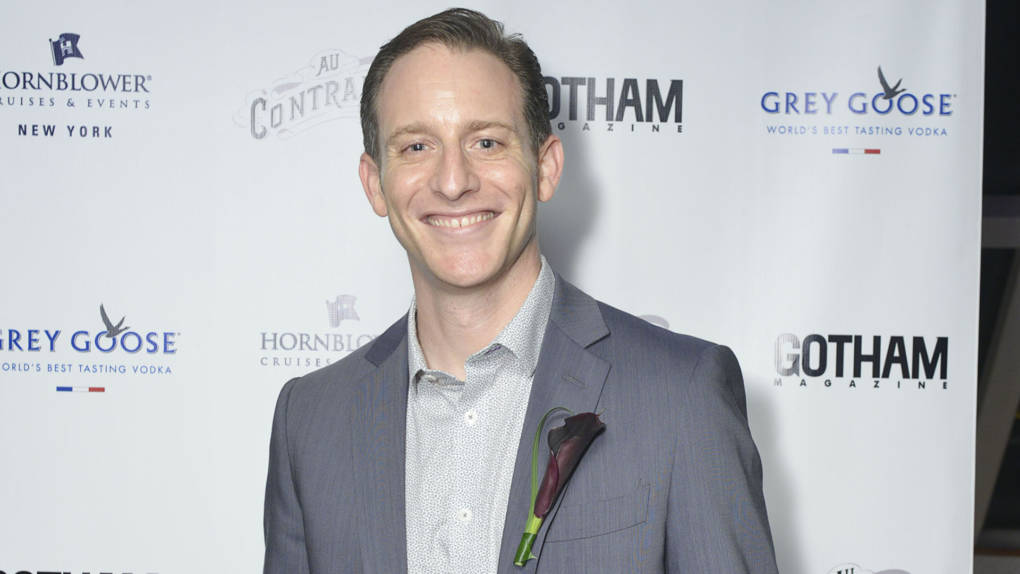
"caption": "Jeremy Geffen takes the helm of Cal Performances on Apr. 1, 2019 after 12 years at Carnegie Hall. ",
"description": "Jeremy Geffen takes the helm of Cal Performances on Apr. 1, 2019 after 12 years at Carnegie Hall. ",
"title": "Gotham Magazine Celebrates New York's Most Eligible Bachelors Aboard Hornblower Cruises",
"credit": "Eugene Gologursky/Getty Images for Gotham Magazine",
"status": "inherit",
"isLoading": false,
"fetchFailed": false
},
"arts_13848792": {
"type": "attachments",
"id": "arts_13848792",
"meta": {
"index": "attachments_1716263798",
"site": "arts",
"id": "13848792",
"found": true
},
"parent": 13848789,
"imgSizes": {
"small": {
"file": "https://ww2.kqed.org/app/uploads/sites/2/2019/01/CarolChanning-520x325.jpg",
"width": 520,
"mimeType": "image/jpeg",
"height": 325
},
"twentyfourteen-full-width": {
"file": "https://ww2.kqed.org/app/uploads/sites/2/2019/01/CarolChanning-1038x576.jpg",
"width": 1038,
"mimeType": "image/jpeg",
"height": 576
},
"thumbnail": {
"file": "https://ww2.kqed.org/app/uploads/sites/2/2019/01/CarolChanning-160x100.jpg",
"width": 160,
"mimeType": "image/jpeg",
"height": 100
},
"fd-sm": {
"file": "https://ww2.kqed.org/app/uploads/sites/2/2019/01/CarolChanning-960x600.jpg",
"width": 960,
"mimeType": "image/jpeg",
"height": 600
},
"post-thumbnail": {
"file": "https://ww2.kqed.org/app/uploads/sites/2/2019/01/CarolChanning-672x372.jpg",
"width": 672,
"mimeType": "image/jpeg",
"height": 372
},
"xsmall": {
"file": "https://ww2.kqed.org/app/uploads/sites/2/2019/01/CarolChanning-375x234.jpg",
"width": 375,
"mimeType": "image/jpeg",
"height": 234
},
"kqedFullSize": {
"file": "https://ww2.kqed.org/app/uploads/sites/2/2019/01/CarolChanning.jpg",
"width": 1920,
"height": 1200
},
"large": {
"file": "https://ww2.kqed.org/app/uploads/sites/2/2019/01/CarolChanning-1020x638.jpg",
"width": 1020,
"mimeType": "image/jpeg",
"height": 638
},
"xlarge": {
"file": "https://ww2.kqed.org/app/uploads/sites/2/2019/01/CarolChanning-1180x738.jpg",
"width": 1180,
"mimeType": "image/jpeg",
"height": 738
},
"complete_open_graph": {
"file": "https://ww2.kqed.org/app/uploads/sites/2/2019/01/CarolChanning-1200x750.jpg",
"width": 1200,
"mimeType": "image/jpeg",
"height": 750
},
"guest-author-50": {
"file": "https://ww2.kqed.org/app/uploads/sites/2/2019/01/CarolChanning-50x50.jpg",
"width": 50,
"mimeType": "image/jpeg",
"height": 50
},
"guest-author-96": {
"file": "https://ww2.kqed.org/app/uploads/sites/2/2019/01/CarolChanning-96x96.jpg",
"width": 96,
"mimeType": "image/jpeg",
"height": 96
},
"medium": {
"file": "https://ww2.kqed.org/app/uploads/sites/2/2019/01/CarolChanning-800x500.jpg",
"width": 800,
"mimeType": "image/jpeg",
"height": 500
},
"guest-author-64": {
"file": "https://ww2.kqed.org/app/uploads/sites/2/2019/01/CarolChanning-64x64.jpg",
"width": 64,
"mimeType": "image/jpeg",
"height": 64
},
"guest-author-32": {
"file": "https://ww2.kqed.org/app/uploads/sites/2/2019/01/CarolChanning-32x32.jpg",
"width": 32,
"mimeType": "image/jpeg",
"height": 32
},
"fd-lrg": {
"file": "https://ww2.kqed.org/app/uploads/sites/2/2019/01/CarolChanning-1920x1200.jpg",
"width": 1920,
"mimeType": "image/jpeg",
"height": 1200
},
"fd-med": {
"file": "https://ww2.kqed.org/app/uploads/sites/2/2019/01/CarolChanning-1180x738.jpg",
"width": 1180,
"mimeType": "image/jpeg",
"height": 738
},
"full-width": {
"file": "https://ww2.kqed.org/app/uploads/sites/2/2019/01/CarolChanning-1920x1200.jpg",
"width": 1920,
"mimeType": "image/jpeg",
"height": 1200
},
"detail": {
"file": "https://ww2.kqed.org/app/uploads/sites/2/2019/01/CarolChanning-150x150.jpg",
"width": 150,
"mimeType": "image/jpeg",
"height": 150
},
"medium_large": {
"file": "https://ww2.kqed.org/app/uploads/sites/2/2019/01/CarolChanning-768x480.jpg",
"width": 768,
"mimeType": "image/jpeg",
"height": 480
},
"guest-author-128": {
"file": "https://ww2.kqed.org/app/uploads/sites/2/2019/01/CarolChanning-128x128.jpg",
"width": 128,
"mimeType": "image/jpeg",
"height": 128
},
"xxsmall": {
"file": "https://ww2.kqed.org/app/uploads/sites/2/2019/01/CarolChanning-240x150.jpg",
"width": 240,
"mimeType": "image/jpeg",
"height": 150
}
},
"publishDate": 1547568671,
"modified": 1547568706,
"caption": "Singer Carol Channing performs at 'TV Cares: Ribbon of Hope Celebration 2004' on March 13, 2004 at the Academy of Television Arts and Sciences, in Hollywood, California.",
"description": "Singer Carol Channing performs at 'TV Cares: Ribbon of Hope Celebration 2004' on March 13, 2004 at the Academy of Television Arts and Sciences, in Hollywood, California.",
"title": "CarolChanning",
"credit": "Kevin Winter/Getty Images",
"status": "inherit",
"isLoading": false,
"fetchFailed": false
},
"arts_13848605": {
"type": "attachments",
"id": "arts_13848605",
"meta": {
"index": "attachments_1716263798",
"site": "arts",
"id": "13848605",
"found": true
},
"parent": 13848500,
"imgSizes": {
"twentyfourteen-full-width": {
"file": "https://ww2.kqed.org/app/uploads/sites/2/2019/01/ParadiseLost.BerkRep-1038x576.jpg",
"width": 1038,
"mimeType": "image/jpeg",
"height": 576
},
"thumbnail": {
"file": "https://ww2.kqed.org/app/uploads/sites/2/2019/01/ParadiseLost.BerkRep-160x100.jpg",
"width": 160,
"mimeType": "image/jpeg",
"height": 100
},
"post-thumbnail": {
"file": "https://ww2.kqed.org/app/uploads/sites/2/2019/01/ParadiseLost.BerkRep-672x372.jpg",
"width": 672,
"mimeType": "image/jpeg",
"height": 372
},
"kqedFullSize": {
"file": "https://ww2.kqed.org/app/uploads/sites/2/2019/01/ParadiseLost.BerkRep.jpg",
"width": 1920,
"height": 1200
},
"large": {
"file": "https://ww2.kqed.org/app/uploads/sites/2/2019/01/ParadiseLost.BerkRep-1020x638.jpg",
"width": 1020,
"mimeType": "image/jpeg",
"height": 638
},
"complete_open_graph": {
"file": "https://ww2.kqed.org/app/uploads/sites/2/2019/01/ParadiseLost.BerkRep-1200x750.jpg",
"width": 1200,
"mimeType": "image/jpeg",
"height": 750
},
"guest-author-50": {
"file": "https://ww2.kqed.org/app/uploads/sites/2/2019/01/ParadiseLost.BerkRep-50x50.jpg",
"width": 50,
"mimeType": "image/jpeg",
"height": 50
},
"guest-author-96": {
"file": "https://ww2.kqed.org/app/uploads/sites/2/2019/01/ParadiseLost.BerkRep-96x96.jpg",
"width": 96,
"mimeType": "image/jpeg",
"height": 96
},
"medium": {
"file": "https://ww2.kqed.org/app/uploads/sites/2/2019/01/ParadiseLost.BerkRep-800x500.jpg",
"width": 800,
"mimeType": "image/jpeg",
"height": 500
},
"guest-author-64": {
"file": "https://ww2.kqed.org/app/uploads/sites/2/2019/01/ParadiseLost.BerkRep-64x64.jpg",
"width": 64,
"mimeType": "image/jpeg",
"height": 64
},
"guest-author-32": {
"file": "https://ww2.kqed.org/app/uploads/sites/2/2019/01/ParadiseLost.BerkRep-32x32.jpg",
"width": 32,
"mimeType": "image/jpeg",
"height": 32
},
"full-width": {
"file": "https://ww2.kqed.org/app/uploads/sites/2/2019/01/ParadiseLost.BerkRep-1920x1200.jpg",
"width": 1920,
"mimeType": "image/jpeg",
"height": 1200
},
"detail": {
"file": "https://ww2.kqed.org/app/uploads/sites/2/2019/01/ParadiseLost.BerkRep-150x150.jpg",
"width": 150,
"mimeType": "image/jpeg",
"height": 150
},
"medium_large": {
"file": "https://ww2.kqed.org/app/uploads/sites/2/2019/01/ParadiseLost.BerkRep-768x480.jpg",
"width": 768,
"mimeType": "image/jpeg",
"height": 480
},
"guest-author-128": {
"file": "https://ww2.kqed.org/app/uploads/sites/2/2019/01/ParadiseLost.BerkRep-128x128.jpg",
"width": 128,
"mimeType": "image/jpeg",
"height": 128
}
},
"publishDate": 1547241406,
"modified": 1547241468,
"caption": "Jacobi Hall (front); Garrett Colemen and Jason Oremus (background, L to R) in the world premiere of 'Paradise Square' at Berkeley Rep.",
"description": "Jacobi Hall (front); Garrett Colemen and Jason Oremus (background, L to R) in the world premiere of 'Paradise Square' at Berkeley Rep.",
"title": "ParadiseLost.BerkRep",
"credit": "Alessandra Mello/Berkeley Repertory Theatre",
"status": "inherit",
"isLoading": false,
"fetchFailed": false
},
"arts_13847094": {
"type": "attachments",
"id": "arts_13847094",
"meta": {
"index": "attachments_1716263798",
"site": "arts",
"id": "13847094",
"found": true
},
"parent": 13846816,
"imgSizes": {
"small": {
"file": "https://ww2.kqed.org/app/uploads/sites/2/2018/12/Counterpulse.MAIN_-520x293.jpg",
"width": 520,
"mimeType": "image/jpeg",
"height": 293
},
"twentyfourteen-full-width": {
"file": "https://ww2.kqed.org/app/uploads/sites/2/2018/12/Counterpulse.MAIN_-1038x576.jpg",
"width": 1038,
"mimeType": "image/jpeg",
"height": 576
},
"thumbnail": {
"file": "https://ww2.kqed.org/app/uploads/sites/2/2018/12/Counterpulse.MAIN_-160x90.jpg",
"width": 160,
"mimeType": "image/jpeg",
"height": 90
},
"fd-sm": {
"file": "https://ww2.kqed.org/app/uploads/sites/2/2018/12/Counterpulse.MAIN_-960x540.jpg",
"width": 960,
"mimeType": "image/jpeg",
"height": 540
},
"post-thumbnail": {
"file": "https://ww2.kqed.org/app/uploads/sites/2/2018/12/Counterpulse.MAIN_-672x372.jpg",
"width": 672,
"mimeType": "image/jpeg",
"height": 372
},
"xsmall": {
"file": "https://ww2.kqed.org/app/uploads/sites/2/2018/12/Counterpulse.MAIN_-375x211.jpg",
"width": 375,
"mimeType": "image/jpeg",
"height": 211
},
"kqedFullSize": {
"file": "https://ww2.kqed.org/app/uploads/sites/2/2018/12/Counterpulse.MAIN_.jpg",
"width": 1920,
"height": 1080
},
"large": {
"file": "https://ww2.kqed.org/app/uploads/sites/2/2018/12/Counterpulse.MAIN_-1020x574.jpg",
"width": 1020,
"mimeType": "image/jpeg",
"height": 574
},
"xlarge": {
"file": "https://ww2.kqed.org/app/uploads/sites/2/2018/12/Counterpulse.MAIN_-1180x664.jpg",
"width": 1180,
"mimeType": "image/jpeg",
"height": 664
},
"complete_open_graph": {
"file": "https://ww2.kqed.org/app/uploads/sites/2/2018/12/Counterpulse.MAIN_-1200x675.jpg",
"width": 1200,
"mimeType": "image/jpeg",
"height": 675
},
"guest-author-50": {
"file": "https://ww2.kqed.org/app/uploads/sites/2/2018/12/Counterpulse.MAIN_-50x50.jpg",
"width": 50,
"mimeType": "image/jpeg",
"height": 50
},
"guest-author-96": {
"file": "https://ww2.kqed.org/app/uploads/sites/2/2018/12/Counterpulse.MAIN_-96x96.jpg",
"width": 96,
"mimeType": "image/jpeg",
"height": 96
},
"medium": {
"file": "https://ww2.kqed.org/app/uploads/sites/2/2018/12/Counterpulse.MAIN_-800x450.jpg",
"width": 800,
"mimeType": "image/jpeg",
"height": 450
},
"guest-author-64": {
"file": "https://ww2.kqed.org/app/uploads/sites/2/2018/12/Counterpulse.MAIN_-64x64.jpg",
"width": 64,
"mimeType": "image/jpeg",
"height": 64
},
"guest-author-32": {
"file": "https://ww2.kqed.org/app/uploads/sites/2/2018/12/Counterpulse.MAIN_-32x32.jpg",
"width": 32,
"mimeType": "image/jpeg",
"height": 32
},
"fd-lrg": {
"file": "https://ww2.kqed.org/app/uploads/sites/2/2018/12/Counterpulse.MAIN_-1920x1080.jpg",
"width": 1920,
"mimeType": "image/jpeg",
"height": 1080
},
"fd-med": {
"file": "https://ww2.kqed.org/app/uploads/sites/2/2018/12/Counterpulse.MAIN_-1180x664.jpg",
"width": 1180,
"mimeType": "image/jpeg",
"height": 664
},
"full-width": {
"file": "https://ww2.kqed.org/app/uploads/sites/2/2018/12/Counterpulse.MAIN_-1920x1080.jpg",
"width": 1920,
"mimeType": "image/jpeg",
"height": 1080
},
"detail": {
"file": "https://ww2.kqed.org/app/uploads/sites/2/2018/12/Counterpulse.MAIN_-150x150.jpg",
"width": 150,
"mimeType": "image/jpeg",
"height": 150
},
"medium_large": {
"file": "https://ww2.kqed.org/app/uploads/sites/2/2018/12/Counterpulse.MAIN_-768x432.jpg",
"width": 768,
"mimeType": "image/jpeg",
"height": 432
},
"guest-author-128": {
"file": "https://ww2.kqed.org/app/uploads/sites/2/2018/12/Counterpulse.MAIN_-128x128.jpg",
"width": 128,
"mimeType": "image/jpeg",
"height": 128
},
"xxsmall": {
"file": "https://ww2.kqed.org/app/uploads/sites/2/2018/12/Counterpulse.MAIN_-240x135.jpg",
"width": 240,
"mimeType": "image/jpeg",
"height": 135
}
},
"publishDate": 1544647607,
"modified": 1544647657,
"caption": "Karaoke number with Melissa Lewis (center) in 'I Dreamed Bruce Lee was My Father.'",
"description": "Karaoke number with Melissa Lewis (center) in 'I Dreamed Bruce Lee was My Father.'",
"title": "Counterpulse.MAIN",
"credit": "Robbie Sweeny",
"status": "inherit",
"isLoading": false,
"fetchFailed": false
},
"arts_13846682": {
"type": "attachments",
"id": "arts_13846682",
"meta": {
"index": "attachments_1716263798",
"site": "arts",
"id": "13846682",
"found": true
},
"parent": 13846656,
"imgSizes": {
"small": {
"file": "https://ww2.kqed.org/app/uploads/sites/2/2018/12/DearEvanHansen.MAIN_-520x325.jpg",
"width": 520,
"mimeType": "image/jpeg",
"height": 325
},
"twentyfourteen-full-width": {
"file": "https://ww2.kqed.org/app/uploads/sites/2/2018/12/DearEvanHansen.MAIN_-1038x576.jpg",
"width": 1038,
"mimeType": "image/jpeg",
"height": 576
},
"thumbnail": {
"file": "https://ww2.kqed.org/app/uploads/sites/2/2018/12/DearEvanHansen.MAIN_-160x100.jpg",
"width": 160,
"mimeType": "image/jpeg",
"height": 100
},
"fd-sm": {
"file": "https://ww2.kqed.org/app/uploads/sites/2/2018/12/DearEvanHansen.MAIN_-960x600.jpg",
"width": 960,
"mimeType": "image/jpeg",
"height": 600
},
"post-thumbnail": {
"file": "https://ww2.kqed.org/app/uploads/sites/2/2018/12/DearEvanHansen.MAIN_-672x372.jpg",
"width": 672,
"mimeType": "image/jpeg",
"height": 372
},
"xsmall": {
"file": "https://ww2.kqed.org/app/uploads/sites/2/2018/12/DearEvanHansen.MAIN_-375x234.jpg",
"width": 375,
"mimeType": "image/jpeg",
"height": 234
},
"kqedFullSize": {
"file": "https://ww2.kqed.org/app/uploads/sites/2/2018/12/DearEvanHansen.MAIN_.jpg",
"width": 1920,
"height": 1200
},
"large": {
"file": "https://ww2.kqed.org/app/uploads/sites/2/2018/12/DearEvanHansen.MAIN_-1020x638.jpg",
"width": 1020,
"mimeType": "image/jpeg",
"height": 638
},
"xlarge": {
"file": "https://ww2.kqed.org/app/uploads/sites/2/2018/12/DearEvanHansen.MAIN_-1180x738.jpg",
"width": 1180,
"mimeType": "image/jpeg",
"height": 738
},
"complete_open_graph": {
"file": "https://ww2.kqed.org/app/uploads/sites/2/2018/12/DearEvanHansen.MAIN_-1200x750.jpg",
"width": 1200,
"mimeType": "image/jpeg",
"height": 750
},
"guest-author-50": {
"file": "https://ww2.kqed.org/app/uploads/sites/2/2018/12/DearEvanHansen.MAIN_-50x50.jpg",
"width": 50,
"mimeType": "image/jpeg",
"height": 50
},
"guest-author-96": {
"file": "https://ww2.kqed.org/app/uploads/sites/2/2018/12/DearEvanHansen.MAIN_-96x96.jpg",
"width": 96,
"mimeType": "image/jpeg",
"height": 96
},
"medium": {
"file": "https://ww2.kqed.org/app/uploads/sites/2/2018/12/DearEvanHansen.MAIN_-800x500.jpg",
"width": 800,
"mimeType": "image/jpeg",
"height": 500
},
"guest-author-64": {
"file": "https://ww2.kqed.org/app/uploads/sites/2/2018/12/DearEvanHansen.MAIN_-64x64.jpg",
"width": 64,
"mimeType": "image/jpeg",
"height": 64
},
"guest-author-32": {
"file": "https://ww2.kqed.org/app/uploads/sites/2/2018/12/DearEvanHansen.MAIN_-32x32.jpg",
"width": 32,
"mimeType": "image/jpeg",
"height": 32
},
"fd-lrg": {
"file": "https://ww2.kqed.org/app/uploads/sites/2/2018/12/DearEvanHansen.MAIN_-1920x1200.jpg",
"width": 1920,
"mimeType": "image/jpeg",
"height": 1200
},
"fd-med": {
"file": "https://ww2.kqed.org/app/uploads/sites/2/2018/12/DearEvanHansen.MAIN_-1180x738.jpg",
"width": 1180,
"mimeType": "image/jpeg",
"height": 738
},
"full-width": {
"file": "https://ww2.kqed.org/app/uploads/sites/2/2018/12/DearEvanHansen.MAIN_-1920x1200.jpg",
"width": 1920,
"mimeType": "image/jpeg",
"height": 1200
},
"detail": {
"file": "https://ww2.kqed.org/app/uploads/sites/2/2018/12/DearEvanHansen.MAIN_-150x150.jpg",
"width": 150,
"mimeType": "image/jpeg",
"height": 150
},
"medium_large": {
"file": "https://ww2.kqed.org/app/uploads/sites/2/2018/12/DearEvanHansen.MAIN_-768x480.jpg",
"width": 768,
"mimeType": "image/jpeg",
"height": 480
},
"guest-author-128": {
"file": "https://ww2.kqed.org/app/uploads/sites/2/2018/12/DearEvanHansen.MAIN_-128x128.jpg",
"width": 128,
"mimeType": "image/jpeg",
"height": 128
},
"xxsmall": {
"file": "https://ww2.kqed.org/app/uploads/sites/2/2018/12/DearEvanHansen.MAIN_-240x150.jpg",
"width": 240,
"mimeType": "image/jpeg",
"height": 150
}
},
"publishDate": 1544214029,
"modified": 1544214114,
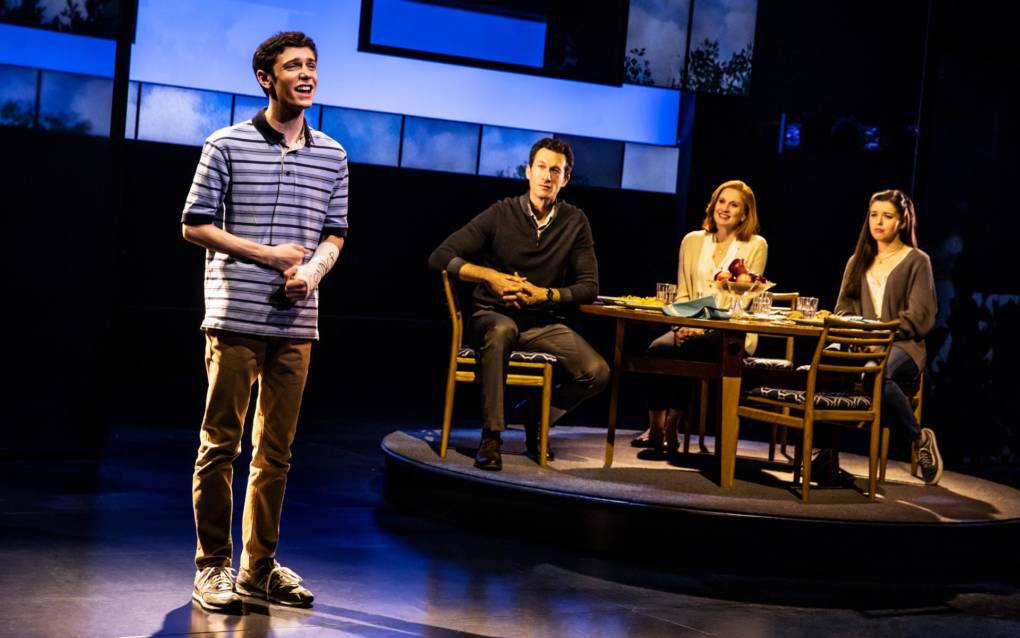
"caption": "Ben Levi Ross as Evan Hansen, Aaron Lazar as Larry Murphy, Christiane Noll as Cynthia Murphy and Maggie McKenna as Zoe Murphy in the touring production of 'Dear Evan Hansen.' ",
"description": "Ben Levi Ross as Evan Hansen, Aaron Lazar as Larry Murphy, Christiane Noll as Cynthia Murphy and Maggie McKenna as Zoe Murphy in the touring production of 'Dear Evan Hansen.' ",
"title": "DearEvanHansen.MAIN",
"credit": "Matthew Murphy",
"status": "inherit",
"isLoading": false,
"fetchFailed": false
},
"arts_13846242": {
"type": "attachments",
"id": "arts_13846242",
"meta": {
"index": "attachments_1716263798",
"site": "arts",
"id": "13846242",
"found": true
},
"parent": 13846229,
"imgSizes": {
"twentyfourteen-full-width": {
"file": "https://ww2.kqed.org/app/uploads/sites/2/2018/12/Conference_DanieCitlaliValdivieso_OmarOsoria-Pena_Jane-Eisner_AshleyJaye_Ben-Elie_credit_SimoneFinney-1000x576.jpg",
"width": 1000,
"mimeType": "image/jpeg",
"height": 576
},
"thumbnail": {
"file": "https://ww2.kqed.org/app/uploads/sites/2/2018/12/Conference_DanieCitlaliValdivieso_OmarOsoria-Pena_Jane-Eisner_AshleyJaye_Ben-Elie_credit_SimoneFinney-160x107.jpg",
"width": 160,
"mimeType": "image/jpeg",
"height": 107
},
"post-thumbnail": {
"file": "https://ww2.kqed.org/app/uploads/sites/2/2018/12/Conference_DanieCitlaliValdivieso_OmarOsoria-Pena_Jane-Eisner_AshleyJaye_Ben-Elie_credit_SimoneFinney-672x372.jpg",
"width": 672,
"mimeType": "image/jpeg",
"height": 372
},
"kqedFullSize": {
"file": "https://ww2.kqed.org/app/uploads/sites/2/2018/12/Conference_DanieCitlaliValdivieso_OmarOsoria-Pena_Jane-Eisner_AshleyJaye_Ben-Elie_credit_SimoneFinney.jpg",
"width": 1000,
"height": 667
},
"guest-author-50": {
"file": "https://ww2.kqed.org/app/uploads/sites/2/2018/12/Conference_DanieCitlaliValdivieso_OmarOsoria-Pena_Jane-Eisner_AshleyJaye_Ben-Elie_credit_SimoneFinney-50x50.jpg",
"width": 50,
"mimeType": "image/jpeg",
"height": 50
},
"guest-author-96": {
"file": "https://ww2.kqed.org/app/uploads/sites/2/2018/12/Conference_DanieCitlaliValdivieso_OmarOsoria-Pena_Jane-Eisner_AshleyJaye_Ben-Elie_credit_SimoneFinney-96x96.jpg",
"width": 96,
"mimeType": "image/jpeg",
"height": 96
},
"medium": {
"file": "https://ww2.kqed.org/app/uploads/sites/2/2018/12/Conference_DanieCitlaliValdivieso_OmarOsoria-Pena_Jane-Eisner_AshleyJaye_Ben-Elie_credit_SimoneFinney-800x534.jpg",
"width": 800,
"mimeType": "image/jpeg",
"height": 534
},
"guest-author-64": {
"file": "https://ww2.kqed.org/app/uploads/sites/2/2018/12/Conference_DanieCitlaliValdivieso_OmarOsoria-Pena_Jane-Eisner_AshleyJaye_Ben-Elie_credit_SimoneFinney-64x64.jpg",
"width": 64,
"mimeType": "image/jpeg",
"height": 64
},
"detail": {
"file": "https://ww2.kqed.org/app/uploads/sites/2/2018/12/Conference_DanieCitlaliValdivieso_OmarOsoria-Pena_Jane-Eisner_AshleyJaye_Ben-Elie_credit_SimoneFinney-150x150.jpg",
"width": 150,
"mimeType": "image/jpeg",
"height": 150
},
"guest-author-32": {
"file": "https://ww2.kqed.org/app/uploads/sites/2/2018/12/Conference_DanieCitlaliValdivieso_OmarOsoria-Pena_Jane-Eisner_AshleyJaye_Ben-Elie_credit_SimoneFinney-32x32.jpg",
"width": 32,
"mimeType": "image/jpeg",
"height": 32
},
"medium_large": {
"file": "https://ww2.kqed.org/app/uploads/sites/2/2018/12/Conference_DanieCitlaliValdivieso_OmarOsoria-Pena_Jane-Eisner_AshleyJaye_Ben-Elie_credit_SimoneFinney-768x512.jpg",
"width": 768,
"mimeType": "image/jpeg",
"height": 512
},
"guest-author-128": {
"file": "https://ww2.kqed.org/app/uploads/sites/2/2018/12/Conference_DanieCitlaliValdivieso_OmarOsoria-Pena_Jane-Eisner_AshleyJaye_Ben-Elie_credit_SimoneFinney-128x128.jpg",
"width": 128,
"mimeType": "image/jpeg",
"height": 128
}
},
"publishDate": 1543874525,
"modified": 1543874658,
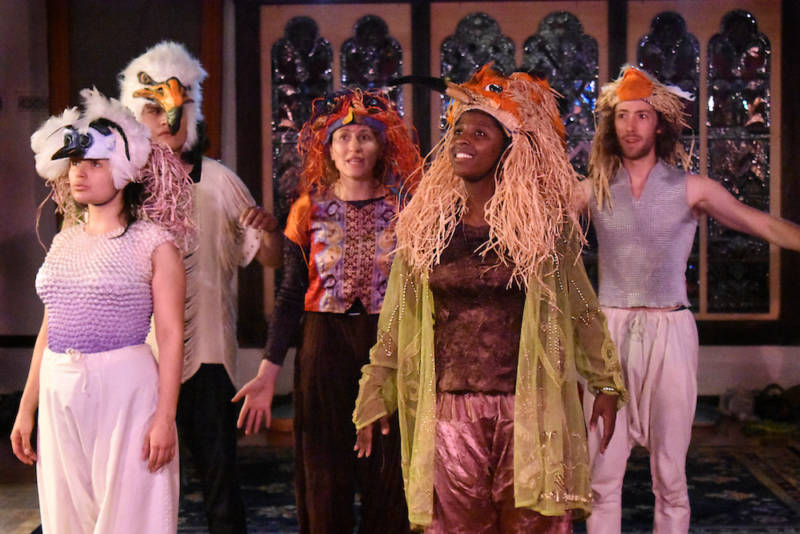
"caption": "Danie Citlali Valdivieso, Omar Osoria-Pena, Jane Eisner, AshleyJaye, Ben Elie gather together in The Conference of the Birds at Brooklyn Preserve.",
"description": "Danie Citlali Valdivieso, Omar Osoria-Pena, Jane Eisner, AshleyJaye, Ben Elie gather together in The Conference of the Birds at Brooklyn Preserve.",
"title": "Conference_DanieCitlaliValdivieso_OmarOsoria-Pena_Jane Eisner_AshleyJaye_Ben Elie_credit_SimoneFinney",
"credit": "Simone Finney",
"status": "inherit",
"isLoading": false,
"fetchFailed": false
},
"arts_13846386": {
"type": "attachments",
"id": "arts_13846386",
"meta": {
"index": "attachments_1716263798",
"site": "arts",
"id": "13846386",
"found": true
},
"parent": 13846382,
"imgSizes": {
"twentyfourteen-full-width": {
"file": "https://ww2.kqed.org/app/uploads/sites/2/2018/12/WonderfulLife.MAIN_-1038x576.jpg",
"width": 1038,
"mimeType": "image/jpeg",
"height": 576
},
"thumbnail": {
"file": "https://ww2.kqed.org/app/uploads/sites/2/2018/12/WonderfulLife.MAIN_-160x90.jpg",
"width": 160,
"mimeType": "image/jpeg",
"height": 90
},
"post-thumbnail": {
"file": "https://ww2.kqed.org/app/uploads/sites/2/2018/12/WonderfulLife.MAIN_-672x372.jpg",
"width": 672,
"mimeType": "image/jpeg",
"height": 372
},
"kqedFullSize": {
"file": "https://ww2.kqed.org/app/uploads/sites/2/2018/12/WonderfulLife.MAIN_.jpg",
"width": 1920,
"height": 1080
},
"large": {
"file": "https://ww2.kqed.org/app/uploads/sites/2/2018/12/WonderfulLife.MAIN_-1020x574.jpg",
"width": 1020,
"mimeType": "image/jpeg",
"height": 574
},
"complete_open_graph": {
"file": "https://ww2.kqed.org/app/uploads/sites/2/2018/12/WonderfulLife.MAIN_-1200x675.jpg",
"width": 1200,
"mimeType": "image/jpeg",
"height": 675
},
"guest-author-50": {
"file": "https://ww2.kqed.org/app/uploads/sites/2/2018/12/WonderfulLife.MAIN_-50x50.jpg",
"width": 50,
"mimeType": "image/jpeg",
"height": 50
},
"guest-author-96": {
"file": "https://ww2.kqed.org/app/uploads/sites/2/2018/12/WonderfulLife.MAIN_-96x96.jpg",
"width": 96,
"mimeType": "image/jpeg",
"height": 96
},
"medium": {
"file": "https://ww2.kqed.org/app/uploads/sites/2/2018/12/WonderfulLife.MAIN_-800x450.jpg",
"width": 800,
"mimeType": "image/jpeg",
"height": 450
},
"guest-author-64": {
"file": "https://ww2.kqed.org/app/uploads/sites/2/2018/12/WonderfulLife.MAIN_-64x64.jpg",
"width": 64,
"mimeType": "image/jpeg",
"height": 64
},
"guest-author-32": {
"file": "https://ww2.kqed.org/app/uploads/sites/2/2018/12/WonderfulLife.MAIN_-32x32.jpg",
"width": 32,
"mimeType": "image/jpeg",
"height": 32
},
"full-width": {
"file": "https://ww2.kqed.org/app/uploads/sites/2/2018/12/WonderfulLife.MAIN_-1920x1080.jpg",
"width": 1920,
"mimeType": "image/jpeg",
"height": 1080
},
"detail": {
"file": "https://ww2.kqed.org/app/uploads/sites/2/2018/12/WonderfulLife.MAIN_-150x150.jpg",
"width": 150,
"mimeType": "image/jpeg",
"height": 150
},
"medium_large": {
"file": "https://ww2.kqed.org/app/uploads/sites/2/2018/12/WonderfulLife.MAIN_-768x432.jpg",
"width": 768,
"mimeType": "image/jpeg",
"height": 432
},
"guest-author-128": {
"file": "https://ww2.kqed.org/app/uploads/sites/2/2018/12/WonderfulLife.MAIN_-128x128.jpg",
"width": 128,
"mimeType": "image/jpeg",
"height": 128
}
},
"publishDate": 1543973110,
"modified": 1543973228,
"caption": "(L–R) Andriana Chuchman as Mary, William Burden as George and Keith Jameson as Uncle Billy in 'It's a Wonderful Life' at SF Opera.",
"description": "(L–R) Andriana Chuchman as Mary, William Burden as George and Keith Jameson as Uncle Billy in 'It's a Wonderful Life' at SF Opera.",
"title": "WonderfulLife.MAIN",
"credit": "Cory Weaver / SF Opera",
"status": "inherit",
"isLoading": false,
"fetchFailed": false
},
"arts_13845887": {
"type": "attachments",
"id": "arts_13845887",
"meta": {
"index": "attachments_1716263798",
"site": "arts",
"id": "13845887",
"found": true
},
"parent": 13845883,
"imgSizes": {
"twentyfourteen-full-width": {
"file": "https://ww2.kqed.org/app/uploads/sites/2/2018/11/Dear-Evan-Hansen_Photo-by-Matthew-Murphy.-1038x576.jpeg",
"width": 1038,
"mimeType": "image/jpeg",
"height": 576
},
"thumbnail": {
"file": "https://ww2.kqed.org/app/uploads/sites/2/2018/11/Dear-Evan-Hansen_Photo-by-Matthew-Murphy.-160x91.jpeg",
"width": 160,
"mimeType": "image/jpeg",
"height": 91
},
"post-thumbnail": {
"file": "https://ww2.kqed.org/app/uploads/sites/2/2018/11/Dear-Evan-Hansen_Photo-by-Matthew-Murphy.-672x372.jpeg",
"width": 672,
"mimeType": "image/jpeg",
"height": 372
},
"kqedFullSize": {
"file": "https://ww2.kqed.org/app/uploads/sites/2/2018/11/Dear-Evan-Hansen_Photo-by-Matthew-Murphy..jpeg",
"width": 2000,
"height": 1134
},
"large": {
"file": "https://ww2.kqed.org/app/uploads/sites/2/2018/11/Dear-Evan-Hansen_Photo-by-Matthew-Murphy.-1020x578.jpeg",
"width": 1020,
"mimeType": "image/jpeg",
"height": 578
},
"complete_open_graph": {
"file": "https://ww2.kqed.org/app/uploads/sites/2/2018/11/Dear-Evan-Hansen_Photo-by-Matthew-Murphy.-1200x680.jpeg",
"width": 1200,
"mimeType": "image/jpeg",
"height": 680
},
"guest-author-50": {
"file": "https://ww2.kqed.org/app/uploads/sites/2/2018/11/Dear-Evan-Hansen_Photo-by-Matthew-Murphy.-50x50.jpeg",
"width": 50,
"mimeType": "image/jpeg",
"height": 50
},
"guest-author-96": {
"file": "https://ww2.kqed.org/app/uploads/sites/2/2018/11/Dear-Evan-Hansen_Photo-by-Matthew-Murphy.-96x96.jpeg",
"width": 96,
"mimeType": "image/jpeg",
"height": 96
},
"medium": {
"file": "https://ww2.kqed.org/app/uploads/sites/2/2018/11/Dear-Evan-Hansen_Photo-by-Matthew-Murphy.-800x454.jpeg",
"width": 800,
"mimeType": "image/jpeg",
"height": 454
},
"guest-author-64": {
"file": "https://ww2.kqed.org/app/uploads/sites/2/2018/11/Dear-Evan-Hansen_Photo-by-Matthew-Murphy.-64x64.jpeg",
"width": 64,
"mimeType": "image/jpeg",
"height": 64
},
"guest-author-32": {
"file": "https://ww2.kqed.org/app/uploads/sites/2/2018/11/Dear-Evan-Hansen_Photo-by-Matthew-Murphy.-32x32.jpeg",
"width": 32,
"mimeType": "image/jpeg",
"height": 32
},
"full-width": {
"file": "https://ww2.kqed.org/app/uploads/sites/2/2018/11/Dear-Evan-Hansen_Photo-by-Matthew-Murphy.-1920x1089.jpeg",
"width": 1920,
"mimeType": "image/jpeg",
"height": 1089
},
"detail": {
"file": "https://ww2.kqed.org/app/uploads/sites/2/2018/11/Dear-Evan-Hansen_Photo-by-Matthew-Murphy.-150x150.jpeg",
"width": 150,
"mimeType": "image/jpeg",
"height": 150
},
"medium_large": {
"file": "https://ww2.kqed.org/app/uploads/sites/2/2018/11/Dear-Evan-Hansen_Photo-by-Matthew-Murphy.-768x435.jpeg",
"width": 768,
"mimeType": "image/jpeg",
"height": 435
},
"guest-author-128": {
"file": "https://ww2.kqed.org/app/uploads/sites/2/2018/11/Dear-Evan-Hansen_Photo-by-Matthew-Murphy.-128x128.jpeg",
"width": 128,
"mimeType": "image/jpeg",
"height": 128
}
},
"publishDate": 1543429142,
"modified": 1543883309,
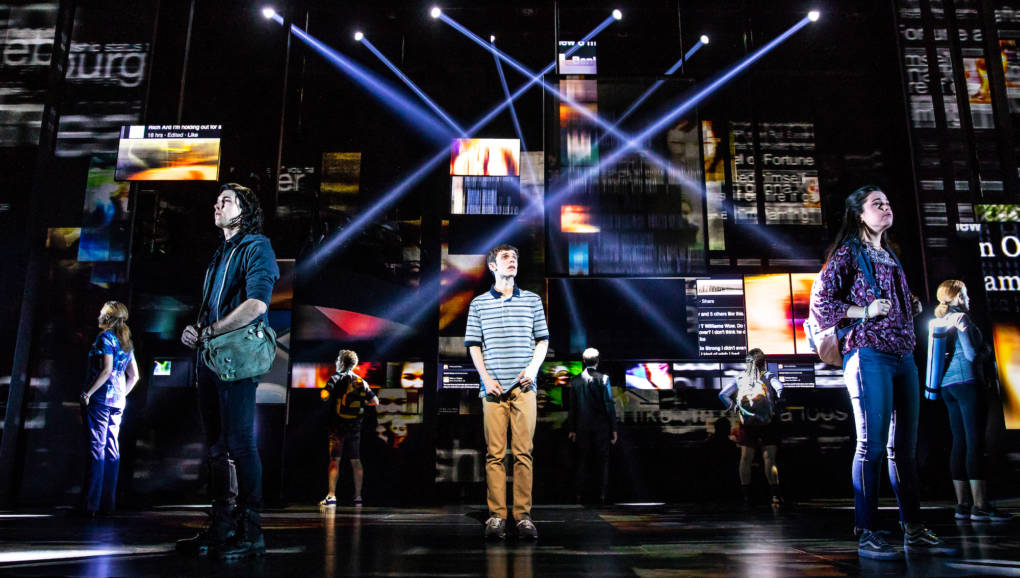
"caption": "The 'Dear Evan Hansen' National Tour cast.",
"description": "The 'Dear Evan Hansen' National Tour cast.",
"title": "Dear Evan Hansen_Photo by Matthew Murphy.",
"credit": "Matthew Murphy",
"status": "inherit",
"isLoading": false,
"fetchFailed": false
},
"arts_13846023": {
"type": "attachments",
"id": "arts_13846023",
"meta": {
"index": "attachments_1716263798",
"site": "arts",
"id": "13846023",
"found": true
},
"parent": 13846013,
"imgSizes": {
"twentyfourteen-full-width": {
"file": "https://ww2.kqed.org/app/uploads/sites/2/2018/11/Cirque.MAIN_-1038x576.jpg",
"width": 1038,
"mimeType": "image/jpeg",
"height": 576
},
"thumbnail": {
"file": "https://ww2.kqed.org/app/uploads/sites/2/2018/11/Cirque.MAIN_-160x90.jpg",
"width": 160,
"mimeType": "image/jpeg",
"height": 90
},
"post-thumbnail": {
"file": "https://ww2.kqed.org/app/uploads/sites/2/2018/11/Cirque.MAIN_-672x372.jpg",
"width": 672,
"mimeType": "image/jpeg",
"height": 372
},
"kqedFullSize": {
"file": "https://ww2.kqed.org/app/uploads/sites/2/2018/11/Cirque.MAIN_.jpg",
"width": 1920,
"height": 1080
},
"large": {
"file": "https://ww2.kqed.org/app/uploads/sites/2/2018/11/Cirque.MAIN_-1020x574.jpg",
"width": 1020,
"mimeType": "image/jpeg",
"height": 574
},
"complete_open_graph": {
"file": "https://ww2.kqed.org/app/uploads/sites/2/2018/11/Cirque.MAIN_-1200x675.jpg",
"width": 1200,
"mimeType": "image/jpeg",
"height": 675
},
"guest-author-50": {
"file": "https://ww2.kqed.org/app/uploads/sites/2/2018/11/Cirque.MAIN_-50x50.jpg",
"width": 50,
"mimeType": "image/jpeg",
"height": 50
},
"guest-author-96": {
"file": "https://ww2.kqed.org/app/uploads/sites/2/2018/11/Cirque.MAIN_-96x96.jpg",
"width": 96,
"mimeType": "image/jpeg",
"height": 96
},
"medium": {
"file": "https://ww2.kqed.org/app/uploads/sites/2/2018/11/Cirque.MAIN_-800x450.jpg",
"width": 800,
"mimeType": "image/jpeg",
"height": 450
},
"guest-author-64": {
"file": "https://ww2.kqed.org/app/uploads/sites/2/2018/11/Cirque.MAIN_-64x64.jpg",
"width": 64,
"mimeType": "image/jpeg",
"height": 64
},
"guest-author-32": {
"file": "https://ww2.kqed.org/app/uploads/sites/2/2018/11/Cirque.MAIN_-32x32.jpg",
"width": 32,
"mimeType": "image/jpeg",
"height": 32
},
"full-width": {
"file": "https://ww2.kqed.org/app/uploads/sites/2/2018/11/Cirque.MAIN_-1920x1080.jpg",
"width": 1920,
"mimeType": "image/jpeg",
"height": 1080
},
"detail": {
"file": "https://ww2.kqed.org/app/uploads/sites/2/2018/11/Cirque.MAIN_-150x150.jpg",
"width": 150,
"mimeType": "image/jpeg",
"height": 150
},
"medium_large": {
"file": "https://ww2.kqed.org/app/uploads/sites/2/2018/11/Cirque.MAIN_-768x432.jpg",
"width": 768,
"mimeType": "image/jpeg",
"height": 432
},
"guest-author-128": {
"file": "https://ww2.kqed.org/app/uploads/sites/2/2018/11/Cirque.MAIN_-128x128.jpg",
"width": 128,
"mimeType": "image/jpeg",
"height": 128
}
},
"publishDate": 1543545287,
"modified": 1543859477,
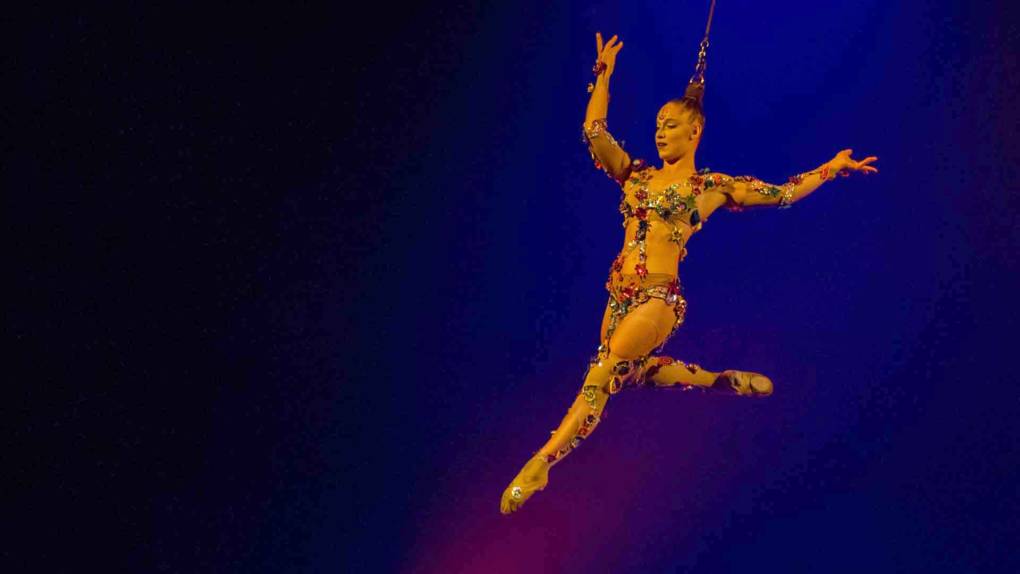
"caption": "An aerial performance during Cirque du Soleil's 'Volta.'",
"description": "An aerial performance during Cirque du Soleil's 'Volta.'",
"title": "Cirque.MAIN",
"credit": "Benoit Z Leroux",
"status": "inherit",
"isLoading": false,
"fetchFailed": false
},
"arts_13845571": {
"type": "attachments",
"id": "arts_13845571",
"meta": {
"index": "attachments_1716263798",
"site": "arts",
"id": "13845571",
"found": true
},
"parent": 13845568,
"imgSizes": {
"twentyfourteen-full-width": {
"file": "https://ww2.kqed.org/app/uploads/sites/2/2018/11/InTheHeights_ensemble_Carnaval_credit_JayYamada-1038x576.jpg",
"width": 1038,
"mimeType": "image/jpeg",
"height": 576
},
"thumbnail": {
"file": "https://ww2.kqed.org/app/uploads/sites/2/2018/11/InTheHeights_ensemble_Carnaval_credit_JayYamada-160x94.jpg",
"width": 160,
"mimeType": "image/jpeg",
"height": 94
},
"post-thumbnail": {
"file": "https://ww2.kqed.org/app/uploads/sites/2/2018/11/InTheHeights_ensemble_Carnaval_credit_JayYamada-672x372.jpg",
"width": 672,
"mimeType": "image/jpeg",
"height": 372
},
"kqedFullSize": {
"file": "https://ww2.kqed.org/app/uploads/sites/2/2018/11/InTheHeights_ensemble_Carnaval_credit_JayYamada.jpg",
"width": 2000,
"height": 1181
},
"large": {
"file": "https://ww2.kqed.org/app/uploads/sites/2/2018/11/InTheHeights_ensemble_Carnaval_credit_JayYamada-1020x602.jpg",
"width": 1020,
"mimeType": "image/jpeg",
"height": 602
},
"complete_open_graph": {
"file": "https://ww2.kqed.org/app/uploads/sites/2/2018/11/InTheHeights_ensemble_Carnaval_credit_JayYamada-1200x709.jpg",
"width": 1200,
"mimeType": "image/jpeg",
"height": 709
},
"guest-author-50": {
"file": "https://ww2.kqed.org/app/uploads/sites/2/2018/11/InTheHeights_ensemble_Carnaval_credit_JayYamada-50x50.jpg",
"width": 50,
"mimeType": "image/jpeg",
"height": 50
},
"guest-author-96": {
"file": "https://ww2.kqed.org/app/uploads/sites/2/2018/11/InTheHeights_ensemble_Carnaval_credit_JayYamada-96x96.jpg",
"width": 96,
"mimeType": "image/jpeg",
"height": 96
},
"medium": {
"file": "https://ww2.kqed.org/app/uploads/sites/2/2018/11/InTheHeights_ensemble_Carnaval_credit_JayYamada-800x472.jpg",
"width": 800,
"mimeType": "image/jpeg",
"height": 472
},
"guest-author-64": {
"file": "https://ww2.kqed.org/app/uploads/sites/2/2018/11/InTheHeights_ensemble_Carnaval_credit_JayYamada-64x64.jpg",
"width": 64,
"mimeType": "image/jpeg",
"height": 64
},
"guest-author-32": {
"file": "https://ww2.kqed.org/app/uploads/sites/2/2018/11/InTheHeights_ensemble_Carnaval_credit_JayYamada-32x32.jpg",
"width": 32,
"mimeType": "image/jpeg",
"height": 32
},
"full-width": {
"file": "https://ww2.kqed.org/app/uploads/sites/2/2018/11/InTheHeights_ensemble_Carnaval_credit_JayYamada-1920x1134.jpg",
"width": 1920,
"mimeType": "image/jpeg",
"height": 1134
},
"detail": {
"file": "https://ww2.kqed.org/app/uploads/sites/2/2018/11/InTheHeights_ensemble_Carnaval_credit_JayYamada-150x150.jpg",
"width": 150,
"mimeType": "image/jpeg",
"height": 150
},
"medium_large": {
"file": "https://ww2.kqed.org/app/uploads/sites/2/2018/11/InTheHeights_ensemble_Carnaval_credit_JayYamada-768x454.jpg",
"width": 768,
"mimeType": "image/jpeg",
"height": 454
},
"guest-author-128": {
"file": "https://ww2.kqed.org/app/uploads/sites/2/2018/11/InTheHeights_ensemble_Carnaval_credit_JayYamada-128x128.jpg",
"width": 128,
"mimeType": "image/jpeg",
"height": 128
}
},
"publishDate": 1543202135,
"modified": 1543202293,
"caption": "Ensemble cast celebrate \"Carnaval del Barrio\" in In the Heights at Custom Made Theatre.",
"description": "Ensemble cast celebrate \"Carnaval del Barrio\" in In the Heights at Custom Made Theatre.",
"title": "InTheHeights_ensemble_Carnaval_credit_JayYamada",
"credit": "Jay Yamada",
"status": "inherit",
"isLoading": false,
"fetchFailed": false
},
"arts_13845308": {
"type": "attachments",
"id": "arts_13845308",
"meta": {
"index": "attachments_1716263798",
"site": "arts",
"id": "13845308",
"found": true
},
"parent": 13845206,
"imgSizes": {
"twentyfourteen-full-width": {
"file": "https://ww2.kqed.org/app/uploads/sites/2/2018/11/EverythingIsIlluminated.MAIN_.jpg-1038x576.jpg",
"width": 1038,
"mimeType": "image/jpeg",
"height": 576
},
"thumbnail": {
"file": "https://ww2.kqed.org/app/uploads/sites/2/2018/11/EverythingIsIlluminated.MAIN_.jpg-160x90.jpg",
"width": 160,
"mimeType": "image/jpeg",
"height": 90
},
"post-thumbnail": {
"file": "https://ww2.kqed.org/app/uploads/sites/2/2018/11/EverythingIsIlluminated.MAIN_.jpg-672x372.jpg",
"width": 672,
"mimeType": "image/jpeg",
"height": 372
},
"kqedFullSize": {
"file": "https://ww2.kqed.org/app/uploads/sites/2/2018/11/EverythingIsIlluminated.MAIN_.jpg.jpg",
"width": 1920,
"height": 1081
},
"large": {
"file": "https://ww2.kqed.org/app/uploads/sites/2/2018/11/EverythingIsIlluminated.MAIN_.jpg-1020x574.jpg",
"width": 1020,
"mimeType": "image/jpeg",
"height": 574
},
"complete_open_graph": {
"file": "https://ww2.kqed.org/app/uploads/sites/2/2018/11/EverythingIsIlluminated.MAIN_.jpg-1200x676.jpg",
"width": 1200,
"mimeType": "image/jpeg",
"height": 676
},
"guest-author-50": {
"file": "https://ww2.kqed.org/app/uploads/sites/2/2018/11/EverythingIsIlluminated.MAIN_.jpg-50x50.jpg",
"width": 50,
"mimeType": "image/jpeg",
"height": 50
},
"guest-author-96": {
"file": "https://ww2.kqed.org/app/uploads/sites/2/2018/11/EverythingIsIlluminated.MAIN_.jpg-96x96.jpg",
"width": 96,
"mimeType": "image/jpeg",
"height": 96
},
"medium": {
"file": "https://ww2.kqed.org/app/uploads/sites/2/2018/11/EverythingIsIlluminated.MAIN_.jpg-800x450.jpg",
"width": 800,
"mimeType": "image/jpeg",
"height": 450
},
"guest-author-64": {
"file": "https://ww2.kqed.org/app/uploads/sites/2/2018/11/EverythingIsIlluminated.MAIN_.jpg-64x64.jpg",
"width": 64,
"mimeType": "image/jpeg",
"height": 64
},
"guest-author-32": {
"file": "https://ww2.kqed.org/app/uploads/sites/2/2018/11/EverythingIsIlluminated.MAIN_.jpg-32x32.jpg",
"width": 32,
"mimeType": "image/jpeg",
"height": 32
},
"full-width": {
"file": "https://ww2.kqed.org/app/uploads/sites/2/2018/11/EverythingIsIlluminated.MAIN_.jpg-1920x1081.jpg",
"width": 1920,
"mimeType": "image/jpeg",
"height": 1081
},
"detail": {
"file": "https://ww2.kqed.org/app/uploads/sites/2/2018/11/EverythingIsIlluminated.MAIN_.jpg-150x150.jpg",
"width": 150,
"mimeType": "image/jpeg",
"height": 150
},
"medium_large": {
"file": "https://ww2.kqed.org/app/uploads/sites/2/2018/11/EverythingIsIlluminated.MAIN_.jpg-768x432.jpg",
"width": 768,
"mimeType": "image/jpeg",
"height": 432
},
"guest-author-128": {
"file": "https://ww2.kqed.org/app/uploads/sites/2/2018/11/EverythingIsIlluminated.MAIN_.jpg-128x128.jpg",
"width": 128,
"mimeType": "image/jpeg",
"height": 128
}
},
"publishDate": 1542747028,
"modified": 1542747073,
"caption": "Jeremy Kahn as Jonathan in 'Everything is Illuminated' at Aurora Theatre.",
"description": "Jeremy Kahn as Jonathan in 'Everything is Illuminated' at Aurora Theatre.",
"title": "EverythingIsIlluminated.MAIN.jpg",
"credit": "David Allen",
"status": "inherit",
"isLoading": false,
"fetchFailed": false
},
"arts_13844649": {
"type": "attachments",
"id": "arts_13844649",
"meta": {
"index": "attachments_1716263798",
"site": "arts",
"id": "13844649",
"found": true
},
"parent": 13844629,
"imgSizes": {
"small": {
"file": "https://ww2.kqed.org/app/uploads/sites/2/2018/11/RS33828_IMG_7876-qut-520x390.jpg",
"width": 520,
"mimeType": "image/jpeg",
"height": 390
},
"twentyfourteen-full-width": {
"file": "https://ww2.kqed.org/app/uploads/sites/2/2018/11/RS33828_IMG_7876-qut-1038x576.jpg",
"width": 1038,
"mimeType": "image/jpeg",
"height": 576
},
"thumbnail": {
"file": "https://ww2.kqed.org/app/uploads/sites/2/2018/11/RS33828_IMG_7876-qut-160x120.jpg",
"width": 160,
"mimeType": "image/jpeg",
"height": 120
},
"fd-sm": {
"file": "https://ww2.kqed.org/app/uploads/sites/2/2018/11/RS33828_IMG_7876-qut-960x720.jpg",
"width": 960,
"mimeType": "image/jpeg",
"height": 720
},
"post-thumbnail": {
"file": "https://ww2.kqed.org/app/uploads/sites/2/2018/11/RS33828_IMG_7876-qut-672x372.jpg",
"width": 672,
"mimeType": "image/jpeg",
"height": 372
},
"xsmall": {
"file": "https://ww2.kqed.org/app/uploads/sites/2/2018/11/RS33828_IMG_7876-qut-375x281.jpg",
"width": 375,
"mimeType": "image/jpeg",
"height": 281
},
"kqedFullSize": {
"file": "https://ww2.kqed.org/app/uploads/sites/2/2018/11/RS33828_IMG_7876-qut.jpg",
"width": 1920,
"height": 1440
},
"large": {
"file": "https://ww2.kqed.org/app/uploads/sites/2/2018/11/RS33828_IMG_7876-qut-1020x765.jpg",
"width": 1020,
"mimeType": "image/jpeg",
"height": 765
},
"xlarge": {
"file": "https://ww2.kqed.org/app/uploads/sites/2/2018/11/RS33828_IMG_7876-qut-1180x885.jpg",
"width": 1180,
"mimeType": "image/jpeg",
"height": 885
},
"complete_open_graph": {
"file": "https://ww2.kqed.org/app/uploads/sites/2/2018/11/RS33828_IMG_7876-qut-1200x900.jpg",
"width": 1200,
"mimeType": "image/jpeg",
"height": 900
},
"guest-author-50": {
"file": "https://ww2.kqed.org/app/uploads/sites/2/2018/11/RS33828_IMG_7876-qut-50x50.jpg",
"width": 50,
"mimeType": "image/jpeg",
"height": 50
},
"guest-author-96": {
"file": "https://ww2.kqed.org/app/uploads/sites/2/2018/11/RS33828_IMG_7876-qut-96x96.jpg",
"width": 96,
"mimeType": "image/jpeg",
"height": 96
},
"medium": {
"file": "https://ww2.kqed.org/app/uploads/sites/2/2018/11/RS33828_IMG_7876-qut-800x600.jpg",
"width": 800,
"mimeType": "image/jpeg",
"height": 600
},
"guest-author-64": {
"file": "https://ww2.kqed.org/app/uploads/sites/2/2018/11/RS33828_IMG_7876-qut-64x64.jpg",
"width": 64,
"mimeType": "image/jpeg",
"height": 64
},
"guest-author-32": {
"file": "https://ww2.kqed.org/app/uploads/sites/2/2018/11/RS33828_IMG_7876-qut-32x32.jpg",
"width": 32,
"mimeType": "image/jpeg",
"height": 32
},
"fd-lrg": {
"file": "https://ww2.kqed.org/app/uploads/sites/2/2018/11/RS33828_IMG_7876-qut-1920x1440.jpg",
"width": 1920,
"mimeType": "image/jpeg",
"height": 1440
},
"fd-med": {
"file": "https://ww2.kqed.org/app/uploads/sites/2/2018/11/RS33828_IMG_7876-qut-1180x885.jpg",
"width": 1180,
"mimeType": "image/jpeg",
"height": 885
},
"full-width": {
"file": "https://ww2.kqed.org/app/uploads/sites/2/2018/11/RS33828_IMG_7876-qut-1920x1440.jpg",
"width": 1920,
"mimeType": "image/jpeg",
"height": 1440
},
"detail": {
"file": "https://ww2.kqed.org/app/uploads/sites/2/2018/11/RS33828_IMG_7876-qut-150x150.jpg",
"width": 150,
"mimeType": "image/jpeg",
"height": 150
},
"medium_large": {
"file": "https://ww2.kqed.org/app/uploads/sites/2/2018/11/RS33828_IMG_7876-qut-768x576.jpg",
"width": 768,
"mimeType": "image/jpeg",
"height": 576
},
"guest-author-128": {
"file": "https://ww2.kqed.org/app/uploads/sites/2/2018/11/RS33828_IMG_7876-qut-128x128.jpg",
"width": 128,
"mimeType": "image/jpeg",
"height": 128
},
"xxsmall": {
"file": "https://ww2.kqed.org/app/uploads/sites/2/2018/11/RS33828_IMG_7876-qut-240x180.jpg",
"width": 240,
"mimeType": "image/jpeg",
"height": 180
}
},
"publishDate": 1541824944,
"modified": 1541825005,
"caption": "Orange County columnist Gustavo Arellano and Anthony Garcia, executive artistic director of the Denver theatre company Su Teatro, pose for a photo at Movimiento de Arte y Cultura Latino Americana in San Jose, California.",
"description": "Orange County columnist Gustavo Arellano and Anthony Garcia, executive artistic director of the Denver theatre company Su Teatro, pose for a photo at Movimiento de Arte y Cultura Latino Americana in San Jose, California.",
"title": "RS33828_IMG_7876-qut",
"credit": "Rachael Myrow/KQED",
"status": "inherit",
"isLoading": false,
"fetchFailed": false
}
},
"audioPlayerReducer": {
"postId": "stream_live",
"isPaused": true,
"isPlaying": false,
"pfsActive": false,
"pledgeModalIsOpen": true,
"playerDrawerIsOpen": false,
"liveAudioPlayStartedAt": 0,
"liveAudioPlayContext": ""
},
"authorsReducer": {
"byline_arts_13848789": {
"type": "authors",
"id": "byline_arts_13848789",
"meta": {
"override": true
},
"slug": "byline_arts_13848789",
"name": "Mark Kennedy, Associated Press",
"isLoading": false
},
"gmeline": {
"type": "authors",
"id": "185",
"meta": {
"index": "authors_1716337520",
"id": "185",
"found": true
},
"name": "Gabe Meline",
"firstName": "Gabe",
"lastName": "Meline",
"slug": "gmeline",
"email": "gmeline@kqed.org",
"display_author_email": true,
"staff_mastheads": [
"arts"
],
"title": "Senior Editor, KQED Arts & Culture",
"bio": "Gabe Meline entered journalism at age 15 making photocopied zines, and has since earned awards from the Edward R. Murrow Awards, the Society for Professional Journalists, the Online Journalism Awards, the Association of Alternative Newsweeklies and the California Newspaper Publishers Association. Prior to KQED, he was the editor of the \u003cem>North Bay Bohemian\u003c/em> and a touring musician. He lives with his wife and daughter in his hometown of Santa Rosa, CA.",
"avatar": "https://secure.gravatar.com/avatar/5bebe57be0d8bc2dd318934feb47299e2d2d10cba28d09d8d7afb389a2ce2bdd?s=600&d=blank&r=g",
"twitter": null,
"bluesky": null,
"facebook": null,
"instagram": null,
"linkedin": null,
"sites": [
{
"site": "",
"roles": [
"editor"
]
},
{
"site": "arts",
"roles": [
"administrator"
]
},
{
"site": "artschool",
"roles": [
"editor"
]
},
{
"site": "news",
"roles": [
"author"
]
},
{
"site": "pop",
"roles": [
"editor"
]
},
{
"site": "bayareabites",
"roles": [
"editor"
]
},
{
"site": "food",
"roles": [
"editor"
]
},
{
"site": "forum",
"roles": [
"administrator"
]
},
{
"site": "liveblog",
"roles": [
"editor"
]
},
{
"site": "hiphop",
"roles": [
"editor"
]
}
],
"headData": {
"title": "Gabe Meline | KQED",
"description": "Senior Editor, KQED Arts & Culture",
"ogImgSrc": "https://secure.gravatar.com/avatar/5bebe57be0d8bc2dd318934feb47299e2d2d10cba28d09d8d7afb389a2ce2bdd?s=600&d=blank&r=g",
"twImgSrc": "https://secure.gravatar.com/avatar/5bebe57be0d8bc2dd318934feb47299e2d2d10cba28d09d8d7afb389a2ce2bdd?s=600&d=blank&r=g"
},
"isLoading": false,
"link": "/author/gmeline"
},
"rachael-myrow": {
"type": "authors",
"id": "251",
"meta": {
"index": "authors_1716337520",
"id": "251",
"found": true
},
"name": "Rachael Myrow",
"firstName": "Rachael",
"lastName": "Myrow",
"slug": "rachael-myrow",
"email": "rmyrow@kqed.org",
"display_author_email": true,
"staff_mastheads": [
"news"
],
"title": "Senior Editor of KQED's Silicon Valley News Desk",
"bio": "• I write and edit stories about how Silicon Valley power and policies shape everyday life in California. I’m also passionate about making Bay Area history and culture more accessible to a broad public. • I’ve been a journalist for most of my life, starting in high school with The Franklin Press in Los Angeles, where I grew up. While earning my first degree in English at UC Berkeley, I got my start in public radio at KALX-FM. After completing a second degree in journalism at Cal, I landed my first professional job at Marketplace, then moved on to KPCC (now LAist), and then KQED, where I hosted The California Report for more than seven years. • My reporting has appeared on NPR, The World, WBUR’s \u003ci>Here & Now\u003c/i>, and the BBC. I also guest host for KQED’s \u003ci>Forum\u003c/i>, as well as the Commonwealth Club in San Francisco. • I speak periodically on media, democracy and technology issues, and do voiceover work for documentaries and educational video projects. • Outside of the studio, you'll find me hiking Bay Area trails and whipping up Insta-ready meals in my kitchen. • I do not accept gifts, money, or favors from anyone connected to my reporting, I don't pay people for information, and I do not support or donate to political causes. • I strive to treat the people I report on with fairness, honesty, and respect. I also recognize there are often multiple sides to a story and work to verify information through multiple sources and documentation. If I get something wrong, I correct it.",
"avatar": "https://secure.gravatar.com/avatar/3ed8a3c5f26025e4a805ba634cda8cd764906b97438a6d9ce216b044e340da4e?s=600&d=blank&r=g",
"twitter": "rachaelmyrow",
"bluesky": null,
"facebook": null,
"instagram": null,
"linkedin": "https://www.linkedin.com/in/rachaelmyrow/",
"sites": [
{
"site": "arts",
"roles": [
"administrator"
]
},
{
"site": "news",
"roles": [
"edit_others_posts",
"editor"
]
},
{
"site": "futureofyou",
"roles": [
"editor"
]
},
{
"site": "bayareabites",
"roles": [
"editor"
]
},
{
"site": "stateofhealth",
"roles": [
"editor"
]
},
{
"site": "science",
"roles": [
"editor"
]
},
{
"site": "food",
"roles": [
"editor"
]
},
{
"site": "forum",
"roles": [
"editor"
]
},
{
"site": "liveblog",
"roles": [
"author"
]
}
],
"headData": {
"title": "Rachael Myrow | KQED",
"description": "Senior Editor of KQED's Silicon Valley News Desk",
"ogImgSrc": "https://secure.gravatar.com/avatar/3ed8a3c5f26025e4a805ba634cda8cd764906b97438a6d9ce216b044e340da4e?s=600&d=blank&r=g",
"twImgSrc": "https://secure.gravatar.com/avatar/3ed8a3c5f26025e4a805ba634cda8cd764906b97438a6d9ce216b044e340da4e?s=600&d=blank&r=g"
},
"isLoading": false,
"link": "/author/rachael-myrow"
},
"nvoynovskaya": {
"type": "authors",
"id": "11387",
"meta": {
"index": "authors_1716337520",
"id": "11387",
"found": true
},
"name": "Nastia Voynovskaya",
"firstName": "Nastia",
"lastName": "Voynovskaya",
"slug": "nvoynovskaya",
"email": "nvoynovskaya@kqed.org",
"display_author_email": false,
"staff_mastheads": [
"arts"
],
"title": "Editor and reporter",
"bio": "Nastia Voynovskaya is a reporter, editor and host at KQED Arts & Culture. She's been covering the arts in the Bay Area for over a decade, with a focus on music, queer culture, labor issues and grassroots organizing. She has edited KQED story series such as Trans Bay: A History of San Francisco's Gender-Diverse Community, and co-created KQED's Bay Area hip-hop history project, That's My Word. Nastia's work has been recognized by the Society of Professional Journalists and San Francisco Press Club. She regularly appears on podcasts and radio programs, including NPR's All Songs Considered, and hosts live events where music, culture and conversation meet.",
"avatar": "https://secure.gravatar.com/avatar/5025ee460e5a85d69ca20ea6c6f2f80d7e17795c828f61ea3aecfcd924e9042e?s=600&d=blank&r=g",
"twitter": null,
"bluesky": null,
"facebook": null,
"instagram": "https://www.instagram.com/nananastia/",
"linkedin": null,
"sites": [
{
"site": "",
"roles": [
"editor"
]
},
{
"site": "arts",
"roles": [
"administrator"
]
},
{
"site": "news",
"roles": [
"editor"
]
},
{
"site": "pop",
"roles": [
"administrator"
]
},
{
"site": "bayareabites",
"roles": [
"editor"
]
},
{
"site": "podcasts",
"roles": [
"editor"
]
},
{
"site": "hiphop",
"roles": [
"editor"
]
}
],
"headData": {
"title": "Nastia Voynovskaya | KQED",
"description": "Editor and reporter",
"ogImgSrc": "https://secure.gravatar.com/avatar/5025ee460e5a85d69ca20ea6c6f2f80d7e17795c828f61ea3aecfcd924e9042e?s=600&d=blank&r=g",
"twImgSrc": "https://secure.gravatar.com/avatar/5025ee460e5a85d69ca20ea6c6f2f80d7e17795c828f61ea3aecfcd924e9042e?s=600&d=blank&r=g"
},
"isLoading": false,
"link": "/author/nvoynovskaya"
},
"ngluckstern": {
"type": "authors",
"id": "11497",
"meta": {
"index": "authors_1716337520",
"id": "11497",
"found": true
},
"name": "Nicole Gluckstern",
"firstName": "Nicole",
"lastName": "Gluckstern",
"slug": "ngluckstern",
"email": "gluckstern.nicole@gmail.com",
"display_author_email": false,
"staff_mastheads": [],
"title": "KQED Contributor",
"bio": null,
"avatar": "https://secure.gravatar.com/avatar/2c3d593194017bfe811a998ad03140909de330b22abebf4889e1a564ce5b3495?s=600&d=blank&r=g",
"twitter": null,
"bluesky": null,
"facebook": null,
"instagram": null,
"linkedin": null,
"sites": [
{
"site": "arts",
"roles": [
"contributor"
]
}
],
"headData": {
"title": "Nicole Gluckstern | KQED",
"description": "KQED Contributor",
"ogImgSrc": "https://secure.gravatar.com/avatar/2c3d593194017bfe811a998ad03140909de330b22abebf4889e1a564ce5b3495?s=600&d=blank&r=g",
"twImgSrc": "https://secure.gravatar.com/avatar/2c3d593194017bfe811a998ad03140909de330b22abebf4889e1a564ce5b3495?s=600&d=blank&r=g"
},
"isLoading": false,
"link": "/author/ngluckstern"
}
},
"pagesReducer": {
"arts_category_theater": {
"type": "terms",
"id": "arts_967",
"meta": {
"index": "terms_1716263798",
"site": "arts",
"id": "967",
"score": 12.286901
},
"featImg": null,
"name": "Theater",
"description": null,
"taxonomy": "category",
"headData": {
"twImgId": null,
"twTitle": null,
"ogTitle": null,
"ogImgId": null,
"twDescription": null,
"description": null,
"title": "Theater Archives | KQED Arts",
"ogDescription": null
},
"ttid": 985,
"slug": "theater",
"isLoading": false,
"title": "Theater",
"pageMeta": {
"site": "arts",
"WpPageTemplate": "page-topic-editorial",
"currentPage": 29
},
"blocks": [
{
"blockName": "kqed/post-list",
"attrs": {
"layout": "cardArticle2",
"query": "posts/arts?category=theater",
"seeMore": false,
"paginated": true,
"page": 29
}
},
{
"blockName": "kqed/ad"
}
]
}
},
"pfsSessionReducer": {},
"postsReducer": {
"stream_live": {
"type": "live",
"id": "stream_live",
"audioUrl": "https://streams.kqed.org/kqedradio",
"title": "Live Stream",
"excerpt": "Live Stream information currently unavailable.",
"link": "/radio",
"featImg": "",
"label": {
"name": "KQED Live",
"link": "/"
}
},
"stream_kqedNewscast": {
"type": "posts",
"id": "stream_kqedNewscast",
"audioUrl": "https://www.kqed.org/.stream/anon/radio/RDnews/newscast.mp3?_=1",
"title": "KQED Newscast",
"featImg": "",
"label": {
"name": "88.5 FM",
"link": "/"
}
},
"arts_13848822": {
"type": "posts",
"id": "arts_13848822",
"meta": {
"index": "posts_1716263798",
"site": "arts",
"id": "13848822",
"score": null,
"sort": [
1547595190000
]
},
"guestAuthors": [],
"slug": "cargenie-halls-jeremy-n-geffen-named-cal-performances-director",
"title": "Carnegie Hall's Jeremy N. Geffen Named Cal Performances Director",
"publishDate": 1547595190,
"format": "standard",
"headTitle": "Carnegie Hall’s Jeremy N. Geffen Named Cal Performances Director | KQED",
"labelTerm": {
"site": "arts"
},
"content": "\u003cp>Following \u003ca href=\"https://www.kqed.org/arts/13828129/cal-performances-exec-matias-tarnopolsky-leaving-after-nine-seasons\" rel=\"noopener\" target=\"_blank\">Matías Tarnopolsky’s departure last March\u003c/a> from Cal Performances, Jeremy Geffen is set to step in as the executive and artistic director of UC Berkeley’s performing arts organization starting Apr. 1.\u003c/p>\n\u003cp>Geffen, who was born in South Africa and raised in Southern California, comes to Cal Performances after 12 years at New York’s Carnegie Hall, where he most recently served as senior director and artistic adviser. [contextly_sidebar id=”lMkGTvdrj8ts7af1cj7TrD1mfaEpWMvL”]\u003c/p>\n\u003cp>At Carnegie Hall, Geffen led approximately 160 performances each season, including concerts that focused on international issues and important periods in the United States’ musical and social history. The 2018-19 season, his last at Carnegie Hall, features a concert with San Francisco’s Kronos Quartet performing music by composers from Muslim-majority countries impacted by Trump’s travel bans; a celebration of Nat King Cole’s 100th birthday; and a performance by boundary-pushing chamber music collective Decoda with the tagline “punk, funk and circumstance.”\u003c/p>\n\u003cp>Geffen inherits a similarly progressive direction in programming from his predecessor. Tarnopolsky founded a series called Berkeley RADICAL, which features musical and dance performances that focus on issues like gender equality, immigration and race.\u003c/p>\n\u003cp>In a press release, Geffen praised UC Berkeley’s forward-thinking campus community: “I look forward to establishing new collaborations—both on- and off-campus—that harness the power and imagination of the arts to create intellectually engaging explorations of the most fascinating—and pressing—issues of our time, and to exploring the ways the performing arts lead us to greater understanding of ourselves.”\u003c/p>\n\u003cp>[ad fullwidth]\u003c/p>\n\u003cp>\u003c/p>\n\u003cp>Geffen isn’t the only recent New York transplant to head a major Bay Area arts organization. Thomas Campbell, who led the Metropolitan Museum of Art in New York, was \u003ca href=\"https://www.kqed.org/arts/13843927/thomas-campbell-former-met-director-to-head-de-young-and-legion-of-honor\" rel=\"noopener\" target=\"_blank\">appointed director and CEO of the Fine Arts Museums of San Francisco\u003c/a> last October.\u003c/p>\n\n",
"blocks": [],
"excerpt": "Geffen takes the helm of UC Berkeley's performing arts organization on Apr. 1. ",
"status": "publish",
"parent": 0,
"modified": 1726704791,
"stats": {
"hasAudio": false,
"hasVideo": false,
"hasChartOrMap": false,
"iframeSrcs": [],
"hasGoogleForm": false,
"hasGallery": false,
"hasHearkenModule": false,
"hasPolis": false,
"paragraphCount": 8,
"wordCount": 325
},
"headData": {
"title": "Carnegie Hall's Jeremy N. Geffen Named Cal Performances Director | KQED",
"description": "Geffen takes the helm of UC Berkeley's performing arts organization on Apr. 1. ",
"ogTitle": "",
"ogDescription": "",
"ogImgId": "",
"twTitle": "",
"twDescription": "",
"twImgId": "",
"schema": {
"@context": "https://schema.org",
"@type": "Article",
"headline": "Carnegie Hall's Jeremy N. Geffen Named Cal Performances Director",
"datePublished": "2019-01-15T15:33:10-08:00",
"dateModified": "2024-09-18T17:13:11-07:00",
"image": "https://cdn.kqed.org/wp-content/uploads/2020/02/KQED-OG-Image@1x.png"
}
},
"sticky": false,
"path": "/arts/13848822/cargenie-halls-jeremy-n-geffen-named-cal-performances-director",
"audioTrackLength": null,
"parsedContent": [
{
"type": "contentString",
"content": "\u003cdiv class=\"post-body\">\u003cp>\u003cp>Following \u003ca href=\"https://www.kqed.org/arts/13828129/cal-performances-exec-matias-tarnopolsky-leaving-after-nine-seasons\" rel=\"noopener\" target=\"_blank\">Matías Tarnopolsky’s departure last March\u003c/a> from Cal Performances, Jeremy Geffen is set to step in as the executive and artistic director of UC Berkeley’s performing arts organization starting Apr. 1.\u003c/p>\n\u003cp>Geffen, who was born in South Africa and raised in Southern California, comes to Cal Performances after 12 years at New York’s Carnegie Hall, where he most recently served as senior director and artistic adviser. \u003c/p>\u003cp>\u003c/p>\u003cp>\u003c/p>\n\u003cp>At Carnegie Hall, Geffen led approximately 160 performances each season, including concerts that focused on international issues and important periods in the United States’ musical and social history. The 2018-19 season, his last at Carnegie Hall, features a concert with San Francisco’s Kronos Quartet performing music by composers from Muslim-majority countries impacted by Trump’s travel bans; a celebration of Nat King Cole’s 100th birthday; and a performance by boundary-pushing chamber music collective Decoda with the tagline “punk, funk and circumstance.”\u003c/p>\n\u003cp>Geffen inherits a similarly progressive direction in programming from his predecessor. Tarnopolsky founded a series called Berkeley RADICAL, which features musical and dance performances that focus on issues like gender equality, immigration and race.\u003c/p>\n\u003cp>In a press release, Geffen praised UC Berkeley’s forward-thinking campus community: “I look forward to establishing new collaborations—both on- and off-campus—that harness the power and imagination of the arts to create intellectually engaging explorations of the most fascinating—and pressing—issues of our time, and to exploring the ways the performing arts lead us to greater understanding of ourselves.”\u003c/p>\n\u003cp>\u003c/p>\u003c/div>",
"attributes": {
"named": {},
"numeric": []
}
},
{
"type": "component",
"content": "",
"name": "ad",
"attributes": {
"named": {
"label": "fullwidth"
},
"numeric": [
"fullwidth"
]
}
},
{
"type": "contentString",
"content": "\u003cdiv class=\"post-body\">\u003cp>\u003c/p>\n\u003cp>\u003c/p>\n\u003cp>Geffen isn’t the only recent New York transplant to head a major Bay Area arts organization. Thomas Campbell, who led the Metropolitan Museum of Art in New York, was \u003ca href=\"https://www.kqed.org/arts/13843927/thomas-campbell-former-met-director-to-head-de-young-and-legion-of-honor\" rel=\"noopener\" target=\"_blank\">appointed director and CEO of the Fine Arts Museums of San Francisco\u003c/a> last October.\u003c/p>\n\n\u003c/div>\u003c/p>",
"attributes": {
"named": {},
"numeric": []
}
}
],
"link": "/arts/13848822/cargenie-halls-jeremy-n-geffen-named-cal-performances-director",
"authors": [
"11387"
],
"categories": [
"arts_966",
"arts_69",
"arts_235",
"arts_967"
],
"tags": [
"arts_1270",
"arts_2435",
"arts_15393",
"arts_1312",
"arts_3371"
],
"featImg": "arts_13848824",
"label": "arts"
},
"arts_13848789": {
"type": "posts",
"id": "arts_13848789",
"meta": {
"index": "posts_1716263798",
"site": "arts",
"id": "13848789",
"score": null,
"sort": [
1547568818000
]
},
"parent": 0,
"labelTerm": {
"site": "arts"
},
"blocks": [],
"publishDate": 1547568818,
"format": "standard",
"title": "Carol Channing, Broadway Legend Raised in SF, Dies at Age 97",
"headTitle": "Carol Channing, Broadway Legend Raised in SF, Dies at Age 97 | KQED",
"content": "\u003cp>Carol Channing, the lanky, ebullient musical comedy star who delighted American audiences over almost 5,000 performances as the scheming Dolly Levi in “Hello, Dolly!” on Broadway and beyond, has died. She was 97.\u003c/p>\n\u003cp>Publicist B. Harlan Boll said Channing died of natural causes at 12:31am Tuesday in Rancho Mirage, California. Boll says she had twice suffered strokes in the last year.\u003c/p>\n\u003cp>Besides “Hello, Dolly!,” Channing starred in other Broadway shows, but none with equal magnetism. She often appeared on television and in nightclubs, for a time partnering with George Burns in Las Vegas and a national tour.\u003c/p>\n\u003cp>Her outsized personality seemed too much for the screen, and she made only a few movies, notably “The First Traveling Saleslady” with Ginger Rogers and “Thoroughly Modern Millie” with Julie Andrews.\u003c/p>\n\u003cp>Over the years, Channing continued as Dolly in national tours, the last in 1996, when she was in her 70s. Tom Shales of The Washington Post called her “the ninth wonder of the world.”\u003c/p>\n\u003cp>[ad fullwidth]\u003c/p>\n\u003cp>Messages of love and appreciation lit up Twitter early Tuesday, with the League of Professional Theatre Women saying Channing “was a gift of inspiration to so many.” Fans who saw her work also took to social media, calling her a “firecracker” and saying she was “matchmaking for the angels now.”\u003c/p>\n\u003cp>Channing was not the immediate choice to play Dolly, a matchmaker who receives her toughest challenge yet when a rich grump seeks a suitable wife. The show, which features a rousing score by Jerry Herman that’s bursting with joy and tunes like “Put On Your Sunday Clothes,” ″Before the Parade Passes By” and “It Only Takes a Moment,” is a musical version of Thornton Wilder’s play “The Matchmaker.”\u003c/p>\n\u003cp>Theater producer David Merrick told her: “I don’t want that silly grin with all those teeth that go back to your ears.” Even though director Gower Champion had worked on her first Broadway hit, “Lend an Ear,” he had doubts about Channing’s casting.\u003c/p>\n\u003cp>She wowed them in an audition and was hired on the spot. At opening night on Jan. 16, 1964, when Channing appeared at the top of the stairs in a red gown with feathers in her hair and walked down the red carpet to the Harmonia Gardens restaurant, the New York audience went crazy. The critics followed suit. “Hello, Dolly!” collected 10 Tony Awards, including one for Channing as best actress in a musical.\u003c/p>\n\u003cp>Channing was born Jan. 31, 1921, in Seattle, where her father, George Channing, was a newspaper editor. When his only child was 3 months old, he moved to San Francisco and worked as a writer for The Christian Science Monitor and as a lecturer. He later became editor-in-chief of Christian Science publications. Channing herself graduated from Lowell High School, then on Hayes Street in San Francisco.\u003c/p>\n\u003cp>At the age of 7, Channing decided she wanted to become an entertainer. She credited her father with encouraging her: “He told me you can dedicate your life at 7 or 97. And the people who do that are happier people.”\u003c/p>\n\u003cp>While majoring in drama and dance at Bennington College in Vermont, she was sent off to get experience in her chosen field. She found a job in a New York revue. The show lasted only two weeks, but a New Yorker magazine critic commented, “You will hear more about a satiric chanteuse named Carol Channing.” She said later: “That was it. I said goodbye to trigonometry, zoology and English literature.”\u003c/p>\n\u003cp>For several years she worked as an understudy, bit player and nightclub impressionist, taking jobs as a model, receptionist and sales clerk during lean times. Landing in Los Angeles, she auditioned for Marge Champion, wife and dance partner of Gower Champion who was putting together a revue, “Lend an Ear.” Marge Champion recalled: “She certainly was awkward and odd-looking, but her warmth and wholesomeness came through.”\u003c/p>\n\u003cp>Channing was the hit of “Lend an Ear” in a small Hollywood theater, and she captivated audiences and critics when the show moved to New York. As the innocent gold digger in the musical “Gentlemen Prefer Blondes,” her stardom was assured. One reviewer reported she “hurls across the footlights in broad strokes of pantomime and bold, certain, exquisitely comical gestures.” The show’s hit song, “Diamonds Are a Girl’s Best Friend,” became her signature number.\u003c/p>\n\u003cp>Over and over again she returned to the surefire “Hello, Dolly!,” which earned her $5 million on one tour. She considered Dolly Levi “a role as deep as Lady Macbeth,” but added that “the essence of her character was her unquenchable thirst for life.” That description fit Carol Channing, who attributed her sunny optimism to her lifelong faith in Christian Science.\u003c/p>\n\u003cp>Others who have played the role include Pearl Bailey, Phyllis Diller, Betty Grable, Ethel Merman, Martha Raye, Ginger Rogers and Barbra Streisand, who played Dolly in a 1969 film version directed by Gene Kelly. Bette Midler won a Tony Award in the role in 2017 and a current national tour stars Betty Buckley.\u003c/p>\n\u003cp>The tour of “Hello, Dolly!” said Tuesday it would honor Channing at its current stop in California. “We are deeply saddened by the passing of the one and only Carol Channing. She was a ‘Dolly’ for the ages, and a true icon of the American theater. Betty Buckley and the cast will dedicate tonight’s performance in San Diego to her memory.”\u003c/p>\n\u003cp>Channing had two early marriages that ended in divorce — to novelist Theodore Naidish and pro footballer Alexander Carson, father of her only child, Channing. Her son became a successful political cartoonist.\u003c/p>\n\u003cp>In 1956 she married a television producer, Charles Lowe, who seemed like the perfect mate for a major star. He adopted Channing’s son and supervised every aspect of her business affairs and appearances. He reportedly viewed every one of her performances from out front, leading the applause.\u003c/p>\n\u003cp>After 41 years of marriage, she sued for divorce in 1998, alleging that he misappropriated her funds and humiliated her in public. She remarked that they only had sex twice in four decades.\u003c/p>\n\u003cp>“The only thing about control freak victims is that they don’t know who they are,” she told The Washington Post. “It’s taken me 77 years to figure that out. I was miserable. I was unhappy. And I didn’t realize it wasn’t my fault. But I’m going to survive. I’m going to live. I’m free.”\u003c/p>\n\u003cp>Lowe died after a stroke in 1999. Channing moved to Rancho Mirage near Palm Springs, California, in 2000 to write her memoirs. She called the book “Just Lucky, I Guess.”\u003c/p>\n\u003cp>Channing remarried in 2003 to Harry Kullijian, her childhood sweetheart from 70 years before. He died in 2011.\u003c/p>\n\u003cp>In her book, Channing recounted an early story from her childhood that showed a budding audience-pleasing performer. She wrote that she came home from kindergarten and noted that all the little girls hit the little boys.\u003c/p>\n\u003cp>Her parents asked: “Do you?”\u003c/p>\n\u003cp>She responded: “Oh no, I pet them.”\u003c/p>\n\u003cp> \u003c/p>\n\u003cp>[ad floatright]\u003c/p>\n\u003cp>\u003cem>Associated Press writer Shawn Marsh in Trenton, New Jersey, contributed to this report.\u003c/em>\u003c/p>\n\n",
"stats": {
"hasVideo": false,
"hasChartOrMap": false,
"hasAudio": false,
"hasPolis": false,
"wordCount": 1275,
"hasGoogleForm": false,
"hasGallery": false,
"hasHearkenModule": false,
"iframeSrcs": [],
"paragraphCount": 29
},
"modified": 1705026749,
"excerpt": "The 'Hello Dolly' star returned many times to San Francisco, where she spent her childhood.",
"headData": {
"twImgId": "",
"twTitle": "",
"ogTitle": "",
"ogImgId": "",
"twDescription": "",
"description": "The 'Hello Dolly' star returned many times to San Francisco, where she spent her childhood.",
"title": "Carol Channing, Broadway Legend Raised in SF, Dies at Age 97 | KQED",
"ogDescription": "",
"schema": {
"@context": "https://schema.org",
"@type": "Article",
"headline": "Carol Channing, Broadway Legend Raised in SF, Dies at Age 97",
"datePublished": "2019-01-15T08:13:38-08:00",
"dateModified": "2024-01-11T18:32:29-08:00",
"image": "https://cdn.kqed.org/wp-content/uploads/2020/02/KQED-OG-Image@1x.png"
}
},
"guestAuthors": [],
"slug": "carol-channing-broadway-legend-raised-in-sf-dies-at-age-97",
"status": "publish",
"nprByline": "Mark Kennedy, Associated Press",
"sticky": false,
"path": "/arts/13848789/carol-channing-broadway-legend-raised-in-sf-dies-at-age-97",
"audioTrackLength": null,
"parsedContent": [
{
"type": "contentString",
"content": "\u003cdiv class=\"post-body\">\u003cp>\u003cp>Carol Channing, the lanky, ebullient musical comedy star who delighted American audiences over almost 5,000 performances as the scheming Dolly Levi in “Hello, Dolly!” on Broadway and beyond, has died. She was 97.\u003c/p>\n\u003cp>Publicist B. Harlan Boll said Channing died of natural causes at 12:31am Tuesday in Rancho Mirage, California. Boll says she had twice suffered strokes in the last year.\u003c/p>\n\u003cp>Besides “Hello, Dolly!,” Channing starred in other Broadway shows, but none with equal magnetism. She often appeared on television and in nightclubs, for a time partnering with George Burns in Las Vegas and a national tour.\u003c/p>\n\u003cp>Her outsized personality seemed too much for the screen, and she made only a few movies, notably “The First Traveling Saleslady” with Ginger Rogers and “Thoroughly Modern Millie” with Julie Andrews.\u003c/p>\n\u003cp>Over the years, Channing continued as Dolly in national tours, the last in 1996, when she was in her 70s. Tom Shales of The Washington Post called her “the ninth wonder of the world.”\u003c/p>\n\u003cp>\u003c/p>\u003c/div>",
"attributes": {
"named": {},
"numeric": []
}
},
{
"type": "component",
"content": "",
"name": "ad",
"attributes": {
"named": {
"label": "fullwidth"
},
"numeric": [
"fullwidth"
]
}
},
{
"type": "contentString",
"content": "\u003cdiv class=\"post-body\">\u003cp>\u003c/p>\n\u003cp>Messages of love and appreciation lit up Twitter early Tuesday, with the League of Professional Theatre Women saying Channing “was a gift of inspiration to so many.” Fans who saw her work also took to social media, calling her a “firecracker” and saying she was “matchmaking for the angels now.”\u003c/p>\n\u003cp>Channing was not the immediate choice to play Dolly, a matchmaker who receives her toughest challenge yet when a rich grump seeks a suitable wife. The show, which features a rousing score by Jerry Herman that’s bursting with joy and tunes like “Put On Your Sunday Clothes,” ″Before the Parade Passes By” and “It Only Takes a Moment,” is a musical version of Thornton Wilder’s play “The Matchmaker.”\u003c/p>\n\u003cp>Theater producer David Merrick told her: “I don’t want that silly grin with all those teeth that go back to your ears.” Even though director Gower Champion had worked on her first Broadway hit, “Lend an Ear,” he had doubts about Channing’s casting.\u003c/p>\n\u003cp>She wowed them in an audition and was hired on the spot. At opening night on Jan. 16, 1964, when Channing appeared at the top of the stairs in a red gown with feathers in her hair and walked down the red carpet to the Harmonia Gardens restaurant, the New York audience went crazy. The critics followed suit. “Hello, Dolly!” collected 10 Tony Awards, including one for Channing as best actress in a musical.\u003c/p>\n\u003cp>Channing was born Jan. 31, 1921, in Seattle, where her father, George Channing, was a newspaper editor. When his only child was 3 months old, he moved to San Francisco and worked as a writer for The Christian Science Monitor and as a lecturer. He later became editor-in-chief of Christian Science publications. Channing herself graduated from Lowell High School, then on Hayes Street in San Francisco.\u003c/p>\n\u003cp>At the age of 7, Channing decided she wanted to become an entertainer. She credited her father with encouraging her: “He told me you can dedicate your life at 7 or 97. And the people who do that are happier people.”\u003c/p>\n\u003cp>While majoring in drama and dance at Bennington College in Vermont, she was sent off to get experience in her chosen field. She found a job in a New York revue. The show lasted only two weeks, but a New Yorker magazine critic commented, “You will hear more about a satiric chanteuse named Carol Channing.” She said later: “That was it. I said goodbye to trigonometry, zoology and English literature.”\u003c/p>\n\u003cp>For several years she worked as an understudy, bit player and nightclub impressionist, taking jobs as a model, receptionist and sales clerk during lean times. Landing in Los Angeles, she auditioned for Marge Champion, wife and dance partner of Gower Champion who was putting together a revue, “Lend an Ear.” Marge Champion recalled: “She certainly was awkward and odd-looking, but her warmth and wholesomeness came through.”\u003c/p>\n\u003cp>Channing was the hit of “Lend an Ear” in a small Hollywood theater, and she captivated audiences and critics when the show moved to New York. As the innocent gold digger in the musical “Gentlemen Prefer Blondes,” her stardom was assured. One reviewer reported she “hurls across the footlights in broad strokes of pantomime and bold, certain, exquisitely comical gestures.” The show’s hit song, “Diamonds Are a Girl’s Best Friend,” became her signature number.\u003c/p>\n\u003cp>Over and over again she returned to the surefire “Hello, Dolly!,” which earned her $5 million on one tour. She considered Dolly Levi “a role as deep as Lady Macbeth,” but added that “the essence of her character was her unquenchable thirst for life.” That description fit Carol Channing, who attributed her sunny optimism to her lifelong faith in Christian Science.\u003c/p>\n\u003cp>Others who have played the role include Pearl Bailey, Phyllis Diller, Betty Grable, Ethel Merman, Martha Raye, Ginger Rogers and Barbra Streisand, who played Dolly in a 1969 film version directed by Gene Kelly. Bette Midler won a Tony Award in the role in 2017 and a current national tour stars Betty Buckley.\u003c/p>\n\u003cp>The tour of “Hello, Dolly!” said Tuesday it would honor Channing at its current stop in California. “We are deeply saddened by the passing of the one and only Carol Channing. She was a ‘Dolly’ for the ages, and a true icon of the American theater. Betty Buckley and the cast will dedicate tonight’s performance in San Diego to her memory.”\u003c/p>\n\u003cp>Channing had two early marriages that ended in divorce — to novelist Theodore Naidish and pro footballer Alexander Carson, father of her only child, Channing. Her son became a successful political cartoonist.\u003c/p>\n\u003cp>In 1956 she married a television producer, Charles Lowe, who seemed like the perfect mate for a major star. He adopted Channing’s son and supervised every aspect of her business affairs and appearances. He reportedly viewed every one of her performances from out front, leading the applause.\u003c/p>\n\u003cp>After 41 years of marriage, she sued for divorce in 1998, alleging that he misappropriated her funds and humiliated her in public. She remarked that they only had sex twice in four decades.\u003c/p>\n\u003cp>“The only thing about control freak victims is that they don’t know who they are,” she told The Washington Post. “It’s taken me 77 years to figure that out. I was miserable. I was unhappy. And I didn’t realize it wasn’t my fault. But I’m going to survive. I’m going to live. I’m free.”\u003c/p>\n\u003cp>Lowe died after a stroke in 1999. Channing moved to Rancho Mirage near Palm Springs, California, in 2000 to write her memoirs. She called the book “Just Lucky, I Guess.”\u003c/p>\n\u003cp>Channing remarried in 2003 to Harry Kullijian, her childhood sweetheart from 70 years before. He died in 2011.\u003c/p>\n\u003cp>In her book, Channing recounted an early story from her childhood that showed a budding audience-pleasing performer. She wrote that she came home from kindergarten and noted that all the little girls hit the little boys.\u003c/p>\n\u003cp>Her parents asked: “Do you?”\u003c/p>\n\u003cp>She responded: “Oh no, I pet them.”\u003c/p>\n\u003cp> \u003c/p>\n\u003cp>\u003c/p>\u003c/div>",
"attributes": {
"named": {},
"numeric": []
}
},
{
"type": "component",
"content": "",
"name": "ad",
"attributes": {
"named": {
"label": "floatright"
},
"numeric": [
"floatright"
]
}
},
{
"type": "contentString",
"content": "\u003cdiv class=\"post-body\">\u003cp>\u003c/p>\n\u003cp>\u003cem>Associated Press writer Shawn Marsh in Trenton, New Jersey, contributed to this report.\u003c/em>\u003c/p>\n\n\u003c/div>\u003c/p>",
"attributes": {
"named": {},
"numeric": []
}
}
],
"link": "/arts/13848789/carol-channing-broadway-legend-raised-in-sf-dies-at-age-97",
"authors": [
"byline_arts_13848789"
],
"categories": [
"arts_235",
"arts_1564",
"arts_967"
],
"tags": [
"arts_746",
"arts_596"
],
"featImg": "arts_13848792",
"label": "arts"
},
"arts_13848500": {
"type": "posts",
"id": "arts_13848500",
"meta": {
"index": "posts_1716263798",
"site": "arts",
"id": "13848500",
"score": null,
"sort": [
1547241628000
]
},
"parent": 0,
"labelTerm": {
"site": "arts"
},
"blocks": [],
"publishDate": 1547241628,
"format": "standard",
"title": "'Paradise Square' at Berkeley Rep Reflects on a Forgotten History",
"headTitle": "‘Paradise Square’ at Berkeley Rep Reflects on a Forgotten History | KQED",
"content": "\u003cp>New York is a city of neighborhoods, each with its own distinct personality. And Five Points, now fully subsumed into Manhattan’s Chinatown, was a notorious place in its time.\u003c/p>\n\u003cp>Home to the nation’s first tenement buildings—overcrowded towers of tiny apartments where new Irish emigrants lived side-by-side with a community of free blacks, single women, and other outliers—Five Points was largely dismissed by the Uptown establishment, even as the wealthy traveled there specifically to “slum.” But for thousands in the 1860s, Five Points was home, and within its closely quartered microcosm, a quiet revolution was taking place. Against the norms of the day, interracial marriages and friendships were common, and watering holes such as the female-operated Almack’s Dance Hall were places open to all: blacks, whites, and visitors alike.\u003c/p>\n\u003cfigure id=\"attachment_13848507\" class=\"wp-caption aligncenter\" style=\"max-width: 800px\">\u003cimg loading=\"lazy\" decoding=\"async\" class=\"size-medium wp-image-13848507\" src=\"https://ww2.kqed.org/arts/wp-content/uploads/sites/2/2019/01/ParadiseSquare_PS8_credit_AlessandraMelloBerkeleyRepertoryTheatre-800x534.jpg\" alt=\"\" width=\"800\" height=\"534\">\u003cfigcaption class=\"wp-caption-text\">A day in the life on Paradise Square. (Front row, L to R) Hailee Kaleem Wright (Ensemble), Karen Burthwright (Ensemble), and Sidney Dupont (William Henry Lane); (Back row, L to R) Chloé Davis (Ensemble), Sir Brock Warren (Ensemble), Jamal Christopher Douglas (Ensemble), and Jacobi Hall (Ensemble). \u003ccite>(Alessandra Mello/Berkeley Repertory Theatre)\u003c/cite>\u003c/figcaption>\u003c/figure>\n\u003cp>In \u003cem>Paradise Square—\u003c/em>which opened at Berkeley Rep on Thursday—much of the musical is set in a dance hall such as Almack’s, run jointly by “Gentle” Annie (Madeline Trumble), the sister of the Irish proprietor Willie (Brendan Wall), who has been called to the Civil War, and his beloved, Nelly (Christina Sajous), a free woman of color from Louisiana. As times are hard, business isn’t exactly booming.\u003c/p>\n\u003cp>Enter American songwriter Stephen Foster (Jacob Fishel) looking for a job as piano player, and suddenly the bar fills with interested ears. That Foster must pretend to not be himself, as Nelly despises his regrettable plantation songs, doesn’t faze him. He’s eager to leave that part of his career in the past and immerse himself in the America of new possibilities, as embodied by the rough-and-tumble patrons of the saloon. With Foster at the keys, and the superior dance skills of Annie’s immigrant cousin Owen (A.J. Shively) and fugitive slave William Henry Lane (Sidney Dupont), the saloon stays busy. For a moment in time, all seems to be going well. Until, of course, it doesn’t, and “Paradise” is ripped asunder.\u003c/p>\n\u003cfigure id=\"attachment_13848591\" class=\"wp-caption aligncenter\" style=\"max-width: 800px\">\u003cimg loading=\"lazy\" decoding=\"async\" class=\"size-medium wp-image-13848591\" src=\"https://ww2.kqed.org/arts/wp-content/uploads/sites/2/2019/01/ParadiseSquare_PS4_credit_KevinBerne-800x533.jpg\" alt=\"\" width=\"800\" height=\"533\" srcset=\"https://cdn.kqed.org/wp-content/uploads/sites/2/2019/01/ParadiseSquare_PS4_credit_KevinBerne-800x533.jpg 800w, https://cdn.kqed.org/wp-content/uploads/sites/2/2019/01/ParadiseSquare_PS4_credit_KevinBerne-160x107.jpg 160w, https://cdn.kqed.org/wp-content/uploads/sites/2/2019/01/ParadiseSquare_PS4_credit_KevinBerne-768x511.jpg 768w, https://cdn.kqed.org/wp-content/uploads/sites/2/2019/01/ParadiseSquare_PS4_credit_KevinBerne.jpg 1000w\" sizes=\"(max-width: 800px) 100vw, 800px\">\u003cfigcaption class=\"wp-caption-text\">Sidney Dupont (William Henry Lane) and A.J. Shively (Owen Duignan) cut a rug for (background, L to R) Jacob Fishel (Stephen Foster), Daren A. Herbert (Rev. Samuel E. Cornish), and Madeline Trumble (Annie O’Brien) in ‘Paradise Square’ at Berkeley Rep. \u003ccite>(Kevin Berne/Berkeley Repertory Theatre)\u003c/cite>\u003c/figcaption>\u003c/figure>\n\u003cp>Characterized as much by their signature dance moves as their lines or reinterpreted Stephen Foster lyrics, the cast’s emotional terrain is frequently expressed physically. In the opening scene, a contingent of Civil War conscripts dance in slow motion with their loved ones and neighbors, a melancholy goodbye. In a stunning tableau crafted with saturated pools of light (courtesy of Donald Holder) and the elegant, muscular precision of Jacobi Hall (choreography by Bill T. Jones), the anguish of a life in bondage is reenacted through his every stretched sinew. A frenetic, high-stakes dance competition dominates the second act. The cast is blessed with a slew of these limber dancers—standouts including Garrett Coleman, Chloé Davis, Shively and Dupont—and there’s rarely a moment in the show where someone is not in glorious, urgent motion.\u003c/p>\n\u003cfigure id=\"attachment_13848509\" class=\"wp-caption aligncenter\" style=\"max-width: 800px\">\u003cimg loading=\"lazy\" decoding=\"async\" class=\"size-medium wp-image-13848509\" src=\"https://ww2.kqed.org/arts/wp-content/uploads/sites/2/2019/01/ParadiseSquare_PS13_credit_KevinBerne-800x532.jpg\" alt=\"\" width=\"800\" height=\"532\" srcset=\"https://cdn.kqed.org/wp-content/uploads/sites/2/2019/01/ParadiseSquare_PS13_credit_KevinBerne-800x532.jpg 800w, https://cdn.kqed.org/wp-content/uploads/sites/2/2019/01/ParadiseSquare_PS13_credit_KevinBerne-160x106.jpg 160w, https://cdn.kqed.org/wp-content/uploads/sites/2/2019/01/ParadiseSquare_PS13_credit_KevinBerne-768x511.jpg 768w, https://cdn.kqed.org/wp-content/uploads/sites/2/2019/01/ParadiseSquare_PS13_credit_KevinBerne-1020x679.jpg 1020w, https://cdn.kqed.org/wp-content/uploads/sites/2/2019/01/ParadiseSquare_PS13_credit_KevinBerne-1200x799.jpg 1200w, https://cdn.kqed.org/wp-content/uploads/sites/2/2019/01/ParadiseSquare_PS13_credit_KevinBerne-1920x1278.jpg 1920w, https://cdn.kqed.org/wp-content/uploads/sites/2/2019/01/ParadiseSquare_PS13_credit_KevinBerne.jpg 2000w\" sizes=\"(max-width: 800px) 100vw, 800px\">\u003cfigcaption class=\"wp-caption-text\">Did somebody say dance competition? (L to R) Jason Oremus (Ensemble) and Garrett Coleman (Ensemble), and the company of ‘Paradise Square’ at Berkeley Rep. \u003ccite>(Kevin Berne/Berkeley Repertory Theatre)\u003c/cite>\u003c/figcaption>\u003c/figure>\n\u003cp>The music and lyrics (arranged by Larry Kirwan and Jason Howland, lyrics by Nathan Tysen), all based on Foster’s extensive oeuvre, are both refreshingly revelatory and earworm familiar. Especially haunting, as the Civil War rages on, are the songs of war and death, reworked to reflect the inner torments and outer struggles of an underclass pushed to their limits of tolerance. When A.J. Shively sings that he will not die in the springtime, it morphs from introspective ballad to battlecry of defiance. Foster’s love songs are among his most popular offerings, and the feminist reinterpretations of both “Gentle Annie” and “Janey with the Light Brown Hair” are among the show’s best. William Henry Lane’s tribute to his love, “Angelina Baker,” gives a voice to the language of the heart. And a gracious rendition of “Beautiful Dreamer,” perhaps Foster’s last song, contains the perfect, shimmering note upon which to end the show.\u003c/p>\n\u003cfigure id=\"attachment_13848504\" class=\"wp-caption aligncenter\" style=\"max-width: 800px\">\u003cimg loading=\"lazy\" decoding=\"async\" class=\"size-medium wp-image-13848504\" src=\"https://ww2.kqed.org/arts/wp-content/uploads/sites/2/2019/01/ParadiseSquare_JacobFishelAsStephenFoster_credit_KevinBerne-800x532.jpg\" alt=\"\" width=\"800\" height=\"532\" srcset=\"https://cdn.kqed.org/wp-content/uploads/sites/2/2019/01/ParadiseSquare_JacobFishelAsStephenFoster_credit_KevinBerne-800x532.jpg 800w, https://cdn.kqed.org/wp-content/uploads/sites/2/2019/01/ParadiseSquare_JacobFishelAsStephenFoster_credit_KevinBerne-160x106.jpg 160w, https://cdn.kqed.org/wp-content/uploads/sites/2/2019/01/ParadiseSquare_JacobFishelAsStephenFoster_credit_KevinBerne-768x511.jpg 768w, https://cdn.kqed.org/wp-content/uploads/sites/2/2019/01/ParadiseSquare_JacobFishelAsStephenFoster_credit_KevinBerne.jpg 1000w\" sizes=\"(max-width: 800px) 100vw, 800px\">\u003cfigcaption class=\"wp-caption-text\">Jacob Fishel as Stephen Foster in the world premiere of ‘Paradise Square’ at Berkeley Rep. \u003ccite>(Kevin Berne/Berkeley Repertory Theatre)\u003c/cite>\u003c/figcaption>\u003c/figure>\n\u003cp>Where the show does suffer is in the balancing act between storytelling and messaging (with Larry Kirwan, Craig Lucas, and Marcus Gardley all taking a turn on the bookwriting). Not only must our onstage Stephen Foster justifiably repent for the racist overtones of his bestselling plantation songs, he’s then taken to task for presuming to tell someone else’s story through a later song (later only in context of the play; the actual song was written more than ten years earlier). It’s not an invalid point—except that the entire production of \u003cem>Paradise Square\u003c/em> is an attempt to tell the stories of others through song. And if one of the heralded purposes of art is to hold a mirror up to the world(s) we live in, and to tell the stories of the many, determining who does and does not have the “right” to do so is always going to be a contentious sticking point.\u003c/p>\n\u003cfigure id=\"attachment_13848510\" class=\"wp-caption aligncenter\" style=\"max-width: 800px\">\u003cimg loading=\"lazy\" decoding=\"async\" class=\"size-medium wp-image-13848510\" src=\"https://ww2.kqed.org/arts/wp-content/uploads/sites/2/2019/01/ParadiseSquare_Christina-SajousAsNellyFreeman_credit_AlessandraMelloBerkeleyRepertoryTheatre-1-800x534.jpg\" alt=\"\" width=\"800\" height=\"534\" srcset=\"https://cdn.kqed.org/wp-content/uploads/sites/2/2019/01/ParadiseSquare_Christina-SajousAsNellyFreeman_credit_AlessandraMelloBerkeleyRepertoryTheatre-1-800x534.jpg 800w, https://cdn.kqed.org/wp-content/uploads/sites/2/2019/01/ParadiseSquare_Christina-SajousAsNellyFreeman_credit_AlessandraMelloBerkeleyRepertoryTheatre-1-160x107.jpg 160w, https://cdn.kqed.org/wp-content/uploads/sites/2/2019/01/ParadiseSquare_Christina-SajousAsNellyFreeman_credit_AlessandraMelloBerkeleyRepertoryTheatre-1-768x513.jpg 768w, https://cdn.kqed.org/wp-content/uploads/sites/2/2019/01/ParadiseSquare_Christina-SajousAsNellyFreeman_credit_AlessandraMelloBerkeleyRepertoryTheatre-1-1020x681.jpg 1020w, https://cdn.kqed.org/wp-content/uploads/sites/2/2019/01/ParadiseSquare_Christina-SajousAsNellyFreeman_credit_AlessandraMelloBerkeleyRepertoryTheatre-1-1200x801.jpg 1200w, https://cdn.kqed.org/wp-content/uploads/sites/2/2019/01/ParadiseSquare_Christina-SajousAsNellyFreeman_credit_AlessandraMelloBerkeleyRepertoryTheatre-1-1920x1282.jpg 1920w, https://cdn.kqed.org/wp-content/uploads/sites/2/2019/01/ParadiseSquare_Christina-SajousAsNellyFreeman_credit_AlessandraMelloBerkeleyRepertoryTheatre-1.jpg 2000w\" sizes=\"(max-width: 800px) 100vw, 800px\">\u003cfigcaption class=\"wp-caption-text\">Christina Sajous as Nelly Freeman in ‘Paradise Square’ at Berkeley Rep. \u003ccite>(Alessandra Mello/Berkeley Repertory Theatre)\u003c/cite>\u003c/figcaption>\u003c/figure>\n\u003cp>As for that final shimmering note of “Beautiful Dreamer?” It’s buried beneath an ill-conceived spate of third-person exposition detailing the historical significance of the Five Points neighborhood, as if we hadn’t just watched a two-and-a-half hour show embodying that same significance. Again, valid points are made. But frankly, this spoon-feeding saps the strengths from the production, and the sooner they throw such caution to the winds (and the cutting room floor) the better the show will be for it.\u003c/p>\n\u003cp>[ad fullwidth]\u003c/p>\n\u003cp>\u003cimg loading=\"lazy\" decoding=\"async\" src=\"https://ww2.kqed.org/arts/wp-content/uploads/sites/2/2016/09/Q.Logo_.Break_-800x78.jpg\" alt=\"\" width=\"800\" height=\"78\" class=\"aligncenter size-medium wp-image-12127869\" srcset=\"https://cdn.kqed.org/wp-content/uploads/sites/2/2016/09/Q.Logo_.Break_.jpg 800w, https://cdn.kqed.org/wp-content/uploads/sites/2/2016/09/Q.Logo_.Break_-400x39.jpg 400w, https://cdn.kqed.org/wp-content/uploads/sites/2/2016/09/Q.Logo_.Break_-768x75.jpg 768w\" sizes=\"(max-width: 800px) 100vw, 800px\">\u003c/p>\n\u003cp>[ad floatright]\u003c/p>\n\u003cp>\u003cem>‘Paradise Square’ \u003cdel datetime=\"2019-01-31T20:54:12+00:00\">runs through Feb. 24\u003c/del> has been extended through March 3 at Berkeley Repertory Theatre. \u003ca href=\"http://berkeleyrep.org/season/1819/13381.asp\">Details here\u003c/a>.\u003c/em>\u003c/p>\n\n",
"stats": {
"hasVideo": false,
"hasChartOrMap": false,
"hasAudio": false,
"hasPolis": false,
"wordCount": 1115,
"hasGoogleForm": false,
"hasGallery": false,
"hasHearkenModule": false,
"iframeSrcs": [],
"paragraphCount": 12
},
"modified": 1705026757,
"excerpt": "For thousands, Five Points was home, and 'Paradise Square' is an attempt to tell their unique story.",
"headData": {
"twImgId": "",
"twTitle": "",
"ogTitle": "",
"ogImgId": "",
"twDescription": "",
"description": "For thousands, Five Points was home, and 'Paradise Square' is an attempt to tell their unique story.",
"title": "'Paradise Square' at Berkeley Rep Reflects on a Forgotten History | KQED",
"ogDescription": "",
"schema": {
"@context": "https://schema.org",
"@type": "Article",
"headline": "'Paradise Square' at Berkeley Rep Reflects on a Forgotten History",
"datePublished": "2019-01-11T13:20:28-08:00",
"dateModified": "2024-01-11T18:32:37-08:00",
"image": "https://cdn.kqed.org/wp-content/uploads/2020/02/KQED-OG-Image@1x.png"
}
},
"guestAuthors": [],
"slug": "paradise-square",
"status": "publish",
"sticky": false,
"path": "/arts/13848500/paradise-square",
"audioTrackLength": null,
"parsedContent": [
{
"type": "contentString",
"content": "\u003cdiv class=\"post-body\">\u003cp>\u003cp>New York is a city of neighborhoods, each with its own distinct personality. And Five Points, now fully subsumed into Manhattan’s Chinatown, was a notorious place in its time.\u003c/p>\n\u003cp>Home to the nation’s first tenement buildings—overcrowded towers of tiny apartments where new Irish emigrants lived side-by-side with a community of free blacks, single women, and other outliers—Five Points was largely dismissed by the Uptown establishment, even as the wealthy traveled there specifically to “slum.” But for thousands in the 1860s, Five Points was home, and within its closely quartered microcosm, a quiet revolution was taking place. Against the norms of the day, interracial marriages and friendships were common, and watering holes such as the female-operated Almack’s Dance Hall were places open to all: blacks, whites, and visitors alike.\u003c/p>\n\u003cfigure id=\"attachment_13848507\" class=\"wp-caption aligncenter\" style=\"max-width: 800px\">\u003cimg loading=\"lazy\" decoding=\"async\" class=\"size-medium wp-image-13848507\" src=\"https://ww2.kqed.org/arts/wp-content/uploads/sites/2/2019/01/ParadiseSquare_PS8_credit_AlessandraMelloBerkeleyRepertoryTheatre-800x534.jpg\" alt=\"\" width=\"800\" height=\"534\">\u003cfigcaption class=\"wp-caption-text\">A day in the life on Paradise Square. (Front row, L to R) Hailee Kaleem Wright (Ensemble), Karen Burthwright (Ensemble), and Sidney Dupont (William Henry Lane); (Back row, L to R) Chloé Davis (Ensemble), Sir Brock Warren (Ensemble), Jamal Christopher Douglas (Ensemble), and Jacobi Hall (Ensemble). \u003ccite>(Alessandra Mello/Berkeley Repertory Theatre)\u003c/cite>\u003c/figcaption>\u003c/figure>\n\u003cp>In \u003cem>Paradise Square—\u003c/em>which opened at Berkeley Rep on Thursday—much of the musical is set in a dance hall such as Almack’s, run jointly by “Gentle” Annie (Madeline Trumble), the sister of the Irish proprietor Willie (Brendan Wall), who has been called to the Civil War, and his beloved, Nelly (Christina Sajous), a free woman of color from Louisiana. As times are hard, business isn’t exactly booming.\u003c/p>\n\u003cp>Enter American songwriter Stephen Foster (Jacob Fishel) looking for a job as piano player, and suddenly the bar fills with interested ears. That Foster must pretend to not be himself, as Nelly despises his regrettable plantation songs, doesn’t faze him. He’s eager to leave that part of his career in the past and immerse himself in the America of new possibilities, as embodied by the rough-and-tumble patrons of the saloon. With Foster at the keys, and the superior dance skills of Annie’s immigrant cousin Owen (A.J. Shively) and fugitive slave William Henry Lane (Sidney Dupont), the saloon stays busy. For a moment in time, all seems to be going well. Until, of course, it doesn’t, and “Paradise” is ripped asunder.\u003c/p>\n\u003cfigure id=\"attachment_13848591\" class=\"wp-caption aligncenter\" style=\"max-width: 800px\">\u003cimg loading=\"lazy\" decoding=\"async\" class=\"size-medium wp-image-13848591\" src=\"https://ww2.kqed.org/arts/wp-content/uploads/sites/2/2019/01/ParadiseSquare_PS4_credit_KevinBerne-800x533.jpg\" alt=\"\" width=\"800\" height=\"533\" srcset=\"https://cdn.kqed.org/wp-content/uploads/sites/2/2019/01/ParadiseSquare_PS4_credit_KevinBerne-800x533.jpg 800w, https://cdn.kqed.org/wp-content/uploads/sites/2/2019/01/ParadiseSquare_PS4_credit_KevinBerne-160x107.jpg 160w, https://cdn.kqed.org/wp-content/uploads/sites/2/2019/01/ParadiseSquare_PS4_credit_KevinBerne-768x511.jpg 768w, https://cdn.kqed.org/wp-content/uploads/sites/2/2019/01/ParadiseSquare_PS4_credit_KevinBerne.jpg 1000w\" sizes=\"(max-width: 800px) 100vw, 800px\">\u003cfigcaption class=\"wp-caption-text\">Sidney Dupont (William Henry Lane) and A.J. Shively (Owen Duignan) cut a rug for (background, L to R) Jacob Fishel (Stephen Foster), Daren A. Herbert (Rev. Samuel E. Cornish), and Madeline Trumble (Annie O’Brien) in ‘Paradise Square’ at Berkeley Rep. \u003ccite>(Kevin Berne/Berkeley Repertory Theatre)\u003c/cite>\u003c/figcaption>\u003c/figure>\n\u003cp>Characterized as much by their signature dance moves as their lines or reinterpreted Stephen Foster lyrics, the cast’s emotional terrain is frequently expressed physically. In the opening scene, a contingent of Civil War conscripts dance in slow motion with their loved ones and neighbors, a melancholy goodbye. In a stunning tableau crafted with saturated pools of light (courtesy of Donald Holder) and the elegant, muscular precision of Jacobi Hall (choreography by Bill T. Jones), the anguish of a life in bondage is reenacted through his every stretched sinew. A frenetic, high-stakes dance competition dominates the second act. The cast is blessed with a slew of these limber dancers—standouts including Garrett Coleman, Chloé Davis, Shively and Dupont—and there’s rarely a moment in the show where someone is not in glorious, urgent motion.\u003c/p>\n\u003cfigure id=\"attachment_13848509\" class=\"wp-caption aligncenter\" style=\"max-width: 800px\">\u003cimg loading=\"lazy\" decoding=\"async\" class=\"size-medium wp-image-13848509\" src=\"https://ww2.kqed.org/arts/wp-content/uploads/sites/2/2019/01/ParadiseSquare_PS13_credit_KevinBerne-800x532.jpg\" alt=\"\" width=\"800\" height=\"532\" srcset=\"https://cdn.kqed.org/wp-content/uploads/sites/2/2019/01/ParadiseSquare_PS13_credit_KevinBerne-800x532.jpg 800w, https://cdn.kqed.org/wp-content/uploads/sites/2/2019/01/ParadiseSquare_PS13_credit_KevinBerne-160x106.jpg 160w, https://cdn.kqed.org/wp-content/uploads/sites/2/2019/01/ParadiseSquare_PS13_credit_KevinBerne-768x511.jpg 768w, https://cdn.kqed.org/wp-content/uploads/sites/2/2019/01/ParadiseSquare_PS13_credit_KevinBerne-1020x679.jpg 1020w, https://cdn.kqed.org/wp-content/uploads/sites/2/2019/01/ParadiseSquare_PS13_credit_KevinBerne-1200x799.jpg 1200w, https://cdn.kqed.org/wp-content/uploads/sites/2/2019/01/ParadiseSquare_PS13_credit_KevinBerne-1920x1278.jpg 1920w, https://cdn.kqed.org/wp-content/uploads/sites/2/2019/01/ParadiseSquare_PS13_credit_KevinBerne.jpg 2000w\" sizes=\"(max-width: 800px) 100vw, 800px\">\u003cfigcaption class=\"wp-caption-text\">Did somebody say dance competition? (L to R) Jason Oremus (Ensemble) and Garrett Coleman (Ensemble), and the company of ‘Paradise Square’ at Berkeley Rep. \u003ccite>(Kevin Berne/Berkeley Repertory Theatre)\u003c/cite>\u003c/figcaption>\u003c/figure>\n\u003cp>The music and lyrics (arranged by Larry Kirwan and Jason Howland, lyrics by Nathan Tysen), all based on Foster’s extensive oeuvre, are both refreshingly revelatory and earworm familiar. Especially haunting, as the Civil War rages on, are the songs of war and death, reworked to reflect the inner torments and outer struggles of an underclass pushed to their limits of tolerance. When A.J. Shively sings that he will not die in the springtime, it morphs from introspective ballad to battlecry of defiance. Foster’s love songs are among his most popular offerings, and the feminist reinterpretations of both “Gentle Annie” and “Janey with the Light Brown Hair” are among the show’s best. William Henry Lane’s tribute to his love, “Angelina Baker,” gives a voice to the language of the heart. And a gracious rendition of “Beautiful Dreamer,” perhaps Foster’s last song, contains the perfect, shimmering note upon which to end the show.\u003c/p>\n\u003cfigure id=\"attachment_13848504\" class=\"wp-caption aligncenter\" style=\"max-width: 800px\">\u003cimg loading=\"lazy\" decoding=\"async\" class=\"size-medium wp-image-13848504\" src=\"https://ww2.kqed.org/arts/wp-content/uploads/sites/2/2019/01/ParadiseSquare_JacobFishelAsStephenFoster_credit_KevinBerne-800x532.jpg\" alt=\"\" width=\"800\" height=\"532\" srcset=\"https://cdn.kqed.org/wp-content/uploads/sites/2/2019/01/ParadiseSquare_JacobFishelAsStephenFoster_credit_KevinBerne-800x532.jpg 800w, https://cdn.kqed.org/wp-content/uploads/sites/2/2019/01/ParadiseSquare_JacobFishelAsStephenFoster_credit_KevinBerne-160x106.jpg 160w, https://cdn.kqed.org/wp-content/uploads/sites/2/2019/01/ParadiseSquare_JacobFishelAsStephenFoster_credit_KevinBerne-768x511.jpg 768w, https://cdn.kqed.org/wp-content/uploads/sites/2/2019/01/ParadiseSquare_JacobFishelAsStephenFoster_credit_KevinBerne.jpg 1000w\" sizes=\"(max-width: 800px) 100vw, 800px\">\u003cfigcaption class=\"wp-caption-text\">Jacob Fishel as Stephen Foster in the world premiere of ‘Paradise Square’ at Berkeley Rep. \u003ccite>(Kevin Berne/Berkeley Repertory Theatre)\u003c/cite>\u003c/figcaption>\u003c/figure>\n\u003cp>Where the show does suffer is in the balancing act between storytelling and messaging (with Larry Kirwan, Craig Lucas, and Marcus Gardley all taking a turn on the bookwriting). Not only must our onstage Stephen Foster justifiably repent for the racist overtones of his bestselling plantation songs, he’s then taken to task for presuming to tell someone else’s story through a later song (later only in context of the play; the actual song was written more than ten years earlier). It’s not an invalid point—except that the entire production of \u003cem>Paradise Square\u003c/em> is an attempt to tell the stories of others through song. And if one of the heralded purposes of art is to hold a mirror up to the world(s) we live in, and to tell the stories of the many, determining who does and does not have the “right” to do so is always going to be a contentious sticking point.\u003c/p>\n\u003cfigure id=\"attachment_13848510\" class=\"wp-caption aligncenter\" style=\"max-width: 800px\">\u003cimg loading=\"lazy\" decoding=\"async\" class=\"size-medium wp-image-13848510\" src=\"https://ww2.kqed.org/arts/wp-content/uploads/sites/2/2019/01/ParadiseSquare_Christina-SajousAsNellyFreeman_credit_AlessandraMelloBerkeleyRepertoryTheatre-1-800x534.jpg\" alt=\"\" width=\"800\" height=\"534\" srcset=\"https://cdn.kqed.org/wp-content/uploads/sites/2/2019/01/ParadiseSquare_Christina-SajousAsNellyFreeman_credit_AlessandraMelloBerkeleyRepertoryTheatre-1-800x534.jpg 800w, https://cdn.kqed.org/wp-content/uploads/sites/2/2019/01/ParadiseSquare_Christina-SajousAsNellyFreeman_credit_AlessandraMelloBerkeleyRepertoryTheatre-1-160x107.jpg 160w, https://cdn.kqed.org/wp-content/uploads/sites/2/2019/01/ParadiseSquare_Christina-SajousAsNellyFreeman_credit_AlessandraMelloBerkeleyRepertoryTheatre-1-768x513.jpg 768w, https://cdn.kqed.org/wp-content/uploads/sites/2/2019/01/ParadiseSquare_Christina-SajousAsNellyFreeman_credit_AlessandraMelloBerkeleyRepertoryTheatre-1-1020x681.jpg 1020w, https://cdn.kqed.org/wp-content/uploads/sites/2/2019/01/ParadiseSquare_Christina-SajousAsNellyFreeman_credit_AlessandraMelloBerkeleyRepertoryTheatre-1-1200x801.jpg 1200w, https://cdn.kqed.org/wp-content/uploads/sites/2/2019/01/ParadiseSquare_Christina-SajousAsNellyFreeman_credit_AlessandraMelloBerkeleyRepertoryTheatre-1-1920x1282.jpg 1920w, https://cdn.kqed.org/wp-content/uploads/sites/2/2019/01/ParadiseSquare_Christina-SajousAsNellyFreeman_credit_AlessandraMelloBerkeleyRepertoryTheatre-1.jpg 2000w\" sizes=\"(max-width: 800px) 100vw, 800px\">\u003cfigcaption class=\"wp-caption-text\">Christina Sajous as Nelly Freeman in ‘Paradise Square’ at Berkeley Rep. \u003ccite>(Alessandra Mello/Berkeley Repertory Theatre)\u003c/cite>\u003c/figcaption>\u003c/figure>\n\u003cp>As for that final shimmering note of “Beautiful Dreamer?” It’s buried beneath an ill-conceived spate of third-person exposition detailing the historical significance of the Five Points neighborhood, as if we hadn’t just watched a two-and-a-half hour show embodying that same significance. Again, valid points are made. But frankly, this spoon-feeding saps the strengths from the production, and the sooner they throw such caution to the winds (and the cutting room floor) the better the show will be for it.\u003c/p>\n\u003cp>\u003c/p>\u003c/div>",
"attributes": {
"named": {},
"numeric": []
}
},
{
"type": "component",
"content": "",
"name": "ad",
"attributes": {
"named": {
"label": "fullwidth"
},
"numeric": [
"fullwidth"
]
}
},
{
"type": "contentString",
"content": "\u003cdiv class=\"post-body\">\u003cp>\u003c/p>\n\u003cp>\u003cimg loading=\"lazy\" decoding=\"async\" src=\"https://ww2.kqed.org/arts/wp-content/uploads/sites/2/2016/09/Q.Logo_.Break_-800x78.jpg\" alt=\"\" width=\"800\" height=\"78\" class=\"aligncenter size-medium wp-image-12127869\" srcset=\"https://cdn.kqed.org/wp-content/uploads/sites/2/2016/09/Q.Logo_.Break_.jpg 800w, https://cdn.kqed.org/wp-content/uploads/sites/2/2016/09/Q.Logo_.Break_-400x39.jpg 400w, https://cdn.kqed.org/wp-content/uploads/sites/2/2016/09/Q.Logo_.Break_-768x75.jpg 768w\" sizes=\"(max-width: 800px) 100vw, 800px\">\u003c/p>\n\u003cp>\u003c/p>\u003c/div>",
"attributes": {
"named": {},
"numeric": []
}
},
{
"type": "component",
"content": "",
"name": "ad",
"attributes": {
"named": {
"label": "floatright"
},
"numeric": [
"floatright"
]
}
},
{
"type": "contentString",
"content": "\u003cdiv class=\"post-body\">\u003cp>\u003c/p>\n\u003cp>\u003cem>‘Paradise Square’ \u003cdel datetime=\"2019-01-31T20:54:12+00:00\">runs through Feb. 24\u003c/del> has been extended through March 3 at Berkeley Repertory Theatre. \u003ca href=\"http://berkeleyrep.org/season/1819/13381.asp\">Details here\u003c/a>.\u003c/em>\u003c/p>\n\n\u003c/div>\u003c/p>",
"attributes": {
"named": {},
"numeric": []
}
}
],
"link": "/arts/13848500/paradise-square",
"authors": [
"11497"
],
"categories": [
"arts_967"
],
"tags": [
"arts_1237",
"arts_1118",
"arts_596",
"arts_769",
"arts_1072"
],
"featImg": "arts_13848605",
"label": "arts"
},
"arts_13846816": {
"type": "posts",
"id": "arts_13846816",
"meta": {
"index": "posts_1716263798",
"site": "arts",
"id": "13846816",
"score": null,
"sort": [
1544648426000
]
},
"parent": 0,
"labelTerm": {
"site": "arts"
},
"blocks": [],
"publishDate": 1544648426,
"format": "image",
"title": "Two Shows at CounterPulse Offer Nuanced Portrait of Asian-American Identity",
"headTitle": "Two Shows at CounterPulse Offer Nuanced Portrait of Asian-American Identity | KQED",
"content": "\u003cp>\u003cspan style=\"font-size: 4.6875em;float: left;line-height: 0.733em;padding: 0.05em 0.1em 0 0;font-family: times, serif, georgia\">I\u003c/span>t’s the sound of water that you notice first, walking into the mainstage space at CounterPulse. The gurgle of a flowing river, the persistent chatter of birds, the crunch of gravel. A voiceover describes the setting as it is now—“brown and overgrown…no place for bougie hipsters”—and as it was when Santa Cruz’ last Chinatown lined the San Lorenzo river: a litany of hands, bodies, and children playing in the river.\u003c/p>\n\u003cp>With that introduction, a woman (Cynthia Ling Lee) in denim overalls and plaid shirt from an earlier century begins to play too, leaping across and splashing in the imaginary water, her body ably capturing the unselfconsciousness of a small child.\u003c/p>\n\u003cfigure id=\"attachment_13847071\" class=\"wp-caption aligncenter\" style=\"max-width: 800px\">\u003cimg loading=\"lazy\" decoding=\"async\" class=\"size-medium wp-image-13847071\" src=\"https://ww2.kqed.org/arts/wp-content/uploads/sites/2/2018/12/CounterPulse_LostChinatownsDuet_credit_RobbieSweeny-800x450.jpg\" alt=\"\" width=\"800\" height=\"450\">\u003cfigcaption class=\"wp-caption-text\">Cynthia Ling Lee and Clarissa Dyas at play in ‘Lost Chinatowns’ at CounterPulse. \u003ccite>(Robbie Sweeny)\u003c/cite>\u003c/figcaption>\u003c/figure>\n\u003cp>But as with childhood, such idyll cannot last forever. With the introduction of a second dancer, the equally expressive Clarissa Dyas, the piece shifts tonally. As they skip across the stage they sing “Ten Little Chinamen,” mirroring each other, lightly mocking each other, feigning an innocence over the outrageous lyrics we can’t believe. An ominous rumble from Anna Friz’ soundscape weights the atmosphere as two more performers (Lynn Huang and Zoe Huey) enter the stage and help to bring Lee down in a cruel game.\u003c/p>\n\u003cfigure id=\"attachment_13847065\" class=\"wp-caption aligncenter\" style=\"max-width: 800px\">\u003cimg loading=\"lazy\" decoding=\"async\" class=\"size-medium wp-image-13847065\" src=\"https://ww2.kqed.org/arts/wp-content/uploads/sites/2/2018/12/CounterPulse_LostChinatowns_quartet_credit_RobbieSweeny-800x432.jpg\" alt=\"\" width=\"800\" height=\"432\">\u003cfigcaption class=\"wp-caption-text\">Zoe Huey, Cynthia Ling Lee, Lynn Huang, and Clarissa Dyas in ‘Lost Chinatowns’ at CounterPulse. \u003ccite>(Robbie Sweeny)\u003c/cite>\u003c/figcaption>\u003c/figure>\n\u003cp>By turns playful, melancholy, and unflinching, \u003cem>Lost Chinatowns\u003c/em>—one of two pieces in CounterPulse’s \u003ca href=\"http://counterpulse.org/performing-diaspora/\" target=\"_blank\" rel=\"noopener\">Performing Diaspora\u003c/a> series—explores a forgotten history of the Chinese inhabitants of Santa Cruz, hidden in plain sight along the banks of the San Lorenzo river.\u003c/p>\n\u003cp>A professor of dance at UC Santa Cruz, Lee first became aware of the erasure of Santa Cruz’s Chinese community when she tried to buy food for cooking and couldn’t find the ingredients she needed. Home to four successive Chinatowns between 1860 and 1955, Santa Cruz has preserved little trace of its former inhabitants, to the point that not even an Asian grocery store survives. Lee’s initial frustration became an artistic inquiry, which led her to explore the San Lorenzo River, the virulent anti-immigrant language of the courts and politicians over the centuries, the poetry of the migrants, and the photographic essays of George Lee. Directed by herself and Shyamala Moorty, \u003cem>Lost Chinatowns\u003c/em> offers a space for reflection and reckoning, revealing the ways the past continues to inform the modern day.\u003c/p>\n\u003cfigure id=\"attachment_13847070\" class=\"wp-caption aligncenter\" style=\"max-width: 800px\">\u003cimg loading=\"lazy\" decoding=\"async\" class=\"size-medium wp-image-13847070\" src=\"https://ww2.kqed.org/arts/wp-content/uploads/sites/2/2018/12/CounterPulse_LostChinatowns_Bowls_credit_RobbieSweeney-800x364.jpg\" alt=\"\" width=\"800\" height=\"364\">\u003cfigcaption class=\"wp-caption-text\">Zoe Huey, Cynthia Ling Lee, Clarissa Dyas, and Lynn Huang using dishes as percussion instruments in ‘Lost Chinatowns.’ \u003ccite>(Robbie Sweeny)\u003c/cite>\u003c/figcaption>\u003c/figure>\n\u003cp>\u003cspan style=\"font-size: 4.6875em;float: left;line-height: 0.733em;padding: 0.05em 0.1em 0 0;font-family: times, serif, georgia\">H\u003c/span>ere are some fast facts about Bruce Lee. One of his legs was shorter than the other. He once won a cha-cha dancing competition. He had his underarm sweat glands surgically removed. His childhood nickname was “never-sit-still.”\u003c/p>\n\u003cp>[ad fullwidth]\u003c/p>\n\u003cp>In Melissa Lewis’ \u003cem>I Dreamed Bruce Lee was My Father\u003c/em>, the mythology of one of the United States’ first Asian-American superstars is deconstructed and examined. In Lewis’ multimedia collaboration, three performers (Lewis, Kim Ip, and Nina Wu) pay homage to the man without making him a martyr. By turns humorous (as when they swoon theatrically together as they intone their muses’ name) and heartfelt (as when Lewis dons sparring guards and demands loudly to fight, isolated by a pool of light), \u003cem>I Dreamed Bruce Lee was My Father\u003c/em> imbues hero worship with humanity—and humanity with heroism.\u003c/p>\n\u003cfigure id=\"attachment_13847068\" class=\"wp-caption aligncenter\" style=\"max-width: 800px\">\u003cimg loading=\"lazy\" decoding=\"async\" class=\"size-medium wp-image-13847068\" src=\"https://ww2.kqed.org/arts/wp-content/uploads/sites/2/2018/12/CounterPulse_MelissaLewis_credit_RobbieSweeney-800x533.jpg\" alt=\"\" width=\"800\" height=\"533\">\u003cfigcaption class=\"wp-caption-text\">Melissa Lewis is ready to fight in ‘I Dreamed Bruce Lee was My Father.’ \u003ccite>(Robbie Sweeny)\u003c/cite>\u003c/figcaption>\u003c/figure>\n\u003cp>An online interview with Lewis, herself of mixed-race heritage, reveals that she really did have a dream in which she and Bruce Lee puttered around the house in a series of mundane activities, just as if they were a father and daughter going about their day. From this first glimpse of Lee’s human side and her feeling of connection to it, a performance piece evolved. Incorporating martial arts technique, Chinese opera makeup, drag, a raucous karaoke segment, movie clips, video games, an elaborate memorial shrine, and a lyrical ode to a buffed-out cardboard-cutout Bruce Lee, the piece virtually explodes with ideas.\u003c/p>\n\u003cfigure id=\"attachment_13847063\" class=\"wp-caption aligncenter\" style=\"max-width: 800px\">\u003cimg loading=\"lazy\" decoding=\"async\" class=\"size-medium wp-image-13847063\" src=\"https://ww2.kqed.org/arts/wp-content/uploads/sites/2/2018/12/CounterPulse_HiKick_credit_RobbieSweeney-800x533.jpg\" alt=\"\" width=\"800\" height=\"533\">\u003cfigcaption class=\"wp-caption-text\">Melissa Lewis, Nina Wu, and Kim Ip in ‘I Dreamed Bruce Lee was My Father’ at CounterPulse. \u003ccite>(Robbie Sweeny)\u003c/cite>\u003c/figcaption>\u003c/figure>\n\u003cp>Some of those ideas don’t entirely cohere. At one point Wu tells Lee that she is in awe of him “but not without criticism,” never elucidating those critiques. During the karaoke number, the racism underpinning the song “Kung-Fu Fighting” is taken to task briefly—but it doesn’t lead to a greater revelation of the persistence of outmoded stereotypes. We get the soundbite, but not the deep dive.\u003c/p>\n\u003cp>Taken together, though, the two pieces complement each other admirably. Although developed separately, they work in tandem to cover over 150 years of Asian-American identity in one short hour: from the anonymous migrant poets of the 1800s, to the mixed martial arts aficionados of today.\u003c/p>\n\u003cfigure id=\"attachment_13847067\" class=\"wp-caption aligncenter\" style=\"max-width: 800px\">\u003cimg loading=\"lazy\" decoding=\"async\" class=\"size-medium wp-image-13847067\" src=\"https://ww2.kqed.org/arts/wp-content/uploads/sites/2/2018/12/CounterPulse_NinaWu_MelissaLewis_KimIp_credit_RobbieSweeny-800x493.jpg\" alt=\"\" width=\"800\" height=\"493\">\u003cfigcaption class=\"wp-caption-text\">Nina Wu, Melissa Lewis, and Kim Ip in ‘I Dreamed Bruce Lee was My Father’ at CounterPulse. \u003ccite>(Robbie Sweeny)\u003c/cite>\u003c/figcaption>\u003c/figure>\n\u003cp>CounterPulse has long been a home for passionate and politicized explorations of societal frameworks, and their Performing Diaspora residency encourages artists working in traditional mediums to explore their artistic heritage for a modern audience. Grappling with big picture questions of identity, erasure, and evolution, Performing Diaspora is for everyone who dares to ask those questions for which no single answer exists.\u003c/p>\n\u003cp>\u003cimg loading=\"lazy\" decoding=\"async\" class=\"aligncenter size-medium wp-image-12127869\" src=\"https://ww2.kqed.org/arts/wp-content/uploads/sites/2/2016/09/Q.Logo_.Break_-800x78.jpg\" alt=\"\" width=\"800\" height=\"78\" srcset=\"https://cdn.kqed.org/wp-content/uploads/sites/2/2016/09/Q.Logo_.Break_.jpg 800w, https://cdn.kqed.org/wp-content/uploads/sites/2/2016/09/Q.Logo_.Break_-400x39.jpg 400w, https://cdn.kqed.org/wp-content/uploads/sites/2/2016/09/Q.Logo_.Break_-768x75.jpg 768w\" sizes=\"(max-width: 800px) 100vw, 800px\">\u003c/p>\n\u003cp>\u003c/p>\n\u003cp>\u003cem>‘Lost Chinatowns’ and ‘I Dreamed Bruce Lee was My Father’ continue Dec. 13–15 at CounterPulse in San Francisco. \u003ca href=\"http://counterpulse.org/event/performing-diaspora-2018/\" target=\"_blank\" rel=\"noopener\">Details here\u003c/a>.\u003c/em>\u003c/p>\n\n",
"stats": {
"hasVideo": false,
"hasChartOrMap": false,
"hasAudio": false,
"hasPolis": false,
"wordCount": 974,
"hasGoogleForm": false,
"hasGallery": false,
"hasHearkenModule": false,
"iframeSrcs": [],
"paragraphCount": 15
},
"modified": 1705026867,
"excerpt": "'I Dreamed Bruce Lee was My Father' and 'Lost Chinatowns' grapple with big picture questions of identity, erasure, and evolution.",
"headData": {
"twImgId": "",
"twTitle": "",
"ogTitle": "",
"ogImgId": "",
"twDescription": "",
"description": "'I Dreamed Bruce Lee was My Father' and 'Lost Chinatowns' grapple with big picture questions of identity, erasure, and evolution.",
"title": "Two Shows at CounterPulse Offer Nuanced Portrait of Asian-American Identity | KQED",
"ogDescription": "",
"schema": {
"@context": "https://schema.org",
"@type": "Article",
"headline": "Two Shows at CounterPulse Offer Nuanced Portrait of Asian-American Identity",
"datePublished": "2018-12-12T13:00:26-08:00",
"dateModified": "2024-01-11T18:34:27-08:00",
"image": "https://cdn.kqed.org/wp-content/uploads/2020/02/KQED-OG-Image@1x.png"
}
},
"guestAuthors": [],
"slug": "two-shows-at-counterpulse-offer-nuanced-portrait-of-asian-american-identity",
"status": "publish",
"sticky": false,
"path": "/arts/13846816/two-shows-at-counterpulse-offer-nuanced-portrait-of-asian-american-identity",
"audioTrackLength": null,
"parsedContent": [
{
"type": "contentString",
"content": "\u003cdiv class=\"post-body\">\u003cp>\u003cp>\u003cspan style=\"font-size: 4.6875em;float: left;line-height: 0.733em;padding: 0.05em 0.1em 0 0;font-family: times, serif, georgia\">I\u003c/span>t’s the sound of water that you notice first, walking into the mainstage space at CounterPulse. The gurgle of a flowing river, the persistent chatter of birds, the crunch of gravel. A voiceover describes the setting as it is now—“brown and overgrown…no place for bougie hipsters”—and as it was when Santa Cruz’ last Chinatown lined the San Lorenzo river: a litany of hands, bodies, and children playing in the river.\u003c/p>\n\u003cp>With that introduction, a woman (Cynthia Ling Lee) in denim overalls and plaid shirt from an earlier century begins to play too, leaping across and splashing in the imaginary water, her body ably capturing the unselfconsciousness of a small child.\u003c/p>\n\u003cfigure id=\"attachment_13847071\" class=\"wp-caption aligncenter\" style=\"max-width: 800px\">\u003cimg loading=\"lazy\" decoding=\"async\" class=\"size-medium wp-image-13847071\" src=\"https://ww2.kqed.org/arts/wp-content/uploads/sites/2/2018/12/CounterPulse_LostChinatownsDuet_credit_RobbieSweeny-800x450.jpg\" alt=\"\" width=\"800\" height=\"450\">\u003cfigcaption class=\"wp-caption-text\">Cynthia Ling Lee and Clarissa Dyas at play in ‘Lost Chinatowns’ at CounterPulse. \u003ccite>(Robbie Sweeny)\u003c/cite>\u003c/figcaption>\u003c/figure>\n\u003cp>But as with childhood, such idyll cannot last forever. With the introduction of a second dancer, the equally expressive Clarissa Dyas, the piece shifts tonally. As they skip across the stage they sing “Ten Little Chinamen,” mirroring each other, lightly mocking each other, feigning an innocence over the outrageous lyrics we can’t believe. An ominous rumble from Anna Friz’ soundscape weights the atmosphere as two more performers (Lynn Huang and Zoe Huey) enter the stage and help to bring Lee down in a cruel game.\u003c/p>\n\u003cfigure id=\"attachment_13847065\" class=\"wp-caption aligncenter\" style=\"max-width: 800px\">\u003cimg loading=\"lazy\" decoding=\"async\" class=\"size-medium wp-image-13847065\" src=\"https://ww2.kqed.org/arts/wp-content/uploads/sites/2/2018/12/CounterPulse_LostChinatowns_quartet_credit_RobbieSweeny-800x432.jpg\" alt=\"\" width=\"800\" height=\"432\">\u003cfigcaption class=\"wp-caption-text\">Zoe Huey, Cynthia Ling Lee, Lynn Huang, and Clarissa Dyas in ‘Lost Chinatowns’ at CounterPulse. \u003ccite>(Robbie Sweeny)\u003c/cite>\u003c/figcaption>\u003c/figure>\n\u003cp>By turns playful, melancholy, and unflinching, \u003cem>Lost Chinatowns\u003c/em>—one of two pieces in CounterPulse’s \u003ca href=\"http://counterpulse.org/performing-diaspora/\" target=\"_blank\" rel=\"noopener\">Performing Diaspora\u003c/a> series—explores a forgotten history of the Chinese inhabitants of Santa Cruz, hidden in plain sight along the banks of the San Lorenzo river.\u003c/p>\n\u003cp>A professor of dance at UC Santa Cruz, Lee first became aware of the erasure of Santa Cruz’s Chinese community when she tried to buy food for cooking and couldn’t find the ingredients she needed. Home to four successive Chinatowns between 1860 and 1955, Santa Cruz has preserved little trace of its former inhabitants, to the point that not even an Asian grocery store survives. Lee’s initial frustration became an artistic inquiry, which led her to explore the San Lorenzo River, the virulent anti-immigrant language of the courts and politicians over the centuries, the poetry of the migrants, and the photographic essays of George Lee. Directed by herself and Shyamala Moorty, \u003cem>Lost Chinatowns\u003c/em> offers a space for reflection and reckoning, revealing the ways the past continues to inform the modern day.\u003c/p>\n\u003cfigure id=\"attachment_13847070\" class=\"wp-caption aligncenter\" style=\"max-width: 800px\">\u003cimg loading=\"lazy\" decoding=\"async\" class=\"size-medium wp-image-13847070\" src=\"https://ww2.kqed.org/arts/wp-content/uploads/sites/2/2018/12/CounterPulse_LostChinatowns_Bowls_credit_RobbieSweeney-800x364.jpg\" alt=\"\" width=\"800\" height=\"364\">\u003cfigcaption class=\"wp-caption-text\">Zoe Huey, Cynthia Ling Lee, Clarissa Dyas, and Lynn Huang using dishes as percussion instruments in ‘Lost Chinatowns.’ \u003ccite>(Robbie Sweeny)\u003c/cite>\u003c/figcaption>\u003c/figure>\n\u003cp>\u003cspan style=\"font-size: 4.6875em;float: left;line-height: 0.733em;padding: 0.05em 0.1em 0 0;font-family: times, serif, georgia\">H\u003c/span>ere are some fast facts about Bruce Lee. One of his legs was shorter than the other. He once won a cha-cha dancing competition. He had his underarm sweat glands surgically removed. His childhood nickname was “never-sit-still.”\u003c/p>\n\u003cp>\u003c/p>\u003c/div>",
"attributes": {
"named": {},
"numeric": []
}
},
{
"type": "component",
"content": "",
"name": "ad",
"attributes": {
"named": {
"label": "fullwidth"
},
"numeric": [
"fullwidth"
]
}
},
{
"type": "contentString",
"content": "\u003cdiv class=\"post-body\">\u003cp>\u003c/p>\n\u003cp>In Melissa Lewis’ \u003cem>I Dreamed Bruce Lee was My Father\u003c/em>, the mythology of one of the United States’ first Asian-American superstars is deconstructed and examined. In Lewis’ multimedia collaboration, three performers (Lewis, Kim Ip, and Nina Wu) pay homage to the man without making him a martyr. By turns humorous (as when they swoon theatrically together as they intone their muses’ name) and heartfelt (as when Lewis dons sparring guards and demands loudly to fight, isolated by a pool of light), \u003cem>I Dreamed Bruce Lee was My Father\u003c/em> imbues hero worship with humanity—and humanity with heroism.\u003c/p>\n\u003cfigure id=\"attachment_13847068\" class=\"wp-caption aligncenter\" style=\"max-width: 800px\">\u003cimg loading=\"lazy\" decoding=\"async\" class=\"size-medium wp-image-13847068\" src=\"https://ww2.kqed.org/arts/wp-content/uploads/sites/2/2018/12/CounterPulse_MelissaLewis_credit_RobbieSweeney-800x533.jpg\" alt=\"\" width=\"800\" height=\"533\">\u003cfigcaption class=\"wp-caption-text\">Melissa Lewis is ready to fight in ‘I Dreamed Bruce Lee was My Father.’ \u003ccite>(Robbie Sweeny)\u003c/cite>\u003c/figcaption>\u003c/figure>\n\u003cp>An online interview with Lewis, herself of mixed-race heritage, reveals that she really did have a dream in which she and Bruce Lee puttered around the house in a series of mundane activities, just as if they were a father and daughter going about their day. From this first glimpse of Lee’s human side and her feeling of connection to it, a performance piece evolved. Incorporating martial arts technique, Chinese opera makeup, drag, a raucous karaoke segment, movie clips, video games, an elaborate memorial shrine, and a lyrical ode to a buffed-out cardboard-cutout Bruce Lee, the piece virtually explodes with ideas.\u003c/p>\n\u003cfigure id=\"attachment_13847063\" class=\"wp-caption aligncenter\" style=\"max-width: 800px\">\u003cimg loading=\"lazy\" decoding=\"async\" class=\"size-medium wp-image-13847063\" src=\"https://ww2.kqed.org/arts/wp-content/uploads/sites/2/2018/12/CounterPulse_HiKick_credit_RobbieSweeney-800x533.jpg\" alt=\"\" width=\"800\" height=\"533\">\u003cfigcaption class=\"wp-caption-text\">Melissa Lewis, Nina Wu, and Kim Ip in ‘I Dreamed Bruce Lee was My Father’ at CounterPulse. \u003ccite>(Robbie Sweeny)\u003c/cite>\u003c/figcaption>\u003c/figure>\n\u003cp>Some of those ideas don’t entirely cohere. At one point Wu tells Lee that she is in awe of him “but not without criticism,” never elucidating those critiques. During the karaoke number, the racism underpinning the song “Kung-Fu Fighting” is taken to task briefly—but it doesn’t lead to a greater revelation of the persistence of outmoded stereotypes. We get the soundbite, but not the deep dive.\u003c/p>\n\u003cp>Taken together, though, the two pieces complement each other admirably. Although developed separately, they work in tandem to cover over 150 years of Asian-American identity in one short hour: from the anonymous migrant poets of the 1800s, to the mixed martial arts aficionados of today.\u003c/p>\n\u003cfigure id=\"attachment_13847067\" class=\"wp-caption aligncenter\" style=\"max-width: 800px\">\u003cimg loading=\"lazy\" decoding=\"async\" class=\"size-medium wp-image-13847067\" src=\"https://ww2.kqed.org/arts/wp-content/uploads/sites/2/2018/12/CounterPulse_NinaWu_MelissaLewis_KimIp_credit_RobbieSweeny-800x493.jpg\" alt=\"\" width=\"800\" height=\"493\">\u003cfigcaption class=\"wp-caption-text\">Nina Wu, Melissa Lewis, and Kim Ip in ‘I Dreamed Bruce Lee was My Father’ at CounterPulse. \u003ccite>(Robbie Sweeny)\u003c/cite>\u003c/figcaption>\u003c/figure>\n\u003cp>CounterPulse has long been a home for passionate and politicized explorations of societal frameworks, and their Performing Diaspora residency encourages artists working in traditional mediums to explore their artistic heritage for a modern audience. Grappling with big picture questions of identity, erasure, and evolution, Performing Diaspora is for everyone who dares to ask those questions for which no single answer exists.\u003c/p>\n\u003cp>\u003cimg loading=\"lazy\" decoding=\"async\" class=\"aligncenter size-medium wp-image-12127869\" src=\"https://ww2.kqed.org/arts/wp-content/uploads/sites/2/2016/09/Q.Logo_.Break_-800x78.jpg\" alt=\"\" width=\"800\" height=\"78\" srcset=\"https://cdn.kqed.org/wp-content/uploads/sites/2/2016/09/Q.Logo_.Break_.jpg 800w, https://cdn.kqed.org/wp-content/uploads/sites/2/2016/09/Q.Logo_.Break_-400x39.jpg 400w, https://cdn.kqed.org/wp-content/uploads/sites/2/2016/09/Q.Logo_.Break_-768x75.jpg 768w\" sizes=\"(max-width: 800px) 100vw, 800px\">\u003c/p>\n\u003cp>\u003c/p>\n\u003cp>\u003cem>‘Lost Chinatowns’ and ‘I Dreamed Bruce Lee was My Father’ continue Dec. 13–15 at CounterPulse in San Francisco. \u003ca href=\"http://counterpulse.org/event/performing-diaspora-2018/\" target=\"_blank\" rel=\"noopener\">Details here\u003c/a>.\u003c/em>\u003c/p>\n\n\u003c/div>\u003c/p>",
"attributes": {
"named": {},
"numeric": []
}
}
],
"link": "/arts/13846816/two-shows-at-counterpulse-offer-nuanced-portrait-of-asian-american-identity",
"authors": [
"11497"
],
"categories": [
"arts_966",
"arts_967"
],
"tags": [
"arts_4672",
"arts_1018",
"arts_1118",
"arts_596"
],
"featImg": "arts_13847094",
"label": "arts"
},
"arts_13846656": {
"type": "posts",
"id": "arts_13846656",
"meta": {
"index": "posts_1716263798",
"site": "arts",
"id": "13846656",
"score": null,
"sort": [
1544214665000
]
},
"parent": 0,
"labelTerm": {
"site": "arts",
"term": 140
},
"blocks": [],
"publishDate": 1544214665,
"format": "standard",
"title": "'Dear Evan Hansen' Lives Up to Its Massive Buzz at the Curran",
"headTitle": "‘Dear Evan Hansen’ Lives Up to Its Massive Buzz at the Curran | KQED",
"content": "\u003cp>In 2018, it’s baffling to see works of art reluctant to acknowledge the existence of the internet. \u003cem>Dear Evan Hansen\u003c/em>, which opened last night at the Curran Theater, hinges almost entirely on it. Facebook, Kickstarter, virality and email are all key to its story, told on a stage flanked by large screens displaying a constant scroll of tweets, comments and texts. \u003c/p>\n\u003cp>But at its heart, \u003cem>Dear Evan Hansen\u003c/em> is really about the timeless stuff: teenage isolation, self-acceptance, death, and the human necessity for validation. How do you make those issues, so well-worn on Broadway, come alive anew? Adding a digital aspect to them could have been a disaster in the wrong hands, but Steven Levenson (book) and Benj Pasek & Justin Paul (music and lyrics) have done so thoughtfully and movingly, with six Tonys and a massive buzz to show for it.\u003c/p>\n\u003cp>I’ll add to the buzz: this is an astounding show.\u003c/p>\n\u003cfigure id=\"attachment_13846683\" class=\"wp-caption aligncenter\" style=\"max-width: 800px\">\u003cimg loading=\"lazy\" decoding=\"async\" src=\"https://ww2.kqed.org/arts/wp-content/uploads/sites/2/2018/12/DearEvanHansen.tech_-800x358.jpg\" alt=\"The company of the first North American tour of 'Dear Evan Hansen.'\" width=\"800\" height=\"358\" class=\"size-medium wp-image-13846683\" srcset=\"https://cdn.kqed.org/wp-content/uploads/sites/2/2018/12/DearEvanHansen.tech_-800x358.jpg 800w, https://cdn.kqed.org/wp-content/uploads/sites/2/2018/12/DearEvanHansen.tech_-160x72.jpg 160w, https://cdn.kqed.org/wp-content/uploads/sites/2/2018/12/DearEvanHansen.tech_-768x344.jpg 768w, https://cdn.kqed.org/wp-content/uploads/sites/2/2018/12/DearEvanHansen.tech_-1020x456.jpg 1020w, https://cdn.kqed.org/wp-content/uploads/sites/2/2018/12/DearEvanHansen.tech_-1200x537.jpg 1200w, https://cdn.kqed.org/wp-content/uploads/sites/2/2018/12/DearEvanHansen.tech_.jpg 1920w\" sizes=\"(max-width: 800px) 100vw, 800px\">\u003cfigcaption class=\"wp-caption-text\">The company of the first North American tour of ‘Dear Evan Hansen.’ \u003ccite>(Matthew Murphy)\u003c/cite>\u003c/figcaption>\u003c/figure>\n\u003cp>The story centers on Evan Hansen, a teenage outcast who has only a few interactions with his high school classmate, Connor Murphy, before Connor commits suicide. Craving attention, and seeing the needs of Connor’s family for understanding, Evan half-jumps (and is half-pushed) into an elaborate lie that he and Connor were secretly best friends. While his tangled web brings comfort to Connor’s family, purpose to fellow students, and a romance with Connor’s sister, Zoe, it begins to inevitably spiral out of control, aided by social media. \u003c/p>\n\u003cp>As the lead in the touring production at the Curran, Ben Levi Ross is a dizzying bundle of twitching and retreating; the constant physicality of his character’s anxiety turns into transcendence when he sings. There is not one weak link in the eight-person cast, while the songs, textbook at times (you might know Pasek & Paul from \u003cem>The Greatest Showman\u003c/em>), achieve enough spine-chilling climaxes to balance out their syrupiness. \u003c/p>\n\u003cp>[ad fullwidth]\u003c/p>\n\u003cp>And even if you have issues with the ending—I did, and my seatmate did, as well as people overheard in the lobby afterward—you’ll be talking about it the whole way home, and thinking about it for days to come. \u003c/p>\n\u003cp>\u003cimg loading=\"lazy\" decoding=\"async\" src=\"https://ww2.kqed.org/arts/wp-content/uploads/sites/2/2016/09/Q.Logo_.Break_-800x78.jpg\" alt=\"\" width=\"800\" height=\"78\" class=\"aligncenter size-medium wp-image-12127869\" srcset=\"https://cdn.kqed.org/wp-content/uploads/sites/2/2016/09/Q.Logo_.Break_.jpg 800w, https://cdn.kqed.org/wp-content/uploads/sites/2/2016/09/Q.Logo_.Break_-400x39.jpg 400w, https://cdn.kqed.org/wp-content/uploads/sites/2/2016/09/Q.Logo_.Break_-768x75.jpg 768w\" sizes=\"(max-width: 800px) 100vw, 800px\">\u003c/p>\n\u003cp>\u003c/p>\n\u003cp>\u003cem>‘Dear Evan Hansen’ runs through Dec. 30 at the Curran Theater in San Francisco. \u003ca href=\"https://sfcurran.com/shows/dear-evan-hansen\" rel=\"noopener\" target=\"_blank\">Details here\u003c/a>. The run of the show is almost entirely sold out, but a lottery for $25 seats can be entered \u003ca href=\"https://www.luckyseat.com/dearevanhansen/\" rel=\"noopener\" target=\"_blank\">here\u003c/a>. \u003c/em>\u003c/p>\n\n",
"stats": {
"hasVideo": false,
"hasChartOrMap": false,
"hasAudio": false,
"hasPolis": false,
"wordCount": 426,
"hasGoogleForm": false,
"hasGallery": false,
"hasHearkenModule": false,
"iframeSrcs": [],
"paragraphCount": 10
},
"modified": 1705026890,
"excerpt": "Facebook, email, Kickstarter and social media virality are all key to this teen-isolation story packed with talent.",
"headData": {
"twImgId": "",
"twTitle": "",
"ogTitle": "",
"ogImgId": "",
"twDescription": "",
"description": "Facebook, email, Kickstarter and social media virality are all key to this teen-isolation story packed with talent.",
"title": "'Dear Evan Hansen' Lives Up to Its Massive Buzz at the Curran | KQED",
"ogDescription": "",
"schema": {
"@context": "https://schema.org",
"@type": "Article",
"headline": "'Dear Evan Hansen' Lives Up to Its Massive Buzz at the Curran",
"datePublished": "2018-12-07T12:31:05-08:00",
"dateModified": "2024-01-11T18:34:50-08:00",
"image": "https://cdn.kqed.org/wp-content/uploads/2020/02/KQED-OG-Image@1x.png"
}
},
"guestAuthors": [],
"slug": "dear-evan-hansen-a-teen-isolation-story-for-the-social-media-age",
"status": "publish",
"sticky": false,
"path": "/arts/13846656/dear-evan-hansen-a-teen-isolation-story-for-the-social-media-age",
"audioTrackLength": null,
"parsedContent": [
{
"type": "contentString",
"content": "\u003cdiv class=\"post-body\">\u003cp>\u003cp>In 2018, it’s baffling to see works of art reluctant to acknowledge the existence of the internet. \u003cem>Dear Evan Hansen\u003c/em>, which opened last night at the Curran Theater, hinges almost entirely on it. Facebook, Kickstarter, virality and email are all key to its story, told on a stage flanked by large screens displaying a constant scroll of tweets, comments and texts. \u003c/p>\n\u003cp>But at its heart, \u003cem>Dear Evan Hansen\u003c/em> is really about the timeless stuff: teenage isolation, self-acceptance, death, and the human necessity for validation. How do you make those issues, so well-worn on Broadway, come alive anew? Adding a digital aspect to them could have been a disaster in the wrong hands, but Steven Levenson (book) and Benj Pasek & Justin Paul (music and lyrics) have done so thoughtfully and movingly, with six Tonys and a massive buzz to show for it.\u003c/p>\n\u003cp>I’ll add to the buzz: this is an astounding show.\u003c/p>\n\u003cfigure id=\"attachment_13846683\" class=\"wp-caption aligncenter\" style=\"max-width: 800px\">\u003cimg loading=\"lazy\" decoding=\"async\" src=\"https://ww2.kqed.org/arts/wp-content/uploads/sites/2/2018/12/DearEvanHansen.tech_-800x358.jpg\" alt=\"The company of the first North American tour of 'Dear Evan Hansen.'\" width=\"800\" height=\"358\" class=\"size-medium wp-image-13846683\" srcset=\"https://cdn.kqed.org/wp-content/uploads/sites/2/2018/12/DearEvanHansen.tech_-800x358.jpg 800w, https://cdn.kqed.org/wp-content/uploads/sites/2/2018/12/DearEvanHansen.tech_-160x72.jpg 160w, https://cdn.kqed.org/wp-content/uploads/sites/2/2018/12/DearEvanHansen.tech_-768x344.jpg 768w, https://cdn.kqed.org/wp-content/uploads/sites/2/2018/12/DearEvanHansen.tech_-1020x456.jpg 1020w, https://cdn.kqed.org/wp-content/uploads/sites/2/2018/12/DearEvanHansen.tech_-1200x537.jpg 1200w, https://cdn.kqed.org/wp-content/uploads/sites/2/2018/12/DearEvanHansen.tech_.jpg 1920w\" sizes=\"(max-width: 800px) 100vw, 800px\">\u003cfigcaption class=\"wp-caption-text\">The company of the first North American tour of ‘Dear Evan Hansen.’ \u003ccite>(Matthew Murphy)\u003c/cite>\u003c/figcaption>\u003c/figure>\n\u003cp>The story centers on Evan Hansen, a teenage outcast who has only a few interactions with his high school classmate, Connor Murphy, before Connor commits suicide. Craving attention, and seeing the needs of Connor’s family for understanding, Evan half-jumps (and is half-pushed) into an elaborate lie that he and Connor were secretly best friends. While his tangled web brings comfort to Connor’s family, purpose to fellow students, and a romance with Connor’s sister, Zoe, it begins to inevitably spiral out of control, aided by social media. \u003c/p>\n\u003cp>As the lead in the touring production at the Curran, Ben Levi Ross is a dizzying bundle of twitching and retreating; the constant physicality of his character’s anxiety turns into transcendence when he sings. There is not one weak link in the eight-person cast, while the songs, textbook at times (you might know Pasek & Paul from \u003cem>The Greatest Showman\u003c/em>), achieve enough spine-chilling climaxes to balance out their syrupiness. \u003c/p>\n\u003cp>\u003c/p>\u003c/div>",
"attributes": {
"named": {},
"numeric": []
}
},
{
"type": "component",
"content": "",
"name": "ad",
"attributes": {
"named": {
"label": "fullwidth"
},
"numeric": [
"fullwidth"
]
}
},
{
"type": "contentString",
"content": "\u003cdiv class=\"post-body\">\u003cp>\u003c/p>\n\u003cp>And even if you have issues with the ending—I did, and my seatmate did, as well as people overheard in the lobby afterward—you’ll be talking about it the whole way home, and thinking about it for days to come. \u003c/p>\n\u003cp>\u003cimg loading=\"lazy\" decoding=\"async\" src=\"https://ww2.kqed.org/arts/wp-content/uploads/sites/2/2016/09/Q.Logo_.Break_-800x78.jpg\" alt=\"\" width=\"800\" height=\"78\" class=\"aligncenter size-medium wp-image-12127869\" srcset=\"https://cdn.kqed.org/wp-content/uploads/sites/2/2016/09/Q.Logo_.Break_.jpg 800w, https://cdn.kqed.org/wp-content/uploads/sites/2/2016/09/Q.Logo_.Break_-400x39.jpg 400w, https://cdn.kqed.org/wp-content/uploads/sites/2/2016/09/Q.Logo_.Break_-768x75.jpg 768w\" sizes=\"(max-width: 800px) 100vw, 800px\">\u003c/p>\n\u003cp>\u003c/p>\n\u003cp>\u003cem>‘Dear Evan Hansen’ runs through Dec. 30 at the Curran Theater in San Francisco. \u003ca href=\"https://sfcurran.com/shows/dear-evan-hansen\" rel=\"noopener\" target=\"_blank\">Details here\u003c/a>. The run of the show is almost entirely sold out, but a lottery for $25 seats can be entered \u003ca href=\"https://www.luckyseat.com/dearevanhansen/\" rel=\"noopener\" target=\"_blank\">here\u003c/a>. \u003c/em>\u003c/p>\n\n\u003c/div>\u003c/p>",
"attributes": {
"named": {},
"numeric": []
}
}
],
"link": "/arts/13846656/dear-evan-hansen-a-teen-isolation-story-for-the-social-media-age",
"authors": [
"185"
],
"programs": [
"arts_140"
],
"categories": [
"arts_967"
],
"tags": [
"arts_1789",
"arts_596",
"arts_769",
"arts_1334",
"arts_626",
"arts_1072"
],
"featImg": "arts_13846682",
"label": "arts_140"
},
"arts_13846229": {
"type": "posts",
"id": "arts_13846229",
"meta": {
"index": "posts_1716263798",
"site": "arts",
"id": "13846229",
"score": null,
"sort": [
1544058053000
]
},
"parent": 0,
"labelTerm": {
"site": "arts"
},
"blocks": [],
"publishDate": 1544058053,
"format": "standard",
"title": "'The Conference of the Birds' Fails to Soar in Oakland",
"headTitle": "‘The Conference of the Birds’ Fails to Soar in Oakland | KQED",
"content": "\u003cp>The literary kinship between poetry and plays has led to many significant works: the choruses of the ancient Greeks, Shakespeare’s iambic pentameter, T.S. Eliot’s verse drama and the numerous contemporary stagings of the poetry of Walt Whitman (including those performed locally by John O’Keefe and Ryan Hayes).\u003c/p>\n\u003cp>In \u003cem>The Conference of the Birds\u003c/em>, a co-production between Inferno Theatre and Ubuntu Theater Project, a 4,800+ line Sufi epic has been adapted for the stage by Sholeh Wolpé, whose well-regarded English translation of the poem was published last year by W.W. Norton & Co. First written circa 1187 A.D. by Persian pharmacist-poet Farid ud-Din Attar, \u003cem>The Conference of the Birds\u003c/em> is a dissertation on Sufi mysticism in rhymed couplets, using birds as metaphors for the fickle human spirit.\u003c/p>\n\u003cfigure id=\"attachment_13846240\" class=\"wp-caption aligncenter\" style=\"max-width: 800px\">\u003cimg loading=\"lazy\" decoding=\"async\" class=\"wp-image-13846240 size-medium\" src=\"https://ww2.kqed.org/arts/wp-content/uploads/sites/2/2018/12/Conference_Ali-MoosaMirza_SairaKaurMangat_OmarOsoria-Pena_JaneEisner_credit_SimoneFinney-800x534.jpg\" alt=\"\" width=\"800\" height=\"534\" srcset=\"https://cdn.kqed.org/wp-content/uploads/sites/2/2018/12/Conference_Ali-MoosaMirza_SairaKaurMangat_OmarOsoria-Pena_JaneEisner_credit_SimoneFinney-800x534.jpg 800w, https://cdn.kqed.org/wp-content/uploads/sites/2/2018/12/Conference_Ali-MoosaMirza_SairaKaurMangat_OmarOsoria-Pena_JaneEisner_credit_SimoneFinney-160x107.jpg 160w, https://cdn.kqed.org/wp-content/uploads/sites/2/2018/12/Conference_Ali-MoosaMirza_SairaKaurMangat_OmarOsoria-Pena_JaneEisner_credit_SimoneFinney-768x512.jpg 768w, https://cdn.kqed.org/wp-content/uploads/sites/2/2018/12/Conference_Ali-MoosaMirza_SairaKaurMangat_OmarOsoria-Pena_JaneEisner_credit_SimoneFinney.jpg 1000w\" sizes=\"(max-width: 800px) 100vw, 800px\">\u003cfigcaption class=\"wp-caption-text\">Ali-Moosa Mirza, Saira Kaur Mangat, Omar Osoria-Pena, and Jane Eisner are birds of a feather in ‘The Conference of the Birds.’ \u003ccite>(Simone Finney)\u003c/cite>\u003c/figcaption>\u003c/figure>\n\u003cp>A gathering of birds sets out to find the kingdom of the mysterious Simorgh, whom they have unanimously agreed should be their ruler. Led by the level-headed Hoopoe (Ashley Jaye), they begin their long journey, traveling across seven valleys and numerous other obstacles. Along the way, as the birds begin to doubt their quest, the Hoopoe encourages them along with a patter of parable. Like Scheherazade, she of the 1,000 stories, the Hoopoe doesn’t lack for tales to tell, which are simultaneously acted out by members of the ensemble. Purpose-driven moths, princesses and commoners, poets and prophets—all come to brief life in a flurry of costume-changes and satin scarves.\u003c/p>\n\u003cfigure id=\"attachment_13846243\" class=\"wp-caption aligncenter\" style=\"max-width: 800px\">\u003cimg loading=\"lazy\" decoding=\"async\" class=\"size-medium wp-image-13846243\" src=\"https://ww2.kqed.org/arts/wp-content/uploads/sites/2/2018/12/Conference_SarahBrazier_DanieCitlaliValdivieso_JaneEisner_credit_SimoneFinney-800x534.jpg\" alt=\"\" width=\"800\" height=\"534\" srcset=\"https://cdn.kqed.org/wp-content/uploads/sites/2/2018/12/Conference_SarahBrazier_DanieCitlaliValdivieso_JaneEisner_credit_SimoneFinney-800x534.jpg 800w, https://cdn.kqed.org/wp-content/uploads/sites/2/2018/12/Conference_SarahBrazier_DanieCitlaliValdivieso_JaneEisner_credit_SimoneFinney-160x107.jpg 160w, https://cdn.kqed.org/wp-content/uploads/sites/2/2018/12/Conference_SarahBrazier_DanieCitlaliValdivieso_JaneEisner_credit_SimoneFinney-768x512.jpg 768w, https://cdn.kqed.org/wp-content/uploads/sites/2/2018/12/Conference_SarahBrazier_DanieCitlaliValdivieso_JaneEisner_credit_SimoneFinney.jpg 1000w\" sizes=\"(max-width: 800px) 100vw, 800px\">\u003cfigcaption class=\"wp-caption-text\">Sarah Brazier, Danie Citlali Valdivieso, and Jane Eisner perform an allegory in ‘The Conference of the Birds.’ \u003ccite>(Simone Finney)\u003c/cite>\u003c/figcaption>\u003c/figure>\n\u003cp>When not performing as a character in an allegory, each of the cast embodies a different bird, some more convincingly than others. Sarah Brazier’s Parrot walks with a humorously exaggerated pigeon-toe. Jane Eisner’s Goldfinch is quick on its feet and in the air. Omar Osaria-Pena’s Osprey is proud and reserved. Jaye’s Hoopoe cocks its head and bobs affirmations as it delivers another story to a recalcitrant comrade. Attar (Joshua-Morris Williams), the poet, intersperses the action with his own observations and platitudes, and musician/composer Amir Etemadzadeh scores the momentum with a variety of traditional instruments.\u003c/p>\n\u003cp>But what the production is missing is a strong central vision to guide the birds to their metaphorical destination. Not only are these birds capricious and unruly, but they also appear to lack a strong interior sense of self. Oftentimes the only true signal we have that an actor is in “bird” mode is when they are wearing their masks (beautifully designed by Annie Hallatt). Though the Hoopoe tries its best to impart wisdom though tangent, its stories begin to blur into each other, the message of each disappearing in a muddle of mugging almost as soon as it emerges. This lack of intentionality and rhythm leaves these birds traveling in circles without much solid ground to land on, rendering the purposefulness of their quest to a flight of fancy.\u003c/p>\n\u003cp>[ad fullwidth]\u003c/p>\n\u003cp>In the program, Wolpé speaks of contemporizing the poem, and adding comic vignettes to the play’s humor which, under the direction of Giulio Cesare Perrone, frequently falls flat. Wolpé has also dispensed with the original structure of rhymed couplets, opting instead for less stylized prose, which, in play form, is less lyrical and more workaday than you might expect from an 800 year-old poem. Despite the possibilities hinted at by the soaring octagonal ceiling and rug-strewn hardwood floor of the performance space in the Brooklyn Preserve, much of the action is staged conventionally, rarely even facing the half of the audience sitting along the far stage left side of the room. This further turns what could be a profound experiment into something disappointingly superficial.\u003c/p>\n\u003cfigure id=\"attachment_13846241\" class=\"wp-caption aligncenter\" style=\"max-width: 800px\">\u003cimg loading=\"lazy\" decoding=\"async\" class=\"size-medium wp-image-13846241\" src=\"https://ww2.kqed.org/arts/wp-content/uploads/sites/2/2018/12/Conference_Ali-MoosaMirza_credit_SimoneFinney-800x534.jpg\" alt=\"\" width=\"800\" height=\"534\" srcset=\"https://cdn.kqed.org/wp-content/uploads/sites/2/2018/12/Conference_Ali-MoosaMirza_credit_SimoneFinney-800x534.jpg 800w, https://cdn.kqed.org/wp-content/uploads/sites/2/2018/12/Conference_Ali-MoosaMirza_credit_SimoneFinney-160x107.jpg 160w, https://cdn.kqed.org/wp-content/uploads/sites/2/2018/12/Conference_Ali-MoosaMirza_credit_SimoneFinney-768x512.jpg 768w, https://cdn.kqed.org/wp-content/uploads/sites/2/2018/12/Conference_Ali-MoosaMirza_credit_SimoneFinney.jpg 1000w\" sizes=\"(max-width: 800px) 100vw, 800px\">\u003cfigcaption class=\"wp-caption-text\">A nightingale looks inside himself. Ali-Moosa Mirza in ‘The Conference of the Birds.’ \u003ccite>(Simone Finney)\u003c/cite>\u003c/figcaption>\u003c/figure>\n\u003cp>It’s not easy to stage—let alone describe—a spiritual quest, and much of the lush imagery of Attar’s original manuscript does shimmer throughout the production, despite its limitations. And when the birds are revealed at the end to be the embodiment of the purpose they seek, discovering the divine within themselves just as they’ve given up all hope of being granted an audience with it, there is a moment of genuine realization. It may come too late in the evening for it to salvage the entire experience—but at least it gives the poem, if not the play, a stronger sense of significance.\u003c/p>\n\u003cp>\u003cimg loading=\"lazy\" decoding=\"async\" src=\"https://ww2.kqed.org/arts/wp-content/uploads/sites/2/2016/09/Q.Logo_.Break_-800x78.jpg\" alt=\"\" width=\"800\" height=\"78\" class=\"aligncenter size-medium wp-image-12127869\" srcset=\"https://cdn.kqed.org/wp-content/uploads/sites/2/2016/09/Q.Logo_.Break_.jpg 800w, https://cdn.kqed.org/wp-content/uploads/sites/2/2016/09/Q.Logo_.Break_-400x39.jpg 400w, https://cdn.kqed.org/wp-content/uploads/sites/2/2016/09/Q.Logo_.Break_-768x75.jpg 768w\" sizes=\"(max-width: 800px) 100vw, 800px\">\u003c/p>\n\u003cp>\u003c/p>\n\u003cp>\u003cem>‘The Conference of the Birds’ runs through Dec. 16 at Brooklyn Preserve. \u003ca href=\"http://www.ubuntutheaterproject.com/birds/\">Details here.\u003c/a>\u003c/em>\u003c/p>\n\n",
"stats": {
"hasVideo": false,
"hasChartOrMap": false,
"hasAudio": false,
"hasPolis": false,
"wordCount": 824,
"hasGoogleForm": false,
"hasGallery": false,
"hasHearkenModule": false,
"iframeSrcs": [],
"paragraphCount": 11
},
"modified": 1705026910,
"excerpt": "As metaphors, birds cover a lot of ground, but as individuals, these particular birds prove to be a flighty bunch.",
"headData": {
"twImgId": "",
"twTitle": "",
"ogTitle": "",
"ogImgId": "",
"twDescription": "",
"description": "As metaphors, birds cover a lot of ground, but as individuals, these particular birds prove to be a flighty bunch.",
"title": "'The Conference of the Birds' Fails to Soar in Oakland | KQED",
"ogDescription": "",
"schema": {
"@context": "https://schema.org",
"@type": "Article",
"headline": "'The Conference of the Birds' Fails to Soar in Oakland",
"datePublished": "2018-12-05T17:00:53-08:00",
"dateModified": "2024-01-11T18:35:10-08:00",
"image": "https://cdn.kqed.org/wp-content/uploads/2020/02/KQED-OG-Image@1x.png"
}
},
"guestAuthors": [],
"slug": "the-conference-of-the-birds-fails-to-soar-in-oakland",
"status": "publish",
"sticky": false,
"path": "/arts/13846229/the-conference-of-the-birds-fails-to-soar-in-oakland",
"audioTrackLength": null,
"parsedContent": [
{
"type": "contentString",
"content": "\u003cdiv class=\"post-body\">\u003cp>\u003cp>The literary kinship between poetry and plays has led to many significant works: the choruses of the ancient Greeks, Shakespeare’s iambic pentameter, T.S. Eliot’s verse drama and the numerous contemporary stagings of the poetry of Walt Whitman (including those performed locally by John O’Keefe and Ryan Hayes).\u003c/p>\n\u003cp>In \u003cem>The Conference of the Birds\u003c/em>, a co-production between Inferno Theatre and Ubuntu Theater Project, a 4,800+ line Sufi epic has been adapted for the stage by Sholeh Wolpé, whose well-regarded English translation of the poem was published last year by W.W. Norton & Co. First written circa 1187 A.D. by Persian pharmacist-poet Farid ud-Din Attar, \u003cem>The Conference of the Birds\u003c/em> is a dissertation on Sufi mysticism in rhymed couplets, using birds as metaphors for the fickle human spirit.\u003c/p>\n\u003cfigure id=\"attachment_13846240\" class=\"wp-caption aligncenter\" style=\"max-width: 800px\">\u003cimg loading=\"lazy\" decoding=\"async\" class=\"wp-image-13846240 size-medium\" src=\"https://ww2.kqed.org/arts/wp-content/uploads/sites/2/2018/12/Conference_Ali-MoosaMirza_SairaKaurMangat_OmarOsoria-Pena_JaneEisner_credit_SimoneFinney-800x534.jpg\" alt=\"\" width=\"800\" height=\"534\" srcset=\"https://cdn.kqed.org/wp-content/uploads/sites/2/2018/12/Conference_Ali-MoosaMirza_SairaKaurMangat_OmarOsoria-Pena_JaneEisner_credit_SimoneFinney-800x534.jpg 800w, https://cdn.kqed.org/wp-content/uploads/sites/2/2018/12/Conference_Ali-MoosaMirza_SairaKaurMangat_OmarOsoria-Pena_JaneEisner_credit_SimoneFinney-160x107.jpg 160w, https://cdn.kqed.org/wp-content/uploads/sites/2/2018/12/Conference_Ali-MoosaMirza_SairaKaurMangat_OmarOsoria-Pena_JaneEisner_credit_SimoneFinney-768x512.jpg 768w, https://cdn.kqed.org/wp-content/uploads/sites/2/2018/12/Conference_Ali-MoosaMirza_SairaKaurMangat_OmarOsoria-Pena_JaneEisner_credit_SimoneFinney.jpg 1000w\" sizes=\"(max-width: 800px) 100vw, 800px\">\u003cfigcaption class=\"wp-caption-text\">Ali-Moosa Mirza, Saira Kaur Mangat, Omar Osoria-Pena, and Jane Eisner are birds of a feather in ‘The Conference of the Birds.’ \u003ccite>(Simone Finney)\u003c/cite>\u003c/figcaption>\u003c/figure>\n\u003cp>A gathering of birds sets out to find the kingdom of the mysterious Simorgh, whom they have unanimously agreed should be their ruler. Led by the level-headed Hoopoe (Ashley Jaye), they begin their long journey, traveling across seven valleys and numerous other obstacles. Along the way, as the birds begin to doubt their quest, the Hoopoe encourages them along with a patter of parable. Like Scheherazade, she of the 1,000 stories, the Hoopoe doesn’t lack for tales to tell, which are simultaneously acted out by members of the ensemble. Purpose-driven moths, princesses and commoners, poets and prophets—all come to brief life in a flurry of costume-changes and satin scarves.\u003c/p>\n\u003cfigure id=\"attachment_13846243\" class=\"wp-caption aligncenter\" style=\"max-width: 800px\">\u003cimg loading=\"lazy\" decoding=\"async\" class=\"size-medium wp-image-13846243\" src=\"https://ww2.kqed.org/arts/wp-content/uploads/sites/2/2018/12/Conference_SarahBrazier_DanieCitlaliValdivieso_JaneEisner_credit_SimoneFinney-800x534.jpg\" alt=\"\" width=\"800\" height=\"534\" srcset=\"https://cdn.kqed.org/wp-content/uploads/sites/2/2018/12/Conference_SarahBrazier_DanieCitlaliValdivieso_JaneEisner_credit_SimoneFinney-800x534.jpg 800w, https://cdn.kqed.org/wp-content/uploads/sites/2/2018/12/Conference_SarahBrazier_DanieCitlaliValdivieso_JaneEisner_credit_SimoneFinney-160x107.jpg 160w, https://cdn.kqed.org/wp-content/uploads/sites/2/2018/12/Conference_SarahBrazier_DanieCitlaliValdivieso_JaneEisner_credit_SimoneFinney-768x512.jpg 768w, https://cdn.kqed.org/wp-content/uploads/sites/2/2018/12/Conference_SarahBrazier_DanieCitlaliValdivieso_JaneEisner_credit_SimoneFinney.jpg 1000w\" sizes=\"(max-width: 800px) 100vw, 800px\">\u003cfigcaption class=\"wp-caption-text\">Sarah Brazier, Danie Citlali Valdivieso, and Jane Eisner perform an allegory in ‘The Conference of the Birds.’ \u003ccite>(Simone Finney)\u003c/cite>\u003c/figcaption>\u003c/figure>\n\u003cp>When not performing as a character in an allegory, each of the cast embodies a different bird, some more convincingly than others. Sarah Brazier’s Parrot walks with a humorously exaggerated pigeon-toe. Jane Eisner’s Goldfinch is quick on its feet and in the air. Omar Osaria-Pena’s Osprey is proud and reserved. Jaye’s Hoopoe cocks its head and bobs affirmations as it delivers another story to a recalcitrant comrade. Attar (Joshua-Morris Williams), the poet, intersperses the action with his own observations and platitudes, and musician/composer Amir Etemadzadeh scores the momentum with a variety of traditional instruments.\u003c/p>\n\u003cp>But what the production is missing is a strong central vision to guide the birds to their metaphorical destination. Not only are these birds capricious and unruly, but they also appear to lack a strong interior sense of self. Oftentimes the only true signal we have that an actor is in “bird” mode is when they are wearing their masks (beautifully designed by Annie Hallatt). Though the Hoopoe tries its best to impart wisdom though tangent, its stories begin to blur into each other, the message of each disappearing in a muddle of mugging almost as soon as it emerges. This lack of intentionality and rhythm leaves these birds traveling in circles without much solid ground to land on, rendering the purposefulness of their quest to a flight of fancy.\u003c/p>\n\u003cp>\u003c/p>\u003c/div>",
"attributes": {
"named": {},
"numeric": []
}
},
{
"type": "component",
"content": "",
"name": "ad",
"attributes": {
"named": {
"label": "fullwidth"
},
"numeric": [
"fullwidth"
]
}
},
{
"type": "contentString",
"content": "\u003cdiv class=\"post-body\">\u003cp>\u003c/p>\n\u003cp>In the program, Wolpé speaks of contemporizing the poem, and adding comic vignettes to the play’s humor which, under the direction of Giulio Cesare Perrone, frequently falls flat. Wolpé has also dispensed with the original structure of rhymed couplets, opting instead for less stylized prose, which, in play form, is less lyrical and more workaday than you might expect from an 800 year-old poem. Despite the possibilities hinted at by the soaring octagonal ceiling and rug-strewn hardwood floor of the performance space in the Brooklyn Preserve, much of the action is staged conventionally, rarely even facing the half of the audience sitting along the far stage left side of the room. This further turns what could be a profound experiment into something disappointingly superficial.\u003c/p>\n\u003cfigure id=\"attachment_13846241\" class=\"wp-caption aligncenter\" style=\"max-width: 800px\">\u003cimg loading=\"lazy\" decoding=\"async\" class=\"size-medium wp-image-13846241\" src=\"https://ww2.kqed.org/arts/wp-content/uploads/sites/2/2018/12/Conference_Ali-MoosaMirza_credit_SimoneFinney-800x534.jpg\" alt=\"\" width=\"800\" height=\"534\" srcset=\"https://cdn.kqed.org/wp-content/uploads/sites/2/2018/12/Conference_Ali-MoosaMirza_credit_SimoneFinney-800x534.jpg 800w, https://cdn.kqed.org/wp-content/uploads/sites/2/2018/12/Conference_Ali-MoosaMirza_credit_SimoneFinney-160x107.jpg 160w, https://cdn.kqed.org/wp-content/uploads/sites/2/2018/12/Conference_Ali-MoosaMirza_credit_SimoneFinney-768x512.jpg 768w, https://cdn.kqed.org/wp-content/uploads/sites/2/2018/12/Conference_Ali-MoosaMirza_credit_SimoneFinney.jpg 1000w\" sizes=\"(max-width: 800px) 100vw, 800px\">\u003cfigcaption class=\"wp-caption-text\">A nightingale looks inside himself. Ali-Moosa Mirza in ‘The Conference of the Birds.’ \u003ccite>(Simone Finney)\u003c/cite>\u003c/figcaption>\u003c/figure>\n\u003cp>It’s not easy to stage—let alone describe—a spiritual quest, and much of the lush imagery of Attar’s original manuscript does shimmer throughout the production, despite its limitations. And when the birds are revealed at the end to be the embodiment of the purpose they seek, discovering the divine within themselves just as they’ve given up all hope of being granted an audience with it, there is a moment of genuine realization. It may come too late in the evening for it to salvage the entire experience—but at least it gives the poem, if not the play, a stronger sense of significance.\u003c/p>\n\u003cp>\u003cimg loading=\"lazy\" decoding=\"async\" src=\"https://ww2.kqed.org/arts/wp-content/uploads/sites/2/2016/09/Q.Logo_.Break_-800x78.jpg\" alt=\"\" width=\"800\" height=\"78\" class=\"aligncenter size-medium wp-image-12127869\" srcset=\"https://cdn.kqed.org/wp-content/uploads/sites/2/2016/09/Q.Logo_.Break_.jpg 800w, https://cdn.kqed.org/wp-content/uploads/sites/2/2016/09/Q.Logo_.Break_-400x39.jpg 400w, https://cdn.kqed.org/wp-content/uploads/sites/2/2016/09/Q.Logo_.Break_-768x75.jpg 768w\" sizes=\"(max-width: 800px) 100vw, 800px\">\u003c/p>\n\u003cp>\u003c/p>\n\u003cp>\u003cem>‘The Conference of the Birds’ runs through Dec. 16 at Brooklyn Preserve. \u003ca href=\"http://www.ubuntutheaterproject.com/birds/\">Details here.\u003c/a>\u003c/em>\u003c/p>\n\n\u003c/div>\u003c/p>",
"attributes": {
"named": {},
"numeric": []
}
}
],
"link": "/arts/13846229/the-conference-of-the-birds-fails-to-soar-in-oakland",
"authors": [
"11497"
],
"categories": [
"arts_967"
],
"tags": [
"arts_1118",
"arts_596",
"arts_1143",
"arts_769",
"arts_3879"
],
"featImg": "arts_13846242",
"label": "arts"
},
"arts_13846382": {
"type": "posts",
"id": "arts_13846382",
"meta": {
"index": "posts_1716263798",
"site": "arts",
"id": "13846382",
"score": null,
"sort": [
1544025659000
]
},
"parent": 0,
"labelTerm": {
"site": "arts",
"term": 140
},
"blocks": [],
"publishDate": 1544025659,
"format": "standard",
"title": "It's a Weird, Wonderful 'Life' at SF Opera",
"headTitle": "It’s a Weird, Wonderful ‘Life’ at SF Opera | KQED",
"content": "\u003cp>\u003cem>It’s A Wonderful Life\u003c/em> at SF Opera is the sort of thing you recommend to your more experimental-minded friends. The ones who are willing to try any strange idea, just to see how it turns out. The ones who order a Mission-style burrito in Massachusetts, just to see what Massachusetts does with the concept of a burrito. The ones who watch Gus Van Sant’s shot-for-shot remake of \u003cem>Psycho\u003c/em>, just to see what Gus Van Sant does with the concept of \u003cem>Psycho\u003c/em>. \u003c/p>\n\u003cp>\u003cem>It’s a Wonderful Life\u003c/em> at SF Opera is for these people, who have two more chances to see what the opera does with a concept as beloved, well-worn, and seared into American consciousness as \u003cem>It’s a Wonderful Life\u003c/em>. I’ll give you a hint: it involves George Bailey standing over choppy waters, contemplating suicide, despondently singing, “Even the lasso around the moon has become a noose.”\u003c/p>\n\u003cfigure id=\"attachment_13846387\" class=\"wp-caption aligncenter\" style=\"max-width: 800px\">\u003cimg loading=\"lazy\" decoding=\"async\" src=\"https://ww2.kqed.org/arts/wp-content/uploads/sites/2/2018/12/WonderfulLife.Set_-800x533.jpg\" alt=\"(L–R) Andriana Chuchman as Mary and William Burden as George in 'It's a Wonderful Life' at SF Opera.\" width=\"800\" height=\"533\" class=\"size-medium wp-image-13846387\" srcset=\"https://cdn.kqed.org/wp-content/uploads/sites/2/2018/12/WonderfulLife.Set_-800x533.jpg 800w, https://cdn.kqed.org/wp-content/uploads/sites/2/2018/12/WonderfulLife.Set_-160x107.jpg 160w, https://cdn.kqed.org/wp-content/uploads/sites/2/2018/12/WonderfulLife.Set_-768x512.jpg 768w, https://cdn.kqed.org/wp-content/uploads/sites/2/2018/12/WonderfulLife.Set_-1020x680.jpg 1020w, https://cdn.kqed.org/wp-content/uploads/sites/2/2018/12/WonderfulLife.Set_-1200x800.jpg 1200w, https://cdn.kqed.org/wp-content/uploads/sites/2/2018/12/WonderfulLife.Set_.jpg 1920w\" sizes=\"(max-width: 800px) 100vw, 800px\">\u003cfigcaption class=\"wp-caption-text\">(L–R) Andriana Chuchman as Mary and William Burden as George in ‘It’s a Wonderful Life’ at SF Opera. \u003ccite>(Cory Weaver / SF Opera)\u003c/cite>\u003c/figcaption>\u003c/figure>\n\u003cp>In other words, this retelling of the classic Christmas story is heavy on drama and light on humor. Part of this fact is just, well, opera. You can’t evoke the fun spontaneity of dozens of teenagers jumping into a swimming pool at a dance when each of them is laboriously narrating their inner thoughts. The exclamation “Hot dog!” is much less joyful when sung in rich baritone. Even the battles with Mr. Potter had some wit to them in the film; in the opera, a chorus of angels sings blithely: “Once again, dreams of travel denied! / Together they fight Potter side by side!” \u003c/p>\n\u003cp>All of this is far more fascinating than disappointing, and forces the viewer inside the heads of Jake Heggie and Gene Scheer, who had the unenviable task of adapting a widely watched classic film for the opera stage. Why did they eliminate the character of Violet? Why did they decide, in George’s reverie, that Mary simply “went away to college” and never came back, instead of becoming the town librarian? Why did they incorporate a recurring dance, the Me-kee Me-kee, in place of “Buffalo Gals”?\u003c/p>\n\u003cfigure id=\"attachment_13846385\" class=\"wp-caption aligncenter\" style=\"max-width: 800px\">\u003cimg loading=\"lazy\" decoding=\"async\" src=\"https://ww2.kqed.org/arts/wp-content/uploads/sites/2/2018/12/WonderfulLife.Angel_-800x533.jpg\" alt=\"Golda Schultz as Clara (center) with Sarah Cambidge, Amitai Pati, Christian Pursell and Ashley Dixon as Angels First Class in 'It's a Wonderful Life' at SF Opera.\" width=\"800\" height=\"533\" class=\"size-medium wp-image-13846385\" srcset=\"https://cdn.kqed.org/wp-content/uploads/sites/2/2018/12/WonderfulLife.Angel_-800x533.jpg 800w, https://cdn.kqed.org/wp-content/uploads/sites/2/2018/12/WonderfulLife.Angel_-160x107.jpg 160w, https://cdn.kqed.org/wp-content/uploads/sites/2/2018/12/WonderfulLife.Angel_-768x512.jpg 768w, https://cdn.kqed.org/wp-content/uploads/sites/2/2018/12/WonderfulLife.Angel_-1020x680.jpg 1020w, https://cdn.kqed.org/wp-content/uploads/sites/2/2018/12/WonderfulLife.Angel_-1200x800.jpg 1200w, https://cdn.kqed.org/wp-content/uploads/sites/2/2018/12/WonderfulLife.Angel_.jpg 1920w\" sizes=\"(max-width: 800px) 100vw, 800px\">\u003cfigcaption class=\"wp-caption-text\">Golda Schultz as Clara (center) with Sarah Cambidge, Amitai Pati, Christian Pursell and Ashley Dixon as Angels First Class in ‘It’s a Wonderful Life’ at SF Opera. \u003ccite>(Cory Weaver / SF Opera)\u003c/cite>\u003c/figcaption>\u003c/figure>\n\u003cp>The cast does well with the material; Golda Schultz as the angel Clara, Andriana Chuchman as Mary and William Burden as George Bailey fill the lead roles strongly—and, where there’s room, bring out the annual warm feelings the movie evokes. The scene with the most emotional resonance, oddly, is the run on the Savings and Loan after the Stock Market Crash, when George negotiates desperately with customers who want their money. (Coincidentally, it’s the scene where the libretto hews closest to the film’s dialogue.)\u003c/p>\n\u003cp>[ad fullwidth]\u003c/p>\n\u003cp>By the show’s end, after the townsfolk arrive in the Bailey living room to save the day and to drive home the point, in operatic chorus, that “No one is a failure who has friends,” a strange sort of appreciation for the offbeat sets in, like \u003ca href=\"https://www.womansday.com/food-recipes/food-drinks/a2176/10-unusual-eggnog-flavored-foods-114050/\" rel=\"noopener\" target=\"_blank\">egg nog-flavored bubble gum\u003c/a>. \u003cem>The Nutcracker\u003c/em> is coming to the same stage next week, like it does year after year after year. Savor this oddity while you can.\u003c/p>\n\u003cp>\u003cimg loading=\"lazy\" decoding=\"async\" src=\"https://ww2.kqed.org/arts/wp-content/uploads/sites/2/2016/09/Q.Logo_.Break_-800x78.jpg\" alt=\"\" width=\"800\" height=\"78\" class=\"aligncenter size-medium wp-image-12127869\" srcset=\"https://cdn.kqed.org/wp-content/uploads/sites/2/2016/09/Q.Logo_.Break_.jpg 800w, https://cdn.kqed.org/wp-content/uploads/sites/2/2016/09/Q.Logo_.Break_-400x39.jpg 400w, https://cdn.kqed.org/wp-content/uploads/sites/2/2016/09/Q.Logo_.Break_-768x75.jpg 768w\" sizes=\"(max-width: 800px) 100vw, 800px\">\u003c/p>\n\u003cp>\u003c/p>\n\u003cp>\u003cem>‘It’s a Wonderful Life’ runs for two more performances, Dec. 7 and 9, at the War Memorial Opera House. \u003ca href=\"https://sfopera.com/1819season/wonderful/\" rel=\"noopener\" target=\"_blank\">Details here\u003c/a>.\u003c/em>\u003c/p>\n\n",
"stats": {
"hasVideo": false,
"hasChartOrMap": false,
"hasAudio": false,
"hasPolis": false,
"wordCount": 626,
"hasGoogleForm": false,
"hasGallery": false,
"hasHearkenModule": false,
"iframeSrcs": [],
"paragraphCount": 10
},
"modified": 1705026917,
"excerpt": "An opera retelling of the beloved film, adapted by Jake Heggie and Gene Scheer, is unusual in all the right ways.",
"headData": {
"twImgId": "",
"twTitle": "",
"ogTitle": "",
"ogImgId": "",
"twDescription": "",
"description": "An opera retelling of the beloved film, adapted by Jake Heggie and Gene Scheer, is unusual in all the right ways.",
"title": "It's a Weird, Wonderful 'Life' at SF Opera | KQED",
"ogDescription": "",
"schema": {
"@context": "https://schema.org",
"@type": "Article",
"headline": "It's a Weird, Wonderful 'Life' at SF Opera",
"datePublished": "2018-12-05T08:00:59-08:00",
"dateModified": "2024-01-11T18:35:17-08:00",
"image": "https://cdn.kqed.org/wp-content/uploads/2020/02/KQED-OG-Image@1x.png"
}
},
"guestAuthors": [],
"slug": "its-a-weird-wonderful-life-at-sf-opera",
"status": "publish",
"sticky": false,
"path": "/arts/13846382/its-a-weird-wonderful-life-at-sf-opera",
"audioTrackLength": null,
"parsedContent": [
{
"type": "contentString",
"content": "\u003cdiv class=\"post-body\">\u003cp>\u003cp>\u003cem>It’s A Wonderful Life\u003c/em> at SF Opera is the sort of thing you recommend to your more experimental-minded friends. The ones who are willing to try any strange idea, just to see how it turns out. The ones who order a Mission-style burrito in Massachusetts, just to see what Massachusetts does with the concept of a burrito. The ones who watch Gus Van Sant’s shot-for-shot remake of \u003cem>Psycho\u003c/em>, just to see what Gus Van Sant does with the concept of \u003cem>Psycho\u003c/em>. \u003c/p>\n\u003cp>\u003cem>It’s a Wonderful Life\u003c/em> at SF Opera is for these people, who have two more chances to see what the opera does with a concept as beloved, well-worn, and seared into American consciousness as \u003cem>It’s a Wonderful Life\u003c/em>. I’ll give you a hint: it involves George Bailey standing over choppy waters, contemplating suicide, despondently singing, “Even the lasso around the moon has become a noose.”\u003c/p>\n\u003cfigure id=\"attachment_13846387\" class=\"wp-caption aligncenter\" style=\"max-width: 800px\">\u003cimg loading=\"lazy\" decoding=\"async\" src=\"https://ww2.kqed.org/arts/wp-content/uploads/sites/2/2018/12/WonderfulLife.Set_-800x533.jpg\" alt=\"(L–R) Andriana Chuchman as Mary and William Burden as George in 'It's a Wonderful Life' at SF Opera.\" width=\"800\" height=\"533\" class=\"size-medium wp-image-13846387\" srcset=\"https://cdn.kqed.org/wp-content/uploads/sites/2/2018/12/WonderfulLife.Set_-800x533.jpg 800w, https://cdn.kqed.org/wp-content/uploads/sites/2/2018/12/WonderfulLife.Set_-160x107.jpg 160w, https://cdn.kqed.org/wp-content/uploads/sites/2/2018/12/WonderfulLife.Set_-768x512.jpg 768w, https://cdn.kqed.org/wp-content/uploads/sites/2/2018/12/WonderfulLife.Set_-1020x680.jpg 1020w, https://cdn.kqed.org/wp-content/uploads/sites/2/2018/12/WonderfulLife.Set_-1200x800.jpg 1200w, https://cdn.kqed.org/wp-content/uploads/sites/2/2018/12/WonderfulLife.Set_.jpg 1920w\" sizes=\"(max-width: 800px) 100vw, 800px\">\u003cfigcaption class=\"wp-caption-text\">(L–R) Andriana Chuchman as Mary and William Burden as George in ‘It’s a Wonderful Life’ at SF Opera. \u003ccite>(Cory Weaver / SF Opera)\u003c/cite>\u003c/figcaption>\u003c/figure>\n\u003cp>In other words, this retelling of the classic Christmas story is heavy on drama and light on humor. Part of this fact is just, well, opera. You can’t evoke the fun spontaneity of dozens of teenagers jumping into a swimming pool at a dance when each of them is laboriously narrating their inner thoughts. The exclamation “Hot dog!” is much less joyful when sung in rich baritone. Even the battles with Mr. Potter had some wit to them in the film; in the opera, a chorus of angels sings blithely: “Once again, dreams of travel denied! / Together they fight Potter side by side!” \u003c/p>\n\u003cp>All of this is far more fascinating than disappointing, and forces the viewer inside the heads of Jake Heggie and Gene Scheer, who had the unenviable task of adapting a widely watched classic film for the opera stage. Why did they eliminate the character of Violet? Why did they decide, in George’s reverie, that Mary simply “went away to college” and never came back, instead of becoming the town librarian? Why did they incorporate a recurring dance, the Me-kee Me-kee, in place of “Buffalo Gals”?\u003c/p>\n\u003cfigure id=\"attachment_13846385\" class=\"wp-caption aligncenter\" style=\"max-width: 800px\">\u003cimg loading=\"lazy\" decoding=\"async\" src=\"https://ww2.kqed.org/arts/wp-content/uploads/sites/2/2018/12/WonderfulLife.Angel_-800x533.jpg\" alt=\"Golda Schultz as Clara (center) with Sarah Cambidge, Amitai Pati, Christian Pursell and Ashley Dixon as Angels First Class in 'It's a Wonderful Life' at SF Opera.\" width=\"800\" height=\"533\" class=\"size-medium wp-image-13846385\" srcset=\"https://cdn.kqed.org/wp-content/uploads/sites/2/2018/12/WonderfulLife.Angel_-800x533.jpg 800w, https://cdn.kqed.org/wp-content/uploads/sites/2/2018/12/WonderfulLife.Angel_-160x107.jpg 160w, https://cdn.kqed.org/wp-content/uploads/sites/2/2018/12/WonderfulLife.Angel_-768x512.jpg 768w, https://cdn.kqed.org/wp-content/uploads/sites/2/2018/12/WonderfulLife.Angel_-1020x680.jpg 1020w, https://cdn.kqed.org/wp-content/uploads/sites/2/2018/12/WonderfulLife.Angel_-1200x800.jpg 1200w, https://cdn.kqed.org/wp-content/uploads/sites/2/2018/12/WonderfulLife.Angel_.jpg 1920w\" sizes=\"(max-width: 800px) 100vw, 800px\">\u003cfigcaption class=\"wp-caption-text\">Golda Schultz as Clara (center) with Sarah Cambidge, Amitai Pati, Christian Pursell and Ashley Dixon as Angels First Class in ‘It’s a Wonderful Life’ at SF Opera. \u003ccite>(Cory Weaver / SF Opera)\u003c/cite>\u003c/figcaption>\u003c/figure>\n\u003cp>The cast does well with the material; Golda Schultz as the angel Clara, Andriana Chuchman as Mary and William Burden as George Bailey fill the lead roles strongly—and, where there’s room, bring out the annual warm feelings the movie evokes. The scene with the most emotional resonance, oddly, is the run on the Savings and Loan after the Stock Market Crash, when George negotiates desperately with customers who want their money. (Coincidentally, it’s the scene where the libretto hews closest to the film’s dialogue.)\u003c/p>\n\u003cp>\u003c/p>\u003c/div>",
"attributes": {
"named": {},
"numeric": []
}
},
{
"type": "component",
"content": "",
"name": "ad",
"attributes": {
"named": {
"label": "fullwidth"
},
"numeric": [
"fullwidth"
]
}
},
{
"type": "contentString",
"content": "\u003cdiv class=\"post-body\">\u003cp>\u003c/p>\n\u003cp>By the show’s end, after the townsfolk arrive in the Bailey living room to save the day and to drive home the point, in operatic chorus, that “No one is a failure who has friends,” a strange sort of appreciation for the offbeat sets in, like \u003ca href=\"https://www.womansday.com/food-recipes/food-drinks/a2176/10-unusual-eggnog-flavored-foods-114050/\" rel=\"noopener\" target=\"_blank\">egg nog-flavored bubble gum\u003c/a>. \u003cem>The Nutcracker\u003c/em> is coming to the same stage next week, like it does year after year after year. Savor this oddity while you can.\u003c/p>\n\u003cp>\u003cimg loading=\"lazy\" decoding=\"async\" src=\"https://ww2.kqed.org/arts/wp-content/uploads/sites/2/2016/09/Q.Logo_.Break_-800x78.jpg\" alt=\"\" width=\"800\" height=\"78\" class=\"aligncenter size-medium wp-image-12127869\" srcset=\"https://cdn.kqed.org/wp-content/uploads/sites/2/2016/09/Q.Logo_.Break_.jpg 800w, https://cdn.kqed.org/wp-content/uploads/sites/2/2016/09/Q.Logo_.Break_-400x39.jpg 400w, https://cdn.kqed.org/wp-content/uploads/sites/2/2016/09/Q.Logo_.Break_-768x75.jpg 768w\" sizes=\"(max-width: 800px) 100vw, 800px\">\u003c/p>\n\u003cp>\u003c/p>\n\u003cp>\u003cem>‘It’s a Wonderful Life’ runs for two more performances, Dec. 7 and 9, at the War Memorial Opera House. \u003ca href=\"https://sfopera.com/1819season/wonderful/\" rel=\"noopener\" target=\"_blank\">Details here\u003c/a>.\u003c/em>\u003c/p>\n\n\u003c/div>\u003c/p>",
"attributes": {
"named": {},
"numeric": []
}
}
],
"link": "/arts/13846382/its-a-weird-wonderful-life-at-sf-opera",
"authors": [
"185"
],
"programs": [
"arts_140"
],
"categories": [
"arts_69",
"arts_967"
],
"tags": [
"arts_1118",
"arts_596",
"arts_769",
"arts_3316",
"arts_626"
],
"featImg": "arts_13846386",
"label": "arts_140"
},
"arts_13845883": {
"type": "posts",
"id": "arts_13845883",
"meta": {
"index": "posts_1716263798",
"site": "arts",
"id": "13845883",
"score": null,
"sort": [
1543883216000
]
},
"parent": 0,
"labelTerm": {
"site": "arts"
},
"blocks": [],
"publishDate": 1543883216,
"format": "standard",
"title": "The Curran at a Crossroads",
"headTitle": "The Curran at a Crossroads | KQED",
"content": "\u003cp>When the Curran Theater reopened in early 2017 after two years of renovation, owner Carole Shorenstein Hays declared her vision to create an innovative arts space in San Francisco.\u003c/p>\n\u003cp>Even before the Curran was able to open for full productions, it made do—and made headlines—in 2015 with a series of experimental and off-kilter works called \u003cem>Curran: Under Construction\u003c/em>. Entering through a side door and sitting directly on the stage, theatergoers witnessed a staging of David Greig’s provocative Edinburgh Fringe hit, \u003cem>The Events\u003c/em>, Dave Malloy’s experiential \u003cem>Ghost Quartet\u003c/em>, and even a workshopped version of what would become Taylor Mac’s sumptuous \u003cem>A 24-Decade History of Popular Music\u003c/em>.\u003c/p>\n\u003cp>It set a tone, and heralded a sea change from the usual “Best of Broadway” touring fare such as \u003cem>Phantom of the Opera\u003c/em>, which ran at the pre-renovated Curran for five years in the ’90s.\u003c/p>\n\u003cfigure id=\"attachment_13845888\" class=\"wp-caption aligncenter\" style=\"max-width: 800px\">\u003cimg loading=\"lazy\" decoding=\"async\" class=\"size-medium wp-image-13845888\" src=\"https://ww2.kqed.org/arts/wp-content/uploads/sites/2/2018/11/TaylorMac_audience_credit_LittleFangPhotography-800x534.jpeg\" alt=\"\" width=\"800\" height=\"534\" srcset=\"https://cdn.kqed.org/wp-content/uploads/sites/2/2018/11/TaylorMac_audience_credit_LittleFangPhotography-800x534.jpeg 800w, https://cdn.kqed.org/wp-content/uploads/sites/2/2018/11/TaylorMac_audience_credit_LittleFangPhotography-160x107.jpeg 160w, https://cdn.kqed.org/wp-content/uploads/sites/2/2018/11/TaylorMac_audience_credit_LittleFangPhotography-768x512.jpeg 768w, https://cdn.kqed.org/wp-content/uploads/sites/2/2018/11/TaylorMac_audience_credit_LittleFangPhotography-960x640.jpeg 960w, https://cdn.kqed.org/wp-content/uploads/sites/2/2018/11/TaylorMac_audience_credit_LittleFangPhotography-240x160.jpeg 240w, https://cdn.kqed.org/wp-content/uploads/sites/2/2018/11/TaylorMac_audience_credit_LittleFangPhotography-375x250.jpeg 375w, https://cdn.kqed.org/wp-content/uploads/sites/2/2018/11/TaylorMac_audience_credit_LittleFangPhotography-520x347.jpeg 520w, https://cdn.kqed.org/wp-content/uploads/sites/2/2018/11/TaylorMac_audience_credit_LittleFangPhotography.jpeg 1000w\" sizes=\"(max-width: 800px) 100vw, 800px\">\u003cfigcaption class=\"wp-caption-text\">Taylor Mac busting through the fourth wall in ‘A 24-Decade History of Popular Music.’ \u003ccite>(Little Fang Photography)\u003c/cite>\u003c/figcaption>\u003c/figure>\n\u003cp>This vision came to grand fruition in September 2017, with a full staging of Taylor Mac’s \u003cem>A 24-Decade History of Popular Music\u003c/em>. Enlisting dozens of local performers and the extravagant costuming abilities of a designer whose preferred moniker “Machine Dazzle” would fit right into a work of utopian fiction, \u003cem>A 24-Decade History of Popular Music \u003c/em>challenged the notion that in order for theater to be impactful it must be “serious.” For Mac’s happy band of misfits, the weirdly static theatrical norms were simply thrown out the window. The fourth wall didn’t exist. Audiences were given a place on the stage, fed soup, and urged to recreate community-building in the aisles.\u003c/p>\n\u003cp>There was glitter. There were tears. There were monumental costume changes. And there were 246 songs, each one meticulously researched and carefully chosen to represent a moment in the history. It was a grand, queer sendoff for 2017, a year that desperately called out for some queering.\u003c/p>\n\u003cp>[ad fullwidth]\u003c/p>\n\u003cp>But after that heady inauguration, the Curran’s 2018 season has been decidedly less audacious, mainly dedicated to musicals that have continued to stray from the Curran’s trail of innovation. There was the futuristic \u003cem>Soft Power\u003c/em>, by David Henry Hwang and Jeanne Tesori, followed by the fantasy-forward Go-Go’s jukebox musical \u003cem>Head Over Heels\u003c/em>. November saw the welcome return of Taylor Mac with \u003cem>Holiday Sauce\u003c/em>, a season-specific coda to his triumphal 2017 tour.\u003c/p>\n\u003cp>Now, with the \u003ca href=\"https://datebook.sfchronicle.com/theater/judge-denies-injunction-to-stop-dear-evan-hansen-at-curran-in-sf\" target=\"_blank\" rel=\"noopener noreferrer\">dust settled last week on a legal battle\u003c/a>, the Curran is at an artistic crossroads.\u003c/p>\n\u003cfigure id=\"attachment_13845894\" class=\"wp-caption aligncenter\" style=\"max-width: 800px\">\u003cimg loading=\"lazy\" decoding=\"async\" class=\"size-medium wp-image-13845894\" src=\"https://ww2.kqed.org/arts/wp-content/uploads/sites/2/2018/11/Ben-Levi-Ross_Aaron-Lazar_Christiane-Noll_Maggie-McKenna_Dear-Evan-Hansen_credit_Matthew-Murphy-800x534.jpeg\" alt=\"\" width=\"800\" height=\"534\" srcset=\"https://cdn.kqed.org/wp-content/uploads/sites/2/2018/11/Ben-Levi-Ross_Aaron-Lazar_Christiane-Noll_Maggie-McKenna_Dear-Evan-Hansen_credit_Matthew-Murphy-800x534.jpeg 800w, https://cdn.kqed.org/wp-content/uploads/sites/2/2018/11/Ben-Levi-Ross_Aaron-Lazar_Christiane-Noll_Maggie-McKenna_Dear-Evan-Hansen_credit_Matthew-Murphy-160x107.jpeg 160w, https://cdn.kqed.org/wp-content/uploads/sites/2/2018/11/Ben-Levi-Ross_Aaron-Lazar_Christiane-Noll_Maggie-McKenna_Dear-Evan-Hansen_credit_Matthew-Murphy-768x512.jpeg 768w, https://cdn.kqed.org/wp-content/uploads/sites/2/2018/11/Ben-Levi-Ross_Aaron-Lazar_Christiane-Noll_Maggie-McKenna_Dear-Evan-Hansen_credit_Matthew-Murphy.jpeg 1000w\" sizes=\"(max-width: 800px) 100vw, 800px\">\u003cfigcaption class=\"wp-caption-text\">Ben Levi Ross, Aaron Lazar, Christiane Noll, and Maggie McKenna from the National tour of ‘Dear Evan Hansen.’ \u003ccite>(Matthew Murphy)\u003c/cite>\u003c/figcaption>\u003c/figure>\n\u003cp>First, about that legal battle: last Friday, a judge shot down a request by Nederlander of San Francisco, a.k.a. San Francisco theater company SHN, to block Hays from producing \u003cem>Dear Evan Hansen\u003c/em>, which opens this week, and \u003cem>Harry Potter and the Cursed Child\u003c/em>, scheduled to open in the fall of 2019.\u003c/p>\n\u003cp>Both are the types of commercially attractive productions SHN is known to present at the two theaters it operates in San Francisco, the Orpheum and the Golden Gate. SHN had argued that Hays’ booking of the shows violated a noncompete clause. The judge, noting that both shows are touring productions with an open bidding process, ruled in Hays’ favor.\u003c/p>\n\u003cp>For years, Hays and Robert Nederlander were powerhouse theater presenters together under the SHN name. Hays stepped down from the SHN board in 2014, recusing herself from any active decision-making. But she is still a co-owner of SHN, adding another layer of messy to the already awkward professional rivalry under which \u003cem>Dear Evan Hansen\u003c/em> opens this week.\u003c/p>\n\u003cp>While \u003cem>Dear Evan Hansen \u003c/em>is certainly well-regarded, winning numerous Tony awards in 2017 and a Grammy in 2018, it sits solidly in the mainstream of musical theater. Like \u003cem>Fun Home\u003c/em>, which opened the 2017 season at the Curran, \u003cem>Dear Evan Hansen\u003c/em>’s socially-awkward teenage protagonist has resonated deeply with a younger generation of theater-goers who may have left their high school years behind, but have not forgotten the special angst of adolescence. \u003cem>Dear Evan Hansen\u003c/em> should prove to be a lucrative and popular choice for the Curran, as will the 2019-scheduled \u003cem>Harry Potter and the Cursed Child\u003c/em> (also included in the Nederlander suit).\u003c/p>\n\u003cfigure id=\"attachment_13845886\" class=\"wp-caption aligncenter\" style=\"max-width: 800px\">\u003cimg loading=\"lazy\" decoding=\"async\" class=\"size-medium wp-image-13845886\" src=\"https://ww2.kqed.org/arts/wp-content/uploads/sites/2/2018/11/FunHome_KarenEilbacher_AbbyCorrigan_credit_JoanMarcus-800x532.jpeg\" alt=\"\" width=\"800\" height=\"532\" srcset=\"https://cdn.kqed.org/wp-content/uploads/sites/2/2018/11/FunHome_KarenEilbacher_AbbyCorrigan_credit_JoanMarcus-800x532.jpeg 800w, https://cdn.kqed.org/wp-content/uploads/sites/2/2018/11/FunHome_KarenEilbacher_AbbyCorrigan_credit_JoanMarcus-160x106.jpeg 160w, https://cdn.kqed.org/wp-content/uploads/sites/2/2018/11/FunHome_KarenEilbacher_AbbyCorrigan_credit_JoanMarcus-768x511.jpeg 768w, https://cdn.kqed.org/wp-content/uploads/sites/2/2018/11/FunHome_KarenEilbacher_AbbyCorrigan_credit_JoanMarcus.jpeg 1000w\" sizes=\"(max-width: 800px) 100vw, 800px\">\u003cfigcaption class=\"wp-caption-text\">‘Fun Home’ opened the 2017 season at the Curran Theater. Pictured are Karen Eilbacher (lying down) and Abby Corrigan (standing). \u003ccite>(Joan Marcus)\u003c/cite>\u003c/figcaption>\u003c/figure>\n\u003cp>But lucrative and popular doesn’t necessarily translate to groundbreaking. Furthermore, as \u003ca href=\"https://www.nytimes.com/2018/12/01/theater/judge-allows-harry-potter-and-evan-hansen-in-san-francisco.html\">reported in the \u003cem>New York Times\u003c/em> on Saturday\u003c/a>, the ruling revealed that \u003cem>Harry Potter\u003c/em> is intended to run at the Curran for three years, with the possibility of an extension. (Publicists for the Curran did not respond to a request for confirmation of the length of the show’s run.) It’s beginning to seem as if the Curran’s grand ambitions to create an “artistic hub” of “bold, daring work” may already be coming to an end.\u003c/p>\n\u003cp>For Hays’ vision of innovation to stick, the Curran will need to find a show as generous in spirit and perspective-shifting in execution as Mac’s 2017 \u003cem>tour de force\u003c/em> to take center stage between \u003cem>Evan Hansen\u003c/em> and \u003cem>Harry Potter\u003c/em>. No doubt Hays feels some pressure too, before she mounts a long-running commercial success based on one of the highest-grossing movie franchises of all time.\u003c/p>\n\u003cfigure id=\"attachment_13845885\" class=\"wp-caption aligncenter\" style=\"max-width: 800px\">\u003cimg loading=\"lazy\" decoding=\"async\" class=\"size-medium wp-image-13845885\" src=\"https://ww2.kqed.org/arts/wp-content/uploads/sites/2/2018/11/TaylorMaconstage_photocredit_LittleFangPhotography-800x534.jpeg\" alt=\"Taylor Mac and players in 'A 24-Decade History of Popular Music.'\" width=\"800\" height=\"534\" srcset=\"https://cdn.kqed.org/wp-content/uploads/sites/2/2018/11/TaylorMaconstage_photocredit_LittleFangPhotography-800x534.jpeg 800w, https://cdn.kqed.org/wp-content/uploads/sites/2/2018/11/TaylorMaconstage_photocredit_LittleFangPhotography-160x107.jpeg 160w, https://cdn.kqed.org/wp-content/uploads/sites/2/2018/11/TaylorMaconstage_photocredit_LittleFangPhotography-768x512.jpeg 768w, https://cdn.kqed.org/wp-content/uploads/sites/2/2018/11/TaylorMaconstage_photocredit_LittleFangPhotography-960x640.jpeg 960w, https://cdn.kqed.org/wp-content/uploads/sites/2/2018/11/TaylorMaconstage_photocredit_LittleFangPhotography-240x160.jpeg 240w, https://cdn.kqed.org/wp-content/uploads/sites/2/2018/11/TaylorMaconstage_photocredit_LittleFangPhotography-375x250.jpeg 375w, https://cdn.kqed.org/wp-content/uploads/sites/2/2018/11/TaylorMaconstage_photocredit_LittleFangPhotography-520x347.jpeg 520w, https://cdn.kqed.org/wp-content/uploads/sites/2/2018/11/TaylorMaconstage_photocredit_LittleFangPhotography.jpeg 1000w\" sizes=\"(max-width: 800px) 100vw, 800px\">\u003cfigcaption class=\"wp-caption-text\">Taylor Mac and players in ‘A 24-Decade History of Popular Music.’ \u003ccite>(Little Fang Photography)\u003c/cite>\u003c/figcaption>\u003c/figure>\n\u003cp>The Curran’s 2019 season has not been announced yet. In a statement to KQED, Hays was vague about what San Francisco audiences can expect next after \u003cem>Dear Evan Hansen\u003c/em>. “In 2019, and before \u003cem>Harry Potter\u003c/em>, the Curran will be home to an extraordinary theater event, the kind of work that I’ve been most honored to present over the years, and the kind of theater that is essential to our community.”\u003c/p>\n\u003cp>It bears noting that as a Broadway producer, Hays acquired her first Tony in 1987 backing August Wilson’s \u003cem>Fences\u003c/em> (an award she won again in 2010 with the revival), and that her taste for more unconventional work contributed to her desire to acquire and operate the Curran in the first place. It remains to be seen whether the Curran will serve the same purpose it did in years past—as a tourist destination producing the hits \u003cem>du jour\u003c/em> for years-long engagements—or as the embodiment of a more forward-thinking artistic imperative.\u003c/p>\n\u003cp>[ad floatright]\u003c/p>\n\u003cp>I know which direction I’d like to see the trail blazed.\u003c/p>\n\n",
"stats": {
"hasVideo": false,
"hasChartOrMap": false,
"hasAudio": false,
"hasPolis": false,
"wordCount": 1146,
"hasGoogleForm": false,
"hasGallery": false,
"hasHearkenModule": false,
"iframeSrcs": [],
"paragraphCount": 18
},
"modified": 1705026930,
"excerpt": "As a judge clears the way for the Curran Theater to produce 'Dear Evan Hansen' and 'Harry Potter and the Cursed Child,' its artistic vision remains undefined.",
"headData": {
"twImgId": "",
"twTitle": "",
"ogTitle": "",
"ogImgId": "",
"twDescription": "",
"description": "As a judge clears the way for the Curran Theater to produce 'Dear Evan Hansen' and 'Harry Potter and the Cursed Child,' its artistic vision remains undefined.",
"title": "The Curran at a Crossroads | KQED",
"ogDescription": "",
"schema": {
"@context": "https://schema.org",
"@type": "Article",
"headline": "The Curran at a Crossroads",
"datePublished": "2018-12-03T16:26:56-08:00",
"dateModified": "2024-01-11T18:35:30-08:00",
"image": "https://cdn.kqed.org/wp-content/uploads/2020/02/KQED-OG-Image@1x.png"
}
},
"guestAuthors": [],
"slug": "the-curran-at-a-crossroads",
"status": "publish",
"excludeFromSiteSearch": "Include",
"sticky": false,
"articleAge": "0",
"path": "/arts/13845883/the-curran-at-a-crossroads",
"audioTrackLength": null,
"parsedContent": [
{
"type": "contentString",
"content": "\u003cdiv class=\"post-body\">\u003cp>\u003cp>When the Curran Theater reopened in early 2017 after two years of renovation, owner Carole Shorenstein Hays declared her vision to create an innovative arts space in San Francisco.\u003c/p>\n\u003cp>Even before the Curran was able to open for full productions, it made do—and made headlines—in 2015 with a series of experimental and off-kilter works called \u003cem>Curran: Under Construction\u003c/em>. Entering through a side door and sitting directly on the stage, theatergoers witnessed a staging of David Greig’s provocative Edinburgh Fringe hit, \u003cem>The Events\u003c/em>, Dave Malloy’s experiential \u003cem>Ghost Quartet\u003c/em>, and even a workshopped version of what would become Taylor Mac’s sumptuous \u003cem>A 24-Decade History of Popular Music\u003c/em>.\u003c/p>\n\u003cp>It set a tone, and heralded a sea change from the usual “Best of Broadway” touring fare such as \u003cem>Phantom of the Opera\u003c/em>, which ran at the pre-renovated Curran for five years in the ’90s.\u003c/p>\n\u003cfigure id=\"attachment_13845888\" class=\"wp-caption aligncenter\" style=\"max-width: 800px\">\u003cimg loading=\"lazy\" decoding=\"async\" class=\"size-medium wp-image-13845888\" src=\"https://ww2.kqed.org/arts/wp-content/uploads/sites/2/2018/11/TaylorMac_audience_credit_LittleFangPhotography-800x534.jpeg\" alt=\"\" width=\"800\" height=\"534\" srcset=\"https://cdn.kqed.org/wp-content/uploads/sites/2/2018/11/TaylorMac_audience_credit_LittleFangPhotography-800x534.jpeg 800w, https://cdn.kqed.org/wp-content/uploads/sites/2/2018/11/TaylorMac_audience_credit_LittleFangPhotography-160x107.jpeg 160w, https://cdn.kqed.org/wp-content/uploads/sites/2/2018/11/TaylorMac_audience_credit_LittleFangPhotography-768x512.jpeg 768w, https://cdn.kqed.org/wp-content/uploads/sites/2/2018/11/TaylorMac_audience_credit_LittleFangPhotography-960x640.jpeg 960w, https://cdn.kqed.org/wp-content/uploads/sites/2/2018/11/TaylorMac_audience_credit_LittleFangPhotography-240x160.jpeg 240w, https://cdn.kqed.org/wp-content/uploads/sites/2/2018/11/TaylorMac_audience_credit_LittleFangPhotography-375x250.jpeg 375w, https://cdn.kqed.org/wp-content/uploads/sites/2/2018/11/TaylorMac_audience_credit_LittleFangPhotography-520x347.jpeg 520w, https://cdn.kqed.org/wp-content/uploads/sites/2/2018/11/TaylorMac_audience_credit_LittleFangPhotography.jpeg 1000w\" sizes=\"(max-width: 800px) 100vw, 800px\">\u003cfigcaption class=\"wp-caption-text\">Taylor Mac busting through the fourth wall in ‘A 24-Decade History of Popular Music.’ \u003ccite>(Little Fang Photography)\u003c/cite>\u003c/figcaption>\u003c/figure>\n\u003cp>This vision came to grand fruition in September 2017, with a full staging of Taylor Mac’s \u003cem>A 24-Decade History of Popular Music\u003c/em>. Enlisting dozens of local performers and the extravagant costuming abilities of a designer whose preferred moniker “Machine Dazzle” would fit right into a work of utopian fiction, \u003cem>A 24-Decade History of Popular Music \u003c/em>challenged the notion that in order for theater to be impactful it must be “serious.” For Mac’s happy band of misfits, the weirdly static theatrical norms were simply thrown out the window. The fourth wall didn’t exist. Audiences were given a place on the stage, fed soup, and urged to recreate community-building in the aisles.\u003c/p>\n\u003cp>There was glitter. There were tears. There were monumental costume changes. And there were 246 songs, each one meticulously researched and carefully chosen to represent a moment in the history. It was a grand, queer sendoff for 2017, a year that desperately called out for some queering.\u003c/p>\n\u003cp>\u003c/p>\u003c/div>",
"attributes": {
"named": {},
"numeric": []
}
},
{
"type": "component",
"content": "",
"name": "ad",
"attributes": {
"named": {
"label": "fullwidth"
},
"numeric": [
"fullwidth"
]
}
},
{
"type": "contentString",
"content": "\u003cdiv class=\"post-body\">\u003cp>\u003c/p>\n\u003cp>But after that heady inauguration, the Curran’s 2018 season has been decidedly less audacious, mainly dedicated to musicals that have continued to stray from the Curran’s trail of innovation. There was the futuristic \u003cem>Soft Power\u003c/em>, by David Henry Hwang and Jeanne Tesori, followed by the fantasy-forward Go-Go’s jukebox musical \u003cem>Head Over Heels\u003c/em>. November saw the welcome return of Taylor Mac with \u003cem>Holiday Sauce\u003c/em>, a season-specific coda to his triumphal 2017 tour.\u003c/p>\n\u003cp>Now, with the \u003ca href=\"https://datebook.sfchronicle.com/theater/judge-denies-injunction-to-stop-dear-evan-hansen-at-curran-in-sf\" target=\"_blank\" rel=\"noopener noreferrer\">dust settled last week on a legal battle\u003c/a>, the Curran is at an artistic crossroads.\u003c/p>\n\u003cfigure id=\"attachment_13845894\" class=\"wp-caption aligncenter\" style=\"max-width: 800px\">\u003cimg loading=\"lazy\" decoding=\"async\" class=\"size-medium wp-image-13845894\" src=\"https://ww2.kqed.org/arts/wp-content/uploads/sites/2/2018/11/Ben-Levi-Ross_Aaron-Lazar_Christiane-Noll_Maggie-McKenna_Dear-Evan-Hansen_credit_Matthew-Murphy-800x534.jpeg\" alt=\"\" width=\"800\" height=\"534\" srcset=\"https://cdn.kqed.org/wp-content/uploads/sites/2/2018/11/Ben-Levi-Ross_Aaron-Lazar_Christiane-Noll_Maggie-McKenna_Dear-Evan-Hansen_credit_Matthew-Murphy-800x534.jpeg 800w, https://cdn.kqed.org/wp-content/uploads/sites/2/2018/11/Ben-Levi-Ross_Aaron-Lazar_Christiane-Noll_Maggie-McKenna_Dear-Evan-Hansen_credit_Matthew-Murphy-160x107.jpeg 160w, https://cdn.kqed.org/wp-content/uploads/sites/2/2018/11/Ben-Levi-Ross_Aaron-Lazar_Christiane-Noll_Maggie-McKenna_Dear-Evan-Hansen_credit_Matthew-Murphy-768x512.jpeg 768w, https://cdn.kqed.org/wp-content/uploads/sites/2/2018/11/Ben-Levi-Ross_Aaron-Lazar_Christiane-Noll_Maggie-McKenna_Dear-Evan-Hansen_credit_Matthew-Murphy.jpeg 1000w\" sizes=\"(max-width: 800px) 100vw, 800px\">\u003cfigcaption class=\"wp-caption-text\">Ben Levi Ross, Aaron Lazar, Christiane Noll, and Maggie McKenna from the National tour of ‘Dear Evan Hansen.’ \u003ccite>(Matthew Murphy)\u003c/cite>\u003c/figcaption>\u003c/figure>\n\u003cp>First, about that legal battle: last Friday, a judge shot down a request by Nederlander of San Francisco, a.k.a. San Francisco theater company SHN, to block Hays from producing \u003cem>Dear Evan Hansen\u003c/em>, which opens this week, and \u003cem>Harry Potter and the Cursed Child\u003c/em>, scheduled to open in the fall of 2019.\u003c/p>\n\u003cp>Both are the types of commercially attractive productions SHN is known to present at the two theaters it operates in San Francisco, the Orpheum and the Golden Gate. SHN had argued that Hays’ booking of the shows violated a noncompete clause. The judge, noting that both shows are touring productions with an open bidding process, ruled in Hays’ favor.\u003c/p>\n\u003cp>For years, Hays and Robert Nederlander were powerhouse theater presenters together under the SHN name. Hays stepped down from the SHN board in 2014, recusing herself from any active decision-making. But she is still a co-owner of SHN, adding another layer of messy to the already awkward professional rivalry under which \u003cem>Dear Evan Hansen\u003c/em> opens this week.\u003c/p>\n\u003cp>While \u003cem>Dear Evan Hansen \u003c/em>is certainly well-regarded, winning numerous Tony awards in 2017 and a Grammy in 2018, it sits solidly in the mainstream of musical theater. Like \u003cem>Fun Home\u003c/em>, which opened the 2017 season at the Curran, \u003cem>Dear Evan Hansen\u003c/em>’s socially-awkward teenage protagonist has resonated deeply with a younger generation of theater-goers who may have left their high school years behind, but have not forgotten the special angst of adolescence. \u003cem>Dear Evan Hansen\u003c/em> should prove to be a lucrative and popular choice for the Curran, as will the 2019-scheduled \u003cem>Harry Potter and the Cursed Child\u003c/em> (also included in the Nederlander suit).\u003c/p>\n\u003cfigure id=\"attachment_13845886\" class=\"wp-caption aligncenter\" style=\"max-width: 800px\">\u003cimg loading=\"lazy\" decoding=\"async\" class=\"size-medium wp-image-13845886\" src=\"https://ww2.kqed.org/arts/wp-content/uploads/sites/2/2018/11/FunHome_KarenEilbacher_AbbyCorrigan_credit_JoanMarcus-800x532.jpeg\" alt=\"\" width=\"800\" height=\"532\" srcset=\"https://cdn.kqed.org/wp-content/uploads/sites/2/2018/11/FunHome_KarenEilbacher_AbbyCorrigan_credit_JoanMarcus-800x532.jpeg 800w, https://cdn.kqed.org/wp-content/uploads/sites/2/2018/11/FunHome_KarenEilbacher_AbbyCorrigan_credit_JoanMarcus-160x106.jpeg 160w, https://cdn.kqed.org/wp-content/uploads/sites/2/2018/11/FunHome_KarenEilbacher_AbbyCorrigan_credit_JoanMarcus-768x511.jpeg 768w, https://cdn.kqed.org/wp-content/uploads/sites/2/2018/11/FunHome_KarenEilbacher_AbbyCorrigan_credit_JoanMarcus.jpeg 1000w\" sizes=\"(max-width: 800px) 100vw, 800px\">\u003cfigcaption class=\"wp-caption-text\">‘Fun Home’ opened the 2017 season at the Curran Theater. Pictured are Karen Eilbacher (lying down) and Abby Corrigan (standing). \u003ccite>(Joan Marcus)\u003c/cite>\u003c/figcaption>\u003c/figure>\n\u003cp>But lucrative and popular doesn’t necessarily translate to groundbreaking. Furthermore, as \u003ca href=\"https://www.nytimes.com/2018/12/01/theater/judge-allows-harry-potter-and-evan-hansen-in-san-francisco.html\">reported in the \u003cem>New York Times\u003c/em> on Saturday\u003c/a>, the ruling revealed that \u003cem>Harry Potter\u003c/em> is intended to run at the Curran for three years, with the possibility of an extension. (Publicists for the Curran did not respond to a request for confirmation of the length of the show’s run.) It’s beginning to seem as if the Curran’s grand ambitions to create an “artistic hub” of “bold, daring work” may already be coming to an end.\u003c/p>\n\u003cp>For Hays’ vision of innovation to stick, the Curran will need to find a show as generous in spirit and perspective-shifting in execution as Mac’s 2017 \u003cem>tour de force\u003c/em> to take center stage between \u003cem>Evan Hansen\u003c/em> and \u003cem>Harry Potter\u003c/em>. No doubt Hays feels some pressure too, before she mounts a long-running commercial success based on one of the highest-grossing movie franchises of all time.\u003c/p>\n\u003cfigure id=\"attachment_13845885\" class=\"wp-caption aligncenter\" style=\"max-width: 800px\">\u003cimg loading=\"lazy\" decoding=\"async\" class=\"size-medium wp-image-13845885\" src=\"https://ww2.kqed.org/arts/wp-content/uploads/sites/2/2018/11/TaylorMaconstage_photocredit_LittleFangPhotography-800x534.jpeg\" alt=\"Taylor Mac and players in 'A 24-Decade History of Popular Music.'\" width=\"800\" height=\"534\" srcset=\"https://cdn.kqed.org/wp-content/uploads/sites/2/2018/11/TaylorMaconstage_photocredit_LittleFangPhotography-800x534.jpeg 800w, https://cdn.kqed.org/wp-content/uploads/sites/2/2018/11/TaylorMaconstage_photocredit_LittleFangPhotography-160x107.jpeg 160w, https://cdn.kqed.org/wp-content/uploads/sites/2/2018/11/TaylorMaconstage_photocredit_LittleFangPhotography-768x512.jpeg 768w, https://cdn.kqed.org/wp-content/uploads/sites/2/2018/11/TaylorMaconstage_photocredit_LittleFangPhotography-960x640.jpeg 960w, https://cdn.kqed.org/wp-content/uploads/sites/2/2018/11/TaylorMaconstage_photocredit_LittleFangPhotography-240x160.jpeg 240w, https://cdn.kqed.org/wp-content/uploads/sites/2/2018/11/TaylorMaconstage_photocredit_LittleFangPhotography-375x250.jpeg 375w, https://cdn.kqed.org/wp-content/uploads/sites/2/2018/11/TaylorMaconstage_photocredit_LittleFangPhotography-520x347.jpeg 520w, https://cdn.kqed.org/wp-content/uploads/sites/2/2018/11/TaylorMaconstage_photocredit_LittleFangPhotography.jpeg 1000w\" sizes=\"(max-width: 800px) 100vw, 800px\">\u003cfigcaption class=\"wp-caption-text\">Taylor Mac and players in ‘A 24-Decade History of Popular Music.’ \u003ccite>(Little Fang Photography)\u003c/cite>\u003c/figcaption>\u003c/figure>\n\u003cp>The Curran’s 2019 season has not been announced yet. In a statement to KQED, Hays was vague about what San Francisco audiences can expect next after \u003cem>Dear Evan Hansen\u003c/em>. “In 2019, and before \u003cem>Harry Potter\u003c/em>, the Curran will be home to an extraordinary theater event, the kind of work that I’ve been most honored to present over the years, and the kind of theater that is essential to our community.”\u003c/p>\n\u003cp>It bears noting that as a Broadway producer, Hays acquired her first Tony in 1987 backing August Wilson’s \u003cem>Fences\u003c/em> (an award she won again in 2010 with the revival), and that her taste for more unconventional work contributed to her desire to acquire and operate the Curran in the first place. It remains to be seen whether the Curran will serve the same purpose it did in years past—as a tourist destination producing the hits \u003cem>du jour\u003c/em> for years-long engagements—or as the embodiment of a more forward-thinking artistic imperative.\u003c/p>\n\u003cp>\u003c/p>\u003c/div>",
"attributes": {
"named": {},
"numeric": []
}
},
{
"type": "component",
"content": "",
"name": "ad",
"attributes": {
"named": {
"label": "floatright"
},
"numeric": [
"floatright"
]
}
},
{
"type": "contentString",
"content": "\u003cdiv class=\"post-body\">\u003cp>\u003c/p>\n\u003cp>I know which direction I’d like to see the trail blazed.\u003c/p>\n\n\u003c/div>\u003c/p>",
"attributes": {
"named": {},
"numeric": []
}
}
],
"link": "/arts/13845883/the-curran-at-a-crossroads",
"authors": [
"11497"
],
"categories": [
"arts_2303",
"arts_967"
],
"tags": [
"arts_2767",
"arts_1789",
"arts_1118",
"arts_1376",
"arts_596",
"arts_3129",
"arts_1072"
],
"featImg": "arts_13845887",
"label": "arts"
},
"arts_13846013": {
"type": "posts",
"id": "arts_13846013",
"meta": {
"index": "posts_1716263798",
"site": "arts",
"id": "13846013",
"score": null,
"sort": [
1543593601000
]
},
"parent": 0,
"labelTerm": {
"site": "arts",
"term": 140
},
"blocks": [],
"publishDate": 1543593601,
"format": "standard",
"title": "High Thrills, Bonkers Aesthetics at Cirque du Soleil's 'Volta'",
"headTitle": "High Thrills, Bonkers Aesthetics at Cirque du Soleil’s ‘Volta’ | KQED",
"content": "\u003cp>You know the circus, or you think you know the circus: lion tamers, tightrope acts, trapeze. You spend your $8 for the traveling Mexican family circus, or your $18 for the burlesque steampunk circus. Perhaps you are a parent whose kids cannot get enough of \u003cem>The Greatest Showman\u003c/em>, a hit movie about the Ringling Bros. and Barnum & Bailey circus that is \u003ca href=\"https://www.usatoday.com/story/news/nation/2017/01/14/ringling-bros-circus-close-after-146-years/96606820/\" rel=\"noopener\" target=\"_blank\">no longer a circus\u003c/a>.\u003c/p>\n\u003cp>Whatever “the circus” means today with its many incarnations, Cirque du Soleil has been doing it eye-poppingly since 1984, when its vibrant neon spasms first thrilled a well-to-do patron under the big top. Running through Feb. 3 in San Francisco inside a climate-controlled tent adjacent to the Giants ballpark, Cirque du Soleil’s new show \u003cem>\u003ca href=\"https://www.cirquedusoleil.com/volta\" rel=\"noopener\" target=\"_blank\">Volta\u003c/a>\u003c/em> ($54–$165) is a procession of skits, fantasy, acrobatics, skill, and insanely ridiculous outfits even your grandmother would not be caught dead wearing.\u003c/p>\n\u003cfigure id=\"attachment_13846026\" class=\"wp-caption aligncenter\" style=\"max-width: 800px\">\u003cimg loading=\"lazy\" decoding=\"async\" src=\"https://ww2.kqed.org/arts/wp-content/uploads/sites/2/2018/11/Cirque.Unicycle2-800x450.jpg\" alt=\"Cirque du Soleil's 'Volta.'\" width=\"800\" height=\"450\" class=\"size-medium wp-image-13846026\" srcset=\"https://cdn.kqed.org/wp-content/uploads/sites/2/2018/11/Cirque.Unicycle2-800x450.jpg 800w, https://cdn.kqed.org/wp-content/uploads/sites/2/2018/11/Cirque.Unicycle2-160x90.jpg 160w, https://cdn.kqed.org/wp-content/uploads/sites/2/2018/11/Cirque.Unicycle2-768x432.jpg 768w, https://cdn.kqed.org/wp-content/uploads/sites/2/2018/11/Cirque.Unicycle2-1020x574.jpg 1020w, https://cdn.kqed.org/wp-content/uploads/sites/2/2018/11/Cirque.Unicycle2-1200x675.jpg 1200w, https://cdn.kqed.org/wp-content/uploads/sites/2/2018/11/Cirque.Unicycle2.jpg 1920w\" sizes=\"(max-width: 800px) 100vw, 800px\">\u003cfigcaption class=\"wp-caption-text\">Cirque du Soleil’s ‘Volta.’ \u003ccite>(Benoit Z Leroux)\u003c/cite>\u003c/figcaption>\u003c/figure>\n\u003cp>\u003cem>Volta\u003c/em> hints at a vague sort of story, involving uniformed human drones addicted to their cell phones and a blue-haired dreamer among them who dares to be different. This, of course, is immaterial: you’re invested in the show for the two-story trampoline act; the strongman hoisting a woman aloft, one-handed, while riding a unicycle; the double-dutch routine fast enough to power a small city; and the unbelievable aerial routine by the woman affixed to a hanging rope \u003cem>by her hair alone\u003c/em>.\u003c/p>\n\u003cp>All of these acts elicit real-life oohs and aahs from the crowd like circuses of old, but they’re performed \u003cem>elegantly\u003c/em> and \u003cem>with purpose\u003c/em>, Cirque du Soleil seems to want you to know. The violin player can’t just be a violin player—she must play an electric aqua-blue violin shaped like a swordfish. The clown can’t just be a clown—he must be fabulous diva, with cheekbones that could slice a turkey, who dances with petulant laundry machines. The soundtrack sounds like what happens when Sting tries to do “ethnic” music. Nobody has anything resembling a normal hairstyle.\u003c/p>\n\u003cfigure id=\"attachment_13846025\" class=\"wp-caption aligncenter\" style=\"max-width: 800px\">\u003cimg loading=\"lazy\" decoding=\"async\" src=\"https://ww2.kqed.org/arts/wp-content/uploads/sites/2/2018/11/Cirque.Wow_-800x533.jpg\" alt=\"Cirque du Soleil's 'Volta.'\" width=\"800\" height=\"533\" class=\"size-medium wp-image-13846025\" srcset=\"https://cdn.kqed.org/wp-content/uploads/sites/2/2018/11/Cirque.Wow_-800x533.jpg 800w, https://cdn.kqed.org/wp-content/uploads/sites/2/2018/11/Cirque.Wow_-160x107.jpg 160w, https://cdn.kqed.org/wp-content/uploads/sites/2/2018/11/Cirque.Wow_-768x512.jpg 768w, https://cdn.kqed.org/wp-content/uploads/sites/2/2018/11/Cirque.Wow_-1020x680.jpg 1020w, https://cdn.kqed.org/wp-content/uploads/sites/2/2018/11/Cirque.Wow_-1200x800.jpg 1200w, https://cdn.kqed.org/wp-content/uploads/sites/2/2018/11/Cirque.Wow_.jpg 1920w\" sizes=\"(max-width: 800px) 100vw, 800px\">\u003cfigcaption class=\"wp-caption-text\">Cirque du Soleil’s ‘Volta.’ \u003ccite>(Benoit Z Leroux)\u003c/cite>\u003c/figcaption>\u003c/figure>\n\u003cp>Though this be madness, yet there is merriment in ‘t. \u003cem>Volta\u003c/em> ends with a synchronized heavy metal BMX bike routine, suddenly transforming the circus into the X-Games. But when I looked around to the people in the stands last week, every one of them—ladies and gentlemen, boys and girls, children of all ages—had the same look of dazzled wonder in their eye.\u003c/p>\n\u003cp>[ad fullwidth]\u003c/p>\n\u003cp>The circus may change, but humans’ capacity to blow each other’s minds is eternal.\u003c/p>\n\u003cp>\u003cimg loading=\"lazy\" decoding=\"async\" src=\"https://ww2.kqed.org/arts/wp-content/uploads/sites/2/2016/09/Q.Logo_.Break_-800x78.jpg\" alt=\"\" width=\"800\" height=\"78\" class=\"aligncenter size-medium wp-image-12127869\" srcset=\"https://cdn.kqed.org/wp-content/uploads/sites/2/2016/09/Q.Logo_.Break_.jpg 800w, https://cdn.kqed.org/wp-content/uploads/sites/2/2016/09/Q.Logo_.Break_-400x39.jpg 400w, https://cdn.kqed.org/wp-content/uploads/sites/2/2016/09/Q.Logo_.Break_-768x75.jpg 768w\" sizes=\"(max-width: 800px) 100vw, 800px\">\u003c/p>\n\u003cp>\u003c/p>\n\u003cp>\u003cem>Cirque du Soiliel’s ‘Volta’ runs through Feb. 3 at the AT&T Park parking lot in San Francisco before heading to San Jose. \u003ca href=\"https://www.cirquedusoleil.com/volta\" rel=\"noopener\" target=\"_blank\">Details here\u003c/a>.\u003c/em>\u003c/p>\n\n",
"stats": {
"hasVideo": false,
"hasChartOrMap": false,
"hasAudio": false,
"hasPolis": false,
"wordCount": 488,
"hasGoogleForm": false,
"hasGallery": false,
"hasHearkenModule": false,
"iframeSrcs": [],
"paragraphCount": 10
},
"modified": 1705026937,
"excerpt": "'Volta' is a procession of skits, fantasy, acrobatics, skill, and ridiculous outfits even your grandmother would not be caught dead wearing.",
"headData": {
"twImgId": "",
"twTitle": "",
"ogTitle": "",
"ogImgId": "",
"twDescription": "",
"description": "'Volta' is a procession of skits, fantasy, acrobatics, skill, and ridiculous outfits even your grandmother would not be caught dead wearing.",
"title": "High Thrills, Bonkers Aesthetics at Cirque du Soleil's 'Volta' | KQED",
"ogDescription": "",
"schema": {
"@context": "https://schema.org",
"@type": "Article",
"headline": "High Thrills, Bonkers Aesthetics at Cirque du Soleil's 'Volta'",
"datePublished": "2018-11-30T08:00:01-08:00",
"dateModified": "2024-01-11T18:35:37-08:00",
"image": "https://cdn.kqed.org/wp-content/uploads/2020/02/KQED-OG-Image@1x.png"
}
},
"guestAuthors": [],
"slug": "high-thrills-bonkers-aesthetics-at-cirque-du-soliels-volta",
"status": "publish",
"sticky": false,
"path": "/arts/13846013/high-thrills-bonkers-aesthetics-at-cirque-du-soliels-volta",
"audioTrackLength": null,
"parsedContent": [
{
"type": "contentString",
"content": "\u003cdiv class=\"post-body\">\u003cp>\u003cp>You know the circus, or you think you know the circus: lion tamers, tightrope acts, trapeze. You spend your $8 for the traveling Mexican family circus, or your $18 for the burlesque steampunk circus. Perhaps you are a parent whose kids cannot get enough of \u003cem>The Greatest Showman\u003c/em>, a hit movie about the Ringling Bros. and Barnum & Bailey circus that is \u003ca href=\"https://www.usatoday.com/story/news/nation/2017/01/14/ringling-bros-circus-close-after-146-years/96606820/\" rel=\"noopener\" target=\"_blank\">no longer a circus\u003c/a>.\u003c/p>\n\u003cp>Whatever “the circus” means today with its many incarnations, Cirque du Soleil has been doing it eye-poppingly since 1984, when its vibrant neon spasms first thrilled a well-to-do patron under the big top. Running through Feb. 3 in San Francisco inside a climate-controlled tent adjacent to the Giants ballpark, Cirque du Soleil’s new show \u003cem>\u003ca href=\"https://www.cirquedusoleil.com/volta\" rel=\"noopener\" target=\"_blank\">Volta\u003c/a>\u003c/em> ($54–$165) is a procession of skits, fantasy, acrobatics, skill, and insanely ridiculous outfits even your grandmother would not be caught dead wearing.\u003c/p>\n\u003cfigure id=\"attachment_13846026\" class=\"wp-caption aligncenter\" style=\"max-width: 800px\">\u003cimg loading=\"lazy\" decoding=\"async\" src=\"https://ww2.kqed.org/arts/wp-content/uploads/sites/2/2018/11/Cirque.Unicycle2-800x450.jpg\" alt=\"Cirque du Soleil's 'Volta.'\" width=\"800\" height=\"450\" class=\"size-medium wp-image-13846026\" srcset=\"https://cdn.kqed.org/wp-content/uploads/sites/2/2018/11/Cirque.Unicycle2-800x450.jpg 800w, https://cdn.kqed.org/wp-content/uploads/sites/2/2018/11/Cirque.Unicycle2-160x90.jpg 160w, https://cdn.kqed.org/wp-content/uploads/sites/2/2018/11/Cirque.Unicycle2-768x432.jpg 768w, https://cdn.kqed.org/wp-content/uploads/sites/2/2018/11/Cirque.Unicycle2-1020x574.jpg 1020w, https://cdn.kqed.org/wp-content/uploads/sites/2/2018/11/Cirque.Unicycle2-1200x675.jpg 1200w, https://cdn.kqed.org/wp-content/uploads/sites/2/2018/11/Cirque.Unicycle2.jpg 1920w\" sizes=\"(max-width: 800px) 100vw, 800px\">\u003cfigcaption class=\"wp-caption-text\">Cirque du Soleil’s ‘Volta.’ \u003ccite>(Benoit Z Leroux)\u003c/cite>\u003c/figcaption>\u003c/figure>\n\u003cp>\u003cem>Volta\u003c/em> hints at a vague sort of story, involving uniformed human drones addicted to their cell phones and a blue-haired dreamer among them who dares to be different. This, of course, is immaterial: you’re invested in the show for the two-story trampoline act; the strongman hoisting a woman aloft, one-handed, while riding a unicycle; the double-dutch routine fast enough to power a small city; and the unbelievable aerial routine by the woman affixed to a hanging rope \u003cem>by her hair alone\u003c/em>.\u003c/p>\n\u003cp>All of these acts elicit real-life oohs and aahs from the crowd like circuses of old, but they’re performed \u003cem>elegantly\u003c/em> and \u003cem>with purpose\u003c/em>, Cirque du Soleil seems to want you to know. The violin player can’t just be a violin player—she must play an electric aqua-blue violin shaped like a swordfish. The clown can’t just be a clown—he must be fabulous diva, with cheekbones that could slice a turkey, who dances with petulant laundry machines. The soundtrack sounds like what happens when Sting tries to do “ethnic” music. Nobody has anything resembling a normal hairstyle.\u003c/p>\n\u003cfigure id=\"attachment_13846025\" class=\"wp-caption aligncenter\" style=\"max-width: 800px\">\u003cimg loading=\"lazy\" decoding=\"async\" src=\"https://ww2.kqed.org/arts/wp-content/uploads/sites/2/2018/11/Cirque.Wow_-800x533.jpg\" alt=\"Cirque du Soleil's 'Volta.'\" width=\"800\" height=\"533\" class=\"size-medium wp-image-13846025\" srcset=\"https://cdn.kqed.org/wp-content/uploads/sites/2/2018/11/Cirque.Wow_-800x533.jpg 800w, https://cdn.kqed.org/wp-content/uploads/sites/2/2018/11/Cirque.Wow_-160x107.jpg 160w, https://cdn.kqed.org/wp-content/uploads/sites/2/2018/11/Cirque.Wow_-768x512.jpg 768w, https://cdn.kqed.org/wp-content/uploads/sites/2/2018/11/Cirque.Wow_-1020x680.jpg 1020w, https://cdn.kqed.org/wp-content/uploads/sites/2/2018/11/Cirque.Wow_-1200x800.jpg 1200w, https://cdn.kqed.org/wp-content/uploads/sites/2/2018/11/Cirque.Wow_.jpg 1920w\" sizes=\"(max-width: 800px) 100vw, 800px\">\u003cfigcaption class=\"wp-caption-text\">Cirque du Soleil’s ‘Volta.’ \u003ccite>(Benoit Z Leroux)\u003c/cite>\u003c/figcaption>\u003c/figure>\n\u003cp>Though this be madness, yet there is merriment in ‘t. \u003cem>Volta\u003c/em> ends with a synchronized heavy metal BMX bike routine, suddenly transforming the circus into the X-Games. But when I looked around to the people in the stands last week, every one of them—ladies and gentlemen, boys and girls, children of all ages—had the same look of dazzled wonder in their eye.\u003c/p>\n\u003cp>\u003c/p>\u003c/div>",
"attributes": {
"named": {},
"numeric": []
}
},
{
"type": "component",
"content": "",
"name": "ad",
"attributes": {
"named": {
"label": "fullwidth"
},
"numeric": [
"fullwidth"
]
}
},
{
"type": "contentString",
"content": "\u003cdiv class=\"post-body\">\u003cp>\u003c/p>\n\u003cp>The circus may change, but humans’ capacity to blow each other’s minds is eternal.\u003c/p>\n\u003cp>\u003cimg loading=\"lazy\" decoding=\"async\" src=\"https://ww2.kqed.org/arts/wp-content/uploads/sites/2/2016/09/Q.Logo_.Break_-800x78.jpg\" alt=\"\" width=\"800\" height=\"78\" class=\"aligncenter size-medium wp-image-12127869\" srcset=\"https://cdn.kqed.org/wp-content/uploads/sites/2/2016/09/Q.Logo_.Break_.jpg 800w, https://cdn.kqed.org/wp-content/uploads/sites/2/2016/09/Q.Logo_.Break_-400x39.jpg 400w, https://cdn.kqed.org/wp-content/uploads/sites/2/2016/09/Q.Logo_.Break_-768x75.jpg 768w\" sizes=\"(max-width: 800px) 100vw, 800px\">\u003c/p>\n\u003cp>\u003c/p>\n\u003cp>\u003cem>Cirque du Soiliel’s ‘Volta’ runs through Feb. 3 at the AT&T Park parking lot in San Francisco before heading to San Jose. \u003ca href=\"https://www.cirquedusoleil.com/volta\" rel=\"noopener\" target=\"_blank\">Details here\u003c/a>.\u003c/em>\u003c/p>\n\n\u003c/div>\u003c/p>",
"attributes": {
"named": {},
"numeric": []
}
}
],
"link": "/arts/13846013/high-thrills-bonkers-aesthetics-at-cirque-du-soliels-volta",
"authors": [
"185"
],
"programs": [
"arts_140"
],
"categories": [
"arts_967"
],
"tags": [
"arts_1707",
"arts_1118",
"arts_596"
],
"featImg": "arts_13846023",
"label": "arts_140"
},
"arts_13845568": {
"type": "posts",
"id": "arts_13845568",
"meta": {
"index": "posts_1716263798",
"site": "arts",
"id": "13845568",
"score": null,
"sort": [
1543348827000
]
},
"parent": 0,
"labelTerm": {
"site": "arts"
},
"blocks": [],
"publishDate": 1543348827,
"format": "standard",
"title": "'In the Heights' Fills a Small Stage With Big Stories at Custom Made Theatre",
"headTitle": "‘In the Heights’ Fills a Small Stage With Big Stories at Custom Made Theatre | KQED",
"content": "\u003cp>With \u003cem>Hamilton\u003c/em> fever still in the air, Custom Made Theatre in San Francisco is in the right place at the right time with a charming, black-box rendition of Lin-Manuel Miranda’s first Broadway musical. Set in New York’s Washington Heights, \u003cem>In the Heights \u003c/em>touches on the dreams and dramas playing out “north of 96\u003csup>th\u003c/sup> Street” over the course of a three-day weekend. With a thoroughly working-class, immigrant-led storyline, the action revolves primarily around the small businesses in the neighborhood, like the corner bodega, the taxi dispatch, and the hair salon.\u003c/p>\n\u003cp>First conceived while Miranda was a sophomore at Wesleyan University, \u003cem>In the Heights \u003c/em>brings a freestyle-salsa-and-meringue-infused slice of life to the stage. Inspired in part by \u003cem>Fiddler on the Roof\u003c/em>, Miranda wrote his musical as part homage to the stories that make up his own Hispanic-American experience growing up in Inwood. It’s not the life-or-death dramatics of the Shakespeare-inspired \u003cem>West Side Story\u003c/em>, but something infinitely sweeter and lighter—just like the café con leche that Usnavi serves at his corner store. Usnavi (played by the extremely likable Julio Chavez) serves as the story’s main narrator and a focal point for much of the action, anchoring the production just as his “dime-a-dozen mom-and-pop stop-and-shop” anchors the neighborhood.\u003c/p>\n\u003cfigure id=\"attachment_13845574\" class=\"wp-caption aligncenter\" style=\"max-width: 800px\">\u003cimg loading=\"lazy\" decoding=\"async\" class=\"size-medium wp-image-13845574\" src=\"https://ww2.kqed.org/arts/wp-content/uploads/sites/2/2018/11/InTheHeights_CornerStore-_credit_JayYamada-800x630.jpg\" alt=\"ensemble photo of 'In the Heights' cast at Custom Made Theatre\" width=\"800\" height=\"630\" srcset=\"https://cdn.kqed.org/wp-content/uploads/sites/2/2018/11/InTheHeights_CornerStore-_credit_JayYamada-800x630.jpg 800w, https://cdn.kqed.org/wp-content/uploads/sites/2/2018/11/InTheHeights_CornerStore-_credit_JayYamada-160x126.jpg 160w, https://cdn.kqed.org/wp-content/uploads/sites/2/2018/11/InTheHeights_CornerStore-_credit_JayYamada-768x605.jpg 768w, https://cdn.kqed.org/wp-content/uploads/sites/2/2018/11/InTheHeights_CornerStore-_credit_JayYamada-1020x803.jpg 1020w, https://cdn.kqed.org/wp-content/uploads/sites/2/2018/11/InTheHeights_CornerStore-_credit_JayYamada.jpg 1024w\" sizes=\"(max-width: 800px) 100vw, 800px\">\u003cfigcaption class=\"wp-caption-text\">Usnavi (center, played by Julio Chavez) runs the neighborhood bodega on his corner of Washington Heights. \u003ccite>(Jay Yamada)\u003c/cite>\u003c/figcaption>\u003c/figure>\n\u003cp>As friends and neighbors trickle in for their morning coffees and lottery tickets, we get a quick download of everyone’s personal business. The Rosarios’ treasured daughter Nina is flying home from her first year at Stanford, the Salon ladies are gossiping a blue streak, and Benny is full of dreams. Usnavi’s love interest, the neighborhood ingénue Vanessa (a crackling Nora Fernandez Doane), is trying her damnedest to get out of “the barrio” for good. Usnavi has his own dream: to return someday to the Dominican Republic where he was born. Their connecting thread is that everyone is broke, thanks to the encroaching (and all-too familiar) effects of gentrification.\u003c/p>\n\u003cp>As with many ensemble pieces, everyone gets the opportunity to shine at certain moments. The chemistry between young lovers Nina (Carla Gallardo) and Benny (Dedrick Weathersby) comes alive as they canoodle on his fire escape in “Sunrise.” Abuela Claudia (Michelle Navarrete) reveals her inner strength as she details a life of hardship in the stirring “Paciencia y Fe.” Sergio Lobito as Kevin reflects poignantly on the emasculating effects of poverty in “Inútil.” And as the spitfire salonista-with-a-heart-of-gold, Daniela (Mia Romero) commands the stage as she advocates for a “Carnaval Del Barrio.” Even the nameless shaved-ice vendor “Piragua Guy” (the mellifluous Ernie Tovar) gets to solo, highlighting the importance of every small part in a larger community.\u003c/p>\n\u003cfigure id=\"attachment_13845570\" class=\"wp-caption aligncenter\" style=\"max-width: 800px\">\u003cimg loading=\"lazy\" decoding=\"async\" class=\"size-medium wp-image-13845570\" src=\"https://ww2.kqed.org/arts/wp-content/uploads/sites/2/2018/11/InTheHeights_MichelleNavvarete_BidaliaAlbanese_credit_JayYamada-800x587.jpg\" alt=\"Michelle Navarrete as Abuela Claudia\" width=\"800\" height=\"587\" srcset=\"https://cdn.kqed.org/wp-content/uploads/sites/2/2018/11/InTheHeights_MichelleNavvarete_BidaliaAlbanese_credit_JayYamada-800x587.jpg 800w, https://cdn.kqed.org/wp-content/uploads/sites/2/2018/11/InTheHeights_MichelleNavvarete_BidaliaAlbanese_credit_JayYamada-160x117.jpg 160w, https://cdn.kqed.org/wp-content/uploads/sites/2/2018/11/InTheHeights_MichelleNavvarete_BidaliaAlbanese_credit_JayYamada-768x564.jpg 768w, https://cdn.kqed.org/wp-content/uploads/sites/2/2018/11/InTheHeights_MichelleNavvarete_BidaliaAlbanese_credit_JayYamada-1020x749.jpg 1020w, https://cdn.kqed.org/wp-content/uploads/sites/2/2018/11/InTheHeights_MichelleNavvarete_BidaliaAlbanese_credit_JayYamada.jpg 1023w\" sizes=\"(max-width: 800px) 100vw, 800px\">\u003cfigcaption class=\"wp-caption-text\">Michelle Navarrete as Abuela Claudia in ‘In the Heights’ at Custom Made Theatre. \u003ccite>(Jay Yamada)\u003c/cite>\u003c/figcaption>\u003c/figure>\n\u003cp>The production does have its limitations. With little stage space for the athletic choreography such a danceable score demands, director and choreographer Nikki Meñez frequently keeps the \u003cem>movimiento\u003c/em> to a minimum, with many actors delivering their verses face forward, in a static pose. (Blessedly, a major scene set in a nightclub does reveal the superior dance skills of Doane.) The vagaries of sound mixing that plague many a small venue render some lyrics completely unintelligible. And with no (visible) monitors, there’s almost always a moment in the group numbers where someone strays off-key. Sometimes by a lot.\u003c/p>\n\u003cfigure id=\"attachment_13845573\" class=\"wp-caption aligncenter\" style=\"max-width: 800px\">\u003cimg loading=\"lazy\" decoding=\"async\" class=\"size-medium wp-image-13845573\" src=\"https://ww2.kqed.org/arts/wp-content/uploads/sites/2/2018/11/InTheHeights_ElenaEste%CC%81r_NoraFernandezDoane-_credit_JayYamada-800x732.jpg\" alt=\"Nora Fernandez Doane as Vanessa on dancefloor\" width=\"800\" height=\"732\" srcset=\"https://cdn.kqed.org/wp-content/uploads/sites/2/2018/11/InTheHeights_ElenaEstér_NoraFernandezDoane-_credit_JayYamada-800x732.jpg 800w, https://cdn.kqed.org/wp-content/uploads/sites/2/2018/11/InTheHeights_ElenaEstér_NoraFernandezDoane-_credit_JayYamada-160x146.jpg 160w, https://cdn.kqed.org/wp-content/uploads/sites/2/2018/11/InTheHeights_ElenaEstér_NoraFernandezDoane-_credit_JayYamada-768x703.jpg 768w, https://cdn.kqed.org/wp-content/uploads/sites/2/2018/11/InTheHeights_ElenaEstér_NoraFernandezDoane-_credit_JayYamada-1020x933.jpg 1020w, https://cdn.kqed.org/wp-content/uploads/sites/2/2018/11/InTheHeights_ElenaEstér_NoraFernandezDoane-_credit_JayYamada.jpg 1024w\" sizes=\"(max-width: 800px) 100vw, 800px\">\u003cfigcaption class=\"wp-caption-text\">Nora Fernandez Doane as Vanessa shows off her dance skills in the nightclub scene of ‘In the Heights’ at Custom Made Theatre. \u003ccite>(Jay Yamada)\u003c/cite>\u003c/figcaption>\u003c/figure>\n\u003cp>These technical considerations aside, Custom Made Theatre should be lauded for their ongoing efforts to bring ambitious musicals to the stage. To see an ensemble twelve strong, performing Broadway material just a few feet away, can be an exhilarating experience, especially when each of Custom Made’s delightful cast fully embrace their characters, flaws and triumphs both. There’s not a moment in the two-and-a-half hour production (including intermission) that you don’t care about what’s happening to them: their money woes, their love lives, their business dealings. There aren’t many small companies with regular productions of such size and scope, and Custom Made hasn’t let the limitations of their venues dictate their choices, which is refreshing.\u003c/p>\n\u003cfigure id=\"attachment_13845572\" class=\"wp-caption aligncenter\" style=\"max-width: 800px\">\u003cimg loading=\"lazy\" decoding=\"async\" class=\"size-medium wp-image-13845572\" src=\"https://ww2.kqed.org/arts/wp-content/uploads/sites/2/2018/11/InTheHeights_Salon_credit_JayYamada-800x565.jpg\" alt=\"\" width=\"800\" height=\"565\" srcset=\"https://cdn.kqed.org/wp-content/uploads/sites/2/2018/11/InTheHeights_Salon_credit_JayYamada-800x565.jpg 800w, https://cdn.kqed.org/wp-content/uploads/sites/2/2018/11/InTheHeights_Salon_credit_JayYamada-160x113.jpg 160w, https://cdn.kqed.org/wp-content/uploads/sites/2/2018/11/InTheHeights_Salon_credit_JayYamada-768x542.jpg 768w, https://cdn.kqed.org/wp-content/uploads/sites/2/2018/11/InTheHeights_Salon_credit_JayYamada-1020x720.jpg 1020w, https://cdn.kqed.org/wp-content/uploads/sites/2/2018/11/InTheHeights_Salon_credit_JayYamada-960x678.jpg 960w, https://cdn.kqed.org/wp-content/uploads/sites/2/2018/11/InTheHeights_Salon_credit_JayYamada-240x169.jpg 240w, https://cdn.kqed.org/wp-content/uploads/sites/2/2018/11/InTheHeights_Salon_credit_JayYamada-375x265.jpg 375w, https://cdn.kqed.org/wp-content/uploads/sites/2/2018/11/InTheHeights_Salon_credit_JayYamada-520x367.jpg 520w, https://cdn.kqed.org/wp-content/uploads/sites/2/2018/11/InTheHeights_Salon_credit_JayYamada.jpg 1024w\" sizes=\"(max-width: 800px) 100vw, 800px\">\u003cfigcaption class=\"wp-caption-text\">Mia Romero, Carla Gallardo, Elena Estér, and Nora Fernandez Doane in the salon in ‘In the Heights’ at Custom Made Theatre.\u003c/figcaption>\u003c/figure>\n\u003cp>What makes \u003cem>In the Heights\u003c/em> such a viable choice for revival isn’t just its obvious \u003cem>Hamilton\u003c/em> tie-in. It’s the way the musical centers the stories of everyday people who rarely get to be in the spotlight. No soapbox, no grand commentary, just a good-natured reminder that not all Americans speak English as a first language. Ultimately, \u003cem>In the Heights\u003c/em> tells us that our American dreams of financial and emotional security have much more in common with each other than not—and with immigration the perennial political bugbear that it is, that’s a reminder that cannot come often enough.\u003c/p>\n\u003cp>[ad fullwidth]\u003c/p>\n\u003cp>\u003cimg loading=\"lazy\" decoding=\"async\" src=\"https://ww2.kqed.org/arts/wp-content/uploads/sites/2/2016/09/Q.Logo_.Break_-800x78.jpg\" alt=\"\" width=\"800\" height=\"78\" class=\"aligncenter size-medium wp-image-12127869\" srcset=\"https://cdn.kqed.org/wp-content/uploads/sites/2/2016/09/Q.Logo_.Break_.jpg 800w, https://cdn.kqed.org/wp-content/uploads/sites/2/2016/09/Q.Logo_.Break_-400x39.jpg 400w, https://cdn.kqed.org/wp-content/uploads/sites/2/2016/09/Q.Logo_.Break_-768x75.jpg 768w\" sizes=\"(max-width: 800px) 100vw, 800px\">\u003c/p>\n\u003cp>\u003c/p>\n\u003cp>\u003cem>‘In the Heights’ runs through Dec 15 at Custom Made Theatre. \u003ca href=\"https://www.custommade.org/\" rel=\"noopener\" target=\"_blank\">Details here\u003c/a>.\u003c/em>\u003c/p>\n\n",
"stats": {
"hasVideo": false,
"hasChartOrMap": false,
"hasAudio": false,
"hasPolis": false,
"wordCount": 931,
"hasGoogleForm": false,
"hasGallery": false,
"hasHearkenModule": false,
"iframeSrcs": [],
"paragraphCount": 11
},
"modified": 1705026959,
"excerpt": "With Hamilton fever in the air, some Lin-Manuel Miranda nostalgia comes to San Francisco with his debut musical.",
"headData": {
"twImgId": "",
"twTitle": "",
"ogTitle": "",
"ogImgId": "",
"twDescription": "",
"description": "With Hamilton fever in the air, some Lin-Manuel Miranda nostalgia comes to San Francisco with his debut musical.",
"title": "'In the Heights' Fills a Small Stage With Big Stories at Custom Made Theatre | KQED",
"ogDescription": "",
"schema": {
"@context": "https://schema.org",
"@type": "Article",
"headline": "'In the Heights' Fills a Small Stage With Big Stories at Custom Made Theatre",
"datePublished": "2018-11-27T12:00:27-08:00",
"dateModified": "2024-01-11T18:35:59-08:00",
"image": "https://cdn.kqed.org/wp-content/uploads/2020/02/KQED-OG-Image@1x.png"
}
},
"guestAuthors": [],
"slug": "in-the-heights-fills-a-small-stage-with-big-stories-at-custom-made-theatre",
"status": "publish",
"sticky": false,
"path": "/arts/13845568/in-the-heights-fills-a-small-stage-with-big-stories-at-custom-made-theatre",
"audioTrackLength": null,
"parsedContent": [
{
"type": "contentString",
"content": "\u003cdiv class=\"post-body\">\u003cp>\u003cp>With \u003cem>Hamilton\u003c/em> fever still in the air, Custom Made Theatre in San Francisco is in the right place at the right time with a charming, black-box rendition of Lin-Manuel Miranda’s first Broadway musical. Set in New York’s Washington Heights, \u003cem>In the Heights \u003c/em>touches on the dreams and dramas playing out “north of 96\u003csup>th\u003c/sup> Street” over the course of a three-day weekend. With a thoroughly working-class, immigrant-led storyline, the action revolves primarily around the small businesses in the neighborhood, like the corner bodega, the taxi dispatch, and the hair salon.\u003c/p>\n\u003cp>First conceived while Miranda was a sophomore at Wesleyan University, \u003cem>In the Heights \u003c/em>brings a freestyle-salsa-and-meringue-infused slice of life to the stage. Inspired in part by \u003cem>Fiddler on the Roof\u003c/em>, Miranda wrote his musical as part homage to the stories that make up his own Hispanic-American experience growing up in Inwood. It’s not the life-or-death dramatics of the Shakespeare-inspired \u003cem>West Side Story\u003c/em>, but something infinitely sweeter and lighter—just like the café con leche that Usnavi serves at his corner store. Usnavi (played by the extremely likable Julio Chavez) serves as the story’s main narrator and a focal point for much of the action, anchoring the production just as his “dime-a-dozen mom-and-pop stop-and-shop” anchors the neighborhood.\u003c/p>\n\u003cfigure id=\"attachment_13845574\" class=\"wp-caption aligncenter\" style=\"max-width: 800px\">\u003cimg loading=\"lazy\" decoding=\"async\" class=\"size-medium wp-image-13845574\" src=\"https://ww2.kqed.org/arts/wp-content/uploads/sites/2/2018/11/InTheHeights_CornerStore-_credit_JayYamada-800x630.jpg\" alt=\"ensemble photo of 'In the Heights' cast at Custom Made Theatre\" width=\"800\" height=\"630\" srcset=\"https://cdn.kqed.org/wp-content/uploads/sites/2/2018/11/InTheHeights_CornerStore-_credit_JayYamada-800x630.jpg 800w, https://cdn.kqed.org/wp-content/uploads/sites/2/2018/11/InTheHeights_CornerStore-_credit_JayYamada-160x126.jpg 160w, https://cdn.kqed.org/wp-content/uploads/sites/2/2018/11/InTheHeights_CornerStore-_credit_JayYamada-768x605.jpg 768w, https://cdn.kqed.org/wp-content/uploads/sites/2/2018/11/InTheHeights_CornerStore-_credit_JayYamada-1020x803.jpg 1020w, https://cdn.kqed.org/wp-content/uploads/sites/2/2018/11/InTheHeights_CornerStore-_credit_JayYamada.jpg 1024w\" sizes=\"(max-width: 800px) 100vw, 800px\">\u003cfigcaption class=\"wp-caption-text\">Usnavi (center, played by Julio Chavez) runs the neighborhood bodega on his corner of Washington Heights. \u003ccite>(Jay Yamada)\u003c/cite>\u003c/figcaption>\u003c/figure>\n\u003cp>As friends and neighbors trickle in for their morning coffees and lottery tickets, we get a quick download of everyone’s personal business. The Rosarios’ treasured daughter Nina is flying home from her first year at Stanford, the Salon ladies are gossiping a blue streak, and Benny is full of dreams. Usnavi’s love interest, the neighborhood ingénue Vanessa (a crackling Nora Fernandez Doane), is trying her damnedest to get out of “the barrio” for good. Usnavi has his own dream: to return someday to the Dominican Republic where he was born. Their connecting thread is that everyone is broke, thanks to the encroaching (and all-too familiar) effects of gentrification.\u003c/p>\n\u003cp>As with many ensemble pieces, everyone gets the opportunity to shine at certain moments. The chemistry between young lovers Nina (Carla Gallardo) and Benny (Dedrick Weathersby) comes alive as they canoodle on his fire escape in “Sunrise.” Abuela Claudia (Michelle Navarrete) reveals her inner strength as she details a life of hardship in the stirring “Paciencia y Fe.” Sergio Lobito as Kevin reflects poignantly on the emasculating effects of poverty in “Inútil.” And as the spitfire salonista-with-a-heart-of-gold, Daniela (Mia Romero) commands the stage as she advocates for a “Carnaval Del Barrio.” Even the nameless shaved-ice vendor “Piragua Guy” (the mellifluous Ernie Tovar) gets to solo, highlighting the importance of every small part in a larger community.\u003c/p>\n\u003cfigure id=\"attachment_13845570\" class=\"wp-caption aligncenter\" style=\"max-width: 800px\">\u003cimg loading=\"lazy\" decoding=\"async\" class=\"size-medium wp-image-13845570\" src=\"https://ww2.kqed.org/arts/wp-content/uploads/sites/2/2018/11/InTheHeights_MichelleNavvarete_BidaliaAlbanese_credit_JayYamada-800x587.jpg\" alt=\"Michelle Navarrete as Abuela Claudia\" width=\"800\" height=\"587\" srcset=\"https://cdn.kqed.org/wp-content/uploads/sites/2/2018/11/InTheHeights_MichelleNavvarete_BidaliaAlbanese_credit_JayYamada-800x587.jpg 800w, https://cdn.kqed.org/wp-content/uploads/sites/2/2018/11/InTheHeights_MichelleNavvarete_BidaliaAlbanese_credit_JayYamada-160x117.jpg 160w, https://cdn.kqed.org/wp-content/uploads/sites/2/2018/11/InTheHeights_MichelleNavvarete_BidaliaAlbanese_credit_JayYamada-768x564.jpg 768w, https://cdn.kqed.org/wp-content/uploads/sites/2/2018/11/InTheHeights_MichelleNavvarete_BidaliaAlbanese_credit_JayYamada-1020x749.jpg 1020w, https://cdn.kqed.org/wp-content/uploads/sites/2/2018/11/InTheHeights_MichelleNavvarete_BidaliaAlbanese_credit_JayYamada.jpg 1023w\" sizes=\"(max-width: 800px) 100vw, 800px\">\u003cfigcaption class=\"wp-caption-text\">Michelle Navarrete as Abuela Claudia in ‘In the Heights’ at Custom Made Theatre. \u003ccite>(Jay Yamada)\u003c/cite>\u003c/figcaption>\u003c/figure>\n\u003cp>The production does have its limitations. With little stage space for the athletic choreography such a danceable score demands, director and choreographer Nikki Meñez frequently keeps the \u003cem>movimiento\u003c/em> to a minimum, with many actors delivering their verses face forward, in a static pose. (Blessedly, a major scene set in a nightclub does reveal the superior dance skills of Doane.) The vagaries of sound mixing that plague many a small venue render some lyrics completely unintelligible. And with no (visible) monitors, there’s almost always a moment in the group numbers where someone strays off-key. Sometimes by a lot.\u003c/p>\n\u003cfigure id=\"attachment_13845573\" class=\"wp-caption aligncenter\" style=\"max-width: 800px\">\u003cimg loading=\"lazy\" decoding=\"async\" class=\"size-medium wp-image-13845573\" src=\"https://ww2.kqed.org/arts/wp-content/uploads/sites/2/2018/11/InTheHeights_ElenaEste%CC%81r_NoraFernandezDoane-_credit_JayYamada-800x732.jpg\" alt=\"Nora Fernandez Doane as Vanessa on dancefloor\" width=\"800\" height=\"732\" srcset=\"https://cdn.kqed.org/wp-content/uploads/sites/2/2018/11/InTheHeights_ElenaEstér_NoraFernandezDoane-_credit_JayYamada-800x732.jpg 800w, https://cdn.kqed.org/wp-content/uploads/sites/2/2018/11/InTheHeights_ElenaEstér_NoraFernandezDoane-_credit_JayYamada-160x146.jpg 160w, https://cdn.kqed.org/wp-content/uploads/sites/2/2018/11/InTheHeights_ElenaEstér_NoraFernandezDoane-_credit_JayYamada-768x703.jpg 768w, https://cdn.kqed.org/wp-content/uploads/sites/2/2018/11/InTheHeights_ElenaEstér_NoraFernandezDoane-_credit_JayYamada-1020x933.jpg 1020w, https://cdn.kqed.org/wp-content/uploads/sites/2/2018/11/InTheHeights_ElenaEstér_NoraFernandezDoane-_credit_JayYamada.jpg 1024w\" sizes=\"(max-width: 800px) 100vw, 800px\">\u003cfigcaption class=\"wp-caption-text\">Nora Fernandez Doane as Vanessa shows off her dance skills in the nightclub scene of ‘In the Heights’ at Custom Made Theatre. \u003ccite>(Jay Yamada)\u003c/cite>\u003c/figcaption>\u003c/figure>\n\u003cp>These technical considerations aside, Custom Made Theatre should be lauded for their ongoing efforts to bring ambitious musicals to the stage. To see an ensemble twelve strong, performing Broadway material just a few feet away, can be an exhilarating experience, especially when each of Custom Made’s delightful cast fully embrace their characters, flaws and triumphs both. There’s not a moment in the two-and-a-half hour production (including intermission) that you don’t care about what’s happening to them: their money woes, their love lives, their business dealings. There aren’t many small companies with regular productions of such size and scope, and Custom Made hasn’t let the limitations of their venues dictate their choices, which is refreshing.\u003c/p>\n\u003cfigure id=\"attachment_13845572\" class=\"wp-caption aligncenter\" style=\"max-width: 800px\">\u003cimg loading=\"lazy\" decoding=\"async\" class=\"size-medium wp-image-13845572\" src=\"https://ww2.kqed.org/arts/wp-content/uploads/sites/2/2018/11/InTheHeights_Salon_credit_JayYamada-800x565.jpg\" alt=\"\" width=\"800\" height=\"565\" srcset=\"https://cdn.kqed.org/wp-content/uploads/sites/2/2018/11/InTheHeights_Salon_credit_JayYamada-800x565.jpg 800w, https://cdn.kqed.org/wp-content/uploads/sites/2/2018/11/InTheHeights_Salon_credit_JayYamada-160x113.jpg 160w, https://cdn.kqed.org/wp-content/uploads/sites/2/2018/11/InTheHeights_Salon_credit_JayYamada-768x542.jpg 768w, https://cdn.kqed.org/wp-content/uploads/sites/2/2018/11/InTheHeights_Salon_credit_JayYamada-1020x720.jpg 1020w, https://cdn.kqed.org/wp-content/uploads/sites/2/2018/11/InTheHeights_Salon_credit_JayYamada-960x678.jpg 960w, https://cdn.kqed.org/wp-content/uploads/sites/2/2018/11/InTheHeights_Salon_credit_JayYamada-240x169.jpg 240w, https://cdn.kqed.org/wp-content/uploads/sites/2/2018/11/InTheHeights_Salon_credit_JayYamada-375x265.jpg 375w, https://cdn.kqed.org/wp-content/uploads/sites/2/2018/11/InTheHeights_Salon_credit_JayYamada-520x367.jpg 520w, https://cdn.kqed.org/wp-content/uploads/sites/2/2018/11/InTheHeights_Salon_credit_JayYamada.jpg 1024w\" sizes=\"(max-width: 800px) 100vw, 800px\">\u003cfigcaption class=\"wp-caption-text\">Mia Romero, Carla Gallardo, Elena Estér, and Nora Fernandez Doane in the salon in ‘In the Heights’ at Custom Made Theatre.\u003c/figcaption>\u003c/figure>\n\u003cp>What makes \u003cem>In the Heights\u003c/em> such a viable choice for revival isn’t just its obvious \u003cem>Hamilton\u003c/em> tie-in. It’s the way the musical centers the stories of everyday people who rarely get to be in the spotlight. No soapbox, no grand commentary, just a good-natured reminder that not all Americans speak English as a first language. Ultimately, \u003cem>In the Heights\u003c/em> tells us that our American dreams of financial and emotional security have much more in common with each other than not—and with immigration the perennial political bugbear that it is, that’s a reminder that cannot come often enough.\u003c/p>\n\u003cp>\u003c/p>\u003c/div>",
"attributes": {
"named": {},
"numeric": []
}
},
{
"type": "component",
"content": "",
"name": "ad",
"attributes": {
"named": {
"label": "fullwidth"
},
"numeric": [
"fullwidth"
]
}
},
{
"type": "contentString",
"content": "\u003cdiv class=\"post-body\">\u003cp>\u003c/p>\n\u003cp>\u003cimg loading=\"lazy\" decoding=\"async\" src=\"https://ww2.kqed.org/arts/wp-content/uploads/sites/2/2016/09/Q.Logo_.Break_-800x78.jpg\" alt=\"\" width=\"800\" height=\"78\" class=\"aligncenter size-medium wp-image-12127869\" srcset=\"https://cdn.kqed.org/wp-content/uploads/sites/2/2016/09/Q.Logo_.Break_.jpg 800w, https://cdn.kqed.org/wp-content/uploads/sites/2/2016/09/Q.Logo_.Break_-400x39.jpg 400w, https://cdn.kqed.org/wp-content/uploads/sites/2/2016/09/Q.Logo_.Break_-768x75.jpg 768w\" sizes=\"(max-width: 800px) 100vw, 800px\">\u003c/p>\n\u003cp>\u003c/p>\n\u003cp>\u003cem>‘In the Heights’ runs through Dec 15 at Custom Made Theatre. \u003ca href=\"https://www.custommade.org/\" rel=\"noopener\" target=\"_blank\">Details here\u003c/a>.\u003c/em>\u003c/p>\n\n\u003c/div>\u003c/p>",
"attributes": {
"named": {},
"numeric": []
}
}
],
"link": "/arts/13845568/in-the-heights-fills-a-small-stage-with-big-stories-at-custom-made-theatre",
"authors": [
"11497"
],
"categories": [
"arts_967"
],
"tags": [
"arts_1118",
"arts_5108",
"arts_596",
"arts_769",
"arts_1072"
],
"featImg": "arts_13845571",
"label": "arts"
},
"arts_13845206": {
"type": "posts",
"id": "arts_13845206",
"meta": {
"index": "posts_1716263798",
"site": "arts",
"id": "13845206",
"score": null,
"sort": [
1542756651000
]
},
"parent": 0,
"labelTerm": {
"site": "arts"
},
"blocks": [],
"publishDate": 1542756651,
"format": "standard",
"title": "'Everything is Illuminated' Coaxes Humor from Tragedy at Aurora Theatre",
"headTitle": "‘Everything is Illuminated’ Coaxes Humor from Tragedy at Aurora Theatre | KQED",
"content": "\u003cp>There’s a long-standing narrative trope in theater, film and books of an uptight Westerner “finding themselves” using the backdrop of an unfamiliar land as a way to frame the action, and lend it an air of exoticism. In \u003cem>Everything is Illuminated\u003c/em>, directed at the Aurora Theatre by outgoing Artistic Director Tom Ross, this trope is central, as New York writer Jonathan (Jeremy Khan) travels to the Ukraine to find the literal land from which his Jewish family roots stem.\u003c/p>\n\u003cp>Armed only with an old photograph and a surfeit of foolish hope, Jonathan looks for the woman who saved his grandfather’s life during World War II. This quest makes little objective sense to Jonathan’s so-called guides: the upbeat America-phile Alex (Adam Burch) and his ill-tempered Grandfather (Julian López-Morillas). But they’ve been paid upfront for the excursion, so after some pushback from Grandfather (the driver, despite his affectation of blindness), the three plus the flatulent “seeing-eye bitch” named Sammy Davis Jr. Jr. set off on a stereotype-laden, buddy-flick-worthy roadtrip to find the village of Trachimbrod, Jonathan’s grandfather’s hometown.\u003c/p>\n\u003cfigure id=\"attachment_13845212\" class=\"wp-caption aligncenter\" style=\"max-width: 800px\">\u003cimg loading=\"lazy\" decoding=\"async\" class=\"size-medium wp-image-13845212\" src=\"https://ww2.kqed.org/arts/wp-content/uploads/sites/2/2018/11/EverythingIsIlluminated_AdamBurch_JeremyKahn_JulianLopez_Morillas_credit_DavidAllen-800x621.jpg\" alt=\"\" width=\"800\" height=\"621\" srcset=\"https://cdn.kqed.org/wp-content/uploads/sites/2/2018/11/EverythingIsIlluminated_AdamBurch_JeremyKahn_JulianLopez_Morillas_credit_DavidAllen-800x621.jpg 800w, https://cdn.kqed.org/wp-content/uploads/sites/2/2018/11/EverythingIsIlluminated_AdamBurch_JeremyKahn_JulianLopez_Morillas_credit_DavidAllen-160x124.jpg 160w, https://cdn.kqed.org/wp-content/uploads/sites/2/2018/11/EverythingIsIlluminated_AdamBurch_JeremyKahn_JulianLopez_Morillas_credit_DavidAllen-768x596.jpg 768w, https://cdn.kqed.org/wp-content/uploads/sites/2/2018/11/EverythingIsIlluminated_AdamBurch_JeremyKahn_JulianLopez_Morillas_credit_DavidAllen-1020x792.jpg 1020w, https://cdn.kqed.org/wp-content/uploads/sites/2/2018/11/EverythingIsIlluminated_AdamBurch_JeremyKahn_JulianLopez_Morillas_credit_DavidAllen-1200x932.jpg 1200w, https://cdn.kqed.org/wp-content/uploads/sites/2/2018/11/EverythingIsIlluminated_AdamBurch_JeremyKahn_JulianLopez_Morillas_credit_DavidAllen.jpg 1800w\" sizes=\"(max-width: 800px) 100vw, 800px\">\u003cfigcaption class=\"wp-caption-text\">Road Triiiiiip. Adam Burch, Jeremy Kahn, and Julian López-Morillas hit the road in ‘Everything is Illuminated’ at Aurora Theatre. \u003ccite>(David Allen)\u003c/cite>\u003c/figcaption>\u003c/figure>\n\u003cp>For every scene that paints Jonathan as an ugly American, whining about the local cuisine or spartan accommodations, the play isn’t hesitant to paint a similarly unsympathetic portrait of Grandfather, whose anti-American, anti-semitic tirades go mostly untranslated by his affable grandson. Alex only wants to keep the peace, and manufacture an experience for Jonathan that will satisfy him enough to recommend the business to others when he goes back to America.\u003c/p>\n\u003cp>“This is \u003cem>your\u003c/em> journey,” he keeps reminding Jonathan with a toothy grin. Unfortunately, for much of the first half of the play, the script is so frequently wooden and transparently cinematic in intention—if not delivery—that it’s hard to feel invested in the expedition, despite strong performances from the actors.\u003c/p>\n\u003cp>Block (and, I imagine, Foer, though I have yet to read the book) forces Alex to speak in his broken English even when he is acting as narrator, not speaking directly to Jonathan, and the inevitable laughs his imperfect command of the language inspires feel patronizing. Also derailing the play’s momentum is an abrupt shift to the far past, to introduce characters from Jonathan’s novel-in-progress: mythologized versions of his ancestors (played by López-Morillas and Marissa Keltie) who speak in exaggerated borscht-belt patois and urge him to keep writing, as neither he nor they know yet where they will wind up.\u003c/p>\n\u003cfigure id=\"attachment_13845208\" class=\"wp-caption aligncenter\" style=\"max-width: 800px\">\u003cimg loading=\"lazy\" decoding=\"async\" class=\"size-medium wp-image-13845208\" src=\"https://ww2.kqed.org/arts/wp-content/uploads/sites/2/2018/11/EverythingIsIlluminated_JulianLopez-Morillas_LuraDolas_credit_DavidAllen-800x595.jpg\" alt=\"\" width=\"800\" height=\"595\" srcset=\"https://cdn.kqed.org/wp-content/uploads/sites/2/2018/11/EverythingIsIlluminated_JulianLopez-Morillas_LuraDolas_credit_DavidAllen-800x595.jpg 800w, https://cdn.kqed.org/wp-content/uploads/sites/2/2018/11/EverythingIsIlluminated_JulianLopez-Morillas_LuraDolas_credit_DavidAllen-160x119.jpg 160w, https://cdn.kqed.org/wp-content/uploads/sites/2/2018/11/EverythingIsIlluminated_JulianLopez-Morillas_LuraDolas_credit_DavidAllen-768x571.jpg 768w, https://cdn.kqed.org/wp-content/uploads/sites/2/2018/11/EverythingIsIlluminated_JulianLopez-Morillas_LuraDolas_credit_DavidAllen.jpg 1000w\" sizes=\"(max-width: 800px) 100vw, 800px\">\u003cfigcaption class=\"wp-caption-text\">Julian López-Morillas and Lura Dolas uncover the past in ‘Everything is Illuminated’ at Aurora Theatre. \u003ccite>(David Allen)\u003c/cite>\u003c/figcaption>\u003c/figure>\n\u003cp>That said, when the road-trippers at last make contact with someone outside of their insular bubble of machismo and neurosis, the play turns the previous set of tropes on their heads, revealing what had been clumsily alluded to all along: that there’s far more beneath the surface of any one “journey” than any one protagonist will ever know.\u003c/p>\n\u003cp>[ad fullwidth]\u003c/p>\n\u003cp>“It is my story now as well,” realizes Alex-as-narrator, after a chance-met old woman (the remarkable Lura Dolas) invites them into her home. She begins to piece Jonathan’s grandfather’s past together for them, albeit in a roundabout, inscrutable manner. And indeed, by the end of the evening, it’s Alex who’s traveled the most complete arc, his own family history revealed to him more completely and viscerally than his traveling companion’s. The story he must now “write” is that of his own future, rather than Jonathan’s fictional (and eventually bestselling) homage to the past.\u003c/p>\n\u003cfigure id=\"attachment_13845211\" class=\"wp-caption aligncenter\" style=\"max-width: 800px\">\u003cimg loading=\"lazy\" decoding=\"async\" class=\"size-medium wp-image-13845211\" src=\"https://ww2.kqed.org/arts/wp-content/uploads/sites/2/2018/11/EverythingIsIlluminated_JulianLopez-Morillas_credit_DavidAllen-800x527.jpg\" alt=\"\" width=\"800\" height=\"527\" srcset=\"https://cdn.kqed.org/wp-content/uploads/sites/2/2018/11/EverythingIsIlluminated_JulianLopez-Morillas_credit_DavidAllen-800x527.jpg 800w, https://cdn.kqed.org/wp-content/uploads/sites/2/2018/11/EverythingIsIlluminated_JulianLopez-Morillas_credit_DavidAllen-160x105.jpg 160w, https://cdn.kqed.org/wp-content/uploads/sites/2/2018/11/EverythingIsIlluminated_JulianLopez-Morillas_credit_DavidAllen-768x506.jpg 768w, https://cdn.kqed.org/wp-content/uploads/sites/2/2018/11/EverythingIsIlluminated_JulianLopez-Morillas_credit_DavidAllen-1020x672.jpg 1020w, https://cdn.kqed.org/wp-content/uploads/sites/2/2018/11/EverythingIsIlluminated_JulianLopez-Morillas_credit_DavidAllen-1200x791.jpg 1200w, https://cdn.kqed.org/wp-content/uploads/sites/2/2018/11/EverythingIsIlluminated_JulianLopez-Morillas_credit_DavidAllen-1920x1265.jpg 1920w, https://cdn.kqed.org/wp-content/uploads/sites/2/2018/11/EverythingIsIlluminated_JulianLopez-Morillas_credit_DavidAllen-1180x778.jpg 1180w, https://cdn.kqed.org/wp-content/uploads/sites/2/2018/11/EverythingIsIlluminated_JulianLopez-Morillas_credit_DavidAllen-960x633.jpg 960w, https://cdn.kqed.org/wp-content/uploads/sites/2/2018/11/EverythingIsIlluminated_JulianLopez-Morillas_credit_DavidAllen-240x158.jpg 240w, https://cdn.kqed.org/wp-content/uploads/sites/2/2018/11/EverythingIsIlluminated_JulianLopez-Morillas_credit_DavidAllen-375x247.jpg 375w, https://cdn.kqed.org/wp-content/uploads/sites/2/2018/11/EverythingIsIlluminated_JulianLopez-Morillas_credit_DavidAllen-520x343.jpg 520w, https://cdn.kqed.org/wp-content/uploads/sites/2/2018/11/EverythingIsIlluminated_JulianLopez-Morillas_credit_DavidAllen.jpg 2048w\" sizes=\"(max-width: 800px) 100vw, 800px\">\u003cfigcaption class=\"wp-caption-text\">Julian López-Morillas in ‘Everything is Illuminated’ at Aurora Theatre. \u003ccite>(David Allen)\u003c/cite>\u003c/figcaption>\u003c/figure>\n\u003cp>Of course not every story resolves itself in optimism. The novel’s still-embryonic characters, the former inhabitants of Trachimbrod, and Alex’s Grandfather are all given backstories that would give Jerzy Kosiński’s \u003cem>The Painted Bird\u003c/em> a run for its money. And like \u003cem>The Painted Bird\u003c/em>, the litany of atrocities remembered begins to numb rather than to move. What does resonate throughout the play more strongly and ultimately more rewardingly is that of the tenacity of stories both lived and imagined, to carry themselves forward, to propagate, multiply, and be remembered, however imperfectly. Stories are the foundation of all that is human, and it’s certainly clear why a script with an emphasis on the imperative of storytelling would appeal so strongly to a director preparing to move on to the next chapter.\u003c/p>\n\u003cp>On the technical side, the show shines, including stylized sunflowers painted on the floor (courtesy of scenic designer Kate Boyd), the pitch-perfect soundscape of Matt Stines, the Eastern European shabby-chic costuming by Callie Floor and the ominous lightning flashes in Kurt Landisman’s lighting design. For fans of Safran Foer’s acclaimed novel, and certainly for fans of director Tom Ross’ ability to coax humor from tragedy and instill a sense of the mystical into his productions, \u003cem>Everything is Illuminated\u003c/em> is worth a viewing. You may not come away with a sense that \u003cem>everything\u003c/em> is illuminated, but illumination is not necessarily the goal.\u003c/p>\n\u003cfigure id=\"attachment_13845214\" class=\"wp-caption aligncenter\" style=\"max-width: 800px\">\u003cimg loading=\"lazy\" decoding=\"async\" class=\"size-medium wp-image-13845214\" src=\"https://ww2.kqed.org/arts/wp-content/uploads/sites/2/2018/11/EverythingIsIlluminated_JeremyKahn_JulianLopez-Morillas_AdamBurch_credit_DavidAllen-800x554.jpg\" alt=\"\" width=\"800\" height=\"554\" srcset=\"https://cdn.kqed.org/wp-content/uploads/sites/2/2018/11/EverythingIsIlluminated_JeremyKahn_JulianLopez-Morillas_AdamBurch_credit_DavidAllen-800x554.jpg 800w, https://cdn.kqed.org/wp-content/uploads/sites/2/2018/11/EverythingIsIlluminated_JeremyKahn_JulianLopez-Morillas_AdamBurch_credit_DavidAllen-160x111.jpg 160w, https://cdn.kqed.org/wp-content/uploads/sites/2/2018/11/EverythingIsIlluminated_JeremyKahn_JulianLopez-Morillas_AdamBurch_credit_DavidAllen-768x531.jpg 768w, https://cdn.kqed.org/wp-content/uploads/sites/2/2018/11/EverythingIsIlluminated_JeremyKahn_JulianLopez-Morillas_AdamBurch_credit_DavidAllen.jpg 1000w\" sizes=\"(max-width: 800px) 100vw, 800px\">\u003cfigcaption class=\"wp-caption-text\">Jeremy Kahn, Julian López-Morillas, and Adam Burch toast to the Ukraine in ‘Everything is Illuminated’ at Aurora Theatre. \u003ccite>(David Allen)\u003c/cite>\u003c/figcaption>\u003c/figure>\n\u003cp>\u003c/p>\n\u003cp>\u003cem>‘Everything is Illuminated’ runs through Dec. 16 at Aurora Theatre. Details \u003ca href=\"http://www.auroratheatre.org/everything-is-illuminated\">here\u003c/a>.\u003c/em>\u003c/p>\n\n",
"stats": {
"hasVideo": false,
"hasChartOrMap": false,
"hasAudio": false,
"hasPolis": false,
"wordCount": 973,
"hasGoogleForm": false,
"hasGallery": false,
"hasHearkenModule": false,
"iframeSrcs": [],
"paragraphCount": 12
},
"modified": 1705026989,
"excerpt": "An adaptation of Safran Foer’s acclaimed novel, directed by outgoing artistic director Tom Ross, layers story upon story for the stage.",
"headData": {
"twImgId": "",
"twTitle": "",
"ogTitle": "",
"ogImgId": "",
"twDescription": "",
"description": "An adaptation of Safran Foer’s acclaimed novel, directed by outgoing artistic director Tom Ross, layers story upon story for the stage.",
"title": "'Everything is Illuminated' Coaxes Humor from Tragedy at Aurora Theatre | KQED",
"ogDescription": "",
"schema": {
"@context": "https://schema.org",
"@type": "Article",
"headline": "'Everything is Illuminated' Coaxes Humor from Tragedy at Aurora Theatre",
"datePublished": "2018-11-20T15:30:51-08:00",
"dateModified": "2024-01-11T18:36:29-08:00",
"image": "https://cdn.kqed.org/wp-content/uploads/2020/02/KQED-OG-Image@1x.png"
}
},
"guestAuthors": [],
"slug": "everything-is-illuminated-coaxes-humor-from-tragedy-at-aurora-theatre",
"status": "publish",
"sticky": false,
"path": "/arts/13845206/everything-is-illuminated-coaxes-humor-from-tragedy-at-aurora-theatre",
"audioTrackLength": null,
"parsedContent": [
{
"type": "contentString",
"content": "\u003cdiv class=\"post-body\">\u003cp>\u003cp>There’s a long-standing narrative trope in theater, film and books of an uptight Westerner “finding themselves” using the backdrop of an unfamiliar land as a way to frame the action, and lend it an air of exoticism. In \u003cem>Everything is Illuminated\u003c/em>, directed at the Aurora Theatre by outgoing Artistic Director Tom Ross, this trope is central, as New York writer Jonathan (Jeremy Khan) travels to the Ukraine to find the literal land from which his Jewish family roots stem.\u003c/p>\n\u003cp>Armed only with an old photograph and a surfeit of foolish hope, Jonathan looks for the woman who saved his grandfather’s life during World War II. This quest makes little objective sense to Jonathan’s so-called guides: the upbeat America-phile Alex (Adam Burch) and his ill-tempered Grandfather (Julian López-Morillas). But they’ve been paid upfront for the excursion, so after some pushback from Grandfather (the driver, despite his affectation of blindness), the three plus the flatulent “seeing-eye bitch” named Sammy Davis Jr. Jr. set off on a stereotype-laden, buddy-flick-worthy roadtrip to find the village of Trachimbrod, Jonathan’s grandfather’s hometown.\u003c/p>\n\u003cfigure id=\"attachment_13845212\" class=\"wp-caption aligncenter\" style=\"max-width: 800px\">\u003cimg loading=\"lazy\" decoding=\"async\" class=\"size-medium wp-image-13845212\" src=\"https://ww2.kqed.org/arts/wp-content/uploads/sites/2/2018/11/EverythingIsIlluminated_AdamBurch_JeremyKahn_JulianLopez_Morillas_credit_DavidAllen-800x621.jpg\" alt=\"\" width=\"800\" height=\"621\" srcset=\"https://cdn.kqed.org/wp-content/uploads/sites/2/2018/11/EverythingIsIlluminated_AdamBurch_JeremyKahn_JulianLopez_Morillas_credit_DavidAllen-800x621.jpg 800w, https://cdn.kqed.org/wp-content/uploads/sites/2/2018/11/EverythingIsIlluminated_AdamBurch_JeremyKahn_JulianLopez_Morillas_credit_DavidAllen-160x124.jpg 160w, https://cdn.kqed.org/wp-content/uploads/sites/2/2018/11/EverythingIsIlluminated_AdamBurch_JeremyKahn_JulianLopez_Morillas_credit_DavidAllen-768x596.jpg 768w, https://cdn.kqed.org/wp-content/uploads/sites/2/2018/11/EverythingIsIlluminated_AdamBurch_JeremyKahn_JulianLopez_Morillas_credit_DavidAllen-1020x792.jpg 1020w, https://cdn.kqed.org/wp-content/uploads/sites/2/2018/11/EverythingIsIlluminated_AdamBurch_JeremyKahn_JulianLopez_Morillas_credit_DavidAllen-1200x932.jpg 1200w, https://cdn.kqed.org/wp-content/uploads/sites/2/2018/11/EverythingIsIlluminated_AdamBurch_JeremyKahn_JulianLopez_Morillas_credit_DavidAllen.jpg 1800w\" sizes=\"(max-width: 800px) 100vw, 800px\">\u003cfigcaption class=\"wp-caption-text\">Road Triiiiiip. Adam Burch, Jeremy Kahn, and Julian López-Morillas hit the road in ‘Everything is Illuminated’ at Aurora Theatre. \u003ccite>(David Allen)\u003c/cite>\u003c/figcaption>\u003c/figure>\n\u003cp>For every scene that paints Jonathan as an ugly American, whining about the local cuisine or spartan accommodations, the play isn’t hesitant to paint a similarly unsympathetic portrait of Grandfather, whose anti-American, anti-semitic tirades go mostly untranslated by his affable grandson. Alex only wants to keep the peace, and manufacture an experience for Jonathan that will satisfy him enough to recommend the business to others when he goes back to America.\u003c/p>\n\u003cp>“This is \u003cem>your\u003c/em> journey,” he keeps reminding Jonathan with a toothy grin. Unfortunately, for much of the first half of the play, the script is so frequently wooden and transparently cinematic in intention—if not delivery—that it’s hard to feel invested in the expedition, despite strong performances from the actors.\u003c/p>\n\u003cp>Block (and, I imagine, Foer, though I have yet to read the book) forces Alex to speak in his broken English even when he is acting as narrator, not speaking directly to Jonathan, and the inevitable laughs his imperfect command of the language inspires feel patronizing. Also derailing the play’s momentum is an abrupt shift to the far past, to introduce characters from Jonathan’s novel-in-progress: mythologized versions of his ancestors (played by López-Morillas and Marissa Keltie) who speak in exaggerated borscht-belt patois and urge him to keep writing, as neither he nor they know yet where they will wind up.\u003c/p>\n\u003cfigure id=\"attachment_13845208\" class=\"wp-caption aligncenter\" style=\"max-width: 800px\">\u003cimg loading=\"lazy\" decoding=\"async\" class=\"size-medium wp-image-13845208\" src=\"https://ww2.kqed.org/arts/wp-content/uploads/sites/2/2018/11/EverythingIsIlluminated_JulianLopez-Morillas_LuraDolas_credit_DavidAllen-800x595.jpg\" alt=\"\" width=\"800\" height=\"595\" srcset=\"https://cdn.kqed.org/wp-content/uploads/sites/2/2018/11/EverythingIsIlluminated_JulianLopez-Morillas_LuraDolas_credit_DavidAllen-800x595.jpg 800w, https://cdn.kqed.org/wp-content/uploads/sites/2/2018/11/EverythingIsIlluminated_JulianLopez-Morillas_LuraDolas_credit_DavidAllen-160x119.jpg 160w, https://cdn.kqed.org/wp-content/uploads/sites/2/2018/11/EverythingIsIlluminated_JulianLopez-Morillas_LuraDolas_credit_DavidAllen-768x571.jpg 768w, https://cdn.kqed.org/wp-content/uploads/sites/2/2018/11/EverythingIsIlluminated_JulianLopez-Morillas_LuraDolas_credit_DavidAllen.jpg 1000w\" sizes=\"(max-width: 800px) 100vw, 800px\">\u003cfigcaption class=\"wp-caption-text\">Julian López-Morillas and Lura Dolas uncover the past in ‘Everything is Illuminated’ at Aurora Theatre. \u003ccite>(David Allen)\u003c/cite>\u003c/figcaption>\u003c/figure>\n\u003cp>That said, when the road-trippers at last make contact with someone outside of their insular bubble of machismo and neurosis, the play turns the previous set of tropes on their heads, revealing what had been clumsily alluded to all along: that there’s far more beneath the surface of any one “journey” than any one protagonist will ever know.\u003c/p>\n\u003cp>\u003c/p>\u003c/div>",
"attributes": {
"named": {},
"numeric": []
}
},
{
"type": "component",
"content": "",
"name": "ad",
"attributes": {
"named": {
"label": "fullwidth"
},
"numeric": [
"fullwidth"
]
}
},
{
"type": "contentString",
"content": "\u003cdiv class=\"post-body\">\u003cp>\u003c/p>\n\u003cp>“It is my story now as well,” realizes Alex-as-narrator, after a chance-met old woman (the remarkable Lura Dolas) invites them into her home. She begins to piece Jonathan’s grandfather’s past together for them, albeit in a roundabout, inscrutable manner. And indeed, by the end of the evening, it’s Alex who’s traveled the most complete arc, his own family history revealed to him more completely and viscerally than his traveling companion’s. The story he must now “write” is that of his own future, rather than Jonathan’s fictional (and eventually bestselling) homage to the past.\u003c/p>\n\u003cfigure id=\"attachment_13845211\" class=\"wp-caption aligncenter\" style=\"max-width: 800px\">\u003cimg loading=\"lazy\" decoding=\"async\" class=\"size-medium wp-image-13845211\" src=\"https://ww2.kqed.org/arts/wp-content/uploads/sites/2/2018/11/EverythingIsIlluminated_JulianLopez-Morillas_credit_DavidAllen-800x527.jpg\" alt=\"\" width=\"800\" height=\"527\" srcset=\"https://cdn.kqed.org/wp-content/uploads/sites/2/2018/11/EverythingIsIlluminated_JulianLopez-Morillas_credit_DavidAllen-800x527.jpg 800w, https://cdn.kqed.org/wp-content/uploads/sites/2/2018/11/EverythingIsIlluminated_JulianLopez-Morillas_credit_DavidAllen-160x105.jpg 160w, https://cdn.kqed.org/wp-content/uploads/sites/2/2018/11/EverythingIsIlluminated_JulianLopez-Morillas_credit_DavidAllen-768x506.jpg 768w, https://cdn.kqed.org/wp-content/uploads/sites/2/2018/11/EverythingIsIlluminated_JulianLopez-Morillas_credit_DavidAllen-1020x672.jpg 1020w, https://cdn.kqed.org/wp-content/uploads/sites/2/2018/11/EverythingIsIlluminated_JulianLopez-Morillas_credit_DavidAllen-1200x791.jpg 1200w, https://cdn.kqed.org/wp-content/uploads/sites/2/2018/11/EverythingIsIlluminated_JulianLopez-Morillas_credit_DavidAllen-1920x1265.jpg 1920w, https://cdn.kqed.org/wp-content/uploads/sites/2/2018/11/EverythingIsIlluminated_JulianLopez-Morillas_credit_DavidAllen-1180x778.jpg 1180w, https://cdn.kqed.org/wp-content/uploads/sites/2/2018/11/EverythingIsIlluminated_JulianLopez-Morillas_credit_DavidAllen-960x633.jpg 960w, https://cdn.kqed.org/wp-content/uploads/sites/2/2018/11/EverythingIsIlluminated_JulianLopez-Morillas_credit_DavidAllen-240x158.jpg 240w, https://cdn.kqed.org/wp-content/uploads/sites/2/2018/11/EverythingIsIlluminated_JulianLopez-Morillas_credit_DavidAllen-375x247.jpg 375w, https://cdn.kqed.org/wp-content/uploads/sites/2/2018/11/EverythingIsIlluminated_JulianLopez-Morillas_credit_DavidAllen-520x343.jpg 520w, https://cdn.kqed.org/wp-content/uploads/sites/2/2018/11/EverythingIsIlluminated_JulianLopez-Morillas_credit_DavidAllen.jpg 2048w\" sizes=\"(max-width: 800px) 100vw, 800px\">\u003cfigcaption class=\"wp-caption-text\">Julian López-Morillas in ‘Everything is Illuminated’ at Aurora Theatre. \u003ccite>(David Allen)\u003c/cite>\u003c/figcaption>\u003c/figure>\n\u003cp>Of course not every story resolves itself in optimism. The novel’s still-embryonic characters, the former inhabitants of Trachimbrod, and Alex’s Grandfather are all given backstories that would give Jerzy Kosiński’s \u003cem>The Painted Bird\u003c/em> a run for its money. And like \u003cem>The Painted Bird\u003c/em>, the litany of atrocities remembered begins to numb rather than to move. What does resonate throughout the play more strongly and ultimately more rewardingly is that of the tenacity of stories both lived and imagined, to carry themselves forward, to propagate, multiply, and be remembered, however imperfectly. Stories are the foundation of all that is human, and it’s certainly clear why a script with an emphasis on the imperative of storytelling would appeal so strongly to a director preparing to move on to the next chapter.\u003c/p>\n\u003cp>On the technical side, the show shines, including stylized sunflowers painted on the floor (courtesy of scenic designer Kate Boyd), the pitch-perfect soundscape of Matt Stines, the Eastern European shabby-chic costuming by Callie Floor and the ominous lightning flashes in Kurt Landisman’s lighting design. For fans of Safran Foer’s acclaimed novel, and certainly for fans of director Tom Ross’ ability to coax humor from tragedy and instill a sense of the mystical into his productions, \u003cem>Everything is Illuminated\u003c/em> is worth a viewing. You may not come away with a sense that \u003cem>everything\u003c/em> is illuminated, but illumination is not necessarily the goal.\u003c/p>\n\u003cfigure id=\"attachment_13845214\" class=\"wp-caption aligncenter\" style=\"max-width: 800px\">\u003cimg loading=\"lazy\" decoding=\"async\" class=\"size-medium wp-image-13845214\" src=\"https://ww2.kqed.org/arts/wp-content/uploads/sites/2/2018/11/EverythingIsIlluminated_JeremyKahn_JulianLopez-Morillas_AdamBurch_credit_DavidAllen-800x554.jpg\" alt=\"\" width=\"800\" height=\"554\" srcset=\"https://cdn.kqed.org/wp-content/uploads/sites/2/2018/11/EverythingIsIlluminated_JeremyKahn_JulianLopez-Morillas_AdamBurch_credit_DavidAllen-800x554.jpg 800w, https://cdn.kqed.org/wp-content/uploads/sites/2/2018/11/EverythingIsIlluminated_JeremyKahn_JulianLopez-Morillas_AdamBurch_credit_DavidAllen-160x111.jpg 160w, https://cdn.kqed.org/wp-content/uploads/sites/2/2018/11/EverythingIsIlluminated_JeremyKahn_JulianLopez-Morillas_AdamBurch_credit_DavidAllen-768x531.jpg 768w, https://cdn.kqed.org/wp-content/uploads/sites/2/2018/11/EverythingIsIlluminated_JeremyKahn_JulianLopez-Morillas_AdamBurch_credit_DavidAllen.jpg 1000w\" sizes=\"(max-width: 800px) 100vw, 800px\">\u003cfigcaption class=\"wp-caption-text\">Jeremy Kahn, Julian López-Morillas, and Adam Burch toast to the Ukraine in ‘Everything is Illuminated’ at Aurora Theatre. \u003ccite>(David Allen)\u003c/cite>\u003c/figcaption>\u003c/figure>\n\u003cp>\u003c/p>\n\u003cp>\u003cem>‘Everything is Illuminated’ runs through Dec. 16 at Aurora Theatre. Details \u003ca href=\"http://www.auroratheatre.org/everything-is-illuminated\">here\u003c/a>.\u003c/em>\u003c/p>\n\n\u003c/div>\u003c/p>",
"attributes": {
"named": {},
"numeric": []
}
}
],
"link": "/arts/13845206/everything-is-illuminated-coaxes-humor-from-tragedy-at-aurora-theatre",
"authors": [
"11497"
],
"categories": [
"arts_967"
],
"tags": [
"arts_1118",
"arts_596",
"arts_769",
"arts_1072"
],
"featImg": "arts_13845308",
"label": "arts"
},
"arts_13844629": {
"type": "posts",
"id": "arts_13844629",
"meta": {
"index": "posts_1716263798",
"site": "arts",
"id": "13844629",
"score": null,
"sort": [
1541858421000
]
},
"guestAuthors": [],
"slug": "con-su-pluma-en-su-mano-gustavo-arellano-inspires-stage-tribute-in-san-jose",
"title": "Con Su Pluma En Su Mano, Gustavo Arellano Inspires Stage Tribute in San Jose",
"publishDate": 1541858421,
"format": "audio",
"headTitle": "Con Su Pluma En Su Mano, Gustavo Arellano Inspires Stage Tribute in San Jose | KQED",
"labelTerm": {
"term": 140,
"site": "arts"
},
"content": "\u003cp>The \u003ca href=\"https://ocweekly.com\" target=\"_blank\" rel=\"noopener noreferrer\">\u003ci>OC Weekly\u003c/i>\u003c/a> column \u003ca href=\"https://www.amazon.com/Ask-Mexican-Gustavo-Arellano/dp/1416540032\" target=\"_blank\" rel=\"noopener noreferrer\">\u003cem>Ask a Mexican\u003c/em>\u003c/a> started out as a joke in 2004, but within a couple of years, \u003ca href=\"https://tinyletter.com/gustavoarellanosweekly\" target=\"_blank\" rel=\"noopener noreferrer\">Gustavo Arellano\u003c/a> became a nationally syndicated spokesman for Orange County: the good, the bad and the very, very racist. This weekend, you can see his sense of humor interpreted for the stage in San Jose with \u003cem>\u003ca href=\"https://www.eventbrite.com/e/interview-with-a-mexican-tickets-50795561893\" target=\"_blank\" rel=\"noopener noreferrer\">¡Interview with a Mexican!\u003c/a>\u003c/em> at Movimiento de Arte y Cultura Latino Americana, or \u003ca href=\"https://maclaarte.org\" target=\"_blank\" rel=\"noopener noreferrer\">MACLA\u003c/a> for short.\u003c/p>\n\u003cp>The 39 year-old Mexican-American born and raised in Anaheim has covered many topics over the course of his journalistic career: “Tacos, pedophile priests, Mexicans and neo-Nazis. Hey, it’s a living right?” Love his pointed sense of humor or hate it, you’d be hard-pressed to find anyone else who does such a wickedly funny job documenting Orange County’s historically uber-right politics, and politically incorrect attitudes.\u003c/p>\n\u003cp>In \u003cem>Ask a Mexican\u003c/em>, which ended in 2017, Arellano blended a genuine desire to educate with a sarcastic edge that makes the lesson amusing to readers — whether they know the answer already or find themselves quietly taking notes. Here is but one example:\u003c/p>\n\u003cblockquote>\n\u003cp id=\"p_1_1\" class=\"container\">\u003cstrong>Dear Mexican: Believe I’ve heard from you, in an interview, that “gringo” is either out-of-date or inappropriate and that \u003cem>gabacho\u003c/em> is the better choice. I’ve checked online and most sources say that \u003cem>gabacho\u003c/em> is a pejorative and/or generally refers to Europeans. Is this the case, or is \u003cem>gabacho\u003c/em> just a better word than “gringo”? Also, as a native SoCal cracker, is it acceptable for me to use \u003cem>gabacho\u003c/em> or to refer to myself as such? What is the proper etiquette and usage so I don’t offend anyone or embarrass myself? I’ve also asked friends, but the vote seems to be split. \u003c/strong>\u003c/p>\n\u003cp id=\"p_1_2\" class=\"container\">\u003cstrong>Gringo-Gabacho Greg\u003c/strong>\u003c/p>\n\u003cp> \u003c/p>\n\u003cp id=\"p_1_3\" class=\"container\">Dear Gabacho: As I’ve explained in this \u003cem>columna\u003c/em> before, \u003cem>gabacho\u003c/em> and gringo are synonyms for the same thing—\u003cem>gabachos\u003c/em>, with the key differences being certainty in their respective etymology (\u003cem>gabacho\u003c/em> comes from Provencal, while no one has ever put forth a definite origin story for “gringo”), and the important fact that \u003cem>gabachos\u003c/em> long ago appropriated “gringo” into a harmless term that has absolutely no sting, while \u003cem>gabacho\u003c/em> maintains its sting. And now you want to proudly refer to yourself as a \u003cem>gabacho\u003c/em>, \u003cem>gabacho\u003c/em>? No. Content yourself with the theft of half of Mexico back in the day, and leave our treasures alone once and for all.\u003c/p>\n\u003c/blockquote>\n\u003cfigure id=\"attachment_13844650\" class=\"wp-caption aligncenter\" style=\"max-width: 800px\">\u003cimg loading=\"lazy\" decoding=\"async\" class=\"size-medium wp-image-13844650\" src=\"https://ww2.kqed.org/arts/wp-content/uploads/sites/2/2018/11/RS33830_IMG_0959-qut-800x450.jpg\" alt=\"The Mexican “Goldhat,” played by actor Lorenzo Gonzalez, plays off of Gustavo Arellano's stereotype-busting column, "Ask a Mexican."\" width=\"800\" height=\"450\" srcset=\"https://cdn.kqed.org/wp-content/uploads/sites/2/2018/11/RS33830_IMG_0959-qut-800x450.jpg 800w, https://cdn.kqed.org/wp-content/uploads/sites/2/2018/11/RS33830_IMG_0959-qut-160x90.jpg 160w, https://cdn.kqed.org/wp-content/uploads/sites/2/2018/11/RS33830_IMG_0959-qut-768x432.jpg 768w, https://cdn.kqed.org/wp-content/uploads/sites/2/2018/11/RS33830_IMG_0959-qut-1020x574.jpg 1020w, https://cdn.kqed.org/wp-content/uploads/sites/2/2018/11/RS33830_IMG_0959-qut-1200x675.jpg 1200w, https://cdn.kqed.org/wp-content/uploads/sites/2/2018/11/RS33830_IMG_0959-qut.jpg 1920w, https://cdn.kqed.org/wp-content/uploads/sites/2/2018/11/RS33830_IMG_0959-qut-1180x664.jpg 1180w, https://cdn.kqed.org/wp-content/uploads/sites/2/2018/11/RS33830_IMG_0959-qut-960x540.jpg 960w, https://cdn.kqed.org/wp-content/uploads/sites/2/2018/11/RS33830_IMG_0959-qut-240x135.jpg 240w, https://cdn.kqed.org/wp-content/uploads/sites/2/2018/11/RS33830_IMG_0959-qut-375x211.jpg 375w, https://cdn.kqed.org/wp-content/uploads/sites/2/2018/11/RS33830_IMG_0959-qut-520x293.jpg 520w\" sizes=\"(max-width: 800px) 100vw, 800px\">\u003cfigcaption class=\"wp-caption-text\">The Mexican “Goldhat,” played by actor Lorenzo Gonzalez, plays off of Gustavo Arellano’s stereotype-busting column, “Ask a Mexican.” \u003ccite>(Photo: Courtesy of Steven Abeyta)\u003c/cite>\u003c/figcaption>\u003c/figure>\n\u003cp class=\"css-1xl4flh e2kc3sl0\">You can see why Arellano has taken heat from readers on the political left as well as right. He takes pride in the criticism, calling himself a Jeremiah, the Old Testament prophet whose complaints about the Jews were not greeted with enthusiasm or warmth by the Chosen People. “I say how it is, whether people like it or not. Most of the time, people don’t like it, but that’s OK,” Arellano says.\u003c/p>\n\u003cp>Arellano \u003ca class=\"css-1g7m0tk\" title=\"\" href=\"https://www.ocregister.com/2017/10/13/gustavo-arellano-editor-in-chief-of-oc-weekly-says-he-quit-instead-of-laying-off-staffers/\" target=\"_blank\" rel=\"noopener noreferrer\">resigned\u003c/a> as editor in chief of the \u003cem>OC Weekly\u003c/em> in 2017, rather than capitulate to a demand by the publication’s owners to lay off most of his staff. Soon after, he began writing a weekly column for the opinion section of \u003cem>\u003ca href=\"http://www.latimes.com/opinion/op-ed/la-oe-arellano-california-20170103-story.html\" target=\"_blank\" rel=\"noopener noreferrer\">The Los Angeles Times\u003c/a>,\u003c/em> and he delivers regular commentary in a series called\u003cem> \u003ca href=\"https://www.kcrw.com/people/gustavo-arellano\" target=\"_blank\" rel=\"noopener noreferrer\">Orange County Line\u003c/a>\u003c/em> for the Santa Monica public radio station KCRW. But the copyright for the \u003cem>Ask A Mexican\u003c/em> column remains the property of the \u003cem>OC Weekly\u003c/em>, even if it has no value without Arellano’s trademark wit.\u003c/p>\n\u003cp>[ad fullwidth]\u003c/p>\n\u003cp>“I would have never imagined that the column would even run that long,” he says. “There was a proposed television show. That flamed out. \u003cem>Ask a Mexican: The Movie.\u003c/em> Yeah, that wasn’t going to happen.”\u003c/p>\n\u003cp>There was even a play, but that died after one reading. But Arellano knew playwright Anthony Garcia, executive artistic director of the Denver theatre company\u003ca href=\"http://suteatro.org\" target=\"_blank\" rel=\"noopener noreferrer\"> Su Teatro\u003c/a>. So when Garcia pitched his concept for another play, “I trusted him,” Arellano says. “And he came up with a great piece of theatre.”\u003c/p>\n\u003cfigure id=\"attachment_13844651\" class=\"wp-caption aligncenter\" style=\"max-width: 800px\">\u003cimg loading=\"lazy\" decoding=\"async\" class=\"size-medium wp-image-13844651\" src=\"https://ww2.kqed.org/arts/wp-content/uploads/sites/2/2018/11/RS33829_IMG_0942-qut-800x450.jpg\" alt=\"Ramon (Miguel Martimen) and Andrea (Paola Miranda) eat tamales in ¡Interview with a Mexican! at Movimiento de Arte y Cultura Latino Americana in San Jose.\" width=\"800\" height=\"450\" srcset=\"https://cdn.kqed.org/wp-content/uploads/sites/2/2018/11/RS33829_IMG_0942-qut-800x450.jpg 800w, https://cdn.kqed.org/wp-content/uploads/sites/2/2018/11/RS33829_IMG_0942-qut-160x90.jpg 160w, https://cdn.kqed.org/wp-content/uploads/sites/2/2018/11/RS33829_IMG_0942-qut-768x432.jpg 768w, https://cdn.kqed.org/wp-content/uploads/sites/2/2018/11/RS33829_IMG_0942-qut-1020x574.jpg 1020w, https://cdn.kqed.org/wp-content/uploads/sites/2/2018/11/RS33829_IMG_0942-qut-1200x675.jpg 1200w, https://cdn.kqed.org/wp-content/uploads/sites/2/2018/11/RS33829_IMG_0942-qut.jpg 1920w, https://cdn.kqed.org/wp-content/uploads/sites/2/2018/11/RS33829_IMG_0942-qut-1180x664.jpg 1180w, https://cdn.kqed.org/wp-content/uploads/sites/2/2018/11/RS33829_IMG_0942-qut-960x540.jpg 960w, https://cdn.kqed.org/wp-content/uploads/sites/2/2018/11/RS33829_IMG_0942-qut-240x135.jpg 240w, https://cdn.kqed.org/wp-content/uploads/sites/2/2018/11/RS33829_IMG_0942-qut-375x211.jpg 375w, https://cdn.kqed.org/wp-content/uploads/sites/2/2018/11/RS33829_IMG_0942-qut-520x293.jpg 520w\" sizes=\"(max-width: 800px) 100vw, 800px\">\u003cfigcaption class=\"wp-caption-text\">Ramon (Miguel Martimen) and Andrea (Paola Miranda) eat tamales in ¡Interview with a Mexican! at Movimiento de Arte y Cultura Latino Americana in San Jose. \u003ccite>(Photo: Courtesy of Steven Abeyta)\u003c/cite>\u003c/figcaption>\u003c/figure>\n\u003ch2 class=\"css-1xl4flh e2kc3sl0\">So how does this become a play?\u003c/h2>\n\u003cp>To make it work for the stage, Garcia married bits from Arellano’s columns and books with music, dance, and back-and-forth with the audience. “The whole piece really is about asking questions. We say, “Ask, so you don’t look like a \u003ci>pendejo\u003c/i>.” I.e. stupid. “You can get educated and insulted at the same time.”\u003c/p>\n\u003cp>In the last year since the first staged reading at MACLA, \u003cem>¡Interview with a Mexican!\u003c/em> played in Denver and Albuquerque before returning to the Bay Area.\u003c/p>\n\u003cp>Garcia says he’s been surprised at how warmly audiences accept the edgy humor. “There is a conversation about how we can’t talk about race anymore without understanding everybody’s personal vibe. Clearly, I know enough to know when to keep my mouth shut, but on stage, I don’t think we have those same restrictions.”\u003c/p>\n\u003cp>Garcia has led Su Teatro for half a century, and says Arellano’s humor plays well in Denver. “There are Chicanos who’ve been there for a very long time. There’s recent immigrants. There’s second and third-generation Mexican-Americans kids who call themselves Mexicanos but don’t know shit about the Virgen de Guadalupe. And these are my students!” says Garcia, who’s also an adjunct professor at Metro State College in Denver.\u003c/p>\n\u003cp>Garcia adds he hopes this play can serve as a tool to help younger generations understand more about themselves in a palatable fashion. “We love to laugh at ourselves.”\u003c/p>\n\u003cp>Is there one question Arellano gets all the time: “If you hate Orange County so much, why do you live here?”\u003c/p>\n\u003cp>His answer: “You can only truly love Orange County if you despise it. Cause there’s a lot of horrible things with Orange County, but those things are slowly going away.”\u003c/p>\n\u003cp>Does that make Gustavo Arellano an optimist or a pessimist? Well, he’s still living there.\u003c/p>\n\u003cp>[ad floatright]\u003c/p>\n\u003cp>\u003cem>\u003cstrong>\u003ca href=\"https://www.eventbrite.com/e/interview-with-a-mexican-tickets-50795561893\" target=\"_blank\" rel=\"noopener noreferrer\">¡Interview with a Mexican!\u003c/a> \u003c/strong>runs through November 11, 2018 at Movimiento de Arte y Cultura Latino Americana in San Jose. For more information, click \u003cstrong>\u003ca href=\"https://maclaarte.org\" target=\"_blank\" rel=\"noopener noreferrer\">here\u003c/a>\u003c/strong>.\u003c/em>\u003c/p>\n\n",
"blocks": [],
"excerpt": "Gustavo Arellano's edgy humor takes center stage in a theatrical adaptation of his writings about life in Orange County.",
"status": "publish",
"parent": 0,
"modified": 1726770911,
"stats": {
"hasAudio": false,
"hasVideo": false,
"hasChartOrMap": false,
"iframeSrcs": [],
"hasGoogleForm": false,
"hasGallery": false,
"hasHearkenModule": false,
"hasPolis": false,
"paragraphCount": 17,
"wordCount": 1160
},
"headData": {
"title": "Con Su Pluma En Su Mano, Gustavo Arellano Inspires Stage Tribute in San Jose | KQED",
"description": "Gustavo Arellano's edgy humor takes center stage in a theatrical adaptation of his writings about life in Orange County.",
"ogTitle": "",
"ogDescription": "",
"ogImgId": "",
"twTitle": "",
"twDescription": "",
"twImgId": "",
"schema": {
"@context": "https://schema.org",
"@type": "Article",
"headline": "Con Su Pluma En Su Mano, Gustavo Arellano Inspires Stage Tribute in San Jose",
"datePublished": "2018-11-10T06:00:21-08:00",
"dateModified": "2024-09-19T11:35:11-07:00",
"image": "https://cdn.kqed.org/wp-content/uploads/2020/02/KQED-OG-Image@1x.png"
}
},
"audioUrl": "https://www.kqed.org/.stream/anon/radio/RDnews/2018/11/AskAMexicanMyrow.mp3",
"sticky": false,
"audioTrackLength": 115,
"excludeFromSiteSearch": "Include",
"articleAge": "0",
"path": "/arts/13844629/con-su-pluma-en-su-mano-gustavo-arellano-inspires-stage-tribute-in-san-jose",
"parsedContent": [
{
"type": "contentString",
"content": "\u003cdiv class=\"post-body\">\u003cp>\u003cp>The \u003ca href=\"https://ocweekly.com\" target=\"_blank\" rel=\"noopener noreferrer\">\u003ci>OC Weekly\u003c/i>\u003c/a> column \u003ca href=\"https://www.amazon.com/Ask-Mexican-Gustavo-Arellano/dp/1416540032\" target=\"_blank\" rel=\"noopener noreferrer\">\u003cem>Ask a Mexican\u003c/em>\u003c/a> started out as a joke in 2004, but within a couple of years, \u003ca href=\"https://tinyletter.com/gustavoarellanosweekly\" target=\"_blank\" rel=\"noopener noreferrer\">Gustavo Arellano\u003c/a> became a nationally syndicated spokesman for Orange County: the good, the bad and the very, very racist. This weekend, you can see his sense of humor interpreted for the stage in San Jose with \u003cem>\u003ca href=\"https://www.eventbrite.com/e/interview-with-a-mexican-tickets-50795561893\" target=\"_blank\" rel=\"noopener noreferrer\">¡Interview with a Mexican!\u003c/a>\u003c/em> at Movimiento de Arte y Cultura Latino Americana, or \u003ca href=\"https://maclaarte.org\" target=\"_blank\" rel=\"noopener noreferrer\">MACLA\u003c/a> for short.\u003c/p>\n\u003cp>The 39 year-old Mexican-American born and raised in Anaheim has covered many topics over the course of his journalistic career: “Tacos, pedophile priests, Mexicans and neo-Nazis. Hey, it’s a living right?” Love his pointed sense of humor or hate it, you’d be hard-pressed to find anyone else who does such a wickedly funny job documenting Orange County’s historically uber-right politics, and politically incorrect attitudes.\u003c/p>\n\u003cp>In \u003cem>Ask a Mexican\u003c/em>, which ended in 2017, Arellano blended a genuine desire to educate with a sarcastic edge that makes the lesson amusing to readers — whether they know the answer already or find themselves quietly taking notes. Here is but one example:\u003c/p>\n\u003cblockquote>\n\u003cp id=\"p_1_1\" class=\"container\">\u003cstrong>Dear Mexican: Believe I’ve heard from you, in an interview, that “gringo” is either out-of-date or inappropriate and that \u003cem>gabacho\u003c/em> is the better choice. I’ve checked online and most sources say that \u003cem>gabacho\u003c/em> is a pejorative and/or generally refers to Europeans. Is this the case, or is \u003cem>gabacho\u003c/em> just a better word than “gringo”? Also, as a native SoCal cracker, is it acceptable for me to use \u003cem>gabacho\u003c/em> or to refer to myself as such? What is the proper etiquette and usage so I don’t offend anyone or embarrass myself? I’ve also asked friends, but the vote seems to be split. \u003c/strong>\u003c/p>\n\u003cp id=\"p_1_2\" class=\"container\">\u003cstrong>Gringo-Gabacho Greg\u003c/strong>\u003c/p>\n\u003cp> \u003c/p>\n\u003cp id=\"p_1_3\" class=\"container\">Dear Gabacho: As I’ve explained in this \u003cem>columna\u003c/em> before, \u003cem>gabacho\u003c/em> and gringo are synonyms for the same thing—\u003cem>gabachos\u003c/em>, with the key differences being certainty in their respective etymology (\u003cem>gabacho\u003c/em> comes from Provencal, while no one has ever put forth a definite origin story for “gringo”), and the important fact that \u003cem>gabachos\u003c/em> long ago appropriated “gringo” into a harmless term that has absolutely no sting, while \u003cem>gabacho\u003c/em> maintains its sting. And now you want to proudly refer to yourself as a \u003cem>gabacho\u003c/em>, \u003cem>gabacho\u003c/em>? No. Content yourself with the theft of half of Mexico back in the day, and leave our treasures alone once and for all.\u003c/p>\n\u003c/blockquote>\n\u003cfigure id=\"attachment_13844650\" class=\"wp-caption aligncenter\" style=\"max-width: 800px\">\u003cimg loading=\"lazy\" decoding=\"async\" class=\"size-medium wp-image-13844650\" src=\"https://ww2.kqed.org/arts/wp-content/uploads/sites/2/2018/11/RS33830_IMG_0959-qut-800x450.jpg\" alt=\"The Mexican “Goldhat,” played by actor Lorenzo Gonzalez, plays off of Gustavo Arellano's stereotype-busting column, "Ask a Mexican."\" width=\"800\" height=\"450\" srcset=\"https://cdn.kqed.org/wp-content/uploads/sites/2/2018/11/RS33830_IMG_0959-qut-800x450.jpg 800w, https://cdn.kqed.org/wp-content/uploads/sites/2/2018/11/RS33830_IMG_0959-qut-160x90.jpg 160w, https://cdn.kqed.org/wp-content/uploads/sites/2/2018/11/RS33830_IMG_0959-qut-768x432.jpg 768w, https://cdn.kqed.org/wp-content/uploads/sites/2/2018/11/RS33830_IMG_0959-qut-1020x574.jpg 1020w, https://cdn.kqed.org/wp-content/uploads/sites/2/2018/11/RS33830_IMG_0959-qut-1200x675.jpg 1200w, https://cdn.kqed.org/wp-content/uploads/sites/2/2018/11/RS33830_IMG_0959-qut.jpg 1920w, https://cdn.kqed.org/wp-content/uploads/sites/2/2018/11/RS33830_IMG_0959-qut-1180x664.jpg 1180w, https://cdn.kqed.org/wp-content/uploads/sites/2/2018/11/RS33830_IMG_0959-qut-960x540.jpg 960w, https://cdn.kqed.org/wp-content/uploads/sites/2/2018/11/RS33830_IMG_0959-qut-240x135.jpg 240w, https://cdn.kqed.org/wp-content/uploads/sites/2/2018/11/RS33830_IMG_0959-qut-375x211.jpg 375w, https://cdn.kqed.org/wp-content/uploads/sites/2/2018/11/RS33830_IMG_0959-qut-520x293.jpg 520w\" sizes=\"(max-width: 800px) 100vw, 800px\">\u003cfigcaption class=\"wp-caption-text\">The Mexican “Goldhat,” played by actor Lorenzo Gonzalez, plays off of Gustavo Arellano’s stereotype-busting column, “Ask a Mexican.” \u003ccite>(Photo: Courtesy of Steven Abeyta)\u003c/cite>\u003c/figcaption>\u003c/figure>\n\u003cp class=\"css-1xl4flh e2kc3sl0\">You can see why Arellano has taken heat from readers on the political left as well as right. He takes pride in the criticism, calling himself a Jeremiah, the Old Testament prophet whose complaints about the Jews were not greeted with enthusiasm or warmth by the Chosen People. “I say how it is, whether people like it or not. Most of the time, people don’t like it, but that’s OK,” Arellano says.\u003c/p>\n\u003cp>Arellano \u003ca class=\"css-1g7m0tk\" title=\"\" href=\"https://www.ocregister.com/2017/10/13/gustavo-arellano-editor-in-chief-of-oc-weekly-says-he-quit-instead-of-laying-off-staffers/\" target=\"_blank\" rel=\"noopener noreferrer\">resigned\u003c/a> as editor in chief of the \u003cem>OC Weekly\u003c/em> in 2017, rather than capitulate to a demand by the publication’s owners to lay off most of his staff. Soon after, he began writing a weekly column for the opinion section of \u003cem>\u003ca href=\"http://www.latimes.com/opinion/op-ed/la-oe-arellano-california-20170103-story.html\" target=\"_blank\" rel=\"noopener noreferrer\">The Los Angeles Times\u003c/a>,\u003c/em> and he delivers regular commentary in a series called\u003cem> \u003ca href=\"https://www.kcrw.com/people/gustavo-arellano\" target=\"_blank\" rel=\"noopener noreferrer\">Orange County Line\u003c/a>\u003c/em> for the Santa Monica public radio station KCRW. But the copyright for the \u003cem>Ask A Mexican\u003c/em> column remains the property of the \u003cem>OC Weekly\u003c/em>, even if it has no value without Arellano’s trademark wit.\u003c/p>\n\u003cp>\u003c/p>\u003c/div>",
"attributes": {
"named": {},
"numeric": []
}
},
{
"type": "component",
"content": "",
"name": "ad",
"attributes": {
"named": {
"label": "fullwidth"
},
"numeric": [
"fullwidth"
]
}
},
{
"type": "contentString",
"content": "\u003cdiv class=\"post-body\">\u003cp>\u003c/p>\n\u003cp>“I would have never imagined that the column would even run that long,” he says. “There was a proposed television show. That flamed out. \u003cem>Ask a Mexican: The Movie.\u003c/em> Yeah, that wasn’t going to happen.”\u003c/p>\n\u003cp>There was even a play, but that died after one reading. But Arellano knew playwright Anthony Garcia, executive artistic director of the Denver theatre company\u003ca href=\"http://suteatro.org\" target=\"_blank\" rel=\"noopener noreferrer\"> Su Teatro\u003c/a>. So when Garcia pitched his concept for another play, “I trusted him,” Arellano says. “And he came up with a great piece of theatre.”\u003c/p>\n\u003cfigure id=\"attachment_13844651\" class=\"wp-caption aligncenter\" style=\"max-width: 800px\">\u003cimg loading=\"lazy\" decoding=\"async\" class=\"size-medium wp-image-13844651\" src=\"https://ww2.kqed.org/arts/wp-content/uploads/sites/2/2018/11/RS33829_IMG_0942-qut-800x450.jpg\" alt=\"Ramon (Miguel Martimen) and Andrea (Paola Miranda) eat tamales in ¡Interview with a Mexican! at Movimiento de Arte y Cultura Latino Americana in San Jose.\" width=\"800\" height=\"450\" srcset=\"https://cdn.kqed.org/wp-content/uploads/sites/2/2018/11/RS33829_IMG_0942-qut-800x450.jpg 800w, https://cdn.kqed.org/wp-content/uploads/sites/2/2018/11/RS33829_IMG_0942-qut-160x90.jpg 160w, https://cdn.kqed.org/wp-content/uploads/sites/2/2018/11/RS33829_IMG_0942-qut-768x432.jpg 768w, https://cdn.kqed.org/wp-content/uploads/sites/2/2018/11/RS33829_IMG_0942-qut-1020x574.jpg 1020w, https://cdn.kqed.org/wp-content/uploads/sites/2/2018/11/RS33829_IMG_0942-qut-1200x675.jpg 1200w, https://cdn.kqed.org/wp-content/uploads/sites/2/2018/11/RS33829_IMG_0942-qut.jpg 1920w, https://cdn.kqed.org/wp-content/uploads/sites/2/2018/11/RS33829_IMG_0942-qut-1180x664.jpg 1180w, https://cdn.kqed.org/wp-content/uploads/sites/2/2018/11/RS33829_IMG_0942-qut-960x540.jpg 960w, https://cdn.kqed.org/wp-content/uploads/sites/2/2018/11/RS33829_IMG_0942-qut-240x135.jpg 240w, https://cdn.kqed.org/wp-content/uploads/sites/2/2018/11/RS33829_IMG_0942-qut-375x211.jpg 375w, https://cdn.kqed.org/wp-content/uploads/sites/2/2018/11/RS33829_IMG_0942-qut-520x293.jpg 520w\" sizes=\"(max-width: 800px) 100vw, 800px\">\u003cfigcaption class=\"wp-caption-text\">Ramon (Miguel Martimen) and Andrea (Paola Miranda) eat tamales in ¡Interview with a Mexican! at Movimiento de Arte y Cultura Latino Americana in San Jose. \u003ccite>(Photo: Courtesy of Steven Abeyta)\u003c/cite>\u003c/figcaption>\u003c/figure>\n\u003ch2 class=\"css-1xl4flh e2kc3sl0\">So how does this become a play?\u003c/h2>\n\u003cp>To make it work for the stage, Garcia married bits from Arellano’s columns and books with music, dance, and back-and-forth with the audience. “The whole piece really is about asking questions. We say, “Ask, so you don’t look like a \u003ci>pendejo\u003c/i>.” I.e. stupid. “You can get educated and insulted at the same time.”\u003c/p>\n\u003cp>In the last year since the first staged reading at MACLA, \u003cem>¡Interview with a Mexican!\u003c/em> played in Denver and Albuquerque before returning to the Bay Area.\u003c/p>\n\u003cp>Garcia says he’s been surprised at how warmly audiences accept the edgy humor. “There is a conversation about how we can’t talk about race anymore without understanding everybody’s personal vibe. Clearly, I know enough to know when to keep my mouth shut, but on stage, I don’t think we have those same restrictions.”\u003c/p>\n\u003cp>Garcia has led Su Teatro for half a century, and says Arellano’s humor plays well in Denver. “There are Chicanos who’ve been there for a very long time. There’s recent immigrants. There’s second and third-generation Mexican-Americans kids who call themselves Mexicanos but don’t know shit about the Virgen de Guadalupe. And these are my students!” says Garcia, who’s also an adjunct professor at Metro State College in Denver.\u003c/p>\n\u003cp>Garcia adds he hopes this play can serve as a tool to help younger generations understand more about themselves in a palatable fashion. “We love to laugh at ourselves.”\u003c/p>\n\u003cp>Is there one question Arellano gets all the time: “If you hate Orange County so much, why do you live here?”\u003c/p>\n\u003cp>His answer: “You can only truly love Orange County if you despise it. Cause there’s a lot of horrible things with Orange County, but those things are slowly going away.”\u003c/p>\n\u003cp>Does that make Gustavo Arellano an optimist or a pessimist? Well, he’s still living there.\u003c/p>\n\u003cp>\u003c/p>\u003c/div>",
"attributes": {
"named": {},
"numeric": []
}
},
{
"type": "component",
"content": "",
"name": "ad",
"attributes": {
"named": {
"label": "floatright"
},
"numeric": [
"floatright"
]
}
},
{
"type": "contentString",
"content": "\u003cdiv class=\"post-body\">\u003cp>\u003c/p>\n\u003cp>\u003cem>\u003cstrong>\u003ca href=\"https://www.eventbrite.com/e/interview-with-a-mexican-tickets-50795561893\" target=\"_blank\" rel=\"noopener noreferrer\">¡Interview with a Mexican!\u003c/a> \u003c/strong>runs through November 11, 2018 at Movimiento de Arte y Cultura Latino Americana in San Jose. For more information, click \u003cstrong>\u003ca href=\"https://maclaarte.org\" target=\"_blank\" rel=\"noopener noreferrer\">here\u003c/a>\u003c/strong>.\u003c/em>\u003c/p>\n\n\u003c/div>\u003c/p>",
"attributes": {
"named": {},
"numeric": []
}
}
],
"link": "/arts/13844629/con-su-pluma-en-su-mano-gustavo-arellano-inspires-stage-tribute-in-san-jose",
"authors": [
"251"
],
"programs": [
"arts_140"
],
"categories": [
"arts_968",
"arts_2303",
"arts_235",
"arts_967"
],
"tags": [
"arts_3419",
"arts_2767",
"arts_1118",
"arts_1297",
"arts_1256",
"arts_5747",
"arts_2500",
"arts_596",
"arts_4642",
"arts_1084"
],
"featImg": "arts_13844649",
"label": "arts_140"
}
},
"podcastsReducer": {
"isFetching": false,
"fetchFailed": false,
"hasFetched": false,
"podcasts": {}
},
"radioProgramsReducer": {
"isFetching": false,
"fetchFailed": false,
"hasFetched": false,
"radioPrograms": {}
},
"radioSearchSegmentsReducer": {},
"programsReducer": {
"all-things-considered": {
"id": "all-things-considered",
"title": "All Things Considered",
"info": "Every weekday, \u003cem>All Things Considered\u003c/em> hosts Robert Siegel, Audie Cornish, Ari Shapiro, and Kelly McEvers present the program's trademark mix of news, interviews, commentaries, reviews, and offbeat features. Michel Martin hosts on the weekends.",
"airtime": "MON-FRI 1pm-2pm, 4:30pm-6:30pm\u003cbr />SAT-SUN 5pm-6pm",
"imageSrc": "https://cdn.kqed.org/wp-content/uploads/2024/04/All-Things-Considered-Podcast-Tile-360x360-1.jpg",
"officialWebsiteLink": "https://www.npr.org/programs/all-things-considered/",
"meta": {
"site": "news",
"source": "npr"
},
"link": "/radio/program/all-things-considered"
},
"american-suburb-podcast": {
"id": "american-suburb-podcast",
"title": "American Suburb: The Podcast",
"tagline": "The flip side of gentrification, told through one town",
"info": "Gentrification is changing cities across America, forcing people from neighborhoods they have long called home. Call them the displaced. Now those priced out of the Bay Area are looking for a better life in an unlikely place. American Suburb follows this migration to one California town along the Delta, 45 miles from San Francisco. But is this once sleepy suburb ready for them?",
"imageSrc": "https://cdn.kqed.org/wp-content/uploads/2024/04/American-Suburb-Podcast-Tile-703x703-1.jpg",
"officialWebsiteLink": "/news/series/american-suburb-podcast",
"meta": {
"site": "news",
"source": "kqed",
"order": 19
},
"link": "/news/series/american-suburb-podcast/",
"subscribe": {
"npr": "https://rpb3r.app.goo.gl/RBrW",
"apple": "https://itunes.apple.com/WebObjects/MZStore.woa/wa/viewPodcast?mt=2&id=1287748328",
"tuneIn": "https://tunein.com/radio/American-Suburb-p1086805/",
"rss": "https://ww2.kqed.org/news/series/american-suburb-podcast/feed/podcast",
"google": "https://podcasts.google.com/feed/aHR0cHM6Ly9mZWVkcy5tZWdhcGhvbmUuZm0vS1FJTkMzMDExODgxNjA5"
}
},
"baycurious": {
"id": "baycurious",
"title": "Bay Curious",
"tagline": "Exploring the Bay Area, one question at a time",
"info": "KQED’s new podcast, Bay Curious, gets to the bottom of the mysteries — both profound and peculiar — that give the Bay Area its unique identity. And we’ll do it with your help! You ask the questions. You decide what Bay Curious investigates. And you join us on the journey to find the answers.",
"imageSrc": "https://cdn.kqed.org/wp-content/uploads/2024/04/Bay-Curious-Podcast-Tile-703x703-1.jpg",
"imageAlt": "KQED Bay Curious",
"officialWebsiteLink": "/news/series/baycurious",
"meta": {
"site": "news",
"source": "kqed",
"order": 3
},
"link": "/podcasts/baycurious",
"subscribe": {
"apple": "https://podcasts.apple.com/us/podcast/bay-curious/id1172473406",
"npr": "https://www.npr.org/podcasts/500557090/bay-curious",
"rss": "https://ww2.kqed.org/news/category/bay-curious-podcast/feed/podcast",
"amazon": "https://music.amazon.com/podcasts/9a90d476-aa04-455d-9a4c-0871ed6216d4/bay-curious",
"stitcher": "https://www.stitcher.com/podcast/kqed/bay-curious",
"spotify": "https://open.spotify.com/show/6O76IdmhixfijmhTZLIJ8k"
}
},
"bbc-world-service": {
"id": "bbc-world-service",
"title": "BBC World Service",
"info": "The day's top stories from BBC News compiled twice daily in the week, once at weekends.",
"airtime": "MON-FRI 9pm-10pm, TUE-FRI 1am-2am",
"imageSrc": "https://cdn.kqed.org/wp-content/uploads/2024/04/BBC-World-Service-Podcast-Tile-360x360-1.jpg",
"officialWebsiteLink": "https://www.bbc.co.uk/sounds/play/live:bbc_world_service",
"meta": {
"site": "news",
"source": "BBC World Service"
},
"link": "/radio/program/bbc-world-service",
"subscribe": {
"apple": "https://itunes.apple.com/us/podcast/global-news-podcast/id135067274?mt=2",
"tuneIn": "https://tunein.com/radio/BBC-World-Service-p455581/",
"rss": "https://podcasts.files.bbci.co.uk/p02nq0gn.rss"
}
},
"californiareport": {
"id": "californiareport",
"title": "The California Report",
"tagline": "California, day by day",
"info": "KQED’s statewide radio news program providing daily coverage of issues, trends and public policy decisions.",
"imageSrc": "https://cdn.kqed.org/wp-content/uploads/2024/04/The-California-Report-Podcast-Tile-703x703-1.jpg",
"imageAlt": "KQED The California Report",
"officialWebsiteLink": "/californiareport",
"meta": {
"site": "news",
"source": "kqed",
"order": 8
},
"link": "/californiareport",
"subscribe": {
"apple": "https://podcasts.apple.com/us/podcast/kqeds-the-california-report/id79681292",
"amazon": "https://music.amazon.com/podcasts/26099305-72af-4542-9dde-ac1807fe36d5/kqed-s-the-california-report",
"npr": "https://www.npr.org/podcasts/432285393/the-california-report",
"stitcher": "https://www.stitcher.com/podcast/kqedfm-kqeds-the-california-report-podcast-8838",
"rss": "https://ww2.kqed.org/news/tag/tcram/feed/podcast"
}
},
"californiareportmagazine": {
"id": "californiareportmagazine",
"title": "The California Report Magazine",
"tagline": "Your state, your stories",
"info": "Every week, The California Report Magazine takes you on a road trip for the ears: to visit the places and meet the people who make California unique. The in-depth storytelling podcast from the California Report.",
"airtime": "FRI 4:30pm-5pm, 6:30pm-7pm, 11pm-11:30pm",
"imageSrc": "https://cdn.kqed.org/wp-content/uploads/2024/04/The-California-Report-Magazine-Podcast-Tile-703x703-1.jpg",
"imageAlt": "KQED The California Report Magazine",
"officialWebsiteLink": "/californiareportmagazine",
"meta": {
"site": "news",
"source": "kqed",
"order": 10
},
"link": "/californiareportmagazine",
"subscribe": {
"apple": "https://podcasts.apple.com/us/podcast/the-california-report-magazine/id1314750545",
"google": "https://podcasts.google.com/feed/aHR0cHM6Ly9mZWVkcy5tZWdhcGhvbmUuZm0vS1FJTkM3NjkwNjk1OTAz",
"npr": "https://www.npr.org/podcasts/564733126/the-california-report-magazine",
"stitcher": "https://www.stitcher.com/podcast/kqed/the-california-report-magazine",
"rss": "https://ww2.kqed.org/news/tag/tcrmag/feed/podcast"
}
},
"city-arts": {
"id": "city-arts",
"title": "City Arts & Lectures",
"info": "A one-hour radio program to hear celebrated writers, artists and thinkers address contemporary ideas and values, often discussing the creative process. Please note: tapes or transcripts are not available",
"imageSrc": "https://ww2.kqed.org/radio/wp-content/uploads/sites/50/2018/05/cityartsandlecture-300x300.jpg",
"officialWebsiteLink": "https://www.cityarts.net/",
"airtime": "SUN 1pm-2pm, TUE 10pm, WED 1am",
"meta": {
"site": "news",
"source": "City Arts & Lectures"
},
"link": "https://www.cityarts.net",
"subscribe": {
"tuneIn": "https://tunein.com/radio/City-Arts-and-Lectures-p692/",
"rss": "https://www.cityarts.net/feed/"
}
},
"closealltabs": {
"id": "closealltabs",
"title": "Close All Tabs",
"tagline": "Your irreverent guide to the trends redefining our world",
"info": "Close All Tabs breaks down how digital culture shapes our world through thoughtful insights and irreverent humor.",
"imageSrc": "https://cdn.kqed.org/wp-content/uploads/2025/02/CAT_2_Tile-scaled.jpg",
"imageAlt": "KQED Close All Tabs",
"officialWebsiteLink": "/podcasts/closealltabs",
"meta": {
"site": "news",
"source": "kqed",
"order": 1
},
"link": "/podcasts/closealltabs",
"subscribe": {
"apple": "https://podcasts.apple.com/us/podcast/close-all-tabs/id214663465",
"rss": "https://feeds.megaphone.fm/KQINC6993880386",
"amazon": "https://music.amazon.com/podcasts/92d9d4ac-67a3-4eed-b10a-fb45d45b1ef2/close-all-tabs",
"spotify": "https://open.spotify.com/show/6LAJFHnGK1pYXYzv6SIol6?si=deb0cae19813417c"
}
},
"code-switch-life-kit": {
"id": "code-switch-life-kit",
"title": "Code Switch / Life Kit",
"info": "\u003cem>Code Switch\u003c/em>, which listeners will hear in the first part of the hour, has fearless and much-needed conversations about race. Hosted by journalists of color, the show tackles the subject of race head-on, exploring how it impacts every part of society — from politics and pop culture to history, sports and more.\u003cbr />\u003cbr />\u003cem>Life Kit\u003c/em>, which will be in the second part of the hour, guides you through spaces and feelings no one prepares you for — from finances to mental health, from workplace microaggressions to imposter syndrome, from relationships to parenting. The show features experts with real world experience and shares their knowledge. Because everyone needs a little help being human.\u003cbr />\u003cbr />\u003ca href=\"https://www.npr.org/podcasts/510312/codeswitch\">\u003cem>Code Switch\u003c/em> offical site and podcast\u003c/a>\u003cbr />\u003ca href=\"https://www.npr.org/lifekit\">\u003cem>Life Kit\u003c/em> offical site and podcast\u003c/a>\u003cbr />",
"airtime": "SUN 9pm-10pm",
"imageSrc": "https://cdn.kqed.org/wp-content/uploads/2024/04/Code-Switch-Life-Kit-Podcast-Tile-360x360-1.jpg",
"meta": {
"site": "radio",
"source": "npr"
},
"link": "/radio/program/code-switch-life-kit",
"subscribe": {
"apple": "https://podcasts.apple.com/podcast/1112190608?mt=2&at=11l79Y&ct=nprdirectory",
"google": "https://podcasts.google.com/feed/aHR0cHM6Ly93d3cubnByLm9yZy9yc3MvcG9kY2FzdC5waHA_aWQ9NTEwMzEy",
"spotify": "https://open.spotify.com/show/3bExJ9JQpkwNhoHvaIIuyV",
"rss": "https://feeds.npr.org/510312/podcast.xml"
}
},
"commonwealth-club": {
"id": "commonwealth-club",
"title": "Commonwealth Club of California Podcast",
"info": "The Commonwealth Club of California is the nation's oldest and largest public affairs forum. As a non-partisan forum, The Club brings to the public airwaves diverse viewpoints on important topics. The Club's weekly radio broadcast - the oldest in the U.S., dating back to 1924 - is carried across the nation on public radio stations and is now podcasting. Our website archive features audio of our recent programs, as well as selected speeches from our long and distinguished history. This podcast feed is usually updated twice a week and is always un-edited.",
"airtime": "THU 10pm, FRI 1am",
"imageSrc": "https://cdn.kqed.org/wp-content/uploads/2024/04/Commonwealth-Club-Podcast-Tile-360x360-1.jpg",
"officialWebsiteLink": "https://www.commonwealthclub.org/podcasts",
"meta": {
"site": "news",
"source": "Commonwealth Club of California"
},
"link": "/radio/program/commonwealth-club",
"subscribe": {
"apple": "https://itunes.apple.com/us/podcast/commonwealth-club-of-california-podcast/id976334034?mt=2",
"google": "https://podcasts.google.com/feed/aHR0cDovL3d3dy5jb21tb253ZWFsdGhjbHViLm9yZy9hdWRpby9wb2RjYXN0L3dlZWtseS54bWw",
"tuneIn": "https://tunein.com/radio/Commonwealth-Club-of-California-p1060/"
}
},
"forum": {
"id": "forum",
"title": "Forum",
"tagline": "The conversation starts here",
"info": "KQED’s live call-in program discussing local, state, national and international issues, as well as in-depth interviews.",
"airtime": "MON-FRI 9am-11am, 10pm-11pm",
"imageSrc": "https://cdn.kqed.org/wp-content/uploads/2024/04/Forum-Podcast-Tile-703x703-1.jpg",
"imageAlt": "KQED Forum with Mina Kim and Alexis Madrigal",
"officialWebsiteLink": "/forum",
"meta": {
"site": "news",
"source": "kqed",
"order": 9
},
"link": "/forum",
"subscribe": {
"apple": "https://podcasts.apple.com/us/podcast/kqeds-forum/id73329719",
"google": "https://podcasts.google.com/feed/aHR0cHM6Ly9mZWVkcy5tZWdhcGhvbmUuZm0vS1FJTkM5NTU3MzgxNjMz",
"npr": "https://www.npr.org/podcasts/432307980/forum",
"stitcher": "https://www.stitcher.com/podcast/kqedfm-kqeds-forum-podcast",
"rss": "https://feeds.megaphone.fm/KQINC9557381633"
}
},
"freakonomics-radio": {
"id": "freakonomics-radio",
"title": "Freakonomics Radio",
"info": "Freakonomics Radio is a one-hour award-winning podcast and public-radio project hosted by Stephen Dubner, with co-author Steve Levitt as a regular guest. It is produced in partnership with WNYC.",
"imageSrc": "https://ww2.kqed.org/news/wp-content/uploads/sites/10/2018/05/freakonomicsRadio.png",
"officialWebsiteLink": "http://freakonomics.com/",
"airtime": "SUN 1am-2am, SAT 3pm-4pm",
"meta": {
"site": "radio",
"source": "WNYC"
},
"link": "/radio/program/freakonomics-radio",
"subscribe": {
"npr": "https://rpb3r.app.goo.gl/4s8b",
"apple": "https://itunes.apple.com/us/podcast/freakonomics-radio/id354668519",
"tuneIn": "https://tunein.com/podcasts/WNYC-Podcasts/Freakonomics-Radio-p272293/",
"rss": "https://feeds.feedburner.com/freakonomicsradio"
}
},
"fresh-air": {
"id": "fresh-air",
"title": "Fresh Air",
"info": "Hosted by Terry Gross, \u003cem>Fresh Air from WHYY\u003c/em> is the Peabody Award-winning weekday magazine of contemporary arts and issues. One of public radio's most popular programs, Fresh Air features intimate conversations with today's biggest luminaries.",
"airtime": "MON-FRI 7pm-8pm",
"imageSrc": "https://cdn.kqed.org/wp-content/uploads/2024/04/Fresh-Air-Podcast-Tile-360x360-1.jpg",
"officialWebsiteLink": "https://www.npr.org/programs/fresh-air/",
"meta": {
"site": "radio",
"source": "npr"
},
"link": "/radio/program/fresh-air",
"subscribe": {
"npr": "https://rpb3r.app.goo.gl/4s8b",
"apple": "https://itunes.apple.com/WebObjects/MZStore.woa/wa/viewPodcast?s=143441&mt=2&id=214089682&at=11l79Y&ct=nprdirectory",
"tuneIn": "https://tunein.com/radio/Fresh-Air-p17/",
"rss": "https://feeds.npr.org/381444908/podcast.xml"
}
},
"here-and-now": {
"id": "here-and-now",
"title": "Here & Now",
"info": "A live production of NPR and WBUR Boston, in collaboration with stations across the country, Here & Now reflects the fluid world of news as it's happening in the middle of the day, with timely, in-depth news, interviews and conversation. Hosted by Robin Young, Jeremy Hobson and Tonya Mosley.",
"airtime": "MON-THU 11am-12pm",
"imageSrc": "https://cdn.kqed.org/wp-content/uploads/2024/04/Here-And-Now-Podcast-Tile-360x360-1.jpg",
"officialWebsiteLink": "http://www.wbur.org/hereandnow",
"meta": {
"site": "news",
"source": "npr"
},
"link": "/radio/program/here-and-now",
"subsdcribe": {
"apple": "https://itunes.apple.com/WebObjects/MZStore.woa/wa/viewPodcast?mt=2&id=426698661",
"tuneIn": "https://tunein.com/radio/Here--Now-p211/",
"rss": "https://feeds.npr.org/510051/podcast.xml"
}
},
"hidden-brain": {
"id": "hidden-brain",
"title": "Hidden Brain",
"info": "Shankar Vedantam uses science and storytelling to reveal the unconscious patterns that drive human behavior, shape our choices and direct our relationships.",
"imageSrc": "https://ww2.kqed.org/radio/wp-content/uploads/sites/50/2018/05/hiddenbrain.jpg",
"officialWebsiteLink": "https://www.npr.org/series/423302056/hidden-brain",
"airtime": "SUN 7pm-8pm",
"meta": {
"site": "news",
"source": "NPR"
},
"link": "/radio/program/hidden-brain",
"subscribe": {
"apple": "https://itunes.apple.com/us/podcast/hidden-brain/id1028908750?mt=2",
"tuneIn": "https://tunein.com/podcasts/Science-Podcasts/Hidden-Brain-p787503/",
"rss": "https://feeds.npr.org/510308/podcast.xml"
}
},
"how-i-built-this": {
"id": "how-i-built-this",
"title": "How I Built This with Guy Raz",
"info": "Guy Raz dives into the stories behind some of the world's best known companies. How I Built This weaves a narrative journey about innovators, entrepreneurs and idealists—and the movements they built.",
"imageSrc": "https://ww2.kqed.org/news/wp-content/uploads/sites/10/2018/05/howIBuiltThis.png",
"officialWebsiteLink": "https://www.npr.org/podcasts/510313/how-i-built-this",
"airtime": "SUN 7:30pm-8pm",
"meta": {
"site": "news",
"source": "npr"
},
"link": "/radio/program/how-i-built-this",
"subscribe": {
"npr": "https://rpb3r.app.goo.gl/3zxy",
"apple": "https://itunes.apple.com/us/podcast/how-i-built-this-with-guy-raz/id1150510297?mt=2",
"tuneIn": "https://tunein.com/podcasts/Arts--Culture-Podcasts/How-I-Built-This-p910896/",
"rss": "https://feeds.npr.org/510313/podcast.xml"
}
},
"hyphenacion": {
"id": "hyphenacion",
"title": "Hyphenación",
"tagline": "Where conversation and cultura meet",
"info": "What kind of no sabo word is Hyphenación? For us, it’s about living within a hyphenation. Like being a third-gen Mexican-American from the Texas border now living that Bay Area Chicano life. Like Xorje! Each week we bring together a couple of hyphenated Latinos to talk all about personal life choices: family, careers, relationships, belonging … everything is on the table. ",
"imageSrc": "https://cdn.kqed.org/wp-content/uploads/2025/03/Hyphenacion_FinalAssets_PodcastTile.png",
"imageAlt": "KQED Hyphenación",
"officialWebsiteLink": "/podcasts/hyphenacion",
"meta": {
"site": "news",
"source": "kqed",
"order": 15
},
"link": "/podcasts/hyphenacion",
"subscribe": {
"apple": "https://podcasts.apple.com/us/podcast/hyphenaci%C3%B3n/id1191591838",
"spotify": "https://open.spotify.com/show/2p3Fifq96nw9BPcmFdIq0o?si=39209f7b25774f38",
"youtube": "https://www.youtube.com/c/kqedarts",
"amazon": "https://music.amazon.com/podcasts/6c3dd23c-93fb-4aab-97ba-1725fa6315f1/hyphenaci%C3%B3n",
"rss": "https://feeds.megaphone.fm/KQINC2275451163"
}
},
"jerrybrown": {
"id": "jerrybrown",
"title": "The Political Mind of Jerry Brown",
"tagline": "Lessons from a lifetime in politics",
"info": "The Political Mind of Jerry Brown brings listeners the wisdom of the former Governor, Mayor, and presidential candidate. Scott Shafer interviewed Brown for more than 40 hours, covering the former governor's life and half-century in the political game – and Brown has some lessons he'd like to share. ",
"imageSrc": "https://cdn.kqed.org/wp-content/uploads/2024/04/The-Political-Mind-of-Jerry-Brown-Podcast-Tile-703x703-1.jpg",
"imageAlt": "KQED The Political Mind of Jerry Brown",
"officialWebsiteLink": "/podcasts/jerrybrown",
"meta": {
"site": "news",
"source": "kqed",
"order": 18
},
"link": "/podcasts/jerrybrown",
"subscribe": {
"npr": "https://www.npr.org/podcasts/790253322/the-political-mind-of-jerry-brown",
"apple": "https://itunes.apple.com/us/podcast/id1492194549",
"rss": "https://ww2.kqed.org/news/series/jerrybrown/feed/podcast/",
"tuneIn": "http://tun.in/pjGcK",
"stitcher": "https://www.stitcher.com/podcast/kqed/the-political-mind-of-jerry-brown",
"spotify": "https://open.spotify.com/show/54C1dmuyFyKMFttY6X2j6r?si=K8SgRCoISNK6ZbjpXrX5-w",
"amazon": "https://music.amazon.com/podcasts/44420f75-3b0e-4301-ab3b-16da6b09e543/the-political-mind-of-jerry-brown"
}
},
"latino-usa": {
"id": "latino-usa",
"title": "Latino USA",
"airtime": "MON 1am-2am, SUN 6pm-7pm",
"info": "Latino USA, the radio journal of news and culture, is the only national, English-language radio program produced from a Latino perspective.",
"imageSrc": "https://ww2.kqed.org/radio/wp-content/uploads/sites/50/2018/04/latinoUsa.jpg",
"officialWebsiteLink": "http://latinousa.org/",
"meta": {
"site": "news",
"source": "npr"
},
"link": "/radio/program/latino-usa",
"subscribe": {
"npr": "https://rpb3r.app.goo.gl/xtTd",
"apple": "https://itunes.apple.com/WebObjects/MZStore.woa/wa/viewPodcast?s=143441&mt=2&id=79681317&at=11l79Y&ct=nprdirectory",
"tuneIn": "https://tunein.com/radio/Latino-USA-p621/",
"rss": "https://feeds.npr.org/510016/podcast.xml"
}
},
"marketplace": {
"id": "marketplace",
"title": "Marketplace",
"info": "Our flagship program, helmed by Kai Ryssdal, examines what the day in money delivered, through stories, conversations, newsworthy numbers and more. Updated Monday through Friday at about 3:30 p.m. PT.",
"airtime": "MON-FRI 4pm-4:30pm, MON-WED 6:30pm-7pm",
"imageSrc": "https://cdn.kqed.org/wp-content/uploads/2024/04/Marketplace-Podcast-Tile-360x360-1.jpg",
"officialWebsiteLink": "https://www.marketplace.org/",
"meta": {
"site": "news",
"source": "American Public Media"
},
"link": "/radio/program/marketplace",
"subscribe": {
"apple": "https://itunes.apple.com/WebObjects/MZStore.woa/wa/viewPodcast?s=143441&mt=2&id=201853034&at=11l79Y&ct=nprdirectory",
"tuneIn": "https://tunein.com/radio/APM-Marketplace-p88/",
"rss": "https://feeds.publicradio.org/public_feeds/marketplace-pm/rss/rss"
}
},
"masters-of-scale": {
"id": "masters-of-scale",
"title": "Masters of Scale",
"info": "Masters of Scale is an original podcast in which LinkedIn co-founder and Greylock Partner Reid Hoffman sets out to describe and prove theories that explain how great entrepreneurs take their companies from zero to a gazillion in ingenious fashion.",
"airtime": "Every other Wednesday June 12 through October 16 at 8pm (repeats Thursdays at 2am)",
"imageSrc": "https://cdn.kqed.org/wp-content/uploads/2024/04/Masters-of-Scale-Podcast-Tile-360x360-1.jpg",
"officialWebsiteLink": "https://mastersofscale.com/",
"meta": {
"site": "radio",
"source": "WaitWhat"
},
"link": "/radio/program/masters-of-scale",
"subscribe": {
"apple": "http://mastersofscale.app.link/",
"rss": "https://rss.art19.com/masters-of-scale"
}
},
"mindshift": {
"id": "mindshift",
"title": "MindShift",
"tagline": "A podcast about the future of learning and how we raise our kids",
"info": "The MindShift podcast explores the innovations in education that are shaping how kids learn. Hosts Ki Sung and Katrina Schwartz introduce listeners to educators, researchers, parents and students who are developing effective ways to improve how kids learn. We cover topics like how fed-up administrators are developing surprising tactics to deal with classroom disruptions; how listening to podcasts are helping kids develop reading skills; the consequences of overparenting; and why interdisciplinary learning can engage students on all ends of the traditional achievement spectrum. This podcast is part of the MindShift education site, a division of KQED News. KQED is an NPR/PBS member station based in San Francisco. You can also visit the MindShift website for episodes and supplemental blog posts or tweet us \u003ca href=\"https://twitter.com/MindShiftKQED\">@MindShiftKQED\u003c/a> or visit us at \u003ca href=\"/mindshift\">MindShift.KQED.org\u003c/a>",
"imageSrc": "https://cdn.kqed.org/wp-content/uploads/2024/04/Mindshift-Podcast-Tile-703x703-1.jpg",
"imageAlt": "KQED MindShift: How We Will Learn",
"officialWebsiteLink": "/mindshift/",
"meta": {
"site": "news",
"source": "kqed",
"order": 12
},
"link": "/podcasts/mindshift",
"subscribe": {
"apple": "https://podcasts.apple.com/us/podcast/mindshift-podcast/id1078765985",
"google": "https://podcasts.google.com/feed/aHR0cHM6Ly9mZWVkcy5tZWdhcGhvbmUuZm0vS1FJTkM1NzY0NjAwNDI5",
"npr": "https://www.npr.org/podcasts/464615685/mind-shift-podcast",
"stitcher": "https://www.stitcher.com/podcast/kqed/stories-teachers-share",
"spotify": "https://open.spotify.com/show/0MxSpNYZKNprFLCl7eEtyx"
}
},
"morning-edition": {
"id": "morning-edition",
"title": "Morning Edition",
"info": "\u003cem>Morning Edition\u003c/em> takes listeners around the country and the world with multi-faceted stories and commentaries every weekday. Hosts Steve Inskeep, David Greene and Rachel Martin bring you the latest breaking news and features to prepare you for the day.",
"airtime": "MON-FRI 3am-9am",
"imageSrc": "https://cdn.kqed.org/wp-content/uploads/2024/04/Morning-Edition-Podcast-Tile-360x360-1.jpg",
"officialWebsiteLink": "https://www.npr.org/programs/morning-edition/",
"meta": {
"site": "news",
"source": "npr"
},
"link": "/radio/program/morning-edition"
},
"onourwatch": {
"id": "onourwatch",
"title": "On Our Watch",
"tagline": "Deeply-reported investigative journalism",
"info": "For decades, the process for how police police themselves has been inconsistent – if not opaque. In some states, like California, these proceedings were completely hidden. After a new police transparency law unsealed scores of internal affairs files, our reporters set out to examine these cases and the shadow world of police discipline. On Our Watch brings listeners into the rooms where officers are questioned and witnesses are interrogated to find out who this system is really protecting. Is it the officers, or the public they've sworn to serve?",
"imageSrc": "https://cdn.kqed.org/wp-content/uploads/2024/04/On-Our-Watch-Podcast-Tile-703x703-1.jpg",
"imageAlt": "On Our Watch from NPR and KQED",
"officialWebsiteLink": "/podcasts/onourwatch",
"meta": {
"site": "news",
"source": "kqed",
"order": 11
},
"link": "/podcasts/onourwatch",
"subscribe": {
"apple": "https://podcasts.apple.com/podcast/id1567098962",
"google": "https://podcasts.google.com/feed/aHR0cHM6Ly9mZWVkcy5ucHIub3JnLzUxMDM2MC9wb2RjYXN0LnhtbD9zYz1nb29nbGVwb2RjYXN0cw",
"npr": "https://rpb3r.app.goo.gl/onourwatch",
"spotify": "https://open.spotify.com/show/0OLWoyizopu6tY1XiuX70x",
"tuneIn": "https://tunein.com/radio/On-Our-Watch-p1436229/",
"stitcher": "https://www.stitcher.com/show/on-our-watch",
"rss": "https://feeds.npr.org/510360/podcast.xml"
}
},
"on-the-media": {
"id": "on-the-media",
"title": "On The Media",
"info": "Our weekly podcast explores how the media 'sausage' is made, casts an incisive eye on fluctuations in the marketplace of ideas, and examines threats to the freedom of information and expression in America and abroad. For one hour a week, the show tries to lift the veil from the process of \"making media,\" especially news media, because it's through that lens that we see the world and the world sees us",
"airtime": "SUN 2pm-3pm, MON 12am-1am",
"imageSrc": "https://ww2.kqed.org/radio/wp-content/uploads/sites/50/2018/04/onTheMedia.png",
"officialWebsiteLink": "https://www.wnycstudios.org/shows/otm",
"meta": {
"site": "news",
"source": "wnyc"
},
"link": "/radio/program/on-the-media",
"subscribe": {
"apple": "https://itunes.apple.com/us/podcast/on-the-media/id73330715?mt=2",
"tuneIn": "https://tunein.com/radio/On-the-Media-p69/",
"rss": "http://feeds.wnyc.org/onthemedia"
}
},
"pbs-newshour": {
"id": "pbs-newshour",
"title": "PBS NewsHour",
"info": "Analysis, background reports and updates from the PBS NewsHour putting today's news in context.",
"airtime": "MON-FRI 3pm-4pm",
"imageSrc": "https://cdn.kqed.org/wp-content/uploads/2024/04/PBS-News-Hour-Podcast-Tile-360x360-1.jpg",
"officialWebsiteLink": "https://www.pbs.org/newshour/",
"meta": {
"site": "news",
"source": "pbs"
},
"link": "/radio/program/pbs-newshour",
"subscribe": {
"apple": "https://itunes.apple.com/us/podcast/pbs-newshour-full-show/id394432287?mt=2",
"tuneIn": "https://tunein.com/radio/PBS-NewsHour---Full-Show-p425698/",
"rss": "https://www.pbs.org/newshour/feeds/rss/podcasts/show"
}
},
"perspectives": {
"id": "perspectives",
"title": "Perspectives",
"tagline": "KQED's series of daily listener commentaries since 1991",
"info": "KQED's series of daily listener commentaries since 1991.",
"imageSrc": "https://cdn.kqed.org/wp-content/uploads/2025/01/Perspectives_Tile_Final.jpg",
"imageAlt": "KQED Perspectives",
"officialWebsiteLink": "/perspectives/",
"meta": {
"site": "radio",
"source": "kqed",
"order": 14
},
"link": "/perspectives",
"subscribe": {
"apple": "https://podcasts.apple.com/us/podcast/id73801135",
"npr": "https://www.npr.org/podcasts/432309616/perspectives",
"rss": "https://ww2.kqed.org/perspectives/category/perspectives/feed/",
"google": "https://podcasts.google.com/feed/aHR0cHM6Ly93dzIua3FlZC5vcmcvcGVyc3BlY3RpdmVzL2NhdGVnb3J5L3BlcnNwZWN0aXZlcy9mZWVkLw"
}
},
"planet-money": {
"id": "planet-money",
"title": "Planet Money",
"info": "The economy explained. Imagine you could call up a friend and say, Meet me at the bar and tell me what's going on with the economy. Now imagine that's actually a fun evening.",
"airtime": "SUN 3pm-4pm",
"imageSrc": "https://ww2.kqed.org/radio/wp-content/uploads/sites/50/2018/04/planetmoney.jpg",
"officialWebsiteLink": "https://www.npr.org/sections/money/",
"meta": {
"site": "news",
"source": "npr"
},
"link": "/radio/program/planet-money",
"subscribe": {
"npr": "https://rpb3r.app.goo.gl/M4f5",
"apple": "https://itunes.apple.com/us/podcast/planet-money/id290783428?mt=2",
"tuneIn": "https://tunein.com/podcasts/Business--Economics-Podcasts/Planet-Money-p164680/",
"rss": "https://feeds.npr.org/510289/podcast.xml"
}
},
"politicalbreakdown": {
"id": "politicalbreakdown",
"title": "Political Breakdown",
"tagline": "Politics from a personal perspective",
"info": "Political Breakdown is a new series that explores the political intersection of California and the nation. Each week hosts Scott Shafer and Marisa Lagos are joined with a new special guest to unpack politics -- with personality — and offer an insider’s glimpse at how politics happens.",
"airtime": "THU 6:30pm-7pm",
"imageSrc": "https://cdn.kqed.org/wp-content/uploads/2024/04/Political-Breakdown-2024-Podcast-Tile-703x703-1.jpg",
"imageAlt": "KQED Political Breakdown",
"officialWebsiteLink": "/podcasts/politicalbreakdown",
"meta": {
"site": "radio",
"source": "kqed",
"order": 5
},
"link": "/podcasts/politicalbreakdown",
"subscribe": {
"apple": "https://podcasts.apple.com/us/podcast/political-breakdown/id1327641087",
"amazon": "https://music.amazon.com/podcasts/e0c2d153-ad36-4c8d-901d-f1da6a724824/political-breakdown",
"npr": "https://www.npr.org/podcasts/572155894/political-breakdown",
"stitcher": "https://www.stitcher.com/podcast/kqed/political-breakdown",
"spotify": "https://open.spotify.com/show/07RVyIjIdk2WDuVehvBMoN",
"rss": "https://ww2.kqed.org/news/tag/political-breakdown/feed/podcast"
}
},
"possible": {
"id": "possible",
"title": "Possible",
"info": "Possible is hosted by entrepreneur Reid Hoffman and writer Aria Finger. Together in Possible, Hoffman and Finger lead enlightening discussions about building a brighter collective future. The show features interviews with visionary guests like Trevor Noah, Sam Altman and Janette Sadik-Khan. Possible paints an optimistic portrait of the world we can create through science, policy, business, art and our shared humanity. It asks: What if everything goes right for once? How can we get there? Each episode also includes a short fiction story generated by advanced AI GPT-4, serving as a thought-provoking springboard to speculate how humanity could leverage technology for good.",
"airtime": "SUN 2pm",
"imageSrc": "https://cdn.kqed.org/wp-content/uploads/2024/04/Possible-Podcast-Tile-360x360-1.jpg",
"officialWebsiteLink": "https://www.possible.fm/",
"meta": {
"site": "news",
"source": "Possible"
},
"link": "/radio/program/possible",
"subscribe": {
"apple": "https://podcasts.apple.com/us/podcast/possible/id1677184070",
"spotify": "https://open.spotify.com/show/730YpdUSNlMyPQwNnyjp4k"
}
},
"pri-the-world": {
"id": "pri-the-world",
"title": "PRI's The World: Latest Edition",
"info": "Each weekday, host Marco Werman and his team of producers bring you the world's most interesting stories in an hour of radio that reminds us just how small our planet really is.",
"airtime": "MON-FRI 2pm-3pm",
"imageSrc": "https://cdn.kqed.org/wp-content/uploads/2024/04/The-World-Podcast-Tile-360x360-1.jpg",
"officialWebsiteLink": "https://www.pri.org/programs/the-world",
"meta": {
"site": "news",
"source": "PRI"
},
"link": "/radio/program/pri-the-world",
"subscribe": {
"apple": "https://itunes.apple.com/us/podcast/pris-the-world-latest-edition/id278196007?mt=2",
"tuneIn": "https://tunein.com/podcasts/News--Politics-Podcasts/PRIs-The-World-p24/",
"rss": "http://feeds.feedburner.com/pri/theworld"
}
},
"radiolab": {
"id": "radiolab",
"title": "Radiolab",
"info": "A two-time Peabody Award-winner, Radiolab is an investigation told through sounds and stories, and centered around one big idea. In the Radiolab world, information sounds like music and science and culture collide. Hosted by Jad Abumrad and Robert Krulwich, the show is designed for listeners who demand skepticism, but appreciate wonder. WNYC Studios is the producer of other leading podcasts including Freakonomics Radio, Death, Sex & Money, On the Media and many more.",
"airtime": "SUN 12am-1am, SAT 2pm-3pm",
"imageSrc": "https://ww2.kqed.org/radio/wp-content/uploads/sites/50/2018/04/radiolab1400.png",
"officialWebsiteLink": "https://www.wnycstudios.org/shows/radiolab/",
"meta": {
"site": "science",
"source": "WNYC"
},
"link": "/radio/program/radiolab",
"subscribe": {
"apple": "https://itunes.apple.com/us/podcast/radiolab/id152249110?mt=2",
"tuneIn": "https://tunein.com/radio/RadioLab-p68032/",
"rss": "https://feeds.wnyc.org/radiolab"
}
},
"reveal": {
"id": "reveal",
"title": "Reveal",
"info": "Created by The Center for Investigative Reporting and PRX, Reveal is public radios first one-hour weekly radio show and podcast dedicated to investigative reporting. Credible, fact based and without a partisan agenda, Reveal combines the power and artistry of driveway moment storytelling with data-rich reporting on critically important issues. The result is stories that inform and inspire, arming our listeners with information to right injustices, hold the powerful accountable and improve lives.Reveal is hosted by Al Letson and showcases the award-winning work of CIR and newsrooms large and small across the nation. In a radio and podcast market crowded with choices, Reveal focuses on important and often surprising stories that illuminate the world for our listeners.",
"airtime": "SAT 4pm-5pm",
"imageSrc": "https://ww2.kqed.org/radio/wp-content/uploads/sites/50/2018/04/reveal300px.png",
"officialWebsiteLink": "https://www.revealnews.org/episodes/",
"meta": {
"site": "news",
"source": "npr"
},
"link": "/radio/program/reveal",
"subscribe": {
"apple": "https://itunes.apple.com/us/podcast/reveal/id886009669",
"tuneIn": "https://tunein.com/radio/Reveal-p679597/",
"rss": "http://feeds.revealradio.org/revealpodcast"
}
},
"rightnowish": {
"id": "rightnowish",
"title": "Rightnowish",
"tagline": "Art is where you find it",
"info": "Rightnowish digs into life in the Bay Area right now… ish. Journalist Pendarvis Harshaw takes us to galleries painted on the sides of liquor stores in West Oakland. We'll dance in warehouses in the Bayview, make smoothies with kids in South Berkeley, and listen to classical music in a 1984 Cutlass Supreme in Richmond. Every week, Pen talks to movers and shakers about how the Bay Area shapes what they create, and how they shape the place we call home.",
"imageSrc": "https://cdn.kqed.org/wp-content/uploads/2024/04/Rightnowish-Podcast-Tile-500x500-1.jpg",
"imageAlt": "KQED Rightnowish with Pendarvis Harshaw",
"officialWebsiteLink": "/podcasts/rightnowish",
"meta": {
"site": "arts",
"source": "kqed",
"order": 16
},
"link": "/podcasts/rightnowish",
"subscribe": {
"npr": "https://www.npr.org/podcasts/721590300/rightnowish",
"rss": "https://ww2.kqed.org/arts/programs/rightnowish/feed/podcast",
"apple": "https://podcasts.apple.com/us/podcast/rightnowish/id1482187648",
"stitcher": "https://www.stitcher.com/podcast/kqed/rightnowish",
"google": "https://podcasts.google.com/feed/aHR0cHM6Ly9mZWVkcy5tZWdhcGhvbmUuZm0vS1FJTkMxMjU5MTY3NDc4",
"spotify": "https://open.spotify.com/show/7kEJuafTzTVan7B78ttz1I"
}
},
"science-friday": {
"id": "science-friday",
"title": "Science Friday",
"info": "Science Friday is a weekly science talk show, broadcast live over public radio stations nationwide. Each week, the show focuses on science topics that are in the news and tries to bring an educated, balanced discussion to bear on the scientific issues at hand. Panels of expert guests join host Ira Flatow, a veteran science journalist, to discuss science and to take questions from listeners during the call-in portion of the program.",
"airtime": "FRI 11am-1pm",
"imageSrc": "https://cdn.kqed.org/wp-content/uploads/2024/04/Science-Friday-Podcast-Tile-360x360-1.jpg",
"officialWebsiteLink": "https://www.wnycstudios.org/shows/science-friday",
"meta": {
"site": "news",
"source": "npr"
},
"link": "/radio/program/science-friday",
"subscribe": {
"apple": "https://itunes.apple.com/WebObjects/MZStore.woa/wa/viewPodcast?s=143441&mt=2&id=73329284&at=11l79Y&ct=nprdirectory",
"tuneIn": "https://tunein.com/radio/Science-Friday-p394/",
"rss": "http://feeds.wnyc.org/science-friday"
}
},
"snap-judgment": {
"id": "snap-judgment",
"title": "Snap Judgment",
"tagline": "Real stories with killer beats",
"info": "The Snap Judgment radio show and podcast mixes real stories with killer beats to produce cinematic, dramatic radio. Snap's musical brand of storytelling dares listeners to see the world through the eyes of another. This is storytelling... with a BEAT!! Snap first aired on public radio stations nationwide in July 2010. Today, Snap Judgment airs on over 450 public radio stations and is brought to the airwaves by KQED & PRX.",
"airtime": "SAT 1pm-2pm, 9pm-10pm",
"imageSrc": "https://cdn.kqed.org/wp-content/uploads/2024/05/Snap-Judgment-Podcast-Tile-703x703-1.jpg",
"imageAlt": "KQED Snap Judgment",
"officialWebsiteLink": "https://snapjudgment.org",
"meta": {
"site": "arts",
"source": "kqed",
"order": 4
},
"link": "https://snapjudgment.org",
"subscribe": {
"apple": "https://podcasts.apple.com/us/podcast/snap-judgment/id283657561",
"npr": "https://www.npr.org/podcasts/449018144/snap-judgment",
"stitcher": "https://www.pandora.com/podcast/snap-judgment/PC:241?source=stitcher-sunset",
"spotify": "https://open.spotify.com/show/3Cct7ZWmxHNAtLgBTqjC5v",
"rss": "https://snap.feed.snapjudgment.org/"
}
},
"soldout": {
"id": "soldout",
"title": "SOLD OUT: Rethinking Housing in America",
"tagline": "A new future for housing",
"info": "Sold Out: Rethinking Housing in America",
"imageSrc": "https://cdn.kqed.org/wp-content/uploads/2024/04/Sold-Out-Podcast-Tile-703x703-1.jpg",
"imageAlt": "KQED Sold Out: Rethinking Housing in America",
"officialWebsiteLink": "/podcasts/soldout",
"meta": {
"site": "news",
"source": "kqed",
"order": 13
},
"link": "/podcasts/soldout",
"subscribe": {
"npr": "https://www.npr.org/podcasts/911586047/s-o-l-d-o-u-t-a-new-future-for-housing",
"apple": "https://podcasts.apple.com/us/podcast/introducing-sold-out-rethinking-housing-in-america/id1531354937",
"rss": "https://feeds.megaphone.fm/soldout",
"spotify": "https://open.spotify.com/show/38dTBSk2ISFoPiyYNoKn1X",
"stitcher": "https://www.stitcher.com/podcast/kqed/sold-out-rethinking-housing-in-america",
"tunein": "https://tunein.com/radio/SOLD-OUT-Rethinking-Housing-in-America-p1365871/"
}
},
"spooked": {
"id": "spooked",
"title": "Spooked",
"tagline": "True-life supernatural stories",
"info": "",
"imageSrc": "https://cdn.kqed.org/wp-content/uploads/2024/10/Spooked-Podcast-Tile-703x703-1.jpg",
"imageAlt": "KQED Spooked",
"officialWebsiteLink": "https://spookedpodcast.org/",
"meta": {
"site": "news",
"source": "kqed",
"order": 7
},
"link": "https://spookedpodcast.org/",
"subscribe": {
"apple": "https://podcasts.apple.com/us/podcast/spooked/id1279361017",
"npr": "https://www.npr.org/podcasts/549547848/snap-judgment-presents-spooked",
"spotify": "https://open.spotify.com/show/76571Rfl3m7PLJQZKQIGCT",
"rss": "https://feeds.simplecast.com/TBotaapn"
}
},
"tech-nation": {
"id": "tech-nation",
"title": "Tech Nation Radio Podcast",
"info": "Tech Nation is a weekly public radio program, hosted by Dr. Moira Gunn. Founded in 1993, it has grown from a simple interview show to a multi-faceted production, featuring conversations with noted technology and science leaders, and a weekly science and technology-related commentary.",
"airtime": "FRI 10pm",
"imageSrc": "https://cdn.kqed.org/wp-content/uploads/2024/04/Tech-Nation-Radio-Podcast-Tile-360x360-1.jpg",
"officialWebsiteLink": "http://technation.podomatic.com/",
"meta": {
"site": "science",
"source": "Tech Nation Media"
},
"link": "/radio/program/tech-nation",
"subscribe": {
"rss": "https://technation.podomatic.com/rss2.xml"
}
},
"ted-radio-hour": {
"id": "ted-radio-hour",
"title": "TED Radio Hour",
"info": "The TED Radio Hour is a journey through fascinating ideas, astonishing inventions, fresh approaches to old problems, and new ways to think and create.",
"airtime": "SUN 3pm-4pm, SAT 10pm-11pm",
"imageSrc": "https://ww2.kqed.org/radio/wp-content/uploads/sites/50/2018/04/tedRadioHour.jpg",
"officialWebsiteLink": "https://www.npr.org/programs/ted-radio-hour/?showDate=2018-06-22",
"meta": {
"site": "news",
"source": "npr"
},
"link": "/radio/program/ted-radio-hour",
"subscribe": {
"npr": "https://rpb3r.app.goo.gl/8vsS",
"apple": "https://itunes.apple.com/WebObjects/MZStore.woa/wa/viewPodcast?s=143441&mt=2&id=523121474&at=11l79Y&ct=nprdirectory",
"tuneIn": "https://tunein.com/radio/TED-Radio-Hour-p418021/",
"rss": "https://feeds.npr.org/510298/podcast.xml"
}
},
"thebay": {
"id": "thebay",
"title": "The Bay",
"tagline": "Local news to keep you rooted",
"info": "Host Devin Katayama walks you through the biggest story of the day with reporters and newsmakers.",
"imageSrc": "https://cdn.kqed.org/wp-content/uploads/2024/04/The-Bay-Podcast-Tile-703x703-1.jpg",
"imageAlt": "KQED The Bay",
"officialWebsiteLink": "/podcasts/thebay",
"meta": {
"site": "radio",
"source": "kqed",
"order": 2
},
"link": "/podcasts/thebay",
"subscribe": {
"apple": "https://podcasts.apple.com/us/podcast/the-bay/id1350043452",
"amazon": "https://music.amazon.com/podcasts/d800ea4c-7a2c-42f2-b861-edaf78a5db0b/the-bay",
"npr": "https://www.npr.org/podcasts/586725995/the-bay",
"stitcher": "https://www.stitcher.com/podcast/kqed/the-bay",
"spotify": "https://open.spotify.com/show/4BIKBKIujizLHlIlBNaAqQ",
"rss": "https://feeds.megaphone.fm/KQINC8259786327"
}
},
"thelatest": {
"id": "thelatest",
"title": "The Latest",
"tagline": "Trusted local news in real time",
"info": "",
"imageSrc": "https://cdn.kqed.org/wp-content/uploads/2025/05/The-Latest-2025-Podcast-Tile-703x703-1.jpg",
"imageAlt": "KQED The Latest",
"officialWebsiteLink": "/thelatest",
"meta": {
"site": "news",
"source": "kqed",
"order": 6
},
"link": "/thelatest",
"subscribe": {
"apple": "https://podcasts.apple.com/us/podcast/the-latest-from-kqed/id1197721799",
"npr": "https://www.npr.org/podcasts/1257949365/the-latest-from-k-q-e-d",
"spotify": "https://open.spotify.com/show/5KIIXMgM9GTi5AepwOYvIZ?si=bd3053fec7244dba",
"rss": "https://feeds.megaphone.fm/KQINC9137121918"
}
},
"theleap": {
"id": "theleap",
"title": "The Leap",
"tagline": "What if you closed your eyes, and jumped?",
"info": "Stories about people making dramatic, risky changes, told by award-winning public radio reporter Judy Campbell.",
"imageSrc": "https://cdn.kqed.org/wp-content/uploads/2024/04/The-Leap-Podcast-Tile-703x703-1.jpg",
"imageAlt": "KQED The Leap",
"officialWebsiteLink": "/podcasts/theleap",
"meta": {
"site": "news",
"source": "kqed",
"order": 17
},
"link": "/podcasts/theleap",
"subscribe": {
"apple": "https://podcasts.apple.com/us/podcast/the-leap/id1046668171",
"npr": "https://www.npr.org/podcasts/447248267/the-leap",
"stitcher": "https://www.stitcher.com/podcast/kqed/the-leap",
"spotify": "https://open.spotify.com/show/3sSlVHHzU0ytLwuGs1SD1U",
"rss": "https://ww2.kqed.org/news/programs/the-leap/feed/podcast"
}
},
"the-moth-radio-hour": {
"id": "the-moth-radio-hour",
"title": "The Moth Radio Hour",
"info": "Since its launch in 1997, The Moth has presented thousands of true stories, told live and without notes, to standing-room-only crowds worldwide. Moth storytellers stand alone, under a spotlight, with only a microphone and a roomful of strangers. The storyteller and the audience embark on a high-wire act of shared experience which is both terrifying and exhilarating. Since 2008, The Moth podcast has featured many of our favorite stories told live on Moth stages around the country. For information on all of our programs and live events, visit themoth.org.",
"airtime": "SAT 8pm-9pm and SUN 11am-12pm",
"imageSrc": "https://ww2.kqed.org/radio/wp-content/uploads/sites/50/2018/04/theMoth.jpg",
"officialWebsiteLink": "https://themoth.org/",
"meta": {
"site": "arts",
"source": "prx"
},
"link": "/radio/program/the-moth-radio-hour",
"subscribe": {
"apple": "https://itunes.apple.com/us/podcast/the-moth-podcast/id275699983?mt=2",
"tuneIn": "https://tunein.com/radio/The-Moth-p273888/",
"rss": "http://feeds.themoth.org/themothpodcast"
}
},
"the-new-yorker-radio-hour": {
"id": "the-new-yorker-radio-hour",
"title": "The New Yorker Radio Hour",
"info": "The New Yorker Radio Hour is a weekly program presented by the magazine's editor, David Remnick, and produced by WNYC Studios and The New Yorker. Each episode features a diverse mix of interviews, profiles, storytelling, and an occasional burst of humor inspired by the magazine, and shaped by its writers, artists, and editors. This isn't a radio version of a magazine, but something all its own, reflecting the rich possibilities of audio storytelling and conversation. Theme music for the show was composed and performed by Merrill Garbus of tUnE-YArDs.",
"airtime": "SAT 10am-11am",
"imageSrc": "https://cdn.kqed.org/wp-content/uploads/2024/04/The-New-Yorker-Podcast-Tile-360x360-1.jpg",
"officialWebsiteLink": "https://www.wnycstudios.org/shows/tnyradiohour",
"meta": {
"site": "arts",
"source": "WNYC"
},
"link": "/radio/program/the-new-yorker-radio-hour",
"subscribe": {
"apple": "https://itunes.apple.com/us/podcast/id1050430296",
"tuneIn": "https://tunein.com/podcasts/WNYC-Podcasts/New-Yorker-Radio-Hour-p803804/",
"rss": "https://feeds.feedburner.com/newyorkerradiohour"
}
},
"the-sam-sanders-show": {
"id": "the-sam-sanders-show",
"title": "The Sam Sanders Show",
"info": "One of public radio's most dynamic voices, Sam Sanders helped launch The NPR Politics Podcast and hosted NPR's hit show It's Been A Minute. Now, the award-winning host returns with something brand new, The Sam Sanders Show. Every week, Sam Sanders and friends dig into the culture that shapes our lives: what's driving the biggest trends, how artists really think, and even the memes you can't stop scrolling past. Sam is beloved for his way of unpacking the world and bringing you up close to fresh currents and engaging conversations. The Sam Sanders Show is smart, funny and always a good time.",
"airtime": "FRI 12-1pm AND SAT 11am-12pm",
"imageSrc": "https://cdn.kqed.org/wp-content/uploads/2025/11/The-Sam-Sanders-Show-Podcast-Tile-400x400-1.jpg",
"officialWebsiteLink": "https://www.kcrw.com/shows/the-sam-sanders-show/latest",
"meta": {
"site": "arts",
"source": "KCRW"
},
"link": "https://www.kcrw.com/shows/the-sam-sanders-show/latest",
"subscribe": {
"rss": "https://feed.cdnstream1.com/zjb/feed/download/ac/28/59/ac28594c-e1d0-4231-8728-61865cdc80e8.xml"
}
},
"the-splendid-table": {
"id": "the-splendid-table",
"title": "The Splendid Table",
"info": "\u003cem>The Splendid Table\u003c/em> hosts our nation's conversations about cooking, sustainability and food culture.",
"imageSrc": "https://cdn.kqed.org/wp-content/uploads/2024/04/The-Splendid-Table-Podcast-Tile-360x360-1.jpg",
"officialWebsiteLink": "https://www.splendidtable.org/",
"airtime": "SUN 10-11 pm",
"meta": {
"site": "radio",
"source": "npr"
},
"link": "/radio/program/the-splendid-table"
},
"this-american-life": {
"id": "this-american-life",
"title": "This American Life",
"info": "This American Life is a weekly public radio show, heard by 2.2 million people on more than 500 stations. Another 2.5 million people download the weekly podcast. It is hosted by Ira Glass, produced in collaboration with Chicago Public Media, delivered to stations by PRX The Public Radio Exchange, and has won all of the major broadcasting awards.",
"airtime": "SAT 12pm-1pm, 7pm-8pm",
"imageSrc": "https://ww2.kqed.org/radio/wp-content/uploads/sites/50/2018/04/thisAmericanLife.png",
"officialWebsiteLink": "https://www.thisamericanlife.org/",
"meta": {
"site": "news",
"source": "wbez"
},
"link": "/radio/program/this-american-life",
"subscribe": {
"apple": "https://itunes.apple.com/WebObjects/MZStore.woa/wa/viewPodcast?s=143441&mt=2&id=201671138&at=11l79Y&ct=nprdirectory",
"rss": "https://www.thisamericanlife.org/podcast/rss.xml"
}
},
"tinydeskradio": {
"id": "tinydeskradio",
"title": "Tiny Desk Radio",
"info": "We're bringing the best of Tiny Desk to the airwaves, only on public radio.",
"airtime": "SUN 8pm and SAT 9pm",
"imageSrc": "https://cdn.kqed.org/wp-content/uploads/2025/04/300x300-For-Member-Station-Logo-Tiny-Desk-Radio-@2x.png",
"officialWebsiteLink": "https://www.npr.org/series/g-s1-52030/tiny-desk-radio",
"meta": {
"site": "news",
"source": "npr"
},
"link": "/radio/program/tinydeskradio",
"subscribe": {
"rss": "https://feeds.npr.org/g-s1-52030/rss.xml"
}
},
"wait-wait-dont-tell-me": {
"id": "wait-wait-dont-tell-me",
"title": "Wait Wait... Don't Tell Me!",
"info": "Peter Sagal and Bill Kurtis host the weekly NPR News quiz show alongside some of the best and brightest news and entertainment personalities.",
"airtime": "SUN 10am-11am, SAT 11am-12pm, SAT 6pm-7pm",
"imageSrc": "https://cdn.kqed.org/wp-content/uploads/2024/04/Wait-Wait-Podcast-Tile-300x300-1.jpg",
"officialWebsiteLink": "https://www.npr.org/programs/wait-wait-dont-tell-me/",
"meta": {
"site": "news",
"source": "npr"
},
"link": "/radio/program/wait-wait-dont-tell-me",
"subscribe": {
"npr": "https://rpb3r.app.goo.gl/Xogv",
"apple": "https://itunes.apple.com/WebObjects/MZStore.woa/wa/viewPodcast?s=143441&mt=2&id=121493804&at=11l79Y&ct=nprdirectory",
"tuneIn": "https://tunein.com/radio/Wait-Wait-Dont-Tell-Me-p46/",
"rss": "https://feeds.npr.org/344098539/podcast.xml"
}
},
"weekend-edition-saturday": {
"id": "weekend-edition-saturday",
"title": "Weekend Edition Saturday",
"info": "Weekend Edition Saturday wraps up the week's news and offers a mix of analysis and features on a wide range of topics, including arts, sports, entertainment, and human interest stories. The two-hour program is hosted by NPR's Peabody Award-winning Scott Simon.",
"airtime": "SAT 5am-10am",
"imageSrc": "https://cdn.kqed.org/wp-content/uploads/2024/04/Weekend-Edition-Podcast-Tile-360x360-1.jpg",
"officialWebsiteLink": "https://www.npr.org/programs/weekend-edition-saturday/",
"meta": {
"site": "news",
"source": "npr"
},
"link": "/radio/program/weekend-edition-saturday"
},
"weekend-edition-sunday": {
"id": "weekend-edition-sunday",
"title": "Weekend Edition Sunday",
"info": "Weekend Edition Sunday features interviews with newsmakers, artists, scientists, politicians, musicians, writers, theologians and historians. The program has covered news events from Nelson Mandela's 1990 release from a South African prison to the capture of Saddam Hussein.",
"airtime": "SUN 5am-10am",
"imageSrc": "https://cdn.kqed.org/wp-content/uploads/2024/04/Weekend-Edition-Podcast-Tile-360x360-1.jpg",
"officialWebsiteLink": "https://www.npr.org/programs/weekend-edition-sunday/",
"meta": {
"site": "news",
"source": "npr"
},
"link": "/radio/program/weekend-edition-sunday"
}
},
"racesReducer": {},
"racesGenElectionReducer": {},
"racesGenElection2026Reducer": {},
"racesGenElection2026PresidentialReducer": {},
"radioSchedulesReducer": {},
"listsReducer": {
"posts/arts?category=theater": {
"isFetching": false,
"latestQuery": {
"from": 336,
"size": 12
},
"vitalsOnly": false,
"totalRequested": 12,
"isLoading": false,
"isLoadingMore": true,
"total": {
"value": 983,
"relation": "eq"
},
"items": [
"arts_13848822",
"arts_13848789",
"arts_13848500",
"arts_13846816",
"arts_13846656",
"arts_13846229",
"arts_13846382",
"arts_13845883",
"arts_13846013",
"arts_13845568",
"arts_13845206",
"arts_13844629"
],
"complete": true
}
},
"recallGuideReducer": {
"intros": {},
"policy": {},
"candidates": {}
},
"savedArticleReducer": {
"articles": [],
"status": {}
},
"newslettersReducer": {
"isFetching": false,
"fetchFailed": false,
"hasFetched": false,
"newsletters": {},
"isSubscribing": false,
"isUnsubscribing": false,
"subscribedNewsletters": {}
},
"termsReducer": {
"about": {
"name": "About",
"type": "terms",
"id": "about",
"slug": "about",
"link": "/about",
"taxonomy": "site"
},
"arts": {
"name": "Arts & Culture",
"grouping": [
"arts",
"pop",
"trulyca"
],
"description": "KQED Arts provides daily in-depth coverage of the Bay Area's music, art, film, performing arts, literature and arts news, as well as cultural commentary and criticism.",
"type": "terms",
"id": "arts",
"slug": "arts",
"link": "/arts",
"taxonomy": "site"
},
"artschool": {
"name": "Art School",
"parent": "arts",
"type": "terms",
"id": "artschool",
"slug": "artschool",
"link": "/artschool",
"taxonomy": "site"
},
"bayareabites": {
"name": "KQED food",
"grouping": [
"food",
"bayareabites",
"checkplease"
],
"parent": "food",
"type": "terms",
"id": "bayareabites",
"slug": "bayareabites",
"link": "/food",
"taxonomy": "site"
},
"bayareahiphop": {
"name": "Bay Area Hiphop",
"type": "terms",
"id": "bayareahiphop",
"slug": "bayareahiphop",
"link": "/bayareahiphop",
"taxonomy": "site"
},
"campaign21": {
"name": "Campaign 21",
"type": "terms",
"id": "campaign21",
"slug": "campaign21",
"link": "/campaign21",
"taxonomy": "site"
},
"careers": {
"name": "Careers",
"type": "terms",
"id": "careers",
"slug": "careers",
"link": "/careers",
"taxonomy": "site"
},
"checkplease": {
"name": "KQED food",
"grouping": [
"food",
"bayareabites",
"checkplease"
],
"parent": "food",
"type": "terms",
"id": "checkplease",
"slug": "checkplease",
"link": "/food",
"taxonomy": "site"
},
"education": {
"name": "Education",
"grouping": [
"education"
],
"type": "terms",
"id": "education",
"slug": "education",
"link": "/education",
"taxonomy": "site"
},
"elections": {
"name": "Elections",
"type": "terms",
"id": "elections",
"slug": "elections",
"link": "/elections",
"taxonomy": "site"
},
"events": {
"name": "Events",
"type": "terms",
"id": "events",
"slug": "events",
"link": "/events",
"taxonomy": "site"
},
"event": {
"name": "Event",
"alias": "events",
"type": "terms",
"id": "event",
"slug": "event",
"link": "/event",
"taxonomy": "site"
},
"filmschoolshorts": {
"name": "Film School Shorts",
"type": "terms",
"id": "filmschoolshorts",
"slug": "filmschoolshorts",
"link": "/filmschoolshorts",
"taxonomy": "site"
},
"food": {
"name": "KQED food",
"grouping": [
"food",
"bayareabites",
"checkplease"
],
"type": "terms",
"id": "food",
"slug": "food",
"link": "/food",
"taxonomy": "site"
},
"forum": {
"name": "Forum",
"relatedContentQuery": "posts/forum?",
"parent": "news",
"type": "terms",
"id": "forum",
"slug": "forum",
"link": "/forum",
"taxonomy": "site"
},
"futureofyou": {
"name": "Future of You",
"grouping": [
"science",
"futureofyou"
],
"parent": "science",
"type": "terms",
"id": "futureofyou",
"slug": "futureofyou",
"link": "/futureofyou",
"taxonomy": "site"
},
"jpepinheart": {
"name": "KQED food",
"relatedContentQuery": "posts/food,bayareabites,checkplease",
"parent": "food",
"type": "terms",
"id": "jpepinheart",
"slug": "jpepinheart",
"link": "/food",
"taxonomy": "site"
},
"liveblog": {
"name": "Live Blog",
"type": "terms",
"id": "liveblog",
"slug": "liveblog",
"link": "/liveblog",
"taxonomy": "site"
},
"livetv": {
"name": "Live TV",
"parent": "tv",
"type": "terms",
"id": "livetv",
"slug": "livetv",
"link": "/livetv",
"taxonomy": "site"
},
"lowdown": {
"name": "The Lowdown",
"relatedContentQuery": "posts/lowdown?",
"parent": "news",
"type": "terms",
"id": "lowdown",
"slug": "lowdown",
"link": "/lowdown",
"taxonomy": "site"
},
"mindshift": {
"name": "Mindshift",
"parent": "news",
"description": "MindShift explores the future of education by highlighting the innovative – and sometimes counterintuitive – ways educators and parents are helping all children succeed.",
"type": "terms",
"id": "mindshift",
"slug": "mindshift",
"link": "/mindshift",
"taxonomy": "site"
},
"news": {
"name": "News",
"grouping": [
"news",
"forum"
],
"type": "terms",
"id": "news",
"slug": "news",
"link": "/news",
"taxonomy": "site"
},
"newsletters": {
"name": "newsletters",
"type": "terms",
"id": "newsletters",
"slug": "newsletters",
"link": "/newsletters",
"taxonomy": "site"
},
"perspectives": {
"name": "Perspectives",
"parent": "radio",
"type": "terms",
"id": "perspectives",
"slug": "perspectives",
"link": "/perspectives",
"taxonomy": "site"
},
"podcasts": {
"name": "Podcasts",
"type": "terms",
"id": "podcasts",
"slug": "podcasts",
"link": "/podcasts",
"taxonomy": "site"
},
"pop": {
"name": "Pop",
"parent": "arts",
"type": "terms",
"id": "pop",
"slug": "pop",
"link": "/pop",
"taxonomy": "site"
},
"pressroom": {
"name": "Pressroom",
"type": "terms",
"id": "pressroom",
"slug": "pressroom",
"link": "/pressroom",
"taxonomy": "site"
},
"quest": {
"name": "Quest",
"parent": "science",
"type": "terms",
"id": "quest",
"slug": "quest",
"link": "/quest",
"taxonomy": "site"
},
"radio": {
"name": "Radio",
"grouping": [
"forum",
"perspectives"
],
"description": "Listen to KQED Public Radio – home of Forum and The California Report – on 88.5 FM in San Francisco, 89.3 FM in Sacramento, 88.3 FM in Santa Rosa and 88.1 FM in Martinez.",
"type": "terms",
"id": "radio",
"slug": "radio",
"link": "/radio",
"taxonomy": "site"
},
"root": {
"name": "KQED",
"image": "https://ww2.kqed.org/app/uploads/2020/02/KQED-OG-Image@1x.png",
"imageWidth": 1200,
"imageHeight": 630,
"headData": {
"title": "KQED | News, Radio, Podcasts, TV | Public Media for Northern California",
"description": "KQED provides public radio, television, and independent reporting on issues that matter to the Bay Area. We’re the NPR and PBS member station for Northern California."
},
"type": "terms",
"id": "root",
"slug": "root",
"link": "/root",
"taxonomy": "site"
},
"science": {
"name": "Science",
"grouping": [
"science",
"futureofyou"
],
"description": "KQED Science brings you award-winning science and environment coverage from the Bay Area and beyond.",
"type": "terms",
"id": "science",
"slug": "science",
"link": "/science",
"taxonomy": "site"
},
"stateofhealth": {
"name": "State of Health",
"parent": "science",
"type": "terms",
"id": "stateofhealth",
"slug": "stateofhealth",
"link": "/stateofhealth",
"taxonomy": "site"
},
"support": {
"name": "Support",
"type": "terms",
"id": "support",
"slug": "support",
"link": "/support",
"taxonomy": "site"
},
"thedolist": {
"name": "The Do List",
"parent": "arts",
"type": "terms",
"id": "thedolist",
"slug": "thedolist",
"link": "/thedolist",
"taxonomy": "site"
},
"trulyca": {
"name": "Truly CA",
"grouping": [
"arts",
"pop",
"trulyca"
],
"parent": "arts",
"type": "terms",
"id": "trulyca",
"slug": "trulyca",
"link": "/trulyca",
"taxonomy": "site"
},
"tv": {
"name": "TV",
"type": "terms",
"id": "tv",
"slug": "tv",
"link": "/tv",
"taxonomy": "site"
},
"voterguide": {
"name": "Voter Guide",
"parent": "elections",
"alias": "elections",
"type": "terms",
"id": "voterguide",
"slug": "voterguide",
"link": "/voterguide",
"taxonomy": "site"
},
"guiaelectoral": {
"name": "Guia Electoral",
"parent": "elections",
"alias": "elections",
"type": "terms",
"id": "guiaelectoral",
"slug": "guiaelectoral",
"link": "/guiaelectoral",
"taxonomy": "site"
},
"arts_category_theater": {
"isLoading": true
},
"arts_967": {
"type": "terms",
"id": "arts_967",
"meta": {
"index": "terms_1716263798",
"site": "arts",
"id": "967",
"found": true
},
"relationships": {},
"featImg": null,
"name": "Theater",
"description": null,
"taxonomy": "category",
"headData": {
"twImgId": null,
"twTitle": null,
"ogTitle": null,
"ogImgId": null,
"twDescription": null,
"description": null,
"title": "Theater Archives | KQED Arts",
"ogDescription": null
},
"ttid": 985,
"slug": "theater",
"isLoading": false,
"link": "/arts/category/theater"
},
"arts_966": {
"type": "terms",
"id": "arts_966",
"meta": {
"index": "terms_1716263798",
"site": "arts",
"id": "966",
"found": true
},
"relationships": {},
"featImg": null,
"name": "Dance",
"description": null,
"taxonomy": "category",
"headData": {
"twImgId": null,
"twTitle": null,
"ogTitle": null,
"ogImgId": null,
"twDescription": null,
"description": null,
"title": "Dance Archives | KQED Arts",
"ogDescription": null
},
"ttid": 984,
"slug": "dance",
"isLoading": false,
"link": "/arts/category/dance"
},
"arts_69": {
"type": "terms",
"id": "arts_69",
"meta": {
"index": "terms_1716263798",
"site": "arts",
"id": "69",
"found": true
},
"relationships": {},
"featImg": null,
"name": "Music",
"description": null,
"taxonomy": "category",
"headData": {
"twImgId": null,
"twTitle": null,
"ogTitle": null,
"ogImgId": null,
"twDescription": null,
"description": null,
"title": "Music Archives | KQED Arts",
"ogDescription": null
},
"ttid": 70,
"slug": "music",
"isLoading": false,
"link": "/arts/category/music"
},
"arts_235": {
"type": "terms",
"id": "arts_235",
"meta": {
"index": "terms_1716263798",
"site": "arts",
"id": "235",
"found": true
},
"relationships": {},
"featImg": null,
"name": "News",
"description": null,
"taxonomy": "category",
"headData": {
"twImgId": null,
"twTitle": null,
"ogTitle": null,
"ogImgId": null,
"twDescription": null,
"description": null,
"title": "News Archives | KQED Arts",
"ogDescription": null
},
"ttid": 236,
"slug": "news",
"isLoading": false,
"link": "/arts/category/news"
},
"arts_1270": {
"type": "terms",
"id": "arts_1270",
"meta": {
"index": "terms_1716263798",
"site": "arts",
"id": "1270",
"found": true
},
"relationships": {},
"featImg": null,
"name": "Berkeley",
"description": null,
"taxonomy": "tag",
"headData": {
"twImgId": null,
"twTitle": null,
"ogTitle": null,
"ogImgId": null,
"twDescription": null,
"description": null,
"title": "Berkeley Archives | KQED Arts",
"ogDescription": null
},
"ttid": 1282,
"slug": "berkeley",
"isLoading": false,
"link": "/arts/tag/berkeley"
},
"arts_2435": {
"type": "terms",
"id": "arts_2435",
"meta": {
"index": "terms_1716263798",
"site": "arts",
"id": "2435",
"found": true
},
"relationships": {},
"featImg": null,
"name": "Cal Performances",
"description": null,
"taxonomy": "tag",
"headData": {
"twImgId": null,
"twTitle": null,
"ogTitle": null,
"ogImgId": null,
"twDescription": null,
"description": null,
"title": "Cal Performances Archives | KQED Arts",
"ogDescription": null
},
"ttid": 2447,
"slug": "cal-performances",
"isLoading": false,
"link": "/arts/tag/cal-performances"
},
"arts_15393": {
"type": "terms",
"id": "arts_15393",
"meta": {
"index": "terms_1716263798",
"site": "arts",
"id": "15393",
"found": true
},
"relationships": {},
"featImg": null,
"name": "classical",
"description": null,
"taxonomy": "tag",
"headData": {
"twImgId": null,
"twTitle": null,
"ogTitle": null,
"ogImgId": null,
"twDescription": null,
"description": null,
"title": "classical Archives | KQED Arts",
"ogDescription": null
},
"ttid": 15405,
"slug": "classical",
"isLoading": false,
"link": "/arts/tag/classical"
},
"arts_1312": {
"type": "terms",
"id": "arts_1312",
"meta": {
"index": "terms_1716263798",
"site": "arts",
"id": "1312",
"found": true
},
"relationships": {},
"featImg": null,
"name": "classical music",
"description": null,
"taxonomy": "tag",
"headData": {
"twImgId": null,
"twTitle": null,
"socialTitle": "From Symphony Hall to Hidden Gems: Bay Area's Classical Music Stories",
"ogTitle": null,
"ogImgId": null,
"twDescription": null,
"description": "Immerse yourself in the Bay Area's rich classical music world! KQED brings you news, educational resources, and event listings.",
"metaRobotsNoIndex": "index",
"title": "From Symphony Hall to Hidden Gems: Bay Area's Classical Music Stories",
"ogDescription": null
},
"ttid": 1324,
"slug": "classical-music",
"isLoading": false,
"link": "/arts/tag/classical-music"
},
"arts_3371": {
"type": "terms",
"id": "arts_3371",
"meta": {
"index": "terms_1716263798",
"site": "arts",
"id": "3371",
"found": true
},
"relationships": {},
"featImg": null,
"name": "performing arts",
"description": null,
"taxonomy": "tag",
"headData": {
"twImgId": null,
"twTitle": null,
"ogTitle": null,
"ogImgId": null,
"twDescription": null,
"description": null,
"title": "performing arts Archives | KQED Arts",
"ogDescription": null
},
"ttid": 3383,
"slug": "performing-arts",
"isLoading": false,
"link": "/arts/tag/performing-arts"
},
"arts_1564": {
"type": "terms",
"id": "arts_1564",
"meta": {
"index": "terms_1716263798",
"site": "arts",
"id": "1564",
"found": true
},
"relationships": {},
"featImg": null,
"name": "Remembrance",
"description": null,
"taxonomy": "category",
"headData": {
"twImgId": null,
"twTitle": null,
"ogTitle": null,
"ogImgId": null,
"twDescription": null,
"description": null,
"title": "Remembrance Archives | KQED Arts",
"ogDescription": null
},
"ttid": 1576,
"slug": "remembrance",
"isLoading": false,
"link": "/arts/category/remembrance"
},
"arts_746": {
"type": "terms",
"id": "arts_746",
"meta": {
"index": "terms_1716263798",
"site": "arts",
"id": "746",
"found": true
},
"relationships": {},
"featImg": null,
"name": "news",
"description": null,
"taxonomy": "tag",
"headData": {
"twImgId": null,
"twTitle": null,
"ogTitle": null,
"ogImgId": null,
"twDescription": null,
"description": null,
"title": "news Archives | KQED Arts",
"ogDescription": null
},
"ttid": 764,
"slug": "news-2",
"isLoading": false,
"link": "/arts/tag/news-2"
},
"arts_596": {
"type": "terms",
"id": "arts_596",
"meta": {
"index": "terms_1716263798",
"site": "arts",
"id": "596",
"found": true
},
"relationships": {},
"featImg": null,
"name": "ntv",
"description": null,
"taxonomy": "tag",
"headData": {
"twImgId": null,
"twTitle": null,
"ogTitle": null,
"ogImgId": null,
"twDescription": null,
"description": null,
"title": "ntv Archives | KQED Arts",
"ogDescription": null
},
"ttid": 602,
"slug": "ntv",
"isLoading": false,
"link": "/arts/tag/ntv"
},
"arts_1237": {
"type": "terms",
"id": "arts_1237",
"meta": {
"index": "terms_1716263798",
"site": "arts",
"id": "1237",
"found": true
},
"relationships": {},
"featImg": null,
"name": "Berkeley Rep",
"description": null,
"taxonomy": "tag",
"headData": {
"twImgId": null,
"twTitle": null,
"ogTitle": null,
"ogImgId": null,
"twDescription": null,
"description": null,
"title": "Berkeley Rep Archives | KQED Arts",
"ogDescription": null
},
"ttid": 1249,
"slug": "berkeley-rep",
"isLoading": false,
"link": "/arts/tag/berkeley-rep"
},
"arts_1118": {
"type": "terms",
"id": "arts_1118",
"meta": {
"index": "terms_1716263798",
"site": "arts",
"id": "1118",
"found": true
},
"relationships": {},
"featImg": null,
"name": "featured",
"description": null,
"taxonomy": "tag",
"headData": {
"twImgId": null,
"twTitle": null,
"ogTitle": null,
"ogImgId": null,
"twDescription": null,
"description": null,
"title": "featured Archives | KQED Arts",
"ogDescription": null
},
"ttid": 1135,
"slug": "featured",
"isLoading": false,
"link": "/arts/tag/featured"
},
"arts_769": {
"type": "terms",
"id": "arts_769",
"meta": {
"index": "terms_1716263798",
"site": "arts",
"id": "769",
"found": true
},
"relationships": {},
"featImg": null,
"name": "review",
"description": null,
"taxonomy": "tag",
"headData": {
"twImgId": null,
"twTitle": null,
"ogTitle": null,
"ogImgId": null,
"twDescription": null,
"description": null,
"title": "review Archives | KQED Arts",
"ogDescription": null
},
"ttid": 787,
"slug": "review",
"isLoading": false,
"link": "/arts/tag/review"
},
"arts_1072": {
"type": "terms",
"id": "arts_1072",
"meta": {
"index": "terms_1716263798",
"site": "arts",
"id": "1072",
"found": true
},
"relationships": {},
"featImg": null,
"name": "theater",
"description": null,
"taxonomy": "tag",
"headData": {
"twImgId": null,
"twTitle": null,
"ogTitle": null,
"ogImgId": null,
"twDescription": null,
"description": null,
"title": "theater Archives | KQED Arts",
"ogDescription": null
},
"ttid": 1089,
"slug": "theater",
"isLoading": false,
"link": "/arts/tag/theater"
},
"arts_4672": {
"type": "terms",
"id": "arts_4672",
"meta": {
"index": "terms_1716263798",
"site": "arts",
"id": "4672",
"found": true
},
"relationships": {},
"featImg": null,
"name": "Asian American",
"description": null,
"taxonomy": "tag",
"headData": {
"twImgId": null,
"twTitle": null,
"ogTitle": null,
"ogImgId": null,
"twDescription": null,
"description": null,
"title": "Asian American Archives | KQED Arts",
"ogDescription": null
},
"ttid": 4684,
"slug": "asian-american",
"isLoading": false,
"link": "/arts/tag/asian-american"
},
"arts_1018": {
"type": "terms",
"id": "arts_1018",
"meta": {
"index": "terms_1716263798",
"site": "arts",
"id": "1018",
"found": true
},
"relationships": {},
"featImg": null,
"name": "Counterpulse",
"description": null,
"taxonomy": "tag",
"headData": {
"twImgId": null,
"twTitle": null,
"ogTitle": null,
"ogImgId": null,
"twDescription": null,
"description": null,
"title": "Counterpulse Archives | KQED Arts",
"ogDescription": null
},
"ttid": 1035,
"slug": "counterpulse",
"isLoading": false,
"link": "/arts/tag/counterpulse"
},
"arts_140": {
"type": "terms",
"id": "arts_140",
"meta": {
"index": "terms_1716263798",
"site": "arts",
"id": "140",
"found": true
},
"relationships": {},
"name": "The Do List",
"slug": "the-do-list",
"taxonomy": "program",
"description": null,
"featImg": "https://cdn.kqed.org/wp-content/uploads/sites/2/2015/11/The-Do-LIst-logo-2014-horizontal-015.png",
"headData": {
"title": "The Do List Archives | KQED Arts",
"description": null,
"ogTitle": null,
"ogDescription": null,
"ogImgId": null,
"twTitle": null,
"twDescription": null,
"twImgId": null
},
"ttid": 141,
"isLoading": false,
"link": "/arts/program/the-do-list"
},
"arts_1789": {
"type": "terms",
"id": "arts_1789",
"meta": {
"index": "terms_1716263798",
"site": "arts",
"id": "1789",
"found": true
},
"relationships": {},
"featImg": null,
"name": "curran theater",
"description": null,
"taxonomy": "tag",
"headData": {
"twImgId": null,
"twTitle": null,
"ogTitle": null,
"ogImgId": null,
"twDescription": null,
"description": null,
"title": "curran theater Archives | KQED Arts",
"ogDescription": null
},
"ttid": 1801,
"slug": "curran-theater",
"isLoading": false,
"link": "/arts/tag/curran-theater"
},
"arts_1334": {
"type": "terms",
"id": "arts_1334",
"meta": {
"index": "terms_1716263798",
"site": "arts",
"id": "1334",
"found": true
},
"relationships": {},
"featImg": null,
"name": "the do list",
"description": null,
"taxonomy": "tag",
"headData": {
"twImgId": null,
"twTitle": null,
"ogTitle": null,
"ogImgId": null,
"twDescription": null,
"description": null,
"title": "the do list Archives | KQED Arts",
"ogDescription": null
},
"ttid": 1346,
"slug": "the-do-list",
"isLoading": false,
"link": "/arts/tag/the-do-list"
},
"arts_626": {
"type": "terms",
"id": "arts_626",
"meta": {
"index": "terms_1716263798",
"site": "arts",
"id": "626",
"found": true
},
"relationships": {},
"featImg": null,
"name": "the-do-list-featured",
"description": null,
"taxonomy": "tag",
"headData": {
"twImgId": null,
"twTitle": null,
"ogTitle": null,
"ogImgId": null,
"twDescription": null,
"description": null,
"title": "the-do-list-featured Archives | KQED Arts",
"ogDescription": null
},
"ttid": 634,
"slug": "the-do-list-featured",
"isLoading": false,
"link": "/arts/tag/the-do-list-featured"
},
"arts_1143": {
"type": "terms",
"id": "arts_1143",
"meta": {
"index": "terms_1716263798",
"site": "arts",
"id": "1143",
"found": true
},
"relationships": {},
"featImg": null,
"name": "Oakland",
"description": null,
"taxonomy": "tag",
"headData": {
"twImgId": null,
"twTitle": null,
"ogTitle": null,
"ogImgId": null,
"twDescription": null,
"description": null,
"title": "Oakland Archives | KQED Arts",
"ogDescription": null
},
"ttid": 692,
"slug": "oakland",
"isLoading": false,
"link": "/arts/tag/oakland"
},
"arts_3879": {
"type": "terms",
"id": "arts_3879",
"meta": {
"index": "terms_1716263798",
"site": "arts",
"id": "3879",
"found": true
},
"relationships": {},
"featImg": null,
"name": "Ubuntu Theater Project",
"description": null,
"taxonomy": "tag",
"headData": {
"twImgId": null,
"twTitle": null,
"ogTitle": null,
"ogImgId": null,
"twDescription": null,
"description": null,
"title": "Ubuntu Theater Project Archives | KQED Arts",
"ogDescription": null
},
"ttid": 3891,
"slug": "ubuntu-theater-project",
"isLoading": false,
"link": "/arts/tag/ubuntu-theater-project"
},
"arts_3316": {
"type": "terms",
"id": "arts_3316",
"meta": {
"index": "terms_1716263798",
"site": "arts",
"id": "3316",
"found": true
},
"relationships": {},
"featImg": null,
"name": "SF Opera",
"description": null,
"taxonomy": "tag",
"headData": {
"twImgId": null,
"twTitle": null,
"ogTitle": null,
"ogImgId": null,
"twDescription": null,
"description": null,
"title": "SF Opera Archives | KQED Arts",
"ogDescription": null
},
"ttid": 3328,
"slug": "sf-opera",
"isLoading": false,
"link": "/arts/tag/sf-opera"
},
"arts_2303": {
"type": "terms",
"id": "arts_2303",
"meta": {
"index": "terms_1716263798",
"site": "arts",
"id": "2303",
"found": true
},
"relationships": {},
"featImg": null,
"name": "Commentary",
"description": null,
"taxonomy": "category",
"headData": {
"twImgId": null,
"twTitle": null,
"ogTitle": null,
"ogImgId": null,
"twDescription": null,
"description": null,
"title": "Commentary Archives | KQED Arts",
"ogDescription": null
},
"ttid": 2315,
"slug": "commentary",
"isLoading": false,
"link": "/arts/category/commentary"
},
"arts_2767": {
"type": "terms",
"id": "arts_2767",
"meta": {
"index": "terms_1716263798",
"site": "arts",
"id": "2767",
"found": true
},
"relationships": {},
"featImg": null,
"name": "commentary",
"description": null,
"taxonomy": "tag",
"headData": {
"twImgId": null,
"twTitle": null,
"ogTitle": null,
"ogImgId": null,
"twDescription": null,
"description": null,
"title": "commentary Archives | KQED Arts",
"ogDescription": null
},
"ttid": 2779,
"slug": "commentary",
"isLoading": false,
"link": "/arts/tag/commentary"
},
"arts_1376": {
"type": "terms",
"id": "arts_1376",
"meta": {
"index": "terms_1716263798",
"site": "arts",
"id": "1376",
"found": true
},
"relationships": {},
"featImg": null,
"name": "Harry Potter",
"description": null,
"taxonomy": "tag",
"headData": {
"twImgId": null,
"twTitle": null,
"ogTitle": null,
"ogImgId": null,
"twDescription": null,
"description": null,
"title": "Harry Potter Archives | KQED Arts",
"ogDescription": null
},
"ttid": 1388,
"slug": "harry-potter",
"isLoading": false,
"link": "/arts/tag/harry-potter"
},
"arts_3129": {
"type": "terms",
"id": "arts_3129",
"meta": {
"index": "terms_1716263798",
"site": "arts",
"id": "3129",
"found": true
},
"relationships": {},
"featImg": null,
"name": "SHN",
"description": null,
"taxonomy": "tag",
"headData": {
"twImgId": null,
"twTitle": null,
"ogTitle": null,
"ogImgId": null,
"twDescription": null,
"description": null,
"title": "SHN Archives | KQED Arts",
"ogDescription": null
},
"ttid": 3141,
"slug": "shn",
"isLoading": false,
"link": "/arts/tag/shn"
},
"arts_1707": {
"type": "terms",
"id": "arts_1707",
"meta": {
"index": "terms_1716263798",
"site": "arts",
"id": "1707",
"found": true
},
"relationships": {},
"featImg": null,
"name": "Circus",
"description": null,
"taxonomy": "tag",
"headData": {
"twImgId": null,
"twTitle": null,
"ogTitle": null,
"ogImgId": null,
"twDescription": null,
"description": null,
"title": "Circus Archives | KQED Arts",
"ogDescription": null
},
"ttid": 1719,
"slug": "circus",
"isLoading": false,
"link": "/arts/tag/circus"
},
"arts_5108": {
"type": "terms",
"id": "arts_5108",
"meta": {
"index": "terms_1716263798",
"site": "arts",
"id": "5108",
"found": true
},
"relationships": {},
"featImg": null,
"name": "Lin-Manuel Miranda",
"description": null,
"taxonomy": "tag",
"headData": {
"twImgId": null,
"twTitle": null,
"ogTitle": null,
"ogImgId": null,
"twDescription": null,
"description": null,
"title": "Lin-Manuel Miranda Archives | KQED Arts",
"ogDescription": null
},
"ttid": 5120,
"slug": "lin-manuel-miranda",
"isLoading": false,
"link": "/arts/tag/lin-manuel-miranda"
},
"arts_968": {
"type": "terms",
"id": "arts_968",
"meta": {
"index": "terms_1716263798",
"site": "arts",
"id": "968",
"found": true
},
"relationships": {},
"featImg": null,
"name": "Comedy",
"description": null,
"taxonomy": "category",
"headData": {
"twImgId": null,
"twTitle": null,
"ogTitle": null,
"ogImgId": null,
"twDescription": null,
"description": null,
"title": "Comedy Archives | KQED Arts",
"ogDescription": null
},
"ttid": 986,
"slug": "comedy",
"isLoading": false,
"link": "/arts/category/comedy"
},
"arts_3419": {
"type": "terms",
"id": "arts_3419",
"meta": {
"index": "terms_1716263798",
"site": "arts",
"id": "3419",
"found": true
},
"relationships": {},
"featImg": null,
"name": "Chicano",
"description": null,
"taxonomy": "tag",
"headData": {
"twImgId": null,
"twTitle": null,
"ogTitle": null,
"ogImgId": null,
"twDescription": null,
"description": null,
"title": "Chicano Archives | KQED Arts",
"ogDescription": null
},
"ttid": 3431,
"slug": "chicano",
"isLoading": false,
"link": "/arts/tag/chicano"
},
"arts_1297": {
"type": "terms",
"id": "arts_1297",
"meta": {
"index": "terms_1716263798",
"site": "arts",
"id": "1297",
"found": true
},
"relationships": {},
"featImg": null,
"name": "food",
"description": null,
"taxonomy": "tag",
"headData": {
"twImgId": null,
"twTitle": null,
"ogTitle": null,
"ogImgId": null,
"twDescription": null,
"description": null,
"title": "food Archives | KQED Arts",
"ogDescription": null
},
"ttid": 1309,
"slug": "food",
"isLoading": false,
"link": "/arts/tag/food"
},
"arts_1256": {
"type": "terms",
"id": "arts_1256",
"meta": {
"index": "terms_1716263798",
"site": "arts",
"id": "1256",
"found": true
},
"relationships": {},
"featImg": null,
"name": "Latino",
"description": null,
"taxonomy": "tag",
"headData": {
"twImgId": null,
"twTitle": null,
"ogTitle": null,
"ogImgId": null,
"twDescription": null,
"description": null,
"title": "Latino Archives | KQED Arts",
"ogDescription": null
},
"ttid": 1268,
"slug": "latino",
"isLoading": false,
"link": "/arts/tag/latino"
},
"arts_5747": {
"type": "terms",
"id": "arts_5747",
"meta": {
"index": "terms_1716263798",
"site": "arts",
"id": "5747",
"found": true
},
"relationships": {},
"featImg": null,
"name": "latinx",
"description": null,
"taxonomy": "tag",
"headData": {
"twImgId": null,
"twTitle": null,
"ogTitle": null,
"ogImgId": null,
"twDescription": null,
"description": null,
"title": "latinx Archives | KQED Arts",
"ogDescription": null
},
"ttid": 5759,
"slug": "latinx",
"isLoading": false,
"link": "/arts/tag/latinx"
},
"arts_2500": {
"type": "terms",
"id": "arts_2500",
"meta": {
"index": "terms_1716263798",
"site": "arts",
"id": "2500",
"found": true
},
"relationships": {},
"featImg": null,
"name": "macla",
"description": null,
"taxonomy": "tag",
"headData": {
"twImgId": null,
"twTitle": null,
"ogTitle": null,
"ogImgId": null,
"twDescription": null,
"description": null,
"title": "macla Archives | KQED Arts",
"ogDescription": null
},
"ttid": 2512,
"slug": "macla",
"isLoading": false,
"link": "/arts/tag/macla"
},
"arts_4642": {
"type": "terms",
"id": "arts_4642",
"meta": {
"index": "terms_1716263798",
"site": "arts",
"id": "4642",
"found": true
},
"relationships": {},
"featImg": null,
"name": "Rachael Myrow",
"description": null,
"taxonomy": "tag",
"headData": {
"twImgId": null,
"twTitle": null,
"ogTitle": null,
"ogImgId": null,
"twDescription": null,
"description": null,
"title": "Rachael Myrow Archives | KQED Arts",
"ogDescription": null
},
"ttid": 4654,
"slug": "rachael-myrow",
"isLoading": false,
"link": "/arts/tag/rachael-myrow"
},
"arts_1084": {
"type": "terms",
"id": "arts_1084",
"meta": {
"index": "terms_1716263798",
"site": "arts",
"id": "1084",
"found": true
},
"relationships": {},
"featImg": null,
"name": "San Jose",
"description": null,
"taxonomy": "tag",
"headData": {
"twImgId": null,
"twTitle": null,
"ogTitle": null,
"ogImgId": null,
"twDescription": null,
"description": null,
"title": "San Jose Archives | KQED Arts",
"ogDescription": null
},
"ttid": 1101,
"slug": "san-jose",
"isLoading": false,
"link": "/arts/tag/san-jose"
}
},
"userPermissionsReducer": {
"wpLoggedIn": false
},
"eventsReducer": {},
"fssReducer": {},
"tvDailyScheduleReducer": {},
"tvWeeklyScheduleReducer": {},
"tvPrimetimeScheduleReducer": {},
"tvMonthlyScheduleReducer": {},
"userAccountReducer": {
"user": {
"email": null,
"emailStatus": "EMAIL_UNVALIDATED",
"loggedStatus": "LOGGED_OUT",
"loggingChecked": false,
"articles": [],
"firstName": null,
"lastName": null,
"phoneNumber": null,
"fetchingMembership": false,
"membershipError": false,
"memberships": [
{
"id": null,
"startDate": null,
"firstName": null,
"lastName": null,
"familyNumber": null,
"memberNumber": null,
"memberSince": null,
"expirationDate": null,
"pfsEligible": false,
"isSustaining": false,
"membershipLevel": "Prospect",
"membershipStatus": "Non Member",
"lastGiftDate": null,
"renewalDate": null,
"lastDonationAmount": null
}
]
},
"authModal": {
"isOpen": false,
"view": "LANDING_VIEW"
},
"error": null
},
"youthMediaReducer": {},
"checkPleaseReducer": {
"filterData": {
"region": {
"key": "Restaurant Region",
"filters": [
"Any Region"
]
},
"cuisine": {
"key": "Restaurant Cuisine",
"filters": [
"Any Cuisine"
]
}
},
"restaurantDataById": {},
"restaurantIdsSorted": [],
"error": null
},
"userAgentReducer": {
"userAgent": "Mozilla/5.0 AppleWebKit/537.36 (KHTML, like Gecko; compatible; ClaudeBot/1.0; +claudebot@anthropic.com)",
"isBot": true
},
"requestOutcomesReducer": {
"notFound": []
}
}