window.__IS_SSR__=true
window.__INITIAL_STATE__={
"attachmentsReducer": {
"audio_0": {
"type": "attachments",
"id": "audio_0",
"imgSizes": {
"kqedFullSize": {
"file": "https://ww2.kqed.org/news/wp-content/themes/KQED-unified/img/audio_bgs/background0.jpg"
}
}
},
"audio_1": {
"type": "attachments",
"id": "audio_1",
"imgSizes": {
"kqedFullSize": {
"file": "https://ww2.kqed.org/news/wp-content/themes/KQED-unified/img/audio_bgs/background1.jpg"
}
}
},
"audio_2": {
"type": "attachments",
"id": "audio_2",
"imgSizes": {
"kqedFullSize": {
"file": "https://ww2.kqed.org/news/wp-content/themes/KQED-unified/img/audio_bgs/background2.jpg"
}
}
},
"audio_3": {
"type": "attachments",
"id": "audio_3",
"imgSizes": {
"kqedFullSize": {
"file": "https://ww2.kqed.org/news/wp-content/themes/KQED-unified/img/audio_bgs/background3.jpg"
}
}
},
"audio_4": {
"type": "attachments",
"id": "audio_4",
"imgSizes": {
"kqedFullSize": {
"file": "https://ww2.kqed.org/news/wp-content/themes/KQED-unified/img/audio_bgs/background4.jpg"
}
}
},
"placeholder": {
"type": "attachments",
"id": "placeholder",
"imgSizes": {
"thumbnail": {
"file": "https://cdn.kqed.org/wp-content/uploads/2024/12/KQED-Default-Image-816638274-2000x1333-1-160x107.jpg",
"width": 160,
"height": 107,
"mimeType": "image/jpeg"
},
"medium": {
"file": "https://cdn.kqed.org/wp-content/uploads/2024/12/KQED-Default-Image-816638274-2000x1333-1-800x533.jpg",
"width": 800,
"height": 533,
"mimeType": "image/jpeg"
},
"medium_large": {
"file": "https://cdn.kqed.org/wp-content/uploads/2024/12/KQED-Default-Image-816638274-2000x1333-1-768x512.jpg",
"width": 768,
"height": 512,
"mimeType": "image/jpeg"
},
"large": {
"file": "https://cdn.kqed.org/wp-content/uploads/2024/12/KQED-Default-Image-816638274-2000x1333-1-1020x680.jpg",
"width": 1020,
"height": 680,
"mimeType": "image/jpeg"
},
"1536x1536": {
"file": "https://cdn.kqed.org/wp-content/uploads/2024/12/KQED-Default-Image-816638274-2000x1333-1-1536x1024.jpg",
"width": 1536,
"height": 1024,
"mimeType": "image/jpeg"
},
"fd-lrg": {
"file": "https://cdn.kqed.org/wp-content/uploads/2024/12/KQED-Default-Image-816638274-2000x1333-1-1536x1024.jpg",
"width": 1536,
"height": 1024,
"mimeType": "image/jpeg"
},
"fd-med": {
"file": "https://cdn.kqed.org/wp-content/uploads/2024/12/KQED-Default-Image-816638274-2000x1333-1-1020x680.jpg",
"width": 1020,
"height": 680,
"mimeType": "image/jpeg"
},
"fd-sm": {
"file": "https://cdn.kqed.org/wp-content/uploads/2024/12/KQED-Default-Image-816638274-2000x1333-1-800x533.jpg",
"width": 800,
"height": 533,
"mimeType": "image/jpeg"
},
"post-thumbnail": {
"file": "https://cdn.kqed.org/wp-content/uploads/2024/12/KQED-Default-Image-816638274-2000x1333-1-672x372.jpg",
"width": 672,
"height": 372,
"mimeType": "image/jpeg"
},
"twentyfourteen-full-width": {
"file": "https://cdn.kqed.org/wp-content/uploads/2024/12/KQED-Default-Image-816638274-2000x1333-1-1038x576.jpg",
"width": 1038,
"height": 576,
"mimeType": "image/jpeg"
},
"xxsmall": {
"file": "https://cdn.kqed.org/wp-content/uploads/2024/12/KQED-Default-Image-816638274-2000x1333-1-160x107.jpg",
"width": 160,
"height": 107,
"mimeType": "image/jpeg"
},
"xsmall": {
"file": "https://cdn.kqed.org/wp-content/uploads/2024/12/KQED-Default-Image-816638274-2000x1333-1-672x372.jpg",
"width": 672,
"height": 372,
"mimeType": "image/jpeg"
},
"small": {
"file": "https://cdn.kqed.org/wp-content/uploads/2024/12/KQED-Default-Image-816638274-2000x1333-1-672x372.jpg",
"width": 672,
"height": 372,
"mimeType": "image/jpeg"
},
"xlarge": {
"file": "https://cdn.kqed.org/wp-content/uploads/2024/12/KQED-Default-Image-816638274-2000x1333-1-1020x680.jpg",
"width": 1020,
"height": 680,
"mimeType": "image/jpeg"
},
"full-width": {
"file": "https://cdn.kqed.org/wp-content/uploads/2024/12/KQED-Default-Image-816638274-2000x1333-1-1920x1280.jpg",
"width": 1920,
"height": 1280,
"mimeType": "image/jpeg"
},
"guest-author-32": {
"file": "https://cdn.kqed.org/wp-content/uploads/2025/01/KQED-Default-Image-816638274-1333x1333-1-160x160.jpg",
"width": 32,
"height": 32,
"mimeType": "image/jpeg"
},
"guest-author-50": {
"file": "https://cdn.kqed.org/wp-content/uploads/2025/01/KQED-Default-Image-816638274-1333x1333-1-160x160.jpg",
"width": 50,
"height": 50,
"mimeType": "image/jpeg"
},
"guest-author-64": {
"file": "https://cdn.kqed.org/wp-content/uploads/2025/01/KQED-Default-Image-816638274-1333x1333-1-160x160.jpg",
"width": 64,
"height": 64,
"mimeType": "image/jpeg"
},
"guest-author-96": {
"file": "https://cdn.kqed.org/wp-content/uploads/2025/01/KQED-Default-Image-816638274-1333x1333-1-160x160.jpg",
"width": 96,
"height": 96,
"mimeType": "image/jpeg"
},
"guest-author-128": {
"file": "https://cdn.kqed.org/wp-content/uploads/2025/01/KQED-Default-Image-816638274-1333x1333-1-160x160.jpg",
"width": 128,
"height": 128,
"mimeType": "image/jpeg"
},
"detail": {
"file": "https://cdn.kqed.org/wp-content/uploads/2025/01/KQED-Default-Image-816638274-1333x1333-1-160x160.jpg",
"width": 160,
"height": 160,
"mimeType": "image/jpeg"
},
"kqedFullSize": {
"file": "https://cdn.kqed.org/wp-content/uploads/2024/12/KQED-Default-Image-816638274-2000x1333-1.jpg",
"width": 2000,
"height": 1333
}
}
},
"arts_13851815": {
"type": "attachments",
"id": "arts_13851815",
"meta": {
"index": "attachments_1716263798",
"site": "arts",
"id": "13851815",
"found": true
},
"parent": 13851676,
"imgSizes": {
"twentyfourteen-full-width": {
"file": "https://ww2.kqed.org/app/uploads/sites/2/2019/02/Oskar4_-ScottDevinePhoto-1038x576.jpg",
"width": 1038,
"mimeType": "image/jpeg",
"height": 576
},
"thumbnail": {
"file": "https://ww2.kqed.org/app/uploads/sites/2/2019/02/Oskar4_-ScottDevinePhoto-160x107.jpg",
"width": 160,
"mimeType": "image/jpeg",
"height": 107
},
"post-thumbnail": {
"file": "https://ww2.kqed.org/app/uploads/sites/2/2019/02/Oskar4_-ScottDevinePhoto-672x372.jpg",
"width": 672,
"mimeType": "image/jpeg",
"height": 372
},
"kqedFullSize": {
"file": "https://ww2.kqed.org/app/uploads/sites/2/2019/02/Oskar4_-ScottDevinePhoto.jpg",
"width": 2048,
"height": 1367
},
"large": {
"file": "https://ww2.kqed.org/app/uploads/sites/2/2019/02/Oskar4_-ScottDevinePhoto-1020x681.jpg",
"width": 1020,
"mimeType": "image/jpeg",
"height": 681
},
"complete_open_graph": {
"file": "https://ww2.kqed.org/app/uploads/sites/2/2019/02/Oskar4_-ScottDevinePhoto-1200x801.jpg",
"width": 1200,
"mimeType": "image/jpeg",
"height": 801
},
"guest-author-50": {
"file": "https://ww2.kqed.org/app/uploads/sites/2/2019/02/Oskar4_-ScottDevinePhoto-50x50.jpg",
"width": 50,
"mimeType": "image/jpeg",
"height": 50
},
"guest-author-96": {
"file": "https://ww2.kqed.org/app/uploads/sites/2/2019/02/Oskar4_-ScottDevinePhoto-96x96.jpg",
"width": 96,
"mimeType": "image/jpeg",
"height": 96
},
"medium": {
"file": "https://ww2.kqed.org/app/uploads/sites/2/2019/02/Oskar4_-ScottDevinePhoto-800x534.jpg",
"width": 800,
"mimeType": "image/jpeg",
"height": 534
},
"guest-author-64": {
"file": "https://ww2.kqed.org/app/uploads/sites/2/2019/02/Oskar4_-ScottDevinePhoto-64x64.jpg",
"width": 64,
"mimeType": "image/jpeg",
"height": 64
},
"guest-author-32": {
"file": "https://ww2.kqed.org/app/uploads/sites/2/2019/02/Oskar4_-ScottDevinePhoto-32x32.jpg",
"width": 32,
"mimeType": "image/jpeg",
"height": 32
},
"full-width": {
"file": "https://ww2.kqed.org/app/uploads/sites/2/2019/02/Oskar4_-ScottDevinePhoto-1920x1282.jpg",
"width": 1920,
"mimeType": "image/jpeg",
"height": 1282
},
"medium_large": {
"file": "https://ww2.kqed.org/app/uploads/sites/2/2019/02/Oskar4_-ScottDevinePhoto-768x513.jpg",
"width": 768,
"mimeType": "image/jpeg",
"height": 513
},
"guest-author-128": {
"file": "https://ww2.kqed.org/app/uploads/sites/2/2019/02/Oskar4_-ScottDevinePhoto-128x128.jpg",
"width": 128,
"mimeType": "image/jpeg",
"height": 128
}
},
"publishDate": 1551331510,
"modified": 1551331620,
"caption": "Jomar Martinez and Filip Hofman share a hug in “Oskar and the Big Bully Battle,” performed by TheatreWorks Silicon Valley in schools throughout the San Francisco Bay Area.",
"description": "Jomar Martinez and Filip Hofman share a hug in “Oskar and the Big Bully Battle,” performed by TheatreWorks Silicon Valley in schools throughout the San Francisco Bay Area.",
"title": "Oskar4_ ScottDevinePhoto",
"credit": "Photo: Courtesy of Scott Devine",
"status": "inherit",
"isLoading": false,
"fetchFailed": false
},
"arts_13851360": {
"type": "attachments",
"id": "arts_13851360",
"meta": {
"index": "attachments_1716263798",
"site": "arts",
"id": "13851360",
"found": true
},
"parent": 13851339,
"imgSizes": {
"twentyfourteen-full-width": {
"file": "https://ww2.kqed.org/app/uploads/sites/2/2019/02/Stephen-Buescher.Pianofight-1038x576.jpg",
"width": 1038,
"mimeType": "image/jpeg",
"height": 576
},
"thumbnail": {
"file": "https://ww2.kqed.org/app/uploads/sites/2/2019/02/Stephen-Buescher.Pianofight-160x90.jpg",
"width": 160,
"mimeType": "image/jpeg",
"height": 90
},
"post-thumbnail": {
"file": "https://ww2.kqed.org/app/uploads/sites/2/2019/02/Stephen-Buescher.Pianofight-672x372.jpg",
"width": 672,
"mimeType": "image/jpeg",
"height": 372
},
"kqedFullSize": {
"file": "https://ww2.kqed.org/app/uploads/sites/2/2019/02/Stephen-Buescher.Pianofight.jpg",
"width": 1920,
"height": 1080
},
"large": {
"file": "https://ww2.kqed.org/app/uploads/sites/2/2019/02/Stephen-Buescher.Pianofight-1020x574.jpg",
"width": 1020,
"mimeType": "image/jpeg",
"height": 574
},
"complete_open_graph": {
"file": "https://ww2.kqed.org/app/uploads/sites/2/2019/02/Stephen-Buescher.Pianofight-1200x675.jpg",
"width": 1200,
"mimeType": "image/jpeg",
"height": 675
},
"guest-author-50": {
"file": "https://ww2.kqed.org/app/uploads/sites/2/2019/02/Stephen-Buescher.Pianofight-50x50.jpg",
"width": 50,
"mimeType": "image/jpeg",
"height": 50
},
"guest-author-96": {
"file": "https://ww2.kqed.org/app/uploads/sites/2/2019/02/Stephen-Buescher.Pianofight-96x96.jpg",
"width": 96,
"mimeType": "image/jpeg",
"height": 96
},
"medium": {
"file": "https://ww2.kqed.org/app/uploads/sites/2/2019/02/Stephen-Buescher.Pianofight-800x450.jpg",
"width": 800,
"mimeType": "image/jpeg",
"height": 450
},
"guest-author-64": {
"file": "https://ww2.kqed.org/app/uploads/sites/2/2019/02/Stephen-Buescher.Pianofight-64x64.jpg",
"width": 64,
"mimeType": "image/jpeg",
"height": 64
},
"guest-author-32": {
"file": "https://ww2.kqed.org/app/uploads/sites/2/2019/02/Stephen-Buescher.Pianofight-32x32.jpg",
"width": 32,
"mimeType": "image/jpeg",
"height": 32
},
"full-width": {
"file": "https://ww2.kqed.org/app/uploads/sites/2/2019/02/Stephen-Buescher.Pianofight-1920x1080.jpg",
"width": 1920,
"mimeType": "image/jpeg",
"height": 1080
},
"detail": {
"file": "https://ww2.kqed.org/app/uploads/sites/2/2019/02/Stephen-Buescher.Pianofight-150x150.jpg",
"width": 150,
"mimeType": "image/jpeg",
"height": 150
},
"medium_large": {
"file": "https://ww2.kqed.org/app/uploads/sites/2/2019/02/Stephen-Buescher.Pianofight-768x432.jpg",
"width": 768,
"mimeType": "image/jpeg",
"height": 432
},
"guest-author-128": {
"file": "https://ww2.kqed.org/app/uploads/sites/2/2019/02/Stephen-Buescher.Pianofight-128x128.jpg",
"width": 128,
"mimeType": "image/jpeg",
"height": 128
}
},
"publishDate": 1550745854,
"modified": 1550745872,
"caption": "Stephen Buescher is the plaintiff in a racial discrimination lawsuit against his former employer American Conservatory Theater.",
"description": "Stephen Buescher is the plaintiff in a racial discrimination lawsuit against his former employer American Conservatory Theater.",
"title": "Stephen-Buescher.Pianofight",
"credit": "Sam Lefebvre/KQED",
"status": "inherit",
"isLoading": false,
"fetchFailed": false
},
"arts_13851202": {
"type": "attachments",
"id": "arts_13851202",
"meta": {
"index": "attachments_1716263798",
"site": "arts",
"id": "13851202",
"found": true
},
"parent": 13851200,
"imgSizes": {
"twentyfourteen-full-width": {
"file": "https://ww2.kqed.org/app/uploads/sites/2/2019/02/GearyTheater-1038x576.jpg",
"width": 1038,
"mimeType": "image/jpeg",
"height": 576
},
"thumbnail": {
"file": "https://ww2.kqed.org/app/uploads/sites/2/2019/02/GearyTheater-160x90.jpg",
"width": 160,
"mimeType": "image/jpeg",
"height": 90
},
"post-thumbnail": {
"file": "https://ww2.kqed.org/app/uploads/sites/2/2019/02/GearyTheater-672x372.jpg",
"width": 672,
"mimeType": "image/jpeg",
"height": 372
},
"kqedFullSize": {
"file": "https://ww2.kqed.org/app/uploads/sites/2/2019/02/GearyTheater.jpg",
"width": 1920,
"height": 1080
},
"large": {
"file": "https://ww2.kqed.org/app/uploads/sites/2/2019/02/GearyTheater-1020x574.jpg",
"width": 1020,
"mimeType": "image/jpeg",
"height": 574
},
"complete_open_graph": {
"file": "https://ww2.kqed.org/app/uploads/sites/2/2019/02/GearyTheater-1200x675.jpg",
"width": 1200,
"mimeType": "image/jpeg",
"height": 675
},
"guest-author-50": {
"file": "https://ww2.kqed.org/app/uploads/sites/2/2019/02/GearyTheater-50x50.jpg",
"width": 50,
"mimeType": "image/jpeg",
"height": 50
},
"guest-author-96": {
"file": "https://ww2.kqed.org/app/uploads/sites/2/2019/02/GearyTheater-96x96.jpg",
"width": 96,
"mimeType": "image/jpeg",
"height": 96
},
"medium": {
"file": "https://ww2.kqed.org/app/uploads/sites/2/2019/02/GearyTheater-800x450.jpg",
"width": 800,
"mimeType": "image/jpeg",
"height": 450
},
"guest-author-64": {
"file": "https://ww2.kqed.org/app/uploads/sites/2/2019/02/GearyTheater-64x64.jpg",
"width": 64,
"mimeType": "image/jpeg",
"height": 64
},
"guest-author-32": {
"file": "https://ww2.kqed.org/app/uploads/sites/2/2019/02/GearyTheater-32x32.jpg",
"width": 32,
"mimeType": "image/jpeg",
"height": 32
},
"full-width": {
"file": "https://ww2.kqed.org/app/uploads/sites/2/2019/02/GearyTheater-1920x1080.jpg",
"width": 1920,
"mimeType": "image/jpeg",
"height": 1080
},
"detail": {
"file": "https://ww2.kqed.org/app/uploads/sites/2/2019/02/GearyTheater-150x150.jpg",
"width": 150,
"mimeType": "image/jpeg",
"height": 150
},
"medium_large": {
"file": "https://ww2.kqed.org/app/uploads/sites/2/2019/02/GearyTheater-768x432.jpg",
"width": 768,
"mimeType": "image/jpeg",
"height": 432
},
"guest-author-128": {
"file": "https://ww2.kqed.org/app/uploads/sites/2/2019/02/GearyTheater-128x128.jpg",
"width": 128,
"mimeType": "image/jpeg",
"height": 128
}
},
"publishDate": 1550623415,
"modified": 1550623447,
"caption": "The Geary Theater, home of ACT in San Francisco.",
"description": "The Geary Theater, home of ACT in San Francisco.",
"title": "GearyTheater",
"credit": "Google Street View",
"status": "inherit",
"isLoading": false,
"fetchFailed": false
},
"arts_13851152": {
"type": "attachments",
"id": "arts_13851152",
"meta": {
"index": "attachments_1716263798",
"site": "arts",
"id": "13851152",
"found": true
},
"parent": 0,
"imgSizes": {
"twentyfourteen-full-width": {
"file": "https://ww2.kqed.org/app/uploads/sites/2/2019/02/Hairspray.MAIN_-1038x576.jpg",
"width": 1038,
"mimeType": "image/jpeg",
"height": 576
},
"thumbnail": {
"file": "https://ww2.kqed.org/app/uploads/sites/2/2019/02/Hairspray.MAIN_-160x100.jpg",
"width": 160,
"mimeType": "image/jpeg",
"height": 100
},
"post-thumbnail": {
"file": "https://ww2.kqed.org/app/uploads/sites/2/2019/02/Hairspray.MAIN_-672x372.jpg",
"width": 672,
"mimeType": "image/jpeg",
"height": 372
},
"kqedFullSize": {
"file": "https://ww2.kqed.org/app/uploads/sites/2/2019/02/Hairspray.MAIN_.jpg",
"width": 1920,
"height": 1200
},
"large": {
"file": "https://ww2.kqed.org/app/uploads/sites/2/2019/02/Hairspray.MAIN_-1020x638.jpg",
"width": 1020,
"mimeType": "image/jpeg",
"height": 638
},
"complete_open_graph": {
"file": "https://ww2.kqed.org/app/uploads/sites/2/2019/02/Hairspray.MAIN_-1200x750.jpg",
"width": 1200,
"mimeType": "image/jpeg",
"height": 750
},
"guest-author-50": {
"file": "https://ww2.kqed.org/app/uploads/sites/2/2019/02/Hairspray.MAIN_-50x50.jpg",
"width": 50,
"mimeType": "image/jpeg",
"height": 50
},
"guest-author-96": {
"file": "https://ww2.kqed.org/app/uploads/sites/2/2019/02/Hairspray.MAIN_-96x96.jpg",
"width": 96,
"mimeType": "image/jpeg",
"height": 96
},
"medium": {
"file": "https://ww2.kqed.org/app/uploads/sites/2/2019/02/Hairspray.MAIN_-800x500.jpg",
"width": 800,
"mimeType": "image/jpeg",
"height": 500
},
"guest-author-64": {
"file": "https://ww2.kqed.org/app/uploads/sites/2/2019/02/Hairspray.MAIN_-64x64.jpg",
"width": 64,
"mimeType": "image/jpeg",
"height": 64
},
"guest-author-32": {
"file": "https://ww2.kqed.org/app/uploads/sites/2/2019/02/Hairspray.MAIN_-32x32.jpg",
"width": 32,
"mimeType": "image/jpeg",
"height": 32
},
"full-width": {
"file": "https://ww2.kqed.org/app/uploads/sites/2/2019/02/Hairspray.MAIN_-1920x1200.jpg",
"width": 1920,
"mimeType": "image/jpeg",
"height": 1200
},
"detail": {
"file": "https://ww2.kqed.org/app/uploads/sites/2/2019/02/Hairspray.MAIN_-150x150.jpg",
"width": 150,
"mimeType": "image/jpeg",
"height": 150
},
"medium_large": {
"file": "https://ww2.kqed.org/app/uploads/sites/2/2019/02/Hairspray.MAIN_-768x480.jpg",
"width": 768,
"mimeType": "image/jpeg",
"height": 480
},
"guest-author-128": {
"file": "https://ww2.kqed.org/app/uploads/sites/2/2019/02/Hairspray.MAIN_-128x128.jpg",
"width": 128,
"mimeType": "image/jpeg",
"height": 128
}
},
"publishDate": 1550567211,
"modified": 1550655996,
"caption": "Trinity Chau and Trevahn Srey (L–R) are the two leads in 'Hairspray' at Oakland High School. The musical is in danger of being canceled due to the teachers' strike.",
"description": "Trinity Chau and Trevahn Srey (L–R) are the two leads in 'Hairspray' at Oakland High School. The musical is in danger of being canceled due to the teachers' strike.",
"title": "Hairspray.MAIN",
"credit": "Gabe Meline/KQED",
"status": "inherit",
"isLoading": false,
"fetchFailed": false
},
"arts_13850990": {
"type": "attachments",
"id": "arts_13850990",
"meta": {
"index": "attachments_1716263798",
"site": "arts",
"id": "13850990",
"found": true
},
"parent": 13850988,
"imgSizes": {
"twentyfourteen-full-width": {
"file": "https://ww2.kqed.org/app/uploads/sites/2/2019/02/August-Wilson-1038x576.jpg",
"width": 1038,
"mimeType": "image/jpeg",
"height": 576
},
"thumbnail": {
"file": "https://ww2.kqed.org/app/uploads/sites/2/2019/02/August-Wilson-160x100.jpg",
"width": 160,
"mimeType": "image/jpeg",
"height": 100
},
"post-thumbnail": {
"file": "https://ww2.kqed.org/app/uploads/sites/2/2019/02/August-Wilson-672x372.jpg",
"width": 672,
"mimeType": "image/jpeg",
"height": 372
},
"kqedFullSize": {
"file": "https://ww2.kqed.org/app/uploads/sites/2/2019/02/August-Wilson.jpg",
"width": 1920,
"height": 1200
},
"large": {
"file": "https://ww2.kqed.org/app/uploads/sites/2/2019/02/August-Wilson-1020x638.jpg",
"width": 1020,
"mimeType": "image/jpeg",
"height": 638
},
"complete_open_graph": {
"file": "https://ww2.kqed.org/app/uploads/sites/2/2019/02/August-Wilson-1200x750.jpg",
"width": 1200,
"mimeType": "image/jpeg",
"height": 750
},
"guest-author-50": {
"file": "https://ww2.kqed.org/app/uploads/sites/2/2019/02/August-Wilson-50x50.jpg",
"width": 50,
"mimeType": "image/jpeg",
"height": 50
},
"guest-author-96": {
"file": "https://ww2.kqed.org/app/uploads/sites/2/2019/02/August-Wilson-96x96.jpg",
"width": 96,
"mimeType": "image/jpeg",
"height": 96
},
"medium": {
"file": "https://ww2.kqed.org/app/uploads/sites/2/2019/02/August-Wilson-800x500.jpg",
"width": 800,
"mimeType": "image/jpeg",
"height": 500
},
"guest-author-64": {
"file": "https://ww2.kqed.org/app/uploads/sites/2/2019/02/August-Wilson-64x64.jpg",
"width": 64,
"mimeType": "image/jpeg",
"height": 64
},
"guest-author-32": {
"file": "https://ww2.kqed.org/app/uploads/sites/2/2019/02/August-Wilson-32x32.jpg",
"width": 32,
"mimeType": "image/jpeg",
"height": 32
},
"full-width": {
"file": "https://ww2.kqed.org/app/uploads/sites/2/2019/02/August-Wilson-1920x1200.jpg",
"width": 1920,
"mimeType": "image/jpeg",
"height": 1200
},
"detail": {
"file": "https://ww2.kqed.org/app/uploads/sites/2/2019/02/August-Wilson-150x150.jpg",
"width": 150,
"mimeType": "image/jpeg",
"height": 150
},
"medium_large": {
"file": "https://ww2.kqed.org/app/uploads/sites/2/2019/02/August-Wilson-768x480.jpg",
"width": 768,
"mimeType": "image/jpeg",
"height": 480
},
"guest-author-128": {
"file": "https://ww2.kqed.org/app/uploads/sites/2/2019/02/August-Wilson-128x128.jpg",
"width": 128,
"mimeType": "image/jpeg",
"height": 128
}
},
"publishDate": 1550281434,
"modified": 1550281466,
"caption": "August Wilson.",
"description": "August Wilson.",
"title": "August-Wilson",
"credit": "PBS/Estate of August Wilson",
"status": "inherit",
"isLoading": false,
"fetchFailed": false
},
"arts_13850884": {
"type": "attachments",
"id": "arts_13850884",
"meta": {
"index": "attachments_1716263798",
"site": "arts",
"id": "13850884",
"found": true
},
"parent": 13850872,
"imgSizes": {
"thumbnail": {
"file": "https://ww2.kqed.org/app/uploads/sites/2/2019/02/crippled-160x90.jpg",
"width": 160,
"mimeType": "image/jpeg",
"height": 90
},
"post-thumbnail": {
"file": "https://ww2.kqed.org/app/uploads/sites/2/2019/02/crippled-672x372.jpg",
"width": 672,
"mimeType": "image/jpeg",
"height": 372
},
"kqedFullSize": {
"file": "https://ww2.kqed.org/app/uploads/sites/2/2019/02/crippled.jpg",
"width": 800,
"height": 450
},
"guest-author-50": {
"file": "https://ww2.kqed.org/app/uploads/sites/2/2019/02/crippled-50x50.jpg",
"width": 50,
"mimeType": "image/jpeg",
"height": 50
},
"guest-author-96": {
"file": "https://ww2.kqed.org/app/uploads/sites/2/2019/02/crippled-96x96.jpg",
"width": 96,
"mimeType": "image/jpeg",
"height": 96
},
"medium": {
"file": "https://ww2.kqed.org/app/uploads/sites/2/2019/02/crippled-800x450.jpg",
"width": 800,
"mimeType": "image/jpeg",
"height": 450
},
"guest-author-64": {
"file": "https://ww2.kqed.org/app/uploads/sites/2/2019/02/crippled-64x64.jpg",
"width": 64,
"mimeType": "image/jpeg",
"height": 64
},
"detail": {
"file": "https://ww2.kqed.org/app/uploads/sites/2/2019/02/crippled-150x150.jpg",
"width": 150,
"mimeType": "image/jpeg",
"height": 150
},
"guest-author-32": {
"file": "https://ww2.kqed.org/app/uploads/sites/2/2019/02/crippled-32x32.jpg",
"width": 32,
"mimeType": "image/jpeg",
"height": 32
},
"medium_large": {
"file": "https://ww2.kqed.org/app/uploads/sites/2/2019/02/crippled-768x432.jpg",
"width": 768,
"mimeType": "image/jpeg",
"height": 432
},
"guest-author-128": {
"file": "https://ww2.kqed.org/app/uploads/sites/2/2019/02/crippled-128x128.jpg",
"width": 128,
"mimeType": "image/jpeg",
"height": 128
}
},
"publishDate": 1550194775,
"modified": 1550194864,
"caption": "EXIT Theatre canceled its production of 'Crippled' after its application to host performers from Canada was denied.",
"description": "EXIT Theatre canceled its production of 'Crippled' after its application to host performers from Canada was denied.",
"title": "crippled",
"credit": "Chris Hibbs",
"status": "inherit",
"isLoading": false,
"fetchFailed": false
},
"arts_13850535": {
"type": "attachments",
"id": "arts_13850535",
"meta": {
"index": "attachments_1716263798",
"site": "arts",
"id": "13850535",
"found": true
},
"parent": 13850520,
"imgSizes": {
"twentyfourteen-full-width": {
"file": "https://ww2.kqed.org/app/uploads/sites/2/2019/02/BDWong-1038x576.jpg",
"width": 1038,
"mimeType": "image/jpeg",
"height": 576
},
"thumbnail": {
"file": "https://ww2.kqed.org/app/uploads/sites/2/2019/02/BDWong-160x90.jpg",
"width": 160,
"mimeType": "image/jpeg",
"height": 90
},
"post-thumbnail": {
"file": "https://ww2.kqed.org/app/uploads/sites/2/2019/02/BDWong-672x372.jpg",
"width": 672,
"mimeType": "image/jpeg",
"height": 372
},
"kqedFullSize": {
"file": "https://ww2.kqed.org/app/uploads/sites/2/2019/02/BDWong.jpg",
"width": 1100,
"height": 619
},
"large": {
"file": "https://ww2.kqed.org/app/uploads/sites/2/2019/02/BDWong-1020x574.jpg",
"width": 1020,
"mimeType": "image/jpeg",
"height": 574
},
"guest-author-50": {
"file": "https://ww2.kqed.org/app/uploads/sites/2/2019/02/BDWong-50x50.jpg",
"width": 50,
"mimeType": "image/jpeg",
"height": 50
},
"guest-author-96": {
"file": "https://ww2.kqed.org/app/uploads/sites/2/2019/02/BDWong-96x96.jpg",
"width": 96,
"mimeType": "image/jpeg",
"height": 96
},
"medium": {
"file": "https://ww2.kqed.org/app/uploads/sites/2/2019/02/BDWong-800x450.jpg",
"width": 800,
"mimeType": "image/jpeg",
"height": 450
},
"guest-author-64": {
"file": "https://ww2.kqed.org/app/uploads/sites/2/2019/02/BDWong-64x64.jpg",
"width": 64,
"mimeType": "image/jpeg",
"height": 64
},
"guest-author-32": {
"file": "https://ww2.kqed.org/app/uploads/sites/2/2019/02/BDWong-32x32.jpg",
"width": 32,
"mimeType": "image/jpeg",
"height": 32
},
"detail": {
"file": "https://ww2.kqed.org/app/uploads/sites/2/2019/02/BDWong-150x150.jpg",
"width": 150,
"mimeType": "image/jpeg",
"height": 150
},
"medium_large": {
"file": "https://ww2.kqed.org/app/uploads/sites/2/2019/02/BDWong-768x432.jpg",
"width": 768,
"mimeType": "image/jpeg",
"height": 432
},
"guest-author-128": {
"file": "https://ww2.kqed.org/app/uploads/sites/2/2019/02/BDWong-128x128.jpg",
"width": 128,
"mimeType": "image/jpeg",
"height": 128
}
},
"publishDate": 1549909124,
"modified": 1549909205,
"caption": "BD Wong.",
"description": "BD Wong.",
"title": "BDWong",
"credit": null,
"status": "inherit",
"isLoading": false,
"fetchFailed": false
},
"arts_13850399": {
"type": "attachments",
"id": "arts_13850399",
"meta": {
"index": "attachments_1716263798",
"site": "arts",
"id": "13850399",
"found": true
},
"parent": 13850397,
"imgSizes": {
"twentyfourteen-full-width": {
"file": "https://ww2.kqed.org/app/uploads/sites/2/2019/02/ShePersisted-1038x576.jpg",
"width": 1038,
"mimeType": "image/jpeg",
"height": 576
},
"thumbnail": {
"file": "https://ww2.kqed.org/app/uploads/sites/2/2019/02/ShePersisted-160x90.jpg",
"width": 160,
"mimeType": "image/jpeg",
"height": 90
},
"post-thumbnail": {
"file": "https://ww2.kqed.org/app/uploads/sites/2/2019/02/ShePersisted-672x372.jpg",
"width": 672,
"mimeType": "image/jpeg",
"height": 372
},
"kqedFullSize": {
"file": "https://ww2.kqed.org/app/uploads/sites/2/2019/02/ShePersisted.jpg",
"width": 1920,
"height": 1080
},
"large": {
"file": "https://ww2.kqed.org/app/uploads/sites/2/2019/02/ShePersisted-1020x574.jpg",
"width": 1020,
"mimeType": "image/jpeg",
"height": 574
},
"complete_open_graph": {
"file": "https://ww2.kqed.org/app/uploads/sites/2/2019/02/ShePersisted-1200x675.jpg",
"width": 1200,
"mimeType": "image/jpeg",
"height": 675
},
"guest-author-50": {
"file": "https://ww2.kqed.org/app/uploads/sites/2/2019/02/ShePersisted-50x50.jpg",
"width": 50,
"mimeType": "image/jpeg",
"height": 50
},
"guest-author-96": {
"file": "https://ww2.kqed.org/app/uploads/sites/2/2019/02/ShePersisted-96x96.jpg",
"width": 96,
"mimeType": "image/jpeg",
"height": 96
},
"medium": {
"file": "https://ww2.kqed.org/app/uploads/sites/2/2019/02/ShePersisted-800x450.jpg",
"width": 800,
"mimeType": "image/jpeg",
"height": 450
},
"guest-author-64": {
"file": "https://ww2.kqed.org/app/uploads/sites/2/2019/02/ShePersisted-64x64.jpg",
"width": 64,
"mimeType": "image/jpeg",
"height": 64
},
"guest-author-32": {
"file": "https://ww2.kqed.org/app/uploads/sites/2/2019/02/ShePersisted-32x32.jpg",
"width": 32,
"mimeType": "image/jpeg",
"height": 32
},
"full-width": {
"file": "https://ww2.kqed.org/app/uploads/sites/2/2019/02/ShePersisted-1920x1080.jpg",
"width": 1920,
"mimeType": "image/jpeg",
"height": 1080
},
"detail": {
"file": "https://ww2.kqed.org/app/uploads/sites/2/2019/02/ShePersisted-150x150.jpg",
"width": 150,
"mimeType": "image/jpeg",
"height": 150
},
"medium_large": {
"file": "https://ww2.kqed.org/app/uploads/sites/2/2019/02/ShePersisted-768x432.jpg",
"width": 768,
"mimeType": "image/jpeg",
"height": 432
},
"guest-author-128": {
"file": "https://ww2.kqed.org/app/uploads/sites/2/2019/02/ShePersisted-128x128.jpg",
"width": 128,
"mimeType": "image/jpeg",
"height": 128
}
},
"publishDate": 1549613416,
"modified": 1549613494,
"caption": "Loreigna Sinclair is fourth-grader Naomi in 'She Persisted, the Musical.'",
"description": "Loreigna Sinclair is fourth-grader Naomi in Bay Area Children's Theatre's production of 'She Persisted, the Musical.'",
"title": "ShePersisted",
"credit": "Bay Area Children's Theatre",
"status": "inherit",
"isLoading": false,
"fetchFailed": false
},
"arts_13850345": {
"type": "attachments",
"id": "arts_13850345",
"meta": {
"index": "attachments_1716263798",
"site": "arts",
"id": "13850345",
"found": true
},
"parent": 13850094,
"imgSizes": {
"twentyfourteen-full-width": {
"file": "https://ww2.kqed.org/app/uploads/sites/2/2019/02/KingoftheYee.MAIN_-1038x576.jpg",
"width": 1038,
"mimeType": "image/jpeg",
"height": 576
},
"thumbnail": {
"file": "https://ww2.kqed.org/app/uploads/sites/2/2019/02/KingoftheYee.MAIN_-160x90.jpg",
"width": 160,
"mimeType": "image/jpeg",
"height": 90
},
"post-thumbnail": {
"file": "https://ww2.kqed.org/app/uploads/sites/2/2019/02/KingoftheYee.MAIN_-672x372.jpg",
"width": 672,
"mimeType": "image/jpeg",
"height": 372
},
"kqedFullSize": {
"file": "https://ww2.kqed.org/app/uploads/sites/2/2019/02/KingoftheYee.MAIN_.jpg",
"width": 1920,
"height": 1080
},
"large": {
"file": "https://ww2.kqed.org/app/uploads/sites/2/2019/02/KingoftheYee.MAIN_-1020x574.jpg",
"width": 1020,
"mimeType": "image/jpeg",
"height": 574
},
"complete_open_graph": {
"file": "https://ww2.kqed.org/app/uploads/sites/2/2019/02/KingoftheYee.MAIN_-1200x675.jpg",
"width": 1200,
"mimeType": "image/jpeg",
"height": 675
},
"guest-author-50": {
"file": "https://ww2.kqed.org/app/uploads/sites/2/2019/02/KingoftheYee.MAIN_-50x50.jpg",
"width": 50,
"mimeType": "image/jpeg",
"height": 50
},
"guest-author-96": {
"file": "https://ww2.kqed.org/app/uploads/sites/2/2019/02/KingoftheYee.MAIN_-96x96.jpg",
"width": 96,
"mimeType": "image/jpeg",
"height": 96
},
"medium": {
"file": "https://ww2.kqed.org/app/uploads/sites/2/2019/02/KingoftheYee.MAIN_-800x450.jpg",
"width": 800,
"mimeType": "image/jpeg",
"height": 450
},
"guest-author-64": {
"file": "https://ww2.kqed.org/app/uploads/sites/2/2019/02/KingoftheYee.MAIN_-64x64.jpg",
"width": 64,
"mimeType": "image/jpeg",
"height": 64
},
"guest-author-32": {
"file": "https://ww2.kqed.org/app/uploads/sites/2/2019/02/KingoftheYee.MAIN_-32x32.jpg",
"width": 32,
"mimeType": "image/jpeg",
"height": 32
},
"full-width": {
"file": "https://ww2.kqed.org/app/uploads/sites/2/2019/02/KingoftheYee.MAIN_-1920x1080.jpg",
"width": 1920,
"mimeType": "image/jpeg",
"height": 1080
},
"detail": {
"file": "https://ww2.kqed.org/app/uploads/sites/2/2019/02/KingoftheYee.MAIN_-150x150.jpg",
"width": 150,
"mimeType": "image/jpeg",
"height": 150
},
"medium_large": {
"file": "https://ww2.kqed.org/app/uploads/sites/2/2019/02/KingoftheYee.MAIN_-768x432.jpg",
"width": 768,
"mimeType": "image/jpeg",
"height": 432
},
"guest-author-128": {
"file": "https://ww2.kqed.org/app/uploads/sites/2/2019/02/KingoftheYee.MAIN_-128x128.jpg",
"width": 128,
"mimeType": "image/jpeg",
"height": 128
}
},
"publishDate": 1549528152,
"modified": 1549528325,
"caption": "Lauren Yee (Krystle Piamonte) and Larry Yee (Francis Jue) share the stage in 'King of the Yees.'",
"description": "Lauren Yee (Krystle Piamonte) and Larry Yee (Francis Jue) share the stage in 'King of the Yees.'",
"title": "KingoftheYee.MAIN",
"credit": "Ken Levin",
"status": "inherit",
"isLoading": false,
"fetchFailed": false
},
"arts_13849913": {
"type": "attachments",
"id": "arts_13849913",
"meta": {
"index": "attachments_1716263798",
"site": "arts",
"id": "13849913",
"found": true
},
"parent": 13849904,
"imgSizes": {
"twentyfourteen-full-width": {
"file": "https://ww2.kqed.org/app/uploads/sites/2/2019/02/Seascape_JamesCarpenter_SarahNinaHayon_SeannGallagher_EllenMcLaughlin_credit_KevinBerne-1038x576.jpg",
"width": 1038,
"mimeType": "image/jpeg",
"height": 576
},
"thumbnail": {
"file": "https://ww2.kqed.org/app/uploads/sites/2/2019/02/Seascape_JamesCarpenter_SarahNinaHayon_SeannGallagher_EllenMcLaughlin_credit_KevinBerne-160x106.jpg",
"width": 160,
"mimeType": "image/jpeg",
"height": 106
},
"post-thumbnail": {
"file": "https://ww2.kqed.org/app/uploads/sites/2/2019/02/Seascape_JamesCarpenter_SarahNinaHayon_SeannGallagher_EllenMcLaughlin_credit_KevinBerne-672x372.jpg",
"width": 672,
"mimeType": "image/jpeg",
"height": 372
},
"kqedFullSize": {
"file": "https://ww2.kqed.org/app/uploads/sites/2/2019/02/Seascape_JamesCarpenter_SarahNinaHayon_SeannGallagher_EllenMcLaughlin_credit_KevinBerne.jpg",
"width": 2000,
"height": 1331
},
"large": {
"file": "https://ww2.kqed.org/app/uploads/sites/2/2019/02/Seascape_JamesCarpenter_SarahNinaHayon_SeannGallagher_EllenMcLaughlin_credit_KevinBerne-1020x679.jpg",
"width": 1020,
"mimeType": "image/jpeg",
"height": 679
},
"complete_open_graph": {
"file": "https://ww2.kqed.org/app/uploads/sites/2/2019/02/Seascape_JamesCarpenter_SarahNinaHayon_SeannGallagher_EllenMcLaughlin_credit_KevinBerne-1200x799.jpg",
"width": 1200,
"mimeType": "image/jpeg",
"height": 799
},
"guest-author-50": {
"file": "https://ww2.kqed.org/app/uploads/sites/2/2019/02/Seascape_JamesCarpenter_SarahNinaHayon_SeannGallagher_EllenMcLaughlin_credit_KevinBerne-50x50.jpg",
"width": 50,
"mimeType": "image/jpeg",
"height": 50
},
"guest-author-96": {
"file": "https://ww2.kqed.org/app/uploads/sites/2/2019/02/Seascape_JamesCarpenter_SarahNinaHayon_SeannGallagher_EllenMcLaughlin_credit_KevinBerne-96x96.jpg",
"width": 96,
"mimeType": "image/jpeg",
"height": 96
},
"medium": {
"file": "https://ww2.kqed.org/app/uploads/sites/2/2019/02/Seascape_JamesCarpenter_SarahNinaHayon_SeannGallagher_EllenMcLaughlin_credit_KevinBerne-800x532.jpg",
"width": 800,
"mimeType": "image/jpeg",
"height": 532
},
"guest-author-64": {
"file": "https://ww2.kqed.org/app/uploads/sites/2/2019/02/Seascape_JamesCarpenter_SarahNinaHayon_SeannGallagher_EllenMcLaughlin_credit_KevinBerne-64x64.jpg",
"width": 64,
"mimeType": "image/jpeg",
"height": 64
},
"guest-author-32": {
"file": "https://ww2.kqed.org/app/uploads/sites/2/2019/02/Seascape_JamesCarpenter_SarahNinaHayon_SeannGallagher_EllenMcLaughlin_credit_KevinBerne-32x32.jpg",
"width": 32,
"mimeType": "image/jpeg",
"height": 32
},
"full-width": {
"file": "https://ww2.kqed.org/app/uploads/sites/2/2019/02/Seascape_JamesCarpenter_SarahNinaHayon_SeannGallagher_EllenMcLaughlin_credit_KevinBerne-1920x1278.jpg",
"width": 1920,
"mimeType": "image/jpeg",
"height": 1278
},
"detail": {
"file": "https://ww2.kqed.org/app/uploads/sites/2/2019/02/Seascape_JamesCarpenter_SarahNinaHayon_SeannGallagher_EllenMcLaughlin_credit_KevinBerne-150x150.jpg",
"width": 150,
"mimeType": "image/jpeg",
"height": 150
},
"medium_large": {
"file": "https://ww2.kqed.org/app/uploads/sites/2/2019/02/Seascape_JamesCarpenter_SarahNinaHayon_SeannGallagher_EllenMcLaughlin_credit_KevinBerne-768x511.jpg",
"width": 768,
"mimeType": "image/jpeg",
"height": 511
},
"guest-author-128": {
"file": "https://ww2.kqed.org/app/uploads/sites/2/2019/02/Seascape_JamesCarpenter_SarahNinaHayon_SeannGallagher_EllenMcLaughlin_credit_KevinBerne-128x128.jpg",
"width": 128,
"mimeType": "image/jpeg",
"height": 128
}
},
"publishDate": 1549049777,
"modified": 1549057587,
"caption": "Charlie (James Carpenter) and Nancy (Ellen McLaughlin) panic at the appearance of Sarah (Sarah Nina Hayon) and Leslie (Seann Gallagher)",
"description": "Charlie (James Carpenter) and Nancy (Ellen McLaughlin) panic at the appearance of Sarah (Sarah Nina Hayon) and Leslie (Seann Gallagher)",
"title": "Charlie (James Carpenter) and Nancy (Ellen McLaughlin) panic at the appearance of Sarah (Sarah Nina Hayon) and Leslie (Seann Gallagher)",
"credit": "Kevin Berne",
"status": "inherit",
"isLoading": false,
"fetchFailed": false
},
"arts_13849360": {
"type": "attachments",
"id": "arts_13849360",
"meta": {
"index": "attachments_1716263798",
"site": "arts",
"id": "13849360",
"found": true
},
"parent": 13849359,
"imgSizes": {
"twentyfourteen-full-width": {
"file": "https://ww2.kqed.org/app/uploads/sites/2/2019/01/RS34814_TW_Frost-Nixon_KevinBerne7-qut-1038x576.jpg",
"width": 1038,
"mimeType": "image/jpeg",
"height": 576
},
"thumbnail": {
"file": "https://ww2.kqed.org/app/uploads/sites/2/2019/01/RS34814_TW_Frost-Nixon_KevinBerne7-qut-160x106.jpg",
"width": 160,
"mimeType": "image/jpeg",
"height": 106
},
"post-thumbnail": {
"file": "https://ww2.kqed.org/app/uploads/sites/2/2019/01/RS34814_TW_Frost-Nixon_KevinBerne7-qut-672x372.jpg",
"width": 672,
"mimeType": "image/jpeg",
"height": 372
},
"kqedFullSize": {
"file": "https://ww2.kqed.org/app/uploads/sites/2/2019/01/RS34814_TW_Frost-Nixon_KevinBerne7-qut.jpg",
"width": 1920,
"height": 1277
},
"large": {
"file": "https://ww2.kqed.org/app/uploads/sites/2/2019/01/RS34814_TW_Frost-Nixon_KevinBerne7-qut-1020x678.jpg",
"width": 1020,
"mimeType": "image/jpeg",
"height": 678
},
"complete_open_graph": {
"file": "https://ww2.kqed.org/app/uploads/sites/2/2019/01/RS34814_TW_Frost-Nixon_KevinBerne7-qut-1200x798.jpg",
"width": 1200,
"mimeType": "image/jpeg",
"height": 798
},
"guest-author-50": {
"file": "https://ww2.kqed.org/app/uploads/sites/2/2019/01/RS34814_TW_Frost-Nixon_KevinBerne7-qut-50x50.jpg",
"width": 50,
"mimeType": "image/jpeg",
"height": 50
},
"guest-author-96": {
"file": "https://ww2.kqed.org/app/uploads/sites/2/2019/01/RS34814_TW_Frost-Nixon_KevinBerne7-qut-96x96.jpg",
"width": 96,
"mimeType": "image/jpeg",
"height": 96
},
"medium": {
"file": "https://ww2.kqed.org/app/uploads/sites/2/2019/01/RS34814_TW_Frost-Nixon_KevinBerne7-qut-800x532.jpg",
"width": 800,
"mimeType": "image/jpeg",
"height": 532
},
"guest-author-64": {
"file": "https://ww2.kqed.org/app/uploads/sites/2/2019/01/RS34814_TW_Frost-Nixon_KevinBerne7-qut-64x64.jpg",
"width": 64,
"mimeType": "image/jpeg",
"height": 64
},
"guest-author-32": {
"file": "https://ww2.kqed.org/app/uploads/sites/2/2019/01/RS34814_TW_Frost-Nixon_KevinBerne7-qut-32x32.jpg",
"width": 32,
"mimeType": "image/jpeg",
"height": 32
},
"full-width": {
"file": "https://ww2.kqed.org/app/uploads/sites/2/2019/01/RS34814_TW_Frost-Nixon_KevinBerne7-qut-1920x1277.jpg",
"width": 1920,
"mimeType": "image/jpeg",
"height": 1277
},
"detail": {
"file": "https://ww2.kqed.org/app/uploads/sites/2/2019/01/RS34814_TW_Frost-Nixon_KevinBerne7-qut-150x150.jpg",
"width": 150,
"mimeType": "image/jpeg",
"height": 150
},
"medium_large": {
"file": "https://ww2.kqed.org/app/uploads/sites/2/2019/01/RS34814_TW_Frost-Nixon_KevinBerne7-qut-768x511.jpg",
"width": 768,
"mimeType": "image/jpeg",
"height": 511
},
"guest-author-128": {
"file": "https://ww2.kqed.org/app/uploads/sites/2/2019/01/RS34814_TW_Frost-Nixon_KevinBerne7-qut-128x128.jpg",
"width": 128,
"mimeType": "image/jpeg",
"height": 128
}
},
"publishDate": 1548381424,
"modified": 1548554639,
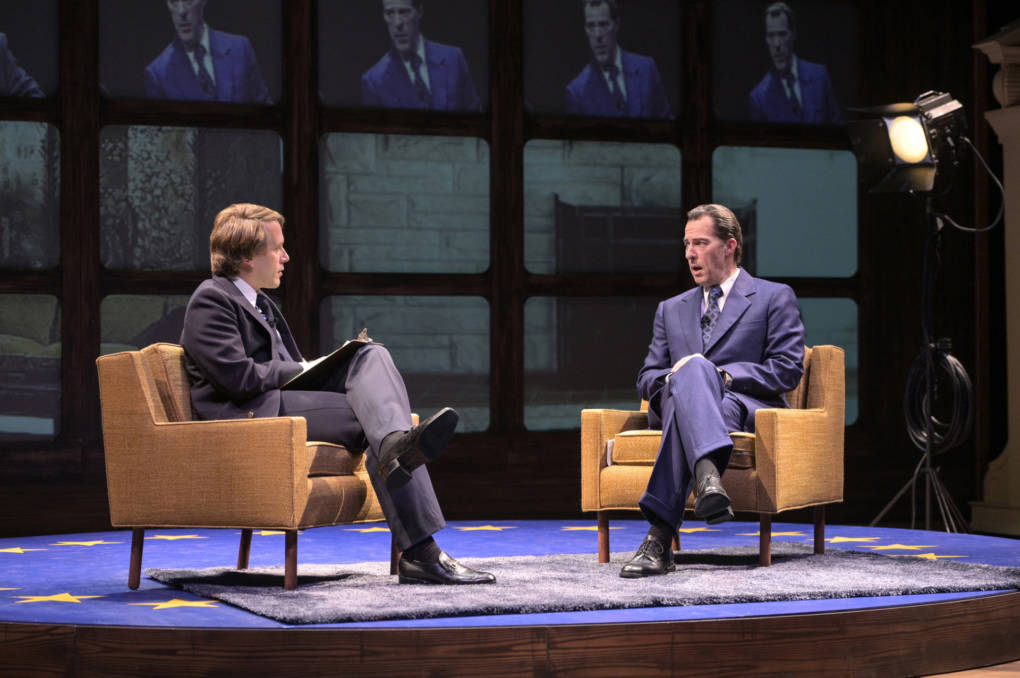
"caption": "(L-R): David Frost (Jeremy Webb) interviews Richard Nixon (Allen McCullough) about his presidency in \"Frost/Nixon,\" presented by TheatreWorks Silicon Valley at the Mountain View Center for the Performing Arts January 16 through February 10.\n",
"description": "(L-R): David Frost (Jeremy Webb) interviews Richard Nixon (Allen McCullough) about his presidency in \"Frost/Nixon,\" presented by TheatreWorks Silicon Valley at the Mountain View Center for the Performing Arts January 16 through February 10.\n",
"title": "RS34814_TW_Frost-Nixon_KevinBerne7-qut",
"credit": "Photo: Courtesy of Kevin Berne",
"status": "inherit",
"isLoading": false,
"fetchFailed": false
},
"arts_13848745": {
"type": "attachments",
"id": "arts_13848745",
"meta": {
"index": "attachments_1716263798",
"site": "arts",
"id": "13848745",
"found": true
},
"parent": 13848742,
"imgSizes": {
"twentyfourteen-full-width": {
"file": "https://ww2.kqed.org/app/uploads/sites/2/2019/01/kittytorres_caitlinevenson_timetravel_qdt_photosby_melissanigro-6-1038x576.jpg",
"width": 1038,
"mimeType": "image/jpeg",
"height": 576
},
"thumbnail": {
"file": "https://ww2.kqed.org/app/uploads/sites/2/2019/01/kittytorres_caitlinevenson_timetravel_qdt_photosby_melissanigro-6-160x107.jpg",
"width": 160,
"mimeType": "image/jpeg",
"height": 107
},
"post-thumbnail": {
"file": "https://ww2.kqed.org/app/uploads/sites/2/2019/01/kittytorres_caitlinevenson_timetravel_qdt_photosby_melissanigro-6-672x372.jpg",
"width": 672,
"mimeType": "image/jpeg",
"height": 372
},
"kqedFullSize": {
"file": "https://ww2.kqed.org/app/uploads/sites/2/2019/01/kittytorres_caitlinevenson_timetravel_qdt_photosby_melissanigro-6.jpg",
"width": 2000,
"height": 1333
},
"large": {
"file": "https://ww2.kqed.org/app/uploads/sites/2/2019/01/kittytorres_caitlinevenson_timetravel_qdt_photosby_melissanigro-6-1020x680.jpg",
"width": 1020,
"mimeType": "image/jpeg",
"height": 680
},
"complete_open_graph": {
"file": "https://ww2.kqed.org/app/uploads/sites/2/2019/01/kittytorres_caitlinevenson_timetravel_qdt_photosby_melissanigro-6-1200x800.jpg",
"width": 1200,
"mimeType": "image/jpeg",
"height": 800
},
"guest-author-50": {
"file": "https://ww2.kqed.org/app/uploads/sites/2/2019/01/kittytorres_caitlinevenson_timetravel_qdt_photosby_melissanigro-6-50x50.jpg",
"width": 50,
"mimeType": "image/jpeg",
"height": 50
},
"guest-author-96": {
"file": "https://ww2.kqed.org/app/uploads/sites/2/2019/01/kittytorres_caitlinevenson_timetravel_qdt_photosby_melissanigro-6-96x96.jpg",
"width": 96,
"mimeType": "image/jpeg",
"height": 96
},
"medium": {
"file": "https://ww2.kqed.org/app/uploads/sites/2/2019/01/kittytorres_caitlinevenson_timetravel_qdt_photosby_melissanigro-6-800x533.jpg",
"width": 800,
"mimeType": "image/jpeg",
"height": 533
},
"guest-author-64": {
"file": "https://ww2.kqed.org/app/uploads/sites/2/2019/01/kittytorres_caitlinevenson_timetravel_qdt_photosby_melissanigro-6-64x64.jpg",
"width": 64,
"mimeType": "image/jpeg",
"height": 64
},
"guest-author-32": {
"file": "https://ww2.kqed.org/app/uploads/sites/2/2019/01/kittytorres_caitlinevenson_timetravel_qdt_photosby_melissanigro-6-32x32.jpg",
"width": 32,
"mimeType": "image/jpeg",
"height": 32
},
"full-width": {
"file": "https://ww2.kqed.org/app/uploads/sites/2/2019/01/kittytorres_caitlinevenson_timetravel_qdt_photosby_melissanigro-6-1920x1280.jpg",
"width": 1920,
"mimeType": "image/jpeg",
"height": 1280
},
"detail": {
"file": "https://ww2.kqed.org/app/uploads/sites/2/2019/01/kittytorres_caitlinevenson_timetravel_qdt_photosby_melissanigro-6-150x150.jpg",
"width": 150,
"mimeType": "image/jpeg",
"height": 150
},
"medium_large": {
"file": "https://ww2.kqed.org/app/uploads/sites/2/2019/01/kittytorres_caitlinevenson_timetravel_qdt_photosby_melissanigro-6-768x512.jpg",
"width": 768,
"mimeType": "image/jpeg",
"height": 512
},
"guest-author-128": {
"file": "https://ww2.kqed.org/app/uploads/sites/2/2019/01/kittytorres_caitlinevenson_timetravel_qdt_photosby_melissanigro-6-128x128.jpg",
"width": 128,
"mimeType": "image/jpeg",
"height": 128
}
},
"publishDate": 1547492349,
"modified": 1547492572,
"caption": "Kitty Torres and Caitlin Evenson during a romantic moment in The Do's and Don'ts of Time Travel at Quantum Dragon Theatre.",
"description": "Kitty Torres and Caitlin Evenson during a romantic moment in The Do's and Don'ts of Time Travel at Quantum Dragon Theatre.",
"title": "kittytorres_caitlinevenson_timetravel_qdt_photosby_melissanigro-6",
"credit": "Melissa Nigro",
"status": "inherit",
"isLoading": false,
"fetchFailed": false
}
},
"audioPlayerReducer": {
"postId": "stream_live",
"isPaused": true,
"isPlaying": false,
"pfsActive": false,
"pledgeModalIsOpen": true,
"playerDrawerIsOpen": false,
"liveAudioPlayStartedAt": 0,
"liveAudioPlayContext": ""
},
"authorsReducer": {
"gmeline": {
"type": "authors",
"id": "185",
"meta": {
"index": "authors_1716337520",
"id": "185",
"found": true
},
"name": "Gabe Meline",
"firstName": "Gabe",
"lastName": "Meline",
"slug": "gmeline",
"email": "gmeline@kqed.org",
"display_author_email": true,
"staff_mastheads": [
"arts"
],
"title": "Senior Editor, KQED Arts & Culture",
"bio": "Gabe Meline entered journalism at age 15 making photocopied zines, and has since earned awards from the Edward R. Murrow Awards, the Society for Professional Journalists, the Online Journalism Awards, the Association of Alternative Newsweeklies and the California Newspaper Publishers Association. Prior to KQED, he was the editor of the \u003cem>North Bay Bohemian\u003c/em> and a touring musician. He lives with his wife and daughter in his hometown of Santa Rosa, CA.",
"avatar": "https://secure.gravatar.com/avatar/5bebe57be0d8bc2dd318934feb47299e2d2d10cba28d09d8d7afb389a2ce2bdd?s=600&d=blank&r=g",
"twitter": null,
"bluesky": null,
"facebook": null,
"instagram": null,
"linkedin": null,
"sites": [
{
"site": "",
"roles": [
"editor"
]
},
{
"site": "arts",
"roles": [
"administrator"
]
},
{
"site": "artschool",
"roles": [
"editor"
]
},
{
"site": "news",
"roles": [
"author"
]
},
{
"site": "pop",
"roles": [
"editor"
]
},
{
"site": "bayareabites",
"roles": [
"editor"
]
},
{
"site": "food",
"roles": [
"editor"
]
},
{
"site": "forum",
"roles": [
"administrator"
]
},
{
"site": "liveblog",
"roles": [
"editor"
]
},
{
"site": "hiphop",
"roles": [
"editor"
]
}
],
"headData": {
"title": "Gabe Meline | KQED",
"description": "Senior Editor, KQED Arts & Culture",
"ogImgSrc": "https://secure.gravatar.com/avatar/5bebe57be0d8bc2dd318934feb47299e2d2d10cba28d09d8d7afb389a2ce2bdd?s=600&d=blank&r=g",
"twImgSrc": "https://secure.gravatar.com/avatar/5bebe57be0d8bc2dd318934feb47299e2d2d10cba28d09d8d7afb389a2ce2bdd?s=600&d=blank&r=g"
},
"isLoading": false,
"link": "/author/gmeline"
},
"rachael-myrow": {
"type": "authors",
"id": "251",
"meta": {
"index": "authors_1716337520",
"id": "251",
"found": true
},
"name": "Rachael Myrow",
"firstName": "Rachael",
"lastName": "Myrow",
"slug": "rachael-myrow",
"email": "rmyrow@kqed.org",
"display_author_email": true,
"staff_mastheads": [
"news"
],
"title": "Senior Editor of KQED's Silicon Valley News Desk",
"bio": "• I write and edit stories about how Silicon Valley power and policies shape everyday life in California. I’m also passionate about making Bay Area history and culture more accessible to a broad public. • I’ve been a journalist for most of my life, starting in high school with The Franklin Press in Los Angeles, where I grew up. While earning my first degree in English at UC Berkeley, I got my start in public radio at KALX-FM. After completing a second degree in journalism at Cal, I landed my first professional job at Marketplace, then moved on to KPCC (now LAist), and then KQED, where I hosted The California Report for more than seven years. • My reporting has appeared on NPR, The World, WBUR’s \u003ci>Here & Now\u003c/i>, and the BBC. I also guest host for KQED’s \u003ci>Forum\u003c/i>, as well as the Commonwealth Club in San Francisco. • I speak periodically on media, democracy and technology issues, and do voiceover work for documentaries and educational video projects. • Outside of the studio, you'll find me hiking Bay Area trails and whipping up Insta-ready meals in my kitchen. • I do not accept gifts, money, or favors from anyone connected to my reporting, I don't pay people for information, and I do not support or donate to political causes. • I strive to treat the people I report on with fairness, honesty, and respect. I also recognize there are often multiple sides to a story and work to verify information through multiple sources and documentation. If I get something wrong, I correct it.",
"avatar": "https://secure.gravatar.com/avatar/3ed8a3c5f26025e4a805ba634cda8cd764906b97438a6d9ce216b044e340da4e?s=600&d=blank&r=g",
"twitter": "rachaelmyrow",
"bluesky": null,
"facebook": null,
"instagram": null,
"linkedin": "https://www.linkedin.com/in/rachaelmyrow/",
"sites": [
{
"site": "arts",
"roles": [
"administrator"
]
},
{
"site": "news",
"roles": [
"edit_others_posts",
"editor"
]
},
{
"site": "futureofyou",
"roles": [
"editor"
]
},
{
"site": "bayareabites",
"roles": [
"editor"
]
},
{
"site": "stateofhealth",
"roles": [
"editor"
]
},
{
"site": "science",
"roles": [
"editor"
]
},
{
"site": "food",
"roles": [
"editor"
]
},
{
"site": "forum",
"roles": [
"editor"
]
},
{
"site": "liveblog",
"roles": [
"author"
]
}
],
"headData": {
"title": "Rachael Myrow | KQED",
"description": "Senior Editor of KQED's Silicon Valley News Desk",
"ogImgSrc": "https://secure.gravatar.com/avatar/3ed8a3c5f26025e4a805ba634cda8cd764906b97438a6d9ce216b044e340da4e?s=600&d=blank&r=g",
"twImgSrc": "https://secure.gravatar.com/avatar/3ed8a3c5f26025e4a805ba634cda8cd764906b97438a6d9ce216b044e340da4e?s=600&d=blank&r=g"
},
"isLoading": false,
"link": "/author/rachael-myrow"
},
"slefebvre": {
"type": "authors",
"id": "11091",
"meta": {
"index": "authors_1716337520",
"id": "11091",
"found": true
},
"name": "Sam Lefebvre",
"firstName": "Sam",
"lastName": "Lefebvre",
"slug": "slefebvre",
"email": "sdlefebvre@gmail.com",
"display_author_email": false,
"staff_mastheads": [],
"title": "KQED Contributor",
"bio": "Sam Lefebvre is an award-winning reporter at KQED Arts. He has worked as an editor and columnist at the \u003cem>East Bay Express\u003c/em>, \u003cem>SF Weekly \u003c/em>and Impose Magazine, and his journalism and criticism has appeared in \u003cem>The New York Times\u003c/em>, the Guardian and Pitchfork.",
"avatar": "https://secure.gravatar.com/avatar/49d39b42930b77fb13784ddd9fa63fe780666b71bf289368509dba576b64e69b?s=600&d=blank&r=g",
"twitter": "Lefebvre_Sam",
"bluesky": null,
"facebook": null,
"instagram": null,
"linkedin": null,
"sites": [
{
"site": "arts",
"roles": [
"subscriber"
]
},
{
"site": "news",
"roles": [
"author"
]
}
],
"headData": {
"title": "Sam Lefebvre | KQED",
"description": "KQED Contributor",
"ogImgSrc": "https://secure.gravatar.com/avatar/49d39b42930b77fb13784ddd9fa63fe780666b71bf289368509dba576b64e69b?s=600&d=blank&r=g",
"twImgSrc": "https://secure.gravatar.com/avatar/49d39b42930b77fb13784ddd9fa63fe780666b71bf289368509dba576b64e69b?s=600&d=blank&r=g"
},
"isLoading": false,
"link": "/author/slefebvre"
},
"nvoynovskaya": {
"type": "authors",
"id": "11387",
"meta": {
"index": "authors_1716337520",
"id": "11387",
"found": true
},
"name": "Nastia Voynovskaya",
"firstName": "Nastia",
"lastName": "Voynovskaya",
"slug": "nvoynovskaya",
"email": "nvoynovskaya@kqed.org",
"display_author_email": false,
"staff_mastheads": [
"arts"
],
"title": "Editor and reporter",
"bio": "Nastia Voynovskaya is a reporter, editor and host at KQED Arts & Culture. She's been covering the arts in the Bay Area for over a decade, with a focus on music, queer culture, labor issues and grassroots organizing. She has edited KQED story series such as Trans Bay: A History of San Francisco's Gender-Diverse Community, and co-created KQED's Bay Area hip-hop history project, That's My Word. Nastia's work has been recognized by the Society of Professional Journalists and San Francisco Press Club. She regularly appears on podcasts and radio programs, including NPR's All Songs Considered, and hosts live events where music, culture and conversation meet.",
"avatar": "https://secure.gravatar.com/avatar/5025ee460e5a85d69ca20ea6c6f2f80d7e17795c828f61ea3aecfcd924e9042e?s=600&d=blank&r=g",
"twitter": null,
"bluesky": null,
"facebook": null,
"instagram": "https://www.instagram.com/nananastia/",
"linkedin": null,
"sites": [
{
"site": "",
"roles": [
"editor"
]
},
{
"site": "arts",
"roles": [
"administrator"
]
},
{
"site": "news",
"roles": [
"editor"
]
},
{
"site": "pop",
"roles": [
"administrator"
]
},
{
"site": "bayareabites",
"roles": [
"editor"
]
},
{
"site": "podcasts",
"roles": [
"editor"
]
},
{
"site": "hiphop",
"roles": [
"editor"
]
}
],
"headData": {
"title": "Nastia Voynovskaya | KQED",
"description": "Editor and reporter",
"ogImgSrc": "https://secure.gravatar.com/avatar/5025ee460e5a85d69ca20ea6c6f2f80d7e17795c828f61ea3aecfcd924e9042e?s=600&d=blank&r=g",
"twImgSrc": "https://secure.gravatar.com/avatar/5025ee460e5a85d69ca20ea6c6f2f80d7e17795c828f61ea3aecfcd924e9042e?s=600&d=blank&r=g"
},
"isLoading": false,
"link": "/author/nvoynovskaya"
},
"ogpenn": {
"type": "authors",
"id": "11491",
"meta": {
"index": "authors_1716337520",
"id": "11491",
"found": true
},
"name": "Pendarvis Harshaw",
"firstName": "Pendarvis",
"lastName": "Harshaw",
"slug": "ogpenn",
"email": "ogpenn@gmail.com",
"display_author_email": false,
"staff_mastheads": [
"arts"
],
"title": "Community Engagement Reporter",
"bio": "Pendarvis Harshaw is an educator, host and writer with KQED Arts.",
"avatar": "https://secure.gravatar.com/avatar/972b77ee8e3f346ae2b00622661187fbfabd059b5693bbdc1475ea7a722fd4cd?s=600&d=blank&r=g",
"twitter": null,
"bluesky": null,
"facebook": null,
"instagram": "ogpenn",
"linkedin": null,
"sites": [
{
"site": "arts",
"roles": [
"administrator"
]
},
{
"site": "news",
"roles": [
"editor"
]
},
{
"site": "bayareabites",
"roles": [
"author"
]
},
{
"site": "hiphop",
"roles": [
"editor"
]
}
],
"headData": {
"title": "Pendarvis Harshaw | KQED",
"description": "Community Engagement Reporter",
"ogImgSrc": "https://secure.gravatar.com/avatar/972b77ee8e3f346ae2b00622661187fbfabd059b5693bbdc1475ea7a722fd4cd?s=600&d=blank&r=g",
"twImgSrc": "https://secure.gravatar.com/avatar/972b77ee8e3f346ae2b00622661187fbfabd059b5693bbdc1475ea7a722fd4cd?s=600&d=blank&r=g"
},
"isLoading": false,
"link": "/author/ogpenn"
},
"ngluckstern": {
"type": "authors",
"id": "11497",
"meta": {
"index": "authors_1716337520",
"id": "11497",
"found": true
},
"name": "Nicole Gluckstern",
"firstName": "Nicole",
"lastName": "Gluckstern",
"slug": "ngluckstern",
"email": "gluckstern.nicole@gmail.com",
"display_author_email": false,
"staff_mastheads": [],
"title": "KQED Contributor",
"bio": null,
"avatar": "https://secure.gravatar.com/avatar/2c3d593194017bfe811a998ad03140909de330b22abebf4889e1a564ce5b3495?s=600&d=blank&r=g",
"twitter": null,
"bluesky": null,
"facebook": null,
"instagram": null,
"linkedin": null,
"sites": [
{
"site": "arts",
"roles": [
"contributor"
]
}
],
"headData": {
"title": "Nicole Gluckstern | KQED",
"description": "KQED Contributor",
"ogImgSrc": "https://secure.gravatar.com/avatar/2c3d593194017bfe811a998ad03140909de330b22abebf4889e1a564ce5b3495?s=600&d=blank&r=g",
"twImgSrc": "https://secure.gravatar.com/avatar/2c3d593194017bfe811a998ad03140909de330b22abebf4889e1a564ce5b3495?s=600&d=blank&r=g"
},
"isLoading": false,
"link": "/author/ngluckstern"
}
},
"pagesReducer": {
"arts_category_theater": {
"type": "terms",
"id": "arts_967",
"meta": {
"index": "terms_1716263798",
"site": "arts",
"id": "967",
"score": 12.286901
},
"featImg": null,
"name": "Theater",
"description": null,
"taxonomy": "category",
"headData": {
"twImgId": null,
"twTitle": null,
"ogTitle": null,
"ogImgId": null,
"twDescription": null,
"description": null,
"title": "Theater Archives | KQED Arts",
"ogDescription": null
},
"ttid": 985,
"slug": "theater",
"isLoading": false,
"title": "Theater",
"pageMeta": {
"site": "arts",
"WpPageTemplate": "page-topic-editorial",
"currentPage": 28
},
"blocks": [
{
"blockName": "kqed/post-list",
"attrs": {
"layout": "cardArticle2",
"query": "posts/arts?category=theater",
"seeMore": false,
"paginated": true,
"page": 28
}
},
{
"blockName": "kqed/ad"
}
]
}
},
"pfsSessionReducer": {},
"postsReducer": {
"stream_live": {
"type": "live",
"id": "stream_live",
"audioUrl": "https://streams.kqed.org/kqedradio",
"title": "Live Stream",
"excerpt": "Live Stream information currently unavailable.",
"link": "/radio",
"featImg": "",
"label": {
"name": "KQED Live",
"link": "/"
}
},
"stream_kqedNewscast": {
"type": "posts",
"id": "stream_kqedNewscast",
"audioUrl": "https://www.kqed.org/.stream/anon/radio/RDnews/newscast.mp3?_=1",
"title": "KQED Newscast",
"featImg": "",
"label": {
"name": "88.5 FM",
"link": "/"
}
},
"arts_13851676": {
"type": "posts",
"id": "arts_13851676",
"meta": {
"index": "posts_1716263798",
"site": "arts",
"id": "13851676",
"score": null,
"sort": [
1551362426000
]
},
"guestAuthors": [],
"slug": "theatreworks-silicon-valley-tackles-slings-arrows-of-childhood-with-oskar",
"title": "TheatreWorks Silicon Valley Tackles Slings & Arrows of Childhood With ‘Oskar’",
"publishDate": 1551362426,
"format": "audio",
"headTitle": "TheatreWorks Silicon Valley Tackles Slings & Arrows of Childhood With ‘Oskar’ | KQED",
"labelTerm": {
"site": "arts"
},
"content": "\u003cp>This week marks the start of this year’s season of \u003ca href=\"https://www.theatreworks.org/education/oskar/\" target=\"_blank\" rel=\"noopener\">\u003cem>Oskar\u003c/em>\u003c/a> in schools, community centers and hospitals around the Bay Area. \u003ca href=\"https://www.theatreworks.org/\" target=\"_blank\" rel=\"noopener\">TheatreWorks Silicon Valley\u003c/a> tours with a short list of plays especially focused on the challenges of being a kid today. \u003cb>\u003c/b>\u003c/p>\n\u003cp>\u003cem>Oskar and the Last Straw\u003c/em>, for instance, is about a 10 year-old lugging around what appears to be the biggest backpack known to humankind. He’s got too much to do this week: school, soccer practice, ukulele lessons, buy a present for his friend Molly’s birthday, memorize songs for Mikey’s rock concert, and deal with the pressures of mass media. “Whatever that means!” his friends on stage yell periodically.\u003c/p>\n\u003cp>When a proverbial last straw is added to his pack, Oskar falls over and can’t get up. It may sound a little silly, but the idea behind “drama therapy” — as plays like this one are called — is to introduce coping skills to elementary school kids before they’re really overwhelmed in high school.\u003c/p>\n\u003cp>The Oskar plays — there are now \u003ca href=\"https://www.whatwouldoskardo.org/the-plays-1\" target=\"_blank\" rel=\"noopener\">five in all\u003c/a> — were originally commissioned from playwright \u003ca href=\"https://www.youtube.com/channel/UCDYP5B63aDxdrZ5gPh47Dmw\" target=\"_blank\" rel=\"noopener\">Prince Gomolvilas\u003c/a> by the Palo Alto Unified School District about a decade ago, around the time it began to struggle with teen suicide spikes.\u003c/p>\n\u003cfigure id=\"attachment_13851816\" class=\"wp-caption aligncenter\" style=\"max-width: 800px\">\u003cimg loading=\"lazy\" decoding=\"async\" class=\"size-medium wp-image-13851816\" src=\"https://ww2.kqed.org/arts/wp-content/uploads/sites/2/2019/02/Oskar5_-ScottDevinePhoto-800x757.jpeg\" alt='Jomar Martinez, Vivian Marino, and Filip Hofman perform in “Oskar and the Big Bully Battle,\" touring with TheatreWorks Silicon Valley through April 5, 2019.' width=\"800\" height=\"757\" srcset=\"https://cdn.kqed.org/wp-content/uploads/sites/2/2019/02/Oskar5_-ScottDevinePhoto-800x757.jpeg 800w, https://cdn.kqed.org/wp-content/uploads/sites/2/2019/02/Oskar5_-ScottDevinePhoto-160x151.jpeg 160w, https://cdn.kqed.org/wp-content/uploads/sites/2/2019/02/Oskar5_-ScottDevinePhoto-768x726.jpeg 768w, https://cdn.kqed.org/wp-content/uploads/sites/2/2019/02/Oskar5_-ScottDevinePhoto-1020x965.jpeg 1020w, https://cdn.kqed.org/wp-content/uploads/sites/2/2019/02/Oskar5_-ScottDevinePhoto-1200x1135.jpeg 1200w, https://cdn.kqed.org/wp-content/uploads/sites/2/2019/02/Oskar5_-ScottDevinePhoto-1920x1816.jpeg 1920w, https://cdn.kqed.org/wp-content/uploads/sites/2/2019/02/Oskar5_-ScottDevinePhoto.jpeg 2048w\" sizes=\"(max-width: 800px) 100vw, 800px\">\u003cfigcaption class=\"wp-caption-text\">Jomar Martinez, Vivian Marino, and Filip Hofman perform in “Oskar and the Big Bully Battle,” touring with TheatreWorks Silicon Valley through April 5, 2019. \u003ccite>(Photo: Courtesy of Scott Devine)\u003c/cite>\u003c/figcaption>\u003c/figure>\n\u003cp>“This was a response to community concerns,” said TheatreWorks’ Director of Education Lisa Giglio, who added the play topics come from suggestions forwarded by the schools, including embracing diversity, gender stereotypes and bullying.\u003c/p>\n\u003cp>[ad fullwidth]\u003c/p>\n\u003cp>The other play on tap this year from TheatreWorks is \u003cem>Oskar the Big Bully Battle\u003c/em>. “I think we know it in our bones, sadly, that bullying would be the number one thing that people will relate to.”\u003c/p>\n\u003cp>Or #2, according to recent research from the \u003ca href=\"http://www.pewsocialtrends.org/2019/02/20/most-u-s-teens-see-anxiety-and-depression-as-a-major-problem-among-their-peers/\" target=\"_blank\" rel=\"noopener\">Pew Research Center\u003c/a> that ranks anxiety and depression as #1. Whatever the case, there is a growing body of evidence American teenagers operate under psychological stress. So it stands to reason younger children are just a few years away from needing the tools to cope.\u003c/p>\n\u003cp>“This is happening. How do we convey it to kids that haven’t yet reached that point?” said \u003cem>Oskar\u003c/em> tour stage manager Rachel Spanner, who added the series is designed to plant the seed in children’s minds that they can turn to friends, family and educators for help in later years for “coping strategies that actually work in high school and college.”\u003c/p>\n\u003cp>The plays last a little more than a half hour, and are typically attached to lesson plans ahead of the performance and Q&As after.\u003c/p>\n\u003cp>“Hopefully these plays can provide a way for kids to deal that they either didn’t think of before or were thinking of doing but didn’t know how to approach it,” said \u003ca href=\"https://www.filiphofman.com\" target=\"_blank\" rel=\"noopener\">Filip Hofman\u003c/a>, who plays Oskar this year.\u003c/p>\n\u003cp>Sadly, grown ups are often the primary source of stress in children’s lives, and they often can’t stay off social media unless their goal is total social isolation. But if they leave \u003cem>Oskar\u003c/em> plays thinking they’re not alone, it’s a positive start in the direction of psychological health.\u003c/p>\n\u003cp>\u003cimg loading=\"lazy\" decoding=\"async\" class=\"aligncenter size-full wp-image-12127869\" src=\"https://ww2.kqed.org/arts/wp-content/uploads/sites/2/2016/09/Q.Logo_.Break_.jpg\" alt=\"\" width=\"800\" height=\"78\" srcset=\"https://cdn.kqed.org/wp-content/uploads/sites/2/2016/09/Q.Logo_.Break_.jpg 800w, https://cdn.kqed.org/wp-content/uploads/sites/2/2016/09/Q.Logo_.Break_-400x39.jpg 400w, https://cdn.kqed.org/wp-content/uploads/sites/2/2016/09/Q.Logo_.Break_-768x75.jpg 768w\" sizes=\"(max-width: 800px) 100vw, 800px\">\u003c/p>\n\u003cp>\u003c/p>\n\u003cp>\u003cstrong style=\"font-style: italic\">Oskar the Big Bully Battle\u003c/strong>\u003ci> and\u003c/i>\u003cstrong style=\"font-style: italic\"> Oskar and the Last Straw\u003c/strong>\u003ci> run through April 5, 2019, with TheatreWorks Silicon Valley performances scheduled throughout the San Francisco Bay Area. For more information, click \u003c/i>\u003cstrong style=\"font-style: italic\">\u003ca href=\"https://www.theatreworks.org/education/oskar/\" target=\"_blank\" rel=\"noopener\">here\u003c/a>\u003c/strong>\u003ci>.\u003c/i>\u003c/p>\n\n",
"blocks": [],
"excerpt": "A drama therapy series from TheatreWorks Silicon Valley spreads cheer and good mental health to children throughout the Bay Area.",
"status": "publish",
"parent": 0,
"modified": 1726767256,
"stats": {
"hasAudio": false,
"hasVideo": false,
"hasChartOrMap": false,
"iframeSrcs": [],
"hasGoogleForm": false,
"hasGallery": false,
"hasHearkenModule": false,
"hasPolis": false,
"paragraphCount": 15,
"wordCount": 617
},
"headData": {
"title": "TheatreWorks Silicon Valley Tackles Slings & Arrows of Childhood With ‘Oskar’ | KQED",
"description": "A drama therapy series from TheatreWorks Silicon Valley spreads cheer and good mental health to children throughout the Bay Area.",
"ogTitle": "",
"ogDescription": "",
"ogImgId": "",
"twTitle": "",
"twDescription": "",
"twImgId": "",
"schema": {
"@context": "https://schema.org",
"@type": "Article",
"headline": "TheatreWorks Silicon Valley Tackles Slings & Arrows of Childhood With ‘Oskar’",
"datePublished": "2019-02-28T06:00:26-08:00",
"dateModified": "2024-09-19T10:34:16-07:00",
"image": "https://cdn.kqed.org/wp-content/uploads/2020/02/KQED-OG-Image@1x.png"
}
},
"audioUrl": "https://www.kqed.org/.stream/anon/radio/tcr/2019/03/MyrowDramaTherapy.mp3",
"sticky": false,
"audioTrackLength": 123,
"path": "/arts/13851676/theatreworks-silicon-valley-tackles-slings-arrows-of-childhood-with-oskar",
"parsedContent": [
{
"type": "contentString",
"content": "\u003cdiv class=\"post-body\">\u003cp>\u003cp>This week marks the start of this year’s season of \u003ca href=\"https://www.theatreworks.org/education/oskar/\" target=\"_blank\" rel=\"noopener\">\u003cem>Oskar\u003c/em>\u003c/a> in schools, community centers and hospitals around the Bay Area. \u003ca href=\"https://www.theatreworks.org/\" target=\"_blank\" rel=\"noopener\">TheatreWorks Silicon Valley\u003c/a> tours with a short list of plays especially focused on the challenges of being a kid today. \u003cb>\u003c/b>\u003c/p>\n\u003cp>\u003cem>Oskar and the Last Straw\u003c/em>, for instance, is about a 10 year-old lugging around what appears to be the biggest backpack known to humankind. He’s got too much to do this week: school, soccer practice, ukulele lessons, buy a present for his friend Molly’s birthday, memorize songs for Mikey’s rock concert, and deal with the pressures of mass media. “Whatever that means!” his friends on stage yell periodically.\u003c/p>\n\u003cp>When a proverbial last straw is added to his pack, Oskar falls over and can’t get up. It may sound a little silly, but the idea behind “drama therapy” — as plays like this one are called — is to introduce coping skills to elementary school kids before they’re really overwhelmed in high school.\u003c/p>\n\u003cp>The Oskar plays — there are now \u003ca href=\"https://www.whatwouldoskardo.org/the-plays-1\" target=\"_blank\" rel=\"noopener\">five in all\u003c/a> — were originally commissioned from playwright \u003ca href=\"https://www.youtube.com/channel/UCDYP5B63aDxdrZ5gPh47Dmw\" target=\"_blank\" rel=\"noopener\">Prince Gomolvilas\u003c/a> by the Palo Alto Unified School District about a decade ago, around the time it began to struggle with teen suicide spikes.\u003c/p>\n\u003cfigure id=\"attachment_13851816\" class=\"wp-caption aligncenter\" style=\"max-width: 800px\">\u003cimg loading=\"lazy\" decoding=\"async\" class=\"size-medium wp-image-13851816\" src=\"https://ww2.kqed.org/arts/wp-content/uploads/sites/2/2019/02/Oskar5_-ScottDevinePhoto-800x757.jpeg\" alt='Jomar Martinez, Vivian Marino, and Filip Hofman perform in “Oskar and the Big Bully Battle,\" touring with TheatreWorks Silicon Valley through April 5, 2019.' width=\"800\" height=\"757\" srcset=\"https://cdn.kqed.org/wp-content/uploads/sites/2/2019/02/Oskar5_-ScottDevinePhoto-800x757.jpeg 800w, https://cdn.kqed.org/wp-content/uploads/sites/2/2019/02/Oskar5_-ScottDevinePhoto-160x151.jpeg 160w, https://cdn.kqed.org/wp-content/uploads/sites/2/2019/02/Oskar5_-ScottDevinePhoto-768x726.jpeg 768w, https://cdn.kqed.org/wp-content/uploads/sites/2/2019/02/Oskar5_-ScottDevinePhoto-1020x965.jpeg 1020w, https://cdn.kqed.org/wp-content/uploads/sites/2/2019/02/Oskar5_-ScottDevinePhoto-1200x1135.jpeg 1200w, https://cdn.kqed.org/wp-content/uploads/sites/2/2019/02/Oskar5_-ScottDevinePhoto-1920x1816.jpeg 1920w, https://cdn.kqed.org/wp-content/uploads/sites/2/2019/02/Oskar5_-ScottDevinePhoto.jpeg 2048w\" sizes=\"(max-width: 800px) 100vw, 800px\">\u003cfigcaption class=\"wp-caption-text\">Jomar Martinez, Vivian Marino, and Filip Hofman perform in “Oskar and the Big Bully Battle,” touring with TheatreWorks Silicon Valley through April 5, 2019. \u003ccite>(Photo: Courtesy of Scott Devine)\u003c/cite>\u003c/figcaption>\u003c/figure>\n\u003cp>“This was a response to community concerns,” said TheatreWorks’ Director of Education Lisa Giglio, who added the play topics come from suggestions forwarded by the schools, including embracing diversity, gender stereotypes and bullying.\u003c/p>\n\u003cp>\u003c/p>\u003c/div>",
"attributes": {
"named": {},
"numeric": []
}
},
{
"type": "component",
"content": "",
"name": "ad",
"attributes": {
"named": {
"label": "fullwidth"
},
"numeric": [
"fullwidth"
]
}
},
{
"type": "contentString",
"content": "\u003cdiv class=\"post-body\">\u003cp>\u003c/p>\n\u003cp>The other play on tap this year from TheatreWorks is \u003cem>Oskar the Big Bully Battle\u003c/em>. “I think we know it in our bones, sadly, that bullying would be the number one thing that people will relate to.”\u003c/p>\n\u003cp>Or #2, according to recent research from the \u003ca href=\"http://www.pewsocialtrends.org/2019/02/20/most-u-s-teens-see-anxiety-and-depression-as-a-major-problem-among-their-peers/\" target=\"_blank\" rel=\"noopener\">Pew Research Center\u003c/a> that ranks anxiety and depression as #1. Whatever the case, there is a growing body of evidence American teenagers operate under psychological stress. So it stands to reason younger children are just a few years away from needing the tools to cope.\u003c/p>\n\u003cp>“This is happening. How do we convey it to kids that haven’t yet reached that point?” said \u003cem>Oskar\u003c/em> tour stage manager Rachel Spanner, who added the series is designed to plant the seed in children’s minds that they can turn to friends, family and educators for help in later years for “coping strategies that actually work in high school and college.”\u003c/p>\n\u003cp>The plays last a little more than a half hour, and are typically attached to lesson plans ahead of the performance and Q&As after.\u003c/p>\n\u003cp>“Hopefully these plays can provide a way for kids to deal that they either didn’t think of before or were thinking of doing but didn’t know how to approach it,” said \u003ca href=\"https://www.filiphofman.com\" target=\"_blank\" rel=\"noopener\">Filip Hofman\u003c/a>, who plays Oskar this year.\u003c/p>\n\u003cp>Sadly, grown ups are often the primary source of stress in children’s lives, and they often can’t stay off social media unless their goal is total social isolation. But if they leave \u003cem>Oskar\u003c/em> plays thinking they’re not alone, it’s a positive start in the direction of psychological health.\u003c/p>\n\u003cp>\u003cimg loading=\"lazy\" decoding=\"async\" class=\"aligncenter size-full wp-image-12127869\" src=\"https://ww2.kqed.org/arts/wp-content/uploads/sites/2/2016/09/Q.Logo_.Break_.jpg\" alt=\"\" width=\"800\" height=\"78\" srcset=\"https://cdn.kqed.org/wp-content/uploads/sites/2/2016/09/Q.Logo_.Break_.jpg 800w, https://cdn.kqed.org/wp-content/uploads/sites/2/2016/09/Q.Logo_.Break_-400x39.jpg 400w, https://cdn.kqed.org/wp-content/uploads/sites/2/2016/09/Q.Logo_.Break_-768x75.jpg 768w\" sizes=\"(max-width: 800px) 100vw, 800px\">\u003c/p>\n\u003cp>\u003c/p>\n\u003cp>\u003cstrong style=\"font-style: italic\">Oskar the Big Bully Battle\u003c/strong>\u003ci> and\u003c/i>\u003cstrong style=\"font-style: italic\"> Oskar and the Last Straw\u003c/strong>\u003ci> run through April 5, 2019, with TheatreWorks Silicon Valley performances scheduled throughout the San Francisco Bay Area. For more information, click \u003c/i>\u003cstrong style=\"font-style: italic\">\u003ca href=\"https://www.theatreworks.org/education/oskar/\" target=\"_blank\" rel=\"noopener\">here\u003c/a>\u003c/strong>\u003ci>.\u003c/i>\u003c/p>\n\n\u003c/div>\u003c/p>",
"attributes": {
"named": {},
"numeric": []
}
}
],
"link": "/arts/13851676/theatreworks-silicon-valley-tackles-slings-arrows-of-childhood-with-oskar",
"authors": [
"251"
],
"categories": [
"arts_1",
"arts_235",
"arts_967"
],
"tags": [
"arts_6801",
"arts_6325",
"arts_1118",
"arts_596",
"arts_1315",
"arts_4642",
"arts_5165",
"arts_5164",
"arts_1815"
],
"featImg": "arts_13851815",
"label": "arts"
},
"arts_13851339": {
"type": "posts",
"id": "arts_13851339",
"meta": {
"index": "posts_1716263798",
"site": "arts",
"id": "13851339",
"score": null,
"sort": [
1550757603000
]
},
"guestAuthors": [],
"slug": "theater-workers-liftthecurtain-on-racism-after-lawsuit",
"title": "Theater Workers ‘#LiftTheCurtain’ on Racism After Lawsuit",
"publishDate": 1550757603,
"format": "image",
"headTitle": "Theater Workers ‘#LiftTheCurtain’ on Racism After Lawsuit | KQED",
"labelTerm": {
"site": "arts"
},
"content": "\u003cp>It was a standing room-only crowd as supporters of Stephen Buescher, the plaintiff in a discrimination lawsuit against his former employer American Conservatory Theater (ACT), gathered Wednesday evening to discuss racism in the theater world.\u003c/p>\n\u003cp>In \u003ca href=\"https://www.kqed.org/arts/13851200/former-american-conservatory-theater-actor-files-racial-discrimination-lawsuit\" target=\"_blank\" rel=\"noopener noreferrer\">a complaint filed a day prior\u003c/a>, Buescher alleges that ACT, where he held faculty and creative roles for ten years until 2018, created a racially hostile environment and systematically discriminated against black artists, staff and students.\u003c/p>\n\u003cp>[contextly_sidebar id=”flaueC6OR4YAZwC6XQROSareU5dK0Gtj”]\u003c/p>\n\u003cp>The event in the 92-seat theater at Pianofight in San Francisco was billed “#LiftTheCurtain on Racial Inequity in the Arts.” For more than an hour, Buescher, current staff and students at American Conservatory Theater and other theater figures passed a microphone to share their frustrations with being typecast, tokenized and silenced as black artists.\u003c/p>\n\u003cp>It began with poems from Jerrie Johnson, one of several ACT graduate students present, followed by Buescher. Choking up, he called his experience at the company a “long, silent, lonely road” before saying that, in the wake of the lawsuit, he’s heard from many theater figures with similar accounts. Most of the following speakers said they now felt emboldened.\u003c/p>\n\u003cfigure id=\"attachment_13851345\" class=\"wp-caption aligncenter\" style=\"max-width: 800px\">\u003cimg loading=\"lazy\" decoding=\"async\" class=\"size-medium wp-image-13851345\" src=\"https://ww2.kqed.org/arts/wp-content/uploads/sites/2/2019/02/MArgo-Hall-800x533.jpg\" alt=\"Margo Hall encouraged the audience to complicate black stereotypes.\" width=\"800\" height=\"533\" srcset=\"https://cdn.kqed.org/wp-content/uploads/sites/2/2019/02/MArgo-Hall-800x533.jpg 800w, https://cdn.kqed.org/wp-content/uploads/sites/2/2019/02/MArgo-Hall-160x107.jpg 160w, https://cdn.kqed.org/wp-content/uploads/sites/2/2019/02/MArgo-Hall-768x512.jpg 768w, https://cdn.kqed.org/wp-content/uploads/sites/2/2019/02/MArgo-Hall-1020x680.jpg 1020w, https://cdn.kqed.org/wp-content/uploads/sites/2/2019/02/MArgo-Hall-1200x800.jpg 1200w, https://cdn.kqed.org/wp-content/uploads/sites/2/2019/02/MArgo-Hall-1920x1280.jpg 1920w, https://cdn.kqed.org/wp-content/uploads/sites/2/2019/02/MArgo-Hall.jpg 2048w\" sizes=\"(max-width: 800px) 100vw, 800px\">\u003cfigcaption class=\"wp-caption-text\">Margo Hall encouraged the audience to complicate black stereotypes. \u003ccite>(Sam Lefebvre/KQED)\u003c/cite>\u003c/figcaption>\u003c/figure>\n\u003cp>Stephanie Wilborn, community programs manager at ACT, read a prepared piece about being one of few black workers at the company, including references to colleagues inappropriately touching and commenting on her hair. “It means having a board member ask you your name for the fifth time and then ask what year you’re graduating,” she said.\u003c/p>\n\u003cp>[ad fullwidth]\u003c/p>\n\u003cp>“I’ve worked at ACT for three years and what Stephen has courageously said to [the media] is true.” Wilborn continued, “I’ve seen it happen and it’s happened to me.”\u003c/p>\n\u003cp>Margo Hall, the prominent local actor and educator who recently appeared in \u003cem>Blindspotting\u003c/em>, drew shouts and applause as she encouraged the audience to complicate black stereotypes. “Hell, my uncle was a pimp—but he had a life, he had a story,” she said. “Don’t be afraid to embrace your stories because someone has created a narrative around those stories. We get to tell the truth about them. Keep thinking about that.” [contextly_sidebar id=”SxQaArjM4knABlFrFzPhB63EHl6NBVrd”]\u003c/p>\n\u003cp>Ellen Sebastian Chang, the longtime local theater fixture who co-created the site-specific ritual performance series \u003cem>House/Full of Black Women\u003c/em> with Amara Tabor-Smith, emphasized how the racial wealth gap colors the arts. And at the same time black people are alienated from arts organizations, she said, black cultural products are in demand.\u003c/p>\n\u003cp>“So when I get triggered by \u003cem>Fairview\u003c/em> at Berkeley Rep and the spirit comes over me and I jump up and say, ‘Look at how black women are doing CPR on the failing heart of America’—and doing it for fucking minimum wage—and then the white folks run up to me and go, ‘Are you okay?’” She continued, “Then I say fuck off, ‘cus I’m not okay!”\u003c/p>\n\u003cfigure id=\"attachment_13851344\" class=\"wp-caption aligncenter\" style=\"max-width: 800px\">\u003cimg loading=\"lazy\" decoding=\"async\" class=\"size-medium wp-image-13851344\" src=\"https://ww2.kqed.org/arts/wp-content/uploads/sites/2/2019/02/Ellen-Sebastian-Chang-800x533.jpg\" alt=\"Ellen Sebastian Chang emphasized how the racial wealth gap impacts the arts.\" width=\"800\" height=\"533\" srcset=\"https://cdn.kqed.org/wp-content/uploads/sites/2/2019/02/Ellen-Sebastian-Chang-800x533.jpg 800w, https://cdn.kqed.org/wp-content/uploads/sites/2/2019/02/Ellen-Sebastian-Chang-160x107.jpg 160w, https://cdn.kqed.org/wp-content/uploads/sites/2/2019/02/Ellen-Sebastian-Chang-768x512.jpg 768w, https://cdn.kqed.org/wp-content/uploads/sites/2/2019/02/Ellen-Sebastian-Chang-1020x680.jpg 1020w, https://cdn.kqed.org/wp-content/uploads/sites/2/2019/02/Ellen-Sebastian-Chang-1200x800.jpg 1200w, https://cdn.kqed.org/wp-content/uploads/sites/2/2019/02/Ellen-Sebastian-Chang-1920x1280.jpg 1920w, https://cdn.kqed.org/wp-content/uploads/sites/2/2019/02/Ellen-Sebastian-Chang.jpg 2048w\" sizes=\"(max-width: 800px) 100vw, 800px\">\u003cfigcaption class=\"wp-caption-text\">Ellen Sebastian Chang emphasized how the racial wealth gap impacts the arts. \u003ccite>(Sam Lefebvre/KQED)\u003c/cite>\u003c/figcaption>\u003c/figure>\n\u003cp>In response to the lawsuit, ACT issued a statement describing institutional changes including hiring a diversity, equity and inclusion consultant and a new human resources director. Buescher called the changes “superficial,” and other speakers made it a refrain.\u003c/p>\n\u003cp>“How many folks in this space are currently involved in some kind of diversity, equity and inclusion work?” asked artist and activist Claudia Alick. Dozens of hands shot up. “Okay, so, this is the question that I’ve been holding on to this week: Are we helping organizations perform the optics of justice while maintaining systems of injustice?”\u003c/p>\n\u003cp>Buescher’s complaint, filed by Oakland civil rights firm Medina Orthwein LLP, alleges ACT subjected him and other black instructors and students to “racial profiling, tokenism, exploitation, racial casting, disparate treatment and retaliation.”\u003c/p>\n\u003cfigure id=\"attachment_13851342\" class=\"wp-caption aligncenter\" style=\"max-width: 800px\">\u003cimg loading=\"lazy\" decoding=\"async\" class=\"size-medium wp-image-13851342\" src=\"https://ww2.kqed.org/arts/wp-content/uploads/sites/2/2019/02/Claudia-Alick-800x533.jpg\" alt='Artist and activist Claudia Alick asked listeners if they were only helping organizations \"perform the optics of justice.\"' width=\"800\" height=\"533\" srcset=\"https://cdn.kqed.org/wp-content/uploads/sites/2/2019/02/Claudia-Alick-800x533.jpg 800w, https://cdn.kqed.org/wp-content/uploads/sites/2/2019/02/Claudia-Alick-160x107.jpg 160w, https://cdn.kqed.org/wp-content/uploads/sites/2/2019/02/Claudia-Alick-768x512.jpg 768w, https://cdn.kqed.org/wp-content/uploads/sites/2/2019/02/Claudia-Alick-1020x680.jpg 1020w, https://cdn.kqed.org/wp-content/uploads/sites/2/2019/02/Claudia-Alick-1200x800.jpg 1200w, https://cdn.kqed.org/wp-content/uploads/sites/2/2019/02/Claudia-Alick-1920x1280.jpg 1920w, https://cdn.kqed.org/wp-content/uploads/sites/2/2019/02/Claudia-Alick.jpg 2048w\" sizes=\"(max-width: 800px) 100vw, 800px\">\u003cfigcaption class=\"wp-caption-text\">Artist and activist Claudia Alick asked listeners if they were only helping organizations “perform the optics of justice.” \u003ccite>(Sam Lefebvre/KQED)\u003c/cite>\u003c/figcaption>\u003c/figure>\n\u003cp>The complaint singles out former Artistic Director Carey Perloff and director Melissa Smith for making racially insensitive comments, explicitly refusing to advance black artists, and dismissing formal complaints from staff and students. After Buescher took his concerns to the board, the suit alleges, his pay and credit were withheld in retaliation.\u003c/p>\n\u003cp>“We are deeply saddened by the legal complaint we received from Mr. Buescher this morning,” ACT said in a statement. “As a former valued member of the American Conservatory Theater faculty, Mr. Buescher significantly contributed to the success of the institution, so much so that we made multiple efforts to retain him.”\u003c/p>\n\u003cp>\u003c/p>\n\u003cp> \u003c/p>\n\n",
"blocks": [],
"excerpt": "Supporters of former American Conservatory Theater instructor Stephen Buescher gathered Wednesday evening to discuss racism in the Bay Area theater world.",
"status": "publish",
"parent": 0,
"modified": 1726767296,
"stats": {
"hasAudio": false,
"hasVideo": false,
"hasChartOrMap": false,
"iframeSrcs": [],
"hasGoogleForm": false,
"hasGallery": false,
"hasHearkenModule": false,
"hasPolis": false,
"paragraphCount": 17,
"wordCount": 814
},
"headData": {
"title": "Theater Workers ‘#LiftTheCurtain’ on Racism After Lawsuit | KQED",
"description": "Supporters of former American Conservatory Theater instructor Stephen Buescher gathered Wednesday evening to discuss racism in the Bay Area theater world.",
"ogTitle": "",
"ogDescription": "",
"ogImgId": "",
"twTitle": "",
"twDescription": "",
"twImgId": "",
"schema": {
"@context": "https://schema.org",
"@type": "Article",
"headline": "Theater Workers ‘#LiftTheCurtain’ on Racism After Lawsuit",
"datePublished": "2019-02-21T06:00:03-08:00",
"dateModified": "2024-09-19T10:34:56-07:00",
"image": "https://cdn.kqed.org/wp-content/uploads/2020/02/KQED-OG-Image@1x.png"
}
},
"sticky": false,
"excludeFromSiteSearch": "Include",
"articleAge": "0",
"path": "/arts/13851339/theater-workers-liftthecurtain-on-racism-after-lawsuit",
"audioTrackLength": null,
"parsedContent": [
{
"type": "contentString",
"content": "\u003cdiv class=\"post-body\">\u003cp>\u003cp>It was a standing room-only crowd as supporters of Stephen Buescher, the plaintiff in a discrimination lawsuit against his former employer American Conservatory Theater (ACT), gathered Wednesday evening to discuss racism in the theater world.\u003c/p>\n\u003cp>In \u003ca href=\"https://www.kqed.org/arts/13851200/former-american-conservatory-theater-actor-files-racial-discrimination-lawsuit\" target=\"_blank\" rel=\"noopener noreferrer\">a complaint filed a day prior\u003c/a>, Buescher alleges that ACT, where he held faculty and creative roles for ten years until 2018, created a racially hostile environment and systematically discriminated against black artists, staff and students.\u003c/p>\n\u003cp>\u003c/p>\u003cp>\u003c/p>\u003cp>\u003c/p>\n\u003cp>The event in the 92-seat theater at Pianofight in San Francisco was billed “#LiftTheCurtain on Racial Inequity in the Arts.” For more than an hour, Buescher, current staff and students at American Conservatory Theater and other theater figures passed a microphone to share their frustrations with being typecast, tokenized and silenced as black artists.\u003c/p>\n\u003cp>It began with poems from Jerrie Johnson, one of several ACT graduate students present, followed by Buescher. Choking up, he called his experience at the company a “long, silent, lonely road” before saying that, in the wake of the lawsuit, he’s heard from many theater figures with similar accounts. Most of the following speakers said they now felt emboldened.\u003c/p>\n\u003cfigure id=\"attachment_13851345\" class=\"wp-caption aligncenter\" style=\"max-width: 800px\">\u003cimg loading=\"lazy\" decoding=\"async\" class=\"size-medium wp-image-13851345\" src=\"https://ww2.kqed.org/arts/wp-content/uploads/sites/2/2019/02/MArgo-Hall-800x533.jpg\" alt=\"Margo Hall encouraged the audience to complicate black stereotypes.\" width=\"800\" height=\"533\" srcset=\"https://cdn.kqed.org/wp-content/uploads/sites/2/2019/02/MArgo-Hall-800x533.jpg 800w, https://cdn.kqed.org/wp-content/uploads/sites/2/2019/02/MArgo-Hall-160x107.jpg 160w, https://cdn.kqed.org/wp-content/uploads/sites/2/2019/02/MArgo-Hall-768x512.jpg 768w, https://cdn.kqed.org/wp-content/uploads/sites/2/2019/02/MArgo-Hall-1020x680.jpg 1020w, https://cdn.kqed.org/wp-content/uploads/sites/2/2019/02/MArgo-Hall-1200x800.jpg 1200w, https://cdn.kqed.org/wp-content/uploads/sites/2/2019/02/MArgo-Hall-1920x1280.jpg 1920w, https://cdn.kqed.org/wp-content/uploads/sites/2/2019/02/MArgo-Hall.jpg 2048w\" sizes=\"(max-width: 800px) 100vw, 800px\">\u003cfigcaption class=\"wp-caption-text\">Margo Hall encouraged the audience to complicate black stereotypes. \u003ccite>(Sam Lefebvre/KQED)\u003c/cite>\u003c/figcaption>\u003c/figure>\n\u003cp>Stephanie Wilborn, community programs manager at ACT, read a prepared piece about being one of few black workers at the company, including references to colleagues inappropriately touching and commenting on her hair. “It means having a board member ask you your name for the fifth time and then ask what year you’re graduating,” she said.\u003c/p>\n\u003cp>\u003c/p>\u003c/div>",
"attributes": {
"named": {},
"numeric": []
}
},
{
"type": "component",
"content": "",
"name": "ad",
"attributes": {
"named": {
"label": "fullwidth"
},
"numeric": [
"fullwidth"
]
}
},
{
"type": "contentString",
"content": "\u003cdiv class=\"post-body\">\u003cp>\u003c/p>\n\u003cp>“I’ve worked at ACT for three years and what Stephen has courageously said to [the media] is true.” Wilborn continued, “I’ve seen it happen and it’s happened to me.”\u003c/p>\n\u003cp>Margo Hall, the prominent local actor and educator who recently appeared in \u003cem>Blindspotting\u003c/em>, drew shouts and applause as she encouraged the audience to complicate black stereotypes. “Hell, my uncle was a pimp—but he had a life, he had a story,” she said. “Don’t be afraid to embrace your stories because someone has created a narrative around those stories. We get to tell the truth about them. Keep thinking about that.” \u003c/p>\u003cp>\u003c/p>\u003cp>\u003c/p>\n\u003cp>Ellen Sebastian Chang, the longtime local theater fixture who co-created the site-specific ritual performance series \u003cem>House/Full of Black Women\u003c/em> with Amara Tabor-Smith, emphasized how the racial wealth gap colors the arts. And at the same time black people are alienated from arts organizations, she said, black cultural products are in demand.\u003c/p>\n\u003cp>“So when I get triggered by \u003cem>Fairview\u003c/em> at Berkeley Rep and the spirit comes over me and I jump up and say, ‘Look at how black women are doing CPR on the failing heart of America’—and doing it for fucking minimum wage—and then the white folks run up to me and go, ‘Are you okay?’” She continued, “Then I say fuck off, ‘cus I’m not okay!”\u003c/p>\n\u003cfigure id=\"attachment_13851344\" class=\"wp-caption aligncenter\" style=\"max-width: 800px\">\u003cimg loading=\"lazy\" decoding=\"async\" class=\"size-medium wp-image-13851344\" src=\"https://ww2.kqed.org/arts/wp-content/uploads/sites/2/2019/02/Ellen-Sebastian-Chang-800x533.jpg\" alt=\"Ellen Sebastian Chang emphasized how the racial wealth gap impacts the arts.\" width=\"800\" height=\"533\" srcset=\"https://cdn.kqed.org/wp-content/uploads/sites/2/2019/02/Ellen-Sebastian-Chang-800x533.jpg 800w, https://cdn.kqed.org/wp-content/uploads/sites/2/2019/02/Ellen-Sebastian-Chang-160x107.jpg 160w, https://cdn.kqed.org/wp-content/uploads/sites/2/2019/02/Ellen-Sebastian-Chang-768x512.jpg 768w, https://cdn.kqed.org/wp-content/uploads/sites/2/2019/02/Ellen-Sebastian-Chang-1020x680.jpg 1020w, https://cdn.kqed.org/wp-content/uploads/sites/2/2019/02/Ellen-Sebastian-Chang-1200x800.jpg 1200w, https://cdn.kqed.org/wp-content/uploads/sites/2/2019/02/Ellen-Sebastian-Chang-1920x1280.jpg 1920w, https://cdn.kqed.org/wp-content/uploads/sites/2/2019/02/Ellen-Sebastian-Chang.jpg 2048w\" sizes=\"(max-width: 800px) 100vw, 800px\">\u003cfigcaption class=\"wp-caption-text\">Ellen Sebastian Chang emphasized how the racial wealth gap impacts the arts. \u003ccite>(Sam Lefebvre/KQED)\u003c/cite>\u003c/figcaption>\u003c/figure>\n\u003cp>In response to the lawsuit, ACT issued a statement describing institutional changes including hiring a diversity, equity and inclusion consultant and a new human resources director. Buescher called the changes “superficial,” and other speakers made it a refrain.\u003c/p>\n\u003cp>“How many folks in this space are currently involved in some kind of diversity, equity and inclusion work?” asked artist and activist Claudia Alick. Dozens of hands shot up. “Okay, so, this is the question that I’ve been holding on to this week: Are we helping organizations perform the optics of justice while maintaining systems of injustice?”\u003c/p>\n\u003cp>Buescher’s complaint, filed by Oakland civil rights firm Medina Orthwein LLP, alleges ACT subjected him and other black instructors and students to “racial profiling, tokenism, exploitation, racial casting, disparate treatment and retaliation.”\u003c/p>\n\u003cfigure id=\"attachment_13851342\" class=\"wp-caption aligncenter\" style=\"max-width: 800px\">\u003cimg loading=\"lazy\" decoding=\"async\" class=\"size-medium wp-image-13851342\" src=\"https://ww2.kqed.org/arts/wp-content/uploads/sites/2/2019/02/Claudia-Alick-800x533.jpg\" alt='Artist and activist Claudia Alick asked listeners if they were only helping organizations \"perform the optics of justice.\"' width=\"800\" height=\"533\" srcset=\"https://cdn.kqed.org/wp-content/uploads/sites/2/2019/02/Claudia-Alick-800x533.jpg 800w, https://cdn.kqed.org/wp-content/uploads/sites/2/2019/02/Claudia-Alick-160x107.jpg 160w, https://cdn.kqed.org/wp-content/uploads/sites/2/2019/02/Claudia-Alick-768x512.jpg 768w, https://cdn.kqed.org/wp-content/uploads/sites/2/2019/02/Claudia-Alick-1020x680.jpg 1020w, https://cdn.kqed.org/wp-content/uploads/sites/2/2019/02/Claudia-Alick-1200x800.jpg 1200w, https://cdn.kqed.org/wp-content/uploads/sites/2/2019/02/Claudia-Alick-1920x1280.jpg 1920w, https://cdn.kqed.org/wp-content/uploads/sites/2/2019/02/Claudia-Alick.jpg 2048w\" sizes=\"(max-width: 800px) 100vw, 800px\">\u003cfigcaption class=\"wp-caption-text\">Artist and activist Claudia Alick asked listeners if they were only helping organizations “perform the optics of justice.” \u003ccite>(Sam Lefebvre/KQED)\u003c/cite>\u003c/figcaption>\u003c/figure>\n\u003cp>The complaint singles out former Artistic Director Carey Perloff and director Melissa Smith for making racially insensitive comments, explicitly refusing to advance black artists, and dismissing formal complaints from staff and students. After Buescher took his concerns to the board, the suit alleges, his pay and credit were withheld in retaliation.\u003c/p>\n\u003cp>“We are deeply saddened by the legal complaint we received from Mr. Buescher this morning,” ACT said in a statement. “As a former valued member of the American Conservatory Theater faculty, Mr. Buescher significantly contributed to the success of the institution, so much so that we made multiple efforts to retain him.”\u003c/p>\n\u003cp>\u003c/p>\n\u003cp> \u003c/p>\n\n\u003c/div>\u003c/p>",
"attributes": {
"named": {},
"numeric": []
}
}
],
"link": "/arts/13851339/theater-workers-liftthecurtain-on-racism-after-lawsuit",
"authors": [
"11091"
],
"categories": [
"arts_1",
"arts_2303",
"arts_967"
],
"tags": [
"arts_1238",
"arts_1175",
"arts_2767",
"arts_1118",
"arts_746",
"arts_596",
"arts_3652",
"arts_1146",
"arts_1072"
],
"featImg": "arts_13851360",
"label": "arts"
},
"arts_13851200": {
"type": "posts",
"id": "arts_13851200",
"meta": {
"index": "posts_1716263798",
"site": "arts",
"id": "13851200",
"score": null,
"sort": [
1550623539000
]
},
"parent": 0,
"labelTerm": {
"site": "arts"
},
"blocks": [],
"publishDate": 1550623539,
"format": "standard",
"title": "Former American Conservatory Theater Instructor Files Racial Discrimination Suit",
"headTitle": "Former American Conservatory Theater Instructor Files Racial Discrimination Suit | KQED",
"content": "\u003cp>Stephen Buescher, a former instructor and artistic team member at American Conservatory Theater, alleges in a lawsuit filed Tuesday that the San Francisco theater company created a racially hostile environment and systematically discriminated against black artists, faculty, staff and students.\u003c/p>\n\u003cp>The complaint, filed by Oakland civil-rights firm Medina Orthwein LLP, alleges American Conservatory Theater (ACT) subjected Buescher and other black instructors and students to “racial profiling, tokenism, exploitation, racial casting, disparate treatment and retaliation.”\u003c/p>\n\u003cp>The complaint accuses former Artistic Director Carey Perloff, who ceded the role to Pam MacKinnon in 2018 after 26 years with ACT, of explicitly refusing to advance black artists because “black plays don’t make money.” It goes on to say black students were forced to play subjugated roles and “costumed to look like minstrels and mammies” in addition to being instructed to act “more ‘ghetto’” while enduring racial epithets from white actors.\u003c/p>\n\u003cfigure id=\"attachment_13851270\" class=\"wp-caption alignright\" style=\"max-width: 400px\">\u003cimg loading=\"lazy\" decoding=\"async\" src=\"https://ww2.kqed.org/arts/wp-content/uploads/sites/2/2019/02/StephenHeadshot2018-mark-bennington.jpg\" alt=\"Stephen Buescher.\" width=\"400\" height=\"600\" class=\"size-full wp-image-13851270\" srcset=\"https://cdn.kqed.org/wp-content/uploads/sites/2/2019/02/StephenHeadshot2018-mark-bennington.jpg 400w, https://cdn.kqed.org/wp-content/uploads/sites/2/2019/02/StephenHeadshot2018-mark-bennington-160x240.jpg 160w\" sizes=\"(max-width: 400px) 100vw, 400px\">\u003cfigcaption class=\"wp-caption-text\">Stephen Buescher. \u003ccite>(Courtesy photo)\u003c/cite>\u003c/figcaption>\u003c/figure>\n\u003cp>Treatment of students at ACT, the complaint alleges, involved “segregated youth programs” where minority students were surveilled and “treated like criminals” while white youth went relatively unsupervised and were given door codes. Buescher himself was “physically denied entry to ACT theaters on numerous occasions” by white theater workers, according to the suit.\u003c/p>\n\u003cp>ACT Director Melissa Smith, according to the complaint, dismissed collective statements from conservatory students concerned about insensitive casting, as well as Buescher’s concerns about racial inequality throughout the institutions. After Buescher took his objections to the ACT board in a formal letter, the suit says he was ostracized and deprived of resources in retaliation.\u003c/p>\n\u003cp>[ad fullwidth]\u003c/p>\n\u003cp>The complaint alleges retaliation including withholding of pay and credit on ACT productions.\u003c/p>\n\u003cp>The suit says Buescher, who has extensive credits on ACT productions, was forced to resign last year. For most of his ten years, he was the only black member of the faculty and artistic team.\u003c/p>\n\u003cp>[contextly_sidebar id=”cyAzkVM56QMmPu2Ao1ANKtb4VyVxDPwX”]\u003c/p>\n\u003cp>“We are deeply saddened by the legal complaint we received from Mr. Buescher this morning,” ACT said in a statement to KQED. “As a former valued member of the [ACT] faculty, Mr. Buescher significantly contributed to the success of the institution, so much so that we made multiple efforts to retain him.”\u003c/p>\n\u003cp>The statement acknowledges Buescher raising issues with the board “that were inconsistent with our values,” but doesn’t address any of the complaint’s specific allegations. ACT’s statement goes on to list institutional changes such as hiring a diversity, equity, and inclusion consultant and a new human resources director as well as revising its grievance system and rewriting job postings. (In addition to MacKinnon replacing Perfloff as artistic director, ACT also replaced their interim executive director last year with Jennifer Bielstein.)\u003c/p>\n\u003cp>\u003c/p>\n\u003cp>The complaint seeks relief measures including a court order requiring ACT to implement programs remedying the hostile work environment, reinstating Buescher in his position or paying in lieu front benefits, and compensatory and punitive damages plus attorneys’ fees.\u003c/p>\n\n",
"stats": {
"hasVideo": false,
"hasChartOrMap": false,
"hasAudio": false,
"hasPolis": false,
"wordCount": 514,
"hasGoogleForm": false,
"hasGallery": false,
"hasHearkenModule": false,
"iframeSrcs": [],
"paragraphCount": 13
},
"modified": 1705026573,
"excerpt": "Stephen Buescher’s complaint alleges pervasive discrimination against black artists, faculty and students at the San Francisco theater company. ",
"headData": {
"twImgId": "",
"twTitle": "",
"ogTitle": "",
"ogImgId": "",
"twDescription": "",
"description": "Stephen Buescher’s complaint alleges pervasive discrimination against black artists, faculty and students at the San Francisco theater company. ",
"title": "Former American Conservatory Theater Instructor Files Racial Discrimination Suit | KQED",
"ogDescription": "",
"schema": {
"@context": "https://schema.org",
"@type": "Article",
"headline": "Former American Conservatory Theater Instructor Files Racial Discrimination Suit",
"datePublished": "2019-02-19T16:45:39-08:00",
"dateModified": "2024-01-11T18:29:33-08:00",
"image": "https://cdn.kqed.org/wp-content/uploads/2020/02/KQED-OG-Image@1x.png"
}
},
"guestAuthors": [],
"slug": "former-american-conservatory-theater-actor-files-racial-discrimination-lawsuit",
"status": "publish",
"sticky": false,
"path": "/arts/13851200/former-american-conservatory-theater-actor-files-racial-discrimination-lawsuit",
"audioTrackLength": null,
"parsedContent": [
{
"type": "contentString",
"content": "\u003cdiv class=\"post-body\">\u003cp>\u003cp>Stephen Buescher, a former instructor and artistic team member at American Conservatory Theater, alleges in a lawsuit filed Tuesday that the San Francisco theater company created a racially hostile environment and systematically discriminated against black artists, faculty, staff and students.\u003c/p>\n\u003cp>The complaint, filed by Oakland civil-rights firm Medina Orthwein LLP, alleges American Conservatory Theater (ACT) subjected Buescher and other black instructors and students to “racial profiling, tokenism, exploitation, racial casting, disparate treatment and retaliation.”\u003c/p>\n\u003cp>The complaint accuses former Artistic Director Carey Perloff, who ceded the role to Pam MacKinnon in 2018 after 26 years with ACT, of explicitly refusing to advance black artists because “black plays don’t make money.” It goes on to say black students were forced to play subjugated roles and “costumed to look like minstrels and mammies” in addition to being instructed to act “more ‘ghetto’” while enduring racial epithets from white actors.\u003c/p>\n\u003cfigure id=\"attachment_13851270\" class=\"wp-caption alignright\" style=\"max-width: 400px\">\u003cimg loading=\"lazy\" decoding=\"async\" src=\"https://ww2.kqed.org/arts/wp-content/uploads/sites/2/2019/02/StephenHeadshot2018-mark-bennington.jpg\" alt=\"Stephen Buescher.\" width=\"400\" height=\"600\" class=\"size-full wp-image-13851270\" srcset=\"https://cdn.kqed.org/wp-content/uploads/sites/2/2019/02/StephenHeadshot2018-mark-bennington.jpg 400w, https://cdn.kqed.org/wp-content/uploads/sites/2/2019/02/StephenHeadshot2018-mark-bennington-160x240.jpg 160w\" sizes=\"(max-width: 400px) 100vw, 400px\">\u003cfigcaption class=\"wp-caption-text\">Stephen Buescher. \u003ccite>(Courtesy photo)\u003c/cite>\u003c/figcaption>\u003c/figure>\n\u003cp>Treatment of students at ACT, the complaint alleges, involved “segregated youth programs” where minority students were surveilled and “treated like criminals” while white youth went relatively unsupervised and were given door codes. Buescher himself was “physically denied entry to ACT theaters on numerous occasions” by white theater workers, according to the suit.\u003c/p>\n\u003cp>ACT Director Melissa Smith, according to the complaint, dismissed collective statements from conservatory students concerned about insensitive casting, as well as Buescher’s concerns about racial inequality throughout the institutions. After Buescher took his objections to the ACT board in a formal letter, the suit says he was ostracized and deprived of resources in retaliation.\u003c/p>\n\u003cp>\u003c/p>\u003c/div>",
"attributes": {
"named": {},
"numeric": []
}
},
{
"type": "component",
"content": "",
"name": "ad",
"attributes": {
"named": {
"label": "fullwidth"
},
"numeric": [
"fullwidth"
]
}
},
{
"type": "contentString",
"content": "\u003cdiv class=\"post-body\">\u003cp>\u003c/p>\n\u003cp>The complaint alleges retaliation including withholding of pay and credit on ACT productions.\u003c/p>\n\u003cp>The suit says Buescher, who has extensive credits on ACT productions, was forced to resign last year. For most of his ten years, he was the only black member of the faculty and artistic team.\u003c/p>\n\u003cp>\u003c/p>\u003cp>\u003c/p>\u003cp>\u003c/p>\n\u003cp>“We are deeply saddened by the legal complaint we received from Mr. Buescher this morning,” ACT said in a statement to KQED. “As a former valued member of the [ACT] faculty, Mr. Buescher significantly contributed to the success of the institution, so much so that we made multiple efforts to retain him.”\u003c/p>\n\u003cp>The statement acknowledges Buescher raising issues with the board “that were inconsistent with our values,” but doesn’t address any of the complaint’s specific allegations. ACT’s statement goes on to list institutional changes such as hiring a diversity, equity, and inclusion consultant and a new human resources director as well as revising its grievance system and rewriting job postings. (In addition to MacKinnon replacing Perfloff as artistic director, ACT also replaced their interim executive director last year with Jennifer Bielstein.)\u003c/p>\n\u003cp>\u003c/p>\n\u003cp>The complaint seeks relief measures including a court order requiring ACT to implement programs remedying the hostile work environment, reinstating Buescher in his position or paying in lieu front benefits, and compensatory and punitive damages plus attorneys’ fees.\u003c/p>\n\n\u003c/div>\u003c/p>",
"attributes": {
"named": {},
"numeric": []
}
}
],
"link": "/arts/13851200/former-american-conservatory-theater-actor-files-racial-discrimination-lawsuit",
"authors": [
"11091"
],
"categories": [
"arts_235",
"arts_967"
],
"tags": [
"arts_1238",
"arts_6742",
"arts_746",
"arts_1072"
],
"featImg": "arts_13851202",
"label": "arts"
},
"arts_13851076": {
"type": "posts",
"id": "arts_13851076",
"meta": {
"index": "posts_1716263798",
"site": "arts",
"id": "13851076",
"score": null,
"sort": [
1550606444000
]
},
"parent": 0,
"labelTerm": {
"site": "arts"
},
"blocks": [],
"publishDate": 1550606444,
"format": "image",
"title": "First Musical at Oakland High in 40 Years Could Fall Victim to Strike",
"headTitle": "First Musical at Oakland High in 40 Years Could Fall Victim to Strike | KQED",
"content": "\u003cp>It was in the third hour of rehearsal for \u003cem>Hairspray\u003c/em> at Oakland High School last Thursday when volunteer choreographer Kasondra Walsh rallied the students on stage for the big show-stopper.\u003c/p>\n\u003cp>“OK, band, the cue is ‘I haven’t been out of this apartment in 20 years,'” she shouted, directing the actors into formation. “OK? Let’s go!”\u003c/p>\n\u003cp>The pit band counted off, the dancers broke into movement, and lead actress Trinity Chau began singing: \u003cem>Hey mama, hey mama, look around / Everybody’s groovin’ to a brand-new sound!\u003c/em>\u003c/p>\n\u003cp>Oakland High School’s theater isn’t usually so active. In fact, the rehearsals currently underway for \u003cem>Hairspray\u003c/em> are a milestone: according to longtime faculty, Oakland High School hasn’t mounted a full Broadway musical in over 40 years.\u003c/p>\n\u003cfigure id=\"attachment_13851157\" class=\"wp-caption aligncenter\" style=\"max-width: 800px\">\u003cimg loading=\"lazy\" decoding=\"async\" class=\"size-medium wp-image-13851157\" src=\"https://ww2.kqed.org/arts/wp-content/uploads/sites/2/2019/02/HS6-800x536.jpg\" alt=\"The cast of 'Hairspray' rehearses at Oakland High School.\" width=\"800\" height=\"536\" srcset=\"https://cdn.kqed.org/wp-content/uploads/sites/2/2019/02/HS6-800x536.jpg 800w, https://cdn.kqed.org/wp-content/uploads/sites/2/2019/02/HS6-160x107.jpg 160w, https://cdn.kqed.org/wp-content/uploads/sites/2/2019/02/HS6-768x515.jpg 768w, https://cdn.kqed.org/wp-content/uploads/sites/2/2019/02/HS6-1020x684.jpg 1020w, https://cdn.kqed.org/wp-content/uploads/sites/2/2019/02/HS6-1200x804.jpg 1200w, https://cdn.kqed.org/wp-content/uploads/sites/2/2019/02/HS6.jpg 1920w\" sizes=\"(max-width: 800px) 100vw, 800px\">\u003cfigcaption class=\"wp-caption-text\">The cast of ‘Hairspray’ rehearses at Oakland High School. \u003ccite>(Gabe Meline/KQED)\u003c/cite>\u003c/figcaption>\u003c/figure>\n\u003cp>But the looming teachers’ strike in Oakland could lower the curtain on the students’ hard work. Opening night is scheduled for March 1. Oakland teachers announced Saturday that unless something “dramatic” happens, \u003ca href=\"https://www.kqed.org/news/11726864/oakland-teachers-announce-plans-to-strike-starting-on-thursday\" target=\"_blank\" rel=\"noopener\">they’ll go on strike starting Thursday, Feb. 21\u003c/a>.\u003c/p>\n\u003cp>[ad fullwidth]\u003c/p>\n\u003cp>“I’m just so excited for this play. But if it’s not going to happen, I just don’t know what to say,” said Chau, an 18-year-old in her senior year. “All the money we’ve invested into this show is more than $10,000. And if the strike happens on the week that we’re performing, everything could just be lost.”\u003c/p>\n\u003cp>Chau added that the musical had made her more excited about coming to school each day, a feeling echoed by her co-star, 17-year-old Kimberly Wong.\u003c/p>\n\u003cp>“Before \u003cem>Hairspray\u003c/em>, there was nothing to do after school, and I was really bored sometimes,” said Wong. “Now, I always have something to look forward to, because we’re like a little family.”\u003c/p>\n\u003cfigure id=\"attachment_13851153\" class=\"wp-caption aligncenter\" style=\"max-width: 800px\">\u003cimg loading=\"lazy\" decoding=\"async\" class=\"size-medium wp-image-13851153\" src=\"https://ww2.kqed.org/arts/wp-content/uploads/sites/2/2019/02/HS4-800x485.jpg\" alt=\"Kimberly Wong rehearsing as Velma in 'Hairspray' at Oakland High School.\" width=\"800\" height=\"485\" srcset=\"https://cdn.kqed.org/wp-content/uploads/sites/2/2019/02/HS4-800x485.jpg 800w, https://cdn.kqed.org/wp-content/uploads/sites/2/2019/02/HS4-160x97.jpg 160w, https://cdn.kqed.org/wp-content/uploads/sites/2/2019/02/HS4-768x466.jpg 768w, https://cdn.kqed.org/wp-content/uploads/sites/2/2019/02/HS4-1020x619.jpg 1020w, https://cdn.kqed.org/wp-content/uploads/sites/2/2019/02/HS4-1200x728.jpg 1200w, https://cdn.kqed.org/wp-content/uploads/sites/2/2019/02/HS4.jpg 1920w\" sizes=\"(max-width: 800px) 100vw, 800px\">\u003cfigcaption class=\"wp-caption-text\">Kimberly Wong rehearsing as Velma in ‘Hairspray’ at Oakland High School. \u003ccite>(Gabe Meline/KQED)\u003c/cite>\u003c/figcaption>\u003c/figure>\n\u003cp>It puts student actors and volunteers in a conflicted position: they believe in the show and want it to go on, but they also support the strike and don’t want to cross the picket line.\u003c/p>\n\u003cp>Barring a resolution, Christopher Johnston, \u003cem>Hairspray\u003c/em>‘s director, puts it plainly: “For me, and for these kids, it’s basically the worst timing possible.”\u003c/p>\n\u003ch2>‘We Don’t Have a Drama Department’\u003c/h2>\n\u003cp>Johnston hatched the idea for \u003cem>Hairspray\u003c/em> with fellow teacher David Byrd, who came to the school some five years ago and revitalized the music program. “We’ve had long periods here at Oakland High without any music program at all, and he’s really brought it back,” Johnston said.\u003c/p>\n\u003cp>In the past few years, students have thrown together glee club-type performances, writing and rehearsing themselves. “We don’t have a drama department, we don’t have a drama program,” said Johnston, who teaches English. “It’s always been a teacher doing it in addition to their normal program, which is a big lift.”\u003c/p>\n\u003cp>Nevertheless, he and Byrd decided the kids deserved more.\u003c/p>\n\u003cfigure id=\"attachment_13851151\" class=\"wp-caption aligncenter\" style=\"max-width: 800px\">\u003cimg loading=\"lazy\" decoding=\"async\" class=\"size-medium wp-image-13851151\" src=\"https://ww2.kqed.org/arts/wp-content/uploads/sites/2/2019/02/HS1-800x533.jpg\" alt=\"David Byrd consults with the pit band in rehearsals for 'Hairspray' at Oakland High School.\" width=\"800\" height=\"533\" srcset=\"https://cdn.kqed.org/wp-content/uploads/sites/2/2019/02/HS1-800x533.jpg 800w, https://cdn.kqed.org/wp-content/uploads/sites/2/2019/02/HS1-160x107.jpg 160w, https://cdn.kqed.org/wp-content/uploads/sites/2/2019/02/HS1-768x512.jpg 768w, https://cdn.kqed.org/wp-content/uploads/sites/2/2019/02/HS1-1020x680.jpg 1020w, https://cdn.kqed.org/wp-content/uploads/sites/2/2019/02/HS1-1200x800.jpg 1200w, https://cdn.kqed.org/wp-content/uploads/sites/2/2019/02/HS1.jpg 1920w\" sizes=\"(max-width: 800px) 100vw, 800px\">\u003cfigcaption class=\"wp-caption-text\">David Byrd consults with the pit band in rehearsals for ‘Hairspray’ at Oakland High School. \u003ccite>(Gabe Meline/KQED)\u003c/cite>\u003c/figcaption>\u003c/figure>\n\u003cp>The idea to mount \u003cem>Hairspray\u003c/em> had one major setback: there was no budget to produce a musical. “We had a grant a few years ago which gave us some money, but there’s no operating budget for music or theater arts here. So we had to scrounge it together ourselves, and right now it’s all out of pocket,” Johnston said.\u003c/p>\n\u003caside class=\"alignright\">\n\u003ch3>\u003ca href=\"https://www.kqed.org/oaklandschools\" target=\"_blank\" rel=\"noopener\">See More of KQED’s Coverage of the Debates Surrounding Oakland Schools\u003c/a>\u003c/h3>\n\u003cfigure>\u003ca href=\"https://www.kqed.org/oaklandschools\" target=\"_blank\" rel=\"noopener\">\u003cimg decoding=\"async\" src=\"https://ww2.kqed.org/news/wp-content/uploads/sites/10/2019/01/RootsIntlAcademy.jpg\" alt=\"\">\u003c/a>\u003c/figure>\n\u003c/aside>\n\u003cp>As word spread, the community supported the musical. That includes a special discounted rate from a rental company for lights, microphones and spotlights, all of which the school’s theater lacks. It also includes volunteer hours from a local choreographer and a vocal coach, both donating their time. There have been advance ticket sales for performances, and offers for help with sets and production on social media.\u003c/p>\n\u003cp>When the strike starts, the 23-member cast of \u003cem>Hairspray\u003c/em> will likely move to a temporary rehearsal location. Johnston says he’s talked to a theater company, a museum and a church in the area about free use of space.\u003c/p>\n\u003cp>But for the scheduled performances of March 1 and 2, there’s only one theater in mind.\u003c/p>\n\u003cp>“Some people have thought, ‘Well, we could do the show someplace else,'” Johnston said. “And I’m like, the whole point is to have this show \u003cem>at\u003c/em> Oakland High School, because it’s about changing the culture here. But is that feasible? I don’t know.”\u003c/p>\n\u003cfigure id=\"attachment_13851155\" class=\"wp-caption aligncenter\" style=\"max-width: 800px\">\u003cimg loading=\"lazy\" decoding=\"async\" class=\"size-medium wp-image-13851155\" src=\"https://ww2.kqed.org/arts/wp-content/uploads/sites/2/2019/02/HS3-800x533.jpg\" alt=\"Trevahn Srey leaps over Trinity Chau during rehearsals for 'Hairspray' at Oakland High School.\" width=\"800\" height=\"533\" srcset=\"https://cdn.kqed.org/wp-content/uploads/sites/2/2019/02/HS3-800x533.jpg 800w, https://cdn.kqed.org/wp-content/uploads/sites/2/2019/02/HS3-160x107.jpg 160w, https://cdn.kqed.org/wp-content/uploads/sites/2/2019/02/HS3-768x512.jpg 768w, https://cdn.kqed.org/wp-content/uploads/sites/2/2019/02/HS3-1020x680.jpg 1020w, https://cdn.kqed.org/wp-content/uploads/sites/2/2019/02/HS3-1200x800.jpg 1200w, https://cdn.kqed.org/wp-content/uploads/sites/2/2019/02/HS3.jpg 1920w\" sizes=\"(max-width: 800px) 100vw, 800px\">\u003cfigcaption class=\"wp-caption-text\">Trevahn Srey leaps over Trinity Chau during rehearsals for ‘Hairspray’ at Oakland High School. \u003ccite>(Gabe Meline/KQED)\u003c/cite>\u003c/figcaption>\u003c/figure>\n\u003cp>Near the end of rehearsal, 14-year-old Trevonne Shanklin, who plays the character of Seaweed, sat on the side of the stage, consulting with the band on parts. “I want to be an actor when I grow up, so this is motivation, and inspiration,” he said.\u003c/p>\n\u003cp>“It makes me want to come to school more, there’s a strong community in this,” added co-star Trevahn Srey, an 18-year-old senior who plays Link. “I don’t know how it’s going to work, we can’t really push back the show, since we already sold tickets. But it’s really affecting us.”\u003c/p>\n\u003cp>For Chau, who’s already applied to colleges as a theater arts major, the inequality of funding for her school is as hard to take as the uncertainty of \u003cem>Hairspray\u003c/em>‘s opening night.\u003c/p>\n\u003cp>\u003c/p>\n\u003cp>“It’s like, other schools have something going on like this,” she said. “Why can’t \u003cem>we\u003c/em> have it, you know?”\u003c/p>\n\n",
"stats": {
"hasVideo": false,
"hasChartOrMap": false,
"hasAudio": false,
"hasPolis": false,
"wordCount": 1033,
"hasGoogleForm": false,
"hasGallery": false,
"hasHearkenModule": false,
"iframeSrcs": [],
"paragraphCount": 24
},
"modified": 1705026575,
"excerpt": "Students at the budget-strapped school say 'Hairspray' has reinvigorated their spirit—but the show might not go on, due to the teachers' strike.",
"headData": {
"twImgId": "",
"twTitle": "",
"ogTitle": "",
"ogImgId": "",
"twDescription": "",
"description": "Students at the budget-strapped school say 'Hairspray' has reinvigorated their spirit—but the show might not go on, due to the teachers' strike.",
"title": "First Musical at Oakland High in 40 Years Could Fall Victim to Strike | KQED",
"ogDescription": "",
"schema": {
"@context": "https://schema.org",
"@type": "Article",
"headline": "First Musical at Oakland High in 40 Years Could Fall Victim to Strike",
"datePublished": "2019-02-19T12:00:44-08:00",
"dateModified": "2024-01-11T18:29:35-08:00",
"image": "https://cdn.kqed.org/wp-content/uploads/2020/02/KQED-OG-Image@1x.png"
}
},
"guestAuthors": [],
"slug": "first-musical-at-oakland-high-in-40-years-could-fall-victim-to-strike",
"status": "publish",
"sticky": false,
"path": "/arts/13851076/first-musical-at-oakland-high-in-40-years-could-fall-victim-to-strike",
"audioTrackLength": null,
"parsedContent": [
{
"type": "contentString",
"content": "\u003cdiv class=\"post-body\">\u003cp>\u003cp>It was in the third hour of rehearsal for \u003cem>Hairspray\u003c/em> at Oakland High School last Thursday when volunteer choreographer Kasondra Walsh rallied the students on stage for the big show-stopper.\u003c/p>\n\u003cp>“OK, band, the cue is ‘I haven’t been out of this apartment in 20 years,'” she shouted, directing the actors into formation. “OK? Let’s go!”\u003c/p>\n\u003cp>The pit band counted off, the dancers broke into movement, and lead actress Trinity Chau began singing: \u003cem>Hey mama, hey mama, look around / Everybody’s groovin’ to a brand-new sound!\u003c/em>\u003c/p>\n\u003cp>Oakland High School’s theater isn’t usually so active. In fact, the rehearsals currently underway for \u003cem>Hairspray\u003c/em> are a milestone: according to longtime faculty, Oakland High School hasn’t mounted a full Broadway musical in over 40 years.\u003c/p>\n\u003cfigure id=\"attachment_13851157\" class=\"wp-caption aligncenter\" style=\"max-width: 800px\">\u003cimg loading=\"lazy\" decoding=\"async\" class=\"size-medium wp-image-13851157\" src=\"https://ww2.kqed.org/arts/wp-content/uploads/sites/2/2019/02/HS6-800x536.jpg\" alt=\"The cast of 'Hairspray' rehearses at Oakland High School.\" width=\"800\" height=\"536\" srcset=\"https://cdn.kqed.org/wp-content/uploads/sites/2/2019/02/HS6-800x536.jpg 800w, https://cdn.kqed.org/wp-content/uploads/sites/2/2019/02/HS6-160x107.jpg 160w, https://cdn.kqed.org/wp-content/uploads/sites/2/2019/02/HS6-768x515.jpg 768w, https://cdn.kqed.org/wp-content/uploads/sites/2/2019/02/HS6-1020x684.jpg 1020w, https://cdn.kqed.org/wp-content/uploads/sites/2/2019/02/HS6-1200x804.jpg 1200w, https://cdn.kqed.org/wp-content/uploads/sites/2/2019/02/HS6.jpg 1920w\" sizes=\"(max-width: 800px) 100vw, 800px\">\u003cfigcaption class=\"wp-caption-text\">The cast of ‘Hairspray’ rehearses at Oakland High School. \u003ccite>(Gabe Meline/KQED)\u003c/cite>\u003c/figcaption>\u003c/figure>\n\u003cp>But the looming teachers’ strike in Oakland could lower the curtain on the students’ hard work. Opening night is scheduled for March 1. Oakland teachers announced Saturday that unless something “dramatic” happens, \u003ca href=\"https://www.kqed.org/news/11726864/oakland-teachers-announce-plans-to-strike-starting-on-thursday\" target=\"_blank\" rel=\"noopener\">they’ll go on strike starting Thursday, Feb. 21\u003c/a>.\u003c/p>\n\u003cp>\u003c/p>\u003c/div>",
"attributes": {
"named": {},
"numeric": []
}
},
{
"type": "component",
"content": "",
"name": "ad",
"attributes": {
"named": {
"label": "fullwidth"
},
"numeric": [
"fullwidth"
]
}
},
{
"type": "contentString",
"content": "\u003cdiv class=\"post-body\">\u003cp>\u003c/p>\n\u003cp>“I’m just so excited for this play. But if it’s not going to happen, I just don’t know what to say,” said Chau, an 18-year-old in her senior year. “All the money we’ve invested into this show is more than $10,000. And if the strike happens on the week that we’re performing, everything could just be lost.”\u003c/p>\n\u003cp>Chau added that the musical had made her more excited about coming to school each day, a feeling echoed by her co-star, 17-year-old Kimberly Wong.\u003c/p>\n\u003cp>“Before \u003cem>Hairspray\u003c/em>, there was nothing to do after school, and I was really bored sometimes,” said Wong. “Now, I always have something to look forward to, because we’re like a little family.”\u003c/p>\n\u003cfigure id=\"attachment_13851153\" class=\"wp-caption aligncenter\" style=\"max-width: 800px\">\u003cimg loading=\"lazy\" decoding=\"async\" class=\"size-medium wp-image-13851153\" src=\"https://ww2.kqed.org/arts/wp-content/uploads/sites/2/2019/02/HS4-800x485.jpg\" alt=\"Kimberly Wong rehearsing as Velma in 'Hairspray' at Oakland High School.\" width=\"800\" height=\"485\" srcset=\"https://cdn.kqed.org/wp-content/uploads/sites/2/2019/02/HS4-800x485.jpg 800w, https://cdn.kqed.org/wp-content/uploads/sites/2/2019/02/HS4-160x97.jpg 160w, https://cdn.kqed.org/wp-content/uploads/sites/2/2019/02/HS4-768x466.jpg 768w, https://cdn.kqed.org/wp-content/uploads/sites/2/2019/02/HS4-1020x619.jpg 1020w, https://cdn.kqed.org/wp-content/uploads/sites/2/2019/02/HS4-1200x728.jpg 1200w, https://cdn.kqed.org/wp-content/uploads/sites/2/2019/02/HS4.jpg 1920w\" sizes=\"(max-width: 800px) 100vw, 800px\">\u003cfigcaption class=\"wp-caption-text\">Kimberly Wong rehearsing as Velma in ‘Hairspray’ at Oakland High School. \u003ccite>(Gabe Meline/KQED)\u003c/cite>\u003c/figcaption>\u003c/figure>\n\u003cp>It puts student actors and volunteers in a conflicted position: they believe in the show and want it to go on, but they also support the strike and don’t want to cross the picket line.\u003c/p>\n\u003cp>Barring a resolution, Christopher Johnston, \u003cem>Hairspray\u003c/em>‘s director, puts it plainly: “For me, and for these kids, it’s basically the worst timing possible.”\u003c/p>\n\u003ch2>‘We Don’t Have a Drama Department’\u003c/h2>\n\u003cp>Johnston hatched the idea for \u003cem>Hairspray\u003c/em> with fellow teacher David Byrd, who came to the school some five years ago and revitalized the music program. “We’ve had long periods here at Oakland High without any music program at all, and he’s really brought it back,” Johnston said.\u003c/p>\n\u003cp>In the past few years, students have thrown together glee club-type performances, writing and rehearsing themselves. “We don’t have a drama department, we don’t have a drama program,” said Johnston, who teaches English. “It’s always been a teacher doing it in addition to their normal program, which is a big lift.”\u003c/p>\n\u003cp>Nevertheless, he and Byrd decided the kids deserved more.\u003c/p>\n\u003cfigure id=\"attachment_13851151\" class=\"wp-caption aligncenter\" style=\"max-width: 800px\">\u003cimg loading=\"lazy\" decoding=\"async\" class=\"size-medium wp-image-13851151\" src=\"https://ww2.kqed.org/arts/wp-content/uploads/sites/2/2019/02/HS1-800x533.jpg\" alt=\"David Byrd consults with the pit band in rehearsals for 'Hairspray' at Oakland High School.\" width=\"800\" height=\"533\" srcset=\"https://cdn.kqed.org/wp-content/uploads/sites/2/2019/02/HS1-800x533.jpg 800w, https://cdn.kqed.org/wp-content/uploads/sites/2/2019/02/HS1-160x107.jpg 160w, https://cdn.kqed.org/wp-content/uploads/sites/2/2019/02/HS1-768x512.jpg 768w, https://cdn.kqed.org/wp-content/uploads/sites/2/2019/02/HS1-1020x680.jpg 1020w, https://cdn.kqed.org/wp-content/uploads/sites/2/2019/02/HS1-1200x800.jpg 1200w, https://cdn.kqed.org/wp-content/uploads/sites/2/2019/02/HS1.jpg 1920w\" sizes=\"(max-width: 800px) 100vw, 800px\">\u003cfigcaption class=\"wp-caption-text\">David Byrd consults with the pit band in rehearsals for ‘Hairspray’ at Oakland High School. \u003ccite>(Gabe Meline/KQED)\u003c/cite>\u003c/figcaption>\u003c/figure>\n\u003cp>The idea to mount \u003cem>Hairspray\u003c/em> had one major setback: there was no budget to produce a musical. “We had a grant a few years ago which gave us some money, but there’s no operating budget for music or theater arts here. So we had to scrounge it together ourselves, and right now it’s all out of pocket,” Johnston said.\u003c/p>\n\u003caside class=\"alignright\">\n\u003ch3>\u003ca href=\"https://www.kqed.org/oaklandschools\" target=\"_blank\" rel=\"noopener\">See More of KQED’s Coverage of the Debates Surrounding Oakland Schools\u003c/a>\u003c/h3>\n\u003cfigure>\u003ca href=\"https://www.kqed.org/oaklandschools\" target=\"_blank\" rel=\"noopener\">\u003cimg decoding=\"async\" src=\"https://ww2.kqed.org/news/wp-content/uploads/sites/10/2019/01/RootsIntlAcademy.jpg\" alt=\"\">\u003c/a>\u003c/figure>\n\u003c/aside>\n\u003cp>As word spread, the community supported the musical. That includes a special discounted rate from a rental company for lights, microphones and spotlights, all of which the school’s theater lacks. It also includes volunteer hours from a local choreographer and a vocal coach, both donating their time. There have been advance ticket sales for performances, and offers for help with sets and production on social media.\u003c/p>\n\u003cp>When the strike starts, the 23-member cast of \u003cem>Hairspray\u003c/em> will likely move to a temporary rehearsal location. Johnston says he’s talked to a theater company, a museum and a church in the area about free use of space.\u003c/p>\n\u003cp>But for the scheduled performances of March 1 and 2, there’s only one theater in mind.\u003c/p>\n\u003cp>“Some people have thought, ‘Well, we could do the show someplace else,'” Johnston said. “And I’m like, the whole point is to have this show \u003cem>at\u003c/em> Oakland High School, because it’s about changing the culture here. But is that feasible? I don’t know.”\u003c/p>\n\u003cfigure id=\"attachment_13851155\" class=\"wp-caption aligncenter\" style=\"max-width: 800px\">\u003cimg loading=\"lazy\" decoding=\"async\" class=\"size-medium wp-image-13851155\" src=\"https://ww2.kqed.org/arts/wp-content/uploads/sites/2/2019/02/HS3-800x533.jpg\" alt=\"Trevahn Srey leaps over Trinity Chau during rehearsals for 'Hairspray' at Oakland High School.\" width=\"800\" height=\"533\" srcset=\"https://cdn.kqed.org/wp-content/uploads/sites/2/2019/02/HS3-800x533.jpg 800w, https://cdn.kqed.org/wp-content/uploads/sites/2/2019/02/HS3-160x107.jpg 160w, https://cdn.kqed.org/wp-content/uploads/sites/2/2019/02/HS3-768x512.jpg 768w, https://cdn.kqed.org/wp-content/uploads/sites/2/2019/02/HS3-1020x680.jpg 1020w, https://cdn.kqed.org/wp-content/uploads/sites/2/2019/02/HS3-1200x800.jpg 1200w, https://cdn.kqed.org/wp-content/uploads/sites/2/2019/02/HS3.jpg 1920w\" sizes=\"(max-width: 800px) 100vw, 800px\">\u003cfigcaption class=\"wp-caption-text\">Trevahn Srey leaps over Trinity Chau during rehearsals for ‘Hairspray’ at Oakland High School. \u003ccite>(Gabe Meline/KQED)\u003c/cite>\u003c/figcaption>\u003c/figure>\n\u003cp>Near the end of rehearsal, 14-year-old Trevonne Shanklin, who plays the character of Seaweed, sat on the side of the stage, consulting with the band on parts. “I want to be an actor when I grow up, so this is motivation, and inspiration,” he said.\u003c/p>\n\u003cp>“It makes me want to come to school more, there’s a strong community in this,” added co-star Trevahn Srey, an 18-year-old senior who plays Link. “I don’t know how it’s going to work, we can’t really push back the show, since we already sold tickets. But it’s really affecting us.”\u003c/p>\n\u003cp>For Chau, who’s already applied to colleges as a theater arts major, the inequality of funding for her school is as hard to take as the uncertainty of \u003cem>Hairspray\u003c/em>‘s opening night.\u003c/p>\n\u003cp>\u003c/p>\n\u003cp>“It’s like, other schools have something going on like this,” she said. “Why can’t \u003cem>we\u003c/em> have it, you know?”\u003c/p>\n\n\u003c/div>\u003c/p>",
"attributes": {
"named": {},
"numeric": []
}
}
],
"link": "/arts/13851076/first-musical-at-oakland-high-in-40-years-could-fall-victim-to-strike",
"authors": [
"185"
],
"categories": [
"arts_235",
"arts_967"
],
"tags": [
"arts_1118",
"arts_596",
"arts_1143",
"arts_9159"
],
"featImg": "arts_13851152",
"label": "arts"
},
"arts_13850988": {
"type": "posts",
"id": "arts_13850988",
"meta": {
"index": "posts_1716263798",
"site": "arts",
"id": "13850988",
"score": null,
"sort": [
1550281554000
]
},
"parent": 0,
"labelTerm": {
"site": "arts",
"term": 140
},
"blocks": [],
"publishDate": 1550281554,
"format": "standard",
"title": "The Lower Bottom Playaz Present a Piece of August Wilson's 'Century Cycle'",
"headTitle": "The Lower Bottom Playaz Present a Piece of August Wilson’s ‘Century Cycle’ | KQED",
"content": "\u003cp>As a poet and playwright, Ayodele Nzinga has been a force in the arts in Oakland and beyond for over four decades. This month, she’s taken on the honorable task of scheduling the \u003ca href=\"http://www.bambdfest.com/\" rel=\"noopener\" target=\"_blank\">Black Arts Movement Business District Festival\u003c/a>: over 28 events during the 28 days of Black History Month. It’s all a part of an effort to give people an opportunity to enjoy the thriving arts community that’s been in Oakland for years.\u003c/p>\n\u003cp>This weekend, Nzinga’s theatre troupe, the Lower Bottom Playaz, is set for their final run of August Wilson’s \u003cem>Gem of The Ocean\u003c/em>. The play, based in 1904 Pittsburgh, Penn., is one of 10 plays in Wilson’s famed Century Cycle, a series of shows set in each decade of the 20th century, written by the man regarded as \u003ca href=\"https://www.wnyc.org/story/august-wilson-american-shakespeare/\" rel=\"noopener\" target=\"_blank\">America’s Shakespeare\u003c/a>.\u003c/p>\n\u003cp>The Lower Bottom Playaz, a troupe that’s performed in Oakland since the early 2000s, characterizes itself as the only theatre group in town to present each of the 10 plays in Wilson’s Century Cycle. \u003cem>Gem of the Ocean\u003c/em> is the first in the cycle, but was the penultimate play written by Wilson, who passed in 2005, and it’s the centerpiece of the 28 days of programming for Black History Month.\u003c/p>\n\u003cp> \u003c/p>\n\u003cp>\u003cem>‘Gem of the Ocean’ runs through Feb. 17 at the Flight Deck in downtown Oakland. \u003ca href=\"http://www.lowerbottomplayaz.com/Box-Office.php\" rel=\"noopener\" target=\"_blank\">Details here\u003c/a>. For all events scheduled for the BAMBD Festival, \u003ca href=\"http://www.bambdfest.com/\" rel=\"noopener\" target=\"_blank\">see here\u003c/a>.\u003c/em>\u003c/p>\n\u003cp>[ad fullwidth]\u003c/p>\u003cp>\u003c/p>\n",
"stats": {
"hasVideo": false,
"hasChartOrMap": false,
"hasAudio": false,
"hasPolis": false,
"wordCount": 255,
"hasGoogleForm": false,
"hasGallery": false,
"hasHearkenModule": false,
"iframeSrcs": [],
"paragraphCount": 6
},
"modified": 1705026588,
"excerpt": "'Gem of the Ocean' at Flight Deck takes place during a 28-day festival of black arts in Oakland.",
"headData": {
"twImgId": "",
"twTitle": "",
"ogTitle": "",
"ogImgId": "",
"twDescription": "",
"description": "'Gem of the Ocean' at Flight Deck takes place during a 28-day festival of black arts in Oakland.",
"title": "The Lower Bottom Playaz Present a Piece of August Wilson's 'Century Cycle' | KQED",
"ogDescription": "",
"schema": {
"@context": "https://schema.org",
"@type": "Article",
"headline": "The Lower Bottom Playaz Present a Piece of August Wilson's 'Century Cycle'",
"datePublished": "2019-02-15T17:45:54-08:00",
"dateModified": "2024-01-11T18:29:48-08:00",
"image": "https://cdn.kqed.org/wp-content/uploads/2020/02/KQED-OG-Image@1x.png"
}
},
"guestAuthors": [],
"slug": "the-lower-bottom-playaz-present-a-piece-of-august-wilsons-century-cycle",
"status": "publish",
"sticky": false,
"path": "/arts/13850988/the-lower-bottom-playaz-present-a-piece-of-august-wilsons-century-cycle",
"audioTrackLength": null,
"parsedContent": [
{
"type": "contentString",
"content": "\u003cdiv class=\"post-body\">\u003cp>\u003cp>As a poet and playwright, Ayodele Nzinga has been a force in the arts in Oakland and beyond for over four decades. This month, she’s taken on the honorable task of scheduling the \u003ca href=\"http://www.bambdfest.com/\" rel=\"noopener\" target=\"_blank\">Black Arts Movement Business District Festival\u003c/a>: over 28 events during the 28 days of Black History Month. It’s all a part of an effort to give people an opportunity to enjoy the thriving arts community that’s been in Oakland for years.\u003c/p>\n\u003cp>This weekend, Nzinga’s theatre troupe, the Lower Bottom Playaz, is set for their final run of August Wilson’s \u003cem>Gem of The Ocean\u003c/em>. The play, based in 1904 Pittsburgh, Penn., is one of 10 plays in Wilson’s famed Century Cycle, a series of shows set in each decade of the 20th century, written by the man regarded as \u003ca href=\"https://www.wnyc.org/story/august-wilson-american-shakespeare/\" rel=\"noopener\" target=\"_blank\">America’s Shakespeare\u003c/a>.\u003c/p>\n\u003cp>The Lower Bottom Playaz, a troupe that’s performed in Oakland since the early 2000s, characterizes itself as the only theatre group in town to present each of the 10 plays in Wilson’s Century Cycle. \u003cem>Gem of the Ocean\u003c/em> is the first in the cycle, but was the penultimate play written by Wilson, who passed in 2005, and it’s the centerpiece of the 28 days of programming for Black History Month.\u003c/p>\n\u003cp> \u003c/p>\n\u003cp>\u003cem>‘Gem of the Ocean’ runs through Feb. 17 at the Flight Deck in downtown Oakland. \u003ca href=\"http://www.lowerbottomplayaz.com/Box-Office.php\" rel=\"noopener\" target=\"_blank\">Details here\u003c/a>. For all events scheduled for the BAMBD Festival, \u003ca href=\"http://www.bambdfest.com/\" rel=\"noopener\" target=\"_blank\">see here\u003c/a>.\u003c/em>\u003c/p>\n\u003cp>\u003c/p>\u003c/div>",
"attributes": {
"named": {},
"numeric": []
}
},
{
"type": "component",
"content": "",
"name": "ad",
"attributes": {
"named": {
"label": "fullwidth"
},
"numeric": [
"fullwidth"
]
}
},
{
"type": "contentString",
"content": "\u003cdiv class=\"post-body\">\u003cp>\u003c/p>\u003cp>\u003c/p>\n\u003c/div>\u003c/p>",
"attributes": {
"named": {},
"numeric": []
}
}
],
"link": "/arts/13850988/the-lower-bottom-playaz-present-a-piece-of-august-wilsons-century-cycle",
"authors": [
"11491"
],
"programs": [
"arts_140"
],
"categories": [
"arts_967"
],
"tags": [
"arts_1118",
"arts_596",
"arts_1334",
"arts_1072"
],
"featImg": "arts_13850990",
"label": "arts_140"
},
"arts_13850872": {
"type": "posts",
"id": "arts_13850872",
"meta": {
"index": "posts_1716263798",
"site": "arts",
"id": "13850872",
"score": null,
"sort": [
1550196194000
]
},
"parent": 0,
"labelTerm": {
"site": "arts"
},
"blocks": [],
"publishDate": 1550196194,
"format": "standard",
"title": "EXIT Theatre Cancels Show After US Immigration Blocks Canadian Performer",
"headTitle": "EXIT Theatre Cancels Show After US Immigration Blocks Canadian Performer | KQED",
"content": "\u003cp>\u003ca href=\"http://www.theexit.org/calendar-2017/\" target=\"_blank\" rel=\"noopener\">EXIT Theatre\u003c/a> founder \u003cspan style=\"font-weight: 400\">Christina Augello spent a year’s work and nearly $3,000 to bring Paul David Power’s play \u003ca href=\"https://www.powerproductions.ca/crippled.html\" target=\"_blank\" rel=\"noopener\">\u003cem>Crippled\u003c/em>\u003c/a> to San Francisco. But just weeks before the \u003ca href=\"http://www.theexit.org/crippled/\" target=\"_blank\" rel=\"noopener\">show\u003c/a> was set to debut at her Tenderloin performance space, she received a letter from United States Citizenship and Immigration Services (USCIS)—an agency that works parallel to ICE under the Department of Homeland Security—stating that Power has been \u003ca href=\"http://www.theexit.org/uscis-denial-ltr-2-2-2019.pdf\" target=\"_blank\" rel=\"noopener\">denied\u003c/a> permission to perform in the United States on the basis that \u003cem>Crippled\u003c/em> is not “culturally unique.”\u003c/span>\u003c/p>\n\u003cp>Augello argues that, as a law enforcement agency, USCIS is not qualified to judge an artistic production’s uniqueness or artistic merit. She says that the decision was unfairly arbitrary, as she submitted letters of support from credible organizations such as Canada Council on the Arts, Actors’ Equity Association, the National Arts Centre of Canada and the San Francisco-based Paul K. Longmore Institute on Disability attesting to the play’s singular depiction of a gay lead with disabilities grappling with the loss of his partner. [contextly_sidebar id=”hGHlpHmPBQ0Qv8klFunUkn2Dy2wIs9De”]\u003c/p>\n\u003cp>Still, the \u003ca href=\"http://www.theexit.org/uscis-denial-ltr-2-2-2019.pdf\" target=\"_blank\" rel=\"noopener\">denial letter\u003c/a> Augello received from USCIS reads, “The contract, electric correspondences and itinerary you provided is insufficient because it did not provide any details to demonstrate that all of the performances or presentations will be culturally unique events.”\u003c/p>\n\u003cp>“F\u003cspan style=\"font-weight: 400\">or them to be in charge of saying Paul can’t bring his show there—they don’t have their expertise,” Augello says. “\u003c/span>\u003cspan style=\"font-weight: 400\">These [artists] are able to come here [as tourists]. They’re not a threat to our safety.”\u003c/span>\u003c/p>\n\u003cp>The denial letter Augello received from USCIS stipulates that EXIT Theatre has a month to appeal the decision, but Augello says the opportunity has already passed to produce \u003cem>Crippled\u003c/em> this season. She says that current policy for allowing international artists to perform in the United States is too restrictive for independent artists like the ones she works with.\u003c/p>\n\u003cp>[ad fullwidth]\u003c/p>\n\u003cp>\u003cspan style=\"font-weight: 400\">“They make it impossible for the indie theater artists,” Augello says. “World-class artists have a machine behind them.”\u003c/span>\u003c/p>\n\u003cp>Without the resources of a well-funded performing arts organization, independent artists have no choice but to spend thousands of dollars in legal fees to navigate United States immigration bureaucracy. [contextly_sidebar id=”b9tNUB3G4AFC0ZNY5Lqiex4Z6ofgrPTo”]\u003c/p>\n\u003cp>Augello is a producer of the \u003ca href=\"http://www.sffringe.org/\" target=\"_blank\" rel=\"noopener\">San Francisco Fringe Festival\u003c/a>, a long-running indie theater fest, and says that due to the United States’ restrictive laws, international participation in the festival has dwindled, and that several performers have been denied entry at the last minute. This USCIS policy is not just something that impacts theater, she says, but music, visual art and all realms of culture.\u003c/p>\n\u003cp>“We have a difficult time getting indie performers in the country,” she says. “But as an indie performer myself, all I need to go to Canada is an invitation letter—and there are some restrictions, financial, et cetera—but it’s very simple to go to Canada and work the fringe circuit.”\u003c/p>\n\u003cp>Augello says the law needs to change. She created a \u003ca href=\"https://petitions.moveon.org/sign/let-international-artists?source=c.url&r_by=12824690%3Chttps://protect-us.mimecast.com/s/Q2mLCADmygFN21WqC93aZm?domain=theexit.us6.list-manage.com\" target=\"_blank\" rel=\"noopener\">MoveOn.org petition\u003c/a> directed at Congresswoman Nancy Pelosi, urging for the creation of a more straight-forward policy that would allow international artists to perform in the United States. The problem with current policy, she argues, is that it’s too opaque and subjectively enforced.\u003c/p>\n\u003cp>USCIS policy defines “culturally unique” as “a style of artistic methodology, expression or medium which is unique to particular country, nation, society, class, ethnicity, religion, tribe or group of persons.” And though Power’s application included testimony from performing arts and disability experts on why his production is a singular work of art, USCIS’ denial letter states that there was insufficient proof of this.\u003c/p>\n\u003cp>\u003c/p>\n\u003cp>“We spent money and I believe we had the expertise and support and insight—we consulted with lawyers—and it still didn’t work,” Augello says, frustrated, implying that \u003cem>Crippled\u003c/em> was just too experimental for USCIS to understand. “There is no category that applies, that’s what it comes down to.”\u003c/p>\n\n",
"stats": {
"hasVideo": false,
"hasChartOrMap": false,
"hasAudio": false,
"hasPolis": false,
"wordCount": 717,
"hasGoogleForm": false,
"hasGallery": false,
"hasHearkenModule": false,
"iframeSrcs": [],
"paragraphCount": 14
},
"modified": 1705026594,
"excerpt": "The U.S. government blocked a performance of Paul David Power's 'Crippled,' citing a lack of \"cultural uniqueness.\"",
"headData": {
"twImgId": "",
"twTitle": "",
"ogTitle": "",
"ogImgId": "",
"twDescription": "",
"description": "The U.S. government blocked a performance of Paul David Power's 'Crippled,' citing a lack of "cultural uniqueness."",
"title": "EXIT Theatre Cancels Show After US Immigration Blocks Canadian Performer | KQED",
"ogDescription": "",
"schema": {
"@context": "https://schema.org",
"@type": "Article",
"headline": "EXIT Theatre Cancels Show After US Immigration Blocks Canadian Performer",
"datePublished": "2019-02-14T18:03:14-08:00",
"dateModified": "2024-01-11T18:29:54-08:00",
"image": "https://cdn.kqed.org/wp-content/uploads/2020/02/KQED-OG-Image@1x.png"
}
},
"guestAuthors": [],
"slug": "exit-theatre-cancels-show-after-us-immigration-blocks-canadian-performer",
"status": "publish",
"sticky": false,
"path": "/arts/13850872/exit-theatre-cancels-show-after-us-immigration-blocks-canadian-performer",
"audioTrackLength": null,
"parsedContent": [
{
"type": "contentString",
"content": "\u003cdiv class=\"post-body\">\u003cp>\u003cp>\u003ca href=\"http://www.theexit.org/calendar-2017/\" target=\"_blank\" rel=\"noopener\">EXIT Theatre\u003c/a> founder \u003cspan style=\"font-weight: 400\">Christina Augello spent a year’s work and nearly $3,000 to bring Paul David Power’s play \u003ca href=\"https://www.powerproductions.ca/crippled.html\" target=\"_blank\" rel=\"noopener\">\u003cem>Crippled\u003c/em>\u003c/a> to San Francisco. But just weeks before the \u003ca href=\"http://www.theexit.org/crippled/\" target=\"_blank\" rel=\"noopener\">show\u003c/a> was set to debut at her Tenderloin performance space, she received a letter from United States Citizenship and Immigration Services (USCIS)—an agency that works parallel to ICE under the Department of Homeland Security—stating that Power has been \u003ca href=\"http://www.theexit.org/uscis-denial-ltr-2-2-2019.pdf\" target=\"_blank\" rel=\"noopener\">denied\u003c/a> permission to perform in the United States on the basis that \u003cem>Crippled\u003c/em> is not “culturally unique.”\u003c/span>\u003c/p>\n\u003cp>Augello argues that, as a law enforcement agency, USCIS is not qualified to judge an artistic production’s uniqueness or artistic merit. She says that the decision was unfairly arbitrary, as she submitted letters of support from credible organizations such as Canada Council on the Arts, Actors’ Equity Association, the National Arts Centre of Canada and the San Francisco-based Paul K. Longmore Institute on Disability attesting to the play’s singular depiction of a gay lead with disabilities grappling with the loss of his partner. \u003c/p>\u003cp>\u003c/p>\u003cp>\u003c/p>\n\u003cp>Still, the \u003ca href=\"http://www.theexit.org/uscis-denial-ltr-2-2-2019.pdf\" target=\"_blank\" rel=\"noopener\">denial letter\u003c/a> Augello received from USCIS reads, “The contract, electric correspondences and itinerary you provided is insufficient because it did not provide any details to demonstrate that all of the performances or presentations will be culturally unique events.”\u003c/p>\n\u003cp>“F\u003cspan style=\"font-weight: 400\">or them to be in charge of saying Paul can’t bring his show there—they don’t have their expertise,” Augello says. “\u003c/span>\u003cspan style=\"font-weight: 400\">These [artists] are able to come here [as tourists]. They’re not a threat to our safety.”\u003c/span>\u003c/p>\n\u003cp>The denial letter Augello received from USCIS stipulates that EXIT Theatre has a month to appeal the decision, but Augello says the opportunity has already passed to produce \u003cem>Crippled\u003c/em> this season. She says that current policy for allowing international artists to perform in the United States is too restrictive for independent artists like the ones she works with.\u003c/p>\n\u003cp>\u003c/p>\u003c/div>",
"attributes": {
"named": {},
"numeric": []
}
},
{
"type": "component",
"content": "",
"name": "ad",
"attributes": {
"named": {
"label": "fullwidth"
},
"numeric": [
"fullwidth"
]
}
},
{
"type": "contentString",
"content": "\u003cdiv class=\"post-body\">\u003cp>\u003c/p>\n\u003cp>\u003cspan style=\"font-weight: 400\">“They make it impossible for the indie theater artists,” Augello says. “World-class artists have a machine behind them.”\u003c/span>\u003c/p>\n\u003cp>Without the resources of a well-funded performing arts organization, independent artists have no choice but to spend thousands of dollars in legal fees to navigate United States immigration bureaucracy. \u003c/p>\u003cp>\u003c/p>\u003cp>\u003c/p>\n\u003cp>Augello is a producer of the \u003ca href=\"http://www.sffringe.org/\" target=\"_blank\" rel=\"noopener\">San Francisco Fringe Festival\u003c/a>, a long-running indie theater fest, and says that due to the United States’ restrictive laws, international participation in the festival has dwindled, and that several performers have been denied entry at the last minute. This USCIS policy is not just something that impacts theater, she says, but music, visual art and all realms of culture.\u003c/p>\n\u003cp>“We have a difficult time getting indie performers in the country,” she says. “But as an indie performer myself, all I need to go to Canada is an invitation letter—and there are some restrictions, financial, et cetera—but it’s very simple to go to Canada and work the fringe circuit.”\u003c/p>\n\u003cp>Augello says the law needs to change. She created a \u003ca href=\"https://petitions.moveon.org/sign/let-international-artists?source=c.url&r_by=12824690%3Chttps://protect-us.mimecast.com/s/Q2mLCADmygFN21WqC93aZm?domain=theexit.us6.list-manage.com\" target=\"_blank\" rel=\"noopener\">MoveOn.org petition\u003c/a> directed at Congresswoman Nancy Pelosi, urging for the creation of a more straight-forward policy that would allow international artists to perform in the United States. The problem with current policy, she argues, is that it’s too opaque and subjectively enforced.\u003c/p>\n\u003cp>USCIS policy defines “culturally unique” as “a style of artistic methodology, expression or medium which is unique to particular country, nation, society, class, ethnicity, religion, tribe or group of persons.” And though Power’s application included testimony from performing arts and disability experts on why his production is a singular work of art, USCIS’ denial letter states that there was insufficient proof of this.\u003c/p>\n\u003cp>\u003c/p>\n\u003cp>“We spent money and I believe we had the expertise and support and insight—we consulted with lawyers—and it still didn’t work,” Augello says, frustrated, implying that \u003cem>Crippled\u003c/em> was just too experimental for USCIS to understand. “There is no category that applies, that’s what it comes down to.”\u003c/p>\n\n\u003c/div>\u003c/p>",
"attributes": {
"named": {},
"numeric": []
}
}
],
"link": "/arts/13850872/exit-theatre-cancels-show-after-us-immigration-blocks-canadian-performer",
"authors": [
"11387"
],
"categories": [
"arts_235",
"arts_967"
],
"tags": [
"arts_1118",
"arts_1072"
],
"featImg": "arts_13850884",
"label": "arts"
},
"arts_13850520": {
"type": "posts",
"id": "arts_13850520",
"meta": {
"index": "posts_1716263798",
"site": "arts",
"id": "13850520",
"score": null,
"sort": [
1549909591000
]
},
"parent": 0,
"labelTerm": {
"site": "arts",
"term": 140
},
"blocks": [],
"publishDate": 1549909591,
"format": "standard",
"title": "BD Wong Opens Up at the Asian Art Museum",
"headTitle": "BD Wong Opens Up at the Asian Art Museum | KQED",
"content": "\u003cp>You know BD Wong even if you think you don’t: he’s the actor who’s played forensic psychologist George Huang on \u003cem>Law & Order: Special Victims Unit\u003c/em>; Dr. Henry Wu in \u003cem>Jurassic Park\u003c/em>; Father Ray Mukada on \u003cem>Oz\u003c/em> and the voice of Shang in \u003cem>Mulan\u003c/em>. But Wong’s story really begins on the stage: his multiple-award-winning Broadway debut in \u003cem>M. Butterfly\u003c/em>, for one, but even before then, his lead roles in the drama department at Lincoln High School right here in San Francisco.\u003c/p>\n\u003cp>Wong returns to the San Francisco stage in March as a head coach in the basketball drama \u003cem>The Great Leap\u003c/em> at ACT, and he drops by the Asian Art Museum on Feb. 14 for a discussion about the play, his enduring career (he \u003ca href=\"https://www.facebook.com/BDWongFanpage/photos/a.136481546395923/2297703246940398/?type=3&theater\" rel=\"noopener\" target=\"_blank\">most recently appeared in \u003cem>Bird Box\u003c/em>\u003c/a>), and his life growing up in San Francisco. But it’s also Valentine’s Day on Thursday, and I’ve got my money on Wong opening up a little about his love life, too—he just married his partner of eight years this past October. It starts at 6:30pm, and general admission tickets are $25. \u003ca href=\"http://www.asianart.org/events/1593\" rel=\"noopener\" target=\"_blank\">Details here\u003c/a>.\u003c/p>\n\u003cp>[ad fullwidth]\u003c/p>\u003cp>\u003c/p>\n",
"stats": {
"hasVideo": false,
"hasChartOrMap": false,
"hasAudio": false,
"hasPolis": false,
"wordCount": 204,
"hasGoogleForm": false,
"hasGallery": false,
"hasHearkenModule": false,
"iframeSrcs": [],
"paragraphCount": 4
},
"modified": 1705026621,
"excerpt": "Born and raised in San Francisco, BD Wong returns to discuss his life, his famous roles and his LGBT advocacy.",
"headData": {
"twImgId": "",
"twTitle": "",
"ogTitle": "",
"ogImgId": "",
"twDescription": "",
"description": "Born and raised in San Francisco, BD Wong returns to discuss his life, his famous roles and his LGBT advocacy.",
"title": "BD Wong Opens Up at the Asian Art Museum | KQED",
"ogDescription": "",
"schema": {
"@context": "https://schema.org",
"@type": "Article",
"headline": "BD Wong Opens Up at the Asian Art Museum",
"datePublished": "2019-02-11T10:26:31-08:00",
"dateModified": "2024-01-11T18:30:21-08:00",
"image": "https://cdn.kqed.org/wp-content/uploads/2020/02/KQED-OG-Image@1x.png"
}
},
"guestAuthors": [],
"slug": "bd-wong-opens-up-at-the-asian-art-museum",
"status": "publish",
"sticky": false,
"path": "/arts/13850520/bd-wong-opens-up-at-the-asian-art-museum",
"audioTrackLength": null,
"parsedContent": [
{
"type": "contentString",
"content": "\u003cdiv class=\"post-body\">\u003cp>\u003cp>You know BD Wong even if you think you don’t: he’s the actor who’s played forensic psychologist George Huang on \u003cem>Law & Order: Special Victims Unit\u003c/em>; Dr. Henry Wu in \u003cem>Jurassic Park\u003c/em>; Father Ray Mukada on \u003cem>Oz\u003c/em> and the voice of Shang in \u003cem>Mulan\u003c/em>. But Wong’s story really begins on the stage: his multiple-award-winning Broadway debut in \u003cem>M. Butterfly\u003c/em>, for one, but even before then, his lead roles in the drama department at Lincoln High School right here in San Francisco.\u003c/p>\n\u003cp>Wong returns to the San Francisco stage in March as a head coach in the basketball drama \u003cem>The Great Leap\u003c/em> at ACT, and he drops by the Asian Art Museum on Feb. 14 for a discussion about the play, his enduring career (he \u003ca href=\"https://www.facebook.com/BDWongFanpage/photos/a.136481546395923/2297703246940398/?type=3&theater\" rel=\"noopener\" target=\"_blank\">most recently appeared in \u003cem>Bird Box\u003c/em>\u003c/a>), and his life growing up in San Francisco. But it’s also Valentine’s Day on Thursday, and I’ve got my money on Wong opening up a little about his love life, too—he just married his partner of eight years this past October. It starts at 6:30pm, and general admission tickets are $25. \u003ca href=\"http://www.asianart.org/events/1593\" rel=\"noopener\" target=\"_blank\">Details here\u003c/a>.\u003c/p>\n\u003cp>\u003c/p>\u003c/div>",
"attributes": {
"named": {},
"numeric": []
}
},
{
"type": "component",
"content": "",
"name": "ad",
"attributes": {
"named": {
"label": "fullwidth"
},
"numeric": [
"fullwidth"
]
}
},
{
"type": "contentString",
"content": "\u003cdiv class=\"post-body\">\u003cp>\u003c/p>\u003cp>\u003c/p>\n\u003c/div>\u003c/p>",
"attributes": {
"named": {},
"numeric": []
}
}
],
"link": "/arts/13850520/bd-wong-opens-up-at-the-asian-art-museum",
"authors": [
"185"
],
"programs": [
"arts_140"
],
"categories": [
"arts_74",
"arts_967",
"arts_990"
],
"tags": [
"arts_1238",
"arts_2250",
"arts_596",
"arts_3923"
],
"featImg": "arts_13850535",
"label": "arts_140"
},
"arts_13850397": {
"type": "posts",
"id": "arts_13850397",
"meta": {
"index": "posts_1716263798",
"site": "arts",
"id": "13850397",
"score": null,
"sort": [
1549641642000
]
},
"parent": 0,
"labelTerm": {
"site": "arts",
"term": 140
},
"blocks": [],
"publishDate": 1549641642,
"format": "standard",
"title": "A Strong Message for Young Girls in 'She Persisted, The Musical'",
"headTitle": "A Strong Message for Young Girls in ‘She Persisted, The Musical’ | KQED",
"content": "\u003cp>Walk into any bookstore these days, and you’re likely to find a display piled high with young female-empowerment titles like \u003cem>Rad American Women A–Z\u003c/em>, \u003cem>Good Night Stories for Rebel Girls\u003c/em> or \u003cem>She Persisted: 13 American Women Who Changed the World\u003c/em>.\u003c/p>\n\u003cp>The latter, by Chelsea Clinton, is the source material for a new musical currently making its premiere at Bay Area Children’s Theatre in Berkeley. \u003cem>She Persisted, the Musical\u003c/em> follows Naomi (Loreigna Sinclair), a down-on-herself fourth-grader who’s late for school, bad at P.E., and kicking herself for bombing an assignment about tortoises. Her classmates dream of being professional athletes or Instagram influencers, while her goal is to become an astronaut. Her biggest obstacle? She’s terrified of failure. \u003c/p>\n\u003cp>Enter Time (Cassie Grilley), an energetic time-traveling sprite who whisks Naomi through various eras of history to learn how other women overcame their challenges. First up is the 1960s Bronx, where a young Sonia Sotomayor sings about wanting to be a detective over a lively Latin-jazz rhythm—but, upon being diagnosed with diabetes and advised to take a different career path, decides to take inspiration from \u003cem>Perry Mason\u003c/em> and study law instead. “Justice is cool / I can learn every rule,” she sings.\u003c/p>\n\u003cfigure id=\"attachment_13850401\" class=\"wp-caption aligncenter\" style=\"max-width: 800px\">\u003cimg loading=\"lazy\" decoding=\"async\" src=\"https://ww2.kqed.org/arts/wp-content/uploads/sites/2/2019/02/ShePersistedGroup-800x450.jpg\" alt=\"The cast of 'She Persisted, the Musical.'\" width=\"800\" height=\"450\" class=\"size-medium wp-image-13850401\" srcset=\"https://cdn.kqed.org/wp-content/uploads/sites/2/2019/02/ShePersistedGroup-800x450.jpg 800w, https://cdn.kqed.org/wp-content/uploads/sites/2/2019/02/ShePersistedGroup-160x90.jpg 160w, https://cdn.kqed.org/wp-content/uploads/sites/2/2019/02/ShePersistedGroup-768x432.jpg 768w, https://cdn.kqed.org/wp-content/uploads/sites/2/2019/02/ShePersistedGroup-1020x574.jpg 1020w, https://cdn.kqed.org/wp-content/uploads/sites/2/2019/02/ShePersistedGroup.jpg 1100w\" sizes=\"(max-width: 800px) 100vw, 800px\">\u003cfigcaption class=\"wp-caption-text\">The cast of ‘She Persisted, the Musical.’ \u003ccite>(Bay Area Children's Theatre)\u003c/cite>\u003c/figcaption>\u003c/figure>\n\u003cp>So begins a series of similar vignettes as Naomi travels through time and meets Virginia Apgar (LeighAnn Cannon), Harriet Tubman (Gabriella Momah), Florence Griffith Joyner (Momah), Sally Ride (Cannon), and Ruby Bridges (Angel Adedokun). This is children’s theater, so the songs, sung in a fun variety of musical styles, are designed to be uplifting and easy to understand. As expected, the stories of each woman are condensed for time; the musical runs about an hour, with no intermission.\u003c/p>\n\u003cp>Where \u003cem>She Persisted\u003c/em> succeeds most is in looking beyond the women’s banner achievements to specifically highlight the qualities of character that led them to those accomplishments. For Sotomayor, it’s versatility; for Tubman it’s hope; for Apgar it’s curiosity, and so on.\u003c/p>\n\u003cp>[ad fullwidth]\u003c/p>\n\u003cp>Under the direction of Khalia Davis, this is what shines brighter than the songs, the stories, and even the slapstick rap about Oprah Winfrey: the message that cultivation of these internal qualities, not mere emulation of historical figures, can help every young girl in the audience reach their dreams.\u003c/p>\n\u003cp>\u003cimg loading=\"lazy\" decoding=\"async\" src=\"https://ww2.kqed.org/arts/wp-content/uploads/sites/2/2016/09/Q.Logo_.Break_-800x78.jpg\" alt=\"\" width=\"800\" height=\"78\" class=\"aligncenter size-medium wp-image-12127869\" srcset=\"https://cdn.kqed.org/wp-content/uploads/sites/2/2016/09/Q.Logo_.Break_.jpg 800w, https://cdn.kqed.org/wp-content/uploads/sites/2/2016/09/Q.Logo_.Break_-400x39.jpg 400w, https://cdn.kqed.org/wp-content/uploads/sites/2/2016/09/Q.Logo_.Break_-768x75.jpg 768w\" sizes=\"(max-width: 800px) 100vw, 800px\">\u003c/p>\n\u003cp>\u003cem>‘She Persisted, the Musical’ runs through April 14 at various locations: Bay Area Children’s Theatre in Berkeley (through March 3), Creativity Theater in San Francisco (March 9–31), and Sunnyvale Theater in Sunnyvale (April 6–14). \u003ca href=\"https://bactheatre.org/shows/ShePersisted\" rel=\"noopener\" target=\"_blank\">Details here\u003c/a>.\u003c/em>\u003c/p>\n\u003cp>\u003c/p>\n\n",
"stats": {
"hasVideo": false,
"hasChartOrMap": false,
"hasAudio": false,
"hasPolis": false,
"wordCount": 456,
"hasGoogleForm": false,
"hasGallery": false,
"hasHearkenModule": false,
"iframeSrcs": [],
"paragraphCount": 10
},
"modified": 1705026631,
"excerpt": "The book by Chelsea Clinton is now a children's musical about Harriet Tubman, Sally Ride, Florence Griffith Joyner and more.",
"headData": {
"twImgId": "",
"twTitle": "",
"ogTitle": "",
"ogImgId": "",
"twDescription": "",
"description": "The book by Chelsea Clinton is now a children's musical about Harriet Tubman, Sally Ride, Florence Griffith Joyner and more.",
"title": "A Strong Message for Young Girls in 'She Persisted, The Musical' | KQED",
"ogDescription": "",
"schema": {
"@context": "https://schema.org",
"@type": "Article",
"headline": "A Strong Message for Young Girls in 'She Persisted, The Musical'",
"datePublished": "2019-02-08T08:00:42-08:00",
"dateModified": "2024-01-11T18:30:31-08:00",
"image": "https://cdn.kqed.org/wp-content/uploads/2020/02/KQED-OG-Image@1x.png"
}
},
"guestAuthors": [],
"slug": "a-strong-message-for-young-girls-in-she-persisted-the-musical",
"status": "publish",
"sticky": false,
"path": "/arts/13850397/a-strong-message-for-young-girls-in-she-persisted-the-musical",
"audioTrackLength": null,
"parsedContent": [
{
"type": "contentString",
"content": "\u003cdiv class=\"post-body\">\u003cp>\u003cp>Walk into any bookstore these days, and you’re likely to find a display piled high with young female-empowerment titles like \u003cem>Rad American Women A–Z\u003c/em>, \u003cem>Good Night Stories for Rebel Girls\u003c/em> or \u003cem>She Persisted: 13 American Women Who Changed the World\u003c/em>.\u003c/p>\n\u003cp>The latter, by Chelsea Clinton, is the source material for a new musical currently making its premiere at Bay Area Children’s Theatre in Berkeley. \u003cem>She Persisted, the Musical\u003c/em> follows Naomi (Loreigna Sinclair), a down-on-herself fourth-grader who’s late for school, bad at P.E., and kicking herself for bombing an assignment about tortoises. Her classmates dream of being professional athletes or Instagram influencers, while her goal is to become an astronaut. Her biggest obstacle? She’s terrified of failure. \u003c/p>\n\u003cp>Enter Time (Cassie Grilley), an energetic time-traveling sprite who whisks Naomi through various eras of history to learn how other women overcame their challenges. First up is the 1960s Bronx, where a young Sonia Sotomayor sings about wanting to be a detective over a lively Latin-jazz rhythm—but, upon being diagnosed with diabetes and advised to take a different career path, decides to take inspiration from \u003cem>Perry Mason\u003c/em> and study law instead. “Justice is cool / I can learn every rule,” she sings.\u003c/p>\n\u003cfigure id=\"attachment_13850401\" class=\"wp-caption aligncenter\" style=\"max-width: 800px\">\u003cimg loading=\"lazy\" decoding=\"async\" src=\"https://ww2.kqed.org/arts/wp-content/uploads/sites/2/2019/02/ShePersistedGroup-800x450.jpg\" alt=\"The cast of 'She Persisted, the Musical.'\" width=\"800\" height=\"450\" class=\"size-medium wp-image-13850401\" srcset=\"https://cdn.kqed.org/wp-content/uploads/sites/2/2019/02/ShePersistedGroup-800x450.jpg 800w, https://cdn.kqed.org/wp-content/uploads/sites/2/2019/02/ShePersistedGroup-160x90.jpg 160w, https://cdn.kqed.org/wp-content/uploads/sites/2/2019/02/ShePersistedGroup-768x432.jpg 768w, https://cdn.kqed.org/wp-content/uploads/sites/2/2019/02/ShePersistedGroup-1020x574.jpg 1020w, https://cdn.kqed.org/wp-content/uploads/sites/2/2019/02/ShePersistedGroup.jpg 1100w\" sizes=\"(max-width: 800px) 100vw, 800px\">\u003cfigcaption class=\"wp-caption-text\">The cast of ‘She Persisted, the Musical.’ \u003ccite>(Bay Area Children's Theatre)\u003c/cite>\u003c/figcaption>\u003c/figure>\n\u003cp>So begins a series of similar vignettes as Naomi travels through time and meets Virginia Apgar (LeighAnn Cannon), Harriet Tubman (Gabriella Momah), Florence Griffith Joyner (Momah), Sally Ride (Cannon), and Ruby Bridges (Angel Adedokun). This is children’s theater, so the songs, sung in a fun variety of musical styles, are designed to be uplifting and easy to understand. As expected, the stories of each woman are condensed for time; the musical runs about an hour, with no intermission.\u003c/p>\n\u003cp>Where \u003cem>She Persisted\u003c/em> succeeds most is in looking beyond the women’s banner achievements to specifically highlight the qualities of character that led them to those accomplishments. For Sotomayor, it’s versatility; for Tubman it’s hope; for Apgar it’s curiosity, and so on.\u003c/p>\n\u003cp>\u003c/p>\u003c/div>",
"attributes": {
"named": {},
"numeric": []
}
},
{
"type": "component",
"content": "",
"name": "ad",
"attributes": {
"named": {
"label": "fullwidth"
},
"numeric": [
"fullwidth"
]
}
},
{
"type": "contentString",
"content": "\u003cdiv class=\"post-body\">\u003cp>\u003c/p>\n\u003cp>Under the direction of Khalia Davis, this is what shines brighter than the songs, the stories, and even the slapstick rap about Oprah Winfrey: the message that cultivation of these internal qualities, not mere emulation of historical figures, can help every young girl in the audience reach their dreams.\u003c/p>\n\u003cp>\u003cimg loading=\"lazy\" decoding=\"async\" src=\"https://ww2.kqed.org/arts/wp-content/uploads/sites/2/2016/09/Q.Logo_.Break_-800x78.jpg\" alt=\"\" width=\"800\" height=\"78\" class=\"aligncenter size-medium wp-image-12127869\" srcset=\"https://cdn.kqed.org/wp-content/uploads/sites/2/2016/09/Q.Logo_.Break_.jpg 800w, https://cdn.kqed.org/wp-content/uploads/sites/2/2016/09/Q.Logo_.Break_-400x39.jpg 400w, https://cdn.kqed.org/wp-content/uploads/sites/2/2016/09/Q.Logo_.Break_-768x75.jpg 768w\" sizes=\"(max-width: 800px) 100vw, 800px\">\u003c/p>\n\u003cp>\u003cem>‘She Persisted, the Musical’ runs through April 14 at various locations: Bay Area Children’s Theatre in Berkeley (through March 3), Creativity Theater in San Francisco (March 9–31), and Sunnyvale Theater in Sunnyvale (April 6–14). \u003ca href=\"https://bactheatre.org/shows/ShePersisted\" rel=\"noopener\" target=\"_blank\">Details here\u003c/a>.\u003c/em>\u003c/p>\n\u003cp>\u003c/p>\n\n\u003c/div>\u003c/p>",
"attributes": {
"named": {},
"numeric": []
}
}
],
"link": "/arts/13850397/a-strong-message-for-young-girls-in-she-persisted-the-musical",
"authors": [
"185"
],
"programs": [
"arts_140"
],
"categories": [
"arts_967"
],
"tags": [
"arts_1270",
"arts_6645",
"arts_1118"
],
"featImg": "arts_13850399",
"label": "arts_140"
},
"arts_13850094": {
"type": "posts",
"id": "arts_13850094",
"meta": {
"index": "posts_1716263798",
"site": "arts",
"id": "13850094",
"score": null,
"sort": [
1549569626000
]
},
"parent": 0,
"labelTerm": {
"site": "arts",
"term": 140
},
"blocks": [],
"publishDate": 1549569626,
"format": "standard",
"title": "Beyond 'Shrimp Boy': The Family Ties of Lauren Yee's 'King of the Yees'",
"headTitle": "Beyond ‘Shrimp Boy’: The Family Ties of Lauren Yee’s ‘King of the Yees’ | KQED",
"content": "\u003cp>Is there anything more exasperating than a proud parent? In Lauren Yee’s \u003cem>King of the Yees\u003c/em>—a meta-theatrical mashup of family dynamics, Chinatown power plays, and model ancestors—Lauren’s father Larry Yee takes his moment in the spotlight and runs with it to the farthest extreme, all while extolling the talents of his ambivalent daughter, who hadn’t invited him in the first place.\u003c/p>\n\u003cp>But there Lauren’s dad is anyway, bearing a giant poster of her face, along with another poster of politician Leland Yee (no relation) for whom he’s been a longtime volunteer. As a longtime member of the Yee Fung Toy Family Association, an “obsolescent family association” on Waverly Street, Larry is obsessed with all things Yee. So much so that he’s invaded the stage of his daughter’s play to talk about them.\u003c/p>\n\u003cfigure id=\"attachment_13850102\" class=\"wp-caption aligncenter\" style=\"max-width: 800px\">\u003cimg loading=\"lazy\" decoding=\"async\" class=\"size-medium wp-image-13850102\" src=\"https://ww2.kqed.org/arts/wp-content/uploads/sites/2/2019/02/KingoftheYees_cast_credit_KenLevin-800x534.jpg\" alt=\"\" width=\"800\" height=\"534\" srcset=\"https://cdn.kqed.org/wp-content/uploads/sites/2/2019/02/KingoftheYees_cast_credit_KenLevin-800x534.jpg 800w, https://cdn.kqed.org/wp-content/uploads/sites/2/2019/02/KingoftheYees_cast_credit_KenLevin-160x107.jpg 160w, https://cdn.kqed.org/wp-content/uploads/sites/2/2019/02/KingoftheYees_cast_credit_KenLevin-768x512.jpg 768w, https://cdn.kqed.org/wp-content/uploads/sites/2/2019/02/KingoftheYees_cast_credit_KenLevin.jpg 1000w\" sizes=\"(max-width: 800px) 100vw, 800px\">\u003cfigcaption class=\"wp-caption-text\">A two-hander becomes a cast of hundreds (with Jomar Tagatac, Francis Jue, Krystle Piamonte, Rinabeth Apostal, and Will Dao). \u003ccite>(Ken Levin)\u003c/cite>\u003c/figcaption>\u003c/figure>\n\u003cp>In fact, though Lauren (played empathetically by Krystale Piamonte) has originally conceived of the play as a “two-hander” between actors “2” and “1” (Rinabeth Apostal and Jomar Tagatac), the unexpected arrival of her “real” father (the superlative Francis Jue) causes the play to fracture into a cacophony of players set loose on the stage. Meanwhile, her complicated feelings for her complicated father—and the Chinatown milieu he represents—add emotional resonance to what could easily have been a mere madcap romp. (\u003cem>King of the Yees\u003c/em> runs at SF Playhouse through March 2.)\u003c/p>\n\u003cp>For Lauren, certain truths are unalienable. Her father, the “super volunteer,” is being used by Leland Yee; Chinatown is a dump; she might not have children. For Larry, “being used” is synonymous with “being useful”; Chinatown is a community rich with nuance and history; the Yee line is 36 generations strong and should not be allowed to die out.\u003c/p>\n\u003cp>The more the father and daughter talk over each other, the more distance they establish between themselves, even as their mutual fondness seeps through. But before they resolve their differences of opinion, a new crisis emerges. State Senator Leland Yee has been arrested on charges of corruption, and Larry has already been name-checked on the four o’clock news as a key supporter. With an ominous rumble of Mikhail Fiksel’s sound design and a flicker of Wen-Ling Liao’s lighting, Larry exits the stage, and the chase is on.\u003c/p>\n\u003cfigure id=\"attachment_13850099\" class=\"wp-caption aligncenter\" style=\"max-width: 800px\">\u003cimg loading=\"lazy\" decoding=\"async\" class=\"size-medium wp-image-13850099\" src=\"https://ww2.kqed.org/arts/wp-content/uploads/sites/2/2019/02/KingoftheYees_KrystlePiamonte_as_LaurenYee_credit_KenLevin-800x534.jpg\" alt=\"\" width=\"800\" height=\"534\" srcset=\"https://cdn.kqed.org/wp-content/uploads/sites/2/2019/02/KingoftheYees_KrystlePiamonte_as_LaurenYee_credit_KenLevin-800x534.jpg 800w, https://cdn.kqed.org/wp-content/uploads/sites/2/2019/02/KingoftheYees_KrystlePiamonte_as_LaurenYee_credit_KenLevin-160x107.jpg 160w, https://cdn.kqed.org/wp-content/uploads/sites/2/2019/02/KingoftheYees_KrystlePiamonte_as_LaurenYee_credit_KenLevin-768x512.jpg 768w, https://cdn.kqed.org/wp-content/uploads/sites/2/2019/02/KingoftheYees_KrystlePiamonte_as_LaurenYee_credit_KenLevin.jpg 1000w\" sizes=\"(max-width: 800px) 100vw, 800px\">\u003cfigcaption class=\"wp-caption-text\">Lauren Yee (Krystle Piamonte) on her quest to find her father, in King of the Yees. \u003ccite>(Ken Levin)\u003c/cite>\u003c/figcaption>\u003c/figure>\n\u003cp>Under Joshua Kahan Brody’s direction, the first act displays definite lags in pace (though no more than what one can expect anytime a playwright’s proud papa commandeers the stage with voter registration forms and a wealth of historical anecdotes). But by the second act, the production settles into an almost extravagant groove, as Lauren embarks on a hero’s quest to find her father through the alleyways and storefronts of Chinatown.\u003c/p>\n\u003cp>[ad fullwidth]\u003c/p>\n\u003cp>Along the way, she encounters the outrageously-attired racketeer Raymond “Shrimp Boy” Chow (Jomar Tagatac), the enigmatic “elders of Lum” who hang out in Portsmouth Square and subsist on fortune cookies, and a shopkeeper who has a stash of “good, cheap” whiskey that Lauren must convince to give her for free. There are lion dancers who boogie to Michael Jackson, FBI agents who dirty-dance their way to oblivion, and a “model” ancestor in heels (Will Dao) who speaks with the flamboyant patter of a queen gunning for a spot on \u003cem>RuPaul’s Drag Race\u003c/em>.\u003c/p>\n\u003cfigure id=\"attachment_13850100\" class=\"wp-caption aligncenter\" style=\"max-width: 800px\">\u003cimg loading=\"lazy\" decoding=\"async\" class=\"size-medium wp-image-13850100\" src=\"https://ww2.kqed.org/arts/wp-content/uploads/sites/2/2019/02/KingoftheYees_JomarTagatac_as_ShrimpBoy_credit_KenLevin-800x534.jpg\" alt=\"\" width=\"800\" height=\"534\" srcset=\"https://cdn.kqed.org/wp-content/uploads/sites/2/2019/02/KingoftheYees_JomarTagatac_as_ShrimpBoy_credit_KenLevin-800x534.jpg 800w, https://cdn.kqed.org/wp-content/uploads/sites/2/2019/02/KingoftheYees_JomarTagatac_as_ShrimpBoy_credit_KenLevin-160x107.jpg 160w, https://cdn.kqed.org/wp-content/uploads/sites/2/2019/02/KingoftheYees_JomarTagatac_as_ShrimpBoy_credit_KenLevin-768x512.jpg 768w, https://cdn.kqed.org/wp-content/uploads/sites/2/2019/02/KingoftheYees_JomarTagatac_as_ShrimpBoy_credit_KenLevin.jpg 1000w\" sizes=\"(max-width: 800px) 100vw, 800px\">\u003cfigcaption class=\"wp-caption-text\">A special appearance by Raymond “Shrimp Boy” Chow (Jomar Tagatac). \u003ccite>(Ken Levin)\u003c/cite>\u003c/figcaption>\u003c/figure>\n\u003cp>Shifting characters quickly, Apostal, Tagatac, and Dao make the stage seem as crowded as Stockton Street on a weekend. And the family bond between Jue and Piamonte is so skillfully interpreted, you’ll find yourself rooting for them to find each other again, no matter what the cost. Ratcheting up the stakes with creative staging (actors wandering out into the middle of the audience, a luridly-lit slo-mo fight scene, a Bill English-designed Chinatown doorway with a mind of its own), the cast and crew create an energetically absurd spectacle that still grabs hard at the heart.\u003c/p>\n\u003cfigure id=\"attachment_13850097\" class=\"wp-caption aligncenter\" style=\"max-width: 800px\">\u003cimg loading=\"lazy\" decoding=\"async\" class=\"size-medium wp-image-13850097\" src=\"https://ww2.kqed.org/arts/wp-content/uploads/sites/2/2019/02/KingoftheYees_RinabethApostalKrystlePiamonts_in_Chinatown_credit_KenLevin-800x534.jpg\" alt=\"\" width=\"800\" height=\"534\" srcset=\"https://cdn.kqed.org/wp-content/uploads/sites/2/2019/02/KingoftheYees_RinabethApostalKrystlePiamonts_in_Chinatown_credit_KenLevin-800x534.jpg 800w, https://cdn.kqed.org/wp-content/uploads/sites/2/2019/02/KingoftheYees_RinabethApostalKrystlePiamonts_in_Chinatown_credit_KenLevin-160x107.jpg 160w, https://cdn.kqed.org/wp-content/uploads/sites/2/2019/02/KingoftheYees_RinabethApostalKrystlePiamonts_in_Chinatown_credit_KenLevin-768x512.jpg 768w, https://cdn.kqed.org/wp-content/uploads/sites/2/2019/02/KingoftheYees_RinabethApostalKrystlePiamonts_in_Chinatown_credit_KenLevin.jpg 1000w\" sizes=\"(max-width: 800px) 100vw, 800px\">\u003cfigcaption class=\"wp-caption-text\">Chinatown shopkeeper realness (with Rinabeth Apostal and Krystle Piamonte). \u003ccite>(Ken Levin)\u003c/cite>\u003c/figcaption>\u003c/figure>\n\u003cp>For Lauren Yee, her desire to detach herself from the Yees of Chinatown by creating a play about them has forced her instead to examine her heritage from the inside out. It may smack at times of a self-conscious attempt to justify her own path away from the Chinatown of her San Francisco childhood. But it also evinces her need to build a bridge between her family’s ambitions for her and her dreams for herself.\u003c/p>\n\u003cp>Above all, even at its weirdest, \u003cem>King of the Yees\u003c/em> feels like a true labor of love on Lauren’s part, and a genuine desire to crown her father—the irrepressible Larry Yee—king for a day.\u003c/p>\n\u003cp>\u003cimg loading=\"lazy\" decoding=\"async\" src=\"https://ww2.kqed.org/arts/wp-content/uploads/sites/2/2016/09/Q.Logo_.Break_-800x78.jpg\" alt=\"\" width=\"800\" height=\"78\" class=\"aligncenter size-medium wp-image-12127869\" srcset=\"https://cdn.kqed.org/wp-content/uploads/sites/2/2016/09/Q.Logo_.Break_.jpg 800w, https://cdn.kqed.org/wp-content/uploads/sites/2/2016/09/Q.Logo_.Break_-400x39.jpg 400w, https://cdn.kqed.org/wp-content/uploads/sites/2/2016/09/Q.Logo_.Break_-768x75.jpg 768w\" sizes=\"(max-width: 800px) 100vw, 800px\">\u003c/p>\n\u003cp>\u003cem>‘King of the Yees’ runs through Saturday, March 2, at San Francisco Playhouse. \u003ca href=\"https://www.sfplayhouse.org/sfph/2018-2019-season/king-of-the-yees/\">Details here\u003c/a>.\u003c/em>\u003c/p>\n\u003cp>\u003c/p>\n\n",
"stats": {
"hasVideo": false,
"hasChartOrMap": false,
"hasAudio": false,
"hasPolis": false,
"wordCount": 899,
"hasGoogleForm": false,
"hasGallery": false,
"hasHearkenModule": false,
"iframeSrcs": [],
"paragraphCount": 14
},
"modified": 1705026637,
"excerpt": "'King of the Yees' is a meta-theatrical mashup of family dynamics, Chinatown, and model ancestors.",
"headData": {
"twImgId": "",
"twTitle": "",
"ogTitle": "",
"ogImgId": "",
"twDescription": "",
"description": "'King of the Yees' is a meta-theatrical mashup of family dynamics, Chinatown, and model ancestors.",
"title": "Beyond 'Shrimp Boy': The Family Ties of Lauren Yee's 'King of the Yees' | KQED",
"ogDescription": "",
"schema": {
"@context": "https://schema.org",
"@type": "Article",
"headline": "Beyond 'Shrimp Boy': The Family Ties of Lauren Yee's 'King of the Yees'",
"datePublished": "2019-02-07T12:00:26-08:00",
"dateModified": "2024-01-11T18:30:37-08:00",
"image": "https://cdn.kqed.org/wp-content/uploads/2020/02/KQED-OG-Image@1x.png"
}
},
"guestAuthors": [],
"slug": "beyond-shrimp-boy-the-family-ties-of-lauren-yees-king-of-the-yees",
"status": "publish",
"sticky": false,
"path": "/arts/13850094/beyond-shrimp-boy-the-family-ties-of-lauren-yees-king-of-the-yees",
"audioTrackLength": null,
"parsedContent": [
{
"type": "contentString",
"content": "\u003cdiv class=\"post-body\">\u003cp>\u003cp>Is there anything more exasperating than a proud parent? In Lauren Yee’s \u003cem>King of the Yees\u003c/em>—a meta-theatrical mashup of family dynamics, Chinatown power plays, and model ancestors—Lauren’s father Larry Yee takes his moment in the spotlight and runs with it to the farthest extreme, all while extolling the talents of his ambivalent daughter, who hadn’t invited him in the first place.\u003c/p>\n\u003cp>But there Lauren’s dad is anyway, bearing a giant poster of her face, along with another poster of politician Leland Yee (no relation) for whom he’s been a longtime volunteer. As a longtime member of the Yee Fung Toy Family Association, an “obsolescent family association” on Waverly Street, Larry is obsessed with all things Yee. So much so that he’s invaded the stage of his daughter’s play to talk about them.\u003c/p>\n\u003cfigure id=\"attachment_13850102\" class=\"wp-caption aligncenter\" style=\"max-width: 800px\">\u003cimg loading=\"lazy\" decoding=\"async\" class=\"size-medium wp-image-13850102\" src=\"https://ww2.kqed.org/arts/wp-content/uploads/sites/2/2019/02/KingoftheYees_cast_credit_KenLevin-800x534.jpg\" alt=\"\" width=\"800\" height=\"534\" srcset=\"https://cdn.kqed.org/wp-content/uploads/sites/2/2019/02/KingoftheYees_cast_credit_KenLevin-800x534.jpg 800w, https://cdn.kqed.org/wp-content/uploads/sites/2/2019/02/KingoftheYees_cast_credit_KenLevin-160x107.jpg 160w, https://cdn.kqed.org/wp-content/uploads/sites/2/2019/02/KingoftheYees_cast_credit_KenLevin-768x512.jpg 768w, https://cdn.kqed.org/wp-content/uploads/sites/2/2019/02/KingoftheYees_cast_credit_KenLevin.jpg 1000w\" sizes=\"(max-width: 800px) 100vw, 800px\">\u003cfigcaption class=\"wp-caption-text\">A two-hander becomes a cast of hundreds (with Jomar Tagatac, Francis Jue, Krystle Piamonte, Rinabeth Apostal, and Will Dao). \u003ccite>(Ken Levin)\u003c/cite>\u003c/figcaption>\u003c/figure>\n\u003cp>In fact, though Lauren (played empathetically by Krystale Piamonte) has originally conceived of the play as a “two-hander” between actors “2” and “1” (Rinabeth Apostal and Jomar Tagatac), the unexpected arrival of her “real” father (the superlative Francis Jue) causes the play to fracture into a cacophony of players set loose on the stage. Meanwhile, her complicated feelings for her complicated father—and the Chinatown milieu he represents—add emotional resonance to what could easily have been a mere madcap romp. (\u003cem>King of the Yees\u003c/em> runs at SF Playhouse through March 2.)\u003c/p>\n\u003cp>For Lauren, certain truths are unalienable. Her father, the “super volunteer,” is being used by Leland Yee; Chinatown is a dump; she might not have children. For Larry, “being used” is synonymous with “being useful”; Chinatown is a community rich with nuance and history; the Yee line is 36 generations strong and should not be allowed to die out.\u003c/p>\n\u003cp>The more the father and daughter talk over each other, the more distance they establish between themselves, even as their mutual fondness seeps through. But before they resolve their differences of opinion, a new crisis emerges. State Senator Leland Yee has been arrested on charges of corruption, and Larry has already been name-checked on the four o’clock news as a key supporter. With an ominous rumble of Mikhail Fiksel’s sound design and a flicker of Wen-Ling Liao’s lighting, Larry exits the stage, and the chase is on.\u003c/p>\n\u003cfigure id=\"attachment_13850099\" class=\"wp-caption aligncenter\" style=\"max-width: 800px\">\u003cimg loading=\"lazy\" decoding=\"async\" class=\"size-medium wp-image-13850099\" src=\"https://ww2.kqed.org/arts/wp-content/uploads/sites/2/2019/02/KingoftheYees_KrystlePiamonte_as_LaurenYee_credit_KenLevin-800x534.jpg\" alt=\"\" width=\"800\" height=\"534\" srcset=\"https://cdn.kqed.org/wp-content/uploads/sites/2/2019/02/KingoftheYees_KrystlePiamonte_as_LaurenYee_credit_KenLevin-800x534.jpg 800w, https://cdn.kqed.org/wp-content/uploads/sites/2/2019/02/KingoftheYees_KrystlePiamonte_as_LaurenYee_credit_KenLevin-160x107.jpg 160w, https://cdn.kqed.org/wp-content/uploads/sites/2/2019/02/KingoftheYees_KrystlePiamonte_as_LaurenYee_credit_KenLevin-768x512.jpg 768w, https://cdn.kqed.org/wp-content/uploads/sites/2/2019/02/KingoftheYees_KrystlePiamonte_as_LaurenYee_credit_KenLevin.jpg 1000w\" sizes=\"(max-width: 800px) 100vw, 800px\">\u003cfigcaption class=\"wp-caption-text\">Lauren Yee (Krystle Piamonte) on her quest to find her father, in King of the Yees. \u003ccite>(Ken Levin)\u003c/cite>\u003c/figcaption>\u003c/figure>\n\u003cp>Under Joshua Kahan Brody’s direction, the first act displays definite lags in pace (though no more than what one can expect anytime a playwright’s proud papa commandeers the stage with voter registration forms and a wealth of historical anecdotes). But by the second act, the production settles into an almost extravagant groove, as Lauren embarks on a hero’s quest to find her father through the alleyways and storefronts of Chinatown.\u003c/p>\n\u003cp>\u003c/p>\u003c/div>",
"attributes": {
"named": {},
"numeric": []
}
},
{
"type": "component",
"content": "",
"name": "ad",
"attributes": {
"named": {
"label": "fullwidth"
},
"numeric": [
"fullwidth"
]
}
},
{
"type": "contentString",
"content": "\u003cdiv class=\"post-body\">\u003cp>\u003c/p>\n\u003cp>Along the way, she encounters the outrageously-attired racketeer Raymond “Shrimp Boy” Chow (Jomar Tagatac), the enigmatic “elders of Lum” who hang out in Portsmouth Square and subsist on fortune cookies, and a shopkeeper who has a stash of “good, cheap” whiskey that Lauren must convince to give her for free. There are lion dancers who boogie to Michael Jackson, FBI agents who dirty-dance their way to oblivion, and a “model” ancestor in heels (Will Dao) who speaks with the flamboyant patter of a queen gunning for a spot on \u003cem>RuPaul’s Drag Race\u003c/em>.\u003c/p>\n\u003cfigure id=\"attachment_13850100\" class=\"wp-caption aligncenter\" style=\"max-width: 800px\">\u003cimg loading=\"lazy\" decoding=\"async\" class=\"size-medium wp-image-13850100\" src=\"https://ww2.kqed.org/arts/wp-content/uploads/sites/2/2019/02/KingoftheYees_JomarTagatac_as_ShrimpBoy_credit_KenLevin-800x534.jpg\" alt=\"\" width=\"800\" height=\"534\" srcset=\"https://cdn.kqed.org/wp-content/uploads/sites/2/2019/02/KingoftheYees_JomarTagatac_as_ShrimpBoy_credit_KenLevin-800x534.jpg 800w, https://cdn.kqed.org/wp-content/uploads/sites/2/2019/02/KingoftheYees_JomarTagatac_as_ShrimpBoy_credit_KenLevin-160x107.jpg 160w, https://cdn.kqed.org/wp-content/uploads/sites/2/2019/02/KingoftheYees_JomarTagatac_as_ShrimpBoy_credit_KenLevin-768x512.jpg 768w, https://cdn.kqed.org/wp-content/uploads/sites/2/2019/02/KingoftheYees_JomarTagatac_as_ShrimpBoy_credit_KenLevin.jpg 1000w\" sizes=\"(max-width: 800px) 100vw, 800px\">\u003cfigcaption class=\"wp-caption-text\">A special appearance by Raymond “Shrimp Boy” Chow (Jomar Tagatac). \u003ccite>(Ken Levin)\u003c/cite>\u003c/figcaption>\u003c/figure>\n\u003cp>Shifting characters quickly, Apostal, Tagatac, and Dao make the stage seem as crowded as Stockton Street on a weekend. And the family bond between Jue and Piamonte is so skillfully interpreted, you’ll find yourself rooting for them to find each other again, no matter what the cost. Ratcheting up the stakes with creative staging (actors wandering out into the middle of the audience, a luridly-lit slo-mo fight scene, a Bill English-designed Chinatown doorway with a mind of its own), the cast and crew create an energetically absurd spectacle that still grabs hard at the heart.\u003c/p>\n\u003cfigure id=\"attachment_13850097\" class=\"wp-caption aligncenter\" style=\"max-width: 800px\">\u003cimg loading=\"lazy\" decoding=\"async\" class=\"size-medium wp-image-13850097\" src=\"https://ww2.kqed.org/arts/wp-content/uploads/sites/2/2019/02/KingoftheYees_RinabethApostalKrystlePiamonts_in_Chinatown_credit_KenLevin-800x534.jpg\" alt=\"\" width=\"800\" height=\"534\" srcset=\"https://cdn.kqed.org/wp-content/uploads/sites/2/2019/02/KingoftheYees_RinabethApostalKrystlePiamonts_in_Chinatown_credit_KenLevin-800x534.jpg 800w, https://cdn.kqed.org/wp-content/uploads/sites/2/2019/02/KingoftheYees_RinabethApostalKrystlePiamonts_in_Chinatown_credit_KenLevin-160x107.jpg 160w, https://cdn.kqed.org/wp-content/uploads/sites/2/2019/02/KingoftheYees_RinabethApostalKrystlePiamonts_in_Chinatown_credit_KenLevin-768x512.jpg 768w, https://cdn.kqed.org/wp-content/uploads/sites/2/2019/02/KingoftheYees_RinabethApostalKrystlePiamonts_in_Chinatown_credit_KenLevin.jpg 1000w\" sizes=\"(max-width: 800px) 100vw, 800px\">\u003cfigcaption class=\"wp-caption-text\">Chinatown shopkeeper realness (with Rinabeth Apostal and Krystle Piamonte). \u003ccite>(Ken Levin)\u003c/cite>\u003c/figcaption>\u003c/figure>\n\u003cp>For Lauren Yee, her desire to detach herself from the Yees of Chinatown by creating a play about them has forced her instead to examine her heritage from the inside out. It may smack at times of a self-conscious attempt to justify her own path away from the Chinatown of her San Francisco childhood. But it also evinces her need to build a bridge between her family’s ambitions for her and her dreams for herself.\u003c/p>\n\u003cp>Above all, even at its weirdest, \u003cem>King of the Yees\u003c/em> feels like a true labor of love on Lauren’s part, and a genuine desire to crown her father—the irrepressible Larry Yee—king for a day.\u003c/p>\n\u003cp>\u003cimg loading=\"lazy\" decoding=\"async\" src=\"https://ww2.kqed.org/arts/wp-content/uploads/sites/2/2016/09/Q.Logo_.Break_-800x78.jpg\" alt=\"\" width=\"800\" height=\"78\" class=\"aligncenter size-medium wp-image-12127869\" srcset=\"https://cdn.kqed.org/wp-content/uploads/sites/2/2016/09/Q.Logo_.Break_.jpg 800w, https://cdn.kqed.org/wp-content/uploads/sites/2/2016/09/Q.Logo_.Break_-400x39.jpg 400w, https://cdn.kqed.org/wp-content/uploads/sites/2/2016/09/Q.Logo_.Break_-768x75.jpg 768w\" sizes=\"(max-width: 800px) 100vw, 800px\">\u003c/p>\n\u003cp>\u003cem>‘King of the Yees’ runs through Saturday, March 2, at San Francisco Playhouse. \u003ca href=\"https://www.sfplayhouse.org/sfph/2018-2019-season/king-of-the-yees/\">Details here\u003c/a>.\u003c/em>\u003c/p>\n\u003cp>\u003c/p>\n\n\u003c/div>\u003c/p>",
"attributes": {
"named": {},
"numeric": []
}
}
],
"link": "/arts/13850094/beyond-shrimp-boy-the-family-ties-of-lauren-yees-king-of-the-yees",
"authors": [
"11497"
],
"programs": [
"arts_140"
],
"categories": [
"arts_967"
],
"tags": [
"arts_1118",
"arts_596",
"arts_769",
"arts_2295",
"arts_1072"
],
"featImg": "arts_13850345",
"label": "arts_140"
},
"arts_13849904": {
"type": "posts",
"id": "arts_13849904",
"meta": {
"index": "posts_1716263798",
"site": "arts",
"id": "13849904",
"score": null,
"sort": [
1549123200000
]
},
"parent": 0,
"labelTerm": {
"site": "arts"
},
"blocks": [],
"publishDate": 1549123200,
"format": "standard",
"title": "A Day at the Beach, Interrupted by Two Giant Lizards",
"headTitle": "A Day at the Beach, Interrupted by Two Giant Lizards | KQED",
"content": "\u003cp>Sometimes, most times, a day at the beach is just that. Sand beneath one’s feet, the crashing surf, a picnic lunch. Uneventful, idle, predictable.\u003c/p>\n\u003cp>But even in peak relaxation, Nancy and Charlie’s approach to idleness is very different. She’s been painting; he watching the water. She talks with the volubility of a woman accustomed to leading the conversation; he speaks with the precise sentences of a man who is not. She wants to retire properly, pack up the house, see the world; he wants to do “nothing.” Their day at the beach feels like one of thousands of perfectly forgettable days.\u003c/p>\n\u003cp>That is, until the giant lizards arrive.\u003c/p>\n\u003cfigure id=\"attachment_13849911\" class=\"wp-caption aligncenter\" style=\"max-width: 800px\">\u003cimg loading=\"lazy\" decoding=\"async\" class=\"size-medium wp-image-13849911\" src=\"https://ww2.kqed.org/arts/wp-content/uploads/sites/2/2019/02/Seascape_SeannGallagher_EllenMcLaughlin_JamesCarpenter_credit_KevinBerne-800x532.jpg\" alt=\"\" width=\"800\" height=\"532\" srcset=\"https://cdn.kqed.org/wp-content/uploads/sites/2/2019/02/Seascape_SeannGallagher_EllenMcLaughlin_JamesCarpenter_credit_KevinBerne-800x532.jpg 800w, https://cdn.kqed.org/wp-content/uploads/sites/2/2019/02/Seascape_SeannGallagher_EllenMcLaughlin_JamesCarpenter_credit_KevinBerne-160x106.jpg 160w, https://cdn.kqed.org/wp-content/uploads/sites/2/2019/02/Seascape_SeannGallagher_EllenMcLaughlin_JamesCarpenter_credit_KevinBerne-768x511.jpg 768w, https://cdn.kqed.org/wp-content/uploads/sites/2/2019/02/Seascape_SeannGallagher_EllenMcLaughlin_JamesCarpenter_credit_KevinBerne-1020x679.jpg 1020w, https://cdn.kqed.org/wp-content/uploads/sites/2/2019/02/Seascape_SeannGallagher_EllenMcLaughlin_JamesCarpenter_credit_KevinBerne-1200x799.jpg 1200w, https://cdn.kqed.org/wp-content/uploads/sites/2/2019/02/Seascape_SeannGallagher_EllenMcLaughlin_JamesCarpenter_credit_KevinBerne-1920x1278.jpg 1920w, https://cdn.kqed.org/wp-content/uploads/sites/2/2019/02/Seascape_SeannGallagher_EllenMcLaughlin_JamesCarpenter_credit_KevinBerne.jpg 2000w\" sizes=\"(max-width: 800px) 100vw, 800px\">\u003cfigcaption class=\"wp-caption-text\">The giant lizards have arrived! Leslie (Seann Gallagher) approaches Nancy (Ellen McLaughlin) and Charlie (James Carpenter) on the beach. \u003ccite>(Kevin Berne)\u003c/cite>\u003c/figcaption>\u003c/figure>\n\u003cp>In the world of Edward Albee’s\u003cem> Seascape\u003c/em>, directed by A.C.T.’s new artistic director Pam MacKinnon, an unprepossessing slice of shoreline becomes the staging ground for a curious meeting of the minds. Not so much the minds of Nancy (Ellen McLaughlin) and Charlie (James Carpenter)—they’ve mostly given up on listening to each other—but with those of their reptilian visitors, Sarah (Sarah Nina Hayon) and Leslie (Seann Gallagher).\u003c/p>\n\u003cp>No mere metaphors, Sarah and Leslie sport iridescent green scales, decorative frills, and ninja-turtle belly-ridges: half \u003cem>Shape of Water\u003c/em>, half iguana-chic (costumes and scenic design by David Zinn). And while their appearance at first is startling, as soon as Nancy and Charlie discover that their lizard companions speak English, the four settle into an exchange of ideas, and species-specific differences in courtship rituals, childbearing, and the elusive nature of emotions.\u003c/p>\n\u003cp>[ad fullwidth]\u003c/p>\n\u003cp>Like many of Albee’s works—\u003cem>Who’s Afraid of Virginia Woolf\u003c/em>, \u003cem>Zoo Story\u003c/em>, and \u003cem>A Delicate Balance\u003c/em> among them—most of the action takes place within the language, even while much of the conversation is expressed without. As Nancy chatters about seeing the world, she barely looks at Charlie, her eyes fixed on the horizon and her potential future. When he shares, not for the first time, his habit in childhood to force the air from his lungs so he could sit in peaceful solitude at the bottom of the cove, his face is similarly turned, but looking to the past. Even a confession that Nancy once contemplated leaving Charlie doesn’t bridge the unacknowledged distance between them, as evidenced by the rolling swaths of sand dune that separate them physically.\u003c/p>\n\u003cfigure id=\"attachment_13849914\" class=\"wp-caption aligncenter\" style=\"max-width: 800px\">\u003cimg loading=\"lazy\" decoding=\"async\" class=\"size-medium wp-image-13849914\" src=\"https://ww2.kqed.org/arts/wp-content/uploads/sites/2/2019/02/Seascape_JamesCarpenter_EllenMcLaughlin_credit_KevinBerne-800x532.jpg\" alt=\"\" width=\"800\" height=\"532\" srcset=\"https://cdn.kqed.org/wp-content/uploads/sites/2/2019/02/Seascape_JamesCarpenter_EllenMcLaughlin_credit_KevinBerne-800x532.jpg 800w, https://cdn.kqed.org/wp-content/uploads/sites/2/2019/02/Seascape_JamesCarpenter_EllenMcLaughlin_credit_KevinBerne-160x106.jpg 160w, https://cdn.kqed.org/wp-content/uploads/sites/2/2019/02/Seascape_JamesCarpenter_EllenMcLaughlin_credit_KevinBerne-768x511.jpg 768w, https://cdn.kqed.org/wp-content/uploads/sites/2/2019/02/Seascape_JamesCarpenter_EllenMcLaughlin_credit_KevinBerne.jpg 1000w\" sizes=\"(max-width: 800px) 100vw, 800px\">\u003cfigcaption class=\"wp-caption-text\">Older marrieds, Charlie (James Carpenter) and Nancy (Ellen McLaughlin) maintaining their distance. \u003ccite>(Kevin Berne)\u003c/cite>\u003c/figcaption>\u003c/figure>\n\u003cp>But with the appearance of their very unexpected visitors they must unite, Nancy taking the lead, as they assume “submissive” poses and smile in what they consider a friendly manner. After Sarah and Leslie discuss whether Nancy and Charlie’s bared teeth constitute a threat, they make their approach, eager to unravel the mysteries of the world outside the water from which they have just emerged. Almost immediately, their own relationship dynamic is revealed, one not dissimilar to their human counterparts. And after a few prods and sniffs, the four realize they share a common language, and the tension dissipates for a bit.\u003c/p>\n\u003cp>Physically as well as linguistically there is enough similarity between the lizards and the humans that they can feel superficially at ease. The lizards stand on their two hind legs, learn to shake “hands” with their front ones, and only revert to all fours when scrambling over the dunes or hiding from the occasional planes flying loudly overhead. It’s their surface similarities, though, that underscore the real distance between them.\u003c/p>\n\u003cp>[contextly_sidebar id=”Qry4rifjRYAumQg5Kaa8yopyxi8iedEk”]\u003c/p>\n\u003cp>In evolutionary terms, Nancy and Charlie occupy what may be considered the top tier, though up until now they’ve not had the foresight to appreciate it. Sarah and Leslie, meanwhile, are just now considering a move to dry land. Their grasp of the English language is solid but lacking in dimension, and when confronted with the concept of emotions their confusion is palpable. The more that Charlie and Leslie try to parse out for the lizards what they are, exactly, the more it becomes evident that words alone are a poor medium for communication, no matter your species.\u003c/p>\n\u003cfigure id=\"attachment_13849916\" class=\"wp-caption aligncenter\" style=\"max-width: 800px\">\u003cimg loading=\"lazy\" decoding=\"async\" class=\"size-medium wp-image-13849916\" src=\"https://ww2.kqed.org/arts/wp-content/uploads/sites/2/2019/02/Seascape_EllenMcLaughlin_JamesCarpenter_credit_KevinBerne-800x532.jpg\" alt=\"\" width=\"800\" height=\"532\" srcset=\"https://cdn.kqed.org/wp-content/uploads/sites/2/2019/02/Seascape_EllenMcLaughlin_JamesCarpenter_credit_KevinBerne-800x532.jpg 800w, https://cdn.kqed.org/wp-content/uploads/sites/2/2019/02/Seascape_EllenMcLaughlin_JamesCarpenter_credit_KevinBerne-160x106.jpg 160w, https://cdn.kqed.org/wp-content/uploads/sites/2/2019/02/Seascape_EllenMcLaughlin_JamesCarpenter_credit_KevinBerne-768x511.jpg 768w, https://cdn.kqed.org/wp-content/uploads/sites/2/2019/02/Seascape_EllenMcLaughlin_JamesCarpenter_credit_KevinBerne-1020x679.jpg 1020w, https://cdn.kqed.org/wp-content/uploads/sites/2/2019/02/Seascape_EllenMcLaughlin_JamesCarpenter_credit_KevinBerne-1200x799.jpg 1200w, https://cdn.kqed.org/wp-content/uploads/sites/2/2019/02/Seascape_EllenMcLaughlin_JamesCarpenter_credit_KevinBerne-1920x1278.jpg 1920w, https://cdn.kqed.org/wp-content/uploads/sites/2/2019/02/Seascape_EllenMcLaughlin_JamesCarpenter_credit_KevinBerne.jpg 2048w\" sizes=\"(max-width: 800px) 100vw, 800px\">\u003cfigcaption class=\"wp-caption-text\">Despite it all, Nancy (Ellen McLaughlin) and Charlie (James Carpenter) can still share a moment of intimacy. \u003ccite>(Kevin Berne)\u003c/cite>\u003c/figcaption>\u003c/figure>\n\u003cp>Known as a formidable interpreter of Albee’s contemporary work, MacKinnon’s decision to direct this older, less frequently staged piece feels exactly like a bit of a beach holiday in January. Not as weighted as \u003cem>Virginia Woolf\u003c/em>, not as outright absurd as \u003cem>The Goat, or Who is Sylvia?\u003c/em>, \u003cem>Seascape \u003c/em>gives us some existential puzzles to work on at our leisure—much like the book of crosswords surely tucked into Nancy and Charlie’s picnic basket—without crushing us beneath their implications.\u003c/p>\n\u003cp>At its heart, the message is so simple a lizard could grasp it: within all creatures lies the imperative to evolve. Some of them, both human and not, are simply more open to it than others.\u003c/p>\n\u003cp>\u003cimg loading=\"lazy\" decoding=\"async\" class=\"aligncenter size-medium wp-image-12127869\" src=\"https://ww2.kqed.org/arts/wp-content/uploads/sites/2/2016/09/Q.Logo_.Break_-800x78.jpg\" alt=\"\" width=\"800\" height=\"78\" srcset=\"https://cdn.kqed.org/wp-content/uploads/sites/2/2016/09/Q.Logo_.Break_.jpg 800w, https://cdn.kqed.org/wp-content/uploads/sites/2/2016/09/Q.Logo_.Break_-400x39.jpg 400w, https://cdn.kqed.org/wp-content/uploads/sites/2/2016/09/Q.Logo_.Break_-768x75.jpg 768w\" sizes=\"(max-width: 800px) 100vw, 800px\">\u003c/p>\n\u003cp>\u003cem>‘Seascape’ runs through Feb. 17 at the Geary Theater in San Francisco. \u003ca href=\"https://www.act-sf.org/home/box_office/1819_season/seascape.html\">Details here\u003c/a>.\u003c/em>\u003c/p>\n\u003cp>\u003c/p>\n\n",
"stats": {
"hasVideo": false,
"hasChartOrMap": false,
"hasAudio": false,
"hasPolis": false,
"wordCount": 885,
"hasGoogleForm": false,
"hasGallery": false,
"hasHearkenModule": false,
"iframeSrcs": [],
"paragraphCount": 16
},
"modified": 1705026663,
"excerpt": "In Edward Albee’s 'Seascape,' an unprepossessing slice of shoreline hosts a curious meeting of the minds.",
"headData": {
"twImgId": "",
"twTitle": "",
"ogTitle": "",
"ogImgId": "",
"twDescription": "",
"description": "In Edward Albee’s 'Seascape,' an unprepossessing slice of shoreline hosts a curious meeting of the minds.",
"title": "A Day at the Beach, Interrupted by Two Giant Lizards | KQED",
"ogDescription": "",
"schema": {
"@context": "https://schema.org",
"@type": "Article",
"headline": "A Day at the Beach, Interrupted by Two Giant Lizards",
"datePublished": "2019-02-02T08:00:00-08:00",
"dateModified": "2024-01-11T18:31:03-08:00",
"image": "https://cdn.kqed.org/wp-content/uploads/2020/02/KQED-OG-Image@1x.png"
}
},
"guestAuthors": [],
"slug": "a-day-at-the-beach-interrupted-by-two-giant-lizards",
"status": "publish",
"sticky": false,
"path": "/arts/13849904/a-day-at-the-beach-interrupted-by-two-giant-lizards",
"audioTrackLength": null,
"parsedContent": [
{
"type": "contentString",
"content": "\u003cdiv class=\"post-body\">\u003cp>\u003cp>Sometimes, most times, a day at the beach is just that. Sand beneath one’s feet, the crashing surf, a picnic lunch. Uneventful, idle, predictable.\u003c/p>\n\u003cp>But even in peak relaxation, Nancy and Charlie’s approach to idleness is very different. She’s been painting; he watching the water. She talks with the volubility of a woman accustomed to leading the conversation; he speaks with the precise sentences of a man who is not. She wants to retire properly, pack up the house, see the world; he wants to do “nothing.” Their day at the beach feels like one of thousands of perfectly forgettable days.\u003c/p>\n\u003cp>That is, until the giant lizards arrive.\u003c/p>\n\u003cfigure id=\"attachment_13849911\" class=\"wp-caption aligncenter\" style=\"max-width: 800px\">\u003cimg loading=\"lazy\" decoding=\"async\" class=\"size-medium wp-image-13849911\" src=\"https://ww2.kqed.org/arts/wp-content/uploads/sites/2/2019/02/Seascape_SeannGallagher_EllenMcLaughlin_JamesCarpenter_credit_KevinBerne-800x532.jpg\" alt=\"\" width=\"800\" height=\"532\" srcset=\"https://cdn.kqed.org/wp-content/uploads/sites/2/2019/02/Seascape_SeannGallagher_EllenMcLaughlin_JamesCarpenter_credit_KevinBerne-800x532.jpg 800w, https://cdn.kqed.org/wp-content/uploads/sites/2/2019/02/Seascape_SeannGallagher_EllenMcLaughlin_JamesCarpenter_credit_KevinBerne-160x106.jpg 160w, https://cdn.kqed.org/wp-content/uploads/sites/2/2019/02/Seascape_SeannGallagher_EllenMcLaughlin_JamesCarpenter_credit_KevinBerne-768x511.jpg 768w, https://cdn.kqed.org/wp-content/uploads/sites/2/2019/02/Seascape_SeannGallagher_EllenMcLaughlin_JamesCarpenter_credit_KevinBerne-1020x679.jpg 1020w, https://cdn.kqed.org/wp-content/uploads/sites/2/2019/02/Seascape_SeannGallagher_EllenMcLaughlin_JamesCarpenter_credit_KevinBerne-1200x799.jpg 1200w, https://cdn.kqed.org/wp-content/uploads/sites/2/2019/02/Seascape_SeannGallagher_EllenMcLaughlin_JamesCarpenter_credit_KevinBerne-1920x1278.jpg 1920w, https://cdn.kqed.org/wp-content/uploads/sites/2/2019/02/Seascape_SeannGallagher_EllenMcLaughlin_JamesCarpenter_credit_KevinBerne.jpg 2000w\" sizes=\"(max-width: 800px) 100vw, 800px\">\u003cfigcaption class=\"wp-caption-text\">The giant lizards have arrived! Leslie (Seann Gallagher) approaches Nancy (Ellen McLaughlin) and Charlie (James Carpenter) on the beach. \u003ccite>(Kevin Berne)\u003c/cite>\u003c/figcaption>\u003c/figure>\n\u003cp>In the world of Edward Albee’s\u003cem> Seascape\u003c/em>, directed by A.C.T.’s new artistic director Pam MacKinnon, an unprepossessing slice of shoreline becomes the staging ground for a curious meeting of the minds. Not so much the minds of Nancy (Ellen McLaughlin) and Charlie (James Carpenter)—they’ve mostly given up on listening to each other—but with those of their reptilian visitors, Sarah (Sarah Nina Hayon) and Leslie (Seann Gallagher).\u003c/p>\n\u003cp>No mere metaphors, Sarah and Leslie sport iridescent green scales, decorative frills, and ninja-turtle belly-ridges: half \u003cem>Shape of Water\u003c/em>, half iguana-chic (costumes and scenic design by David Zinn). And while their appearance at first is startling, as soon as Nancy and Charlie discover that their lizard companions speak English, the four settle into an exchange of ideas, and species-specific differences in courtship rituals, childbearing, and the elusive nature of emotions.\u003c/p>\n\u003cp>\u003c/p>\u003c/div>",
"attributes": {
"named": {},
"numeric": []
}
},
{
"type": "component",
"content": "",
"name": "ad",
"attributes": {
"named": {
"label": "fullwidth"
},
"numeric": [
"fullwidth"
]
}
},
{
"type": "contentString",
"content": "\u003cdiv class=\"post-body\">\u003cp>\u003c/p>\n\u003cp>Like many of Albee’s works—\u003cem>Who’s Afraid of Virginia Woolf\u003c/em>, \u003cem>Zoo Story\u003c/em>, and \u003cem>A Delicate Balance\u003c/em> among them—most of the action takes place within the language, even while much of the conversation is expressed without. As Nancy chatters about seeing the world, she barely looks at Charlie, her eyes fixed on the horizon and her potential future. When he shares, not for the first time, his habit in childhood to force the air from his lungs so he could sit in peaceful solitude at the bottom of the cove, his face is similarly turned, but looking to the past. Even a confession that Nancy once contemplated leaving Charlie doesn’t bridge the unacknowledged distance between them, as evidenced by the rolling swaths of sand dune that separate them physically.\u003c/p>\n\u003cfigure id=\"attachment_13849914\" class=\"wp-caption aligncenter\" style=\"max-width: 800px\">\u003cimg loading=\"lazy\" decoding=\"async\" class=\"size-medium wp-image-13849914\" src=\"https://ww2.kqed.org/arts/wp-content/uploads/sites/2/2019/02/Seascape_JamesCarpenter_EllenMcLaughlin_credit_KevinBerne-800x532.jpg\" alt=\"\" width=\"800\" height=\"532\" srcset=\"https://cdn.kqed.org/wp-content/uploads/sites/2/2019/02/Seascape_JamesCarpenter_EllenMcLaughlin_credit_KevinBerne-800x532.jpg 800w, https://cdn.kqed.org/wp-content/uploads/sites/2/2019/02/Seascape_JamesCarpenter_EllenMcLaughlin_credit_KevinBerne-160x106.jpg 160w, https://cdn.kqed.org/wp-content/uploads/sites/2/2019/02/Seascape_JamesCarpenter_EllenMcLaughlin_credit_KevinBerne-768x511.jpg 768w, https://cdn.kqed.org/wp-content/uploads/sites/2/2019/02/Seascape_JamesCarpenter_EllenMcLaughlin_credit_KevinBerne.jpg 1000w\" sizes=\"(max-width: 800px) 100vw, 800px\">\u003cfigcaption class=\"wp-caption-text\">Older marrieds, Charlie (James Carpenter) and Nancy (Ellen McLaughlin) maintaining their distance. \u003ccite>(Kevin Berne)\u003c/cite>\u003c/figcaption>\u003c/figure>\n\u003cp>But with the appearance of their very unexpected visitors they must unite, Nancy taking the lead, as they assume “submissive” poses and smile in what they consider a friendly manner. After Sarah and Leslie discuss whether Nancy and Charlie’s bared teeth constitute a threat, they make their approach, eager to unravel the mysteries of the world outside the water from which they have just emerged. Almost immediately, their own relationship dynamic is revealed, one not dissimilar to their human counterparts. And after a few prods and sniffs, the four realize they share a common language, and the tension dissipates for a bit.\u003c/p>\n\u003cp>Physically as well as linguistically there is enough similarity between the lizards and the humans that they can feel superficially at ease. The lizards stand on their two hind legs, learn to shake “hands” with their front ones, and only revert to all fours when scrambling over the dunes or hiding from the occasional planes flying loudly overhead. It’s their surface similarities, though, that underscore the real distance between them.\u003c/p>\n\u003cp>\u003c/p>\u003cp>\u003c/p>\u003cp>\u003c/p>\n\u003cp>In evolutionary terms, Nancy and Charlie occupy what may be considered the top tier, though up until now they’ve not had the foresight to appreciate it. Sarah and Leslie, meanwhile, are just now considering a move to dry land. Their grasp of the English language is solid but lacking in dimension, and when confronted with the concept of emotions their confusion is palpable. The more that Charlie and Leslie try to parse out for the lizards what they are, exactly, the more it becomes evident that words alone are a poor medium for communication, no matter your species.\u003c/p>\n\u003cfigure id=\"attachment_13849916\" class=\"wp-caption aligncenter\" style=\"max-width: 800px\">\u003cimg loading=\"lazy\" decoding=\"async\" class=\"size-medium wp-image-13849916\" src=\"https://ww2.kqed.org/arts/wp-content/uploads/sites/2/2019/02/Seascape_EllenMcLaughlin_JamesCarpenter_credit_KevinBerne-800x532.jpg\" alt=\"\" width=\"800\" height=\"532\" srcset=\"https://cdn.kqed.org/wp-content/uploads/sites/2/2019/02/Seascape_EllenMcLaughlin_JamesCarpenter_credit_KevinBerne-800x532.jpg 800w, https://cdn.kqed.org/wp-content/uploads/sites/2/2019/02/Seascape_EllenMcLaughlin_JamesCarpenter_credit_KevinBerne-160x106.jpg 160w, https://cdn.kqed.org/wp-content/uploads/sites/2/2019/02/Seascape_EllenMcLaughlin_JamesCarpenter_credit_KevinBerne-768x511.jpg 768w, https://cdn.kqed.org/wp-content/uploads/sites/2/2019/02/Seascape_EllenMcLaughlin_JamesCarpenter_credit_KevinBerne-1020x679.jpg 1020w, https://cdn.kqed.org/wp-content/uploads/sites/2/2019/02/Seascape_EllenMcLaughlin_JamesCarpenter_credit_KevinBerne-1200x799.jpg 1200w, https://cdn.kqed.org/wp-content/uploads/sites/2/2019/02/Seascape_EllenMcLaughlin_JamesCarpenter_credit_KevinBerne-1920x1278.jpg 1920w, https://cdn.kqed.org/wp-content/uploads/sites/2/2019/02/Seascape_EllenMcLaughlin_JamesCarpenter_credit_KevinBerne.jpg 2048w\" sizes=\"(max-width: 800px) 100vw, 800px\">\u003cfigcaption class=\"wp-caption-text\">Despite it all, Nancy (Ellen McLaughlin) and Charlie (James Carpenter) can still share a moment of intimacy. \u003ccite>(Kevin Berne)\u003c/cite>\u003c/figcaption>\u003c/figure>\n\u003cp>Known as a formidable interpreter of Albee’s contemporary work, MacKinnon’s decision to direct this older, less frequently staged piece feels exactly like a bit of a beach holiday in January. Not as weighted as \u003cem>Virginia Woolf\u003c/em>, not as outright absurd as \u003cem>The Goat, or Who is Sylvia?\u003c/em>, \u003cem>Seascape \u003c/em>gives us some existential puzzles to work on at our leisure—much like the book of crosswords surely tucked into Nancy and Charlie’s picnic basket—without crushing us beneath their implications.\u003c/p>\n\u003cp>At its heart, the message is so simple a lizard could grasp it: within all creatures lies the imperative to evolve. Some of them, both human and not, are simply more open to it than others.\u003c/p>\n\u003cp>\u003cimg loading=\"lazy\" decoding=\"async\" class=\"aligncenter size-medium wp-image-12127869\" src=\"https://ww2.kqed.org/arts/wp-content/uploads/sites/2/2016/09/Q.Logo_.Break_-800x78.jpg\" alt=\"\" width=\"800\" height=\"78\" srcset=\"https://cdn.kqed.org/wp-content/uploads/sites/2/2016/09/Q.Logo_.Break_.jpg 800w, https://cdn.kqed.org/wp-content/uploads/sites/2/2016/09/Q.Logo_.Break_-400x39.jpg 400w, https://cdn.kqed.org/wp-content/uploads/sites/2/2016/09/Q.Logo_.Break_-768x75.jpg 768w\" sizes=\"(max-width: 800px) 100vw, 800px\">\u003c/p>\n\u003cp>\u003cem>‘Seascape’ runs through Feb. 17 at the Geary Theater in San Francisco. \u003ca href=\"https://www.act-sf.org/home/box_office/1819_season/seascape.html\">Details here\u003c/a>.\u003c/em>\u003c/p>\n\u003cp>\u003c/p>\n\n\u003c/div>\u003c/p>",
"attributes": {
"named": {},
"numeric": []
}
}
],
"link": "/arts/13849904/a-day-at-the-beach-interrupted-by-two-giant-lizards",
"authors": [
"11497"
],
"categories": [
"arts_967"
],
"tags": [
"arts_1238",
"arts_1118",
"arts_596",
"arts_6580",
"arts_769"
],
"featImg": "arts_13849913",
"label": "arts"
},
"arts_13849359": {
"type": "posts",
"id": "arts_13849359",
"meta": {
"index": "posts_1716263798",
"site": "arts",
"id": "13849359",
"score": null,
"sort": [
1548512158000
]
},
"parent": 0,
"labelTerm": {
"site": "arts"
},
"blocks": [],
"publishDate": 1548512158,
"format": "audio",
"title": "TheatreWorks Delivers a 'Frost/Nixon' Freshly Relevant in This Political Moment",
"headTitle": "TheatreWorks Delivers a ‘Frost/Nixon’ Freshly Relevant in This Political Moment | KQED",
"content": "\u003cp>In a time when we rarely hear politicians apologize, the power of a public apology takes on an almost mythic quality. For the play \u003ca href=\"https://theatreworks.org/201819-season/201819-season/frostnixon/\" target=\"_blank\" rel=\"noopener\">\u003ci>Frost/Nixon\u003c/i>\u003c/a>, on now in Mountain View, a real life apology serves as the climax of an epic struggle between a disgraced former president and his interviewer.\u003c/p>\n\u003cp>What took down President Richard Nixon? \u003ca href=\"https://www.pbs.org/newshour/tag/the-watergate-hearings-40-years-later\" target=\"_blank\" rel=\"noopener\">Watergate\u003c/a>, the scandal over his coverup of a botched break-in to Democratic Party headquarters in Washington DC. Nixon resigned before he could be impeached. But the \u003ci>apology\u003c/i> came three years later, in a \u003cspan style=\"font-weight: 400\">history-making interview with TV journalist David Frost\u003c/span>.\u003c/p>\n\u003cp>“I let down my friends. I let down the country. I let down our system of government and the dreams of all these young people that ought to get into government but think it’s all too corrupt and the rest,” Nixon said.\u003c/p>\n\u003cp>Then, “I let the American people down. And I have to carry that burden with me for the rest of my life.”\u003c/p>\n\u003cp>\u003ca href=\"https://www.imdb.com/name/nm0604948/bio?ref_=nm_ov_bio_sm\" target=\"_blank\" rel=\"noopener\">Peter Morgan \u003c/a>(“The Crown,” “The Last King of Scotland”), a gifted interpreter of the political stage, wrote the play \u003cem>Frost/Nixon\u003c/em> based on those tapes. The piece debuted in London in 2006. Its Broadway premiere the next year garnered a Tony for actor Frank Langella for his performance as Nixon, and led to a \u003ca href=\"https://www.youtube.com/watch?v=ls_QEg9JZKE\" target=\"_blank\" rel=\"noopener\">Hollywood adaptation\u003c/a> with the same cast. That the play still seems fresh today is a tribute to Morgan’s talent for spotting the epic moments in the endless day-to-day of ancient news headlines.\u003c/p>\n\u003cp>[ad fullwidth]\u003c/p>\n\u003cp>[youtube https://www.youtube.com/watch?v=nQA15_HdxVs]\u003cbr>\nWhile Morgan takes a few liberties with the facts, he doesn’t take nearly as many as Nixon did himself. That late-night phone call a drunk Nixon makes to Frost in the play? Didn’t happen.\u003c/p>\n\u003cp>Also, in real life, David Frost\u003ca href=\"https://www.c-span.org/video/?296328-1/sir-david-frost-oral-history-interview\" target=\"_blank\" rel=\"noopener\"> wasn’t really a lightweight\u003c/a> talk show host. He and his team went into the studio heavily armed with research. In particular, \u003ca href=\"http://www.restonbooks.com\" target=\"_blank\" rel=\"noopener\">James Reston Jr.\u003c/a>, the son of the legendary \u003ci>New York Times\u003c/i> reporter, found scores of transcripts of the White House tapes that prosecutors had seen but never used in court. They were in the public record, but somehow other reporters failed to notice them.\u003c/p>\n\u003cp>In the play though, Frost is trying to restore his professional reputation in a parallel fashion to Nixon. That makes for a juicier role for actor \u003ca href=\"https://www.imdb.com/name/nm0916151/bio?ref_=nm_ov_bio_sm\" target=\"_blank\" rel=\"noopener\">Jeremy Webb\u003c/a>, who plays Frost in the TheatreWorks production now on in Mountain View.\u003c/p>\n\u003cp>He also serves as an excellent stand in for the rest of us, especially those of us who “can’t recall” the original history, only the echoes rippling through modern day politics. Webb says, “I was born June 10, 1972, and Watergate’s June 17,” Webb said. “So I don’t have a recollection, but probably some of the first words I was taught were, ‘We hate Richard Nixon.’ ”\u003c/p>\n\u003cp>The original conversations took place over nearly 29 hours during 12 days in 1977, shot near Nixon’s estate in San Clemente. The footage was then condensed into four 90-minute segments for broadcast.\u003c/p>\n\u003cp>Watching even a fraction of that is rough sledding for viewers who didn’t live through the Nixon administration. There are so many details, and Nixon does his practiced best to hide in those details. Unfortunately for him, Frost had done his homework and matched the president point for point.\u003c/p>\n\u003cp>Why did Nixon agree to the grilling? Money, for one thing. But also, as \u003ca href=\"https://www.youtube.com/watch?v=8fpYu36q_tQ\" target=\"_blank\" rel=\"noopener\">Frost told Mike Wallace\u003c/a> of \u003cem>60 Minutes\u003c/em>, “Television is a more powerful medium than a book. If he has … told the truth on television, millions and billions of people will have seen that. If he misses this opportunity, no one’s going to buy the book anyway.”\u003c/p>\n\u003cfigure id=\"attachment_13849361\" class=\"wp-caption aligncenter\" style=\"max-width: 800px\">\u003cimg loading=\"lazy\" decoding=\"async\" class=\"size-medium wp-image-13849361\" src=\"https://ww2.kqed.org/arts/wp-content/uploads/sites/2/2019/01/RS34816_TW_Frost-Nixon_KevinBerne13-qut-800x532.jpg\" alt='Richard Nixon (Allen McCullough) reacts to his interviews with Frost in \"Frost/Nixon,\" presented by TheatreWorks Silicon Valley at the Mountain View Center for the Performing Arts January 16 through February 10.' width=\"800\" height=\"532\" srcset=\"https://cdn.kqed.org/wp-content/uploads/sites/2/2019/01/RS34816_TW_Frost-Nixon_KevinBerne13-qut-800x532.jpg 800w, https://cdn.kqed.org/wp-content/uploads/sites/2/2019/01/RS34816_TW_Frost-Nixon_KevinBerne13-qut-160x106.jpg 160w, https://cdn.kqed.org/wp-content/uploads/sites/2/2019/01/RS34816_TW_Frost-Nixon_KevinBerne13-qut-768x511.jpg 768w, https://cdn.kqed.org/wp-content/uploads/sites/2/2019/01/RS34816_TW_Frost-Nixon_KevinBerne13-qut-1020x678.jpg 1020w, https://cdn.kqed.org/wp-content/uploads/sites/2/2019/01/RS34816_TW_Frost-Nixon_KevinBerne13-qut-1200x798.jpg 1200w, https://cdn.kqed.org/wp-content/uploads/sites/2/2019/01/RS34816_TW_Frost-Nixon_KevinBerne13-qut.jpg 1920w\" sizes=\"(max-width: 800px) 100vw, 800px\">\u003cfigcaption class=\"wp-caption-text\">Richard Nixon (Allen McCullough) reacts to his interviews with Frost in “Frost/Nixon,” presented by TheatreWorks Silicon Valley at the Mountain View Center for the Performing Arts January 16 through February 10. \u003ccite>(Courtesy Kevin Berne)\u003c/cite>\u003c/figcaption>\u003c/figure>\n\u003cp>In the play, we watch Nixon gradually let go of his justifications over a more digestible 100 minutes, and finally admit to failure, if not illegal acts.\u003c/p>\n\u003cp>The former president comes off as tragic, says \u003ca href=\"https://www.allenmccullough.com\" target=\"_blank\" rel=\"noopener\">Allen McCullough\u003c/a>, who plays Nixon in the TheatreWorks production in Mountain View. Does McCullough fear restoring Nixon’s reputation with modern audiences? No.\u003c/p>\n\u003cp>“If the audience says, ‘Richard Nixon is a schmuck and he’s going to stay a schmuck,’ there is no play. Many people have come to me who said, ‘I remember him. I hated him. You really made me feel differently about him.’ Then I’ve done my job.”\u003c/p>\n\u003cp>But we still gets a gripping history lesson on Nixon’s insecure, open hatred of the press, and his arrogance about the law. Nixon says at one point — in the original interview, mind you, as well as the play — “When the President does it, that means it is not illegal.”\u003c/p>\n\u003cp>Sound familiar?\u003c/p>\n\u003cp>\u003c/p>\n\u003cp>\u003cem>\u003cstrong>Frost/Nixon\u003c/strong> put on by Theatreworks runs through February 10, 2019 at the Mountain View Center for the Performing Arts. For more information, click \u003ca href=\"https://theatreworks.org/201819-season/201819-season/frostnixon/\" target=\"_blank\" rel=\"noopener\">\u003cstrong>here\u003c/strong>\u003c/a>.\u003c/em>\u003c/p>\n\n",
"stats": {
"hasVideo": true,
"hasChartOrMap": false,
"hasAudio": false,
"hasPolis": false,
"wordCount": 900,
"hasGoogleForm": false,
"hasGallery": false,
"hasHearkenModule": false,
"iframeSrcs": [],
"paragraphCount": 20
},
"modified": 1705026699,
"excerpt": "\"Frost/Nixon,\" presented by TheatreWorks Silicon Valley at the Mountain View Center for the Performing Arts January 16 through February 10.",
"headData": {
"twImgId": "",
"twTitle": "",
"ogTitle": "",
"ogImgId": "",
"twDescription": "",
"description": ""Frost/Nixon," presented by TheatreWorks Silicon Valley at the Mountain View Center for the Performing Arts January 16 through February 10.",
"title": "TheatreWorks Delivers a 'Frost/Nixon' Freshly Relevant in This Political Moment | KQED",
"ogDescription": "",
"schema": {
"@context": "https://schema.org",
"@type": "Article",
"headline": "TheatreWorks Delivers a 'Frost/Nixon' Freshly Relevant in This Political Moment",
"datePublished": "2019-01-26T06:15:58-08:00",
"dateModified": "2024-01-11T18:31:39-08:00",
"image": "https://cdn.kqed.org/wp-content/uploads/2020/02/KQED-OG-Image@1x.png"
}
},
"guestAuthors": [],
"slug": "theatreworks-delivers-a-frost-nixon-freshly-relevant-in-this-political-moment",
"status": "publish",
"audioUrl": "https://www.kqed.org/.stream/anon/radio/RDnews/2019/01/MyrowFrostNixon.mp3",
"sticky": false,
"audioTrackLength": 110,
"path": "/arts/13849359/theatreworks-delivers-a-frost-nixon-freshly-relevant-in-this-political-moment",
"parsedContent": [
{
"type": "contentString",
"content": "\u003cdiv class=\"post-body\">\u003cp>\u003cp>In a time when we rarely hear politicians apologize, the power of a public apology takes on an almost mythic quality. For the play \u003ca href=\"https://theatreworks.org/201819-season/201819-season/frostnixon/\" target=\"_blank\" rel=\"noopener\">\u003ci>Frost/Nixon\u003c/i>\u003c/a>, on now in Mountain View, a real life apology serves as the climax of an epic struggle between a disgraced former president and his interviewer.\u003c/p>\n\u003cp>What took down President Richard Nixon? \u003ca href=\"https://www.pbs.org/newshour/tag/the-watergate-hearings-40-years-later\" target=\"_blank\" rel=\"noopener\">Watergate\u003c/a>, the scandal over his coverup of a botched break-in to Democratic Party headquarters in Washington DC. Nixon resigned before he could be impeached. But the \u003ci>apology\u003c/i> came three years later, in a \u003cspan style=\"font-weight: 400\">history-making interview with TV journalist David Frost\u003c/span>.\u003c/p>\n\u003cp>“I let down my friends. I let down the country. I let down our system of government and the dreams of all these young people that ought to get into government but think it’s all too corrupt and the rest,” Nixon said.\u003c/p>\n\u003cp>Then, “I let the American people down. And I have to carry that burden with me for the rest of my life.”\u003c/p>\n\u003cp>\u003ca href=\"https://www.imdb.com/name/nm0604948/bio?ref_=nm_ov_bio_sm\" target=\"_blank\" rel=\"noopener\">Peter Morgan \u003c/a>(“The Crown,” “The Last King of Scotland”), a gifted interpreter of the political stage, wrote the play \u003cem>Frost/Nixon\u003c/em> based on those tapes. The piece debuted in London in 2006. Its Broadway premiere the next year garnered a Tony for actor Frank Langella for his performance as Nixon, and led to a \u003ca href=\"https://www.youtube.com/watch?v=ls_QEg9JZKE\" target=\"_blank\" rel=\"noopener\">Hollywood adaptation\u003c/a> with the same cast. That the play still seems fresh today is a tribute to Morgan’s talent for spotting the epic moments in the endless day-to-day of ancient news headlines.\u003c/p>\n\u003cp>\u003c/p>\u003c/div>",
"attributes": {
"named": {},
"numeric": []
}
},
{
"type": "component",
"content": "",
"name": "ad",
"attributes": {
"named": {
"label": "fullwidth"
},
"numeric": [
"fullwidth"
]
}
},
{
"type": "contentString",
"content": "\u003cdiv class=\"post-body\">\u003cp>\u003c/p>\n\u003cp>\u003c/p>\u003cp>\u003cspan class='utils-parseShortcode-shortcodes-__youtubeShortcode__embedYoutube'>\n \u003cspan class='utils-parseShortcode-shortcodes-__youtubeShortcode__embedYoutubeInside'>\n \u003ciframe\n loading='lazy'\n class='utils-parseShortcode-shortcodes-__youtubeShortcode__youtubePlayer'\n type='text/html'\n src='//www.youtube.com/embed/nQA15_HdxVs'\n title='//www.youtube.com/embed/nQA15_HdxVs'\n allowfullscreen='true'\n style='border:0;'>\u003c/iframe>\n \u003c/span>\n \u003c/span>\u003c/p>\u003cp>\u003cbr>\nWhile Morgan takes a few liberties with the facts, he doesn’t take nearly as many as Nixon did himself. That late-night phone call a drunk Nixon makes to Frost in the play? Didn’t happen.\u003c/p>\n\u003cp>Also, in real life, David Frost\u003ca href=\"https://www.c-span.org/video/?296328-1/sir-david-frost-oral-history-interview\" target=\"_blank\" rel=\"noopener\"> wasn’t really a lightweight\u003c/a> talk show host. He and his team went into the studio heavily armed with research. In particular, \u003ca href=\"http://www.restonbooks.com\" target=\"_blank\" rel=\"noopener\">James Reston Jr.\u003c/a>, the son of the legendary \u003ci>New York Times\u003c/i> reporter, found scores of transcripts of the White House tapes that prosecutors had seen but never used in court. They were in the public record, but somehow other reporters failed to notice them.\u003c/p>\n\u003cp>In the play though, Frost is trying to restore his professional reputation in a parallel fashion to Nixon. That makes for a juicier role for actor \u003ca href=\"https://www.imdb.com/name/nm0916151/bio?ref_=nm_ov_bio_sm\" target=\"_blank\" rel=\"noopener\">Jeremy Webb\u003c/a>, who plays Frost in the TheatreWorks production now on in Mountain View.\u003c/p>\n\u003cp>He also serves as an excellent stand in for the rest of us, especially those of us who “can’t recall” the original history, only the echoes rippling through modern day politics. Webb says, “I was born June 10, 1972, and Watergate’s June 17,” Webb said. “So I don’t have a recollection, but probably some of the first words I was taught were, ‘We hate Richard Nixon.’ ”\u003c/p>\n\u003cp>The original conversations took place over nearly 29 hours during 12 days in 1977, shot near Nixon’s estate in San Clemente. The footage was then condensed into four 90-minute segments for broadcast.\u003c/p>\n\u003cp>Watching even a fraction of that is rough sledding for viewers who didn’t live through the Nixon administration. There are so many details, and Nixon does his practiced best to hide in those details. Unfortunately for him, Frost had done his homework and matched the president point for point.\u003c/p>\n\u003cp>Why did Nixon agree to the grilling? Money, for one thing. But also, as \u003ca href=\"https://www.youtube.com/watch?v=8fpYu36q_tQ\" target=\"_blank\" rel=\"noopener\">Frost told Mike Wallace\u003c/a> of \u003cem>60 Minutes\u003c/em>, “Television is a more powerful medium than a book. If he has … told the truth on television, millions and billions of people will have seen that. If he misses this opportunity, no one’s going to buy the book anyway.”\u003c/p>\n\u003cfigure id=\"attachment_13849361\" class=\"wp-caption aligncenter\" style=\"max-width: 800px\">\u003cimg loading=\"lazy\" decoding=\"async\" class=\"size-medium wp-image-13849361\" src=\"https://ww2.kqed.org/arts/wp-content/uploads/sites/2/2019/01/RS34816_TW_Frost-Nixon_KevinBerne13-qut-800x532.jpg\" alt='Richard Nixon (Allen McCullough) reacts to his interviews with Frost in \"Frost/Nixon,\" presented by TheatreWorks Silicon Valley at the Mountain View Center for the Performing Arts January 16 through February 10.' width=\"800\" height=\"532\" srcset=\"https://cdn.kqed.org/wp-content/uploads/sites/2/2019/01/RS34816_TW_Frost-Nixon_KevinBerne13-qut-800x532.jpg 800w, https://cdn.kqed.org/wp-content/uploads/sites/2/2019/01/RS34816_TW_Frost-Nixon_KevinBerne13-qut-160x106.jpg 160w, https://cdn.kqed.org/wp-content/uploads/sites/2/2019/01/RS34816_TW_Frost-Nixon_KevinBerne13-qut-768x511.jpg 768w, https://cdn.kqed.org/wp-content/uploads/sites/2/2019/01/RS34816_TW_Frost-Nixon_KevinBerne13-qut-1020x678.jpg 1020w, https://cdn.kqed.org/wp-content/uploads/sites/2/2019/01/RS34816_TW_Frost-Nixon_KevinBerne13-qut-1200x798.jpg 1200w, https://cdn.kqed.org/wp-content/uploads/sites/2/2019/01/RS34816_TW_Frost-Nixon_KevinBerne13-qut.jpg 1920w\" sizes=\"(max-width: 800px) 100vw, 800px\">\u003cfigcaption class=\"wp-caption-text\">Richard Nixon (Allen McCullough) reacts to his interviews with Frost in “Frost/Nixon,” presented by TheatreWorks Silicon Valley at the Mountain View Center for the Performing Arts January 16 through February 10. \u003ccite>(Courtesy Kevin Berne)\u003c/cite>\u003c/figcaption>\u003c/figure>\n\u003cp>In the play, we watch Nixon gradually let go of his justifications over a more digestible 100 minutes, and finally admit to failure, if not illegal acts.\u003c/p>\n\u003cp>The former president comes off as tragic, says \u003ca href=\"https://www.allenmccullough.com\" target=\"_blank\" rel=\"noopener\">Allen McCullough\u003c/a>, who plays Nixon in the TheatreWorks production in Mountain View. Does McCullough fear restoring Nixon’s reputation with modern audiences? No.\u003c/p>\n\u003cp>“If the audience says, ‘Richard Nixon is a schmuck and he’s going to stay a schmuck,’ there is no play. Many people have come to me who said, ‘I remember him. I hated him. You really made me feel differently about him.’ Then I’ve done my job.”\u003c/p>\n\u003cp>But we still gets a gripping history lesson on Nixon’s insecure, open hatred of the press, and his arrogance about the law. Nixon says at one point — in the original interview, mind you, as well as the play — “When the President does it, that means it is not illegal.”\u003c/p>\n\u003cp>Sound familiar?\u003c/p>\n\u003cp>\u003c/p>\n\u003cp>\u003cem>\u003cstrong>Frost/Nixon\u003c/strong> put on by Theatreworks runs through February 10, 2019 at the Mountain View Center for the Performing Arts. For more information, click \u003ca href=\"https://theatreworks.org/201819-season/201819-season/frostnixon/\" target=\"_blank\" rel=\"noopener\">\u003cstrong>here\u003c/strong>\u003c/a>.\u003c/em>\u003c/p>\n\n\u003c/div>\u003c/p>",
"attributes": {
"named": {},
"numeric": []
}
}
],
"link": "/arts/13849359/theatreworks-delivers-a-frost-nixon-freshly-relevant-in-this-political-moment",
"authors": [
"251"
],
"categories": [
"arts_1",
"arts_235",
"arts_967"
],
"tags": [
"arts_1118",
"arts_2640",
"arts_596",
"arts_5826",
"arts_4642",
"arts_5618",
"arts_2323"
],
"featImg": "arts_13849360",
"label": "arts"
},
"arts_13848742": {
"type": "posts",
"id": "arts_13848742",
"meta": {
"index": "posts_1716263798",
"site": "arts",
"id": "13848742",
"score": null,
"sort": [
1547668824000
]
},
"parent": 0,
"labelTerm": {
"site": "arts"
},
"blocks": [],
"publishDate": 1547668824,
"format": "standard",
"title": "Quantum Dragon’s 'Do’s and Don’ts of Time Travel' Isn’t Just for Nerds",
"headTitle": "Quantum Dragon’s ‘Do’s and Don’ts of Time Travel’ Isn’t Just for Nerds | KQED",
"content": "\u003cp>For a region as tech-friendly as the Bay Area, it’s surprising that more theaters don’t cater to the computer-age canon.\u003c/p>\n\u003cp>Indra’s Net, in Berkeley, specializes in plays specifically about science and scientists, including Heisenberg, Darwin, and Hawking. Dreams on the Rocks Productions puts on rambunctious reenactments of nerd-camp movie fare such as \u003cem>Flash Gordon\u003c/em> and \u003cem>Barbarella\u003c/em>. But only Quantum Dragon Theatre, active since 2016, has fully embraced the dramatic potential of \u003cem>speculative fiction\u003c/em>. Producing work that runs the gamut from space travel to spellcraft to classic science fiction, Quantum Dragon offers audiences a chance to geek out via one of our most classically analog art forms, and have fun doing it.\u003c/p>\n\u003cp>In their current production—\u003cem>The Do’s and Don’ts of Time Travel\u003c/em>, by Pennsylvania-based playwright Nicholas Wardigo—Quantum Dragon serves up a smart, compelling drama about the personal implications and motivations for time travel. In addition to the play’s emotional arc, the audience is treated to one character’s thesis on time travel in movies, and why there’s always a moment in the plot where logic fails. More than just a clever gimmick to explain away any logical fallacies found within the play, this thesis sparks an opportunity to ruminate on the science behind the fiction, both during the play, and after.\u003c/p>\n\u003cfigure id=\"attachment_13848748\" class=\"wp-caption aligncenter\" style=\"max-width: 800px\">\u003cimg loading=\"lazy\" decoding=\"async\" class=\"size-medium wp-image-13848748\" src=\"https://ww2.kqed.org/arts/wp-content/uploads/sites/2/2019/01/mirandareilly_marisadarabi_timetravel_qdt_photosby_melissanigro-18-800x534.jpg\" alt=\"\" width=\"800\" height=\"534\" srcset=\"https://cdn.kqed.org/wp-content/uploads/sites/2/2019/01/mirandareilly_marisadarabi_timetravel_qdt_photosby_melissanigro-18-800x534.jpg 800w, https://cdn.kqed.org/wp-content/uploads/sites/2/2019/01/mirandareilly_marisadarabi_timetravel_qdt_photosby_melissanigro-18-160x107.jpg 160w, https://cdn.kqed.org/wp-content/uploads/sites/2/2019/01/mirandareilly_marisadarabi_timetravel_qdt_photosby_melissanigro-18-768x512.jpg 768w, https://cdn.kqed.org/wp-content/uploads/sites/2/2019/01/mirandareilly_marisadarabi_timetravel_qdt_photosby_melissanigro-18.jpg 1000w\" sizes=\"(max-width: 800px) 100vw, 800px\">\u003cfigcaption class=\"wp-caption-text\">Miranda Reilly as Zoey and Marisa Darabi as Rachel in ‘The Do’s and Don’ts of Time Travel’ at Quantum Dragon Theatre.\u003c/figcaption>\u003c/figure>\n\u003cp>Presented by the character Rachel (Marisa Darabi), the thesis breaks time travel into three basic methods: Force of Machination (as found in \u003cem>Back to the Future\u003c/em>, \u003cem>The Terminator\u003c/em>, and \u003cem>Hot Tub Time Machine\u003c/em>), Force of Nature (as in \u003cem>Army of Darkness\u003c/em> and\u003cem> Time Bandits\u003c/em>), and Force of Will (\u003cem>The Time Traveler’s Wife\u003c/em>, \u003cem>Slaughterhouse Five\u003c/em>, and \u003cem>Donnie Darko\u003c/em>). It’s this third method that our lead time traveler, Zoey, avails herself of. Zoey is actually two Zoeys, played by Miranda Reilly and Kitty Torres (who swap their respective roles each night), and although Rachel points out several times the fallacy of your future self and past self meeting up in time together, they immediately do just that. Circling each other warily in a laundromat, matching ombre-dyed blue wigs framing their watchful faces, Zoey 1 and Zoey 2 are clearly uncomfortable with their encounter, even though—it’s intimated—they’ve done it all before.\u003c/p>\n\u003cfigure id=\"attachment_13848746\" class=\"wp-caption aligncenter\" style=\"max-width: 800px\">\u003cimg loading=\"lazy\" decoding=\"async\" class=\"size-medium wp-image-13848746\" src=\"https://ww2.kqed.org/arts/wp-content/uploads/sites/2/2019/01/kittytorres_mirandareilly_timetravel_qdt_photosby_melissanigro-1-800x533.jpg\" alt=\"\" width=\"800\" height=\"533\" srcset=\"https://cdn.kqed.org/wp-content/uploads/sites/2/2019/01/kittytorres_mirandareilly_timetravel_qdt_photosby_melissanigro-1-800x533.jpg 800w, https://cdn.kqed.org/wp-content/uploads/sites/2/2019/01/kittytorres_mirandareilly_timetravel_qdt_photosby_melissanigro-1-160x107.jpg 160w, https://cdn.kqed.org/wp-content/uploads/sites/2/2019/01/kittytorres_mirandareilly_timetravel_qdt_photosby_melissanigro-1-768x512.jpg 768w, https://cdn.kqed.org/wp-content/uploads/sites/2/2019/01/kittytorres_mirandareilly_timetravel_qdt_photosby_melissanigro-1-1020x680.jpg 1020w, https://cdn.kqed.org/wp-content/uploads/sites/2/2019/01/kittytorres_mirandareilly_timetravel_qdt_photosby_melissanigro-1-1200x800.jpg 1200w, https://cdn.kqed.org/wp-content/uploads/sites/2/2019/01/kittytorres_mirandareilly_timetravel_qdt_photosby_melissanigro-1-1920x1280.jpg 1920w, https://cdn.kqed.org/wp-content/uploads/sites/2/2019/01/kittytorres_mirandareilly_timetravel_qdt_photosby_melissanigro-1.jpg 2000w\" sizes=\"(max-width: 800px) 100vw, 800px\">\u003cfigcaption class=\"wp-caption-text\">Kitty Torres as Zoey and Miranda Reilly as Zoey circle each other in the laundromat. \u003ccite>(Melissa Nigro)\u003c/cite>\u003c/figcaption>\u003c/figure>\n\u003cp>You see, Zoey’s been traveling in time for many years. A “looper,” she relives the same two years over and over, trying to change the outcome: the long painful decline of her partner, Claire (Caitlin Evenson). It’s the motivation behind her “Force of Will” method of time travel, one which baffles her friend Rachel, both in terms of the relationship and of the chosen loop. But it’s this motivation, and the evolution of Zoey’s approach, that gives the play its emotional resonance.\u003c/p>\n\u003cp>[ad fullwidth]\u003c/p>\n\u003cp>That’s because at its core, \u003cem>Do’s and Don’ts\u003c/em> is as much about the heart as about the practical how-to’s of traveling in time. Set in a world much like our own, except that the play’s young lovers still use answering machines, there are no great leaps in perception or deep knowledge of time traveling as leitmotif required of the audience. Being a time traveler is just one of several character traits in Zoey’s arsenal, which also include a love of James Bond, a curious inability to sort her own laundry, and an irrepressible free spirit. Her need to relive the same tragic two years may have the appearance of an unexplainable masochism, but to her, it’s the mark of a serious commitment, one that Evenson’s Claire doesn’t make easy.\u003c/p>\n\u003cfigure id=\"attachment_13848744\" class=\"wp-caption aligncenter\" style=\"max-width: 800px\">\u003cimg loading=\"lazy\" decoding=\"async\" class=\"size-medium wp-image-13848744\" src=\"https://ww2.kqed.org/arts/wp-content/uploads/sites/2/2019/01/caitlinevenson_kittytorres_timetravel_qdt_photosby_melissanigro-9-800x534.jpg\" alt=\"\" width=\"800\" height=\"534\" srcset=\"https://cdn.kqed.org/wp-content/uploads/sites/2/2019/01/caitlinevenson_kittytorres_timetravel_qdt_photosby_melissanigro-9-800x534.jpg 800w, https://cdn.kqed.org/wp-content/uploads/sites/2/2019/01/caitlinevenson_kittytorres_timetravel_qdt_photosby_melissanigro-9-160x107.jpg 160w, https://cdn.kqed.org/wp-content/uploads/sites/2/2019/01/caitlinevenson_kittytorres_timetravel_qdt_photosby_melissanigro-9-768x512.jpg 768w, https://cdn.kqed.org/wp-content/uploads/sites/2/2019/01/caitlinevenson_kittytorres_timetravel_qdt_photosby_melissanigro-9.jpg 1000w\" sizes=\"(max-width: 800px) 100vw, 800px\">\u003cfigcaption class=\"wp-caption-text\">Caitlin Evenson as Claire and Kitty Torres as Zoey confront each other in the hospital. \u003ccite>(Melissa Nigro)\u003c/cite>\u003c/figcaption>\u003c/figure>\n\u003cp>Perfectly contained within the cozy confines of the Phoenix Theatre, a miniature revolving stage (designed by Katie Whitcraft) allows for simple set changes with a minimum of disruption, while the equally effective costuming (by Emily Dwyer) offers a quick visual shorthand to the interior selves of each character. Director Anna Smith’s light touch imbues the production with a matter-of-fact realism that makes even the most scientifically improbable moments entirely natural. Without a need for flashy special effects or stagecraft, this understated foray into fantasy feels more down-to-earth and perfectly plausible than any number of “living-room” dramas.\u003c/p>\n\u003cp>As such, \u003cem>The Dos and Don’ts of Time Travel\u003c/em> will certainly appeal to a broader spectrum than those who self-identify as nerds. Anyone who recognizes theater’s potential for grappling with the bigger questions of our human existence, regardless of genre, will find resonance in this production.\u003c/p>\n\u003cp>\u003cimg loading=\"lazy\" decoding=\"async\" src=\"https://ww2.kqed.org/arts/wp-content/uploads/sites/2/2016/09/Q.Logo_.Break_-800x78.jpg\" alt=\"\" width=\"800\" height=\"78\" class=\"aligncenter size-medium wp-image-12127869\" srcset=\"https://cdn.kqed.org/wp-content/uploads/sites/2/2016/09/Q.Logo_.Break_.jpg 800w, https://cdn.kqed.org/wp-content/uploads/sites/2/2016/09/Q.Logo_.Break_-400x39.jpg 400w, https://cdn.kqed.org/wp-content/uploads/sites/2/2016/09/Q.Logo_.Break_-768x75.jpg 768w\" sizes=\"(max-width: 800px) 100vw, 800px\">\u003c/p>\n\u003cp>\u003c/p>\n\u003cp>\u003cem>‘The Dos and Don’ts of Time Travel’ runs through Jan. 26. \u003ca href=\"https://www.quantumdragon.org/the-dos-and-donts-of-time-travel/\">Details here\u003c/a>.\u003c/em>\u003c/p>\n\n",
"stats": {
"hasVideo": false,
"hasChartOrMap": false,
"hasAudio": false,
"hasPolis": false,
"wordCount": 872,
"hasGoogleForm": false,
"hasGallery": false,
"hasHearkenModule": false,
"iframeSrcs": [],
"paragraphCount": 12
},
"modified": 1705026745,
"excerpt": "Speculative fiction becomes naturalistic theater in this rarified play about time travelers.",
"headData": {
"twImgId": "",
"twTitle": "",
"ogTitle": "",
"ogImgId": "",
"twDescription": "",
"description": "Speculative fiction becomes naturalistic theater in this rarified play about time travelers.",
"title": "Quantum Dragon’s 'Do’s and Don’ts of Time Travel' Isn’t Just for Nerds | KQED",
"ogDescription": "",
"schema": {
"@context": "https://schema.org",
"@type": "Article",
"headline": "Quantum Dragon’s 'Do’s and Don’ts of Time Travel' Isn’t Just for Nerds",
"datePublished": "2019-01-16T12:00:24-08:00",
"dateModified": "2024-01-11T18:32:25-08:00",
"image": "https://cdn.kqed.org/wp-content/uploads/2020/02/KQED-OG-Image@1x.png"
}
},
"guestAuthors": [],
"slug": "quantum-dragons-dos-and-donts-of-time-travel-isnt-just-for-nerds",
"status": "publish",
"sticky": false,
"path": "/arts/13848742/quantum-dragons-dos-and-donts-of-time-travel-isnt-just-for-nerds",
"audioTrackLength": null,
"parsedContent": [
{
"type": "contentString",
"content": "\u003cdiv class=\"post-body\">\u003cp>\u003cp>For a region as tech-friendly as the Bay Area, it’s surprising that more theaters don’t cater to the computer-age canon.\u003c/p>\n\u003cp>Indra’s Net, in Berkeley, specializes in plays specifically about science and scientists, including Heisenberg, Darwin, and Hawking. Dreams on the Rocks Productions puts on rambunctious reenactments of nerd-camp movie fare such as \u003cem>Flash Gordon\u003c/em> and \u003cem>Barbarella\u003c/em>. But only Quantum Dragon Theatre, active since 2016, has fully embraced the dramatic potential of \u003cem>speculative fiction\u003c/em>. Producing work that runs the gamut from space travel to spellcraft to classic science fiction, Quantum Dragon offers audiences a chance to geek out via one of our most classically analog art forms, and have fun doing it.\u003c/p>\n\u003cp>In their current production—\u003cem>The Do’s and Don’ts of Time Travel\u003c/em>, by Pennsylvania-based playwright Nicholas Wardigo—Quantum Dragon serves up a smart, compelling drama about the personal implications and motivations for time travel. In addition to the play’s emotional arc, the audience is treated to one character’s thesis on time travel in movies, and why there’s always a moment in the plot where logic fails. More than just a clever gimmick to explain away any logical fallacies found within the play, this thesis sparks an opportunity to ruminate on the science behind the fiction, both during the play, and after.\u003c/p>\n\u003cfigure id=\"attachment_13848748\" class=\"wp-caption aligncenter\" style=\"max-width: 800px\">\u003cimg loading=\"lazy\" decoding=\"async\" class=\"size-medium wp-image-13848748\" src=\"https://ww2.kqed.org/arts/wp-content/uploads/sites/2/2019/01/mirandareilly_marisadarabi_timetravel_qdt_photosby_melissanigro-18-800x534.jpg\" alt=\"\" width=\"800\" height=\"534\" srcset=\"https://cdn.kqed.org/wp-content/uploads/sites/2/2019/01/mirandareilly_marisadarabi_timetravel_qdt_photosby_melissanigro-18-800x534.jpg 800w, https://cdn.kqed.org/wp-content/uploads/sites/2/2019/01/mirandareilly_marisadarabi_timetravel_qdt_photosby_melissanigro-18-160x107.jpg 160w, https://cdn.kqed.org/wp-content/uploads/sites/2/2019/01/mirandareilly_marisadarabi_timetravel_qdt_photosby_melissanigro-18-768x512.jpg 768w, https://cdn.kqed.org/wp-content/uploads/sites/2/2019/01/mirandareilly_marisadarabi_timetravel_qdt_photosby_melissanigro-18.jpg 1000w\" sizes=\"(max-width: 800px) 100vw, 800px\">\u003cfigcaption class=\"wp-caption-text\">Miranda Reilly as Zoey and Marisa Darabi as Rachel in ‘The Do’s and Don’ts of Time Travel’ at Quantum Dragon Theatre.\u003c/figcaption>\u003c/figure>\n\u003cp>Presented by the character Rachel (Marisa Darabi), the thesis breaks time travel into three basic methods: Force of Machination (as found in \u003cem>Back to the Future\u003c/em>, \u003cem>The Terminator\u003c/em>, and \u003cem>Hot Tub Time Machine\u003c/em>), Force of Nature (as in \u003cem>Army of Darkness\u003c/em> and\u003cem> Time Bandits\u003c/em>), and Force of Will (\u003cem>The Time Traveler’s Wife\u003c/em>, \u003cem>Slaughterhouse Five\u003c/em>, and \u003cem>Donnie Darko\u003c/em>). It’s this third method that our lead time traveler, Zoey, avails herself of. Zoey is actually two Zoeys, played by Miranda Reilly and Kitty Torres (who swap their respective roles each night), and although Rachel points out several times the fallacy of your future self and past self meeting up in time together, they immediately do just that. Circling each other warily in a laundromat, matching ombre-dyed blue wigs framing their watchful faces, Zoey 1 and Zoey 2 are clearly uncomfortable with their encounter, even though—it’s intimated—they’ve done it all before.\u003c/p>\n\u003cfigure id=\"attachment_13848746\" class=\"wp-caption aligncenter\" style=\"max-width: 800px\">\u003cimg loading=\"lazy\" decoding=\"async\" class=\"size-medium wp-image-13848746\" src=\"https://ww2.kqed.org/arts/wp-content/uploads/sites/2/2019/01/kittytorres_mirandareilly_timetravel_qdt_photosby_melissanigro-1-800x533.jpg\" alt=\"\" width=\"800\" height=\"533\" srcset=\"https://cdn.kqed.org/wp-content/uploads/sites/2/2019/01/kittytorres_mirandareilly_timetravel_qdt_photosby_melissanigro-1-800x533.jpg 800w, https://cdn.kqed.org/wp-content/uploads/sites/2/2019/01/kittytorres_mirandareilly_timetravel_qdt_photosby_melissanigro-1-160x107.jpg 160w, https://cdn.kqed.org/wp-content/uploads/sites/2/2019/01/kittytorres_mirandareilly_timetravel_qdt_photosby_melissanigro-1-768x512.jpg 768w, https://cdn.kqed.org/wp-content/uploads/sites/2/2019/01/kittytorres_mirandareilly_timetravel_qdt_photosby_melissanigro-1-1020x680.jpg 1020w, https://cdn.kqed.org/wp-content/uploads/sites/2/2019/01/kittytorres_mirandareilly_timetravel_qdt_photosby_melissanigro-1-1200x800.jpg 1200w, https://cdn.kqed.org/wp-content/uploads/sites/2/2019/01/kittytorres_mirandareilly_timetravel_qdt_photosby_melissanigro-1-1920x1280.jpg 1920w, https://cdn.kqed.org/wp-content/uploads/sites/2/2019/01/kittytorres_mirandareilly_timetravel_qdt_photosby_melissanigro-1.jpg 2000w\" sizes=\"(max-width: 800px) 100vw, 800px\">\u003cfigcaption class=\"wp-caption-text\">Kitty Torres as Zoey and Miranda Reilly as Zoey circle each other in the laundromat. \u003ccite>(Melissa Nigro)\u003c/cite>\u003c/figcaption>\u003c/figure>\n\u003cp>You see, Zoey’s been traveling in time for many years. A “looper,” she relives the same two years over and over, trying to change the outcome: the long painful decline of her partner, Claire (Caitlin Evenson). It’s the motivation behind her “Force of Will” method of time travel, one which baffles her friend Rachel, both in terms of the relationship and of the chosen loop. But it’s this motivation, and the evolution of Zoey’s approach, that gives the play its emotional resonance.\u003c/p>\n\u003cp>\u003c/p>\u003c/div>",
"attributes": {
"named": {},
"numeric": []
}
},
{
"type": "component",
"content": "",
"name": "ad",
"attributes": {
"named": {
"label": "fullwidth"
},
"numeric": [
"fullwidth"
]
}
},
{
"type": "contentString",
"content": "\u003cdiv class=\"post-body\">\u003cp>\u003c/p>\n\u003cp>That’s because at its core, \u003cem>Do’s and Don’ts\u003c/em> is as much about the heart as about the practical how-to’s of traveling in time. Set in a world much like our own, except that the play’s young lovers still use answering machines, there are no great leaps in perception or deep knowledge of time traveling as leitmotif required of the audience. Being a time traveler is just one of several character traits in Zoey’s arsenal, which also include a love of James Bond, a curious inability to sort her own laundry, and an irrepressible free spirit. Her need to relive the same tragic two years may have the appearance of an unexplainable masochism, but to her, it’s the mark of a serious commitment, one that Evenson’s Claire doesn’t make easy.\u003c/p>\n\u003cfigure id=\"attachment_13848744\" class=\"wp-caption aligncenter\" style=\"max-width: 800px\">\u003cimg loading=\"lazy\" decoding=\"async\" class=\"size-medium wp-image-13848744\" src=\"https://ww2.kqed.org/arts/wp-content/uploads/sites/2/2019/01/caitlinevenson_kittytorres_timetravel_qdt_photosby_melissanigro-9-800x534.jpg\" alt=\"\" width=\"800\" height=\"534\" srcset=\"https://cdn.kqed.org/wp-content/uploads/sites/2/2019/01/caitlinevenson_kittytorres_timetravel_qdt_photosby_melissanigro-9-800x534.jpg 800w, https://cdn.kqed.org/wp-content/uploads/sites/2/2019/01/caitlinevenson_kittytorres_timetravel_qdt_photosby_melissanigro-9-160x107.jpg 160w, https://cdn.kqed.org/wp-content/uploads/sites/2/2019/01/caitlinevenson_kittytorres_timetravel_qdt_photosby_melissanigro-9-768x512.jpg 768w, https://cdn.kqed.org/wp-content/uploads/sites/2/2019/01/caitlinevenson_kittytorres_timetravel_qdt_photosby_melissanigro-9.jpg 1000w\" sizes=\"(max-width: 800px) 100vw, 800px\">\u003cfigcaption class=\"wp-caption-text\">Caitlin Evenson as Claire and Kitty Torres as Zoey confront each other in the hospital. \u003ccite>(Melissa Nigro)\u003c/cite>\u003c/figcaption>\u003c/figure>\n\u003cp>Perfectly contained within the cozy confines of the Phoenix Theatre, a miniature revolving stage (designed by Katie Whitcraft) allows for simple set changes with a minimum of disruption, while the equally effective costuming (by Emily Dwyer) offers a quick visual shorthand to the interior selves of each character. Director Anna Smith’s light touch imbues the production with a matter-of-fact realism that makes even the most scientifically improbable moments entirely natural. Without a need for flashy special effects or stagecraft, this understated foray into fantasy feels more down-to-earth and perfectly plausible than any number of “living-room” dramas.\u003c/p>\n\u003cp>As such, \u003cem>The Dos and Don’ts of Time Travel\u003c/em> will certainly appeal to a broader spectrum than those who self-identify as nerds. Anyone who recognizes theater’s potential for grappling with the bigger questions of our human existence, regardless of genre, will find resonance in this production.\u003c/p>\n\u003cp>\u003cimg loading=\"lazy\" decoding=\"async\" src=\"https://ww2.kqed.org/arts/wp-content/uploads/sites/2/2016/09/Q.Logo_.Break_-800x78.jpg\" alt=\"\" width=\"800\" height=\"78\" class=\"aligncenter size-medium wp-image-12127869\" srcset=\"https://cdn.kqed.org/wp-content/uploads/sites/2/2016/09/Q.Logo_.Break_.jpg 800w, https://cdn.kqed.org/wp-content/uploads/sites/2/2016/09/Q.Logo_.Break_-400x39.jpg 400w, https://cdn.kqed.org/wp-content/uploads/sites/2/2016/09/Q.Logo_.Break_-768x75.jpg 768w\" sizes=\"(max-width: 800px) 100vw, 800px\">\u003c/p>\n\u003cp>\u003c/p>\n\u003cp>\u003cem>‘The Dos and Don’ts of Time Travel’ runs through Jan. 26. \u003ca href=\"https://www.quantumdragon.org/the-dos-and-donts-of-time-travel/\">Details here\u003c/a>.\u003c/em>\u003c/p>\n\n\u003c/div>\u003c/p>",
"attributes": {
"named": {},
"numeric": []
}
}
],
"link": "/arts/13848742/quantum-dragons-dos-and-donts-of-time-travel-isnt-just-for-nerds",
"authors": [
"11497"
],
"categories": [
"arts_967"
],
"tags": [
"arts_1118",
"arts_596",
"arts_769",
"arts_3797"
],
"featImg": "arts_13848745",
"label": "arts"
}
},
"podcastsReducer": {
"isFetching": false,
"fetchFailed": false,
"hasFetched": false,
"podcasts": {}
},
"radioProgramsReducer": {
"isFetching": false,
"fetchFailed": false,
"hasFetched": false,
"radioPrograms": {}
},
"radioSearchSegmentsReducer": {},
"programsReducer": {
"all-things-considered": {
"id": "all-things-considered",
"title": "All Things Considered",
"info": "Every weekday, \u003cem>All Things Considered\u003c/em> hosts Robert Siegel, Audie Cornish, Ari Shapiro, and Kelly McEvers present the program's trademark mix of news, interviews, commentaries, reviews, and offbeat features. Michel Martin hosts on the weekends.",
"airtime": "MON-FRI 1pm-2pm, 4:30pm-6:30pm\u003cbr />SAT-SUN 5pm-6pm",
"imageSrc": "https://cdn.kqed.org/wp-content/uploads/2024/04/All-Things-Considered-Podcast-Tile-360x360-1.jpg",
"officialWebsiteLink": "https://www.npr.org/programs/all-things-considered/",
"meta": {
"site": "news",
"source": "npr"
},
"link": "/radio/program/all-things-considered"
},
"american-suburb-podcast": {
"id": "american-suburb-podcast",
"title": "American Suburb: The Podcast",
"tagline": "The flip side of gentrification, told through one town",
"info": "Gentrification is changing cities across America, forcing people from neighborhoods they have long called home. Call them the displaced. Now those priced out of the Bay Area are looking for a better life in an unlikely place. American Suburb follows this migration to one California town along the Delta, 45 miles from San Francisco. But is this once sleepy suburb ready for them?",
"imageSrc": "https://cdn.kqed.org/wp-content/uploads/2024/04/American-Suburb-Podcast-Tile-703x703-1.jpg",
"officialWebsiteLink": "/news/series/american-suburb-podcast",
"meta": {
"site": "news",
"source": "kqed",
"order": 19
},
"link": "/news/series/american-suburb-podcast/",
"subscribe": {
"npr": "https://rpb3r.app.goo.gl/RBrW",
"apple": "https://itunes.apple.com/WebObjects/MZStore.woa/wa/viewPodcast?mt=2&id=1287748328",
"tuneIn": "https://tunein.com/radio/American-Suburb-p1086805/",
"rss": "https://ww2.kqed.org/news/series/american-suburb-podcast/feed/podcast",
"google": "https://podcasts.google.com/feed/aHR0cHM6Ly9mZWVkcy5tZWdhcGhvbmUuZm0vS1FJTkMzMDExODgxNjA5"
}
},
"baycurious": {
"id": "baycurious",
"title": "Bay Curious",
"tagline": "Exploring the Bay Area, one question at a time",
"info": "KQED’s new podcast, Bay Curious, gets to the bottom of the mysteries — both profound and peculiar — that give the Bay Area its unique identity. And we’ll do it with your help! You ask the questions. You decide what Bay Curious investigates. And you join us on the journey to find the answers.",
"imageSrc": "https://cdn.kqed.org/wp-content/uploads/2024/04/Bay-Curious-Podcast-Tile-703x703-1.jpg",
"imageAlt": "KQED Bay Curious",
"officialWebsiteLink": "/news/series/baycurious",
"meta": {
"site": "news",
"source": "kqed",
"order": 3
},
"link": "/podcasts/baycurious",
"subscribe": {
"apple": "https://podcasts.apple.com/us/podcast/bay-curious/id1172473406",
"npr": "https://www.npr.org/podcasts/500557090/bay-curious",
"rss": "https://ww2.kqed.org/news/category/bay-curious-podcast/feed/podcast",
"amazon": "https://music.amazon.com/podcasts/9a90d476-aa04-455d-9a4c-0871ed6216d4/bay-curious",
"stitcher": "https://www.stitcher.com/podcast/kqed/bay-curious",
"spotify": "https://open.spotify.com/show/6O76IdmhixfijmhTZLIJ8k"
}
},
"bbc-world-service": {
"id": "bbc-world-service",
"title": "BBC World Service",
"info": "The day's top stories from BBC News compiled twice daily in the week, once at weekends.",
"airtime": "MON-FRI 9pm-10pm, TUE-FRI 1am-2am",
"imageSrc": "https://cdn.kqed.org/wp-content/uploads/2024/04/BBC-World-Service-Podcast-Tile-360x360-1.jpg",
"officialWebsiteLink": "https://www.bbc.co.uk/sounds/play/live:bbc_world_service",
"meta": {
"site": "news",
"source": "BBC World Service"
},
"link": "/radio/program/bbc-world-service",
"subscribe": {
"apple": "https://itunes.apple.com/us/podcast/global-news-podcast/id135067274?mt=2",
"tuneIn": "https://tunein.com/radio/BBC-World-Service-p455581/",
"rss": "https://podcasts.files.bbci.co.uk/p02nq0gn.rss"
}
},
"californiareport": {
"id": "californiareport",
"title": "The California Report",
"tagline": "California, day by day",
"info": "KQED’s statewide radio news program providing daily coverage of issues, trends and public policy decisions.",
"imageSrc": "https://cdn.kqed.org/wp-content/uploads/2024/04/The-California-Report-Podcast-Tile-703x703-1.jpg",
"imageAlt": "KQED The California Report",
"officialWebsiteLink": "/californiareport",
"meta": {
"site": "news",
"source": "kqed",
"order": 8
},
"link": "/californiareport",
"subscribe": {
"apple": "https://podcasts.apple.com/us/podcast/kqeds-the-california-report/id79681292",
"amazon": "https://music.amazon.com/podcasts/26099305-72af-4542-9dde-ac1807fe36d5/kqed-s-the-california-report",
"npr": "https://www.npr.org/podcasts/432285393/the-california-report",
"stitcher": "https://www.stitcher.com/podcast/kqedfm-kqeds-the-california-report-podcast-8838",
"rss": "https://ww2.kqed.org/news/tag/tcram/feed/podcast"
}
},
"californiareportmagazine": {
"id": "californiareportmagazine",
"title": "The California Report Magazine",
"tagline": "Your state, your stories",
"info": "Every week, The California Report Magazine takes you on a road trip for the ears: to visit the places and meet the people who make California unique. The in-depth storytelling podcast from the California Report.",
"airtime": "FRI 4:30pm-5pm, 6:30pm-7pm, 11pm-11:30pm",
"imageSrc": "https://cdn.kqed.org/wp-content/uploads/2024/04/The-California-Report-Magazine-Podcast-Tile-703x703-1.jpg",
"imageAlt": "KQED The California Report Magazine",
"officialWebsiteLink": "/californiareportmagazine",
"meta": {
"site": "news",
"source": "kqed",
"order": 10
},
"link": "/californiareportmagazine",
"subscribe": {
"apple": "https://podcasts.apple.com/us/podcast/the-california-report-magazine/id1314750545",
"google": "https://podcasts.google.com/feed/aHR0cHM6Ly9mZWVkcy5tZWdhcGhvbmUuZm0vS1FJTkM3NjkwNjk1OTAz",
"npr": "https://www.npr.org/podcasts/564733126/the-california-report-magazine",
"stitcher": "https://www.stitcher.com/podcast/kqed/the-california-report-magazine",
"rss": "https://ww2.kqed.org/news/tag/tcrmag/feed/podcast"
}
},
"city-arts": {
"id": "city-arts",
"title": "City Arts & Lectures",
"info": "A one-hour radio program to hear celebrated writers, artists and thinkers address contemporary ideas and values, often discussing the creative process. Please note: tapes or transcripts are not available",
"imageSrc": "https://ww2.kqed.org/radio/wp-content/uploads/sites/50/2018/05/cityartsandlecture-300x300.jpg",
"officialWebsiteLink": "https://www.cityarts.net/",
"airtime": "SUN 1pm-2pm, TUE 10pm, WED 1am",
"meta": {
"site": "news",
"source": "City Arts & Lectures"
},
"link": "https://www.cityarts.net",
"subscribe": {
"tuneIn": "https://tunein.com/radio/City-Arts-and-Lectures-p692/",
"rss": "https://www.cityarts.net/feed/"
}
},
"closealltabs": {
"id": "closealltabs",
"title": "Close All Tabs",
"tagline": "Your irreverent guide to the trends redefining our world",
"info": "Close All Tabs breaks down how digital culture shapes our world through thoughtful insights and irreverent humor.",
"imageSrc": "https://cdn.kqed.org/wp-content/uploads/2025/02/CAT_2_Tile-scaled.jpg",
"imageAlt": "KQED Close All Tabs",
"officialWebsiteLink": "/podcasts/closealltabs",
"meta": {
"site": "news",
"source": "kqed",
"order": 1
},
"link": "/podcasts/closealltabs",
"subscribe": {
"apple": "https://podcasts.apple.com/us/podcast/close-all-tabs/id214663465",
"rss": "https://feeds.megaphone.fm/KQINC6993880386",
"amazon": "https://music.amazon.com/podcasts/92d9d4ac-67a3-4eed-b10a-fb45d45b1ef2/close-all-tabs",
"spotify": "https://open.spotify.com/show/6LAJFHnGK1pYXYzv6SIol6?si=deb0cae19813417c"
}
},
"code-switch-life-kit": {
"id": "code-switch-life-kit",
"title": "Code Switch / Life Kit",
"info": "\u003cem>Code Switch\u003c/em>, which listeners will hear in the first part of the hour, has fearless and much-needed conversations about race. Hosted by journalists of color, the show tackles the subject of race head-on, exploring how it impacts every part of society — from politics and pop culture to history, sports and more.\u003cbr />\u003cbr />\u003cem>Life Kit\u003c/em>, which will be in the second part of the hour, guides you through spaces and feelings no one prepares you for — from finances to mental health, from workplace microaggressions to imposter syndrome, from relationships to parenting. The show features experts with real world experience and shares their knowledge. Because everyone needs a little help being human.\u003cbr />\u003cbr />\u003ca href=\"https://www.npr.org/podcasts/510312/codeswitch\">\u003cem>Code Switch\u003c/em> offical site and podcast\u003c/a>\u003cbr />\u003ca href=\"https://www.npr.org/lifekit\">\u003cem>Life Kit\u003c/em> offical site and podcast\u003c/a>\u003cbr />",
"airtime": "SUN 9pm-10pm",
"imageSrc": "https://cdn.kqed.org/wp-content/uploads/2024/04/Code-Switch-Life-Kit-Podcast-Tile-360x360-1.jpg",
"meta": {
"site": "radio",
"source": "npr"
},
"link": "/radio/program/code-switch-life-kit",
"subscribe": {
"apple": "https://podcasts.apple.com/podcast/1112190608?mt=2&at=11l79Y&ct=nprdirectory",
"google": "https://podcasts.google.com/feed/aHR0cHM6Ly93d3cubnByLm9yZy9yc3MvcG9kY2FzdC5waHA_aWQ9NTEwMzEy",
"spotify": "https://open.spotify.com/show/3bExJ9JQpkwNhoHvaIIuyV",
"rss": "https://feeds.npr.org/510312/podcast.xml"
}
},
"commonwealth-club": {
"id": "commonwealth-club",
"title": "Commonwealth Club of California Podcast",
"info": "The Commonwealth Club of California is the nation's oldest and largest public affairs forum. As a non-partisan forum, The Club brings to the public airwaves diverse viewpoints on important topics. The Club's weekly radio broadcast - the oldest in the U.S., dating back to 1924 - is carried across the nation on public radio stations and is now podcasting. Our website archive features audio of our recent programs, as well as selected speeches from our long and distinguished history. This podcast feed is usually updated twice a week and is always un-edited.",
"airtime": "THU 10pm, FRI 1am",
"imageSrc": "https://cdn.kqed.org/wp-content/uploads/2024/04/Commonwealth-Club-Podcast-Tile-360x360-1.jpg",
"officialWebsiteLink": "https://www.commonwealthclub.org/podcasts",
"meta": {
"site": "news",
"source": "Commonwealth Club of California"
},
"link": "/radio/program/commonwealth-club",
"subscribe": {
"apple": "https://itunes.apple.com/us/podcast/commonwealth-club-of-california-podcast/id976334034?mt=2",
"google": "https://podcasts.google.com/feed/aHR0cDovL3d3dy5jb21tb253ZWFsdGhjbHViLm9yZy9hdWRpby9wb2RjYXN0L3dlZWtseS54bWw",
"tuneIn": "https://tunein.com/radio/Commonwealth-Club-of-California-p1060/"
}
},
"forum": {
"id": "forum",
"title": "Forum",
"tagline": "The conversation starts here",
"info": "KQED’s live call-in program discussing local, state, national and international issues, as well as in-depth interviews.",
"airtime": "MON-FRI 9am-11am, 10pm-11pm",
"imageSrc": "https://cdn.kqed.org/wp-content/uploads/2024/04/Forum-Podcast-Tile-703x703-1.jpg",
"imageAlt": "KQED Forum with Mina Kim and Alexis Madrigal",
"officialWebsiteLink": "/forum",
"meta": {
"site": "news",
"source": "kqed",
"order": 9
},
"link": "/forum",
"subscribe": {
"apple": "https://podcasts.apple.com/us/podcast/kqeds-forum/id73329719",
"google": "https://podcasts.google.com/feed/aHR0cHM6Ly9mZWVkcy5tZWdhcGhvbmUuZm0vS1FJTkM5NTU3MzgxNjMz",
"npr": "https://www.npr.org/podcasts/432307980/forum",
"stitcher": "https://www.stitcher.com/podcast/kqedfm-kqeds-forum-podcast",
"rss": "https://feeds.megaphone.fm/KQINC9557381633"
}
},
"freakonomics-radio": {
"id": "freakonomics-radio",
"title": "Freakonomics Radio",
"info": "Freakonomics Radio is a one-hour award-winning podcast and public-radio project hosted by Stephen Dubner, with co-author Steve Levitt as a regular guest. It is produced in partnership with WNYC.",
"imageSrc": "https://ww2.kqed.org/news/wp-content/uploads/sites/10/2018/05/freakonomicsRadio.png",
"officialWebsiteLink": "http://freakonomics.com/",
"airtime": "SUN 1am-2am, SAT 3pm-4pm",
"meta": {
"site": "radio",
"source": "WNYC"
},
"link": "/radio/program/freakonomics-radio",
"subscribe": {
"npr": "https://rpb3r.app.goo.gl/4s8b",
"apple": "https://itunes.apple.com/us/podcast/freakonomics-radio/id354668519",
"tuneIn": "https://tunein.com/podcasts/WNYC-Podcasts/Freakonomics-Radio-p272293/",
"rss": "https://feeds.feedburner.com/freakonomicsradio"
}
},
"fresh-air": {
"id": "fresh-air",
"title": "Fresh Air",
"info": "Hosted by Terry Gross, \u003cem>Fresh Air from WHYY\u003c/em> is the Peabody Award-winning weekday magazine of contemporary arts and issues. One of public radio's most popular programs, Fresh Air features intimate conversations with today's biggest luminaries.",
"airtime": "MON-FRI 7pm-8pm",
"imageSrc": "https://cdn.kqed.org/wp-content/uploads/2024/04/Fresh-Air-Podcast-Tile-360x360-1.jpg",
"officialWebsiteLink": "https://www.npr.org/programs/fresh-air/",
"meta": {
"site": "radio",
"source": "npr"
},
"link": "/radio/program/fresh-air",
"subscribe": {
"npr": "https://rpb3r.app.goo.gl/4s8b",
"apple": "https://itunes.apple.com/WebObjects/MZStore.woa/wa/viewPodcast?s=143441&mt=2&id=214089682&at=11l79Y&ct=nprdirectory",
"tuneIn": "https://tunein.com/radio/Fresh-Air-p17/",
"rss": "https://feeds.npr.org/381444908/podcast.xml"
}
},
"here-and-now": {
"id": "here-and-now",
"title": "Here & Now",
"info": "A live production of NPR and WBUR Boston, in collaboration with stations across the country, Here & Now reflects the fluid world of news as it's happening in the middle of the day, with timely, in-depth news, interviews and conversation. Hosted by Robin Young, Jeremy Hobson and Tonya Mosley.",
"airtime": "MON-THU 11am-12pm",
"imageSrc": "https://cdn.kqed.org/wp-content/uploads/2024/04/Here-And-Now-Podcast-Tile-360x360-1.jpg",
"officialWebsiteLink": "http://www.wbur.org/hereandnow",
"meta": {
"site": "news",
"source": "npr"
},
"link": "/radio/program/here-and-now",
"subsdcribe": {
"apple": "https://itunes.apple.com/WebObjects/MZStore.woa/wa/viewPodcast?mt=2&id=426698661",
"tuneIn": "https://tunein.com/radio/Here--Now-p211/",
"rss": "https://feeds.npr.org/510051/podcast.xml"
}
},
"hidden-brain": {
"id": "hidden-brain",
"title": "Hidden Brain",
"info": "Shankar Vedantam uses science and storytelling to reveal the unconscious patterns that drive human behavior, shape our choices and direct our relationships.",
"imageSrc": "https://ww2.kqed.org/radio/wp-content/uploads/sites/50/2018/05/hiddenbrain.jpg",
"officialWebsiteLink": "https://www.npr.org/series/423302056/hidden-brain",
"airtime": "SUN 7pm-8pm",
"meta": {
"site": "news",
"source": "NPR"
},
"link": "/radio/program/hidden-brain",
"subscribe": {
"apple": "https://itunes.apple.com/us/podcast/hidden-brain/id1028908750?mt=2",
"tuneIn": "https://tunein.com/podcasts/Science-Podcasts/Hidden-Brain-p787503/",
"rss": "https://feeds.npr.org/510308/podcast.xml"
}
},
"how-i-built-this": {
"id": "how-i-built-this",
"title": "How I Built This with Guy Raz",
"info": "Guy Raz dives into the stories behind some of the world's best known companies. How I Built This weaves a narrative journey about innovators, entrepreneurs and idealists—and the movements they built.",
"imageSrc": "https://ww2.kqed.org/news/wp-content/uploads/sites/10/2018/05/howIBuiltThis.png",
"officialWebsiteLink": "https://www.npr.org/podcasts/510313/how-i-built-this",
"airtime": "SUN 7:30pm-8pm",
"meta": {
"site": "news",
"source": "npr"
},
"link": "/radio/program/how-i-built-this",
"subscribe": {
"npr": "https://rpb3r.app.goo.gl/3zxy",
"apple": "https://itunes.apple.com/us/podcast/how-i-built-this-with-guy-raz/id1150510297?mt=2",
"tuneIn": "https://tunein.com/podcasts/Arts--Culture-Podcasts/How-I-Built-This-p910896/",
"rss": "https://feeds.npr.org/510313/podcast.xml"
}
},
"hyphenacion": {
"id": "hyphenacion",
"title": "Hyphenación",
"tagline": "Where conversation and cultura meet",
"info": "What kind of no sabo word is Hyphenación? For us, it’s about living within a hyphenation. Like being a third-gen Mexican-American from the Texas border now living that Bay Area Chicano life. Like Xorje! Each week we bring together a couple of hyphenated Latinos to talk all about personal life choices: family, careers, relationships, belonging … everything is on the table. ",
"imageSrc": "https://cdn.kqed.org/wp-content/uploads/2025/03/Hyphenacion_FinalAssets_PodcastTile.png",
"imageAlt": "KQED Hyphenación",
"officialWebsiteLink": "/podcasts/hyphenacion",
"meta": {
"site": "news",
"source": "kqed",
"order": 15
},
"link": "/podcasts/hyphenacion",
"subscribe": {
"apple": "https://podcasts.apple.com/us/podcast/hyphenaci%C3%B3n/id1191591838",
"spotify": "https://open.spotify.com/show/2p3Fifq96nw9BPcmFdIq0o?si=39209f7b25774f38",
"youtube": "https://www.youtube.com/c/kqedarts",
"amazon": "https://music.amazon.com/podcasts/6c3dd23c-93fb-4aab-97ba-1725fa6315f1/hyphenaci%C3%B3n",
"rss": "https://feeds.megaphone.fm/KQINC2275451163"
}
},
"jerrybrown": {
"id": "jerrybrown",
"title": "The Political Mind of Jerry Brown",
"tagline": "Lessons from a lifetime in politics",
"info": "The Political Mind of Jerry Brown brings listeners the wisdom of the former Governor, Mayor, and presidential candidate. Scott Shafer interviewed Brown for more than 40 hours, covering the former governor's life and half-century in the political game – and Brown has some lessons he'd like to share. ",
"imageSrc": "https://cdn.kqed.org/wp-content/uploads/2024/04/The-Political-Mind-of-Jerry-Brown-Podcast-Tile-703x703-1.jpg",
"imageAlt": "KQED The Political Mind of Jerry Brown",
"officialWebsiteLink": "/podcasts/jerrybrown",
"meta": {
"site": "news",
"source": "kqed",
"order": 18
},
"link": "/podcasts/jerrybrown",
"subscribe": {
"npr": "https://www.npr.org/podcasts/790253322/the-political-mind-of-jerry-brown",
"apple": "https://itunes.apple.com/us/podcast/id1492194549",
"rss": "https://ww2.kqed.org/news/series/jerrybrown/feed/podcast/",
"tuneIn": "http://tun.in/pjGcK",
"stitcher": "https://www.stitcher.com/podcast/kqed/the-political-mind-of-jerry-brown",
"spotify": "https://open.spotify.com/show/54C1dmuyFyKMFttY6X2j6r?si=K8SgRCoISNK6ZbjpXrX5-w",
"amazon": "https://music.amazon.com/podcasts/44420f75-3b0e-4301-ab3b-16da6b09e543/the-political-mind-of-jerry-brown"
}
},
"latino-usa": {
"id": "latino-usa",
"title": "Latino USA",
"airtime": "MON 1am-2am, SUN 6pm-7pm",
"info": "Latino USA, the radio journal of news and culture, is the only national, English-language radio program produced from a Latino perspective.",
"imageSrc": "https://ww2.kqed.org/radio/wp-content/uploads/sites/50/2018/04/latinoUsa.jpg",
"officialWebsiteLink": "http://latinousa.org/",
"meta": {
"site": "news",
"source": "npr"
},
"link": "/radio/program/latino-usa",
"subscribe": {
"npr": "https://rpb3r.app.goo.gl/xtTd",
"apple": "https://itunes.apple.com/WebObjects/MZStore.woa/wa/viewPodcast?s=143441&mt=2&id=79681317&at=11l79Y&ct=nprdirectory",
"tuneIn": "https://tunein.com/radio/Latino-USA-p621/",
"rss": "https://feeds.npr.org/510016/podcast.xml"
}
},
"marketplace": {
"id": "marketplace",
"title": "Marketplace",
"info": "Our flagship program, helmed by Kai Ryssdal, examines what the day in money delivered, through stories, conversations, newsworthy numbers and more. Updated Monday through Friday at about 3:30 p.m. PT.",
"airtime": "MON-FRI 4pm-4:30pm, MON-WED 6:30pm-7pm",
"imageSrc": "https://cdn.kqed.org/wp-content/uploads/2024/04/Marketplace-Podcast-Tile-360x360-1.jpg",
"officialWebsiteLink": "https://www.marketplace.org/",
"meta": {
"site": "news",
"source": "American Public Media"
},
"link": "/radio/program/marketplace",
"subscribe": {
"apple": "https://itunes.apple.com/WebObjects/MZStore.woa/wa/viewPodcast?s=143441&mt=2&id=201853034&at=11l79Y&ct=nprdirectory",
"tuneIn": "https://tunein.com/radio/APM-Marketplace-p88/",
"rss": "https://feeds.publicradio.org/public_feeds/marketplace-pm/rss/rss"
}
},
"masters-of-scale": {
"id": "masters-of-scale",
"title": "Masters of Scale",
"info": "Masters of Scale is an original podcast in which LinkedIn co-founder and Greylock Partner Reid Hoffman sets out to describe and prove theories that explain how great entrepreneurs take their companies from zero to a gazillion in ingenious fashion.",
"airtime": "Every other Wednesday June 12 through October 16 at 8pm (repeats Thursdays at 2am)",
"imageSrc": "https://cdn.kqed.org/wp-content/uploads/2024/04/Masters-of-Scale-Podcast-Tile-360x360-1.jpg",
"officialWebsiteLink": "https://mastersofscale.com/",
"meta": {
"site": "radio",
"source": "WaitWhat"
},
"link": "/radio/program/masters-of-scale",
"subscribe": {
"apple": "http://mastersofscale.app.link/",
"rss": "https://rss.art19.com/masters-of-scale"
}
},
"mindshift": {
"id": "mindshift",
"title": "MindShift",
"tagline": "A podcast about the future of learning and how we raise our kids",
"info": "The MindShift podcast explores the innovations in education that are shaping how kids learn. Hosts Ki Sung and Katrina Schwartz introduce listeners to educators, researchers, parents and students who are developing effective ways to improve how kids learn. We cover topics like how fed-up administrators are developing surprising tactics to deal with classroom disruptions; how listening to podcasts are helping kids develop reading skills; the consequences of overparenting; and why interdisciplinary learning can engage students on all ends of the traditional achievement spectrum. This podcast is part of the MindShift education site, a division of KQED News. KQED is an NPR/PBS member station based in San Francisco. You can also visit the MindShift website for episodes and supplemental blog posts or tweet us \u003ca href=\"https://twitter.com/MindShiftKQED\">@MindShiftKQED\u003c/a> or visit us at \u003ca href=\"/mindshift\">MindShift.KQED.org\u003c/a>",
"imageSrc": "https://cdn.kqed.org/wp-content/uploads/2024/04/Mindshift-Podcast-Tile-703x703-1.jpg",
"imageAlt": "KQED MindShift: How We Will Learn",
"officialWebsiteLink": "/mindshift/",
"meta": {
"site": "news",
"source": "kqed",
"order": 12
},
"link": "/podcasts/mindshift",
"subscribe": {
"apple": "https://podcasts.apple.com/us/podcast/mindshift-podcast/id1078765985",
"google": "https://podcasts.google.com/feed/aHR0cHM6Ly9mZWVkcy5tZWdhcGhvbmUuZm0vS1FJTkM1NzY0NjAwNDI5",
"npr": "https://www.npr.org/podcasts/464615685/mind-shift-podcast",
"stitcher": "https://www.stitcher.com/podcast/kqed/stories-teachers-share",
"spotify": "https://open.spotify.com/show/0MxSpNYZKNprFLCl7eEtyx"
}
},
"morning-edition": {
"id": "morning-edition",
"title": "Morning Edition",
"info": "\u003cem>Morning Edition\u003c/em> takes listeners around the country and the world with multi-faceted stories and commentaries every weekday. Hosts Steve Inskeep, David Greene and Rachel Martin bring you the latest breaking news and features to prepare you for the day.",
"airtime": "MON-FRI 3am-9am",
"imageSrc": "https://cdn.kqed.org/wp-content/uploads/2024/04/Morning-Edition-Podcast-Tile-360x360-1.jpg",
"officialWebsiteLink": "https://www.npr.org/programs/morning-edition/",
"meta": {
"site": "news",
"source": "npr"
},
"link": "/radio/program/morning-edition"
},
"onourwatch": {
"id": "onourwatch",
"title": "On Our Watch",
"tagline": "Deeply-reported investigative journalism",
"info": "For decades, the process for how police police themselves has been inconsistent – if not opaque. In some states, like California, these proceedings were completely hidden. After a new police transparency law unsealed scores of internal affairs files, our reporters set out to examine these cases and the shadow world of police discipline. On Our Watch brings listeners into the rooms where officers are questioned and witnesses are interrogated to find out who this system is really protecting. Is it the officers, or the public they've sworn to serve?",
"imageSrc": "https://cdn.kqed.org/wp-content/uploads/2024/04/On-Our-Watch-Podcast-Tile-703x703-1.jpg",
"imageAlt": "On Our Watch from NPR and KQED",
"officialWebsiteLink": "/podcasts/onourwatch",
"meta": {
"site": "news",
"source": "kqed",
"order": 11
},
"link": "/podcasts/onourwatch",
"subscribe": {
"apple": "https://podcasts.apple.com/podcast/id1567098962",
"google": "https://podcasts.google.com/feed/aHR0cHM6Ly9mZWVkcy5ucHIub3JnLzUxMDM2MC9wb2RjYXN0LnhtbD9zYz1nb29nbGVwb2RjYXN0cw",
"npr": "https://rpb3r.app.goo.gl/onourwatch",
"spotify": "https://open.spotify.com/show/0OLWoyizopu6tY1XiuX70x",
"tuneIn": "https://tunein.com/radio/On-Our-Watch-p1436229/",
"stitcher": "https://www.stitcher.com/show/on-our-watch",
"rss": "https://feeds.npr.org/510360/podcast.xml"
}
},
"on-the-media": {
"id": "on-the-media",
"title": "On The Media",
"info": "Our weekly podcast explores how the media 'sausage' is made, casts an incisive eye on fluctuations in the marketplace of ideas, and examines threats to the freedom of information and expression in America and abroad. For one hour a week, the show tries to lift the veil from the process of \"making media,\" especially news media, because it's through that lens that we see the world and the world sees us",
"airtime": "SUN 2pm-3pm, MON 12am-1am",
"imageSrc": "https://ww2.kqed.org/radio/wp-content/uploads/sites/50/2018/04/onTheMedia.png",
"officialWebsiteLink": "https://www.wnycstudios.org/shows/otm",
"meta": {
"site": "news",
"source": "wnyc"
},
"link": "/radio/program/on-the-media",
"subscribe": {
"apple": "https://itunes.apple.com/us/podcast/on-the-media/id73330715?mt=2",
"tuneIn": "https://tunein.com/radio/On-the-Media-p69/",
"rss": "http://feeds.wnyc.org/onthemedia"
}
},
"pbs-newshour": {
"id": "pbs-newshour",
"title": "PBS NewsHour",
"info": "Analysis, background reports and updates from the PBS NewsHour putting today's news in context.",
"airtime": "MON-FRI 3pm-4pm",
"imageSrc": "https://cdn.kqed.org/wp-content/uploads/2024/04/PBS-News-Hour-Podcast-Tile-360x360-1.jpg",
"officialWebsiteLink": "https://www.pbs.org/newshour/",
"meta": {
"site": "news",
"source": "pbs"
},
"link": "/radio/program/pbs-newshour",
"subscribe": {
"apple": "https://itunes.apple.com/us/podcast/pbs-newshour-full-show/id394432287?mt=2",
"tuneIn": "https://tunein.com/radio/PBS-NewsHour---Full-Show-p425698/",
"rss": "https://www.pbs.org/newshour/feeds/rss/podcasts/show"
}
},
"perspectives": {
"id": "perspectives",
"title": "Perspectives",
"tagline": "KQED's series of daily listener commentaries since 1991",
"info": "KQED's series of daily listener commentaries since 1991.",
"imageSrc": "https://cdn.kqed.org/wp-content/uploads/2025/01/Perspectives_Tile_Final.jpg",
"imageAlt": "KQED Perspectives",
"officialWebsiteLink": "/perspectives/",
"meta": {
"site": "radio",
"source": "kqed",
"order": 14
},
"link": "/perspectives",
"subscribe": {
"apple": "https://podcasts.apple.com/us/podcast/id73801135",
"npr": "https://www.npr.org/podcasts/432309616/perspectives",
"rss": "https://ww2.kqed.org/perspectives/category/perspectives/feed/",
"google": "https://podcasts.google.com/feed/aHR0cHM6Ly93dzIua3FlZC5vcmcvcGVyc3BlY3RpdmVzL2NhdGVnb3J5L3BlcnNwZWN0aXZlcy9mZWVkLw"
}
},
"planet-money": {
"id": "planet-money",
"title": "Planet Money",
"info": "The economy explained. Imagine you could call up a friend and say, Meet me at the bar and tell me what's going on with the economy. Now imagine that's actually a fun evening.",
"airtime": "SUN 3pm-4pm",
"imageSrc": "https://ww2.kqed.org/radio/wp-content/uploads/sites/50/2018/04/planetmoney.jpg",
"officialWebsiteLink": "https://www.npr.org/sections/money/",
"meta": {
"site": "news",
"source": "npr"
},
"link": "/radio/program/planet-money",
"subscribe": {
"npr": "https://rpb3r.app.goo.gl/M4f5",
"apple": "https://itunes.apple.com/us/podcast/planet-money/id290783428?mt=2",
"tuneIn": "https://tunein.com/podcasts/Business--Economics-Podcasts/Planet-Money-p164680/",
"rss": "https://feeds.npr.org/510289/podcast.xml"
}
},
"politicalbreakdown": {
"id": "politicalbreakdown",
"title": "Political Breakdown",
"tagline": "Politics from a personal perspective",
"info": "Political Breakdown is a new series that explores the political intersection of California and the nation. Each week hosts Scott Shafer and Marisa Lagos are joined with a new special guest to unpack politics -- with personality — and offer an insider’s glimpse at how politics happens.",
"airtime": "THU 6:30pm-7pm",
"imageSrc": "https://cdn.kqed.org/wp-content/uploads/2024/04/Political-Breakdown-2024-Podcast-Tile-703x703-1.jpg",
"imageAlt": "KQED Political Breakdown",
"officialWebsiteLink": "/podcasts/politicalbreakdown",
"meta": {
"site": "radio",
"source": "kqed",
"order": 5
},
"link": "/podcasts/politicalbreakdown",
"subscribe": {
"apple": "https://podcasts.apple.com/us/podcast/political-breakdown/id1327641087",
"amazon": "https://music.amazon.com/podcasts/e0c2d153-ad36-4c8d-901d-f1da6a724824/political-breakdown",
"npr": "https://www.npr.org/podcasts/572155894/political-breakdown",
"stitcher": "https://www.stitcher.com/podcast/kqed/political-breakdown",
"spotify": "https://open.spotify.com/show/07RVyIjIdk2WDuVehvBMoN",
"rss": "https://ww2.kqed.org/news/tag/political-breakdown/feed/podcast"
}
},
"possible": {
"id": "possible",
"title": "Possible",
"info": "Possible is hosted by entrepreneur Reid Hoffman and writer Aria Finger. Together in Possible, Hoffman and Finger lead enlightening discussions about building a brighter collective future. The show features interviews with visionary guests like Trevor Noah, Sam Altman and Janette Sadik-Khan. Possible paints an optimistic portrait of the world we can create through science, policy, business, art and our shared humanity. It asks: What if everything goes right for once? How can we get there? Each episode also includes a short fiction story generated by advanced AI GPT-4, serving as a thought-provoking springboard to speculate how humanity could leverage technology for good.",
"airtime": "SUN 2pm",
"imageSrc": "https://cdn.kqed.org/wp-content/uploads/2024/04/Possible-Podcast-Tile-360x360-1.jpg",
"officialWebsiteLink": "https://www.possible.fm/",
"meta": {
"site": "news",
"source": "Possible"
},
"link": "/radio/program/possible",
"subscribe": {
"apple": "https://podcasts.apple.com/us/podcast/possible/id1677184070",
"spotify": "https://open.spotify.com/show/730YpdUSNlMyPQwNnyjp4k"
}
},
"pri-the-world": {
"id": "pri-the-world",
"title": "PRI's The World: Latest Edition",
"info": "Each weekday, host Marco Werman and his team of producers bring you the world's most interesting stories in an hour of radio that reminds us just how small our planet really is.",
"airtime": "MON-FRI 2pm-3pm",
"imageSrc": "https://cdn.kqed.org/wp-content/uploads/2024/04/The-World-Podcast-Tile-360x360-1.jpg",
"officialWebsiteLink": "https://www.pri.org/programs/the-world",
"meta": {
"site": "news",
"source": "PRI"
},
"link": "/radio/program/pri-the-world",
"subscribe": {
"apple": "https://itunes.apple.com/us/podcast/pris-the-world-latest-edition/id278196007?mt=2",
"tuneIn": "https://tunein.com/podcasts/News--Politics-Podcasts/PRIs-The-World-p24/",
"rss": "http://feeds.feedburner.com/pri/theworld"
}
},
"radiolab": {
"id": "radiolab",
"title": "Radiolab",
"info": "A two-time Peabody Award-winner, Radiolab is an investigation told through sounds and stories, and centered around one big idea. In the Radiolab world, information sounds like music and science and culture collide. Hosted by Jad Abumrad and Robert Krulwich, the show is designed for listeners who demand skepticism, but appreciate wonder. WNYC Studios is the producer of other leading podcasts including Freakonomics Radio, Death, Sex & Money, On the Media and many more.",
"airtime": "SUN 12am-1am, SAT 2pm-3pm",
"imageSrc": "https://ww2.kqed.org/radio/wp-content/uploads/sites/50/2018/04/radiolab1400.png",
"officialWebsiteLink": "https://www.wnycstudios.org/shows/radiolab/",
"meta": {
"site": "science",
"source": "WNYC"
},
"link": "/radio/program/radiolab",
"subscribe": {
"apple": "https://itunes.apple.com/us/podcast/radiolab/id152249110?mt=2",
"tuneIn": "https://tunein.com/radio/RadioLab-p68032/",
"rss": "https://feeds.wnyc.org/radiolab"
}
},
"reveal": {
"id": "reveal",
"title": "Reveal",
"info": "Created by The Center for Investigative Reporting and PRX, Reveal is public radios first one-hour weekly radio show and podcast dedicated to investigative reporting. Credible, fact based and without a partisan agenda, Reveal combines the power and artistry of driveway moment storytelling with data-rich reporting on critically important issues. The result is stories that inform and inspire, arming our listeners with information to right injustices, hold the powerful accountable and improve lives.Reveal is hosted by Al Letson and showcases the award-winning work of CIR and newsrooms large and small across the nation. In a radio and podcast market crowded with choices, Reveal focuses on important and often surprising stories that illuminate the world for our listeners.",
"airtime": "SAT 4pm-5pm",
"imageSrc": "https://ww2.kqed.org/radio/wp-content/uploads/sites/50/2018/04/reveal300px.png",
"officialWebsiteLink": "https://www.revealnews.org/episodes/",
"meta": {
"site": "news",
"source": "npr"
},
"link": "/radio/program/reveal",
"subscribe": {
"apple": "https://itunes.apple.com/us/podcast/reveal/id886009669",
"tuneIn": "https://tunein.com/radio/Reveal-p679597/",
"rss": "http://feeds.revealradio.org/revealpodcast"
}
},
"rightnowish": {
"id": "rightnowish",
"title": "Rightnowish",
"tagline": "Art is where you find it",
"info": "Rightnowish digs into life in the Bay Area right now… ish. Journalist Pendarvis Harshaw takes us to galleries painted on the sides of liquor stores in West Oakland. We'll dance in warehouses in the Bayview, make smoothies with kids in South Berkeley, and listen to classical music in a 1984 Cutlass Supreme in Richmond. Every week, Pen talks to movers and shakers about how the Bay Area shapes what they create, and how they shape the place we call home.",
"imageSrc": "https://cdn.kqed.org/wp-content/uploads/2024/04/Rightnowish-Podcast-Tile-500x500-1.jpg",
"imageAlt": "KQED Rightnowish with Pendarvis Harshaw",
"officialWebsiteLink": "/podcasts/rightnowish",
"meta": {
"site": "arts",
"source": "kqed",
"order": 16
},
"link": "/podcasts/rightnowish",
"subscribe": {
"npr": "https://www.npr.org/podcasts/721590300/rightnowish",
"rss": "https://ww2.kqed.org/arts/programs/rightnowish/feed/podcast",
"apple": "https://podcasts.apple.com/us/podcast/rightnowish/id1482187648",
"stitcher": "https://www.stitcher.com/podcast/kqed/rightnowish",
"google": "https://podcasts.google.com/feed/aHR0cHM6Ly9mZWVkcy5tZWdhcGhvbmUuZm0vS1FJTkMxMjU5MTY3NDc4",
"spotify": "https://open.spotify.com/show/7kEJuafTzTVan7B78ttz1I"
}
},
"science-friday": {
"id": "science-friday",
"title": "Science Friday",
"info": "Science Friday is a weekly science talk show, broadcast live over public radio stations nationwide. Each week, the show focuses on science topics that are in the news and tries to bring an educated, balanced discussion to bear on the scientific issues at hand. Panels of expert guests join host Ira Flatow, a veteran science journalist, to discuss science and to take questions from listeners during the call-in portion of the program.",
"airtime": "FRI 11am-1pm",
"imageSrc": "https://cdn.kqed.org/wp-content/uploads/2024/04/Science-Friday-Podcast-Tile-360x360-1.jpg",
"officialWebsiteLink": "https://www.wnycstudios.org/shows/science-friday",
"meta": {
"site": "news",
"source": "npr"
},
"link": "/radio/program/science-friday",
"subscribe": {
"apple": "https://itunes.apple.com/WebObjects/MZStore.woa/wa/viewPodcast?s=143441&mt=2&id=73329284&at=11l79Y&ct=nprdirectory",
"tuneIn": "https://tunein.com/radio/Science-Friday-p394/",
"rss": "http://feeds.wnyc.org/science-friday"
}
},
"snap-judgment": {
"id": "snap-judgment",
"title": "Snap Judgment",
"tagline": "Real stories with killer beats",
"info": "The Snap Judgment radio show and podcast mixes real stories with killer beats to produce cinematic, dramatic radio. Snap's musical brand of storytelling dares listeners to see the world through the eyes of another. This is storytelling... with a BEAT!! Snap first aired on public radio stations nationwide in July 2010. Today, Snap Judgment airs on over 450 public radio stations and is brought to the airwaves by KQED & PRX.",
"airtime": "SAT 1pm-2pm, 9pm-10pm",
"imageSrc": "https://cdn.kqed.org/wp-content/uploads/2024/05/Snap-Judgment-Podcast-Tile-703x703-1.jpg",
"imageAlt": "KQED Snap Judgment",
"officialWebsiteLink": "https://snapjudgment.org",
"meta": {
"site": "arts",
"source": "kqed",
"order": 4
},
"link": "https://snapjudgment.org",
"subscribe": {
"apple": "https://podcasts.apple.com/us/podcast/snap-judgment/id283657561",
"npr": "https://www.npr.org/podcasts/449018144/snap-judgment",
"stitcher": "https://www.pandora.com/podcast/snap-judgment/PC:241?source=stitcher-sunset",
"spotify": "https://open.spotify.com/show/3Cct7ZWmxHNAtLgBTqjC5v",
"rss": "https://snap.feed.snapjudgment.org/"
}
},
"soldout": {
"id": "soldout",
"title": "SOLD OUT: Rethinking Housing in America",
"tagline": "A new future for housing",
"info": "Sold Out: Rethinking Housing in America",
"imageSrc": "https://cdn.kqed.org/wp-content/uploads/2024/04/Sold-Out-Podcast-Tile-703x703-1.jpg",
"imageAlt": "KQED Sold Out: Rethinking Housing in America",
"officialWebsiteLink": "/podcasts/soldout",
"meta": {
"site": "news",
"source": "kqed",
"order": 13
},
"link": "/podcasts/soldout",
"subscribe": {
"npr": "https://www.npr.org/podcasts/911586047/s-o-l-d-o-u-t-a-new-future-for-housing",
"apple": "https://podcasts.apple.com/us/podcast/introducing-sold-out-rethinking-housing-in-america/id1531354937",
"rss": "https://feeds.megaphone.fm/soldout",
"spotify": "https://open.spotify.com/show/38dTBSk2ISFoPiyYNoKn1X",
"stitcher": "https://www.stitcher.com/podcast/kqed/sold-out-rethinking-housing-in-america",
"tunein": "https://tunein.com/radio/SOLD-OUT-Rethinking-Housing-in-America-p1365871/"
}
},
"spooked": {
"id": "spooked",
"title": "Spooked",
"tagline": "True-life supernatural stories",
"info": "",
"imageSrc": "https://cdn.kqed.org/wp-content/uploads/2024/10/Spooked-Podcast-Tile-703x703-1.jpg",
"imageAlt": "KQED Spooked",
"officialWebsiteLink": "https://spookedpodcast.org/",
"meta": {
"site": "news",
"source": "kqed",
"order": 7
},
"link": "https://spookedpodcast.org/",
"subscribe": {
"apple": "https://podcasts.apple.com/us/podcast/spooked/id1279361017",
"npr": "https://www.npr.org/podcasts/549547848/snap-judgment-presents-spooked",
"spotify": "https://open.spotify.com/show/76571Rfl3m7PLJQZKQIGCT",
"rss": "https://feeds.simplecast.com/TBotaapn"
}
},
"tech-nation": {
"id": "tech-nation",
"title": "Tech Nation Radio Podcast",
"info": "Tech Nation is a weekly public radio program, hosted by Dr. Moira Gunn. Founded in 1993, it has grown from a simple interview show to a multi-faceted production, featuring conversations with noted technology and science leaders, and a weekly science and technology-related commentary.",
"airtime": "FRI 10pm",
"imageSrc": "https://cdn.kqed.org/wp-content/uploads/2024/04/Tech-Nation-Radio-Podcast-Tile-360x360-1.jpg",
"officialWebsiteLink": "http://technation.podomatic.com/",
"meta": {
"site": "science",
"source": "Tech Nation Media"
},
"link": "/radio/program/tech-nation",
"subscribe": {
"rss": "https://technation.podomatic.com/rss2.xml"
}
},
"ted-radio-hour": {
"id": "ted-radio-hour",
"title": "TED Radio Hour",
"info": "The TED Radio Hour is a journey through fascinating ideas, astonishing inventions, fresh approaches to old problems, and new ways to think and create.",
"airtime": "SUN 3pm-4pm, SAT 10pm-11pm",
"imageSrc": "https://ww2.kqed.org/radio/wp-content/uploads/sites/50/2018/04/tedRadioHour.jpg",
"officialWebsiteLink": "https://www.npr.org/programs/ted-radio-hour/?showDate=2018-06-22",
"meta": {
"site": "news",
"source": "npr"
},
"link": "/radio/program/ted-radio-hour",
"subscribe": {
"npr": "https://rpb3r.app.goo.gl/8vsS",
"apple": "https://itunes.apple.com/WebObjects/MZStore.woa/wa/viewPodcast?s=143441&mt=2&id=523121474&at=11l79Y&ct=nprdirectory",
"tuneIn": "https://tunein.com/radio/TED-Radio-Hour-p418021/",
"rss": "https://feeds.npr.org/510298/podcast.xml"
}
},
"thebay": {
"id": "thebay",
"title": "The Bay",
"tagline": "Local news to keep you rooted",
"info": "Host Devin Katayama walks you through the biggest story of the day with reporters and newsmakers.",
"imageSrc": "https://cdn.kqed.org/wp-content/uploads/2024/04/The-Bay-Podcast-Tile-703x703-1.jpg",
"imageAlt": "KQED The Bay",
"officialWebsiteLink": "/podcasts/thebay",
"meta": {
"site": "radio",
"source": "kqed",
"order": 2
},
"link": "/podcasts/thebay",
"subscribe": {
"apple": "https://podcasts.apple.com/us/podcast/the-bay/id1350043452",
"amazon": "https://music.amazon.com/podcasts/d800ea4c-7a2c-42f2-b861-edaf78a5db0b/the-bay",
"npr": "https://www.npr.org/podcasts/586725995/the-bay",
"stitcher": "https://www.stitcher.com/podcast/kqed/the-bay",
"spotify": "https://open.spotify.com/show/4BIKBKIujizLHlIlBNaAqQ",
"rss": "https://feeds.megaphone.fm/KQINC8259786327"
}
},
"thelatest": {
"id": "thelatest",
"title": "The Latest",
"tagline": "Trusted local news in real time",
"info": "",
"imageSrc": "https://cdn.kqed.org/wp-content/uploads/2025/05/The-Latest-2025-Podcast-Tile-703x703-1.jpg",
"imageAlt": "KQED The Latest",
"officialWebsiteLink": "/thelatest",
"meta": {
"site": "news",
"source": "kqed",
"order": 6
},
"link": "/thelatest",
"subscribe": {
"apple": "https://podcasts.apple.com/us/podcast/the-latest-from-kqed/id1197721799",
"npr": "https://www.npr.org/podcasts/1257949365/the-latest-from-k-q-e-d",
"spotify": "https://open.spotify.com/show/5KIIXMgM9GTi5AepwOYvIZ?si=bd3053fec7244dba",
"rss": "https://feeds.megaphone.fm/KQINC9137121918"
}
},
"theleap": {
"id": "theleap",
"title": "The Leap",
"tagline": "What if you closed your eyes, and jumped?",
"info": "Stories about people making dramatic, risky changes, told by award-winning public radio reporter Judy Campbell.",
"imageSrc": "https://cdn.kqed.org/wp-content/uploads/2024/04/The-Leap-Podcast-Tile-703x703-1.jpg",
"imageAlt": "KQED The Leap",
"officialWebsiteLink": "/podcasts/theleap",
"meta": {
"site": "news",
"source": "kqed",
"order": 17
},
"link": "/podcasts/theleap",
"subscribe": {
"apple": "https://podcasts.apple.com/us/podcast/the-leap/id1046668171",
"npr": "https://www.npr.org/podcasts/447248267/the-leap",
"stitcher": "https://www.stitcher.com/podcast/kqed/the-leap",
"spotify": "https://open.spotify.com/show/3sSlVHHzU0ytLwuGs1SD1U",
"rss": "https://ww2.kqed.org/news/programs/the-leap/feed/podcast"
}
},
"the-moth-radio-hour": {
"id": "the-moth-radio-hour",
"title": "The Moth Radio Hour",
"info": "Since its launch in 1997, The Moth has presented thousands of true stories, told live and without notes, to standing-room-only crowds worldwide. Moth storytellers stand alone, under a spotlight, with only a microphone and a roomful of strangers. The storyteller and the audience embark on a high-wire act of shared experience which is both terrifying and exhilarating. Since 2008, The Moth podcast has featured many of our favorite stories told live on Moth stages around the country. For information on all of our programs and live events, visit themoth.org.",
"airtime": "SAT 8pm-9pm and SUN 11am-12pm",
"imageSrc": "https://ww2.kqed.org/radio/wp-content/uploads/sites/50/2018/04/theMoth.jpg",
"officialWebsiteLink": "https://themoth.org/",
"meta": {
"site": "arts",
"source": "prx"
},
"link": "/radio/program/the-moth-radio-hour",
"subscribe": {
"apple": "https://itunes.apple.com/us/podcast/the-moth-podcast/id275699983?mt=2",
"tuneIn": "https://tunein.com/radio/The-Moth-p273888/",
"rss": "http://feeds.themoth.org/themothpodcast"
}
},
"the-new-yorker-radio-hour": {
"id": "the-new-yorker-radio-hour",
"title": "The New Yorker Radio Hour",
"info": "The New Yorker Radio Hour is a weekly program presented by the magazine's editor, David Remnick, and produced by WNYC Studios and The New Yorker. Each episode features a diverse mix of interviews, profiles, storytelling, and an occasional burst of humor inspired by the magazine, and shaped by its writers, artists, and editors. This isn't a radio version of a magazine, but something all its own, reflecting the rich possibilities of audio storytelling and conversation. Theme music for the show was composed and performed by Merrill Garbus of tUnE-YArDs.",
"airtime": "SAT 10am-11am",
"imageSrc": "https://cdn.kqed.org/wp-content/uploads/2024/04/The-New-Yorker-Podcast-Tile-360x360-1.jpg",
"officialWebsiteLink": "https://www.wnycstudios.org/shows/tnyradiohour",
"meta": {
"site": "arts",
"source": "WNYC"
},
"link": "/radio/program/the-new-yorker-radio-hour",
"subscribe": {
"apple": "https://itunes.apple.com/us/podcast/id1050430296",
"tuneIn": "https://tunein.com/podcasts/WNYC-Podcasts/New-Yorker-Radio-Hour-p803804/",
"rss": "https://feeds.feedburner.com/newyorkerradiohour"
}
},
"the-sam-sanders-show": {
"id": "the-sam-sanders-show",
"title": "The Sam Sanders Show",
"info": "One of public radio's most dynamic voices, Sam Sanders helped launch The NPR Politics Podcast and hosted NPR's hit show It's Been A Minute. Now, the award-winning host returns with something brand new, The Sam Sanders Show. Every week, Sam Sanders and friends dig into the culture that shapes our lives: what's driving the biggest trends, how artists really think, and even the memes you can't stop scrolling past. Sam is beloved for his way of unpacking the world and bringing you up close to fresh currents and engaging conversations. The Sam Sanders Show is smart, funny and always a good time.",
"airtime": "FRI 12-1pm AND SAT 11am-12pm",
"imageSrc": "https://cdn.kqed.org/wp-content/uploads/2025/11/The-Sam-Sanders-Show-Podcast-Tile-400x400-1.jpg",
"officialWebsiteLink": "https://www.kcrw.com/shows/the-sam-sanders-show/latest",
"meta": {
"site": "arts",
"source": "KCRW"
},
"link": "https://www.kcrw.com/shows/the-sam-sanders-show/latest",
"subscribe": {
"rss": "https://feed.cdnstream1.com/zjb/feed/download/ac/28/59/ac28594c-e1d0-4231-8728-61865cdc80e8.xml"
}
},
"the-splendid-table": {
"id": "the-splendid-table",
"title": "The Splendid Table",
"info": "\u003cem>The Splendid Table\u003c/em> hosts our nation's conversations about cooking, sustainability and food culture.",
"imageSrc": "https://cdn.kqed.org/wp-content/uploads/2024/04/The-Splendid-Table-Podcast-Tile-360x360-1.jpg",
"officialWebsiteLink": "https://www.splendidtable.org/",
"airtime": "SUN 10-11 pm",
"meta": {
"site": "radio",
"source": "npr"
},
"link": "/radio/program/the-splendid-table"
},
"this-american-life": {
"id": "this-american-life",
"title": "This American Life",
"info": "This American Life is a weekly public radio show, heard by 2.2 million people on more than 500 stations. Another 2.5 million people download the weekly podcast. It is hosted by Ira Glass, produced in collaboration with Chicago Public Media, delivered to stations by PRX The Public Radio Exchange, and has won all of the major broadcasting awards.",
"airtime": "SAT 12pm-1pm, 7pm-8pm",
"imageSrc": "https://ww2.kqed.org/radio/wp-content/uploads/sites/50/2018/04/thisAmericanLife.png",
"officialWebsiteLink": "https://www.thisamericanlife.org/",
"meta": {
"site": "news",
"source": "wbez"
},
"link": "/radio/program/this-american-life",
"subscribe": {
"apple": "https://itunes.apple.com/WebObjects/MZStore.woa/wa/viewPodcast?s=143441&mt=2&id=201671138&at=11l79Y&ct=nprdirectory",
"rss": "https://www.thisamericanlife.org/podcast/rss.xml"
}
},
"tinydeskradio": {
"id": "tinydeskradio",
"title": "Tiny Desk Radio",
"info": "We're bringing the best of Tiny Desk to the airwaves, only on public radio.",
"airtime": "SUN 8pm and SAT 9pm",
"imageSrc": "https://cdn.kqed.org/wp-content/uploads/2025/04/300x300-For-Member-Station-Logo-Tiny-Desk-Radio-@2x.png",
"officialWebsiteLink": "https://www.npr.org/series/g-s1-52030/tiny-desk-radio",
"meta": {
"site": "news",
"source": "npr"
},
"link": "/radio/program/tinydeskradio",
"subscribe": {
"rss": "https://feeds.npr.org/g-s1-52030/rss.xml"
}
},
"wait-wait-dont-tell-me": {
"id": "wait-wait-dont-tell-me",
"title": "Wait Wait... Don't Tell Me!",
"info": "Peter Sagal and Bill Kurtis host the weekly NPR News quiz show alongside some of the best and brightest news and entertainment personalities.",
"airtime": "SUN 10am-11am, SAT 11am-12pm, SAT 6pm-7pm",
"imageSrc": "https://cdn.kqed.org/wp-content/uploads/2024/04/Wait-Wait-Podcast-Tile-300x300-1.jpg",
"officialWebsiteLink": "https://www.npr.org/programs/wait-wait-dont-tell-me/",
"meta": {
"site": "news",
"source": "npr"
},
"link": "/radio/program/wait-wait-dont-tell-me",
"subscribe": {
"npr": "https://rpb3r.app.goo.gl/Xogv",
"apple": "https://itunes.apple.com/WebObjects/MZStore.woa/wa/viewPodcast?s=143441&mt=2&id=121493804&at=11l79Y&ct=nprdirectory",
"tuneIn": "https://tunein.com/radio/Wait-Wait-Dont-Tell-Me-p46/",
"rss": "https://feeds.npr.org/344098539/podcast.xml"
}
},
"weekend-edition-saturday": {
"id": "weekend-edition-saturday",
"title": "Weekend Edition Saturday",
"info": "Weekend Edition Saturday wraps up the week's news and offers a mix of analysis and features on a wide range of topics, including arts, sports, entertainment, and human interest stories. The two-hour program is hosted by NPR's Peabody Award-winning Scott Simon.",
"airtime": "SAT 5am-10am",
"imageSrc": "https://cdn.kqed.org/wp-content/uploads/2024/04/Weekend-Edition-Podcast-Tile-360x360-1.jpg",
"officialWebsiteLink": "https://www.npr.org/programs/weekend-edition-saturday/",
"meta": {
"site": "news",
"source": "npr"
},
"link": "/radio/program/weekend-edition-saturday"
},
"weekend-edition-sunday": {
"id": "weekend-edition-sunday",
"title": "Weekend Edition Sunday",
"info": "Weekend Edition Sunday features interviews with newsmakers, artists, scientists, politicians, musicians, writers, theologians and historians. The program has covered news events from Nelson Mandela's 1990 release from a South African prison to the capture of Saddam Hussein.",
"airtime": "SUN 5am-10am",
"imageSrc": "https://cdn.kqed.org/wp-content/uploads/2024/04/Weekend-Edition-Podcast-Tile-360x360-1.jpg",
"officialWebsiteLink": "https://www.npr.org/programs/weekend-edition-sunday/",
"meta": {
"site": "news",
"source": "npr"
},
"link": "/radio/program/weekend-edition-sunday"
}
},
"racesReducer": {},
"racesGenElectionReducer": {},
"racesGenElection2026Reducer": {},
"racesGenElection2026PresidentialReducer": {},
"radioSchedulesReducer": {},
"listsReducer": {
"posts/arts?category=theater": {
"isFetching": false,
"latestQuery": {
"from": 324,
"size": 12
},
"vitalsOnly": false,
"totalRequested": 12,
"isLoading": false,
"isLoadingMore": true,
"total": {
"value": 983,
"relation": "eq"
},
"items": [
"arts_13851676",
"arts_13851339",
"arts_13851200",
"arts_13851076",
"arts_13850988",
"arts_13850872",
"arts_13850520",
"arts_13850397",
"arts_13850094",
"arts_13849904",
"arts_13849359",
"arts_13848742"
],
"complete": true
}
},
"recallGuideReducer": {
"intros": {},
"policy": {},
"candidates": {}
},
"savedArticleReducer": {
"articles": [],
"status": {}
},
"newslettersReducer": {
"isFetching": false,
"fetchFailed": false,
"hasFetched": false,
"newsletters": {},
"isSubscribing": false,
"isUnsubscribing": false,
"subscribedNewsletters": {}
},
"termsReducer": {
"about": {
"name": "About",
"type": "terms",
"id": "about",
"slug": "about",
"link": "/about",
"taxonomy": "site"
},
"arts": {
"name": "Arts & Culture",
"grouping": [
"arts",
"pop",
"trulyca"
],
"description": "KQED Arts provides daily in-depth coverage of the Bay Area's music, art, film, performing arts, literature and arts news, as well as cultural commentary and criticism.",
"type": "terms",
"id": "arts",
"slug": "arts",
"link": "/arts",
"taxonomy": "site"
},
"artschool": {
"name": "Art School",
"parent": "arts",
"type": "terms",
"id": "artschool",
"slug": "artschool",
"link": "/artschool",
"taxonomy": "site"
},
"bayareabites": {
"name": "KQED food",
"grouping": [
"food",
"bayareabites",
"checkplease"
],
"parent": "food",
"type": "terms",
"id": "bayareabites",
"slug": "bayareabites",
"link": "/food",
"taxonomy": "site"
},
"bayareahiphop": {
"name": "Bay Area Hiphop",
"type": "terms",
"id": "bayareahiphop",
"slug": "bayareahiphop",
"link": "/bayareahiphop",
"taxonomy": "site"
},
"campaign21": {
"name": "Campaign 21",
"type": "terms",
"id": "campaign21",
"slug": "campaign21",
"link": "/campaign21",
"taxonomy": "site"
},
"careers": {
"name": "Careers",
"type": "terms",
"id": "careers",
"slug": "careers",
"link": "/careers",
"taxonomy": "site"
},
"checkplease": {
"name": "KQED food",
"grouping": [
"food",
"bayareabites",
"checkplease"
],
"parent": "food",
"type": "terms",
"id": "checkplease",
"slug": "checkplease",
"link": "/food",
"taxonomy": "site"
},
"education": {
"name": "Education",
"grouping": [
"education"
],
"type": "terms",
"id": "education",
"slug": "education",
"link": "/education",
"taxonomy": "site"
},
"elections": {
"name": "Elections",
"type": "terms",
"id": "elections",
"slug": "elections",
"link": "/elections",
"taxonomy": "site"
},
"events": {
"name": "Events",
"type": "terms",
"id": "events",
"slug": "events",
"link": "/events",
"taxonomy": "site"
},
"event": {
"name": "Event",
"alias": "events",
"type": "terms",
"id": "event",
"slug": "event",
"link": "/event",
"taxonomy": "site"
},
"filmschoolshorts": {
"name": "Film School Shorts",
"type": "terms",
"id": "filmschoolshorts",
"slug": "filmschoolshorts",
"link": "/filmschoolshorts",
"taxonomy": "site"
},
"food": {
"name": "KQED food",
"grouping": [
"food",
"bayareabites",
"checkplease"
],
"type": "terms",
"id": "food",
"slug": "food",
"link": "/food",
"taxonomy": "site"
},
"forum": {
"name": "Forum",
"relatedContentQuery": "posts/forum?",
"parent": "news",
"type": "terms",
"id": "forum",
"slug": "forum",
"link": "/forum",
"taxonomy": "site"
},
"futureofyou": {
"name": "Future of You",
"grouping": [
"science",
"futureofyou"
],
"parent": "science",
"type": "terms",
"id": "futureofyou",
"slug": "futureofyou",
"link": "/futureofyou",
"taxonomy": "site"
},
"jpepinheart": {
"name": "KQED food",
"relatedContentQuery": "posts/food,bayareabites,checkplease",
"parent": "food",
"type": "terms",
"id": "jpepinheart",
"slug": "jpepinheart",
"link": "/food",
"taxonomy": "site"
},
"liveblog": {
"name": "Live Blog",
"type": "terms",
"id": "liveblog",
"slug": "liveblog",
"link": "/liveblog",
"taxonomy": "site"
},
"livetv": {
"name": "Live TV",
"parent": "tv",
"type": "terms",
"id": "livetv",
"slug": "livetv",
"link": "/livetv",
"taxonomy": "site"
},
"lowdown": {
"name": "The Lowdown",
"relatedContentQuery": "posts/lowdown?",
"parent": "news",
"type": "terms",
"id": "lowdown",
"slug": "lowdown",
"link": "/lowdown",
"taxonomy": "site"
},
"mindshift": {
"name": "Mindshift",
"parent": "news",
"description": "MindShift explores the future of education by highlighting the innovative – and sometimes counterintuitive – ways educators and parents are helping all children succeed.",
"type": "terms",
"id": "mindshift",
"slug": "mindshift",
"link": "/mindshift",
"taxonomy": "site"
},
"news": {
"name": "News",
"grouping": [
"news",
"forum"
],
"type": "terms",
"id": "news",
"slug": "news",
"link": "/news",
"taxonomy": "site"
},
"newsletters": {
"name": "newsletters",
"type": "terms",
"id": "newsletters",
"slug": "newsletters",
"link": "/newsletters",
"taxonomy": "site"
},
"perspectives": {
"name": "Perspectives",
"parent": "radio",
"type": "terms",
"id": "perspectives",
"slug": "perspectives",
"link": "/perspectives",
"taxonomy": "site"
},
"podcasts": {
"name": "Podcasts",
"type": "terms",
"id": "podcasts",
"slug": "podcasts",
"link": "/podcasts",
"taxonomy": "site"
},
"pop": {
"name": "Pop",
"parent": "arts",
"type": "terms",
"id": "pop",
"slug": "pop",
"link": "/pop",
"taxonomy": "site"
},
"pressroom": {
"name": "Pressroom",
"type": "terms",
"id": "pressroom",
"slug": "pressroom",
"link": "/pressroom",
"taxonomy": "site"
},
"quest": {
"name": "Quest",
"parent": "science",
"type": "terms",
"id": "quest",
"slug": "quest",
"link": "/quest",
"taxonomy": "site"
},
"radio": {
"name": "Radio",
"grouping": [
"forum",
"perspectives"
],
"description": "Listen to KQED Public Radio – home of Forum and The California Report – on 88.5 FM in San Francisco, 89.3 FM in Sacramento, 88.3 FM in Santa Rosa and 88.1 FM in Martinez.",
"type": "terms",
"id": "radio",
"slug": "radio",
"link": "/radio",
"taxonomy": "site"
},
"root": {
"name": "KQED",
"image": "https://ww2.kqed.org/app/uploads/2020/02/KQED-OG-Image@1x.png",
"imageWidth": 1200,
"imageHeight": 630,
"headData": {
"title": "KQED | News, Radio, Podcasts, TV | Public Media for Northern California",
"description": "KQED provides public radio, television, and independent reporting on issues that matter to the Bay Area. We’re the NPR and PBS member station for Northern California."
},
"type": "terms",
"id": "root",
"slug": "root",
"link": "/root",
"taxonomy": "site"
},
"science": {
"name": "Science",
"grouping": [
"science",
"futureofyou"
],
"description": "KQED Science brings you award-winning science and environment coverage from the Bay Area and beyond.",
"type": "terms",
"id": "science",
"slug": "science",
"link": "/science",
"taxonomy": "site"
},
"stateofhealth": {
"name": "State of Health",
"parent": "science",
"type": "terms",
"id": "stateofhealth",
"slug": "stateofhealth",
"link": "/stateofhealth",
"taxonomy": "site"
},
"support": {
"name": "Support",
"type": "terms",
"id": "support",
"slug": "support",
"link": "/support",
"taxonomy": "site"
},
"thedolist": {
"name": "The Do List",
"parent": "arts",
"type": "terms",
"id": "thedolist",
"slug": "thedolist",
"link": "/thedolist",
"taxonomy": "site"
},
"trulyca": {
"name": "Truly CA",
"grouping": [
"arts",
"pop",
"trulyca"
],
"parent": "arts",
"type": "terms",
"id": "trulyca",
"slug": "trulyca",
"link": "/trulyca",
"taxonomy": "site"
},
"tv": {
"name": "TV",
"type": "terms",
"id": "tv",
"slug": "tv",
"link": "/tv",
"taxonomy": "site"
},
"voterguide": {
"name": "Voter Guide",
"parent": "elections",
"alias": "elections",
"type": "terms",
"id": "voterguide",
"slug": "voterguide",
"link": "/voterguide",
"taxonomy": "site"
},
"guiaelectoral": {
"name": "Guia Electoral",
"parent": "elections",
"alias": "elections",
"type": "terms",
"id": "guiaelectoral",
"slug": "guiaelectoral",
"link": "/guiaelectoral",
"taxonomy": "site"
},
"arts_category_theater": {
"isLoading": true
},
"arts_967": {
"type": "terms",
"id": "arts_967",
"meta": {
"index": "terms_1716263798",
"site": "arts",
"id": "967",
"found": true
},
"relationships": {},
"featImg": null,
"name": "Theater",
"description": null,
"taxonomy": "category",
"headData": {
"twImgId": null,
"twTitle": null,
"ogTitle": null,
"ogImgId": null,
"twDescription": null,
"description": null,
"title": "Theater Archives | KQED Arts",
"ogDescription": null
},
"ttid": 985,
"slug": "theater",
"isLoading": false,
"link": "/arts/category/theater"
},
"arts_1": {
"type": "terms",
"id": "arts_1",
"meta": {
"index": "terms_1716263798",
"site": "arts",
"id": "1",
"found": true
},
"relationships": {},
"featImg": null,
"name": "Arts",
"description": null,
"taxonomy": "category",
"headData": {
"twImgId": null,
"twTitle": null,
"ogTitle": null,
"ogImgId": null,
"twDescription": null,
"description": null,
"title": "Arts Archives | KQED Arts",
"ogDescription": null
},
"ttid": 1,
"slug": "arts",
"isLoading": false,
"link": "/arts/category/arts"
},
"arts_235": {
"type": "terms",
"id": "arts_235",
"meta": {
"index": "terms_1716263798",
"site": "arts",
"id": "235",
"found": true
},
"relationships": {},
"featImg": null,
"name": "News",
"description": null,
"taxonomy": "category",
"headData": {
"twImgId": null,
"twTitle": null,
"ogTitle": null,
"ogImgId": null,
"twDescription": null,
"description": null,
"title": "News Archives | KQED Arts",
"ogDescription": null
},
"ttid": 236,
"slug": "news",
"isLoading": false,
"link": "/arts/category/news"
},
"arts_6801": {
"type": "terms",
"id": "arts_6801",
"meta": {
"index": "terms_1716263798",
"site": "arts",
"id": "6801",
"found": true
},
"relationships": {},
"featImg": null,
"name": "anxiety",
"description": null,
"taxonomy": "tag",
"headData": {
"twImgId": null,
"twTitle": null,
"ogTitle": null,
"ogImgId": null,
"twDescription": null,
"description": null,
"title": "anxiety Archives | KQED Arts",
"ogDescription": null
},
"ttid": 6813,
"slug": "anxiety",
"isLoading": false,
"link": "/arts/tag/anxiety"
},
"arts_6325": {
"type": "terms",
"id": "arts_6325",
"meta": {
"index": "terms_1716263798",
"site": "arts",
"id": "6325",
"found": true
},
"relationships": {},
"featImg": null,
"name": "depression",
"description": null,
"taxonomy": "tag",
"headData": {
"twImgId": null,
"twTitle": null,
"ogTitle": null,
"ogImgId": null,
"twDescription": null,
"description": null,
"title": "depression Archives | KQED Arts",
"ogDescription": null
},
"ttid": 6337,
"slug": "depression",
"isLoading": false,
"link": "/arts/tag/depression"
},
"arts_1118": {
"type": "terms",
"id": "arts_1118",
"meta": {
"index": "terms_1716263798",
"site": "arts",
"id": "1118",
"found": true
},
"relationships": {},
"featImg": null,
"name": "featured",
"description": null,
"taxonomy": "tag",
"headData": {
"twImgId": null,
"twTitle": null,
"ogTitle": null,
"ogImgId": null,
"twDescription": null,
"description": null,
"title": "featured Archives | KQED Arts",
"ogDescription": null
},
"ttid": 1135,
"slug": "featured",
"isLoading": false,
"link": "/arts/tag/featured"
},
"arts_596": {
"type": "terms",
"id": "arts_596",
"meta": {
"index": "terms_1716263798",
"site": "arts",
"id": "596",
"found": true
},
"relationships": {},
"featImg": null,
"name": "ntv",
"description": null,
"taxonomy": "tag",
"headData": {
"twImgId": null,
"twTitle": null,
"ogTitle": null,
"ogImgId": null,
"twDescription": null,
"description": null,
"title": "ntv Archives | KQED Arts",
"ogDescription": null
},
"ttid": 602,
"slug": "ntv",
"isLoading": false,
"link": "/arts/tag/ntv"
},
"arts_1315": {
"type": "terms",
"id": "arts_1315",
"meta": {
"index": "terms_1716263798",
"site": "arts",
"id": "1315",
"found": true
},
"relationships": {},
"featImg": null,
"name": "Palo Alto",
"description": null,
"taxonomy": "tag",
"headData": {
"twImgId": null,
"twTitle": null,
"ogTitle": null,
"ogImgId": null,
"twDescription": null,
"description": null,
"title": "Palo Alto Archives | KQED Arts",
"ogDescription": null
},
"ttid": 1327,
"slug": "palo-alto",
"isLoading": false,
"link": "/arts/tag/palo-alto"
},
"arts_4642": {
"type": "terms",
"id": "arts_4642",
"meta": {
"index": "terms_1716263798",
"site": "arts",
"id": "4642",
"found": true
},
"relationships": {},
"featImg": null,
"name": "Rachael Myrow",
"description": null,
"taxonomy": "tag",
"headData": {
"twImgId": null,
"twTitle": null,
"ogTitle": null,
"ogImgId": null,
"twDescription": null,
"description": null,
"title": "Rachael Myrow Archives | KQED Arts",
"ogDescription": null
},
"ttid": 4654,
"slug": "rachael-myrow",
"isLoading": false,
"link": "/arts/tag/rachael-myrow"
},
"arts_5165": {
"type": "terms",
"id": "arts_5165",
"meta": {
"index": "terms_1716263798",
"site": "arts",
"id": "5165",
"found": true
},
"relationships": {},
"featImg": null,
"name": "SV Feature",
"description": null,
"taxonomy": "tag",
"headData": {
"twImgId": null,
"twTitle": null,
"ogTitle": null,
"ogImgId": null,
"twDescription": null,
"description": null,
"title": "SV Feature Archives | KQED Arts",
"ogDescription": null
},
"ttid": 5177,
"slug": "sv-feature",
"isLoading": false,
"link": "/arts/tag/sv-feature"
},
"arts_5164": {
"type": "terms",
"id": "arts_5164",
"meta": {
"index": "terms_1716263798",
"site": "arts",
"id": "5164",
"found": true
},
"relationships": {},
"featImg": null,
"name": "SVCulture",
"description": null,
"taxonomy": "tag",
"headData": {
"twImgId": null,
"twTitle": null,
"ogTitle": null,
"ogImgId": null,
"twDescription": null,
"description": null,
"title": "SVCulture Archives | KQED Arts",
"ogDescription": null
},
"ttid": 5176,
"slug": "svculture",
"isLoading": false,
"link": "/arts/tag/svculture"
},
"arts_1815": {
"type": "terms",
"id": "arts_1815",
"meta": {
"index": "terms_1716263798",
"site": "arts",
"id": "1815",
"found": true
},
"relationships": {},
"featImg": null,
"name": "theatreworks silicon valley",
"description": null,
"taxonomy": "tag",
"headData": {
"twImgId": null,
"twTitle": null,
"ogTitle": null,
"ogImgId": null,
"twDescription": null,
"description": null,
"title": "theatreworks silicon valley Archives | KQED Arts",
"ogDescription": null
},
"ttid": 1827,
"slug": "theatreworks-silicon-valley",
"isLoading": false,
"link": "/arts/tag/theatreworks-silicon-valley"
},
"arts_2303": {
"type": "terms",
"id": "arts_2303",
"meta": {
"index": "terms_1716263798",
"site": "arts",
"id": "2303",
"found": true
},
"relationships": {},
"featImg": null,
"name": "Commentary",
"description": null,
"taxonomy": "category",
"headData": {
"twImgId": null,
"twTitle": null,
"ogTitle": null,
"ogImgId": null,
"twDescription": null,
"description": null,
"title": "Commentary Archives | KQED Arts",
"ogDescription": null
},
"ttid": 2315,
"slug": "commentary",
"isLoading": false,
"link": "/arts/category/commentary"
},
"arts_1238": {
"type": "terms",
"id": "arts_1238",
"meta": {
"index": "terms_1716263798",
"site": "arts",
"id": "1238",
"found": true
},
"relationships": {},
"featImg": null,
"name": "ACT",
"description": null,
"taxonomy": "tag",
"headData": {
"twImgId": null,
"twTitle": null,
"ogTitle": null,
"ogImgId": null,
"twDescription": null,
"description": null,
"title": "ACT Archives | KQED Arts",
"ogDescription": null
},
"ttid": 1250,
"slug": "act",
"isLoading": false,
"link": "/arts/tag/act"
},
"arts_1175": {
"type": "terms",
"id": "arts_1175",
"meta": {
"index": "terms_1716263798",
"site": "arts",
"id": "1175",
"found": true
},
"relationships": {},
"featImg": null,
"name": "American Conservatory Theater",
"description": null,
"taxonomy": "tag",
"headData": {
"twImgId": null,
"twTitle": null,
"ogTitle": null,
"ogImgId": null,
"twDescription": null,
"description": null,
"title": "American Conservatory Theater Archives | KQED Arts",
"ogDescription": null
},
"ttid": 1187,
"slug": "american-conservatory-theater",
"isLoading": false,
"link": "/arts/tag/american-conservatory-theater"
},
"arts_2767": {
"type": "terms",
"id": "arts_2767",
"meta": {
"index": "terms_1716263798",
"site": "arts",
"id": "2767",
"found": true
},
"relationships": {},
"featImg": null,
"name": "commentary",
"description": null,
"taxonomy": "tag",
"headData": {
"twImgId": null,
"twTitle": null,
"ogTitle": null,
"ogImgId": null,
"twDescription": null,
"description": null,
"title": "commentary Archives | KQED Arts",
"ogDescription": null
},
"ttid": 2779,
"slug": "commentary",
"isLoading": false,
"link": "/arts/tag/commentary"
},
"arts_746": {
"type": "terms",
"id": "arts_746",
"meta": {
"index": "terms_1716263798",
"site": "arts",
"id": "746",
"found": true
},
"relationships": {},
"featImg": null,
"name": "news",
"description": null,
"taxonomy": "tag",
"headData": {
"twImgId": null,
"twTitle": null,
"ogTitle": null,
"ogImgId": null,
"twDescription": null,
"description": null,
"title": "news Archives | KQED Arts",
"ogDescription": null
},
"ttid": 764,
"slug": "news-2",
"isLoading": false,
"link": "/arts/tag/news-2"
},
"arts_3652": {
"type": "terms",
"id": "arts_3652",
"meta": {
"index": "terms_1716263798",
"site": "arts",
"id": "3652",
"found": true
},
"relationships": {},
"featImg": null,
"name": "racism",
"description": null,
"taxonomy": "tag",
"headData": {
"twImgId": null,
"twTitle": null,
"ogTitle": null,
"ogImgId": null,
"twDescription": null,
"description": null,
"title": "racism Archives | KQED Arts",
"ogDescription": null
},
"ttid": 3664,
"slug": "racism",
"isLoading": false,
"link": "/arts/tag/racism"
},
"arts_1146": {
"type": "terms",
"id": "arts_1146",
"meta": {
"index": "terms_1716263798",
"site": "arts",
"id": "1146",
"found": true
},
"relationships": {},
"featImg": null,
"name": "San Francisco",
"description": null,
"taxonomy": "tag",
"headData": {
"twImgId": null,
"twTitle": null,
"ogTitle": null,
"ogImgId": null,
"twDescription": null,
"description": null,
"title": "San Francisco Archives | KQED Arts",
"ogDescription": null
},
"ttid": 701,
"slug": "san-francisco",
"isLoading": false,
"link": "/arts/tag/san-francisco"
},
"arts_1072": {
"type": "terms",
"id": "arts_1072",
"meta": {
"index": "terms_1716263798",
"site": "arts",
"id": "1072",
"found": true
},
"relationships": {},
"featImg": null,
"name": "theater",
"description": null,
"taxonomy": "tag",
"headData": {
"twImgId": null,
"twTitle": null,
"ogTitle": null,
"ogImgId": null,
"twDescription": null,
"description": null,
"title": "theater Archives | KQED Arts",
"ogDescription": null
},
"ttid": 1089,
"slug": "theater",
"isLoading": false,
"link": "/arts/tag/theater"
},
"arts_6742": {
"type": "terms",
"id": "arts_6742",
"meta": {
"index": "terms_1716263798",
"site": "arts",
"id": "6742",
"found": true
},
"relationships": {},
"featImg": null,
"name": "lawsuit",
"description": null,
"taxonomy": "tag",
"headData": {
"twImgId": null,
"twTitle": null,
"ogTitle": null,
"ogImgId": null,
"twDescription": null,
"description": null,
"title": "lawsuit Archives | KQED Arts",
"ogDescription": null
},
"ttid": 6754,
"slug": "lawsuit",
"isLoading": false,
"link": "/arts/tag/lawsuit"
},
"arts_1143": {
"type": "terms",
"id": "arts_1143",
"meta": {
"index": "terms_1716263798",
"site": "arts",
"id": "1143",
"found": true
},
"relationships": {},
"featImg": null,
"name": "Oakland",
"description": null,
"taxonomy": "tag",
"headData": {
"twImgId": null,
"twTitle": null,
"ogTitle": null,
"ogImgId": null,
"twDescription": null,
"description": null,
"title": "Oakland Archives | KQED Arts",
"ogDescription": null
},
"ttid": 692,
"slug": "oakland",
"isLoading": false,
"link": "/arts/tag/oakland"
},
"arts_9159": {
"type": "terms",
"id": "arts_9159",
"meta": {
"index": "terms_1716263798",
"site": "arts",
"id": "9159",
"found": true
},
"relationships": {},
"featImg": null,
"name": "schools",
"description": null,
"taxonomy": "tag",
"headData": {
"twImgId": null,
"twTitle": null,
"ogTitle": null,
"ogImgId": null,
"twDescription": null,
"description": null,
"title": "schools Archives | KQED Arts",
"ogDescription": null
},
"ttid": 9171,
"slug": "schools",
"isLoading": false,
"link": "/arts/tag/schools"
},
"arts_140": {
"type": "terms",
"id": "arts_140",
"meta": {
"index": "terms_1716263798",
"site": "arts",
"id": "140",
"found": true
},
"relationships": {},
"name": "The Do List",
"slug": "the-do-list",
"taxonomy": "program",
"description": null,
"featImg": "https://cdn.kqed.org/wp-content/uploads/sites/2/2015/11/The-Do-LIst-logo-2014-horizontal-015.png",
"headData": {
"title": "The Do List Archives | KQED Arts",
"description": null,
"ogTitle": null,
"ogDescription": null,
"ogImgId": null,
"twTitle": null,
"twDescription": null,
"twImgId": null
},
"ttid": 141,
"isLoading": false,
"link": "/arts/program/the-do-list"
},
"arts_1334": {
"type": "terms",
"id": "arts_1334",
"meta": {
"index": "terms_1716263798",
"site": "arts",
"id": "1334",
"found": true
},
"relationships": {},
"featImg": null,
"name": "the do list",
"description": null,
"taxonomy": "tag",
"headData": {
"twImgId": null,
"twTitle": null,
"ogTitle": null,
"ogImgId": null,
"twDescription": null,
"description": null,
"title": "the do list Archives | KQED Arts",
"ogDescription": null
},
"ttid": 1346,
"slug": "the-do-list",
"isLoading": false,
"link": "/arts/tag/the-do-list"
},
"arts_74": {
"type": "terms",
"id": "arts_74",
"meta": {
"index": "terms_1716263798",
"site": "arts",
"id": "74",
"found": true
},
"relationships": {},
"featImg": null,
"name": "Movies",
"description": null,
"taxonomy": "category",
"headData": {
"twImgId": null,
"twTitle": null,
"ogTitle": null,
"ogImgId": null,
"twDescription": null,
"description": null,
"title": "Movies Archives | KQED Arts",
"ogDescription": null
},
"ttid": 75,
"slug": "movies",
"isLoading": false,
"link": "/arts/category/movies"
},
"arts_990": {
"type": "terms",
"id": "arts_990",
"meta": {
"index": "terms_1716263798",
"site": "arts",
"id": "990",
"found": true
},
"relationships": {},
"featImg": null,
"name": "TV",
"description": null,
"taxonomy": "category",
"headData": {
"twImgId": null,
"twTitle": null,
"ogTitle": null,
"ogImgId": null,
"twDescription": null,
"description": null,
"title": "TV Archives | KQED Arts",
"ogDescription": null
},
"ttid": 1008,
"slug": "tv",
"isLoading": false,
"link": "/arts/category/tv"
},
"arts_2250": {
"type": "terms",
"id": "arts_2250",
"meta": {
"index": "terms_1716263798",
"site": "arts",
"id": "2250",
"found": true
},
"relationships": {},
"name": "Asian Art Museum",
"slug": "asian-art-museum",
"taxonomy": "tag",
"description": null,
"featImg": null,
"headData": {
"title": "Asian Art Museum | KQED Arts",
"description": null,
"ogTitle": null,
"ogDescription": null,
"ogImgId": null,
"twTitle": null,
"twDescription": null,
"twImgId": null
},
"ttid": 2262,
"isLoading": false,
"link": "/arts/tag/asian-art-museum"
},
"arts_3923": {
"type": "terms",
"id": "arts_3923",
"meta": {
"index": "terms_1716263798",
"site": "arts",
"id": "3923",
"found": true
},
"relationships": {},
"featImg": null,
"name": "valentines day",
"description": null,
"taxonomy": "tag",
"headData": {
"twImgId": null,
"twTitle": null,
"ogTitle": null,
"ogImgId": null,
"twDescription": null,
"description": null,
"title": "valentines day Archives | KQED Arts",
"ogDescription": null
},
"ttid": 3935,
"slug": "valentines-day",
"isLoading": false,
"link": "/arts/tag/valentines-day"
},
"arts_1270": {
"type": "terms",
"id": "arts_1270",
"meta": {
"index": "terms_1716263798",
"site": "arts",
"id": "1270",
"found": true
},
"relationships": {},
"featImg": null,
"name": "Berkeley",
"description": null,
"taxonomy": "tag",
"headData": {
"twImgId": null,
"twTitle": null,
"ogTitle": null,
"ogImgId": null,
"twDescription": null,
"description": null,
"title": "Berkeley Archives | KQED Arts",
"ogDescription": null
},
"ttid": 1282,
"slug": "berkeley",
"isLoading": false,
"link": "/arts/tag/berkeley"
},
"arts_6645": {
"type": "terms",
"id": "arts_6645",
"meta": {
"index": "terms_1716263798",
"site": "arts",
"id": "6645",
"found": true
},
"relationships": {},
"featImg": null,
"name": "children's theater",
"description": null,
"taxonomy": "tag",
"headData": {
"twImgId": null,
"twTitle": null,
"ogTitle": null,
"ogImgId": null,
"twDescription": null,
"description": null,
"title": "children's theater Archives | KQED Arts",
"ogDescription": null
},
"ttid": 6657,
"slug": "childrens-theater",
"isLoading": false,
"link": "/arts/tag/childrens-theater"
},
"arts_769": {
"type": "terms",
"id": "arts_769",
"meta": {
"index": "terms_1716263798",
"site": "arts",
"id": "769",
"found": true
},
"relationships": {},
"featImg": null,
"name": "review",
"description": null,
"taxonomy": "tag",
"headData": {
"twImgId": null,
"twTitle": null,
"ogTitle": null,
"ogImgId": null,
"twDescription": null,
"description": null,
"title": "review Archives | KQED Arts",
"ogDescription": null
},
"ttid": 787,
"slug": "review",
"isLoading": false,
"link": "/arts/tag/review"
},
"arts_2295": {
"type": "terms",
"id": "arts_2295",
"meta": {
"index": "terms_1716263798",
"site": "arts",
"id": "2295",
"found": true
},
"relationships": {},
"featImg": null,
"name": "sf playhouse",
"description": null,
"taxonomy": "tag",
"headData": {
"twImgId": null,
"twTitle": null,
"ogTitle": null,
"ogImgId": null,
"twDescription": null,
"description": null,
"title": "sf playhouse Archives | KQED Arts",
"ogDescription": null
},
"ttid": 2307,
"slug": "sf-playhouse",
"isLoading": false,
"link": "/arts/tag/sf-playhouse"
},
"arts_6580": {
"type": "terms",
"id": "arts_6580",
"meta": {
"index": "terms_1716263798",
"site": "arts",
"id": "6580",
"found": true
},
"relationships": {},
"featImg": null,
"name": "pam mckinnon",
"description": null,
"taxonomy": "tag",
"headData": {
"twImgId": null,
"twTitle": null,
"ogTitle": null,
"ogImgId": null,
"twDescription": null,
"description": null,
"title": "pam mckinnon Archives | KQED Arts",
"ogDescription": null
},
"ttid": 6592,
"slug": "pam-mckinnon",
"isLoading": false,
"link": "/arts/tag/pam-mckinnon"
},
"arts_2640": {
"type": "terms",
"id": "arts_2640",
"meta": {
"index": "terms_1716263798",
"site": "arts",
"id": "2640",
"found": true
},
"relationships": {},
"featImg": null,
"name": "history",
"description": null,
"taxonomy": "tag",
"headData": {
"twImgId": null,
"twTitle": null,
"ogTitle": null,
"ogImgId": null,
"twDescription": null,
"description": null,
"title": "history Archives | KQED Arts",
"ogDescription": null
},
"ttid": 2652,
"slug": "history",
"isLoading": false,
"link": "/arts/tag/history"
},
"arts_5826": {
"type": "terms",
"id": "arts_5826",
"meta": {
"index": "terms_1716263798",
"site": "arts",
"id": "5826",
"found": true
},
"relationships": {},
"featImg": null,
"name": "politics",
"description": null,
"taxonomy": "tag",
"headData": {
"twImgId": null,
"twTitle": null,
"ogTitle": null,
"ogImgId": null,
"twDescription": null,
"description": null,
"title": "politics Archives | KQED Arts",
"ogDescription": null
},
"ttid": 5838,
"slug": "politics",
"isLoading": false,
"link": "/arts/tag/politics"
},
"arts_5618": {
"type": "terms",
"id": "arts_5618",
"meta": {
"index": "terms_1716263798",
"site": "arts",
"id": "5618",
"found": true
},
"relationships": {},
"featImg": null,
"name": "SVfeature",
"description": null,
"taxonomy": "tag",
"headData": {
"twImgId": null,
"twTitle": null,
"ogTitle": null,
"ogImgId": null,
"twDescription": null,
"description": null,
"title": "SVfeature Archives | KQED Arts",
"ogDescription": null
},
"ttid": 5630,
"slug": "svfeature",
"isLoading": false,
"link": "/arts/tag/svfeature"
},
"arts_2323": {
"type": "terms",
"id": "arts_2323",
"meta": {
"index": "terms_1716263798",
"site": "arts",
"id": "2323",
"found": true
},
"relationships": {},
"featImg": null,
"name": "Theatreworks",
"description": null,
"taxonomy": "tag",
"headData": {
"twImgId": null,
"twTitle": null,
"ogTitle": null,
"ogImgId": null,
"twDescription": null,
"description": null,
"title": "Theatreworks Archives | KQED Arts",
"ogDescription": null
},
"ttid": 2335,
"slug": "theatreworks",
"isLoading": false,
"link": "/arts/tag/theatreworks"
},
"arts_3797": {
"type": "terms",
"id": "arts_3797",
"meta": {
"index": "terms_1716263798",
"site": "arts",
"id": "3797",
"found": true
},
"relationships": {},
"featImg": null,
"name": "sci-fi",
"description": null,
"taxonomy": "tag",
"headData": {
"twImgId": null,
"twTitle": null,
"ogTitle": null,
"ogImgId": null,
"twDescription": null,
"description": null,
"title": "sci-fi Archives | KQED Arts",
"ogDescription": null
},
"ttid": 3809,
"slug": "sci-fi",
"isLoading": false,
"link": "/arts/tag/sci-fi"
}
},
"userPermissionsReducer": {
"wpLoggedIn": false
},
"eventsReducer": {},
"fssReducer": {},
"tvDailyScheduleReducer": {},
"tvWeeklyScheduleReducer": {},
"tvPrimetimeScheduleReducer": {},
"tvMonthlyScheduleReducer": {},
"userAccountReducer": {
"user": {
"email": null,
"emailStatus": "EMAIL_UNVALIDATED",
"loggedStatus": "LOGGED_OUT",
"loggingChecked": false,
"articles": [],
"firstName": null,
"lastName": null,
"phoneNumber": null,
"fetchingMembership": false,
"membershipError": false,
"memberships": [
{
"id": null,
"startDate": null,
"firstName": null,
"lastName": null,
"familyNumber": null,
"memberNumber": null,
"memberSince": null,
"expirationDate": null,
"pfsEligible": false,
"isSustaining": false,
"membershipLevel": "Prospect",
"membershipStatus": "Non Member",
"lastGiftDate": null,
"renewalDate": null,
"lastDonationAmount": null
}
]
},
"authModal": {
"isOpen": false,
"view": "LANDING_VIEW"
},
"error": null
},
"youthMediaReducer": {},
"checkPleaseReducer": {
"filterData": {
"region": {
"key": "Restaurant Region",
"filters": [
"Any Region"
]
},
"cuisine": {
"key": "Restaurant Cuisine",
"filters": [
"Any Cuisine"
]
}
},
"restaurantDataById": {},
"restaurantIdsSorted": [],
"error": null
},
"userAgentReducer": {
"userAgent": "Mozilla/5.0 AppleWebKit/537.36 (KHTML, like Gecko; compatible; ClaudeBot/1.0; +claudebot@anthropic.com)",
"isBot": true
},
"requestOutcomesReducer": {
"notFound": []
}
}