window.__IS_SSR__=true
window.__INITIAL_STATE__={
"attachmentsReducer": {
"audio_0": {
"type": "attachments",
"id": "audio_0",
"imgSizes": {
"kqedFullSize": {
"file": "https://ww2.kqed.org/news/wp-content/themes/KQED-unified/img/audio_bgs/background0.jpg"
}
}
},
"audio_1": {
"type": "attachments",
"id": "audio_1",
"imgSizes": {
"kqedFullSize": {
"file": "https://ww2.kqed.org/news/wp-content/themes/KQED-unified/img/audio_bgs/background1.jpg"
}
}
},
"audio_2": {
"type": "attachments",
"id": "audio_2",
"imgSizes": {
"kqedFullSize": {
"file": "https://ww2.kqed.org/news/wp-content/themes/KQED-unified/img/audio_bgs/background2.jpg"
}
}
},
"audio_3": {
"type": "attachments",
"id": "audio_3",
"imgSizes": {
"kqedFullSize": {
"file": "https://ww2.kqed.org/news/wp-content/themes/KQED-unified/img/audio_bgs/background3.jpg"
}
}
},
"audio_4": {
"type": "attachments",
"id": "audio_4",
"imgSizes": {
"kqedFullSize": {
"file": "https://ww2.kqed.org/news/wp-content/themes/KQED-unified/img/audio_bgs/background4.jpg"
}
}
},
"placeholder": {
"type": "attachments",
"id": "placeholder",
"imgSizes": {
"thumbnail": {
"file": "https://cdn.kqed.org/wp-content/uploads/2024/12/KQED-Default-Image-816638274-2000x1333-1-160x107.jpg",
"width": 160,
"height": 107,
"mimeType": "image/jpeg"
},
"medium": {
"file": "https://cdn.kqed.org/wp-content/uploads/2024/12/KQED-Default-Image-816638274-2000x1333-1-800x533.jpg",
"width": 800,
"height": 533,
"mimeType": "image/jpeg"
},
"medium_large": {
"file": "https://cdn.kqed.org/wp-content/uploads/2024/12/KQED-Default-Image-816638274-2000x1333-1-768x512.jpg",
"width": 768,
"height": 512,
"mimeType": "image/jpeg"
},
"large": {
"file": "https://cdn.kqed.org/wp-content/uploads/2024/12/KQED-Default-Image-816638274-2000x1333-1-1020x680.jpg",
"width": 1020,
"height": 680,
"mimeType": "image/jpeg"
},
"1536x1536": {
"file": "https://cdn.kqed.org/wp-content/uploads/2024/12/KQED-Default-Image-816638274-2000x1333-1-1536x1024.jpg",
"width": 1536,
"height": 1024,
"mimeType": "image/jpeg"
},
"fd-lrg": {
"file": "https://cdn.kqed.org/wp-content/uploads/2024/12/KQED-Default-Image-816638274-2000x1333-1-1536x1024.jpg",
"width": 1536,
"height": 1024,
"mimeType": "image/jpeg"
},
"fd-med": {
"file": "https://cdn.kqed.org/wp-content/uploads/2024/12/KQED-Default-Image-816638274-2000x1333-1-1020x680.jpg",
"width": 1020,
"height": 680,
"mimeType": "image/jpeg"
},
"fd-sm": {
"file": "https://cdn.kqed.org/wp-content/uploads/2024/12/KQED-Default-Image-816638274-2000x1333-1-800x533.jpg",
"width": 800,
"height": 533,
"mimeType": "image/jpeg"
},
"post-thumbnail": {
"file": "https://cdn.kqed.org/wp-content/uploads/2024/12/KQED-Default-Image-816638274-2000x1333-1-672x372.jpg",
"width": 672,
"height": 372,
"mimeType": "image/jpeg"
},
"twentyfourteen-full-width": {
"file": "https://cdn.kqed.org/wp-content/uploads/2024/12/KQED-Default-Image-816638274-2000x1333-1-1038x576.jpg",
"width": 1038,
"height": 576,
"mimeType": "image/jpeg"
},
"xxsmall": {
"file": "https://cdn.kqed.org/wp-content/uploads/2024/12/KQED-Default-Image-816638274-2000x1333-1-160x107.jpg",
"width": 160,
"height": 107,
"mimeType": "image/jpeg"
},
"xsmall": {
"file": "https://cdn.kqed.org/wp-content/uploads/2024/12/KQED-Default-Image-816638274-2000x1333-1-672x372.jpg",
"width": 672,
"height": 372,
"mimeType": "image/jpeg"
},
"small": {
"file": "https://cdn.kqed.org/wp-content/uploads/2024/12/KQED-Default-Image-816638274-2000x1333-1-672x372.jpg",
"width": 672,
"height": 372,
"mimeType": "image/jpeg"
},
"xlarge": {
"file": "https://cdn.kqed.org/wp-content/uploads/2024/12/KQED-Default-Image-816638274-2000x1333-1-1020x680.jpg",
"width": 1020,
"height": 680,
"mimeType": "image/jpeg"
},
"full-width": {
"file": "https://cdn.kqed.org/wp-content/uploads/2024/12/KQED-Default-Image-816638274-2000x1333-1-1920x1280.jpg",
"width": 1920,
"height": 1280,
"mimeType": "image/jpeg"
},
"guest-author-32": {
"file": "https://cdn.kqed.org/wp-content/uploads/2025/01/KQED-Default-Image-816638274-1333x1333-1-160x160.jpg",
"width": 32,
"height": 32,
"mimeType": "image/jpeg"
},
"guest-author-50": {
"file": "https://cdn.kqed.org/wp-content/uploads/2025/01/KQED-Default-Image-816638274-1333x1333-1-160x160.jpg",
"width": 50,
"height": 50,
"mimeType": "image/jpeg"
},
"guest-author-64": {
"file": "https://cdn.kqed.org/wp-content/uploads/2025/01/KQED-Default-Image-816638274-1333x1333-1-160x160.jpg",
"width": 64,
"height": 64,
"mimeType": "image/jpeg"
},
"guest-author-96": {
"file": "https://cdn.kqed.org/wp-content/uploads/2025/01/KQED-Default-Image-816638274-1333x1333-1-160x160.jpg",
"width": 96,
"height": 96,
"mimeType": "image/jpeg"
},
"guest-author-128": {
"file": "https://cdn.kqed.org/wp-content/uploads/2025/01/KQED-Default-Image-816638274-1333x1333-1-160x160.jpg",
"width": 128,
"height": 128,
"mimeType": "image/jpeg"
},
"detail": {
"file": "https://cdn.kqed.org/wp-content/uploads/2025/01/KQED-Default-Image-816638274-1333x1333-1-160x160.jpg",
"width": 160,
"height": 160,
"mimeType": "image/jpeg"
},
"kqedFullSize": {
"file": "https://cdn.kqed.org/wp-content/uploads/2024/12/KQED-Default-Image-816638274-2000x1333-1.jpg",
"width": 2000,
"height": 1333
}
}
},
"arts_13856471": {
"type": "attachments",
"id": "arts_13856471",
"meta": {
"index": "attachments_1716263798",
"site": "arts",
"id": "13856471",
"found": true
},
"parent": 13856397,
"imgSizes": {
"twentyfourteen-full-width": {
"file": "https://ww2.kqed.org/app/uploads/sites/2/2019/05/ManicMonlogues.MAIN_-1038x576.jpg",
"width": 1038,
"mimeType": "image/jpeg",
"height": 576
},
"thumbnail": {
"file": "https://ww2.kqed.org/app/uploads/sites/2/2019/05/ManicMonlogues.MAIN_-160x90.jpg",
"width": 160,
"mimeType": "image/jpeg",
"height": 90
},
"post-thumbnail": {
"file": "https://ww2.kqed.org/app/uploads/sites/2/2019/05/ManicMonlogues.MAIN_-672x372.jpg",
"width": 672,
"mimeType": "image/jpeg",
"height": 372
},
"kqedFullSize": {
"file": "https://ww2.kqed.org/app/uploads/sites/2/2019/05/ManicMonlogues.MAIN_.jpg",
"width": 1920,
"height": 1080
},
"large": {
"file": "https://ww2.kqed.org/app/uploads/sites/2/2019/05/ManicMonlogues.MAIN_-1020x574.jpg",
"width": 1020,
"mimeType": "image/jpeg",
"height": 574
},
"complete_open_graph": {
"file": "https://ww2.kqed.org/app/uploads/sites/2/2019/05/ManicMonlogues.MAIN_-1200x675.jpg",
"width": 1200,
"mimeType": "image/jpeg",
"height": 675
},
"full-width": {
"file": "https://ww2.kqed.org/app/uploads/sites/2/2019/05/ManicMonlogues.MAIN_-1920x1080.jpg",
"width": 1920,
"mimeType": "image/jpeg",
"height": 1080
},
"medium": {
"file": "https://ww2.kqed.org/app/uploads/sites/2/2019/05/ManicMonlogues.MAIN_-800x450.jpg",
"width": 800,
"mimeType": "image/jpeg",
"height": 450
},
"medium_large": {
"file": "https://ww2.kqed.org/app/uploads/sites/2/2019/05/ManicMonlogues.MAIN_-768x432.jpg",
"width": 768,
"mimeType": "image/jpeg",
"height": 432
}
},
"publishDate": 1556835181,
"modified": 1556835203,
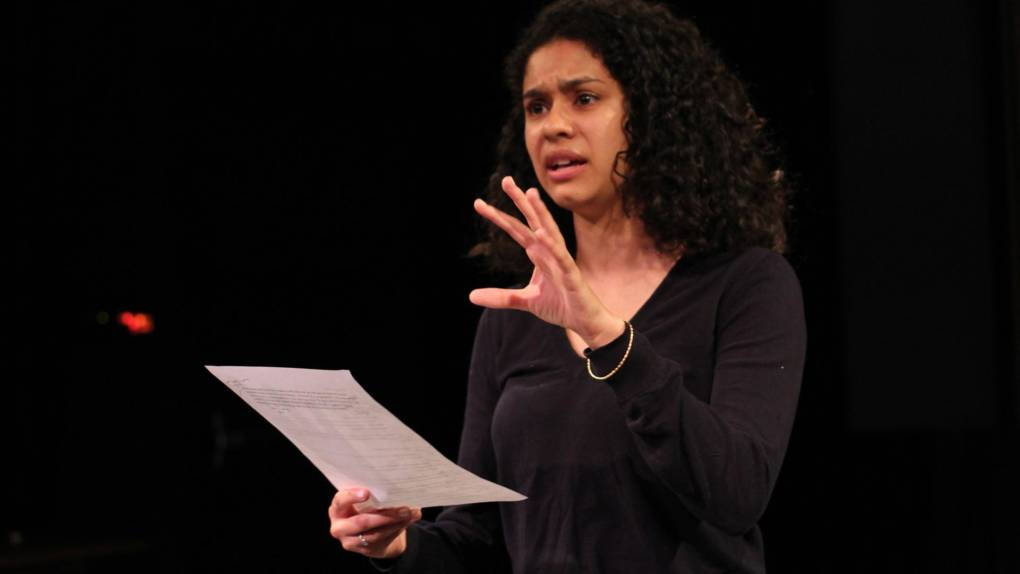
"caption": "Stanford student Chloe Harris performs a monologue written by someone who's experienced mental illness as part of \"Manic Monologues,\" a theatre piece exploring 15 different perspectives, not unlike \"Vagina Monologues\" did with female sexuality in the 1990s. ",
"description": "Stanford student Chloe Harris performs a monologue written by someone who's experienced mental illness as part of \"Manic Monologues,\" a theatre piece exploring 15 different perspectives, not unlike \"Vagina Monologues\" did with female sexuality in the 1990s. ",
"title": "ManicMonlogues.MAIN",
"credit": "Courtesy of Vianno Vo",
"status": "inherit",
"isLoading": false,
"fetchFailed": false
},
"arts_13849361": {
"type": "attachments",
"id": "arts_13849361",
"meta": {
"index": "attachments_1716263798",
"site": "arts",
"id": "13849361",
"found": true
},
"parent": 13849359,
"imgSizes": {
"twentyfourteen-full-width": {
"file": "https://ww2.kqed.org/app/uploads/sites/2/2019/01/RS34816_TW_Frost-Nixon_KevinBerne13-qut-1038x576.jpg",
"width": 1038,
"mimeType": "image/jpeg",
"height": 576
},
"thumbnail": {
"file": "https://ww2.kqed.org/app/uploads/sites/2/2019/01/RS34816_TW_Frost-Nixon_KevinBerne13-qut-160x106.jpg",
"width": 160,
"mimeType": "image/jpeg",
"height": 106
},
"post-thumbnail": {
"file": "https://ww2.kqed.org/app/uploads/sites/2/2019/01/RS34816_TW_Frost-Nixon_KevinBerne13-qut-672x372.jpg",
"width": 672,
"mimeType": "image/jpeg",
"height": 372
},
"kqedFullSize": {
"file": "https://ww2.kqed.org/app/uploads/sites/2/2019/01/RS34816_TW_Frost-Nixon_KevinBerne13-qut.jpg",
"width": 1920,
"height": 1277
},
"large": {
"file": "https://ww2.kqed.org/app/uploads/sites/2/2019/01/RS34816_TW_Frost-Nixon_KevinBerne13-qut-1020x678.jpg",
"width": 1020,
"mimeType": "image/jpeg",
"height": 678
},
"complete_open_graph": {
"file": "https://ww2.kqed.org/app/uploads/sites/2/2019/01/RS34816_TW_Frost-Nixon_KevinBerne13-qut-1200x798.jpg",
"width": 1200,
"mimeType": "image/jpeg",
"height": 798
},
"guest-author-50": {
"file": "https://ww2.kqed.org/app/uploads/sites/2/2019/01/RS34816_TW_Frost-Nixon_KevinBerne13-qut-50x50.jpg",
"width": 50,
"mimeType": "image/jpeg",
"height": 50
},
"guest-author-96": {
"file": "https://ww2.kqed.org/app/uploads/sites/2/2019/01/RS34816_TW_Frost-Nixon_KevinBerne13-qut-96x96.jpg",
"width": 96,
"mimeType": "image/jpeg",
"height": 96
},
"medium": {
"file": "https://ww2.kqed.org/app/uploads/sites/2/2019/01/RS34816_TW_Frost-Nixon_KevinBerne13-qut-800x532.jpg",
"width": 800,
"mimeType": "image/jpeg",
"height": 532
},
"guest-author-64": {
"file": "https://ww2.kqed.org/app/uploads/sites/2/2019/01/RS34816_TW_Frost-Nixon_KevinBerne13-qut-64x64.jpg",
"width": 64,
"mimeType": "image/jpeg",
"height": 64
},
"guest-author-32": {
"file": "https://ww2.kqed.org/app/uploads/sites/2/2019/01/RS34816_TW_Frost-Nixon_KevinBerne13-qut-32x32.jpg",
"width": 32,
"mimeType": "image/jpeg",
"height": 32
},
"full-width": {
"file": "https://ww2.kqed.org/app/uploads/sites/2/2019/01/RS34816_TW_Frost-Nixon_KevinBerne13-qut-1920x1277.jpg",
"width": 1920,
"mimeType": "image/jpeg",
"height": 1277
},
"detail": {
"file": "https://ww2.kqed.org/app/uploads/sites/2/2019/01/RS34816_TW_Frost-Nixon_KevinBerne13-qut-150x150.jpg",
"width": 150,
"mimeType": "image/jpeg",
"height": 150
},
"medium_large": {
"file": "https://ww2.kqed.org/app/uploads/sites/2/2019/01/RS34816_TW_Frost-Nixon_KevinBerne13-qut-768x511.jpg",
"width": 768,
"mimeType": "image/jpeg",
"height": 511
},
"guest-author-128": {
"file": "https://ww2.kqed.org/app/uploads/sites/2/2019/01/RS34816_TW_Frost-Nixon_KevinBerne13-qut-128x128.jpg",
"width": 128,
"mimeType": "image/jpeg",
"height": 128
}
},
"publishDate": 1548381889,
"modified": 1556564555,
"caption": "Richard Nixon (Allen McCullough) reacts to his interviews with Frost in \"Frost/Nixon,\" presented by TheatreWorks Silicon Valley.",
"description": "Richard Nixon (Allen McCullough) reacts to his interviews with Frost in \"Frost/Nixon,\" presented by TheatreWorks Silicon Valley.",
"title": "RS34816_TW_Frost-Nixon_KevinBerne13-qut",
"credit": "Courtesy Kevin Berne",
"status": "inherit",
"isLoading": false,
"fetchFailed": false
},
"arts_11778395": {
"type": "attachments",
"id": "arts_11778395",
"meta": {
"index": "attachments_1716263798",
"site": "arts",
"id": "11778395",
"found": true
},
"parent": 11517480,
"imgSizes": {
"twentyfourteen-full-width": {
"file": "https://ww2.kqed.org/app/uploads/sites/2/2016/06/irene-tu-1038x576.jpg",
"width": 1038,
"mimeType": "image/jpeg",
"height": 576
},
"thumbnail": {
"file": "https://ww2.kqed.org/app/uploads/sites/2/2016/06/irene-tu-400x225.jpg",
"width": 400,
"mimeType": "image/jpeg",
"height": 225
},
"fd-sm": {
"file": "https://ww2.kqed.org/app/uploads/sites/2/2016/06/irene-tu-960x540.jpg",
"width": 960,
"mimeType": "image/jpeg",
"height": 540
},
"post-thumbnail": {
"file": "https://ww2.kqed.org/app/uploads/sites/2/2016/06/irene-tu-672x372.jpg",
"width": 672,
"mimeType": "image/jpeg",
"height": 372
},
"kqedFullSize": {
"file": "https://ww2.kqed.org/app/uploads/sites/2/2016/06/irene-tu.jpg",
"width": 1920,
"height": 1080
},
"large": {
"file": "https://ww2.kqed.org/app/uploads/sites/2/2016/06/irene-tu-1180x664.jpg",
"width": 1180,
"mimeType": "image/jpeg",
"height": 664
},
"guest-author-50": {
"file": "https://ww2.kqed.org/app/uploads/sites/2/2016/06/irene-tu-50x50.jpg",
"width": 50,
"mimeType": "image/jpeg",
"height": 50
},
"guest-author-96": {
"file": "https://ww2.kqed.org/app/uploads/sites/2/2016/06/irene-tu-96x96.jpg",
"width": 96,
"mimeType": "image/jpeg",
"height": 96
},
"medium": {
"file": "https://ww2.kqed.org/app/uploads/sites/2/2016/06/irene-tu-800x450.jpg",
"width": 800,
"mimeType": "image/jpeg",
"height": 450
},
"guest-author-64": {
"file": "https://ww2.kqed.org/app/uploads/sites/2/2016/06/irene-tu-64x64.jpg",
"width": 64,
"mimeType": "image/jpeg",
"height": 64
},
"guest-author-32": {
"file": "https://ww2.kqed.org/app/uploads/sites/2/2016/06/irene-tu-32x32.jpg",
"width": 32,
"mimeType": "image/jpeg",
"height": 32
},
"fd-lrg": {
"file": "https://ww2.kqed.org/app/uploads/sites/2/2016/06/irene-tu-1920x1080.jpg",
"width": 1920,
"mimeType": "image/jpeg",
"height": 1080
},
"fd-med": {
"file": "https://ww2.kqed.org/app/uploads/sites/2/2016/06/irene-tu-1180x664.jpg",
"width": 1180,
"mimeType": "image/jpeg",
"height": 664
},
"detail": {
"file": "https://ww2.kqed.org/app/uploads/sites/2/2016/06/irene-tu-150x150.jpg",
"width": 150,
"mimeType": "image/jpeg",
"height": 150
},
"medium_large": {
"file": "https://ww2.kqed.org/app/uploads/sites/2/2016/06/irene-tu-768x432.jpg",
"width": 768,
"mimeType": "image/jpeg",
"height": 432
},
"guest-author-128": {
"file": "https://ww2.kqed.org/app/uploads/sites/2/2016/06/irene-tu-128x128.jpg",
"width": 128,
"mimeType": "image/jpeg",
"height": 128
}
},
"publishDate": 1467762335,
"modified": 1556127882,
"caption": "Irene Tu",
"description": "Irene Tu",
"title": "Irene Tu",
"credit": "Travis Jensen",
"status": "inherit",
"isLoading": false,
"fetchFailed": false
},
"arts_13855145": {
"type": "attachments",
"id": "arts_13855145",
"meta": {
"index": "attachments_1716263798",
"site": "arts",
"id": "13855145",
"found": true
},
"parent": 13855139,
"imgSizes": {
"twentyfourteen-full-width": {
"file": "https://ww2.kqed.org/app/uploads/sites/2/2019/04/DownHereBelow_Kimberly-Daniels-Mama-Gwen-Dorian-Lockett-Jones-and-John-Mercer-12-Step_credit_Jose-Manuel-Moctezuma-1038x576.jpg",
"width": 1038,
"mimeType": "image/jpeg",
"height": 576
},
"thumbnail": {
"file": "https://ww2.kqed.org/app/uploads/sites/2/2019/04/DownHereBelow_Kimberly-Daniels-Mama-Gwen-Dorian-Lockett-Jones-and-John-Mercer-12-Step_credit_Jose-Manuel-Moctezuma-160x107.jpg",
"width": 160,
"mimeType": "image/jpeg",
"height": 107
},
"post-thumbnail": {
"file": "https://ww2.kqed.org/app/uploads/sites/2/2019/04/DownHereBelow_Kimberly-Daniels-Mama-Gwen-Dorian-Lockett-Jones-and-John-Mercer-12-Step_credit_Jose-Manuel-Moctezuma-672x372.jpg",
"width": 672,
"mimeType": "image/jpeg",
"height": 372
},
"kqedFullSize": {
"file": "https://ww2.kqed.org/app/uploads/sites/2/2019/04/DownHereBelow_Kimberly-Daniels-Mama-Gwen-Dorian-Lockett-Jones-and-John-Mercer-12-Step_credit_Jose-Manuel-Moctezuma.jpg",
"width": 2000,
"height": 1333
},
"large": {
"file": "https://ww2.kqed.org/app/uploads/sites/2/2019/04/DownHereBelow_Kimberly-Daniels-Mama-Gwen-Dorian-Lockett-Jones-and-John-Mercer-12-Step_credit_Jose-Manuel-Moctezuma-1020x680.jpg",
"width": 1020,
"mimeType": "image/jpeg",
"height": 680
},
"complete_open_graph": {
"file": "https://ww2.kqed.org/app/uploads/sites/2/2019/04/DownHereBelow_Kimberly-Daniels-Mama-Gwen-Dorian-Lockett-Jones-and-John-Mercer-12-Step_credit_Jose-Manuel-Moctezuma-1200x800.jpg",
"width": 1200,
"mimeType": "image/jpeg",
"height": 800
},
"full-width": {
"file": "https://ww2.kqed.org/app/uploads/sites/2/2019/04/DownHereBelow_Kimberly-Daniels-Mama-Gwen-Dorian-Lockett-Jones-and-John-Mercer-12-Step_credit_Jose-Manuel-Moctezuma-1920x1280.jpg",
"width": 1920,
"mimeType": "image/jpeg",
"height": 1280
},
"medium": {
"file": "https://ww2.kqed.org/app/uploads/sites/2/2019/04/DownHereBelow_Kimberly-Daniels-Mama-Gwen-Dorian-Lockett-Jones-and-John-Mercer-12-Step_credit_Jose-Manuel-Moctezuma-800x533.jpg",
"width": 800,
"mimeType": "image/jpeg",
"height": 533
},
"medium_large": {
"file": "https://ww2.kqed.org/app/uploads/sites/2/2019/04/DownHereBelow_Kimberly-Daniels-Mama-Gwen-Dorian-Lockett-Jones-and-John-Mercer-12-Step_credit_Jose-Manuel-Moctezuma-768x512.jpg",
"width": 768,
"mimeType": "image/jpeg",
"height": 512
}
},
"publishDate": 1555353081,
"modified": 1555353436,
"caption": "Mama Gwen (Kimberly Daniels), Jones (Dorian Lockett), and 12-Step (John Mercer) in the Village of Radical Acceptance. ",
"description": "Mama Gwen (Kimberly Daniels), Jones (Dorian Lockett), and 12-Step (John Mercer) in the Village of Radical Acceptance. ",
"title": "DownHereBelow_Kimberly Daniels (Mama Gwen), Dorian Lockett (Jones) and John Mercer (12 Step)_credit_Jose Manuel Moctezuma",
"credit": "Jose Manuel Moctezuma",
"status": "inherit",
"isLoading": false,
"fetchFailed": false
},
"arts_10137327": {
"type": "attachments",
"id": "arts_10137327",
"meta": {
"index": "attachments_1716263798",
"site": "arts",
"id": "10137327",
"found": true
},
"parent": 10137317,
"imgSizes": {
"thumbnail": {
"file": "https://ww2.kqed.org/app/uploads/sites/2/2014/06/BBB-MAIN-400x267.jpg",
"width": 400,
"mimeType": "image/jpeg",
"height": 267
},
"post-thumbnail": {
"file": "https://ww2.kqed.org/app/uploads/sites/2/2014/06/BBB-MAIN-672x372.jpg",
"width": 672,
"mimeType": "image/jpeg",
"height": 372
},
"kqedFullSize": {
"file": "https://ww2.kqed.org/app/uploads/sites/2/2014/06/BBB-MAIN.jpg",
"width": 800,
"height": 534
},
"guest-author-96": {
"file": "https://ww2.kqed.org/app/uploads/sites/2/2014/06/BBB-MAIN-96x96.jpg",
"width": 96,
"mimeType": "image/jpeg",
"height": 96
},
"medium": {
"file": "https://ww2.kqed.org/app/uploads/sites/2/2014/06/BBB-MAIN-300x200.jpg",
"width": 300,
"mimeType": "image/jpeg",
"height": 200
},
"guest-author-64": {
"file": "https://ww2.kqed.org/app/uploads/sites/2/2014/06/BBB-MAIN-64x64.jpg",
"width": 64,
"mimeType": "image/jpeg",
"height": 64
},
"detail": {
"file": "https://ww2.kqed.org/app/uploads/sites/2/2014/06/BBB-MAIN-75x75.jpg",
"width": 75,
"mimeType": "image/jpeg",
"height": 75
},
"guest-author-32": {
"file": "https://ww2.kqed.org/app/uploads/sites/2/2014/06/BBB-MAIN-32x32.jpg",
"width": 32,
"mimeType": "image/jpeg",
"height": 32
},
"guest-author-128": {
"file": "https://ww2.kqed.org/app/uploads/sites/2/2014/06/BBB-MAIN-128x128.jpg",
"width": 128,
"mimeType": "image/jpeg",
"height": 128
}
},
"publishDate": 1402001214,
"modified": 1555609383,
"caption": "An enormous hat as part of Beach Blanket Babylon's Fol de Rol, created and designed Steve Silver in 1987.",
"description": null,
"title": "BBB-MAIN",
"credit": "Courtesy Beach Blanket Babylon",
"status": "inherit",
"isLoading": false,
"fetchFailed": false
},
"arts_13854767": {
"type": "attachments",
"id": "arts_13854767",
"meta": {
"index": "attachments_1716263798",
"site": "arts",
"id": "13854767",
"found": true
},
"parent": 13854596,
"imgSizes": {
"twentyfourteen-full-width": {
"file": "https://ww2.kqed.org/app/uploads/sites/2/2019/04/Magic.Theater.MAIN_-1038x576.jpg",
"width": 1038,
"mimeType": "image/jpeg",
"height": 576
},
"thumbnail": {
"file": "https://ww2.kqed.org/app/uploads/sites/2/2019/04/Magic.Theater.MAIN_-160x90.jpg",
"width": 160,
"mimeType": "image/jpeg",
"height": 90
},
"post-thumbnail": {
"file": "https://ww2.kqed.org/app/uploads/sites/2/2019/04/Magic.Theater.MAIN_-672x372.jpg",
"width": 672,
"mimeType": "image/jpeg",
"height": 372
},
"kqedFullSize": {
"file": "https://ww2.kqed.org/app/uploads/sites/2/2019/04/Magic.Theater.MAIN_.jpg",
"width": 2000,
"height": 1125
},
"large": {
"file": "https://ww2.kqed.org/app/uploads/sites/2/2019/04/Magic.Theater.MAIN_-1020x574.jpg",
"width": 1020,
"mimeType": "image/jpeg",
"height": 574
},
"complete_open_graph": {
"file": "https://ww2.kqed.org/app/uploads/sites/2/2019/04/Magic.Theater.MAIN_-1200x675.jpg",
"width": 1200,
"mimeType": "image/jpeg",
"height": 675
},
"guest-author-50": {
"file": "https://ww2.kqed.org/app/uploads/sites/2/2019/04/Magic.Theater.MAIN_-50x50.jpg",
"width": 50,
"mimeType": "image/jpeg",
"height": 50
},
"guest-author-96": {
"file": "https://ww2.kqed.org/app/uploads/sites/2/2019/04/Magic.Theater.MAIN_-96x96.jpg",
"width": 96,
"mimeType": "image/jpeg",
"height": 96
},
"medium": {
"file": "https://ww2.kqed.org/app/uploads/sites/2/2019/04/Magic.Theater.MAIN_-800x450.jpg",
"width": 800,
"mimeType": "image/jpeg",
"height": 450
},
"guest-author-64": {
"file": "https://ww2.kqed.org/app/uploads/sites/2/2019/04/Magic.Theater.MAIN_-64x64.jpg",
"width": 64,
"mimeType": "image/jpeg",
"height": 64
},
"guest-author-32": {
"file": "https://ww2.kqed.org/app/uploads/sites/2/2019/04/Magic.Theater.MAIN_-32x32.jpg",
"width": 32,
"mimeType": "image/jpeg",
"height": 32
},
"full-width": {
"file": "https://ww2.kqed.org/app/uploads/sites/2/2019/04/Magic.Theater.MAIN_-1920x1080.jpg",
"width": 1920,
"mimeType": "image/jpeg",
"height": 1080
},
"medium_large": {
"file": "https://ww2.kqed.org/app/uploads/sites/2/2019/04/Magic.Theater.MAIN_-768x432.jpg",
"width": 768,
"mimeType": "image/jpeg",
"height": 432
},
"guest-author-128": {
"file": "https://ww2.kqed.org/app/uploads/sites/2/2019/04/Magic.Theater.MAIN_-128x128.jpg",
"width": 128,
"mimeType": "image/jpeg",
"height": 128
}
},
"publishDate": 1554940299,
"modified": 1554940317,
"caption": "Steven Anthony Jones and Nancy Moricette in Mfoniso Udofia's In Old Age at Magic Theatre.",
"description": "Steven Anthony Jones and Nancy Moricette in Mfoniso Udofia's In Old Age at Magic Theatre.",
"title": "Magic.Theater.MAIN",
"credit": "Jennifer Reiley",
"status": "inherit",
"isLoading": false,
"fetchFailed": false
},
"arts_13854507": {
"type": "attachments",
"id": "arts_13854507",
"meta": {
"index": "attachments_1716263798",
"site": "arts",
"id": "13854507",
"found": true
},
"parent": 0,
"imgSizes": {
"twentyfourteen-full-width": {
"file": "https://ww2.kqed.org/app/uploads/sites/2/2019/04/Jungle.MAIN_-1038x576.jpg",
"width": 1038,
"mimeType": "image/jpeg",
"height": 576
},
"thumbnail": {
"file": "https://ww2.kqed.org/app/uploads/sites/2/2019/04/Jungle.MAIN_-160x90.jpg",
"width": 160,
"mimeType": "image/jpeg",
"height": 90
},
"post-thumbnail": {
"file": "https://ww2.kqed.org/app/uploads/sites/2/2019/04/Jungle.MAIN_-672x372.jpg",
"width": 672,
"mimeType": "image/jpeg",
"height": 372
},
"kqedFullSize": {
"file": "https://ww2.kqed.org/app/uploads/sites/2/2019/04/Jungle.MAIN_.jpg",
"width": 1920,
"height": 1080
},
"large": {
"file": "https://ww2.kqed.org/app/uploads/sites/2/2019/04/Jungle.MAIN_-1020x574.jpg",
"width": 1020,
"mimeType": "image/jpeg",
"height": 574
},
"complete_open_graph": {
"file": "https://ww2.kqed.org/app/uploads/sites/2/2019/04/Jungle.MAIN_-1200x675.jpg",
"width": 1200,
"mimeType": "image/jpeg",
"height": 675
},
"guest-author-50": {
"file": "https://ww2.kqed.org/app/uploads/sites/2/2019/04/Jungle.MAIN_-50x50.jpg",
"width": 50,
"mimeType": "image/jpeg",
"height": 50
},
"guest-author-96": {
"file": "https://ww2.kqed.org/app/uploads/sites/2/2019/04/Jungle.MAIN_-96x96.jpg",
"width": 96,
"mimeType": "image/jpeg",
"height": 96
},
"medium": {
"file": "https://ww2.kqed.org/app/uploads/sites/2/2019/04/Jungle.MAIN_-800x450.jpg",
"width": 800,
"mimeType": "image/jpeg",
"height": 450
},
"guest-author-64": {
"file": "https://ww2.kqed.org/app/uploads/sites/2/2019/04/Jungle.MAIN_-64x64.jpg",
"width": 64,
"mimeType": "image/jpeg",
"height": 64
},
"guest-author-32": {
"file": "https://ww2.kqed.org/app/uploads/sites/2/2019/04/Jungle.MAIN_-32x32.jpg",
"width": 32,
"mimeType": "image/jpeg",
"height": 32
},
"full-width": {
"file": "https://ww2.kqed.org/app/uploads/sites/2/2019/04/Jungle.MAIN_-1920x1080.jpg",
"width": 1920,
"mimeType": "image/jpeg",
"height": 1080
},
"medium_large": {
"file": "https://ww2.kqed.org/app/uploads/sites/2/2019/04/Jungle.MAIN_-768x432.jpg",
"width": 768,
"mimeType": "image/jpeg",
"height": 432
},
"guest-author-128": {
"file": "https://ww2.kqed.org/app/uploads/sites/2/2019/04/Jungle.MAIN_-128x128.jpg",
"width": 128,
"mimeType": "image/jpeg",
"height": 128
}
},
"publishDate": 1554753542,
"modified": 1554754182,
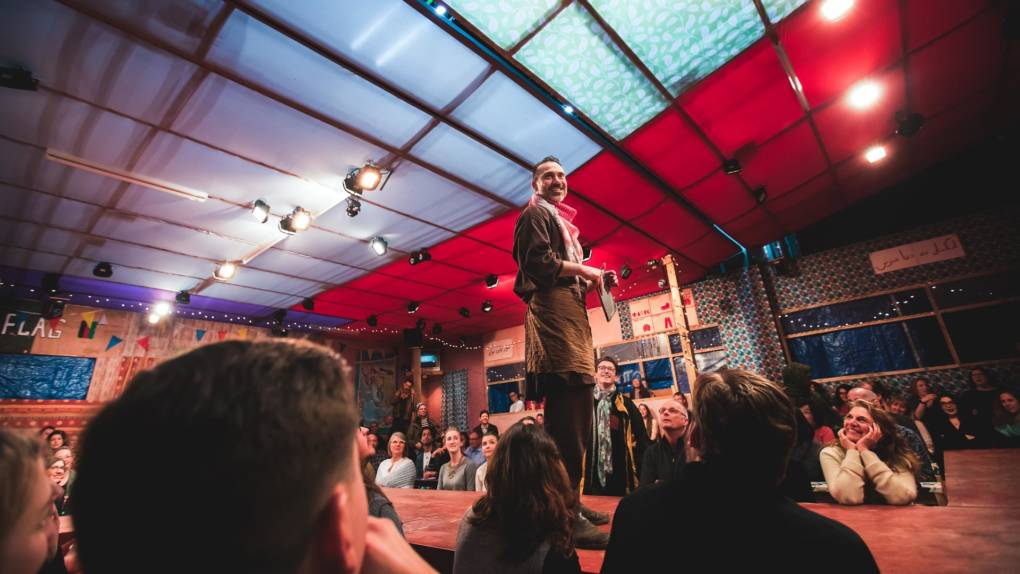
"caption": "Salar (Ben Turner) in 'The Jungle' at the Curran Theater.",
"description": "Salar (Ben Turner) in 'The Jungle' at the Curran Theater.",
"title": "Jungle.MAIN",
"credit": "Little Fang",
"status": "inherit",
"isLoading": false,
"fetchFailed": false
},
"arts_13853900": {
"type": "attachments",
"id": "arts_13853900",
"meta": {
"index": "attachments_1716263798",
"site": "arts",
"id": "13853900",
"found": true
},
"parent": 0,
"imgSizes": {
"twentyfourteen-full-width": {
"file": "https://ww2.kqed.org/app/uploads/sites/2/2019/03/sting-shn-3-1038x576.jpg",
"width": 1038,
"mimeType": "image/jpeg",
"height": 576
},
"thumbnail": {
"file": "https://ww2.kqed.org/app/uploads/sites/2/2019/03/sting-shn-3-160x90.jpg",
"width": 160,
"mimeType": "image/jpeg",
"height": 90
},
"post-thumbnail": {
"file": "https://ww2.kqed.org/app/uploads/sites/2/2019/03/sting-shn-3-672x372.jpg",
"width": 672,
"mimeType": "image/jpeg",
"height": 372
},
"kqedFullSize": {
"file": "https://ww2.kqed.org/app/uploads/sites/2/2019/03/sting-shn-3.jpg",
"width": 1920,
"height": 1080
},
"large": {
"file": "https://ww2.kqed.org/app/uploads/sites/2/2019/03/sting-shn-3-1020x574.jpg",
"width": 1020,
"mimeType": "image/jpeg",
"height": 574
},
"complete_open_graph": {
"file": "https://ww2.kqed.org/app/uploads/sites/2/2019/03/sting-shn-3-1200x675.jpg",
"width": 1200,
"mimeType": "image/jpeg",
"height": 675
},
"guest-author-50": {
"file": "https://ww2.kqed.org/app/uploads/sites/2/2019/03/sting-shn-3-50x50.jpg",
"width": 50,
"mimeType": "image/jpeg",
"height": 50
},
"guest-author-96": {
"file": "https://ww2.kqed.org/app/uploads/sites/2/2019/03/sting-shn-3-96x96.jpg",
"width": 96,
"mimeType": "image/jpeg",
"height": 96
},
"medium": {
"file": "https://ww2.kqed.org/app/uploads/sites/2/2019/03/sting-shn-3-800x450.jpg",
"width": 800,
"mimeType": "image/jpeg",
"height": 450
},
"guest-author-64": {
"file": "https://ww2.kqed.org/app/uploads/sites/2/2019/03/sting-shn-3-64x64.jpg",
"width": 64,
"mimeType": "image/jpeg",
"height": 64
},
"guest-author-32": {
"file": "https://ww2.kqed.org/app/uploads/sites/2/2019/03/sting-shn-3-32x32.jpg",
"width": 32,
"mimeType": "image/jpeg",
"height": 32
},
"full-width": {
"file": "https://ww2.kqed.org/app/uploads/sites/2/2019/03/sting-shn-3-1920x1080.jpg",
"width": 1920,
"mimeType": "image/jpeg",
"height": 1080
},
"medium_large": {
"file": "https://ww2.kqed.org/app/uploads/sites/2/2019/03/sting-shn-3-768x432.jpg",
"width": 768,
"mimeType": "image/jpeg",
"height": 432
},
"guest-author-128": {
"file": "https://ww2.kqed.org/app/uploads/sites/2/2019/03/sting-shn-3-128x128.jpg",
"width": 128,
"mimeType": "image/jpeg",
"height": 128
}
},
"publishDate": 1553820694,
"modified": 1553821413,
"caption": "Sting performs at a press conference for his musical, 'The Last Ship,' coming to San Francisco in 2020.",
"description": "Sting performs at a press conference for his musical, 'The Last Ship,' coming to San Francisco in 2020.",
"title": "sting shn 3",
"credit": "Gabe Meline/KQED",
"status": "inherit",
"isLoading": false,
"fetchFailed": false
},
"arts_13853378": {
"type": "attachments",
"id": "arts_13853378",
"meta": {
"index": "attachments_1716263798",
"site": "arts",
"id": "13853378",
"found": true
},
"parent": 13853371,
"imgSizes": {
"twentyfourteen-full-width": {
"file": "https://ww2.kqed.org/app/uploads/sites/2/2019/03/Ella-Ruth-Francis-and-Jeunée-Simon_credit_Cheshire-Issacs-1038x576.jpg",
"width": 1038,
"mimeType": "image/jpeg",
"height": 576
},
"thumbnail": {
"file": "https://ww2.kqed.org/app/uploads/sites/2/2019/03/Ella-Ruth-Francis-and-Jeunée-Simon_credit_Cheshire-Issacs-160x107.jpg",
"width": 160,
"mimeType": "image/jpeg",
"height": 107
},
"post-thumbnail": {
"file": "https://ww2.kqed.org/app/uploads/sites/2/2019/03/Ella-Ruth-Francis-and-Jeunée-Simon_credit_Cheshire-Issacs-672x372.jpg",
"width": 672,
"mimeType": "image/jpeg",
"height": 372
},
"kqedFullSize": {
"file": "https://ww2.kqed.org/app/uploads/sites/2/2019/03/Ella-Ruth-Francis-and-Jeunée-Simon_credit_Cheshire-Issacs.jpg",
"width": 2000,
"height": 1333
},
"large": {
"file": "https://ww2.kqed.org/app/uploads/sites/2/2019/03/Ella-Ruth-Francis-and-Jeunée-Simon_credit_Cheshire-Issacs-1020x680.jpg",
"width": 1020,
"mimeType": "image/jpeg",
"height": 680
},
"complete_open_graph": {
"file": "https://ww2.kqed.org/app/uploads/sites/2/2019/03/Ella-Ruth-Francis-and-Jeunée-Simon_credit_Cheshire-Issacs-1200x800.jpg",
"width": 1200,
"mimeType": "image/jpeg",
"height": 800
},
"guest-author-50": {
"file": "https://ww2.kqed.org/app/uploads/sites/2/2019/03/Ella-Ruth-Francis-and-Jeunée-Simon_credit_Cheshire-Issacs-50x50.jpg",
"width": 50,
"mimeType": "image/jpeg",
"height": 50
},
"guest-author-96": {
"file": "https://ww2.kqed.org/app/uploads/sites/2/2019/03/Ella-Ruth-Francis-and-Jeunée-Simon_credit_Cheshire-Issacs-96x96.jpg",
"width": 96,
"mimeType": "image/jpeg",
"height": 96
},
"medium": {
"file": "https://ww2.kqed.org/app/uploads/sites/2/2019/03/Ella-Ruth-Francis-and-Jeunée-Simon_credit_Cheshire-Issacs-800x533.jpg",
"width": 800,
"mimeType": "image/jpeg",
"height": 533
},
"guest-author-64": {
"file": "https://ww2.kqed.org/app/uploads/sites/2/2019/03/Ella-Ruth-Francis-and-Jeunée-Simon_credit_Cheshire-Issacs-64x64.jpg",
"width": 64,
"mimeType": "image/jpeg",
"height": 64
},
"guest-author-32": {
"file": "https://ww2.kqed.org/app/uploads/sites/2/2019/03/Ella-Ruth-Francis-and-Jeunée-Simon_credit_Cheshire-Issacs-32x32.jpg",
"width": 32,
"mimeType": "image/jpeg",
"height": 32
},
"full-width": {
"file": "https://ww2.kqed.org/app/uploads/sites/2/2019/03/Ella-Ruth-Francis-and-Jeunée-Simon_credit_Cheshire-Issacs-1920x1280.jpg",
"width": 1920,
"mimeType": "image/jpeg",
"height": 1280
},
"medium_large": {
"file": "https://ww2.kqed.org/app/uploads/sites/2/2019/03/Ella-Ruth-Francis-and-Jeunée-Simon_credit_Cheshire-Issacs-768x512.jpg",
"width": 768,
"mimeType": "image/jpeg",
"height": 512
},
"guest-author-128": {
"file": "https://ww2.kqed.org/app/uploads/sites/2/2019/03/Ella-Ruth-Francis-and-Jeunée-Simon_credit_Cheshire-Issacs-128x128.jpg",
"width": 128,
"mimeType": "image/jpeg",
"height": 128
}
},
"publishDate": 1553113656,
"modified": 1553113732,
"caption": "Ella Ruth Francis and Jeunée Simon circle each other in La Ronde.",
"description": "Ella Ruth Francis and Jeunée Simon circle each other in La Ronde.",
"title": "Ella Ruth Francis and Jeunée Simon_credit_Cheshire Issacs",
"credit": "Cheshire Issacs",
"status": "inherit",
"isLoading": false,
"fetchFailed": false
},
"arts_13853574": {
"type": "attachments",
"id": "arts_13853574",
"meta": {
"index": "attachments_1716263798",
"site": "arts",
"id": "13853574",
"found": true
},
"parent": 13853573,
"imgSizes": {
"twentyfourteen-full-width": {
"file": "https://ww2.kqed.org/app/uploads/sites/2/2019/03/CityLights_Eurydice_LeahCohen_LaurenRhodes_hands2-1038x576.jpeg",
"width": 1038,
"mimeType": "image/jpeg",
"height": 576
},
"thumbnail": {
"file": "https://ww2.kqed.org/app/uploads/sites/2/2019/03/CityLights_Eurydice_LeahCohen_LaurenRhodes_hands2-160x107.jpeg",
"width": 160,
"mimeType": "image/jpeg",
"height": 107
},
"post-thumbnail": {
"file": "https://ww2.kqed.org/app/uploads/sites/2/2019/03/CityLights_Eurydice_LeahCohen_LaurenRhodes_hands2-672x372.jpeg",
"width": 672,
"mimeType": "image/jpeg",
"height": 372
},
"kqedFullSize": {
"file": "https://ww2.kqed.org/app/uploads/sites/2/2019/03/CityLights_Eurydice_LeahCohen_LaurenRhodes_hands2.jpeg",
"width": 2048,
"height": 1365
},
"large": {
"file": "https://ww2.kqed.org/app/uploads/sites/2/2019/03/CityLights_Eurydice_LeahCohen_LaurenRhodes_hands2-1020x680.jpeg",
"width": 1020,
"mimeType": "image/jpeg",
"height": 680
},
"complete_open_graph": {
"file": "https://ww2.kqed.org/app/uploads/sites/2/2019/03/CityLights_Eurydice_LeahCohen_LaurenRhodes_hands2-1200x800.jpeg",
"width": 1200,
"mimeType": "image/jpeg",
"height": 800
},
"guest-author-50": {
"file": "https://ww2.kqed.org/app/uploads/sites/2/2019/03/CityLights_Eurydice_LeahCohen_LaurenRhodes_hands2-50x50.jpeg",
"width": 50,
"mimeType": "image/jpeg",
"height": 50
},
"guest-author-96": {
"file": "https://ww2.kqed.org/app/uploads/sites/2/2019/03/CityLights_Eurydice_LeahCohen_LaurenRhodes_hands2-96x96.jpeg",
"width": 96,
"mimeType": "image/jpeg",
"height": 96
},
"medium": {
"file": "https://ww2.kqed.org/app/uploads/sites/2/2019/03/CityLights_Eurydice_LeahCohen_LaurenRhodes_hands2-800x533.jpeg",
"width": 800,
"mimeType": "image/jpeg",
"height": 533
},
"guest-author-64": {
"file": "https://ww2.kqed.org/app/uploads/sites/2/2019/03/CityLights_Eurydice_LeahCohen_LaurenRhodes_hands2-64x64.jpeg",
"width": 64,
"mimeType": "image/jpeg",
"height": 64
},
"guest-author-32": {
"file": "https://ww2.kqed.org/app/uploads/sites/2/2019/03/CityLights_Eurydice_LeahCohen_LaurenRhodes_hands2-32x32.jpeg",
"width": 32,
"mimeType": "image/jpeg",
"height": 32
},
"full-width": {
"file": "https://ww2.kqed.org/app/uploads/sites/2/2019/03/CityLights_Eurydice_LeahCohen_LaurenRhodes_hands2-1920x1280.jpeg",
"width": 1920,
"mimeType": "image/jpeg",
"height": 1280
},
"medium_large": {
"file": "https://ww2.kqed.org/app/uploads/sites/2/2019/03/CityLights_Eurydice_LeahCohen_LaurenRhodes_hands2-768x512.jpeg",
"width": 768,
"mimeType": "image/jpeg",
"height": 512
},
"guest-author-128": {
"file": "https://ww2.kqed.org/app/uploads/sites/2/2019/03/CityLights_Eurydice_LeahCohen_LaurenRhodes_hands2-128x128.jpeg",
"width": 128,
"mimeType": "image/jpeg",
"height": 128
}
},
"publishDate": 1553312439,
"modified": 1553369878,
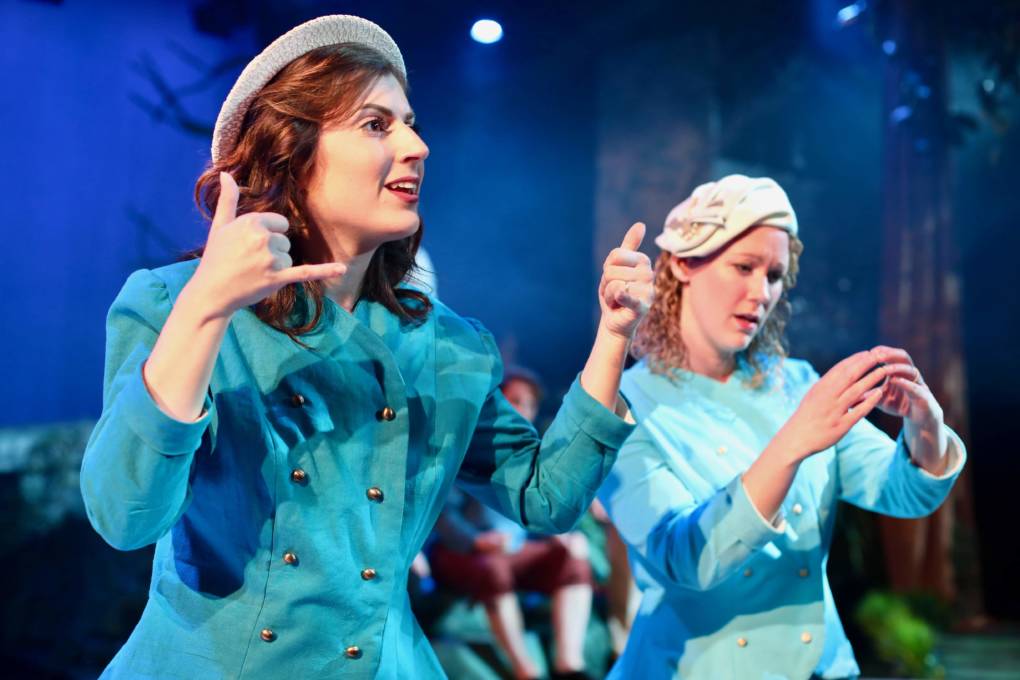
"caption": "Every role in the City Light production of 'Eurydice' is played by two actors: one signing in American Sign Language, and one speaking English. Pictured: Leah Cohen, ASL, and Lauren Rhodes, English.",
"description": "Every role in the City Light production of 'Eurydice' is played by two actors: one signing in American Sign Language, and one speaking English. Pictured: Leah Cohen, ASL, and Lauren Rhodes, English.",
"title": "CityLights_Eurydice_LeahCohen_LaurenRhodes_hands2",
"credit": "Photo: Courtesy of Taylor Sanders",
"status": "inherit",
"isLoading": false,
"fetchFailed": false
},
"arts_13853201": {
"type": "attachments",
"id": "arts_13853201",
"meta": {
"index": "attachments_1716263798",
"site": "arts",
"id": "13853201",
"found": true
},
"parent": 13853196,
"imgSizes": {
"twentyfourteen-full-width": {
"file": "https://ww2.kqed.org/app/uploads/sites/2/2019/03/Black-Eagles-receive-their-flying-orders-from-General-Lucas.-Photo-by-Joseph-Giammarco--1038x576.jpg",
"width": 1038,
"mimeType": "image/jpeg",
"height": 576
},
"thumbnail": {
"file": "https://ww2.kqed.org/app/uploads/sites/2/2019/03/Black-Eagles-receive-their-flying-orders-from-General-Lucas.-Photo-by-Joseph-Giammarco--160x92.jpg",
"width": 160,
"mimeType": "image/jpeg",
"height": 92
},
"post-thumbnail": {
"file": "https://ww2.kqed.org/app/uploads/sites/2/2019/03/Black-Eagles-receive-their-flying-orders-from-General-Lucas.-Photo-by-Joseph-Giammarco--672x372.jpg",
"width": 672,
"mimeType": "image/jpeg",
"height": 372
},
"kqedFullSize": {
"file": "https://ww2.kqed.org/app/uploads/sites/2/2019/03/Black-Eagles-receive-their-flying-orders-from-General-Lucas.-Photo-by-Joseph-Giammarco-.jpg",
"width": 2000,
"height": 1149
},
"large": {
"file": "https://ww2.kqed.org/app/uploads/sites/2/2019/03/Black-Eagles-receive-their-flying-orders-from-General-Lucas.-Photo-by-Joseph-Giammarco--1020x586.jpg",
"width": 1020,
"mimeType": "image/jpeg",
"height": 586
},
"complete_open_graph": {
"file": "https://ww2.kqed.org/app/uploads/sites/2/2019/03/Black-Eagles-receive-their-flying-orders-from-General-Lucas.-Photo-by-Joseph-Giammarco--1200x689.jpg",
"width": 1200,
"mimeType": "image/jpeg",
"height": 689
},
"guest-author-50": {
"file": "https://ww2.kqed.org/app/uploads/sites/2/2019/03/Black-Eagles-receive-their-flying-orders-from-General-Lucas.-Photo-by-Joseph-Giammarco--50x50.jpg",
"width": 50,
"mimeType": "image/jpeg",
"height": 50
},
"guest-author-96": {
"file": "https://ww2.kqed.org/app/uploads/sites/2/2019/03/Black-Eagles-receive-their-flying-orders-from-General-Lucas.-Photo-by-Joseph-Giammarco--96x96.jpg",
"width": 96,
"mimeType": "image/jpeg",
"height": 96
},
"medium": {
"file": "https://ww2.kqed.org/app/uploads/sites/2/2019/03/Black-Eagles-receive-their-flying-orders-from-General-Lucas.-Photo-by-Joseph-Giammarco--800x460.jpg",
"width": 800,
"mimeType": "image/jpeg",
"height": 460
},
"guest-author-64": {
"file": "https://ww2.kqed.org/app/uploads/sites/2/2019/03/Black-Eagles-receive-their-flying-orders-from-General-Lucas.-Photo-by-Joseph-Giammarco--64x64.jpg",
"width": 64,
"mimeType": "image/jpeg",
"height": 64
},
"guest-author-32": {
"file": "https://ww2.kqed.org/app/uploads/sites/2/2019/03/Black-Eagles-receive-their-flying-orders-from-General-Lucas.-Photo-by-Joseph-Giammarco--32x32.jpg",
"width": 32,
"mimeType": "image/jpeg",
"height": 32
},
"full-width": {
"file": "https://ww2.kqed.org/app/uploads/sites/2/2019/03/Black-Eagles-receive-their-flying-orders-from-General-Lucas.-Photo-by-Joseph-Giammarco--1920x1103.jpg",
"width": 1920,
"mimeType": "image/jpeg",
"height": 1103
},
"medium_large": {
"file": "https://ww2.kqed.org/app/uploads/sites/2/2019/03/Black-Eagles-receive-their-flying-orders-from-General-Lucas.-Photo-by-Joseph-Giammarco--768x441.jpg",
"width": 768,
"mimeType": "image/jpeg",
"height": 441
},
"guest-author-128": {
"file": "https://ww2.kqed.org/app/uploads/sites/2/2019/03/Black-Eagles-receive-their-flying-orders-from-General-Lucas.-Photo-by-Joseph-Giammarco--128x128.jpg",
"width": 128,
"mimeType": "image/jpeg",
"height": 128
}
},
"publishDate": 1552935740,
"modified": 1552936134,
"caption": "Black Eagles prepare for battle as the first African-American flying squadron in the US Military.",
"description": "Seven actors in military garb onstage at Black Eagles, by Leslie Lee.",
"title": "Black Eagles receive their flying orders from General Lucas. Photo by- Joseph Giammarco",
"credit": "Joseph Giammarco",
"status": "inherit",
"isLoading": false,
"fetchFailed": false
},
"arts_13851157": {
"type": "attachments",
"id": "arts_13851157",
"meta": {
"index": "attachments_1716263798",
"site": "arts",
"id": "13851157",
"found": true
},
"parent": 13851076,
"imgSizes": {
"twentyfourteen-full-width": {
"file": "https://ww2.kqed.org/app/uploads/sites/2/2019/02/HS6-1038x576.jpg",
"width": 1038,
"mimeType": "image/jpeg",
"height": 576
},
"thumbnail": {
"file": "https://ww2.kqed.org/app/uploads/sites/2/2019/02/HS6-160x107.jpg",
"width": 160,
"mimeType": "image/jpeg",
"height": 107
},
"post-thumbnail": {
"file": "https://ww2.kqed.org/app/uploads/sites/2/2019/02/HS6-672x372.jpg",
"width": 672,
"mimeType": "image/jpeg",
"height": 372
},
"kqedFullSize": {
"file": "https://ww2.kqed.org/app/uploads/sites/2/2019/02/HS6.jpg",
"width": 1920,
"height": 1287
},
"large": {
"file": "https://ww2.kqed.org/app/uploads/sites/2/2019/02/HS6-1020x684.jpg",
"width": 1020,
"mimeType": "image/jpeg",
"height": 684
},
"complete_open_graph": {
"file": "https://ww2.kqed.org/app/uploads/sites/2/2019/02/HS6-1200x804.jpg",
"width": 1200,
"mimeType": "image/jpeg",
"height": 804
},
"guest-author-50": {
"file": "https://ww2.kqed.org/app/uploads/sites/2/2019/02/HS6-50x50.jpg",
"width": 50,
"mimeType": "image/jpeg",
"height": 50
},
"guest-author-96": {
"file": "https://ww2.kqed.org/app/uploads/sites/2/2019/02/HS6-96x96.jpg",
"width": 96,
"mimeType": "image/jpeg",
"height": 96
},
"medium": {
"file": "https://ww2.kqed.org/app/uploads/sites/2/2019/02/HS6-800x536.jpg",
"width": 800,
"mimeType": "image/jpeg",
"height": 536
},
"guest-author-64": {
"file": "https://ww2.kqed.org/app/uploads/sites/2/2019/02/HS6-64x64.jpg",
"width": 64,
"mimeType": "image/jpeg",
"height": 64
},
"guest-author-32": {
"file": "https://ww2.kqed.org/app/uploads/sites/2/2019/02/HS6-32x32.jpg",
"width": 32,
"mimeType": "image/jpeg",
"height": 32
},
"full-width": {
"file": "https://ww2.kqed.org/app/uploads/sites/2/2019/02/HS6-1920x1287.jpg",
"width": 1920,
"mimeType": "image/jpeg",
"height": 1287
},
"detail": {
"file": "https://ww2.kqed.org/app/uploads/sites/2/2019/02/HS6-150x150.jpg",
"width": 150,
"mimeType": "image/jpeg",
"height": 150
},
"medium_large": {
"file": "https://ww2.kqed.org/app/uploads/sites/2/2019/02/HS6-768x515.jpg",
"width": 768,
"mimeType": "image/jpeg",
"height": 515
},
"guest-author-128": {
"file": "https://ww2.kqed.org/app/uploads/sites/2/2019/02/HS6-128x128.jpg",
"width": 128,
"mimeType": "image/jpeg",
"height": 128
}
},
"publishDate": 1550567269,
"modified": 1550567552,
"caption": "The cast of 'Hairspray' rehearses at Oakland High School.",
"description": "The cast of 'Hairspray' rehearses at Oakland High School.",
"title": "HS6",
"credit": "Gabe Meline/KQED",
"status": "inherit",
"isLoading": false,
"fetchFailed": false
}
},
"audioPlayerReducer": {
"postId": "stream_live",
"isPaused": true,
"isPlaying": false,
"pfsActive": false,
"pledgeModalIsOpen": true,
"playerDrawerIsOpen": false,
"liveAudioPlayStartedAt": 0,
"liveAudioPlayContext": ""
},
"authorsReducer": {
"byline_arts_13855327": {
"type": "authors",
"id": "byline_arts_13855327",
"meta": {
"override": true
},
"slug": "byline_arts_13855327",
"name": "Associated Press",
"isLoading": false
},
"gmeline": {
"type": "authors",
"id": "185",
"meta": {
"index": "authors_1716337520",
"id": "185",
"found": true
},
"name": "Gabe Meline",
"firstName": "Gabe",
"lastName": "Meline",
"slug": "gmeline",
"email": "gmeline@kqed.org",
"display_author_email": true,
"staff_mastheads": [
"arts"
],
"title": "Senior Editor, KQED Arts & Culture",
"bio": "Gabe Meline entered journalism at age 15 making photocopied zines, and has since earned awards from the Edward R. Murrow Awards, the Society for Professional Journalists, the Online Journalism Awards, the Association of Alternative Newsweeklies and the California Newspaper Publishers Association. Prior to KQED, he was the editor of the \u003cem>North Bay Bohemian\u003c/em> and a touring musician. He lives with his wife and daughter in his hometown of Santa Rosa, CA.",
"avatar": "https://secure.gravatar.com/avatar/5bebe57be0d8bc2dd318934feb47299e2d2d10cba28d09d8d7afb389a2ce2bdd?s=600&d=blank&r=g",
"twitter": null,
"bluesky": null,
"facebook": null,
"instagram": null,
"linkedin": null,
"sites": [
{
"site": "",
"roles": [
"editor"
]
},
{
"site": "arts",
"roles": [
"administrator"
]
},
{
"site": "artschool",
"roles": [
"editor"
]
},
{
"site": "news",
"roles": [
"author"
]
},
{
"site": "pop",
"roles": [
"editor"
]
},
{
"site": "bayareabites",
"roles": [
"editor"
]
},
{
"site": "food",
"roles": [
"editor"
]
},
{
"site": "forum",
"roles": [
"administrator"
]
},
{
"site": "liveblog",
"roles": [
"editor"
]
},
{
"site": "hiphop",
"roles": [
"editor"
]
}
],
"headData": {
"title": "Gabe Meline | KQED",
"description": "Senior Editor, KQED Arts & Culture",
"ogImgSrc": "https://secure.gravatar.com/avatar/5bebe57be0d8bc2dd318934feb47299e2d2d10cba28d09d8d7afb389a2ce2bdd?s=600&d=blank&r=g",
"twImgSrc": "https://secure.gravatar.com/avatar/5bebe57be0d8bc2dd318934feb47299e2d2d10cba28d09d8d7afb389a2ce2bdd?s=600&d=blank&r=g"
},
"isLoading": false,
"link": "/author/gmeline"
},
"rachael-myrow": {
"type": "authors",
"id": "251",
"meta": {
"index": "authors_1716337520",
"id": "251",
"found": true
},
"name": "Rachael Myrow",
"firstName": "Rachael",
"lastName": "Myrow",
"slug": "rachael-myrow",
"email": "rmyrow@kqed.org",
"display_author_email": true,
"staff_mastheads": [
"news"
],
"title": "Senior Editor of KQED's Silicon Valley News Desk",
"bio": "• I write and edit stories about how Silicon Valley power and policies shape everyday life in California. I’m also passionate about making Bay Area history and culture more accessible to a broad public. • I’ve been a journalist for most of my life, starting in high school with The Franklin Press in Los Angeles, where I grew up. While earning my first degree in English at UC Berkeley, I got my start in public radio at KALX-FM. After completing a second degree in journalism at Cal, I landed my first professional job at Marketplace, then moved on to KPCC (now LAist), and then KQED, where I hosted The California Report for more than seven years. • My reporting has appeared on NPR, The World, WBUR’s \u003ci>Here & Now\u003c/i>, and the BBC. I also guest host for KQED’s \u003ci>Forum\u003c/i>, as well as the Commonwealth Club in San Francisco. • I speak periodically on media, democracy and technology issues, and do voiceover work for documentaries and educational video projects. • Outside of the studio, you'll find me hiking Bay Area trails and whipping up Insta-ready meals in my kitchen. • I do not accept gifts, money, or favors from anyone connected to my reporting, I don't pay people for information, and I do not support or donate to political causes. • I strive to treat the people I report on with fairness, honesty, and respect. I also recognize there are often multiple sides to a story and work to verify information through multiple sources and documentation. If I get something wrong, I correct it.",
"avatar": "https://secure.gravatar.com/avatar/3ed8a3c5f26025e4a805ba634cda8cd764906b97438a6d9ce216b044e340da4e?s=600&d=blank&r=g",
"twitter": "rachaelmyrow",
"bluesky": null,
"facebook": null,
"instagram": null,
"linkedin": "https://www.linkedin.com/in/rachaelmyrow/",
"sites": [
{
"site": "arts",
"roles": [
"administrator"
]
},
{
"site": "news",
"roles": [
"edit_others_posts",
"editor"
]
},
{
"site": "futureofyou",
"roles": [
"editor"
]
},
{
"site": "bayareabites",
"roles": [
"editor"
]
},
{
"site": "stateofhealth",
"roles": [
"editor"
]
},
{
"site": "science",
"roles": [
"editor"
]
},
{
"site": "food",
"roles": [
"editor"
]
},
{
"site": "forum",
"roles": [
"editor"
]
},
{
"site": "liveblog",
"roles": [
"author"
]
}
],
"headData": {
"title": "Rachael Myrow | KQED",
"description": "Senior Editor of KQED's Silicon Valley News Desk",
"ogImgSrc": "https://secure.gravatar.com/avatar/3ed8a3c5f26025e4a805ba634cda8cd764906b97438a6d9ce216b044e340da4e?s=600&d=blank&r=g",
"twImgSrc": "https://secure.gravatar.com/avatar/3ed8a3c5f26025e4a805ba634cda8cd764906b97438a6d9ce216b044e340da4e?s=600&d=blank&r=g"
},
"isLoading": false,
"link": "/author/rachael-myrow"
},
"slefebvre": {
"type": "authors",
"id": "11091",
"meta": {
"index": "authors_1716337520",
"id": "11091",
"found": true
},
"name": "Sam Lefebvre",
"firstName": "Sam",
"lastName": "Lefebvre",
"slug": "slefebvre",
"email": "sdlefebvre@gmail.com",
"display_author_email": false,
"staff_mastheads": [],
"title": "KQED Contributor",
"bio": "Sam Lefebvre is an award-winning reporter at KQED Arts. He has worked as an editor and columnist at the \u003cem>East Bay Express\u003c/em>, \u003cem>SF Weekly \u003c/em>and Impose Magazine, and his journalism and criticism has appeared in \u003cem>The New York Times\u003c/em>, the Guardian and Pitchfork.",
"avatar": "https://secure.gravatar.com/avatar/49d39b42930b77fb13784ddd9fa63fe780666b71bf289368509dba576b64e69b?s=600&d=blank&r=g",
"twitter": "Lefebvre_Sam",
"bluesky": null,
"facebook": null,
"instagram": null,
"linkedin": null,
"sites": [
{
"site": "arts",
"roles": [
"subscriber"
]
},
{
"site": "news",
"roles": [
"author"
]
}
],
"headData": {
"title": "Sam Lefebvre | KQED",
"description": "KQED Contributor",
"ogImgSrc": "https://secure.gravatar.com/avatar/49d39b42930b77fb13784ddd9fa63fe780666b71bf289368509dba576b64e69b?s=600&d=blank&r=g",
"twImgSrc": "https://secure.gravatar.com/avatar/49d39b42930b77fb13784ddd9fa63fe780666b71bf289368509dba576b64e69b?s=600&d=blank&r=g"
},
"isLoading": false,
"link": "/author/slefebvre"
},
"nvoynovskaya": {
"type": "authors",
"id": "11387",
"meta": {
"index": "authors_1716337520",
"id": "11387",
"found": true
},
"name": "Nastia Voynovskaya",
"firstName": "Nastia",
"lastName": "Voynovskaya",
"slug": "nvoynovskaya",
"email": "nvoynovskaya@kqed.org",
"display_author_email": false,
"staff_mastheads": [
"arts"
],
"title": "Editor and reporter",
"bio": "Nastia Voynovskaya is a reporter, editor and host at KQED Arts & Culture. She's been covering the arts in the Bay Area for over a decade, with a focus on music, queer culture, labor issues and grassroots organizing. She has edited KQED story series such as Trans Bay: A History of San Francisco's Gender-Diverse Community, and co-created KQED's Bay Area hip-hop history project, That's My Word. Nastia's work has been recognized by the Society of Professional Journalists and San Francisco Press Club. She regularly appears on podcasts and radio programs, including NPR's All Songs Considered, and hosts live events where music, culture and conversation meet.",
"avatar": "https://secure.gravatar.com/avatar/5025ee460e5a85d69ca20ea6c6f2f80d7e17795c828f61ea3aecfcd924e9042e?s=600&d=blank&r=g",
"twitter": null,
"bluesky": null,
"facebook": null,
"instagram": "https://www.instagram.com/nananastia/",
"linkedin": null,
"sites": [
{
"site": "",
"roles": [
"editor"
]
},
{
"site": "arts",
"roles": [
"administrator"
]
},
{
"site": "news",
"roles": [
"editor"
]
},
{
"site": "pop",
"roles": [
"administrator"
]
},
{
"site": "bayareabites",
"roles": [
"editor"
]
},
{
"site": "podcasts",
"roles": [
"editor"
]
},
{
"site": "hiphop",
"roles": [
"editor"
]
}
],
"headData": {
"title": "Nastia Voynovskaya | KQED",
"description": "Editor and reporter",
"ogImgSrc": "https://secure.gravatar.com/avatar/5025ee460e5a85d69ca20ea6c6f2f80d7e17795c828f61ea3aecfcd924e9042e?s=600&d=blank&r=g",
"twImgSrc": "https://secure.gravatar.com/avatar/5025ee460e5a85d69ca20ea6c6f2f80d7e17795c828f61ea3aecfcd924e9042e?s=600&d=blank&r=g"
},
"isLoading": false,
"link": "/author/nvoynovskaya"
},
"ngluckstern": {
"type": "authors",
"id": "11497",
"meta": {
"index": "authors_1716337520",
"id": "11497",
"found": true
},
"name": "Nicole Gluckstern",
"firstName": "Nicole",
"lastName": "Gluckstern",
"slug": "ngluckstern",
"email": "gluckstern.nicole@gmail.com",
"display_author_email": false,
"staff_mastheads": [],
"title": "KQED Contributor",
"bio": null,
"avatar": "https://secure.gravatar.com/avatar/2c3d593194017bfe811a998ad03140909de330b22abebf4889e1a564ce5b3495?s=600&d=blank&r=g",
"twitter": null,
"bluesky": null,
"facebook": null,
"instagram": null,
"linkedin": null,
"sites": [
{
"site": "arts",
"roles": [
"contributor"
]
}
],
"headData": {
"title": "Nicole Gluckstern | KQED",
"description": "KQED Contributor",
"ogImgSrc": "https://secure.gravatar.com/avatar/2c3d593194017bfe811a998ad03140909de330b22abebf4889e1a564ce5b3495?s=600&d=blank&r=g",
"twImgSrc": "https://secure.gravatar.com/avatar/2c3d593194017bfe811a998ad03140909de330b22abebf4889e1a564ce5b3495?s=600&d=blank&r=g"
},
"isLoading": false,
"link": "/author/ngluckstern"
}
},
"pagesReducer": {
"arts_category_theater": {
"type": "terms",
"id": "arts_967",
"meta": {
"index": "terms_1716263798",
"site": "arts",
"id": "967",
"score": 12.286901
},
"featImg": null,
"name": "Theater",
"description": null,
"taxonomy": "category",
"headData": {
"twImgId": null,
"twTitle": null,
"ogTitle": null,
"ogImgId": null,
"twDescription": null,
"description": null,
"title": "Theater Archives | KQED Arts",
"ogDescription": null
},
"ttid": 985,
"slug": "theater",
"isLoading": false,
"title": "Theater",
"pageMeta": {
"site": "arts",
"WpPageTemplate": "page-topic-editorial",
"currentPage": 27
},
"blocks": [
{
"blockName": "kqed/post-list",
"attrs": {
"layout": "cardArticle2",
"query": "posts/arts?category=theater",
"seeMore": false,
"paginated": true,
"page": 27
}
},
{
"blockName": "kqed/ad"
}
]
}
},
"pfsSessionReducer": {},
"postsReducer": {
"stream_live": {
"type": "live",
"id": "stream_live",
"audioUrl": "https://streams.kqed.org/kqedradio",
"title": "Live Stream",
"excerpt": "Live Stream information currently unavailable.",
"link": "/radio",
"featImg": "",
"label": {
"name": "KQED Live",
"link": "/"
}
},
"stream_kqedNewscast": {
"type": "posts",
"id": "stream_kqedNewscast",
"audioUrl": "https://www.kqed.org/.stream/anon/radio/RDnews/newscast.mp3?_=1",
"title": "KQED Newscast",
"featImg": "",
"label": {
"name": "88.5 FM",
"link": "/"
}
},
"arts_13856397": {
"type": "posts",
"id": "arts_13856397",
"meta": {
"index": "posts_1716263798",
"site": "arts",
"id": "13856397",
"score": null,
"sort": [
1556836500000
]
},
"guestAuthors": [],
"slug": "manic-monologues-seeks-to-disrupt-the-stigma-around-mental-illness",
"title": "'Manic Monologues' Seeks to Disrupt the Stigma Around Mental Illness",
"publishDate": 1556836500,
"format": "audio",
"headTitle": "‘Manic Monologues’ Seeks to Disrupt the Stigma Around Mental Illness | KQED",
"labelTerm": {
"site": "arts"
},
"content": "\u003cp dir=\"ltr\">In today’s enlightened age, polite people would never admit talking about mental illness is taboo. But it is. If you have a psychiatric illness, or someone you love does, you know it’s awkward to talk about. Raise the subject, and people mutter something vaguely sympathetic and find a way to move away from you or change the subject.\u003c/p>\n\u003cp dir=\"ltr\">Then there’s the taboo you feel within yourself. That was the experience of fourth-year Stanford Ph.D. Student \u003ca href=\"https://earth.stanford.edu/people/zack-burton#gs.9bv9by\" target=\"_blank\" rel=\"noopener\">Zack Burton,\u003c/a> now a couple of years past his first psychotic break and diagnosis of bipolar disorder.\u003c/p>\n\u003cp>“Some of the stigma, that even I myself had toward mental illness, really made that recovery somewhat more difficult than the psychosis itself and the actual events surrounding my diagnosis,” Burton said.\u003c/p>\n\u003cp dir=\"ltr\">Searching online for information and community didn’t help. “There’s this lack of relatable stories out there, which is very frightening when you’re sort of WebMDing symptoms and saying ‘Will life ever be the same?’ A lot of responses are saying ‘No, life will never be the same again.’”\u003c/p>\n\u003cp dir=\"ltr\">Burton and his girlfriend, psychiatric clinical research coordinator \u003ca href=\"https://profiles.stanford.edu/elisa-hofmeister\" target=\"_blank\" rel=\"noopener\">Elisa Hofmeister\u003c/a>, were willing to talk openly about what they were experiencing—only to discover people they thought they knew had been hiding their own experiences. “It was something like three or four of our closest friends who either had mental illness or had a parent who had mental illness. But we had never realized that before, even amongst very close friends,” marveled Burton.\u003c/p>\n\u003cp>[ad fullwidth]\u003c/p>\n\u003cp dir=\"ltr\">That’s when they hit on the idea of doing the mental-illness version of \u003ca href=\"https://www.eveensler.org/plays/the-vagina-monologues/\" target=\"_blank\" rel=\"noopener\">\u003cem>The Vagina Monologues\u003c/em>\u003c/a>, Eve Ensler’s classic collection of first-person stories about female sexuality.\u003c/p>\n\u003cp dir=\"ltr\">[youtube https://www.youtube.com/watch?v=_eKbur64CdA]Roughly 20 years ago, the blockbuster theater piece blasted a longstanding taboo to smithereens with devastating humor and pathos. Ensler did all the research and writing.\u003c/p>\n\u003cp dir=\"ltr\">For \u003cem>\u003ca href=\"https://www.themanicmonologues.org/\" target=\"_blank\" rel=\"noopener\">Manic Monologues\u003c/a>\u003c/em>, Burton and Hofmeister reached out to a wide variety of people to get first-person stories. There are fifteen altogether, ranging from the funny to the heartbreaking, performed by actors and the authors themselves.\u003c/p>\n\u003cp dir=\"ltr\">Hofmeister drew a parallel between mental illness and cancer. “Back in the 1950s, cancer was really stigmatized. People did not want to talk about it. It was seen as kind of a shameful thing to receive a diagnosis of cancer. It’s frightening, of course, but there’s no reason to be ashamed of it,” Hofmeister said.\u003c/p>\n\u003cp dir=\"ltr\">The two enlisted the help of a wide-ranging advisory team, including \u003ca href=\"https://stanfordhealthcare.org/doctors/h/rona-hu.html\" target=\"_blank\" rel=\"noopener\">Dr. Rona Hu\u003c/a>, a Clinical Associate Professor in Psychiatry and Behavioral Sciences who launched \u003ca href=\"https://www.kqed.org/arts/13113401/stanford-psychiatrists-take-to-the-stage\" target=\"_blank\" rel=\"noopener\">a series of theatrical vignettes\u003c/a> designed to help Asian-Americans and Latinos confront a variety of parenting and mental health issues.\u003c/p>\n\u003cp dir=\"ltr\">She even wrote a monologue about her own experience that she’s performing in \u003cem>Manic Monologues\u003c/em>.\u003c/p>\n\u003cp dir=\"ltr\">Back when Hu was a college student, she didn’t understand her boyfriend had bipolar disorder. She was so freaked out by his behavior, she actually ghosted him.\u003c/p>\n\u003cfigure id=\"attachment_13856444\" class=\"wp-caption aligncenter\" style=\"max-width: 800px\">\u003cimg loading=\"lazy\" decoding=\"async\" class=\"wp-image-13856444 size-medium\" src=\"https://ww2.kqed.org/arts/wp-content/uploads/sites/2/2019/05/RS36913_IMG_6906-qut-800x450.jpg\" alt='The cast of \"Manic Monologues,\" a theatre piece exploring 15 different perspectives on mental illness, not unlike \"Vagina Monologues\" did with female sexuality in the 1990s. (Back row, left to right): Audrey Mitchell, Corinne Bernhard, Zack Burton, Rebecca Jia, Grégoire Faucher, Steve Dobbs (Front row, left to right): Dr. Rona Hu, Chloe Harris, Elisa Hofmeister, Khuyen Le, Julie Lee' width=\"800\" height=\"450\" srcset=\"https://cdn.kqed.org/wp-content/uploads/sites/2/2019/05/RS36913_IMG_6906-qut-800x450.jpg 800w, https://cdn.kqed.org/wp-content/uploads/sites/2/2019/05/RS36913_IMG_6906-qut-160x90.jpg 160w, https://cdn.kqed.org/wp-content/uploads/sites/2/2019/05/RS36913_IMG_6906-qut-768x432.jpg 768w, https://cdn.kqed.org/wp-content/uploads/sites/2/2019/05/RS36913_IMG_6906-qut-1020x574.jpg 1020w, https://cdn.kqed.org/wp-content/uploads/sites/2/2019/05/RS36913_IMG_6906-qut-1200x675.jpg 1200w, https://cdn.kqed.org/wp-content/uploads/sites/2/2019/05/RS36913_IMG_6906-qut.jpg 1920w\" sizes=\"(max-width: 800px) 100vw, 800px\">\u003cfigcaption class=\"wp-caption-text\">The cast of “Manic Monologues,” a theatre piece exploring 15 different perspectives on mental illness, not unlike “Vagina Monologues” did with female sexuality in the 1990s. (Back row, left to right): Audrey Mitchell, Corinne Bernhard, Zack Burton, Rebecca Jia, Grégoire Faucher, Steve Dobbs (Front row, left to right): Dr. Rona Hu, Chloe Harris, Elisa Hofmeister, Khuyen Le, Julie Lee \u003ccite>(Photo: Courtesy of Vianno Vo)\u003c/cite>\u003c/figcaption>\u003c/figure>\n\u003cp dir=\"ltr\">“Lucky for me, it was getting to be the end of the school year, and I had summer plans in another country, in Paris. These were plans I kept to myself. So when June rolled around, I just sort of got on the plane and disappeared,” Ru says in her monologue, baring that awkward chapter from her past in the hopes of reaching people in pain who are afraid to admit it.\u003c/p>\n\u003cp dir=\"ltr\">[aside postID='arts_13113401,news_10524319,arts_13851676' label='Related Coverage']Today, Hu is Medical Director of the Acute Psychiatric Inpatient Unit at Stanford Hospital, where she treats lots of people with bipolar disorder, schizophrenia, and depression.\u003c/p>\n\u003cp>Hu knows what mental illness looks like today. But she encounters lots of people who don’t, who misinterpret their loved ones’ behavior, “almost like a moral weakness. Or something that people are doing on purpose,” she said.\u003c/p>\n\u003cp>According to the \u003ca href=\"https://www.nimh.nih.gov/health/statistics/mental-illness.shtml\" target=\"_blank\" rel=\"noopener\">National Institute of Mental Health\u003c/a>, nearly one in five U.S. adults live with a mental illness (46.6 million in 2017).\u003c/p>\n\u003cp>“Stigma is such a dangerous thing. It keeps people from getting help. It keeps people from even realizing that there’s an issue that there are solutions for,” Hu said. She’s enthusiastic about encouraging people to talk openly about mental illness, even if it means talking about the misgivings many people have about getting or staying emotionally involved with a person on a mental health roller coaster.\u003c/p>\n\u003cp dir=\"ltr\">“If that young man had had just a few fewer episodes, or had hidden them from me better, than maybe I would have several very attractive children with him right now, and be tracking him down through his credit card receipts, and asking the highway patrol if they’d seen him. Things that I’ve had patients tell me about, and patients’ family members tell me about,” Hu said.\u003c/p>\n\u003cp dir=\"ltr\">All three \u003cem>Manic Monologues\u003c/em> shows at Stanford are sold out, but the hope is that the show travels the way \u003cem>Vagina Monologues\u003c/em> did, and has the same cultural impact.\u003c/p>\n\u003cp>“We would really like to help high school, college, and community theaters put on their own versions of the show,” Burton said, and to that effect, he added, “All proceeds of the show, as well as our \u003ca href=\"https://www.gofundme.com/the-manic-monologues-destigmatizing-mental-health\" target=\"_blank\" rel=\"noopener\">gofundme\u003c/a> campaign, will go toward seed funding for other theaters to perform the show.”\u003c/p>\n\u003cp>\u003cem>\u003cimg loading=\"lazy\" decoding=\"async\" class=\"aligncenter size-full wp-image-12127869\" src=\"https://ww2.kqed.org/arts/wp-content/uploads/sites/2/2016/09/Q.Logo_.Break_.jpg\" alt=\"\" width=\"800\" height=\"78\" srcset=\"https://cdn.kqed.org/wp-content/uploads/sites/2/2016/09/Q.Logo_.Break_.jpg 800w, https://cdn.kqed.org/wp-content/uploads/sites/2/2016/09/Q.Logo_.Break_-400x39.jpg 400w, https://cdn.kqed.org/wp-content/uploads/sites/2/2016/09/Q.Logo_.Break_-768x75.jpg 768w\" sizes=\"(max-width: 800px) 100vw, 800px\">\u003c/em>\u003c/p>\n\u003cp>\u003c/p>\n\u003cp>\u003cem>‘Manic Monologues’ runs Thursday through Saturday, May 2–4, at Stanford’s Pigott Theater. \u003ca href=\"https://arts.stanford.edu/event/82535/\" target=\"_blank\" rel=\"noopener\">Details here\u003c/a>.\u003c/em>\u003c/p>\n\n",
"blocks": [],
"excerpt": "Nearly one in five U.S. adults live with a mental illness; now, a new theater work urges us to start talking openly about it.",
"status": "publish",
"parent": 0,
"modified": 1726767032,
"stats": {
"hasAudio": false,
"hasVideo": true,
"hasChartOrMap": false,
"iframeSrcs": [],
"hasGoogleForm": false,
"hasGallery": false,
"hasHearkenModule": false,
"hasPolis": false,
"paragraphCount": 9,
"wordCount": 1033
},
"headData": {
"title": "'Manic Monologues' Seeks to Disrupt the Stigma Around Mental Illness | KQED",
"description": "Nearly one in five U.S. adults live with a mental illness; now, a new theater work urges us to start talking openly about it.",
"ogTitle": "",
"ogDescription": "",
"ogImgId": "",
"twTitle": "",
"twDescription": "",
"twImgId": "",
"schema": {
"@context": "https://schema.org",
"@type": "Article",
"headline": "'Manic Monologues' Seeks to Disrupt the Stigma Around Mental Illness",
"datePublished": "2019-05-02T15:35:00-07:00",
"dateModified": "2024-09-19T10:30:32-07:00",
"image": "https://cdn.kqed.org/wp-content/uploads/2020/02/KQED-OG-Image@1x.png"
}
},
"audioUrl": "https://www.kqed.org/.stream/anon/radio/RDnews/2019/05/MyrowManicMonologues.mp3",
"sticky": false,
"audioTrackLength": 164,
"path": "/arts/13856397/manic-monologues-seeks-to-disrupt-the-stigma-around-mental-illness",
"parsedContent": [
{
"type": "contentString",
"content": "\u003cdiv class=\"post-body\">\u003cp>\u003cp dir=\"ltr\">In today’s enlightened age, polite people would never admit talking about mental illness is taboo. But it is. If you have a psychiatric illness, or someone you love does, you know it’s awkward to talk about. Raise the subject, and people mutter something vaguely sympathetic and find a way to move away from you or change the subject.\u003c/p>\n\u003cp dir=\"ltr\">Then there’s the taboo you feel within yourself. That was the experience of fourth-year Stanford Ph.D. Student \u003ca href=\"https://earth.stanford.edu/people/zack-burton#gs.9bv9by\" target=\"_blank\" rel=\"noopener\">Zack Burton,\u003c/a> now a couple of years past his first psychotic break and diagnosis of bipolar disorder.\u003c/p>\n\u003cp>“Some of the stigma, that even I myself had toward mental illness, really made that recovery somewhat more difficult than the psychosis itself and the actual events surrounding my diagnosis,” Burton said.\u003c/p>\n\u003cp dir=\"ltr\">Searching online for information and community didn’t help. “There’s this lack of relatable stories out there, which is very frightening when you’re sort of WebMDing symptoms and saying ‘Will life ever be the same?’ A lot of responses are saying ‘No, life will never be the same again.’”\u003c/p>\n\u003cp dir=\"ltr\">Burton and his girlfriend, psychiatric clinical research coordinator \u003ca href=\"https://profiles.stanford.edu/elisa-hofmeister\" target=\"_blank\" rel=\"noopener\">Elisa Hofmeister\u003c/a>, were willing to talk openly about what they were experiencing—only to discover people they thought they knew had been hiding their own experiences. “It was something like three or four of our closest friends who either had mental illness or had a parent who had mental illness. But we had never realized that before, even amongst very close friends,” marveled Burton.\u003c/p>\n\u003cp>\u003c/p>\u003c/div>",
"attributes": {
"named": {},
"numeric": []
}
},
{
"type": "component",
"content": "",
"name": "ad",
"attributes": {
"named": {
"label": "fullwidth"
},
"numeric": [
"fullwidth"
]
}
},
{
"type": "contentString",
"content": "\u003cdiv class=\"post-body\">\u003cp>\u003c/p>\n\u003cp dir=\"ltr\">That’s when they hit on the idea of doing the mental-illness version of \u003ca href=\"https://www.eveensler.org/plays/the-vagina-monologues/\" target=\"_blank\" rel=\"noopener\">\u003cem>The Vagina Monologues\u003c/em>\u003c/a>, Eve Ensler’s classic collection of first-person stories about female sexuality.\u003c/p>\n\u003cp dir=\"ltr\">\u003c/p>\u003cp>\u003cspan class='utils-parseShortcode-shortcodes-__youtubeShortcode__embedYoutube'>\n \u003cspan class='utils-parseShortcode-shortcodes-__youtubeShortcode__embedYoutubeInside'>\n \u003ciframe\n loading='lazy'\n class='utils-parseShortcode-shortcodes-__youtubeShortcode__youtubePlayer'\n type='text/html'\n src='//www.youtube.com/embed/_eKbur64CdA'\n title='//www.youtube.com/embed/_eKbur64CdA'\n allowfullscreen='true'\n style='border:0;'>\u003c/iframe>\n \u003c/span>\n \u003c/span>\u003c/p>\u003cp>Roughly 20 years ago, the blockbuster theater piece blasted a longstanding taboo to smithereens with devastating humor and pathos. Ensler did all the research and writing.\u003c/p>\n\u003cp dir=\"ltr\">For \u003cem>\u003ca href=\"https://www.themanicmonologues.org/\" target=\"_blank\" rel=\"noopener\">Manic Monologues\u003c/a>\u003c/em>, Burton and Hofmeister reached out to a wide variety of people to get first-person stories. There are fifteen altogether, ranging from the funny to the heartbreaking, performed by actors and the authors themselves.\u003c/p>\n\u003cp dir=\"ltr\">Hofmeister drew a parallel between mental illness and cancer. “Back in the 1950s, cancer was really stigmatized. People did not want to talk about it. It was seen as kind of a shameful thing to receive a diagnosis of cancer. It’s frightening, of course, but there’s no reason to be ashamed of it,” Hofmeister said.\u003c/p>\n\u003cp dir=\"ltr\">The two enlisted the help of a wide-ranging advisory team, including \u003ca href=\"https://stanfordhealthcare.org/doctors/h/rona-hu.html\" target=\"_blank\" rel=\"noopener\">Dr. Rona Hu\u003c/a>, a Clinical Associate Professor in Psychiatry and Behavioral Sciences who launched \u003ca href=\"https://www.kqed.org/arts/13113401/stanford-psychiatrists-take-to-the-stage\" target=\"_blank\" rel=\"noopener\">a series of theatrical vignettes\u003c/a> designed to help Asian-Americans and Latinos confront a variety of parenting and mental health issues.\u003c/p>\n\u003cp dir=\"ltr\">She even wrote a monologue about her own experience that she’s performing in \u003cem>Manic Monologues\u003c/em>.\u003c/p>\n\u003cp dir=\"ltr\">Back when Hu was a college student, she didn’t understand her boyfriend had bipolar disorder. She was so freaked out by his behavior, she actually ghosted him.\u003c/p>\n\u003cfigure id=\"attachment_13856444\" class=\"wp-caption aligncenter\" style=\"max-width: 800px\">\u003cimg loading=\"lazy\" decoding=\"async\" class=\"wp-image-13856444 size-medium\" src=\"https://ww2.kqed.org/arts/wp-content/uploads/sites/2/2019/05/RS36913_IMG_6906-qut-800x450.jpg\" alt='The cast of \"Manic Monologues,\" a theatre piece exploring 15 different perspectives on mental illness, not unlike \"Vagina Monologues\" did with female sexuality in the 1990s. (Back row, left to right): Audrey Mitchell, Corinne Bernhard, Zack Burton, Rebecca Jia, Grégoire Faucher, Steve Dobbs (Front row, left to right): Dr. Rona Hu, Chloe Harris, Elisa Hofmeister, Khuyen Le, Julie Lee' width=\"800\" height=\"450\" srcset=\"https://cdn.kqed.org/wp-content/uploads/sites/2/2019/05/RS36913_IMG_6906-qut-800x450.jpg 800w, https://cdn.kqed.org/wp-content/uploads/sites/2/2019/05/RS36913_IMG_6906-qut-160x90.jpg 160w, https://cdn.kqed.org/wp-content/uploads/sites/2/2019/05/RS36913_IMG_6906-qut-768x432.jpg 768w, https://cdn.kqed.org/wp-content/uploads/sites/2/2019/05/RS36913_IMG_6906-qut-1020x574.jpg 1020w, https://cdn.kqed.org/wp-content/uploads/sites/2/2019/05/RS36913_IMG_6906-qut-1200x675.jpg 1200w, https://cdn.kqed.org/wp-content/uploads/sites/2/2019/05/RS36913_IMG_6906-qut.jpg 1920w\" sizes=\"(max-width: 800px) 100vw, 800px\">\u003cfigcaption class=\"wp-caption-text\">The cast of “Manic Monologues,” a theatre piece exploring 15 different perspectives on mental illness, not unlike “Vagina Monologues” did with female sexuality in the 1990s. (Back row, left to right): Audrey Mitchell, Corinne Bernhard, Zack Burton, Rebecca Jia, Grégoire Faucher, Steve Dobbs (Front row, left to right): Dr. Rona Hu, Chloe Harris, Elisa Hofmeister, Khuyen Le, Julie Lee \u003ccite>(Photo: Courtesy of Vianno Vo)\u003c/cite>\u003c/figcaption>\u003c/figure>\n\u003cp dir=\"ltr\">“Lucky for me, it was getting to be the end of the school year, and I had summer plans in another country, in Paris. These were plans I kept to myself. So when June rolled around, I just sort of got on the plane and disappeared,” Ru says in her monologue, baring that awkward chapter from her past in the hopes of reaching people in pain who are afraid to admit it.\u003c/p>\n\u003cp dir=\"ltr\">\u003c/p>\u003c/div>",
"attributes": {
"named": {},
"numeric": []
}
},
{
"type": "component",
"content": "",
"name": "aside",
"attributes": {
"named": {
"postid": "arts_13113401,news_10524319,arts_13851676",
"label": "Related Coverage "
},
"numeric": []
}
},
{
"type": "contentString",
"content": "\u003cdiv class=\"post-body\">\u003cp>Today, Hu is Medical Director of the Acute Psychiatric Inpatient Unit at Stanford Hospital, where she treats lots of people with bipolar disorder, schizophrenia, and depression.\u003c/p>\n\u003cp>Hu knows what mental illness looks like today. But she encounters lots of people who don’t, who misinterpret their loved ones’ behavior, “almost like a moral weakness. Or something that people are doing on purpose,” she said.\u003c/p>\n\u003cp>According to the \u003ca href=\"https://www.nimh.nih.gov/health/statistics/mental-illness.shtml\" target=\"_blank\" rel=\"noopener\">National Institute of Mental Health\u003c/a>, nearly one in five U.S. adults live with a mental illness (46.6 million in 2017).\u003c/p>\n\u003cp>“Stigma is such a dangerous thing. It keeps people from getting help. It keeps people from even realizing that there’s an issue that there are solutions for,” Hu said. She’s enthusiastic about encouraging people to talk openly about mental illness, even if it means talking about the misgivings many people have about getting or staying emotionally involved with a person on a mental health roller coaster.\u003c/p>\n\u003cp dir=\"ltr\">“If that young man had had just a few fewer episodes, or had hidden them from me better, than maybe I would have several very attractive children with him right now, and be tracking him down through his credit card receipts, and asking the highway patrol if they’d seen him. Things that I’ve had patients tell me about, and patients’ family members tell me about,” Hu said.\u003c/p>\n\u003cp dir=\"ltr\">All three \u003cem>Manic Monologues\u003c/em> shows at Stanford are sold out, but the hope is that the show travels the way \u003cem>Vagina Monologues\u003c/em> did, and has the same cultural impact.\u003c/p>\n\u003cp>“We would really like to help high school, college, and community theaters put on their own versions of the show,” Burton said, and to that effect, he added, “All proceeds of the show, as well as our \u003ca href=\"https://www.gofundme.com/the-manic-monologues-destigmatizing-mental-health\" target=\"_blank\" rel=\"noopener\">gofundme\u003c/a> campaign, will go toward seed funding for other theaters to perform the show.”\u003c/p>\n\u003cp>\u003cem>\u003cimg loading=\"lazy\" decoding=\"async\" class=\"aligncenter size-full wp-image-12127869\" src=\"https://ww2.kqed.org/arts/wp-content/uploads/sites/2/2016/09/Q.Logo_.Break_.jpg\" alt=\"\" width=\"800\" height=\"78\" srcset=\"https://cdn.kqed.org/wp-content/uploads/sites/2/2016/09/Q.Logo_.Break_.jpg 800w, https://cdn.kqed.org/wp-content/uploads/sites/2/2016/09/Q.Logo_.Break_-400x39.jpg 400w, https://cdn.kqed.org/wp-content/uploads/sites/2/2016/09/Q.Logo_.Break_-768x75.jpg 768w\" sizes=\"(max-width: 800px) 100vw, 800px\">\u003c/em>\u003c/p>\n\u003cp>\u003c/p>\n\u003cp>\u003cem>‘Manic Monologues’ runs Thursday through Saturday, May 2–4, at Stanford’s Pigott Theater. \u003ca href=\"https://arts.stanford.edu/event/82535/\" target=\"_blank\" rel=\"noopener\">Details here\u003c/a>.\u003c/em>\u003c/p>\n\n\u003c/div>\u003c/p>",
"attributes": {
"named": {},
"numeric": []
}
}
],
"link": "/arts/13856397/manic-monologues-seeks-to-disrupt-the-stigma-around-mental-illness",
"authors": [
"251"
],
"categories": [
"arts_1",
"arts_235",
"arts_967"
],
"tags": [
"arts_1119",
"arts_4773",
"arts_596",
"arts_2309"
],
"featImg": "arts_13856471",
"label": "arts"
},
"arts_13856208": {
"type": "posts",
"id": "arts_13856208",
"meta": {
"index": "posts_1716263798",
"site": "arts",
"id": "13856208",
"score": null,
"sort": [
1556565000000
]
},
"guestAuthors": [],
"slug": "theatreworks-silicon-valley-to-receive-regional-theatre-tony-award",
"title": "TheatreWorks Silicon Valley to Receive Regional Theatre Tony Award",
"publishDate": 1556565000,
"format": "standard",
"headTitle": "TheatreWorks Silicon Valley to Receive Regional Theatre Tony Award | KQED",
"labelTerm": {
"site": "arts"
},
"content": "\u003cp>The Tony Awards announced Monday that TheatreWorks Silicon Valley will receive the 2019 Regional Theatre Tony Award on the recommendation of the American Theatre Critics Association.\u003c/p>\n\u003cp>The non-competitive honorary award, which generally recognizes excellence in incubating new productions, includes a $25,000 grant. The news comes as Robert Kelley, TheatreWorks’ founding artistic director, launches his 50th and final season with the company he created as a new Stanford University graduate in 1970.\u003c/p>\n\u003cp>[aside tag='theatreworks-silicon-valley' label='TheatreWorks Silicon Valley']\u003c/p>\n\u003cp>“I can think of no better way to begin TheatreWorks’s 50th Anniversary Season than with this highest honor, a testament to the passion and imaginative spirit of the artists whose work has been presented on TheatreWorks’s stages,” Kelley said in a statement. “There is a joy here, a warmth to the creative process that many have found inspiring. For me, that joy has been worth a lifetime.” \u003c/p>\n\u003cp>In a joint statement, Broadway League president Charlotte St. Martin and American Theatre Wing president Heather Hitchens lauded TheatreWorks for celebrating the human spirit. \u003c/p>\n\u003cp>“They have helped develop hundreds of vibrant new plays and musicals that are now being performed in theaters across America, and they have pioneered education programs that inspire thousands of students each year, creating future generations of creative artists and enthusiastic audiences,” said St. Martin and Hitchens. \u003c/p>\n\u003cp>\u003ca href=\"https://www.theatreworks.org/\">TheatreWorks Silicon Valley\u003c/a> produced 13 wholly original works in its first three years, staging them in unconventional venues, including warehouses, basements and a parking garage. The company developed a reputation for diverse programming and savvy use of a limited budget.\u003c/p>\n\u003cp>[ad fullwidth]\u003c/p>\n\u003cp>As the organization grew, it continued to stress new works by emerging artists, staging smaller productions alongside its main season. In the 1990s, TheatreWorks started producing shows at the Mountain View Center for the Performing Arts as well as the Lucie Stern Theatre in Palo Alto, and opened a new black-box theatre at the Cubberley Center.\u003c/p>\n\u003cp>Today, the organization is one of California’s largest theaters, with 40 staff members, more than 8,000 subscribers and an annual budget exceeding $8 million. Its New Works Initiative, which includes an annual writers’ retreat and festival, is central to the organization’s identity. \u003c/p>\n\u003cp>TheatreWorks Silicon Valley is the first Bay Area company to receive the Regional Theatre Tony Award since Berkeley Repertory Theatre, in 1997. Last year the award went to La MaMa Experimental Theatre Club, an Off-Off-Broadway theatre in New York city. \u003c/p>\n\u003cp>The Tony Awards will broadcast live from Radio City Music Hall in New York City on Sunday, June 9. \u003c/p>\n\u003cp>\u003c/p>\n",
"blocks": [],
"excerpt": "The prestigious award—the first for a Bay Area theater company in over 20 years—comes with a $25,000 grant.",
"status": "publish",
"parent": 0,
"modified": 1726704689,
"stats": {
"hasAudio": false,
"hasVideo": false,
"hasChartOrMap": false,
"iframeSrcs": [],
"hasGoogleForm": false,
"hasGallery": false,
"hasHearkenModule": false,
"hasPolis": false,
"paragraphCount": 13,
"wordCount": 439
},
"headData": {
"title": "TheatreWorks Silicon Valley to Receive Regional Theatre Tony Award | KQED",
"description": "The prestigious award—the first for a Bay Area theater company in over 20 years—comes with a $25,000 grant.",
"ogTitle": "",
"ogDescription": "",
"ogImgId": "",
"twTitle": "",
"twDescription": "",
"twImgId": "",
"schema": {
"@context": "https://schema.org",
"@type": "Article",
"headline": "TheatreWorks Silicon Valley to Receive Regional Theatre Tony Award",
"datePublished": "2019-04-29T12:10:00-07:00",
"dateModified": "2024-09-18T17:11:29-07:00",
"image": "https://cdn.kqed.org/wp-content/uploads/2020/02/KQED-OG-Image@1x.png"
}
},
"sticky": false,
"path": "/arts/13856208/theatreworks-silicon-valley-to-receive-regional-theatre-tony-award",
"audioTrackLength": null,
"parsedContent": [
{
"type": "contentString",
"content": "\u003cdiv class=\"post-body\">\u003cp>\u003cp>The Tony Awards announced Monday that TheatreWorks Silicon Valley will receive the 2019 Regional Theatre Tony Award on the recommendation of the American Theatre Critics Association.\u003c/p>\n\u003cp>The non-competitive honorary award, which generally recognizes excellence in incubating new productions, includes a $25,000 grant. The news comes as Robert Kelley, TheatreWorks’ founding artistic director, launches his 50th and final season with the company he created as a new Stanford University graduate in 1970.\u003c/p>\n\u003cp>\u003c/p>\u003c/div>",
"attributes": {
"named": {},
"numeric": []
}
},
{
"type": "component",
"content": "",
"name": "aside",
"attributes": {
"named": {
"tag": "theatreworks-silicon-valley",
"label": "TheatreWorks Silicon Valley "
},
"numeric": []
}
},
{
"type": "contentString",
"content": "\u003cdiv class=\"post-body\">\u003cp>\u003c/p>\n\u003cp>“I can think of no better way to begin TheatreWorks’s 50th Anniversary Season than with this highest honor, a testament to the passion and imaginative spirit of the artists whose work has been presented on TheatreWorks’s stages,” Kelley said in a statement. “There is a joy here, a warmth to the creative process that many have found inspiring. For me, that joy has been worth a lifetime.” \u003c/p>\n\u003cp>In a joint statement, Broadway League president Charlotte St. Martin and American Theatre Wing president Heather Hitchens lauded TheatreWorks for celebrating the human spirit. \u003c/p>\n\u003cp>“They have helped develop hundreds of vibrant new plays and musicals that are now being performed in theaters across America, and they have pioneered education programs that inspire thousands of students each year, creating future generations of creative artists and enthusiastic audiences,” said St. Martin and Hitchens. \u003c/p>\n\u003cp>\u003ca href=\"https://www.theatreworks.org/\">TheatreWorks Silicon Valley\u003c/a> produced 13 wholly original works in its first three years, staging them in unconventional venues, including warehouses, basements and a parking garage. The company developed a reputation for diverse programming and savvy use of a limited budget.\u003c/p>\n\u003cp>\u003c/p>\u003c/div>",
"attributes": {
"named": {},
"numeric": []
}
},
{
"type": "component",
"content": "",
"name": "ad",
"attributes": {
"named": {
"label": "fullwidth"
},
"numeric": [
"fullwidth"
]
}
},
{
"type": "contentString",
"content": "\u003cdiv class=\"post-body\">\u003cp>\u003c/p>\n\u003cp>As the organization grew, it continued to stress new works by emerging artists, staging smaller productions alongside its main season. In the 1990s, TheatreWorks started producing shows at the Mountain View Center for the Performing Arts as well as the Lucie Stern Theatre in Palo Alto, and opened a new black-box theatre at the Cubberley Center.\u003c/p>\n\u003cp>Today, the organization is one of California’s largest theaters, with 40 staff members, more than 8,000 subscribers and an annual budget exceeding $8 million. Its New Works Initiative, which includes an annual writers’ retreat and festival, is central to the organization’s identity. \u003c/p>\n\u003cp>TheatreWorks Silicon Valley is the first Bay Area company to receive the Regional Theatre Tony Award since Berkeley Repertory Theatre, in 1997. Last year the award went to La MaMa Experimental Theatre Club, an Off-Off-Broadway theatre in New York city. \u003c/p>\n\u003cp>The Tony Awards will broadcast live from Radio City Music Hall in New York City on Sunday, June 9. \u003c/p>\n\u003cp>\u003c/p>\n\u003c/div>\u003c/p>",
"attributes": {
"named": {},
"numeric": []
}
}
],
"link": "/arts/13856208/theatreworks-silicon-valley-to-receive-regional-theatre-tony-award",
"authors": [
"11091"
],
"categories": [
"arts_1",
"arts_235",
"arts_967"
],
"tags": [
"arts_746",
"arts_596",
"arts_1815",
"arts_5092"
],
"featImg": "arts_13849361",
"label": "arts"
},
"arts_13855719": {
"type": "posts",
"id": "arts_13855719",
"meta": {
"index": "posts_1716263798",
"site": "arts",
"id": "13855719",
"score": null,
"sort": [
1556132043000
]
},
"parent": 0,
"labelTerm": {
"site": "arts",
"term": 140
},
"blocks": [],
"publishDate": 1556132043,
"format": "standard",
"title": "United States of Asian America Festival Features Comedy, Theater, Music and More",
"headTitle": "United States of Asian America Festival Features Comedy, Theater, Music and More | KQED",
"content": "\u003cp>May is Asian and Pacific American Heritage Month, and San Francisco’s Asian Pacific Islander Cultural Center is celebrating with its 22nd annual \u003ca href=\"https://www.apiculturalcenter.org/usaaf2019_calendar\" target=\"_blank\" rel=\"noopener\">United States of Asian America Festival\u003c/a>, two months of interdisciplinary programming spread over 19 events by 25 artists of diverse cultures and identities.\u003c/p>\n\u003cp>This year’s featured performer is comedian \u003ca href=\"https://www.apiculturalcenter.org/ripirene\" target=\"_blank\" rel=\"noopener\">Irene Tu\u003c/a>, whose storytelling and stand-up show \u003cem>\u003ca href=\"https://www.apiculturalcenter.org/ripirene\" target=\"_blank\" rel=\"noopener\">Rest in Peace Irene\u003c/a> \u003c/em>parses through family relationships and death through humor. That event takes place May 17 and 18 at Bindlestiff Studios. \u003cem>Rest in Peace Irene\u003c/em> is a fitting centerpiece for the festival’s 2019 theme, “Collective // Memory,” which bears witness to tragic losses and honors the Bay Area’s API artist community.\u003c/p>\n\u003cp>Dinner becomes an interactive storytelling project about culture and heritage at June 9’s \u003ca href=\"https://www.apiculturalcenter.org/rrp_cm\" target=\"_blank\" rel=\"noopener\">Rooted Recipes Project\u003c/a> event at Hummingbird Farm. Nancy Wang’s \u003ca href=\"https://www.apiculturalcenter.org/shadowsandsecrets\" target=\"_blank\" rel=\"noopener\">\u003cem>Shadows and Secrets\u003c/em>\u003c/a> attempts to solve a 95-year-old mystery through multimedia theater on May 26 at Southside Theater. And the \u003ca href=\"https://www.apiculturalcenter.org/queerasfuckiii\" target=\"_blank\" rel=\"noopener\">\u003cem>Queer as F-ck III\u003c/em>\u003c/a> sketch comedy show takes on queer dating May 30–June 8 at Bindestiff Studios.\u003c/p>\n\u003cp>Other highlights include poet \u003ca href=\"https://www.apiculturalcenter.org/_locusbookrelease\" target=\"_blank\" rel=\"noopener\">Jason Bayani\u003c/a>‘s reading and book release on May 3 at the Bindery; a \u003ca href=\"https://www.apiculturalcenter.org/invocation\" target=\"_blank\" rel=\"noopener\">Friscopinx\u003c/a> spoken-word poetry and hip-hop cypher on May 24 Acción Latina’s Juan R. Fuentes Gallery; and \u003ca href=\"https://www.apiculturalcenter.org/visibleresilience\" target=\"_blank\" rel=\"noopener\">Resilience Archives\u003c/a>‘ LGBTQ storytelling showcase on May 31 at the California Institute of Integral Studies.\u003c/p>\n\u003cp>The full schedule of programming for United States of Asian America can be found \u003ca href=\"https://www.apiculturalcenter.org/usaaf2019_calendar\" target=\"_blank\" rel=\"noopener\">here\u003c/a>.\u003c/p>\n\u003cp>[ad fullwidth]\u003c/p>\u003cp>\u003c/p>\n",
"stats": {
"hasVideo": false,
"hasChartOrMap": false,
"hasAudio": false,
"hasPolis": false,
"wordCount": 268,
"hasGoogleForm": false,
"hasGallery": false,
"hasHearkenModule": false,
"iframeSrcs": [],
"paragraphCount": 7
},
"modified": 1705026290,
"excerpt": "With queer storytelling, interactive recipes, murder mysteries and more, the festival celebrates diverse Asian American creators. ",
"headData": {
"twImgId": "",
"twTitle": "",
"ogTitle": "",
"ogImgId": "",
"twDescription": "",
"description": "With queer storytelling, interactive recipes, murder mysteries and more, the festival celebrates diverse Asian American creators. ",
"title": "United States of Asian America Festival Features Comedy, Theater, Music and More | KQED",
"ogDescription": "",
"schema": {
"@context": "https://schema.org",
"@type": "Article",
"headline": "United States of Asian America Festival Features Comedy, Theater, Music and More",
"datePublished": "2019-04-24T11:54:03-07:00",
"dateModified": "2024-01-11T18:24:50-08:00",
"image": "https://cdn.kqed.org/wp-content/uploads/2020/02/KQED-OG-Image@1x.png"
}
},
"guestAuthors": [],
"slug": "united-states-of-asian-america-festival-features-comedy-theater-music-and-more",
"status": "publish",
"sticky": false,
"path": "/arts/13855719/united-states-of-asian-america-festival-features-comedy-theater-music-and-more",
"audioTrackLength": null,
"parsedContent": [
{
"type": "contentString",
"content": "\u003cdiv class=\"post-body\">\u003cp>\u003cp>May is Asian and Pacific American Heritage Month, and San Francisco’s Asian Pacific Islander Cultural Center is celebrating with its 22nd annual \u003ca href=\"https://www.apiculturalcenter.org/usaaf2019_calendar\" target=\"_blank\" rel=\"noopener\">United States of Asian America Festival\u003c/a>, two months of interdisciplinary programming spread over 19 events by 25 artists of diverse cultures and identities.\u003c/p>\n\u003cp>This year’s featured performer is comedian \u003ca href=\"https://www.apiculturalcenter.org/ripirene\" target=\"_blank\" rel=\"noopener\">Irene Tu\u003c/a>, whose storytelling and stand-up show \u003cem>\u003ca href=\"https://www.apiculturalcenter.org/ripirene\" target=\"_blank\" rel=\"noopener\">Rest in Peace Irene\u003c/a> \u003c/em>parses through family relationships and death through humor. That event takes place May 17 and 18 at Bindlestiff Studios. \u003cem>Rest in Peace Irene\u003c/em> is a fitting centerpiece for the festival’s 2019 theme, “Collective // Memory,” which bears witness to tragic losses and honors the Bay Area’s API artist community.\u003c/p>\n\u003cp>Dinner becomes an interactive storytelling project about culture and heritage at June 9’s \u003ca href=\"https://www.apiculturalcenter.org/rrp_cm\" target=\"_blank\" rel=\"noopener\">Rooted Recipes Project\u003c/a> event at Hummingbird Farm. Nancy Wang’s \u003ca href=\"https://www.apiculturalcenter.org/shadowsandsecrets\" target=\"_blank\" rel=\"noopener\">\u003cem>Shadows and Secrets\u003c/em>\u003c/a> attempts to solve a 95-year-old mystery through multimedia theater on May 26 at Southside Theater. And the \u003ca href=\"https://www.apiculturalcenter.org/queerasfuckiii\" target=\"_blank\" rel=\"noopener\">\u003cem>Queer as F-ck III\u003c/em>\u003c/a> sketch comedy show takes on queer dating May 30–June 8 at Bindestiff Studios.\u003c/p>\n\u003cp>Other highlights include poet \u003ca href=\"https://www.apiculturalcenter.org/_locusbookrelease\" target=\"_blank\" rel=\"noopener\">Jason Bayani\u003c/a>‘s reading and book release on May 3 at the Bindery; a \u003ca href=\"https://www.apiculturalcenter.org/invocation\" target=\"_blank\" rel=\"noopener\">Friscopinx\u003c/a> spoken-word poetry and hip-hop cypher on May 24 Acción Latina’s Juan R. Fuentes Gallery; and \u003ca href=\"https://www.apiculturalcenter.org/visibleresilience\" target=\"_blank\" rel=\"noopener\">Resilience Archives\u003c/a>‘ LGBTQ storytelling showcase on May 31 at the California Institute of Integral Studies.\u003c/p>\n\u003cp>The full schedule of programming for United States of Asian America can be found \u003ca href=\"https://www.apiculturalcenter.org/usaaf2019_calendar\" target=\"_blank\" rel=\"noopener\">here\u003c/a>.\u003c/p>\n\u003cp>\u003c/p>\u003c/div>",
"attributes": {
"named": {},
"numeric": []
}
},
{
"type": "component",
"content": "",
"name": "ad",
"attributes": {
"named": {
"label": "fullwidth"
},
"numeric": [
"fullwidth"
]
}
},
{
"type": "contentString",
"content": "\u003cdiv class=\"post-body\">\u003cp>\u003c/p>\u003cp>\u003c/p>\n\u003c/div>\u003c/p>",
"attributes": {
"named": {},
"numeric": []
}
}
],
"link": "/arts/13855719/united-states-of-asian-america-festival-features-comedy-theater-music-and-more",
"authors": [
"11387"
],
"programs": [
"arts_140"
],
"categories": [
"arts_968",
"arts_69",
"arts_967",
"arts_70"
],
"tags": [
"arts_1118"
],
"featImg": "arts_11778395",
"label": "arts_140"
},
"arts_13855139": {
"type": "posts",
"id": "arts_13855139",
"meta": {
"index": "posts_1716263798",
"site": "arts",
"id": "13855139",
"score": null,
"sort": [
1555625495000
]
},
"parent": 0,
"labelTerm": {
"site": "arts",
"term": 140
},
"blocks": [],
"publishDate": 1555625495,
"format": "standard",
"title": "In New Play 'Down Here Below,' the Audience Becomes One With a Homeless Camp",
"headTitle": "In New Play ‘Down Here Below,’ the Audience Becomes One With a Homeless Camp | KQED",
"content": "\u003cp>For a show that didn’t have a confirmed venue until a couple weeks before opening night, it’s somewhat appropriate that the world-premiere production of \u003cem>Down Here Below\u003c/em>, from Oakland’s Ubuntu Theater Project, is set in a homeless encampment.\u003c/p>\n\u003cp>In Ubuntu’s production, situated in the loading zone of the Oakland branch of FLAX artist supply store, the cast occupies an ephemeral camp called the “Village of Radical Acceptance.” It’s a bare-bones suggestion of a camp, really, created from a few tarps and chairs, scattered milk crates, a refrigerator box, and graffiti-covered walls.\u003c/p>\n\u003cp>By serendipitous coincidence, Ubuntu’s run of \u003cem>Down Here Below—\u003c/em>an adaptation of Maxim Gorky’s \u003cem>The Lower Depths\u003c/em> by Ubuntu associate artist, Lisa Ramirez—coincides with that of \u003cem>The Jungle\u003c/em>, across the Bay at the Curran Theatre in San Francisco. Though \u003cem>The Jungle\u003c/em> has a bigger budget, and therefore a more realized immersive experience, both productions put their audience in the same physical and psychological space as the characters.\u003c/p>\n\u003cp>Upon walking into FLAX, the audience must navigate a path through the waiting performers, who ask for spare change and sandwiches. Once seated, hunched around the playing area as if at a bonfire, the audience is pulled into the daily routines of the camp and its denizens without the artificial distance of a proscenium stage. We are all a part of the story.\u003c/p>\n\u003cfigure id=\"attachment_13855144\" class=\"wp-caption aligncenter\" style=\"max-width: 800px\">\u003cimg loading=\"lazy\" decoding=\"async\" class=\"size-medium wp-image-13855144\" src=\"https://ww2.kqed.org/arts/wp-content/uploads/sites/2/2019/04/DownHereBelow_J-Jha-as-Zig-Zag-and-Margherita-Ventura-as-Chicken-Little_credit_Jose-Manuel-Moctezuma-800x534.jpg\" alt=\"\" width=\"800\" height=\"534\" srcset=\"https://cdn.kqed.org/wp-content/uploads/sites/2/2019/04/DownHereBelow_J-Jha-as-Zig-Zag-and-Margherita-Ventura-as-Chicken-Little_credit_Jose-Manuel-Moctezuma-800x534.jpg 800w, https://cdn.kqed.org/wp-content/uploads/sites/2/2019/04/DownHereBelow_J-Jha-as-Zig-Zag-and-Margherita-Ventura-as-Chicken-Little_credit_Jose-Manuel-Moctezuma-160x107.jpg 160w, https://cdn.kqed.org/wp-content/uploads/sites/2/2019/04/DownHereBelow_J-Jha-as-Zig-Zag-and-Margherita-Ventura-as-Chicken-Little_credit_Jose-Manuel-Moctezuma-768x512.jpg 768w, https://cdn.kqed.org/wp-content/uploads/sites/2/2019/04/DownHereBelow_J-Jha-as-Zig-Zag-and-Margherita-Ventura-as-Chicken-Little_credit_Jose-Manuel-Moctezuma.jpg 1000w\" sizes=\"(max-width: 800px) 100vw, 800px\">\u003cfigcaption class=\"wp-caption-text\">J Jha as Zig Zag and Margherita Ventura as Chicken Little in the Village of Radical Acceptance. \u003ccite>(Jose Manuel Monteczuma)\u003c/cite>\u003c/figcaption>\u003c/figure>\n\u003cp>That \u003cem>Down Here Below\u003c/em> is a story without a beginning or an end only adds to its immersive quality. The inhabitants of the Village are already familiar with each other, and therefore have no need to painstakingly lay out their backstories—at least not until their backstories come looking for them.\u003c/p>\n\u003cp>[ad fullwidth]\u003c/p>\n\u003cp>There’s the passionate activist rapper Goldilox (Abdulrahim Harara), who’s desperately trying to scrape together enough coin to record what he knows will be a hit. There’s the emotionally wounded Zig Zag (J Jha), who can’t help but lash out at others, propelled by their own pain. There’s the spaced-out psychic Chicken Little (Margherita Ventura), whose tenuous grasp on reality could be mistaken for a higher spirituality—or vice versa. And then there’s Jones (Dorian Lockett), who imagines he is performing Eugene O’Neill and Shakespeare—stumbling in desperate drunken circles, and calling fruitlessly for a line. Altogether, 20 actors are involved, giving stage time to a broad swath of the lower strata: street kids, veterans, dealers, recyclers, artists and auto-didacts.\u003c/p>\n\u003cfigure id=\"attachment_13855143\" class=\"wp-caption aligncenter\" style=\"max-width: 800px\">\u003cimg loading=\"lazy\" decoding=\"async\" class=\"size-medium wp-image-13855143\" src=\"https://ww2.kqed.org/arts/wp-content/uploads/sites/2/2019/04/DownHereBelow_Matt-Standley-GI-Joe-and-Kimberly-Daniels-Mama-Gwen_credit_Jose-Manuel-Moctezuma-800x533.jpg\" alt=\"\" width=\"800\" height=\"533\" srcset=\"https://cdn.kqed.org/wp-content/uploads/sites/2/2019/04/DownHereBelow_Matt-Standley-GI-Joe-and-Kimberly-Daniels-Mama-Gwen_credit_Jose-Manuel-Moctezuma-800x533.jpg 800w, https://cdn.kqed.org/wp-content/uploads/sites/2/2019/04/DownHereBelow_Matt-Standley-GI-Joe-and-Kimberly-Daniels-Mama-Gwen_credit_Jose-Manuel-Moctezuma-160x107.jpg 160w, https://cdn.kqed.org/wp-content/uploads/sites/2/2019/04/DownHereBelow_Matt-Standley-GI-Joe-and-Kimberly-Daniels-Mama-Gwen_credit_Jose-Manuel-Moctezuma-768x512.jpg 768w, https://cdn.kqed.org/wp-content/uploads/sites/2/2019/04/DownHereBelow_Matt-Standley-GI-Joe-and-Kimberly-Daniels-Mama-Gwen_credit_Jose-Manuel-Moctezuma-1020x680.jpg 1020w, https://cdn.kqed.org/wp-content/uploads/sites/2/2019/04/DownHereBelow_Matt-Standley-GI-Joe-and-Kimberly-Daniels-Mama-Gwen_credit_Jose-Manuel-Moctezuma-1200x800.jpg 1200w, https://cdn.kqed.org/wp-content/uploads/sites/2/2019/04/DownHereBelow_Matt-Standley-GI-Joe-and-Kimberly-Daniels-Mama-Gwen_credit_Jose-Manuel-Moctezuma-1920x1280.jpg 1920w, https://cdn.kqed.org/wp-content/uploads/sites/2/2019/04/DownHereBelow_Matt-Standley-GI-Joe-and-Kimberly-Daniels-Mama-Gwen_credit_Jose-Manuel-Moctezuma.jpg 2000w\" sizes=\"(max-width: 800px) 100vw, 800px\">\u003cfigcaption class=\"wp-caption-text\">GI Joe (Matt Standley), and Mama Gwen (Kimberly Daniels) in Lisa Ramirez’ ‘Down Here Below.’ \u003ccite>(Jose Manuel Monteczuma)\u003c/cite>\u003c/figcaption>\u003c/figure>\n\u003cp>While each character gets a moment in the spotlight, it’s the tight-knit family of camp “mayor” Mama Gwen (Kimberly Daniels) and her two children Blue (Rolanda D. Bell) and Little Bit (William Oliver III) who hold the center of both the play and the stage. The comfortable ease with which they communicate—whether mediating camp disputes, discussing family chores, or facing down city workers trying to sweep them out—speaks to the strength and dignity they cultivate in each other and, through their actions, impart to the camp at large.\u003c/p>\n\u003cp>When a third child Abbey (Champagne Hughes) comes to visit, she has her middle-class assumptions challenged by Blue, who calls the camp—but not her blood sister—her “family.” And like any family, despite the squabbles, tensions and addictions that plague its members, the Village offers at its core a vision of true acceptance. A vision in which it’s understood that no one person will ever know the whole of another’s life, but that within the context of a certain place and time, they can be a part of each other’s stories.\u003c/p>\n\u003cfigure id=\"attachment_13855142\" class=\"wp-caption aligncenter\" style=\"max-width: 800px\">\u003cimg loading=\"lazy\" decoding=\"async\" class=\"size-medium wp-image-13855142\" src=\"https://ww2.kqed.org/arts/wp-content/uploads/sites/2/2019/04/DownHereBelow_Champagne-Hughes-Abbey_credit_Jose-Manuel-Moctezuma-800x534.jpg\" alt=\"\" width=\"800\" height=\"534\" srcset=\"https://cdn.kqed.org/wp-content/uploads/sites/2/2019/04/DownHereBelow_Champagne-Hughes-Abbey_credit_Jose-Manuel-Moctezuma-800x534.jpg 800w, https://cdn.kqed.org/wp-content/uploads/sites/2/2019/04/DownHereBelow_Champagne-Hughes-Abbey_credit_Jose-Manuel-Moctezuma-160x107.jpg 160w, https://cdn.kqed.org/wp-content/uploads/sites/2/2019/04/DownHereBelow_Champagne-Hughes-Abbey_credit_Jose-Manuel-Moctezuma-768x512.jpg 768w, https://cdn.kqed.org/wp-content/uploads/sites/2/2019/04/DownHereBelow_Champagne-Hughes-Abbey_credit_Jose-Manuel-Moctezuma.jpg 1000w\" sizes=\"(max-width: 800px) 100vw, 800px\">\u003cfigcaption class=\"wp-caption-text\">Champagne Hughes as Abbey visits her sister Blue in the Village of Radical Acceptance. \u003ccite>(Jose Manuel Monteczuma)\u003c/cite>\u003c/figcaption>\u003c/figure>\n\u003cp>Directed by Michael French, \u003cem>Down Here Below\u003c/em> is a naturalistic doorway into an everyday milieu that’s disproportionately ignored by both our playwrights and politicians. As KQED \u003ca href=\"https://www.kqed.org/news/11739894/bay-area-has-3rd-largest-homeless-population-in-country-nearly-70-have-no-shelter\" rel=\"noopener\" target=\"_blank\">reported last week\u003c/a>, the Bay Area has the third-largest homeless population in the United States, with nearly 70% of the region’s homeless living unsheltered on the streets, in cars, in tents or elsewhere.\u003c/p>\n\u003cp>But the visibility of the homeless is a separate issue. With the action in \u003cem>Down Here Below\u003c/em> sprawled across the room in an almost haphazard manner, there’s no one seat in the house from which attendees can catch every moment of the play, mirroring our inability to absorb and understand every detail of our surroundings when out in the world.\u003c/p>\n\u003cp>Ultimately, we’re all limited by what we choose to see, and what chooses to be revealed to us. But as \u003cem>Down Here Below\u003c/em> suggests, the bigger picture of our shared humanity is well within our view.\u003c/p>\n\u003cp>\u003cimg loading=\"lazy\" decoding=\"async\" src=\"https://ww2.kqed.org/arts/wp-content/uploads/sites/2/2016/09/Q.Logo_.Break_.jpg\" alt=\"\" width=\"800\" height=\"78\" class=\"aligncenter size-full wp-image-12127869\" srcset=\"https://cdn.kqed.org/wp-content/uploads/sites/2/2016/09/Q.Logo_.Break_.jpg 800w, https://cdn.kqed.org/wp-content/uploads/sites/2/2016/09/Q.Logo_.Break_-400x39.jpg 400w, https://cdn.kqed.org/wp-content/uploads/sites/2/2016/09/Q.Logo_.Break_-768x75.jpg 768w\" sizes=\"(max-width: 800px) 100vw, 800px\">\u003c/p>\n\u003cp>\u003c/p>\n\u003cp>\u003cem>‘Down Here Below’ runs through April 28 at the FLAX Building (1501 Martin Luther King Jr. Way) in Oakland. \u003ca href=\"http://www.ubuntutheaterproject.com/below\" rel=\"noopener\" target=\"_blank\">Details here\u003c/a>.\u003c/em>\u003c/p>\n\n",
"stats": {
"hasVideo": false,
"hasChartOrMap": false,
"hasAudio": false,
"hasPolis": false,
"wordCount": 879,
"hasGoogleForm": false,
"hasGallery": false,
"hasHearkenModule": false,
"iframeSrcs": [],
"paragraphCount": 15
},
"modified": 1705026311,
"excerpt": "Ubuntu Theater Project's world premiere about a homeless encampment is staged inside the loading zone of a supply store.",
"headData": {
"twImgId": "",
"twTitle": "",
"ogTitle": "",
"ogImgId": "",
"twDescription": "",
"description": "Ubuntu Theater Project's world premiere about a homeless encampment is staged inside the loading zone of a supply store.",
"title": "In New Play 'Down Here Below,' the Audience Becomes One With a Homeless Camp | KQED",
"ogDescription": "",
"schema": {
"@context": "https://schema.org",
"@type": "Article",
"headline": "In New Play 'Down Here Below,' the Audience Becomes One With a Homeless Camp",
"datePublished": "2019-04-18T15:11:35-07:00",
"dateModified": "2024-01-11T18:25:11-08:00",
"image": "https://cdn.kqed.org/wp-content/uploads/2020/02/KQED-OG-Image@1x.png"
}
},
"guestAuthors": [],
"slug": "in-new-play-down-here-below-the-audience-becomes-one-with-a-homeless-camp",
"status": "publish",
"sticky": false,
"path": "/arts/13855139/in-new-play-down-here-below-the-audience-becomes-one-with-a-homeless-camp",
"audioTrackLength": null,
"parsedContent": [
{
"type": "contentString",
"content": "\u003cdiv class=\"post-body\">\u003cp>\u003cp>For a show that didn’t have a confirmed venue until a couple weeks before opening night, it’s somewhat appropriate that the world-premiere production of \u003cem>Down Here Below\u003c/em>, from Oakland’s Ubuntu Theater Project, is set in a homeless encampment.\u003c/p>\n\u003cp>In Ubuntu’s production, situated in the loading zone of the Oakland branch of FLAX artist supply store, the cast occupies an ephemeral camp called the “Village of Radical Acceptance.” It’s a bare-bones suggestion of a camp, really, created from a few tarps and chairs, scattered milk crates, a refrigerator box, and graffiti-covered walls.\u003c/p>\n\u003cp>By serendipitous coincidence, Ubuntu’s run of \u003cem>Down Here Below—\u003c/em>an adaptation of Maxim Gorky’s \u003cem>The Lower Depths\u003c/em> by Ubuntu associate artist, Lisa Ramirez—coincides with that of \u003cem>The Jungle\u003c/em>, across the Bay at the Curran Theatre in San Francisco. Though \u003cem>The Jungle\u003c/em> has a bigger budget, and therefore a more realized immersive experience, both productions put their audience in the same physical and psychological space as the characters.\u003c/p>\n\u003cp>Upon walking into FLAX, the audience must navigate a path through the waiting performers, who ask for spare change and sandwiches. Once seated, hunched around the playing area as if at a bonfire, the audience is pulled into the daily routines of the camp and its denizens without the artificial distance of a proscenium stage. We are all a part of the story.\u003c/p>\n\u003cfigure id=\"attachment_13855144\" class=\"wp-caption aligncenter\" style=\"max-width: 800px\">\u003cimg loading=\"lazy\" decoding=\"async\" class=\"size-medium wp-image-13855144\" src=\"https://ww2.kqed.org/arts/wp-content/uploads/sites/2/2019/04/DownHereBelow_J-Jha-as-Zig-Zag-and-Margherita-Ventura-as-Chicken-Little_credit_Jose-Manuel-Moctezuma-800x534.jpg\" alt=\"\" width=\"800\" height=\"534\" srcset=\"https://cdn.kqed.org/wp-content/uploads/sites/2/2019/04/DownHereBelow_J-Jha-as-Zig-Zag-and-Margherita-Ventura-as-Chicken-Little_credit_Jose-Manuel-Moctezuma-800x534.jpg 800w, https://cdn.kqed.org/wp-content/uploads/sites/2/2019/04/DownHereBelow_J-Jha-as-Zig-Zag-and-Margherita-Ventura-as-Chicken-Little_credit_Jose-Manuel-Moctezuma-160x107.jpg 160w, https://cdn.kqed.org/wp-content/uploads/sites/2/2019/04/DownHereBelow_J-Jha-as-Zig-Zag-and-Margherita-Ventura-as-Chicken-Little_credit_Jose-Manuel-Moctezuma-768x512.jpg 768w, https://cdn.kqed.org/wp-content/uploads/sites/2/2019/04/DownHereBelow_J-Jha-as-Zig-Zag-and-Margherita-Ventura-as-Chicken-Little_credit_Jose-Manuel-Moctezuma.jpg 1000w\" sizes=\"(max-width: 800px) 100vw, 800px\">\u003cfigcaption class=\"wp-caption-text\">J Jha as Zig Zag and Margherita Ventura as Chicken Little in the Village of Radical Acceptance. \u003ccite>(Jose Manuel Monteczuma)\u003c/cite>\u003c/figcaption>\u003c/figure>\n\u003cp>That \u003cem>Down Here Below\u003c/em> is a story without a beginning or an end only adds to its immersive quality. The inhabitants of the Village are already familiar with each other, and therefore have no need to painstakingly lay out their backstories—at least not until their backstories come looking for them.\u003c/p>\n\u003cp>\u003c/p>\u003c/div>",
"attributes": {
"named": {},
"numeric": []
}
},
{
"type": "component",
"content": "",
"name": "ad",
"attributes": {
"named": {
"label": "fullwidth"
},
"numeric": [
"fullwidth"
]
}
},
{
"type": "contentString",
"content": "\u003cdiv class=\"post-body\">\u003cp>\u003c/p>\n\u003cp>There’s the passionate activist rapper Goldilox (Abdulrahim Harara), who’s desperately trying to scrape together enough coin to record what he knows will be a hit. There’s the emotionally wounded Zig Zag (J Jha), who can’t help but lash out at others, propelled by their own pain. There’s the spaced-out psychic Chicken Little (Margherita Ventura), whose tenuous grasp on reality could be mistaken for a higher spirituality—or vice versa. And then there’s Jones (Dorian Lockett), who imagines he is performing Eugene O’Neill and Shakespeare—stumbling in desperate drunken circles, and calling fruitlessly for a line. Altogether, 20 actors are involved, giving stage time to a broad swath of the lower strata: street kids, veterans, dealers, recyclers, artists and auto-didacts.\u003c/p>\n\u003cfigure id=\"attachment_13855143\" class=\"wp-caption aligncenter\" style=\"max-width: 800px\">\u003cimg loading=\"lazy\" decoding=\"async\" class=\"size-medium wp-image-13855143\" src=\"https://ww2.kqed.org/arts/wp-content/uploads/sites/2/2019/04/DownHereBelow_Matt-Standley-GI-Joe-and-Kimberly-Daniels-Mama-Gwen_credit_Jose-Manuel-Moctezuma-800x533.jpg\" alt=\"\" width=\"800\" height=\"533\" srcset=\"https://cdn.kqed.org/wp-content/uploads/sites/2/2019/04/DownHereBelow_Matt-Standley-GI-Joe-and-Kimberly-Daniels-Mama-Gwen_credit_Jose-Manuel-Moctezuma-800x533.jpg 800w, https://cdn.kqed.org/wp-content/uploads/sites/2/2019/04/DownHereBelow_Matt-Standley-GI-Joe-and-Kimberly-Daniels-Mama-Gwen_credit_Jose-Manuel-Moctezuma-160x107.jpg 160w, https://cdn.kqed.org/wp-content/uploads/sites/2/2019/04/DownHereBelow_Matt-Standley-GI-Joe-and-Kimberly-Daniels-Mama-Gwen_credit_Jose-Manuel-Moctezuma-768x512.jpg 768w, https://cdn.kqed.org/wp-content/uploads/sites/2/2019/04/DownHereBelow_Matt-Standley-GI-Joe-and-Kimberly-Daniels-Mama-Gwen_credit_Jose-Manuel-Moctezuma-1020x680.jpg 1020w, https://cdn.kqed.org/wp-content/uploads/sites/2/2019/04/DownHereBelow_Matt-Standley-GI-Joe-and-Kimberly-Daniels-Mama-Gwen_credit_Jose-Manuel-Moctezuma-1200x800.jpg 1200w, https://cdn.kqed.org/wp-content/uploads/sites/2/2019/04/DownHereBelow_Matt-Standley-GI-Joe-and-Kimberly-Daniels-Mama-Gwen_credit_Jose-Manuel-Moctezuma-1920x1280.jpg 1920w, https://cdn.kqed.org/wp-content/uploads/sites/2/2019/04/DownHereBelow_Matt-Standley-GI-Joe-and-Kimberly-Daniels-Mama-Gwen_credit_Jose-Manuel-Moctezuma.jpg 2000w\" sizes=\"(max-width: 800px) 100vw, 800px\">\u003cfigcaption class=\"wp-caption-text\">GI Joe (Matt Standley), and Mama Gwen (Kimberly Daniels) in Lisa Ramirez’ ‘Down Here Below.’ \u003ccite>(Jose Manuel Monteczuma)\u003c/cite>\u003c/figcaption>\u003c/figure>\n\u003cp>While each character gets a moment in the spotlight, it’s the tight-knit family of camp “mayor” Mama Gwen (Kimberly Daniels) and her two children Blue (Rolanda D. Bell) and Little Bit (William Oliver III) who hold the center of both the play and the stage. The comfortable ease with which they communicate—whether mediating camp disputes, discussing family chores, or facing down city workers trying to sweep them out—speaks to the strength and dignity they cultivate in each other and, through their actions, impart to the camp at large.\u003c/p>\n\u003cp>When a third child Abbey (Champagne Hughes) comes to visit, she has her middle-class assumptions challenged by Blue, who calls the camp—but not her blood sister—her “family.” And like any family, despite the squabbles, tensions and addictions that plague its members, the Village offers at its core a vision of true acceptance. A vision in which it’s understood that no one person will ever know the whole of another’s life, but that within the context of a certain place and time, they can be a part of each other’s stories.\u003c/p>\n\u003cfigure id=\"attachment_13855142\" class=\"wp-caption aligncenter\" style=\"max-width: 800px\">\u003cimg loading=\"lazy\" decoding=\"async\" class=\"size-medium wp-image-13855142\" src=\"https://ww2.kqed.org/arts/wp-content/uploads/sites/2/2019/04/DownHereBelow_Champagne-Hughes-Abbey_credit_Jose-Manuel-Moctezuma-800x534.jpg\" alt=\"\" width=\"800\" height=\"534\" srcset=\"https://cdn.kqed.org/wp-content/uploads/sites/2/2019/04/DownHereBelow_Champagne-Hughes-Abbey_credit_Jose-Manuel-Moctezuma-800x534.jpg 800w, https://cdn.kqed.org/wp-content/uploads/sites/2/2019/04/DownHereBelow_Champagne-Hughes-Abbey_credit_Jose-Manuel-Moctezuma-160x107.jpg 160w, https://cdn.kqed.org/wp-content/uploads/sites/2/2019/04/DownHereBelow_Champagne-Hughes-Abbey_credit_Jose-Manuel-Moctezuma-768x512.jpg 768w, https://cdn.kqed.org/wp-content/uploads/sites/2/2019/04/DownHereBelow_Champagne-Hughes-Abbey_credit_Jose-Manuel-Moctezuma.jpg 1000w\" sizes=\"(max-width: 800px) 100vw, 800px\">\u003cfigcaption class=\"wp-caption-text\">Champagne Hughes as Abbey visits her sister Blue in the Village of Radical Acceptance. \u003ccite>(Jose Manuel Monteczuma)\u003c/cite>\u003c/figcaption>\u003c/figure>\n\u003cp>Directed by Michael French, \u003cem>Down Here Below\u003c/em> is a naturalistic doorway into an everyday milieu that’s disproportionately ignored by both our playwrights and politicians. As KQED \u003ca href=\"https://www.kqed.org/news/11739894/bay-area-has-3rd-largest-homeless-population-in-country-nearly-70-have-no-shelter\" rel=\"noopener\" target=\"_blank\">reported last week\u003c/a>, the Bay Area has the third-largest homeless population in the United States, with nearly 70% of the region’s homeless living unsheltered on the streets, in cars, in tents or elsewhere.\u003c/p>\n\u003cp>But the visibility of the homeless is a separate issue. With the action in \u003cem>Down Here Below\u003c/em> sprawled across the room in an almost haphazard manner, there’s no one seat in the house from which attendees can catch every moment of the play, mirroring our inability to absorb and understand every detail of our surroundings when out in the world.\u003c/p>\n\u003cp>Ultimately, we’re all limited by what we choose to see, and what chooses to be revealed to us. But as \u003cem>Down Here Below\u003c/em> suggests, the bigger picture of our shared humanity is well within our view.\u003c/p>\n\u003cp>\u003cimg loading=\"lazy\" decoding=\"async\" src=\"https://ww2.kqed.org/arts/wp-content/uploads/sites/2/2016/09/Q.Logo_.Break_.jpg\" alt=\"\" width=\"800\" height=\"78\" class=\"aligncenter size-full wp-image-12127869\" srcset=\"https://cdn.kqed.org/wp-content/uploads/sites/2/2016/09/Q.Logo_.Break_.jpg 800w, https://cdn.kqed.org/wp-content/uploads/sites/2/2016/09/Q.Logo_.Break_-400x39.jpg 400w, https://cdn.kqed.org/wp-content/uploads/sites/2/2016/09/Q.Logo_.Break_-768x75.jpg 768w\" sizes=\"(max-width: 800px) 100vw, 800px\">\u003c/p>\n\u003cp>\u003c/p>\n\u003cp>\u003cem>‘Down Here Below’ runs through April 28 at the FLAX Building (1501 Martin Luther King Jr. Way) in Oakland. \u003ca href=\"http://www.ubuntutheaterproject.com/below\" rel=\"noopener\" target=\"_blank\">Details here\u003c/a>.\u003c/em>\u003c/p>\n\n\u003c/div>\u003c/p>",
"attributes": {
"named": {},
"numeric": []
}
}
],
"link": "/arts/13855139/in-new-play-down-here-below-the-audience-becomes-one-with-a-homeless-camp",
"authors": [
"11497"
],
"programs": [
"arts_140"
],
"categories": [
"arts_967"
],
"tags": [
"arts_1118",
"arts_5209",
"arts_1355",
"arts_596",
"arts_1072",
"arts_3879"
],
"featImg": "arts_13855145",
"label": "arts_140"
},
"arts_13855327": {
"type": "posts",
"id": "arts_13855327",
"meta": {
"index": "posts_1716263798",
"site": "arts",
"id": "13855327",
"score": null,
"sort": [
1555609524000
]
},
"parent": 0,
"labelTerm": {
"site": "arts"
},
"blocks": [],
"publishDate": 1555609524,
"format": "standard",
"title": "'Beach Blanket Babylon,' San Francisco’s Long-Running Celebration of Camp, to End",
"headTitle": "‘Beach Blanket Babylon,’ San Francisco’s Long-Running Celebration of Camp, to End | KQED",
"content": "\u003cp>The campy \u003cem>Beach Blanket Babylon\u003c/em> musical revue show that has been a must-see for San Francisco tourists for 45 years is coming to an end.\u003c/p>\n\u003cp>Producer Jo Schuman Silver announced Wednesday the show’s final performances will be on New Year’s Eve 2019.\u003c/p>\n\u003cp>The show spoofs political and pop culture through characters in colorful costumes with massive, gravity-defying hats, including one with San Francisco’s skyline.\u003c/p>\n\u003cp>[aside postID='arts_10137317,forum_908101000' label='Hats, Hats, Hats!']\u003c/p>\n\u003cp>Silver says the show is ending because she felt it was the right time and not for financial reasons.\u003c/p>\n\u003cp>[ad fullwidth]\u003c/p>\n\u003cp>She says that when the show was started by her late husband Steve Silver in 1974, it was scheduled to run for only six weeks. Instead, the show became an international phenomenon and “the quintessential San Francisco experience,” seen by royalty and national TV viewers alike.\u003c/p>\n\u003cp>“It never was about the money, the glory, the fame,” Silver told KQED in 2014. “He just wanted to have a great time and bring all his friends along. His mother’s bridge club, his cousins. Everybody.”\u003c/p>\n\u003cp>Silver estimates that the show has been seen by 6.5 million people from around the world.\u003c/p>\n\u003cp>See a slideshow of \u003cem>Beach Blanket Babylon\u003c/em> photos below.\u003c/p>\n\u003cp>\u003c/p>\n\u003cp>[gallery type=\"rectangular\" align=\"aligncenter\" ids=\"10137335,10137332,10137351,10137337,10137338,10137336,10137334,10137333,10137352,10137350,10137349\"]\u003c/p>\n\n",
"stats": {
"hasVideo": false,
"hasChartOrMap": false,
"hasAudio": false,
"hasPolis": false,
"wordCount": 234,
"hasGoogleForm": false,
"hasGallery": true,
"hasHearkenModule": false,
"iframeSrcs": [],
"paragraphCount": 12
},
"modified": 1705026314,
"excerpt": "The show's wild costumes and massive, gravity-defying hats have been seen by an estimated 6.5 million people.",
"headData": {
"twImgId": "",
"twTitle": "",
"ogTitle": "",
"ogImgId": "",
"twDescription": "",
"description": "The show's wild costumes and massive, gravity-defying hats have been seen by an estimated 6.5 million people.",
"title": "'Beach Blanket Babylon,' San Francisco’s Long-Running Celebration of Camp, to End | KQED",
"ogDescription": "",
"schema": {
"@context": "https://schema.org",
"@type": "Article",
"headline": "'Beach Blanket Babylon,' San Francisco’s Long-Running Celebration of Camp, to End",
"datePublished": "2019-04-18T10:45:24-07:00",
"dateModified": "2024-01-11T18:25:14-08:00",
"image": "https://cdn.kqed.org/wp-content/uploads/2020/02/KQED-OG-Image@1x.png"
}
},
"guestAuthors": [],
"slug": "beach-blanket-babylon-san-franciscos-long-running-celebration-of-camp-to-end",
"status": "publish",
"nprByline": "Associated Press",
"sticky": false,
"path": "/arts/13855327/beach-blanket-babylon-san-franciscos-long-running-celebration-of-camp-to-end",
"audioTrackLength": null,
"parsedContent": [
{
"type": "contentString",
"content": "\u003cdiv class=\"post-body\">\u003cp>\u003cp>The campy \u003cem>Beach Blanket Babylon\u003c/em> musical revue show that has been a must-see for San Francisco tourists for 45 years is coming to an end.\u003c/p>\n\u003cp>Producer Jo Schuman Silver announced Wednesday the show’s final performances will be on New Year’s Eve 2019.\u003c/p>\n\u003cp>The show spoofs political and pop culture through characters in colorful costumes with massive, gravity-defying hats, including one with San Francisco’s skyline.\u003c/p>\n\u003cp>\u003c/p>\u003c/div>",
"attributes": {
"named": {},
"numeric": []
}
},
{
"type": "component",
"content": "",
"name": "aside",
"attributes": {
"named": {
"postid": "arts_10137317,forum_908101000",
"label": "Hats, Hats, Hats! "
},
"numeric": []
}
},
{
"type": "contentString",
"content": "\u003cdiv class=\"post-body\">\u003cp>\u003c/p>\n\u003cp>Silver says the show is ending because she felt it was the right time and not for financial reasons.\u003c/p>\n\u003cp>\u003c/p>\u003c/div>",
"attributes": {
"named": {},
"numeric": []
}
},
{
"type": "component",
"content": "",
"name": "ad",
"attributes": {
"named": {
"label": "fullwidth"
},
"numeric": [
"fullwidth"
]
}
},
{
"type": "contentString",
"content": "\u003cdiv class=\"post-body\">\u003cp>\u003c/p>\n\u003cp>She says that when the show was started by her late husband Steve Silver in 1974, it was scheduled to run for only six weeks. Instead, the show became an international phenomenon and “the quintessential San Francisco experience,” seen by royalty and national TV viewers alike.\u003c/p>\n\u003cp>“It never was about the money, the glory, the fame,” Silver told KQED in 2014. “He just wanted to have a great time and bring all his friends along. His mother’s bridge club, his cousins. Everybody.”\u003c/p>\n\u003cp>Silver estimates that the show has been seen by 6.5 million people from around the world.\u003c/p>\n\u003cp>See a slideshow of \u003cem>Beach Blanket Babylon\u003c/em> photos below.\u003c/p>\n\u003cp>\u003c/p>\n\u003cp>\u003c/p>\u003c/div>",
"attributes": {
"named": {},
"numeric": []
}
},
{
"type": "component",
"content": "",
"name": "gallery",
"attributes": {
"named": {
"type": "rectangular",
"align": "aligncenter",
"ids": "10137335,10137332,10137351,10137337,10137338,10137336,10137334,10137333,10137352,10137350,10137349",
"label": ""
},
"numeric": []
}
},
{
"type": "contentString",
"content": "\u003cdiv class=\"post-body\">\u003cp>\u003c/p>\n\n\u003c/div>\u003c/p>",
"attributes": {
"named": {},
"numeric": []
}
}
],
"link": "/arts/13855327/beach-blanket-babylon-san-franciscos-long-running-celebration-of-camp-to-end",
"authors": [
"byline_arts_13855327"
],
"categories": [
"arts_235",
"arts_75",
"arts_967"
],
"tags": [
"arts_596"
],
"featImg": "arts_10137327",
"label": "arts"
},
"arts_13854596": {
"type": "posts",
"id": "arts_13854596",
"meta": {
"index": "posts_1716263798",
"site": "arts",
"id": "13854596",
"score": null,
"sort": [
1554941337000
]
},
"parent": 0,
"labelTerm": {
"site": "arts"
},
"blocks": [],
"publishDate": 1554941337,
"format": "standard",
"title": "Magic Theatre Does What It Does Best with Mfoniso Udofia’s 'In Old Age'",
"headTitle": "Magic Theatre Does What It Does Best with Mfoniso Udofia’s ‘In Old Age’ | KQED",
"content": "\u003cp>When Magic Theatre was founded in 1967, it immediately became a champion of new works and emerging American playwrights. One doesn’t have to look further than this season to see that this mission continues, from May’s revival of Luis Alfaro’s \u003cem>Oedipus El Rey\u003c/em> to this month’s world premiere of Mfoniso Udofia’s \u003cem>In Old Age.\u003c/em>\u003c/p>\n\u003cp>Audiences who caught the fourth installment of Udofia’s nine-play Ufot cycle at A.C.T. last month (\u003cem>Her Portmanteau\u003c/em>) will especially welcome the opportunity to continue the cycle with Magic Theatre’s production. Meanwhile, those still hoping to connect with this ambitious project will find \u003cem>In Old Age\u003c/em> an intriguing point of entry.\u003c/p>\n\u003cp>Udofia’s association with Magic Theatre began in 2014, as part of their Virgin Play series, and has continued to develop works there—including the West Coast premieres of her play \u003cem>Sojourners\u003c/em>, and the world premiere of \u003cem>runboyrun.\u003c/em> There’s a resonance between Udofia’s ongoing artistic collaboration with Magic Theatre and that of Sam Shepard’s, who developed his own “family” cycle of plays there decades earlier. Just as Shepard became emblematic of a certain urgent “American” voice, so does Udofia embody a certain playwriting sensibility of today’s American theater—embracing a plurality of identities, a willingness to allow the interior lives of her characters to reveal themselves in unexpected ways, and a penchant for small details as stand-ins for big events.\u003c/p>\n\u003cfigure id=\"attachment_13854601\" class=\"wp-caption aligncenter\" style=\"max-width: 800px\">\u003cimg loading=\"lazy\" decoding=\"async\" class=\"size-medium wp-image-13854601\" src=\"https://ww2.kqed.org/arts/wp-content/uploads/sites/2/2019/04/6_Nancy-Moricette-in-the-World-Premiere-of-Mfoniso-Udofias-IN-OLD-AGE-at-Magic-Theatre.-Photo-by-Jennifer-Reiley-800x533.jpg\" alt=\"\" width=\"800\" height=\"533\" srcset=\"https://cdn.kqed.org/wp-content/uploads/sites/2/2019/04/6_Nancy-Moricette-in-the-World-Premiere-of-Mfoniso-Udofias-IN-OLD-AGE-at-Magic-Theatre.-Photo-by-Jennifer-Reiley-800x533.jpg 800w, https://cdn.kqed.org/wp-content/uploads/sites/2/2019/04/6_Nancy-Moricette-in-the-World-Premiere-of-Mfoniso-Udofias-IN-OLD-AGE-at-Magic-Theatre.-Photo-by-Jennifer-Reiley-160x107.jpg 160w, https://cdn.kqed.org/wp-content/uploads/sites/2/2019/04/6_Nancy-Moricette-in-the-World-Premiere-of-Mfoniso-Udofias-IN-OLD-AGE-at-Magic-Theatre.-Photo-by-Jennifer-Reiley-768x512.jpg 768w, https://cdn.kqed.org/wp-content/uploads/sites/2/2019/04/6_Nancy-Moricette-in-the-World-Premiere-of-Mfoniso-Udofias-IN-OLD-AGE-at-Magic-Theatre.-Photo-by-Jennifer-Reiley-1020x680.jpg 1020w, https://cdn.kqed.org/wp-content/uploads/sites/2/2019/04/6_Nancy-Moricette-in-the-World-Premiere-of-Mfoniso-Udofias-IN-OLD-AGE-at-Magic-Theatre.-Photo-by-Jennifer-Reiley-1200x800.jpg 1200w, https://cdn.kqed.org/wp-content/uploads/sites/2/2019/04/6_Nancy-Moricette-in-the-World-Premiere-of-Mfoniso-Udofias-IN-OLD-AGE-at-Magic-Theatre.-Photo-by-Jennifer-Reiley-1920x1280.jpg 1920w, https://cdn.kqed.org/wp-content/uploads/sites/2/2019/04/6_Nancy-Moricette-in-the-World-Premiere-of-Mfoniso-Udofias-IN-OLD-AGE-at-Magic-Theatre.-Photo-by-Jennifer-Reiley.jpg 2000w\" sizes=\"(max-width: 800px) 100vw, 800px\">\u003cfigcaption class=\"wp-caption-text\">Nancy Moricette in Mfoniso Udofia’s ‘In Old Age’ at Magic Theatre. \u003ccite>(Jennifer Reiley)\u003c/cite>\u003c/figcaption>\u003c/figure>\n\u003cp>Under the direction of Victor Malana Maog (who also directed \u003cem>Her Portmanteau\u003c/em>), silences give gravity to mundane exchanges, a shift in posture speaks volumes, a heavy sigh hangs in the air like a white flag. A two-hander set in the winter of family matriarch Abasiama Ufot’s life (played by Nancy Moricette), the action is mostly contained in a single room of her run-down Massachusetts house, which has been in a state of slow decay for decades. Enter handyman Azell Abernathy (Steven Anthony Jones) who has been hired sight unseen by Abasiama’s children to fix up the place for her, a claim she views with silent suspicion and territorial hostility.\u003c/p>\n\u003cp>While there are moments of humor, the play reaches far beyond the hokey odd-couple setup, and plunges into the hearts and consciences of its protagonists. Ratcheting up the tension, elements of a haunting invade their wary peace, insinuating itself as a third character whose presence serves as both a warning and a clarion call to action. Manifested primarily through Sara Huddleston’s immersive soundscape, and eerie flashes from York Kennedy’s light design, the insistent ghost of Abasiama’s past battles for control of her present. It’s a state of being all too familiar to Azell, whose own past demons are kept in mostly in check through great struggle and repetition of a time-worn mantra “I am an ever-expanding center of peace.”\u003c/p>\n\u003cfigure id=\"attachment_13854604\" class=\"wp-caption aligncenter\" style=\"max-width: 800px\">\u003cimg loading=\"lazy\" decoding=\"async\" class=\"size-medium wp-image-13854604\" src=\"https://ww2.kqed.org/arts/wp-content/uploads/sites/2/2019/04/2_Nancy-Moricette-and-Steven-Anthony-Jones-in-the-World-Premiere-of-Mfoniso-Udofias-IN-OLD-AGE-at-Magic-Theatre.-Photo-by-Jennifer-Reiley-800x666.jpg\" alt=\"\" width=\"800\" height=\"666\" srcset=\"https://cdn.kqed.org/wp-content/uploads/sites/2/2019/04/2_Nancy-Moricette-and-Steven-Anthony-Jones-in-the-World-Premiere-of-Mfoniso-Udofias-IN-OLD-AGE-at-Magic-Theatre.-Photo-by-Jennifer-Reiley-800x666.jpg 800w, https://cdn.kqed.org/wp-content/uploads/sites/2/2019/04/2_Nancy-Moricette-and-Steven-Anthony-Jones-in-the-World-Premiere-of-Mfoniso-Udofias-IN-OLD-AGE-at-Magic-Theatre.-Photo-by-Jennifer-Reiley-160x133.jpg 160w, https://cdn.kqed.org/wp-content/uploads/sites/2/2019/04/2_Nancy-Moricette-and-Steven-Anthony-Jones-in-the-World-Premiere-of-Mfoniso-Udofias-IN-OLD-AGE-at-Magic-Theatre.-Photo-by-Jennifer-Reiley-768x640.jpg 768w, https://cdn.kqed.org/wp-content/uploads/sites/2/2019/04/2_Nancy-Moricette-and-Steven-Anthony-Jones-in-the-World-Premiere-of-Mfoniso-Udofias-IN-OLD-AGE-at-Magic-Theatre.-Photo-by-Jennifer-Reiley.jpg 1000w\" sizes=\"(max-width: 800px) 100vw, 800px\">\u003cfigcaption class=\"wp-caption-text\">Steven Anthony Jones and Nancy Moricette argue in Mfoniso Udofia’s ‘In Old Age’ at Magic Theatre. \u003ccite>(Jennifer Reiley)\u003c/cite>\u003c/figcaption>\u003c/figure>\n\u003cp>As Azell Abernathy, Steven Anthony Jones completely embodies a working man past the age of retirement but not yet retired, in a state of physical health he can (and does) boast of, and an appealing outward personae. His full commitment to character brings unexpected nuance to every motion, from the grudging, almost sarcastic way he moves a television set, to his exasperated early morning grimace, to the depths of gentleness he conveys during a moment when he washes Abasiama’s feet after a night of her exorcising her ghost.\u003c/p>\n\u003cp>[ad fullwidth]\u003c/p>\n\u003cp>Nancy Moricette’s portrayal of Abasiama is somewhat less nuanced, perhaps in part because she’s decades younger than her character, and as such still lacks the perspective of an aging body. As a body, she’s asked to maintain a fairly athletic regimen (lifting sofas and tree stumps, being on her feet for long stretches, busting down a door), so it makes sense in that regard to cast a younger actor. But I couldn’t help wondering what an older actor might have conveyed in the role that Moricette didn’t quite manage. One thing is sure: her exemplary use of silence to convey meaning is stunningly realized. She lets each pause fill the space better than any frantic monologue could, commanding attention with every glowering side-eye.\u003c/p>\n\u003cfigure id=\"attachment_13854600\" class=\"wp-caption aligncenter\" style=\"max-width: 800px\">\u003cimg loading=\"lazy\" decoding=\"async\" class=\"size-medium wp-image-13854600\" src=\"https://ww2.kqed.org/arts/wp-content/uploads/sites/2/2019/04/1_Nancy-Moricette-and-Steven-Anthony-Jones-in-the-World-Premiere-of-Mfoniso-Udofias-IN-OLD-AGE-at-Magic-Theatre.-Photo-by-Jennifer-Reiley-800x533.jpg\" alt=\"\" width=\"800\" height=\"533\" srcset=\"https://cdn.kqed.org/wp-content/uploads/sites/2/2019/04/1_Nancy-Moricette-and-Steven-Anthony-Jones-in-the-World-Premiere-of-Mfoniso-Udofias-IN-OLD-AGE-at-Magic-Theatre.-Photo-by-Jennifer-Reiley-800x533.jpg 800w, https://cdn.kqed.org/wp-content/uploads/sites/2/2019/04/1_Nancy-Moricette-and-Steven-Anthony-Jones-in-the-World-Premiere-of-Mfoniso-Udofias-IN-OLD-AGE-at-Magic-Theatre.-Photo-by-Jennifer-Reiley-160x107.jpg 160w, https://cdn.kqed.org/wp-content/uploads/sites/2/2019/04/1_Nancy-Moricette-and-Steven-Anthony-Jones-in-the-World-Premiere-of-Mfoniso-Udofias-IN-OLD-AGE-at-Magic-Theatre.-Photo-by-Jennifer-Reiley-768x512.jpg 768w, https://cdn.kqed.org/wp-content/uploads/sites/2/2019/04/1_Nancy-Moricette-and-Steven-Anthony-Jones-in-the-World-Premiere-of-Mfoniso-Udofias-IN-OLD-AGE-at-Magic-Theatre.-Photo-by-Jennifer-Reiley-1020x680.jpg 1020w, https://cdn.kqed.org/wp-content/uploads/sites/2/2019/04/1_Nancy-Moricette-and-Steven-Anthony-Jones-in-the-World-Premiere-of-Mfoniso-Udofias-IN-OLD-AGE-at-Magic-Theatre.-Photo-by-Jennifer-Reiley-1200x800.jpg 1200w, https://cdn.kqed.org/wp-content/uploads/sites/2/2019/04/1_Nancy-Moricette-and-Steven-Anthony-Jones-in-the-World-Premiere-of-Mfoniso-Udofias-IN-OLD-AGE-at-Magic-Theatre.-Photo-by-Jennifer-Reiley-1920x1280.jpg 1920w, https://cdn.kqed.org/wp-content/uploads/sites/2/2019/04/1_Nancy-Moricette-and-Steven-Anthony-Jones-in-the-World-Premiere-of-Mfoniso-Udofias-IN-OLD-AGE-at-Magic-Theatre.-Photo-by-Jennifer-Reiley.jpg 2000w\" sizes=\"(max-width: 800px) 100vw, 800px\">\u003cfigcaption class=\"wp-caption-text\">Steven Anthony Jones and Nancy Moricette at peace in Mfoniso Udofia’s ‘In Old Age’ at Magic Theatre. \u003ccite>(Jennifer Reiley)\u003c/cite>\u003c/figcaption>\u003c/figure>\n\u003cp>With Udofia’s Ufot cycle, Magic Theatre has found a way to keep its longstanding tradition of championing emerging American playwrights feeling fresh and relevant. With three of her Ufot plays still in progress (one of which has been commissioned by A.C.T.), Bay Area audiences can hope to avail themselves of the unfolding saga, both of family and of playwright, for years to come. From both sides of the curtain, this particular relationship is magic.\u003c/p>\n\u003cp>\u003cimg loading=\"lazy\" decoding=\"async\" src=\"https://ww2.kqed.org/arts/wp-content/uploads/sites/2/2016/09/Q.Logo_.Break_-800x78.jpg\" alt=\"\" width=\"800\" height=\"78\" class=\"aligncenter size-medium wp-image-12127869\" srcset=\"https://cdn.kqed.org/wp-content/uploads/sites/2/2016/09/Q.Logo_.Break_.jpg 800w, https://cdn.kqed.org/wp-content/uploads/sites/2/2016/09/Q.Logo_.Break_-400x39.jpg 400w, https://cdn.kqed.org/wp-content/uploads/sites/2/2016/09/Q.Logo_.Break_-768x75.jpg 768w\" sizes=\"(max-width: 800px) 100vw, 800px\">\u003c/p>\n\u003cp>\u003c/p>\n\u003cp>\u003cem>‘In Old Age’ runs through April 21 at Magic Theatre in San Francisco. \u003ca href=\"http://magictheatre.org/season/in-old-age\">Details here\u003c/a>.\u003c/em>\u003c/p>\n\n",
"stats": {
"hasVideo": false,
"hasChartOrMap": false,
"hasAudio": false,
"hasPolis": false,
"wordCount": 887,
"hasGoogleForm": false,
"hasGallery": false,
"hasHearkenModule": false,
"iframeSrcs": [],
"paragraphCount": 12
},
"modified": 1705026349,
"excerpt": "With Mfoniso Udofia’s Ufot cycle, Magic Theatre keeps its long-standing championing of emerging American playwrights fresh and relevant. ",
"headData": {
"twImgId": "",
"twTitle": "",
"ogTitle": "",
"ogImgId": "",
"twDescription": "",
"description": "With Mfoniso Udofia’s Ufot cycle, Magic Theatre keeps its long-standing championing of emerging American playwrights fresh and relevant. ",
"title": "Magic Theatre Does What It Does Best with Mfoniso Udofia’s 'In Old Age' | KQED",
"ogDescription": "",
"schema": {
"@context": "https://schema.org",
"@type": "Article",
"headline": "Magic Theatre Does What It Does Best with Mfoniso Udofia’s 'In Old Age'",
"datePublished": "2019-04-10T17:08:57-07:00",
"dateModified": "2024-01-11T18:25:49-08:00",
"image": "https://cdn.kqed.org/wp-content/uploads/2020/02/KQED-OG-Image@1x.png"
}
},
"guestAuthors": [],
"slug": "magic-theatre-does-what-it-does-best-with-mfoniso-udofias-in-old-age",
"status": "publish",
"sticky": false,
"path": "/arts/13854596/magic-theatre-does-what-it-does-best-with-mfoniso-udofias-in-old-age",
"audioTrackLength": null,
"parsedContent": [
{
"type": "contentString",
"content": "\u003cdiv class=\"post-body\">\u003cp>\u003cp>When Magic Theatre was founded in 1967, it immediately became a champion of new works and emerging American playwrights. One doesn’t have to look further than this season to see that this mission continues, from May’s revival of Luis Alfaro’s \u003cem>Oedipus El Rey\u003c/em> to this month’s world premiere of Mfoniso Udofia’s \u003cem>In Old Age.\u003c/em>\u003c/p>\n\u003cp>Audiences who caught the fourth installment of Udofia’s nine-play Ufot cycle at A.C.T. last month (\u003cem>Her Portmanteau\u003c/em>) will especially welcome the opportunity to continue the cycle with Magic Theatre’s production. Meanwhile, those still hoping to connect with this ambitious project will find \u003cem>In Old Age\u003c/em> an intriguing point of entry.\u003c/p>\n\u003cp>Udofia’s association with Magic Theatre began in 2014, as part of their Virgin Play series, and has continued to develop works there—including the West Coast premieres of her play \u003cem>Sojourners\u003c/em>, and the world premiere of \u003cem>runboyrun.\u003c/em> There’s a resonance between Udofia’s ongoing artistic collaboration with Magic Theatre and that of Sam Shepard’s, who developed his own “family” cycle of plays there decades earlier. Just as Shepard became emblematic of a certain urgent “American” voice, so does Udofia embody a certain playwriting sensibility of today’s American theater—embracing a plurality of identities, a willingness to allow the interior lives of her characters to reveal themselves in unexpected ways, and a penchant for small details as stand-ins for big events.\u003c/p>\n\u003cfigure id=\"attachment_13854601\" class=\"wp-caption aligncenter\" style=\"max-width: 800px\">\u003cimg loading=\"lazy\" decoding=\"async\" class=\"size-medium wp-image-13854601\" src=\"https://ww2.kqed.org/arts/wp-content/uploads/sites/2/2019/04/6_Nancy-Moricette-in-the-World-Premiere-of-Mfoniso-Udofias-IN-OLD-AGE-at-Magic-Theatre.-Photo-by-Jennifer-Reiley-800x533.jpg\" alt=\"\" width=\"800\" height=\"533\" srcset=\"https://cdn.kqed.org/wp-content/uploads/sites/2/2019/04/6_Nancy-Moricette-in-the-World-Premiere-of-Mfoniso-Udofias-IN-OLD-AGE-at-Magic-Theatre.-Photo-by-Jennifer-Reiley-800x533.jpg 800w, https://cdn.kqed.org/wp-content/uploads/sites/2/2019/04/6_Nancy-Moricette-in-the-World-Premiere-of-Mfoniso-Udofias-IN-OLD-AGE-at-Magic-Theatre.-Photo-by-Jennifer-Reiley-160x107.jpg 160w, https://cdn.kqed.org/wp-content/uploads/sites/2/2019/04/6_Nancy-Moricette-in-the-World-Premiere-of-Mfoniso-Udofias-IN-OLD-AGE-at-Magic-Theatre.-Photo-by-Jennifer-Reiley-768x512.jpg 768w, https://cdn.kqed.org/wp-content/uploads/sites/2/2019/04/6_Nancy-Moricette-in-the-World-Premiere-of-Mfoniso-Udofias-IN-OLD-AGE-at-Magic-Theatre.-Photo-by-Jennifer-Reiley-1020x680.jpg 1020w, https://cdn.kqed.org/wp-content/uploads/sites/2/2019/04/6_Nancy-Moricette-in-the-World-Premiere-of-Mfoniso-Udofias-IN-OLD-AGE-at-Magic-Theatre.-Photo-by-Jennifer-Reiley-1200x800.jpg 1200w, https://cdn.kqed.org/wp-content/uploads/sites/2/2019/04/6_Nancy-Moricette-in-the-World-Premiere-of-Mfoniso-Udofias-IN-OLD-AGE-at-Magic-Theatre.-Photo-by-Jennifer-Reiley-1920x1280.jpg 1920w, https://cdn.kqed.org/wp-content/uploads/sites/2/2019/04/6_Nancy-Moricette-in-the-World-Premiere-of-Mfoniso-Udofias-IN-OLD-AGE-at-Magic-Theatre.-Photo-by-Jennifer-Reiley.jpg 2000w\" sizes=\"(max-width: 800px) 100vw, 800px\">\u003cfigcaption class=\"wp-caption-text\">Nancy Moricette in Mfoniso Udofia’s ‘In Old Age’ at Magic Theatre. \u003ccite>(Jennifer Reiley)\u003c/cite>\u003c/figcaption>\u003c/figure>\n\u003cp>Under the direction of Victor Malana Maog (who also directed \u003cem>Her Portmanteau\u003c/em>), silences give gravity to mundane exchanges, a shift in posture speaks volumes, a heavy sigh hangs in the air like a white flag. A two-hander set in the winter of family matriarch Abasiama Ufot’s life (played by Nancy Moricette), the action is mostly contained in a single room of her run-down Massachusetts house, which has been in a state of slow decay for decades. Enter handyman Azell Abernathy (Steven Anthony Jones) who has been hired sight unseen by Abasiama’s children to fix up the place for her, a claim she views with silent suspicion and territorial hostility.\u003c/p>\n\u003cp>While there are moments of humor, the play reaches far beyond the hokey odd-couple setup, and plunges into the hearts and consciences of its protagonists. Ratcheting up the tension, elements of a haunting invade their wary peace, insinuating itself as a third character whose presence serves as both a warning and a clarion call to action. Manifested primarily through Sara Huddleston’s immersive soundscape, and eerie flashes from York Kennedy’s light design, the insistent ghost of Abasiama’s past battles for control of her present. It’s a state of being all too familiar to Azell, whose own past demons are kept in mostly in check through great struggle and repetition of a time-worn mantra “I am an ever-expanding center of peace.”\u003c/p>\n\u003cfigure id=\"attachment_13854604\" class=\"wp-caption aligncenter\" style=\"max-width: 800px\">\u003cimg loading=\"lazy\" decoding=\"async\" class=\"size-medium wp-image-13854604\" src=\"https://ww2.kqed.org/arts/wp-content/uploads/sites/2/2019/04/2_Nancy-Moricette-and-Steven-Anthony-Jones-in-the-World-Premiere-of-Mfoniso-Udofias-IN-OLD-AGE-at-Magic-Theatre.-Photo-by-Jennifer-Reiley-800x666.jpg\" alt=\"\" width=\"800\" height=\"666\" srcset=\"https://cdn.kqed.org/wp-content/uploads/sites/2/2019/04/2_Nancy-Moricette-and-Steven-Anthony-Jones-in-the-World-Premiere-of-Mfoniso-Udofias-IN-OLD-AGE-at-Magic-Theatre.-Photo-by-Jennifer-Reiley-800x666.jpg 800w, https://cdn.kqed.org/wp-content/uploads/sites/2/2019/04/2_Nancy-Moricette-and-Steven-Anthony-Jones-in-the-World-Premiere-of-Mfoniso-Udofias-IN-OLD-AGE-at-Magic-Theatre.-Photo-by-Jennifer-Reiley-160x133.jpg 160w, https://cdn.kqed.org/wp-content/uploads/sites/2/2019/04/2_Nancy-Moricette-and-Steven-Anthony-Jones-in-the-World-Premiere-of-Mfoniso-Udofias-IN-OLD-AGE-at-Magic-Theatre.-Photo-by-Jennifer-Reiley-768x640.jpg 768w, https://cdn.kqed.org/wp-content/uploads/sites/2/2019/04/2_Nancy-Moricette-and-Steven-Anthony-Jones-in-the-World-Premiere-of-Mfoniso-Udofias-IN-OLD-AGE-at-Magic-Theatre.-Photo-by-Jennifer-Reiley.jpg 1000w\" sizes=\"(max-width: 800px) 100vw, 800px\">\u003cfigcaption class=\"wp-caption-text\">Steven Anthony Jones and Nancy Moricette argue in Mfoniso Udofia’s ‘In Old Age’ at Magic Theatre. \u003ccite>(Jennifer Reiley)\u003c/cite>\u003c/figcaption>\u003c/figure>\n\u003cp>As Azell Abernathy, Steven Anthony Jones completely embodies a working man past the age of retirement but not yet retired, in a state of physical health he can (and does) boast of, and an appealing outward personae. His full commitment to character brings unexpected nuance to every motion, from the grudging, almost sarcastic way he moves a television set, to his exasperated early morning grimace, to the depths of gentleness he conveys during a moment when he washes Abasiama’s feet after a night of her exorcising her ghost.\u003c/p>\n\u003cp>\u003c/p>\u003c/div>",
"attributes": {
"named": {},
"numeric": []
}
},
{
"type": "component",
"content": "",
"name": "ad",
"attributes": {
"named": {
"label": "fullwidth"
},
"numeric": [
"fullwidth"
]
}
},
{
"type": "contentString",
"content": "\u003cdiv class=\"post-body\">\u003cp>\u003c/p>\n\u003cp>Nancy Moricette’s portrayal of Abasiama is somewhat less nuanced, perhaps in part because she’s decades younger than her character, and as such still lacks the perspective of an aging body. As a body, she’s asked to maintain a fairly athletic regimen (lifting sofas and tree stumps, being on her feet for long stretches, busting down a door), so it makes sense in that regard to cast a younger actor. But I couldn’t help wondering what an older actor might have conveyed in the role that Moricette didn’t quite manage. One thing is sure: her exemplary use of silence to convey meaning is stunningly realized. She lets each pause fill the space better than any frantic monologue could, commanding attention with every glowering side-eye.\u003c/p>\n\u003cfigure id=\"attachment_13854600\" class=\"wp-caption aligncenter\" style=\"max-width: 800px\">\u003cimg loading=\"lazy\" decoding=\"async\" class=\"size-medium wp-image-13854600\" src=\"https://ww2.kqed.org/arts/wp-content/uploads/sites/2/2019/04/1_Nancy-Moricette-and-Steven-Anthony-Jones-in-the-World-Premiere-of-Mfoniso-Udofias-IN-OLD-AGE-at-Magic-Theatre.-Photo-by-Jennifer-Reiley-800x533.jpg\" alt=\"\" width=\"800\" height=\"533\" srcset=\"https://cdn.kqed.org/wp-content/uploads/sites/2/2019/04/1_Nancy-Moricette-and-Steven-Anthony-Jones-in-the-World-Premiere-of-Mfoniso-Udofias-IN-OLD-AGE-at-Magic-Theatre.-Photo-by-Jennifer-Reiley-800x533.jpg 800w, https://cdn.kqed.org/wp-content/uploads/sites/2/2019/04/1_Nancy-Moricette-and-Steven-Anthony-Jones-in-the-World-Premiere-of-Mfoniso-Udofias-IN-OLD-AGE-at-Magic-Theatre.-Photo-by-Jennifer-Reiley-160x107.jpg 160w, https://cdn.kqed.org/wp-content/uploads/sites/2/2019/04/1_Nancy-Moricette-and-Steven-Anthony-Jones-in-the-World-Premiere-of-Mfoniso-Udofias-IN-OLD-AGE-at-Magic-Theatre.-Photo-by-Jennifer-Reiley-768x512.jpg 768w, https://cdn.kqed.org/wp-content/uploads/sites/2/2019/04/1_Nancy-Moricette-and-Steven-Anthony-Jones-in-the-World-Premiere-of-Mfoniso-Udofias-IN-OLD-AGE-at-Magic-Theatre.-Photo-by-Jennifer-Reiley-1020x680.jpg 1020w, https://cdn.kqed.org/wp-content/uploads/sites/2/2019/04/1_Nancy-Moricette-and-Steven-Anthony-Jones-in-the-World-Premiere-of-Mfoniso-Udofias-IN-OLD-AGE-at-Magic-Theatre.-Photo-by-Jennifer-Reiley-1200x800.jpg 1200w, https://cdn.kqed.org/wp-content/uploads/sites/2/2019/04/1_Nancy-Moricette-and-Steven-Anthony-Jones-in-the-World-Premiere-of-Mfoniso-Udofias-IN-OLD-AGE-at-Magic-Theatre.-Photo-by-Jennifer-Reiley-1920x1280.jpg 1920w, https://cdn.kqed.org/wp-content/uploads/sites/2/2019/04/1_Nancy-Moricette-and-Steven-Anthony-Jones-in-the-World-Premiere-of-Mfoniso-Udofias-IN-OLD-AGE-at-Magic-Theatre.-Photo-by-Jennifer-Reiley.jpg 2000w\" sizes=\"(max-width: 800px) 100vw, 800px\">\u003cfigcaption class=\"wp-caption-text\">Steven Anthony Jones and Nancy Moricette at peace in Mfoniso Udofia’s ‘In Old Age’ at Magic Theatre. \u003ccite>(Jennifer Reiley)\u003c/cite>\u003c/figcaption>\u003c/figure>\n\u003cp>With Udofia’s Ufot cycle, Magic Theatre has found a way to keep its longstanding tradition of championing emerging American playwrights feeling fresh and relevant. With three of her Ufot plays still in progress (one of which has been commissioned by A.C.T.), Bay Area audiences can hope to avail themselves of the unfolding saga, both of family and of playwright, for years to come. From both sides of the curtain, this particular relationship is magic.\u003c/p>\n\u003cp>\u003cimg loading=\"lazy\" decoding=\"async\" src=\"https://ww2.kqed.org/arts/wp-content/uploads/sites/2/2016/09/Q.Logo_.Break_-800x78.jpg\" alt=\"\" width=\"800\" height=\"78\" class=\"aligncenter size-medium wp-image-12127869\" srcset=\"https://cdn.kqed.org/wp-content/uploads/sites/2/2016/09/Q.Logo_.Break_.jpg 800w, https://cdn.kqed.org/wp-content/uploads/sites/2/2016/09/Q.Logo_.Break_-400x39.jpg 400w, https://cdn.kqed.org/wp-content/uploads/sites/2/2016/09/Q.Logo_.Break_-768x75.jpg 768w\" sizes=\"(max-width: 800px) 100vw, 800px\">\u003c/p>\n\u003cp>\u003c/p>\n\u003cp>\u003cem>‘In Old Age’ runs through April 21 at Magic Theatre in San Francisco. \u003ca href=\"http://magictheatre.org/season/in-old-age\">Details here\u003c/a>.\u003c/em>\u003c/p>\n\n\u003c/div>\u003c/p>",
"attributes": {
"named": {},
"numeric": []
}
}
],
"link": "/arts/13854596/magic-theatre-does-what-it-does-best-with-mfoniso-udofias-in-old-age",
"authors": [
"11497"
],
"categories": [
"arts_967"
],
"tags": [
"arts_1118",
"arts_2020",
"arts_596",
"arts_769"
],
"featImg": "arts_13854767",
"label": "arts"
},
"arts_13854486": {
"type": "posts",
"id": "arts_13854486",
"meta": {
"index": "posts_1716263798",
"site": "arts",
"id": "13854486",
"score": null,
"sort": [
1554761337000
]
},
"guestAuthors": [],
"slug": "the-jungle-an-unforgettable-experience-inside-a-transformed-curran-theater",
"title": "'The Jungle' an Unforgettable Experience Inside a Transformed Curran Theater",
"publishDate": 1554761337,
"format": "standard",
"headTitle": "‘The Jungle’ an Unforgettable Experience Inside a Transformed Curran Theater | KQED",
"labelTerm": {
"term": 140,
"site": "arts"
},
"content": "\u003cp>It’s a cliché in theater at this point: waxing rhapsodic about spending two hours in the dark with strangers, sharing an experience that’s impossible to replicate, and walking out onto the sidewalk bonded over your collective transformation.\u003c/p>\n\u003cp>The thing about \u003cem>The Jungle\u003c/em>, currently at the Curran Theater, is it’s true.\u003c/p>\n\u003cfigure id=\"attachment_13854504\" class=\"wp-caption aligncenter\" style=\"max-width: 800px\">\u003cimg loading=\"lazy\" decoding=\"async\" src=\"https://ww2.kqed.org/arts/wp-content/uploads/sites/2/2019/04/JNGLPRO-19-800x533.jpg\" alt=\"Little Amal (Arya Rose Lohmor) and Norullah (Khaled Zahabi) in 'The Jungle' at the Curran Theater.\" width=\"800\" height=\"533\" class=\"size-medium wp-image-13854504\" srcset=\"https://cdn.kqed.org/wp-content/uploads/sites/2/2019/04/JNGLPRO-19-800x533.jpg 800w, https://cdn.kqed.org/wp-content/uploads/sites/2/2019/04/JNGLPRO-19-160x107.jpg 160w, https://cdn.kqed.org/wp-content/uploads/sites/2/2019/04/JNGLPRO-19-768x512.jpg 768w, https://cdn.kqed.org/wp-content/uploads/sites/2/2019/04/JNGLPRO-19-1020x680.jpg 1020w, https://cdn.kqed.org/wp-content/uploads/sites/2/2019/04/JNGLPRO-19-1200x800.jpg 1200w, https://cdn.kqed.org/wp-content/uploads/sites/2/2019/04/JNGLPRO-19.jpg 1920w\" sizes=\"(max-width: 800px) 100vw, 800px\">\u003cfigcaption class=\"wp-caption-text\">Little Amal (Arya Rose Lohmor) and Norullah (Khaled Zahabi) in ‘The Jungle’ at the Curran Theater. \u003ccite>(Little Fang)\u003c/cite>\u003c/figcaption>\u003c/figure>\n\u003cp>I cannot accurately convey the experience of seeing \u003cem>The Jungle\u003c/em>. Oh, sure, I can tell you that in order to immerse the audience inside a refugee camp, the interior of the Curran Theater has been completely transformed with a brand-new floor, walls, ceiling and set built on top of the theater’s orchestra seating. (See a time-lapse video of it \u003ca href=\"https://www.youtube.com/watch?v=Xka8veAE4rc\" rel=\"noopener\" target=\"_blank\">here\u003c/a>.) I can tell you that as attendees sit at tables in the theater, which has now become a restaurant, actors tumble into the audience, brush against seated attendee’s backs, spill water and oranges into their laps, and employ them to hold flashlights and drums. \u003c/p>\n\u003cp>But that doesn’t explain that this immersive set isn’t the gimmicky sort, utilized to augment a dull play. Rather, the wood bark on the floor, the ratty cardboard strewn about, the actual fruit flies inside the Curran—it all lends more impact to a story of refugees who, as one describes them, “are not people but between people, drowning in a sea of suffering.”\u003c/p>\n\u003cfigure id=\"attachment_13854505\" class=\"wp-caption aligncenter\" style=\"max-width: 800px\">\u003cimg loading=\"lazy\" decoding=\"async\" src=\"https://ww2.kqed.org/arts/wp-content/uploads/sites/2/2019/04/JNGLPRO-8-800x533.jpg\" alt=\"Okot (John Pfumojena) in 'The Jungle' at the Curran Theater.\" width=\"800\" height=\"533\" class=\"size-medium wp-image-13854505\" srcset=\"https://cdn.kqed.org/wp-content/uploads/sites/2/2019/04/JNGLPRO-8-800x533.jpg 800w, https://cdn.kqed.org/wp-content/uploads/sites/2/2019/04/JNGLPRO-8-160x107.jpg 160w, https://cdn.kqed.org/wp-content/uploads/sites/2/2019/04/JNGLPRO-8-768x512.jpg 768w, https://cdn.kqed.org/wp-content/uploads/sites/2/2019/04/JNGLPRO-8-1020x680.jpg 1020w, https://cdn.kqed.org/wp-content/uploads/sites/2/2019/04/JNGLPRO-8-1200x800.jpg 1200w, https://cdn.kqed.org/wp-content/uploads/sites/2/2019/04/JNGLPRO-8.jpg 1920w\" sizes=\"(max-width: 800px) 100vw, 800px\">\u003cfigcaption class=\"wp-caption-text\">Okot (John Pfumojena) in ‘The Jungle’ at the Curran Theater. \u003ccite>(Little Fang)\u003c/cite>\u003c/figcaption>\u003c/figure>\n\u003cp>\u003cem>The Jungle\u003c/em> takes place in the recent past, at a makeshift cafe in the refugee camp at Calais, France. Nestled among thousands of people hoping to get to the UK from over two dozen different countries, the cafe serves as a meeting place for leaders from different countries’ camps to help each other, hold celebrations, and plan against evictions over naan and tea.\u003c/p>\n\u003cp>[ad fullwidth]\u003c/p>\n\u003cp>Soon, young British activists arrive, swiftly apologize on behalf of their country, and set out to help. They bring optimism about successfully fighting eviction of the camp by French police, along with some naïvete of the harrowing path its residents have taken to get there. Over the course of the play’s events, with the set used to dramatic effect—at one key moment producing loud gasps—they are accepted and trusted.\u003c/p>\n\u003cfigure id=\"attachment_13854503\" class=\"wp-caption aligncenter\" style=\"max-width: 800px\">\u003cimg loading=\"lazy\" decoding=\"async\" src=\"https://ww2.kqed.org/arts/wp-content/uploads/sites/2/2019/04/JNGLPRO-31-800x533.jpg\" alt=\"Mohammed (Jonathan Nyati) and Salar (Ben Turner) in 'The Jungle' at the Curran Theater.\" width=\"800\" height=\"533\" class=\"size-medium wp-image-13854503\" srcset=\"https://cdn.kqed.org/wp-content/uploads/sites/2/2019/04/JNGLPRO-31-800x533.jpg 800w, https://cdn.kqed.org/wp-content/uploads/sites/2/2019/04/JNGLPRO-31-160x107.jpg 160w, https://cdn.kqed.org/wp-content/uploads/sites/2/2019/04/JNGLPRO-31-768x512.jpg 768w, https://cdn.kqed.org/wp-content/uploads/sites/2/2019/04/JNGLPRO-31-1020x680.jpg 1020w, https://cdn.kqed.org/wp-content/uploads/sites/2/2019/04/JNGLPRO-31-1200x800.jpg 1200w, https://cdn.kqed.org/wp-content/uploads/sites/2/2019/04/JNGLPRO-31.jpg 1920w\" sizes=\"(max-width: 800px) 100vw, 800px\">\u003cfigcaption class=\"wp-caption-text\">Mohammed (Jonathan Nyati) and Salar (Ben Turner) in ‘The Jungle’ at the Curran Theater. \u003ccite>(Little Fang)\u003c/cite>\u003c/figcaption>\u003c/figure>\n\u003cp>The ensemble cast here is top-notch, particularly cafe owner Salar (Ben Turner) and young, well-meaning Beth (Rachel Redford), whose inner turmoil over sending beaten, scarred refugee Okot (John Pfumojena) to be smuggled in a lorry across the English Channel is one of the play’s several emotional gut-punches.\u003c/p>\n\u003cp>Other highlights include Eton graduate Sam (Tommy Letts) as a one-man planning department, Hele (Nahel Tzegai) as the happy quitter who decides against immigrating to the UK due to its changing tolerance of immigrants, Boxer (Trevor Fox) as the camp’s drunken serenader and Little Amal (Zara Rasti) as the 6 year-old girl everyone knows they must protect. \u003c/p>\n\u003cp>It is impossible to watch \u003cem>The Jungle\u003c/em> without thinking of Brexit, or of Trump’s racist fearmongering over the U.S. border, or closer to home, the bulldozing of homeless camps in San Francisco. As the woman sitting next to me offered at intermission: “It’s so important, with everything that’s going on now. I’ve cried five times already.”\u003c/p>\n\u003cfigure id=\"attachment_13854508\" class=\"wp-caption aligncenter\" style=\"max-width: 800px\">\u003cimg loading=\"lazy\" decoding=\"async\" src=\"https://ww2.kqed.org/arts/wp-content/uploads/sites/2/2019/04/JNGLPRO-30-800x533.jpg\" alt=\"Beth (Rachel Redford) in 'The Jungle' at the Curran Theater.\" width=\"800\" height=\"533\" class=\"size-medium wp-image-13854508\" srcset=\"https://cdn.kqed.org/wp-content/uploads/sites/2/2019/04/JNGLPRO-30-800x533.jpg 800w, https://cdn.kqed.org/wp-content/uploads/sites/2/2019/04/JNGLPRO-30-160x107.jpg 160w, https://cdn.kqed.org/wp-content/uploads/sites/2/2019/04/JNGLPRO-30-768x512.jpg 768w, https://cdn.kqed.org/wp-content/uploads/sites/2/2019/04/JNGLPRO-30-1020x680.jpg 1020w, https://cdn.kqed.org/wp-content/uploads/sites/2/2019/04/JNGLPRO-30-1200x800.jpg 1200w, https://cdn.kqed.org/wp-content/uploads/sites/2/2019/04/JNGLPRO-30.jpg 1920w\" sizes=\"(max-width: 800px) 100vw, 800px\">\u003cfigcaption class=\"wp-caption-text\">Beth (Rachel Redford) in ‘The Jungle’ at the Curran Theater. \u003ccite>(Little Fang)\u003c/cite>\u003c/figcaption>\u003c/figure>\n\u003cp>What will ensure \u003cem>The Jungle\u003c/em> lasts in revivals when “everything that’s going on now” is a distant, shameful memory is the play’s innate understanding of grassroots organizing and communal living in desperate circumstances. \u003cem>The Jungle\u003c/em> is as much about activism’s unorganized hierarchy of responsibilities and duties as it is about refugees.\u003c/p>\n\u003cp>Inside the camp cafe, we see classic ego clashes, hair-brained schemes that actually work, fights driven by a shared passion, and hope in the face of insurmountable odds. Whether it be Calais, Occupy, the Dakota Access Pipeline or Ferguson, every movement has a similar array of figures and friction. Adding to the realism are two of the show’s actors, Yasin Moradi and Mohamed Sarrar, who actually lived in the camp in Calais upon which the play is based.\u003c/p>\n\u003cp>Despite a sudden shift in tone at the end (when Safi (Ammar Haj Ahmad) breaks the fourth wall to address the audience about ongoing grassroots efforts for refugees), \u003cem>The Jungle\u003c/em> creates a vivid world that’s intimate, raw, and real, particularly for those sitting among the action in the cafe’s table seating. It’s an incredible thing to be a part of for two and a half hours, and I can’t get it out of my head.\u003c/p>\n\u003cp>\u003cimg loading=\"lazy\" decoding=\"async\" src=\"https://ww2.kqed.org/arts/wp-content/uploads/sites/2/2016/09/Q.Logo_.Break_-800x78.jpg\" alt=\"\" width=\"800\" height=\"78\" class=\"aligncenter size-medium wp-image-12127869\" srcset=\"https://cdn.kqed.org/wp-content/uploads/sites/2/2016/09/Q.Logo_.Break_.jpg 800w, https://cdn.kqed.org/wp-content/uploads/sites/2/2016/09/Q.Logo_.Break_-400x39.jpg 400w, https://cdn.kqed.org/wp-content/uploads/sites/2/2016/09/Q.Logo_.Break_-768x75.jpg 768w\" sizes=\"(max-width: 800px) 100vw, 800px\">\u003c/p>\n\u003cp>\u003c/p>\n\u003cp>\u003cem>‘The Jungle’ runs through May 19 at the Curran Theater in San Francisco. \u003ca href=\"https://sfcurran.com/shows/the-jungle/\" rel=\"noopener\" target=\"_blank\">Details here\u003c/a>.\u003c/em>\u003c/p>\n\n",
"blocks": [],
"excerpt": "Inside a drastically changed Curran Theater, 'The Jungle' places the audience in a refugee camp that's intimate, raw, and real.",
"status": "publish",
"parent": 0,
"modified": 1729111990,
"stats": {
"hasAudio": false,
"hasVideo": false,
"hasChartOrMap": false,
"iframeSrcs": [],
"hasGoogleForm": false,
"hasGallery": false,
"hasHearkenModule": false,
"hasPolis": false,
"paragraphCount": 16,
"wordCount": 867
},
"headData": {
"title": "'The Jungle' an Unforgettable Experience Inside a Transformed Curran Theater | KQED",
"description": "Inside a drastically changed Curran Theater, 'The Jungle' places the audience in a refugee camp that's intimate, raw, and real.",
"ogTitle": "",
"ogDescription": "",
"ogImgId": "",
"twTitle": "",
"twDescription": "",
"twImgId": "",
"schema": {
"@context": "https://schema.org",
"@type": "Article",
"headline": "'The Jungle' an Unforgettable Experience Inside a Transformed Curran Theater",
"datePublished": "2019-04-08T15:08:57-07:00",
"dateModified": "2024-10-16T13:53:10-07:00",
"image": "https://cdn.kqed.org/wp-content/uploads/2020/02/KQED-OG-Image@1x.png"
}
},
"sticky": false,
"path": "/arts/13854486/the-jungle-an-unforgettable-experience-inside-a-transformed-curran-theater",
"audioTrackLength": null,
"parsedContent": [
{
"type": "contentString",
"content": "\u003cdiv class=\"post-body\">\u003cp>\u003cp>It’s a cliché in theater at this point: waxing rhapsodic about spending two hours in the dark with strangers, sharing an experience that’s impossible to replicate, and walking out onto the sidewalk bonded over your collective transformation.\u003c/p>\n\u003cp>The thing about \u003cem>The Jungle\u003c/em>, currently at the Curran Theater, is it’s true.\u003c/p>\n\u003cfigure id=\"attachment_13854504\" class=\"wp-caption aligncenter\" style=\"max-width: 800px\">\u003cimg loading=\"lazy\" decoding=\"async\" src=\"https://ww2.kqed.org/arts/wp-content/uploads/sites/2/2019/04/JNGLPRO-19-800x533.jpg\" alt=\"Little Amal (Arya Rose Lohmor) and Norullah (Khaled Zahabi) in 'The Jungle' at the Curran Theater.\" width=\"800\" height=\"533\" class=\"size-medium wp-image-13854504\" srcset=\"https://cdn.kqed.org/wp-content/uploads/sites/2/2019/04/JNGLPRO-19-800x533.jpg 800w, https://cdn.kqed.org/wp-content/uploads/sites/2/2019/04/JNGLPRO-19-160x107.jpg 160w, https://cdn.kqed.org/wp-content/uploads/sites/2/2019/04/JNGLPRO-19-768x512.jpg 768w, https://cdn.kqed.org/wp-content/uploads/sites/2/2019/04/JNGLPRO-19-1020x680.jpg 1020w, https://cdn.kqed.org/wp-content/uploads/sites/2/2019/04/JNGLPRO-19-1200x800.jpg 1200w, https://cdn.kqed.org/wp-content/uploads/sites/2/2019/04/JNGLPRO-19.jpg 1920w\" sizes=\"(max-width: 800px) 100vw, 800px\">\u003cfigcaption class=\"wp-caption-text\">Little Amal (Arya Rose Lohmor) and Norullah (Khaled Zahabi) in ‘The Jungle’ at the Curran Theater. \u003ccite>(Little Fang)\u003c/cite>\u003c/figcaption>\u003c/figure>\n\u003cp>I cannot accurately convey the experience of seeing \u003cem>The Jungle\u003c/em>. Oh, sure, I can tell you that in order to immerse the audience inside a refugee camp, the interior of the Curran Theater has been completely transformed with a brand-new floor, walls, ceiling and set built on top of the theater’s orchestra seating. (See a time-lapse video of it \u003ca href=\"https://www.youtube.com/watch?v=Xka8veAE4rc\" rel=\"noopener\" target=\"_blank\">here\u003c/a>.) I can tell you that as attendees sit at tables in the theater, which has now become a restaurant, actors tumble into the audience, brush against seated attendee’s backs, spill water and oranges into their laps, and employ them to hold flashlights and drums. \u003c/p>\n\u003cp>But that doesn’t explain that this immersive set isn’t the gimmicky sort, utilized to augment a dull play. Rather, the wood bark on the floor, the ratty cardboard strewn about, the actual fruit flies inside the Curran—it all lends more impact to a story of refugees who, as one describes them, “are not people but between people, drowning in a sea of suffering.”\u003c/p>\n\u003cfigure id=\"attachment_13854505\" class=\"wp-caption aligncenter\" style=\"max-width: 800px\">\u003cimg loading=\"lazy\" decoding=\"async\" src=\"https://ww2.kqed.org/arts/wp-content/uploads/sites/2/2019/04/JNGLPRO-8-800x533.jpg\" alt=\"Okot (John Pfumojena) in 'The Jungle' at the Curran Theater.\" width=\"800\" height=\"533\" class=\"size-medium wp-image-13854505\" srcset=\"https://cdn.kqed.org/wp-content/uploads/sites/2/2019/04/JNGLPRO-8-800x533.jpg 800w, https://cdn.kqed.org/wp-content/uploads/sites/2/2019/04/JNGLPRO-8-160x107.jpg 160w, https://cdn.kqed.org/wp-content/uploads/sites/2/2019/04/JNGLPRO-8-768x512.jpg 768w, https://cdn.kqed.org/wp-content/uploads/sites/2/2019/04/JNGLPRO-8-1020x680.jpg 1020w, https://cdn.kqed.org/wp-content/uploads/sites/2/2019/04/JNGLPRO-8-1200x800.jpg 1200w, https://cdn.kqed.org/wp-content/uploads/sites/2/2019/04/JNGLPRO-8.jpg 1920w\" sizes=\"(max-width: 800px) 100vw, 800px\">\u003cfigcaption class=\"wp-caption-text\">Okot (John Pfumojena) in ‘The Jungle’ at the Curran Theater. \u003ccite>(Little Fang)\u003c/cite>\u003c/figcaption>\u003c/figure>\n\u003cp>\u003cem>The Jungle\u003c/em> takes place in the recent past, at a makeshift cafe in the refugee camp at Calais, France. Nestled among thousands of people hoping to get to the UK from over two dozen different countries, the cafe serves as a meeting place for leaders from different countries’ camps to help each other, hold celebrations, and plan against evictions over naan and tea.\u003c/p>\n\u003cp>\u003c/p>\u003c/div>",
"attributes": {
"named": {},
"numeric": []
}
},
{
"type": "component",
"content": "",
"name": "ad",
"attributes": {
"named": {
"label": "fullwidth"
},
"numeric": [
"fullwidth"
]
}
},
{
"type": "contentString",
"content": "\u003cdiv class=\"post-body\">\u003cp>\u003c/p>\n\u003cp>Soon, young British activists arrive, swiftly apologize on behalf of their country, and set out to help. They bring optimism about successfully fighting eviction of the camp by French police, along with some naïvete of the harrowing path its residents have taken to get there. Over the course of the play’s events, with the set used to dramatic effect—at one key moment producing loud gasps—they are accepted and trusted.\u003c/p>\n\u003cfigure id=\"attachment_13854503\" class=\"wp-caption aligncenter\" style=\"max-width: 800px\">\u003cimg loading=\"lazy\" decoding=\"async\" src=\"https://ww2.kqed.org/arts/wp-content/uploads/sites/2/2019/04/JNGLPRO-31-800x533.jpg\" alt=\"Mohammed (Jonathan Nyati) and Salar (Ben Turner) in 'The Jungle' at the Curran Theater.\" width=\"800\" height=\"533\" class=\"size-medium wp-image-13854503\" srcset=\"https://cdn.kqed.org/wp-content/uploads/sites/2/2019/04/JNGLPRO-31-800x533.jpg 800w, https://cdn.kqed.org/wp-content/uploads/sites/2/2019/04/JNGLPRO-31-160x107.jpg 160w, https://cdn.kqed.org/wp-content/uploads/sites/2/2019/04/JNGLPRO-31-768x512.jpg 768w, https://cdn.kqed.org/wp-content/uploads/sites/2/2019/04/JNGLPRO-31-1020x680.jpg 1020w, https://cdn.kqed.org/wp-content/uploads/sites/2/2019/04/JNGLPRO-31-1200x800.jpg 1200w, https://cdn.kqed.org/wp-content/uploads/sites/2/2019/04/JNGLPRO-31.jpg 1920w\" sizes=\"(max-width: 800px) 100vw, 800px\">\u003cfigcaption class=\"wp-caption-text\">Mohammed (Jonathan Nyati) and Salar (Ben Turner) in ‘The Jungle’ at the Curran Theater. \u003ccite>(Little Fang)\u003c/cite>\u003c/figcaption>\u003c/figure>\n\u003cp>The ensemble cast here is top-notch, particularly cafe owner Salar (Ben Turner) and young, well-meaning Beth (Rachel Redford), whose inner turmoil over sending beaten, scarred refugee Okot (John Pfumojena) to be smuggled in a lorry across the English Channel is one of the play’s several emotional gut-punches.\u003c/p>\n\u003cp>Other highlights include Eton graduate Sam (Tommy Letts) as a one-man planning department, Hele (Nahel Tzegai) as the happy quitter who decides against immigrating to the UK due to its changing tolerance of immigrants, Boxer (Trevor Fox) as the camp’s drunken serenader and Little Amal (Zara Rasti) as the 6 year-old girl everyone knows they must protect. \u003c/p>\n\u003cp>It is impossible to watch \u003cem>The Jungle\u003c/em> without thinking of Brexit, or of Trump’s racist fearmongering over the U.S. border, or closer to home, the bulldozing of homeless camps in San Francisco. As the woman sitting next to me offered at intermission: “It’s so important, with everything that’s going on now. I’ve cried five times already.”\u003c/p>\n\u003cfigure id=\"attachment_13854508\" class=\"wp-caption aligncenter\" style=\"max-width: 800px\">\u003cimg loading=\"lazy\" decoding=\"async\" src=\"https://ww2.kqed.org/arts/wp-content/uploads/sites/2/2019/04/JNGLPRO-30-800x533.jpg\" alt=\"Beth (Rachel Redford) in 'The Jungle' at the Curran Theater.\" width=\"800\" height=\"533\" class=\"size-medium wp-image-13854508\" srcset=\"https://cdn.kqed.org/wp-content/uploads/sites/2/2019/04/JNGLPRO-30-800x533.jpg 800w, https://cdn.kqed.org/wp-content/uploads/sites/2/2019/04/JNGLPRO-30-160x107.jpg 160w, https://cdn.kqed.org/wp-content/uploads/sites/2/2019/04/JNGLPRO-30-768x512.jpg 768w, https://cdn.kqed.org/wp-content/uploads/sites/2/2019/04/JNGLPRO-30-1020x680.jpg 1020w, https://cdn.kqed.org/wp-content/uploads/sites/2/2019/04/JNGLPRO-30-1200x800.jpg 1200w, https://cdn.kqed.org/wp-content/uploads/sites/2/2019/04/JNGLPRO-30.jpg 1920w\" sizes=\"(max-width: 800px) 100vw, 800px\">\u003cfigcaption class=\"wp-caption-text\">Beth (Rachel Redford) in ‘The Jungle’ at the Curran Theater. \u003ccite>(Little Fang)\u003c/cite>\u003c/figcaption>\u003c/figure>\n\u003cp>What will ensure \u003cem>The Jungle\u003c/em> lasts in revivals when “everything that’s going on now” is a distant, shameful memory is the play’s innate understanding of grassroots organizing and communal living in desperate circumstances. \u003cem>The Jungle\u003c/em> is as much about activism’s unorganized hierarchy of responsibilities and duties as it is about refugees.\u003c/p>\n\u003cp>Inside the camp cafe, we see classic ego clashes, hair-brained schemes that actually work, fights driven by a shared passion, and hope in the face of insurmountable odds. Whether it be Calais, Occupy, the Dakota Access Pipeline or Ferguson, every movement has a similar array of figures and friction. Adding to the realism are two of the show’s actors, Yasin Moradi and Mohamed Sarrar, who actually lived in the camp in Calais upon which the play is based.\u003c/p>\n\u003cp>Despite a sudden shift in tone at the end (when Safi (Ammar Haj Ahmad) breaks the fourth wall to address the audience about ongoing grassroots efforts for refugees), \u003cem>The Jungle\u003c/em> creates a vivid world that’s intimate, raw, and real, particularly for those sitting among the action in the cafe’s table seating. It’s an incredible thing to be a part of for two and a half hours, and I can’t get it out of my head.\u003c/p>\n\u003cp>\u003cimg loading=\"lazy\" decoding=\"async\" src=\"https://ww2.kqed.org/arts/wp-content/uploads/sites/2/2016/09/Q.Logo_.Break_-800x78.jpg\" alt=\"\" width=\"800\" height=\"78\" class=\"aligncenter size-medium wp-image-12127869\" srcset=\"https://cdn.kqed.org/wp-content/uploads/sites/2/2016/09/Q.Logo_.Break_.jpg 800w, https://cdn.kqed.org/wp-content/uploads/sites/2/2016/09/Q.Logo_.Break_-400x39.jpg 400w, https://cdn.kqed.org/wp-content/uploads/sites/2/2016/09/Q.Logo_.Break_-768x75.jpg 768w\" sizes=\"(max-width: 800px) 100vw, 800px\">\u003c/p>\n\u003cp>\u003c/p>\n\u003cp>\u003cem>‘The Jungle’ runs through May 19 at the Curran Theater in San Francisco. \u003ca href=\"https://sfcurran.com/shows/the-jungle/\" rel=\"noopener\" target=\"_blank\">Details here\u003c/a>.\u003c/em>\u003c/p>\n\n\u003c/div>\u003c/p>",
"attributes": {
"named": {},
"numeric": []
}
}
],
"link": "/arts/13854486/the-jungle-an-unforgettable-experience-inside-a-transformed-curran-theater",
"authors": [
"185"
],
"programs": [
"arts_140"
],
"categories": [
"arts_22352",
"arts_967"
],
"tags": [
"arts_1238",
"arts_1789",
"arts_1118",
"arts_1773",
"arts_596",
"arts_769"
],
"featImg": "arts_13854507",
"label": "arts_140"
},
"arts_13853890": {
"type": "posts",
"id": "arts_13853890",
"meta": {
"index": "posts_1716263798",
"site": "arts",
"id": "13853890",
"score": null,
"sort": [
1553822103000
]
},
"parent": 0,
"labelTerm": {
"site": "arts"
},
"blocks": [],
"publishDate": 1553822103,
"format": "standard",
"title": "Turns Out the Anti-Capitalist Agitator We Needed is (Checks Notes)... Sting??",
"headTitle": "Turns Out the Anti-Capitalist Agitator We Needed is (Checks Notes)… Sting?? | KQED",
"content": "\u003cp>\u003ca href=\"https://www.sting.com/\" target=\"_blank\" rel=\"noopener\">Sting\u003c/a>, the 17-time Grammy-winning rock star who jet-sets between his five residences around the globe, probably isn’t the first person who comes to mind when one thinks of famous anti-capitalists.\u003c/p>\n\u003cp>But in an interview today at the \u003ca href=\"https://www.shnsf.com/Online/default.asp?BOparam::WScontent::loadArticle::permalink=the-last-ship&BOparam::WScontent::loadArticle::context_id=&menu_id=D8B581C0-D57E-44FF-A27B-4336DDA81A9D&sToken=1%2C153ea741%2C5c9d60e0%2CB872C158-08F7-4BEF-A961-EC4EC9132424%2CyvJpHZ%2FtRUxY9Kd%2FGbBCAQ%2For9Y%3D\" target=\"_blank\" rel=\"noopener\">SHN Golden Gate Theatre\u003c/a> in San Francisco, he lets me in on a little-known fact.\u003c/p>\n\u003cp>“Yeah, I’m a critic of capitalism. I think when you take out the value of community from the economic equation, you end up with something, in the long-term, that is untenable,” he says. “I studied economics; it’s based on community. You can’t have it without community. Otherwise we’re being run by an algorithm that has no feeling for human dignity.”\u003c/p>\n\u003cp>So Sting the, uh… socialist?\u003c/p>\n\u003cp>“I won’t give it a name,” he says of his belief system. “I just think it’s basic human decency to look after people more than looking after money.”\u003c/p>\n\u003cfigure id=\"attachment_13853899\" class=\"wp-caption aligncenter\" style=\"max-width: 800px\">\u003cimg loading=\"lazy\" decoding=\"async\" class=\"size-medium wp-image-13853899\" src=\"https://ww2.kqed.org/arts/wp-content/uploads/sites/2/2019/03/sting-shn-2-800x533.jpg\" alt=\"Sting speaks from his working class roots in 'The Last Ship,' a play about a shipbuilding community in decline.\" width=\"800\" height=\"533\" srcset=\"https://cdn.kqed.org/wp-content/uploads/sites/2/2019/03/sting-shn-2-800x533.jpg 800w, https://cdn.kqed.org/wp-content/uploads/sites/2/2019/03/sting-shn-2-160x107.jpg 160w, https://cdn.kqed.org/wp-content/uploads/sites/2/2019/03/sting-shn-2-768x512.jpg 768w, https://cdn.kqed.org/wp-content/uploads/sites/2/2019/03/sting-shn-2-1020x680.jpg 1020w, https://cdn.kqed.org/wp-content/uploads/sites/2/2019/03/sting-shn-2-1200x800.jpg 1200w, https://cdn.kqed.org/wp-content/uploads/sites/2/2019/03/sting-shn-2.jpg 1920w\" sizes=\"(max-width: 800px) 100vw, 800px\">\u003cfigcaption class=\"wp-caption-text\">Sting speaks from his working class roots in ‘The Last Ship,’ a play about a shipbuilding community in decline. \u003ccite>(Gabe Meline/KQED)\u003c/cite>\u003c/figcaption>\u003c/figure>\n\u003cp>Sting is in town to talk about his 2014 Broadway musical,\u003ca href=\"https://www.shnsf.com/Online/default.asp?BOparam::WScontent::loadArticle::permalink=the-last-ship&BOparam::WScontent::loadArticle::context_id=&menu_id=D8B581C0-D57E-44FF-A27B-4336DDA81A9D&sToken=1%2C153ea741%2C5c9d60e0%2CB872C158-08F7-4BEF-A961-EC4EC9132424%2CyvJpHZ%2FtRUxY9Kd%2FGbBCAQ%2For9Y%3D\" target=\"_blank\" rel=\"noopener\">\u003cem> The Last Ship\u003c/em>\u003c/a>, which will come to the Golden Gate Theatre—with Sting in the starring role—in February 2020. Set in the ’80s in his hometown of Wallsend, Tyne and Wear, England, the musical is a love story set to the backdrop of a shipbuilding community in decline.\u003c/p>\n\u003cp>[ad fullwidth]\u003c/p>\n\u003cp>On the surface, its subject matter might seem niche. But \u003cem>The Last Ship\u003c/em>‘s central theme, of market forces disenfranchising the working class, has a deep resonance with today’s political moment. One could say it echoes the plight of Rust Belt steelworkers, Detroiters feeling the loss of the automotive industry and even low-income Bay Area residents pushed out by big tech.\u003c/p>\n\u003cp>“This is happening everywhere,” he says. “We were just in Toronto where a GM plant was about to close because they could move it to Mexico and pay workers $2 an hour.”\u003c/p>\n\u003cp>Sting then describes how he and the cast visited the plant workers, and performed an intimate, private show for them of songs from \u003cem>The Last Ship\u003c/em>. “The workers recognized the story we were telling,” he says. “And my actors were exposed to the reality of what they were portraying on stage. It was an electric moment, and it galvanized the whole thing. Then GM came back to the table to start renegotiating after that event, so we thought we were doing something useful.”\u003c/p>\n\u003cp>[pullquote size='medium' align='right' citation='Sting']‘I just think it’s basic human decency to look after people more than looking after money.’[/pullquote]\u003c/p>\n\u003cp>Talking with Sting, it’s clear that \u003cem>The Last Ship\u003c/em> is his way of both reconnecting to and speaking from his working-class roots, using personal insight to illuminate broader issues of economic inequality. Sting’s father and grandfather both worked in the Wallsend shipyards—where “the biggest ships on Earth were built at the end of my street,” he says—and he was expected to follow their footsteps and take up the family trade.\u003c/p>\n\u003cp>But the young boy then known as Gordon Sumner had a different dream: to become a rock star who got paid “big piles of money.” He especially wanted nothing to do with Wallsend and its ships. Fast-forward to now, over a dozen Platinum albums and hundreds of sold-out arenas later, and the Sting who sings of shipyards and labor organizing finally sees the value of those humble beginnings he once yearned to escape.\u003c/p>\n\u003cfigure id=\"attachment_13853901\" class=\"wp-caption aligncenter\" style=\"max-width: 800px\">\u003cimg loading=\"lazy\" decoding=\"async\" class=\"size-medium wp-image-13853901\" src=\"https://ww2.kqed.org/arts/wp-content/uploads/sites/2/2019/03/sting-shn-800x533.jpg\" alt=\"Sting's musical 'The Last Ship' has parallels to the plight of steel workers in the Rust Belt, as well as low-income Bay Area residents pushed out by big tech.\" width=\"800\" height=\"533\" srcset=\"https://cdn.kqed.org/wp-content/uploads/sites/2/2019/03/sting-shn-800x533.jpg 800w, https://cdn.kqed.org/wp-content/uploads/sites/2/2019/03/sting-shn-160x107.jpg 160w, https://cdn.kqed.org/wp-content/uploads/sites/2/2019/03/sting-shn-768x512.jpg 768w, https://cdn.kqed.org/wp-content/uploads/sites/2/2019/03/sting-shn-1020x680.jpg 1020w, https://cdn.kqed.org/wp-content/uploads/sites/2/2019/03/sting-shn-1200x800.jpg 1200w, https://cdn.kqed.org/wp-content/uploads/sites/2/2019/03/sting-shn.jpg 1920w\" sizes=\"(max-width: 800px) 100vw, 800px\">\u003cfigcaption class=\"wp-caption-text\">Sting’s musical ‘The Last Ship’ has parallels to the plight of steel workers in the Rust Belt, as well as low-income Bay Area residents pushed out by big tech. \u003ccite>(Gabe Meline)\u003c/cite>\u003c/figcaption>\u003c/figure>\n\u003cp>Let’s be real: Sting is widely seen as a self-serious, Bono-esque mega-star (critics often bring up his well-publicized interest in \u003ca href=\"https://www.theguardian.com/music/2011/sep/25/interview-the-thing-about-sting\" target=\"_blank\" rel=\"noopener\">tantric sex\u003c/a> and his passionate dabbling in \u003ca href=\"https://www.youtube.com/watch?v=bcvF6SI0A8s\" target=\"_blank\" rel=\"noopener\">the lute\u003c/a>). But in person, he’s welcoming and friendly, with a loud laugh and a gift for putting people at ease.\u003c/p>\n\u003cp>Someone in Sting’s position could easily rest on his laurels, enjoy Malibu’s beaches and Tuscany’s vineyards, and count his millions without much need to take creative risk. But Sting continues to push his own limits, undaunted by critical reception, and his fans love him for it. His last album, \u003cem>44/876,\u003c/em> a pop-reggae collaboration with Shaggy, peaked at No. 11 on the Billboard charts, even though it received lukewarm press (Pitchfork called it “\u003ca href=\"https://pitchfork.com/reviews/albums/sting-shaggy-44876/\" target=\"_blank\" rel=\"noopener\">helplessly uncool\u003c/a>“). And though \u003cem>The Last Ship \u003c/em>also received \u003ca href=\"https://www.broadwayworld.com/article/Review-Roundup-Sting-In-THE-LAST-SHIP-In-Toronto-20190221\" target=\"_blank\" rel=\"noopener\">mixed reviews\u003c/a> from theater critics during its latest run in Canada, Sting’s passion for the storyline was apparent as he performed songs on the Golden Gate stage Thursday from the perspective of a union organizer and a shipyard manager fighting for his workers.\u003c/p>\n\u003cp>So what does success mean to Sting at this stage in his career, when he’s accomplished nearly everything a rock star can?\u003c/p>\n\u003cp>“For me, it’s about surprise,” he says. “I want people to be surprised by the choices I make, and this play is very surprising. People are kind of gobsmacked.”\u003c/p>\n\u003cp>He adds, laughing, “\u003cem>I’m\u003c/em> surprised that I can act! It was never an ambition of mine to be an actor. But I can see the value of my name in the marquee to bring people in, and I believe in this play enough to take that risk.”\u003c/p>\n\u003cp>\u003cimg loading=\"lazy\" decoding=\"async\" class=\"aligncenter size-medium wp-image-12127869\" src=\"https://ww2.kqed.org/arts/wp-content/uploads/sites/2/2016/09/Q.Logo_.Break_-800x78.jpg\" alt=\"\" width=\"800\" height=\"78\" srcset=\"https://cdn.kqed.org/wp-content/uploads/sites/2/2016/09/Q.Logo_.Break_.jpg 800w, https://cdn.kqed.org/wp-content/uploads/sites/2/2016/09/Q.Logo_.Break_-400x39.jpg 400w, https://cdn.kqed.org/wp-content/uploads/sites/2/2016/09/Q.Logo_.Break_-768x75.jpg 768w\" sizes=\"(max-width: 800px) 100vw, 800px\">\u003c/p>\n\u003cp>\u003c/p>\n\u003cp>\u003cem>‘The Last Ship’ runs Feb. 20, 2020–March 22, 2020 at the SHN Golden Gate Theatre. Details \u003ca href=\"https://www.shnsf.com/Online/default.asp?BOparam::WScontent::loadArticle::permalink=the-last-ship&BOparam::WScontent::loadArticle::context_id=&menu_id=D8B581C0-D57E-44FF-A27B-4336DDA81A9D&sToken=1%2C153ea741%2C5c9d60e0%2CB872C158-08F7-4BEF-A961-EC4EC9132424%2CyvJpHZ%2FtRUxY9Kd%2FGbBCAQ%2For9Y%3D\" target=\"_blank\" rel=\"noopener\">here\u003c/a>.\u003c/em>\u003c/p>\n\n",
"stats": {
"hasVideo": false,
"hasChartOrMap": false,
"hasAudio": false,
"hasPolis": false,
"wordCount": 1002,
"hasGoogleForm": false,
"hasGallery": false,
"hasHearkenModule": false,
"iframeSrcs": [],
"paragraphCount": 21
},
"modified": 1705026416,
"excerpt": "\"I just think it's basic human decency to look after people more than looking after money.\"",
"headData": {
"twImgId": "",
"twTitle": "",
"ogTitle": "",
"ogImgId": "",
"twDescription": "",
"description": ""I just think it's basic human decency to look after people more than looking after money."",
"title": "Turns Out the Anti-Capitalist Agitator We Needed is (Checks Notes)... Sting?? | KQED",
"ogDescription": "",
"schema": {
"@context": "https://schema.org",
"@type": "Article",
"headline": "Turns Out the Anti-Capitalist Agitator We Needed is (Checks Notes)... Sting??",
"datePublished": "2019-03-28T18:15:03-07:00",
"dateModified": "2024-01-11T18:26:56-08:00",
"image": "https://cdn.kqed.org/wp-content/uploads/2020/02/KQED-OG-Image@1x.png"
}
},
"guestAuthors": [],
"slug": "turns-out-the-anti-capitalist-agitator-we-needed-is-checks-notes-sting",
"status": "publish",
"sticky": false,
"path": "/arts/13853890/turns-out-the-anti-capitalist-agitator-we-needed-is-checks-notes-sting",
"audioTrackLength": null,
"parsedContent": [
{
"type": "contentString",
"content": "\u003cdiv class=\"post-body\">\u003cp>\u003cp>\u003ca href=\"https://www.sting.com/\" target=\"_blank\" rel=\"noopener\">Sting\u003c/a>, the 17-time Grammy-winning rock star who jet-sets between his five residences around the globe, probably isn’t the first person who comes to mind when one thinks of famous anti-capitalists.\u003c/p>\n\u003cp>But in an interview today at the \u003ca href=\"https://www.shnsf.com/Online/default.asp?BOparam::WScontent::loadArticle::permalink=the-last-ship&BOparam::WScontent::loadArticle::context_id=&menu_id=D8B581C0-D57E-44FF-A27B-4336DDA81A9D&sToken=1%2C153ea741%2C5c9d60e0%2CB872C158-08F7-4BEF-A961-EC4EC9132424%2CyvJpHZ%2FtRUxY9Kd%2FGbBCAQ%2For9Y%3D\" target=\"_blank\" rel=\"noopener\">SHN Golden Gate Theatre\u003c/a> in San Francisco, he lets me in on a little-known fact.\u003c/p>\n\u003cp>“Yeah, I’m a critic of capitalism. I think when you take out the value of community from the economic equation, you end up with something, in the long-term, that is untenable,” he says. “I studied economics; it’s based on community. You can’t have it without community. Otherwise we’re being run by an algorithm that has no feeling for human dignity.”\u003c/p>\n\u003cp>So Sting the, uh… socialist?\u003c/p>\n\u003cp>“I won’t give it a name,” he says of his belief system. “I just think it’s basic human decency to look after people more than looking after money.”\u003c/p>\n\u003cfigure id=\"attachment_13853899\" class=\"wp-caption aligncenter\" style=\"max-width: 800px\">\u003cimg loading=\"lazy\" decoding=\"async\" class=\"size-medium wp-image-13853899\" src=\"https://ww2.kqed.org/arts/wp-content/uploads/sites/2/2019/03/sting-shn-2-800x533.jpg\" alt=\"Sting speaks from his working class roots in 'The Last Ship,' a play about a shipbuilding community in decline.\" width=\"800\" height=\"533\" srcset=\"https://cdn.kqed.org/wp-content/uploads/sites/2/2019/03/sting-shn-2-800x533.jpg 800w, https://cdn.kqed.org/wp-content/uploads/sites/2/2019/03/sting-shn-2-160x107.jpg 160w, https://cdn.kqed.org/wp-content/uploads/sites/2/2019/03/sting-shn-2-768x512.jpg 768w, https://cdn.kqed.org/wp-content/uploads/sites/2/2019/03/sting-shn-2-1020x680.jpg 1020w, https://cdn.kqed.org/wp-content/uploads/sites/2/2019/03/sting-shn-2-1200x800.jpg 1200w, https://cdn.kqed.org/wp-content/uploads/sites/2/2019/03/sting-shn-2.jpg 1920w\" sizes=\"(max-width: 800px) 100vw, 800px\">\u003cfigcaption class=\"wp-caption-text\">Sting speaks from his working class roots in ‘The Last Ship,’ a play about a shipbuilding community in decline. \u003ccite>(Gabe Meline/KQED)\u003c/cite>\u003c/figcaption>\u003c/figure>\n\u003cp>Sting is in town to talk about his 2014 Broadway musical,\u003ca href=\"https://www.shnsf.com/Online/default.asp?BOparam::WScontent::loadArticle::permalink=the-last-ship&BOparam::WScontent::loadArticle::context_id=&menu_id=D8B581C0-D57E-44FF-A27B-4336DDA81A9D&sToken=1%2C153ea741%2C5c9d60e0%2CB872C158-08F7-4BEF-A961-EC4EC9132424%2CyvJpHZ%2FtRUxY9Kd%2FGbBCAQ%2For9Y%3D\" target=\"_blank\" rel=\"noopener\">\u003cem> The Last Ship\u003c/em>\u003c/a>, which will come to the Golden Gate Theatre—with Sting in the starring role—in February 2020. Set in the ’80s in his hometown of Wallsend, Tyne and Wear, England, the musical is a love story set to the backdrop of a shipbuilding community in decline.\u003c/p>\n\u003cp>\u003c/p>\u003c/div>",
"attributes": {
"named": {},
"numeric": []
}
},
{
"type": "component",
"content": "",
"name": "ad",
"attributes": {
"named": {
"label": "fullwidth"
},
"numeric": [
"fullwidth"
]
}
},
{
"type": "contentString",
"content": "\u003cdiv class=\"post-body\">\u003cp>\u003c/p>\n\u003cp>On the surface, its subject matter might seem niche. But \u003cem>The Last Ship\u003c/em>‘s central theme, of market forces disenfranchising the working class, has a deep resonance with today’s political moment. One could say it echoes the plight of Rust Belt steelworkers, Detroiters feeling the loss of the automotive industry and even low-income Bay Area residents pushed out by big tech.\u003c/p>\n\u003cp>“This is happening everywhere,” he says. “We were just in Toronto where a GM plant was about to close because they could move it to Mexico and pay workers $2 an hour.”\u003c/p>\n\u003cp>Sting then describes how he and the cast visited the plant workers, and performed an intimate, private show for them of songs from \u003cem>The Last Ship\u003c/em>. “The workers recognized the story we were telling,” he says. “And my actors were exposed to the reality of what they were portraying on stage. It was an electric moment, and it galvanized the whole thing. Then GM came back to the table to start renegotiating after that event, so we thought we were doing something useful.”\u003c/p>\n\u003cp>\u003c/p>\u003c/div>",
"attributes": {
"named": {},
"numeric": []
}
},
{
"type": "component",
"content": "‘I just think it’s basic human decency to look after people more than looking after money.’",
"name": "pullquote",
"attributes": {
"named": {
"size": "medium",
"align": "right",
"citation": "Sting",
"label": ""
},
"numeric": []
}
},
{
"type": "contentString",
"content": "\u003cdiv class=\"post-body\">\u003cp>\u003c/p>\n\u003cp>Talking with Sting, it’s clear that \u003cem>The Last Ship\u003c/em> is his way of both reconnecting to and speaking from his working-class roots, using personal insight to illuminate broader issues of economic inequality. Sting’s father and grandfather both worked in the Wallsend shipyards—where “the biggest ships on Earth were built at the end of my street,” he says—and he was expected to follow their footsteps and take up the family trade.\u003c/p>\n\u003cp>But the young boy then known as Gordon Sumner had a different dream: to become a rock star who got paid “big piles of money.” He especially wanted nothing to do with Wallsend and its ships. Fast-forward to now, over a dozen Platinum albums and hundreds of sold-out arenas later, and the Sting who sings of shipyards and labor organizing finally sees the value of those humble beginnings he once yearned to escape.\u003c/p>\n\u003cfigure id=\"attachment_13853901\" class=\"wp-caption aligncenter\" style=\"max-width: 800px\">\u003cimg loading=\"lazy\" decoding=\"async\" class=\"size-medium wp-image-13853901\" src=\"https://ww2.kqed.org/arts/wp-content/uploads/sites/2/2019/03/sting-shn-800x533.jpg\" alt=\"Sting's musical 'The Last Ship' has parallels to the plight of steel workers in the Rust Belt, as well as low-income Bay Area residents pushed out by big tech.\" width=\"800\" height=\"533\" srcset=\"https://cdn.kqed.org/wp-content/uploads/sites/2/2019/03/sting-shn-800x533.jpg 800w, https://cdn.kqed.org/wp-content/uploads/sites/2/2019/03/sting-shn-160x107.jpg 160w, https://cdn.kqed.org/wp-content/uploads/sites/2/2019/03/sting-shn-768x512.jpg 768w, https://cdn.kqed.org/wp-content/uploads/sites/2/2019/03/sting-shn-1020x680.jpg 1020w, https://cdn.kqed.org/wp-content/uploads/sites/2/2019/03/sting-shn-1200x800.jpg 1200w, https://cdn.kqed.org/wp-content/uploads/sites/2/2019/03/sting-shn.jpg 1920w\" sizes=\"(max-width: 800px) 100vw, 800px\">\u003cfigcaption class=\"wp-caption-text\">Sting’s musical ‘The Last Ship’ has parallels to the plight of steel workers in the Rust Belt, as well as low-income Bay Area residents pushed out by big tech. \u003ccite>(Gabe Meline)\u003c/cite>\u003c/figcaption>\u003c/figure>\n\u003cp>Let’s be real: Sting is widely seen as a self-serious, Bono-esque mega-star (critics often bring up his well-publicized interest in \u003ca href=\"https://www.theguardian.com/music/2011/sep/25/interview-the-thing-about-sting\" target=\"_blank\" rel=\"noopener\">tantric sex\u003c/a> and his passionate dabbling in \u003ca href=\"https://www.youtube.com/watch?v=bcvF6SI0A8s\" target=\"_blank\" rel=\"noopener\">the lute\u003c/a>). But in person, he’s welcoming and friendly, with a loud laugh and a gift for putting people at ease.\u003c/p>\n\u003cp>Someone in Sting’s position could easily rest on his laurels, enjoy Malibu’s beaches and Tuscany’s vineyards, and count his millions without much need to take creative risk. But Sting continues to push his own limits, undaunted by critical reception, and his fans love him for it. His last album, \u003cem>44/876,\u003c/em> a pop-reggae collaboration with Shaggy, peaked at No. 11 on the Billboard charts, even though it received lukewarm press (Pitchfork called it “\u003ca href=\"https://pitchfork.com/reviews/albums/sting-shaggy-44876/\" target=\"_blank\" rel=\"noopener\">helplessly uncool\u003c/a>“). And though \u003cem>The Last Ship \u003c/em>also received \u003ca href=\"https://www.broadwayworld.com/article/Review-Roundup-Sting-In-THE-LAST-SHIP-In-Toronto-20190221\" target=\"_blank\" rel=\"noopener\">mixed reviews\u003c/a> from theater critics during its latest run in Canada, Sting’s passion for the storyline was apparent as he performed songs on the Golden Gate stage Thursday from the perspective of a union organizer and a shipyard manager fighting for his workers.\u003c/p>\n\u003cp>So what does success mean to Sting at this stage in his career, when he’s accomplished nearly everything a rock star can?\u003c/p>\n\u003cp>“For me, it’s about surprise,” he says. “I want people to be surprised by the choices I make, and this play is very surprising. People are kind of gobsmacked.”\u003c/p>\n\u003cp>He adds, laughing, “\u003cem>I’m\u003c/em> surprised that I can act! It was never an ambition of mine to be an actor. But I can see the value of my name in the marquee to bring people in, and I believe in this play enough to take that risk.”\u003c/p>\n\u003cp>\u003cimg loading=\"lazy\" decoding=\"async\" class=\"aligncenter size-medium wp-image-12127869\" src=\"https://ww2.kqed.org/arts/wp-content/uploads/sites/2/2016/09/Q.Logo_.Break_-800x78.jpg\" alt=\"\" width=\"800\" height=\"78\" srcset=\"https://cdn.kqed.org/wp-content/uploads/sites/2/2016/09/Q.Logo_.Break_.jpg 800w, https://cdn.kqed.org/wp-content/uploads/sites/2/2016/09/Q.Logo_.Break_-400x39.jpg 400w, https://cdn.kqed.org/wp-content/uploads/sites/2/2016/09/Q.Logo_.Break_-768x75.jpg 768w\" sizes=\"(max-width: 800px) 100vw, 800px\">\u003c/p>\n\u003cp>\u003c/p>\n\u003cp>\u003cem>‘The Last Ship’ runs Feb. 20, 2020–March 22, 2020 at the SHN Golden Gate Theatre. Details \u003ca href=\"https://www.shnsf.com/Online/default.asp?BOparam::WScontent::loadArticle::permalink=the-last-ship&BOparam::WScontent::loadArticle::context_id=&menu_id=D8B581C0-D57E-44FF-A27B-4336DDA81A9D&sToken=1%2C153ea741%2C5c9d60e0%2CB872C158-08F7-4BEF-A961-EC4EC9132424%2CyvJpHZ%2FtRUxY9Kd%2FGbBCAQ%2For9Y%3D\" target=\"_blank\" rel=\"noopener\">here\u003c/a>.\u003c/em>\u003c/p>\n\n\u003c/div>\u003c/p>",
"attributes": {
"named": {},
"numeric": []
}
}
],
"link": "/arts/13853890/turns-out-the-anti-capitalist-agitator-we-needed-is-checks-notes-sting",
"authors": [
"11387"
],
"categories": [
"arts_69",
"arts_235",
"arts_967"
],
"tags": [
"arts_1118",
"arts_7032",
"arts_3129"
],
"featImg": "arts_13853900",
"label": "arts"
},
"arts_13853371": {
"type": "posts",
"id": "arts_13853371",
"meta": {
"index": "posts_1716263798",
"site": "arts",
"id": "13853371",
"score": null,
"sort": [
1553439641000
]
},
"parent": 0,
"labelTerm": {
"site": "arts",
"term": 140
},
"blocks": [],
"publishDate": 1553439641,
"format": "standard",
"title": "Cutting Ball Theater’s 'La Ronde' Gets Down and Dirty",
"headTitle": "Cutting Ball Theater’s ‘La Ronde’ Gets Down and Dirty | KQED",
"content": "\u003cp>Originally written in 1897 as \u003cem>Reigen\u003c/em>, Arthur Schnitzler’s \u003cem>La Ronde\u003c/em> is a parlor dance of seduction between ten couples, each of whom has at least more than one lover. Crossing lines of class and station, the story pairs together a wide variety of paramours: masters and servants, soldiers and prostitutes, actresses and admirers, and even a conventional husband and wife.\u003c/p>\n\u003cp>At Cutting Ball Theater, \u003cem>La Ronde\u003c/em> is directed by new artistic director Ariel Craft, who takes source material that could otherwise be less than mythic and applies some signature twists. Craft is known for her reimagining of classical work through a modern, intersectional lens, including productions of \u003cem>Phèdre\u003c/em>, an all-female adaptation of\u003cem> Macbeth\u003c/em>, and a theatrical examination of Kate Chopin’s \u003cem>The Awakening\u003c/em>.\u003c/p>\n\u003cp>In Craft’s hands, \u003cem>La Ronde\u003c/em>‘s possibilities expand. Instead of the requisite ten actors, why not use just two? Instead of binary gender pairings, why not have female bodies inhabiting each role? Instead of an exhausting merry-go-round of revealed flesh and awkwardly positioned hands, why not clad the performers in almost-chaste bloomers and artfully shredded accessories (costuming by Morgan May Louie)? Why not give them chairs to hump in a steamy scene that makes chairs seem suddenly really appealing?\u003c/p>\n\u003cfigure id=\"attachment_13853373\" class=\"wp-caption aligncenter\" style=\"max-width: 800px\">\u003cimg loading=\"lazy\" decoding=\"async\" class=\"size-medium wp-image-13853373\" src=\"https://ww2.kqed.org/arts/wp-content/uploads/sites/2/2019/03/Jeune%CC%81e-Simon_credit_Cheshire-Issacs-800x534.jpg\" alt=\"\" width=\"800\" height=\"534\" srcset=\"https://cdn.kqed.org/wp-content/uploads/sites/2/2019/03/Jeunée-Simon_credit_Cheshire-Issacs-800x534.jpg 800w, https://cdn.kqed.org/wp-content/uploads/sites/2/2019/03/Jeunée-Simon_credit_Cheshire-Issacs-160x107.jpg 160w, https://cdn.kqed.org/wp-content/uploads/sites/2/2019/03/Jeunée-Simon_credit_Cheshire-Issacs-768x512.jpg 768w, https://cdn.kqed.org/wp-content/uploads/sites/2/2019/03/Jeunée-Simon_credit_Cheshire-Issacs.jpg 1000w\" sizes=\"(max-width: 800px) 100vw, 800px\">\u003cfigcaption class=\"wp-caption-text\">Jeunée Simon and chair in Cutting Ball Theater’s ‘La Ronde.’ \u003ccite>(Cheshire Issacs)\u003c/cite>\u003c/figcaption>\u003c/figure>\n\u003cp>In a dizzying roundelay, not only does each pairing lead to the next (in the first scene, we have prostitute and soldier, in the second, soldier and housemaid, in the third, housemaid and gentleman), but the actors swap out each role in sequence as well. Painted in mostly broad strokes, each character represents a different social strata as well as a different sexual appetite. There’s Jeunée Simon’s clear-eyed prostitute, who indicates her frank lust with a hungry lick of her own hand, and Ella Ruth Francis’ languid gentleman signaling his desires with a yank of a bell cord. There’s Simon’s self-assured actress dominating Francis’ timid Count, just moments after Francis’ actress had done the same to Simon’s poet. Giggling young misses and passionate young wives, eager soldiers and bloviating husbands—each take a turn on the Cutting Ball stage.\u003c/p>\n\u003cp>Rather leaning into its origins as exemplar of \u003cem>fin de siècle\u003c/em> decadence, Craft’s production is staged in the round, with just two chairs and a handful of thoughtfully chosen props to serve as entire households of well-appointed furniture (design by Randy Wong-Westbrooke and Adeline Smith). With audience hovering over the action on all sides, their contribution to the almost claustrophobic intimacy of the atmosphere in unmistakable. It’s as if we are witnesses to one of the play’s early, storied private performances, doubtlessly staged in the parlors of the Viennese bourgeoisie.\u003c/p>\n\u003cfigure id=\"attachment_13853374\" class=\"wp-caption aligncenter\" style=\"max-width: 800px\">\u003cimg loading=\"lazy\" decoding=\"async\" class=\"size-medium wp-image-13853374\" src=\"https://ww2.kqed.org/arts/wp-content/uploads/sites/2/2019/03/Jeune%CC%81e-Simon-as-poet-and-Ella-Ruth-Francis-as-actress_credit_Cheshire-Issacs-800x534.jpg\" alt=\"\" width=\"800\" height=\"534\" srcset=\"https://cdn.kqed.org/wp-content/uploads/sites/2/2019/03/Jeunée-Simon-as-poet-and-Ella-Ruth-Francis-as-actress_credit_Cheshire-Issacs-800x534.jpg 800w, https://cdn.kqed.org/wp-content/uploads/sites/2/2019/03/Jeunée-Simon-as-poet-and-Ella-Ruth-Francis-as-actress_credit_Cheshire-Issacs-160x107.jpg 160w, https://cdn.kqed.org/wp-content/uploads/sites/2/2019/03/Jeunée-Simon-as-poet-and-Ella-Ruth-Francis-as-actress_credit_Cheshire-Issacs-768x512.jpg 768w, https://cdn.kqed.org/wp-content/uploads/sites/2/2019/03/Jeunée-Simon-as-poet-and-Ella-Ruth-Francis-as-actress_credit_Cheshire-Issacs.jpg 1000w\" sizes=\"(max-width: 800px) 100vw, 800px\">\u003cfigcaption class=\"wp-caption-text\">Jeunée Simon as poet and Ella Ruth Francis as actress in Cutting Ball Theater’s ‘La Ronde.’ \u003ccite>(Cheshire Issacs)\u003c/cite>\u003c/figcaption>\u003c/figure>\n\u003cp>The actors perform their multiple roles with flirtatious gusto: winking over each other’s shoulders, engaging the services of various audience members as coat racks and side tables, dramatically clutching their heaving bosoms. It’s sex play with an emphasis on \u003cem>play\u003c/em>. Even characters whose power dynamics take a dark turn are easily brushed off, as they quickly morph into the next set of lovers, with a different set of inclinations.\u003c/p>\n\u003cp>[ad fullwidth]\u003c/p>\n\u003cp>It’s a pleasure to watch actresses of Francis and Simon’s caliber take on such an assortment of roles, embracing with equal fervor the coquette and the cuckold, the dominant and the submissive, the brat and the bore. Simon in particular is adept at conveying whole oceans of feeling with a flick of the head or hand, fearlessly stalking the parameters of the space just as she fearlessly explores the edges of each character. Thanks to Maya Herbsman’s intimacy choreography, we get moments that reek of real passion, even when the actors are physically positioned at opposite ends of the stage. Each sexual encounter plays out as a sequence of steps and gestures (ably scored by sound designer James Ard), like the dance implied by the title of the show.\u003c/p>\n\u003cfigure id=\"attachment_13853376\" class=\"wp-caption aligncenter\" style=\"max-width: 800px\">\u003cimg loading=\"lazy\" decoding=\"async\" class=\"size-medium wp-image-13853376\" src=\"https://ww2.kqed.org/arts/wp-content/uploads/sites/2/2019/03/Jeune%CC%81e-Simon-and-Ella-Ruth-Francis_credit_Cheshire-Issacs-800x534.jpg\" alt=\"\" width=\"800\" height=\"534\" srcset=\"https://cdn.kqed.org/wp-content/uploads/sites/2/2019/03/Jeunée-Simon-and-Ella-Ruth-Francis_credit_Cheshire-Issacs-800x534.jpg 800w, https://cdn.kqed.org/wp-content/uploads/sites/2/2019/03/Jeunée-Simon-and-Ella-Ruth-Francis_credit_Cheshire-Issacs-160x107.jpg 160w, https://cdn.kqed.org/wp-content/uploads/sites/2/2019/03/Jeunée-Simon-and-Ella-Ruth-Francis_credit_Cheshire-Issacs-768x512.jpg 768w, https://cdn.kqed.org/wp-content/uploads/sites/2/2019/03/Jeunée-Simon-and-Ella-Ruth-Francis_credit_Cheshire-Issacs.jpg 1000w\" sizes=\"(max-width: 800px) 100vw, 800px\">\u003cfigcaption class=\"wp-caption-text\">Jeunée Simon and Ella Ruth Francis seduce each other in ‘La Ronde.’ \u003ccite>(Cheshire Issacs)\u003c/cite>\u003c/figcaption>\u003c/figure>\n\u003cp>Just as voyeurism represents one of many sexual expressions, it also represents one of many kinds of audience experience. In this vein, Cutting Ball’s inventive \u003cem>La Ronde\u003c/em> is perfectly suited to cater to that set of proclivities. With their flamboyant theatrics—milking certain moments for laughs and others for moans—Francis and Simon are consummate exhibitionists, giving the audience a feast for the senses, if not the soul. In a theatrical landscape full of earnest, sexless “messaging,” \u003cem>La Ronde\u003c/em> gives us permission to lick our lips, stretch our legs, and stare.\u003c/p>\n\u003cp> \u003c/p>\n\u003cp>\u003c/p>\n\u003cp>\u003cem>‘La Ronde’ runs through April 14 at Cutting Ball Theater. \u003ca href=\"http://cuttingball.com/productions/la-ronde/\">Details here.\u003c/a>\u003c/em>\u003c/p>\n\n",
"stats": {
"hasVideo": false,
"hasChartOrMap": false,
"hasAudio": false,
"hasPolis": false,
"wordCount": 853,
"hasGoogleForm": false,
"hasGallery": false,
"hasHearkenModule": false,
"iframeSrcs": [],
"paragraphCount": 11
},
"modified": 1705026438,
"excerpt": "In 'La Ronde,' a parlor dance of seduction embodies a voyeuristic thrill.",
"headData": {
"twImgId": "",
"twTitle": "",
"ogTitle": "",
"ogImgId": "",
"twDescription": "",
"description": "In 'La Ronde,' a parlor dance of seduction embodies a voyeuristic thrill.",
"title": "Cutting Ball Theater’s 'La Ronde' Gets Down and Dirty | KQED",
"ogDescription": "",
"schema": {
"@context": "https://schema.org",
"@type": "Article",
"headline": "Cutting Ball Theater’s 'La Ronde' Gets Down and Dirty",
"datePublished": "2019-03-24T08:00:41-07:00",
"dateModified": "2024-01-11T18:27:18-08:00",
"image": "https://cdn.kqed.org/wp-content/uploads/2020/02/KQED-OG-Image@1x.png"
}
},
"guestAuthors": [],
"slug": "cutting-ball-theaters-la-ronde-gets-down-and-dirty",
"status": "publish",
"sticky": false,
"path": "/arts/13853371/cutting-ball-theaters-la-ronde-gets-down-and-dirty",
"audioTrackLength": null,
"parsedContent": [
{
"type": "contentString",
"content": "\u003cdiv class=\"post-body\">\u003cp>\u003cp>Originally written in 1897 as \u003cem>Reigen\u003c/em>, Arthur Schnitzler’s \u003cem>La Ronde\u003c/em> is a parlor dance of seduction between ten couples, each of whom has at least more than one lover. Crossing lines of class and station, the story pairs together a wide variety of paramours: masters and servants, soldiers and prostitutes, actresses and admirers, and even a conventional husband and wife.\u003c/p>\n\u003cp>At Cutting Ball Theater, \u003cem>La Ronde\u003c/em> is directed by new artistic director Ariel Craft, who takes source material that could otherwise be less than mythic and applies some signature twists. Craft is known for her reimagining of classical work through a modern, intersectional lens, including productions of \u003cem>Phèdre\u003c/em>, an all-female adaptation of\u003cem> Macbeth\u003c/em>, and a theatrical examination of Kate Chopin’s \u003cem>The Awakening\u003c/em>.\u003c/p>\n\u003cp>In Craft’s hands, \u003cem>La Ronde\u003c/em>‘s possibilities expand. Instead of the requisite ten actors, why not use just two? Instead of binary gender pairings, why not have female bodies inhabiting each role? Instead of an exhausting merry-go-round of revealed flesh and awkwardly positioned hands, why not clad the performers in almost-chaste bloomers and artfully shredded accessories (costuming by Morgan May Louie)? Why not give them chairs to hump in a steamy scene that makes chairs seem suddenly really appealing?\u003c/p>\n\u003cfigure id=\"attachment_13853373\" class=\"wp-caption aligncenter\" style=\"max-width: 800px\">\u003cimg loading=\"lazy\" decoding=\"async\" class=\"size-medium wp-image-13853373\" src=\"https://ww2.kqed.org/arts/wp-content/uploads/sites/2/2019/03/Jeune%CC%81e-Simon_credit_Cheshire-Issacs-800x534.jpg\" alt=\"\" width=\"800\" height=\"534\" srcset=\"https://cdn.kqed.org/wp-content/uploads/sites/2/2019/03/Jeunée-Simon_credit_Cheshire-Issacs-800x534.jpg 800w, https://cdn.kqed.org/wp-content/uploads/sites/2/2019/03/Jeunée-Simon_credit_Cheshire-Issacs-160x107.jpg 160w, https://cdn.kqed.org/wp-content/uploads/sites/2/2019/03/Jeunée-Simon_credit_Cheshire-Issacs-768x512.jpg 768w, https://cdn.kqed.org/wp-content/uploads/sites/2/2019/03/Jeunée-Simon_credit_Cheshire-Issacs.jpg 1000w\" sizes=\"(max-width: 800px) 100vw, 800px\">\u003cfigcaption class=\"wp-caption-text\">Jeunée Simon and chair in Cutting Ball Theater’s ‘La Ronde.’ \u003ccite>(Cheshire Issacs)\u003c/cite>\u003c/figcaption>\u003c/figure>\n\u003cp>In a dizzying roundelay, not only does each pairing lead to the next (in the first scene, we have prostitute and soldier, in the second, soldier and housemaid, in the third, housemaid and gentleman), but the actors swap out each role in sequence as well. Painted in mostly broad strokes, each character represents a different social strata as well as a different sexual appetite. There’s Jeunée Simon’s clear-eyed prostitute, who indicates her frank lust with a hungry lick of her own hand, and Ella Ruth Francis’ languid gentleman signaling his desires with a yank of a bell cord. There’s Simon’s self-assured actress dominating Francis’ timid Count, just moments after Francis’ actress had done the same to Simon’s poet. Giggling young misses and passionate young wives, eager soldiers and bloviating husbands—each take a turn on the Cutting Ball stage.\u003c/p>\n\u003cp>Rather leaning into its origins as exemplar of \u003cem>fin de siècle\u003c/em> decadence, Craft’s production is staged in the round, with just two chairs and a handful of thoughtfully chosen props to serve as entire households of well-appointed furniture (design by Randy Wong-Westbrooke and Adeline Smith). With audience hovering over the action on all sides, their contribution to the almost claustrophobic intimacy of the atmosphere in unmistakable. It’s as if we are witnesses to one of the play’s early, storied private performances, doubtlessly staged in the parlors of the Viennese bourgeoisie.\u003c/p>\n\u003cfigure id=\"attachment_13853374\" class=\"wp-caption aligncenter\" style=\"max-width: 800px\">\u003cimg loading=\"lazy\" decoding=\"async\" class=\"size-medium wp-image-13853374\" src=\"https://ww2.kqed.org/arts/wp-content/uploads/sites/2/2019/03/Jeune%CC%81e-Simon-as-poet-and-Ella-Ruth-Francis-as-actress_credit_Cheshire-Issacs-800x534.jpg\" alt=\"\" width=\"800\" height=\"534\" srcset=\"https://cdn.kqed.org/wp-content/uploads/sites/2/2019/03/Jeunée-Simon-as-poet-and-Ella-Ruth-Francis-as-actress_credit_Cheshire-Issacs-800x534.jpg 800w, https://cdn.kqed.org/wp-content/uploads/sites/2/2019/03/Jeunée-Simon-as-poet-and-Ella-Ruth-Francis-as-actress_credit_Cheshire-Issacs-160x107.jpg 160w, https://cdn.kqed.org/wp-content/uploads/sites/2/2019/03/Jeunée-Simon-as-poet-and-Ella-Ruth-Francis-as-actress_credit_Cheshire-Issacs-768x512.jpg 768w, https://cdn.kqed.org/wp-content/uploads/sites/2/2019/03/Jeunée-Simon-as-poet-and-Ella-Ruth-Francis-as-actress_credit_Cheshire-Issacs.jpg 1000w\" sizes=\"(max-width: 800px) 100vw, 800px\">\u003cfigcaption class=\"wp-caption-text\">Jeunée Simon as poet and Ella Ruth Francis as actress in Cutting Ball Theater’s ‘La Ronde.’ \u003ccite>(Cheshire Issacs)\u003c/cite>\u003c/figcaption>\u003c/figure>\n\u003cp>The actors perform their multiple roles with flirtatious gusto: winking over each other’s shoulders, engaging the services of various audience members as coat racks and side tables, dramatically clutching their heaving bosoms. It’s sex play with an emphasis on \u003cem>play\u003c/em>. Even characters whose power dynamics take a dark turn are easily brushed off, as they quickly morph into the next set of lovers, with a different set of inclinations.\u003c/p>\n\u003cp>\u003c/p>\u003c/div>",
"attributes": {
"named": {},
"numeric": []
}
},
{
"type": "component",
"content": "",
"name": "ad",
"attributes": {
"named": {
"label": "fullwidth"
},
"numeric": [
"fullwidth"
]
}
},
{
"type": "contentString",
"content": "\u003cdiv class=\"post-body\">\u003cp>\u003c/p>\n\u003cp>It’s a pleasure to watch actresses of Francis and Simon’s caliber take on such an assortment of roles, embracing with equal fervor the coquette and the cuckold, the dominant and the submissive, the brat and the bore. Simon in particular is adept at conveying whole oceans of feeling with a flick of the head or hand, fearlessly stalking the parameters of the space just as she fearlessly explores the edges of each character. Thanks to Maya Herbsman’s intimacy choreography, we get moments that reek of real passion, even when the actors are physically positioned at opposite ends of the stage. Each sexual encounter plays out as a sequence of steps and gestures (ably scored by sound designer James Ard), like the dance implied by the title of the show.\u003c/p>\n\u003cfigure id=\"attachment_13853376\" class=\"wp-caption aligncenter\" style=\"max-width: 800px\">\u003cimg loading=\"lazy\" decoding=\"async\" class=\"size-medium wp-image-13853376\" src=\"https://ww2.kqed.org/arts/wp-content/uploads/sites/2/2019/03/Jeune%CC%81e-Simon-and-Ella-Ruth-Francis_credit_Cheshire-Issacs-800x534.jpg\" alt=\"\" width=\"800\" height=\"534\" srcset=\"https://cdn.kqed.org/wp-content/uploads/sites/2/2019/03/Jeunée-Simon-and-Ella-Ruth-Francis_credit_Cheshire-Issacs-800x534.jpg 800w, https://cdn.kqed.org/wp-content/uploads/sites/2/2019/03/Jeunée-Simon-and-Ella-Ruth-Francis_credit_Cheshire-Issacs-160x107.jpg 160w, https://cdn.kqed.org/wp-content/uploads/sites/2/2019/03/Jeunée-Simon-and-Ella-Ruth-Francis_credit_Cheshire-Issacs-768x512.jpg 768w, https://cdn.kqed.org/wp-content/uploads/sites/2/2019/03/Jeunée-Simon-and-Ella-Ruth-Francis_credit_Cheshire-Issacs.jpg 1000w\" sizes=\"(max-width: 800px) 100vw, 800px\">\u003cfigcaption class=\"wp-caption-text\">Jeunée Simon and Ella Ruth Francis seduce each other in ‘La Ronde.’ \u003ccite>(Cheshire Issacs)\u003c/cite>\u003c/figcaption>\u003c/figure>\n\u003cp>Just as voyeurism represents one of many sexual expressions, it also represents one of many kinds of audience experience. In this vein, Cutting Ball’s inventive \u003cem>La Ronde\u003c/em> is perfectly suited to cater to that set of proclivities. With their flamboyant theatrics—milking certain moments for laughs and others for moans—Francis and Simon are consummate exhibitionists, giving the audience a feast for the senses, if not the soul. In a theatrical landscape full of earnest, sexless “messaging,” \u003cem>La Ronde\u003c/em> gives us permission to lick our lips, stretch our legs, and stare.\u003c/p>\n\u003cp> \u003c/p>\n\u003cp>\u003c/p>\n\u003cp>\u003cem>‘La Ronde’ runs through April 14 at Cutting Ball Theater. \u003ca href=\"http://cuttingball.com/productions/la-ronde/\">Details here.\u003c/a>\u003c/em>\u003c/p>\n\n\u003c/div>\u003c/p>",
"attributes": {
"named": {},
"numeric": []
}
}
],
"link": "/arts/13853371/cutting-ball-theaters-la-ronde-gets-down-and-dirty",
"authors": [
"11497"
],
"programs": [
"arts_140"
],
"categories": [
"arts_967"
],
"tags": [
"arts_1118",
"arts_596",
"arts_769",
"arts_1072"
],
"featImg": "arts_13853378",
"label": "arts_140"
},
"arts_13853573": {
"type": "posts",
"id": "arts_13853573",
"meta": {
"index": "posts_1716263798",
"site": "arts",
"id": "13853573",
"score": null,
"sort": [
1553346039000
]
},
"guestAuthors": [],
"slug": "eurydice-in-stereo-with-english-and-american-sign-language",
"title": "‘Eurydice’ in Stereo, with English and American Sign Language",
"publishDate": 1553346039,
"format": "audio",
"headTitle": "‘Eurydice’ in Stereo, with English and American Sign Language | KQED",
"labelTerm": {
"site": "arts"
},
"content": "\u003cp>How do you perform a play in English and American Sign Language simultaneously? Can that work? Yes.\u003c/p>\n\u003cp>“I’ve always felt American Sign Language is not only a beautiful language, but it’s inherently theatrical,” said Lisa Mallette, executive artistic director for\u003ca href=\"https://cltc.org\" target=\"_blank\" rel=\"noopener\"> City Lights Theater Company\u003c/a> in San Jose. “I’m one of those people that, if I’m at a conference and they have an interpreter off to the side, I can’t take my eyes off of the interpreter.”\u003cspan class=\"Apple-converted-space\"> \u003c/span>\u003c/p>\n\u003cp>[aside postID='arts_13827545,arts_13851676,arts_13808400' label='Related Coverage']She says she first came up with the idea of bilingual theater in English and ASL. Then she had to find the right play to serve as a vehicle. “It was harder than I thought it was going to be.”\u003c/p>\n\u003cp>Mallette finally fixed on playwright Sarah Ruhl’s \u003ci>Eurydice,\u003c/i> a modern retelling of the classic Greek myth. You’ll recall the basic construct: Orpheus is a talented musician whose bride Eurydice is stolen away by the Lord of the Underworld. Can Orpheus get her back?\u003c/p>\n\u003cp>Ruhl’s 90-minute take on the story centers on Eurydice’s love for her dead father and her fear of forgetting him.\u003c/p>\n\u003cp>[ad fullwidth]\u003c/p>\n\u003cp>Once she’s among the dead, the threatening Lord of the Underworld more or less becomes a comic caricature, and the story instead focuses on whether Eurydice will regain her memory, lost in the river of forgetfulness (the river Styx in the original Greek myth), whose waters erase the passions that hold the dead to the living.\u003c/p>\n\u003cfigure id=\"attachment_13853576\" class=\"wp-caption aligncenter\" style=\"max-width: 800px\">\u003cimg loading=\"lazy\" decoding=\"async\" class=\"wp-image-13853576 size-medium\" src=\"https://ww2.kqed.org/arts/wp-content/uploads/sites/2/2019/03/CityLights_Eurydice_BrianHerndon_LaurenRhodes-800x533.jpeg\" alt=\"In City Lights' production of Sarah Ruhl's 'Eurydice,' Eurydice (Lauren Rhodes) signs 'father' to her lost father (Brian Rhodes).\" width=\"800\" height=\"533\" srcset=\"https://cdn.kqed.org/wp-content/uploads/sites/2/2019/03/CityLights_Eurydice_BrianHerndon_LaurenRhodes-800x533.jpeg 800w, https://cdn.kqed.org/wp-content/uploads/sites/2/2019/03/CityLights_Eurydice_BrianHerndon_LaurenRhodes-160x107.jpeg 160w, https://cdn.kqed.org/wp-content/uploads/sites/2/2019/03/CityLights_Eurydice_BrianHerndon_LaurenRhodes-768x512.jpeg 768w, https://cdn.kqed.org/wp-content/uploads/sites/2/2019/03/CityLights_Eurydice_BrianHerndon_LaurenRhodes-1020x680.jpeg 1020w, https://cdn.kqed.org/wp-content/uploads/sites/2/2019/03/CityLights_Eurydice_BrianHerndon_LaurenRhodes-1200x800.jpeg 1200w, https://cdn.kqed.org/wp-content/uploads/sites/2/2019/03/CityLights_Eurydice_BrianHerndon_LaurenRhodes-1920x1280.jpeg 1920w, https://cdn.kqed.org/wp-content/uploads/sites/2/2019/03/CityLights_Eurydice_BrianHerndon_LaurenRhodes.jpeg 2048w\" sizes=\"(max-width: 800px) 100vw, 800px\">\u003cfigcaption class=\"wp-caption-text\">In City Lights’ production of Sarah Ruhl’s ‘Eurydice,’ Eurydice (Lauren Rhodes) signs ‘father’ to her lost father (Brian Rhodes). \u003ccite>(Photo: Courtesy of Taylor Sanders)\u003c/cite>\u003c/figcaption>\u003c/figure>\n\u003cp>Somehow, Eurydice’s father has retained his memory of and love for her, but will she remember her love for him? When Orpheus appears at the gates, singing her name, it’s not clear whether Eurydice will follow her husband or stay below with her dad, even if it means marrying that annoying lord.\u003c/p>\n\u003cp>Mallette got Ruhl’s permission to experiment with the play. “Sarah Ruhl’s beautiful play works perfectly. It’s has a lovely, poetic language already. It’s almost fantastical in its presentation. There aren’t a lot of props, so people’s hands aren’t busy. It’s also not very long.”\u003c/p>\n\u003cp>Mallette cast two actors for every major role: one to speak, one to sign. “If you see them side by side, some of the signs are lovely and kind of obvious. Of course that’s someone falling from the sky onto a fluffy cloud. It makes perfect sense.”\u003c/p>\n\u003cp>So for instance, actor Lauren Rhodes plays Eurydice — and so does Leah Cohen. “We are actually performing simultaneously onstage while [Rhodes] is speaking,” Cohen explained. “I’m signing, but I’m not just standing there looking at her, or looking out at the audience. I’m actually incorporated into the show. I interact with the speaking characters, as well as some of the other signing roles onstage.”\u003c/p>\n\u003cfigure id=\"attachment_13853577\" class=\"wp-caption aligncenter\" style=\"max-width: 800px\">\u003cimg loading=\"lazy\" decoding=\"async\" class=\"wp-image-13853577 size-medium\" src=\"https://ww2.kqed.org/arts/wp-content/uploads/sites/2/2019/03/CityLights_Eurydice_Lauren_Erik_Leah_Dane-800x533.jpeg\" alt=\"In City Lights' production of Sarah Ruhl's 'Eurydice,' the Eurydices are menaced by the Lords of the Underworld. Pictured, from left: Lauren Rhodes (English), Erik Gandolfi (English), Leah Cohen (ASL) and Dane K. Lentz (ASL).\" width=\"800\" height=\"533\" srcset=\"https://cdn.kqed.org/wp-content/uploads/sites/2/2019/03/CityLights_Eurydice_Lauren_Erik_Leah_Dane-800x533.jpeg 800w, https://cdn.kqed.org/wp-content/uploads/sites/2/2019/03/CityLights_Eurydice_Lauren_Erik_Leah_Dane-160x107.jpeg 160w, https://cdn.kqed.org/wp-content/uploads/sites/2/2019/03/CityLights_Eurydice_Lauren_Erik_Leah_Dane-768x512.jpeg 768w, https://cdn.kqed.org/wp-content/uploads/sites/2/2019/03/CityLights_Eurydice_Lauren_Erik_Leah_Dane-1020x680.jpeg 1020w, https://cdn.kqed.org/wp-content/uploads/sites/2/2019/03/CityLights_Eurydice_Lauren_Erik_Leah_Dane-1200x800.jpeg 1200w, https://cdn.kqed.org/wp-content/uploads/sites/2/2019/03/CityLights_Eurydice_Lauren_Erik_Leah_Dane-1920x1280.jpeg 1920w, https://cdn.kqed.org/wp-content/uploads/sites/2/2019/03/CityLights_Eurydice_Lauren_Erik_Leah_Dane.jpeg 2048w\" sizes=\"(max-width: 800px) 100vw, 800px\">\u003cfigcaption class=\"wp-caption-text\">In City Lights’ production of Sarah Ruhl’s ‘Eurydice,’ the Eurydices are menaced by the Lords of the Underworld. Pictured, from left: Lauren Rhodes (English), Erik Gandolfi (English), Leah Cohen (ASL) and Dane K. Lentz (ASL). \u003ccite>(Photo: Courtesy of Taylor Sanders)\u003c/cite>\u003c/figcaption>\u003c/figure>\n\u003cp>Stephanie Foisy plays the signing Orpheus. “As a professional sign language interpreter, I’ve been interpreting for theater for years, but I’ve always been the supplement to what’s happening onstage. Getting a chance to be part of the action has been really fun,” Foisy said.\u003c/p>\n\u003cp>A portion of the ticket sales from \u003cem>Eurydice\u003c/em> goes to support the American Sign Language and Deaf Studies Program at \u003ca href=\"https://www.ohlone.edu/deafstudies/asl\" target=\"_blank\" rel=\"noopener\">Ohlone College\u003c/a>.\u003c/p>\n\u003cp>However, not a single person in the production is deaf. Those who sign came to it out of curiosity. Cohen took an “Interpreting for Musical Theater” course at the New School in Manhattan. “I just fell in love with it.”\u003c/p>\n\u003cp>\u003cem>Eurydice\u003c/em> gives the audience the opportunity to do the same.\u003c/p>\n\u003cp>\u003cimg loading=\"lazy\" decoding=\"async\" class=\"aligncenter size-full wp-image-12127869\" src=\"https://ww2.kqed.org/arts/wp-content/uploads/sites/2/2016/09/Q.Logo_.Break_.jpg\" alt=\"\" width=\"800\" height=\"78\" srcset=\"https://cdn.kqed.org/wp-content/uploads/sites/2/2016/09/Q.Logo_.Break_.jpg 800w, https://cdn.kqed.org/wp-content/uploads/sites/2/2016/09/Q.Logo_.Break_-400x39.jpg 400w, https://cdn.kqed.org/wp-content/uploads/sites/2/2016/09/Q.Logo_.Break_-768x75.jpg 768w\" sizes=\"(max-width: 800px) 100vw, 800px\">\u003c/p>\n\u003cp>\u003c/p>\n\u003cp>\u003cem>\u003cstrong>Eurydice\u003c/strong> runs through April 14, 2019 at City Lights Theater Company in San Jose. For more information, click \u003ca href=\"http://cltc.org/eurydice/\" target=\"_blank\" rel=\"noopener\">\u003cstrong>here\u003c/strong>\u003c/a>.\u003c/em>\u003c/p>\n\n",
"blocks": [],
"excerpt": "Every role in City Light's production of 'Eurydice' is played by two actors: one signing in ASL and one speaking English.",
"status": "publish",
"parent": 0,
"modified": 1726767165,
"stats": {
"hasAudio": false,
"hasVideo": false,
"hasChartOrMap": false,
"iframeSrcs": [],
"hasGoogleForm": false,
"hasGallery": false,
"hasHearkenModule": false,
"hasPolis": false,
"paragraphCount": 18,
"wordCount": 749
},
"headData": {
"title": "‘Eurydice’ in Stereo, with English and American Sign Language | KQED",
"description": "Every role in City Light's production of 'Eurydice' is played by two actors: one signing in ASL and one speaking English.",
"ogTitle": "",
"ogDescription": "",
"ogImgId": "",
"twTitle": "",
"twDescription": "",
"twImgId": "",
"schema": {
"@context": "https://schema.org",
"@type": "Article",
"headline": "‘Eurydice’ in Stereo, with English and American Sign Language",
"datePublished": "2019-03-23T06:00:39-07:00",
"dateModified": "2024-09-19T10:32:45-07:00",
"image": "https://cdn.kqed.org/wp-content/uploads/2020/02/KQED-OG-Image@1x.png"
}
},
"audioUrl": "https://www.kqed.org/.stream/anon/radio/RDnews/2019/03/ASLEurydice.mp3",
"sticky": false,
"audioTrackLength": 116,
"path": "/arts/13853573/eurydice-in-stereo-with-english-and-american-sign-language",
"parsedContent": [
{
"type": "contentString",
"content": "\u003cdiv class=\"post-body\">\u003cp>\u003cp>How do you perform a play in English and American Sign Language simultaneously? Can that work? Yes.\u003c/p>\n\u003cp>“I’ve always felt American Sign Language is not only a beautiful language, but it’s inherently theatrical,” said Lisa Mallette, executive artistic director for\u003ca href=\"https://cltc.org\" target=\"_blank\" rel=\"noopener\"> City Lights Theater Company\u003c/a> in San Jose. “I’m one of those people that, if I’m at a conference and they have an interpreter off to the side, I can’t take my eyes off of the interpreter.”\u003cspan class=\"Apple-converted-space\"> \u003c/span>\u003c/p>\n\u003cp>\u003c/p>\u003c/div>",
"attributes": {
"named": {},
"numeric": []
}
},
{
"type": "component",
"content": "",
"name": "aside",
"attributes": {
"named": {
"postid": "arts_13827545,arts_13851676,arts_13808400",
"label": "Related Coverage "
},
"numeric": []
}
},
{
"type": "contentString",
"content": "\u003cdiv class=\"post-body\">\u003cp>She says she first came up with the idea of bilingual theater in English and ASL. Then she had to find the right play to serve as a vehicle. “It was harder than I thought it was going to be.”\u003c/p>\n\u003cp>Mallette finally fixed on playwright Sarah Ruhl’s \u003ci>Eurydice,\u003c/i> a modern retelling of the classic Greek myth. You’ll recall the basic construct: Orpheus is a talented musician whose bride Eurydice is stolen away by the Lord of the Underworld. Can Orpheus get her back?\u003c/p>\n\u003cp>Ruhl’s 90-minute take on the story centers on Eurydice’s love for her dead father and her fear of forgetting him.\u003c/p>\n\u003cp>\u003c/p>\u003c/div>",
"attributes": {
"named": {},
"numeric": []
}
},
{
"type": "component",
"content": "",
"name": "ad",
"attributes": {
"named": {
"label": "fullwidth"
},
"numeric": [
"fullwidth"
]
}
},
{
"type": "contentString",
"content": "\u003cdiv class=\"post-body\">\u003cp>\u003c/p>\n\u003cp>Once she’s among the dead, the threatening Lord of the Underworld more or less becomes a comic caricature, and the story instead focuses on whether Eurydice will regain her memory, lost in the river of forgetfulness (the river Styx in the original Greek myth), whose waters erase the passions that hold the dead to the living.\u003c/p>\n\u003cfigure id=\"attachment_13853576\" class=\"wp-caption aligncenter\" style=\"max-width: 800px\">\u003cimg loading=\"lazy\" decoding=\"async\" class=\"wp-image-13853576 size-medium\" src=\"https://ww2.kqed.org/arts/wp-content/uploads/sites/2/2019/03/CityLights_Eurydice_BrianHerndon_LaurenRhodes-800x533.jpeg\" alt=\"In City Lights' production of Sarah Ruhl's 'Eurydice,' Eurydice (Lauren Rhodes) signs 'father' to her lost father (Brian Rhodes).\" width=\"800\" height=\"533\" srcset=\"https://cdn.kqed.org/wp-content/uploads/sites/2/2019/03/CityLights_Eurydice_BrianHerndon_LaurenRhodes-800x533.jpeg 800w, https://cdn.kqed.org/wp-content/uploads/sites/2/2019/03/CityLights_Eurydice_BrianHerndon_LaurenRhodes-160x107.jpeg 160w, https://cdn.kqed.org/wp-content/uploads/sites/2/2019/03/CityLights_Eurydice_BrianHerndon_LaurenRhodes-768x512.jpeg 768w, https://cdn.kqed.org/wp-content/uploads/sites/2/2019/03/CityLights_Eurydice_BrianHerndon_LaurenRhodes-1020x680.jpeg 1020w, https://cdn.kqed.org/wp-content/uploads/sites/2/2019/03/CityLights_Eurydice_BrianHerndon_LaurenRhodes-1200x800.jpeg 1200w, https://cdn.kqed.org/wp-content/uploads/sites/2/2019/03/CityLights_Eurydice_BrianHerndon_LaurenRhodes-1920x1280.jpeg 1920w, https://cdn.kqed.org/wp-content/uploads/sites/2/2019/03/CityLights_Eurydice_BrianHerndon_LaurenRhodes.jpeg 2048w\" sizes=\"(max-width: 800px) 100vw, 800px\">\u003cfigcaption class=\"wp-caption-text\">In City Lights’ production of Sarah Ruhl’s ‘Eurydice,’ Eurydice (Lauren Rhodes) signs ‘father’ to her lost father (Brian Rhodes). \u003ccite>(Photo: Courtesy of Taylor Sanders)\u003c/cite>\u003c/figcaption>\u003c/figure>\n\u003cp>Somehow, Eurydice’s father has retained his memory of and love for her, but will she remember her love for him? When Orpheus appears at the gates, singing her name, it’s not clear whether Eurydice will follow her husband or stay below with her dad, even if it means marrying that annoying lord.\u003c/p>\n\u003cp>Mallette got Ruhl’s permission to experiment with the play. “Sarah Ruhl’s beautiful play works perfectly. It’s has a lovely, poetic language already. It’s almost fantastical in its presentation. There aren’t a lot of props, so people’s hands aren’t busy. It’s also not very long.”\u003c/p>\n\u003cp>Mallette cast two actors for every major role: one to speak, one to sign. “If you see them side by side, some of the signs are lovely and kind of obvious. Of course that’s someone falling from the sky onto a fluffy cloud. It makes perfect sense.”\u003c/p>\n\u003cp>So for instance, actor Lauren Rhodes plays Eurydice — and so does Leah Cohen. “We are actually performing simultaneously onstage while [Rhodes] is speaking,” Cohen explained. “I’m signing, but I’m not just standing there looking at her, or looking out at the audience. I’m actually incorporated into the show. I interact with the speaking characters, as well as some of the other signing roles onstage.”\u003c/p>\n\u003cfigure id=\"attachment_13853577\" class=\"wp-caption aligncenter\" style=\"max-width: 800px\">\u003cimg loading=\"lazy\" decoding=\"async\" class=\"wp-image-13853577 size-medium\" src=\"https://ww2.kqed.org/arts/wp-content/uploads/sites/2/2019/03/CityLights_Eurydice_Lauren_Erik_Leah_Dane-800x533.jpeg\" alt=\"In City Lights' production of Sarah Ruhl's 'Eurydice,' the Eurydices are menaced by the Lords of the Underworld. Pictured, from left: Lauren Rhodes (English), Erik Gandolfi (English), Leah Cohen (ASL) and Dane K. Lentz (ASL).\" width=\"800\" height=\"533\" srcset=\"https://cdn.kqed.org/wp-content/uploads/sites/2/2019/03/CityLights_Eurydice_Lauren_Erik_Leah_Dane-800x533.jpeg 800w, https://cdn.kqed.org/wp-content/uploads/sites/2/2019/03/CityLights_Eurydice_Lauren_Erik_Leah_Dane-160x107.jpeg 160w, https://cdn.kqed.org/wp-content/uploads/sites/2/2019/03/CityLights_Eurydice_Lauren_Erik_Leah_Dane-768x512.jpeg 768w, https://cdn.kqed.org/wp-content/uploads/sites/2/2019/03/CityLights_Eurydice_Lauren_Erik_Leah_Dane-1020x680.jpeg 1020w, https://cdn.kqed.org/wp-content/uploads/sites/2/2019/03/CityLights_Eurydice_Lauren_Erik_Leah_Dane-1200x800.jpeg 1200w, https://cdn.kqed.org/wp-content/uploads/sites/2/2019/03/CityLights_Eurydice_Lauren_Erik_Leah_Dane-1920x1280.jpeg 1920w, https://cdn.kqed.org/wp-content/uploads/sites/2/2019/03/CityLights_Eurydice_Lauren_Erik_Leah_Dane.jpeg 2048w\" sizes=\"(max-width: 800px) 100vw, 800px\">\u003cfigcaption class=\"wp-caption-text\">In City Lights’ production of Sarah Ruhl’s ‘Eurydice,’ the Eurydices are menaced by the Lords of the Underworld. Pictured, from left: Lauren Rhodes (English), Erik Gandolfi (English), Leah Cohen (ASL) and Dane K. Lentz (ASL). \u003ccite>(Photo: Courtesy of Taylor Sanders)\u003c/cite>\u003c/figcaption>\u003c/figure>\n\u003cp>Stephanie Foisy plays the signing Orpheus. “As a professional sign language interpreter, I’ve been interpreting for theater for years, but I’ve always been the supplement to what’s happening onstage. Getting a chance to be part of the action has been really fun,” Foisy said.\u003c/p>\n\u003cp>A portion of the ticket sales from \u003cem>Eurydice\u003c/em> goes to support the American Sign Language and Deaf Studies Program at \u003ca href=\"https://www.ohlone.edu/deafstudies/asl\" target=\"_blank\" rel=\"noopener\">Ohlone College\u003c/a>.\u003c/p>\n\u003cp>However, not a single person in the production is deaf. Those who sign came to it out of curiosity. Cohen took an “Interpreting for Musical Theater” course at the New School in Manhattan. “I just fell in love with it.”\u003c/p>\n\u003cp>\u003cem>Eurydice\u003c/em> gives the audience the opportunity to do the same.\u003c/p>\n\u003cp>\u003cimg loading=\"lazy\" decoding=\"async\" class=\"aligncenter size-full wp-image-12127869\" src=\"https://ww2.kqed.org/arts/wp-content/uploads/sites/2/2016/09/Q.Logo_.Break_.jpg\" alt=\"\" width=\"800\" height=\"78\" srcset=\"https://cdn.kqed.org/wp-content/uploads/sites/2/2016/09/Q.Logo_.Break_.jpg 800w, https://cdn.kqed.org/wp-content/uploads/sites/2/2016/09/Q.Logo_.Break_-400x39.jpg 400w, https://cdn.kqed.org/wp-content/uploads/sites/2/2016/09/Q.Logo_.Break_-768x75.jpg 768w\" sizes=\"(max-width: 800px) 100vw, 800px\">\u003c/p>\n\u003cp>\u003c/p>\n\u003cp>\u003cem>\u003cstrong>Eurydice\u003c/strong> runs through April 14, 2019 at City Lights Theater Company in San Jose. For more information, click \u003ca href=\"http://cltc.org/eurydice/\" target=\"_blank\" rel=\"noopener\">\u003cstrong>here\u003c/strong>\u003c/a>.\u003c/em>\u003c/p>\n\n\u003c/div>\u003c/p>",
"attributes": {
"named": {},
"numeric": []
}
}
],
"link": "/arts/13853573/eurydice-in-stereo-with-english-and-american-sign-language",
"authors": [
"251"
],
"categories": [
"arts_1",
"arts_235",
"arts_967"
],
"tags": [
"arts_3343",
"arts_9693",
"arts_1118",
"arts_596",
"arts_4642",
"arts_1084",
"arts_1072"
],
"featImg": "arts_13853574",
"label": "arts"
},
"arts_13853196": {
"type": "posts",
"id": "arts_13853196",
"meta": {
"index": "posts_1716263798",
"site": "arts",
"id": "13853196",
"score": null,
"sort": [
1553131058000
]
},
"parent": 0,
"labelTerm": {
"site": "arts",
"term": 140
},
"blocks": [],
"publishDate": 1553131058,
"format": "standard",
"title": "African-American Shakespeare Company’s 'Black Eagles' Aims High, but Misses",
"headTitle": "African-American Shakespeare Company’s ‘Black Eagles’ Aims High, but Misses | KQED",
"content": "\u003cp>There’s an air of coming full circle in L. Peter Callender’s decision to stage Leslie Lee’s \u003cem>\u003ca href=\"https://www.african-americanshakes.org/productions/black-eagles/\" rel=\"noopener\" target=\"_blank\">Black Eagles\u003c/a>\u003c/em>, currently running at the Marines’ Memorial Theatre in San Francisco.\u003c/p>\n\u003cp>Callender, the artistic director of the African-American Shakespeare Company and director of the show, was in the original off-Broadway production in the early nineties. And so this play must feel like a reunion to Callender—much in the way the reunion of Elder Tuskagee Airmen brackets \u003cem>Black Eagles\u003c/em> on either end. It’s not every theater-maker who gets the chance to build on a cherished early role later in life, and for Callender to bring his perspective of having performed in the original \u003cem>Black Eagles\u003c/em> to the director’s chair must have felt irresistible.\u003c/p>\n\u003cfigure id=\"attachment_13853197\" class=\"wp-caption aligncenter\" style=\"max-width: 800px\">\u003cimg loading=\"lazy\" decoding=\"async\" class=\"size-medium wp-image-13853197\" src=\"https://ww2.kqed.org/arts/wp-content/uploads/sites/2/2019/03/Thomas-Robert-Simpson-Gift-Harris-Todd-Risby_Photo-by-Joseph-Giammarco-800x534.jpg\" alt=\"\" width=\"800\" height=\"534\" srcset=\"https://cdn.kqed.org/wp-content/uploads/sites/2/2019/03/Thomas-Robert-Simpson-Gift-Harris-Todd-Risby_Photo-by-Joseph-Giammarco-800x534.jpg 800w, https://cdn.kqed.org/wp-content/uploads/sites/2/2019/03/Thomas-Robert-Simpson-Gift-Harris-Todd-Risby_Photo-by-Joseph-Giammarco-160x107.jpg 160w, https://cdn.kqed.org/wp-content/uploads/sites/2/2019/03/Thomas-Robert-Simpson-Gift-Harris-Todd-Risby_Photo-by-Joseph-Giammarco-768x512.jpg 768w, https://cdn.kqed.org/wp-content/uploads/sites/2/2019/03/Thomas-Robert-Simpson-Gift-Harris-Todd-Risby_Photo-by-Joseph-Giammarco.jpg 1000w\" sizes=\"(max-width: 800px) 100vw, 800px\">\u003cfigcaption class=\"wp-caption-text\">Elder Airmen, played by Thomas Robert Simpson, Gift Harris, and Todd Risby, reminisce about their wartime experiences. \u003ccite>(Joseph Giammarco)\u003c/cite>\u003c/figcaption>\u003c/figure>\n\u003cp>The play unfolds at a surprisingly sedate pace for a show about the first African-American pilots in the U.S. military, who trained and fought during World War II and were at the forefront of the push to racially integrate the armed forces. Set mainly in Italy in 1944—a crucial juncture for both the war and for the Black Eagles’ involvement in it—the play details the evolution of the 99th Pursuit Squadron into the 99th Fighter Squadron. When we first encounter the three older Airmen at their 1989 reunion, they josh each other with affectionate familiarity.\u003c/p>\n\u003cp>“Every year when we get together, everybody lies bigger than they did the year before,” jokes Elder Clarkie (Gift Harris), as Elder Nolan (Todd Risby) attempts to tell his war story for the hundredth time. Dressed in dapper blazers, imbued with the gravity of years and circumstance, they watch a slideshow and comment on each image as if for the first time. As they reminisce, their younger selves march into the room and take their positions, as the elders fade into the background.\u003c/p>\n\u003cfigure id=\"attachment_13853200\" class=\"wp-caption aligncenter\" style=\"max-width: 800px\">\u003cimg loading=\"lazy\" decoding=\"async\" class=\"size-medium wp-image-13853200\" src=\"https://ww2.kqed.org/arts/wp-content/uploads/sites/2/2019/03/Brandon-Callender-Joseph-Pendleton-Devin-A.-Cunningham-and-Luchan-Baker_Photo-by-Joseph-Giammarco-800x533.jpg\" alt=\"\" width=\"800\" height=\"533\" srcset=\"https://cdn.kqed.org/wp-content/uploads/sites/2/2019/03/Brandon-Callender-Joseph-Pendleton-Devin-A.-Cunningham-and-Luchan-Baker_Photo-by-Joseph-Giammarco-800x533.jpg 800w, https://cdn.kqed.org/wp-content/uploads/sites/2/2019/03/Brandon-Callender-Joseph-Pendleton-Devin-A.-Cunningham-and-Luchan-Baker_Photo-by-Joseph-Giammarco-160x107.jpg 160w, https://cdn.kqed.org/wp-content/uploads/sites/2/2019/03/Brandon-Callender-Joseph-Pendleton-Devin-A.-Cunningham-and-Luchan-Baker_Photo-by-Joseph-Giammarco-768x512.jpg 768w, https://cdn.kqed.org/wp-content/uploads/sites/2/2019/03/Brandon-Callender-Joseph-Pendleton-Devin-A.-Cunningham-and-Luchan-Baker_Photo-by-Joseph-Giammarco-1020x680.jpg 1020w, https://cdn.kqed.org/wp-content/uploads/sites/2/2019/03/Brandon-Callender-Joseph-Pendleton-Devin-A.-Cunningham-and-Luchan-Baker_Photo-by-Joseph-Giammarco-1200x800.jpg 1200w, https://cdn.kqed.org/wp-content/uploads/sites/2/2019/03/Brandon-Callender-Joseph-Pendleton-Devin-A.-Cunningham-and-Luchan-Baker_Photo-by-Joseph-Giammarco-1920x1280.jpg 1920w, https://cdn.kqed.org/wp-content/uploads/sites/2/2019/03/Brandon-Callender-Joseph-Pendleton-Devin-A.-Cunningham-and-Luchan-Baker_Photo-by-Joseph-Giammarco.jpg 2000w\" sizes=\"(max-width: 800px) 100vw, 800px\">\u003cfigcaption class=\"wp-caption-text\">A moment of levity with Brandon Callender, Joseph Pendleton, Devin A. Cunningham, and Luchan Baker as Black Eagles. \u003ccite>(Joseph Giammarco)\u003c/cite>\u003c/figcaption>\u003c/figure>\n\u003cp>Frustratingly, the script is light on both character development and historical imperative. In a room full of high spirits and high hopes, we barely get a backstory for any of the six soldiers onstage. We don’t even get a reason for why soft-spoken Roscoe (Ron Chapman) has toted his ventriloquist dummy to Italy, despite the fact that he spends much of his free time in conversation with it. When the handsome Buddy (Donald Ray Antoine) clandestinely visits his Italian girlfriend, Pia (Margherita Ventura), it feels as inconsequential to the trajectory of the show as if she too were a dummy—except that the dummy has literally been given more lines. One man reveals himself to be a playboy, another a poet, but these character markers merely skate their mostly interchangeable surfaces.\u003c/p>\n\u003cfigure id=\"attachment_13853198\" class=\"wp-caption aligncenter\" style=\"max-width: 800px\">\u003cimg loading=\"lazy\" decoding=\"async\" class=\"wp-image-13853198 size-medium\" src=\"https://ww2.kqed.org/arts/wp-content/uploads/sites/2/2019/03/RonChapman_asRoscoe_credit_JosephGiammarco-800x534.jpg\" alt=\"\" width=\"800\" height=\"534\" srcset=\"https://cdn.kqed.org/wp-content/uploads/sites/2/2019/03/RonChapman_asRoscoe_credit_JosephGiammarco-800x534.jpg 800w, https://cdn.kqed.org/wp-content/uploads/sites/2/2019/03/RonChapman_asRoscoe_credit_JosephGiammarco-160x107.jpg 160w, https://cdn.kqed.org/wp-content/uploads/sites/2/2019/03/RonChapman_asRoscoe_credit_JosephGiammarco-768x512.jpg 768w, https://cdn.kqed.org/wp-content/uploads/sites/2/2019/03/RonChapman_asRoscoe_credit_JosephGiammarco.jpg 1000w\" sizes=\"(max-width: 800px) 100vw, 800px\">\u003cfigcaption class=\"wp-caption-text\">Ron Chapman, as Roscoe, and his ventriloquist dummy, Julius. \u003ccite>(Joseph Giammarco)\u003c/cite>\u003c/figcaption>\u003c/figure>\n\u003cp>When the Black Eagles imagine their first kills, they do it in the adolescent language of their first hookups. When they rail at the injustice of their segregated circumstances (as black men, they are not allowed to use the same facilities as the white officers, and for much of the war they are not even allowed to shoot at enemy planes, merely shield American bombers from their bullets), their speeches sound blandly bullet-pointed.\u003c/p>\n\u003cp>[ad fullwidth]\u003c/p>\n\u003cp>“It’s about more than us,” one Eagle exclaims to his grumbling companions. “It’s about helping to change things back home.”\u003c/p>\n\u003cp>In an anticlimactic battle sequence, the emotional payoff of the show is reduced to an excited recitation of aerial moves half drowned out by Everett Elton Bradman’s sound design of roaring engines and whistling bombs. Their almost manic glee at having been allowed to finally kill lacks the leavening of introspection—not in the moment, and not at any time during their later recollections of that moment. In a broad sense, it’s a play that tackles themes of fighting injustice and finding self-worth, but in a dramatic sense, it fails to engage on either front.\u003c/p>\n\u003cfigure id=\"attachment_13853202\" class=\"wp-caption aligncenter\" style=\"max-width: 800px\">\u003cimg loading=\"lazy\" decoding=\"async\" class=\"wp-image-13853202 size-medium\" src=\"https://ww2.kqed.org/arts/wp-content/uploads/sites/2/2019/03/Black-Eagles-in-flight-on-mission_Photo-by-Joseph-Giammarco-800x415.jpg\" alt=\"\" width=\"800\" height=\"415\" srcset=\"https://cdn.kqed.org/wp-content/uploads/sites/2/2019/03/Black-Eagles-in-flight-on-mission_Photo-by-Joseph-Giammarco-800x415.jpg 800w, https://cdn.kqed.org/wp-content/uploads/sites/2/2019/03/Black-Eagles-in-flight-on-mission_Photo-by-Joseph-Giammarco-160x83.jpg 160w, https://cdn.kqed.org/wp-content/uploads/sites/2/2019/03/Black-Eagles-in-flight-on-mission_Photo-by-Joseph-Giammarco-768x399.jpg 768w, https://cdn.kqed.org/wp-content/uploads/sites/2/2019/03/Black-Eagles-in-flight-on-mission_Photo-by-Joseph-Giammarco.jpg 1000w\" sizes=\"(max-width: 800px) 100vw, 800px\">\u003cfigcaption class=\"wp-caption-text\">Black Eagles in flight. \u003ccite>(Joseph Giammarco)\u003c/cite>\u003c/figcaption>\u003c/figure>\n\u003cp>On opening night, the cast hadn’t yet internalized the rhythm of each transition, littering the stage with moments of dead space rather than thoughtful silence. And though each actor does their best to embody their respective characters with dignity and personality (standouts in this regard include Brandon Callender as Nolan and Joseph Pendleton as Othel), Lee’s script doesn’t give them much to work with.\u003c/p>\n\u003cp>At this point, there have been several plays written about this fascinating chapter in U.S. Military History. It’s worth wondering, nostalgia for the original notwithstanding, if one of the others would have been a stronger choice of material for this influential theater company.\u003c/p>\n\u003cp>\u003cimg loading=\"lazy\" decoding=\"async\" src=\"https://ww2.kqed.org/arts/wp-content/uploads/sites/2/2016/09/Q.Logo_.Break_-800x78.jpg\" alt=\"\" width=\"800\" height=\"78\" class=\"aligncenter size-medium wp-image-12127869\" srcset=\"https://cdn.kqed.org/wp-content/uploads/sites/2/2016/09/Q.Logo_.Break_.jpg 800w, https://cdn.kqed.org/wp-content/uploads/sites/2/2016/09/Q.Logo_.Break_-400x39.jpg 400w, https://cdn.kqed.org/wp-content/uploads/sites/2/2016/09/Q.Logo_.Break_-768x75.jpg 768w\" sizes=\"(max-width: 800px) 100vw, 800px\">\u003c/p>\n\u003cp>\u003c/p>\n\u003cp>\u003cem>‘Black Eagles’ runs through March 31 at Marines’ Memorial Theatre in San Francisco. \u003ca href=\"https://www.african-americanshakes.org/productions/black-eagles/\" rel=\"noopener\" target=\"_blank\">Details here\u003c/a>.\u003c/em>\u003c/p>\n\n",
"stats": {
"hasVideo": false,
"hasChartOrMap": false,
"hasAudio": false,
"hasPolis": false,
"wordCount": 852,
"hasGoogleForm": false,
"hasGallery": false,
"hasHearkenModule": false,
"iframeSrcs": [],
"paragraphCount": 14
},
"modified": 1705026452,
"excerpt": "In a new production of Leslie Lee's 1991 drama about the Tuskegee Airmen, we get history without backstory.",
"headData": {
"twImgId": "",
"twTitle": "",
"ogTitle": "",
"ogImgId": "",
"twDescription": "",
"description": "In a new production of Leslie Lee's 1991 drama about the Tuskegee Airmen, we get history without backstory.",
"title": "African-American Shakespeare Company’s 'Black Eagles' Aims High, but Misses | KQED",
"ogDescription": "",
"schema": {
"@context": "https://schema.org",
"@type": "Article",
"headline": "African-American Shakespeare Company’s 'Black Eagles' Aims High, but Misses",
"datePublished": "2019-03-20T18:17:38-07:00",
"dateModified": "2024-01-11T18:27:32-08:00",
"image": "https://cdn.kqed.org/wp-content/uploads/2020/02/KQED-OG-Image@1x.png"
}
},
"guestAuthors": [],
"slug": "african-american-shakespeare-companys-black-eagles-aims-high-but-misses",
"status": "publish",
"sticky": false,
"path": "/arts/13853196/african-american-shakespeare-companys-black-eagles-aims-high-but-misses",
"audioTrackLength": null,
"parsedContent": [
{
"type": "contentString",
"content": "\u003cdiv class=\"post-body\">\u003cp>\u003cp>There’s an air of coming full circle in L. Peter Callender’s decision to stage Leslie Lee’s \u003cem>\u003ca href=\"https://www.african-americanshakes.org/productions/black-eagles/\" rel=\"noopener\" target=\"_blank\">Black Eagles\u003c/a>\u003c/em>, currently running at the Marines’ Memorial Theatre in San Francisco.\u003c/p>\n\u003cp>Callender, the artistic director of the African-American Shakespeare Company and director of the show, was in the original off-Broadway production in the early nineties. And so this play must feel like a reunion to Callender—much in the way the reunion of Elder Tuskagee Airmen brackets \u003cem>Black Eagles\u003c/em> on either end. It’s not every theater-maker who gets the chance to build on a cherished early role later in life, and for Callender to bring his perspective of having performed in the original \u003cem>Black Eagles\u003c/em> to the director’s chair must have felt irresistible.\u003c/p>\n\u003cfigure id=\"attachment_13853197\" class=\"wp-caption aligncenter\" style=\"max-width: 800px\">\u003cimg loading=\"lazy\" decoding=\"async\" class=\"size-medium wp-image-13853197\" src=\"https://ww2.kqed.org/arts/wp-content/uploads/sites/2/2019/03/Thomas-Robert-Simpson-Gift-Harris-Todd-Risby_Photo-by-Joseph-Giammarco-800x534.jpg\" alt=\"\" width=\"800\" height=\"534\" srcset=\"https://cdn.kqed.org/wp-content/uploads/sites/2/2019/03/Thomas-Robert-Simpson-Gift-Harris-Todd-Risby_Photo-by-Joseph-Giammarco-800x534.jpg 800w, https://cdn.kqed.org/wp-content/uploads/sites/2/2019/03/Thomas-Robert-Simpson-Gift-Harris-Todd-Risby_Photo-by-Joseph-Giammarco-160x107.jpg 160w, https://cdn.kqed.org/wp-content/uploads/sites/2/2019/03/Thomas-Robert-Simpson-Gift-Harris-Todd-Risby_Photo-by-Joseph-Giammarco-768x512.jpg 768w, https://cdn.kqed.org/wp-content/uploads/sites/2/2019/03/Thomas-Robert-Simpson-Gift-Harris-Todd-Risby_Photo-by-Joseph-Giammarco.jpg 1000w\" sizes=\"(max-width: 800px) 100vw, 800px\">\u003cfigcaption class=\"wp-caption-text\">Elder Airmen, played by Thomas Robert Simpson, Gift Harris, and Todd Risby, reminisce about their wartime experiences. \u003ccite>(Joseph Giammarco)\u003c/cite>\u003c/figcaption>\u003c/figure>\n\u003cp>The play unfolds at a surprisingly sedate pace for a show about the first African-American pilots in the U.S. military, who trained and fought during World War II and were at the forefront of the push to racially integrate the armed forces. Set mainly in Italy in 1944—a crucial juncture for both the war and for the Black Eagles’ involvement in it—the play details the evolution of the 99th Pursuit Squadron into the 99th Fighter Squadron. When we first encounter the three older Airmen at their 1989 reunion, they josh each other with affectionate familiarity.\u003c/p>\n\u003cp>“Every year when we get together, everybody lies bigger than they did the year before,” jokes Elder Clarkie (Gift Harris), as Elder Nolan (Todd Risby) attempts to tell his war story for the hundredth time. Dressed in dapper blazers, imbued with the gravity of years and circumstance, they watch a slideshow and comment on each image as if for the first time. As they reminisce, their younger selves march into the room and take their positions, as the elders fade into the background.\u003c/p>\n\u003cfigure id=\"attachment_13853200\" class=\"wp-caption aligncenter\" style=\"max-width: 800px\">\u003cimg loading=\"lazy\" decoding=\"async\" class=\"size-medium wp-image-13853200\" src=\"https://ww2.kqed.org/arts/wp-content/uploads/sites/2/2019/03/Brandon-Callender-Joseph-Pendleton-Devin-A.-Cunningham-and-Luchan-Baker_Photo-by-Joseph-Giammarco-800x533.jpg\" alt=\"\" width=\"800\" height=\"533\" srcset=\"https://cdn.kqed.org/wp-content/uploads/sites/2/2019/03/Brandon-Callender-Joseph-Pendleton-Devin-A.-Cunningham-and-Luchan-Baker_Photo-by-Joseph-Giammarco-800x533.jpg 800w, https://cdn.kqed.org/wp-content/uploads/sites/2/2019/03/Brandon-Callender-Joseph-Pendleton-Devin-A.-Cunningham-and-Luchan-Baker_Photo-by-Joseph-Giammarco-160x107.jpg 160w, https://cdn.kqed.org/wp-content/uploads/sites/2/2019/03/Brandon-Callender-Joseph-Pendleton-Devin-A.-Cunningham-and-Luchan-Baker_Photo-by-Joseph-Giammarco-768x512.jpg 768w, https://cdn.kqed.org/wp-content/uploads/sites/2/2019/03/Brandon-Callender-Joseph-Pendleton-Devin-A.-Cunningham-and-Luchan-Baker_Photo-by-Joseph-Giammarco-1020x680.jpg 1020w, https://cdn.kqed.org/wp-content/uploads/sites/2/2019/03/Brandon-Callender-Joseph-Pendleton-Devin-A.-Cunningham-and-Luchan-Baker_Photo-by-Joseph-Giammarco-1200x800.jpg 1200w, https://cdn.kqed.org/wp-content/uploads/sites/2/2019/03/Brandon-Callender-Joseph-Pendleton-Devin-A.-Cunningham-and-Luchan-Baker_Photo-by-Joseph-Giammarco-1920x1280.jpg 1920w, https://cdn.kqed.org/wp-content/uploads/sites/2/2019/03/Brandon-Callender-Joseph-Pendleton-Devin-A.-Cunningham-and-Luchan-Baker_Photo-by-Joseph-Giammarco.jpg 2000w\" sizes=\"(max-width: 800px) 100vw, 800px\">\u003cfigcaption class=\"wp-caption-text\">A moment of levity with Brandon Callender, Joseph Pendleton, Devin A. Cunningham, and Luchan Baker as Black Eagles. \u003ccite>(Joseph Giammarco)\u003c/cite>\u003c/figcaption>\u003c/figure>\n\u003cp>Frustratingly, the script is light on both character development and historical imperative. In a room full of high spirits and high hopes, we barely get a backstory for any of the six soldiers onstage. We don’t even get a reason for why soft-spoken Roscoe (Ron Chapman) has toted his ventriloquist dummy to Italy, despite the fact that he spends much of his free time in conversation with it. When the handsome Buddy (Donald Ray Antoine) clandestinely visits his Italian girlfriend, Pia (Margherita Ventura), it feels as inconsequential to the trajectory of the show as if she too were a dummy—except that the dummy has literally been given more lines. One man reveals himself to be a playboy, another a poet, but these character markers merely skate their mostly interchangeable surfaces.\u003c/p>\n\u003cfigure id=\"attachment_13853198\" class=\"wp-caption aligncenter\" style=\"max-width: 800px\">\u003cimg loading=\"lazy\" decoding=\"async\" class=\"wp-image-13853198 size-medium\" src=\"https://ww2.kqed.org/arts/wp-content/uploads/sites/2/2019/03/RonChapman_asRoscoe_credit_JosephGiammarco-800x534.jpg\" alt=\"\" width=\"800\" height=\"534\" srcset=\"https://cdn.kqed.org/wp-content/uploads/sites/2/2019/03/RonChapman_asRoscoe_credit_JosephGiammarco-800x534.jpg 800w, https://cdn.kqed.org/wp-content/uploads/sites/2/2019/03/RonChapman_asRoscoe_credit_JosephGiammarco-160x107.jpg 160w, https://cdn.kqed.org/wp-content/uploads/sites/2/2019/03/RonChapman_asRoscoe_credit_JosephGiammarco-768x512.jpg 768w, https://cdn.kqed.org/wp-content/uploads/sites/2/2019/03/RonChapman_asRoscoe_credit_JosephGiammarco.jpg 1000w\" sizes=\"(max-width: 800px) 100vw, 800px\">\u003cfigcaption class=\"wp-caption-text\">Ron Chapman, as Roscoe, and his ventriloquist dummy, Julius. \u003ccite>(Joseph Giammarco)\u003c/cite>\u003c/figcaption>\u003c/figure>\n\u003cp>When the Black Eagles imagine their first kills, they do it in the adolescent language of their first hookups. When they rail at the injustice of their segregated circumstances (as black men, they are not allowed to use the same facilities as the white officers, and for much of the war they are not even allowed to shoot at enemy planes, merely shield American bombers from their bullets), their speeches sound blandly bullet-pointed.\u003c/p>\n\u003cp>\u003c/p>\u003c/div>",
"attributes": {
"named": {},
"numeric": []
}
},
{
"type": "component",
"content": "",
"name": "ad",
"attributes": {
"named": {
"label": "fullwidth"
},
"numeric": [
"fullwidth"
]
}
},
{
"type": "contentString",
"content": "\u003cdiv class=\"post-body\">\u003cp>\u003c/p>\n\u003cp>“It’s about more than us,” one Eagle exclaims to his grumbling companions. “It’s about helping to change things back home.”\u003c/p>\n\u003cp>In an anticlimactic battle sequence, the emotional payoff of the show is reduced to an excited recitation of aerial moves half drowned out by Everett Elton Bradman’s sound design of roaring engines and whistling bombs. Their almost manic glee at having been allowed to finally kill lacks the leavening of introspection—not in the moment, and not at any time during their later recollections of that moment. In a broad sense, it’s a play that tackles themes of fighting injustice and finding self-worth, but in a dramatic sense, it fails to engage on either front.\u003c/p>\n\u003cfigure id=\"attachment_13853202\" class=\"wp-caption aligncenter\" style=\"max-width: 800px\">\u003cimg loading=\"lazy\" decoding=\"async\" class=\"wp-image-13853202 size-medium\" src=\"https://ww2.kqed.org/arts/wp-content/uploads/sites/2/2019/03/Black-Eagles-in-flight-on-mission_Photo-by-Joseph-Giammarco-800x415.jpg\" alt=\"\" width=\"800\" height=\"415\" srcset=\"https://cdn.kqed.org/wp-content/uploads/sites/2/2019/03/Black-Eagles-in-flight-on-mission_Photo-by-Joseph-Giammarco-800x415.jpg 800w, https://cdn.kqed.org/wp-content/uploads/sites/2/2019/03/Black-Eagles-in-flight-on-mission_Photo-by-Joseph-Giammarco-160x83.jpg 160w, https://cdn.kqed.org/wp-content/uploads/sites/2/2019/03/Black-Eagles-in-flight-on-mission_Photo-by-Joseph-Giammarco-768x399.jpg 768w, https://cdn.kqed.org/wp-content/uploads/sites/2/2019/03/Black-Eagles-in-flight-on-mission_Photo-by-Joseph-Giammarco.jpg 1000w\" sizes=\"(max-width: 800px) 100vw, 800px\">\u003cfigcaption class=\"wp-caption-text\">Black Eagles in flight. \u003ccite>(Joseph Giammarco)\u003c/cite>\u003c/figcaption>\u003c/figure>\n\u003cp>On opening night, the cast hadn’t yet internalized the rhythm of each transition, littering the stage with moments of dead space rather than thoughtful silence. And though each actor does their best to embody their respective characters with dignity and personality (standouts in this regard include Brandon Callender as Nolan and Joseph Pendleton as Othel), Lee’s script doesn’t give them much to work with.\u003c/p>\n\u003cp>At this point, there have been several plays written about this fascinating chapter in U.S. Military History. It’s worth wondering, nostalgia for the original notwithstanding, if one of the others would have been a stronger choice of material for this influential theater company.\u003c/p>\n\u003cp>\u003cimg loading=\"lazy\" decoding=\"async\" src=\"https://ww2.kqed.org/arts/wp-content/uploads/sites/2/2016/09/Q.Logo_.Break_-800x78.jpg\" alt=\"\" width=\"800\" height=\"78\" class=\"aligncenter size-medium wp-image-12127869\" srcset=\"https://cdn.kqed.org/wp-content/uploads/sites/2/2016/09/Q.Logo_.Break_.jpg 800w, https://cdn.kqed.org/wp-content/uploads/sites/2/2016/09/Q.Logo_.Break_-400x39.jpg 400w, https://cdn.kqed.org/wp-content/uploads/sites/2/2016/09/Q.Logo_.Break_-768x75.jpg 768w\" sizes=\"(max-width: 800px) 100vw, 800px\">\u003c/p>\n\u003cp>\u003c/p>\n\u003cp>\u003cem>‘Black Eagles’ runs through March 31 at Marines’ Memorial Theatre in San Francisco. \u003ca href=\"https://www.african-americanshakes.org/productions/black-eagles/\" rel=\"noopener\" target=\"_blank\">Details here\u003c/a>.\u003c/em>\u003c/p>\n\n\u003c/div>\u003c/p>",
"attributes": {
"named": {},
"numeric": []
}
}
],
"link": "/arts/13853196/african-american-shakespeare-companys-black-eagles-aims-high-but-misses",
"authors": [
"11497"
],
"programs": [
"arts_140"
],
"categories": [
"arts_967"
],
"tags": [
"arts_1118",
"arts_2640",
"arts_596",
"arts_769",
"arts_1072"
],
"featImg": "arts_13853201",
"label": "arts_140"
},
"arts_13851847": {
"type": "posts",
"id": "arts_13851847",
"meta": {
"index": "posts_1716263798",
"site": "arts",
"id": "13851847",
"score": null,
"sort": [
1551398815000
]
},
"parent": 0,
"labelTerm": {
"site": "arts",
"term": 140
},
"blocks": [],
"publishDate": 1551398815,
"format": "standard",
"title": "Oakland High School's 'Hairspray' Finds a Home, for Now",
"headTitle": "Oakland High School’s ‘Hairspray’ Finds a Home, for Now | KQED",
"content": "\u003cp>When students at Oakland High learned that the teachers strike would \u003ca href=\"https://www.kqed.org/arts/13851076/first-musical-at-oakland-high-in-40-years-could-fall-victim-to-strike\" rel=\"noopener\" target=\"_blank\">likely derail their plans for the first-ever Broadway musical\u003c/a> at the budget-strapped school in 40 years, they could have lowered the curtain and gone dark.\u003c/p>\n\u003cp>Instead, not wanting to cross the picket line, they packed up and moved to Lake Merritt, where outside on the shore, they continued rehearsing. Then they moved to the Oakland Museum Theater for more rehearsals. Now, they’re at the Asian Cultural Center in Oakland’s Chinatown neighborhood, where they’ll perform \u003ca href=\"https://www.eventbrite.com/e/hairspray-the-musical-a-preview-performance-by-oakland-high-school-tickets-57472428581?aff=efbneb&fbclid=IwAR2mOE49KnC646Hhyx1OVWiGZxRIh_gRoenEkcqjsDnyLqjXej3af83C4-s\" rel=\"noopener\" target=\"_blank\">a free preview of \u003cem>Hairspray\u003c/em> on Saturday, March 2, at 7pm\u003c/a>.\u003c/p>\n\u003cp>The “preview” in that announcement alludes to hopes that the full show will still run March 7 and 8. In addition to the strike, Oakland High School has been hammered by budget cuts and doesn’t have a drama program, making \u003cem>Hairspray\u003c/em> a volunteer effort.\u003c/p>\n\u003cp>“I’m just so excited for this play. But if it’s not going to happen, I just don’t know what to say,” Trinity Chau, an 18-year-old in her senior year, \u003ca href=\"https://www.kqed.org/arts/13851076/first-musical-at-oakland-high-in-40-years-could-fall-victim-to-strike\" rel=\"noopener\" target=\"_blank\">told KQED\u003c/a> in February.\u003c/p>\n\u003cp>The preview performance on March 2 is free; \u003ca href=\"https://www.eventbrite.com/e/hairspray-the-musical-a-preview-performance-by-oakland-high-school-tickets-57472428581?aff=efbneb&fbclid=IwAR2mOE49KnC646Hhyx1OVWiGZxRIh_gRoenEkcqjsDnyLqjXej3af83C4-s\" rel=\"noopener\" target=\"_blank\">details here\u003c/a>.\u003c/p>\n\u003cp>[ad fullwidth]\u003c/p>\u003cp>\u003c/p>\n",
"stats": {
"hasVideo": false,
"hasChartOrMap": false,
"hasAudio": false,
"hasPolis": false,
"wordCount": 207,
"hasGoogleForm": false,
"hasGallery": false,
"hasHearkenModule": false,
"iframeSrcs": [],
"paragraphCount": 7
},
"modified": 1705026538,
"excerpt": "The first-ever Broadway musical in 40 years for students of the budget-strapped school gets a free preview performance on March 2.",
"headData": {
"twImgId": "",
"twTitle": "",
"ogTitle": "",
"ogImgId": "",
"twDescription": "",
"description": "The first-ever Broadway musical in 40 years for students of the budget-strapped school gets a free preview performance on March 2.",
"title": "Oakland High School's 'Hairspray' Finds a Home, for Now | KQED",
"ogDescription": "",
"schema": {
"@context": "https://schema.org",
"@type": "Article",
"headline": "Oakland High School's 'Hairspray' Finds a Home, for Now",
"datePublished": "2019-02-28T16:06:55-08:00",
"dateModified": "2024-01-11T18:28:58-08:00",
"image": "https://cdn.kqed.org/wp-content/uploads/2020/02/KQED-OG-Image@1x.png"
}
},
"guestAuthors": [],
"slug": "oakland-high-schools-hairspray-finds-a-home-for-now",
"status": "publish",
"sticky": false,
"path": "/arts/13851847/oakland-high-schools-hairspray-finds-a-home-for-now",
"audioTrackLength": null,
"parsedContent": [
{
"type": "contentString",
"content": "\u003cdiv class=\"post-body\">\u003cp>\u003cp>When students at Oakland High learned that the teachers strike would \u003ca href=\"https://www.kqed.org/arts/13851076/first-musical-at-oakland-high-in-40-years-could-fall-victim-to-strike\" rel=\"noopener\" target=\"_blank\">likely derail their plans for the first-ever Broadway musical\u003c/a> at the budget-strapped school in 40 years, they could have lowered the curtain and gone dark.\u003c/p>\n\u003cp>Instead, not wanting to cross the picket line, they packed up and moved to Lake Merritt, where outside on the shore, they continued rehearsing. Then they moved to the Oakland Museum Theater for more rehearsals. Now, they’re at the Asian Cultural Center in Oakland’s Chinatown neighborhood, where they’ll perform \u003ca href=\"https://www.eventbrite.com/e/hairspray-the-musical-a-preview-performance-by-oakland-high-school-tickets-57472428581?aff=efbneb&fbclid=IwAR2mOE49KnC646Hhyx1OVWiGZxRIh_gRoenEkcqjsDnyLqjXej3af83C4-s\" rel=\"noopener\" target=\"_blank\">a free preview of \u003cem>Hairspray\u003c/em> on Saturday, March 2, at 7pm\u003c/a>.\u003c/p>\n\u003cp>The “preview” in that announcement alludes to hopes that the full show will still run March 7 and 8. In addition to the strike, Oakland High School has been hammered by budget cuts and doesn’t have a drama program, making \u003cem>Hairspray\u003c/em> a volunteer effort.\u003c/p>\n\u003cp>“I’m just so excited for this play. But if it’s not going to happen, I just don’t know what to say,” Trinity Chau, an 18-year-old in her senior year, \u003ca href=\"https://www.kqed.org/arts/13851076/first-musical-at-oakland-high-in-40-years-could-fall-victim-to-strike\" rel=\"noopener\" target=\"_blank\">told KQED\u003c/a> in February.\u003c/p>\n\u003cp>The preview performance on March 2 is free; \u003ca href=\"https://www.eventbrite.com/e/hairspray-the-musical-a-preview-performance-by-oakland-high-school-tickets-57472428581?aff=efbneb&fbclid=IwAR2mOE49KnC646Hhyx1OVWiGZxRIh_gRoenEkcqjsDnyLqjXej3af83C4-s\" rel=\"noopener\" target=\"_blank\">details here\u003c/a>.\u003c/p>\n\u003cp>\u003c/p>\u003c/div>",
"attributes": {
"named": {},
"numeric": []
}
},
{
"type": "component",
"content": "",
"name": "ad",
"attributes": {
"named": {
"label": "fullwidth"
},
"numeric": [
"fullwidth"
]
}
},
{
"type": "contentString",
"content": "\u003cdiv class=\"post-body\">\u003cp>\u003c/p>\u003cp>\u003c/p>\n\u003c/div>\u003c/p>",
"attributes": {
"named": {},
"numeric": []
}
}
],
"link": "/arts/13851847/oakland-high-schools-hairspray-finds-a-home-for-now",
"authors": [
"185"
],
"programs": [
"arts_140"
],
"categories": [
"arts_967"
],
"tags": [
"arts_596",
"arts_1143",
"arts_9159"
],
"featImg": "arts_13851157",
"label": "arts_140"
}
},
"podcastsReducer": {
"isFetching": false,
"fetchFailed": false,
"hasFetched": false,
"podcasts": {}
},
"radioProgramsReducer": {
"isFetching": false,
"fetchFailed": false,
"hasFetched": false,
"radioPrograms": {}
},
"radioSearchSegmentsReducer": {},
"programsReducer": {
"all-things-considered": {
"id": "all-things-considered",
"title": "All Things Considered",
"info": "Every weekday, \u003cem>All Things Considered\u003c/em> hosts Robert Siegel, Audie Cornish, Ari Shapiro, and Kelly McEvers present the program's trademark mix of news, interviews, commentaries, reviews, and offbeat features. Michel Martin hosts on the weekends.",
"airtime": "MON-FRI 1pm-2pm, 4:30pm-6:30pm\u003cbr />SAT-SUN 5pm-6pm",
"imageSrc": "https://cdn.kqed.org/wp-content/uploads/2024/04/All-Things-Considered-Podcast-Tile-360x360-1.jpg",
"officialWebsiteLink": "https://www.npr.org/programs/all-things-considered/",
"meta": {
"site": "news",
"source": "npr"
},
"link": "/radio/program/all-things-considered"
},
"american-suburb-podcast": {
"id": "american-suburb-podcast",
"title": "American Suburb: The Podcast",
"tagline": "The flip side of gentrification, told through one town",
"info": "Gentrification is changing cities across America, forcing people from neighborhoods they have long called home. Call them the displaced. Now those priced out of the Bay Area are looking for a better life in an unlikely place. American Suburb follows this migration to one California town along the Delta, 45 miles from San Francisco. But is this once sleepy suburb ready for them?",
"imageSrc": "https://cdn.kqed.org/wp-content/uploads/2024/04/American-Suburb-Podcast-Tile-703x703-1.jpg",
"officialWebsiteLink": "/news/series/american-suburb-podcast",
"meta": {
"site": "news",
"source": "kqed",
"order": 19
},
"link": "/news/series/american-suburb-podcast/",
"subscribe": {
"npr": "https://rpb3r.app.goo.gl/RBrW",
"apple": "https://itunes.apple.com/WebObjects/MZStore.woa/wa/viewPodcast?mt=2&id=1287748328",
"tuneIn": "https://tunein.com/radio/American-Suburb-p1086805/",
"rss": "https://ww2.kqed.org/news/series/american-suburb-podcast/feed/podcast",
"google": "https://podcasts.google.com/feed/aHR0cHM6Ly9mZWVkcy5tZWdhcGhvbmUuZm0vS1FJTkMzMDExODgxNjA5"
}
},
"baycurious": {
"id": "baycurious",
"title": "Bay Curious",
"tagline": "Exploring the Bay Area, one question at a time",
"info": "KQED’s new podcast, Bay Curious, gets to the bottom of the mysteries — both profound and peculiar — that give the Bay Area its unique identity. And we’ll do it with your help! You ask the questions. You decide what Bay Curious investigates. And you join us on the journey to find the answers.",
"imageSrc": "https://cdn.kqed.org/wp-content/uploads/2024/04/Bay-Curious-Podcast-Tile-703x703-1.jpg",
"imageAlt": "KQED Bay Curious",
"officialWebsiteLink": "/news/series/baycurious",
"meta": {
"site": "news",
"source": "kqed",
"order": 3
},
"link": "/podcasts/baycurious",
"subscribe": {
"apple": "https://podcasts.apple.com/us/podcast/bay-curious/id1172473406",
"npr": "https://www.npr.org/podcasts/500557090/bay-curious",
"rss": "https://ww2.kqed.org/news/category/bay-curious-podcast/feed/podcast",
"amazon": "https://music.amazon.com/podcasts/9a90d476-aa04-455d-9a4c-0871ed6216d4/bay-curious",
"stitcher": "https://www.stitcher.com/podcast/kqed/bay-curious",
"spotify": "https://open.spotify.com/show/6O76IdmhixfijmhTZLIJ8k"
}
},
"bbc-world-service": {
"id": "bbc-world-service",
"title": "BBC World Service",
"info": "The day's top stories from BBC News compiled twice daily in the week, once at weekends.",
"airtime": "MON-FRI 9pm-10pm, TUE-FRI 1am-2am",
"imageSrc": "https://cdn.kqed.org/wp-content/uploads/2024/04/BBC-World-Service-Podcast-Tile-360x360-1.jpg",
"officialWebsiteLink": "https://www.bbc.co.uk/sounds/play/live:bbc_world_service",
"meta": {
"site": "news",
"source": "BBC World Service"
},
"link": "/radio/program/bbc-world-service",
"subscribe": {
"apple": "https://itunes.apple.com/us/podcast/global-news-podcast/id135067274?mt=2",
"tuneIn": "https://tunein.com/radio/BBC-World-Service-p455581/",
"rss": "https://podcasts.files.bbci.co.uk/p02nq0gn.rss"
}
},
"californiareport": {
"id": "californiareport",
"title": "The California Report",
"tagline": "California, day by day",
"info": "KQED’s statewide radio news program providing daily coverage of issues, trends and public policy decisions.",
"imageSrc": "https://cdn.kqed.org/wp-content/uploads/2024/04/The-California-Report-Podcast-Tile-703x703-1.jpg",
"imageAlt": "KQED The California Report",
"officialWebsiteLink": "/californiareport",
"meta": {
"site": "news",
"source": "kqed",
"order": 8
},
"link": "/californiareport",
"subscribe": {
"apple": "https://podcasts.apple.com/us/podcast/kqeds-the-california-report/id79681292",
"amazon": "https://music.amazon.com/podcasts/26099305-72af-4542-9dde-ac1807fe36d5/kqed-s-the-california-report",
"npr": "https://www.npr.org/podcasts/432285393/the-california-report",
"stitcher": "https://www.stitcher.com/podcast/kqedfm-kqeds-the-california-report-podcast-8838",
"rss": "https://ww2.kqed.org/news/tag/tcram/feed/podcast"
}
},
"californiareportmagazine": {
"id": "californiareportmagazine",
"title": "The California Report Magazine",
"tagline": "Your state, your stories",
"info": "Every week, The California Report Magazine takes you on a road trip for the ears: to visit the places and meet the people who make California unique. The in-depth storytelling podcast from the California Report.",
"airtime": "FRI 4:30pm-5pm, 6:30pm-7pm, 11pm-11:30pm",
"imageSrc": "https://cdn.kqed.org/wp-content/uploads/2024/04/The-California-Report-Magazine-Podcast-Tile-703x703-1.jpg",
"imageAlt": "KQED The California Report Magazine",
"officialWebsiteLink": "/californiareportmagazine",
"meta": {
"site": "news",
"source": "kqed",
"order": 10
},
"link": "/californiareportmagazine",
"subscribe": {
"apple": "https://podcasts.apple.com/us/podcast/the-california-report-magazine/id1314750545",
"google": "https://podcasts.google.com/feed/aHR0cHM6Ly9mZWVkcy5tZWdhcGhvbmUuZm0vS1FJTkM3NjkwNjk1OTAz",
"npr": "https://www.npr.org/podcasts/564733126/the-california-report-magazine",
"stitcher": "https://www.stitcher.com/podcast/kqed/the-california-report-magazine",
"rss": "https://ww2.kqed.org/news/tag/tcrmag/feed/podcast"
}
},
"city-arts": {
"id": "city-arts",
"title": "City Arts & Lectures",
"info": "A one-hour radio program to hear celebrated writers, artists and thinkers address contemporary ideas and values, often discussing the creative process. Please note: tapes or transcripts are not available",
"imageSrc": "https://ww2.kqed.org/radio/wp-content/uploads/sites/50/2018/05/cityartsandlecture-300x300.jpg",
"officialWebsiteLink": "https://www.cityarts.net/",
"airtime": "SUN 1pm-2pm, TUE 10pm, WED 1am",
"meta": {
"site": "news",
"source": "City Arts & Lectures"
},
"link": "https://www.cityarts.net",
"subscribe": {
"tuneIn": "https://tunein.com/radio/City-Arts-and-Lectures-p692/",
"rss": "https://www.cityarts.net/feed/"
}
},
"closealltabs": {
"id": "closealltabs",
"title": "Close All Tabs",
"tagline": "Your irreverent guide to the trends redefining our world",
"info": "Close All Tabs breaks down how digital culture shapes our world through thoughtful insights and irreverent humor.",
"imageSrc": "https://cdn.kqed.org/wp-content/uploads/2025/02/CAT_2_Tile-scaled.jpg",
"imageAlt": "KQED Close All Tabs",
"officialWebsiteLink": "/podcasts/closealltabs",
"meta": {
"site": "news",
"source": "kqed",
"order": 1
},
"link": "/podcasts/closealltabs",
"subscribe": {
"apple": "https://podcasts.apple.com/us/podcast/close-all-tabs/id214663465",
"rss": "https://feeds.megaphone.fm/KQINC6993880386",
"amazon": "https://music.amazon.com/podcasts/92d9d4ac-67a3-4eed-b10a-fb45d45b1ef2/close-all-tabs",
"spotify": "https://open.spotify.com/show/6LAJFHnGK1pYXYzv6SIol6?si=deb0cae19813417c"
}
},
"code-switch-life-kit": {
"id": "code-switch-life-kit",
"title": "Code Switch / Life Kit",
"info": "\u003cem>Code Switch\u003c/em>, which listeners will hear in the first part of the hour, has fearless and much-needed conversations about race. Hosted by journalists of color, the show tackles the subject of race head-on, exploring how it impacts every part of society — from politics and pop culture to history, sports and more.\u003cbr />\u003cbr />\u003cem>Life Kit\u003c/em>, which will be in the second part of the hour, guides you through spaces and feelings no one prepares you for — from finances to mental health, from workplace microaggressions to imposter syndrome, from relationships to parenting. The show features experts with real world experience and shares their knowledge. Because everyone needs a little help being human.\u003cbr />\u003cbr />\u003ca href=\"https://www.npr.org/podcasts/510312/codeswitch\">\u003cem>Code Switch\u003c/em> offical site and podcast\u003c/a>\u003cbr />\u003ca href=\"https://www.npr.org/lifekit\">\u003cem>Life Kit\u003c/em> offical site and podcast\u003c/a>\u003cbr />",
"airtime": "SUN 9pm-10pm",
"imageSrc": "https://cdn.kqed.org/wp-content/uploads/2024/04/Code-Switch-Life-Kit-Podcast-Tile-360x360-1.jpg",
"meta": {
"site": "radio",
"source": "npr"
},
"link": "/radio/program/code-switch-life-kit",
"subscribe": {
"apple": "https://podcasts.apple.com/podcast/1112190608?mt=2&at=11l79Y&ct=nprdirectory",
"google": "https://podcasts.google.com/feed/aHR0cHM6Ly93d3cubnByLm9yZy9yc3MvcG9kY2FzdC5waHA_aWQ9NTEwMzEy",
"spotify": "https://open.spotify.com/show/3bExJ9JQpkwNhoHvaIIuyV",
"rss": "https://feeds.npr.org/510312/podcast.xml"
}
},
"commonwealth-club": {
"id": "commonwealth-club",
"title": "Commonwealth Club of California Podcast",
"info": "The Commonwealth Club of California is the nation's oldest and largest public affairs forum. As a non-partisan forum, The Club brings to the public airwaves diverse viewpoints on important topics. The Club's weekly radio broadcast - the oldest in the U.S., dating back to 1924 - is carried across the nation on public radio stations and is now podcasting. Our website archive features audio of our recent programs, as well as selected speeches from our long and distinguished history. This podcast feed is usually updated twice a week and is always un-edited.",
"airtime": "THU 10pm, FRI 1am",
"imageSrc": "https://cdn.kqed.org/wp-content/uploads/2024/04/Commonwealth-Club-Podcast-Tile-360x360-1.jpg",
"officialWebsiteLink": "https://www.commonwealthclub.org/podcasts",
"meta": {
"site": "news",
"source": "Commonwealth Club of California"
},
"link": "/radio/program/commonwealth-club",
"subscribe": {
"apple": "https://itunes.apple.com/us/podcast/commonwealth-club-of-california-podcast/id976334034?mt=2",
"google": "https://podcasts.google.com/feed/aHR0cDovL3d3dy5jb21tb253ZWFsdGhjbHViLm9yZy9hdWRpby9wb2RjYXN0L3dlZWtseS54bWw",
"tuneIn": "https://tunein.com/radio/Commonwealth-Club-of-California-p1060/"
}
},
"forum": {
"id": "forum",
"title": "Forum",
"tagline": "The conversation starts here",
"info": "KQED’s live call-in program discussing local, state, national and international issues, as well as in-depth interviews.",
"airtime": "MON-FRI 9am-11am, 10pm-11pm",
"imageSrc": "https://cdn.kqed.org/wp-content/uploads/2024/04/Forum-Podcast-Tile-703x703-1.jpg",
"imageAlt": "KQED Forum with Mina Kim and Alexis Madrigal",
"officialWebsiteLink": "/forum",
"meta": {
"site": "news",
"source": "kqed",
"order": 9
},
"link": "/forum",
"subscribe": {
"apple": "https://podcasts.apple.com/us/podcast/kqeds-forum/id73329719",
"google": "https://podcasts.google.com/feed/aHR0cHM6Ly9mZWVkcy5tZWdhcGhvbmUuZm0vS1FJTkM5NTU3MzgxNjMz",
"npr": "https://www.npr.org/podcasts/432307980/forum",
"stitcher": "https://www.stitcher.com/podcast/kqedfm-kqeds-forum-podcast",
"rss": "https://feeds.megaphone.fm/KQINC9557381633"
}
},
"freakonomics-radio": {
"id": "freakonomics-radio",
"title": "Freakonomics Radio",
"info": "Freakonomics Radio is a one-hour award-winning podcast and public-radio project hosted by Stephen Dubner, with co-author Steve Levitt as a regular guest. It is produced in partnership with WNYC.",
"imageSrc": "https://ww2.kqed.org/news/wp-content/uploads/sites/10/2018/05/freakonomicsRadio.png",
"officialWebsiteLink": "http://freakonomics.com/",
"airtime": "SUN 1am-2am, SAT 3pm-4pm",
"meta": {
"site": "radio",
"source": "WNYC"
},
"link": "/radio/program/freakonomics-radio",
"subscribe": {
"npr": "https://rpb3r.app.goo.gl/4s8b",
"apple": "https://itunes.apple.com/us/podcast/freakonomics-radio/id354668519",
"tuneIn": "https://tunein.com/podcasts/WNYC-Podcasts/Freakonomics-Radio-p272293/",
"rss": "https://feeds.feedburner.com/freakonomicsradio"
}
},
"fresh-air": {
"id": "fresh-air",
"title": "Fresh Air",
"info": "Hosted by Terry Gross, \u003cem>Fresh Air from WHYY\u003c/em> is the Peabody Award-winning weekday magazine of contemporary arts and issues. One of public radio's most popular programs, Fresh Air features intimate conversations with today's biggest luminaries.",
"airtime": "MON-FRI 7pm-8pm",
"imageSrc": "https://cdn.kqed.org/wp-content/uploads/2024/04/Fresh-Air-Podcast-Tile-360x360-1.jpg",
"officialWebsiteLink": "https://www.npr.org/programs/fresh-air/",
"meta": {
"site": "radio",
"source": "npr"
},
"link": "/radio/program/fresh-air",
"subscribe": {
"npr": "https://rpb3r.app.goo.gl/4s8b",
"apple": "https://itunes.apple.com/WebObjects/MZStore.woa/wa/viewPodcast?s=143441&mt=2&id=214089682&at=11l79Y&ct=nprdirectory",
"tuneIn": "https://tunein.com/radio/Fresh-Air-p17/",
"rss": "https://feeds.npr.org/381444908/podcast.xml"
}
},
"here-and-now": {
"id": "here-and-now",
"title": "Here & Now",
"info": "A live production of NPR and WBUR Boston, in collaboration with stations across the country, Here & Now reflects the fluid world of news as it's happening in the middle of the day, with timely, in-depth news, interviews and conversation. Hosted by Robin Young, Jeremy Hobson and Tonya Mosley.",
"airtime": "MON-THU 11am-12pm",
"imageSrc": "https://cdn.kqed.org/wp-content/uploads/2024/04/Here-And-Now-Podcast-Tile-360x360-1.jpg",
"officialWebsiteLink": "http://www.wbur.org/hereandnow",
"meta": {
"site": "news",
"source": "npr"
},
"link": "/radio/program/here-and-now",
"subsdcribe": {
"apple": "https://itunes.apple.com/WebObjects/MZStore.woa/wa/viewPodcast?mt=2&id=426698661",
"tuneIn": "https://tunein.com/radio/Here--Now-p211/",
"rss": "https://feeds.npr.org/510051/podcast.xml"
}
},
"hidden-brain": {
"id": "hidden-brain",
"title": "Hidden Brain",
"info": "Shankar Vedantam uses science and storytelling to reveal the unconscious patterns that drive human behavior, shape our choices and direct our relationships.",
"imageSrc": "https://ww2.kqed.org/radio/wp-content/uploads/sites/50/2018/05/hiddenbrain.jpg",
"officialWebsiteLink": "https://www.npr.org/series/423302056/hidden-brain",
"airtime": "SUN 7pm-8pm",
"meta": {
"site": "news",
"source": "NPR"
},
"link": "/radio/program/hidden-brain",
"subscribe": {
"apple": "https://itunes.apple.com/us/podcast/hidden-brain/id1028908750?mt=2",
"tuneIn": "https://tunein.com/podcasts/Science-Podcasts/Hidden-Brain-p787503/",
"rss": "https://feeds.npr.org/510308/podcast.xml"
}
},
"how-i-built-this": {
"id": "how-i-built-this",
"title": "How I Built This with Guy Raz",
"info": "Guy Raz dives into the stories behind some of the world's best known companies. How I Built This weaves a narrative journey about innovators, entrepreneurs and idealists—and the movements they built.",
"imageSrc": "https://ww2.kqed.org/news/wp-content/uploads/sites/10/2018/05/howIBuiltThis.png",
"officialWebsiteLink": "https://www.npr.org/podcasts/510313/how-i-built-this",
"airtime": "SUN 7:30pm-8pm",
"meta": {
"site": "news",
"source": "npr"
},
"link": "/radio/program/how-i-built-this",
"subscribe": {
"npr": "https://rpb3r.app.goo.gl/3zxy",
"apple": "https://itunes.apple.com/us/podcast/how-i-built-this-with-guy-raz/id1150510297?mt=2",
"tuneIn": "https://tunein.com/podcasts/Arts--Culture-Podcasts/How-I-Built-This-p910896/",
"rss": "https://feeds.npr.org/510313/podcast.xml"
}
},
"hyphenacion": {
"id": "hyphenacion",
"title": "Hyphenación",
"tagline": "Where conversation and cultura meet",
"info": "What kind of no sabo word is Hyphenación? For us, it’s about living within a hyphenation. Like being a third-gen Mexican-American from the Texas border now living that Bay Area Chicano life. Like Xorje! Each week we bring together a couple of hyphenated Latinos to talk all about personal life choices: family, careers, relationships, belonging … everything is on the table. ",
"imageSrc": "https://cdn.kqed.org/wp-content/uploads/2025/03/Hyphenacion_FinalAssets_PodcastTile.png",
"imageAlt": "KQED Hyphenación",
"officialWebsiteLink": "/podcasts/hyphenacion",
"meta": {
"site": "news",
"source": "kqed",
"order": 15
},
"link": "/podcasts/hyphenacion",
"subscribe": {
"apple": "https://podcasts.apple.com/us/podcast/hyphenaci%C3%B3n/id1191591838",
"spotify": "https://open.spotify.com/show/2p3Fifq96nw9BPcmFdIq0o?si=39209f7b25774f38",
"youtube": "https://www.youtube.com/c/kqedarts",
"amazon": "https://music.amazon.com/podcasts/6c3dd23c-93fb-4aab-97ba-1725fa6315f1/hyphenaci%C3%B3n",
"rss": "https://feeds.megaphone.fm/KQINC2275451163"
}
},
"jerrybrown": {
"id": "jerrybrown",
"title": "The Political Mind of Jerry Brown",
"tagline": "Lessons from a lifetime in politics",
"info": "The Political Mind of Jerry Brown brings listeners the wisdom of the former Governor, Mayor, and presidential candidate. Scott Shafer interviewed Brown for more than 40 hours, covering the former governor's life and half-century in the political game – and Brown has some lessons he'd like to share. ",
"imageSrc": "https://cdn.kqed.org/wp-content/uploads/2024/04/The-Political-Mind-of-Jerry-Brown-Podcast-Tile-703x703-1.jpg",
"imageAlt": "KQED The Political Mind of Jerry Brown",
"officialWebsiteLink": "/podcasts/jerrybrown",
"meta": {
"site": "news",
"source": "kqed",
"order": 18
},
"link": "/podcasts/jerrybrown",
"subscribe": {
"npr": "https://www.npr.org/podcasts/790253322/the-political-mind-of-jerry-brown",
"apple": "https://itunes.apple.com/us/podcast/id1492194549",
"rss": "https://ww2.kqed.org/news/series/jerrybrown/feed/podcast/",
"tuneIn": "http://tun.in/pjGcK",
"stitcher": "https://www.stitcher.com/podcast/kqed/the-political-mind-of-jerry-brown",
"spotify": "https://open.spotify.com/show/54C1dmuyFyKMFttY6X2j6r?si=K8SgRCoISNK6ZbjpXrX5-w",
"amazon": "https://music.amazon.com/podcasts/44420f75-3b0e-4301-ab3b-16da6b09e543/the-political-mind-of-jerry-brown"
}
},
"latino-usa": {
"id": "latino-usa",
"title": "Latino USA",
"airtime": "MON 1am-2am, SUN 6pm-7pm",
"info": "Latino USA, the radio journal of news and culture, is the only national, English-language radio program produced from a Latino perspective.",
"imageSrc": "https://ww2.kqed.org/radio/wp-content/uploads/sites/50/2018/04/latinoUsa.jpg",
"officialWebsiteLink": "http://latinousa.org/",
"meta": {
"site": "news",
"source": "npr"
},
"link": "/radio/program/latino-usa",
"subscribe": {
"npr": "https://rpb3r.app.goo.gl/xtTd",
"apple": "https://itunes.apple.com/WebObjects/MZStore.woa/wa/viewPodcast?s=143441&mt=2&id=79681317&at=11l79Y&ct=nprdirectory",
"tuneIn": "https://tunein.com/radio/Latino-USA-p621/",
"rss": "https://feeds.npr.org/510016/podcast.xml"
}
},
"marketplace": {
"id": "marketplace",
"title": "Marketplace",
"info": "Our flagship program, helmed by Kai Ryssdal, examines what the day in money delivered, through stories, conversations, newsworthy numbers and more. Updated Monday through Friday at about 3:30 p.m. PT.",
"airtime": "MON-FRI 4pm-4:30pm, MON-WED 6:30pm-7pm",
"imageSrc": "https://cdn.kqed.org/wp-content/uploads/2024/04/Marketplace-Podcast-Tile-360x360-1.jpg",
"officialWebsiteLink": "https://www.marketplace.org/",
"meta": {
"site": "news",
"source": "American Public Media"
},
"link": "/radio/program/marketplace",
"subscribe": {
"apple": "https://itunes.apple.com/WebObjects/MZStore.woa/wa/viewPodcast?s=143441&mt=2&id=201853034&at=11l79Y&ct=nprdirectory",
"tuneIn": "https://tunein.com/radio/APM-Marketplace-p88/",
"rss": "https://feeds.publicradio.org/public_feeds/marketplace-pm/rss/rss"
}
},
"masters-of-scale": {
"id": "masters-of-scale",
"title": "Masters of Scale",
"info": "Masters of Scale is an original podcast in which LinkedIn co-founder and Greylock Partner Reid Hoffman sets out to describe and prove theories that explain how great entrepreneurs take their companies from zero to a gazillion in ingenious fashion.",
"airtime": "Every other Wednesday June 12 through October 16 at 8pm (repeats Thursdays at 2am)",
"imageSrc": "https://cdn.kqed.org/wp-content/uploads/2024/04/Masters-of-Scale-Podcast-Tile-360x360-1.jpg",
"officialWebsiteLink": "https://mastersofscale.com/",
"meta": {
"site": "radio",
"source": "WaitWhat"
},
"link": "/radio/program/masters-of-scale",
"subscribe": {
"apple": "http://mastersofscale.app.link/",
"rss": "https://rss.art19.com/masters-of-scale"
}
},
"mindshift": {
"id": "mindshift",
"title": "MindShift",
"tagline": "A podcast about the future of learning and how we raise our kids",
"info": "The MindShift podcast explores the innovations in education that are shaping how kids learn. Hosts Ki Sung and Katrina Schwartz introduce listeners to educators, researchers, parents and students who are developing effective ways to improve how kids learn. We cover topics like how fed-up administrators are developing surprising tactics to deal with classroom disruptions; how listening to podcasts are helping kids develop reading skills; the consequences of overparenting; and why interdisciplinary learning can engage students on all ends of the traditional achievement spectrum. This podcast is part of the MindShift education site, a division of KQED News. KQED is an NPR/PBS member station based in San Francisco. You can also visit the MindShift website for episodes and supplemental blog posts or tweet us \u003ca href=\"https://twitter.com/MindShiftKQED\">@MindShiftKQED\u003c/a> or visit us at \u003ca href=\"/mindshift\">MindShift.KQED.org\u003c/a>",
"imageSrc": "https://cdn.kqed.org/wp-content/uploads/2024/04/Mindshift-Podcast-Tile-703x703-1.jpg",
"imageAlt": "KQED MindShift: How We Will Learn",
"officialWebsiteLink": "/mindshift/",
"meta": {
"site": "news",
"source": "kqed",
"order": 12
},
"link": "/podcasts/mindshift",
"subscribe": {
"apple": "https://podcasts.apple.com/us/podcast/mindshift-podcast/id1078765985",
"google": "https://podcasts.google.com/feed/aHR0cHM6Ly9mZWVkcy5tZWdhcGhvbmUuZm0vS1FJTkM1NzY0NjAwNDI5",
"npr": "https://www.npr.org/podcasts/464615685/mind-shift-podcast",
"stitcher": "https://www.stitcher.com/podcast/kqed/stories-teachers-share",
"spotify": "https://open.spotify.com/show/0MxSpNYZKNprFLCl7eEtyx"
}
},
"morning-edition": {
"id": "morning-edition",
"title": "Morning Edition",
"info": "\u003cem>Morning Edition\u003c/em> takes listeners around the country and the world with multi-faceted stories and commentaries every weekday. Hosts Steve Inskeep, David Greene and Rachel Martin bring you the latest breaking news and features to prepare you for the day.",
"airtime": "MON-FRI 3am-9am",
"imageSrc": "https://cdn.kqed.org/wp-content/uploads/2024/04/Morning-Edition-Podcast-Tile-360x360-1.jpg",
"officialWebsiteLink": "https://www.npr.org/programs/morning-edition/",
"meta": {
"site": "news",
"source": "npr"
},
"link": "/radio/program/morning-edition"
},
"onourwatch": {
"id": "onourwatch",
"title": "On Our Watch",
"tagline": "Deeply-reported investigative journalism",
"info": "For decades, the process for how police police themselves has been inconsistent – if not opaque. In some states, like California, these proceedings were completely hidden. After a new police transparency law unsealed scores of internal affairs files, our reporters set out to examine these cases and the shadow world of police discipline. On Our Watch brings listeners into the rooms where officers are questioned and witnesses are interrogated to find out who this system is really protecting. Is it the officers, or the public they've sworn to serve?",
"imageSrc": "https://cdn.kqed.org/wp-content/uploads/2024/04/On-Our-Watch-Podcast-Tile-703x703-1.jpg",
"imageAlt": "On Our Watch from NPR and KQED",
"officialWebsiteLink": "/podcasts/onourwatch",
"meta": {
"site": "news",
"source": "kqed",
"order": 11
},
"link": "/podcasts/onourwatch",
"subscribe": {
"apple": "https://podcasts.apple.com/podcast/id1567098962",
"google": "https://podcasts.google.com/feed/aHR0cHM6Ly9mZWVkcy5ucHIub3JnLzUxMDM2MC9wb2RjYXN0LnhtbD9zYz1nb29nbGVwb2RjYXN0cw",
"npr": "https://rpb3r.app.goo.gl/onourwatch",
"spotify": "https://open.spotify.com/show/0OLWoyizopu6tY1XiuX70x",
"tuneIn": "https://tunein.com/radio/On-Our-Watch-p1436229/",
"stitcher": "https://www.stitcher.com/show/on-our-watch",
"rss": "https://feeds.npr.org/510360/podcast.xml"
}
},
"on-the-media": {
"id": "on-the-media",
"title": "On The Media",
"info": "Our weekly podcast explores how the media 'sausage' is made, casts an incisive eye on fluctuations in the marketplace of ideas, and examines threats to the freedom of information and expression in America and abroad. For one hour a week, the show tries to lift the veil from the process of \"making media,\" especially news media, because it's through that lens that we see the world and the world sees us",
"airtime": "SUN 2pm-3pm, MON 12am-1am",
"imageSrc": "https://ww2.kqed.org/radio/wp-content/uploads/sites/50/2018/04/onTheMedia.png",
"officialWebsiteLink": "https://www.wnycstudios.org/shows/otm",
"meta": {
"site": "news",
"source": "wnyc"
},
"link": "/radio/program/on-the-media",
"subscribe": {
"apple": "https://itunes.apple.com/us/podcast/on-the-media/id73330715?mt=2",
"tuneIn": "https://tunein.com/radio/On-the-Media-p69/",
"rss": "http://feeds.wnyc.org/onthemedia"
}
},
"pbs-newshour": {
"id": "pbs-newshour",
"title": "PBS NewsHour",
"info": "Analysis, background reports and updates from the PBS NewsHour putting today's news in context.",
"airtime": "MON-FRI 3pm-4pm",
"imageSrc": "https://cdn.kqed.org/wp-content/uploads/2024/04/PBS-News-Hour-Podcast-Tile-360x360-1.jpg",
"officialWebsiteLink": "https://www.pbs.org/newshour/",
"meta": {
"site": "news",
"source": "pbs"
},
"link": "/radio/program/pbs-newshour",
"subscribe": {
"apple": "https://itunes.apple.com/us/podcast/pbs-newshour-full-show/id394432287?mt=2",
"tuneIn": "https://tunein.com/radio/PBS-NewsHour---Full-Show-p425698/",
"rss": "https://www.pbs.org/newshour/feeds/rss/podcasts/show"
}
},
"perspectives": {
"id": "perspectives",
"title": "Perspectives",
"tagline": "KQED's series of daily listener commentaries since 1991",
"info": "KQED's series of daily listener commentaries since 1991.",
"imageSrc": "https://cdn.kqed.org/wp-content/uploads/2025/01/Perspectives_Tile_Final.jpg",
"imageAlt": "KQED Perspectives",
"officialWebsiteLink": "/perspectives/",
"meta": {
"site": "radio",
"source": "kqed",
"order": 14
},
"link": "/perspectives",
"subscribe": {
"apple": "https://podcasts.apple.com/us/podcast/id73801135",
"npr": "https://www.npr.org/podcasts/432309616/perspectives",
"rss": "https://ww2.kqed.org/perspectives/category/perspectives/feed/",
"google": "https://podcasts.google.com/feed/aHR0cHM6Ly93dzIua3FlZC5vcmcvcGVyc3BlY3RpdmVzL2NhdGVnb3J5L3BlcnNwZWN0aXZlcy9mZWVkLw"
}
},
"planet-money": {
"id": "planet-money",
"title": "Planet Money",
"info": "The economy explained. Imagine you could call up a friend and say, Meet me at the bar and tell me what's going on with the economy. Now imagine that's actually a fun evening.",
"airtime": "SUN 3pm-4pm",
"imageSrc": "https://ww2.kqed.org/radio/wp-content/uploads/sites/50/2018/04/planetmoney.jpg",
"officialWebsiteLink": "https://www.npr.org/sections/money/",
"meta": {
"site": "news",
"source": "npr"
},
"link": "/radio/program/planet-money",
"subscribe": {
"npr": "https://rpb3r.app.goo.gl/M4f5",
"apple": "https://itunes.apple.com/us/podcast/planet-money/id290783428?mt=2",
"tuneIn": "https://tunein.com/podcasts/Business--Economics-Podcasts/Planet-Money-p164680/",
"rss": "https://feeds.npr.org/510289/podcast.xml"
}
},
"politicalbreakdown": {
"id": "politicalbreakdown",
"title": "Political Breakdown",
"tagline": "Politics from a personal perspective",
"info": "Political Breakdown is a new series that explores the political intersection of California and the nation. Each week hosts Scott Shafer and Marisa Lagos are joined with a new special guest to unpack politics -- with personality — and offer an insider’s glimpse at how politics happens.",
"airtime": "THU 6:30pm-7pm",
"imageSrc": "https://cdn.kqed.org/wp-content/uploads/2024/04/Political-Breakdown-2024-Podcast-Tile-703x703-1.jpg",
"imageAlt": "KQED Political Breakdown",
"officialWebsiteLink": "/podcasts/politicalbreakdown",
"meta": {
"site": "radio",
"source": "kqed",
"order": 5
},
"link": "/podcasts/politicalbreakdown",
"subscribe": {
"apple": "https://podcasts.apple.com/us/podcast/political-breakdown/id1327641087",
"amazon": "https://music.amazon.com/podcasts/e0c2d153-ad36-4c8d-901d-f1da6a724824/political-breakdown",
"npr": "https://www.npr.org/podcasts/572155894/political-breakdown",
"stitcher": "https://www.stitcher.com/podcast/kqed/political-breakdown",
"spotify": "https://open.spotify.com/show/07RVyIjIdk2WDuVehvBMoN",
"rss": "https://ww2.kqed.org/news/tag/political-breakdown/feed/podcast"
}
},
"possible": {
"id": "possible",
"title": "Possible",
"info": "Possible is hosted by entrepreneur Reid Hoffman and writer Aria Finger. Together in Possible, Hoffman and Finger lead enlightening discussions about building a brighter collective future. The show features interviews with visionary guests like Trevor Noah, Sam Altman and Janette Sadik-Khan. Possible paints an optimistic portrait of the world we can create through science, policy, business, art and our shared humanity. It asks: What if everything goes right for once? How can we get there? Each episode also includes a short fiction story generated by advanced AI GPT-4, serving as a thought-provoking springboard to speculate how humanity could leverage technology for good.",
"airtime": "SUN 2pm",
"imageSrc": "https://cdn.kqed.org/wp-content/uploads/2024/04/Possible-Podcast-Tile-360x360-1.jpg",
"officialWebsiteLink": "https://www.possible.fm/",
"meta": {
"site": "news",
"source": "Possible"
},
"link": "/radio/program/possible",
"subscribe": {
"apple": "https://podcasts.apple.com/us/podcast/possible/id1677184070",
"spotify": "https://open.spotify.com/show/730YpdUSNlMyPQwNnyjp4k"
}
},
"pri-the-world": {
"id": "pri-the-world",
"title": "PRI's The World: Latest Edition",
"info": "Each weekday, host Marco Werman and his team of producers bring you the world's most interesting stories in an hour of radio that reminds us just how small our planet really is.",
"airtime": "MON-FRI 2pm-3pm",
"imageSrc": "https://cdn.kqed.org/wp-content/uploads/2024/04/The-World-Podcast-Tile-360x360-1.jpg",
"officialWebsiteLink": "https://www.pri.org/programs/the-world",
"meta": {
"site": "news",
"source": "PRI"
},
"link": "/radio/program/pri-the-world",
"subscribe": {
"apple": "https://itunes.apple.com/us/podcast/pris-the-world-latest-edition/id278196007?mt=2",
"tuneIn": "https://tunein.com/podcasts/News--Politics-Podcasts/PRIs-The-World-p24/",
"rss": "http://feeds.feedburner.com/pri/theworld"
}
},
"radiolab": {
"id": "radiolab",
"title": "Radiolab",
"info": "A two-time Peabody Award-winner, Radiolab is an investigation told through sounds and stories, and centered around one big idea. In the Radiolab world, information sounds like music and science and culture collide. Hosted by Jad Abumrad and Robert Krulwich, the show is designed for listeners who demand skepticism, but appreciate wonder. WNYC Studios is the producer of other leading podcasts including Freakonomics Radio, Death, Sex & Money, On the Media and many more.",
"airtime": "SUN 12am-1am, SAT 2pm-3pm",
"imageSrc": "https://ww2.kqed.org/radio/wp-content/uploads/sites/50/2018/04/radiolab1400.png",
"officialWebsiteLink": "https://www.wnycstudios.org/shows/radiolab/",
"meta": {
"site": "science",
"source": "WNYC"
},
"link": "/radio/program/radiolab",
"subscribe": {
"apple": "https://itunes.apple.com/us/podcast/radiolab/id152249110?mt=2",
"tuneIn": "https://tunein.com/radio/RadioLab-p68032/",
"rss": "https://feeds.wnyc.org/radiolab"
}
},
"reveal": {
"id": "reveal",
"title": "Reveal",
"info": "Created by The Center for Investigative Reporting and PRX, Reveal is public radios first one-hour weekly radio show and podcast dedicated to investigative reporting. Credible, fact based and without a partisan agenda, Reveal combines the power and artistry of driveway moment storytelling with data-rich reporting on critically important issues. The result is stories that inform and inspire, arming our listeners with information to right injustices, hold the powerful accountable and improve lives.Reveal is hosted by Al Letson and showcases the award-winning work of CIR and newsrooms large and small across the nation. In a radio and podcast market crowded with choices, Reveal focuses on important and often surprising stories that illuminate the world for our listeners.",
"airtime": "SAT 4pm-5pm",
"imageSrc": "https://ww2.kqed.org/radio/wp-content/uploads/sites/50/2018/04/reveal300px.png",
"officialWebsiteLink": "https://www.revealnews.org/episodes/",
"meta": {
"site": "news",
"source": "npr"
},
"link": "/radio/program/reveal",
"subscribe": {
"apple": "https://itunes.apple.com/us/podcast/reveal/id886009669",
"tuneIn": "https://tunein.com/radio/Reveal-p679597/",
"rss": "http://feeds.revealradio.org/revealpodcast"
}
},
"rightnowish": {
"id": "rightnowish",
"title": "Rightnowish",
"tagline": "Art is where you find it",
"info": "Rightnowish digs into life in the Bay Area right now… ish. Journalist Pendarvis Harshaw takes us to galleries painted on the sides of liquor stores in West Oakland. We'll dance in warehouses in the Bayview, make smoothies with kids in South Berkeley, and listen to classical music in a 1984 Cutlass Supreme in Richmond. Every week, Pen talks to movers and shakers about how the Bay Area shapes what they create, and how they shape the place we call home.",
"imageSrc": "https://cdn.kqed.org/wp-content/uploads/2024/04/Rightnowish-Podcast-Tile-500x500-1.jpg",
"imageAlt": "KQED Rightnowish with Pendarvis Harshaw",
"officialWebsiteLink": "/podcasts/rightnowish",
"meta": {
"site": "arts",
"source": "kqed",
"order": 16
},
"link": "/podcasts/rightnowish",
"subscribe": {
"npr": "https://www.npr.org/podcasts/721590300/rightnowish",
"rss": "https://ww2.kqed.org/arts/programs/rightnowish/feed/podcast",
"apple": "https://podcasts.apple.com/us/podcast/rightnowish/id1482187648",
"stitcher": "https://www.stitcher.com/podcast/kqed/rightnowish",
"google": "https://podcasts.google.com/feed/aHR0cHM6Ly9mZWVkcy5tZWdhcGhvbmUuZm0vS1FJTkMxMjU5MTY3NDc4",
"spotify": "https://open.spotify.com/show/7kEJuafTzTVan7B78ttz1I"
}
},
"science-friday": {
"id": "science-friday",
"title": "Science Friday",
"info": "Science Friday is a weekly science talk show, broadcast live over public radio stations nationwide. Each week, the show focuses on science topics that are in the news and tries to bring an educated, balanced discussion to bear on the scientific issues at hand. Panels of expert guests join host Ira Flatow, a veteran science journalist, to discuss science and to take questions from listeners during the call-in portion of the program.",
"airtime": "FRI 11am-1pm",
"imageSrc": "https://cdn.kqed.org/wp-content/uploads/2024/04/Science-Friday-Podcast-Tile-360x360-1.jpg",
"officialWebsiteLink": "https://www.wnycstudios.org/shows/science-friday",
"meta": {
"site": "news",
"source": "npr"
},
"link": "/radio/program/science-friday",
"subscribe": {
"apple": "https://itunes.apple.com/WebObjects/MZStore.woa/wa/viewPodcast?s=143441&mt=2&id=73329284&at=11l79Y&ct=nprdirectory",
"tuneIn": "https://tunein.com/radio/Science-Friday-p394/",
"rss": "http://feeds.wnyc.org/science-friday"
}
},
"snap-judgment": {
"id": "snap-judgment",
"title": "Snap Judgment",
"tagline": "Real stories with killer beats",
"info": "The Snap Judgment radio show and podcast mixes real stories with killer beats to produce cinematic, dramatic radio. Snap's musical brand of storytelling dares listeners to see the world through the eyes of another. This is storytelling... with a BEAT!! Snap first aired on public radio stations nationwide in July 2010. Today, Snap Judgment airs on over 450 public radio stations and is brought to the airwaves by KQED & PRX.",
"airtime": "SAT 1pm-2pm, 9pm-10pm",
"imageSrc": "https://cdn.kqed.org/wp-content/uploads/2024/05/Snap-Judgment-Podcast-Tile-703x703-1.jpg",
"imageAlt": "KQED Snap Judgment",
"officialWebsiteLink": "https://snapjudgment.org",
"meta": {
"site": "arts",
"source": "kqed",
"order": 4
},
"link": "https://snapjudgment.org",
"subscribe": {
"apple": "https://podcasts.apple.com/us/podcast/snap-judgment/id283657561",
"npr": "https://www.npr.org/podcasts/449018144/snap-judgment",
"stitcher": "https://www.pandora.com/podcast/snap-judgment/PC:241?source=stitcher-sunset",
"spotify": "https://open.spotify.com/show/3Cct7ZWmxHNAtLgBTqjC5v",
"rss": "https://snap.feed.snapjudgment.org/"
}
},
"soldout": {
"id": "soldout",
"title": "SOLD OUT: Rethinking Housing in America",
"tagline": "A new future for housing",
"info": "Sold Out: Rethinking Housing in America",
"imageSrc": "https://cdn.kqed.org/wp-content/uploads/2024/04/Sold-Out-Podcast-Tile-703x703-1.jpg",
"imageAlt": "KQED Sold Out: Rethinking Housing in America",
"officialWebsiteLink": "/podcasts/soldout",
"meta": {
"site": "news",
"source": "kqed",
"order": 13
},
"link": "/podcasts/soldout",
"subscribe": {
"npr": "https://www.npr.org/podcasts/911586047/s-o-l-d-o-u-t-a-new-future-for-housing",
"apple": "https://podcasts.apple.com/us/podcast/introducing-sold-out-rethinking-housing-in-america/id1531354937",
"rss": "https://feeds.megaphone.fm/soldout",
"spotify": "https://open.spotify.com/show/38dTBSk2ISFoPiyYNoKn1X",
"stitcher": "https://www.stitcher.com/podcast/kqed/sold-out-rethinking-housing-in-america",
"tunein": "https://tunein.com/radio/SOLD-OUT-Rethinking-Housing-in-America-p1365871/"
}
},
"spooked": {
"id": "spooked",
"title": "Spooked",
"tagline": "True-life supernatural stories",
"info": "",
"imageSrc": "https://cdn.kqed.org/wp-content/uploads/2024/10/Spooked-Podcast-Tile-703x703-1.jpg",
"imageAlt": "KQED Spooked",
"officialWebsiteLink": "https://spookedpodcast.org/",
"meta": {
"site": "news",
"source": "kqed",
"order": 7
},
"link": "https://spookedpodcast.org/",
"subscribe": {
"apple": "https://podcasts.apple.com/us/podcast/spooked/id1279361017",
"npr": "https://www.npr.org/podcasts/549547848/snap-judgment-presents-spooked",
"spotify": "https://open.spotify.com/show/76571Rfl3m7PLJQZKQIGCT",
"rss": "https://feeds.simplecast.com/TBotaapn"
}
},
"tech-nation": {
"id": "tech-nation",
"title": "Tech Nation Radio Podcast",
"info": "Tech Nation is a weekly public radio program, hosted by Dr. Moira Gunn. Founded in 1993, it has grown from a simple interview show to a multi-faceted production, featuring conversations with noted technology and science leaders, and a weekly science and technology-related commentary.",
"airtime": "FRI 10pm",
"imageSrc": "https://cdn.kqed.org/wp-content/uploads/2024/04/Tech-Nation-Radio-Podcast-Tile-360x360-1.jpg",
"officialWebsiteLink": "http://technation.podomatic.com/",
"meta": {
"site": "science",
"source": "Tech Nation Media"
},
"link": "/radio/program/tech-nation",
"subscribe": {
"rss": "https://technation.podomatic.com/rss2.xml"
}
},
"ted-radio-hour": {
"id": "ted-radio-hour",
"title": "TED Radio Hour",
"info": "The TED Radio Hour is a journey through fascinating ideas, astonishing inventions, fresh approaches to old problems, and new ways to think and create.",
"airtime": "SUN 3pm-4pm, SAT 10pm-11pm",
"imageSrc": "https://ww2.kqed.org/radio/wp-content/uploads/sites/50/2018/04/tedRadioHour.jpg",
"officialWebsiteLink": "https://www.npr.org/programs/ted-radio-hour/?showDate=2018-06-22",
"meta": {
"site": "news",
"source": "npr"
},
"link": "/radio/program/ted-radio-hour",
"subscribe": {
"npr": "https://rpb3r.app.goo.gl/8vsS",
"apple": "https://itunes.apple.com/WebObjects/MZStore.woa/wa/viewPodcast?s=143441&mt=2&id=523121474&at=11l79Y&ct=nprdirectory",
"tuneIn": "https://tunein.com/radio/TED-Radio-Hour-p418021/",
"rss": "https://feeds.npr.org/510298/podcast.xml"
}
},
"thebay": {
"id": "thebay",
"title": "The Bay",
"tagline": "Local news to keep you rooted",
"info": "Host Devin Katayama walks you through the biggest story of the day with reporters and newsmakers.",
"imageSrc": "https://cdn.kqed.org/wp-content/uploads/2024/04/The-Bay-Podcast-Tile-703x703-1.jpg",
"imageAlt": "KQED The Bay",
"officialWebsiteLink": "/podcasts/thebay",
"meta": {
"site": "radio",
"source": "kqed",
"order": 2
},
"link": "/podcasts/thebay",
"subscribe": {
"apple": "https://podcasts.apple.com/us/podcast/the-bay/id1350043452",
"amazon": "https://music.amazon.com/podcasts/d800ea4c-7a2c-42f2-b861-edaf78a5db0b/the-bay",
"npr": "https://www.npr.org/podcasts/586725995/the-bay",
"stitcher": "https://www.stitcher.com/podcast/kqed/the-bay",
"spotify": "https://open.spotify.com/show/4BIKBKIujizLHlIlBNaAqQ",
"rss": "https://feeds.megaphone.fm/KQINC8259786327"
}
},
"thelatest": {
"id": "thelatest",
"title": "The Latest",
"tagline": "Trusted local news in real time",
"info": "",
"imageSrc": "https://cdn.kqed.org/wp-content/uploads/2025/05/The-Latest-2025-Podcast-Tile-703x703-1.jpg",
"imageAlt": "KQED The Latest",
"officialWebsiteLink": "/thelatest",
"meta": {
"site": "news",
"source": "kqed",
"order": 6
},
"link": "/thelatest",
"subscribe": {
"apple": "https://podcasts.apple.com/us/podcast/the-latest-from-kqed/id1197721799",
"npr": "https://www.npr.org/podcasts/1257949365/the-latest-from-k-q-e-d",
"spotify": "https://open.spotify.com/show/5KIIXMgM9GTi5AepwOYvIZ?si=bd3053fec7244dba",
"rss": "https://feeds.megaphone.fm/KQINC9137121918"
}
},
"theleap": {
"id": "theleap",
"title": "The Leap",
"tagline": "What if you closed your eyes, and jumped?",
"info": "Stories about people making dramatic, risky changes, told by award-winning public radio reporter Judy Campbell.",
"imageSrc": "https://cdn.kqed.org/wp-content/uploads/2024/04/The-Leap-Podcast-Tile-703x703-1.jpg",
"imageAlt": "KQED The Leap",
"officialWebsiteLink": "/podcasts/theleap",
"meta": {
"site": "news",
"source": "kqed",
"order": 17
},
"link": "/podcasts/theleap",
"subscribe": {
"apple": "https://podcasts.apple.com/us/podcast/the-leap/id1046668171",
"npr": "https://www.npr.org/podcasts/447248267/the-leap",
"stitcher": "https://www.stitcher.com/podcast/kqed/the-leap",
"spotify": "https://open.spotify.com/show/3sSlVHHzU0ytLwuGs1SD1U",
"rss": "https://ww2.kqed.org/news/programs/the-leap/feed/podcast"
}
},
"the-moth-radio-hour": {
"id": "the-moth-radio-hour",
"title": "The Moth Radio Hour",
"info": "Since its launch in 1997, The Moth has presented thousands of true stories, told live and without notes, to standing-room-only crowds worldwide. Moth storytellers stand alone, under a spotlight, with only a microphone and a roomful of strangers. The storyteller and the audience embark on a high-wire act of shared experience which is both terrifying and exhilarating. Since 2008, The Moth podcast has featured many of our favorite stories told live on Moth stages around the country. For information on all of our programs and live events, visit themoth.org.",
"airtime": "SAT 8pm-9pm and SUN 11am-12pm",
"imageSrc": "https://ww2.kqed.org/radio/wp-content/uploads/sites/50/2018/04/theMoth.jpg",
"officialWebsiteLink": "https://themoth.org/",
"meta": {
"site": "arts",
"source": "prx"
},
"link": "/radio/program/the-moth-radio-hour",
"subscribe": {
"apple": "https://itunes.apple.com/us/podcast/the-moth-podcast/id275699983?mt=2",
"tuneIn": "https://tunein.com/radio/The-Moth-p273888/",
"rss": "http://feeds.themoth.org/themothpodcast"
}
},
"the-new-yorker-radio-hour": {
"id": "the-new-yorker-radio-hour",
"title": "The New Yorker Radio Hour",
"info": "The New Yorker Radio Hour is a weekly program presented by the magazine's editor, David Remnick, and produced by WNYC Studios and The New Yorker. Each episode features a diverse mix of interviews, profiles, storytelling, and an occasional burst of humor inspired by the magazine, and shaped by its writers, artists, and editors. This isn't a radio version of a magazine, but something all its own, reflecting the rich possibilities of audio storytelling and conversation. Theme music for the show was composed and performed by Merrill Garbus of tUnE-YArDs.",
"airtime": "SAT 10am-11am",
"imageSrc": "https://cdn.kqed.org/wp-content/uploads/2024/04/The-New-Yorker-Podcast-Tile-360x360-1.jpg",
"officialWebsiteLink": "https://www.wnycstudios.org/shows/tnyradiohour",
"meta": {
"site": "arts",
"source": "WNYC"
},
"link": "/radio/program/the-new-yorker-radio-hour",
"subscribe": {
"apple": "https://itunes.apple.com/us/podcast/id1050430296",
"tuneIn": "https://tunein.com/podcasts/WNYC-Podcasts/New-Yorker-Radio-Hour-p803804/",
"rss": "https://feeds.feedburner.com/newyorkerradiohour"
}
},
"the-sam-sanders-show": {
"id": "the-sam-sanders-show",
"title": "The Sam Sanders Show",
"info": "One of public radio's most dynamic voices, Sam Sanders helped launch The NPR Politics Podcast and hosted NPR's hit show It's Been A Minute. Now, the award-winning host returns with something brand new, The Sam Sanders Show. Every week, Sam Sanders and friends dig into the culture that shapes our lives: what's driving the biggest trends, how artists really think, and even the memes you can't stop scrolling past. Sam is beloved for his way of unpacking the world and bringing you up close to fresh currents and engaging conversations. The Sam Sanders Show is smart, funny and always a good time.",
"airtime": "FRI 12-1pm AND SAT 11am-12pm",
"imageSrc": "https://cdn.kqed.org/wp-content/uploads/2025/11/The-Sam-Sanders-Show-Podcast-Tile-400x400-1.jpg",
"officialWebsiteLink": "https://www.kcrw.com/shows/the-sam-sanders-show/latest",
"meta": {
"site": "arts",
"source": "KCRW"
},
"link": "https://www.kcrw.com/shows/the-sam-sanders-show/latest",
"subscribe": {
"rss": "https://feed.cdnstream1.com/zjb/feed/download/ac/28/59/ac28594c-e1d0-4231-8728-61865cdc80e8.xml"
}
},
"the-splendid-table": {
"id": "the-splendid-table",
"title": "The Splendid Table",
"info": "\u003cem>The Splendid Table\u003c/em> hosts our nation's conversations about cooking, sustainability and food culture.",
"imageSrc": "https://cdn.kqed.org/wp-content/uploads/2024/04/The-Splendid-Table-Podcast-Tile-360x360-1.jpg",
"officialWebsiteLink": "https://www.splendidtable.org/",
"airtime": "SUN 10-11 pm",
"meta": {
"site": "radio",
"source": "npr"
},
"link": "/radio/program/the-splendid-table"
},
"this-american-life": {
"id": "this-american-life",
"title": "This American Life",
"info": "This American Life is a weekly public radio show, heard by 2.2 million people on more than 500 stations. Another 2.5 million people download the weekly podcast. It is hosted by Ira Glass, produced in collaboration with Chicago Public Media, delivered to stations by PRX The Public Radio Exchange, and has won all of the major broadcasting awards.",
"airtime": "SAT 12pm-1pm, 7pm-8pm",
"imageSrc": "https://ww2.kqed.org/radio/wp-content/uploads/sites/50/2018/04/thisAmericanLife.png",
"officialWebsiteLink": "https://www.thisamericanlife.org/",
"meta": {
"site": "news",
"source": "wbez"
},
"link": "/radio/program/this-american-life",
"subscribe": {
"apple": "https://itunes.apple.com/WebObjects/MZStore.woa/wa/viewPodcast?s=143441&mt=2&id=201671138&at=11l79Y&ct=nprdirectory",
"rss": "https://www.thisamericanlife.org/podcast/rss.xml"
}
},
"tinydeskradio": {
"id": "tinydeskradio",
"title": "Tiny Desk Radio",
"info": "We're bringing the best of Tiny Desk to the airwaves, only on public radio.",
"airtime": "SUN 8pm and SAT 9pm",
"imageSrc": "https://cdn.kqed.org/wp-content/uploads/2025/04/300x300-For-Member-Station-Logo-Tiny-Desk-Radio-@2x.png",
"officialWebsiteLink": "https://www.npr.org/series/g-s1-52030/tiny-desk-radio",
"meta": {
"site": "news",
"source": "npr"
},
"link": "/radio/program/tinydeskradio",
"subscribe": {
"rss": "https://feeds.npr.org/g-s1-52030/rss.xml"
}
},
"wait-wait-dont-tell-me": {
"id": "wait-wait-dont-tell-me",
"title": "Wait Wait... Don't Tell Me!",
"info": "Peter Sagal and Bill Kurtis host the weekly NPR News quiz show alongside some of the best and brightest news and entertainment personalities.",
"airtime": "SUN 10am-11am, SAT 11am-12pm, SAT 6pm-7pm",
"imageSrc": "https://cdn.kqed.org/wp-content/uploads/2024/04/Wait-Wait-Podcast-Tile-300x300-1.jpg",
"officialWebsiteLink": "https://www.npr.org/programs/wait-wait-dont-tell-me/",
"meta": {
"site": "news",
"source": "npr"
},
"link": "/radio/program/wait-wait-dont-tell-me",
"subscribe": {
"npr": "https://rpb3r.app.goo.gl/Xogv",
"apple": "https://itunes.apple.com/WebObjects/MZStore.woa/wa/viewPodcast?s=143441&mt=2&id=121493804&at=11l79Y&ct=nprdirectory",
"tuneIn": "https://tunein.com/radio/Wait-Wait-Dont-Tell-Me-p46/",
"rss": "https://feeds.npr.org/344098539/podcast.xml"
}
},
"weekend-edition-saturday": {
"id": "weekend-edition-saturday",
"title": "Weekend Edition Saturday",
"info": "Weekend Edition Saturday wraps up the week's news and offers a mix of analysis and features on a wide range of topics, including arts, sports, entertainment, and human interest stories. The two-hour program is hosted by NPR's Peabody Award-winning Scott Simon.",
"airtime": "SAT 5am-10am",
"imageSrc": "https://cdn.kqed.org/wp-content/uploads/2024/04/Weekend-Edition-Podcast-Tile-360x360-1.jpg",
"officialWebsiteLink": "https://www.npr.org/programs/weekend-edition-saturday/",
"meta": {
"site": "news",
"source": "npr"
},
"link": "/radio/program/weekend-edition-saturday"
},
"weekend-edition-sunday": {
"id": "weekend-edition-sunday",
"title": "Weekend Edition Sunday",
"info": "Weekend Edition Sunday features interviews with newsmakers, artists, scientists, politicians, musicians, writers, theologians and historians. The program has covered news events from Nelson Mandela's 1990 release from a South African prison to the capture of Saddam Hussein.",
"airtime": "SUN 5am-10am",
"imageSrc": "https://cdn.kqed.org/wp-content/uploads/2024/04/Weekend-Edition-Podcast-Tile-360x360-1.jpg",
"officialWebsiteLink": "https://www.npr.org/programs/weekend-edition-sunday/",
"meta": {
"site": "news",
"source": "npr"
},
"link": "/radio/program/weekend-edition-sunday"
}
},
"racesReducer": {},
"racesGenElectionReducer": {},
"racesGenElection2026Reducer": {},
"racesGenElection2026PresidentialReducer": {},
"radioSchedulesReducer": {},
"listsReducer": {
"posts/arts?category=theater": {
"isFetching": false,
"latestQuery": {
"from": 312,
"size": 12
},
"vitalsOnly": false,
"totalRequested": 12,
"isLoading": false,
"isLoadingMore": true,
"total": {
"value": 983,
"relation": "eq"
},
"items": [
"arts_13856397",
"arts_13856208",
"arts_13855719",
"arts_13855139",
"arts_13855327",
"arts_13854596",
"arts_13854486",
"arts_13853890",
"arts_13853371",
"arts_13853573",
"arts_13853196",
"arts_13851847"
],
"complete": true
}
},
"recallGuideReducer": {
"intros": {},
"policy": {},
"candidates": {}
},
"savedArticleReducer": {
"articles": [],
"status": {}
},
"newslettersReducer": {
"isFetching": false,
"fetchFailed": false,
"hasFetched": false,
"newsletters": {},
"isSubscribing": false,
"isUnsubscribing": false,
"subscribedNewsletters": {}
},
"termsReducer": {
"about": {
"name": "About",
"type": "terms",
"id": "about",
"slug": "about",
"link": "/about",
"taxonomy": "site"
},
"arts": {
"name": "Arts & Culture",
"grouping": [
"arts",
"pop",
"trulyca"
],
"description": "KQED Arts provides daily in-depth coverage of the Bay Area's music, art, film, performing arts, literature and arts news, as well as cultural commentary and criticism.",
"type": "terms",
"id": "arts",
"slug": "arts",
"link": "/arts",
"taxonomy": "site"
},
"artschool": {
"name": "Art School",
"parent": "arts",
"type": "terms",
"id": "artschool",
"slug": "artschool",
"link": "/artschool",
"taxonomy": "site"
},
"bayareabites": {
"name": "KQED food",
"grouping": [
"food",
"bayareabites",
"checkplease"
],
"parent": "food",
"type": "terms",
"id": "bayareabites",
"slug": "bayareabites",
"link": "/food",
"taxonomy": "site"
},
"bayareahiphop": {
"name": "Bay Area Hiphop",
"type": "terms",
"id": "bayareahiphop",
"slug": "bayareahiphop",
"link": "/bayareahiphop",
"taxonomy": "site"
},
"campaign21": {
"name": "Campaign 21",
"type": "terms",
"id": "campaign21",
"slug": "campaign21",
"link": "/campaign21",
"taxonomy": "site"
},
"careers": {
"name": "Careers",
"type": "terms",
"id": "careers",
"slug": "careers",
"link": "/careers",
"taxonomy": "site"
},
"checkplease": {
"name": "KQED food",
"grouping": [
"food",
"bayareabites",
"checkplease"
],
"parent": "food",
"type": "terms",
"id": "checkplease",
"slug": "checkplease",
"link": "/food",
"taxonomy": "site"
},
"education": {
"name": "Education",
"grouping": [
"education"
],
"type": "terms",
"id": "education",
"slug": "education",
"link": "/education",
"taxonomy": "site"
},
"elections": {
"name": "Elections",
"type": "terms",
"id": "elections",
"slug": "elections",
"link": "/elections",
"taxonomy": "site"
},
"events": {
"name": "Events",
"type": "terms",
"id": "events",
"slug": "events",
"link": "/events",
"taxonomy": "site"
},
"event": {
"name": "Event",
"alias": "events",
"type": "terms",
"id": "event",
"slug": "event",
"link": "/event",
"taxonomy": "site"
},
"filmschoolshorts": {
"name": "Film School Shorts",
"type": "terms",
"id": "filmschoolshorts",
"slug": "filmschoolshorts",
"link": "/filmschoolshorts",
"taxonomy": "site"
},
"food": {
"name": "KQED food",
"grouping": [
"food",
"bayareabites",
"checkplease"
],
"type": "terms",
"id": "food",
"slug": "food",
"link": "/food",
"taxonomy": "site"
},
"forum": {
"name": "Forum",
"relatedContentQuery": "posts/forum?",
"parent": "news",
"type": "terms",
"id": "forum",
"slug": "forum",
"link": "/forum",
"taxonomy": "site"
},
"futureofyou": {
"name": "Future of You",
"grouping": [
"science",
"futureofyou"
],
"parent": "science",
"type": "terms",
"id": "futureofyou",
"slug": "futureofyou",
"link": "/futureofyou",
"taxonomy": "site"
},
"jpepinheart": {
"name": "KQED food",
"relatedContentQuery": "posts/food,bayareabites,checkplease",
"parent": "food",
"type": "terms",
"id": "jpepinheart",
"slug": "jpepinheart",
"link": "/food",
"taxonomy": "site"
},
"liveblog": {
"name": "Live Blog",
"type": "terms",
"id": "liveblog",
"slug": "liveblog",
"link": "/liveblog",
"taxonomy": "site"
},
"livetv": {
"name": "Live TV",
"parent": "tv",
"type": "terms",
"id": "livetv",
"slug": "livetv",
"link": "/livetv",
"taxonomy": "site"
},
"lowdown": {
"name": "The Lowdown",
"relatedContentQuery": "posts/lowdown?",
"parent": "news",
"type": "terms",
"id": "lowdown",
"slug": "lowdown",
"link": "/lowdown",
"taxonomy": "site"
},
"mindshift": {
"name": "Mindshift",
"parent": "news",
"description": "MindShift explores the future of education by highlighting the innovative – and sometimes counterintuitive – ways educators and parents are helping all children succeed.",
"type": "terms",
"id": "mindshift",
"slug": "mindshift",
"link": "/mindshift",
"taxonomy": "site"
},
"news": {
"name": "News",
"grouping": [
"news",
"forum"
],
"type": "terms",
"id": "news",
"slug": "news",
"link": "/news",
"taxonomy": "site"
},
"newsletters": {
"name": "newsletters",
"type": "terms",
"id": "newsletters",
"slug": "newsletters",
"link": "/newsletters",
"taxonomy": "site"
},
"perspectives": {
"name": "Perspectives",
"parent": "radio",
"type": "terms",
"id": "perspectives",
"slug": "perspectives",
"link": "/perspectives",
"taxonomy": "site"
},
"podcasts": {
"name": "Podcasts",
"type": "terms",
"id": "podcasts",
"slug": "podcasts",
"link": "/podcasts",
"taxonomy": "site"
},
"pop": {
"name": "Pop",
"parent": "arts",
"type": "terms",
"id": "pop",
"slug": "pop",
"link": "/pop",
"taxonomy": "site"
},
"pressroom": {
"name": "Pressroom",
"type": "terms",
"id": "pressroom",
"slug": "pressroom",
"link": "/pressroom",
"taxonomy": "site"
},
"quest": {
"name": "Quest",
"parent": "science",
"type": "terms",
"id": "quest",
"slug": "quest",
"link": "/quest",
"taxonomy": "site"
},
"radio": {
"name": "Radio",
"grouping": [
"forum",
"perspectives"
],
"description": "Listen to KQED Public Radio – home of Forum and The California Report – on 88.5 FM in San Francisco, 89.3 FM in Sacramento, 88.3 FM in Santa Rosa and 88.1 FM in Martinez.",
"type": "terms",
"id": "radio",
"slug": "radio",
"link": "/radio",
"taxonomy": "site"
},
"root": {
"name": "KQED",
"image": "https://ww2.kqed.org/app/uploads/2020/02/KQED-OG-Image@1x.png",
"imageWidth": 1200,
"imageHeight": 630,
"headData": {
"title": "KQED | News, Radio, Podcasts, TV | Public Media for Northern California",
"description": "KQED provides public radio, television, and independent reporting on issues that matter to the Bay Area. We’re the NPR and PBS member station for Northern California."
},
"type": "terms",
"id": "root",
"slug": "root",
"link": "/root",
"taxonomy": "site"
},
"science": {
"name": "Science",
"grouping": [
"science",
"futureofyou"
],
"description": "KQED Science brings you award-winning science and environment coverage from the Bay Area and beyond.",
"type": "terms",
"id": "science",
"slug": "science",
"link": "/science",
"taxonomy": "site"
},
"stateofhealth": {
"name": "State of Health",
"parent": "science",
"type": "terms",
"id": "stateofhealth",
"slug": "stateofhealth",
"link": "/stateofhealth",
"taxonomy": "site"
},
"support": {
"name": "Support",
"type": "terms",
"id": "support",
"slug": "support",
"link": "/support",
"taxonomy": "site"
},
"thedolist": {
"name": "The Do List",
"parent": "arts",
"type": "terms",
"id": "thedolist",
"slug": "thedolist",
"link": "/thedolist",
"taxonomy": "site"
},
"trulyca": {
"name": "Truly CA",
"grouping": [
"arts",
"pop",
"trulyca"
],
"parent": "arts",
"type": "terms",
"id": "trulyca",
"slug": "trulyca",
"link": "/trulyca",
"taxonomy": "site"
},
"tv": {
"name": "TV",
"type": "terms",
"id": "tv",
"slug": "tv",
"link": "/tv",
"taxonomy": "site"
},
"voterguide": {
"name": "Voter Guide",
"parent": "elections",
"alias": "elections",
"type": "terms",
"id": "voterguide",
"slug": "voterguide",
"link": "/voterguide",
"taxonomy": "site"
},
"guiaelectoral": {
"name": "Guia Electoral",
"parent": "elections",
"alias": "elections",
"type": "terms",
"id": "guiaelectoral",
"slug": "guiaelectoral",
"link": "/guiaelectoral",
"taxonomy": "site"
},
"arts_category_theater": {
"isLoading": true
},
"arts_967": {
"type": "terms",
"id": "arts_967",
"meta": {
"index": "terms_1716263798",
"site": "arts",
"id": "967",
"found": true
},
"relationships": {},
"featImg": null,
"name": "Theater",
"description": null,
"taxonomy": "category",
"headData": {
"twImgId": null,
"twTitle": null,
"ogTitle": null,
"ogImgId": null,
"twDescription": null,
"description": null,
"title": "Theater Archives | KQED Arts",
"ogDescription": null
},
"ttid": 985,
"slug": "theater",
"isLoading": false,
"link": "/arts/category/theater"
},
"arts_1": {
"type": "terms",
"id": "arts_1",
"meta": {
"index": "terms_1716263798",
"site": "arts",
"id": "1",
"found": true
},
"relationships": {},
"featImg": null,
"name": "Arts",
"description": null,
"taxonomy": "category",
"headData": {
"twImgId": null,
"twTitle": null,
"ogTitle": null,
"ogImgId": null,
"twDescription": null,
"description": null,
"title": "Arts Archives | KQED Arts",
"ogDescription": null
},
"ttid": 1,
"slug": "arts",
"isLoading": false,
"link": "/arts/category/arts"
},
"arts_235": {
"type": "terms",
"id": "arts_235",
"meta": {
"index": "terms_1716263798",
"site": "arts",
"id": "235",
"found": true
},
"relationships": {},
"featImg": null,
"name": "News",
"description": null,
"taxonomy": "category",
"headData": {
"twImgId": null,
"twTitle": null,
"ogTitle": null,
"ogImgId": null,
"twDescription": null,
"description": null,
"title": "News Archives | KQED Arts",
"ogDescription": null
},
"ttid": 236,
"slug": "news",
"isLoading": false,
"link": "/arts/category/news"
},
"arts_1119": {
"type": "terms",
"id": "arts_1119",
"meta": {
"index": "terms_1716263798",
"site": "arts",
"id": "1119",
"found": true
},
"relationships": {},
"featImg": null,
"name": "feature",
"description": null,
"taxonomy": "tag",
"headData": {
"twImgId": null,
"twTitle": null,
"ogTitle": null,
"ogImgId": null,
"twDescription": null,
"description": null,
"title": "feature Archives | KQED Arts",
"ogDescription": null
},
"ttid": 1136,
"slug": "feature",
"isLoading": false,
"link": "/arts/tag/feature"
},
"arts_4773": {
"type": "terms",
"id": "arts_4773",
"meta": {
"index": "terms_1716263798",
"site": "arts",
"id": "4773",
"found": true
},
"relationships": {},
"featImg": null,
"name": "mental health",
"description": null,
"taxonomy": "tag",
"headData": {
"twImgId": null,
"twTitle": null,
"ogTitle": null,
"ogImgId": null,
"twDescription": null,
"description": null,
"title": "mental health Archives | KQED Arts",
"ogDescription": null
},
"ttid": 4785,
"slug": "mental-health",
"isLoading": false,
"link": "/arts/tag/mental-health"
},
"arts_596": {
"type": "terms",
"id": "arts_596",
"meta": {
"index": "terms_1716263798",
"site": "arts",
"id": "596",
"found": true
},
"relationships": {},
"featImg": null,
"name": "ntv",
"description": null,
"taxonomy": "tag",
"headData": {
"twImgId": null,
"twTitle": null,
"ogTitle": null,
"ogImgId": null,
"twDescription": null,
"description": null,
"title": "ntv Archives | KQED Arts",
"ogDescription": null
},
"ttid": 602,
"slug": "ntv",
"isLoading": false,
"link": "/arts/tag/ntv"
},
"arts_2309": {
"type": "terms",
"id": "arts_2309",
"meta": {
"index": "terms_1716263798",
"site": "arts",
"id": "2309",
"found": true
},
"relationships": {},
"featImg": null,
"name": "Stanford",
"description": null,
"taxonomy": "tag",
"headData": {
"twImgId": null,
"twTitle": null,
"ogTitle": null,
"ogImgId": null,
"twDescription": null,
"description": null,
"title": "Stanford Archives | KQED Arts",
"ogDescription": null
},
"ttid": 2321,
"slug": "stanford",
"isLoading": false,
"link": "/arts/tag/stanford"
},
"arts_746": {
"type": "terms",
"id": "arts_746",
"meta": {
"index": "terms_1716263798",
"site": "arts",
"id": "746",
"found": true
},
"relationships": {},
"featImg": null,
"name": "news",
"description": null,
"taxonomy": "tag",
"headData": {
"twImgId": null,
"twTitle": null,
"ogTitle": null,
"ogImgId": null,
"twDescription": null,
"description": null,
"title": "news Archives | KQED Arts",
"ogDescription": null
},
"ttid": 764,
"slug": "news-2",
"isLoading": false,
"link": "/arts/tag/news-2"
},
"arts_1815": {
"type": "terms",
"id": "arts_1815",
"meta": {
"index": "terms_1716263798",
"site": "arts",
"id": "1815",
"found": true
},
"relationships": {},
"featImg": null,
"name": "theatreworks silicon valley",
"description": null,
"taxonomy": "tag",
"headData": {
"twImgId": null,
"twTitle": null,
"ogTitle": null,
"ogImgId": null,
"twDescription": null,
"description": null,
"title": "theatreworks silicon valley Archives | KQED Arts",
"ogDescription": null
},
"ttid": 1827,
"slug": "theatreworks-silicon-valley",
"isLoading": false,
"link": "/arts/tag/theatreworks-silicon-valley"
},
"arts_5092": {
"type": "terms",
"id": "arts_5092",
"meta": {
"index": "terms_1716263798",
"site": "arts",
"id": "5092",
"found": true
},
"relationships": {},
"featImg": null,
"name": "tony awards",
"description": null,
"taxonomy": "tag",
"headData": {
"twImgId": null,
"twTitle": null,
"ogTitle": null,
"ogImgId": null,
"twDescription": null,
"description": null,
"title": "tony awards Archives | KQED Arts",
"ogDescription": null
},
"ttid": 5104,
"slug": "tony-awards",
"isLoading": false,
"link": "/arts/tag/tony-awards"
},
"arts_140": {
"type": "terms",
"id": "arts_140",
"meta": {
"index": "terms_1716263798",
"site": "arts",
"id": "140",
"found": true
},
"relationships": {},
"name": "The Do List",
"slug": "the-do-list",
"taxonomy": "program",
"description": null,
"featImg": "https://cdn.kqed.org/wp-content/uploads/sites/2/2015/11/The-Do-LIst-logo-2014-horizontal-015.png",
"headData": {
"title": "The Do List Archives | KQED Arts",
"description": null,
"ogTitle": null,
"ogDescription": null,
"ogImgId": null,
"twTitle": null,
"twDescription": null,
"twImgId": null
},
"ttid": 141,
"isLoading": false,
"link": "/arts/program/the-do-list"
},
"arts_968": {
"type": "terms",
"id": "arts_968",
"meta": {
"index": "terms_1716263798",
"site": "arts",
"id": "968",
"found": true
},
"relationships": {},
"featImg": null,
"name": "Comedy",
"description": null,
"taxonomy": "category",
"headData": {
"twImgId": null,
"twTitle": null,
"ogTitle": null,
"ogImgId": null,
"twDescription": null,
"description": null,
"title": "Comedy Archives | KQED Arts",
"ogDescription": null
},
"ttid": 986,
"slug": "comedy",
"isLoading": false,
"link": "/arts/category/comedy"
},
"arts_69": {
"type": "terms",
"id": "arts_69",
"meta": {
"index": "terms_1716263798",
"site": "arts",
"id": "69",
"found": true
},
"relationships": {},
"featImg": null,
"name": "Music",
"description": null,
"taxonomy": "category",
"headData": {
"twImgId": null,
"twTitle": null,
"ogTitle": null,
"ogImgId": null,
"twDescription": null,
"description": null,
"title": "Music Archives | KQED Arts",
"ogDescription": null
},
"ttid": 70,
"slug": "music",
"isLoading": false,
"link": "/arts/category/music"
},
"arts_70": {
"type": "terms",
"id": "arts_70",
"meta": {
"index": "terms_1716263798",
"site": "arts",
"id": "70",
"found": true
},
"relationships": {},
"featImg": null,
"name": "Visual Arts",
"description": null,
"taxonomy": "category",
"headData": {
"twImgId": null,
"twTitle": null,
"ogTitle": null,
"ogImgId": null,
"twDescription": null,
"description": null,
"title": "Visual Arts Archives | KQED Arts",
"ogDescription": null
},
"ttid": 71,
"slug": "visualarts",
"isLoading": false,
"link": "/arts/category/visualarts"
},
"arts_1118": {
"type": "terms",
"id": "arts_1118",
"meta": {
"index": "terms_1716263798",
"site": "arts",
"id": "1118",
"found": true
},
"relationships": {},
"featImg": null,
"name": "featured",
"description": null,
"taxonomy": "tag",
"headData": {
"twImgId": null,
"twTitle": null,
"ogTitle": null,
"ogImgId": null,
"twDescription": null,
"description": null,
"title": "featured Archives | KQED Arts",
"ogDescription": null
},
"ttid": 1135,
"slug": "featured",
"isLoading": false,
"link": "/arts/tag/featured"
},
"arts_5209": {
"type": "terms",
"id": "arts_5209",
"meta": {
"index": "terms_1716263798",
"site": "arts",
"id": "5209",
"found": true
},
"relationships": {},
"featImg": null,
"name": "homeless",
"description": null,
"taxonomy": "tag",
"headData": {
"twImgId": null,
"twTitle": null,
"ogTitle": null,
"ogImgId": null,
"twDescription": null,
"description": null,
"title": "homeless Archives | KQED Arts",
"ogDescription": null
},
"ttid": 5221,
"slug": "homeless",
"isLoading": false,
"link": "/arts/tag/homeless"
},
"arts_1355": {
"type": "terms",
"id": "arts_1355",
"meta": {
"index": "terms_1716263798",
"site": "arts",
"id": "1355",
"found": true
},
"relationships": {},
"featImg": null,
"name": "homelessness",
"description": null,
"taxonomy": "tag",
"headData": {
"twImgId": null,
"twTitle": null,
"ogTitle": null,
"ogImgId": null,
"twDescription": null,
"description": null,
"title": "homelessness Archives | KQED Arts",
"ogDescription": null
},
"ttid": 1367,
"slug": "homelessness",
"isLoading": false,
"link": "/arts/tag/homelessness"
},
"arts_1072": {
"type": "terms",
"id": "arts_1072",
"meta": {
"index": "terms_1716263798",
"site": "arts",
"id": "1072",
"found": true
},
"relationships": {},
"featImg": null,
"name": "theater",
"description": null,
"taxonomy": "tag",
"headData": {
"twImgId": null,
"twTitle": null,
"ogTitle": null,
"ogImgId": null,
"twDescription": null,
"description": null,
"title": "theater Archives | KQED Arts",
"ogDescription": null
},
"ttid": 1089,
"slug": "theater",
"isLoading": false,
"link": "/arts/tag/theater"
},
"arts_3879": {
"type": "terms",
"id": "arts_3879",
"meta": {
"index": "terms_1716263798",
"site": "arts",
"id": "3879",
"found": true
},
"relationships": {},
"featImg": null,
"name": "Ubuntu Theater Project",
"description": null,
"taxonomy": "tag",
"headData": {
"twImgId": null,
"twTitle": null,
"ogTitle": null,
"ogImgId": null,
"twDescription": null,
"description": null,
"title": "Ubuntu Theater Project Archives | KQED Arts",
"ogDescription": null
},
"ttid": 3891,
"slug": "ubuntu-theater-project",
"isLoading": false,
"link": "/arts/tag/ubuntu-theater-project"
},
"arts_75": {
"type": "terms",
"id": "arts_75",
"meta": {
"index": "terms_1716263798",
"site": "arts",
"id": "75",
"found": true
},
"relationships": {},
"featImg": null,
"name": "Pop Culture",
"description": null,
"taxonomy": "category",
"headData": {
"twImgId": null,
"twTitle": null,
"ogTitle": null,
"ogImgId": null,
"twDescription": null,
"description": null,
"title": "Pop Culture Archives | KQED Arts",
"ogDescription": null
},
"ttid": 76,
"slug": "popculture",
"isLoading": false,
"link": "/arts/category/popculture"
},
"arts_2020": {
"type": "terms",
"id": "arts_2020",
"meta": {
"index": "terms_1716263798",
"site": "arts",
"id": "2020",
"found": true
},
"relationships": {},
"featImg": null,
"name": "magic theatre",
"description": null,
"taxonomy": "tag",
"headData": {
"twImgId": null,
"twTitle": null,
"ogTitle": null,
"ogImgId": null,
"twDescription": null,
"description": null,
"title": "magic theatre Archives | KQED Arts",
"ogDescription": null
},
"ttid": 2032,
"slug": "magic-theatre",
"isLoading": false,
"link": "/arts/tag/magic-theatre"
},
"arts_769": {
"type": "terms",
"id": "arts_769",
"meta": {
"index": "terms_1716263798",
"site": "arts",
"id": "769",
"found": true
},
"relationships": {},
"featImg": null,
"name": "review",
"description": null,
"taxonomy": "tag",
"headData": {
"twImgId": null,
"twTitle": null,
"ogTitle": null,
"ogImgId": null,
"twDescription": null,
"description": null,
"title": "review Archives | KQED Arts",
"ogDescription": null
},
"ttid": 787,
"slug": "review",
"isLoading": false,
"link": "/arts/tag/review"
},
"arts_22352": {
"type": "terms",
"id": "arts_22352",
"meta": {
"index": "terms_1716263798",
"site": "arts",
"id": "22352",
"found": true
},
"relationships": {},
"name": "Immigration",
"slug": "immigration",
"taxonomy": "category",
"description": null,
"featImg": null,
"headData": {
"title": "Immigration | KQED Arts",
"description": null,
"ogTitle": null,
"ogDescription": null,
"ogImgId": null,
"twTitle": null,
"twDescription": null,
"twImgId": null
},
"ttid": 22364,
"isLoading": false,
"link": "/arts/category/immigration"
},
"arts_1238": {
"type": "terms",
"id": "arts_1238",
"meta": {
"index": "terms_1716263798",
"site": "arts",
"id": "1238",
"found": true
},
"relationships": {},
"featImg": null,
"name": "ACT",
"description": null,
"taxonomy": "tag",
"headData": {
"twImgId": null,
"twTitle": null,
"ogTitle": null,
"ogImgId": null,
"twDescription": null,
"description": null,
"title": "ACT Archives | KQED Arts",
"ogDescription": null
},
"ttid": 1250,
"slug": "act",
"isLoading": false,
"link": "/arts/tag/act"
},
"arts_1789": {
"type": "terms",
"id": "arts_1789",
"meta": {
"index": "terms_1716263798",
"site": "arts",
"id": "1789",
"found": true
},
"relationships": {},
"featImg": null,
"name": "curran theater",
"description": null,
"taxonomy": "tag",
"headData": {
"twImgId": null,
"twTitle": null,
"ogTitle": null,
"ogImgId": null,
"twDescription": null,
"description": null,
"title": "curran theater Archives | KQED Arts",
"ogDescription": null
},
"ttid": 1801,
"slug": "curran-theater",
"isLoading": false,
"link": "/arts/tag/curran-theater"
},
"arts_1773": {
"type": "terms",
"id": "arts_1773",
"meta": {
"index": "terms_1716263798",
"site": "arts",
"id": "1773",
"found": true
},
"relationships": {},
"featImg": null,
"name": "immigration",
"description": null,
"taxonomy": "tag",
"headData": {
"twImgId": null,
"twTitle": null,
"ogTitle": null,
"ogImgId": null,
"twDescription": null,
"description": null,
"title": "immigration Archives | KQED Arts",
"ogDescription": null
},
"ttid": 1785,
"slug": "immigration",
"isLoading": false,
"link": "/arts/tag/immigration"
},
"arts_7032": {
"type": "terms",
"id": "arts_7032",
"meta": {
"index": "terms_1716263798",
"site": "arts",
"id": "7032",
"found": true
},
"relationships": {},
"featImg": null,
"name": "golden gate theatre",
"description": null,
"taxonomy": "tag",
"headData": {
"twImgId": null,
"twTitle": null,
"ogTitle": null,
"ogImgId": null,
"twDescription": null,
"description": null,
"title": "golden gate theatre Archives | KQED Arts",
"ogDescription": null
},
"ttid": 7044,
"slug": "golden-gate-theatre",
"isLoading": false,
"link": "/arts/tag/golden-gate-theatre"
},
"arts_3129": {
"type": "terms",
"id": "arts_3129",
"meta": {
"index": "terms_1716263798",
"site": "arts",
"id": "3129",
"found": true
},
"relationships": {},
"featImg": null,
"name": "SHN",
"description": null,
"taxonomy": "tag",
"headData": {
"twImgId": null,
"twTitle": null,
"ogTitle": null,
"ogImgId": null,
"twDescription": null,
"description": null,
"title": "SHN Archives | KQED Arts",
"ogDescription": null
},
"ttid": 3141,
"slug": "shn",
"isLoading": false,
"link": "/arts/tag/shn"
},
"arts_3343": {
"type": "terms",
"id": "arts_3343",
"meta": {
"index": "terms_1716263798",
"site": "arts",
"id": "3343",
"found": true
},
"relationships": {},
"featImg": null,
"name": "City Lights Theater Company",
"description": null,
"taxonomy": "tag",
"headData": {
"twImgId": null,
"twTitle": null,
"ogTitle": null,
"ogImgId": null,
"twDescription": null,
"description": null,
"title": "City Lights Theater Company Archives | KQED Arts",
"ogDescription": null
},
"ttid": 3355,
"slug": "city-lights-theater-company",
"isLoading": false,
"link": "/arts/tag/city-lights-theater-company"
},
"arts_9693": {
"type": "terms",
"id": "arts_9693",
"meta": {
"index": "terms_1716263798",
"site": "arts",
"id": "9693",
"found": true
},
"relationships": {},
"featImg": null,
"name": "disability",
"description": null,
"taxonomy": "tag",
"headData": {
"twImgId": null,
"twTitle": null,
"ogTitle": null,
"ogImgId": null,
"twDescription": null,
"description": null,
"title": "disability Archives | KQED Arts",
"ogDescription": null
},
"ttid": 9705,
"slug": "disability",
"isLoading": false,
"link": "/arts/tag/disability"
},
"arts_4642": {
"type": "terms",
"id": "arts_4642",
"meta": {
"index": "terms_1716263798",
"site": "arts",
"id": "4642",
"found": true
},
"relationships": {},
"featImg": null,
"name": "Rachael Myrow",
"description": null,
"taxonomy": "tag",
"headData": {
"twImgId": null,
"twTitle": null,
"ogTitle": null,
"ogImgId": null,
"twDescription": null,
"description": null,
"title": "Rachael Myrow Archives | KQED Arts",
"ogDescription": null
},
"ttid": 4654,
"slug": "rachael-myrow",
"isLoading": false,
"link": "/arts/tag/rachael-myrow"
},
"arts_1084": {
"type": "terms",
"id": "arts_1084",
"meta": {
"index": "terms_1716263798",
"site": "arts",
"id": "1084",
"found": true
},
"relationships": {},
"featImg": null,
"name": "San Jose",
"description": null,
"taxonomy": "tag",
"headData": {
"twImgId": null,
"twTitle": null,
"ogTitle": null,
"ogImgId": null,
"twDescription": null,
"description": null,
"title": "San Jose Archives | KQED Arts",
"ogDescription": null
},
"ttid": 1101,
"slug": "san-jose",
"isLoading": false,
"link": "/arts/tag/san-jose"
},
"arts_2640": {
"type": "terms",
"id": "arts_2640",
"meta": {
"index": "terms_1716263798",
"site": "arts",
"id": "2640",
"found": true
},
"relationships": {},
"featImg": null,
"name": "history",
"description": null,
"taxonomy": "tag",
"headData": {
"twImgId": null,
"twTitle": null,
"ogTitle": null,
"ogImgId": null,
"twDescription": null,
"description": null,
"title": "history Archives | KQED Arts",
"ogDescription": null
},
"ttid": 2652,
"slug": "history",
"isLoading": false,
"link": "/arts/tag/history"
},
"arts_1143": {
"type": "terms",
"id": "arts_1143",
"meta": {
"index": "terms_1716263798",
"site": "arts",
"id": "1143",
"found": true
},
"relationships": {},
"featImg": null,
"name": "Oakland",
"description": null,
"taxonomy": "tag",
"headData": {
"twImgId": null,
"twTitle": null,
"ogTitle": null,
"ogImgId": null,
"twDescription": null,
"description": null,
"title": "Oakland Archives | KQED Arts",
"ogDescription": null
},
"ttid": 692,
"slug": "oakland",
"isLoading": false,
"link": "/arts/tag/oakland"
},
"arts_9159": {
"type": "terms",
"id": "arts_9159",
"meta": {
"index": "terms_1716263798",
"site": "arts",
"id": "9159",
"found": true
},
"relationships": {},
"featImg": null,
"name": "schools",
"description": null,
"taxonomy": "tag",
"headData": {
"twImgId": null,
"twTitle": null,
"ogTitle": null,
"ogImgId": null,
"twDescription": null,
"description": null,
"title": "schools Archives | KQED Arts",
"ogDescription": null
},
"ttid": 9171,
"slug": "schools",
"isLoading": false,
"link": "/arts/tag/schools"
}
},
"userPermissionsReducer": {
"wpLoggedIn": false
},
"eventsReducer": {},
"fssReducer": {},
"tvDailyScheduleReducer": {},
"tvWeeklyScheduleReducer": {},
"tvPrimetimeScheduleReducer": {},
"tvMonthlyScheduleReducer": {},
"userAccountReducer": {
"user": {
"email": null,
"emailStatus": "EMAIL_UNVALIDATED",
"loggedStatus": "LOGGED_OUT",
"loggingChecked": false,
"articles": [],
"firstName": null,
"lastName": null,
"phoneNumber": null,
"fetchingMembership": false,
"membershipError": false,
"memberships": [
{
"id": null,
"startDate": null,
"firstName": null,
"lastName": null,
"familyNumber": null,
"memberNumber": null,
"memberSince": null,
"expirationDate": null,
"pfsEligible": false,
"isSustaining": false,
"membershipLevel": "Prospect",
"membershipStatus": "Non Member",
"lastGiftDate": null,
"renewalDate": null,
"lastDonationAmount": null
}
]
},
"authModal": {
"isOpen": false,
"view": "LANDING_VIEW"
},
"error": null
},
"youthMediaReducer": {},
"checkPleaseReducer": {
"filterData": {
"region": {
"key": "Restaurant Region",
"filters": [
"Any Region"
]
},
"cuisine": {
"key": "Restaurant Cuisine",
"filters": [
"Any Cuisine"
]
}
},
"restaurantDataById": {},
"restaurantIdsSorted": [],
"error": null
},
"userAgentReducer": {
"userAgent": "Mozilla/5.0 AppleWebKit/537.36 (KHTML, like Gecko; compatible; ClaudeBot/1.0; +claudebot@anthropic.com)",
"isBot": true
},
"requestOutcomesReducer": {
"notFound": []
}
}