window.__IS_SSR__=true
window.__INITIAL_STATE__={
"attachmentsReducer": {
"audio_0": {
"type": "attachments",
"id": "audio_0",
"imgSizes": {
"kqedFullSize": {
"file": "https://ww2.kqed.org/news/wp-content/themes/KQED-unified/img/audio_bgs/background0.jpg"
}
}
},
"audio_1": {
"type": "attachments",
"id": "audio_1",
"imgSizes": {
"kqedFullSize": {
"file": "https://ww2.kqed.org/news/wp-content/themes/KQED-unified/img/audio_bgs/background1.jpg"
}
}
},
"audio_2": {
"type": "attachments",
"id": "audio_2",
"imgSizes": {
"kqedFullSize": {
"file": "https://ww2.kqed.org/news/wp-content/themes/KQED-unified/img/audio_bgs/background2.jpg"
}
}
},
"audio_3": {
"type": "attachments",
"id": "audio_3",
"imgSizes": {
"kqedFullSize": {
"file": "https://ww2.kqed.org/news/wp-content/themes/KQED-unified/img/audio_bgs/background3.jpg"
}
}
},
"audio_4": {
"type": "attachments",
"id": "audio_4",
"imgSizes": {
"kqedFullSize": {
"file": "https://ww2.kqed.org/news/wp-content/themes/KQED-unified/img/audio_bgs/background4.jpg"
}
}
},
"placeholder": {
"type": "attachments",
"id": "placeholder",
"imgSizes": {
"thumbnail": {
"file": "https://cdn.kqed.org/wp-content/uploads/2024/12/KQED-Default-Image-816638274-2000x1333-1-160x107.jpg",
"width": 160,
"height": 107,
"mimeType": "image/jpeg"
},
"medium": {
"file": "https://cdn.kqed.org/wp-content/uploads/2024/12/KQED-Default-Image-816638274-2000x1333-1-800x533.jpg",
"width": 800,
"height": 533,
"mimeType": "image/jpeg"
},
"medium_large": {
"file": "https://cdn.kqed.org/wp-content/uploads/2024/12/KQED-Default-Image-816638274-2000x1333-1-768x512.jpg",
"width": 768,
"height": 512,
"mimeType": "image/jpeg"
},
"large": {
"file": "https://cdn.kqed.org/wp-content/uploads/2024/12/KQED-Default-Image-816638274-2000x1333-1-1020x680.jpg",
"width": 1020,
"height": 680,
"mimeType": "image/jpeg"
},
"1536x1536": {
"file": "https://cdn.kqed.org/wp-content/uploads/2024/12/KQED-Default-Image-816638274-2000x1333-1-1536x1024.jpg",
"width": 1536,
"height": 1024,
"mimeType": "image/jpeg"
},
"fd-lrg": {
"file": "https://cdn.kqed.org/wp-content/uploads/2024/12/KQED-Default-Image-816638274-2000x1333-1-1536x1024.jpg",
"width": 1536,
"height": 1024,
"mimeType": "image/jpeg"
},
"fd-med": {
"file": "https://cdn.kqed.org/wp-content/uploads/2024/12/KQED-Default-Image-816638274-2000x1333-1-1020x680.jpg",
"width": 1020,
"height": 680,
"mimeType": "image/jpeg"
},
"fd-sm": {
"file": "https://cdn.kqed.org/wp-content/uploads/2024/12/KQED-Default-Image-816638274-2000x1333-1-800x533.jpg",
"width": 800,
"height": 533,
"mimeType": "image/jpeg"
},
"post-thumbnail": {
"file": "https://cdn.kqed.org/wp-content/uploads/2024/12/KQED-Default-Image-816638274-2000x1333-1-672x372.jpg",
"width": 672,
"height": 372,
"mimeType": "image/jpeg"
},
"twentyfourteen-full-width": {
"file": "https://cdn.kqed.org/wp-content/uploads/2024/12/KQED-Default-Image-816638274-2000x1333-1-1038x576.jpg",
"width": 1038,
"height": 576,
"mimeType": "image/jpeg"
},
"xxsmall": {
"file": "https://cdn.kqed.org/wp-content/uploads/2024/12/KQED-Default-Image-816638274-2000x1333-1-160x107.jpg",
"width": 160,
"height": 107,
"mimeType": "image/jpeg"
},
"xsmall": {
"file": "https://cdn.kqed.org/wp-content/uploads/2024/12/KQED-Default-Image-816638274-2000x1333-1-672x372.jpg",
"width": 672,
"height": 372,
"mimeType": "image/jpeg"
},
"small": {
"file": "https://cdn.kqed.org/wp-content/uploads/2024/12/KQED-Default-Image-816638274-2000x1333-1-672x372.jpg",
"width": 672,
"height": 372,
"mimeType": "image/jpeg"
},
"xlarge": {
"file": "https://cdn.kqed.org/wp-content/uploads/2024/12/KQED-Default-Image-816638274-2000x1333-1-1020x680.jpg",
"width": 1020,
"height": 680,
"mimeType": "image/jpeg"
},
"full-width": {
"file": "https://cdn.kqed.org/wp-content/uploads/2024/12/KQED-Default-Image-816638274-2000x1333-1-1920x1280.jpg",
"width": 1920,
"height": 1280,
"mimeType": "image/jpeg"
},
"guest-author-32": {
"file": "https://cdn.kqed.org/wp-content/uploads/2025/01/KQED-Default-Image-816638274-1333x1333-1-160x160.jpg",
"width": 32,
"height": 32,
"mimeType": "image/jpeg"
},
"guest-author-50": {
"file": "https://cdn.kqed.org/wp-content/uploads/2025/01/KQED-Default-Image-816638274-1333x1333-1-160x160.jpg",
"width": 50,
"height": 50,
"mimeType": "image/jpeg"
},
"guest-author-64": {
"file": "https://cdn.kqed.org/wp-content/uploads/2025/01/KQED-Default-Image-816638274-1333x1333-1-160x160.jpg",
"width": 64,
"height": 64,
"mimeType": "image/jpeg"
},
"guest-author-96": {
"file": "https://cdn.kqed.org/wp-content/uploads/2025/01/KQED-Default-Image-816638274-1333x1333-1-160x160.jpg",
"width": 96,
"height": 96,
"mimeType": "image/jpeg"
},
"guest-author-128": {
"file": "https://cdn.kqed.org/wp-content/uploads/2025/01/KQED-Default-Image-816638274-1333x1333-1-160x160.jpg",
"width": 128,
"height": 128,
"mimeType": "image/jpeg"
},
"detail": {
"file": "https://cdn.kqed.org/wp-content/uploads/2025/01/KQED-Default-Image-816638274-1333x1333-1-160x160.jpg",
"width": 160,
"height": 160,
"mimeType": "image/jpeg"
},
"kqedFullSize": {
"file": "https://cdn.kqed.org/wp-content/uploads/2024/12/KQED-Default-Image-816638274-2000x1333-1.jpg",
"width": 2000,
"height": 1333
}
}
},
"arts_129283": {
"type": "attachments",
"id": "arts_129283",
"meta": {
"index": "attachments_1716263798",
"site": "arts",
"id": "129283",
"found": true
},
"parent": 129282,
"imgSizes": {
"thumbnail": {
"file": "https://ww2.kqed.org/app/uploads/sites/2/2014/04/peteseeger360-400x225.jpg",
"width": 400,
"mimeType": "image/jpeg",
"height": 225
},
"kqedFullSize": {
"file": "https://ww2.kqed.org/app/uploads/sites/2/2014/04/peteseeger360.jpg",
"width": 640,
"height": 360
},
"guest-author-96": {
"file": "https://ww2.kqed.org/app/uploads/sites/2/2014/04/peteseeger360-96x96.jpg",
"width": 96,
"mimeType": "image/jpeg",
"height": 96
},
"medium": {
"file": "https://ww2.kqed.org/app/uploads/sites/2/2014/04/peteseeger360-300x168.jpg",
"width": 300,
"mimeType": "image/jpeg",
"height": 168
},
"guest-author-64": {
"file": "https://ww2.kqed.org/app/uploads/sites/2/2014/04/peteseeger360-64x64.jpg",
"width": 64,
"mimeType": "image/jpeg",
"height": 64
},
"detail": {
"file": "https://ww2.kqed.org/app/uploads/sites/2/2014/04/peteseeger360-75x75.jpg",
"width": 75,
"mimeType": "image/jpeg",
"height": 75
},
"guest-author-32": {
"file": "https://ww2.kqed.org/app/uploads/sites/2/2014/04/peteseeger360-32x32.jpg",
"width": 32,
"mimeType": "image/jpeg",
"height": 32
},
"guest-author-128": {
"file": "https://ww2.kqed.org/app/uploads/sites/2/2014/04/peteseeger360-128x128.jpg",
"width": 128,
"mimeType": "image/jpeg",
"height": 128
}
},
"publishDate": 1396901087,
"modified": 1396901087,
"caption": null,
"description": null,
"title": "peteseeger360",
"credit": null,
"status": "inherit",
"isLoading": false,
"fetchFailed": false
},
"arts_129315": {
"type": "attachments",
"id": "arts_129315",
"meta": {
"index": "attachments_1716263798",
"site": "arts",
"id": "129315",
"found": true
},
"parent": 129314,
"imgSizes": {
"thumbnail": {
"file": "https://ww2.kqed.org/app/uploads/sites/2/2014/04/grammy2014-360-400x225.jpg",
"width": 400,
"mimeType": "image/jpeg",
"height": 225
},
"kqedFullSize": {
"file": "https://ww2.kqed.org/app/uploads/sites/2/2014/04/grammy2014-360.jpg",
"width": 640,
"height": 360
},
"guest-author-96": {
"file": "https://ww2.kqed.org/app/uploads/sites/2/2014/04/grammy2014-360-96x96.jpg",
"width": 96,
"mimeType": "image/jpeg",
"height": 96
},
"medium": {
"file": "https://ww2.kqed.org/app/uploads/sites/2/2014/04/grammy2014-360-300x168.jpg",
"width": 300,
"mimeType": "image/jpeg",
"height": 168
},
"guest-author-64": {
"file": "https://ww2.kqed.org/app/uploads/sites/2/2014/04/grammy2014-360-64x64.jpg",
"width": 64,
"mimeType": "image/jpeg",
"height": 64
},
"detail": {
"file": "https://ww2.kqed.org/app/uploads/sites/2/2014/04/grammy2014-360-75x75.jpg",
"width": 75,
"mimeType": "image/jpeg",
"height": 75
},
"guest-author-32": {
"file": "https://ww2.kqed.org/app/uploads/sites/2/2014/04/grammy2014-360-32x32.jpg",
"width": 32,
"mimeType": "image/jpeg",
"height": 32
},
"guest-author-128": {
"file": "https://ww2.kqed.org/app/uploads/sites/2/2014/04/grammy2014-360-128x128.jpg",
"width": 128,
"mimeType": "image/jpeg",
"height": 128
}
},
"publishDate": 1396914419,
"modified": 1396914419,
"caption": "Photo Courtesy of The Recording Academy/Wireimage.com, c. 2014; ",
"description": "Photo Courtesy of The Recording Academy/Wireimage.com, c. 2014; Photo by: Steve Jennings",
"title": "grammy2014-360",
"credit": "Steve Jennings",
"status": "inherit",
"isLoading": false,
"fetchFailed": false
},
"arts_10133007": {
"type": "attachments",
"id": "arts_10133007",
"meta": {
"index": "attachments_1716263798",
"site": "arts",
"id": "10133007",
"found": true
},
"parent": 133007,
"imgSizes": {
"thumbnail": {
"file": "https://ww2.kqed.org/app/uploads/sites/2/2014/01/grammy2014-360-400x225.jpg",
"width": 400,
"mimeType": "image/jpeg",
"height": 225
},
"kqedFullSize": {
"file": "https://ww2.kqed.org/app/uploads/sites/2/2014/01/grammy2014-360.jpg",
"width": 640,
"height": 360
},
"guest-author-96": {
"file": "https://ww2.kqed.org/app/uploads/sites/2/2014/01/grammy2014-360-96x96.jpg",
"width": 96,
"mimeType": "image/jpeg",
"height": 96
},
"medium": {
"file": "https://ww2.kqed.org/app/uploads/sites/2/2014/01/grammy2014-360-300x168.jpg",
"width": 300,
"mimeType": "image/jpeg",
"height": 168
},
"guest-author-64": {
"file": "https://ww2.kqed.org/app/uploads/sites/2/2014/01/grammy2014-360-64x64.jpg",
"width": 64,
"mimeType": "image/jpeg",
"height": 64
},
"detail": {
"file": "https://ww2.kqed.org/app/uploads/sites/2/2014/01/grammy2014-360-75x75.jpg",
"width": 75,
"mimeType": "image/jpeg",
"height": 75
},
"guest-author-32": {
"file": "https://ww2.kqed.org/app/uploads/sites/2/2014/01/grammy2014-360-32x32.jpg",
"width": 32,
"mimeType": "image/jpeg",
"height": 32
},
"guest-author-128": {
"file": "https://ww2.kqed.org/app/uploads/sites/2/2014/01/grammy2014-360-128x128.jpg",
"width": 128,
"mimeType": "image/jpeg",
"height": 128
}
},
"publishDate": 1390436752,
"modified": 1390436752,
"caption": null,
"description": null,
"title": "Bay Area Acts Go for Grammys in Blues, Latin, Jazz, Folk-Grammy-nominee Charlie Musselwhite; Photo by: Michael Weintrob, 2010",
"credit": null,
"status": "inherit",
"isLoading": false,
"fetchFailed": false
},
"arts_10132704": {
"type": "attachments",
"id": "arts_10132704",
"meta": {
"index": "attachments_1716263798",
"site": "arts",
"id": "10132704",
"found": true
},
"parent": 132704,
"imgSizes": {
"thumbnail": {
"file": "https://ww2.kqed.org/app/uploads/sites/2/2014/01/bb-labels-360-400x225.jpg",
"width": 400,
"mimeType": "image/jpeg",
"height": 225
},
"kqedFullSize": {
"file": "https://ww2.kqed.org/app/uploads/sites/2/2014/01/bb-labels-360.jpg",
"width": 640,
"height": 360
},
"guest-author-96": {
"file": "https://ww2.kqed.org/app/uploads/sites/2/2014/01/bb-labels-360-96x96.jpg",
"width": 96,
"mimeType": "image/jpeg",
"height": 96
},
"medium": {
"file": "https://ww2.kqed.org/app/uploads/sites/2/2014/01/bb-labels-360-300x168.jpg",
"width": 300,
"mimeType": "image/jpeg",
"height": 168
},
"guest-author-64": {
"file": "https://ww2.kqed.org/app/uploads/sites/2/2014/01/bb-labels-360-64x64.jpg",
"width": 64,
"mimeType": "image/jpeg",
"height": 64
},
"detail": {
"file": "https://ww2.kqed.org/app/uploads/sites/2/2014/01/bb-labels-360-75x75.jpg",
"width": 75,
"mimeType": "image/jpeg",
"height": 75
},
"guest-author-32": {
"file": "https://ww2.kqed.org/app/uploads/sites/2/2014/01/bb-labels-360-32x32.jpg",
"width": 32,
"mimeType": "image/jpeg",
"height": 32
},
"guest-author-128": {
"file": "https://ww2.kqed.org/app/uploads/sites/2/2014/01/bb-labels-360-128x128.jpg",
"width": 128,
"mimeType": "image/jpeg",
"height": 128
}
},
"publishDate": 1389906980,
"modified": 1389906980,
"caption": null,
"description": null,
"title": "Mixtape: Fourteen of the Bay Area's Best Record Labels-Happy Diving on Father/Daughter Records",
"credit": null,
"status": "inherit",
"isLoading": false,
"fetchFailed": false
},
"arts_128518": {
"type": "attachments",
"id": "arts_128518",
"meta": {
"index": "attachments_1716263798",
"site": "arts",
"id": "128518",
"found": true
},
"parent": 128517,
"imgSizes": {
"thumbnail": {
"file": "https://ww2.kqed.org/app/uploads/sites/2/2014/03/marystallings-360-400x225.jpg",
"width": 400,
"mimeType": "image/jpeg",
"height": 225
},
"kqedFullSize": {
"file": "https://ww2.kqed.org/app/uploads/sites/2/2014/03/marystallings-360.jpg",
"width": 640,
"height": 360
},
"guest-author-96": {
"file": "https://ww2.kqed.org/app/uploads/sites/2/2014/03/marystallings-360-96x96.jpg",
"width": 96,
"mimeType": "image/jpeg",
"height": 96
},
"medium": {
"file": "https://ww2.kqed.org/app/uploads/sites/2/2014/03/marystallings-360-300x168.jpg",
"width": 300,
"mimeType": "image/jpeg",
"height": 168
},
"guest-author-64": {
"file": "https://ww2.kqed.org/app/uploads/sites/2/2014/03/marystallings-360-64x64.jpg",
"width": 64,
"mimeType": "image/jpeg",
"height": 64
},
"detail": {
"file": "https://ww2.kqed.org/app/uploads/sites/2/2014/03/marystallings-360-75x75.jpg",
"width": 75,
"mimeType": "image/jpeg",
"height": 75
},
"guest-author-32": {
"file": "https://ww2.kqed.org/app/uploads/sites/2/2014/03/marystallings-360-32x32.jpg",
"width": 32,
"mimeType": "image/jpeg",
"height": 32
},
"guest-author-128": {
"file": "https://ww2.kqed.org/app/uploads/sites/2/2014/03/marystallings-360-128x128.jpg",
"width": 128,
"mimeType": "image/jpeg",
"height": 128
}
},
"publishDate": 1395769543,
"modified": 1395769543,
"caption": "Mary Stallings on stage with Duke Ellington at the 1965 Monterey Jazz festival.",
"description": "Mary Stallings and Duke Ellington",
"title": "marystallings-360",
"credit": "Monterey County Herald",
"status": "inherit",
"isLoading": false,
"fetchFailed": false
},
"arts_10132585": {
"type": "attachments",
"id": "arts_10132585",
"meta": {
"index": "attachments_1716263798",
"site": "arts",
"id": "10132585",
"found": true
},
"parent": 132585,
"imgSizes": {
"thumbnail": {
"file": "https://ww2.kqed.org/app/uploads/sites/2/2014/01/girlsinband-3604-400x225.jpg",
"width": 400,
"mimeType": "image/jpeg",
"height": 225
},
"kqedFullSize": {
"file": "https://ww2.kqed.org/app/uploads/sites/2/2014/01/girlsinband-3604.jpg",
"width": 640,
"height": 360
},
"medium": {
"file": "https://ww2.kqed.org/app/uploads/sites/2/2014/01/girlsinband-3604-300x168.jpg",
"width": 300,
"mimeType": "image/jpeg",
"height": 168
},
"detail": {
"file": "https://ww2.kqed.org/app/uploads/sites/2/2014/01/girlsinband-3604-75x75.jpg",
"width": 75,
"mimeType": "image/jpeg",
"height": 75
}
},
"publishDate": 1389748224,
"modified": 1389748224,
"caption": null,
"description": null,
"title": "Sexism at Its Worst? The History of Jazz Is Full of It-",
"credit": null,
"status": "inherit",
"isLoading": false,
"fetchFailed": false
},
"arts_10132573": {
"type": "attachments",
"id": "arts_10132573",
"meta": {
"index": "attachments_1716263798",
"site": "arts",
"id": "10132573",
"found": true
},
"parent": 132573,
"imgSizes": {
"thumbnail": {
"file": "https://ww2.kqed.org/app/uploads/sites/2/2014/01/dumdumgirls-360-400x225.jpg",
"width": 400,
"mimeType": "image/jpeg",
"height": 225
},
"kqedFullSize": {
"file": "https://ww2.kqed.org/app/uploads/sites/2/2014/01/dumdumgirls-360.jpg",
"width": 640,
"height": 360
},
"guest-author-96": {
"file": "https://ww2.kqed.org/app/uploads/sites/2/2014/01/dumdumgirls-360-96x96.jpg",
"width": 96,
"mimeType": "image/jpeg",
"height": 96
},
"medium": {
"file": "https://ww2.kqed.org/app/uploads/sites/2/2014/01/dumdumgirls-360-300x168.jpg",
"width": 300,
"mimeType": "image/jpeg",
"height": 168
},
"guest-author-64": {
"file": "https://ww2.kqed.org/app/uploads/sites/2/2014/01/dumdumgirls-360-64x64.jpg",
"width": 64,
"mimeType": "image/jpeg",
"height": 64
},
"detail": {
"file": "https://ww2.kqed.org/app/uploads/sites/2/2014/01/dumdumgirls-360-75x75.jpg",
"width": 75,
"mimeType": "image/jpeg",
"height": 75
},
"guest-author-32": {
"file": "https://ww2.kqed.org/app/uploads/sites/2/2014/01/dumdumgirls-360-32x32.jpg",
"width": 32,
"mimeType": "image/jpeg",
"height": 32
},
"guest-author-128": {
"file": "https://ww2.kqed.org/app/uploads/sites/2/2014/01/dumdumgirls-360-128x128.jpg",
"width": 128,
"mimeType": "image/jpeg",
"height": 128
}
},
"publishDate": 1389733692,
"modified": 1389733692,
"caption": null,
"description": null,
"title": "January 2014-",
"credit": null,
"status": "inherit",
"isLoading": false,
"fetchFailed": false
},
"arts_129235": {
"type": "attachments",
"id": "arts_129235",
"meta": {
"index": "attachments_1716263798",
"site": "arts",
"id": "129235",
"found": true
},
"parent": 129234,
"imgSizes": {
"thumbnail": {
"file": "https://ww2.kqed.org/app/uploads/sites/2/2014/04/mmrec-400x225.jpg",
"width": 400,
"mimeType": "image/jpeg",
"height": 225
},
"kqedFullSize": {
"file": "https://ww2.kqed.org/app/uploads/sites/2/2014/04/mmrec.jpg",
"width": 640,
"height": 360
},
"guest-author-96": {
"file": "https://ww2.kqed.org/app/uploads/sites/2/2014/04/mmrec-96x96.jpg",
"width": 96,
"mimeType": "image/jpeg",
"height": 96
},
"medium": {
"file": "https://ww2.kqed.org/app/uploads/sites/2/2014/04/mmrec-300x168.jpg",
"width": 300,
"mimeType": "image/jpeg",
"height": 168
},
"guest-author-64": {
"file": "https://ww2.kqed.org/app/uploads/sites/2/2014/04/mmrec-64x64.jpg",
"width": 64,
"mimeType": "image/jpeg",
"height": 64
},
"detail": {
"file": "https://ww2.kqed.org/app/uploads/sites/2/2014/04/mmrec-75x75.jpg",
"width": 75,
"mimeType": "image/jpeg",
"height": 75
},
"guest-author-32": {
"file": "https://ww2.kqed.org/app/uploads/sites/2/2014/04/mmrec-32x32.jpg",
"width": 32,
"mimeType": "image/jpeg",
"height": 32
},
"guest-author-128": {
"file": "https://ww2.kqed.org/app/uploads/sites/2/2014/04/mmrec-128x128.jpg",
"width": 128,
"mimeType": "image/jpeg",
"height": 128
}
},
"publishDate": 1396800950,
"modified": 1396800950,
"caption": null,
"description": null,
"title": "mmrec",
"credit": null,
"status": "inherit",
"isLoading": false,
"fetchFailed": false
},
"arts_10132284": {
"type": "attachments",
"id": "arts_10132284",
"meta": {
"index": "attachments_1716263798",
"site": "arts",
"id": "10132284",
"found": true
},
"parent": 132284,
"imgSizes": {
"thumbnail": {
"file": "https://ww2.kqed.org/app/uploads/sites/2/2014/01/vagabond-360-400x225.jpg",
"width": 400,
"mimeType": "image/jpeg",
"height": 225
},
"kqedFullSize": {
"file": "https://ww2.kqed.org/app/uploads/sites/2/2014/01/vagabond-360.jpg",
"width": 640,
"height": 360
},
"guest-author-96": {
"file": "https://ww2.kqed.org/app/uploads/sites/2/2014/01/vagabond-360-96x96.jpg",
"width": 96,
"mimeType": "image/jpeg",
"height": 96
},
"medium": {
"file": "https://ww2.kqed.org/app/uploads/sites/2/2014/01/vagabond-360-300x168.jpg",
"width": 300,
"mimeType": "image/jpeg",
"height": 168
},
"guest-author-64": {
"file": "https://ww2.kqed.org/app/uploads/sites/2/2014/01/vagabond-360-64x64.jpg",
"width": 64,
"mimeType": "image/jpeg",
"height": 64
},
"detail": {
"file": "https://ww2.kqed.org/app/uploads/sites/2/2014/01/vagabond-360-75x75.jpg",
"width": 75,
"mimeType": "image/jpeg",
"height": 75
},
"guest-author-32": {
"file": "https://ww2.kqed.org/app/uploads/sites/2/2014/01/vagabond-360-32x32.jpg",
"width": 32,
"mimeType": "image/jpeg",
"height": 32
},
"guest-author-128": {
"file": "https://ww2.kqed.org/app/uploads/sites/2/2014/01/vagabond-360-128x128.jpg",
"width": 128,
"mimeType": "image/jpeg",
"height": 128
}
},
"publishDate": 1389222159,
"modified": 1389222159,
"caption": null,
"description": null,
"title": "How to Play Music for Old Silent Movies-",
"credit": null,
"status": "inherit",
"isLoading": false,
"fetchFailed": false
},
"arts_10132050": {
"type": "attachments",
"id": "arts_10132050",
"meta": {
"index": "attachments_1716263798",
"site": "arts",
"id": "10132050",
"found": true
},
"parent": 132050,
"imgSizes": {
"thumbnail": {
"file": "https://ww2.kqed.org/app/uploads/sites/2/2014/01/PaintedPalmsKQED25-400x225.jpg",
"width": 400,
"mimeType": "image/jpeg",
"height": 225
},
"kqedFullSize": {
"file": "https://ww2.kqed.org/app/uploads/sites/2/2014/01/PaintedPalmsKQED25.jpg",
"width": 640,
"height": 360
},
"medium": {
"file": "https://ww2.kqed.org/app/uploads/sites/2/2014/01/PaintedPalmsKQED25-300x168.jpg",
"width": 300,
"mimeType": "image/jpeg",
"height": 168
},
"detail": {
"file": "https://ww2.kqed.org/app/uploads/sites/2/2014/01/PaintedPalmsKQED25-75x75.jpg",
"width": 75,
"mimeType": "image/jpeg",
"height": 75
}
},
"publishDate": 1388781412,
"modified": 1388781412,
"caption": null,
"description": null,
"title": "Live This Month: January 2014-Painted Palms",
"credit": null,
"status": "inherit",
"isLoading": false,
"fetchFailed": false
},
"arts_10131004": {
"type": "attachments",
"id": "arts_10131004",
"meta": {
"index": "attachments_1716263798",
"site": "arts",
"id": "10131004",
"found": true
},
"parent": 131004,
"imgSizes": {
"thumbnail": {
"file": "https://ww2.kqed.org/app/uploads/sites/2/2013/12/npwaits360-400x225.jpg",
"width": 400,
"mimeType": "image/jpeg",
"height": 225
},
"kqedFullSize": {
"file": "https://ww2.kqed.org/app/uploads/sites/2/2013/12/npwaits360.jpg",
"width": 640,
"height": 360
},
"guest-author-96": {
"file": "https://ww2.kqed.org/app/uploads/sites/2/2013/12/npwaits360-96x96.jpg",
"width": 96,
"mimeType": "image/jpeg",
"height": 96
},
"medium": {
"file": "https://ww2.kqed.org/app/uploads/sites/2/2013/12/npwaits360-300x168.jpg",
"width": 300,
"mimeType": "image/jpeg",
"height": 168
},
"guest-author-64": {
"file": "https://ww2.kqed.org/app/uploads/sites/2/2013/12/npwaits360-64x64.jpg",
"width": 64,
"mimeType": "image/jpeg",
"height": 64
},
"detail": {
"file": "https://ww2.kqed.org/app/uploads/sites/2/2013/12/npwaits360-75x75.jpg",
"width": 75,
"mimeType": "image/jpeg",
"height": 75
},
"guest-author-32": {
"file": "https://ww2.kqed.org/app/uploads/sites/2/2013/12/npwaits360-32x32.jpg",
"width": 32,
"mimeType": "image/jpeg",
"height": 32
},
"guest-author-128": {
"file": "https://ww2.kqed.org/app/uploads/sites/2/2013/12/npwaits360-128x128.jpg",
"width": 128,
"mimeType": "image/jpeg",
"height": 128
}
},
"publishDate": 1387390491,
"modified": 1387390491,
"caption": null,
"description": null,
"title": "11 Christmas Songs That Don't Suck-Tom Waits",
"credit": null,
"status": "inherit",
"isLoading": false,
"fetchFailed": false
},
"arts_10130949": {
"type": "attachments",
"id": "arts_10130949",
"meta": {
"index": "attachments_1716263798",
"site": "arts",
"id": "10130949",
"found": true
},
"parent": 130949,
"imgSizes": {
"thumbnail": {
"file": "https://ww2.kqed.org/app/uploads/sites/2/2013/12/forumsistema-3606-400x225.jpg",
"width": 400,
"mimeType": "image/jpeg",
"height": 225
},
"kqedFullSize": {
"file": "https://ww2.kqed.org/app/uploads/sites/2/2013/12/forumsistema-3606.jpg",
"width": 640,
"height": 360
},
"medium": {
"file": "https://ww2.kqed.org/app/uploads/sites/2/2013/12/forumsistema-3606-300x168.jpg",
"width": 300,
"mimeType": "image/jpeg",
"height": 168
},
"detail": {
"file": "https://ww2.kqed.org/app/uploads/sites/2/2013/12/forumsistema-3606-75x75.jpg",
"width": 75,
"mimeType": "image/jpeg",
"height": 75
}
},
"publishDate": 1387322578,
"modified": 1387322578,
"caption": null,
"description": null,
"title": "Best of 2013: Hector Pérez on 'Forum'-",
"credit": null,
"status": "inherit",
"isLoading": false,
"fetchFailed": false
}
},
"audioPlayerReducer": {
"postId": "stream_live",
"isPaused": true,
"isPlaying": false,
"pfsActive": false,
"pledgeModalIsOpen": true,
"playerDrawerIsOpen": false,
"liveAudioPlayStartedAt": 0,
"liveAudioPlayContext": ""
},
"authorsReducer": {
"128435": {
"type": "authors",
"id": "128435",
"meta": {
"override": true
},
"slug": "128435",
"name": "Jonathan Curiel",
"firstName": "Jonathan",
"lastName": "Curiel",
"bio": "Jonathan Curiel has written widely about music, film, books, art, photography and other cultural subjects. \u003ci>SF Weekly's\u003c/i> art critic, he is a former staff writer with the \u003ci>San Francisco Chronicle\u003c/i>, and has also written on the arts for \u003ca href=\"http://www.salon.com/\">Salon\u003c/a>, the \u003ci>Christian Science Monitor\u003c/i>, \u003ci>The Wire\u003c/i> (a London music magazine), \u003ci>Tablet\u003c/i> and \u003ci>GlobalPost\u003c/i>. He has researched architecture at England's Oxford University, taught music journalism at the UCLA Herb Alpert School of Music, and been a juror at the San Francisco International Film Festival.",
"email": "jonathancuriel@hotmail.com",
"isLoading": false
},
"byline_arts_129282": {
"type": "authors",
"id": "byline_arts_129282",
"meta": {
"override": true
},
"slug": "byline_arts_129282",
"name": "Paul Brown",
"isLoading": false
},
"byline_arts_130949": {
"type": "authors",
"id": "byline_arts_130949",
"meta": {
"override": true
},
"slug": "byline_arts_130949",
"name": "KQED Forum",
"isLoading": false
},
"cmusiker": {
"type": "authors",
"id": "32",
"meta": {
"index": "authors_1716337520",
"id": "32",
"found": true
},
"name": "Cy Musiker",
"firstName": "Cy",
"lastName": "Musiker",
"slug": "cmusiker",
"email": "cmusiker@kqed.org",
"display_author_email": false,
"staff_mastheads": [],
"title": "KQED Contributor",
"bio": "Cy Musiker is a former co-host of The Do List and a former reporter covering the arts for KQED News and The California Report. He loves live performance, especially great theater, jazz, roots music, anything by Mahler. Cy has an MJ from UC Berkeley's School of Journalism, and got his BA from Hampshire College. His work has been recognized by the Society for Professional Journalists with their Sigma Delta Chi Award for Public Service in Journalism. When he can, Cy likes to swim in Tomales Bay, run with his dog in the East Bay Hills, and hike the Sierra.",
"avatar": "https://secure.gravatar.com/avatar/05eaba5c5696ce8f062e4ea2df428a43?s=600&d=blank&r=g",
"twitter": null,
"facebook": null,
"instagram": null,
"linkedin": null,
"sites": [
{
"site": "arts",
"roles": [
"Contributor",
"subscriber"
]
},
{
"site": "news",
"roles": [
"author"
]
},
{
"site": "bayareabites",
"roles": [
"contributor"
]
}
],
"headData": {
"title": "Cy Musiker | KQED",
"description": "KQED Contributor",
"ogImgSrc": "https://secure.gravatar.com/avatar/05eaba5c5696ce8f062e4ea2df428a43?s=600&d=blank&r=g",
"twImgSrc": "https://secure.gravatar.com/avatar/05eaba5c5696ce8f062e4ea2df428a43?s=600&d=blank&r=g"
},
"isLoading": false,
"link": "/author/cmusiker"
},
"astupi": {
"type": "authors",
"id": "70",
"meta": {
"index": "authors_1716337520",
"id": "70",
"found": true
},
"name": "Amanda Stupi",
"firstName": "Amanda",
"lastName": "Stupi",
"slug": "astupi",
"email": "astupi@kqed.org",
"display_author_email": false,
"staff_mastheads": [],
"title": "Senior Engagement Producer",
"bio": "Amanda joined KQED Science’s engagement team as a Senior Audience Engagement Strategist in the spring of 2019. She has helped craft messaging around wildfires, the coronavirus pandemic, climate change and many other stories. She has also brought KQED Science to new platforms such as Reddit’s Ask Me Anything series. Prior to joining KQED Science, Amanda spent seven years as an engagement producer with Forum, KQED’s daily live call-in show. She got her start in radio at KALW's weekly call in show, City Visions, before going on to an internship and stint at NPR's Talk of the Nation.\r\n\r\nPrior to journalism, Amanda taught English at Lowell High School. She's a native of Petaluma and currently lives under the \"South San Francisco the Industrial City\" sign in South City. She believes that engagement is vital to news’s future and that good journalism listens as much as it asks questions.",
"avatar": "https://secure.gravatar.com/avatar/e981c503e5c162da701dcaccfbf87e35?s=600&d=blank&r=g",
"twitter": null,
"facebook": null,
"instagram": null,
"linkedin": null,
"sites": [
{
"site": "arts",
"roles": [
"Contributor"
]
},
{
"site": "news",
"roles": [
"editor"
]
},
{
"site": "pop",
"roles": [
"contributor"
]
},
{
"site": "stateofhealth",
"roles": [
"editor"
]
},
{
"site": "science",
"roles": []
},
{
"site": "perspectives",
"roles": [
"editor"
]
}
],
"headData": {
"title": "Amanda Stupi | KQED",
"description": "Senior Engagement Producer",
"ogImgSrc": "https://secure.gravatar.com/avatar/e981c503e5c162da701dcaccfbf87e35?s=600&d=blank&r=g",
"twImgSrc": "https://secure.gravatar.com/avatar/e981c503e5c162da701dcaccfbf87e35?s=600&d=blank&r=g"
},
"isLoading": false,
"link": "/author/astupi"
},
"agilbert": {
"type": "authors",
"id": "86",
"meta": {
"index": "authors_1716337520",
"id": "86",
"found": true
},
"name": "Andrew Gilbert",
"firstName": "Andrew",
"lastName": "Gilbert",
"slug": "agilbert",
"email": "jazzscribe@aol.com",
"display_author_email": false,
"staff_mastheads": [],
"title": "KQED Contributor",
"bio": "A Los Angeles native based in the Berkeley area since 1996, Andrew Gilbert covers jazz, international music and dance for KQED's \u003ci>California Report, \u003c/i>the\u003ci> Mercury News\u003c/i>, \u003ci>San Francisco Chronicle\u003c/i>, \u003ci>Berkeleyside.com\u003c/i>, and other publications. He is available for weddings and bar and bat mitzvahs. #jazzscribe",
"avatar": "https://secure.gravatar.com/avatar/d7bcafdbefdd39e9a68f88724ca616eb4e7a5a6bff9cdfb62de652a1e1751471?s=600&d=blank&r=g",
"twitter": null,
"bluesky": null,
"facebook": null,
"instagram": null,
"linkedin": null,
"sites": [
{
"site": "arts",
"roles": [
"Contributor",
"author"
]
},
{
"site": "news",
"roles": [
"author"
]
}
],
"headData": {
"title": "Andrew Gilbert | KQED",
"description": "KQED Contributor",
"ogImgSrc": "https://secure.gravatar.com/avatar/d7bcafdbefdd39e9a68f88724ca616eb4e7a5a6bff9cdfb62de652a1e1751471?s=600&d=blank&r=g",
"twImgSrc": "https://secure.gravatar.com/avatar/d7bcafdbefdd39e9a68f88724ca616eb4e7a5a6bff9cdfb62de652a1e1751471?s=600&d=blank&r=g"
},
"isLoading": false,
"link": "/author/agilbert"
},
"kqedarts": {
"type": "authors",
"id": "92",
"meta": {
"index": "authors_1716337520",
"id": "92",
"found": true
},
"name": "KQED Arts",
"firstName": "KQED",
"lastName": "Arts",
"slug": "kqedarts",
"email": "arts@kqed.org",
"display_author_email": false,
"staff_mastheads": [],
"title": "KQED Staff",
"bio": null,
"avatar": "https://secure.gravatar.com/avatar/321c9ebfeb7736f9e55366a6d3399ab0?s=600&d=blank&r=g",
"twitter": null,
"facebook": null,
"instagram": "https://www.instagram.com/kqed_arts/",
"linkedin": null,
"sites": [
{
"site": "arts",
"roles": [
"contributor"
]
},
{
"site": "pop",
"roles": [
"contributor"
]
},
{
"site": "science",
"roles": [
"author"
]
},
{
"site": "food",
"roles": [
"contributor"
]
}
],
"headData": {
"title": "KQED Arts | KQED",
"description": "KQED Staff",
"ogImgSrc": "https://secure.gravatar.com/avatar/321c9ebfeb7736f9e55366a6d3399ab0?s=600&d=blank&r=g",
"twImgSrc": "https://secure.gravatar.com/avatar/321c9ebfeb7736f9e55366a6d3399ab0?s=600&d=blank&r=g"
},
"isLoading": false,
"link": "/author/kqedarts"
}
},
"pagesReducer": {
"arts_category_music": {
"type": "terms",
"id": "arts_69",
"meta": {
"index": "terms_1716263798",
"site": "arts",
"id": "69",
"score": 10.850678
},
"featImg": null,
"name": "Music",
"description": null,
"taxonomy": "category",
"headData": {
"twImgId": null,
"twTitle": null,
"ogTitle": null,
"ogImgId": null,
"twDescription": null,
"description": null,
"title": "Music Archives | KQED Arts",
"ogDescription": null
},
"ttid": 70,
"slug": "music",
"isLoading": false,
"title": "Music",
"pageMeta": {
"site": "arts",
"WpPageTemplate": "page-topic-editorial",
"currentPage": 367
},
"blocks": [
{
"blockName": "kqed/post-list",
"attrs": {
"layout": "cardArticle2",
"query": "posts/arts?category=music",
"seeMore": false,
"paginated": true,
"page": 367
}
},
{
"blockName": "kqed/ad"
}
]
}
},
"pfsSessionReducer": {},
"postsReducer": {
"stream_live": {
"type": "live",
"id": "stream_live",
"audioUrl": "https://streams.kqed.org/kqedradio",
"title": "Live Stream",
"excerpt": "Live Stream information currently unavailable.",
"link": "/radio",
"featImg": "",
"label": {
"name": "KQED Live",
"link": "/"
}
},
"stream_kqedNewscast": {
"type": "posts",
"id": "stream_kqedNewscast",
"audioUrl": "https://www.kqed.org/.stream/anon/radio/RDnews/newscast.mp3?_=1",
"title": "KQED Newscast",
"featImg": "",
"label": {
"name": "88.5 FM",
"link": "/"
}
},
"arts_129282": {
"type": "posts",
"id": "arts_129282",
"meta": {
"index": "posts_1716263798",
"site": "arts",
"id": "129282",
"score": null,
"sort": [
1390917600000
]
},
"parent": 0,
"labelTerm": {
"site": "arts",
"term": 137
},
"blocks": [],
"publishDate": 1390917600,
"format": "standard",
"title": "Folk Activist Pete Seeger, Icon Of Passion And Ideals, Dies At 94",
"headTitle": "Folk Activist Pete Seeger, Icon Of Passion And Ideals, Dies At 94 | KQED",
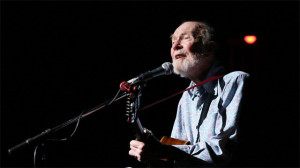
"content": "\u003cp>A tireless campaigner for his own vision of a utopia marked by peace and togetherness, ‘s tools were his songs, his voice, his enthusiasm and his musical instruments. A major advocate for the folk-style five-string banjo and one of the most prominent folk music icons of his generation, Seeger was also a political and environmental activist. He died Monday at age 94. His grandson, Kitama Cahill Jackson, confirmed Seegers death and said he died of natural causes.\u003c/p>\n\u003cp>Pete Seeger came by his beliefs honestly. His father, Charles Seeger, was an ethnomusicologist and a pioneering folkorist whose left-wing views got him into trouble at the University of California, Berkeley. Charles Seeger introduced his son to some of the most important musicians of the Depression era — including and Leadbelly and Woody Guthrie.\u003c/p>\n\u003cp>Seeger and Guthrie eventually became fast friends — though they didn’t agree on all things — and crisscrossed the country performing together. Seeger said that as early as 1941, they found themselves blacklisted as communists. Seeger actually was a member of the Communist Party in those early days, though he later said he quit after coming to understand the evils of Josef Stalin.\u003c/p>\n\u003cp>Following World War II and service entertaining the troops, Seeger teamed up with Lee Hays, Ronnie Gilbert and Fred Hellerman to form the astonishingly successful folk group . Ronnie Gilbert said that from the start, Seeger’s performances were transcendent — whether you were on stage with him or in the audience.\u003c/p>\n\u003cp>“You got the sense that he was saying and singing way beyond the moment that he was in, the place that he was in. Alone on a stage in front of thousands of people … everybody got it, everybody got his passion for music, his passion for being on the stage, making people sing, having people listen to each other’s music. He was a passionate person, and that was what people saw. People absorbed his passion and his ideals,” Gilbert says.\u003c/p>\n\u003cp>[ad fullwidth]\u003c/p>\n\u003cp>The Weavers’ version of Leadbelly’s “Goodnight Irene” hit the top of the pop charts in 1950. Other hits followed, including “On Top of Old Smokey,” “So Long (It’s Been Good to Know You)” and “Wimoweh.”\u003c/p>\n\u003cp>If The Weavers hit an emotional and cultural sweet spot in postwar America, the Red Scare quickly soured it. Seeger refused to answer questions before Congress in 1955 about his political beliefs and associations. He was held in contempt and nearly served a jail sentence before charges were finally dropped in 1962 on a technicality.\u003c/p>\n\u003cp>But his troubles with Congress finished The Weavers as a major touring and recording group, so Seeger went out on his own again. Shut out of the big gigs, he played coffeehouses, union halls and college campuses to support his family. His wife, Toshi, managed his affairs and raised their children in the cabin they had built in Beacon, N.Y.\u003c/p>\n\u003cp>He co-founded and wrote for \u003ci>Sing Out\u003c/i>, one of the first and most important magazines to grow out of the folk revival. He produced children’s songs and books. But his commitment to political and social causes never waned. Seeger sang and marched nationwide for civil rights and against the Vietnam War. As he told NPR in 1971, “Sometimes I think [about] that old saying,’The pen is mightier than the sword.’ Well, my one hope is the guitar is gonna be mightier than the bomb.”\u003c/p>\n\u003cp>In 1968 he went local, but, of course, in a big way. Upset at the filth clogging the Hudson River near his home, he spearheaded the building of the Sloop Clearwater, which volunteers sailed up and down the Hudson. Politicians and polluters had to take notice. Seeger, not surprisingly, saw a larger purpose: “Bringing these people together, all these people, is the essential thing, and this is what the Clearwater almost miraculously has started to do on the Hudson,” he said.\u003c/p>\n\u003cp>For all of his social activism, Seeger said more than once that if he had done nothing more than write his slim book How to Play the 5-String Banjo, his life’s work would have been complete. Seeger’s grandson Tao Rodriguez Seeger plays banjo and performed with his grandfather. He says the paperback, which is chock-full of chords and techniques, is a challenge.\u003c/p>\n\u003cp>“It’s not a thick book but it’s thick stuff. He doesn’t really explain it too well. It’s sort of quick, it’s got a little diagram, ‘Here’s how you do it.’ But it’s great. It’s an awesome resource. I have a copy,” Rodriguez Seeger says.\u003c/p>\n\u003cp>Not just through his books but also through his sheer force of presence, Seeger became a model for younger folk musicians. Singer and songwriter Tom Paxton said he learned invaluable lessons from Seeger about how to reach an audience. “Look ’em in the eye. Make a gesture of inclusion, which he did all the time. And above all, have a chorus,” Paxton says. “So I learned from Pete to have something for them to sing.”\u003c/p>\n\u003cp>Bringing people together and getting them to sing out may be one of Pete Seeger’s greatest legacies. But when it came to saving the world, Tao Rodriguez Seeger says, his grandfather ultimately seemed to question whether the guitar was mightier than the sword.\u003c/p>\n\u003cp>“[It] troubled him, troubled him deeply that technology was so advanced but our emotional state was so inadequate to cope, that with a push of a button, in a fit of rage, we could wipe ourselves off the face of the Earth. And he really wanted to fix that and always felt like he failed,” Rodriguez Seeger says.\u003c/p>\n\u003cp>But if Pete Seeger didn’t save the world, he certainly did change the lives of millions of people by leading them to sing, to take action and to at least consider his dream of what society could be.\u003c/p>\n\u003cp>\u003c/p>\n\u003cp>Source: \u003ca href=\"http://www.npr.org/blogs/therecord/2014/01/28/267488551/american-folk-singer-pete-seeger-dies-at-94\">NPR\u003c/a>\u003c/p>\n\n",
"stats": {
"hasVideo": false,
"hasChartOrMap": false,
"hasAudio": false,
"hasPolis": false,
"wordCount": 1037,
"hasGoogleForm": false,
"hasGallery": false,
"hasHearkenModule": false,
"iframeSrcs": [],
"paragraphCount": 19
},
"modified": 1705049425,
"excerpt": "A major advocate for the folk-style five-string banjo and one of the most prominent folk music icons of his generation, Seeger was also a political and environmental activist. He died Monday at age 94.",
"headData": {
"twImgId": "",
"twTitle": "",
"ogTitle": "",
"ogImgId": "",
"twDescription": "",
"description": "A major advocate for the folk-style five-string banjo and one of the most prominent folk music icons of his generation, Seeger was also a political and environmental activist. He died Monday at age 94.",
"title": "Folk Activist Pete Seeger, Icon Of Passion And Ideals, Dies At 94 | KQED",
"ogDescription": "",
"schema": {
"@context": "https://schema.org",
"@type": "Article",
"headline": "Folk Activist Pete Seeger, Icon Of Passion And Ideals, Dies At 94",
"datePublished": "2014-01-28T06:00:00-08:00",
"dateModified": "2024-01-12T00:50:25-08:00",
"image": "https://cdn.kqed.org/wp-content/uploads/2020/02/KQED-OG-Image@1x.png"
}
},
"guestAuthors": [],
"slug": "folk-activist-pete-seeger-icon-of-passion-and-ideals-dies-at-94",
"status": "publish",
"nprByline": "Paul Brown",
"sticky": false,
"path": "/arts/129282/folk-activist-pete-seeger-icon-of-passion-and-ideals-dies-at-94",
"audioTrackLength": null,
"parsedContent": [
{
"type": "contentString",
"content": "\u003cdiv class=\"post-body\">\u003cp>\u003cp>A tireless campaigner for his own vision of a utopia marked by peace and togetherness, ‘s tools were his songs, his voice, his enthusiasm and his musical instruments. A major advocate for the folk-style five-string banjo and one of the most prominent folk music icons of his generation, Seeger was also a political and environmental activist. He died Monday at age 94. His grandson, Kitama Cahill Jackson, confirmed Seegers death and said he died of natural causes.\u003c/p>\n\u003cp>Pete Seeger came by his beliefs honestly. His father, Charles Seeger, was an ethnomusicologist and a pioneering folkorist whose left-wing views got him into trouble at the University of California, Berkeley. Charles Seeger introduced his son to some of the most important musicians of the Depression era — including and Leadbelly and Woody Guthrie.\u003c/p>\n\u003cp>Seeger and Guthrie eventually became fast friends — though they didn’t agree on all things — and crisscrossed the country performing together. Seeger said that as early as 1941, they found themselves blacklisted as communists. Seeger actually was a member of the Communist Party in those early days, though he later said he quit after coming to understand the evils of Josef Stalin.\u003c/p>\n\u003cp>Following World War II and service entertaining the troops, Seeger teamed up with Lee Hays, Ronnie Gilbert and Fred Hellerman to form the astonishingly successful folk group . Ronnie Gilbert said that from the start, Seeger’s performances were transcendent — whether you were on stage with him or in the audience.\u003c/p>\n\u003cp>“You got the sense that he was saying and singing way beyond the moment that he was in, the place that he was in. Alone on a stage in front of thousands of people … everybody got it, everybody got his passion for music, his passion for being on the stage, making people sing, having people listen to each other’s music. He was a passionate person, and that was what people saw. People absorbed his passion and his ideals,” Gilbert says.\u003c/p>\n\u003cp>\u003c/p>\u003c/div>",
"attributes": {
"named": {},
"numeric": []
}
},
{
"type": "component",
"content": "",
"name": "ad",
"attributes": {
"named": {
"label": "fullwidth"
},
"numeric": [
"fullwidth"
]
}
},
{
"type": "contentString",
"content": "\u003cdiv class=\"post-body\">\u003cp>\u003c/p>\n\u003cp>The Weavers’ version of Leadbelly’s “Goodnight Irene” hit the top of the pop charts in 1950. Other hits followed, including “On Top of Old Smokey,” “So Long (It’s Been Good to Know You)” and “Wimoweh.”\u003c/p>\n\u003cp>If The Weavers hit an emotional and cultural sweet spot in postwar America, the Red Scare quickly soured it. Seeger refused to answer questions before Congress in 1955 about his political beliefs and associations. He was held in contempt and nearly served a jail sentence before charges were finally dropped in 1962 on a technicality.\u003c/p>\n\u003cp>But his troubles with Congress finished The Weavers as a major touring and recording group, so Seeger went out on his own again. Shut out of the big gigs, he played coffeehouses, union halls and college campuses to support his family. His wife, Toshi, managed his affairs and raised their children in the cabin they had built in Beacon, N.Y.\u003c/p>\n\u003cp>He co-founded and wrote for \u003ci>Sing Out\u003c/i>, one of the first and most important magazines to grow out of the folk revival. He produced children’s songs and books. But his commitment to political and social causes never waned. Seeger sang and marched nationwide for civil rights and against the Vietnam War. As he told NPR in 1971, “Sometimes I think [about] that old saying,’The pen is mightier than the sword.’ Well, my one hope is the guitar is gonna be mightier than the bomb.”\u003c/p>\n\u003cp>In 1968 he went local, but, of course, in a big way. Upset at the filth clogging the Hudson River near his home, he spearheaded the building of the Sloop Clearwater, which volunteers sailed up and down the Hudson. Politicians and polluters had to take notice. Seeger, not surprisingly, saw a larger purpose: “Bringing these people together, all these people, is the essential thing, and this is what the Clearwater almost miraculously has started to do on the Hudson,” he said.\u003c/p>\n\u003cp>For all of his social activism, Seeger said more than once that if he had done nothing more than write his slim book How to Play the 5-String Banjo, his life’s work would have been complete. Seeger’s grandson Tao Rodriguez Seeger plays banjo and performed with his grandfather. He says the paperback, which is chock-full of chords and techniques, is a challenge.\u003c/p>\n\u003cp>“It’s not a thick book but it’s thick stuff. He doesn’t really explain it too well. It’s sort of quick, it’s got a little diagram, ‘Here’s how you do it.’ But it’s great. It’s an awesome resource. I have a copy,” Rodriguez Seeger says.\u003c/p>\n\u003cp>Not just through his books but also through his sheer force of presence, Seeger became a model for younger folk musicians. Singer and songwriter Tom Paxton said he learned invaluable lessons from Seeger about how to reach an audience. “Look ’em in the eye. Make a gesture of inclusion, which he did all the time. And above all, have a chorus,” Paxton says. “So I learned from Pete to have something for them to sing.”\u003c/p>\n\u003cp>Bringing people together and getting them to sing out may be one of Pete Seeger’s greatest legacies. But when it came to saving the world, Tao Rodriguez Seeger says, his grandfather ultimately seemed to question whether the guitar was mightier than the sword.\u003c/p>\n\u003cp>“[It] troubled him, troubled him deeply that technology was so advanced but our emotional state was so inadequate to cope, that with a push of a button, in a fit of rage, we could wipe ourselves off the face of the Earth. And he really wanted to fix that and always felt like he failed,” Rodriguez Seeger says.\u003c/p>\n\u003cp>But if Pete Seeger didn’t save the world, he certainly did change the lives of millions of people by leading them to sing, to take action and to at least consider his dream of what society could be.\u003c/p>\n\u003cp>\u003c/p>\n\u003cp>Source: \u003ca href=\"http://www.npr.org/blogs/therecord/2014/01/28/267488551/american-folk-singer-pete-seeger-dies-at-94\">NPR\u003c/a>\u003c/p>\n\n\u003c/div>\u003c/p>",
"attributes": {
"named": {},
"numeric": []
}
}
],
"link": "/arts/129282/folk-activist-pete-seeger-icon-of-passion-and-ideals-dies-at-94",
"authors": [
"byline_arts_129282"
],
"categories": [
"arts_69",
"arts_235"
],
"affiliates": [
"arts_137"
],
"featImg": "arts_129283",
"label": "arts_137"
},
"arts_129314": {
"type": "posts",
"id": "arts_129314",
"meta": {
"index": "posts_1716263798",
"site": "arts",
"id": "129314",
"score": null,
"sort": [
1390485649000
]
},
"parent": 0,
"labelTerm": {
"site": "arts"
},
"blocks": [],
"publishDate": 1390485649,
"format": "standard",
"title": "Bay Area Acts Go for Grammys in Blues, Latin, Jazz, Folk",
"headTitle": "Bay Area Acts Go for Grammys in Blues, Latin, Jazz, Folk | KQED",
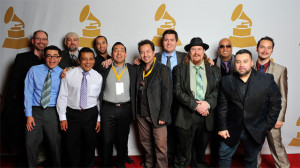
"content": "\u003cp>Bay Area artists may be largely locked out of the 56th Grammy Awards’ glamour categories, but when it comes to jazz, blues, folk and Latin music, our region is well represented this year, with several dark horse candidates up against far better-known acts. In the various rock, hip hop, pop, R&B, and country categories for which trophies will be handed out on the Jan. 26 CBS broadcast from Los Angeles’ Staples Center, Neil Young is the only Northern Californian in the race (his \u003ci>Psychedelic Pill\u003c/i> is up for Best Rock Album).\u003c/p>\n\u003cp>Whether Young wins another Grammy ultimately means little to his legacy or bottom line, but for artists in downstream categories, who get their awards at a pre-telecast event Sunday afternoon at the Nokia Theater across from Staples, a Grammy triumph can provide a significant career boost (the \u003ca href=\"http://www.grammy.com/live\">ceremony can be viewed live\u003c/a> at grammylive.com). For Chris Strachwitz, the tireless roots music champion who has documented numerous traditions across the Americas, winning a Grammy for Best Folk Album would serve as a brilliant career capstone.\u003c/p>\n\u003cp>http://www.youtube.com/watch?v=jTBiUgNUIrE\u003c/p>\n\u003cp>The four-CD album \u003ci>They All Played For Us: Arhoolie Records 50th Anniversary Celebration\u003c/i> captures the marathon concert held at Berkeley’s Freight & Salvage in 2011 to help support Strachwitz’s label and life’s work. Focusing on blues, bluegrass, folkloric Mexican and Cajun musicians, the album features Los Cenzontles, Ry Cooder, Peter Rowan, the Creole Belles, Treme Brass Band, the Savoy Family Band, and Taj Mahal among many others.\u003c/p>\n\u003cp>Bay Area blues legend Charlie Musselwhite, who made one of his early recordings for Arhoolie, is up for three Grammys, and taking home a trophy would help fuel a creative resurgence that’s returned him to the top of the blues heap. He’s competing against himself for Best Blues Album with nominations for \u003ci>Get Up!\u003c/i>, his collaboration with Ben Harper, and \u003ci>Remembering Little Walter\u003c/i>, an all-star harmonica session that also features Billy Boy Arnold, Sugar Ray Norcia, James Harman, and East Bay harp ace Mark Hummel.\u003c/p>\n\u003cp>[ad fullwidth]\u003c/p>\n\u003cp>http://www.youtube.com/watch?v=ltYPkrYY5d4\u003c/p>\n\u003cp>With eight previous nominations but no Grammy wins, Musselwhite is thrilled to be in the running again, even if two nominations in the same category means “they could split the vote and I’d be out of luck, but it could be a tie and I’d get two,” he says with the wry chuckle of a man whose optimism is hard-earned. “I feel like winning is great, but not winning is okay too. It’s great to be in the game.”\u003c/p>\n\u003cp>On the verge of his 70th birthday, Musselwhite is bona fide blues royalty with a mantle crowded with more than a dozen W. C. Handy Awards (now known as the Blues Music Awards). He learned his craft on the Chicago scene in the early 1960s, and made his San Francisco debut at the Fillmore in 1968 on a typical Bill Graham program with Cream and fellow Chicago blues great Paul Butterfield. With work and sunshine more bountiful in the Bay Area than Chicago, Musselwhite decided to stay.\u003c/p>\n\u003cp>“When I walked into the Fillmore that first time it looked huge,” he says. “I was used to these rough juke joint bars in Chicago. Now I walk in and it doesn’t look so big.”\u003c/p>\n\u003cfigure class=\"wp-caption alignright\" style=\"max-width: 500px\">\u003cimg loading=\"lazy\" decoding=\"async\" src=\"http://a.s.kqed.net/img/arts/blog/musselwhite.jpg\" width=\"500\" height=\"751\" alt=\"Grammy-nominee Charlie Musselwhite; Photo by: Michael Weintrob, 2010\" class>\u003cfigcaption class=\"wp-caption-text\">Grammy-nominee Charlie Musselwhite; Photo by: Michael Weintrob, 2010\u003c/figcaption>\u003c/figure>\n\u003cp>He first connected with Ben Harper almost two decades ago through their mutual friend John Lee Hooker at a gig at Sweetwater, and they struck up a mutual admiration society. After performing on each other’s albums several times, they decided to record a whole session together, but their rigorous touring schedules meant that years passed before they were able to make it happen.\u003c/p>\n\u003cp>“Finally, we were both off at the same time and the music was like a herd of wild horses waiting to get out,” Musselwhite says. “We did every song in one or two takes, with no overdubs except for some girls’ vocals. It was a magical time, and then we started touring together and it kept getting better.”\u003c/p>\n\u003cp>Musselwhite’s third Grammy nomination is for Best Music Film for\u003cbr>\n\u003ci>I’m In I’m Out And I’m Gone: The Making Of Get Up!\u003c/i>, which was produced by Harper and directed by Danny Clinch. When he’s not working with Harper, he’s spent the past few years touring with Hot Tuna and Cyndi Lauper. “I’m real busy,” Musselwhite says. “If I won the lottery I might slow down a little bit, but I’m having a lot of fun. I feel better now than I did 30 years ago. Life is good.”\u003c/p>\n\u003cp>If Musselwhite’s nominations serve as a salute to a bluesman in winter, the Pacific Mambo Orchestra’s nomination for Best Tropical Latin Album is a David and Goliath tale in the making. The 19-piece Bay Area band’s eponymous debut is up against albums by major label heavyhitters like Marc Anthony, Sergio George, and Carlos Vives.\u003c/p>\n\u003cp>Founded in 2010 by trumpeter Stephen Kuehn, who was born and raised in Germany, and Christian Tumalan, a conservatory-trained pianist from Mexico, the PMO represents the Bay Area’s wealth of talent when it comes to jazz and Latin music. While the group spent its formative years playing for dancers at San Francisco’s Café Cocomo on Monday nights, the band landed high-powered management and toured last year with Tito Puente Jr., playing performing arts centers around the country.\u003c/p>\n\u003cp>http://www.youtube.com/watch?v=kggXib4RP9Q\u003c/p>\n\u003cp>Still, earning a nomination for a self-produced album released on their own indie label came as a shock. “I got the call from Michael Lazarus, who mastered our album and I just hollered,” Kuehn says.\u003c/p>\n\u003cp>Kuehn knows that the sheer power of Marc Anthony’s name recognition means the odds of winning are slim, and three of the other four nominees are on Sony Music Latin, the genre’s dominant label. He’s hoping for an upset of course, but as far as he’s concerned the Pacific Mambo Orchestra has already made its mark. “We really beat the odds,” Kuehn says. “The Grammy-nominated title will be with us forever.”\u003c/p>\n\u003cp>When NARAS announced that it was doing away with the Best Latin Jazz Album Grammy Award several years ago, Bay Area artists like John Santos and Wayne Wallace were in the forefront of the effort to reverse the decision. In the second year back, the category includes two artists with deep Bay Area ties, Cuban pianist Omar Sosa, who became a jazz star while living in Oakland but has long resided in Spain, and Wayne Wallace himself, who earned his sixth Grammy nomination for \u003ci>Latin Jazz-Jazz Latin\u003c/i> with his longtime quintet featuring pianist Murray Low, bassist David Belove, percussion master Michael Spiro and drummer/percussionist Colin Douglas.\u003c/p>\n\u003cp>http://www.youtube.com/watch?v=I2hYtMrFAtQ\u003c/p>\n\u003cp>“It’s totally different than the first time we were nominated, but I’m not blasé,” Wallace says from Indiana, where he accepted a professorship at Indiana University’s Jacobs School of Music last year. “There’s a sense of validation that goes beyond the sheer joy. I’m excited. It’s so utterly freaking cool.”\u003c/p>\n\u003cp>What’s particularly sweet for Wallace is that he released the album on his Patois Records, which has become a vital outlet for some of the Bay Area’s most creative Latin jazz artists. Like Sosa, whose album is on Oakland-based Otá Records, he’s up against big names like Spanish flamenco diva Buika, Cuban reed maestro Paquito D’Rivera, and rising Cuban piano star Roberta Fonseca. Win or lose, Wallace is looking forward to the party in LA.\u003c/p>\n\u003cp>“I wouldn’t miss it for the world,” he says. “The pre-telecast is not the big 10 categories. You’ve got the zydeco, blues and classical musicians all hanging out and genuinely excited to be there. The Grammy All-Star High School Band plays. It’s a beautiful hang, with a nice sense of community.”\u003c/p>\n\u003cp>Good luck to all Bay Area artists, engineers, and writers up for a Grammy.\u003c/p>\n\u003cp>[ad floatright]\u003c/p>\n\u003cp>The Grammy Awards are Sunday, January 26, 2014 starting at 9am. For \u003ca href=\"http://www.grammy.com/live\">more information\u003c/a> visit grammy.com.\u003c/p>\n\n",
"stats": {
"hasVideo": false,
"hasChartOrMap": false,
"hasAudio": false,
"hasPolis": false,
"wordCount": 1462,
"hasGoogleForm": false,
"hasGallery": false,
"hasHearkenModule": false,
"iframeSrcs": [],
"paragraphCount": 22
},
"modified": 1705049437,
"excerpt": "Bay Area artists may be largely locked out of the 56th Grammy Awards' glamour categories, but when it comes to jazz, blues, folk and Latin music, our region is well represented this year, with several dark horse candidates up against far better-known acts.",
"headData": {
"twImgId": "",
"twTitle": "",
"ogTitle": "",
"ogImgId": "",
"twDescription": "",
"description": "Bay Area artists may be largely locked out of the 56th Grammy Awards' glamour categories, but when it comes to jazz, blues, folk and Latin music, our region is well represented this year, with several dark horse candidates up against far better-known acts.",
"title": "Bay Area Acts Go for Grammys in Blues, Latin, Jazz, Folk | KQED",
"ogDescription": "",
"schema": {
"@context": "https://schema.org",
"@type": "Article",
"headline": "Bay Area Acts Go for Grammys in Blues, Latin, Jazz, Folk",
"datePublished": "2014-01-23T06:00:49-08:00",
"dateModified": "2024-01-12T00:50:37-08:00",
"image": "https://cdn.kqed.org/wp-content/uploads/2020/02/KQED-OG-Image@1x.png"
}
},
"guestAuthors": [],
"slug": "bay-area-acts-go-for-grammys-in-blues-latin-jazz-folk",
"status": "publish",
"sticky": false,
"path": "/arts/129314/bay-area-acts-go-for-grammys-in-blues-latin-jazz-folk",
"audioTrackLength": null,
"parsedContent": [
{
"type": "contentString",
"content": "\u003cdiv class=\"post-body\">\u003cp>\u003cp>Bay Area artists may be largely locked out of the 56th Grammy Awards’ glamour categories, but when it comes to jazz, blues, folk and Latin music, our region is well represented this year, with several dark horse candidates up against far better-known acts. In the various rock, hip hop, pop, R&B, and country categories for which trophies will be handed out on the Jan. 26 CBS broadcast from Los Angeles’ Staples Center, Neil Young is the only Northern Californian in the race (his \u003ci>Psychedelic Pill\u003c/i> is up for Best Rock Album).\u003c/p>\n\u003cp>Whether Young wins another Grammy ultimately means little to his legacy or bottom line, but for artists in downstream categories, who get their awards at a pre-telecast event Sunday afternoon at the Nokia Theater across from Staples, a Grammy triumph can provide a significant career boost (the \u003ca href=\"http://www.grammy.com/live\">ceremony can be viewed live\u003c/a> at grammylive.com). For Chris Strachwitz, the tireless roots music champion who has documented numerous traditions across the Americas, winning a Grammy for Best Folk Album would serve as a brilliant career capstone.\u003c/p>\u003c/p>\u003cp>\u003cspan class='utils-parseShortcode-shortcodes-__youtubeShortcode__embedYoutube'>\n \u003cspan class='utils-parseShortcode-shortcodes-__youtubeShortcode__embedYoutubeInside'>\n \u003ciframe\n loading='lazy'\n class='utils-parseShortcode-shortcodes-__youtubeShortcode__youtubePlayer'\n type='text/html'\n src='//www.youtube.com/embed/jTBiUgNUIrE'\n title='//www.youtube.com/embed/jTBiUgNUIrE'\n allowfullscreen='true'\n style='border:0;'>\u003c/iframe>\n \u003c/span>\n \u003c/span>\u003c/p>\u003cp>\u003cp>The four-CD album \u003ci>They All Played For Us: Arhoolie Records 50th Anniversary Celebration\u003c/i> captures the marathon concert held at Berkeley’s Freight & Salvage in 2011 to help support Strachwitz’s label and life’s work. Focusing on blues, bluegrass, folkloric Mexican and Cajun musicians, the album features Los Cenzontles, Ry Cooder, Peter Rowan, the Creole Belles, Treme Brass Band, the Savoy Family Band, and Taj Mahal among many others.\u003c/p>\n\u003cp>Bay Area blues legend Charlie Musselwhite, who made one of his early recordings for Arhoolie, is up for three Grammys, and taking home a trophy would help fuel a creative resurgence that’s returned him to the top of the blues heap. He’s competing against himself for Best Blues Album with nominations for \u003ci>Get Up!\u003c/i>, his collaboration with Ben Harper, and \u003ci>Remembering Little Walter\u003c/i>, an all-star harmonica session that also features Billy Boy Arnold, Sugar Ray Norcia, James Harman, and East Bay harp ace Mark Hummel.\u003c/p>\n\u003cp>\u003c/p>\u003c/div>",
"attributes": {
"named": {},
"numeric": []
}
},
{
"type": "component",
"content": "",
"name": "ad",
"attributes": {
"named": {
"label": "fullwidth"
},
"numeric": [
"fullwidth"
]
}
},
{
"type": "contentString",
"content": "\u003cdiv class=\"post-body\">\u003cp>\u003c/p>\u003c/p>\u003cp>\u003cspan class='utils-parseShortcode-shortcodes-__youtubeShortcode__embedYoutube'>\n \u003cspan class='utils-parseShortcode-shortcodes-__youtubeShortcode__embedYoutubeInside'>\n \u003ciframe\n loading='lazy'\n class='utils-parseShortcode-shortcodes-__youtubeShortcode__youtubePlayer'\n type='text/html'\n src='//www.youtube.com/embed/ltYPkrYY5d4'\n title='//www.youtube.com/embed/ltYPkrYY5d4'\n allowfullscreen='true'\n style='border:0;'>\u003c/iframe>\n \u003c/span>\n \u003c/span>\u003c/p>\u003cp>\u003cp>With eight previous nominations but no Grammy wins, Musselwhite is thrilled to be in the running again, even if two nominations in the same category means “they could split the vote and I’d be out of luck, but it could be a tie and I’d get two,” he says with the wry chuckle of a man whose optimism is hard-earned. “I feel like winning is great, but not winning is okay too. It’s great to be in the game.”\u003c/p>\n\u003cp>On the verge of his 70th birthday, Musselwhite is bona fide blues royalty with a mantle crowded with more than a dozen W. C. Handy Awards (now known as the Blues Music Awards). He learned his craft on the Chicago scene in the early 1960s, and made his San Francisco debut at the Fillmore in 1968 on a typical Bill Graham program with Cream and fellow Chicago blues great Paul Butterfield. With work and sunshine more bountiful in the Bay Area than Chicago, Musselwhite decided to stay.\u003c/p>\n\u003cp>“When I walked into the Fillmore that first time it looked huge,” he says. “I was used to these rough juke joint bars in Chicago. Now I walk in and it doesn’t look so big.”\u003c/p>\n\u003cfigure class=\"wp-caption alignright\" style=\"max-width: 500px\">\u003cimg loading=\"lazy\" decoding=\"async\" src=\"http://a.s.kqed.net/img/arts/blog/musselwhite.jpg\" width=\"500\" height=\"751\" alt=\"Grammy-nominee Charlie Musselwhite; Photo by: Michael Weintrob, 2010\" class>\u003cfigcaption class=\"wp-caption-text\">Grammy-nominee Charlie Musselwhite; Photo by: Michael Weintrob, 2010\u003c/figcaption>\u003c/figure>\n\u003cp>He first connected with Ben Harper almost two decades ago through their mutual friend John Lee Hooker at a gig at Sweetwater, and they struck up a mutual admiration society. After performing on each other’s albums several times, they decided to record a whole session together, but their rigorous touring schedules meant that years passed before they were able to make it happen.\u003c/p>\n\u003cp>“Finally, we were both off at the same time and the music was like a herd of wild horses waiting to get out,” Musselwhite says. “We did every song in one or two takes, with no overdubs except for some girls’ vocals. It was a magical time, and then we started touring together and it kept getting better.”\u003c/p>\n\u003cp>Musselwhite’s third Grammy nomination is for Best Music Film for\u003cbr>\n\u003ci>I’m In I’m Out And I’m Gone: The Making Of Get Up!\u003c/i>, which was produced by Harper and directed by Danny Clinch. When he’s not working with Harper, he’s spent the past few years touring with Hot Tuna and Cyndi Lauper. “I’m real busy,” Musselwhite says. “If I won the lottery I might slow down a little bit, but I’m having a lot of fun. I feel better now than I did 30 years ago. Life is good.”\u003c/p>\n\u003cp>If Musselwhite’s nominations serve as a salute to a bluesman in winter, the Pacific Mambo Orchestra’s nomination for Best Tropical Latin Album is a David and Goliath tale in the making. The 19-piece Bay Area band’s eponymous debut is up against albums by major label heavyhitters like Marc Anthony, Sergio George, and Carlos Vives.\u003c/p>\n\u003cp>Founded in 2010 by trumpeter Stephen Kuehn, who was born and raised in Germany, and Christian Tumalan, a conservatory-trained pianist from Mexico, the PMO represents the Bay Area’s wealth of talent when it comes to jazz and Latin music. While the group spent its formative years playing for dancers at San Francisco’s Café Cocomo on Monday nights, the band landed high-powered management and toured last year with Tito Puente Jr., playing performing arts centers around the country.\u003c/p>\u003c/p>\u003cp>\u003cspan class='utils-parseShortcode-shortcodes-__youtubeShortcode__embedYoutube'>\n \u003cspan class='utils-parseShortcode-shortcodes-__youtubeShortcode__embedYoutubeInside'>\n \u003ciframe\n loading='lazy'\n class='utils-parseShortcode-shortcodes-__youtubeShortcode__youtubePlayer'\n type='text/html'\n src='//www.youtube.com/embed/kggXib4RP9Q'\n title='//www.youtube.com/embed/kggXib4RP9Q'\n allowfullscreen='true'\n style='border:0;'>\u003c/iframe>\n \u003c/span>\n \u003c/span>\u003c/p>\u003cp>\u003cp>Still, earning a nomination for a self-produced album released on their own indie label came as a shock. “I got the call from Michael Lazarus, who mastered our album and I just hollered,” Kuehn says.\u003c/p>\n\u003cp>Kuehn knows that the sheer power of Marc Anthony’s name recognition means the odds of winning are slim, and three of the other four nominees are on Sony Music Latin, the genre’s dominant label. He’s hoping for an upset of course, but as far as he’s concerned the Pacific Mambo Orchestra has already made its mark. “We really beat the odds,” Kuehn says. “The Grammy-nominated title will be with us forever.”\u003c/p>\n\u003cp>When NARAS announced that it was doing away with the Best Latin Jazz Album Grammy Award several years ago, Bay Area artists like John Santos and Wayne Wallace were in the forefront of the effort to reverse the decision. In the second year back, the category includes two artists with deep Bay Area ties, Cuban pianist Omar Sosa, who became a jazz star while living in Oakland but has long resided in Spain, and Wayne Wallace himself, who earned his sixth Grammy nomination for \u003ci>Latin Jazz-Jazz Latin\u003c/i> with his longtime quintet featuring pianist Murray Low, bassist David Belove, percussion master Michael Spiro and drummer/percussionist Colin Douglas.\u003c/p>\u003c/p>\u003cp>\u003cspan class='utils-parseShortcode-shortcodes-__youtubeShortcode__embedYoutube'>\n \u003cspan class='utils-parseShortcode-shortcodes-__youtubeShortcode__embedYoutubeInside'>\n \u003ciframe\n loading='lazy'\n class='utils-parseShortcode-shortcodes-__youtubeShortcode__youtubePlayer'\n type='text/html'\n src='//www.youtube.com/embed/I2hYtMrFAtQ'\n title='//www.youtube.com/embed/I2hYtMrFAtQ'\n allowfullscreen='true'\n style='border:0;'>\u003c/iframe>\n \u003c/span>\n \u003c/span>\u003c/p>\u003cp>\u003cp>“It’s totally different than the first time we were nominated, but I’m not blasé,” Wallace says from Indiana, where he accepted a professorship at Indiana University’s Jacobs School of Music last year. “There’s a sense of validation that goes beyond the sheer joy. I’m excited. It’s so utterly freaking cool.”\u003c/p>\n\u003cp>What’s particularly sweet for Wallace is that he released the album on his Patois Records, which has become a vital outlet for some of the Bay Area’s most creative Latin jazz artists. Like Sosa, whose album is on Oakland-based Otá Records, he’s up against big names like Spanish flamenco diva Buika, Cuban reed maestro Paquito D’Rivera, and rising Cuban piano star Roberta Fonseca. Win or lose, Wallace is looking forward to the party in LA.\u003c/p>\n\u003cp>“I wouldn’t miss it for the world,” he says. “The pre-telecast is not the big 10 categories. You’ve got the zydeco, blues and classical musicians all hanging out and genuinely excited to be there. The Grammy All-Star High School Band plays. It’s a beautiful hang, with a nice sense of community.”\u003c/p>\n\u003cp>Good luck to all Bay Area artists, engineers, and writers up for a Grammy.\u003c/p>\n\u003cp>\u003c/p>\u003c/div>",
"attributes": {
"named": {},
"numeric": []
}
},
{
"type": "component",
"content": "",
"name": "ad",
"attributes": {
"named": {
"label": "floatright"
},
"numeric": [
"floatright"
]
}
},
{
"type": "contentString",
"content": "\u003cdiv class=\"post-body\">\u003cp>\u003c/p>\n\u003cp>The Grammy Awards are Sunday, January 26, 2014 starting at 9am. For \u003ca href=\"http://www.grammy.com/live\">more information\u003c/a> visit grammy.com.\u003c/p>\n\n\u003c/div>\u003c/p>",
"attributes": {
"named": {},
"numeric": []
}
}
],
"link": "/arts/129314/bay-area-acts-go-for-grammys-in-blues-latin-jazz-folk",
"authors": [
"86"
],
"categories": [
"arts_69"
],
"featImg": "arts_129315",
"label": "arts"
},
"arts_133007": {
"type": "posts",
"id": "arts_133007",
"meta": {
"index": "posts_1716263798",
"site": "arts",
"id": "133007",
"score": null,
"sort": [
1390436752000
]
},
"parent": 0,
"labelTerm": {
"site": "arts"
},
"blocks": [],
"publishDate": 1390436752,
"format": "standard",
"title": "Bay Area Acts Go for Grammys in Blues, Latin, Jazz, Folk",
"headTitle": "Bay Area Acts Go for Grammys in Blues, Latin, Jazz, Folk | KQED",
"content": "\u003cp>Bay Area artists may be largely locked out of the 56th Grammy Awards’ glamour categories, but when it comes to jazz, blues, folk and Latin music, our region is well represented this year, with several dark horse candidates up against far better-known acts. In the various rock, hip hop, pop, R&B, and country categories for which trophies will be handed out on the Jan. 26 CBS broadcast from Los Angeles’ Staples Center, Neil Young is the only Northern Californian in the race (his \u003ci>Psychedelic Pill\u003c/i> is up for Best Rock Album).\u003c/p>\n\u003cp>Whether Young wins another Grammy ultimately means little to his legacy or bottom line, but for artists in downstream categories, who get their awards at a pre-telecast event Sunday afternoon at the Nokia Theater across from Staples, a Grammy triumph can provide a significant career boost (the \u003ca href=\"http://www.grammy.com/live\">ceremony can be viewed live\u003c/a> at grammylive.com). For Chris Strachwitz, the tireless roots music champion who has documented numerous traditions across the Americas, winning a Grammy for Best Folk Album would serve as a brilliant career capstone.\u003c/p>\n\u003cp>\u003c/p>\u003ccenter>\u003ciframe loading=\"lazy\" width=\"480\" height=\"270\" src=\"//www.youtube.com/embed/jTBiUgNUIrE\" frameborder=\"0\" allowfullscreen>\u003c/iframe>\n\u003cp>\u003c/p>\u003c/center>\n\u003cp>The four-CD album \u003ci>They All Played For Us: Arhoolie Records 50th Anniversary Celebration\u003c/i> captures the marathon concert held at Berkeley’s Freight & Salvage in 2011 to help support Strachwitz’s label and life’s work. Focusing on blues, bluegrass, folkloric Mexican and Cajun musicians, the album features Los Cenzontles, Ry Cooder, Peter Rowan, the Creole Belles, Treme Brass Band, the Savoy Family Band, and Taj Mahal among many others.\u003c/p>\n\u003cp>Bay Area blues legend Charlie Musselwhite, who made one of his early recordings for Arhoolie, is up for three Grammys, and taking home a trophy would help fuel a creative resurgence that’s returned him to the top of the blues heap. He’s competing against himself for Best Blues Album with nominations for \u003ci>Get Up!\u003c/i>, his collaboration with Ben Harper, and \u003ci>Remembering Little Walter\u003c/i>, an all-star harmonica session that also features Billy Boy Arnold, Sugar Ray Norcia, James Harman, and East Bay harp ace Mark Hummel.\u003c/p>\n\u003cp>[ad fullwidth]\u003c/p>\n\u003cp>\u003c/p>\u003ccenter>\u003ciframe loading=\"lazy\" width=\"480\" height=\"270\" src=\"//www.youtube.com/embed/ltYPkrYY5d4\" frameborder=\"0\" allowfullscreen>\u003c/iframe>\n\u003cp>\u003c/p>\u003c/center>\n\u003cp>With eight previous nominations but no Grammy wins, Musselwhite is thrilled to be in the running again, even if two nominations in the same category means “they could split the vote and I’d be out of luck, but it could be a tie and I’d get two,” he says with the wry chuckle of a man whose optimism is hard-earned. “I feel like winning is great, but not winning is okay too. It’s great to be in the game.”\u003c/p>\n\u003cp>On the verge of his 70th birthday, Musselwhite is bona fide blues royalty with a mantle crowded with more than a dozen W. C. Handy Awards (now known as the Blues Music Awards). He learned his craft on the Chicago scene in the early 1960s, and made his San Francisco debut at the Fillmore in 1968 on a typical Bill Graham program with Cream and fellow Chicago blues great Paul Butterfield. With work and sunshine more bountiful in the Bay Area than Chicago, Musselwhite decided to stay.\u003c/p>\n\u003cp>“When I walked into the Fillmore that first time it looked huge,” he says. “I was used to these rough juke joint bars in Chicago. Now I walk in and it doesn’t look so big.”\u003c/p>\n\u003cp>\u003c/p>\u003ccenter>\u003cimg decoding=\"async\" src=\"http://a.s.kqed.net/img/arts/blog/musselwhite.jpg\" style=\"margin-bottom: 10px;\" alt=\"\">\u003cbr>Photo by: \u003ca href=\"http://www.michaelweintrob.com\">Michael Weintrob\u003c/a>, 2010 \u003cbr>\u003c/center>\n\u003cp>He first connected with Ben Harper almost two decades ago through their mutual friend John Lee Hooker at a gig at Sweetwater, and they struck up a mutual admiration society. After performing on each other’s albums several times, they decided to record a whole session together, but their rigorous touring schedules meant that years passed before they were able to make it happen.\u003c/p>\n\u003cp>“Finally, we were both off at the same time and the music was like a herd of wild horses waiting to get out,” Musselwhite says. “We did every song in one or two takes, with no overdubs except for some girls’ vocals. It was a magical time, and then we started touring together and it kept getting better.”\u003c/p>\n\u003cp>Musselwhite’s third Grammy nomination is for Best Music Film for \u003ci>I’m In I’m Out And I’m Gone: The Making Of Get Up!\u003c/i>, which was produced by Harper and directed by Danny Clinch. When he’s not working with Harper, he’s spent the past few years touring with Hot Tuna and Cyndi Lauper. “I’m real busy,” Musselwhite says. “If I won the lottery I might slow down a little bit, but I’m having a lot of fun. I feel better now than I did 30 years ago. Life is good.”\u003c/p>\n\u003cp>\u003c/p>\u003ccenter>\u003cimg decoding=\"async\" src=\"http://a.s.kqed.net/img/arts/blog/pmo.jpg\" style=\"margin-bottom: 10px;\" alt=\"\">\u003cbr>Photo Courtesy of The Recording Academy/Wireimage.com, c. 2014; Photo by: Steve Jennings\u003cbr>\u003c/center>\n\u003cp>If Musselwhite’s nominations serve as a salute to a bluesman in winter, the Pacific Mambo Orchestra’s nomination for Best Tropical Latin Album is a David and Goliath tale in the making. The 19-piece Bay Area band’s eponymous debut is up against albums by major label heavyhitters like Marc Anthony, Sergio George, and Carlos Vives.\u003c/p>\n\u003cp>Founded in 2010 by trumpeter Stephen Kuehn, who was born and raised in Germany, and Christian Tumalan, a conservatory-trained pianist from Mexico, the PMO represents the Bay Area’s wealth of talent when it comes to jazz and Latin music. While the group spent its formative years playing for dancers at San Francisco’s Café Cocomo on Monday nights, the band landed high-powered management and toured last year with Tito Puente Jr., playing performing arts centers around the country.\u003c/p>\n\u003cp>\u003c/p>\u003ccenter>\u003ciframe loading=\"lazy\" width=\"480\" height=\"270\" src=\"//www.youtube.com/embed/kggXib4RP9Q\" frameborder=\"0\" allowfullscreen>\u003c/iframe>\n\u003cp>\u003c/p>\u003c/center>\n\u003cp>Still, earning a nomination for a self-produced album released on their own indie label came as a shock. “I got the call from Michael Lazarus, who mastered our album and I just hollered,” Kuehn says.\u003c/p>\n\u003cp>Kuehn knows that the sheer power of Marc Anthony’s name recognition means the odds of winning are slim, and three of the other four nominees are on Sony Music Latin, the genre’s dominant label. He’s hoping for an upset of course, but as far as he’s concerned the Pacific Mambo Orchestra has already made its mark. “We really beat the odds,” Kuehn says. “The Grammy-nominated title will be with us forever.”\u003c/p>\n\u003cp>When NARAS announced that it was doing away with the Best Latin Jazz Album Grammy Award several years ago, Bay Area artists like John Santos and Wayne Wallace were in the forefront of the effort to reverse the decision. In the second year back, the category includes two artists with deep Bay Area ties, Cuban pianist Omar Sosa, who became a jazz star while living in Oakland but has long resided in Spain, and Wayne Wallace himself, who earned his sixth Grammy nomination for \u003ci>Latin Jazz-Jazz Latin\u003c/i> with his longtime quintet featuring pianist Murray Low, bassist David Belove, percussion master Michael Spiro and drummer/percussionist Colin Douglas.\u003c/p>\n\u003cp>\u003c/p>\u003ccenter>\u003ciframe loading=\"lazy\" width=\"480\" height=\"360\" src=\"//www.youtube.com/embed/I2hYtMrFAtQ\" frameborder=\"0\" allowfullscreen>\u003c/iframe>\n\u003cp>\u003c/p>\u003c/center>\n\u003cp>“It’s totally different than the first time we were nominated, but I’m not blasé,” Wallace says from Indiana, where he accepted a professorship at Indiana University’s Jacobs School of Music last year. “There’s a sense of validation that goes beyond the sheer joy. I’m excited. It’s so utterly freaking cool.”\u003c/p>\n\u003cp>What’s particularly sweet for Wallace is that he released the album on his Patois Records, which has become a vital outlet for some of the Bay Area’s most creative Latin jazz artists. Like Sosa, whose album is on Oakland-based Otá Records, he’s up against big names like Spanish flamenco diva Buika, Cuban reed maestro Paquito D’Rivera, and rising Cuban piano star Roberta Fonseca. Win or lose, Wallace is looking forward to the party in LA.\u003c/p>\n\u003cp>“I wouldn’t miss it for the world,” he says. “The pre-telecast is not the big 10 categories. You’ve got the zydeco, blues and classical musicians all hanging out and genuinely excited to be there. The Grammy All-Star High School Band plays. It’s a beautiful hang, with a nice sense of community.”\u003c/p>\n\u003cp>Good luck to all Bay Area artists, engineers, and writers up for a Grammy.\u003c/p>\n\u003cp>[ad floatright]\u003c/p>\n\u003cp>The Grammy Awards are Sunday, January 26, 2014 starting at 9am. For \u003ca href=\"http://www.grammy.com/live\">more information\u003c/a> visit grammy.com.\u003c/p>\n\n",
"stats": {
"hasVideo": true,
"hasChartOrMap": false,
"hasAudio": false,
"hasPolis": false,
"wordCount": 1444,
"hasGoogleForm": false,
"hasGallery": false,
"hasHearkenModule": false,
"iframeSrcs": [],
"paragraphCount": 32
},
"modified": 1705049438,
"excerpt": "Bay Area artists may be largely locked out of the 56th Grammy Awards' glamour categories, but when it comes to jazz, blues, folk and Latin music, our region is well represented this year, with several dark horse candidates up against far better-known acts.",
"headData": {
"twImgId": "",
"twTitle": "",
"ogTitle": "",
"ogImgId": "",
"twDescription": "",
"description": "Bay Area artists may be largely locked out of the 56th Grammy Awards' glamour categories, but when it comes to jazz, blues, folk and Latin music, our region is well represented this year, with several dark horse candidates up against far better-known acts.",
"title": "Bay Area Acts Go for Grammys in Blues, Latin, Jazz, Folk | KQED",
"ogDescription": "",
"schema": {
"@context": "https://schema.org",
"@type": "Article",
"headline": "Bay Area Acts Go for Grammys in Blues, Latin, Jazz, Folk",
"datePublished": "2014-01-22T16:25:52-08:00",
"dateModified": "2024-01-12T00:50:38-08:00",
"image": "https://cdn.kqed.org/wp-content/uploads/2020/02/KQED-OG-Image@1x.png"
}
},
"guestAuthors": [],
"slug": "bay_area_acts_go_for_grammys_in_blues_latin_jazz_folk",
"status": "publish",
"sourceUrl": "http://www.kqed.org/arts/category/music/",
"sticky": false,
"path": "/arts/133007/bay_area_acts_go_for_grammys_in_blues_latin_jazz_folk",
"audioTrackLength": null,
"parsedContent": [
{
"type": "contentString",
"content": "\u003cdiv class=\"post-body\">\u003cp>\u003cp>Bay Area artists may be largely locked out of the 56th Grammy Awards’ glamour categories, but when it comes to jazz, blues, folk and Latin music, our region is well represented this year, with several dark horse candidates up against far better-known acts. In the various rock, hip hop, pop, R&B, and country categories for which trophies will be handed out on the Jan. 26 CBS broadcast from Los Angeles’ Staples Center, Neil Young is the only Northern Californian in the race (his \u003ci>Psychedelic Pill\u003c/i> is up for Best Rock Album).\u003c/p>\n\u003cp>Whether Young wins another Grammy ultimately means little to his legacy or bottom line, but for artists in downstream categories, who get their awards at a pre-telecast event Sunday afternoon at the Nokia Theater across from Staples, a Grammy triumph can provide a significant career boost (the \u003ca href=\"http://www.grammy.com/live\">ceremony can be viewed live\u003c/a> at grammylive.com). For Chris Strachwitz, the tireless roots music champion who has documented numerous traditions across the Americas, winning a Grammy for Best Folk Album would serve as a brilliant career capstone.\u003c/p>\n\u003cp>\u003c/p>\u003ccenter>\u003ciframe loading=\"lazy\" width=\"480\" height=\"270\" src=\"//www.youtube.com/embed/jTBiUgNUIrE\" frameborder=\"0\" allowfullscreen>\u003c/iframe>\n\u003cp>\u003c/p>\u003c/center>\n\u003cp>The four-CD album \u003ci>They All Played For Us: Arhoolie Records 50th Anniversary Celebration\u003c/i> captures the marathon concert held at Berkeley’s Freight & Salvage in 2011 to help support Strachwitz’s label and life’s work. Focusing on blues, bluegrass, folkloric Mexican and Cajun musicians, the album features Los Cenzontles, Ry Cooder, Peter Rowan, the Creole Belles, Treme Brass Band, the Savoy Family Band, and Taj Mahal among many others.\u003c/p>\n\u003cp>Bay Area blues legend Charlie Musselwhite, who made one of his early recordings for Arhoolie, is up for three Grammys, and taking home a trophy would help fuel a creative resurgence that’s returned him to the top of the blues heap. He’s competing against himself for Best Blues Album with nominations for \u003ci>Get Up!\u003c/i>, his collaboration with Ben Harper, and \u003ci>Remembering Little Walter\u003c/i>, an all-star harmonica session that also features Billy Boy Arnold, Sugar Ray Norcia, James Harman, and East Bay harp ace Mark Hummel.\u003c/p>\n\u003cp>\u003c/p>\u003c/div>",
"attributes": {
"named": {},
"numeric": []
}
},
{
"type": "component",
"content": "",
"name": "ad",
"attributes": {
"named": {
"label": "fullwidth"
},
"numeric": [
"fullwidth"
]
}
},
{
"type": "contentString",
"content": "\u003cdiv class=\"post-body\">\u003cp>\u003c/p>\n\u003cp>\u003c/p>\u003ccenter>\u003ciframe loading=\"lazy\" width=\"480\" height=\"270\" src=\"//www.youtube.com/embed/ltYPkrYY5d4\" frameborder=\"0\" allowfullscreen>\u003c/iframe>\n\u003cp>\u003c/p>\u003c/center>\n\u003cp>With eight previous nominations but no Grammy wins, Musselwhite is thrilled to be in the running again, even if two nominations in the same category means “they could split the vote and I’d be out of luck, but it could be a tie and I’d get two,” he says with the wry chuckle of a man whose optimism is hard-earned. “I feel like winning is great, but not winning is okay too. It’s great to be in the game.”\u003c/p>\n\u003cp>On the verge of his 70th birthday, Musselwhite is bona fide blues royalty with a mantle crowded with more than a dozen W. C. Handy Awards (now known as the Blues Music Awards). He learned his craft on the Chicago scene in the early 1960s, and made his San Francisco debut at the Fillmore in 1968 on a typical Bill Graham program with Cream and fellow Chicago blues great Paul Butterfield. With work and sunshine more bountiful in the Bay Area than Chicago, Musselwhite decided to stay.\u003c/p>\n\u003cp>“When I walked into the Fillmore that first time it looked huge,” he says. “I was used to these rough juke joint bars in Chicago. Now I walk in and it doesn’t look so big.”\u003c/p>\n\u003cp>\u003c/p>\u003ccenter>\u003cimg decoding=\"async\" src=\"http://a.s.kqed.net/img/arts/blog/musselwhite.jpg\" style=\"margin-bottom: 10px;\" alt=\"\">\u003cbr>Photo by: \u003ca href=\"http://www.michaelweintrob.com\">Michael Weintrob\u003c/a>, 2010 \u003cbr>\u003c/center>\n\u003cp>He first connected with Ben Harper almost two decades ago through their mutual friend John Lee Hooker at a gig at Sweetwater, and they struck up a mutual admiration society. After performing on each other’s albums several times, they decided to record a whole session together, but their rigorous touring schedules meant that years passed before they were able to make it happen.\u003c/p>\n\u003cp>“Finally, we were both off at the same time and the music was like a herd of wild horses waiting to get out,” Musselwhite says. “We did every song in one or two takes, with no overdubs except for some girls’ vocals. It was a magical time, and then we started touring together and it kept getting better.”\u003c/p>\n\u003cp>Musselwhite’s third Grammy nomination is for Best Music Film for \u003ci>I’m In I’m Out And I’m Gone: The Making Of Get Up!\u003c/i>, which was produced by Harper and directed by Danny Clinch. When he’s not working with Harper, he’s spent the past few years touring with Hot Tuna and Cyndi Lauper. “I’m real busy,” Musselwhite says. “If I won the lottery I might slow down a little bit, but I’m having a lot of fun. I feel better now than I did 30 years ago. Life is good.”\u003c/p>\n\u003cp>\u003c/p>\u003ccenter>\u003cimg decoding=\"async\" src=\"http://a.s.kqed.net/img/arts/blog/pmo.jpg\" style=\"margin-bottom: 10px;\" alt=\"\">\u003cbr>Photo Courtesy of The Recording Academy/Wireimage.com, c. 2014; Photo by: Steve Jennings\u003cbr>\u003c/center>\n\u003cp>If Musselwhite’s nominations serve as a salute to a bluesman in winter, the Pacific Mambo Orchestra’s nomination for Best Tropical Latin Album is a David and Goliath tale in the making. The 19-piece Bay Area band’s eponymous debut is up against albums by major label heavyhitters like Marc Anthony, Sergio George, and Carlos Vives.\u003c/p>\n\u003cp>Founded in 2010 by trumpeter Stephen Kuehn, who was born and raised in Germany, and Christian Tumalan, a conservatory-trained pianist from Mexico, the PMO represents the Bay Area’s wealth of talent when it comes to jazz and Latin music. While the group spent its formative years playing for dancers at San Francisco’s Café Cocomo on Monday nights, the band landed high-powered management and toured last year with Tito Puente Jr., playing performing arts centers around the country.\u003c/p>\n\u003cp>\u003c/p>\u003ccenter>\u003ciframe loading=\"lazy\" width=\"480\" height=\"270\" src=\"//www.youtube.com/embed/kggXib4RP9Q\" frameborder=\"0\" allowfullscreen>\u003c/iframe>\n\u003cp>\u003c/p>\u003c/center>\n\u003cp>Still, earning a nomination for a self-produced album released on their own indie label came as a shock. “I got the call from Michael Lazarus, who mastered our album and I just hollered,” Kuehn says.\u003c/p>\n\u003cp>Kuehn knows that the sheer power of Marc Anthony’s name recognition means the odds of winning are slim, and three of the other four nominees are on Sony Music Latin, the genre’s dominant label. He’s hoping for an upset of course, but as far as he’s concerned the Pacific Mambo Orchestra has already made its mark. “We really beat the odds,” Kuehn says. “The Grammy-nominated title will be with us forever.”\u003c/p>\n\u003cp>When NARAS announced that it was doing away with the Best Latin Jazz Album Grammy Award several years ago, Bay Area artists like John Santos and Wayne Wallace were in the forefront of the effort to reverse the decision. In the second year back, the category includes two artists with deep Bay Area ties, Cuban pianist Omar Sosa, who became a jazz star while living in Oakland but has long resided in Spain, and Wayne Wallace himself, who earned his sixth Grammy nomination for \u003ci>Latin Jazz-Jazz Latin\u003c/i> with his longtime quintet featuring pianist Murray Low, bassist David Belove, percussion master Michael Spiro and drummer/percussionist Colin Douglas.\u003c/p>\n\u003cp>\u003c/p>\u003ccenter>\u003ciframe loading=\"lazy\" width=\"480\" height=\"360\" src=\"//www.youtube.com/embed/I2hYtMrFAtQ\" frameborder=\"0\" allowfullscreen>\u003c/iframe>\n\u003cp>\u003c/p>\u003c/center>\n\u003cp>“It’s totally different than the first time we were nominated, but I’m not blasé,” Wallace says from Indiana, where he accepted a professorship at Indiana University’s Jacobs School of Music last year. “There’s a sense of validation that goes beyond the sheer joy. I’m excited. It’s so utterly freaking cool.”\u003c/p>\n\u003cp>What’s particularly sweet for Wallace is that he released the album on his Patois Records, which has become a vital outlet for some of the Bay Area’s most creative Latin jazz artists. Like Sosa, whose album is on Oakland-based Otá Records, he’s up against big names like Spanish flamenco diva Buika, Cuban reed maestro Paquito D’Rivera, and rising Cuban piano star Roberta Fonseca. Win or lose, Wallace is looking forward to the party in LA.\u003c/p>\n\u003cp>“I wouldn’t miss it for the world,” he says. “The pre-telecast is not the big 10 categories. You’ve got the zydeco, blues and classical musicians all hanging out and genuinely excited to be there. The Grammy All-Star High School Band plays. It’s a beautiful hang, with a nice sense of community.”\u003c/p>\n\u003cp>Good luck to all Bay Area artists, engineers, and writers up for a Grammy.\u003c/p>\n\u003cp>\u003c/p>\u003c/div>",
"attributes": {
"named": {},
"numeric": []
}
},
{
"type": "component",
"content": "",
"name": "ad",
"attributes": {
"named": {
"label": "floatright"
},
"numeric": [
"floatright"
]
}
},
{
"type": "contentString",
"content": "\u003cdiv class=\"post-body\">\u003cp>\u003c/p>\n\u003cp>The Grammy Awards are Sunday, January 26, 2014 starting at 9am. For \u003ca href=\"http://www.grammy.com/live\">more information\u003c/a> visit grammy.com.\u003c/p>\n\n\u003c/div>\u003c/p>",
"attributes": {
"named": {},
"numeric": []
}
}
],
"link": "/arts/133007/bay_area_acts_go_for_grammys_in_blues_latin_jazz_folk",
"authors": [
"92"
],
"categories": [
"arts_69"
],
"featImg": "arts_10133007",
"label": "arts"
},
"arts_132704": {
"type": "posts",
"id": "arts_132704",
"meta": {
"index": "posts_1716263798",
"site": "arts",
"id": "132704",
"score": null,
"sort": [
1389906980000
]
},
"parent": 0,
"labelTerm": {
"site": "arts",
"term": 147
},
"blocks": [],
"publishDate": 1389906980,
"format": "audio",
"title": "Mixtape: Fourteen of the Bay Area's Best Record Labels",
"headTitle": "Mixtape: Fourteen of the Bay Area’s Best Record Labels | KQED",
"content": "\u003cp>It’s conventional wisdom nowadays that bands no longer need record labels to release music into the world. Still, it would be foolish to think that labels no longer matter. A label association can be a critical stamp of approval for potential new fans; the best labels build audiences’ trust to the point that they’ll support new artists even before hearing them. All of this is to say nothing, of course, of the distribution services labels can offer, and any financial or booking support they might also provide.\u003c/p>\n\u003cp>In recent years, many great local bands have been snatched up by labels around the country, but there remains an important and vital role that Bay Area labels play in incubating and championing local talent. This mixtape collects songs from fourteen of our favorite local labels. It’s by no means a comprehensive collection — exciting recent or upcoming releases on \u003ca href=\"https://www.facebook.com/meltersmusic\">Melters\u003c/a>, \u003ca href=\"https://www.facebook.com/pages/Voltaire-Records/152704044769832\">Voltaire\u003c/a>, \u003ca href=\"http://www.iceehot.com/records/\">Icee Hot\u003c/a>, \u003ca href=\"http://greenovamusic.bandcamp.com/\">Greenova\u003c/a>, and the impressive reissue label \u003ca href=\"https://www.facebook.com/superiorviaduct\">Superior Viaduct\u003c/a> all come to mind — but it offers a survey of many of the important companies working to put out great local music.\u003c/p>\n\u003cp>Take a listen to the mix and check out some record labels!\u003c/p>\n\u003cp>\u003cstrong>\u003cu>About the Bands and Record Labels\u003c/u>\u003c/strong>\u003c/p>\n\u003cp>\u003ca href=\"https://www.facebook.com/Happydivingca\">Happy Diving\u003c/a> — “Sincere”\u003cbr>Label: \u003ca href=\"https://www.facebook.com/fatherdaughterrecords\">Father/Daughter Records\u003c/a>\u003cbr>Location: San Francisco / Miami\u003cbr>Other Artists: Running in the Fog, Body Parts, Cocktails\u003c/p>\n\u003cp>[ad fullwidth]\u003c/p>\n\u003cp>\u003ca href=\"https://www.facebook.com/pages/The-Mallard/102026253183781\">The Mallard\u003c/a> — “Crystals & Candles”\u003cbr>Label: \u003ca href=\"https://www.facebook.com/pages/Castle-Face-Records/274495015919012\">Castle Face Records\u003c/a>\u003cbr>Location: San Francisco / Los Angeles\u003cbr>Other Artists: Thee Oh Sees, Pow!, Warm Soda\u003c/p>\n\u003cp>\u003ca href=\"http://fwymusic.bandcamp.com/\">FWY!\u003c/a> — “Anaheim Nightlife”\u003cbr>Label: \u003ca href=\"https://www.facebook.com/moonglyph\">Moon Glyph\u003c/a>\u003cbr>Location: Oakland\u003cbr>Other Artists: Clipd Beaks, Bill Baird, The New Lines\u003c/p>\n\u003cp>\u003ca href=\"https://www.facebook.com/pureblissband\">Pure Bliss\u003c/a> — “Thine Eyes”\u003cbr>Label: \u003ca href=\"https://www.facebook.com/polyvinylrecords\">Polyvinyl Record Company\u003c/a>\u003cbr>Location: Champaign, IL / San Francisco\u003cbr>Other Artists: Xiu Xiu, Painted Palms, Sonny and the Sunsets\u003c/p>\n\u003cp>\u003ca href=\"https://www.facebook.com/magictricktheband\">Magic Trick\u003c/a> — “Crazy Teeth”\u003cbr>Label: \u003ca href=\"https://www.facebook.com/emptycellar\">Empty Cellar Records\u003c/a>\u003cbr>Location: San Francisco\u003cbr>Other Artists: The Cairo Gang, Cool Ghouls, Dylan Shearer\u003c/p>\n\u003cp>\u003ca href=\"https://www.facebook.com/blanktapes\">The Blank Tapes\u003c/a> — “Coast to Coast”\u003cbr>Label: \u003ca href=\"https://www.facebook.com/antennafarm\">Antenna Farm Records\u003c/a>\u003cbr>Location: Oakland\u003cbr>Other Artists: Social Studies, Dana Falconberry, Emily Jane White\u003c/p>\n\u003cp>\u003ca href=\"http://gold-robot.com/records/index.php?/project/grr034-meanest-man-contest-12/\">Meanest Man Contest\u003c/a> — “In the Dark”\u003cbr>Label: \u003ca href=\"https://www.facebook.com/goldrobotrecords\">Gold Robot Records\u003c/a>\u003cbr>Location: Oakland\u003cbr>Other Artists: Monster Rally, Dim Peaks, Conveyor\u003c/p>\n\u003cp>\u003ca href=\"https://www.facebook.com/TheHotToddies\">The Hot Toddies\u003c/a> — “Summertime Blues”\u003cbr>Label: \u003ca href=\"https://www.facebook.com/tricyclerecords\">Tricycle Records\u003c/a>\u003cbr>Location: San Francisco\u003cbr>Other Artists: Rich Girls, Teenage Sweater, Geographer\u003c/p>\n\u003cp>\u003ca href=\"https://www.facebook.com/terrymalts\">Terry Malts\u003c/a> — “Walking Without You”\u003cbr>Label: \u003ca href=\"https://www.facebook.com/SlumberlandRecords\">Slumberland Records\u003c/a>\u003cbr>Location: Oakland\u003cbr>Other Artists: Weekend, Tony Molina, Joanna Gruesome\u003c/p>\n\u003cp>\u003ca href=\"https://www.facebook.com/Twinstepss\">Twin Steps\u003c/a> — “Son of Sam”\u003cbr>Label: \u003ca href=\"http://1234gorecords.com/discography/\">1-2-3-4 Go! Records\u003c/a>\u003cbr>Location: Oakland\u003cbr>Other Artists: Synthetic ID, Zero Boys, Uzi Rash\u003c/p>\n\u003cp>\u003ca href=\"https://www.facebook.com/8thGraderMusic\">8th Grader\u003c/a> — “Heavy Without You”\u003cbr>Label: \u003ca href=\"https://www.facebook.com/pages/AEROBIC-INTERNATIONAL/222546868563\">Aerobic International\u003c/a>\u003cbr>Location: San Francisco\u003cbr>Other Artists: Yip Deceiver, Kishi Bashi, D E N A\u003c/p>\n\u003cp>\u003ca href=\"https://www.facebook.com/beziermusic\">Bézier\u003c/a> — “Templar”\u003cbr>Label: \u003ca href=\"https://www.facebook.com/DarkEntriesRecords\">Dark Entries Records\u003c/a>\u003cbr>Location: San Francisco\u003cbr>Other Artists: Max + Mara, Patrick Cowley, INHALT\u003c/p>\n\u003cp>\u003ca href=\"https://www.facebook.com/wreckandreference\">Wreck and Reference\u003c/a> — “Nausea”\u003cbr>Label: \u003ca href=\"https://www.facebook.com/FlenserRecords\">Flenser Records\u003c/a>\u003cbr>Location: San Francisco\u003cbr>Other Artists: Botanist, Bosse-de-Nage, Grayceon\u003c/p>\n\u003cp>\u003c/p>\n\u003cp>\u003ca href=\"https://www.facebook.com/permanentcollection\">Permanent Collection\u003c/a> — “Another”\u003cbr>Label: \u003ca href=\"https://www.facebook.com/LogladyRecords\">Loglady Records\u003c/a>\u003cbr>Location: San Francisco\u003cbr>Other Artists: Part Time, Grandma’s Boyfriend, Legs, Woolen Men\u003c/p>\n\n",
"stats": {
"hasVideo": false,
"hasChartOrMap": false,
"hasAudio": false,
"hasPolis": false,
"wordCount": 498,
"hasGoogleForm": false,
"hasGallery": false,
"hasHearkenModule": false,
"iframeSrcs": [],
"paragraphCount": 20
},
"modified": 1705049455,
"excerpt": "Listen to \u003ci>The Bay Bridged\u003c/i> mix of music from 14 Bay Area record labels, including tracks from Loglady, Polyvinyl, 1-2-3-4 Go!, Gold Robot, and more, and featuring music by Moon Glyph, Magic Trick, The Blank Tapes, Meanest Man Contest, and others.",
"headData": {
"twImgId": "",
"twTitle": "",
"ogTitle": "",
"ogImgId": "",
"twDescription": "",
"description": "Listen to The Bay Bridged mix of music from 14 Bay Area record labels, including tracks from Loglady, Polyvinyl, 1-2-3-4 Go!, Gold Robot, and more, and featuring music by Moon Glyph, Magic Trick, The Blank Tapes, Meanest Man Contest, and others.",
"title": "Mixtape: Fourteen of the Bay Area's Best Record Labels | KQED",
"ogDescription": "",
"schema": {
"@context": "https://schema.org",
"@type": "Article",
"headline": "Mixtape: Fourteen of the Bay Area's Best Record Labels",
"datePublished": "2014-01-16T13:16:20-08:00",
"dateModified": "2024-01-12T00:50:55-08:00",
"image": "https://cdn.kqed.org/wp-content/uploads/2020/02/KQED-OG-Image@1x.png"
}
},
"guestAuthors": [],
"slug": "mixtape_fourteen_of_the_bay_areas_best_record_labels",
"status": "publish",
"sourceUrl": "http://www.kqed.org/arts/programs/baybridged/",
"audioUrl": "http://media.libsyn.com/media/thebaybridged/Record_Labels_Mix.mp3",
"sticky": false,
"path": "/arts/132704/mixtape_fourteen_of_the_bay_areas_best_record_labels",
"audioTrackLength": null,
"parsedContent": [
{
"type": "contentString",
"content": "\u003cdiv class=\"post-body\">\u003cp>\u003cp>It’s conventional wisdom nowadays that bands no longer need record labels to release music into the world. Still, it would be foolish to think that labels no longer matter. A label association can be a critical stamp of approval for potential new fans; the best labels build audiences’ trust to the point that they’ll support new artists even before hearing them. All of this is to say nothing, of course, of the distribution services labels can offer, and any financial or booking support they might also provide.\u003c/p>\n\u003cp>In recent years, many great local bands have been snatched up by labels around the country, but there remains an important and vital role that Bay Area labels play in incubating and championing local talent. This mixtape collects songs from fourteen of our favorite local labels. It’s by no means a comprehensive collection — exciting recent or upcoming releases on \u003ca href=\"https://www.facebook.com/meltersmusic\">Melters\u003c/a>, \u003ca href=\"https://www.facebook.com/pages/Voltaire-Records/152704044769832\">Voltaire\u003c/a>, \u003ca href=\"http://www.iceehot.com/records/\">Icee Hot\u003c/a>, \u003ca href=\"http://greenovamusic.bandcamp.com/\">Greenova\u003c/a>, and the impressive reissue label \u003ca href=\"https://www.facebook.com/superiorviaduct\">Superior Viaduct\u003c/a> all come to mind — but it offers a survey of many of the important companies working to put out great local music.\u003c/p>\n\u003cp>Take a listen to the mix and check out some record labels!\u003c/p>\n\u003cp>\u003cstrong>\u003cu>About the Bands and Record Labels\u003c/u>\u003c/strong>\u003c/p>\n\u003cp>\u003ca href=\"https://www.facebook.com/Happydivingca\">Happy Diving\u003c/a> — “Sincere”\u003cbr>Label: \u003ca href=\"https://www.facebook.com/fatherdaughterrecords\">Father/Daughter Records\u003c/a>\u003cbr>Location: San Francisco / Miami\u003cbr>Other Artists: Running in the Fog, Body Parts, Cocktails\u003c/p>\n\u003cp>\u003c/p>\u003c/div>",
"attributes": {
"named": {},
"numeric": []
}
},
{
"type": "component",
"content": "",
"name": "ad",
"attributes": {
"named": {
"label": "fullwidth"
},
"numeric": [
"fullwidth"
]
}
},
{
"type": "contentString",
"content": "\u003cdiv class=\"post-body\">\u003cp>\u003c/p>\n\u003cp>\u003ca href=\"https://www.facebook.com/pages/The-Mallard/102026253183781\">The Mallard\u003c/a> — “Crystals & Candles”\u003cbr>Label: \u003ca href=\"https://www.facebook.com/pages/Castle-Face-Records/274495015919012\">Castle Face Records\u003c/a>\u003cbr>Location: San Francisco / Los Angeles\u003cbr>Other Artists: Thee Oh Sees, Pow!, Warm Soda\u003c/p>\n\u003cp>\u003ca href=\"http://fwymusic.bandcamp.com/\">FWY!\u003c/a> — “Anaheim Nightlife”\u003cbr>Label: \u003ca href=\"https://www.facebook.com/moonglyph\">Moon Glyph\u003c/a>\u003cbr>Location: Oakland\u003cbr>Other Artists: Clipd Beaks, Bill Baird, The New Lines\u003c/p>\n\u003cp>\u003ca href=\"https://www.facebook.com/pureblissband\">Pure Bliss\u003c/a> — “Thine Eyes”\u003cbr>Label: \u003ca href=\"https://www.facebook.com/polyvinylrecords\">Polyvinyl Record Company\u003c/a>\u003cbr>Location: Champaign, IL / San Francisco\u003cbr>Other Artists: Xiu Xiu, Painted Palms, Sonny and the Sunsets\u003c/p>\n\u003cp>\u003ca href=\"https://www.facebook.com/magictricktheband\">Magic Trick\u003c/a> — “Crazy Teeth”\u003cbr>Label: \u003ca href=\"https://www.facebook.com/emptycellar\">Empty Cellar Records\u003c/a>\u003cbr>Location: San Francisco\u003cbr>Other Artists: The Cairo Gang, Cool Ghouls, Dylan Shearer\u003c/p>\n\u003cp>\u003ca href=\"https://www.facebook.com/blanktapes\">The Blank Tapes\u003c/a> — “Coast to Coast”\u003cbr>Label: \u003ca href=\"https://www.facebook.com/antennafarm\">Antenna Farm Records\u003c/a>\u003cbr>Location: Oakland\u003cbr>Other Artists: Social Studies, Dana Falconberry, Emily Jane White\u003c/p>\n\u003cp>\u003ca href=\"http://gold-robot.com/records/index.php?/project/grr034-meanest-man-contest-12/\">Meanest Man Contest\u003c/a> — “In the Dark”\u003cbr>Label: \u003ca href=\"https://www.facebook.com/goldrobotrecords\">Gold Robot Records\u003c/a>\u003cbr>Location: Oakland\u003cbr>Other Artists: Monster Rally, Dim Peaks, Conveyor\u003c/p>\n\u003cp>\u003ca href=\"https://www.facebook.com/TheHotToddies\">The Hot Toddies\u003c/a> — “Summertime Blues”\u003cbr>Label: \u003ca href=\"https://www.facebook.com/tricyclerecords\">Tricycle Records\u003c/a>\u003cbr>Location: San Francisco\u003cbr>Other Artists: Rich Girls, Teenage Sweater, Geographer\u003c/p>\n\u003cp>\u003ca href=\"https://www.facebook.com/terrymalts\">Terry Malts\u003c/a> — “Walking Without You”\u003cbr>Label: \u003ca href=\"https://www.facebook.com/SlumberlandRecords\">Slumberland Records\u003c/a>\u003cbr>Location: Oakland\u003cbr>Other Artists: Weekend, Tony Molina, Joanna Gruesome\u003c/p>\n\u003cp>\u003ca href=\"https://www.facebook.com/Twinstepss\">Twin Steps\u003c/a> — “Son of Sam”\u003cbr>Label: \u003ca href=\"http://1234gorecords.com/discography/\">1-2-3-4 Go! Records\u003c/a>\u003cbr>Location: Oakland\u003cbr>Other Artists: Synthetic ID, Zero Boys, Uzi Rash\u003c/p>\n\u003cp>\u003ca href=\"https://www.facebook.com/8thGraderMusic\">8th Grader\u003c/a> — “Heavy Without You”\u003cbr>Label: \u003ca href=\"https://www.facebook.com/pages/AEROBIC-INTERNATIONAL/222546868563\">Aerobic International\u003c/a>\u003cbr>Location: San Francisco\u003cbr>Other Artists: Yip Deceiver, Kishi Bashi, D E N A\u003c/p>\n\u003cp>\u003ca href=\"https://www.facebook.com/beziermusic\">Bézier\u003c/a> — “Templar”\u003cbr>Label: \u003ca href=\"https://www.facebook.com/DarkEntriesRecords\">Dark Entries Records\u003c/a>\u003cbr>Location: San Francisco\u003cbr>Other Artists: Max + Mara, Patrick Cowley, INHALT\u003c/p>\n\u003cp>\u003ca href=\"https://www.facebook.com/wreckandreference\">Wreck and Reference\u003c/a> — “Nausea”\u003cbr>Label: \u003ca href=\"https://www.facebook.com/FlenserRecords\">Flenser Records\u003c/a>\u003cbr>Location: San Francisco\u003cbr>Other Artists: Botanist, Bosse-de-Nage, Grayceon\u003c/p>\n\u003cp>\u003c/p>\n\u003cp>\u003ca href=\"https://www.facebook.com/permanentcollection\">Permanent Collection\u003c/a> — “Another”\u003cbr>Label: \u003ca href=\"https://www.facebook.com/LogladyRecords\">Loglady Records\u003c/a>\u003cbr>Location: San Francisco\u003cbr>Other Artists: Part Time, Grandma’s Boyfriend, Legs, Woolen Men\u003c/p>\n\n\u003c/div>\u003c/p>",
"attributes": {
"named": {},
"numeric": []
}
}
],
"link": "/arts/132704/mixtape_fourteen_of_the_bay_areas_best_record_labels",
"authors": [
"92"
],
"categories": [
"arts_69"
],
"affiliates": [
"arts_147"
],
"featImg": "arts_10132704",
"label": "arts_147"
},
"arts_128517": {
"type": "posts",
"id": "arts_128517",
"meta": {
"index": "posts_1716263798",
"site": "arts",
"id": "128517",
"score": null,
"sort": [
1389794437000
]
},
"guestAuthors": [],
"slug": "san-francisco-jazz-great-says-honor-the-present",
"title": "San Francisco Jazz Great Says Honor the Present",
"publishDate": 1389794437,
"format": "audio",
"headTitle": "San Francisco Jazz Great Says Honor the Present | KQED",
"labelTerm": {
"site": "arts"
},
"content": "\u003caside class=\"aligncenter\">\n\u003ch4>Listen to the \u003ci>Forum\u003c/i> interview with Mary Stallings (broadcast: Jan. 10, 2014):\u003c/h4>\n\u003cp>http://www.kqed.org/.stream/anon/radio/forum/2014/01/20140110bforum.mp3\u003cbr>\n\u003c/p>\u003c/aside>\n\u003cp>Just about every discussion about jazz in San Francisco mentions, if not mourns, the displacement of jazz clubs from San Francisco’s \u003ca href=\"http://www.pbs.org/kqed/fillmore/learning/music/swing.html\">Fillmore District\u003c/a> and rightly so. But vocalist Mary Stallings, whose career began in clubs like The Blue Mirror, which is no longer open, said in a \u003ca href=\"http://www.kqed.org/a/forum/R201401101000\">recent Forum interview\u003c/a> that looking back is not the way forward.\u003c/p>\n\u003cp>“What is behind us is behind us,” said Stallings. “I feel that we can try to duplicate a little of [the old scene], but it will never be that because you don’t have that kind of heart…” Stallings experienced that heart firsthand, both as a child growing up in San Francisco and as a young musician: “The church that my family attended was across Fillmore, just a block across Fillmore at Geary and Webster. So, walking to church on Sunday, it was exciting. Because all of the clubs, you could just see all the guys and all the ladies that had been enjoying the nights. And the music was still flowing everywhere. [On] those two blocks we had to walk, there was about three clubs. The energy of it was amazing.”\u003c/p>\n\u003caside class=\"alignright noborder\">\n\u003ca href=\"http://ww2.kqed.org/arts/series/culturecreatescommunity/\">\u003cimg loading=\"lazy\" decoding=\"async\" src=\"http://ww2.kqed.org/arts/wp-content/uploads/sites/2/2014/04/sparkcc.jpg\" alt=\"Spark: Culture Creates Community - A special KQED Arts series\" width=\"300\" height=\"250\" class=\"alignright size-full wp-image-129114\">\u003c/a>\u003cbr>\n\u003c/aside>\n\u003cp>It was those same San Francisco clubs, particularly the Black Hawk, that introduced Stallings to jazz greats like \u003ca href=\"http://www.dizzygillespie.com/\">Dizzy Gillespie\u003c/a> and \u003ca href=\"http://en.wikipedia.org/wiki/Cal_Tjader\">Cal Tjader\u003c/a>. “At those little sessions at the Black Hawk, [Gillespie] brought me out of the audience, I guess prompted by some of the fans… So I jammed with him. And then any time he’d come to town, it was like a standard thing.”\u003c/p>\n\u003cp>During her career Stallings achieved success, touring with the likes of Count Basie and Ella Fitzergerald and \u003ca>recording numerous albums\u003c/a>. But she found herself pulled away by the call of family and other interests, such as fashion design. “Sometimes, you get burnt out of things,” reflected Stallings. “I had been traveling a lot in those years, and on my own. For me, it came to a place in life where you think that you really want to just do something else. I wanted to try to make my family, to be there for my family, to enrich my life.”\u003c/p>\n\u003cp>While Stallings hints that perhaps her singing career would have been higher profile had she not taken the break, she showed no signs of regret: “What you see today is a woman who feels accomplished about herself — doesn’t have the star — but she feels very comfortable within herself… I’ve lived the things that I was predestined to live. I was supposed to be a mother, I was supposed to be a wife.”\u003c/p>\n\u003cp>[ad fullwidth]\u003c/p>\n\u003cp>\u003c/p>\n\u003cp>When asked what her next act will be, Stallings, who is now in her 70s, said she plans to keep touring. She also hopes to play a role in getting young people to discover jazz and for the world to recognize San Francisco as a jazz destination. “Through the years young people have kind of got away from the music,” said Stallings. “But I think it’s important for them to embrace the American, the true American art form, which is our music… I just want San Francisco to come together… to come and just embrace and be a part of this music.” And that’s something that doesn’t require a look back.\u003c/p>\n\n",
"blocks": [],
"excerpt": "San Francisco jazz vocalist Mary Stallings shares her memories of the city's famous Fillmore District club scene, but says looking back is not a way forward.",
"status": "publish",
"parent": 0,
"modified": 1726702478,
"stats": {
"hasAudio": true,
"hasVideo": false,
"hasChartOrMap": false,
"iframeSrcs": [],
"hasGoogleForm": false,
"hasGallery": false,
"hasHearkenModule": false,
"hasPolis": false,
"paragraphCount": 8,
"wordCount": 603
},
"headData": {
"title": "San Francisco Jazz Great Says Honor the Present | KQED",
"description": "San Francisco jazz vocalist Mary Stallings shares her memories of the city's famous Fillmore District club scene, but says looking back is not a way forward.",
"ogTitle": "",
"ogDescription": "",
"ogImgId": "",
"twTitle": "",
"twDescription": "",
"twImgId": "",
"schema": {
"@context": "https://schema.org",
"@type": "Article",
"headline": "San Francisco Jazz Great Says Honor the Present",
"datePublished": "2014-01-15T06:00:37-08:00",
"dateModified": "2024-09-18T16:34:38-07:00",
"image": "https://cdn.kqed.org/wp-content/uploads/2020/02/KQED-OG-Image@1x.png"
}
},
"sticky": false,
"path": "/arts/128517/san-francisco-jazz-great-says-honor-the-present",
"audioUrl": "http://www.kqed.org/.stream/anon/radio/forum/2014/01/20140110bforum.mp3",
"audioDuration": null,
"audioTrackLength": null,
"parsedContent": [
{
"type": "contentString",
"content": "\u003cdiv class=\"post-body\">\u003cp>\u003caside class=\"aligncenter\">\n\u003ch4>Listen to the \u003ci>Forum\u003c/i> interview with Mary Stallings (broadcast: Jan. 10, 2014):\u003c/h4>\n\u003cp>http://www.kqed.org/.stream/anon/radio/forum/2014/01/20140110bforum.mp3\u003cbr>\n\u003c/p>\u003c/aside>\n\u003cp>Just about every discussion about jazz in San Francisco mentions, if not mourns, the displacement of jazz clubs from San Francisco’s \u003ca href=\"http://www.pbs.org/kqed/fillmore/learning/music/swing.html\">Fillmore District\u003c/a> and rightly so. But vocalist Mary Stallings, whose career began in clubs like The Blue Mirror, which is no longer open, said in a \u003ca href=\"http://www.kqed.org/a/forum/R201401101000\">recent Forum interview\u003c/a> that looking back is not the way forward.\u003c/p>\n\u003cp>“What is behind us is behind us,” said Stallings. “I feel that we can try to duplicate a little of [the old scene], but it will never be that because you don’t have that kind of heart…” Stallings experienced that heart firsthand, both as a child growing up in San Francisco and as a young musician: “The church that my family attended was across Fillmore, just a block across Fillmore at Geary and Webster. So, walking to church on Sunday, it was exciting. Because all of the clubs, you could just see all the guys and all the ladies that had been enjoying the nights. And the music was still flowing everywhere. [On] those two blocks we had to walk, there was about three clubs. The energy of it was amazing.”\u003c/p>\n\u003caside class=\"alignright noborder\">\n\u003ca href=\"http://ww2.kqed.org/arts/series/culturecreatescommunity/\">\u003cimg loading=\"lazy\" decoding=\"async\" src=\"http://ww2.kqed.org/arts/wp-content/uploads/sites/2/2014/04/sparkcc.jpg\" alt=\"Spark: Culture Creates Community - A special KQED Arts series\" width=\"300\" height=\"250\" class=\"alignright size-full wp-image-129114\">\u003c/a>\u003cbr>\n\u003c/aside>\n\u003cp>It was those same San Francisco clubs, particularly the Black Hawk, that introduced Stallings to jazz greats like \u003ca href=\"http://www.dizzygillespie.com/\">Dizzy Gillespie\u003c/a> and \u003ca href=\"http://en.wikipedia.org/wiki/Cal_Tjader\">Cal Tjader\u003c/a>. “At those little sessions at the Black Hawk, [Gillespie] brought me out of the audience, I guess prompted by some of the fans… So I jammed with him. And then any time he’d come to town, it was like a standard thing.”\u003c/p>\n\u003cp>During her career Stallings achieved success, touring with the likes of Count Basie and Ella Fitzergerald and \u003ca>recording numerous albums\u003c/a>. But she found herself pulled away by the call of family and other interests, such as fashion design. “Sometimes, you get burnt out of things,” reflected Stallings. “I had been traveling a lot in those years, and on my own. For me, it came to a place in life where you think that you really want to just do something else. I wanted to try to make my family, to be there for my family, to enrich my life.”\u003c/p>\n\u003cp>While Stallings hints that perhaps her singing career would have been higher profile had she not taken the break, she showed no signs of regret: “What you see today is a woman who feels accomplished about herself — doesn’t have the star — but she feels very comfortable within herself… I’ve lived the things that I was predestined to live. I was supposed to be a mother, I was supposed to be a wife.”\u003c/p>\n\u003cp>\u003c/p>\u003c/div>",
"attributes": {
"named": {},
"numeric": []
}
},
{
"type": "component",
"content": "",
"name": "ad",
"attributes": {
"named": {
"label": "fullwidth"
},
"numeric": [
"fullwidth"
]
}
},
{
"type": "contentString",
"content": "\u003cdiv class=\"post-body\">\u003cp>\u003c/p>\n\u003cp>\u003c/p>\n\u003cp>When asked what her next act will be, Stallings, who is now in her 70s, said she plans to keep touring. She also hopes to play a role in getting young people to discover jazz and for the world to recognize San Francisco as a jazz destination. “Through the years young people have kind of got away from the music,” said Stallings. “But I think it’s important for them to embrace the American, the true American art form, which is our music… I just want San Francisco to come together… to come and just embrace and be a part of this music.” And that’s something that doesn’t require a look back.\u003c/p>\n\n\u003c/div>\u003c/p>",
"attributes": {
"named": {},
"numeric": []
}
}
],
"link": "/arts/128517/san-francisco-jazz-great-says-honor-the-present",
"authors": [
"70"
],
"categories": [
"arts_69"
],
"featImg": "arts_128518",
"label": "arts"
},
"arts_132585": {
"type": "posts",
"id": "arts_132585",
"meta": {
"index": "posts_1716263798",
"site": "arts",
"id": "132585",
"score": null,
"sort": [
1389748224000
]
},
"parent": 0,
"labelTerm": {
"site": "arts"
},
"blocks": [],
"publishDate": 1389748224,
"format": "standard",
"title": "Sexism at Its Worst? The History of Jazz Is Full of It",
"headTitle": "Sexism at Its Worst? The History of Jazz Is Full of It | KQED",
"content": "\u003cp>\u003ci>12 Years a Slave\u003c/i>, which has grossed more than $35 million in the United States, demonstrates that there’s a market for films that narrate this country’s most egregious historic ills. The history of sexism in jazz may sound like a minor footnote in American culture, but in Judy Chaikin’s documentary, \u003ci>The Girls in the Band\u003c/i>, it becomes a larger-than-life story — one that explains how female instrumentalists in jazz from the 1930s onward faced widespread stereotyping and discrimination. Careers were lost. Lives were altered. The women only wanted to play good music, and some of them did at a very high level.\u003c/p>\n\u003cp>It’s a side of jazz music that had almost been forgotten until Chaikin finished her movie. “I’d say 90 percent of the jazz musicians working today know absolutely nothing about any of these historical women,” says Chaikin, who worked on the documentary for eight years.\u003c/p>\n\u003cp>\u003ci>The Girls in the Band\u003c/i> opens Friday, January 17, 2014 at the Opera Plaza in San Francisco, Grand Lake Theatre in Oakland, and the Christopher B. Smith Rafael Film Center in San Rafael. The documentary covers the full arc of women in jazz and big-band music, starting in the 1930s and continuing to the present day. As a jumping-off point, the film revisits the famous 1958 photo called \u003ci>A Great Day in Harlem\u003c/i>, which gathered the era’s top jazz musicians and posed them in front of a Harlem brownstone. For jazz afficionados, there’s no other photo like it. Thelonious Monk, Dizzy Gillespie, Lester Young — you name the musician, and he was there. But of the 57 jazz greats standing in Harlem, only three were women: pianists Marian McPartland and Mary Lou Williams, and singer Maxine Sullivan.\u003c/p>\n\u003cfigure id=\"attachment_10134996\" class=\"wp-caption alignright\" style=\"max-width: 500px\">\u003ca href=\"http://ww2.kqed.org/arts/wp-content/uploads/sites/2/2014/01/girlsinband3.jpg\">\u003cimg loading=\"lazy\" decoding=\"async\" src=\"http://ww2.kqed.org/arts/wp-content/uploads/sites/2/2014/01/girlsinband3.jpg\" alt=\"The International Sweethearts of Rhythm\" width=\"500\" height=\"367\" class=\"size-full wp-image-10134996\" srcset=\"https://cdn.kqed.org/wp-content/uploads/sites/2/2014/01/girlsinband3.jpg 500w, https://cdn.kqed.org/wp-content/uploads/sites/2/2014/01/girlsinband3-400x293.jpg 400w, https://cdn.kqed.org/wp-content/uploads/sites/2/2014/01/girlsinband3-300x220.jpg 300w\" sizes=\"(max-width: 500px) 100vw, 500px\">\u003c/a>\u003cfigcaption class=\"wp-caption-text\">The International Sweethearts of Rhythm\u003c/figcaption>\u003c/figure>\n\u003cp>Chaikin’s film explains the paucity of women through interviews and indices of the times that seem shocking in the 21st century. Take the editorial from 1938 in \u003ci>Downbeat\u003c/i> magazine, the bible of jazz music, that was headlined, “Why Women Musicians Are Inferior,” and contained this lead paragraph: “Why is it that outside of a few sepia females, the woman musician was never born capable of ‘sending’ anyone farther than the nearest exit? It would seem that even though women are the weaker sex, they would still be able to bring more out of a defenseless horn than something that sounds like a cry for help.”\u003c/p>\n\u003cp>Then there’s the story of how Dizzy Gillespie hired trombonist and composer Melba Liston to work with his big band in California, and then heard his big-band members say, “Man, what’d you got to send all the way to the West Coast to get some bitch to arrange our music for?”\u003c/p>\n\u003cp>[ad fullwidth]\u003c/p>\n\u003cp>Black women musicians had to confront not just sexism but racism. Trumpeter Clora Bryant, who played with the \u003ca href=\"http://en.wikipedia.org/wiki/International_Sweethearts_of_Rhythm\">International Sweethearts of Rhythm\u003c/a>, a primarily African-American group, tells Chaikin about traveling in the American South during a bus tour in the mid-1900s. “We’d pull into a service station,” Bryant says, “and the guy would come out with his gun and say, ‘We don’t have any black toilets. You niggers go into the field and squat.'”\u003c/p>\n\u003cp>http://www.youtube.com/watch?v=o6XDjh8gRGg\u003c/p>\n\u003cp>The early jazz world also created a heirarchy for women jazz musicians. Women pianists were tolerated. Singers, too. But trumpeters or bassists or practitioners of other instruments? Not really. Those were considered men’s positions.\u003c/p>\n\u003cp>The early years of jazz did feature a number of all-women big bands like The Ingenues, but they were often marketed as novelties or for their looks, with musicians forced to wear frilly or revealing outfits. Short hair was verboten. It’s surreal to see footage of these groups in one scene after another. Women played in every era of jazz, they just didn’t get viable recognition. In the 1930s, the New York musicians union had 800 women, according to \u003ci>The Girls in the Band\u003c/i>.\u003c/p>\n\u003cp>Why, 100 years after jazz’s birth, is Chaikin’s film one of the first media efforts to explore women in jazz history? “If you look at the history of who writes the history, it’s generally men,” says Chaikin, a veteran filmmaker whose previous documentaries include \u003ci>Legacy of the Hollywood Blacklist\u003c/i>. “And men generally write about what they know about. If they didn’t know about these women, then they didn’t exist, and it wasn’t of any importance. That’s how women get written out of history, in many different arenas, not just in music.” \u003c/p>\n\u003cp>The film began with a phone call from a friend, who asked Chaikin if she’d heard of a female jazz instrumentalist who’d played in a big band at the height of the big-band era in the mid-1900s. “We were both from families of musicians, and we said, ‘Wouldn’t it be interesting if there really was such a thing: A woman who played in big band,” Chaikin says. “Being a documentary filmmaker, those kinds of questions always pique your curiosity. And I started to do some research. And the next thing, I was discovering not just that there were one or two but there were many women.”\u003c/p>\n\u003cp>“In the 1930s, with 800 women in the New York Musicians Union, I thought, ‘How could there have been 800 women and none of them had any kind of impact on the music world?’ It’s almost impossible,” Chaikin says. “Some of them had to be really talented. So I started doing the research, and little by little, the story began unfolding.”\u003c/p>\n\u003cfigure id=\"attachment_10134995\" class=\"wp-caption alignright\" style=\"max-width: 500px\">\u003ca href=\"http://ww2.kqed.org/arts/wp-content/uploads/sites/2/2014/01/girlsinband4.jpg\">\u003cimg loading=\"lazy\" decoding=\"async\" src=\"http://ww2.kqed.org/arts/wp-content/uploads/sites/2/2014/01/girlsinband4.jpg\" alt=\"Mary Lou Williams\" width=\"500\" height=\"625\" class=\"size-full wp-image-10134995\" srcset=\"https://cdn.kqed.org/wp-content/uploads/sites/2/2014/01/girlsinband4.jpg 500w, https://cdn.kqed.org/wp-content/uploads/sites/2/2014/01/girlsinband4-400x500.jpg 400w, https://cdn.kqed.org/wp-content/uploads/sites/2/2014/01/girlsinband4-240x300.jpg 240w\" sizes=\"(max-width: 500px) 100vw, 500px\">\u003c/a>\u003cfigcaption class=\"wp-caption-text\">Mary Lou Williams\u003c/figcaption>\u003c/figure>\n\u003cp>Chaikin interviews such women as Peggy Gilbert, a saxophonist who first played professionally in the 1920s. Gilbert’s career was formidable, and even in her 90s, she was excited to tell Chaikin stories of her career. Like others featured in \u003ci>The Girls in the Band\u003c/i> (including Marian McPartland), Gilbert has died since the making of the film. \u003c/p>\n\u003cp>Growing up, Chaikin studied trumpet and had a brief inkling of what life might be as a musician. She relinquished that dream early on, but she also had no role models to drive her ambition. Her film features a cascade of role models, from women in the early history of jazz to jazz notables today, including Esperanza Spalding. Among the jazz musicians from earlier eras who should be better known today: Trumpeter Clora Bryant; pianist Hazel Scott; pianist Lil Hardin Armstrong (wife of Louis Armstrong); guitarist Mary Osborne; trombonist Melba Liston and saxophonist Vi Redd.\u003c/p>\n\u003cp>“I came from a musical family — we all played instruments. I studied piano and trumpet, and I played through junior high school. At that time, I could see it was not a career that was very welcoming for women. So I gave it up,” Chaikin says. “That’s why when I met these women, I was bowled over that they had stuck with it through all the difficulties I knew they had faced.”\u003c/p>\n\u003cp>“If I’d known there were other women who did this,” she adds, “it might have been a completely different ball game. But I didn’t know. And even today, I know there’s a lot of girls who don’t really see this as a career. So this is hopefully going to help them do this.”\u003c/p>\n\u003cp>Chaikin was able to make the film with funding from two longtime jazz fans with big names of their own: Hugh Hefner and Herb Alpert. Filming ended in 2008. It took three years to get the music rights for many of the featured songs. The film has already played in film festivals and select theaters. At the film’s end, many of the film’s interviewees flew to Harlem to have their photo taken in front of the same brownstone that was used for \u003ci>A Great Day in Harlem\u003c/i>. Instead of three women out of 57 men, Chaikin’s film situates three men among the female jazz singers and instrumentalists. It’s a role reversal that is symbolic and fitting. \u003c/p>\n\u003cp>[ad floatright]\u003c/p>\n\u003cp>\u003ci>The Girls in the Band\u003c/i> opens Friday, January 17, 2014 at the Opera Plaza in San Francisco and the Christopher B. Smith Rafael Film Center. On Friday, January 18, after the Opera Plaza’s 7pm screening, director Judy Chaikin and producer Nancy Kissock will speak, along with musicians Rebeca Mauleon, Linda Tillery, Mary Fettig, and Angela Wellman. At the Rafael Film Center’s screening on Saturday, January 18, 7pm screening, director Judy Chaikin will speak, along with producer Nancy Kissock and musicians Christy Dana, Laura Klein, Destiny Muhammed, Erika Oba, and Ellen Seeling. Producer Nancy Kissock will do a Q&A after the Sunday, January 19, 7:15pm screening at Oakland’s Grand Lake Theatre. For \u003ca href=\"http://thegirlsintheband.com\">tickets and more information\u003c/a> visit thegirlsintheband.com.\u003c/p>\n\n",
"stats": {
"hasVideo": false,
"hasChartOrMap": false,
"hasAudio": false,
"hasPolis": false,
"wordCount": 1549,
"hasGoogleForm": false,
"hasGallery": false,
"hasHearkenModule": false,
"iframeSrcs": [],
"paragraphCount": 19
},
"modified": 1705049461,
"excerpt": "New documentary chronicles the struggles women faced to play the instruments they loved.",
"headData": {
"twImgId": "",
"twTitle": "",
"ogTitle": "",
"ogImgId": "",
"twDescription": "",
"description": "New documentary chronicles the struggles women faced to play the instruments they loved.",
"title": "Sexism at Its Worst? The History of Jazz Is Full of It | KQED",
"ogDescription": "",
"schema": {
"@context": "https://schema.org",
"@type": "Article",
"headline": "Sexism at Its Worst? The History of Jazz Is Full of It",
"datePublished": "2014-01-14T17:10:24-08:00",
"dateModified": "2024-01-12T00:51:01-08:00",
"image": "https://cdn.kqed.org/wp-content/uploads/2020/02/KQED-OG-Image@1x.png"
}
},
"guestAuthors": [
{
"userLogin": "jonathan-curiel",
"firstName": "Jonathan",
"lastName": "Curiel",
"website": "",
"displayName": "Jonathan Curiel",
"linkedAccount": "jcuriel",
"nickname": "",
"description": "Jonathan Curiel has written widely about music, film, books, art, photography and other cultural subjects. \u003ci>SF Weekly's\u003c/i> art critic, he is a former staff writer with the \u003ci>San Francisco Chronicle\u003c/i>, and has also written on the arts for \u003ca href=\"http://www.salon.com/\">Salon\u003c/a>, the \u003ci>Christian Science Monitor\u003c/i>, \u003ci>The Wire\u003c/i> (a London music magazine), \u003ci>Tablet\u003c/i> and \u003ci>GlobalPost\u003c/i>. He has researched architecture at England's Oxford University, taught music journalism at the UCLA Herb Alpert School of Music, and been a juror at the San Francisco International Film Festival.",
"userEmail": "jonathancuriel@hotmail.com",
"ID": "128435",
"type": "guest-author",
"userNicename": "jonathan-curiel"
}
],
"slug": "sexism_at_its_worst_the_history_of_jazz_is_full_of_it",
"status": "publish",
"sourceUrl": "http://www.kqed.org/arts/category/literature/literature-event/",
"sticky": false,
"path": "/arts/132585/sexism_at_its_worst_the_history_of_jazz_is_full_of_it",
"audioTrackLength": null,
"parsedContent": [
{
"type": "contentString",
"content": "\u003cdiv class=\"post-body\">\u003cp>\u003cp>\u003ci>12 Years a Slave\u003c/i>, which has grossed more than $35 million in the United States, demonstrates that there’s a market for films that narrate this country’s most egregious historic ills. The history of sexism in jazz may sound like a minor footnote in American culture, but in Judy Chaikin’s documentary, \u003ci>The Girls in the Band\u003c/i>, it becomes a larger-than-life story — one that explains how female instrumentalists in jazz from the 1930s onward faced widespread stereotyping and discrimination. Careers were lost. Lives were altered. The women only wanted to play good music, and some of them did at a very high level.\u003c/p>\n\u003cp>It’s a side of jazz music that had almost been forgotten until Chaikin finished her movie. “I’d say 90 percent of the jazz musicians working today know absolutely nothing about any of these historical women,” says Chaikin, who worked on the documentary for eight years.\u003c/p>\n\u003cp>\u003ci>The Girls in the Band\u003c/i> opens Friday, January 17, 2014 at the Opera Plaza in San Francisco, Grand Lake Theatre in Oakland, and the Christopher B. Smith Rafael Film Center in San Rafael. The documentary covers the full arc of women in jazz and big-band music, starting in the 1930s and continuing to the present day. As a jumping-off point, the film revisits the famous 1958 photo called \u003ci>A Great Day in Harlem\u003c/i>, which gathered the era’s top jazz musicians and posed them in front of a Harlem brownstone. For jazz afficionados, there’s no other photo like it. Thelonious Monk, Dizzy Gillespie, Lester Young — you name the musician, and he was there. But of the 57 jazz greats standing in Harlem, only three were women: pianists Marian McPartland and Mary Lou Williams, and singer Maxine Sullivan.\u003c/p>\n\u003cfigure id=\"attachment_10134996\" class=\"wp-caption alignright\" style=\"max-width: 500px\">\u003ca href=\"http://ww2.kqed.org/arts/wp-content/uploads/sites/2/2014/01/girlsinband3.jpg\">\u003cimg loading=\"lazy\" decoding=\"async\" src=\"http://ww2.kqed.org/arts/wp-content/uploads/sites/2/2014/01/girlsinband3.jpg\" alt=\"The International Sweethearts of Rhythm\" width=\"500\" height=\"367\" class=\"size-full wp-image-10134996\" srcset=\"https://cdn.kqed.org/wp-content/uploads/sites/2/2014/01/girlsinband3.jpg 500w, https://cdn.kqed.org/wp-content/uploads/sites/2/2014/01/girlsinband3-400x293.jpg 400w, https://cdn.kqed.org/wp-content/uploads/sites/2/2014/01/girlsinband3-300x220.jpg 300w\" sizes=\"(max-width: 500px) 100vw, 500px\">\u003c/a>\u003cfigcaption class=\"wp-caption-text\">The International Sweethearts of Rhythm\u003c/figcaption>\u003c/figure>\n\u003cp>Chaikin’s film explains the paucity of women through interviews and indices of the times that seem shocking in the 21st century. Take the editorial from 1938 in \u003ci>Downbeat\u003c/i> magazine, the bible of jazz music, that was headlined, “Why Women Musicians Are Inferior,” and contained this lead paragraph: “Why is it that outside of a few sepia females, the woman musician was never born capable of ‘sending’ anyone farther than the nearest exit? It would seem that even though women are the weaker sex, they would still be able to bring more out of a defenseless horn than something that sounds like a cry for help.”\u003c/p>\n\u003cp>Then there’s the story of how Dizzy Gillespie hired trombonist and composer Melba Liston to work with his big band in California, and then heard his big-band members say, “Man, what’d you got to send all the way to the West Coast to get some bitch to arrange our music for?”\u003c/p>\n\u003cp>\u003c/p>\u003c/div>",
"attributes": {
"named": {},
"numeric": []
}
},
{
"type": "component",
"content": "",
"name": "ad",
"attributes": {
"named": {
"label": "fullwidth"
},
"numeric": [
"fullwidth"
]
}
},
{
"type": "contentString",
"content": "\u003cdiv class=\"post-body\">\u003cp>\u003c/p>\n\u003cp>Black women musicians had to confront not just sexism but racism. Trumpeter Clora Bryant, who played with the \u003ca href=\"http://en.wikipedia.org/wiki/International_Sweethearts_of_Rhythm\">International Sweethearts of Rhythm\u003c/a>, a primarily African-American group, tells Chaikin about traveling in the American South during a bus tour in the mid-1900s. “We’d pull into a service station,” Bryant says, “and the guy would come out with his gun and say, ‘We don’t have any black toilets. You niggers go into the field and squat.'”\u003c/p>\u003c/p>\u003cp>\u003cspan class='utils-parseShortcode-shortcodes-__youtubeShortcode__embedYoutube'>\n \u003cspan class='utils-parseShortcode-shortcodes-__youtubeShortcode__embedYoutubeInside'>\n \u003ciframe\n loading='lazy'\n class='utils-parseShortcode-shortcodes-__youtubeShortcode__youtubePlayer'\n type='text/html'\n src='//www.youtube.com/embed/o6XDjh8gRGg'\n title='//www.youtube.com/embed/o6XDjh8gRGg'\n allowfullscreen='true'\n style='border:0;'>\u003c/iframe>\n \u003c/span>\n \u003c/span>\u003c/p>\u003cp>\u003cp>The early jazz world also created a heirarchy for women jazz musicians. Women pianists were tolerated. Singers, too. But trumpeters or bassists or practitioners of other instruments? Not really. Those were considered men’s positions.\u003c/p>\n\u003cp>The early years of jazz did feature a number of all-women big bands like The Ingenues, but they were often marketed as novelties or for their looks, with musicians forced to wear frilly or revealing outfits. Short hair was verboten. It’s surreal to see footage of these groups in one scene after another. Women played in every era of jazz, they just didn’t get viable recognition. In the 1930s, the New York musicians union had 800 women, according to \u003ci>The Girls in the Band\u003c/i>.\u003c/p>\n\u003cp>Why, 100 years after jazz’s birth, is Chaikin’s film one of the first media efforts to explore women in jazz history? “If you look at the history of who writes the history, it’s generally men,” says Chaikin, a veteran filmmaker whose previous documentaries include \u003ci>Legacy of the Hollywood Blacklist\u003c/i>. “And men generally write about what they know about. If they didn’t know about these women, then they didn’t exist, and it wasn’t of any importance. That’s how women get written out of history, in many different arenas, not just in music.” \u003c/p>\n\u003cp>The film began with a phone call from a friend, who asked Chaikin if she’d heard of a female jazz instrumentalist who’d played in a big band at the height of the big-band era in the mid-1900s. “We were both from families of musicians, and we said, ‘Wouldn’t it be interesting if there really was such a thing: A woman who played in big band,” Chaikin says. “Being a documentary filmmaker, those kinds of questions always pique your curiosity. And I started to do some research. And the next thing, I was discovering not just that there were one or two but there were many women.”\u003c/p>\n\u003cp>“In the 1930s, with 800 women in the New York Musicians Union, I thought, ‘How could there have been 800 women and none of them had any kind of impact on the music world?’ It’s almost impossible,” Chaikin says. “Some of them had to be really talented. So I started doing the research, and little by little, the story began unfolding.”\u003c/p>\n\u003cfigure id=\"attachment_10134995\" class=\"wp-caption alignright\" style=\"max-width: 500px\">\u003ca href=\"http://ww2.kqed.org/arts/wp-content/uploads/sites/2/2014/01/girlsinband4.jpg\">\u003cimg loading=\"lazy\" decoding=\"async\" src=\"http://ww2.kqed.org/arts/wp-content/uploads/sites/2/2014/01/girlsinband4.jpg\" alt=\"Mary Lou Williams\" width=\"500\" height=\"625\" class=\"size-full wp-image-10134995\" srcset=\"https://cdn.kqed.org/wp-content/uploads/sites/2/2014/01/girlsinband4.jpg 500w, https://cdn.kqed.org/wp-content/uploads/sites/2/2014/01/girlsinband4-400x500.jpg 400w, https://cdn.kqed.org/wp-content/uploads/sites/2/2014/01/girlsinband4-240x300.jpg 240w\" sizes=\"(max-width: 500px) 100vw, 500px\">\u003c/a>\u003cfigcaption class=\"wp-caption-text\">Mary Lou Williams\u003c/figcaption>\u003c/figure>\n\u003cp>Chaikin interviews such women as Peggy Gilbert, a saxophonist who first played professionally in the 1920s. Gilbert’s career was formidable, and even in her 90s, she was excited to tell Chaikin stories of her career. Like others featured in \u003ci>The Girls in the Band\u003c/i> (including Marian McPartland), Gilbert has died since the making of the film. \u003c/p>\n\u003cp>Growing up, Chaikin studied trumpet and had a brief inkling of what life might be as a musician. She relinquished that dream early on, but she also had no role models to drive her ambition. Her film features a cascade of role models, from women in the early history of jazz to jazz notables today, including Esperanza Spalding. Among the jazz musicians from earlier eras who should be better known today: Trumpeter Clora Bryant; pianist Hazel Scott; pianist Lil Hardin Armstrong (wife of Louis Armstrong); guitarist Mary Osborne; trombonist Melba Liston and saxophonist Vi Redd.\u003c/p>\n\u003cp>“I came from a musical family — we all played instruments. I studied piano and trumpet, and I played through junior high school. At that time, I could see it was not a career that was very welcoming for women. So I gave it up,” Chaikin says. “That’s why when I met these women, I was bowled over that they had stuck with it through all the difficulties I knew they had faced.”\u003c/p>\n\u003cp>“If I’d known there were other women who did this,” she adds, “it might have been a completely different ball game. But I didn’t know. And even today, I know there’s a lot of girls who don’t really see this as a career. So this is hopefully going to help them do this.”\u003c/p>\n\u003cp>Chaikin was able to make the film with funding from two longtime jazz fans with big names of their own: Hugh Hefner and Herb Alpert. Filming ended in 2008. It took three years to get the music rights for many of the featured songs. The film has already played in film festivals and select theaters. At the film’s end, many of the film’s interviewees flew to Harlem to have their photo taken in front of the same brownstone that was used for \u003ci>A Great Day in Harlem\u003c/i>. Instead of three women out of 57 men, Chaikin’s film situates three men among the female jazz singers and instrumentalists. It’s a role reversal that is symbolic and fitting. \u003c/p>\n\u003cp>\u003c/p>\u003c/div>",
"attributes": {
"named": {},
"numeric": []
}
},
{
"type": "component",
"content": "",
"name": "ad",
"attributes": {
"named": {
"label": "floatright"
},
"numeric": [
"floatright"
]
}
},
{
"type": "contentString",
"content": "\u003cdiv class=\"post-body\">\u003cp>\u003c/p>\n\u003cp>\u003ci>The Girls in the Band\u003c/i> opens Friday, January 17, 2014 at the Opera Plaza in San Francisco and the Christopher B. Smith Rafael Film Center. On Friday, January 18, after the Opera Plaza’s 7pm screening, director Judy Chaikin and producer Nancy Kissock will speak, along with musicians Rebeca Mauleon, Linda Tillery, Mary Fettig, and Angela Wellman. At the Rafael Film Center’s screening on Saturday, January 18, 7pm screening, director Judy Chaikin will speak, along with producer Nancy Kissock and musicians Christy Dana, Laura Klein, Destiny Muhammed, Erika Oba, and Ellen Seeling. Producer Nancy Kissock will do a Q&A after the Sunday, January 19, 7:15pm screening at Oakland’s Grand Lake Theatre. For \u003ca href=\"http://thegirlsintheband.com\">tickets and more information\u003c/a> visit thegirlsintheband.com.\u003c/p>\n\n\u003c/div>\u003c/p>",
"attributes": {
"named": {},
"numeric": []
}
}
],
"link": "/arts/132585/sexism_at_its_worst_the_history_of_jazz_is_full_of_it",
"authors": [
"128435"
],
"categories": [
"arts_73",
"arts_69"
],
"featImg": "arts_10132585",
"label": "arts"
},
"arts_132573": {
"type": "posts",
"id": "arts_132573",
"meta": {
"index": "posts_1716263798",
"site": "arts",
"id": "132573",
"score": null,
"sort": [
1389733692000
]
},
"parent": 0,
"labelTerm": {
"site": "arts",
"term": 146
},
"blocks": [],
"publishDate": 1389733692,
"format": "audio",
"title": "January 2014",
"headTitle": "January 2014 | KQED",
"content": "\u003cp>We’re a couple weeks into the new year, which usually means two things: 1. we’ve broken our resolutions already and 2. we’re getting excited for the year’s new records. For this episode we’ve rounded up tracks from some of 2014’s most anticipated new releases (okay, \u003ci>Dirty Gold\u003c/i> came out a few weeks ago, but Angel Haze still deserves a spot on this list).\u003c/p>\n\u003cp>\u003cb>Track list:\u003c/b>\u003cbr> 1. “Here It Comes” — Painted Palms, \u003ci>Forever\u003c/i>\u003cbr>2. “Lost Boys and Girls Club” — Dum Dum Girls, \u003ci>Too True\u003c/i>\u003cbr>3. “Scum, Rise” — Protomartyr, \u003ci>Under Color of Official Right\u003c/i>\u003cbr>4. “Haunt” — Clams Casino, \u003ci>Instrumentals, Vol. 3\u003c/i>\u003cbr>5. “Pauline Hawkins” — Drive By Truckers, \u003ci>English Oceans\u003c/i>\u003cbr>6. “Black Dahlia” — Angel Haze, \u003ci>Dirty Gold\u003c/i>\u003cbr>7. “Love Is To Die” — Warpaint, \u003ci>Warpaint\u003c/i>\u003cbr>8. “Mr. Wonderful” — Saint Pepsi, \u003ci>Gin City\u003c/i>\u003cbr> 9. “Pearly Gates” — The Men, \u003ci>Tomorrow’s Hits\u003c/i>\u003cbr>10. “Remurdered” — Mogwai, \u003ci>Rave Tapes\u003c/i>\u003c/p>\n\u003cp>[ad fullwidth]\u003c/p>\u003cp>\u003c/p>\n",
"stats": {
"hasVideo": false,
"hasChartOrMap": false,
"hasAudio": false,
"hasPolis": false,
"wordCount": 178,
"hasGoogleForm": false,
"hasGallery": false,
"hasHearkenModule": false,
"iframeSrcs": [],
"paragraphCount": 4
},
"modified": 1705049462,
"excerpt": "Listen to Noise Pop's mix of new music for the first month of 2014 including tracks by Dum Dum Girls, Painted Palms, Clams Casino, Drive By Truckers, Angel Haze and more.",
"headData": {
"twImgId": "",
"twTitle": "",
"ogTitle": "",
"ogImgId": "",
"twDescription": "",
"description": "Listen to Noise Pop's mix of new music for the first month of 2014 including tracks by Dum Dum Girls, Painted Palms, Clams Casino, Drive By Truckers, Angel Haze and more.",
"title": "January 2014 | KQED",
"ogDescription": "",
"schema": {
"@context": "https://schema.org",
"@type": "Article",
"headline": "January 2014",
"datePublished": "2014-01-14T13:08:12-08:00",
"dateModified": "2024-01-12T00:51:02-08:00",
"image": "https://cdn.kqed.org/wp-content/uploads/2020/02/KQED-OG-Image@1x.png"
}
},
"guestAuthors": [],
"slug": "january_2014",
"status": "publish",
"sourceUrl": "http://www.kqed.org/arts/programs/noisepop/",
"audioUrl": "http://traffic.libsyn.com/noisepop/Jan_2014_New_Music.mp3",
"sticky": false,
"path": "/arts/132573/january_2014",
"audioTrackLength": null,
"parsedContent": [
{
"type": "contentString",
"content": "\u003cdiv class=\"post-body\">\u003cp>\u003cp>We’re a couple weeks into the new year, which usually means two things: 1. we’ve broken our resolutions already and 2. we’re getting excited for the year’s new records. For this episode we’ve rounded up tracks from some of 2014’s most anticipated new releases (okay, \u003ci>Dirty Gold\u003c/i> came out a few weeks ago, but Angel Haze still deserves a spot on this list).\u003c/p>\n\u003cp>\u003cb>Track list:\u003c/b>\u003cbr> 1. “Here It Comes” — Painted Palms, \u003ci>Forever\u003c/i>\u003cbr>2. “Lost Boys and Girls Club” — Dum Dum Girls, \u003ci>Too True\u003c/i>\u003cbr>3. “Scum, Rise” — Protomartyr, \u003ci>Under Color of Official Right\u003c/i>\u003cbr>4. “Haunt” — Clams Casino, \u003ci>Instrumentals, Vol. 3\u003c/i>\u003cbr>5. “Pauline Hawkins” — Drive By Truckers, \u003ci>English Oceans\u003c/i>\u003cbr>6. “Black Dahlia” — Angel Haze, \u003ci>Dirty Gold\u003c/i>\u003cbr>7. “Love Is To Die” — Warpaint, \u003ci>Warpaint\u003c/i>\u003cbr>8. “Mr. Wonderful” — Saint Pepsi, \u003ci>Gin City\u003c/i>\u003cbr> 9. “Pearly Gates” — The Men, \u003ci>Tomorrow’s Hits\u003c/i>\u003cbr>10. “Remurdered” — Mogwai, \u003ci>Rave Tapes\u003c/i>\u003c/p>\n\u003cp>\u003c/p>\u003c/div>",
"attributes": {
"named": {},
"numeric": []
}
},
{
"type": "component",
"content": "",
"name": "ad",
"attributes": {
"named": {
"label": "fullwidth"
},
"numeric": [
"fullwidth"
]
}
},
{
"type": "contentString",
"content": "\u003cdiv class=\"post-body\">\u003cp>\u003c/p>\u003cp>\u003c/p>\n\u003c/div>\u003c/p>",
"attributes": {
"named": {},
"numeric": []
}
}
],
"link": "/arts/132573/january_2014",
"authors": [
"92"
],
"categories": [
"arts_69"
],
"affiliates": [
"arts_146"
],
"featImg": "arts_10132573",
"label": "arts_146"
},
"arts_129234": {
"type": "posts",
"id": "arts_129234",
"meta": {
"index": "posts_1716263798",
"site": "arts",
"id": "129234",
"score": null,
"sort": [
1389286841000
]
},
"guestAuthors": [],
"slug": "the-one-about-an-adventurist-bassist-and-funny-movies",
"title": "The One About An Adventurist Bassist And Funny Movies",
"publishDate": 1389286841,
"format": "audio",
"headTitle": "The One About An Adventurist Bassist And Funny Movies | KQED",
"labelTerm": {
"term": 140,
"site": "arts"
},
"content": "\u003cp>Cy Musiker and Peter Hartlaub scout the Bay Area for things to do this coming weekend and turn up some duck soup, a little tramp, and much more!\u003c/p>\n\u003cp>\u003cb>\u003cspan style=\"font-size: large\">Clerestory\u003c/span>\u003c/b>\u003c/p>\n\u003cp>January 11, 2014\u003cbr>\nLive at Mission Blue\u003c/p>\n\u003cp>http://youtu.be/yegF4kcb5Aw\u003c/p>\n\u003cp>For \u003ca href=\"http://liveatmissionblue.com/\">tickets and more information\u003c/a>, visit liveatmissionblue.com.\u003c/p>\n\u003cp>[ad fullwidth]\u003c/p>\n\u003cp>\u003cb>\u003cspan style=\"font-size: large\">A Charlie Chaplin Centennial Celebration\u003c/span>\u003c/b>\u003c/p>\n\u003cp>January 11, 2014\u003cbr>\nCastro Theatre\u003c/p>\n\u003cp>http://youtu.be/tp5L3583k5Q\u003c/p>\n\u003cp>For \u003ca href=\"http://www.silentfilm.org/pages/index/?catid=1174\">more information\u003c/a>, visit silentfilm.org.\u003c/p>\n\u003cp>\u003cb>\u003cspan style=\"font-size: large\">The Lisa Mezzacappa Trio\u003c/span>\u003c/b>\u003c/p>\n\u003cp>January 13, 2014\u003cbr>\nDuende\u003c/p>\n\u003cp>For \u003ca href=\"http://www.lisamezzacappa.com/index.html\">more information\u003c/a>, visit lisamezzacappa.com.\u003c/p>\n\u003cp>\u003cb>\u003cspan style=\"font-size: large\">Funny Ha-Ha: American Comedy, 1930-1959\u003c/span>\u003c/b>\u003c/p>\n\u003cp>January 16 – February 22, 2014\u003cbr>\nPacific Film Archive\u003c/p>\n\u003cp>http://youtu.be/ur9GKLl8v4U\u003c/p>\n\u003cp>Featuring classic comedies such as \u003ci>Duck Soup\u003c/i>, \u003ci>It Happened One Night\u003c/i>, \u003ci>His Girl Friday\u003c/i>, and \u003ci>Gentlemen Prefer Blondes\u003c/i>.\u003c/p>\n\u003cp>For \u003ca href=\"http://www.bampfa.berkeley.edu/filmseries/american_comedy\">tickets and more information\u003c/a>, visit bampfa.berkeley.edu.\u003c/p>\n\u003cp>\u003cb>\u003cspan style=\"font-size: large\">I The Mighty\u003c/span>\u003c/b>\u003c/p>\n\u003cp>January 11, 2014\u003cbr>\nBottom of the Hill\u003c/p>\n\u003cp>http://youtu.be/gotdkitGg0k\u003c/p>\n\u003cp>\u003c/p>\n\u003cp>For \u003ca href=\"http://www.bottomofthehill.com/20140111.html#.Us9E4vaxbjw\">tickets and more information\u003c/a>, visit bottomofthehill.com.\u003c/p>\n\n",
"blocks": [],
"excerpt": null,
"status": "publish",
"parent": 0,
"modified": 1726782161,
"stats": {
"hasAudio": false,
"hasVideo": false,
"hasChartOrMap": false,
"iframeSrcs": [],
"hasGoogleForm": false,
"hasGallery": false,
"hasHearkenModule": false,
"hasPolis": false,
"paragraphCount": 19,
"wordCount": 153
},
"headData": {
"title": "The One About An Adventurist Bassist And Funny Movies | KQED",
"description": "Cy Musiker and Peter Hartlaub scout the Bay Area for things to do this coming weekend and turn up some duck soup, a little tramp, and much more! Clerestory January 11, 2014 Live at Mission Blue http://youtu.be/yegF4kcb5Aw For tickets and more information, visit liveatmissionblue.com. A Charlie Chaplin Centennial Celebration January 11, 2014 Castro Theatre http://youtu.be/tp5L3583k5Q For more information, visit silentfilm.org. The Lisa Mezzacappa Trio January 13, 2014 Duende For more information, visit lisamezzacappa.com. Funny Ha-Ha: American Comedy, 1930-1959 January 16 - February 22, 2014 Pacific Film Archive http://youtu.be/ur9GKLl8v4U Featuring classic comedies such as Duck Soup, It Happened One Night, His",
"ogTitle": "",
"ogDescription": "",
"ogImgId": "",
"twTitle": "",
"twDescription": "",
"twImgId": "",
"schema": {
"@context": "https://schema.org",
"@type": "Article",
"headline": "The One About An Adventurist Bassist And Funny Movies",
"datePublished": "2014-01-09T09:00:41-08:00",
"dateModified": "2024-09-19T14:42:41-07:00",
"image": "https://cdn.kqed.org/wp-content/uploads/2020/02/KQED-OG-Image@1x.png"
}
},
"audioUrl": "http://www.kqed.org/.stream/anon/radio/thedolist/2014/01/20140110tdl.mp3 ",
"sticky": false,
"path": "/arts/129234/the-one-about-an-adventurist-bassist-and-funny-movies",
"audioTrackLength": null,
"parsedContent": [
{
"type": "contentString",
"content": "\u003cdiv class=\"post-body\">\u003cp>\u003cp>Cy Musiker and Peter Hartlaub scout the Bay Area for things to do this coming weekend and turn up some duck soup, a little tramp, and much more!\u003c/p>\n\u003cp>\u003cb>\u003cspan style=\"font-size: large\">Clerestory\u003c/span>\u003c/b>\u003c/p>\n\u003cp>January 11, 2014\u003cbr>\nLive at Mission Blue\u003c/p>\u003c/p>\u003cp>\u003cspan class='utils-parseShortcode-shortcodes-__youtubeShortcode__embedYoutube'>\n \u003cspan class='utils-parseShortcode-shortcodes-__youtubeShortcode__embedYoutubeInside'>\n \u003ciframe\n loading='lazy'\n class='utils-parseShortcode-shortcodes-__youtubeShortcode__youtubePlayer'\n type='text/html'\n src='//www.youtube.com/embed/yegF4kcb5Aw'\n title='//www.youtube.com/embed/yegF4kcb5Aw'\n allowfullscreen='true'\n style='border:0;'>\u003c/iframe>\n \u003c/span>\n \u003c/span>\u003c/p>\u003cp>\u003cp>For \u003ca href=\"http://liveatmissionblue.com/\">tickets and more information\u003c/a>, visit liveatmissionblue.com.\u003c/p>\n\u003cp>\u003c/p>\u003c/div>",
"attributes": {
"named": {},
"numeric": []
}
},
{
"type": "component",
"content": "",
"name": "ad",
"attributes": {
"named": {
"label": "fullwidth"
},
"numeric": [
"fullwidth"
]
}
},
{
"type": "contentString",
"content": "\u003cdiv class=\"post-body\">\u003cp>\u003c/p>\n\u003cp>\u003cb>\u003cspan style=\"font-size: large\">A Charlie Chaplin Centennial Celebration\u003c/span>\u003c/b>\u003c/p>\n\u003cp>January 11, 2014\u003cbr>\nCastro Theatre\u003c/p>\u003c/p>\u003cp>\u003cspan class='utils-parseShortcode-shortcodes-__youtubeShortcode__embedYoutube'>\n \u003cspan class='utils-parseShortcode-shortcodes-__youtubeShortcode__embedYoutubeInside'>\n \u003ciframe\n loading='lazy'\n class='utils-parseShortcode-shortcodes-__youtubeShortcode__youtubePlayer'\n type='text/html'\n src='//www.youtube.com/embed/tp5L3583k5Q'\n title='//www.youtube.com/embed/tp5L3583k5Q'\n allowfullscreen='true'\n style='border:0;'>\u003c/iframe>\n \u003c/span>\n \u003c/span>\u003c/p>\u003cp>\u003cp>For \u003ca href=\"http://www.silentfilm.org/pages/index/?catid=1174\">more information\u003c/a>, visit silentfilm.org.\u003c/p>\n\u003cp>\u003cb>\u003cspan style=\"font-size: large\">The Lisa Mezzacappa Trio\u003c/span>\u003c/b>\u003c/p>\n\u003cp>January 13, 2014\u003cbr>\nDuende\u003c/p>\n\u003cp>For \u003ca href=\"http://www.lisamezzacappa.com/index.html\">more information\u003c/a>, visit lisamezzacappa.com.\u003c/p>\n\u003cp>\u003cb>\u003cspan style=\"font-size: large\">Funny Ha-Ha: American Comedy, 1930-1959\u003c/span>\u003c/b>\u003c/p>\n\u003cp>January 16 – February 22, 2014\u003cbr>\nPacific Film Archive\u003c/p>\u003c/p>\u003cp>\u003cspan class='utils-parseShortcode-shortcodes-__youtubeShortcode__embedYoutube'>\n \u003cspan class='utils-parseShortcode-shortcodes-__youtubeShortcode__embedYoutubeInside'>\n \u003ciframe\n loading='lazy'\n class='utils-parseShortcode-shortcodes-__youtubeShortcode__youtubePlayer'\n type='text/html'\n src='//www.youtube.com/embed/ur9GKLl8v4U'\n title='//www.youtube.com/embed/ur9GKLl8v4U'\n allowfullscreen='true'\n style='border:0;'>\u003c/iframe>\n \u003c/span>\n \u003c/span>\u003c/p>\u003cp>\u003cp>Featuring classic comedies such as \u003ci>Duck Soup\u003c/i>, \u003ci>It Happened One Night\u003c/i>, \u003ci>His Girl Friday\u003c/i>, and \u003ci>Gentlemen Prefer Blondes\u003c/i>.\u003c/p>\n\u003cp>For \u003ca href=\"http://www.bampfa.berkeley.edu/filmseries/american_comedy\">tickets and more information\u003c/a>, visit bampfa.berkeley.edu.\u003c/p>\n\u003cp>\u003cb>\u003cspan style=\"font-size: large\">I The Mighty\u003c/span>\u003c/b>\u003c/p>\n\u003cp>January 11, 2014\u003cbr>\nBottom of the Hill\u003c/p>\u003c/p>\u003cp>\u003cspan class='utils-parseShortcode-shortcodes-__youtubeShortcode__embedYoutube'>\n \u003cspan class='utils-parseShortcode-shortcodes-__youtubeShortcode__embedYoutubeInside'>\n \u003ciframe\n loading='lazy'\n class='utils-parseShortcode-shortcodes-__youtubeShortcode__youtubePlayer'\n type='text/html'\n src='//www.youtube.com/embed/gotdkitGg0k'\n title='//www.youtube.com/embed/gotdkitGg0k'\n allowfullscreen='true'\n style='border:0;'>\u003c/iframe>\n \u003c/span>\n \u003c/span>\u003c/p>\u003cp>\u003cp>\u003c/p>\n\u003cp>For \u003ca href=\"http://www.bottomofthehill.com/20140111.html#.Us9E4vaxbjw\">tickets and more information\u003c/a>, visit bottomofthehill.com.\u003c/p>\n\n\u003c/div>\u003c/p>",
"attributes": {
"named": {},
"numeric": []
}
}
],
"link": "/arts/129234/the-one-about-an-adventurist-bassist-and-funny-movies",
"authors": [
"32"
],
"programs": [
"arts_140"
],
"categories": [
"arts_74",
"arts_69",
"arts_75"
],
"tags": [
"arts_1006",
"arts_596"
],
"featImg": "arts_129235",
"label": "arts_140"
},
"arts_132284": {
"type": "posts",
"id": "arts_132284",
"meta": {
"index": "posts_1716263798",
"site": "arts",
"id": "132284",
"score": null,
"sort": [
1389222159000
]
},
"parent": 0,
"labelTerm": {
"site": "arts"
},
"blocks": [],
"publishDate": 1389222159,
"format": "standard",
"title": "How to Play Music for Old Silent Movies",
"headTitle": "How to Play Music for Old Silent Movies | KQED",
"content": "\u003cp>Almost 100 years after it was made, the Charlie Chaplin film \u003ca href=\"http://en.wikipedia.org/wiki/The_Vagabond_%28film%29\">\u003ci>The Vagabond\u003c/i>\u003c/a>, still leaves audiences laughing and swooning, no matter where it plays. I’ve seen children on the Indian subcontinent laughing uproariously at Chaplin’s antics the same way that elderly movie-goers did on a different occasion in California. Chaplin’s silent films are hypnotic. The fact that no words are audible adds to their allure. But “silent film” can be a misnomer. Many silent films were made to have a musical accompaniment, and modern screenings of anything by Chaplin, Lon Chaney, and other silent-era greats are almost expected to have an aural component. \u003c/p>\n\u003cp>That’s where Jon Mirsalis comes in. An accomplished pianist who’s one of the world’s foremost historians on Chaney’s works and silent film in general, Mirsalis will accompany three Chaplin shorts that are playing at the Castro Theatre on Saturday, January 11, 2014. The films — \u003ci>The Vagabond\u003c/i>, \u003ci>The Cure\u003c/i>, and \u003ci>Easy Street\u003c/i> — are screening as part of \u003cb>The Little Tramp at 100: A Charlie Chaplin Centennial Celebration\u003c/b>, which is being presented by the \u003ca href=\"http://www.silentfilm.org\">San Francisco Silent Film Festival\u003c/a>. Mirsalis interprets each film scene on the spot. How to play for a silent film? For Mirsalis, it’s about improvisation. And it’s about creating sheets of sound that — in a counter-intuitive way — are both noticed and unnoticed. The best musical accompaniments to silent films, Mirsalis says, stay in the background.\u003c/p>\n\u003cp>“What makes a good score is, first, you don’t want to call attention to yourself,” he says. “There are and have been accompanists who love to put in what I call musical gags. One accompanist would play, whenever there was a fire sequence, the song \u003ci>Blaze Away\u003c/i>. If you know the song, it’s ‘Ha, ha. Isn’t that cute?’ But that’s a terrible thing to do. Because it takes people off the film. I should be invisible. In fact, the best compliment that people give me when a film is over is to come up to me and say, ‘You began playing the film and for the first minute or so, I was conscious you were playing. And then I just tuned you out.’ And people are often apologetic. They’ll say, ‘I completely forgot you were there until the end credits came on and you stood up and people applauded.’ That’s the best compliment, because that’s the way it’s supposed to work. The music is supposed to provide the mood of the film. Even a film today, like a John Williams score for \u003ci>Star Wars\u003c/i> or \u003ci>Indiana Jones\u003c/i> or \u003ci>Lincoln\u003c/i> — you don’t sit there and say, ‘Wow, this is a great score.’ You are sucked into the movie.” \u003c/p>\n\u003cp>In the hey-day of silent films, between the 1890s and 1920s, about 20,000 were made, according to Mirsalis. After “talkies” appeared around 1929, and the demand for silent films badly ebbed, movie studios destroyed thousands of original-print silent films, including films by Chaney and other major stars. The only reason some of these films still exist: Copies happen to have been held in archives. Even today, rare silent films are occasionally found in old houses and old storage spaces. Chaney, for example, made more than 150 films, but a relative few survive, Mirsalis says. Chaney’s work for Universal Studios is almost completely lost.\u003c/p>\n\u003cp>\u003c/p>\u003ccenter>\u003ciframe loading=\"lazy\" width=\"480\" height=\"360\" src=\"//www.youtube.com/embed/k3t18c2axRw\" frameborder=\"0\" allowfullscreen>\u003c/iframe>\n\u003cp>\u003c/p>\u003c/center>\n\u003cp>“It’s ridiculous,” Mirsalis says. “Of the 110 films he did for Universal, I want to say about 10 or fewer survive. That’s because, in 1948, Universal burned all their silent library. MGM lost one vault of films due to a fire. Fox lost a lot of films just to neglect. Paramount likewise with neglect. Universal said, ‘Gee, we have no use for this silent film. We’re paying storage costs on all this flammable nitrate film. We’re paying high insurance costs. There’s absolutely no market for it.’ This was just before TV was starting to take off. And TV wasn’t doing much with silent films other than shows that made fun of them. They took these old films and ran them in 24-frames-per second, and made them really fast and silly and put a gag narration track on it. So there was no market. And Universal felt they could melt the films down and extract the silver. So they destroyed everything that didn’t have a soundtrack. So the reissue of \u003ci>The Phantom of the Opera\u003c/i> and \u003ci>The Man Who Laughs\u003c/i>, which had a soundtrack, and a handful of late 1920s films, they destroyed. They destroyed all the original material from \u003ci>The Hunchback of Notre Dame\u003c/i>. This is beyond dumb.”\u003c/p>\n\u003cp>[ad fullwidth]\u003c/p>\n\u003cp>Mirsalis, who runs the website \u003ca href=\"http://lonchaney.org/\">lonchaney.org\u003c/a>, solidified his silent-film expertise in his “off hours.” His day job is as a research scientist at SRI International, a major Menlo Park research and development center. Mirsalis’ title: Managing Director, Division Operations, and Director, Preclinical Development, SRI Biosciences. He has doctorates in toxicology and genetics from North Carolina State University. Mirsalis’ interest in silent film dates back to when he was 10, when he was a regular reader of \u003ca href=\"http://en.wikipedia.org/wiki/Famous_Monsters_of_Filmland\">\u003ci>Famous Monsters of Filmland\u003c/i>\u003c/a>, a magazine that chronicled cinematic ghouls and published flattering articles on Chaney’s films. In 1974, Mirsalis began assembling notes about as many Chaney films as he could, and he bought his first film: an eight-millimeter print of \u003ci>The Phantom of the Opera\u003c/i>. His collection has gotten much bigger, as well as his reputation. In the last 30 years, Mirsalis has done everything from program a Chaney film series at the Pacific Film Archive to scoring the music for the Milestone Films’ release of \u003ci>The Phantom of the Opera\u003c/i>. \u003c/p>\n\u003cp>Mirsalis, 61, lives in the Peninsula area called Emerald Hills and is part of an elite group of silent-film accompanists. About six veteran accompanists live in the Bay Area, he says. He doesn’t compartmentalize his interests, so colleagues at SRI International know about his outsized interest in Lon Chaney and silent films. “Everyone knows about it — in fact, the CEO of our company is a violinist, and many of my staff show up when I play for films,” he says. “I keep them separate in the sense that I have a day job. I go to work and I do science in the daytime, but I usually don’t spend my weekends doing science. But you’ll find that, traditionally, there’s a link between science and music. An awful lot of scientists are musicians. And if you go back to Galileo and Leonardo da Vinci times, it’s like a left-right brain thing. People who tend to have aptitude in science also tend to have aptitude in music. And I am a pretty good researcher, whether I’m researching cures for infectious disease or what the proper credits were on a 1914 film. Some of the skills are the same, in that you use all your resources, and you compile it all. And in both science and in film history, sometimes you have to make educated guesses as to what really happened.” \u003c/p>\n\u003cp>Before our interview ended, Mirsalis threw out a fact that few people know about: “Before my piano playing days, I was a pretty good rock guitarist in a reasonably successful band in the Cleveland area. I knew \u003ca href=\"http://en.wikipedia.org/wiki/Joe_Walsh\">Joe Walsh\u003c/a> growing up. But I quickly realized that that is not the life you can make money at or have a good time at. Even for the people who are successful, it’s a rough life. In fact, my old guitar teacher, Walt Nims, wrote \u003ca href=\"http://www.youtube.com/watch?v=I95xCjQe6Jg\">Precious and Few\u003c/a>, which was a big hit. He was also the lead guitarist of \u003ca href=\"http://en.wikipedia.org/wiki/The_Outsiders_%28American_band%29\">The Outsiders\u003c/a>. But it’s a tough life. How many big bands of the 1970s are still around? And I enjoy science, which I find to be challenging.”\u003c/p>\n\u003cp>[ad floatright]\u003c/p>\n\u003cp>Jon Mirsalis will accompany three Charlie Chaplin film shorts at the Castro Theatre on Saturday, January 11, 1pm. The films — \u003ci>The Vagabond\u003c/i>, \u003ci>The Cure\u003c/i>, and \u003ci>Easy Street\u003c/i> — are screening as part of \u003cb>The Little Tramp at 100: A Charlie Chaplin Centennial Celebration\u003c/b>, which is being presented by the San Francisco Silent Film Festival. For \u003ca href=\"http://www.silentfilm.org/special-events/the-little-tramp-at-100\">tickets and more information\u003c/a> visit silentfilm.org.\u003c/p>\n\n",
"stats": {
"hasVideo": true,
"hasChartOrMap": false,
"hasAudio": false,
"hasPolis": false,
"wordCount": 1457,
"hasGoogleForm": false,
"hasGallery": false,
"hasHearkenModule": false,
"iframeSrcs": [],
"paragraphCount": 13
},
"modified": 1705049477,
"excerpt": "Film historian Jon Mirsalis (who's also a top research scientist) performs on piano for Charlie Chaplin flicks at the Castro Theatre.",
"headData": {
"twImgId": "",
"twTitle": "",
"ogTitle": "",
"ogImgId": "",
"twDescription": "",
"description": "Film historian Jon Mirsalis (who's also a top research scientist) performs on piano for Charlie Chaplin flicks at the Castro Theatre.",
"title": "How to Play Music for Old Silent Movies | KQED",
"ogDescription": "",
"schema": {
"@context": "https://schema.org",
"@type": "Article",
"headline": "How to Play Music for Old Silent Movies",
"datePublished": "2014-01-08T15:02:39-08:00",
"dateModified": "2024-01-12T00:51:17-08:00",
"image": "https://cdn.kqed.org/wp-content/uploads/2020/02/KQED-OG-Image@1x.png"
}
},
"guestAuthors": [
{
"userLogin": "jonathan-curiel",
"firstName": "Jonathan",
"lastName": "Curiel",
"website": "",
"displayName": "Jonathan Curiel",
"linkedAccount": "jcuriel",
"nickname": "",
"description": "Jonathan Curiel has written widely about music, film, books, art, photography and other cultural subjects. \u003ci>SF Weekly's\u003c/i> art critic, he is a former staff writer with the \u003ci>San Francisco Chronicle\u003c/i>, and has also written on the arts for \u003ca href=\"http://www.salon.com/\">Salon\u003c/a>, the \u003ci>Christian Science Monitor\u003c/i>, \u003ci>The Wire\u003c/i> (a London music magazine), \u003ci>Tablet\u003c/i> and \u003ci>GlobalPost\u003c/i>. He has researched architecture at England's Oxford University, taught music journalism at the UCLA Herb Alpert School of Music, and been a juror at the San Francisco International Film Festival.",
"userEmail": "jonathancuriel@hotmail.com",
"ID": "128435",
"type": "guest-author",
"userNicename": "jonathan-curiel"
}
],
"slug": "how_to_play_music_for_old_silent_movies",
"status": "publish",
"sourceUrl": "http://www.kqed.org/arts/category/movies/movies-event/",
"sticky": false,
"path": "/arts/132284/how_to_play_music_for_old_silent_movies",
"audioTrackLength": null,
"parsedContent": [
{
"type": "contentString",
"content": "\u003cdiv class=\"post-body\">\u003cp>\u003cp>Almost 100 years after it was made, the Charlie Chaplin film \u003ca href=\"http://en.wikipedia.org/wiki/The_Vagabond_%28film%29\">\u003ci>The Vagabond\u003c/i>\u003c/a>, still leaves audiences laughing and swooning, no matter where it plays. I’ve seen children on the Indian subcontinent laughing uproariously at Chaplin’s antics the same way that elderly movie-goers did on a different occasion in California. Chaplin’s silent films are hypnotic. The fact that no words are audible adds to their allure. But “silent film” can be a misnomer. Many silent films were made to have a musical accompaniment, and modern screenings of anything by Chaplin, Lon Chaney, and other silent-era greats are almost expected to have an aural component. \u003c/p>\n\u003cp>That’s where Jon Mirsalis comes in. An accomplished pianist who’s one of the world’s foremost historians on Chaney’s works and silent film in general, Mirsalis will accompany three Chaplin shorts that are playing at the Castro Theatre on Saturday, January 11, 2014. The films — \u003ci>The Vagabond\u003c/i>, \u003ci>The Cure\u003c/i>, and \u003ci>Easy Street\u003c/i> — are screening as part of \u003cb>The Little Tramp at 100: A Charlie Chaplin Centennial Celebration\u003c/b>, which is being presented by the \u003ca href=\"http://www.silentfilm.org\">San Francisco Silent Film Festival\u003c/a>. Mirsalis interprets each film scene on the spot. How to play for a silent film? For Mirsalis, it’s about improvisation. And it’s about creating sheets of sound that — in a counter-intuitive way — are both noticed and unnoticed. The best musical accompaniments to silent films, Mirsalis says, stay in the background.\u003c/p>\n\u003cp>“What makes a good score is, first, you don’t want to call attention to yourself,” he says. “There are and have been accompanists who love to put in what I call musical gags. One accompanist would play, whenever there was a fire sequence, the song \u003ci>Blaze Away\u003c/i>. If you know the song, it’s ‘Ha, ha. Isn’t that cute?’ But that’s a terrible thing to do. Because it takes people off the film. I should be invisible. In fact, the best compliment that people give me when a film is over is to come up to me and say, ‘You began playing the film and for the first minute or so, I was conscious you were playing. And then I just tuned you out.’ And people are often apologetic. They’ll say, ‘I completely forgot you were there until the end credits came on and you stood up and people applauded.’ That’s the best compliment, because that’s the way it’s supposed to work. The music is supposed to provide the mood of the film. Even a film today, like a John Williams score for \u003ci>Star Wars\u003c/i> or \u003ci>Indiana Jones\u003c/i> or \u003ci>Lincoln\u003c/i> — you don’t sit there and say, ‘Wow, this is a great score.’ You are sucked into the movie.” \u003c/p>\n\u003cp>In the hey-day of silent films, between the 1890s and 1920s, about 20,000 were made, according to Mirsalis. After “talkies” appeared around 1929, and the demand for silent films badly ebbed, movie studios destroyed thousands of original-print silent films, including films by Chaney and other major stars. The only reason some of these films still exist: Copies happen to have been held in archives. Even today, rare silent films are occasionally found in old houses and old storage spaces. Chaney, for example, made more than 150 films, but a relative few survive, Mirsalis says. Chaney’s work for Universal Studios is almost completely lost.\u003c/p>\n\u003cp>\u003c/p>\u003ccenter>\u003ciframe loading=\"lazy\" width=\"480\" height=\"360\" src=\"//www.youtube.com/embed/k3t18c2axRw\" frameborder=\"0\" allowfullscreen>\u003c/iframe>\n\u003cp>\u003c/p>\u003c/center>\n\u003cp>“It’s ridiculous,” Mirsalis says. “Of the 110 films he did for Universal, I want to say about 10 or fewer survive. That’s because, in 1948, Universal burned all their silent library. MGM lost one vault of films due to a fire. Fox lost a lot of films just to neglect. Paramount likewise with neglect. Universal said, ‘Gee, we have no use for this silent film. We’re paying storage costs on all this flammable nitrate film. We’re paying high insurance costs. There’s absolutely no market for it.’ This was just before TV was starting to take off. And TV wasn’t doing much with silent films other than shows that made fun of them. They took these old films and ran them in 24-frames-per second, and made them really fast and silly and put a gag narration track on it. So there was no market. And Universal felt they could melt the films down and extract the silver. So they destroyed everything that didn’t have a soundtrack. So the reissue of \u003ci>The Phantom of the Opera\u003c/i> and \u003ci>The Man Who Laughs\u003c/i>, which had a soundtrack, and a handful of late 1920s films, they destroyed. They destroyed all the original material from \u003ci>The Hunchback of Notre Dame\u003c/i>. This is beyond dumb.”\u003c/p>\n\u003cp>\u003c/p>\u003c/div>",
"attributes": {
"named": {},
"numeric": []
}
},
{
"type": "component",
"content": "",
"name": "ad",
"attributes": {
"named": {
"label": "fullwidth"
},
"numeric": [
"fullwidth"
]
}
},
{
"type": "contentString",
"content": "\u003cdiv class=\"post-body\">\u003cp>\u003c/p>\n\u003cp>Mirsalis, who runs the website \u003ca href=\"http://lonchaney.org/\">lonchaney.org\u003c/a>, solidified his silent-film expertise in his “off hours.” His day job is as a research scientist at SRI International, a major Menlo Park research and development center. Mirsalis’ title: Managing Director, Division Operations, and Director, Preclinical Development, SRI Biosciences. He has doctorates in toxicology and genetics from North Carolina State University. Mirsalis’ interest in silent film dates back to when he was 10, when he was a regular reader of \u003ca href=\"http://en.wikipedia.org/wiki/Famous_Monsters_of_Filmland\">\u003ci>Famous Monsters of Filmland\u003c/i>\u003c/a>, a magazine that chronicled cinematic ghouls and published flattering articles on Chaney’s films. In 1974, Mirsalis began assembling notes about as many Chaney films as he could, and he bought his first film: an eight-millimeter print of \u003ci>The Phantom of the Opera\u003c/i>. His collection has gotten much bigger, as well as his reputation. In the last 30 years, Mirsalis has done everything from program a Chaney film series at the Pacific Film Archive to scoring the music for the Milestone Films’ release of \u003ci>The Phantom of the Opera\u003c/i>. \u003c/p>\n\u003cp>Mirsalis, 61, lives in the Peninsula area called Emerald Hills and is part of an elite group of silent-film accompanists. About six veteran accompanists live in the Bay Area, he says. He doesn’t compartmentalize his interests, so colleagues at SRI International know about his outsized interest in Lon Chaney and silent films. “Everyone knows about it — in fact, the CEO of our company is a violinist, and many of my staff show up when I play for films,” he says. “I keep them separate in the sense that I have a day job. I go to work and I do science in the daytime, but I usually don’t spend my weekends doing science. But you’ll find that, traditionally, there’s a link between science and music. An awful lot of scientists are musicians. And if you go back to Galileo and Leonardo da Vinci times, it’s like a left-right brain thing. People who tend to have aptitude in science also tend to have aptitude in music. And I am a pretty good researcher, whether I’m researching cures for infectious disease or what the proper credits were on a 1914 film. Some of the skills are the same, in that you use all your resources, and you compile it all. And in both science and in film history, sometimes you have to make educated guesses as to what really happened.” \u003c/p>\n\u003cp>Before our interview ended, Mirsalis threw out a fact that few people know about: “Before my piano playing days, I was a pretty good rock guitarist in a reasonably successful band in the Cleveland area. I knew \u003ca href=\"http://en.wikipedia.org/wiki/Joe_Walsh\">Joe Walsh\u003c/a> growing up. But I quickly realized that that is not the life you can make money at or have a good time at. Even for the people who are successful, it’s a rough life. In fact, my old guitar teacher, Walt Nims, wrote \u003ca href=\"http://www.youtube.com/watch?v=I95xCjQe6Jg\">Precious and Few\u003c/a>, which was a big hit. He was also the lead guitarist of \u003ca href=\"http://en.wikipedia.org/wiki/The_Outsiders_%28American_band%29\">The Outsiders\u003c/a>. But it’s a tough life. How many big bands of the 1970s are still around? And I enjoy science, which I find to be challenging.”\u003c/p>\n\u003cp>\u003c/p>\u003c/div>",
"attributes": {
"named": {},
"numeric": []
}
},
{
"type": "component",
"content": "",
"name": "ad",
"attributes": {
"named": {
"label": "floatright"
},
"numeric": [
"floatright"
]
}
},
{
"type": "contentString",
"content": "\u003cdiv class=\"post-body\">\u003cp>\u003c/p>\n\u003cp>Jon Mirsalis will accompany three Charlie Chaplin film shorts at the Castro Theatre on Saturday, January 11, 1pm. The films — \u003ci>The Vagabond\u003c/i>, \u003ci>The Cure\u003c/i>, and \u003ci>Easy Street\u003c/i> — are screening as part of \u003cb>The Little Tramp at 100: A Charlie Chaplin Centennial Celebration\u003c/b>, which is being presented by the San Francisco Silent Film Festival. For \u003ca href=\"http://www.silentfilm.org/special-events/the-little-tramp-at-100\">tickets and more information\u003c/a> visit silentfilm.org.\u003c/p>\n\n\u003c/div>\u003c/p>",
"attributes": {
"named": {},
"numeric": []
}
}
],
"link": "/arts/132284/how_to_play_music_for_old_silent_movies",
"authors": [
"128435"
],
"categories": [
"arts_74",
"arts_69"
],
"tags": [
"arts_991",
"arts_596"
],
"featImg": "arts_10132284",
"label": "arts"
},
"arts_132050": {
"type": "posts",
"id": "arts_132050",
"meta": {
"index": "posts_1716263798",
"site": "arts",
"id": "132050",
"score": null,
"sort": [
1388781412000
]
},
"parent": 0,
"labelTerm": {
"site": "arts",
"term": 147
},
"blocks": [],
"publishDate": 1388781412,
"format": "audio",
"title": "Live This Month: January 2014",
"headTitle": "Live This Month: January 2014 | KQED",
"content": "\u003cp>As we mentioned several podcasts ago, \u003ca href=\"http://magikmagik.com/\">The Magik*Magik Orchestra\u003c/a> has been adding welcome orchestral layers to local indie music for years. The orchestra is celebrating its fifth birthday with a special concert at the Fox Theater this month, where they’ll be joined by a bevy of great acts, including past collaborators How to Dress Well, The Dodos and John Vanderslice.\u003c/p>\n\u003cp>Speaking of anniversaries, hats off to the \u003ca href=\"http://www.rickshawstop.com/\">Rickshaw Stop\u003c/a> for 10 years as one of the city’s best venues, consistently booking interesting bills of local and touring acts. The Rickshaw’s series of anniversary concerts this month is no exception, with Mikal Cronin, Geographer, Yacht and many more taking the stage over six nights. Speaking of the Rickshaw, it’s also the setting for \u003ca href=\"https://www.facebook.com/paintedpalms\">Painted Palms\u003c/a>‘ album release party. \u003cem>Forever\u003c/em> is the first LP from the local duo, who craft rich psychedelic pop songs.\u003c/p>\n\u003cp>Among notable touring bands, it’s been almost two years since Tennis released its last LP, but November’s \u003cem>Small Sound\u003c/em> EP was a welcome reminder of the indie pop band’s talents. We’re also excited to see the return of UK noise poppers \u003ca href=\"https://www.facebook.com/yuckband\">Yuck\u003c/a>. The group rebounded from the departure of singer/guitarist Daniel Blumberg with the shoegazey \u003cem>Glow & Behold\u003c/em> last year. Finally, \u003ca href=\"https://www.facebook.com/DarksideUSA\">Darkside\u003c/a> pairs electronic wiz Nicolas Jaar with guitarist Dave Harrington; on \u003cem>Psychic\u003c/em>, the twosome nimbly winds its way through a dense blend of rock and electronic sounds. \u003c/p>\n\u003cp>Enjoy the podcast and then go see some concerts!\u003c/p>\n\u003cp>\u003cu>About the bands:\u003c/u>\u003c/p>\n\u003cp>[ad fullwidth]\u003c/p>\n\u003cp>\u003ca href=\"https://www.facebook.com/paintedpalms\">Painted Palms\u003c/a> — “Here It Comes”\u003cbr>Celebrating the release of \u003cem>Forever\u003c/em> at the \u003ca href=\"http://www.rickshawstop.com/calendar/\">Rickshaw Stop\u003c/a> on January 17 with Soft Metals, Melted Toys, and Ears of the Beholder DJs.\u003c/p>\n\u003cp>\u003ca href=\"https://www.facebook.com/pickwickmusic\">Pickwick\u003c/a> — “Window Sill”\u003cbr>Coming to \u003ca href=\"http://www.thechapelsf.com/\">The Chapel\u003c/a> on January 9; Elliott Brood and Fine Points open the show.\u003c/p>\n\u003cp>\u003ca href=\"https://www.facebook.com/pages/Grandmas-Boyfriend/220075284692581\">Grandma’s Boyfriend\u003c/a> — “Hearts Feelin Lo”\u003cbr>Performing on January 8 at \u003ca href=\"http://www.elriosf.com/calendar/\">El Rio\u003c/a> with Apogee Sound Club and UFOFBI.\u003c/p>\n\u003cp>\u003ca href=\"http://parquetcourts.wordpress.com/\">Parquet Courts\u003c/a> — “Stoned and Starving”\u003cbr>Touring with White Fence, Parquet Courts plays the \u003ca href=\"http://www.slimspresents.com/calendar/?dmonth=1&dyear=2014\">Great American Music Hall\u003c/a> on January 16; CCR Headcleaner opens.\u003c/p>\n\u003cp>\u003ca href=\"https://www.facebook.com/yuckband\">Yuck\u003c/a> — “Rebirth”\u003cbr>Playing at \u003ca href=\"http://www.theindependentsf.com/\">The Independent\u003c/a> on January 29; The She’s open.\u003c/p>\n\u003cp>\u003ca href=\"https://www.facebook.com/tennisinc\">Tennis\u003c/a> — “Mean Streets”\u003cbr>Performing on January 10 at \u003ca href=\"http://www.bottomofthehill.com/calendar.html\">Bottom of the Hill\u003c/a> with Kyle M. Terrizzi.\u003c/p>\n\u003cp>\u003ca href=\"https://www.facebook.com/purebathingculture\">Pure Bathing Culture\u003c/a> — “Dream the Dare”\u003cbr>Joining La Luz on January 20 at \u003ca href=\"http://www.thechapelsf.com/\">The Chapel\u003c/a>.\u003c/p>\n\u003cp>\u003ca href=\"https://www.facebook.com/naturalchildband\">Natural Child\u003c/a> — “Saturday Night Blues”\u003cbr>Supporting Futurebirds on January 30 at \u003ca href=\"http://www.theindependentsf.com/\">The Independent\u003c/a>.\u003cbr>\u003cem>Update: Natural Child has cancelled its tour dates with Futurebirds\u003c/em>\u003c/p>\n\u003cp>\u003ca href=\"https://www.facebook.com/pages/Wooden-Shjips/44944152975\">Wooden Shjips\u003c/a> — “Everybody Knows”\u003cbr>Headlining a show with Carlton Melton and Golden Void at \u003ca href=\"http://www.thechapelsf.com/\">The Chapel\u003c/a> on January 23.\u003c/p>\n\u003cp>\u003ca href=\"https://www.facebook.com/cocktails.the.band\">Cocktails\u003c/a> — “No Blondes (In California)”\u003cbr>Performing at a \u003ca href=\"http://www.rickshawstop.com/calendar/\">Rickshaw Stop\u003c/a> 10th Anniversary show with Mikal Cronin and Cool Ghouls on January 8.\u003c/p>\n\u003cp>\u003ca href=\"https://www.facebook.com/johnvanderslicemusic\">John Vanderslice\u003c/a> — “The Piano Lesson”\u003cbr>Joining Nicki Bluhm, The Dodos, Geographer and many, many more at the Magik*Magik Orchestra’s five year anniversary concert on January 31 at the \u003ca href=\"http://www.thefoxoakland.com/calendar.php\">Fox Theater\u003c/a>.\u003c/p>\n\u003cp>\u003ca href=\"https://www.facebook.com/mutualbenefit\">Mutual Benefit\u003c/a> — “Advanced Falconry”\u003cbr>Dan Casey and Dim Peaks support Jordan Lee’s project at the \u003ca href=\"http://www.rickshawstop.com/calendar/\">Rickshaw Stop\u003c/a> on January 25.\u003c/p>\n\u003cp>\u003ca href=\"https://www.facebook.com/DarksideUSA\">Darkside\u003c/a> — “Paper Trails”\u003cbr>Appearing with High Water at \u003ca href=\"http://thefillmore.com/calendar/\">The Fillmore\u003c/a> on January 24.\u003c/p>\n\u003cp>\u003c/p>\n\u003cp>\u003ca href=\"https://www.facebook.com/superhumanoids\">Superhumanoids\u003c/a> — “Bad Weather (Tropics Remix)”\u003cbr>Playing a \u003ca href=\"http://yourstru.ly/\">Yours Truly\u003c/a>-presented show at\u003ca href=\"http://www.theindependentsf.com/\">The Independent\u003c/a> on January 23.\u003c/p>\n\n",
"stats": {
"hasVideo": false,
"hasChartOrMap": false,
"hasAudio": false,
"hasPolis": false,
"wordCount": 587,
"hasGoogleForm": false,
"hasGallery": false,
"hasHearkenModule": false,
"iframeSrcs": [],
"paragraphCount": 21
},
"modified": 1705049487,
"excerpt": "Listen to \u003ci>The Bay Bridged\u003c/i> podcast of bands playing the Bay Area in January 2014, featuring: Magik*Magik Orchestra, Painted Palms, Pickwick, Yuck, Tennis and more.",
"headData": {
"twImgId": "",
"twTitle": "",
"ogTitle": "",
"ogImgId": "",
"twDescription": "",
"description": "Listen to The Bay Bridged podcast of bands playing the Bay Area in January 2014, featuring: Magik*Magik Orchestra, Painted Palms, Pickwick, Yuck, Tennis and more.",
"title": "Live This Month: January 2014 | KQED",
"ogDescription": "",
"schema": {
"@context": "https://schema.org",
"@type": "Article",
"headline": "Live This Month: January 2014",
"datePublished": "2014-01-03T12:36:52-08:00",
"dateModified": "2024-01-12T00:51:27-08:00",
"image": "https://cdn.kqed.org/wp-content/uploads/2020/02/KQED-OG-Image@1x.png"
}
},
"guestAuthors": [],
"slug": "live_this_month_january_2014",
"status": "publish",
"sourceUrl": "http://www.kqed.org/arts/programs/baybridged/",
"audioUrl": "http://media.libsyn.com/media/thebaybridged/LTM_January_2014.mp3",
"sticky": false,
"path": "/arts/132050/live_this_month_january_2014",
"audioTrackLength": null,
"parsedContent": [
{
"type": "contentString",
"content": "\u003cdiv class=\"post-body\">\u003cp>\u003cp>As we mentioned several podcasts ago, \u003ca href=\"http://magikmagik.com/\">The Magik*Magik Orchestra\u003c/a> has been adding welcome orchestral layers to local indie music for years. The orchestra is celebrating its fifth birthday with a special concert at the Fox Theater this month, where they’ll be joined by a bevy of great acts, including past collaborators How to Dress Well, The Dodos and John Vanderslice.\u003c/p>\n\u003cp>Speaking of anniversaries, hats off to the \u003ca href=\"http://www.rickshawstop.com/\">Rickshaw Stop\u003c/a> for 10 years as one of the city’s best venues, consistently booking interesting bills of local and touring acts. The Rickshaw’s series of anniversary concerts this month is no exception, with Mikal Cronin, Geographer, Yacht and many more taking the stage over six nights. Speaking of the Rickshaw, it’s also the setting for \u003ca href=\"https://www.facebook.com/paintedpalms\">Painted Palms\u003c/a>‘ album release party. \u003cem>Forever\u003c/em> is the first LP from the local duo, who craft rich psychedelic pop songs.\u003c/p>\n\u003cp>Among notable touring bands, it’s been almost two years since Tennis released its last LP, but November’s \u003cem>Small Sound\u003c/em> EP was a welcome reminder of the indie pop band’s talents. We’re also excited to see the return of UK noise poppers \u003ca href=\"https://www.facebook.com/yuckband\">Yuck\u003c/a>. The group rebounded from the departure of singer/guitarist Daniel Blumberg with the shoegazey \u003cem>Glow & Behold\u003c/em> last year. Finally, \u003ca href=\"https://www.facebook.com/DarksideUSA\">Darkside\u003c/a> pairs electronic wiz Nicolas Jaar with guitarist Dave Harrington; on \u003cem>Psychic\u003c/em>, the twosome nimbly winds its way through a dense blend of rock and electronic sounds. \u003c/p>\n\u003cp>Enjoy the podcast and then go see some concerts!\u003c/p>\n\u003cp>\u003cu>About the bands:\u003c/u>\u003c/p>\n\u003cp>\u003c/p>\u003c/div>",
"attributes": {
"named": {},
"numeric": []
}
},
{
"type": "component",
"content": "",
"name": "ad",
"attributes": {
"named": {
"label": "fullwidth"
},
"numeric": [
"fullwidth"
]
}
},
{
"type": "contentString",
"content": "\u003cdiv class=\"post-body\">\u003cp>\u003c/p>\n\u003cp>\u003ca href=\"https://www.facebook.com/paintedpalms\">Painted Palms\u003c/a> — “Here It Comes”\u003cbr>Celebrating the release of \u003cem>Forever\u003c/em> at the \u003ca href=\"http://www.rickshawstop.com/calendar/\">Rickshaw Stop\u003c/a> on January 17 with Soft Metals, Melted Toys, and Ears of the Beholder DJs.\u003c/p>\n\u003cp>\u003ca href=\"https://www.facebook.com/pickwickmusic\">Pickwick\u003c/a> — “Window Sill”\u003cbr>Coming to \u003ca href=\"http://www.thechapelsf.com/\">The Chapel\u003c/a> on January 9; Elliott Brood and Fine Points open the show.\u003c/p>\n\u003cp>\u003ca href=\"https://www.facebook.com/pages/Grandmas-Boyfriend/220075284692581\">Grandma’s Boyfriend\u003c/a> — “Hearts Feelin Lo”\u003cbr>Performing on January 8 at \u003ca href=\"http://www.elriosf.com/calendar/\">El Rio\u003c/a> with Apogee Sound Club and UFOFBI.\u003c/p>\n\u003cp>\u003ca href=\"http://parquetcourts.wordpress.com/\">Parquet Courts\u003c/a> — “Stoned and Starving”\u003cbr>Touring with White Fence, Parquet Courts plays the \u003ca href=\"http://www.slimspresents.com/calendar/?dmonth=1&dyear=2014\">Great American Music Hall\u003c/a> on January 16; CCR Headcleaner opens.\u003c/p>\n\u003cp>\u003ca href=\"https://www.facebook.com/yuckband\">Yuck\u003c/a> — “Rebirth”\u003cbr>Playing at \u003ca href=\"http://www.theindependentsf.com/\">The Independent\u003c/a> on January 29; The She’s open.\u003c/p>\n\u003cp>\u003ca href=\"https://www.facebook.com/tennisinc\">Tennis\u003c/a> — “Mean Streets”\u003cbr>Performing on January 10 at \u003ca href=\"http://www.bottomofthehill.com/calendar.html\">Bottom of the Hill\u003c/a> with Kyle M. Terrizzi.\u003c/p>\n\u003cp>\u003ca href=\"https://www.facebook.com/purebathingculture\">Pure Bathing Culture\u003c/a> — “Dream the Dare”\u003cbr>Joining La Luz on January 20 at \u003ca href=\"http://www.thechapelsf.com/\">The Chapel\u003c/a>.\u003c/p>\n\u003cp>\u003ca href=\"https://www.facebook.com/naturalchildband\">Natural Child\u003c/a> — “Saturday Night Blues”\u003cbr>Supporting Futurebirds on January 30 at \u003ca href=\"http://www.theindependentsf.com/\">The Independent\u003c/a>.\u003cbr>\u003cem>Update: Natural Child has cancelled its tour dates with Futurebirds\u003c/em>\u003c/p>\n\u003cp>\u003ca href=\"https://www.facebook.com/pages/Wooden-Shjips/44944152975\">Wooden Shjips\u003c/a> — “Everybody Knows”\u003cbr>Headlining a show with Carlton Melton and Golden Void at \u003ca href=\"http://www.thechapelsf.com/\">The Chapel\u003c/a> on January 23.\u003c/p>\n\u003cp>\u003ca href=\"https://www.facebook.com/cocktails.the.band\">Cocktails\u003c/a> — “No Blondes (In California)”\u003cbr>Performing at a \u003ca href=\"http://www.rickshawstop.com/calendar/\">Rickshaw Stop\u003c/a> 10th Anniversary show with Mikal Cronin and Cool Ghouls on January 8.\u003c/p>\n\u003cp>\u003ca href=\"https://www.facebook.com/johnvanderslicemusic\">John Vanderslice\u003c/a> — “The Piano Lesson”\u003cbr>Joining Nicki Bluhm, The Dodos, Geographer and many, many more at the Magik*Magik Orchestra’s five year anniversary concert on January 31 at the \u003ca href=\"http://www.thefoxoakland.com/calendar.php\">Fox Theater\u003c/a>.\u003c/p>\n\u003cp>\u003ca href=\"https://www.facebook.com/mutualbenefit\">Mutual Benefit\u003c/a> — “Advanced Falconry”\u003cbr>Dan Casey and Dim Peaks support Jordan Lee’s project at the \u003ca href=\"http://www.rickshawstop.com/calendar/\">Rickshaw Stop\u003c/a> on January 25.\u003c/p>\n\u003cp>\u003ca href=\"https://www.facebook.com/DarksideUSA\">Darkside\u003c/a> — “Paper Trails”\u003cbr>Appearing with High Water at \u003ca href=\"http://thefillmore.com/calendar/\">The Fillmore\u003c/a> on January 24.\u003c/p>\n\u003cp>\u003c/p>\n\u003cp>\u003ca href=\"https://www.facebook.com/superhumanoids\">Superhumanoids\u003c/a> — “Bad Weather (Tropics Remix)”\u003cbr>Playing a \u003ca href=\"http://yourstru.ly/\">Yours Truly\u003c/a>-presented show at\u003ca href=\"http://www.theindependentsf.com/\">The Independent\u003c/a> on January 23.\u003c/p>\n\n\u003c/div>\u003c/p>",
"attributes": {
"named": {},
"numeric": []
}
}
],
"link": "/arts/132050/live_this_month_january_2014",
"authors": [
"92"
],
"categories": [
"arts_69"
],
"affiliates": [
"arts_147"
],
"featImg": "arts_10132050",
"label": "arts_147"
},
"arts_131004": {
"type": "posts",
"id": "arts_131004",
"meta": {
"index": "posts_1716263798",
"site": "arts",
"id": "131004",
"score": null,
"sort": [
1387390491000
]
},
"parent": 0,
"labelTerm": {
"site": "arts",
"term": 146
},
"blocks": [],
"publishDate": 1387390491,
"format": "audio",
"title": "11 Christmas Songs That Don't Suck",
"headTitle": "11 Christmas Songs That Don’t Suck | KQED",
"content": "\u003cp>Good tidings! The Noise Pop Podcast got you a gift — a reprieve from the same old holiday music you hear every season. We’ve assembled our favorite alternative Christmas songs from our favorite artists and put them together in a mix that covers the full range of emotions the holidays can bring. Put this mix on while you’re bundled up next to a fire or unwrapping presents. Have a happy holidays and we’ll see you in 2014.\u003c/p>\n\u003cp>\u003cb>Tracklist:\u003c/b>\u003cbr>1. “Lumberjack Christmas / No One Can Save You From Christmases Past” — Sufjan Stevens, \u003ci>Silver & Gold\u003c/i>\u003cbr>2. “Christmas in Prison” — John Prine, \u003ci>A John Prine Christmas\u003c/i>\u003cbr>3. “A Change at Christmas (Say It Isn’t So)” — The Flaming Lips, \u003ci>Ego Tripping At The Gates of Hell\u003c/i> EP\u003cbr>4. “I Wish It Was Christmas Today” — Julian Casablancas, Single\u003cbr>5. “Everything Is One Big Christmas Tree” — The Magnetic Fields, \u003ci>Realism\u003c/i>\u003cbr>6. “Christmas Card From A Hooker In Minneapolis” — Tom Waits, \u003ci>Used Songs\u003c/i>\u003cbr>7. “It’s Christmas Now” — The Wearing, Single\u003cbr>8. “Merry Christmas (I Don’t Want To Fight Tonight)” — The Ramones, \u003ci>Brain Drain\u003c/i>\u003cbr>9. “Green Grows The Holly” — Calexico, \u003ci>Holidays Rule\u003c/i>\u003cbr>10. “Just Like Christmas” — Low, \u003ci>Christmas\u003c/i>\u003cbr>11. “King Knight” — Salem, \u003ci>King Night\u003c/i> \u003c/p>\n\u003cp>[ad fullwidth]\u003c/p>\u003cp>\u003c/p>\n",
"stats": {
"hasVideo": false,
"hasChartOrMap": false,
"hasAudio": false,
"hasPolis": false,
"wordCount": 234,
"hasGoogleForm": false,
"hasGallery": false,
"hasHearkenModule": false,
"iframeSrcs": [],
"paragraphCount": 4
},
"modified": 1705049504,
"excerpt": "Listen to the Noise Pop mix of alternative Christmas tunes that you can use to ride out the remainder of the holiday season, featuring: Sufjan Stevens, The Flaming Lips, The Magnetic Fields, Tom Waits, Low and more.",
"headData": {
"twImgId": "",
"twTitle": "",
"ogTitle": "",
"ogImgId": "",
"twDescription": "",
"description": "Listen to the Noise Pop mix of alternative Christmas tunes that you can use to ride out the remainder of the holiday season, featuring: Sufjan Stevens, The Flaming Lips, The Magnetic Fields, Tom Waits, Low and more.",
"title": "11 Christmas Songs That Don't Suck | KQED",
"ogDescription": "",
"schema": {
"@context": "https://schema.org",
"@type": "Article",
"headline": "11 Christmas Songs That Don't Suck",
"datePublished": "2013-12-18T10:14:51-08:00",
"dateModified": "2024-01-12T00:51:44-08:00",
"image": "https://cdn.kqed.org/wp-content/uploads/2020/02/KQED-OG-Image@1x.png"
}
},
"guestAuthors": [],
"slug": "11_christmas_songs_that_dont_suck",
"status": "publish",
"sourceUrl": "http://www.kqed.org/arts/programs/noisepop/",
"audioUrl": "http://traffic.libsyn.com/noisepop/Alternative_Xmas_Mix.mp3",
"sticky": false,
"path": "/arts/131004/11_christmas_songs_that_dont_suck",
"audioTrackLength": null,
"parsedContent": [
{
"type": "contentString",
"content": "\u003cdiv class=\"post-body\">\u003cp>\u003cp>Good tidings! The Noise Pop Podcast got you a gift — a reprieve from the same old holiday music you hear every season. We’ve assembled our favorite alternative Christmas songs from our favorite artists and put them together in a mix that covers the full range of emotions the holidays can bring. Put this mix on while you’re bundled up next to a fire or unwrapping presents. Have a happy holidays and we’ll see you in 2014.\u003c/p>\n\u003cp>\u003cb>Tracklist:\u003c/b>\u003cbr>1. “Lumberjack Christmas / No One Can Save You From Christmases Past” — Sufjan Stevens, \u003ci>Silver & Gold\u003c/i>\u003cbr>2. “Christmas in Prison” — John Prine, \u003ci>A John Prine Christmas\u003c/i>\u003cbr>3. “A Change at Christmas (Say It Isn’t So)” — The Flaming Lips, \u003ci>Ego Tripping At The Gates of Hell\u003c/i> EP\u003cbr>4. “I Wish It Was Christmas Today” — Julian Casablancas, Single\u003cbr>5. “Everything Is One Big Christmas Tree” — The Magnetic Fields, \u003ci>Realism\u003c/i>\u003cbr>6. “Christmas Card From A Hooker In Minneapolis” — Tom Waits, \u003ci>Used Songs\u003c/i>\u003cbr>7. “It’s Christmas Now” — The Wearing, Single\u003cbr>8. “Merry Christmas (I Don’t Want To Fight Tonight)” — The Ramones, \u003ci>Brain Drain\u003c/i>\u003cbr>9. “Green Grows The Holly” — Calexico, \u003ci>Holidays Rule\u003c/i>\u003cbr>10. “Just Like Christmas” — Low, \u003ci>Christmas\u003c/i>\u003cbr>11. “King Knight” — Salem, \u003ci>King Night\u003c/i> \u003c/p>\n\u003cp>\u003c/p>\u003c/div>",
"attributes": {
"named": {},
"numeric": []
}
},
{
"type": "component",
"content": "",
"name": "ad",
"attributes": {
"named": {
"label": "fullwidth"
},
"numeric": [
"fullwidth"
]
}
},
{
"type": "contentString",
"content": "\u003cdiv class=\"post-body\">\u003cp>\u003c/p>\u003cp>\u003c/p>\n\u003c/div>\u003c/p>",
"attributes": {
"named": {},
"numeric": []
}
}
],
"link": "/arts/131004/11_christmas_songs_that_dont_suck",
"authors": [
"92"
],
"categories": [
"arts_69"
],
"affiliates": [
"arts_146"
],
"featImg": "arts_10131004",
"label": "arts_146"
},
"arts_130949": {
"type": "posts",
"id": "arts_130949",
"meta": {
"index": "posts_1716263798",
"site": "arts",
"id": "130949",
"score": null,
"sort": [
1387322578000
]
},
"parent": 0,
"labelTerm": {
"site": "arts"
},
"blocks": [],
"publishDate": 1387322578,
"format": "standard",
"title": "Best of 2013: Hector Pérez on 'Forum'",
"headTitle": "Best of 2013: Hector Pérez on ‘Forum’ | KQED",
"content": "\u003cp>\u003ci>We asked \u003ci>Forum\u003c/i>‘s producers to each pick their favorite arts show from 2013. Producer Irene Noguchi explains her pick:\u003c/i>\u003c/p>\n\u003cp>I’m a sucker for Latin music, so I had to go with Oakland composer Hector Pérez, who goes by the name “\u003ca href=\"http://www.sistemabomb.com/\">Sistema Bomb\u003c/a>.” I love how he blends his two worlds on the mixing board: the old-school Mexican \u003ca href=\"http://en.wikipedia.org/wiki/Jarocho\">Jarocho music\u003c/a> he grew up with in Los Angeles where men strummed small guitars, and the modern electronic beats you hear in dance clubs. It was great to hear a deep conversation about finding ways to preserve one’s culture through new art forms. It also doesn’t hurt to have great tunes for the producer to dance to in the control room!\u003c/p>\n\u003cp>\u003c/p>\u003ch2>Interview Highlights\u003c/h2>\n\n\u003cp>\u003cb>On the Name “Sistema Bomb:”\u003c/b>“A lot of us Chicanos speak in \u003ca href=\"http://www.merriam-webster.com/dictionary/spanglish\">Spanglish\u003c/a>. [When we speak with other Chicanos], half of our sentences are in English and the other half in Spanish. That’s why in the name there’s a Spanish word and an English word — ‘Sistema’ and then ‘Bomb’ is the English. I hadn’t named it until I finished all of the tracks. Then when I stepped away and listened to it a few times, I thought ‘The sound of it is really bombastic.’ It was a collective who put it together but I didn’t want to use the word ‘collective’ because so many bands have the word ‘collective’ in it. So I just whipped out the thesaurus and saw the word ‘System’ and I thought, ‘Oh! That’s much better,’ but then I wanted the Spanish thing so it’s ‘Sistema Bomb.'”\u003c/p>\n\u003cp>\u003cb>On the Early Musical Influences in His Life:\u003c/b> “Being a Chicano from the barrios in LA, on the weekend we’re \u003ca href=\"http://www.npr.org/blogs/altlatino/2013/09/30/227834004/cumbia-the-musical-backbone-of-latin-america\">listening to our cumbias\u003c/a> with ‘camaron pelao tu quieres.’ Then during the week were listening to hip hop, like \u003ca href=\"http://www.youtube.com/watch?v=vCadcBR95oU\">Salt-n-Pepa\u003c/a>, \u003ca href=\"http://youtu.be/dNT-sc1ymEM\">The Fat Boys\u003c/a>, and then some pop on the radio. And this is all reflected in this record — the Electro-Jarocho record. That’s my hip hop roots, my cumbia roots, my \u003ca href=\"http://smithsonianeducation.org/migrations/bord/txmxcon.html\">Latino conjunto\u003c/a> roots — it’s all this posole — this soup.”\u003c/p>\n\u003cp>[ad fullwidth]\u003c/p>\n\u003cp>\u003cb>On the Los Lobos Song That Changed Everything\u003c/b>\u003cbr>“As kids, we’re all exposed to folkloric music, especially Latino kids. We’re exposed to it during the Cinco De Mayo celebrations, and all that stuff. I’ve always been exposed to Son Jarocho, I’ve just never really paid attention to it, and as it turns out, a lot of Latinos don’t. It all happened on a record by \u003ca href=\"http://www.npr.org/artists/15221330/los-lobos\">Los Lobos\u003c/a>. It’s a Grammy winning record, \u003ca href=\"https://itunes.apple.com/us/album/la-pistola-y-el-corazon/id309586498\">\u003ci>La Pistola Y El Corazón\u003c/i>\u003c/a>. There’s a song on there called “La Guacamaya” and when I heard that song, that was it for me. It resonated. I went on a hunt for years to try to figure out what that little instrument was that sounded African, percussive, melodic. It turned out to be the requinto, the main melodic instrument of Son Jarocho music.\u003c/p>\n\u003cp>\u003cb>On Making Music for the Masses:\u003c/b>\u003cbr>“I have a company, \u003ca href=\"http://musicorange.com/\">Music Orange\u003c/a>, work in San Francisco and I do music for commercials all day long — for Nike, Adidas, Reebok, the NFL — and so my main goal for music is creating something that is listenable, since I’m used to writing music for the masses. That’s why I injected all these other instruments that are more familiar to the audiences [in the U.S.] to see if I could get people here to find it interesting.”\u003c/p>\n\u003cp>\u003cb>On “El Convite” Being an iTunes Single of the Week:\u003c/b>\u003cbr>“This record, [Electro-Jarocho], had zero followers, no money. We had, I think 110 Facebook followers, which was mostly my family and friends who I forced to populate the page. On the week of its release, we got iTunes Song of the Week, which does not happen to anyone who is not backed by some institution. We got to see some raw data of what that actually translates to in terms of downloads, which to me was a fascinating experiment: let’s take this thing that nobody knows of, that has zero CD sales, zero music sales, what does an iTunes Song of the Week do? And it actually translated to 30,000 downloads. However, you would think, ‘Wow, 30,000! That is going to translate to some money!’ But they’re free.”\u003c/p>\n\u003cp>\u003c/p>\n\u003cp>\u003cb>On Wearing a Luchador Mask:\u003c/b>\u003cbr>“Well, the plan was I would wear this mask because [this project] wasn’t about celebrating me. As is typical of a lot commercialized music here [in America], we want to know ‘who is the front man?’ But for me, I wanted to celebrate Son Jarocho, so I wanted to be a bit anonymous. The plan was I would wear the mask during live shows, no one would know who I was, and I would highlight the musicians from Veracruz who I fly in for performances. The problem happened is that I couldn’t see the computer screen out of the mask, so in the middle of the gig, I’d have to take it off. But it is luchador inspired, with some combination of the Zapatista revolutionaries, with how they wear the masks over their faces, because some of the music seems to be socially conscious with a political slant.”\u003c/p>\n\n",
"stats": {
"hasVideo": false,
"hasChartOrMap": false,
"hasAudio": false,
"hasPolis": false,
"wordCount": 963,
"hasGoogleForm": false,
"hasGallery": false,
"hasHearkenModule": false,
"iframeSrcs": [],
"paragraphCount": 11
},
"modified": 1705049508,
"excerpt": "We asked \u003ci>Forum\u003c/i>'s producers to each pick their favorite arts show from 2013. Producer Irene Noguchi chose Oakland composer Hector Pérez, who goes by the name \"Sistema Bomb.\"",
"headData": {
"twImgId": "",
"twTitle": "",
"ogTitle": "",
"ogImgId": "",
"twDescription": "",
"description": "We asked Forum's producers to each pick their favorite arts show from 2013. Producer Irene Noguchi chose Oakland composer Hector Pérez, who goes by the name "Sistema Bomb."",
"title": "Best of 2013: Hector Pérez on 'Forum' | KQED",
"ogDescription": "",
"schema": {
"@context": "https://schema.org",
"@type": "Article",
"headline": "Best of 2013: Hector Pérez on 'Forum'",
"datePublished": "2013-12-17T15:22:58-08:00",
"dateModified": "2024-01-12T00:51:48-08:00",
"image": "https://cdn.kqed.org/wp-content/uploads/2020/02/KQED-OG-Image@1x.png"
}
},
"guestAuthors": [],
"slug": "best_of_2013_hector_p233rez_on_forum",
"status": "publish",
"sourceUrl": "http://www.kqed.org/arts/category/music/",
"audioUrl": "http://www.kqed.org/.stream/anon/radio/forum/2013/09/20130924bbforum.mp3",
"nprByline": "KQED Forum",
"sticky": false,
"path": "/arts/130949/best_of_2013_hector_p233rez_on_forum",
"audioTrackLength": null,
"parsedContent": [
{
"type": "contentString",
"content": "\u003cdiv class=\"post-body\">\u003cp>\u003cp>\u003ci>We asked \u003ci>Forum\u003c/i>‘s producers to each pick their favorite arts show from 2013. Producer Irene Noguchi explains her pick:\u003c/i>\u003c/p>\n\u003cp>I’m a sucker for Latin music, so I had to go with Oakland composer Hector Pérez, who goes by the name “\u003ca href=\"http://www.sistemabomb.com/\">Sistema Bomb\u003c/a>.” I love how he blends his two worlds on the mixing board: the old-school Mexican \u003ca href=\"http://en.wikipedia.org/wiki/Jarocho\">Jarocho music\u003c/a> he grew up with in Los Angeles where men strummed small guitars, and the modern electronic beats you hear in dance clubs. It was great to hear a deep conversation about finding ways to preserve one’s culture through new art forms. It also doesn’t hurt to have great tunes for the producer to dance to in the control room!\u003c/p>\n\u003cp>\u003c/p>\u003ch2>Interview Highlights\u003c/h2>\n\n\u003cp>\u003cb>On the Name “Sistema Bomb:”\u003c/b>“A lot of us Chicanos speak in \u003ca href=\"http://www.merriam-webster.com/dictionary/spanglish\">Spanglish\u003c/a>. [When we speak with other Chicanos], half of our sentences are in English and the other half in Spanish. That’s why in the name there’s a Spanish word and an English word — ‘Sistema’ and then ‘Bomb’ is the English. I hadn’t named it until I finished all of the tracks. Then when I stepped away and listened to it a few times, I thought ‘The sound of it is really bombastic.’ It was a collective who put it together but I didn’t want to use the word ‘collective’ because so many bands have the word ‘collective’ in it. So I just whipped out the thesaurus and saw the word ‘System’ and I thought, ‘Oh! That’s much better,’ but then I wanted the Spanish thing so it’s ‘Sistema Bomb.'”\u003c/p>\n\u003cp>\u003cb>On the Early Musical Influences in His Life:\u003c/b> “Being a Chicano from the barrios in LA, on the weekend we’re \u003ca href=\"http://www.npr.org/blogs/altlatino/2013/09/30/227834004/cumbia-the-musical-backbone-of-latin-america\">listening to our cumbias\u003c/a> with ‘camaron pelao tu quieres.’ Then during the week were listening to hip hop, like \u003ca href=\"http://www.youtube.com/watch?v=vCadcBR95oU\">Salt-n-Pepa\u003c/a>, \u003ca href=\"http://youtu.be/dNT-sc1ymEM\">The Fat Boys\u003c/a>, and then some pop on the radio. And this is all reflected in this record — the Electro-Jarocho record. That’s my hip hop roots, my cumbia roots, my \u003ca href=\"http://smithsonianeducation.org/migrations/bord/txmxcon.html\">Latino conjunto\u003c/a> roots — it’s all this posole — this soup.”\u003c/p>\n\u003cp>\u003c/p>\u003c/div>",
"attributes": {
"named": {},
"numeric": []
}
},
{
"type": "component",
"content": "",
"name": "ad",
"attributes": {
"named": {
"label": "fullwidth"
},
"numeric": [
"fullwidth"
]
}
},
{
"type": "contentString",
"content": "\u003cdiv class=\"post-body\">\u003cp>\u003c/p>\n\u003cp>\u003cb>On the Los Lobos Song That Changed Everything\u003c/b>\u003cbr>“As kids, we’re all exposed to folkloric music, especially Latino kids. We’re exposed to it during the Cinco De Mayo celebrations, and all that stuff. I’ve always been exposed to Son Jarocho, I’ve just never really paid attention to it, and as it turns out, a lot of Latinos don’t. It all happened on a record by \u003ca href=\"http://www.npr.org/artists/15221330/los-lobos\">Los Lobos\u003c/a>. It’s a Grammy winning record, \u003ca href=\"https://itunes.apple.com/us/album/la-pistola-y-el-corazon/id309586498\">\u003ci>La Pistola Y El Corazón\u003c/i>\u003c/a>. There’s a song on there called “La Guacamaya” and when I heard that song, that was it for me. It resonated. I went on a hunt for years to try to figure out what that little instrument was that sounded African, percussive, melodic. It turned out to be the requinto, the main melodic instrument of Son Jarocho music.\u003c/p>\n\u003cp>\u003cb>On Making Music for the Masses:\u003c/b>\u003cbr>“I have a company, \u003ca href=\"http://musicorange.com/\">Music Orange\u003c/a>, work in San Francisco and I do music for commercials all day long — for Nike, Adidas, Reebok, the NFL — and so my main goal for music is creating something that is listenable, since I’m used to writing music for the masses. That’s why I injected all these other instruments that are more familiar to the audiences [in the U.S.] to see if I could get people here to find it interesting.”\u003c/p>\n\u003cp>\u003cb>On “El Convite” Being an iTunes Single of the Week:\u003c/b>\u003cbr>“This record, [Electro-Jarocho], had zero followers, no money. We had, I think 110 Facebook followers, which was mostly my family and friends who I forced to populate the page. On the week of its release, we got iTunes Song of the Week, which does not happen to anyone who is not backed by some institution. We got to see some raw data of what that actually translates to in terms of downloads, which to me was a fascinating experiment: let’s take this thing that nobody knows of, that has zero CD sales, zero music sales, what does an iTunes Song of the Week do? And it actually translated to 30,000 downloads. However, you would think, ‘Wow, 30,000! That is going to translate to some money!’ But they’re free.”\u003c/p>\n\u003cp>\u003c/p>\n\u003cp>\u003cb>On Wearing a Luchador Mask:\u003c/b>\u003cbr>“Well, the plan was I would wear this mask because [this project] wasn’t about celebrating me. As is typical of a lot commercialized music here [in America], we want to know ‘who is the front man?’ But for me, I wanted to celebrate Son Jarocho, so I wanted to be a bit anonymous. The plan was I would wear the mask during live shows, no one would know who I was, and I would highlight the musicians from Veracruz who I fly in for performances. The problem happened is that I couldn’t see the computer screen out of the mask, so in the middle of the gig, I’d have to take it off. But it is luchador inspired, with some combination of the Zapatista revolutionaries, with how they wear the masks over their faces, because some of the music seems to be socially conscious with a political slant.”\u003c/p>\n\n\u003c/div>\u003c/p>",
"attributes": {
"named": {},
"numeric": []
}
}
],
"link": "/arts/130949/best_of_2013_hector_p233rez_on_forum",
"authors": [
"byline_arts_130949"
],
"categories": [
"arts_69"
],
"featImg": "arts_10130949",
"label": "arts"
}
},
"podcastsReducer": {
"isFetching": false,
"fetchFailed": false,
"hasFetched": false,
"podcasts": {}
},
"radioProgramsReducer": {
"isFetching": false,
"fetchFailed": false,
"hasFetched": false,
"radioPrograms": {}
},
"radioSearchSegmentsReducer": {},
"programsReducer": {
"all-things-considered": {
"id": "all-things-considered",
"title": "All Things Considered",
"info": "Every weekday, \u003cem>All Things Considered\u003c/em> hosts Robert Siegel, Audie Cornish, Ari Shapiro, and Kelly McEvers present the program's trademark mix of news, interviews, commentaries, reviews, and offbeat features. Michel Martin hosts on the weekends.",
"airtime": "MON-FRI 1pm-2pm, 4:30pm-6:30pm\u003cbr />SAT-SUN 5pm-6pm",
"imageSrc": "https://cdn.kqed.org/wp-content/uploads/2024/04/All-Things-Considered-Podcast-Tile-360x360-1.jpg",
"officialWebsiteLink": "https://www.npr.org/programs/all-things-considered/",
"meta": {
"site": "news",
"source": "npr"
},
"link": "/radio/program/all-things-considered"
},
"american-suburb-podcast": {
"id": "american-suburb-podcast",
"title": "American Suburb: The Podcast",
"tagline": "The flip side of gentrification, told through one town",
"info": "Gentrification is changing cities across America, forcing people from neighborhoods they have long called home. Call them the displaced. Now those priced out of the Bay Area are looking for a better life in an unlikely place. American Suburb follows this migration to one California town along the Delta, 45 miles from San Francisco. But is this once sleepy suburb ready for them?",
"imageSrc": "https://cdn.kqed.org/wp-content/uploads/2024/04/American-Suburb-Podcast-Tile-703x703-1.jpg",
"officialWebsiteLink": "/news/series/american-suburb-podcast",
"meta": {
"site": "news",
"source": "kqed",
"order": 19
},
"link": "/news/series/american-suburb-podcast/",
"subscribe": {
"npr": "https://rpb3r.app.goo.gl/RBrW",
"apple": "https://itunes.apple.com/WebObjects/MZStore.woa/wa/viewPodcast?mt=2&id=1287748328",
"tuneIn": "https://tunein.com/radio/American-Suburb-p1086805/",
"rss": "https://ww2.kqed.org/news/series/american-suburb-podcast/feed/podcast",
"google": "https://podcasts.google.com/feed/aHR0cHM6Ly9mZWVkcy5tZWdhcGhvbmUuZm0vS1FJTkMzMDExODgxNjA5"
}
},
"baycurious": {
"id": "baycurious",
"title": "Bay Curious",
"tagline": "Exploring the Bay Area, one question at a time",
"info": "KQED’s new podcast, Bay Curious, gets to the bottom of the mysteries — both profound and peculiar — that give the Bay Area its unique identity. And we’ll do it with your help! You ask the questions. You decide what Bay Curious investigates. And you join us on the journey to find the answers.",
"imageSrc": "https://cdn.kqed.org/wp-content/uploads/2024/04/Bay-Curious-Podcast-Tile-703x703-1.jpg",
"imageAlt": "KQED Bay Curious",
"officialWebsiteLink": "/news/series/baycurious",
"meta": {
"site": "news",
"source": "kqed",
"order": 3
},
"link": "/podcasts/baycurious",
"subscribe": {
"apple": "https://podcasts.apple.com/us/podcast/bay-curious/id1172473406",
"npr": "https://www.npr.org/podcasts/500557090/bay-curious",
"rss": "https://ww2.kqed.org/news/category/bay-curious-podcast/feed/podcast",
"amazon": "https://music.amazon.com/podcasts/9a90d476-aa04-455d-9a4c-0871ed6216d4/bay-curious",
"stitcher": "https://www.stitcher.com/podcast/kqed/bay-curious",
"spotify": "https://open.spotify.com/show/6O76IdmhixfijmhTZLIJ8k"
}
},
"bbc-world-service": {
"id": "bbc-world-service",
"title": "BBC World Service",
"info": "The day's top stories from BBC News compiled twice daily in the week, once at weekends.",
"airtime": "MON-FRI 9pm-10pm, TUE-FRI 1am-2am",
"imageSrc": "https://cdn.kqed.org/wp-content/uploads/2024/04/BBC-World-Service-Podcast-Tile-360x360-1.jpg",
"officialWebsiteLink": "https://www.bbc.co.uk/sounds/play/live:bbc_world_service",
"meta": {
"site": "news",
"source": "BBC World Service"
},
"link": "/radio/program/bbc-world-service",
"subscribe": {
"apple": "https://itunes.apple.com/us/podcast/global-news-podcast/id135067274?mt=2",
"tuneIn": "https://tunein.com/radio/BBC-World-Service-p455581/",
"rss": "https://podcasts.files.bbci.co.uk/p02nq0gn.rss"
}
},
"californiareport": {
"id": "californiareport",
"title": "The California Report",
"tagline": "California, day by day",
"info": "KQED’s statewide radio news program providing daily coverage of issues, trends and public policy decisions.",
"imageSrc": "https://cdn.kqed.org/wp-content/uploads/2024/04/The-California-Report-Podcast-Tile-703x703-1.jpg",
"imageAlt": "KQED The California Report",
"officialWebsiteLink": "/californiareport",
"meta": {
"site": "news",
"source": "kqed",
"order": 8
},
"link": "/californiareport",
"subscribe": {
"apple": "https://podcasts.apple.com/us/podcast/kqeds-the-california-report/id79681292",
"amazon": "https://music.amazon.com/podcasts/26099305-72af-4542-9dde-ac1807fe36d5/kqed-s-the-california-report",
"npr": "https://www.npr.org/podcasts/432285393/the-california-report",
"stitcher": "https://www.stitcher.com/podcast/kqedfm-kqeds-the-california-report-podcast-8838",
"rss": "https://ww2.kqed.org/news/tag/tcram/feed/podcast"
}
},
"californiareportmagazine": {
"id": "californiareportmagazine",
"title": "The California Report Magazine",
"tagline": "Your state, your stories",
"info": "Every week, The California Report Magazine takes you on a road trip for the ears: to visit the places and meet the people who make California unique. The in-depth storytelling podcast from the California Report.",
"airtime": "FRI 4:30pm-5pm, 6:30pm-7pm, 11pm-11:30pm",
"imageSrc": "https://cdn.kqed.org/wp-content/uploads/2024/04/The-California-Report-Magazine-Podcast-Tile-703x703-1.jpg",
"imageAlt": "KQED The California Report Magazine",
"officialWebsiteLink": "/californiareportmagazine",
"meta": {
"site": "news",
"source": "kqed",
"order": 10
},
"link": "/californiareportmagazine",
"subscribe": {
"apple": "https://podcasts.apple.com/us/podcast/the-california-report-magazine/id1314750545",
"google": "https://podcasts.google.com/feed/aHR0cHM6Ly9mZWVkcy5tZWdhcGhvbmUuZm0vS1FJTkM3NjkwNjk1OTAz",
"npr": "https://www.npr.org/podcasts/564733126/the-california-report-magazine",
"stitcher": "https://www.stitcher.com/podcast/kqed/the-california-report-magazine",
"rss": "https://ww2.kqed.org/news/tag/tcrmag/feed/podcast"
}
},
"city-arts": {
"id": "city-arts",
"title": "City Arts & Lectures",
"info": "A one-hour radio program to hear celebrated writers, artists and thinkers address contemporary ideas and values, often discussing the creative process. Please note: tapes or transcripts are not available",
"imageSrc": "https://ww2.kqed.org/radio/wp-content/uploads/sites/50/2018/05/cityartsandlecture-300x300.jpg",
"officialWebsiteLink": "https://www.cityarts.net/",
"airtime": "SUN 1pm-2pm, TUE 10pm, WED 1am",
"meta": {
"site": "news",
"source": "City Arts & Lectures"
},
"link": "https://www.cityarts.net",
"subscribe": {
"tuneIn": "https://tunein.com/radio/City-Arts-and-Lectures-p692/",
"rss": "https://www.cityarts.net/feed/"
}
},
"closealltabs": {
"id": "closealltabs",
"title": "Close All Tabs",
"tagline": "Your irreverent guide to the trends redefining our world",
"info": "Close All Tabs breaks down how digital culture shapes our world through thoughtful insights and irreverent humor.",
"imageSrc": "https://cdn.kqed.org/wp-content/uploads/2025/02/CAT_2_Tile-scaled.jpg",
"imageAlt": "KQED Close All Tabs",
"officialWebsiteLink": "/podcasts/closealltabs",
"meta": {
"site": "news",
"source": "kqed",
"order": 1
},
"link": "/podcasts/closealltabs",
"subscribe": {
"apple": "https://podcasts.apple.com/us/podcast/close-all-tabs/id214663465",
"rss": "https://feeds.megaphone.fm/KQINC6993880386",
"amazon": "https://music.amazon.com/podcasts/92d9d4ac-67a3-4eed-b10a-fb45d45b1ef2/close-all-tabs",
"spotify": "https://open.spotify.com/show/6LAJFHnGK1pYXYzv6SIol6?si=deb0cae19813417c"
}
},
"code-switch-life-kit": {
"id": "code-switch-life-kit",
"title": "Code Switch / Life Kit",
"info": "\u003cem>Code Switch\u003c/em>, which listeners will hear in the first part of the hour, has fearless and much-needed conversations about race. Hosted by journalists of color, the show tackles the subject of race head-on, exploring how it impacts every part of society — from politics and pop culture to history, sports and more.\u003cbr />\u003cbr />\u003cem>Life Kit\u003c/em>, which will be in the second part of the hour, guides you through spaces and feelings no one prepares you for — from finances to mental health, from workplace microaggressions to imposter syndrome, from relationships to parenting. The show features experts with real world experience and shares their knowledge. Because everyone needs a little help being human.\u003cbr />\u003cbr />\u003ca href=\"https://www.npr.org/podcasts/510312/codeswitch\">\u003cem>Code Switch\u003c/em> offical site and podcast\u003c/a>\u003cbr />\u003ca href=\"https://www.npr.org/lifekit\">\u003cem>Life Kit\u003c/em> offical site and podcast\u003c/a>\u003cbr />",
"airtime": "SUN 9pm-10pm",
"imageSrc": "https://cdn.kqed.org/wp-content/uploads/2024/04/Code-Switch-Life-Kit-Podcast-Tile-360x360-1.jpg",
"meta": {
"site": "radio",
"source": "npr"
},
"link": "/radio/program/code-switch-life-kit",
"subscribe": {
"apple": "https://podcasts.apple.com/podcast/1112190608?mt=2&at=11l79Y&ct=nprdirectory",
"google": "https://podcasts.google.com/feed/aHR0cHM6Ly93d3cubnByLm9yZy9yc3MvcG9kY2FzdC5waHA_aWQ9NTEwMzEy",
"spotify": "https://open.spotify.com/show/3bExJ9JQpkwNhoHvaIIuyV",
"rss": "https://feeds.npr.org/510312/podcast.xml"
}
},
"commonwealth-club": {
"id": "commonwealth-club",
"title": "Commonwealth Club of California Podcast",
"info": "The Commonwealth Club of California is the nation's oldest and largest public affairs forum. As a non-partisan forum, The Club brings to the public airwaves diverse viewpoints on important topics. The Club's weekly radio broadcast - the oldest in the U.S., dating back to 1924 - is carried across the nation on public radio stations and is now podcasting. Our website archive features audio of our recent programs, as well as selected speeches from our long and distinguished history. This podcast feed is usually updated twice a week and is always un-edited.",
"airtime": "THU 10pm, FRI 1am",
"imageSrc": "https://cdn.kqed.org/wp-content/uploads/2024/04/Commonwealth-Club-Podcast-Tile-360x360-1.jpg",
"officialWebsiteLink": "https://www.commonwealthclub.org/podcasts",
"meta": {
"site": "news",
"source": "Commonwealth Club of California"
},
"link": "/radio/program/commonwealth-club",
"subscribe": {
"apple": "https://itunes.apple.com/us/podcast/commonwealth-club-of-california-podcast/id976334034?mt=2",
"google": "https://podcasts.google.com/feed/aHR0cDovL3d3dy5jb21tb253ZWFsdGhjbHViLm9yZy9hdWRpby9wb2RjYXN0L3dlZWtseS54bWw",
"tuneIn": "https://tunein.com/radio/Commonwealth-Club-of-California-p1060/"
}
},
"forum": {
"id": "forum",
"title": "Forum",
"tagline": "The conversation starts here",
"info": "KQED’s live call-in program discussing local, state, national and international issues, as well as in-depth interviews.",
"airtime": "MON-FRI 9am-11am, 10pm-11pm",
"imageSrc": "https://cdn.kqed.org/wp-content/uploads/2024/04/Forum-Podcast-Tile-703x703-1.jpg",
"imageAlt": "KQED Forum with Mina Kim and Alexis Madrigal",
"officialWebsiteLink": "/forum",
"meta": {
"site": "news",
"source": "kqed",
"order": 9
},
"link": "/forum",
"subscribe": {
"apple": "https://podcasts.apple.com/us/podcast/kqeds-forum/id73329719",
"google": "https://podcasts.google.com/feed/aHR0cHM6Ly9mZWVkcy5tZWdhcGhvbmUuZm0vS1FJTkM5NTU3MzgxNjMz",
"npr": "https://www.npr.org/podcasts/432307980/forum",
"stitcher": "https://www.stitcher.com/podcast/kqedfm-kqeds-forum-podcast",
"rss": "https://feeds.megaphone.fm/KQINC9557381633"
}
},
"freakonomics-radio": {
"id": "freakonomics-radio",
"title": "Freakonomics Radio",
"info": "Freakonomics Radio is a one-hour award-winning podcast and public-radio project hosted by Stephen Dubner, with co-author Steve Levitt as a regular guest. It is produced in partnership with WNYC.",
"imageSrc": "https://ww2.kqed.org/news/wp-content/uploads/sites/10/2018/05/freakonomicsRadio.png",
"officialWebsiteLink": "http://freakonomics.com/",
"airtime": "SUN 1am-2am, SAT 3pm-4pm",
"meta": {
"site": "radio",
"source": "WNYC"
},
"link": "/radio/program/freakonomics-radio",
"subscribe": {
"npr": "https://rpb3r.app.goo.gl/4s8b",
"apple": "https://itunes.apple.com/us/podcast/freakonomics-radio/id354668519",
"tuneIn": "https://tunein.com/podcasts/WNYC-Podcasts/Freakonomics-Radio-p272293/",
"rss": "https://feeds.feedburner.com/freakonomicsradio"
}
},
"fresh-air": {
"id": "fresh-air",
"title": "Fresh Air",
"info": "Hosted by Terry Gross, \u003cem>Fresh Air from WHYY\u003c/em> is the Peabody Award-winning weekday magazine of contemporary arts and issues. One of public radio's most popular programs, Fresh Air features intimate conversations with today's biggest luminaries.",
"airtime": "MON-FRI 7pm-8pm",
"imageSrc": "https://cdn.kqed.org/wp-content/uploads/2024/04/Fresh-Air-Podcast-Tile-360x360-1.jpg",
"officialWebsiteLink": "https://www.npr.org/programs/fresh-air/",
"meta": {
"site": "radio",
"source": "npr"
},
"link": "/radio/program/fresh-air",
"subscribe": {
"npr": "https://rpb3r.app.goo.gl/4s8b",
"apple": "https://itunes.apple.com/WebObjects/MZStore.woa/wa/viewPodcast?s=143441&mt=2&id=214089682&at=11l79Y&ct=nprdirectory",
"tuneIn": "https://tunein.com/radio/Fresh-Air-p17/",
"rss": "https://feeds.npr.org/381444908/podcast.xml"
}
},
"here-and-now": {
"id": "here-and-now",
"title": "Here & Now",
"info": "A live production of NPR and WBUR Boston, in collaboration with stations across the country, Here & Now reflects the fluid world of news as it's happening in the middle of the day, with timely, in-depth news, interviews and conversation. Hosted by Robin Young, Jeremy Hobson and Tonya Mosley.",
"airtime": "MON-THU 11am-12pm",
"imageSrc": "https://cdn.kqed.org/wp-content/uploads/2024/04/Here-And-Now-Podcast-Tile-360x360-1.jpg",
"officialWebsiteLink": "http://www.wbur.org/hereandnow",
"meta": {
"site": "news",
"source": "npr"
},
"link": "/radio/program/here-and-now",
"subsdcribe": {
"apple": "https://itunes.apple.com/WebObjects/MZStore.woa/wa/viewPodcast?mt=2&id=426698661",
"tuneIn": "https://tunein.com/radio/Here--Now-p211/",
"rss": "https://feeds.npr.org/510051/podcast.xml"
}
},
"hidden-brain": {
"id": "hidden-brain",
"title": "Hidden Brain",
"info": "Shankar Vedantam uses science and storytelling to reveal the unconscious patterns that drive human behavior, shape our choices and direct our relationships.",
"imageSrc": "https://ww2.kqed.org/radio/wp-content/uploads/sites/50/2018/05/hiddenbrain.jpg",
"officialWebsiteLink": "https://www.npr.org/series/423302056/hidden-brain",
"airtime": "SUN 7pm-8pm",
"meta": {
"site": "news",
"source": "NPR"
},
"link": "/radio/program/hidden-brain",
"subscribe": {
"apple": "https://itunes.apple.com/us/podcast/hidden-brain/id1028908750?mt=2",
"tuneIn": "https://tunein.com/podcasts/Science-Podcasts/Hidden-Brain-p787503/",
"rss": "https://feeds.npr.org/510308/podcast.xml"
}
},
"how-i-built-this": {
"id": "how-i-built-this",
"title": "How I Built This with Guy Raz",
"info": "Guy Raz dives into the stories behind some of the world's best known companies. How I Built This weaves a narrative journey about innovators, entrepreneurs and idealists—and the movements they built.",
"imageSrc": "https://ww2.kqed.org/news/wp-content/uploads/sites/10/2018/05/howIBuiltThis.png",
"officialWebsiteLink": "https://www.npr.org/podcasts/510313/how-i-built-this",
"airtime": "SUN 7:30pm-8pm",
"meta": {
"site": "news",
"source": "npr"
},
"link": "/radio/program/how-i-built-this",
"subscribe": {
"npr": "https://rpb3r.app.goo.gl/3zxy",
"apple": "https://itunes.apple.com/us/podcast/how-i-built-this-with-guy-raz/id1150510297?mt=2",
"tuneIn": "https://tunein.com/podcasts/Arts--Culture-Podcasts/How-I-Built-This-p910896/",
"rss": "https://feeds.npr.org/510313/podcast.xml"
}
},
"hyphenacion": {
"id": "hyphenacion",
"title": "Hyphenación",
"tagline": "Where conversation and cultura meet",
"info": "What kind of no sabo word is Hyphenación? For us, it’s about living within a hyphenation. Like being a third-gen Mexican-American from the Texas border now living that Bay Area Chicano life. Like Xorje! Each week we bring together a couple of hyphenated Latinos to talk all about personal life choices: family, careers, relationships, belonging … everything is on the table. ",
"imageSrc": "https://cdn.kqed.org/wp-content/uploads/2025/03/Hyphenacion_FinalAssets_PodcastTile.png",
"imageAlt": "KQED Hyphenación",
"officialWebsiteLink": "/podcasts/hyphenacion",
"meta": {
"site": "news",
"source": "kqed",
"order": 15
},
"link": "/podcasts/hyphenacion",
"subscribe": {
"apple": "https://podcasts.apple.com/us/podcast/hyphenaci%C3%B3n/id1191591838",
"spotify": "https://open.spotify.com/show/2p3Fifq96nw9BPcmFdIq0o?si=39209f7b25774f38",
"youtube": "https://www.youtube.com/c/kqedarts",
"amazon": "https://music.amazon.com/podcasts/6c3dd23c-93fb-4aab-97ba-1725fa6315f1/hyphenaci%C3%B3n",
"rss": "https://feeds.megaphone.fm/KQINC2275451163"
}
},
"jerrybrown": {
"id": "jerrybrown",
"title": "The Political Mind of Jerry Brown",
"tagline": "Lessons from a lifetime in politics",
"info": "The Political Mind of Jerry Brown brings listeners the wisdom of the former Governor, Mayor, and presidential candidate. Scott Shafer interviewed Brown for more than 40 hours, covering the former governor's life and half-century in the political game – and Brown has some lessons he'd like to share. ",
"imageSrc": "https://cdn.kqed.org/wp-content/uploads/2024/04/The-Political-Mind-of-Jerry-Brown-Podcast-Tile-703x703-1.jpg",
"imageAlt": "KQED The Political Mind of Jerry Brown",
"officialWebsiteLink": "/podcasts/jerrybrown",
"meta": {
"site": "news",
"source": "kqed",
"order": 18
},
"link": "/podcasts/jerrybrown",
"subscribe": {
"npr": "https://www.npr.org/podcasts/790253322/the-political-mind-of-jerry-brown",
"apple": "https://itunes.apple.com/us/podcast/id1492194549",
"rss": "https://ww2.kqed.org/news/series/jerrybrown/feed/podcast/",
"tuneIn": "http://tun.in/pjGcK",
"stitcher": "https://www.stitcher.com/podcast/kqed/the-political-mind-of-jerry-brown",
"spotify": "https://open.spotify.com/show/54C1dmuyFyKMFttY6X2j6r?si=K8SgRCoISNK6ZbjpXrX5-w",
"amazon": "https://music.amazon.com/podcasts/44420f75-3b0e-4301-ab3b-16da6b09e543/the-political-mind-of-jerry-brown"
}
},
"latino-usa": {
"id": "latino-usa",
"title": "Latino USA",
"airtime": "MON 1am-2am, SUN 6pm-7pm",
"info": "Latino USA, the radio journal of news and culture, is the only national, English-language radio program produced from a Latino perspective.",
"imageSrc": "https://ww2.kqed.org/radio/wp-content/uploads/sites/50/2018/04/latinoUsa.jpg",
"officialWebsiteLink": "http://latinousa.org/",
"meta": {
"site": "news",
"source": "npr"
},
"link": "/radio/program/latino-usa",
"subscribe": {
"npr": "https://rpb3r.app.goo.gl/xtTd",
"apple": "https://itunes.apple.com/WebObjects/MZStore.woa/wa/viewPodcast?s=143441&mt=2&id=79681317&at=11l79Y&ct=nprdirectory",
"tuneIn": "https://tunein.com/radio/Latino-USA-p621/",
"rss": "https://feeds.npr.org/510016/podcast.xml"
}
},
"marketplace": {
"id": "marketplace",
"title": "Marketplace",
"info": "Our flagship program, helmed by Kai Ryssdal, examines what the day in money delivered, through stories, conversations, newsworthy numbers and more. Updated Monday through Friday at about 3:30 p.m. PT.",
"airtime": "MON-FRI 4pm-4:30pm, MON-WED 6:30pm-7pm",
"imageSrc": "https://cdn.kqed.org/wp-content/uploads/2024/04/Marketplace-Podcast-Tile-360x360-1.jpg",
"officialWebsiteLink": "https://www.marketplace.org/",
"meta": {
"site": "news",
"source": "American Public Media"
},
"link": "/radio/program/marketplace",
"subscribe": {
"apple": "https://itunes.apple.com/WebObjects/MZStore.woa/wa/viewPodcast?s=143441&mt=2&id=201853034&at=11l79Y&ct=nprdirectory",
"tuneIn": "https://tunein.com/radio/APM-Marketplace-p88/",
"rss": "https://feeds.publicradio.org/public_feeds/marketplace-pm/rss/rss"
}
},
"masters-of-scale": {
"id": "masters-of-scale",
"title": "Masters of Scale",
"info": "Masters of Scale is an original podcast in which LinkedIn co-founder and Greylock Partner Reid Hoffman sets out to describe and prove theories that explain how great entrepreneurs take their companies from zero to a gazillion in ingenious fashion.",
"airtime": "Every other Wednesday June 12 through October 16 at 8pm (repeats Thursdays at 2am)",
"imageSrc": "https://cdn.kqed.org/wp-content/uploads/2024/04/Masters-of-Scale-Podcast-Tile-360x360-1.jpg",
"officialWebsiteLink": "https://mastersofscale.com/",
"meta": {
"site": "radio",
"source": "WaitWhat"
},
"link": "/radio/program/masters-of-scale",
"subscribe": {
"apple": "http://mastersofscale.app.link/",
"rss": "https://rss.art19.com/masters-of-scale"
}
},
"mindshift": {
"id": "mindshift",
"title": "MindShift",
"tagline": "A podcast about the future of learning and how we raise our kids",
"info": "The MindShift podcast explores the innovations in education that are shaping how kids learn. Hosts Ki Sung and Katrina Schwartz introduce listeners to educators, researchers, parents and students who are developing effective ways to improve how kids learn. We cover topics like how fed-up administrators are developing surprising tactics to deal with classroom disruptions; how listening to podcasts are helping kids develop reading skills; the consequences of overparenting; and why interdisciplinary learning can engage students on all ends of the traditional achievement spectrum. This podcast is part of the MindShift education site, a division of KQED News. KQED is an NPR/PBS member station based in San Francisco. You can also visit the MindShift website for episodes and supplemental blog posts or tweet us \u003ca href=\"https://twitter.com/MindShiftKQED\">@MindShiftKQED\u003c/a> or visit us at \u003ca href=\"/mindshift\">MindShift.KQED.org\u003c/a>",
"imageSrc": "https://cdn.kqed.org/wp-content/uploads/2024/04/Mindshift-Podcast-Tile-703x703-1.jpg",
"imageAlt": "KQED MindShift: How We Will Learn",
"officialWebsiteLink": "/mindshift/",
"meta": {
"site": "news",
"source": "kqed",
"order": 12
},
"link": "/podcasts/mindshift",
"subscribe": {
"apple": "https://podcasts.apple.com/us/podcast/mindshift-podcast/id1078765985",
"google": "https://podcasts.google.com/feed/aHR0cHM6Ly9mZWVkcy5tZWdhcGhvbmUuZm0vS1FJTkM1NzY0NjAwNDI5",
"npr": "https://www.npr.org/podcasts/464615685/mind-shift-podcast",
"stitcher": "https://www.stitcher.com/podcast/kqed/stories-teachers-share",
"spotify": "https://open.spotify.com/show/0MxSpNYZKNprFLCl7eEtyx"
}
},
"morning-edition": {
"id": "morning-edition",
"title": "Morning Edition",
"info": "\u003cem>Morning Edition\u003c/em> takes listeners around the country and the world with multi-faceted stories and commentaries every weekday. Hosts Steve Inskeep, David Greene and Rachel Martin bring you the latest breaking news and features to prepare you for the day.",
"airtime": "MON-FRI 3am-9am",
"imageSrc": "https://cdn.kqed.org/wp-content/uploads/2024/04/Morning-Edition-Podcast-Tile-360x360-1.jpg",
"officialWebsiteLink": "https://www.npr.org/programs/morning-edition/",
"meta": {
"site": "news",
"source": "npr"
},
"link": "/radio/program/morning-edition"
},
"onourwatch": {
"id": "onourwatch",
"title": "On Our Watch",
"tagline": "Deeply-reported investigative journalism",
"info": "For decades, the process for how police police themselves has been inconsistent – if not opaque. In some states, like California, these proceedings were completely hidden. After a new police transparency law unsealed scores of internal affairs files, our reporters set out to examine these cases and the shadow world of police discipline. On Our Watch brings listeners into the rooms where officers are questioned and witnesses are interrogated to find out who this system is really protecting. Is it the officers, or the public they've sworn to serve?",
"imageSrc": "https://cdn.kqed.org/wp-content/uploads/2024/04/On-Our-Watch-Podcast-Tile-703x703-1.jpg",
"imageAlt": "On Our Watch from NPR and KQED",
"officialWebsiteLink": "/podcasts/onourwatch",
"meta": {
"site": "news",
"source": "kqed",
"order": 11
},
"link": "/podcasts/onourwatch",
"subscribe": {
"apple": "https://podcasts.apple.com/podcast/id1567098962",
"google": "https://podcasts.google.com/feed/aHR0cHM6Ly9mZWVkcy5ucHIub3JnLzUxMDM2MC9wb2RjYXN0LnhtbD9zYz1nb29nbGVwb2RjYXN0cw",
"npr": "https://rpb3r.app.goo.gl/onourwatch",
"spotify": "https://open.spotify.com/show/0OLWoyizopu6tY1XiuX70x",
"tuneIn": "https://tunein.com/radio/On-Our-Watch-p1436229/",
"stitcher": "https://www.stitcher.com/show/on-our-watch",
"rss": "https://feeds.npr.org/510360/podcast.xml"
}
},
"on-the-media": {
"id": "on-the-media",
"title": "On The Media",
"info": "Our weekly podcast explores how the media 'sausage' is made, casts an incisive eye on fluctuations in the marketplace of ideas, and examines threats to the freedom of information and expression in America and abroad. For one hour a week, the show tries to lift the veil from the process of \"making media,\" especially news media, because it's through that lens that we see the world and the world sees us",
"airtime": "SUN 2pm-3pm, MON 12am-1am",
"imageSrc": "https://ww2.kqed.org/radio/wp-content/uploads/sites/50/2018/04/onTheMedia.png",
"officialWebsiteLink": "https://www.wnycstudios.org/shows/otm",
"meta": {
"site": "news",
"source": "wnyc"
},
"link": "/radio/program/on-the-media",
"subscribe": {
"apple": "https://itunes.apple.com/us/podcast/on-the-media/id73330715?mt=2",
"tuneIn": "https://tunein.com/radio/On-the-Media-p69/",
"rss": "http://feeds.wnyc.org/onthemedia"
}
},
"pbs-newshour": {
"id": "pbs-newshour",
"title": "PBS NewsHour",
"info": "Analysis, background reports and updates from the PBS NewsHour putting today's news in context.",
"airtime": "MON-FRI 3pm-4pm",
"imageSrc": "https://cdn.kqed.org/wp-content/uploads/2024/04/PBS-News-Hour-Podcast-Tile-360x360-1.jpg",
"officialWebsiteLink": "https://www.pbs.org/newshour/",
"meta": {
"site": "news",
"source": "pbs"
},
"link": "/radio/program/pbs-newshour",
"subscribe": {
"apple": "https://itunes.apple.com/us/podcast/pbs-newshour-full-show/id394432287?mt=2",
"tuneIn": "https://tunein.com/radio/PBS-NewsHour---Full-Show-p425698/",
"rss": "https://www.pbs.org/newshour/feeds/rss/podcasts/show"
}
},
"perspectives": {
"id": "perspectives",
"title": "Perspectives",
"tagline": "KQED's series of daily listener commentaries since 1991",
"info": "KQED's series of daily listener commentaries since 1991.",
"imageSrc": "https://cdn.kqed.org/wp-content/uploads/2025/01/Perspectives_Tile_Final.jpg",
"imageAlt": "KQED Perspectives",
"officialWebsiteLink": "/perspectives/",
"meta": {
"site": "radio",
"source": "kqed",
"order": 14
},
"link": "/perspectives",
"subscribe": {
"apple": "https://podcasts.apple.com/us/podcast/id73801135",
"npr": "https://www.npr.org/podcasts/432309616/perspectives",
"rss": "https://ww2.kqed.org/perspectives/category/perspectives/feed/",
"google": "https://podcasts.google.com/feed/aHR0cHM6Ly93dzIua3FlZC5vcmcvcGVyc3BlY3RpdmVzL2NhdGVnb3J5L3BlcnNwZWN0aXZlcy9mZWVkLw"
}
},
"planet-money": {
"id": "planet-money",
"title": "Planet Money",
"info": "The economy explained. Imagine you could call up a friend and say, Meet me at the bar and tell me what's going on with the economy. Now imagine that's actually a fun evening.",
"airtime": "SUN 3pm-4pm",
"imageSrc": "https://ww2.kqed.org/radio/wp-content/uploads/sites/50/2018/04/planetmoney.jpg",
"officialWebsiteLink": "https://www.npr.org/sections/money/",
"meta": {
"site": "news",
"source": "npr"
},
"link": "/radio/program/planet-money",
"subscribe": {
"npr": "https://rpb3r.app.goo.gl/M4f5",
"apple": "https://itunes.apple.com/us/podcast/planet-money/id290783428?mt=2",
"tuneIn": "https://tunein.com/podcasts/Business--Economics-Podcasts/Planet-Money-p164680/",
"rss": "https://feeds.npr.org/510289/podcast.xml"
}
},
"politicalbreakdown": {
"id": "politicalbreakdown",
"title": "Political Breakdown",
"tagline": "Politics from a personal perspective",
"info": "Political Breakdown is a new series that explores the political intersection of California and the nation. Each week hosts Scott Shafer and Marisa Lagos are joined with a new special guest to unpack politics -- with personality — and offer an insider’s glimpse at how politics happens.",
"airtime": "THU 6:30pm-7pm",
"imageSrc": "https://cdn.kqed.org/wp-content/uploads/2024/04/Political-Breakdown-2024-Podcast-Tile-703x703-1.jpg",
"imageAlt": "KQED Political Breakdown",
"officialWebsiteLink": "/podcasts/politicalbreakdown",
"meta": {
"site": "radio",
"source": "kqed",
"order": 5
},
"link": "/podcasts/politicalbreakdown",
"subscribe": {
"apple": "https://podcasts.apple.com/us/podcast/political-breakdown/id1327641087",
"amazon": "https://music.amazon.com/podcasts/e0c2d153-ad36-4c8d-901d-f1da6a724824/political-breakdown",
"npr": "https://www.npr.org/podcasts/572155894/political-breakdown",
"stitcher": "https://www.stitcher.com/podcast/kqed/political-breakdown",
"spotify": "https://open.spotify.com/show/07RVyIjIdk2WDuVehvBMoN",
"rss": "https://ww2.kqed.org/news/tag/political-breakdown/feed/podcast"
}
},
"possible": {
"id": "possible",
"title": "Possible",
"info": "Possible is hosted by entrepreneur Reid Hoffman and writer Aria Finger. Together in Possible, Hoffman and Finger lead enlightening discussions about building a brighter collective future. The show features interviews with visionary guests like Trevor Noah, Sam Altman and Janette Sadik-Khan. Possible paints an optimistic portrait of the world we can create through science, policy, business, art and our shared humanity. It asks: What if everything goes right for once? How can we get there? Each episode also includes a short fiction story generated by advanced AI GPT-4, serving as a thought-provoking springboard to speculate how humanity could leverage technology for good.",
"airtime": "SUN 2pm",
"imageSrc": "https://cdn.kqed.org/wp-content/uploads/2024/04/Possible-Podcast-Tile-360x360-1.jpg",
"officialWebsiteLink": "https://www.possible.fm/",
"meta": {
"site": "news",
"source": "Possible"
},
"link": "/radio/program/possible",
"subscribe": {
"apple": "https://podcasts.apple.com/us/podcast/possible/id1677184070",
"spotify": "https://open.spotify.com/show/730YpdUSNlMyPQwNnyjp4k"
}
},
"pri-the-world": {
"id": "pri-the-world",
"title": "PRI's The World: Latest Edition",
"info": "Each weekday, host Marco Werman and his team of producers bring you the world's most interesting stories in an hour of radio that reminds us just how small our planet really is.",
"airtime": "MON-FRI 2pm-3pm",
"imageSrc": "https://cdn.kqed.org/wp-content/uploads/2024/04/The-World-Podcast-Tile-360x360-1.jpg",
"officialWebsiteLink": "https://www.pri.org/programs/the-world",
"meta": {
"site": "news",
"source": "PRI"
},
"link": "/radio/program/pri-the-world",
"subscribe": {
"apple": "https://itunes.apple.com/us/podcast/pris-the-world-latest-edition/id278196007?mt=2",
"tuneIn": "https://tunein.com/podcasts/News--Politics-Podcasts/PRIs-The-World-p24/",
"rss": "http://feeds.feedburner.com/pri/theworld"
}
},
"radiolab": {
"id": "radiolab",
"title": "Radiolab",
"info": "A two-time Peabody Award-winner, Radiolab is an investigation told through sounds and stories, and centered around one big idea. In the Radiolab world, information sounds like music and science and culture collide. Hosted by Jad Abumrad and Robert Krulwich, the show is designed for listeners who demand skepticism, but appreciate wonder. WNYC Studios is the producer of other leading podcasts including Freakonomics Radio, Death, Sex & Money, On the Media and many more.",
"airtime": "SUN 12am-1am, SAT 2pm-3pm",
"imageSrc": "https://ww2.kqed.org/radio/wp-content/uploads/sites/50/2018/04/radiolab1400.png",
"officialWebsiteLink": "https://www.wnycstudios.org/shows/radiolab/",
"meta": {
"site": "science",
"source": "WNYC"
},
"link": "/radio/program/radiolab",
"subscribe": {
"apple": "https://itunes.apple.com/us/podcast/radiolab/id152249110?mt=2",
"tuneIn": "https://tunein.com/radio/RadioLab-p68032/",
"rss": "https://feeds.wnyc.org/radiolab"
}
},
"reveal": {
"id": "reveal",
"title": "Reveal",
"info": "Created by The Center for Investigative Reporting and PRX, Reveal is public radios first one-hour weekly radio show and podcast dedicated to investigative reporting. Credible, fact based and without a partisan agenda, Reveal combines the power and artistry of driveway moment storytelling with data-rich reporting on critically important issues. The result is stories that inform and inspire, arming our listeners with information to right injustices, hold the powerful accountable and improve lives.Reveal is hosted by Al Letson and showcases the award-winning work of CIR and newsrooms large and small across the nation. In a radio and podcast market crowded with choices, Reveal focuses on important and often surprising stories that illuminate the world for our listeners.",
"airtime": "SAT 4pm-5pm",
"imageSrc": "https://ww2.kqed.org/radio/wp-content/uploads/sites/50/2018/04/reveal300px.png",
"officialWebsiteLink": "https://www.revealnews.org/episodes/",
"meta": {
"site": "news",
"source": "npr"
},
"link": "/radio/program/reveal",
"subscribe": {
"apple": "https://itunes.apple.com/us/podcast/reveal/id886009669",
"tuneIn": "https://tunein.com/radio/Reveal-p679597/",
"rss": "http://feeds.revealradio.org/revealpodcast"
}
},
"rightnowish": {
"id": "rightnowish",
"title": "Rightnowish",
"tagline": "Art is where you find it",
"info": "Rightnowish digs into life in the Bay Area right now… ish. Journalist Pendarvis Harshaw takes us to galleries painted on the sides of liquor stores in West Oakland. We'll dance in warehouses in the Bayview, make smoothies with kids in South Berkeley, and listen to classical music in a 1984 Cutlass Supreme in Richmond. Every week, Pen talks to movers and shakers about how the Bay Area shapes what they create, and how they shape the place we call home.",
"imageSrc": "https://cdn.kqed.org/wp-content/uploads/2024/04/Rightnowish-Podcast-Tile-500x500-1.jpg",
"imageAlt": "KQED Rightnowish with Pendarvis Harshaw",
"officialWebsiteLink": "/podcasts/rightnowish",
"meta": {
"site": "arts",
"source": "kqed",
"order": 16
},
"link": "/podcasts/rightnowish",
"subscribe": {
"npr": "https://www.npr.org/podcasts/721590300/rightnowish",
"rss": "https://ww2.kqed.org/arts/programs/rightnowish/feed/podcast",
"apple": "https://podcasts.apple.com/us/podcast/rightnowish/id1482187648",
"stitcher": "https://www.stitcher.com/podcast/kqed/rightnowish",
"google": "https://podcasts.google.com/feed/aHR0cHM6Ly9mZWVkcy5tZWdhcGhvbmUuZm0vS1FJTkMxMjU5MTY3NDc4",
"spotify": "https://open.spotify.com/show/7kEJuafTzTVan7B78ttz1I"
}
},
"science-friday": {
"id": "science-friday",
"title": "Science Friday",
"info": "Science Friday is a weekly science talk show, broadcast live over public radio stations nationwide. Each week, the show focuses on science topics that are in the news and tries to bring an educated, balanced discussion to bear on the scientific issues at hand. Panels of expert guests join host Ira Flatow, a veteran science journalist, to discuss science and to take questions from listeners during the call-in portion of the program.",
"airtime": "FRI 11am-1pm",
"imageSrc": "https://cdn.kqed.org/wp-content/uploads/2024/04/Science-Friday-Podcast-Tile-360x360-1.jpg",
"officialWebsiteLink": "https://www.wnycstudios.org/shows/science-friday",
"meta": {
"site": "news",
"source": "npr"
},
"link": "/radio/program/science-friday",
"subscribe": {
"apple": "https://itunes.apple.com/WebObjects/MZStore.woa/wa/viewPodcast?s=143441&mt=2&id=73329284&at=11l79Y&ct=nprdirectory",
"tuneIn": "https://tunein.com/radio/Science-Friday-p394/",
"rss": "http://feeds.wnyc.org/science-friday"
}
},
"snap-judgment": {
"id": "snap-judgment",
"title": "Snap Judgment",
"tagline": "Real stories with killer beats",
"info": "The Snap Judgment radio show and podcast mixes real stories with killer beats to produce cinematic, dramatic radio. Snap's musical brand of storytelling dares listeners to see the world through the eyes of another. This is storytelling... with a BEAT!! Snap first aired on public radio stations nationwide in July 2010. Today, Snap Judgment airs on over 450 public radio stations and is brought to the airwaves by KQED & PRX.",
"airtime": "SAT 1pm-2pm, 9pm-10pm",
"imageSrc": "https://cdn.kqed.org/wp-content/uploads/2024/05/Snap-Judgment-Podcast-Tile-703x703-1.jpg",
"imageAlt": "KQED Snap Judgment",
"officialWebsiteLink": "https://snapjudgment.org",
"meta": {
"site": "arts",
"source": "kqed",
"order": 4
},
"link": "https://snapjudgment.org",
"subscribe": {
"apple": "https://podcasts.apple.com/us/podcast/snap-judgment/id283657561",
"npr": "https://www.npr.org/podcasts/449018144/snap-judgment",
"stitcher": "https://www.pandora.com/podcast/snap-judgment/PC:241?source=stitcher-sunset",
"spotify": "https://open.spotify.com/show/3Cct7ZWmxHNAtLgBTqjC5v",
"rss": "https://snap.feed.snapjudgment.org/"
}
},
"soldout": {
"id": "soldout",
"title": "SOLD OUT: Rethinking Housing in America",
"tagline": "A new future for housing",
"info": "Sold Out: Rethinking Housing in America",
"imageSrc": "https://cdn.kqed.org/wp-content/uploads/2024/04/Sold-Out-Podcast-Tile-703x703-1.jpg",
"imageAlt": "KQED Sold Out: Rethinking Housing in America",
"officialWebsiteLink": "/podcasts/soldout",
"meta": {
"site": "news",
"source": "kqed",
"order": 13
},
"link": "/podcasts/soldout",
"subscribe": {
"npr": "https://www.npr.org/podcasts/911586047/s-o-l-d-o-u-t-a-new-future-for-housing",
"apple": "https://podcasts.apple.com/us/podcast/introducing-sold-out-rethinking-housing-in-america/id1531354937",
"rss": "https://feeds.megaphone.fm/soldout",
"spotify": "https://open.spotify.com/show/38dTBSk2ISFoPiyYNoKn1X",
"stitcher": "https://www.stitcher.com/podcast/kqed/sold-out-rethinking-housing-in-america",
"tunein": "https://tunein.com/radio/SOLD-OUT-Rethinking-Housing-in-America-p1365871/"
}
},
"spooked": {
"id": "spooked",
"title": "Spooked",
"tagline": "True-life supernatural stories",
"info": "",
"imageSrc": "https://cdn.kqed.org/wp-content/uploads/2024/10/Spooked-Podcast-Tile-703x703-1.jpg",
"imageAlt": "KQED Spooked",
"officialWebsiteLink": "https://spookedpodcast.org/",
"meta": {
"site": "news",
"source": "kqed",
"order": 7
},
"link": "https://spookedpodcast.org/",
"subscribe": {
"apple": "https://podcasts.apple.com/us/podcast/spooked/id1279361017",
"npr": "https://www.npr.org/podcasts/549547848/snap-judgment-presents-spooked",
"spotify": "https://open.spotify.com/show/76571Rfl3m7PLJQZKQIGCT",
"rss": "https://feeds.simplecast.com/TBotaapn"
}
},
"tech-nation": {
"id": "tech-nation",
"title": "Tech Nation Radio Podcast",
"info": "Tech Nation is a weekly public radio program, hosted by Dr. Moira Gunn. Founded in 1993, it has grown from a simple interview show to a multi-faceted production, featuring conversations with noted technology and science leaders, and a weekly science and technology-related commentary.",
"airtime": "FRI 10pm",
"imageSrc": "https://cdn.kqed.org/wp-content/uploads/2024/04/Tech-Nation-Radio-Podcast-Tile-360x360-1.jpg",
"officialWebsiteLink": "http://technation.podomatic.com/",
"meta": {
"site": "science",
"source": "Tech Nation Media"
},
"link": "/radio/program/tech-nation",
"subscribe": {
"rss": "https://technation.podomatic.com/rss2.xml"
}
},
"ted-radio-hour": {
"id": "ted-radio-hour",
"title": "TED Radio Hour",
"info": "The TED Radio Hour is a journey through fascinating ideas, astonishing inventions, fresh approaches to old problems, and new ways to think and create.",
"airtime": "SUN 3pm-4pm, SAT 10pm-11pm",
"imageSrc": "https://ww2.kqed.org/radio/wp-content/uploads/sites/50/2018/04/tedRadioHour.jpg",
"officialWebsiteLink": "https://www.npr.org/programs/ted-radio-hour/?showDate=2018-06-22",
"meta": {
"site": "news",
"source": "npr"
},
"link": "/radio/program/ted-radio-hour",
"subscribe": {
"npr": "https://rpb3r.app.goo.gl/8vsS",
"apple": "https://itunes.apple.com/WebObjects/MZStore.woa/wa/viewPodcast?s=143441&mt=2&id=523121474&at=11l79Y&ct=nprdirectory",
"tuneIn": "https://tunein.com/radio/TED-Radio-Hour-p418021/",
"rss": "https://feeds.npr.org/510298/podcast.xml"
}
},
"thebay": {
"id": "thebay",
"title": "The Bay",
"tagline": "Local news to keep you rooted",
"info": "Host Devin Katayama walks you through the biggest story of the day with reporters and newsmakers.",
"imageSrc": "https://cdn.kqed.org/wp-content/uploads/2024/04/The-Bay-Podcast-Tile-703x703-1.jpg",
"imageAlt": "KQED The Bay",
"officialWebsiteLink": "/podcasts/thebay",
"meta": {
"site": "radio",
"source": "kqed",
"order": 2
},
"link": "/podcasts/thebay",
"subscribe": {
"apple": "https://podcasts.apple.com/us/podcast/the-bay/id1350043452",
"amazon": "https://music.amazon.com/podcasts/d800ea4c-7a2c-42f2-b861-edaf78a5db0b/the-bay",
"npr": "https://www.npr.org/podcasts/586725995/the-bay",
"stitcher": "https://www.stitcher.com/podcast/kqed/the-bay",
"spotify": "https://open.spotify.com/show/4BIKBKIujizLHlIlBNaAqQ",
"rss": "https://feeds.megaphone.fm/KQINC8259786327"
}
},
"thelatest": {
"id": "thelatest",
"title": "The Latest",
"tagline": "Trusted local news in real time",
"info": "",
"imageSrc": "https://cdn.kqed.org/wp-content/uploads/2025/05/The-Latest-2025-Podcast-Tile-703x703-1.jpg",
"imageAlt": "KQED The Latest",
"officialWebsiteLink": "/thelatest",
"meta": {
"site": "news",
"source": "kqed",
"order": 6
},
"link": "/thelatest",
"subscribe": {
"apple": "https://podcasts.apple.com/us/podcast/the-latest-from-kqed/id1197721799",
"npr": "https://www.npr.org/podcasts/1257949365/the-latest-from-k-q-e-d",
"spotify": "https://open.spotify.com/show/5KIIXMgM9GTi5AepwOYvIZ?si=bd3053fec7244dba",
"rss": "https://feeds.megaphone.fm/KQINC9137121918"
}
},
"theleap": {
"id": "theleap",
"title": "The Leap",
"tagline": "What if you closed your eyes, and jumped?",
"info": "Stories about people making dramatic, risky changes, told by award-winning public radio reporter Judy Campbell.",
"imageSrc": "https://cdn.kqed.org/wp-content/uploads/2024/04/The-Leap-Podcast-Tile-703x703-1.jpg",
"imageAlt": "KQED The Leap",
"officialWebsiteLink": "/podcasts/theleap",
"meta": {
"site": "news",
"source": "kqed",
"order": 17
},
"link": "/podcasts/theleap",
"subscribe": {
"apple": "https://podcasts.apple.com/us/podcast/the-leap/id1046668171",
"npr": "https://www.npr.org/podcasts/447248267/the-leap",
"stitcher": "https://www.stitcher.com/podcast/kqed/the-leap",
"spotify": "https://open.spotify.com/show/3sSlVHHzU0ytLwuGs1SD1U",
"rss": "https://ww2.kqed.org/news/programs/the-leap/feed/podcast"
}
},
"the-moth-radio-hour": {
"id": "the-moth-radio-hour",
"title": "The Moth Radio Hour",
"info": "Since its launch in 1997, The Moth has presented thousands of true stories, told live and without notes, to standing-room-only crowds worldwide. Moth storytellers stand alone, under a spotlight, with only a microphone and a roomful of strangers. The storyteller and the audience embark on a high-wire act of shared experience which is both terrifying and exhilarating. Since 2008, The Moth podcast has featured many of our favorite stories told live on Moth stages around the country. For information on all of our programs and live events, visit themoth.org.",
"airtime": "SAT 8pm-9pm and SUN 11am-12pm",
"imageSrc": "https://ww2.kqed.org/radio/wp-content/uploads/sites/50/2018/04/theMoth.jpg",
"officialWebsiteLink": "https://themoth.org/",
"meta": {
"site": "arts",
"source": "prx"
},
"link": "/radio/program/the-moth-radio-hour",
"subscribe": {
"apple": "https://itunes.apple.com/us/podcast/the-moth-podcast/id275699983?mt=2",
"tuneIn": "https://tunein.com/radio/The-Moth-p273888/",
"rss": "http://feeds.themoth.org/themothpodcast"
}
},
"the-new-yorker-radio-hour": {
"id": "the-new-yorker-radio-hour",
"title": "The New Yorker Radio Hour",
"info": "The New Yorker Radio Hour is a weekly program presented by the magazine's editor, David Remnick, and produced by WNYC Studios and The New Yorker. Each episode features a diverse mix of interviews, profiles, storytelling, and an occasional burst of humor inspired by the magazine, and shaped by its writers, artists, and editors. This isn't a radio version of a magazine, but something all its own, reflecting the rich possibilities of audio storytelling and conversation. Theme music for the show was composed and performed by Merrill Garbus of tUnE-YArDs.",
"airtime": "SAT 10am-11am",
"imageSrc": "https://cdn.kqed.org/wp-content/uploads/2024/04/The-New-Yorker-Podcast-Tile-360x360-1.jpg",
"officialWebsiteLink": "https://www.wnycstudios.org/shows/tnyradiohour",
"meta": {
"site": "arts",
"source": "WNYC"
},
"link": "/radio/program/the-new-yorker-radio-hour",
"subscribe": {
"apple": "https://itunes.apple.com/us/podcast/id1050430296",
"tuneIn": "https://tunein.com/podcasts/WNYC-Podcasts/New-Yorker-Radio-Hour-p803804/",
"rss": "https://feeds.feedburner.com/newyorkerradiohour"
}
},
"the-sam-sanders-show": {
"id": "the-sam-sanders-show",
"title": "The Sam Sanders Show",
"info": "One of public radio's most dynamic voices, Sam Sanders helped launch The NPR Politics Podcast and hosted NPR's hit show It's Been A Minute. Now, the award-winning host returns with something brand new, The Sam Sanders Show. Every week, Sam Sanders and friends dig into the culture that shapes our lives: what's driving the biggest trends, how artists really think, and even the memes you can't stop scrolling past. Sam is beloved for his way of unpacking the world and bringing you up close to fresh currents and engaging conversations. The Sam Sanders Show is smart, funny and always a good time.",
"airtime": "FRI 12-1pm AND SAT 11am-12pm",
"imageSrc": "https://cdn.kqed.org/wp-content/uploads/2025/11/The-Sam-Sanders-Show-Podcast-Tile-400x400-1.jpg",
"officialWebsiteLink": "https://www.kcrw.com/shows/the-sam-sanders-show/latest",
"meta": {
"site": "arts",
"source": "KCRW"
},
"link": "https://www.kcrw.com/shows/the-sam-sanders-show/latest",
"subscribe": {
"rss": "https://feed.cdnstream1.com/zjb/feed/download/ac/28/59/ac28594c-e1d0-4231-8728-61865cdc80e8.xml"
}
},
"the-splendid-table": {
"id": "the-splendid-table",
"title": "The Splendid Table",
"info": "\u003cem>The Splendid Table\u003c/em> hosts our nation's conversations about cooking, sustainability and food culture.",
"imageSrc": "https://cdn.kqed.org/wp-content/uploads/2024/04/The-Splendid-Table-Podcast-Tile-360x360-1.jpg",
"officialWebsiteLink": "https://www.splendidtable.org/",
"airtime": "SUN 10-11 pm",
"meta": {
"site": "radio",
"source": "npr"
},
"link": "/radio/program/the-splendid-table"
},
"this-american-life": {
"id": "this-american-life",
"title": "This American Life",
"info": "This American Life is a weekly public radio show, heard by 2.2 million people on more than 500 stations. Another 2.5 million people download the weekly podcast. It is hosted by Ira Glass, produced in collaboration with Chicago Public Media, delivered to stations by PRX The Public Radio Exchange, and has won all of the major broadcasting awards.",
"airtime": "SAT 12pm-1pm, 7pm-8pm",
"imageSrc": "https://ww2.kqed.org/radio/wp-content/uploads/sites/50/2018/04/thisAmericanLife.png",
"officialWebsiteLink": "https://www.thisamericanlife.org/",
"meta": {
"site": "news",
"source": "wbez"
},
"link": "/radio/program/this-american-life",
"subscribe": {
"apple": "https://itunes.apple.com/WebObjects/MZStore.woa/wa/viewPodcast?s=143441&mt=2&id=201671138&at=11l79Y&ct=nprdirectory",
"rss": "https://www.thisamericanlife.org/podcast/rss.xml"
}
},
"tinydeskradio": {
"id": "tinydeskradio",
"title": "Tiny Desk Radio",
"info": "We're bringing the best of Tiny Desk to the airwaves, only on public radio.",
"airtime": "SUN 8pm and SAT 9pm",
"imageSrc": "https://cdn.kqed.org/wp-content/uploads/2025/04/300x300-For-Member-Station-Logo-Tiny-Desk-Radio-@2x.png",
"officialWebsiteLink": "https://www.npr.org/series/g-s1-52030/tiny-desk-radio",
"meta": {
"site": "news",
"source": "npr"
},
"link": "/radio/program/tinydeskradio",
"subscribe": {
"rss": "https://feeds.npr.org/g-s1-52030/rss.xml"
}
},
"wait-wait-dont-tell-me": {
"id": "wait-wait-dont-tell-me",
"title": "Wait Wait... Don't Tell Me!",
"info": "Peter Sagal and Bill Kurtis host the weekly NPR News quiz show alongside some of the best and brightest news and entertainment personalities.",
"airtime": "SUN 10am-11am, SAT 11am-12pm, SAT 6pm-7pm",
"imageSrc": "https://cdn.kqed.org/wp-content/uploads/2024/04/Wait-Wait-Podcast-Tile-300x300-1.jpg",
"officialWebsiteLink": "https://www.npr.org/programs/wait-wait-dont-tell-me/",
"meta": {
"site": "news",
"source": "npr"
},
"link": "/radio/program/wait-wait-dont-tell-me",
"subscribe": {
"npr": "https://rpb3r.app.goo.gl/Xogv",
"apple": "https://itunes.apple.com/WebObjects/MZStore.woa/wa/viewPodcast?s=143441&mt=2&id=121493804&at=11l79Y&ct=nprdirectory",
"tuneIn": "https://tunein.com/radio/Wait-Wait-Dont-Tell-Me-p46/",
"rss": "https://feeds.npr.org/344098539/podcast.xml"
}
},
"weekend-edition-saturday": {
"id": "weekend-edition-saturday",
"title": "Weekend Edition Saturday",
"info": "Weekend Edition Saturday wraps up the week's news and offers a mix of analysis and features on a wide range of topics, including arts, sports, entertainment, and human interest stories. The two-hour program is hosted by NPR's Peabody Award-winning Scott Simon.",
"airtime": "SAT 5am-10am",
"imageSrc": "https://cdn.kqed.org/wp-content/uploads/2024/04/Weekend-Edition-Podcast-Tile-360x360-1.jpg",
"officialWebsiteLink": "https://www.npr.org/programs/weekend-edition-saturday/",
"meta": {
"site": "news",
"source": "npr"
},
"link": "/radio/program/weekend-edition-saturday"
},
"weekend-edition-sunday": {
"id": "weekend-edition-sunday",
"title": "Weekend Edition Sunday",
"info": "Weekend Edition Sunday features interviews with newsmakers, artists, scientists, politicians, musicians, writers, theologians and historians. The program has covered news events from Nelson Mandela's 1990 release from a South African prison to the capture of Saddam Hussein.",
"airtime": "SUN 5am-10am",
"imageSrc": "https://cdn.kqed.org/wp-content/uploads/2024/04/Weekend-Edition-Podcast-Tile-360x360-1.jpg",
"officialWebsiteLink": "https://www.npr.org/programs/weekend-edition-sunday/",
"meta": {
"site": "news",
"source": "npr"
},
"link": "/radio/program/weekend-edition-sunday"
}
},
"racesReducer": {},
"racesGenElectionReducer": {},
"racesGenElection2026Reducer": {},
"radioSchedulesReducer": {},
"listsReducer": {
"posts/arts?category=music": {
"isFetching": false,
"latestQuery": {
"from": 4392,
"size": 12
},
"vitalsOnly": false,
"totalRequested": 12,
"isLoading": false,
"isLoadingMore": true,
"total": {
"value": 4928,
"relation": "eq"
},
"items": [
"arts_129282",
"arts_129314",
"arts_133007",
"arts_132704",
"arts_128517",
"arts_132585",
"arts_132573",
"arts_129234",
"arts_132284",
"arts_132050",
"arts_131004",
"arts_130949"
],
"complete": true
}
},
"recallGuideReducer": {
"intros": {},
"policy": {},
"candidates": {}
},
"savedArticleReducer": {
"articles": [],
"status": {}
},
"newslettersReducer": {
"isFetching": false,
"fetchFailed": false,
"hasFetched": false,
"newsletters": {},
"isSubscribing": false,
"isUnsubscribing": false,
"subscribedNewsletters": {}
},
"termsReducer": {
"about": {
"name": "About",
"type": "terms",
"id": "about",
"slug": "about",
"link": "/about",
"taxonomy": "site"
},
"arts": {
"name": "Arts & Culture",
"grouping": [
"arts",
"pop",
"trulyca"
],
"description": "KQED Arts provides daily in-depth coverage of the Bay Area's music, art, film, performing arts, literature and arts news, as well as cultural commentary and criticism.",
"type": "terms",
"id": "arts",
"slug": "arts",
"link": "/arts",
"taxonomy": "site"
},
"artschool": {
"name": "Art School",
"parent": "arts",
"type": "terms",
"id": "artschool",
"slug": "artschool",
"link": "/artschool",
"taxonomy": "site"
},
"bayareabites": {
"name": "KQED food",
"grouping": [
"food",
"bayareabites",
"checkplease"
],
"parent": "food",
"type": "terms",
"id": "bayareabites",
"slug": "bayareabites",
"link": "/food",
"taxonomy": "site"
},
"bayareahiphop": {
"name": "Bay Area Hiphop",
"type": "terms",
"id": "bayareahiphop",
"slug": "bayareahiphop",
"link": "/bayareahiphop",
"taxonomy": "site"
},
"campaign21": {
"name": "Campaign 21",
"type": "terms",
"id": "campaign21",
"slug": "campaign21",
"link": "/campaign21",
"taxonomy": "site"
},
"careers": {
"name": "Careers",
"type": "terms",
"id": "careers",
"slug": "careers",
"link": "/careers",
"taxonomy": "site"
},
"checkplease": {
"name": "KQED food",
"grouping": [
"food",
"bayareabites",
"checkplease"
],
"parent": "food",
"type": "terms",
"id": "checkplease",
"slug": "checkplease",
"link": "/food",
"taxonomy": "site"
},
"education": {
"name": "Education",
"grouping": [
"education"
],
"type": "terms",
"id": "education",
"slug": "education",
"link": "/education",
"taxonomy": "site"
},
"elections": {
"name": "Elections",
"type": "terms",
"id": "elections",
"slug": "elections",
"link": "/elections",
"taxonomy": "site"
},
"events": {
"name": "Events",
"type": "terms",
"id": "events",
"slug": "events",
"link": "/events",
"taxonomy": "site"
},
"event": {
"name": "Event",
"alias": "events",
"type": "terms",
"id": "event",
"slug": "event",
"link": "/event",
"taxonomy": "site"
},
"filmschoolshorts": {
"name": "Film School Shorts",
"type": "terms",
"id": "filmschoolshorts",
"slug": "filmschoolshorts",
"link": "/filmschoolshorts",
"taxonomy": "site"
},
"food": {
"name": "KQED food",
"grouping": [
"food",
"bayareabites",
"checkplease"
],
"type": "terms",
"id": "food",
"slug": "food",
"link": "/food",
"taxonomy": "site"
},
"forum": {
"name": "Forum",
"relatedContentQuery": "posts/forum?",
"parent": "news",
"type": "terms",
"id": "forum",
"slug": "forum",
"link": "/forum",
"taxonomy": "site"
},
"futureofyou": {
"name": "Future of You",
"grouping": [
"science",
"futureofyou"
],
"parent": "science",
"type": "terms",
"id": "futureofyou",
"slug": "futureofyou",
"link": "/futureofyou",
"taxonomy": "site"
},
"jpepinheart": {
"name": "KQED food",
"relatedContentQuery": "posts/food,bayareabites,checkplease",
"parent": "food",
"type": "terms",
"id": "jpepinheart",
"slug": "jpepinheart",
"link": "/food",
"taxonomy": "site"
},
"liveblog": {
"name": "Live Blog",
"type": "terms",
"id": "liveblog",
"slug": "liveblog",
"link": "/liveblog",
"taxonomy": "site"
},
"livetv": {
"name": "Live TV",
"parent": "tv",
"type": "terms",
"id": "livetv",
"slug": "livetv",
"link": "/livetv",
"taxonomy": "site"
},
"lowdown": {
"name": "The Lowdown",
"relatedContentQuery": "posts/lowdown?",
"parent": "news",
"type": "terms",
"id": "lowdown",
"slug": "lowdown",
"link": "/lowdown",
"taxonomy": "site"
},
"mindshift": {
"name": "Mindshift",
"parent": "news",
"description": "MindShift explores the future of education by highlighting the innovative – and sometimes counterintuitive – ways educators and parents are helping all children succeed.",
"type": "terms",
"id": "mindshift",
"slug": "mindshift",
"link": "/mindshift",
"taxonomy": "site"
},
"news": {
"name": "News",
"grouping": [
"news",
"forum"
],
"type": "terms",
"id": "news",
"slug": "news",
"link": "/news",
"taxonomy": "site"
},
"newsletters": {
"name": "newsletters",
"type": "terms",
"id": "newsletters",
"slug": "newsletters",
"link": "/newsletters",
"taxonomy": "site"
},
"perspectives": {
"name": "Perspectives",
"parent": "radio",
"type": "terms",
"id": "perspectives",
"slug": "perspectives",
"link": "/perspectives",
"taxonomy": "site"
},
"podcasts": {
"name": "Podcasts",
"type": "terms",
"id": "podcasts",
"slug": "podcasts",
"link": "/podcasts",
"taxonomy": "site"
},
"pop": {
"name": "Pop",
"parent": "arts",
"type": "terms",
"id": "pop",
"slug": "pop",
"link": "/pop",
"taxonomy": "site"
},
"pressroom": {
"name": "Pressroom",
"type": "terms",
"id": "pressroom",
"slug": "pressroom",
"link": "/pressroom",
"taxonomy": "site"
},
"quest": {
"name": "Quest",
"parent": "science",
"type": "terms",
"id": "quest",
"slug": "quest",
"link": "/quest",
"taxonomy": "site"
},
"radio": {
"name": "Radio",
"grouping": [
"forum",
"perspectives"
],
"description": "Listen to KQED Public Radio – home of Forum and The California Report – on 88.5 FM in San Francisco, 89.3 FM in Sacramento, 88.3 FM in Santa Rosa and 88.1 FM in Martinez.",
"type": "terms",
"id": "radio",
"slug": "radio",
"link": "/radio",
"taxonomy": "site"
},
"root": {
"name": "KQED",
"image": "https://ww2.kqed.org/app/uploads/2020/02/KQED-OG-Image@1x.png",
"imageWidth": 1200,
"imageHeight": 630,
"headData": {
"title": "KQED | News, Radio, Podcasts, TV | Public Media for Northern California",
"description": "KQED provides public radio, television, and independent reporting on issues that matter to the Bay Area. We’re the NPR and PBS member station for Northern California."
},
"type": "terms",
"id": "root",
"slug": "root",
"link": "/root",
"taxonomy": "site"
},
"science": {
"name": "Science",
"grouping": [
"science",
"futureofyou"
],
"description": "KQED Science brings you award-winning science and environment coverage from the Bay Area and beyond.",
"type": "terms",
"id": "science",
"slug": "science",
"link": "/science",
"taxonomy": "site"
},
"stateofhealth": {
"name": "State of Health",
"parent": "science",
"type": "terms",
"id": "stateofhealth",
"slug": "stateofhealth",
"link": "/stateofhealth",
"taxonomy": "site"
},
"support": {
"name": "Support",
"type": "terms",
"id": "support",
"slug": "support",
"link": "/support",
"taxonomy": "site"
},
"thedolist": {
"name": "The Do List",
"parent": "arts",
"type": "terms",
"id": "thedolist",
"slug": "thedolist",
"link": "/thedolist",
"taxonomy": "site"
},
"trulyca": {
"name": "Truly CA",
"grouping": [
"arts",
"pop",
"trulyca"
],
"parent": "arts",
"type": "terms",
"id": "trulyca",
"slug": "trulyca",
"link": "/trulyca",
"taxonomy": "site"
},
"tv": {
"name": "TV",
"type": "terms",
"id": "tv",
"slug": "tv",
"link": "/tv",
"taxonomy": "site"
},
"voterguide": {
"name": "Voter Guide",
"parent": "elections",
"alias": "elections",
"type": "terms",
"id": "voterguide",
"slug": "voterguide",
"link": "/voterguide",
"taxonomy": "site"
},
"guiaelectoral": {
"name": "Guia Electoral",
"parent": "elections",
"alias": "elections",
"type": "terms",
"id": "guiaelectoral",
"slug": "guiaelectoral",
"link": "/guiaelectoral",
"taxonomy": "site"
},
"arts_category_music": {
"isLoading": true
},
"arts_69": {
"type": "terms",
"id": "arts_69",
"meta": {
"index": "terms_1716263798",
"site": "arts",
"id": "69",
"found": true
},
"relationships": {},
"featImg": null,
"name": "Music",
"description": null,
"taxonomy": "category",
"headData": {
"twImgId": null,
"twTitle": null,
"ogTitle": null,
"ogImgId": null,
"twDescription": null,
"description": null,
"title": "Music Archives | KQED Arts",
"ogDescription": null
},
"ttid": 70,
"slug": "music",
"isLoading": false,
"link": "/arts/category/music"
},
"arts_235": {
"type": "terms",
"id": "arts_235",
"meta": {
"index": "terms_1716263798",
"site": "arts",
"id": "235",
"found": true
},
"relationships": {},
"featImg": null,
"name": "News",
"description": null,
"taxonomy": "category",
"headData": {
"twImgId": null,
"twTitle": null,
"ogTitle": null,
"ogImgId": null,
"twDescription": null,
"description": null,
"title": "News Archives | KQED Arts",
"ogDescription": null
},
"ttid": 236,
"slug": "news",
"isLoading": false,
"link": "/arts/category/news"
},
"arts_137": {
"type": "terms",
"id": "arts_137",
"meta": {
"index": "terms_1716263798",
"site": "arts",
"id": "137",
"found": true
},
"relationships": {},
"featImg": "https://ww2.kqed.org/app/uploads/sites/2/2014/04/logo-npr-lg1.png",
"name": "NPR",
"description": null,
"taxonomy": "affiliate",
"headData": {
"twImgId": null,
"twTitle": null,
"ogTitle": null,
"ogImgId": null,
"twDescription": null,
"description": null,
"title": "NPR Archives | KQED Arts",
"ogDescription": null
},
"ttid": 138,
"slug": "npr",
"isLoading": false,
"link": "/arts/affiliate/npr"
},
"arts_147": {
"type": "terms",
"id": "arts_147",
"meta": {
"index": "terms_1716263798",
"site": "arts",
"id": "147",
"found": true
},
"relationships": {},
"featImg": "https://ww2.kqed.org/app/uploads/sites/2/2014/04/logo-thebaybridged1.png",
"name": "The Bay Bridged",
"description": null,
"taxonomy": "affiliate",
"headData": {
"twImgId": null,
"twTitle": null,
"ogTitle": null,
"ogImgId": null,
"twDescription": null,
"description": null,
"title": "The Bay Bridged Archives | KQED Arts",
"ogDescription": null
},
"ttid": 148,
"slug": "the-bay-bridged",
"isLoading": false,
"link": "/arts/affiliate/the-bay-bridged"
},
"arts_73": {
"type": "terms",
"id": "arts_73",
"meta": {
"index": "terms_1716263798",
"site": "arts",
"id": "73",
"found": true
},
"relationships": {},
"featImg": null,
"name": "Books",
"description": null,
"taxonomy": "category",
"headData": {
"twImgId": null,
"twTitle": null,
"ogTitle": null,
"ogImgId": null,
"twDescription": null,
"description": null,
"title": "Books Archives | KQED Arts",
"ogDescription": null
},
"ttid": 74,
"slug": "literature",
"isLoading": false,
"link": "/arts/category/literature"
},
"arts_146": {
"type": "terms",
"id": "arts_146",
"meta": {
"index": "terms_1716263798",
"site": "arts",
"id": "146",
"found": true
},
"relationships": {},
"featImg": "https://ww2.kqed.org/app/uploads/sites/2/2014/04/masthead-noisepop1.png",
"name": "Noise Pop",
"description": "The Noise Pop Podcast is a bi-monthly series showcasing noteworthy new releases from the independent and underground music scene, produced by Noise Pop: San Francisco’s favorite indie music, arts and film festival. KQED Arts has discontinued distributing the podcast, but you can find it \u003ca href=\"http://www.noisepop.com/podcast/\" target=\"_blank\">on their website\u003c/a>. ",
"taxonomy": "affiliate",
"headData": {
"twImgId": null,
"twTitle": null,
"ogTitle": null,
"ogImgId": null,
"twDescription": null,
"description": "The Noise Pop Podcast is a bi-monthly series showcasing noteworthy new releases from the independent and underground music scene, produced by Noise Pop: San Francisco’s favorite indie music, arts and film festival. KQED Arts has discontinued distributing the podcast, but you can find it on their website.",
"title": "Noise Pop Archives | KQED Arts",
"ogDescription": null
},
"ttid": 147,
"slug": "noise-pop",
"isLoading": false,
"link": "/arts/affiliate/noise-pop"
},
"arts_140": {
"type": "terms",
"id": "arts_140",
"meta": {
"index": "terms_1716263798",
"site": "arts",
"id": "140",
"found": true
},
"relationships": {},
"name": "The Do List",
"slug": "the-do-list",
"taxonomy": "program",
"description": null,
"featImg": "https://cdn.kqed.org/wp-content/uploads/sites/2/2015/11/The-Do-LIst-logo-2014-horizontal-015.png",
"headData": {
"title": "The Do List Archives | KQED Arts",
"description": null,
"ogTitle": null,
"ogDescription": null,
"ogImgId": null,
"twTitle": null,
"twDescription": null,
"twImgId": null
},
"ttid": 141,
"isLoading": false,
"link": "/arts/program/the-do-list"
},
"arts_74": {
"type": "terms",
"id": "arts_74",
"meta": {
"index": "terms_1716263798",
"site": "arts",
"id": "74",
"found": true
},
"relationships": {},
"featImg": null,
"name": "Movies",
"description": null,
"taxonomy": "category",
"headData": {
"twImgId": null,
"twTitle": null,
"ogTitle": null,
"ogImgId": null,
"twDescription": null,
"description": null,
"title": "Movies Archives | KQED Arts",
"ogDescription": null
},
"ttid": 75,
"slug": "movies",
"isLoading": false,
"link": "/arts/category/movies"
},
"arts_75": {
"type": "terms",
"id": "arts_75",
"meta": {
"index": "terms_1716263798",
"site": "arts",
"id": "75",
"found": true
},
"relationships": {},
"featImg": null,
"name": "Pop Culture",
"description": null,
"taxonomy": "category",
"headData": {
"twImgId": null,
"twTitle": null,
"ogTitle": null,
"ogImgId": null,
"twDescription": null,
"description": null,
"title": "Pop Culture Archives | KQED Arts",
"ogDescription": null
},
"ttid": 76,
"slug": "popculture",
"isLoading": false,
"link": "/arts/category/popculture"
},
"arts_1006": {
"type": "terms",
"id": "arts_1006",
"meta": {
"index": "terms_1716263798",
"site": "arts",
"id": "1006",
"found": true
},
"relationships": {},
"featImg": null,
"name": "guide",
"description": null,
"taxonomy": "tag",
"headData": {
"twImgId": null,
"twTitle": null,
"ogTitle": null,
"ogImgId": null,
"twDescription": null,
"description": null,
"title": "guide Archives | KQED Arts",
"ogDescription": null
},
"ttid": 1023,
"slug": "guide",
"isLoading": false,
"link": "/arts/tag/guide"
},
"arts_596": {
"type": "terms",
"id": "arts_596",
"meta": {
"index": "terms_1716263798",
"site": "arts",
"id": "596",
"found": true
},
"relationships": {},
"featImg": null,
"name": "ntv",
"description": null,
"taxonomy": "tag",
"headData": {
"twImgId": null,
"twTitle": null,
"ogTitle": null,
"ogImgId": null,
"twDescription": null,
"description": null,
"title": "ntv Archives | KQED Arts",
"ogDescription": null
},
"ttid": 602,
"slug": "ntv",
"isLoading": false,
"link": "/arts/tag/ntv"
},
"arts_991": {
"type": "terms",
"id": "arts_991",
"meta": {
"index": "terms_1716263798",
"site": "arts",
"id": "991",
"found": true
},
"relationships": {},
"featImg": null,
"name": "Essay",
"description": null,
"taxonomy": "tag",
"headData": {
"twImgId": null,
"twTitle": null,
"ogTitle": null,
"ogImgId": null,
"twDescription": null,
"description": null,
"title": "Essay Archives | KQED Arts",
"ogDescription": null
},
"ttid": 1009,
"slug": "essay",
"isLoading": false,
"link": "/arts/tag/essay"
}
},
"userPermissionsReducer": {
"wpLoggedIn": false
},
"eventsReducer": {},
"fssReducer": {},
"tvDailyScheduleReducer": {},
"tvWeeklyScheduleReducer": {},
"tvPrimetimeScheduleReducer": {},
"tvMonthlyScheduleReducer": {},
"userAccountReducer": {
"user": {
"email": null,
"emailStatus": "EMAIL_UNVALIDATED",
"loggedStatus": "LOGGED_OUT",
"loggingChecked": false,
"articles": [],
"firstName": null,
"lastName": null,
"phoneNumber": null,
"fetchingMembership": false,
"membershipError": false,
"memberships": [
{
"id": null,
"startDate": null,
"firstName": null,
"lastName": null,
"familyNumber": null,
"memberNumber": null,
"memberSince": null,
"expirationDate": null,
"pfsEligible": false,
"isSustaining": false,
"membershipLevel": "Prospect",
"membershipStatus": "Non Member",
"lastGiftDate": null,
"renewalDate": null,
"lastDonationAmount": null
}
]
},
"authModal": {
"isOpen": false,
"view": "LANDING_VIEW"
},
"error": null
},
"youthMediaReducer": {},
"checkPleaseReducer": {
"filterData": {
"region": {
"key": "Restaurant Region",
"filters": [
"Any Region"
]
},
"cuisine": {
"key": "Restaurant Cuisine",
"filters": [
"Any Cuisine"
]
}
},
"restaurantDataById": {},
"restaurantIdsSorted": [],
"error": null
},
"userAgentReducer": {
"userAgent": "Mozilla/5.0 AppleWebKit/537.36 (KHTML, like Gecko; compatible; ClaudeBot/1.0; +claudebot@anthropic.com)",
"isBot": true
},
"requestOutcomesReducer": {
"notFound": []
}
}