window.__IS_SSR__=true
window.__INITIAL_STATE__={
"attachmentsReducer": {
"audio_0": {
"type": "attachments",
"id": "audio_0",
"imgSizes": {
"kqedFullSize": {
"file": "https://ww2.kqed.org/news/wp-content/themes/KQED-unified/img/audio_bgs/background0.jpg"
}
}
},
"audio_1": {
"type": "attachments",
"id": "audio_1",
"imgSizes": {
"kqedFullSize": {
"file": "https://ww2.kqed.org/news/wp-content/themes/KQED-unified/img/audio_bgs/background1.jpg"
}
}
},
"audio_2": {
"type": "attachments",
"id": "audio_2",
"imgSizes": {
"kqedFullSize": {
"file": "https://ww2.kqed.org/news/wp-content/themes/KQED-unified/img/audio_bgs/background2.jpg"
}
}
},
"audio_3": {
"type": "attachments",
"id": "audio_3",
"imgSizes": {
"kqedFullSize": {
"file": "https://ww2.kqed.org/news/wp-content/themes/KQED-unified/img/audio_bgs/background3.jpg"
}
}
},
"audio_4": {
"type": "attachments",
"id": "audio_4",
"imgSizes": {
"kqedFullSize": {
"file": "https://ww2.kqed.org/news/wp-content/themes/KQED-unified/img/audio_bgs/background4.jpg"
}
}
},
"placeholder": {
"type": "attachments",
"id": "placeholder",
"imgSizes": {
"thumbnail": {
"file": "https://cdn.kqed.org/wp-content/uploads/2024/12/KQED-Default-Image-816638274-2000x1333-1-160x107.jpg",
"width": 160,
"height": 107,
"mimeType": "image/jpeg"
},
"medium": {
"file": "https://cdn.kqed.org/wp-content/uploads/2024/12/KQED-Default-Image-816638274-2000x1333-1-800x533.jpg",
"width": 800,
"height": 533,
"mimeType": "image/jpeg"
},
"medium_large": {
"file": "https://cdn.kqed.org/wp-content/uploads/2024/12/KQED-Default-Image-816638274-2000x1333-1-768x512.jpg",
"width": 768,
"height": 512,
"mimeType": "image/jpeg"
},
"large": {
"file": "https://cdn.kqed.org/wp-content/uploads/2024/12/KQED-Default-Image-816638274-2000x1333-1-1020x680.jpg",
"width": 1020,
"height": 680,
"mimeType": "image/jpeg"
},
"1536x1536": {
"file": "https://cdn.kqed.org/wp-content/uploads/2024/12/KQED-Default-Image-816638274-2000x1333-1-1536x1024.jpg",
"width": 1536,
"height": 1024,
"mimeType": "image/jpeg"
},
"fd-lrg": {
"file": "https://cdn.kqed.org/wp-content/uploads/2024/12/KQED-Default-Image-816638274-2000x1333-1-1536x1024.jpg",
"width": 1536,
"height": 1024,
"mimeType": "image/jpeg"
},
"fd-med": {
"file": "https://cdn.kqed.org/wp-content/uploads/2024/12/KQED-Default-Image-816638274-2000x1333-1-1020x680.jpg",
"width": 1020,
"height": 680,
"mimeType": "image/jpeg"
},
"fd-sm": {
"file": "https://cdn.kqed.org/wp-content/uploads/2024/12/KQED-Default-Image-816638274-2000x1333-1-800x533.jpg",
"width": 800,
"height": 533,
"mimeType": "image/jpeg"
},
"post-thumbnail": {
"file": "https://cdn.kqed.org/wp-content/uploads/2024/12/KQED-Default-Image-816638274-2000x1333-1-672x372.jpg",
"width": 672,
"height": 372,
"mimeType": "image/jpeg"
},
"twentyfourteen-full-width": {
"file": "https://cdn.kqed.org/wp-content/uploads/2024/12/KQED-Default-Image-816638274-2000x1333-1-1038x576.jpg",
"width": 1038,
"height": 576,
"mimeType": "image/jpeg"
},
"xxsmall": {
"file": "https://cdn.kqed.org/wp-content/uploads/2024/12/KQED-Default-Image-816638274-2000x1333-1-160x107.jpg",
"width": 160,
"height": 107,
"mimeType": "image/jpeg"
},
"xsmall": {
"file": "https://cdn.kqed.org/wp-content/uploads/2024/12/KQED-Default-Image-816638274-2000x1333-1-672x372.jpg",
"width": 672,
"height": 372,
"mimeType": "image/jpeg"
},
"small": {
"file": "https://cdn.kqed.org/wp-content/uploads/2024/12/KQED-Default-Image-816638274-2000x1333-1-672x372.jpg",
"width": 672,
"height": 372,
"mimeType": "image/jpeg"
},
"xlarge": {
"file": "https://cdn.kqed.org/wp-content/uploads/2024/12/KQED-Default-Image-816638274-2000x1333-1-1020x680.jpg",
"width": 1020,
"height": 680,
"mimeType": "image/jpeg"
},
"full-width": {
"file": "https://cdn.kqed.org/wp-content/uploads/2024/12/KQED-Default-Image-816638274-2000x1333-1-1920x1280.jpg",
"width": 1920,
"height": 1280,
"mimeType": "image/jpeg"
},
"guest-author-32": {
"file": "https://cdn.kqed.org/wp-content/uploads/2025/01/KQED-Default-Image-816638274-1333x1333-1-160x160.jpg",
"width": 32,
"height": 32,
"mimeType": "image/jpeg"
},
"guest-author-50": {
"file": "https://cdn.kqed.org/wp-content/uploads/2025/01/KQED-Default-Image-816638274-1333x1333-1-160x160.jpg",
"width": 50,
"height": 50,
"mimeType": "image/jpeg"
},
"guest-author-64": {
"file": "https://cdn.kqed.org/wp-content/uploads/2025/01/KQED-Default-Image-816638274-1333x1333-1-160x160.jpg",
"width": 64,
"height": 64,
"mimeType": "image/jpeg"
},
"guest-author-96": {
"file": "https://cdn.kqed.org/wp-content/uploads/2025/01/KQED-Default-Image-816638274-1333x1333-1-160x160.jpg",
"width": 96,
"height": 96,
"mimeType": "image/jpeg"
},
"guest-author-128": {
"file": "https://cdn.kqed.org/wp-content/uploads/2025/01/KQED-Default-Image-816638274-1333x1333-1-160x160.jpg",
"width": 128,
"height": 128,
"mimeType": "image/jpeg"
},
"detail": {
"file": "https://cdn.kqed.org/wp-content/uploads/2025/01/KQED-Default-Image-816638274-1333x1333-1-160x160.jpg",
"width": 160,
"height": 160,
"mimeType": "image/jpeg"
},
"kqedFullSize": {
"file": "https://cdn.kqed.org/wp-content/uploads/2024/12/KQED-Default-Image-816638274-2000x1333-1.jpg",
"width": 2000,
"height": 1333
}
}
},
"arts_10238602": {
"type": "attachments",
"id": "arts_10238602",
"meta": {
"index": "attachments_1716263798",
"site": "arts",
"id": "10238602",
"found": true
},
"parent": 10238600,
"imgSizes": {
"thumbnail": {
"file": "https://ww2.kqed.org/app/uploads/sites/2/2014/12/joowan-400x206.png",
"width": 400,
"mimeType": "image/png",
"height": 206
},
"post-thumbnail": {
"file": "https://ww2.kqed.org/app/uploads/sites/2/2014/12/joowan-672x352.png",
"width": 672,
"mimeType": "image/png",
"height": 352
},
"kqedFullSize": {
"file": "https://ww2.kqed.org/app/uploads/sites/2/2014/12/joowan.png",
"width": 683,
"height": 352
},
"guest-author-96": {
"file": "https://ww2.kqed.org/app/uploads/sites/2/2014/12/joowan-96x96.png",
"width": 96,
"mimeType": "image/png",
"height": 96
},
"guest-author-64": {
"file": "https://ww2.kqed.org/app/uploads/sites/2/2014/12/joowan-64x64.png",
"width": 64,
"mimeType": "image/png",
"height": 64
},
"detail": {
"file": "https://ww2.kqed.org/app/uploads/sites/2/2014/12/joowan-75x75.png",
"width": 75,
"mimeType": "image/png",
"height": 75
},
"guest-author-32": {
"file": "https://ww2.kqed.org/app/uploads/sites/2/2014/12/joowan-32x32.png",
"width": 32,
"mimeType": "image/png",
"height": 32
},
"guest-author-128": {
"file": "https://ww2.kqed.org/app/uploads/sites/2/2014/12/joowan-128x128.png",
"width": 128,
"mimeType": "image/png",
"height": 128
}
},
"publishDate": 1419277049,
"modified": 1419277049,
"caption": null,
"description": null,
"title": "joowan",
"credit": null,
"status": "inherit",
"isLoading": false,
"fetchFailed": false
},
"arts_10238616": {
"type": "attachments",
"id": "arts_10238616",
"meta": {
"index": "attachments_1716263798",
"site": "arts",
"id": "10238616",
"found": true
},
"parent": 10238610,
"imgSizes": {
"thumbnail": {
"file": "https://ww2.kqed.org/app/uploads/sites/2/2014/12/kev-400x224.jpg",
"width": 400,
"mimeType": "image/jpeg",
"height": 224
},
"post-thumbnail": {
"file": "https://ww2.kqed.org/app/uploads/sites/2/2014/12/kev-672x372.jpg",
"width": 672,
"mimeType": "image/jpeg",
"height": 372
},
"kqedFullSize": {
"file": "https://ww2.kqed.org/app/uploads/sites/2/2014/12/kev.jpg",
"width": 908,
"height": 510
},
"guest-author-96": {
"file": "https://ww2.kqed.org/app/uploads/sites/2/2014/12/kev-96x96.jpg",
"width": 96,
"mimeType": "image/jpeg",
"height": 96
},
"medium": {
"file": "https://ww2.kqed.org/app/uploads/sites/2/2014/12/kev-800x449.jpg",
"width": 800,
"mimeType": "image/jpeg",
"height": 449
},
"guest-author-64": {
"file": "https://ww2.kqed.org/app/uploads/sites/2/2014/12/kev-64x64.jpg",
"width": 64,
"mimeType": "image/jpeg",
"height": 64
},
"detail": {
"file": "https://ww2.kqed.org/app/uploads/sites/2/2014/12/kev-75x75.jpg",
"width": 75,
"mimeType": "image/jpeg",
"height": 75
},
"guest-author-32": {
"file": "https://ww2.kqed.org/app/uploads/sites/2/2014/12/kev-32x32.jpg",
"width": 32,
"mimeType": "image/jpeg",
"height": 32
},
"guest-author-128": {
"file": "https://ww2.kqed.org/app/uploads/sites/2/2014/12/kev-128x128.jpg",
"width": 128,
"mimeType": "image/jpeg",
"height": 128
}
},
"publishDate": 1419278990,
"modified": 1419453269,
"caption": "Kev Choice",
"description": "Kev Choice",
"title": "kev Choice",
"credit": null,
"status": "inherit",
"isLoading": false,
"fetchFailed": false
},
"arts_10241575": {
"type": "attachments",
"id": "arts_10241575",
"meta": {
"index": "attachments_1716263798",
"site": "arts",
"id": "10241575",
"found": true
},
"parent": 10239111,
"imgSizes": {
"thumbnail": {
"file": "https://ww2.kqed.org/app/uploads/sites/2/2014/12/TopAlbums1-400x225.jpg",
"width": 400,
"mimeType": "image/jpeg",
"height": 225
},
"post-thumbnail": {
"file": "https://ww2.kqed.org/app/uploads/sites/2/2014/12/TopAlbums1-672x372.jpg",
"width": 672,
"mimeType": "image/jpeg",
"height": 372
},
"kqedFullSize": {
"file": "https://ww2.kqed.org/app/uploads/sites/2/2014/12/TopAlbums1.jpg",
"width": 800,
"height": 450
},
"guest-author-96": {
"file": "https://ww2.kqed.org/app/uploads/sites/2/2014/12/TopAlbums1-96x96.jpg",
"width": 96,
"mimeType": "image/jpeg",
"height": 96
},
"guest-author-64": {
"file": "https://ww2.kqed.org/app/uploads/sites/2/2014/12/TopAlbums1-64x64.jpg",
"width": 64,
"mimeType": "image/jpeg",
"height": 64
},
"detail": {
"file": "https://ww2.kqed.org/app/uploads/sites/2/2014/12/TopAlbums1-75x75.jpg",
"width": 75,
"mimeType": "image/jpeg",
"height": 75
},
"guest-author-32": {
"file": "https://ww2.kqed.org/app/uploads/sites/2/2014/12/TopAlbums1-32x32.jpg",
"width": 32,
"mimeType": "image/jpeg",
"height": 32
},
"guest-author-128": {
"file": "https://ww2.kqed.org/app/uploads/sites/2/2014/12/TopAlbums1-128x128.jpg",
"width": 128,
"mimeType": "image/jpeg",
"height": 128
}
},
"publishDate": 1419366748,
"modified": 1419366748,
"caption": null,
"description": null,
"title": "TopAlbums1",
"credit": null,
"status": "inherit",
"isLoading": false,
"fetchFailed": false
},
"arts_10230942": {
"type": "attachments",
"id": "arts_10230942",
"meta": {
"index": "attachments_1716263798",
"site": "arts",
"id": "10230942",
"found": true
},
"parent": 10230592,
"imgSizes": {
"thumbnail": {
"file": "https://ww2.kqed.org/app/uploads/sites/2/2014/12/93_ti_infintyCrop-400x225.jpg",
"width": 400,
"mimeType": "image/jpeg",
"height": 225
},
"post-thumbnail": {
"file": "https://ww2.kqed.org/app/uploads/sites/2/2014/12/93_ti_infintyCrop-672x372.jpg",
"width": 672,
"mimeType": "image/jpeg",
"height": 372
},
"kqedFullSize": {
"file": "https://ww2.kqed.org/app/uploads/sites/2/2014/12/93_ti_infintyCrop.jpg",
"width": 800,
"height": 450
},
"guest-author-96": {
"file": "https://ww2.kqed.org/app/uploads/sites/2/2014/12/93_ti_infintyCrop-96x96.jpg",
"width": 96,
"mimeType": "image/jpeg",
"height": 96
},
"guest-author-64": {
"file": "https://ww2.kqed.org/app/uploads/sites/2/2014/12/93_ti_infintyCrop-64x64.jpg",
"width": 64,
"mimeType": "image/jpeg",
"height": 64
},
"detail": {
"file": "https://ww2.kqed.org/app/uploads/sites/2/2014/12/93_ti_infintyCrop-75x75.jpg",
"width": 75,
"mimeType": "image/jpeg",
"height": 75
},
"guest-author-32": {
"file": "https://ww2.kqed.org/app/uploads/sites/2/2014/12/93_ti_infintyCrop-32x32.jpg",
"width": 32,
"mimeType": "image/jpeg",
"height": 32
},
"guest-author-128": {
"file": "https://ww2.kqed.org/app/uploads/sites/2/2014/12/93_ti_infintyCrop-128x128.jpg",
"width": 128,
"mimeType": "image/jpeg",
"height": 128
}
},
"publishDate": 1419034973,
"modified": 1419035273,
"caption": "A dancer at \u003cb>Clas/sick Hip Hop: 1993 Edition\u003c/b>",
"description": "A dancer at \u003cb>Clas/sick Hip Hop: 1993 Edition\u003c/b>",
"title": "93_ti_infintyCrop",
"credit": null,
"status": "inherit",
"isLoading": false,
"fetchFailed": false
},
"arts_10230474": {
"type": "attachments",
"id": "arts_10230474",
"meta": {
"index": "attachments_1716263798",
"site": "arts",
"id": "10230474",
"found": true
},
"parent": 10230473,
"imgSizes": {
"thumbnail": {
"file": "https://ww2.kqed.org/app/uploads/sites/2/2014/12/GemikiaHenderson-400x225.jpg",
"width": 400,
"mimeType": "image/jpeg",
"height": 225
},
"post-thumbnail": {
"file": "https://ww2.kqed.org/app/uploads/sites/2/2014/12/GemikiaHenderson-672x372.jpg",
"width": 672,
"mimeType": "image/jpeg",
"height": 372
},
"kqedFullSize": {
"file": "https://ww2.kqed.org/app/uploads/sites/2/2014/12/GemikiaHenderson.jpg",
"width": 800,
"height": 450
},
"guest-author-96": {
"file": "https://ww2.kqed.org/app/uploads/sites/2/2014/12/GemikiaHenderson-96x96.jpg",
"width": 96,
"mimeType": "image/jpeg",
"height": 96
},
"guest-author-64": {
"file": "https://ww2.kqed.org/app/uploads/sites/2/2014/12/GemikiaHenderson-64x64.jpg",
"width": 64,
"mimeType": "image/jpeg",
"height": 64
},
"detail": {
"file": "https://ww2.kqed.org/app/uploads/sites/2/2014/12/GemikiaHenderson-75x75.jpg",
"width": 75,
"mimeType": "image/jpeg",
"height": 75
},
"guest-author-32": {
"file": "https://ww2.kqed.org/app/uploads/sites/2/2014/12/GemikiaHenderson-32x32.jpg",
"width": 32,
"mimeType": "image/jpeg",
"height": 32
},
"guest-author-128": {
"file": "https://ww2.kqed.org/app/uploads/sites/2/2014/12/GemikiaHenderson-128x128.jpg",
"width": 128,
"mimeType": "image/jpeg",
"height": 128
}
},
"publishDate": 1419021810,
"modified": 1419021810,
"caption": null,
"description": null,
"title": "GemikiaHenderson",
"credit": null,
"status": "inherit",
"isLoading": false,
"fetchFailed": false
},
"arts_10223204": {
"type": "attachments",
"id": "arts_10223204",
"meta": {
"index": "attachments_1716263798",
"site": "arts",
"id": "10223204",
"found": true
},
"parent": 10223203,
"imgSizes": {
"twentyfourteen-full-width": {
"file": "https://ww2.kqed.org/app/uploads/sites/2/2014/12/Future-Islands-014-1038x576.jpg",
"width": 1038,
"mimeType": "image/jpeg",
"height": 576
},
"thumbnail": {
"file": "https://ww2.kqed.org/app/uploads/sites/2/2014/12/Future-Islands-014-400x240.jpg",
"width": 400,
"mimeType": "image/jpeg",
"height": 240
},
"post-thumbnail": {
"file": "https://ww2.kqed.org/app/uploads/sites/2/2014/12/Future-Islands-014-672x372.jpg",
"width": 672,
"mimeType": "image/jpeg",
"height": 372
},
"kqedFullSize": {
"file": "https://ww2.kqed.org/app/uploads/sites/2/2014/12/Future-Islands-014-e1418851989347.jpg",
"width": 800,
"height": 480
},
"large": {
"file": "https://ww2.kqed.org/app/uploads/sites/2/2014/12/Future-Islands-014-1180x708.jpg",
"width": 1180,
"mimeType": "image/jpeg",
"height": 708
},
"guest-author-96": {
"file": "https://ww2.kqed.org/app/uploads/sites/2/2014/12/Future-Islands-014-96x96.jpg",
"width": 96,
"mimeType": "image/jpeg",
"height": 96
},
"medium": {
"file": "https://ww2.kqed.org/app/uploads/sites/2/2014/12/Future-Islands-014-800x480.jpg",
"width": 800,
"mimeType": "image/jpeg",
"height": 480
},
"guest-author-64": {
"file": "https://ww2.kqed.org/app/uploads/sites/2/2014/12/Future-Islands-014-64x64.jpg",
"width": 64,
"mimeType": "image/jpeg",
"height": 64
},
"detail": {
"file": "https://ww2.kqed.org/app/uploads/sites/2/2014/12/Future-Islands-014-75x75.jpg",
"width": 75,
"mimeType": "image/jpeg",
"height": 75
},
"guest-author-32": {
"file": "https://ww2.kqed.org/app/uploads/sites/2/2014/12/Future-Islands-014-32x32.jpg",
"width": 32,
"mimeType": "image/jpeg",
"height": 32
},
"guest-author-128": {
"file": "https://ww2.kqed.org/app/uploads/sites/2/2014/12/Future-Islands-014-128x128.jpg",
"width": 128,
"mimeType": "image/jpeg",
"height": 128
}
},
"publishDate": 1418795989,
"modified": 1418852002,
"caption": "Future Islands",
"description": null,
"title": null,
"credit": null,
"status": "inherit",
"isLoading": false,
"fetchFailed": false
},
"arts_10222029": {
"type": "attachments",
"id": "arts_10222029",
"meta": {
"index": "attachments_1716263798",
"site": "arts",
"id": "10222029",
"found": true
},
"parent": 10222028,
"imgSizes": {
"thumbnail": {
"file": "https://ww2.kqed.org/app/uploads/sites/2/2014/12/kflay-400x225.jpg",
"width": 400,
"mimeType": "image/jpeg",
"height": 225
},
"post-thumbnail": {
"file": "https://ww2.kqed.org/app/uploads/sites/2/2014/12/kflay-672x372.jpg",
"width": 672,
"mimeType": "image/jpeg",
"height": 372
},
"kqedFullSize": {
"file": "https://ww2.kqed.org/app/uploads/sites/2/2014/12/kflay.jpg",
"width": 800,
"height": 450
},
"guest-author-96": {
"file": "https://ww2.kqed.org/app/uploads/sites/2/2014/12/kflay-96x96.jpg",
"width": 96,
"mimeType": "image/jpeg",
"height": 96
},
"guest-author-64": {
"file": "https://ww2.kqed.org/app/uploads/sites/2/2014/12/kflay-64x64.jpg",
"width": 64,
"mimeType": "image/jpeg",
"height": 64
},
"detail": {
"file": "https://ww2.kqed.org/app/uploads/sites/2/2014/12/kflay-75x75.jpg",
"width": 75,
"mimeType": "image/jpeg",
"height": 75
},
"guest-author-32": {
"file": "https://ww2.kqed.org/app/uploads/sites/2/2014/12/kflay-32x32.jpg",
"width": 32,
"mimeType": "image/jpeg",
"height": 32
},
"guest-author-128": {
"file": "https://ww2.kqed.org/app/uploads/sites/2/2014/12/kflay-128x128.jpg",
"width": 128,
"mimeType": "image/jpeg",
"height": 128
}
},
"publishDate": 1418758545,
"modified": 1418780597,
"caption": "K.Flay",
"description": null,
"title": "kflay",
"credit": null,
"status": "inherit",
"isLoading": false,
"fetchFailed": false
},
"arts_10217197": {
"type": "attachments",
"id": "arts_10217197",
"meta": {
"index": "attachments_1716263798",
"site": "arts",
"id": "10217197",
"found": true
},
"parent": 10216961,
"imgSizes": {
"thumbnail": {
"file": "https://ww2.kqed.org/app/uploads/sites/2/2014/12/soundbox_ravel-400x224.jpg",
"width": 400,
"mimeType": "image/jpeg",
"height": 224
},
"post-thumbnail": {
"file": "https://ww2.kqed.org/app/uploads/sites/2/2014/12/soundbox_ravel-672x372.jpg",
"width": 672,
"mimeType": "image/jpeg",
"height": 372
},
"kqedFullSize": {
"file": "https://ww2.kqed.org/app/uploads/sites/2/2014/12/soundbox_ravel.jpg",
"width": 1003,
"height": 564
},
"guest-author-96": {
"file": "https://ww2.kqed.org/app/uploads/sites/2/2014/12/soundbox_ravel-96x96.jpg",
"width": 96,
"mimeType": "image/jpeg",
"height": 96
},
"medium": {
"file": "https://ww2.kqed.org/app/uploads/sites/2/2014/12/soundbox_ravel-800x449.jpg",
"width": 800,
"mimeType": "image/jpeg",
"height": 449
},
"guest-author-64": {
"file": "https://ww2.kqed.org/app/uploads/sites/2/2014/12/soundbox_ravel-64x64.jpg",
"width": 64,
"mimeType": "image/jpeg",
"height": 64
},
"detail": {
"file": "https://ww2.kqed.org/app/uploads/sites/2/2014/12/soundbox_ravel-75x75.jpg",
"width": 75,
"mimeType": "image/jpeg",
"height": 75
},
"guest-author-32": {
"file": "https://ww2.kqed.org/app/uploads/sites/2/2014/12/soundbox_ravel-32x32.jpg",
"width": 32,
"mimeType": "image/jpeg",
"height": 32
},
"guest-author-128": {
"file": "https://ww2.kqed.org/app/uploads/sites/2/2014/12/soundbox_ravel-128x128.jpg",
"width": 128,
"mimeType": "image/jpeg",
"height": 128
}
},
"publishDate": 1418611529,
"modified": 1418656472,
"caption": "SoundBox premieres on Dec. 13, 2014. (Photo: Stefan Cohen)",
"description": null,
"title": "soundbox_ravel",
"credit": null,
"status": "inherit",
"isLoading": false,
"fetchFailed": false
},
"arts_10201084": {
"type": "attachments",
"id": "arts_10201084",
"meta": {
"index": "attachments_1716263798",
"site": "arts",
"id": "10201084",
"found": true
},
"parent": 10201083,
"imgSizes": {
"twentyfourteen-full-width": {
"file": "https://ww2.kqed.org/app/uploads/sites/2/2014/12/Kitka-ThomasPacha-3D3A8747-1038x576.jpg",
"width": 1038,
"mimeType": "image/jpeg",
"height": 576
},
"thumbnail": {
"file": "https://ww2.kqed.org/app/uploads/sites/2/2014/12/Kitka-ThomasPacha-3D3A8747-400x266.jpg",
"width": 400,
"mimeType": "image/jpeg",
"height": 266
},
"post-thumbnail": {
"file": "https://ww2.kqed.org/app/uploads/sites/2/2014/12/Kitka-ThomasPacha-3D3A8747-672x372.jpg",
"width": 672,
"mimeType": "image/jpeg",
"height": 372
},
"kqedFullSize": {
"file": "https://ww2.kqed.org/app/uploads/sites/2/2014/12/Kitka-ThomasPacha-3D3A8747-e1418240677769.jpg",
"width": 800,
"height": 533
},
"large": {
"file": "https://ww2.kqed.org/app/uploads/sites/2/2014/12/Kitka-ThomasPacha-3D3A8747-1180x786.jpg",
"width": 1180,
"mimeType": "image/jpeg",
"height": 786
},
"guest-author-96": {
"file": "https://ww2.kqed.org/app/uploads/sites/2/2014/12/Kitka-ThomasPacha-3D3A8747-96x96.jpg",
"width": 96,
"mimeType": "image/jpeg",
"height": 96
},
"medium": {
"file": "https://ww2.kqed.org/app/uploads/sites/2/2014/12/Kitka-ThomasPacha-3D3A8747-800x533.jpg",
"width": 800,
"mimeType": "image/jpeg",
"height": 533
},
"guest-author-64": {
"file": "https://ww2.kqed.org/app/uploads/sites/2/2014/12/Kitka-ThomasPacha-3D3A8747-64x64.jpg",
"width": 64,
"mimeType": "image/jpeg",
"height": 64
},
"detail": {
"file": "https://ww2.kqed.org/app/uploads/sites/2/2014/12/Kitka-ThomasPacha-3D3A8747-75x75.jpg",
"width": 75,
"mimeType": "image/jpeg",
"height": 75
},
"guest-author-32": {
"file": "https://ww2.kqed.org/app/uploads/sites/2/2014/12/Kitka-ThomasPacha-3D3A8747-32x32.jpg",
"width": 32,
"mimeType": "image/jpeg",
"height": 32
},
"guest-author-128": {
"file": "https://ww2.kqed.org/app/uploads/sites/2/2014/12/Kitka-ThomasPacha-3D3A8747-128x128.jpg",
"width": 128,
"mimeType": "image/jpeg",
"height": 128
}
},
"publishDate": 1418114051,
"modified": 1418240705,
"caption": "Photo by Thomas Pacha",
"description": null,
"title": "Kitka-ThomasPacha-3D3A8747",
"credit": null,
"status": "inherit",
"isLoading": false,
"fetchFailed": false
},
"arts_10202260": {
"type": "attachments",
"id": "arts_10202260",
"meta": {
"index": "attachments_1716263798",
"site": "arts",
"id": "10202260",
"found": true
},
"parent": 10196561,
"imgSizes": {
"twentyfourteen-full-width": {
"file": "https://ww2.kqed.org/app/uploads/sites/2/2014/12/coltrane2-800x576.jpg",
"width": 800,
"mimeType": "image/jpeg",
"height": 576
},
"thumbnail": {
"file": "https://ww2.kqed.org/app/uploads/sites/2/2014/12/coltrane2-400x305.jpg",
"width": 400,
"mimeType": "image/jpeg",
"height": 305
},
"post-thumbnail": {
"file": "https://ww2.kqed.org/app/uploads/sites/2/2014/12/coltrane2-672x372.jpg",
"width": 672,
"mimeType": "image/jpeg",
"height": 372
},
"kqedFullSize": {
"file": "https://ww2.kqed.org/app/uploads/sites/2/2014/12/coltrane2.jpg",
"width": 800,
"height": 611
},
"guest-author-96": {
"file": "https://ww2.kqed.org/app/uploads/sites/2/2014/12/coltrane2-96x96.jpg",
"width": 96,
"mimeType": "image/jpeg",
"height": 96
},
"medium": {
"file": "https://ww2.kqed.org/app/uploads/sites/2/2014/12/coltrane2-785x600.jpg",
"width": 785,
"mimeType": "image/jpeg",
"height": 600
},
"guest-author-64": {
"file": "https://ww2.kqed.org/app/uploads/sites/2/2014/12/coltrane2-64x64.jpg",
"width": 64,
"mimeType": "image/jpeg",
"height": 64
},
"detail": {
"file": "https://ww2.kqed.org/app/uploads/sites/2/2014/12/coltrane2-75x75.jpg",
"width": 75,
"mimeType": "image/jpeg",
"height": 75
},
"guest-author-32": {
"file": "https://ww2.kqed.org/app/uploads/sites/2/2014/12/coltrane2-32x32.jpg",
"width": 32,
"mimeType": "image/jpeg",
"height": 32
},
"guest-author-128": {
"file": "https://ww2.kqed.org/app/uploads/sites/2/2014/12/coltrane2-128x128.jpg",
"width": 128,
"mimeType": "image/jpeg",
"height": 128
}
},
"publishDate": 1418150333,
"modified": 1418150351,
"caption": "John Coltrane on the cover of \u003ci>A Love Supreme\u003c/i>",
"description": null,
"title": "coltrane2",
"credit": null,
"status": "inherit",
"isLoading": false,
"fetchFailed": false
},
"arts_10182149": {
"type": "attachments",
"id": "arts_10182149",
"meta": {
"index": "attachments_1716263798",
"site": "arts",
"id": "10182149",
"found": true
},
"parent": 10182148,
"imgSizes": {
"twentyfourteen-full-width": {
"file": "https://ww2.kqed.org/app/uploads/sites/2/2014/12/tobias-jesso-jr--1038x576.jpg",
"width": 1038,
"mimeType": "image/jpeg",
"height": 576
},
"thumbnail": {
"file": "https://ww2.kqed.org/app/uploads/sites/2/2014/12/tobias-jesso-jr--400x266.jpg",
"width": 400,
"mimeType": "image/jpeg",
"height": 266
},
"post-thumbnail": {
"file": "https://ww2.kqed.org/app/uploads/sites/2/2014/12/tobias-jesso-jr--672x372.jpg",
"width": 672,
"mimeType": "image/jpeg",
"height": 372
},
"kqedFullSize": {
"file": "https://ww2.kqed.org/app/uploads/sites/2/2014/12/tobias-jesso-jr-.jpg",
"width": 1500,
"height": 1000
},
"large": {
"file": "https://ww2.kqed.org/app/uploads/sites/2/2014/12/tobias-jesso-jr--1180x786.jpg",
"width": 1180,
"mimeType": "image/jpeg",
"height": 786
},
"guest-author-96": {
"file": "https://ww2.kqed.org/app/uploads/sites/2/2014/12/tobias-jesso-jr--96x96.jpg",
"width": 96,
"mimeType": "image/jpeg",
"height": 96
},
"medium": {
"file": "https://ww2.kqed.org/app/uploads/sites/2/2014/12/tobias-jesso-jr--800x533.jpg",
"width": 800,
"mimeType": "image/jpeg",
"height": 533
},
"guest-author-64": {
"file": "https://ww2.kqed.org/app/uploads/sites/2/2014/12/tobias-jesso-jr--64x64.jpg",
"width": 64,
"mimeType": "image/jpeg",
"height": 64
},
"detail": {
"file": "https://ww2.kqed.org/app/uploads/sites/2/2014/12/tobias-jesso-jr--75x75.jpg",
"width": 75,
"mimeType": "image/jpeg",
"height": 75
},
"guest-author-32": {
"file": "https://ww2.kqed.org/app/uploads/sites/2/2014/12/tobias-jesso-jr--32x32.jpg",
"width": 32,
"mimeType": "image/jpeg",
"height": 32
},
"guest-author-128": {
"file": "https://ww2.kqed.org/app/uploads/sites/2/2014/12/tobias-jesso-jr--128x128.jpg",
"width": 128,
"mimeType": "image/jpeg",
"height": 128
}
},
"publishDate": 1417536753,
"modified": 1417725584,
"caption": "Tobias Jesso Jr.",
"description": null,
"title": "tobias-jesso-jr-",
"credit": null,
"status": "inherit",
"isLoading": false,
"fetchFailed": false
},
"arts_10188496": {
"type": "attachments",
"id": "arts_10188496",
"meta": {
"index": "attachments_1716263798",
"site": "arts",
"id": "10188496",
"found": true
},
"parent": 10188371,
"imgSizes": {
"thumbnail": {
"file": "https://ww2.kqed.org/app/uploads/sites/2/2014/12/FrankPortman-400x225.jpg",
"width": 400,
"mimeType": "image/jpeg",
"height": 225
},
"post-thumbnail": {
"file": "https://ww2.kqed.org/app/uploads/sites/2/2014/12/FrankPortman-672x372.jpg",
"width": 672,
"mimeType": "image/jpeg",
"height": 372
},
"kqedFullSize": {
"file": "https://ww2.kqed.org/app/uploads/sites/2/2014/12/FrankPortman.jpg",
"width": 800,
"height": 450
},
"guest-author-96": {
"file": "https://ww2.kqed.org/app/uploads/sites/2/2014/12/FrankPortman-96x96.jpg",
"width": 96,
"mimeType": "image/jpeg",
"height": 96
},
"guest-author-64": {
"file": "https://ww2.kqed.org/app/uploads/sites/2/2014/12/FrankPortman-64x64.jpg",
"width": 64,
"mimeType": "image/jpeg",
"height": 64
},
"detail": {
"file": "https://ww2.kqed.org/app/uploads/sites/2/2014/12/FrankPortman-75x75.jpg",
"width": 75,
"mimeType": "image/jpeg",
"height": 75
},
"guest-author-32": {
"file": "https://ww2.kqed.org/app/uploads/sites/2/2014/12/FrankPortman-32x32.jpg",
"width": 32,
"mimeType": "image/jpeg",
"height": 32
},
"guest-author-128": {
"file": "https://ww2.kqed.org/app/uploads/sites/2/2014/12/FrankPortman-128x128.jpg",
"width": 128,
"mimeType": "image/jpeg",
"height": 128
}
},
"publishDate": 1417725126,
"modified": 1417769797,
"caption": "Frank Portman in Oakland. (Photo: Gabe Meline)",
"description": null,
"title": "FrankPortman",
"credit": null,
"status": "inherit",
"isLoading": false,
"fetchFailed": false
}
},
"audioPlayerReducer": {
"postId": "stream_live",
"isPaused": true,
"isPlaying": false,
"pfsActive": false,
"pledgeModalIsOpen": true,
"playerDrawerIsOpen": false,
"liveAudioPlayStartedAt": 0,
"liveAudioPlayContext": ""
},
"authorsReducer": {
"128435": {
"type": "authors",
"id": "128435",
"meta": {
"override": true
},
"slug": "128435",
"name": "Jonathan Curiel",
"firstName": "Jonathan",
"lastName": "Curiel",
"bio": "Jonathan Curiel has written widely about music, film, books, art, photography and other cultural subjects. \u003ci>SF Weekly's\u003c/i> art critic, he is a former staff writer with the \u003ci>San Francisco Chronicle\u003c/i>, and has also written on the arts for \u003ca href=\"http://www.salon.com/\">Salon\u003c/a>, the \u003ci>Christian Science Monitor\u003c/i>, \u003ci>The Wire\u003c/i> (a London music magazine), \u003ci>Tablet\u003c/i> and \u003ci>GlobalPost\u003c/i>. He has researched architecture at England's Oxford University, taught music journalism at the UCLA Herb Alpert School of Music, and been a juror at the San Francisco International Film Festival.",
"email": "jonathancuriel@hotmail.com",
"isLoading": false
},
"byline_arts_10230592": {
"type": "authors",
"id": "byline_arts_10230592",
"meta": {
"override": true
},
"slug": "byline_arts_10230592",
"name": "Jeremy Raff and Kevin L. Jones",
"isLoading": false
},
"soki": {
"type": "authors",
"id": "99",
"meta": {
"index": "authors_1716337520",
"id": "99",
"found": true
},
"name": "Siouxsie Oki",
"firstName": "Siouxsie",
"lastName": "Oki",
"slug": "soki",
"email": "soki@KQED.org",
"display_author_email": false,
"staff_mastheads": [],
"title": "KQED Contributor",
"bio": "Siouxsie is an activist and artist, dedicated to building community by celebrating the diverse voices and perspectives of the Bay Area. She is a former director of KQED’s community engagement efforts, developing dynamic partnerships throughout our coverage area utilizing local and national content to foster two-way engagement and collaboration between different industries, organizations and audience segments.",
"avatar": "https://secure.gravatar.com/avatar/8e29f2b375533bd6aa16f5879c5f8e81ecc1436c730c773f24228969e7569650?s=600&d=blank&r=g",
"twitter": null,
"bluesky": null,
"facebook": null,
"instagram": null,
"linkedin": null,
"sites": [
{
"site": "arts",
"roles": [
"subscriber"
]
},
{
"site": "news",
"roles": [
"subscriber"
]
},
{
"site": "about",
"roles": [
"editor"
]
},
{
"site": "bayareabites",
"roles": [
"editor"
]
},
{
"site": "checkplease",
"roles": [
"contributor"
]
},
{
"site": "pressroom",
"roles": [
"editor"
]
},
{
"site": "events",
"roles": [
"editor"
]
}
],
"headData": {
"title": "Siouxsie Oki | KQED",
"description": "KQED Contributor",
"ogImgSrc": "https://secure.gravatar.com/avatar/8e29f2b375533bd6aa16f5879c5f8e81ecc1436c730c773f24228969e7569650?s=600&d=blank&r=g",
"twImgSrc": "https://secure.gravatar.com/avatar/8e29f2b375533bd6aa16f5879c5f8e81ecc1436c730c773f24228969e7569650?s=600&d=blank&r=g"
},
"isLoading": false,
"link": "/author/soki"
},
"noisepop": {
"type": "authors",
"id": "177",
"meta": {
"index": "authors_1716337520",
"id": "177",
"found": true
},
"name": "Noise Pop",
"firstName": "Noise",
"lastName": "Pop",
"slug": "noisepop",
"email": "dawson@noisepop.com",
"display_author_email": false,
"staff_mastheads": [],
"title": null,
"bio": "The Noise Pop Podcast is a bi-monthly series that showcases the most noteworthy and soon-to-be-buzzing music. Hosts, Olivia LaRoche and Dawson Ludwig provide witty and interesting context behind the songs played on the podcast.",
"avatar": "https://secure.gravatar.com/avatar/5f453b166405b70819c53d7e1ef223bc?s=600&d=blank&r=g",
"twitter": null,
"facebook": null,
"instagram": null,
"linkedin": null,
"sites": [
{
"site": "arts",
"roles": [
"contributor"
]
}
],
"headData": {
"title": "Noise Pop | KQED",
"description": null,
"ogImgSrc": "https://secure.gravatar.com/avatar/5f453b166405b70819c53d7e1ef223bc?s=600&d=blank&r=g",
"twImgSrc": "https://secure.gravatar.com/avatar/5f453b166405b70819c53d7e1ef223bc?s=600&d=blank&r=g"
},
"isLoading": false,
"link": "/author/noisepop"
},
"baybridged": {
"type": "authors",
"id": "178",
"meta": {
"index": "authors_1716337520",
"id": "178",
"found": true
},
"name": "The Bay Bridged",
"firstName": "The Bay",
"lastName": "Bridged",
"slug": "baybridged",
"email": "thebaybridged@gmail.com",
"display_author_email": false,
"staff_mastheads": [],
"title": "KQED Contributor",
"bio": null,
"avatar": "https://secure.gravatar.com/avatar/211daad5386ad504c39c31f3e16cfae45ec7b0ad32ecca7ee64cfd9b7eb76609?s=600&d=blank&r=g",
"twitter": null,
"bluesky": null,
"facebook": null,
"instagram": null,
"linkedin": null,
"sites": [
{
"site": "arts",
"roles": [
"subscriber"
]
}
],
"headData": {
"title": "The Bay Bridged | KQED",
"description": "KQED Contributor",
"ogImgSrc": "https://secure.gravatar.com/avatar/211daad5386ad504c39c31f3e16cfae45ec7b0ad32ecca7ee64cfd9b7eb76609?s=600&d=blank&r=g",
"twImgSrc": "https://secure.gravatar.com/avatar/211daad5386ad504c39c31f3e16cfae45ec7b0ad32ecca7ee64cfd9b7eb76609?s=600&d=blank&r=g"
},
"isLoading": false,
"link": "/author/baybridged"
},
"gmeline": {
"type": "authors",
"id": "185",
"meta": {
"index": "authors_1716337520",
"id": "185",
"found": true
},
"name": "Gabe Meline",
"firstName": "Gabe",
"lastName": "Meline",
"slug": "gmeline",
"email": "gmeline@kqed.org",
"display_author_email": true,
"staff_mastheads": [
"arts"
],
"title": "Senior Editor, KQED Arts & Culture",
"bio": "Gabe Meline entered journalism at age 15 making photocopied zines, and has since earned awards from the Edward R. Murrow Awards, the Society for Professional Journalists, the Online Journalism Awards, the Association of Alternative Newsweeklies and the California Newspaper Publishers Association. Prior to KQED, he was the editor of the \u003cem>North Bay Bohemian\u003c/em> and a touring musician. He lives with his wife and daughter in his hometown of Santa Rosa, CA.",
"avatar": "https://secure.gravatar.com/avatar/5bebe57be0d8bc2dd318934feb47299e2d2d10cba28d09d8d7afb389a2ce2bdd?s=600&d=blank&r=g",
"twitter": null,
"bluesky": null,
"facebook": null,
"instagram": null,
"linkedin": null,
"sites": [
{
"site": "",
"roles": [
"editor"
]
},
{
"site": "arts",
"roles": [
"administrator"
]
},
{
"site": "artschool",
"roles": [
"editor"
]
},
{
"site": "news",
"roles": [
"author"
]
},
{
"site": "pop",
"roles": [
"editor"
]
},
{
"site": "bayareabites",
"roles": [
"editor"
]
},
{
"site": "food",
"roles": [
"editor"
]
},
{
"site": "forum",
"roles": [
"administrator"
]
},
{
"site": "liveblog",
"roles": [
"editor"
]
},
{
"site": "hiphop",
"roles": [
"editor"
]
}
],
"headData": {
"title": "Gabe Meline | KQED",
"description": "Senior Editor, KQED Arts & Culture",
"ogImgSrc": "https://secure.gravatar.com/avatar/5bebe57be0d8bc2dd318934feb47299e2d2d10cba28d09d8d7afb389a2ce2bdd?s=600&d=blank&r=g",
"twImgSrc": "https://secure.gravatar.com/avatar/5bebe57be0d8bc2dd318934feb47299e2d2d10cba28d09d8d7afb389a2ce2bdd?s=600&d=blank&r=g"
},
"isLoading": false,
"link": "/author/gmeline"
},
"aeghan": {
"type": "authors",
"id": "195",
"meta": {
"index": "authors_1716337520",
"id": "195",
"found": true
},
"name": "Adizah Eghan",
"firstName": "Adizah",
"lastName": "Eghan",
"slug": "aeghan",
"email": "adizah.e@gmail.com",
"display_author_email": false,
"staff_mastheads": [],
"title": "KQED Contributor",
"bio": "Adizah Eghan is a former reporter at KQED News and writer for KQED Arts. She caught the radio bug as an intern for PRI's The World and landed in KQED's newsroom after a stint teaching English in India. She covers culture, the arts, and global music in the Bay Area. This is where she tweets: \u003ca class=\"ProfileHeaderCard-screennameLink u-linkComplex js-nav\" style=\"color: #8899a6;\" href=\"https://twitter.com/Adizah_E\">@\u003cspan class=\"u-linkComplex-target\">Adizah_E\u003c/span>\u003c/a>",
"avatar": "https://secure.gravatar.com/avatar/d6e30ed9ca504243b4d8ee5d7ca32324?s=600&d=blank&r=g",
"twitter": "Adizah_E",
"facebook": null,
"instagram": null,
"linkedin": null,
"sites": [
{
"site": "arts",
"roles": [
"contributor"
]
},
{
"site": "news",
"roles": [
"subscriber"
]
},
{
"site": "stateofhealth",
"roles": [
"author"
]
}
],
"headData": {
"title": "Adizah Eghan | KQED",
"description": "KQED Contributor",
"ogImgSrc": "https://secure.gravatar.com/avatar/d6e30ed9ca504243b4d8ee5d7ca32324?s=600&d=blank&r=g",
"twImgSrc": "https://secure.gravatar.com/avatar/d6e30ed9ca504243b4d8ee5d7ca32324?s=600&d=blank&r=g"
},
"isLoading": false,
"link": "/author/aeghan"
}
},
"pagesReducer": {
"arts_category_music": {
"type": "terms",
"id": "arts_69",
"meta": {
"index": "terms_1716263798",
"site": "arts",
"id": "69",
"score": 10.850847
},
"featImg": null,
"name": "Music",
"description": null,
"taxonomy": "category",
"headData": {
"twImgId": null,
"twTitle": null,
"ogTitle": null,
"ogImgId": null,
"twDescription": null,
"description": null,
"title": "Music Archives | KQED Arts",
"ogDescription": null
},
"ttid": 70,
"slug": "music",
"isLoading": false,
"title": "Music",
"pageMeta": {
"site": "arts",
"WpPageTemplate": "page-topic-editorial",
"currentPage": 348
},
"blocks": [
{
"blockName": "kqed/post-list",
"attrs": {
"layout": "cardArticle2",
"query": "posts/arts?category=music",
"seeMore": false,
"paginated": true,
"page": 348
}
},
{
"blockName": "kqed/ad"
}
]
}
},
"pfsSessionReducer": {},
"postsReducer": {
"stream_live": {
"type": "live",
"id": "stream_live",
"audioUrl": "https://streams.kqed.org/kqedradio",
"title": "Live Stream",
"excerpt": "Live Stream information currently unavailable.",
"link": "/radio",
"featImg": "",
"label": {
"name": "KQED Live",
"link": "/"
}
},
"stream_kqedNewscast": {
"type": "posts",
"id": "stream_kqedNewscast",
"audioUrl": "https://www.kqed.org/.stream/anon/radio/RDnews/newscast.mp3?_=1",
"title": "KQED Newscast",
"featImg": "",
"label": {
"name": "88.5 FM",
"link": "/"
}
},
"arts_10238600": {
"type": "posts",
"id": "arts_10238600",
"meta": {
"index": "posts_1716263798",
"site": "arts",
"id": "10238600",
"score": null,
"sort": [
1419455145000
]
},
"guestAuthors": [],
"slug": "a-hip-hop-orchestra-does-wu-tang-clans-c-r-e-a-m",
"title": "Watch a Hip Hop Orchestra Perform Wu-Tang Clan’s \"C.R.E.A.M\"",
"publishDate": 1419455145,
"format": "video",
"headTitle": "Watch a Hip Hop Orchestra Perform Wu-Tang Clan’s “C.R.E.A.M” | KQED",
"labelTerm": {
"site": "arts"
},
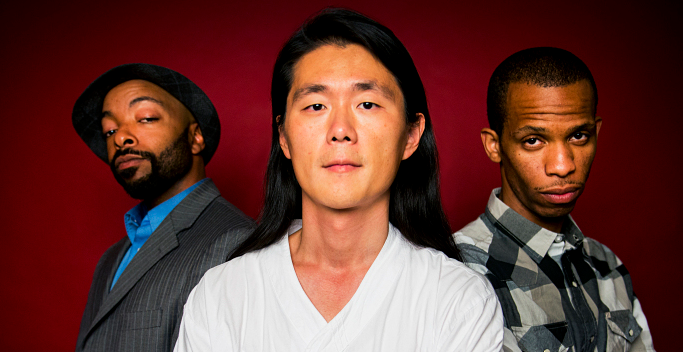
"content": "\u003cp>Above:\u003ca href=\"http://ensemblemiknawooj.com/\"> Ensemble Mik Nawooj\u003c/a> (EMN), led by music director, composer/pianist JooWan Kim, reinterprets \u003ca href=\"http://www.wutang-corp.com/artists/wu-tang-clan.php\">Wu-Tang Clan\u003c/a>’s “C.R.E.A.M.” at \u003ca href=\"http://www.ybca.org/classick-hip-hop\">YBCA’s \u003cem>Clas/Sick Hip Hop: 1993 Edition.\u003c/em>\u003c/a>\u003c/p>\n\u003cp>\u003ca href=\"http://ww2.kqed.org/arts/wp-content/uploads/sites/2/2014/12/joowan.png\">\u003cimg loading=\"lazy\" decoding=\"async\" class=\"alignright size-full wp-image-10238602\" src=\"http://ww2.kqed.org/arts/wp-content/uploads/sites/2/2014/12/joowan.png\" alt=\"joowan\" width=\"683\" height=\"352\" srcset=\"https://cdn.kqed.org/wp-content/uploads/sites/2/2014/12/joowan.png 683w, https://cdn.kqed.org/wp-content/uploads/sites/2/2014/12/joowan-400x206.png 400w\" sizes=\"(max-width: 683px) 100vw, 683px\">\u003c/a>Ensemble Mik Nawooj (EMN) is the brainchild of composer/pianist JooWan Kim, who introduces western-European classical techniques into hip-hop, rock, and pop. The group’s lineup includes traditional Pierrot ensemble instrumentation (flute, clarinet, violin, cello and piano) with a lyric soprano, deep funk drums, a heavy contrabass and two featured MCs. Kim is a classically trained composer who holds degrees from \u003ca href=\"http://www.berklee.edu/\">Berklee College of Music\u003c/a> and \u003ca href=\"http://www.sfcm.edu/\">San Francisco Conservatory of Music\u003c/a>.\u003c/p>\n\u003cp>\u003cem>“Nobody has ever attempted anything like this on such a large scale, or with such sophistication.”\u003c/em> – NPR\u003c/p>\n\u003cp>From the same evening, watch the \u003ca href=\"http://kevchoice.wordpress.com/\">Kev Choice Ensemble\u003c/a> perform Saafir’s “Light Sleeper”:\u003c/p>\n\u003cp>[youtube http://www.youtube.com/watch?v=TFJcIEQFByM&w=560&h=315]\u003c/p>\n\u003cp>[ad fullwidth]\u003c/p>\u003cp>\u003c/p>\n",
"blocks": [],
"excerpt": null,
"status": "publish",
"parent": 0,
"modified": 1726781957,
"stats": {
"hasAudio": false,
"hasVideo": true,
"hasChartOrMap": false,
"iframeSrcs": [],
"hasGoogleForm": false,
"hasGallery": false,
"hasHearkenModule": false,
"hasPolis": false,
"paragraphCount": 7,
"wordCount": 170
},
"headData": {
"title": "Watch a Hip Hop Orchestra Perform Wu-Tang Clan’s \"C.R.E.A.M\" | KQED",
"description": "Above: Ensemble Mik Nawooj (EMN), led by music director, composer/pianist JooWan Kim, reinterprets Wu-Tang Clan’s "C.R.E.A.M." at YBCA's Clas/Sick Hip Hop: 1993 Edition. Ensemble Mik Nawooj (EMN) is the brainchild of composer/pianist JooWan Kim, who introduces western-European classical techniques into hip-hop, rock, and pop. The group's lineup includes traditional Pierrot ensemble instrumentation (flute, clarinet, violin, cello and piano) with a lyric soprano, deep funk drums, a heavy contrabass and two featured MCs. Kim is a classically trained composer who holds degrees from Berklee College of Music and San Francisco Conservatory of Music. “Nobody has ever attempted anything like this on such a large scale,",
"ogTitle": "",
"ogDescription": "",
"ogImgId": "",
"twTitle": "",
"twDescription": "",
"twImgId": "",
"schema": {
"@context": "https://schema.org",
"@type": "Article",
"headline": "Watch a Hip Hop Orchestra Perform Wu-Tang Clan’s \"C.R.E.A.M\"",
"datePublished": "2014-12-24T13:05:45-08:00",
"dateModified": "2024-09-19T14:39:17-07:00",
"image": "https://cdn.kqed.org/wp-content/uploads/2020/02/KQED-OG-Image@1x.png"
}
},
"videoEmbed": "https://www.youtube.com/watch?v=68wQ6g9w2xE&",
"sticky": false,
"path": "/arts/10238600/a-hip-hop-orchestra-does-wu-tang-clans-c-r-e-a-m",
"audioTrackLength": null,
"parsedContent": [
{
"type": "contentString",
"content": "\u003cdiv class=\"post-body\">\u003cp>\u003cp>Above:\u003ca href=\"http://ensemblemiknawooj.com/\"> Ensemble Mik Nawooj\u003c/a> (EMN), led by music director, composer/pianist JooWan Kim, reinterprets \u003ca href=\"http://www.wutang-corp.com/artists/wu-tang-clan.php\">Wu-Tang Clan\u003c/a>’s “C.R.E.A.M.” at \u003ca href=\"http://www.ybca.org/classick-hip-hop\">YBCA’s \u003cem>Clas/Sick Hip Hop: 1993 Edition.\u003c/em>\u003c/a>\u003c/p>\n\u003cp>\u003ca href=\"http://ww2.kqed.org/arts/wp-content/uploads/sites/2/2014/12/joowan.png\">\u003cimg loading=\"lazy\" decoding=\"async\" class=\"alignright size-full wp-image-10238602\" src=\"http://ww2.kqed.org/arts/wp-content/uploads/sites/2/2014/12/joowan.png\" alt=\"joowan\" width=\"683\" height=\"352\" srcset=\"https://cdn.kqed.org/wp-content/uploads/sites/2/2014/12/joowan.png 683w, https://cdn.kqed.org/wp-content/uploads/sites/2/2014/12/joowan-400x206.png 400w\" sizes=\"(max-width: 683px) 100vw, 683px\">\u003c/a>Ensemble Mik Nawooj (EMN) is the brainchild of composer/pianist JooWan Kim, who introduces western-European classical techniques into hip-hop, rock, and pop. The group’s lineup includes traditional Pierrot ensemble instrumentation (flute, clarinet, violin, cello and piano) with a lyric soprano, deep funk drums, a heavy contrabass and two featured MCs. Kim is a classically trained composer who holds degrees from \u003ca href=\"http://www.berklee.edu/\">Berklee College of Music\u003c/a> and \u003ca href=\"http://www.sfcm.edu/\">San Francisco Conservatory of Music\u003c/a>.\u003c/p>\n\u003cp>\u003cem>“Nobody has ever attempted anything like this on such a large scale, or with such sophistication.”\u003c/em> – NPR\u003c/p>\n\u003cp>From the same evening, watch the \u003ca href=\"http://kevchoice.wordpress.com/\">Kev Choice Ensemble\u003c/a> perform Saafir’s “Light Sleeper”:\u003c/p>\n\u003cp>\u003c/p>\u003cp>\u003cspan class='utils-parseShortcode-shortcodes-__youtubeShortcode__embedYoutube'>\n \u003cspan class='utils-parseShortcode-shortcodes-__youtubeShortcode__embedYoutubeInside'>\n \u003ciframe\n loading='lazy'\n class='utils-parseShortcode-shortcodes-__youtubeShortcode__youtubePlayer'\n type='text/html'\n src='//www.youtube.com/embed/TFJcIEQFByM'\n title='//www.youtube.com/embed/TFJcIEQFByM'\n allowfullscreen='true'\n style='border:0;'>\u003c/iframe>\n \u003c/span>\n \u003c/span>\u003c/p>\u003cp>\u003c/p>\n\u003cp>\u003c/p>\u003c/div>",
"attributes": {
"named": {},
"numeric": []
}
},
{
"type": "component",
"content": "",
"name": "ad",
"attributes": {
"named": {
"label": "fullwidth"
},
"numeric": [
"fullwidth"
]
}
},
{
"type": "contentString",
"content": "\u003cdiv class=\"post-body\">\u003cp>\u003c/p>\u003cp>\u003c/p>\n\u003c/div>\u003c/p>",
"attributes": {
"named": {},
"numeric": []
}
}
],
"link": "/arts/10238600/a-hip-hop-orchestra-does-wu-tang-clans-c-r-e-a-m",
"authors": [
"99"
],
"categories": [
"arts_69"
],
"featImg": "arts_10238602",
"label": "arts"
},
"arts_10238610": {
"type": "posts",
"id": "arts_10238610",
"meta": {
"index": "posts_1716263798",
"site": "arts",
"id": "10238610",
"score": null,
"sort": [
1419447634000
]
},
"guestAuthors": [],
"slug": "a-jazz-hip-hop-funk-big-band-pays-homage-to-saafirs-light-sleeper",
"title": "Watch a Hip-Hop Funk Big Band Pay Homage to Saafir’s \"Light Sleeper\"",
"publishDate": 1419447634,
"format": "video",
"headTitle": "Watch a Hip-Hop Funk Big Band Pay Homage to Saafir’s “Light Sleeper” | KQED",
"labelTerm": {
"site": "arts"
},
"content": "\u003cp>Above:\u003ca href=\"http://kevchoice.wordpress.com/\"> Kev Choice Ensemble\u003c/a> reinterprets Saafir’s “Light Sleeper” at \u003ca href=\"http://www.ybca.org/classick-hip-hop\">YBCA’s \u003cem>Clas/Sick Hip Hop: 1993 Edition.\u003c/em>\u003c/a>\u003c/p>\n\u003cp>Oakland-based artist \u003ca href=\"http://kevchoice.wordpress.com/\">Kev Choice\u003c/a> is a pianist, MC, producer, bandleader, sideman, music historian and urban griot dedicated to cultural expression. Through his band Kev Choice Ensemble, he produces and performs his own material, including original jazz and classical compositions as well as classical, jazz, and funk-inspired hip-hop.\u003c/p>\n\u003cp>\u003ca href=\"http://ww2.kqed.org/arts/wp-content/uploads/sites/2/2014/12/kev.jpg\">\u003cimg loading=\"lazy\" decoding=\"async\" class=\"alignright size-full wp-image-10238616\" src=\"http://ww2.kqed.org/arts/wp-content/uploads/sites/2/2014/12/kev.jpg\" alt=\"kev\" width=\"908\" height=\"510\" srcset=\"https://cdn.kqed.org/wp-content/uploads/sites/2/2014/12/kev.jpg 908w, https://cdn.kqed.org/wp-content/uploads/sites/2/2014/12/kev-400x224.jpg 400w, https://cdn.kqed.org/wp-content/uploads/sites/2/2014/12/kev-800x449.jpg 800w\" sizes=\"(max-width: 908px) 100vw, 908px\">\u003c/a>\u003c/p>\n\u003cp>As a teenager, Choice played in classical and jazz ensembles as part of the UC Berkeley Young Musicians Program, and continued his musical studies at Xavier University of Louisiana in New Orleans and Southern Illinois University. Choice has toured with \u003ca href=\"https://www.michaelfranti.com/home\">Michael Franti and Spearhead\u003c/a>, \u003ca href=\"http://www.lyricsborn.com/\">Lyrics Born,\u003c/a> \u003ca href=\"https://twitter.com/tooshort\">Too $hort\u003c/a>, \u003ca href=\"http://www.ledisi.com/\">Ledisi\u003c/a>, \u003ca href=\"https://www.facebook.com/MosDef\">Goapele, Mos Def, \u003c/a>\u003ca href=\"https://www.youtube.com/watch?v=cM4kqL13jGM\">Digable Planets\u003c/a> and \u003ca href=\"http://www.lauryn-hill.com/\">Lauryn Hill\u003c/a>.\u003c/p>\n\u003cp>From the same performance, you can also watch\u003ca href=\"http://ensemblemiknawooj.com/\"> Ensemble Mik Nawooj\u003c/a> perform \u003ca href=\"http://www.wutang-corp.com/artists/wu-tang-clan.php\">Wu-Tang Clan\u003c/a>’s “C.R.E.A.M.”:\u003c/p>\n\u003cp>[ad fullwidth]\u003c/p>\n\u003cp>\u003c/p>\n\u003cp>[youtube http://www.youtube.com/watch?v=68wQ6g9w2xE]\u003c/p>\n\n",
"blocks": [],
"excerpt": null,
"status": "publish",
"parent": 0,
"modified": 1726781959,
"stats": {
"hasAudio": false,
"hasVideo": true,
"hasChartOrMap": false,
"iframeSrcs": [],
"hasGoogleForm": false,
"hasGallery": false,
"hasHearkenModule": false,
"hasPolis": false,
"paragraphCount": 8,
"wordCount": 171
},
"headData": {
"title": "Watch a Hip-Hop Funk Big Band Pay Homage to Saafir’s \"Light Sleeper\" | KQED",
"description": "Above: Kev Choice Ensemble reinterprets Saafir's "Light Sleeper" at YBCA's Clas/Sick Hip Hop: 1993 Edition. Oakland-based artist Kev Choice is a pianist, MC, producer, bandleader, sideman, music historian and urban griot dedicated to cultural expression. Through his band Kev Choice Ensemble, he produces and performs his own material, including original jazz and classical compositions as well as classical, jazz, and funk-inspired hip-hop. As a teenager, Choice played in classical and jazz ensembles as part of the UC Berkeley Young Musicians Program, and continued his musical studies at Xavier University of Louisiana in New Orleans and Southern Illinois University. Choice has toured with Michael Franti and",
"ogTitle": "",
"ogDescription": "",
"ogImgId": "",
"twTitle": "",
"twDescription": "",
"twImgId": "",
"schema": {
"@context": "https://schema.org",
"@type": "Article",
"headline": "Watch a Hip-Hop Funk Big Band Pay Homage to Saafir’s \"Light Sleeper\"",
"datePublished": "2014-12-24T11:00:34-08:00",
"dateModified": "2024-09-19T14:39:19-07:00",
"image": "https://cdn.kqed.org/wp-content/uploads/2020/02/KQED-OG-Image@1x.png"
}
},
"videoEmbed": "http://www.youtube.com/watch?v=TFJcIEQFByM",
"sticky": false,
"path": "/arts/10238610/a-jazz-hip-hop-funk-big-band-pays-homage-to-saafirs-light-sleeper",
"audioTrackLength": null,
"parsedContent": [
{
"type": "contentString",
"content": "\u003cdiv class=\"post-body\">\u003cp>\u003cp>Above:\u003ca href=\"http://kevchoice.wordpress.com/\"> Kev Choice Ensemble\u003c/a> reinterprets Saafir’s “Light Sleeper” at \u003ca href=\"http://www.ybca.org/classick-hip-hop\">YBCA’s \u003cem>Clas/Sick Hip Hop: 1993 Edition.\u003c/em>\u003c/a>\u003c/p>\n\u003cp>Oakland-based artist \u003ca href=\"http://kevchoice.wordpress.com/\">Kev Choice\u003c/a> is a pianist, MC, producer, bandleader, sideman, music historian and urban griot dedicated to cultural expression. Through his band Kev Choice Ensemble, he produces and performs his own material, including original jazz and classical compositions as well as classical, jazz, and funk-inspired hip-hop.\u003c/p>\n\u003cp>\u003ca href=\"http://ww2.kqed.org/arts/wp-content/uploads/sites/2/2014/12/kev.jpg\">\u003cimg loading=\"lazy\" decoding=\"async\" class=\"alignright size-full wp-image-10238616\" src=\"http://ww2.kqed.org/arts/wp-content/uploads/sites/2/2014/12/kev.jpg\" alt=\"kev\" width=\"908\" height=\"510\" srcset=\"https://cdn.kqed.org/wp-content/uploads/sites/2/2014/12/kev.jpg 908w, https://cdn.kqed.org/wp-content/uploads/sites/2/2014/12/kev-400x224.jpg 400w, https://cdn.kqed.org/wp-content/uploads/sites/2/2014/12/kev-800x449.jpg 800w\" sizes=\"(max-width: 908px) 100vw, 908px\">\u003c/a>\u003c/p>\n\u003cp>As a teenager, Choice played in classical and jazz ensembles as part of the UC Berkeley Young Musicians Program, and continued his musical studies at Xavier University of Louisiana in New Orleans and Southern Illinois University. Choice has toured with \u003ca href=\"https://www.michaelfranti.com/home\">Michael Franti and Spearhead\u003c/a>, \u003ca href=\"http://www.lyricsborn.com/\">Lyrics Born,\u003c/a> \u003ca href=\"https://twitter.com/tooshort\">Too $hort\u003c/a>, \u003ca href=\"http://www.ledisi.com/\">Ledisi\u003c/a>, \u003ca href=\"https://www.facebook.com/MosDef\">Goapele, Mos Def, \u003c/a>\u003ca href=\"https://www.youtube.com/watch?v=cM4kqL13jGM\">Digable Planets\u003c/a> and \u003ca href=\"http://www.lauryn-hill.com/\">Lauryn Hill\u003c/a>.\u003c/p>\n\u003cp>From the same performance, you can also watch\u003ca href=\"http://ensemblemiknawooj.com/\"> Ensemble Mik Nawooj\u003c/a> perform \u003ca href=\"http://www.wutang-corp.com/artists/wu-tang-clan.php\">Wu-Tang Clan\u003c/a>’s “C.R.E.A.M.”:\u003c/p>\n\u003cp>\u003c/p>\u003c/div>",
"attributes": {
"named": {},
"numeric": []
}
},
{
"type": "component",
"content": "",
"name": "ad",
"attributes": {
"named": {
"label": "fullwidth"
},
"numeric": [
"fullwidth"
]
}
},
{
"type": "contentString",
"content": "\u003cdiv class=\"post-body\">\u003cp>\u003c/p>\n\u003cp>\u003c/p>\n\u003cp>\u003c/p>\u003cp>\u003cspan class='utils-parseShortcode-shortcodes-__youtubeShortcode__embedYoutube'>\n \u003cspan class='utils-parseShortcode-shortcodes-__youtubeShortcode__embedYoutubeInside'>\n \u003ciframe\n loading='lazy'\n class='utils-parseShortcode-shortcodes-__youtubeShortcode__youtubePlayer'\n type='text/html'\n src='//www.youtube.com/embed/68wQ6g9w2xE'\n title='//www.youtube.com/embed/68wQ6g9w2xE'\n allowfullscreen='true'\n style='border:0;'>\u003c/iframe>\n \u003c/span>\n \u003c/span>\u003c/p>\u003cp>\u003c/p>\n\n\u003c/div>\u003c/p>",
"attributes": {
"named": {},
"numeric": []
}
}
],
"link": "/arts/10238610/a-jazz-hip-hop-funk-big-band-pays-homage-to-saafirs-light-sleeper",
"authors": [
"99"
],
"categories": [
"arts_69"
],
"featImg": "arts_10238616",
"label": "arts"
},
"arts_10239111": {
"type": "posts",
"id": "arts_10239111",
"meta": {
"index": "posts_1716263798",
"site": "arts",
"id": "10239111",
"score": null,
"sort": [
1419368450000
]
},
"parent": 0,
"labelTerm": {
"site": "arts"
},
"blocks": [],
"publishDate": 1419368450,
"format": "standard",
"title": "Your New Music Editor's Top 25 Albums of 2014",
"headTitle": "Your New Music Editor’s Top 25 Albums of 2014 | KQED",
"content": "\u003cp>As your proud new music editor here at KQED Arts, I’m always eager to share new music that inspires me. Thus, for your perusal, the below compiled list of albums that got me through the year 2014. (And if you really want to dig deep, see my top album lists from the years \u003ca href=\"http://citysound.bohemian.com/2013/12/31/gabes-top-25-albums-of-2013/\" target=\"_blank\" rel=\"noopener\">2013\u003c/a>, \u003ca href=\"http://citysound.bohemian.com/2012/12/13/top-25-albums-of-2012/\" target=\"_blank\" rel=\"noopener\">2012\u003c/a>, \u003ca href=\"http://citysound.bohemian.com/2011/12/14/top-25-albums-of-2011/\" target=\"_blank\" rel=\"noopener\">2011\u003c/a>, \u003ca href=\"http://citysound.bohemian.com/2010/12/14/top-25-albums-of-2010/\" target=\"_blank\" rel=\"noopener\">2010\u003c/a>, and lo and behold, the \u003ca href=\"http://citysound.bohemian.com/2009/12/15/the-top-albums-of-the-decade-2000-2009/\" target=\"_blank\" rel=\"noopener\">entire decade from 2000-2009\u003c/a>.)\u003c/p>\n\u003cp>Here’s what was on my turntable in 2014.\u003c/p>\n\u003cdiv class=\"callout noborder\">\n\u003cimg loading=\"lazy\" decoding=\"async\" class=\"alignleft\" src=\"http://ww2.kqed.org/arts/wp-content/uploads/sites/2/2014/12/FKATwigs.jpg\" alt=\"FKA Twigs\" width=\"300\" height=\"300\">\n\u003ch3>1. FKA Twigs – \u003cem>LP1\u003c/em>\u003c/h3>\n\u003ch5>(Young Turks)\u003c/h5>\n\u003cp>I listened to this album to be transported to a different world, and it never failed me. What’s more, the world to which it transported me kept changing. FKA Twigs is the stage name of Tahliah Barnett, who has been getting just as much press for dating Robert Pattinson as for her music, which I suppose is inevitable. After an EP that yielded the minimalist masterpiece “\u003ca href=\"https://www.youtube.com/watch?v=kFtMl-uipA8\" target=\"_blank\" rel=\"noopener\">Water Me\u003c/a>,” her debut full-length is such a brilliant mix of compact songwriting and off-kilter sounds that it \u003cem>feels\u003c/em> like a foregone conclusion. But really, there’s nothing foregone about it. Even after repeat listening, the billowing oscillations of “\u003ca href=\"https://www.youtube.com/watch?v=3yDP9MKVhZc\" target=\"_blank\" rel=\"noopener\">Two Weeks\u003c/a>” or spare rattling of “\u003ca href=\"https://www.youtube.com/watch?v=Cw6H9YsTLek\" target=\"_blank\" rel=\"noopener\">Pendulum\u003c/a>” still emerge through the speakers entirely unexpected; amid all the “weird R&B” in the world, nothing sounds like this album does. Imagine if a pod from the International Space Station landed inside a Gothic cathedral and hooked its circuit board to the organ while a singular figure emerged from the choir to sing about desire and flesh and trust, maybe? When I \u003ca href=\"http://www.sfweekly.com/shookdown/2014/08/14/fka-twigs-hypnotizes-the-great-american-music-hall-8-13-14\" target=\"_blank\" rel=\"noopener\">saw her at the Great American Music Hall\u003c/a> in August, she moved like a gazelle, awash in red silk. On \u003cem>LP1\u003c/em>, she creates a universe of her own and invites you to settle in.\u003c/p>\u003c/div>\n\u003cdiv class=\"callout noborder\">\n\u003cimg loading=\"lazy\" decoding=\"async\" class=\"alignleft\" src=\"http://ww2.kqed.org/arts/wp-content/uploads/sites/2/2014/12/BenFrost.jpg\" alt=\"Ben Frost\" width=\"300\" height=\"300\">\n\u003ch3>2. Ben Frost – \u003cem>A U R O R A\u003c/em>\u003c/h3>\n\u003ch5>(Bedroom Community)\u003c/h5>\n\u003cp>After watching \u003ca href=\"http://m.mlb.com/video/topic/61827086/v36878097/ws2014-gm7-giants-win-2014-world-series\" target=\"_blank\" rel=\"noopener\">the Giants win the World Series\u003c/a> on the gigantic Civic Center screen with thousands of other fans in October, and after hugging and high-fiving absolute strangers beneath a hailstorm of bootleg fireworks to the sounds of an impromptu Dixieland band, I walked over to 1015 Folsom and let the terrifying abrasion of Ben Frost’s live set wash over me. This is not music you’ll be playing at Christmas dinner, folks: \u003cem>A U R O R A\u003c/em> would be described as unlistenable noise by most people. But I couldn’t help putting it on again and again. Like FKA Twigs, it creates its own idiom, the rules and melodies of which become clearer over time. If nothing else, the album always served me well as a palate-cleanser, a cotton towel shoved through the ears to floss the brain. Beneath the jarring surface, there’s a lot of beauty to be had here.\u003c/p>\u003c/div>\n\u003cdiv class=\"callout noborder\">\n\u003cimg loading=\"lazy\" decoding=\"async\" class=\"alignleft\" src=\"http://ww2.kqed.org/arts/wp-content/uploads/sites/2/2014/12/EMA.jpg\" alt=\"EMA\" width=\"300\" height=\"300\">\n\u003ch3>3. EMA – \u003cem>The Future’s Void\u003c/em>\u003c/h3>\n\u003ch5>(Matador)\u003c/h5>\n\u003cp>Back in 1964, Bob Dylan sang about contemporary life—poetically, yes, but remember that he also did so directly, and humorously. As a 14-year-old, I fell in love with his references to \u003ca href=\"http://www.bobdylan.com/us/songs/i-shall-be-free\" target=\"_blank\" rel=\"noopener\">Anita Ekberg, Yul Brynner, Elizabeth Taylor and Greasy Kid’s Stuff\u003c/a>, whatever any of those things were. Now, I think about \u003cem>The Freewheelin’\u003c/em> when I listen to \u003cem>The Future’s Void\u003c/em>. In 2014, Erika M. Anderson was widely said to have written a “post-internet” album, which really just means she spends some of \u003cem>The Future’s Void\u003c/em> singing about contemporary life, which very naturally includes the internet. (Twenty years from now, a 14-year-old is going to hear it and wonder what a “selfie” is.) As \u003ca href=\"http://www.sfweekly.com/sanfrancisco/into-the-white-ema-grapples-with-the-decay-of-privacy-in-the-internet-age/Content?oid=2950170\" target=\"_blank\" rel=\"noopener\">she told me in June\u003c/a>, “To make art right now that tries to talk about the landscape in the world, or in America, and not in any way acknowledge the internet? That just seems so unrealistic.” But \u003cem>The Future’s Void\u003c/em> is, at its heart, a record about privacy, and the concept of self, and the ways modern life conspires to take that away from each and every one of us. I listened to this album to be reminded that Facebook can’t take everything.\u003c/p>\u003c/div>\n\u003cdiv class=\"callout noborder\">\n\u003cimg loading=\"lazy\" decoding=\"async\" class=\"alignleft\" src=\"http://ww2.kqed.org/arts/wp-content/uploads/sites/2/2014/12/Grouper.jpg\" alt=\"Grouper\" width=\"300\" height=\"300\">\n\u003ch3>4. Grouper – \u003cem>Ruins\u003c/em>\u003c/h3>\n\u003ch5>(Yellow Electric / Kranky)\u003c/h5>\n\u003cp>In 2011, Liz Harris, newly single, took a residency in Portugal and wrote this stunning set of songs. They are fragile things, befitting one’s emotions after a breakup. Have you ever been on vacation somewhere, away from your regular life, and taken a walk through a park, and the whole world seems foreign but beautiful, and in one rare moment, you’re overcome and say to yourself, “I want this to last”? This album reminds me of those moments. I saw Harris in September, opening for Swans in Portland, playing a wordless sound-collage set. But \u003cem>Ruins\u003c/em> has vocals that haven’t been so prominent in the mix since her 2008 gem \u003cem>Dragging a Dead Deer Up a Hill\u003c/em>, and trying to make out the words takes a backseat to the soft beauty of it all. I turned to this record at night, usually, and thought of love, nature, and old friends.\u003c/p>\u003c/div>\n\u003cdiv class=\"callout noborder\">\n\u003cimg loading=\"lazy\" decoding=\"async\" class=\"alignleft\" src=\"http://ww2.kqed.org/arts/wp-content/uploads/sites/2/2014/12/bleachers.jpg\" alt=\"Bleachers\" width=\"300\" height=\"300\">\n\u003ch3>5. Bleachers – \u003cem>Strange Desire\u003c/em>\u003c/h3>\n\u003ch5>(RCA)\u003c/h5>\n\u003cp>And just like that, the guitarist for Fun starts another band, and the world has a handful of new catchy-as-hell anthems. \u003ca href=\"http://youtu.be/pAGk7cIGcU4?t=1m40s\" target=\"_blank\" rel=\"noopener\">Jack Antonoff \u003c/a>will probably be tapped as a producer more than a frontman in the coming years, but his royalty checks from \u003ca href=\"https://www.youtube.com/watch?v=PVAfR3QjFKo\" target=\"_blank\" rel=\"noopener\">Taylor Swift\u003c/a> can help fund Bleachers for many years to come, as far as I’m concerned. Antonoff, as your girlfriend will tell you, is dating Lena Dunham, and it’s hard to separate the idea of that relationship from these songs, many of which are the sort of excited, joyful songs one writes when they’re overcome with new love. I mean, “\u003ca href=\"https://www.youtube.com/watch?v=o5osPtE7kXI\" target=\"_blank\" rel=\"noopener\">I Wanna Get Better\u003c/a>“—isn’t that what most of us feel when someone’s given us so much happiness and inspiration? That we want to be the best possible version of ourselves for them in return? I listened to this album on road trips and turned it up loud and enjoyed being alive.\u003c/p>\u003c/div>\n\u003cdiv class=\"callout noborder\">\n\u003cimg loading=\"lazy\" decoding=\"async\" class=\"alignleft\" src=\"http://ww2.kqed.org/arts/wp-content/uploads/sites/2/2014/12/Common.jpg\" alt=\"Common\" width=\"300\" height=\"300\">\n\u003ch3>6. Common – \u003cem>Nobody’s Smiling\u003c/em>\u003c/h3>\n\u003ch5>(ARTium / Def Jam)\u003c/h5>\n\u003cp>I’ll be the first to say that Common has made more than a few missteps in the past few years; his output since 2005’s \u003cem>Go\u003c/em> has been spotty at best, embarrassing at worst. So it’s a relief that \u003cem>Nobody’s Smiling\u003c/em> is so deeply rewarding. Dedicated to South Side Chicago and its ongoing homicide crisis, the record is a thoughtful rebuke to all Fox News commentators who believe, wrongly, that \u003ca href=\"http://www.theatlantic.com/national/archive/2014/08/black-people-are-not-ignoring-black-on-black-crime/378629/\" target=\"_blank\" rel=\"noopener\">rap music fails to address “black-on-black” crime\u003c/a>. What’s more, the production is left-field incredible and Common is back to form on the mic. In October, my wife and I were driving home from a show and listening to a mix of modern rap hits on KMEL—”\u003ca href=\"https://www.youtube.com/watch?v=nGt_JGHYEO4\" target=\"_blank\" rel=\"noopener\">Lifestyle\u003c/a>,” “\u003ca href=\"https://www.youtube.com/watch?v=UX6K7waag5Q\" target=\"_blank\" rel=\"noopener\">We Dem Boyz\u003c/a>,” “\u003ca href=\"https://www.youtube.com/watch?v=-KKbdErJkiY\" target=\"_blank\" rel=\"noopener\">Type of Way\u003c/a>“—and she commented at how strange, stunted and yelpy rap music had become. Then the DJ played “The Neighborhood,” from this album, and it was like Autotune had never happened.\u003c/p>\u003c/div>\n\u003cdiv class=\"callout noborder\">\n\u003cimg loading=\"lazy\" decoding=\"async\" class=\"alignleft\" src=\"http://ww2.kqed.org/arts/wp-content/uploads/sites/2/2014/12/SturgillSimpson.jpg\" alt=\"Sturgill Simpson\" width=\"300\" height=\"300\">\n\u003ch3>7. Sturgill Simpson – \u003cem>Metamodern Sounds in Country Music\u003c/em>\u003c/h3>\n\u003ch5>(High Top Mountain)\u003c/h5>\n\u003cp>I have been to the mountaintop of mainstream country music, and I have drank from its overproduced, cornball sentimental riches. I have seen the concerts of Miranda Lambert, Trace Adkins, Luke Bryan, Dierks Bentley and Eric Church, and I have thoroughly enjoyed myself in the Coors-drinking throng. But this year I put the “alt” back into alt-country, and filled myself with this wonderful album by Sturgill Simpson. Though cosmic kickoff track “\u003ca href=\"https://www.youtube.com/watch?v=6gBV-Nzq7Pg\" target=\"_blank\" rel=\"noopener\">Turtles All the Way Down\u003c/a>” gets most of the attention—and sure, there aren’t too many country songs that champion the virtues of DMT and LSD—the whole album’s a Nashville banger, with a well-done cover of When In Rome’s ’80s hit “The Promise” thrown in for good measure. \u003cem>Metamodern Sounds\u003c/em> also has a secret weapon in the form of lead guitarist Laur Joamets, who turns his Telecaster into a buzzsaw on a moments’ notice. When I saw him at the Fillmore in November, Simpson and his band tore the place up like it was a Kentucky juke joint. Listening to this album reminded me about honesty in country music in 2014.\u003c/p>\u003c/div>\n\u003cdiv class=\"callout noborder\">\n\u003cimg loading=\"lazy\" decoding=\"async\" class=\"alignleft\" src=\"http://ww2.kqed.org/arts/wp-content/uploads/sites/2/2014/12/GreatApes.jpg\" alt=\"Great Apes\" width=\"300\" height=\"300\">\n\u003ch3>8. Great Apes – \u003cem>Playland at the Beach\u003c/em>\u003c/h3>\n\u003ch5>(Asian Man)\u003c/h5>\n\u003cp>It’s no secret that San Francisco is changing, and with great challenges can come great art. \u003cem>Playland at the Beach\u003c/em> is a five-song EP by San Francisco punk band Great Apes, and for my money it’s the most poetic address yet to the changing face of the city. Each song is “narrated” by a different building—Vesuvio’s, City Hall, an apartment building on Valencia—with local landmarks galore and a general tone of betrayal for a city’s lost culture. “What the city is essentially becoming is a homogenized, vanilla, adult Disneyland for the rich,” Great Apes frontman Brian Moss \u003ca href=\"http://www.sfweekly.com/sanfrancisco/great-apes-brian-moss-san-francisco/Content?oid=3269804\" target=\"_blank\" rel=\"noopener\">told me in November\u003c/a>, “and with that, you’re basically erasing a cultural landscape of artists—or, as I’m referencing in the songs, certain elements of what people might deem as filth, but what’s really the raw, human diversity that I believe makes cities great.” Great Apes are part of that diversity, in a lineage stretching back to hallowed Mission District band Jawbreaker—whose gravelly vocals and way with words are probably the best-known touchstones for listeners of \u003cem>Playland at the Beach\u003c/em>. I played this record while driving through San Francisco and thinking about the city’s future.\u003c/p>\u003c/div>\n\u003cdiv class=\"callout noborder\">\n\u003cimg loading=\"lazy\" decoding=\"async\" class=\"alignleft\" src=\"http://ww2.kqed.org/arts/wp-content/uploads/sites/2/2014/12/Tree.jpg\" alt=\"Tree\" width=\"300\" height=\"300\">\n\u003ch3>9. Tree – \u003cem>The @MCTREEG EP\u003c/em>\u003c/h3>\n\u003ch5>(Scion AV)\u003c/h5>\n\u003cp>I’ve had my issues with corporate companies funding artists’ careers (behold \u003ca href=\"http://green-label.com/sound/\" target=\"_blank\" rel=\"noopener\">Green Label Sound\u003c/a>, Mountain Dew’s record label), but occasionally even I must throw up my arms and concede that sometimes the suits get it right. Tree is a unique Chicago rapper with a gruff voice who straddles old jazz and soul with style and wit; his song “\u003ca href=\"https://www.youtube.com/watch?v=XPVK7eOWVnk\" target=\"_blank\" rel=\"noopener\">Godlike\u003c/a>,” which falls over itself in an off-time piano loop, dominated my life for a couple weeks in January. The funny thing is that when I ordered this record, it showed up with a note from Tree himself, sent from his home address. I guess Scion doesn’t do mailorder.\u003c/p>\u003c/div>\n\u003cdiv class=\"callout noborder\">\n\u003cimg loading=\"lazy\" decoding=\"async\" class=\"alignleft\" src=\"http://ww2.kqed.org/arts/wp-content/uploads/sites/2/2014/12/BrianBlade.jpg\" alt=\"Brian Blade\" width=\"300\" height=\"300\">\n\u003ch3>10. Brian Blade & The Fellowship Band – \u003cem>Landmarks\u003c/em>\u003c/h3>\n\u003ch5>(Blue Note)\u003c/h5>\n\u003cp>Brian Blade is an excellent drummer who plays with jazz greats like Joshua Redman and Wayne Shorter. He also records with Bob Dylan, Joni Mitchell, and Iron & Wine. Straddling these two worlds is his Fellowship Band, and \u003cem>Landmarks\u003c/em> is a stunning record of jazz composition, if short on jazz improvisation. Gone are the traditional solos in place of a rich, spiritual sound, and in this, it reminds me of Hank Jones and Charlie Haden’s \u003cem>Steal Away\u003c/em>. “Shenandoah” is here as a signpost, and Blade’s New Orleans upbringing is applied to a swath of other southern sounds. A good Sunday-morning record to play, after Aretha Franklin’s \u003cem>Amazing Grace\u003c/em>.\u003c/p>\u003c/div>\n\u003cdiv class=\"callout noborder\">\n\u003cimg loading=\"lazy\" decoding=\"async\" class=\"alignleft\" src=\"http://ww2.kqed.org/arts/wp-content/uploads/sites/2/2014/12/PerfectPussy.jpg\" alt=\"Perfect Pussy\" width=\"300\" height=\"300\">\n\u003ch3>11. Perfect Pussy – \u003cem>Say Yes to Love\u003c/em>\u003c/h3>\n\u003ch5>(Captured Tracks)\u003c/h5>\n\u003cp>I’ll always go for a solid hardcore record with diary-entry lyrics, and \u003cem>Say Yes to Love\u003c/em> is no exception. There’s nothing groundbreaking going on musically, of course, but singer Meredith Graves’ lyrics are so tremendous and, as it goes, very buried in the mix. (When I \u003ca href=\"http://www.sfweekly.com/shookdown/2014/05/27/perfect-pussy-brings-noisy-catharsis-to-rickshaw-stop-5-26-14\" target=\"_blank\" rel=\"noopener\">saw the band in May\u003c/a>, Graves told the soundman to simply “make it as loud and horrible as possible.”) Though not as in-your-face, Perfect Pussy has a fearlessness reminiscent of riot grrrl pioneers Bikini Kill; \u003ca href=\"http://www.wonderingsound.com/feature/tobi-vail-interviews-perfect-pussys-meredith-graves/\" target=\"_blank\" rel=\"noopener\">here you can read a long, in-depth conversation\u003c/a> between Graves and Bikini Kill’s Tobi Vail. I listened to this record for hope, and for strength.\u003c/p>\u003c/div>\n\u003cdiv class=\"callout noborder\">\n\u003cimg loading=\"lazy\" decoding=\"async\" class=\"alignleft\" src=\"http://ww2.kqed.org/arts/wp-content/uploads/sites/2/2014/12/dAngelo.jpg\" alt=\"D'Angelo\" width=\"300\" height=\"300\">\n\u003ch3>12. D’Angelo – \u003cem>Black Messiah\u003c/em>\u003c/h3>\n\u003ch5>(RCA)\u003c/h5>\n\u003cp>Not that anyone could ever top Beyoncé’s surprise album release last year, but I’ve learned to hold off on these lists until December is mostly spent. And though this album is no \u003cem>Voodoo\u003c/em>, D’Angelo’s sublime, burbling masterwork, it was exactly what the world needed in early December, post-Eric Garner and Mike Brown, post-#BlackLivesMatter changed to #AllLivesMatter. For me, its predecessor wasn’t D’Angelo’s previous work, but having spent the day prior to its release taking part in the Millions March along Market Street. Like many, I downloaded it instantly and played it on repeat until 2:30am. Then I woke up and played it again.\u003c/p>\u003c/div>\n\u003cdiv class=\"callout noborder\">\n\u003cimg loading=\"lazy\" decoding=\"async\" class=\"alignleft\" src=\"http://ww2.kqed.org/arts/wp-content/uploads/sites/2/2014/12/RAC.jpg\" alt=\"RAC\" width=\"300\" height=\"300\">\n\u003ch3>13. R.A.C. – \u003cem>Strangers\u003c/em>\u003c/h3>\n\u003ch5>(Interscope)\u003c/h5>\n\u003cp>This arrived as a tip from my wife, who favors synthesized dance music from the decade of \u003cem>Say Anything\u003c/em>. This album is pure perfection in that regard, but it’s far from your everyday saccharine retro placebo. With a rotating cast of guest singers, from MNDR to Tegan & Sara, \u003cem>Strangers\u003c/em> toys with modern life’s disconnect (“Tourist”) and the superficial vagaries of fame (“Hollywood”). Of course, there’s a good old-fashioned \u003ca href=\"https://www.youtube.com/watch?v=z6eYhWQyOso\" target=\"_blank\" rel=\"noopener\">ode to driving to the beach\u003c/a>, too. The timelessness to these songs lies in their catchy hooks, and they’re not likely to grow tired for me anytime soon.\u003c/p>\u003c/div>\n\u003cdiv class=\"callout noborder\">\n\u003cimg loading=\"lazy\" decoding=\"async\" class=\"alignleft\" src=\"http://ww2.kqed.org/arts/wp-content/uploads/sites/2/2014/12/Future.jpg\" alt=\"Future\" width=\"300\" height=\"300\">\n\u003ch3>14. Future – \u003cem>Honest\u003c/em>\u003c/h3>\n\u003ch5>(Freebandz / Epic)\u003c/h5>\n\u003cp>Probably one of the year’s biggest surprise moments was the release of \u003ca href=\"http://www.npr.org/event/music/359661053/t-pain-tiny-desk-concert\" target=\"_blank\" rel=\"noopener\">T-Pain’s Tiny Desk Concert\u003c/a>, where he sang classics like “Buy You a Drank” without the effect of Autotune. This makes sense for T-Pain—after all, he \u003ca href=\"http://www.newyorker.com/culture/culture-desk/the-sadness-of-t-pain\" target=\"_blank\" rel=\"noopener\">expressed sorrow for his reputation’s wreckage\u003c/a>, and was called out personally by Jay-Z in “Death of Autotune”—but most people still don’t understand the software, or how it’s used, sparingly, in nearly every recording now. I’m a fan of the way Future uses it, which was a precursor to Yung Thug and Rich Homie Quan’s use of it, which is to say it makes their cracking voices sound like they’re being struck by lightning. Future has hooks for days, and his music is filled with hope and ambition. When \u003ca href=\"http://www.sfweekly.com/shookdown/2014/07/01/future-overcomes-the-monday-curse-at-regency-ballroom-6-30-14\" target=\"_blank\" rel=\"noopener\">I saw him in July\u003c/a>, every song was a singalong.\u003c/p>\u003c/div>\n\u003cdiv class=\"callout noborder\">\n\u003cimg loading=\"lazy\" decoding=\"async\" class=\"alignleft\" src=\"http://ww2.kqed.org/arts/wp-content/uploads/sites/2/2014/12/JoyceManor.jpg\" alt=\"Joyce Manor\" width=\"300\" height=\"300\">\n\u003ch3>15. Joyce Manor – \u003cem>Never Hungover Again\u003c/em>\u003c/h3>\n\u003ch5>(Epitaph)\u003c/h5>\n\u003cp>There’s really nothing wrong with being derivative if you do it with enough heart, and though I didn’t know what to make of Joyce Manor at first, seeing them at Amoeba in August turned me into a fan. Melodic kitschy mid-tempo pop-punk, yadda yadda yadda, but when you’re surrounded by \u003ca href=\"https://www.youtube.com/watch?v=cF_dxObR8-8\" target=\"_blank\" rel=\"noopener\">300 people all singing along more loudly than the band\u003c/a>, it’s a little bit infectious. (As a plus, singer Barry Johnson has \u003ca href=\"http://www.imposemagazine.com/features/joyce-manor-favorite-live-performances\" target=\"_blank\" rel=\"noopener\">fantastic taste in YouTube videos\u003c/a>.) These songs are very short, to the point, and stay in your head for days.\u003c/p>\u003c/div>\n\u003cdiv class=\"callout noborder\">\n\u003cimg loading=\"lazy\" decoding=\"async\" class=\"alignleft\" src=\"http://ww2.kqed.org/arts/wp-content/uploads/sites/2/2014/12/NickiMinaj.jpg\" alt=\"Nicki Minaj\" width=\"300\" height=\"300\">\n\u003ch3>16. Nicki Minaj – \u003cem>The Pinkprint\u003c/em>\u003c/h3>\n\u003ch5>(Young Money)\u003c/h5>\n\u003cp>Nicki Minaj put out a string of terrible singles in 2014, and the way to really appreciate this album is to simply delete them. So much of Nicki in 2014 seemed to be a reaction to critics of \u003cem>Pink Friday: Roman Reloaded\u003c/em>, the best album she’s made, who claimed it was “too pop.” So thanks to Peter Rosenberg, we got “Only.” Trash that song like the garbage it is, along with “Anaconda,” and what’s left is a personal song cycle that’s full of personality, humor, sorrow and cleverness. She’s one of the best rappers alive when she’s on her game, and call me crazy, but she’s a role model for my five year-old daughter. When \u003ca href=\"http://citysound.bohemian.com/2012/08/14/live-review-nicki-minaj-at-the-paramount-theater-oakland/\" target=\"_blank\" rel=\"noopener\">I saw her in Oakland in 2012\u003c/a>, she addressed the young girls in the crowd: “Being a loser is not cool,” she said. “Giving your goodies to every Tom, Dick & Harry is not cool. Being intelligent and ambitious is where it’s at. Men are attracted to ambitious women. Ain’t I right, guys?” This is not Nicki’s best album as a whole, but there’s a lot of bravery on it.\u003c/p>\u003c/div>\n\u003cdiv class=\"callout noborder\">\n\u003cimg loading=\"lazy\" decoding=\"async\" class=\"alignleft\" src=\"http://ww2.kqed.org/arts/wp-content/uploads/sites/2/2014/12/AngelOlson.jpg\" alt=\"Angel Olsen\" width=\"300\" height=\"300\">\n\u003ch3>17. Angel Olsen – \u003cem>Burn Your Fire for No Witness\u003c/em>\u003c/h3>\n\u003ch5>(Jagjaguwar)\u003c/h5>\n\u003cp>A remarkable album that owes as much to early folk like the Incredible String Band and Fairport Convention as it does the cosmic American music of Will Oldham, with whom Olsen toured, \u003cem>Burn Your Fire\u003c/em> kept finding its way back to my stereo. Filled with mystery and longing, the record is deceptively simple, a trait that attracted advertising companies. In November, \u003ca href=\"http://ww2.kqed.org/arts/2014/11/28/angel-olson-talks-90s-rb-women-in-music-and-her-whirlwind-year/\" target=\"_blank\" rel=\"noopener\">Olsen told KQED\u003c/a> that she’d turned down a healthy sum for her music to be used in a commercial, “because it’s a crappy company, and it’s going to damage my career.” May she reap the rewards twofold for blazing her own trail.\u003c/p>\u003c/div>\n\u003cdiv class=\"callout noborder\">\n\u003cimg loading=\"lazy\" decoding=\"async\" class=\"alignleft\" src=\"http://ww2.kqed.org/arts/wp-content/uploads/sites/2/2014/12/JamesHoff.jpg\" alt=\"James Hoff\" width=\"300\" height=\"300\">\n\u003ch3>18. James Hoff – \u003cem>Blaster\u003c/em>\u003c/h3>\n\u003ch5>(PAN)\u003c/h5>\n\u003cp>In the pantheon of weird records, one of my favorites is \u003ca href=\"http://www.discogs.com/Disc-Transfer/release/98364\" target=\"_blank\" rel=\"noopener\">Disc’s \u003cem>Transfer\u003c/em>\u003c/a>, which was created by smashing CDs, gluing them back together, putting them in a CD player, pressing “play” and recording the skipping blips and glitches. That was 15 years ago. In 2014, New York artist James Hoff infected 808 beats with \u003ca href=\"http://en.wikipedia.org/wiki/Blaster_%28computer_worm%29\" target=\"_blank\" rel=\"noopener\">the Blaster virus\u003c/a>, recorded the results, and used them as foundations for new compositions. The results are fabulously askew—your cat will hate it. There’s definitely some high art happening here, but it’s also just a riot to listen to. As Hoff himself says \u003ca href=\"http://bombmagazine.org/article/10095/james-hoff\" target=\"_blank\" rel=\"noopener\">in this interview\u003c/a>, “I don’t want the work’s reception necessarily hinged on’“getting it.'” I like that idea.\u003c/p>\u003c/div>\n\u003cdiv class=\"callout noborder\">\n\u003cimg loading=\"lazy\" decoding=\"async\" class=\"alignleft\" src=\"http://ww2.kqed.org/arts/wp-content/uploads/sites/2/2014/12/MarcRibot.jpg\" alt=\"Marc Ribot\" width=\"300\" height=\"300\">\n\u003ch3>19. Marc Ribot Trio – \u003cem>Live at the Village Vanguard\u003c/em>\u003c/h3>\n\u003ch5>(Pi)\u003c/h5>\n\u003cp>Most know Marc Ribot as The Guy Who Played Guitar on \u003cem>Rain Dogs\u003c/em>, and if you’ve ever heard “Singapore” or “\u003ca href=\"https://www.youtube.com/watch?v=MZ4sK-Q42AU\" target=\"_blank\" rel=\"noopener\">Cemetery Polka\u003c/a>,” you know he has a knack for playing what sound like wrongish notes, just a tiny bit out of bounds. Eric Dolphy did this, David Rawlings does this, and Albert Ayler did this. It’s Ayler we’re concerned with here, since Ribot wisely recruited Henry Grimes, Ayler’s bassist, to join his group. For this recording, the trio play Ayler’s “The Wizard” and “Bells,” John Coltrane’s “Sun Ship” and “Dearly Beloved,” and standards “Old Man River” and “I’m Confessin’ That I Love You.” There’s an intense fire beneath it all, and listening to Ribot’s solos unfold is like watching a Pollock painting take form. I listened to this when I needed to enter a different mindset.\u003c/p>\u003c/div>\n\u003cdiv class=\"callout noborder\">\n\u003cimg loading=\"lazy\" decoding=\"async\" class=\"alignleft\" src=\"http://ww2.kqed.org/arts/wp-content/uploads/sites/2/2014/12/TaylorSwift.jpg\" alt=\"Taylor Swift\" width=\"300\" height=\"300\">\n\u003ch3>20. Taylor Swift – \u003cem>1989\u003c/em>\u003c/h3>\n\u003ch5>(Big Machine)\u003c/h5>\n\u003cp>Because I grew up in the \u003cem>Thriller\u003c/em> era, \u003ca href=\"http://www.salon.com/2011/09/29/how_niches_killed_culture/\" target=\"_blank\" rel=\"noopener\">I miss the monoculture\u003c/a>. I miss big universal pop moments, like Lionel Richie’s halftime show or the “Like a Prayer” premiere. I also sometimes miss big dumb pop music for the sake of big dumb pop music. That’s why I cringed at the “\u003ca href=\"https://www.youtube.com/watch?v=nfWlot6h_JM\" target=\"_blank\" rel=\"noopener\">Shake it Off\u003c/a>” video but eventually relented to \u003cem>1989\u003c/em>. Isn’t that what pop music does? Annoys you into submission until you sing along, like a \u003ca href=\"https://www.youtube.com/watch?v=QHn6Hgx_sfE\" target=\"_blank\" rel=\"noopener\">bubble gum commercial\u003c/a> jingle? This record doesn’t have the personality of Swift’s earlier albums—it could have been recorded by anybody with a gazillion-dollar budget—but that’s beside the point when you’re reaching for a big pop moment.\u003c/p>\u003c/div>\n\u003cdiv class=\"callout noborder\">\n\u003cimg loading=\"lazy\" decoding=\"async\" class=\"alignleft\" src=\"http://ww2.kqed.org/arts/wp-content/uploads/sites/2/2014/12/iceage.jpg\" alt=\"Iceage\" width=\"300\" height=\"300\">\n\u003ch3>21. Iceage – \u003cem>Plowing Into the Field of Love\u003c/em>\u003c/h3>\n\u003ch5>(Matador)\u003c/h5>\n\u003cp>Denmark is a cold place, and when you start a band as a teenager there, it’s likely to be a punk band (especially in Copenhagen, with one of the world’s \u003ca href=\"http://en.wikipedia.org/wiki/Freetown_Christiania\" target=\"_blank\" rel=\"noopener\">longest-running squats\u003c/a>). I \u003ca href=\"http://citysound.bohemian.com/2013/03/26/live-review-iceage-at-the-rickshaw-stop/\" target=\"_blank\" rel=\"noopener\">saw Iceage\u003c/a> during this era, and was entranced by the magnetism of lead singer Elias Bender Rønnenfelt, who used the front rows of the audience alternately as a mattress and punching bag. For their third album, Iceage’s malaise is tucked under the surface. A “mature” outing with obvious nods to Nick Cave and even classic country, it’s an eerie listen that always made me feel a little more mortal.\u003c/p>\u003c/div>\n\u003cdiv class=\"callout noborder\">\n\u003cimg loading=\"lazy\" decoding=\"async\" class=\"alignleft\" src=\"http://ww2.kqed.org/arts/wp-content/uploads/sites/2/2014/12/SageGemini.jpg\" alt=\"Sage the Gemini\" width=\"300\" height=\"300\">\n\u003ch3>22. Sage the Gemini – \u003cem>Remember Me\u003c/em>\u003c/h3>\n\u003ch5>(HBK / Republic)\u003c/h5>\n\u003cp>Yes, I agree that DJ Mustard \u003ca href=\"http://www.vladtv.com/blog/202454/yg-dj-mustard-slam-grammys-for-nomination-snubs/400956/\" target=\"_blank\" rel=\"noopener\">got snubbed\u003c/a> by the Grammys, but I also laugh at \u003ca href=\"https://twitter.com/theRonPerry/status/540951062988226560\" target=\"_blank\" rel=\"noopener\">the notion that he created “a new sound\u003c/a>.” Everyone in the Bay knows where that sound came from, and on \u003cem>Remember Me\u003c/em>, Sage the Gemini perfects the very vibe that Mustard \u003ca href=\"http://imgur.com/gallery/xI2bz\" target=\"_blank\" rel=\"noopener\">routinely dumbs down\u003c/a>. (I say this as a genuine fan of “Don’t Tell ‘Em,” “Who Do You Love,” “24 Hours” and other Mustard productions.) The most well-known member of Richmond’s multi-talented HBK collective, Sage can be playful on the mic or serious, aggressive or understated. It all works over his keen production skills, and the ubiquitous radio hits “Gas Pedal” and “Red Nose” are bound to be played in clubs for the next 10 years. Someday I’ll write a treatise about how Bay Area rap has to claw its way to recognition; in the meantime, this album serves as a reminder of our fertile soil.\u003c/p>\u003c/div>\n\u003cdiv class=\"callout noborder\">\n\u003cimg loading=\"lazy\" decoding=\"async\" class=\"alignleft\" src=\"http://ww2.kqed.org/arts/wp-content/uploads/sites/2/2014/12/StVincent.jpg\" alt=\"St. Vincent\" width=\"300\" height=\"300\">\n\u003ch3>23. St. Vincent – \u003cem>St. Vincent\u003c/em>\u003c/h3>\n\u003ch5>(Republic)\u003c/h5>\n\u003cp>After a collaborative album with David Byrne, \u003cem>St. Vincent\u003c/em> is Annie Clark’s most Talking Heads-esque album to date. It consists largely of compact pop songs, presented slightly off-kilter, with strange rhythms and memorable melodies. Being less expansive and more accessible than predecessor \u003cem>Strange Mercy\u003c/em> earned this album some enmity from fans, but it’s a thrill to see an artist’s vision so clearly realized. Her tour in 2014 was a whirlwind of strobe lighting, choreography and, of course, \u003ca href=\"https://www.youtube.com/watch?v=mqd9hi7V-rw\" target=\"_blank\" rel=\"noopener\">shredding guitar solos\u003c/a>.\u003c/p>\u003c/div>\n\u003cdiv class=\"callout noborder\">\n\u003cimg loading=\"lazy\" decoding=\"async\" class=\"alignleft\" src=\"http://ww2.kqed.org/arts/wp-content/uploads/sites/2/2014/12/BlapDeli.jpg\" alt=\"Blap Deli\" width=\"300\" height=\"300\">\n\u003ch3>24. Bläp Dëli – \u003cem>Whispër Më\u003c/em>\u003c/h3>\n\u003ch5>(Pragmatic Theory)\u003c/h5>\n\u003cp>Last I heard, Bläp Dëli’s Emmett Ross-Cole lived on a family heirloom farm in the middle of a vineyard in Sonoma County, which just goes to show that great electronic music can be created anywhere. This album is full of lush, layered soundscapes that create a cerebral, soulful mood; it could fit in easily alongside Los Angeles’ \u003ca href=\"http://www.brainfeedersite.com/\" target=\"_blank\" rel=\"noopener\">Brainfeeder\u003c/a> catalog, or at a \u003ca href=\"http://ninjatune.net/\" target=\"_blank\" rel=\"noopener\">Ninja Tune\u003c/a> showcase. For me, it works as a late-night soundtrack, full of synthesizers and broken beats. Keep your eye on this guy.\u003c/p>\u003c/div>\n\u003cdiv class=\"callout noborder\">\n\u003cimg loading=\"lazy\" decoding=\"async\" class=\"alignleft\" src=\"http://ww2.kqed.org/arts/wp-content/uploads/sites/2/2014/12/SunKilMoon.jpg\" alt=\"Sun Kil Moon\" width=\"300\" height=\"300\">\n\u003ch3>25. Sun Kil Moon – \u003cem>Benji\u003c/em>\u003c/h3>\n\u003ch5>(Caldo Verde)\u003c/h5>\n\u003cp>I listened to this album exactly once, while driving down Highway 101 in Southern California at night, and I’m never going to listen to it again. That’s because the experience of listening to it once was perfect, like reading a collection of short stories in a cabin somewhere. Why would I taint it with a repeat? These are sad songs of tragedy, death, exploding aerosol cans, teenage sex, hospital beds, cars and alcohol, sung in stark, straightforward fashion by a low, mumbling voice. Because it’s so singular, and so honest, it would be very easy to mock, but the stories are just so incredibly alive and real.\u003c/p>\u003c/div>\n\u003cp>[ad fullwidth]\u003c/p>\u003cp>[ad floatright]\u003c/p>\n",
"stats": {
"hasVideo": false,
"hasChartOrMap": false,
"hasAudio": false,
"hasPolis": false,
"wordCount": 4037,
"hasGoogleForm": false,
"hasGallery": false,
"hasHearkenModule": false,
"iframeSrcs": [],
"paragraphCount": 29
},
"modified": 1705047835,
"excerpt": "From North Carolina folk and psychedelic country to British R&B and Chicago rap, KQED Arts' Music Editor Gabe Meline picks his top albums of 2014.",
"headData": {
"twImgId": "",
"twTitle": "",
"ogTitle": "",
"ogImgId": "",
"twDescription": "",
"description": "From North Carolina folk and psychedelic country to British R&B and Chicago rap, KQED Arts' Music Editor Gabe Meline picks his top albums of 2014.",
"title": "Your New Music Editor's Top 25 Albums of 2014 | KQED",
"ogDescription": "",
"schema": {
"@context": "https://schema.org",
"@type": "Article",
"headline": "Your New Music Editor's Top 25 Albums of 2014",
"datePublished": "2014-12-23T13:00:50-08:00",
"dateModified": "2024-01-12T00:23:55-08:00",
"image": "https://cdn.kqed.org/wp-content/uploads/2020/02/KQED-OG-Image@1x.png"
}
},
"guestAuthors": [],
"slug": "your-new-music-editors-top-25-albums-of-2014",
"status": "publish",
"sticky": false,
"path": "/arts/10239111/your-new-music-editors-top-25-albums-of-2014",
"audioTrackLength": null,
"parsedContent": [
{
"type": "contentString",
"content": "\u003cdiv class=\"post-body\">\u003cp>\u003cp>As your proud new music editor here at KQED Arts, I’m always eager to share new music that inspires me. Thus, for your perusal, the below compiled list of albums that got me through the year 2014. (And if you really want to dig deep, see my top album lists from the years \u003ca href=\"http://citysound.bohemian.com/2013/12/31/gabes-top-25-albums-of-2013/\" target=\"_blank\" rel=\"noopener\">2013\u003c/a>, \u003ca href=\"http://citysound.bohemian.com/2012/12/13/top-25-albums-of-2012/\" target=\"_blank\" rel=\"noopener\">2012\u003c/a>, \u003ca href=\"http://citysound.bohemian.com/2011/12/14/top-25-albums-of-2011/\" target=\"_blank\" rel=\"noopener\">2011\u003c/a>, \u003ca href=\"http://citysound.bohemian.com/2010/12/14/top-25-albums-of-2010/\" target=\"_blank\" rel=\"noopener\">2010\u003c/a>, and lo and behold, the \u003ca href=\"http://citysound.bohemian.com/2009/12/15/the-top-albums-of-the-decade-2000-2009/\" target=\"_blank\" rel=\"noopener\">entire decade from 2000-2009\u003c/a>.)\u003c/p>\n\u003cp>Here’s what was on my turntable in 2014.\u003c/p>\n\u003cdiv class=\"callout noborder\">\n\u003cimg loading=\"lazy\" decoding=\"async\" class=\"alignleft\" src=\"http://ww2.kqed.org/arts/wp-content/uploads/sites/2/2014/12/FKATwigs.jpg\" alt=\"FKA Twigs\" width=\"300\" height=\"300\">\n\u003ch3>1. FKA Twigs – \u003cem>LP1\u003c/em>\u003c/h3>\n\u003ch5>(Young Turks)\u003c/h5>\n\u003cp>I listened to this album to be transported to a different world, and it never failed me. What’s more, the world to which it transported me kept changing. FKA Twigs is the stage name of Tahliah Barnett, who has been getting just as much press for dating Robert Pattinson as for her music, which I suppose is inevitable. After an EP that yielded the minimalist masterpiece “\u003ca href=\"https://www.youtube.com/watch?v=kFtMl-uipA8\" target=\"_blank\" rel=\"noopener\">Water Me\u003c/a>,” her debut full-length is such a brilliant mix of compact songwriting and off-kilter sounds that it \u003cem>feels\u003c/em> like a foregone conclusion. But really, there’s nothing foregone about it. Even after repeat listening, the billowing oscillations of “\u003ca href=\"https://www.youtube.com/watch?v=3yDP9MKVhZc\" target=\"_blank\" rel=\"noopener\">Two Weeks\u003c/a>” or spare rattling of “\u003ca href=\"https://www.youtube.com/watch?v=Cw6H9YsTLek\" target=\"_blank\" rel=\"noopener\">Pendulum\u003c/a>” still emerge through the speakers entirely unexpected; amid all the “weird R&B” in the world, nothing sounds like this album does. Imagine if a pod from the International Space Station landed inside a Gothic cathedral and hooked its circuit board to the organ while a singular figure emerged from the choir to sing about desire and flesh and trust, maybe? When I \u003ca href=\"http://www.sfweekly.com/shookdown/2014/08/14/fka-twigs-hypnotizes-the-great-american-music-hall-8-13-14\" target=\"_blank\" rel=\"noopener\">saw her at the Great American Music Hall\u003c/a> in August, she moved like a gazelle, awash in red silk. On \u003cem>LP1\u003c/em>, she creates a universe of her own and invites you to settle in.\u003c/p>\u003c/div>\n\u003cdiv class=\"callout noborder\">\n\u003cimg loading=\"lazy\" decoding=\"async\" class=\"alignleft\" src=\"http://ww2.kqed.org/arts/wp-content/uploads/sites/2/2014/12/BenFrost.jpg\" alt=\"Ben Frost\" width=\"300\" height=\"300\">\n\u003ch3>2. Ben Frost – \u003cem>A U R O R A\u003c/em>\u003c/h3>\n\u003ch5>(Bedroom Community)\u003c/h5>\n\u003cp>After watching \u003ca href=\"http://m.mlb.com/video/topic/61827086/v36878097/ws2014-gm7-giants-win-2014-world-series\" target=\"_blank\" rel=\"noopener\">the Giants win the World Series\u003c/a> on the gigantic Civic Center screen with thousands of other fans in October, and after hugging and high-fiving absolute strangers beneath a hailstorm of bootleg fireworks to the sounds of an impromptu Dixieland band, I walked over to 1015 Folsom and let the terrifying abrasion of Ben Frost’s live set wash over me. This is not music you’ll be playing at Christmas dinner, folks: \u003cem>A U R O R A\u003c/em> would be described as unlistenable noise by most people. But I couldn’t help putting it on again and again. Like FKA Twigs, it creates its own idiom, the rules and melodies of which become clearer over time. If nothing else, the album always served me well as a palate-cleanser, a cotton towel shoved through the ears to floss the brain. Beneath the jarring surface, there’s a lot of beauty to be had here.\u003c/p>\u003c/div>\n\u003cdiv class=\"callout noborder\">\n\u003cimg loading=\"lazy\" decoding=\"async\" class=\"alignleft\" src=\"http://ww2.kqed.org/arts/wp-content/uploads/sites/2/2014/12/EMA.jpg\" alt=\"EMA\" width=\"300\" height=\"300\">\n\u003ch3>3. EMA – \u003cem>The Future’s Void\u003c/em>\u003c/h3>\n\u003ch5>(Matador)\u003c/h5>\n\u003cp>Back in 1964, Bob Dylan sang about contemporary life—poetically, yes, but remember that he also did so directly, and humorously. As a 14-year-old, I fell in love with his references to \u003ca href=\"http://www.bobdylan.com/us/songs/i-shall-be-free\" target=\"_blank\" rel=\"noopener\">Anita Ekberg, Yul Brynner, Elizabeth Taylor and Greasy Kid’s Stuff\u003c/a>, whatever any of those things were. Now, I think about \u003cem>The Freewheelin’\u003c/em> when I listen to \u003cem>The Future’s Void\u003c/em>. In 2014, Erika M. Anderson was widely said to have written a “post-internet” album, which really just means she spends some of \u003cem>The Future’s Void\u003c/em> singing about contemporary life, which very naturally includes the internet. (Twenty years from now, a 14-year-old is going to hear it and wonder what a “selfie” is.) As \u003ca href=\"http://www.sfweekly.com/sanfrancisco/into-the-white-ema-grapples-with-the-decay-of-privacy-in-the-internet-age/Content?oid=2950170\" target=\"_blank\" rel=\"noopener\">she told me in June\u003c/a>, “To make art right now that tries to talk about the landscape in the world, or in America, and not in any way acknowledge the internet? That just seems so unrealistic.” But \u003cem>The Future’s Void\u003c/em> is, at its heart, a record about privacy, and the concept of self, and the ways modern life conspires to take that away from each and every one of us. I listened to this album to be reminded that Facebook can’t take everything.\u003c/p>\u003c/div>\n\u003cdiv class=\"callout noborder\">\n\u003cimg loading=\"lazy\" decoding=\"async\" class=\"alignleft\" src=\"http://ww2.kqed.org/arts/wp-content/uploads/sites/2/2014/12/Grouper.jpg\" alt=\"Grouper\" width=\"300\" height=\"300\">\n\u003ch3>4. Grouper – \u003cem>Ruins\u003c/em>\u003c/h3>\n\u003ch5>(Yellow Electric / Kranky)\u003c/h5>\n\u003cp>In 2011, Liz Harris, newly single, took a residency in Portugal and wrote this stunning set of songs. They are fragile things, befitting one’s emotions after a breakup. Have you ever been on vacation somewhere, away from your regular life, and taken a walk through a park, and the whole world seems foreign but beautiful, and in one rare moment, you’re overcome and say to yourself, “I want this to last”? This album reminds me of those moments. I saw Harris in September, opening for Swans in Portland, playing a wordless sound-collage set. But \u003cem>Ruins\u003c/em> has vocals that haven’t been so prominent in the mix since her 2008 gem \u003cem>Dragging a Dead Deer Up a Hill\u003c/em>, and trying to make out the words takes a backseat to the soft beauty of it all. I turned to this record at night, usually, and thought of love, nature, and old friends.\u003c/p>\u003c/div>\n\u003cdiv class=\"callout noborder\">\n\u003cimg loading=\"lazy\" decoding=\"async\" class=\"alignleft\" src=\"http://ww2.kqed.org/arts/wp-content/uploads/sites/2/2014/12/bleachers.jpg\" alt=\"Bleachers\" width=\"300\" height=\"300\">\n\u003ch3>5. Bleachers – \u003cem>Strange Desire\u003c/em>\u003c/h3>\n\u003ch5>(RCA)\u003c/h5>\n\u003cp>And just like that, the guitarist for Fun starts another band, and the world has a handful of new catchy-as-hell anthems. \u003ca href=\"http://youtu.be/pAGk7cIGcU4?t=1m40s\" target=\"_blank\" rel=\"noopener\">Jack Antonoff \u003c/a>will probably be tapped as a producer more than a frontman in the coming years, but his royalty checks from \u003ca href=\"https://www.youtube.com/watch?v=PVAfR3QjFKo\" target=\"_blank\" rel=\"noopener\">Taylor Swift\u003c/a> can help fund Bleachers for many years to come, as far as I’m concerned. Antonoff, as your girlfriend will tell you, is dating Lena Dunham, and it’s hard to separate the idea of that relationship from these songs, many of which are the sort of excited, joyful songs one writes when they’re overcome with new love. I mean, “\u003ca href=\"https://www.youtube.com/watch?v=o5osPtE7kXI\" target=\"_blank\" rel=\"noopener\">I Wanna Get Better\u003c/a>“—isn’t that what most of us feel when someone’s given us so much happiness and inspiration? That we want to be the best possible version of ourselves for them in return? I listened to this album on road trips and turned it up loud and enjoyed being alive.\u003c/p>\u003c/div>\n\u003cdiv class=\"callout noborder\">\n\u003cimg loading=\"lazy\" decoding=\"async\" class=\"alignleft\" src=\"http://ww2.kqed.org/arts/wp-content/uploads/sites/2/2014/12/Common.jpg\" alt=\"Common\" width=\"300\" height=\"300\">\n\u003ch3>6. Common – \u003cem>Nobody’s Smiling\u003c/em>\u003c/h3>\n\u003ch5>(ARTium / Def Jam)\u003c/h5>\n\u003cp>I’ll be the first to say that Common has made more than a few missteps in the past few years; his output since 2005’s \u003cem>Go\u003c/em> has been spotty at best, embarrassing at worst. So it’s a relief that \u003cem>Nobody’s Smiling\u003c/em> is so deeply rewarding. Dedicated to South Side Chicago and its ongoing homicide crisis, the record is a thoughtful rebuke to all Fox News commentators who believe, wrongly, that \u003ca href=\"http://www.theatlantic.com/national/archive/2014/08/black-people-are-not-ignoring-black-on-black-crime/378629/\" target=\"_blank\" rel=\"noopener\">rap music fails to address “black-on-black” crime\u003c/a>. What’s more, the production is left-field incredible and Common is back to form on the mic. In October, my wife and I were driving home from a show and listening to a mix of modern rap hits on KMEL—”\u003ca href=\"https://www.youtube.com/watch?v=nGt_JGHYEO4\" target=\"_blank\" rel=\"noopener\">Lifestyle\u003c/a>,” “\u003ca href=\"https://www.youtube.com/watch?v=UX6K7waag5Q\" target=\"_blank\" rel=\"noopener\">We Dem Boyz\u003c/a>,” “\u003ca href=\"https://www.youtube.com/watch?v=-KKbdErJkiY\" target=\"_blank\" rel=\"noopener\">Type of Way\u003c/a>“—and she commented at how strange, stunted and yelpy rap music had become. Then the DJ played “The Neighborhood,” from this album, and it was like Autotune had never happened.\u003c/p>\u003c/div>\n\u003cdiv class=\"callout noborder\">\n\u003cimg loading=\"lazy\" decoding=\"async\" class=\"alignleft\" src=\"http://ww2.kqed.org/arts/wp-content/uploads/sites/2/2014/12/SturgillSimpson.jpg\" alt=\"Sturgill Simpson\" width=\"300\" height=\"300\">\n\u003ch3>7. Sturgill Simpson – \u003cem>Metamodern Sounds in Country Music\u003c/em>\u003c/h3>\n\u003ch5>(High Top Mountain)\u003c/h5>\n\u003cp>I have been to the mountaintop of mainstream country music, and I have drank from its overproduced, cornball sentimental riches. I have seen the concerts of Miranda Lambert, Trace Adkins, Luke Bryan, Dierks Bentley and Eric Church, and I have thoroughly enjoyed myself in the Coors-drinking throng. But this year I put the “alt” back into alt-country, and filled myself with this wonderful album by Sturgill Simpson. Though cosmic kickoff track “\u003ca href=\"https://www.youtube.com/watch?v=6gBV-Nzq7Pg\" target=\"_blank\" rel=\"noopener\">Turtles All the Way Down\u003c/a>” gets most of the attention—and sure, there aren’t too many country songs that champion the virtues of DMT and LSD—the whole album’s a Nashville banger, with a well-done cover of When In Rome’s ’80s hit “The Promise” thrown in for good measure. \u003cem>Metamodern Sounds\u003c/em> also has a secret weapon in the form of lead guitarist Laur Joamets, who turns his Telecaster into a buzzsaw on a moments’ notice. When I saw him at the Fillmore in November, Simpson and his band tore the place up like it was a Kentucky juke joint. Listening to this album reminded me about honesty in country music in 2014.\u003c/p>\u003c/div>\n\u003cdiv class=\"callout noborder\">\n\u003cimg loading=\"lazy\" decoding=\"async\" class=\"alignleft\" src=\"http://ww2.kqed.org/arts/wp-content/uploads/sites/2/2014/12/GreatApes.jpg\" alt=\"Great Apes\" width=\"300\" height=\"300\">\n\u003ch3>8. Great Apes – \u003cem>Playland at the Beach\u003c/em>\u003c/h3>\n\u003ch5>(Asian Man)\u003c/h5>\n\u003cp>It’s no secret that San Francisco is changing, and with great challenges can come great art. \u003cem>Playland at the Beach\u003c/em> is a five-song EP by San Francisco punk band Great Apes, and for my money it’s the most poetic address yet to the changing face of the city. Each song is “narrated” by a different building—Vesuvio’s, City Hall, an apartment building on Valencia—with local landmarks galore and a general tone of betrayal for a city’s lost culture. “What the city is essentially becoming is a homogenized, vanilla, adult Disneyland for the rich,” Great Apes frontman Brian Moss \u003ca href=\"http://www.sfweekly.com/sanfrancisco/great-apes-brian-moss-san-francisco/Content?oid=3269804\" target=\"_blank\" rel=\"noopener\">told me in November\u003c/a>, “and with that, you’re basically erasing a cultural landscape of artists—or, as I’m referencing in the songs, certain elements of what people might deem as filth, but what’s really the raw, human diversity that I believe makes cities great.” Great Apes are part of that diversity, in a lineage stretching back to hallowed Mission District band Jawbreaker—whose gravelly vocals and way with words are probably the best-known touchstones for listeners of \u003cem>Playland at the Beach\u003c/em>. I played this record while driving through San Francisco and thinking about the city’s future.\u003c/p>\u003c/div>\n\u003cdiv class=\"callout noborder\">\n\u003cimg loading=\"lazy\" decoding=\"async\" class=\"alignleft\" src=\"http://ww2.kqed.org/arts/wp-content/uploads/sites/2/2014/12/Tree.jpg\" alt=\"Tree\" width=\"300\" height=\"300\">\n\u003ch3>9. Tree – \u003cem>The @MCTREEG EP\u003c/em>\u003c/h3>\n\u003ch5>(Scion AV)\u003c/h5>\n\u003cp>I’ve had my issues with corporate companies funding artists’ careers (behold \u003ca href=\"http://green-label.com/sound/\" target=\"_blank\" rel=\"noopener\">Green Label Sound\u003c/a>, Mountain Dew’s record label), but occasionally even I must throw up my arms and concede that sometimes the suits get it right. Tree is a unique Chicago rapper with a gruff voice who straddles old jazz and soul with style and wit; his song “\u003ca href=\"https://www.youtube.com/watch?v=XPVK7eOWVnk\" target=\"_blank\" rel=\"noopener\">Godlike\u003c/a>,” which falls over itself in an off-time piano loop, dominated my life for a couple weeks in January. The funny thing is that when I ordered this record, it showed up with a note from Tree himself, sent from his home address. I guess Scion doesn’t do mailorder.\u003c/p>\u003c/div>\n\u003cdiv class=\"callout noborder\">\n\u003cimg loading=\"lazy\" decoding=\"async\" class=\"alignleft\" src=\"http://ww2.kqed.org/arts/wp-content/uploads/sites/2/2014/12/BrianBlade.jpg\" alt=\"Brian Blade\" width=\"300\" height=\"300\">\n\u003ch3>10. Brian Blade & The Fellowship Band – \u003cem>Landmarks\u003c/em>\u003c/h3>\n\u003ch5>(Blue Note)\u003c/h5>\n\u003cp>Brian Blade is an excellent drummer who plays with jazz greats like Joshua Redman and Wayne Shorter. He also records with Bob Dylan, Joni Mitchell, and Iron & Wine. Straddling these two worlds is his Fellowship Band, and \u003cem>Landmarks\u003c/em> is a stunning record of jazz composition, if short on jazz improvisation. Gone are the traditional solos in place of a rich, spiritual sound, and in this, it reminds me of Hank Jones and Charlie Haden’s \u003cem>Steal Away\u003c/em>. “Shenandoah” is here as a signpost, and Blade’s New Orleans upbringing is applied to a swath of other southern sounds. A good Sunday-morning record to play, after Aretha Franklin’s \u003cem>Amazing Grace\u003c/em>.\u003c/p>\u003c/div>\n\u003cdiv class=\"callout noborder\">\n\u003cimg loading=\"lazy\" decoding=\"async\" class=\"alignleft\" src=\"http://ww2.kqed.org/arts/wp-content/uploads/sites/2/2014/12/PerfectPussy.jpg\" alt=\"Perfect Pussy\" width=\"300\" height=\"300\">\n\u003ch3>11. Perfect Pussy – \u003cem>Say Yes to Love\u003c/em>\u003c/h3>\n\u003ch5>(Captured Tracks)\u003c/h5>\n\u003cp>I’ll always go for a solid hardcore record with diary-entry lyrics, and \u003cem>Say Yes to Love\u003c/em> is no exception. There’s nothing groundbreaking going on musically, of course, but singer Meredith Graves’ lyrics are so tremendous and, as it goes, very buried in the mix. (When I \u003ca href=\"http://www.sfweekly.com/shookdown/2014/05/27/perfect-pussy-brings-noisy-catharsis-to-rickshaw-stop-5-26-14\" target=\"_blank\" rel=\"noopener\">saw the band in May\u003c/a>, Graves told the soundman to simply “make it as loud and horrible as possible.”) Though not as in-your-face, Perfect Pussy has a fearlessness reminiscent of riot grrrl pioneers Bikini Kill; \u003ca href=\"http://www.wonderingsound.com/feature/tobi-vail-interviews-perfect-pussys-meredith-graves/\" target=\"_blank\" rel=\"noopener\">here you can read a long, in-depth conversation\u003c/a> between Graves and Bikini Kill’s Tobi Vail. I listened to this record for hope, and for strength.\u003c/p>\u003c/div>\n\u003cdiv class=\"callout noborder\">\n\u003cimg loading=\"lazy\" decoding=\"async\" class=\"alignleft\" src=\"http://ww2.kqed.org/arts/wp-content/uploads/sites/2/2014/12/dAngelo.jpg\" alt=\"D'Angelo\" width=\"300\" height=\"300\">\n\u003ch3>12. D’Angelo – \u003cem>Black Messiah\u003c/em>\u003c/h3>\n\u003ch5>(RCA)\u003c/h5>\n\u003cp>Not that anyone could ever top Beyoncé’s surprise album release last year, but I’ve learned to hold off on these lists until December is mostly spent. And though this album is no \u003cem>Voodoo\u003c/em>, D’Angelo’s sublime, burbling masterwork, it was exactly what the world needed in early December, post-Eric Garner and Mike Brown, post-#BlackLivesMatter changed to #AllLivesMatter. For me, its predecessor wasn’t D’Angelo’s previous work, but having spent the day prior to its release taking part in the Millions March along Market Street. Like many, I downloaded it instantly and played it on repeat until 2:30am. Then I woke up and played it again.\u003c/p>\u003c/div>\n\u003cdiv class=\"callout noborder\">\n\u003cimg loading=\"lazy\" decoding=\"async\" class=\"alignleft\" src=\"http://ww2.kqed.org/arts/wp-content/uploads/sites/2/2014/12/RAC.jpg\" alt=\"RAC\" width=\"300\" height=\"300\">\n\u003ch3>13. R.A.C. – \u003cem>Strangers\u003c/em>\u003c/h3>\n\u003ch5>(Interscope)\u003c/h5>\n\u003cp>This arrived as a tip from my wife, who favors synthesized dance music from the decade of \u003cem>Say Anything\u003c/em>. This album is pure perfection in that regard, but it’s far from your everyday saccharine retro placebo. With a rotating cast of guest singers, from MNDR to Tegan & Sara, \u003cem>Strangers\u003c/em> toys with modern life’s disconnect (“Tourist”) and the superficial vagaries of fame (“Hollywood”). Of course, there’s a good old-fashioned \u003ca href=\"https://www.youtube.com/watch?v=z6eYhWQyOso\" target=\"_blank\" rel=\"noopener\">ode to driving to the beach\u003c/a>, too. The timelessness to these songs lies in their catchy hooks, and they’re not likely to grow tired for me anytime soon.\u003c/p>\u003c/div>\n\u003cdiv class=\"callout noborder\">\n\u003cimg loading=\"lazy\" decoding=\"async\" class=\"alignleft\" src=\"http://ww2.kqed.org/arts/wp-content/uploads/sites/2/2014/12/Future.jpg\" alt=\"Future\" width=\"300\" height=\"300\">\n\u003ch3>14. Future – \u003cem>Honest\u003c/em>\u003c/h3>\n\u003ch5>(Freebandz / Epic)\u003c/h5>\n\u003cp>Probably one of the year’s biggest surprise moments was the release of \u003ca href=\"http://www.npr.org/event/music/359661053/t-pain-tiny-desk-concert\" target=\"_blank\" rel=\"noopener\">T-Pain’s Tiny Desk Concert\u003c/a>, where he sang classics like “Buy You a Drank” without the effect of Autotune. This makes sense for T-Pain—after all, he \u003ca href=\"http://www.newyorker.com/culture/culture-desk/the-sadness-of-t-pain\" target=\"_blank\" rel=\"noopener\">expressed sorrow for his reputation’s wreckage\u003c/a>, and was called out personally by Jay-Z in “Death of Autotune”—but most people still don’t understand the software, or how it’s used, sparingly, in nearly every recording now. I’m a fan of the way Future uses it, which was a precursor to Yung Thug and Rich Homie Quan’s use of it, which is to say it makes their cracking voices sound like they’re being struck by lightning. Future has hooks for days, and his music is filled with hope and ambition. When \u003ca href=\"http://www.sfweekly.com/shookdown/2014/07/01/future-overcomes-the-monday-curse-at-regency-ballroom-6-30-14\" target=\"_blank\" rel=\"noopener\">I saw him in July\u003c/a>, every song was a singalong.\u003c/p>\u003c/div>\n\u003cdiv class=\"callout noborder\">\n\u003cimg loading=\"lazy\" decoding=\"async\" class=\"alignleft\" src=\"http://ww2.kqed.org/arts/wp-content/uploads/sites/2/2014/12/JoyceManor.jpg\" alt=\"Joyce Manor\" width=\"300\" height=\"300\">\n\u003ch3>15. Joyce Manor – \u003cem>Never Hungover Again\u003c/em>\u003c/h3>\n\u003ch5>(Epitaph)\u003c/h5>\n\u003cp>There’s really nothing wrong with being derivative if you do it with enough heart, and though I didn’t know what to make of Joyce Manor at first, seeing them at Amoeba in August turned me into a fan. Melodic kitschy mid-tempo pop-punk, yadda yadda yadda, but when you’re surrounded by \u003ca href=\"https://www.youtube.com/watch?v=cF_dxObR8-8\" target=\"_blank\" rel=\"noopener\">300 people all singing along more loudly than the band\u003c/a>, it’s a little bit infectious. (As a plus, singer Barry Johnson has \u003ca href=\"http://www.imposemagazine.com/features/joyce-manor-favorite-live-performances\" target=\"_blank\" rel=\"noopener\">fantastic taste in YouTube videos\u003c/a>.) These songs are very short, to the point, and stay in your head for days.\u003c/p>\u003c/div>\n\u003cdiv class=\"callout noborder\">\n\u003cimg loading=\"lazy\" decoding=\"async\" class=\"alignleft\" src=\"http://ww2.kqed.org/arts/wp-content/uploads/sites/2/2014/12/NickiMinaj.jpg\" alt=\"Nicki Minaj\" width=\"300\" height=\"300\">\n\u003ch3>16. Nicki Minaj – \u003cem>The Pinkprint\u003c/em>\u003c/h3>\n\u003ch5>(Young Money)\u003c/h5>\n\u003cp>Nicki Minaj put out a string of terrible singles in 2014, and the way to really appreciate this album is to simply delete them. So much of Nicki in 2014 seemed to be a reaction to critics of \u003cem>Pink Friday: Roman Reloaded\u003c/em>, the best album she’s made, who claimed it was “too pop.” So thanks to Peter Rosenberg, we got “Only.” Trash that song like the garbage it is, along with “Anaconda,” and what’s left is a personal song cycle that’s full of personality, humor, sorrow and cleverness. She’s one of the best rappers alive when she’s on her game, and call me crazy, but she’s a role model for my five year-old daughter. When \u003ca href=\"http://citysound.bohemian.com/2012/08/14/live-review-nicki-minaj-at-the-paramount-theater-oakland/\" target=\"_blank\" rel=\"noopener\">I saw her in Oakland in 2012\u003c/a>, she addressed the young girls in the crowd: “Being a loser is not cool,” she said. “Giving your goodies to every Tom, Dick & Harry is not cool. Being intelligent and ambitious is where it’s at. Men are attracted to ambitious women. Ain’t I right, guys?” This is not Nicki’s best album as a whole, but there’s a lot of bravery on it.\u003c/p>\u003c/div>\n\u003cdiv class=\"callout noborder\">\n\u003cimg loading=\"lazy\" decoding=\"async\" class=\"alignleft\" src=\"http://ww2.kqed.org/arts/wp-content/uploads/sites/2/2014/12/AngelOlson.jpg\" alt=\"Angel Olsen\" width=\"300\" height=\"300\">\n\u003ch3>17. Angel Olsen – \u003cem>Burn Your Fire for No Witness\u003c/em>\u003c/h3>\n\u003ch5>(Jagjaguwar)\u003c/h5>\n\u003cp>A remarkable album that owes as much to early folk like the Incredible String Band and Fairport Convention as it does the cosmic American music of Will Oldham, with whom Olsen toured, \u003cem>Burn Your Fire\u003c/em> kept finding its way back to my stereo. Filled with mystery and longing, the record is deceptively simple, a trait that attracted advertising companies. In November, \u003ca href=\"http://ww2.kqed.org/arts/2014/11/28/angel-olson-talks-90s-rb-women-in-music-and-her-whirlwind-year/\" target=\"_blank\" rel=\"noopener\">Olsen told KQED\u003c/a> that she’d turned down a healthy sum for her music to be used in a commercial, “because it’s a crappy company, and it’s going to damage my career.” May she reap the rewards twofold for blazing her own trail.\u003c/p>\u003c/div>\n\u003cdiv class=\"callout noborder\">\n\u003cimg loading=\"lazy\" decoding=\"async\" class=\"alignleft\" src=\"http://ww2.kqed.org/arts/wp-content/uploads/sites/2/2014/12/JamesHoff.jpg\" alt=\"James Hoff\" width=\"300\" height=\"300\">\n\u003ch3>18. James Hoff – \u003cem>Blaster\u003c/em>\u003c/h3>\n\u003ch5>(PAN)\u003c/h5>\n\u003cp>In the pantheon of weird records, one of my favorites is \u003ca href=\"http://www.discogs.com/Disc-Transfer/release/98364\" target=\"_blank\" rel=\"noopener\">Disc’s \u003cem>Transfer\u003c/em>\u003c/a>, which was created by smashing CDs, gluing them back together, putting them in a CD player, pressing “play” and recording the skipping blips and glitches. That was 15 years ago. In 2014, New York artist James Hoff infected 808 beats with \u003ca href=\"http://en.wikipedia.org/wiki/Blaster_%28computer_worm%29\" target=\"_blank\" rel=\"noopener\">the Blaster virus\u003c/a>, recorded the results, and used them as foundations for new compositions. The results are fabulously askew—your cat will hate it. There’s definitely some high art happening here, but it’s also just a riot to listen to. As Hoff himself says \u003ca href=\"http://bombmagazine.org/article/10095/james-hoff\" target=\"_blank\" rel=\"noopener\">in this interview\u003c/a>, “I don’t want the work’s reception necessarily hinged on’“getting it.'” I like that idea.\u003c/p>\u003c/div>\n\u003cdiv class=\"callout noborder\">\n\u003cimg loading=\"lazy\" decoding=\"async\" class=\"alignleft\" src=\"http://ww2.kqed.org/arts/wp-content/uploads/sites/2/2014/12/MarcRibot.jpg\" alt=\"Marc Ribot\" width=\"300\" height=\"300\">\n\u003ch3>19. Marc Ribot Trio – \u003cem>Live at the Village Vanguard\u003c/em>\u003c/h3>\n\u003ch5>(Pi)\u003c/h5>\n\u003cp>Most know Marc Ribot as The Guy Who Played Guitar on \u003cem>Rain Dogs\u003c/em>, and if you’ve ever heard “Singapore” or “\u003ca href=\"https://www.youtube.com/watch?v=MZ4sK-Q42AU\" target=\"_blank\" rel=\"noopener\">Cemetery Polka\u003c/a>,” you know he has a knack for playing what sound like wrongish notes, just a tiny bit out of bounds. Eric Dolphy did this, David Rawlings does this, and Albert Ayler did this. It’s Ayler we’re concerned with here, since Ribot wisely recruited Henry Grimes, Ayler’s bassist, to join his group. For this recording, the trio play Ayler’s “The Wizard” and “Bells,” John Coltrane’s “Sun Ship” and “Dearly Beloved,” and standards “Old Man River” and “I’m Confessin’ That I Love You.” There’s an intense fire beneath it all, and listening to Ribot’s solos unfold is like watching a Pollock painting take form. I listened to this when I needed to enter a different mindset.\u003c/p>\u003c/div>\n\u003cdiv class=\"callout noborder\">\n\u003cimg loading=\"lazy\" decoding=\"async\" class=\"alignleft\" src=\"http://ww2.kqed.org/arts/wp-content/uploads/sites/2/2014/12/TaylorSwift.jpg\" alt=\"Taylor Swift\" width=\"300\" height=\"300\">\n\u003ch3>20. Taylor Swift – \u003cem>1989\u003c/em>\u003c/h3>\n\u003ch5>(Big Machine)\u003c/h5>\n\u003cp>Because I grew up in the \u003cem>Thriller\u003c/em> era, \u003ca href=\"http://www.salon.com/2011/09/29/how_niches_killed_culture/\" target=\"_blank\" rel=\"noopener\">I miss the monoculture\u003c/a>. I miss big universal pop moments, like Lionel Richie’s halftime show or the “Like a Prayer” premiere. I also sometimes miss big dumb pop music for the sake of big dumb pop music. That’s why I cringed at the “\u003ca href=\"https://www.youtube.com/watch?v=nfWlot6h_JM\" target=\"_blank\" rel=\"noopener\">Shake it Off\u003c/a>” video but eventually relented to \u003cem>1989\u003c/em>. Isn’t that what pop music does? Annoys you into submission until you sing along, like a \u003ca href=\"https://www.youtube.com/watch?v=QHn6Hgx_sfE\" target=\"_blank\" rel=\"noopener\">bubble gum commercial\u003c/a> jingle? This record doesn’t have the personality of Swift’s earlier albums—it could have been recorded by anybody with a gazillion-dollar budget—but that’s beside the point when you’re reaching for a big pop moment.\u003c/p>\u003c/div>\n\u003cdiv class=\"callout noborder\">\n\u003cimg loading=\"lazy\" decoding=\"async\" class=\"alignleft\" src=\"http://ww2.kqed.org/arts/wp-content/uploads/sites/2/2014/12/iceage.jpg\" alt=\"Iceage\" width=\"300\" height=\"300\">\n\u003ch3>21. Iceage – \u003cem>Plowing Into the Field of Love\u003c/em>\u003c/h3>\n\u003ch5>(Matador)\u003c/h5>\n\u003cp>Denmark is a cold place, and when you start a band as a teenager there, it’s likely to be a punk band (especially in Copenhagen, with one of the world’s \u003ca href=\"http://en.wikipedia.org/wiki/Freetown_Christiania\" target=\"_blank\" rel=\"noopener\">longest-running squats\u003c/a>). I \u003ca href=\"http://citysound.bohemian.com/2013/03/26/live-review-iceage-at-the-rickshaw-stop/\" target=\"_blank\" rel=\"noopener\">saw Iceage\u003c/a> during this era, and was entranced by the magnetism of lead singer Elias Bender Rønnenfelt, who used the front rows of the audience alternately as a mattress and punching bag. For their third album, Iceage’s malaise is tucked under the surface. A “mature” outing with obvious nods to Nick Cave and even classic country, it’s an eerie listen that always made me feel a little more mortal.\u003c/p>\u003c/div>\n\u003cdiv class=\"callout noborder\">\n\u003cimg loading=\"lazy\" decoding=\"async\" class=\"alignleft\" src=\"http://ww2.kqed.org/arts/wp-content/uploads/sites/2/2014/12/SageGemini.jpg\" alt=\"Sage the Gemini\" width=\"300\" height=\"300\">\n\u003ch3>22. Sage the Gemini – \u003cem>Remember Me\u003c/em>\u003c/h3>\n\u003ch5>(HBK / Republic)\u003c/h5>\n\u003cp>Yes, I agree that DJ Mustard \u003ca href=\"http://www.vladtv.com/blog/202454/yg-dj-mustard-slam-grammys-for-nomination-snubs/400956/\" target=\"_blank\" rel=\"noopener\">got snubbed\u003c/a> by the Grammys, but I also laugh at \u003ca href=\"https://twitter.com/theRonPerry/status/540951062988226560\" target=\"_blank\" rel=\"noopener\">the notion that he created “a new sound\u003c/a>.” Everyone in the Bay knows where that sound came from, and on \u003cem>Remember Me\u003c/em>, Sage the Gemini perfects the very vibe that Mustard \u003ca href=\"http://imgur.com/gallery/xI2bz\" target=\"_blank\" rel=\"noopener\">routinely dumbs down\u003c/a>. (I say this as a genuine fan of “Don’t Tell ‘Em,” “Who Do You Love,” “24 Hours” and other Mustard productions.) The most well-known member of Richmond’s multi-talented HBK collective, Sage can be playful on the mic or serious, aggressive or understated. It all works over his keen production skills, and the ubiquitous radio hits “Gas Pedal” and “Red Nose” are bound to be played in clubs for the next 10 years. Someday I’ll write a treatise about how Bay Area rap has to claw its way to recognition; in the meantime, this album serves as a reminder of our fertile soil.\u003c/p>\u003c/div>\n\u003cdiv class=\"callout noborder\">\n\u003cimg loading=\"lazy\" decoding=\"async\" class=\"alignleft\" src=\"http://ww2.kqed.org/arts/wp-content/uploads/sites/2/2014/12/StVincent.jpg\" alt=\"St. Vincent\" width=\"300\" height=\"300\">\n\u003ch3>23. St. Vincent – \u003cem>St. Vincent\u003c/em>\u003c/h3>\n\u003ch5>(Republic)\u003c/h5>\n\u003cp>After a collaborative album with David Byrne, \u003cem>St. Vincent\u003c/em> is Annie Clark’s most Talking Heads-esque album to date. It consists largely of compact pop songs, presented slightly off-kilter, with strange rhythms and memorable melodies. Being less expansive and more accessible than predecessor \u003cem>Strange Mercy\u003c/em> earned this album some enmity from fans, but it’s a thrill to see an artist’s vision so clearly realized. Her tour in 2014 was a whirlwind of strobe lighting, choreography and, of course, \u003ca href=\"https://www.youtube.com/watch?v=mqd9hi7V-rw\" target=\"_blank\" rel=\"noopener\">shredding guitar solos\u003c/a>.\u003c/p>\u003c/div>\n\u003cdiv class=\"callout noborder\">\n\u003cimg loading=\"lazy\" decoding=\"async\" class=\"alignleft\" src=\"http://ww2.kqed.org/arts/wp-content/uploads/sites/2/2014/12/BlapDeli.jpg\" alt=\"Blap Deli\" width=\"300\" height=\"300\">\n\u003ch3>24. Bläp Dëli – \u003cem>Whispër Më\u003c/em>\u003c/h3>\n\u003ch5>(Pragmatic Theory)\u003c/h5>\n\u003cp>Last I heard, Bläp Dëli’s Emmett Ross-Cole lived on a family heirloom farm in the middle of a vineyard in Sonoma County, which just goes to show that great electronic music can be created anywhere. This album is full of lush, layered soundscapes that create a cerebral, soulful mood; it could fit in easily alongside Los Angeles’ \u003ca href=\"http://www.brainfeedersite.com/\" target=\"_blank\" rel=\"noopener\">Brainfeeder\u003c/a> catalog, or at a \u003ca href=\"http://ninjatune.net/\" target=\"_blank\" rel=\"noopener\">Ninja Tune\u003c/a> showcase. For me, it works as a late-night soundtrack, full of synthesizers and broken beats. Keep your eye on this guy.\u003c/p>\u003c/div>\n\u003cdiv class=\"callout noborder\">\n\u003cimg loading=\"lazy\" decoding=\"async\" class=\"alignleft\" src=\"http://ww2.kqed.org/arts/wp-content/uploads/sites/2/2014/12/SunKilMoon.jpg\" alt=\"Sun Kil Moon\" width=\"300\" height=\"300\">\n\u003ch3>25. Sun Kil Moon – \u003cem>Benji\u003c/em>\u003c/h3>\n\u003ch5>(Caldo Verde)\u003c/h5>\n\u003cp>I listened to this album exactly once, while driving down Highway 101 in Southern California at night, and I’m never going to listen to it again. That’s because the experience of listening to it once was perfect, like reading a collection of short stories in a cabin somewhere. Why would I taint it with a repeat? These are sad songs of tragedy, death, exploding aerosol cans, teenage sex, hospital beds, cars and alcohol, sung in stark, straightforward fashion by a low, mumbling voice. Because it’s so singular, and so honest, it would be very easy to mock, but the stories are just so incredibly alive and real.\u003c/p>\u003c/div>\n\u003cp>\u003c/p>\u003c/div>",
"attributes": {
"named": {},
"numeric": []
}
},
{
"type": "component",
"content": "",
"name": "ad",
"attributes": {
"named": {
"label": "fullwidth"
},
"numeric": [
"fullwidth"
]
}
},
{
"type": "contentString",
"content": "\u003cdiv class=\"post-body\">\u003cp>\u003c/p>\u003cp>\u003c/p>\u003c/div>",
"attributes": {
"named": {},
"numeric": []
}
},
{
"type": "component",
"content": "",
"name": "ad",
"attributes": {
"named": {
"label": "floatright"
},
"numeric": [
"floatright"
]
}
},
{
"type": "contentString",
"content": "\u003cdiv class=\"post-body\">\u003cp>\u003c/p>\n\u003c/div>\u003c/p>",
"attributes": {
"named": {},
"numeric": []
}
}
],
"link": "/arts/10239111/your-new-music-editors-top-25-albums-of-2014",
"authors": [
"185"
],
"categories": [
"arts_69"
],
"tags": [
"arts_596"
],
"featImg": "arts_10241575",
"label": "arts"
},
"arts_10230592": {
"type": "posts",
"id": "arts_10230592",
"meta": {
"index": "posts_1716263798",
"site": "arts",
"id": "10230592",
"score": null,
"sort": [
1419256832000
]
},
"guestAuthors": [],
"slug": "93-til-infinity-watch-bay-area-musicians-remix-classic-90s-hip-hop",
"title": "93 'Til Infinity: Watch Bay Area Musicians Remix Classic '90s Hip-Hop",
"publishDate": 1419256832,
"format": "video",
"headTitle": "93 ‘Til Infinity: Watch Bay Area Musicians Remix Classic ’90s Hip-Hop | KQED",
"labelTerm": {
"site": "arts"
},
"content": "\u003cp>In early November, the Yerba Buena Center for the Arts (YBCA) hosted \u003cstrong>Clas/sick Hip-Hop: 1993 Edition,\u003c/strong> a night of live music featuring over 20 MCs performing new takes on hop-hop hits from 1993, with live instrumentation arranged by two notable Bay Area composers—\u003ca href=\"http://ensemblemiknawooj.com/\" target=\"_blank\" rel=\"noopener\">JooWan Kim\u003c/a> and \u003ca href=\"http://www.ybca.org/artists/kev-choice\" target=\"_blank\" rel=\"noopener\">Kev Choice\u003c/a>. The year’s importance was twofold: not only did YBCA first open its doors in 1993, but hip-hop itself saw serious successes, both artistically and commercially, that led to the form becoming a part of the mainstream.\u003c/p>\n\u003cp>Songs that were performed include Snoop Dogg’s “Gin And Juice,” Digable Planets’ “Rebirth of Slick (Cool Like Dat),” and many others. Read a statement from the curator of the event, Marc Bamuthi Joseph, \u003ca href=\"http://goo.gl/TIgUrh\" target=\"_blank\" rel=\"noopener\">here\u003c/a>. (Also, we asked Joseph to pick his Top 5 hip-hop songs from 1993, which you can read \u003ca href=\"http://ww2.kqed.org/arts/2014/11/05/the-top-five-hip-hop-songs-from-1993-with-marc-bamuthi-joseph/\" target=\"_blank\" rel=\"noopener\">here\u003c/a>.)\u003c/p>\n\u003cp>Enjoyed that? Watch this performance, by Ensemble Mik Nawooj, of the Wu-Tang Clan’s “C.R.E.A.M.” from that same night.\u003c/p>\n\u003cp>https://www.youtube.com/watch?v=68wQ6g9w2xE\u003c/p>\n\u003cp>[ad fullwidth]\u003c/p>\u003cp>\u003c/p>\n",
"blocks": [],
"excerpt": "One night back in November, the YBCA took a trip to 1993 to celebrate a groundbreaking year for hip hop.",
"status": "publish",
"parent": 0,
"modified": 1726781960,
"stats": {
"hasAudio": false,
"hasVideo": true,
"hasChartOrMap": false,
"iframeSrcs": [],
"hasGoogleForm": false,
"hasGallery": false,
"hasHearkenModule": false,
"hasPolis": false,
"paragraphCount": 5,
"wordCount": 187
},
"headData": {
"title": "93 'Til Infinity: Watch Bay Area Musicians Remix Classic '90s Hip-Hop | KQED",
"description": "One night back in November, the YBCA took a trip to 1993 to celebrate a groundbreaking year for hip hop.",
"ogTitle": "",
"ogDescription": "",
"ogImgId": "",
"twTitle": "",
"twDescription": "",
"twImgId": "",
"schema": {
"@context": "https://schema.org",
"@type": "Article",
"headline": "93 'Til Infinity: Watch Bay Area Musicians Remix Classic '90s Hip-Hop",
"datePublished": "2014-12-22T06:00:32-08:00",
"dateModified": "2024-09-19T14:39:20-07:00",
"image": "https://cdn.kqed.org/wp-content/uploads/2020/02/KQED-OG-Image@1x.png"
}
},
"videoEmbed": "https://www.youtube.com/watch?v=dMgftzxSmeY",
"sticky": false,
"nprByline": "Jeremy Raff and Kevin L. Jones",
"path": "/arts/10230592/93-til-infinity-watch-bay-area-musicians-remix-classic-90s-hip-hop",
"audioTrackLength": null,
"parsedContent": [
{
"type": "contentString",
"content": "\u003cdiv class=\"post-body\">\u003cp>\u003cp>In early November, the Yerba Buena Center for the Arts (YBCA) hosted \u003cstrong>Clas/sick Hip-Hop: 1993 Edition,\u003c/strong> a night of live music featuring over 20 MCs performing new takes on hop-hop hits from 1993, with live instrumentation arranged by two notable Bay Area composers—\u003ca href=\"http://ensemblemiknawooj.com/\" target=\"_blank\" rel=\"noopener\">JooWan Kim\u003c/a> and \u003ca href=\"http://www.ybca.org/artists/kev-choice\" target=\"_blank\" rel=\"noopener\">Kev Choice\u003c/a>. The year’s importance was twofold: not only did YBCA first open its doors in 1993, but hip-hop itself saw serious successes, both artistically and commercially, that led to the form becoming a part of the mainstream.\u003c/p>\n\u003cp>Songs that were performed include Snoop Dogg’s “Gin And Juice,” Digable Planets’ “Rebirth of Slick (Cool Like Dat),” and many others. Read a statement from the curator of the event, Marc Bamuthi Joseph, \u003ca href=\"http://goo.gl/TIgUrh\" target=\"_blank\" rel=\"noopener\">here\u003c/a>. (Also, we asked Joseph to pick his Top 5 hip-hop songs from 1993, which you can read \u003ca href=\"http://ww2.kqed.org/arts/2014/11/05/the-top-five-hip-hop-songs-from-1993-with-marc-bamuthi-joseph/\" target=\"_blank\" rel=\"noopener\">here\u003c/a>.)\u003c/p>\n\u003cp>Enjoyed that? Watch this performance, by Ensemble Mik Nawooj, of the Wu-Tang Clan’s “C.R.E.A.M.” from that same night.\u003c/p>\u003c/p>\u003cp>\u003cspan class='utils-parseShortcode-shortcodes-__youtubeShortcode__embedYoutube'>\n \u003cspan class='utils-parseShortcode-shortcodes-__youtubeShortcode__embedYoutubeInside'>\n \u003ciframe\n loading='lazy'\n class='utils-parseShortcode-shortcodes-__youtubeShortcode__youtubePlayer'\n type='text/html'\n src='//www.youtube.com/embed/68wQ6g9w2xE'\n title='//www.youtube.com/embed/68wQ6g9w2xE'\n allowfullscreen='true'\n style='border:0;'>\u003c/iframe>\n \u003c/span>\n \u003c/span>\u003c/p>\u003cp>\u003cp>\u003c/p>\u003c/div>",
"attributes": {
"named": {},
"numeric": []
}
},
{
"type": "component",
"content": "",
"name": "ad",
"attributes": {
"named": {
"label": "fullwidth"
},
"numeric": [
"fullwidth"
]
}
},
{
"type": "contentString",
"content": "\u003cdiv class=\"post-body\">\u003cp>\u003c/p>\u003cp>\u003c/p>\n\u003c/div>\u003c/p>",
"attributes": {
"named": {},
"numeric": []
}
}
],
"link": "/arts/10230592/93-til-infinity-watch-bay-area-musicians-remix-classic-90s-hip-hop",
"authors": [
"byline_arts_10230592"
],
"categories": [
"arts_69"
],
"tags": [
"arts_596"
],
"featImg": "arts_10230942",
"label": "arts"
},
"arts_10230473": {
"type": "posts",
"id": "arts_10230473",
"meta": {
"index": "posts_1716263798",
"site": "arts",
"id": "10230473",
"score": null,
"sort": [
1419022857000
]
},
"guestAuthors": [],
"slug": "meet-21-year-old-gemikia-henderson-director-of-change-gon-come",
"title": "Meet 21-Year-Old Gemikia Henderson, Director of \"Change Gon' Come\"",
"publishDate": 1419022857,
"format": "image",
"headTitle": "Meet 21-Year-Old Gemikia Henderson, Director of “Change Gon’ Come” | KQED",
"labelTerm": {
"site": "arts"
},
"content": "\u003cp>This week saw the release of “Change Gon’ Come,” the latest music video from Gemikia Henderson, a promising 21-year-old director living in Richmond who has clear message she wants to get across.\u003c/p>\n\u003cp>“We wanted to show what young people go through,” she explains, on the phone from Richmond. “How young people see it in the community is the only way you make money is to sell drugs. The only way you can fit in is if you do something you may not be comfortable with. We wanted to show it takes just one person to say no, and to lead people down the right path.”\u003c/p>\n\u003cp>[youtube http://www.youtube.com/watch?v=1DiXkpnXbWs]\u003c/p>\n\u003cp>Over a track produced by XaiBeats and featuring Young D, Peeps, DonBlak and BraKeen, the video—a project of the \u003ca href=\"http://www.rysecenter.org/\" target=\"_blank\" rel=\"noopener\">RYSE Center\u003c/a> filmed in various Richmond neighborhoods—unfolds in stark black and white until a pivotal moment that represents hope for a better life.\u003c/p>\n\u003cp>Henderson’s connection to that hope is a personal one. In 2011, she lost her best friend to gun violence. “He knew some people who had did some wrong things, and he reaped the consequences for that by association,” she says. “He was killed because of what other people that he knew did, or whatever he did in the past that he’d let go. But the person who killed him wasn’t gonna let that go.”\u003c/p>\n\u003cp>[ad fullwidth]\u003c/p>\n\u003cp>Whether kids get pigeonholed into the life at a young age, or stuck in the system before they’re teenagers, Henderson says, “No matter what you do, you’ll have to fight to show people, ‘I’m a different person.’”\u003c/p>\n\u003cp>Henderson has either directed or co-directed on two previous projects: “\u003ca href=\"https://www.youtube.com/watch?v=0ft4G6JF5po\" target=\"_blank\" rel=\"noopener\">RYSE Up\u003c/a>,” and “\u003ca href=\"https://www.youtube.com/watch?v=1PHOWoRqCy0\" target=\"_blank\" rel=\"noopener\">Street Literature\u003c/a>,” the latter a reaction to the killings of Oscar Grant and Trayvon Martin.\u003c/p>\n\u003cp>Her next project is a “women’s anthem” music video, with a similar message of empowerment, featuring \u003ca href=\"https://www.youtube.com/watch?v=zWXCW_ogpkM\" target=\"_blank\" rel=\"noopener\">Nya McDowell\u003c/a>, a teenage spoken-word artist who took top honors at the YouthSpeaks Grand Slam Championship on 2012. “Being a female director, being a female rapper, being a female graffiti artist, or a female doctor or nurse—that’s pretty damn dope, and that’s very powerful, because a lot of those things are male-dominated,” she says. “So we wanna show young women that you can step up, and lead in your role, and be the queen that you are.”\u003c/p>\n\u003cp>\u003c/p>\n\u003cp>As for the long term? Henderson’s currently writing her first short feature film, “and hopefully I’ll get it into Sundance by the end of the year.”\u003c/p>\n\n",
"blocks": [],
"excerpt": "The promising young Richmond director talks about her latest music video, the fallout from the choices people make as children, and her hope for the future.",
"status": "publish",
"parent": 0,
"modified": 1726700410,
"stats": {
"hasAudio": false,
"hasVideo": true,
"hasChartOrMap": false,
"iframeSrcs": [],
"hasGoogleForm": false,
"hasGallery": false,
"hasHearkenModule": false,
"hasPolis": false,
"paragraphCount": 11,
"wordCount": 475
},
"headData": {
"title": "Meet 21-Year-Old Gemikia Henderson, Director of \"Change Gon' Come\" | KQED",
"description": "The promising young Richmond director talks about her latest music video, the fallout from the choices people make as children, and her hope for the future.",
"ogTitle": "",
"ogDescription": "",
"ogImgId": "",
"twTitle": "",
"twDescription": "",
"twImgId": "",
"schema": {
"@context": "https://schema.org",
"@type": "Article",
"headline": "Meet 21-Year-Old Gemikia Henderson, Director of \"Change Gon' Come\"",
"datePublished": "2014-12-19T13:00:57-08:00",
"dateModified": "2024-09-18T16:00:10-07:00",
"image": "https://cdn.kqed.org/wp-content/uploads/2020/02/KQED-OG-Image@1x.png"
}
},
"sticky": false,
"path": "/arts/10230473/meet-21-year-old-gemikia-henderson-director-of-change-gon-come",
"audioTrackLength": null,
"parsedContent": [
{
"type": "contentString",
"content": "\u003cdiv class=\"post-body\">\u003cp>\u003cp>This week saw the release of “Change Gon’ Come,” the latest music video from Gemikia Henderson, a promising 21-year-old director living in Richmond who has clear message she wants to get across.\u003c/p>\n\u003cp>“We wanted to show what young people go through,” she explains, on the phone from Richmond. “How young people see it in the community is the only way you make money is to sell drugs. The only way you can fit in is if you do something you may not be comfortable with. We wanted to show it takes just one person to say no, and to lead people down the right path.”\u003c/p>\n\u003cp>\u003c/p>\u003cp>\u003cspan class='utils-parseShortcode-shortcodes-__youtubeShortcode__embedYoutube'>\n \u003cspan class='utils-parseShortcode-shortcodes-__youtubeShortcode__embedYoutubeInside'>\n \u003ciframe\n loading='lazy'\n class='utils-parseShortcode-shortcodes-__youtubeShortcode__youtubePlayer'\n type='text/html'\n src='//www.youtube.com/embed/1DiXkpnXbWs'\n title='//www.youtube.com/embed/1DiXkpnXbWs'\n allowfullscreen='true'\n style='border:0;'>\u003c/iframe>\n \u003c/span>\n \u003c/span>\u003c/p>\u003cp>\u003c/p>\n\u003cp>Over a track produced by XaiBeats and featuring Young D, Peeps, DonBlak and BraKeen, the video—a project of the \u003ca href=\"http://www.rysecenter.org/\" target=\"_blank\" rel=\"noopener\">RYSE Center\u003c/a> filmed in various Richmond neighborhoods—unfolds in stark black and white until a pivotal moment that represents hope for a better life.\u003c/p>\n\u003cp>Henderson’s connection to that hope is a personal one. In 2011, she lost her best friend to gun violence. “He knew some people who had did some wrong things, and he reaped the consequences for that by association,” she says. “He was killed because of what other people that he knew did, or whatever he did in the past that he’d let go. But the person who killed him wasn’t gonna let that go.”\u003c/p>\n\u003cp>\u003c/p>\u003c/div>",
"attributes": {
"named": {},
"numeric": []
}
},
{
"type": "component",
"content": "",
"name": "ad",
"attributes": {
"named": {
"label": "fullwidth"
},
"numeric": [
"fullwidth"
]
}
},
{
"type": "contentString",
"content": "\u003cdiv class=\"post-body\">\u003cp>\u003c/p>\n\u003cp>Whether kids get pigeonholed into the life at a young age, or stuck in the system before they’re teenagers, Henderson says, “No matter what you do, you’ll have to fight to show people, ‘I’m a different person.’”\u003c/p>\n\u003cp>Henderson has either directed or co-directed on two previous projects: “\u003ca href=\"https://www.youtube.com/watch?v=0ft4G6JF5po\" target=\"_blank\" rel=\"noopener\">RYSE Up\u003c/a>,” and “\u003ca href=\"https://www.youtube.com/watch?v=1PHOWoRqCy0\" target=\"_blank\" rel=\"noopener\">Street Literature\u003c/a>,” the latter a reaction to the killings of Oscar Grant and Trayvon Martin.\u003c/p>\n\u003cp>Her next project is a “women’s anthem” music video, with a similar message of empowerment, featuring \u003ca href=\"https://www.youtube.com/watch?v=zWXCW_ogpkM\" target=\"_blank\" rel=\"noopener\">Nya McDowell\u003c/a>, a teenage spoken-word artist who took top honors at the YouthSpeaks Grand Slam Championship on 2012. “Being a female director, being a female rapper, being a female graffiti artist, or a female doctor or nurse—that’s pretty damn dope, and that’s very powerful, because a lot of those things are male-dominated,” she says. “So we wanna show young women that you can step up, and lead in your role, and be the queen that you are.”\u003c/p>\n\u003cp>\u003c/p>\n\u003cp>As for the long term? Henderson’s currently writing her first short feature film, “and hopefully I’ll get it into Sundance by the end of the year.”\u003c/p>\n\n\u003c/div>\u003c/p>",
"attributes": {
"named": {},
"numeric": []
}
}
],
"link": "/arts/10230473/meet-21-year-old-gemikia-henderson-director-of-change-gon-come",
"authors": [
"185"
],
"categories": [
"arts_69"
],
"tags": [
"arts_596"
],
"featImg": "arts_10230474",
"label": "arts"
},
"arts_10223203": {
"type": "posts",
"id": "arts_10223203",
"meta": {
"index": "posts_1716263798",
"site": "arts",
"id": "10223203",
"score": null,
"sort": [
1418929221000
]
},
"parent": 0,
"labelTerm": {
"site": "arts",
"term": 146
},
"blocks": [],
"publishDate": 1418929221,
"format": "standard",
"title": "Best Songs of 2014",
"headTitle": "Best Songs of 2014 | KQED",
"content": "\u003caside class=\"aligncenter\">\n\u003ch4>Listen to The Noise Pop Podcast picks for the best songs of 2014, including tracks by Future Islands, Lykke Li, Perfume Genius, Jessie Ware, ProtoMartyr and more.\u003c/h4>\n\u003cp>http://traffic.libsyn.com/noisepop/Best_Songs_of_2014.mp3\u003cbr>\n\u003c/p>\u003c/aside>\n\u003cp>It’s been one hell of a year for music. On this episode we take a look back at the trends that emerged in 2014, the artists who stood out, and the songs we loved. We also chat with some of our favorite artists and guests, including Washed Out, Lindsay Zoladz of \u003cem>New York Magazine\u003c/em>, St. Lucia and BANKS, who share their picks for favorite track of 2014. Enjoy the episode, and have a happy new year!\u003c/p>\n\u003cp>\u003cspan style=\"text-decoration: underline\">Track Listing:\u003c/span>\u003c/p>\n\u003col>\n\u003cli>“Lemonade” – Sophie, \u003cem>Single\u003c/em> (Painted Palm’s Pick)\u003c/li>\n\u003cli>“Scum, Rise” – ProtoMartyr, \u003cem>Under Color of Official Right\u003c/em> (Dawson Ludwig’s Pick)\u003c/li>\n\u003cli>“A Place Like This” – Majid Jordan, \u003cem>A Place Like This (EP)\u003c/em> (BANKS’ Pick)\u003c/li>\n\u003cli>“Silver Line” – Lykke Li, \u003cem>I Never Learn\u003c/em> (St. Lucia’s Pick)\u003c/li>\n\u003cli>“Birthday Song” – Frankie Cosmos, \u003cem> Zentropy\u003c/em> (Rose Ludwig’s Pick)\u003c/li>\n\u003cli>“Heavenly Father” – Bon Iver, \u003cem>Wish I Was Here Soundtrack\u003c/em> (Asgeir’s Pick)\u003c/li>\n\u003cli>“Passing Out Pieces” – Mac DeMarco, \u003cem>Salad Days\u003c/em> (The Growler’s Pick)\u003c/li>\n\u003cli>“Say Your Love Me” – Jessie Ware, \u003cem>Tough Love\u003c/em> (Jesse David Fox’s Pick)\u003c/li>\n\u003cli>“Flawless (Remix)” – Beyoncé featuring Nicki Minaj, \u003cem>Single\u003c/em> (Lindsay Zoladz’ s Pick)\u003c/li>\n\u003cli>“Trainwreck 1979” – Death From Above 1979, \u003cem>The Physical World\u003c/em> (Casey Newlin’s Pick)\u003c/li>\n\u003cli>“Queen” – Perfume Genius, \u003cem>Too Bright\u003c/em> (David Steele’s Pick)\u003c/li>\n\u003cli>“Seasons (Waiting On You)” – Future Islands, \u003cem>Singles\u003c/em> (Washed Out’s Pick)\u003c/li>\n\u003cli>“Two Weeks” – FKA Twigs, \u003cem>LP1\u003c/em> (Noise Pop’s Pick)\u003c/li>\n\u003c/ol>\n\u003cp>[ad fullwidth]\u003c/p>\u003cp>\u003c/p>\n",
"stats": {
"hasVideo": false,
"hasChartOrMap": false,
"hasAudio": false,
"hasPolis": false,
"wordCount": 310,
"hasGoogleForm": false,
"hasGallery": false,
"hasHearkenModule": false,
"iframeSrcs": [],
"paragraphCount": 4
},
"modified": 1705047853,
"excerpt": "Listen to The Noise Pop Podcast picks for the best songs of 2014, including tracks by Future Islands, Lykke Li, Perfume Genius, Jessie Ware, ProtoMartyr and more.",
"headData": {
"twImgId": "",
"twTitle": "",
"ogTitle": "",
"ogImgId": "",
"twDescription": "",
"description": "Listen to The Noise Pop Podcast picks for the best songs of 2014, including tracks by Future Islands, Lykke Li, Perfume Genius, Jessie Ware, ProtoMartyr and more.",
"title": "Best Songs of 2014 | KQED",
"ogDescription": "",
"schema": {
"@context": "https://schema.org",
"@type": "Article",
"headline": "Best Songs of 2014",
"datePublished": "2014-12-18T11:00:21-08:00",
"dateModified": "2024-01-12T00:24:13-08:00",
"image": "https://cdn.kqed.org/wp-content/uploads/2020/02/KQED-OG-Image@1x.png"
}
},
"guestAuthors": [],
"slug": "best-songs-of-2014",
"status": "publish",
"sticky": false,
"path": "/arts/10223203/best-songs-of-2014",
"audioUrl": "http://traffic.libsyn.com/noisepop/Best_Songs_of_2014.mp3",
"audioDuration": null,
"audioTrackLength": null,
"parsedContent": [
{
"type": "contentString",
"content": "\u003cdiv class=\"post-body\">\u003cp>\u003caside class=\"aligncenter\">\n\u003ch4>Listen to The Noise Pop Podcast picks for the best songs of 2014, including tracks by Future Islands, Lykke Li, Perfume Genius, Jessie Ware, ProtoMartyr and more.\u003c/h4>\n\u003cp>http://traffic.libsyn.com/noisepop/Best_Songs_of_2014.mp3\u003cbr>\n\u003c/p>\u003c/aside>\n\u003cp>It’s been one hell of a year for music. On this episode we take a look back at the trends that emerged in 2014, the artists who stood out, and the songs we loved. We also chat with some of our favorite artists and guests, including Washed Out, Lindsay Zoladz of \u003cem>New York Magazine\u003c/em>, St. Lucia and BANKS, who share their picks for favorite track of 2014. Enjoy the episode, and have a happy new year!\u003c/p>\n\u003cp>\u003cspan style=\"text-decoration: underline\">Track Listing:\u003c/span>\u003c/p>\n\u003col>\n\u003cli>“Lemonade” – Sophie, \u003cem>Single\u003c/em> (Painted Palm’s Pick)\u003c/li>\n\u003cli>“Scum, Rise” – ProtoMartyr, \u003cem>Under Color of Official Right\u003c/em> (Dawson Ludwig’s Pick)\u003c/li>\n\u003cli>“A Place Like This” – Majid Jordan, \u003cem>A Place Like This (EP)\u003c/em> (BANKS’ Pick)\u003c/li>\n\u003cli>“Silver Line” – Lykke Li, \u003cem>I Never Learn\u003c/em> (St. Lucia’s Pick)\u003c/li>\n\u003cli>“Birthday Song” – Frankie Cosmos, \u003cem> Zentropy\u003c/em> (Rose Ludwig’s Pick)\u003c/li>\n\u003cli>“Heavenly Father” – Bon Iver, \u003cem>Wish I Was Here Soundtrack\u003c/em> (Asgeir’s Pick)\u003c/li>\n\u003cli>“Passing Out Pieces” – Mac DeMarco, \u003cem>Salad Days\u003c/em> (The Growler’s Pick)\u003c/li>\n\u003cli>“Say Your Love Me” – Jessie Ware, \u003cem>Tough Love\u003c/em> (Jesse David Fox’s Pick)\u003c/li>\n\u003cli>“Flawless (Remix)” – Beyoncé featuring Nicki Minaj, \u003cem>Single\u003c/em> (Lindsay Zoladz’ s Pick)\u003c/li>\n\u003cli>“Trainwreck 1979” – Death From Above 1979, \u003cem>The Physical World\u003c/em> (Casey Newlin’s Pick)\u003c/li>\n\u003cli>“Queen” – Perfume Genius, \u003cem>Too Bright\u003c/em> (David Steele’s Pick)\u003c/li>\n\u003cli>“Seasons (Waiting On You)” – Future Islands, \u003cem>Singles\u003c/em> (Washed Out’s Pick)\u003c/li>\n\u003cli>“Two Weeks” – FKA Twigs, \u003cem>LP1\u003c/em> (Noise Pop’s Pick)\u003c/li>\n\u003c/ol>\n\u003cp>\u003c/p>\u003c/div>",
"attributes": {
"named": {},
"numeric": []
}
},
{
"type": "component",
"content": "",
"name": "ad",
"attributes": {
"named": {
"label": "fullwidth"
},
"numeric": [
"fullwidth"
]
}
},
{
"type": "contentString",
"content": "\u003cdiv class=\"post-body\">\u003cp>\u003c/p>\u003cp>\u003c/p>\n\u003c/div>\u003c/p>",
"attributes": {
"named": {},
"numeric": []
}
}
],
"link": "/arts/10223203/best-songs-of-2014",
"authors": [
"177"
],
"categories": [
"arts_69"
],
"tags": [
"arts_596"
],
"affiliates": [
"arts_146"
],
"featImg": "arts_10223204",
"label": "arts_146"
},
"arts_10222028": {
"type": "posts",
"id": "arts_10222028",
"meta": {
"index": "posts_1716263798",
"site": "arts",
"id": "10222028",
"score": null,
"sort": [
1418824859000
]
},
"parent": 0,
"labelTerm": {
"site": "arts",
"term": 147
},
"blocks": [],
"publishDate": 1418824859,
"format": "standard",
"title": "Fourteen for 2014: The Best Songs from the Bay",
"headTitle": "Fourteen for 2014: The Best Songs from the Bay | KQED",
"content": "\u003caside class=\"aligncenter\">\n\u003ch4>Listen to The Bay Bridged picks for the best songs by Bay Area bands in 2014, including tracks by K.Flay, The She’s, tUnE-yArDs, Cathedrals, Painted Palms and more.\u003c/h4>\n\u003cp>http://media.libsyn.com/media/thebaybridged/2014_Highlights_Mix.mp3\u003cbr>\n\u003c/p>\u003c/aside>\n\u003cp>In 2014, Bay Area artists released a wealth of great records, with highlights coming in an array of genres: garage pop, indie rock, electronic pop, and hip hop. The year brought new acclaim to ascendant locals like \u003ca href=\"https://www.facebook.com/tuneyards\">tUnE-yArDs\u003c/a> and \u003ca href=\"https://www.facebook.com/tychomusic\">Tycho\u003c/a>, the latter of whom just released a deluxe version of his stellar 2014 album, \u003cem>Awake\u003c/em>. Also on the rise are \u003ca href=\"https://www.facebook.com/thefamilycrest\">The Family Crest\u003c/a>, who grabbed well-deserved NPR attention for their sophomore LP, \u003cem>Beneath the Brine\u003c/em>.\u003c/p>\n\u003cp>It was also a year of impressive debuts. \u003ca href=\"https://www.facebook.com/WeAreCathedrals\">Cathedrals\u003c/a> built a strong following with the release of several singles culminating in the group’s debut EP. \u003ca href=\"https://www.facebook.com/Happydivingca\">Happy Diving\u003c/a> offered up both an EP and an LP this year; the group’s noisy, energetic indie rock make them one to watch in the year to come. Other new bands we loved this year? The fuzzy indie rock of \u003ca href=\"https://www.facebook.com/couchessf\">Couches\u003c/a>‘ debut EP and the addictive “slop pop” of \u003ca href=\"https://www.facebook.com/cocktails.the.band\">Cocktails\u003c/a>.\u003c/p>\n\u003cp>2014 also brought some long-awaited follow-ups from locals we’ve long dug. \u003ca href=\"https://www.facebook.com/kflaymusic\">K.Flay\u003c/a> suffered in major label limbo for what seemed like forever before breaking free this year. Her crowdfunded LP \u003cem>Life as a Dog\u003c/em> is both a strong record and yet another good reason to question the judgment of major labels. \u003ca href=\"https://www.facebook.com/theshesmusic\">The She’s\u003c/a> returned this year with their first new set of songs in almost three years. On the \u003cem>Dreamers\u003c/em> EP, the band’s delightful vocal harmonies remain, but the new songs feel like a clear step forward. Speaking of moving forward, \u003ca href=\"https://www.facebook.com/paintedpalms\">Painted Palms\u003c/a>‘ \u003cem>Forever\u003c/em> took the group’s electronic pop to new, wonderfully psychedelic heights.\u003c/p>\n\u003cp>A number of other great albums caught our ears this year, from \u003ca href=\"https://www.facebook.com/ilovedoeeye\">Doe Eye\u003c/a>‘s John Vanderslice-produced album, \u003cem>T E L E V I S I O N\u003c/em> to \u003ca href=\"http://www.koolad.asia/\">Kool A.D.\u003c/a>‘s most recent offering, \u003cem>Word O.K.\u003c/em> and the intense post-punk of \u003ca href=\"https://www.facebook.com/CreativeAdult\">Creative Adult\u003c/a>. \u003c/p>\n\u003cp>This mixtape collects fourteen songs from albums released in 2014 by San Francisco Bay Area artists. It isn’t meant to be the comprehensive list of the great Bay Area records offered this year, and, all told, there’s no easy way to pigeonhole this year, or any year in local music. The Bay Area’s independent music scene is simply too big, too prolific, and too diverse, which, ultimately, is a very good thing. \u003c/p>\n\u003cp>[ad fullwidth]\u003c/p>\n\u003cp>\u003cspan style=\"text-decoration: underline\">About the Bands:\u003c/span>\u003c/p>\n\u003cp>\u003c/p>\n\u003cp>\u003ca href=\"https://www.facebook.com/paintedpalms\">Painted Palms\u003c/a> – “Hypnotic”\u003cbr>\n\u003ca href=\"https://www.facebook.com/thefamilycrest\">The Family Crest\u003c/a> – “The World”\u003cbr>\n\u003ca href=\"https://www.facebook.com/theshesmusic\">The She’s\u003c/a> – “My Secret to Keep”\u003cbr>\n\u003ca href=\"https://www.facebook.com/cocktails.the.band\">Cocktails\u003c/a> – “Tough Love”\u003cbr>\n\u003ca href=\"https://www.facebook.com/tychomusic\">Tycho\u003c/a> – “Montana”\u003cbr>\n\u003ca href=\"https://www.facebook.com/kflaymusic\">K.Flay\u003c/a> – “Make Me Fade”\u003cbr>\n\u003ca href=\"https://www.facebook.com/WeAreCathedrals\">Cathedrals\u003c/a> – “OOO AAA”\u003cbr>\n\u003ca href=\"https://www.facebook.com/wetdreamsdrymagic\">Luke Sweeney\u003c/a> – “Open Those Savage Eyes”\u003cbr>\n\u003ca href=\"https://www.facebook.com/couchessf\">Couches\u003c/a> – “Train Of Thought”\u003cbr>\n\u003ca href=\"https://www.facebook.com/ilovedoeeye\">Doe Eye\u003c/a> – “Stay in the Past”\u003cbr>\n\u003ca href=\"https://www.facebook.com/tuneyards\">tUnE-yArDs\u003c/a> – “Water Fountain”\u003cbr>\n\u003ca href=\"http://www.koolad.asia/\">Kool A.D.\u003c/a> – “The Front (feat. Toro Y Moi and Amaze 88)”\u003cbr>\n\u003ca href=\"https://www.facebook.com/CreativeAdult\">Creative Adult\u003c/a> – “Public Transit”\u003cbr>\n\u003ca href=\"https://www.facebook.com/Happydivingca\">Happy Diving\u003c/a> – “Weird Dream”\u003c/p>\n\n",
"stats": {
"hasVideo": false,
"hasChartOrMap": false,
"hasAudio": false,
"hasPolis": false,
"wordCount": 560,
"hasGoogleForm": false,
"hasGallery": false,
"hasHearkenModule": false,
"iframeSrcs": [],
"paragraphCount": 9
},
"modified": 1705047858,
"excerpt": "Listen to The Bay Bridged picks for the best songs by Bay Area bands in 2014, including tracks by K.Flay, The She’s, tUnE-yArDs, Cathedrals, Painted Palms and more.",
"headData": {
"twImgId": "",
"twTitle": "",
"ogTitle": "",
"ogImgId": "",
"twDescription": "",
"description": "Listen to The Bay Bridged picks for the best songs by Bay Area bands in 2014, including tracks by K.Flay, The She’s, tUnE-yArDs, Cathedrals, Painted Palms and more.",
"title": "Fourteen for 2014: The Best Songs from the Bay | KQED",
"ogDescription": "",
"schema": {
"@context": "https://schema.org",
"@type": "Article",
"headline": "Fourteen for 2014: The Best Songs from the Bay",
"datePublished": "2014-12-17T06:00:59-08:00",
"dateModified": "2024-01-12T00:24:18-08:00",
"image": "https://cdn.kqed.org/wp-content/uploads/2020/02/KQED-OG-Image@1x.png"
}
},
"guestAuthors": [],
"slug": "fourteen-for-2014-the-best-songs-from-the-bay",
"status": "publish",
"sticky": false,
"path": "/arts/10222028/fourteen-for-2014-the-best-songs-from-the-bay",
"audioUrl": "http://media.libsyn.com/media/thebaybridged/2014_Highlights_Mix.mp3",
"audioDuration": null,
"audioTrackLength": null,
"parsedContent": [
{
"type": "contentString",
"content": "\u003cdiv class=\"post-body\">\u003cp>\u003caside class=\"aligncenter\">\n\u003ch4>Listen to The Bay Bridged picks for the best songs by Bay Area bands in 2014, including tracks by K.Flay, The She’s, tUnE-yArDs, Cathedrals, Painted Palms and more.\u003c/h4>\n\u003cp>http://media.libsyn.com/media/thebaybridged/2014_Highlights_Mix.mp3\u003cbr>\n\u003c/p>\u003c/aside>\n\u003cp>In 2014, Bay Area artists released a wealth of great records, with highlights coming in an array of genres: garage pop, indie rock, electronic pop, and hip hop. The year brought new acclaim to ascendant locals like \u003ca href=\"https://www.facebook.com/tuneyards\">tUnE-yArDs\u003c/a> and \u003ca href=\"https://www.facebook.com/tychomusic\">Tycho\u003c/a>, the latter of whom just released a deluxe version of his stellar 2014 album, \u003cem>Awake\u003c/em>. Also on the rise are \u003ca href=\"https://www.facebook.com/thefamilycrest\">The Family Crest\u003c/a>, who grabbed well-deserved NPR attention for their sophomore LP, \u003cem>Beneath the Brine\u003c/em>.\u003c/p>\n\u003cp>It was also a year of impressive debuts. \u003ca href=\"https://www.facebook.com/WeAreCathedrals\">Cathedrals\u003c/a> built a strong following with the release of several singles culminating in the group’s debut EP. \u003ca href=\"https://www.facebook.com/Happydivingca\">Happy Diving\u003c/a> offered up both an EP and an LP this year; the group’s noisy, energetic indie rock make them one to watch in the year to come. Other new bands we loved this year? The fuzzy indie rock of \u003ca href=\"https://www.facebook.com/couchessf\">Couches\u003c/a>‘ debut EP and the addictive “slop pop” of \u003ca href=\"https://www.facebook.com/cocktails.the.band\">Cocktails\u003c/a>.\u003c/p>\n\u003cp>2014 also brought some long-awaited follow-ups from locals we’ve long dug. \u003ca href=\"https://www.facebook.com/kflaymusic\">K.Flay\u003c/a> suffered in major label limbo for what seemed like forever before breaking free this year. Her crowdfunded LP \u003cem>Life as a Dog\u003c/em> is both a strong record and yet another good reason to question the judgment of major labels. \u003ca href=\"https://www.facebook.com/theshesmusic\">The She’s\u003c/a> returned this year with their first new set of songs in almost three years. On the \u003cem>Dreamers\u003c/em> EP, the band’s delightful vocal harmonies remain, but the new songs feel like a clear step forward. Speaking of moving forward, \u003ca href=\"https://www.facebook.com/paintedpalms\">Painted Palms\u003c/a>‘ \u003cem>Forever\u003c/em> took the group’s electronic pop to new, wonderfully psychedelic heights.\u003c/p>\n\u003cp>A number of other great albums caught our ears this year, from \u003ca href=\"https://www.facebook.com/ilovedoeeye\">Doe Eye\u003c/a>‘s John Vanderslice-produced album, \u003cem>T E L E V I S I O N\u003c/em> to \u003ca href=\"http://www.koolad.asia/\">Kool A.D.\u003c/a>‘s most recent offering, \u003cem>Word O.K.\u003c/em> and the intense post-punk of \u003ca href=\"https://www.facebook.com/CreativeAdult\">Creative Adult\u003c/a>. \u003c/p>\n\u003cp>This mixtape collects fourteen songs from albums released in 2014 by San Francisco Bay Area artists. It isn’t meant to be the comprehensive list of the great Bay Area records offered this year, and, all told, there’s no easy way to pigeonhole this year, or any year in local music. The Bay Area’s independent music scene is simply too big, too prolific, and too diverse, which, ultimately, is a very good thing. \u003c/p>\n\u003cp>\u003c/p>\u003c/div>",
"attributes": {
"named": {},
"numeric": []
}
},
{
"type": "component",
"content": "",
"name": "ad",
"attributes": {
"named": {
"label": "fullwidth"
},
"numeric": [
"fullwidth"
]
}
},
{
"type": "contentString",
"content": "\u003cdiv class=\"post-body\">\u003cp>\u003c/p>\n\u003cp>\u003cspan style=\"text-decoration: underline\">About the Bands:\u003c/span>\u003c/p>\n\u003cp>\u003c/p>\n\u003cp>\u003ca href=\"https://www.facebook.com/paintedpalms\">Painted Palms\u003c/a> – “Hypnotic”\u003cbr>\n\u003ca href=\"https://www.facebook.com/thefamilycrest\">The Family Crest\u003c/a> – “The World”\u003cbr>\n\u003ca href=\"https://www.facebook.com/theshesmusic\">The She’s\u003c/a> – “My Secret to Keep”\u003cbr>\n\u003ca href=\"https://www.facebook.com/cocktails.the.band\">Cocktails\u003c/a> – “Tough Love”\u003cbr>\n\u003ca href=\"https://www.facebook.com/tychomusic\">Tycho\u003c/a> – “Montana”\u003cbr>\n\u003ca href=\"https://www.facebook.com/kflaymusic\">K.Flay\u003c/a> – “Make Me Fade”\u003cbr>\n\u003ca href=\"https://www.facebook.com/WeAreCathedrals\">Cathedrals\u003c/a> – “OOO AAA”\u003cbr>\n\u003ca href=\"https://www.facebook.com/wetdreamsdrymagic\">Luke Sweeney\u003c/a> – “Open Those Savage Eyes”\u003cbr>\n\u003ca href=\"https://www.facebook.com/couchessf\">Couches\u003c/a> – “Train Of Thought”\u003cbr>\n\u003ca href=\"https://www.facebook.com/ilovedoeeye\">Doe Eye\u003c/a> – “Stay in the Past”\u003cbr>\n\u003ca href=\"https://www.facebook.com/tuneyards\">tUnE-yArDs\u003c/a> – “Water Fountain”\u003cbr>\n\u003ca href=\"http://www.koolad.asia/\">Kool A.D.\u003c/a> – “The Front (feat. Toro Y Moi and Amaze 88)”\u003cbr>\n\u003ca href=\"https://www.facebook.com/CreativeAdult\">Creative Adult\u003c/a> – “Public Transit”\u003cbr>\n\u003ca href=\"https://www.facebook.com/Happydivingca\">Happy Diving\u003c/a> – “Weird Dream”\u003c/p>\n\n\u003c/div>\u003c/p>",
"attributes": {
"named": {},
"numeric": []
}
}
],
"link": "/arts/10222028/fourteen-for-2014-the-best-songs-from-the-bay",
"authors": [
"178"
],
"categories": [
"arts_69"
],
"tags": [
"arts_596"
],
"affiliates": [
"arts_147"
],
"featImg": "arts_10222029",
"label": "arts_147"
},
"arts_10216961": {
"type": "posts",
"id": "arts_10216961",
"meta": {
"index": "posts_1716263798",
"site": "arts",
"id": "10216961",
"score": null,
"sort": [
1418652034000
]
},
"parent": 0,
"labelTerm": {
"site": "arts"
},
"blocks": [],
"publishDate": 1418652034,
"format": "image",
"title": "Classical Goes Clubbing: SoundBox Makes Timeless Music Feel Brand New",
"headTitle": "Classical Goes Clubbing: SoundBox Makes Timeless Music Feel Brand New | KQED",
"content": "\u003cp>What in the world is SoundBox?\u003c/p>\n\u003cp>That very question was on the minds of the fans who lined up Saturday night, along Franklin Street, for a first glimpse of San Francisco Symphony’s new performance space and music series. “Excuse me,” I overheard a woman a few feet behind me ask, “do you know what this is that we have tickets for?”\u003c/p>\n\u003cp>“Not really,” replied a man’s voice, “but it’s supposed to be really cool.”\u003c/p>\n\u003cp>With virtually no advertising aside from street graffiti stencils, social media and word of mouth, SoundBox certainly arrived with an air of mystery. Was it a club? A chamber concert? Whatever it was, the majority prediction had already framed it as the Symphony’s attempt to attract younger people to classical music, a goal toward which the world has seen plenty of awkward or even downright embarrassing attempts, by other outfits: \u003ca href=\"https://www.youtube.com/watch?v=hzejgj_UghI\" target=\"_blank\" rel=\"noopener\">symphonic renditions of \u003cem>Grand Theft Auto\u003c/em>\u003c/a>, incessant \u003ca href=\"http://www.amazon.com/s/ref=nb_sb_noss_1?url=search-alias%3Daps&field-keywords=string+quartet+tribute\" target=\"_blank\" rel=\"noopener\">string-quartet tributes\u003c/a>, and even a \u003ca href=\"https://www.youtube.com/watch?v=w59e20ijOpE\" target=\"_blank\" rel=\"noopener\">Sir Mix-a-Lot twerkfest with symphony orchestra\u003c/a>.\u003c/p>\n\u003cp>And yet amidst these predecessors, \u003ca href=\"http://sfsoundbox.com/\" target=\"_blank\" rel=\"noopener\">SoundBox\u003c/a> succeeds on every level, both demographically and artistically. The brainchild of Symphony music director and conductor Michael Tilson Thomas, it’s simultaneously a concert series, warehouse party, experimental workshop, nightclub and sound immersion. It takes classical music from all eras and presents it squarely in the modern day, with cocktails, freedom to wander about and phone and tablet use encouraged. It’s the most comfortable way for many to experience classical music. It’s also the perfect date night. And yes, it’s the coolest thing on the block.\u003c/p>\n\u003cfigure id=\"attachment_10217548\" class=\"wp-caption alignleft\" style=\"max-width: 400px\">\u003cimg loading=\"lazy\" decoding=\"async\" class=\"size-thumbnail wp-image-10217548\" src=\"http://ww2.kqed.org/arts/wp-content/uploads/sites/2/2014/12/SoundBox.Ceiling-400x600.jpg\" alt=\"(Photo: Stefan Cohen)\" width=\"400\" height=\"600\" srcset=\"https://cdn.kqed.org/wp-content/uploads/sites/2/2014/12/SoundBox.Ceiling-400x600.jpg 400w, https://cdn.kqed.org/wp-content/uploads/sites/2/2014/12/SoundBox.Ceiling-399x600.jpg 399w, https://cdn.kqed.org/wp-content/uploads/sites/2/2014/12/SoundBox.Ceiling.jpg 500w\" sizes=\"(max-width: 400px) 100vw, 400px\">\u003cfigcaption class=\"wp-caption-text\">(Photo: Stefan Cohen)\u003c/figcaption>\u003c/figure>\n\u003cp>On Saturday night, after entering, patrons who’d paid $25 per ticket crossed a catwalk over a desert landscape while ambient \u003cem>thwonks\u003c/em> and \u003cem>whooshes\u003c/em> filled the entryway. The cacti, bushes and shells below, wired for sound, shook and rattled at the hands of three musicians performing John Cage’s \u003cem>Branches\u003c/em>. These sounds also resonated throughout the 7,600 sq.-ft. main room, which contained a bar at one end, a stage on two sides, seating at low tables in the center, high tables around the perimeter, three large projection screens and atmospheric blue lighting cascading upward along exposed concrete and steel beams, all of which rose to an incredible 50 ft.-high ceiling.\u003c/p>\n\u003cp>[ad fullwidth]\u003c/p>\n\u003cp>Such was the visual transformation of Zellerbach Rehearsal Hall A, essentially the bare-bones underbelly of Davies Symphony Hall. Acoustically, the room required some transformation, too—as Tilson Thomas noted in his introduction, it’s “one of the deadest places in the world to hear music.” Enter \u003ca href=\"https://www.sfcv.org/article/the-digital-system-that-fixes-concert-hall-sound\" target=\"_blank\" rel=\"noopener\">Meyer Sound’s Constellation system\u003c/a>, with 25 microphones and 85 speakers, which provided a complete retuning of the room’s acoustics at the click of a laptop. Every piece received a different acoustic treatment, from the cathedral to the recording studio, to fit its sound.\u003c/p>\n\u003cp>And then there was the program, which in its sheer variety had something for everyone. Curated by Tilson Thomas, the evening began in 14th-Century Spain with “Stella Splendens in Monte” from the \u003cem>Llibre Vermell de Montserrat\u003c/em>, sung by choir members entering the back of the room and walking through the crowd. From there, the night straddled the traditional and the avant-garde without once seeming eclectic for eclecticism’s sake—not even when Ravel’s \u003cem>Introduction and Allegro\u003c/em> (performed to perfection before a projection of Monet’s \u003cem>Waterlilies\u003c/em> and highlighted by harpist Doug Rioth’s breathtaking cadenza) came immediately on the heels of the Steina film \u003cem>Voice Windows\u003c/em>, featuring wild vocal calisthenics by Joan La Barbara.\u003c/p>\n\u003cp>Symphony communications director Oliver Thiel told me before the program that “we wanted to see if we could get a crowd that wouldn’t go to Davies,” and to that end, each piece selected by Tilson Thomas provided a window in for fans of different music. Electronic producers or DJs would have found a great kinship in the quintet performance of Steve Reich’s rhythmic, repetitive \u003cem>Music for Pieces of Wood\u003c/em>. Any fan of art-rock indie bands like Deerhoof or Dirty Projectors would have thrilled at the choreographed stomping and yelping of Meredith Monk’s \u003cem>Panda Chant II\u003c/em>. Even Edgar Varèse’s \u003ca href=\"https://www.youtube.com/watch?v=HsVkg-VtiEE\" target=\"_blank\" rel=\"noopener\">\u003cem>Intégrales\u003c/em>\u003c/a>, an exercise in bulbously despairing trombones, off-time cymbal crashes and a mutiny of clarinets, contained the type of furious drums and horn stabs that are so common in current hip-hop production.\u003c/p>\n\u003cfigure id=\"attachment_10217549\" class=\"wp-caption aligncenter\" style=\"max-width: 800px\">\u003cimg loading=\"lazy\" decoding=\"async\" class=\"size-medium wp-image-10217549\" src=\"http://ww2.kqed.org/arts/wp-content/uploads/sites/2/2014/12/SoundBox.Reich_-800x532.jpg\" alt=\"Members of SF Symphony's percussion section (L-R: Tom Hemphill, James Lee Wyatt III, Victor Avdienko, Jacob Nissly, Raymond Froehlich) perform Steve Reich’s 'Music for Pieces of Wood.' (Photo: Stefan Cohen)\" width=\"800\" height=\"532\" srcset=\"https://cdn.kqed.org/wp-content/uploads/sites/2/2014/12/SoundBox.Reich_-800x532.jpg 800w, https://cdn.kqed.org/wp-content/uploads/sites/2/2014/12/SoundBox.Reich_-400x266.jpg 400w, https://cdn.kqed.org/wp-content/uploads/sites/2/2014/12/SoundBox.Reich_.jpg 1100w\" sizes=\"(max-width: 800px) 100vw, 800px\">\u003cfigcaption class=\"wp-caption-text\">Members of SF Symphony’s percussion section (L-R: Tom Hemphill, James Lee Wyatt III, Victor Avdienko, Jacob Nissly, Raymond Froehlich) perform Steve Reich’s ‘Music for Pieces of Wood.’ (Photo: Stefan Cohen)\u003c/figcaption>\u003c/figure>\n\u003cp>As if the atmosphere couldn’t have been any more casual, during one intermission, a choir member walked up to me and handed over his black folder of music. “So, they told us to walk out into the audience and hand out our sheet music, so people could sing.” I looked at him quizzically. “After a few cocktails,” he urged, “it’s really not that hard.”\u003c/p>\n\u003cp>His quick smile let me know that he was joking, and we shared a laugh, but the fact that his proposal was entirely believable speaks to the anything-goes nature of the night.\u003c/p>\n\u003cp>At the end of the final intermission, signaled by \u003ca href=\"https://www.youtube.com/watch?v=lzkOFJMI5i8\" target=\"_blank\" rel=\"noopener\">Reich’s \u003cem>Clapping Music\u003c/em>\u003c/a> in surround sound instead of blinking lobby lights, Tilson Thomas conducted Monteverdi’s \u003cem>Magnificat\u003c/em>, from \u003cem>Vespro della Beata Vergine\u003c/em>. One of his self-described “desert island” pieces, it fit the room in ways that it wouldn’t have fit at Davies. And as the beauty of the choir’s soloists washed over the crowd, I noticed a spilled drink at Tilson Thomas’ feet, which is just about the best image I can conjure for the working juxtaposition of the night.\u003c/p>\n\u003cp>And how did it feel for Tilson Thomas, test-driving the premiere of SoundBox?\u003c/p>\n\u003cp>“There are a lot of different steps to go through in making something like this happen, and there are times, when you’re in the middle of it, when you think it’s \u003cem>never\u003c/em> going to happen,” the conductor told me, just after stepping from the small, 18-inch high stage and mingling with the crowd. “So it was tremendously rewarding to feel the response of the audience—many of them who’ve probably never heard any of these pieces before—and to have this kind of spontaneous reaction to what classical music really can be.”\u003c/p>\n\u003cfigure id=\"attachment_10217547\" class=\"wp-caption aligncenter\" style=\"max-width: 800px\">\u003cimg loading=\"lazy\" decoding=\"async\" class=\"size-medium wp-image-10217547\" src=\"http://ww2.kqed.org/arts/wp-content/uploads/sites/2/2014/12/Soundbox.MTT_-800x533.jpg\" alt=\"Michael Tilson Thomas with members of the SF Symphony and Chorus. (Photo: Stefan Cohen)\" width=\"800\" height=\"533\" srcset=\"https://cdn.kqed.org/wp-content/uploads/sites/2/2014/12/Soundbox.MTT_-800x533.jpg 800w, https://cdn.kqed.org/wp-content/uploads/sites/2/2014/12/Soundbox.MTT_-400x266.jpg 400w, https://cdn.kqed.org/wp-content/uploads/sites/2/2014/12/Soundbox.MTT_.jpg 1100w\" sizes=\"(max-width: 800px) 100vw, 800px\">\u003cfigcaption class=\"wp-caption-text\">Michael Tilson Thomas with members of the SF Symphony and Chorus. (Photo: Stefan Cohen)\u003c/figcaption>\u003c/figure>\n\u003cp>[ad floatright]\u003c/p>\n\u003cp>\u003cem>SoundBox returns Friday and Saturday, Jan. 9-10. Tickets go on sale Monday, Dec. 15. For more info., see \u003ca href=\"http://sfsoundbox.com/\" target=\"_blank\" rel=\"noopener\">SoundBox’s site\u003c/a>.\u003c/em>\u003c/p>\n\n",
"stats": {
"hasVideo": false,
"hasChartOrMap": false,
"hasAudio": false,
"hasPolis": false,
"wordCount": 1171,
"hasGoogleForm": false,
"hasGallery": false,
"hasHearkenModule": false,
"iframeSrcs": [],
"paragraphCount": 17
},
"modified": 1705047866,
"excerpt": "The San Francisco Symphony's exciting new endeavor premieres as a concert series, warehouse party, experimental workshop, nightclub, and sound immersion.",
"headData": {
"twImgId": "",
"twTitle": "",
"ogTitle": "",
"ogImgId": "",
"twDescription": "",
"description": "The San Francisco Symphony's exciting new endeavor premieres as a concert series, warehouse party, experimental workshop, nightclub, and sound immersion.",
"title": "Classical Goes Clubbing: SoundBox Makes Timeless Music Feel Brand New | KQED",
"ogDescription": "",
"schema": {
"@context": "https://schema.org",
"@type": "Article",
"headline": "Classical Goes Clubbing: SoundBox Makes Timeless Music Feel Brand New",
"datePublished": "2014-12-15T06:00:34-08:00",
"dateModified": "2024-01-12T00:24:26-08:00",
"image": "https://cdn.kqed.org/wp-content/uploads/2020/02/KQED-OG-Image@1x.png"
}
},
"guestAuthors": [],
"slug": "live-review-soundbox-classical-goes-clubbing",
"status": "publish",
"sticky": false,
"path": "/arts/10216961/live-review-soundbox-classical-goes-clubbing",
"audioTrackLength": null,
"parsedContent": [
{
"type": "contentString",
"content": "\u003cdiv class=\"post-body\">\u003cp>\u003cp>What in the world is SoundBox?\u003c/p>\n\u003cp>That very question was on the minds of the fans who lined up Saturday night, along Franklin Street, for a first glimpse of San Francisco Symphony’s new performance space and music series. “Excuse me,” I overheard a woman a few feet behind me ask, “do you know what this is that we have tickets for?”\u003c/p>\n\u003cp>“Not really,” replied a man’s voice, “but it’s supposed to be really cool.”\u003c/p>\n\u003cp>With virtually no advertising aside from street graffiti stencils, social media and word of mouth, SoundBox certainly arrived with an air of mystery. Was it a club? A chamber concert? Whatever it was, the majority prediction had already framed it as the Symphony’s attempt to attract younger people to classical music, a goal toward which the world has seen plenty of awkward or even downright embarrassing attempts, by other outfits: \u003ca href=\"https://www.youtube.com/watch?v=hzejgj_UghI\" target=\"_blank\" rel=\"noopener\">symphonic renditions of \u003cem>Grand Theft Auto\u003c/em>\u003c/a>, incessant \u003ca href=\"http://www.amazon.com/s/ref=nb_sb_noss_1?url=search-alias%3Daps&field-keywords=string+quartet+tribute\" target=\"_blank\" rel=\"noopener\">string-quartet tributes\u003c/a>, and even a \u003ca href=\"https://www.youtube.com/watch?v=w59e20ijOpE\" target=\"_blank\" rel=\"noopener\">Sir Mix-a-Lot twerkfest with symphony orchestra\u003c/a>.\u003c/p>\n\u003cp>And yet amidst these predecessors, \u003ca href=\"http://sfsoundbox.com/\" target=\"_blank\" rel=\"noopener\">SoundBox\u003c/a> succeeds on every level, both demographically and artistically. The brainchild of Symphony music director and conductor Michael Tilson Thomas, it’s simultaneously a concert series, warehouse party, experimental workshop, nightclub and sound immersion. It takes classical music from all eras and presents it squarely in the modern day, with cocktails, freedom to wander about and phone and tablet use encouraged. It’s the most comfortable way for many to experience classical music. It’s also the perfect date night. And yes, it’s the coolest thing on the block.\u003c/p>\n\u003cfigure id=\"attachment_10217548\" class=\"wp-caption alignleft\" style=\"max-width: 400px\">\u003cimg loading=\"lazy\" decoding=\"async\" class=\"size-thumbnail wp-image-10217548\" src=\"http://ww2.kqed.org/arts/wp-content/uploads/sites/2/2014/12/SoundBox.Ceiling-400x600.jpg\" alt=\"(Photo: Stefan Cohen)\" width=\"400\" height=\"600\" srcset=\"https://cdn.kqed.org/wp-content/uploads/sites/2/2014/12/SoundBox.Ceiling-400x600.jpg 400w, https://cdn.kqed.org/wp-content/uploads/sites/2/2014/12/SoundBox.Ceiling-399x600.jpg 399w, https://cdn.kqed.org/wp-content/uploads/sites/2/2014/12/SoundBox.Ceiling.jpg 500w\" sizes=\"(max-width: 400px) 100vw, 400px\">\u003cfigcaption class=\"wp-caption-text\">(Photo: Stefan Cohen)\u003c/figcaption>\u003c/figure>\n\u003cp>On Saturday night, after entering, patrons who’d paid $25 per ticket crossed a catwalk over a desert landscape while ambient \u003cem>thwonks\u003c/em> and \u003cem>whooshes\u003c/em> filled the entryway. The cacti, bushes and shells below, wired for sound, shook and rattled at the hands of three musicians performing John Cage’s \u003cem>Branches\u003c/em>. These sounds also resonated throughout the 7,600 sq.-ft. main room, which contained a bar at one end, a stage on two sides, seating at low tables in the center, high tables around the perimeter, three large projection screens and atmospheric blue lighting cascading upward along exposed concrete and steel beams, all of which rose to an incredible 50 ft.-high ceiling.\u003c/p>\n\u003cp>\u003c/p>\u003c/div>",
"attributes": {
"named": {},
"numeric": []
}
},
{
"type": "component",
"content": "",
"name": "ad",
"attributes": {
"named": {
"label": "fullwidth"
},
"numeric": [
"fullwidth"
]
}
},
{
"type": "contentString",
"content": "\u003cdiv class=\"post-body\">\u003cp>\u003c/p>\n\u003cp>Such was the visual transformation of Zellerbach Rehearsal Hall A, essentially the bare-bones underbelly of Davies Symphony Hall. Acoustically, the room required some transformation, too—as Tilson Thomas noted in his introduction, it’s “one of the deadest places in the world to hear music.” Enter \u003ca href=\"https://www.sfcv.org/article/the-digital-system-that-fixes-concert-hall-sound\" target=\"_blank\" rel=\"noopener\">Meyer Sound’s Constellation system\u003c/a>, with 25 microphones and 85 speakers, which provided a complete retuning of the room’s acoustics at the click of a laptop. Every piece received a different acoustic treatment, from the cathedral to the recording studio, to fit its sound.\u003c/p>\n\u003cp>And then there was the program, which in its sheer variety had something for everyone. Curated by Tilson Thomas, the evening began in 14th-Century Spain with “Stella Splendens in Monte” from the \u003cem>Llibre Vermell de Montserrat\u003c/em>, sung by choir members entering the back of the room and walking through the crowd. From there, the night straddled the traditional and the avant-garde without once seeming eclectic for eclecticism’s sake—not even when Ravel’s \u003cem>Introduction and Allegro\u003c/em> (performed to perfection before a projection of Monet’s \u003cem>Waterlilies\u003c/em> and highlighted by harpist Doug Rioth’s breathtaking cadenza) came immediately on the heels of the Steina film \u003cem>Voice Windows\u003c/em>, featuring wild vocal calisthenics by Joan La Barbara.\u003c/p>\n\u003cp>Symphony communications director Oliver Thiel told me before the program that “we wanted to see if we could get a crowd that wouldn’t go to Davies,” and to that end, each piece selected by Tilson Thomas provided a window in for fans of different music. Electronic producers or DJs would have found a great kinship in the quintet performance of Steve Reich’s rhythmic, repetitive \u003cem>Music for Pieces of Wood\u003c/em>. Any fan of art-rock indie bands like Deerhoof or Dirty Projectors would have thrilled at the choreographed stomping and yelping of Meredith Monk’s \u003cem>Panda Chant II\u003c/em>. Even Edgar Varèse’s \u003ca href=\"https://www.youtube.com/watch?v=HsVkg-VtiEE\" target=\"_blank\" rel=\"noopener\">\u003cem>Intégrales\u003c/em>\u003c/a>, an exercise in bulbously despairing trombones, off-time cymbal crashes and a mutiny of clarinets, contained the type of furious drums and horn stabs that are so common in current hip-hop production.\u003c/p>\n\u003cfigure id=\"attachment_10217549\" class=\"wp-caption aligncenter\" style=\"max-width: 800px\">\u003cimg loading=\"lazy\" decoding=\"async\" class=\"size-medium wp-image-10217549\" src=\"http://ww2.kqed.org/arts/wp-content/uploads/sites/2/2014/12/SoundBox.Reich_-800x532.jpg\" alt=\"Members of SF Symphony's percussion section (L-R: Tom Hemphill, James Lee Wyatt III, Victor Avdienko, Jacob Nissly, Raymond Froehlich) perform Steve Reich’s 'Music for Pieces of Wood.' (Photo: Stefan Cohen)\" width=\"800\" height=\"532\" srcset=\"https://cdn.kqed.org/wp-content/uploads/sites/2/2014/12/SoundBox.Reich_-800x532.jpg 800w, https://cdn.kqed.org/wp-content/uploads/sites/2/2014/12/SoundBox.Reich_-400x266.jpg 400w, https://cdn.kqed.org/wp-content/uploads/sites/2/2014/12/SoundBox.Reich_.jpg 1100w\" sizes=\"(max-width: 800px) 100vw, 800px\">\u003cfigcaption class=\"wp-caption-text\">Members of SF Symphony’s percussion section (L-R: Tom Hemphill, James Lee Wyatt III, Victor Avdienko, Jacob Nissly, Raymond Froehlich) perform Steve Reich’s ‘Music for Pieces of Wood.’ (Photo: Stefan Cohen)\u003c/figcaption>\u003c/figure>\n\u003cp>As if the atmosphere couldn’t have been any more casual, during one intermission, a choir member walked up to me and handed over his black folder of music. “So, they told us to walk out into the audience and hand out our sheet music, so people could sing.” I looked at him quizzically. “After a few cocktails,” he urged, “it’s really not that hard.”\u003c/p>\n\u003cp>His quick smile let me know that he was joking, and we shared a laugh, but the fact that his proposal was entirely believable speaks to the anything-goes nature of the night.\u003c/p>\n\u003cp>At the end of the final intermission, signaled by \u003ca href=\"https://www.youtube.com/watch?v=lzkOFJMI5i8\" target=\"_blank\" rel=\"noopener\">Reich’s \u003cem>Clapping Music\u003c/em>\u003c/a> in surround sound instead of blinking lobby lights, Tilson Thomas conducted Monteverdi’s \u003cem>Magnificat\u003c/em>, from \u003cem>Vespro della Beata Vergine\u003c/em>. One of his self-described “desert island” pieces, it fit the room in ways that it wouldn’t have fit at Davies. And as the beauty of the choir’s soloists washed over the crowd, I noticed a spilled drink at Tilson Thomas’ feet, which is just about the best image I can conjure for the working juxtaposition of the night.\u003c/p>\n\u003cp>And how did it feel for Tilson Thomas, test-driving the premiere of SoundBox?\u003c/p>\n\u003cp>“There are a lot of different steps to go through in making something like this happen, and there are times, when you’re in the middle of it, when you think it’s \u003cem>never\u003c/em> going to happen,” the conductor told me, just after stepping from the small, 18-inch high stage and mingling with the crowd. “So it was tremendously rewarding to feel the response of the audience—many of them who’ve probably never heard any of these pieces before—and to have this kind of spontaneous reaction to what classical music really can be.”\u003c/p>\n\u003cfigure id=\"attachment_10217547\" class=\"wp-caption aligncenter\" style=\"max-width: 800px\">\u003cimg loading=\"lazy\" decoding=\"async\" class=\"size-medium wp-image-10217547\" src=\"http://ww2.kqed.org/arts/wp-content/uploads/sites/2/2014/12/Soundbox.MTT_-800x533.jpg\" alt=\"Michael Tilson Thomas with members of the SF Symphony and Chorus. (Photo: Stefan Cohen)\" width=\"800\" height=\"533\" srcset=\"https://cdn.kqed.org/wp-content/uploads/sites/2/2014/12/Soundbox.MTT_-800x533.jpg 800w, https://cdn.kqed.org/wp-content/uploads/sites/2/2014/12/Soundbox.MTT_-400x266.jpg 400w, https://cdn.kqed.org/wp-content/uploads/sites/2/2014/12/Soundbox.MTT_.jpg 1100w\" sizes=\"(max-width: 800px) 100vw, 800px\">\u003cfigcaption class=\"wp-caption-text\">Michael Tilson Thomas with members of the SF Symphony and Chorus. (Photo: Stefan Cohen)\u003c/figcaption>\u003c/figure>\n\u003cp>\u003c/p>\u003c/div>",
"attributes": {
"named": {},
"numeric": []
}
},
{
"type": "component",
"content": "",
"name": "ad",
"attributes": {
"named": {
"label": "floatright"
},
"numeric": [
"floatright"
]
}
},
{
"type": "contentString",
"content": "\u003cdiv class=\"post-body\">\u003cp>\u003c/p>\n\u003cp>\u003cem>SoundBox returns Friday and Saturday, Jan. 9-10. Tickets go on sale Monday, Dec. 15. For more info., see \u003ca href=\"http://sfsoundbox.com/\" target=\"_blank\" rel=\"noopener\">SoundBox’s site\u003c/a>.\u003c/em>\u003c/p>\n\n\u003c/div>\u003c/p>",
"attributes": {
"named": {},
"numeric": []
}
}
],
"link": "/arts/10216961/live-review-soundbox-classical-goes-clubbing",
"authors": [
"185"
],
"categories": [
"arts_69"
],
"tags": [
"arts_596"
],
"featImg": "arts_10217197",
"label": "arts"
},
"arts_10201083": {
"type": "posts",
"id": "arts_10201083",
"meta": {
"index": "posts_1716263798",
"site": "arts",
"id": "10201083",
"score": null,
"sort": [
1418245242000
]
},
"parent": 0,
"labelTerm": {
"site": "arts"
},
"blocks": [],
"publishDate": 1418245242,
"format": "standard",
"title": "Oakland's KITKA Shares the Polyphonic Folk Music of Eastern Europe",
"headTitle": "Oakland’s KITKA Shares the Polyphonic Folk Music of Eastern Europe | KQED",
"content": "\u003cp>The women of the Oakland-based women’s choral group KITKA (which means “bouquet” in Bulgarian and Macedonian) manage to stand out in the diverse Bay Area choral scene because they offer something slightly more distinctive than your usual classical, jazz or gospel music. The eight-person group employs Balkan, Slavic and Caucasian vocal traditions to produce unique polyphonic music.\u003c/p>\n\u003cp>“[The] common denominator is a passion for this particular style and harmony of singing,” says vocalist Shira Cion, who is also the group’s executive and artistic director. The women sing in extremely close, resonant harmonies characterized by extended vocal techniques and micro-tonal intervals. Think yips and waivers.\u003c/p>\n\u003cp>Here’s the group performing a Bulgarian \u003cem>Koleda\u003c/em>, or Christmas Carol, about the evening star:\u003c/p>\n\u003cp>http://www.youtube.com/watch?v=4E0w1J6xe1k\u003c/p>\n\u003cp>The Bulgarian word for Christmas, \u003cem>Koleda\u003c/em>, has two disputed origins. Some say it stems from the ancient Roman winter solstice Kalendae festival, which is dedicated to the beginning of the solar year. Others say it comes from the word \u003cem>kolo\u003c/em>, which means wheel. Koljada is the name of the Slavic winter god who brought the new sun each day.\u003c/p>\n\u003cp>[ad fullwidth]\u003c/p>\n\u003cp>Collectively, the members of KITKA can speak passable Bulgarian, Russian, Ukrainian and Yiddish, but they rely on a network of native folk singers, Slavic scholars and a few members of these ethnic communities to provide linguistic support.\u003c/p>\n\u003cp>The music on the album \u003ca href=\"http://www.youtube.com/watch?v=jIQk-t7RP_8\" target=\"_blank\" rel=\"noopener\">\u003cem>Wintersongs\u003c/em>\u003c/a> comes from cross-cultural spiritual traditions that everyone from Earth lovers to the religious can appreciate. The songs are known for their magical fairy tale-like imagery, borrowing equally from pagan, gypsy, Jewish and Christian traditions.\u003c/p>\n\u003cp>One of KITKA’s “wintersongs,” “A v Jerusalim” is a Russian Christmas song about carolers begging for chocolate: \u003cem>“As in Jerusalem, they rang the bells early. Let the Earth rejoice! Let Earth rejoice! The Son of God has been born! I’ll come as a guest to your house on three holidays. The first holiday is Holy Christmas. The second is St. Basil’s Day, and the third is Holy Epiphany. We wish you all health. And with this carol, we ask you for chocolates!”\u003c/em>\u003c/p>\n\u003cp>The group also performs Jewish selections and spiritual songs sung in Yiddish and Hebrew. There are also a few good old-fashioned pagan songs wishing health, wealth, fertility and good luck. “There are songs that we have traced back to pre-Christian caroling traditions when people caroled to celebrate the coming of the winter solstice and the new year,” says Cion.\u003c/p>\n\u003cp>Carolers sang the folk carol “Hubava Milka” to the young unmarried girl of the house:\u003c/p>\n\u003cp>https://www.youtube.com/watch?v=_iaxZEfaL50\u003c/p>\n\u003cp>\u003cem>“Milka’s mother boasted about Milka: ‘She is so industrious, and very stylish too!’ Milka’s fame spread all the way to Istanbul, to the marketplace, and to Marko the merchant. Marko loaded his boat with silk, silver, and gold thread. Young and old came to see his wares, last of all beautiful Milka. When Milka stepped aboard to buy silk, Marko closed the hatch and sailed away with her.”\u003c/em>\u003c/p>\n\u003cp>And for the young men of the house the Koleda “Carsko Momce Kon Sedlae” uses the imagery of a man mounting his horse with a saddle cinched with grass snake skins, a symbol of household protection and domestic harmony.\u003c/p>\n\u003cp>One of the ways that the women add to their repertoire is by going on “song catching expeditions” about every 3-4 years. Their last trip was in the summer of 2013. They went to Georgia, Armenia, Bulgaria, Ukraine, Poland and Germany. On these expeditions, the women of KITKA travel to rural regions and learn songs from older women. Sometimes they go on joint song catching expeditions with local groups. They also work to develop projects with international collaborators.\u003c/p>\n\u003cp>Here they are on a successful song catching expedition in Georgia where they learned “K’irialesa”:\u003c/p>\n\u003cp>http://www.youtube.com/watch?v=2J3jaG_kmQA\u003c/p>\n\u003cp>As a group, KITKA stays on the humanitarian side of music-making as opposed to the political side, especially when traveling. “We can’t just be starry-eyed Pollyanna,” says Cion. The group’s music originates from a number of countries that are embroiled in intense ethnic and geo-political conflicts.\u003c/p>\n\u003cp>KITKA has been around since 1979 and are celebrating their 35th anniversary this year. The group initially formed as a vocal accompaniment for Bay Area folk music and dance enthusiasts. The women enjoyed themselves so much that they began meeting informally to sing.\u003c/p>\n\u003cp>The group wants to build awareness of this particular choral style. One of the best ways to do that, according to Cion, is through community engagement. “We try to make what we do accessible and get people involved at a participatory level,” she says. For the last four years KITKA has conducted a community sing where members of the audience perform a couple of quick and easy-to-learn songs with the group. “It’s fun because you create an instant choir of 200 voices.”\u003c/p>\n\u003cp>If you love to sing, you won’t want to miss KITKA’s final concert on December 21, which is the winter solstice.\u003c/p>\n\u003cp>\u003c/p>\n\u003cp>KITKA will end their \u003cem>Wintersongs\u003c/em> Tour with five Bay Area performances, including the Wintersongs Community Sing at Nile Hall in Oakland. For \u003ca href=\"http://kitka.org/calendar/index.html\" target=\"_blank\" rel=\"noopener\">tickets and more information\u003c/a>, visit kitka.org. \u003c/p>\n\n",
"stats": {
"hasVideo": true,
"hasChartOrMap": false,
"hasAudio": false,
"hasPolis": false,
"wordCount": 927,
"hasGoogleForm": false,
"hasGallery": false,
"hasHearkenModule": false,
"iframeSrcs": [],
"paragraphCount": 20
},
"modified": 1705047878,
"excerpt": "Local choral group KITKA celebrates its 35th anniversary with five Bay Area appearances, ending on the winter solstice with a community sing in Oakland. ",
"headData": {
"twImgId": "",
"twTitle": "",
"ogTitle": "",
"ogImgId": "",
"twDescription": "",
"description": "Local choral group KITKA celebrates its 35th anniversary with five Bay Area appearances, ending on the winter solstice with a community sing in Oakland. ",
"title": "Oakland's KITKA Shares the Polyphonic Folk Music of Eastern Europe | KQED",
"ogDescription": "",
"schema": {
"@context": "https://schema.org",
"@type": "Article",
"headline": "Oakland's KITKA Shares the Polyphonic Folk Music of Eastern Europe",
"datePublished": "2014-12-10T13:00:42-08:00",
"dateModified": "2024-01-12T00:24:38-08:00",
"image": "https://cdn.kqed.org/wp-content/uploads/2020/02/KQED-OG-Image@1x.png"
}
},
"guestAuthors": [],
"slug": "oaklands-kitka-shares-the-polyphonic-folk-music-of-eastern-europe",
"status": "publish",
"sticky": false,
"path": "/arts/10201083/oaklands-kitka-shares-the-polyphonic-folk-music-of-eastern-europe",
"audioTrackLength": null,
"parsedContent": [
{
"type": "contentString",
"content": "\u003cdiv class=\"post-body\">\u003cp>\u003cp>The women of the Oakland-based women’s choral group KITKA (which means “bouquet” in Bulgarian and Macedonian) manage to stand out in the diverse Bay Area choral scene because they offer something slightly more distinctive than your usual classical, jazz or gospel music. The eight-person group employs Balkan, Slavic and Caucasian vocal traditions to produce unique polyphonic music.\u003c/p>\n\u003cp>“[The] common denominator is a passion for this particular style and harmony of singing,” says vocalist Shira Cion, who is also the group’s executive and artistic director. The women sing in extremely close, resonant harmonies characterized by extended vocal techniques and micro-tonal intervals. Think yips and waivers.\u003c/p>\n\u003cp>Here’s the group performing a Bulgarian \u003cem>Koleda\u003c/em>, or Christmas Carol, about the evening star:\u003c/p>\u003c/p>\u003cp>\u003cspan class='utils-parseShortcode-shortcodes-__youtubeShortcode__embedYoutube'>\n \u003cspan class='utils-parseShortcode-shortcodes-__youtubeShortcode__embedYoutubeInside'>\n \u003ciframe\n loading='lazy'\n class='utils-parseShortcode-shortcodes-__youtubeShortcode__youtubePlayer'\n type='text/html'\n src='//www.youtube.com/embed/4E0w1J6xe1k'\n title='//www.youtube.com/embed/4E0w1J6xe1k'\n allowfullscreen='true'\n style='border:0;'>\u003c/iframe>\n \u003c/span>\n \u003c/span>\u003c/p>\u003cp>\u003cp>The Bulgarian word for Christmas, \u003cem>Koleda\u003c/em>, has two disputed origins. Some say it stems from the ancient Roman winter solstice Kalendae festival, which is dedicated to the beginning of the solar year. Others say it comes from the word \u003cem>kolo\u003c/em>, which means wheel. Koljada is the name of the Slavic winter god who brought the new sun each day.\u003c/p>\n\u003cp>\u003c/p>\u003c/div>",
"attributes": {
"named": {},
"numeric": []
}
},
{
"type": "component",
"content": "",
"name": "ad",
"attributes": {
"named": {
"label": "fullwidth"
},
"numeric": [
"fullwidth"
]
}
},
{
"type": "contentString",
"content": "\u003cdiv class=\"post-body\">\u003cp>\u003c/p>\n\u003cp>Collectively, the members of KITKA can speak passable Bulgarian, Russian, Ukrainian and Yiddish, but they rely on a network of native folk singers, Slavic scholars and a few members of these ethnic communities to provide linguistic support.\u003c/p>\n\u003cp>The music on the album \u003ca href=\"http://www.youtube.com/watch?v=jIQk-t7RP_8\" target=\"_blank\" rel=\"noopener\">\u003cem>Wintersongs\u003c/em>\u003c/a> comes from cross-cultural spiritual traditions that everyone from Earth lovers to the religious can appreciate. The songs are known for their magical fairy tale-like imagery, borrowing equally from pagan, gypsy, Jewish and Christian traditions.\u003c/p>\n\u003cp>One of KITKA’s “wintersongs,” “A v Jerusalim” is a Russian Christmas song about carolers begging for chocolate: \u003cem>“As in Jerusalem, they rang the bells early. Let the Earth rejoice! Let Earth rejoice! The Son of God has been born! I’ll come as a guest to your house on three holidays. The first holiday is Holy Christmas. The second is St. Basil’s Day, and the third is Holy Epiphany. We wish you all health. And with this carol, we ask you for chocolates!”\u003c/em>\u003c/p>\n\u003cp>The group also performs Jewish selections and spiritual songs sung in Yiddish and Hebrew. There are also a few good old-fashioned pagan songs wishing health, wealth, fertility and good luck. “There are songs that we have traced back to pre-Christian caroling traditions when people caroled to celebrate the coming of the winter solstice and the new year,” says Cion.\u003c/p>\n\u003cp>Carolers sang the folk carol “Hubava Milka” to the young unmarried girl of the house:\u003c/p>\u003c/p>\u003cp>\u003cspan class='utils-parseShortcode-shortcodes-__youtubeShortcode__embedYoutube'>\n \u003cspan class='utils-parseShortcode-shortcodes-__youtubeShortcode__embedYoutubeInside'>\n \u003ciframe\n loading='lazy'\n class='utils-parseShortcode-shortcodes-__youtubeShortcode__youtubePlayer'\n type='text/html'\n src='//www.youtube.com/embed/_iaxZEfaL50'\n title='//www.youtube.com/embed/_iaxZEfaL50'\n allowfullscreen='true'\n style='border:0;'>\u003c/iframe>\n \u003c/span>\n \u003c/span>\u003c/p>\u003cp>\u003cp>\u003cem>“Milka’s mother boasted about Milka: ‘She is so industrious, and very stylish too!’ Milka’s fame spread all the way to Istanbul, to the marketplace, and to Marko the merchant. Marko loaded his boat with silk, silver, and gold thread. Young and old came to see his wares, last of all beautiful Milka. When Milka stepped aboard to buy silk, Marko closed the hatch and sailed away with her.”\u003c/em>\u003c/p>\n\u003cp>And for the young men of the house the Koleda “Carsko Momce Kon Sedlae” uses the imagery of a man mounting his horse with a saddle cinched with grass snake skins, a symbol of household protection and domestic harmony.\u003c/p>\n\u003cp>One of the ways that the women add to their repertoire is by going on “song catching expeditions” about every 3-4 years. Their last trip was in the summer of 2013. They went to Georgia, Armenia, Bulgaria, Ukraine, Poland and Germany. On these expeditions, the women of KITKA travel to rural regions and learn songs from older women. Sometimes they go on joint song catching expeditions with local groups. They also work to develop projects with international collaborators.\u003c/p>\n\u003cp>Here they are on a successful song catching expedition in Georgia where they learned “K’irialesa”:\u003c/p>\u003c/p>\u003cp>\u003cspan class='utils-parseShortcode-shortcodes-__youtubeShortcode__embedYoutube'>\n \u003cspan class='utils-parseShortcode-shortcodes-__youtubeShortcode__embedYoutubeInside'>\n \u003ciframe\n loading='lazy'\n class='utils-parseShortcode-shortcodes-__youtubeShortcode__youtubePlayer'\n type='text/html'\n src='//www.youtube.com/embed/2J3jaG_kmQA'\n title='//www.youtube.com/embed/2J3jaG_kmQA'\n allowfullscreen='true'\n style='border:0;'>\u003c/iframe>\n \u003c/span>\n \u003c/span>\u003c/p>\u003cp>\u003cp>As a group, KITKA stays on the humanitarian side of music-making as opposed to the political side, especially when traveling. “We can’t just be starry-eyed Pollyanna,” says Cion. The group’s music originates from a number of countries that are embroiled in intense ethnic and geo-political conflicts.\u003c/p>\n\u003cp>KITKA has been around since 1979 and are celebrating their 35th anniversary this year. The group initially formed as a vocal accompaniment for Bay Area folk music and dance enthusiasts. The women enjoyed themselves so much that they began meeting informally to sing.\u003c/p>\n\u003cp>The group wants to build awareness of this particular choral style. One of the best ways to do that, according to Cion, is through community engagement. “We try to make what we do accessible and get people involved at a participatory level,” she says. For the last four years KITKA has conducted a community sing where members of the audience perform a couple of quick and easy-to-learn songs with the group. “It’s fun because you create an instant choir of 200 voices.”\u003c/p>\n\u003cp>If you love to sing, you won’t want to miss KITKA’s final concert on December 21, which is the winter solstice.\u003c/p>\n\u003cp>\u003c/p>\n\u003cp>KITKA will end their \u003cem>Wintersongs\u003c/em> Tour with five Bay Area performances, including the Wintersongs Community Sing at Nile Hall in Oakland. For \u003ca href=\"http://kitka.org/calendar/index.html\" target=\"_blank\" rel=\"noopener\">tickets and more information\u003c/a>, visit kitka.org. \u003c/p>\n\n\u003c/div>\u003c/p>",
"attributes": {
"named": {},
"numeric": []
}
}
],
"link": "/arts/10201083/oaklands-kitka-shares-the-polyphonic-folk-music-of-eastern-europe",
"authors": [
"195"
],
"categories": [
"arts_69"
],
"tags": [
"arts_596"
],
"featImg": "arts_10201084",
"label": "arts"
},
"arts_10196561": {
"type": "posts",
"id": "arts_10196561",
"meta": {
"index": "posts_1716263798",
"site": "arts",
"id": "10196561",
"score": null,
"sort": [
1418133613000
]
},
"parent": 0,
"labelTerm": {
"site": "arts",
"term": 140
},
"blocks": [],
"publishDate": 1418133613,
"format": "standard",
"title": "Fifty Years and Counting: Why John Coltrane’s ‘A Love Supreme’ Is Still a Musical Revelation",
"headTitle": "Fifty Years and Counting: Why John Coltrane’s ‘A Love Supreme’ Is Still a Musical Revelation | KQED",
"content": "\u003caside class=\"event-info alignright\">\n\u003cfigure>\u003ca href=\"http://ww2.kqed.org/arts/programs/the-do-list/\">\u003cimg decoding=\"async\" src=\"http://ww2.kqed.org/wp-content/themes/KQED-unified/img/thedolist_icon.png\" alt=\"\" width=\"100\">\u003c/a>\u003c/figure>\n\u003ch3>\u003ca href=\"http://ww2.kqed.org/arts/the-do-list/a-love-supreme-50th-anniversary/\">Event Information\u003c/a>\u003c/h3>\n\u003ch4>‘A Love Supreme’ 50th Anniversary\u003c/h4>\n\u003cdiv class=\"event-desc\">Multiple events celebrating a masterpiece\u003c/div>\n\u003cdiv class=\"event-dates\">\n\u003ch4>DEC. 10-14\u003c/h4>\n\u003c/div>\n\u003cdiv class=\"event-venue\">SFJAZZ\u003c/div>\n\u003cul>\n\u003cli>\u003ca href=\"http://ww2.kqed.org/arts/the-do-list/a-love-supreme-50th-anniversary/\">Details\u003c/a>\u003c/li>\n\u003c/ul>\n\u003c/aside>\n\u003cp>Even the album’s cover photo is unforgettable – and a bit jarring. Is \u003ca href=\"http://www.johncoltrane.com/\" target=\"_blank\" rel=\"noopener\">John Coltrane\u003c/a> angry? In pain? Contemplative? \u003ca href=\"https://www.youtube.com/watch?v=TmD16eSy-Mg\" target=\"_blank\" rel=\"noopener\">\u003ci>A Love Supreme\u003c/i>\u003c/a> is one of the most recognizable, most successful and most influential jazz albums in history. Recorded in 1964, it’s Coltrane at his best, a milestone piece of art that set a new standard for jazz language, and is to music what Joyce’s \u003ci>Ulysses\u003c/i> is to literature or Scorcese’s \u003ci>Taxi Driver\u003c/i> is to film.\u003c/p>\n\u003cp>In four parts that last 33 minutes, Coltrane’s album ascends scales with verve and intensity, moving from intimate note-making and soulful introspection to, as in the third part called “Pursuance,” all-out explosions of fury and finality. Coltrane devoted the album to God, but \u003ci>A Love Supreme\u003c/i> can be understood by any listener, from any culture, as a journey of discovery. The highs are there in abundance, but so too are the stops and starts and transitions – the mesmerizing transitions – that lead to the journey’s end. Salvation doesn’t come without struggle. Beauty is found in dissonant notes. Generations of music-lovers and musicians, including Carlos Santana and U2’s Bono, have embraced \u003ci>A Love Supreme\u003c/i> as divine music.\u003c/p>\n\u003cfigure id=\"attachment_10202259\" class=\"wp-caption alignleft\" style=\"max-width: 400px\">\u003cimg loading=\"lazy\" decoding=\"async\" src=\"http://ww2.kqed.org/arts/wp-content/uploads/sites/2/2014/12/coltrane-400x397.jpg\" alt=\"John Colrane, A Love Supreme\" width=\"400\" height=\"397\" class=\"size-thumbnail wp-image-10202259\" srcset=\"https://cdn.kqed.org/wp-content/uploads/sites/2/2014/12/coltrane-400x397.jpg 400w, https://cdn.kqed.org/wp-content/uploads/sites/2/2014/12/coltrane-603x600.jpg 603w, https://cdn.kqed.org/wp-content/uploads/sites/2/2014/12/coltrane-32x32.jpg 32w, https://cdn.kqed.org/wp-content/uploads/sites/2/2014/12/coltrane-64x64.jpg 64w, https://cdn.kqed.org/wp-content/uploads/sites/2/2014/12/coltrane-96x96.jpg 96w, https://cdn.kqed.org/wp-content/uploads/sites/2/2014/12/coltrane-128x128.jpg 128w, https://cdn.kqed.org/wp-content/uploads/sites/2/2014/12/coltrane-75x75.jpg 75w, https://cdn.kqed.org/wp-content/uploads/sites/2/2014/12/coltrane.jpg 800w\" sizes=\"(max-width: 400px) 100vw, 400px\">\u003cfigcaption class=\"wp-caption-text\">John Colrane, \u003ci>A Love Supreme\u003c/i>\u003c/figcaption>\u003c/figure>\n\u003cp>From Wednesday to Sunday (December 10-14), \u003ca href=\"http://www.sfjazz.org/events-calendar\" target=\"_blank\" rel=\"noopener\">SFJAZZ is celebrating\u003c/a> the 50\u003csup>th\u003c/sup> anniversary of Coltrane’s album with six major events that pay homage to Coltrane’s vision and its continuing influence on the world of jazz. Coltrane’s saxophone-playing son \u003ca href=\"http://en.wikipedia.org/wiki/Ravi_Coltrane\" target=\"_blank\" rel=\"noopener\">Ravi\u003c/a>, named after the Indian sitarist \u003ca href=\"http://en.wikipedia.org/wiki/Ravi_Shankar\" target=\"_blank\" rel=\"noopener\">Ravi Shankar\u003c/a>, is featured in the first five events, starting with a Wednesday symposium (Dec. 10, 7:30pm) at the SFJAZZ Center that also features \u003ca href=\"http://clivedavisinst.tisch.nyu.edu/object/kahna.html\" target=\"_blank\" rel=\"noopener\">Ashley Kahn\u003c/a>, author of the must-read 2002 book, \u003ca href=\"http://www.alovesupremethebook.com/\" target=\"_blank\" rel=\"noopener\">\u003ci>A Love Supreme: The Story of John Coltrane’s Signature Album\u003c/i>\u003c/a>. When I interviewed Ravi Shankar in 2002, he remembered meeting Coltrane in the 1960s and finding “turmoil” in Coltrane’s music. The turmoil, Shankar said, was disturbing.\u003c/p>\n\u003cp>But in re-listening to \u003ci>A Love Supreme\u003c/i> for Kahn’s book, Shankar rethought this view and told Kahn he found the album “beautiful, especially the climax in the third movement (“Pursuance”), then the resolution of the whole last piece (“Psalm”).”\u003c/p>\n\u003cp>“Psalm” does, indeed, resolve \u003ci>A Love Supreme\u003c/i>, with \u003ca href=\"http://en.wikipedia.org/wiki/Elvin_Jones\" target=\"_blank\" rel=\"noopener\">drummer Elvin Jones\u003c/a>, \u003ca href=\"http://en.wikipedia.org/wiki/McCoy_Tyner\" target=\"_blank\" rel=\"noopener\">pianist McCoy Tyner\u003c/a>, and \u003ca href=\"http://en.wikipedia.org/wiki/Jimmy_Garrison\" target=\"_blank\" rel=\"noopener\">bassist Jimmy Garrison\u003c/a> all joining Coltrane’s saxophone in a sustained and gripping convergence that lasts seven minutes. The intensity of \u003ci>A Love Supreme\u003c/i> can be challenging for first-time listeners. Coltrane died in 1967 at age 40, and his last three years of recordings, when he veered into more and more ecstatic music, are Coltrane at his most fervorous. In \u003ca href=\"http://en.wikipedia.org/wiki/Live_in_Seattle_%28John_Coltrane_album%29\" target=\"_blank\" rel=\"noopener\">\u003ci>Live in Seattle\u003c/i>\u003c/a>, which was recorded in 1965, Coltrane and saxophonist Pharaoh Sanders frequently employed “squawking” – bursts of atonal riffs – that turned off many of Coltrane’s earliest fans. As a bandleader, Coltrane’s most accessible album is \u003cem>\u003ca href=\"http://en.wikipedia.org/wiki/My_Favorite_Things_%28album%29\" target=\"_blank\" rel=\"noopener\">My Favorite Things\u003c/a>\u003c/em> from 1961; the title song plays with the signature tune from \u003ci>The Sound of Music\u003c/i>.\u003c/p>\n\u003cp>[ad fullwidth]\u003c/p>\n\u003cp>Coltrane was always pushing himself in new directions. Where \u003cem>My Favorite Things\u003c/em> – like \u003ci>A Love Supreme\u003c/i> – sounds as fresh today as it did decades ago, it was a relatively safe creation. \u003ci>A Love Supreme\u003c/i> was deeply personal. Coltrane, who was raised in North Carolina with the religious values of the black church, went though a period of heavy drug use in his late 20s and early 30s, and then kicked his habit in 1957. In the liner notes of \u003ci>A Love Supreme\u003c/i>, Coltrane said his new compositions were testimony to God’s guidance and of his “richer, fuller, more productive life” and his ability “to make others happy through music.” But Coltrane implied that he still struggled with addictive behavior.\u003c/p>\n\u003cfigure id=\"attachment_10196566\" class=\"wp-caption alignright\" style=\"max-width: 640px\">\u003ca href=\"http://ww2.kqed.org/arts/wp-content/uploads/sites/2/2014/12/Coltrane-liner-notes-e1418077845663.jpg\">\u003cimg loading=\"lazy\" decoding=\"async\" class=\"size-full wp-image-10196566\" src=\"http://ww2.kqed.org/arts/wp-content/uploads/sites/2/2014/12/Coltrane-liner-notes-e1418077845663.jpg\" alt=\"Coltrane's liner notes from the 1965 album A Love Supreme\" width=\"640\" height=\"360\">\u003c/a>\u003cfigcaption class=\"wp-caption-text\">Coltrane’s liner notes from the 1965 album \u003ci>A Love Supreme\u003c/i>\u003c/figcaption>\u003c/figure>\n\u003cp>“As time and events moved on,” Coltrane wrote about his post-1957 life, “a period of irresolution did prevail. I entered into a phase which was contradictory to the pledge and away from the esteemed path; but thankfully, now and again through the unerring and merciful hand of God, I do perceive and have been duly re-informed of His OMNIPOTENCE, and of our need for, and dependence on Him. At this time I would like to tell you that NO MATTER WHAT … IT IS WITH GOD. HE IS GRACIOUS AND MERCIFUL. HIS WAY IS IN LOVE, THROUGH WHICH WE ALL ARE. IT IS TRULY – A LOVE SUPREME.”\u003c/p>\n\u003cp>On the album’s songs, Coltrane keeps the words to a minimum. The album begins with a Chinese gong, transitions to Coltrane’s brief scale-hopping, and settles into a stretch of relative quiet that is ruminative, introducing the four notes that correlate to the syllables and sounds of the words “A Love Supreme.” Then at 1:05, Coltrane takes off. For five minutes, he lets his saxophone wander in arresting directions, riffing, squawking, and improvising until slowing down and reclaiming the four-note bar that began the song. At 6:07, Coltrane chants the words “A Love Supreme” over and over – softly but assuredly – until 6:44, when Garrison, Tyner, and Jones pick up the atmosphere of the opening gambit and continue until the song, called “Acknowledgement,” ends a minute later. Achingly beautiful. That’s how I’d describe the entirety of \u003ci>A Love Supreme\u003c/i>.\u003c/p>\n\u003cp>To interpret \u003ci>A Love Supreme\u003c/i> at the SFJAZZ Center, Ravi Coltrane has chosen a mix of collaborators: \u003ca href=\"http://en.wikipedia.org/wiki/Joe_Lovano\" target=\"_blank\" rel=\"noopener\">saxophonist Joe Lovano,\u003c/a> \u003ca href=\"http://en.wikipedia.org/wiki/Geri_Allen\" target=\"_blank\" rel=\"noopener\">pianist Geri Allen\u003c/a> and others on Thursday, Dec. 11, 7:30pm; the \u003ca href=\"http://en.wikipedia.org/wiki/Turtle_Island_Quartet\" target=\"_blank\" rel=\"noopener\">Turtle Island String Quartet\u003c/a> on Friday, Dec. 12, 7:30pm; \u003ca href=\"http://en.wikipedia.org/wiki/Nicholas_Payton\" target=\"_blank\" rel=\"noopener\">trumpeter Nicholas Payton\u003c/a>, \u003ca href=\"http://en.wikipedia.org/wiki/Matt_Garrison\" target=\"_blank\" rel=\"noopener\">bassist Matthew Garrison\u003c/a> (son of Jimmy Garrison) and others on Saturday, December 13, 7:30pm; and the SFJAZZ High School All-Stars on Sunday, Dec. 14, 1pm. SFJAZZ’s Coltrane celebration reaches its denouement on Sunday, December 14, when \u003ca href=\"http://en.wikipedia.org/wiki/Steve_Coleman\" target=\"_blank\" rel=\"noopener\">saxophonist Steve Coleman\u003c/a> and his Five Elements band perform Coltrane’s music at 7pm.\u003c/p>\n\u003cfigure id=\"attachment_10196569\" class=\"wp-caption alignright\" style=\"max-width: 427px\">\u003ca href=\"http://ww2.kqed.org/arts/wp-content/uploads/sites/2/2014/12/JohnColtraneWiki.jpg\">\u003cimg loading=\"lazy\" decoding=\"async\" class=\"size-full wp-image-10196569\" src=\"http://ww2.kqed.org/arts/wp-content/uploads/sites/2/2014/12/JohnColtraneWiki.jpg\" alt=\"A painting of John Coltrane from the Saint John Coltrane African Orthodox Church\" width=\"427\" height=\"469\" srcset=\"https://cdn.kqed.org/wp-content/uploads/sites/2/2014/12/JohnColtraneWiki.jpg 427w, https://cdn.kqed.org/wp-content/uploads/sites/2/2014/12/JohnColtraneWiki-400x439.jpg 400w\" sizes=\"(max-width: 427px) 100vw, 427px\">\u003c/a>\u003cfigcaption class=\"wp-caption-text\">A painting of John Coltrane from the Saint John Coltrane African Orthodox Church \u003ccite>(Wikimedia Commons)\u003c/cite>\u003c/figcaption>\u003c/figure>\n\u003cp>The events are sold out or close to selling out – no surprise given the theme, the names involved, and SFJAZZ’s venue, which is an ideal place to hear music. But year-round, you can hear Coltrane’s music live, at the \u003ca href=\"http://www.coltranechurch.org/\" target=\"_blank\" rel=\"noopener\">Saint John Coltrane African Orthodox Church\u003c/a> on 1286 Fillmore Street between Turk and Eddy in San Francisco. Archbishop Franzo King, who is officially ordained by the African Orthodox Church, started the church in 1971, six years after seeing Coltrane perform and leaving convinced that God was speaking through his songs. Playing saxophone with other church clergy, King uses Coltrane’s music – especially \u003ci>A Love Supreme\u003c/i> – to preach God’s salvation. Attending the Sunday mass at noon is an experience like no other.\u003c/p>\n\u003cp>In 2000, when the church was located on Divisadero Street, Franzo King told me that Coltrane’s widow, the musician \u003ca href=\"http://en.wikipedia.org/wiki/Alice_Coltrane\" target=\"_blank\" rel=\"noopener\">Alice Coltrane\u003c/a>, had attended service at the church in the 1980s and blessed his work. “She walked into this building and told us that we were fulfilling John’s highest ideal,” King says. “His music,” King adds, “is still alive.”\u003c/p>\n\u003cp>It is. This week’s SFJAZZ celebration is further confirmation that \u003ci>A Love Supreme\u003c/i> is still a powerful work, still able to inspire people who hear its transportive notes and realize they’ve experienced something much deeper than “jazz music.”\u003c/p>\n\u003cp>[ad floatright]\u003c/p>\n\u003cp>SFJAZZ is celebrating the 50\u003csup>th\u003c/sup> anniversary of John Coltrane’s \u003cem>A Love Supreme\u003c/em> with a symposium and five concerts from Wednesday, December 10 to Sunday, December 14, 2014. For \u003ca href=\"http://www.sfjazz.org/events-calendar\" target=\"_blank\" rel=\"noopener\">tickets and more information\u003c/a>, visit sfjazz.org.\u003c/p>\n\n",
"stats": {
"hasVideo": false,
"hasChartOrMap": false,
"hasAudio": false,
"hasPolis": false,
"wordCount": 1366,
"hasGoogleForm": false,
"hasGallery": false,
"hasHearkenModule": false,
"iframeSrcs": [],
"paragraphCount": 15
},
"modified": 1705047885,
"excerpt": "SFJAZZ is celebrating the 50\u003csup>th\u003c/sup> anniversary of John Coltrane’s \u003cem>A Love Supreme\u003c/em> with a symposium and five concerts this week.",
"headData": {
"twImgId": "",
"twTitle": "",
"ogTitle": "",
"ogImgId": "",
"twDescription": "",
"description": "SFJAZZ is celebrating the 50th anniversary of John Coltrane’s A Love Supreme with a symposium and five concerts this week.",
"title": "Fifty Years and Counting: Why John Coltrane’s ‘A Love Supreme’ Is Still a Musical Revelation | KQED",
"ogDescription": "",
"schema": {
"@context": "https://schema.org",
"@type": "Article",
"headline": "Fifty Years and Counting: Why John Coltrane’s ‘A Love Supreme’ Is Still a Musical Revelation",
"datePublished": "2014-12-09T06:00:13-08:00",
"dateModified": "2024-01-12T00:24:45-08:00",
"image": "https://cdn.kqed.org/wp-content/uploads/2020/02/KQED-OG-Image@1x.png"
}
},
"guestAuthors": [
{
"userLogin": "jonathan-curiel",
"firstName": "Jonathan",
"lastName": "Curiel",
"website": "",
"displayName": "Jonathan Curiel",
"linkedAccount": "jcuriel",
"nickname": "",
"description": "Jonathan Curiel has written widely about music, film, books, art, photography and other cultural subjects. \u003ci>SF Weekly's\u003c/i> art critic, he is a former staff writer with the \u003ci>San Francisco Chronicle\u003c/i>, and has also written on the arts for \u003ca href=\"http://www.salon.com/\">Salon\u003c/a>, the \u003ci>Christian Science Monitor\u003c/i>, \u003ci>The Wire\u003c/i> (a London music magazine), \u003ci>Tablet\u003c/i> and \u003ci>GlobalPost\u003c/i>. He has researched architecture at England's Oxford University, taught music journalism at the UCLA Herb Alpert School of Music, and been a juror at the San Francisco International Film Festival.",
"userEmail": "jonathancuriel@hotmail.com",
"ID": "128435",
"type": "guest-author",
"userNicename": "jonathan-curiel"
}
],
"slug": "fifty-years-and-counting-why-john-coltranes-a-love-supreme-is-still-a-musical-revelation",
"status": "publish",
"sticky": false,
"path": "/arts/10196561/fifty-years-and-counting-why-john-coltranes-a-love-supreme-is-still-a-musical-revelation",
"audioTrackLength": null,
"parsedContent": [
{
"type": "contentString",
"content": "\u003cdiv class=\"post-body\">\u003cp>\u003caside class=\"event-info alignright\">\n\u003cfigure>\u003ca href=\"http://ww2.kqed.org/arts/programs/the-do-list/\">\u003cimg decoding=\"async\" src=\"http://ww2.kqed.org/wp-content/themes/KQED-unified/img/thedolist_icon.png\" alt=\"\" width=\"100\">\u003c/a>\u003c/figure>\n\u003ch3>\u003ca href=\"http://ww2.kqed.org/arts/the-do-list/a-love-supreme-50th-anniversary/\">Event Information\u003c/a>\u003c/h3>\n\u003ch4>‘A Love Supreme’ 50th Anniversary\u003c/h4>\n\u003cdiv class=\"event-desc\">Multiple events celebrating a masterpiece\u003c/div>\n\u003cdiv class=\"event-dates\">\n\u003ch4>DEC. 10-14\u003c/h4>\n\u003c/div>\n\u003cdiv class=\"event-venue\">SFJAZZ\u003c/div>\n\u003cul>\n\u003cli>\u003ca href=\"http://ww2.kqed.org/arts/the-do-list/a-love-supreme-50th-anniversary/\">Details\u003c/a>\u003c/li>\n\u003c/ul>\n\u003c/aside>\n\u003cp>Even the album’s cover photo is unforgettable – and a bit jarring. Is \u003ca href=\"http://www.johncoltrane.com/\" target=\"_blank\" rel=\"noopener\">John Coltrane\u003c/a> angry? In pain? Contemplative? \u003ca href=\"https://www.youtube.com/watch?v=TmD16eSy-Mg\" target=\"_blank\" rel=\"noopener\">\u003ci>A Love Supreme\u003c/i>\u003c/a> is one of the most recognizable, most successful and most influential jazz albums in history. Recorded in 1964, it’s Coltrane at his best, a milestone piece of art that set a new standard for jazz language, and is to music what Joyce’s \u003ci>Ulysses\u003c/i> is to literature or Scorcese’s \u003ci>Taxi Driver\u003c/i> is to film.\u003c/p>\n\u003cp>In four parts that last 33 minutes, Coltrane’s album ascends scales with verve and intensity, moving from intimate note-making and soulful introspection to, as in the third part called “Pursuance,” all-out explosions of fury and finality. Coltrane devoted the album to God, but \u003ci>A Love Supreme\u003c/i> can be understood by any listener, from any culture, as a journey of discovery. The highs are there in abundance, but so too are the stops and starts and transitions – the mesmerizing transitions – that lead to the journey’s end. Salvation doesn’t come without struggle. Beauty is found in dissonant notes. Generations of music-lovers and musicians, including Carlos Santana and U2’s Bono, have embraced \u003ci>A Love Supreme\u003c/i> as divine music.\u003c/p>\n\u003cfigure id=\"attachment_10202259\" class=\"wp-caption alignleft\" style=\"max-width: 400px\">\u003cimg loading=\"lazy\" decoding=\"async\" src=\"http://ww2.kqed.org/arts/wp-content/uploads/sites/2/2014/12/coltrane-400x397.jpg\" alt=\"John Colrane, A Love Supreme\" width=\"400\" height=\"397\" class=\"size-thumbnail wp-image-10202259\" srcset=\"https://cdn.kqed.org/wp-content/uploads/sites/2/2014/12/coltrane-400x397.jpg 400w, https://cdn.kqed.org/wp-content/uploads/sites/2/2014/12/coltrane-603x600.jpg 603w, https://cdn.kqed.org/wp-content/uploads/sites/2/2014/12/coltrane-32x32.jpg 32w, https://cdn.kqed.org/wp-content/uploads/sites/2/2014/12/coltrane-64x64.jpg 64w, https://cdn.kqed.org/wp-content/uploads/sites/2/2014/12/coltrane-96x96.jpg 96w, https://cdn.kqed.org/wp-content/uploads/sites/2/2014/12/coltrane-128x128.jpg 128w, https://cdn.kqed.org/wp-content/uploads/sites/2/2014/12/coltrane-75x75.jpg 75w, https://cdn.kqed.org/wp-content/uploads/sites/2/2014/12/coltrane.jpg 800w\" sizes=\"(max-width: 400px) 100vw, 400px\">\u003cfigcaption class=\"wp-caption-text\">John Colrane, \u003ci>A Love Supreme\u003c/i>\u003c/figcaption>\u003c/figure>\n\u003cp>From Wednesday to Sunday (December 10-14), \u003ca href=\"http://www.sfjazz.org/events-calendar\" target=\"_blank\" rel=\"noopener\">SFJAZZ is celebrating\u003c/a> the 50\u003csup>th\u003c/sup> anniversary of Coltrane’s album with six major events that pay homage to Coltrane’s vision and its continuing influence on the world of jazz. Coltrane’s saxophone-playing son \u003ca href=\"http://en.wikipedia.org/wiki/Ravi_Coltrane\" target=\"_blank\" rel=\"noopener\">Ravi\u003c/a>, named after the Indian sitarist \u003ca href=\"http://en.wikipedia.org/wiki/Ravi_Shankar\" target=\"_blank\" rel=\"noopener\">Ravi Shankar\u003c/a>, is featured in the first five events, starting with a Wednesday symposium (Dec. 10, 7:30pm) at the SFJAZZ Center that also features \u003ca href=\"http://clivedavisinst.tisch.nyu.edu/object/kahna.html\" target=\"_blank\" rel=\"noopener\">Ashley Kahn\u003c/a>, author of the must-read 2002 book, \u003ca href=\"http://www.alovesupremethebook.com/\" target=\"_blank\" rel=\"noopener\">\u003ci>A Love Supreme: The Story of John Coltrane’s Signature Album\u003c/i>\u003c/a>. When I interviewed Ravi Shankar in 2002, he remembered meeting Coltrane in the 1960s and finding “turmoil” in Coltrane’s music. The turmoil, Shankar said, was disturbing.\u003c/p>\n\u003cp>But in re-listening to \u003ci>A Love Supreme\u003c/i> for Kahn’s book, Shankar rethought this view and told Kahn he found the album “beautiful, especially the climax in the third movement (“Pursuance”), then the resolution of the whole last piece (“Psalm”).”\u003c/p>\n\u003cp>“Psalm” does, indeed, resolve \u003ci>A Love Supreme\u003c/i>, with \u003ca href=\"http://en.wikipedia.org/wiki/Elvin_Jones\" target=\"_blank\" rel=\"noopener\">drummer Elvin Jones\u003c/a>, \u003ca href=\"http://en.wikipedia.org/wiki/McCoy_Tyner\" target=\"_blank\" rel=\"noopener\">pianist McCoy Tyner\u003c/a>, and \u003ca href=\"http://en.wikipedia.org/wiki/Jimmy_Garrison\" target=\"_blank\" rel=\"noopener\">bassist Jimmy Garrison\u003c/a> all joining Coltrane’s saxophone in a sustained and gripping convergence that lasts seven minutes. The intensity of \u003ci>A Love Supreme\u003c/i> can be challenging for first-time listeners. Coltrane died in 1967 at age 40, and his last three years of recordings, when he veered into more and more ecstatic music, are Coltrane at his most fervorous. In \u003ca href=\"http://en.wikipedia.org/wiki/Live_in_Seattle_%28John_Coltrane_album%29\" target=\"_blank\" rel=\"noopener\">\u003ci>Live in Seattle\u003c/i>\u003c/a>, which was recorded in 1965, Coltrane and saxophonist Pharaoh Sanders frequently employed “squawking” – bursts of atonal riffs – that turned off many of Coltrane’s earliest fans. As a bandleader, Coltrane’s most accessible album is \u003cem>\u003ca href=\"http://en.wikipedia.org/wiki/My_Favorite_Things_%28album%29\" target=\"_blank\" rel=\"noopener\">My Favorite Things\u003c/a>\u003c/em> from 1961; the title song plays with the signature tune from \u003ci>The Sound of Music\u003c/i>.\u003c/p>\n\u003cp>\u003c/p>\u003c/div>",
"attributes": {
"named": {},
"numeric": []
}
},
{
"type": "component",
"content": "",
"name": "ad",
"attributes": {
"named": {
"label": "fullwidth"
},
"numeric": [
"fullwidth"
]
}
},
{
"type": "contentString",
"content": "\u003cdiv class=\"post-body\">\u003cp>\u003c/p>\n\u003cp>Coltrane was always pushing himself in new directions. Where \u003cem>My Favorite Things\u003c/em> – like \u003ci>A Love Supreme\u003c/i> – sounds as fresh today as it did decades ago, it was a relatively safe creation. \u003ci>A Love Supreme\u003c/i> was deeply personal. Coltrane, who was raised in North Carolina with the religious values of the black church, went though a period of heavy drug use in his late 20s and early 30s, and then kicked his habit in 1957. In the liner notes of \u003ci>A Love Supreme\u003c/i>, Coltrane said his new compositions were testimony to God’s guidance and of his “richer, fuller, more productive life” and his ability “to make others happy through music.” But Coltrane implied that he still struggled with addictive behavior.\u003c/p>\n\u003cfigure id=\"attachment_10196566\" class=\"wp-caption alignright\" style=\"max-width: 640px\">\u003ca href=\"http://ww2.kqed.org/arts/wp-content/uploads/sites/2/2014/12/Coltrane-liner-notes-e1418077845663.jpg\">\u003cimg loading=\"lazy\" decoding=\"async\" class=\"size-full wp-image-10196566\" src=\"http://ww2.kqed.org/arts/wp-content/uploads/sites/2/2014/12/Coltrane-liner-notes-e1418077845663.jpg\" alt=\"Coltrane's liner notes from the 1965 album A Love Supreme\" width=\"640\" height=\"360\">\u003c/a>\u003cfigcaption class=\"wp-caption-text\">Coltrane’s liner notes from the 1965 album \u003ci>A Love Supreme\u003c/i>\u003c/figcaption>\u003c/figure>\n\u003cp>“As time and events moved on,” Coltrane wrote about his post-1957 life, “a period of irresolution did prevail. I entered into a phase which was contradictory to the pledge and away from the esteemed path; but thankfully, now and again through the unerring and merciful hand of God, I do perceive and have been duly re-informed of His OMNIPOTENCE, and of our need for, and dependence on Him. At this time I would like to tell you that NO MATTER WHAT … IT IS WITH GOD. HE IS GRACIOUS AND MERCIFUL. HIS WAY IS IN LOVE, THROUGH WHICH WE ALL ARE. IT IS TRULY – A LOVE SUPREME.”\u003c/p>\n\u003cp>On the album’s songs, Coltrane keeps the words to a minimum. The album begins with a Chinese gong, transitions to Coltrane’s brief scale-hopping, and settles into a stretch of relative quiet that is ruminative, introducing the four notes that correlate to the syllables and sounds of the words “A Love Supreme.” Then at 1:05, Coltrane takes off. For five minutes, he lets his saxophone wander in arresting directions, riffing, squawking, and improvising until slowing down and reclaiming the four-note bar that began the song. At 6:07, Coltrane chants the words “A Love Supreme” over and over – softly but assuredly – until 6:44, when Garrison, Tyner, and Jones pick up the atmosphere of the opening gambit and continue until the song, called “Acknowledgement,” ends a minute later. Achingly beautiful. That’s how I’d describe the entirety of \u003ci>A Love Supreme\u003c/i>.\u003c/p>\n\u003cp>To interpret \u003ci>A Love Supreme\u003c/i> at the SFJAZZ Center, Ravi Coltrane has chosen a mix of collaborators: \u003ca href=\"http://en.wikipedia.org/wiki/Joe_Lovano\" target=\"_blank\" rel=\"noopener\">saxophonist Joe Lovano,\u003c/a> \u003ca href=\"http://en.wikipedia.org/wiki/Geri_Allen\" target=\"_blank\" rel=\"noopener\">pianist Geri Allen\u003c/a> and others on Thursday, Dec. 11, 7:30pm; the \u003ca href=\"http://en.wikipedia.org/wiki/Turtle_Island_Quartet\" target=\"_blank\" rel=\"noopener\">Turtle Island String Quartet\u003c/a> on Friday, Dec. 12, 7:30pm; \u003ca href=\"http://en.wikipedia.org/wiki/Nicholas_Payton\" target=\"_blank\" rel=\"noopener\">trumpeter Nicholas Payton\u003c/a>, \u003ca href=\"http://en.wikipedia.org/wiki/Matt_Garrison\" target=\"_blank\" rel=\"noopener\">bassist Matthew Garrison\u003c/a> (son of Jimmy Garrison) and others on Saturday, December 13, 7:30pm; and the SFJAZZ High School All-Stars on Sunday, Dec. 14, 1pm. SFJAZZ’s Coltrane celebration reaches its denouement on Sunday, December 14, when \u003ca href=\"http://en.wikipedia.org/wiki/Steve_Coleman\" target=\"_blank\" rel=\"noopener\">saxophonist Steve Coleman\u003c/a> and his Five Elements band perform Coltrane’s music at 7pm.\u003c/p>\n\u003cfigure id=\"attachment_10196569\" class=\"wp-caption alignright\" style=\"max-width: 427px\">\u003ca href=\"http://ww2.kqed.org/arts/wp-content/uploads/sites/2/2014/12/JohnColtraneWiki.jpg\">\u003cimg loading=\"lazy\" decoding=\"async\" class=\"size-full wp-image-10196569\" src=\"http://ww2.kqed.org/arts/wp-content/uploads/sites/2/2014/12/JohnColtraneWiki.jpg\" alt=\"A painting of John Coltrane from the Saint John Coltrane African Orthodox Church\" width=\"427\" height=\"469\" srcset=\"https://cdn.kqed.org/wp-content/uploads/sites/2/2014/12/JohnColtraneWiki.jpg 427w, https://cdn.kqed.org/wp-content/uploads/sites/2/2014/12/JohnColtraneWiki-400x439.jpg 400w\" sizes=\"(max-width: 427px) 100vw, 427px\">\u003c/a>\u003cfigcaption class=\"wp-caption-text\">A painting of John Coltrane from the Saint John Coltrane African Orthodox Church \u003ccite>(Wikimedia Commons)\u003c/cite>\u003c/figcaption>\u003c/figure>\n\u003cp>The events are sold out or close to selling out – no surprise given the theme, the names involved, and SFJAZZ’s venue, which is an ideal place to hear music. But year-round, you can hear Coltrane’s music live, at the \u003ca href=\"http://www.coltranechurch.org/\" target=\"_blank\" rel=\"noopener\">Saint John Coltrane African Orthodox Church\u003c/a> on 1286 Fillmore Street between Turk and Eddy in San Francisco. Archbishop Franzo King, who is officially ordained by the African Orthodox Church, started the church in 1971, six years after seeing Coltrane perform and leaving convinced that God was speaking through his songs. Playing saxophone with other church clergy, King uses Coltrane’s music – especially \u003ci>A Love Supreme\u003c/i> – to preach God’s salvation. Attending the Sunday mass at noon is an experience like no other.\u003c/p>\n\u003cp>In 2000, when the church was located on Divisadero Street, Franzo King told me that Coltrane’s widow, the musician \u003ca href=\"http://en.wikipedia.org/wiki/Alice_Coltrane\" target=\"_blank\" rel=\"noopener\">Alice Coltrane\u003c/a>, had attended service at the church in the 1980s and blessed his work. “She walked into this building and told us that we were fulfilling John’s highest ideal,” King says. “His music,” King adds, “is still alive.”\u003c/p>\n\u003cp>It is. This week’s SFJAZZ celebration is further confirmation that \u003ci>A Love Supreme\u003c/i> is still a powerful work, still able to inspire people who hear its transportive notes and realize they’ve experienced something much deeper than “jazz music.”\u003c/p>\n\u003cp>\u003c/p>\u003c/div>",
"attributes": {
"named": {},
"numeric": []
}
},
{
"type": "component",
"content": "",
"name": "ad",
"attributes": {
"named": {
"label": "floatright"
},
"numeric": [
"floatright"
]
}
},
{
"type": "contentString",
"content": "\u003cdiv class=\"post-body\">\u003cp>\u003c/p>\n\u003cp>SFJAZZ is celebrating the 50\u003csup>th\u003c/sup> anniversary of John Coltrane’s \u003cem>A Love Supreme\u003c/em> with a symposium and five concerts from Wednesday, December 10 to Sunday, December 14, 2014. For \u003ca href=\"http://www.sfjazz.org/events-calendar\" target=\"_blank\" rel=\"noopener\">tickets and more information\u003c/a>, visit sfjazz.org.\u003c/p>\n\n\u003c/div>\u003c/p>",
"attributes": {
"named": {},
"numeric": []
}
}
],
"link": "/arts/10196561/fifty-years-and-counting-why-john-coltranes-a-love-supreme-is-still-a-musical-revelation",
"authors": [
"128435"
],
"programs": [
"arts_140"
],
"categories": [
"arts_69"
],
"tags": [
"arts_596",
"arts_626"
],
"featImg": "arts_10202260",
"label": "arts_140"
},
"arts_10182148": {
"type": "posts",
"id": "arts_10182148",
"meta": {
"index": "posts_1716263798",
"site": "arts",
"id": "10182148",
"score": null,
"sort": [
1417874409000
]
},
"parent": 0,
"labelTerm": {
"site": "arts",
"term": 146
},
"blocks": [],
"publishDate": 1417874409,
"format": "standard",
"title": "Best of the Blogs, December 2014",
"headTitle": "Best of the Blogs, December 2014 | KQED",
"content": "\u003caside class=\"aligncenter\">\n\u003ch4>Listen to the Noise Pop Podcast’s latest episode of the best new songs released online over the past month, including tracks by Tobias Jesso Jr., Jamie xx, Sun Kil Moon, Interpol, Hannah Diamond and more. \u003c/h4>\n\u003cp>http://traffic.libsyn.com/noisepop/December_2014_Best_of_Blogs.mp3\u003cbr>\n\u003c/p>\u003c/aside>\n\u003cp>Too busy to keep up with the best new music? Let the Noise Pop Podcast do the work for you. Each month we select the best new music buzzing around the Internet. This episode includes new music from Jamie xx, Sun Kil Moon, Interpol and more.\u003c/p>\n\u003cp>Enjoy!\u003c/p>\n\u003cp>\u003cspan style=\"text-decoration: underline\">Track Listing:\u003c/span>\u003c/p>\n\u003col>\n\u003cli>“Every Night” – Hannah Diamond, single\u003c/li>\n\u003cli>“What is What” – Interpol, \u003cem>Everything Is Wrong single\u003c/em>\u003c/li>\n\u003cli>“Tell Me” – Giraffage, \u003cem>No Reason\u003c/em> EP\u003c/li>\n\u003cli>“Continental Shelf” – Viet Cong, single\u003c/li>\n\u003cli>“Name That Thing” – Chumped, \u003cem>Teenage Retirement\u003c/em>\u003c/li>\n\u003cli>“Take My Side” – WIll Butler, \u003cem>Policy\u003c/em>\u003c/li>\n\u003cli>“Heavy” – William Ryan Fritch, \u003cem>Revisionist\u003c/em>\u003c/li>\n\u003cli>“Hollywood” – Tobias Jesso Jr. \u003cem>Hollywood\u003c/em>\u003c/li>\n\u003cli>“Sunrise” – Jamie xx, \u003cem>Continuum\u003c/em>\u003c/li>\n\u003cli>“The Possum” – Sun Kil Moon, single\u003c/li>\n\u003c/ol>\n\u003cp>[ad fullwidth]\u003c/p>\u003cp>\u003c/p>\n",
"stats": {
"hasVideo": false,
"hasChartOrMap": false,
"hasAudio": false,
"hasPolis": false,
"wordCount": 181,
"hasGoogleForm": false,
"hasGallery": false,
"hasHearkenModule": false,
"iframeSrcs": [],
"paragraphCount": 5
},
"modified": 1705047891,
"excerpt": "Listen to the Noise Pop Podcast's latest episode of the best new songs released online over the past month, including tracks by Tobias Jesso Jr., Jamie xx, Sun Kil Moon, Interpol, Hannah Diamond and more.",
"headData": {
"twImgId": "",
"twTitle": "",
"ogTitle": "",
"ogImgId": "",
"twDescription": "",
"description": "Listen to the Noise Pop Podcast's latest episode of the best new songs released online over the past month, including tracks by Tobias Jesso Jr., Jamie xx, Sun Kil Moon, Interpol, Hannah Diamond and more.",
"title": "Best of the Blogs, December 2014 | KQED",
"ogDescription": "",
"schema": {
"@context": "https://schema.org",
"@type": "Article",
"headline": "Best of the Blogs, December 2014",
"datePublished": "2014-12-06T06:00:09-08:00",
"dateModified": "2024-01-12T00:24:51-08:00",
"image": "https://cdn.kqed.org/wp-content/uploads/2020/02/KQED-OG-Image@1x.png"
}
},
"guestAuthors": [],
"slug": "best-of-the-blogs-december-2014",
"status": "publish",
"sticky": false,
"path": "/arts/10182148/best-of-the-blogs-december-2014",
"audioUrl": "http://traffic.libsyn.com/noisepop/December_2014_Best_of_Blogs.mp3",
"audioDuration": null,
"audioTrackLength": null,
"parsedContent": [
{
"type": "contentString",
"content": "\u003cdiv class=\"post-body\">\u003cp>\u003caside class=\"aligncenter\">\n\u003ch4>Listen to the Noise Pop Podcast’s latest episode of the best new songs released online over the past month, including tracks by Tobias Jesso Jr., Jamie xx, Sun Kil Moon, Interpol, Hannah Diamond and more. \u003c/h4>\n\u003cp>http://traffic.libsyn.com/noisepop/December_2014_Best_of_Blogs.mp3\u003cbr>\n\u003c/p>\u003c/aside>\n\u003cp>Too busy to keep up with the best new music? Let the Noise Pop Podcast do the work for you. Each month we select the best new music buzzing around the Internet. This episode includes new music from Jamie xx, Sun Kil Moon, Interpol and more.\u003c/p>\n\u003cp>Enjoy!\u003c/p>\n\u003cp>\u003cspan style=\"text-decoration: underline\">Track Listing:\u003c/span>\u003c/p>\n\u003col>\n\u003cli>“Every Night” – Hannah Diamond, single\u003c/li>\n\u003cli>“What is What” – Interpol, \u003cem>Everything Is Wrong single\u003c/em>\u003c/li>\n\u003cli>“Tell Me” – Giraffage, \u003cem>No Reason\u003c/em> EP\u003c/li>\n\u003cli>“Continental Shelf” – Viet Cong, single\u003c/li>\n\u003cli>“Name That Thing” – Chumped, \u003cem>Teenage Retirement\u003c/em>\u003c/li>\n\u003cli>“Take My Side” – WIll Butler, \u003cem>Policy\u003c/em>\u003c/li>\n\u003cli>“Heavy” – William Ryan Fritch, \u003cem>Revisionist\u003c/em>\u003c/li>\n\u003cli>“Hollywood” – Tobias Jesso Jr. \u003cem>Hollywood\u003c/em>\u003c/li>\n\u003cli>“Sunrise” – Jamie xx, \u003cem>Continuum\u003c/em>\u003c/li>\n\u003cli>“The Possum” – Sun Kil Moon, single\u003c/li>\n\u003c/ol>\n\u003cp>\u003c/p>\u003c/div>",
"attributes": {
"named": {},
"numeric": []
}
},
{
"type": "component",
"content": "",
"name": "ad",
"attributes": {
"named": {
"label": "fullwidth"
},
"numeric": [
"fullwidth"
]
}
},
{
"type": "contentString",
"content": "\u003cdiv class=\"post-body\">\u003cp>\u003c/p>\u003cp>\u003c/p>\n\u003c/div>\u003c/p>",
"attributes": {
"named": {},
"numeric": []
}
}
],
"link": "/arts/10182148/best-of-the-blogs-december-2014",
"authors": [
"177"
],
"categories": [
"arts_69"
],
"tags": [
"arts_596"
],
"affiliates": [
"arts_146"
],
"featImg": "arts_10182149",
"label": "arts_146"
},
"arts_10188371": {
"type": "posts",
"id": "arts_10188371",
"meta": {
"index": "posts_1716263798",
"site": "arts",
"id": "10188371",
"score": null,
"sort": [
1417788014000
]
},
"parent": 0,
"labelTerm": {
"site": "arts",
"term": 140
},
"blocks": [],
"publishDate": 1417788014,
"format": "standard",
"title": "Frank Portman Revisits the Torture of High School With 'King Dork Approximately'",
"headTitle": "Frank Portman Revisits the Torture of High School With ‘King Dork Approximately’ | KQED",
"content": "\u003caside class=\"event-info alignright\">\n\u003cfigure>\u003ca href=\"http://ww2.kqed.org/arts/programs/the-do-list/\">\u003cimg decoding=\"async\" src=\"http://ww2.kqed.org/wp-content/themes/KQED-unified/img/thedolist_icon.png\" alt=\"\" width=\"100\">\u003c/a>\u003c/figure>\n\u003ch3>\u003ca href=\"http://ww2.kqed.org/arts/the-do-list/king-dork-approximately-book-release/\">Event Information\u003c/a>\u003c/h3>\n\u003ch4>‘King Dork Approximately’ Book Release\u003c/h4>\n\u003cdiv class=\"event-desc\">Star-studded free show, with trombones.\u003c/div>\n\u003cdiv class=\"event-dates\">\n\u003ch4>Dec. 7\u003c/h4>\n\u003c/div>\n\u003cdiv class=\"event-venue\">1-2-3-4 Go! Records\u003c/div>\n\u003cul>\n\u003cli>\u003ca href=\"http://ww2.kqed.org/arts/the-do-list/king-dork-approximately-book-release/\">Details and info.\u003c/a>\u003c/li>\n\u003c/ul>\n\u003c/aside>\n\u003cp>\u003cstrong>I first met\u003c/strong> Dr. Frank over 23 years ago, in 1991, outside 924 Gilman in Berkeley. I was an avowed fan of his pop-punk band, the Mr. T Experience, but my purpose in talking to him was more immediate to my everyday reality: I wanted to know, for a series of band interviews I was conducting on the subject, his thoughts on high school.\u003c/p>\n\u003cp>“High school,” he opined, “would be better if it were more school and less high.”\u003c/p>\n\u003cp>He spent the next hour telling me about his own high school, Mills High in Millbrae—about the kid who died playing chicken; the valedictorian who used his speech to wish, in Latin, for a larger penis; and the day he was reported to the FBI for passing out hammer-and-sickle armbands to the marching band.\u003c/p>\n\u003cp>It’d be years before Dr. Frank, born Frank Portman, would call me up to play bass in his band. It’d be even more years before he would write his first Young Adult novel, the massively acclaimed \u003cem>King Dork\u003c/em>. But I knew right then and there that I had an ally in the demeaning experience known as the American public school system.\u003c/p>\n\u003cp>Now, with his third novel \u003cem>King Dork Approximately\u003c/em>, out this week and celebrated in a free \u003ca href=\"http://1234gorecords.com/events/2014/12/7/tba-1-2-3-4-go-records\" target=\"_blank\" rel=\"noopener\">book-release show on Dec. 7\u003c/a> in Oakland, Portman continues to display a perspicacious grasp of the teenage years that’s simultaneously eloquent and hilarious. The sequel picks up with \u003cem>King Dork’s\u003c/em> hero Tom Henderson, his conniving sidekick Sam Hellerman, his band (which has just changed its name from Encyclopedia Satanica to I Hate This Jar), and a rotating cast of weird teachers, even weirder baby-boomer parents and, weirdest and most mystifying of all, the school’s female population.\u003c/p>\n\u003cp>[ad fullwidth]\u003c/p>\n\u003cp>Last week, after having not seen him for eight years, I caught up with Portman at Sparky’s in Oakland, down the way from the same apartment he’s called home since 1993. In trademark black band T-shirt, jeans and Converse, he really hadn’t changed much—except that now, instead of soundchecking, tuning his guitar and writing set lists, he’s on a tour of press interviews as a published author of teen fiction.\u003c/p>\n\u003cp>Well removed from high school himself, Portman credits songwriting with helping him maintain a teenage mindset throughout his 20s, 30s and 40s. The process of creating characters for Mr. T Experience songs, he says, isn’t unlike writing a Young Adult novel. “You very deliberately take a conventional topic, a conventional conceit, and then try to see what you can do to it to make it justify its existence by being different enough from all the other iterations of it,” he says. “That’s not every song, but it’s a lot of rock and roll—which is the mind of an obsessed teenager, writ large.”\u003c/p>\n\u003cp>And, of course, there’s Portman’s chosen lifestyle. “It helps that I never grew up. I don’t have a lot of hallmarks of adulthood. I don’t have kids. I don’t own anything,” he says, not at all ruefully. “I’ve only got massive debt. I guess that’s an adult thing, right?”\u003c/p>\n\u003cp> \u003c/p>\n\u003cfigure id=\"attachment_10188494\" class=\"wp-caption alignleft\" style=\"max-width: 300px\">\u003cimg loading=\"lazy\" decoding=\"async\" class=\"size-full wp-image-10188494\" src=\"http://ww2.kqed.org/arts/wp-content/uploads/sites/2/2014/12/FrankHS.jpg\" alt=\"Frank Portman as a budding rock 'n' roller at Mills High School, in Millbrae.\" width=\"300\" height=\"446\">\u003cfigcaption class=\"wp-caption-text\">Frank Portman as a budding rock ‘n’ roller at Mills High School, in Millbrae.\u003c/figcaption>\u003c/figure>\n\u003cp>\u003cstrong>The East Bay punk rocker\u003c/strong> who “never grew up” actually did undergo a significant turning point into adulthood, however. In the mid-90s, Portman’s father died of cancer. And on his hospital bed, he issued to his son, then working a day job at UC Berkeley, an entirely unexpected bit of advice: to quit the job and keep playing punk rock.\u003c/p>\n\u003cp>“It was the sort of thing where we were discussing what’s important in life,” Portman recalls. “And I had—it wasn’t much—but I had this thing I was doing that \u003cem>only\u003c/em> I could do. That was the premise of the conversation: If I didn’t do it, no one was gonna do it, whatever that thing was. And there were a lot of people in bands, but then there was my particular screwy version of it.”\u003c/p>\n\u003cp>Shortly thereafter, the Mr. T Experience released its highest-selling album, \u003cem>Love Is Dead\u003c/em>, rife with Portman’s clever, smart songs that precede \u003cem>King Dork Approximately\u003c/em>‘s themes of alienation, self-doubt, unrequited love and being bullied. There’s even a hint on the record to Tom Henderson’s predilection for bygone cultural markers—\u003cem>Bye Bye Birdie\u003c/em>, Big Bill Broonzy, \u003cem>Brighton Rock\u003c/em> and a host of others—in the form of \u003ca href=\"https://www.youtube.com/watch?v=2J0QM8p0W-4\" target=\"_blank\" rel=\"noopener\">Dorothy Parker’s “Somebody’s Song,” set to breakneck distorted guitars\u003c/a>.\u003c/p>\n\u003cp>For a while—including the two years I played alongside him, touring around the country and Europe and drinking more gallons of beer together than possibly fathomable—the Mr. T Experience sustained Portman’s modest lifestyle. But after the band’s last album, 2004’s \u003cem>Yesterday Rules\u003c/em>, and after its longtime label Lookout Records folded, Portman embarked on writing \u003cem>King Dork\u003c/em>. He sold the idea to Random House, got an advance, and for months, while he went around telling people he was writing a book, he kept a Word file on his laptop titled ‘Novel.doc,’ which contained just one sentence: “There is no way I could ever write a whole novel.”\u003c/p>\n\u003cp>But finish the book he did. \u003cem>King Dork\u003c/em> went on to receive raves, from \u003cem>USA Today\u003c/em> to \u003cem>Entertainment Weekly\u003c/em>, and has even been optioned for a Hollywood movie by director Miguel Arteta. After a second novel, \u003cem>Andromeda Klein\u003c/em>, which featured a female protagonist, it only made sense to revisit Tom Henderson’s world of blood, guitars, the Bible, rock ‘n’ roll, and a vehement hatred for \u003cem>Catcher in the Rye\u003c/em>.\u003c/p>\n\u003cp>\u003cem>\u003cimg loading=\"lazy\" decoding=\"async\" class=\"alignright size-full wp-image-10188502\" src=\"http://ww2.kqed.org/arts/wp-content/uploads/sites/2/2014/12/kda.jpg\" alt=\"King Dork Approximately\" width=\"300\" height=\"400\">King Dork Approximately\u003c/em>‘s engaging strength is in Tom’s running inner monologue; indeed, at least in the first half of the book, there’s not much action. “A lot of a teenager’s life doesn’t involve \u003cem>doing\u003c/em> a whole lot,” Portman explains. “There are exceptions, but the kind of world that Tom lives in, which is the kind of world a lot of us grew up in, all the interesting stuff is happening inside his head.”\u003c/p>\n\u003cp>Much of this running monologue consists of Tom’s distrust of teachers, of parents and of the school system in general. To those familiar with Portman’s relatively conservative position in the notoriously leftist East Bay punk scene, this aspect of the book might seem like a flowering of his anti-establishment side. But Portman contends it’s always been there.\u003c/p>\n\u003cp>“I remember talking to [\u003cem>MaximumRockNRoll\u003c/em> founder] Tim Yohannon once,” he says, “trying to basically explain to him my weird particular version of contrarianism, which is that no matter what subculture it is, there are people in charge of it who are kind of dumb.”\u003c/p>\n\u003cp>It’s the same with high school, he continues: “Where, you know, you just go along with everything, and then one day you wake up and you say, ‘This is all stupid. Why are they making me do this? Who made this up? Why are we doing it?’ That’s a very important thing. If you don’t go through that questioning part, then you can’t meaningfully participate in the world when you re-join it.”\u003c/p>\n\u003cp>In \u003cem>King Dork Approximately\u003c/em>, Tom continuously questions everything, from why the marching band has to wear silly berets to why his English teacher’s reading list includes \u003cem>A Farewell to Arms\u003c/em>. Meanwhile, he receives long rambling notes. He practices with his band for a benefit concert for the International Ted Nugent Center for the Promotion of Recycling. And yes, he ends up with the girl. I won’t say which one.\u003c/p>\n\u003cp>[youtube http://www.youtube.com/watch?v=FZkEYgp0RM4]\u003c/p>\n\u003cp>\u003cstrong>There’s an added bonus\u003c/strong> this year for Mr. T Experience fans: for the first time in 10 years, the band in its current incarnation re-entered the studio to record the “title track” of the book. It went so well, Portman says, that instead of recording two songs as planned, a full-length album is emerging.\u003c/p>\n\u003cp>At the book’s release show this weekend, Portman will play an amplified set with special guests, along with music from the Bye Bye Blackbirds, Chuck Prophet, Victor Krummenacher from Camper Van Beethoven, John Denery from the Hi-Fives and more. Jack Boulware, founder of Litquake and author of the seminal Bay Area oral history \u003cem>Gimme Something Better\u003c/em>, will read, along with others.\u003c/p>\n\u003cp>And after the album of \u003cem>King Dork Approximately\u003c/em> songs is recorded, Portman says he’s already got another album written and ready to go.\u003c/p>\n\u003cp>“I forgot how great it was to play in a living band,” he says, with a noticeable twinkle in his eye as our lunch winds down. “It was something I’d lost track of, a little bit. Now, it’s just like going back to the conversation I had with my dad, on his deathbed: there’s this thing, that for better or for worse, for good or ill, this kind of songwriting I do, I’m the only person that can do it. So I’m giving it a shot at existing.”\u003c/p>\n\u003cp>And as for what his dad might’ve made of his newfound writing career?\u003c/p>\n\u003cp>[ad floatright]\u003c/p>\n\u003cp>“Oh, he would have been very tickled,” Portman says, “at the idea of me being an author.”\u003c/p>\n\n",
"stats": {
"hasVideo": true,
"hasChartOrMap": false,
"hasAudio": false,
"hasPolis": false,
"wordCount": 1708,
"hasGoogleForm": false,
"hasGallery": false,
"hasHearkenModule": false,
"iframeSrcs": [],
"paragraphCount": 27
},
"modified": 1705047898,
"excerpt": "Frank Portman talks about his new novel 'King Dork Approximately,' his personal recollections of high school, and the resurrection of his East Bay punk band, the Mr. T Experience.",
"headData": {
"twImgId": "",
"twTitle": "",
"ogTitle": "",
"ogImgId": "",
"twDescription": "",
"description": "Frank Portman talks about his new novel 'King Dork Approximately,' his personal recollections of high school, and the resurrection of his East Bay punk band, the Mr. T Experience.",
"title": "Frank Portman Revisits the Torture of High School With 'King Dork Approximately' | KQED",
"ogDescription": "",
"schema": {
"@context": "https://schema.org",
"@type": "Article",
"headline": "Frank Portman Revisits the Torture of High School With 'King Dork Approximately'",
"datePublished": "2014-12-05T06:00:14-08:00",
"dateModified": "2024-01-12T00:24:58-08:00",
"image": "https://cdn.kqed.org/wp-content/uploads/2020/02/KQED-OG-Image@1x.png"
}
},
"guestAuthors": [],
"slug": "frank-portman-revisits-the-torture-of-high-school-with-king-dork-approximately",
"status": "publish",
"sticky": false,
"path": "/arts/10188371/frank-portman-revisits-the-torture-of-high-school-with-king-dork-approximately",
"audioTrackLength": null,
"parsedContent": [
{
"type": "contentString",
"content": "\u003cdiv class=\"post-body\">\u003cp>\u003caside class=\"event-info alignright\">\n\u003cfigure>\u003ca href=\"http://ww2.kqed.org/arts/programs/the-do-list/\">\u003cimg decoding=\"async\" src=\"http://ww2.kqed.org/wp-content/themes/KQED-unified/img/thedolist_icon.png\" alt=\"\" width=\"100\">\u003c/a>\u003c/figure>\n\u003ch3>\u003ca href=\"http://ww2.kqed.org/arts/the-do-list/king-dork-approximately-book-release/\">Event Information\u003c/a>\u003c/h3>\n\u003ch4>‘King Dork Approximately’ Book Release\u003c/h4>\n\u003cdiv class=\"event-desc\">Star-studded free show, with trombones.\u003c/div>\n\u003cdiv class=\"event-dates\">\n\u003ch4>Dec. 7\u003c/h4>\n\u003c/div>\n\u003cdiv class=\"event-venue\">1-2-3-4 Go! Records\u003c/div>\n\u003cul>\n\u003cli>\u003ca href=\"http://ww2.kqed.org/arts/the-do-list/king-dork-approximately-book-release/\">Details and info.\u003c/a>\u003c/li>\n\u003c/ul>\n\u003c/aside>\n\u003cp>\u003cstrong>I first met\u003c/strong> Dr. Frank over 23 years ago, in 1991, outside 924 Gilman in Berkeley. I was an avowed fan of his pop-punk band, the Mr. T Experience, but my purpose in talking to him was more immediate to my everyday reality: I wanted to know, for a series of band interviews I was conducting on the subject, his thoughts on high school.\u003c/p>\n\u003cp>“High school,” he opined, “would be better if it were more school and less high.”\u003c/p>\n\u003cp>He spent the next hour telling me about his own high school, Mills High in Millbrae—about the kid who died playing chicken; the valedictorian who used his speech to wish, in Latin, for a larger penis; and the day he was reported to the FBI for passing out hammer-and-sickle armbands to the marching band.\u003c/p>\n\u003cp>It’d be years before Dr. Frank, born Frank Portman, would call me up to play bass in his band. It’d be even more years before he would write his first Young Adult novel, the massively acclaimed \u003cem>King Dork\u003c/em>. But I knew right then and there that I had an ally in the demeaning experience known as the American public school system.\u003c/p>\n\u003cp>Now, with his third novel \u003cem>King Dork Approximately\u003c/em>, out this week and celebrated in a free \u003ca href=\"http://1234gorecords.com/events/2014/12/7/tba-1-2-3-4-go-records\" target=\"_blank\" rel=\"noopener\">book-release show on Dec. 7\u003c/a> in Oakland, Portman continues to display a perspicacious grasp of the teenage years that’s simultaneously eloquent and hilarious. The sequel picks up with \u003cem>King Dork’s\u003c/em> hero Tom Henderson, his conniving sidekick Sam Hellerman, his band (which has just changed its name from Encyclopedia Satanica to I Hate This Jar), and a rotating cast of weird teachers, even weirder baby-boomer parents and, weirdest and most mystifying of all, the school’s female population.\u003c/p>\n\u003cp>\u003c/p>\u003c/div>",
"attributes": {
"named": {},
"numeric": []
}
},
{
"type": "component",
"content": "",
"name": "ad",
"attributes": {
"named": {
"label": "fullwidth"
},
"numeric": [
"fullwidth"
]
}
},
{
"type": "contentString",
"content": "\u003cdiv class=\"post-body\">\u003cp>\u003c/p>\n\u003cp>Last week, after having not seen him for eight years, I caught up with Portman at Sparky’s in Oakland, down the way from the same apartment he’s called home since 1993. In trademark black band T-shirt, jeans and Converse, he really hadn’t changed much—except that now, instead of soundchecking, tuning his guitar and writing set lists, he’s on a tour of press interviews as a published author of teen fiction.\u003c/p>\n\u003cp>Well removed from high school himself, Portman credits songwriting with helping him maintain a teenage mindset throughout his 20s, 30s and 40s. The process of creating characters for Mr. T Experience songs, he says, isn’t unlike writing a Young Adult novel. “You very deliberately take a conventional topic, a conventional conceit, and then try to see what you can do to it to make it justify its existence by being different enough from all the other iterations of it,” he says. “That’s not every song, but it’s a lot of rock and roll—which is the mind of an obsessed teenager, writ large.”\u003c/p>\n\u003cp>And, of course, there’s Portman’s chosen lifestyle. “It helps that I never grew up. I don’t have a lot of hallmarks of adulthood. I don’t have kids. I don’t own anything,” he says, not at all ruefully. “I’ve only got massive debt. I guess that’s an adult thing, right?”\u003c/p>\n\u003cp> \u003c/p>\n\u003cfigure id=\"attachment_10188494\" class=\"wp-caption alignleft\" style=\"max-width: 300px\">\u003cimg loading=\"lazy\" decoding=\"async\" class=\"size-full wp-image-10188494\" src=\"http://ww2.kqed.org/arts/wp-content/uploads/sites/2/2014/12/FrankHS.jpg\" alt=\"Frank Portman as a budding rock 'n' roller at Mills High School, in Millbrae.\" width=\"300\" height=\"446\">\u003cfigcaption class=\"wp-caption-text\">Frank Portman as a budding rock ‘n’ roller at Mills High School, in Millbrae.\u003c/figcaption>\u003c/figure>\n\u003cp>\u003cstrong>The East Bay punk rocker\u003c/strong> who “never grew up” actually did undergo a significant turning point into adulthood, however. In the mid-90s, Portman’s father died of cancer. And on his hospital bed, he issued to his son, then working a day job at UC Berkeley, an entirely unexpected bit of advice: to quit the job and keep playing punk rock.\u003c/p>\n\u003cp>“It was the sort of thing where we were discussing what’s important in life,” Portman recalls. “And I had—it wasn’t much—but I had this thing I was doing that \u003cem>only\u003c/em> I could do. That was the premise of the conversation: If I didn’t do it, no one was gonna do it, whatever that thing was. And there were a lot of people in bands, but then there was my particular screwy version of it.”\u003c/p>\n\u003cp>Shortly thereafter, the Mr. T Experience released its highest-selling album, \u003cem>Love Is Dead\u003c/em>, rife with Portman’s clever, smart songs that precede \u003cem>King Dork Approximately\u003c/em>‘s themes of alienation, self-doubt, unrequited love and being bullied. There’s even a hint on the record to Tom Henderson’s predilection for bygone cultural markers—\u003cem>Bye Bye Birdie\u003c/em>, Big Bill Broonzy, \u003cem>Brighton Rock\u003c/em> and a host of others—in the form of \u003ca href=\"https://www.youtube.com/watch?v=2J0QM8p0W-4\" target=\"_blank\" rel=\"noopener\">Dorothy Parker’s “Somebody’s Song,” set to breakneck distorted guitars\u003c/a>.\u003c/p>\n\u003cp>For a while—including the two years I played alongside him, touring around the country and Europe and drinking more gallons of beer together than possibly fathomable—the Mr. T Experience sustained Portman’s modest lifestyle. But after the band’s last album, 2004’s \u003cem>Yesterday Rules\u003c/em>, and after its longtime label Lookout Records folded, Portman embarked on writing \u003cem>King Dork\u003c/em>. He sold the idea to Random House, got an advance, and for months, while he went around telling people he was writing a book, he kept a Word file on his laptop titled ‘Novel.doc,’ which contained just one sentence: “There is no way I could ever write a whole novel.”\u003c/p>\n\u003cp>But finish the book he did. \u003cem>King Dork\u003c/em> went on to receive raves, from \u003cem>USA Today\u003c/em> to \u003cem>Entertainment Weekly\u003c/em>, and has even been optioned for a Hollywood movie by director Miguel Arteta. After a second novel, \u003cem>Andromeda Klein\u003c/em>, which featured a female protagonist, it only made sense to revisit Tom Henderson’s world of blood, guitars, the Bible, rock ‘n’ roll, and a vehement hatred for \u003cem>Catcher in the Rye\u003c/em>.\u003c/p>\n\u003cp>\u003cem>\u003cimg loading=\"lazy\" decoding=\"async\" class=\"alignright size-full wp-image-10188502\" src=\"http://ww2.kqed.org/arts/wp-content/uploads/sites/2/2014/12/kda.jpg\" alt=\"King Dork Approximately\" width=\"300\" height=\"400\">King Dork Approximately\u003c/em>‘s engaging strength is in Tom’s running inner monologue; indeed, at least in the first half of the book, there’s not much action. “A lot of a teenager’s life doesn’t involve \u003cem>doing\u003c/em> a whole lot,” Portman explains. “There are exceptions, but the kind of world that Tom lives in, which is the kind of world a lot of us grew up in, all the interesting stuff is happening inside his head.”\u003c/p>\n\u003cp>Much of this running monologue consists of Tom’s distrust of teachers, of parents and of the school system in general. To those familiar with Portman’s relatively conservative position in the notoriously leftist East Bay punk scene, this aspect of the book might seem like a flowering of his anti-establishment side. But Portman contends it’s always been there.\u003c/p>\n\u003cp>“I remember talking to [\u003cem>MaximumRockNRoll\u003c/em> founder] Tim Yohannon once,” he says, “trying to basically explain to him my weird particular version of contrarianism, which is that no matter what subculture it is, there are people in charge of it who are kind of dumb.”\u003c/p>\n\u003cp>It’s the same with high school, he continues: “Where, you know, you just go along with everything, and then one day you wake up and you say, ‘This is all stupid. Why are they making me do this? Who made this up? Why are we doing it?’ That’s a very important thing. If you don’t go through that questioning part, then you can’t meaningfully participate in the world when you re-join it.”\u003c/p>\n\u003cp>In \u003cem>King Dork Approximately\u003c/em>, Tom continuously questions everything, from why the marching band has to wear silly berets to why his English teacher’s reading list includes \u003cem>A Farewell to Arms\u003c/em>. Meanwhile, he receives long rambling notes. He practices with his band for a benefit concert for the International Ted Nugent Center for the Promotion of Recycling. And yes, he ends up with the girl. I won’t say which one.\u003c/p>\n\u003cp>\u003c/p>\u003cp>\u003cspan class='utils-parseShortcode-shortcodes-__youtubeShortcode__embedYoutube'>\n \u003cspan class='utils-parseShortcode-shortcodes-__youtubeShortcode__embedYoutubeInside'>\n \u003ciframe\n loading='lazy'\n class='utils-parseShortcode-shortcodes-__youtubeShortcode__youtubePlayer'\n type='text/html'\n src='//www.youtube.com/embed/FZkEYgp0RM4'\n title='//www.youtube.com/embed/FZkEYgp0RM4'\n allowfullscreen='true'\n style='border:0;'>\u003c/iframe>\n \u003c/span>\n \u003c/span>\u003c/p>\u003cp>\u003c/p>\n\u003cp>\u003cstrong>There’s an added bonus\u003c/strong> this year for Mr. T Experience fans: for the first time in 10 years, the band in its current incarnation re-entered the studio to record the “title track” of the book. It went so well, Portman says, that instead of recording two songs as planned, a full-length album is emerging.\u003c/p>\n\u003cp>At the book’s release show this weekend, Portman will play an amplified set with special guests, along with music from the Bye Bye Blackbirds, Chuck Prophet, Victor Krummenacher from Camper Van Beethoven, John Denery from the Hi-Fives and more. Jack Boulware, founder of Litquake and author of the seminal Bay Area oral history \u003cem>Gimme Something Better\u003c/em>, will read, along with others.\u003c/p>\n\u003cp>And after the album of \u003cem>King Dork Approximately\u003c/em> songs is recorded, Portman says he’s already got another album written and ready to go.\u003c/p>\n\u003cp>“I forgot how great it was to play in a living band,” he says, with a noticeable twinkle in his eye as our lunch winds down. “It was something I’d lost track of, a little bit. Now, it’s just like going back to the conversation I had with my dad, on his deathbed: there’s this thing, that for better or for worse, for good or ill, this kind of songwriting I do, I’m the only person that can do it. So I’m giving it a shot at existing.”\u003c/p>\n\u003cp>And as for what his dad might’ve made of his newfound writing career?\u003c/p>\n\u003cp>\u003c/p>\u003c/div>",
"attributes": {
"named": {},
"numeric": []
}
},
{
"type": "component",
"content": "",
"name": "ad",
"attributes": {
"named": {
"label": "floatright"
},
"numeric": [
"floatright"
]
}
},
{
"type": "contentString",
"content": "\u003cdiv class=\"post-body\">\u003cp>\u003c/p>\n\u003cp>“Oh, he would have been very tickled,” Portman says, “at the idea of me being an author.”\u003c/p>\n\n\u003c/div>\u003c/p>",
"attributes": {
"named": {},
"numeric": []
}
}
],
"link": "/arts/10188371/frank-portman-revisits-the-torture-of-high-school-with-king-dork-approximately",
"authors": [
"185"
],
"programs": [
"arts_140"
],
"categories": [
"arts_73",
"arts_69"
],
"tags": [
"arts_596",
"arts_626"
],
"featImg": "arts_10188496",
"label": "arts_140"
}
},
"podcastsReducer": {
"isFetching": false,
"fetchFailed": false,
"hasFetched": false,
"podcasts": {}
},
"radioProgramsReducer": {
"isFetching": false,
"fetchFailed": false,
"hasFetched": false,
"radioPrograms": {}
},
"radioSearchSegmentsReducer": {},
"programsReducer": {
"all-things-considered": {
"id": "all-things-considered",
"title": "All Things Considered",
"info": "Every weekday, \u003cem>All Things Considered\u003c/em> hosts Robert Siegel, Audie Cornish, Ari Shapiro, and Kelly McEvers present the program's trademark mix of news, interviews, commentaries, reviews, and offbeat features. Michel Martin hosts on the weekends.",
"airtime": "MON-FRI 1pm-2pm, 4:30pm-6:30pm\u003cbr />SAT-SUN 5pm-6pm",
"imageSrc": "https://cdn.kqed.org/wp-content/uploads/2024/04/All-Things-Considered-Podcast-Tile-360x360-1.jpg",
"officialWebsiteLink": "https://www.npr.org/programs/all-things-considered/",
"meta": {
"site": "news",
"source": "npr"
},
"link": "/radio/program/all-things-considered"
},
"american-suburb-podcast": {
"id": "american-suburb-podcast",
"title": "American Suburb: The Podcast",
"tagline": "The flip side of gentrification, told through one town",
"info": "Gentrification is changing cities across America, forcing people from neighborhoods they have long called home. Call them the displaced. Now those priced out of the Bay Area are looking for a better life in an unlikely place. American Suburb follows this migration to one California town along the Delta, 45 miles from San Francisco. But is this once sleepy suburb ready for them?",
"imageSrc": "https://cdn.kqed.org/wp-content/uploads/2024/04/American-Suburb-Podcast-Tile-703x703-1.jpg",
"officialWebsiteLink": "/news/series/american-suburb-podcast",
"meta": {
"site": "news",
"source": "kqed",
"order": 19
},
"link": "/news/series/american-suburb-podcast/",
"subscribe": {
"npr": "https://rpb3r.app.goo.gl/RBrW",
"apple": "https://itunes.apple.com/WebObjects/MZStore.woa/wa/viewPodcast?mt=2&id=1287748328",
"tuneIn": "https://tunein.com/radio/American-Suburb-p1086805/",
"rss": "https://ww2.kqed.org/news/series/american-suburb-podcast/feed/podcast",
"google": "https://podcasts.google.com/feed/aHR0cHM6Ly9mZWVkcy5tZWdhcGhvbmUuZm0vS1FJTkMzMDExODgxNjA5"
}
},
"baycurious": {
"id": "baycurious",
"title": "Bay Curious",
"tagline": "Exploring the Bay Area, one question at a time",
"info": "KQED’s new podcast, Bay Curious, gets to the bottom of the mysteries — both profound and peculiar — that give the Bay Area its unique identity. And we’ll do it with your help! You ask the questions. You decide what Bay Curious investigates. And you join us on the journey to find the answers.",
"imageSrc": "https://cdn.kqed.org/wp-content/uploads/2024/04/Bay-Curious-Podcast-Tile-703x703-1.jpg",
"imageAlt": "KQED Bay Curious",
"officialWebsiteLink": "/news/series/baycurious",
"meta": {
"site": "news",
"source": "kqed",
"order": 3
},
"link": "/podcasts/baycurious",
"subscribe": {
"apple": "https://podcasts.apple.com/us/podcast/bay-curious/id1172473406",
"npr": "https://www.npr.org/podcasts/500557090/bay-curious",
"rss": "https://ww2.kqed.org/news/category/bay-curious-podcast/feed/podcast",
"amazon": "https://music.amazon.com/podcasts/9a90d476-aa04-455d-9a4c-0871ed6216d4/bay-curious",
"stitcher": "https://www.stitcher.com/podcast/kqed/bay-curious",
"spotify": "https://open.spotify.com/show/6O76IdmhixfijmhTZLIJ8k"
}
},
"bbc-world-service": {
"id": "bbc-world-service",
"title": "BBC World Service",
"info": "The day's top stories from BBC News compiled twice daily in the week, once at weekends.",
"airtime": "MON-FRI 9pm-10pm, TUE-FRI 1am-2am",
"imageSrc": "https://cdn.kqed.org/wp-content/uploads/2024/04/BBC-World-Service-Podcast-Tile-360x360-1.jpg",
"officialWebsiteLink": "https://www.bbc.co.uk/sounds/play/live:bbc_world_service",
"meta": {
"site": "news",
"source": "BBC World Service"
},
"link": "/radio/program/bbc-world-service",
"subscribe": {
"apple": "https://itunes.apple.com/us/podcast/global-news-podcast/id135067274?mt=2",
"tuneIn": "https://tunein.com/radio/BBC-World-Service-p455581/",
"rss": "https://podcasts.files.bbci.co.uk/p02nq0gn.rss"
}
},
"californiareport": {
"id": "californiareport",
"title": "The California Report",
"tagline": "California, day by day",
"info": "KQED’s statewide radio news program providing daily coverage of issues, trends and public policy decisions.",
"imageSrc": "https://cdn.kqed.org/wp-content/uploads/2024/04/The-California-Report-Podcast-Tile-703x703-1.jpg",
"imageAlt": "KQED The California Report",
"officialWebsiteLink": "/californiareport",
"meta": {
"site": "news",
"source": "kqed",
"order": 8
},
"link": "/californiareport",
"subscribe": {
"apple": "https://podcasts.apple.com/us/podcast/kqeds-the-california-report/id79681292",
"amazon": "https://music.amazon.com/podcasts/26099305-72af-4542-9dde-ac1807fe36d5/kqed-s-the-california-report",
"npr": "https://www.npr.org/podcasts/432285393/the-california-report",
"stitcher": "https://www.stitcher.com/podcast/kqedfm-kqeds-the-california-report-podcast-8838",
"rss": "https://ww2.kqed.org/news/tag/tcram/feed/podcast"
}
},
"californiareportmagazine": {
"id": "californiareportmagazine",
"title": "The California Report Magazine",
"tagline": "Your state, your stories",
"info": "Every week, The California Report Magazine takes you on a road trip for the ears: to visit the places and meet the people who make California unique. The in-depth storytelling podcast from the California Report.",
"airtime": "FRI 4:30pm-5pm, 6:30pm-7pm, 11pm-11:30pm",
"imageSrc": "https://cdn.kqed.org/wp-content/uploads/2024/04/The-California-Report-Magazine-Podcast-Tile-703x703-1.jpg",
"imageAlt": "KQED The California Report Magazine",
"officialWebsiteLink": "/californiareportmagazine",
"meta": {
"site": "news",
"source": "kqed",
"order": 10
},
"link": "/californiareportmagazine",
"subscribe": {
"apple": "https://podcasts.apple.com/us/podcast/the-california-report-magazine/id1314750545",
"google": "https://podcasts.google.com/feed/aHR0cHM6Ly9mZWVkcy5tZWdhcGhvbmUuZm0vS1FJTkM3NjkwNjk1OTAz",
"npr": "https://www.npr.org/podcasts/564733126/the-california-report-magazine",
"stitcher": "https://www.stitcher.com/podcast/kqed/the-california-report-magazine",
"rss": "https://ww2.kqed.org/news/tag/tcrmag/feed/podcast"
}
},
"city-arts": {
"id": "city-arts",
"title": "City Arts & Lectures",
"info": "A one-hour radio program to hear celebrated writers, artists and thinkers address contemporary ideas and values, often discussing the creative process. Please note: tapes or transcripts are not available",
"imageSrc": "https://ww2.kqed.org/radio/wp-content/uploads/sites/50/2018/05/cityartsandlecture-300x300.jpg",
"officialWebsiteLink": "https://www.cityarts.net/",
"airtime": "SUN 1pm-2pm, TUE 10pm, WED 1am",
"meta": {
"site": "news",
"source": "City Arts & Lectures"
},
"link": "https://www.cityarts.net",
"subscribe": {
"tuneIn": "https://tunein.com/radio/City-Arts-and-Lectures-p692/",
"rss": "https://www.cityarts.net/feed/"
}
},
"closealltabs": {
"id": "closealltabs",
"title": "Close All Tabs",
"tagline": "Your irreverent guide to the trends redefining our world",
"info": "Close All Tabs breaks down how digital culture shapes our world through thoughtful insights and irreverent humor.",
"imageSrc": "https://cdn.kqed.org/wp-content/uploads/2025/02/CAT_2_Tile-scaled.jpg",
"imageAlt": "KQED Close All Tabs",
"officialWebsiteLink": "/podcasts/closealltabs",
"meta": {
"site": "news",
"source": "kqed",
"order": 1
},
"link": "/podcasts/closealltabs",
"subscribe": {
"apple": "https://podcasts.apple.com/us/podcast/close-all-tabs/id214663465",
"rss": "https://feeds.megaphone.fm/KQINC6993880386",
"amazon": "https://music.amazon.com/podcasts/92d9d4ac-67a3-4eed-b10a-fb45d45b1ef2/close-all-tabs",
"spotify": "https://open.spotify.com/show/6LAJFHnGK1pYXYzv6SIol6?si=deb0cae19813417c"
}
},
"code-switch-life-kit": {
"id": "code-switch-life-kit",
"title": "Code Switch / Life Kit",
"info": "\u003cem>Code Switch\u003c/em>, which listeners will hear in the first part of the hour, has fearless and much-needed conversations about race. Hosted by journalists of color, the show tackles the subject of race head-on, exploring how it impacts every part of society — from politics and pop culture to history, sports and more.\u003cbr />\u003cbr />\u003cem>Life Kit\u003c/em>, which will be in the second part of the hour, guides you through spaces and feelings no one prepares you for — from finances to mental health, from workplace microaggressions to imposter syndrome, from relationships to parenting. The show features experts with real world experience and shares their knowledge. Because everyone needs a little help being human.\u003cbr />\u003cbr />\u003ca href=\"https://www.npr.org/podcasts/510312/codeswitch\">\u003cem>Code Switch\u003c/em> offical site and podcast\u003c/a>\u003cbr />\u003ca href=\"https://www.npr.org/lifekit\">\u003cem>Life Kit\u003c/em> offical site and podcast\u003c/a>\u003cbr />",
"airtime": "SUN 9pm-10pm",
"imageSrc": "https://cdn.kqed.org/wp-content/uploads/2024/04/Code-Switch-Life-Kit-Podcast-Tile-360x360-1.jpg",
"meta": {
"site": "radio",
"source": "npr"
},
"link": "/radio/program/code-switch-life-kit",
"subscribe": {
"apple": "https://podcasts.apple.com/podcast/1112190608?mt=2&at=11l79Y&ct=nprdirectory",
"google": "https://podcasts.google.com/feed/aHR0cHM6Ly93d3cubnByLm9yZy9yc3MvcG9kY2FzdC5waHA_aWQ9NTEwMzEy",
"spotify": "https://open.spotify.com/show/3bExJ9JQpkwNhoHvaIIuyV",
"rss": "https://feeds.npr.org/510312/podcast.xml"
}
},
"commonwealth-club": {
"id": "commonwealth-club",
"title": "Commonwealth Club of California Podcast",
"info": "The Commonwealth Club of California is the nation's oldest and largest public affairs forum. As a non-partisan forum, The Club brings to the public airwaves diverse viewpoints on important topics. The Club's weekly radio broadcast - the oldest in the U.S., dating back to 1924 - is carried across the nation on public radio stations and is now podcasting. Our website archive features audio of our recent programs, as well as selected speeches from our long and distinguished history. This podcast feed is usually updated twice a week and is always un-edited.",
"airtime": "THU 10pm, FRI 1am",
"imageSrc": "https://cdn.kqed.org/wp-content/uploads/2024/04/Commonwealth-Club-Podcast-Tile-360x360-1.jpg",
"officialWebsiteLink": "https://www.commonwealthclub.org/podcasts",
"meta": {
"site": "news",
"source": "Commonwealth Club of California"
},
"link": "/radio/program/commonwealth-club",
"subscribe": {
"apple": "https://itunes.apple.com/us/podcast/commonwealth-club-of-california-podcast/id976334034?mt=2",
"google": "https://podcasts.google.com/feed/aHR0cDovL3d3dy5jb21tb253ZWFsdGhjbHViLm9yZy9hdWRpby9wb2RjYXN0L3dlZWtseS54bWw",
"tuneIn": "https://tunein.com/radio/Commonwealth-Club-of-California-p1060/"
}
},
"forum": {
"id": "forum",
"title": "Forum",
"tagline": "The conversation starts here",
"info": "KQED’s live call-in program discussing local, state, national and international issues, as well as in-depth interviews.",
"airtime": "MON-FRI 9am-11am, 10pm-11pm",
"imageSrc": "https://cdn.kqed.org/wp-content/uploads/2024/04/Forum-Podcast-Tile-703x703-1.jpg",
"imageAlt": "KQED Forum with Mina Kim and Alexis Madrigal",
"officialWebsiteLink": "/forum",
"meta": {
"site": "news",
"source": "kqed",
"order": 9
},
"link": "/forum",
"subscribe": {
"apple": "https://podcasts.apple.com/us/podcast/kqeds-forum/id73329719",
"google": "https://podcasts.google.com/feed/aHR0cHM6Ly9mZWVkcy5tZWdhcGhvbmUuZm0vS1FJTkM5NTU3MzgxNjMz",
"npr": "https://www.npr.org/podcasts/432307980/forum",
"stitcher": "https://www.stitcher.com/podcast/kqedfm-kqeds-forum-podcast",
"rss": "https://feeds.megaphone.fm/KQINC9557381633"
}
},
"freakonomics-radio": {
"id": "freakonomics-radio",
"title": "Freakonomics Radio",
"info": "Freakonomics Radio is a one-hour award-winning podcast and public-radio project hosted by Stephen Dubner, with co-author Steve Levitt as a regular guest. It is produced in partnership with WNYC.",
"imageSrc": "https://ww2.kqed.org/news/wp-content/uploads/sites/10/2018/05/freakonomicsRadio.png",
"officialWebsiteLink": "http://freakonomics.com/",
"airtime": "SUN 1am-2am, SAT 3pm-4pm",
"meta": {
"site": "radio",
"source": "WNYC"
},
"link": "/radio/program/freakonomics-radio",
"subscribe": {
"npr": "https://rpb3r.app.goo.gl/4s8b",
"apple": "https://itunes.apple.com/us/podcast/freakonomics-radio/id354668519",
"tuneIn": "https://tunein.com/podcasts/WNYC-Podcasts/Freakonomics-Radio-p272293/",
"rss": "https://feeds.feedburner.com/freakonomicsradio"
}
},
"fresh-air": {
"id": "fresh-air",
"title": "Fresh Air",
"info": "Hosted by Terry Gross, \u003cem>Fresh Air from WHYY\u003c/em> is the Peabody Award-winning weekday magazine of contemporary arts and issues. One of public radio's most popular programs, Fresh Air features intimate conversations with today's biggest luminaries.",
"airtime": "MON-FRI 7pm-8pm",
"imageSrc": "https://cdn.kqed.org/wp-content/uploads/2024/04/Fresh-Air-Podcast-Tile-360x360-1.jpg",
"officialWebsiteLink": "https://www.npr.org/programs/fresh-air/",
"meta": {
"site": "radio",
"source": "npr"
},
"link": "/radio/program/fresh-air",
"subscribe": {
"npr": "https://rpb3r.app.goo.gl/4s8b",
"apple": "https://itunes.apple.com/WebObjects/MZStore.woa/wa/viewPodcast?s=143441&mt=2&id=214089682&at=11l79Y&ct=nprdirectory",
"tuneIn": "https://tunein.com/radio/Fresh-Air-p17/",
"rss": "https://feeds.npr.org/381444908/podcast.xml"
}
},
"here-and-now": {
"id": "here-and-now",
"title": "Here & Now",
"info": "A live production of NPR and WBUR Boston, in collaboration with stations across the country, Here & Now reflects the fluid world of news as it's happening in the middle of the day, with timely, in-depth news, interviews and conversation. Hosted by Robin Young, Jeremy Hobson and Tonya Mosley.",
"airtime": "MON-THU 11am-12pm",
"imageSrc": "https://cdn.kqed.org/wp-content/uploads/2024/04/Here-And-Now-Podcast-Tile-360x360-1.jpg",
"officialWebsiteLink": "http://www.wbur.org/hereandnow",
"meta": {
"site": "news",
"source": "npr"
},
"link": "/radio/program/here-and-now",
"subsdcribe": {
"apple": "https://itunes.apple.com/WebObjects/MZStore.woa/wa/viewPodcast?mt=2&id=426698661",
"tuneIn": "https://tunein.com/radio/Here--Now-p211/",
"rss": "https://feeds.npr.org/510051/podcast.xml"
}
},
"hidden-brain": {
"id": "hidden-brain",
"title": "Hidden Brain",
"info": "Shankar Vedantam uses science and storytelling to reveal the unconscious patterns that drive human behavior, shape our choices and direct our relationships.",
"imageSrc": "https://ww2.kqed.org/radio/wp-content/uploads/sites/50/2018/05/hiddenbrain.jpg",
"officialWebsiteLink": "https://www.npr.org/series/423302056/hidden-brain",
"airtime": "SUN 7pm-8pm",
"meta": {
"site": "news",
"source": "NPR"
},
"link": "/radio/program/hidden-brain",
"subscribe": {
"apple": "https://itunes.apple.com/us/podcast/hidden-brain/id1028908750?mt=2",
"tuneIn": "https://tunein.com/podcasts/Science-Podcasts/Hidden-Brain-p787503/",
"rss": "https://feeds.npr.org/510308/podcast.xml"
}
},
"how-i-built-this": {
"id": "how-i-built-this",
"title": "How I Built This with Guy Raz",
"info": "Guy Raz dives into the stories behind some of the world's best known companies. How I Built This weaves a narrative journey about innovators, entrepreneurs and idealists—and the movements they built.",
"imageSrc": "https://ww2.kqed.org/news/wp-content/uploads/sites/10/2018/05/howIBuiltThis.png",
"officialWebsiteLink": "https://www.npr.org/podcasts/510313/how-i-built-this",
"airtime": "SUN 7:30pm-8pm",
"meta": {
"site": "news",
"source": "npr"
},
"link": "/radio/program/how-i-built-this",
"subscribe": {
"npr": "https://rpb3r.app.goo.gl/3zxy",
"apple": "https://itunes.apple.com/us/podcast/how-i-built-this-with-guy-raz/id1150510297?mt=2",
"tuneIn": "https://tunein.com/podcasts/Arts--Culture-Podcasts/How-I-Built-This-p910896/",
"rss": "https://feeds.npr.org/510313/podcast.xml"
}
},
"hyphenacion": {
"id": "hyphenacion",
"title": "Hyphenación",
"tagline": "Where conversation and cultura meet",
"info": "What kind of no sabo word is Hyphenación? For us, it’s about living within a hyphenation. Like being a third-gen Mexican-American from the Texas border now living that Bay Area Chicano life. Like Xorje! Each week we bring together a couple of hyphenated Latinos to talk all about personal life choices: family, careers, relationships, belonging … everything is on the table. ",
"imageSrc": "https://cdn.kqed.org/wp-content/uploads/2025/03/Hyphenacion_FinalAssets_PodcastTile.png",
"imageAlt": "KQED Hyphenación",
"officialWebsiteLink": "/podcasts/hyphenacion",
"meta": {
"site": "news",
"source": "kqed",
"order": 15
},
"link": "/podcasts/hyphenacion",
"subscribe": {
"apple": "https://podcasts.apple.com/us/podcast/hyphenaci%C3%B3n/id1191591838",
"spotify": "https://open.spotify.com/show/2p3Fifq96nw9BPcmFdIq0o?si=39209f7b25774f38",
"youtube": "https://www.youtube.com/c/kqedarts",
"amazon": "https://music.amazon.com/podcasts/6c3dd23c-93fb-4aab-97ba-1725fa6315f1/hyphenaci%C3%B3n",
"rss": "https://feeds.megaphone.fm/KQINC2275451163"
}
},
"jerrybrown": {
"id": "jerrybrown",
"title": "The Political Mind of Jerry Brown",
"tagline": "Lessons from a lifetime in politics",
"info": "The Political Mind of Jerry Brown brings listeners the wisdom of the former Governor, Mayor, and presidential candidate. Scott Shafer interviewed Brown for more than 40 hours, covering the former governor's life and half-century in the political game – and Brown has some lessons he'd like to share. ",
"imageSrc": "https://cdn.kqed.org/wp-content/uploads/2024/04/The-Political-Mind-of-Jerry-Brown-Podcast-Tile-703x703-1.jpg",
"imageAlt": "KQED The Political Mind of Jerry Brown",
"officialWebsiteLink": "/podcasts/jerrybrown",
"meta": {
"site": "news",
"source": "kqed",
"order": 18
},
"link": "/podcasts/jerrybrown",
"subscribe": {
"npr": "https://www.npr.org/podcasts/790253322/the-political-mind-of-jerry-brown",
"apple": "https://itunes.apple.com/us/podcast/id1492194549",
"rss": "https://ww2.kqed.org/news/series/jerrybrown/feed/podcast/",
"tuneIn": "http://tun.in/pjGcK",
"stitcher": "https://www.stitcher.com/podcast/kqed/the-political-mind-of-jerry-brown",
"spotify": "https://open.spotify.com/show/54C1dmuyFyKMFttY6X2j6r?si=K8SgRCoISNK6ZbjpXrX5-w",
"amazon": "https://music.amazon.com/podcasts/44420f75-3b0e-4301-ab3b-16da6b09e543/the-political-mind-of-jerry-brown"
}
},
"latino-usa": {
"id": "latino-usa",
"title": "Latino USA",
"airtime": "MON 1am-2am, SUN 6pm-7pm",
"info": "Latino USA, the radio journal of news and culture, is the only national, English-language radio program produced from a Latino perspective.",
"imageSrc": "https://ww2.kqed.org/radio/wp-content/uploads/sites/50/2018/04/latinoUsa.jpg",
"officialWebsiteLink": "http://latinousa.org/",
"meta": {
"site": "news",
"source": "npr"
},
"link": "/radio/program/latino-usa",
"subscribe": {
"npr": "https://rpb3r.app.goo.gl/xtTd",
"apple": "https://itunes.apple.com/WebObjects/MZStore.woa/wa/viewPodcast?s=143441&mt=2&id=79681317&at=11l79Y&ct=nprdirectory",
"tuneIn": "https://tunein.com/radio/Latino-USA-p621/",
"rss": "https://feeds.npr.org/510016/podcast.xml"
}
},
"marketplace": {
"id": "marketplace",
"title": "Marketplace",
"info": "Our flagship program, helmed by Kai Ryssdal, examines what the day in money delivered, through stories, conversations, newsworthy numbers and more. Updated Monday through Friday at about 3:30 p.m. PT.",
"airtime": "MON-FRI 4pm-4:30pm, MON-WED 6:30pm-7pm",
"imageSrc": "https://cdn.kqed.org/wp-content/uploads/2024/04/Marketplace-Podcast-Tile-360x360-1.jpg",
"officialWebsiteLink": "https://www.marketplace.org/",
"meta": {
"site": "news",
"source": "American Public Media"
},
"link": "/radio/program/marketplace",
"subscribe": {
"apple": "https://itunes.apple.com/WebObjects/MZStore.woa/wa/viewPodcast?s=143441&mt=2&id=201853034&at=11l79Y&ct=nprdirectory",
"tuneIn": "https://tunein.com/radio/APM-Marketplace-p88/",
"rss": "https://feeds.publicradio.org/public_feeds/marketplace-pm/rss/rss"
}
},
"masters-of-scale": {
"id": "masters-of-scale",
"title": "Masters of Scale",
"info": "Masters of Scale is an original podcast in which LinkedIn co-founder and Greylock Partner Reid Hoffman sets out to describe and prove theories that explain how great entrepreneurs take their companies from zero to a gazillion in ingenious fashion.",
"airtime": "Every other Wednesday June 12 through October 16 at 8pm (repeats Thursdays at 2am)",
"imageSrc": "https://cdn.kqed.org/wp-content/uploads/2024/04/Masters-of-Scale-Podcast-Tile-360x360-1.jpg",
"officialWebsiteLink": "https://mastersofscale.com/",
"meta": {
"site": "radio",
"source": "WaitWhat"
},
"link": "/radio/program/masters-of-scale",
"subscribe": {
"apple": "http://mastersofscale.app.link/",
"rss": "https://rss.art19.com/masters-of-scale"
}
},
"mindshift": {
"id": "mindshift",
"title": "MindShift",
"tagline": "A podcast about the future of learning and how we raise our kids",
"info": "The MindShift podcast explores the innovations in education that are shaping how kids learn. Hosts Ki Sung and Katrina Schwartz introduce listeners to educators, researchers, parents and students who are developing effective ways to improve how kids learn. We cover topics like how fed-up administrators are developing surprising tactics to deal with classroom disruptions; how listening to podcasts are helping kids develop reading skills; the consequences of overparenting; and why interdisciplinary learning can engage students on all ends of the traditional achievement spectrum. This podcast is part of the MindShift education site, a division of KQED News. KQED is an NPR/PBS member station based in San Francisco. You can also visit the MindShift website for episodes and supplemental blog posts or tweet us \u003ca href=\"https://twitter.com/MindShiftKQED\">@MindShiftKQED\u003c/a> or visit us at \u003ca href=\"/mindshift\">MindShift.KQED.org\u003c/a>",
"imageSrc": "https://cdn.kqed.org/wp-content/uploads/2024/04/Mindshift-Podcast-Tile-703x703-1.jpg",
"imageAlt": "KQED MindShift: How We Will Learn",
"officialWebsiteLink": "/mindshift/",
"meta": {
"site": "news",
"source": "kqed",
"order": 12
},
"link": "/podcasts/mindshift",
"subscribe": {
"apple": "https://podcasts.apple.com/us/podcast/mindshift-podcast/id1078765985",
"google": "https://podcasts.google.com/feed/aHR0cHM6Ly9mZWVkcy5tZWdhcGhvbmUuZm0vS1FJTkM1NzY0NjAwNDI5",
"npr": "https://www.npr.org/podcasts/464615685/mind-shift-podcast",
"stitcher": "https://www.stitcher.com/podcast/kqed/stories-teachers-share",
"spotify": "https://open.spotify.com/show/0MxSpNYZKNprFLCl7eEtyx"
}
},
"morning-edition": {
"id": "morning-edition",
"title": "Morning Edition",
"info": "\u003cem>Morning Edition\u003c/em> takes listeners around the country and the world with multi-faceted stories and commentaries every weekday. Hosts Steve Inskeep, David Greene and Rachel Martin bring you the latest breaking news and features to prepare you for the day.",
"airtime": "MON-FRI 3am-9am",
"imageSrc": "https://cdn.kqed.org/wp-content/uploads/2024/04/Morning-Edition-Podcast-Tile-360x360-1.jpg",
"officialWebsiteLink": "https://www.npr.org/programs/morning-edition/",
"meta": {
"site": "news",
"source": "npr"
},
"link": "/radio/program/morning-edition"
},
"onourwatch": {
"id": "onourwatch",
"title": "On Our Watch",
"tagline": "Deeply-reported investigative journalism",
"info": "For decades, the process for how police police themselves has been inconsistent – if not opaque. In some states, like California, these proceedings were completely hidden. After a new police transparency law unsealed scores of internal affairs files, our reporters set out to examine these cases and the shadow world of police discipline. On Our Watch brings listeners into the rooms where officers are questioned and witnesses are interrogated to find out who this system is really protecting. Is it the officers, or the public they've sworn to serve?",
"imageSrc": "https://cdn.kqed.org/wp-content/uploads/2024/04/On-Our-Watch-Podcast-Tile-703x703-1.jpg",
"imageAlt": "On Our Watch from NPR and KQED",
"officialWebsiteLink": "/podcasts/onourwatch",
"meta": {
"site": "news",
"source": "kqed",
"order": 11
},
"link": "/podcasts/onourwatch",
"subscribe": {
"apple": "https://podcasts.apple.com/podcast/id1567098962",
"google": "https://podcasts.google.com/feed/aHR0cHM6Ly9mZWVkcy5ucHIub3JnLzUxMDM2MC9wb2RjYXN0LnhtbD9zYz1nb29nbGVwb2RjYXN0cw",
"npr": "https://rpb3r.app.goo.gl/onourwatch",
"spotify": "https://open.spotify.com/show/0OLWoyizopu6tY1XiuX70x",
"tuneIn": "https://tunein.com/radio/On-Our-Watch-p1436229/",
"stitcher": "https://www.stitcher.com/show/on-our-watch",
"rss": "https://feeds.npr.org/510360/podcast.xml"
}
},
"on-the-media": {
"id": "on-the-media",
"title": "On The Media",
"info": "Our weekly podcast explores how the media 'sausage' is made, casts an incisive eye on fluctuations in the marketplace of ideas, and examines threats to the freedom of information and expression in America and abroad. For one hour a week, the show tries to lift the veil from the process of \"making media,\" especially news media, because it's through that lens that we see the world and the world sees us",
"airtime": "SUN 2pm-3pm, MON 12am-1am",
"imageSrc": "https://ww2.kqed.org/radio/wp-content/uploads/sites/50/2018/04/onTheMedia.png",
"officialWebsiteLink": "https://www.wnycstudios.org/shows/otm",
"meta": {
"site": "news",
"source": "wnyc"
},
"link": "/radio/program/on-the-media",
"subscribe": {
"apple": "https://itunes.apple.com/us/podcast/on-the-media/id73330715?mt=2",
"tuneIn": "https://tunein.com/radio/On-the-Media-p69/",
"rss": "http://feeds.wnyc.org/onthemedia"
}
},
"pbs-newshour": {
"id": "pbs-newshour",
"title": "PBS NewsHour",
"info": "Analysis, background reports and updates from the PBS NewsHour putting today's news in context.",
"airtime": "MON-FRI 3pm-4pm",
"imageSrc": "https://cdn.kqed.org/wp-content/uploads/2024/04/PBS-News-Hour-Podcast-Tile-360x360-1.jpg",
"officialWebsiteLink": "https://www.pbs.org/newshour/",
"meta": {
"site": "news",
"source": "pbs"
},
"link": "/radio/program/pbs-newshour",
"subscribe": {
"apple": "https://itunes.apple.com/us/podcast/pbs-newshour-full-show/id394432287?mt=2",
"tuneIn": "https://tunein.com/radio/PBS-NewsHour---Full-Show-p425698/",
"rss": "https://www.pbs.org/newshour/feeds/rss/podcasts/show"
}
},
"perspectives": {
"id": "perspectives",
"title": "Perspectives",
"tagline": "KQED's series of daily listener commentaries since 1991",
"info": "KQED's series of daily listener commentaries since 1991.",
"imageSrc": "https://cdn.kqed.org/wp-content/uploads/2025/01/Perspectives_Tile_Final.jpg",
"imageAlt": "KQED Perspectives",
"officialWebsiteLink": "/perspectives/",
"meta": {
"site": "radio",
"source": "kqed",
"order": 14
},
"link": "/perspectives",
"subscribe": {
"apple": "https://podcasts.apple.com/us/podcast/id73801135",
"npr": "https://www.npr.org/podcasts/432309616/perspectives",
"rss": "https://ww2.kqed.org/perspectives/category/perspectives/feed/",
"google": "https://podcasts.google.com/feed/aHR0cHM6Ly93dzIua3FlZC5vcmcvcGVyc3BlY3RpdmVzL2NhdGVnb3J5L3BlcnNwZWN0aXZlcy9mZWVkLw"
}
},
"planet-money": {
"id": "planet-money",
"title": "Planet Money",
"info": "The economy explained. Imagine you could call up a friend and say, Meet me at the bar and tell me what's going on with the economy. Now imagine that's actually a fun evening.",
"airtime": "SUN 3pm-4pm",
"imageSrc": "https://ww2.kqed.org/radio/wp-content/uploads/sites/50/2018/04/planetmoney.jpg",
"officialWebsiteLink": "https://www.npr.org/sections/money/",
"meta": {
"site": "news",
"source": "npr"
},
"link": "/radio/program/planet-money",
"subscribe": {
"npr": "https://rpb3r.app.goo.gl/M4f5",
"apple": "https://itunes.apple.com/us/podcast/planet-money/id290783428?mt=2",
"tuneIn": "https://tunein.com/podcasts/Business--Economics-Podcasts/Planet-Money-p164680/",
"rss": "https://feeds.npr.org/510289/podcast.xml"
}
},
"politicalbreakdown": {
"id": "politicalbreakdown",
"title": "Political Breakdown",
"tagline": "Politics from a personal perspective",
"info": "Political Breakdown is a new series that explores the political intersection of California and the nation. Each week hosts Scott Shafer and Marisa Lagos are joined with a new special guest to unpack politics -- with personality — and offer an insider’s glimpse at how politics happens.",
"airtime": "THU 6:30pm-7pm",
"imageSrc": "https://cdn.kqed.org/wp-content/uploads/2024/04/Political-Breakdown-2024-Podcast-Tile-703x703-1.jpg",
"imageAlt": "KQED Political Breakdown",
"officialWebsiteLink": "/podcasts/politicalbreakdown",
"meta": {
"site": "radio",
"source": "kqed",
"order": 5
},
"link": "/podcasts/politicalbreakdown",
"subscribe": {
"apple": "https://podcasts.apple.com/us/podcast/political-breakdown/id1327641087",
"amazon": "https://music.amazon.com/podcasts/e0c2d153-ad36-4c8d-901d-f1da6a724824/political-breakdown",
"npr": "https://www.npr.org/podcasts/572155894/political-breakdown",
"stitcher": "https://www.stitcher.com/podcast/kqed/political-breakdown",
"spotify": "https://open.spotify.com/show/07RVyIjIdk2WDuVehvBMoN",
"rss": "https://ww2.kqed.org/news/tag/political-breakdown/feed/podcast"
}
},
"possible": {
"id": "possible",
"title": "Possible",
"info": "Possible is hosted by entrepreneur Reid Hoffman and writer Aria Finger. Together in Possible, Hoffman and Finger lead enlightening discussions about building a brighter collective future. The show features interviews with visionary guests like Trevor Noah, Sam Altman and Janette Sadik-Khan. Possible paints an optimistic portrait of the world we can create through science, policy, business, art and our shared humanity. It asks: What if everything goes right for once? How can we get there? Each episode also includes a short fiction story generated by advanced AI GPT-4, serving as a thought-provoking springboard to speculate how humanity could leverage technology for good.",
"airtime": "SUN 2pm",
"imageSrc": "https://cdn.kqed.org/wp-content/uploads/2024/04/Possible-Podcast-Tile-360x360-1.jpg",
"officialWebsiteLink": "https://www.possible.fm/",
"meta": {
"site": "news",
"source": "Possible"
},
"link": "/radio/program/possible",
"subscribe": {
"apple": "https://podcasts.apple.com/us/podcast/possible/id1677184070",
"spotify": "https://open.spotify.com/show/730YpdUSNlMyPQwNnyjp4k"
}
},
"pri-the-world": {
"id": "pri-the-world",
"title": "PRI's The World: Latest Edition",
"info": "Each weekday, host Marco Werman and his team of producers bring you the world's most interesting stories in an hour of radio that reminds us just how small our planet really is.",
"airtime": "MON-FRI 2pm-3pm",
"imageSrc": "https://cdn.kqed.org/wp-content/uploads/2024/04/The-World-Podcast-Tile-360x360-1.jpg",
"officialWebsiteLink": "https://www.pri.org/programs/the-world",
"meta": {
"site": "news",
"source": "PRI"
},
"link": "/radio/program/pri-the-world",
"subscribe": {
"apple": "https://itunes.apple.com/us/podcast/pris-the-world-latest-edition/id278196007?mt=2",
"tuneIn": "https://tunein.com/podcasts/News--Politics-Podcasts/PRIs-The-World-p24/",
"rss": "http://feeds.feedburner.com/pri/theworld"
}
},
"radiolab": {
"id": "radiolab",
"title": "Radiolab",
"info": "A two-time Peabody Award-winner, Radiolab is an investigation told through sounds and stories, and centered around one big idea. In the Radiolab world, information sounds like music and science and culture collide. Hosted by Jad Abumrad and Robert Krulwich, the show is designed for listeners who demand skepticism, but appreciate wonder. WNYC Studios is the producer of other leading podcasts including Freakonomics Radio, Death, Sex & Money, On the Media and many more.",
"airtime": "SUN 12am-1am, SAT 2pm-3pm",
"imageSrc": "https://ww2.kqed.org/radio/wp-content/uploads/sites/50/2018/04/radiolab1400.png",
"officialWebsiteLink": "https://www.wnycstudios.org/shows/radiolab/",
"meta": {
"site": "science",
"source": "WNYC"
},
"link": "/radio/program/radiolab",
"subscribe": {
"apple": "https://itunes.apple.com/us/podcast/radiolab/id152249110?mt=2",
"tuneIn": "https://tunein.com/radio/RadioLab-p68032/",
"rss": "https://feeds.wnyc.org/radiolab"
}
},
"reveal": {
"id": "reveal",
"title": "Reveal",
"info": "Created by The Center for Investigative Reporting and PRX, Reveal is public radios first one-hour weekly radio show and podcast dedicated to investigative reporting. Credible, fact based and without a partisan agenda, Reveal combines the power and artistry of driveway moment storytelling with data-rich reporting on critically important issues. The result is stories that inform and inspire, arming our listeners with information to right injustices, hold the powerful accountable and improve lives.Reveal is hosted by Al Letson and showcases the award-winning work of CIR and newsrooms large and small across the nation. In a radio and podcast market crowded with choices, Reveal focuses on important and often surprising stories that illuminate the world for our listeners.",
"airtime": "SAT 4pm-5pm",
"imageSrc": "https://ww2.kqed.org/radio/wp-content/uploads/sites/50/2018/04/reveal300px.png",
"officialWebsiteLink": "https://www.revealnews.org/episodes/",
"meta": {
"site": "news",
"source": "npr"
},
"link": "/radio/program/reveal",
"subscribe": {
"apple": "https://itunes.apple.com/us/podcast/reveal/id886009669",
"tuneIn": "https://tunein.com/radio/Reveal-p679597/",
"rss": "http://feeds.revealradio.org/revealpodcast"
}
},
"rightnowish": {
"id": "rightnowish",
"title": "Rightnowish",
"tagline": "Art is where you find it",
"info": "Rightnowish digs into life in the Bay Area right now… ish. Journalist Pendarvis Harshaw takes us to galleries painted on the sides of liquor stores in West Oakland. We'll dance in warehouses in the Bayview, make smoothies with kids in South Berkeley, and listen to classical music in a 1984 Cutlass Supreme in Richmond. Every week, Pen talks to movers and shakers about how the Bay Area shapes what they create, and how they shape the place we call home.",
"imageSrc": "https://cdn.kqed.org/wp-content/uploads/2024/04/Rightnowish-Podcast-Tile-500x500-1.jpg",
"imageAlt": "KQED Rightnowish with Pendarvis Harshaw",
"officialWebsiteLink": "/podcasts/rightnowish",
"meta": {
"site": "arts",
"source": "kqed",
"order": 16
},
"link": "/podcasts/rightnowish",
"subscribe": {
"npr": "https://www.npr.org/podcasts/721590300/rightnowish",
"rss": "https://ww2.kqed.org/arts/programs/rightnowish/feed/podcast",
"apple": "https://podcasts.apple.com/us/podcast/rightnowish/id1482187648",
"stitcher": "https://www.stitcher.com/podcast/kqed/rightnowish",
"google": "https://podcasts.google.com/feed/aHR0cHM6Ly9mZWVkcy5tZWdhcGhvbmUuZm0vS1FJTkMxMjU5MTY3NDc4",
"spotify": "https://open.spotify.com/show/7kEJuafTzTVan7B78ttz1I"
}
},
"science-friday": {
"id": "science-friday",
"title": "Science Friday",
"info": "Science Friday is a weekly science talk show, broadcast live over public radio stations nationwide. Each week, the show focuses on science topics that are in the news and tries to bring an educated, balanced discussion to bear on the scientific issues at hand. Panels of expert guests join host Ira Flatow, a veteran science journalist, to discuss science and to take questions from listeners during the call-in portion of the program.",
"airtime": "FRI 11am-1pm",
"imageSrc": "https://cdn.kqed.org/wp-content/uploads/2024/04/Science-Friday-Podcast-Tile-360x360-1.jpg",
"officialWebsiteLink": "https://www.wnycstudios.org/shows/science-friday",
"meta": {
"site": "news",
"source": "npr"
},
"link": "/radio/program/science-friday",
"subscribe": {
"apple": "https://itunes.apple.com/WebObjects/MZStore.woa/wa/viewPodcast?s=143441&mt=2&id=73329284&at=11l79Y&ct=nprdirectory",
"tuneIn": "https://tunein.com/radio/Science-Friday-p394/",
"rss": "http://feeds.wnyc.org/science-friday"
}
},
"snap-judgment": {
"id": "snap-judgment",
"title": "Snap Judgment",
"tagline": "Real stories with killer beats",
"info": "The Snap Judgment radio show and podcast mixes real stories with killer beats to produce cinematic, dramatic radio. Snap's musical brand of storytelling dares listeners to see the world through the eyes of another. This is storytelling... with a BEAT!! Snap first aired on public radio stations nationwide in July 2010. Today, Snap Judgment airs on over 450 public radio stations and is brought to the airwaves by KQED & PRX.",
"airtime": "SAT 1pm-2pm, 9pm-10pm",
"imageSrc": "https://cdn.kqed.org/wp-content/uploads/2024/05/Snap-Judgment-Podcast-Tile-703x703-1.jpg",
"imageAlt": "KQED Snap Judgment",
"officialWebsiteLink": "https://snapjudgment.org",
"meta": {
"site": "arts",
"source": "kqed",
"order": 4
},
"link": "https://snapjudgment.org",
"subscribe": {
"apple": "https://podcasts.apple.com/us/podcast/snap-judgment/id283657561",
"npr": "https://www.npr.org/podcasts/449018144/snap-judgment",
"stitcher": "https://www.pandora.com/podcast/snap-judgment/PC:241?source=stitcher-sunset",
"spotify": "https://open.spotify.com/show/3Cct7ZWmxHNAtLgBTqjC5v",
"rss": "https://snap.feed.snapjudgment.org/"
}
},
"soldout": {
"id": "soldout",
"title": "SOLD OUT: Rethinking Housing in America",
"tagline": "A new future for housing",
"info": "Sold Out: Rethinking Housing in America",
"imageSrc": "https://cdn.kqed.org/wp-content/uploads/2024/04/Sold-Out-Podcast-Tile-703x703-1.jpg",
"imageAlt": "KQED Sold Out: Rethinking Housing in America",
"officialWebsiteLink": "/podcasts/soldout",
"meta": {
"site": "news",
"source": "kqed",
"order": 13
},
"link": "/podcasts/soldout",
"subscribe": {
"npr": "https://www.npr.org/podcasts/911586047/s-o-l-d-o-u-t-a-new-future-for-housing",
"apple": "https://podcasts.apple.com/us/podcast/introducing-sold-out-rethinking-housing-in-america/id1531354937",
"rss": "https://feeds.megaphone.fm/soldout",
"spotify": "https://open.spotify.com/show/38dTBSk2ISFoPiyYNoKn1X",
"stitcher": "https://www.stitcher.com/podcast/kqed/sold-out-rethinking-housing-in-america",
"tunein": "https://tunein.com/radio/SOLD-OUT-Rethinking-Housing-in-America-p1365871/"
}
},
"spooked": {
"id": "spooked",
"title": "Spooked",
"tagline": "True-life supernatural stories",
"info": "",
"imageSrc": "https://cdn.kqed.org/wp-content/uploads/2024/10/Spooked-Podcast-Tile-703x703-1.jpg",
"imageAlt": "KQED Spooked",
"officialWebsiteLink": "https://spookedpodcast.org/",
"meta": {
"site": "news",
"source": "kqed",
"order": 7
},
"link": "https://spookedpodcast.org/",
"subscribe": {
"apple": "https://podcasts.apple.com/us/podcast/spooked/id1279361017",
"npr": "https://www.npr.org/podcasts/549547848/snap-judgment-presents-spooked",
"spotify": "https://open.spotify.com/show/76571Rfl3m7PLJQZKQIGCT",
"rss": "https://feeds.simplecast.com/TBotaapn"
}
},
"tech-nation": {
"id": "tech-nation",
"title": "Tech Nation Radio Podcast",
"info": "Tech Nation is a weekly public radio program, hosted by Dr. Moira Gunn. Founded in 1993, it has grown from a simple interview show to a multi-faceted production, featuring conversations with noted technology and science leaders, and a weekly science and technology-related commentary.",
"airtime": "FRI 10pm",
"imageSrc": "https://cdn.kqed.org/wp-content/uploads/2024/04/Tech-Nation-Radio-Podcast-Tile-360x360-1.jpg",
"officialWebsiteLink": "http://technation.podomatic.com/",
"meta": {
"site": "science",
"source": "Tech Nation Media"
},
"link": "/radio/program/tech-nation",
"subscribe": {
"rss": "https://technation.podomatic.com/rss2.xml"
}
},
"ted-radio-hour": {
"id": "ted-radio-hour",
"title": "TED Radio Hour",
"info": "The TED Radio Hour is a journey through fascinating ideas, astonishing inventions, fresh approaches to old problems, and new ways to think and create.",
"airtime": "SUN 3pm-4pm, SAT 10pm-11pm",
"imageSrc": "https://ww2.kqed.org/radio/wp-content/uploads/sites/50/2018/04/tedRadioHour.jpg",
"officialWebsiteLink": "https://www.npr.org/programs/ted-radio-hour/?showDate=2018-06-22",
"meta": {
"site": "news",
"source": "npr"
},
"link": "/radio/program/ted-radio-hour",
"subscribe": {
"npr": "https://rpb3r.app.goo.gl/8vsS",
"apple": "https://itunes.apple.com/WebObjects/MZStore.woa/wa/viewPodcast?s=143441&mt=2&id=523121474&at=11l79Y&ct=nprdirectory",
"tuneIn": "https://tunein.com/radio/TED-Radio-Hour-p418021/",
"rss": "https://feeds.npr.org/510298/podcast.xml"
}
},
"thebay": {
"id": "thebay",
"title": "The Bay",
"tagline": "Local news to keep you rooted",
"info": "Host Devin Katayama walks you through the biggest story of the day with reporters and newsmakers.",
"imageSrc": "https://cdn.kqed.org/wp-content/uploads/2024/04/The-Bay-Podcast-Tile-703x703-1.jpg",
"imageAlt": "KQED The Bay",
"officialWebsiteLink": "/podcasts/thebay",
"meta": {
"site": "radio",
"source": "kqed",
"order": 2
},
"link": "/podcasts/thebay",
"subscribe": {
"apple": "https://podcasts.apple.com/us/podcast/the-bay/id1350043452",
"amazon": "https://music.amazon.com/podcasts/d800ea4c-7a2c-42f2-b861-edaf78a5db0b/the-bay",
"npr": "https://www.npr.org/podcasts/586725995/the-bay",
"stitcher": "https://www.stitcher.com/podcast/kqed/the-bay",
"spotify": "https://open.spotify.com/show/4BIKBKIujizLHlIlBNaAqQ",
"rss": "https://feeds.megaphone.fm/KQINC8259786327"
}
},
"thelatest": {
"id": "thelatest",
"title": "The Latest",
"tagline": "Trusted local news in real time",
"info": "",
"imageSrc": "https://cdn.kqed.org/wp-content/uploads/2025/05/The-Latest-2025-Podcast-Tile-703x703-1.jpg",
"imageAlt": "KQED The Latest",
"officialWebsiteLink": "/thelatest",
"meta": {
"site": "news",
"source": "kqed",
"order": 6
},
"link": "/thelatest",
"subscribe": {
"apple": "https://podcasts.apple.com/us/podcast/the-latest-from-kqed/id1197721799",
"npr": "https://www.npr.org/podcasts/1257949365/the-latest-from-k-q-e-d",
"spotify": "https://open.spotify.com/show/5KIIXMgM9GTi5AepwOYvIZ?si=bd3053fec7244dba",
"rss": "https://feeds.megaphone.fm/KQINC9137121918"
}
},
"theleap": {
"id": "theleap",
"title": "The Leap",
"tagline": "What if you closed your eyes, and jumped?",
"info": "Stories about people making dramatic, risky changes, told by award-winning public radio reporter Judy Campbell.",
"imageSrc": "https://cdn.kqed.org/wp-content/uploads/2024/04/The-Leap-Podcast-Tile-703x703-1.jpg",
"imageAlt": "KQED The Leap",
"officialWebsiteLink": "/podcasts/theleap",
"meta": {
"site": "news",
"source": "kqed",
"order": 17
},
"link": "/podcasts/theleap",
"subscribe": {
"apple": "https://podcasts.apple.com/us/podcast/the-leap/id1046668171",
"npr": "https://www.npr.org/podcasts/447248267/the-leap",
"stitcher": "https://www.stitcher.com/podcast/kqed/the-leap",
"spotify": "https://open.spotify.com/show/3sSlVHHzU0ytLwuGs1SD1U",
"rss": "https://ww2.kqed.org/news/programs/the-leap/feed/podcast"
}
},
"the-moth-radio-hour": {
"id": "the-moth-radio-hour",
"title": "The Moth Radio Hour",
"info": "Since its launch in 1997, The Moth has presented thousands of true stories, told live and without notes, to standing-room-only crowds worldwide. Moth storytellers stand alone, under a spotlight, with only a microphone and a roomful of strangers. The storyteller and the audience embark on a high-wire act of shared experience which is both terrifying and exhilarating. Since 2008, The Moth podcast has featured many of our favorite stories told live on Moth stages around the country. For information on all of our programs and live events, visit themoth.org.",
"airtime": "SAT 8pm-9pm and SUN 11am-12pm",
"imageSrc": "https://ww2.kqed.org/radio/wp-content/uploads/sites/50/2018/04/theMoth.jpg",
"officialWebsiteLink": "https://themoth.org/",
"meta": {
"site": "arts",
"source": "prx"
},
"link": "/radio/program/the-moth-radio-hour",
"subscribe": {
"apple": "https://itunes.apple.com/us/podcast/the-moth-podcast/id275699983?mt=2",
"tuneIn": "https://tunein.com/radio/The-Moth-p273888/",
"rss": "http://feeds.themoth.org/themothpodcast"
}
},
"the-new-yorker-radio-hour": {
"id": "the-new-yorker-radio-hour",
"title": "The New Yorker Radio Hour",
"info": "The New Yorker Radio Hour is a weekly program presented by the magazine's editor, David Remnick, and produced by WNYC Studios and The New Yorker. Each episode features a diverse mix of interviews, profiles, storytelling, and an occasional burst of humor inspired by the magazine, and shaped by its writers, artists, and editors. This isn't a radio version of a magazine, but something all its own, reflecting the rich possibilities of audio storytelling and conversation. Theme music for the show was composed and performed by Merrill Garbus of tUnE-YArDs.",
"airtime": "SAT 10am-11am",
"imageSrc": "https://cdn.kqed.org/wp-content/uploads/2024/04/The-New-Yorker-Podcast-Tile-360x360-1.jpg",
"officialWebsiteLink": "https://www.wnycstudios.org/shows/tnyradiohour",
"meta": {
"site": "arts",
"source": "WNYC"
},
"link": "/radio/program/the-new-yorker-radio-hour",
"subscribe": {
"apple": "https://itunes.apple.com/us/podcast/id1050430296",
"tuneIn": "https://tunein.com/podcasts/WNYC-Podcasts/New-Yorker-Radio-Hour-p803804/",
"rss": "https://feeds.feedburner.com/newyorkerradiohour"
}
},
"the-sam-sanders-show": {
"id": "the-sam-sanders-show",
"title": "The Sam Sanders Show",
"info": "One of public radio's most dynamic voices, Sam Sanders helped launch The NPR Politics Podcast and hosted NPR's hit show It's Been A Minute. Now, the award-winning host returns with something brand new, The Sam Sanders Show. Every week, Sam Sanders and friends dig into the culture that shapes our lives: what's driving the biggest trends, how artists really think, and even the memes you can't stop scrolling past. Sam is beloved for his way of unpacking the world and bringing you up close to fresh currents and engaging conversations. The Sam Sanders Show is smart, funny and always a good time.",
"airtime": "FRI 12-1pm AND SAT 11am-12pm",
"imageSrc": "https://cdn.kqed.org/wp-content/uploads/2025/11/The-Sam-Sanders-Show-Podcast-Tile-400x400-1.jpg",
"officialWebsiteLink": "https://www.kcrw.com/shows/the-sam-sanders-show/latest",
"meta": {
"site": "arts",
"source": "KCRW"
},
"link": "https://www.kcrw.com/shows/the-sam-sanders-show/latest",
"subscribe": {
"rss": "https://feed.cdnstream1.com/zjb/feed/download/ac/28/59/ac28594c-e1d0-4231-8728-61865cdc80e8.xml"
}
},
"the-splendid-table": {
"id": "the-splendid-table",
"title": "The Splendid Table",
"info": "\u003cem>The Splendid Table\u003c/em> hosts our nation's conversations about cooking, sustainability and food culture.",
"imageSrc": "https://cdn.kqed.org/wp-content/uploads/2024/04/The-Splendid-Table-Podcast-Tile-360x360-1.jpg",
"officialWebsiteLink": "https://www.splendidtable.org/",
"airtime": "SUN 10-11 pm",
"meta": {
"site": "radio",
"source": "npr"
},
"link": "/radio/program/the-splendid-table"
},
"this-american-life": {
"id": "this-american-life",
"title": "This American Life",
"info": "This American Life is a weekly public radio show, heard by 2.2 million people on more than 500 stations. Another 2.5 million people download the weekly podcast. It is hosted by Ira Glass, produced in collaboration with Chicago Public Media, delivered to stations by PRX The Public Radio Exchange, and has won all of the major broadcasting awards.",
"airtime": "SAT 12pm-1pm, 7pm-8pm",
"imageSrc": "https://ww2.kqed.org/radio/wp-content/uploads/sites/50/2018/04/thisAmericanLife.png",
"officialWebsiteLink": "https://www.thisamericanlife.org/",
"meta": {
"site": "news",
"source": "wbez"
},
"link": "/radio/program/this-american-life",
"subscribe": {
"apple": "https://itunes.apple.com/WebObjects/MZStore.woa/wa/viewPodcast?s=143441&mt=2&id=201671138&at=11l79Y&ct=nprdirectory",
"rss": "https://www.thisamericanlife.org/podcast/rss.xml"
}
},
"tinydeskradio": {
"id": "tinydeskradio",
"title": "Tiny Desk Radio",
"info": "We're bringing the best of Tiny Desk to the airwaves, only on public radio.",
"airtime": "SUN 8pm and SAT 9pm",
"imageSrc": "https://cdn.kqed.org/wp-content/uploads/2025/04/300x300-For-Member-Station-Logo-Tiny-Desk-Radio-@2x.png",
"officialWebsiteLink": "https://www.npr.org/series/g-s1-52030/tiny-desk-radio",
"meta": {
"site": "news",
"source": "npr"
},
"link": "/radio/program/tinydeskradio",
"subscribe": {
"rss": "https://feeds.npr.org/g-s1-52030/rss.xml"
}
},
"wait-wait-dont-tell-me": {
"id": "wait-wait-dont-tell-me",
"title": "Wait Wait... Don't Tell Me!",
"info": "Peter Sagal and Bill Kurtis host the weekly NPR News quiz show alongside some of the best and brightest news and entertainment personalities.",
"airtime": "SUN 10am-11am, SAT 11am-12pm, SAT 6pm-7pm",
"imageSrc": "https://cdn.kqed.org/wp-content/uploads/2024/04/Wait-Wait-Podcast-Tile-300x300-1.jpg",
"officialWebsiteLink": "https://www.npr.org/programs/wait-wait-dont-tell-me/",
"meta": {
"site": "news",
"source": "npr"
},
"link": "/radio/program/wait-wait-dont-tell-me",
"subscribe": {
"npr": "https://rpb3r.app.goo.gl/Xogv",
"apple": "https://itunes.apple.com/WebObjects/MZStore.woa/wa/viewPodcast?s=143441&mt=2&id=121493804&at=11l79Y&ct=nprdirectory",
"tuneIn": "https://tunein.com/radio/Wait-Wait-Dont-Tell-Me-p46/",
"rss": "https://feeds.npr.org/344098539/podcast.xml"
}
},
"weekend-edition-saturday": {
"id": "weekend-edition-saturday",
"title": "Weekend Edition Saturday",
"info": "Weekend Edition Saturday wraps up the week's news and offers a mix of analysis and features on a wide range of topics, including arts, sports, entertainment, and human interest stories. The two-hour program is hosted by NPR's Peabody Award-winning Scott Simon.",
"airtime": "SAT 5am-10am",
"imageSrc": "https://cdn.kqed.org/wp-content/uploads/2024/04/Weekend-Edition-Podcast-Tile-360x360-1.jpg",
"officialWebsiteLink": "https://www.npr.org/programs/weekend-edition-saturday/",
"meta": {
"site": "news",
"source": "npr"
},
"link": "/radio/program/weekend-edition-saturday"
},
"weekend-edition-sunday": {
"id": "weekend-edition-sunday",
"title": "Weekend Edition Sunday",
"info": "Weekend Edition Sunday features interviews with newsmakers, artists, scientists, politicians, musicians, writers, theologians and historians. The program has covered news events from Nelson Mandela's 1990 release from a South African prison to the capture of Saddam Hussein.",
"airtime": "SUN 5am-10am",
"imageSrc": "https://cdn.kqed.org/wp-content/uploads/2024/04/Weekend-Edition-Podcast-Tile-360x360-1.jpg",
"officialWebsiteLink": "https://www.npr.org/programs/weekend-edition-sunday/",
"meta": {
"site": "news",
"source": "npr"
},
"link": "/radio/program/weekend-edition-sunday"
}
},
"racesReducer": {},
"racesGenElectionReducer": {},
"racesGenElection2026Reducer": {},
"racesGenElection2026PresidentialReducer": {},
"radioSchedulesReducer": {},
"listsReducer": {
"posts/arts?category=music": {
"isFetching": false,
"latestQuery": {
"from": 4164,
"size": 12
},
"vitalsOnly": false,
"totalRequested": 12,
"isLoading": false,
"isLoadingMore": true,
"total": {
"value": 4930,
"relation": "eq"
},
"items": [
"arts_10238600",
"arts_10238610",
"arts_10239111",
"arts_10230592",
"arts_10230473",
"arts_10223203",
"arts_10222028",
"arts_10216961",
"arts_10201083",
"arts_10196561",
"arts_10182148",
"arts_10188371"
],
"complete": true
}
},
"recallGuideReducer": {
"intros": {},
"policy": {},
"candidates": {}
},
"savedArticleReducer": {
"articles": [],
"status": {}
},
"newslettersReducer": {
"isFetching": false,
"fetchFailed": false,
"hasFetched": false,
"newsletters": {},
"isSubscribing": false,
"isUnsubscribing": false,
"subscribedNewsletters": {}
},
"termsReducer": {
"about": {
"name": "About",
"type": "terms",
"id": "about",
"slug": "about",
"link": "/about",
"taxonomy": "site"
},
"arts": {
"name": "Arts & Culture",
"grouping": [
"arts",
"pop",
"trulyca"
],
"description": "KQED Arts provides daily in-depth coverage of the Bay Area's music, art, film, performing arts, literature and arts news, as well as cultural commentary and criticism.",
"type": "terms",
"id": "arts",
"slug": "arts",
"link": "/arts",
"taxonomy": "site"
},
"artschool": {
"name": "Art School",
"parent": "arts",
"type": "terms",
"id": "artschool",
"slug": "artschool",
"link": "/artschool",
"taxonomy": "site"
},
"bayareabites": {
"name": "KQED food",
"grouping": [
"food",
"bayareabites",
"checkplease"
],
"parent": "food",
"type": "terms",
"id": "bayareabites",
"slug": "bayareabites",
"link": "/food",
"taxonomy": "site"
},
"bayareahiphop": {
"name": "Bay Area Hiphop",
"type": "terms",
"id": "bayareahiphop",
"slug": "bayareahiphop",
"link": "/bayareahiphop",
"taxonomy": "site"
},
"campaign21": {
"name": "Campaign 21",
"type": "terms",
"id": "campaign21",
"slug": "campaign21",
"link": "/campaign21",
"taxonomy": "site"
},
"careers": {
"name": "Careers",
"type": "terms",
"id": "careers",
"slug": "careers",
"link": "/careers",
"taxonomy": "site"
},
"checkplease": {
"name": "KQED food",
"grouping": [
"food",
"bayareabites",
"checkplease"
],
"parent": "food",
"type": "terms",
"id": "checkplease",
"slug": "checkplease",
"link": "/food",
"taxonomy": "site"
},
"education": {
"name": "Education",
"grouping": [
"education"
],
"type": "terms",
"id": "education",
"slug": "education",
"link": "/education",
"taxonomy": "site"
},
"elections": {
"name": "Elections",
"type": "terms",
"id": "elections",
"slug": "elections",
"link": "/elections",
"taxonomy": "site"
},
"events": {
"name": "Events",
"type": "terms",
"id": "events",
"slug": "events",
"link": "/events",
"taxonomy": "site"
},
"event": {
"name": "Event",
"alias": "events",
"type": "terms",
"id": "event",
"slug": "event",
"link": "/event",
"taxonomy": "site"
},
"filmschoolshorts": {
"name": "Film School Shorts",
"type": "terms",
"id": "filmschoolshorts",
"slug": "filmschoolshorts",
"link": "/filmschoolshorts",
"taxonomy": "site"
},
"food": {
"name": "KQED food",
"grouping": [
"food",
"bayareabites",
"checkplease"
],
"type": "terms",
"id": "food",
"slug": "food",
"link": "/food",
"taxonomy": "site"
},
"forum": {
"name": "Forum",
"relatedContentQuery": "posts/forum?",
"parent": "news",
"type": "terms",
"id": "forum",
"slug": "forum",
"link": "/forum",
"taxonomy": "site"
},
"futureofyou": {
"name": "Future of You",
"grouping": [
"science",
"futureofyou"
],
"parent": "science",
"type": "terms",
"id": "futureofyou",
"slug": "futureofyou",
"link": "/futureofyou",
"taxonomy": "site"
},
"jpepinheart": {
"name": "KQED food",
"relatedContentQuery": "posts/food,bayareabites,checkplease",
"parent": "food",
"type": "terms",
"id": "jpepinheart",
"slug": "jpepinheart",
"link": "/food",
"taxonomy": "site"
},
"liveblog": {
"name": "Live Blog",
"type": "terms",
"id": "liveblog",
"slug": "liveblog",
"link": "/liveblog",
"taxonomy": "site"
},
"livetv": {
"name": "Live TV",
"parent": "tv",
"type": "terms",
"id": "livetv",
"slug": "livetv",
"link": "/livetv",
"taxonomy": "site"
},
"lowdown": {
"name": "The Lowdown",
"relatedContentQuery": "posts/lowdown?",
"parent": "news",
"type": "terms",
"id": "lowdown",
"slug": "lowdown",
"link": "/lowdown",
"taxonomy": "site"
},
"mindshift": {
"name": "Mindshift",
"parent": "news",
"description": "MindShift explores the future of education by highlighting the innovative – and sometimes counterintuitive – ways educators and parents are helping all children succeed.",
"type": "terms",
"id": "mindshift",
"slug": "mindshift",
"link": "/mindshift",
"taxonomy": "site"
},
"news": {
"name": "News",
"grouping": [
"news",
"forum"
],
"type": "terms",
"id": "news",
"slug": "news",
"link": "/news",
"taxonomy": "site"
},
"newsletters": {
"name": "newsletters",
"type": "terms",
"id": "newsletters",
"slug": "newsletters",
"link": "/newsletters",
"taxonomy": "site"
},
"perspectives": {
"name": "Perspectives",
"parent": "radio",
"type": "terms",
"id": "perspectives",
"slug": "perspectives",
"link": "/perspectives",
"taxonomy": "site"
},
"podcasts": {
"name": "Podcasts",
"type": "terms",
"id": "podcasts",
"slug": "podcasts",
"link": "/podcasts",
"taxonomy": "site"
},
"pop": {
"name": "Pop",
"parent": "arts",
"type": "terms",
"id": "pop",
"slug": "pop",
"link": "/pop",
"taxonomy": "site"
},
"pressroom": {
"name": "Pressroom",
"type": "terms",
"id": "pressroom",
"slug": "pressroom",
"link": "/pressroom",
"taxonomy": "site"
},
"quest": {
"name": "Quest",
"parent": "science",
"type": "terms",
"id": "quest",
"slug": "quest",
"link": "/quest",
"taxonomy": "site"
},
"radio": {
"name": "Radio",
"grouping": [
"forum",
"perspectives"
],
"description": "Listen to KQED Public Radio – home of Forum and The California Report – on 88.5 FM in San Francisco, 89.3 FM in Sacramento, 88.3 FM in Santa Rosa and 88.1 FM in Martinez.",
"type": "terms",
"id": "radio",
"slug": "radio",
"link": "/radio",
"taxonomy": "site"
},
"root": {
"name": "KQED",
"image": "https://ww2.kqed.org/app/uploads/2020/02/KQED-OG-Image@1x.png",
"imageWidth": 1200,
"imageHeight": 630,
"headData": {
"title": "KQED | News, Radio, Podcasts, TV | Public Media for Northern California",
"description": "KQED provides public radio, television, and independent reporting on issues that matter to the Bay Area. We’re the NPR and PBS member station for Northern California."
},
"type": "terms",
"id": "root",
"slug": "root",
"link": "/root",
"taxonomy": "site"
},
"science": {
"name": "Science",
"grouping": [
"science",
"futureofyou"
],
"description": "KQED Science brings you award-winning science and environment coverage from the Bay Area and beyond.",
"type": "terms",
"id": "science",
"slug": "science",
"link": "/science",
"taxonomy": "site"
},
"stateofhealth": {
"name": "State of Health",
"parent": "science",
"type": "terms",
"id": "stateofhealth",
"slug": "stateofhealth",
"link": "/stateofhealth",
"taxonomy": "site"
},
"support": {
"name": "Support",
"type": "terms",
"id": "support",
"slug": "support",
"link": "/support",
"taxonomy": "site"
},
"thedolist": {
"name": "The Do List",
"parent": "arts",
"type": "terms",
"id": "thedolist",
"slug": "thedolist",
"link": "/thedolist",
"taxonomy": "site"
},
"trulyca": {
"name": "Truly CA",
"grouping": [
"arts",
"pop",
"trulyca"
],
"parent": "arts",
"type": "terms",
"id": "trulyca",
"slug": "trulyca",
"link": "/trulyca",
"taxonomy": "site"
},
"tv": {
"name": "TV",
"type": "terms",
"id": "tv",
"slug": "tv",
"link": "/tv",
"taxonomy": "site"
},
"voterguide": {
"name": "Voter Guide",
"parent": "elections",
"alias": "elections",
"type": "terms",
"id": "voterguide",
"slug": "voterguide",
"link": "/voterguide",
"taxonomy": "site"
},
"guiaelectoral": {
"name": "Guia Electoral",
"parent": "elections",
"alias": "elections",
"type": "terms",
"id": "guiaelectoral",
"slug": "guiaelectoral",
"link": "/guiaelectoral",
"taxonomy": "site"
},
"arts_category_music": {
"isLoading": true
},
"arts_69": {
"type": "terms",
"id": "arts_69",
"meta": {
"index": "terms_1716263798",
"site": "arts",
"id": "69",
"found": true
},
"relationships": {},
"featImg": null,
"name": "Music",
"description": null,
"taxonomy": "category",
"headData": {
"twImgId": null,
"twTitle": null,
"ogTitle": null,
"ogImgId": null,
"twDescription": null,
"description": null,
"title": "Music Archives | KQED Arts",
"ogDescription": null
},
"ttid": 70,
"slug": "music",
"isLoading": false,
"link": "/arts/category/music"
},
"arts_596": {
"type": "terms",
"id": "arts_596",
"meta": {
"index": "terms_1716263798",
"site": "arts",
"id": "596",
"found": true
},
"relationships": {},
"featImg": null,
"name": "ntv",
"description": null,
"taxonomy": "tag",
"headData": {
"twImgId": null,
"twTitle": null,
"ogTitle": null,
"ogImgId": null,
"twDescription": null,
"description": null,
"title": "ntv Archives | KQED Arts",
"ogDescription": null
},
"ttid": 602,
"slug": "ntv",
"isLoading": false,
"link": "/arts/tag/ntv"
},
"arts_146": {
"type": "terms",
"id": "arts_146",
"meta": {
"index": "terms_1716263798",
"site": "arts",
"id": "146",
"found": true
},
"relationships": {},
"featImg": "https://ww2.kqed.org/app/uploads/sites/2/2014/04/masthead-noisepop1.png",
"name": "Noise Pop",
"description": "The Noise Pop Podcast is a bi-monthly series showcasing noteworthy new releases from the independent and underground music scene, produced by Noise Pop: San Francisco’s favorite indie music, arts and film festival. KQED Arts has discontinued distributing the podcast, but you can find it \u003ca href=\"http://www.noisepop.com/podcast/\" target=\"_blank\">on their website\u003c/a>. ",
"taxonomy": "affiliate",
"headData": {
"twImgId": null,
"twTitle": null,
"ogTitle": null,
"ogImgId": null,
"twDescription": null,
"description": "The Noise Pop Podcast is a bi-monthly series showcasing noteworthy new releases from the independent and underground music scene, produced by Noise Pop: San Francisco’s favorite indie music, arts and film festival. KQED Arts has discontinued distributing the podcast, but you can find it on their website.",
"title": "Noise Pop Archives | KQED Arts",
"ogDescription": null
},
"ttid": 147,
"slug": "noise-pop",
"isLoading": false,
"link": "/arts/affiliate/noise-pop"
},
"arts_147": {
"type": "terms",
"id": "arts_147",
"meta": {
"index": "terms_1716263798",
"site": "arts",
"id": "147",
"found": true
},
"relationships": {},
"featImg": "https://ww2.kqed.org/app/uploads/sites/2/2014/04/logo-thebaybridged1.png",
"name": "The Bay Bridged",
"description": null,
"taxonomy": "affiliate",
"headData": {
"twImgId": null,
"twTitle": null,
"ogTitle": null,
"ogImgId": null,
"twDescription": null,
"description": null,
"title": "The Bay Bridged Archives | KQED Arts",
"ogDescription": null
},
"ttid": 148,
"slug": "the-bay-bridged",
"isLoading": false,
"link": "/arts/affiliate/the-bay-bridged"
},
"arts_140": {
"type": "terms",
"id": "arts_140",
"meta": {
"index": "terms_1716263798",
"site": "arts",
"id": "140",
"found": true
},
"relationships": {},
"name": "The Do List",
"slug": "the-do-list",
"taxonomy": "program",
"description": null,
"featImg": "https://cdn.kqed.org/wp-content/uploads/sites/2/2015/11/The-Do-LIst-logo-2014-horizontal-015.png",
"headData": {
"title": "The Do List Archives | KQED Arts",
"description": null,
"ogTitle": null,
"ogDescription": null,
"ogImgId": null,
"twTitle": null,
"twDescription": null,
"twImgId": null
},
"ttid": 141,
"isLoading": false,
"link": "/arts/program/the-do-list"
},
"arts_626": {
"type": "terms",
"id": "arts_626",
"meta": {
"index": "terms_1716263798",
"site": "arts",
"id": "626",
"found": true
},
"relationships": {},
"featImg": null,
"name": "the-do-list-featured",
"description": null,
"taxonomy": "tag",
"headData": {
"twImgId": null,
"twTitle": null,
"ogTitle": null,
"ogImgId": null,
"twDescription": null,
"description": null,
"title": "the-do-list-featured Archives | KQED Arts",
"ogDescription": null
},
"ttid": 634,
"slug": "the-do-list-featured",
"isLoading": false,
"link": "/arts/tag/the-do-list-featured"
},
"arts_73": {
"type": "terms",
"id": "arts_73",
"meta": {
"index": "terms_1716263798",
"site": "arts",
"id": "73",
"found": true
},
"relationships": {},
"featImg": null,
"name": "Books",
"description": null,
"taxonomy": "category",
"headData": {
"twImgId": null,
"twTitle": null,
"ogTitle": null,
"ogImgId": null,
"twDescription": null,
"description": null,
"title": "Books Archives | KQED Arts",
"ogDescription": null
},
"ttid": 74,
"slug": "literature",
"isLoading": false,
"link": "/arts/category/literature"
}
},
"userPermissionsReducer": {
"wpLoggedIn": false
},
"eventsReducer": {},
"fssReducer": {},
"tvDailyScheduleReducer": {},
"tvWeeklyScheduleReducer": {},
"tvPrimetimeScheduleReducer": {},
"tvMonthlyScheduleReducer": {},
"userAccountReducer": {
"user": {
"email": null,
"emailStatus": "EMAIL_UNVALIDATED",
"loggedStatus": "LOGGED_OUT",
"loggingChecked": false,
"articles": [],
"firstName": null,
"lastName": null,
"phoneNumber": null,
"fetchingMembership": false,
"membershipError": false,
"memberships": [
{
"id": null,
"startDate": null,
"firstName": null,
"lastName": null,
"familyNumber": null,
"memberNumber": null,
"memberSince": null,
"expirationDate": null,
"pfsEligible": false,
"isSustaining": false,
"membershipLevel": "Prospect",
"membershipStatus": "Non Member",
"lastGiftDate": null,
"renewalDate": null,
"lastDonationAmount": null
}
]
},
"authModal": {
"isOpen": false,
"view": "LANDING_VIEW"
},
"error": null
},
"youthMediaReducer": {},
"checkPleaseReducer": {
"filterData": {
"region": {
"key": "Restaurant Region",
"filters": [
"Any Region"
]
},
"cuisine": {
"key": "Restaurant Cuisine",
"filters": [
"Any Cuisine"
]
}
},
"restaurantDataById": {},
"restaurantIdsSorted": [],
"error": null
},
"userAgentReducer": {
"userAgent": "Mozilla/5.0 AppleWebKit/537.36 (KHTML, like Gecko; compatible; ClaudeBot/1.0; +claudebot@anthropic.com)",
"isBot": true
},
"requestOutcomesReducer": {
"notFound": []
}
}