window.__IS_SSR__=true
window.__INITIAL_STATE__={
"attachmentsReducer": {
"audio_0": {
"type": "attachments",
"id": "audio_0",
"imgSizes": {
"kqedFullSize": {
"file": "https://ww2.kqed.org/news/wp-content/themes/KQED-unified/img/audio_bgs/background0.jpg"
}
}
},
"audio_1": {
"type": "attachments",
"id": "audio_1",
"imgSizes": {
"kqedFullSize": {
"file": "https://ww2.kqed.org/news/wp-content/themes/KQED-unified/img/audio_bgs/background1.jpg"
}
}
},
"audio_2": {
"type": "attachments",
"id": "audio_2",
"imgSizes": {
"kqedFullSize": {
"file": "https://ww2.kqed.org/news/wp-content/themes/KQED-unified/img/audio_bgs/background2.jpg"
}
}
},
"audio_3": {
"type": "attachments",
"id": "audio_3",
"imgSizes": {
"kqedFullSize": {
"file": "https://ww2.kqed.org/news/wp-content/themes/KQED-unified/img/audio_bgs/background3.jpg"
}
}
},
"audio_4": {
"type": "attachments",
"id": "audio_4",
"imgSizes": {
"kqedFullSize": {
"file": "https://ww2.kqed.org/news/wp-content/themes/KQED-unified/img/audio_bgs/background4.jpg"
}
}
},
"placeholder": {
"type": "attachments",
"id": "placeholder",
"imgSizes": {
"thumbnail": {
"file": "https://cdn.kqed.org/wp-content/uploads/2024/12/KQED-Default-Image-816638274-2000x1333-1-160x107.jpg",
"width": 160,
"height": 107,
"mimeType": "image/jpeg"
},
"medium": {
"file": "https://cdn.kqed.org/wp-content/uploads/2024/12/KQED-Default-Image-816638274-2000x1333-1-800x533.jpg",
"width": 800,
"height": 533,
"mimeType": "image/jpeg"
},
"medium_large": {
"file": "https://cdn.kqed.org/wp-content/uploads/2024/12/KQED-Default-Image-816638274-2000x1333-1-768x512.jpg",
"width": 768,
"height": 512,
"mimeType": "image/jpeg"
},
"large": {
"file": "https://cdn.kqed.org/wp-content/uploads/2024/12/KQED-Default-Image-816638274-2000x1333-1-1020x680.jpg",
"width": 1020,
"height": 680,
"mimeType": "image/jpeg"
},
"1536x1536": {
"file": "https://cdn.kqed.org/wp-content/uploads/2024/12/KQED-Default-Image-816638274-2000x1333-1-1536x1024.jpg",
"width": 1536,
"height": 1024,
"mimeType": "image/jpeg"
},
"fd-lrg": {
"file": "https://cdn.kqed.org/wp-content/uploads/2024/12/KQED-Default-Image-816638274-2000x1333-1-1536x1024.jpg",
"width": 1536,
"height": 1024,
"mimeType": "image/jpeg"
},
"fd-med": {
"file": "https://cdn.kqed.org/wp-content/uploads/2024/12/KQED-Default-Image-816638274-2000x1333-1-1020x680.jpg",
"width": 1020,
"height": 680,
"mimeType": "image/jpeg"
},
"fd-sm": {
"file": "https://cdn.kqed.org/wp-content/uploads/2024/12/KQED-Default-Image-816638274-2000x1333-1-800x533.jpg",
"width": 800,
"height": 533,
"mimeType": "image/jpeg"
},
"post-thumbnail": {
"file": "https://cdn.kqed.org/wp-content/uploads/2024/12/KQED-Default-Image-816638274-2000x1333-1-672x372.jpg",
"width": 672,
"height": 372,
"mimeType": "image/jpeg"
},
"twentyfourteen-full-width": {
"file": "https://cdn.kqed.org/wp-content/uploads/2024/12/KQED-Default-Image-816638274-2000x1333-1-1038x576.jpg",
"width": 1038,
"height": 576,
"mimeType": "image/jpeg"
},
"xxsmall": {
"file": "https://cdn.kqed.org/wp-content/uploads/2024/12/KQED-Default-Image-816638274-2000x1333-1-160x107.jpg",
"width": 160,
"height": 107,
"mimeType": "image/jpeg"
},
"xsmall": {
"file": "https://cdn.kqed.org/wp-content/uploads/2024/12/KQED-Default-Image-816638274-2000x1333-1-672x372.jpg",
"width": 672,
"height": 372,
"mimeType": "image/jpeg"
},
"small": {
"file": "https://cdn.kqed.org/wp-content/uploads/2024/12/KQED-Default-Image-816638274-2000x1333-1-672x372.jpg",
"width": 672,
"height": 372,
"mimeType": "image/jpeg"
},
"xlarge": {
"file": "https://cdn.kqed.org/wp-content/uploads/2024/12/KQED-Default-Image-816638274-2000x1333-1-1020x680.jpg",
"width": 1020,
"height": 680,
"mimeType": "image/jpeg"
},
"full-width": {
"file": "https://cdn.kqed.org/wp-content/uploads/2024/12/KQED-Default-Image-816638274-2000x1333-1-1920x1280.jpg",
"width": 1920,
"height": 1280,
"mimeType": "image/jpeg"
},
"guest-author-32": {
"file": "https://cdn.kqed.org/wp-content/uploads/2025/01/KQED-Default-Image-816638274-1333x1333-1-160x160.jpg",
"width": 32,
"height": 32,
"mimeType": "image/jpeg"
},
"guest-author-50": {
"file": "https://cdn.kqed.org/wp-content/uploads/2025/01/KQED-Default-Image-816638274-1333x1333-1-160x160.jpg",
"width": 50,
"height": 50,
"mimeType": "image/jpeg"
},
"guest-author-64": {
"file": "https://cdn.kqed.org/wp-content/uploads/2025/01/KQED-Default-Image-816638274-1333x1333-1-160x160.jpg",
"width": 64,
"height": 64,
"mimeType": "image/jpeg"
},
"guest-author-96": {
"file": "https://cdn.kqed.org/wp-content/uploads/2025/01/KQED-Default-Image-816638274-1333x1333-1-160x160.jpg",
"width": 96,
"height": 96,
"mimeType": "image/jpeg"
},
"guest-author-128": {
"file": "https://cdn.kqed.org/wp-content/uploads/2025/01/KQED-Default-Image-816638274-1333x1333-1-160x160.jpg",
"width": 128,
"height": 128,
"mimeType": "image/jpeg"
},
"detail": {
"file": "https://cdn.kqed.org/wp-content/uploads/2025/01/KQED-Default-Image-816638274-1333x1333-1-160x160.jpg",
"width": 160,
"height": 160,
"mimeType": "image/jpeg"
},
"kqedFullSize": {
"file": "https://cdn.kqed.org/wp-content/uploads/2024/12/KQED-Default-Image-816638274-2000x1333-1.jpg",
"width": 2000,
"height": 1333
}
}
},
"arts_11025685": {
"type": "attachments",
"id": "arts_11025685",
"meta": {
"index": "attachments_1716263798",
"site": "arts",
"id": "11025685",
"found": true
},
"parent": 11025502,
"imgSizes": {
"twentyfourteen-full-width": {
"file": "https://ww2.kqed.org/app/uploads/sites/2/2015/10/calendar1-1038x576.jpg",
"width": 1038,
"mimeType": "image/jpeg",
"height": 576
},
"thumbnail": {
"file": "https://ww2.kqed.org/app/uploads/sites/2/2015/10/calendar1-400x266.jpg",
"width": 400,
"mimeType": "image/jpeg",
"height": 266
},
"fd-sm": {
"file": "https://ww2.kqed.org/app/uploads/sites/2/2015/10/calendar1-960x638.jpg",
"width": 960,
"mimeType": "image/jpeg",
"height": 638
},
"post-thumbnail": {
"file": "https://ww2.kqed.org/app/uploads/sites/2/2015/10/calendar1-672x372.jpg",
"width": 672,
"mimeType": "image/jpeg",
"height": 372
},
"kqedFullSize": {
"file": "https://ww2.kqed.org/app/uploads/sites/2/2015/10/calendar1.jpg",
"width": 1400,
"height": 930
},
"large": {
"file": "https://ww2.kqed.org/app/uploads/sites/2/2015/10/calendar1-1180x784.jpg",
"width": 1180,
"mimeType": "image/jpeg",
"height": 784
},
"guest-author-96": {
"file": "https://ww2.kqed.org/app/uploads/sites/2/2015/10/calendar1-96x96.jpg",
"width": 96,
"mimeType": "image/jpeg",
"height": 96
},
"medium": {
"file": "https://ww2.kqed.org/app/uploads/sites/2/2015/10/calendar1-800x531.jpg",
"width": 800,
"mimeType": "image/jpeg",
"height": 531
},
"guest-author-64": {
"file": "https://ww2.kqed.org/app/uploads/sites/2/2015/10/calendar1-64x64.jpg",
"width": 64,
"mimeType": "image/jpeg",
"height": 64
},
"guest-author-32": {
"file": "https://ww2.kqed.org/app/uploads/sites/2/2015/10/calendar1-32x32.jpg",
"width": 32,
"mimeType": "image/jpeg",
"height": 32
},
"fd-med": {
"file": "https://ww2.kqed.org/app/uploads/sites/2/2015/10/calendar1-1180x784.jpg",
"width": 1180,
"mimeType": "image/jpeg",
"height": 784
},
"detail": {
"file": "https://ww2.kqed.org/app/uploads/sites/2/2015/10/calendar1-75x75.jpg",
"width": 75,
"mimeType": "image/jpeg",
"height": 75
},
"guest-author-128": {
"file": "https://ww2.kqed.org/app/uploads/sites/2/2015/10/calendar1-128x128.jpg",
"width": 128,
"mimeType": "image/jpeg",
"height": 128
}
},
"publishDate": 1445458226,
"modified": 1445458267,
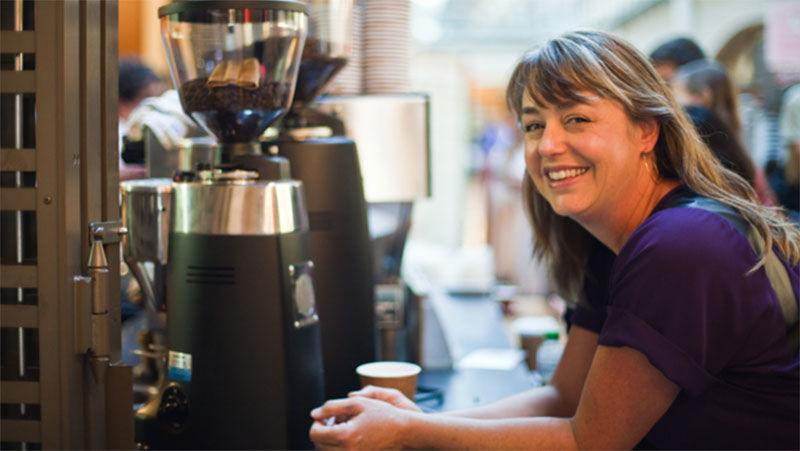
"caption": "The She's play the SOMA StrEAT Food Park this Saturday, Oct. 24.",
"description": "The She's play the SOMA StrEAT Food Park this Saturday, Oct. 24.",
"title": "calendar1",
"credit": null,
"status": "inherit",
"isLoading": false,
"fetchFailed": false
},
"pop_13451": {
"type": "attachments",
"id": "pop_13451",
"meta": {
"index": "attachments_1716263798",
"site": "pop",
"id": "13451",
"found": true
},
"parent": 13450,
"imgSizes": {
"thumbnail": {
"file": "https://ww2.kqed.org/app/uploads/sites/12/2014/09/frat-taylor-swift-400x225.jpg",
"width": 400,
"mimeType": "image/jpeg",
"height": 225
},
"kqedFullSize": {
"file": "https://ww2.kqed.org/app/uploads/sites/12/2014/09/frat-taylor-swift.jpg",
"width": 640,
"height": 360
},
"guest-author-96": {
"file": "https://ww2.kqed.org/app/uploads/sites/12/2014/09/frat-taylor-swift-96x96.jpg",
"width": 96,
"mimeType": "image/jpeg",
"height": 96
},
"guest-author-64": {
"file": "https://ww2.kqed.org/app/uploads/sites/12/2014/09/frat-taylor-swift-64x64.jpg",
"width": 64,
"mimeType": "image/jpeg",
"height": 64
},
"detail": {
"file": "https://ww2.kqed.org/app/uploads/sites/12/2014/09/frat-taylor-swift-75x75.jpg",
"width": 75,
"mimeType": "image/jpeg",
"height": 75
},
"guest-author-32": {
"file": "https://ww2.kqed.org/app/uploads/sites/12/2014/09/frat-taylor-swift-32x32.jpg",
"width": 32,
"mimeType": "image/jpeg",
"height": 32
},
"guest-author-128": {
"file": "https://ww2.kqed.org/app/uploads/sites/12/2014/09/frat-taylor-swift-128x128.jpg",
"width": 128,
"mimeType": "image/jpeg",
"height": 128
}
},
"publishDate": 1410396488,
"modified": 1410396488,
"caption": null,
"description": null,
"title": "frat-taylor-swift",
"credit": null,
"status": "inherit",
"isLoading": false,
"fetchFailed": false
},
"arts_11021758": {
"type": "attachments",
"id": "arts_11021758",
"meta": {
"index": "attachments_1716263798",
"site": "arts",
"id": "11021758",
"found": true
},
"parent": 11021652,
"imgSizes": {
"twentyfourteen-full-width": {
"file": "https://ww2.kqed.org/app/uploads/sites/2/2015/10/FlorenceMachineMAIN-1038x576.jpg",
"width": 1038,
"mimeType": "image/jpeg",
"height": 576
},
"thumbnail": {
"file": "https://ww2.kqed.org/app/uploads/sites/2/2015/10/FlorenceMachineMAIN-400x225.jpg",
"width": 400,
"mimeType": "image/jpeg",
"height": 225
},
"fd-sm": {
"file": "https://ww2.kqed.org/app/uploads/sites/2/2015/10/FlorenceMachineMAIN-960x540.jpg",
"width": 960,
"mimeType": "image/jpeg",
"height": 540
},
"post-thumbnail": {
"file": "https://ww2.kqed.org/app/uploads/sites/2/2015/10/FlorenceMachineMAIN-672x372.jpg",
"width": 672,
"mimeType": "image/jpeg",
"height": 372
},
"kqedFullSize": {
"file": "https://ww2.kqed.org/app/uploads/sites/2/2015/10/FlorenceMachineMAIN.jpg",
"width": 1400,
"height": 787
},
"large": {
"file": "https://ww2.kqed.org/app/uploads/sites/2/2015/10/FlorenceMachineMAIN-1180x663.jpg",
"width": 1180,
"mimeType": "image/jpeg",
"height": 663
},
"guest-author-96": {
"file": "https://ww2.kqed.org/app/uploads/sites/2/2015/10/FlorenceMachineMAIN-96x96.jpg",
"width": 96,
"mimeType": "image/jpeg",
"height": 96
},
"medium": {
"file": "https://ww2.kqed.org/app/uploads/sites/2/2015/10/FlorenceMachineMAIN-800x450.jpg",
"width": 800,
"mimeType": "image/jpeg",
"height": 450
},
"guest-author-64": {
"file": "https://ww2.kqed.org/app/uploads/sites/2/2015/10/FlorenceMachineMAIN-64x64.jpg",
"width": 64,
"mimeType": "image/jpeg",
"height": 64
},
"guest-author-32": {
"file": "https://ww2.kqed.org/app/uploads/sites/2/2015/10/FlorenceMachineMAIN-32x32.jpg",
"width": 32,
"mimeType": "image/jpeg",
"height": 32
},
"fd-med": {
"file": "https://ww2.kqed.org/app/uploads/sites/2/2015/10/FlorenceMachineMAIN-1180x663.jpg",
"width": 1180,
"mimeType": "image/jpeg",
"height": 663
},
"detail": {
"file": "https://ww2.kqed.org/app/uploads/sites/2/2015/10/FlorenceMachineMAIN-75x75.jpg",
"width": 75,
"mimeType": "image/jpeg",
"height": 75
},
"guest-author-128": {
"file": "https://ww2.kqed.org/app/uploads/sites/2/2015/10/FlorenceMachineMAIN-128x128.jpg",
"width": 128,
"mimeType": "image/jpeg",
"height": 128
}
},
"publishDate": 1445288113,
"modified": 1445288178,
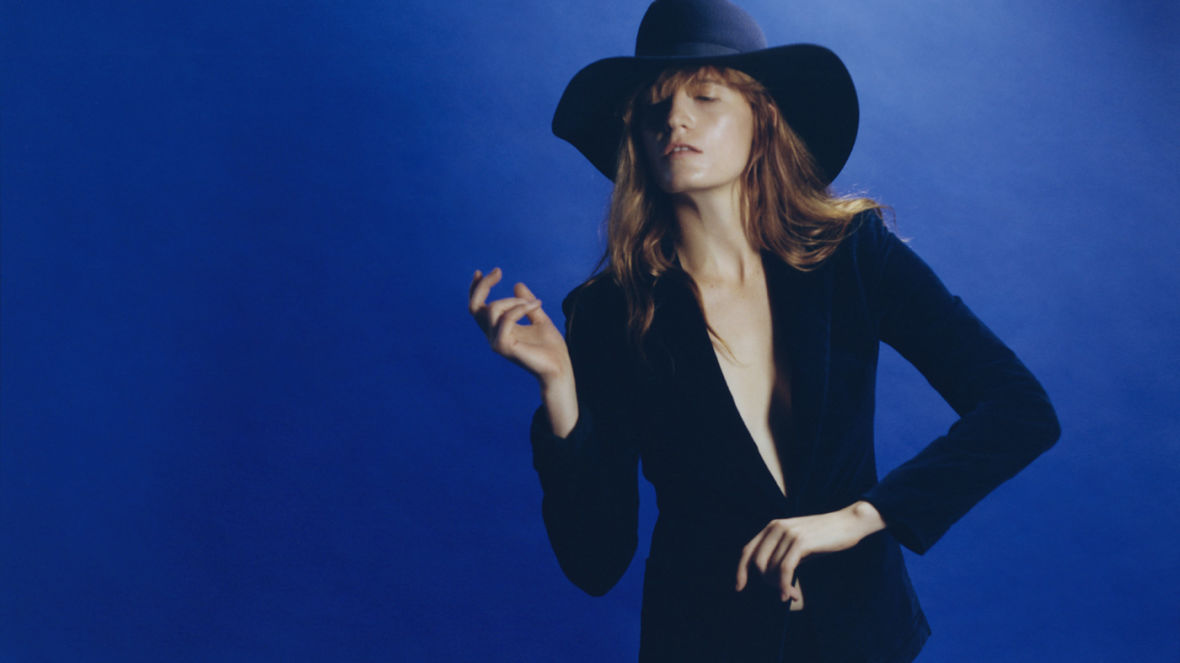
"caption": "Florence Welch of Florence and the Machine. (Photo: Tom Beard)",
"description": "Florence Welch of Florence and the Machine. (Photo: Tom Beard)",
"title": "FlorenceMachineMAIN",
"credit": null,
"status": "inherit",
"isLoading": false,
"fetchFailed": false
},
"arts_11021465": {
"type": "attachments",
"id": "arts_11021465",
"meta": {
"index": "attachments_1716263798",
"site": "arts",
"id": "11021465",
"found": true
},
"parent": 11015034,
"imgSizes": {
"twentyfourteen-full-width": {
"file": "https://ww2.kqed.org/app/uploads/sites/2/2015/10/BlackaliciousListenMAIN-1038x576.jpg",
"width": 1038,
"mimeType": "image/jpeg",
"height": 576
},
"thumbnail": {
"file": "https://ww2.kqed.org/app/uploads/sites/2/2015/10/BlackaliciousListenMAIN-400x225.jpg",
"width": 400,
"mimeType": "image/jpeg",
"height": 225
},
"fd-sm": {
"file": "https://ww2.kqed.org/app/uploads/sites/2/2015/10/BlackaliciousListenMAIN-960x540.jpg",
"width": 960,
"mimeType": "image/jpeg",
"height": 540
},
"post-thumbnail": {
"file": "https://ww2.kqed.org/app/uploads/sites/2/2015/10/BlackaliciousListenMAIN-672x372.jpg",
"width": 672,
"mimeType": "image/jpeg",
"height": 372
},
"kqedFullSize": {
"file": "https://ww2.kqed.org/app/uploads/sites/2/2015/10/BlackaliciousListenMAIN.jpg",
"width": 1277,
"height": 718
},
"large": {
"file": "https://ww2.kqed.org/app/uploads/sites/2/2015/10/BlackaliciousListenMAIN-1180x663.jpg",
"width": 1180,
"mimeType": "image/jpeg",
"height": 663
},
"guest-author-96": {
"file": "https://ww2.kqed.org/app/uploads/sites/2/2015/10/BlackaliciousListenMAIN-96x96.jpg",
"width": 96,
"mimeType": "image/jpeg",
"height": 96
},
"medium": {
"file": "https://ww2.kqed.org/app/uploads/sites/2/2015/10/BlackaliciousListenMAIN-800x450.jpg",
"width": 800,
"mimeType": "image/jpeg",
"height": 450
},
"guest-author-64": {
"file": "https://ww2.kqed.org/app/uploads/sites/2/2015/10/BlackaliciousListenMAIN-64x64.jpg",
"width": 64,
"mimeType": "image/jpeg",
"height": 64
},
"guest-author-32": {
"file": "https://ww2.kqed.org/app/uploads/sites/2/2015/10/BlackaliciousListenMAIN-32x32.jpg",
"width": 32,
"mimeType": "image/jpeg",
"height": 32
},
"fd-med": {
"file": "https://ww2.kqed.org/app/uploads/sites/2/2015/10/BlackaliciousListenMAIN-1180x663.jpg",
"width": 1180,
"mimeType": "image/jpeg",
"height": 663
},
"detail": {
"file": "https://ww2.kqed.org/app/uploads/sites/2/2015/10/BlackaliciousListenMAIN-75x75.jpg",
"width": 75,
"mimeType": "image/jpeg",
"height": 75
},
"guest-author-128": {
"file": "https://ww2.kqed.org/app/uploads/sites/2/2015/10/BlackaliciousListenMAIN-128x128.jpg",
"width": 128,
"mimeType": "image/jpeg",
"height": 128
}
},
"publishDate": 1445277179,
"modified": 1580250416,
"caption": "Blackalicious' Gift of Gab (L) and Chief Xcel (R).",
"description": "Blackalicious' Gift of Gab (L) and Chief Xcel (R). (Photo: Nicole Mago)",
"title": "BlackaliciousListenMAIN",
"credit": "Nicole Mago",
"status": "inherit",
"isLoading": false,
"fetchFailed": false
},
"arts_11020545": {
"type": "attachments",
"id": "arts_11020545",
"meta": {
"index": "attachments_1716263798",
"site": "arts",
"id": "11020545",
"found": true
},
"parent": 11018734,
"imgSizes": {
"twentyfourteen-full-width": {
"file": "https://ww2.kqed.org/app/uploads/sites/2/2015/10/TIMFMAIN-1038x576.jpg",
"width": 1038,
"mimeType": "image/jpeg",
"height": 576
},
"thumbnail": {
"file": "https://ww2.kqed.org/app/uploads/sites/2/2015/10/TIMFMAIN-400x234.jpg",
"width": 400,
"mimeType": "image/jpeg",
"height": 234
},
"fd-sm": {
"file": "https://ww2.kqed.org/app/uploads/sites/2/2015/10/TIMFMAIN-960x562.jpg",
"width": 960,
"mimeType": "image/jpeg",
"height": 562
},
"post-thumbnail": {
"file": "https://ww2.kqed.org/app/uploads/sites/2/2015/10/TIMFMAIN-672x372.jpg",
"width": 672,
"mimeType": "image/jpeg",
"height": 372
},
"kqedFullSize": {
"file": "https://ww2.kqed.org/app/uploads/sites/2/2015/10/TIMFMAIN.jpg",
"width": 1920,
"height": 1124
},
"large": {
"file": "https://ww2.kqed.org/app/uploads/sites/2/2015/10/TIMFMAIN-1180x691.jpg",
"width": 1180,
"mimeType": "image/jpeg",
"height": 691
},
"guest-author-96": {
"file": "https://ww2.kqed.org/app/uploads/sites/2/2015/10/TIMFMAIN-96x96.jpg",
"width": 96,
"mimeType": "image/jpeg",
"height": 96
},
"medium": {
"file": "https://ww2.kqed.org/app/uploads/sites/2/2015/10/TIMFMAIN-800x468.jpg",
"width": 800,
"mimeType": "image/jpeg",
"height": 468
},
"guest-author-64": {
"file": "https://ww2.kqed.org/app/uploads/sites/2/2015/10/TIMFMAIN-64x64.jpg",
"width": 64,
"mimeType": "image/jpeg",
"height": 64
},
"guest-author-32": {
"file": "https://ww2.kqed.org/app/uploads/sites/2/2015/10/TIMFMAIN-32x32.jpg",
"width": 32,
"mimeType": "image/jpeg",
"height": 32
},
"fd-lrg": {
"file": "https://ww2.kqed.org/app/uploads/sites/2/2015/10/TIMFMAIN-1920x1124.jpg",
"width": 1920,
"mimeType": "image/jpeg",
"height": 1124
},
"fd-med": {
"file": "https://ww2.kqed.org/app/uploads/sites/2/2015/10/TIMFMAIN-1180x691.jpg",
"width": 1180,
"mimeType": "image/jpeg",
"height": 691
},
"detail": {
"file": "https://ww2.kqed.org/app/uploads/sites/2/2015/10/TIMFMAIN-75x75.jpg",
"width": 75,
"mimeType": "image/jpeg",
"height": 75
},
"guest-author-128": {
"file": "https://ww2.kqed.org/app/uploads/sites/2/2015/10/TIMFMAIN-128x128.jpg",
"width": 128,
"mimeType": "image/jpeg",
"height": 128
}
},
"publishDate": 1445238594,
"modified": 1445238627,
"caption": "FKA Twigs performs at the Treasure Island Music Festival, Oct. 17, 2015. (Photo: Gabe Meline/KQED)",
"description": "FKA Twigs performs at the Treasure Island Music Festival, Oct. 17, 2015. (Photo: Gabe Meline/KQED)",
"title": "TIMFMAIN",
"credit": null,
"status": "inherit",
"isLoading": false,
"fetchFailed": false
},
"arts_11019331": {
"type": "attachments",
"id": "arts_11019331",
"meta": {
"index": "attachments_1716263798",
"site": "arts",
"id": "11019331",
"found": true
},
"parent": 11019328,
"imgSizes": {
"thumbnail": {
"file": "https://ww2.kqed.org/app/uploads/sites/2/2015/10/FuzzMAIN-400x225.jpg",
"width": 400,
"mimeType": "image/jpeg",
"height": 225
},
"post-thumbnail": {
"file": "https://ww2.kqed.org/app/uploads/sites/2/2015/10/FuzzMAIN-672x372.jpg",
"width": 672,
"mimeType": "image/jpeg",
"height": 372
},
"kqedFullSize": {
"file": "https://ww2.kqed.org/app/uploads/sites/2/2015/10/FuzzMAIN.jpg",
"width": 800,
"height": 449
},
"guest-author-96": {
"file": "https://ww2.kqed.org/app/uploads/sites/2/2015/10/FuzzMAIN-96x96.jpg",
"width": 96,
"mimeType": "image/jpeg",
"height": 96
},
"medium": {
"file": "https://ww2.kqed.org/app/uploads/sites/2/2015/10/FuzzMAIN-800x449.jpg",
"width": 800,
"mimeType": "image/jpeg",
"height": 449
},
"guest-author-64": {
"file": "https://ww2.kqed.org/app/uploads/sites/2/2015/10/FuzzMAIN-64x64.jpg",
"width": 64,
"mimeType": "image/jpeg",
"height": 64
},
"detail": {
"file": "https://ww2.kqed.org/app/uploads/sites/2/2015/10/FuzzMAIN-75x75.jpg",
"width": 75,
"mimeType": "image/jpeg",
"height": 75
},
"guest-author-32": {
"file": "https://ww2.kqed.org/app/uploads/sites/2/2015/10/FuzzMAIN-32x32.jpg",
"width": 32,
"mimeType": "image/jpeg",
"height": 32
},
"guest-author-128": {
"file": "https://ww2.kqed.org/app/uploads/sites/2/2015/10/FuzzMAIN-128x128.jpg",
"width": 128,
"mimeType": "image/jpeg",
"height": 128
}
},
"publishDate": 1445185725,
"modified": 1445185744,
"caption": null,
"description": null,
"title": "FuzzMAIN",
"credit": "Denee Petracek",
"status": "inherit",
"isLoading": false,
"fetchFailed": false
},
"pop_15778": {
"type": "attachments",
"id": "pop_15778",
"meta": {
"index": "attachments_1716263798",
"site": "pop",
"id": "15778",
"found": true
},
"parent": 15777,
"imgSizes": {
"thumbnail": {
"file": "https://ww2.kqed.org/app/uploads/sites/12/2015/03/adele-new-album-400x225.jpg",
"width": 400,
"mimeType": "image/jpeg",
"height": 225
},
"fd-sm": {
"file": "https://ww2.kqed.org/app/uploads/sites/12/2015/03/adele-new-album-320x180.jpg",
"width": 320,
"mimeType": "image/jpeg",
"height": 180
},
"post-thumbnail": {
"file": "https://ww2.kqed.org/app/uploads/sites/12/2015/03/adele-new-album-672x372.jpg",
"width": 672,
"mimeType": "image/jpeg",
"height": 372
},
"kqedFullSize": {
"file": "https://ww2.kqed.org/app/uploads/sites/12/2015/03/adele-new-album.jpg",
"width": 800,
"height": 450
},
"fd-med": {
"file": "https://ww2.kqed.org/app/uploads/sites/12/2015/03/adele-new-album-768x432.jpg",
"width": 768,
"mimeType": "image/jpeg",
"height": 432
},
"guest-author-96": {
"file": "https://ww2.kqed.org/app/uploads/sites/12/2015/03/adele-new-album-96x96.jpg",
"width": 96,
"mimeType": "image/jpeg",
"height": 96
},
"medium": {
"file": "https://ww2.kqed.org/app/uploads/sites/12/2015/03/adele-new-album-800x450.jpg",
"width": 800,
"mimeType": "image/jpeg",
"height": 450
},
"guest-author-64": {
"file": "https://ww2.kqed.org/app/uploads/sites/12/2015/03/adele-new-album-64x64.jpg",
"width": 64,
"mimeType": "image/jpeg",
"height": 64
},
"detail": {
"file": "https://ww2.kqed.org/app/uploads/sites/12/2015/03/adele-new-album-75x75.jpg",
"width": 75,
"mimeType": "image/jpeg",
"height": 75
},
"guest-author-32": {
"file": "https://ww2.kqed.org/app/uploads/sites/12/2015/03/adele-new-album-32x32.jpg",
"width": 32,
"mimeType": "image/jpeg",
"height": 32
},
"guest-author-128": {
"file": "https://ww2.kqed.org/app/uploads/sites/12/2015/03/adele-new-album-128x128.jpg",
"width": 128,
"mimeType": "image/jpeg",
"height": 128
}
},
"publishDate": 1427825424,
"modified": 1427825424,
"caption": null,
"description": null,
"title": "adele-new-album",
"credit": null,
"status": "inherit",
"isLoading": false,
"fetchFailed": false
},
"pop_18530": {
"type": "attachments",
"id": "pop_18530",
"meta": {
"index": "attachments_1716263798",
"site": "pop",
"id": "18530",
"found": true
},
"parent": 18528,
"imgSizes": {
"thumbnail": {
"file": "https://ww2.kqed.org/app/uploads/sites/12/2015/10/gwen-400x225.jpg",
"width": 400,
"mimeType": "image/jpeg",
"height": 225
},
"post-thumbnail": {
"file": "https://ww2.kqed.org/app/uploads/sites/12/2015/10/gwen-672x372.jpg",
"width": 672,
"mimeType": "image/jpeg",
"height": 372
},
"kqedFullSize": {
"file": "https://ww2.kqed.org/app/uploads/sites/12/2015/10/gwen.jpg",
"width": 800,
"height": 450
},
"guest-author-96": {
"file": "https://ww2.kqed.org/app/uploads/sites/12/2015/10/gwen-96x96.jpg",
"width": 96,
"mimeType": "image/jpeg",
"height": 96
},
"medium": {
"file": "https://ww2.kqed.org/app/uploads/sites/12/2015/10/gwen-800x450.jpg",
"width": 800,
"mimeType": "image/jpeg",
"height": 450
},
"guest-author-64": {
"file": "https://ww2.kqed.org/app/uploads/sites/12/2015/10/gwen-64x64.jpg",
"width": 64,
"mimeType": "image/jpeg",
"height": 64
},
"detail": {
"file": "https://ww2.kqed.org/app/uploads/sites/12/2015/10/gwen-75x75.jpg",
"width": 75,
"mimeType": "image/jpeg",
"height": 75
},
"guest-author-32": {
"file": "https://ww2.kqed.org/app/uploads/sites/12/2015/10/gwen-32x32.jpg",
"width": 32,
"mimeType": "image/jpeg",
"height": 32
},
"guest-author-128": {
"file": "https://ww2.kqed.org/app/uploads/sites/12/2015/10/gwen-128x128.jpg",
"width": 128,
"mimeType": "image/jpeg",
"height": 128
}
},
"publishDate": 1445147883,
"modified": 1445147883,
"caption": null,
"description": null,
"title": "gwen",
"credit": null,
"status": "inherit",
"isLoading": false,
"fetchFailed": false
},
"arts_11015915": {
"type": "attachments",
"id": "arts_11015915",
"meta": {
"index": "attachments_1716263798",
"site": "arts",
"id": "11015915",
"found": true
},
"parent": 11015827,
"imgSizes": {
"thumbnail": {
"file": "https://ww2.kqed.org/app/uploads/sites/2/2015/10/DawnMAIN-400x226.jpg",
"width": 400,
"mimeType": "image/jpeg",
"height": 226
},
"post-thumbnail": {
"file": "https://ww2.kqed.org/app/uploads/sites/2/2015/10/DawnMAIN-672x372.jpg",
"width": 672,
"mimeType": "image/jpeg",
"height": 372
},
"kqedFullSize": {
"file": "https://ww2.kqed.org/app/uploads/sites/2/2015/10/DawnMAIN.jpg",
"width": 800,
"height": 451
},
"guest-author-96": {
"file": "https://ww2.kqed.org/app/uploads/sites/2/2015/10/DawnMAIN-96x96.jpg",
"width": 96,
"mimeType": "image/jpeg",
"height": 96
},
"medium": {
"file": "https://ww2.kqed.org/app/uploads/sites/2/2015/10/DawnMAIN-800x451.jpg",
"width": 800,
"mimeType": "image/jpeg",
"height": 451
},
"guest-author-64": {
"file": "https://ww2.kqed.org/app/uploads/sites/2/2015/10/DawnMAIN-64x64.jpg",
"width": 64,
"mimeType": "image/jpeg",
"height": 64
},
"detail": {
"file": "https://ww2.kqed.org/app/uploads/sites/2/2015/10/DawnMAIN-75x75.jpg",
"width": 75,
"mimeType": "image/jpeg",
"height": 75
},
"guest-author-32": {
"file": "https://ww2.kqed.org/app/uploads/sites/2/2015/10/DawnMAIN-32x32.jpg",
"width": 32,
"mimeType": "image/jpeg",
"height": 32
},
"guest-author-128": {
"file": "https://ww2.kqed.org/app/uploads/sites/2/2015/10/DawnMAIN-128x128.jpg",
"width": 128,
"mimeType": "image/jpeg",
"height": 128
}
},
"publishDate": 1445043466,
"modified": 1445043816,
"caption": "Dawn Roth-Golden serves as a prop artisan at San Francisco Opera.",
"description": "Dawn Roth-Golden serves as a prop artisan at San Francisco Opera.",
"title": "DawnMAIN",
"credit": null,
"status": "inherit",
"isLoading": false,
"fetchFailed": false
},
"arts_11014359": {
"type": "attachments",
"id": "arts_11014359",
"meta": {
"index": "attachments_1716263798",
"site": "arts",
"id": "11014359",
"found": true
},
"parent": 11013937,
"imgSizes": {
"twentyfourteen-full-width": {
"file": "https://ww2.kqed.org/app/uploads/sites/2/2015/10/FKAMain-1038x576.jpg",
"width": 1038,
"mimeType": "image/jpeg",
"height": 576
},
"thumbnail": {
"file": "https://ww2.kqed.org/app/uploads/sites/2/2015/10/FKAMain-400x225.jpg",
"width": 400,
"mimeType": "image/jpeg",
"height": 225
},
"fd-sm": {
"file": "https://ww2.kqed.org/app/uploads/sites/2/2015/10/FKAMain-960x540.jpg",
"width": 960,
"mimeType": "image/jpeg",
"height": 540
},
"post-thumbnail": {
"file": "https://ww2.kqed.org/app/uploads/sites/2/2015/10/FKAMain-672x372.jpg",
"width": 672,
"mimeType": "image/jpeg",
"height": 372
},
"kqedFullSize": {
"file": "https://ww2.kqed.org/app/uploads/sites/2/2015/10/FKAMain.jpg",
"width": 1100,
"height": 619
},
"guest-author-96": {
"file": "https://ww2.kqed.org/app/uploads/sites/2/2015/10/FKAMain-96x96.jpg",
"width": 96,
"mimeType": "image/jpeg",
"height": 96
},
"medium": {
"file": "https://ww2.kqed.org/app/uploads/sites/2/2015/10/FKAMain-800x450.jpg",
"width": 800,
"mimeType": "image/jpeg",
"height": 450
},
"guest-author-64": {
"file": "https://ww2.kqed.org/app/uploads/sites/2/2015/10/FKAMain-64x64.jpg",
"width": 64,
"mimeType": "image/jpeg",
"height": 64
},
"detail": {
"file": "https://ww2.kqed.org/app/uploads/sites/2/2015/10/FKAMain-75x75.jpg",
"width": 75,
"mimeType": "image/jpeg",
"height": 75
},
"guest-author-32": {
"file": "https://ww2.kqed.org/app/uploads/sites/2/2015/10/FKAMain-32x32.jpg",
"width": 32,
"mimeType": "image/jpeg",
"height": 32
},
"guest-author-128": {
"file": "https://ww2.kqed.org/app/uploads/sites/2/2015/10/FKAMain-128x128.jpg",
"width": 128,
"mimeType": "image/jpeg",
"height": 128
}
},
"publishDate": 1444977511,
"modified": 1444977544,
"caption": "FKA Twigs is a highlight at this year's Treasure Island Music Festival.",
"description": "FKA Twigs is a highlight at this year's Treasure Island Music Festival.",
"title": "FKAMain",
"credit": null,
"status": "inherit",
"isLoading": false,
"fetchFailed": false
},
"arts_11009801": {
"type": "attachments",
"id": "arts_11009801",
"meta": {
"index": "attachments_1716263798",
"site": "arts",
"id": "11009801",
"found": true
},
"parent": 11009719,
"imgSizes": {
"thumbnail": {
"file": "https://ww2.kqed.org/app/uploads/sites/2/2015/10/ElvisCostelloMAIN-400x225.jpg",
"width": 400,
"mimeType": "image/jpeg",
"height": 225
},
"post-thumbnail": {
"file": "https://ww2.kqed.org/app/uploads/sites/2/2015/10/ElvisCostelloMAIN-672x372.jpg",
"width": 672,
"mimeType": "image/jpeg",
"height": 372
},
"kqedFullSize": {
"file": "https://ww2.kqed.org/app/uploads/sites/2/2015/10/ElvisCostelloMAIN.jpg",
"width": 890,
"height": 501
},
"guest-author-96": {
"file": "https://ww2.kqed.org/app/uploads/sites/2/2015/10/ElvisCostelloMAIN-96x96.jpg",
"width": 96,
"mimeType": "image/jpeg",
"height": 96
},
"medium": {
"file": "https://ww2.kqed.org/app/uploads/sites/2/2015/10/ElvisCostelloMAIN-800x450.jpg",
"width": 800,
"mimeType": "image/jpeg",
"height": 450
},
"guest-author-64": {
"file": "https://ww2.kqed.org/app/uploads/sites/2/2015/10/ElvisCostelloMAIN-64x64.jpg",
"width": 64,
"mimeType": "image/jpeg",
"height": 64
},
"detail": {
"file": "https://ww2.kqed.org/app/uploads/sites/2/2015/10/ElvisCostelloMAIN-75x75.jpg",
"width": 75,
"mimeType": "image/jpeg",
"height": 75
},
"guest-author-32": {
"file": "https://ww2.kqed.org/app/uploads/sites/2/2015/10/ElvisCostelloMAIN-32x32.jpg",
"width": 32,
"mimeType": "image/jpeg",
"height": 32
},
"guest-author-128": {
"file": "https://ww2.kqed.org/app/uploads/sites/2/2015/10/ElvisCostelloMAIN-128x128.jpg",
"width": 128,
"mimeType": "image/jpeg",
"height": 128
}
},
"publishDate": 1444778919,
"modified": 1444778964,
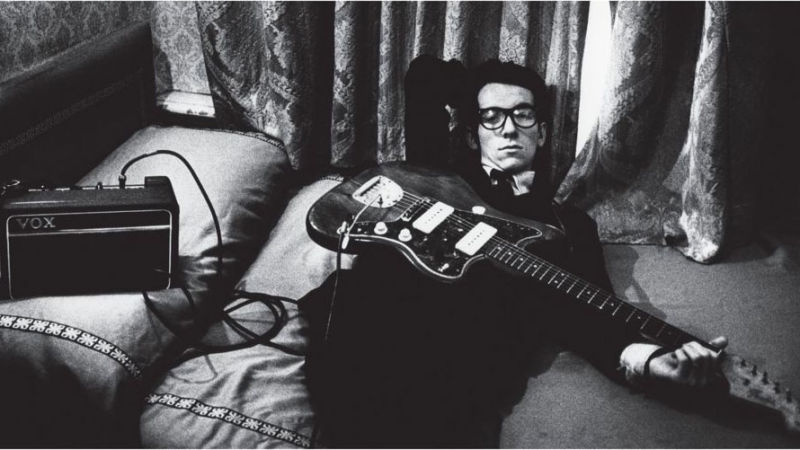
"caption": "Detail from the cover of Elvis Costello's new memoir, 'Unfaithful Music & Disappearing Ink.'",
"description": "Detail from the cover of Elvis Costello's new memoir, 'Unfaithful Music & Disappearing Ink.'",
"title": "ElvisCostelloMAIN",
"credit": null,
"status": "inherit",
"isLoading": false,
"fetchFailed": false
},
"pop_18461": {
"type": "attachments",
"id": "pop_18461",
"meta": {
"index": "attachments_1716263798",
"site": "pop",
"id": "18461",
"found": true
},
"parent": 18456,
"imgSizes": {
"thumbnail": {
"file": "https://ww2.kqed.org/app/uploads/sites/12/2015/10/5615beebc768a.image_-400x267.jpg",
"width": 400,
"mimeType": "image/jpeg",
"height": 267
},
"post-thumbnail": {
"file": "https://ww2.kqed.org/app/uploads/sites/12/2015/10/5615beebc768a.image_-620x372.jpg",
"width": 620,
"mimeType": "image/jpeg",
"height": 372
},
"kqedFullSize": {
"file": "https://ww2.kqed.org/app/uploads/sites/12/2015/10/5615beebc768a.image_.jpg",
"width": 620,
"height": 414
},
"guest-author-96": {
"file": "https://ww2.kqed.org/app/uploads/sites/12/2015/10/5615beebc768a.image_-96x96.jpg",
"width": 96,
"mimeType": "image/jpeg",
"height": 96
},
"guest-author-64": {
"file": "https://ww2.kqed.org/app/uploads/sites/12/2015/10/5615beebc768a.image_-64x64.jpg",
"width": 64,
"mimeType": "image/jpeg",
"height": 64
},
"detail": {
"file": "https://ww2.kqed.org/app/uploads/sites/12/2015/10/5615beebc768a.image_-75x75.jpg",
"width": 75,
"mimeType": "image/jpeg",
"height": 75
},
"guest-author-32": {
"file": "https://ww2.kqed.org/app/uploads/sites/12/2015/10/5615beebc768a.image_-32x32.jpg",
"width": 32,
"mimeType": "image/jpeg",
"height": 32
},
"guest-author-128": {
"file": "https://ww2.kqed.org/app/uploads/sites/12/2015/10/5615beebc768a.image_-128x128.jpg",
"width": 128,
"mimeType": "image/jpeg",
"height": 128
}
},
"publishDate": 1444772421,
"modified": 1444775186,
"caption": "\"When I wrote about the stars aligning, I meant it about the Cubs. I didn't realize it would also apply to me.\"",
"description": null,
"title": "5615beebc768a.image",
"credit": "Damian Rico / The Times",
"status": "inherit",
"isLoading": false,
"fetchFailed": false
}
},
"audioPlayerReducer": {
"postId": "stream_live",
"isPaused": true,
"isPlaying": false,
"pfsActive": false,
"pledgeModalIsOpen": true,
"playerDrawerIsOpen": false,
"liveAudioPlayStartedAt": 0,
"liveAudioPlayContext": ""
},
"authorsReducer": {
"byline_arts_11019328": {
"type": "authors",
"id": "byline_arts_11019328",
"meta": {
"override": true
},
"slug": "byline_arts_11019328",
"name": "Doug Mosurock",
"isLoading": false
},
"byline_arts_11009719": {
"type": "authors",
"id": "byline_arts_11009719",
"meta": {
"override": true
},
"slug": "byline_arts_11009719",
"name": "NPR Staff / Kelly McEvers",
"isLoading": false
},
"ehapsis": {
"type": "authors",
"id": "27",
"meta": {
"index": "authors_1716337520",
"id": "27",
"found": true
},
"name": "Emmanuel Hapsis",
"firstName": "Emmanuel",
"lastName": "Hapsis",
"slug": "ehapsis",
"email": "ehapsis@kqed.org",
"display_author_email": false,
"staff_mastheads": [],
"title": "KQED Contributor",
"bio": "Emmanuel Hapsis is the creator and editor of KQED Pop and also the host of \u003cem>\u003ca href=\"https://itunes.apple.com/us/podcast/the-cooler/id1041117499?mt=2\">The Cooler\u003c/a>\u003c/em>. He studied creative writing at University of Maryland and went on to receive his MFA in the field from California College of the Arts. In his free time, he sings his heart out at karaoke.",
"avatar": "https://secure.gravatar.com/avatar/6302b6f7ef8b2dcd3acd9e2c6bc570b7?s=600&d=blank&r=g",
"twitter": "xcusemybeauty",
"facebook": null,
"instagram": null,
"linkedin": null,
"sites": [
{
"site": "arts",
"roles": [
"Contributor",
"subscriber"
]
},
{
"site": "pop",
"roles": [
"contributor"
]
}
],
"headData": {
"title": "Emmanuel Hapsis | KQED",
"description": "KQED Contributor",
"ogImgSrc": "https://secure.gravatar.com/avatar/6302b6f7ef8b2dcd3acd9e2c6bc570b7?s=600&d=blank&r=g",
"twImgSrc": "https://secure.gravatar.com/avatar/6302b6f7ef8b2dcd3acd9e2c6bc570b7?s=600&d=blank&r=g"
},
"isLoading": false,
"link": "/author/ehapsis"
},
"gmeline": {
"type": "authors",
"id": "185",
"meta": {
"index": "authors_1716337520",
"id": "185",
"found": true
},
"name": "Gabe Meline",
"firstName": "Gabe",
"lastName": "Meline",
"slug": "gmeline",
"email": "gmeline@kqed.org",
"display_author_email": true,
"staff_mastheads": [
"arts"
],
"title": "Senior Editor, KQED Arts & Culture",
"bio": "Gabe Meline entered journalism at age 15 making photocopied zines, and has since earned awards from the Edward R. Murrow Awards, the Society for Professional Journalists, the Online Journalism Awards, the Association of Alternative Newsweeklies and the California Newspaper Publishers Association. Prior to KQED, he was the editor of the \u003cem>North Bay Bohemian\u003c/em> and a touring musician. He lives with his wife and daughter in his hometown of Santa Rosa, CA.",
"avatar": "https://secure.gravatar.com/avatar/5bebe57be0d8bc2dd318934feb47299e2d2d10cba28d09d8d7afb389a2ce2bdd?s=600&d=blank&r=g",
"twitter": null,
"bluesky": null,
"facebook": null,
"instagram": null,
"linkedin": null,
"sites": [
{
"site": "",
"roles": [
"editor"
]
},
{
"site": "arts",
"roles": [
"administrator"
]
},
{
"site": "artschool",
"roles": [
"editor"
]
},
{
"site": "news",
"roles": [
"author"
]
},
{
"site": "pop",
"roles": [
"editor"
]
},
{
"site": "bayareabites",
"roles": [
"editor"
]
},
{
"site": "food",
"roles": [
"editor"
]
},
{
"site": "forum",
"roles": [
"administrator"
]
},
{
"site": "liveblog",
"roles": [
"editor"
]
},
{
"site": "hiphop",
"roles": [
"editor"
]
}
],
"headData": {
"title": "Gabe Meline | KQED",
"description": "Senior Editor, KQED Arts & Culture",
"ogImgSrc": "https://secure.gravatar.com/avatar/5bebe57be0d8bc2dd318934feb47299e2d2d10cba28d09d8d7afb389a2ce2bdd?s=600&d=blank&r=g",
"twImgSrc": "https://secure.gravatar.com/avatar/5bebe57be0d8bc2dd318934feb47299e2d2d10cba28d09d8d7afb389a2ce2bdd?s=600&d=blank&r=g"
},
"isLoading": false,
"link": "/author/gmeline"
},
"thedolist": {
"type": "authors",
"id": "3215",
"meta": {
"index": "authors_1716337520",
"id": "3215",
"found": true
},
"name": "The Do List",
"firstName": "Do",
"lastName": "List",
"slug": "thedolist",
"email": "harold.check+dolist@gmail.com",
"display_author_email": false,
"staff_mastheads": [],
"title": null,
"bio": "The Do List scours the Bay Area for superb and surprising performing arts events, with an eye for local talent, new discoveries, and fun opportunities across the price spectrum. Every Friday morning at 6:23 and 8:23am on KQED Radio, you can hear Do List regulars Cy Musiker and David Wiegand discuss the upcoming week's best picks.",
"avatar": "https://secure.gravatar.com/avatar/25ef8068d096493f649195742621360d?s=600&d=blank&r=g",
"twitter": null,
"facebook": null,
"instagram": null,
"linkedin": null,
"sites": [
{
"site": "arts",
"roles": [
"contributor"
]
}
],
"headData": {
"title": "The Do List | KQED",
"description": null,
"ogImgSrc": "https://secure.gravatar.com/avatar/25ef8068d096493f649195742621360d?s=600&d=blank&r=g",
"twImgSrc": "https://secure.gravatar.com/avatar/25ef8068d096493f649195742621360d?s=600&d=blank&r=g"
},
"isLoading": false,
"link": "/author/thedolist"
},
"mlevenson": {
"type": "authors",
"id": "6624",
"meta": {
"index": "authors_1716337520",
"id": "6624",
"found": true
},
"name": "Max Savage Levenson",
"firstName": "Max",
"lastName": "Savage Levenson",
"slug": "mlevenson",
"email": "m.savagelevenson@gmail.com",
"display_author_email": false,
"staff_mastheads": [],
"title": null,
"bio": null,
"avatar": "https://secure.gravatar.com/avatar/e7f998073c1ba6fec822d9f7dcd8c272?s=600&d=blank&r=g",
"twitter": null,
"facebook": null,
"instagram": null,
"linkedin": null,
"sites": [
{
"site": "arts",
"roles": [
"contributor"
]
},
{
"site": "news",
"roles": [
"author"
]
}
],
"headData": {
"title": "Max Savage Levenson | KQED",
"description": null,
"ogImgSrc": "https://secure.gravatar.com/avatar/e7f998073c1ba6fec822d9f7dcd8c272?s=600&d=blank&r=g",
"twImgSrc": "https://secure.gravatar.com/avatar/e7f998073c1ba6fec822d9f7dcd8c272?s=600&d=blank&r=g"
},
"isLoading": false,
"link": "/author/mlevenson"
},
"esilvers": {
"type": "authors",
"id": "7237",
"meta": {
"index": "authors_1716337520",
"id": "7237",
"found": true
},
"name": "Emma Silvers",
"firstName": "Emma",
"lastName": "Silvers",
"slug": "esilvers",
"email": "esilvers@kqed.org",
"display_author_email": false,
"staff_mastheads": [],
"title": "KQED Contributor",
"bio": "Emma Silvers is an editor at KQED Arts and a former digital producer at KQED News. Born and raised in the Bay Area, she has previously been an arts and entertainment editor at the \u003cem>San Francisco Chronicle\u003c/em>, \u003cem>SF Weekly\u003c/em> and the \u003cem>San Francisco Bay Guardian.\u003c/em> \u003ca href=\"https://www.emmasilvers.com\">Her work\u003c/a> has also appeared in \u003cem>Rolling Stone\u003c/em>, Pitchfork and \u003cem>Mother Jones\u003c/em>. In 2017 she was the recipient of the Society of Professional Journalists-Northern California's award for arts and culture reporting. In 1993 she \u003ca href=\"https://www.kqed.org/pop/16759/wait-what-my-coworker-was-a-voice-over-hyperventilator-for-jurassic-park\">hyperventilated in \u003cem>Jurassic Park\u003c/em>\u003c/a>.",
"avatar": "https://secure.gravatar.com/avatar/247beada39b88ea5759db1f51dba05cf?s=600&d=blank&r=g",
"twitter": "emmaruthless",
"facebook": null,
"instagram": null,
"linkedin": null,
"sites": [
{
"site": "arts",
"roles": [
"editor"
]
},
{
"site": "news",
"roles": [
"editor"
]
},
{
"site": "pop",
"roles": [
"contributor"
]
},
{
"site": "bayareabites",
"roles": [
"editor"
]
},
{
"site": "food",
"roles": [
"contributor"
]
},
{
"site": "liveblog",
"roles": [
"editor"
]
}
],
"headData": {
"title": "Emma Silvers | KQED",
"description": "KQED Contributor",
"ogImgSrc": "https://secure.gravatar.com/avatar/247beada39b88ea5759db1f51dba05cf?s=600&d=blank&r=g",
"twImgSrc": "https://secure.gravatar.com/avatar/247beada39b88ea5759db1f51dba05cf?s=600&d=blank&r=g"
},
"isLoading": false,
"link": "/author/esilvers"
},
"kchun": {
"type": "authors",
"id": "8607",
"meta": {
"index": "authors_1716337520",
"id": "8607",
"found": true
},
"name": "Kimberly Chun",
"firstName": "Kimberly",
"lastName": "Chun",
"slug": "kchun",
"email": "kimberlychun@sbcglobal.net",
"display_author_email": false,
"staff_mastheads": [],
"title": null,
"bio": null,
"avatar": "https://secure.gravatar.com/avatar/b39b27570fb335eb475103a73c05045d?s=600&d=blank&r=g",
"twitter": null,
"facebook": null,
"instagram": null,
"linkedin": null,
"sites": [
{
"site": "arts",
"roles": [
"contributor"
]
}
],
"headData": {
"title": "Kimberly Chun | KQED",
"description": null,
"ogImgSrc": "https://secure.gravatar.com/avatar/b39b27570fb335eb475103a73c05045d?s=600&d=blank&r=g",
"twImgSrc": "https://secure.gravatar.com/avatar/b39b27570fb335eb475103a73c05045d?s=600&d=blank&r=g"
},
"isLoading": false,
"link": "/author/kchun"
},
"hswanhuyser": {
"type": "authors",
"id": "8641",
"meta": {
"index": "authors_1716337520",
"id": "8641",
"found": true
},
"name": "Hiya Swanhuyser",
"firstName": "Hiya",
"lastName": "Swanhuyser",
"slug": "hswanhuyser",
"email": "hiya.swanhuyser@gmail.com",
"display_author_email": false,
"staff_mastheads": [],
"title": null,
"bio": null,
"avatar": "https://secure.gravatar.com/avatar/ac82519cf874a4b89d7bb4486ab403ef?s=600&d=blank&r=g",
"twitter": null,
"facebook": null,
"instagram": null,
"linkedin": null,
"sites": [
{
"site": "arts",
"roles": [
"contributor"
]
}
],
"headData": {
"title": "Hiya Swanhuyser | KQED",
"description": null,
"ogImgSrc": "https://secure.gravatar.com/avatar/ac82519cf874a4b89d7bb4486ab403ef?s=600&d=blank&r=g",
"twImgSrc": "https://secure.gravatar.com/avatar/ac82519cf874a4b89d7bb4486ab403ef?s=600&d=blank&r=g"
},
"isLoading": false,
"link": "/author/hswanhuyser"
}
},
"pagesReducer": {
"arts_category_music": {
"type": "terms",
"id": "arts_69",
"meta": {
"index": "terms_1716263798",
"site": "arts",
"id": "69",
"score": 10.851354
},
"featImg": null,
"name": "Music",
"description": null,
"taxonomy": "category",
"headData": {
"twImgId": null,
"twTitle": null,
"ogTitle": null,
"ogImgId": null,
"twDescription": null,
"description": null,
"title": "Music Archives | KQED Arts",
"ogDescription": null
},
"ttid": 70,
"slug": "music",
"isLoading": false,
"title": "Music",
"pageMeta": {
"site": "arts",
"WpPageTemplate": "page-topic-editorial",
"currentPage": 323
},
"blocks": [
{
"blockName": "kqed/post-list",
"attrs": {
"layout": "cardArticle2",
"query": "posts/arts?category=music",
"seeMore": false,
"paginated": true,
"page": 323
}
},
{
"blockName": "kqed/ad"
}
]
}
},
"pfsSessionReducer": {},
"postsReducer": {
"stream_live": {
"type": "live",
"id": "stream_live",
"audioUrl": "https://streams.kqed.org/kqedradio",
"title": "Live Stream",
"excerpt": "Live Stream information currently unavailable.",
"link": "/radio",
"featImg": "",
"label": {
"name": "KQED Live",
"link": "/"
}
},
"stream_kqedNewscast": {
"type": "posts",
"id": "stream_kqedNewscast",
"audioUrl": "https://www.kqed.org/.stream/anon/radio/RDnews/newscast.mp3?_=1",
"title": "KQED Newscast",
"featImg": "",
"label": {
"name": "88.5 FM",
"link": "/"
}
},
"arts_11025502": {
"type": "posts",
"id": "arts_11025502",
"meta": {
"index": "posts_1716263798",
"site": "arts",
"id": "11025502",
"score": null,
"sort": [
1445464840000
]
},
"guestAuthors": [],
"slug": "six-ways-to-leave-the-house-this-weekend-without-spending-all-your-money",
"title": "Six Ways to Leave the House this Weekend Without Spending All Your Money",
"publishDate": 1445464840,
"format": "standard",
"headTitle": "Six Ways to Leave the House this Weekend Without Spending All Your Money | KQED",
"labelTerm": {
"term": 140,
"site": "arts"
},
"content": "\u003cp>Dearest denizens of the \u003ca href=\"http://qz.com/414216/surprising-absolutely-no-one-san-franciscos-rents-are-the-most-expensive-in-the-country/\" target=\"_blank\" rel=\"noopener\">most expensive metropolitan area in the U.S:\u003c/a> How’s your week going? Did you splurge a little over the weekend at \u003ca href=\"http://ww2.kqed.org/arts/2015/10/19/photos-and-highlights-treasure-island-music-festival-2015-day-one/\" target=\"_blank\" rel=\"noopener\">Treasure Island Music Fest\u003c/a>? Looking forward to making up for it over the next 7 to 10 days by simply not leaving your house, living on oatmeal you’ve scrounged from the back of your kitchen cabinets? \u003cem>No fun for you. \u003c/em>\u003c/p>\n\u003cp>Well, stop right there. Here’s this week’s \u003cstrong>Cheap Date\u003c/strong>, full of shows, exhibits, and parties, all of which take place outside your house but will not leave you destitute. (You’re welcome.)\u003c/p>\n\u003cp>\u003cstrong>Thursday, Oct. 22: \u003ca href=\"http://thenewparish.com/event.cfm?id=223617\" target=\"_blank\" rel=\"noopener\">Nobunny at the New Parish, Oakland.\u003c/a> \u003c/strong>He’s weird, he’s vulgar, he’s wearing a bunny mask…and not much else. If you see a guy who fits this description ambling the streets of Oakland, never fear — you’re just encountering a Bay Area punk legend. Not for the faint of heart, a sweaty, guitar hook-filled Nobunny show is one of those you-have-to-see-it-to-understand-it kinda things I’d recommend doing at least once. Well worth the $13 – $16; \u003ca href=\"http://thenewparish.com/event.cfm?id=223617\" target=\"_blank\" rel=\"noopener\">details here. \u003c/a>\u003c/p>\n\u003cp>\u003cstrong>Opening Friday, Oct. 23: \u003ca href=\"https://www.facebook.com/events/1690415291176564/\" target=\"_blank\" rel=\"noopener\">\u003cem>Reigning Queens: The Lost Photos of Roz Joseph\u003c/em> at the GLBT History Museum, SF.\u003c/a> \u003c/strong>Get all dolled up and relive the wild and crazy drag balls of 1970s San Francisco through this exhibit featuring photos by a noted photographer, whose drag queen series was discovered after she donated her work to the GLBT Historical Society. This opening party will feature mingling, fabulous costumes, and a disco DJ set, of course.\u003ca href=\"https://www.facebook.com/events/1690415291176564/\" target=\"_blank\" rel=\"noopener\"> $3 – $5; details here. \u003c/a>\u003c/p>\n\u003cp>\u003cstrong>Saturday, Oct. 24: \u003ca href=\"http://jansportbonfiresessions.noisey.com/san-francisco\" target=\"_blank\" rel=\"noopener\">JanSport’s Bonfire Sessions with Cathedrals, The She’s, and Heartwatch at the SOMA StrEAT Food Park, SF.\u003c/a>\u003c/strong> Catch three of San Francisco’s buzziest bands — all badass lady-fronted, now that I’m thinking about it — for free, all under the stars (and, um, the 101 overpass) with food and beer options galore. Cathedrals bring a soulful electro vibe; The She’s a more beachy, garage doo-wop ethos; and Heartwatch pure indie rock spunk. \u003ca href=\"http://jansportbonfiresessions.noisey.com/san-francisco\" target=\"_blank\" rel=\"noopener\">Free with RSVP; details here. \u003c/a>\u003c/p>\n\u003cp>[ad fullwidth]\u003c/p>\n\u003cp>\u003cstrong>Saturday, Oct. 24: \u003ca href=\"http://www.eventbrite.com/e/pk-tickets-18622810327?ref=ebtnebtckt\" target=\"_blank\" rel=\"noopener\">Bollywood at the Castro, SF.\u003c/a> \u003c/strong>The San Francisco International South Asian Film Festival — or 3rd i — features four days packed with dramas, comedies, documentaries, shorts and features from all over India, Pakistan, Sri Lanka and more. But Bollywood night is a perennial favorite for a reason. This year’s includes a screening of the comedy \u003cem>PK\u003c/em>, starring Aamir Khan as “an inquisitive space alien who lands on Earth and shakes up society…deftly poking fun at the foibles of earthlings — especially their warring religions.” \u003ca href=\"http://www.eventbrite.com/e/pk-tickets-18622810327?ref=ebtnebtckt\" target=\"_blank\" rel=\"noopener\">$10 – $13; details here. \u003c/a>\u003c/p>\n\u003cp>\u003cstrong>Sunday, Oct. 25: \u003ca href=\"http://dearhandmadelife.com/patchwork-show/upcoming-shows/\" target=\"_blank\" rel=\"noopener\">Patchwork Show, a Modern Makers’ Festival in Jack London Square, Oakland.\u003c/a> \u003c/strong>Dear Handmade Life is a community of artists, crafters, and builders with one thing in common: They’re hardcore about D-ing It Y. Check out jewelry, furniture, collectibles, decorative art and more from 160+ vendors; food trucks and live music don’t hurt either. \u003ca href=\"http://dearhandmadelife.com/patchwork-show/upcoming-shows/\" target=\"_blank\" rel=\"noopener\">Free; details here. \u003c/a>\u003c/p>\n\u003cp>\u003cstrong>Sunday, Oct. 25:\u003ca href=\"http://www.ticketweb.com/t3/sale/SaleEventDetail?dispatch=loadSelectionData&eventId=5836165&pl=rbt\" target=\"_blank\" rel=\"noopener\"> Mudhoney, Jonny Manak & the Depressives, and Happy Fangs at Rock Bar, San Jose. \u003c/a>\u003c/strong>One of Sub Pop’s most prescient early signings, Seattle’s Mudhoney helped shape what would come to be known as grunge, mixing heavy, high-distortion guitar with emotive songwriting and and a devil-may-care spirit. Some 25 years later, commercial success has always eluded the band, but their sizable following couldn’t care less. Opener Happy Fangs is one of San Francisco’s finest art-punk residents to boot. \u003ca href=\"http://www.ticketweb.com/t3/sale/SaleEventDetail?dispatch=loadSelectionData&eventId=5836165&pl=rbt\" target=\"_blank\" rel=\"noopener\">$18-$20; details here.\u003c/a>\u003c/p>\n\u003cp>\u003c/p>\n\u003cp>\u003cstrong>\u003cem>Are you throwing a thing that is $20 or under? Should I know about it? Email me: \u003ca href=\"mailto:esilvers@kqed.org\">esilvers(at)kqed.org\u003c/a>. \u003c/em>\u003c/strong>\u003c/p>\n\n",
"blocks": [],
"excerpt": "Shows! Exhibits! Crafts! All for under $20 (yes, really). ",
"status": "publish",
"parent": 0,
"modified": 1726788360,
"stats": {
"hasAudio": false,
"hasVideo": false,
"hasChartOrMap": false,
"iframeSrcs": [],
"hasGoogleForm": false,
"hasGallery": false,
"hasHearkenModule": false,
"hasPolis": false,
"paragraphCount": 11,
"wordCount": 679
},
"headData": {
"title": "Six Ways to Leave the House this Weekend Without Spending All Your Money | KQED",
"description": "Shows! Exhibits! Crafts! All for under $20 (yes, really). ",
"ogTitle": "",
"ogDescription": "",
"ogImgId": "",
"twTitle": "",
"twDescription": "",
"twImgId": "",
"schema": {
"@context": "https://schema.org",
"@type": "Article",
"headline": "Six Ways to Leave the House this Weekend Without Spending All Your Money",
"datePublished": "2015-10-21T15:00:40-07:00",
"dateModified": "2024-09-19T16:26:00-07:00",
"image": "https://cdn.kqed.org/wp-content/uploads/2020/02/KQED-OG-Image@1x.png"
}
},
"sticky": false,
"path": "/arts/11025502/six-ways-to-leave-the-house-this-weekend-without-spending-all-your-money",
"audioTrackLength": null,
"parsedContent": [
{
"type": "contentString",
"content": "\u003cdiv class=\"post-body\">\u003cp>\u003cp>Dearest denizens of the \u003ca href=\"http://qz.com/414216/surprising-absolutely-no-one-san-franciscos-rents-are-the-most-expensive-in-the-country/\" target=\"_blank\" rel=\"noopener\">most expensive metropolitan area in the U.S:\u003c/a> How’s your week going? Did you splurge a little over the weekend at \u003ca href=\"http://ww2.kqed.org/arts/2015/10/19/photos-and-highlights-treasure-island-music-festival-2015-day-one/\" target=\"_blank\" rel=\"noopener\">Treasure Island Music Fest\u003c/a>? Looking forward to making up for it over the next 7 to 10 days by simply not leaving your house, living on oatmeal you’ve scrounged from the back of your kitchen cabinets? \u003cem>No fun for you. \u003c/em>\u003c/p>\n\u003cp>Well, stop right there. Here’s this week’s \u003cstrong>Cheap Date\u003c/strong>, full of shows, exhibits, and parties, all of which take place outside your house but will not leave you destitute. (You’re welcome.)\u003c/p>\n\u003cp>\u003cstrong>Thursday, Oct. 22: \u003ca href=\"http://thenewparish.com/event.cfm?id=223617\" target=\"_blank\" rel=\"noopener\">Nobunny at the New Parish, Oakland.\u003c/a> \u003c/strong>He’s weird, he’s vulgar, he’s wearing a bunny mask…and not much else. If you see a guy who fits this description ambling the streets of Oakland, never fear — you’re just encountering a Bay Area punk legend. Not for the faint of heart, a sweaty, guitar hook-filled Nobunny show is one of those you-have-to-see-it-to-understand-it kinda things I’d recommend doing at least once. Well worth the $13 – $16; \u003ca href=\"http://thenewparish.com/event.cfm?id=223617\" target=\"_blank\" rel=\"noopener\">details here. \u003c/a>\u003c/p>\n\u003cp>\u003cstrong>Opening Friday, Oct. 23: \u003ca href=\"https://www.facebook.com/events/1690415291176564/\" target=\"_blank\" rel=\"noopener\">\u003cem>Reigning Queens: The Lost Photos of Roz Joseph\u003c/em> at the GLBT History Museum, SF.\u003c/a> \u003c/strong>Get all dolled up and relive the wild and crazy drag balls of 1970s San Francisco through this exhibit featuring photos by a noted photographer, whose drag queen series was discovered after she donated her work to the GLBT Historical Society. This opening party will feature mingling, fabulous costumes, and a disco DJ set, of course.\u003ca href=\"https://www.facebook.com/events/1690415291176564/\" target=\"_blank\" rel=\"noopener\"> $3 – $5; details here. \u003c/a>\u003c/p>\n\u003cp>\u003cstrong>Saturday, Oct. 24: \u003ca href=\"http://jansportbonfiresessions.noisey.com/san-francisco\" target=\"_blank\" rel=\"noopener\">JanSport’s Bonfire Sessions with Cathedrals, The She’s, and Heartwatch at the SOMA StrEAT Food Park, SF.\u003c/a>\u003c/strong> Catch three of San Francisco’s buzziest bands — all badass lady-fronted, now that I’m thinking about it — for free, all under the stars (and, um, the 101 overpass) with food and beer options galore. Cathedrals bring a soulful electro vibe; The She’s a more beachy, garage doo-wop ethos; and Heartwatch pure indie rock spunk. \u003ca href=\"http://jansportbonfiresessions.noisey.com/san-francisco\" target=\"_blank\" rel=\"noopener\">Free with RSVP; details here. \u003c/a>\u003c/p>\n\u003cp>\u003c/p>\u003c/div>",
"attributes": {
"named": {},
"numeric": []
}
},
{
"type": "component",
"content": "",
"name": "ad",
"attributes": {
"named": {
"label": "fullwidth"
},
"numeric": [
"fullwidth"
]
}
},
{
"type": "contentString",
"content": "\u003cdiv class=\"post-body\">\u003cp>\u003c/p>\n\u003cp>\u003cstrong>Saturday, Oct. 24: \u003ca href=\"http://www.eventbrite.com/e/pk-tickets-18622810327?ref=ebtnebtckt\" target=\"_blank\" rel=\"noopener\">Bollywood at the Castro, SF.\u003c/a> \u003c/strong>The San Francisco International South Asian Film Festival — or 3rd i — features four days packed with dramas, comedies, documentaries, shorts and features from all over India, Pakistan, Sri Lanka and more. But Bollywood night is a perennial favorite for a reason. This year’s includes a screening of the comedy \u003cem>PK\u003c/em>, starring Aamir Khan as “an inquisitive space alien who lands on Earth and shakes up society…deftly poking fun at the foibles of earthlings — especially their warring religions.” \u003ca href=\"http://www.eventbrite.com/e/pk-tickets-18622810327?ref=ebtnebtckt\" target=\"_blank\" rel=\"noopener\">$10 – $13; details here. \u003c/a>\u003c/p>\n\u003cp>\u003cstrong>Sunday, Oct. 25: \u003ca href=\"http://dearhandmadelife.com/patchwork-show/upcoming-shows/\" target=\"_blank\" rel=\"noopener\">Patchwork Show, a Modern Makers’ Festival in Jack London Square, Oakland.\u003c/a> \u003c/strong>Dear Handmade Life is a community of artists, crafters, and builders with one thing in common: They’re hardcore about D-ing It Y. Check out jewelry, furniture, collectibles, decorative art and more from 160+ vendors; food trucks and live music don’t hurt either. \u003ca href=\"http://dearhandmadelife.com/patchwork-show/upcoming-shows/\" target=\"_blank\" rel=\"noopener\">Free; details here. \u003c/a>\u003c/p>\n\u003cp>\u003cstrong>Sunday, Oct. 25:\u003ca href=\"http://www.ticketweb.com/t3/sale/SaleEventDetail?dispatch=loadSelectionData&eventId=5836165&pl=rbt\" target=\"_blank\" rel=\"noopener\"> Mudhoney, Jonny Manak & the Depressives, and Happy Fangs at Rock Bar, San Jose. \u003c/a>\u003c/strong>One of Sub Pop’s most prescient early signings, Seattle’s Mudhoney helped shape what would come to be known as grunge, mixing heavy, high-distortion guitar with emotive songwriting and and a devil-may-care spirit. Some 25 years later, commercial success has always eluded the band, but their sizable following couldn’t care less. Opener Happy Fangs is one of San Francisco’s finest art-punk residents to boot. \u003ca href=\"http://www.ticketweb.com/t3/sale/SaleEventDetail?dispatch=loadSelectionData&eventId=5836165&pl=rbt\" target=\"_blank\" rel=\"noopener\">$18-$20; details here.\u003c/a>\u003c/p>\n\u003cp>\u003c/p>\n\u003cp>\u003cstrong>\u003cem>Are you throwing a thing that is $20 or under? Should I know about it? Email me: \u003ca href=\"mailto:esilvers@kqed.org\">esilvers(at)kqed.org\u003c/a>. \u003c/em>\u003c/strong>\u003c/p>\n\n\u003c/div>\u003c/p>",
"attributes": {
"named": {},
"numeric": []
}
}
],
"link": "/arts/11025502/six-ways-to-leave-the-house-this-weekend-without-spending-all-your-money",
"authors": [
"7237"
],
"programs": [
"arts_140"
],
"categories": [
"arts_74",
"arts_69"
],
"tags": [
"arts_1118",
"arts_596",
"arts_626"
],
"featImg": "arts_11025685",
"label": "arts_140"
},
"pop_18649": {
"type": "posts",
"id": "pop_18649",
"meta": {
"index": "posts_1716263798",
"site": "pop",
"id": "18649",
"score": null,
"sort": [
1445447472000
]
},
"parent": 0,
"labelTerm": {
"site": "pop"
},
"blocks": [],
"publishDate": 1445447472,
"format": "aside",
"disqusTitle": "Frat Boys Who Famously Lip Dubbed Taylor Swift Pay It Forward",
"title": "Frat Boys Who Famously Lip Dubbed Taylor Swift Pay It Forward",
"headTitle": "KQED Pop | KQED Arts",
"content": "\u003cp>https://www.youtube.com/watch?v=s2YHHIOocxs\u003c/p>\n\u003cp>Last year, some frats boys from Kentucky’s Transylvania University (still a real place) made a viral splash with \u003ca href=\"http://ww2.kqed.org/pop/2014/09/10/hump-day-pick-me-up-frat-boys-lip-dub-to-taylor-swift-shake-it-off/\" target=\"_blank\">their lip dub of Taylor Swift's \"Shake It Off.\" \u003c/a>The video was swiftly (see what I did there?) watched by millions of people. One of them was Tay herself, who tweeted this:\u003c/p>\n\u003cp>https://twitter.com/taylorswift13/status/510518853412343808?ref_src=twsrc%5Etfw\u003c/p>\n\u003cp>Turns out Swift wasn't just being nice. She followed up on her promise and delivered two tickets each to all the Delta Sigma Phi – Beta Mu boys. Instead of taking dates or friends, the guys\u003ca href=\"http://www.wkyt.com/home/headlines/Viral-fraternity-video-leads-to-Taylor-Swift-tickets-for-dozens-of-Kentucky-kids-334913121.html\" target=\"_blank\"> donated all their plus ones\u003c/a> to kids at Big Brothers Big Sisters of the Bluegrass. Before you awwww, there's more: they also used their viral video and popular YouTube channel to raise money for leukemia.\u003c/p>\n\u003cp>So next time you're about to lump all frat boys together and say something mean, just shake it off and do something nice instead.\u003c/p>\n\u003cp>[ad fullwidth]\u003c/p>\u003cp>\u003c/p>\n",
"disqusIdentifier": "18649 http://ww2.kqed.org/pop/?p=18649",
"disqusUrl": "https://ww2.kqed.org/pop/2015/10/21/frat-boys-who-famously-lip-dubbed-taylor-swift-pay-it-forward/",
"stats": {
"hasVideo": true,
"hasChartOrMap": false,
"hasAudio": false,
"hasPolis": false,
"wordCount": 171,
"hasGoogleForm": false,
"hasGallery": false,
"hasHearkenModule": false,
"iframeSrcs": [],
"paragraphCount": 5
},
"modified": 1445447544,
"excerpt": "What these boys did with their Taylor Swift concert tickets will make you go awwww.",
"headData": {
"twImgId": "",
"twTitle": "",
"ogTitle": "",
"ogImgId": "",
"twDescription": "",
"description": "What these boys did with their Taylor Swift concert tickets will make you go awwww.",
"title": "Frat Boys Who Famously Lip Dubbed Taylor Swift Pay It Forward | KQED",
"ogDescription": "",
"schema": {
"@context": "https://schema.org",
"@type": "Article",
"headline": "Frat Boys Who Famously Lip Dubbed Taylor Swift Pay It Forward",
"datePublished": "2015-10-21T10:11:12-07:00",
"dateModified": "2015-10-21T10:12:24-07:00",
"image": "https://cdn.kqed.org/wp-content/uploads/2020/02/KQED-OG-Image@1x.png"
}
},
"guestAuthors": [],
"slug": "frat-boys-who-famously-lip-dubbed-taylor-swift-pay-it-forward",
"status": "publish",
"path": "/pop/18649/frat-boys-who-famously-lip-dubbed-taylor-swift-pay-it-forward",
"audioTrackLength": null,
"parsedContent": [
{
"type": "contentString",
"content": "\u003cdiv class=\"post-body\">\u003cp>\u003c/p>\u003cp>\u003cspan class='utils-parseShortcode-shortcodes-__youtubeShortcode__embedYoutube'>\n \u003cspan class='utils-parseShortcode-shortcodes-__youtubeShortcode__embedYoutubeInside'>\n \u003ciframe\n loading='lazy'\n class='utils-parseShortcode-shortcodes-__youtubeShortcode__youtubePlayer'\n type='text/html'\n src='//www.youtube.com/embed/s2YHHIOocxs'\n title='//www.youtube.com/embed/s2YHHIOocxs'\n allowfullscreen='true'\n style='border:0;'>\u003c/iframe>\n \u003c/span>\n \u003c/span>\u003c/p>\u003cp>\u003cp>Last year, some frats boys from Kentucky’s Transylvania University (still a real place) made a viral splash with \u003ca href=\"http://ww2.kqed.org/pop/2014/09/10/hump-day-pick-me-up-frat-boys-lip-dub-to-taylor-swift-shake-it-off/\" target=\"_blank\">their lip dub of Taylor Swift's \"Shake It Off.\" \u003c/a>The video was swiftly (see what I did there?) watched by millions of people. One of them was Tay herself, who tweeted this:\u003c/p>\u003c/p>\u003c/div>",
"attributes": {
"named": {},
"numeric": []
}
},
{
"type": "component",
"content": "",
"name": "singleTwitterStatus",
"attributes": {
"named": {
"id": "510518853412343808"
},
"numeric": []
}
},
{
"type": "contentString",
"content": "\u003cdiv class=\"post-body\">\u003cp>\n\u003cp>Turns out Swift wasn't just being nice. She followed up on her promise and delivered two tickets each to all the Delta Sigma Phi – Beta Mu boys. Instead of taking dates or friends, the guys\u003ca href=\"http://www.wkyt.com/home/headlines/Viral-fraternity-video-leads-to-Taylor-Swift-tickets-for-dozens-of-Kentucky-kids-334913121.html\" target=\"_blank\"> donated all their plus ones\u003c/a> to kids at Big Brothers Big Sisters of the Bluegrass. Before you awwww, there's more: they also used their viral video and popular YouTube channel to raise money for leukemia.\u003c/p>\n\u003cp>So next time you're about to lump all frat boys together and say something mean, just shake it off and do something nice instead.\u003c/p>\n\u003cp>\u003c/p>\u003c/div>",
"attributes": {
"named": {},
"numeric": []
}
},
{
"type": "component",
"content": "",
"name": "ad",
"attributes": {
"named": {
"label": "fullwidth"
},
"numeric": [
"fullwidth"
]
}
},
{
"type": "contentString",
"content": "\u003cdiv class=\"post-body\">\u003cp>\u003c/p>\u003cp>\u003c/p>\n\u003c/div>\u003c/p>",
"attributes": {
"named": {},
"numeric": []
}
}
],
"link": "/pop/18649/frat-boys-who-famously-lip-dubbed-taylor-swift-pay-it-forward",
"authors": [
"27"
],
"categories": [
"pop_4",
"pop_5"
],
"tags": [
"pop_287"
],
"featImg": "pop_13451",
"label": "pop"
},
"arts_11021652": {
"type": "posts",
"id": "arts_11021652",
"meta": {
"index": "posts_1716263798",
"site": "arts",
"id": "11021652",
"score": null,
"sort": [
1445292028000
]
},
"parent": 0,
"labelTerm": {
"site": "arts"
},
"blocks": [],
"publishDate": 1445292028,
"format": "standard",
"title": "Kate's Daughters, Björk's Brood: Florence, Marina and Christine",
"headTitle": "Kate’s Daughters, Björk’s Brood: Florence, Marina and Christine | KQED",
"content": "\u003cp>Hail Kate, full of grace, these ladies are with thee. Blessed art Björk among singer-songwriters and blessed is the fruit of thy “Homogenic.” Ah-\u003cem>women\u003c/em>. \u003c/p>\n\u003cp>So the prayer might go for Florence Welch of Florence and the Machine, Marina Diamandis of Marina and the Diamonds, and Héloïse Letissier of Christine and the Queens, because the three have more in common than their similar band names. These are the spiritual daughters of Kate Bush and Björk, surfing their own unpredictable waves of eccentric art rock/pop, in the wake of boldly original, feminine forbearers who never shrank from potentially cheesy dance moves or crackling ice samples. This week in the Bay Area, catch, but don’t bottle, the three upstarts’ quicksilver brilliance. \u003c/p>\n\u003cp>What do they share? The first, best adjective for these ladies’ every move is “ambitious.” Their grip on the wild horses of melody is serenely authoritative, their beats frisky, their vocals gusty and oft lusty. Too cool for the Eurovision school, they’ve got their vision goggles in place and all write their own songs. Their penchant for passionate displays is matched only by their knack for movement and performance — snap, go the Danskins, Kate. Their command of the club floor has the potential to twirl Björk’s knobs. \u003c/p>\n\u003cp>Judging from these first-name-basis lasses’ latest music, there’s a songwriter begat by Kate Bush and Björk for every occasion. And you will know them by this handy identification guide… \u003c/p>\n\u003cfigure id=\"attachment_11021750\" class=\"wp-caption alignright\" style=\"max-width: 425px\">\u003cimg loading=\"lazy\" decoding=\"async\" src=\"http://ww2.kqed.org/arts/wp-content/uploads/sites/2/2015/10/FlorenceInline-425x600.jpg\" alt=\"(Photo: Tom Beard)\" width=\"425\" height=\"600\" class=\"size-medium wp-image-11021750\" srcset=\"https://cdn.kqed.org/wp-content/uploads/sites/2/2015/10/FlorenceInline-425x600.jpg 425w, https://cdn.kqed.org/wp-content/uploads/sites/2/2015/10/FlorenceInline-400x565.jpg 400w, https://cdn.kqed.org/wp-content/uploads/sites/2/2015/10/FlorenceInline.jpg 566w\" sizes=\"(max-width: 425px) 100vw, 425px\">\u003cfigcaption class=\"wp-caption-text\">(Photo: Tom Beard)\u003c/figcaption>\u003c/figure>\n\u003ch3>The Lush Romantic: Florence and the Machine \u003c/h3>\n\u003cp>\u003cstrong>New Album\u003c/strong>: \u003cem>How Big, How Blue, How Beautiful\u003c/em> (Island)\u003c/p>\n\u003cp>[ad fullwidth]\u003c/p>\n\u003cp>\u003cstrong>Who’s Florence?\u003c/strong>: Florence Welch \u003c/p>\n\u003cp>\u003cstrong>What’s the Machine?\u003c/strong>: It’s a joking nickname for longtime collaborator Isabella Summers — the Machine to Welch’s Robot. \u003c/p>\n\u003cp>\u003cstrong>Characteristics\u003c/strong>: Florence Welch’s pre-Raphaelite profile and flurry of red tresses, flung with drama-class, high-ginger abandon. \u003c/p>\n\u003cp>\u003cstrong>Habitat\u003c/strong>: The MTV Video Music Awards 2010, where Flo and the Mach first dropped a swirl of romantic chiffon on mainstream TV audiences. \u003cem>Vogue\u003c/em>. A clamshell on the 2012 Chanel runway, where Welch was cast a singing pearl by Karl Lagerfeld. Blake Lively and Ryan Reynolds’ wedding, for which Welch performed. This spring’s Coachella, where Welch broke her foot. This year’s Glastonbury Festival as the first female-fronted headliner since 1999, according to \u003cem>The Guardian\u003c/em>. \u003c/p>\n\u003cp>\u003cstrong>Sound\u003c/strong>: Florence and the Machine’s opulent art-rock got bigger, deeper, and more lavishly detailed with \u003cem>How Big, How Blue, How Beautiful\u003c/em>. Is it a concept LP about LA witchcraft circles, as Welch hinted to \u003cem>NME\u003c/em> this summer? Certainly the title track nudges that notion with lyrics like “Between a crucifix and the Hollywood sign, we decided to get hurt / Now there’s a few things we have to burn,” and bonus demo track “Which Witch.” All allude to womanly power and usher in Biblical, saintly and mythological female icons (the gospel-tinged “Delilah,” “St. Jude”).\u003c/p>\n\u003cp>\u003cstrong>How Bush/Björk are we talking?\u003c/strong>: Well, a writer for MTV Style confessed in 2012, “if there’s anyone who’s a human unicorn besides Björk, it would be [Welch].” Welch also sought out producer Markus Dravs, who helmed Björk’s \u003cem>Homogenic\u003c/em>, because it was such an important recording in her development. Welch’s inspired, rock-operatic “Odyssey” videos for \u003cem>How Big\u003c/em>’s “What Kind of Man,” “Ship to Wreck,” “St. Jude,” “Queen of Peace,” and “Long & Lost” would also make the capering, miming “Wuthering Heights”-era Kate Bush proud. \u003c/p>\n\u003cfigure id=\"attachment_11021752\" class=\"wp-caption alignright\" style=\"max-width: 425px\">\u003cimg loading=\"lazy\" decoding=\"async\" src=\"http://ww2.kqed.org/arts/wp-content/uploads/sites/2/2015/10/MarinaInline-425x600.jpg\" alt=\"(Photo: Charlotte Rutherford)\" width=\"425\" height=\"600\" class=\"size-medium wp-image-11021752\" srcset=\"https://cdn.kqed.org/wp-content/uploads/sites/2/2015/10/MarinaInline-425x600.jpg 425w, https://cdn.kqed.org/wp-content/uploads/sites/2/2015/10/MarinaInline-400x565.jpg 400w, https://cdn.kqed.org/wp-content/uploads/sites/2/2015/10/MarinaInline.jpg 566w\" sizes=\"(max-width: 425px) 100vw, 425px\">\u003cfigcaption class=\"wp-caption-text\">(Photo: Charlotte Rutherford)\u003c/figcaption>\u003c/figure>\n\u003ch3>The Disco Dark Horse: Marina and the Diamonds\u003c/h3>\n\u003cp>\u003cstrong>New Album\u003c/strong>: \u003cem>Froot\u003c/em> (Atlantic)\u003c/p>\n\u003cp>\u003cstrong>Who’s Marina?\u003c/strong>: Marina Diamandis\u003c/p>\n\u003cp>\u003cstrong>Who are the Diamonds?\u003c/strong>: The Welsh singer-songwriter is having a little pun fun with her Greek father’s name. \u003c/p>\n\u003cp>\u003cstrong>Characteristics\u003c/strong>: Style reinvention is the name of the image game for Diamandis, who has gone from brunette to bubblegum pop-tart blond to dark-haired vixen once again. She also can’t resist a cute costume — whether it’s “vintage, cheerleader, cartoon,” she told The Walk. \u003c/p>\n\u003cp>\u003cstrong>Habitat\u003c/strong>: Wales and Greece, where Diamandis has lived, and a window display for Selfridges in London, which she designed and populated herself as a live mannequin.\u003c/p>\n\u003cp>\u003cstrong>Sound\u003c/strong>: “Froot” sees Diamandis dominating the dance floor and skillfully wielding synthpop hooks, all on her own: she wrote all the songs and co-produced with David Kosten, rather than pulling a standard pop move and bringing in a cadre of producers and songwriters. The result echoes with inspirations ranging from David Bowie (“Gold”) to Rihanna (“Weeds”), though shockingly infectious tracks like “I’m a Ruin” and “Better Than That” sound distinctively original — and like well-polished Top 40. \u003c/p>\n\u003cp>\u003cstrong>How Bush/Björk are we talking?\u003c/strong>: Proudly describing herself as feminist, Diamandis owns up to loving Kate Bush and outsider songwriting savant Daniel Johnston as well as Britney Spears and Annie. Her Bush-like video for “I’m a Ruin,” which finds her contorting on a barren plain, does nothing to dispel her potential as a chart-topping weirdnik. She’d also likely don Björk’s swan dress in a honking second. \u003c/p>\n\u003cfigure id=\"attachment_11021757\" class=\"wp-caption alignright\" style=\"max-width: 425px\">\u003cimg loading=\"lazy\" decoding=\"async\" src=\"http://ww2.kqed.org/arts/wp-content/uploads/sites/2/2015/10/ChristineInline-425x600.jpg\" alt=\"(Photo: Courtesy Atlantic Records)\" width=\"425\" height=\"600\" class=\"size-medium wp-image-11021757\" srcset=\"https://cdn.kqed.org/wp-content/uploads/sites/2/2015/10/ChristineInline-425x600.jpg 425w, https://cdn.kqed.org/wp-content/uploads/sites/2/2015/10/ChristineInline-400x565.jpg 400w, https://cdn.kqed.org/wp-content/uploads/sites/2/2015/10/ChristineInline.jpg 566w\" sizes=\"(max-width: 425px) 100vw, 425px\">\u003cfigcaption class=\"wp-caption-text\">(Photo: Courtesy Atlantic Records)\u003c/figcaption>\u003c/figure>\n\u003ch3>The Nimble Gamine: Christine and the Queens\u003c/h3>\n\u003cp>\u003cstrong>New Album\u003c/strong>: \u003cem>Christine and the Queens\u003c/em> (Because/Neon Gold/Atlantic; out Oct. 16)\u003c/p>\n\u003cp>\u003cstrong>Who’s Christine?\u003c/strong>: Héloïse Letissier\u003c/p>\n\u003cp>\u003cstrong>Who are the Queens?\u003c/strong>: Inspired by local drag musicians at Madame Jojo’s bar in London’s Soho district, Letissier has been accompanied by trans performers like Russella. Hence, the Queens. \u003c/p>\n\u003cp>\u003cstrong>Characteristics\u003c/strong>: Austere androgynous chic. Read: a no-nonsense lob and androgynous suits and oxfords. \u003c/p>\n\u003cp>\u003cstrong>Habitat\u003c/strong>: Paris and Nantes, France, where she grew up with a poster of Klaus Nomi on the wall. Videos like the new one for “Paradis Perdus” that refuse to trade on traditional feminine sexuality and instead bury Letissier in a hulking pink suit reminiscent of the stuff in David Byrne’s \u003cem>Stop Making Sense\u003c/em> closet. Tours like her current one with Marina and the Diamonds. The Victoires de la Musique or the French Grammys, where she was named female artist of the year and earned music video of the year for the “Saint Claude” clip. \u003c/p>\n\u003cp>\u003cstrong>Sound\u003c/strong>: Hip-hop has left its mark on Letissier’s music with sonic nods to Kanye West, airy and beat-centered arrangements, and agile switch-ups between French and English. Yet the performer sidesteps overt stereotypical aggression in favor of choices that are decidedly more elusive, light-footed, and original. Contributors like Perfume Genius and Tunji Ige keep matters from getting too hermetic.\u003cbr>\n\u003cstrong>\u003cbr>\nHow Bush/Björk are we talking?\u003c/strong>: Letissier’s astral beats tip a hat to Björk, and her irrepressible footwork and quirk-ridden choreography shake a jazz hand at Bush.\u003c/p>\n\u003cp> \u003c/p>\n\u003cp>\u003cem>Marina and the Diamonds and Christine and the Queens perform Oct. 20–21 at the Fox Theater, 1807 Telegraph Ave., Oakland. 8pm, $35. \u003ca href=\"http://www.apeconcerts.com/event/954787-marina-diamonds-oakland/\" target=\"_blank\" rel=\"noopener\">Details here\u003c/a>.\u003c/em>\u003c/p>\n\u003cp>[ad floatright]\u003c/p>\n\u003cp>\u003cem>Florence and the Machine play Oct. 21–22 at the Greek Theatre, UC Berkeley, 2001 Gayley Road, Berkeley. 7pm, $60.50. The Ghost of a Saber Tooth Tiger opens. \u003ca href=\"http://www.apeconcerts.com/event/896787-florence-machine-berkeley/\" target=\"_blank\" rel=\"noopener\">Details here\u003c/a>. \u003c/em>\u003c/p>\n\n",
"stats": {
"hasVideo": false,
"hasChartOrMap": false,
"hasAudio": false,
"hasPolis": false,
"wordCount": 1275,
"hasGoogleForm": false,
"hasGallery": false,
"hasHearkenModule": false,
"iframeSrcs": [],
"paragraphCount": 28
},
"modified": 1705046149,
"excerpt": "The seeds of eccentric brilliance planted by Kate Bush and Björk have grown into a new musical generation of fearlessly creative women.",
"headData": {
"twImgId": "",
"twTitle": "",
"ogTitle": "",
"ogImgId": "",
"twDescription": "",
"description": "The seeds of eccentric brilliance planted by Kate Bush and Björk have grown into a new musical generation of fearlessly creative women.",
"title": "Kate's Daughters, Björk's Brood: Florence, Marina and Christine | KQED",
"ogDescription": "",
"schema": {
"@context": "https://schema.org",
"@type": "Article",
"headline": "Kate's Daughters, Björk's Brood: Florence, Marina and Christine",
"datePublished": "2015-10-19T15:00:28-07:00",
"dateModified": "2024-01-11T23:55:49-08:00",
"image": "https://cdn.kqed.org/wp-content/uploads/2020/02/KQED-OG-Image@1x.png"
}
},
"guestAuthors": [],
"slug": "kates-daughters-bjorks-brood-florence-marina-and-christine-hit-the-bay-area",
"status": "publish",
"sticky": false,
"path": "/arts/11021652/kates-daughters-bjorks-brood-florence-marina-and-christine-hit-the-bay-area",
"audioTrackLength": null,
"parsedContent": [
{
"type": "contentString",
"content": "\u003cdiv class=\"post-body\">\u003cp>\u003cp>Hail Kate, full of grace, these ladies are with thee. Blessed art Björk among singer-songwriters and blessed is the fruit of thy “Homogenic.” Ah-\u003cem>women\u003c/em>. \u003c/p>\n\u003cp>So the prayer might go for Florence Welch of Florence and the Machine, Marina Diamandis of Marina and the Diamonds, and Héloïse Letissier of Christine and the Queens, because the three have more in common than their similar band names. These are the spiritual daughters of Kate Bush and Björk, surfing their own unpredictable waves of eccentric art rock/pop, in the wake of boldly original, feminine forbearers who never shrank from potentially cheesy dance moves or crackling ice samples. This week in the Bay Area, catch, but don’t bottle, the three upstarts’ quicksilver brilliance. \u003c/p>\n\u003cp>What do they share? The first, best adjective for these ladies’ every move is “ambitious.” Their grip on the wild horses of melody is serenely authoritative, their beats frisky, their vocals gusty and oft lusty. Too cool for the Eurovision school, they’ve got their vision goggles in place and all write their own songs. Their penchant for passionate displays is matched only by their knack for movement and performance — snap, go the Danskins, Kate. Their command of the club floor has the potential to twirl Björk’s knobs. \u003c/p>\n\u003cp>Judging from these first-name-basis lasses’ latest music, there’s a songwriter begat by Kate Bush and Björk for every occasion. And you will know them by this handy identification guide… \u003c/p>\n\u003cfigure id=\"attachment_11021750\" class=\"wp-caption alignright\" style=\"max-width: 425px\">\u003cimg loading=\"lazy\" decoding=\"async\" src=\"http://ww2.kqed.org/arts/wp-content/uploads/sites/2/2015/10/FlorenceInline-425x600.jpg\" alt=\"(Photo: Tom Beard)\" width=\"425\" height=\"600\" class=\"size-medium wp-image-11021750\" srcset=\"https://cdn.kqed.org/wp-content/uploads/sites/2/2015/10/FlorenceInline-425x600.jpg 425w, https://cdn.kqed.org/wp-content/uploads/sites/2/2015/10/FlorenceInline-400x565.jpg 400w, https://cdn.kqed.org/wp-content/uploads/sites/2/2015/10/FlorenceInline.jpg 566w\" sizes=\"(max-width: 425px) 100vw, 425px\">\u003cfigcaption class=\"wp-caption-text\">(Photo: Tom Beard)\u003c/figcaption>\u003c/figure>\n\u003ch3>The Lush Romantic: Florence and the Machine \u003c/h3>\n\u003cp>\u003cstrong>New Album\u003c/strong>: \u003cem>How Big, How Blue, How Beautiful\u003c/em> (Island)\u003c/p>\n\u003cp>\u003c/p>\u003c/div>",
"attributes": {
"named": {},
"numeric": []
}
},
{
"type": "component",
"content": "",
"name": "ad",
"attributes": {
"named": {
"label": "fullwidth"
},
"numeric": [
"fullwidth"
]
}
},
{
"type": "contentString",
"content": "\u003cdiv class=\"post-body\">\u003cp>\u003c/p>\n\u003cp>\u003cstrong>Who’s Florence?\u003c/strong>: Florence Welch \u003c/p>\n\u003cp>\u003cstrong>What’s the Machine?\u003c/strong>: It’s a joking nickname for longtime collaborator Isabella Summers — the Machine to Welch’s Robot. \u003c/p>\n\u003cp>\u003cstrong>Characteristics\u003c/strong>: Florence Welch’s pre-Raphaelite profile and flurry of red tresses, flung with drama-class, high-ginger abandon. \u003c/p>\n\u003cp>\u003cstrong>Habitat\u003c/strong>: The MTV Video Music Awards 2010, where Flo and the Mach first dropped a swirl of romantic chiffon on mainstream TV audiences. \u003cem>Vogue\u003c/em>. A clamshell on the 2012 Chanel runway, where Welch was cast a singing pearl by Karl Lagerfeld. Blake Lively and Ryan Reynolds’ wedding, for which Welch performed. This spring’s Coachella, where Welch broke her foot. This year’s Glastonbury Festival as the first female-fronted headliner since 1999, according to \u003cem>The Guardian\u003c/em>. \u003c/p>\n\u003cp>\u003cstrong>Sound\u003c/strong>: Florence and the Machine’s opulent art-rock got bigger, deeper, and more lavishly detailed with \u003cem>How Big, How Blue, How Beautiful\u003c/em>. Is it a concept LP about LA witchcraft circles, as Welch hinted to \u003cem>NME\u003c/em> this summer? Certainly the title track nudges that notion with lyrics like “Between a crucifix and the Hollywood sign, we decided to get hurt / Now there’s a few things we have to burn,” and bonus demo track “Which Witch.” All allude to womanly power and usher in Biblical, saintly and mythological female icons (the gospel-tinged “Delilah,” “St. Jude”).\u003c/p>\n\u003cp>\u003cstrong>How Bush/Björk are we talking?\u003c/strong>: Well, a writer for MTV Style confessed in 2012, “if there’s anyone who’s a human unicorn besides Björk, it would be [Welch].” Welch also sought out producer Markus Dravs, who helmed Björk’s \u003cem>Homogenic\u003c/em>, because it was such an important recording in her development. Welch’s inspired, rock-operatic “Odyssey” videos for \u003cem>How Big\u003c/em>’s “What Kind of Man,” “Ship to Wreck,” “St. Jude,” “Queen of Peace,” and “Long & Lost” would also make the capering, miming “Wuthering Heights”-era Kate Bush proud. \u003c/p>\n\u003cfigure id=\"attachment_11021752\" class=\"wp-caption alignright\" style=\"max-width: 425px\">\u003cimg loading=\"lazy\" decoding=\"async\" src=\"http://ww2.kqed.org/arts/wp-content/uploads/sites/2/2015/10/MarinaInline-425x600.jpg\" alt=\"(Photo: Charlotte Rutherford)\" width=\"425\" height=\"600\" class=\"size-medium wp-image-11021752\" srcset=\"https://cdn.kqed.org/wp-content/uploads/sites/2/2015/10/MarinaInline-425x600.jpg 425w, https://cdn.kqed.org/wp-content/uploads/sites/2/2015/10/MarinaInline-400x565.jpg 400w, https://cdn.kqed.org/wp-content/uploads/sites/2/2015/10/MarinaInline.jpg 566w\" sizes=\"(max-width: 425px) 100vw, 425px\">\u003cfigcaption class=\"wp-caption-text\">(Photo: Charlotte Rutherford)\u003c/figcaption>\u003c/figure>\n\u003ch3>The Disco Dark Horse: Marina and the Diamonds\u003c/h3>\n\u003cp>\u003cstrong>New Album\u003c/strong>: \u003cem>Froot\u003c/em> (Atlantic)\u003c/p>\n\u003cp>\u003cstrong>Who’s Marina?\u003c/strong>: Marina Diamandis\u003c/p>\n\u003cp>\u003cstrong>Who are the Diamonds?\u003c/strong>: The Welsh singer-songwriter is having a little pun fun with her Greek father’s name. \u003c/p>\n\u003cp>\u003cstrong>Characteristics\u003c/strong>: Style reinvention is the name of the image game for Diamandis, who has gone from brunette to bubblegum pop-tart blond to dark-haired vixen once again. She also can’t resist a cute costume — whether it’s “vintage, cheerleader, cartoon,” she told The Walk. \u003c/p>\n\u003cp>\u003cstrong>Habitat\u003c/strong>: Wales and Greece, where Diamandis has lived, and a window display for Selfridges in London, which she designed and populated herself as a live mannequin.\u003c/p>\n\u003cp>\u003cstrong>Sound\u003c/strong>: “Froot” sees Diamandis dominating the dance floor and skillfully wielding synthpop hooks, all on her own: she wrote all the songs and co-produced with David Kosten, rather than pulling a standard pop move and bringing in a cadre of producers and songwriters. The result echoes with inspirations ranging from David Bowie (“Gold”) to Rihanna (“Weeds”), though shockingly infectious tracks like “I’m a Ruin” and “Better Than That” sound distinctively original — and like well-polished Top 40. \u003c/p>\n\u003cp>\u003cstrong>How Bush/Björk are we talking?\u003c/strong>: Proudly describing herself as feminist, Diamandis owns up to loving Kate Bush and outsider songwriting savant Daniel Johnston as well as Britney Spears and Annie. Her Bush-like video for “I’m a Ruin,” which finds her contorting on a barren plain, does nothing to dispel her potential as a chart-topping weirdnik. She’d also likely don Björk’s swan dress in a honking second. \u003c/p>\n\u003cfigure id=\"attachment_11021757\" class=\"wp-caption alignright\" style=\"max-width: 425px\">\u003cimg loading=\"lazy\" decoding=\"async\" src=\"http://ww2.kqed.org/arts/wp-content/uploads/sites/2/2015/10/ChristineInline-425x600.jpg\" alt=\"(Photo: Courtesy Atlantic Records)\" width=\"425\" height=\"600\" class=\"size-medium wp-image-11021757\" srcset=\"https://cdn.kqed.org/wp-content/uploads/sites/2/2015/10/ChristineInline-425x600.jpg 425w, https://cdn.kqed.org/wp-content/uploads/sites/2/2015/10/ChristineInline-400x565.jpg 400w, https://cdn.kqed.org/wp-content/uploads/sites/2/2015/10/ChristineInline.jpg 566w\" sizes=\"(max-width: 425px) 100vw, 425px\">\u003cfigcaption class=\"wp-caption-text\">(Photo: Courtesy Atlantic Records)\u003c/figcaption>\u003c/figure>\n\u003ch3>The Nimble Gamine: Christine and the Queens\u003c/h3>\n\u003cp>\u003cstrong>New Album\u003c/strong>: \u003cem>Christine and the Queens\u003c/em> (Because/Neon Gold/Atlantic; out Oct. 16)\u003c/p>\n\u003cp>\u003cstrong>Who’s Christine?\u003c/strong>: Héloïse Letissier\u003c/p>\n\u003cp>\u003cstrong>Who are the Queens?\u003c/strong>: Inspired by local drag musicians at Madame Jojo’s bar in London’s Soho district, Letissier has been accompanied by trans performers like Russella. Hence, the Queens. \u003c/p>\n\u003cp>\u003cstrong>Characteristics\u003c/strong>: Austere androgynous chic. Read: a no-nonsense lob and androgynous suits and oxfords. \u003c/p>\n\u003cp>\u003cstrong>Habitat\u003c/strong>: Paris and Nantes, France, where she grew up with a poster of Klaus Nomi on the wall. Videos like the new one for “Paradis Perdus” that refuse to trade on traditional feminine sexuality and instead bury Letissier in a hulking pink suit reminiscent of the stuff in David Byrne’s \u003cem>Stop Making Sense\u003c/em> closet. Tours like her current one with Marina and the Diamonds. The Victoires de la Musique or the French Grammys, where she was named female artist of the year and earned music video of the year for the “Saint Claude” clip. \u003c/p>\n\u003cp>\u003cstrong>Sound\u003c/strong>: Hip-hop has left its mark on Letissier’s music with sonic nods to Kanye West, airy and beat-centered arrangements, and agile switch-ups between French and English. Yet the performer sidesteps overt stereotypical aggression in favor of choices that are decidedly more elusive, light-footed, and original. Contributors like Perfume Genius and Tunji Ige keep matters from getting too hermetic.\u003cbr>\n\u003cstrong>\u003cbr>\nHow Bush/Björk are we talking?\u003c/strong>: Letissier’s astral beats tip a hat to Björk, and her irrepressible footwork and quirk-ridden choreography shake a jazz hand at Bush.\u003c/p>\n\u003cp> \u003c/p>\n\u003cp>\u003cem>Marina and the Diamonds and Christine and the Queens perform Oct. 20–21 at the Fox Theater, 1807 Telegraph Ave., Oakland. 8pm, $35. \u003ca href=\"http://www.apeconcerts.com/event/954787-marina-diamonds-oakland/\" target=\"_blank\" rel=\"noopener\">Details here\u003c/a>.\u003c/em>\u003c/p>\n\u003cp>\u003c/p>\u003c/div>",
"attributes": {
"named": {},
"numeric": []
}
},
{
"type": "component",
"content": "",
"name": "ad",
"attributes": {
"named": {
"label": "floatright"
},
"numeric": [
"floatright"
]
}
},
{
"type": "contentString",
"content": "\u003cdiv class=\"post-body\">\u003cp>\u003c/p>\n\u003cp>\u003cem>Florence and the Machine play Oct. 21–22 at the Greek Theatre, UC Berkeley, 2001 Gayley Road, Berkeley. 7pm, $60.50. The Ghost of a Saber Tooth Tiger opens. \u003ca href=\"http://www.apeconcerts.com/event/896787-florence-machine-berkeley/\" target=\"_blank\" rel=\"noopener\">Details here\u003c/a>. \u003c/em>\u003c/p>\n\n\u003c/div>\u003c/p>",
"attributes": {
"named": {},
"numeric": []
}
}
],
"link": "/arts/11021652/kates-daughters-bjorks-brood-florence-marina-and-christine-hit-the-bay-area",
"authors": [
"8607"
],
"categories": [
"arts_69"
],
"tags": [
"arts_1118",
"arts_596"
],
"featImg": "arts_11021758",
"label": "arts"
},
"arts_11015034": {
"type": "posts",
"id": "arts_11015034",
"meta": {
"index": "posts_1716263798",
"site": "arts",
"id": "11015034",
"score": null,
"sort": [
1445281240000
]
},
"guestAuthors": [],
"slug": "listen-in-blackalicious-on-fire-tonight",
"title": "Listen In: Blackalicious, 'On Fire Tonight'",
"publishDate": 1445281240,
"format": "audio",
"headTitle": "Listen In: Blackalicious, ‘On Fire Tonight’ | KQED",
"labelTerm": {
"site": "arts"
},
"content": "\u003cp>Over two decades into their career, Blackalicious are at the top of their game. On \u003cem>Imani Vol. 1\u003c/em>, released last month, producer Chief Xcel’s bass lines and drums explode with the force of a Donkey Kong wind-up punch; strings and pianos zoom in and out in a striking kaleidoscope of color; MC Gift of Gab spits with an agility that makes “\u003ca href=\"https://www.youtube.com/watch?v=w8YM22wqFkw\" target=\"_blank\" rel=\"noopener\">Alphabet Aerobics\u003c/a>” look like child’s play.\u003c/p>\n\u003cp>[soundcloud url=”https://api.soundcloud.com/tracks/229126011″ params=”auto_play=false&hide_related=false&show_comments=true&show_user=true&show_reposts=false&visual=true” width=”100%” height=”150″ iframe=”true” /]\u003c/p>\n\u003cp>Nowhere is their mastery more apparent than on “On Fire Tonight” — a three-minute roller coaster ride of gargantuan horns and some of Gab’s fastest wordplay to date (\u003ca href=\"https://www.youtube.com/watch?v=aKdV5FvXLuI\" target=\"_blank\" rel=\"noopener\">have fun keeping up with this one, Radcliffe\u003c/a>). Listen in as X and Gab discuss their old-school inspirations, rapping so hot they burn down the club, and the perfectionist mentality behind “On Fire Tonight” on this episode of the podcast.\u003c/p>\n\u003cp>And don’t miss \u003ca href=\"http://ww2.kqed.org/news/2015/10/18/blackalicious-hip-hop-duo-turns-obstacles-into-musical-gold\" target=\"_blank\" rel=\"noopener\">Blackalicious’ recent KQED story on \u003cem>The California Report\u003c/em>\u003c/a>, in which the duo explain how Gab’s recent kidney failure led to a newfound sense of faith and became a major inspiration for their new album.\u003c/p>\n\u003cp>[ad fullwidth]\u003c/p>\u003cp>\u003c/p>\n",
"blocks": [],
"excerpt": "Gift of Gab and Chief Xcel of long-running Bay Area hip-hop duo Blackalicious discuss their new track, 'On Fire Tonight.'",
"status": "publish",
"parent": 0,
"modified": 1726771375,
"stats": {
"hasAudio": false,
"hasVideo": false,
"hasChartOrMap": false,
"iframeSrcs": [],
"hasGoogleForm": false,
"hasGallery": false,
"hasHearkenModule": false,
"hasPolis": false,
"paragraphCount": 6,
"wordCount": 242
},
"headData": {
"title": "Listen In: Blackalicious, 'On Fire Tonight' | KQED",
"description": "Gift of Gab and Chief Xcel of long-running Bay Area hip-hop duo Blackalicious discuss their new track, 'On Fire Tonight.'",
"ogTitle": "",
"ogDescription": "",
"ogImgId": "",
"twTitle": "",
"twDescription": "",
"twImgId": "",
"schema": {
"@context": "https://schema.org",
"@type": "Article",
"headline": "Listen In: Blackalicious, 'On Fire Tonight'",
"datePublished": "2015-10-19T12:00:40-07:00",
"dateModified": "2024-09-19T11:42:55-07:00",
"image": "https://cdn.kqed.org/wp-content/uploads/2020/02/KQED-OG-Image@1x.png"
}
},
"sticky": false,
"nprStoryId": "465836442",
"path": "/arts/11015034/listen-in-blackalicious-on-fire-tonight",
"audioTrackLength": null,
"parsedContent": [
{
"type": "contentString",
"content": "\u003cdiv class=\"post-body\">\u003cp>\u003cp>Over two decades into their career, Blackalicious are at the top of their game. On \u003cem>Imani Vol. 1\u003c/em>, released last month, producer Chief Xcel’s bass lines and drums explode with the force of a Donkey Kong wind-up punch; strings and pianos zoom in and out in a striking kaleidoscope of color; MC Gift of Gab spits with an agility that makes “\u003ca href=\"https://www.youtube.com/watch?v=w8YM22wqFkw\" target=\"_blank\" rel=\"noopener\">Alphabet Aerobics\u003c/a>” look like child’s play.\u003c/p>\n\u003cp>\u003c/p>\u003cp>\u003cdiv class='utils-parseShortcode-shortcodes-__shortcodes__shortcodeWrapper'>\n \u003ciframe width='”100%”' height='”150″'\n scrolling='no' frameborder='no'\n src='https://w.soundcloud.com/player/?url=”https://api.soundcloud.com/tracks/229126011″&visual=true&”auto_play=false&hide_related=false&show_comments=true&show_user=true&show_reposts=false&visual=true”'\n title='”https://api.soundcloud.com/tracks/229126011″'>\n \u003c/iframe>\n \u003c/div>\u003c/p>\u003cp>\u003c/p>\n\u003cp>Nowhere is their mastery more apparent than on “On Fire Tonight” — a three-minute roller coaster ride of gargantuan horns and some of Gab’s fastest wordplay to date (\u003ca href=\"https://www.youtube.com/watch?v=aKdV5FvXLuI\" target=\"_blank\" rel=\"noopener\">have fun keeping up with this one, Radcliffe\u003c/a>). Listen in as X and Gab discuss their old-school inspirations, rapping so hot they burn down the club, and the perfectionist mentality behind “On Fire Tonight” on this episode of the podcast.\u003c/p>\n\u003cp>And don’t miss \u003ca href=\"http://ww2.kqed.org/news/2015/10/18/blackalicious-hip-hop-duo-turns-obstacles-into-musical-gold\" target=\"_blank\" rel=\"noopener\">Blackalicious’ recent KQED story on \u003cem>The California Report\u003c/em>\u003c/a>, in which the duo explain how Gab’s recent kidney failure led to a newfound sense of faith and became a major inspiration for their new album.\u003c/p>\n\u003cp>\u003c/p>\u003c/div>",
"attributes": {
"named": {},
"numeric": []
}
},
{
"type": "component",
"content": "",
"name": "ad",
"attributes": {
"named": {
"label": "fullwidth"
},
"numeric": [
"fullwidth"
]
}
},
{
"type": "contentString",
"content": "\u003cdiv class=\"post-body\">\u003cp>\u003c/p>\u003cp>\u003c/p>\n\u003c/div>\u003c/p>",
"attributes": {
"named": {},
"numeric": []
}
}
],
"link": "/arts/11015034/listen-in-blackalicious-on-fire-tonight",
"authors": [
"6624"
],
"categories": [
"arts_69"
],
"tags": [
"arts_1037",
"arts_1207",
"arts_596"
],
"featImg": "arts_11021465",
"label": "arts"
},
"arts_11018734": {
"type": "posts",
"id": "arts_11018734",
"meta": {
"index": "posts_1716263798",
"site": "arts",
"id": "11018734",
"score": null,
"sort": [
1445266856000
]
},
"parent": 0,
"labelTerm": {
"site": "arts"
},
"blocks": [],
"publishDate": 1445266856,
"format": "image",
"title": "Photos and Highlights: Treasure Island Music Festival 2015, Day One",
"headTitle": "Photos and Highlights: Treasure Island Music Festival 2015, Day One | KQED",
"content": "\u003cp>The Treasure Island Music Festival returned for a ninth year Saturday, bringing with it a slate of electronic and electronic-inspired artists before Sunday’s indie-rock steeped bill. Here were some of the day’s highlights.\u003c/p>\n\u003cp>\u003cem>Full photo slideshow below.\u003c/em>\u003c/p>\n\u003cfigure id=\"attachment_11020536\" class=\"wp-caption alignright\" style=\"max-width: 640px\">\u003cimg loading=\"lazy\" decoding=\"async\" src=\"http://ww2.kqed.org/arts/wp-content/uploads/sites/2/2015/10/SHamir1-1180x785.jpg\" alt=\"Shamir at the Treasure Island Music Festival. (Photo: Gabe Meline/KQED)\" width=\"640\" height=\"426\" class=\"size-large wp-image-11020536\" srcset=\"https://cdn.kqed.org/wp-content/uploads/sites/2/2015/10/SHamir1-1180x785.jpg 1180w, https://cdn.kqed.org/wp-content/uploads/sites/2/2015/10/SHamir1-400x266.jpg 400w, https://cdn.kqed.org/wp-content/uploads/sites/2/2015/10/SHamir1-800x533.jpg 800w, https://cdn.kqed.org/wp-content/uploads/sites/2/2015/10/SHamir1.jpg 1920w, https://cdn.kqed.org/wp-content/uploads/sites/2/2015/10/SHamir1-960x639.jpg 960w\" sizes=\"(max-width: 640px) 100vw, 640px\">\u003cfigcaption class=\"wp-caption-text\">Shamir at the Treasure Island Music Festival. (Photo: Gabe Meline/KQED)\u003c/figcaption>\u003c/figure>\n\u003ch3>1. Shamir\u003c/h3>\n\u003cp>“\u003ca href=\"https://www.youtube.com/watch?v=Lp9GgdCgMXk\" target=\"_blank\" rel=\"noopener\">On the Regular\u003c/a>” is Shamir’s calling card, a concise electro blast of fun that serves as an operating ethos of not trying too hard to be someone you’re not. Hailing from Las Vegas, a city of superficial veneer if ever there was one, the 20-year-old androgynous singer embodies everything positive about being new to and perhaps a little naive about the music industry, and his approachable nature had a massive crowd only piling on the love. Shamir was born the same week TLC’s \u003cem>CrazySexyCool\u003c/em> was released, and whatever molecules in the universe conspired to make that album such a raw, honest work must have scattered in Shamir’s direction as well. A cover of \u003ca href=\"https://www.youtube.com/watch?v=fenyfqlHfbQ\" target=\"_blank\" rel=\"noopener\">Joyce Manor’s “Christmas Card”\u003c/a> was the day’s biggest unexpected delight, and despite “On the Regular” being featured in an Android commercial, Shamir’s set felt stripped of any hype machine or music industry apparatus — just the new generation championing one of their own. “This song is for all the youthful people of the world!” Shamir said at one point. “Because we’re gonna run the world someday! So this song is for us!”\u003c/p>\n\u003cfigure id=\"attachment_11020526\" class=\"wp-caption alignright\" style=\"max-width: 640px\">\u003cimg loading=\"lazy\" decoding=\"async\" src=\"http://ww2.kqed.org/arts/wp-content/uploads/sites/2/2015/10/FKAwhole-1180x785.jpg\" alt=\"FKA Twigs at the Treasure Island Music Festival. (Photo: Gabe Meline/KQED)\" width=\"640\" height=\"426\" class=\"size-large wp-image-11020526\" srcset=\"https://cdn.kqed.org/wp-content/uploads/sites/2/2015/10/FKAwhole-1180x785.jpg 1180w, https://cdn.kqed.org/wp-content/uploads/sites/2/2015/10/FKAwhole-400x266.jpg 400w, https://cdn.kqed.org/wp-content/uploads/sites/2/2015/10/FKAwhole-800x533.jpg 800w, https://cdn.kqed.org/wp-content/uploads/sites/2/2015/10/FKAwhole.jpg 1920w, https://cdn.kqed.org/wp-content/uploads/sites/2/2015/10/FKAwhole-960x639.jpg 960w\" sizes=\"(max-width: 640px) 100vw, 640px\">\u003cfigcaption class=\"wp-caption-text\">FKA Twigs at the Treasure Island Music Festival. (Photo: Gabe Meline/KQED)\u003c/figcaption>\u003c/figure>\n\u003ch3>2. FKA Twigs\u003c/h3>\n\u003cp>Tahliah Barnett is a 27 year-old from Gloucestershire who has singlehandedly brought the sonic experiments of late-’90s trip-hop back into the mainstream, and incidentally managed to \u003ca href=\"http://ww2.kqed.org/arts/2014/12/23/your-new-music-editors-top-25-albums-of-2014/\" target=\"_blank\" rel=\"noopener\">top my listening habits of 2014\u003c/a>. Barnett’s set was a combination of new material from her \u003cem>M3LL155X\u003c/em> EP and older material, including the compact, brilliant “Water Me,” and though her songs tend to overlap stylistically there’s no denying the unusual musical language being spoken once their hypnotism takes hold. Coy, seductive, mysterious — all these adjectives work in the service of her choreographed stage presence, but Saturday’s set felt looser and less persona-driven than when I \u003ca href=\"http://www.sfweekly.com/shookdown/2014/08/14/fka-twigs-hypnotizes-the-great-american-music-hall-8-13-14\" target=\"_blank\" rel=\"noopener\">saw her at the Great American Music Hall last year\u003c/a>. It’s always exciting to imagine what she’ll do next.\u003c/p>\n\u003cfigure id=\"attachment_11020532\" class=\"wp-caption alignright\" style=\"max-width: 640px\">\u003cimg loading=\"lazy\" decoding=\"async\" src=\"http://ww2.kqed.org/arts/wp-content/uploads/sites/2/2015/10/KM1-1180x785.jpg\" alt=\"Run the Jewels at the Treasure Island Music Festival. (Photo: Gabe Meline/KQED)\" width=\"640\" height=\"426\" class=\"size-large wp-image-11020532\" srcset=\"https://cdn.kqed.org/wp-content/uploads/sites/2/2015/10/KM1-1180x785.jpg 1180w, https://cdn.kqed.org/wp-content/uploads/sites/2/2015/10/KM1-400x266.jpg 400w, https://cdn.kqed.org/wp-content/uploads/sites/2/2015/10/KM1-800x533.jpg 800w, https://cdn.kqed.org/wp-content/uploads/sites/2/2015/10/KM1.jpg 1920w, https://cdn.kqed.org/wp-content/uploads/sites/2/2015/10/KM1-960x639.jpg 960w\" sizes=\"(max-width: 640px) 100vw, 640px\">\u003cfigcaption class=\"wp-caption-text\">Run the Jewels at the Treasure Island Music Festival. (Photo: Gabe Meline/KQED)\u003c/figcaption>\u003c/figure>\n\u003ch3>3. Run the Jewels\u003c/h3>\n\u003cp>I’ve remained immune to the \u003ca href=\"http://www.besteveralbums.com/thechart.php?b=18316\" target=\"_blank\" rel=\"noopener\">pervasive\u003c/a> pedestal-hoisting of this joint project by Killer Mike and EL-P, but no lie, the two delivered a near-perfect set on Saturday. This is the third time I’ve seen them together, and in this sad age of rappers rapping over their own rapping, it is simply so refreshing to be in the presence of expert phrasing and breath control. (Mind you, these are intricate, rapid-fire verses — not the rudimentary “\u003ca href=\"https://youtu.be/I1bbBqnG_cg?t=1m39s\" target=\"_blank\" rel=\"noopener\">bought myself a hat\u003c/a>” lines of yesteryear.) Earlier in the day, the two hung out and chatted with fans in a corner of the festival, and that same we’re-in-this-together vibe ran through their set. Neither of them are from the Bay Area, but all-around national treasure Killer Mike paid respect to \u003ca href=\"http://ww2.kqed.org/arts/2015/02/02/the-jacka-killed-in-oakland-shooting/\" target=\"_blank\" rel=\"noopener\">the Jacka\u003c/a>, a nice touch (he reliably \u003ca href=\"http://citysound.bohemian.com/2012/07/02/live-review-el-p-and-killer-mike-at-the-regency-ballroom/\" target=\"_blank\" rel=\"noopener\">mentions Oscar Grant and Mac Dre\u003c/a> during area shows, too), and near the end of their set, he looked out across the bay. “Everybody look at that perfect body of water over there,” he said. Ever the Abbott to Killer Mike’s Costello, EL-P quickly replied: “I’m from New York, and if that were a New York body of water, your flesh would just burn the moment you touch it.”\u003c/p>\n\u003cfigure id=\"attachment_11020514\" class=\"wp-caption alignright\" style=\"max-width: 640px\">\u003cimg loading=\"lazy\" decoding=\"async\" src=\"http://ww2.kqed.org/arts/wp-content/uploads/sites/2/2015/10/Barry-1180x785.jpg\" alt=\"Barry Rothbart at the Treasure Island Music Festival. (Photo: Gabe Meline/KQED)\" width=\"640\" height=\"426\" class=\"size-large wp-image-11020514\" srcset=\"https://cdn.kqed.org/wp-content/uploads/sites/2/2015/10/Barry-1180x785.jpg 1180w, https://cdn.kqed.org/wp-content/uploads/sites/2/2015/10/Barry-400x266.jpg 400w, https://cdn.kqed.org/wp-content/uploads/sites/2/2015/10/Barry-800x533.jpg 800w, https://cdn.kqed.org/wp-content/uploads/sites/2/2015/10/Barry.jpg 1920w, https://cdn.kqed.org/wp-content/uploads/sites/2/2015/10/Barry-960x639.jpg 960w\" sizes=\"(max-width: 640px) 100vw, 640px\">\u003cfigcaption class=\"wp-caption-text\">Barry Rothbart at the Treasure Island Music Festival. (Photo: Gabe Meline/KQED)\u003c/figcaption>\u003c/figure>\n\u003ch3>4. Barry Rothbart\u003c/h3>\n\u003cp>One of my annual traditions at the Treasure Island fest is to spend some time at the chain-link fence facing San Francisco, just absorbing the view. (I’m not alone.) I love the array of interactive booths, crafting tables, and weird installations like a payphone where you can talk to God. But for everything that makes the festival so unique, organizers added a comedy tent this year, seeming to bend toward a prevailing trend. We caught Barry Rothbart, who cracked wise in a stream-of-consciousness style about grandmothers, the drought, “dad bods” and Burger King while his DJ flitted from “Shimmy Shimmy Ya” to \u003cem>Close Encounters of the Third Kind\u003c/em> to “Born in the USA.” The whole thing worked in a strange, stoned way, and the fact that the comedy tent opened westward for that million-dollar view was a definite plus.\u003c/p>\n\u003cfigure id=\"attachment_11020527\" class=\"wp-caption alignright\" style=\"max-width: 640px\">\u003cimg loading=\"lazy\" decoding=\"async\" src=\"http://ww2.kqed.org/arts/wp-content/uploads/sites/2/2015/10/GC-1180x785.jpg\" alt=\"Gorgon City at the Treasure Island Music Festival. (Photo: Gabe Meline/KQED)\" width=\"640\" height=\"426\" class=\"size-large wp-image-11020527\" srcset=\"https://cdn.kqed.org/wp-content/uploads/sites/2/2015/10/GC-1180x785.jpg 1180w, https://cdn.kqed.org/wp-content/uploads/sites/2/2015/10/GC-400x266.jpg 400w, https://cdn.kqed.org/wp-content/uploads/sites/2/2015/10/GC-800x533.jpg 800w, https://cdn.kqed.org/wp-content/uploads/sites/2/2015/10/GC.jpg 1920w, https://cdn.kqed.org/wp-content/uploads/sites/2/2015/10/GC-960x639.jpg 960w\" sizes=\"(max-width: 640px) 100vw, 640px\">\u003cfigcaption class=\"wp-caption-text\">Gorgon City at the Treasure Island Music Festival. (Photo: Gabe Meline/KQED)\u003c/figcaption>\u003c/figure>\n\u003ch3>5. Gorgon City\u003c/h3>\n\u003cp>A great aspect of the Treasure Island fest is the way the lineup is split between electronic and indie rock acts, and historically, Saturday’s electronic offerings have featured at least one left-field pick that’s a little on the noisy, abrasive or experimental side. Four Tet filled this role one memorable year, and Amon Tobin’s set in another year served the same purpose. There wasn’t really any artist this year that \u003cem>confused\u003c/em> people, which I recognize is a funny thing to wish. But if Autechre, who’d played a show the night before at the Mezzanine, had been available to play on Saturday, it would have broken up a continual smoothness. All this is to say that Gorgon City were great, despite being the perfect thing to play over the speakers at dinnertime if you owned an Asian-fusion restaurant in Healdsburg. Hear for yourself \u003ca href=\"https://www.youtube.com/watch?v=LvMDjFIMn9k\" target=\"_blank\" rel=\"noopener\">here\u003c/a>.\u003c/p>\n\u003cp>[ad fullwidth]\u003c/p>\n\u003cp>\u003c/p>\n\u003cp>[gallery type=\"slideshow\" size=\"full\" ids=\"11020524,11020518,11020512,11020527,11020542,11020536,11020534,11020528,11020514,11020525,11020515,11020529,11020516,11020513,11020517,11020520,11020538,11020522,11020511,11020523,11020526,11020519,11020530,11020521,11020532,11020533,11020535,11020537,11020539,11020543,11020531,11020541,11020540\"]\u003c/p>\n\n",
"stats": {
"hasVideo": false,
"hasChartOrMap": false,
"hasAudio": false,
"hasPolis": false,
"wordCount": 1043,
"hasGoogleForm": false,
"hasGallery": true,
"hasHearkenModule": false,
"iframeSrcs": [],
"paragraphCount": 10
},
"modified": 1705046155,
"excerpt": "A slate of big names and up-and-comers in the electronic-music field transformed Treasure Island into a giant party on Saturday; see a slideshow of images and read our highlights of the lineup.",
"headData": {
"twImgId": "",
"twTitle": "",
"ogTitle": "",
"ogImgId": "",
"twDescription": "",
"description": "A slate of big names and up-and-comers in the electronic-music field transformed Treasure Island into a giant party on Saturday; see a slideshow of images and read our highlights of the lineup.",
"title": "Photos and Highlights: Treasure Island Music Festival 2015, Day One | KQED",
"ogDescription": "",
"schema": {
"@context": "https://schema.org",
"@type": "Article",
"headline": "Photos and Highlights: Treasure Island Music Festival 2015, Day One",
"datePublished": "2015-10-19T08:00:56-07:00",
"dateModified": "2024-01-11T23:55:55-08:00",
"image": "https://cdn.kqed.org/wp-content/uploads/2020/02/KQED-OG-Image@1x.png"
}
},
"guestAuthors": [],
"slug": "photos-and-highlights-treasure-island-music-festival-2015-day-one",
"status": "publish",
"sticky": false,
"path": "/arts/11018734/photos-and-highlights-treasure-island-music-festival-2015-day-one",
"audioTrackLength": null,
"parsedContent": [
{
"type": "contentString",
"content": "\u003cdiv class=\"post-body\">\u003cp>\u003cp>The Treasure Island Music Festival returned for a ninth year Saturday, bringing with it a slate of electronic and electronic-inspired artists before Sunday’s indie-rock steeped bill. Here were some of the day’s highlights.\u003c/p>\n\u003cp>\u003cem>Full photo slideshow below.\u003c/em>\u003c/p>\n\u003cfigure id=\"attachment_11020536\" class=\"wp-caption alignright\" style=\"max-width: 640px\">\u003cimg loading=\"lazy\" decoding=\"async\" src=\"http://ww2.kqed.org/arts/wp-content/uploads/sites/2/2015/10/SHamir1-1180x785.jpg\" alt=\"Shamir at the Treasure Island Music Festival. (Photo: Gabe Meline/KQED)\" width=\"640\" height=\"426\" class=\"size-large wp-image-11020536\" srcset=\"https://cdn.kqed.org/wp-content/uploads/sites/2/2015/10/SHamir1-1180x785.jpg 1180w, https://cdn.kqed.org/wp-content/uploads/sites/2/2015/10/SHamir1-400x266.jpg 400w, https://cdn.kqed.org/wp-content/uploads/sites/2/2015/10/SHamir1-800x533.jpg 800w, https://cdn.kqed.org/wp-content/uploads/sites/2/2015/10/SHamir1.jpg 1920w, https://cdn.kqed.org/wp-content/uploads/sites/2/2015/10/SHamir1-960x639.jpg 960w\" sizes=\"(max-width: 640px) 100vw, 640px\">\u003cfigcaption class=\"wp-caption-text\">Shamir at the Treasure Island Music Festival. (Photo: Gabe Meline/KQED)\u003c/figcaption>\u003c/figure>\n\u003ch3>1. Shamir\u003c/h3>\n\u003cp>“\u003ca href=\"https://www.youtube.com/watch?v=Lp9GgdCgMXk\" target=\"_blank\" rel=\"noopener\">On the Regular\u003c/a>” is Shamir’s calling card, a concise electro blast of fun that serves as an operating ethos of not trying too hard to be someone you’re not. Hailing from Las Vegas, a city of superficial veneer if ever there was one, the 20-year-old androgynous singer embodies everything positive about being new to and perhaps a little naive about the music industry, and his approachable nature had a massive crowd only piling on the love. Shamir was born the same week TLC’s \u003cem>CrazySexyCool\u003c/em> was released, and whatever molecules in the universe conspired to make that album such a raw, honest work must have scattered in Shamir’s direction as well. A cover of \u003ca href=\"https://www.youtube.com/watch?v=fenyfqlHfbQ\" target=\"_blank\" rel=\"noopener\">Joyce Manor’s “Christmas Card”\u003c/a> was the day’s biggest unexpected delight, and despite “On the Regular” being featured in an Android commercial, Shamir’s set felt stripped of any hype machine or music industry apparatus — just the new generation championing one of their own. “This song is for all the youthful people of the world!” Shamir said at one point. “Because we’re gonna run the world someday! So this song is for us!”\u003c/p>\n\u003cfigure id=\"attachment_11020526\" class=\"wp-caption alignright\" style=\"max-width: 640px\">\u003cimg loading=\"lazy\" decoding=\"async\" src=\"http://ww2.kqed.org/arts/wp-content/uploads/sites/2/2015/10/FKAwhole-1180x785.jpg\" alt=\"FKA Twigs at the Treasure Island Music Festival. (Photo: Gabe Meline/KQED)\" width=\"640\" height=\"426\" class=\"size-large wp-image-11020526\" srcset=\"https://cdn.kqed.org/wp-content/uploads/sites/2/2015/10/FKAwhole-1180x785.jpg 1180w, https://cdn.kqed.org/wp-content/uploads/sites/2/2015/10/FKAwhole-400x266.jpg 400w, https://cdn.kqed.org/wp-content/uploads/sites/2/2015/10/FKAwhole-800x533.jpg 800w, https://cdn.kqed.org/wp-content/uploads/sites/2/2015/10/FKAwhole.jpg 1920w, https://cdn.kqed.org/wp-content/uploads/sites/2/2015/10/FKAwhole-960x639.jpg 960w\" sizes=\"(max-width: 640px) 100vw, 640px\">\u003cfigcaption class=\"wp-caption-text\">FKA Twigs at the Treasure Island Music Festival. (Photo: Gabe Meline/KQED)\u003c/figcaption>\u003c/figure>\n\u003ch3>2. FKA Twigs\u003c/h3>\n\u003cp>Tahliah Barnett is a 27 year-old from Gloucestershire who has singlehandedly brought the sonic experiments of late-’90s trip-hop back into the mainstream, and incidentally managed to \u003ca href=\"http://ww2.kqed.org/arts/2014/12/23/your-new-music-editors-top-25-albums-of-2014/\" target=\"_blank\" rel=\"noopener\">top my listening habits of 2014\u003c/a>. Barnett’s set was a combination of new material from her \u003cem>M3LL155X\u003c/em> EP and older material, including the compact, brilliant “Water Me,” and though her songs tend to overlap stylistically there’s no denying the unusual musical language being spoken once their hypnotism takes hold. Coy, seductive, mysterious — all these adjectives work in the service of her choreographed stage presence, but Saturday’s set felt looser and less persona-driven than when I \u003ca href=\"http://www.sfweekly.com/shookdown/2014/08/14/fka-twigs-hypnotizes-the-great-american-music-hall-8-13-14\" target=\"_blank\" rel=\"noopener\">saw her at the Great American Music Hall last year\u003c/a>. It’s always exciting to imagine what she’ll do next.\u003c/p>\n\u003cfigure id=\"attachment_11020532\" class=\"wp-caption alignright\" style=\"max-width: 640px\">\u003cimg loading=\"lazy\" decoding=\"async\" src=\"http://ww2.kqed.org/arts/wp-content/uploads/sites/2/2015/10/KM1-1180x785.jpg\" alt=\"Run the Jewels at the Treasure Island Music Festival. (Photo: Gabe Meline/KQED)\" width=\"640\" height=\"426\" class=\"size-large wp-image-11020532\" srcset=\"https://cdn.kqed.org/wp-content/uploads/sites/2/2015/10/KM1-1180x785.jpg 1180w, https://cdn.kqed.org/wp-content/uploads/sites/2/2015/10/KM1-400x266.jpg 400w, https://cdn.kqed.org/wp-content/uploads/sites/2/2015/10/KM1-800x533.jpg 800w, https://cdn.kqed.org/wp-content/uploads/sites/2/2015/10/KM1.jpg 1920w, https://cdn.kqed.org/wp-content/uploads/sites/2/2015/10/KM1-960x639.jpg 960w\" sizes=\"(max-width: 640px) 100vw, 640px\">\u003cfigcaption class=\"wp-caption-text\">Run the Jewels at the Treasure Island Music Festival. (Photo: Gabe Meline/KQED)\u003c/figcaption>\u003c/figure>\n\u003ch3>3. Run the Jewels\u003c/h3>\n\u003cp>I’ve remained immune to the \u003ca href=\"http://www.besteveralbums.com/thechart.php?b=18316\" target=\"_blank\" rel=\"noopener\">pervasive\u003c/a> pedestal-hoisting of this joint project by Killer Mike and EL-P, but no lie, the two delivered a near-perfect set on Saturday. This is the third time I’ve seen them together, and in this sad age of rappers rapping over their own rapping, it is simply so refreshing to be in the presence of expert phrasing and breath control. (Mind you, these are intricate, rapid-fire verses — not the rudimentary “\u003ca href=\"https://youtu.be/I1bbBqnG_cg?t=1m39s\" target=\"_blank\" rel=\"noopener\">bought myself a hat\u003c/a>” lines of yesteryear.) Earlier in the day, the two hung out and chatted with fans in a corner of the festival, and that same we’re-in-this-together vibe ran through their set. Neither of them are from the Bay Area, but all-around national treasure Killer Mike paid respect to \u003ca href=\"http://ww2.kqed.org/arts/2015/02/02/the-jacka-killed-in-oakland-shooting/\" target=\"_blank\" rel=\"noopener\">the Jacka\u003c/a>, a nice touch (he reliably \u003ca href=\"http://citysound.bohemian.com/2012/07/02/live-review-el-p-and-killer-mike-at-the-regency-ballroom/\" target=\"_blank\" rel=\"noopener\">mentions Oscar Grant and Mac Dre\u003c/a> during area shows, too), and near the end of their set, he looked out across the bay. “Everybody look at that perfect body of water over there,” he said. Ever the Abbott to Killer Mike’s Costello, EL-P quickly replied: “I’m from New York, and if that were a New York body of water, your flesh would just burn the moment you touch it.”\u003c/p>\n\u003cfigure id=\"attachment_11020514\" class=\"wp-caption alignright\" style=\"max-width: 640px\">\u003cimg loading=\"lazy\" decoding=\"async\" src=\"http://ww2.kqed.org/arts/wp-content/uploads/sites/2/2015/10/Barry-1180x785.jpg\" alt=\"Barry Rothbart at the Treasure Island Music Festival. (Photo: Gabe Meline/KQED)\" width=\"640\" height=\"426\" class=\"size-large wp-image-11020514\" srcset=\"https://cdn.kqed.org/wp-content/uploads/sites/2/2015/10/Barry-1180x785.jpg 1180w, https://cdn.kqed.org/wp-content/uploads/sites/2/2015/10/Barry-400x266.jpg 400w, https://cdn.kqed.org/wp-content/uploads/sites/2/2015/10/Barry-800x533.jpg 800w, https://cdn.kqed.org/wp-content/uploads/sites/2/2015/10/Barry.jpg 1920w, https://cdn.kqed.org/wp-content/uploads/sites/2/2015/10/Barry-960x639.jpg 960w\" sizes=\"(max-width: 640px) 100vw, 640px\">\u003cfigcaption class=\"wp-caption-text\">Barry Rothbart at the Treasure Island Music Festival. (Photo: Gabe Meline/KQED)\u003c/figcaption>\u003c/figure>\n\u003ch3>4. Barry Rothbart\u003c/h3>\n\u003cp>One of my annual traditions at the Treasure Island fest is to spend some time at the chain-link fence facing San Francisco, just absorbing the view. (I’m not alone.) I love the array of interactive booths, crafting tables, and weird installations like a payphone where you can talk to God. But for everything that makes the festival so unique, organizers added a comedy tent this year, seeming to bend toward a prevailing trend. We caught Barry Rothbart, who cracked wise in a stream-of-consciousness style about grandmothers, the drought, “dad bods” and Burger King while his DJ flitted from “Shimmy Shimmy Ya” to \u003cem>Close Encounters of the Third Kind\u003c/em> to “Born in the USA.” The whole thing worked in a strange, stoned way, and the fact that the comedy tent opened westward for that million-dollar view was a definite plus.\u003c/p>\n\u003cfigure id=\"attachment_11020527\" class=\"wp-caption alignright\" style=\"max-width: 640px\">\u003cimg loading=\"lazy\" decoding=\"async\" src=\"http://ww2.kqed.org/arts/wp-content/uploads/sites/2/2015/10/GC-1180x785.jpg\" alt=\"Gorgon City at the Treasure Island Music Festival. (Photo: Gabe Meline/KQED)\" width=\"640\" height=\"426\" class=\"size-large wp-image-11020527\" srcset=\"https://cdn.kqed.org/wp-content/uploads/sites/2/2015/10/GC-1180x785.jpg 1180w, https://cdn.kqed.org/wp-content/uploads/sites/2/2015/10/GC-400x266.jpg 400w, https://cdn.kqed.org/wp-content/uploads/sites/2/2015/10/GC-800x533.jpg 800w, https://cdn.kqed.org/wp-content/uploads/sites/2/2015/10/GC.jpg 1920w, https://cdn.kqed.org/wp-content/uploads/sites/2/2015/10/GC-960x639.jpg 960w\" sizes=\"(max-width: 640px) 100vw, 640px\">\u003cfigcaption class=\"wp-caption-text\">Gorgon City at the Treasure Island Music Festival. (Photo: Gabe Meline/KQED)\u003c/figcaption>\u003c/figure>\n\u003ch3>5. Gorgon City\u003c/h3>\n\u003cp>A great aspect of the Treasure Island fest is the way the lineup is split between electronic and indie rock acts, and historically, Saturday’s electronic offerings have featured at least one left-field pick that’s a little on the noisy, abrasive or experimental side. Four Tet filled this role one memorable year, and Amon Tobin’s set in another year served the same purpose. There wasn’t really any artist this year that \u003cem>confused\u003c/em> people, which I recognize is a funny thing to wish. But if Autechre, who’d played a show the night before at the Mezzanine, had been available to play on Saturday, it would have broken up a continual smoothness. All this is to say that Gorgon City were great, despite being the perfect thing to play over the speakers at dinnertime if you owned an Asian-fusion restaurant in Healdsburg. Hear for yourself \u003ca href=\"https://www.youtube.com/watch?v=LvMDjFIMn9k\" target=\"_blank\" rel=\"noopener\">here\u003c/a>.\u003c/p>\n\u003cp>\u003c/p>\u003c/div>",
"attributes": {
"named": {},
"numeric": []
}
},
{
"type": "component",
"content": "",
"name": "ad",
"attributes": {
"named": {
"label": "fullwidth"
},
"numeric": [
"fullwidth"
]
}
},
{
"type": "contentString",
"content": "\u003cdiv class=\"post-body\">\u003cp>\u003c/p>\n\u003cp>\u003c/p>\n\u003cp>\u003c/p>\u003c/div>",
"attributes": {
"named": {},
"numeric": []
}
},
{
"type": "component",
"content": "",
"name": "gallery",
"attributes": {
"named": {
"type": "slideshow",
"size": "full",
"ids": "11020524,11020518,11020512,11020527,11020542,11020536,11020534,11020528,11020514,11020525,11020515,11020529,11020516,11020513,11020517,11020520,11020538,11020522,11020511,11020523,11020526,11020519,11020530,11020521,11020532,11020533,11020535,11020537,11020539,11020543,11020531,11020541,11020540",
"label": ""
},
"numeric": []
}
},
{
"type": "contentString",
"content": "\u003cdiv class=\"post-body\">\u003cp>\u003c/p>\n\n\u003c/div>\u003c/p>",
"attributes": {
"named": {},
"numeric": []
}
}
],
"link": "/arts/11018734/photos-and-highlights-treasure-island-music-festival-2015-day-one",
"authors": [
"185"
],
"categories": [
"arts_69"
],
"tags": [
"arts_1310",
"arts_1118",
"arts_596",
"arts_769"
],
"featImg": "arts_11020545",
"label": "arts"
},
"arts_11019328": {
"type": "posts",
"id": "arts_11019328",
"meta": {
"index": "posts_1716263798",
"site": "arts",
"id": "11019328",
"score": null,
"sort": [
1445187615000
]
},
"parent": 0,
"labelTerm": {
"site": "arts",
"term": 137
},
"blocks": [],
"publishDate": 1445187615,
"format": "standard",
"title": "Hear 'II,' the New Album from Ty Seagall's Fuzz",
"headTitle": "Hear ‘II,’ the New Album from Ty Seagall’s Fuzz | KQED",
"content": "\u003cp>If you didn’t know that \u003ca href=\"http://www.npr.org/artists/161430476/ty-segall\">Ty Segall\u003c/a> had spent a good chunk of 2015 on tour, you might think the prolific Bay Area garage-glam wunderkind had gone into hiding. Apart from a solo EP earlier this year, Segall’s efforts this year have mostly been behind the boards, as he’s produced records for Peacers and Birth Defects. With a new Fuzz album, though, Segall is back in the spotlight, playing drums with his power trio of guitarist Charlie Moothart (Moonhearts) and bassist Chad Ubovich (\u003ca href=\"http://www.npr.org/event/music/381570823/kexp-presents-meatbodies\">Meatbodies\u003c/a>). This time around, he heaves forth an impressive 14-song double album made for headbanging and the cultivation of bad vibes, as if all the warmth and goodwill of last year’s \u003cem>Manipulator\u003c/em> had turned to ash.\u003c/p>\n\u003cp>\u003ca href=\"http://www.npr.org/2015/10/14/444448267/first-listen-fuzz-ii\" target=\"_blank\" rel=\"noopener\">\u003cstrong>\u003cem>Listen to Fuzz’s ‘II’ at NPR.\u003c/em>\u003c/strong>\u003c/a>\u003c/p>\n\u003cp>Once again, Segall and his cohorts are ushered out of the garage; this is music meant to be played at a volume walls can’t contain. Fuzz’s namesake is no joke, either — this is proto-metal, anvil-head blues-rock, thick like cement about to harden. \u003cem>II\u003c/em> vacillates between blunt-force heaviness and a slightly trippier variant, but the pall of doom is cast all over it, making it Segall’s darkest record in a good long time. He’s got an athletic presence on the drums, with a pingy snare sound that captures how hard he hits, but his faux-Brit glam vocals can’t mask the darkness as he brings to mind a young \u003ca href=\"http://www.npr.org/artists/124120879/ozzy-osbourne\">Ozzy Osbourne\u003c/a>. “Bringer Of Light” and “Pipe” sound like they should be reverberating across a Hammer horror castle in the chill of late November, as Moothart and Ubovich flex their instrumental muscle, sounding for all the world like a diesel freighter downshifting.\u003c/p>\n\u003cp>Still, Fuzz recognizes the powers of restraint. Follow the 14-minute title track to its core, and instead of meandering off into drum solos and other diversions, the three simply opt to get low. The riffs are still there, of course, but this time they’re engineered to pull you into the shadows. \u003c/p>\n\u003cp>[ad fullwidth]\u003c/p>\u003cp>\u003c/p>\n",
"stats": {
"hasVideo": false,
"hasChartOrMap": false,
"hasAudio": false,
"hasPolis": false,
"wordCount": 364,
"hasGoogleForm": false,
"hasGallery": false,
"hasHearkenModule": false,
"iframeSrcs": [],
"paragraphCount": 6
},
"modified": 1705046159,
"excerpt": "Ty Segall's power trio heaves forth a 14-song double album that's made for headbanging and the cultivation of bad vibes, as if all the warmth and goodwill of last year's 'Manipulator' had turned to ash.",
"headData": {
"twImgId": "",
"twTitle": "",
"ogTitle": "",
"ogImgId": "",
"twDescription": "",
"description": "Ty Segall's power trio heaves forth a 14-song double album that's made for headbanging and the cultivation of bad vibes, as if all the warmth and goodwill of last year's 'Manipulator' had turned to ash.",
"title": "Hear 'II,' the New Album from Ty Seagall's Fuzz | KQED",
"ogDescription": "",
"schema": {
"@context": "https://schema.org",
"@type": "Article",
"headline": "Hear 'II,' the New Album from Ty Seagall's Fuzz",
"datePublished": "2015-10-18T10:00:15-07:00",
"dateModified": "2024-01-11T23:55:59-08:00",
"image": "https://cdn.kqed.org/wp-content/uploads/2020/02/KQED-OG-Image@1x.png"
}
},
"guestAuthors": [],
"slug": "hear-ii-the-new-album-from-ty-seagalls-fuzz",
"status": "publish",
"nprApiLink": "http://api.npr.org/query?id=444448267&apiKey=MDAxOTAwOTE4MDEyMTkxMDAzNjczZDljZA004",
"nprByline": "Doug Mosurock",
"nprStoryDate": "Wed, 14 Oct 2015 23:03:45 -0400",
"nprLastModifiedDate": "Wed, 14 Oct 2015 23:03:45 -0400",
"sticky": false,
"nprHtmlLink": "http://www.npr.org/2015/10/14/444448267/first-listen-fuzz-ii?ft=nprml&f=444448267",
"nprStoryId": "444448267",
"nprRetrievedStory": "1",
"nprPubDate": "Wed, 14 Oct 2015 23:03:00 -0400",
"path": "/arts/11019328/hear-ii-the-new-album-from-ty-seagalls-fuzz",
"audioTrackLength": null,
"parsedContent": [
{
"type": "contentString",
"content": "\u003cdiv class=\"post-body\">\u003cp>\u003cp>If you didn’t know that \u003ca href=\"http://www.npr.org/artists/161430476/ty-segall\">Ty Segall\u003c/a> had spent a good chunk of 2015 on tour, you might think the prolific Bay Area garage-glam wunderkind had gone into hiding. Apart from a solo EP earlier this year, Segall’s efforts this year have mostly been behind the boards, as he’s produced records for Peacers and Birth Defects. With a new Fuzz album, though, Segall is back in the spotlight, playing drums with his power trio of guitarist Charlie Moothart (Moonhearts) and bassist Chad Ubovich (\u003ca href=\"http://www.npr.org/event/music/381570823/kexp-presents-meatbodies\">Meatbodies\u003c/a>). This time around, he heaves forth an impressive 14-song double album made for headbanging and the cultivation of bad vibes, as if all the warmth and goodwill of last year’s \u003cem>Manipulator\u003c/em> had turned to ash.\u003c/p>\n\u003cp>\u003ca href=\"http://www.npr.org/2015/10/14/444448267/first-listen-fuzz-ii\" target=\"_blank\" rel=\"noopener\">\u003cstrong>\u003cem>Listen to Fuzz’s ‘II’ at NPR.\u003c/em>\u003c/strong>\u003c/a>\u003c/p>\n\u003cp>Once again, Segall and his cohorts are ushered out of the garage; this is music meant to be played at a volume walls can’t contain. Fuzz’s namesake is no joke, either — this is proto-metal, anvil-head blues-rock, thick like cement about to harden. \u003cem>II\u003c/em> vacillates between blunt-force heaviness and a slightly trippier variant, but the pall of doom is cast all over it, making it Segall’s darkest record in a good long time. He’s got an athletic presence on the drums, with a pingy snare sound that captures how hard he hits, but his faux-Brit glam vocals can’t mask the darkness as he brings to mind a young \u003ca href=\"http://www.npr.org/artists/124120879/ozzy-osbourne\">Ozzy Osbourne\u003c/a>. “Bringer Of Light” and “Pipe” sound like they should be reverberating across a Hammer horror castle in the chill of late November, as Moothart and Ubovich flex their instrumental muscle, sounding for all the world like a diesel freighter downshifting.\u003c/p>\n\u003cp>Still, Fuzz recognizes the powers of restraint. Follow the 14-minute title track to its core, and instead of meandering off into drum solos and other diversions, the three simply opt to get low. The riffs are still there, of course, but this time they’re engineered to pull you into the shadows. \u003c/p>\n\u003cp>\u003c/p>\u003c/div>",
"attributes": {
"named": {},
"numeric": []
}
},
{
"type": "component",
"content": "",
"name": "ad",
"attributes": {
"named": {
"label": "fullwidth"
},
"numeric": [
"fullwidth"
]
}
},
{
"type": "contentString",
"content": "\u003cdiv class=\"post-body\">\u003cp>\u003c/p>\u003cp>\u003c/p>\n\u003c/div>\u003c/p>",
"attributes": {
"named": {},
"numeric": []
}
}
],
"link": "/arts/11019328/hear-ii-the-new-album-from-ty-seagalls-fuzz",
"authors": [
"byline_arts_11019328"
],
"categories": [
"arts_69"
],
"tags": [
"arts_1118",
"arts_596"
],
"affiliates": [
"arts_137"
],
"featImg": "arts_11019331",
"label": "arts_137"
},
"pop_18535": {
"type": "posts",
"id": "pop_18535",
"meta": {
"index": "posts_1716263798",
"site": "pop",
"id": "18535",
"score": null,
"sort": [
1445197117000
]
},
"parent": 0,
"labelTerm": {
"site": "pop"
},
"blocks": [],
"publishDate": 1445197117,
"format": "standard",
"disqusTitle": "Adele Finally Unveils New Tear-Jerking Music from Highly Anticipated '25'",
"title": "Adele Finally Unveils New Tear-Jerking Music from Highly Anticipated '25'",
"headTitle": "KQED Pop | KQED Arts",
"content": "\u003cp>There are existential questions we ask ourselves regularly. Who am I? Why are we here? When is Adele going to release that album? The answer to the last question can now be answered with a simple \"soon.\"\u003c/p>\n\u003cp>The crooner unveiled a bit of her new music today, through the old-fashioned medium of a TV commercial. \"Hello, it's me,\" she begins. Before you can chuckle at the thought of Lionel Richie, the song goes on: \"I was wondering if after all these years you'd like to meet.\" From there, it becomes quickly apparent that yes, we'll all be crying to this song just like we did with all the others.\u003c/p>\n\u003cp>Listen and weep:\u003c/p>\n\u003cp>https://www.youtube.com/watch?v=dfZCJDkck4Q\u003c/p>\n\u003cp>\u003cstrong>Update:\u003c/strong> the full song and video, directed by Xavier Dolan, has landed!\u003c/p>\n\u003cp>[ad fullwidth]\u003c/p>\n\u003cp>\u003c/p>\n\u003cp>https://www.youtube.com/watch?v=YQHsXMglC9A\u003c/p>\n\n",
"disqusIdentifier": "18535 http://ww2.kqed.org/pop/?p=18535",
"disqusUrl": "https://ww2.kqed.org/pop/2015/10/18/adele-finally-unveils-new-tear-jerking-music-from-highly-anticipated-25/",
"stats": {
"hasVideo": true,
"hasChartOrMap": false,
"hasAudio": false,
"hasPolis": false,
"wordCount": 147,
"hasGoogleForm": false,
"hasGallery": false,
"hasHearkenModule": false,
"iframeSrcs": [],
"paragraphCount": 6
},
"modified": 1446587210,
"excerpt": "Grab some Kleenex. Adele finally has new music for us!",
"headData": {
"twImgId": "",
"twTitle": "",
"ogTitle": "",
"ogImgId": "",
"twDescription": "",
"description": "Grab some Kleenex. Adele finally has new music for us!",
"title": "Adele Finally Unveils New Tear-Jerking Music from Highly Anticipated '25' | KQED",
"ogDescription": "",
"schema": {
"@context": "https://schema.org",
"@type": "Article",
"headline": "Adele Finally Unveils New Tear-Jerking Music from Highly Anticipated '25'",
"datePublished": "2015-10-18T12:38:37-07:00",
"dateModified": "2015-11-03T13:46:50-08:00",
"image": "https://cdn.kqed.org/wp-content/uploads/2020/02/KQED-OG-Image@1x.png"
}
},
"guestAuthors": [],
"slug": "adele-finally-unveils-new-tear-jerking-music-from-highly-anticipated-25",
"status": "publish",
"path": "/pop/18535/adele-finally-unveils-new-tear-jerking-music-from-highly-anticipated-25",
"audioTrackLength": null,
"parsedContent": [
{
"type": "contentString",
"content": "\u003cdiv class=\"post-body\">\u003cp>\u003cp>There are existential questions we ask ourselves regularly. Who am I? Why are we here? When is Adele going to release that album? The answer to the last question can now be answered with a simple \"soon.\"\u003c/p>\n\u003cp>The crooner unveiled a bit of her new music today, through the old-fashioned medium of a TV commercial. \"Hello, it's me,\" she begins. Before you can chuckle at the thought of Lionel Richie, the song goes on: \"I was wondering if after all these years you'd like to meet.\" From there, it becomes quickly apparent that yes, we'll all be crying to this song just like we did with all the others.\u003c/p>\n\u003cp>Listen and weep:\u003c/p>\u003c/p>\u003cp>\u003cspan class='utils-parseShortcode-shortcodes-__youtubeShortcode__embedYoutube'>\n \u003cspan class='utils-parseShortcode-shortcodes-__youtubeShortcode__embedYoutubeInside'>\n \u003ciframe\n loading='lazy'\n class='utils-parseShortcode-shortcodes-__youtubeShortcode__youtubePlayer'\n type='text/html'\n src='//www.youtube.com/embed/dfZCJDkck4Q'\n title='//www.youtube.com/embed/dfZCJDkck4Q'\n allowfullscreen='true'\n style='border:0;'>\u003c/iframe>\n \u003c/span>\n \u003c/span>\u003c/p>\u003cp>\u003cp>\u003cstrong>Update:\u003c/strong> the full song and video, directed by Xavier Dolan, has landed!\u003c/p>\n\u003cp>\u003c/p>\u003c/div>",
"attributes": {
"named": {},
"numeric": []
}
},
{
"type": "component",
"content": "",
"name": "ad",
"attributes": {
"named": {
"label": "fullwidth"
},
"numeric": [
"fullwidth"
]
}
},
{
"type": "contentString",
"content": "\u003cdiv class=\"post-body\">\u003cp>\u003c/p>\n\u003cp>\u003c/p>\u003c/p>\u003cp>\u003cspan class='utils-parseShortcode-shortcodes-__youtubeShortcode__embedYoutube'>\n \u003cspan class='utils-parseShortcode-shortcodes-__youtubeShortcode__embedYoutubeInside'>\n \u003ciframe\n loading='lazy'\n class='utils-parseShortcode-shortcodes-__youtubeShortcode__youtubePlayer'\n type='text/html'\n src='//www.youtube.com/embed/YQHsXMglC9A'\n title='//www.youtube.com/embed/YQHsXMglC9A'\n allowfullscreen='true'\n style='border:0;'>\u003c/iframe>\n \u003c/span>\n \u003c/span>\u003c/p>\u003cp>\n\u003c/div>\u003c/p>",
"attributes": {
"named": {},
"numeric": []
}
}
],
"link": "/pop/18535/adele-finally-unveils-new-tear-jerking-music-from-highly-anticipated-25",
"authors": [
"27"
],
"categories": [
"pop_4"
],
"featImg": "pop_15778",
"label": "pop"
},
"pop_18528": {
"type": "posts",
"id": "pop_18528",
"meta": {
"index": "posts_1716263798",
"site": "pop",
"id": "18528",
"score": null,
"sort": [
1445147958000
]
},
"parent": 0,
"labelTerm": {
"site": "pop"
},
"blocks": [],
"publishDate": 1445147958,
"format": "standard",
"disqusTitle": "Gwen Stefani Mourns Gavin with New Breakup Single \"Used To Love You\"",
"title": "Gwen Stefani Mourns Gavin with New Breakup Single \"Used To Love You\"",
"headTitle": "KQED Pop | KQED Arts",
"content": "\u003cp>The best Gwen is a heartbroken Gwen. She used her breakup with bandmate Tony Kanal as inspiration for breakout hit \"Don't Speak.\" And, years later, a temporary breakup with Gavin Rossdale fueled the brilliant \u003cem>Return of Saturn\u003c/em>. But Gavin and Gwen got back together and made it work for over a decade. Her sugary music during their marriage left a lot to be desired (\"Hollaback Girl\" will forever be a bop though).\u003c/p>\n\u003cp>When \u003ca href=\"http://ww2.kqed.org/pop/2015/08/03/gwen-stefani-and-gavin-rossdale-file-for-divorce-love-is-dead/\" target=\"_blank\">news broke that Gwen and Gavin filed for divorce\u003c/a>, the selfish music fan in me wondered whether the raw emotion from that experience might reinvigorate Gwen's music. If new single \"Used To Love You\" is any indication, yes. Yes, it will.\u003c/p>\n\u003cp>Listen as Gwen yells \"I used to love you!\" with the same lovelorn passion she had back in the '90s:\u003c/p>\n\u003cp>https://www.youtube.com/watch?v=gnMAfqeinRU\u003c/p>\n\u003cp>[ad fullwidth]\u003c/p>\u003cp>\u003c/p>\n",
"disqusIdentifier": "18528 http://ww2.kqed.org/pop/?p=18528",
"disqusUrl": "https://ww2.kqed.org/pop/2015/10/17/gwen-stefani-mourns-gavin-with-new-breakup-single-used-to-love-you/",
"stats": {
"hasVideo": true,
"hasChartOrMap": false,
"hasAudio": false,
"hasPolis": false,
"wordCount": 145,
"hasGoogleForm": false,
"hasGallery": false,
"hasHearkenModule": false,
"iframeSrcs": [],
"paragraphCount": 5
},
"modified": 1445156643,
"excerpt": "Like she did with \"Don't Speak,\" Gwen Stefani is turning heartache into great music again.",
"headData": {
"twImgId": "",
"twTitle": "",
"ogTitle": "",
"ogImgId": "",
"twDescription": "",
"description": "Like she did with "Don't Speak," Gwen Stefani is turning heartache into great music again.",
"title": "Gwen Stefani Mourns Gavin with New Breakup Single \"Used To Love You\" | KQED",
"ogDescription": "",
"schema": {
"@context": "https://schema.org",
"@type": "Article",
"headline": "Gwen Stefani Mourns Gavin with New Breakup Single \"Used To Love You\"",
"datePublished": "2015-10-17T22:59:18-07:00",
"dateModified": "2015-10-18T01:24:03-07:00",
"image": "https://cdn.kqed.org/wp-content/uploads/2020/02/KQED-OG-Image@1x.png"
}
},
"guestAuthors": [],
"slug": "gwen-stefani-mourns-gavin-with-new-breakup-single-used-to-love-you",
"status": "publish",
"path": "/pop/18528/gwen-stefani-mourns-gavin-with-new-breakup-single-used-to-love-you",
"audioTrackLength": null,
"parsedContent": [
{
"type": "contentString",
"content": "\u003cdiv class=\"post-body\">\u003cp>\u003cp>The best Gwen is a heartbroken Gwen. She used her breakup with bandmate Tony Kanal as inspiration for breakout hit \"Don't Speak.\" And, years later, a temporary breakup with Gavin Rossdale fueled the brilliant \u003cem>Return of Saturn\u003c/em>. But Gavin and Gwen got back together and made it work for over a decade. Her sugary music during their marriage left a lot to be desired (\"Hollaback Girl\" will forever be a bop though).\u003c/p>\n\u003cp>When \u003ca href=\"http://ww2.kqed.org/pop/2015/08/03/gwen-stefani-and-gavin-rossdale-file-for-divorce-love-is-dead/\" target=\"_blank\">news broke that Gwen and Gavin filed for divorce\u003c/a>, the selfish music fan in me wondered whether the raw emotion from that experience might reinvigorate Gwen's music. If new single \"Used To Love You\" is any indication, yes. Yes, it will.\u003c/p>\n\u003cp>Listen as Gwen yells \"I used to love you!\" with the same lovelorn passion she had back in the '90s:\u003c/p>\u003c/p>\u003cp>\u003cspan class='utils-parseShortcode-shortcodes-__youtubeShortcode__embedYoutube'>\n \u003cspan class='utils-parseShortcode-shortcodes-__youtubeShortcode__embedYoutubeInside'>\n \u003ciframe\n loading='lazy'\n class='utils-parseShortcode-shortcodes-__youtubeShortcode__youtubePlayer'\n type='text/html'\n src='//www.youtube.com/embed/gnMAfqeinRU'\n title='//www.youtube.com/embed/gnMAfqeinRU'\n allowfullscreen='true'\n style='border:0;'>\u003c/iframe>\n \u003c/span>\n \u003c/span>\u003c/p>\u003cp>\u003cp>\u003c/p>\u003c/div>",
"attributes": {
"named": {},
"numeric": []
}
},
{
"type": "component",
"content": "",
"name": "ad",
"attributes": {
"named": {
"label": "fullwidth"
},
"numeric": [
"fullwidth"
]
}
},
{
"type": "contentString",
"content": "\u003cdiv class=\"post-body\">\u003cp>\u003c/p>\u003cp>\u003c/p>\n\u003c/div>\u003c/p>",
"attributes": {
"named": {},
"numeric": []
}
}
],
"link": "/pop/18528/gwen-stefani-mourns-gavin-with-new-breakup-single-used-to-love-you",
"authors": [
"27"
],
"categories": [
"pop_4"
],
"featImg": "pop_18530",
"label": "pop"
},
"arts_11015827": {
"type": "posts",
"id": "arts_11015827",
"meta": {
"index": "posts_1716263798",
"site": "arts",
"id": "11015827",
"score": null,
"sort": [
1445094047000
]
},
"guestAuthors": [],
"slug": "dawn-roth-golden-proves-that-props-are-more-complicated-than-you-think",
"title": "Dawn Roth-Golden Proves That Props are More Complicated Than You Think",
"publishDate": 1445094047,
"format": "standard",
"headTitle": "Dawn Roth-Golden Proves That Props are More Complicated Than You Think | KQED",
"labelTerm": {
"site": "arts"
},
"content": "\u003cp>The backstage area at San Francisco’s War Memorial Opera House is exactly as cool as you’d think. Everything here is tilted, huge, or floodlit, and the roof is invisible.\u003c/p>\n\u003cp>Dawn Roth-Golden is walking coolly across the stage. Of the Opera House. It’s clearly her accustomed habitat, and she obviously knows where she’s going and why, but it’s still the stage of the Opera House.\u003c/p>\n\u003cp>“If a handkerchief begins a scene in the pocket of a performer’s costume,” she explains, “and they walk onstage, drop it, and leave without it, then that handkerchief is wardrobe.” I gather my forces and follow; she’s explaining her job as a craftsperson in the props department here, where she has worked on and off for 19 years, and where, she says, it’s her joy to actually build things, to construct and sometimes design them from nothing. “On the other hand,” she continues, “if the handkerchief begins the scene onstage, and the performer walks out, picks it up, and leaves the stage holding it, then it’s a prop.”\u003c/p>\n\u003cp>And if it’s a prop, then Dawn Roth-Golden probably made it herself.\u003c/p>\n\u003cfigure id=\"attachment_11015916\" class=\"wp-caption alignright\" style=\"max-width: 397px\">\u003cimg loading=\"lazy\" decoding=\"async\" src=\"http://ww2.kqed.org/arts/wp-content/uploads/sites/2/2015/10/DAWNMoscone.jpg\" alt=\"Dawn at work at the Moscone Center. \" width=\"397\" height=\"387\" class=\"size-full wp-image-11015916\" srcset=\"https://cdn.kqed.org/wp-content/uploads/sites/2/2015/10/DAWNMoscone.jpg 397w, https://cdn.kqed.org/wp-content/uploads/sites/2/2015/10/DAWNMoscone-32x32.jpg 32w\" sizes=\"(max-width: 397px) 100vw, 397px\">\u003cfigcaption class=\"wp-caption-text\">Dawn at work at the Moscone Center.\u003c/figcaption>\u003c/figure>\n\u003cp>Today, as she leads me up stairways and into so many elevators and warrens of offices and workshops that I lose any sense of direction, she motions me over to a railing. We look down onto the world-class stage we’d just been standing on, partially set for the current production of \u003cem>Lucia di Lammermoor\u003c/em>. “So we’re on the 2-F shelf right now. The ‘F’ stands for fly-floor, so there’s 2-F, 3-F, 4-F, and then ‘the grid’ is above there.” She points up, and we can see curtains, screens, pipes, and wires, going up higher than the eye can track. Roth-Golden tells me the larger pipes hold electrical wires, and the smaller ones hoist both scenery and the drapes that create the proscenium. “They create the depth,” she says. \u003c/p>\n\u003cp>[ad fullwidth]\u003c/p>\n\u003cp>Roth-Golden has the kind of energy so many theater people share — she’s visibly strong, and capable to a near-intimidating degree. You know instinctually not to make a mistake around her, because if you do, she’ll read it back to you, fast. But as with all the other people we meet — stage electricians, woodworkers, video editors, stagehands, grips — she’s also battened-down calm. You may depend on her. Always. \u003c/p>\n\u003cp>“So mainly I do a lot of the soft works, like I did all of that bedding,” she says, pointing to a giant set piece identifiable only by the outsized “pillows” at one end. It’s big enough to be a little frightening, like a dream or a nightmare of a bed, very white. “And I upholstered that sofa.” The sofa is a black leather construction, square and mod. From the side, you can see its skeleton is askew, as if it had been blown or pushed backward. The stage is raked, so in order for people to actually be able to sit on the sofa and sing, it had to be made custom. Same goes for the matching metal-frame desk, and chairs, and lamp. From the front, it looks like expensive designer furniture. \u003c/p>\n\u003cfigure id=\"attachment_11015917\" class=\"wp-caption alignright\" style=\"max-width: 640px\">\u003cimg loading=\"lazy\" decoding=\"async\" src=\"http://ww2.kqed.org/arts/wp-content/uploads/sites/2/2015/10/DawnDRAGON.jpg\" alt=\"Roth-Golden is currently reworking this dragon skin -- which she designed and crafted -- for an upcoming production of 'The Magic Flute' with production design by Jun Kaneko.\" width=\"640\" height=\"480\" class=\"size-full wp-image-11015917\" srcset=\"https://cdn.kqed.org/wp-content/uploads/sites/2/2015/10/DawnDRAGON.jpg 640w, https://cdn.kqed.org/wp-content/uploads/sites/2/2015/10/DawnDRAGON-400x300.jpg 400w\" sizes=\"(max-width: 640px) 100vw, 640px\">\u003cfigcaption class=\"wp-caption-text\">Roth-Golden is currently reworking this dragon skin — which she designed and crafted — for an upcoming production of ‘The Magic Flute’ with production design by Jun Kaneko.\u003c/figcaption>\u003c/figure>\n\u003cp>Roth-Golden eyes the sofa as we pass, and leans over to smooth an imperceptible puffiness. It’s supposed to be flatter across the front, apparently. And the row of covered buttons on the bottom cushion — they ought to have been two inches further back to be really authentic, she says. I literally can’t see what she’s talking about and I’m standing right next to her.\u003c/p>\n\u003cp>I wonder about the longevity of her tenure here, and she immediately brightens to talk about her union. From her earliest involvement in theater — she went to junior colleges, worked with Luis Valdez’ El Teatro Campesino, and spent many “we did everything ourselves” years with Thunderbird Theatre here in San Francisco — she says she always knew that to consider herself a professional was to move up and into a union job. “What I love about I.A.T.S.E., and Local 16 especially, is that it’s so apprentice-based. You spend many years going through an apprentice program, where you learn about sound, you learn about rigging, you revisit a lot of mathematics that you in high school swore you would never use again, but then find yourself using on a daily basis.” \u003c/p>\n\u003cfigure id=\"attachment_11015918\" class=\"wp-caption alignright\" style=\"max-width: 800px\">\u003cimg loading=\"lazy\" decoding=\"async\" src=\"http://ww2.kqed.org/arts/wp-content/uploads/sites/2/2015/10/DawnDOGOOD.jpg\" alt='In addition to her prop-department work, Roth-Golden also stage-manages with the \"great events for a greater good\" company Do Good Events.' width=\"800\" height=\"533\" class=\"size-full wp-image-11015918\" srcset=\"https://cdn.kqed.org/wp-content/uploads/sites/2/2015/10/DawnDOGOOD.jpg 800w, https://cdn.kqed.org/wp-content/uploads/sites/2/2015/10/DawnDOGOOD-400x267.jpg 400w\" sizes=\"(max-width: 800px) 100vw, 800px\">\u003cfigcaption class=\"wp-caption-text\">In addition to her prop-department work, Roth-Golden also stage-manages with the “great events for a greater good” company Do Good Events.\u003c/figcaption>\u003c/figure>\n\u003cp>As we tour the craft shop, where Roth-Golden’s colleague Sarah Shores is using rainbow-colored children’s tunnel-toys to make a two-headed snake/dragon, my host’s walkie-talkie crackles: “Hello Props. Is there anybody free upstairs that can come hang on the deck? The Patch is a beehive of activity; we’re needing magneting and sweeping.” \u003c/p>\n\u003cp>Roth-Golden responds instantly, cutting herself off mid-sentence. “I got it. I’ll do it.”\u003c/p>\n\u003cp>\u003c/p>\n\u003cp>She turns to me, smiling. I don’t know what magneting is, but it’s something she thinks is going to be fun. “Copy that,” she tells the machine. \u003c/p>\n\n",
"blocks": [],
"excerpt": "Who helps make and manage the props for San Francisco Opera's productions -- and understands the technical and mathematical challenges of the behind-the-scenes job? Dawn Roth-Golden, that's who.",
"status": "publish",
"parent": 0,
"modified": 1726702290,
"stats": {
"hasAudio": false,
"hasVideo": false,
"hasChartOrMap": false,
"iframeSrcs": [],
"hasGoogleForm": false,
"hasGallery": false,
"hasHearkenModule": false,
"hasPolis": false,
"paragraphCount": 14,
"wordCount": 986
},
"headData": {
"title": "Dawn Roth-Golden Proves That Props are More Complicated Than You Think | KQED",
"description": "Who helps make and manage the props for San Francisco Opera's productions -- and understands the technical and mathematical challenges of the behind-the-scenes job? Dawn Roth-Golden, that's who.",
"ogTitle": "",
"ogDescription": "",
"ogImgId": "",
"twTitle": "",
"twDescription": "",
"twImgId": "",
"schema": {
"@context": "https://schema.org",
"@type": "Article",
"headline": "Dawn Roth-Golden Proves That Props are More Complicated Than You Think",
"datePublished": "2015-10-17T08:00:47-07:00",
"dateModified": "2024-09-18T16:31:30-07:00",
"image": "https://cdn.kqed.org/wp-content/uploads/2020/02/KQED-OG-Image@1x.png"
}
},
"sticky": false,
"path": "/arts/11015827/dawn-roth-golden-proves-that-props-are-more-complicated-than-you-think",
"audioTrackLength": null,
"parsedContent": [
{
"type": "contentString",
"content": "\u003cdiv class=\"post-body\">\u003cp>\u003cp>The backstage area at San Francisco’s War Memorial Opera House is exactly as cool as you’d think. Everything here is tilted, huge, or floodlit, and the roof is invisible.\u003c/p>\n\u003cp>Dawn Roth-Golden is walking coolly across the stage. Of the Opera House. It’s clearly her accustomed habitat, and she obviously knows where she’s going and why, but it’s still the stage of the Opera House.\u003c/p>\n\u003cp>“If a handkerchief begins a scene in the pocket of a performer’s costume,” she explains, “and they walk onstage, drop it, and leave without it, then that handkerchief is wardrobe.” I gather my forces and follow; she’s explaining her job as a craftsperson in the props department here, where she has worked on and off for 19 years, and where, she says, it’s her joy to actually build things, to construct and sometimes design them from nothing. “On the other hand,” she continues, “if the handkerchief begins the scene onstage, and the performer walks out, picks it up, and leaves the stage holding it, then it’s a prop.”\u003c/p>\n\u003cp>And if it’s a prop, then Dawn Roth-Golden probably made it herself.\u003c/p>\n\u003cfigure id=\"attachment_11015916\" class=\"wp-caption alignright\" style=\"max-width: 397px\">\u003cimg loading=\"lazy\" decoding=\"async\" src=\"http://ww2.kqed.org/arts/wp-content/uploads/sites/2/2015/10/DAWNMoscone.jpg\" alt=\"Dawn at work at the Moscone Center. \" width=\"397\" height=\"387\" class=\"size-full wp-image-11015916\" srcset=\"https://cdn.kqed.org/wp-content/uploads/sites/2/2015/10/DAWNMoscone.jpg 397w, https://cdn.kqed.org/wp-content/uploads/sites/2/2015/10/DAWNMoscone-32x32.jpg 32w\" sizes=\"(max-width: 397px) 100vw, 397px\">\u003cfigcaption class=\"wp-caption-text\">Dawn at work at the Moscone Center.\u003c/figcaption>\u003c/figure>\n\u003cp>Today, as she leads me up stairways and into so many elevators and warrens of offices and workshops that I lose any sense of direction, she motions me over to a railing. We look down onto the world-class stage we’d just been standing on, partially set for the current production of \u003cem>Lucia di Lammermoor\u003c/em>. “So we’re on the 2-F shelf right now. The ‘F’ stands for fly-floor, so there’s 2-F, 3-F, 4-F, and then ‘the grid’ is above there.” She points up, and we can see curtains, screens, pipes, and wires, going up higher than the eye can track. Roth-Golden tells me the larger pipes hold electrical wires, and the smaller ones hoist both scenery and the drapes that create the proscenium. “They create the depth,” she says. \u003c/p>\n\u003cp>\u003c/p>\u003c/div>",
"attributes": {
"named": {},
"numeric": []
}
},
{
"type": "component",
"content": "",
"name": "ad",
"attributes": {
"named": {
"label": "fullwidth"
},
"numeric": [
"fullwidth"
]
}
},
{
"type": "contentString",
"content": "\u003cdiv class=\"post-body\">\u003cp>\u003c/p>\n\u003cp>Roth-Golden has the kind of energy so many theater people share — she’s visibly strong, and capable to a near-intimidating degree. You know instinctually not to make a mistake around her, because if you do, she’ll read it back to you, fast. But as with all the other people we meet — stage electricians, woodworkers, video editors, stagehands, grips — she’s also battened-down calm. You may depend on her. Always. \u003c/p>\n\u003cp>“So mainly I do a lot of the soft works, like I did all of that bedding,” she says, pointing to a giant set piece identifiable only by the outsized “pillows” at one end. It’s big enough to be a little frightening, like a dream or a nightmare of a bed, very white. “And I upholstered that sofa.” The sofa is a black leather construction, square and mod. From the side, you can see its skeleton is askew, as if it had been blown or pushed backward. The stage is raked, so in order for people to actually be able to sit on the sofa and sing, it had to be made custom. Same goes for the matching metal-frame desk, and chairs, and lamp. From the front, it looks like expensive designer furniture. \u003c/p>\n\u003cfigure id=\"attachment_11015917\" class=\"wp-caption alignright\" style=\"max-width: 640px\">\u003cimg loading=\"lazy\" decoding=\"async\" src=\"http://ww2.kqed.org/arts/wp-content/uploads/sites/2/2015/10/DawnDRAGON.jpg\" alt=\"Roth-Golden is currently reworking this dragon skin -- which she designed and crafted -- for an upcoming production of 'The Magic Flute' with production design by Jun Kaneko.\" width=\"640\" height=\"480\" class=\"size-full wp-image-11015917\" srcset=\"https://cdn.kqed.org/wp-content/uploads/sites/2/2015/10/DawnDRAGON.jpg 640w, https://cdn.kqed.org/wp-content/uploads/sites/2/2015/10/DawnDRAGON-400x300.jpg 400w\" sizes=\"(max-width: 640px) 100vw, 640px\">\u003cfigcaption class=\"wp-caption-text\">Roth-Golden is currently reworking this dragon skin — which she designed and crafted — for an upcoming production of ‘The Magic Flute’ with production design by Jun Kaneko.\u003c/figcaption>\u003c/figure>\n\u003cp>Roth-Golden eyes the sofa as we pass, and leans over to smooth an imperceptible puffiness. It’s supposed to be flatter across the front, apparently. And the row of covered buttons on the bottom cushion — they ought to have been two inches further back to be really authentic, she says. I literally can’t see what she’s talking about and I’m standing right next to her.\u003c/p>\n\u003cp>I wonder about the longevity of her tenure here, and she immediately brightens to talk about her union. From her earliest involvement in theater — she went to junior colleges, worked with Luis Valdez’ El Teatro Campesino, and spent many “we did everything ourselves” years with Thunderbird Theatre here in San Francisco — she says she always knew that to consider herself a professional was to move up and into a union job. “What I love about I.A.T.S.E., and Local 16 especially, is that it’s so apprentice-based. You spend many years going through an apprentice program, where you learn about sound, you learn about rigging, you revisit a lot of mathematics that you in high school swore you would never use again, but then find yourself using on a daily basis.” \u003c/p>\n\u003cfigure id=\"attachment_11015918\" class=\"wp-caption alignright\" style=\"max-width: 800px\">\u003cimg loading=\"lazy\" decoding=\"async\" src=\"http://ww2.kqed.org/arts/wp-content/uploads/sites/2/2015/10/DawnDOGOOD.jpg\" alt='In addition to her prop-department work, Roth-Golden also stage-manages with the \"great events for a greater good\" company Do Good Events.' width=\"800\" height=\"533\" class=\"size-full wp-image-11015918\" srcset=\"https://cdn.kqed.org/wp-content/uploads/sites/2/2015/10/DawnDOGOOD.jpg 800w, https://cdn.kqed.org/wp-content/uploads/sites/2/2015/10/DawnDOGOOD-400x267.jpg 400w\" sizes=\"(max-width: 800px) 100vw, 800px\">\u003cfigcaption class=\"wp-caption-text\">In addition to her prop-department work, Roth-Golden also stage-manages with the “great events for a greater good” company Do Good Events.\u003c/figcaption>\u003c/figure>\n\u003cp>As we tour the craft shop, where Roth-Golden’s colleague Sarah Shores is using rainbow-colored children’s tunnel-toys to make a two-headed snake/dragon, my host’s walkie-talkie crackles: “Hello Props. Is there anybody free upstairs that can come hang on the deck? The Patch is a beehive of activity; we’re needing magneting and sweeping.” \u003c/p>\n\u003cp>Roth-Golden responds instantly, cutting herself off mid-sentence. “I got it. I’ll do it.”\u003c/p>\n\u003cp>\u003c/p>\n\u003cp>She turns to me, smiling. I don’t know what magneting is, but it’s something she thinks is going to be fun. “Copy that,” she tells the machine. \u003c/p>\n\n\u003c/div>\u003c/p>",
"attributes": {
"named": {},
"numeric": []
}
}
],
"link": "/arts/11015827/dawn-roth-golden-proves-that-props-are-more-complicated-than-you-think",
"authors": [
"8641"
],
"categories": [
"arts_69",
"arts_967"
],
"tags": [
"arts_1205",
"arts_1118",
"arts_596"
],
"featImg": "arts_11015915",
"label": "arts"
},
"arts_11013937": {
"type": "posts",
"id": "arts_11013937",
"meta": {
"index": "posts_1716263798",
"site": "arts",
"id": "11013937",
"score": null,
"sort": [
1444977909000
]
},
"parent": 0,
"labelTerm": {
"site": "arts",
"term": 140
},
"blocks": [],
"publishDate": 1444977909,
"format": "standard",
"title": "Cy & David's Picks: Treasure Island, Modern Hula, and Twyla's 50th",
"headTitle": "Cy & David’s Picks: Treasure Island, Modern Hula, and Twyla’s 50th | KQED",
"content": "\u003caside class=\"aligncenter\">\n\u003ch4>Cy Musiker and David Wiegand share their picks for great events around the Bay Area this week.\u003c/h4>\n\u003cp>http://www.kqed.org/.stream/anon/radio/thedolist/2015/10/TDL20151015.mp3\u003c/p>\n\u003c/aside>\n\u003cp>\u003cstrong>Oct. 17–18\u003c/strong>: The \u003ca href=\"http://treasureislandfestival.com/2015/\" target=\"_blank\" rel=\"noopener\">Treasure Island Music Festival\u003c/a>. Tucked in the middle of the Bay with stellar views, this year’s electronic and indie festival includes Chvrches, Deadmau5, FKA Twigs, Father John Misty, Big Grams and many, many others on two stages. New this year is a comedy lineup, while attendees still get to the island the same way they always have — from a free shuttle departing from SF. This is truly one of the Bay Area’s annual gems. \u003ca href=\"http://treasureislandfestival.com/2015/\" target=\"_blank\" rel=\"noopener\">Details here\u003c/a>.\u003c/p>\n\u003cp>\u003cstrong>Oct. 16–18\u003c/strong>: \u003ca href=\"http://calperformances.org/performances/2015-16/dance/twyla-tharp-50th-anniversary.php\" target=\"_blank\" rel=\"noopener\">Twyla Tharp 50th Anniversary Tour\u003c/a>. There aren’t very many figures that have had as much influence on modern dance as Tharp, and it’s hard to believe she founded her company 50 years ago — especially considering her use of progressive contemporary music from the likes of John Zorn, Henry Butler and Steven Bernstein. Three shows at Zellerbach Auditorium are poised to show why the \u003cem>New York Times\u003c/em> calls her “the queen of mixing vernacular dance and classical ballet.” \u003ca href=\"http://calperformances.org/performances/2015-16/dance/twyla-tharp-50th-anniversary.php\" target=\"_blank\" rel=\"noopener\">Details here\u003c/a>.\u003c/p>\n\u003cp>\u003cstrong>Oct. 18\u003c/strong>: \u003ca href=\"http://www.sfsymphony.org/Buy-Tickets/2015-2016/Paul-Jacobs-with-soprano-Christine-Brewer.aspx\" target=\"_blank\" rel=\"noopener\">Paul Jacobs and Christine Brewer with the San Francisco Symphony\u003c/a>. An operatic soprano and a classical organist may seem like strange bedfellows, but then, this is Paul Jacobs and Christine Brewer we’re talking about here. Brewer, for her part, was the obvious replacement in 2006 when Renée Fleming had to call out sick at Festival del Solé, in Yountville; Jacobs has been one of the finest players of the organ in recent memory. The program includes Bach, Franck, Puccini, Reger, Boulanger, Handel and more. \u003ca href=\"http://www.sfsymphony.org/Buy-Tickets/2015-2016/Paul-Jacobs-with-soprano-Christine-Brewer.aspx\" target=\"_blank\" rel=\"noopener\">Details here\u003c/a>.\u003c/p>\n\u003cp>\u003cstrong>Oct. 17–25\u003c/strong>: \u003ca href=\"http://naleihulu.org/\" target=\"_blank\" rel=\"noopener\">Na Lei Hulu I Ka Wekiu 30th Anniversary\u003c/a>. Patrick Makuakāne founded this dance company 30 years ago on the foundation of innovative choreography and musical choices, and has even led hula dances to the sounds of Lady Gaga. Citing hip-hop dance as a major inspiration, Makuakāne draws from past traditions while innovating the hula form for future generations. \u003ca href=\"http://naleihulu.org/\" target=\"_blank\" rel=\"noopener\">Details here\u003c/a>.\u003c/p>\n\u003cp>\u003cstrong>Oct. 16–Dec. 20\u003c/strong>: the \u003ca href=\"http://www.berkeleyrep.org/season/1516/9310.asp\" target=\"_blank\" rel=\"noopener\">Pirates of Penzance\u003c/a>. Berkeley Rep stages this adaptation of Gilbert & Sullivan’s classic by the Hypocrites, a band of rebels from Chicago, who dethrone the masterwork with a sliver of snark and an abundance of skill. Banjos, beach balls, and guitars all come into play in this adaptation, which is the very model of a modern major musical. \u003ca href=\"http://www.berkeleyrep.org/season/1516/9310.asp\" target=\"_blank\" rel=\"noopener\">Details here\u003c/a>.\u003c/p>\n\u003cp>[ad fullwidth]\u003c/p>\n\u003cp>\u003c/p>\n\u003cp>\u003cstrong>Oct. 16\u003c/strong>: \u003ca href=\"http://www.gunbun.com/calendar\" target=\"_blank\" rel=\"noopener\">Fuzz and Mudhoney\u003c/a>. Ty Seagall’s “side project” has managed to achieve the momentum of any regular band, owing to the prolific nature of Seagall — who left SF for Los Angeles when the going got tough and the rents got high. His departure has only made him more active musically, though, and his presence behind the drum kit on this show in a 100-year-old-barn is hardly the highlight when Sub Pop’s finest “Touch Me I’m Sick” purveyors headline. \u003ca href=\"http://www.gunbun.com/calendar\" target=\"_blank\" rel=\"noopener\">Details here\u003c/a>.\u003c/p>\n\n",
"stats": {
"hasVideo": false,
"hasChartOrMap": false,
"hasAudio": true,
"hasPolis": false,
"wordCount": 532,
"hasGoogleForm": false,
"hasGallery": false,
"hasHearkenModule": false,
"iframeSrcs": [],
"paragraphCount": 8
},
"modified": 1705046171,
"excerpt": "Cy Musiker and David Wiegand share their picks for great events around the Bay Area this week.",
"headData": {
"twImgId": "",
"twTitle": "",
"ogTitle": "",
"ogImgId": "",
"twDescription": "",
"description": "Cy Musiker and David Wiegand share their picks for great events around the Bay Area this week.",
"title": "Cy & David's Picks: Treasure Island, Modern Hula, and Twyla's 50th | KQED",
"ogDescription": "",
"schema": {
"@context": "https://schema.org",
"@type": "Article",
"headline": "Cy & David's Picks: Treasure Island, Modern Hula, and Twyla's 50th",
"datePublished": "2015-10-15T23:45:09-07:00",
"dateModified": "2024-01-11T23:56:11-08:00",
"image": "https://cdn.kqed.org/wp-content/uploads/2020/02/KQED-OG-Image@1x.png"
}
},
"guestAuthors": [],
"slug": "cy-davids-picks-treasure-island-modern-hula-and-twylas-50th",
"status": "publish",
"sticky": false,
"path": "/arts/11013937/cy-davids-picks-treasure-island-modern-hula-and-twylas-50th",
"audioTrackLength": null,
"parsedContent": [
{
"type": "contentString",
"content": "\u003cdiv class=\"post-body\">\u003cp>\u003caside class=\"aligncenter\">\n\u003ch4>Cy Musiker and David Wiegand share their picks for great events around the Bay Area this week.\u003c/h4>\u003c/p>\u003c/div>",
"attributes": {
"named": {},
"numeric": []
}
},
{
"type": "component",
"content": "",
"name": "audioLink",
"attributes": {
"named": {
"src": "http://www.kqed.org/.stream/anon/radio/thedolist/2015/10/TDL20151015.mp3"
},
"numeric": []
}
},
{
"type": "contentString",
"content": "\u003cdiv class=\"post-body\">\u003cp>\u003c/aside>\n\u003cp>\u003cstrong>Oct. 17–18\u003c/strong>: The \u003ca href=\"http://treasureislandfestival.com/2015/\" target=\"_blank\" rel=\"noopener\">Treasure Island Music Festival\u003c/a>. Tucked in the middle of the Bay with stellar views, this year’s electronic and indie festival includes Chvrches, Deadmau5, FKA Twigs, Father John Misty, Big Grams and many, many others on two stages. New this year is a comedy lineup, while attendees still get to the island the same way they always have — from a free shuttle departing from SF. This is truly one of the Bay Area’s annual gems. \u003ca href=\"http://treasureislandfestival.com/2015/\" target=\"_blank\" rel=\"noopener\">Details here\u003c/a>.\u003c/p>\n\u003cp>\u003cstrong>Oct. 16–18\u003c/strong>: \u003ca href=\"http://calperformances.org/performances/2015-16/dance/twyla-tharp-50th-anniversary.php\" target=\"_blank\" rel=\"noopener\">Twyla Tharp 50th Anniversary Tour\u003c/a>. There aren’t very many figures that have had as much influence on modern dance as Tharp, and it’s hard to believe she founded her company 50 years ago — especially considering her use of progressive contemporary music from the likes of John Zorn, Henry Butler and Steven Bernstein. Three shows at Zellerbach Auditorium are poised to show why the \u003cem>New York Times\u003c/em> calls her “the queen of mixing vernacular dance and classical ballet.” \u003ca href=\"http://calperformances.org/performances/2015-16/dance/twyla-tharp-50th-anniversary.php\" target=\"_blank\" rel=\"noopener\">Details here\u003c/a>.\u003c/p>\n\u003cp>\u003cstrong>Oct. 18\u003c/strong>: \u003ca href=\"http://www.sfsymphony.org/Buy-Tickets/2015-2016/Paul-Jacobs-with-soprano-Christine-Brewer.aspx\" target=\"_blank\" rel=\"noopener\">Paul Jacobs and Christine Brewer with the San Francisco Symphony\u003c/a>. An operatic soprano and a classical organist may seem like strange bedfellows, but then, this is Paul Jacobs and Christine Brewer we’re talking about here. Brewer, for her part, was the obvious replacement in 2006 when Renée Fleming had to call out sick at Festival del Solé, in Yountville; Jacobs has been one of the finest players of the organ in recent memory. The program includes Bach, Franck, Puccini, Reger, Boulanger, Handel and more. \u003ca href=\"http://www.sfsymphony.org/Buy-Tickets/2015-2016/Paul-Jacobs-with-soprano-Christine-Brewer.aspx\" target=\"_blank\" rel=\"noopener\">Details here\u003c/a>.\u003c/p>\n\u003cp>\u003cstrong>Oct. 17–25\u003c/strong>: \u003ca href=\"http://naleihulu.org/\" target=\"_blank\" rel=\"noopener\">Na Lei Hulu I Ka Wekiu 30th Anniversary\u003c/a>. Patrick Makuakāne founded this dance company 30 years ago on the foundation of innovative choreography and musical choices, and has even led hula dances to the sounds of Lady Gaga. Citing hip-hop dance as a major inspiration, Makuakāne draws from past traditions while innovating the hula form for future generations. \u003ca href=\"http://naleihulu.org/\" target=\"_blank\" rel=\"noopener\">Details here\u003c/a>.\u003c/p>\n\u003cp>\u003cstrong>Oct. 16–Dec. 20\u003c/strong>: the \u003ca href=\"http://www.berkeleyrep.org/season/1516/9310.asp\" target=\"_blank\" rel=\"noopener\">Pirates of Penzance\u003c/a>. Berkeley Rep stages this adaptation of Gilbert & Sullivan’s classic by the Hypocrites, a band of rebels from Chicago, who dethrone the masterwork with a sliver of snark and an abundance of skill. Banjos, beach balls, and guitars all come into play in this adaptation, which is the very model of a modern major musical. \u003ca href=\"http://www.berkeleyrep.org/season/1516/9310.asp\" target=\"_blank\" rel=\"noopener\">Details here\u003c/a>.\u003c/p>\n\u003cp>\u003c/p>\u003c/div>",
"attributes": {
"named": {},
"numeric": []
}
},
{
"type": "component",
"content": "",
"name": "ad",
"attributes": {
"named": {
"label": "fullwidth"
},
"numeric": [
"fullwidth"
]
}
},
{
"type": "contentString",
"content": "\u003cdiv class=\"post-body\">\u003cp>\u003c/p>\n\u003cp>\u003c/p>\n\u003cp>\u003cstrong>Oct. 16\u003c/strong>: \u003ca href=\"http://www.gunbun.com/calendar\" target=\"_blank\" rel=\"noopener\">Fuzz and Mudhoney\u003c/a>. Ty Seagall’s “side project” has managed to achieve the momentum of any regular band, owing to the prolific nature of Seagall — who left SF for Los Angeles when the going got tough and the rents got high. His departure has only made him more active musically, though, and his presence behind the drum kit on this show in a 100-year-old-barn is hardly the highlight when Sub Pop’s finest “Touch Me I’m Sick” purveyors headline. \u003ca href=\"http://www.gunbun.com/calendar\" target=\"_blank\" rel=\"noopener\">Details here\u003c/a>.\u003c/p>\n\n\u003c/div>\u003c/p>",
"attributes": {
"named": {},
"numeric": []
}
}
],
"link": "/arts/11013937/cy-davids-picks-treasure-island-modern-hula-and-twylas-50th",
"authors": [
"3215"
],
"programs": [
"arts_140"
],
"categories": [
"arts_966",
"arts_69",
"arts_967"
],
"tags": [
"arts_1118",
"arts_596",
"arts_626"
],
"featImg": "arts_11014359",
"label": "arts_140"
},
"arts_11009719": {
"type": "posts",
"id": "arts_11009719",
"meta": {
"index": "posts_1716263798",
"site": "arts",
"id": "11009719",
"score": null,
"sort": [
1444860033000
]
},
"parent": 0,
"labelTerm": {
"site": "arts",
"term": 137
},
"blocks": [],
"publishDate": 1444860033,
"format": "standard",
"title": "Elvis Costello: 'There Is No Absolute Right And Wrong About Music'",
"headTitle": "Elvis Costello: ‘There Is No Absolute Right And Wrong About Music’ | KQED",
"content": "\u003cp>When Declan Patrick MacManus was just 7, his father — a musician of Irish descent, with thick glasses and tousled black hair — left home. The boy grew up to be \u003ca href=\"http://www.npr.org/artists/15045892/elvis-costello\">Elvis Costello\u003c/a>, and throughout his career-spanning 674-page memoir, \u003cem>Unfaithful Music & Disappearing Ink,\u003c/em> the singer-songwriter grapples with that relationship and the parallels in their lives.\u003c/p>\n\u003cp>Costello and NPR’s Kelly McEvers recently discussed those familial similarities, the gap in his teeth and why Lorne Michaels will probably take the truth of Costello’s infamous \u003cem>Saturday Night Live\u003c/em> performance to his grave.\u003c/p>\n\u003cp>\u003cstrong>Both you and your dad wear glasses. At one point, you’re wearing the same kind of boots. You borrow his equipment. You know, his tape recorder, and at one point —\u003cbr>\u003c/strong>\u003c/p>\n\u003cp>I was just a thief, really. That’s the truth of it. [Both laugh.]\u003c/p>\n\u003cp>\u003cstrong>At one point, you guys are even living in the same building. He’s remarried and you’re married, and you’re living up and downstairs from each other.\u003c/strong>\u003c/p>\n\u003cp>[ad fullwidth]\u003c/p>\n\u003cp>That’s right.\u003c/p>\n\u003cp>\u003cstrong>So you’re together a lot.\u003c/strong>\u003c/p>\n\u003cp>Actually, you know, the poignant thing about it is, towards the end of his life, he enjoyed the robust health of a man who knew about the restorative powers of Bushmills whiskey, and never took an aspirin until he was about 79 and then developed Parkinson’s. And when he was in his last illness, I sat and tried to talk to him and keep him in the present, because dementia was developing rapidly. And when I actually tried to recall our times together, I ran out of experiences very quickly. In fact, I may have written all of them down in the book. That’s how few there were.\u003c/p>\n\u003cp>\u003cstrong>There’s a chapter in the book that’s called “Unfaithful Music,” and that’s part of the title of this book. This chapter is about that great song of yours, “\u003ca href=\"https://www.youtube.com/watch?v=C9GlC9GyF4Y\" target=\"_blank\" rel=\"noopener\">Alison\u003c/a>,” and I was wondering if you could read Page 187. There’s two short paragraphs.\u003c/strong>\u003c/p>\n\u003cp>“I believed that ‘Alison’ was a work of fiction taking the sad face of a beautiful girl glimpsed by chance and imagining her life unraveling before her. It was a premonition, my fear that I would not be faithful, or that my disbelief in happy endings would lead me to kill the love that I had longed for.”\u003c/p>\n\u003cp>\u003cstrong>So, you have said that the sad face of this beautiful girl was somebody you saw in a supermarket.\u003c/strong>\u003c/p>\n\u003cp>That — I just supposed I had a momentary crush on this girl, but in a way, the song became a premonition of my own ability to be constant.\u003cstrong>\u003c/strong>\u003c/p>\n\u003cp>\u003cstrong>I mean, basically, you’re talking about being unfaithful to your wife; to your family?\u003c/strong>\u003c/p>\n\u003cp>Yes.\u003c/p>\n\u003cp>\u003cstrong>Yeah, and your dad wasn’t faithful, either.\u003c/strong>\u003c/p>\n\u003cp>No.\u003c/p>\n\u003cp>\u003cstrong>Do you think that in some ways you were bound to be like him?\u003c/strong>\u003c/p>\n\u003cp>No, I really don’t. That makes it less forgivable, because I don’t — I’m not inclined to say, “Like father, like son,” or that because I came from a gently broken home that I would inevitably break one up myself. I can acknowledge what’s in the past. You can’t go back and change it.\u003c/p>\n\u003cp>\u003cstrong>So, this was the late ’70s and you were making this very, in some ways, very catchy pop music. But there was, of course, a lot of other stuff going on in the ’70s in music with punk and rock. You weren’t necessarily the glamorous type — you weren’t doing the Ziggy Stardust shiny-jumpsuit thing.\u003c/strong>\u003c/p>\n\u003cp>I worked for Elizabeth Arden for a while.\u003c/p>\n\u003cp>\u003cstrong>Yes, you did!\u003c/strong>\u003c/p>\n\u003cp>I did for several years, and I could get cheap lipstick and cheap mascara, and I still never made it in glam rock.\u003c/p>\n\u003cp>\u003cstrong>[Laughs.] So, I mean, you did later get cast as the angry type.\u003c/strong>\u003c/p>\n\u003cp>I’ve explained that very clearly in the book.\u003c/p>\n\u003cp>\u003cstrong>You have.\u003c/strong>\u003c/p>\n\u003cp>I have. It’s because I have a gap in my teeth. And although this makes people such as Jerry Lewis and Jane Birkin sex symbols, it just makes me sound aggressive. A lot of air gets pressed out between that gap, and it makes everything I say sound like a provocation or a threat, and quite often — I mean, that’s really true. I’m making a joke, obviously, because there were things in the songs that I said emphatically and things I meant, and there was just something about my face that made people think they read them this way. And I certainly didn’t help myself by going along to my couple early interviews very drunk.\u003c/p>\n\u003cp>http://youtu.be/D8caBUVjWvA\u003c/p>\n\u003cp>\u003cstrong>You know, I think Americans might remember you — the sort of angry you — from an episode in 1977. You were appearing on \u003cem>Saturday Night Live;\u003c/em> you were supposed to play your latest single called “Less than Zero,” but then you played “Radio Radio.”\u003c/strong>\u003c/p>\n\u003cp>My argument was not really with \u003cem>SNL;\u003c/em> my argument was with my own record company, because they were just going on at me to do this song. And I said, “I’m not sure people even know what this song is about in America, because it was written about very specific English circumstances.” I had a brand-new song ready to go that I thought was the one we should play — and I did play — and because I didn’t tell the producers about it, it was a little bit of a stink, as they say. A kerfuffle. And we were told we would never work on American television again. There was a period where I didn’t appear on TV in America — about three years. It was 12 years before Lorne Michaels let me back in the building.\u003c/p>\n\u003cp>\u003cstrong>We read somewhere that Lorne Michaels was giving you the finger from the booth. Is that true?\u003c/strong>\u003c/p>\n\u003cp>I’m not going to say that’s true. Bill Murray told me that at the 25th-anniversary party. He said, “Don’t let Lorne tell you he was in on the joke. I remember him doing that.” So I’m not saying it; Bill is saying it. Lorne can take it up with Bill. I don’t know.\u003c/p>\n\u003cp>\u003cstrong>Your dad, he died in 2011. He had Parkinson’s, and then he had a brain tumor, and you write in the book that at one point you thought you couldn’t bear to write any more songs if you couldn’t play them for your father.\u003c/strong>\u003c/p>\n\u003cp>No, not write them so much as record them, because it was the taking the record home. I always used to like playing the record and seeing what he took out of it. He would always listen in and find the center of it for him, and I was always encouraged by that, because I know there is no one way to listen. There is no absolute right and wrong about music.\u003c/p>\n\u003cp>\u003cstrong>So, you write that you couldn’t record another song if you couldn’t play it —\u003c/strong>\u003c/p>\n\u003cp>[ad floatright]\u003c/p>\n\u003cp>No, not for a while. No. And then I stumbled into a recording collaboration with \u003ca href=\"http://www.npr.org/artists/15121130/the-roots\">The Roots\u003c/a> and \u003ca href=\"http://www.npr.org/2013/09/22/224505408/questlove-and-elvis-costello-on-writing-together\">the oddest thing happened\u003c/a>: Quest[love] and a keyboard player who plays with The Roots sometimes, Ray Angry, sent me a composition, and within an hour or so I had written this song called “A Puppet Has Cut His Strings,” which was almost like a moment-by-moment recitation of my dad’s passing. And I told myself I wasn’t ready to write about that, or I would never write about it, but it just came out. In the end, music was playing in the room when my father left this earth, and I suppose that something that I returned to throughout the book [is] thinking about how music has served me as being my companion. It’s got me into all kinds of trouble, but also got me all sorts of things, as well; all sorts of experiences that I wouldn’t trade. \u003c/p>\n\n",
"stats": {
"hasVideo": false,
"hasChartOrMap": false,
"hasAudio": false,
"hasPolis": false,
"wordCount": 1414,
"hasGoogleForm": false,
"hasGallery": false,
"hasHearkenModule": false,
"iframeSrcs": [],
"paragraphCount": 36
},
"modified": 1705046179,
"excerpt": "Throughout his memoir, 'Unfaithful Music & Disappearing Ink,' Costello grapples with parallels to his father's life. ",
"headData": {
"twImgId": "",
"twTitle": "",
"ogTitle": "",
"ogImgId": "",
"twDescription": "",
"description": "Throughout his memoir, 'Unfaithful Music & Disappearing Ink,' Costello grapples with parallels to his father's life. ",
"title": "Elvis Costello: 'There Is No Absolute Right And Wrong About Music' | KQED",
"ogDescription": "",
"schema": {
"@context": "https://schema.org",
"@type": "Article",
"headline": "Elvis Costello: 'There Is No Absolute Right And Wrong About Music'",
"datePublished": "2015-10-14T15:00:33-07:00",
"dateModified": "2024-01-11T23:56:19-08:00",
"image": "https://cdn.kqed.org/wp-content/uploads/2020/02/KQED-OG-Image@1x.png"
}
},
"guestAuthors": [],
"slug": "elvis-costello-there-is-no-absolute-right-and-wrong-about-music",
"status": "publish",
"nprApiLink": "http://api.npr.org/query?id=447225480&apiKey=MDAxOTAwOTE4MDEyMTkxMDAzNjczZDljZA004",
"nprByline": "NPR Staff / Kelly McEvers",
"nprStoryDate": "Tue, 13 Oct 2015 15:53:00 -0400",
"nprLastModifiedDate": "Tue, 13 Oct 2015 19:05:41 -0400",
"sticky": false,
"nprHtmlLink": "http://www.npr.org/2015/10/13/447225480/elvis-costello-there-is-no-absolute-right-and-wrong-about-music?ft=nprml&f=447225480",
"nprAudio": "http://pd.npr.org/anon.npr-mp3/npr/atc/2015/10/20151013_atc_elvis_costello_there_is_no_absolute_right_and_wrong_about_music_.mp3?orgId=1&topicId=1039&aggIds=100920965&d=479&p=2&story=447225480&t=progseg&e=448226619&seg=21&ft=nprml&f=447225480",
"nprAudioM3u": "http://api.npr.org/m3u/1448379080-49d819.m3u?orgId=1&topicId=1039&aggIds=100920965&d=479&p=2&story=447225480&t=progseg&e=448226619&seg=21&ft=nprml&f=447225480",
"nprStoryId": "447225480",
"nprRetrievedStory": "1",
"nprPubDate": "Tue, 13 Oct 2015 19:05:00 -0400",
"path": "/arts/11009719/elvis-costello-there-is-no-absolute-right-and-wrong-about-music",
"audioUrl": "http://pd.npr.org/anon.npr-mp3/npr/atc/2015/10/20151013_atc_elvis_costello_there_is_no_absolute_right_and_wrong_about_music_.mp3?orgId=1&topicId=1039&aggIds=100920965&d=479&p=2&story=447225480&t=progseg&e=448226619&seg=21&ft=nprml&f=447225480",
"audioTrackLength": null,
"parsedContent": [
{
"type": "contentString",
"content": "\u003cdiv class=\"post-body\">\u003cp>\u003cp>When Declan Patrick MacManus was just 7, his father — a musician of Irish descent, with thick glasses and tousled black hair — left home. The boy grew up to be \u003ca href=\"http://www.npr.org/artists/15045892/elvis-costello\">Elvis Costello\u003c/a>, and throughout his career-spanning 674-page memoir, \u003cem>Unfaithful Music & Disappearing Ink,\u003c/em> the singer-songwriter grapples with that relationship and the parallels in their lives.\u003c/p>\n\u003cp>Costello and NPR’s Kelly McEvers recently discussed those familial similarities, the gap in his teeth and why Lorne Michaels will probably take the truth of Costello’s infamous \u003cem>Saturday Night Live\u003c/em> performance to his grave.\u003c/p>\n\u003cp>\u003cstrong>Both you and your dad wear glasses. At one point, you’re wearing the same kind of boots. You borrow his equipment. You know, his tape recorder, and at one point —\u003cbr>\u003c/strong>\u003c/p>\n\u003cp>I was just a thief, really. That’s the truth of it. [Both laugh.]\u003c/p>\n\u003cp>\u003cstrong>At one point, you guys are even living in the same building. He’s remarried and you’re married, and you’re living up and downstairs from each other.\u003c/strong>\u003c/p>\n\u003cp>\u003c/p>\u003c/div>",
"attributes": {
"named": {},
"numeric": []
}
},
{
"type": "component",
"content": "",
"name": "ad",
"attributes": {
"named": {
"label": "fullwidth"
},
"numeric": [
"fullwidth"
]
}
},
{
"type": "contentString",
"content": "\u003cdiv class=\"post-body\">\u003cp>\u003c/p>\n\u003cp>That’s right.\u003c/p>\n\u003cp>\u003cstrong>So you’re together a lot.\u003c/strong>\u003c/p>\n\u003cp>Actually, you know, the poignant thing about it is, towards the end of his life, he enjoyed the robust health of a man who knew about the restorative powers of Bushmills whiskey, and never took an aspirin until he was about 79 and then developed Parkinson’s. And when he was in his last illness, I sat and tried to talk to him and keep him in the present, because dementia was developing rapidly. And when I actually tried to recall our times together, I ran out of experiences very quickly. In fact, I may have written all of them down in the book. That’s how few there were.\u003c/p>\n\u003cp>\u003cstrong>There’s a chapter in the book that’s called “Unfaithful Music,” and that’s part of the title of this book. This chapter is about that great song of yours, “\u003ca href=\"https://www.youtube.com/watch?v=C9GlC9GyF4Y\" target=\"_blank\" rel=\"noopener\">Alison\u003c/a>,” and I was wondering if you could read Page 187. There’s two short paragraphs.\u003c/strong>\u003c/p>\n\u003cp>“I believed that ‘Alison’ was a work of fiction taking the sad face of a beautiful girl glimpsed by chance and imagining her life unraveling before her. It was a premonition, my fear that I would not be faithful, or that my disbelief in happy endings would lead me to kill the love that I had longed for.”\u003c/p>\n\u003cp>\u003cstrong>So, you have said that the sad face of this beautiful girl was somebody you saw in a supermarket.\u003c/strong>\u003c/p>\n\u003cp>That — I just supposed I had a momentary crush on this girl, but in a way, the song became a premonition of my own ability to be constant.\u003cstrong>\u003c/strong>\u003c/p>\n\u003cp>\u003cstrong>I mean, basically, you’re talking about being unfaithful to your wife; to your family?\u003c/strong>\u003c/p>\n\u003cp>Yes.\u003c/p>\n\u003cp>\u003cstrong>Yeah, and your dad wasn’t faithful, either.\u003c/strong>\u003c/p>\n\u003cp>No.\u003c/p>\n\u003cp>\u003cstrong>Do you think that in some ways you were bound to be like him?\u003c/strong>\u003c/p>\n\u003cp>No, I really don’t. That makes it less forgivable, because I don’t — I’m not inclined to say, “Like father, like son,” or that because I came from a gently broken home that I would inevitably break one up myself. I can acknowledge what’s in the past. You can’t go back and change it.\u003c/p>\n\u003cp>\u003cstrong>So, this was the late ’70s and you were making this very, in some ways, very catchy pop music. But there was, of course, a lot of other stuff going on in the ’70s in music with punk and rock. You weren’t necessarily the glamorous type — you weren’t doing the Ziggy Stardust shiny-jumpsuit thing.\u003c/strong>\u003c/p>\n\u003cp>I worked for Elizabeth Arden for a while.\u003c/p>\n\u003cp>\u003cstrong>Yes, you did!\u003c/strong>\u003c/p>\n\u003cp>I did for several years, and I could get cheap lipstick and cheap mascara, and I still never made it in glam rock.\u003c/p>\n\u003cp>\u003cstrong>[Laughs.] So, I mean, you did later get cast as the angry type.\u003c/strong>\u003c/p>\n\u003cp>I’ve explained that very clearly in the book.\u003c/p>\n\u003cp>\u003cstrong>You have.\u003c/strong>\u003c/p>\n\u003cp>I have. It’s because I have a gap in my teeth. And although this makes people such as Jerry Lewis and Jane Birkin sex symbols, it just makes me sound aggressive. A lot of air gets pressed out between that gap, and it makes everything I say sound like a provocation or a threat, and quite often — I mean, that’s really true. I’m making a joke, obviously, because there were things in the songs that I said emphatically and things I meant, and there was just something about my face that made people think they read them this way. And I certainly didn’t help myself by going along to my couple early interviews very drunk.\u003c/p>\u003c/p>\u003cp>\u003cspan class='utils-parseShortcode-shortcodes-__youtubeShortcode__embedYoutube'>\n \u003cspan class='utils-parseShortcode-shortcodes-__youtubeShortcode__embedYoutubeInside'>\n \u003ciframe\n loading='lazy'\n class='utils-parseShortcode-shortcodes-__youtubeShortcode__youtubePlayer'\n type='text/html'\n src='//www.youtube.com/embed/D8caBUVjWvA'\n title='//www.youtube.com/embed/D8caBUVjWvA'\n allowfullscreen='true'\n style='border:0;'>\u003c/iframe>\n \u003c/span>\n \u003c/span>\u003c/p>\u003cp>\u003cp>\u003cstrong>You know, I think Americans might remember you — the sort of angry you — from an episode in 1977. You were appearing on \u003cem>Saturday Night Live;\u003c/em> you were supposed to play your latest single called “Less than Zero,” but then you played “Radio Radio.”\u003c/strong>\u003c/p>\n\u003cp>My argument was not really with \u003cem>SNL;\u003c/em> my argument was with my own record company, because they were just going on at me to do this song. And I said, “I’m not sure people even know what this song is about in America, because it was written about very specific English circumstances.” I had a brand-new song ready to go that I thought was the one we should play — and I did play — and because I didn’t tell the producers about it, it was a little bit of a stink, as they say. A kerfuffle. And we were told we would never work on American television again. There was a period where I didn’t appear on TV in America — about three years. It was 12 years before Lorne Michaels let me back in the building.\u003c/p>\n\u003cp>\u003cstrong>We read somewhere that Lorne Michaels was giving you the finger from the booth. Is that true?\u003c/strong>\u003c/p>\n\u003cp>I’m not going to say that’s true. Bill Murray told me that at the 25th-anniversary party. He said, “Don’t let Lorne tell you he was in on the joke. I remember him doing that.” So I’m not saying it; Bill is saying it. Lorne can take it up with Bill. I don’t know.\u003c/p>\n\u003cp>\u003cstrong>Your dad, he died in 2011. He had Parkinson’s, and then he had a brain tumor, and you write in the book that at one point you thought you couldn’t bear to write any more songs if you couldn’t play them for your father.\u003c/strong>\u003c/p>\n\u003cp>No, not write them so much as record them, because it was the taking the record home. I always used to like playing the record and seeing what he took out of it. He would always listen in and find the center of it for him, and I was always encouraged by that, because I know there is no one way to listen. There is no absolute right and wrong about music.\u003c/p>\n\u003cp>\u003cstrong>So, you write that you couldn’t record another song if you couldn’t play it —\u003c/strong>\u003c/p>\n\u003cp>\u003c/p>\u003c/div>",
"attributes": {
"named": {},
"numeric": []
}
},
{
"type": "component",
"content": "",
"name": "ad",
"attributes": {
"named": {
"label": "floatright"
},
"numeric": [
"floatright"
]
}
},
{
"type": "contentString",
"content": "\u003cdiv class=\"post-body\">\u003cp>\u003c/p>\n\u003cp>No, not for a while. No. And then I stumbled into a recording collaboration with \u003ca href=\"http://www.npr.org/artists/15121130/the-roots\">The Roots\u003c/a> and \u003ca href=\"http://www.npr.org/2013/09/22/224505408/questlove-and-elvis-costello-on-writing-together\">the oddest thing happened\u003c/a>: Quest[love] and a keyboard player who plays with The Roots sometimes, Ray Angry, sent me a composition, and within an hour or so I had written this song called “A Puppet Has Cut His Strings,” which was almost like a moment-by-moment recitation of my dad’s passing. And I told myself I wasn’t ready to write about that, or I would never write about it, but it just came out. In the end, music was playing in the room when my father left this earth, and I suppose that something that I returned to throughout the book [is] thinking about how music has served me as being my companion. It’s got me into all kinds of trouble, but also got me all sorts of things, as well; all sorts of experiences that I wouldn’t trade. \u003c/p>\n\n\u003c/div>\u003c/p>",
"attributes": {
"named": {},
"numeric": []
}
}
],
"link": "/arts/11009719/elvis-costello-there-is-no-absolute-right-and-wrong-about-music",
"authors": [
"byline_arts_11009719"
],
"categories": [
"arts_73",
"arts_69"
],
"tags": [
"arts_1118",
"arts_596"
],
"affiliates": [
"arts_137"
],
"featImg": "arts_11009801",
"label": "arts_137"
},
"pop_18456": {
"type": "posts",
"id": "pop_18456",
"meta": {
"index": "posts_1716263798",
"site": "pop",
"id": "18456",
"score": null,
"sort": [
1444774788000
]
},
"parent": 0,
"labelTerm": {
"site": "pop"
},
"blocks": [],
"publishDate": 1444774788,
"format": "standard",
"disqusTitle": "SF Musician Katie Day Rides the Cubs' Success to Hometown Fame",
"title": "SF Musician Katie Day Rides the Cubs' Success to Hometown Fame",
"headTitle": "KQED Pop | KQED Arts",
"content": "\u003cp>Ask a dozen musicians about their recipe for success given the current state of the music industry, and you're likely to get a dozen different answers: social media; commercial licensing; relentless, DIY touring.\u003c/p>\n\u003cp>One path you're not going to hear recommended very often: Write a highly specific, almost alarmingly prescient electro-pop fight song about a sports organization with the longest championship drought in the history of baseball -- and then have said team get really, really good. Like, decent chance of them making it to the World Series for the first time in 60 years good. History in the making good.\u003c/p>\n\u003cp>It might be a risky road to bet on, but for Katie Day -- Chicago native, San Francisco resident -- it's working out pretty damn well.\u003c/p>\n\u003cp>\"By the Lakeside,\" a song she wrote a year ago about what's going to happen when the Chicago Cubs finally win the World Series -- which hasn't happened since 1908, for those of you not keeping score -- recently landed Day on the front page of the Chicago \u003cem>Sun-Times. \u003c/em>As the Cubs sailed into the postseason\u003cem>, s\u003c/em>he \u003ca href=\"http://wgnradio.com/2015/10/01/musician-katie-day-by-the-lake/\" target=\"_blank\">performed live on WGN\u003c/a>, as well a handful of local talk radio stations and podcasts. Last week, the founder of the coveted indie studio recordings series Daytrotter got in touch to see if she'd like to \u003ca href=\"http://www.daytrotter.com/#!/concert/katie-day/21022485-373890631\" target=\"_blank\">do a session\u003c/a>: Turns out he's a lifelong Cubs fan.\u003c/p>\n\u003cp>https://www.youtube.com/watch?v=LSuc0G_QnUc\u003c/p>\n\u003cp>[ad fullwidth]\u003c/p>\n\u003cp>The track -- an upbeat, hopeful anthem with a zippy, synth-driven hook -- would be a perfect backdrop, conveniently, for popping champagne. But a year ago, as she wrote in her bedroom while the news of the Giants' third World Series victory blared over the radio, Day's mood was considerably more sour.\u003c/p>\n\u003cp>\"Sports dynasties have been following me since I left home at 18,\" Day told me via email when I asked about her inspiration for the tune. (She's gone back to Chicago for the duration of the postseason, and notes that the Cubs have won 100 percent of the days she's been home.) She moved to Boston to study at the Berklee College of Music in 2003 -- and the Patriots won the Super Bowl. Then the Red Sox won two World Series. She's lived through three World Series wins in San Francisco, a '49ers NFC championship, and last year's Warriors championship.\u003c/p>\n\u003cp>\"My friends have joked for years about me moving to their cities to bring their sports teams luck,\" she says. \"But it sucks as a Chicago fan. It's like getting dumped repeatedly and having to celebrate all your friends' weddings. Always the bridesmaid...\"\u003c/p>\n\u003cp>When she wrote \"By the Lakeside\" last October, it was a way to document that frustration. But she also had an inkling the next year would be a good one.\u003c/p>\n\u003cp>\"I had a really good feeling about the rookies they were calling up from AAA and the direction the franchise was headed,\" she says. \"People have been saying, 'They'll be ready in 2016 or 2017' or 'They need more playoff experience,' to me all year, but as an artist, I have this 'Zen Mind, Beginner's Mind' perspective that begs to differ.\u003c/p>\n\u003cp>\"I think a precedent of failure can infiltrate your psyche and create a self-fulfilling prophecy, which is what the city of Chicago has been experiencing for the past century. But these kids don't have the experience of intense pressure and subsequent heartbreak to operate from. Everything is new to them and it's working in their favor. You just see them get out there and genuinely enjoy the game like kids on a sandlot and it's changing the mindset of the entire city.\"\u003c/p>\n\u003cfigure id=\"attachment_18465\" class=\"wp-caption alignright\" style=\"max-width: 400px\">\u003ca href=\"http://ww2.kqed.org/pop/wp-content/uploads/sites/12/2015/10/12105774_10100458188333909_8018388342060893088_n.jpg\">\u003cimg class=\"size-thumbnail wp-image-18465\" src=\"http://ww2.kqed.org/pop/wp-content/uploads/sites/12/2015/10/12105774_10100458188333909_8018388342060893088_n-400x400.jpg\" alt=\""When you get to do an impromptu Daytrotter session bc the guy running the place is also a huge Cubs fan and y'all need to celebrate the wildcard win together." \" width=\"400\" height=\"400\" srcset=\"https://ww2.kqed.org/app/uploads/sites/12/2015/10/12105774_10100458188333909_8018388342060893088_n-400x400.jpg 400w, https://ww2.kqed.org/app/uploads/sites/12/2015/10/12105774_10100458188333909_8018388342060893088_n-800x800.jpg 800w, https://ww2.kqed.org/app/uploads/sites/12/2015/10/12105774_10100458188333909_8018388342060893088_n.jpg 960w, https://ww2.kqed.org/app/uploads/sites/12/2015/10/12105774_10100458188333909_8018388342060893088_n-32x32.jpg 32w, https://ww2.kqed.org/app/uploads/sites/12/2015/10/12105774_10100458188333909_8018388342060893088_n-64x64.jpg 64w, https://ww2.kqed.org/app/uploads/sites/12/2015/10/12105774_10100458188333909_8018388342060893088_n-96x96.jpg 96w, https://ww2.kqed.org/app/uploads/sites/12/2015/10/12105774_10100458188333909_8018388342060893088_n-128x128.jpg 128w, https://ww2.kqed.org/app/uploads/sites/12/2015/10/12105774_10100458188333909_8018388342060893088_n-75x75.jpg 75w\" sizes=\"(max-width: 400px) 100vw, 400px\">\u003c/a>\u003cfigcaption class=\"wp-caption-text\">\"When you get to do an impromptu Daytrotter session bc the guy running the place is also a huge Cubs fan and y'all need to celebrate the wildcard win together.\" \u003ccite>(Instagram / Katie Day)\u003c/cite>\u003c/figcaption>\u003c/figure>\n\u003cp>The reaction from Cubs fans, as well as local media, has been \"incredible.\"\u003c/p>\n\u003cp>\"If you had told me when I was 12, 'You're going to write a Cubs victory song and you're going to play it on WGN while they show the Cubs celebrating,' I would have been like, 'Yeah, that's the life for me.' The fact that my music is playing its own small part in this season is the most incredible confluence of dreams coming true, \" she says. \"So many strangers have reached out to me to tell me that this song made them believe again or that it made them cry or gave them chills, and I get emotional every time. Sometimes they're people who've been waiting their whole lives for this.\"\u003c/p>\n\u003cp>And yet: \"I'm still totally in love with the Bay,\" she promises. She'll return whenever the Cubs celebrations are over -- whenever that may be.\u003c/p>\n\u003cp>In the meantime: As I write this, the Cubs are leading the Cardinals 4-2 in the third inning of Game 4 of the NLDS. There are quite a few champagne bottles chilling in refrigerators all over the Midwest. But let's nobody get ahead of themselves.\u003c/p>\n\u003cp>\"As far as the remainder of the games go, I feel eerily calm, like Jake Arrieta's face,\" says Day.\u003c/p>\n\u003cp>\u003c/p>\n\u003cp>\"You never want to say too much because you don't want to jinx anything. But we're learning to rid ourselves of superstitions out here.\"\u003c/p>\n\u003cdiv>\u003c/div>\n\u003cdiv>\u003c/div>\n\n",
"disqusIdentifier": "18456 http://ww2.kqed.org/pop/?p=18456",
"disqusUrl": "https://ww2.kqed.org/pop/2015/10/13/sf-musician-katie-day-rides-the-cubs-success-to-hometown-fame/",
"stats": {
"hasVideo": true,
"hasChartOrMap": false,
"hasAudio": false,
"hasPolis": false,
"wordCount": 927,
"hasGoogleForm": false,
"hasGallery": false,
"hasHearkenModule": false,
"iframeSrcs": [],
"paragraphCount": 18
},
"modified": 1444795767,
"excerpt": "Introducing a catchy new Cubs anthem, penned at a very, very convenient time. ",
"headData": {
"twImgId": "",
"twTitle": "",
"ogTitle": "",
"ogImgId": "",
"twDescription": "",
"description": "Introducing a catchy new Cubs anthem, penned at a very, very convenient time. ",
"title": "SF Musician Katie Day Rides the Cubs' Success to Hometown Fame | KQED",
"ogDescription": "",
"schema": {
"@context": "https://schema.org",
"@type": "Article",
"headline": "SF Musician Katie Day Rides the Cubs' Success to Hometown Fame",
"datePublished": "2015-10-13T15:19:48-07:00",
"dateModified": "2015-10-13T21:09:27-07:00",
"image": "https://cdn.kqed.org/wp-content/uploads/2020/02/KQED-OG-Image@1x.png"
}
},
"guestAuthors": [],
"slug": "sf-musician-katie-day-rides-the-cubs-success-to-hometown-fame",
"status": "publish",
"path": "/pop/18456/sf-musician-katie-day-rides-the-cubs-success-to-hometown-fame",
"audioTrackLength": null,
"parsedContent": [
{
"type": "contentString",
"content": "\u003cdiv class=\"post-body\">\u003cp>\u003cp>Ask a dozen musicians about their recipe for success given the current state of the music industry, and you're likely to get a dozen different answers: social media; commercial licensing; relentless, DIY touring.\u003c/p>\n\u003cp>One path you're not going to hear recommended very often: Write a highly specific, almost alarmingly prescient electro-pop fight song about a sports organization with the longest championship drought in the history of baseball -- and then have said team get really, really good. Like, decent chance of them making it to the World Series for the first time in 60 years good. History in the making good.\u003c/p>\n\u003cp>It might be a risky road to bet on, but for Katie Day -- Chicago native, San Francisco resident -- it's working out pretty damn well.\u003c/p>\n\u003cp>\"By the Lakeside,\" a song she wrote a year ago about what's going to happen when the Chicago Cubs finally win the World Series -- which hasn't happened since 1908, for those of you not keeping score -- recently landed Day on the front page of the Chicago \u003cem>Sun-Times. \u003c/em>As the Cubs sailed into the postseason\u003cem>, s\u003c/em>he \u003ca href=\"http://wgnradio.com/2015/10/01/musician-katie-day-by-the-lake/\" target=\"_blank\">performed live on WGN\u003c/a>, as well a handful of local talk radio stations and podcasts. Last week, the founder of the coveted indie studio recordings series Daytrotter got in touch to see if she'd like to \u003ca href=\"http://www.daytrotter.com/#!/concert/katie-day/21022485-373890631\" target=\"_blank\">do a session\u003c/a>: Turns out he's a lifelong Cubs fan.\u003c/p>\u003c/p>\u003cp>\u003cspan class='utils-parseShortcode-shortcodes-__youtubeShortcode__embedYoutube'>\n \u003cspan class='utils-parseShortcode-shortcodes-__youtubeShortcode__embedYoutubeInside'>\n \u003ciframe\n loading='lazy'\n class='utils-parseShortcode-shortcodes-__youtubeShortcode__youtubePlayer'\n type='text/html'\n src='//www.youtube.com/embed/LSuc0G_QnUc'\n title='//www.youtube.com/embed/LSuc0G_QnUc'\n allowfullscreen='true'\n style='border:0;'>\u003c/iframe>\n \u003c/span>\n \u003c/span>\u003c/p>\u003cp>\u003cp>\u003c/p>\u003c/div>",
"attributes": {
"named": {},
"numeric": []
}
},
{
"type": "component",
"content": "",
"name": "ad",
"attributes": {
"named": {
"label": "fullwidth"
},
"numeric": [
"fullwidth"
]
}
},
{
"type": "contentString",
"content": "\u003cdiv class=\"post-body\">\u003cp>\u003c/p>\n\u003cp>The track -- an upbeat, hopeful anthem with a zippy, synth-driven hook -- would be a perfect backdrop, conveniently, for popping champagne. But a year ago, as she wrote in her bedroom while the news of the Giants' third World Series victory blared over the radio, Day's mood was considerably more sour.\u003c/p>\n\u003cp>\"Sports dynasties have been following me since I left home at 18,\" Day told me via email when I asked about her inspiration for the tune. (She's gone back to Chicago for the duration of the postseason, and notes that the Cubs have won 100 percent of the days she's been home.) She moved to Boston to study at the Berklee College of Music in 2003 -- and the Patriots won the Super Bowl. Then the Red Sox won two World Series. She's lived through three World Series wins in San Francisco, a '49ers NFC championship, and last year's Warriors championship.\u003c/p>\n\u003cp>\"My friends have joked for years about me moving to their cities to bring their sports teams luck,\" she says. \"But it sucks as a Chicago fan. It's like getting dumped repeatedly and having to celebrate all your friends' weddings. Always the bridesmaid...\"\u003c/p>\n\u003cp>When she wrote \"By the Lakeside\" last October, it was a way to document that frustration. But she also had an inkling the next year would be a good one.\u003c/p>\n\u003cp>\"I had a really good feeling about the rookies they were calling up from AAA and the direction the franchise was headed,\" she says. \"People have been saying, 'They'll be ready in 2016 or 2017' or 'They need more playoff experience,' to me all year, but as an artist, I have this 'Zen Mind, Beginner's Mind' perspective that begs to differ.\u003c/p>\n\u003cp>\"I think a precedent of failure can infiltrate your psyche and create a self-fulfilling prophecy, which is what the city of Chicago has been experiencing for the past century. But these kids don't have the experience of intense pressure and subsequent heartbreak to operate from. Everything is new to them and it's working in their favor. You just see them get out there and genuinely enjoy the game like kids on a sandlot and it's changing the mindset of the entire city.\"\u003c/p>\n\u003cfigure id=\"attachment_18465\" class=\"wp-caption alignright\" style=\"max-width: 400px\">\u003ca href=\"http://ww2.kqed.org/pop/wp-content/uploads/sites/12/2015/10/12105774_10100458188333909_8018388342060893088_n.jpg\">\u003cimg class=\"size-thumbnail wp-image-18465\" src=\"http://ww2.kqed.org/pop/wp-content/uploads/sites/12/2015/10/12105774_10100458188333909_8018388342060893088_n-400x400.jpg\" alt=\""When you get to do an impromptu Daytrotter session bc the guy running the place is also a huge Cubs fan and y'all need to celebrate the wildcard win together." \" width=\"400\" height=\"400\" srcset=\"https://ww2.kqed.org/app/uploads/sites/12/2015/10/12105774_10100458188333909_8018388342060893088_n-400x400.jpg 400w, https://ww2.kqed.org/app/uploads/sites/12/2015/10/12105774_10100458188333909_8018388342060893088_n-800x800.jpg 800w, https://ww2.kqed.org/app/uploads/sites/12/2015/10/12105774_10100458188333909_8018388342060893088_n.jpg 960w, https://ww2.kqed.org/app/uploads/sites/12/2015/10/12105774_10100458188333909_8018388342060893088_n-32x32.jpg 32w, https://ww2.kqed.org/app/uploads/sites/12/2015/10/12105774_10100458188333909_8018388342060893088_n-64x64.jpg 64w, https://ww2.kqed.org/app/uploads/sites/12/2015/10/12105774_10100458188333909_8018388342060893088_n-96x96.jpg 96w, https://ww2.kqed.org/app/uploads/sites/12/2015/10/12105774_10100458188333909_8018388342060893088_n-128x128.jpg 128w, https://ww2.kqed.org/app/uploads/sites/12/2015/10/12105774_10100458188333909_8018388342060893088_n-75x75.jpg 75w\" sizes=\"(max-width: 400px) 100vw, 400px\">\u003c/a>\u003cfigcaption class=\"wp-caption-text\">\"When you get to do an impromptu Daytrotter session bc the guy running the place is also a huge Cubs fan and y'all need to celebrate the wildcard win together.\" \u003ccite>(Instagram / Katie Day)\u003c/cite>\u003c/figcaption>\u003c/figure>\n\u003cp>The reaction from Cubs fans, as well as local media, has been \"incredible.\"\u003c/p>\n\u003cp>\"If you had told me when I was 12, 'You're going to write a Cubs victory song and you're going to play it on WGN while they show the Cubs celebrating,' I would have been like, 'Yeah, that's the life for me.' The fact that my music is playing its own small part in this season is the most incredible confluence of dreams coming true, \" she says. \"So many strangers have reached out to me to tell me that this song made them believe again or that it made them cry or gave them chills, and I get emotional every time. Sometimes they're people who've been waiting their whole lives for this.\"\u003c/p>\n\u003cp>And yet: \"I'm still totally in love with the Bay,\" she promises. She'll return whenever the Cubs celebrations are over -- whenever that may be.\u003c/p>\n\u003cp>In the meantime: As I write this, the Cubs are leading the Cardinals 4-2 in the third inning of Game 4 of the NLDS. There are quite a few champagne bottles chilling in refrigerators all over the Midwest. But let's nobody get ahead of themselves.\u003c/p>\n\u003cp>\"As far as the remainder of the games go, I feel eerily calm, like Jake Arrieta's face,\" says Day.\u003c/p>\n\u003cp>\u003c/p>\n\u003cp>\"You never want to say too much because you don't want to jinx anything. But we're learning to rid ourselves of superstitions out here.\"\u003c/p>\n\u003cdiv>\u003c/div>\n\u003cdiv>\u003c/div>\n\n\u003c/div>\u003c/p>",
"attributes": {
"named": {},
"numeric": []
}
}
],
"link": "/pop/18456/sf-musician-katie-day-rides-the-cubs-success-to-hometown-fame",
"authors": [
"7237"
],
"categories": [
"pop_131",
"pop_4"
],
"tags": [
"pop_2690",
"pop_2817",
"pop_25"
],
"featImg": "pop_18461",
"label": "pop"
}
},
"podcastsReducer": {
"isFetching": false,
"fetchFailed": false,
"hasFetched": false,
"podcasts": {}
},
"radioProgramsReducer": {
"isFetching": false,
"fetchFailed": false,
"hasFetched": false,
"radioPrograms": {}
},
"radioSearchSegmentsReducer": {},
"programsReducer": {
"all-things-considered": {
"id": "all-things-considered",
"title": "All Things Considered",
"info": "Every weekday, \u003cem>All Things Considered\u003c/em> hosts Robert Siegel, Audie Cornish, Ari Shapiro, and Kelly McEvers present the program's trademark mix of news, interviews, commentaries, reviews, and offbeat features. Michel Martin hosts on the weekends.",
"airtime": "MON-FRI 1pm-2pm, 4:30pm-6:30pm\u003cbr />SAT-SUN 5pm-6pm",
"imageSrc": "https://cdn.kqed.org/wp-content/uploads/2024/04/All-Things-Considered-Podcast-Tile-360x360-1.jpg",
"officialWebsiteLink": "https://www.npr.org/programs/all-things-considered/",
"meta": {
"site": "news",
"source": "npr"
},
"link": "/radio/program/all-things-considered"
},
"american-suburb-podcast": {
"id": "american-suburb-podcast",
"title": "American Suburb: The Podcast",
"tagline": "The flip side of gentrification, told through one town",
"info": "Gentrification is changing cities across America, forcing people from neighborhoods they have long called home. Call them the displaced. Now those priced out of the Bay Area are looking for a better life in an unlikely place. American Suburb follows this migration to one California town along the Delta, 45 miles from San Francisco. But is this once sleepy suburb ready for them?",
"imageSrc": "https://cdn.kqed.org/wp-content/uploads/2024/04/American-Suburb-Podcast-Tile-703x703-1.jpg",
"officialWebsiteLink": "/news/series/american-suburb-podcast",
"meta": {
"site": "news",
"source": "kqed",
"order": 19
},
"link": "/news/series/american-suburb-podcast/",
"subscribe": {
"npr": "https://rpb3r.app.goo.gl/RBrW",
"apple": "https://itunes.apple.com/WebObjects/MZStore.woa/wa/viewPodcast?mt=2&id=1287748328",
"tuneIn": "https://tunein.com/radio/American-Suburb-p1086805/",
"rss": "https://ww2.kqed.org/news/series/american-suburb-podcast/feed/podcast",
"google": "https://podcasts.google.com/feed/aHR0cHM6Ly9mZWVkcy5tZWdhcGhvbmUuZm0vS1FJTkMzMDExODgxNjA5"
}
},
"baycurious": {
"id": "baycurious",
"title": "Bay Curious",
"tagline": "Exploring the Bay Area, one question at a time",
"info": "KQED’s new podcast, Bay Curious, gets to the bottom of the mysteries — both profound and peculiar — that give the Bay Area its unique identity. And we’ll do it with your help! You ask the questions. You decide what Bay Curious investigates. And you join us on the journey to find the answers.",
"imageSrc": "https://cdn.kqed.org/wp-content/uploads/2024/04/Bay-Curious-Podcast-Tile-703x703-1.jpg",
"imageAlt": "KQED Bay Curious",
"officialWebsiteLink": "/news/series/baycurious",
"meta": {
"site": "news",
"source": "kqed",
"order": 3
},
"link": "/podcasts/baycurious",
"subscribe": {
"apple": "https://podcasts.apple.com/us/podcast/bay-curious/id1172473406",
"npr": "https://www.npr.org/podcasts/500557090/bay-curious",
"rss": "https://ww2.kqed.org/news/category/bay-curious-podcast/feed/podcast",
"amazon": "https://music.amazon.com/podcasts/9a90d476-aa04-455d-9a4c-0871ed6216d4/bay-curious",
"stitcher": "https://www.stitcher.com/podcast/kqed/bay-curious",
"spotify": "https://open.spotify.com/show/6O76IdmhixfijmhTZLIJ8k"
}
},
"bbc-world-service": {
"id": "bbc-world-service",
"title": "BBC World Service",
"info": "The day's top stories from BBC News compiled twice daily in the week, once at weekends.",
"airtime": "MON-FRI 9pm-10pm, TUE-FRI 1am-2am",
"imageSrc": "https://cdn.kqed.org/wp-content/uploads/2024/04/BBC-World-Service-Podcast-Tile-360x360-1.jpg",
"officialWebsiteLink": "https://www.bbc.co.uk/sounds/play/live:bbc_world_service",
"meta": {
"site": "news",
"source": "BBC World Service"
},
"link": "/radio/program/bbc-world-service",
"subscribe": {
"apple": "https://itunes.apple.com/us/podcast/global-news-podcast/id135067274?mt=2",
"tuneIn": "https://tunein.com/radio/BBC-World-Service-p455581/",
"rss": "https://podcasts.files.bbci.co.uk/p02nq0gn.rss"
}
},
"californiareport": {
"id": "californiareport",
"title": "The California Report",
"tagline": "California, day by day",
"info": "KQED’s statewide radio news program providing daily coverage of issues, trends and public policy decisions.",
"imageSrc": "https://cdn.kqed.org/wp-content/uploads/2024/04/The-California-Report-Podcast-Tile-703x703-1.jpg",
"imageAlt": "KQED The California Report",
"officialWebsiteLink": "/californiareport",
"meta": {
"site": "news",
"source": "kqed",
"order": 8
},
"link": "/californiareport",
"subscribe": {
"apple": "https://podcasts.apple.com/us/podcast/kqeds-the-california-report/id79681292",
"amazon": "https://music.amazon.com/podcasts/26099305-72af-4542-9dde-ac1807fe36d5/kqed-s-the-california-report",
"npr": "https://www.npr.org/podcasts/432285393/the-california-report",
"stitcher": "https://www.stitcher.com/podcast/kqedfm-kqeds-the-california-report-podcast-8838",
"rss": "https://ww2.kqed.org/news/tag/tcram/feed/podcast"
}
},
"californiareportmagazine": {
"id": "californiareportmagazine",
"title": "The California Report Magazine",
"tagline": "Your state, your stories",
"info": "Every week, The California Report Magazine takes you on a road trip for the ears: to visit the places and meet the people who make California unique. The in-depth storytelling podcast from the California Report.",
"airtime": "FRI 4:30pm-5pm, 6:30pm-7pm, 11pm-11:30pm",
"imageSrc": "https://cdn.kqed.org/wp-content/uploads/2024/04/The-California-Report-Magazine-Podcast-Tile-703x703-1.jpg",
"imageAlt": "KQED The California Report Magazine",
"officialWebsiteLink": "/californiareportmagazine",
"meta": {
"site": "news",
"source": "kqed",
"order": 10
},
"link": "/californiareportmagazine",
"subscribe": {
"apple": "https://podcasts.apple.com/us/podcast/the-california-report-magazine/id1314750545",
"google": "https://podcasts.google.com/feed/aHR0cHM6Ly9mZWVkcy5tZWdhcGhvbmUuZm0vS1FJTkM3NjkwNjk1OTAz",
"npr": "https://www.npr.org/podcasts/564733126/the-california-report-magazine",
"stitcher": "https://www.stitcher.com/podcast/kqed/the-california-report-magazine",
"rss": "https://ww2.kqed.org/news/tag/tcrmag/feed/podcast"
}
},
"city-arts": {
"id": "city-arts",
"title": "City Arts & Lectures",
"info": "A one-hour radio program to hear celebrated writers, artists and thinkers address contemporary ideas and values, often discussing the creative process. Please note: tapes or transcripts are not available",
"imageSrc": "https://ww2.kqed.org/radio/wp-content/uploads/sites/50/2018/05/cityartsandlecture-300x300.jpg",
"officialWebsiteLink": "https://www.cityarts.net/",
"airtime": "SUN 1pm-2pm, TUE 10pm, WED 1am",
"meta": {
"site": "news",
"source": "City Arts & Lectures"
},
"link": "https://www.cityarts.net",
"subscribe": {
"tuneIn": "https://tunein.com/radio/City-Arts-and-Lectures-p692/",
"rss": "https://www.cityarts.net/feed/"
}
},
"closealltabs": {
"id": "closealltabs",
"title": "Close All Tabs",
"tagline": "Your irreverent guide to the trends redefining our world",
"info": "Close All Tabs breaks down how digital culture shapes our world through thoughtful insights and irreverent humor.",
"imageSrc": "https://cdn.kqed.org/wp-content/uploads/2025/02/CAT_2_Tile-scaled.jpg",
"imageAlt": "KQED Close All Tabs",
"officialWebsiteLink": "/podcasts/closealltabs",
"meta": {
"site": "news",
"source": "kqed",
"order": 1
},
"link": "/podcasts/closealltabs",
"subscribe": {
"apple": "https://podcasts.apple.com/us/podcast/close-all-tabs/id214663465",
"rss": "https://feeds.megaphone.fm/KQINC6993880386",
"amazon": "https://music.amazon.com/podcasts/92d9d4ac-67a3-4eed-b10a-fb45d45b1ef2/close-all-tabs",
"spotify": "https://open.spotify.com/show/6LAJFHnGK1pYXYzv6SIol6?si=deb0cae19813417c"
}
},
"code-switch-life-kit": {
"id": "code-switch-life-kit",
"title": "Code Switch / Life Kit",
"info": "\u003cem>Code Switch\u003c/em>, which listeners will hear in the first part of the hour, has fearless and much-needed conversations about race. Hosted by journalists of color, the show tackles the subject of race head-on, exploring how it impacts every part of society — from politics and pop culture to history, sports and more.\u003cbr />\u003cbr />\u003cem>Life Kit\u003c/em>, which will be in the second part of the hour, guides you through spaces and feelings no one prepares you for — from finances to mental health, from workplace microaggressions to imposter syndrome, from relationships to parenting. The show features experts with real world experience and shares their knowledge. Because everyone needs a little help being human.\u003cbr />\u003cbr />\u003ca href=\"https://www.npr.org/podcasts/510312/codeswitch\">\u003cem>Code Switch\u003c/em> offical site and podcast\u003c/a>\u003cbr />\u003ca href=\"https://www.npr.org/lifekit\">\u003cem>Life Kit\u003c/em> offical site and podcast\u003c/a>\u003cbr />",
"airtime": "SUN 9pm-10pm",
"imageSrc": "https://cdn.kqed.org/wp-content/uploads/2024/04/Code-Switch-Life-Kit-Podcast-Tile-360x360-1.jpg",
"meta": {
"site": "radio",
"source": "npr"
},
"link": "/radio/program/code-switch-life-kit",
"subscribe": {
"apple": "https://podcasts.apple.com/podcast/1112190608?mt=2&at=11l79Y&ct=nprdirectory",
"google": "https://podcasts.google.com/feed/aHR0cHM6Ly93d3cubnByLm9yZy9yc3MvcG9kY2FzdC5waHA_aWQ9NTEwMzEy",
"spotify": "https://open.spotify.com/show/3bExJ9JQpkwNhoHvaIIuyV",
"rss": "https://feeds.npr.org/510312/podcast.xml"
}
},
"commonwealth-club": {
"id": "commonwealth-club",
"title": "Commonwealth Club of California Podcast",
"info": "The Commonwealth Club of California is the nation's oldest and largest public affairs forum. As a non-partisan forum, The Club brings to the public airwaves diverse viewpoints on important topics. The Club's weekly radio broadcast - the oldest in the U.S., dating back to 1924 - is carried across the nation on public radio stations and is now podcasting. Our website archive features audio of our recent programs, as well as selected speeches from our long and distinguished history. This podcast feed is usually updated twice a week and is always un-edited.",
"airtime": "THU 10pm, FRI 1am",
"imageSrc": "https://cdn.kqed.org/wp-content/uploads/2024/04/Commonwealth-Club-Podcast-Tile-360x360-1.jpg",
"officialWebsiteLink": "https://www.commonwealthclub.org/podcasts",
"meta": {
"site": "news",
"source": "Commonwealth Club of California"
},
"link": "/radio/program/commonwealth-club",
"subscribe": {
"apple": "https://itunes.apple.com/us/podcast/commonwealth-club-of-california-podcast/id976334034?mt=2",
"google": "https://podcasts.google.com/feed/aHR0cDovL3d3dy5jb21tb253ZWFsdGhjbHViLm9yZy9hdWRpby9wb2RjYXN0L3dlZWtseS54bWw",
"tuneIn": "https://tunein.com/radio/Commonwealth-Club-of-California-p1060/"
}
},
"forum": {
"id": "forum",
"title": "Forum",
"tagline": "The conversation starts here",
"info": "KQED’s live call-in program discussing local, state, national and international issues, as well as in-depth interviews.",
"airtime": "MON-FRI 9am-11am, 10pm-11pm",
"imageSrc": "https://cdn.kqed.org/wp-content/uploads/2024/04/Forum-Podcast-Tile-703x703-1.jpg",
"imageAlt": "KQED Forum with Mina Kim and Alexis Madrigal",
"officialWebsiteLink": "/forum",
"meta": {
"site": "news",
"source": "kqed",
"order": 9
},
"link": "/forum",
"subscribe": {
"apple": "https://podcasts.apple.com/us/podcast/kqeds-forum/id73329719",
"google": "https://podcasts.google.com/feed/aHR0cHM6Ly9mZWVkcy5tZWdhcGhvbmUuZm0vS1FJTkM5NTU3MzgxNjMz",
"npr": "https://www.npr.org/podcasts/432307980/forum",
"stitcher": "https://www.stitcher.com/podcast/kqedfm-kqeds-forum-podcast",
"rss": "https://feeds.megaphone.fm/KQINC9557381633"
}
},
"freakonomics-radio": {
"id": "freakonomics-radio",
"title": "Freakonomics Radio",
"info": "Freakonomics Radio is a one-hour award-winning podcast and public-radio project hosted by Stephen Dubner, with co-author Steve Levitt as a regular guest. It is produced in partnership with WNYC.",
"imageSrc": "https://ww2.kqed.org/news/wp-content/uploads/sites/10/2018/05/freakonomicsRadio.png",
"officialWebsiteLink": "http://freakonomics.com/",
"airtime": "SUN 1am-2am, SAT 3pm-4pm",
"meta": {
"site": "radio",
"source": "WNYC"
},
"link": "/radio/program/freakonomics-radio",
"subscribe": {
"npr": "https://rpb3r.app.goo.gl/4s8b",
"apple": "https://itunes.apple.com/us/podcast/freakonomics-radio/id354668519",
"tuneIn": "https://tunein.com/podcasts/WNYC-Podcasts/Freakonomics-Radio-p272293/",
"rss": "https://feeds.feedburner.com/freakonomicsradio"
}
},
"fresh-air": {
"id": "fresh-air",
"title": "Fresh Air",
"info": "Hosted by Terry Gross, \u003cem>Fresh Air from WHYY\u003c/em> is the Peabody Award-winning weekday magazine of contemporary arts and issues. One of public radio's most popular programs, Fresh Air features intimate conversations with today's biggest luminaries.",
"airtime": "MON-FRI 7pm-8pm",
"imageSrc": "https://cdn.kqed.org/wp-content/uploads/2024/04/Fresh-Air-Podcast-Tile-360x360-1.jpg",
"officialWebsiteLink": "https://www.npr.org/programs/fresh-air/",
"meta": {
"site": "radio",
"source": "npr"
},
"link": "/radio/program/fresh-air",
"subscribe": {
"npr": "https://rpb3r.app.goo.gl/4s8b",
"apple": "https://itunes.apple.com/WebObjects/MZStore.woa/wa/viewPodcast?s=143441&mt=2&id=214089682&at=11l79Y&ct=nprdirectory",
"tuneIn": "https://tunein.com/radio/Fresh-Air-p17/",
"rss": "https://feeds.npr.org/381444908/podcast.xml"
}
},
"here-and-now": {
"id": "here-and-now",
"title": "Here & Now",
"info": "A live production of NPR and WBUR Boston, in collaboration with stations across the country, Here & Now reflects the fluid world of news as it's happening in the middle of the day, with timely, in-depth news, interviews and conversation. Hosted by Robin Young, Jeremy Hobson and Tonya Mosley.",
"airtime": "MON-THU 11am-12pm",
"imageSrc": "https://cdn.kqed.org/wp-content/uploads/2024/04/Here-And-Now-Podcast-Tile-360x360-1.jpg",
"officialWebsiteLink": "http://www.wbur.org/hereandnow",
"meta": {
"site": "news",
"source": "npr"
},
"link": "/radio/program/here-and-now",
"subsdcribe": {
"apple": "https://itunes.apple.com/WebObjects/MZStore.woa/wa/viewPodcast?mt=2&id=426698661",
"tuneIn": "https://tunein.com/radio/Here--Now-p211/",
"rss": "https://feeds.npr.org/510051/podcast.xml"
}
},
"hidden-brain": {
"id": "hidden-brain",
"title": "Hidden Brain",
"info": "Shankar Vedantam uses science and storytelling to reveal the unconscious patterns that drive human behavior, shape our choices and direct our relationships.",
"imageSrc": "https://ww2.kqed.org/radio/wp-content/uploads/sites/50/2018/05/hiddenbrain.jpg",
"officialWebsiteLink": "https://www.npr.org/series/423302056/hidden-brain",
"airtime": "SUN 7pm-8pm",
"meta": {
"site": "news",
"source": "NPR"
},
"link": "/radio/program/hidden-brain",
"subscribe": {
"apple": "https://itunes.apple.com/us/podcast/hidden-brain/id1028908750?mt=2",
"tuneIn": "https://tunein.com/podcasts/Science-Podcasts/Hidden-Brain-p787503/",
"rss": "https://feeds.npr.org/510308/podcast.xml"
}
},
"how-i-built-this": {
"id": "how-i-built-this",
"title": "How I Built This with Guy Raz",
"info": "Guy Raz dives into the stories behind some of the world's best known companies. How I Built This weaves a narrative journey about innovators, entrepreneurs and idealists—and the movements they built.",
"imageSrc": "https://ww2.kqed.org/news/wp-content/uploads/sites/10/2018/05/howIBuiltThis.png",
"officialWebsiteLink": "https://www.npr.org/podcasts/510313/how-i-built-this",
"airtime": "SUN 7:30pm-8pm",
"meta": {
"site": "news",
"source": "npr"
},
"link": "/radio/program/how-i-built-this",
"subscribe": {
"npr": "https://rpb3r.app.goo.gl/3zxy",
"apple": "https://itunes.apple.com/us/podcast/how-i-built-this-with-guy-raz/id1150510297?mt=2",
"tuneIn": "https://tunein.com/podcasts/Arts--Culture-Podcasts/How-I-Built-This-p910896/",
"rss": "https://feeds.npr.org/510313/podcast.xml"
}
},
"hyphenacion": {
"id": "hyphenacion",
"title": "Hyphenación",
"tagline": "Where conversation and cultura meet",
"info": "What kind of no sabo word is Hyphenación? For us, it’s about living within a hyphenation. Like being a third-gen Mexican-American from the Texas border now living that Bay Area Chicano life. Like Xorje! Each week we bring together a couple of hyphenated Latinos to talk all about personal life choices: family, careers, relationships, belonging … everything is on the table. ",
"imageSrc": "https://cdn.kqed.org/wp-content/uploads/2025/03/Hyphenacion_FinalAssets_PodcastTile.png",
"imageAlt": "KQED Hyphenación",
"officialWebsiteLink": "/podcasts/hyphenacion",
"meta": {
"site": "news",
"source": "kqed",
"order": 15
},
"link": "/podcasts/hyphenacion",
"subscribe": {
"apple": "https://podcasts.apple.com/us/podcast/hyphenaci%C3%B3n/id1191591838",
"spotify": "https://open.spotify.com/show/2p3Fifq96nw9BPcmFdIq0o?si=39209f7b25774f38",
"youtube": "https://www.youtube.com/c/kqedarts",
"amazon": "https://music.amazon.com/podcasts/6c3dd23c-93fb-4aab-97ba-1725fa6315f1/hyphenaci%C3%B3n",
"rss": "https://feeds.megaphone.fm/KQINC2275451163"
}
},
"jerrybrown": {
"id": "jerrybrown",
"title": "The Political Mind of Jerry Brown",
"tagline": "Lessons from a lifetime in politics",
"info": "The Political Mind of Jerry Brown brings listeners the wisdom of the former Governor, Mayor, and presidential candidate. Scott Shafer interviewed Brown for more than 40 hours, covering the former governor's life and half-century in the political game – and Brown has some lessons he'd like to share. ",
"imageSrc": "https://cdn.kqed.org/wp-content/uploads/2024/04/The-Political-Mind-of-Jerry-Brown-Podcast-Tile-703x703-1.jpg",
"imageAlt": "KQED The Political Mind of Jerry Brown",
"officialWebsiteLink": "/podcasts/jerrybrown",
"meta": {
"site": "news",
"source": "kqed",
"order": 18
},
"link": "/podcasts/jerrybrown",
"subscribe": {
"npr": "https://www.npr.org/podcasts/790253322/the-political-mind-of-jerry-brown",
"apple": "https://itunes.apple.com/us/podcast/id1492194549",
"rss": "https://ww2.kqed.org/news/series/jerrybrown/feed/podcast/",
"tuneIn": "http://tun.in/pjGcK",
"stitcher": "https://www.stitcher.com/podcast/kqed/the-political-mind-of-jerry-brown",
"spotify": "https://open.spotify.com/show/54C1dmuyFyKMFttY6X2j6r?si=K8SgRCoISNK6ZbjpXrX5-w",
"amazon": "https://music.amazon.com/podcasts/44420f75-3b0e-4301-ab3b-16da6b09e543/the-political-mind-of-jerry-brown"
}
},
"latino-usa": {
"id": "latino-usa",
"title": "Latino USA",
"airtime": "MON 1am-2am, SUN 6pm-7pm",
"info": "Latino USA, the radio journal of news and culture, is the only national, English-language radio program produced from a Latino perspective.",
"imageSrc": "https://ww2.kqed.org/radio/wp-content/uploads/sites/50/2018/04/latinoUsa.jpg",
"officialWebsiteLink": "http://latinousa.org/",
"meta": {
"site": "news",
"source": "npr"
},
"link": "/radio/program/latino-usa",
"subscribe": {
"npr": "https://rpb3r.app.goo.gl/xtTd",
"apple": "https://itunes.apple.com/WebObjects/MZStore.woa/wa/viewPodcast?s=143441&mt=2&id=79681317&at=11l79Y&ct=nprdirectory",
"tuneIn": "https://tunein.com/radio/Latino-USA-p621/",
"rss": "https://feeds.npr.org/510016/podcast.xml"
}
},
"marketplace": {
"id": "marketplace",
"title": "Marketplace",
"info": "Our flagship program, helmed by Kai Ryssdal, examines what the day in money delivered, through stories, conversations, newsworthy numbers and more. Updated Monday through Friday at about 3:30 p.m. PT.",
"airtime": "MON-FRI 4pm-4:30pm, MON-WED 6:30pm-7pm",
"imageSrc": "https://cdn.kqed.org/wp-content/uploads/2024/04/Marketplace-Podcast-Tile-360x360-1.jpg",
"officialWebsiteLink": "https://www.marketplace.org/",
"meta": {
"site": "news",
"source": "American Public Media"
},
"link": "/radio/program/marketplace",
"subscribe": {
"apple": "https://itunes.apple.com/WebObjects/MZStore.woa/wa/viewPodcast?s=143441&mt=2&id=201853034&at=11l79Y&ct=nprdirectory",
"tuneIn": "https://tunein.com/radio/APM-Marketplace-p88/",
"rss": "https://feeds.publicradio.org/public_feeds/marketplace-pm/rss/rss"
}
},
"masters-of-scale": {
"id": "masters-of-scale",
"title": "Masters of Scale",
"info": "Masters of Scale is an original podcast in which LinkedIn co-founder and Greylock Partner Reid Hoffman sets out to describe and prove theories that explain how great entrepreneurs take their companies from zero to a gazillion in ingenious fashion.",
"airtime": "Every other Wednesday June 12 through October 16 at 8pm (repeats Thursdays at 2am)",
"imageSrc": "https://cdn.kqed.org/wp-content/uploads/2024/04/Masters-of-Scale-Podcast-Tile-360x360-1.jpg",
"officialWebsiteLink": "https://mastersofscale.com/",
"meta": {
"site": "radio",
"source": "WaitWhat"
},
"link": "/radio/program/masters-of-scale",
"subscribe": {
"apple": "http://mastersofscale.app.link/",
"rss": "https://rss.art19.com/masters-of-scale"
}
},
"mindshift": {
"id": "mindshift",
"title": "MindShift",
"tagline": "A podcast about the future of learning and how we raise our kids",
"info": "The MindShift podcast explores the innovations in education that are shaping how kids learn. Hosts Ki Sung and Katrina Schwartz introduce listeners to educators, researchers, parents and students who are developing effective ways to improve how kids learn. We cover topics like how fed-up administrators are developing surprising tactics to deal with classroom disruptions; how listening to podcasts are helping kids develop reading skills; the consequences of overparenting; and why interdisciplinary learning can engage students on all ends of the traditional achievement spectrum. This podcast is part of the MindShift education site, a division of KQED News. KQED is an NPR/PBS member station based in San Francisco. You can also visit the MindShift website for episodes and supplemental blog posts or tweet us \u003ca href=\"https://twitter.com/MindShiftKQED\">@MindShiftKQED\u003c/a> or visit us at \u003ca href=\"/mindshift\">MindShift.KQED.org\u003c/a>",
"imageSrc": "https://cdn.kqed.org/wp-content/uploads/2024/04/Mindshift-Podcast-Tile-703x703-1.jpg",
"imageAlt": "KQED MindShift: How We Will Learn",
"officialWebsiteLink": "/mindshift/",
"meta": {
"site": "news",
"source": "kqed",
"order": 12
},
"link": "/podcasts/mindshift",
"subscribe": {
"apple": "https://podcasts.apple.com/us/podcast/mindshift-podcast/id1078765985",
"google": "https://podcasts.google.com/feed/aHR0cHM6Ly9mZWVkcy5tZWdhcGhvbmUuZm0vS1FJTkM1NzY0NjAwNDI5",
"npr": "https://www.npr.org/podcasts/464615685/mind-shift-podcast",
"stitcher": "https://www.stitcher.com/podcast/kqed/stories-teachers-share",
"spotify": "https://open.spotify.com/show/0MxSpNYZKNprFLCl7eEtyx"
}
},
"morning-edition": {
"id": "morning-edition",
"title": "Morning Edition",
"info": "\u003cem>Morning Edition\u003c/em> takes listeners around the country and the world with multi-faceted stories and commentaries every weekday. Hosts Steve Inskeep, David Greene and Rachel Martin bring you the latest breaking news and features to prepare you for the day.",
"airtime": "MON-FRI 3am-9am",
"imageSrc": "https://cdn.kqed.org/wp-content/uploads/2024/04/Morning-Edition-Podcast-Tile-360x360-1.jpg",
"officialWebsiteLink": "https://www.npr.org/programs/morning-edition/",
"meta": {
"site": "news",
"source": "npr"
},
"link": "/radio/program/morning-edition"
},
"onourwatch": {
"id": "onourwatch",
"title": "On Our Watch",
"tagline": "Deeply-reported investigative journalism",
"info": "For decades, the process for how police police themselves has been inconsistent – if not opaque. In some states, like California, these proceedings were completely hidden. After a new police transparency law unsealed scores of internal affairs files, our reporters set out to examine these cases and the shadow world of police discipline. On Our Watch brings listeners into the rooms where officers are questioned and witnesses are interrogated to find out who this system is really protecting. Is it the officers, or the public they've sworn to serve?",
"imageSrc": "https://cdn.kqed.org/wp-content/uploads/2024/04/On-Our-Watch-Podcast-Tile-703x703-1.jpg",
"imageAlt": "On Our Watch from NPR and KQED",
"officialWebsiteLink": "/podcasts/onourwatch",
"meta": {
"site": "news",
"source": "kqed",
"order": 11
},
"link": "/podcasts/onourwatch",
"subscribe": {
"apple": "https://podcasts.apple.com/podcast/id1567098962",
"google": "https://podcasts.google.com/feed/aHR0cHM6Ly9mZWVkcy5ucHIub3JnLzUxMDM2MC9wb2RjYXN0LnhtbD9zYz1nb29nbGVwb2RjYXN0cw",
"npr": "https://rpb3r.app.goo.gl/onourwatch",
"spotify": "https://open.spotify.com/show/0OLWoyizopu6tY1XiuX70x",
"tuneIn": "https://tunein.com/radio/On-Our-Watch-p1436229/",
"stitcher": "https://www.stitcher.com/show/on-our-watch",
"rss": "https://feeds.npr.org/510360/podcast.xml"
}
},
"on-the-media": {
"id": "on-the-media",
"title": "On The Media",
"info": "Our weekly podcast explores how the media 'sausage' is made, casts an incisive eye on fluctuations in the marketplace of ideas, and examines threats to the freedom of information and expression in America and abroad. For one hour a week, the show tries to lift the veil from the process of \"making media,\" especially news media, because it's through that lens that we see the world and the world sees us",
"airtime": "SUN 2pm-3pm, MON 12am-1am",
"imageSrc": "https://ww2.kqed.org/radio/wp-content/uploads/sites/50/2018/04/onTheMedia.png",
"officialWebsiteLink": "https://www.wnycstudios.org/shows/otm",
"meta": {
"site": "news",
"source": "wnyc"
},
"link": "/radio/program/on-the-media",
"subscribe": {
"apple": "https://itunes.apple.com/us/podcast/on-the-media/id73330715?mt=2",
"tuneIn": "https://tunein.com/radio/On-the-Media-p69/",
"rss": "http://feeds.wnyc.org/onthemedia"
}
},
"pbs-newshour": {
"id": "pbs-newshour",
"title": "PBS NewsHour",
"info": "Analysis, background reports and updates from the PBS NewsHour putting today's news in context.",
"airtime": "MON-FRI 3pm-4pm",
"imageSrc": "https://cdn.kqed.org/wp-content/uploads/2024/04/PBS-News-Hour-Podcast-Tile-360x360-1.jpg",
"officialWebsiteLink": "https://www.pbs.org/newshour/",
"meta": {
"site": "news",
"source": "pbs"
},
"link": "/radio/program/pbs-newshour",
"subscribe": {
"apple": "https://itunes.apple.com/us/podcast/pbs-newshour-full-show/id394432287?mt=2",
"tuneIn": "https://tunein.com/radio/PBS-NewsHour---Full-Show-p425698/",
"rss": "https://www.pbs.org/newshour/feeds/rss/podcasts/show"
}
},
"perspectives": {
"id": "perspectives",
"title": "Perspectives",
"tagline": "KQED's series of daily listener commentaries since 1991",
"info": "KQED's series of daily listener commentaries since 1991.",
"imageSrc": "https://cdn.kqed.org/wp-content/uploads/2025/01/Perspectives_Tile_Final.jpg",
"imageAlt": "KQED Perspectives",
"officialWebsiteLink": "/perspectives/",
"meta": {
"site": "radio",
"source": "kqed",
"order": 14
},
"link": "/perspectives",
"subscribe": {
"apple": "https://podcasts.apple.com/us/podcast/id73801135",
"npr": "https://www.npr.org/podcasts/432309616/perspectives",
"rss": "https://ww2.kqed.org/perspectives/category/perspectives/feed/",
"google": "https://podcasts.google.com/feed/aHR0cHM6Ly93dzIua3FlZC5vcmcvcGVyc3BlY3RpdmVzL2NhdGVnb3J5L3BlcnNwZWN0aXZlcy9mZWVkLw"
}
},
"planet-money": {
"id": "planet-money",
"title": "Planet Money",
"info": "The economy explained. Imagine you could call up a friend and say, Meet me at the bar and tell me what's going on with the economy. Now imagine that's actually a fun evening.",
"airtime": "SUN 3pm-4pm",
"imageSrc": "https://ww2.kqed.org/radio/wp-content/uploads/sites/50/2018/04/planetmoney.jpg",
"officialWebsiteLink": "https://www.npr.org/sections/money/",
"meta": {
"site": "news",
"source": "npr"
},
"link": "/radio/program/planet-money",
"subscribe": {
"npr": "https://rpb3r.app.goo.gl/M4f5",
"apple": "https://itunes.apple.com/us/podcast/planet-money/id290783428?mt=2",
"tuneIn": "https://tunein.com/podcasts/Business--Economics-Podcasts/Planet-Money-p164680/",
"rss": "https://feeds.npr.org/510289/podcast.xml"
}
},
"politicalbreakdown": {
"id": "politicalbreakdown",
"title": "Political Breakdown",
"tagline": "Politics from a personal perspective",
"info": "Political Breakdown is a new series that explores the political intersection of California and the nation. Each week hosts Scott Shafer and Marisa Lagos are joined with a new special guest to unpack politics -- with personality — and offer an insider’s glimpse at how politics happens.",
"airtime": "THU 6:30pm-7pm",
"imageSrc": "https://cdn.kqed.org/wp-content/uploads/2024/04/Political-Breakdown-2024-Podcast-Tile-703x703-1.jpg",
"imageAlt": "KQED Political Breakdown",
"officialWebsiteLink": "/podcasts/politicalbreakdown",
"meta": {
"site": "radio",
"source": "kqed",
"order": 5
},
"link": "/podcasts/politicalbreakdown",
"subscribe": {
"apple": "https://podcasts.apple.com/us/podcast/political-breakdown/id1327641087",
"amazon": "https://music.amazon.com/podcasts/e0c2d153-ad36-4c8d-901d-f1da6a724824/political-breakdown",
"npr": "https://www.npr.org/podcasts/572155894/political-breakdown",
"stitcher": "https://www.stitcher.com/podcast/kqed/political-breakdown",
"spotify": "https://open.spotify.com/show/07RVyIjIdk2WDuVehvBMoN",
"rss": "https://ww2.kqed.org/news/tag/political-breakdown/feed/podcast"
}
},
"possible": {
"id": "possible",
"title": "Possible",
"info": "Possible is hosted by entrepreneur Reid Hoffman and writer Aria Finger. Together in Possible, Hoffman and Finger lead enlightening discussions about building a brighter collective future. The show features interviews with visionary guests like Trevor Noah, Sam Altman and Janette Sadik-Khan. Possible paints an optimistic portrait of the world we can create through science, policy, business, art and our shared humanity. It asks: What if everything goes right for once? How can we get there? Each episode also includes a short fiction story generated by advanced AI GPT-4, serving as a thought-provoking springboard to speculate how humanity could leverage technology for good.",
"airtime": "SUN 2pm",
"imageSrc": "https://cdn.kqed.org/wp-content/uploads/2024/04/Possible-Podcast-Tile-360x360-1.jpg",
"officialWebsiteLink": "https://www.possible.fm/",
"meta": {
"site": "news",
"source": "Possible"
},
"link": "/radio/program/possible",
"subscribe": {
"apple": "https://podcasts.apple.com/us/podcast/possible/id1677184070",
"spotify": "https://open.spotify.com/show/730YpdUSNlMyPQwNnyjp4k"
}
},
"pri-the-world": {
"id": "pri-the-world",
"title": "PRI's The World: Latest Edition",
"info": "Each weekday, host Marco Werman and his team of producers bring you the world's most interesting stories in an hour of radio that reminds us just how small our planet really is.",
"airtime": "MON-FRI 2pm-3pm",
"imageSrc": "https://cdn.kqed.org/wp-content/uploads/2024/04/The-World-Podcast-Tile-360x360-1.jpg",
"officialWebsiteLink": "https://www.pri.org/programs/the-world",
"meta": {
"site": "news",
"source": "PRI"
},
"link": "/radio/program/pri-the-world",
"subscribe": {
"apple": "https://itunes.apple.com/us/podcast/pris-the-world-latest-edition/id278196007?mt=2",
"tuneIn": "https://tunein.com/podcasts/News--Politics-Podcasts/PRIs-The-World-p24/",
"rss": "http://feeds.feedburner.com/pri/theworld"
}
},
"radiolab": {
"id": "radiolab",
"title": "Radiolab",
"info": "A two-time Peabody Award-winner, Radiolab is an investigation told through sounds and stories, and centered around one big idea. In the Radiolab world, information sounds like music and science and culture collide. Hosted by Jad Abumrad and Robert Krulwich, the show is designed for listeners who demand skepticism, but appreciate wonder. WNYC Studios is the producer of other leading podcasts including Freakonomics Radio, Death, Sex & Money, On the Media and many more.",
"airtime": "SUN 12am-1am, SAT 2pm-3pm",
"imageSrc": "https://ww2.kqed.org/radio/wp-content/uploads/sites/50/2018/04/radiolab1400.png",
"officialWebsiteLink": "https://www.wnycstudios.org/shows/radiolab/",
"meta": {
"site": "science",
"source": "WNYC"
},
"link": "/radio/program/radiolab",
"subscribe": {
"apple": "https://itunes.apple.com/us/podcast/radiolab/id152249110?mt=2",
"tuneIn": "https://tunein.com/radio/RadioLab-p68032/",
"rss": "https://feeds.wnyc.org/radiolab"
}
},
"reveal": {
"id": "reveal",
"title": "Reveal",
"info": "Created by The Center for Investigative Reporting and PRX, Reveal is public radios first one-hour weekly radio show and podcast dedicated to investigative reporting. Credible, fact based and without a partisan agenda, Reveal combines the power and artistry of driveway moment storytelling with data-rich reporting on critically important issues. The result is stories that inform and inspire, arming our listeners with information to right injustices, hold the powerful accountable and improve lives.Reveal is hosted by Al Letson and showcases the award-winning work of CIR and newsrooms large and small across the nation. In a radio and podcast market crowded with choices, Reveal focuses on important and often surprising stories that illuminate the world for our listeners.",
"airtime": "SAT 4pm-5pm",
"imageSrc": "https://ww2.kqed.org/radio/wp-content/uploads/sites/50/2018/04/reveal300px.png",
"officialWebsiteLink": "https://www.revealnews.org/episodes/",
"meta": {
"site": "news",
"source": "npr"
},
"link": "/radio/program/reveal",
"subscribe": {
"apple": "https://itunes.apple.com/us/podcast/reveal/id886009669",
"tuneIn": "https://tunein.com/radio/Reveal-p679597/",
"rss": "http://feeds.revealradio.org/revealpodcast"
}
},
"rightnowish": {
"id": "rightnowish",
"title": "Rightnowish",
"tagline": "Art is where you find it",
"info": "Rightnowish digs into life in the Bay Area right now… ish. Journalist Pendarvis Harshaw takes us to galleries painted on the sides of liquor stores in West Oakland. We'll dance in warehouses in the Bayview, make smoothies with kids in South Berkeley, and listen to classical music in a 1984 Cutlass Supreme in Richmond. Every week, Pen talks to movers and shakers about how the Bay Area shapes what they create, and how they shape the place we call home.",
"imageSrc": "https://cdn.kqed.org/wp-content/uploads/2024/04/Rightnowish-Podcast-Tile-500x500-1.jpg",
"imageAlt": "KQED Rightnowish with Pendarvis Harshaw",
"officialWebsiteLink": "/podcasts/rightnowish",
"meta": {
"site": "arts",
"source": "kqed",
"order": 16
},
"link": "/podcasts/rightnowish",
"subscribe": {
"npr": "https://www.npr.org/podcasts/721590300/rightnowish",
"rss": "https://ww2.kqed.org/arts/programs/rightnowish/feed/podcast",
"apple": "https://podcasts.apple.com/us/podcast/rightnowish/id1482187648",
"stitcher": "https://www.stitcher.com/podcast/kqed/rightnowish",
"google": "https://podcasts.google.com/feed/aHR0cHM6Ly9mZWVkcy5tZWdhcGhvbmUuZm0vS1FJTkMxMjU5MTY3NDc4",
"spotify": "https://open.spotify.com/show/7kEJuafTzTVan7B78ttz1I"
}
},
"science-friday": {
"id": "science-friday",
"title": "Science Friday",
"info": "Science Friday is a weekly science talk show, broadcast live over public radio stations nationwide. Each week, the show focuses on science topics that are in the news and tries to bring an educated, balanced discussion to bear on the scientific issues at hand. Panels of expert guests join host Ira Flatow, a veteran science journalist, to discuss science and to take questions from listeners during the call-in portion of the program.",
"airtime": "FRI 11am-1pm",
"imageSrc": "https://cdn.kqed.org/wp-content/uploads/2024/04/Science-Friday-Podcast-Tile-360x360-1.jpg",
"officialWebsiteLink": "https://www.wnycstudios.org/shows/science-friday",
"meta": {
"site": "news",
"source": "npr"
},
"link": "/radio/program/science-friday",
"subscribe": {
"apple": "https://itunes.apple.com/WebObjects/MZStore.woa/wa/viewPodcast?s=143441&mt=2&id=73329284&at=11l79Y&ct=nprdirectory",
"tuneIn": "https://tunein.com/radio/Science-Friday-p394/",
"rss": "http://feeds.wnyc.org/science-friday"
}
},
"snap-judgment": {
"id": "snap-judgment",
"title": "Snap Judgment",
"tagline": "Real stories with killer beats",
"info": "The Snap Judgment radio show and podcast mixes real stories with killer beats to produce cinematic, dramatic radio. Snap's musical brand of storytelling dares listeners to see the world through the eyes of another. This is storytelling... with a BEAT!! Snap first aired on public radio stations nationwide in July 2010. Today, Snap Judgment airs on over 450 public radio stations and is brought to the airwaves by KQED & PRX.",
"airtime": "SAT 1pm-2pm, 9pm-10pm",
"imageSrc": "https://cdn.kqed.org/wp-content/uploads/2024/05/Snap-Judgment-Podcast-Tile-703x703-1.jpg",
"imageAlt": "KQED Snap Judgment",
"officialWebsiteLink": "https://snapjudgment.org",
"meta": {
"site": "arts",
"source": "kqed",
"order": 4
},
"link": "https://snapjudgment.org",
"subscribe": {
"apple": "https://podcasts.apple.com/us/podcast/snap-judgment/id283657561",
"npr": "https://www.npr.org/podcasts/449018144/snap-judgment",
"stitcher": "https://www.pandora.com/podcast/snap-judgment/PC:241?source=stitcher-sunset",
"spotify": "https://open.spotify.com/show/3Cct7ZWmxHNAtLgBTqjC5v",
"rss": "https://snap.feed.snapjudgment.org/"
}
},
"soldout": {
"id": "soldout",
"title": "SOLD OUT: Rethinking Housing in America",
"tagline": "A new future for housing",
"info": "Sold Out: Rethinking Housing in America",
"imageSrc": "https://cdn.kqed.org/wp-content/uploads/2024/04/Sold-Out-Podcast-Tile-703x703-1.jpg",
"imageAlt": "KQED Sold Out: Rethinking Housing in America",
"officialWebsiteLink": "/podcasts/soldout",
"meta": {
"site": "news",
"source": "kqed",
"order": 13
},
"link": "/podcasts/soldout",
"subscribe": {
"npr": "https://www.npr.org/podcasts/911586047/s-o-l-d-o-u-t-a-new-future-for-housing",
"apple": "https://podcasts.apple.com/us/podcast/introducing-sold-out-rethinking-housing-in-america/id1531354937",
"rss": "https://feeds.megaphone.fm/soldout",
"spotify": "https://open.spotify.com/show/38dTBSk2ISFoPiyYNoKn1X",
"stitcher": "https://www.stitcher.com/podcast/kqed/sold-out-rethinking-housing-in-america",
"tunein": "https://tunein.com/radio/SOLD-OUT-Rethinking-Housing-in-America-p1365871/"
}
},
"spooked": {
"id": "spooked",
"title": "Spooked",
"tagline": "True-life supernatural stories",
"info": "",
"imageSrc": "https://cdn.kqed.org/wp-content/uploads/2024/10/Spooked-Podcast-Tile-703x703-1.jpg",
"imageAlt": "KQED Spooked",
"officialWebsiteLink": "https://spookedpodcast.org/",
"meta": {
"site": "news",
"source": "kqed",
"order": 7
},
"link": "https://spookedpodcast.org/",
"subscribe": {
"apple": "https://podcasts.apple.com/us/podcast/spooked/id1279361017",
"npr": "https://www.npr.org/podcasts/549547848/snap-judgment-presents-spooked",
"spotify": "https://open.spotify.com/show/76571Rfl3m7PLJQZKQIGCT",
"rss": "https://feeds.simplecast.com/TBotaapn"
}
},
"tech-nation": {
"id": "tech-nation",
"title": "Tech Nation Radio Podcast",
"info": "Tech Nation is a weekly public radio program, hosted by Dr. Moira Gunn. Founded in 1993, it has grown from a simple interview show to a multi-faceted production, featuring conversations with noted technology and science leaders, and a weekly science and technology-related commentary.",
"airtime": "FRI 10pm",
"imageSrc": "https://cdn.kqed.org/wp-content/uploads/2024/04/Tech-Nation-Radio-Podcast-Tile-360x360-1.jpg",
"officialWebsiteLink": "http://technation.podomatic.com/",
"meta": {
"site": "science",
"source": "Tech Nation Media"
},
"link": "/radio/program/tech-nation",
"subscribe": {
"rss": "https://technation.podomatic.com/rss2.xml"
}
},
"ted-radio-hour": {
"id": "ted-radio-hour",
"title": "TED Radio Hour",
"info": "The TED Radio Hour is a journey through fascinating ideas, astonishing inventions, fresh approaches to old problems, and new ways to think and create.",
"airtime": "SUN 3pm-4pm, SAT 10pm-11pm",
"imageSrc": "https://ww2.kqed.org/radio/wp-content/uploads/sites/50/2018/04/tedRadioHour.jpg",
"officialWebsiteLink": "https://www.npr.org/programs/ted-radio-hour/?showDate=2018-06-22",
"meta": {
"site": "news",
"source": "npr"
},
"link": "/radio/program/ted-radio-hour",
"subscribe": {
"npr": "https://rpb3r.app.goo.gl/8vsS",
"apple": "https://itunes.apple.com/WebObjects/MZStore.woa/wa/viewPodcast?s=143441&mt=2&id=523121474&at=11l79Y&ct=nprdirectory",
"tuneIn": "https://tunein.com/radio/TED-Radio-Hour-p418021/",
"rss": "https://feeds.npr.org/510298/podcast.xml"
}
},
"thebay": {
"id": "thebay",
"title": "The Bay",
"tagline": "Local news to keep you rooted",
"info": "Host Devin Katayama walks you through the biggest story of the day with reporters and newsmakers.",
"imageSrc": "https://cdn.kqed.org/wp-content/uploads/2024/04/The-Bay-Podcast-Tile-703x703-1.jpg",
"imageAlt": "KQED The Bay",
"officialWebsiteLink": "/podcasts/thebay",
"meta": {
"site": "radio",
"source": "kqed",
"order": 2
},
"link": "/podcasts/thebay",
"subscribe": {
"apple": "https://podcasts.apple.com/us/podcast/the-bay/id1350043452",
"amazon": "https://music.amazon.com/podcasts/d800ea4c-7a2c-42f2-b861-edaf78a5db0b/the-bay",
"npr": "https://www.npr.org/podcasts/586725995/the-bay",
"stitcher": "https://www.stitcher.com/podcast/kqed/the-bay",
"spotify": "https://open.spotify.com/show/4BIKBKIujizLHlIlBNaAqQ",
"rss": "https://feeds.megaphone.fm/KQINC8259786327"
}
},
"thelatest": {
"id": "thelatest",
"title": "The Latest",
"tagline": "Trusted local news in real time",
"info": "",
"imageSrc": "https://cdn.kqed.org/wp-content/uploads/2025/05/The-Latest-2025-Podcast-Tile-703x703-1.jpg",
"imageAlt": "KQED The Latest",
"officialWebsiteLink": "/thelatest",
"meta": {
"site": "news",
"source": "kqed",
"order": 6
},
"link": "/thelatest",
"subscribe": {
"apple": "https://podcasts.apple.com/us/podcast/the-latest-from-kqed/id1197721799",
"npr": "https://www.npr.org/podcasts/1257949365/the-latest-from-k-q-e-d",
"spotify": "https://open.spotify.com/show/5KIIXMgM9GTi5AepwOYvIZ?si=bd3053fec7244dba",
"rss": "https://feeds.megaphone.fm/KQINC9137121918"
}
},
"theleap": {
"id": "theleap",
"title": "The Leap",
"tagline": "What if you closed your eyes, and jumped?",
"info": "Stories about people making dramatic, risky changes, told by award-winning public radio reporter Judy Campbell.",
"imageSrc": "https://cdn.kqed.org/wp-content/uploads/2024/04/The-Leap-Podcast-Tile-703x703-1.jpg",
"imageAlt": "KQED The Leap",
"officialWebsiteLink": "/podcasts/theleap",
"meta": {
"site": "news",
"source": "kqed",
"order": 17
},
"link": "/podcasts/theleap",
"subscribe": {
"apple": "https://podcasts.apple.com/us/podcast/the-leap/id1046668171",
"npr": "https://www.npr.org/podcasts/447248267/the-leap",
"stitcher": "https://www.stitcher.com/podcast/kqed/the-leap",
"spotify": "https://open.spotify.com/show/3sSlVHHzU0ytLwuGs1SD1U",
"rss": "https://ww2.kqed.org/news/programs/the-leap/feed/podcast"
}
},
"the-moth-radio-hour": {
"id": "the-moth-radio-hour",
"title": "The Moth Radio Hour",
"info": "Since its launch in 1997, The Moth has presented thousands of true stories, told live and without notes, to standing-room-only crowds worldwide. Moth storytellers stand alone, under a spotlight, with only a microphone and a roomful of strangers. The storyteller and the audience embark on a high-wire act of shared experience which is both terrifying and exhilarating. Since 2008, The Moth podcast has featured many of our favorite stories told live on Moth stages around the country. For information on all of our programs and live events, visit themoth.org.",
"airtime": "SAT 8pm-9pm and SUN 11am-12pm",
"imageSrc": "https://ww2.kqed.org/radio/wp-content/uploads/sites/50/2018/04/theMoth.jpg",
"officialWebsiteLink": "https://themoth.org/",
"meta": {
"site": "arts",
"source": "prx"
},
"link": "/radio/program/the-moth-radio-hour",
"subscribe": {
"apple": "https://itunes.apple.com/us/podcast/the-moth-podcast/id275699983?mt=2",
"tuneIn": "https://tunein.com/radio/The-Moth-p273888/",
"rss": "http://feeds.themoth.org/themothpodcast"
}
},
"the-new-yorker-radio-hour": {
"id": "the-new-yorker-radio-hour",
"title": "The New Yorker Radio Hour",
"info": "The New Yorker Radio Hour is a weekly program presented by the magazine's editor, David Remnick, and produced by WNYC Studios and The New Yorker. Each episode features a diverse mix of interviews, profiles, storytelling, and an occasional burst of humor inspired by the magazine, and shaped by its writers, artists, and editors. This isn't a radio version of a magazine, but something all its own, reflecting the rich possibilities of audio storytelling and conversation. Theme music for the show was composed and performed by Merrill Garbus of tUnE-YArDs.",
"airtime": "SAT 10am-11am",
"imageSrc": "https://cdn.kqed.org/wp-content/uploads/2024/04/The-New-Yorker-Podcast-Tile-360x360-1.jpg",
"officialWebsiteLink": "https://www.wnycstudios.org/shows/tnyradiohour",
"meta": {
"site": "arts",
"source": "WNYC"
},
"link": "/radio/program/the-new-yorker-radio-hour",
"subscribe": {
"apple": "https://itunes.apple.com/us/podcast/id1050430296",
"tuneIn": "https://tunein.com/podcasts/WNYC-Podcasts/New-Yorker-Radio-Hour-p803804/",
"rss": "https://feeds.feedburner.com/newyorkerradiohour"
}
},
"the-sam-sanders-show": {
"id": "the-sam-sanders-show",
"title": "The Sam Sanders Show",
"info": "One of public radio's most dynamic voices, Sam Sanders helped launch The NPR Politics Podcast and hosted NPR's hit show It's Been A Minute. Now, the award-winning host returns with something brand new, The Sam Sanders Show. Every week, Sam Sanders and friends dig into the culture that shapes our lives: what's driving the biggest trends, how artists really think, and even the memes you can't stop scrolling past. Sam is beloved for his way of unpacking the world and bringing you up close to fresh currents and engaging conversations. The Sam Sanders Show is smart, funny and always a good time.",
"airtime": "FRI 12-1pm AND SAT 11am-12pm",
"imageSrc": "https://cdn.kqed.org/wp-content/uploads/2025/11/The-Sam-Sanders-Show-Podcast-Tile-400x400-1.jpg",
"officialWebsiteLink": "https://www.kcrw.com/shows/the-sam-sanders-show/latest",
"meta": {
"site": "arts",
"source": "KCRW"
},
"link": "https://www.kcrw.com/shows/the-sam-sanders-show/latest",
"subscribe": {
"rss": "https://feed.cdnstream1.com/zjb/feed/download/ac/28/59/ac28594c-e1d0-4231-8728-61865cdc80e8.xml"
}
},
"the-splendid-table": {
"id": "the-splendid-table",
"title": "The Splendid Table",
"info": "\u003cem>The Splendid Table\u003c/em> hosts our nation's conversations about cooking, sustainability and food culture.",
"imageSrc": "https://cdn.kqed.org/wp-content/uploads/2024/04/The-Splendid-Table-Podcast-Tile-360x360-1.jpg",
"officialWebsiteLink": "https://www.splendidtable.org/",
"airtime": "SUN 10-11 pm",
"meta": {
"site": "radio",
"source": "npr"
},
"link": "/radio/program/the-splendid-table"
},
"this-american-life": {
"id": "this-american-life",
"title": "This American Life",
"info": "This American Life is a weekly public radio show, heard by 2.2 million people on more than 500 stations. Another 2.5 million people download the weekly podcast. It is hosted by Ira Glass, produced in collaboration with Chicago Public Media, delivered to stations by PRX The Public Radio Exchange, and has won all of the major broadcasting awards.",
"airtime": "SAT 12pm-1pm, 7pm-8pm",
"imageSrc": "https://ww2.kqed.org/radio/wp-content/uploads/sites/50/2018/04/thisAmericanLife.png",
"officialWebsiteLink": "https://www.thisamericanlife.org/",
"meta": {
"site": "news",
"source": "wbez"
},
"link": "/radio/program/this-american-life",
"subscribe": {
"apple": "https://itunes.apple.com/WebObjects/MZStore.woa/wa/viewPodcast?s=143441&mt=2&id=201671138&at=11l79Y&ct=nprdirectory",
"rss": "https://www.thisamericanlife.org/podcast/rss.xml"
}
},
"tinydeskradio": {
"id": "tinydeskradio",
"title": "Tiny Desk Radio",
"info": "We're bringing the best of Tiny Desk to the airwaves, only on public radio.",
"airtime": "SUN 8pm and SAT 9pm",
"imageSrc": "https://cdn.kqed.org/wp-content/uploads/2025/04/300x300-For-Member-Station-Logo-Tiny-Desk-Radio-@2x.png",
"officialWebsiteLink": "https://www.npr.org/series/g-s1-52030/tiny-desk-radio",
"meta": {
"site": "news",
"source": "npr"
},
"link": "/radio/program/tinydeskradio",
"subscribe": {
"rss": "https://feeds.npr.org/g-s1-52030/rss.xml"
}
},
"wait-wait-dont-tell-me": {
"id": "wait-wait-dont-tell-me",
"title": "Wait Wait... Don't Tell Me!",
"info": "Peter Sagal and Bill Kurtis host the weekly NPR News quiz show alongside some of the best and brightest news and entertainment personalities.",
"airtime": "SUN 10am-11am, SAT 11am-12pm, SAT 6pm-7pm",
"imageSrc": "https://cdn.kqed.org/wp-content/uploads/2024/04/Wait-Wait-Podcast-Tile-300x300-1.jpg",
"officialWebsiteLink": "https://www.npr.org/programs/wait-wait-dont-tell-me/",
"meta": {
"site": "news",
"source": "npr"
},
"link": "/radio/program/wait-wait-dont-tell-me",
"subscribe": {
"npr": "https://rpb3r.app.goo.gl/Xogv",
"apple": "https://itunes.apple.com/WebObjects/MZStore.woa/wa/viewPodcast?s=143441&mt=2&id=121493804&at=11l79Y&ct=nprdirectory",
"tuneIn": "https://tunein.com/radio/Wait-Wait-Dont-Tell-Me-p46/",
"rss": "https://feeds.npr.org/344098539/podcast.xml"
}
},
"weekend-edition-saturday": {
"id": "weekend-edition-saturday",
"title": "Weekend Edition Saturday",
"info": "Weekend Edition Saturday wraps up the week's news and offers a mix of analysis and features on a wide range of topics, including arts, sports, entertainment, and human interest stories. The two-hour program is hosted by NPR's Peabody Award-winning Scott Simon.",
"airtime": "SAT 5am-10am",
"imageSrc": "https://cdn.kqed.org/wp-content/uploads/2024/04/Weekend-Edition-Podcast-Tile-360x360-1.jpg",
"officialWebsiteLink": "https://www.npr.org/programs/weekend-edition-saturday/",
"meta": {
"site": "news",
"source": "npr"
},
"link": "/radio/program/weekend-edition-saturday"
},
"weekend-edition-sunday": {
"id": "weekend-edition-sunday",
"title": "Weekend Edition Sunday",
"info": "Weekend Edition Sunday features interviews with newsmakers, artists, scientists, politicians, musicians, writers, theologians and historians. The program has covered news events from Nelson Mandela's 1990 release from a South African prison to the capture of Saddam Hussein.",
"airtime": "SUN 5am-10am",
"imageSrc": "https://cdn.kqed.org/wp-content/uploads/2024/04/Weekend-Edition-Podcast-Tile-360x360-1.jpg",
"officialWebsiteLink": "https://www.npr.org/programs/weekend-edition-sunday/",
"meta": {
"site": "news",
"source": "npr"
},
"link": "/radio/program/weekend-edition-sunday"
}
},
"racesReducer": {},
"racesGenElectionReducer": {},
"racesGenElection2026Reducer": {},
"racesGenElection2026PresidentialReducer": {},
"radioSchedulesReducer": {},
"listsReducer": {
"posts/arts?category=music": {
"isFetching": false,
"latestQuery": {
"from": 3864,
"size": 12
},
"vitalsOnly": false,
"totalRequested": 12,
"isLoading": false,
"isLoadingMore": true,
"total": {
"value": 4930,
"relation": "eq"
},
"items": [
"arts_11025502",
"pop_18649",
"arts_11021652",
"arts_11015034",
"arts_11018734",
"arts_11019328",
"pop_18535",
"pop_18528",
"arts_11015827",
"arts_11013937",
"arts_11009719",
"pop_18456"
],
"complete": true
}
},
"recallGuideReducer": {
"intros": {},
"policy": {},
"candidates": {}
},
"savedArticleReducer": {
"articles": [],
"status": {}
},
"newslettersReducer": {
"isFetching": false,
"fetchFailed": false,
"hasFetched": false,
"newsletters": {},
"isSubscribing": false,
"isUnsubscribing": false,
"subscribedNewsletters": {}
},
"termsReducer": {
"about": {
"name": "About",
"type": "terms",
"id": "about",
"slug": "about",
"link": "/about",
"taxonomy": "site"
},
"arts": {
"name": "Arts & Culture",
"grouping": [
"arts",
"pop",
"trulyca"
],
"description": "KQED Arts provides daily in-depth coverage of the Bay Area's music, art, film, performing arts, literature and arts news, as well as cultural commentary and criticism.",
"type": "terms",
"id": "arts",
"slug": "arts",
"link": "/arts",
"taxonomy": "site"
},
"artschool": {
"name": "Art School",
"parent": "arts",
"type": "terms",
"id": "artschool",
"slug": "artschool",
"link": "/artschool",
"taxonomy": "site"
},
"bayareabites": {
"name": "KQED food",
"grouping": [
"food",
"bayareabites",
"checkplease"
],
"parent": "food",
"type": "terms",
"id": "bayareabites",
"slug": "bayareabites",
"link": "/food",
"taxonomy": "site"
},
"bayareahiphop": {
"name": "Bay Area Hiphop",
"type": "terms",
"id": "bayareahiphop",
"slug": "bayareahiphop",
"link": "/bayareahiphop",
"taxonomy": "site"
},
"campaign21": {
"name": "Campaign 21",
"type": "terms",
"id": "campaign21",
"slug": "campaign21",
"link": "/campaign21",
"taxonomy": "site"
},
"careers": {
"name": "Careers",
"type": "terms",
"id": "careers",
"slug": "careers",
"link": "/careers",
"taxonomy": "site"
},
"checkplease": {
"name": "KQED food",
"grouping": [
"food",
"bayareabites",
"checkplease"
],
"parent": "food",
"type": "terms",
"id": "checkplease",
"slug": "checkplease",
"link": "/food",
"taxonomy": "site"
},
"education": {
"name": "Education",
"grouping": [
"education"
],
"type": "terms",
"id": "education",
"slug": "education",
"link": "/education",
"taxonomy": "site"
},
"elections": {
"name": "Elections",
"type": "terms",
"id": "elections",
"slug": "elections",
"link": "/elections",
"taxonomy": "site"
},
"events": {
"name": "Events",
"type": "terms",
"id": "events",
"slug": "events",
"link": "/events",
"taxonomy": "site"
},
"event": {
"name": "Event",
"alias": "events",
"type": "terms",
"id": "event",
"slug": "event",
"link": "/event",
"taxonomy": "site"
},
"filmschoolshorts": {
"name": "Film School Shorts",
"type": "terms",
"id": "filmschoolshorts",
"slug": "filmschoolshorts",
"link": "/filmschoolshorts",
"taxonomy": "site"
},
"food": {
"name": "KQED food",
"grouping": [
"food",
"bayareabites",
"checkplease"
],
"type": "terms",
"id": "food",
"slug": "food",
"link": "/food",
"taxonomy": "site"
},
"forum": {
"name": "Forum",
"relatedContentQuery": "posts/forum?",
"parent": "news",
"type": "terms",
"id": "forum",
"slug": "forum",
"link": "/forum",
"taxonomy": "site"
},
"futureofyou": {
"name": "Future of You",
"grouping": [
"science",
"futureofyou"
],
"parent": "science",
"type": "terms",
"id": "futureofyou",
"slug": "futureofyou",
"link": "/futureofyou",
"taxonomy": "site"
},
"jpepinheart": {
"name": "KQED food",
"relatedContentQuery": "posts/food,bayareabites,checkplease",
"parent": "food",
"type": "terms",
"id": "jpepinheart",
"slug": "jpepinheart",
"link": "/food",
"taxonomy": "site"
},
"liveblog": {
"name": "Live Blog",
"type": "terms",
"id": "liveblog",
"slug": "liveblog",
"link": "/liveblog",
"taxonomy": "site"
},
"livetv": {
"name": "Live TV",
"parent": "tv",
"type": "terms",
"id": "livetv",
"slug": "livetv",
"link": "/livetv",
"taxonomy": "site"
},
"lowdown": {
"name": "The Lowdown",
"relatedContentQuery": "posts/lowdown?",
"parent": "news",
"type": "terms",
"id": "lowdown",
"slug": "lowdown",
"link": "/lowdown",
"taxonomy": "site"
},
"mindshift": {
"name": "Mindshift",
"parent": "news",
"description": "MindShift explores the future of education by highlighting the innovative – and sometimes counterintuitive – ways educators and parents are helping all children succeed.",
"type": "terms",
"id": "mindshift",
"slug": "mindshift",
"link": "/mindshift",
"taxonomy": "site"
},
"news": {
"name": "News",
"grouping": [
"news",
"forum"
],
"type": "terms",
"id": "news",
"slug": "news",
"link": "/news",
"taxonomy": "site"
},
"newsletters": {
"name": "newsletters",
"type": "terms",
"id": "newsletters",
"slug": "newsletters",
"link": "/newsletters",
"taxonomy": "site"
},
"perspectives": {
"name": "Perspectives",
"parent": "radio",
"type": "terms",
"id": "perspectives",
"slug": "perspectives",
"link": "/perspectives",
"taxonomy": "site"
},
"podcasts": {
"name": "Podcasts",
"type": "terms",
"id": "podcasts",
"slug": "podcasts",
"link": "/podcasts",
"taxonomy": "site"
},
"pop": {
"name": "Pop",
"parent": "arts",
"type": "terms",
"id": "pop",
"slug": "pop",
"link": "/pop",
"taxonomy": "site"
},
"pressroom": {
"name": "Pressroom",
"type": "terms",
"id": "pressroom",
"slug": "pressroom",
"link": "/pressroom",
"taxonomy": "site"
},
"quest": {
"name": "Quest",
"parent": "science",
"type": "terms",
"id": "quest",
"slug": "quest",
"link": "/quest",
"taxonomy": "site"
},
"radio": {
"name": "Radio",
"grouping": [
"forum",
"perspectives"
],
"description": "Listen to KQED Public Radio – home of Forum and The California Report – on 88.5 FM in San Francisco, 89.3 FM in Sacramento, 88.3 FM in Santa Rosa and 88.1 FM in Martinez.",
"type": "terms",
"id": "radio",
"slug": "radio",
"link": "/radio",
"taxonomy": "site"
},
"root": {
"name": "KQED",
"image": "https://ww2.kqed.org/app/uploads/2020/02/KQED-OG-Image@1x.png",
"imageWidth": 1200,
"imageHeight": 630,
"headData": {
"title": "KQED | News, Radio, Podcasts, TV | Public Media for Northern California",
"description": "KQED provides public radio, television, and independent reporting on issues that matter to the Bay Area. We’re the NPR and PBS member station for Northern California."
},
"type": "terms",
"id": "root",
"slug": "root",
"link": "/root",
"taxonomy": "site"
},
"science": {
"name": "Science",
"grouping": [
"science",
"futureofyou"
],
"description": "KQED Science brings you award-winning science and environment coverage from the Bay Area and beyond.",
"type": "terms",
"id": "science",
"slug": "science",
"link": "/science",
"taxonomy": "site"
},
"stateofhealth": {
"name": "State of Health",
"parent": "science",
"type": "terms",
"id": "stateofhealth",
"slug": "stateofhealth",
"link": "/stateofhealth",
"taxonomy": "site"
},
"support": {
"name": "Support",
"type": "terms",
"id": "support",
"slug": "support",
"link": "/support",
"taxonomy": "site"
},
"thedolist": {
"name": "The Do List",
"parent": "arts",
"type": "terms",
"id": "thedolist",
"slug": "thedolist",
"link": "/thedolist",
"taxonomy": "site"
},
"trulyca": {
"name": "Truly CA",
"grouping": [
"arts",
"pop",
"trulyca"
],
"parent": "arts",
"type": "terms",
"id": "trulyca",
"slug": "trulyca",
"link": "/trulyca",
"taxonomy": "site"
},
"tv": {
"name": "TV",
"type": "terms",
"id": "tv",
"slug": "tv",
"link": "/tv",
"taxonomy": "site"
},
"voterguide": {
"name": "Voter Guide",
"parent": "elections",
"alias": "elections",
"type": "terms",
"id": "voterguide",
"slug": "voterguide",
"link": "/voterguide",
"taxonomy": "site"
},
"guiaelectoral": {
"name": "Guia Electoral",
"parent": "elections",
"alias": "elections",
"type": "terms",
"id": "guiaelectoral",
"slug": "guiaelectoral",
"link": "/guiaelectoral",
"taxonomy": "site"
},
"arts_category_music": {
"isLoading": true
},
"arts_69": {
"type": "terms",
"id": "arts_69",
"meta": {
"index": "terms_1716263798",
"site": "arts",
"id": "69",
"found": true
},
"relationships": {},
"featImg": null,
"name": "Music",
"description": null,
"taxonomy": "category",
"headData": {
"twImgId": null,
"twTitle": null,
"ogTitle": null,
"ogImgId": null,
"twDescription": null,
"description": null,
"title": "Music Archives | KQED Arts",
"ogDescription": null
},
"ttid": 70,
"slug": "music",
"isLoading": false,
"link": "/arts/category/music"
},
"arts_140": {
"type": "terms",
"id": "arts_140",
"meta": {
"index": "terms_1716263798",
"site": "arts",
"id": "140",
"found": true
},
"relationships": {},
"name": "The Do List",
"slug": "the-do-list",
"taxonomy": "program",
"description": null,
"featImg": "https://cdn.kqed.org/wp-content/uploads/sites/2/2015/11/The-Do-LIst-logo-2014-horizontal-015.png",
"headData": {
"title": "The Do List Archives | KQED Arts",
"description": null,
"ogTitle": null,
"ogDescription": null,
"ogImgId": null,
"twTitle": null,
"twDescription": null,
"twImgId": null
},
"ttid": 141,
"isLoading": false,
"link": "/arts/program/the-do-list"
},
"arts_74": {
"type": "terms",
"id": "arts_74",
"meta": {
"index": "terms_1716263798",
"site": "arts",
"id": "74",
"found": true
},
"relationships": {},
"featImg": null,
"name": "Movies",
"description": null,
"taxonomy": "category",
"headData": {
"twImgId": null,
"twTitle": null,
"ogTitle": null,
"ogImgId": null,
"twDescription": null,
"description": null,
"title": "Movies Archives | KQED Arts",
"ogDescription": null
},
"ttid": 75,
"slug": "movies",
"isLoading": false,
"link": "/arts/category/movies"
},
"arts_1118": {
"type": "terms",
"id": "arts_1118",
"meta": {
"index": "terms_1716263798",
"site": "arts",
"id": "1118",
"found": true
},
"relationships": {},
"featImg": null,
"name": "featured",
"description": null,
"taxonomy": "tag",
"headData": {
"twImgId": null,
"twTitle": null,
"ogTitle": null,
"ogImgId": null,
"twDescription": null,
"description": null,
"title": "featured Archives | KQED Arts",
"ogDescription": null
},
"ttid": 1135,
"slug": "featured",
"isLoading": false,
"link": "/arts/tag/featured"
},
"arts_596": {
"type": "terms",
"id": "arts_596",
"meta": {
"index": "terms_1716263798",
"site": "arts",
"id": "596",
"found": true
},
"relationships": {},
"featImg": null,
"name": "ntv",
"description": null,
"taxonomy": "tag",
"headData": {
"twImgId": null,
"twTitle": null,
"ogTitle": null,
"ogImgId": null,
"twDescription": null,
"description": null,
"title": "ntv Archives | KQED Arts",
"ogDescription": null
},
"ttid": 602,
"slug": "ntv",
"isLoading": false,
"link": "/arts/tag/ntv"
},
"arts_626": {
"type": "terms",
"id": "arts_626",
"meta": {
"index": "terms_1716263798",
"site": "arts",
"id": "626",
"found": true
},
"relationships": {},
"featImg": null,
"name": "the-do-list-featured",
"description": null,
"taxonomy": "tag",
"headData": {
"twImgId": null,
"twTitle": null,
"ogTitle": null,
"ogImgId": null,
"twDescription": null,
"description": null,
"title": "the-do-list-featured Archives | KQED Arts",
"ogDescription": null
},
"ttid": 634,
"slug": "the-do-list-featured",
"isLoading": false,
"link": "/arts/tag/the-do-list-featured"
},
"pop_4": {
"type": "terms",
"id": "pop_4",
"meta": {
"index": "terms_1716263798",
"site": "pop",
"id": "4",
"found": true
},
"relationships": {},
"featImg": null,
"name": "Music",
"description": null,
"taxonomy": "category",
"headData": {
"twImgId": null,
"twTitle": null,
"ogTitle": null,
"ogImgId": null,
"twDescription": null,
"description": null,
"title": "Music Archives | KQED Arts",
"ogDescription": null
},
"ttid": 4,
"slug": "music",
"isLoading": false,
"link": "/pop/category/music"
},
"pop_5": {
"type": "terms",
"id": "pop_5",
"meta": {
"index": "terms_1716263798",
"site": "pop",
"id": "5",
"found": true
},
"relationships": {},
"featImg": null,
"name": "The Internet",
"description": null,
"taxonomy": "category",
"headData": {
"twImgId": null,
"twTitle": null,
"ogTitle": null,
"ogImgId": null,
"twDescription": null,
"description": null,
"title": "The Internet Archives | KQED Arts",
"ogDescription": null
},
"ttid": 5,
"slug": "theinternet",
"isLoading": false,
"link": "/pop/category/theinternet"
},
"pop_287": {
"type": "terms",
"id": "pop_287",
"meta": {
"index": "terms_1716263798",
"site": "pop",
"id": "287",
"found": true
},
"relationships": {},
"featImg": null,
"name": "Taylor Swift",
"description": null,
"taxonomy": "tag",
"headData": {
"twImgId": null,
"twTitle": null,
"ogTitle": null,
"ogImgId": null,
"twDescription": null,
"description": null,
"title": "Taylor Swift Archives | KQED Arts",
"ogDescription": null
},
"ttid": 287,
"slug": "taylor-swift",
"isLoading": false,
"link": "/pop/tag/taylor-swift"
},
"arts_1037": {
"type": "terms",
"id": "arts_1037",
"meta": {
"index": "terms_1716263798",
"site": "arts",
"id": "1037",
"found": true
},
"relationships": {},
"featImg": null,
"name": "audio",
"description": null,
"taxonomy": "tag",
"headData": {
"twImgId": null,
"twTitle": null,
"ogTitle": null,
"ogImgId": null,
"twDescription": null,
"description": null,
"title": "audio Archives | KQED Arts",
"ogDescription": null
},
"ttid": 1054,
"slug": "audio",
"isLoading": false,
"link": "/arts/tag/audio"
},
"arts_1207": {
"type": "terms",
"id": "arts_1207",
"meta": {
"index": "terms_1716263798",
"site": "arts",
"id": "1207",
"found": true
},
"relationships": {},
"featImg": null,
"name": "listen in",
"description": null,
"taxonomy": "tag",
"headData": {
"twImgId": null,
"twTitle": null,
"ogTitle": null,
"ogImgId": null,
"twDescription": null,
"description": null,
"title": "listen in Archives | KQED Arts",
"ogDescription": null
},
"ttid": 1219,
"slug": "listen-in",
"isLoading": false,
"link": "/arts/tag/listen-in"
},
"arts_1310": {
"type": "terms",
"id": "arts_1310",
"meta": {
"index": "terms_1716263798",
"site": "arts",
"id": "1310",
"found": true
},
"relationships": {},
"featImg": null,
"name": "Art in the Open",
"description": null,
"taxonomy": "tag",
"headData": {
"twImgId": null,
"twTitle": null,
"ogTitle": null,
"ogImgId": null,
"twDescription": null,
"description": null,
"title": "Art in the Open Archives | KQED Arts",
"ogDescription": null
},
"ttid": 1322,
"slug": "art-in-the-open",
"isLoading": false,
"link": "/arts/tag/art-in-the-open"
},
"arts_769": {
"type": "terms",
"id": "arts_769",
"meta": {
"index": "terms_1716263798",
"site": "arts",
"id": "769",
"found": true
},
"relationships": {},
"featImg": null,
"name": "review",
"description": null,
"taxonomy": "tag",
"headData": {
"twImgId": null,
"twTitle": null,
"ogTitle": null,
"ogImgId": null,
"twDescription": null,
"description": null,
"title": "review Archives | KQED Arts",
"ogDescription": null
},
"ttid": 787,
"slug": "review",
"isLoading": false,
"link": "/arts/tag/review"
},
"arts_137": {
"type": "terms",
"id": "arts_137",
"meta": {
"index": "terms_1716263798",
"site": "arts",
"id": "137",
"found": true
},
"relationships": {},
"featImg": "https://ww2.kqed.org/app/uploads/sites/2/2014/04/logo-npr-lg1.png",
"name": "NPR",
"description": null,
"taxonomy": "affiliate",
"headData": {
"twImgId": null,
"twTitle": null,
"ogTitle": null,
"ogImgId": null,
"twDescription": null,
"description": null,
"title": "NPR Archives | KQED Arts",
"ogDescription": null
},
"ttid": 138,
"slug": "npr",
"isLoading": false,
"link": "/arts/affiliate/npr"
},
"arts_967": {
"type": "terms",
"id": "arts_967",
"meta": {
"index": "terms_1716263798",
"site": "arts",
"id": "967",
"found": true
},
"relationships": {},
"featImg": null,
"name": "Theater",
"description": null,
"taxonomy": "category",
"headData": {
"twImgId": null,
"twTitle": null,
"ogTitle": null,
"ogImgId": null,
"twDescription": null,
"description": null,
"title": "Theater Archives | KQED Arts",
"ogDescription": null
},
"ttid": 985,
"slug": "theater",
"isLoading": false,
"link": "/arts/category/theater"
},
"arts_1205": {
"type": "terms",
"id": "arts_1205",
"meta": {
"index": "terms_1716263798",
"site": "arts",
"id": "1205",
"found": true
},
"relationships": {},
"featImg": null,
"name": "backstage heroes",
"description": null,
"taxonomy": "tag",
"headData": {
"twImgId": null,
"twTitle": null,
"ogTitle": null,
"ogImgId": null,
"twDescription": null,
"description": null,
"title": "backstage heroes Archives | KQED Arts",
"ogDescription": null
},
"ttid": 1217,
"slug": "backstage-heroes",
"isLoading": false,
"link": "/arts/tag/backstage-heroes"
},
"arts_966": {
"type": "terms",
"id": "arts_966",
"meta": {
"index": "terms_1716263798",
"site": "arts",
"id": "966",
"found": true
},
"relationships": {},
"featImg": null,
"name": "Dance",
"description": null,
"taxonomy": "category",
"headData": {
"twImgId": null,
"twTitle": null,
"ogTitle": null,
"ogImgId": null,
"twDescription": null,
"description": null,
"title": "Dance Archives | KQED Arts",
"ogDescription": null
},
"ttid": 984,
"slug": "dance",
"isLoading": false,
"link": "/arts/category/dance"
},
"arts_73": {
"type": "terms",
"id": "arts_73",
"meta": {
"index": "terms_1716263798",
"site": "arts",
"id": "73",
"found": true
},
"relationships": {},
"featImg": null,
"name": "Books",
"description": null,
"taxonomy": "category",
"headData": {
"twImgId": null,
"twTitle": null,
"ogTitle": null,
"ogImgId": null,
"twDescription": null,
"description": null,
"title": "Books Archives | KQED Arts",
"ogDescription": null
},
"ttid": 74,
"slug": "literature",
"isLoading": false,
"link": "/arts/category/literature"
},
"pop_131": {
"type": "terms",
"id": "pop_131",
"meta": {
"index": "terms_1716263798",
"site": "pop",
"id": "131",
"found": true
},
"relationships": {},
"featImg": null,
"name": "Bay Area",
"description": null,
"taxonomy": "category",
"headData": {
"twImgId": null,
"twTitle": null,
"ogTitle": null,
"ogImgId": null,
"twDescription": null,
"description": null,
"title": "Bay Area Archives | KQED Arts",
"ogDescription": null
},
"ttid": 2698,
"slug": "bay-area",
"isLoading": false,
"link": "/pop/category/bay-area"
},
"pop_2690": {
"type": "terms",
"id": "pop_2690",
"meta": {
"index": "terms_1716263798",
"site": "pop",
"id": "2690",
"found": true
},
"relationships": {},
"featImg": null,
"name": "baseball",
"description": null,
"taxonomy": "tag",
"headData": {
"twImgId": null,
"twTitle": null,
"ogTitle": null,
"ogImgId": null,
"twDescription": null,
"description": null,
"title": "baseball Archives | KQED Arts",
"ogDescription": null
},
"ttid": 2695,
"slug": "baseball",
"isLoading": false,
"link": "/pop/tag/baseball"
},
"pop_2817": {
"type": "terms",
"id": "pop_2817",
"meta": {
"index": "terms_1716263798",
"site": "pop",
"id": "2817",
"found": true
},
"relationships": {},
"featImg": null,
"name": "cubs",
"description": null,
"taxonomy": "tag",
"headData": {
"twImgId": null,
"twTitle": null,
"ogTitle": null,
"ogImgId": null,
"twDescription": null,
"description": null,
"title": "cubs Archives | KQED Arts",
"ogDescription": null
},
"ttid": 2817,
"slug": "cubs",
"isLoading": false,
"link": "/pop/tag/cubs"
},
"pop_25": {
"type": "terms",
"id": "pop_25",
"meta": {
"index": "terms_1716263798",
"site": "pop",
"id": "25",
"found": true
},
"relationships": {},
"featImg": null,
"name": "music",
"description": null,
"taxonomy": "tag",
"headData": {
"twImgId": null,
"twTitle": null,
"ogTitle": null,
"ogImgId": null,
"twDescription": null,
"description": null,
"title": "music Archives | KQED Arts",
"ogDescription": null
},
"ttid": 25,
"slug": "music-2",
"isLoading": false,
"link": "/pop/tag/music-2"
}
},
"userPermissionsReducer": {
"wpLoggedIn": false
},
"eventsReducer": {},
"fssReducer": {},
"tvDailyScheduleReducer": {},
"tvWeeklyScheduleReducer": {},
"tvPrimetimeScheduleReducer": {},
"tvMonthlyScheduleReducer": {},
"userAccountReducer": {
"user": {
"email": null,
"emailStatus": "EMAIL_UNVALIDATED",
"loggedStatus": "LOGGED_OUT",
"loggingChecked": false,
"articles": [],
"firstName": null,
"lastName": null,
"phoneNumber": null,
"fetchingMembership": false,
"membershipError": false,
"memberships": [
{
"id": null,
"startDate": null,
"firstName": null,
"lastName": null,
"familyNumber": null,
"memberNumber": null,
"memberSince": null,
"expirationDate": null,
"pfsEligible": false,
"isSustaining": false,
"membershipLevel": "Prospect",
"membershipStatus": "Non Member",
"lastGiftDate": null,
"renewalDate": null,
"lastDonationAmount": null
}
]
},
"authModal": {
"isOpen": false,
"view": "LANDING_VIEW"
},
"error": null
},
"youthMediaReducer": {},
"checkPleaseReducer": {
"filterData": {
"region": {
"key": "Restaurant Region",
"filters": [
"Any Region"
]
},
"cuisine": {
"key": "Restaurant Cuisine",
"filters": [
"Any Cuisine"
]
}
},
"restaurantDataById": {},
"restaurantIdsSorted": [],
"error": null
},
"userAgentReducer": {
"userAgent": "Mozilla/5.0 AppleWebKit/537.36 (KHTML, like Gecko; compatible; ClaudeBot/1.0; +claudebot@anthropic.com)",
"isBot": true
},
"requestOutcomesReducer": {
"notFound": []
}
}