window.__IS_SSR__=true
window.__INITIAL_STATE__={
"attachmentsReducer": {
"audio_0": {
"type": "attachments",
"id": "audio_0",
"imgSizes": {
"kqedFullSize": {
"file": "https://ww2.kqed.org/news/wp-content/themes/KQED-unified/img/audio_bgs/background0.jpg"
}
}
},
"audio_1": {
"type": "attachments",
"id": "audio_1",
"imgSizes": {
"kqedFullSize": {
"file": "https://ww2.kqed.org/news/wp-content/themes/KQED-unified/img/audio_bgs/background1.jpg"
}
}
},
"audio_2": {
"type": "attachments",
"id": "audio_2",
"imgSizes": {
"kqedFullSize": {
"file": "https://ww2.kqed.org/news/wp-content/themes/KQED-unified/img/audio_bgs/background2.jpg"
}
}
},
"audio_3": {
"type": "attachments",
"id": "audio_3",
"imgSizes": {
"kqedFullSize": {
"file": "https://ww2.kqed.org/news/wp-content/themes/KQED-unified/img/audio_bgs/background3.jpg"
}
}
},
"audio_4": {
"type": "attachments",
"id": "audio_4",
"imgSizes": {
"kqedFullSize": {
"file": "https://ww2.kqed.org/news/wp-content/themes/KQED-unified/img/audio_bgs/background4.jpg"
}
}
},
"placeholder": {
"type": "attachments",
"id": "placeholder",
"imgSizes": {
"thumbnail": {
"file": "https://cdn.kqed.org/wp-content/uploads/2024/12/KQED-Default-Image-816638274-2000x1333-1-160x107.jpg",
"width": 160,
"height": 107,
"mimeType": "image/jpeg"
},
"medium": {
"file": "https://cdn.kqed.org/wp-content/uploads/2024/12/KQED-Default-Image-816638274-2000x1333-1-800x533.jpg",
"width": 800,
"height": 533,
"mimeType": "image/jpeg"
},
"medium_large": {
"file": "https://cdn.kqed.org/wp-content/uploads/2024/12/KQED-Default-Image-816638274-2000x1333-1-768x512.jpg",
"width": 768,
"height": 512,
"mimeType": "image/jpeg"
},
"large": {
"file": "https://cdn.kqed.org/wp-content/uploads/2024/12/KQED-Default-Image-816638274-2000x1333-1-1020x680.jpg",
"width": 1020,
"height": 680,
"mimeType": "image/jpeg"
},
"1536x1536": {
"file": "https://cdn.kqed.org/wp-content/uploads/2024/12/KQED-Default-Image-816638274-2000x1333-1-1536x1024.jpg",
"width": 1536,
"height": 1024,
"mimeType": "image/jpeg"
},
"fd-lrg": {
"file": "https://cdn.kqed.org/wp-content/uploads/2024/12/KQED-Default-Image-816638274-2000x1333-1-1536x1024.jpg",
"width": 1536,
"height": 1024,
"mimeType": "image/jpeg"
},
"fd-med": {
"file": "https://cdn.kqed.org/wp-content/uploads/2024/12/KQED-Default-Image-816638274-2000x1333-1-1020x680.jpg",
"width": 1020,
"height": 680,
"mimeType": "image/jpeg"
},
"fd-sm": {
"file": "https://cdn.kqed.org/wp-content/uploads/2024/12/KQED-Default-Image-816638274-2000x1333-1-800x533.jpg",
"width": 800,
"height": 533,
"mimeType": "image/jpeg"
},
"post-thumbnail": {
"file": "https://cdn.kqed.org/wp-content/uploads/2024/12/KQED-Default-Image-816638274-2000x1333-1-672x372.jpg",
"width": 672,
"height": 372,
"mimeType": "image/jpeg"
},
"twentyfourteen-full-width": {
"file": "https://cdn.kqed.org/wp-content/uploads/2024/12/KQED-Default-Image-816638274-2000x1333-1-1038x576.jpg",
"width": 1038,
"height": 576,
"mimeType": "image/jpeg"
},
"xxsmall": {
"file": "https://cdn.kqed.org/wp-content/uploads/2024/12/KQED-Default-Image-816638274-2000x1333-1-160x107.jpg",
"width": 160,
"height": 107,
"mimeType": "image/jpeg"
},
"xsmall": {
"file": "https://cdn.kqed.org/wp-content/uploads/2024/12/KQED-Default-Image-816638274-2000x1333-1-672x372.jpg",
"width": 672,
"height": 372,
"mimeType": "image/jpeg"
},
"small": {
"file": "https://cdn.kqed.org/wp-content/uploads/2024/12/KQED-Default-Image-816638274-2000x1333-1-672x372.jpg",
"width": 672,
"height": 372,
"mimeType": "image/jpeg"
},
"xlarge": {
"file": "https://cdn.kqed.org/wp-content/uploads/2024/12/KQED-Default-Image-816638274-2000x1333-1-1020x680.jpg",
"width": 1020,
"height": 680,
"mimeType": "image/jpeg"
},
"full-width": {
"file": "https://cdn.kqed.org/wp-content/uploads/2024/12/KQED-Default-Image-816638274-2000x1333-1-1920x1280.jpg",
"width": 1920,
"height": 1280,
"mimeType": "image/jpeg"
},
"guest-author-32": {
"file": "https://cdn.kqed.org/wp-content/uploads/2025/01/KQED-Default-Image-816638274-1333x1333-1-160x160.jpg",
"width": 32,
"height": 32,
"mimeType": "image/jpeg"
},
"guest-author-50": {
"file": "https://cdn.kqed.org/wp-content/uploads/2025/01/KQED-Default-Image-816638274-1333x1333-1-160x160.jpg",
"width": 50,
"height": 50,
"mimeType": "image/jpeg"
},
"guest-author-64": {
"file": "https://cdn.kqed.org/wp-content/uploads/2025/01/KQED-Default-Image-816638274-1333x1333-1-160x160.jpg",
"width": 64,
"height": 64,
"mimeType": "image/jpeg"
},
"guest-author-96": {
"file": "https://cdn.kqed.org/wp-content/uploads/2025/01/KQED-Default-Image-816638274-1333x1333-1-160x160.jpg",
"width": 96,
"height": 96,
"mimeType": "image/jpeg"
},
"guest-author-128": {
"file": "https://cdn.kqed.org/wp-content/uploads/2025/01/KQED-Default-Image-816638274-1333x1333-1-160x160.jpg",
"width": 128,
"height": 128,
"mimeType": "image/jpeg"
},
"detail": {
"file": "https://cdn.kqed.org/wp-content/uploads/2025/01/KQED-Default-Image-816638274-1333x1333-1-160x160.jpg",
"width": 160,
"height": 160,
"mimeType": "image/jpeg"
},
"kqedFullSize": {
"file": "https://cdn.kqed.org/wp-content/uploads/2024/12/KQED-Default-Image-816638274-2000x1333-1.jpg",
"width": 2000,
"height": 1333
}
}
},
"arts_11415424": {
"type": "attachments",
"id": "arts_11415424",
"meta": {
"index": "attachments_1716263798",
"site": "arts",
"id": "11415424",
"found": true
},
"parent": 11415041,
"imgSizes": {
"twentyfourteen-full-width": {
"file": "https://ww2.kqed.org/app/uploads/sites/2/2016/03/Confirmed-Celebrity-Collage-1038x576.jpg",
"width": 1038,
"mimeType": "image/jpeg",
"height": 576
},
"thumbnail": {
"file": "https://ww2.kqed.org/app/uploads/sites/2/2016/03/Confirmed-Celebrity-Collage-400x229.jpg",
"width": 400,
"mimeType": "image/jpeg",
"height": 229
},
"fd-sm": {
"file": "https://ww2.kqed.org/app/uploads/sites/2/2016/03/Confirmed-Celebrity-Collage-960x549.jpg",
"width": 960,
"mimeType": "image/jpeg",
"height": 549
},
"post-thumbnail": {
"file": "https://ww2.kqed.org/app/uploads/sites/2/2016/03/Confirmed-Celebrity-Collage-672x372.jpg",
"width": 672,
"mimeType": "image/jpeg",
"height": 372
},
"kqedFullSize": {
"file": "https://ww2.kqed.org/app/uploads/sites/2/2016/03/Confirmed-Celebrity-Collage.jpg",
"width": 1554,
"height": 889
},
"large": {
"file": "https://ww2.kqed.org/app/uploads/sites/2/2016/03/Confirmed-Celebrity-Collage-1180x675.jpg",
"width": 1180,
"mimeType": "image/jpeg",
"height": 675
},
"guest-author-96": {
"file": "https://ww2.kqed.org/app/uploads/sites/2/2016/03/Confirmed-Celebrity-Collage-96x96.jpg",
"width": 96,
"mimeType": "image/jpeg",
"height": 96
},
"medium": {
"file": "https://ww2.kqed.org/app/uploads/sites/2/2016/03/Confirmed-Celebrity-Collage-800x458.jpg",
"width": 800,
"mimeType": "image/jpeg",
"height": 458
},
"guest-author-64": {
"file": "https://ww2.kqed.org/app/uploads/sites/2/2016/03/Confirmed-Celebrity-Collage-64x64.jpg",
"width": 64,
"mimeType": "image/jpeg",
"height": 64
},
"guest-author-32": {
"file": "https://ww2.kqed.org/app/uploads/sites/2/2016/03/Confirmed-Celebrity-Collage-32x32.jpg",
"width": 32,
"mimeType": "image/jpeg",
"height": 32
},
"fd-med": {
"file": "https://ww2.kqed.org/app/uploads/sites/2/2016/03/Confirmed-Celebrity-Collage-1180x675.jpg",
"width": 1180,
"mimeType": "image/jpeg",
"height": 675
},
"detail": {
"file": "https://ww2.kqed.org/app/uploads/sites/2/2016/03/Confirmed-Celebrity-Collage-75x75.jpg",
"width": 75,
"mimeType": "image/jpeg",
"height": 75
},
"medium_large": {
"file": "https://ww2.kqed.org/app/uploads/sites/2/2016/03/Confirmed-Celebrity-Collage-768x439.jpg",
"width": 768,
"mimeType": "image/jpeg",
"height": 439
},
"guest-author-128": {
"file": "https://ww2.kqed.org/app/uploads/sites/2/2016/03/Confirmed-Celebrity-Collage-128x128.jpg",
"width": 128,
"mimeType": "image/jpeg",
"height": 128
}
},
"publishDate": 1458261876,
"modified": 1458261914,
"caption": "Silicon Valley Comic Con",
"description": "Silicon Valley Comic Con",
"title": "Silicon Valley Comic Con",
"credit": "Photo: Collage courtesy of Silicon Valley Comic Con",
"status": "inherit",
"isLoading": false,
"fetchFailed": false
},
"arts_11414782": {
"type": "attachments",
"id": "arts_11414782",
"meta": {
"index": "attachments_1716263798",
"site": "arts",
"id": "11414782",
"found": true
},
"parent": 11414648,
"imgSizes": {
"twentyfourteen-full-width": {
"file": "https://ww2.kqed.org/app/uploads/sites/2/2016/03/SFPD-sized-e1458254349744-1038x576.jpg",
"width": 1038,
"mimeType": "image/jpeg",
"height": 576
},
"thumbnail": {
"file": "https://ww2.kqed.org/app/uploads/sites/2/2016/03/SFPD-sized-e1458254349744-400x225.jpg",
"width": 400,
"mimeType": "image/jpeg",
"height": 225
},
"fd-sm": {
"file": "https://ww2.kqed.org/app/uploads/sites/2/2016/03/SFPD-sized-e1458254349744-960x540.jpg",
"width": 960,
"mimeType": "image/jpeg",
"height": 540
},
"post-thumbnail": {
"file": "https://ww2.kqed.org/app/uploads/sites/2/2016/03/SFPD-sized-e1458254349744-672x372.jpg",
"width": 672,
"mimeType": "image/jpeg",
"height": 372
},
"kqedFullSize": {
"file": "https://ww2.kqed.org/app/uploads/sites/2/2016/03/SFPD-sized-e1458254349744.jpg",
"width": 1920,
"height": 1080
},
"large": {
"file": "https://ww2.kqed.org/app/uploads/sites/2/2016/03/SFPD-sized-e1458254349744-1180x664.jpg",
"width": 1180,
"mimeType": "image/jpeg",
"height": 664
},
"guest-author-96": {
"file": "https://ww2.kqed.org/app/uploads/sites/2/2016/03/SFPD-sized-e1458254349744-96x96.jpg",
"width": 96,
"mimeType": "image/jpeg",
"height": 96
},
"medium": {
"file": "https://ww2.kqed.org/app/uploads/sites/2/2016/03/SFPD-sized-e1458254349744-800x450.jpg",
"width": 800,
"mimeType": "image/jpeg",
"height": 450
},
"guest-author-64": {
"file": "https://ww2.kqed.org/app/uploads/sites/2/2016/03/SFPD-sized-e1458254349744-64x64.jpg",
"width": 64,
"mimeType": "image/jpeg",
"height": 64
},
"guest-author-32": {
"file": "https://ww2.kqed.org/app/uploads/sites/2/2016/03/SFPD-sized-e1458254349744-32x32.jpg",
"width": 32,
"mimeType": "image/jpeg",
"height": 32
},
"fd-lrg": {
"file": "https://ww2.kqed.org/app/uploads/sites/2/2016/03/SFPD-sized-e1458254349744-1920x1080.jpg",
"width": 1920,
"mimeType": "image/jpeg",
"height": 1080
},
"fd-med": {
"file": "https://ww2.kqed.org/app/uploads/sites/2/2016/03/SFPD-sized-e1458254349744-1180x664.jpg",
"width": 1180,
"mimeType": "image/jpeg",
"height": 664
},
"detail": {
"file": "https://ww2.kqed.org/app/uploads/sites/2/2016/03/SFPD-sized-e1458254349744-75x75.jpg",
"width": 75,
"mimeType": "image/jpeg",
"height": 75
},
"medium_large": {
"file": "https://ww2.kqed.org/app/uploads/sites/2/2016/03/SFPD-sized-e1458254349744-768x432.jpg",
"width": 768,
"mimeType": "image/jpeg",
"height": 432
},
"guest-author-128": {
"file": "https://ww2.kqed.org/app/uploads/sites/2/2016/03/SFPD-sized-e1458254349744-128x128.jpg",
"width": 128,
"mimeType": "image/jpeg",
"height": 128
}
},
"publishDate": 1458243877,
"modified": 1458243913,
"caption": "San Francisco police patrol car.",
"description": "San Francisco police patrol car. ",
"title": "SFPD-sized",
"credit": "Photo: Alex Emslie/KQED",
"status": "inherit",
"isLoading": false,
"fetchFailed": false
},
"arts_11414651": {
"type": "attachments",
"id": "arts_11414651",
"meta": {
"index": "attachments_1716263798",
"site": "arts",
"id": "11414651",
"found": true
},
"parent": 11414527,
"imgSizes": {
"twentyfourteen-full-width": {
"file": "https://ww2.kqed.org/app/uploads/sites/2/2016/03/Burlesque_JulieMuz_credit-RoxiDlite-2-e1458246497572-1038x576.jpg",
"width": 1038,
"mimeType": "image/jpeg",
"height": 576
},
"thumbnail": {
"file": "https://ww2.kqed.org/app/uploads/sites/2/2016/03/Burlesque_JulieMuz_credit-RoxiDlite-2-e1458246497572-400x266.jpg",
"width": 400,
"mimeType": "image/jpeg",
"height": 266
},
"fd-sm": {
"file": "https://ww2.kqed.org/app/uploads/sites/2/2016/03/Burlesque_JulieMuz_credit-RoxiDlite-2-e1458246497572-960x638.jpg",
"width": 960,
"mimeType": "image/jpeg",
"height": 638
},
"post-thumbnail": {
"file": "https://ww2.kqed.org/app/uploads/sites/2/2016/03/Burlesque_JulieMuz_credit-RoxiDlite-2-e1458246497572-672x372.jpg",
"width": 672,
"mimeType": "image/jpeg",
"height": 372
},
"kqedFullSize": {
"file": "https://ww2.kqed.org/app/uploads/sites/2/2016/03/Burlesque_JulieMuz_credit-RoxiDlite-2-e1458246497572.jpg",
"width": 2005,
"height": 1332
},
"large": {
"file": "https://ww2.kqed.org/app/uploads/sites/2/2016/03/Burlesque_JulieMuz_credit-RoxiDlite-2-e1458246497572-1180x784.jpg",
"width": 1180,
"mimeType": "image/jpeg",
"height": 784
},
"guest-author-96": {
"file": "https://ww2.kqed.org/app/uploads/sites/2/2016/03/Burlesque_JulieMuz_credit-RoxiDlite-2-e1458246497572-96x96.jpg",
"width": 96,
"mimeType": "image/jpeg",
"height": 96
},
"medium": {
"file": "https://ww2.kqed.org/app/uploads/sites/2/2016/03/Burlesque_JulieMuz_credit-RoxiDlite-2-e1458246497572-800x531.jpg",
"width": 800,
"mimeType": "image/jpeg",
"height": 531
},
"guest-author-64": {
"file": "https://ww2.kqed.org/app/uploads/sites/2/2016/03/Burlesque_JulieMuz_credit-RoxiDlite-2-e1458246497572-64x64.jpg",
"width": 64,
"mimeType": "image/jpeg",
"height": 64
},
"guest-author-32": {
"file": "https://ww2.kqed.org/app/uploads/sites/2/2016/03/Burlesque_JulieMuz_credit-RoxiDlite-2-e1458246497572-32x32.jpg",
"width": 32,
"mimeType": "image/jpeg",
"height": 32
},
"fd-lrg": {
"file": "https://ww2.kqed.org/app/uploads/sites/2/2016/03/Burlesque_JulieMuz_credit-RoxiDlite-2-e1458246497572-1920x1276.jpg",
"width": 1920,
"mimeType": "image/jpeg",
"height": 1276
},
"fd-med": {
"file": "https://ww2.kqed.org/app/uploads/sites/2/2016/03/Burlesque_JulieMuz_credit-RoxiDlite-2-e1458246497572-1180x784.jpg",
"width": 1180,
"mimeType": "image/jpeg",
"height": 784
},
"detail": {
"file": "https://ww2.kqed.org/app/uploads/sites/2/2016/03/Burlesque_JulieMuz_credit-RoxiDlite-2-e1458246497572-75x75.jpg",
"width": 75,
"mimeType": "image/jpeg",
"height": 75
},
"medium_large": {
"file": "https://ww2.kqed.org/app/uploads/sites/2/2016/03/Burlesque_JulieMuz_credit-RoxiDlite-2-e1458246497572-768x510.jpg",
"width": 768,
"mimeType": "image/jpeg",
"height": 510
},
"guest-author-128": {
"file": "https://ww2.kqed.org/app/uploads/sites/2/2016/03/Burlesque_JulieMuz_credit-RoxiDlite-2-e1458246497572-128x128.jpg",
"width": 128,
"mimeType": "image/jpeg",
"height": 128
}
},
"publishDate": 1458240796,
"modified": 1458240980,
"caption": "Performer Julie Muz in ‘Take It Off! Burlesque’, part of the Jewish Community Center’s ‘Uninhibited About Sex’ series this spring",
"description": "Performer Julie Muz in ‘Take It Off! Burlesque’, part of the Jewish Community Center’s ‘Uninhibited About Sex’ series this spring",
"title": "Burlesque_Julie+Muz_credit-Roxi+Dlite 2",
"credit": "Photo: Courtesy of The Jewish Community Center of San Francisco",
"status": "inherit",
"isLoading": false,
"fetchFailed": false
},
"arts_11412474": {
"type": "attachments",
"id": "arts_11412474",
"meta": {
"index": "attachments_1716263798",
"site": "arts",
"id": "11412474",
"found": true
},
"parent": 11412472,
"imgSizes": {
"thumbnail": {
"file": "https://ww2.kqed.org/app/uploads/sites/2/2016/03/FrankSinatraJr-400x225.jpg",
"width": 400,
"mimeType": "image/jpeg",
"height": 225
},
"post-thumbnail": {
"file": "https://ww2.kqed.org/app/uploads/sites/2/2016/03/FrankSinatraJr-672x372.jpg",
"width": 672,
"mimeType": "image/jpeg",
"height": 372
},
"kqedFullSize": {
"file": "https://ww2.kqed.org/app/uploads/sites/2/2016/03/FrankSinatraJr.jpg",
"width": 799,
"height": 449
},
"guest-author-96": {
"file": "https://ww2.kqed.org/app/uploads/sites/2/2016/03/FrankSinatraJr-96x96.jpg",
"width": 96,
"mimeType": "image/jpeg",
"height": 96
},
"guest-author-64": {
"file": "https://ww2.kqed.org/app/uploads/sites/2/2016/03/FrankSinatraJr-64x64.jpg",
"width": 64,
"mimeType": "image/jpeg",
"height": 64
},
"detail": {
"file": "https://ww2.kqed.org/app/uploads/sites/2/2016/03/FrankSinatraJr-75x75.jpg",
"width": 75,
"mimeType": "image/jpeg",
"height": 75
},
"guest-author-32": {
"file": "https://ww2.kqed.org/app/uploads/sites/2/2016/03/FrankSinatraJr-32x32.jpg",
"width": 32,
"mimeType": "image/jpeg",
"height": 32
},
"medium_large": {
"file": "https://ww2.kqed.org/app/uploads/sites/2/2016/03/FrankSinatraJr-768x432.jpg",
"width": 768,
"mimeType": "image/jpeg",
"height": 432
},
"guest-author-128": {
"file": "https://ww2.kqed.org/app/uploads/sites/2/2016/03/FrankSinatraJr-128x128.jpg",
"width": 128,
"mimeType": "image/jpeg",
"height": 128
}
},
"publishDate": 1458176349,
"modified": 1458176446,
"caption": "Frank Sinatra Jr. performs at \"An Evening Affair\" presented by Night Vision at a private residence on October 9, 2010 in Beverly Hills, Calif. ",
"description": "Frank Sinatra Jr. performs at \"An Evening Affair\" presented by Night Vision at a private residence on October 9, 2010 in Beverly Hills, Calif. ",
"title": "Night Vision Presents An Evening Affair At A Private Residence In Beverly Hills",
"credit": "Photo: Charley Gallay/Getty Images for Night Vision",
"status": "inherit",
"isLoading": false,
"fetchFailed": false
},
"arts_11412061": {
"type": "attachments",
"id": "arts_11412061",
"meta": {
"index": "attachments_1716263798",
"site": "arts",
"id": "11412061",
"found": true
},
"parent": 11409279,
"imgSizes": {
"twentyfourteen-full-width": {
"file": "https://ww2.kqed.org/app/uploads/sites/2/2016/03/Graham.MAIN_-1038x576.jpg",
"width": 1038,
"mimeType": "image/jpeg",
"height": 576
},
"thumbnail": {
"file": "https://ww2.kqed.org/app/uploads/sites/2/2016/03/Graham.MAIN_-400x225.jpg",
"width": 400,
"mimeType": "image/jpeg",
"height": 225
},
"fd-sm": {
"file": "https://ww2.kqed.org/app/uploads/sites/2/2016/03/Graham.MAIN_-960x540.jpg",
"width": 960,
"mimeType": "image/jpeg",
"height": 540
},
"post-thumbnail": {
"file": "https://ww2.kqed.org/app/uploads/sites/2/2016/03/Graham.MAIN_-672x372.jpg",
"width": 672,
"mimeType": "image/jpeg",
"height": 372
},
"kqedFullSize": {
"file": "https://ww2.kqed.org/app/uploads/sites/2/2016/03/Graham.MAIN_.jpg",
"width": 1920,
"height": 1080
},
"large": {
"file": "https://ww2.kqed.org/app/uploads/sites/2/2016/03/Graham.MAIN_-1180x664.jpg",
"width": 1180,
"mimeType": "image/jpeg",
"height": 664
},
"guest-author-96": {
"file": "https://ww2.kqed.org/app/uploads/sites/2/2016/03/Graham.MAIN_-96x96.jpg",
"width": 96,
"mimeType": "image/jpeg",
"height": 96
},
"medium": {
"file": "https://ww2.kqed.org/app/uploads/sites/2/2016/03/Graham.MAIN_-800x450.jpg",
"width": 800,
"mimeType": "image/jpeg",
"height": 450
},
"guest-author-64": {
"file": "https://ww2.kqed.org/app/uploads/sites/2/2016/03/Graham.MAIN_-64x64.jpg",
"width": 64,
"mimeType": "image/jpeg",
"height": 64
},
"guest-author-32": {
"file": "https://ww2.kqed.org/app/uploads/sites/2/2016/03/Graham.MAIN_-32x32.jpg",
"width": 32,
"mimeType": "image/jpeg",
"height": 32
},
"fd-lrg": {
"file": "https://ww2.kqed.org/app/uploads/sites/2/2016/03/Graham.MAIN_-1920x1080.jpg",
"width": 1920,
"mimeType": "image/jpeg",
"height": 1080
},
"fd-med": {
"file": "https://ww2.kqed.org/app/uploads/sites/2/2016/03/Graham.MAIN_-1180x664.jpg",
"width": 1180,
"mimeType": "image/jpeg",
"height": 664
},
"detail": {
"file": "https://ww2.kqed.org/app/uploads/sites/2/2016/03/Graham.MAIN_-75x75.jpg",
"width": 75,
"mimeType": "image/jpeg",
"height": 75
},
"medium_large": {
"file": "https://ww2.kqed.org/app/uploads/sites/2/2016/03/Graham.MAIN_-768x432.jpg",
"width": 768,
"mimeType": "image/jpeg",
"height": 432
},
"guest-author-128": {
"file": "https://ww2.kqed.org/app/uploads/sites/2/2016/03/Graham.MAIN_-128x128.jpg",
"width": 128,
"mimeType": "image/jpeg",
"height": 128
}
},
"publishDate": 1458164559,
"modified": 1458164695,
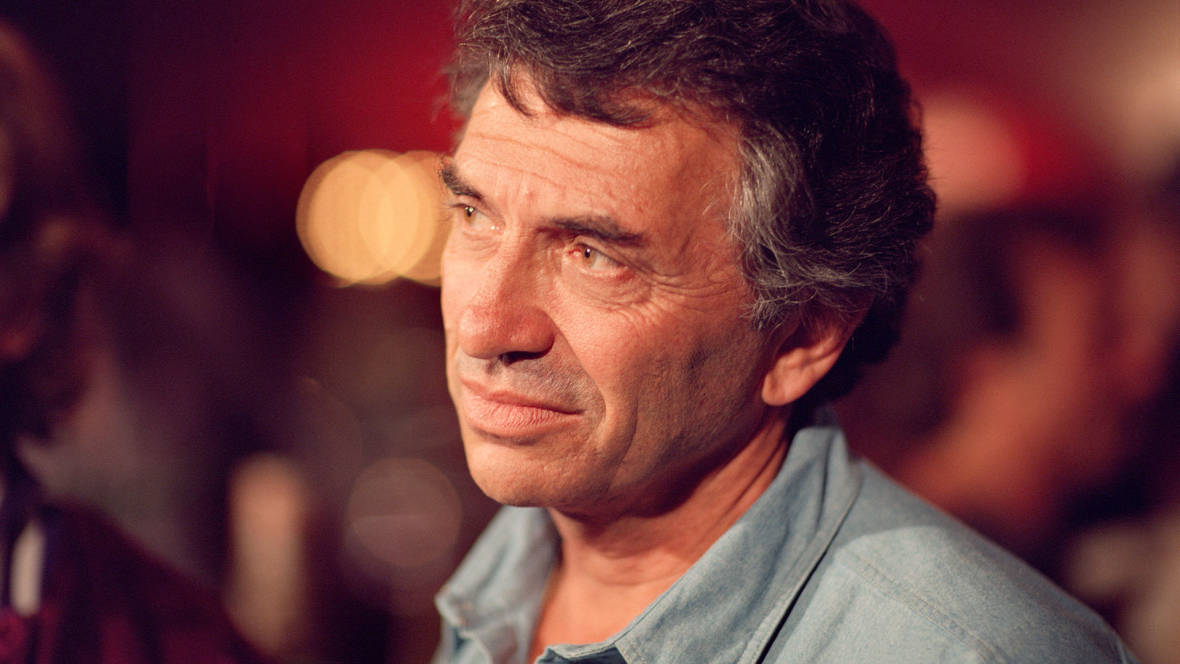
"caption": "Bill Graham between takes during the filming of 'A '60s Reunion with Bill Graham: A Night at the Fillmore.' Fillmore Auditorium, San Francisco, 1986. Part of 'Bill Graham and the Rock & Roll Revolution,' on view March 17–July 5, 2016 at the Contemporary Jewish Museum in San Francisco.",
"description": "Bill Graham between takes during the filming of 'A '60s Reunion with Bill Graham: A Night at the Fillmore.' Fillmore Auditorium, San Francisco, 1986. Part of 'Bill Graham and the Rock & Roll Revolution,' on view March 17–July 5, 2016 at the Contemporary Jewish Museum in San Francisco.",
"title": "Graham.MAIN",
"credit": "Ken Friedman",
"status": "inherit",
"isLoading": false,
"fetchFailed": false
},
"pop_21239": {
"type": "attachments",
"id": "pop_21239",
"meta": {
"index": "attachments_1716263798",
"site": "pop",
"id": "21239",
"found": true
},
"parent": 21225,
"imgSizes": {
"thumbnail": {
"file": "https://ww2.kqed.org/app/uploads/sites/12/2016/03/justin-biebers-new-song-sorry-e1458082076135-400x227.jpg",
"width": 400,
"mimeType": "image/jpeg",
"height": 227
},
"post-thumbnail": {
"file": "https://ww2.kqed.org/app/uploads/sites/12/2016/03/justin-biebers-new-song-sorry-e1458082076135-672x372.jpg",
"width": 672,
"mimeType": "image/jpeg",
"height": 372
},
"kqedFullSize": {
"file": "https://ww2.kqed.org/app/uploads/sites/12/2016/03/justin-biebers-new-song-sorry-e1458082076135.jpg",
"width": 893,
"height": 506
},
"guest-author-96": {
"file": "https://ww2.kqed.org/app/uploads/sites/12/2016/03/justin-biebers-new-song-sorry-e1458082076135-96x96.jpg",
"width": 96,
"mimeType": "image/jpeg",
"height": 96
},
"medium": {
"file": "https://ww2.kqed.org/app/uploads/sites/12/2016/03/justin-biebers-new-song-sorry-e1458082076135-800x453.jpg",
"width": 800,
"mimeType": "image/jpeg",
"height": 453
},
"guest-author-64": {
"file": "https://ww2.kqed.org/app/uploads/sites/12/2016/03/justin-biebers-new-song-sorry-e1458082076135-64x64.jpg",
"width": 64,
"mimeType": "image/jpeg",
"height": 64
},
"detail": {
"file": "https://ww2.kqed.org/app/uploads/sites/12/2016/03/justin-biebers-new-song-sorry-e1458082076135-75x75.jpg",
"width": 75,
"mimeType": "image/jpeg",
"height": 75
},
"guest-author-32": {
"file": "https://ww2.kqed.org/app/uploads/sites/12/2016/03/justin-biebers-new-song-sorry-e1458082076135-32x32.jpg",
"width": 32,
"mimeType": "image/jpeg",
"height": 32
},
"medium_large": {
"file": "https://ww2.kqed.org/app/uploads/sites/12/2016/03/justin-biebers-new-song-sorry-e1458082076135-768x435.jpg",
"width": 768,
"mimeType": "image/jpeg",
"height": 435
},
"guest-author-128": {
"file": "https://ww2.kqed.org/app/uploads/sites/12/2016/03/justin-biebers-new-song-sorry-e1458082076135-128x128.jpg",
"width": 128,
"mimeType": "image/jpeg",
"height": 128
}
},
"publishDate": 1458082012,
"modified": 1458082062,
"caption": "The Biebs, begging for forgiveness -- which, of course, he promptly received.",
"description": "The Biebs, begging for forgiveness -- which, of course, he promptly received.",
"title": "justin-biebers-new-song-sorry",
"credit": null,
"status": "inherit",
"isLoading": false,
"fetchFailed": false
},
"arts_11409002": {
"type": "attachments",
"id": "arts_11409002",
"meta": {
"index": "attachments_1716263798",
"site": "arts",
"id": "11409002",
"found": true
},
"parent": 11408997,
"imgSizes": {
"thumbnail": {
"file": "https://ww2.kqed.org/app/uploads/sites/2/2016/03/Dr-Luke-KeshaCROP-400x225.jpg",
"width": 400,
"mimeType": "image/jpeg",
"height": 225
},
"post-thumbnail": {
"file": "https://ww2.kqed.org/app/uploads/sites/2/2016/03/Dr-Luke-KeshaCROP-672x372.jpg",
"width": 672,
"mimeType": "image/jpeg",
"height": 372
},
"kqedFullSize": {
"file": "https://ww2.kqed.org/app/uploads/sites/2/2016/03/Dr-Luke-KeshaCROP.jpg",
"width": 800,
"height": 450
},
"guest-author-96": {
"file": "https://ww2.kqed.org/app/uploads/sites/2/2016/03/Dr-Luke-KeshaCROP-96x96.jpg",
"width": 96,
"mimeType": "image/jpeg",
"height": 96
},
"medium": {
"file": "https://ww2.kqed.org/app/uploads/sites/2/2016/03/Dr-Luke-KeshaCROP-800x450.jpg",
"width": 800,
"mimeType": "image/jpeg",
"height": 450
},
"guest-author-64": {
"file": "https://ww2.kqed.org/app/uploads/sites/2/2016/03/Dr-Luke-KeshaCROP-64x64.jpg",
"width": 64,
"mimeType": "image/jpeg",
"height": 64
},
"detail": {
"file": "https://ww2.kqed.org/app/uploads/sites/2/2016/03/Dr-Luke-KeshaCROP-75x75.jpg",
"width": 75,
"mimeType": "image/jpeg",
"height": 75
},
"guest-author-32": {
"file": "https://ww2.kqed.org/app/uploads/sites/2/2016/03/Dr-Luke-KeshaCROP-32x32.jpg",
"width": 32,
"mimeType": "image/jpeg",
"height": 32
},
"medium_large": {
"file": "https://ww2.kqed.org/app/uploads/sites/2/2016/03/Dr-Luke-KeshaCROP-768x432.jpg",
"width": 768,
"mimeType": "image/jpeg",
"height": 432
},
"guest-author-128": {
"file": "https://ww2.kqed.org/app/uploads/sites/2/2016/03/Dr-Luke-KeshaCROP-128x128.jpg",
"width": 128,
"mimeType": "image/jpeg",
"height": 128
}
},
"publishDate": 1458074988,
"modified": 1458075036,
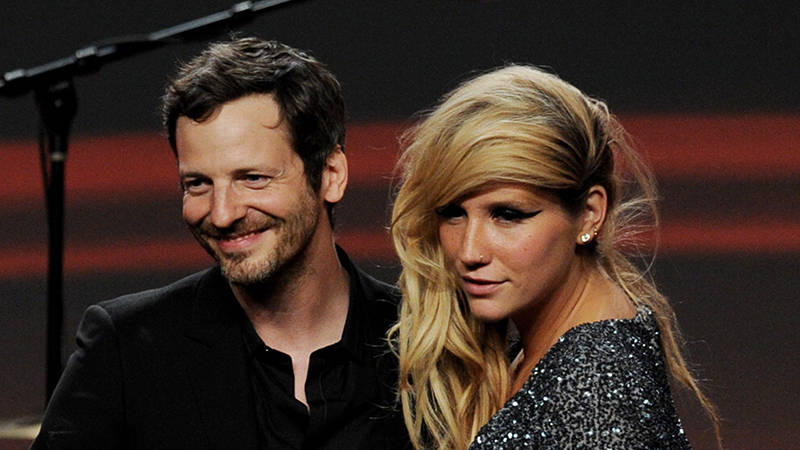
"caption": "Lukasz \"Dr. Luke Gottwald and singer Ke$ha pose onstage at the 28th Annual ASCAP Pop Music Awards",
"description": "Lukasz \"Dr. Luke Gottwald and singer Ke$ha pose onstage at the 28th Annual ASCAP Pop Music Awards",
"title": "28th Annual ASCAP Pop Music Awards - Show",
"credit": "Photo: Kevin Winter/Getty Images",
"status": "inherit",
"isLoading": false,
"fetchFailed": false
},
"arts_11408379": {
"type": "attachments",
"id": "arts_11408379",
"meta": {
"index": "attachments_1716263798",
"site": "arts",
"id": "11408379",
"found": true
},
"parent": 11397294,
"imgSizes": {
"twentyfourteen-full-width": {
"file": "https://ww2.kqed.org/app/uploads/sites/2/2016/03/HABIB.VUSI_-1038x576.jpg",
"width": 1038,
"mimeType": "image/jpeg",
"height": 576
},
"thumbnail": {
"file": "https://ww2.kqed.org/app/uploads/sites/2/2016/03/HABIB.VUSI_-400x225.jpg",
"width": 400,
"mimeType": "image/jpeg",
"height": 225
},
"fd-sm": {
"file": "https://ww2.kqed.org/app/uploads/sites/2/2016/03/HABIB.VUSI_-960x540.jpg",
"width": 960,
"mimeType": "image/jpeg",
"height": 540
},
"post-thumbnail": {
"file": "https://ww2.kqed.org/app/uploads/sites/2/2016/03/HABIB.VUSI_-672x372.jpg",
"width": 672,
"mimeType": "image/jpeg",
"height": 372
},
"kqedFullSize": {
"file": "https://ww2.kqed.org/app/uploads/sites/2/2016/03/HABIB.VUSI_.jpg",
"width": 1606,
"height": 903
},
"large": {
"file": "https://ww2.kqed.org/app/uploads/sites/2/2016/03/HABIB.VUSI_-1180x663.jpg",
"width": 1180,
"mimeType": "image/jpeg",
"height": 663
},
"guest-author-96": {
"file": "https://ww2.kqed.org/app/uploads/sites/2/2016/03/HABIB.VUSI_-96x96.jpg",
"width": 96,
"mimeType": "image/jpeg",
"height": 96
},
"medium": {
"file": "https://ww2.kqed.org/app/uploads/sites/2/2016/03/HABIB.VUSI_-800x450.jpg",
"width": 800,
"mimeType": "image/jpeg",
"height": 450
},
"guest-author-64": {
"file": "https://ww2.kqed.org/app/uploads/sites/2/2016/03/HABIB.VUSI_-64x64.jpg",
"width": 64,
"mimeType": "image/jpeg",
"height": 64
},
"guest-author-32": {
"file": "https://ww2.kqed.org/app/uploads/sites/2/2016/03/HABIB.VUSI_-32x32.jpg",
"width": 32,
"mimeType": "image/jpeg",
"height": 32
},
"fd-med": {
"file": "https://ww2.kqed.org/app/uploads/sites/2/2016/03/HABIB.VUSI_-1180x663.jpg",
"width": 1180,
"mimeType": "image/jpeg",
"height": 663
},
"detail": {
"file": "https://ww2.kqed.org/app/uploads/sites/2/2016/03/HABIB.VUSI_-75x75.jpg",
"width": 75,
"mimeType": "image/jpeg",
"height": 75
},
"medium_large": {
"file": "https://ww2.kqed.org/app/uploads/sites/2/2016/03/HABIB.VUSI_-768x432.jpg",
"width": 768,
"mimeType": "image/jpeg",
"height": 432
},
"guest-author-128": {
"file": "https://ww2.kqed.org/app/uploads/sites/2/2016/03/HABIB.VUSI_-128x128.jpg",
"width": 128,
"mimeType": "image/jpeg",
"height": 128
}
},
"publishDate": 1458055836,
"modified": 1458055865,
"caption": "Habib Koite (left) and Vusi Mahlasela perform three times in the Bay Area.",
"description": "Habib Koite (left) and Vusi Mahlasela perform three times in the Bay Area.",
"title": "HABIB.VUSI",
"credit": "Courtesy the artists",
"status": "inherit",
"isLoading": false,
"fetchFailed": false
},
"arts_11406290": {
"type": "attachments",
"id": "arts_11406290",
"meta": {
"index": "attachments_1716263798",
"site": "arts",
"id": "11406290",
"found": true
},
"parent": 11405784,
"imgSizes": {
"twentyfourteen-full-width": {
"file": "https://ww2.kqed.org/app/uploads/sites/2/2016/03/SPringsteen.Center-1038x576.jpg",
"width": 1038,
"mimeType": "image/jpeg",
"height": 576
},
"thumbnail": {
"file": "https://ww2.kqed.org/app/uploads/sites/2/2016/03/SPringsteen.Center-400x225.jpg",
"width": 400,
"mimeType": "image/jpeg",
"height": 225
},
"fd-sm": {
"file": "https://ww2.kqed.org/app/uploads/sites/2/2016/03/SPringsteen.Center-960x540.jpg",
"width": 960,
"mimeType": "image/jpeg",
"height": 540
},
"post-thumbnail": {
"file": "https://ww2.kqed.org/app/uploads/sites/2/2016/03/SPringsteen.Center-672x372.jpg",
"width": 672,
"mimeType": "image/jpeg",
"height": 372
},
"kqedFullSize": {
"file": "https://ww2.kqed.org/app/uploads/sites/2/2016/03/SPringsteen.Center.jpg",
"width": 1920,
"height": 1080
},
"large": {
"file": "https://ww2.kqed.org/app/uploads/sites/2/2016/03/SPringsteen.Center-1180x664.jpg",
"width": 1180,
"mimeType": "image/jpeg",
"height": 664
},
"guest-author-96": {
"file": "https://ww2.kqed.org/app/uploads/sites/2/2016/03/SPringsteen.Center-96x96.jpg",
"width": 96,
"mimeType": "image/jpeg",
"height": 96
},
"medium": {
"file": "https://ww2.kqed.org/app/uploads/sites/2/2016/03/SPringsteen.Center-800x450.jpg",
"width": 800,
"mimeType": "image/jpeg",
"height": 450
},
"guest-author-64": {
"file": "https://ww2.kqed.org/app/uploads/sites/2/2016/03/SPringsteen.Center-64x64.jpg",
"width": 64,
"mimeType": "image/jpeg",
"height": 64
},
"guest-author-32": {
"file": "https://ww2.kqed.org/app/uploads/sites/2/2016/03/SPringsteen.Center-32x32.jpg",
"width": 32,
"mimeType": "image/jpeg",
"height": 32
},
"fd-lrg": {
"file": "https://ww2.kqed.org/app/uploads/sites/2/2016/03/SPringsteen.Center-1920x1080.jpg",
"width": 1920,
"mimeType": "image/jpeg",
"height": 1080
},
"fd-med": {
"file": "https://ww2.kqed.org/app/uploads/sites/2/2016/03/SPringsteen.Center-1180x664.jpg",
"width": 1180,
"mimeType": "image/jpeg",
"height": 664
},
"detail": {
"file": "https://ww2.kqed.org/app/uploads/sites/2/2016/03/SPringsteen.Center-75x75.jpg",
"width": 75,
"mimeType": "image/jpeg",
"height": 75
},
"medium_large": {
"file": "https://ww2.kqed.org/app/uploads/sites/2/2016/03/SPringsteen.Center-768x432.jpg",
"width": 768,
"mimeType": "image/jpeg",
"height": 432
},
"guest-author-128": {
"file": "https://ww2.kqed.org/app/uploads/sites/2/2016/03/SPringsteen.Center-128x128.jpg",
"width": 128,
"mimeType": "image/jpeg",
"height": 128
}
},
"publishDate": 1457994183,
"modified": 1457994230,
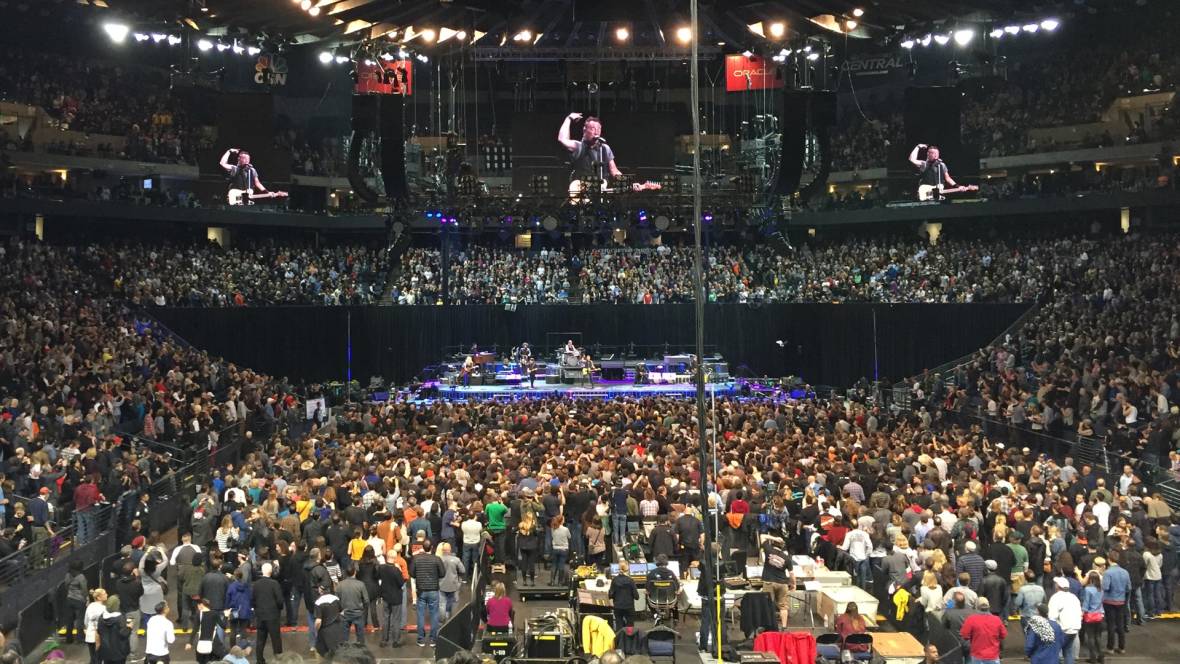
"caption": "Bruce Springsteen's crowd at Oracle Arena, March 13, 2016.",
"description": "Bruce Springsteen's crowd at Oracle Arena, March 13, 2016.",
"title": "SPringsteen.Center",
"credit": "Gabe Meline",
"status": "inherit",
"isLoading": false,
"fetchFailed": false
},
"news_10892715": {
"type": "attachments",
"id": "news_10892715",
"meta": {
"index": "attachments_1716263798",
"site": "news",
"id": "10892715",
"found": true
},
"parent": 10892535,
"imgSizes": {
"twentyfourteen-full-width": {
"file": "https://ww2.kqed.org/app/uploads/sites/10/2016/03/ThaoFeat-1038x576.jpg",
"width": 1038,
"mimeType": "image/jpeg",
"height": 576
},
"thumbnail": {
"file": "https://ww2.kqed.org/app/uploads/sites/10/2016/03/ThaoFeat-400x251.jpg",
"width": 400,
"mimeType": "image/jpeg",
"height": 251
},
"fd-sm": {
"file": "https://ww2.kqed.org/app/uploads/sites/10/2016/03/ThaoFeat-960x603.jpg",
"width": 960,
"mimeType": "image/jpeg",
"height": 603
},
"post-thumbnail": {
"file": "https://ww2.kqed.org/app/uploads/sites/10/2016/03/ThaoFeat-672x372.jpg",
"width": 672,
"mimeType": "image/jpeg",
"height": 372
},
"kqedFullSize": {
"file": "https://ww2.kqed.org/app/uploads/sites/10/2016/03/ThaoFeat.jpg",
"width": 1920,
"height": 1206
},
"large": {
"file": "https://ww2.kqed.org/app/uploads/sites/10/2016/03/ThaoFeat-1920x1206.jpg",
"width": 1920,
"mimeType": "image/jpeg",
"height": 1206
},
"guest-author-96": {
"file": "https://ww2.kqed.org/app/uploads/sites/10/2016/03/ThaoFeat-96x96.jpg",
"width": 96,
"mimeType": "image/jpeg",
"height": 96
},
"medium": {
"file": "https://ww2.kqed.org/app/uploads/sites/10/2016/03/ThaoFeat-800x503.jpg",
"width": 800,
"mimeType": "image/jpeg",
"height": 503
},
"guest-author-64": {
"file": "https://ww2.kqed.org/app/uploads/sites/10/2016/03/ThaoFeat-64x64.jpg",
"width": 64,
"mimeType": "image/jpeg",
"height": 64
},
"guest-author-32": {
"file": "https://ww2.kqed.org/app/uploads/sites/10/2016/03/ThaoFeat-32x32.jpg",
"width": 32,
"mimeType": "image/jpeg",
"height": 32
},
"jmtc-small-thumb": {
"file": "https://ww2.kqed.org/app/uploads/sites/10/2016/03/ThaoFeat-280x150.jpg",
"width": 280,
"mimeType": "image/jpeg",
"height": 150
},
"fd-lrg": {
"file": "https://ww2.kqed.org/app/uploads/sites/10/2016/03/ThaoFeat-1920x1206.jpg",
"width": 1920,
"mimeType": "image/jpeg",
"height": 1206
},
"fd-med": {
"file": "https://ww2.kqed.org/app/uploads/sites/10/2016/03/ThaoFeat-1180x741.jpg",
"width": 1180,
"mimeType": "image/jpeg",
"height": 741
},
"detail": {
"file": "https://ww2.kqed.org/app/uploads/sites/10/2016/03/ThaoFeat-75x75.jpg",
"width": 75,
"mimeType": "image/jpeg",
"height": 75
},
"guest-author-128": {
"file": "https://ww2.kqed.org/app/uploads/sites/10/2016/03/ThaoFeat-128x128.jpg",
"width": 128,
"mimeType": "image/jpeg",
"height": 128
}
},
"publishDate": 1457729730,
"modified": 1457729844,
"caption": "Thao Nguyen of Thao & the Get Down Stay Down",
"description": "Thao Nguyen of Thao & the Get Down Stay Down",
"title": "ThaoFeat",
"credit": "Courtesy Maria Kanevskaya",
"status": "inherit",
"isLoading": false,
"fetchFailed": false
},
"arts_11397699": {
"type": "attachments",
"id": "arts_11397699",
"meta": {
"index": "attachments_1716263798",
"site": "arts",
"id": "11397699",
"found": true
},
"parent": 11397564,
"imgSizes": {
"thumbnail": {
"file": "https://ww2.kqed.org/app/uploads/sites/2/2016/03/Keith-EmersonCROP-400x225.jpg",
"width": 400,
"mimeType": "image/jpeg",
"height": 225
},
"post-thumbnail": {
"file": "https://ww2.kqed.org/app/uploads/sites/2/2016/03/Keith-EmersonCROP-672x372.jpg",
"width": 672,
"mimeType": "image/jpeg",
"height": 372
},
"kqedFullSize": {
"file": "https://ww2.kqed.org/app/uploads/sites/2/2016/03/Keith-EmersonCROP.jpg",
"width": 800,
"height": 450
},
"guest-author-96": {
"file": "https://ww2.kqed.org/app/uploads/sites/2/2016/03/Keith-EmersonCROP-96x96.jpg",
"width": 96,
"mimeType": "image/jpeg",
"height": 96
},
"medium": {
"file": "https://ww2.kqed.org/app/uploads/sites/2/2016/03/Keith-EmersonCROP-800x450.jpg",
"width": 800,
"mimeType": "image/jpeg",
"height": 450
},
"guest-author-64": {
"file": "https://ww2.kqed.org/app/uploads/sites/2/2016/03/Keith-EmersonCROP-64x64.jpg",
"width": 64,
"mimeType": "image/jpeg",
"height": 64
},
"detail": {
"file": "https://ww2.kqed.org/app/uploads/sites/2/2016/03/Keith-EmersonCROP-75x75.jpg",
"width": 75,
"mimeType": "image/jpeg",
"height": 75
},
"guest-author-32": {
"file": "https://ww2.kqed.org/app/uploads/sites/2/2016/03/Keith-EmersonCROP-32x32.jpg",
"width": 32,
"mimeType": "image/jpeg",
"height": 32
},
"medium_large": {
"file": "https://ww2.kqed.org/app/uploads/sites/2/2016/03/Keith-EmersonCROP-768x432.jpg",
"width": 768,
"mimeType": "image/jpeg",
"height": 432
},
"guest-author-128": {
"file": "https://ww2.kqed.org/app/uploads/sites/2/2016/03/Keith-EmersonCROP-128x128.jpg",
"width": 128,
"mimeType": "image/jpeg",
"height": 128
}
},
"publishDate": 1457732753,
"modified": 1457732788,
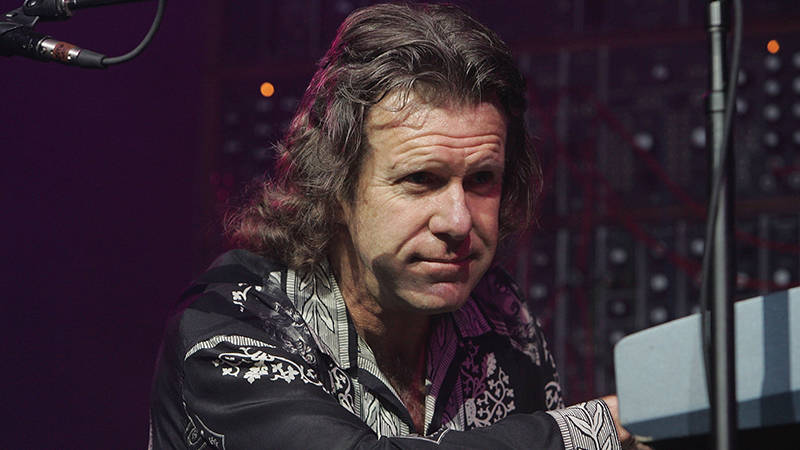
"caption": "Keith Emerson performs at Universal Amphitheatre in 2004 ",
"description": "Keith Emerson performs at Universal Amphitheatre in 2004 ",
"title": "Scorpions Perform In Concert At Universal Ampitheater",
"credit": "Photo: Frazer Harrison/Getty Images",
"status": "inherit",
"isLoading": false,
"fetchFailed": false
},
"arts_11394334": {
"type": "attachments",
"id": "arts_11394334",
"meta": {
"index": "attachments_1716263798",
"site": "arts",
"id": "11394334",
"found": true
},
"parent": 11394218,
"imgSizes": {
"twentyfourteen-full-width": {
"file": "https://ww2.kqed.org/app/uploads/sites/2/2016/03/Ballet-Afsaneh-e1457634741895-1038x576.jpg",
"width": 1038,
"mimeType": "image/jpeg",
"height": 576
},
"thumbnail": {
"file": "https://ww2.kqed.org/app/uploads/sites/2/2016/03/Ballet-Afsaneh-e1457634741895-400x198.jpg",
"width": 400,
"mimeType": "image/jpeg",
"height": 198
},
"fd-sm": {
"file": "https://ww2.kqed.org/app/uploads/sites/2/2016/03/Ballet-Afsaneh-e1457634741895-960x475.jpg",
"width": 960,
"mimeType": "image/jpeg",
"height": 475
},
"post-thumbnail": {
"file": "https://ww2.kqed.org/app/uploads/sites/2/2016/03/Ballet-Afsaneh-e1457634741895-672x372.jpg",
"width": 672,
"mimeType": "image/jpeg",
"height": 372
},
"kqedFullSize": {
"file": "https://ww2.kqed.org/app/uploads/sites/2/2016/03/Ballet-Afsaneh-e1457634741895.jpg",
"width": 2100,
"height": 1039
},
"large": {
"file": "https://ww2.kqed.org/app/uploads/sites/2/2016/03/Ballet-Afsaneh-e1457634741895-1180x584.jpg",
"width": 1180,
"mimeType": "image/jpeg",
"height": 584
},
"guest-author-96": {
"file": "https://ww2.kqed.org/app/uploads/sites/2/2016/03/Ballet-Afsaneh-e1457634741895-96x96.jpg",
"width": 96,
"mimeType": "image/jpeg",
"height": 96
},
"medium": {
"file": "https://ww2.kqed.org/app/uploads/sites/2/2016/03/Ballet-Afsaneh-e1457634741895-800x396.jpg",
"width": 800,
"mimeType": "image/jpeg",
"height": 396
},
"guest-author-64": {
"file": "https://ww2.kqed.org/app/uploads/sites/2/2016/03/Ballet-Afsaneh-e1457634741895-64x64.jpg",
"width": 64,
"mimeType": "image/jpeg",
"height": 64
},
"guest-author-32": {
"file": "https://ww2.kqed.org/app/uploads/sites/2/2016/03/Ballet-Afsaneh-e1457634741895-32x32.jpg",
"width": 32,
"mimeType": "image/jpeg",
"height": 32
},
"fd-lrg": {
"file": "https://ww2.kqed.org/app/uploads/sites/2/2016/03/Ballet-Afsaneh-e1457634741895-1920x950.jpg",
"width": 1920,
"mimeType": "image/jpeg",
"height": 950
},
"fd-med": {
"file": "https://ww2.kqed.org/app/uploads/sites/2/2016/03/Ballet-Afsaneh-e1457634741895-1180x584.jpg",
"width": 1180,
"mimeType": "image/jpeg",
"height": 584
},
"detail": {
"file": "https://ww2.kqed.org/app/uploads/sites/2/2016/03/Ballet-Afsaneh-e1457634741895-75x75.jpg",
"width": 75,
"mimeType": "image/jpeg",
"height": 75
},
"medium_large": {
"file": "https://ww2.kqed.org/app/uploads/sites/2/2016/03/Ballet-Afsaneh-e1457634741895-768x380.jpg",
"width": 768,
"mimeType": "image/jpeg",
"height": 380
},
"guest-author-128": {
"file": "https://ww2.kqed.org/app/uploads/sites/2/2016/03/Ballet-Afsaneh-e1457634741895-128x128.jpg",
"width": 128,
"mimeType": "image/jpeg",
"height": 128
}
},
"publishDate": 1457633473,
"modified": 1519198804,
"caption": "Ballet Afsaneh performance at the San Francisco Ethnic Dance Festival. The company’s founding artistic director Sharlyn Sawyer appears as part of Golden Thread Productions’ annual International Women’s Day Celebration \n",
"description": "Ballet Afsaneh performance at the San Francisco Ethnic Dance Festival. The company’s founding artistic director Sharlyn Sawyer appears as part of Golden Thread Productions’ annual International Women’s Day Celebration ",
"title": "Ballet-Afsaneh",
"credit": "Raymond Van Tassel",
"status": "inherit",
"isLoading": false,
"fetchFailed": false
}
},
"audioPlayerReducer": {
"postId": "stream_live",
"isPaused": true,
"isPlaying": false,
"pfsActive": false,
"pledgeModalIsOpen": true,
"playerDrawerIsOpen": false,
"liveAudioPlayStartedAt": 0,
"liveAudioPlayContext": ""
},
"authorsReducer": {
"128435": {
"type": "authors",
"id": "128435",
"meta": {
"override": true
},
"slug": "128435",
"name": "Jonathan Curiel",
"firstName": "Jonathan",
"lastName": "Curiel",
"bio": "Jonathan Curiel has written widely about music, film, books, art, photography and other cultural subjects. \u003ci>SF Weekly's\u003c/i> art critic, he is a former staff writer with the \u003ci>San Francisco Chronicle\u003c/i>, and has also written on the arts for \u003ca href=\"http://www.salon.com/\">Salon\u003c/a>, the \u003ci>Christian Science Monitor\u003c/i>, \u003ci>The Wire\u003c/i> (a London music magazine), \u003ci>Tablet\u003c/i> and \u003ci>GlobalPost\u003c/i>. He has researched architecture at England's Oxford University, taught music journalism at the UCLA Herb Alpert School of Music, and been a juror at the San Francisco International Film Festival.",
"email": "jonathancuriel@hotmail.com",
"isLoading": false
},
"byline_arts_11412472": {
"type": "authors",
"id": "byline_arts_11412472",
"meta": {
"override": true
},
"slug": "byline_arts_11412472",
"name": "Associated Press",
"isLoading": false
},
"byline_pop_21225": {
"type": "authors",
"id": "byline_pop_21225",
"meta": {
"override": true
},
"slug": "byline_pop_21225",
"name": "Rae Alexandra",
"isLoading": false
},
"byline_arts_11397564": {
"type": "authors",
"id": "byline_arts_11397564",
"meta": {
"override": true
},
"slug": "byline_arts_11397564",
"name": "Associated Press",
"isLoading": false
},
"cmusiker": {
"type": "authors",
"id": "32",
"meta": {
"index": "authors_1716337520",
"id": "32",
"found": true
},
"name": "Cy Musiker",
"firstName": "Cy",
"lastName": "Musiker",
"slug": "cmusiker",
"email": "cmusiker@kqed.org",
"display_author_email": false,
"staff_mastheads": [],
"title": "KQED Contributor",
"bio": "Cy Musiker is a former co-host of The Do List and a former reporter covering the arts for KQED News and The California Report. He loves live performance, especially great theater, jazz, roots music, anything by Mahler. Cy has an MJ from UC Berkeley's School of Journalism, and got his BA from Hampshire College. His work has been recognized by the Society for Professional Journalists with their Sigma Delta Chi Award for Public Service in Journalism. When he can, Cy likes to swim in Tomales Bay, run with his dog in the East Bay Hills, and hike the Sierra.",
"avatar": "https://secure.gravatar.com/avatar/05eaba5c5696ce8f062e4ea2df428a43?s=600&d=blank&r=g",
"twitter": null,
"facebook": null,
"instagram": null,
"linkedin": null,
"sites": [
{
"site": "arts",
"roles": [
"Contributor",
"subscriber"
]
},
{
"site": "news",
"roles": [
"author"
]
},
{
"site": "bayareabites",
"roles": [
"contributor"
]
}
],
"headData": {
"title": "Cy Musiker | KQED",
"description": "KQED Contributor",
"ogImgSrc": "https://secure.gravatar.com/avatar/05eaba5c5696ce8f062e4ea2df428a43?s=600&d=blank&r=g",
"twImgSrc": "https://secure.gravatar.com/avatar/05eaba5c5696ce8f062e4ea2df428a43?s=600&d=blank&r=g"
},
"isLoading": false,
"link": "/author/cmusiker"
},
"shochman": {
"type": "authors",
"id": "87",
"meta": {
"index": "authors_1716337520",
"id": "87",
"found": true
},
"name": "Steve Hochman",
"firstName": "Steve",
"lastName": "Hochman",
"slug": "shochman",
"email": "sehochman@me.com",
"display_author_email": false,
"staff_mastheads": [],
"title": "KQED Contributor",
"bio": "Steve Hochman has covered popular, and unpopular, music for more than 30 years, most of that time as a key member of the \u003ci>Los Angeles Times\u003c/i>' music team. In that capacity he wrote about the full range of music and musicians, from Hungarian folk to industrial noise, and from 1991 through 2005 wrote the \u003ci>Times\u003c/i>' widely read weekly \"Pop Eye\" column. In addition to his role with \u003ci>The California Report\u003c/i>, he's a music critic for Pasadena station KPCC's morning magazine \u003ci>Take Two\u003c/i> and a regular contributor to Grammy.com, Fender.com and other outlets. His byline has appeared through the years in an array of major publications, including \u003ci>Rolling Stone\u003c/i>, \u003ci>Billboard\u003c/i> and \u003ci>Entertainment Weekly\u003c/i> and New Orleans' \u003ci>Offbeat\u003c/i>.",
"avatar": "https://secure.gravatar.com/avatar/37fbddee9db232a05a1be3b065171301e8baa142626c45b0caa6fc61c25a8c8d?s=600&d=blank&r=g",
"twitter": null,
"bluesky": null,
"facebook": null,
"instagram": null,
"linkedin": null,
"sites": [
{
"site": "arts",
"roles": [
"Contributor",
"subscriber"
]
},
{
"site": "news",
"roles": [
"subscriber"
]
}
],
"headData": {
"title": "Steve Hochman | KQED",
"description": "KQED Contributor",
"ogImgSrc": "https://secure.gravatar.com/avatar/37fbddee9db232a05a1be3b065171301e8baa142626c45b0caa6fc61c25a8c8d?s=600&d=blank&r=g",
"twImgSrc": "https://secure.gravatar.com/avatar/37fbddee9db232a05a1be3b065171301e8baa142626c45b0caa6fc61c25a8c8d?s=600&d=blank&r=g"
},
"isLoading": false,
"link": "/author/shochman"
},
"kqedarts": {
"type": "authors",
"id": "92",
"meta": {
"index": "authors_1716337520",
"id": "92",
"found": true
},
"name": "KQED Arts",
"firstName": "KQED",
"lastName": "Arts",
"slug": "kqedarts",
"email": "arts@kqed.org",
"display_author_email": false,
"staff_mastheads": [],
"title": "KQED Staff",
"bio": null,
"avatar": "https://secure.gravatar.com/avatar/321c9ebfeb7736f9e55366a6d3399ab0?s=600&d=blank&r=g",
"twitter": null,
"facebook": null,
"instagram": "https://www.instagram.com/kqed_arts/",
"linkedin": null,
"sites": [
{
"site": "arts",
"roles": [
"contributor"
]
},
{
"site": "pop",
"roles": [
"contributor"
]
},
{
"site": "science",
"roles": [
"author"
]
},
{
"site": "food",
"roles": [
"contributor"
]
}
],
"headData": {
"title": "KQED Arts | KQED",
"description": "KQED Staff",
"ogImgSrc": "https://secure.gravatar.com/avatar/321c9ebfeb7736f9e55366a6d3399ab0?s=600&d=blank&r=g",
"twImgSrc": "https://secure.gravatar.com/avatar/321c9ebfeb7736f9e55366a6d3399ab0?s=600&d=blank&r=g"
},
"isLoading": false,
"link": "/author/kqedarts"
},
"kjones": {
"type": "authors",
"id": "93",
"meta": {
"index": "authors_1716337520",
"id": "93",
"found": true
},
"name": "Kevin L. Jones",
"firstName": "Kevin",
"lastName": "Jones",
"slug": "kjones",
"email": "kjones@kqed.org",
"display_author_email": false,
"staff_mastheads": [],
"title": null,
"bio": null,
"avatar": "https://secure.gravatar.com/avatar/12c65b5633ed39d0a59bb7f497eff645?s=600&d=blank&r=g",
"twitter": null,
"facebook": null,
"instagram": null,
"linkedin": null,
"sites": [
{
"site": "arts",
"roles": [
"subscriber"
]
},
{
"site": "styleguide",
"roles": [
"contributor"
]
},
{
"site": "artschool",
"roles": [
"subscriber"
]
},
{
"site": "news",
"roles": [
"subscriber"
]
},
{
"site": "pop",
"roles": [
"subscriber"
]
}
],
"headData": {
"title": "Kevin L. Jones | KQED",
"description": null,
"ogImgSrc": "https://secure.gravatar.com/avatar/12c65b5633ed39d0a59bb7f497eff645?s=600&d=blank&r=g",
"twImgSrc": "https://secure.gravatar.com/avatar/12c65b5633ed39d0a59bb7f497eff645?s=600&d=blank&r=g"
},
"isLoading": false,
"link": "/author/kjones"
},
"gmeline": {
"type": "authors",
"id": "185",
"meta": {
"index": "authors_1716337520",
"id": "185",
"found": true
},
"name": "Gabe Meline",
"firstName": "Gabe",
"lastName": "Meline",
"slug": "gmeline",
"email": "gmeline@kqed.org",
"display_author_email": true,
"staff_mastheads": [
"arts"
],
"title": "Senior Editor, KQED Arts & Culture",
"bio": "Gabe Meline entered journalism at age 15 making photocopied zines, and has since earned awards from the Edward R. Murrow Awards, the Society for Professional Journalists, the Online Journalism Awards, the Association of Alternative Newsweeklies and the California Newspaper Publishers Association. Prior to KQED, he was the editor of the \u003cem>North Bay Bohemian\u003c/em> and a touring musician. He lives with his wife and daughter in his hometown of Santa Rosa, CA.",
"avatar": "https://secure.gravatar.com/avatar/5bebe57be0d8bc2dd318934feb47299e2d2d10cba28d09d8d7afb389a2ce2bdd?s=600&d=blank&r=g",
"twitter": null,
"bluesky": null,
"facebook": null,
"instagram": null,
"linkedin": null,
"sites": [
{
"site": "",
"roles": [
"editor"
]
},
{
"site": "arts",
"roles": [
"administrator"
]
},
{
"site": "artschool",
"roles": [
"editor"
]
},
{
"site": "news",
"roles": [
"author"
]
},
{
"site": "pop",
"roles": [
"editor"
]
},
{
"site": "bayareabites",
"roles": [
"editor"
]
},
{
"site": "food",
"roles": [
"editor"
]
},
{
"site": "forum",
"roles": [
"administrator"
]
},
{
"site": "liveblog",
"roles": [
"editor"
]
},
{
"site": "hiphop",
"roles": [
"editor"
]
}
],
"headData": {
"title": "Gabe Meline | KQED",
"description": "Senior Editor, KQED Arts & Culture",
"ogImgSrc": "https://secure.gravatar.com/avatar/5bebe57be0d8bc2dd318934feb47299e2d2d10cba28d09d8d7afb389a2ce2bdd?s=600&d=blank&r=g",
"twImgSrc": "https://secure.gravatar.com/avatar/5bebe57be0d8bc2dd318934feb47299e2d2d10cba28d09d8d7afb389a2ce2bdd?s=600&d=blank&r=g"
},
"isLoading": false,
"link": "/author/gmeline"
},
"cveltman": {
"type": "authors",
"id": "8608",
"meta": {
"index": "authors_1716337520",
"id": "8608",
"found": true
},
"name": "Chloe Veltman",
"firstName": "Chloe",
"lastName": "Veltman",
"slug": "cveltman",
"email": "cveltman@kqed.org",
"display_author_email": true,
"staff_mastheads": [],
"title": "Arts and Culture Reporter",
"bio": "Chloe Veltman is a former arts and culture reporter for KQED. Prior to joining the organization, she launched and led the arts bureau at Colorado Public Radio, served as the Bay Area's culture columnist for the New York Times, and was the founder, host and executive producer of VoiceBox, a national award-winning weekly podcast/radio show and live events series all about the human voice. Chloe is the recipient of numerous prizes, grants and fellowships including a Webby Award for her work on interactive storytelling, both the John S Knight Journalism Fellowship and Humanities Center Fellowship at Stanford University, the Sundance Arts Writing Fellowship and a Library of Congress Research Fellowship. She is the author of the book \"On Acting\" and has appeared as a guest lecturer at Yale University and the San Francisco Conservatory of Music among other institutions. She holds a BA in english literature from King's College, Cambridge, and a Masters in Dramaturgy from the Central School of Speech and Drama/Harvard Institute for Advanced Theater Training.\r\n\u003ca href=\"https://www.chloeveltman.com\">www.chloeveltman.com\u003c/a>",
"avatar": "https://secure.gravatar.com/avatar/55403394b00a1ddab683952c2eb2cf85?s=600&d=blank&r=g",
"twitter": "chloeveltman",
"facebook": null,
"instagram": null,
"linkedin": null,
"sites": [
{
"site": "arts",
"roles": []
},
{
"site": "news",
"roles": [
"author"
]
},
{
"site": "pop",
"roles": [
"editor"
]
},
{
"site": "science",
"roles": []
}
],
"headData": {
"title": "Chloe Veltman | KQED",
"description": "Arts and Culture Reporter",
"ogImgSrc": "https://secure.gravatar.com/avatar/55403394b00a1ddab683952c2eb2cf85?s=600&d=blank&r=g",
"twImgSrc": "https://secure.gravatar.com/avatar/55403394b00a1ddab683952c2eb2cf85?s=600&d=blank&r=g"
},
"isLoading": false,
"link": "/author/cveltman"
}
},
"pagesReducer": {
"arts_category_music": {
"type": "terms",
"id": "arts_69",
"meta": {
"index": "terms_1716263798",
"site": "arts",
"id": "69",
"score": 10.851565
},
"featImg": null,
"name": "Music",
"description": null,
"taxonomy": "category",
"headData": {
"twImgId": null,
"twTitle": null,
"ogTitle": null,
"ogImgId": null,
"twDescription": null,
"description": null,
"title": "Music Archives | KQED Arts",
"ogDescription": null
},
"ttid": 70,
"slug": "music",
"isLoading": false,
"title": "Music",
"pageMeta": {
"site": "arts",
"WpPageTemplate": "page-topic-editorial",
"currentPage": 300
},
"blocks": [
{
"blockName": "kqed/post-list",
"attrs": {
"layout": "cardArticle2",
"query": "posts/arts?category=music",
"seeMore": false,
"paginated": true,
"page": 300
}
},
{
"blockName": "kqed/ad"
}
]
}
},
"pfsSessionReducer": {},
"postsReducer": {
"stream_live": {
"type": "live",
"id": "stream_live",
"audioUrl": "https://streams.kqed.org/kqedradio",
"title": "Live Stream",
"excerpt": "Live Stream information currently unavailable.",
"link": "/radio",
"featImg": "",
"label": {
"name": "KQED Live",
"link": "/"
}
},
"stream_kqedNewscast": {
"type": "posts",
"id": "stream_kqedNewscast",
"audioUrl": "https://www.kqed.org/.stream/anon/radio/RDnews/newscast.mp3?_=1",
"title": "KQED Newscast",
"featImg": "",
"label": {
"name": "88.5 FM",
"link": "/"
}
},
"arts_11415041": {
"type": "posts",
"id": "arts_11415041",
"meta": {
"index": "posts_1716263798",
"site": "arts",
"id": "11415041",
"score": null,
"sort": [
1458262294000
]
},
"guestAuthors": [],
"slug": "cy-and-davids-picks-the-wulf-of-rock-roll-headrest-music-and-odd-couples-on-stage",
"title": "Cy and David's Picks: The Wulf of Rock & Roll, Headrest Music, and Odd Couples on Stage",
"publishDate": 1458262294,
"format": "standard",
"headTitle": "Cy and David’s Picks: The Wulf of Rock & Roll, Headrest Music, and Odd Couples on Stage | KQED",
"labelTerm": {
"site": "arts"
},
"content": "\u003caside class=\"aligncenter\">\n\u003ch4>KQED’s Cy Musiker and David Wiegand share their picks for great events around the Bay Area this week.\u003c/h4>\n\u003cp>http://www.kqed.org/.stream/anon/radio/thedolist/2016/03/TDL20160318.mp3\u003c/p>\n\u003c/aside>\n\u003cp> \u003c/p>\n\u003cp>https://www.youtube.com/watch?v=lc7Ke9Org9U\u003c/p>\n\u003cp>\u003cstrong>March 18 & 19:\u003c/strong> \u003ca href=\"http://loreenamckennitt.com/\" target=\"_blank\" rel=\"noopener\">Loreena McKennitt\u003c/a> is on a Celtic quest. This Canadian with a gorgeous voice has sold 14 million records over the past 30 years, and she’s touring now with her Celtic super trio featuring guitarist guitarist Brian Hughes ( a fellow Canadian), and cellist Caroline Lavelle (an Englishwoman who used to busk on the streets of London). They’ll be playing songs from \u003cem>Troubadours on the Rhine,\u003c/em> the album they recorded together in 2012. Expect a short movie about McKennitt research on the Celt people, with stops in Morocco and Turkey, and you have to love any pop musician who features poems by Yeats, Shakespeare and Tennyson. She’s at the \u003ca href=\"http://tickets.wellsfargocenterarts.org/single/eventDetail.aspx?p=2078\" target=\"_blank\" rel=\"noopener\">Luther Burbank Center 03/18,\u003c/a> and \u003ca href=\"http://sfmasonic.com/event/loreena-mckennitt/\" target=\"_blank\" rel=\"noopener\">The Masonic in SF 03/19.\u003c/a>\u003c/p>\n\u003cfigure id=\"attachment_11415297\" class=\"wp-caption aligncenter\" style=\"max-width: 705px\">\u003cimg loading=\"lazy\" decoding=\"async\" class=\"size-full wp-image-11415297\" src=\"http://ww2.kqed.org/arts/wp-content/uploads/sites/2/2016/03/Bill-Graham-and-Brando-and-Coppola.jpg\" alt=\"Bill Graham, Marlon Brando, and Francis Ford Coppola\" width=\"705\" height=\"480\" srcset=\"https://cdn.kqed.org/wp-content/uploads/sites/2/2016/03/Bill-Graham-and-Brando-and-Coppola.jpg 705w, https://cdn.kqed.org/wp-content/uploads/sites/2/2016/03/Bill-Graham-and-Brando-and-Coppola-400x272.jpg 400w\" sizes=\"(max-width: 705px) 100vw, 705px\">\u003cfigcaption class=\"wp-caption-text\">Bill Graham, Marlon Brando, and Francis Ford Coppola \u003ccite>(Photo: Courtesy of Bill Graham Foundation)\u003c/cite>\u003c/figcaption>\u003c/figure>\n\u003cp>\u003cstrong>Continuing through July 5:\u003c/strong> We know San Francisco’s Bill Graham from his days running the Fillmore and building a concert promotion empire, but it’s good to remember that he just about invented the modern art of presenting great live music, There’s a show now at the \u003ca href=\"http://www.thecjm.org\" target=\"_blank\" rel=\"noopener\">Contemporary Jewish Museum\u003c/a> celebrating Graham’s rock and roll career, but also about his complicated life . Some of it’s about how Graham, born Wulf Wolodia Grajonca, escaped Germany and the Nazi’s and came to the US in 1941. There’s lots of photos of Graham with a phone to his ear, plus photos and videos of of rock concerts he produced, and, of course, psychedelic posters, plus a narration by legendary KSAN and now KPFA DJ Bonnie Simmons—who worked for Graham. She told me how Graham really loved creating extraordinarily safe, fun environments for people to come see music “that you might be able to make the experience so comfortable that you had a chance for the artist to do their best work when they walked out on your stage.” Details for \u003cem>Bill Graham and the Rock and Roll Revolution\u003c/em> are \u003ca href=\"http://www.thecjm.org/on-view/upcoming/bill-graham-and-the-rock-and-roll-revolution/about\" target=\"_blank\" rel=\"noopener\">here\u003c/a>.\u003c/p>\n\u003cfigure id=\"attachment_11415294\" class=\"wp-caption aligncenter\" style=\"max-width: 600px\">\u003cimg loading=\"lazy\" decoding=\"async\" class=\"size-full wp-image-11415294\" src=\"http://ww2.kqed.org/arts/wp-content/uploads/sites/2/2016/03/Dimmock-and-organ.png\" alt=\"American Bach Soloists Co-Founder Jonathan Dimmock\" width=\"600\" height=\"426\" srcset=\"https://cdn.kqed.org/wp-content/uploads/sites/2/2016/03/Dimmock-and-organ.png 600w, https://cdn.kqed.org/wp-content/uploads/sites/2/2016/03/Dimmock-and-organ-400x284.png 400w\" sizes=\"(max-width: 600px) 100vw, 600px\">\u003cfigcaption class=\"wp-caption-text\">American Bach Soloists Co-Founder Jonathan Dimmock \u003ccite>(Photo: Courtesy of ABS)\u003c/cite>\u003c/figcaption>\u003c/figure>\n\u003cp>\u003cstrong>March 18: \u003c/strong>Here’s a two-fer: it’s almost Bach’s birthday (March 21), and a chance to celebrate a San Francisco musician who rarely gets to take a bow.\u003cstrong> \u003c/strong>San Francisco Symphony organist Jonathan Dimmock who also happens to be the co-founder of American Bach Soloists will perform a Bach organ recital at St. Mark’s Lutheran Church, featuring the \u003cem>Dorian, Prelude & “Wedge” Fugue in E Minor. Dimmock is working with one of the\u003c/em> Bay Area’s best tracker organs (that means it’s all mechanical, no electric or pneumatic assists), at San Francisco’s St. Marks Lutheran Church. Here’s the \u003ca href=\"http://www.americanbach.org/seasons/15-16/BachBirthday.html\" target=\"_blank\" rel=\"noopener\">details\u003c/a>.\u003c/p>\n\u003cfigure id=\"attachment_11415419\" class=\"wp-caption aligncenter\" style=\"max-width: 600px\">\u003cimg loading=\"lazy\" decoding=\"async\" class=\"size-full wp-image-11415419\" src=\"http://ww2.kqed.org/arts/wp-content/uploads/sites/2/2016/03/Realistic-Joneses.jpg\" alt=\"Jennifer Jones (Rebecca Watson) and husband Bob Jones (Rod Gnapp) in Will Eno’s The Realistic Joneses at ACT\" width=\"600\" height=\"399\" srcset=\"https://cdn.kqed.org/wp-content/uploads/sites/2/2016/03/Realistic-Joneses.jpg 600w, https://cdn.kqed.org/wp-content/uploads/sites/2/2016/03/Realistic-Joneses-400x266.jpg 400w\" sizes=\"(max-width: 600px) 100vw, 600px\">\u003cfigcaption class=\"wp-caption-text\">Jennifer Jones (Rebecca Watson) and husband Bob Jones (Rod Gnapp) in Will Eno’s The Realistic Joneses at ACT playing at \u003ccite>(Photo: Kevin Berne/ACT)\u003c/cite>\u003c/figcaption>\u003c/figure>\n\u003cp>\u003cstrong>Through April 3:\u003c/strong> \u003ca href=\"http://willeno.com/\" target=\"_blank\" rel=\"noopener\">Will Eno\u003c/a> writes weird plays with cracked characters and surreal dialogue. \u003ca href=\"http://www.act-sf.org/\" target=\"_blank\" rel=\"noopener\">The American Conservatory\u003c/a> Theater has championed his work in the Bay Area, and they’ve got his news play, \u003cem>The Realistic Jones, \u003c/em>which opened on Broadway in 2014. It’s about two couples, both suffering from an illness “leads to a surreal deterioration of language and communication.” Which sounds like a disturbing challenge for a play. But it stars the great Rod Gnapp and it’s directed by Loretta Greco, who is always very deft with playwrights who ask the big questions, like why are our lives so absurd. Details \u003ca href=\"http://www.act-sf.org/home/box_office/1516_season/the_realistic_joneses.html\" target=\"_blank\" rel=\"noopener\">here.\u003c/a>\u003c/p>\n\u003cp>[ad fullwidth]\u003c/p>\n\u003cp>\u003cstrong>March 26-April 3:\u003c/strong> You can also enjoy an Eno mini-fest, by seeing the \u003ca href=\"http://www.custommade.org/\" target=\"_blank\" rel=\"noopener\">Custom Made Theatr\u003c/a>e’s version of Eno’s \u003cem>Middletown. Details \u003ca href=\"http://www.custommade.org/middletown/\" target=\"_blank\" rel=\"noopener\">here.\u003c/a>\u003c/em>\u003c/p>\n\u003cfigure id=\"attachment_11415421\" class=\"wp-caption aligncenter\" style=\"max-width: 690px\">\u003cimg loading=\"lazy\" decoding=\"async\" class=\"size-medium wp-image-11415421\" src=\"http://ww2.kqed.org/arts/wp-content/uploads/sites/2/2016/03/Woz-Head-Shot-e1458261678658-690x600.jpg\" alt=\"Steve Wozniak\" width=\"690\" height=\"600\" srcset=\"https://cdn.kqed.org/wp-content/uploads/sites/2/2016/03/Woz-Head-Shot-e1458261678658-690x600.jpg 690w, https://cdn.kqed.org/wp-content/uploads/sites/2/2016/03/Woz-Head-Shot-e1458261678658-400x348.jpg 400w, https://cdn.kqed.org/wp-content/uploads/sites/2/2016/03/Woz-Head-Shot-e1458261678658-768x668.jpg 768w, https://cdn.kqed.org/wp-content/uploads/sites/2/2016/03/Woz-Head-Shot-e1458261678658-1180x1026.jpg 1180w, https://cdn.kqed.org/wp-content/uploads/sites/2/2016/03/Woz-Head-Shot-e1458261678658-1920x1669.jpg 1920w, https://cdn.kqed.org/wp-content/uploads/sites/2/2016/03/Woz-Head-Shot-e1458261678658-960x835.jpg 960w\" sizes=\"(max-width: 690px) 100vw, 690px\">\u003cfigcaption class=\"wp-caption-text\">Steve Wozniak \u003ccite>(Photo: Courtesy of Silicon Valley Comic Con )\u003c/cite>\u003c/figcaption>\u003c/figure>\n\u003cp>\u003cstrong>March 18-20: \u003c/strong>This is for the geek in all of us. Imagine the co-founder of Apple Computer, the guy who actually wired the first motherboards, Steve Wozniak, is putting on the \u003ca href=\"http://svcomiccon.com/\" target=\"_blank\" rel=\"noopener\">Silicon Valley Comic-Con\u003c/a>. He’s lured the cast of \u003cem>Back to the Future (\u003c/em>Michael J Fox, Christopher Lloyd, and others), plus Stan Lee and of course William Shatner. Here’s the perfect way to spend an afternoon at the event with your daughter- see a pioneer for African-American women in space, Nichelle Nichols, who played Uhura on Star Trek, and then catch a panel with Kimberly Bryant from Black Girls Code. You could change the world. Details \u003ca href=\"http://svcomiccon.com/?gclid=CJGf3oqptssCFYZefgodSpcNLA\" target=\"_blank\" rel=\"noopener\">here.\u003c/a>\u003c/p>\n\u003cp>https://www.youtube.com/watch?v=WjnEkJa2Law\u003c/p>\n\u003cp>\u003cstrong>March 31:\u003c/strong> I think of Will Toledo and his bandmates in \u003cem>Car Seat Headrest \u003c/em>as makers of Lo-Fi art songs. The band takes it’s name from the view Toledo had from the backseat of his car as he recorded songs for an early album. This is a Far Out! item, you’d better grab a ticket to this show before it sells out. And it’s a Cheap Thrill.\u003c/p>\n\u003cp>\u003c/p>\n\u003cp> \u003c/p>\n\n",
"blocks": [],
"excerpt": "KQED's Cy Musiker and David Wiegand share their picks for great events around the Bay Area this week.",
"status": "publish",
"parent": 0,
"modified": 1726788137,
"stats": {
"hasAudio": true,
"hasVideo": true,
"hasChartOrMap": false,
"iframeSrcs": [],
"hasGoogleForm": false,
"hasGallery": false,
"hasHearkenModule": false,
"hasPolis": false,
"paragraphCount": 9,
"wordCount": 923
},
"headData": {
"title": "Cy and David's Picks: The Wulf of Rock & Roll, Headrest Music, and Odd Couples on Stage | KQED",
"description": "KQED's Cy Musiker and David Wiegand share their picks for great events around the Bay Area this week.",
"ogTitle": "",
"ogDescription": "",
"ogImgId": "",
"twTitle": "",
"twDescription": "",
"twImgId": "",
"schema": {
"@context": "https://schema.org",
"@type": "Article",
"headline": "Cy and David's Picks: The Wulf of Rock & Roll, Headrest Music, and Odd Couples on Stage",
"datePublished": "2016-03-17T17:51:34-07:00",
"dateModified": "2024-09-19T16:22:17-07:00",
"image": "https://cdn.kqed.org/wp-content/uploads/2020/02/KQED-OG-Image@1x.png"
}
},
"sticky": false,
"path": "/arts/11415041/cy-and-davids-picks-the-wulf-of-rock-roll-headrest-music-and-odd-couples-on-stage",
"audioUrl": "http://www.kqed.org/.stream/anon/radio/thedolist/2016/03/TDL20160318.mp3",
"audioDuration": null,
"audioTrackLength": null,
"parsedContent": [
{
"type": "contentString",
"content": "\u003cdiv class=\"post-body\">\u003cp>\u003caside class=\"aligncenter\">\n\u003ch4>KQED’s Cy Musiker and David Wiegand share their picks for great events around the Bay Area this week.\u003c/h4>\u003c/p>\u003c/div>",
"attributes": {
"named": {},
"numeric": []
}
},
{
"type": "component",
"content": "",
"name": "audioLink",
"attributes": {
"named": {
"src": "http://www.kqed.org/.stream/anon/radio/thedolist/2016/03/TDL20160318.mp3"
},
"numeric": []
}
},
{
"type": "contentString",
"content": "\u003cdiv class=\"post-body\">\u003cp>\u003c/aside>\n\u003cp> \u003c/p>\u003c/p>\u003cp>\u003cspan class='utils-parseShortcode-shortcodes-__youtubeShortcode__embedYoutube'>\n \u003cspan class='utils-parseShortcode-shortcodes-__youtubeShortcode__embedYoutubeInside'>\n \u003ciframe\n loading='lazy'\n class='utils-parseShortcode-shortcodes-__youtubeShortcode__youtubePlayer'\n type='text/html'\n src='//www.youtube.com/embed/lc7Ke9Org9U'\n title='//www.youtube.com/embed/lc7Ke9Org9U'\n allowfullscreen='true'\n style='border:0;'>\u003c/iframe>\n \u003c/span>\n \u003c/span>\u003c/p>\u003cp>\u003cp>\u003cstrong>March 18 & 19:\u003c/strong> \u003ca href=\"http://loreenamckennitt.com/\" target=\"_blank\" rel=\"noopener\">Loreena McKennitt\u003c/a> is on a Celtic quest. This Canadian with a gorgeous voice has sold 14 million records over the past 30 years, and she’s touring now with her Celtic super trio featuring guitarist guitarist Brian Hughes ( a fellow Canadian), and cellist Caroline Lavelle (an Englishwoman who used to busk on the streets of London). They’ll be playing songs from \u003cem>Troubadours on the Rhine,\u003c/em> the album they recorded together in 2012. Expect a short movie about McKennitt research on the Celt people, with stops in Morocco and Turkey, and you have to love any pop musician who features poems by Yeats, Shakespeare and Tennyson. She’s at the \u003ca href=\"http://tickets.wellsfargocenterarts.org/single/eventDetail.aspx?p=2078\" target=\"_blank\" rel=\"noopener\">Luther Burbank Center 03/18,\u003c/a> and \u003ca href=\"http://sfmasonic.com/event/loreena-mckennitt/\" target=\"_blank\" rel=\"noopener\">The Masonic in SF 03/19.\u003c/a>\u003c/p>\n\u003cfigure id=\"attachment_11415297\" class=\"wp-caption aligncenter\" style=\"max-width: 705px\">\u003cimg loading=\"lazy\" decoding=\"async\" class=\"size-full wp-image-11415297\" src=\"http://ww2.kqed.org/arts/wp-content/uploads/sites/2/2016/03/Bill-Graham-and-Brando-and-Coppola.jpg\" alt=\"Bill Graham, Marlon Brando, and Francis Ford Coppola\" width=\"705\" height=\"480\" srcset=\"https://cdn.kqed.org/wp-content/uploads/sites/2/2016/03/Bill-Graham-and-Brando-and-Coppola.jpg 705w, https://cdn.kqed.org/wp-content/uploads/sites/2/2016/03/Bill-Graham-and-Brando-and-Coppola-400x272.jpg 400w\" sizes=\"(max-width: 705px) 100vw, 705px\">\u003cfigcaption class=\"wp-caption-text\">Bill Graham, Marlon Brando, and Francis Ford Coppola \u003ccite>(Photo: Courtesy of Bill Graham Foundation)\u003c/cite>\u003c/figcaption>\u003c/figure>\n\u003cp>\u003cstrong>Continuing through July 5:\u003c/strong> We know San Francisco’s Bill Graham from his days running the Fillmore and building a concert promotion empire, but it’s good to remember that he just about invented the modern art of presenting great live music, There’s a show now at the \u003ca href=\"http://www.thecjm.org\" target=\"_blank\" rel=\"noopener\">Contemporary Jewish Museum\u003c/a> celebrating Graham’s rock and roll career, but also about his complicated life . Some of it’s about how Graham, born Wulf Wolodia Grajonca, escaped Germany and the Nazi’s and came to the US in 1941. There’s lots of photos of Graham with a phone to his ear, plus photos and videos of of rock concerts he produced, and, of course, psychedelic posters, plus a narration by legendary KSAN and now KPFA DJ Bonnie Simmons—who worked for Graham. She told me how Graham really loved creating extraordinarily safe, fun environments for people to come see music “that you might be able to make the experience so comfortable that you had a chance for the artist to do their best work when they walked out on your stage.” Details for \u003cem>Bill Graham and the Rock and Roll Revolution\u003c/em> are \u003ca href=\"http://www.thecjm.org/on-view/upcoming/bill-graham-and-the-rock-and-roll-revolution/about\" target=\"_blank\" rel=\"noopener\">here\u003c/a>.\u003c/p>\n\u003cfigure id=\"attachment_11415294\" class=\"wp-caption aligncenter\" style=\"max-width: 600px\">\u003cimg loading=\"lazy\" decoding=\"async\" class=\"size-full wp-image-11415294\" src=\"http://ww2.kqed.org/arts/wp-content/uploads/sites/2/2016/03/Dimmock-and-organ.png\" alt=\"American Bach Soloists Co-Founder Jonathan Dimmock\" width=\"600\" height=\"426\" srcset=\"https://cdn.kqed.org/wp-content/uploads/sites/2/2016/03/Dimmock-and-organ.png 600w, https://cdn.kqed.org/wp-content/uploads/sites/2/2016/03/Dimmock-and-organ-400x284.png 400w\" sizes=\"(max-width: 600px) 100vw, 600px\">\u003cfigcaption class=\"wp-caption-text\">American Bach Soloists Co-Founder Jonathan Dimmock \u003ccite>(Photo: Courtesy of ABS)\u003c/cite>\u003c/figcaption>\u003c/figure>\n\u003cp>\u003cstrong>March 18: \u003c/strong>Here’s a two-fer: it’s almost Bach’s birthday (March 21), and a chance to celebrate a San Francisco musician who rarely gets to take a bow.\u003cstrong> \u003c/strong>San Francisco Symphony organist Jonathan Dimmock who also happens to be the co-founder of American Bach Soloists will perform a Bach organ recital at St. Mark’s Lutheran Church, featuring the \u003cem>Dorian, Prelude & “Wedge” Fugue in E Minor. Dimmock is working with one of the\u003c/em> Bay Area’s best tracker organs (that means it’s all mechanical, no electric or pneumatic assists), at San Francisco’s St. Marks Lutheran Church. Here’s the \u003ca href=\"http://www.americanbach.org/seasons/15-16/BachBirthday.html\" target=\"_blank\" rel=\"noopener\">details\u003c/a>.\u003c/p>\n\u003cfigure id=\"attachment_11415419\" class=\"wp-caption aligncenter\" style=\"max-width: 600px\">\u003cimg loading=\"lazy\" decoding=\"async\" class=\"size-full wp-image-11415419\" src=\"http://ww2.kqed.org/arts/wp-content/uploads/sites/2/2016/03/Realistic-Joneses.jpg\" alt=\"Jennifer Jones (Rebecca Watson) and husband Bob Jones (Rod Gnapp) in Will Eno’s The Realistic Joneses at ACT\" width=\"600\" height=\"399\" srcset=\"https://cdn.kqed.org/wp-content/uploads/sites/2/2016/03/Realistic-Joneses.jpg 600w, https://cdn.kqed.org/wp-content/uploads/sites/2/2016/03/Realistic-Joneses-400x266.jpg 400w\" sizes=\"(max-width: 600px) 100vw, 600px\">\u003cfigcaption class=\"wp-caption-text\">Jennifer Jones (Rebecca Watson) and husband Bob Jones (Rod Gnapp) in Will Eno’s The Realistic Joneses at ACT playing at \u003ccite>(Photo: Kevin Berne/ACT)\u003c/cite>\u003c/figcaption>\u003c/figure>\n\u003cp>\u003cstrong>Through April 3:\u003c/strong> \u003ca href=\"http://willeno.com/\" target=\"_blank\" rel=\"noopener\">Will Eno\u003c/a> writes weird plays with cracked characters and surreal dialogue. \u003ca href=\"http://www.act-sf.org/\" target=\"_blank\" rel=\"noopener\">The American Conservatory\u003c/a> Theater has championed his work in the Bay Area, and they’ve got his news play, \u003cem>The Realistic Jones, \u003c/em>which opened on Broadway in 2014. It’s about two couples, both suffering from an illness “leads to a surreal deterioration of language and communication.” Which sounds like a disturbing challenge for a play. But it stars the great Rod Gnapp and it’s directed by Loretta Greco, who is always very deft with playwrights who ask the big questions, like why are our lives so absurd. Details \u003ca href=\"http://www.act-sf.org/home/box_office/1516_season/the_realistic_joneses.html\" target=\"_blank\" rel=\"noopener\">here.\u003c/a>\u003c/p>\n\u003cp>\u003c/p>\u003c/div>",
"attributes": {
"named": {},
"numeric": []
}
},
{
"type": "component",
"content": "",
"name": "ad",
"attributes": {
"named": {
"label": "fullwidth"
},
"numeric": [
"fullwidth"
]
}
},
{
"type": "contentString",
"content": "\u003cdiv class=\"post-body\">\u003cp>\u003c/p>\n\u003cp>\u003cstrong>March 26-April 3:\u003c/strong> You can also enjoy an Eno mini-fest, by seeing the \u003ca href=\"http://www.custommade.org/\" target=\"_blank\" rel=\"noopener\">Custom Made Theatr\u003c/a>e’s version of Eno’s \u003cem>Middletown. Details \u003ca href=\"http://www.custommade.org/middletown/\" target=\"_blank\" rel=\"noopener\">here.\u003c/a>\u003c/em>\u003c/p>\n\u003cfigure id=\"attachment_11415421\" class=\"wp-caption aligncenter\" style=\"max-width: 690px\">\u003cimg loading=\"lazy\" decoding=\"async\" class=\"size-medium wp-image-11415421\" src=\"http://ww2.kqed.org/arts/wp-content/uploads/sites/2/2016/03/Woz-Head-Shot-e1458261678658-690x600.jpg\" alt=\"Steve Wozniak\" width=\"690\" height=\"600\" srcset=\"https://cdn.kqed.org/wp-content/uploads/sites/2/2016/03/Woz-Head-Shot-e1458261678658-690x600.jpg 690w, https://cdn.kqed.org/wp-content/uploads/sites/2/2016/03/Woz-Head-Shot-e1458261678658-400x348.jpg 400w, https://cdn.kqed.org/wp-content/uploads/sites/2/2016/03/Woz-Head-Shot-e1458261678658-768x668.jpg 768w, https://cdn.kqed.org/wp-content/uploads/sites/2/2016/03/Woz-Head-Shot-e1458261678658-1180x1026.jpg 1180w, https://cdn.kqed.org/wp-content/uploads/sites/2/2016/03/Woz-Head-Shot-e1458261678658-1920x1669.jpg 1920w, https://cdn.kqed.org/wp-content/uploads/sites/2/2016/03/Woz-Head-Shot-e1458261678658-960x835.jpg 960w\" sizes=\"(max-width: 690px) 100vw, 690px\">\u003cfigcaption class=\"wp-caption-text\">Steve Wozniak \u003ccite>(Photo: Courtesy of Silicon Valley Comic Con )\u003c/cite>\u003c/figcaption>\u003c/figure>\n\u003cp>\u003cstrong>March 18-20: \u003c/strong>This is for the geek in all of us. Imagine the co-founder of Apple Computer, the guy who actually wired the first motherboards, Steve Wozniak, is putting on the \u003ca href=\"http://svcomiccon.com/\" target=\"_blank\" rel=\"noopener\">Silicon Valley Comic-Con\u003c/a>. He’s lured the cast of \u003cem>Back to the Future (\u003c/em>Michael J Fox, Christopher Lloyd, and others), plus Stan Lee and of course William Shatner. Here’s the perfect way to spend an afternoon at the event with your daughter- see a pioneer for African-American women in space, Nichelle Nichols, who played Uhura on Star Trek, and then catch a panel with Kimberly Bryant from Black Girls Code. You could change the world. Details \u003ca href=\"http://svcomiccon.com/?gclid=CJGf3oqptssCFYZefgodSpcNLA\" target=\"_blank\" rel=\"noopener\">here.\u003c/a>\u003c/p>\u003c/p>\u003cp>\u003cspan class='utils-parseShortcode-shortcodes-__youtubeShortcode__embedYoutube'>\n \u003cspan class='utils-parseShortcode-shortcodes-__youtubeShortcode__embedYoutubeInside'>\n \u003ciframe\n loading='lazy'\n class='utils-parseShortcode-shortcodes-__youtubeShortcode__youtubePlayer'\n type='text/html'\n src='//www.youtube.com/embed/WjnEkJa2Law'\n title='//www.youtube.com/embed/WjnEkJa2Law'\n allowfullscreen='true'\n style='border:0;'>\u003c/iframe>\n \u003c/span>\n \u003c/span>\u003c/p>\u003cp>\u003cp>\u003cstrong>March 31:\u003c/strong> I think of Will Toledo and his bandmates in \u003cem>Car Seat Headrest \u003c/em>as makers of Lo-Fi art songs. The band takes it’s name from the view Toledo had from the backseat of his car as he recorded songs for an early album. This is a Far Out! item, you’d better grab a ticket to this show before it sells out. And it’s a Cheap Thrill.\u003c/p>\n\u003cp>\u003c/p>\n\u003cp> \u003c/p>\n\n\u003c/div>\u003c/p>",
"attributes": {
"named": {},
"numeric": []
}
}
],
"link": "/arts/11415041/cy-and-davids-picks-the-wulf-of-rock-roll-headrest-music-and-odd-couples-on-stage",
"authors": [
"32"
],
"categories": [
"arts_1",
"arts_74",
"arts_69"
],
"tags": [
"arts_1118",
"arts_596",
"arts_626"
],
"featImg": "arts_11415424",
"label": "arts"
},
"arts_11414648": {
"type": "posts",
"id": "arts_11414648",
"meta": {
"index": "posts_1716263798",
"site": "arts",
"id": "11414648",
"score": null,
"sort": [
1458256401000
]
},
"guestAuthors": [],
"slug": "drummer-busking-at-fishermans-wharf-takes-down-thief",
"title": "Drummer Busking at Fisherman's Wharf Takes Down Thief",
"publishDate": 1458256401,
"format": "standard",
"headTitle": "Drummer Busking at Fisherman’s Wharf Takes Down Thief | KQED",
"labelTerm": {
"site": "arts"
},
"content": "\u003cp>There are a lot of jokes about drummers. For example, what do you call a drummer without a girlfriend? Homeless.\u003c/p>\n\u003cp>But a violent incident between a busking drummer and a would-be thief at San Francisco’s Fisherman’s Wharf Wednesday could be a set up for a new addition to the drummer joke canon. First, the details:\u003c/p>\n\u003cp>Around 5:30pm on March 16, a 27-year-old woman attempted to steal from the tip jar of a 57-year-old drummer playing on the sidewalk near Pier 43, according to the San Francisco Police Department.\u003c/p>\n\u003cp>When the drummer attempted to stop her from taking his hard-earned cash, she began hitting him with a skateboard. In response, he pulled what police described as a “pipe” from his drum set and smacked her on the head, according to the incident report.\u003c/p>\n\u003cp>Soon after the police arrived, arrested the woman and took her to a nearby hospital for treatment — the drummer’s blow left a gash on her head but, according to the report, her injuries were not life-threatening. The report also declared that the drummer’s attack was in self-defense.\u003c/p>\n\u003cp>[ad fullwidth]\u003c/p>\n\u003cp>Calls to the SFPD for updates on the suspect had not been returned by Thursday afternoon.\u003c/p>\n\u003cp>\u003c/p>\n\u003cp>As for a new drummer joke: What do you get if you try to steal money from a drummer? A beat you can’t dance to.\u003c/p>\n\n",
"blocks": [],
"excerpt": null,
"status": "publish",
"parent": 0,
"modified": 1726710128,
"stats": {
"hasAudio": false,
"hasVideo": false,
"hasChartOrMap": false,
"iframeSrcs": [],
"hasGoogleForm": false,
"hasGallery": false,
"hasHearkenModule": false,
"hasPolis": false,
"paragraphCount": 9,
"wordCount": 244
},
"headData": {
"title": "Drummer Busking at Fisherman's Wharf Takes Down Thief | KQED",
"description": "There are a lot of jokes about drummers. For example, what do you call a drummer without a girlfriend? Homeless. But a violent incident between a busking drummer and a would-be thief at San Francisco's Fisherman's Wharf Wednesday could be a set up for a new addition to the drummer joke canon. First, the details: Around 5:30pm on March 16, a 27-year-old woman attempted to steal from the tip jar of a 57-year-old drummer playing on the sidewalk near Pier 43, according to the San Francisco Police Department. When the drummer attempted to stop her from taking his hard-earned cash,",
"ogTitle": "",
"ogDescription": "",
"ogImgId": "",
"twTitle": "",
"twDescription": "",
"twImgId": "",
"schema": {
"@context": "https://schema.org",
"@type": "Article",
"headline": "Drummer Busking at Fisherman's Wharf Takes Down Thief",
"datePublished": "2016-03-17T16:13:21-07:00",
"dateModified": "2024-09-18T18:42:08-07:00",
"image": "https://cdn.kqed.org/wp-content/uploads/2020/02/KQED-OG-Image@1x.png"
}
},
"sticky": false,
"path": "/arts/11414648/drummer-busking-at-fishermans-wharf-takes-down-thief",
"audioTrackLength": null,
"parsedContent": [
{
"type": "contentString",
"content": "\u003cdiv class=\"post-body\">\u003cp>\u003cp>There are a lot of jokes about drummers. For example, what do you call a drummer without a girlfriend? Homeless.\u003c/p>\n\u003cp>But a violent incident between a busking drummer and a would-be thief at San Francisco’s Fisherman’s Wharf Wednesday could be a set up for a new addition to the drummer joke canon. First, the details:\u003c/p>\n\u003cp>Around 5:30pm on March 16, a 27-year-old woman attempted to steal from the tip jar of a 57-year-old drummer playing on the sidewalk near Pier 43, according to the San Francisco Police Department.\u003c/p>\n\u003cp>When the drummer attempted to stop her from taking his hard-earned cash, she began hitting him with a skateboard. In response, he pulled what police described as a “pipe” from his drum set and smacked her on the head, according to the incident report.\u003c/p>\n\u003cp>Soon after the police arrived, arrested the woman and took her to a nearby hospital for treatment — the drummer’s blow left a gash on her head but, according to the report, her injuries were not life-threatening. The report also declared that the drummer’s attack was in self-defense.\u003c/p>\n\u003cp>\u003c/p>\u003c/div>",
"attributes": {
"named": {},
"numeric": []
}
},
{
"type": "component",
"content": "",
"name": "ad",
"attributes": {
"named": {
"label": "fullwidth"
},
"numeric": [
"fullwidth"
]
}
},
{
"type": "contentString",
"content": "\u003cdiv class=\"post-body\">\u003cp>\u003c/p>\n\u003cp>Calls to the SFPD for updates on the suspect had not been returned by Thursday afternoon.\u003c/p>\n\u003cp>\u003c/p>\n\u003cp>As for a new drummer joke: What do you get if you try to steal money from a drummer? A beat you can’t dance to.\u003c/p>\n\n\u003c/div>\u003c/p>",
"attributes": {
"named": {},
"numeric": []
}
}
],
"link": "/arts/11414648/drummer-busking-at-fishermans-wharf-takes-down-thief",
"authors": [
"93"
],
"categories": [
"arts_69",
"arts_235"
],
"tags": [
"arts_1254",
"arts_746",
"arts_596"
],
"featImg": "arts_11414782",
"label": "arts"
},
"arts_11414527": {
"type": "posts",
"id": "arts_11414527",
"meta": {
"index": "posts_1716263798",
"site": "arts",
"id": "11414527",
"score": null,
"sort": [
1458245405000
]
},
"guestAuthors": [],
"slug": "jewish-community-center-sf-is-uninhibited-about-sex",
"title": "Jewish Community Center SF Is 'Uninhibited About Sex'",
"publishDate": 1458245405,
"format": "standard",
"headTitle": "Jewish Community Center SF Is ‘Uninhibited About Sex’ | KQED",
"labelTerm": {
"term": 140,
"site": "arts"
},
"content": "\u003cp>\u003cem>Q: What’s special about the elevator at Bloomingdales?\u003c/em>\u003cbr>\n\u003cem> A: It’s the only thing a Jewish girl will go down on.\u003c/em>\u003c/p>\n\u003cp>Jews have been parting their lips since long before the parting of the Red Sea, and have a sense of humor that’s kinkier than a rabbi’s sidelocks. So it makes perfect sense for the \u003ca href=\"https://www.jccsf.org\" target=\"_blank\" rel=\"noopener\">Jewish Community Center of San Francisco\u003c/a> (JCCSF) to peek under the covers of the Jewish sexual experience in \u003cem>\u003ca href=\"https://www.jccsf.org/arts-ideas/uninhibited\" target=\"_blank\" rel=\"noopener\">Uninhibited About Sex\u003c/a>\u003c/em> — a new series of performances, lectures and workshops that runs through the end of May.\u003c/p>\n\u003cp>“Jews are some of the sexiest people around and good healthy sex is a Jewish value for sure,” says Barbara Lane, director of the JCCSF’s Arts & Ideas program. “If this helps get people out of their heads and into their bodies, then far out.”\u003c/p>\n\u003cfigure id=\"attachment_11414654\" class=\"wp-caption aligncenter\" style=\"max-width: 800px\">\u003cimg loading=\"lazy\" decoding=\"async\" class=\"size-medium wp-image-11414654\" src=\"http://ww2.kqed.org/arts/wp-content/uploads/sites/2/2016/03/Burlesque-Miss-Dirty-Martini_2_credit-Leland-Bobbe-e1458244079701-800x554.jpg\" alt=\"Miss Dirty Martini, a performer in ‘Take It Off! Burlesque’, part of the Jewish Community Center’s ‘Uninhibited About Sex’ series \" width=\"800\" height=\"554\" srcset=\"https://cdn.kqed.org/wp-content/uploads/sites/2/2016/03/Burlesque-Miss-Dirty-Martini_2_credit-Leland-Bobbe-e1458244079701-800x554.jpg 800w, https://cdn.kqed.org/wp-content/uploads/sites/2/2016/03/Burlesque-Miss-Dirty-Martini_2_credit-Leland-Bobbe-e1458244079701-400x277.jpg 400w, https://cdn.kqed.org/wp-content/uploads/sites/2/2016/03/Burlesque-Miss-Dirty-Martini_2_credit-Leland-Bobbe-e1458244079701-768x532.jpg 768w, https://cdn.kqed.org/wp-content/uploads/sites/2/2016/03/Burlesque-Miss-Dirty-Martini_2_credit-Leland-Bobbe-e1458244079701-1180x817.jpg 1180w, https://cdn.kqed.org/wp-content/uploads/sites/2/2016/03/Burlesque-Miss-Dirty-Martini_2_credit-Leland-Bobbe-e1458244079701-1920x1329.jpg 1920w, https://cdn.kqed.org/wp-content/uploads/sites/2/2016/03/Burlesque-Miss-Dirty-Martini_2_credit-Leland-Bobbe-e1458244079701-960x665.jpg 960w\" sizes=\"(max-width: 800px) 100vw, 800px\">\u003cfigcaption class=\"wp-caption-text\">Miss Dirty Martini, a performer in ‘Take It Off! Burlesque’, part of the Jewish Community Center’s ‘Uninhibited About Sex’ series \u003ccite>(Photo: Leland Bobbe)\u003c/cite>\u003c/figcaption>\u003c/figure>\n\u003cp>The action begins on Friday, Mar. 18 with \u003cem>Take it Off! The New Burlesque\u003c/em>, a spicy revue featuring, among other attributes, a pogo striptease act and some of the burlesque scene’s most vivacious exponents like Miss Dirty Martini, Julie Atlas Muz, Miss Harvest Moon, Roky Roulette and Kitten on the Keys.\u003c/p>\n\u003cp>Sex columnist Dan Savage makes an appearance on Monday, Mar. 21, and on Thursday, Mar. 24, JCCSF presents an evening of bawdy storytelling in which a lineup of creative types share sundry sexploits alongside live music and an activity called “Bang-o!” which, allegedly “dares to go where Bingo does not.”\u003c/p>\n\u003cfigure id=\"attachment_11414787\" class=\"wp-caption aligncenter\" style=\"max-width: 800px\">\u003cimg loading=\"lazy\" decoding=\"async\" class=\"size-medium wp-image-11414787\" src=\"http://ww2.kqed.org/arts/wp-content/uploads/sites/2/2016/03/Bawdy-Storytelling_image1-Photo-by-Neuroptik-Photography-800x534.jpg\" alt=\"‘Bawdy Storytelling,’ part of the Jewish Community Center’s ‘Uninhibited About Sex’ series \" width=\"800\" height=\"534\">\u003cfigcaption class=\"wp-caption-text\">‘Bawdy Storytelling,’ part of the Jewish Community Center’s ‘Uninhibited About Sex’ series \u003ccite>(Photo: Neuroptik Photography)\u003c/cite>\u003c/figcaption>\u003c/figure>\n\u003cp>In April, the series continues with, among other come-hither curiosities, a night of romantic music from the folks at the ever-inventive \u003cem>UnderCover Presents\u003c/em> series. But don’t worry: Lionel Ritchie’s “Hello” might have been selected by \u003cem>The New York Times\u003c/em> as one of “\u003ca href=\"http://www.nytimes.com/interactive/2016/03/10/magazine/25-songs-that-tell-us-where-music-is-going.html\" target=\"_blank\" rel=\"noopener\">25 songs that tell us where music is going\u003c/a>,” but the mawkish ’80s ballad is unlikely to make an appearance at this evening of cover songs to kiss to. And there’s also an intriguing evening later in the month devoted to animal reproduction involving “dinosaur misogyny, female octopi capable of killing males during intercourse, a homosexual flamingo couple, and promiscuous pandas” hosted by zoologist and BBC broadcaster Jules Howard.\u003c/p>\n\u003cp>[ad fullwidth]\u003c/p>\n\u003cp>“I think it’s racy,” Lane says of the entire \u003cem>Uninhibited About Sex\u003c/em> program. “But it’s also responsible. We’re not being salacious just to be salacious. Hopefully we’re being informative and educational.”\u003c/p>\n\u003cp>\u003c/p>\n\u003cp>\u003cstrong>\u003cem>\u003ca href=\"https://www.jccsf.org/arts-ideas/uninhibited\" target=\"_blank\" rel=\"noopener\">Uninhibited About Sex\u003c/a>\u003c/em> runs through Tuesday, May 31 at the Jewish Community Center of San Francisco. For more information, \u003ca href=\"https://www.jccsf.org/arts-ideas/uninhibited\" target=\"_blank\" rel=\"noopener\">go here.\u003c/a>\u003c/strong>\u003c/p>\n\n",
"blocks": [],
"excerpt": "With a little help from Dan Savage, a zoologist and more, JCCSF's kinky new events series explores the serious and silly sides of sensuality.",
"status": "publish",
"parent": 0,
"modified": 1726788139,
"stats": {
"hasAudio": false,
"hasVideo": false,
"hasChartOrMap": false,
"iframeSrcs": [],
"hasGoogleForm": false,
"hasGallery": false,
"hasHearkenModule": false,
"hasPolis": false,
"paragraphCount": 10,
"wordCount": 500
},
"headData": {
"title": "Jewish Community Center SF Is 'Uninhibited About Sex' | KQED",
"description": "With a little help from Dan Savage, a zoologist and more, JCCSF's kinky new events series explores the serious and silly sides of sensuality.",
"ogTitle": "",
"ogDescription": "",
"ogImgId": "",
"twTitle": "",
"twDescription": "",
"twImgId": "",
"schema": {
"@context": "https://schema.org",
"@type": "Article",
"headline": "Jewish Community Center SF Is 'Uninhibited About Sex'",
"datePublished": "2016-03-17T13:10:05-07:00",
"dateModified": "2024-09-19T16:22:19-07:00",
"image": "https://cdn.kqed.org/wp-content/uploads/2020/02/KQED-OG-Image@1x.png"
}
},
"sticky": false,
"path": "/arts/11414527/jewish-community-center-sf-is-uninhibited-about-sex",
"audioTrackLength": null,
"parsedContent": [
{
"type": "contentString",
"content": "\u003cdiv class=\"post-body\">\u003cp>\u003cp>\u003cem>Q: What’s special about the elevator at Bloomingdales?\u003c/em>\u003cbr>\n\u003cem> A: It’s the only thing a Jewish girl will go down on.\u003c/em>\u003c/p>\n\u003cp>Jews have been parting their lips since long before the parting of the Red Sea, and have a sense of humor that’s kinkier than a rabbi’s sidelocks. So it makes perfect sense for the \u003ca href=\"https://www.jccsf.org\" target=\"_blank\" rel=\"noopener\">Jewish Community Center of San Francisco\u003c/a> (JCCSF) to peek under the covers of the Jewish sexual experience in \u003cem>\u003ca href=\"https://www.jccsf.org/arts-ideas/uninhibited\" target=\"_blank\" rel=\"noopener\">Uninhibited About Sex\u003c/a>\u003c/em> — a new series of performances, lectures and workshops that runs through the end of May.\u003c/p>\n\u003cp>“Jews are some of the sexiest people around and good healthy sex is a Jewish value for sure,” says Barbara Lane, director of the JCCSF’s Arts & Ideas program. “If this helps get people out of their heads and into their bodies, then far out.”\u003c/p>\n\u003cfigure id=\"attachment_11414654\" class=\"wp-caption aligncenter\" style=\"max-width: 800px\">\u003cimg loading=\"lazy\" decoding=\"async\" class=\"size-medium wp-image-11414654\" src=\"http://ww2.kqed.org/arts/wp-content/uploads/sites/2/2016/03/Burlesque-Miss-Dirty-Martini_2_credit-Leland-Bobbe-e1458244079701-800x554.jpg\" alt=\"Miss Dirty Martini, a performer in ‘Take It Off! Burlesque’, part of the Jewish Community Center’s ‘Uninhibited About Sex’ series \" width=\"800\" height=\"554\" srcset=\"https://cdn.kqed.org/wp-content/uploads/sites/2/2016/03/Burlesque-Miss-Dirty-Martini_2_credit-Leland-Bobbe-e1458244079701-800x554.jpg 800w, https://cdn.kqed.org/wp-content/uploads/sites/2/2016/03/Burlesque-Miss-Dirty-Martini_2_credit-Leland-Bobbe-e1458244079701-400x277.jpg 400w, https://cdn.kqed.org/wp-content/uploads/sites/2/2016/03/Burlesque-Miss-Dirty-Martini_2_credit-Leland-Bobbe-e1458244079701-768x532.jpg 768w, https://cdn.kqed.org/wp-content/uploads/sites/2/2016/03/Burlesque-Miss-Dirty-Martini_2_credit-Leland-Bobbe-e1458244079701-1180x817.jpg 1180w, https://cdn.kqed.org/wp-content/uploads/sites/2/2016/03/Burlesque-Miss-Dirty-Martini_2_credit-Leland-Bobbe-e1458244079701-1920x1329.jpg 1920w, https://cdn.kqed.org/wp-content/uploads/sites/2/2016/03/Burlesque-Miss-Dirty-Martini_2_credit-Leland-Bobbe-e1458244079701-960x665.jpg 960w\" sizes=\"(max-width: 800px) 100vw, 800px\">\u003cfigcaption class=\"wp-caption-text\">Miss Dirty Martini, a performer in ‘Take It Off! Burlesque’, part of the Jewish Community Center’s ‘Uninhibited About Sex’ series \u003ccite>(Photo: Leland Bobbe)\u003c/cite>\u003c/figcaption>\u003c/figure>\n\u003cp>The action begins on Friday, Mar. 18 with \u003cem>Take it Off! The New Burlesque\u003c/em>, a spicy revue featuring, among other attributes, a pogo striptease act and some of the burlesque scene’s most vivacious exponents like Miss Dirty Martini, Julie Atlas Muz, Miss Harvest Moon, Roky Roulette and Kitten on the Keys.\u003c/p>\n\u003cp>Sex columnist Dan Savage makes an appearance on Monday, Mar. 21, and on Thursday, Mar. 24, JCCSF presents an evening of bawdy storytelling in which a lineup of creative types share sundry sexploits alongside live music and an activity called “Bang-o!” which, allegedly “dares to go where Bingo does not.”\u003c/p>\n\u003cfigure id=\"attachment_11414787\" class=\"wp-caption aligncenter\" style=\"max-width: 800px\">\u003cimg loading=\"lazy\" decoding=\"async\" class=\"size-medium wp-image-11414787\" src=\"http://ww2.kqed.org/arts/wp-content/uploads/sites/2/2016/03/Bawdy-Storytelling_image1-Photo-by-Neuroptik-Photography-800x534.jpg\" alt=\"‘Bawdy Storytelling,’ part of the Jewish Community Center’s ‘Uninhibited About Sex’ series \" width=\"800\" height=\"534\">\u003cfigcaption class=\"wp-caption-text\">‘Bawdy Storytelling,’ part of the Jewish Community Center’s ‘Uninhibited About Sex’ series \u003ccite>(Photo: Neuroptik Photography)\u003c/cite>\u003c/figcaption>\u003c/figure>\n\u003cp>In April, the series continues with, among other come-hither curiosities, a night of romantic music from the folks at the ever-inventive \u003cem>UnderCover Presents\u003c/em> series. But don’t worry: Lionel Ritchie’s “Hello” might have been selected by \u003cem>The New York Times\u003c/em> as one of “\u003ca href=\"http://www.nytimes.com/interactive/2016/03/10/magazine/25-songs-that-tell-us-where-music-is-going.html\" target=\"_blank\" rel=\"noopener\">25 songs that tell us where music is going\u003c/a>,” but the mawkish ’80s ballad is unlikely to make an appearance at this evening of cover songs to kiss to. And there’s also an intriguing evening later in the month devoted to animal reproduction involving “dinosaur misogyny, female octopi capable of killing males during intercourse, a homosexual flamingo couple, and promiscuous pandas” hosted by zoologist and BBC broadcaster Jules Howard.\u003c/p>\n\u003cp>\u003c/p>\u003c/div>",
"attributes": {
"named": {},
"numeric": []
}
},
{
"type": "component",
"content": "",
"name": "ad",
"attributes": {
"named": {
"label": "fullwidth"
},
"numeric": [
"fullwidth"
]
}
},
{
"type": "contentString",
"content": "\u003cdiv class=\"post-body\">\u003cp>\u003c/p>\n\u003cp>“I think it’s racy,” Lane says of the entire \u003cem>Uninhibited About Sex\u003c/em> program. “But it’s also responsible. We’re not being salacious just to be salacious. Hopefully we’re being informative and educational.”\u003c/p>\n\u003cp>\u003c/p>\n\u003cp>\u003cstrong>\u003cem>\u003ca href=\"https://www.jccsf.org/arts-ideas/uninhibited\" target=\"_blank\" rel=\"noopener\">Uninhibited About Sex\u003c/a>\u003c/em> runs through Tuesday, May 31 at the Jewish Community Center of San Francisco. For more information, \u003ca href=\"https://www.jccsf.org/arts-ideas/uninhibited\" target=\"_blank\" rel=\"noopener\">go here.\u003c/a>\u003c/strong>\u003c/p>\n\n\u003c/div>\u003c/p>",
"attributes": {
"named": {},
"numeric": []
}
}
],
"link": "/arts/11414527/jewish-community-center-sf-is-uninhibited-about-sex",
"authors": [
"8608"
],
"programs": [
"arts_140"
],
"categories": [
"arts_1",
"arts_73",
"arts_968",
"arts_966",
"arts_69",
"arts_235",
"arts_75",
"arts_967"
],
"tags": [
"arts_596",
"arts_1386"
],
"featImg": "arts_11414651",
"label": "arts_140"
},
"arts_11412472": {
"type": "posts",
"id": "arts_11412472",
"meta": {
"index": "posts_1716263798",
"site": "arts",
"id": "11412472",
"score": null,
"sort": [
1458176453000
]
},
"guestAuthors": [],
"slug": "sinatra-family-says-frank-sinatra-jr-has-died-at-72",
"title": "Sinatra Family Says Frank Sinatra Jr. has Died at 72",
"publishDate": 1458176453,
"format": "standard",
"headTitle": "Sinatra Family Says Frank Sinatra Jr. has Died at 72 | KQED",
"labelTerm": {
"site": "arts"
},
"content": "\u003cp>Frank Sinatra Jr., who carried on his famous father’s legacy with his own music career, has died. He was 72.\u003c/p>\n\u003cp>The Sinatra family said in a statement to The Associated Press that Sinatra died unexpectedly Wednesday of cardiac arrest while on tour in Daytona Beach, Florida.\u003c/p>\n\u003cp>The statement said the family mourns the untimely passing of their son, brother, father and uncle. No other details were provided.\u003c/p>\n\u003cp>Kidnapped and held for ransom when he was 19, Sinatra Jr. had already followed his dad into the music business by then. He eventually worked for his father as his musical director and conductor. He performed the National Anthem at a New York Yankees game last year.\u003c/p>\n\u003cp>Copyright 2016 The Associated Press. All rights reserved. \u003c/p>\n\u003cp>[ad fullwidth]\u003c/p>\u003cp>\u003c/p>\n",
"blocks": [],
"excerpt": null,
"status": "publish",
"parent": 0,
"modified": 1726710133,
"stats": {
"hasAudio": false,
"hasVideo": false,
"hasChartOrMap": false,
"iframeSrcs": [],
"hasGoogleForm": false,
"hasGallery": false,
"hasHearkenModule": false,
"hasPolis": false,
"paragraphCount": 7,
"wordCount": 126
},
"headData": {
"title": "Sinatra Family Says Frank Sinatra Jr. has Died at 72 | KQED",
"description": "Frank Sinatra Jr., who carried on his famous father's legacy with his own music career, has died. He was 72. The Sinatra family said in a statement to The Associated Press that Sinatra died unexpectedly Wednesday of cardiac arrest while on tour in Daytona Beach, Florida. The statement said the family mourns the untimely passing of their son, brother, father and uncle. No other details were provided. Kidnapped and held for ransom when he was 19, Sinatra Jr. had already followed his dad into the music business by then. He eventually worked for his father as his musical director and",
"ogTitle": "",
"ogDescription": "",
"ogImgId": "",
"twTitle": "",
"twDescription": "",
"twImgId": "",
"schema": {
"@context": "https://schema.org",
"@type": "Article",
"headline": "Sinatra Family Says Frank Sinatra Jr. has Died at 72",
"datePublished": "2016-03-16T18:00:53-07:00",
"dateModified": "2024-09-18T18:42:13-07:00",
"image": "https://cdn.kqed.org/wp-content/uploads/2020/02/KQED-OG-Image@1x.png"
}
},
"sticky": false,
"nprByline": "Associated Press",
"path": "/arts/11412472/sinatra-family-says-frank-sinatra-jr-has-died-at-72",
"audioTrackLength": null,
"parsedContent": [
{
"type": "contentString",
"content": "\u003cdiv class=\"post-body\">\u003cp>\u003cp>Frank Sinatra Jr., who carried on his famous father’s legacy with his own music career, has died. He was 72.\u003c/p>\n\u003cp>The Sinatra family said in a statement to The Associated Press that Sinatra died unexpectedly Wednesday of cardiac arrest while on tour in Daytona Beach, Florida.\u003c/p>\n\u003cp>The statement said the family mourns the untimely passing of their son, brother, father and uncle. No other details were provided.\u003c/p>\n\u003cp>Kidnapped and held for ransom when he was 19, Sinatra Jr. had already followed his dad into the music business by then. He eventually worked for his father as his musical director and conductor. He performed the National Anthem at a New York Yankees game last year.\u003c/p>\n\u003cp>Copyright 2016 The Associated Press. All rights reserved. \u003c/p>\n\u003cp>\u003c/p>\u003c/div>",
"attributes": {
"named": {},
"numeric": []
}
},
{
"type": "component",
"content": "",
"name": "ad",
"attributes": {
"named": {
"label": "fullwidth"
},
"numeric": [
"fullwidth"
]
}
},
{
"type": "contentString",
"content": "\u003cdiv class=\"post-body\">\u003cp>\u003c/p>\u003cp>\u003c/p>\n\u003c/div>\u003c/p>",
"attributes": {
"named": {},
"numeric": []
}
}
],
"link": "/arts/11412472/sinatra-family-says-frank-sinatra-jr-has-died-at-72",
"authors": [
"byline_arts_11412472"
],
"categories": [
"arts_69",
"arts_235"
],
"tags": [
"arts_1254",
"arts_596"
],
"featImg": "arts_11412474",
"label": "arts"
},
"arts_11409279": {
"type": "posts",
"id": "arts_11409279",
"meta": {
"index": "posts_1716263798",
"site": "arts",
"id": "11409279",
"score": null,
"sort": [
1458172814000
]
},
"parent": 0,
"labelTerm": {
"site": "arts"
},
"blocks": [],
"publishDate": 1458172814,
"format": "image",
"title": "Bill Graham: The Personality No Museum Could Possibly Contain",
"headTitle": "Bill Graham: The Personality No Museum Could Possibly Contain | KQED",
"content": "\u003cp>My friend Jeff once found himself stopped at a four-way intersection with another car in Berkeley. Making eye contact to establish which car should go first, the other driver looked over — and was immediately recognized, by my friend, as Bill Graham. Jeff, who came from the sixties counterculture and scorned Graham as a sellout, shot his middle finger up.\u003c/p>\n\u003cp>Bill Graham looked him dead in the eyes, shot his own middle finger up in response, and drove off.\u003c/p>\n\u003cfigure id=\"attachment_11412206\" class=\"wp-caption alignright\" style=\"max-width: 640px\">\u003cimg loading=\"lazy\" decoding=\"async\" src=\"http://ww2.kqed.org/arts/wp-content/uploads/sites/2/2016/03/BillGrahamArmy-1180x1180.jpg\" alt=\"Bill Graham in his Army fatigues, 1948. After escaping the holocaust and coming to America, Graham fought in the Korean War.\" width=\"640\" height=\"640\" class=\"size-large wp-image-11412206\" srcset=\"https://cdn.kqed.org/wp-content/uploads/sites/2/2016/03/BillGrahamArmy-1180x1180.jpg 1180w, https://cdn.kqed.org/wp-content/uploads/sites/2/2016/03/BillGrahamArmy-400x400.jpg 400w, https://cdn.kqed.org/wp-content/uploads/sites/2/2016/03/BillGrahamArmy-600x600.jpg 600w, https://cdn.kqed.org/wp-content/uploads/sites/2/2016/03/BillGrahamArmy-768x768.jpg 768w, https://cdn.kqed.org/wp-content/uploads/sites/2/2016/03/BillGrahamArmy.jpg 1920w, https://cdn.kqed.org/wp-content/uploads/sites/2/2016/03/BillGrahamArmy-960x960.jpg 960w, https://cdn.kqed.org/wp-content/uploads/sites/2/2016/03/BillGrahamArmy-32x32.jpg 32w, https://cdn.kqed.org/wp-content/uploads/sites/2/2016/03/BillGrahamArmy-64x64.jpg 64w, https://cdn.kqed.org/wp-content/uploads/sites/2/2016/03/BillGrahamArmy-96x96.jpg 96w, https://cdn.kqed.org/wp-content/uploads/sites/2/2016/03/BillGrahamArmy-128x128.jpg 128w, https://cdn.kqed.org/wp-content/uploads/sites/2/2016/03/BillGrahamArmy-75x75.jpg 75w\" sizes=\"(max-width: 640px) 100vw, 640px\">\u003cfigcaption class=\"wp-caption-text\">Bill Graham in his Army fatigues, 1948. After escaping the holocaust and coming to America, Graham fought in the Korean War. \u003ccite>(Collection of David and Alex Graham)\u003c/cite>\u003c/figcaption>\u003c/figure>\n\u003cp>There are hundreds of such stories. Love him or \u003ca href=\"https://pbs.twimg.com/media/CdtdJW3VIAEqF6T.jpg\" target=\"_blank\" rel=\"noopener\">hate him\u003c/a>, it would be impossible to contain the vast legacy of Bill Graham — the promoter, showman and quintessential rock impresario who shaped San Francisco’s 1960s rock scene and the rock concert industry at large — in a single museum exhibit. Harder still would be to contain the man’s headstrong, larger-than-life personality, which propelled him to coddle rock stars one minute and berate paying customers the next.\u003c/p>\n\u003cp>\u003cem>\u003ca href=\"http://www.thecjm.org/on-view/upcoming/bill-graham-and-the-rock-and-roll-revolution/about\" target=\"_blank\" rel=\"noopener\">Bill Graham and the Rock & Roll Revolution\u003c/a>\u003c/em>, an exhibit that opens March 17 at the Contemporary Jewish Museum, accomplishes neither, because it wisely does not set out to try. Instead, the show — moving to its rightful home in San Francisco after a run last year in Los Angeles — is largely a nostalgic collection of photos, posters and memorabilia from concerts that Graham promoted in the ’60s, ’70s and ’80s, each live production growing larger and larger up to his sudden death in 1991.\u003c/p>\n\u003caside class=\"aligncenter\">\n\u003ch4>KQED Forum: Bill Graham and the Rock & Roll Revolution\u003c/h4>\n\u003cp>http://www.kqed.org/.stream/anon/radio/forum/2016/04/Forum20160419b.mp3\u003cbr>\n\u003c/p>\u003c/aside>\n\u003cp>It is at times hard to see Graham through all of it, and that’s probably the point: aside from introducing bands, wishing people a safe drive home while playing his customary exit music “Greensleeves” over the P.A. and his annual stint as “Father Time” at the Grateful Dead’s New Year’s Eve shows, he was at his most active (and, some would say, megalomaniacal) behind the scenes. That’s why those who ordinarily breeze through historical exhibits without listening to the audio tour should pull out their smartphones this time around: The \u003ca href=\"http://BillGrahamAudioTour.toursphere.com\" target=\"_blank\" rel=\"noopener\">voice of Graham\u003c/a>, a master storyteller, provides a vital personal complement.\u003c/p>\n\u003cfigure id=\"attachment_11412207\" class=\"wp-caption alignright\" style=\"max-width: 640px\">\u003cimg loading=\"lazy\" decoding=\"async\" src=\"http://ww2.kqed.org/arts/wp-content/uploads/sites/2/2016/03/BillGraham.FillmoreEast-1180x790.jpg\" alt=\"Bill Graham onstage before the final concert at Fillmore East, New York, January 1, 1971. \" width=\"640\" height=\"428\" class=\"size-large wp-image-11412207\" srcset=\"https://cdn.kqed.org/wp-content/uploads/sites/2/2016/03/BillGraham.FillmoreEast-1180x790.jpg 1180w, https://cdn.kqed.org/wp-content/uploads/sites/2/2016/03/BillGraham.FillmoreEast-400x268.jpg 400w, https://cdn.kqed.org/wp-content/uploads/sites/2/2016/03/BillGraham.FillmoreEast-800x536.jpg 800w, https://cdn.kqed.org/wp-content/uploads/sites/2/2016/03/BillGraham.FillmoreEast-768x514.jpg 768w, https://cdn.kqed.org/wp-content/uploads/sites/2/2016/03/BillGraham.FillmoreEast.jpg 1920w, https://cdn.kqed.org/wp-content/uploads/sites/2/2016/03/BillGraham.FillmoreEast-960x643.jpg 960w\" sizes=\"(max-width: 640px) 100vw, 640px\">\u003cfigcaption class=\"wp-caption-text\">Bill Graham onstage before the final concert at Fillmore East, New York, January 1, 1971. \u003ccite>(John Olson)\u003c/cite>\u003c/figcaption>\u003c/figure>\n\u003cp>Graham’s is a classic American immigrant story — he fled the holocaust, came to the U.S., found a niche, filled it with gusto and transformed American culture. At the Contemporary Jewish Museum, the exhibit’s entryway contains photos, videos and text related to Graham’s early life both in Poland and the Bronx, his harrowing journey overseas and service in the Korean War.\u003c/p>\n\u003cp>[ad fullwidth]\u003c/p>\n\u003cp>But quickly, the show runs through \u003cem>Bill Graham’s Greatest Hits\u003c/em>. The early benefits for the Mime Troupe; the Trips Festival and then the world-famous Fillmore era (including the original Fillmore Ballroom, the Fillmore West on Market & Van Ness and the Fillmore East in New York) comprise much of the exhibit. Because this portion contains mostly now-famous posters by Rick Griffin and Stanley Mouse, or now-famous photos by Jim Marshall or Baron Wolman, it feels not only superfluous but woefully bereft of Graham himself. There’s Janis Joplin’s outfit, and Carlos Santana’s guitar. But aside from the cowbell on display that Graham played \u003ca href=\"https://www.youtube.com/watch?v=jdFV3umJJJw\" target=\"_blank\" rel=\"noopener\">at Woodstock with Santana\u003c/a>, where are his own stories? His experiences? Why is he hardly in any of the photographs?\u003c/p>\n\u003cp>The answer, I’m sure, would be that this \u003cem>was\u003c/em> Graham: bringing talented people together, propelling them to be their best, in front of as many people as possible.\u003c/p>\n\u003cfigure id=\"attachment_11412208\" class=\"wp-caption alignright\" style=\"max-width: 640px\">\u003cimg loading=\"lazy\" decoding=\"async\" src=\"http://ww2.kqed.org/arts/wp-content/uploads/sites/2/2016/03/BillGrahamWinterland-799x1180.jpg\" alt=\"Closing Winterland, December 31, 1978. \" width=\"640\" height=\"945\" class=\"size-large wp-image-11412208\" srcset=\"https://cdn.kqed.org/wp-content/uploads/sites/2/2016/03/BillGrahamWinterland-799x1180.jpg 799w, https://cdn.kqed.org/wp-content/uploads/sites/2/2016/03/BillGrahamWinterland-400x591.jpg 400w, https://cdn.kqed.org/wp-content/uploads/sites/2/2016/03/BillGrahamWinterland-406x600.jpg 406w, https://cdn.kqed.org/wp-content/uploads/sites/2/2016/03/BillGrahamWinterland-768x1134.jpg 768w, https://cdn.kqed.org/wp-content/uploads/sites/2/2016/03/BillGrahamWinterland-1180x1743.jpg 1180w, https://cdn.kqed.org/wp-content/uploads/sites/2/2016/03/BillGrahamWinterland-960x1418.jpg 960w, https://cdn.kqed.org/wp-content/uploads/sites/2/2016/03/BillGrahamWinterland.jpg 1300w\" sizes=\"(max-width: 640px) 100vw, 640px\">\u003cfigcaption class=\"wp-caption-text\">Closing Winterland, December 31, 1978. \u003ccite>(Michael Zagaris)\u003c/cite>\u003c/figcaption>\u003c/figure>\n\u003cp>On a wall capping the decade, attention is paid to Graham’s famous curatorial skill of throwing black artists like Martha Reeves & the Vandellas on the same bill as white headliners like the Jefferson Airplane. (“I never give the public what it wants,” Graham famously said, “I give the public what it \u003cem>should\u003c/em> want”; later he would pair Otis Redding with the Grateful Dead, Miles Davis with Neil Young, and Rahsaan Roland Kirk with Jethro Tull.) But still: these are posters and photos of others, no trace in sight of the exhibit’s illustrious namesake.\u003c/p>\n\u003cp>In the 1970s, with the opening of Winterland, Graham himself comes a little more into focus. A collage of letters from Grateful Dead fans using desperation, humor, flattery and more to beg for tickets to the band’s sold-out 1978 New Year’s Eve show is dotted with a constellation of “NO” written in red ink atop each one, a testament to Graham’s hardheadedness about admission policies. But among memorabilia from \u003cem>The Last Waltz\u003c/em>, one of Graham’s crowning achievements, there are seemingly unrelated items on display as well (photos from Bob Dylan’s 1975 ‘\u003ca href=\"https://www.youtube.com/watch?v=4pkgq3p94yg\" target=\"_blank\" rel=\"noopener\">Rolling Thunder Revue\u003c/a>’ — a tour Graham did not book — and a remnant of a Fender Stratocaster smashed by Jimi Hendrix at the Royal Albert Hall, a show Graham did not promote).\u003c/p>\n\u003cfigure id=\"attachment_11412210\" class=\"wp-caption alignright\" style=\"max-width: 640px\">\u003cimg loading=\"lazy\" decoding=\"async\" src=\"http://ww2.kqed.org/arts/wp-content/uploads/sites/2/2016/03/BillGraham.Stones-1180x775.jpg\" alt=\"The Rolling Stones at Day on the Green, Oakland Coliseium, July 26, 1978.\" width=\"640\" height=\"420\" class=\"size-large wp-image-11412210\" srcset=\"https://cdn.kqed.org/wp-content/uploads/sites/2/2016/03/BillGraham.Stones-1180x775.jpg 1180w, https://cdn.kqed.org/wp-content/uploads/sites/2/2016/03/BillGraham.Stones-400x263.jpg 400w, https://cdn.kqed.org/wp-content/uploads/sites/2/2016/03/BillGraham.Stones-800x525.jpg 800w, https://cdn.kqed.org/wp-content/uploads/sites/2/2016/03/BillGraham.Stones-768x504.jpg 768w, https://cdn.kqed.org/wp-content/uploads/sites/2/2016/03/BillGraham.Stones.jpg 1920w, https://cdn.kqed.org/wp-content/uploads/sites/2/2016/03/BillGraham.Stones-960x631.jpg 960w\" sizes=\"(max-width: 640px) 100vw, 640px\">\u003cfigcaption class=\"wp-caption-text\">The Rolling Stones at Day on the Green, Oakland Coliseium, July 26, 1978. \u003ccite>(Baron Wolman)\u003c/cite>\u003c/figcaption>\u003c/figure>\n\u003cp>By the 1980s portion, there’s no doubt that rock is ballooning. Claiming to be distraught about the inflated egos of rock stars who began playing larger venues like Madison Square Garden, we find that Graham nonetheless booked nationwide tours for the Rolling Stones, the rock world’s largest prima donnas. In an attempt to do good, he also spearheaded the 1980s trend of the Giant Charity Rock Concert, organizing tours for Amnesty International, concerts for U.S.-Soviet peace, nuclear disarmament, Neil Young’s Bridge School, earthquake relief, concerts for AIDS relief and earthquake relief and, most famously, the U.S. portion of \u003ca href=\"https://www.youtube.com/watch?v=IEzSiQwsaWg\" target=\"_blank\" rel=\"noopener\">Live Aid\u003c/a>.\u003c/p>\n\u003cp>Amidst the tumult of juggling large egos and worthy causes, we see the remains of Graham’s offices South of Market, which were firebombed just days after he took out an ad in the \u003cem>Chronicle\u003c/em> railing against President Reagan’s visit to Bitburg cemetery, the resting site of numerous officers in Hitler’s SS. The full-page ad, burned at the edges, is poignantly displayed just feet away from the charred remains of an office menorah.\u003c/p>\n\u003cp>https://www.youtube.com/watch?v=eVeuDS0n3XI\u003c/p>\n\u003cp>At the close of the ’80s — the Red Hot Chili Peppers, Madonna, and Metallica all beginning to take over the scene, and the unwelcoming behemoth of Graham’s Shoreline Amphitheater hosting most of his shows — we already know the tragedy that comes next. Alongside photos of Graham with his family over the years, the exhibit ends with Graham’s 1991 death in \u003ca href=\"https://en.wikipedia.org/wiki/Bill_Graham_helicopter_crash\" target=\"_blank\" rel=\"noopener\">a helicopter crash\u003c/a> while returning home from a Huey Lewis & the News concert at the Concord Pavilion. Aerial photos of a subsequent blowout concert in Golden Gate Park commemorating his life show an estimated half a million people, a mere sliver of the population affected in one way or another by Graham’s presence in San Francisco.\u003c/p>\n\u003cfigure id=\"attachment_11412214\" class=\"wp-caption alignright\" style=\"max-width: 640px\">\u003cimg loading=\"lazy\" decoding=\"async\" src=\"http://ww2.kqed.org/arts/wp-content/uploads/sites/2/2016/03/BillGraham.MelissaGold-767x1180.jpg\" alt=\"Bill Graham with Melissa Gold, who along with pilot Steve Kahn died in a 1991 helicopter crash, pictured at the Orpheum Theatre in San Francisco, October 1991.\" width=\"640\" height=\"985\" class=\"size-large wp-image-11412214\" srcset=\"https://cdn.kqed.org/wp-content/uploads/sites/2/2016/03/BillGraham.MelissaGold-767x1180.jpg 767w, https://cdn.kqed.org/wp-content/uploads/sites/2/2016/03/BillGraham.MelissaGold-400x615.jpg 400w, https://cdn.kqed.org/wp-content/uploads/sites/2/2016/03/BillGraham.MelissaGold-390x600.jpg 390w, https://cdn.kqed.org/wp-content/uploads/sites/2/2016/03/BillGraham.MelissaGold-768x1182.jpg 768w, https://cdn.kqed.org/wp-content/uploads/sites/2/2016/03/BillGraham.MelissaGold-1180x1815.jpg 1180w, https://cdn.kqed.org/wp-content/uploads/sites/2/2016/03/BillGraham.MelissaGold-960x1477.jpg 960w, https://cdn.kqed.org/wp-content/uploads/sites/2/2016/03/BillGraham.MelissaGold.jpg 1248w\" sizes=\"(max-width: 640px) 100vw, 640px\">\u003cfigcaption class=\"wp-caption-text\">Bill Graham with Melissa Gold, who along with pilot Steve Kahn died in a 1991 helicopter crash, pictured at the Orpheum Theatre in San Francisco, October 1991. \u003ccite>(Ken Friedman)\u003c/cite>\u003c/figcaption>\u003c/figure>\n\u003cp>It’s hard to say where Graham might have figured in to the industry today; despite his productions becoming larger than ever, he seemed to be simplifying his personal life, finally able to coexist with the internal engine always running at a high RPM. Whether he’d buy out other regional promotion companies and hire a nationwide staff, or whether he’d scale back to political and social work in the Bay Area, it’s impossible to say.\u003c/p>\n\u003cp>What \u003cem>is\u003c/em> evident is that Graham’s legacy in the industry is everywhere. Following his death, Bill Graham Presents was sold to SFX Promotions, which then sold the company to Clear Channel, which morphed into Live Nation, the biggest live-music corporation in the world (and, ironically, a media sponsor of this museum exhibition). Locally, many of Graham’s former employees can now be found running the Greek Theater, Slim’s, the Great American Music Hall, the Independent, the Bill Graham Civic Auditorium, and the Hardly Strictly Bluegrass and Outside Lands festivals in Golden Gate Park.\u003c/p>\n\u003cp>As for his personality? Slivers of it can be gleaned from the exhibit at the Contemporary Jewish Museum; a lonesome photo of Graham sitting alone in the upper deck of a stadium in Spain hints at his inner unease. In print, the oral history \u003cem>\u003ca href=\"http://www.goodreads.com/book/show/314649.Bill_Graham_Presents\" target=\"_blank\" rel=\"noopener\">Bill Graham Presents\u003c/a>\u003c/em>, an autobiography by Graham and Robert Greenfield, remains the best single source (and is on sale in the museum’s gift shop), and the film \u003cem>\u003ca href=\"https://www.youtube.com/watch?v=_SDWjfsy-GA\" target=\"_blank\" rel=\"noopener\">The Last Days of the Fillmore\u003c/a>\u003c/em> shows Graham arguing with managers on the phone and angrily throwing musicians out of his office.\u003c/p>\n\u003cp>But those looking for the true essence of Bill Graham need look no further than the stories in the air of this city, stories like the one my middle-finger–wielding friend relates — stories anyone who was around in Graham’s time and had an unforgettable interaction with the man himself can tell.\u003c/p>\n\u003cp> \u003c/p>\n\u003cp>[ad floatright]\u003c/p>\n\u003cp>\u003cem>‘Bill Graham and the Rock & Roll Revolution’ opens Thursday, March 17 and runs through July 5 at the Contemporary Jewish Museum in San Francisco. \u003ca href=\"http://www.thecjm.org/on-view/upcoming/bill-graham-and-the-rock-and-roll-revolution/about\" target=\"_blank\" rel=\"noopener\">More details and information here\u003c/a>.\u003c/em>\u003c/p>\n\n",
"stats": {
"hasVideo": true,
"hasChartOrMap": false,
"hasAudio": true,
"hasPolis": false,
"wordCount": 1647,
"hasGoogleForm": false,
"hasGallery": false,
"hasHearkenModule": false,
"iframeSrcs": [],
"paragraphCount": 20
},
"modified": 1705044847,
"excerpt": "A nostalgic reflection of rock impresario Bill Graham at the Contemporary Jewish Museum only chips at the surface of the man's torrential presence.",
"headData": {
"twImgId": "",
"twTitle": "",
"ogTitle": "",
"ogImgId": "",
"twDescription": "",
"description": "A nostalgic reflection of rock impresario Bill Graham at the Contemporary Jewish Museum only chips at the surface of the man's torrential presence.",
"title": "Bill Graham: The Personality No Museum Could Possibly Contain | KQED",
"ogDescription": "",
"schema": {
"@context": "https://schema.org",
"@type": "Article",
"headline": "Bill Graham: The Personality No Museum Could Possibly Contain",
"datePublished": "2016-03-16T17:00:14-07:00",
"dateModified": "2024-01-11T23:34:07-08:00",
"image": "https://cdn.kqed.org/wp-content/uploads/2020/02/KQED-OG-Image@1x.png"
}
},
"guestAuthors": [],
"slug": "bill-graham-the-personality-no-museum-could-possibly-contain",
"status": "publish",
"sticky": false,
"path": "/arts/11409279/bill-graham-the-personality-no-museum-could-possibly-contain",
"audioTrackLength": null,
"parsedContent": [
{
"type": "contentString",
"content": "\u003cdiv class=\"post-body\">\u003cp>\u003cp>My friend Jeff once found himself stopped at a four-way intersection with another car in Berkeley. Making eye contact to establish which car should go first, the other driver looked over — and was immediately recognized, by my friend, as Bill Graham. Jeff, who came from the sixties counterculture and scorned Graham as a sellout, shot his middle finger up.\u003c/p>\n\u003cp>Bill Graham looked him dead in the eyes, shot his own middle finger up in response, and drove off.\u003c/p>\n\u003cfigure id=\"attachment_11412206\" class=\"wp-caption alignright\" style=\"max-width: 640px\">\u003cimg loading=\"lazy\" decoding=\"async\" src=\"http://ww2.kqed.org/arts/wp-content/uploads/sites/2/2016/03/BillGrahamArmy-1180x1180.jpg\" alt=\"Bill Graham in his Army fatigues, 1948. After escaping the holocaust and coming to America, Graham fought in the Korean War.\" width=\"640\" height=\"640\" class=\"size-large wp-image-11412206\" srcset=\"https://cdn.kqed.org/wp-content/uploads/sites/2/2016/03/BillGrahamArmy-1180x1180.jpg 1180w, https://cdn.kqed.org/wp-content/uploads/sites/2/2016/03/BillGrahamArmy-400x400.jpg 400w, https://cdn.kqed.org/wp-content/uploads/sites/2/2016/03/BillGrahamArmy-600x600.jpg 600w, https://cdn.kqed.org/wp-content/uploads/sites/2/2016/03/BillGrahamArmy-768x768.jpg 768w, https://cdn.kqed.org/wp-content/uploads/sites/2/2016/03/BillGrahamArmy.jpg 1920w, https://cdn.kqed.org/wp-content/uploads/sites/2/2016/03/BillGrahamArmy-960x960.jpg 960w, https://cdn.kqed.org/wp-content/uploads/sites/2/2016/03/BillGrahamArmy-32x32.jpg 32w, https://cdn.kqed.org/wp-content/uploads/sites/2/2016/03/BillGrahamArmy-64x64.jpg 64w, https://cdn.kqed.org/wp-content/uploads/sites/2/2016/03/BillGrahamArmy-96x96.jpg 96w, https://cdn.kqed.org/wp-content/uploads/sites/2/2016/03/BillGrahamArmy-128x128.jpg 128w, https://cdn.kqed.org/wp-content/uploads/sites/2/2016/03/BillGrahamArmy-75x75.jpg 75w\" sizes=\"(max-width: 640px) 100vw, 640px\">\u003cfigcaption class=\"wp-caption-text\">Bill Graham in his Army fatigues, 1948. After escaping the holocaust and coming to America, Graham fought in the Korean War. \u003ccite>(Collection of David and Alex Graham)\u003c/cite>\u003c/figcaption>\u003c/figure>\n\u003cp>There are hundreds of such stories. Love him or \u003ca href=\"https://pbs.twimg.com/media/CdtdJW3VIAEqF6T.jpg\" target=\"_blank\" rel=\"noopener\">hate him\u003c/a>, it would be impossible to contain the vast legacy of Bill Graham — the promoter, showman and quintessential rock impresario who shaped San Francisco’s 1960s rock scene and the rock concert industry at large — in a single museum exhibit. Harder still would be to contain the man’s headstrong, larger-than-life personality, which propelled him to coddle rock stars one minute and berate paying customers the next.\u003c/p>\n\u003cp>\u003cem>\u003ca href=\"http://www.thecjm.org/on-view/upcoming/bill-graham-and-the-rock-and-roll-revolution/about\" target=\"_blank\" rel=\"noopener\">Bill Graham and the Rock & Roll Revolution\u003c/a>\u003c/em>, an exhibit that opens March 17 at the Contemporary Jewish Museum, accomplishes neither, because it wisely does not set out to try. Instead, the show — moving to its rightful home in San Francisco after a run last year in Los Angeles — is largely a nostalgic collection of photos, posters and memorabilia from concerts that Graham promoted in the ’60s, ’70s and ’80s, each live production growing larger and larger up to his sudden death in 1991.\u003c/p>\n\u003caside class=\"aligncenter\">\n\u003ch4>KQED Forum: Bill Graham and the Rock & Roll Revolution\u003c/h4>\n\u003cp>http://www.kqed.org/.stream/anon/radio/forum/2016/04/Forum20160419b.mp3\u003cbr>\n\u003c/p>\u003c/aside>\n\u003cp>It is at times hard to see Graham through all of it, and that’s probably the point: aside from introducing bands, wishing people a safe drive home while playing his customary exit music “Greensleeves” over the P.A. and his annual stint as “Father Time” at the Grateful Dead’s New Year’s Eve shows, he was at his most active (and, some would say, megalomaniacal) behind the scenes. That’s why those who ordinarily breeze through historical exhibits without listening to the audio tour should pull out their smartphones this time around: The \u003ca href=\"http://BillGrahamAudioTour.toursphere.com\" target=\"_blank\" rel=\"noopener\">voice of Graham\u003c/a>, a master storyteller, provides a vital personal complement.\u003c/p>\n\u003cfigure id=\"attachment_11412207\" class=\"wp-caption alignright\" style=\"max-width: 640px\">\u003cimg loading=\"lazy\" decoding=\"async\" src=\"http://ww2.kqed.org/arts/wp-content/uploads/sites/2/2016/03/BillGraham.FillmoreEast-1180x790.jpg\" alt=\"Bill Graham onstage before the final concert at Fillmore East, New York, January 1, 1971. \" width=\"640\" height=\"428\" class=\"size-large wp-image-11412207\" srcset=\"https://cdn.kqed.org/wp-content/uploads/sites/2/2016/03/BillGraham.FillmoreEast-1180x790.jpg 1180w, https://cdn.kqed.org/wp-content/uploads/sites/2/2016/03/BillGraham.FillmoreEast-400x268.jpg 400w, https://cdn.kqed.org/wp-content/uploads/sites/2/2016/03/BillGraham.FillmoreEast-800x536.jpg 800w, https://cdn.kqed.org/wp-content/uploads/sites/2/2016/03/BillGraham.FillmoreEast-768x514.jpg 768w, https://cdn.kqed.org/wp-content/uploads/sites/2/2016/03/BillGraham.FillmoreEast.jpg 1920w, https://cdn.kqed.org/wp-content/uploads/sites/2/2016/03/BillGraham.FillmoreEast-960x643.jpg 960w\" sizes=\"(max-width: 640px) 100vw, 640px\">\u003cfigcaption class=\"wp-caption-text\">Bill Graham onstage before the final concert at Fillmore East, New York, January 1, 1971. \u003ccite>(John Olson)\u003c/cite>\u003c/figcaption>\u003c/figure>\n\u003cp>Graham’s is a classic American immigrant story — he fled the holocaust, came to the U.S., found a niche, filled it with gusto and transformed American culture. At the Contemporary Jewish Museum, the exhibit’s entryway contains photos, videos and text related to Graham’s early life both in Poland and the Bronx, his harrowing journey overseas and service in the Korean War.\u003c/p>\n\u003cp>\u003c/p>\u003c/div>",
"attributes": {
"named": {},
"numeric": []
}
},
{
"type": "component",
"content": "",
"name": "ad",
"attributes": {
"named": {
"label": "fullwidth"
},
"numeric": [
"fullwidth"
]
}
},
{
"type": "contentString",
"content": "\u003cdiv class=\"post-body\">\u003cp>\u003c/p>\n\u003cp>But quickly, the show runs through \u003cem>Bill Graham’s Greatest Hits\u003c/em>. The early benefits for the Mime Troupe; the Trips Festival and then the world-famous Fillmore era (including the original Fillmore Ballroom, the Fillmore West on Market & Van Ness and the Fillmore East in New York) comprise much of the exhibit. Because this portion contains mostly now-famous posters by Rick Griffin and Stanley Mouse, or now-famous photos by Jim Marshall or Baron Wolman, it feels not only superfluous but woefully bereft of Graham himself. There’s Janis Joplin’s outfit, and Carlos Santana’s guitar. But aside from the cowbell on display that Graham played \u003ca href=\"https://www.youtube.com/watch?v=jdFV3umJJJw\" target=\"_blank\" rel=\"noopener\">at Woodstock with Santana\u003c/a>, where are his own stories? His experiences? Why is he hardly in any of the photographs?\u003c/p>\n\u003cp>The answer, I’m sure, would be that this \u003cem>was\u003c/em> Graham: bringing talented people together, propelling them to be their best, in front of as many people as possible.\u003c/p>\n\u003cfigure id=\"attachment_11412208\" class=\"wp-caption alignright\" style=\"max-width: 640px\">\u003cimg loading=\"lazy\" decoding=\"async\" src=\"http://ww2.kqed.org/arts/wp-content/uploads/sites/2/2016/03/BillGrahamWinterland-799x1180.jpg\" alt=\"Closing Winterland, December 31, 1978. \" width=\"640\" height=\"945\" class=\"size-large wp-image-11412208\" srcset=\"https://cdn.kqed.org/wp-content/uploads/sites/2/2016/03/BillGrahamWinterland-799x1180.jpg 799w, https://cdn.kqed.org/wp-content/uploads/sites/2/2016/03/BillGrahamWinterland-400x591.jpg 400w, https://cdn.kqed.org/wp-content/uploads/sites/2/2016/03/BillGrahamWinterland-406x600.jpg 406w, https://cdn.kqed.org/wp-content/uploads/sites/2/2016/03/BillGrahamWinterland-768x1134.jpg 768w, https://cdn.kqed.org/wp-content/uploads/sites/2/2016/03/BillGrahamWinterland-1180x1743.jpg 1180w, https://cdn.kqed.org/wp-content/uploads/sites/2/2016/03/BillGrahamWinterland-960x1418.jpg 960w, https://cdn.kqed.org/wp-content/uploads/sites/2/2016/03/BillGrahamWinterland.jpg 1300w\" sizes=\"(max-width: 640px) 100vw, 640px\">\u003cfigcaption class=\"wp-caption-text\">Closing Winterland, December 31, 1978. \u003ccite>(Michael Zagaris)\u003c/cite>\u003c/figcaption>\u003c/figure>\n\u003cp>On a wall capping the decade, attention is paid to Graham’s famous curatorial skill of throwing black artists like Martha Reeves & the Vandellas on the same bill as white headliners like the Jefferson Airplane. (“I never give the public what it wants,” Graham famously said, “I give the public what it \u003cem>should\u003c/em> want”; later he would pair Otis Redding with the Grateful Dead, Miles Davis with Neil Young, and Rahsaan Roland Kirk with Jethro Tull.) But still: these are posters and photos of others, no trace in sight of the exhibit’s illustrious namesake.\u003c/p>\n\u003cp>In the 1970s, with the opening of Winterland, Graham himself comes a little more into focus. A collage of letters from Grateful Dead fans using desperation, humor, flattery and more to beg for tickets to the band’s sold-out 1978 New Year’s Eve show is dotted with a constellation of “NO” written in red ink atop each one, a testament to Graham’s hardheadedness about admission policies. But among memorabilia from \u003cem>The Last Waltz\u003c/em>, one of Graham’s crowning achievements, there are seemingly unrelated items on display as well (photos from Bob Dylan’s 1975 ‘\u003ca href=\"https://www.youtube.com/watch?v=4pkgq3p94yg\" target=\"_blank\" rel=\"noopener\">Rolling Thunder Revue\u003c/a>’ — a tour Graham did not book — and a remnant of a Fender Stratocaster smashed by Jimi Hendrix at the Royal Albert Hall, a show Graham did not promote).\u003c/p>\n\u003cfigure id=\"attachment_11412210\" class=\"wp-caption alignright\" style=\"max-width: 640px\">\u003cimg loading=\"lazy\" decoding=\"async\" src=\"http://ww2.kqed.org/arts/wp-content/uploads/sites/2/2016/03/BillGraham.Stones-1180x775.jpg\" alt=\"The Rolling Stones at Day on the Green, Oakland Coliseium, July 26, 1978.\" width=\"640\" height=\"420\" class=\"size-large wp-image-11412210\" srcset=\"https://cdn.kqed.org/wp-content/uploads/sites/2/2016/03/BillGraham.Stones-1180x775.jpg 1180w, https://cdn.kqed.org/wp-content/uploads/sites/2/2016/03/BillGraham.Stones-400x263.jpg 400w, https://cdn.kqed.org/wp-content/uploads/sites/2/2016/03/BillGraham.Stones-800x525.jpg 800w, https://cdn.kqed.org/wp-content/uploads/sites/2/2016/03/BillGraham.Stones-768x504.jpg 768w, https://cdn.kqed.org/wp-content/uploads/sites/2/2016/03/BillGraham.Stones.jpg 1920w, https://cdn.kqed.org/wp-content/uploads/sites/2/2016/03/BillGraham.Stones-960x631.jpg 960w\" sizes=\"(max-width: 640px) 100vw, 640px\">\u003cfigcaption class=\"wp-caption-text\">The Rolling Stones at Day on the Green, Oakland Coliseium, July 26, 1978. \u003ccite>(Baron Wolman)\u003c/cite>\u003c/figcaption>\u003c/figure>\n\u003cp>By the 1980s portion, there’s no doubt that rock is ballooning. Claiming to be distraught about the inflated egos of rock stars who began playing larger venues like Madison Square Garden, we find that Graham nonetheless booked nationwide tours for the Rolling Stones, the rock world’s largest prima donnas. In an attempt to do good, he also spearheaded the 1980s trend of the Giant Charity Rock Concert, organizing tours for Amnesty International, concerts for U.S.-Soviet peace, nuclear disarmament, Neil Young’s Bridge School, earthquake relief, concerts for AIDS relief and earthquake relief and, most famously, the U.S. portion of \u003ca href=\"https://www.youtube.com/watch?v=IEzSiQwsaWg\" target=\"_blank\" rel=\"noopener\">Live Aid\u003c/a>.\u003c/p>\n\u003cp>Amidst the tumult of juggling large egos and worthy causes, we see the remains of Graham’s offices South of Market, which were firebombed just days after he took out an ad in the \u003cem>Chronicle\u003c/em> railing against President Reagan’s visit to Bitburg cemetery, the resting site of numerous officers in Hitler’s SS. The full-page ad, burned at the edges, is poignantly displayed just feet away from the charred remains of an office menorah.\u003c/p>\u003c/p>\u003cp>\u003cspan class='utils-parseShortcode-shortcodes-__youtubeShortcode__embedYoutube'>\n \u003cspan class='utils-parseShortcode-shortcodes-__youtubeShortcode__embedYoutubeInside'>\n \u003ciframe\n loading='lazy'\n class='utils-parseShortcode-shortcodes-__youtubeShortcode__youtubePlayer'\n type='text/html'\n src='//www.youtube.com/embed/eVeuDS0n3XI'\n title='//www.youtube.com/embed/eVeuDS0n3XI'\n allowfullscreen='true'\n style='border:0;'>\u003c/iframe>\n \u003c/span>\n \u003c/span>\u003c/p>\u003cp>\u003cp>At the close of the ’80s — the Red Hot Chili Peppers, Madonna, and Metallica all beginning to take over the scene, and the unwelcoming behemoth of Graham’s Shoreline Amphitheater hosting most of his shows — we already know the tragedy that comes next. Alongside photos of Graham with his family over the years, the exhibit ends with Graham’s 1991 death in \u003ca href=\"https://en.wikipedia.org/wiki/Bill_Graham_helicopter_crash\" target=\"_blank\" rel=\"noopener\">a helicopter crash\u003c/a> while returning home from a Huey Lewis & the News concert at the Concord Pavilion. Aerial photos of a subsequent blowout concert in Golden Gate Park commemorating his life show an estimated half a million people, a mere sliver of the population affected in one way or another by Graham’s presence in San Francisco.\u003c/p>\n\u003cfigure id=\"attachment_11412214\" class=\"wp-caption alignright\" style=\"max-width: 640px\">\u003cimg loading=\"lazy\" decoding=\"async\" src=\"http://ww2.kqed.org/arts/wp-content/uploads/sites/2/2016/03/BillGraham.MelissaGold-767x1180.jpg\" alt=\"Bill Graham with Melissa Gold, who along with pilot Steve Kahn died in a 1991 helicopter crash, pictured at the Orpheum Theatre in San Francisco, October 1991.\" width=\"640\" height=\"985\" class=\"size-large wp-image-11412214\" srcset=\"https://cdn.kqed.org/wp-content/uploads/sites/2/2016/03/BillGraham.MelissaGold-767x1180.jpg 767w, https://cdn.kqed.org/wp-content/uploads/sites/2/2016/03/BillGraham.MelissaGold-400x615.jpg 400w, https://cdn.kqed.org/wp-content/uploads/sites/2/2016/03/BillGraham.MelissaGold-390x600.jpg 390w, https://cdn.kqed.org/wp-content/uploads/sites/2/2016/03/BillGraham.MelissaGold-768x1182.jpg 768w, https://cdn.kqed.org/wp-content/uploads/sites/2/2016/03/BillGraham.MelissaGold-1180x1815.jpg 1180w, https://cdn.kqed.org/wp-content/uploads/sites/2/2016/03/BillGraham.MelissaGold-960x1477.jpg 960w, https://cdn.kqed.org/wp-content/uploads/sites/2/2016/03/BillGraham.MelissaGold.jpg 1248w\" sizes=\"(max-width: 640px) 100vw, 640px\">\u003cfigcaption class=\"wp-caption-text\">Bill Graham with Melissa Gold, who along with pilot Steve Kahn died in a 1991 helicopter crash, pictured at the Orpheum Theatre in San Francisco, October 1991. \u003ccite>(Ken Friedman)\u003c/cite>\u003c/figcaption>\u003c/figure>\n\u003cp>It’s hard to say where Graham might have figured in to the industry today; despite his productions becoming larger than ever, he seemed to be simplifying his personal life, finally able to coexist with the internal engine always running at a high RPM. Whether he’d buy out other regional promotion companies and hire a nationwide staff, or whether he’d scale back to political and social work in the Bay Area, it’s impossible to say.\u003c/p>\n\u003cp>What \u003cem>is\u003c/em> evident is that Graham’s legacy in the industry is everywhere. Following his death, Bill Graham Presents was sold to SFX Promotions, which then sold the company to Clear Channel, which morphed into Live Nation, the biggest live-music corporation in the world (and, ironically, a media sponsor of this museum exhibition). Locally, many of Graham’s former employees can now be found running the Greek Theater, Slim’s, the Great American Music Hall, the Independent, the Bill Graham Civic Auditorium, and the Hardly Strictly Bluegrass and Outside Lands festivals in Golden Gate Park.\u003c/p>\n\u003cp>As for his personality? Slivers of it can be gleaned from the exhibit at the Contemporary Jewish Museum; a lonesome photo of Graham sitting alone in the upper deck of a stadium in Spain hints at his inner unease. In print, the oral history \u003cem>\u003ca href=\"http://www.goodreads.com/book/show/314649.Bill_Graham_Presents\" target=\"_blank\" rel=\"noopener\">Bill Graham Presents\u003c/a>\u003c/em>, an autobiography by Graham and Robert Greenfield, remains the best single source (and is on sale in the museum’s gift shop), and the film \u003cem>\u003ca href=\"https://www.youtube.com/watch?v=_SDWjfsy-GA\" target=\"_blank\" rel=\"noopener\">The Last Days of the Fillmore\u003c/a>\u003c/em> shows Graham arguing with managers on the phone and angrily throwing musicians out of his office.\u003c/p>\n\u003cp>But those looking for the true essence of Bill Graham need look no further than the stories in the air of this city, stories like the one my middle-finger–wielding friend relates — stories anyone who was around in Graham’s time and had an unforgettable interaction with the man himself can tell.\u003c/p>\n\u003cp> \u003c/p>\n\u003cp>\u003c/p>\u003c/div>",
"attributes": {
"named": {},
"numeric": []
}
},
{
"type": "component",
"content": "",
"name": "ad",
"attributes": {
"named": {
"label": "floatright"
},
"numeric": [
"floatright"
]
}
},
{
"type": "contentString",
"content": "\u003cdiv class=\"post-body\">\u003cp>\u003c/p>\n\u003cp>\u003cem>‘Bill Graham and the Rock & Roll Revolution’ opens Thursday, March 17 and runs through July 5 at the Contemporary Jewish Museum in San Francisco. \u003ca href=\"http://www.thecjm.org/on-view/upcoming/bill-graham-and-the-rock-and-roll-revolution/about\" target=\"_blank\" rel=\"noopener\">More details and information here\u003c/a>.\u003c/em>\u003c/p>\n\n\u003c/div>\u003c/p>",
"attributes": {
"named": {},
"numeric": []
}
}
],
"link": "/arts/11409279/bill-graham-the-personality-no-museum-could-possibly-contain",
"authors": [
"185"
],
"categories": [
"arts_69"
],
"tags": [
"arts_1425",
"arts_596",
"arts_769"
],
"featImg": "arts_11412061",
"label": "arts"
},
"pop_21225": {
"type": "posts",
"id": "pop_21225",
"meta": {
"index": "posts_1716263798",
"site": "pop",
"id": "21225",
"score": null,
"sort": [
1458140430000
]
},
"parent": 0,
"labelTerm": {
"site": "pop"
},
"blocks": [],
"publishDate": 1458140430,
"format": "standard",
"disqusTitle": "Forgiving Justin Bieber",
"title": "Forgiving Justin Bieber",
"headTitle": "KQED Pop | KQED Arts",
"content": "\u003cp>Forgiving Justin Bieber has been a surprisingly brief process. Since the floppy-haired wunderkind released his latest round of absurdly catchy tracks -- including \"Sorry\" (you might have heard it, oh, three or four hundred times, or even \u003ca href=\"http://ww2.kqed.org/pop/2016/02/24/watch-justin-biebers-sorry-flash-mob-take-over-san-francisco/\" target=\"_blank\" rel=\"noopener noreferrer\">taken part in a flash mob \u003c/a>dance to it) -- humans of all ages have been shrugging and carrying on like Biebs wasn't one of the most hated celebrities in the country just a few short months ago.\u003c/p>\n\u003cp>The years between 2013 and 2015 were terrible for Justin Bieber, and that was, we understood, all his own fault. This kid's abhorrent behavior was performed for a prolonged period, and on an impressively global scale.\u003c/p>\n\u003cfigure id=\"attachment_21237\" class=\"wp-caption aligncenter\" style=\"max-width: 400px\">\u003cimg class=\"size-thumbnail wp-image-21237\" src=\"http://ww2.kqed.org/pop/wp-content/uploads/sites/12/2016/03/justin-bieber-mug-600-400x300.jpg\" alt=\"The infamous mug shot: not exactly the face of remorse.\" width=\"400\" height=\"300\" srcset=\"https://ww2.kqed.org/app/uploads/sites/12/2016/03/justin-bieber-mug-600-400x300.jpg 400w, https://ww2.kqed.org/app/uploads/sites/12/2016/03/justin-bieber-mug-600.jpg 600w\" sizes=\"(max-width: 400px) 100vw, 400px\">\u003cfigcaption class=\"wp-caption-text\">The infamous mug shot: not exactly the face of remorse.\u003c/figcaption>\u003c/figure>\n\u003cp>At home, there was the egging of a neighbor's house. There was \u003ca href=\"http://www.cnn.com/2014/01/23/showbiz/justin-bieber-arrest/\" target=\"_blank\" rel=\"noopener noreferrer\">drag racing under the influence in Miami\u003c/a>, a subsequent arrest and now-famously unrepentant mugshot. In Canada, there was a charge against him for assaulting a limo driver and claims that he spat on his own fans from a hotel balcony. In London, he grabbed a photographer’s camera and ever so eloquently declared: \"I’ll f*cking beat the f*ck out of you.” In Amsterdam, there were \u003ca href=\"http://ww2.kqed.org/pop/2013/04/15/dear-justin-bieber-a-letter-from-anne-frank/\" target=\"_blank\" rel=\"noopener noreferrer\">astonishingly insensitive comments about Anne Frank\u003c/a>. In New York, he was filmed simultaneously peeing into a bucket and\u003ca href=\"http://www.usatoday.com/story/life/people/2013/07/11/justin-bieber-apologizes-bill-clinton-pee-bucket-video/2507957/\" target=\"_blank\" rel=\"noopener noreferrer\"> insulting Bill Clinton\u003c/a>. In Australia, he left crappy graffiti on a hotel wall. There was even, in a \u003cem>Spinal Tap\u003c/em>-worthy twist, callous \u003ca href=\"http://gawker.com/zookeeper-justin-bieber-left-his-illegal-monkey-fright-1666887438\" target=\"_blank\" rel=\"noopener noreferrer\">pet-monkey-abandonment\u003c/a> in Germany.\u003c/p>\n\u003cp>Justin Bieber was, without question, a major brat with too much money and too little supervision. The emergence of excruciating videos of him using racist slurs early on in his career only served to prove this point further.\u003c/p>\n\u003cp>In case that wasn’t enough, the people he surrounded himself with during that time did not help matters. Tales of crewmembers trying to sneak weed through Australian customs emerged. Bodyguards allegedly started fights in English venues and used heavy-handed approaches with fans. And through it all, Bieber strutted around in those weird-diaper pants of his, self-satisfied smirk on his face.\u003c/p>\n\u003cfigure id=\"attachment_21229\" class=\"wp-caption aligncenter\" style=\"max-width: 400px\">\u003cimg class=\"size-thumbnail wp-image-21229\" src=\"http://ww2.kqed.org/pop/wp-content/uploads/sites/12/2016/03/117-400x400.jpg\" alt=\"Bieber, in said weird diaper-pants. \" width=\"400\" height=\"400\" srcset=\"https://ww2.kqed.org/app/uploads/sites/12/2016/03/117-400x400.jpg 400w, https://ww2.kqed.org/app/uploads/sites/12/2016/03/117-800x800.jpg 800w, https://ww2.kqed.org/app/uploads/sites/12/2016/03/117-768x768.jpg 768w, https://ww2.kqed.org/app/uploads/sites/12/2016/03/117-1180x1180.jpg 1180w, https://ww2.kqed.org/app/uploads/sites/12/2016/03/117-960x960.jpg 960w, https://ww2.kqed.org/app/uploads/sites/12/2016/03/117-32x32.jpg 32w, https://ww2.kqed.org/app/uploads/sites/12/2016/03/117-64x64.jpg 64w, https://ww2.kqed.org/app/uploads/sites/12/2016/03/117-96x96.jpg 96w, https://ww2.kqed.org/app/uploads/sites/12/2016/03/117-128x128.jpg 128w, https://ww2.kqed.org/app/uploads/sites/12/2016/03/117-75x75.jpg 75w, https://ww2.kqed.org/app/uploads/sites/12/2016/03/117.jpg 1200w\" sizes=\"(max-width: 400px) 100vw, 400px\">\u003cfigcaption class=\"wp-caption-text\">Bieber, in said weird diaper-pants.\u003c/figcaption>\u003c/figure>\n\u003cp>So how in the hell is Bieber back in America’s favor so quickly? It’s not because of his spouting of religious texts on Instagram, or his \u003ca href=\"http://www.huffingtonpost.com/2014/06/09/justin-bieber-baptized_n_5473568.html\" target=\"_blank\" rel=\"noopener noreferrer\">desperate baptism in NBA star Tyson Chandler’s bathtub\u003c/a> (which seemed about as authentic as the time Paris Hilton showed up to jail carrying a Bible). It’s not even because he showed us a photo of his perfectly formed bottom (though that didn’t hurt, in the grand scheme of things).\u003c/p>\n\u003cp>[ad fullwidth]\u003c/p>\n\u003cp>Truthfully, there have been several important steps that have put Bieber back in our good graces. First of all, he paid $80,000 restitution to his egging victim. Not only does this seem like a pretty good pay day for a few propelled dairy products, but the knowledge that Bieber’s neighbor had been asking for $1 million in damages after the incident, made us understand a little bit why Bieber might have wanted to throw eggs in this guy’s direction in the first place.\u003c/p>\n\u003cp>Then, of course, there was a major ally in the form of Ellen DeGeneres. The universally adored host of \u003cem>Ellen\u003c/em> \u003ca href=\"http://www.ellentv.com/tags/JustinBieber/\" target=\"_blank\" rel=\"noopener noreferrer\">invited her friend Justin onto her popular daytime show repeatedly\u003c/a> throughout 2015, and presented the young singer as fun-loving, self-deprecating and humble. At one stage, she even put him in the same room as Seth Rogen, who had\u003ca href=\"https://twitter.com/sethrogen/status/426418298637406208\" target=\"_blank\" rel=\"noopener noreferrer\"> recently Tweeted\u003c/a>: \"Justin Bieber is a piece of sh*t.\" Rogen subsequently apologized on the air. And so did Justin.\u003c/p>\n\u003cp>https://www.youtube.com/watch?v=egXDTfOHcPE\u003c/p>\n\u003cp>The real turning point came when J.B. volunteered to be the subject of a Comedy Central roast, throughout which he laughed warmly and genuinely, even while being called a \"bitch\" by Shaquille O'Neal, \"a piece of shit\" by Natasha Leggero and being informed by SNL’s Pete Davidson: \"I lost my dad on 9/11, and I always regretted growing up without a dad -- until I met your dad, Justin.\"\u003c/p>\n\u003cp>Which leads us to a major forgiveness factor: Jeremy Bieber. Justin’s father -- who looks a bit like the sort of caricature a cartoonist might come up with if asked to draw a frat bro douchelord -- not only has a checkered past legally (convictions for assault, probation breaking and apartment trashing) but he was largely absent from his son’s life until Justin got famous. Jeremy was present for a number of his son’s infractions, including the Miami drag racing. On another occasion, he and his son filled a private plane with so much marijuana smoke, the pilots had to wear oxygen masks to land the plane safely. When TMZ published proof that Justin was even paying this idiot’s rent, a ripple of sympathy and understanding flowed around the country and swelled into a fully-fledged wave after Bieber\u003ca href=\"http://www.mtv.com/news/2260489/justin-bieber-explains-vma-crying/\" target=\"_blank\" rel=\"noopener noreferrer\"> broke down in tears on stage at last year’s VMAs\u003c/a>.\u003c/p>\n\u003cp>Truthfully, as a nation, America is a remarkably forgiving place. We want to see young, talented people do well. We might love to watch a good car crash, but we enjoy it a lot more when the people involved get out with no permanent injuries. Everyone might have obsessively watched every step of Britney’s breakdown, but\u003ca href=\"http://ww2.kqed.org/pop/2016/03/09/the-redemptive-power-of-britney-spears-instagram/\" target=\"_blank\" rel=\"noopener noreferrer\"> we love it even more now that there’s a happy ending\u003c/a>. More than that, if you consider the fact that Chris Brown still has a career after brutally beating one of the most popular female singers in the country, it’s not a stretch for someone like Justin Bieber to get granted a clean slate.\u003c/p>\n\u003cp>Justin turned 22 this month, and appears to have put the bad behavior behind him (those willing to cough up \u003ca href=\"http://sfbay.craigslist.org/eby/tix/5492806492.html\" target=\"_blank\" rel=\"noopener noreferrer\">roughly $250 per ticket can judge for themselves\u003c/a> this Friday, March 18 in Oakland). But as a nation, one thing's clear: It's much more fun for us to focus on his undeniable talent than it is to hate him for living out his hormone-addled teenage years in the public eye -- especially when moving on sounds so good.\u003c/p>\n\u003cp>https://www.youtube.com/watch?v=IG0OIice9to\u003c/p>\n\u003cp>[ad floatright]\u003c/p>\n\u003cp> \u003c/p>\n\n",
"disqusIdentifier": "21225 http://ww2.kqed.org/pop/?p=21225",
"disqusUrl": "https://ww2.kqed.org/pop/2016/03/16/forgiving-justin-bieber/",
"stats": {
"hasVideo": true,
"hasChartOrMap": false,
"hasAudio": false,
"hasPolis": false,
"wordCount": 1065,
"hasGoogleForm": false,
"hasGallery": false,
"hasHearkenModule": false,
"iframeSrcs": [],
"paragraphCount": 14
},
"modified": 1501024218,
"excerpt": "America loves a good trainwreck -- but do we love a tidy redemption arc even more?",
"headData": {
"twImgId": "",
"twTitle": "",
"ogTitle": "",
"ogImgId": "",
"twDescription": "",
"description": "America loves a good trainwreck -- but do we love a tidy redemption arc even more?",
"title": "Forgiving Justin Bieber | KQED",
"ogDescription": "",
"schema": {
"@context": "https://schema.org",
"@type": "Article",
"headline": "Forgiving Justin Bieber",
"datePublished": "2016-03-16T08:00:30-07:00",
"dateModified": "2017-07-25T16:10:18-07:00",
"image": "https://cdn.kqed.org/wp-content/uploads/2020/02/KQED-OG-Image@1x.png"
}
},
"guestAuthors": [],
"slug": "forgiving-justin-bieber",
"status": "publish",
"nprByline": "Rae Alexandra",
"path": "/pop/21225/forgiving-justin-bieber",
"audioTrackLength": null,
"parsedContent": [
{
"type": "contentString",
"content": "\u003cdiv class=\"post-body\">\u003cp>\u003cp>Forgiving Justin Bieber has been a surprisingly brief process. Since the floppy-haired wunderkind released his latest round of absurdly catchy tracks -- including \"Sorry\" (you might have heard it, oh, three or four hundred times, or even \u003ca href=\"http://ww2.kqed.org/pop/2016/02/24/watch-justin-biebers-sorry-flash-mob-take-over-san-francisco/\" target=\"_blank\" rel=\"noopener noreferrer\">taken part in a flash mob \u003c/a>dance to it) -- humans of all ages have been shrugging and carrying on like Biebs wasn't one of the most hated celebrities in the country just a few short months ago.\u003c/p>\n\u003cp>The years between 2013 and 2015 were terrible for Justin Bieber, and that was, we understood, all his own fault. This kid's abhorrent behavior was performed for a prolonged period, and on an impressively global scale.\u003c/p>\n\u003cfigure id=\"attachment_21237\" class=\"wp-caption aligncenter\" style=\"max-width: 400px\">\u003cimg class=\"size-thumbnail wp-image-21237\" src=\"http://ww2.kqed.org/pop/wp-content/uploads/sites/12/2016/03/justin-bieber-mug-600-400x300.jpg\" alt=\"The infamous mug shot: not exactly the face of remorse.\" width=\"400\" height=\"300\" srcset=\"https://ww2.kqed.org/app/uploads/sites/12/2016/03/justin-bieber-mug-600-400x300.jpg 400w, https://ww2.kqed.org/app/uploads/sites/12/2016/03/justin-bieber-mug-600.jpg 600w\" sizes=\"(max-width: 400px) 100vw, 400px\">\u003cfigcaption class=\"wp-caption-text\">The infamous mug shot: not exactly the face of remorse.\u003c/figcaption>\u003c/figure>\n\u003cp>At home, there was the egging of a neighbor's house. There was \u003ca href=\"http://www.cnn.com/2014/01/23/showbiz/justin-bieber-arrest/\" target=\"_blank\" rel=\"noopener noreferrer\">drag racing under the influence in Miami\u003c/a>, a subsequent arrest and now-famously unrepentant mugshot. In Canada, there was a charge against him for assaulting a limo driver and claims that he spat on his own fans from a hotel balcony. In London, he grabbed a photographer’s camera and ever so eloquently declared: \"I’ll f*cking beat the f*ck out of you.” In Amsterdam, there were \u003ca href=\"http://ww2.kqed.org/pop/2013/04/15/dear-justin-bieber-a-letter-from-anne-frank/\" target=\"_blank\" rel=\"noopener noreferrer\">astonishingly insensitive comments about Anne Frank\u003c/a>. In New York, he was filmed simultaneously peeing into a bucket and\u003ca href=\"http://www.usatoday.com/story/life/people/2013/07/11/justin-bieber-apologizes-bill-clinton-pee-bucket-video/2507957/\" target=\"_blank\" rel=\"noopener noreferrer\"> insulting Bill Clinton\u003c/a>. In Australia, he left crappy graffiti on a hotel wall. There was even, in a \u003cem>Spinal Tap\u003c/em>-worthy twist, callous \u003ca href=\"http://gawker.com/zookeeper-justin-bieber-left-his-illegal-monkey-fright-1666887438\" target=\"_blank\" rel=\"noopener noreferrer\">pet-monkey-abandonment\u003c/a> in Germany.\u003c/p>\n\u003cp>Justin Bieber was, without question, a major brat with too much money and too little supervision. The emergence of excruciating videos of him using racist slurs early on in his career only served to prove this point further.\u003c/p>\n\u003cp>In case that wasn’t enough, the people he surrounded himself with during that time did not help matters. Tales of crewmembers trying to sneak weed through Australian customs emerged. Bodyguards allegedly started fights in English venues and used heavy-handed approaches with fans. And through it all, Bieber strutted around in those weird-diaper pants of his, self-satisfied smirk on his face.\u003c/p>\n\u003cfigure id=\"attachment_21229\" class=\"wp-caption aligncenter\" style=\"max-width: 400px\">\u003cimg class=\"size-thumbnail wp-image-21229\" src=\"http://ww2.kqed.org/pop/wp-content/uploads/sites/12/2016/03/117-400x400.jpg\" alt=\"Bieber, in said weird diaper-pants. \" width=\"400\" height=\"400\" srcset=\"https://ww2.kqed.org/app/uploads/sites/12/2016/03/117-400x400.jpg 400w, https://ww2.kqed.org/app/uploads/sites/12/2016/03/117-800x800.jpg 800w, https://ww2.kqed.org/app/uploads/sites/12/2016/03/117-768x768.jpg 768w, https://ww2.kqed.org/app/uploads/sites/12/2016/03/117-1180x1180.jpg 1180w, https://ww2.kqed.org/app/uploads/sites/12/2016/03/117-960x960.jpg 960w, https://ww2.kqed.org/app/uploads/sites/12/2016/03/117-32x32.jpg 32w, https://ww2.kqed.org/app/uploads/sites/12/2016/03/117-64x64.jpg 64w, https://ww2.kqed.org/app/uploads/sites/12/2016/03/117-96x96.jpg 96w, https://ww2.kqed.org/app/uploads/sites/12/2016/03/117-128x128.jpg 128w, https://ww2.kqed.org/app/uploads/sites/12/2016/03/117-75x75.jpg 75w, https://ww2.kqed.org/app/uploads/sites/12/2016/03/117.jpg 1200w\" sizes=\"(max-width: 400px) 100vw, 400px\">\u003cfigcaption class=\"wp-caption-text\">Bieber, in said weird diaper-pants.\u003c/figcaption>\u003c/figure>\n\u003cp>So how in the hell is Bieber back in America’s favor so quickly? It’s not because of his spouting of religious texts on Instagram, or his \u003ca href=\"http://www.huffingtonpost.com/2014/06/09/justin-bieber-baptized_n_5473568.html\" target=\"_blank\" rel=\"noopener noreferrer\">desperate baptism in NBA star Tyson Chandler’s bathtub\u003c/a> (which seemed about as authentic as the time Paris Hilton showed up to jail carrying a Bible). It’s not even because he showed us a photo of his perfectly formed bottom (though that didn’t hurt, in the grand scheme of things).\u003c/p>\n\u003cp>\u003c/p>\u003c/div>",
"attributes": {
"named": {},
"numeric": []
}
},
{
"type": "component",
"content": "",
"name": "ad",
"attributes": {
"named": {
"label": "fullwidth"
},
"numeric": [
"fullwidth"
]
}
},
{
"type": "contentString",
"content": "\u003cdiv class=\"post-body\">\u003cp>\u003c/p>\n\u003cp>Truthfully, there have been several important steps that have put Bieber back in our good graces. First of all, he paid $80,000 restitution to his egging victim. Not only does this seem like a pretty good pay day for a few propelled dairy products, but the knowledge that Bieber’s neighbor had been asking for $1 million in damages after the incident, made us understand a little bit why Bieber might have wanted to throw eggs in this guy’s direction in the first place.\u003c/p>\n\u003cp>Then, of course, there was a major ally in the form of Ellen DeGeneres. The universally adored host of \u003cem>Ellen\u003c/em> \u003ca href=\"http://www.ellentv.com/tags/JustinBieber/\" target=\"_blank\" rel=\"noopener noreferrer\">invited her friend Justin onto her popular daytime show repeatedly\u003c/a> throughout 2015, and presented the young singer as fun-loving, self-deprecating and humble. At one stage, she even put him in the same room as Seth Rogen, who had\u003ca href=\"https://twitter.com/sethrogen/status/426418298637406208\" target=\"_blank\" rel=\"noopener noreferrer\"> recently Tweeted\u003c/a>: \"Justin Bieber is a piece of sh*t.\" Rogen subsequently apologized on the air. And so did Justin.\u003c/p>\u003c/p>\u003cp>\u003cspan class='utils-parseShortcode-shortcodes-__youtubeShortcode__embedYoutube'>\n \u003cspan class='utils-parseShortcode-shortcodes-__youtubeShortcode__embedYoutubeInside'>\n \u003ciframe\n loading='lazy'\n class='utils-parseShortcode-shortcodes-__youtubeShortcode__youtubePlayer'\n type='text/html'\n src='//www.youtube.com/embed/egXDTfOHcPE'\n title='//www.youtube.com/embed/egXDTfOHcPE'\n allowfullscreen='true'\n style='border:0;'>\u003c/iframe>\n \u003c/span>\n \u003c/span>\u003c/p>\u003cp>\u003cp>The real turning point came when J.B. volunteered to be the subject of a Comedy Central roast, throughout which he laughed warmly and genuinely, even while being called a \"bitch\" by Shaquille O'Neal, \"a piece of shit\" by Natasha Leggero and being informed by SNL’s Pete Davidson: \"I lost my dad on 9/11, and I always regretted growing up without a dad -- until I met your dad, Justin.\"\u003c/p>\n\u003cp>Which leads us to a major forgiveness factor: Jeremy Bieber. Justin’s father -- who looks a bit like the sort of caricature a cartoonist might come up with if asked to draw a frat bro douchelord -- not only has a checkered past legally (convictions for assault, probation breaking and apartment trashing) but he was largely absent from his son’s life until Justin got famous. Jeremy was present for a number of his son’s infractions, including the Miami drag racing. On another occasion, he and his son filled a private plane with so much marijuana smoke, the pilots had to wear oxygen masks to land the plane safely. When TMZ published proof that Justin was even paying this idiot’s rent, a ripple of sympathy and understanding flowed around the country and swelled into a fully-fledged wave after Bieber\u003ca href=\"http://www.mtv.com/news/2260489/justin-bieber-explains-vma-crying/\" target=\"_blank\" rel=\"noopener noreferrer\"> broke down in tears on stage at last year’s VMAs\u003c/a>.\u003c/p>\n\u003cp>Truthfully, as a nation, America is a remarkably forgiving place. We want to see young, talented people do well. We might love to watch a good car crash, but we enjoy it a lot more when the people involved get out with no permanent injuries. Everyone might have obsessively watched every step of Britney’s breakdown, but\u003ca href=\"http://ww2.kqed.org/pop/2016/03/09/the-redemptive-power-of-britney-spears-instagram/\" target=\"_blank\" rel=\"noopener noreferrer\"> we love it even more now that there’s a happy ending\u003c/a>. More than that, if you consider the fact that Chris Brown still has a career after brutally beating one of the most popular female singers in the country, it’s not a stretch for someone like Justin Bieber to get granted a clean slate.\u003c/p>\n\u003cp>Justin turned 22 this month, and appears to have put the bad behavior behind him (those willing to cough up \u003ca href=\"http://sfbay.craigslist.org/eby/tix/5492806492.html\" target=\"_blank\" rel=\"noopener noreferrer\">roughly $250 per ticket can judge for themselves\u003c/a> this Friday, March 18 in Oakland). But as a nation, one thing's clear: It's much more fun for us to focus on his undeniable talent than it is to hate him for living out his hormone-addled teenage years in the public eye -- especially when moving on sounds so good.\u003c/p>\u003c/p>\u003cp>\u003cspan class='utils-parseShortcode-shortcodes-__youtubeShortcode__embedYoutube'>\n \u003cspan class='utils-parseShortcode-shortcodes-__youtubeShortcode__embedYoutubeInside'>\n \u003ciframe\n loading='lazy'\n class='utils-parseShortcode-shortcodes-__youtubeShortcode__youtubePlayer'\n type='text/html'\n src='//www.youtube.com/embed/IG0OIice9to'\n title='//www.youtube.com/embed/IG0OIice9to'\n allowfullscreen='true'\n style='border:0;'>\u003c/iframe>\n \u003c/span>\n \u003c/span>\u003c/p>\u003cp>\u003cp>\u003c/p>\u003c/div>",
"attributes": {
"named": {},
"numeric": []
}
},
{
"type": "component",
"content": "",
"name": "ad",
"attributes": {
"named": {
"label": "floatright"
},
"numeric": [
"floatright"
]
}
},
{
"type": "contentString",
"content": "\u003cdiv class=\"post-body\">\u003cp>\u003c/p>\n\u003cp> \u003c/p>\n\n\u003c/div>\u003c/p>",
"attributes": {
"named": {},
"numeric": []
}
}
],
"link": "/pop/21225/forgiving-justin-bieber",
"authors": [
"byline_pop_21225"
],
"categories": [
"pop_7",
"pop_4"
],
"tags": [
"pop_605"
],
"featImg": "pop_21239",
"label": "pop"
},
"arts_11408997": {
"type": "posts",
"id": "arts_11408997",
"meta": {
"index": "posts_1716263798",
"site": "arts",
"id": "11408997",
"score": null,
"sort": [
1458075168000
]
},
"guestAuthors": [],
"slug": "pbs-series-reconsidering-scenes-with-pop-producer-dr-luke",
"title": "PBS Series Reconsidering Scenes with Pop Producer Dr. Luke",
"publishDate": 1458075168,
"format": "standard",
"headTitle": "PBS Series Reconsidering Scenes with Pop Producer Dr. Luke | KQED",
"labelTerm": {
"site": "arts"
},
"content": "\u003cp>The maker of an upcoming PBS miniseries about groundbreaking pop music says the show is reconsidering scenes with Dr. Luke, the hitmaking producer who the pop star Kesha has accused of rape.\u003c/p>\n\u003cp>The documentary \u003ci>Soundbreaking\u003c/i> airs this fall and is being screened this week at the South by Southwest music festival in Austin. The eight-part series was the last project of George Martin, the iconic producer who discovered the Beatles and died this month.\u003c/p>\n\u003cp>The premiere episode includes an interview with Dr. Luke, who was born Lukasz Gottwald. He is not charged with any crime and has denied Kesha’s claims of rape, saying she is smearing him to get out of her contract.\u003c/p>\n\u003cp>\u003cem>Soundbreaking\u003c/em> producer Jeff Dupre told The Associated Press following Monday night’s premiere that Dr. Luke’s involvement in the series is now being revisited but did not indicate that a decision has been made.\u003c/p>\n\u003cp>“It’s a controversy and I don’t know what the truth is. But it’s something that we’ve thought about and discussed just over the last couple weeks,” Dupre said.\u003c/p>\n\u003cp>[ad fullwidth]\u003c/p>\n\u003cp>The version shown at SXSW had been done for months, Dupre said. The series includes interviews with Martin and a raft of music heavyweights, including Tom Petty and Paul McCartney, and traces the modernization of pop music through recording advances and visionary producers.\u003c/p>\n\u003cp>Dupre said Dr. Luke was interviewed for the series about a year and a half ago.\u003c/p>\n\u003cp>“We’re actually just talking about it now,” Dupre said of Dr. Luke’s appearance in the series. “I have no idea what his situation is or what actually happened. He’s a major, major, major producer.”\u003c/p>\n\u003cp>Representatives for Dr. Luke and PBS didn’t immediately respond to emails seeking comment.\u003c/p>\n\u003cp>Dr. Luke has produced some of the biggest pop hits over the past decade and has worked with stars including Katy Perry, Miley Cyrus, Kelly Clarkson and Nicki Minaj.\u003c/p>\n\u003cp>Fans of Kesha have called on Sony to cut ties with Dr. Luke and delivered a petition with more than 411,000 signatures to Sony’s Manhattan headquarters last week. A judge last month denied the “Tik Tok” singer’s initial request to be released from her contract, but Kesha has drawn support from celebrities including Taylor Swift, Adele and Lady Gaga.\u003c/p>\n\u003cp>Dr. Luke says Kesha fabricated her story about being drugged and raped a decade ago to get out of her recording contract. His lawyers point to a 2011 legal deposition in which Kesha said under oath that Dr. Luke “never made sexual advances” toward her. When asked whether he’d given her the date-rape drug known as a “roofie,” she said, “No.”\u003c/p>\n\u003cp>Kesha’s lawyers said the singer, born Kesha Rose Sebert, had been too afraid of the producer to speak up at the time.\u003c/p>\n\u003cp>Dr. Luke has produced a number of hits for Kesha, including “Tik Tok,” ”Your Love Is My Drug” and “We R Who We R.” She is signed to his label, Kemosabe Records.\u003c/p>\n\u003cp>\u003ci>Listen to this episode of KQED Pop’s \u003cb>\u003ca href=\"http://ww2.kqed.org/pop/category/the-cooler/\" target=\"_blank\" rel=\"noopener\">The Cooler\u003c/a>,\u003c/b> which features a discussion on why more men aren’t supporting Kesha:\u003c/i>\u003c/p>\n\u003cp>\u003c!-- iframe plugin v.4.3 wordpress.org/plugins/iframe/ -->\u003cbr>\n\u003ciframe loading=\"lazy\" width=\"100%\" height=\"166\" scrolling=\"no\" frameborder=\"no\" src=\"https://w.soundcloud.com/player/?url=https%3A//api.soundcloud.com/tracks/249974933&color=ff5500&auto_play=false&hide_related=false&show_comments=true&show_user=true&show_reposts=false\" class=\"iframe-class\">\u003c/iframe>\u003c/p>\n\u003cp>\u003c/p>\n\u003cp>Copyright 2016 The Associated Press. All rights reserved.\u003c/p>\n\n",
"blocks": [],
"excerpt": null,
"status": "publish",
"parent": 0,
"modified": 1726710150,
"stats": {
"hasAudio": true,
"hasVideo": false,
"hasChartOrMap": false,
"iframeSrcs": [],
"hasGoogleForm": false,
"hasGallery": false,
"hasHearkenModule": false,
"hasPolis": false,
"paragraphCount": 19,
"wordCount": 572
},
"headData": {
"title": "PBS Series Reconsidering Scenes with Pop Producer Dr. Luke | KQED",
"description": "The maker of an upcoming PBS miniseries about groundbreaking pop music says the show is reconsidering scenes with Dr. Luke, the hitmaking producer who the pop star Kesha has accused of rape. The documentary Soundbreaking airs this fall and is being screened this week at the South by Southwest music festival in Austin. The eight-part series was the last project of George Martin, the iconic producer who discovered the Beatles and died this month. The premiere episode includes an interview with Dr. Luke, who was born Lukasz Gottwald. He is not charged with any crime and has denied Kesha's claims",
"ogTitle": "",
"ogDescription": "",
"ogImgId": "",
"twTitle": "",
"twDescription": "",
"twImgId": "",
"schema": {
"@context": "https://schema.org",
"@type": "Article",
"headline": "PBS Series Reconsidering Scenes with Pop Producer Dr. Luke",
"datePublished": "2016-03-15T13:52:48-07:00",
"dateModified": "2024-09-18T18:42:30-07:00",
"image": "https://cdn.kqed.org/wp-content/uploads/2020/02/KQED-OG-Image@1x.png"
}
},
"sticky": false,
"path": "/arts/11408997/pbs-series-reconsidering-scenes-with-pop-producer-dr-luke",
"audioTrackLength": null,
"parsedContent": [
{
"type": "contentString",
"content": "\u003cdiv class=\"post-body\">\u003cp>\u003cp>The maker of an upcoming PBS miniseries about groundbreaking pop music says the show is reconsidering scenes with Dr. Luke, the hitmaking producer who the pop star Kesha has accused of rape.\u003c/p>\n\u003cp>The documentary \u003ci>Soundbreaking\u003c/i> airs this fall and is being screened this week at the South by Southwest music festival in Austin. The eight-part series was the last project of George Martin, the iconic producer who discovered the Beatles and died this month.\u003c/p>\n\u003cp>The premiere episode includes an interview with Dr. Luke, who was born Lukasz Gottwald. He is not charged with any crime and has denied Kesha’s claims of rape, saying she is smearing him to get out of her contract.\u003c/p>\n\u003cp>\u003cem>Soundbreaking\u003c/em> producer Jeff Dupre told The Associated Press following Monday night’s premiere that Dr. Luke’s involvement in the series is now being revisited but did not indicate that a decision has been made.\u003c/p>\n\u003cp>“It’s a controversy and I don’t know what the truth is. But it’s something that we’ve thought about and discussed just over the last couple weeks,” Dupre said.\u003c/p>\n\u003cp>\u003c/p>\u003c/div>",
"attributes": {
"named": {},
"numeric": []
}
},
{
"type": "component",
"content": "",
"name": "ad",
"attributes": {
"named": {
"label": "fullwidth"
},
"numeric": [
"fullwidth"
]
}
},
{
"type": "contentString",
"content": "\u003cdiv class=\"post-body\">\u003cp>\u003c/p>\n\u003cp>The version shown at SXSW had been done for months, Dupre said. The series includes interviews with Martin and a raft of music heavyweights, including Tom Petty and Paul McCartney, and traces the modernization of pop music through recording advances and visionary producers.\u003c/p>\n\u003cp>Dupre said Dr. Luke was interviewed for the series about a year and a half ago.\u003c/p>\n\u003cp>“We’re actually just talking about it now,” Dupre said of Dr. Luke’s appearance in the series. “I have no idea what his situation is or what actually happened. He’s a major, major, major producer.”\u003c/p>\n\u003cp>Representatives for Dr. Luke and PBS didn’t immediately respond to emails seeking comment.\u003c/p>\n\u003cp>Dr. Luke has produced some of the biggest pop hits over the past decade and has worked with stars including Katy Perry, Miley Cyrus, Kelly Clarkson and Nicki Minaj.\u003c/p>\n\u003cp>Fans of Kesha have called on Sony to cut ties with Dr. Luke and delivered a petition with more than 411,000 signatures to Sony’s Manhattan headquarters last week. A judge last month denied the “Tik Tok” singer’s initial request to be released from her contract, but Kesha has drawn support from celebrities including Taylor Swift, Adele and Lady Gaga.\u003c/p>\n\u003cp>Dr. Luke says Kesha fabricated her story about being drugged and raped a decade ago to get out of her recording contract. His lawyers point to a 2011 legal deposition in which Kesha said under oath that Dr. Luke “never made sexual advances” toward her. When asked whether he’d given her the date-rape drug known as a “roofie,” she said, “No.”\u003c/p>\n\u003cp>Kesha’s lawyers said the singer, born Kesha Rose Sebert, had been too afraid of the producer to speak up at the time.\u003c/p>\n\u003cp>Dr. Luke has produced a number of hits for Kesha, including “Tik Tok,” ”Your Love Is My Drug” and “We R Who We R.” She is signed to his label, Kemosabe Records.\u003c/p>\n\u003cp>\u003ci>Listen to this episode of KQED Pop’s \u003cb>\u003ca href=\"http://ww2.kqed.org/pop/category/the-cooler/\" target=\"_blank\" rel=\"noopener\">The Cooler\u003c/a>,\u003c/b> which features a discussion on why more men aren’t supporting Kesha:\u003c/i>\u003c/p>\n\u003cp>\u003c!-- iframe plugin v.4.3 wordpress.org/plugins/iframe/ -->\u003cbr>\n\u003ciframe loading=\"lazy\" width=\"100%\" height=\"166\" scrolling=\"no\" frameborder=\"no\" src=\"https://w.soundcloud.com/player/?url=https%3A//api.soundcloud.com/tracks/249974933&color=ff5500&auto_play=false&hide_related=false&show_comments=true&show_user=true&show_reposts=false\" class=\"iframe-class\">\u003c/iframe>\u003c/p>\n\u003cp>\u003c/p>\n\u003cp>Copyright 2016 The Associated Press. All rights reserved.\u003c/p>\n\n\u003c/div>\u003c/p>",
"attributes": {
"named": {},
"numeric": []
}
}
],
"link": "/arts/11408997/pbs-series-reconsidering-scenes-with-pop-producer-dr-luke",
"authors": [
"92"
],
"categories": [
"arts_69",
"arts_235"
],
"tags": [
"arts_596"
],
"featImg": "arts_11409002",
"label": "arts"
},
"arts_11397294": {
"type": "posts",
"id": "arts_11397294",
"meta": {
"index": "posts_1716263798",
"site": "arts",
"id": "11397294",
"score": null,
"sort": [
1458068435000
]
},
"guestAuthors": [
{
"ID": "128435",
"displayName": "Jonathan Curiel",
"firstName": "Jonathan",
"lastName": "Curiel",
"userLogin": "jonathan-curiel",
"userEmail": "jonathancuriel@hotmail.com",
"linkedAccount": "jcuriel",
"website": "",
"description": "Jonathan Curiel has written widely about music, film, books, art, photography and other cultural subjects. \u003ci>SF Weekly's\u003c/i> art critic, he is a former staff writer with the \u003ci>San Francisco Chronicle\u003c/i>, and has also written on the arts for \u003ca href=\"http://www.salon.com/\">Salon\u003c/a>, the \u003ci>Christian Science Monitor\u003c/i>, \u003ci>The Wire\u003c/i> (a London music magazine), \u003ci>Tablet\u003c/i> and \u003ci>GlobalPost\u003c/i>. He has researched architecture at England's Oxford University, taught music journalism at the UCLA Herb Alpert School of Music, and been a juror at the San Francisco International Film Festival.",
"userNicename": "jonathan-curiel",
"type": "guest-author",
"nickname": ""
}
],
"slug": "acoustic-africa-brings-two-defining-singers-to-the-bay-area",
"title": "‘Acoustic Africa’ Brings Two Defining Singers to the Bay Area",
"publishDate": 1458068435,
"format": "standard",
"headTitle": "‘Acoustic Africa’ Brings Two Defining Singers to the Bay Area | KQED",
"labelTerm": {
"site": "arts"
},
"content": "\u003cp>For the past several years, the headlines out of Mali and South Africa have been, to put it bluntly, disheartening. In Mali’s north, extremists associated with al-Qaeda have tried imposing a harsh version of their beliefs, which includes a ban on all music. In November, terrorists killed 20 people in a brazen attack on Mali’s capital. In South Africa, meanwhile, violence has surged against African immigrants as the country’s economy continues to unravel and unemployment continues to hover over 20 percent. What can a musician from Mali or South Africa possibly do to counteract the struggles in their homelands?\u003c/p>\n\u003cp>For \u003ca href=\"https://en.wikipedia.org/wiki/2015_Bamako_hotel_attack\">Habib Koite\u003c/a> and \u003ca href=\"https://en.wikipedia.org/wiki/Vusi_Mahlasela\">Vusi Mahlasela\u003c/a>, the answer is simple: Play on. Koite and Mahlasela encourage people — through passionate vocals and guitar-playing — to see Mali and South Africa not as typical African trouble spots but as places in transition like the rest of the world. As places, in other words, that \u003cem>anyone\u003c/em> can relate to. Koite and Mahlasela make the complexities of their countries universal, also singing about subjects that go far beyond the borders of West and South Africa.\u003c/p>\n\u003cp>When Koite and Mahlasela perform together \u003ca href=\"http://www.ciis.edu/public-programs-and-performances/public-programs-event-calendar/acoustic-africa-sp16\">in San Francisco\u003c/a> on Saturday, March 19 — kicking off their “Acoustic Africa” tour of the United States that also sees them play \u003ca href=\"http://gmc.sonoma.edu/event/2574035-acoustic-africa-featuring-habib-koite\">in Rohnert Park\u003c/a> on March 20 and \u003ca href=\"https://www.kuumbwajazz.org/calendar/20841/\">in Santa Cruz\u003c/a> on March 28 — the two will play the role of musical ambassadors.\u003c/p>\n\u003cp>https://www.youtube.com/watch?v=fvqLMFH25LU\u003c/p>\n\u003cp>For Mahlasela, Nelson Mandela’s death in 2013 only heightened the ways that Mahlasela’s music acts as a kind of unifying force for those who listen. Mahlasela says that one of his most famous songs, \u003ca href=\"https://www.youtube.com/watch?v=fvqLMFH25LU\">“When You Come Back”\u003c/a> — written during South Africa’s apartheid years, when Mandela was jailed and a swath of the country’s black leadership lived in exile –- is still relevant today. The tune’s allusions are more metaphorical now.\u003c/p>\n\u003cp>[ad fullwidth]\u003c/p>\n\u003cp>“When I sing, ‘Africa, when you come back,’ it means we think that when an African child is hungry for education, or when we talk about economic freedom, that Africa will be able to come back to us,” Mahlasela says in a phone interview from South Africa, before flying to the United States.\u003c/p>\n\u003cp>“When You Come Back” — which includes the lines, “Sing loud, sing to the people. Let them give something to the world and not just take from it. And we’ll ring the bells when you come back” — also references the humanity that people everywhere, including South Africans, can lose sight of. Like the American anthem “We Shall Overcome,” which anchored America’s civil rights protests in the 1960s and has retained its ability to move and inspire people, “When You Come Back,” especially as it’s sung by Mahlasela, resonates with emotion and an overarching feeling of hope.\u003c/p>\n\u003cp>It’s also a reminder of how far South Africa has come in a single generation. The country’s apartheid laws were repealed 25 years ago. In those apartheid years, Mahlasela was a protest singer who spent time in jail because of his actions. At a very early age, Mahlasela joined the \u003ca href=\"https://en.wikipedia.org/wiki/African_National_Congress\">African National Congress\u003c/a>, the century-old liberal political party whose membership also included Mandela at an early age. (Mahlasela performed at Nelson Mandela’s 1994 presidential inauguration.)\u003c/p>\n\u003cfigure id=\"attachment_11397302\" class=\"wp-caption alignleft\" style=\"max-width: 800px\">\u003cimg loading=\"lazy\" decoding=\"async\" class=\"size-medium wp-image-11397302\" src=\"http://ww2.kqed.org/arts/wp-content/uploads/sites/2/2016/03/Vusi-800x532.jpg\" alt=\"Vusi Mahlasela performed at Nelson Mandela's 1994 inauguration \" width=\"800\" height=\"532\" srcset=\"https://cdn.kqed.org/wp-content/uploads/sites/2/2016/03/Vusi-800x532.jpg 800w, https://cdn.kqed.org/wp-content/uploads/sites/2/2016/03/Vusi-400x266.jpg 400w, https://cdn.kqed.org/wp-content/uploads/sites/2/2016/03/Vusi-768x511.jpg 768w, https://cdn.kqed.org/wp-content/uploads/sites/2/2016/03/Vusi-1180x785.jpg 1180w, https://cdn.kqed.org/wp-content/uploads/sites/2/2016/03/Vusi-1920x1278.jpg 1920w, https://cdn.kqed.org/wp-content/uploads/sites/2/2016/03/Vusi-960x639.jpg 960w\" sizes=\"(max-width: 800px) 100vw, 800px\">\u003cfigcaption class=\"wp-caption-text\">Vusi Mahlasela performed at Nelson Mandela’s 1994 inauguration.\u003c/figcaption>\u003c/figure>\n\u003cp>“The issue of Africa, and getting African people to know their history, is very important,” Mahlasela says. “There is more responsibility to continue bringing about the human face, in terms for all of us to be aware of, and to try not to forget about the pains that we suffered. And to reach out and have forgiveness — that’s the only way we can say to anyone, ‘OK, we open our hands and then let’s move forward.’”\u003c/p>\n\u003cp>Reconciliation is also a high priority in Mali, where Koite has been a major presence for almost two decades. While Mahlasela can be thought of as a popular folk singer, Koite straddles the lines between folk and tradition and modern and popular. He’s an amalgamator of \u003ca href=\"https://en.wikipedia.org/wiki/Music_of_Mali\">Mali’s many musical styles\u003c/a>, hailing from a griot family that goes back many generations and, by birth, was charged with telling musical stories around the region. Koite, who, like Mahlasela, is in his 50s, was the first one in his family to play songs outside of Africa. His concerts, like Mahlasela’s, are full of longtime fans who know everything (from chord changes to lyrics) emanating from the stage.\u003c/p>\n\u003cp>When performing together, Koite and Mahlasela’s styles are entirely complementary. Both musicians address current issues with their songs, but they also know their audiences are looking for more than politics. Their music is joyous rather than demagogic, thoughtful rather than maudlin. Neither musician is really looking for nirvana in their lyrics. As with “When You Come Back,” they acknowledge life’s cruelties without being dragged down themselves.\u003c/p>\n\u003cp>Says Mahlasela: “We have to embrace humanity in all spheres.”\u003c/p>\n\u003cp> \u003c/p>\n\u003cp>\u003c/p>\n\u003cp>\u003cem>Habib Koite and Vusi Mahlasela perform Saturday, March 19, at San Francisco’s \u003ca href=\"http://www.ciis.edu/public-programs-and-performances/public-programs-event-calendar/acoustic-africa-sp16\">Herbst Theater\u003c/a>; Sunday, March 20, at Rohnert Park’s \u003ca href=\"http://gmc.sonoma.edu/event/2574035-acoustic-africa-featuring-habib-koite\">Green Music Center\u003c/a>; and Monday, March 28, in two shows at Santa Cruz’s \u003ca href=\"https://www.kuumbwajazz.org/calendar/20841/\">Kuumbwa Jazz Center\u003c/a>.\u003c/em>\u003c/p>\n\n",
"blocks": [],
"excerpt": "Appearing together in the Bay Area this week, Habib Koite and Vusi Mahlasela address current issues but also know their fans want more than global politics.",
"status": "publish",
"parent": 0,
"modified": 1726704297,
"stats": {
"hasAudio": false,
"hasVideo": true,
"hasChartOrMap": false,
"iframeSrcs": [],
"hasGoogleForm": false,
"hasGallery": false,
"hasHearkenModule": false,
"hasPolis": false,
"paragraphCount": 14,
"wordCount": 939
},
"headData": {
"title": "‘Acoustic Africa’ Brings Two Defining Singers to the Bay Area | KQED",
"description": "Appearing together in the Bay Area this week, Habib Koite and Vusi Mahlasela address current issues but also know their fans want more than global politics.",
"ogTitle": "",
"ogDescription": "",
"ogImgId": "",
"twTitle": "",
"twDescription": "",
"twImgId": "",
"schema": {
"@context": "https://schema.org",
"@type": "Article",
"headline": "‘Acoustic Africa’ Brings Two Defining Singers to the Bay Area",
"datePublished": "2016-03-15T12:00:35-07:00",
"dateModified": "2024-09-18T17:04:57-07:00",
"image": "https://cdn.kqed.org/wp-content/uploads/2020/02/KQED-OG-Image@1x.png"
}
},
"sticky": false,
"path": "/arts/11397294/acoustic-africa-brings-two-defining-singers-to-the-bay-area",
"audioTrackLength": null,
"parsedContent": [
{
"type": "contentString",
"content": "\u003cdiv class=\"post-body\">\u003cp>\u003cp>For the past several years, the headlines out of Mali and South Africa have been, to put it bluntly, disheartening. In Mali’s north, extremists associated with al-Qaeda have tried imposing a harsh version of their beliefs, which includes a ban on all music. In November, terrorists killed 20 people in a brazen attack on Mali’s capital. In South Africa, meanwhile, violence has surged against African immigrants as the country’s economy continues to unravel and unemployment continues to hover over 20 percent. What can a musician from Mali or South Africa possibly do to counteract the struggles in their homelands?\u003c/p>\n\u003cp>For \u003ca href=\"https://en.wikipedia.org/wiki/2015_Bamako_hotel_attack\">Habib Koite\u003c/a> and \u003ca href=\"https://en.wikipedia.org/wiki/Vusi_Mahlasela\">Vusi Mahlasela\u003c/a>, the answer is simple: Play on. Koite and Mahlasela encourage people — through passionate vocals and guitar-playing — to see Mali and South Africa not as typical African trouble spots but as places in transition like the rest of the world. As places, in other words, that \u003cem>anyone\u003c/em> can relate to. Koite and Mahlasela make the complexities of their countries universal, also singing about subjects that go far beyond the borders of West and South Africa.\u003c/p>\n\u003cp>When Koite and Mahlasela perform together \u003ca href=\"http://www.ciis.edu/public-programs-and-performances/public-programs-event-calendar/acoustic-africa-sp16\">in San Francisco\u003c/a> on Saturday, March 19 — kicking off their “Acoustic Africa” tour of the United States that also sees them play \u003ca href=\"http://gmc.sonoma.edu/event/2574035-acoustic-africa-featuring-habib-koite\">in Rohnert Park\u003c/a> on March 20 and \u003ca href=\"https://www.kuumbwajazz.org/calendar/20841/\">in Santa Cruz\u003c/a> on March 28 — the two will play the role of musical ambassadors.\u003c/p>\u003c/p>\u003cp>\u003cspan class='utils-parseShortcode-shortcodes-__youtubeShortcode__embedYoutube'>\n \u003cspan class='utils-parseShortcode-shortcodes-__youtubeShortcode__embedYoutubeInside'>\n \u003ciframe\n loading='lazy'\n class='utils-parseShortcode-shortcodes-__youtubeShortcode__youtubePlayer'\n type='text/html'\n src='//www.youtube.com/embed/fvqLMFH25LU'\n title='//www.youtube.com/embed/fvqLMFH25LU'\n allowfullscreen='true'\n style='border:0;'>\u003c/iframe>\n \u003c/span>\n \u003c/span>\u003c/p>\u003cp>\u003cp>For Mahlasela, Nelson Mandela’s death in 2013 only heightened the ways that Mahlasela’s music acts as a kind of unifying force for those who listen. Mahlasela says that one of his most famous songs, \u003ca href=\"https://www.youtube.com/watch?v=fvqLMFH25LU\">“When You Come Back”\u003c/a> — written during South Africa’s apartheid years, when Mandela was jailed and a swath of the country’s black leadership lived in exile –- is still relevant today. The tune’s allusions are more metaphorical now.\u003c/p>\n\u003cp>\u003c/p>\u003c/div>",
"attributes": {
"named": {},
"numeric": []
}
},
{
"type": "component",
"content": "",
"name": "ad",
"attributes": {
"named": {
"label": "fullwidth"
},
"numeric": [
"fullwidth"
]
}
},
{
"type": "contentString",
"content": "\u003cdiv class=\"post-body\">\u003cp>\u003c/p>\n\u003cp>“When I sing, ‘Africa, when you come back,’ it means we think that when an African child is hungry for education, or when we talk about economic freedom, that Africa will be able to come back to us,” Mahlasela says in a phone interview from South Africa, before flying to the United States.\u003c/p>\n\u003cp>“When You Come Back” — which includes the lines, “Sing loud, sing to the people. Let them give something to the world and not just take from it. And we’ll ring the bells when you come back” — also references the humanity that people everywhere, including South Africans, can lose sight of. Like the American anthem “We Shall Overcome,” which anchored America’s civil rights protests in the 1960s and has retained its ability to move and inspire people, “When You Come Back,” especially as it’s sung by Mahlasela, resonates with emotion and an overarching feeling of hope.\u003c/p>\n\u003cp>It’s also a reminder of how far South Africa has come in a single generation. The country’s apartheid laws were repealed 25 years ago. In those apartheid years, Mahlasela was a protest singer who spent time in jail because of his actions. At a very early age, Mahlasela joined the \u003ca href=\"https://en.wikipedia.org/wiki/African_National_Congress\">African National Congress\u003c/a>, the century-old liberal political party whose membership also included Mandela at an early age. (Mahlasela performed at Nelson Mandela’s 1994 presidential inauguration.)\u003c/p>\n\u003cfigure id=\"attachment_11397302\" class=\"wp-caption alignleft\" style=\"max-width: 800px\">\u003cimg loading=\"lazy\" decoding=\"async\" class=\"size-medium wp-image-11397302\" src=\"http://ww2.kqed.org/arts/wp-content/uploads/sites/2/2016/03/Vusi-800x532.jpg\" alt=\"Vusi Mahlasela performed at Nelson Mandela's 1994 inauguration \" width=\"800\" height=\"532\" srcset=\"https://cdn.kqed.org/wp-content/uploads/sites/2/2016/03/Vusi-800x532.jpg 800w, https://cdn.kqed.org/wp-content/uploads/sites/2/2016/03/Vusi-400x266.jpg 400w, https://cdn.kqed.org/wp-content/uploads/sites/2/2016/03/Vusi-768x511.jpg 768w, https://cdn.kqed.org/wp-content/uploads/sites/2/2016/03/Vusi-1180x785.jpg 1180w, https://cdn.kqed.org/wp-content/uploads/sites/2/2016/03/Vusi-1920x1278.jpg 1920w, https://cdn.kqed.org/wp-content/uploads/sites/2/2016/03/Vusi-960x639.jpg 960w\" sizes=\"(max-width: 800px) 100vw, 800px\">\u003cfigcaption class=\"wp-caption-text\">Vusi Mahlasela performed at Nelson Mandela’s 1994 inauguration.\u003c/figcaption>\u003c/figure>\n\u003cp>“The issue of Africa, and getting African people to know their history, is very important,” Mahlasela says. “There is more responsibility to continue bringing about the human face, in terms for all of us to be aware of, and to try not to forget about the pains that we suffered. And to reach out and have forgiveness — that’s the only way we can say to anyone, ‘OK, we open our hands and then let’s move forward.’”\u003c/p>\n\u003cp>Reconciliation is also a high priority in Mali, where Koite has been a major presence for almost two decades. While Mahlasela can be thought of as a popular folk singer, Koite straddles the lines between folk and tradition and modern and popular. He’s an amalgamator of \u003ca href=\"https://en.wikipedia.org/wiki/Music_of_Mali\">Mali’s many musical styles\u003c/a>, hailing from a griot family that goes back many generations and, by birth, was charged with telling musical stories around the region. Koite, who, like Mahlasela, is in his 50s, was the first one in his family to play songs outside of Africa. His concerts, like Mahlasela’s, are full of longtime fans who know everything (from chord changes to lyrics) emanating from the stage.\u003c/p>\n\u003cp>When performing together, Koite and Mahlasela’s styles are entirely complementary. Both musicians address current issues with their songs, but they also know their audiences are looking for more than politics. Their music is joyous rather than demagogic, thoughtful rather than maudlin. Neither musician is really looking for nirvana in their lyrics. As with “When You Come Back,” they acknowledge life’s cruelties without being dragged down themselves.\u003c/p>\n\u003cp>Says Mahlasela: “We have to embrace humanity in all spheres.”\u003c/p>\n\u003cp> \u003c/p>\n\u003cp>\u003c/p>\n\u003cp>\u003cem>Habib Koite and Vusi Mahlasela perform Saturday, March 19, at San Francisco’s \u003ca href=\"http://www.ciis.edu/public-programs-and-performances/public-programs-event-calendar/acoustic-africa-sp16\">Herbst Theater\u003c/a>; Sunday, March 20, at Rohnert Park’s \u003ca href=\"http://gmc.sonoma.edu/event/2574035-acoustic-africa-featuring-habib-koite\">Green Music Center\u003c/a>; and Monday, March 28, in two shows at Santa Cruz’s \u003ca href=\"https://www.kuumbwajazz.org/calendar/20841/\">Kuumbwa Jazz Center\u003c/a>.\u003c/em>\u003c/p>\n\n\u003c/div>\u003c/p>",
"attributes": {
"named": {},
"numeric": []
}
}
],
"link": "/arts/11397294/acoustic-africa-brings-two-defining-singers-to-the-bay-area",
"authors": [
"128435"
],
"categories": [
"arts_69"
],
"tags": [
"arts_1119",
"arts_1118",
"arts_596"
],
"featImg": "arts_11408379",
"label": "arts"
},
"arts_11405784": {
"type": "posts",
"id": "arts_11405784",
"meta": {
"index": "posts_1716263798",
"site": "arts",
"id": "11405784",
"score": null,
"sort": [
1457996421000
]
},
"parent": 0,
"labelTerm": {
"site": "arts"
},
"blocks": [],
"publishDate": 1457996421,
"format": "image",
"title": "Live Review: Springsteen's Awkward Revisionism of 'The River' in Oakland",
"headTitle": "Live Review: Springsteen’s Awkward Revisionism of ‘The River’ in Oakland | KQED",
"content": "\u003cp>Bruce Springsteen decided to do a strange thing last year. He’d go out on his first tour in three years, he announced, and instead of a setlist culled from a huge back catalog, he’d play in its entirety \u003cem>The River\u003c/em>, an album that maybe 10 percent of his fan base would pick as the one to hear live, beginning to end. (Only two songs from \u003cem>The River\u003c/em> cracked the top 35 Springsteen songs in \u003ca href=\"http://www.nj.com/springsteen/index.ssf/2013/01/whats_no_1_bruce_springsteen_f.html\" target=\"_blank\" rel=\"noopener\">a recent fan poll\u003c/a>.)\u003c/p>\n\u003cp>At the time, Springsteen \u003ca href=\"http://www.rollingstone.com/music/news/bruce-springsteen-on-reviving-the-river-new-solo-lp-20160203\" target=\"_blank\" rel=\"noopener\">explained this decision\u003c/a> by saying, essentially, that he wanted to get the band on the road before a planned solo tour, and since he had a new box set of \u003cem>The River\u003c/em> just out — and since he’d always imagined \u003cem>The River\u003c/em> as a rollicking party reflecting the pacing of the band’s live show — well, why not?\u003c/p>\n\u003cfigure id=\"attachment_11406296\" class=\"wp-caption alignright\" style=\"max-width: 800px\">\u003cimg loading=\"lazy\" decoding=\"async\" class=\"size-full wp-image-11406296\" src=\"http://ww2.kqed.org/arts/wp-content/uploads/sites/2/2016/03/Bruce-Springsteen-River.jpg\" alt=\"The cover of Bruce Springsteen's 1980 album 'The River,' which was played in its entirety at the Oracle Arena on March 13, 2016.\" width=\"800\" height=\"800\" srcset=\"https://cdn.kqed.org/wp-content/uploads/sites/2/2016/03/Bruce-Springsteen-River.jpg 800w, https://cdn.kqed.org/wp-content/uploads/sites/2/2016/03/Bruce-Springsteen-River-400x400.jpg 400w, https://cdn.kqed.org/wp-content/uploads/sites/2/2016/03/Bruce-Springsteen-River-600x600.jpg 600w, https://cdn.kqed.org/wp-content/uploads/sites/2/2016/03/Bruce-Springsteen-River-768x768.jpg 768w, https://cdn.kqed.org/wp-content/uploads/sites/2/2016/03/Bruce-Springsteen-River-32x32.jpg 32w, https://cdn.kqed.org/wp-content/uploads/sites/2/2016/03/Bruce-Springsteen-River-64x64.jpg 64w, https://cdn.kqed.org/wp-content/uploads/sites/2/2016/03/Bruce-Springsteen-River-96x96.jpg 96w, https://cdn.kqed.org/wp-content/uploads/sites/2/2016/03/Bruce-Springsteen-River-128x128.jpg 128w, https://cdn.kqed.org/wp-content/uploads/sites/2/2016/03/Bruce-Springsteen-River-75x75.jpg 75w\" sizes=\"(max-width: 800px) 100vw, 800px\">\u003cfigcaption class=\"wp-caption-text\">The cover of Bruce Springsteen’s 1980 album ‘The River,’ which was played in its entirety at the Oracle Arena on March 13, 2016.\u003c/figcaption>\u003c/figure>\n\u003cp>But by the time The Boss got to Oakland last night, two months into ‘The River’ tour, his reasons had grown more serious-minded. I went to the show eager to see if I’d have a different reaction to the album live, if I’d see a different version of myself reflected in its songs or if I could appreciate the album as a whole in a new light. But from the onset, Springsteen himself was all too eager to provide us with a new framework.\u003c/p>\n\u003cp>“The early records were kind of outsider records. We were all part of a marginal community on the streets of Asbury Park,” he said, before the album’s first song. “But by the time I got to \u003cem>The River\u003c/em> I was trying to find my way inside. I’d taken notice of the things that bound people to their lives — the work they choose, their partners, their families, their commitments. I wanted to imagine and I wanted to write about those things, and I figured if I could write about ’em I’d get a little closer to havin’ ’em in my own life. I wanted to make a big record. A record that felt like life.”\u003c/p>\n\u003cp>This meaningful intro speech of Springsteen’s — about making the album to “get a little closer to the answers” — felt like awkward revisionism. \u003cem>The River\u003c/em> is basically a big, commercial-sounding double album with a lot of filler, containing exactly three types of songs: catchy 1-4-5 rockers, dripping ballads, and a few roadhouse ramblers. Why paint it as an important universal-theme album? Why try to make \u003cem>The River\u003c/em> step in line with its weighty predecessors, \u003cem>Born to Run\u003c/em> and \u003cem>Darkness on the Edge of Town\u003c/em>?\u003c/p>\n\u003cp>[ad fullwidth]\u003c/p>\n\u003cp>https://www.youtube.com/watch?v=rHq9IEq5FQA\u003c/p>\n\u003cp>I tried to roll with it. For the album’s first seven songs, all of them great, it wasn’t hard. Springsteen is a force of nature, and to see the guy at age 66 crowdsurfing across a crowd singing along loudly to “Hungry Heart” is to see the triumph of the human spirit. I’ve seen Springsteen five times in the last 17 years, and he hasn’t lost one drop of energy or enthusiasm for what he does, night after night, for three or four hours at a time.\u003c/p>\n\u003cp>But during “Crush On You,” a light pop tune if ever there was one, I started to realize we were in for 75 more minutes of songs that weren’t “Jungleland,” “Lost in the Flood,” “Wrecking Ball” or “Incident on 57th Street.”\u003c/p>\n\u003cp>Springsteen might have known it too. He very nearly apologized for “I Wanna Marry You,” one of the dippiest songs in his catalog, explaining that when he wrote it he should have known better than to expect that love has no consequences or pain. He sang a dramatic, gothic rendering of “Point Blank” in an attempt to keep people’s attention, and “I’m a Rocker” got the full 3am Stone Pony treatment it deserves, with Springsteen running through the crowd and whipping the band into a frenzy.\u003c/p>\n\u003cfigure id=\"attachment_11406291\" class=\"wp-caption alignright\" style=\"max-width: 600px\">\u003cimg loading=\"lazy\" decoding=\"async\" class=\"size-full wp-image-11406291\" src=\"http://ww2.kqed.org/arts/wp-content/uploads/sites/2/2016/03/SPringsteen.Oak_.jpg\" alt=\"Fans at Bruce Springsteen's show at Oracle Arena, March 13, 2016.\" width=\"600\" height=\"766\" srcset=\"https://cdn.kqed.org/wp-content/uploads/sites/2/2016/03/SPringsteen.Oak_.jpg 600w, https://cdn.kqed.org/wp-content/uploads/sites/2/2016/03/SPringsteen.Oak_-400x511.jpg 400w, https://cdn.kqed.org/wp-content/uploads/sites/2/2016/03/SPringsteen.Oak_-470x600.jpg 470w\" sizes=\"(max-width: 600px) 100vw, 600px\">\u003cfigcaption class=\"wp-caption-text\">Fans at Bruce Springsteen’s show at Oracle Arena, March 13, 2016. \u003ccite>(Gabe Meline)\u003c/cite>\u003c/figcaption>\u003c/figure>\n\u003cp>But introducing “Stolen Car,” Springsteen claimed it was one of the first songs he wrote about men and women, that asked “if you lose your love, do you lose yourself?” Am I crazy, or is there that same desperate pathos in “Backstreets”? In “Something in the Night”?\u003c/p>\n\u003cp>Which brings me back to his intro speech. Springsteen can say that \u003cem>The River\u003c/em> was his first stab at writing about big universal themes in an attempt to discover his place in the world, but whether he knows it or not, he’d already done that several times over by 1980, and in much more interesting and detailed ways. Those \u003ca href=\"http://www.springsteenlyrics.com/lyrics.php?song=4thofjulyasburypark\" target=\"_blank\" rel=\"noopener\">songs about his marginal life\u003c/a> in Asbury Park \u003cem>were\u003c/em> songs about big universal themes. There’s something about writing “big,” about writing for “everybody,” that dilutes its impact. Ask yourself, which line do you remember more: “You sit and wonder just who’s gonna stop the rain / who’ll ease the sadness, who’s gonna quiet the pain,” or “Did you hear the cops finally busted Madame Marie for tellin’ fortunes better than they do”?\u003c/p>\n\u003cp>By the time the album ended with its three back-to-back-to-back slow, sleepy ballads, Springsteen chimed in with another speech about how “\u003cem>The River\u003c/em> was about time… time slipping away, and when you enter the adult life, you realize the clock starts ticking,” yadda yadda yadda. A noticeable stir came over the people around me as the arena all seemed to realize the same thing: \u003cem>The River\u003c/em> was over, and the real stuff could begin.\u003c/p>\n\u003cp>https://www.youtube.com/watch?v=CLUFioa6zIs\u003c/p>\n\u003cp>And for the next hour and 15 minutes, Springsteen crammed in \u003ca href=\"http://www.setlist.fm/setlist/bruce-springsteen/2016/oracle-arena-oakland-ca-6bf0da1e.html\" target=\"_blank\" rel=\"noopener\">14 more songs\u003c/a> — mostly dependable ones he’s accustomed to playing, but the unpredictability felt refreshing. He took a sign request for “Growin’ Up” and called the kid on stage to sing with him. He got schooled by a teenage girl on \u003ca href=\"https://twitter.com/madirwebb/status/709266064580812800\" target=\"_blank\" rel=\"noopener\">how to dab\u003c/a> for “Dancing in the Dark.” He had even the Oracle ushers, old-timers who looked like they’ve worked there since 1988, dancing in the aisles to “Shout.” You never knew what he was going to do next, and he proved, yet again, why people like me will pay $150 plus taxes and fees even when he’s playing a lesser-liked album in its entirety.\u003c/p>\n\u003cp>[ad floatright]\u003c/p>\n\u003cp>Let’s just hope next time around, it’s \u003cem>The Wild, the Innocent and the E Street Shuffle\u003c/em>.\u003c/p>\n\n",
"stats": {
"hasVideo": true,
"hasChartOrMap": false,
"hasAudio": false,
"hasPolis": false,
"wordCount": 1209,
"hasGoogleForm": false,
"hasGallery": false,
"hasHearkenModule": false,
"iframeSrcs": [],
"paragraphCount": 15
},
"modified": 1705044866,
"excerpt": "In Oakland, Bruce Springsteen tries to infuse his 1980 double-album 'The River' with more importance than it deserves.",
"headData": {
"twImgId": "",
"twTitle": "",
"ogTitle": "",
"ogImgId": "",
"twDescription": "",
"description": "In Oakland, Bruce Springsteen tries to infuse his 1980 double-album 'The River' with more importance than it deserves.",
"title": "Live Review: Springsteen's Awkward Revisionism of 'The River' in Oakland | KQED",
"ogDescription": "",
"schema": {
"@context": "https://schema.org",
"@type": "Article",
"headline": "Live Review: Springsteen's Awkward Revisionism of 'The River' in Oakland",
"datePublished": "2016-03-14T16:00:21-07:00",
"dateModified": "2024-01-11T23:34:26-08:00",
"image": "https://cdn.kqed.org/wp-content/uploads/2020/02/KQED-OG-Image@1x.png"
}
},
"guestAuthors": [],
"slug": "live-review-springsteens-awkward-revisionism-of-the-river-at-oracle-arena",
"status": "publish",
"sticky": false,
"path": "/arts/11405784/live-review-springsteens-awkward-revisionism-of-the-river-at-oracle-arena",
"audioTrackLength": null,
"parsedContent": [
{
"type": "contentString",
"content": "\u003cdiv class=\"post-body\">\u003cp>\u003cp>Bruce Springsteen decided to do a strange thing last year. He’d go out on his first tour in three years, he announced, and instead of a setlist culled from a huge back catalog, he’d play in its entirety \u003cem>The River\u003c/em>, an album that maybe 10 percent of his fan base would pick as the one to hear live, beginning to end. (Only two songs from \u003cem>The River\u003c/em> cracked the top 35 Springsteen songs in \u003ca href=\"http://www.nj.com/springsteen/index.ssf/2013/01/whats_no_1_bruce_springsteen_f.html\" target=\"_blank\" rel=\"noopener\">a recent fan poll\u003c/a>.)\u003c/p>\n\u003cp>At the time, Springsteen \u003ca href=\"http://www.rollingstone.com/music/news/bruce-springsteen-on-reviving-the-river-new-solo-lp-20160203\" target=\"_blank\" rel=\"noopener\">explained this decision\u003c/a> by saying, essentially, that he wanted to get the band on the road before a planned solo tour, and since he had a new box set of \u003cem>The River\u003c/em> just out — and since he’d always imagined \u003cem>The River\u003c/em> as a rollicking party reflecting the pacing of the band’s live show — well, why not?\u003c/p>\n\u003cfigure id=\"attachment_11406296\" class=\"wp-caption alignright\" style=\"max-width: 800px\">\u003cimg loading=\"lazy\" decoding=\"async\" class=\"size-full wp-image-11406296\" src=\"http://ww2.kqed.org/arts/wp-content/uploads/sites/2/2016/03/Bruce-Springsteen-River.jpg\" alt=\"The cover of Bruce Springsteen's 1980 album 'The River,' which was played in its entirety at the Oracle Arena on March 13, 2016.\" width=\"800\" height=\"800\" srcset=\"https://cdn.kqed.org/wp-content/uploads/sites/2/2016/03/Bruce-Springsteen-River.jpg 800w, https://cdn.kqed.org/wp-content/uploads/sites/2/2016/03/Bruce-Springsteen-River-400x400.jpg 400w, https://cdn.kqed.org/wp-content/uploads/sites/2/2016/03/Bruce-Springsteen-River-600x600.jpg 600w, https://cdn.kqed.org/wp-content/uploads/sites/2/2016/03/Bruce-Springsteen-River-768x768.jpg 768w, https://cdn.kqed.org/wp-content/uploads/sites/2/2016/03/Bruce-Springsteen-River-32x32.jpg 32w, https://cdn.kqed.org/wp-content/uploads/sites/2/2016/03/Bruce-Springsteen-River-64x64.jpg 64w, https://cdn.kqed.org/wp-content/uploads/sites/2/2016/03/Bruce-Springsteen-River-96x96.jpg 96w, https://cdn.kqed.org/wp-content/uploads/sites/2/2016/03/Bruce-Springsteen-River-128x128.jpg 128w, https://cdn.kqed.org/wp-content/uploads/sites/2/2016/03/Bruce-Springsteen-River-75x75.jpg 75w\" sizes=\"(max-width: 800px) 100vw, 800px\">\u003cfigcaption class=\"wp-caption-text\">The cover of Bruce Springsteen’s 1980 album ‘The River,’ which was played in its entirety at the Oracle Arena on March 13, 2016.\u003c/figcaption>\u003c/figure>\n\u003cp>But by the time The Boss got to Oakland last night, two months into ‘The River’ tour, his reasons had grown more serious-minded. I went to the show eager to see if I’d have a different reaction to the album live, if I’d see a different version of myself reflected in its songs or if I could appreciate the album as a whole in a new light. But from the onset, Springsteen himself was all too eager to provide us with a new framework.\u003c/p>\n\u003cp>“The early records were kind of outsider records. We were all part of a marginal community on the streets of Asbury Park,” he said, before the album’s first song. “But by the time I got to \u003cem>The River\u003c/em> I was trying to find my way inside. I’d taken notice of the things that bound people to their lives — the work they choose, their partners, their families, their commitments. I wanted to imagine and I wanted to write about those things, and I figured if I could write about ’em I’d get a little closer to havin’ ’em in my own life. I wanted to make a big record. A record that felt like life.”\u003c/p>\n\u003cp>This meaningful intro speech of Springsteen’s — about making the album to “get a little closer to the answers” — felt like awkward revisionism. \u003cem>The River\u003c/em> is basically a big, commercial-sounding double album with a lot of filler, containing exactly three types of songs: catchy 1-4-5 rockers, dripping ballads, and a few roadhouse ramblers. Why paint it as an important universal-theme album? Why try to make \u003cem>The River\u003c/em> step in line with its weighty predecessors, \u003cem>Born to Run\u003c/em> and \u003cem>Darkness on the Edge of Town\u003c/em>?\u003c/p>\n\u003cp>\u003c/p>\u003c/div>",
"attributes": {
"named": {},
"numeric": []
}
},
{
"type": "component",
"content": "",
"name": "ad",
"attributes": {
"named": {
"label": "fullwidth"
},
"numeric": [
"fullwidth"
]
}
},
{
"type": "contentString",
"content": "\u003cdiv class=\"post-body\">\u003cp>\u003c/p>\u003c/p>\u003cp>\u003cspan class='utils-parseShortcode-shortcodes-__youtubeShortcode__embedYoutube'>\n \u003cspan class='utils-parseShortcode-shortcodes-__youtubeShortcode__embedYoutubeInside'>\n \u003ciframe\n loading='lazy'\n class='utils-parseShortcode-shortcodes-__youtubeShortcode__youtubePlayer'\n type='text/html'\n src='//www.youtube.com/embed/rHq9IEq5FQA'\n title='//www.youtube.com/embed/rHq9IEq5FQA'\n allowfullscreen='true'\n style='border:0;'>\u003c/iframe>\n \u003c/span>\n \u003c/span>\u003c/p>\u003cp>\u003cp>I tried to roll with it. For the album’s first seven songs, all of them great, it wasn’t hard. Springsteen is a force of nature, and to see the guy at age 66 crowdsurfing across a crowd singing along loudly to “Hungry Heart” is to see the triumph of the human spirit. I’ve seen Springsteen five times in the last 17 years, and he hasn’t lost one drop of energy or enthusiasm for what he does, night after night, for three or four hours at a time.\u003c/p>\n\u003cp>But during “Crush On You,” a light pop tune if ever there was one, I started to realize we were in for 75 more minutes of songs that weren’t “Jungleland,” “Lost in the Flood,” “Wrecking Ball” or “Incident on 57th Street.”\u003c/p>\n\u003cp>Springsteen might have known it too. He very nearly apologized for “I Wanna Marry You,” one of the dippiest songs in his catalog, explaining that when he wrote it he should have known better than to expect that love has no consequences or pain. He sang a dramatic, gothic rendering of “Point Blank” in an attempt to keep people’s attention, and “I’m a Rocker” got the full 3am Stone Pony treatment it deserves, with Springsteen running through the crowd and whipping the band into a frenzy.\u003c/p>\n\u003cfigure id=\"attachment_11406291\" class=\"wp-caption alignright\" style=\"max-width: 600px\">\u003cimg loading=\"lazy\" decoding=\"async\" class=\"size-full wp-image-11406291\" src=\"http://ww2.kqed.org/arts/wp-content/uploads/sites/2/2016/03/SPringsteen.Oak_.jpg\" alt=\"Fans at Bruce Springsteen's show at Oracle Arena, March 13, 2016.\" width=\"600\" height=\"766\" srcset=\"https://cdn.kqed.org/wp-content/uploads/sites/2/2016/03/SPringsteen.Oak_.jpg 600w, https://cdn.kqed.org/wp-content/uploads/sites/2/2016/03/SPringsteen.Oak_-400x511.jpg 400w, https://cdn.kqed.org/wp-content/uploads/sites/2/2016/03/SPringsteen.Oak_-470x600.jpg 470w\" sizes=\"(max-width: 600px) 100vw, 600px\">\u003cfigcaption class=\"wp-caption-text\">Fans at Bruce Springsteen’s show at Oracle Arena, March 13, 2016. \u003ccite>(Gabe Meline)\u003c/cite>\u003c/figcaption>\u003c/figure>\n\u003cp>But introducing “Stolen Car,” Springsteen claimed it was one of the first songs he wrote about men and women, that asked “if you lose your love, do you lose yourself?” Am I crazy, or is there that same desperate pathos in “Backstreets”? In “Something in the Night”?\u003c/p>\n\u003cp>Which brings me back to his intro speech. Springsteen can say that \u003cem>The River\u003c/em> was his first stab at writing about big universal themes in an attempt to discover his place in the world, but whether he knows it or not, he’d already done that several times over by 1980, and in much more interesting and detailed ways. Those \u003ca href=\"http://www.springsteenlyrics.com/lyrics.php?song=4thofjulyasburypark\" target=\"_blank\" rel=\"noopener\">songs about his marginal life\u003c/a> in Asbury Park \u003cem>were\u003c/em> songs about big universal themes. There’s something about writing “big,” about writing for “everybody,” that dilutes its impact. Ask yourself, which line do you remember more: “You sit and wonder just who’s gonna stop the rain / who’ll ease the sadness, who’s gonna quiet the pain,” or “Did you hear the cops finally busted Madame Marie for tellin’ fortunes better than they do”?\u003c/p>\n\u003cp>By the time the album ended with its three back-to-back-to-back slow, sleepy ballads, Springsteen chimed in with another speech about how “\u003cem>The River\u003c/em> was about time… time slipping away, and when you enter the adult life, you realize the clock starts ticking,” yadda yadda yadda. A noticeable stir came over the people around me as the arena all seemed to realize the same thing: \u003cem>The River\u003c/em> was over, and the real stuff could begin.\u003c/p>\u003c/p>\u003cp>\u003cspan class='utils-parseShortcode-shortcodes-__youtubeShortcode__embedYoutube'>\n \u003cspan class='utils-parseShortcode-shortcodes-__youtubeShortcode__embedYoutubeInside'>\n \u003ciframe\n loading='lazy'\n class='utils-parseShortcode-shortcodes-__youtubeShortcode__youtubePlayer'\n type='text/html'\n src='//www.youtube.com/embed/CLUFioa6zIs'\n title='//www.youtube.com/embed/CLUFioa6zIs'\n allowfullscreen='true'\n style='border:0;'>\u003c/iframe>\n \u003c/span>\n \u003c/span>\u003c/p>\u003cp>\u003cp>And for the next hour and 15 minutes, Springsteen crammed in \u003ca href=\"http://www.setlist.fm/setlist/bruce-springsteen/2016/oracle-arena-oakland-ca-6bf0da1e.html\" target=\"_blank\" rel=\"noopener\">14 more songs\u003c/a> — mostly dependable ones he’s accustomed to playing, but the unpredictability felt refreshing. He took a sign request for “Growin’ Up” and called the kid on stage to sing with him. He got schooled by a teenage girl on \u003ca href=\"https://twitter.com/madirwebb/status/709266064580812800\" target=\"_blank\" rel=\"noopener\">how to dab\u003c/a> for “Dancing in the Dark.” He had even the Oracle ushers, old-timers who looked like they’ve worked there since 1988, dancing in the aisles to “Shout.” You never knew what he was going to do next, and he proved, yet again, why people like me will pay $150 plus taxes and fees even when he’s playing a lesser-liked album in its entirety.\u003c/p>\n\u003cp>\u003c/p>\u003c/div>",
"attributes": {
"named": {},
"numeric": []
}
},
{
"type": "component",
"content": "",
"name": "ad",
"attributes": {
"named": {
"label": "floatright"
},
"numeric": [
"floatright"
]
}
},
{
"type": "contentString",
"content": "\u003cdiv class=\"post-body\">\u003cp>\u003c/p>\n\u003cp>Let’s just hope next time around, it’s \u003cem>The Wild, the Innocent and the E Street Shuffle\u003c/em>.\u003c/p>\n\n\u003c/div>\u003c/p>",
"attributes": {
"named": {},
"numeric": []
}
}
],
"link": "/arts/11405784/live-review-springsteens-awkward-revisionism-of-the-river-at-oracle-arena",
"authors": [
"185"
],
"categories": [
"arts_69"
],
"tags": [
"arts_1118",
"arts_596",
"arts_769"
],
"featImg": "arts_11406290",
"label": "arts"
},
"news_10892535": {
"type": "posts",
"id": "news_10892535",
"meta": {
"index": "posts_1716263798",
"site": "news",
"id": "10892535",
"score": null,
"sort": [
1457857834000
]
},
"parent": 0,
"labelTerm": {
"site": "news",
"term": 72
},
"blocks": [],
"publishDate": 1457857834,
"format": "audio",
"disqusTitle": "March Music Highlights From Thao, Heron Oblivion and Los Cenzontles",
"title": "March Music Highlights From Thao, Heron Oblivion and Los Cenzontles",
"headTitle": "The California Report | KQED News",
"content": "\u003cp>\u003cb>Thao & the Get Down Stay Down, 'A Man Alive'\u003c/b>\u003c/p>\n\u003cp>Last time we checked in with \u003ca href=\"http://www.thaoandthegetdownstaydown.com\" target=\"_blank\">Thao Nguyen\u003c/a>, she’d been evoking Pete Seeger and Joan Baez, strumming a banjo outside a women’s prison and singing her “We the Common” as a protest through a battery-powered megaphone.\u003c/p>\n\u003cp>With her new album, she sounds like she’s been spending some time on the dance floor. Rhythm is the most immediately notable currency of “A Man Alive,\" maybe more Prince than Pete. Or Tune-Yards. And that latter is no coincidence. The album was produced by Merrill Garbus — \u003ca href=\"http://tune-yards.com\" target=\"_blank\">Tune-Yards\u003c/a> herself. And right from the opening global-minded drumbeats of \"Astonished Man,\" there’s the spirited hey-kids-let's-put-on-a-show sparkle that’s been core to Tune-Yards shows.\u003c/p>\n\u003cp>https://www.youtube.com/watch?v=37yrktde6m0\u003c/p>\n\u003cp>Not that Nguyen and her band didn’t already have that spirit. The “We the Common” album three years ago saw them shifting across a variety of instrumental combinations and sounds. With Garbus on board, they sound like kids let loose in a roomful of instruments and devices, but with two guiding mottos: Anything is possible, but less is more.\u003c/p>\n\u003cp>[ad fullwidth]\u003c/p>\n\u003cp>Arty, percussive “The Evening” is joyful, spare funk — that Prince thing, though with some Talking Heads bounce, perhaps — leaning to the pop side of the pop art formulae at work. The next song, though, “Departure,” goes heavier on the art, with weird electronics and effects, and what sounds like Garbus’ distinctive voice in the background. That duality continues its shifting balance through the album, to great effect.\u003c/p>\n\u003cp>She’s still got a lot to say, still wants to put herself on the front lines. “I’ve got my guts, I don’t need my blood,” she sings on the new song, “Guts,” sounding tested but determined. The most arresting words come on “Nobody Dies,” as she gets inside an all-too-familiar test we all face: “We act like nobody dies,” she sings, anguishing over “what to say” when, presumably, inevitably, that proves untrue. And at the end, a distorted guitar takes over for the questioning voices as words fail to manifest. And you can dance to it.\u003c/p>\n\u003cp>\u003cb>\u003ca href=\"https://www.subpop.com/artists/heron_oblivion\" target=\"_blank\">Heron Oblivion\u003c/a>, 'Heron Oblivion'\u003c/b>\u003c/p>\n\u003cp>The Heron? \u003ca href=\"http://www.dragcity.com/artists/meg-baird\" target=\"_blank\">Meg Baird\u003c/a>’s earthy yet elegant voice, taking flight almost effortlessly.\u003c/p>\n\u003cp>Oblivion? Sonic blasts from fuzzed-out guitars and bass from Noel V. Harmonson, Ethan Miller and Charlie Saufley.\u003c/p>\n\u003cp>Together they soar and sear, sometimes in turn, sometimes at once, freaky psychedelic folk mixing with freak-out psychedelic rock, like long-ringing echoes from the stage of the Fillmore circa ’68.\u003c/p>\n\u003cfigure id=\"attachment_10892721\" class=\"wp-caption aligncenter\" style=\"max-width: 800px\">\u003cimg class=\"size-medium wp-image-10892721\" src=\"http://ww2.kqed.org/news/wp-content/uploads/sites/10/2016/03/HeronOblivion-800x514.jpg\" alt=\"Heron Oblivion\" width=\"800\" height=\"514\" srcset=\"https://ww2.kqed.org/app/uploads/sites/10/2016/03/HeronOblivion-800x514.jpg 800w, https://ww2.kqed.org/app/uploads/sites/10/2016/03/HeronOblivion-400x257.jpg 400w, https://ww2.kqed.org/app/uploads/sites/10/2016/03/HeronOblivion.jpg 1920w, https://ww2.kqed.org/app/uploads/sites/10/2016/03/HeronOblivion-1180x758.jpg 1180w, https://ww2.kqed.org/app/uploads/sites/10/2016/03/HeronOblivion-960x617.jpg 960w\" sizes=\"(max-width: 800px) 100vw, 800px\">\u003cfigcaption class=\"wp-caption-text\">Heron Oblivion \u003ccite>(Courtesy Alissa Anderson)\u003c/cite>\u003c/figcaption>\u003c/figure>\n\u003cp>None of that will be a surprise to anyone familiar with Baird’s solo work or tenure in folky band Espers and/or with the ear-rattling sounds of Bay Area band Comets on Fire, former home to Harmonson and Miller. Nor will it disappoint one bit. It really won’t disappoint if you miss those days of the Fillmore. Or if you rue having missed those days entirely.\u003c/p>\n\u003cp>The guitarists favor the tremulous tones that were the signatures of Jorma Kaukonen in the Jefferson Airplane and John Cipollina in Quicksilver Messenger Service.\u003c/p>\n\u003cp>And if opener “Beneath Fields” is more shoegaze-y than the Airplane or Quicksilver ever got (Baird’s introspective words as much as the music), the chords that blast open the next song, “Oriar,” erase that impression, alternating with lyrical folk-rock choruses, gorgeous and mystical, framed by the instrumental power.\u003c/p>\n\u003cp>https://www.youtube.com/watch?v=bNgij4jBNJI\u003c/p>\n\u003cp>Yet there is strong appeal well beyond nostalgia, most attractively in the straighter, catchy folk-rock of “Sudden Lament,” as close to a pop song structure as this gets. And several longer songs — one runs more than 10 minutes, two others more than seven — are marked by strong blends of mystique-filled power and grace.\u003c/p>\n\u003cp>Closer “Your Hollows” adds organ for a richer swirl of sounds, nicely expressing questions posed by Baird as she contemplates what’s going on in the head of a (her?) young child: “The shadows left your mind — shadows will forgive all in time.” And this is the sound of those shadows.\u003c/p>\n\u003cp>\u003cb>Los Cenzontles, 'Covers'\u003c/b>\u003c/p>\n\u003cp>In its 25 years, the musical arm of the East Bay’s \u003ca href=\"http://www.loscenzontles.com\" target=\"_blank\">Los Cenzontles Cultural Arts Academy\u003c/a> has covered pretty much all the bases of Latin folk and roots music. Now it’s covering, uh, covers.\u003c/p>\n\u003cp>Looking to some different roots, founder Eugene Rodriguez and his crew of young talent are taking on songs by nine of their favorite rock and pop artists spanning the ’60s through the ’00s, to be posted on the band’s \u003ca href=\"https://www.youtube.com/user/loscenzontles\" target=\"_blank\">YouTube\u003c/a> and \u003ca href=\"https://www.facebook.com/Cenzontles/\" target=\"_blank\">Facebook\u003c/a> pages over the course of the next several weeks starting next Friday.\u003c/p>\n\u003cfigure id=\"attachment_10892723\" class=\"wp-caption aligncenter\" style=\"max-width: 800px\">\u003cimg class=\"size-medium wp-image-10892723\" src=\"http://ww2.kqed.org/news/wp-content/uploads/sites/10/2016/03/LosCenzontles-800x800.jpg\" alt=\"Los Cenzontles\" width=\"800\" height=\"800\" srcset=\"https://ww2.kqed.org/app/uploads/sites/10/2016/03/LosCenzontles-800x800.jpg 800w, https://ww2.kqed.org/app/uploads/sites/10/2016/03/LosCenzontles-400x400.jpg 400w, https://ww2.kqed.org/app/uploads/sites/10/2016/03/LosCenzontles.jpg 1920w, https://ww2.kqed.org/app/uploads/sites/10/2016/03/LosCenzontles-1180x1181.jpg 1180w, https://ww2.kqed.org/app/uploads/sites/10/2016/03/LosCenzontles-960x961.jpg 960w, https://ww2.kqed.org/app/uploads/sites/10/2016/03/LosCenzontles-32x32.jpg 32w, https://ww2.kqed.org/app/uploads/sites/10/2016/03/LosCenzontles-64x64.jpg 64w, https://ww2.kqed.org/app/uploads/sites/10/2016/03/LosCenzontles-96x96.jpg 96w, https://ww2.kqed.org/app/uploads/sites/10/2016/03/LosCenzontles-128x128.jpg 128w, https://ww2.kqed.org/app/uploads/sites/10/2016/03/LosCenzontles-75x75.jpg 75w\" sizes=\"(max-width: 800px) 100vw, 800px\">\u003cfigcaption class=\"wp-caption-text\">Los Cenzontles \u003ccite>(Courtesy Los Cenzontles)\u003c/cite>\u003c/figcaption>\u003c/figure>\n\u003cp>Though Los Cenzontles means “the mockingbirds,” there are no mere copies of the originals. One of the two that will be released in the inaugural posting is “I Think of You,” a relative obscurity by Sixto Rodriguez — the subject of the 2012 Oscar-winning documentary “Searching for Sugar Man” — given a mariachi treatment, horns and all.\u003c/p>\n\u003cp>\u003c/p>\n\u003cp>It’s a great introduction to the series, which includes similar Latinized interpretations of Bob Dylan (“Just Like a Woman”), ELO (“Can’t Get It Out of My Head”), Jimi Hendrix (“Little Wing”), Randy Newman (“Memo to My Son”), the Pogues (“A Pair of Brown Eyes”) David Bowie (“Young Americans,” pointedly), the Killers (“When You Were Young”) and, spoiler alert, the final cover, a Latin-pop version of “Every Kind of People.” Of the latter, Rodriguez says, “We need that message today.”\u003c/p>\n\n",
"disqusIdentifier": "10892535 http://ww2.kqed.org/news/?p=10892535",
"disqusUrl": "https://ww2.kqed.org/news/2016/03/13/new-music-from-thao-heron-oblivion-and-los-cenzontles/",
"stats": {
"hasVideo": true,
"hasChartOrMap": false,
"hasAudio": false,
"hasPolis": false,
"wordCount": 1021,
"hasGoogleForm": false,
"hasGallery": false,
"hasHearkenModule": false,
"iframeSrcs": [],
"paragraphCount": 22
},
"modified": 1457930595,
"excerpt": "We get down with Thao, soar with Heron Oblivion and look back with Los Cenzontles: three new music highlights from three distinctively bracing Bay Area bands.",
"headData": {
"twImgId": "",
"twTitle": "",
"ogTitle": "",
"ogImgId": "",
"twDescription": "",
"description": "We get down with Thao, soar with Heron Oblivion and look back with Los Cenzontles: three new music highlights from three distinctively bracing Bay Area bands.",
"title": "March Music Highlights From Thao, Heron Oblivion and Los Cenzontles | KQED",
"ogDescription": "",
"schema": {
"@context": "https://schema.org",
"@type": "NewsArticle",
"headline": "March Music Highlights From Thao, Heron Oblivion and Los Cenzontles",
"datePublished": "2016-03-13T00:30:34-08:00",
"dateModified": "2016-03-13T21:43:15-07:00",
"image": "https://cdn.kqed.org/wp-content/uploads/2020/02/KQED-OG-Image@1x.png",
"isAccessibleForFree": "True",
"publisher": {
"@type": "NewsMediaOrganization",
"@id": "https://www.kqed.org/#organization",
"name": "KQED",
"logo": "https://cdn.kqed.org/wp-content/uploads/2020/02/KQED-OG-Image@1x.png",
"url": "https://www.kqed.org",
"sameAs": [
"https://www.facebook.com/KQED",
"https://twitter.com/KQED",
"https://www.instagram.com/kqed/",
"https://www.tiktok.com/@kqedofficial",
"https://www.linkedin.com/company/kqed",
"https://www.youtube.com/channel/UCeC0IOo7i1P_61zVUWbJ4nw"
]
}
}
},
"guestAuthors": [],
"slug": "new-music-from-thao-heron-oblivion-and-los-cenzontles",
"status": "publish",
"audioUrl": "http://www.kqed.org/.stream/anon/radio/tcrmag/2016/03/2016-03-11d-tcrmag.mp3",
"guestFields": "0",
"path": "/news/10892535/new-music-from-thao-heron-oblivion-and-los-cenzontles",
"audioTrackLength": null,
"parsedContent": [
{
"type": "contentString",
"content": "\u003cdiv class=\"post-body\">\u003cp>\u003cp>\u003cb>Thao & the Get Down Stay Down, 'A Man Alive'\u003c/b>\u003c/p>\n\u003cp>Last time we checked in with \u003ca href=\"http://www.thaoandthegetdownstaydown.com\" target=\"_blank\">Thao Nguyen\u003c/a>, she’d been evoking Pete Seeger and Joan Baez, strumming a banjo outside a women’s prison and singing her “We the Common” as a protest through a battery-powered megaphone.\u003c/p>\n\u003cp>With her new album, she sounds like she’s been spending some time on the dance floor. Rhythm is the most immediately notable currency of “A Man Alive,\" maybe more Prince than Pete. Or Tune-Yards. And that latter is no coincidence. The album was produced by Merrill Garbus — \u003ca href=\"http://tune-yards.com\" target=\"_blank\">Tune-Yards\u003c/a> herself. And right from the opening global-minded drumbeats of \"Astonished Man,\" there’s the spirited hey-kids-let's-put-on-a-show sparkle that’s been core to Tune-Yards shows.\u003c/p>\u003c/p>\u003cp>\u003cspan class='utils-parseShortcode-shortcodes-__youtubeShortcode__embedYoutube'>\n \u003cspan class='utils-parseShortcode-shortcodes-__youtubeShortcode__embedYoutubeInside'>\n \u003ciframe\n loading='lazy'\n class='utils-parseShortcode-shortcodes-__youtubeShortcode__youtubePlayer'\n type='text/html'\n src='//www.youtube.com/embed/37yrktde6m0'\n title='//www.youtube.com/embed/37yrktde6m0'\n allowfullscreen='true'\n style='border:0;'>\u003c/iframe>\n \u003c/span>\n \u003c/span>\u003c/p>\u003cp>\u003cp>Not that Nguyen and her band didn’t already have that spirit. The “We the Common” album three years ago saw them shifting across a variety of instrumental combinations and sounds. With Garbus on board, they sound like kids let loose in a roomful of instruments and devices, but with two guiding mottos: Anything is possible, but less is more.\u003c/p>\n\u003cp>\u003c/p>\u003c/div>",
"attributes": {
"named": {},
"numeric": []
}
},
{
"type": "component",
"content": "",
"name": "ad",
"attributes": {
"named": {
"label": "fullwidth"
},
"numeric": [
"fullwidth"
]
}
},
{
"type": "contentString",
"content": "\u003cdiv class=\"post-body\">\u003cp>\u003c/p>\n\u003cp>Arty, percussive “The Evening” is joyful, spare funk — that Prince thing, though with some Talking Heads bounce, perhaps — leaning to the pop side of the pop art formulae at work. The next song, though, “Departure,” goes heavier on the art, with weird electronics and effects, and what sounds like Garbus’ distinctive voice in the background. That duality continues its shifting balance through the album, to great effect.\u003c/p>\n\u003cp>She’s still got a lot to say, still wants to put herself on the front lines. “I’ve got my guts, I don’t need my blood,” she sings on the new song, “Guts,” sounding tested but determined. The most arresting words come on “Nobody Dies,” as she gets inside an all-too-familiar test we all face: “We act like nobody dies,” she sings, anguishing over “what to say” when, presumably, inevitably, that proves untrue. And at the end, a distorted guitar takes over for the questioning voices as words fail to manifest. And you can dance to it.\u003c/p>\n\u003cp>\u003cb>\u003ca href=\"https://www.subpop.com/artists/heron_oblivion\" target=\"_blank\">Heron Oblivion\u003c/a>, 'Heron Oblivion'\u003c/b>\u003c/p>\n\u003cp>The Heron? \u003ca href=\"http://www.dragcity.com/artists/meg-baird\" target=\"_blank\">Meg Baird\u003c/a>’s earthy yet elegant voice, taking flight almost effortlessly.\u003c/p>\n\u003cp>Oblivion? Sonic blasts from fuzzed-out guitars and bass from Noel V. Harmonson, Ethan Miller and Charlie Saufley.\u003c/p>\n\u003cp>Together they soar and sear, sometimes in turn, sometimes at once, freaky psychedelic folk mixing with freak-out psychedelic rock, like long-ringing echoes from the stage of the Fillmore circa ’68.\u003c/p>\n\u003cfigure id=\"attachment_10892721\" class=\"wp-caption aligncenter\" style=\"max-width: 800px\">\u003cimg class=\"size-medium wp-image-10892721\" src=\"http://ww2.kqed.org/news/wp-content/uploads/sites/10/2016/03/HeronOblivion-800x514.jpg\" alt=\"Heron Oblivion\" width=\"800\" height=\"514\" srcset=\"https://ww2.kqed.org/app/uploads/sites/10/2016/03/HeronOblivion-800x514.jpg 800w, https://ww2.kqed.org/app/uploads/sites/10/2016/03/HeronOblivion-400x257.jpg 400w, https://ww2.kqed.org/app/uploads/sites/10/2016/03/HeronOblivion.jpg 1920w, https://ww2.kqed.org/app/uploads/sites/10/2016/03/HeronOblivion-1180x758.jpg 1180w, https://ww2.kqed.org/app/uploads/sites/10/2016/03/HeronOblivion-960x617.jpg 960w\" sizes=\"(max-width: 800px) 100vw, 800px\">\u003cfigcaption class=\"wp-caption-text\">Heron Oblivion \u003ccite>(Courtesy Alissa Anderson)\u003c/cite>\u003c/figcaption>\u003c/figure>\n\u003cp>None of that will be a surprise to anyone familiar with Baird’s solo work or tenure in folky band Espers and/or with the ear-rattling sounds of Bay Area band Comets on Fire, former home to Harmonson and Miller. Nor will it disappoint one bit. It really won’t disappoint if you miss those days of the Fillmore. Or if you rue having missed those days entirely.\u003c/p>\n\u003cp>The guitarists favor the tremulous tones that were the signatures of Jorma Kaukonen in the Jefferson Airplane and John Cipollina in Quicksilver Messenger Service.\u003c/p>\n\u003cp>And if opener “Beneath Fields” is more shoegaze-y than the Airplane or Quicksilver ever got (Baird’s introspective words as much as the music), the chords that blast open the next song, “Oriar,” erase that impression, alternating with lyrical folk-rock choruses, gorgeous and mystical, framed by the instrumental power.\u003c/p>\u003c/p>\u003cp>\u003cspan class='utils-parseShortcode-shortcodes-__youtubeShortcode__embedYoutube'>\n \u003cspan class='utils-parseShortcode-shortcodes-__youtubeShortcode__embedYoutubeInside'>\n \u003ciframe\n loading='lazy'\n class='utils-parseShortcode-shortcodes-__youtubeShortcode__youtubePlayer'\n type='text/html'\n src='//www.youtube.com/embed/bNgij4jBNJI'\n title='//www.youtube.com/embed/bNgij4jBNJI'\n allowfullscreen='true'\n style='border:0;'>\u003c/iframe>\n \u003c/span>\n \u003c/span>\u003c/p>\u003cp>\u003cp>Yet there is strong appeal well beyond nostalgia, most attractively in the straighter, catchy folk-rock of “Sudden Lament,” as close to a pop song structure as this gets. And several longer songs — one runs more than 10 minutes, two others more than seven — are marked by strong blends of mystique-filled power and grace.\u003c/p>\n\u003cp>Closer “Your Hollows” adds organ for a richer swirl of sounds, nicely expressing questions posed by Baird as she contemplates what’s going on in the head of a (her?) young child: “The shadows left your mind — shadows will forgive all in time.” And this is the sound of those shadows.\u003c/p>\n\u003cp>\u003cb>Los Cenzontles, 'Covers'\u003c/b>\u003c/p>\n\u003cp>In its 25 years, the musical arm of the East Bay’s \u003ca href=\"http://www.loscenzontles.com\" target=\"_blank\">Los Cenzontles Cultural Arts Academy\u003c/a> has covered pretty much all the bases of Latin folk and roots music. Now it’s covering, uh, covers.\u003c/p>\n\u003cp>Looking to some different roots, founder Eugene Rodriguez and his crew of young talent are taking on songs by nine of their favorite rock and pop artists spanning the ’60s through the ’00s, to be posted on the band’s \u003ca href=\"https://www.youtube.com/user/loscenzontles\" target=\"_blank\">YouTube\u003c/a> and \u003ca href=\"https://www.facebook.com/Cenzontles/\" target=\"_blank\">Facebook\u003c/a> pages over the course of the next several weeks starting next Friday.\u003c/p>\n\u003cfigure id=\"attachment_10892723\" class=\"wp-caption aligncenter\" style=\"max-width: 800px\">\u003cimg class=\"size-medium wp-image-10892723\" src=\"http://ww2.kqed.org/news/wp-content/uploads/sites/10/2016/03/LosCenzontles-800x800.jpg\" alt=\"Los Cenzontles\" width=\"800\" height=\"800\" srcset=\"https://ww2.kqed.org/app/uploads/sites/10/2016/03/LosCenzontles-800x800.jpg 800w, https://ww2.kqed.org/app/uploads/sites/10/2016/03/LosCenzontles-400x400.jpg 400w, https://ww2.kqed.org/app/uploads/sites/10/2016/03/LosCenzontles.jpg 1920w, https://ww2.kqed.org/app/uploads/sites/10/2016/03/LosCenzontles-1180x1181.jpg 1180w, https://ww2.kqed.org/app/uploads/sites/10/2016/03/LosCenzontles-960x961.jpg 960w, https://ww2.kqed.org/app/uploads/sites/10/2016/03/LosCenzontles-32x32.jpg 32w, https://ww2.kqed.org/app/uploads/sites/10/2016/03/LosCenzontles-64x64.jpg 64w, https://ww2.kqed.org/app/uploads/sites/10/2016/03/LosCenzontles-96x96.jpg 96w, https://ww2.kqed.org/app/uploads/sites/10/2016/03/LosCenzontles-128x128.jpg 128w, https://ww2.kqed.org/app/uploads/sites/10/2016/03/LosCenzontles-75x75.jpg 75w\" sizes=\"(max-width: 800px) 100vw, 800px\">\u003cfigcaption class=\"wp-caption-text\">Los Cenzontles \u003ccite>(Courtesy Los Cenzontles)\u003c/cite>\u003c/figcaption>\u003c/figure>\n\u003cp>Though Los Cenzontles means “the mockingbirds,” there are no mere copies of the originals. One of the two that will be released in the inaugural posting is “I Think of You,” a relative obscurity by Sixto Rodriguez — the subject of the 2012 Oscar-winning documentary “Searching for Sugar Man” — given a mariachi treatment, horns and all.\u003c/p>\n\u003cp>\u003c/p>\n\u003cp>It’s a great introduction to the series, which includes similar Latinized interpretations of Bob Dylan (“Just Like a Woman”), ELO (“Can’t Get It Out of My Head”), Jimi Hendrix (“Little Wing”), Randy Newman (“Memo to My Son”), the Pogues (“A Pair of Brown Eyes”) David Bowie (“Young Americans,” pointedly), the Killers (“When You Were Young”) and, spoiler alert, the final cover, a Latin-pop version of “Every Kind of People.” Of the latter, Rodriguez says, “We need that message today.”\u003c/p>\n\n\u003c/div>\u003c/p>",
"attributes": {
"named": {},
"numeric": []
}
}
],
"link": "/news/10892535/new-music-from-thao-heron-oblivion-and-los-cenzontles",
"authors": [
"87"
],
"programs": [
"news_72"
],
"categories": [
"news_223"
],
"tags": [
"news_1425",
"news_17051",
"news_17286"
],
"featImg": "news_10892715",
"label": "news_72"
},
"arts_11397564": {
"type": "posts",
"id": "arts_11397564",
"meta": {
"index": "posts_1716263798",
"site": "arts",
"id": "11397564",
"score": null,
"sort": [
1457732794000
]
},
"guestAuthors": [],
"slug": "keith-emerson-of-emerson-lake-and-palmer-dies-at-71",
"title": "Keith Emerson of Emerson, Lake and Palmer Dies at 71",
"publishDate": 1457732794,
"format": "standard",
"headTitle": "Keith Emerson of Emerson, Lake and Palmer Dies at 71 | KQED",
"labelTerm": {
"site": "arts"
},
"content": "\u003cp>Keith Emerson, the keyboardist and founding member of the 1970s progressive rock group Emerson, Lake and Palmer, died Thursday at home in Santa Monica, California. He was 71.\u003c/p>\n\u003cp>The death was announced on Emerson, Lake and Palmer’s verified \u003ca href=\"https://www.facebook.com/EmersonLakePalmer/\" target=\"_blank\" rel=\"noopener\">Facebook page\u003c/a> Friday. No further details were provided.\u003c/p>\n\u003cp>“We ask that the family’s privacy and grief be respected,” the post read. An email to the band’s management company wasn’t immediately returned.\u003c/p>\n\u003cp>Emerson, Lake and Palmer included vocalist/bassist Greg Lake and drummer Carl Palmer.\u003c/p>\n\u003cp>Palmer said in a statement that he was “deeply saddened to learn of the passing of my good friend and brother-in-music.”\u003c/p>\n\u003cp>[ad fullwidth]\u003c/p>\n\u003cp>\u003c/p>\n\u003cp>Emerson was born on Nov. 2, 1944 in England. He formed Emerson, Lake and Palmer in 1970, when the band debuted at the Isle of Wight Festival.\u003c/p>\n\n",
"blocks": [],
"excerpt": "He formed Emerson, Lake and Palmer in 1970, when the band debuted at the Isle of Wight Festival.",
"status": "publish",
"parent": 0,
"modified": 1726710189,
"stats": {
"hasAudio": false,
"hasVideo": false,
"hasChartOrMap": false,
"iframeSrcs": [],
"hasGoogleForm": false,
"hasGallery": false,
"hasHearkenModule": false,
"hasPolis": false,
"paragraphCount": 8,
"wordCount": 146
},
"headData": {
"title": "Keith Emerson of Emerson, Lake and Palmer Dies at 71 | KQED",
"description": "He formed Emerson, Lake and Palmer in 1970, when the band debuted at the Isle of Wight Festival.",
"ogTitle": "",
"ogDescription": "",
"ogImgId": "",
"twTitle": "",
"twDescription": "",
"twImgId": "",
"schema": {
"@context": "https://schema.org",
"@type": "Article",
"headline": "Keith Emerson of Emerson, Lake and Palmer Dies at 71",
"datePublished": "2016-03-11T13:46:34-08:00",
"dateModified": "2024-09-18T18:43:09-07:00",
"image": "https://cdn.kqed.org/wp-content/uploads/2020/02/KQED-OG-Image@1x.png"
}
},
"sticky": false,
"nprByline": "Associated Press",
"path": "/arts/11397564/keith-emerson-of-emerson-lake-and-palmer-dies-at-71",
"audioTrackLength": null,
"parsedContent": [
{
"type": "contentString",
"content": "\u003cdiv class=\"post-body\">\u003cp>\u003cp>Keith Emerson, the keyboardist and founding member of the 1970s progressive rock group Emerson, Lake and Palmer, died Thursday at home in Santa Monica, California. He was 71.\u003c/p>\n\u003cp>The death was announced on Emerson, Lake and Palmer’s verified \u003ca href=\"https://www.facebook.com/EmersonLakePalmer/\" target=\"_blank\" rel=\"noopener\">Facebook page\u003c/a> Friday. No further details were provided.\u003c/p>\n\u003cp>“We ask that the family’s privacy and grief be respected,” the post read. An email to the band’s management company wasn’t immediately returned.\u003c/p>\n\u003cp>Emerson, Lake and Palmer included vocalist/bassist Greg Lake and drummer Carl Palmer.\u003c/p>\n\u003cp>Palmer said in a statement that he was “deeply saddened to learn of the passing of my good friend and brother-in-music.”\u003c/p>\n\u003cp>\u003c/p>\u003c/div>",
"attributes": {
"named": {},
"numeric": []
}
},
{
"type": "component",
"content": "",
"name": "ad",
"attributes": {
"named": {
"label": "fullwidth"
},
"numeric": [
"fullwidth"
]
}
},
{
"type": "contentString",
"content": "\u003cdiv class=\"post-body\">\u003cp>\u003c/p>\n\u003cp>\u003c/p>\n\u003cp>Emerson was born on Nov. 2, 1944 in England. He formed Emerson, Lake and Palmer in 1970, when the band debuted at the Isle of Wight Festival.\u003c/p>\n\n\u003c/div>\u003c/p>",
"attributes": {
"named": {},
"numeric": []
}
}
],
"link": "/arts/11397564/keith-emerson-of-emerson-lake-and-palmer-dies-at-71",
"authors": [
"byline_arts_11397564"
],
"categories": [
"arts_69",
"arts_235"
],
"tags": [
"arts_596",
"arts_1091"
],
"featImg": "arts_11397699",
"label": "arts"
},
"arts_11394218": {
"type": "posts",
"id": "arts_11394218",
"meta": {
"index": "posts_1716263798",
"site": "arts",
"id": "11394218",
"score": null,
"sort": [
1457712031000
]
},
"guestAuthors": [],
"slug": "what-do-the-women-say-explores-middle-eastern-women-artists",
"title": "Golden Thread Champions Middle Eastern Artists Who Build Community",
"publishDate": 1457712031,
"format": "standard",
"headTitle": "Golden Thread Champions Middle Eastern Artists Who Build Community | KQED",
"labelTerm": {
"term": 140,
"site": "arts"
},
"content": "\u003cp>If you Google “what do the women say?”, you get a fever of listicles like “\u003ca href=\"http://wallstreetinsanity.com/30-things-women-say-and-what-they-really-mean/\" target=\"_blank\" rel=\"noopener\">30 Things Women Say And What They Really Mean\u003c/a>” and “\u003ca href=\"http://list25.com/25-things-women-say-that-men-misunderstand/\" target=\"_blank\" rel=\"noopener\">25 Things Women Say That Men Misunderstand\u003c/a>”.\u003c/p>\n\u003cp>Undeterred by such inanities, \u003ca href=\"http://www.goldenthread.org/\" target=\"_blank\" rel=\"noopener\">Golden Thread Productions\u003c/a>’ annual International Women’s Day Celebration on Saturday, Mar. 12 at the La Peña Cultural Center in Berkeley — titled \u003cem>What do the Women Say?\u003c/em> — tackles the question in a much more spiritual and creative way.\u003c/p>\n\u003cp>Previous iterations of this one-day festival devoted, since 2011, to exploring the work of Middle Eastern women artists have focused on such themes as activism, sex and sexuality, and female solo performers. This year, the topic is Bay Area women artists who build community through their art.\u003c/p>\n\u003cfigure id=\"attachment_11394570\" class=\"wp-caption aligncenter\" style=\"max-width: 978px\">\u003cimg loading=\"lazy\" decoding=\"async\" class=\"wp-image-11394570 size-full\" src=\"http://ww2.kqed.org/arts/wp-content/uploads/sites/2/2016/03/Photo_Aswat-e1457638375790.png\" alt=\"The Aswat Women’s Ensemble. The group performs as part of Golden Thread’s annual International Women’s Day celebration, ‘What Do The Women Say?’\" width=\"978\" height=\"491\" srcset=\"https://cdn.kqed.org/wp-content/uploads/sites/2/2016/03/Photo_Aswat-e1457638375790.png 978w, https://cdn.kqed.org/wp-content/uploads/sites/2/2016/03/Photo_Aswat-e1457638375790-400x201.png 400w, https://cdn.kqed.org/wp-content/uploads/sites/2/2016/03/Photo_Aswat-e1457638375790-800x402.png 800w, https://cdn.kqed.org/wp-content/uploads/sites/2/2016/03/Photo_Aswat-e1457638375790-768x386.png 768w, https://cdn.kqed.org/wp-content/uploads/sites/2/2016/03/Photo_Aswat-e1457638375790-960x482.png 960w\" sizes=\"(max-width: 978px) 100vw, 978px\">\u003cfigcaption class=\"wp-caption-text\">The Aswat Women’s Ensemble. The group performs as part of Golden Thread’s annual International Women’s Day celebration, ‘What Do The Women Say?’ \u003ccite>(Photo: Courtesy of Zawaya)\u003c/cite>\u003c/figcaption>\u003c/figure>\n\u003cp>“The women featured are accomplished artists renowned for the excellence of their artistry,” says Golden Thread founding artistic director Torange Yeghiazarian. “But they are also leaders, who have founded important organizations, trained and championed other artists, and worked endlessly to celebrate and preserve culture and history for Middle Eastern immigrant communities in the Bay Area. This is a community that faces growing hostility and has to battle common misconceptions of the well-intended. These artists choose to lift up their community through their art, and document our existence as an immigrant community that has voice and matters.”\u003c/p>\n\u003cp>At the centerpiece of the event is a concert by \u003ca href=\"http://zawaya.org/site/aswat-ensemble/\" target=\"_blank\" rel=\"noopener\">The Aswat Ensemble\u003c/a>, one of the jewels the Bay Area music landscape. The group’s sweet spot is songs from the Arab world, old and new, performed on traditional musical instruments like the qanun (trapezoidal zither), ‘oud (lute), and nay (reed flute). They have terrific singers too.\u003c/p>\n\u003cp>[ad fullwidth]\u003c/p>\n\u003cp>\u003ciframe loading=\"lazy\" title=\"Arab World Folk Medley by Aswat Ensemble تشكيلة أغاني فلكلورية عربية\" width=\"640\" height=\"480\" src=\"https://www.youtube.com/embed/RUqNLBEm2uY?feature=oembed\" frameborder=\"0\" allow=\"accelerometer; autoplay; clipboard-write; encrypted-media; gyroscope; picture-in-picture; web-share\" referrerpolicy=\"strict-origin-when-cross-origin\" allowfullscreen>\u003c/iframe>\u003c/p>\n\u003cp>For the Golden Thread event, the \u003ca href=\"http://zawaya.org/site/women-ensemble/\" target=\"_blank\" rel=\"noopener\">Aswat Women’s Ensemble\u003c/a> brings to life classic songs from some of Arabic music’s most famous divas — Asmahan, Fairouz, Shadia, and Dalida.\u003c/p>\n\u003cp>Another highlight of this year’s lineup is a sneak peak at the latest play by Betty Shamieh, a prolific, San Francisco-raised dramatist of Palestinian roots with 15 plays to her name. Among other accolades, Shamieh holds the distinction of becoming, in 2004, the first Palestinian-American to premiere a play off-Broadway — \u003cem>Roar\u003c/em>, a Palestinian domestic drama. Nora el Samahy, a vibrant local actress who frequently performs with Golden Thread and has appeared in plays by Shamieh in the past, performs sections from the playwright’s latest work, \u003cem>The Strangest\u003c/em>.\u003c/p>\n\u003cp>Other artists featured at the celebration include Sharlyn Sawyer, founding artistic director of \u003ca href=\"http://www.dancesilkroad.org/\" target=\"_blank\" rel=\"noopener\">Ballet Afsaneh\u003c/a>, a Bay Area performance company focusing on the dance, poetry, and music of the Silk Road; visual artist and curator Taraneh Hemami, who has curated exhibitions in venues like the \u003ca href=\"http://www.ybca.org\" target=\"_blank\" rel=\"noopener\">Yerba Buena Center for the Arts\u003c/a> and \u003ca href=\"https://www.soex.org/index.php\" target=\"_blank\" rel=\"noopener\">Southern Exposure\u003c/a> around the themes of displacement, preservation and representation; and Nabila Mango, co-founder of \u003ca href=\"http://zawaya.org/site/\" target=\"_blank\" rel=\"noopener\">Zawaya\u003c/a>, the Aswat Ensemble’s parent organization, which seeks to preserve and promote the Arab arts in the San Francisco Bay Area.\u003c/p>\n\u003cp>\u003cem>\u003cspan style=\"font-weight: 400\">Experience Golden Thread Productions’ ‘\u003c/span>What Do the Women Say?’ on Saturday, Mar. 12 at\u003cb> \u003c/b>La Peña Cultural Center\u003cspan style=\"font-weight: 400\"> in\u003c/span>\u003cspan style=\"font-weight: 400\"> Berkeley. Information and tickets \u003ca href=\"http://www.goldenthread.org\" target=\"_blank\" rel=\"noopener\">here\u003c/a>. \u003c/span>\u003c/em>\u003c/p>\n\u003cp>\u003c/p>\n\u003cp> \u003c/p>\n\n",
"blocks": [],
"excerpt": "The Bay Area Middle Eastern performing arts company's annual celebration of International Women’s Day includes Aswat Women's Ensemble and playwright Betty Shamieh.",
"status": "publish",
"parent": 0,
"modified": 1726702671,
"stats": {
"hasAudio": false,
"hasVideo": true,
"hasChartOrMap": false,
"iframeSrcs": [],
"hasGoogleForm": false,
"hasGallery": false,
"hasHearkenModule": false,
"hasPolis": false,
"paragraphCount": 12,
"wordCount": 597
},
"headData": {
"title": "Golden Thread Champions Middle Eastern Artists Who Build Community | KQED",
"description": "The Bay Area Middle Eastern performing arts company's annual celebration of International Women’s Day includes Aswat Women's Ensemble and playwright Betty Shamieh.",
"ogTitle": "",
"ogDescription": "",
"ogImgId": "",
"twTitle": "",
"twDescription": "",
"twImgId": "",
"schema": {
"@context": "https://schema.org",
"@type": "Article",
"headline": "Golden Thread Champions Middle Eastern Artists Who Build Community",
"datePublished": "2016-03-11T08:00:31-08:00",
"dateModified": "2024-09-18T16:37:51-07:00",
"image": "https://cdn.kqed.org/wp-content/uploads/2020/02/KQED-OG-Image@1x.png"
}
},
"sticky": false,
"path": "/arts/11394218/what-do-the-women-say-explores-middle-eastern-women-artists",
"audioTrackLength": null,
"parsedContent": [
{
"type": "contentString",
"content": "\u003cdiv class=\"post-body\">\u003cp>\u003cp>If you Google “what do the women say?”, you get a fever of listicles like “\u003ca href=\"http://wallstreetinsanity.com/30-things-women-say-and-what-they-really-mean/\" target=\"_blank\" rel=\"noopener\">30 Things Women Say And What They Really Mean\u003c/a>” and “\u003ca href=\"http://list25.com/25-things-women-say-that-men-misunderstand/\" target=\"_blank\" rel=\"noopener\">25 Things Women Say That Men Misunderstand\u003c/a>”.\u003c/p>\n\u003cp>Undeterred by such inanities, \u003ca href=\"http://www.goldenthread.org/\" target=\"_blank\" rel=\"noopener\">Golden Thread Productions\u003c/a>’ annual International Women’s Day Celebration on Saturday, Mar. 12 at the La Peña Cultural Center in Berkeley — titled \u003cem>What do the Women Say?\u003c/em> — tackles the question in a much more spiritual and creative way.\u003c/p>\n\u003cp>Previous iterations of this one-day festival devoted, since 2011, to exploring the work of Middle Eastern women artists have focused on such themes as activism, sex and sexuality, and female solo performers. This year, the topic is Bay Area women artists who build community through their art.\u003c/p>\n\u003cfigure id=\"attachment_11394570\" class=\"wp-caption aligncenter\" style=\"max-width: 978px\">\u003cimg loading=\"lazy\" decoding=\"async\" class=\"wp-image-11394570 size-full\" src=\"http://ww2.kqed.org/arts/wp-content/uploads/sites/2/2016/03/Photo_Aswat-e1457638375790.png\" alt=\"The Aswat Women’s Ensemble. The group performs as part of Golden Thread’s annual International Women’s Day celebration, ‘What Do The Women Say?’\" width=\"978\" height=\"491\" srcset=\"https://cdn.kqed.org/wp-content/uploads/sites/2/2016/03/Photo_Aswat-e1457638375790.png 978w, https://cdn.kqed.org/wp-content/uploads/sites/2/2016/03/Photo_Aswat-e1457638375790-400x201.png 400w, https://cdn.kqed.org/wp-content/uploads/sites/2/2016/03/Photo_Aswat-e1457638375790-800x402.png 800w, https://cdn.kqed.org/wp-content/uploads/sites/2/2016/03/Photo_Aswat-e1457638375790-768x386.png 768w, https://cdn.kqed.org/wp-content/uploads/sites/2/2016/03/Photo_Aswat-e1457638375790-960x482.png 960w\" sizes=\"(max-width: 978px) 100vw, 978px\">\u003cfigcaption class=\"wp-caption-text\">The Aswat Women’s Ensemble. The group performs as part of Golden Thread’s annual International Women’s Day celebration, ‘What Do The Women Say?’ \u003ccite>(Photo: Courtesy of Zawaya)\u003c/cite>\u003c/figcaption>\u003c/figure>\n\u003cp>“The women featured are accomplished artists renowned for the excellence of their artistry,” says Golden Thread founding artistic director Torange Yeghiazarian. “But they are also leaders, who have founded important organizations, trained and championed other artists, and worked endlessly to celebrate and preserve culture and history for Middle Eastern immigrant communities in the Bay Area. This is a community that faces growing hostility and has to battle common misconceptions of the well-intended. These artists choose to lift up their community through their art, and document our existence as an immigrant community that has voice and matters.”\u003c/p>\n\u003cp>At the centerpiece of the event is a concert by \u003ca href=\"http://zawaya.org/site/aswat-ensemble/\" target=\"_blank\" rel=\"noopener\">The Aswat Ensemble\u003c/a>, one of the jewels the Bay Area music landscape. The group’s sweet spot is songs from the Arab world, old and new, performed on traditional musical instruments like the qanun (trapezoidal zither), ‘oud (lute), and nay (reed flute). They have terrific singers too.\u003c/p>\n\u003cp>\u003c/p>\u003c/div>",
"attributes": {
"named": {},
"numeric": []
}
},
{
"type": "component",
"content": "",
"name": "ad",
"attributes": {
"named": {
"label": "fullwidth"
},
"numeric": [
"fullwidth"
]
}
},
{
"type": "contentString",
"content": "\u003cdiv class=\"post-body\">\u003cp>\u003c/p>\n\u003cp>\u003ciframe loading=\"lazy\" title=\"Arab World Folk Medley by Aswat Ensemble تشكيلة أغاني فلكلورية عربية\" width=\"640\" height=\"480\" src=\"https://www.youtube.com/embed/RUqNLBEm2uY?feature=oembed\" frameborder=\"0\" allow=\"accelerometer; autoplay; clipboard-write; encrypted-media; gyroscope; picture-in-picture; web-share\" referrerpolicy=\"strict-origin-when-cross-origin\" allowfullscreen>\u003c/iframe>\u003c/p>\n\u003cp>For the Golden Thread event, the \u003ca href=\"http://zawaya.org/site/women-ensemble/\" target=\"_blank\" rel=\"noopener\">Aswat Women’s Ensemble\u003c/a> brings to life classic songs from some of Arabic music’s most famous divas — Asmahan, Fairouz, Shadia, and Dalida.\u003c/p>\n\u003cp>Another highlight of this year’s lineup is a sneak peak at the latest play by Betty Shamieh, a prolific, San Francisco-raised dramatist of Palestinian roots with 15 plays to her name. Among other accolades, Shamieh holds the distinction of becoming, in 2004, the first Palestinian-American to premiere a play off-Broadway — \u003cem>Roar\u003c/em>, a Palestinian domestic drama. Nora el Samahy, a vibrant local actress who frequently performs with Golden Thread and has appeared in plays by Shamieh in the past, performs sections from the playwright’s latest work, \u003cem>The Strangest\u003c/em>.\u003c/p>\n\u003cp>Other artists featured at the celebration include Sharlyn Sawyer, founding artistic director of \u003ca href=\"http://www.dancesilkroad.org/\" target=\"_blank\" rel=\"noopener\">Ballet Afsaneh\u003c/a>, a Bay Area performance company focusing on the dance, poetry, and music of the Silk Road; visual artist and curator Taraneh Hemami, who has curated exhibitions in venues like the \u003ca href=\"http://www.ybca.org\" target=\"_blank\" rel=\"noopener\">Yerba Buena Center for the Arts\u003c/a> and \u003ca href=\"https://www.soex.org/index.php\" target=\"_blank\" rel=\"noopener\">Southern Exposure\u003c/a> around the themes of displacement, preservation and representation; and Nabila Mango, co-founder of \u003ca href=\"http://zawaya.org/site/\" target=\"_blank\" rel=\"noopener\">Zawaya\u003c/a>, the Aswat Ensemble’s parent organization, which seeks to preserve and promote the Arab arts in the San Francisco Bay Area.\u003c/p>\n\u003cp>\u003cem>\u003cspan style=\"font-weight: 400\">Experience Golden Thread Productions’ ‘\u003c/span>What Do the Women Say?’ on Saturday, Mar. 12 at\u003cb> \u003c/b>La Peña Cultural Center\u003cspan style=\"font-weight: 400\"> in\u003c/span>\u003cspan style=\"font-weight: 400\"> Berkeley. Information and tickets \u003ca href=\"http://www.goldenthread.org\" target=\"_blank\" rel=\"noopener\">here\u003c/a>. \u003c/span>\u003c/em>\u003c/p>\n\u003cp>\u003c/p>\n\u003cp> \u003c/p>\n\n\u003c/div>\u003c/p>",
"attributes": {
"named": {},
"numeric": []
}
}
],
"link": "/arts/11394218/what-do-the-women-say-explores-middle-eastern-women-artists",
"authors": [
"8608"
],
"programs": [
"arts_140"
],
"categories": [
"arts_1",
"arts_966",
"arts_69",
"arts_967",
"arts_70"
],
"tags": [
"arts_1119",
"arts_1118",
"arts_596"
],
"featImg": "arts_11394334",
"label": "arts_140"
}
},
"podcastsReducer": {
"isFetching": false,
"fetchFailed": false,
"hasFetched": false,
"podcasts": {}
},
"radioProgramsReducer": {
"isFetching": false,
"fetchFailed": false,
"hasFetched": false,
"radioPrograms": {}
},
"radioSearchSegmentsReducer": {},
"programsReducer": {
"all-things-considered": {
"id": "all-things-considered",
"title": "All Things Considered",
"info": "Every weekday, \u003cem>All Things Considered\u003c/em> hosts Robert Siegel, Audie Cornish, Ari Shapiro, and Kelly McEvers present the program's trademark mix of news, interviews, commentaries, reviews, and offbeat features. Michel Martin hosts on the weekends.",
"airtime": "MON-FRI 1pm-2pm, 4:30pm-6:30pm\u003cbr />SAT-SUN 5pm-6pm",
"imageSrc": "https://cdn.kqed.org/wp-content/uploads/2024/04/All-Things-Considered-Podcast-Tile-360x360-1.jpg",
"officialWebsiteLink": "https://www.npr.org/programs/all-things-considered/",
"meta": {
"site": "news",
"source": "npr"
},
"link": "/radio/program/all-things-considered"
},
"american-suburb-podcast": {
"id": "american-suburb-podcast",
"title": "American Suburb: The Podcast",
"tagline": "The flip side of gentrification, told through one town",
"info": "Gentrification is changing cities across America, forcing people from neighborhoods they have long called home. Call them the displaced. Now those priced out of the Bay Area are looking for a better life in an unlikely place. American Suburb follows this migration to one California town along the Delta, 45 miles from San Francisco. But is this once sleepy suburb ready for them?",
"imageSrc": "https://cdn.kqed.org/wp-content/uploads/2024/04/American-Suburb-Podcast-Tile-703x703-1.jpg",
"officialWebsiteLink": "/news/series/american-suburb-podcast",
"meta": {
"site": "news",
"source": "kqed",
"order": 19
},
"link": "/news/series/american-suburb-podcast/",
"subscribe": {
"npr": "https://rpb3r.app.goo.gl/RBrW",
"apple": "https://itunes.apple.com/WebObjects/MZStore.woa/wa/viewPodcast?mt=2&id=1287748328",
"tuneIn": "https://tunein.com/radio/American-Suburb-p1086805/",
"rss": "https://ww2.kqed.org/news/series/american-suburb-podcast/feed/podcast",
"google": "https://podcasts.google.com/feed/aHR0cHM6Ly9mZWVkcy5tZWdhcGhvbmUuZm0vS1FJTkMzMDExODgxNjA5"
}
},
"baycurious": {
"id": "baycurious",
"title": "Bay Curious",
"tagline": "Exploring the Bay Area, one question at a time",
"info": "KQED’s new podcast, Bay Curious, gets to the bottom of the mysteries — both profound and peculiar — that give the Bay Area its unique identity. And we’ll do it with your help! You ask the questions. You decide what Bay Curious investigates. And you join us on the journey to find the answers.",
"imageSrc": "https://cdn.kqed.org/wp-content/uploads/2024/04/Bay-Curious-Podcast-Tile-703x703-1.jpg",
"imageAlt": "KQED Bay Curious",
"officialWebsiteLink": "/news/series/baycurious",
"meta": {
"site": "news",
"source": "kqed",
"order": 3
},
"link": "/podcasts/baycurious",
"subscribe": {
"apple": "https://podcasts.apple.com/us/podcast/bay-curious/id1172473406",
"npr": "https://www.npr.org/podcasts/500557090/bay-curious",
"rss": "https://ww2.kqed.org/news/category/bay-curious-podcast/feed/podcast",
"amazon": "https://music.amazon.com/podcasts/9a90d476-aa04-455d-9a4c-0871ed6216d4/bay-curious",
"stitcher": "https://www.stitcher.com/podcast/kqed/bay-curious",
"spotify": "https://open.spotify.com/show/6O76IdmhixfijmhTZLIJ8k"
}
},
"bbc-world-service": {
"id": "bbc-world-service",
"title": "BBC World Service",
"info": "The day's top stories from BBC News compiled twice daily in the week, once at weekends.",
"airtime": "MON-FRI 9pm-10pm, TUE-FRI 1am-2am",
"imageSrc": "https://cdn.kqed.org/wp-content/uploads/2024/04/BBC-World-Service-Podcast-Tile-360x360-1.jpg",
"officialWebsiteLink": "https://www.bbc.co.uk/sounds/play/live:bbc_world_service",
"meta": {
"site": "news",
"source": "BBC World Service"
},
"link": "/radio/program/bbc-world-service",
"subscribe": {
"apple": "https://itunes.apple.com/us/podcast/global-news-podcast/id135067274?mt=2",
"tuneIn": "https://tunein.com/radio/BBC-World-Service-p455581/",
"rss": "https://podcasts.files.bbci.co.uk/p02nq0gn.rss"
}
},
"californiareport": {
"id": "californiareport",
"title": "The California Report",
"tagline": "California, day by day",
"info": "KQED’s statewide radio news program providing daily coverage of issues, trends and public policy decisions.",
"imageSrc": "https://cdn.kqed.org/wp-content/uploads/2024/04/The-California-Report-Podcast-Tile-703x703-1.jpg",
"imageAlt": "KQED The California Report",
"officialWebsiteLink": "/californiareport",
"meta": {
"site": "news",
"source": "kqed",
"order": 8
},
"link": "/californiareport",
"subscribe": {
"apple": "https://podcasts.apple.com/us/podcast/kqeds-the-california-report/id79681292",
"amazon": "https://music.amazon.com/podcasts/26099305-72af-4542-9dde-ac1807fe36d5/kqed-s-the-california-report",
"npr": "https://www.npr.org/podcasts/432285393/the-california-report",
"stitcher": "https://www.stitcher.com/podcast/kqedfm-kqeds-the-california-report-podcast-8838",
"rss": "https://ww2.kqed.org/news/tag/tcram/feed/podcast"
}
},
"californiareportmagazine": {
"id": "californiareportmagazine",
"title": "The California Report Magazine",
"tagline": "Your state, your stories",
"info": "Every week, The California Report Magazine takes you on a road trip for the ears: to visit the places and meet the people who make California unique. The in-depth storytelling podcast from the California Report.",
"airtime": "FRI 4:30pm-5pm, 6:30pm-7pm, 11pm-11:30pm",
"imageSrc": "https://cdn.kqed.org/wp-content/uploads/2024/04/The-California-Report-Magazine-Podcast-Tile-703x703-1.jpg",
"imageAlt": "KQED The California Report Magazine",
"officialWebsiteLink": "/californiareportmagazine",
"meta": {
"site": "news",
"source": "kqed",
"order": 10
},
"link": "/californiareportmagazine",
"subscribe": {
"apple": "https://podcasts.apple.com/us/podcast/the-california-report-magazine/id1314750545",
"google": "https://podcasts.google.com/feed/aHR0cHM6Ly9mZWVkcy5tZWdhcGhvbmUuZm0vS1FJTkM3NjkwNjk1OTAz",
"npr": "https://www.npr.org/podcasts/564733126/the-california-report-magazine",
"stitcher": "https://www.stitcher.com/podcast/kqed/the-california-report-magazine",
"rss": "https://ww2.kqed.org/news/tag/tcrmag/feed/podcast"
}
},
"city-arts": {
"id": "city-arts",
"title": "City Arts & Lectures",
"info": "A one-hour radio program to hear celebrated writers, artists and thinkers address contemporary ideas and values, often discussing the creative process. Please note: tapes or transcripts are not available",
"imageSrc": "https://ww2.kqed.org/radio/wp-content/uploads/sites/50/2018/05/cityartsandlecture-300x300.jpg",
"officialWebsiteLink": "https://www.cityarts.net/",
"airtime": "SUN 1pm-2pm, TUE 10pm, WED 1am",
"meta": {
"site": "news",
"source": "City Arts & Lectures"
},
"link": "https://www.cityarts.net",
"subscribe": {
"tuneIn": "https://tunein.com/radio/City-Arts-and-Lectures-p692/",
"rss": "https://www.cityarts.net/feed/"
}
},
"closealltabs": {
"id": "closealltabs",
"title": "Close All Tabs",
"tagline": "Your irreverent guide to the trends redefining our world",
"info": "Close All Tabs breaks down how digital culture shapes our world through thoughtful insights and irreverent humor.",
"imageSrc": "https://cdn.kqed.org/wp-content/uploads/2025/02/CAT_2_Tile-scaled.jpg",
"imageAlt": "KQED Close All Tabs",
"officialWebsiteLink": "/podcasts/closealltabs",
"meta": {
"site": "news",
"source": "kqed",
"order": 1
},
"link": "/podcasts/closealltabs",
"subscribe": {
"apple": "https://podcasts.apple.com/us/podcast/close-all-tabs/id214663465",
"rss": "https://feeds.megaphone.fm/KQINC6993880386",
"amazon": "https://music.amazon.com/podcasts/92d9d4ac-67a3-4eed-b10a-fb45d45b1ef2/close-all-tabs",
"spotify": "https://open.spotify.com/show/6LAJFHnGK1pYXYzv6SIol6?si=deb0cae19813417c"
}
},
"code-switch-life-kit": {
"id": "code-switch-life-kit",
"title": "Code Switch / Life Kit",
"info": "\u003cem>Code Switch\u003c/em>, which listeners will hear in the first part of the hour, has fearless and much-needed conversations about race. Hosted by journalists of color, the show tackles the subject of race head-on, exploring how it impacts every part of society — from politics and pop culture to history, sports and more.\u003cbr />\u003cbr />\u003cem>Life Kit\u003c/em>, which will be in the second part of the hour, guides you through spaces and feelings no one prepares you for — from finances to mental health, from workplace microaggressions to imposter syndrome, from relationships to parenting. The show features experts with real world experience and shares their knowledge. Because everyone needs a little help being human.\u003cbr />\u003cbr />\u003ca href=\"https://www.npr.org/podcasts/510312/codeswitch\">\u003cem>Code Switch\u003c/em> offical site and podcast\u003c/a>\u003cbr />\u003ca href=\"https://www.npr.org/lifekit\">\u003cem>Life Kit\u003c/em> offical site and podcast\u003c/a>\u003cbr />",
"airtime": "SUN 9pm-10pm",
"imageSrc": "https://cdn.kqed.org/wp-content/uploads/2024/04/Code-Switch-Life-Kit-Podcast-Tile-360x360-1.jpg",
"meta": {
"site": "radio",
"source": "npr"
},
"link": "/radio/program/code-switch-life-kit",
"subscribe": {
"apple": "https://podcasts.apple.com/podcast/1112190608?mt=2&at=11l79Y&ct=nprdirectory",
"google": "https://podcasts.google.com/feed/aHR0cHM6Ly93d3cubnByLm9yZy9yc3MvcG9kY2FzdC5waHA_aWQ9NTEwMzEy",
"spotify": "https://open.spotify.com/show/3bExJ9JQpkwNhoHvaIIuyV",
"rss": "https://feeds.npr.org/510312/podcast.xml"
}
},
"commonwealth-club": {
"id": "commonwealth-club",
"title": "Commonwealth Club of California Podcast",
"info": "The Commonwealth Club of California is the nation's oldest and largest public affairs forum. As a non-partisan forum, The Club brings to the public airwaves diverse viewpoints on important topics. The Club's weekly radio broadcast - the oldest in the U.S., dating back to 1924 - is carried across the nation on public radio stations and is now podcasting. Our website archive features audio of our recent programs, as well as selected speeches from our long and distinguished history. This podcast feed is usually updated twice a week and is always un-edited.",
"airtime": "THU 10pm, FRI 1am",
"imageSrc": "https://cdn.kqed.org/wp-content/uploads/2024/04/Commonwealth-Club-Podcast-Tile-360x360-1.jpg",
"officialWebsiteLink": "https://www.commonwealthclub.org/podcasts",
"meta": {
"site": "news",
"source": "Commonwealth Club of California"
},
"link": "/radio/program/commonwealth-club",
"subscribe": {
"apple": "https://itunes.apple.com/us/podcast/commonwealth-club-of-california-podcast/id976334034?mt=2",
"google": "https://podcasts.google.com/feed/aHR0cDovL3d3dy5jb21tb253ZWFsdGhjbHViLm9yZy9hdWRpby9wb2RjYXN0L3dlZWtseS54bWw",
"tuneIn": "https://tunein.com/radio/Commonwealth-Club-of-California-p1060/"
}
},
"forum": {
"id": "forum",
"title": "Forum",
"tagline": "The conversation starts here",
"info": "KQED’s live call-in program discussing local, state, national and international issues, as well as in-depth interviews.",
"airtime": "MON-FRI 9am-11am, 10pm-11pm",
"imageSrc": "https://cdn.kqed.org/wp-content/uploads/2024/04/Forum-Podcast-Tile-703x703-1.jpg",
"imageAlt": "KQED Forum with Mina Kim and Alexis Madrigal",
"officialWebsiteLink": "/forum",
"meta": {
"site": "news",
"source": "kqed",
"order": 9
},
"link": "/forum",
"subscribe": {
"apple": "https://podcasts.apple.com/us/podcast/kqeds-forum/id73329719",
"google": "https://podcasts.google.com/feed/aHR0cHM6Ly9mZWVkcy5tZWdhcGhvbmUuZm0vS1FJTkM5NTU3MzgxNjMz",
"npr": "https://www.npr.org/podcasts/432307980/forum",
"stitcher": "https://www.stitcher.com/podcast/kqedfm-kqeds-forum-podcast",
"rss": "https://feeds.megaphone.fm/KQINC9557381633"
}
},
"freakonomics-radio": {
"id": "freakonomics-radio",
"title": "Freakonomics Radio",
"info": "Freakonomics Radio is a one-hour award-winning podcast and public-radio project hosted by Stephen Dubner, with co-author Steve Levitt as a regular guest. It is produced in partnership with WNYC.",
"imageSrc": "https://ww2.kqed.org/news/wp-content/uploads/sites/10/2018/05/freakonomicsRadio.png",
"officialWebsiteLink": "http://freakonomics.com/",
"airtime": "SUN 1am-2am, SAT 3pm-4pm",
"meta": {
"site": "radio",
"source": "WNYC"
},
"link": "/radio/program/freakonomics-radio",
"subscribe": {
"npr": "https://rpb3r.app.goo.gl/4s8b",
"apple": "https://itunes.apple.com/us/podcast/freakonomics-radio/id354668519",
"tuneIn": "https://tunein.com/podcasts/WNYC-Podcasts/Freakonomics-Radio-p272293/",
"rss": "https://feeds.feedburner.com/freakonomicsradio"
}
},
"fresh-air": {
"id": "fresh-air",
"title": "Fresh Air",
"info": "Hosted by Terry Gross, \u003cem>Fresh Air from WHYY\u003c/em> is the Peabody Award-winning weekday magazine of contemporary arts and issues. One of public radio's most popular programs, Fresh Air features intimate conversations with today's biggest luminaries.",
"airtime": "MON-FRI 7pm-8pm",
"imageSrc": "https://cdn.kqed.org/wp-content/uploads/2024/04/Fresh-Air-Podcast-Tile-360x360-1.jpg",
"officialWebsiteLink": "https://www.npr.org/programs/fresh-air/",
"meta": {
"site": "radio",
"source": "npr"
},
"link": "/radio/program/fresh-air",
"subscribe": {
"npr": "https://rpb3r.app.goo.gl/4s8b",
"apple": "https://itunes.apple.com/WebObjects/MZStore.woa/wa/viewPodcast?s=143441&mt=2&id=214089682&at=11l79Y&ct=nprdirectory",
"tuneIn": "https://tunein.com/radio/Fresh-Air-p17/",
"rss": "https://feeds.npr.org/381444908/podcast.xml"
}
},
"here-and-now": {
"id": "here-and-now",
"title": "Here & Now",
"info": "A live production of NPR and WBUR Boston, in collaboration with stations across the country, Here & Now reflects the fluid world of news as it's happening in the middle of the day, with timely, in-depth news, interviews and conversation. Hosted by Robin Young, Jeremy Hobson and Tonya Mosley.",
"airtime": "MON-THU 11am-12pm",
"imageSrc": "https://cdn.kqed.org/wp-content/uploads/2024/04/Here-And-Now-Podcast-Tile-360x360-1.jpg",
"officialWebsiteLink": "http://www.wbur.org/hereandnow",
"meta": {
"site": "news",
"source": "npr"
},
"link": "/radio/program/here-and-now",
"subsdcribe": {
"apple": "https://itunes.apple.com/WebObjects/MZStore.woa/wa/viewPodcast?mt=2&id=426698661",
"tuneIn": "https://tunein.com/radio/Here--Now-p211/",
"rss": "https://feeds.npr.org/510051/podcast.xml"
}
},
"hidden-brain": {
"id": "hidden-brain",
"title": "Hidden Brain",
"info": "Shankar Vedantam uses science and storytelling to reveal the unconscious patterns that drive human behavior, shape our choices and direct our relationships.",
"imageSrc": "https://ww2.kqed.org/radio/wp-content/uploads/sites/50/2018/05/hiddenbrain.jpg",
"officialWebsiteLink": "https://www.npr.org/series/423302056/hidden-brain",
"airtime": "SUN 7pm-8pm",
"meta": {
"site": "news",
"source": "NPR"
},
"link": "/radio/program/hidden-brain",
"subscribe": {
"apple": "https://itunes.apple.com/us/podcast/hidden-brain/id1028908750?mt=2",
"tuneIn": "https://tunein.com/podcasts/Science-Podcasts/Hidden-Brain-p787503/",
"rss": "https://feeds.npr.org/510308/podcast.xml"
}
},
"how-i-built-this": {
"id": "how-i-built-this",
"title": "How I Built This with Guy Raz",
"info": "Guy Raz dives into the stories behind some of the world's best known companies. How I Built This weaves a narrative journey about innovators, entrepreneurs and idealists—and the movements they built.",
"imageSrc": "https://ww2.kqed.org/news/wp-content/uploads/sites/10/2018/05/howIBuiltThis.png",
"officialWebsiteLink": "https://www.npr.org/podcasts/510313/how-i-built-this",
"airtime": "SUN 7:30pm-8pm",
"meta": {
"site": "news",
"source": "npr"
},
"link": "/radio/program/how-i-built-this",
"subscribe": {
"npr": "https://rpb3r.app.goo.gl/3zxy",
"apple": "https://itunes.apple.com/us/podcast/how-i-built-this-with-guy-raz/id1150510297?mt=2",
"tuneIn": "https://tunein.com/podcasts/Arts--Culture-Podcasts/How-I-Built-This-p910896/",
"rss": "https://feeds.npr.org/510313/podcast.xml"
}
},
"hyphenacion": {
"id": "hyphenacion",
"title": "Hyphenación",
"tagline": "Where conversation and cultura meet",
"info": "What kind of no sabo word is Hyphenación? For us, it’s about living within a hyphenation. Like being a third-gen Mexican-American from the Texas border now living that Bay Area Chicano life. Like Xorje! Each week we bring together a couple of hyphenated Latinos to talk all about personal life choices: family, careers, relationships, belonging … everything is on the table. ",
"imageSrc": "https://cdn.kqed.org/wp-content/uploads/2025/03/Hyphenacion_FinalAssets_PodcastTile.png",
"imageAlt": "KQED Hyphenación",
"officialWebsiteLink": "/podcasts/hyphenacion",
"meta": {
"site": "news",
"source": "kqed",
"order": 15
},
"link": "/podcasts/hyphenacion",
"subscribe": {
"apple": "https://podcasts.apple.com/us/podcast/hyphenaci%C3%B3n/id1191591838",
"spotify": "https://open.spotify.com/show/2p3Fifq96nw9BPcmFdIq0o?si=39209f7b25774f38",
"youtube": "https://www.youtube.com/c/kqedarts",
"amazon": "https://music.amazon.com/podcasts/6c3dd23c-93fb-4aab-97ba-1725fa6315f1/hyphenaci%C3%B3n",
"rss": "https://feeds.megaphone.fm/KQINC2275451163"
}
},
"jerrybrown": {
"id": "jerrybrown",
"title": "The Political Mind of Jerry Brown",
"tagline": "Lessons from a lifetime in politics",
"info": "The Political Mind of Jerry Brown brings listeners the wisdom of the former Governor, Mayor, and presidential candidate. Scott Shafer interviewed Brown for more than 40 hours, covering the former governor's life and half-century in the political game – and Brown has some lessons he'd like to share. ",
"imageSrc": "https://cdn.kqed.org/wp-content/uploads/2024/04/The-Political-Mind-of-Jerry-Brown-Podcast-Tile-703x703-1.jpg",
"imageAlt": "KQED The Political Mind of Jerry Brown",
"officialWebsiteLink": "/podcasts/jerrybrown",
"meta": {
"site": "news",
"source": "kqed",
"order": 18
},
"link": "/podcasts/jerrybrown",
"subscribe": {
"npr": "https://www.npr.org/podcasts/790253322/the-political-mind-of-jerry-brown",
"apple": "https://itunes.apple.com/us/podcast/id1492194549",
"rss": "https://ww2.kqed.org/news/series/jerrybrown/feed/podcast/",
"tuneIn": "http://tun.in/pjGcK",
"stitcher": "https://www.stitcher.com/podcast/kqed/the-political-mind-of-jerry-brown",
"spotify": "https://open.spotify.com/show/54C1dmuyFyKMFttY6X2j6r?si=K8SgRCoISNK6ZbjpXrX5-w",
"amazon": "https://music.amazon.com/podcasts/44420f75-3b0e-4301-ab3b-16da6b09e543/the-political-mind-of-jerry-brown"
}
},
"latino-usa": {
"id": "latino-usa",
"title": "Latino USA",
"airtime": "MON 1am-2am, SUN 6pm-7pm",
"info": "Latino USA, the radio journal of news and culture, is the only national, English-language radio program produced from a Latino perspective.",
"imageSrc": "https://ww2.kqed.org/radio/wp-content/uploads/sites/50/2018/04/latinoUsa.jpg",
"officialWebsiteLink": "http://latinousa.org/",
"meta": {
"site": "news",
"source": "npr"
},
"link": "/radio/program/latino-usa",
"subscribe": {
"npr": "https://rpb3r.app.goo.gl/xtTd",
"apple": "https://itunes.apple.com/WebObjects/MZStore.woa/wa/viewPodcast?s=143441&mt=2&id=79681317&at=11l79Y&ct=nprdirectory",
"tuneIn": "https://tunein.com/radio/Latino-USA-p621/",
"rss": "https://feeds.npr.org/510016/podcast.xml"
}
},
"marketplace": {
"id": "marketplace",
"title": "Marketplace",
"info": "Our flagship program, helmed by Kai Ryssdal, examines what the day in money delivered, through stories, conversations, newsworthy numbers and more. Updated Monday through Friday at about 3:30 p.m. PT.",
"airtime": "MON-FRI 4pm-4:30pm, MON-WED 6:30pm-7pm",
"imageSrc": "https://cdn.kqed.org/wp-content/uploads/2024/04/Marketplace-Podcast-Tile-360x360-1.jpg",
"officialWebsiteLink": "https://www.marketplace.org/",
"meta": {
"site": "news",
"source": "American Public Media"
},
"link": "/radio/program/marketplace",
"subscribe": {
"apple": "https://itunes.apple.com/WebObjects/MZStore.woa/wa/viewPodcast?s=143441&mt=2&id=201853034&at=11l79Y&ct=nprdirectory",
"tuneIn": "https://tunein.com/radio/APM-Marketplace-p88/",
"rss": "https://feeds.publicradio.org/public_feeds/marketplace-pm/rss/rss"
}
},
"masters-of-scale": {
"id": "masters-of-scale",
"title": "Masters of Scale",
"info": "Masters of Scale is an original podcast in which LinkedIn co-founder and Greylock Partner Reid Hoffman sets out to describe and prove theories that explain how great entrepreneurs take their companies from zero to a gazillion in ingenious fashion.",
"airtime": "Every other Wednesday June 12 through October 16 at 8pm (repeats Thursdays at 2am)",
"imageSrc": "https://cdn.kqed.org/wp-content/uploads/2024/04/Masters-of-Scale-Podcast-Tile-360x360-1.jpg",
"officialWebsiteLink": "https://mastersofscale.com/",
"meta": {
"site": "radio",
"source": "WaitWhat"
},
"link": "/radio/program/masters-of-scale",
"subscribe": {
"apple": "http://mastersofscale.app.link/",
"rss": "https://rss.art19.com/masters-of-scale"
}
},
"mindshift": {
"id": "mindshift",
"title": "MindShift",
"tagline": "A podcast about the future of learning and how we raise our kids",
"info": "The MindShift podcast explores the innovations in education that are shaping how kids learn. Hosts Ki Sung and Katrina Schwartz introduce listeners to educators, researchers, parents and students who are developing effective ways to improve how kids learn. We cover topics like how fed-up administrators are developing surprising tactics to deal with classroom disruptions; how listening to podcasts are helping kids develop reading skills; the consequences of overparenting; and why interdisciplinary learning can engage students on all ends of the traditional achievement spectrum. This podcast is part of the MindShift education site, a division of KQED News. KQED is an NPR/PBS member station based in San Francisco. You can also visit the MindShift website for episodes and supplemental blog posts or tweet us \u003ca href=\"https://twitter.com/MindShiftKQED\">@MindShiftKQED\u003c/a> or visit us at \u003ca href=\"/mindshift\">MindShift.KQED.org\u003c/a>",
"imageSrc": "https://cdn.kqed.org/wp-content/uploads/2024/04/Mindshift-Podcast-Tile-703x703-1.jpg",
"imageAlt": "KQED MindShift: How We Will Learn",
"officialWebsiteLink": "/mindshift/",
"meta": {
"site": "news",
"source": "kqed",
"order": 12
},
"link": "/podcasts/mindshift",
"subscribe": {
"apple": "https://podcasts.apple.com/us/podcast/mindshift-podcast/id1078765985",
"google": "https://podcasts.google.com/feed/aHR0cHM6Ly9mZWVkcy5tZWdhcGhvbmUuZm0vS1FJTkM1NzY0NjAwNDI5",
"npr": "https://www.npr.org/podcasts/464615685/mind-shift-podcast",
"stitcher": "https://www.stitcher.com/podcast/kqed/stories-teachers-share",
"spotify": "https://open.spotify.com/show/0MxSpNYZKNprFLCl7eEtyx"
}
},
"morning-edition": {
"id": "morning-edition",
"title": "Morning Edition",
"info": "\u003cem>Morning Edition\u003c/em> takes listeners around the country and the world with multi-faceted stories and commentaries every weekday. Hosts Steve Inskeep, David Greene and Rachel Martin bring you the latest breaking news and features to prepare you for the day.",
"airtime": "MON-FRI 3am-9am",
"imageSrc": "https://cdn.kqed.org/wp-content/uploads/2024/04/Morning-Edition-Podcast-Tile-360x360-1.jpg",
"officialWebsiteLink": "https://www.npr.org/programs/morning-edition/",
"meta": {
"site": "news",
"source": "npr"
},
"link": "/radio/program/morning-edition"
},
"onourwatch": {
"id": "onourwatch",
"title": "On Our Watch",
"tagline": "Deeply-reported investigative journalism",
"info": "For decades, the process for how police police themselves has been inconsistent – if not opaque. In some states, like California, these proceedings were completely hidden. After a new police transparency law unsealed scores of internal affairs files, our reporters set out to examine these cases and the shadow world of police discipline. On Our Watch brings listeners into the rooms where officers are questioned and witnesses are interrogated to find out who this system is really protecting. Is it the officers, or the public they've sworn to serve?",
"imageSrc": "https://cdn.kqed.org/wp-content/uploads/2024/04/On-Our-Watch-Podcast-Tile-703x703-1.jpg",
"imageAlt": "On Our Watch from NPR and KQED",
"officialWebsiteLink": "/podcasts/onourwatch",
"meta": {
"site": "news",
"source": "kqed",
"order": 11
},
"link": "/podcasts/onourwatch",
"subscribe": {
"apple": "https://podcasts.apple.com/podcast/id1567098962",
"google": "https://podcasts.google.com/feed/aHR0cHM6Ly9mZWVkcy5ucHIub3JnLzUxMDM2MC9wb2RjYXN0LnhtbD9zYz1nb29nbGVwb2RjYXN0cw",
"npr": "https://rpb3r.app.goo.gl/onourwatch",
"spotify": "https://open.spotify.com/show/0OLWoyizopu6tY1XiuX70x",
"tuneIn": "https://tunein.com/radio/On-Our-Watch-p1436229/",
"stitcher": "https://www.stitcher.com/show/on-our-watch",
"rss": "https://feeds.npr.org/510360/podcast.xml"
}
},
"on-the-media": {
"id": "on-the-media",
"title": "On The Media",
"info": "Our weekly podcast explores how the media 'sausage' is made, casts an incisive eye on fluctuations in the marketplace of ideas, and examines threats to the freedom of information and expression in America and abroad. For one hour a week, the show tries to lift the veil from the process of \"making media,\" especially news media, because it's through that lens that we see the world and the world sees us",
"airtime": "SUN 2pm-3pm, MON 12am-1am",
"imageSrc": "https://ww2.kqed.org/radio/wp-content/uploads/sites/50/2018/04/onTheMedia.png",
"officialWebsiteLink": "https://www.wnycstudios.org/shows/otm",
"meta": {
"site": "news",
"source": "wnyc"
},
"link": "/radio/program/on-the-media",
"subscribe": {
"apple": "https://itunes.apple.com/us/podcast/on-the-media/id73330715?mt=2",
"tuneIn": "https://tunein.com/radio/On-the-Media-p69/",
"rss": "http://feeds.wnyc.org/onthemedia"
}
},
"pbs-newshour": {
"id": "pbs-newshour",
"title": "PBS NewsHour",
"info": "Analysis, background reports and updates from the PBS NewsHour putting today's news in context.",
"airtime": "MON-FRI 3pm-4pm",
"imageSrc": "https://cdn.kqed.org/wp-content/uploads/2024/04/PBS-News-Hour-Podcast-Tile-360x360-1.jpg",
"officialWebsiteLink": "https://www.pbs.org/newshour/",
"meta": {
"site": "news",
"source": "pbs"
},
"link": "/radio/program/pbs-newshour",
"subscribe": {
"apple": "https://itunes.apple.com/us/podcast/pbs-newshour-full-show/id394432287?mt=2",
"tuneIn": "https://tunein.com/radio/PBS-NewsHour---Full-Show-p425698/",
"rss": "https://www.pbs.org/newshour/feeds/rss/podcasts/show"
}
},
"perspectives": {
"id": "perspectives",
"title": "Perspectives",
"tagline": "KQED's series of daily listener commentaries since 1991",
"info": "KQED's series of daily listener commentaries since 1991.",
"imageSrc": "https://cdn.kqed.org/wp-content/uploads/2025/01/Perspectives_Tile_Final.jpg",
"imageAlt": "KQED Perspectives",
"officialWebsiteLink": "/perspectives/",
"meta": {
"site": "radio",
"source": "kqed",
"order": 14
},
"link": "/perspectives",
"subscribe": {
"apple": "https://podcasts.apple.com/us/podcast/id73801135",
"npr": "https://www.npr.org/podcasts/432309616/perspectives",
"rss": "https://ww2.kqed.org/perspectives/category/perspectives/feed/",
"google": "https://podcasts.google.com/feed/aHR0cHM6Ly93dzIua3FlZC5vcmcvcGVyc3BlY3RpdmVzL2NhdGVnb3J5L3BlcnNwZWN0aXZlcy9mZWVkLw"
}
},
"planet-money": {
"id": "planet-money",
"title": "Planet Money",
"info": "The economy explained. Imagine you could call up a friend and say, Meet me at the bar and tell me what's going on with the economy. Now imagine that's actually a fun evening.",
"airtime": "SUN 3pm-4pm",
"imageSrc": "https://ww2.kqed.org/radio/wp-content/uploads/sites/50/2018/04/planetmoney.jpg",
"officialWebsiteLink": "https://www.npr.org/sections/money/",
"meta": {
"site": "news",
"source": "npr"
},
"link": "/radio/program/planet-money",
"subscribe": {
"npr": "https://rpb3r.app.goo.gl/M4f5",
"apple": "https://itunes.apple.com/us/podcast/planet-money/id290783428?mt=2",
"tuneIn": "https://tunein.com/podcasts/Business--Economics-Podcasts/Planet-Money-p164680/",
"rss": "https://feeds.npr.org/510289/podcast.xml"
}
},
"politicalbreakdown": {
"id": "politicalbreakdown",
"title": "Political Breakdown",
"tagline": "Politics from a personal perspective",
"info": "Political Breakdown is a new series that explores the political intersection of California and the nation. Each week hosts Scott Shafer and Marisa Lagos are joined with a new special guest to unpack politics -- with personality — and offer an insider’s glimpse at how politics happens.",
"airtime": "THU 6:30pm-7pm",
"imageSrc": "https://cdn.kqed.org/wp-content/uploads/2024/04/Political-Breakdown-2024-Podcast-Tile-703x703-1.jpg",
"imageAlt": "KQED Political Breakdown",
"officialWebsiteLink": "/podcasts/politicalbreakdown",
"meta": {
"site": "radio",
"source": "kqed",
"order": 5
},
"link": "/podcasts/politicalbreakdown",
"subscribe": {
"apple": "https://podcasts.apple.com/us/podcast/political-breakdown/id1327641087",
"amazon": "https://music.amazon.com/podcasts/e0c2d153-ad36-4c8d-901d-f1da6a724824/political-breakdown",
"npr": "https://www.npr.org/podcasts/572155894/political-breakdown",
"stitcher": "https://www.stitcher.com/podcast/kqed/political-breakdown",
"spotify": "https://open.spotify.com/show/07RVyIjIdk2WDuVehvBMoN",
"rss": "https://ww2.kqed.org/news/tag/political-breakdown/feed/podcast"
}
},
"possible": {
"id": "possible",
"title": "Possible",
"info": "Possible is hosted by entrepreneur Reid Hoffman and writer Aria Finger. Together in Possible, Hoffman and Finger lead enlightening discussions about building a brighter collective future. The show features interviews with visionary guests like Trevor Noah, Sam Altman and Janette Sadik-Khan. Possible paints an optimistic portrait of the world we can create through science, policy, business, art and our shared humanity. It asks: What if everything goes right for once? How can we get there? Each episode also includes a short fiction story generated by advanced AI GPT-4, serving as a thought-provoking springboard to speculate how humanity could leverage technology for good.",
"airtime": "SUN 2pm",
"imageSrc": "https://cdn.kqed.org/wp-content/uploads/2024/04/Possible-Podcast-Tile-360x360-1.jpg",
"officialWebsiteLink": "https://www.possible.fm/",
"meta": {
"site": "news",
"source": "Possible"
},
"link": "/radio/program/possible",
"subscribe": {
"apple": "https://podcasts.apple.com/us/podcast/possible/id1677184070",
"spotify": "https://open.spotify.com/show/730YpdUSNlMyPQwNnyjp4k"
}
},
"pri-the-world": {
"id": "pri-the-world",
"title": "PRI's The World: Latest Edition",
"info": "Each weekday, host Marco Werman and his team of producers bring you the world's most interesting stories in an hour of radio that reminds us just how small our planet really is.",
"airtime": "MON-FRI 2pm-3pm",
"imageSrc": "https://cdn.kqed.org/wp-content/uploads/2024/04/The-World-Podcast-Tile-360x360-1.jpg",
"officialWebsiteLink": "https://www.pri.org/programs/the-world",
"meta": {
"site": "news",
"source": "PRI"
},
"link": "/radio/program/pri-the-world",
"subscribe": {
"apple": "https://itunes.apple.com/us/podcast/pris-the-world-latest-edition/id278196007?mt=2",
"tuneIn": "https://tunein.com/podcasts/News--Politics-Podcasts/PRIs-The-World-p24/",
"rss": "http://feeds.feedburner.com/pri/theworld"
}
},
"radiolab": {
"id": "radiolab",
"title": "Radiolab",
"info": "A two-time Peabody Award-winner, Radiolab is an investigation told through sounds and stories, and centered around one big idea. In the Radiolab world, information sounds like music and science and culture collide. Hosted by Jad Abumrad and Robert Krulwich, the show is designed for listeners who demand skepticism, but appreciate wonder. WNYC Studios is the producer of other leading podcasts including Freakonomics Radio, Death, Sex & Money, On the Media and many more.",
"airtime": "SUN 12am-1am, SAT 2pm-3pm",
"imageSrc": "https://ww2.kqed.org/radio/wp-content/uploads/sites/50/2018/04/radiolab1400.png",
"officialWebsiteLink": "https://www.wnycstudios.org/shows/radiolab/",
"meta": {
"site": "science",
"source": "WNYC"
},
"link": "/radio/program/radiolab",
"subscribe": {
"apple": "https://itunes.apple.com/us/podcast/radiolab/id152249110?mt=2",
"tuneIn": "https://tunein.com/radio/RadioLab-p68032/",
"rss": "https://feeds.wnyc.org/radiolab"
}
},
"reveal": {
"id": "reveal",
"title": "Reveal",
"info": "Created by The Center for Investigative Reporting and PRX, Reveal is public radios first one-hour weekly radio show and podcast dedicated to investigative reporting. Credible, fact based and without a partisan agenda, Reveal combines the power and artistry of driveway moment storytelling with data-rich reporting on critically important issues. The result is stories that inform and inspire, arming our listeners with information to right injustices, hold the powerful accountable and improve lives.Reveal is hosted by Al Letson and showcases the award-winning work of CIR and newsrooms large and small across the nation. In a radio and podcast market crowded with choices, Reveal focuses on important and often surprising stories that illuminate the world for our listeners.",
"airtime": "SAT 4pm-5pm",
"imageSrc": "https://ww2.kqed.org/radio/wp-content/uploads/sites/50/2018/04/reveal300px.png",
"officialWebsiteLink": "https://www.revealnews.org/episodes/",
"meta": {
"site": "news",
"source": "npr"
},
"link": "/radio/program/reveal",
"subscribe": {
"apple": "https://itunes.apple.com/us/podcast/reveal/id886009669",
"tuneIn": "https://tunein.com/radio/Reveal-p679597/",
"rss": "http://feeds.revealradio.org/revealpodcast"
}
},
"rightnowish": {
"id": "rightnowish",
"title": "Rightnowish",
"tagline": "Art is where you find it",
"info": "Rightnowish digs into life in the Bay Area right now… ish. Journalist Pendarvis Harshaw takes us to galleries painted on the sides of liquor stores in West Oakland. We'll dance in warehouses in the Bayview, make smoothies with kids in South Berkeley, and listen to classical music in a 1984 Cutlass Supreme in Richmond. Every week, Pen talks to movers and shakers about how the Bay Area shapes what they create, and how they shape the place we call home.",
"imageSrc": "https://cdn.kqed.org/wp-content/uploads/2024/04/Rightnowish-Podcast-Tile-500x500-1.jpg",
"imageAlt": "KQED Rightnowish with Pendarvis Harshaw",
"officialWebsiteLink": "/podcasts/rightnowish",
"meta": {
"site": "arts",
"source": "kqed",
"order": 16
},
"link": "/podcasts/rightnowish",
"subscribe": {
"npr": "https://www.npr.org/podcasts/721590300/rightnowish",
"rss": "https://ww2.kqed.org/arts/programs/rightnowish/feed/podcast",
"apple": "https://podcasts.apple.com/us/podcast/rightnowish/id1482187648",
"stitcher": "https://www.stitcher.com/podcast/kqed/rightnowish",
"google": "https://podcasts.google.com/feed/aHR0cHM6Ly9mZWVkcy5tZWdhcGhvbmUuZm0vS1FJTkMxMjU5MTY3NDc4",
"spotify": "https://open.spotify.com/show/7kEJuafTzTVan7B78ttz1I"
}
},
"science-friday": {
"id": "science-friday",
"title": "Science Friday",
"info": "Science Friday is a weekly science talk show, broadcast live over public radio stations nationwide. Each week, the show focuses on science topics that are in the news and tries to bring an educated, balanced discussion to bear on the scientific issues at hand. Panels of expert guests join host Ira Flatow, a veteran science journalist, to discuss science and to take questions from listeners during the call-in portion of the program.",
"airtime": "FRI 11am-1pm",
"imageSrc": "https://cdn.kqed.org/wp-content/uploads/2024/04/Science-Friday-Podcast-Tile-360x360-1.jpg",
"officialWebsiteLink": "https://www.wnycstudios.org/shows/science-friday",
"meta": {
"site": "news",
"source": "npr"
},
"link": "/radio/program/science-friday",
"subscribe": {
"apple": "https://itunes.apple.com/WebObjects/MZStore.woa/wa/viewPodcast?s=143441&mt=2&id=73329284&at=11l79Y&ct=nprdirectory",
"tuneIn": "https://tunein.com/radio/Science-Friday-p394/",
"rss": "http://feeds.wnyc.org/science-friday"
}
},
"snap-judgment": {
"id": "snap-judgment",
"title": "Snap Judgment",
"tagline": "Real stories with killer beats",
"info": "The Snap Judgment radio show and podcast mixes real stories with killer beats to produce cinematic, dramatic radio. Snap's musical brand of storytelling dares listeners to see the world through the eyes of another. This is storytelling... with a BEAT!! Snap first aired on public radio stations nationwide in July 2010. Today, Snap Judgment airs on over 450 public radio stations and is brought to the airwaves by KQED & PRX.",
"airtime": "SAT 1pm-2pm, 9pm-10pm",
"imageSrc": "https://cdn.kqed.org/wp-content/uploads/2024/05/Snap-Judgment-Podcast-Tile-703x703-1.jpg",
"imageAlt": "KQED Snap Judgment",
"officialWebsiteLink": "https://snapjudgment.org",
"meta": {
"site": "arts",
"source": "kqed",
"order": 4
},
"link": "https://snapjudgment.org",
"subscribe": {
"apple": "https://podcasts.apple.com/us/podcast/snap-judgment/id283657561",
"npr": "https://www.npr.org/podcasts/449018144/snap-judgment",
"stitcher": "https://www.pandora.com/podcast/snap-judgment/PC:241?source=stitcher-sunset",
"spotify": "https://open.spotify.com/show/3Cct7ZWmxHNAtLgBTqjC5v",
"rss": "https://snap.feed.snapjudgment.org/"
}
},
"soldout": {
"id": "soldout",
"title": "SOLD OUT: Rethinking Housing in America",
"tagline": "A new future for housing",
"info": "Sold Out: Rethinking Housing in America",
"imageSrc": "https://cdn.kqed.org/wp-content/uploads/2024/04/Sold-Out-Podcast-Tile-703x703-1.jpg",
"imageAlt": "KQED Sold Out: Rethinking Housing in America",
"officialWebsiteLink": "/podcasts/soldout",
"meta": {
"site": "news",
"source": "kqed",
"order": 13
},
"link": "/podcasts/soldout",
"subscribe": {
"npr": "https://www.npr.org/podcasts/911586047/s-o-l-d-o-u-t-a-new-future-for-housing",
"apple": "https://podcasts.apple.com/us/podcast/introducing-sold-out-rethinking-housing-in-america/id1531354937",
"rss": "https://feeds.megaphone.fm/soldout",
"spotify": "https://open.spotify.com/show/38dTBSk2ISFoPiyYNoKn1X",
"stitcher": "https://www.stitcher.com/podcast/kqed/sold-out-rethinking-housing-in-america",
"tunein": "https://tunein.com/radio/SOLD-OUT-Rethinking-Housing-in-America-p1365871/"
}
},
"spooked": {
"id": "spooked",
"title": "Spooked",
"tagline": "True-life supernatural stories",
"info": "",
"imageSrc": "https://cdn.kqed.org/wp-content/uploads/2024/10/Spooked-Podcast-Tile-703x703-1.jpg",
"imageAlt": "KQED Spooked",
"officialWebsiteLink": "https://spookedpodcast.org/",
"meta": {
"site": "news",
"source": "kqed",
"order": 7
},
"link": "https://spookedpodcast.org/",
"subscribe": {
"apple": "https://podcasts.apple.com/us/podcast/spooked/id1279361017",
"npr": "https://www.npr.org/podcasts/549547848/snap-judgment-presents-spooked",
"spotify": "https://open.spotify.com/show/76571Rfl3m7PLJQZKQIGCT",
"rss": "https://feeds.simplecast.com/TBotaapn"
}
},
"tech-nation": {
"id": "tech-nation",
"title": "Tech Nation Radio Podcast",
"info": "Tech Nation is a weekly public radio program, hosted by Dr. Moira Gunn. Founded in 1993, it has grown from a simple interview show to a multi-faceted production, featuring conversations with noted technology and science leaders, and a weekly science and technology-related commentary.",
"airtime": "FRI 10pm",
"imageSrc": "https://cdn.kqed.org/wp-content/uploads/2024/04/Tech-Nation-Radio-Podcast-Tile-360x360-1.jpg",
"officialWebsiteLink": "http://technation.podomatic.com/",
"meta": {
"site": "science",
"source": "Tech Nation Media"
},
"link": "/radio/program/tech-nation",
"subscribe": {
"rss": "https://technation.podomatic.com/rss2.xml"
}
},
"ted-radio-hour": {
"id": "ted-radio-hour",
"title": "TED Radio Hour",
"info": "The TED Radio Hour is a journey through fascinating ideas, astonishing inventions, fresh approaches to old problems, and new ways to think and create.",
"airtime": "SUN 3pm-4pm, SAT 10pm-11pm",
"imageSrc": "https://ww2.kqed.org/radio/wp-content/uploads/sites/50/2018/04/tedRadioHour.jpg",
"officialWebsiteLink": "https://www.npr.org/programs/ted-radio-hour/?showDate=2018-06-22",
"meta": {
"site": "news",
"source": "npr"
},
"link": "/radio/program/ted-radio-hour",
"subscribe": {
"npr": "https://rpb3r.app.goo.gl/8vsS",
"apple": "https://itunes.apple.com/WebObjects/MZStore.woa/wa/viewPodcast?s=143441&mt=2&id=523121474&at=11l79Y&ct=nprdirectory",
"tuneIn": "https://tunein.com/radio/TED-Radio-Hour-p418021/",
"rss": "https://feeds.npr.org/510298/podcast.xml"
}
},
"thebay": {
"id": "thebay",
"title": "The Bay",
"tagline": "Local news to keep you rooted",
"info": "Host Devin Katayama walks you through the biggest story of the day with reporters and newsmakers.",
"imageSrc": "https://cdn.kqed.org/wp-content/uploads/2024/04/The-Bay-Podcast-Tile-703x703-1.jpg",
"imageAlt": "KQED The Bay",
"officialWebsiteLink": "/podcasts/thebay",
"meta": {
"site": "radio",
"source": "kqed",
"order": 2
},
"link": "/podcasts/thebay",
"subscribe": {
"apple": "https://podcasts.apple.com/us/podcast/the-bay/id1350043452",
"amazon": "https://music.amazon.com/podcasts/d800ea4c-7a2c-42f2-b861-edaf78a5db0b/the-bay",
"npr": "https://www.npr.org/podcasts/586725995/the-bay",
"stitcher": "https://www.stitcher.com/podcast/kqed/the-bay",
"spotify": "https://open.spotify.com/show/4BIKBKIujizLHlIlBNaAqQ",
"rss": "https://feeds.megaphone.fm/KQINC8259786327"
}
},
"thelatest": {
"id": "thelatest",
"title": "The Latest",
"tagline": "Trusted local news in real time",
"info": "",
"imageSrc": "https://cdn.kqed.org/wp-content/uploads/2025/05/The-Latest-2025-Podcast-Tile-703x703-1.jpg",
"imageAlt": "KQED The Latest",
"officialWebsiteLink": "/thelatest",
"meta": {
"site": "news",
"source": "kqed",
"order": 6
},
"link": "/thelatest",
"subscribe": {
"apple": "https://podcasts.apple.com/us/podcast/the-latest-from-kqed/id1197721799",
"npr": "https://www.npr.org/podcasts/1257949365/the-latest-from-k-q-e-d",
"spotify": "https://open.spotify.com/show/5KIIXMgM9GTi5AepwOYvIZ?si=bd3053fec7244dba",
"rss": "https://feeds.megaphone.fm/KQINC9137121918"
}
},
"theleap": {
"id": "theleap",
"title": "The Leap",
"tagline": "What if you closed your eyes, and jumped?",
"info": "Stories about people making dramatic, risky changes, told by award-winning public radio reporter Judy Campbell.",
"imageSrc": "https://cdn.kqed.org/wp-content/uploads/2024/04/The-Leap-Podcast-Tile-703x703-1.jpg",
"imageAlt": "KQED The Leap",
"officialWebsiteLink": "/podcasts/theleap",
"meta": {
"site": "news",
"source": "kqed",
"order": 17
},
"link": "/podcasts/theleap",
"subscribe": {
"apple": "https://podcasts.apple.com/us/podcast/the-leap/id1046668171",
"npr": "https://www.npr.org/podcasts/447248267/the-leap",
"stitcher": "https://www.stitcher.com/podcast/kqed/the-leap",
"spotify": "https://open.spotify.com/show/3sSlVHHzU0ytLwuGs1SD1U",
"rss": "https://ww2.kqed.org/news/programs/the-leap/feed/podcast"
}
},
"the-moth-radio-hour": {
"id": "the-moth-radio-hour",
"title": "The Moth Radio Hour",
"info": "Since its launch in 1997, The Moth has presented thousands of true stories, told live and without notes, to standing-room-only crowds worldwide. Moth storytellers stand alone, under a spotlight, with only a microphone and a roomful of strangers. The storyteller and the audience embark on a high-wire act of shared experience which is both terrifying and exhilarating. Since 2008, The Moth podcast has featured many of our favorite stories told live on Moth stages around the country. For information on all of our programs and live events, visit themoth.org.",
"airtime": "SAT 8pm-9pm and SUN 11am-12pm",
"imageSrc": "https://ww2.kqed.org/radio/wp-content/uploads/sites/50/2018/04/theMoth.jpg",
"officialWebsiteLink": "https://themoth.org/",
"meta": {
"site": "arts",
"source": "prx"
},
"link": "/radio/program/the-moth-radio-hour",
"subscribe": {
"apple": "https://itunes.apple.com/us/podcast/the-moth-podcast/id275699983?mt=2",
"tuneIn": "https://tunein.com/radio/The-Moth-p273888/",
"rss": "http://feeds.themoth.org/themothpodcast"
}
},
"the-new-yorker-radio-hour": {
"id": "the-new-yorker-radio-hour",
"title": "The New Yorker Radio Hour",
"info": "The New Yorker Radio Hour is a weekly program presented by the magazine's editor, David Remnick, and produced by WNYC Studios and The New Yorker. Each episode features a diverse mix of interviews, profiles, storytelling, and an occasional burst of humor inspired by the magazine, and shaped by its writers, artists, and editors. This isn't a radio version of a magazine, but something all its own, reflecting the rich possibilities of audio storytelling and conversation. Theme music for the show was composed and performed by Merrill Garbus of tUnE-YArDs.",
"airtime": "SAT 10am-11am",
"imageSrc": "https://cdn.kqed.org/wp-content/uploads/2024/04/The-New-Yorker-Podcast-Tile-360x360-1.jpg",
"officialWebsiteLink": "https://www.wnycstudios.org/shows/tnyradiohour",
"meta": {
"site": "arts",
"source": "WNYC"
},
"link": "/radio/program/the-new-yorker-radio-hour",
"subscribe": {
"apple": "https://itunes.apple.com/us/podcast/id1050430296",
"tuneIn": "https://tunein.com/podcasts/WNYC-Podcasts/New-Yorker-Radio-Hour-p803804/",
"rss": "https://feeds.feedburner.com/newyorkerradiohour"
}
},
"the-sam-sanders-show": {
"id": "the-sam-sanders-show",
"title": "The Sam Sanders Show",
"info": "One of public radio's most dynamic voices, Sam Sanders helped launch The NPR Politics Podcast and hosted NPR's hit show It's Been A Minute. Now, the award-winning host returns with something brand new, The Sam Sanders Show. Every week, Sam Sanders and friends dig into the culture that shapes our lives: what's driving the biggest trends, how artists really think, and even the memes you can't stop scrolling past. Sam is beloved for his way of unpacking the world and bringing you up close to fresh currents and engaging conversations. The Sam Sanders Show is smart, funny and always a good time.",
"airtime": "FRI 12-1pm AND SAT 11am-12pm",
"imageSrc": "https://cdn.kqed.org/wp-content/uploads/2025/11/The-Sam-Sanders-Show-Podcast-Tile-400x400-1.jpg",
"officialWebsiteLink": "https://www.kcrw.com/shows/the-sam-sanders-show/latest",
"meta": {
"site": "arts",
"source": "KCRW"
},
"link": "https://www.kcrw.com/shows/the-sam-sanders-show/latest",
"subscribe": {
"rss": "https://feed.cdnstream1.com/zjb/feed/download/ac/28/59/ac28594c-e1d0-4231-8728-61865cdc80e8.xml"
}
},
"the-splendid-table": {
"id": "the-splendid-table",
"title": "The Splendid Table",
"info": "\u003cem>The Splendid Table\u003c/em> hosts our nation's conversations about cooking, sustainability and food culture.",
"imageSrc": "https://cdn.kqed.org/wp-content/uploads/2024/04/The-Splendid-Table-Podcast-Tile-360x360-1.jpg",
"officialWebsiteLink": "https://www.splendidtable.org/",
"airtime": "SUN 10-11 pm",
"meta": {
"site": "radio",
"source": "npr"
},
"link": "/radio/program/the-splendid-table"
},
"this-american-life": {
"id": "this-american-life",
"title": "This American Life",
"info": "This American Life is a weekly public radio show, heard by 2.2 million people on more than 500 stations. Another 2.5 million people download the weekly podcast. It is hosted by Ira Glass, produced in collaboration with Chicago Public Media, delivered to stations by PRX The Public Radio Exchange, and has won all of the major broadcasting awards.",
"airtime": "SAT 12pm-1pm, 7pm-8pm",
"imageSrc": "https://ww2.kqed.org/radio/wp-content/uploads/sites/50/2018/04/thisAmericanLife.png",
"officialWebsiteLink": "https://www.thisamericanlife.org/",
"meta": {
"site": "news",
"source": "wbez"
},
"link": "/radio/program/this-american-life",
"subscribe": {
"apple": "https://itunes.apple.com/WebObjects/MZStore.woa/wa/viewPodcast?s=143441&mt=2&id=201671138&at=11l79Y&ct=nprdirectory",
"rss": "https://www.thisamericanlife.org/podcast/rss.xml"
}
},
"tinydeskradio": {
"id": "tinydeskradio",
"title": "Tiny Desk Radio",
"info": "We're bringing the best of Tiny Desk to the airwaves, only on public radio.",
"airtime": "SUN 8pm and SAT 9pm",
"imageSrc": "https://cdn.kqed.org/wp-content/uploads/2025/04/300x300-For-Member-Station-Logo-Tiny-Desk-Radio-@2x.png",
"officialWebsiteLink": "https://www.npr.org/series/g-s1-52030/tiny-desk-radio",
"meta": {
"site": "news",
"source": "npr"
},
"link": "/radio/program/tinydeskradio",
"subscribe": {
"rss": "https://feeds.npr.org/g-s1-52030/rss.xml"
}
},
"wait-wait-dont-tell-me": {
"id": "wait-wait-dont-tell-me",
"title": "Wait Wait... Don't Tell Me!",
"info": "Peter Sagal and Bill Kurtis host the weekly NPR News quiz show alongside some of the best and brightest news and entertainment personalities.",
"airtime": "SUN 10am-11am, SAT 11am-12pm, SAT 6pm-7pm",
"imageSrc": "https://cdn.kqed.org/wp-content/uploads/2024/04/Wait-Wait-Podcast-Tile-300x300-1.jpg",
"officialWebsiteLink": "https://www.npr.org/programs/wait-wait-dont-tell-me/",
"meta": {
"site": "news",
"source": "npr"
},
"link": "/radio/program/wait-wait-dont-tell-me",
"subscribe": {
"npr": "https://rpb3r.app.goo.gl/Xogv",
"apple": "https://itunes.apple.com/WebObjects/MZStore.woa/wa/viewPodcast?s=143441&mt=2&id=121493804&at=11l79Y&ct=nprdirectory",
"tuneIn": "https://tunein.com/radio/Wait-Wait-Dont-Tell-Me-p46/",
"rss": "https://feeds.npr.org/344098539/podcast.xml"
}
},
"weekend-edition-saturday": {
"id": "weekend-edition-saturday",
"title": "Weekend Edition Saturday",
"info": "Weekend Edition Saturday wraps up the week's news and offers a mix of analysis and features on a wide range of topics, including arts, sports, entertainment, and human interest stories. The two-hour program is hosted by NPR's Peabody Award-winning Scott Simon.",
"airtime": "SAT 5am-10am",
"imageSrc": "https://cdn.kqed.org/wp-content/uploads/2024/04/Weekend-Edition-Podcast-Tile-360x360-1.jpg",
"officialWebsiteLink": "https://www.npr.org/programs/weekend-edition-saturday/",
"meta": {
"site": "news",
"source": "npr"
},
"link": "/radio/program/weekend-edition-saturday"
},
"weekend-edition-sunday": {
"id": "weekend-edition-sunday",
"title": "Weekend Edition Sunday",
"info": "Weekend Edition Sunday features interviews with newsmakers, artists, scientists, politicians, musicians, writers, theologians and historians. The program has covered news events from Nelson Mandela's 1990 release from a South African prison to the capture of Saddam Hussein.",
"airtime": "SUN 5am-10am",
"imageSrc": "https://cdn.kqed.org/wp-content/uploads/2024/04/Weekend-Edition-Podcast-Tile-360x360-1.jpg",
"officialWebsiteLink": "https://www.npr.org/programs/weekend-edition-sunday/",
"meta": {
"site": "news",
"source": "npr"
},
"link": "/radio/program/weekend-edition-sunday"
}
},
"racesReducer": {},
"racesGenElectionReducer": {},
"racesGenElection2026Reducer": {},
"racesGenElection2026PresidentialReducer": {},
"radioSchedulesReducer": {},
"listsReducer": {
"posts/arts?category=music": {
"isFetching": false,
"latestQuery": {
"from": 3588,
"size": 12
},
"vitalsOnly": false,
"totalRequested": 12,
"isLoading": false,
"isLoadingMore": true,
"total": {
"value": 4932,
"relation": "eq"
},
"items": [
"arts_11415041",
"arts_11414648",
"arts_11414527",
"arts_11412472",
"arts_11409279",
"pop_21225",
"arts_11408997",
"arts_11397294",
"arts_11405784",
"news_10892535",
"arts_11397564",
"arts_11394218"
],
"complete": true
}
},
"recallGuideReducer": {
"intros": {},
"policy": {},
"candidates": {}
},
"savedArticleReducer": {
"articles": [],
"status": {}
},
"newslettersReducer": {
"isFetching": false,
"fetchFailed": false,
"hasFetched": false,
"newsletters": {},
"isSubscribing": false,
"isUnsubscribing": false,
"subscribedNewsletters": {}
},
"termsReducer": {
"about": {
"name": "About",
"type": "terms",
"id": "about",
"slug": "about",
"link": "/about",
"taxonomy": "site"
},
"arts": {
"name": "Arts & Culture",
"grouping": [
"arts",
"pop",
"trulyca"
],
"description": "KQED Arts provides daily in-depth coverage of the Bay Area's music, art, film, performing arts, literature and arts news, as well as cultural commentary and criticism.",
"type": "terms",
"id": "arts",
"slug": "arts",
"link": "/arts",
"taxonomy": "site"
},
"artschool": {
"name": "Art School",
"parent": "arts",
"type": "terms",
"id": "artschool",
"slug": "artschool",
"link": "/artschool",
"taxonomy": "site"
},
"bayareabites": {
"name": "KQED food",
"grouping": [
"food",
"bayareabites",
"checkplease"
],
"parent": "food",
"type": "terms",
"id": "bayareabites",
"slug": "bayareabites",
"link": "/food",
"taxonomy": "site"
},
"bayareahiphop": {
"name": "Bay Area Hiphop",
"type": "terms",
"id": "bayareahiphop",
"slug": "bayareahiphop",
"link": "/bayareahiphop",
"taxonomy": "site"
},
"campaign21": {
"name": "Campaign 21",
"type": "terms",
"id": "campaign21",
"slug": "campaign21",
"link": "/campaign21",
"taxonomy": "site"
},
"careers": {
"name": "Careers",
"type": "terms",
"id": "careers",
"slug": "careers",
"link": "/careers",
"taxonomy": "site"
},
"checkplease": {
"name": "KQED food",
"grouping": [
"food",
"bayareabites",
"checkplease"
],
"parent": "food",
"type": "terms",
"id": "checkplease",
"slug": "checkplease",
"link": "/food",
"taxonomy": "site"
},
"education": {
"name": "Education",
"grouping": [
"education"
],
"type": "terms",
"id": "education",
"slug": "education",
"link": "/education",
"taxonomy": "site"
},
"elections": {
"name": "Elections",
"type": "terms",
"id": "elections",
"slug": "elections",
"link": "/elections",
"taxonomy": "site"
},
"events": {
"name": "Events",
"type": "terms",
"id": "events",
"slug": "events",
"link": "/events",
"taxonomy": "site"
},
"event": {
"name": "Event",
"alias": "events",
"type": "terms",
"id": "event",
"slug": "event",
"link": "/event",
"taxonomy": "site"
},
"filmschoolshorts": {
"name": "Film School Shorts",
"type": "terms",
"id": "filmschoolshorts",
"slug": "filmschoolshorts",
"link": "/filmschoolshorts",
"taxonomy": "site"
},
"food": {
"name": "KQED food",
"grouping": [
"food",
"bayareabites",
"checkplease"
],
"type": "terms",
"id": "food",
"slug": "food",
"link": "/food",
"taxonomy": "site"
},
"forum": {
"name": "Forum",
"relatedContentQuery": "posts/forum?",
"parent": "news",
"type": "terms",
"id": "forum",
"slug": "forum",
"link": "/forum",
"taxonomy": "site"
},
"futureofyou": {
"name": "Future of You",
"grouping": [
"science",
"futureofyou"
],
"parent": "science",
"type": "terms",
"id": "futureofyou",
"slug": "futureofyou",
"link": "/futureofyou",
"taxonomy": "site"
},
"jpepinheart": {
"name": "KQED food",
"relatedContentQuery": "posts/food,bayareabites,checkplease",
"parent": "food",
"type": "terms",
"id": "jpepinheart",
"slug": "jpepinheart",
"link": "/food",
"taxonomy": "site"
},
"liveblog": {
"name": "Live Blog",
"type": "terms",
"id": "liveblog",
"slug": "liveblog",
"link": "/liveblog",
"taxonomy": "site"
},
"livetv": {
"name": "Live TV",
"parent": "tv",
"type": "terms",
"id": "livetv",
"slug": "livetv",
"link": "/livetv",
"taxonomy": "site"
},
"lowdown": {
"name": "The Lowdown",
"relatedContentQuery": "posts/lowdown?",
"parent": "news",
"type": "terms",
"id": "lowdown",
"slug": "lowdown",
"link": "/lowdown",
"taxonomy": "site"
},
"mindshift": {
"name": "Mindshift",
"parent": "news",
"description": "MindShift explores the future of education by highlighting the innovative – and sometimes counterintuitive – ways educators and parents are helping all children succeed.",
"type": "terms",
"id": "mindshift",
"slug": "mindshift",
"link": "/mindshift",
"taxonomy": "site"
},
"news": {
"name": "News",
"grouping": [
"news",
"forum"
],
"type": "terms",
"id": "news",
"slug": "news",
"link": "/news",
"taxonomy": "site"
},
"newsletters": {
"name": "newsletters",
"type": "terms",
"id": "newsletters",
"slug": "newsletters",
"link": "/newsletters",
"taxonomy": "site"
},
"perspectives": {
"name": "Perspectives",
"parent": "radio",
"type": "terms",
"id": "perspectives",
"slug": "perspectives",
"link": "/perspectives",
"taxonomy": "site"
},
"podcasts": {
"name": "Podcasts",
"type": "terms",
"id": "podcasts",
"slug": "podcasts",
"link": "/podcasts",
"taxonomy": "site"
},
"pop": {
"name": "Pop",
"parent": "arts",
"type": "terms",
"id": "pop",
"slug": "pop",
"link": "/pop",
"taxonomy": "site"
},
"pressroom": {
"name": "Pressroom",
"type": "terms",
"id": "pressroom",
"slug": "pressroom",
"link": "/pressroom",
"taxonomy": "site"
},
"quest": {
"name": "Quest",
"parent": "science",
"type": "terms",
"id": "quest",
"slug": "quest",
"link": "/quest",
"taxonomy": "site"
},
"radio": {
"name": "Radio",
"grouping": [
"forum",
"perspectives"
],
"description": "Listen to KQED Public Radio – home of Forum and The California Report – on 88.5 FM in San Francisco, 89.3 FM in Sacramento, 88.3 FM in Santa Rosa and 88.1 FM in Martinez.",
"type": "terms",
"id": "radio",
"slug": "radio",
"link": "/radio",
"taxonomy": "site"
},
"root": {
"name": "KQED",
"image": "https://ww2.kqed.org/app/uploads/2020/02/KQED-OG-Image@1x.png",
"imageWidth": 1200,
"imageHeight": 630,
"headData": {
"title": "KQED | News, Radio, Podcasts, TV | Public Media for Northern California",
"description": "KQED provides public radio, television, and independent reporting on issues that matter to the Bay Area. We’re the NPR and PBS member station for Northern California."
},
"type": "terms",
"id": "root",
"slug": "root",
"link": "/root",
"taxonomy": "site"
},
"science": {
"name": "Science",
"grouping": [
"science",
"futureofyou"
],
"description": "KQED Science brings you award-winning science and environment coverage from the Bay Area and beyond.",
"type": "terms",
"id": "science",
"slug": "science",
"link": "/science",
"taxonomy": "site"
},
"stateofhealth": {
"name": "State of Health",
"parent": "science",
"type": "terms",
"id": "stateofhealth",
"slug": "stateofhealth",
"link": "/stateofhealth",
"taxonomy": "site"
},
"support": {
"name": "Support",
"type": "terms",
"id": "support",
"slug": "support",
"link": "/support",
"taxonomy": "site"
},
"thedolist": {
"name": "The Do List",
"parent": "arts",
"type": "terms",
"id": "thedolist",
"slug": "thedolist",
"link": "/thedolist",
"taxonomy": "site"
},
"trulyca": {
"name": "Truly CA",
"grouping": [
"arts",
"pop",
"trulyca"
],
"parent": "arts",
"type": "terms",
"id": "trulyca",
"slug": "trulyca",
"link": "/trulyca",
"taxonomy": "site"
},
"tv": {
"name": "TV",
"type": "terms",
"id": "tv",
"slug": "tv",
"link": "/tv",
"taxonomy": "site"
},
"voterguide": {
"name": "Voter Guide",
"parent": "elections",
"alias": "elections",
"type": "terms",
"id": "voterguide",
"slug": "voterguide",
"link": "/voterguide",
"taxonomy": "site"
},
"guiaelectoral": {
"name": "Guia Electoral",
"parent": "elections",
"alias": "elections",
"type": "terms",
"id": "guiaelectoral",
"slug": "guiaelectoral",
"link": "/guiaelectoral",
"taxonomy": "site"
},
"arts_category_music": {
"isLoading": true
},
"arts_69": {
"type": "terms",
"id": "arts_69",
"meta": {
"index": "terms_1716263798",
"site": "arts",
"id": "69",
"found": true
},
"relationships": {},
"featImg": null,
"name": "Music",
"description": null,
"taxonomy": "category",
"headData": {
"twImgId": null,
"twTitle": null,
"ogTitle": null,
"ogImgId": null,
"twDescription": null,
"description": null,
"title": "Music Archives | KQED Arts",
"ogDescription": null
},
"ttid": 70,
"slug": "music",
"isLoading": false,
"link": "/arts/category/music"
},
"arts_1": {
"type": "terms",
"id": "arts_1",
"meta": {
"index": "terms_1716263798",
"site": "arts",
"id": "1",
"found": true
},
"relationships": {},
"featImg": null,
"name": "Arts",
"description": null,
"taxonomy": "category",
"headData": {
"twImgId": null,
"twTitle": null,
"ogTitle": null,
"ogImgId": null,
"twDescription": null,
"description": null,
"title": "Arts Archives | KQED Arts",
"ogDescription": null
},
"ttid": 1,
"slug": "arts",
"isLoading": false,
"link": "/arts/category/arts"
},
"arts_74": {
"type": "terms",
"id": "arts_74",
"meta": {
"index": "terms_1716263798",
"site": "arts",
"id": "74",
"found": true
},
"relationships": {},
"featImg": null,
"name": "Movies",
"description": null,
"taxonomy": "category",
"headData": {
"twImgId": null,
"twTitle": null,
"ogTitle": null,
"ogImgId": null,
"twDescription": null,
"description": null,
"title": "Movies Archives | KQED Arts",
"ogDescription": null
},
"ttid": 75,
"slug": "movies",
"isLoading": false,
"link": "/arts/category/movies"
},
"arts_1118": {
"type": "terms",
"id": "arts_1118",
"meta": {
"index": "terms_1716263798",
"site": "arts",
"id": "1118",
"found": true
},
"relationships": {},
"featImg": null,
"name": "featured",
"description": null,
"taxonomy": "tag",
"headData": {
"twImgId": null,
"twTitle": null,
"ogTitle": null,
"ogImgId": null,
"twDescription": null,
"description": null,
"title": "featured Archives | KQED Arts",
"ogDescription": null
},
"ttid": 1135,
"slug": "featured",
"isLoading": false,
"link": "/arts/tag/featured"
},
"arts_596": {
"type": "terms",
"id": "arts_596",
"meta": {
"index": "terms_1716263798",
"site": "arts",
"id": "596",
"found": true
},
"relationships": {},
"featImg": null,
"name": "ntv",
"description": null,
"taxonomy": "tag",
"headData": {
"twImgId": null,
"twTitle": null,
"ogTitle": null,
"ogImgId": null,
"twDescription": null,
"description": null,
"title": "ntv Archives | KQED Arts",
"ogDescription": null
},
"ttid": 602,
"slug": "ntv",
"isLoading": false,
"link": "/arts/tag/ntv"
},
"arts_626": {
"type": "terms",
"id": "arts_626",
"meta": {
"index": "terms_1716263798",
"site": "arts",
"id": "626",
"found": true
},
"relationships": {},
"featImg": null,
"name": "the-do-list-featured",
"description": null,
"taxonomy": "tag",
"headData": {
"twImgId": null,
"twTitle": null,
"ogTitle": null,
"ogImgId": null,
"twDescription": null,
"description": null,
"title": "the-do-list-featured Archives | KQED Arts",
"ogDescription": null
},
"ttid": 634,
"slug": "the-do-list-featured",
"isLoading": false,
"link": "/arts/tag/the-do-list-featured"
},
"arts_235": {
"type": "terms",
"id": "arts_235",
"meta": {
"index": "terms_1716263798",
"site": "arts",
"id": "235",
"found": true
},
"relationships": {},
"featImg": null,
"name": "News",
"description": null,
"taxonomy": "category",
"headData": {
"twImgId": null,
"twTitle": null,
"ogTitle": null,
"ogImgId": null,
"twDescription": null,
"description": null,
"title": "News Archives | KQED Arts",
"ogDescription": null
},
"ttid": 236,
"slug": "news",
"isLoading": false,
"link": "/arts/category/news"
},
"arts_1254": {
"type": "terms",
"id": "arts_1254",
"meta": {
"index": "terms_1716263798",
"site": "arts",
"id": "1254",
"found": true
},
"relationships": {},
"featImg": null,
"name": "exclude",
"description": null,
"taxonomy": "tag",
"headData": {
"twImgId": null,
"twTitle": null,
"ogTitle": null,
"ogImgId": null,
"twDescription": null,
"description": null,
"title": "exclude Archives | KQED Arts",
"ogDescription": null
},
"ttid": 1266,
"slug": "exclude",
"isLoading": false,
"link": "/arts/tag/exclude"
},
"arts_746": {
"type": "terms",
"id": "arts_746",
"meta": {
"index": "terms_1716263798",
"site": "arts",
"id": "746",
"found": true
},
"relationships": {},
"featImg": null,
"name": "news",
"description": null,
"taxonomy": "tag",
"headData": {
"twImgId": null,
"twTitle": null,
"ogTitle": null,
"ogImgId": null,
"twDescription": null,
"description": null,
"title": "news Archives | KQED Arts",
"ogDescription": null
},
"ttid": 764,
"slug": "news-2",
"isLoading": false,
"link": "/arts/tag/news-2"
},
"arts_140": {
"type": "terms",
"id": "arts_140",
"meta": {
"index": "terms_1716263798",
"site": "arts",
"id": "140",
"found": true
},
"relationships": {},
"name": "The Do List",
"slug": "the-do-list",
"taxonomy": "program",
"description": null,
"featImg": "https://cdn.kqed.org/wp-content/uploads/sites/2/2015/11/The-Do-LIst-logo-2014-horizontal-015.png",
"headData": {
"title": "The Do List Archives | KQED Arts",
"description": null,
"ogTitle": null,
"ogDescription": null,
"ogImgId": null,
"twTitle": null,
"twDescription": null,
"twImgId": null
},
"ttid": 141,
"isLoading": false,
"link": "/arts/program/the-do-list"
},
"arts_73": {
"type": "terms",
"id": "arts_73",
"meta": {
"index": "terms_1716263798",
"site": "arts",
"id": "73",
"found": true
},
"relationships": {},
"featImg": null,
"name": "Books",
"description": null,
"taxonomy": "category",
"headData": {
"twImgId": null,
"twTitle": null,
"ogTitle": null,
"ogImgId": null,
"twDescription": null,
"description": null,
"title": "Books Archives | KQED Arts",
"ogDescription": null
},
"ttid": 74,
"slug": "literature",
"isLoading": false,
"link": "/arts/category/literature"
},
"arts_968": {
"type": "terms",
"id": "arts_968",
"meta": {
"index": "terms_1716263798",
"site": "arts",
"id": "968",
"found": true
},
"relationships": {},
"featImg": null,
"name": "Comedy",
"description": null,
"taxonomy": "category",
"headData": {
"twImgId": null,
"twTitle": null,
"ogTitle": null,
"ogImgId": null,
"twDescription": null,
"description": null,
"title": "Comedy Archives | KQED Arts",
"ogDescription": null
},
"ttid": 986,
"slug": "comedy",
"isLoading": false,
"link": "/arts/category/comedy"
},
"arts_966": {
"type": "terms",
"id": "arts_966",
"meta": {
"index": "terms_1716263798",
"site": "arts",
"id": "966",
"found": true
},
"relationships": {},
"featImg": null,
"name": "Dance",
"description": null,
"taxonomy": "category",
"headData": {
"twImgId": null,
"twTitle": null,
"ogTitle": null,
"ogImgId": null,
"twDescription": null,
"description": null,
"title": "Dance Archives | KQED Arts",
"ogDescription": null
},
"ttid": 984,
"slug": "dance",
"isLoading": false,
"link": "/arts/category/dance"
},
"arts_75": {
"type": "terms",
"id": "arts_75",
"meta": {
"index": "terms_1716263798",
"site": "arts",
"id": "75",
"found": true
},
"relationships": {},
"featImg": null,
"name": "Pop Culture",
"description": null,
"taxonomy": "category",
"headData": {
"twImgId": null,
"twTitle": null,
"ogTitle": null,
"ogImgId": null,
"twDescription": null,
"description": null,
"title": "Pop Culture Archives | KQED Arts",
"ogDescription": null
},
"ttid": 76,
"slug": "popculture",
"isLoading": false,
"link": "/arts/category/popculture"
},
"arts_967": {
"type": "terms",
"id": "arts_967",
"meta": {
"index": "terms_1716263798",
"site": "arts",
"id": "967",
"found": true
},
"relationships": {},
"featImg": null,
"name": "Theater",
"description": null,
"taxonomy": "category",
"headData": {
"twImgId": null,
"twTitle": null,
"ogTitle": null,
"ogImgId": null,
"twDescription": null,
"description": null,
"title": "Theater Archives | KQED Arts",
"ogDescription": null
},
"ttid": 985,
"slug": "theater",
"isLoading": false,
"link": "/arts/category/theater"
},
"arts_1386": {
"type": "terms",
"id": "arts_1386",
"meta": {
"index": "terms_1716263798",
"site": "arts",
"id": "1386",
"found": true
},
"relationships": {},
"featImg": null,
"name": "sex",
"description": null,
"taxonomy": "tag",
"headData": {
"twImgId": null,
"twTitle": null,
"ogTitle": null,
"ogImgId": null,
"twDescription": null,
"description": null,
"title": "sex Archives | KQED Arts",
"ogDescription": null
},
"ttid": 1398,
"slug": "sex",
"isLoading": false,
"link": "/arts/tag/sex"
},
"arts_1425": {
"type": "terms",
"id": "arts_1425",
"meta": {
"index": "terms_1716263798",
"site": "arts",
"id": "1425",
"found": true
},
"relationships": {},
"featImg": null,
"name": "Janis",
"description": null,
"taxonomy": "tag",
"headData": {
"twImgId": null,
"twTitle": null,
"ogTitle": null,
"ogImgId": null,
"twDescription": null,
"description": null,
"title": "Janis Archives | KQED Arts",
"ogDescription": null
},
"ttid": 1437,
"slug": "janis",
"isLoading": false,
"link": "/arts/tag/janis"
},
"arts_769": {
"type": "terms",
"id": "arts_769",
"meta": {
"index": "terms_1716263798",
"site": "arts",
"id": "769",
"found": true
},
"relationships": {},
"featImg": null,
"name": "review",
"description": null,
"taxonomy": "tag",
"headData": {
"twImgId": null,
"twTitle": null,
"ogTitle": null,
"ogImgId": null,
"twDescription": null,
"description": null,
"title": "review Archives | KQED Arts",
"ogDescription": null
},
"ttid": 787,
"slug": "review",
"isLoading": false,
"link": "/arts/tag/review"
},
"pop_7": {
"type": "terms",
"id": "pop_7",
"meta": {
"index": "terms_1716263798",
"site": "pop",
"id": "7",
"found": true
},
"relationships": {},
"featImg": null,
"name": "Celebrity",
"description": null,
"taxonomy": "category",
"headData": {
"twImgId": null,
"twTitle": null,
"ogTitle": null,
"ogImgId": null,
"twDescription": null,
"description": null,
"title": "Celebrity Archives | KQED Arts",
"ogDescription": null
},
"ttid": 7,
"slug": "celebrity",
"isLoading": false,
"link": "/pop/category/celebrity"
},
"pop_4": {
"type": "terms",
"id": "pop_4",
"meta": {
"index": "terms_1716263798",
"site": "pop",
"id": "4",
"found": true
},
"relationships": {},
"featImg": null,
"name": "Music",
"description": null,
"taxonomy": "category",
"headData": {
"twImgId": null,
"twTitle": null,
"ogTitle": null,
"ogImgId": null,
"twDescription": null,
"description": null,
"title": "Music Archives | KQED Arts",
"ogDescription": null
},
"ttid": 4,
"slug": "music",
"isLoading": false,
"link": "/pop/category/music"
},
"pop_605": {
"type": "terms",
"id": "pop_605",
"meta": {
"index": "terms_1716263798",
"site": "pop",
"id": "605",
"found": true
},
"relationships": {},
"featImg": null,
"name": "Justin Bieber",
"description": null,
"taxonomy": "tag",
"headData": {
"twImgId": null,
"twTitle": null,
"ogTitle": null,
"ogImgId": null,
"twDescription": null,
"description": null,
"title": "Justin Bieber Archives | KQED Arts",
"ogDescription": null
},
"ttid": 606,
"slug": "justin-bieber",
"isLoading": false,
"link": "/pop/tag/justin-bieber"
},
"arts_1119": {
"type": "terms",
"id": "arts_1119",
"meta": {
"index": "terms_1716263798",
"site": "arts",
"id": "1119",
"found": true
},
"relationships": {},
"featImg": null,
"name": "feature",
"description": null,
"taxonomy": "tag",
"headData": {
"twImgId": null,
"twTitle": null,
"ogTitle": null,
"ogImgId": null,
"twDescription": null,
"description": null,
"title": "feature Archives | KQED Arts",
"ogDescription": null
},
"ttid": 1136,
"slug": "feature",
"isLoading": false,
"link": "/arts/tag/feature"
},
"news_72": {
"type": "terms",
"id": "news_72",
"meta": {
"index": "terms_1716263798",
"site": "news",
"id": "72",
"found": true
},
"relationships": {},
"featImg": "https://ww2.kqed.org/app/uploads/sites/10/2014/10/TCR-2-Logo-Web-Banners-03.png",
"name": "The California Report",
"description": null,
"taxonomy": "program",
"headData": {
"twImgId": null,
"twTitle": null,
"ogTitle": null,
"ogImgId": null,
"twDescription": null,
"description": null,
"title": "The California Report Archives | KQED News",
"ogDescription": null
},
"ttid": 6969,
"slug": "the-california-report",
"isLoading": false,
"link": "/news/program/the-california-report"
},
"news_223": {
"type": "terms",
"id": "news_223",
"meta": {
"index": "terms_1716263798",
"site": "news",
"id": "223",
"found": true
},
"relationships": {},
"featImg": null,
"name": "Arts and Culture",
"description": null,
"taxonomy": "category",
"headData": {
"twImgId": null,
"twTitle": null,
"ogTitle": null,
"ogImgId": null,
"twDescription": null,
"description": null,
"title": "Arts and Culture Archives | KQED News",
"ogDescription": null
},
"ttid": 231,
"slug": "arts-and-culture",
"isLoading": false,
"link": "/news/category/arts-and-culture"
},
"news_1425": {
"type": "terms",
"id": "news_1425",
"meta": {
"index": "terms_1716263798",
"site": "news",
"id": "1425",
"found": true
},
"relationships": {},
"featImg": null,
"name": "music",
"description": null,
"taxonomy": "tag",
"headData": {
"twImgId": null,
"twTitle": null,
"ogTitle": null,
"ogImgId": null,
"twDescription": null,
"description": null,
"title": "music Archives | KQED News",
"ogDescription": null
},
"ttid": 1437,
"slug": "music",
"isLoading": false,
"link": "/news/tag/music"
},
"news_17051": {
"type": "terms",
"id": "news_17051",
"meta": {
"index": "terms_1716263798",
"site": "news",
"id": "17051",
"found": true
},
"relationships": {},
"featImg": null,
"name": "Music Review",
"description": null,
"taxonomy": "tag",
"headData": {
"twImgId": null,
"twTitle": null,
"ogTitle": null,
"ogImgId": null,
"twDescription": null,
"description": null,
"title": "Music Review Archives | KQED News",
"ogDescription": null
},
"ttid": 17079,
"slug": "music-review",
"isLoading": false,
"link": "/news/tag/music-review"
},
"news_17286": {
"type": "terms",
"id": "news_17286",
"meta": {
"index": "terms_1716263798",
"site": "news",
"id": "17286",
"found": true
},
"relationships": {},
"featImg": null,
"name": "tcr",
"description": null,
"taxonomy": "tag",
"headData": {
"twImgId": null,
"twTitle": null,
"ogTitle": null,
"ogImgId": null,
"twDescription": null,
"description": null,
"title": "tcr Archives | KQED News",
"ogDescription": null
},
"ttid": 17318,
"slug": "tcr",
"isLoading": false,
"link": "/news/tag/tcr"
},
"arts_1091": {
"type": "terms",
"id": "arts_1091",
"meta": {
"index": "terms_1716263798",
"site": "arts",
"id": "1091",
"found": true
},
"relationships": {},
"featImg": null,
"name": "obit",
"description": null,
"taxonomy": "tag",
"headData": {
"twImgId": null,
"twTitle": null,
"ogTitle": null,
"ogImgId": null,
"twDescription": null,
"description": null,
"title": "obit Archives | KQED Arts",
"ogDescription": null
},
"ttid": 1108,
"slug": "obit",
"isLoading": false,
"link": "/arts/tag/obit"
},
"arts_70": {
"type": "terms",
"id": "arts_70",
"meta": {
"index": "terms_1716263798",
"site": "arts",
"id": "70",
"found": true
},
"relationships": {},
"featImg": null,
"name": "Visual Arts",
"description": null,
"taxonomy": "category",
"headData": {
"twImgId": null,
"twTitle": null,
"ogTitle": null,
"ogImgId": null,
"twDescription": null,
"description": null,
"title": "Visual Arts Archives | KQED Arts",
"ogDescription": null
},
"ttid": 71,
"slug": "visualarts",
"isLoading": false,
"link": "/arts/category/visualarts"
}
},
"userPermissionsReducer": {
"wpLoggedIn": false
},
"eventsReducer": {},
"fssReducer": {},
"tvDailyScheduleReducer": {},
"tvWeeklyScheduleReducer": {},
"tvPrimetimeScheduleReducer": {},
"tvMonthlyScheduleReducer": {},
"userAccountReducer": {
"user": {
"email": null,
"emailStatus": "EMAIL_UNVALIDATED",
"loggedStatus": "LOGGED_OUT",
"loggingChecked": false,
"articles": [],
"firstName": null,
"lastName": null,
"phoneNumber": null,
"fetchingMembership": false,
"membershipError": false,
"memberships": [
{
"id": null,
"startDate": null,
"firstName": null,
"lastName": null,
"familyNumber": null,
"memberNumber": null,
"memberSince": null,
"expirationDate": null,
"pfsEligible": false,
"isSustaining": false,
"membershipLevel": "Prospect",
"membershipStatus": "Non Member",
"lastGiftDate": null,
"renewalDate": null,
"lastDonationAmount": null
}
]
},
"authModal": {
"isOpen": false,
"view": "LANDING_VIEW"
},
"error": null
},
"youthMediaReducer": {},
"checkPleaseReducer": {
"filterData": {
"region": {
"key": "Restaurant Region",
"filters": [
"Any Region"
]
},
"cuisine": {
"key": "Restaurant Cuisine",
"filters": [
"Any Cuisine"
]
}
},
"restaurantDataById": {},
"restaurantIdsSorted": [],
"error": null
},
"userAgentReducer": {
"userAgent": "Mozilla/5.0 AppleWebKit/537.36 (KHTML, like Gecko; compatible; ClaudeBot/1.0; +claudebot@anthropic.com)",
"isBot": true
},
"requestOutcomesReducer": {
"notFound": []
}
}