window.__IS_SSR__=true
window.__INITIAL_STATE__={
"attachmentsReducer": {
"audio_0": {
"type": "attachments",
"id": "audio_0",
"imgSizes": {
"kqedFullSize": {
"file": "https://ww2.kqed.org/news/wp-content/themes/KQED-unified/img/audio_bgs/background0.jpg"
}
}
},
"audio_1": {
"type": "attachments",
"id": "audio_1",
"imgSizes": {
"kqedFullSize": {
"file": "https://ww2.kqed.org/news/wp-content/themes/KQED-unified/img/audio_bgs/background1.jpg"
}
}
},
"audio_2": {
"type": "attachments",
"id": "audio_2",
"imgSizes": {
"kqedFullSize": {
"file": "https://ww2.kqed.org/news/wp-content/themes/KQED-unified/img/audio_bgs/background2.jpg"
}
}
},
"audio_3": {
"type": "attachments",
"id": "audio_3",
"imgSizes": {
"kqedFullSize": {
"file": "https://ww2.kqed.org/news/wp-content/themes/KQED-unified/img/audio_bgs/background3.jpg"
}
}
},
"audio_4": {
"type": "attachments",
"id": "audio_4",
"imgSizes": {
"kqedFullSize": {
"file": "https://ww2.kqed.org/news/wp-content/themes/KQED-unified/img/audio_bgs/background4.jpg"
}
}
},
"placeholder": {
"type": "attachments",
"id": "placeholder",
"imgSizes": {
"thumbnail": {
"file": "https://cdn.kqed.org/wp-content/uploads/2024/12/KQED-Default-Image-816638274-2000x1333-1-160x107.jpg",
"width": 160,
"height": 107,
"mimeType": "image/jpeg"
},
"medium": {
"file": "https://cdn.kqed.org/wp-content/uploads/2024/12/KQED-Default-Image-816638274-2000x1333-1-800x533.jpg",
"width": 800,
"height": 533,
"mimeType": "image/jpeg"
},
"medium_large": {
"file": "https://cdn.kqed.org/wp-content/uploads/2024/12/KQED-Default-Image-816638274-2000x1333-1-768x512.jpg",
"width": 768,
"height": 512,
"mimeType": "image/jpeg"
},
"large": {
"file": "https://cdn.kqed.org/wp-content/uploads/2024/12/KQED-Default-Image-816638274-2000x1333-1-1020x680.jpg",
"width": 1020,
"height": 680,
"mimeType": "image/jpeg"
},
"1536x1536": {
"file": "https://cdn.kqed.org/wp-content/uploads/2024/12/KQED-Default-Image-816638274-2000x1333-1-1536x1024.jpg",
"width": 1536,
"height": 1024,
"mimeType": "image/jpeg"
},
"fd-lrg": {
"file": "https://cdn.kqed.org/wp-content/uploads/2024/12/KQED-Default-Image-816638274-2000x1333-1-1536x1024.jpg",
"width": 1536,
"height": 1024,
"mimeType": "image/jpeg"
},
"fd-med": {
"file": "https://cdn.kqed.org/wp-content/uploads/2024/12/KQED-Default-Image-816638274-2000x1333-1-1020x680.jpg",
"width": 1020,
"height": 680,
"mimeType": "image/jpeg"
},
"fd-sm": {
"file": "https://cdn.kqed.org/wp-content/uploads/2024/12/KQED-Default-Image-816638274-2000x1333-1-800x533.jpg",
"width": 800,
"height": 533,
"mimeType": "image/jpeg"
},
"post-thumbnail": {
"file": "https://cdn.kqed.org/wp-content/uploads/2024/12/KQED-Default-Image-816638274-2000x1333-1-672x372.jpg",
"width": 672,
"height": 372,
"mimeType": "image/jpeg"
},
"twentyfourteen-full-width": {
"file": "https://cdn.kqed.org/wp-content/uploads/2024/12/KQED-Default-Image-816638274-2000x1333-1-1038x576.jpg",
"width": 1038,
"height": 576,
"mimeType": "image/jpeg"
},
"xxsmall": {
"file": "https://cdn.kqed.org/wp-content/uploads/2024/12/KQED-Default-Image-816638274-2000x1333-1-160x107.jpg",
"width": 160,
"height": 107,
"mimeType": "image/jpeg"
},
"xsmall": {
"file": "https://cdn.kqed.org/wp-content/uploads/2024/12/KQED-Default-Image-816638274-2000x1333-1-672x372.jpg",
"width": 672,
"height": 372,
"mimeType": "image/jpeg"
},
"small": {
"file": "https://cdn.kqed.org/wp-content/uploads/2024/12/KQED-Default-Image-816638274-2000x1333-1-672x372.jpg",
"width": 672,
"height": 372,
"mimeType": "image/jpeg"
},
"xlarge": {
"file": "https://cdn.kqed.org/wp-content/uploads/2024/12/KQED-Default-Image-816638274-2000x1333-1-1020x680.jpg",
"width": 1020,
"height": 680,
"mimeType": "image/jpeg"
},
"full-width": {
"file": "https://cdn.kqed.org/wp-content/uploads/2024/12/KQED-Default-Image-816638274-2000x1333-1-1920x1280.jpg",
"width": 1920,
"height": 1280,
"mimeType": "image/jpeg"
},
"guest-author-32": {
"file": "https://cdn.kqed.org/wp-content/uploads/2025/01/KQED-Default-Image-816638274-1333x1333-1-160x160.jpg",
"width": 32,
"height": 32,
"mimeType": "image/jpeg"
},
"guest-author-50": {
"file": "https://cdn.kqed.org/wp-content/uploads/2025/01/KQED-Default-Image-816638274-1333x1333-1-160x160.jpg",
"width": 50,
"height": 50,
"mimeType": "image/jpeg"
},
"guest-author-64": {
"file": "https://cdn.kqed.org/wp-content/uploads/2025/01/KQED-Default-Image-816638274-1333x1333-1-160x160.jpg",
"width": 64,
"height": 64,
"mimeType": "image/jpeg"
},
"guest-author-96": {
"file": "https://cdn.kqed.org/wp-content/uploads/2025/01/KQED-Default-Image-816638274-1333x1333-1-160x160.jpg",
"width": 96,
"height": 96,
"mimeType": "image/jpeg"
},
"guest-author-128": {
"file": "https://cdn.kqed.org/wp-content/uploads/2025/01/KQED-Default-Image-816638274-1333x1333-1-160x160.jpg",
"width": 128,
"height": 128,
"mimeType": "image/jpeg"
},
"detail": {
"file": "https://cdn.kqed.org/wp-content/uploads/2025/01/KQED-Default-Image-816638274-1333x1333-1-160x160.jpg",
"width": 160,
"height": 160,
"mimeType": "image/jpeg"
},
"kqedFullSize": {
"file": "https://cdn.kqed.org/wp-content/uploads/2024/12/KQED-Default-Image-816638274-2000x1333-1.jpg",
"width": 2000,
"height": 1333
}
}
},
"arts_11433948": {
"type": "attachments",
"id": "arts_11433948",
"meta": {
"index": "attachments_1716263798",
"site": "arts",
"id": "11433948",
"found": true
},
"parent": 11433819,
"imgSizes": {
"thumbnail": {
"file": "https://ww2.kqed.org/app/uploads/sites/2/2016/03/Metallica-1985-400x225.jpg",
"width": 400,
"mimeType": "image/jpeg",
"height": 225
},
"post-thumbnail": {
"file": "https://ww2.kqed.org/app/uploads/sites/2/2016/03/Metallica-1985-672x372.jpg",
"width": 672,
"mimeType": "image/jpeg",
"height": 372
},
"kqedFullSize": {
"file": "https://ww2.kqed.org/app/uploads/sites/2/2016/03/Metallica-1985.jpg",
"width": 800,
"height": 449
},
"guest-author-96": {
"file": "https://ww2.kqed.org/app/uploads/sites/2/2016/03/Metallica-1985-96x96.jpg",
"width": 96,
"mimeType": "image/jpeg",
"height": 96
},
"medium": {
"file": "https://ww2.kqed.org/app/uploads/sites/2/2016/03/Metallica-1985-800x449.jpg",
"width": 800,
"mimeType": "image/jpeg",
"height": 449
},
"guest-author-64": {
"file": "https://ww2.kqed.org/app/uploads/sites/2/2016/03/Metallica-1985-64x64.jpg",
"width": 64,
"mimeType": "image/jpeg",
"height": 64
},
"detail": {
"file": "https://ww2.kqed.org/app/uploads/sites/2/2016/03/Metallica-1985-75x75.jpg",
"width": 75,
"mimeType": "image/jpeg",
"height": 75
},
"guest-author-32": {
"file": "https://ww2.kqed.org/app/uploads/sites/2/2016/03/Metallica-1985-32x32.jpg",
"width": 32,
"mimeType": "image/jpeg",
"height": 32
},
"medium_large": {
"file": "https://ww2.kqed.org/app/uploads/sites/2/2016/03/Metallica-1985-768x431.jpg",
"width": 768,
"mimeType": "image/jpeg",
"height": 431
},
"guest-author-128": {
"file": "https://ww2.kqed.org/app/uploads/sites/2/2016/03/Metallica-1985-128x128.jpg",
"width": 128,
"mimeType": "image/jpeg",
"height": 128
}
},
"publishDate": 1458860712,
"modified": 1458860778,
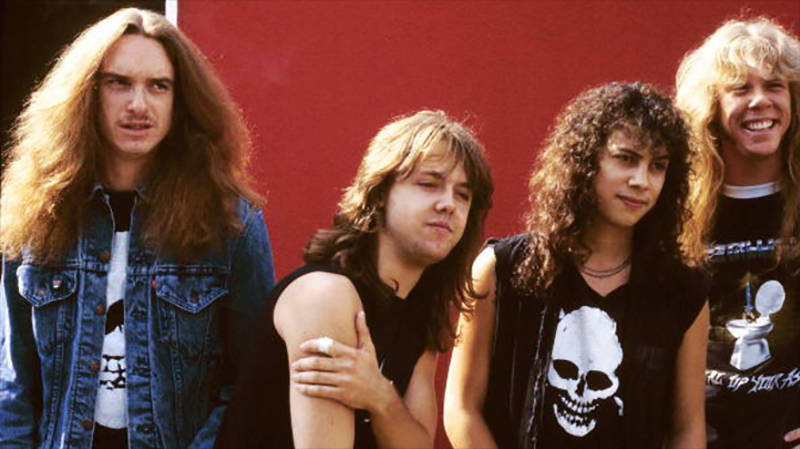
"caption": "Metallica in 1985, L-R: Cliff Burton, Lars Ulrich, Kirk Hammett, James Hetfield ",
"description": "Metallica in 1985, L-R: Cliff Burton, Lars Ulrich, Kirk Hammett, James Hetfield ",
"title": "Metallica 1985",
"credit": "Photo: Mike Cameron/Redferns/Getty Images",
"status": "inherit",
"isLoading": false,
"fetchFailed": false
},
"arts_11168447": {
"type": "attachments",
"id": "arts_11168447",
"meta": {
"index": "attachments_1716263798",
"site": "arts",
"id": "11168447",
"found": true
},
"parent": 11168444,
"imgSizes": {
"thumbnail": {
"file": "https://ww2.kqed.org/app/uploads/sites/2/2015/12/UCTheatre.MAIN_-400x203.jpg",
"width": 400,
"mimeType": "image/jpeg",
"height": 203
},
"post-thumbnail": {
"file": "https://ww2.kqed.org/app/uploads/sites/2/2015/12/UCTheatre.MAIN_-672x372.jpg",
"width": 672,
"mimeType": "image/jpeg",
"height": 372
},
"kqedFullSize": {
"file": "https://ww2.kqed.org/app/uploads/sites/2/2015/12/UCTheatre.MAIN_.jpg",
"width": 800,
"height": 405
},
"guest-author-96": {
"file": "https://ww2.kqed.org/app/uploads/sites/2/2015/12/UCTheatre.MAIN_-96x96.jpg",
"width": 96,
"mimeType": "image/jpeg",
"height": 96
},
"medium": {
"file": "https://ww2.kqed.org/app/uploads/sites/2/2015/12/UCTheatre.MAIN_-800x405.jpg",
"width": 800,
"mimeType": "image/jpeg",
"height": 405
},
"guest-author-64": {
"file": "https://ww2.kqed.org/app/uploads/sites/2/2015/12/UCTheatre.MAIN_-64x64.jpg",
"width": 64,
"mimeType": "image/jpeg",
"height": 64
},
"detail": {
"file": "https://ww2.kqed.org/app/uploads/sites/2/2015/12/UCTheatre.MAIN_-75x75.jpg",
"width": 75,
"mimeType": "image/jpeg",
"height": 75
},
"guest-author-32": {
"file": "https://ww2.kqed.org/app/uploads/sites/2/2015/12/UCTheatre.MAIN_-32x32.jpg",
"width": 32,
"mimeType": "image/jpeg",
"height": 32
},
"medium_large": {
"file": "https://ww2.kqed.org/app/uploads/sites/2/2015/12/UCTheatre.MAIN_-768x389.jpg",
"width": 768,
"mimeType": "image/jpeg",
"height": 389
},
"guest-author-128": {
"file": "https://ww2.kqed.org/app/uploads/sites/2/2015/12/UCTheatre.MAIN_-128x128.jpg",
"width": 128,
"mimeType": "image/jpeg",
"height": 128
}
},
"publishDate": 1450299345,
"modified": 1458585089,
"caption": "A rendering of the new UC Theatre Taube Family Music Hall.",
"description": "A rendering of the new UC Theatre Taube Family Music Hall.",
"title": "UCTheatre.MAIN",
"credit": "Image: Robert Becker/UC Theatre",
"status": "inherit",
"isLoading": false,
"fetchFailed": false
},
"arts_11431421": {
"type": "attachments",
"id": "arts_11431421",
"meta": {
"index": "attachments_1716263798",
"site": "arts",
"id": "11431421",
"found": true
},
"parent": 11392240,
"imgSizes": {
"twentyfourteen-full-width": {
"file": "https://ww2.kqed.org/app/uploads/sites/2/2016/03/Moom.MAIN_-1038x576.jpg",
"width": 1038,
"mimeType": "image/jpeg",
"height": 576
},
"thumbnail": {
"file": "https://ww2.kqed.org/app/uploads/sites/2/2016/03/Moom.MAIN_-400x225.jpg",
"width": 400,
"mimeType": "image/jpeg",
"height": 225
},
"fd-sm": {
"file": "https://ww2.kqed.org/app/uploads/sites/2/2016/03/Moom.MAIN_-960x540.jpg",
"width": 960,
"mimeType": "image/jpeg",
"height": 540
},
"post-thumbnail": {
"file": "https://ww2.kqed.org/app/uploads/sites/2/2016/03/Moom.MAIN_-672x372.jpg",
"width": 672,
"mimeType": "image/jpeg",
"height": 372
},
"kqedFullSize": {
"file": "https://ww2.kqed.org/app/uploads/sites/2/2016/03/Moom.MAIN_.jpg",
"width": 1080,
"height": 608
},
"guest-author-96": {
"file": "https://ww2.kqed.org/app/uploads/sites/2/2016/03/Moom.MAIN_-96x96.jpg",
"width": 96,
"mimeType": "image/jpeg",
"height": 96
},
"medium": {
"file": "https://ww2.kqed.org/app/uploads/sites/2/2016/03/Moom.MAIN_-800x450.jpg",
"width": 800,
"mimeType": "image/jpeg",
"height": 450
},
"guest-author-64": {
"file": "https://ww2.kqed.org/app/uploads/sites/2/2016/03/Moom.MAIN_-64x64.jpg",
"width": 64,
"mimeType": "image/jpeg",
"height": 64
},
"detail": {
"file": "https://ww2.kqed.org/app/uploads/sites/2/2016/03/Moom.MAIN_-75x75.jpg",
"width": 75,
"mimeType": "image/jpeg",
"height": 75
},
"guest-author-32": {
"file": "https://ww2.kqed.org/app/uploads/sites/2/2016/03/Moom.MAIN_-32x32.jpg",
"width": 32,
"mimeType": "image/jpeg",
"height": 32
},
"medium_large": {
"file": "https://ww2.kqed.org/app/uploads/sites/2/2016/03/Moom.MAIN_-768x432.jpg",
"width": 768,
"mimeType": "image/jpeg",
"height": 432
},
"guest-author-128": {
"file": "https://ww2.kqed.org/app/uploads/sites/2/2016/03/Moom.MAIN_-128x128.jpg",
"width": 128,
"mimeType": "image/jpeg",
"height": 128
}
},
"publishDate": 1458776337,
"modified": 1458779034,
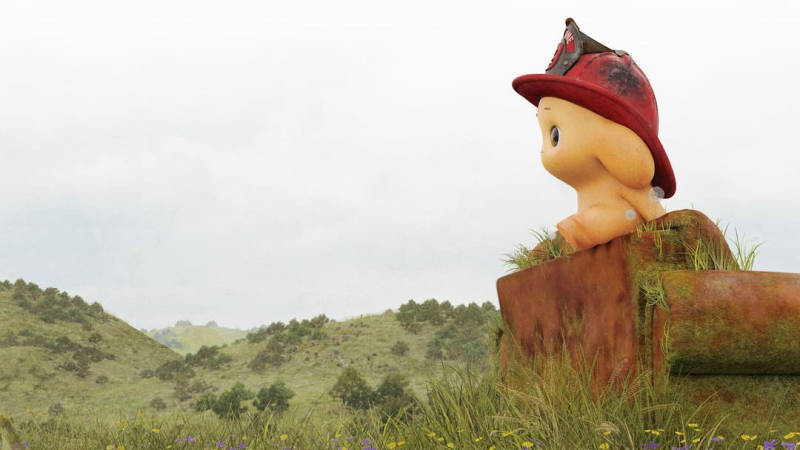
"caption": "A scene from 'Moom.'",
"description": "A scene from 'Moom.'",
"title": "Moom.MAIN",
"credit": "Image: Tonka House",
"status": "inherit",
"isLoading": false,
"fetchFailed": false
},
"arts_11430604": {
"type": "attachments",
"id": "arts_11430604",
"meta": {
"index": "attachments_1716263798",
"site": "arts",
"id": "11430604",
"found": true
},
"parent": 11430497,
"imgSizes": {
"thumbnail": {
"file": "https://ww2.kqed.org/app/uploads/sites/2/2016/03/Phife.Main_-400x225.jpg",
"width": 400,
"mimeType": "image/jpeg",
"height": 225
},
"post-thumbnail": {
"file": "https://ww2.kqed.org/app/uploads/sites/2/2016/03/Phife.Main_-672x372.jpg",
"width": 672,
"mimeType": "image/jpeg",
"height": 372
},
"kqedFullSize": {
"file": "https://ww2.kqed.org/app/uploads/sites/2/2016/03/Phife.Main_.jpg",
"width": 807,
"height": 454
},
"guest-author-96": {
"file": "https://ww2.kqed.org/app/uploads/sites/2/2016/03/Phife.Main_-96x96.jpg",
"width": 96,
"mimeType": "image/jpeg",
"height": 96
},
"medium": {
"file": "https://ww2.kqed.org/app/uploads/sites/2/2016/03/Phife.Main_-800x450.jpg",
"width": 800,
"mimeType": "image/jpeg",
"height": 450
},
"guest-author-64": {
"file": "https://ww2.kqed.org/app/uploads/sites/2/2016/03/Phife.Main_-64x64.jpg",
"width": 64,
"mimeType": "image/jpeg",
"height": 64
},
"detail": {
"file": "https://ww2.kqed.org/app/uploads/sites/2/2016/03/Phife.Main_-75x75.jpg",
"width": 75,
"mimeType": "image/jpeg",
"height": 75
},
"guest-author-32": {
"file": "https://ww2.kqed.org/app/uploads/sites/2/2016/03/Phife.Main_-32x32.jpg",
"width": 32,
"mimeType": "image/jpeg",
"height": 32
},
"medium_large": {
"file": "https://ww2.kqed.org/app/uploads/sites/2/2016/03/Phife.Main_-768x432.jpg",
"width": 768,
"mimeType": "image/jpeg",
"height": 432
},
"guest-author-128": {
"file": "https://ww2.kqed.org/app/uploads/sites/2/2016/03/Phife.Main_-128x128.jpg",
"width": 128,
"mimeType": "image/jpeg",
"height": 128
}
},
"publishDate": 1458751456,
"modified": 1458751849,
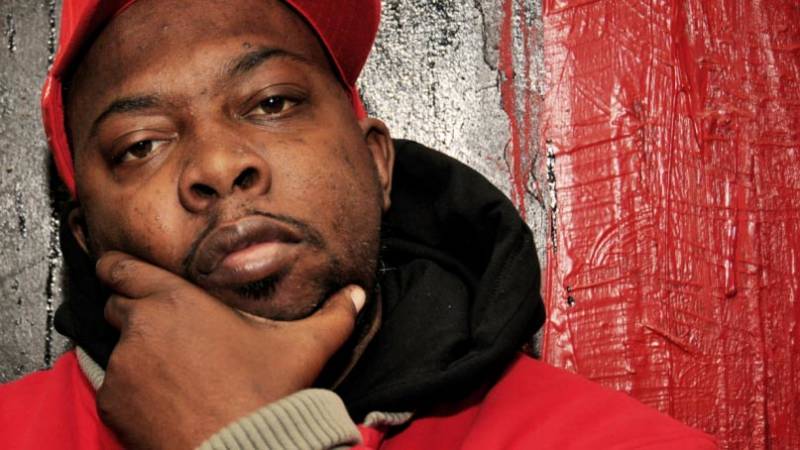
"caption": "Phife Dawg from A Tribe Called Quest, who died in his home in Contra Costa County on Tuesday night.",
"description": "Phife Dawg from A Tribe Called Quest, who died in his home in Contra Costa County on Tuesday night.",
"title": "Phife.Main",
"credit": null,
"status": "inherit",
"isLoading": false,
"fetchFailed": false
},
"stateofhealth_163769": {
"type": "attachments",
"id": "stateofhealth_163769",
"meta": {
"index": "attachments_1716263798",
"site": "stateofhealth",
"id": "163769",
"found": true
},
"parent": 163748,
"imgSizes": {
"twentyfourteen-full-width": {
"file": "https://ww2.kqed.org/app/uploads/sites/27/2016/03/Phife-Dawg-2-800x576.jpg",
"width": 800,
"mimeType": "image/jpeg",
"height": 576
},
"jmtc-small-thumb": {
"file": "https://ww2.kqed.org/app/uploads/sites/27/2016/03/Phife-Dawg-2-280x150.jpg",
"width": 280,
"mimeType": "image/jpeg",
"height": 150
},
"thumbnail": {
"file": "https://ww2.kqed.org/app/uploads/sites/27/2016/03/Phife-Dawg-2-400x301.jpg",
"width": 400,
"mimeType": "image/jpeg",
"height": 301
},
"post-thumbnail": {
"file": "https://ww2.kqed.org/app/uploads/sites/27/2016/03/Phife-Dawg-2-672x372.jpg",
"width": 672,
"mimeType": "image/jpeg",
"height": 372
},
"kqedFullSize": {
"file": "https://ww2.kqed.org/app/uploads/sites/27/2016/03/Phife-Dawg-2.jpg",
"width": 800,
"height": 601
},
"guest-author-96": {
"file": "https://ww2.kqed.org/app/uploads/sites/27/2016/03/Phife-Dawg-2-96x96.jpg",
"width": 96,
"mimeType": "image/jpeg",
"height": 96
},
"medium": {
"file": "https://ww2.kqed.org/app/uploads/sites/27/2016/03/Phife-Dawg-2-800x601.jpg",
"width": 800,
"mimeType": "image/jpeg",
"height": 601
},
"guest-author-64": {
"file": "https://ww2.kqed.org/app/uploads/sites/27/2016/03/Phife-Dawg-2-64x64.jpg",
"width": 64,
"mimeType": "image/jpeg",
"height": 64
},
"detail": {
"file": "https://ww2.kqed.org/app/uploads/sites/27/2016/03/Phife-Dawg-2-75x75.jpg",
"width": 75,
"mimeType": "image/jpeg",
"height": 75
},
"guest-author-32": {
"file": "https://ww2.kqed.org/app/uploads/sites/27/2016/03/Phife-Dawg-2-32x32.jpg",
"width": 32,
"mimeType": "image/jpeg",
"height": 32
},
"medium_large": {
"file": "https://ww2.kqed.org/app/uploads/sites/27/2016/03/Phife-Dawg-2-768x577.jpg",
"width": 768,
"mimeType": "image/jpeg",
"height": 577
},
"guest-author-128": {
"file": "https://ww2.kqed.org/app/uploads/sites/27/2016/03/Phife-Dawg-2-128x128.jpg",
"width": 128,
"mimeType": "image/jpeg",
"height": 128
}
},
"publishDate": 1458775971,
"modified": 1458776017,
"caption": "Phife Dawg performs onstage at the 2012 BET Hip Hop Awards in Atlanta. ",
"description": null,
"title": "BET Hip Hop Awards 2012 - Audience and Show",
"credit": "Chris McKay/Getty Images for BET",
"status": "inherit",
"isLoading": false,
"fetchFailed": false
},
"arts_11333410": {
"type": "attachments",
"id": "arts_11333410",
"meta": {
"index": "attachments_1716263798",
"site": "arts",
"id": "11333410",
"found": true
},
"parent": 0,
"imgSizes": {
"twentyfourteen-full-width": {
"file": "https://ww2.kqed.org/app/uploads/sites/2/2016/02/025-e1455671276277-1038x576.jpg",
"width": 1038,
"mimeType": "image/jpeg",
"height": 576
},
"thumbnail": {
"file": "https://ww2.kqed.org/app/uploads/sites/2/2016/02/025-e1455671276277-400x225.jpg",
"width": 400,
"mimeType": "image/jpeg",
"height": 225
},
"fd-sm": {
"file": "https://ww2.kqed.org/app/uploads/sites/2/2016/02/025-e1455671276277-960x540.jpg",
"width": 960,
"mimeType": "image/jpeg",
"height": 540
},
"post-thumbnail": {
"file": "https://ww2.kqed.org/app/uploads/sites/2/2016/02/025-e1455671276277-672x372.jpg",
"width": 672,
"mimeType": "image/jpeg",
"height": 372
},
"kqedFullSize": {
"file": "https://ww2.kqed.org/app/uploads/sites/2/2016/02/025-e1455671276277.jpg",
"width": 3264,
"height": 1836
},
"large": {
"file": "https://ww2.kqed.org/app/uploads/sites/2/2016/02/025-e1455671276277-1180x664.jpg",
"width": 1180,
"mimeType": "image/jpeg",
"height": 664
},
"guest-author-96": {
"file": "https://ww2.kqed.org/app/uploads/sites/2/2016/02/025-e1455671276277-96x96.jpg",
"width": 96,
"mimeType": "image/jpeg",
"height": 96
},
"medium": {
"file": "https://ww2.kqed.org/app/uploads/sites/2/2016/02/025-e1455671276277-800x450.jpg",
"width": 800,
"mimeType": "image/jpeg",
"height": 450
},
"guest-author-64": {
"file": "https://ww2.kqed.org/app/uploads/sites/2/2016/02/025-e1455671276277-64x64.jpg",
"width": 64,
"mimeType": "image/jpeg",
"height": 64
},
"guest-author-32": {
"file": "https://ww2.kqed.org/app/uploads/sites/2/2016/02/025-e1455671276277-32x32.jpg",
"width": 32,
"mimeType": "image/jpeg",
"height": 32
},
"fd-lrg": {
"file": "https://ww2.kqed.org/app/uploads/sites/2/2016/02/025-e1455671276277-1920x1080.jpg",
"width": 1920,
"mimeType": "image/jpeg",
"height": 1080
},
"fd-med": {
"file": "https://ww2.kqed.org/app/uploads/sites/2/2016/02/025-e1455671276277-1180x664.jpg",
"width": 1180,
"mimeType": "image/jpeg",
"height": 664
},
"detail": {
"file": "https://ww2.kqed.org/app/uploads/sites/2/2016/02/025-e1455671276277-75x75.jpg",
"width": 75,
"mimeType": "image/jpeg",
"height": 75
},
"medium_large": {
"file": "https://ww2.kqed.org/app/uploads/sites/2/2016/02/025-e1455671276277-768x432.jpg",
"width": 768,
"mimeType": "image/jpeg",
"height": 432
},
"guest-author-128": {
"file": "https://ww2.kqed.org/app/uploads/sites/2/2016/02/025-e1455671276277-128x128.jpg",
"width": 128,
"mimeType": "image/jpeg",
"height": 128
}
},
"publishDate": 1455665073,
"modified": 1458694486,
"caption": "Archbishop Franzo King, co-founder of the St. John Coltrane Church",
"description": "Archbishop Franzo King, co-founder of the St. John Coltrane Church",
"title": "Archbishop Franzo King, co-founder of the St. John Coltrane Church",
"credit": "Photo: Cy Musiker/KQED",
"status": "inherit",
"isLoading": false,
"fetchFailed": false
},
"arts_11428652": {
"type": "attachments",
"id": "arts_11428652",
"meta": {
"index": "attachments_1716263798",
"site": "arts",
"id": "11428652",
"found": true
},
"parent": 11428541,
"imgSizes": {
"thumbnail": {
"file": "https://ww2.kqed.org/app/uploads/sites/2/2016/03/CP.Alex_-400x225.jpg",
"width": 400,
"mimeType": "image/jpeg",
"height": 225
},
"post-thumbnail": {
"file": "https://ww2.kqed.org/app/uploads/sites/2/2016/03/CP.Alex_-672x372.jpg",
"width": 672,
"mimeType": "image/jpeg",
"height": 372
},
"kqedFullSize": {
"file": "https://ww2.kqed.org/app/uploads/sites/2/2016/03/CP.Alex_.jpg",
"width": 800,
"height": 450
},
"guest-author-96": {
"file": "https://ww2.kqed.org/app/uploads/sites/2/2016/03/CP.Alex_-96x96.jpg",
"width": 96,
"mimeType": "image/jpeg",
"height": 96
},
"medium": {
"file": "https://ww2.kqed.org/app/uploads/sites/2/2016/03/CP.Alex_-800x450.jpg",
"width": 800,
"mimeType": "image/jpeg",
"height": 450
},
"guest-author-64": {
"file": "https://ww2.kqed.org/app/uploads/sites/2/2016/03/CP.Alex_-64x64.jpg",
"width": 64,
"mimeType": "image/jpeg",
"height": 64
},
"detail": {
"file": "https://ww2.kqed.org/app/uploads/sites/2/2016/03/CP.Alex_-75x75.jpg",
"width": 75,
"mimeType": "image/jpeg",
"height": 75
},
"guest-author-32": {
"file": "https://ww2.kqed.org/app/uploads/sites/2/2016/03/CP.Alex_-32x32.jpg",
"width": 32,
"mimeType": "image/jpeg",
"height": 32
},
"medium_large": {
"file": "https://ww2.kqed.org/app/uploads/sites/2/2016/03/CP.Alex_-768x432.jpg",
"width": 768,
"mimeType": "image/jpeg",
"height": 432
},
"guest-author-128": {
"file": "https://ww2.kqed.org/app/uploads/sites/2/2016/03/CP.Alex_-128x128.jpg",
"width": 128,
"mimeType": "image/jpeg",
"height": 128
}
},
"publishDate": 1458688212,
"modified": 1458688320,
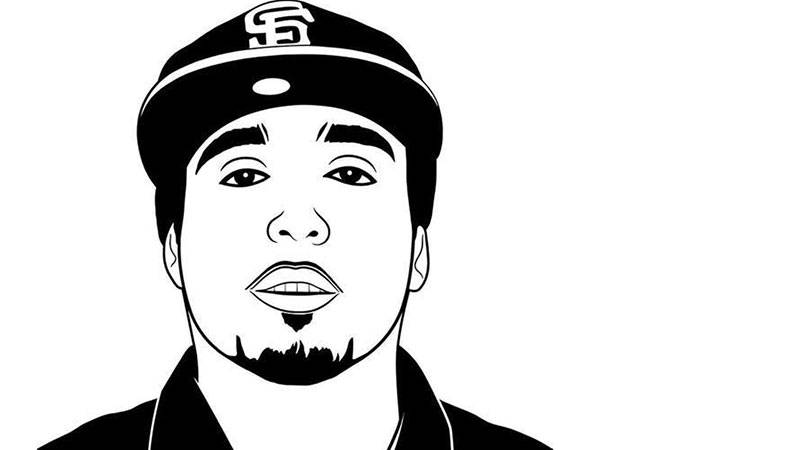
"caption": "The 2014 killing of Alex Nieto by SFPD officers has provoked a musical response from San Francisco songwriter Chuck Prophet.",
"description": "The 2014 killing of Alex Nieto by SFPD officers has provoked a musical response from San Francisco songwriter Chuck Prophet.",
"title": "Chuck Prophet Alex Nieto",
"credit": null,
"status": "inherit",
"isLoading": false,
"fetchFailed": false
},
"arts_11342149": {
"type": "attachments",
"id": "arts_11342149",
"meta": {
"index": "attachments_1716263798",
"site": "arts",
"id": "11342149",
"found": true
},
"parent": 11342155,
"imgSizes": {
"twentyfourteen-full-width": {
"file": "https://ww2.kqed.org/app/uploads/sites/2/2016/02/UCT-1942-2-800x576.jpg",
"width": 800,
"mimeType": "image/jpeg",
"height": 576
},
"thumbnail": {
"file": "https://ww2.kqed.org/app/uploads/sites/2/2016/02/UCT-1942-2-e1458589145540-400x226.jpg",
"width": 400,
"mimeType": "image/jpeg",
"height": 226
},
"post-thumbnail": {
"file": "https://ww2.kqed.org/app/uploads/sites/2/2016/02/UCT-1942-2-e1458589145540-672x372.jpg",
"width": 672,
"mimeType": "image/jpeg",
"height": 372
},
"kqedFullSize": {
"file": "https://ww2.kqed.org/app/uploads/sites/2/2016/02/UCT-1942-2-e1458589145540.jpg",
"width": 798,
"height": 450
},
"guest-author-96": {
"file": "https://ww2.kqed.org/app/uploads/sites/2/2016/02/UCT-1942-2-e1458589145540-96x96.jpg",
"width": 96,
"mimeType": "image/jpeg",
"height": 96
},
"medium": {
"file": "https://ww2.kqed.org/app/uploads/sites/2/2016/02/UCT-1942-2-788x600.jpg",
"width": 788,
"mimeType": "image/jpeg",
"height": 600
},
"guest-author-64": {
"file": "https://ww2.kqed.org/app/uploads/sites/2/2016/02/UCT-1942-2-e1458589145540-64x64.jpg",
"width": 64,
"mimeType": "image/jpeg",
"height": 64
},
"detail": {
"file": "https://ww2.kqed.org/app/uploads/sites/2/2016/02/UCT-1942-2-e1458589145540-75x75.jpg",
"width": 75,
"mimeType": "image/jpeg",
"height": 75
},
"guest-author-32": {
"file": "https://ww2.kqed.org/app/uploads/sites/2/2016/02/UCT-1942-2-e1458589145540-32x32.jpg",
"width": 32,
"mimeType": "image/jpeg",
"height": 32
},
"medium_large": {
"file": "https://ww2.kqed.org/app/uploads/sites/2/2016/02/UCT-1942-2-e1458589145540-768x433.jpg",
"width": 768,
"mimeType": "image/jpeg",
"height": 433
},
"guest-author-128": {
"file": "https://ww2.kqed.org/app/uploads/sites/2/2016/02/UCT-1942-2-e1458589145540-128x128.jpg",
"width": 128,
"mimeType": "image/jpeg",
"height": 128
}
},
"publishDate": 1455922527,
"modified": 1458584992,
"caption": "The UC Theatre in 1942.",
"description": "The UC Theatre in 1942.",
"title": "The UC Theatre in 1942.",
"credit": "Photo courtesy of Berkeley Architectural Heritage Association ",
"status": "inherit",
"isLoading": false,
"fetchFailed": false
},
"news_10900495": {
"type": "attachments",
"id": "news_10900495",
"meta": {
"index": "attachments_1716263798",
"site": "news",
"id": "10900495",
"found": true
},
"parent": 10900308,
"imgSizes": {
"twentyfourteen-full-width": {
"file": "https://ww2.kqed.org/app/uploads/sites/10/2016/03/SignalRoom-1-1038x576.jpg",
"width": 1038,
"mimeType": "image/jpeg",
"height": 576
},
"thumbnail": {
"file": "https://ww2.kqed.org/app/uploads/sites/10/2016/03/SignalRoom-1-400x212.jpg",
"width": 400,
"mimeType": "image/jpeg",
"height": 212
},
"fd-sm": {
"file": "https://ww2.kqed.org/app/uploads/sites/10/2016/03/SignalRoom-1-960x509.jpg",
"width": 960,
"mimeType": "image/jpeg",
"height": 509
},
"post-thumbnail": {
"file": "https://ww2.kqed.org/app/uploads/sites/10/2016/03/SignalRoom-1-672x372.jpg",
"width": 672,
"mimeType": "image/jpeg",
"height": 372
},
"kqedFullSize": {
"file": "https://ww2.kqed.org/app/uploads/sites/10/2016/03/SignalRoom-1.jpg",
"width": 1920,
"height": 1017
},
"large": {
"file": "https://ww2.kqed.org/app/uploads/sites/10/2016/03/SignalRoom-1-1920x1017.jpg",
"width": 1920,
"mimeType": "image/jpeg",
"height": 1017
},
"guest-author-96": {
"file": "https://ww2.kqed.org/app/uploads/sites/10/2016/03/SignalRoom-1-96x96.jpg",
"width": 96,
"mimeType": "image/jpeg",
"height": 96
},
"medium": {
"file": "https://ww2.kqed.org/app/uploads/sites/10/2016/03/SignalRoom-1-800x424.jpg",
"width": 800,
"mimeType": "image/jpeg",
"height": 424
},
"guest-author-64": {
"file": "https://ww2.kqed.org/app/uploads/sites/10/2016/03/SignalRoom-1-64x64.jpg",
"width": 64,
"mimeType": "image/jpeg",
"height": 64
},
"guest-author-32": {
"file": "https://ww2.kqed.org/app/uploads/sites/10/2016/03/SignalRoom-1-32x32.jpg",
"width": 32,
"mimeType": "image/jpeg",
"height": 32
},
"jmtc-small-thumb": {
"file": "https://ww2.kqed.org/app/uploads/sites/10/2016/03/SignalRoom-1-280x150.jpg",
"width": 280,
"mimeType": "image/jpeg",
"height": 150
},
"fd-lrg": {
"file": "https://ww2.kqed.org/app/uploads/sites/10/2016/03/SignalRoom-1-1920x1017.jpg",
"width": 1920,
"mimeType": "image/jpeg",
"height": 1017
},
"fd-med": {
"file": "https://ww2.kqed.org/app/uploads/sites/10/2016/03/SignalRoom-1-1180x625.jpg",
"width": 1180,
"mimeType": "image/jpeg",
"height": 625
},
"detail": {
"file": "https://ww2.kqed.org/app/uploads/sites/10/2016/03/SignalRoom-1-75x75.jpg",
"width": 75,
"mimeType": "image/jpeg",
"height": 75
},
"guest-author-128": {
"file": "https://ww2.kqed.org/app/uploads/sites/10/2016/03/SignalRoom-1-128x128.jpg",
"width": 128,
"mimeType": "image/jpeg",
"height": 128
}
},
"publishDate": 1458327549,
"modified": 1458327571,
"caption": "After the Loma Prieta earthquake struck in 1989, the radio tower was sealed shut -- until Eugene Ashton-Gonzalez found a way to sneak inside. ",
"description": "After the Loma Prieta earthquake struck in 1989, the radio tower was sealed shut -- until Eugene Ashton-Gonzalez found a way to sneak inside. ",
"title": "SignalRoom",
"credit": "Courtesy Mona Caron",
"status": "inherit",
"isLoading": false,
"fetchFailed": false
},
"news_10900939": {
"type": "attachments",
"id": "news_10900939",
"meta": {
"index": "attachments_1716263798",
"site": "news",
"id": "10900939",
"found": true
},
"parent": 10900368,
"imgSizes": {
"twentyfourteen-full-width": {
"file": "https://ww2.kqed.org/app/uploads/sites/10/2016/03/WoodyGuthrie-1038x576.jpg",
"width": 1038,
"mimeType": "image/jpeg",
"height": 576
},
"thumbnail": {
"file": "https://ww2.kqed.org/app/uploads/sites/10/2016/03/WoodyGuthrie-400x294.jpg",
"width": 400,
"mimeType": "image/jpeg",
"height": 294
},
"fd-sm": {
"file": "https://ww2.kqed.org/app/uploads/sites/10/2016/03/WoodyGuthrie-960x706.jpg",
"width": 960,
"mimeType": "image/jpeg",
"height": 706
},
"post-thumbnail": {
"file": "https://ww2.kqed.org/app/uploads/sites/10/2016/03/WoodyGuthrie-672x372.jpg",
"width": 672,
"mimeType": "image/jpeg",
"height": 372
},
"kqedFullSize": {
"file": "https://ww2.kqed.org/app/uploads/sites/10/2016/03/WoodyGuthrie.jpg",
"width": 1920,
"height": 1412
},
"large": {
"file": "https://ww2.kqed.org/app/uploads/sites/10/2016/03/WoodyGuthrie-1920x1412.jpg",
"width": 1920,
"mimeType": "image/jpeg",
"height": 1412
},
"guest-author-96": {
"file": "https://ww2.kqed.org/app/uploads/sites/10/2016/03/WoodyGuthrie-96x96.jpg",
"width": 96,
"mimeType": "image/jpeg",
"height": 96
},
"medium": {
"file": "https://ww2.kqed.org/app/uploads/sites/10/2016/03/WoodyGuthrie-800x588.jpg",
"width": 800,
"mimeType": "image/jpeg",
"height": 588
},
"guest-author-64": {
"file": "https://ww2.kqed.org/app/uploads/sites/10/2016/03/WoodyGuthrie-64x64.jpg",
"width": 64,
"mimeType": "image/jpeg",
"height": 64
},
"guest-author-32": {
"file": "https://ww2.kqed.org/app/uploads/sites/10/2016/03/WoodyGuthrie-32x32.jpg",
"width": 32,
"mimeType": "image/jpeg",
"height": 32
},
"jmtc-small-thumb": {
"file": "https://ww2.kqed.org/app/uploads/sites/10/2016/03/WoodyGuthrie-280x150.jpg",
"width": 280,
"mimeType": "image/jpeg",
"height": 150
},
"fd-lrg": {
"file": "https://ww2.kqed.org/app/uploads/sites/10/2016/03/WoodyGuthrie-1920x1412.jpg",
"width": 1920,
"mimeType": "image/jpeg",
"height": 1412
},
"fd-med": {
"file": "https://ww2.kqed.org/app/uploads/sites/10/2016/03/WoodyGuthrie-1180x868.jpg",
"width": 1180,
"mimeType": "image/jpeg",
"height": 868
},
"detail": {
"file": "https://ww2.kqed.org/app/uploads/sites/10/2016/03/WoodyGuthrie-75x75.jpg",
"width": 75,
"mimeType": "image/jpeg",
"height": 75
},
"guest-author-128": {
"file": "https://ww2.kqed.org/app/uploads/sites/10/2016/03/WoodyGuthrie-128x128.jpg",
"width": 128,
"mimeType": "image/jpeg",
"height": 128
}
},
"publishDate": 1458347545,
"modified": 1458347589,
"caption": "Woody Guthrie near a Shafter labor camp in 1941.",
"description": "Woody Guthrie near a Shafter labor camp in 1941.",
"title": "WoodyGuthrie",
"credit": "Seema Weatherwax",
"status": "inherit",
"isLoading": false,
"fetchFailed": false
},
"pop_21303": {
"type": "attachments",
"id": "pop_21303",
"meta": {
"index": "attachments_1716263798",
"site": "pop",
"id": "21303",
"found": true
},
"parent": 21302,
"imgSizes": {
"thumbnail": {
"file": "https://ww2.kqed.org/app/uploads/sites/12/2016/03/tumblr_inline_o45fe6iFUG1tg8kf9_540-400x236.gif",
"width": 400,
"mimeType": "image/gif",
"height": 236
},
"kqedFullSize": {
"file": "https://ww2.kqed.org/app/uploads/sites/12/2016/03/tumblr_inline_o45fe6iFUG1tg8kf9_540.gif",
"width": 540,
"height": 318
},
"guest-author-96": {
"file": "https://ww2.kqed.org/app/uploads/sites/12/2016/03/tumblr_inline_o45fe6iFUG1tg8kf9_540-96x96.gif",
"width": 96,
"mimeType": "image/gif",
"height": 96
},
"guest-author-64": {
"file": "https://ww2.kqed.org/app/uploads/sites/12/2016/03/tumblr_inline_o45fe6iFUG1tg8kf9_540-64x64.gif",
"width": 64,
"mimeType": "image/gif",
"height": 64
},
"detail": {
"file": "https://ww2.kqed.org/app/uploads/sites/12/2016/03/tumblr_inline_o45fe6iFUG1tg8kf9_540-75x75.gif",
"width": 75,
"mimeType": "image/gif",
"height": 75
},
"guest-author-32": {
"file": "https://ww2.kqed.org/app/uploads/sites/12/2016/03/tumblr_inline_o45fe6iFUG1tg8kf9_540-32x32.gif",
"width": 32,
"mimeType": "image/gif",
"height": 32
},
"guest-author-128": {
"file": "https://ww2.kqed.org/app/uploads/sites/12/2016/03/tumblr_inline_o45fe6iFUG1tg8kf9_540-128x128.gif",
"width": 128,
"mimeType": "image/gif",
"height": 128
}
},
"publishDate": 1458333730,
"modified": 1458333742,
"caption": null,
"description": null,
"title": "beyonce geometry gif",
"credit": null,
"status": "inherit",
"isLoading": false,
"fetchFailed": false
},
"arts_11414789": {
"type": "attachments",
"id": "arts_11414789",
"meta": {
"index": "attachments_1716263798",
"site": "arts",
"id": "11414789",
"found": true
},
"parent": 11414650,
"imgSizes": {
"twentyfourteen-full-width": {
"file": "https://ww2.kqed.org/app/uploads/sites/2/2016/03/El-Son-rehearsal-at-CMC-B-e1458267398926-1038x576.jpg",
"width": 1038,
"mimeType": "image/jpeg",
"height": 576
},
"thumbnail": {
"file": "https://ww2.kqed.org/app/uploads/sites/2/2016/03/El-Son-rehearsal-at-CMC-B-e1458267398926-400x255.jpg",
"width": 400,
"mimeType": "image/jpeg",
"height": 255
},
"fd-sm": {
"file": "https://ww2.kqed.org/app/uploads/sites/2/2016/03/El-Son-rehearsal-at-CMC-B-e1458267398926-960x611.jpg",
"width": 960,
"mimeType": "image/jpeg",
"height": 611
},
"post-thumbnail": {
"file": "https://ww2.kqed.org/app/uploads/sites/2/2016/03/El-Son-rehearsal-at-CMC-B-e1458267398926-672x372.jpg",
"width": 672,
"mimeType": "image/jpeg",
"height": 372
},
"kqedFullSize": {
"file": "https://ww2.kqed.org/app/uploads/sites/2/2016/03/El-Son-rehearsal-at-CMC-B-e1458267398926.jpg",
"width": 3255,
"height": 2072
},
"large": {
"file": "https://ww2.kqed.org/app/uploads/sites/2/2016/03/El-Son-rehearsal-at-CMC-B-e1458267398926-1180x751.jpg",
"width": 1180,
"mimeType": "image/jpeg",
"height": 751
},
"guest-author-96": {
"file": "https://ww2.kqed.org/app/uploads/sites/2/2016/03/El-Son-rehearsal-at-CMC-B-e1458267398926-96x96.jpg",
"width": 96,
"mimeType": "image/jpeg",
"height": 96
},
"medium": {
"file": "https://ww2.kqed.org/app/uploads/sites/2/2016/03/El-Son-rehearsal-at-CMC-B-e1458267398926-800x509.jpg",
"width": 800,
"mimeType": "image/jpeg",
"height": 509
},
"guest-author-64": {
"file": "https://ww2.kqed.org/app/uploads/sites/2/2016/03/El-Son-rehearsal-at-CMC-B-e1458267398926-64x64.jpg",
"width": 64,
"mimeType": "image/jpeg",
"height": 64
},
"guest-author-32": {
"file": "https://ww2.kqed.org/app/uploads/sites/2/2016/03/El-Son-rehearsal-at-CMC-B-e1458267398926-32x32.jpg",
"width": 32,
"mimeType": "image/jpeg",
"height": 32
},
"fd-lrg": {
"file": "https://ww2.kqed.org/app/uploads/sites/2/2016/03/El-Son-rehearsal-at-CMC-B-e1458267398926-1920x1222.jpg",
"width": 1920,
"mimeType": "image/jpeg",
"height": 1222
},
"fd-med": {
"file": "https://ww2.kqed.org/app/uploads/sites/2/2016/03/El-Son-rehearsal-at-CMC-B-e1458267398926-1180x751.jpg",
"width": 1180,
"mimeType": "image/jpeg",
"height": 751
},
"detail": {
"file": "https://ww2.kqed.org/app/uploads/sites/2/2016/03/El-Son-rehearsal-at-CMC-B-e1458267398926-75x75.jpg",
"width": 75,
"mimeType": "image/jpeg",
"height": 75
},
"medium_large": {
"file": "https://ww2.kqed.org/app/uploads/sites/2/2016/03/El-Son-rehearsal-at-CMC-B-e1458267398926-768x489.jpg",
"width": 768,
"mimeType": "image/jpeg",
"height": 489
},
"guest-author-128": {
"file": "https://ww2.kqed.org/app/uploads/sites/2/2016/03/El-Son-rehearsal-at-CMC-B-e1458267398926-128x128.jpg",
"width": 128,
"mimeType": "image/jpeg",
"height": 128
}
},
"publishDate": 1458245459,
"modified": 1458245575,
"caption": "Rehearsal for 'El Son de la Mision at San Francisco's Commmunity Music Center (L-R): Alicia Mana, Luis Garcia Lemus, Camilo Landau, John Calloway, Mario Alberto Silva ",
"description": "Rehearsal for 'El Son de la Mision at San Francisco's Commmunity Music Center (L-R): Alicia Mana, Luis Garcia Lemus, Camilo Landau, John Calloway, Mario Alberto Silva ",
"title": "Rehearsal for 'El Son de la Mision at San Francisco's Commmunity Music Center (L-R): Alicia Mana, Luis Garcia Lemus, Camilo Landau, John Calloway, Mario Alberto Silva",
"credit": "Photo: Courtesy Community Music Center",
"status": "inherit",
"isLoading": false,
"fetchFailed": false
}
},
"audioPlayerReducer": {
"postId": "stream_live",
"isPaused": true,
"isPlaying": false,
"pfsActive": false,
"pledgeModalIsOpen": true,
"playerDrawerIsOpen": false,
"liveAudioPlayStartedAt": 0,
"liveAudioPlayContext": ""
},
"authorsReducer": {
"byline_news_10900308": {
"type": "authors",
"id": "byline_news_10900308",
"meta": {
"override": true
},
"slug": "byline_news_10900308",
"name": "\u003cstrong>\u003ca href=\"http://cironline.org/person/michael-montgomery\">Michael Montgomery\u003c/a>\u003c/strong>",
"isLoading": false
},
"byline_news_10900368": {
"type": "authors",
"id": "byline_news_10900368",
"meta": {
"override": true
},
"slug": "byline_news_10900368",
"name": "\u003cstrong>\u003ca href=\"http://www.kcrw.com/people/avishay-artsy\">Avishay Artsy\u003c/a>\u003c/strong>",
"isLoading": false
},
"ehapsis": {
"type": "authors",
"id": "27",
"meta": {
"index": "authors_1716337520",
"id": "27",
"found": true
},
"name": "Emmanuel Hapsis",
"firstName": "Emmanuel",
"lastName": "Hapsis",
"slug": "ehapsis",
"email": "ehapsis@kqed.org",
"display_author_email": false,
"staff_mastheads": [],
"title": "KQED Contributor",
"bio": "Emmanuel Hapsis is the creator and editor of KQED Pop and also the host of \u003cem>\u003ca href=\"https://itunes.apple.com/us/podcast/the-cooler/id1041117499?mt=2\">The Cooler\u003c/a>\u003c/em>. He studied creative writing at University of Maryland and went on to receive his MFA in the field from California College of the Arts. In his free time, he sings his heart out at karaoke.",
"avatar": "https://secure.gravatar.com/avatar/6302b6f7ef8b2dcd3acd9e2c6bc570b7?s=600&d=blank&r=g",
"twitter": "xcusemybeauty",
"facebook": null,
"instagram": null,
"linkedin": null,
"sites": [
{
"site": "arts",
"roles": [
"Contributor",
"subscriber"
]
},
{
"site": "pop",
"roles": [
"contributor"
]
}
],
"headData": {
"title": "Emmanuel Hapsis | KQED",
"description": "KQED Contributor",
"ogImgSrc": "https://secure.gravatar.com/avatar/6302b6f7ef8b2dcd3acd9e2c6bc570b7?s=600&d=blank&r=g",
"twImgSrc": "https://secure.gravatar.com/avatar/6302b6f7ef8b2dcd3acd9e2c6bc570b7?s=600&d=blank&r=g"
},
"isLoading": false,
"link": "/author/ehapsis"
},
"cmusiker": {
"type": "authors",
"id": "32",
"meta": {
"index": "authors_1716337520",
"id": "32",
"found": true
},
"name": "Cy Musiker",
"firstName": "Cy",
"lastName": "Musiker",
"slug": "cmusiker",
"email": "cmusiker@kqed.org",
"display_author_email": false,
"staff_mastheads": [],
"title": "KQED Contributor",
"bio": "Cy Musiker is a former co-host of The Do List and a former reporter covering the arts for KQED News and The California Report. He loves live performance, especially great theater, jazz, roots music, anything by Mahler. Cy has an MJ from UC Berkeley's School of Journalism, and got his BA from Hampshire College. His work has been recognized by the Society for Professional Journalists with their Sigma Delta Chi Award for Public Service in Journalism. When he can, Cy likes to swim in Tomales Bay, run with his dog in the East Bay Hills, and hike the Sierra.",
"avatar": "https://secure.gravatar.com/avatar/05eaba5c5696ce8f062e4ea2df428a43?s=600&d=blank&r=g",
"twitter": null,
"facebook": null,
"instagram": null,
"linkedin": null,
"sites": [
{
"site": "arts",
"roles": [
"Contributor",
"subscriber"
]
},
{
"site": "news",
"roles": [
"author"
]
},
{
"site": "bayareabites",
"roles": [
"contributor"
]
}
],
"headData": {
"title": "Cy Musiker | KQED",
"description": "KQED Contributor",
"ogImgSrc": "https://secure.gravatar.com/avatar/05eaba5c5696ce8f062e4ea2df428a43?s=600&d=blank&r=g",
"twImgSrc": "https://secure.gravatar.com/avatar/05eaba5c5696ce8f062e4ea2df428a43?s=600&d=blank&r=g"
},
"isLoading": false,
"link": "/author/cmusiker"
},
"kjones": {
"type": "authors",
"id": "93",
"meta": {
"index": "authors_1716337520",
"id": "93",
"found": true
},
"name": "Kevin L. Jones",
"firstName": "Kevin",
"lastName": "Jones",
"slug": "kjones",
"email": "kjones@kqed.org",
"display_author_email": false,
"staff_mastheads": [],
"title": null,
"bio": null,
"avatar": "https://secure.gravatar.com/avatar/12c65b5633ed39d0a59bb7f497eff645?s=600&d=blank&r=g",
"twitter": null,
"facebook": null,
"instagram": null,
"linkedin": null,
"sites": [
{
"site": "arts",
"roles": [
"subscriber"
]
},
{
"site": "styleguide",
"roles": [
"contributor"
]
},
{
"site": "artschool",
"roles": [
"subscriber"
]
},
{
"site": "news",
"roles": [
"subscriber"
]
},
{
"site": "pop",
"roles": [
"subscriber"
]
}
],
"headData": {
"title": "Kevin L. Jones | KQED",
"description": null,
"ogImgSrc": "https://secure.gravatar.com/avatar/12c65b5633ed39d0a59bb7f497eff645?s=600&d=blank&r=g",
"twImgSrc": "https://secure.gravatar.com/avatar/12c65b5633ed39d0a59bb7f497eff645?s=600&d=blank&r=g"
},
"isLoading": false,
"link": "/author/kjones"
},
"gmeline": {
"type": "authors",
"id": "185",
"meta": {
"index": "authors_1716337520",
"id": "185",
"found": true
},
"name": "Gabe Meline",
"firstName": "Gabe",
"lastName": "Meline",
"slug": "gmeline",
"email": "gmeline@kqed.org",
"display_author_email": true,
"staff_mastheads": [
"arts"
],
"title": "Senior Editor, KQED Arts & Culture",
"bio": "Gabe Meline entered journalism at age 15 making photocopied zines, and has since earned awards from the Edward R. Murrow Awards, the Society for Professional Journalists, the Online Journalism Awards, the Association of Alternative Newsweeklies and the California Newspaper Publishers Association. Prior to KQED, he was the editor of the \u003cem>North Bay Bohemian\u003c/em> and a touring musician. He lives with his wife and daughter in his hometown of Santa Rosa, CA.",
"avatar": "https://secure.gravatar.com/avatar/5bebe57be0d8bc2dd318934feb47299e2d2d10cba28d09d8d7afb389a2ce2bdd?s=600&d=blank&r=g",
"twitter": null,
"bluesky": null,
"facebook": null,
"instagram": null,
"linkedin": null,
"sites": [
{
"site": "",
"roles": [
"editor"
]
},
{
"site": "arts",
"roles": [
"administrator"
]
},
{
"site": "artschool",
"roles": [
"editor"
]
},
{
"site": "news",
"roles": [
"author"
]
},
{
"site": "pop",
"roles": [
"editor"
]
},
{
"site": "bayareabites",
"roles": [
"editor"
]
},
{
"site": "food",
"roles": [
"editor"
]
},
{
"site": "forum",
"roles": [
"administrator"
]
},
{
"site": "liveblog",
"roles": [
"editor"
]
},
{
"site": "hiphop",
"roles": [
"editor"
]
}
],
"headData": {
"title": "Gabe Meline | KQED",
"description": "Senior Editor, KQED Arts & Culture",
"ogImgSrc": "https://secure.gravatar.com/avatar/5bebe57be0d8bc2dd318934feb47299e2d2d10cba28d09d8d7afb389a2ce2bdd?s=600&d=blank&r=g",
"twImgSrc": "https://secure.gravatar.com/avatar/5bebe57be0d8bc2dd318934feb47299e2d2d10cba28d09d8d7afb389a2ce2bdd?s=600&d=blank&r=g"
},
"isLoading": false,
"link": "/author/gmeline"
},
"adembosky": {
"type": "authors",
"id": "3205",
"meta": {
"index": "authors_1716337520",
"id": "3205",
"found": true
},
"name": "April Dembosky",
"firstName": "April",
"lastName": "Dembosky",
"slug": "adembosky",
"email": "adembosky@kqed.org",
"display_author_email": false,
"staff_mastheads": [
"news",
"science"
],
"title": "KQED Health Correspondent",
"bio": "April Dembosky is the health correspondent for KQED News and a regular contributor to NPR. She specializes in covering altered states of mind, from postpartum depression to methamphetamine-induced psychosis to the insanity defense. Her investigative series on insurance companies sidestepping mental health laws won multiple awards, including first place in beat reporting from the national Association of Health Care Journalists. She is the recipient of numerous other prizes and fellowships, including a national Edward R. Murrow award for investigative reporting, a Society of Professional Journalists award for long-form storytelling, and a Carter Center Fellowship for Mental Health Journalism.\r\n\r\nDembosky reported and produced \u003cem>Soundtrack of Silence\u003c/em>, an audio documentary about music and memory that is currently being made into a feature film by Paramount Pictures.\r\n\r\nBefore joining KQED in 2013, Dembosky covered technology and Silicon Valley for \u003cem>The Financial Times of London,\u003c/em> and contributed business and arts stories to \u003cem>Marketplace \u003c/em>and \u003cem>The New York Times.\u003c/em> She got her undergraduate degree in philosophy from Smith College and her master's in journalism from the University of California, Berkeley. She is a classically trained violinist and proud alum of the first symphony orchestra at Burning Man.",
"avatar": "https://secure.gravatar.com/avatar/ef92999be4ceb9ea60701e7dc276f813?s=600&d=blank&r=g",
"twitter": "adembosky",
"facebook": null,
"instagram": null,
"linkedin": null,
"sites": [
{
"site": "arts",
"roles": [
"author"
]
},
{
"site": "news",
"roles": [
"editor"
]
},
{
"site": "futureofyou",
"roles": [
"author"
]
},
{
"site": "stateofhealth",
"roles": [
"editor"
]
},
{
"site": "science",
"roles": [
"editor"
]
},
{
"site": "forum",
"roles": [
"editor"
]
}
],
"headData": {
"title": "April Dembosky | KQED",
"description": "KQED Health Correspondent",
"ogImgSrc": "https://secure.gravatar.com/avatar/ef92999be4ceb9ea60701e7dc276f813?s=600&d=blank&r=g",
"twImgSrc": "https://secure.gravatar.com/avatar/ef92999be4ceb9ea60701e7dc276f813?s=600&d=blank&r=g"
},
"isLoading": false,
"link": "/author/adembosky"
},
"shelbypope": {
"type": "authors",
"id": "5566",
"meta": {
"index": "authors_1716337520",
"id": "5566",
"found": true
},
"name": "Shelby Pope",
"firstName": "Shelby",
"lastName": "Pope",
"slug": "shelbypope",
"email": "shelbylpope@gmail.com",
"display_author_email": false,
"staff_mastheads": [],
"title": "KQED Contributor",
"bio": "Shelby Pope is a freelance writer living and eating her way through the East Bay. She’s written about food, art and science for publications including the Smithsonian, Lucky Peach, and the Washington Post's pet blog. When she’s not taste testing sourdough bread to find the Bay Area’s best loaf, you can find her on Twitter \u003ca href=\"https://twitter.com/shelbylpope\">@shelbylpope\u003c/a> or at \u003ca href=\"https://shelbypope.com/\">shelbypope.com\u003c/a>",
"avatar": "https://secure.gravatar.com/avatar/df74e904399e45720e48e36c6e1ae7a90c32216eb2c9c82f3b2e1a9641b507d3?s=600&d=blank&r=g",
"twitter": "shelbylpope",
"bluesky": null,
"facebook": null,
"instagram": null,
"linkedin": null,
"sites": [
{
"site": "arts",
"roles": [
"subscriber"
]
},
{
"site": "food",
"roles": [
"subscriber"
]
}
],
"headData": {
"title": "Shelby Pope | KQED",
"description": "KQED Contributor",
"ogImgSrc": "https://secure.gravatar.com/avatar/df74e904399e45720e48e36c6e1ae7a90c32216eb2c9c82f3b2e1a9641b507d3?s=600&d=blank&r=g",
"twImgSrc": "https://secure.gravatar.com/avatar/df74e904399e45720e48e36c6e1ae7a90c32216eb2c9c82f3b2e1a9641b507d3?s=600&d=blank&r=g"
},
"isLoading": false,
"link": "/author/shelbypope"
},
"mlevenson": {
"type": "authors",
"id": "6624",
"meta": {
"index": "authors_1716337520",
"id": "6624",
"found": true
},
"name": "Max Savage Levenson",
"firstName": "Max",
"lastName": "Savage Levenson",
"slug": "mlevenson",
"email": "m.savagelevenson@gmail.com",
"display_author_email": false,
"staff_mastheads": [],
"title": null,
"bio": null,
"avatar": "https://secure.gravatar.com/avatar/e7f998073c1ba6fec822d9f7dcd8c272?s=600&d=blank&r=g",
"twitter": null,
"facebook": null,
"instagram": null,
"linkedin": null,
"sites": [
{
"site": "arts",
"roles": [
"contributor"
]
},
{
"site": "news",
"roles": [
"author"
]
}
],
"headData": {
"title": "Max Savage Levenson | KQED",
"description": null,
"ogImgSrc": "https://secure.gravatar.com/avatar/e7f998073c1ba6fec822d9f7dcd8c272?s=600&d=blank&r=g",
"twImgSrc": "https://secure.gravatar.com/avatar/e7f998073c1ba6fec822d9f7dcd8c272?s=600&d=blank&r=g"
},
"isLoading": false,
"link": "/author/mlevenson"
}
},
"pagesReducer": {
"arts_category_music": {
"type": "terms",
"id": "arts_69",
"meta": {
"index": "terms_1716263798",
"site": "arts",
"id": "69",
"score": 10.851565
},
"featImg": null,
"name": "Music",
"description": null,
"taxonomy": "category",
"headData": {
"twImgId": null,
"twTitle": null,
"ogTitle": null,
"ogImgId": null,
"twDescription": null,
"description": null,
"title": "Music Archives | KQED Arts",
"ogDescription": null
},
"ttid": 70,
"slug": "music",
"isLoading": false,
"title": "Music",
"pageMeta": {
"site": "arts",
"WpPageTemplate": "page-topic-editorial",
"currentPage": 299
},
"blocks": [
{
"blockName": "kqed/post-list",
"attrs": {
"layout": "cardArticle2",
"query": "posts/arts?category=music",
"seeMore": false,
"paginated": true,
"page": 299
}
},
{
"blockName": "kqed/ad"
}
]
}
},
"pfsSessionReducer": {},
"postsReducer": {
"stream_live": {
"type": "live",
"id": "stream_live",
"audioUrl": "https://streams.kqed.org/kqedradio",
"title": "Live Stream",
"excerpt": "Live Stream information currently unavailable.",
"link": "/radio",
"featImg": "",
"label": {
"name": "KQED Live",
"link": "/"
}
},
"stream_kqedNewscast": {
"type": "posts",
"id": "stream_kqedNewscast",
"audioUrl": "https://www.kqed.org/.stream/anon/radio/RDnews/newscast.mp3?_=1",
"title": "KQED Newscast",
"featImg": "",
"label": {
"name": "88.5 FM",
"link": "/"
}
},
"arts_11433819": {
"type": "posts",
"id": "arts_11433819",
"meta": {
"index": "posts_1716263798",
"site": "arts",
"id": "11433819",
"score": null,
"sort": [
1458868834000
]
},
"guestAuthors": [],
"slug": "metallicas-master-of-puppets-is-first-metal-album-added-to-library-of-congress",
"title": "Metallica's 'Master of Puppets' is First Metal Album Added to Library of Congress",
"publishDate": 1458868834,
"format": "standard",
"headTitle": "Metallica’s ‘Master of Puppets’ is First Metal Album Added to Library of Congress | KQED",
"labelTerm": {
"site": "arts"
},
"content": "\u003cp>Metallica, San Francisco Bay Area’s hometown heroes of thrash metal, learned Wednesday that their landmark 1986 LP, \u003ci>Master Of Puppets\u003c/i> will be the first metal album entered into the \u003ca href=\"https://en.wikipedia.org/wiki/National_Recording_Registry\" target=\"_blank\" rel=\"noopener\">Library of Congress’s National Recording Registry\u003c/a>.\u003c/p>\n\u003cp>The Library of Congress included the album in the 2015 registry, which means it was determined by the federal government to be preserved for all time because of its historical significance. It joins 24 other seminal recordings, including John Coltrane’s \u003ci>A Love Supreme,\u003c/i> Gloria Gaynor’s “I Will Survive” and George Carlin’s \u003ci>Class Clown.\u003c/i>\u003c/p>\n\u003cp>\u003ci>Master of Puppets\u003c/i>, the band’s third album and last with influential bassist Cliff Burton (he would later \u003ca href=\"http://ultimateclassicrock.com/metallica-bassist-cliff-burton-dies-in-a-bus-accident/\" target=\"_blank\" rel=\"noopener\">die in a bus crash while touring\u003c/a> for the album 30 years ago), was not only the band’s first release on major label Elektra, but it saw the band move away from the “Thrash Metal” sound it helped develop in the Bay Area in the ’80s. Songs like “The Thing That Should Not Be” (posted below) saw the group move away from the breakneck speed and bludgeoning riffs of their first two records, and concentrate on the more subtle aspects of songwriting, such as dynamics. \u003c/p>\n\u003cp>https://www.youtube.com/watch?v=bYJGt67Mwmo\u003c/p>\n\u003cp>“Thrash, a reaction against the pop metal of the early 1980s, aimed to renew metal by emphasizing speed and aggression. For example, the song ‘Battery’ on this album — with rhythm guitarist James Hetfield’s galloping power chords, Lars Ulrich’s machine-gun drumming, and lead guitarist Kirk Hammet’s blinding tapped leads — is as rousing an example of the sub-genre as one could find and the technical proficiency is astonishing,” the Library of Congress wrote in an \u003ca href=\"https://www.loc.gov/today/pr/2016/16-056.html\" target=\"_blank\" rel=\"noopener\">announcement about the 2015 registry\u003c/a>. \u003c/p>\n\u003cp>[ad fullwidth]\u003c/p>\n\u003cp>“However, other songs on the record break free of thrash orthodoxy. Cliff Burton’s clean bass lines, volume swells, and careful harmonies, for example, on ‘Orion,’ set that song apart from the standard metal song.”\u003c/p>\n\u003cp>The album was the first thrash metal record to go platinum, eventually selling six million copies.\u003c/p>\n\u003cfigure id=\"attachment_10834476\" class=\"wp-caption aligncenter\" style=\"max-width: 759px\">\u003cimg loading=\"lazy\" decoding=\"async\" src=\"http://ww2.kqed.org/arts/wp-content/uploads/sites/2/2015/07/METALLICA-PALO-ALTO-1983-BRIAN-LEW-759x600.jpg\" alt=\"Cliff Burton and James Hetfield of Metallica, live in Palo Alto in 1983. (Photo by Brian Lew)\" width=\"759\" height=\"600\" class=\"size-medium wp-image-10834476\" srcset=\"https://cdn.kqed.org/wp-content/uploads/sites/2/2015/07/METALLICA-PALO-ALTO-1983-BRIAN-LEW-759x600.jpg 759w, https://cdn.kqed.org/wp-content/uploads/sites/2/2015/07/METALLICA-PALO-ALTO-1983-BRIAN-LEW-400x316.jpg 400w, https://cdn.kqed.org/wp-content/uploads/sites/2/2015/07/METALLICA-PALO-ALTO-1983-BRIAN-LEW.jpg 896w\" sizes=\"(max-width: 759px) 100vw, 759px\">\u003cfigcaption class=\"wp-caption-text\">Cliff Burton and James Hetfield of Metallica, live in Palo Alto in 1983. \u003ccite>(Photo: Brian Lew)\u003c/cite>\u003c/figcaption>\u003c/figure>\n\u003cp>Drummer Lars Urlich posted a statement on \u003ca href=\"https://metallica.com/blog/news/425089/master-of-puppets-added-to-the-library-of-congress\" target=\"_blank\" rel=\"noopener\">the band’s website\u003c/a>: \u003c/p>\n\u003cp>“Who would’ve ever thought that \u003cem>Master of Puppets\u003c/em>, a record made by a band hovering way left of the mainstream in 1986, would be granted the honor of being added to the National Recording Registry of the Library of Congress?”\u003c/p>\n\u003cp>“\u003cem>Master of Puppets\u003c/em> is a collection of songs that we consider a defining moment in our formative years and the honor bestowed upon this album is beyond thrilling.” \u003c/p>\n\u003cp>Other Bay Area-related recordings added to the 2015 registry include Santana’s \u003ci>Abraxas,\u003c/i> which the San Francisco-based group recorded locally in 1970 and features their first number one hit, “Black Magic Woman;” and a recently-discovered 1940 recording from the Golden Gate International Exposition in San Francisco that showcases composers such as Irving Berlin, Johnny Mercer and Hoagy Carmichael playing their biggest hits during a one-of-a-kind concert. \u003c/p>\n\u003cp>\u003c/p>\n\u003cp>Congress began the registry after passing the National Recording Preservation Act of 2000, the goal of which was to protect the nation’s sound recording heritage. The 2015 registry brings the total number of recordings under the government’s protection to 450. \u003c/p>\n\n",
"blocks": [],
"excerpt": "The 30-year-old album joins a list of 450 seminal recordings that are preserved by the Library of Congress.",
"status": "publish",
"parent": 0,
"modified": 1726710086,
"stats": {
"hasAudio": false,
"hasVideo": true,
"hasChartOrMap": false,
"iframeSrcs": [],
"hasGoogleForm": false,
"hasGallery": false,
"hasHearkenModule": false,
"hasPolis": false,
"paragraphCount": 13,
"wordCount": 589
},
"headData": {
"title": "Metallica's 'Master of Puppets' is First Metal Album Added to Library of Congress | KQED",
"description": "The 30-year-old album joins a list of 450 seminal recordings that are preserved by the Library of Congress.",
"ogTitle": "",
"ogDescription": "",
"ogImgId": "",
"twTitle": "",
"twDescription": "",
"twImgId": "",
"schema": {
"@context": "https://schema.org",
"@type": "Article",
"headline": "Metallica's 'Master of Puppets' is First Metal Album Added to Library of Congress",
"datePublished": "2016-03-24T18:20:34-07:00",
"dateModified": "2024-09-18T18:41:26-07:00",
"image": "https://cdn.kqed.org/wp-content/uploads/2020/02/KQED-OG-Image@1x.png"
}
},
"sticky": false,
"path": "/arts/11433819/metallicas-master-of-puppets-is-first-metal-album-added-to-library-of-congress",
"audioTrackLength": null,
"parsedContent": [
{
"type": "contentString",
"content": "\u003cdiv class=\"post-body\">\u003cp>\u003cp>Metallica, San Francisco Bay Area’s hometown heroes of thrash metal, learned Wednesday that their landmark 1986 LP, \u003ci>Master Of Puppets\u003c/i> will be the first metal album entered into the \u003ca href=\"https://en.wikipedia.org/wiki/National_Recording_Registry\" target=\"_blank\" rel=\"noopener\">Library of Congress’s National Recording Registry\u003c/a>.\u003c/p>\n\u003cp>The Library of Congress included the album in the 2015 registry, which means it was determined by the federal government to be preserved for all time because of its historical significance. It joins 24 other seminal recordings, including John Coltrane’s \u003ci>A Love Supreme,\u003c/i> Gloria Gaynor’s “I Will Survive” and George Carlin’s \u003ci>Class Clown.\u003c/i>\u003c/p>\n\u003cp>\u003ci>Master of Puppets\u003c/i>, the band’s third album and last with influential bassist Cliff Burton (he would later \u003ca href=\"http://ultimateclassicrock.com/metallica-bassist-cliff-burton-dies-in-a-bus-accident/\" target=\"_blank\" rel=\"noopener\">die in a bus crash while touring\u003c/a> for the album 30 years ago), was not only the band’s first release on major label Elektra, but it saw the band move away from the “Thrash Metal” sound it helped develop in the Bay Area in the ’80s. Songs like “The Thing That Should Not Be” (posted below) saw the group move away from the breakneck speed and bludgeoning riffs of their first two records, and concentrate on the more subtle aspects of songwriting, such as dynamics. \u003c/p>\u003c/p>\u003cp>\u003cspan class='utils-parseShortcode-shortcodes-__youtubeShortcode__embedYoutube'>\n \u003cspan class='utils-parseShortcode-shortcodes-__youtubeShortcode__embedYoutubeInside'>\n \u003ciframe\n loading='lazy'\n class='utils-parseShortcode-shortcodes-__youtubeShortcode__youtubePlayer'\n type='text/html'\n src='//www.youtube.com/embed/bYJGt67Mwmo'\n title='//www.youtube.com/embed/bYJGt67Mwmo'\n allowfullscreen='true'\n style='border:0;'>\u003c/iframe>\n \u003c/span>\n \u003c/span>\u003c/p>\u003cp>\u003cp>“Thrash, a reaction against the pop metal of the early 1980s, aimed to renew metal by emphasizing speed and aggression. For example, the song ‘Battery’ on this album — with rhythm guitarist James Hetfield’s galloping power chords, Lars Ulrich’s machine-gun drumming, and lead guitarist Kirk Hammet’s blinding tapped leads — is as rousing an example of the sub-genre as one could find and the technical proficiency is astonishing,” the Library of Congress wrote in an \u003ca href=\"https://www.loc.gov/today/pr/2016/16-056.html\" target=\"_blank\" rel=\"noopener\">announcement about the 2015 registry\u003c/a>. \u003c/p>\n\u003cp>\u003c/p>\u003c/div>",
"attributes": {
"named": {},
"numeric": []
}
},
{
"type": "component",
"content": "",
"name": "ad",
"attributes": {
"named": {
"label": "fullwidth"
},
"numeric": [
"fullwidth"
]
}
},
{
"type": "contentString",
"content": "\u003cdiv class=\"post-body\">\u003cp>\u003c/p>\n\u003cp>“However, other songs on the record break free of thrash orthodoxy. Cliff Burton’s clean bass lines, volume swells, and careful harmonies, for example, on ‘Orion,’ set that song apart from the standard metal song.”\u003c/p>\n\u003cp>The album was the first thrash metal record to go platinum, eventually selling six million copies.\u003c/p>\n\u003cfigure id=\"attachment_10834476\" class=\"wp-caption aligncenter\" style=\"max-width: 759px\">\u003cimg loading=\"lazy\" decoding=\"async\" src=\"http://ww2.kqed.org/arts/wp-content/uploads/sites/2/2015/07/METALLICA-PALO-ALTO-1983-BRIAN-LEW-759x600.jpg\" alt=\"Cliff Burton and James Hetfield of Metallica, live in Palo Alto in 1983. (Photo by Brian Lew)\" width=\"759\" height=\"600\" class=\"size-medium wp-image-10834476\" srcset=\"https://cdn.kqed.org/wp-content/uploads/sites/2/2015/07/METALLICA-PALO-ALTO-1983-BRIAN-LEW-759x600.jpg 759w, https://cdn.kqed.org/wp-content/uploads/sites/2/2015/07/METALLICA-PALO-ALTO-1983-BRIAN-LEW-400x316.jpg 400w, https://cdn.kqed.org/wp-content/uploads/sites/2/2015/07/METALLICA-PALO-ALTO-1983-BRIAN-LEW.jpg 896w\" sizes=\"(max-width: 759px) 100vw, 759px\">\u003cfigcaption class=\"wp-caption-text\">Cliff Burton and James Hetfield of Metallica, live in Palo Alto in 1983. \u003ccite>(Photo: Brian Lew)\u003c/cite>\u003c/figcaption>\u003c/figure>\n\u003cp>Drummer Lars Urlich posted a statement on \u003ca href=\"https://metallica.com/blog/news/425089/master-of-puppets-added-to-the-library-of-congress\" target=\"_blank\" rel=\"noopener\">the band’s website\u003c/a>: \u003c/p>\n\u003cp>“Who would’ve ever thought that \u003cem>Master of Puppets\u003c/em>, a record made by a band hovering way left of the mainstream in 1986, would be granted the honor of being added to the National Recording Registry of the Library of Congress?”\u003c/p>\n\u003cp>“\u003cem>Master of Puppets\u003c/em> is a collection of songs that we consider a defining moment in our formative years and the honor bestowed upon this album is beyond thrilling.” \u003c/p>\n\u003cp>Other Bay Area-related recordings added to the 2015 registry include Santana’s \u003ci>Abraxas,\u003c/i> which the San Francisco-based group recorded locally in 1970 and features their first number one hit, “Black Magic Woman;” and a recently-discovered 1940 recording from the Golden Gate International Exposition in San Francisco that showcases composers such as Irving Berlin, Johnny Mercer and Hoagy Carmichael playing their biggest hits during a one-of-a-kind concert. \u003c/p>\n\u003cp>\u003c/p>\n\u003cp>Congress began the registry after passing the National Recording Preservation Act of 2000, the goal of which was to protect the nation’s sound recording heritage. The 2015 registry brings the total number of recordings under the government’s protection to 450. \u003c/p>\n\n\u003c/div>\u003c/p>",
"attributes": {
"named": {},
"numeric": []
}
}
],
"link": "/arts/11433819/metallicas-master-of-puppets-is-first-metal-album-added-to-library-of-congress",
"authors": [
"93"
],
"categories": [
"arts_69",
"arts_235"
],
"tags": [
"arts_746",
"arts_596"
],
"featImg": "arts_11433948",
"label": "arts"
},
"arts_11433590": {
"type": "posts",
"id": "arts_11433590",
"meta": {
"index": "posts_1716263798",
"site": "arts",
"id": "11433590",
"score": null,
"sort": [
1458867614000
]
},
"guestAuthors": [],
"slug": "cy-and-davids-picks-a-new-music-hall-a-singer-songwriter-in-a-music-box-and-an-emo-revival",
"title": "Cy and David's Picks: A New Music Hall, a Singer-Songwriter in a Music Box, and an Emo Revival",
"publishDate": 1458867614,
"format": "standard",
"headTitle": "Cy and David’s Picks: A New Music Hall, a Singer-Songwriter in a Music Box, and an Emo Revival | KQED",
"labelTerm": {
"term": 140,
"site": "arts"
},
"content": "\u003caside class=\"aligncenter\">\n\u003ch4>KQED’s Cy Musiker and David Wiegand share their picks for great events around the Bay Area this week.\u003c/h4>\n\u003cp>http://www.kqed.org/.stream/anon/radio/thedolist/2016/03/TDL20160325.mp3\u003c/p>\n\u003c/aside>\n\u003cp> \u003c/p>\n\u003cfigure id=\"attachment_11433821\" class=\"wp-caption aligncenter\" style=\"max-width: 800px\">\u003cimg loading=\"lazy\" decoding=\"async\" class=\"size-medium wp-image-11433821\" src=\"http://ww2.kqed.org/arts/wp-content/uploads/sites/2/2016/03/008-800x495.jpg\" alt=\"UC Theatre President David Mayeri\" width=\"800\" height=\"495\" srcset=\"https://cdn.kqed.org/wp-content/uploads/sites/2/2016/03/008-800x495.jpg 800w, https://cdn.kqed.org/wp-content/uploads/sites/2/2016/03/008-400x247.jpg 400w, https://cdn.kqed.org/wp-content/uploads/sites/2/2016/03/008-768x475.jpg 768w, https://cdn.kqed.org/wp-content/uploads/sites/2/2016/03/008-1180x730.jpg 1180w, https://cdn.kqed.org/wp-content/uploads/sites/2/2016/03/008-1920x1188.jpg 1920w, https://cdn.kqed.org/wp-content/uploads/sites/2/2016/03/008-960x594.jpg 960w\" sizes=\"(max-width: 800px) 100vw, 800px\">\u003cfigcaption class=\"wp-caption-text\">UC Theatre President David Mayeri \u003ccite>(Photo: Cy Musiker/KQED)\u003c/cite>\u003c/figcaption>\u003c/figure>\n\u003cp>\u003cstrong>March: 26: \u003c/strong>The great New Orleans bandleader \u003ca href=\"http://www.theuctheatre.org/event/1049945-trombone-shorty-orleans-berkeley/\" target=\"_blank\" rel=\"noopener\">Trombone Shorty \u003c/a>plays Berkeley’s \u003ca href=\"http://www.theuctheatre.org/\" target=\"_blank\" rel=\"noopener\">UC Theatre \u003c/a>Saturday night, but the real story here is the venue. The UC Theatre, a movie house built in 1917, has been closed for 14 years, but now it’s been reborn as a non-profit music venue under the leadership of \u003ca href=\"http://ww2.kqed.org/arts/2016/03/21/in-downtown-berkeley-a-grand-rebirth-for-the-uc-theatre/\" target=\"_blank\" rel=\"noopener\">David Mayeri,\u003c/a> the former COO of the now defunct \u003ca href=\"https://en.wikipedia.org/wiki/Bill_Graham_(promoter)\" target=\"_blank\" rel=\"noopener\">Bill Graham Presents\u003c/a>. Mayeri says he’s committed to bringing top national bands to the UC — thereby saving East Bay residents a trip to the Fillmore and other clubs in SF — and offer plenty of community events, including the \u003ca href=\"http://www.theuctheatre.org/event/1059179-bmg-community-event-berkeley-berkeley/\" target=\"_blank\" rel=\"noopener\">Berkeley High School School Jazz Band on June 3\u003c/a>. Upcoming shows include a Dark Star Orchestra residency \u003ca href=\"http://www.theuctheatre.org/event/1027921-dark-star-orchestra-berkeley/\" target=\"_blank\" rel=\"noopener\">April 7-9\u003c/a>, Los Lobos on \u003ca href=\"http://www.theuctheatre.org/event/1033461-los-lobos-berkeley/\" target=\"_blank\" rel=\"noopener\">May 13\u003c/a>, and Joe Jackson on \u003ca href=\"http://www.theuctheatre.org/event/1124359-joe-jackson-berkeley/\" target=\"_blank\" rel=\"noopener\">June 22\u003c/a>.\u003c/p>\n\u003cfigure id=\"attachment_11433823\" class=\"wp-caption aligncenter\" style=\"max-width: 800px\">\u003cimg loading=\"lazy\" decoding=\"async\" class=\"size-medium wp-image-11433823\" src=\"http://ww2.kqed.org/arts/wp-content/uploads/sites/2/2016/03/Colette-Uncensored-800x534.jpg\" alt=\"Lorri Holt as Colette in the show 'Colette Uncensored'\" width=\"800\" height=\"534\" srcset=\"https://cdn.kqed.org/wp-content/uploads/sites/2/2016/03/Colette-Uncensored-800x534.jpg 800w, https://cdn.kqed.org/wp-content/uploads/sites/2/2016/03/Colette-Uncensored-400x267.jpg 400w, https://cdn.kqed.org/wp-content/uploads/sites/2/2016/03/Colette-Uncensored-768x513.jpg 768w, https://cdn.kqed.org/wp-content/uploads/sites/2/2016/03/Colette-Uncensored-1180x787.jpg 1180w, https://cdn.kqed.org/wp-content/uploads/sites/2/2016/03/Colette-Uncensored-1920x1281.jpg 1920w, https://cdn.kqed.org/wp-content/uploads/sites/2/2016/03/Colette-Uncensored-960x641.jpg 960w\" sizes=\"(max-width: 800px) 100vw, 800px\">\u003cfigcaption class=\"wp-caption-text\">Lorri Holt as Colette in the show ‘Colette Uncensored’ \u003ccite>(Photo: David Allen)\u003c/cite>\u003c/figcaption>\u003c/figure>\n\u003cp>\u003cstrong>March 31-May 14:\u003c/strong> Colette, born Sidonie-Gabrielle Colette, is known for her work in vaudeville, her many affairs with men and women, and the feminism that imbued the heroines of her novels. She’s best known for the short story “Gigi,” which inspired the Broadway play (starring Audrey Hepburn, who Colette picked herself), and the Hollywood musical. Now Bay Area actress Lorri Holt (wonderful in Masha and Vanya and Sonia and Spike last year at Berkeley Rep) and Zack Rogow have researched and written \u003cem>\u003ca href=\"http://themarsh.org/colette_uncensored/lorri-holt/\" target=\"_blank\" rel=\"noopener\">Colette Uncensored\u003c/a>\u003c/em>, a bioplay about Colette, including excerpts from a newly published collection of her writings. David Ford directs, which makes us even more eager to see it. Details are \u003ca href=\"http://themarsh.org/colette_uncensored/lorri-holt/\" target=\"_blank\" rel=\"noopener\">here.\u003c/a>\u003c/p>\n\u003cp>https://www.youtube.com/watch?v=t5x-ImlFUiE\u003c/p>\n\u003cp>\u003cstrong>March 25:\u003c/strong> Rachel Efron writes emotionally charged songs that live at the intersection of jazz and pop. “For me, it’s always been that intersection between words and melody, which is I feel where I live. On her new EP \u003cem>Angel No More,\u003c/em> she sounds kind of angry on the title song: “It’s you who knocked me down/Now I’m crawling falling all the way home/I’m your angel no more.” But Efron said in an interview that she’s not so much angry, just more human: “It’s about a person who’s been living as an idealized version of herself, and when she can’t sustain that anymore, everyone grieves it.” At her gig at the \u003ca href=\"http://redpoppyarthouse.org/\" target=\"_blank\" rel=\"noopener\">Red Poppy Art House\u003c/a>, Efron says she’ll play with bassist \u003ca href=\"http://www.aarongermain.com/\" target=\"_blank\" rel=\"noopener\">Aaron Germain\u003c/a>, as filmmaker Mirissa Neff somehow turns the club into a music box. Details \u003ca href=\"http://redpoppyarthouse.org/event/rachel-efron/\" target=\"_blank\" rel=\"noopener\">here.\u003c/a>\u003c/p>\n\u003cfigure id=\"attachment_11433825\" class=\"wp-caption aligncenter\" style=\"max-width: 547px\">\u003cimg loading=\"lazy\" decoding=\"async\" class=\"size-medium wp-image-11433825\" src=\"http://ww2.kqed.org/arts/wp-content/uploads/sites/2/2016/03/Stephen-French-547x600.jpg\" alt=\"A stereograph by Stephen French from 1967\" width=\"547\" height=\"600\" srcset=\"https://cdn.kqed.org/wp-content/uploads/sites/2/2016/03/Stephen-French-547x600.jpg 547w, https://cdn.kqed.org/wp-content/uploads/sites/2/2016/03/Stephen-French-400x439.jpg 400w, https://cdn.kqed.org/wp-content/uploads/sites/2/2016/03/Stephen-French-768x842.jpg 768w, https://cdn.kqed.org/wp-content/uploads/sites/2/2016/03/Stephen-French-960x1053.jpg 960w, https://cdn.kqed.org/wp-content/uploads/sites/2/2016/03/Stephen-French.jpg 1000w\" sizes=\"(max-width: 547px) 100vw, 547px\">\u003cfigcaption class=\"wp-caption-text\">A stereograph by Stephen French from 1967 \u003ccite>(Photo:Douglas Sandberg/San Jose Museum of Art)\u003c/cite>\u003c/figcaption>\u003c/figure>\n\u003cp>\u003cstrong>Continuing through Sept. 18:\u003c/strong> Here’s a way to learn about an important piece of local art history: The San Jose Museum of Art is celebrating artists who began working in the South Bay in the 60’s, after they were recruited by what was then San Jose State College, now San Jose State University. The exhibit features work from the permanent collection of artists like Geoffrey Bowman, Rupert Garcia, Erin Goodwin-Guerrero, and others who also helped found the museum. Find details \u003ca href=\"http://sjmusart.org/exhibition/artists-residence-san-joses-20th-century-vanguard\" target=\"_blank\" rel=\"noopener\">here on \u003cem>Artists in Residence: San Jose’s 20th-Century Vanguard.\u003c/em> \u003c/a>\u003c/p>\n\u003cp>[ad fullwidth]\u003c/p>\n\u003cp>https://www.youtube.com/watch?v=v37BnyHefnY\u003c/p>\n\u003cp>\u003cstrong>March 26:\u003c/strong> Bring your dog, your blanket and a warm coat to this show. \u003ca href=\"http://proxysf.net/blog/?item=7167\" target=\"_blank\" rel=\"noopener\">Proxy\u003c/a> is an almost year-round, free (Cheap Thrill!), outdoor movie series at the intersection of Octavia and Hayes streets in San Francisco. The spring season opens Saturday night with Laurie Anderson’s film \u003cem>Heart of a Dog.\u003c/em> The screening will also be a place for those in need of pooches, as the San Francisco Animal Care and Control will be offering dogs for adoption from 5-7pm. Details \u003ca href=\"http://proxysf.net/events/?item=7175\" target=\"_blank\" rel=\"noopener\">here\u003c/a>\u003c/p>\n\u003cp>https://www.youtube.com/watch?v=GJF5Wa5qizE&list=PLHh4DG6GTyTrvYNNEAe9QbuATWb67L1Tv\u003c/p>\n\u003cp>\u003c/p>\n\u003cp>\u003cstrong>March 31: \u003c/strong>The band\u003ca href=\"http://intoitoverit.com/\" target=\"_blank\" rel=\"noopener\"> Into It Over it \u003c/a>is supposed to be really one man — Evan Weiss — but his third album, \u003cem>Standards,\u003c/em> feels very like a collaboration. Weiss and drummer Josh Sparks holed up in a Vermont cabin for months writing the songs, and the drum work is a dense and wonderful battery for these smart songs. Then they came to San Francisco to work with \u003ca href=\"http://www.tinytelephone.com/\" target=\"_blank\" rel=\"noopener\">John Vanderslice at his Tiny Telephone Studios\u003c/a>. \u003ca href=\"http://www.socialhallsf.com/events/detail/306063\" target=\"_blank\" rel=\"noopener\">Weiss and Sparks play the Social Hall in San Francisco on Thursday\u003c/a> along with The World is a Beautiful Place & I am No Longer Afraid to Die. Could be a magic night.\u003c/p>\n\n",
"blocks": [],
"excerpt": "The Do List's Cy Musiker and David Wiegand share their picks for great Bay Area events March 25-31.",
"status": "publish",
"parent": 0,
"modified": 1726788125,
"stats": {
"hasAudio": true,
"hasVideo": true,
"hasChartOrMap": false,
"iframeSrcs": [],
"hasGoogleForm": false,
"hasGallery": false,
"hasHearkenModule": false,
"hasPolis": false,
"paragraphCount": 8,
"wordCount": 840
},
"headData": {
"title": "Cy and David's Picks: A New Music Hall, a Singer-Songwriter in a Music Box, and an Emo Revival | KQED",
"description": "The Do List's Cy Musiker and David Wiegand share their picks for great Bay Area events March 25-31.",
"ogTitle": "",
"ogDescription": "",
"ogImgId": "",
"twTitle": "",
"twDescription": "",
"twImgId": "",
"schema": {
"@context": "https://schema.org",
"@type": "Article",
"headline": "Cy and David's Picks: A New Music Hall, a Singer-Songwriter in a Music Box, and an Emo Revival",
"datePublished": "2016-03-24T18:00:14-07:00",
"dateModified": "2024-09-19T16:22:05-07:00",
"image": "https://cdn.kqed.org/wp-content/uploads/2020/02/KQED-OG-Image@1x.png"
}
},
"sticky": false,
"path": "/arts/11433590/cy-and-davids-picks-a-new-music-hall-a-singer-songwriter-in-a-music-box-and-an-emo-revival",
"audioUrl": "http://www.kqed.org/.stream/anon/radio/thedolist/2016/03/TDL20160325.mp3",
"audioDuration": null,
"audioTrackLength": null,
"parsedContent": [
{
"type": "contentString",
"content": "\u003cdiv class=\"post-body\">\u003cp>\u003caside class=\"aligncenter\">\n\u003ch4>KQED’s Cy Musiker and David Wiegand share their picks for great events around the Bay Area this week.\u003c/h4>\u003c/p>\u003c/div>",
"attributes": {
"named": {},
"numeric": []
}
},
{
"type": "component",
"content": "",
"name": "audioLink",
"attributes": {
"named": {
"src": "http://www.kqed.org/.stream/anon/radio/thedolist/2016/03/TDL20160325.mp3"
},
"numeric": []
}
},
{
"type": "contentString",
"content": "\u003cdiv class=\"post-body\">\u003cp>\u003c/aside>\n\u003cp> \u003c/p>\n\u003cfigure id=\"attachment_11433821\" class=\"wp-caption aligncenter\" style=\"max-width: 800px\">\u003cimg loading=\"lazy\" decoding=\"async\" class=\"size-medium wp-image-11433821\" src=\"http://ww2.kqed.org/arts/wp-content/uploads/sites/2/2016/03/008-800x495.jpg\" alt=\"UC Theatre President David Mayeri\" width=\"800\" height=\"495\" srcset=\"https://cdn.kqed.org/wp-content/uploads/sites/2/2016/03/008-800x495.jpg 800w, https://cdn.kqed.org/wp-content/uploads/sites/2/2016/03/008-400x247.jpg 400w, https://cdn.kqed.org/wp-content/uploads/sites/2/2016/03/008-768x475.jpg 768w, https://cdn.kqed.org/wp-content/uploads/sites/2/2016/03/008-1180x730.jpg 1180w, https://cdn.kqed.org/wp-content/uploads/sites/2/2016/03/008-1920x1188.jpg 1920w, https://cdn.kqed.org/wp-content/uploads/sites/2/2016/03/008-960x594.jpg 960w\" sizes=\"(max-width: 800px) 100vw, 800px\">\u003cfigcaption class=\"wp-caption-text\">UC Theatre President David Mayeri \u003ccite>(Photo: Cy Musiker/KQED)\u003c/cite>\u003c/figcaption>\u003c/figure>\n\u003cp>\u003cstrong>March: 26: \u003c/strong>The great New Orleans bandleader \u003ca href=\"http://www.theuctheatre.org/event/1049945-trombone-shorty-orleans-berkeley/\" target=\"_blank\" rel=\"noopener\">Trombone Shorty \u003c/a>plays Berkeley’s \u003ca href=\"http://www.theuctheatre.org/\" target=\"_blank\" rel=\"noopener\">UC Theatre \u003c/a>Saturday night, but the real story here is the venue. The UC Theatre, a movie house built in 1917, has been closed for 14 years, but now it’s been reborn as a non-profit music venue under the leadership of \u003ca href=\"http://ww2.kqed.org/arts/2016/03/21/in-downtown-berkeley-a-grand-rebirth-for-the-uc-theatre/\" target=\"_blank\" rel=\"noopener\">David Mayeri,\u003c/a> the former COO of the now defunct \u003ca href=\"https://en.wikipedia.org/wiki/Bill_Graham_(promoter)\" target=\"_blank\" rel=\"noopener\">Bill Graham Presents\u003c/a>. Mayeri says he’s committed to bringing top national bands to the UC — thereby saving East Bay residents a trip to the Fillmore and other clubs in SF — and offer plenty of community events, including the \u003ca href=\"http://www.theuctheatre.org/event/1059179-bmg-community-event-berkeley-berkeley/\" target=\"_blank\" rel=\"noopener\">Berkeley High School School Jazz Band on June 3\u003c/a>. Upcoming shows include a Dark Star Orchestra residency \u003ca href=\"http://www.theuctheatre.org/event/1027921-dark-star-orchestra-berkeley/\" target=\"_blank\" rel=\"noopener\">April 7-9\u003c/a>, Los Lobos on \u003ca href=\"http://www.theuctheatre.org/event/1033461-los-lobos-berkeley/\" target=\"_blank\" rel=\"noopener\">May 13\u003c/a>, and Joe Jackson on \u003ca href=\"http://www.theuctheatre.org/event/1124359-joe-jackson-berkeley/\" target=\"_blank\" rel=\"noopener\">June 22\u003c/a>.\u003c/p>\n\u003cfigure id=\"attachment_11433823\" class=\"wp-caption aligncenter\" style=\"max-width: 800px\">\u003cimg loading=\"lazy\" decoding=\"async\" class=\"size-medium wp-image-11433823\" src=\"http://ww2.kqed.org/arts/wp-content/uploads/sites/2/2016/03/Colette-Uncensored-800x534.jpg\" alt=\"Lorri Holt as Colette in the show 'Colette Uncensored'\" width=\"800\" height=\"534\" srcset=\"https://cdn.kqed.org/wp-content/uploads/sites/2/2016/03/Colette-Uncensored-800x534.jpg 800w, https://cdn.kqed.org/wp-content/uploads/sites/2/2016/03/Colette-Uncensored-400x267.jpg 400w, https://cdn.kqed.org/wp-content/uploads/sites/2/2016/03/Colette-Uncensored-768x513.jpg 768w, https://cdn.kqed.org/wp-content/uploads/sites/2/2016/03/Colette-Uncensored-1180x787.jpg 1180w, https://cdn.kqed.org/wp-content/uploads/sites/2/2016/03/Colette-Uncensored-1920x1281.jpg 1920w, https://cdn.kqed.org/wp-content/uploads/sites/2/2016/03/Colette-Uncensored-960x641.jpg 960w\" sizes=\"(max-width: 800px) 100vw, 800px\">\u003cfigcaption class=\"wp-caption-text\">Lorri Holt as Colette in the show ‘Colette Uncensored’ \u003ccite>(Photo: David Allen)\u003c/cite>\u003c/figcaption>\u003c/figure>\n\u003cp>\u003cstrong>March 31-May 14:\u003c/strong> Colette, born Sidonie-Gabrielle Colette, is known for her work in vaudeville, her many affairs with men and women, and the feminism that imbued the heroines of her novels. She’s best known for the short story “Gigi,” which inspired the Broadway play (starring Audrey Hepburn, who Colette picked herself), and the Hollywood musical. Now Bay Area actress Lorri Holt (wonderful in Masha and Vanya and Sonia and Spike last year at Berkeley Rep) and Zack Rogow have researched and written \u003cem>\u003ca href=\"http://themarsh.org/colette_uncensored/lorri-holt/\" target=\"_blank\" rel=\"noopener\">Colette Uncensored\u003c/a>\u003c/em>, a bioplay about Colette, including excerpts from a newly published collection of her writings. David Ford directs, which makes us even more eager to see it. Details are \u003ca href=\"http://themarsh.org/colette_uncensored/lorri-holt/\" target=\"_blank\" rel=\"noopener\">here.\u003c/a>\u003c/p>\u003c/p>\u003cp>\u003cspan class='utils-parseShortcode-shortcodes-__youtubeShortcode__embedYoutube'>\n \u003cspan class='utils-parseShortcode-shortcodes-__youtubeShortcode__embedYoutubeInside'>\n \u003ciframe\n loading='lazy'\n class='utils-parseShortcode-shortcodes-__youtubeShortcode__youtubePlayer'\n type='text/html'\n src='//www.youtube.com/embed/t5x-ImlFUiE'\n title='//www.youtube.com/embed/t5x-ImlFUiE'\n allowfullscreen='true'\n style='border:0;'>\u003c/iframe>\n \u003c/span>\n \u003c/span>\u003c/p>\u003cp>\u003cp>\u003cstrong>March 25:\u003c/strong> Rachel Efron writes emotionally charged songs that live at the intersection of jazz and pop. “For me, it’s always been that intersection between words and melody, which is I feel where I live. On her new EP \u003cem>Angel No More,\u003c/em> she sounds kind of angry on the title song: “It’s you who knocked me down/Now I’m crawling falling all the way home/I’m your angel no more.” But Efron said in an interview that she’s not so much angry, just more human: “It’s about a person who’s been living as an idealized version of herself, and when she can’t sustain that anymore, everyone grieves it.” At her gig at the \u003ca href=\"http://redpoppyarthouse.org/\" target=\"_blank\" rel=\"noopener\">Red Poppy Art House\u003c/a>, Efron says she’ll play with bassist \u003ca href=\"http://www.aarongermain.com/\" target=\"_blank\" rel=\"noopener\">Aaron Germain\u003c/a>, as filmmaker Mirissa Neff somehow turns the club into a music box. Details \u003ca href=\"http://redpoppyarthouse.org/event/rachel-efron/\" target=\"_blank\" rel=\"noopener\">here.\u003c/a>\u003c/p>\n\u003cfigure id=\"attachment_11433825\" class=\"wp-caption aligncenter\" style=\"max-width: 547px\">\u003cimg loading=\"lazy\" decoding=\"async\" class=\"size-medium wp-image-11433825\" src=\"http://ww2.kqed.org/arts/wp-content/uploads/sites/2/2016/03/Stephen-French-547x600.jpg\" alt=\"A stereograph by Stephen French from 1967\" width=\"547\" height=\"600\" srcset=\"https://cdn.kqed.org/wp-content/uploads/sites/2/2016/03/Stephen-French-547x600.jpg 547w, https://cdn.kqed.org/wp-content/uploads/sites/2/2016/03/Stephen-French-400x439.jpg 400w, https://cdn.kqed.org/wp-content/uploads/sites/2/2016/03/Stephen-French-768x842.jpg 768w, https://cdn.kqed.org/wp-content/uploads/sites/2/2016/03/Stephen-French-960x1053.jpg 960w, https://cdn.kqed.org/wp-content/uploads/sites/2/2016/03/Stephen-French.jpg 1000w\" sizes=\"(max-width: 547px) 100vw, 547px\">\u003cfigcaption class=\"wp-caption-text\">A stereograph by Stephen French from 1967 \u003ccite>(Photo:Douglas Sandberg/San Jose Museum of Art)\u003c/cite>\u003c/figcaption>\u003c/figure>\n\u003cp>\u003cstrong>Continuing through Sept. 18:\u003c/strong> Here’s a way to learn about an important piece of local art history: The San Jose Museum of Art is celebrating artists who began working in the South Bay in the 60’s, after they were recruited by what was then San Jose State College, now San Jose State University. The exhibit features work from the permanent collection of artists like Geoffrey Bowman, Rupert Garcia, Erin Goodwin-Guerrero, and others who also helped found the museum. Find details \u003ca href=\"http://sjmusart.org/exhibition/artists-residence-san-joses-20th-century-vanguard\" target=\"_blank\" rel=\"noopener\">here on \u003cem>Artists in Residence: San Jose’s 20th-Century Vanguard.\u003c/em> \u003c/a>\u003c/p>\n\u003cp>\u003c/p>\u003c/div>",
"attributes": {
"named": {},
"numeric": []
}
},
{
"type": "component",
"content": "",
"name": "ad",
"attributes": {
"named": {
"label": "fullwidth"
},
"numeric": [
"fullwidth"
]
}
},
{
"type": "contentString",
"content": "\u003cdiv class=\"post-body\">\u003cp>\u003c/p>\u003c/p>\u003cp>\u003cspan class='utils-parseShortcode-shortcodes-__youtubeShortcode__embedYoutube'>\n \u003cspan class='utils-parseShortcode-shortcodes-__youtubeShortcode__embedYoutubeInside'>\n \u003ciframe\n loading='lazy'\n class='utils-parseShortcode-shortcodes-__youtubeShortcode__youtubePlayer'\n type='text/html'\n src='//www.youtube.com/embed/v37BnyHefnY'\n title='//www.youtube.com/embed/v37BnyHefnY'\n allowfullscreen='true'\n style='border:0;'>\u003c/iframe>\n \u003c/span>\n \u003c/span>\u003c/p>\u003cp>\u003cp>\u003cstrong>March 26:\u003c/strong> Bring your dog, your blanket and a warm coat to this show. \u003ca href=\"http://proxysf.net/blog/?item=7167\" target=\"_blank\" rel=\"noopener\">Proxy\u003c/a> is an almost year-round, free (Cheap Thrill!), outdoor movie series at the intersection of Octavia and Hayes streets in San Francisco. The spring season opens Saturday night with Laurie Anderson’s film \u003cem>Heart of a Dog.\u003c/em> The screening will also be a place for those in need of pooches, as the San Francisco Animal Care and Control will be offering dogs for adoption from 5-7pm. Details \u003ca href=\"http://proxysf.net/events/?item=7175\" target=\"_blank\" rel=\"noopener\">here\u003c/a>\u003c/p>\u003c/p>\u003cp>\u003cspan class='utils-parseShortcode-shortcodes-__youtubeShortcode__embedYoutube'>\n \u003cspan class='utils-parseShortcode-shortcodes-__youtubeShortcode__embedYoutubeInside'>\n \u003ciframe\n loading='lazy'\n class='utils-parseShortcode-shortcodes-__youtubeShortcode__youtubePlayer'\n type='text/html'\n src='//www.youtube.com/embed/GJF5Wa5qizE'\n title='//www.youtube.com/embed/GJF5Wa5qizE'\n allowfullscreen='true'\n style='border:0;'>\u003c/iframe>\n \u003c/span>\n \u003c/span>\u003c/p>\u003cp>\u003cp>\u003c/p>\n\u003cp>\u003cstrong>March 31: \u003c/strong>The band\u003ca href=\"http://intoitoverit.com/\" target=\"_blank\" rel=\"noopener\"> Into It Over it \u003c/a>is supposed to be really one man — Evan Weiss — but his third album, \u003cem>Standards,\u003c/em> feels very like a collaboration. Weiss and drummer Josh Sparks holed up in a Vermont cabin for months writing the songs, and the drum work is a dense and wonderful battery for these smart songs. Then they came to San Francisco to work with \u003ca href=\"http://www.tinytelephone.com/\" target=\"_blank\" rel=\"noopener\">John Vanderslice at his Tiny Telephone Studios\u003c/a>. \u003ca href=\"http://www.socialhallsf.com/events/detail/306063\" target=\"_blank\" rel=\"noopener\">Weiss and Sparks play the Social Hall in San Francisco on Thursday\u003c/a> along with The World is a Beautiful Place & I am No Longer Afraid to Die. Could be a magic night.\u003c/p>\n\n\u003c/div>\u003c/p>",
"attributes": {
"named": {},
"numeric": []
}
}
],
"link": "/arts/11433590/cy-and-davids-picks-a-new-music-hall-a-singer-songwriter-in-a-music-box-and-an-emo-revival",
"authors": [
"32"
],
"programs": [
"arts_140"
],
"categories": [
"arts_1",
"arts_74",
"arts_69",
"arts_967",
"arts_70"
],
"tags": [
"arts_1119",
"arts_1118",
"arts_596",
"arts_626"
],
"featImg": "arts_11168447",
"label": "arts_140"
},
"arts_11392240": {
"type": "posts",
"id": "arts_11392240",
"meta": {
"index": "posts_1716263798",
"site": "arts",
"id": "11392240",
"score": null,
"sort": [
1458831629000
]
},
"parent": 0,
"labelTerm": {
"site": "arts"
},
"blocks": [],
"publishDate": 1458831629,
"format": "standard",
"title": "Listen First, Film Later: The Scene-Setting Music of 'Moom'",
"headTitle": "Listen First, Film Later: The Scene-Setting Music of ‘Moom’ | KQED",
"content": "\u003cp>There’s a scene in \u003cem>The Dam Keeper\u003c/em>, the Oscar-nominated animated 2014 short film from Berkeley’s \u003ca href=\"http://www.tonkohouse.com/\">\u003cstrong>Tonko House Studios\u003c/strong>\u003c/a>, in which poor Pig gets stuffed into a toilet in the school bathroom by a pack of nasty ogre-faced bullies. But when the quick-witted Fox comes in and sees Pig’s little feet under the stall, a gentle piano figure starts to build. As light creeps into the dark, gray bathroom, the two characters begin to sketch pictures of the sinister punks, laughing giddily all the while. Suddenly, a huge string section hits with gale-force strength, and the dingy bathroom becomes fully illuminated in a gorgeous glow.\u003c/p>\n\u003cp>While the scene flows effortlessly, built with emotional precision, its construction was anything but simple. In fact, its dynamics and pace aren’t even solely the work of the film’s directors. Instead of adding music to an existing scene, the score itself had actually \u003cem>formed\u003c/em> the scene — which was painstakingly repainted by hand once the directors heard the music.\u003c/p>\n\u003cfigure id=\"attachment_11431431\" class=\"wp-caption alignright\" style=\"max-width: 630px\">\u003cimg loading=\"lazy\" decoding=\"async\" src=\"http://ww2.kqed.org/arts/wp-content/uploads/sites/2/2016/03/Moom.Screengrab.jpg\" alt=\"A scene from 'Moom.'\" width=\"630\" height=\"353\" class=\"size-full wp-image-11431431\" srcset=\"https://cdn.kqed.org/wp-content/uploads/sites/2/2016/03/Moom.Screengrab.jpg 630w, https://cdn.kqed.org/wp-content/uploads/sites/2/2016/03/Moom.Screengrab-400x224.jpg 400w\" sizes=\"(max-width: 630px) 100vw, 630px\">\u003cfigcaption class=\"wp-caption-text\">A scene from ‘Moom.’\u003c/figcaption>\u003c/figure>\n\u003cp>This back-and-forth dance between picture and music, which courses its way through the film, is at the heart of the relationship between Tonko House’s Dice Tsutsumi and Robert Kondo — both Pixar art director veterans — and their musical partners Zach Johnston and Matteo Roberts, who’ve both been involved with the indie-rock ensemble \u003ca href=\"https://www.youtube.com/watch?v=tcnQ9-qWSfc\">Phox\u003c/a>. Their collaboration is built on the idea that a film’s music and its picture do not need to be constructed independently, and instead can feed and inspire each other. But such a process is also insanely tedious; Johnson told me that in the course of their collaborations, some scenes are re-scored 10 times. “Even if you get it right,” he explains, “the timing might change.”\u003c/p>\n\u003cp>Yet that tedium hasn’t stopped Johnston and Roberts from teaming up again with Tonko House for their upcoming second release, \u003cem>Moom, \u003c/em>which premiered at San Jose’s Cinequest Film Festival earlier this month. “When we started \u003cem>Moom\u003c/em>, we didn’t even think about anyone else [to write the score]. [It became] a long journey of them trying to hit the feeling while we were still trying to get feeling for the film,” Tsutsumi says. “I don’t think every composer would be able to do that.”\u003c/p>\n\u003cp>While \u003cem>The Dam Keeper\u003c/em>’s characters and plot line were easy enough to follow without words, \u003cem>Moom\u003c/em>’s narrative is far more abstract. Based on a Japanese children’s book of the same name, \u003cem>Moom\u003c/em> explores the challenges and importance of how we let go of memories and accept changes in our lives.\u003c/p>\n\u003cfigure id=\"attachment_11431541\" class=\"wp-caption aligncenter\" style=\"max-width: 625px\">\u003cimg loading=\"lazy\" decoding=\"async\" src=\"http://ww2.kqed.org/arts/wp-content/uploads/sites/2/2016/03/Tonko.jpg\" alt=\"Daisuke “Dice” Tsutsumi and Robert Kondo (L-R) of Tonko House.\" width=\"625\" height=\"310\" class=\"size-full wp-image-11431541\" srcset=\"https://cdn.kqed.org/wp-content/uploads/sites/2/2016/03/Tonko.jpg 625w, https://cdn.kqed.org/wp-content/uploads/sites/2/2016/03/Tonko-400x198.jpg 400w\" sizes=\"(max-width: 625px) 100vw, 625px\">\u003cfigcaption class=\"wp-caption-text\">Daisuke “Dice” Tsutsumi and Robert Kondo (L-R) of Tonko House. \u003ccite>(Tonko House)\u003c/cite>\u003c/figcaption>\u003c/figure>\n\u003cp>In the film, memories manifest themselves in the form of giggling 3D balloon-like characters, who then in turn spend their days releasing \u003cem>other\u003c/em> memories that have washed up in the pastoral wonderland that they inhabit with an unnamed (and unexplained) astronaut. The astronaut wears a clunky space suit with an American flag, trains surface majestically out of a lake, memories pop out of ballet slippers, an ensemble of jittery memory blobs form an impressive jazz combo, and the bright yellow title character laps it all up with wide-eyed glee.\u003c/p>\n\u003cp>[ad fullwidth]\u003c/p>\n\u003cp>The score for \u003cem>Moom \u003c/em>was recorded over the course of two bright December days at Berkeley’s famed Fantasy Studios and conducted by Magik*Magik Orchestra’s Minna Choi. Musicians came in for a couple hours at a time, and as they recorded, the score grew, accumulating layers of sound in both dramatic leaps, as with the addition of a string section, and in elegant minutiae, with the subtleties of a harp. Johnston and Roberts had flown in from Wisconsin for the recording and subsequent mixing; Johnston padded slowly around the control room with his hands behind his back, like a scientist watching an experiment unfold, while Tsutsumi camped out in the brightly-lit live room with a camera on a tripod, filming the musicians gleefully. The film itself played on screens overhead, flashing to help mark time. “In [those] two days, it went from a fun art project to ‘We made a film!’” Kondo told me. “It was the only time a tear welled up.”\u003c/p>\n\u003cp>https://www.youtube.com/watch?v=7Vg4yFnIQSg\u003c/p>\n\u003cp>The finished score brings a degree of clarity to an otherwise perplexing piece of art. When I asked Kondo and Tsutsumi which scenes were most reinforced or effected by the music, they quickly point to a moment towards the end of \u003cem>Moom\u003c/em> in which the unnamed female character finally learns to let go. As she floats away, in the midst of a sumptuous, uber-realistic sunrise, the sweep of the strings and the plink of the piano all but disappear, leaving only a faint chord in their wake, building suspense as we wait to watch her fate. “[Johnston and Roberts] gave [that scene] breath that it didn’t have before,” Kondo says. “They completely did their own interpretation,” Tsutsumi adds glowingly. “It works so much better.” \u003c/p>\n\u003cp>Yet it’s the film’s final moment that was most drastically altered by the music. (Don’t worry — no spoilers here). It’s a testament to Tonko House’s open-mindedness and flexibility that the final, culminating moment of their project; the moment a filmmaker dreams about, often slaves over, would make a complete 180-degree turn simply in response to the music.\u003c/p>\n\u003cp>\u003c/p>\n\u003cp>In both of their releases, Tonko House have put their trust in their musical collaborators; they’ve used music not merely to add to their story but have made it part of the story. As a result? They’ve created films that are, to some degree, out of their hands. \u003c/p>\n\n",
"stats": {
"hasVideo": true,
"hasChartOrMap": false,
"hasAudio": false,
"hasPolis": false,
"wordCount": 1029,
"hasGoogleForm": false,
"hasGallery": false,
"hasHearkenModule": false,
"iframeSrcs": [],
"paragraphCount": 12
},
"modified": 1705044773,
"excerpt": "Pixar veterans Dice Tsutsumi and Robert Kondo trust their musical collaborators so much that they let the score shape their films instead of the other way around.",
"headData": {
"twImgId": "",
"twTitle": "",
"ogTitle": "",
"ogImgId": "",
"twDescription": "",
"description": "Pixar veterans Dice Tsutsumi and Robert Kondo trust their musical collaborators so much that they let the score shape their films instead of the other way around.",
"title": "Listen First, Film Later: The Scene-Setting Music of 'Moom' | KQED",
"ogDescription": "",
"schema": {
"@context": "https://schema.org",
"@type": "Article",
"headline": "Listen First, Film Later: The Scene-Setting Music of 'Moom'",
"datePublished": "2016-03-24T08:00:29-07:00",
"dateModified": "2024-01-11T23:32:53-08:00",
"image": "https://cdn.kqed.org/wp-content/uploads/2020/02/KQED-OG-Image@1x.png"
}
},
"guestAuthors": [],
"slug": "tonko-house-phox-moom-pixar-soundtrack",
"status": "publish",
"sticky": false,
"path": "/arts/11392240/tonko-house-phox-moom-pixar-soundtrack",
"audioTrackLength": null,
"parsedContent": [
{
"type": "contentString",
"content": "\u003cdiv class=\"post-body\">\u003cp>\u003cp>There’s a scene in \u003cem>The Dam Keeper\u003c/em>, the Oscar-nominated animated 2014 short film from Berkeley’s \u003ca href=\"http://www.tonkohouse.com/\">\u003cstrong>Tonko House Studios\u003c/strong>\u003c/a>, in which poor Pig gets stuffed into a toilet in the school bathroom by a pack of nasty ogre-faced bullies. But when the quick-witted Fox comes in and sees Pig’s little feet under the stall, a gentle piano figure starts to build. As light creeps into the dark, gray bathroom, the two characters begin to sketch pictures of the sinister punks, laughing giddily all the while. Suddenly, a huge string section hits with gale-force strength, and the dingy bathroom becomes fully illuminated in a gorgeous glow.\u003c/p>\n\u003cp>While the scene flows effortlessly, built with emotional precision, its construction was anything but simple. In fact, its dynamics and pace aren’t even solely the work of the film’s directors. Instead of adding music to an existing scene, the score itself had actually \u003cem>formed\u003c/em> the scene — which was painstakingly repainted by hand once the directors heard the music.\u003c/p>\n\u003cfigure id=\"attachment_11431431\" class=\"wp-caption alignright\" style=\"max-width: 630px\">\u003cimg loading=\"lazy\" decoding=\"async\" src=\"http://ww2.kqed.org/arts/wp-content/uploads/sites/2/2016/03/Moom.Screengrab.jpg\" alt=\"A scene from 'Moom.'\" width=\"630\" height=\"353\" class=\"size-full wp-image-11431431\" srcset=\"https://cdn.kqed.org/wp-content/uploads/sites/2/2016/03/Moom.Screengrab.jpg 630w, https://cdn.kqed.org/wp-content/uploads/sites/2/2016/03/Moom.Screengrab-400x224.jpg 400w\" sizes=\"(max-width: 630px) 100vw, 630px\">\u003cfigcaption class=\"wp-caption-text\">A scene from ‘Moom.’\u003c/figcaption>\u003c/figure>\n\u003cp>This back-and-forth dance between picture and music, which courses its way through the film, is at the heart of the relationship between Tonko House’s Dice Tsutsumi and Robert Kondo — both Pixar art director veterans — and their musical partners Zach Johnston and Matteo Roberts, who’ve both been involved with the indie-rock ensemble \u003ca href=\"https://www.youtube.com/watch?v=tcnQ9-qWSfc\">Phox\u003c/a>. Their collaboration is built on the idea that a film’s music and its picture do not need to be constructed independently, and instead can feed and inspire each other. But such a process is also insanely tedious; Johnson told me that in the course of their collaborations, some scenes are re-scored 10 times. “Even if you get it right,” he explains, “the timing might change.”\u003c/p>\n\u003cp>Yet that tedium hasn’t stopped Johnston and Roberts from teaming up again with Tonko House for their upcoming second release, \u003cem>Moom, \u003c/em>which premiered at San Jose’s Cinequest Film Festival earlier this month. “When we started \u003cem>Moom\u003c/em>, we didn’t even think about anyone else [to write the score]. [It became] a long journey of them trying to hit the feeling while we were still trying to get feeling for the film,” Tsutsumi says. “I don’t think every composer would be able to do that.”\u003c/p>\n\u003cp>While \u003cem>The Dam Keeper\u003c/em>’s characters and plot line were easy enough to follow without words, \u003cem>Moom\u003c/em>’s narrative is far more abstract. Based on a Japanese children’s book of the same name, \u003cem>Moom\u003c/em> explores the challenges and importance of how we let go of memories and accept changes in our lives.\u003c/p>\n\u003cfigure id=\"attachment_11431541\" class=\"wp-caption aligncenter\" style=\"max-width: 625px\">\u003cimg loading=\"lazy\" decoding=\"async\" src=\"http://ww2.kqed.org/arts/wp-content/uploads/sites/2/2016/03/Tonko.jpg\" alt=\"Daisuke “Dice” Tsutsumi and Robert Kondo (L-R) of Tonko House.\" width=\"625\" height=\"310\" class=\"size-full wp-image-11431541\" srcset=\"https://cdn.kqed.org/wp-content/uploads/sites/2/2016/03/Tonko.jpg 625w, https://cdn.kqed.org/wp-content/uploads/sites/2/2016/03/Tonko-400x198.jpg 400w\" sizes=\"(max-width: 625px) 100vw, 625px\">\u003cfigcaption class=\"wp-caption-text\">Daisuke “Dice” Tsutsumi and Robert Kondo (L-R) of Tonko House. \u003ccite>(Tonko House)\u003c/cite>\u003c/figcaption>\u003c/figure>\n\u003cp>In the film, memories manifest themselves in the form of giggling 3D balloon-like characters, who then in turn spend their days releasing \u003cem>other\u003c/em> memories that have washed up in the pastoral wonderland that they inhabit with an unnamed (and unexplained) astronaut. The astronaut wears a clunky space suit with an American flag, trains surface majestically out of a lake, memories pop out of ballet slippers, an ensemble of jittery memory blobs form an impressive jazz combo, and the bright yellow title character laps it all up with wide-eyed glee.\u003c/p>\n\u003cp>\u003c/p>\u003c/div>",
"attributes": {
"named": {},
"numeric": []
}
},
{
"type": "component",
"content": "",
"name": "ad",
"attributes": {
"named": {
"label": "fullwidth"
},
"numeric": [
"fullwidth"
]
}
},
{
"type": "contentString",
"content": "\u003cdiv class=\"post-body\">\u003cp>\u003c/p>\n\u003cp>The score for \u003cem>Moom \u003c/em>was recorded over the course of two bright December days at Berkeley’s famed Fantasy Studios and conducted by Magik*Magik Orchestra’s Minna Choi. Musicians came in for a couple hours at a time, and as they recorded, the score grew, accumulating layers of sound in both dramatic leaps, as with the addition of a string section, and in elegant minutiae, with the subtleties of a harp. Johnston and Roberts had flown in from Wisconsin for the recording and subsequent mixing; Johnston padded slowly around the control room with his hands behind his back, like a scientist watching an experiment unfold, while Tsutsumi camped out in the brightly-lit live room with a camera on a tripod, filming the musicians gleefully. The film itself played on screens overhead, flashing to help mark time. “In [those] two days, it went from a fun art project to ‘We made a film!’” Kondo told me. “It was the only time a tear welled up.”\u003c/p>\u003c/p>\u003cp>\u003cspan class='utils-parseShortcode-shortcodes-__youtubeShortcode__embedYoutube'>\n \u003cspan class='utils-parseShortcode-shortcodes-__youtubeShortcode__embedYoutubeInside'>\n \u003ciframe\n loading='lazy'\n class='utils-parseShortcode-shortcodes-__youtubeShortcode__youtubePlayer'\n type='text/html'\n src='//www.youtube.com/embed/7Vg4yFnIQSg'\n title='//www.youtube.com/embed/7Vg4yFnIQSg'\n allowfullscreen='true'\n style='border:0;'>\u003c/iframe>\n \u003c/span>\n \u003c/span>\u003c/p>\u003cp>\u003cp>The finished score brings a degree of clarity to an otherwise perplexing piece of art. When I asked Kondo and Tsutsumi which scenes were most reinforced or effected by the music, they quickly point to a moment towards the end of \u003cem>Moom\u003c/em> in which the unnamed female character finally learns to let go. As she floats away, in the midst of a sumptuous, uber-realistic sunrise, the sweep of the strings and the plink of the piano all but disappear, leaving only a faint chord in their wake, building suspense as we wait to watch her fate. “[Johnston and Roberts] gave [that scene] breath that it didn’t have before,” Kondo says. “They completely did their own interpretation,” Tsutsumi adds glowingly. “It works so much better.” \u003c/p>\n\u003cp>Yet it’s the film’s final moment that was most drastically altered by the music. (Don’t worry — no spoilers here). It’s a testament to Tonko House’s open-mindedness and flexibility that the final, culminating moment of their project; the moment a filmmaker dreams about, often slaves over, would make a complete 180-degree turn simply in response to the music.\u003c/p>\n\u003cp>\u003c/p>\n\u003cp>In both of their releases, Tonko House have put their trust in their musical collaborators; they’ve used music not merely to add to their story but have made it part of the story. As a result? They’ve created films that are, to some degree, out of their hands. \u003c/p>\n\n\u003c/div>\u003c/p>",
"attributes": {
"named": {},
"numeric": []
}
}
],
"link": "/arts/11392240/tonko-house-phox-moom-pixar-soundtrack",
"authors": [
"6624"
],
"categories": [
"arts_74",
"arts_69"
],
"tags": [
"arts_1118",
"arts_596"
],
"featImg": "arts_11431421",
"label": "arts"
},
"arts_11430497": {
"type": "posts",
"id": "arts_11430497",
"meta": {
"index": "posts_1716263798",
"site": "arts",
"id": "11430497",
"score": null,
"sort": [
1458752206000
]
},
"guestAuthors": [],
"slug": "why-phife-mattered-remembering-hip-hops-relatable-mc",
"title": "Why Phife Mattered: Remembering Hip-Hop's Relatable MC",
"publishDate": 1458752206,
"format": "standard",
"headTitle": "Why Phife Mattered: Remembering Hip-Hop’s Relatable MC | KQED",
"labelTerm": {
"site": "arts"
},
"content": "\u003cp>First, let’s talk about one of the greatest entrances in all of hip-hop: A Tribe Called Quest’s “Buggin’ Out” begins with a single bass line, loping around a rootless, vague key, when the drums come in… \u003cem>on the two\u003c/em>? And Phife starts rapping to establish the downbeat… \u003cem>on the three\u003c/em>? We’re already disoriented. Phife sets us straight:\u003c/p>\n\u003cp>\u003cem>Microphone check, one two, what is this? / The five-foot assassin with the roughneck business\u003cbr />\nI float like gravity / never had a cavity / Got more rhymes than the Winans got family\u003c/em>\u003c/p>\n\u003cp>https://www.youtube.com/watch?v=P9oTCzWRuvQ\u003c/p>\n\u003cp>We had arguments, my friends and I, over who delivered the better opening line: Q-Tip’s “\u003ca href=\"https://www.youtube.com/watch?v=NZWS6CITutY\" target=\"_blank\" rel=\"noopener noreferrer\">Back in the days when I was a teenager\u003c/a>” vs. Phife’s “Microphone check, one two, what is this.” We vacillated. We knew one thing, at least, in my circle of friends: if “Buggin’ Out” came on and you nailed the off-time entrance, you were good. Q-Tip’s lines may have \u003ca href=\"http://abmnewyork.blogspot.com/2008/07/tribe-called-quest-x-alife.html\" target=\"_blank\" rel=\"noopener noreferrer\">made T-shirts\u003c/a>, but Phife guides “Buggin’ Out” in all its lopsided glory. \u003ca href=\"http://ontheblockshop.tumblr.com/post/136667569371/styles-upon-styles-upon-styles-is-what-we-have\" target=\"_blank\" rel=\"noopener noreferrer\">Styles upon styles upon styles\u003c/a>, indeed.\u003c/p>\n\u003cp>[ad fullwidth]\u003c/p>\n\u003cp>Phife Dawg, who \u003ca href=\"http://www.rollingstone.com/music/news/a-tribe-called-quests-phife-dawg-dead-at-45-20160323\" target=\"_blank\" rel=\"noopener noreferrer\">died\u003c/a> at the age of 45 at his home near Antioch, in Contra Costa County, was hip-hop royalty while still seeming like one of us. Q-Tip gets most of the credit for Tribe, of course, and he deserves plenty for finding Tribe’s samples, producing songs, crafting their structure. But whereas Tip was smooth, distant, impossibly cool, Phife was instantly relatable. He was \u003ca href=\"http://www.usatoday.com/story/life/entertainthis/2016/03/23/mac-miller-remembers-phife-dawg-new-song-5-foot-assassin/82156952/\" target=\"_blank\" rel=\"noopener noreferrer\">short\u003c/a>, he had \u003ca href=\"http://genius.com/67291\" target=\"_blank\" rel=\"noopener noreferrer\">diabetes\u003c/a>, he was a little insecure about \u003ca href=\"https://www.youtube.com/watch?v=d6OuoH7WDPI\" target=\"_blank\" rel=\"noopener noreferrer\">his crushes\u003c/a>, and all these things made his successes on the mic more exhilarating.\u003c/p>\n\u003cfigure id=\"attachment_11430606\" class=\"wp-caption alignright\" style=\"max-width: 640px\">\u003cimg loading=\"lazy\" decoding=\"async\" src=\"http://ww2.kqed.org/arts/wp-content/uploads/sites/2/2016/03/Tribe.Check_-1180x1163.jpg\" alt=\"'Check the Rhime' 12", A Tribe Called Quest, 1993.\" width=\"640\" height=\"631\" class=\"size-large wp-image-11430606\" srcset=\"https://cdn.kqed.org/wp-content/uploads/sites/2/2016/03/Tribe.Check_-1180x1163.jpg 1180w, https://cdn.kqed.org/wp-content/uploads/sites/2/2016/03/Tribe.Check_-400x394.jpg 400w, https://cdn.kqed.org/wp-content/uploads/sites/2/2016/03/Tribe.Check_-609x600.jpg 609w, https://cdn.kqed.org/wp-content/uploads/sites/2/2016/03/Tribe.Check_-768x757.jpg 768w, https://cdn.kqed.org/wp-content/uploads/sites/2/2016/03/Tribe.Check_-960x946.jpg 960w, https://cdn.kqed.org/wp-content/uploads/sites/2/2016/03/Tribe.Check_-32x32.jpg 32w, https://cdn.kqed.org/wp-content/uploads/sites/2/2016/03/Tribe.Check_-64x64.jpg 64w, https://cdn.kqed.org/wp-content/uploads/sites/2/2016/03/Tribe.Check_-96x96.jpg 96w, https://cdn.kqed.org/wp-content/uploads/sites/2/2016/03/Tribe.Check_-75x75.jpg 75w, https://cdn.kqed.org/wp-content/uploads/sites/2/2016/03/Tribe.Check_.jpg 1600w\" sizes=\"(max-width: 640px) 100vw, 640px\" />\u003cfigcaption class=\"wp-caption-text\">‘Check the Rhime’ 12″, A Tribe Called Quest, 1993.\u003c/figcaption>\u003c/figure>\n\u003cp>It’s a function of social media, in the wake of celebrity death, to don rose-colored glasses. But seeing hundreds of thousands of people \u003ca href=\"https://twitter.com/search?q=%23RIPPhife&src=typd\" target=\"_blank\" rel=\"noopener noreferrer\">type his lines into their phones\u003c/a> all over the world makes a case that \u003ca href=\"https://www.youtube.com/watch?v=F3PW2dXh0dk\" target=\"_blank\" rel=\"noopener noreferrer\">on the boulevard of Linden\u003c/a>, Phife owned the more memorable ones:\u003c/p>\n\u003cp>\u003cem>Now here’s a funky introduction of how nice I am\u003cbr />\nTell your mother, tell your father, send a telegram\u003c/em>\u003c/p>\n\u003cp>\u003cem>I like ’em brown, yellow, Puerto Rican or Haitian\u003cbr />\nName is Phife Dawg from the Zulu Nation\u003c/em>\u003c/p>\n\u003cp>\u003cem>I never half-step ’cause I’m not a half-stepper\u003cbr />\nDrink a lot of soda so they call me Dr. Pepper\u003c/em>\u003c/p>\n\u003cp>These lines are woven into the fabric of rap music, and for a certain generation of hip-hop fans, it’s impossible to think of Phife in any objective, non-personal way. (When my daughter was born and we brought her home from the hospital, \u003cem>The Low End Theory\u003c/em> was \u003ca href=\"https://www.instagram.com/p/BDTW80TySZs/\" target=\"_blank\" rel=\"noopener noreferrer\">the first album we played\u003c/a> for her.) He \u003ca href=\"https://www.youtube.com/watch?v=d6OuoH7WDPI\" target=\"_blank\" rel=\"noopener noreferrer\">used to have a crush on Dawn from En Vogue\u003c/a>. Who didn’t? Phife was your friend who got picked on in school, but who one day showed everyone just how smart and funny he was inside, and then nothing’s ever the same in your circle of friends since.\u003c/p>\n\u003cp>https://www.youtube.com/watch?v=PTwKWV5Sx94\u003c/p>\n\u003cp>Whatever rift existed between Q-Tip and Phife, in the moments the two reunited – locally, at the Berkeley Community Theater in 2006, Outside Lands in 2009, or Rock the Bells in 2010 – Tribe brought simple unadulterated joy. When the two were split, it was a shame. For Phife, who spent his last years \u003ca href=\"http://www.eastbayexpress.com/oakland/phife-dawgs-triumphal-return/Content?oid=2043994\" target=\"_blank\" rel=\"noopener noreferrer\">living quietly\u003c/a> in Contra Costa County and battling diabetes, the extended hiatus must have been tough. The \u003ca href=\"http://www.sonyclassics.com/beatsrhymesandlife/\" target=\"_blank\" rel=\"noopener noreferrer\">uncomfortable documentary\u003c/a> about Tribe, with heaps of drama and little about their artistry, must have been tough. Seeing Q-Tip’s solo albums \u003ca href=\"http://www.metroactive.com/bohemian/12.24.08/music-0852.html\" target=\"_blank\" rel=\"noopener noreferrer\">top critic’s lists\u003c/a> must have been tough. I’ll echo what others are saying: I hope they made peace.\u003c/p>\n\u003cp>Why? Why do we care so much about those two being good with each other? People we never met? Because as confused kids ourselves, trying to \u003ca href=\"https://www.youtube.com/watch?v=qciFbvXaX3Q\" target=\"_blank\" rel=\"noopener noreferrer\">find our way\u003c/a>, the magic they made together told us that there was a better world. It could be attained out of nothing but our friends, our talent, our collective personalities and our close bond. And it could be expressed in the simplest of words:\u003c/p>\n\u003cp>\u003cem>You on point, Phife?\u003c/em>\u003c/p>\n\u003cp>\u003cem>All the time, Tip.\u003c/em>\u003c/p>\n\u003cp>[ad floatright]\u003c/p>\n",
"blocks": [],
"excerpt": "Phife Dawg from A Tribe Called Quest was the McCartney to Q-Tip's Lennon—an instantly relatable MC whose lyrics are woven into the fabric of hip-hop.",
"status": "publish",
"parent": 0,
"modified": 1726710102,
"stats": {
"hasAudio": false,
"hasVideo": true,
"hasChartOrMap": false,
"iframeSrcs": [],
"hasGoogleForm": false,
"hasGallery": false,
"hasHearkenModule": false,
"hasPolis": false,
"paragraphCount": 15,
"wordCount": 735
},
"headData": {
"title": "Why Phife Mattered: Remembering Hip-Hop's Relatable MC | KQED",
"description": "Phife Dawg from A Tribe Called Quest was the McCartney to Q-Tip's Lennon—an instantly relatable MC whose lyrics are woven into the fabric of hip-hop.",
"ogTitle": "",
"ogDescription": "",
"ogImgId": "",
"twTitle": "",
"twDescription": "",
"twImgId": "",
"schema": {
"@context": "https://schema.org",
"@type": "Article",
"headline": "Why Phife Mattered: Remembering Hip-Hop's Relatable MC",
"datePublished": "2016-03-23T09:56:46-07:00",
"dateModified": "2024-09-18T18:41:42-07:00",
"image": "https://cdn.kqed.org/wp-content/uploads/2020/02/KQED-OG-Image@1x.png"
}
},
"sticky": false,
"templateType": "standard",
"featuredImageType": "standard",
"path": "/arts/11430497/why-phife-mattered-remembering-hip-hops-relatable-mc",
"audioTrackLength": null,
"parsedContent": [
{
"type": "contentString",
"content": "\u003cdiv class=\"post-body\">\u003cp>\u003cp>First, let’s talk about one of the greatest entrances in all of hip-hop: A Tribe Called Quest’s “Buggin’ Out” begins with a single bass line, loping around a rootless, vague key, when the drums come in… \u003cem>on the two\u003c/em>? And Phife starts rapping to establish the downbeat… \u003cem>on the three\u003c/em>? We’re already disoriented. Phife sets us straight:\u003c/p>\n\u003cp>\u003cem>Microphone check, one two, what is this? / The five-foot assassin with the roughneck business\u003cbr />\nI float like gravity / never had a cavity / Got more rhymes than the Winans got family\u003c/em>\u003c/p>\u003c/p>\u003cp>\u003cspan class='utils-parseShortcode-shortcodes-__youtubeShortcode__embedYoutube'>\n \u003cspan class='utils-parseShortcode-shortcodes-__youtubeShortcode__embedYoutubeInside'>\n \u003ciframe\n loading='lazy'\n class='utils-parseShortcode-shortcodes-__youtubeShortcode__youtubePlayer'\n type='text/html'\n src='//www.youtube.com/embed/P9oTCzWRuvQ'\n title='//www.youtube.com/embed/P9oTCzWRuvQ'\n allowfullscreen='true'\n style='border:0;'>\u003c/iframe>\n \u003c/span>\n \u003c/span>\u003c/p>\u003cp>\u003cp>We had arguments, my friends and I, over who delivered the better opening line: Q-Tip’s “\u003ca href=\"https://www.youtube.com/watch?v=NZWS6CITutY\" target=\"_blank\" rel=\"noopener noreferrer\">Back in the days when I was a teenager\u003c/a>” vs. Phife’s “Microphone check, one two, what is this.” We vacillated. We knew one thing, at least, in my circle of friends: if “Buggin’ Out” came on and you nailed the off-time entrance, you were good. Q-Tip’s lines may have \u003ca href=\"http://abmnewyork.blogspot.com/2008/07/tribe-called-quest-x-alife.html\" target=\"_blank\" rel=\"noopener noreferrer\">made T-shirts\u003c/a>, but Phife guides “Buggin’ Out” in all its lopsided glory. \u003ca href=\"http://ontheblockshop.tumblr.com/post/136667569371/styles-upon-styles-upon-styles-is-what-we-have\" target=\"_blank\" rel=\"noopener noreferrer\">Styles upon styles upon styles\u003c/a>, indeed.\u003c/p>\n\u003cp>\u003c/p>\u003c/div>",
"attributes": {
"named": {},
"numeric": []
}
},
{
"type": "component",
"content": "",
"name": "ad",
"attributes": {
"named": {
"label": "fullwidth"
},
"numeric": [
"fullwidth"
]
}
},
{
"type": "contentString",
"content": "\u003cdiv class=\"post-body\">\u003cp>\u003c/p>\n\u003cp>Phife Dawg, who \u003ca href=\"http://www.rollingstone.com/music/news/a-tribe-called-quests-phife-dawg-dead-at-45-20160323\" target=\"_blank\" rel=\"noopener noreferrer\">died\u003c/a> at the age of 45 at his home near Antioch, in Contra Costa County, was hip-hop royalty while still seeming like one of us. Q-Tip gets most of the credit for Tribe, of course, and he deserves plenty for finding Tribe’s samples, producing songs, crafting their structure. But whereas Tip was smooth, distant, impossibly cool, Phife was instantly relatable. He was \u003ca href=\"http://www.usatoday.com/story/life/entertainthis/2016/03/23/mac-miller-remembers-phife-dawg-new-song-5-foot-assassin/82156952/\" target=\"_blank\" rel=\"noopener noreferrer\">short\u003c/a>, he had \u003ca href=\"http://genius.com/67291\" target=\"_blank\" rel=\"noopener noreferrer\">diabetes\u003c/a>, he was a little insecure about \u003ca href=\"https://www.youtube.com/watch?v=d6OuoH7WDPI\" target=\"_blank\" rel=\"noopener noreferrer\">his crushes\u003c/a>, and all these things made his successes on the mic more exhilarating.\u003c/p>\n\u003cfigure id=\"attachment_11430606\" class=\"wp-caption alignright\" style=\"max-width: 640px\">\u003cimg loading=\"lazy\" decoding=\"async\" src=\"http://ww2.kqed.org/arts/wp-content/uploads/sites/2/2016/03/Tribe.Check_-1180x1163.jpg\" alt=\"'Check the Rhime' 12", A Tribe Called Quest, 1993.\" width=\"640\" height=\"631\" class=\"size-large wp-image-11430606\" srcset=\"https://cdn.kqed.org/wp-content/uploads/sites/2/2016/03/Tribe.Check_-1180x1163.jpg 1180w, https://cdn.kqed.org/wp-content/uploads/sites/2/2016/03/Tribe.Check_-400x394.jpg 400w, https://cdn.kqed.org/wp-content/uploads/sites/2/2016/03/Tribe.Check_-609x600.jpg 609w, https://cdn.kqed.org/wp-content/uploads/sites/2/2016/03/Tribe.Check_-768x757.jpg 768w, https://cdn.kqed.org/wp-content/uploads/sites/2/2016/03/Tribe.Check_-960x946.jpg 960w, https://cdn.kqed.org/wp-content/uploads/sites/2/2016/03/Tribe.Check_-32x32.jpg 32w, https://cdn.kqed.org/wp-content/uploads/sites/2/2016/03/Tribe.Check_-64x64.jpg 64w, https://cdn.kqed.org/wp-content/uploads/sites/2/2016/03/Tribe.Check_-96x96.jpg 96w, https://cdn.kqed.org/wp-content/uploads/sites/2/2016/03/Tribe.Check_-75x75.jpg 75w, https://cdn.kqed.org/wp-content/uploads/sites/2/2016/03/Tribe.Check_.jpg 1600w\" sizes=\"(max-width: 640px) 100vw, 640px\" />\u003cfigcaption class=\"wp-caption-text\">‘Check the Rhime’ 12″, A Tribe Called Quest, 1993.\u003c/figcaption>\u003c/figure>\n\u003cp>It’s a function of social media, in the wake of celebrity death, to don rose-colored glasses. But seeing hundreds of thousands of people \u003ca href=\"https://twitter.com/search?q=%23RIPPhife&src=typd\" target=\"_blank\" rel=\"noopener noreferrer\">type his lines into their phones\u003c/a> all over the world makes a case that \u003ca href=\"https://www.youtube.com/watch?v=F3PW2dXh0dk\" target=\"_blank\" rel=\"noopener noreferrer\">on the boulevard of Linden\u003c/a>, Phife owned the more memorable ones:\u003c/p>\n\u003cp>\u003cem>Now here’s a funky introduction of how nice I am\u003cbr />\nTell your mother, tell your father, send a telegram\u003c/em>\u003c/p>\n\u003cp>\u003cem>I like ’em brown, yellow, Puerto Rican or Haitian\u003cbr />\nName is Phife Dawg from the Zulu Nation\u003c/em>\u003c/p>\n\u003cp>\u003cem>I never half-step ’cause I’m not a half-stepper\u003cbr />\nDrink a lot of soda so they call me Dr. Pepper\u003c/em>\u003c/p>\n\u003cp>These lines are woven into the fabric of rap music, and for a certain generation of hip-hop fans, it’s impossible to think of Phife in any objective, non-personal way. (When my daughter was born and we brought her home from the hospital, \u003cem>The Low End Theory\u003c/em> was \u003ca href=\"https://www.instagram.com/p/BDTW80TySZs/\" target=\"_blank\" rel=\"noopener noreferrer\">the first album we played\u003c/a> for her.) He \u003ca href=\"https://www.youtube.com/watch?v=d6OuoH7WDPI\" target=\"_blank\" rel=\"noopener noreferrer\">used to have a crush on Dawn from En Vogue\u003c/a>. Who didn’t? Phife was your friend who got picked on in school, but who one day showed everyone just how smart and funny he was inside, and then nothing’s ever the same in your circle of friends since.\u003c/p>\u003c/p>\u003cp>\u003cspan class='utils-parseShortcode-shortcodes-__youtubeShortcode__embedYoutube'>\n \u003cspan class='utils-parseShortcode-shortcodes-__youtubeShortcode__embedYoutubeInside'>\n \u003ciframe\n loading='lazy'\n class='utils-parseShortcode-shortcodes-__youtubeShortcode__youtubePlayer'\n type='text/html'\n src='//www.youtube.com/embed/PTwKWV5Sx94'\n title='//www.youtube.com/embed/PTwKWV5Sx94'\n allowfullscreen='true'\n style='border:0;'>\u003c/iframe>\n \u003c/span>\n \u003c/span>\u003c/p>\u003cp>\u003cp>Whatever rift existed between Q-Tip and Phife, in the moments the two reunited – locally, at the Berkeley Community Theater in 2006, Outside Lands in 2009, or Rock the Bells in 2010 – Tribe brought simple unadulterated joy. When the two were split, it was a shame. For Phife, who spent his last years \u003ca href=\"http://www.eastbayexpress.com/oakland/phife-dawgs-triumphal-return/Content?oid=2043994\" target=\"_blank\" rel=\"noopener noreferrer\">living quietly\u003c/a> in Contra Costa County and battling diabetes, the extended hiatus must have been tough. The \u003ca href=\"http://www.sonyclassics.com/beatsrhymesandlife/\" target=\"_blank\" rel=\"noopener noreferrer\">uncomfortable documentary\u003c/a> about Tribe, with heaps of drama and little about their artistry, must have been tough. Seeing Q-Tip’s solo albums \u003ca href=\"http://www.metroactive.com/bohemian/12.24.08/music-0852.html\" target=\"_blank\" rel=\"noopener noreferrer\">top critic’s lists\u003c/a> must have been tough. I’ll echo what others are saying: I hope they made peace.\u003c/p>\n\u003cp>Why? Why do we care so much about those two being good with each other? People we never met? Because as confused kids ourselves, trying to \u003ca href=\"https://www.youtube.com/watch?v=qciFbvXaX3Q\" target=\"_blank\" rel=\"noopener noreferrer\">find our way\u003c/a>, the magic they made together told us that there was a better world. It could be attained out of nothing but our friends, our talent, our collective personalities and our close bond. And it could be expressed in the simplest of words:\u003c/p>\n\u003cp>\u003cem>You on point, Phife?\u003c/em>\u003c/p>\n\u003cp>\u003cem>All the time, Tip.\u003c/em>\u003c/p>\n\u003cp>\u003c/p>\u003c/div>",
"attributes": {
"named": {},
"numeric": []
}
},
{
"type": "component",
"content": "",
"name": "ad",
"attributes": {
"named": {
"label": "floatright"
},
"numeric": [
"floatright"
]
}
},
{
"type": "contentString",
"content": "\u003cdiv class=\"post-body\">\u003cp>\u003c/p>\n\u003c/div>\u003c/p>",
"attributes": {
"named": {},
"numeric": []
}
}
],
"link": "/arts/11430497/why-phife-mattered-remembering-hip-hops-relatable-mc",
"authors": [
"185"
],
"categories": [
"arts_69",
"arts_235"
],
"tags": [
"arts_1118",
"arts_596",
"arts_1091"
],
"featImg": "arts_11430604",
"label": "arts"
},
"stateofhealth_163748": {
"type": "posts",
"id": "stateofhealth_163748",
"meta": {
"index": "posts_1716263798",
"site": "stateofhealth",
"id": "163748",
"score": null,
"sort": [
1458776468000
]
},
"parent": 0,
"labelTerm": {
"site": "stateofhealth"
},
"blocks": [],
"publishDate": 1458776468,
"format": "standard",
"disqusTitle": "Hip-Hop Pioneer Phife Brought Attention to Diabetes",
"title": "Hip-Hop Pioneer Phife Brought Attention to Diabetes",
"headTitle": "State of Health | KQED News",
"content": "\u003cp>Rapper Phife Dawg, of the iconic group Tribe Called Quest, is continuing to raise awareness around diabetes in his death, as he did in life, throughout his music career.\u003c/p>\n\u003cp>The rapper’s family confirmed Wednesday that \u003ca href=\"http://ww2.kqed.org/arts/2016/03/23/why-phife-mattered-remembering-hip-hops-relatable-mc/\" target=\"_blank\">Phife died at age 45\u003c/a> at his home near Antioch due to complications resulting from diabetes, sparking a wave of disease-related tributes on social media.\u003c/p>\n\u003cblockquote class=\"twitter-tweet\">\n\u003cp dir=\"ltr\" lang=\"en\">Rest in peace and poetry, Phife Dawg. We will continue the fight against Diabetes in your honor. \u003ca href=\"https://t.co/ofG6ATsq02\">pic.twitter.com/ofG6ATsq02\u003c/a>\u003c/p>\n\u003cp>— Youth Speaks (@youthspeaks) \u003ca href=\"https://twitter.com/youthspeaks/status/712686618096771072\">March 23, 2016\u003c/a>\u003c/p>\u003c/blockquote>\n\u003cp>“Rest in peace and poetry, Phife Dawg. We will continue the fight against Diabetes in your honor,” Youth Speaks posted on Twitter.\u003c/p>\n\u003cp>Phife, born Malik Taylor, was diagnosed with diabetes when he was 19. It was May 1990, just one month after Tribe released its first album. Phife later talked about his struggle with the disease in interviews, and even rapped about it.\u003c/p>\n\u003cp>“Mr. Energetic, who me sound pathetic?/When’s the last time you heard a funky diabetic?” he rhymed in Tribe’s 1993 song “\u003ca href=\"http://genius.com/A-tribe-called-quest-oh-my-god-lyrics\" target=\"_blank\">Oh My God\u003c/a>.”\u003c/p>\n\u003cp>[ad fullwidth]\u003c/p>\n\u003cp>In 2010, Phife told the \u003ca href=\"http://www.eastbayexpress.com/oakland/phife-dawgs-triumphal-return/Content?oid=2043994\" target=\"_blank\">East Bay Express\u003c/a> that he was working on a solo album, \"Songs in the Key of Phife,\" though it was never released. Reporter David MacFadden-Elliott got to hear a few samples in the IHOP parking lot after the interview, including a song about diabetes called “God Send.”\u003c/p>\n\u003cblockquote>\u003cp>“[It’s] a three-part song that turns from a smooth love joint into a warning from a doctor: 'You got to start dialysis.' The news ushers in a discordant, claustrophobic, pulsing beat that rocks, while voice-mail messages of support play for minutes on end. The song concludes with an emotional verse of thanks: \u003cem>If it wasn't for y'all/Who knows what would have happened?”\u003c/em>\u003c/p>\u003c/blockquote>\n\u003cp>It was a couple years after Phife’s initial diagnosis before he opened up about it, or even really took care of himself.\u003c/p>\n\u003cp>[contextly_sidebar id=\"TJXUTnoR8uufGFRG5wvhJikCbmLNY4hZ\"]His coming out was in a video interview on \u003ca href=\"http://www.dlife.com/dlifetv/video/phife-dawgs-dlife\" target=\"_blank\">dLife\u003c/a>, a website devoted to living with diabetes. He described finding out about his diagnosis. He was riding home from a concert in 1990 and kept asking the driver to pull over so he could go to the bathroom. He was really thirsty. When he got home, his grandmother, a nurse, did a test and confirmed he was diabetic.\u003c/p>\n\u003cp>“I thought it was over,” he told dLife. “I just automatically thought I was done rapping.”\u003c/p>\n\u003cp>He went into denial.\u003c/p>\n\u003cp>“I was just an idiot,” he said. “I still thought I was everybody else -- Twinkies, Suzie Qs, potato chips -- junk food anonymous.”\u003c/p>\n\u003cp>In 1992, Tribe was on \"The David Letterman Show\" and then immediately had to go to another shoot for \"The Dennis Miller Show.\" Pfife's blood sugar count was almost in the thousands -- normal levels are between 70 and 100.\u003c/p>\n\u003cp>“Everything was slow motion,” Phife described. “I couldn’t even do the show. I had to get hospitalized.”\u003c/p>\n\u003cp>Even then, he still struggled to get enough exercise and eat right.\u003c/p>\n\u003cp>“I’d get on the diet. Wouldn’t stick to the diet. Get back on diet, wouldn’t stick to the diet,” he said. “And it just got to point where I had to be put on dialysis.”\u003c/p>\n\u003cp>Phife was eventually put on a waiting list for a kidney transplant, and received one from his wife in 2008. By 2013, he was back on dialysis and back on the transplant list. In an interview with \u003ca href=\"http://www.npr.org/player/v2/mediaPlayer.html?action=1&t=1&islist=false&id=455764350&m=455936755\" target=\"_blank\">NPR\u003c/a> earlier this year, he talked about waiting for another kidney.\u003c/p>\n\u003cp>“I’m doing fine,” he said. “I really, really can’t complain. I could. But I won’t because God is really, really a good God.”\u003c/p>\n\u003cp>But he also had a message for other young people newly diagnosed with diabetes.\u003c/p>\n\u003cp>\u003c/p>\n\u003cp>“It’s not a game. You can lose your life because of this,” he said during the dLife interview. “You need to love yourself, love your life.”\u003c/p>\n\n",
"disqusIdentifier": "163748 http://ww2.kqed.org/stateofhealth/?p=163748",
"disqusUrl": "https://ww2.kqed.org/stateofhealth/2016/03/23/hip-hop-pioneer-phife-attention-to-diabetes/",
"stats": {
"hasVideo": false,
"hasChartOrMap": false,
"hasAudio": false,
"hasPolis": false,
"wordCount": 715,
"hasGoogleForm": false,
"hasGallery": false,
"hasHearkenModule": false,
"iframeSrcs": [],
"paragraphCount": 23
},
"modified": 1458929617,
"excerpt": "Rapper Phife Dawg, of the iconic group Tribe Called Quest, is continuing to raise awareness around diabetes in his death, as he did in life.",
"headData": {
"twImgId": "",
"twTitle": "",
"ogTitle": "",
"ogImgId": "",
"twDescription": "",
"description": "Rapper Phife Dawg, of the iconic group Tribe Called Quest, is continuing to raise awareness around diabetes in his death, as he did in life.",
"title": "Hip-Hop Pioneer Phife Brought Attention to Diabetes | KQED",
"ogDescription": "",
"schema": {
"@context": "https://schema.org",
"@type": "Article",
"headline": "Hip-Hop Pioneer Phife Brought Attention to Diabetes",
"datePublished": "2016-03-23T16:41:08-07:00",
"dateModified": "2016-03-25T11:13:37-07:00",
"image": "https://cdn.kqed.org/wp-content/uploads/2020/02/KQED-OG-Image@1x.png"
}
},
"guestAuthors": [],
"slug": "hip-hop-pioneer-phife-attention-to-diabetes",
"status": "publish",
"path": "/stateofhealth/163748/hip-hop-pioneer-phife-attention-to-diabetes",
"audioTrackLength": null,
"parsedContent": [
{
"type": "contentString",
"content": "\u003cdiv class=\"post-body\">\u003cp>\u003cp>Rapper Phife Dawg, of the iconic group Tribe Called Quest, is continuing to raise awareness around diabetes in his death, as he did in life, throughout his music career.\u003c/p>\n\u003cp>The rapper’s family confirmed Wednesday that \u003ca href=\"http://ww2.kqed.org/arts/2016/03/23/why-phife-mattered-remembering-hip-hops-relatable-mc/\" target=\"_blank\">Phife died at age 45\u003c/a> at his home near Antioch due to complications resulting from diabetes, sparking a wave of disease-related tributes on social media.\u003c/p>\n\u003cblockquote class=\"twitter-tweet\">\n\u003cp dir=\"ltr\" lang=\"en\">Rest in peace and poetry, Phife Dawg. We will continue the fight against Diabetes in your honor. \u003ca href=\"https://t.co/ofG6ATsq02\">pic.twitter.com/ofG6ATsq02\u003c/a>\u003c/p>\n\u003cp>— Youth Speaks (@youthspeaks) \u003ca href=\"https://twitter.com/youthspeaks/status/712686618096771072\">March 23, 2016\u003c/a>\u003c/p>\u003c/blockquote>\n\u003cp>“Rest in peace and poetry, Phife Dawg. We will continue the fight against Diabetes in your honor,” Youth Speaks posted on Twitter.\u003c/p>\n\u003cp>Phife, born Malik Taylor, was diagnosed with diabetes when he was 19. It was May 1990, just one month after Tribe released its first album. Phife later talked about his struggle with the disease in interviews, and even rapped about it.\u003c/p>\n\u003cp>“Mr. Energetic, who me sound pathetic?/When’s the last time you heard a funky diabetic?” he rhymed in Tribe’s 1993 song “\u003ca href=\"http://genius.com/A-tribe-called-quest-oh-my-god-lyrics\" target=\"_blank\">Oh My God\u003c/a>.”\u003c/p>\n\u003cp>\u003c/p>\u003c/div>",
"attributes": {
"named": {},
"numeric": []
}
},
{
"type": "component",
"content": "",
"name": "ad",
"attributes": {
"named": {
"label": "fullwidth"
},
"numeric": [
"fullwidth"
]
}
},
{
"type": "contentString",
"content": "\u003cdiv class=\"post-body\">\u003cp>\u003c/p>\n\u003cp>In 2010, Phife told the \u003ca href=\"http://www.eastbayexpress.com/oakland/phife-dawgs-triumphal-return/Content?oid=2043994\" target=\"_blank\">East Bay Express\u003c/a> that he was working on a solo album, \"Songs in the Key of Phife,\" though it was never released. Reporter David MacFadden-Elliott got to hear a few samples in the IHOP parking lot after the interview, including a song about diabetes called “God Send.”\u003c/p>\n\u003cblockquote>\u003cp>“[It’s] a three-part song that turns from a smooth love joint into a warning from a doctor: 'You got to start dialysis.' The news ushers in a discordant, claustrophobic, pulsing beat that rocks, while voice-mail messages of support play for minutes on end. The song concludes with an emotional verse of thanks: \u003cem>If it wasn't for y'all/Who knows what would have happened?”\u003c/em>\u003c/p>\u003c/blockquote>\n\u003cp>It was a couple years after Phife’s initial diagnosis before he opened up about it, or even really took care of himself.\u003c/p>\n\u003cp>\u003c/p>\u003cp>\u003c/p>\u003cp>His coming out was in a video interview on \u003ca href=\"http://www.dlife.com/dlifetv/video/phife-dawgs-dlife\" target=\"_blank\">dLife\u003c/a>, a website devoted to living with diabetes. He described finding out about his diagnosis. He was riding home from a concert in 1990 and kept asking the driver to pull over so he could go to the bathroom. He was really thirsty. When he got home, his grandmother, a nurse, did a test and confirmed he was diabetic.\u003c/p>\n\u003cp>“I thought it was over,” he told dLife. “I just automatically thought I was done rapping.”\u003c/p>\n\u003cp>He went into denial.\u003c/p>\n\u003cp>“I was just an idiot,” he said. “I still thought I was everybody else -- Twinkies, Suzie Qs, potato chips -- junk food anonymous.”\u003c/p>\n\u003cp>In 1992, Tribe was on \"The David Letterman Show\" and then immediately had to go to another shoot for \"The Dennis Miller Show.\" Pfife's blood sugar count was almost in the thousands -- normal levels are between 70 and 100.\u003c/p>\n\u003cp>“Everything was slow motion,” Phife described. “I couldn’t even do the show. I had to get hospitalized.”\u003c/p>\n\u003cp>Even then, he still struggled to get enough exercise and eat right.\u003c/p>\n\u003cp>“I’d get on the diet. Wouldn’t stick to the diet. Get back on diet, wouldn’t stick to the diet,” he said. “And it just got to point where I had to be put on dialysis.”\u003c/p>\n\u003cp>Phife was eventually put on a waiting list for a kidney transplant, and received one from his wife in 2008. By 2013, he was back on dialysis and back on the transplant list. In an interview with \u003ca href=\"http://www.npr.org/player/v2/mediaPlayer.html?action=1&t=1&islist=false&id=455764350&m=455936755\" target=\"_blank\">NPR\u003c/a> earlier this year, he talked about waiting for another kidney.\u003c/p>\n\u003cp>“I’m doing fine,” he said. “I really, really can’t complain. I could. But I won’t because God is really, really a good God.”\u003c/p>\n\u003cp>But he also had a message for other young people newly diagnosed with diabetes.\u003c/p>\n\u003cp>\u003c/p>\n\u003cp>“It’s not a game. You can lose your life because of this,” he said during the dLife interview. “You need to love yourself, love your life.”\u003c/p>\n\n\u003c/div>\u003c/p>",
"attributes": {
"named": {},
"numeric": []
}
}
],
"link": "/stateofhealth/163748/hip-hop-pioneer-phife-attention-to-diabetes",
"authors": [
"3205"
],
"categories": [
"stateofhealth_11"
],
"tags": [
"stateofhealth_2598",
"stateofhealth_118",
"stateofhealth_2519"
],
"featImg": "stateofhealth_163769",
"label": "stateofhealth"
},
"arts_11428776": {
"type": "posts",
"id": "arts_11428776",
"meta": {
"index": "posts_1716263798",
"site": "arts",
"id": "11428776",
"score": null,
"sort": [
1458694563000
]
},
"guestAuthors": [],
"slug": "coltrane-church-dodges-eviction-but-soon-to-be-homeless",
"title": "Coltrane Church Dodges Eviction But Soon to be Homeless",
"publishDate": 1458694563,
"format": "standard",
"headTitle": "Coltrane Church Dodges Eviction But Soon to be Homeless | KQED",
"labelTerm": {
"site": "arts"
},
"content": "\u003cp>San Francisco’s \u003ca href=\"http://www.coltranechurch.org/\" target=\"_blank\" rel=\"noopener\">St. John Coltrane Church \u003c/a>dodged an eviction last month, but still faces the task of finding a permanent home.\u003c/p>\n\u003cp>[contextly_sidebar id=”uAXOWSyjhIgrqqKthoxyXPrd7Lmt6Bfw”]\u003c/p>\n\u003cp>Church leaders told KQED Tuesday that they’ll vacate their storefront location in the \u003ca href=\"http://www.westbaysf.org/\" target=\"_blank\" rel=\"noopener\">West Bay Conference Center \u003c/a>in the city’s Fillmore District, after services conclude on Sunday, April 24.\u003c/p>\n\u003cp>In return, an attorney for the landlord said in a statement it will dismiss the eviction action against the church.\u003c/p>\n\u003cp>Pastor Wanika King says the lifting of the eviction notice is hardly a victory for the church. “We still are faced with the very real reality of being homeless on the 30th,” King said in an interview Tuesday. “We’ll be couch surfing at that point.\u003c/p>\n\u003cp>[ad fullwidth]\u003c/p>\n\u003cp>King said the 48 year old church, known internationally for its devotion to Coltrane’s masterful album \u003cem>A Love Supreme,\u003c/em> is still looking for a temporary location to conduct services, but it’s begun a fundraising campaign on \u003ca href=\"https://www.generosity.com/community-fundraising/help-save-the-coltrane-church--2\" target=\"_blank\" rel=\"noopener\">Generosity.com\u003c/a> in hopes of purchasing its own space in the same neighborhood.\u003c/p>\n\u003cp>In their Generosity.com fundraising pitch, the “Coltrane Church” says it’s being forced out of its home because “The present political climate of profit over people continues to devastate the African American population of the Fillmore.”\u003c/p>\n\u003cp>In its statement to reporters, the West Bay Conference Center wrote that, “In a perfect world, we would provide that space at no cost. Unfortunately, however, West Bay operates in the same ruthless economy that has engulfed the entire Fillmore District.”\u003c/p>\n\u003cp>\u003c/p>\n\u003cp>The Coltrane church has raised $7523, according to the Generosity.com website. King said the church hopes to raise a $1 million toward the purchase of a permanent space.\u003c/p>\n\n",
"blocks": [],
"excerpt": "San Francisco's Coltrane Church has dodged eviction, but will be \"couch-surfing\" until it finds a permanent home.",
"status": "publish",
"parent": 0,
"modified": 1726788128,
"stats": {
"hasAudio": false,
"hasVideo": false,
"hasChartOrMap": false,
"iframeSrcs": [],
"hasGoogleForm": false,
"hasGallery": false,
"hasHearkenModule": false,
"hasPolis": false,
"paragraphCount": 11,
"wordCount": 307
},
"headData": {
"title": "Coltrane Church Dodges Eviction But Soon to be Homeless | KQED",
"description": "San Francisco's Coltrane Church has dodged eviction, but will be "couch-surfing" until it finds a permanent home.",
"ogTitle": "",
"ogDescription": "",
"ogImgId": "",
"twTitle": "",
"twDescription": "",
"twImgId": "",
"schema": {
"@context": "https://schema.org",
"@type": "Article",
"headline": "Coltrane Church Dodges Eviction But Soon to be Homeless",
"datePublished": "2016-03-22T17:56:03-07:00",
"dateModified": "2024-09-19T16:22:08-07:00",
"image": "https://cdn.kqed.org/wp-content/uploads/2020/02/KQED-OG-Image@1x.png"
}
},
"sticky": false,
"path": "/arts/11428776/coltrane-church-dodges-eviction-but-soon-to-be-homeless",
"audioTrackLength": null,
"parsedContent": [
{
"type": "contentString",
"content": "\u003cdiv class=\"post-body\">\u003cp>\u003cp>San Francisco’s \u003ca href=\"http://www.coltranechurch.org/\" target=\"_blank\" rel=\"noopener\">St. John Coltrane Church \u003c/a>dodged an eviction last month, but still faces the task of finding a permanent home.\u003c/p>\n\u003cp>\u003c/p>\u003cp>\u003c/p>\u003cp>\u003c/p>\n\u003cp>Church leaders told KQED Tuesday that they’ll vacate their storefront location in the \u003ca href=\"http://www.westbaysf.org/\" target=\"_blank\" rel=\"noopener\">West Bay Conference Center \u003c/a>in the city’s Fillmore District, after services conclude on Sunday, April 24.\u003c/p>\n\u003cp>In return, an attorney for the landlord said in a statement it will dismiss the eviction action against the church.\u003c/p>\n\u003cp>Pastor Wanika King says the lifting of the eviction notice is hardly a victory for the church. “We still are faced with the very real reality of being homeless on the 30th,” King said in an interview Tuesday. “We’ll be couch surfing at that point.\u003c/p>\n\u003cp>\u003c/p>\u003c/div>",
"attributes": {
"named": {},
"numeric": []
}
},
{
"type": "component",
"content": "",
"name": "ad",
"attributes": {
"named": {
"label": "fullwidth"
},
"numeric": [
"fullwidth"
]
}
},
{
"type": "contentString",
"content": "\u003cdiv class=\"post-body\">\u003cp>\u003c/p>\n\u003cp>King said the 48 year old church, known internationally for its devotion to Coltrane’s masterful album \u003cem>A Love Supreme,\u003c/em> is still looking for a temporary location to conduct services, but it’s begun a fundraising campaign on \u003ca href=\"https://www.generosity.com/community-fundraising/help-save-the-coltrane-church--2\" target=\"_blank\" rel=\"noopener\">Generosity.com\u003c/a> in hopes of purchasing its own space in the same neighborhood.\u003c/p>\n\u003cp>In their Generosity.com fundraising pitch, the “Coltrane Church” says it’s being forced out of its home because “The present political climate of profit over people continues to devastate the African American population of the Fillmore.”\u003c/p>\n\u003cp>In its statement to reporters, the West Bay Conference Center wrote that, “In a perfect world, we would provide that space at no cost. Unfortunately, however, West Bay operates in the same ruthless economy that has engulfed the entire Fillmore District.”\u003c/p>\n\u003cp>\u003c/p>\n\u003cp>The Coltrane church has raised $7523, according to the Generosity.com website. King said the church hopes to raise a $1 million toward the purchase of a permanent space.\u003c/p>\n\n\u003c/div>\u003c/p>",
"attributes": {
"named": {},
"numeric": []
}
}
],
"link": "/arts/11428776/coltrane-church-dodges-eviction-but-soon-to-be-homeless",
"authors": [
"32"
],
"categories": [
"arts_69",
"arts_235"
],
"tags": [
"arts_1254",
"arts_746",
"arts_596"
],
"featImg": "arts_11333410",
"label": "arts"
},
"arts_11428541": {
"type": "posts",
"id": "arts_11428541",
"meta": {
"index": "posts_1716263798",
"site": "arts",
"id": "11428541",
"score": null,
"sort": [
1458689416000
]
},
"parent": 0,
"labelTerm": {
"site": "arts"
},
"blocks": [],
"publishDate": 1458689416,
"format": "standard",
"title": "Chuck Prophet Releases 'Alex Nieto,' New Song Written After Jury Verdict",
"headTitle": "Chuck Prophet Releases ‘Alex Nieto,’ New Song Written After Jury Verdict | KQED",
"content": "\u003cp>Chuck Prophet simply did not know what to do.\u003c/p>\n\u003cp>He’d seen his city overrun with tech workers \u003ca href=\"http://sfist.com/2015/09/28/startup_doze_brings_nap_time_to_tir.php\" target=\"_blank\" rel=\"noopener\">babying themselves\u003c/a>, billionaires \u003ca href=\"http://www.nytimes.com/2015/10/23/business/media/airbnb-ads-flop-in-san-francisco.html?_r=0\" target=\"_blank\" rel=\"noopener\">passive-aggressively fighting regulation\u003c/a> and menus \u003ca href=\"http://sfist.com/2015/08/20/the_tk_best_pieces_of_toast_in_san.php\" target=\"_blank\" rel=\"noopener\">full of artisanal toast\u003c/a>. But when a jury decided that officers did not use excessive force in the killing of Alex Nieto — a killing involving between 48 and 59 bullets shot into his body — Prophet says, “I never dreamed I would be in the middle of a war. A real culture war.”\u003c/p>\n\u003cp>And so the San Francisco songwriter sat in his small SOMA studio with his friend, Kurt Lipschutz, and started strumming a single, minor-key chord. The words came to him from somewhere else, the song writing itself:\u003c/p>\n\u003cp>\u003cem>Alex Nieto was a pacifist / a 49ers fan\u003cbr>\nHe left for work one day at 4:15 / never made it home again\u003c/em>\u003c/p>\n\u003cp>[soundcloud url=”https://api.soundcloud.com/tracks/253966569″ params=”auto_play=false&hide_related=false&show_comments=true&show_user=true&show_reposts=false&visual=true” width=”100%” height=”450″ iframe=”true” /]\u003c/p>\n\u003cp>“Alex Nieto’s death is the result of gentrification,” Prophet told me Tuesday, two years after Nieto’s death, echoing a \u003ca href=\"http://www.theguardian.com/us-news/2016/mar/21/death-by-gentrification-the-killing-that-shamed-san-francisco\" target=\"_blank\" rel=\"noopener\">recent piece\u003c/a> by Rebecca Solnit that placed Nieto’s killing in the context of modern-day San Francisco. “It’s directly tied to someone feeling threatened by a 49ers jacket and thinking it represents a gang. What gang are we talking about? What gang goes after young white people walking their dog? That’s just ignorance.”\u003c/p>\n\u003cp>[ad fullwidth]\u003c/p>\n\u003cp>Prophet has a personal stake in the changing face of his city — his 2012 album \u003cem>Temple Beautiful\u003c/em> served as a historic love letter to San Francisco. But like many other artists, he can’t find much that’s positive in the boom of the past few years.\u003c/p>\n\u003cp>“The real damage is when things come in waves. That’s when it really rolls over people, historically,” he says. “The first wave, when we first became Startup City USA, was really different. This time around, these young programmers, they’re not content to eat at the Olive Garden down in Cupertino. They want the cool stuff — they want Dolores Park, they want the food trucks. They want our culture. That’s the major difference.”\u003c/p>\n\u003cp>Not that Prophet, who recently organized an all-star concert at City Hall covering the city’s vast musical history, would cram his song for Alex Nieto with such context.\u003c/p>\n\u003cp>“With songs,” he says, “it’s not journalism. You wanna say as much as you can with as few words as possible.”\u003c/p>\n\u003cp>\u003c/p>\n\u003cp>\u003cem>\u003ca href=\"https://soundcloud.com/chuckprophet/alex-nieto-chuck-prophet\" target=\"_blank\" rel=\"noopener\">Listen to “Alex Nieto” here.\u003c/a>\u003c/em>\u003c/p>\n\n",
"stats": {
"hasVideo": false,
"hasChartOrMap": false,
"hasAudio": false,
"hasPolis": false,
"wordCount": 471,
"hasGoogleForm": false,
"hasGallery": false,
"hasHearkenModule": false,
"iframeSrcs": [],
"paragraphCount": 13
},
"modified": 1705044792,
"excerpt": "Nieto's killing by SFPD officers and the recent jury verdict provoked a response from the local songwriter.",
"headData": {
"twImgId": "",
"twTitle": "",
"ogTitle": "",
"ogImgId": "",
"twDescription": "",
"description": "Nieto's killing by SFPD officers and the recent jury verdict provoked a response from the local songwriter.",
"title": "Chuck Prophet Releases 'Alex Nieto,' New Song Written After Jury Verdict | KQED",
"ogDescription": "",
"schema": {
"@context": "https://schema.org",
"@type": "Article",
"headline": "Chuck Prophet Releases 'Alex Nieto,' New Song Written After Jury Verdict",
"datePublished": "2016-03-22T16:30:16-07:00",
"dateModified": "2024-01-11T23:33:12-08:00",
"image": "https://cdn.kqed.org/wp-content/uploads/2020/02/KQED-OG-Image@1x.png"
}
},
"guestAuthors": [],
"slug": "chuck-prophet-responds-to-jury-verdict-with-new-song-alex-nieto",
"status": "publish",
"sticky": false,
"path": "/arts/11428541/chuck-prophet-responds-to-jury-verdict-with-new-song-alex-nieto",
"audioTrackLength": null,
"parsedContent": [
{
"type": "contentString",
"content": "\u003cdiv class=\"post-body\">\u003cp>\u003cp>Chuck Prophet simply did not know what to do.\u003c/p>\n\u003cp>He’d seen his city overrun with tech workers \u003ca href=\"http://sfist.com/2015/09/28/startup_doze_brings_nap_time_to_tir.php\" target=\"_blank\" rel=\"noopener\">babying themselves\u003c/a>, billionaires \u003ca href=\"http://www.nytimes.com/2015/10/23/business/media/airbnb-ads-flop-in-san-francisco.html?_r=0\" target=\"_blank\" rel=\"noopener\">passive-aggressively fighting regulation\u003c/a> and menus \u003ca href=\"http://sfist.com/2015/08/20/the_tk_best_pieces_of_toast_in_san.php\" target=\"_blank\" rel=\"noopener\">full of artisanal toast\u003c/a>. But when a jury decided that officers did not use excessive force in the killing of Alex Nieto — a killing involving between 48 and 59 bullets shot into his body — Prophet says, “I never dreamed I would be in the middle of a war. A real culture war.”\u003c/p>\n\u003cp>And so the San Francisco songwriter sat in his small SOMA studio with his friend, Kurt Lipschutz, and started strumming a single, minor-key chord. The words came to him from somewhere else, the song writing itself:\u003c/p>\n\u003cp>\u003cem>Alex Nieto was a pacifist / a 49ers fan\u003cbr>\nHe left for work one day at 4:15 / never made it home again\u003c/em>\u003c/p>\n\u003cp>\u003c/p>\u003cp>\u003cdiv class='utils-parseShortcode-shortcodes-__shortcodes__shortcodeWrapper'>\n \u003ciframe width='”100%”' height='”450″'\n scrolling='no' frameborder='no'\n src='https://w.soundcloud.com/player/?url=”https://api.soundcloud.com/tracks/253966569″&visual=true&”auto_play=false&hide_related=false&show_comments=true&show_user=true&show_reposts=false&visual=true”'\n title='”https://api.soundcloud.com/tracks/253966569″'>\n \u003c/iframe>\n \u003c/div>\u003c/p>\u003cp>\u003c/p>\n\u003cp>“Alex Nieto’s death is the result of gentrification,” Prophet told me Tuesday, two years after Nieto’s death, echoing a \u003ca href=\"http://www.theguardian.com/us-news/2016/mar/21/death-by-gentrification-the-killing-that-shamed-san-francisco\" target=\"_blank\" rel=\"noopener\">recent piece\u003c/a> by Rebecca Solnit that placed Nieto’s killing in the context of modern-day San Francisco. “It’s directly tied to someone feeling threatened by a 49ers jacket and thinking it represents a gang. What gang are we talking about? What gang goes after young white people walking their dog? That’s just ignorance.”\u003c/p>\n\u003cp>\u003c/p>\u003c/div>",
"attributes": {
"named": {},
"numeric": []
}
},
{
"type": "component",
"content": "",
"name": "ad",
"attributes": {
"named": {
"label": "fullwidth"
},
"numeric": [
"fullwidth"
]
}
},
{
"type": "contentString",
"content": "\u003cdiv class=\"post-body\">\u003cp>\u003c/p>\n\u003cp>Prophet has a personal stake in the changing face of his city — his 2012 album \u003cem>Temple Beautiful\u003c/em> served as a historic love letter to San Francisco. But like many other artists, he can’t find much that’s positive in the boom of the past few years.\u003c/p>\n\u003cp>“The real damage is when things come in waves. That’s when it really rolls over people, historically,” he says. “The first wave, when we first became Startup City USA, was really different. This time around, these young programmers, they’re not content to eat at the Olive Garden down in Cupertino. They want the cool stuff — they want Dolores Park, they want the food trucks. They want our culture. That’s the major difference.”\u003c/p>\n\u003cp>Not that Prophet, who recently organized an all-star concert at City Hall covering the city’s vast musical history, would cram his song for Alex Nieto with such context.\u003c/p>\n\u003cp>“With songs,” he says, “it’s not journalism. You wanna say as much as you can with as few words as possible.”\u003c/p>\n\u003cp>\u003c/p>\n\u003cp>\u003cem>\u003ca href=\"https://soundcloud.com/chuckprophet/alex-nieto-chuck-prophet\" target=\"_blank\" rel=\"noopener\">Listen to “Alex Nieto” here.\u003c/a>\u003c/em>\u003c/p>\n\n\u003c/div>\u003c/p>",
"attributes": {
"named": {},
"numeric": []
}
}
],
"link": "/arts/11428541/chuck-prophet-responds-to-jury-verdict-with-new-song-alex-nieto",
"authors": [
"185"
],
"categories": [
"arts_69",
"arts_235"
],
"tags": [
"arts_596",
"arts_769"
],
"featImg": "arts_11428652",
"label": "arts"
},
"arts_11342155": {
"type": "posts",
"id": "arts_11342155",
"meta": {
"index": "posts_1716263798",
"site": "arts",
"id": "11342155",
"score": null,
"sort": [
1458586845000
]
},
"guestAuthors": [],
"slug": "in-downtown-berkeley-a-grand-rebirth-for-the-uc-theatre",
"title": "In Downtown Berkeley, A Grand Rebirth for the UC Theatre",
"publishDate": 1458586845,
"format": "standard",
"headTitle": "In Downtown Berkeley, A Grand Rebirth for the UC Theatre | KQED",
"labelTerm": {
"site": "arts"
},
"content": "\u003cp>For more than 80 years, the UC Theatre was a crown jewel in downtown Berkeley. People flocked to the theater — which opened in 1917, boasting the largest screen west of the Mississippi — to see everything from 10-cent silent films in the ’20s to double features in the ’70s. (One of those attendees? Tom Hanks, who \u003ca href=\"http://www.filmcomment.com/article/a-blast-from-the-past-interview-with-tom-hanks/\" target=\"_blank\" rel=\"noopener\">later credited\u003c/a> the theater as key to his film education).\u003c/p>\n\u003cp>But in 2001, upon discovering the hundreds of thousands of dollars required to complete a seismic retrofit, its landlords closed the theater’s doors. It’s sat abandoned and dilapidated ever since — until March 25, when it’ll reopen as an \u003ca href=\"http://www.theuctheatre.org/\" target=\"_blank\" rel=\"noopener\">ambitious music venue\u003c/a> after a $6 million renovation.\u003c/p>\n\u003cp>[soundcloud url=”https://api.soundcloud.com/tracks/253889818″ params=”auto_play=false&hide_related=false&show_comments=true&show_user=true&show_reposts=false&visual=true” width=”100%” height=”150″ iframe=”true” /]\u003c/p>\n\u003cp>The theater’s revamp (now officially called the UC Theatre Taube Family Music Hall) is spearheaded by David Mayeri, who worked at Bill Graham Presents for 35 years and grew up in Berkeley — he fondly recalls seeing \u003cem>The Ten Commandments\u003c/em> at the theater as a child. Mayeri became intrigued by the space when the head of Berkeley’s economic development department approached him in 2007. “I walked into the room, one that I went to as a child,” Mayeri says, “and immediately pictured what it could look like as a music venue.”\u003c/p>\n\u003cfigure id=\"attachment_11168447\" class=\"wp-caption aligncenter\" style=\"max-width: 800px\">\u003cimg loading=\"lazy\" decoding=\"async\" src=\"http://ww2.kqed.org/arts/wp-content/uploads/sites/2/2015/12/UCTheatre.MAIN_.jpg\" alt=\"A rendering of the new UC Theatre Taube Family Music Hall.\" width=\"800\" height=\"405\" class=\"size-full wp-image-11168447\" srcset=\"https://cdn.kqed.org/wp-content/uploads/sites/2/2015/12/UCTheatre.MAIN_.jpg 800w, https://cdn.kqed.org/wp-content/uploads/sites/2/2015/12/UCTheatre.MAIN_-400x203.jpg 400w, https://cdn.kqed.org/wp-content/uploads/sites/2/2015/12/UCTheatre.MAIN_-768x389.jpg 768w\" sizes=\"(max-width: 800px) 100vw, 800px\">\u003cfigcaption class=\"wp-caption-text\">A rendering of the new UC Theatre Taube Family Music Hall. \u003ccite>(Image: Robert Becker/UC Theatre)\u003c/cite>\u003c/figcaption>\u003c/figure>\n\u003cp>Mayeri initially imagined the project as a for-profit venture aided by investors like Hardly Strictly Bluegrass founder Warren Hellman. But after Hellman’s death in 2011, Mayeri decided to restructure the theater as a nonprofit. “Instead of having a responsibility to investors, we now feel we have one to the community,” he says.\u003c/p>\n\u003cp>[ad fullwidth]\u003c/p>\n\u003cp>Mayeri started unloading equipment at local Bay Area shows as a teen in the ’70s for $10 a pop, and eventually became Chief Operating Officer of Bill Graham Presents by the ‘90s — a somewhat unlikely career journey that he hopes to replicate for others. He’s created a \u003ca href=\"http://www.theuctheatre.org/education/concert-career-pathways/\" target=\"_blank\" rel=\"noopener\">program \u003c/a>where 17-25 year-olds can learn industry-relevant skills through workshops on everything from sound engineering to booking. Mayeri also plans to offer paid internships. The theater partners with groups in Richmond and Berkeley to diversify their applicant pool (five of the 10 people in the pilot program are from underserved communities), and Mayeri plans to regularly offer the space to nonprofits for fundraisers.\u003c/p>\n\u003cfigure id=\"attachment_11342150\" class=\"wp-caption aligncenter\" style=\"max-width: 800px\">\u003cimg loading=\"lazy\" decoding=\"async\" class=\"wp-image-11342150 size-full\" src=\"http://ww2.kqed.org/arts/wp-content/uploads/sites/2/2016/02/edited.jpg\" alt=\"The UC Theater being built in 1916\" width=\"800\" height=\"550\" srcset=\"https://cdn.kqed.org/wp-content/uploads/sites/2/2016/02/edited.jpg 800w, https://cdn.kqed.org/wp-content/uploads/sites/2/2016/02/edited-400x275.jpg 400w, https://cdn.kqed.org/wp-content/uploads/sites/2/2016/02/edited-768x528.jpg 768w\" sizes=\"(max-width: 800px) 100vw, 800px\">\u003cfigcaption class=\"wp-caption-text\">The UC Theater being built in 1916. \u003ccite>(Berkeley Architectural Heritage Association )\u003c/cite>\u003c/figcaption>\u003c/figure>\n\u003cp>Such projects will be underwritten by the theater’s planned programming of 75-100 annual shows, with some of the booking in-house, some paired with concert giant Live Nation. In terms of their place along the Bay Area’s ladder of venues, Mayeri says people can expect “bands that you see at the Fillmore. Bands that have outgrown Slim’s, Great American Music Hall, the New Parish, we’re now in the East Bay for them to play. There is no venue of this size and type in the East Bay.”\u003c/p>\n\u003cp>He’s also incorporating what he calls “community programming” to broaden its audience to an older crowd maybe not as entranced by NOFX and Deerhunter (who both play the theater in April). They’ve already booked the Berkeley High Jazz band, and are hoping to secure classical, jazz and opera shows.\u003c/p>\n\u003cp>It’s a new direction for the theater, which had previously only served as a film venue. In addition to the historic parade of movies it showed — its \u003ca href=\"http://www.sfgate.com/bayarea/article/Not-Your-Parents-Rocky-Horror-Show-Teens-3000458.php\" target=\"_blank\" rel=\"noopener\">famous weekly showings\u003c/a> of \u003cem>The Rocky Horror Picture Show\u003c/em> are considered by many to be the country’s longest running — it served as the location for one of the film world’s most bizarre spectacles. Famous German director Werner Herzog had bet his friend, director Errol Morris, that he would eat his shoe if Morris ever finished his film \u003cem>\u003ca href=\"https://en.wikipedia.org/wiki/Gates_of_Heaven\" target=\"_blank\" rel=\"noopener\">Gates of Heaven\u003c/a>\u003c/em>. At the film’s premiere at the UC Theatre, Herzog admitted defeat and ate the shoe (which Alice Waters had spent the day helping him boil and season at Chez Panisse).\u003c/p>\n\u003cp>https://www.youtube.com/watch?v=CGcWTIWYDMQ\u003c/p>\n\u003cp>Mayeri says the theater will occasionally show movies, primarily as fundraising opportunities. The renovated space will hold 1,400 people, with flexible seating options for both general-admission standing and smaller table and chair shows. Unlike many theaters, which have to choose between acoustically equipping themselves for either rock music or classical shows, the theater will have sound systems for both — a traditional rock and roll sound system, and a Meyer Constellation, an elaborate series of speakers and microphones controlled by an iPad that the \u003cem>New Yorker\u003c/em> recently described as “\u003ca href=\"http://www.newyorker.com/magazine/2015/02/23/wizards-sound\" target=\"_blank\" rel=\"noopener\">the sonic equivalent of Photoshop\u003c/a>.”\u003c/p>\n\u003cp>It’s a good time to be investing in downtown Berkeley. A few years ago, the city passed the \u003ca href=\"http://www.ci.berkeley.ca.us/dap/\" target=\"_blank\" rel=\"noopener\">Downtown Area Plan \u003c/a>in 2012, paving the way for more and taller buildings downtown. As more San Franciscans move East, Berkeley appears eager to woo them with an increased amount of housing: \u003ca href=\"http://www.berkeleyside.com/2014/01/14/explosive-downtown-berkeley-housing-boom-underway/\" target=\"_blank\" rel=\"noopener\">there are plans\u003c/a> to build thousands of new housing units in the city’s downtown area over the next few years to cater to the influx of non-student residents.\u003c/p>\n\u003cfigure id=\"attachment_11342146\" class=\"wp-caption aligncenter\" style=\"max-width: 800px\">\u003cimg loading=\"lazy\" decoding=\"async\" class=\"size-full wp-image-11342146\" src=\"http://ww2.kqed.org/arts/wp-content/uploads/sites/2/2016/02/UCT-1917-2.jpg\" alt=\"The theater in 1917, the first year of its operation\" width=\"800\" height=\"929\" srcset=\"https://cdn.kqed.org/wp-content/uploads/sites/2/2016/02/UCT-1917-2.jpg 800w, https://cdn.kqed.org/wp-content/uploads/sites/2/2016/02/UCT-1917-2-400x465.jpg 400w, https://cdn.kqed.org/wp-content/uploads/sites/2/2016/02/UCT-1917-2-517x600.jpg 517w, https://cdn.kqed.org/wp-content/uploads/sites/2/2016/02/UCT-1917-2-768x892.jpg 768w\" sizes=\"(max-width: 800px) 100vw, 800px\">\u003cfigcaption class=\"wp-caption-text\">The theater in 1917, the first year of its operation. \u003ccite>(Berkeley Architectural Heritage Association )\u003c/cite>\u003c/figcaption>\u003c/figure>\n\u003cp>And much like the Fox Theater helped transform Oakland’s uptown neighborhood from a ghost town into a \u003cem>New York Times\u003c/em>-worthy tourist destination, Mayeri hopes that the theater will play a key role in downtown Berkeley’s revitalization, pointing to the potential thousands of concert attendees. “The first year will bring 120,000 plus new people into downtown Berkeley. We’re 1,400 capacity, so a show brings 1,400 people to downtown Berkeley, which will help restaurants and local businesses.”\u003c/p>\n\u003cp>And now, after years of working to bring a new concert hall to his hometown, Mayeri has just one simple goal: for it to finally be done.\u003c/p>\n\u003cp>“I’m excited to have construction be done and behind us,” he says. “The excitement for me is watching the artist come off the stage and say ‘Wow, that was a great show’, and watching the customers leave with a smile on their faces, saying, ‘This was a great experience.’”\u003c/p>\n\u003cp> \u003c/p>\n\u003cp>[ad floatright]\u003c/p>\n\u003cp>\u003cem>The UC Theatre’s first slate of shows include They might Be Giants on March 25; Trombone Shorty on March 26; and the Dark Star Orchestra, NOFX, Deerhunter and Los Lobos scattered throughout April and May. For full details, see \u003ca href=\"http://www.theuctheatre.org/\" target=\"_blank\" rel=\"noopener\">the theatre’s site\u003c/a>.\u003c/em>\u003c/p>\n\n",
"blocks": [],
"excerpt": "After a 15-year hiatus, the doors are open again at the UC Theatre -- with a concert-promotions veteran at the helm for a new program of live music instead of film. ",
"status": "publish",
"parent": 0,
"modified": 1720818492,
"stats": {
"hasAudio": false,
"hasVideo": true,
"hasChartOrMap": false,
"iframeSrcs": [],
"hasGoogleForm": false,
"hasGallery": false,
"hasHearkenModule": false,
"hasPolis": false,
"paragraphCount": 17,
"wordCount": 1172
},
"headData": {
"title": "In Downtown Berkeley, A Grand Rebirth for the UC Theatre | KQED",
"description": "After a 15-year hiatus, the doors are open again at the UC Theatre -- with a concert-promotions veteran at the helm for a new program of live music instead of film. ",
"ogTitle": "",
"ogDescription": "",
"ogImgId": "",
"twTitle": "",
"twDescription": "",
"twImgId": "",
"schema": {
"@context": "https://schema.org",
"@type": "Article",
"headline": "In Downtown Berkeley, A Grand Rebirth for the UC Theatre",
"datePublished": "2016-03-21T12:00:45-07:00",
"dateModified": "2024-07-12T14:08:12-07:00",
"image": "https://cdn.kqed.org/wp-content/uploads/2020/02/KQED-OG-Image@1x.png"
}
},
"sticky": false,
"excludeFromSiteSearch": "Include",
"articleAge": "0",
"path": "/arts/11342155/in-downtown-berkeley-a-grand-rebirth-for-the-uc-theatre",
"audioTrackLength": null,
"parsedContent": [
{
"type": "contentString",
"content": "\u003cdiv class=\"post-body\">\u003cp>\u003cp>For more than 80 years, the UC Theatre was a crown jewel in downtown Berkeley. People flocked to the theater — which opened in 1917, boasting the largest screen west of the Mississippi — to see everything from 10-cent silent films in the ’20s to double features in the ’70s. (One of those attendees? Tom Hanks, who \u003ca href=\"http://www.filmcomment.com/article/a-blast-from-the-past-interview-with-tom-hanks/\" target=\"_blank\" rel=\"noopener\">later credited\u003c/a> the theater as key to his film education).\u003c/p>\n\u003cp>But in 2001, upon discovering the hundreds of thousands of dollars required to complete a seismic retrofit, its landlords closed the theater’s doors. It’s sat abandoned and dilapidated ever since — until March 25, when it’ll reopen as an \u003ca href=\"http://www.theuctheatre.org/\" target=\"_blank\" rel=\"noopener\">ambitious music venue\u003c/a> after a $6 million renovation.\u003c/p>\n\u003cp>\u003c/p>\u003cp>\u003cdiv class='utils-parseShortcode-shortcodes-__shortcodes__shortcodeWrapper'>\n \u003ciframe width='”100%”' height='”150″'\n scrolling='no' frameborder='no'\n src='https://w.soundcloud.com/player/?url=”https://api.soundcloud.com/tracks/253889818″&visual=true&”auto_play=false&hide_related=false&show_comments=true&show_user=true&show_reposts=false&visual=true”'\n title='”https://api.soundcloud.com/tracks/253889818″'>\n \u003c/iframe>\n \u003c/div>\u003c/p>\u003cp>\u003c/p>\n\u003cp>The theater’s revamp (now officially called the UC Theatre Taube Family Music Hall) is spearheaded by David Mayeri, who worked at Bill Graham Presents for 35 years and grew up in Berkeley — he fondly recalls seeing \u003cem>The Ten Commandments\u003c/em> at the theater as a child. Mayeri became intrigued by the space when the head of Berkeley’s economic development department approached him in 2007. “I walked into the room, one that I went to as a child,” Mayeri says, “and immediately pictured what it could look like as a music venue.”\u003c/p>\n\u003cfigure id=\"attachment_11168447\" class=\"wp-caption aligncenter\" style=\"max-width: 800px\">\u003cimg loading=\"lazy\" decoding=\"async\" src=\"http://ww2.kqed.org/arts/wp-content/uploads/sites/2/2015/12/UCTheatre.MAIN_.jpg\" alt=\"A rendering of the new UC Theatre Taube Family Music Hall.\" width=\"800\" height=\"405\" class=\"size-full wp-image-11168447\" srcset=\"https://cdn.kqed.org/wp-content/uploads/sites/2/2015/12/UCTheatre.MAIN_.jpg 800w, https://cdn.kqed.org/wp-content/uploads/sites/2/2015/12/UCTheatre.MAIN_-400x203.jpg 400w, https://cdn.kqed.org/wp-content/uploads/sites/2/2015/12/UCTheatre.MAIN_-768x389.jpg 768w\" sizes=\"(max-width: 800px) 100vw, 800px\">\u003cfigcaption class=\"wp-caption-text\">A rendering of the new UC Theatre Taube Family Music Hall. \u003ccite>(Image: Robert Becker/UC Theatre)\u003c/cite>\u003c/figcaption>\u003c/figure>\n\u003cp>Mayeri initially imagined the project as a for-profit venture aided by investors like Hardly Strictly Bluegrass founder Warren Hellman. But after Hellman’s death in 2011, Mayeri decided to restructure the theater as a nonprofit. “Instead of having a responsibility to investors, we now feel we have one to the community,” he says.\u003c/p>\n\u003cp>\u003c/p>\u003c/div>",
"attributes": {
"named": {},
"numeric": []
}
},
{
"type": "component",
"content": "",
"name": "ad",
"attributes": {
"named": {
"label": "fullwidth"
},
"numeric": [
"fullwidth"
]
}
},
{
"type": "contentString",
"content": "\u003cdiv class=\"post-body\">\u003cp>\u003c/p>\n\u003cp>Mayeri started unloading equipment at local Bay Area shows as a teen in the ’70s for $10 a pop, and eventually became Chief Operating Officer of Bill Graham Presents by the ‘90s — a somewhat unlikely career journey that he hopes to replicate for others. He’s created a \u003ca href=\"http://www.theuctheatre.org/education/concert-career-pathways/\" target=\"_blank\" rel=\"noopener\">program \u003c/a>where 17-25 year-olds can learn industry-relevant skills through workshops on everything from sound engineering to booking. Mayeri also plans to offer paid internships. The theater partners with groups in Richmond and Berkeley to diversify their applicant pool (five of the 10 people in the pilot program are from underserved communities), and Mayeri plans to regularly offer the space to nonprofits for fundraisers.\u003c/p>\n\u003cfigure id=\"attachment_11342150\" class=\"wp-caption aligncenter\" style=\"max-width: 800px\">\u003cimg loading=\"lazy\" decoding=\"async\" class=\"wp-image-11342150 size-full\" src=\"http://ww2.kqed.org/arts/wp-content/uploads/sites/2/2016/02/edited.jpg\" alt=\"The UC Theater being built in 1916\" width=\"800\" height=\"550\" srcset=\"https://cdn.kqed.org/wp-content/uploads/sites/2/2016/02/edited.jpg 800w, https://cdn.kqed.org/wp-content/uploads/sites/2/2016/02/edited-400x275.jpg 400w, https://cdn.kqed.org/wp-content/uploads/sites/2/2016/02/edited-768x528.jpg 768w\" sizes=\"(max-width: 800px) 100vw, 800px\">\u003cfigcaption class=\"wp-caption-text\">The UC Theater being built in 1916. \u003ccite>(Berkeley Architectural Heritage Association )\u003c/cite>\u003c/figcaption>\u003c/figure>\n\u003cp>Such projects will be underwritten by the theater’s planned programming of 75-100 annual shows, with some of the booking in-house, some paired with concert giant Live Nation. In terms of their place along the Bay Area’s ladder of venues, Mayeri says people can expect “bands that you see at the Fillmore. Bands that have outgrown Slim’s, Great American Music Hall, the New Parish, we’re now in the East Bay for them to play. There is no venue of this size and type in the East Bay.”\u003c/p>\n\u003cp>He’s also incorporating what he calls “community programming” to broaden its audience to an older crowd maybe not as entranced by NOFX and Deerhunter (who both play the theater in April). They’ve already booked the Berkeley High Jazz band, and are hoping to secure classical, jazz and opera shows.\u003c/p>\n\u003cp>It’s a new direction for the theater, which had previously only served as a film venue. In addition to the historic parade of movies it showed — its \u003ca href=\"http://www.sfgate.com/bayarea/article/Not-Your-Parents-Rocky-Horror-Show-Teens-3000458.php\" target=\"_blank\" rel=\"noopener\">famous weekly showings\u003c/a> of \u003cem>The Rocky Horror Picture Show\u003c/em> are considered by many to be the country’s longest running — it served as the location for one of the film world’s most bizarre spectacles. Famous German director Werner Herzog had bet his friend, director Errol Morris, that he would eat his shoe if Morris ever finished his film \u003cem>\u003ca href=\"https://en.wikipedia.org/wiki/Gates_of_Heaven\" target=\"_blank\" rel=\"noopener\">Gates of Heaven\u003c/a>\u003c/em>. At the film’s premiere at the UC Theatre, Herzog admitted defeat and ate the shoe (which Alice Waters had spent the day helping him boil and season at Chez Panisse).\u003c/p>\u003c/p>\u003cp>\u003cspan class='utils-parseShortcode-shortcodes-__youtubeShortcode__embedYoutube'>\n \u003cspan class='utils-parseShortcode-shortcodes-__youtubeShortcode__embedYoutubeInside'>\n \u003ciframe\n loading='lazy'\n class='utils-parseShortcode-shortcodes-__youtubeShortcode__youtubePlayer'\n type='text/html'\n src='//www.youtube.com/embed/CGcWTIWYDMQ'\n title='//www.youtube.com/embed/CGcWTIWYDMQ'\n allowfullscreen='true'\n style='border:0;'>\u003c/iframe>\n \u003c/span>\n \u003c/span>\u003c/p>\u003cp>\u003cp>Mayeri says the theater will occasionally show movies, primarily as fundraising opportunities. The renovated space will hold 1,400 people, with flexible seating options for both general-admission standing and smaller table and chair shows. Unlike many theaters, which have to choose between acoustically equipping themselves for either rock music or classical shows, the theater will have sound systems for both — a traditional rock and roll sound system, and a Meyer Constellation, an elaborate series of speakers and microphones controlled by an iPad that the \u003cem>New Yorker\u003c/em> recently described as “\u003ca href=\"http://www.newyorker.com/magazine/2015/02/23/wizards-sound\" target=\"_blank\" rel=\"noopener\">the sonic equivalent of Photoshop\u003c/a>.”\u003c/p>\n\u003cp>It’s a good time to be investing in downtown Berkeley. A few years ago, the city passed the \u003ca href=\"http://www.ci.berkeley.ca.us/dap/\" target=\"_blank\" rel=\"noopener\">Downtown Area Plan \u003c/a>in 2012, paving the way for more and taller buildings downtown. As more San Franciscans move East, Berkeley appears eager to woo them with an increased amount of housing: \u003ca href=\"http://www.berkeleyside.com/2014/01/14/explosive-downtown-berkeley-housing-boom-underway/\" target=\"_blank\" rel=\"noopener\">there are plans\u003c/a> to build thousands of new housing units in the city’s downtown area over the next few years to cater to the influx of non-student residents.\u003c/p>\n\u003cfigure id=\"attachment_11342146\" class=\"wp-caption aligncenter\" style=\"max-width: 800px\">\u003cimg loading=\"lazy\" decoding=\"async\" class=\"size-full wp-image-11342146\" src=\"http://ww2.kqed.org/arts/wp-content/uploads/sites/2/2016/02/UCT-1917-2.jpg\" alt=\"The theater in 1917, the first year of its operation\" width=\"800\" height=\"929\" srcset=\"https://cdn.kqed.org/wp-content/uploads/sites/2/2016/02/UCT-1917-2.jpg 800w, https://cdn.kqed.org/wp-content/uploads/sites/2/2016/02/UCT-1917-2-400x465.jpg 400w, https://cdn.kqed.org/wp-content/uploads/sites/2/2016/02/UCT-1917-2-517x600.jpg 517w, https://cdn.kqed.org/wp-content/uploads/sites/2/2016/02/UCT-1917-2-768x892.jpg 768w\" sizes=\"(max-width: 800px) 100vw, 800px\">\u003cfigcaption class=\"wp-caption-text\">The theater in 1917, the first year of its operation. \u003ccite>(Berkeley Architectural Heritage Association )\u003c/cite>\u003c/figcaption>\u003c/figure>\n\u003cp>And much like the Fox Theater helped transform Oakland’s uptown neighborhood from a ghost town into a \u003cem>New York Times\u003c/em>-worthy tourist destination, Mayeri hopes that the theater will play a key role in downtown Berkeley’s revitalization, pointing to the potential thousands of concert attendees. “The first year will bring 120,000 plus new people into downtown Berkeley. We’re 1,400 capacity, so a show brings 1,400 people to downtown Berkeley, which will help restaurants and local businesses.”\u003c/p>\n\u003cp>And now, after years of working to bring a new concert hall to his hometown, Mayeri has just one simple goal: for it to finally be done.\u003c/p>\n\u003cp>“I’m excited to have construction be done and behind us,” he says. “The excitement for me is watching the artist come off the stage and say ‘Wow, that was a great show’, and watching the customers leave with a smile on their faces, saying, ‘This was a great experience.’”\u003c/p>\n\u003cp> \u003c/p>\n\u003cp>\u003c/p>\u003c/div>",
"attributes": {
"named": {},
"numeric": []
}
},
{
"type": "component",
"content": "",
"name": "ad",
"attributes": {
"named": {
"label": "floatright"
},
"numeric": [
"floatright"
]
}
},
{
"type": "contentString",
"content": "\u003cdiv class=\"post-body\">\u003cp>\u003c/p>\n\u003cp>\u003cem>The UC Theatre’s first slate of shows include They might Be Giants on March 25; Trombone Shorty on March 26; and the Dark Star Orchestra, NOFX, Deerhunter and Los Lobos scattered throughout April and May. For full details, see \u003ca href=\"http://www.theuctheatre.org/\" target=\"_blank\" rel=\"noopener\">the theatre’s site\u003c/a>.\u003c/em>\u003c/p>\n\n\u003c/div>\u003c/p>",
"attributes": {
"named": {},
"numeric": []
}
}
],
"link": "/arts/11342155/in-downtown-berkeley-a-grand-rebirth-for-the-uc-theatre",
"authors": [
"5566"
],
"categories": [
"arts_69",
"arts_235"
],
"tags": [
"arts_1119",
"arts_1118",
"arts_596"
],
"featImg": "arts_11342149",
"label": "arts"
},
"news_10900308": {
"type": "posts",
"id": "news_10900308",
"meta": {
"index": "posts_1716263798",
"site": "news",
"id": "10900308",
"score": null,
"sort": [
1458457547000
]
},
"parent": 0,
"labelTerm": {
"site": "news",
"term": 72
},
"blocks": [],
"publishDate": 1458457547,
"format": "image",
"disqusTitle": "Welcome to the Signal Room, Secret Venue for San Francisco’s Arts Underground",
"title": "Welcome to the Signal Room, Secret Venue for San Francisco’s Arts Underground",
"headTitle": "The California Report | KQED News",
"content": "\u003cp>On a recent evening I joined a group of strangers on a twilight tour of San Francisco’s Yerba Buena Island. This wasn’t your typical urban outing. First, consider our guide, an artist named Eugene Ashton-Gonzalez. He’s wearing a tattered nautical jacket and a two-day beard. He’s confiscated our cellphones and placed them in a heavy briefcase.\u003c/p>\n\u003cp>Then there’s our stealthy, guerrilla-style approach. Ashton-Gonzalez leads us across a small beach, around a clump of trees and up a steep trail. As we pass rows of empty military homes, he orders us to take cover while a private security guard passes nearby. We’ve entered a restricted area that is scheduled for demolition.\u003c/p>\n\u003cp>“Step lightly,” he whispers.\u003c/p>\n\u003cp>[soundcloud url=\"https://api.soundcloud.com/tracks/252914190\" params=\"color=ff5500&auto_play=false&hide_related=false&show_comments=true&show_user=true&show_reposts=false\" width=\"100%\" height=\"166\" iframe=\"true\" /]\u003c/p>\n\u003cp>At the top of the island we dart across a small parking lot to reach our destination -- a lonely wooden tower. Ashton-Gonzalez delivers us through a secret passage and up a darkened staircase to the top floor.\u003c/p>\n\u003cp>[ad fullwidth]\u003c/p>\n\u003cp>That’s when our collective jaws drop. It’s as if we’ve entered the bridge of a giant ship anchored grandly in the middle of the bay. Jutting \u003cem>beneath\u003c/em> us are the white towers of the Bay Bridge. And shimmering all around are the lights of San Francisco, Oakland, Berkeley and beyond.\u003c/p>\n\u003cfigure id=\"attachment_10900553\" class=\"wp-caption aligncenter\" style=\"max-width: 800px\">\u003ca href=\"http://ww2.kqed.org/news/wp-content/uploads/sites/10/2016/03/SignalGroup.jpg\">\u003cimg class=\"wp-image-10900553 size-medium\" src=\"http://ww2.kqed.org/news/wp-content/uploads/sites/10/2016/03/SignalGroup-800x533.jpg\" alt=\"Events here are free unless food is served, and typically involve 15 or 20 people invited by previous guests. \" width=\"800\" height=\"533\" srcset=\"https://ww2.kqed.org/app/uploads/sites/10/2016/03/SignalGroup-800x533.jpg 800w, https://ww2.kqed.org/app/uploads/sites/10/2016/03/SignalGroup-400x267.jpg 400w, https://ww2.kqed.org/app/uploads/sites/10/2016/03/SignalGroup.jpg 1920w, https://ww2.kqed.org/app/uploads/sites/10/2016/03/SignalGroup-1180x787.jpg 1180w, https://ww2.kqed.org/app/uploads/sites/10/2016/03/SignalGroup-960x640.jpg 960w\" sizes=\"(max-width: 800px) 100vw, 800px\">\u003c/a>\u003cfigcaption class=\"wp-caption-text\">Events here are free unless food is served, and typically involve 15 or 20 people invited by previous guests. \u003ccite>(Courtesy Mona Caron)\u003c/cite>\u003c/figcaption>\u003c/figure>\n\u003cp>Welcome to the \u003ca href=\"https://www.facebook.com/thesignalroom/\">Signal Room\u003c/a>. It’s a rogue museum and a modern-day speakeasy, except that the illicit part of the experience is not what you drink, but how you get in.\u003c/p>\n\u003cp>Ashton-Gonzalez created the Signal Room last year after returning from a few years in New York City. He was moonlighting as an actor and storyteller, and conspiring with a group of urban explorers and trespassers. Their rogue pop-up projects included running a bar in an abandoned water tower in Manhattan.\u003c/p>\n\u003cp>Ashton-Gonzalez was looking to replicate his New York experiences back in his hometown. That’s when he discovered the abandoned radio tower on Yerba Buena Island and began researching its history. It was built by the military in 1917 to direct ships through San Francisco Bay. Later, it guided aircraft during World War II and served as an officers club. After the Loma Prieta earthquake struck in 1989, the building was sealed shut. Until Ashton-Gonzalez found a way to sneak inside.\u003c/p>\n\u003cfigure id=\"attachment_10900505\" class=\"wp-caption alignright\" style=\"max-width: 800px\">\u003ca href=\"http://ww2.kqed.org/news/wp-content/uploads/sites/10/2016/03/SignalTowerHistoric.jpg\">\u003cimg class=\"wp-image-10900505 size-medium\" src=\"http://ww2.kqed.org/news/wp-content/uploads/sites/10/2016/03/SignalTowerHistoric-800x568.jpg\" alt=\"Navy signal corpsman F.R. English at the berth board receiving instruction from Chief Signalman Stanley Jones. The operations of the signal tower were military secrets until Dec 27th, 1945. One of the towers of the Bay Bridge's western span is visible in the background.\" width=\"800\" height=\"568\" srcset=\"https://ww2.kqed.org/app/uploads/sites/10/2016/03/SignalTowerHistoric-800x568.jpg 800w, https://ww2.kqed.org/app/uploads/sites/10/2016/03/SignalTowerHistoric-400x284.jpg 400w, https://ww2.kqed.org/app/uploads/sites/10/2016/03/SignalTowerHistoric.jpg 1920w, https://ww2.kqed.org/app/uploads/sites/10/2016/03/SignalTowerHistoric-1180x838.jpg 1180w, https://ww2.kqed.org/app/uploads/sites/10/2016/03/SignalTowerHistoric-960x682.jpg 960w\" sizes=\"(max-width: 800px) 100vw, 800px\">\u003c/a>\u003cfigcaption class=\"wp-caption-text\">Navy signal corpsman F.R. English at the berth board receiving instruction from Chief Signalman Stanley Jones. The operations of the signal tower were military secrets until Dec. 27, 1945. One of the towers of the Bay Bridge's western span is visible in the background. \u003ccite>(Save the Signal Tower/Facebook)\u003c/cite>\u003c/figcaption>\u003c/figure>\n\u003cp>Working with a small group of artists and urban explorers, he repaired and resupplied the tower. He installed tiny exhibits detailing the island’s history -- as an Indian burial site, as a smugglers’ haven and as a listening post for the military. He’s also staged dozens of secret events -- from small concerts and poetry readings to panel discussions and plotting sessions -- making this location the most exclusive (or certainly the most restricted) nighttime venue in the Bay Area.\u003c/p>\n\u003cp>Events here are free (unless food is being served) and typically involve 15 or 20 people who are invited by previous guests. Eugene says that protects against what he calls \"cool hunters.\" On my visit I nibbled on plates of smoked lamb, while a group of storytellers recounted old family yarns and Oakland-based musician Alycia Lang sang her tender songs.\u003c/p>\n\u003cp>Ashton-Gonzalez says the tower’s wooden construction, combined with traffic noise from the Bay Bridge, provides an acoustic camouflage that protects his events from the scrutiny of police and private security (so far not a single happening has been raided).\u003c/p>\n\u003cp>All this cultural commotion caught the eye of San Francisco writer Gary Kamiya, who \u003ca href=\"http://www.modernluxury.com/san-francisco/story/the-unkillable-arts-underground\" target=\"_blank\">visited the tower earlier this year\u003c/a>.\u003c/p>\n\u003cp>“When you see a site like that, you cannot be intellectually prepared for it,” he says. “It’s so stunning.”\u003c/p>\n\u003cfigure id=\"attachment_10900551\" class=\"wp-caption aligncenter\" style=\"max-width: 800px\">\u003ca href=\"http://ww2.kqed.org/news/wp-content/uploads/sites/10/2016/03/SignalView.jpg\">\u003cimg class=\"wp-image-10900551 size-medium\" src=\"http://ww2.kqed.org/news/wp-content/uploads/sites/10/2016/03/SignalView-800x519.jpg\" alt=\"The view from the Signal Room looking across the western span of the Bay Bridge toward San Francisco.\" width=\"800\" height=\"519\" srcset=\"https://ww2.kqed.org/app/uploads/sites/10/2016/03/SignalView-800x519.jpg 800w, https://ww2.kqed.org/app/uploads/sites/10/2016/03/SignalView-400x259.jpg 400w, https://ww2.kqed.org/app/uploads/sites/10/2016/03/SignalView.jpg 1920w, https://ww2.kqed.org/app/uploads/sites/10/2016/03/SignalView-1180x765.jpg 1180w, https://ww2.kqed.org/app/uploads/sites/10/2016/03/SignalView-960x623.jpg 960w\" sizes=\"(max-width: 800px) 100vw, 800px\">\u003c/a>\u003cfigcaption class=\"wp-caption-text\">The view from the Signal Room looking across the western span of the Bay Bridge toward San Francisco. \u003ccite>(Courtesy Eugene Ashton-Gonzalez)\u003c/cite>\u003c/figcaption>\u003c/figure>\n\u003cp>Kamiya says the work of Ashton-Gonzalez and others is proof that an underground countercultural scene is still vibrant in San Francisco in spite of a tech boom that has driven many artists from the city. He says it’s a tradition that began decades ago with groups like the \u003ca href=\"http://www.suicideclub.com/\" target=\"_blank\">Suicide Club\u003c/a> and \u003ca href=\"http://www.cacophony.org/\" target=\"_blank\">Cacophony Society\u003c/a>. They used tunnels, bridges, sewers and civic buildings as a kind of illicit stage set.\u003c/p>\n\u003cp>“That’s why people like Eugene describe themselves as 'experience designers,' ” Kamiya says. “It's not that you're going to design a play or a piece of music. You're going to design an experience. And ideally it will be an intense experience. So when you go up into an abandoned old room with one of the greatest views in the world with a group of strangers, you've succeeded in doing that.”\u003c/p>\n\u003caside class=\"pullquote alignleft\">If all of this is such a big secret, why talk about it to a reporter?\u003cbr>\n'I want to save the building,' he says.\u003c/aside>\n\u003cp>Another fan of the Signal Room is John Law. He joined the Cacophony Society in the 1980s and was a co-founder of Burning Man (he later broke with the festival).\u003c/p>\n\u003cp>“To me the whole thing about urban exploration -- and the best thing about it -- is that it's a connection with the past and it's really ephemeral,” Law says. “And Eugene, finding this space and understanding what it was and giving it a last breath of life, that's brilliant.”\u003c/p>\n\u003cp>At this point you’re probably wondering something. If all of this is such a big secret, why is Ashton-Gonzalez talking about it to a reporter?\u003c/p>\n\u003cp>“I want to save the building,” he says.\u003c/p>\n\u003cp>Preservation isn’t what motivated him at the beginning. He admits that when he first discovered the tower all he wanted to do was have a huge party. But he’s come to see the space as something more than a speakeasy on life support. It’s a San Francisco landmark, albeit a hidden one.\u003c/p>\n\u003cfigure id=\"attachment_10900627\" class=\"wp-caption alignright\" style=\"max-width: 800px\">\u003ca href=\"http://ww2.kqed.org/news/wp-content/uploads/sites/10/2016/03/SignalPath.jpg\">\u003cimg class=\"wp-image-10900627 size-medium\" src=\"http://ww2.kqed.org/news/wp-content/uploads/sites/10/2016/03/SignalPath-800x493.jpg\" alt=\"“Experience designer” Eugene Ashton-Gonzalez leads guests along a trail to the Signal Room. \" width=\"800\" height=\"493\" srcset=\"https://ww2.kqed.org/app/uploads/sites/10/2016/03/SignalPath-800x493.jpg 800w, https://ww2.kqed.org/app/uploads/sites/10/2016/03/SignalPath-400x247.jpg 400w, https://ww2.kqed.org/app/uploads/sites/10/2016/03/SignalPath.jpg 1920w, https://ww2.kqed.org/app/uploads/sites/10/2016/03/SignalPath-1180x728.jpg 1180w, https://ww2.kqed.org/app/uploads/sites/10/2016/03/SignalPath-960x592.jpg 960w\" sizes=\"(max-width: 800px) 100vw, 800px\">\u003c/a>\u003cfigcaption class=\"wp-caption-text\">'Experience designer' Eugene Ashton-Gonzalez leads guests along a trail to the Signal Room. \u003ccite>(Mona Caron)\u003c/cite>\u003c/figcaption>\u003c/figure>\n\u003cp>“This place seems so uniquely special,” he says. “Could you put a little museum up here? Could you put a little exhibition space for public art, street art, sculpture?\"\u003c/p>\n\u003cp>Recently, Ashton-Gonzalez assembled a team of architects and began a quiet lobbying effort to save the building.\u003c/p>\n\u003cp>“It’s sublime in the truest sense,” says Bruce Tomb, a San Francisco-based architect who helped transform a former Army outpost in Marin County into the Headlands Center for the Arts.\u003c/p>\n\u003cp>“The view is priceless. And to have an artifact in that location is an opportunity to talk about our heritage.”\u003c/p>\n\u003cp>Ashton-Gonzalez says he brought city officials to the tower but he declined to identify them.\u003c/p>\n\u003cp>“They were pretty much to a man and woman quite impressed,” he says, but “a little curious about the bureaucratic jumps and hoops that would be required” to save the tower.\u003c/p>\n\u003cfigure id=\"attachment_10900645\" class=\"wp-caption aligncenter\" style=\"max-width: 800px\">\u003ca href=\"http://ww2.kqed.org/news/wp-content/uploads/sites/10/2016/03/Rupa.jpg\">\u003cimg class=\"wp-image-10900645 size-medium\" src=\"http://ww2.kqed.org/news/wp-content/uploads/sites/10/2016/03/Rupa-800x533.jpg\" alt=\"The band Rupa & The April Fishes performs at the Signal Room.\" width=\"800\" height=\"533\" srcset=\"https://ww2.kqed.org/app/uploads/sites/10/2016/03/Rupa-800x533.jpg 800w, https://ww2.kqed.org/app/uploads/sites/10/2016/03/Rupa-400x267.jpg 400w, https://ww2.kqed.org/app/uploads/sites/10/2016/03/Rupa-1180x787.jpg 1180w, https://ww2.kqed.org/app/uploads/sites/10/2016/03/Rupa-960x640.jpg 960w, https://ww2.kqed.org/app/uploads/sites/10/2016/03/Rupa.jpg 1536w\" sizes=\"(max-width: 800px) 100vw, 800px\">\u003c/a>\u003cfigcaption class=\"wp-caption-text\">The band Rupa & the April Fishes performs at the Signal Room. \u003ccite>(Jason LeCras/San Francisco Magazine)\u003c/cite>\u003c/figcaption>\u003c/figure>\n\u003cp>Officials from the Treasure Island Development Authority confirmed that the tower is slated for demolition in May as part of a plan to bring hotels and luxury condos to the twin islands. With that in mind, Ashton-Gonzalez is stepping into the spotlight, knowing that more publicity could bring an end to his secret gatherings.\u003c/p>\n\u003cp>But he doesn’t care. He says it’s time for all of San Francisco to share the story of the Signal Room.\u003c/p>\n\u003cp>[ad floatright]\u003c/p>\n\u003cp>\u003cem>Eugene Ashton-Gonzalez is a transmedia storytelling artist and director of \u003ca href=\"http://eatmyheartout.org\">Eat My Heart Out \u003c/a>[\u003ca href=\"http://eatmyheartout.org\">eatmyheartout.org\u003c/a>] , a private storytelling dinner party for KWMR community radio in West Marin.\u003c/em>\u003c/p>\n\n",
"disqusIdentifier": "10900308 http://ww2.kqed.org/news/?p=10900308",
"disqusUrl": "https://ww2.kqed.org/news/2016/03/20/welcome-to-the-signal-room-secret-venue-for-san-franciscos-arts-underground/",
"stats": {
"hasVideo": false,
"hasChartOrMap": false,
"hasAudio": false,
"hasPolis": false,
"wordCount": 1413,
"hasGoogleForm": false,
"hasGallery": false,
"hasHearkenModule": false,
"iframeSrcs": [],
"paragraphCount": 32
},
"modified": 1458350759,
"excerpt": "'It’s as if we’ve entered the bridge of a giant ship anchored grandly in the middle of the bay.' The historic tower is slated for demolition in May.",
"headData": {
"twImgId": "",
"twTitle": "",
"ogTitle": "",
"ogImgId": "",
"twDescription": "",
"description": "'It’s as if we’ve entered the bridge of a giant ship anchored grandly in the middle of the bay.' The historic tower is slated for demolition in May.",
"title": "Welcome to the Signal Room, Secret Venue for San Francisco’s Arts Underground | KQED",
"ogDescription": "",
"schema": {
"@context": "https://schema.org",
"@type": "NewsArticle",
"headline": "Welcome to the Signal Room, Secret Venue for San Francisco’s Arts Underground",
"datePublished": "2016-03-20T00:05:47-07:00",
"dateModified": "2016-03-18T18:25:59-07:00",
"image": "https://cdn.kqed.org/wp-content/uploads/2020/02/KQED-OG-Image@1x.png",
"isAccessibleForFree": "True",
"publisher": {
"@type": "NewsMediaOrganization",
"@id": "https://www.kqed.org/#organization",
"name": "KQED",
"logo": "https://cdn.kqed.org/wp-content/uploads/2020/02/KQED-OG-Image@1x.png",
"url": "https://www.kqed.org",
"sameAs": [
"https://www.facebook.com/KQED",
"https://twitter.com/KQED",
"https://www.instagram.com/kqed/",
"https://www.tiktok.com/@kqedofficial",
"https://www.linkedin.com/company/kqed",
"https://www.youtube.com/channel/UCeC0IOo7i1P_61zVUWbJ4nw"
]
}
}
},
"guestAuthors": [],
"slug": "welcome-to-the-signal-room-secret-venue-for-san-franciscos-arts-underground",
"status": "publish",
"nprByline": "\u003cstrong>\u003ca href=\"http://cironline.org/person/michael-montgomery\">Michael Montgomery\u003c/a>\u003c/strong>",
"path": "/news/10900308/welcome-to-the-signal-room-secret-venue-for-san-franciscos-arts-underground",
"audioTrackLength": null,
"parsedContent": [
{
"type": "contentString",
"content": "\u003cdiv class=\"post-body\">\u003cp>\u003cp>On a recent evening I joined a group of strangers on a twilight tour of San Francisco’s Yerba Buena Island. This wasn’t your typical urban outing. First, consider our guide, an artist named Eugene Ashton-Gonzalez. He’s wearing a tattered nautical jacket and a two-day beard. He’s confiscated our cellphones and placed them in a heavy briefcase.\u003c/p>\n\u003cp>Then there’s our stealthy, guerrilla-style approach. Ashton-Gonzalez leads us across a small beach, around a clump of trees and up a steep trail. As we pass rows of empty military homes, he orders us to take cover while a private security guard passes nearby. We’ve entered a restricted area that is scheduled for demolition.\u003c/p>\n\u003cp>“Step lightly,” he whispers.\u003c/p>\n\u003cp>\u003c/p>\u003cp>\u003cdiv class='utils-parseShortcode-shortcodes-__shortcodes__shortcodeWrapper'>\n \u003ciframe width='100%' height='166'\n scrolling='no' frameborder='no'\n src='https://w.soundcloud.com/player/?url=https://api.soundcloud.com/tracks/252914190&visual=true&color=ff5500&auto_play=false&hide_related=false&show_comments=true&show_user=true&show_reposts=false'\n title='https://api.soundcloud.com/tracks/252914190'>\n \u003c/iframe>\n \u003c/div>\u003c/p>\u003cp>\u003c/p>\n\u003cp>At the top of the island we dart across a small parking lot to reach our destination -- a lonely wooden tower. Ashton-Gonzalez delivers us through a secret passage and up a darkened staircase to the top floor.\u003c/p>\n\u003cp>\u003c/p>\u003c/div>",
"attributes": {
"named": {},
"numeric": []
}
},
{
"type": "component",
"content": "",
"name": "ad",
"attributes": {
"named": {
"label": "fullwidth"
},
"numeric": [
"fullwidth"
]
}
},
{
"type": "contentString",
"content": "\u003cdiv class=\"post-body\">\u003cp>\u003c/p>\n\u003cp>That’s when our collective jaws drop. It’s as if we’ve entered the bridge of a giant ship anchored grandly in the middle of the bay. Jutting \u003cem>beneath\u003c/em> us are the white towers of the Bay Bridge. And shimmering all around are the lights of San Francisco, Oakland, Berkeley and beyond.\u003c/p>\n\u003cfigure id=\"attachment_10900553\" class=\"wp-caption aligncenter\" style=\"max-width: 800px\">\u003ca href=\"http://ww2.kqed.org/news/wp-content/uploads/sites/10/2016/03/SignalGroup.jpg\">\u003cimg class=\"wp-image-10900553 size-medium\" src=\"http://ww2.kqed.org/news/wp-content/uploads/sites/10/2016/03/SignalGroup-800x533.jpg\" alt=\"Events here are free unless food is served, and typically involve 15 or 20 people invited by previous guests. \" width=\"800\" height=\"533\" srcset=\"https://ww2.kqed.org/app/uploads/sites/10/2016/03/SignalGroup-800x533.jpg 800w, https://ww2.kqed.org/app/uploads/sites/10/2016/03/SignalGroup-400x267.jpg 400w, https://ww2.kqed.org/app/uploads/sites/10/2016/03/SignalGroup.jpg 1920w, https://ww2.kqed.org/app/uploads/sites/10/2016/03/SignalGroup-1180x787.jpg 1180w, https://ww2.kqed.org/app/uploads/sites/10/2016/03/SignalGroup-960x640.jpg 960w\" sizes=\"(max-width: 800px) 100vw, 800px\">\u003c/a>\u003cfigcaption class=\"wp-caption-text\">Events here are free unless food is served, and typically involve 15 or 20 people invited by previous guests. \u003ccite>(Courtesy Mona Caron)\u003c/cite>\u003c/figcaption>\u003c/figure>\n\u003cp>Welcome to the \u003ca href=\"https://www.facebook.com/thesignalroom/\">Signal Room\u003c/a>. It’s a rogue museum and a modern-day speakeasy, except that the illicit part of the experience is not what you drink, but how you get in.\u003c/p>\n\u003cp>Ashton-Gonzalez created the Signal Room last year after returning from a few years in New York City. He was moonlighting as an actor and storyteller, and conspiring with a group of urban explorers and trespassers. Their rogue pop-up projects included running a bar in an abandoned water tower in Manhattan.\u003c/p>\n\u003cp>Ashton-Gonzalez was looking to replicate his New York experiences back in his hometown. That’s when he discovered the abandoned radio tower on Yerba Buena Island and began researching its history. It was built by the military in 1917 to direct ships through San Francisco Bay. Later, it guided aircraft during World War II and served as an officers club. After the Loma Prieta earthquake struck in 1989, the building was sealed shut. Until Ashton-Gonzalez found a way to sneak inside.\u003c/p>\n\u003cfigure id=\"attachment_10900505\" class=\"wp-caption alignright\" style=\"max-width: 800px\">\u003ca href=\"http://ww2.kqed.org/news/wp-content/uploads/sites/10/2016/03/SignalTowerHistoric.jpg\">\u003cimg class=\"wp-image-10900505 size-medium\" src=\"http://ww2.kqed.org/news/wp-content/uploads/sites/10/2016/03/SignalTowerHistoric-800x568.jpg\" alt=\"Navy signal corpsman F.R. English at the berth board receiving instruction from Chief Signalman Stanley Jones. The operations of the signal tower were military secrets until Dec 27th, 1945. One of the towers of the Bay Bridge's western span is visible in the background.\" width=\"800\" height=\"568\" srcset=\"https://ww2.kqed.org/app/uploads/sites/10/2016/03/SignalTowerHistoric-800x568.jpg 800w, https://ww2.kqed.org/app/uploads/sites/10/2016/03/SignalTowerHistoric-400x284.jpg 400w, https://ww2.kqed.org/app/uploads/sites/10/2016/03/SignalTowerHistoric.jpg 1920w, https://ww2.kqed.org/app/uploads/sites/10/2016/03/SignalTowerHistoric-1180x838.jpg 1180w, https://ww2.kqed.org/app/uploads/sites/10/2016/03/SignalTowerHistoric-960x682.jpg 960w\" sizes=\"(max-width: 800px) 100vw, 800px\">\u003c/a>\u003cfigcaption class=\"wp-caption-text\">Navy signal corpsman F.R. English at the berth board receiving instruction from Chief Signalman Stanley Jones. The operations of the signal tower were military secrets until Dec. 27, 1945. One of the towers of the Bay Bridge's western span is visible in the background. \u003ccite>(Save the Signal Tower/Facebook)\u003c/cite>\u003c/figcaption>\u003c/figure>\n\u003cp>Working with a small group of artists and urban explorers, he repaired and resupplied the tower. He installed tiny exhibits detailing the island’s history -- as an Indian burial site, as a smugglers’ haven and as a listening post for the military. He’s also staged dozens of secret events -- from small concerts and poetry readings to panel discussions and plotting sessions -- making this location the most exclusive (or certainly the most restricted) nighttime venue in the Bay Area.\u003c/p>\n\u003cp>Events here are free (unless food is being served) and typically involve 15 or 20 people who are invited by previous guests. Eugene says that protects against what he calls \"cool hunters.\" On my visit I nibbled on plates of smoked lamb, while a group of storytellers recounted old family yarns and Oakland-based musician Alycia Lang sang her tender songs.\u003c/p>\n\u003cp>Ashton-Gonzalez says the tower’s wooden construction, combined with traffic noise from the Bay Bridge, provides an acoustic camouflage that protects his events from the scrutiny of police and private security (so far not a single happening has been raided).\u003c/p>\n\u003cp>All this cultural commotion caught the eye of San Francisco writer Gary Kamiya, who \u003ca href=\"http://www.modernluxury.com/san-francisco/story/the-unkillable-arts-underground\" target=\"_blank\">visited the tower earlier this year\u003c/a>.\u003c/p>\n\u003cp>“When you see a site like that, you cannot be intellectually prepared for it,” he says. “It’s so stunning.”\u003c/p>\n\u003cfigure id=\"attachment_10900551\" class=\"wp-caption aligncenter\" style=\"max-width: 800px\">\u003ca href=\"http://ww2.kqed.org/news/wp-content/uploads/sites/10/2016/03/SignalView.jpg\">\u003cimg class=\"wp-image-10900551 size-medium\" src=\"http://ww2.kqed.org/news/wp-content/uploads/sites/10/2016/03/SignalView-800x519.jpg\" alt=\"The view from the Signal Room looking across the western span of the Bay Bridge toward San Francisco.\" width=\"800\" height=\"519\" srcset=\"https://ww2.kqed.org/app/uploads/sites/10/2016/03/SignalView-800x519.jpg 800w, https://ww2.kqed.org/app/uploads/sites/10/2016/03/SignalView-400x259.jpg 400w, https://ww2.kqed.org/app/uploads/sites/10/2016/03/SignalView.jpg 1920w, https://ww2.kqed.org/app/uploads/sites/10/2016/03/SignalView-1180x765.jpg 1180w, https://ww2.kqed.org/app/uploads/sites/10/2016/03/SignalView-960x623.jpg 960w\" sizes=\"(max-width: 800px) 100vw, 800px\">\u003c/a>\u003cfigcaption class=\"wp-caption-text\">The view from the Signal Room looking across the western span of the Bay Bridge toward San Francisco. \u003ccite>(Courtesy Eugene Ashton-Gonzalez)\u003c/cite>\u003c/figcaption>\u003c/figure>\n\u003cp>Kamiya says the work of Ashton-Gonzalez and others is proof that an underground countercultural scene is still vibrant in San Francisco in spite of a tech boom that has driven many artists from the city. He says it’s a tradition that began decades ago with groups like the \u003ca href=\"http://www.suicideclub.com/\" target=\"_blank\">Suicide Club\u003c/a> and \u003ca href=\"http://www.cacophony.org/\" target=\"_blank\">Cacophony Society\u003c/a>. They used tunnels, bridges, sewers and civic buildings as a kind of illicit stage set.\u003c/p>\n\u003cp>“That’s why people like Eugene describe themselves as 'experience designers,' ” Kamiya says. “It's not that you're going to design a play or a piece of music. You're going to design an experience. And ideally it will be an intense experience. So when you go up into an abandoned old room with one of the greatest views in the world with a group of strangers, you've succeeded in doing that.”\u003c/p>\n\u003caside class=\"pullquote alignleft\">If all of this is such a big secret, why talk about it to a reporter?\u003cbr>\n'I want to save the building,' he says.\u003c/aside>\n\u003cp>Another fan of the Signal Room is John Law. He joined the Cacophony Society in the 1980s and was a co-founder of Burning Man (he later broke with the festival).\u003c/p>\n\u003cp>“To me the whole thing about urban exploration -- and the best thing about it -- is that it's a connection with the past and it's really ephemeral,” Law says. “And Eugene, finding this space and understanding what it was and giving it a last breath of life, that's brilliant.”\u003c/p>\n\u003cp>At this point you’re probably wondering something. If all of this is such a big secret, why is Ashton-Gonzalez talking about it to a reporter?\u003c/p>\n\u003cp>“I want to save the building,” he says.\u003c/p>\n\u003cp>Preservation isn’t what motivated him at the beginning. He admits that when he first discovered the tower all he wanted to do was have a huge party. But he’s come to see the space as something more than a speakeasy on life support. It’s a San Francisco landmark, albeit a hidden one.\u003c/p>\n\u003cfigure id=\"attachment_10900627\" class=\"wp-caption alignright\" style=\"max-width: 800px\">\u003ca href=\"http://ww2.kqed.org/news/wp-content/uploads/sites/10/2016/03/SignalPath.jpg\">\u003cimg class=\"wp-image-10900627 size-medium\" src=\"http://ww2.kqed.org/news/wp-content/uploads/sites/10/2016/03/SignalPath-800x493.jpg\" alt=\"“Experience designer” Eugene Ashton-Gonzalez leads guests along a trail to the Signal Room. \" width=\"800\" height=\"493\" srcset=\"https://ww2.kqed.org/app/uploads/sites/10/2016/03/SignalPath-800x493.jpg 800w, https://ww2.kqed.org/app/uploads/sites/10/2016/03/SignalPath-400x247.jpg 400w, https://ww2.kqed.org/app/uploads/sites/10/2016/03/SignalPath.jpg 1920w, https://ww2.kqed.org/app/uploads/sites/10/2016/03/SignalPath-1180x728.jpg 1180w, https://ww2.kqed.org/app/uploads/sites/10/2016/03/SignalPath-960x592.jpg 960w\" sizes=\"(max-width: 800px) 100vw, 800px\">\u003c/a>\u003cfigcaption class=\"wp-caption-text\">'Experience designer' Eugene Ashton-Gonzalez leads guests along a trail to the Signal Room. \u003ccite>(Mona Caron)\u003c/cite>\u003c/figcaption>\u003c/figure>\n\u003cp>“This place seems so uniquely special,” he says. “Could you put a little museum up here? Could you put a little exhibition space for public art, street art, sculpture?\"\u003c/p>\n\u003cp>Recently, Ashton-Gonzalez assembled a team of architects and began a quiet lobbying effort to save the building.\u003c/p>\n\u003cp>“It’s sublime in the truest sense,” says Bruce Tomb, a San Francisco-based architect who helped transform a former Army outpost in Marin County into the Headlands Center for the Arts.\u003c/p>\n\u003cp>“The view is priceless. And to have an artifact in that location is an opportunity to talk about our heritage.”\u003c/p>\n\u003cp>Ashton-Gonzalez says he brought city officials to the tower but he declined to identify them.\u003c/p>\n\u003cp>“They were pretty much to a man and woman quite impressed,” he says, but “a little curious about the bureaucratic jumps and hoops that would be required” to save the tower.\u003c/p>\n\u003cfigure id=\"attachment_10900645\" class=\"wp-caption aligncenter\" style=\"max-width: 800px\">\u003ca href=\"http://ww2.kqed.org/news/wp-content/uploads/sites/10/2016/03/Rupa.jpg\">\u003cimg class=\"wp-image-10900645 size-medium\" src=\"http://ww2.kqed.org/news/wp-content/uploads/sites/10/2016/03/Rupa-800x533.jpg\" alt=\"The band Rupa & The April Fishes performs at the Signal Room.\" width=\"800\" height=\"533\" srcset=\"https://ww2.kqed.org/app/uploads/sites/10/2016/03/Rupa-800x533.jpg 800w, https://ww2.kqed.org/app/uploads/sites/10/2016/03/Rupa-400x267.jpg 400w, https://ww2.kqed.org/app/uploads/sites/10/2016/03/Rupa-1180x787.jpg 1180w, https://ww2.kqed.org/app/uploads/sites/10/2016/03/Rupa-960x640.jpg 960w, https://ww2.kqed.org/app/uploads/sites/10/2016/03/Rupa.jpg 1536w\" sizes=\"(max-width: 800px) 100vw, 800px\">\u003c/a>\u003cfigcaption class=\"wp-caption-text\">The band Rupa & the April Fishes performs at the Signal Room. \u003ccite>(Jason LeCras/San Francisco Magazine)\u003c/cite>\u003c/figcaption>\u003c/figure>\n\u003cp>Officials from the Treasure Island Development Authority confirmed that the tower is slated for demolition in May as part of a plan to bring hotels and luxury condos to the twin islands. With that in mind, Ashton-Gonzalez is stepping into the spotlight, knowing that more publicity could bring an end to his secret gatherings.\u003c/p>\n\u003cp>But he doesn’t care. He says it’s time for all of San Francisco to share the story of the Signal Room.\u003c/p>\n\u003cp>\u003c/p>\u003c/div>",
"attributes": {
"named": {},
"numeric": []
}
},
{
"type": "component",
"content": "",
"name": "ad",
"attributes": {
"named": {
"label": "floatright"
},
"numeric": [
"floatright"
]
}
},
{
"type": "contentString",
"content": "\u003cdiv class=\"post-body\">\u003cp>\u003c/p>\n\u003cp>\u003cem>Eugene Ashton-Gonzalez is a transmedia storytelling artist and director of \u003ca href=\"http://eatmyheartout.org\">Eat My Heart Out \u003c/a>[\u003ca href=\"http://eatmyheartout.org\">eatmyheartout.org\u003c/a>] , a private storytelling dinner party for KWMR community radio in West Marin.\u003c/em>\u003c/p>\n\n\u003c/div>\u003c/p>",
"attributes": {
"named": {},
"numeric": []
}
}
],
"link": "/news/10900308/welcome-to-the-signal-room-secret-venue-for-san-franciscos-arts-underground",
"authors": [
"byline_news_10900308"
],
"programs": [
"news_72"
],
"categories": [
"news_223",
"news_8"
],
"tags": [
"news_3631",
"news_1425",
"news_1861",
"news_17286",
"news_17041",
"news_19275"
],
"featImg": "news_10900495",
"label": "news_72"
},
"news_10900368": {
"type": "posts",
"id": "news_10900368",
"meta": {
"index": "posts_1716263798",
"site": "news",
"id": "10900368",
"score": null,
"sort": [
1458372653000
]
},
"parent": 0,
"labelTerm": {
"site": "news",
"term": 72
},
"blocks": [],
"publishDate": 1458372653,
"format": "standard",
"disqusTitle": "New Book Explores Woody Guthrie's Formative L.A. Years",
"title": "New Book Explores Woody Guthrie's Formative L.A. Years",
"headTitle": "The California Report | KQED News",
"content": "\u003cp>The great American songwriter Woody Guthrie is usually associated with his home state of Oklahoma and the folk scene of New York City’s Greenwich Village. But it was his time in L.A. that helped define his politics. Those years are the subject of a new book, “\u003ca href=\"http://www.angelcitypress.com/products/guth\">Woody Guthrie L.A., 1937 to 1941\u003c/a>,” co-edited by historians Darryl Holter and William Deverell.\u003c/p>\n\u003cp>[soundcloud url=\"https://api.soundcloud.com/tracks/252910261\" params=\"color=ff5500&auto_play=false&hide_related=false&show_comments=true&show_user=true&show_reposts=false\" width=\"100%\" height=\"166\" iframe=\"true\" /]\u003c/p>\n\u003cp>Guthrie came from a middle-class family in Okemah, Oklahoma. His mother had Huntington's disease, which he eventually succumbed to as well, and she was committed to a state hospital. \u003c/p>\n\u003cp>Guthrie was pretty much on his own after the age of 16. He learned to play guitar in high school and performed old-time music with friends in a group called “The Corncob Trio.” He learned hundreds of hillbilly and folk songs, and began writing his own compositions about the dust storms that were driving families from their land in the Great Plains.\u003c/p>\n\u003cp>After hopping freight trains and doing itinerant work in Pampa, Texas, the young musician landed in Los Angeles, along with tens of thousands of other Dust Bowl refugees. But he learned that living in L.A. isn’t cheap, as he explored in his song \u003cem>\u003ca href=\"https://www.youtube.com/watch?v=-qCpFn1iIqk\">\"Do Re Mi.\"\u003c/a>\u003c/em>\u003c/p>\n\u003cp>[ad fullwidth]\u003c/p>\n\u003cp>\u003cem>California is a garden of Eden, a paradise to live in or see;\u003cbr>\nBut believe it or not, you won't find it so hot\u003cbr>\nIf you ain't got the do re mi.\u003c/em>\u003c/p>\n\u003cfigure id=\"attachment_10900488\" class=\"wp-caption aligncenter\" style=\"max-width: 1920px\">\u003cimg class=\"wp-image-10900488 size-full\" src=\"http://ww2.kqed.org/news/wp-content/uploads/sites/10/2016/03/RS18827_43051-SlowTrainThroughCA_WGdrawing-qut.jpg\" alt=\"Woody Guthrie wrote, illustrated, and bound a pamphlet that included his eyewitness observations of Depression-era California.\" width=\"1920\" height=\"1504\" srcset=\"https://ww2.kqed.org/app/uploads/sites/10/2016/03/RS18827_43051-SlowTrainThroughCA_WGdrawing-qut.jpg 1920w, https://ww2.kqed.org/app/uploads/sites/10/2016/03/RS18827_43051-SlowTrainThroughCA_WGdrawing-qut-400x313.jpg 400w, https://ww2.kqed.org/app/uploads/sites/10/2016/03/RS18827_43051-SlowTrainThroughCA_WGdrawing-qut-800x627.jpg 800w, https://ww2.kqed.org/app/uploads/sites/10/2016/03/RS18827_43051-SlowTrainThroughCA_WGdrawing-qut-1180x924.jpg 1180w, https://ww2.kqed.org/app/uploads/sites/10/2016/03/RS18827_43051-SlowTrainThroughCA_WGdrawing-qut-960x752.jpg 960w\" sizes=\"(max-width: 1920px) 100vw, 1920px\">\u003cfigcaption class=\"wp-caption-text\">Woody Guthrie wrote, illustrated and bound a pamphlet that included his eyewitness observations of Depression-era California. \u003ccite>(Woody Guthrie Archive/Woody Guthrie Center)\u003c/cite>\u003c/figcaption>\u003c/figure>\n\u003cp>“Woody was someone who read a lot of things and he was always interested in things, but his politics were relatively unformed when he came,” says Holter. “He came from places that were basically steeped in segregation. So it was a very different atmosphere, and he came to L.A. and a lot of his political views really changed. I describe him as a kind of a Dust Bowl populist.”\u003c/p>\n\u003cp>Guthrie never had a permanent address in Los Angeles. He crashed with friends in Echo Park and Glendale, and stayed in flophouses on Skid Row, where he also busked in cafes and bars and on streetcorners for spare change.\u003c/p>\n\u003cp>In the summer of 1937, Woody and his cousin, Leon “Oke” Guthrie, were hired to host the “Oklahoma and Woody Show” on L.A. radio station KFVD. A couple months later, Guthrie launched “The Woody and Lefty Lou Show” with Maxine Crissman, the daughter of a friend. He called her “Lefty Lou” because she was left-handed and because Lou rhymed with \"Missou,\" her home state of Missouri. They received nearly 500 fan letters within the show’s first month, and it became the highest-rated show on the station.\u003c/p>\n\u003cfigure id=\"attachment_10900481\" class=\"wp-caption aligncenter\" style=\"max-width: 1920px\">\u003cimg class=\"wp-image-10900481 size-full\" src=\"http://ww2.kqed.org/news/wp-content/uploads/sites/10/2016/03/RS18825_47011-WoodyLeftyLou-qut-1.jpg\" alt=\"Maxine “Lefty Lou” Crissman and Woody Guthrie promote their Woody and Lefty Lou radio show on Los Angeles’s KFVD, ca. 1937.\" width=\"1920\" height=\"1299\" srcset=\"https://ww2.kqed.org/app/uploads/sites/10/2016/03/RS18825_47011-WoodyLeftyLou-qut-1.jpg 1920w, https://ww2.kqed.org/app/uploads/sites/10/2016/03/RS18825_47011-WoodyLeftyLou-qut-1-400x271.jpg 400w, https://ww2.kqed.org/app/uploads/sites/10/2016/03/RS18825_47011-WoodyLeftyLou-qut-1-800x541.jpg 800w, https://ww2.kqed.org/app/uploads/sites/10/2016/03/RS18825_47011-WoodyLeftyLou-qut-1-1180x798.jpg 1180w, https://ww2.kqed.org/app/uploads/sites/10/2016/03/RS18825_47011-WoodyLeftyLou-qut-1-960x650.jpg 960w\" sizes=\"(max-width: 1920px) 100vw, 1920px\">\u003cfigcaption class=\"wp-caption-text\">Maxine 'Lefty Lou' Crissman and Woody Guthrie promote their radio show on Los Angeles’s KFVD, ca. 1937.\u003c/figcaption>\u003c/figure>\n\u003cp>“The show became very popular, particularly among the Dust Bowl population that lived in L.A.,” Holter says. “Even if you were poor you could listen to the radio. And a lot of letters came in, and Guthrie became sort of a minor radio celebrity.”\u003c/p>\n\u003cp>In 1939, Woody met Ed Robbin, a fellow radio host at KFVD, who got him a gig singing at a Communist Party rally at the Embassy Auditorium in downtown L.A. Guthrie became a fixture among L.A.’s radical left and performed at many political and union events around Los Angeles. He also wrote a column for the Communist newspaper People’s Daily World. He called it “Woody Sez,” and wrote in a hillbilly style to seem more authentic.\u003c/p>\n\u003cp>“Woody Guthrie is a very shrewd political actor,” Deverell says. “On the one hand, we might assume -- and that could be right -- that he's surprised by his rising success and fame. On the other hand, it may be in part cultivated by his own sense of a persona. So he's very clever about identifying as just folks.”\u003c/p>\n\u003cp>Guthrie visited Dust Bowlers in their encampments, which were nicknamed \"Hoovervilles.\" For these migrants, the big city held plenty of danger.\u003c/p>\n\u003cp>“When they came to L.A., I mean this is a whole new experience. Not only was it big, noisy, full of cars, full of people, but also you could buy liquor all over, it wasn't dry. There were all kinds of temptations. You could buy your cars on credit. You could buy furniture on credit and lose it as well,” Holter says, citing Guthrie's song \u003cem>“\u003c/em>\u003ca href=\"https://www.youtube.com/watch?v=xqg6k1hVCFw\">\u003cem>Them Big City Ways.\u003c/em>\u003c/a>\u003cem>”\u003c/em>\u003c/p>\n\u003cp>\u003cem>Brother John moved into town, rented him a flat and he settled down\u003cbr>\nLord lord, he’s getting them big city ways.\u003cbr>\nBrought his wife and kids along, but fifteen dollars didn’t last long\u003cbr>\nLord lord, he’s getting them big city ways.\u003c/em>\u003c/p>\n\u003cp>Guthrie also traveled around the Golden State. He performed political skits with actor Will Geer to support strikers in the cotton fields of Kern County and got arrested at the state capital in Sacramento. He performed for migrant farmworkers in the San Joaquin Valley. He met the writers John Steinbeck and Theodore Dreiser. Guthrie’s songs addressed issues of inequality that were amplified by the Depression, and are still relevant today.\u003c/p>\n\u003cfigure id=\"attachment_10900485\" class=\"wp-caption aligncenter\" style=\"max-width: 1920px\">\u003cimg class=\"size-full wp-image-10900485\" src=\"http://ww2.kqed.org/news/wp-content/uploads/sites/10/2016/03/RS18826_43021-WoodyGuthrie_Singing_Shafter_FLCamp-qut.jpg\" alt=\"Woody Guthrie singing at Shafter Labor Camp, 1941.\" width=\"1920\" height=\"1919\" srcset=\"https://ww2.kqed.org/app/uploads/sites/10/2016/03/RS18826_43021-WoodyGuthrie_Singing_Shafter_FLCamp-qut.jpg 1920w, https://ww2.kqed.org/app/uploads/sites/10/2016/03/RS18826_43021-WoodyGuthrie_Singing_Shafter_FLCamp-qut-400x400.jpg 400w, https://ww2.kqed.org/app/uploads/sites/10/2016/03/RS18826_43021-WoodyGuthrie_Singing_Shafter_FLCamp-qut-800x800.jpg 800w, https://ww2.kqed.org/app/uploads/sites/10/2016/03/RS18826_43021-WoodyGuthrie_Singing_Shafter_FLCamp-qut-1180x1179.jpg 1180w, https://ww2.kqed.org/app/uploads/sites/10/2016/03/RS18826_43021-WoodyGuthrie_Singing_Shafter_FLCamp-qut-960x960.jpg 960w, https://ww2.kqed.org/app/uploads/sites/10/2016/03/RS18826_43021-WoodyGuthrie_Singing_Shafter_FLCamp-qut-32x32.jpg 32w, https://ww2.kqed.org/app/uploads/sites/10/2016/03/RS18826_43021-WoodyGuthrie_Singing_Shafter_FLCamp-qut-64x64.jpg 64w, https://ww2.kqed.org/app/uploads/sites/10/2016/03/RS18826_43021-WoodyGuthrie_Singing_Shafter_FLCamp-qut-96x96.jpg 96w, https://ww2.kqed.org/app/uploads/sites/10/2016/03/RS18826_43021-WoodyGuthrie_Singing_Shafter_FLCamp-qut-128x128.jpg 128w, https://ww2.kqed.org/app/uploads/sites/10/2016/03/RS18826_43021-WoodyGuthrie_Singing_Shafter_FLCamp-qut-75x75.jpg 75w\" sizes=\"(max-width: 1920px) 100vw, 1920px\">\u003cfigcaption class=\"wp-caption-text\">Woody Guthrie singing at Shafter Labor Camp, 1941. \u003ccite>(Seema Weatherwax)\u003c/cite>\u003c/figcaption>\u003c/figure>\n\u003cp>“Things like police-community relations. Things like unemployment. Things like poverty. Things like homelessness. Things like really heavy rainfalls and people getting swept away by the L.A. River,” Holter says. “Things about love, things about sex, the same kinds of things we talk about today. And it's a kind of timelessness to the themes of his songs.”\u003c/p>\n\u003cp>Song's like \u003cem> “\u003c/em>\u003ca href=\"https://www.youtube.com/watch?v=vXRT-5rL8z8\">\u003cem>Los Angeles New Year's Flood:\u003c/em>\u003c/a>\u003cem>” \u003c/em>\u003c/p>\n\u003cp>\u003cem>Kind friend, do you remember?\u003cbr>\nOn that fatal New Year's night\u003cbr>\nThe lights of old Los Angeles\u003cbr>\nWas a flick'ring, Oh, so bright.\u003cbr>\nA cloud burst hit the mountains\u003cbr>\nIt swept away our homes;\u003cbr>\nAnd a hundred souls was taken\u003cbr>\nIn that fatal New Year's flood.\u003c/em>\u003c/p>\n\u003cp>“The L.A. River, in the early years of the Depression, it takes a heavy, heavy rainfall and it floods its banks. And many of those Okie and Arkie out-migrants from the Dust Bowl were living in encampments alongside the river. And they get washed away. Or at least their possessions get washed away,” Deverell says.\u003c/p>\n\u003cp>Woody Guthrie and his family left Los Angeles in 1939 and moved to New York, where he wrote “This Land Is Your Land” as a response to Kate Smith’s then-current hit “God Bless America.” The authors of the new book say Guthrie’s experiences in Los Angeles inspired what would become America’s “other” national anthem.\u003c/p>\n\u003cp>Guthrie eventually wrote some 3,000 songs, although we have the score for only about half of them. He’d revisit some songs and modify the lyrics, reflecting his own changing political ideas. For example, one stanza of “\u003ca href=\"https://www.youtube.com/watch?v=wxiMrvDbq3s\">\u003cem>This Land Is Your Land\u003c/em>\u003c/a>” often gets left out:\u003c/p>\n\u003cp>\u003cem>As I went walking I saw a sign there\u003cbr>\nAnd on the sign it said \"No Trespassing.\"\u003cbr>\nBut on the other side it didn't say nothing,\u003cbr>\nThat side was made for you and me.\u003c/em>\u003c/p>\n\u003cp>https://www.youtube.com/watch?v=wxiMrvDbq3s\u003c/p>\n\u003cp>Guthrie eventually became a hero to the burgeoning folk scene of the 1960s and a mentor to musicians like Pete Seeger, Phil Ochs, Ramblin' Jack Elliott and Bob Dylan.\u003c/p>\n\u003cp>Guthrie died in 1967. Interestingly, his ghost keeps popping up in the 2016 presidential election. When Democratic candidate Bernie Sanders campaigned in Oklahoma last month, he made sure to stop by the Woody Guthrie Center in downtown Tulsa. Sanders has been a longtime fan of Guthrie’s music, even covering “This Land Is Your Land” nearly 30 years ago. And at an Iowa rally earlier this year, he hummed along to the tune onstage with Vampire Weekend.\u003c/p>\n\u003cp>That’s not the only connection to the 2016 campaign. \u003c/p>\n\u003cp>[ad floatright]\u003c/p>\n\u003cp>Earlier this year, \u003ca href=\"http://www.nytimes.com/politics/first-draft/2016/01/25/woody-guthrie-sang-of-his-contempt-for-his-landlord-donald-trumps-father/\" target=\"_blank\">an archivist found in Guthrie’s notebooks some nasty things he’d written about Fred Trump\u003c/a>, the father of Republican front-runner Donald Trump. Guthrie rented an apartment in Brooklyn belonging to Trump for two years. And Guthrie wrote angrily about what he called racist housing practices by the real estate mogul, specifically about the lack of diversity among the residents of Trump’s Beach Haven apartments.\u003c/p>\n\n",
"disqusIdentifier": "10900368 http://ww2.kqed.org/news/?p=10900368",
"disqusUrl": "https://ww2.kqed.org/news/2016/03/19/new-book-explores-woody-guthries-formative-l-a-years/",
"stats": {
"hasVideo": true,
"hasChartOrMap": false,
"hasAudio": false,
"hasPolis": false,
"wordCount": 1492,
"hasGoogleForm": false,
"hasGallery": false,
"hasHearkenModule": false,
"iframeSrcs": [],
"paragraphCount": 29
},
"modified": 1458350382,
"excerpt": "Woodie Guthrie's time in Los Angeles inspired him to write America's other national anthem.",
"headData": {
"twImgId": "",
"twTitle": "",
"ogTitle": "",
"ogImgId": "",
"twDescription": "",
"description": "Woodie Guthrie's time in Los Angeles inspired him to write America's other national anthem.",
"title": "New Book Explores Woody Guthrie's Formative L.A. Years | KQED",
"ogDescription": "",
"schema": {
"@context": "https://schema.org",
"@type": "NewsArticle",
"headline": "New Book Explores Woody Guthrie's Formative L.A. Years",
"datePublished": "2016-03-19T00:30:53-07:00",
"dateModified": "2016-03-18T18:19:42-07:00",
"image": "https://cdn.kqed.org/wp-content/uploads/2020/02/KQED-OG-Image@1x.png",
"isAccessibleForFree": "True",
"publisher": {
"@type": "NewsMediaOrganization",
"@id": "https://www.kqed.org/#organization",
"name": "KQED",
"logo": "https://cdn.kqed.org/wp-content/uploads/2020/02/KQED-OG-Image@1x.png",
"url": "https://www.kqed.org",
"sameAs": [
"https://www.facebook.com/KQED",
"https://twitter.com/KQED",
"https://www.instagram.com/kqed/",
"https://www.tiktok.com/@kqedofficial",
"https://www.linkedin.com/company/kqed",
"https://www.youtube.com/channel/UCeC0IOo7i1P_61zVUWbJ4nw"
]
}
}
},
"guestAuthors": [],
"slug": "new-book-explores-woody-guthries-formative-l-a-years",
"status": "publish",
"nprByline": "\u003cstrong>\u003ca href=\"http://www.kcrw.com/people/avishay-artsy\">Avishay Artsy\u003c/a>\u003c/strong>",
"path": "/news/10900368/new-book-explores-woody-guthries-formative-l-a-years",
"audioTrackLength": null,
"parsedContent": [
{
"type": "contentString",
"content": "\u003cdiv class=\"post-body\">\u003cp>\u003cp>The great American songwriter Woody Guthrie is usually associated with his home state of Oklahoma and the folk scene of New York City’s Greenwich Village. But it was his time in L.A. that helped define his politics. Those years are the subject of a new book, “\u003ca href=\"http://www.angelcitypress.com/products/guth\">Woody Guthrie L.A., 1937 to 1941\u003c/a>,” co-edited by historians Darryl Holter and William Deverell.\u003c/p>\n\u003cp>\u003c/p>\u003cp>\u003cdiv class='utils-parseShortcode-shortcodes-__shortcodes__shortcodeWrapper'>\n \u003ciframe width='100%' height='166'\n scrolling='no' frameborder='no'\n src='https://w.soundcloud.com/player/?url=https://api.soundcloud.com/tracks/252910261&visual=true&color=ff5500&auto_play=false&hide_related=false&show_comments=true&show_user=true&show_reposts=false'\n title='https://api.soundcloud.com/tracks/252910261'>\n \u003c/iframe>\n \u003c/div>\u003c/p>\u003cp>\u003c/p>\n\u003cp>Guthrie came from a middle-class family in Okemah, Oklahoma. His mother had Huntington's disease, which he eventually succumbed to as well, and she was committed to a state hospital. \u003c/p>\n\u003cp>Guthrie was pretty much on his own after the age of 16. He learned to play guitar in high school and performed old-time music with friends in a group called “The Corncob Trio.” He learned hundreds of hillbilly and folk songs, and began writing his own compositions about the dust storms that were driving families from their land in the Great Plains.\u003c/p>\n\u003cp>After hopping freight trains and doing itinerant work in Pampa, Texas, the young musician landed in Los Angeles, along with tens of thousands of other Dust Bowl refugees. But he learned that living in L.A. isn’t cheap, as he explored in his song \u003cem>\u003ca href=\"https://www.youtube.com/watch?v=-qCpFn1iIqk\">\"Do Re Mi.\"\u003c/a>\u003c/em>\u003c/p>\n\u003cp>\u003c/p>\u003c/div>",
"attributes": {
"named": {},
"numeric": []
}
},
{
"type": "component",
"content": "",
"name": "ad",
"attributes": {
"named": {
"label": "fullwidth"
},
"numeric": [
"fullwidth"
]
}
},
{
"type": "contentString",
"content": "\u003cdiv class=\"post-body\">\u003cp>\u003c/p>\n\u003cp>\u003cem>California is a garden of Eden, a paradise to live in or see;\u003cbr>\nBut believe it or not, you won't find it so hot\u003cbr>\nIf you ain't got the do re mi.\u003c/em>\u003c/p>\n\u003cfigure id=\"attachment_10900488\" class=\"wp-caption aligncenter\" style=\"max-width: 1920px\">\u003cimg class=\"wp-image-10900488 size-full\" src=\"http://ww2.kqed.org/news/wp-content/uploads/sites/10/2016/03/RS18827_43051-SlowTrainThroughCA_WGdrawing-qut.jpg\" alt=\"Woody Guthrie wrote, illustrated, and bound a pamphlet that included his eyewitness observations of Depression-era California.\" width=\"1920\" height=\"1504\" srcset=\"https://ww2.kqed.org/app/uploads/sites/10/2016/03/RS18827_43051-SlowTrainThroughCA_WGdrawing-qut.jpg 1920w, https://ww2.kqed.org/app/uploads/sites/10/2016/03/RS18827_43051-SlowTrainThroughCA_WGdrawing-qut-400x313.jpg 400w, https://ww2.kqed.org/app/uploads/sites/10/2016/03/RS18827_43051-SlowTrainThroughCA_WGdrawing-qut-800x627.jpg 800w, https://ww2.kqed.org/app/uploads/sites/10/2016/03/RS18827_43051-SlowTrainThroughCA_WGdrawing-qut-1180x924.jpg 1180w, https://ww2.kqed.org/app/uploads/sites/10/2016/03/RS18827_43051-SlowTrainThroughCA_WGdrawing-qut-960x752.jpg 960w\" sizes=\"(max-width: 1920px) 100vw, 1920px\">\u003cfigcaption class=\"wp-caption-text\">Woody Guthrie wrote, illustrated and bound a pamphlet that included his eyewitness observations of Depression-era California. \u003ccite>(Woody Guthrie Archive/Woody Guthrie Center)\u003c/cite>\u003c/figcaption>\u003c/figure>\n\u003cp>“Woody was someone who read a lot of things and he was always interested in things, but his politics were relatively unformed when he came,” says Holter. “He came from places that were basically steeped in segregation. So it was a very different atmosphere, and he came to L.A. and a lot of his political views really changed. I describe him as a kind of a Dust Bowl populist.”\u003c/p>\n\u003cp>Guthrie never had a permanent address in Los Angeles. He crashed with friends in Echo Park and Glendale, and stayed in flophouses on Skid Row, where he also busked in cafes and bars and on streetcorners for spare change.\u003c/p>\n\u003cp>In the summer of 1937, Woody and his cousin, Leon “Oke” Guthrie, were hired to host the “Oklahoma and Woody Show” on L.A. radio station KFVD. A couple months later, Guthrie launched “The Woody and Lefty Lou Show” with Maxine Crissman, the daughter of a friend. He called her “Lefty Lou” because she was left-handed and because Lou rhymed with \"Missou,\" her home state of Missouri. They received nearly 500 fan letters within the show’s first month, and it became the highest-rated show on the station.\u003c/p>\n\u003cfigure id=\"attachment_10900481\" class=\"wp-caption aligncenter\" style=\"max-width: 1920px\">\u003cimg class=\"wp-image-10900481 size-full\" src=\"http://ww2.kqed.org/news/wp-content/uploads/sites/10/2016/03/RS18825_47011-WoodyLeftyLou-qut-1.jpg\" alt=\"Maxine “Lefty Lou” Crissman and Woody Guthrie promote their Woody and Lefty Lou radio show on Los Angeles’s KFVD, ca. 1937.\" width=\"1920\" height=\"1299\" srcset=\"https://ww2.kqed.org/app/uploads/sites/10/2016/03/RS18825_47011-WoodyLeftyLou-qut-1.jpg 1920w, https://ww2.kqed.org/app/uploads/sites/10/2016/03/RS18825_47011-WoodyLeftyLou-qut-1-400x271.jpg 400w, https://ww2.kqed.org/app/uploads/sites/10/2016/03/RS18825_47011-WoodyLeftyLou-qut-1-800x541.jpg 800w, https://ww2.kqed.org/app/uploads/sites/10/2016/03/RS18825_47011-WoodyLeftyLou-qut-1-1180x798.jpg 1180w, https://ww2.kqed.org/app/uploads/sites/10/2016/03/RS18825_47011-WoodyLeftyLou-qut-1-960x650.jpg 960w\" sizes=\"(max-width: 1920px) 100vw, 1920px\">\u003cfigcaption class=\"wp-caption-text\">Maxine 'Lefty Lou' Crissman and Woody Guthrie promote their radio show on Los Angeles’s KFVD, ca. 1937.\u003c/figcaption>\u003c/figure>\n\u003cp>“The show became very popular, particularly among the Dust Bowl population that lived in L.A.,” Holter says. “Even if you were poor you could listen to the radio. And a lot of letters came in, and Guthrie became sort of a minor radio celebrity.”\u003c/p>\n\u003cp>In 1939, Woody met Ed Robbin, a fellow radio host at KFVD, who got him a gig singing at a Communist Party rally at the Embassy Auditorium in downtown L.A. Guthrie became a fixture among L.A.’s radical left and performed at many political and union events around Los Angeles. He also wrote a column for the Communist newspaper People’s Daily World. He called it “Woody Sez,” and wrote in a hillbilly style to seem more authentic.\u003c/p>\n\u003cp>“Woody Guthrie is a very shrewd political actor,” Deverell says. “On the one hand, we might assume -- and that could be right -- that he's surprised by his rising success and fame. On the other hand, it may be in part cultivated by his own sense of a persona. So he's very clever about identifying as just folks.”\u003c/p>\n\u003cp>Guthrie visited Dust Bowlers in their encampments, which were nicknamed \"Hoovervilles.\" For these migrants, the big city held plenty of danger.\u003c/p>\n\u003cp>“When they came to L.A., I mean this is a whole new experience. Not only was it big, noisy, full of cars, full of people, but also you could buy liquor all over, it wasn't dry. There were all kinds of temptations. You could buy your cars on credit. You could buy furniture on credit and lose it as well,” Holter says, citing Guthrie's song \u003cem>“\u003c/em>\u003ca href=\"https://www.youtube.com/watch?v=xqg6k1hVCFw\">\u003cem>Them Big City Ways.\u003c/em>\u003c/a>\u003cem>”\u003c/em>\u003c/p>\n\u003cp>\u003cem>Brother John moved into town, rented him a flat and he settled down\u003cbr>\nLord lord, he’s getting them big city ways.\u003cbr>\nBrought his wife and kids along, but fifteen dollars didn’t last long\u003cbr>\nLord lord, he’s getting them big city ways.\u003c/em>\u003c/p>\n\u003cp>Guthrie also traveled around the Golden State. He performed political skits with actor Will Geer to support strikers in the cotton fields of Kern County and got arrested at the state capital in Sacramento. He performed for migrant farmworkers in the San Joaquin Valley. He met the writers John Steinbeck and Theodore Dreiser. Guthrie’s songs addressed issues of inequality that were amplified by the Depression, and are still relevant today.\u003c/p>\n\u003cfigure id=\"attachment_10900485\" class=\"wp-caption aligncenter\" style=\"max-width: 1920px\">\u003cimg class=\"size-full wp-image-10900485\" src=\"http://ww2.kqed.org/news/wp-content/uploads/sites/10/2016/03/RS18826_43021-WoodyGuthrie_Singing_Shafter_FLCamp-qut.jpg\" alt=\"Woody Guthrie singing at Shafter Labor Camp, 1941.\" width=\"1920\" height=\"1919\" srcset=\"https://ww2.kqed.org/app/uploads/sites/10/2016/03/RS18826_43021-WoodyGuthrie_Singing_Shafter_FLCamp-qut.jpg 1920w, https://ww2.kqed.org/app/uploads/sites/10/2016/03/RS18826_43021-WoodyGuthrie_Singing_Shafter_FLCamp-qut-400x400.jpg 400w, https://ww2.kqed.org/app/uploads/sites/10/2016/03/RS18826_43021-WoodyGuthrie_Singing_Shafter_FLCamp-qut-800x800.jpg 800w, https://ww2.kqed.org/app/uploads/sites/10/2016/03/RS18826_43021-WoodyGuthrie_Singing_Shafter_FLCamp-qut-1180x1179.jpg 1180w, https://ww2.kqed.org/app/uploads/sites/10/2016/03/RS18826_43021-WoodyGuthrie_Singing_Shafter_FLCamp-qut-960x960.jpg 960w, https://ww2.kqed.org/app/uploads/sites/10/2016/03/RS18826_43021-WoodyGuthrie_Singing_Shafter_FLCamp-qut-32x32.jpg 32w, https://ww2.kqed.org/app/uploads/sites/10/2016/03/RS18826_43021-WoodyGuthrie_Singing_Shafter_FLCamp-qut-64x64.jpg 64w, https://ww2.kqed.org/app/uploads/sites/10/2016/03/RS18826_43021-WoodyGuthrie_Singing_Shafter_FLCamp-qut-96x96.jpg 96w, https://ww2.kqed.org/app/uploads/sites/10/2016/03/RS18826_43021-WoodyGuthrie_Singing_Shafter_FLCamp-qut-128x128.jpg 128w, https://ww2.kqed.org/app/uploads/sites/10/2016/03/RS18826_43021-WoodyGuthrie_Singing_Shafter_FLCamp-qut-75x75.jpg 75w\" sizes=\"(max-width: 1920px) 100vw, 1920px\">\u003cfigcaption class=\"wp-caption-text\">Woody Guthrie singing at Shafter Labor Camp, 1941. \u003ccite>(Seema Weatherwax)\u003c/cite>\u003c/figcaption>\u003c/figure>\n\u003cp>“Things like police-community relations. Things like unemployment. Things like poverty. Things like homelessness. Things like really heavy rainfalls and people getting swept away by the L.A. River,” Holter says. “Things about love, things about sex, the same kinds of things we talk about today. And it's a kind of timelessness to the themes of his songs.”\u003c/p>\n\u003cp>Song's like \u003cem> “\u003c/em>\u003ca href=\"https://www.youtube.com/watch?v=vXRT-5rL8z8\">\u003cem>Los Angeles New Year's Flood:\u003c/em>\u003c/a>\u003cem>” \u003c/em>\u003c/p>\n\u003cp>\u003cem>Kind friend, do you remember?\u003cbr>\nOn that fatal New Year's night\u003cbr>\nThe lights of old Los Angeles\u003cbr>\nWas a flick'ring, Oh, so bright.\u003cbr>\nA cloud burst hit the mountains\u003cbr>\nIt swept away our homes;\u003cbr>\nAnd a hundred souls was taken\u003cbr>\nIn that fatal New Year's flood.\u003c/em>\u003c/p>\n\u003cp>“The L.A. River, in the early years of the Depression, it takes a heavy, heavy rainfall and it floods its banks. And many of those Okie and Arkie out-migrants from the Dust Bowl were living in encampments alongside the river. And they get washed away. Or at least their possessions get washed away,” Deverell says.\u003c/p>\n\u003cp>Woody Guthrie and his family left Los Angeles in 1939 and moved to New York, where he wrote “This Land Is Your Land” as a response to Kate Smith’s then-current hit “God Bless America.” The authors of the new book say Guthrie’s experiences in Los Angeles inspired what would become America’s “other” national anthem.\u003c/p>\n\u003cp>Guthrie eventually wrote some 3,000 songs, although we have the score for only about half of them. He’d revisit some songs and modify the lyrics, reflecting his own changing political ideas. For example, one stanza of “\u003ca href=\"https://www.youtube.com/watch?v=wxiMrvDbq3s\">\u003cem>This Land Is Your Land\u003c/em>\u003c/a>” often gets left out:\u003c/p>\n\u003cp>\u003cem>As I went walking I saw a sign there\u003cbr>\nAnd on the sign it said \"No Trespassing.\"\u003cbr>\nBut on the other side it didn't say nothing,\u003cbr>\nThat side was made for you and me.\u003c/em>\u003c/p>\u003c/p>\u003cp>\u003cspan class='utils-parseShortcode-shortcodes-__youtubeShortcode__embedYoutube'>\n \u003cspan class='utils-parseShortcode-shortcodes-__youtubeShortcode__embedYoutubeInside'>\n \u003ciframe\n loading='lazy'\n class='utils-parseShortcode-shortcodes-__youtubeShortcode__youtubePlayer'\n type='text/html'\n src='//www.youtube.com/embed/wxiMrvDbq3s'\n title='//www.youtube.com/embed/wxiMrvDbq3s'\n allowfullscreen='true'\n style='border:0;'>\u003c/iframe>\n \u003c/span>\n \u003c/span>\u003c/p>\u003cp>\u003cp>Guthrie eventually became a hero to the burgeoning folk scene of the 1960s and a mentor to musicians like Pete Seeger, Phil Ochs, Ramblin' Jack Elliott and Bob Dylan.\u003c/p>\n\u003cp>Guthrie died in 1967. Interestingly, his ghost keeps popping up in the 2016 presidential election. When Democratic candidate Bernie Sanders campaigned in Oklahoma last month, he made sure to stop by the Woody Guthrie Center in downtown Tulsa. Sanders has been a longtime fan of Guthrie’s music, even covering “This Land Is Your Land” nearly 30 years ago. And at an Iowa rally earlier this year, he hummed along to the tune onstage with Vampire Weekend.\u003c/p>\n\u003cp>That’s not the only connection to the 2016 campaign. \u003c/p>\n\u003cp>\u003c/p>\u003c/div>",
"attributes": {
"named": {},
"numeric": []
}
},
{
"type": "component",
"content": "",
"name": "ad",
"attributes": {
"named": {
"label": "floatright"
},
"numeric": [
"floatright"
]
}
},
{
"type": "contentString",
"content": "\u003cdiv class=\"post-body\">\u003cp>\u003c/p>\n\u003cp>Earlier this year, \u003ca href=\"http://www.nytimes.com/politics/first-draft/2016/01/25/woody-guthrie-sang-of-his-contempt-for-his-landlord-donald-trumps-father/\" target=\"_blank\">an archivist found in Guthrie’s notebooks some nasty things he’d written about Fred Trump\u003c/a>, the father of Republican front-runner Donald Trump. Guthrie rented an apartment in Brooklyn belonging to Trump for two years. And Guthrie wrote angrily about what he called racist housing practices by the real estate mogul, specifically about the lack of diversity among the residents of Trump’s Beach Haven apartments.\u003c/p>\n\n\u003c/div>\u003c/p>",
"attributes": {
"named": {},
"numeric": []
}
}
],
"link": "/news/10900368/new-book-explores-woody-guthries-formative-l-a-years",
"authors": [
"byline_news_10900368"
],
"programs": [
"news_72"
],
"categories": [
"news_223"
],
"tags": [
"news_160",
"news_4",
"news_1425",
"news_17041"
],
"featImg": "news_10900939",
"label": "news_72"
},
"pop_21302": {
"type": "posts",
"id": "pop_21302",
"meta": {
"index": "posts_1716263798",
"site": "pop",
"id": "21302",
"score": null,
"sort": [
1458334309000
]
},
"parent": 0,
"labelTerm": {
"site": "pop"
},
"blocks": [],
"publishDate": 1458334309,
"format": "standard",
"disqusTitle": "Watch Seventh-Graders Remix Beyonce's 'Formation' to Learn Geometry",
"title": "Watch Seventh-Graders Remix Beyonce's 'Formation' to Learn Geometry",
"headTitle": "KQED Pop | KQED Arts",
"content": "\u003cp>Do you remember what you learned in your middle school Geometry class? Yeah, me neither. But seventh graders at New Orleans' ReNEW Cultural Arts Academy certainly will, thanks to their teacher, Ciera Cece Paul, who changed the words of Beyonce's \"\u003ca href=\"http://ww2.kqed.org/pop/2016/02/08/six-beyonce-pieces-by-women-of-color-that-you-should-read-right-now/\" target=\"_blank\">Formation\u003c/a>\" to include her latest math lesson. Lyrics include: \"I'm so reckless every time I square my radius. I multiply it times pi to get the area\" and \"Geometry matters down in Louisiana. Remix these lyrics with vocab cause math matters.\"\u003c/p>\n\u003cp>Paul \u003ca href=\"http://abcnews.go.com/Lifestyle/orleans-teacher-remixes-beyonce-song-teach-math-lesson/story?id=37657602\" target=\"_blank\">told ABC News\u003c/a> that, since this exercise, her students' grades have improved and more of the kids are participating in class. Is there anything Beyonce can't do? (The answer is no.) Watch and learn:\u003c/p>\n\u003cp>https://www.youtube.com/watch?v=jb1hBuOx8fc\u003c/p>\n\u003cp>[ad fullwidth]\u003c/p>\u003cp>\u003c/p>\n",
"disqusIdentifier": "21302 http://ww2.kqed.org/pop/?p=21302",
"disqusUrl": "https://ww2.kqed.org/pop/2016/03/18/watch-seventh-graders-remix-beyonces-formation-to-learn-geometry/",
"stats": {
"hasVideo": true,
"hasChartOrMap": false,
"hasAudio": false,
"hasPolis": false,
"wordCount": 135,
"hasGoogleForm": false,
"hasGallery": false,
"hasHearkenModule": false,
"iframeSrcs": [],
"paragraphCount": 4
},
"modified": 1458340458,
"excerpt": "Students in New Orleans are learning how to find the circumference of a circle, thanks to Beyonce and their very cool teacher.",
"headData": {
"twImgId": "",
"twTitle": "",
"ogTitle": "",
"ogImgId": "",
"twDescription": "",
"description": "Students in New Orleans are learning how to find the circumference of a circle, thanks to Beyonce and their very cool teacher.",
"title": "Watch Seventh-Graders Remix Beyonce's 'Formation' to Learn Geometry | KQED",
"ogDescription": "",
"schema": {
"@context": "https://schema.org",
"@type": "Article",
"headline": "Watch Seventh-Graders Remix Beyonce's 'Formation' to Learn Geometry",
"datePublished": "2016-03-18T13:51:49-07:00",
"dateModified": "2016-03-18T15:34:18-07:00",
"image": "https://cdn.kqed.org/wp-content/uploads/2020/02/KQED-OG-Image@1x.png"
}
},
"guestAuthors": [],
"slug": "watch-seventh-graders-remix-beyonces-formation-to-learn-geometry",
"status": "publish",
"path": "/pop/21302/watch-seventh-graders-remix-beyonces-formation-to-learn-geometry",
"audioTrackLength": null,
"parsedContent": [
{
"type": "contentString",
"content": "\u003cdiv class=\"post-body\">\u003cp>\u003cp>Do you remember what you learned in your middle school Geometry class? Yeah, me neither. But seventh graders at New Orleans' ReNEW Cultural Arts Academy certainly will, thanks to their teacher, Ciera Cece Paul, who changed the words of Beyonce's \"\u003ca href=\"http://ww2.kqed.org/pop/2016/02/08/six-beyonce-pieces-by-women-of-color-that-you-should-read-right-now/\" target=\"_blank\">Formation\u003c/a>\" to include her latest math lesson. Lyrics include: \"I'm so reckless every time I square my radius. I multiply it times pi to get the area\" and \"Geometry matters down in Louisiana. Remix these lyrics with vocab cause math matters.\"\u003c/p>\n\u003cp>Paul \u003ca href=\"http://abcnews.go.com/Lifestyle/orleans-teacher-remixes-beyonce-song-teach-math-lesson/story?id=37657602\" target=\"_blank\">told ABC News\u003c/a> that, since this exercise, her students' grades have improved and more of the kids are participating in class. Is there anything Beyonce can't do? (The answer is no.) Watch and learn:\u003c/p>\u003c/p>\u003cp>\u003cspan class='utils-parseShortcode-shortcodes-__youtubeShortcode__embedYoutube'>\n \u003cspan class='utils-parseShortcode-shortcodes-__youtubeShortcode__embedYoutubeInside'>\n \u003ciframe\n loading='lazy'\n class='utils-parseShortcode-shortcodes-__youtubeShortcode__youtubePlayer'\n type='text/html'\n src='//www.youtube.com/embed/jb1hBuOx8fc'\n title='//www.youtube.com/embed/jb1hBuOx8fc'\n allowfullscreen='true'\n style='border:0;'>\u003c/iframe>\n \u003c/span>\n \u003c/span>\u003c/p>\u003cp>\u003cp>\u003c/p>\u003c/div>",
"attributes": {
"named": {},
"numeric": []
}
},
{
"type": "component",
"content": "",
"name": "ad",
"attributes": {
"named": {
"label": "fullwidth"
},
"numeric": [
"fullwidth"
]
}
},
{
"type": "contentString",
"content": "\u003cdiv class=\"post-body\">\u003cp>\u003c/p>\u003cp>\u003c/p>\n\u003c/div>\u003c/p>",
"attributes": {
"named": {},
"numeric": []
}
}
],
"link": "/pop/21302/watch-seventh-graders-remix-beyonces-formation-to-learn-geometry",
"authors": [
"27"
],
"categories": [
"pop_4",
"pop_1041"
],
"tags": [
"pop_465"
],
"featImg": "pop_21303",
"label": "pop"
},
"arts_11414650": {
"type": "posts",
"id": "arts_11414650",
"meta": {
"index": "posts_1716263798",
"site": "arts",
"id": "11414650",
"score": null,
"sort": [
1458267275000
]
},
"guestAuthors": [],
"slug": "singing-about-san-franciscos-mission-district-and-how-to-save-it",
"title": "Singing about San Francisco's Mission District, and How to Save It",
"publishDate": 1458267275,
"format": "standard",
"headTitle": "Singing about San Francisco’s Mission District, and How to Save It | KQED",
"labelTerm": {
"site": "arts"
},
"content": "\u003cp>\u003ca href=\"http://sfcmc.org/community-music-centers-world-premier-el-son-de-la-mision-celebrates-rich-mission-culture-district-faces-rapid-change/\" target=\"_blank\" rel=\"noopener\">El\u003c/a>\u003cem>\u003ca href=\"http://sfcmc.org/community-music-centers-world-premier-el-son-de-la-mision-celebrates-rich-mission-culture-district-faces-rapid-change/\" target=\"_blank\" rel=\"noopener\"> Son de la Misión\u003c/a>,\u003c/em> a new musical theater work, opens with a quote from an old Santana Latin rock number, and continues as a series of songs and stories highlighting 50 years of the Mission District’s history, from Latino enclave to hipster hangout. There’s doo-wop and soul, Latin jazz and salsa, rock \u003cem>en español\u003c/em>, and a rap track about the death of Mission and Bernal Heights native \u003ca href=\"https://justice4alexnieto.org/alex-story/\" target=\"_blank\" rel=\"noopener\">Alex Nieto,\u003c/a> killed by San Francisco police in 2014.\u003c/p>\n\u003cp>The Mission is at the center of the Bay Area’s growing fight over gentrification. And now the \u003ca href=\"http://sfcmc.org/?gclid=CNvyqqvGyMsCFZNgfgodC-QMbA\" target=\"_blank\" rel=\"noopener\">Community Music Center \u003c/a>(CMC), a Mission music school celebrating 95 years in the neighborhood, has commissioned a piece to tell some of that story. \u003cem>El Son de la Misión \u003c/em>plays at the \u003ca href=\"http://www.brava.org/current-shows/current-shows/el-son-de-la-mision/#.VusSP-IrKJA\" target=\"_blank\" rel=\"noopener\">Brava Theater Saturday, Mar. 19 and Sunday, Mar. 20.\u003c/a>\u003c/p>\n\u003cfigure id=\"attachment_11414791\" class=\"wp-caption aligncenter\" style=\"max-width: 800px\">\u003cimg loading=\"lazy\" decoding=\"async\" class=\"size-medium wp-image-11414791\" src=\"http://ww2.kqed.org/arts/wp-content/uploads/sites/2/2016/03/006-800x495.jpg\" alt=\"Composer and music teacher John Calloway\" width=\"800\" height=\"495\" srcset=\"https://cdn.kqed.org/wp-content/uploads/sites/2/2016/03/006-800x495.jpg 800w, https://cdn.kqed.org/wp-content/uploads/sites/2/2016/03/006-400x247.jpg 400w, https://cdn.kqed.org/wp-content/uploads/sites/2/2016/03/006-768x475.jpg 768w, https://cdn.kqed.org/wp-content/uploads/sites/2/2016/03/006-1180x730.jpg 1180w, https://cdn.kqed.org/wp-content/uploads/sites/2/2016/03/006-1920x1188.jpg 1920w, https://cdn.kqed.org/wp-content/uploads/sites/2/2016/03/006-960x594.jpg 960w\" sizes=\"(max-width: 800px) 100vw, 800px\">\u003cfigcaption class=\"wp-caption-text\">Composer and music teacher John Calloway \u003ccite>(Photo: Cy Musiker/KQED)\u003c/cite>\u003c/figcaption>\u003c/figure>\n\u003cp>“It’s like a ballad, it’s a narrative,” says \u003cem>El Son\u003c/em> composer and musician \u003ca href=\"https://www.facebook.com/johncallowaymusic/\" target=\"_blank\" rel=\"noopener\">John Calloway\u003c/a>. He’s been teaching music to Mission kids at CMC and in east side high schools for 30 years. And many of the 45 singers and musicians in the show have been his students.\u003c/p>\n\u003cp>“The piece is meant to be a neighborhood gathering,” says Community Music Center’s program director Sylvia Sherman. “You see four generations transmitting culture. It’s like a large family.”\u003c/p>\n\u003cp>That family shares its pride in its musical heritage and its grievances over the way the community has changed in the past decade. “This is the perfect time to tell this story because of gentrification,” Calloway says. “Maybe it’s too strong to use genocide, but there are things happening right now in the Mission that are very alarming.”\u003c/p>\n\u003cp>[ad fullwidth]\u003c/p>\n\u003cp>\u003cem>El Son\u003c/em> features bits of the neighborhood’s history, both cultural and political, written and performed by longtime \u003ca href=\"http://news.sfsu.edu/news/experts/carlos-baron\" target=\"_blank\" rel=\"noopener\">SF State Theater professor Carlos Baron\u003c/a>.\u003c/p>\n\u003cfigure id=\"attachment_11414795\" class=\"wp-caption aligncenter\" style=\"max-width: 800px\">\u003cimg loading=\"lazy\" decoding=\"async\" class=\"size-medium wp-image-11414795\" src=\"http://ww2.kqed.org/arts/wp-content/uploads/sites/2/2016/03/001-800x495.jpg\" alt=\"SF State Theater Professor Carlos Baron\" width=\"800\" height=\"495\" srcset=\"https://cdn.kqed.org/wp-content/uploads/sites/2/2016/03/001-800x495.jpg 800w, https://cdn.kqed.org/wp-content/uploads/sites/2/2016/03/001-400x247.jpg 400w, https://cdn.kqed.org/wp-content/uploads/sites/2/2016/03/001-768x475.jpg 768w, https://cdn.kqed.org/wp-content/uploads/sites/2/2016/03/001-1180x730.jpg 1180w, https://cdn.kqed.org/wp-content/uploads/sites/2/2016/03/001-1920x1187.jpg 1920w, https://cdn.kqed.org/wp-content/uploads/sites/2/2016/03/001-960x594.jpg 960w\" sizes=\"(max-width: 800px) 100vw, 800px\">\u003cfigcaption class=\"wp-caption-text\">SF State Theater Professor Carlos Baron \u003ccite>(Photo: Cy Musiker/KQED)\u003c/cite>\u003c/figcaption>\u003c/figure>\n\u003cp>At one point in the piece, Baron explains how he too has been displaced by high rents in the Mission (he’s moved to Daly City), then offers a half-joking olive branch to the tech community often blamed for gentrifying the neighborhood. “We have to dance, we have to do stuff creatively in order to heal,” Baron says in the show. “Why not invite some hipsters to dance salsa, you know. It’s called \u003cem>La Rumba del Hipster\u003c/em>.”\u003c/p>\n\u003cfigure id=\"attachment_11414797\" class=\"wp-caption aligncenter\" style=\"max-width: 800px\">\u003cimg loading=\"lazy\" decoding=\"async\" class=\"size-medium wp-image-11414797\" src=\"http://ww2.kqed.org/arts/wp-content/uploads/sites/2/2016/03/003-800x495.jpg\" alt=\"Carlos Baron and Ariceli Leon do the rumba in 'El Son de la Misión'\" width=\"800\" height=\"495\" srcset=\"https://cdn.kqed.org/wp-content/uploads/sites/2/2016/03/003-800x495.jpg 800w, https://cdn.kqed.org/wp-content/uploads/sites/2/2016/03/003-400x247.jpg 400w, https://cdn.kqed.org/wp-content/uploads/sites/2/2016/03/003-768x475.jpg 768w, https://cdn.kqed.org/wp-content/uploads/sites/2/2016/03/003-1180x730.jpg 1180w, https://cdn.kqed.org/wp-content/uploads/sites/2/2016/03/003-1920x1188.jpg 1920w, https://cdn.kqed.org/wp-content/uploads/sites/2/2016/03/003-960x594.jpg 960w\" sizes=\"(max-width: 800px) 100vw, 800px\">\u003cfigcaption class=\"wp-caption-text\">Carlos Baron and Ariceli Leon do the rumba in ‘El Son de la Misión’ \u003ccite>(Photo: Cy Musiker/KQED)\u003c/cite>\u003c/figcaption>\u003c/figure>\n\u003cp>Then Baron breaks into a rumba, with Araceli Leon, a 25 year old former student at CMC, born in the Mission and still living there.\u003c/p>\n\u003cp>Leon co-hosts \u003cem>El Son de la Misión. \u003c/em>She says\u003cem> \u003c/em>she thinks her old teachers’ concerns are right on. “Money is starting to speak way louder and taking over so much,” Leon says. “And the most important thing is we’re still here and the culture still remains.”\u003c/p>\n\u003cp>\u003c/p>\n\u003cp>That’s the point of the song cycle, say Leon, Baron, and Calloway, who’ve spent most of their lives in the Mission. They want their songs to teach the newest residents to respect the cultural mix that’s made this oldest neighborhood of the city such a special place.\u003c/p>\n\n",
"blocks": [],
"excerpt": "'El Son de la Misión' tells the story of 50 years in the neighborhood, from barrio to hipster heaven.",
"status": "publish",
"parent": 0,
"modified": 1726788135,
"stats": {
"hasAudio": false,
"hasVideo": false,
"hasChartOrMap": false,
"iframeSrcs": [],
"hasGoogleForm": false,
"hasGallery": false,
"hasHearkenModule": false,
"hasPolis": false,
"paragraphCount": 12,
"wordCount": 616
},
"headData": {
"title": "Singing about San Francisco's Mission District, and How to Save It | KQED",
"description": "'El Son de la Misión' tells the story of 50 years in the neighborhood, from barrio to hipster heaven.",
"ogTitle": "",
"ogDescription": "",
"ogImgId": "",
"twTitle": "",
"twDescription": "",
"twImgId": "",
"schema": {
"@context": "https://schema.org",
"@type": "Article",
"headline": "Singing about San Francisco's Mission District, and How to Save It",
"datePublished": "2016-03-17T19:14:35-07:00",
"dateModified": "2024-09-19T16:22:15-07:00",
"image": "https://cdn.kqed.org/wp-content/uploads/2020/02/KQED-OG-Image@1x.png"
}
},
"sticky": false,
"path": "/arts/11414650/singing-about-san-franciscos-mission-district-and-how-to-save-it",
"audioTrackLength": null,
"parsedContent": [
{
"type": "contentString",
"content": "\u003cdiv class=\"post-body\">\u003cp>\u003cp>\u003ca href=\"http://sfcmc.org/community-music-centers-world-premier-el-son-de-la-mision-celebrates-rich-mission-culture-district-faces-rapid-change/\" target=\"_blank\" rel=\"noopener\">El\u003c/a>\u003cem>\u003ca href=\"http://sfcmc.org/community-music-centers-world-premier-el-son-de-la-mision-celebrates-rich-mission-culture-district-faces-rapid-change/\" target=\"_blank\" rel=\"noopener\"> Son de la Misión\u003c/a>,\u003c/em> a new musical theater work, opens with a quote from an old Santana Latin rock number, and continues as a series of songs and stories highlighting 50 years of the Mission District’s history, from Latino enclave to hipster hangout. There’s doo-wop and soul, Latin jazz and salsa, rock \u003cem>en español\u003c/em>, and a rap track about the death of Mission and Bernal Heights native \u003ca href=\"https://justice4alexnieto.org/alex-story/\" target=\"_blank\" rel=\"noopener\">Alex Nieto,\u003c/a> killed by San Francisco police in 2014.\u003c/p>\n\u003cp>The Mission is at the center of the Bay Area’s growing fight over gentrification. And now the \u003ca href=\"http://sfcmc.org/?gclid=CNvyqqvGyMsCFZNgfgodC-QMbA\" target=\"_blank\" rel=\"noopener\">Community Music Center \u003c/a>(CMC), a Mission music school celebrating 95 years in the neighborhood, has commissioned a piece to tell some of that story. \u003cem>El Son de la Misión \u003c/em>plays at the \u003ca href=\"http://www.brava.org/current-shows/current-shows/el-son-de-la-mision/#.VusSP-IrKJA\" target=\"_blank\" rel=\"noopener\">Brava Theater Saturday, Mar. 19 and Sunday, Mar. 20.\u003c/a>\u003c/p>\n\u003cfigure id=\"attachment_11414791\" class=\"wp-caption aligncenter\" style=\"max-width: 800px\">\u003cimg loading=\"lazy\" decoding=\"async\" class=\"size-medium wp-image-11414791\" src=\"http://ww2.kqed.org/arts/wp-content/uploads/sites/2/2016/03/006-800x495.jpg\" alt=\"Composer and music teacher John Calloway\" width=\"800\" height=\"495\" srcset=\"https://cdn.kqed.org/wp-content/uploads/sites/2/2016/03/006-800x495.jpg 800w, https://cdn.kqed.org/wp-content/uploads/sites/2/2016/03/006-400x247.jpg 400w, https://cdn.kqed.org/wp-content/uploads/sites/2/2016/03/006-768x475.jpg 768w, https://cdn.kqed.org/wp-content/uploads/sites/2/2016/03/006-1180x730.jpg 1180w, https://cdn.kqed.org/wp-content/uploads/sites/2/2016/03/006-1920x1188.jpg 1920w, https://cdn.kqed.org/wp-content/uploads/sites/2/2016/03/006-960x594.jpg 960w\" sizes=\"(max-width: 800px) 100vw, 800px\">\u003cfigcaption class=\"wp-caption-text\">Composer and music teacher John Calloway \u003ccite>(Photo: Cy Musiker/KQED)\u003c/cite>\u003c/figcaption>\u003c/figure>\n\u003cp>“It’s like a ballad, it’s a narrative,” says \u003cem>El Son\u003c/em> composer and musician \u003ca href=\"https://www.facebook.com/johncallowaymusic/\" target=\"_blank\" rel=\"noopener\">John Calloway\u003c/a>. He’s been teaching music to Mission kids at CMC and in east side high schools for 30 years. And many of the 45 singers and musicians in the show have been his students.\u003c/p>\n\u003cp>“The piece is meant to be a neighborhood gathering,” says Community Music Center’s program director Sylvia Sherman. “You see four generations transmitting culture. It’s like a large family.”\u003c/p>\n\u003cp>That family shares its pride in its musical heritage and its grievances over the way the community has changed in the past decade. “This is the perfect time to tell this story because of gentrification,” Calloway says. “Maybe it’s too strong to use genocide, but there are things happening right now in the Mission that are very alarming.”\u003c/p>\n\u003cp>\u003c/p>\u003c/div>",
"attributes": {
"named": {},
"numeric": []
}
},
{
"type": "component",
"content": "",
"name": "ad",
"attributes": {
"named": {
"label": "fullwidth"
},
"numeric": [
"fullwidth"
]
}
},
{
"type": "contentString",
"content": "\u003cdiv class=\"post-body\">\u003cp>\u003c/p>\n\u003cp>\u003cem>El Son\u003c/em> features bits of the neighborhood’s history, both cultural and political, written and performed by longtime \u003ca href=\"http://news.sfsu.edu/news/experts/carlos-baron\" target=\"_blank\" rel=\"noopener\">SF State Theater professor Carlos Baron\u003c/a>.\u003c/p>\n\u003cfigure id=\"attachment_11414795\" class=\"wp-caption aligncenter\" style=\"max-width: 800px\">\u003cimg loading=\"lazy\" decoding=\"async\" class=\"size-medium wp-image-11414795\" src=\"http://ww2.kqed.org/arts/wp-content/uploads/sites/2/2016/03/001-800x495.jpg\" alt=\"SF State Theater Professor Carlos Baron\" width=\"800\" height=\"495\" srcset=\"https://cdn.kqed.org/wp-content/uploads/sites/2/2016/03/001-800x495.jpg 800w, https://cdn.kqed.org/wp-content/uploads/sites/2/2016/03/001-400x247.jpg 400w, https://cdn.kqed.org/wp-content/uploads/sites/2/2016/03/001-768x475.jpg 768w, https://cdn.kqed.org/wp-content/uploads/sites/2/2016/03/001-1180x730.jpg 1180w, https://cdn.kqed.org/wp-content/uploads/sites/2/2016/03/001-1920x1187.jpg 1920w, https://cdn.kqed.org/wp-content/uploads/sites/2/2016/03/001-960x594.jpg 960w\" sizes=\"(max-width: 800px) 100vw, 800px\">\u003cfigcaption class=\"wp-caption-text\">SF State Theater Professor Carlos Baron \u003ccite>(Photo: Cy Musiker/KQED)\u003c/cite>\u003c/figcaption>\u003c/figure>\n\u003cp>At one point in the piece, Baron explains how he too has been displaced by high rents in the Mission (he’s moved to Daly City), then offers a half-joking olive branch to the tech community often blamed for gentrifying the neighborhood. “We have to dance, we have to do stuff creatively in order to heal,” Baron says in the show. “Why not invite some hipsters to dance salsa, you know. It’s called \u003cem>La Rumba del Hipster\u003c/em>.”\u003c/p>\n\u003cfigure id=\"attachment_11414797\" class=\"wp-caption aligncenter\" style=\"max-width: 800px\">\u003cimg loading=\"lazy\" decoding=\"async\" class=\"size-medium wp-image-11414797\" src=\"http://ww2.kqed.org/arts/wp-content/uploads/sites/2/2016/03/003-800x495.jpg\" alt=\"Carlos Baron and Ariceli Leon do the rumba in 'El Son de la Misión'\" width=\"800\" height=\"495\" srcset=\"https://cdn.kqed.org/wp-content/uploads/sites/2/2016/03/003-800x495.jpg 800w, https://cdn.kqed.org/wp-content/uploads/sites/2/2016/03/003-400x247.jpg 400w, https://cdn.kqed.org/wp-content/uploads/sites/2/2016/03/003-768x475.jpg 768w, https://cdn.kqed.org/wp-content/uploads/sites/2/2016/03/003-1180x730.jpg 1180w, https://cdn.kqed.org/wp-content/uploads/sites/2/2016/03/003-1920x1188.jpg 1920w, https://cdn.kqed.org/wp-content/uploads/sites/2/2016/03/003-960x594.jpg 960w\" sizes=\"(max-width: 800px) 100vw, 800px\">\u003cfigcaption class=\"wp-caption-text\">Carlos Baron and Ariceli Leon do the rumba in ‘El Son de la Misión’ \u003ccite>(Photo: Cy Musiker/KQED)\u003c/cite>\u003c/figcaption>\u003c/figure>\n\u003cp>Then Baron breaks into a rumba, with Araceli Leon, a 25 year old former student at CMC, born in the Mission and still living there.\u003c/p>\n\u003cp>Leon co-hosts \u003cem>El Son de la Misión. \u003c/em>She says\u003cem> \u003c/em>she thinks her old teachers’ concerns are right on. “Money is starting to speak way louder and taking over so much,” Leon says. “And the most important thing is we’re still here and the culture still remains.”\u003c/p>\n\u003cp>\u003c/p>\n\u003cp>That’s the point of the song cycle, say Leon, Baron, and Calloway, who’ve spent most of their lives in the Mission. They want their songs to teach the newest residents to respect the cultural mix that’s made this oldest neighborhood of the city such a special place.\u003c/p>\n\n\u003c/div>\u003c/p>",
"attributes": {
"named": {},
"numeric": []
}
}
],
"link": "/arts/11414650/singing-about-san-franciscos-mission-district-and-how-to-save-it",
"authors": [
"32"
],
"categories": [
"arts_69",
"arts_235",
"arts_967"
],
"tags": [
"arts_1119",
"arts_596"
],
"featImg": "arts_11414789",
"label": "arts"
}
},
"podcastsReducer": {
"isFetching": false,
"fetchFailed": false,
"hasFetched": false,
"podcasts": {}
},
"radioProgramsReducer": {
"isFetching": false,
"fetchFailed": false,
"hasFetched": false,
"radioPrograms": {}
},
"radioSearchSegmentsReducer": {},
"programsReducer": {
"all-things-considered": {
"id": "all-things-considered",
"title": "All Things Considered",
"info": "Every weekday, \u003cem>All Things Considered\u003c/em> hosts Robert Siegel, Audie Cornish, Ari Shapiro, and Kelly McEvers present the program's trademark mix of news, interviews, commentaries, reviews, and offbeat features. Michel Martin hosts on the weekends.",
"airtime": "MON-FRI 1pm-2pm, 4:30pm-6:30pm\u003cbr />SAT-SUN 5pm-6pm",
"imageSrc": "https://cdn.kqed.org/wp-content/uploads/2024/04/All-Things-Considered-Podcast-Tile-360x360-1.jpg",
"officialWebsiteLink": "https://www.npr.org/programs/all-things-considered/",
"meta": {
"site": "news",
"source": "npr"
},
"link": "/radio/program/all-things-considered"
},
"american-suburb-podcast": {
"id": "american-suburb-podcast",
"title": "American Suburb: The Podcast",
"tagline": "The flip side of gentrification, told through one town",
"info": "Gentrification is changing cities across America, forcing people from neighborhoods they have long called home. Call them the displaced. Now those priced out of the Bay Area are looking for a better life in an unlikely place. American Suburb follows this migration to one California town along the Delta, 45 miles from San Francisco. But is this once sleepy suburb ready for them?",
"imageSrc": "https://cdn.kqed.org/wp-content/uploads/2024/04/American-Suburb-Podcast-Tile-703x703-1.jpg",
"officialWebsiteLink": "/news/series/american-suburb-podcast",
"meta": {
"site": "news",
"source": "kqed",
"order": 19
},
"link": "/news/series/american-suburb-podcast/",
"subscribe": {
"npr": "https://rpb3r.app.goo.gl/RBrW",
"apple": "https://itunes.apple.com/WebObjects/MZStore.woa/wa/viewPodcast?mt=2&id=1287748328",
"tuneIn": "https://tunein.com/radio/American-Suburb-p1086805/",
"rss": "https://ww2.kqed.org/news/series/american-suburb-podcast/feed/podcast",
"google": "https://podcasts.google.com/feed/aHR0cHM6Ly9mZWVkcy5tZWdhcGhvbmUuZm0vS1FJTkMzMDExODgxNjA5"
}
},
"baycurious": {
"id": "baycurious",
"title": "Bay Curious",
"tagline": "Exploring the Bay Area, one question at a time",
"info": "KQED’s new podcast, Bay Curious, gets to the bottom of the mysteries — both profound and peculiar — that give the Bay Area its unique identity. And we’ll do it with your help! You ask the questions. You decide what Bay Curious investigates. And you join us on the journey to find the answers.",
"imageSrc": "https://cdn.kqed.org/wp-content/uploads/2024/04/Bay-Curious-Podcast-Tile-703x703-1.jpg",
"imageAlt": "KQED Bay Curious",
"officialWebsiteLink": "/news/series/baycurious",
"meta": {
"site": "news",
"source": "kqed",
"order": 3
},
"link": "/podcasts/baycurious",
"subscribe": {
"apple": "https://podcasts.apple.com/us/podcast/bay-curious/id1172473406",
"npr": "https://www.npr.org/podcasts/500557090/bay-curious",
"rss": "https://ww2.kqed.org/news/category/bay-curious-podcast/feed/podcast",
"amazon": "https://music.amazon.com/podcasts/9a90d476-aa04-455d-9a4c-0871ed6216d4/bay-curious",
"stitcher": "https://www.stitcher.com/podcast/kqed/bay-curious",
"spotify": "https://open.spotify.com/show/6O76IdmhixfijmhTZLIJ8k"
}
},
"bbc-world-service": {
"id": "bbc-world-service",
"title": "BBC World Service",
"info": "The day's top stories from BBC News compiled twice daily in the week, once at weekends.",
"airtime": "MON-FRI 9pm-10pm, TUE-FRI 1am-2am",
"imageSrc": "https://cdn.kqed.org/wp-content/uploads/2024/04/BBC-World-Service-Podcast-Tile-360x360-1.jpg",
"officialWebsiteLink": "https://www.bbc.co.uk/sounds/play/live:bbc_world_service",
"meta": {
"site": "news",
"source": "BBC World Service"
},
"link": "/radio/program/bbc-world-service",
"subscribe": {
"apple": "https://itunes.apple.com/us/podcast/global-news-podcast/id135067274?mt=2",
"tuneIn": "https://tunein.com/radio/BBC-World-Service-p455581/",
"rss": "https://podcasts.files.bbci.co.uk/p02nq0gn.rss"
}
},
"californiareport": {
"id": "californiareport",
"title": "The California Report",
"tagline": "California, day by day",
"info": "KQED’s statewide radio news program providing daily coverage of issues, trends and public policy decisions.",
"imageSrc": "https://cdn.kqed.org/wp-content/uploads/2024/04/The-California-Report-Podcast-Tile-703x703-1.jpg",
"imageAlt": "KQED The California Report",
"officialWebsiteLink": "/californiareport",
"meta": {
"site": "news",
"source": "kqed",
"order": 8
},
"link": "/californiareport",
"subscribe": {
"apple": "https://podcasts.apple.com/us/podcast/kqeds-the-california-report/id79681292",
"amazon": "https://music.amazon.com/podcasts/26099305-72af-4542-9dde-ac1807fe36d5/kqed-s-the-california-report",
"npr": "https://www.npr.org/podcasts/432285393/the-california-report",
"stitcher": "https://www.stitcher.com/podcast/kqedfm-kqeds-the-california-report-podcast-8838",
"rss": "https://ww2.kqed.org/news/tag/tcram/feed/podcast"
}
},
"californiareportmagazine": {
"id": "californiareportmagazine",
"title": "The California Report Magazine",
"tagline": "Your state, your stories",
"info": "Every week, The California Report Magazine takes you on a road trip for the ears: to visit the places and meet the people who make California unique. The in-depth storytelling podcast from the California Report.",
"airtime": "FRI 4:30pm-5pm, 6:30pm-7pm, 11pm-11:30pm",
"imageSrc": "https://cdn.kqed.org/wp-content/uploads/2024/04/The-California-Report-Magazine-Podcast-Tile-703x703-1.jpg",
"imageAlt": "KQED The California Report Magazine",
"officialWebsiteLink": "/californiareportmagazine",
"meta": {
"site": "news",
"source": "kqed",
"order": 10
},
"link": "/californiareportmagazine",
"subscribe": {
"apple": "https://podcasts.apple.com/us/podcast/the-california-report-magazine/id1314750545",
"google": "https://podcasts.google.com/feed/aHR0cHM6Ly9mZWVkcy5tZWdhcGhvbmUuZm0vS1FJTkM3NjkwNjk1OTAz",
"npr": "https://www.npr.org/podcasts/564733126/the-california-report-magazine",
"stitcher": "https://www.stitcher.com/podcast/kqed/the-california-report-magazine",
"rss": "https://ww2.kqed.org/news/tag/tcrmag/feed/podcast"
}
},
"city-arts": {
"id": "city-arts",
"title": "City Arts & Lectures",
"info": "A one-hour radio program to hear celebrated writers, artists and thinkers address contemporary ideas and values, often discussing the creative process. Please note: tapes or transcripts are not available",
"imageSrc": "https://ww2.kqed.org/radio/wp-content/uploads/sites/50/2018/05/cityartsandlecture-300x300.jpg",
"officialWebsiteLink": "https://www.cityarts.net/",
"airtime": "SUN 1pm-2pm, TUE 10pm, WED 1am",
"meta": {
"site": "news",
"source": "City Arts & Lectures"
},
"link": "https://www.cityarts.net",
"subscribe": {
"tuneIn": "https://tunein.com/radio/City-Arts-and-Lectures-p692/",
"rss": "https://www.cityarts.net/feed/"
}
},
"closealltabs": {
"id": "closealltabs",
"title": "Close All Tabs",
"tagline": "Your irreverent guide to the trends redefining our world",
"info": "Close All Tabs breaks down how digital culture shapes our world through thoughtful insights and irreverent humor.",
"imageSrc": "https://cdn.kqed.org/wp-content/uploads/2025/02/CAT_2_Tile-scaled.jpg",
"imageAlt": "KQED Close All Tabs",
"officialWebsiteLink": "/podcasts/closealltabs",
"meta": {
"site": "news",
"source": "kqed",
"order": 1
},
"link": "/podcasts/closealltabs",
"subscribe": {
"apple": "https://podcasts.apple.com/us/podcast/close-all-tabs/id214663465",
"rss": "https://feeds.megaphone.fm/KQINC6993880386",
"amazon": "https://music.amazon.com/podcasts/92d9d4ac-67a3-4eed-b10a-fb45d45b1ef2/close-all-tabs",
"spotify": "https://open.spotify.com/show/6LAJFHnGK1pYXYzv6SIol6?si=deb0cae19813417c"
}
},
"code-switch-life-kit": {
"id": "code-switch-life-kit",
"title": "Code Switch / Life Kit",
"info": "\u003cem>Code Switch\u003c/em>, which listeners will hear in the first part of the hour, has fearless and much-needed conversations about race. Hosted by journalists of color, the show tackles the subject of race head-on, exploring how it impacts every part of society — from politics and pop culture to history, sports and more.\u003cbr />\u003cbr />\u003cem>Life Kit\u003c/em>, which will be in the second part of the hour, guides you through spaces and feelings no one prepares you for — from finances to mental health, from workplace microaggressions to imposter syndrome, from relationships to parenting. The show features experts with real world experience and shares their knowledge. Because everyone needs a little help being human.\u003cbr />\u003cbr />\u003ca href=\"https://www.npr.org/podcasts/510312/codeswitch\">\u003cem>Code Switch\u003c/em> offical site and podcast\u003c/a>\u003cbr />\u003ca href=\"https://www.npr.org/lifekit\">\u003cem>Life Kit\u003c/em> offical site and podcast\u003c/a>\u003cbr />",
"airtime": "SUN 9pm-10pm",
"imageSrc": "https://cdn.kqed.org/wp-content/uploads/2024/04/Code-Switch-Life-Kit-Podcast-Tile-360x360-1.jpg",
"meta": {
"site": "radio",
"source": "npr"
},
"link": "/radio/program/code-switch-life-kit",
"subscribe": {
"apple": "https://podcasts.apple.com/podcast/1112190608?mt=2&at=11l79Y&ct=nprdirectory",
"google": "https://podcasts.google.com/feed/aHR0cHM6Ly93d3cubnByLm9yZy9yc3MvcG9kY2FzdC5waHA_aWQ9NTEwMzEy",
"spotify": "https://open.spotify.com/show/3bExJ9JQpkwNhoHvaIIuyV",
"rss": "https://feeds.npr.org/510312/podcast.xml"
}
},
"commonwealth-club": {
"id": "commonwealth-club",
"title": "Commonwealth Club of California Podcast",
"info": "The Commonwealth Club of California is the nation's oldest and largest public affairs forum. As a non-partisan forum, The Club brings to the public airwaves diverse viewpoints on important topics. The Club's weekly radio broadcast - the oldest in the U.S., dating back to 1924 - is carried across the nation on public radio stations and is now podcasting. Our website archive features audio of our recent programs, as well as selected speeches from our long and distinguished history. This podcast feed is usually updated twice a week and is always un-edited.",
"airtime": "THU 10pm, FRI 1am",
"imageSrc": "https://cdn.kqed.org/wp-content/uploads/2024/04/Commonwealth-Club-Podcast-Tile-360x360-1.jpg",
"officialWebsiteLink": "https://www.commonwealthclub.org/podcasts",
"meta": {
"site": "news",
"source": "Commonwealth Club of California"
},
"link": "/radio/program/commonwealth-club",
"subscribe": {
"apple": "https://itunes.apple.com/us/podcast/commonwealth-club-of-california-podcast/id976334034?mt=2",
"google": "https://podcasts.google.com/feed/aHR0cDovL3d3dy5jb21tb253ZWFsdGhjbHViLm9yZy9hdWRpby9wb2RjYXN0L3dlZWtseS54bWw",
"tuneIn": "https://tunein.com/radio/Commonwealth-Club-of-California-p1060/"
}
},
"forum": {
"id": "forum",
"title": "Forum",
"tagline": "The conversation starts here",
"info": "KQED’s live call-in program discussing local, state, national and international issues, as well as in-depth interviews.",
"airtime": "MON-FRI 9am-11am, 10pm-11pm",
"imageSrc": "https://cdn.kqed.org/wp-content/uploads/2024/04/Forum-Podcast-Tile-703x703-1.jpg",
"imageAlt": "KQED Forum with Mina Kim and Alexis Madrigal",
"officialWebsiteLink": "/forum",
"meta": {
"site": "news",
"source": "kqed",
"order": 9
},
"link": "/forum",
"subscribe": {
"apple": "https://podcasts.apple.com/us/podcast/kqeds-forum/id73329719",
"google": "https://podcasts.google.com/feed/aHR0cHM6Ly9mZWVkcy5tZWdhcGhvbmUuZm0vS1FJTkM5NTU3MzgxNjMz",
"npr": "https://www.npr.org/podcasts/432307980/forum",
"stitcher": "https://www.stitcher.com/podcast/kqedfm-kqeds-forum-podcast",
"rss": "https://feeds.megaphone.fm/KQINC9557381633"
}
},
"freakonomics-radio": {
"id": "freakonomics-radio",
"title": "Freakonomics Radio",
"info": "Freakonomics Radio is a one-hour award-winning podcast and public-radio project hosted by Stephen Dubner, with co-author Steve Levitt as a regular guest. It is produced in partnership with WNYC.",
"imageSrc": "https://ww2.kqed.org/news/wp-content/uploads/sites/10/2018/05/freakonomicsRadio.png",
"officialWebsiteLink": "http://freakonomics.com/",
"airtime": "SUN 1am-2am, SAT 3pm-4pm",
"meta": {
"site": "radio",
"source": "WNYC"
},
"link": "/radio/program/freakonomics-radio",
"subscribe": {
"npr": "https://rpb3r.app.goo.gl/4s8b",
"apple": "https://itunes.apple.com/us/podcast/freakonomics-radio/id354668519",
"tuneIn": "https://tunein.com/podcasts/WNYC-Podcasts/Freakonomics-Radio-p272293/",
"rss": "https://feeds.feedburner.com/freakonomicsradio"
}
},
"fresh-air": {
"id": "fresh-air",
"title": "Fresh Air",
"info": "Hosted by Terry Gross, \u003cem>Fresh Air from WHYY\u003c/em> is the Peabody Award-winning weekday magazine of contemporary arts and issues. One of public radio's most popular programs, Fresh Air features intimate conversations with today's biggest luminaries.",
"airtime": "MON-FRI 7pm-8pm",
"imageSrc": "https://cdn.kqed.org/wp-content/uploads/2024/04/Fresh-Air-Podcast-Tile-360x360-1.jpg",
"officialWebsiteLink": "https://www.npr.org/programs/fresh-air/",
"meta": {
"site": "radio",
"source": "npr"
},
"link": "/radio/program/fresh-air",
"subscribe": {
"npr": "https://rpb3r.app.goo.gl/4s8b",
"apple": "https://itunes.apple.com/WebObjects/MZStore.woa/wa/viewPodcast?s=143441&mt=2&id=214089682&at=11l79Y&ct=nprdirectory",
"tuneIn": "https://tunein.com/radio/Fresh-Air-p17/",
"rss": "https://feeds.npr.org/381444908/podcast.xml"
}
},
"here-and-now": {
"id": "here-and-now",
"title": "Here & Now",
"info": "A live production of NPR and WBUR Boston, in collaboration with stations across the country, Here & Now reflects the fluid world of news as it's happening in the middle of the day, with timely, in-depth news, interviews and conversation. Hosted by Robin Young, Jeremy Hobson and Tonya Mosley.",
"airtime": "MON-THU 11am-12pm",
"imageSrc": "https://cdn.kqed.org/wp-content/uploads/2024/04/Here-And-Now-Podcast-Tile-360x360-1.jpg",
"officialWebsiteLink": "http://www.wbur.org/hereandnow",
"meta": {
"site": "news",
"source": "npr"
},
"link": "/radio/program/here-and-now",
"subsdcribe": {
"apple": "https://itunes.apple.com/WebObjects/MZStore.woa/wa/viewPodcast?mt=2&id=426698661",
"tuneIn": "https://tunein.com/radio/Here--Now-p211/",
"rss": "https://feeds.npr.org/510051/podcast.xml"
}
},
"hidden-brain": {
"id": "hidden-brain",
"title": "Hidden Brain",
"info": "Shankar Vedantam uses science and storytelling to reveal the unconscious patterns that drive human behavior, shape our choices and direct our relationships.",
"imageSrc": "https://ww2.kqed.org/radio/wp-content/uploads/sites/50/2018/05/hiddenbrain.jpg",
"officialWebsiteLink": "https://www.npr.org/series/423302056/hidden-brain",
"airtime": "SUN 7pm-8pm",
"meta": {
"site": "news",
"source": "NPR"
},
"link": "/radio/program/hidden-brain",
"subscribe": {
"apple": "https://itunes.apple.com/us/podcast/hidden-brain/id1028908750?mt=2",
"tuneIn": "https://tunein.com/podcasts/Science-Podcasts/Hidden-Brain-p787503/",
"rss": "https://feeds.npr.org/510308/podcast.xml"
}
},
"how-i-built-this": {
"id": "how-i-built-this",
"title": "How I Built This with Guy Raz",
"info": "Guy Raz dives into the stories behind some of the world's best known companies. How I Built This weaves a narrative journey about innovators, entrepreneurs and idealists—and the movements they built.",
"imageSrc": "https://ww2.kqed.org/news/wp-content/uploads/sites/10/2018/05/howIBuiltThis.png",
"officialWebsiteLink": "https://www.npr.org/podcasts/510313/how-i-built-this",
"airtime": "SUN 7:30pm-8pm",
"meta": {
"site": "news",
"source": "npr"
},
"link": "/radio/program/how-i-built-this",
"subscribe": {
"npr": "https://rpb3r.app.goo.gl/3zxy",
"apple": "https://itunes.apple.com/us/podcast/how-i-built-this-with-guy-raz/id1150510297?mt=2",
"tuneIn": "https://tunein.com/podcasts/Arts--Culture-Podcasts/How-I-Built-This-p910896/",
"rss": "https://feeds.npr.org/510313/podcast.xml"
}
},
"hyphenacion": {
"id": "hyphenacion",
"title": "Hyphenación",
"tagline": "Where conversation and cultura meet",
"info": "What kind of no sabo word is Hyphenación? For us, it’s about living within a hyphenation. Like being a third-gen Mexican-American from the Texas border now living that Bay Area Chicano life. Like Xorje! Each week we bring together a couple of hyphenated Latinos to talk all about personal life choices: family, careers, relationships, belonging … everything is on the table. ",
"imageSrc": "https://cdn.kqed.org/wp-content/uploads/2025/03/Hyphenacion_FinalAssets_PodcastTile.png",
"imageAlt": "KQED Hyphenación",
"officialWebsiteLink": "/podcasts/hyphenacion",
"meta": {
"site": "news",
"source": "kqed",
"order": 15
},
"link": "/podcasts/hyphenacion",
"subscribe": {
"apple": "https://podcasts.apple.com/us/podcast/hyphenaci%C3%B3n/id1191591838",
"spotify": "https://open.spotify.com/show/2p3Fifq96nw9BPcmFdIq0o?si=39209f7b25774f38",
"youtube": "https://www.youtube.com/c/kqedarts",
"amazon": "https://music.amazon.com/podcasts/6c3dd23c-93fb-4aab-97ba-1725fa6315f1/hyphenaci%C3%B3n",
"rss": "https://feeds.megaphone.fm/KQINC2275451163"
}
},
"jerrybrown": {
"id": "jerrybrown",
"title": "The Political Mind of Jerry Brown",
"tagline": "Lessons from a lifetime in politics",
"info": "The Political Mind of Jerry Brown brings listeners the wisdom of the former Governor, Mayor, and presidential candidate. Scott Shafer interviewed Brown for more than 40 hours, covering the former governor's life and half-century in the political game – and Brown has some lessons he'd like to share. ",
"imageSrc": "https://cdn.kqed.org/wp-content/uploads/2024/04/The-Political-Mind-of-Jerry-Brown-Podcast-Tile-703x703-1.jpg",
"imageAlt": "KQED The Political Mind of Jerry Brown",
"officialWebsiteLink": "/podcasts/jerrybrown",
"meta": {
"site": "news",
"source": "kqed",
"order": 18
},
"link": "/podcasts/jerrybrown",
"subscribe": {
"npr": "https://www.npr.org/podcasts/790253322/the-political-mind-of-jerry-brown",
"apple": "https://itunes.apple.com/us/podcast/id1492194549",
"rss": "https://ww2.kqed.org/news/series/jerrybrown/feed/podcast/",
"tuneIn": "http://tun.in/pjGcK",
"stitcher": "https://www.stitcher.com/podcast/kqed/the-political-mind-of-jerry-brown",
"spotify": "https://open.spotify.com/show/54C1dmuyFyKMFttY6X2j6r?si=K8SgRCoISNK6ZbjpXrX5-w",
"amazon": "https://music.amazon.com/podcasts/44420f75-3b0e-4301-ab3b-16da6b09e543/the-political-mind-of-jerry-brown"
}
},
"latino-usa": {
"id": "latino-usa",
"title": "Latino USA",
"airtime": "MON 1am-2am, SUN 6pm-7pm",
"info": "Latino USA, the radio journal of news and culture, is the only national, English-language radio program produced from a Latino perspective.",
"imageSrc": "https://ww2.kqed.org/radio/wp-content/uploads/sites/50/2018/04/latinoUsa.jpg",
"officialWebsiteLink": "http://latinousa.org/",
"meta": {
"site": "news",
"source": "npr"
},
"link": "/radio/program/latino-usa",
"subscribe": {
"npr": "https://rpb3r.app.goo.gl/xtTd",
"apple": "https://itunes.apple.com/WebObjects/MZStore.woa/wa/viewPodcast?s=143441&mt=2&id=79681317&at=11l79Y&ct=nprdirectory",
"tuneIn": "https://tunein.com/radio/Latino-USA-p621/",
"rss": "https://feeds.npr.org/510016/podcast.xml"
}
},
"marketplace": {
"id": "marketplace",
"title": "Marketplace",
"info": "Our flagship program, helmed by Kai Ryssdal, examines what the day in money delivered, through stories, conversations, newsworthy numbers and more. Updated Monday through Friday at about 3:30 p.m. PT.",
"airtime": "MON-FRI 4pm-4:30pm, MON-WED 6:30pm-7pm",
"imageSrc": "https://cdn.kqed.org/wp-content/uploads/2024/04/Marketplace-Podcast-Tile-360x360-1.jpg",
"officialWebsiteLink": "https://www.marketplace.org/",
"meta": {
"site": "news",
"source": "American Public Media"
},
"link": "/radio/program/marketplace",
"subscribe": {
"apple": "https://itunes.apple.com/WebObjects/MZStore.woa/wa/viewPodcast?s=143441&mt=2&id=201853034&at=11l79Y&ct=nprdirectory",
"tuneIn": "https://tunein.com/radio/APM-Marketplace-p88/",
"rss": "https://feeds.publicradio.org/public_feeds/marketplace-pm/rss/rss"
}
},
"masters-of-scale": {
"id": "masters-of-scale",
"title": "Masters of Scale",
"info": "Masters of Scale is an original podcast in which LinkedIn co-founder and Greylock Partner Reid Hoffman sets out to describe and prove theories that explain how great entrepreneurs take their companies from zero to a gazillion in ingenious fashion.",
"airtime": "Every other Wednesday June 12 through October 16 at 8pm (repeats Thursdays at 2am)",
"imageSrc": "https://cdn.kqed.org/wp-content/uploads/2024/04/Masters-of-Scale-Podcast-Tile-360x360-1.jpg",
"officialWebsiteLink": "https://mastersofscale.com/",
"meta": {
"site": "radio",
"source": "WaitWhat"
},
"link": "/radio/program/masters-of-scale",
"subscribe": {
"apple": "http://mastersofscale.app.link/",
"rss": "https://rss.art19.com/masters-of-scale"
}
},
"mindshift": {
"id": "mindshift",
"title": "MindShift",
"tagline": "A podcast about the future of learning and how we raise our kids",
"info": "The MindShift podcast explores the innovations in education that are shaping how kids learn. Hosts Ki Sung and Katrina Schwartz introduce listeners to educators, researchers, parents and students who are developing effective ways to improve how kids learn. We cover topics like how fed-up administrators are developing surprising tactics to deal with classroom disruptions; how listening to podcasts are helping kids develop reading skills; the consequences of overparenting; and why interdisciplinary learning can engage students on all ends of the traditional achievement spectrum. This podcast is part of the MindShift education site, a division of KQED News. KQED is an NPR/PBS member station based in San Francisco. You can also visit the MindShift website for episodes and supplemental blog posts or tweet us \u003ca href=\"https://twitter.com/MindShiftKQED\">@MindShiftKQED\u003c/a> or visit us at \u003ca href=\"/mindshift\">MindShift.KQED.org\u003c/a>",
"imageSrc": "https://cdn.kqed.org/wp-content/uploads/2024/04/Mindshift-Podcast-Tile-703x703-1.jpg",
"imageAlt": "KQED MindShift: How We Will Learn",
"officialWebsiteLink": "/mindshift/",
"meta": {
"site": "news",
"source": "kqed",
"order": 12
},
"link": "/podcasts/mindshift",
"subscribe": {
"apple": "https://podcasts.apple.com/us/podcast/mindshift-podcast/id1078765985",
"google": "https://podcasts.google.com/feed/aHR0cHM6Ly9mZWVkcy5tZWdhcGhvbmUuZm0vS1FJTkM1NzY0NjAwNDI5",
"npr": "https://www.npr.org/podcasts/464615685/mind-shift-podcast",
"stitcher": "https://www.stitcher.com/podcast/kqed/stories-teachers-share",
"spotify": "https://open.spotify.com/show/0MxSpNYZKNprFLCl7eEtyx"
}
},
"morning-edition": {
"id": "morning-edition",
"title": "Morning Edition",
"info": "\u003cem>Morning Edition\u003c/em> takes listeners around the country and the world with multi-faceted stories and commentaries every weekday. Hosts Steve Inskeep, David Greene and Rachel Martin bring you the latest breaking news and features to prepare you for the day.",
"airtime": "MON-FRI 3am-9am",
"imageSrc": "https://cdn.kqed.org/wp-content/uploads/2024/04/Morning-Edition-Podcast-Tile-360x360-1.jpg",
"officialWebsiteLink": "https://www.npr.org/programs/morning-edition/",
"meta": {
"site": "news",
"source": "npr"
},
"link": "/radio/program/morning-edition"
},
"onourwatch": {
"id": "onourwatch",
"title": "On Our Watch",
"tagline": "Deeply-reported investigative journalism",
"info": "For decades, the process for how police police themselves has been inconsistent – if not opaque. In some states, like California, these proceedings were completely hidden. After a new police transparency law unsealed scores of internal affairs files, our reporters set out to examine these cases and the shadow world of police discipline. On Our Watch brings listeners into the rooms where officers are questioned and witnesses are interrogated to find out who this system is really protecting. Is it the officers, or the public they've sworn to serve?",
"imageSrc": "https://cdn.kqed.org/wp-content/uploads/2024/04/On-Our-Watch-Podcast-Tile-703x703-1.jpg",
"imageAlt": "On Our Watch from NPR and KQED",
"officialWebsiteLink": "/podcasts/onourwatch",
"meta": {
"site": "news",
"source": "kqed",
"order": 11
},
"link": "/podcasts/onourwatch",
"subscribe": {
"apple": "https://podcasts.apple.com/podcast/id1567098962",
"google": "https://podcasts.google.com/feed/aHR0cHM6Ly9mZWVkcy5ucHIub3JnLzUxMDM2MC9wb2RjYXN0LnhtbD9zYz1nb29nbGVwb2RjYXN0cw",
"npr": "https://rpb3r.app.goo.gl/onourwatch",
"spotify": "https://open.spotify.com/show/0OLWoyizopu6tY1XiuX70x",
"tuneIn": "https://tunein.com/radio/On-Our-Watch-p1436229/",
"stitcher": "https://www.stitcher.com/show/on-our-watch",
"rss": "https://feeds.npr.org/510360/podcast.xml"
}
},
"on-the-media": {
"id": "on-the-media",
"title": "On The Media",
"info": "Our weekly podcast explores how the media 'sausage' is made, casts an incisive eye on fluctuations in the marketplace of ideas, and examines threats to the freedom of information and expression in America and abroad. For one hour a week, the show tries to lift the veil from the process of \"making media,\" especially news media, because it's through that lens that we see the world and the world sees us",
"airtime": "SUN 2pm-3pm, MON 12am-1am",
"imageSrc": "https://ww2.kqed.org/radio/wp-content/uploads/sites/50/2018/04/onTheMedia.png",
"officialWebsiteLink": "https://www.wnycstudios.org/shows/otm",
"meta": {
"site": "news",
"source": "wnyc"
},
"link": "/radio/program/on-the-media",
"subscribe": {
"apple": "https://itunes.apple.com/us/podcast/on-the-media/id73330715?mt=2",
"tuneIn": "https://tunein.com/radio/On-the-Media-p69/",
"rss": "http://feeds.wnyc.org/onthemedia"
}
},
"pbs-newshour": {
"id": "pbs-newshour",
"title": "PBS NewsHour",
"info": "Analysis, background reports and updates from the PBS NewsHour putting today's news in context.",
"airtime": "MON-FRI 3pm-4pm",
"imageSrc": "https://cdn.kqed.org/wp-content/uploads/2024/04/PBS-News-Hour-Podcast-Tile-360x360-1.jpg",
"officialWebsiteLink": "https://www.pbs.org/newshour/",
"meta": {
"site": "news",
"source": "pbs"
},
"link": "/radio/program/pbs-newshour",
"subscribe": {
"apple": "https://itunes.apple.com/us/podcast/pbs-newshour-full-show/id394432287?mt=2",
"tuneIn": "https://tunein.com/radio/PBS-NewsHour---Full-Show-p425698/",
"rss": "https://www.pbs.org/newshour/feeds/rss/podcasts/show"
}
},
"perspectives": {
"id": "perspectives",
"title": "Perspectives",
"tagline": "KQED's series of daily listener commentaries since 1991",
"info": "KQED's series of daily listener commentaries since 1991.",
"imageSrc": "https://cdn.kqed.org/wp-content/uploads/2025/01/Perspectives_Tile_Final.jpg",
"imageAlt": "KQED Perspectives",
"officialWebsiteLink": "/perspectives/",
"meta": {
"site": "radio",
"source": "kqed",
"order": 14
},
"link": "/perspectives",
"subscribe": {
"apple": "https://podcasts.apple.com/us/podcast/id73801135",
"npr": "https://www.npr.org/podcasts/432309616/perspectives",
"rss": "https://ww2.kqed.org/perspectives/category/perspectives/feed/",
"google": "https://podcasts.google.com/feed/aHR0cHM6Ly93dzIua3FlZC5vcmcvcGVyc3BlY3RpdmVzL2NhdGVnb3J5L3BlcnNwZWN0aXZlcy9mZWVkLw"
}
},
"planet-money": {
"id": "planet-money",
"title": "Planet Money",
"info": "The economy explained. Imagine you could call up a friend and say, Meet me at the bar and tell me what's going on with the economy. Now imagine that's actually a fun evening.",
"airtime": "SUN 3pm-4pm",
"imageSrc": "https://ww2.kqed.org/radio/wp-content/uploads/sites/50/2018/04/planetmoney.jpg",
"officialWebsiteLink": "https://www.npr.org/sections/money/",
"meta": {
"site": "news",
"source": "npr"
},
"link": "/radio/program/planet-money",
"subscribe": {
"npr": "https://rpb3r.app.goo.gl/M4f5",
"apple": "https://itunes.apple.com/us/podcast/planet-money/id290783428?mt=2",
"tuneIn": "https://tunein.com/podcasts/Business--Economics-Podcasts/Planet-Money-p164680/",
"rss": "https://feeds.npr.org/510289/podcast.xml"
}
},
"politicalbreakdown": {
"id": "politicalbreakdown",
"title": "Political Breakdown",
"tagline": "Politics from a personal perspective",
"info": "Political Breakdown is a new series that explores the political intersection of California and the nation. Each week hosts Scott Shafer and Marisa Lagos are joined with a new special guest to unpack politics -- with personality — and offer an insider’s glimpse at how politics happens.",
"airtime": "THU 6:30pm-7pm",
"imageSrc": "https://cdn.kqed.org/wp-content/uploads/2024/04/Political-Breakdown-2024-Podcast-Tile-703x703-1.jpg",
"imageAlt": "KQED Political Breakdown",
"officialWebsiteLink": "/podcasts/politicalbreakdown",
"meta": {
"site": "radio",
"source": "kqed",
"order": 5
},
"link": "/podcasts/politicalbreakdown",
"subscribe": {
"apple": "https://podcasts.apple.com/us/podcast/political-breakdown/id1327641087",
"amazon": "https://music.amazon.com/podcasts/e0c2d153-ad36-4c8d-901d-f1da6a724824/political-breakdown",
"npr": "https://www.npr.org/podcasts/572155894/political-breakdown",
"stitcher": "https://www.stitcher.com/podcast/kqed/political-breakdown",
"spotify": "https://open.spotify.com/show/07RVyIjIdk2WDuVehvBMoN",
"rss": "https://ww2.kqed.org/news/tag/political-breakdown/feed/podcast"
}
},
"possible": {
"id": "possible",
"title": "Possible",
"info": "Possible is hosted by entrepreneur Reid Hoffman and writer Aria Finger. Together in Possible, Hoffman and Finger lead enlightening discussions about building a brighter collective future. The show features interviews with visionary guests like Trevor Noah, Sam Altman and Janette Sadik-Khan. Possible paints an optimistic portrait of the world we can create through science, policy, business, art and our shared humanity. It asks: What if everything goes right for once? How can we get there? Each episode also includes a short fiction story generated by advanced AI GPT-4, serving as a thought-provoking springboard to speculate how humanity could leverage technology for good.",
"airtime": "SUN 2pm",
"imageSrc": "https://cdn.kqed.org/wp-content/uploads/2024/04/Possible-Podcast-Tile-360x360-1.jpg",
"officialWebsiteLink": "https://www.possible.fm/",
"meta": {
"site": "news",
"source": "Possible"
},
"link": "/radio/program/possible",
"subscribe": {
"apple": "https://podcasts.apple.com/us/podcast/possible/id1677184070",
"spotify": "https://open.spotify.com/show/730YpdUSNlMyPQwNnyjp4k"
}
},
"pri-the-world": {
"id": "pri-the-world",
"title": "PRI's The World: Latest Edition",
"info": "Each weekday, host Marco Werman and his team of producers bring you the world's most interesting stories in an hour of radio that reminds us just how small our planet really is.",
"airtime": "MON-FRI 2pm-3pm",
"imageSrc": "https://cdn.kqed.org/wp-content/uploads/2024/04/The-World-Podcast-Tile-360x360-1.jpg",
"officialWebsiteLink": "https://www.pri.org/programs/the-world",
"meta": {
"site": "news",
"source": "PRI"
},
"link": "/radio/program/pri-the-world",
"subscribe": {
"apple": "https://itunes.apple.com/us/podcast/pris-the-world-latest-edition/id278196007?mt=2",
"tuneIn": "https://tunein.com/podcasts/News--Politics-Podcasts/PRIs-The-World-p24/",
"rss": "http://feeds.feedburner.com/pri/theworld"
}
},
"radiolab": {
"id": "radiolab",
"title": "Radiolab",
"info": "A two-time Peabody Award-winner, Radiolab is an investigation told through sounds and stories, and centered around one big idea. In the Radiolab world, information sounds like music and science and culture collide. Hosted by Jad Abumrad and Robert Krulwich, the show is designed for listeners who demand skepticism, but appreciate wonder. WNYC Studios is the producer of other leading podcasts including Freakonomics Radio, Death, Sex & Money, On the Media and many more.",
"airtime": "SUN 12am-1am, SAT 2pm-3pm",
"imageSrc": "https://ww2.kqed.org/radio/wp-content/uploads/sites/50/2018/04/radiolab1400.png",
"officialWebsiteLink": "https://www.wnycstudios.org/shows/radiolab/",
"meta": {
"site": "science",
"source": "WNYC"
},
"link": "/radio/program/radiolab",
"subscribe": {
"apple": "https://itunes.apple.com/us/podcast/radiolab/id152249110?mt=2",
"tuneIn": "https://tunein.com/radio/RadioLab-p68032/",
"rss": "https://feeds.wnyc.org/radiolab"
}
},
"reveal": {
"id": "reveal",
"title": "Reveal",
"info": "Created by The Center for Investigative Reporting and PRX, Reveal is public radios first one-hour weekly radio show and podcast dedicated to investigative reporting. Credible, fact based and without a partisan agenda, Reveal combines the power and artistry of driveway moment storytelling with data-rich reporting on critically important issues. The result is stories that inform and inspire, arming our listeners with information to right injustices, hold the powerful accountable and improve lives.Reveal is hosted by Al Letson and showcases the award-winning work of CIR and newsrooms large and small across the nation. In a radio and podcast market crowded with choices, Reveal focuses on important and often surprising stories that illuminate the world for our listeners.",
"airtime": "SAT 4pm-5pm",
"imageSrc": "https://ww2.kqed.org/radio/wp-content/uploads/sites/50/2018/04/reveal300px.png",
"officialWebsiteLink": "https://www.revealnews.org/episodes/",
"meta": {
"site": "news",
"source": "npr"
},
"link": "/radio/program/reveal",
"subscribe": {
"apple": "https://itunes.apple.com/us/podcast/reveal/id886009669",
"tuneIn": "https://tunein.com/radio/Reveal-p679597/",
"rss": "http://feeds.revealradio.org/revealpodcast"
}
},
"rightnowish": {
"id": "rightnowish",
"title": "Rightnowish",
"tagline": "Art is where you find it",
"info": "Rightnowish digs into life in the Bay Area right now… ish. Journalist Pendarvis Harshaw takes us to galleries painted on the sides of liquor stores in West Oakland. We'll dance in warehouses in the Bayview, make smoothies with kids in South Berkeley, and listen to classical music in a 1984 Cutlass Supreme in Richmond. Every week, Pen talks to movers and shakers about how the Bay Area shapes what they create, and how they shape the place we call home.",
"imageSrc": "https://cdn.kqed.org/wp-content/uploads/2024/04/Rightnowish-Podcast-Tile-500x500-1.jpg",
"imageAlt": "KQED Rightnowish with Pendarvis Harshaw",
"officialWebsiteLink": "/podcasts/rightnowish",
"meta": {
"site": "arts",
"source": "kqed",
"order": 16
},
"link": "/podcasts/rightnowish",
"subscribe": {
"npr": "https://www.npr.org/podcasts/721590300/rightnowish",
"rss": "https://ww2.kqed.org/arts/programs/rightnowish/feed/podcast",
"apple": "https://podcasts.apple.com/us/podcast/rightnowish/id1482187648",
"stitcher": "https://www.stitcher.com/podcast/kqed/rightnowish",
"google": "https://podcasts.google.com/feed/aHR0cHM6Ly9mZWVkcy5tZWdhcGhvbmUuZm0vS1FJTkMxMjU5MTY3NDc4",
"spotify": "https://open.spotify.com/show/7kEJuafTzTVan7B78ttz1I"
}
},
"science-friday": {
"id": "science-friday",
"title": "Science Friday",
"info": "Science Friday is a weekly science talk show, broadcast live over public radio stations nationwide. Each week, the show focuses on science topics that are in the news and tries to bring an educated, balanced discussion to bear on the scientific issues at hand. Panels of expert guests join host Ira Flatow, a veteran science journalist, to discuss science and to take questions from listeners during the call-in portion of the program.",
"airtime": "FRI 11am-1pm",
"imageSrc": "https://cdn.kqed.org/wp-content/uploads/2024/04/Science-Friday-Podcast-Tile-360x360-1.jpg",
"officialWebsiteLink": "https://www.wnycstudios.org/shows/science-friday",
"meta": {
"site": "news",
"source": "npr"
},
"link": "/radio/program/science-friday",
"subscribe": {
"apple": "https://itunes.apple.com/WebObjects/MZStore.woa/wa/viewPodcast?s=143441&mt=2&id=73329284&at=11l79Y&ct=nprdirectory",
"tuneIn": "https://tunein.com/radio/Science-Friday-p394/",
"rss": "http://feeds.wnyc.org/science-friday"
}
},
"snap-judgment": {
"id": "snap-judgment",
"title": "Snap Judgment",
"tagline": "Real stories with killer beats",
"info": "The Snap Judgment radio show and podcast mixes real stories with killer beats to produce cinematic, dramatic radio. Snap's musical brand of storytelling dares listeners to see the world through the eyes of another. This is storytelling... with a BEAT!! Snap first aired on public radio stations nationwide in July 2010. Today, Snap Judgment airs on over 450 public radio stations and is brought to the airwaves by KQED & PRX.",
"airtime": "SAT 1pm-2pm, 9pm-10pm",
"imageSrc": "https://cdn.kqed.org/wp-content/uploads/2024/05/Snap-Judgment-Podcast-Tile-703x703-1.jpg",
"imageAlt": "KQED Snap Judgment",
"officialWebsiteLink": "https://snapjudgment.org",
"meta": {
"site": "arts",
"source": "kqed",
"order": 4
},
"link": "https://snapjudgment.org",
"subscribe": {
"apple": "https://podcasts.apple.com/us/podcast/snap-judgment/id283657561",
"npr": "https://www.npr.org/podcasts/449018144/snap-judgment",
"stitcher": "https://www.pandora.com/podcast/snap-judgment/PC:241?source=stitcher-sunset",
"spotify": "https://open.spotify.com/show/3Cct7ZWmxHNAtLgBTqjC5v",
"rss": "https://snap.feed.snapjudgment.org/"
}
},
"soldout": {
"id": "soldout",
"title": "SOLD OUT: Rethinking Housing in America",
"tagline": "A new future for housing",
"info": "Sold Out: Rethinking Housing in America",
"imageSrc": "https://cdn.kqed.org/wp-content/uploads/2024/04/Sold-Out-Podcast-Tile-703x703-1.jpg",
"imageAlt": "KQED Sold Out: Rethinking Housing in America",
"officialWebsiteLink": "/podcasts/soldout",
"meta": {
"site": "news",
"source": "kqed",
"order": 13
},
"link": "/podcasts/soldout",
"subscribe": {
"npr": "https://www.npr.org/podcasts/911586047/s-o-l-d-o-u-t-a-new-future-for-housing",
"apple": "https://podcasts.apple.com/us/podcast/introducing-sold-out-rethinking-housing-in-america/id1531354937",
"rss": "https://feeds.megaphone.fm/soldout",
"spotify": "https://open.spotify.com/show/38dTBSk2ISFoPiyYNoKn1X",
"stitcher": "https://www.stitcher.com/podcast/kqed/sold-out-rethinking-housing-in-america",
"tunein": "https://tunein.com/radio/SOLD-OUT-Rethinking-Housing-in-America-p1365871/"
}
},
"spooked": {
"id": "spooked",
"title": "Spooked",
"tagline": "True-life supernatural stories",
"info": "",
"imageSrc": "https://cdn.kqed.org/wp-content/uploads/2024/10/Spooked-Podcast-Tile-703x703-1.jpg",
"imageAlt": "KQED Spooked",
"officialWebsiteLink": "https://spookedpodcast.org/",
"meta": {
"site": "news",
"source": "kqed",
"order": 7
},
"link": "https://spookedpodcast.org/",
"subscribe": {
"apple": "https://podcasts.apple.com/us/podcast/spooked/id1279361017",
"npr": "https://www.npr.org/podcasts/549547848/snap-judgment-presents-spooked",
"spotify": "https://open.spotify.com/show/76571Rfl3m7PLJQZKQIGCT",
"rss": "https://feeds.simplecast.com/TBotaapn"
}
},
"tech-nation": {
"id": "tech-nation",
"title": "Tech Nation Radio Podcast",
"info": "Tech Nation is a weekly public radio program, hosted by Dr. Moira Gunn. Founded in 1993, it has grown from a simple interview show to a multi-faceted production, featuring conversations with noted technology and science leaders, and a weekly science and technology-related commentary.",
"airtime": "FRI 10pm",
"imageSrc": "https://cdn.kqed.org/wp-content/uploads/2024/04/Tech-Nation-Radio-Podcast-Tile-360x360-1.jpg",
"officialWebsiteLink": "http://technation.podomatic.com/",
"meta": {
"site": "science",
"source": "Tech Nation Media"
},
"link": "/radio/program/tech-nation",
"subscribe": {
"rss": "https://technation.podomatic.com/rss2.xml"
}
},
"ted-radio-hour": {
"id": "ted-radio-hour",
"title": "TED Radio Hour",
"info": "The TED Radio Hour is a journey through fascinating ideas, astonishing inventions, fresh approaches to old problems, and new ways to think and create.",
"airtime": "SUN 3pm-4pm, SAT 10pm-11pm",
"imageSrc": "https://ww2.kqed.org/radio/wp-content/uploads/sites/50/2018/04/tedRadioHour.jpg",
"officialWebsiteLink": "https://www.npr.org/programs/ted-radio-hour/?showDate=2018-06-22",
"meta": {
"site": "news",
"source": "npr"
},
"link": "/radio/program/ted-radio-hour",
"subscribe": {
"npr": "https://rpb3r.app.goo.gl/8vsS",
"apple": "https://itunes.apple.com/WebObjects/MZStore.woa/wa/viewPodcast?s=143441&mt=2&id=523121474&at=11l79Y&ct=nprdirectory",
"tuneIn": "https://tunein.com/radio/TED-Radio-Hour-p418021/",
"rss": "https://feeds.npr.org/510298/podcast.xml"
}
},
"thebay": {
"id": "thebay",
"title": "The Bay",
"tagline": "Local news to keep you rooted",
"info": "Host Devin Katayama walks you through the biggest story of the day with reporters and newsmakers.",
"imageSrc": "https://cdn.kqed.org/wp-content/uploads/2024/04/The-Bay-Podcast-Tile-703x703-1.jpg",
"imageAlt": "KQED The Bay",
"officialWebsiteLink": "/podcasts/thebay",
"meta": {
"site": "radio",
"source": "kqed",
"order": 2
},
"link": "/podcasts/thebay",
"subscribe": {
"apple": "https://podcasts.apple.com/us/podcast/the-bay/id1350043452",
"amazon": "https://music.amazon.com/podcasts/d800ea4c-7a2c-42f2-b861-edaf78a5db0b/the-bay",
"npr": "https://www.npr.org/podcasts/586725995/the-bay",
"stitcher": "https://www.stitcher.com/podcast/kqed/the-bay",
"spotify": "https://open.spotify.com/show/4BIKBKIujizLHlIlBNaAqQ",
"rss": "https://feeds.megaphone.fm/KQINC8259786327"
}
},
"thelatest": {
"id": "thelatest",
"title": "The Latest",
"tagline": "Trusted local news in real time",
"info": "",
"imageSrc": "https://cdn.kqed.org/wp-content/uploads/2025/05/The-Latest-2025-Podcast-Tile-703x703-1.jpg",
"imageAlt": "KQED The Latest",
"officialWebsiteLink": "/thelatest",
"meta": {
"site": "news",
"source": "kqed",
"order": 6
},
"link": "/thelatest",
"subscribe": {
"apple": "https://podcasts.apple.com/us/podcast/the-latest-from-kqed/id1197721799",
"npr": "https://www.npr.org/podcasts/1257949365/the-latest-from-k-q-e-d",
"spotify": "https://open.spotify.com/show/5KIIXMgM9GTi5AepwOYvIZ?si=bd3053fec7244dba",
"rss": "https://feeds.megaphone.fm/KQINC9137121918"
}
},
"theleap": {
"id": "theleap",
"title": "The Leap",
"tagline": "What if you closed your eyes, and jumped?",
"info": "Stories about people making dramatic, risky changes, told by award-winning public radio reporter Judy Campbell.",
"imageSrc": "https://cdn.kqed.org/wp-content/uploads/2024/04/The-Leap-Podcast-Tile-703x703-1.jpg",
"imageAlt": "KQED The Leap",
"officialWebsiteLink": "/podcasts/theleap",
"meta": {
"site": "news",
"source": "kqed",
"order": 17
},
"link": "/podcasts/theleap",
"subscribe": {
"apple": "https://podcasts.apple.com/us/podcast/the-leap/id1046668171",
"npr": "https://www.npr.org/podcasts/447248267/the-leap",
"stitcher": "https://www.stitcher.com/podcast/kqed/the-leap",
"spotify": "https://open.spotify.com/show/3sSlVHHzU0ytLwuGs1SD1U",
"rss": "https://ww2.kqed.org/news/programs/the-leap/feed/podcast"
}
},
"the-moth-radio-hour": {
"id": "the-moth-radio-hour",
"title": "The Moth Radio Hour",
"info": "Since its launch in 1997, The Moth has presented thousands of true stories, told live and without notes, to standing-room-only crowds worldwide. Moth storytellers stand alone, under a spotlight, with only a microphone and a roomful of strangers. The storyteller and the audience embark on a high-wire act of shared experience which is both terrifying and exhilarating. Since 2008, The Moth podcast has featured many of our favorite stories told live on Moth stages around the country. For information on all of our programs and live events, visit themoth.org.",
"airtime": "SAT 8pm-9pm and SUN 11am-12pm",
"imageSrc": "https://ww2.kqed.org/radio/wp-content/uploads/sites/50/2018/04/theMoth.jpg",
"officialWebsiteLink": "https://themoth.org/",
"meta": {
"site": "arts",
"source": "prx"
},
"link": "/radio/program/the-moth-radio-hour",
"subscribe": {
"apple": "https://itunes.apple.com/us/podcast/the-moth-podcast/id275699983?mt=2",
"tuneIn": "https://tunein.com/radio/The-Moth-p273888/",
"rss": "http://feeds.themoth.org/themothpodcast"
}
},
"the-new-yorker-radio-hour": {
"id": "the-new-yorker-radio-hour",
"title": "The New Yorker Radio Hour",
"info": "The New Yorker Radio Hour is a weekly program presented by the magazine's editor, David Remnick, and produced by WNYC Studios and The New Yorker. Each episode features a diverse mix of interviews, profiles, storytelling, and an occasional burst of humor inspired by the magazine, and shaped by its writers, artists, and editors. This isn't a radio version of a magazine, but something all its own, reflecting the rich possibilities of audio storytelling and conversation. Theme music for the show was composed and performed by Merrill Garbus of tUnE-YArDs.",
"airtime": "SAT 10am-11am",
"imageSrc": "https://cdn.kqed.org/wp-content/uploads/2024/04/The-New-Yorker-Podcast-Tile-360x360-1.jpg",
"officialWebsiteLink": "https://www.wnycstudios.org/shows/tnyradiohour",
"meta": {
"site": "arts",
"source": "WNYC"
},
"link": "/radio/program/the-new-yorker-radio-hour",
"subscribe": {
"apple": "https://itunes.apple.com/us/podcast/id1050430296",
"tuneIn": "https://tunein.com/podcasts/WNYC-Podcasts/New-Yorker-Radio-Hour-p803804/",
"rss": "https://feeds.feedburner.com/newyorkerradiohour"
}
},
"the-sam-sanders-show": {
"id": "the-sam-sanders-show",
"title": "The Sam Sanders Show",
"info": "One of public radio's most dynamic voices, Sam Sanders helped launch The NPR Politics Podcast and hosted NPR's hit show It's Been A Minute. Now, the award-winning host returns with something brand new, The Sam Sanders Show. Every week, Sam Sanders and friends dig into the culture that shapes our lives: what's driving the biggest trends, how artists really think, and even the memes you can't stop scrolling past. Sam is beloved for his way of unpacking the world and bringing you up close to fresh currents and engaging conversations. The Sam Sanders Show is smart, funny and always a good time.",
"airtime": "FRI 12-1pm AND SAT 11am-12pm",
"imageSrc": "https://cdn.kqed.org/wp-content/uploads/2025/11/The-Sam-Sanders-Show-Podcast-Tile-400x400-1.jpg",
"officialWebsiteLink": "https://www.kcrw.com/shows/the-sam-sanders-show/latest",
"meta": {
"site": "arts",
"source": "KCRW"
},
"link": "https://www.kcrw.com/shows/the-sam-sanders-show/latest",
"subscribe": {
"rss": "https://feed.cdnstream1.com/zjb/feed/download/ac/28/59/ac28594c-e1d0-4231-8728-61865cdc80e8.xml"
}
},
"the-splendid-table": {
"id": "the-splendid-table",
"title": "The Splendid Table",
"info": "\u003cem>The Splendid Table\u003c/em> hosts our nation's conversations about cooking, sustainability and food culture.",
"imageSrc": "https://cdn.kqed.org/wp-content/uploads/2024/04/The-Splendid-Table-Podcast-Tile-360x360-1.jpg",
"officialWebsiteLink": "https://www.splendidtable.org/",
"airtime": "SUN 10-11 pm",
"meta": {
"site": "radio",
"source": "npr"
},
"link": "/radio/program/the-splendid-table"
},
"this-american-life": {
"id": "this-american-life",
"title": "This American Life",
"info": "This American Life is a weekly public radio show, heard by 2.2 million people on more than 500 stations. Another 2.5 million people download the weekly podcast. It is hosted by Ira Glass, produced in collaboration with Chicago Public Media, delivered to stations by PRX The Public Radio Exchange, and has won all of the major broadcasting awards.",
"airtime": "SAT 12pm-1pm, 7pm-8pm",
"imageSrc": "https://ww2.kqed.org/radio/wp-content/uploads/sites/50/2018/04/thisAmericanLife.png",
"officialWebsiteLink": "https://www.thisamericanlife.org/",
"meta": {
"site": "news",
"source": "wbez"
},
"link": "/radio/program/this-american-life",
"subscribe": {
"apple": "https://itunes.apple.com/WebObjects/MZStore.woa/wa/viewPodcast?s=143441&mt=2&id=201671138&at=11l79Y&ct=nprdirectory",
"rss": "https://www.thisamericanlife.org/podcast/rss.xml"
}
},
"tinydeskradio": {
"id": "tinydeskradio",
"title": "Tiny Desk Radio",
"info": "We're bringing the best of Tiny Desk to the airwaves, only on public radio.",
"airtime": "SUN 8pm and SAT 9pm",
"imageSrc": "https://cdn.kqed.org/wp-content/uploads/2025/04/300x300-For-Member-Station-Logo-Tiny-Desk-Radio-@2x.png",
"officialWebsiteLink": "https://www.npr.org/series/g-s1-52030/tiny-desk-radio",
"meta": {
"site": "news",
"source": "npr"
},
"link": "/radio/program/tinydeskradio",
"subscribe": {
"rss": "https://feeds.npr.org/g-s1-52030/rss.xml"
}
},
"wait-wait-dont-tell-me": {
"id": "wait-wait-dont-tell-me",
"title": "Wait Wait... Don't Tell Me!",
"info": "Peter Sagal and Bill Kurtis host the weekly NPR News quiz show alongside some of the best and brightest news and entertainment personalities.",
"airtime": "SUN 10am-11am, SAT 11am-12pm, SAT 6pm-7pm",
"imageSrc": "https://cdn.kqed.org/wp-content/uploads/2024/04/Wait-Wait-Podcast-Tile-300x300-1.jpg",
"officialWebsiteLink": "https://www.npr.org/programs/wait-wait-dont-tell-me/",
"meta": {
"site": "news",
"source": "npr"
},
"link": "/radio/program/wait-wait-dont-tell-me",
"subscribe": {
"npr": "https://rpb3r.app.goo.gl/Xogv",
"apple": "https://itunes.apple.com/WebObjects/MZStore.woa/wa/viewPodcast?s=143441&mt=2&id=121493804&at=11l79Y&ct=nprdirectory",
"tuneIn": "https://tunein.com/radio/Wait-Wait-Dont-Tell-Me-p46/",
"rss": "https://feeds.npr.org/344098539/podcast.xml"
}
},
"weekend-edition-saturday": {
"id": "weekend-edition-saturday",
"title": "Weekend Edition Saturday",
"info": "Weekend Edition Saturday wraps up the week's news and offers a mix of analysis and features on a wide range of topics, including arts, sports, entertainment, and human interest stories. The two-hour program is hosted by NPR's Peabody Award-winning Scott Simon.",
"airtime": "SAT 5am-10am",
"imageSrc": "https://cdn.kqed.org/wp-content/uploads/2024/04/Weekend-Edition-Podcast-Tile-360x360-1.jpg",
"officialWebsiteLink": "https://www.npr.org/programs/weekend-edition-saturday/",
"meta": {
"site": "news",
"source": "npr"
},
"link": "/radio/program/weekend-edition-saturday"
},
"weekend-edition-sunday": {
"id": "weekend-edition-sunday",
"title": "Weekend Edition Sunday",
"info": "Weekend Edition Sunday features interviews with newsmakers, artists, scientists, politicians, musicians, writers, theologians and historians. The program has covered news events from Nelson Mandela's 1990 release from a South African prison to the capture of Saddam Hussein.",
"airtime": "SUN 5am-10am",
"imageSrc": "https://cdn.kqed.org/wp-content/uploads/2024/04/Weekend-Edition-Podcast-Tile-360x360-1.jpg",
"officialWebsiteLink": "https://www.npr.org/programs/weekend-edition-sunday/",
"meta": {
"site": "news",
"source": "npr"
},
"link": "/radio/program/weekend-edition-sunday"
}
},
"racesReducer": {},
"racesGenElectionReducer": {},
"racesGenElection2026Reducer": {},
"racesGenElection2026PresidentialReducer": {},
"radioSchedulesReducer": {},
"listsReducer": {
"posts/arts?category=music": {
"isFetching": false,
"latestQuery": {
"from": 3576,
"size": 12
},
"vitalsOnly": false,
"totalRequested": 12,
"isLoading": false,
"isLoadingMore": true,
"total": {
"value": 4932,
"relation": "eq"
},
"items": [
"arts_11433819",
"arts_11433590",
"arts_11392240",
"arts_11430497",
"stateofhealth_163748",
"arts_11428776",
"arts_11428541",
"arts_11342155",
"news_10900308",
"news_10900368",
"pop_21302",
"arts_11414650"
],
"complete": true
}
},
"recallGuideReducer": {
"intros": {},
"policy": {},
"candidates": {}
},
"savedArticleReducer": {
"articles": [],
"status": {}
},
"newslettersReducer": {
"isFetching": false,
"fetchFailed": false,
"hasFetched": false,
"newsletters": {},
"isSubscribing": false,
"isUnsubscribing": false,
"subscribedNewsletters": {}
},
"termsReducer": {
"about": {
"name": "About",
"type": "terms",
"id": "about",
"slug": "about",
"link": "/about",
"taxonomy": "site"
},
"arts": {
"name": "Arts & Culture",
"grouping": [
"arts",
"pop",
"trulyca"
],
"description": "KQED Arts provides daily in-depth coverage of the Bay Area's music, art, film, performing arts, literature and arts news, as well as cultural commentary and criticism.",
"type": "terms",
"id": "arts",
"slug": "arts",
"link": "/arts",
"taxonomy": "site"
},
"artschool": {
"name": "Art School",
"parent": "arts",
"type": "terms",
"id": "artschool",
"slug": "artschool",
"link": "/artschool",
"taxonomy": "site"
},
"bayareabites": {
"name": "KQED food",
"grouping": [
"food",
"bayareabites",
"checkplease"
],
"parent": "food",
"type": "terms",
"id": "bayareabites",
"slug": "bayareabites",
"link": "/food",
"taxonomy": "site"
},
"bayareahiphop": {
"name": "Bay Area Hiphop",
"type": "terms",
"id": "bayareahiphop",
"slug": "bayareahiphop",
"link": "/bayareahiphop",
"taxonomy": "site"
},
"campaign21": {
"name": "Campaign 21",
"type": "terms",
"id": "campaign21",
"slug": "campaign21",
"link": "/campaign21",
"taxonomy": "site"
},
"careers": {
"name": "Careers",
"type": "terms",
"id": "careers",
"slug": "careers",
"link": "/careers",
"taxonomy": "site"
},
"checkplease": {
"name": "KQED food",
"grouping": [
"food",
"bayareabites",
"checkplease"
],
"parent": "food",
"type": "terms",
"id": "checkplease",
"slug": "checkplease",
"link": "/food",
"taxonomy": "site"
},
"education": {
"name": "Education",
"grouping": [
"education"
],
"type": "terms",
"id": "education",
"slug": "education",
"link": "/education",
"taxonomy": "site"
},
"elections": {
"name": "Elections",
"type": "terms",
"id": "elections",
"slug": "elections",
"link": "/elections",
"taxonomy": "site"
},
"events": {
"name": "Events",
"type": "terms",
"id": "events",
"slug": "events",
"link": "/events",
"taxonomy": "site"
},
"event": {
"name": "Event",
"alias": "events",
"type": "terms",
"id": "event",
"slug": "event",
"link": "/event",
"taxonomy": "site"
},
"filmschoolshorts": {
"name": "Film School Shorts",
"type": "terms",
"id": "filmschoolshorts",
"slug": "filmschoolshorts",
"link": "/filmschoolshorts",
"taxonomy": "site"
},
"food": {
"name": "KQED food",
"grouping": [
"food",
"bayareabites",
"checkplease"
],
"type": "terms",
"id": "food",
"slug": "food",
"link": "/food",
"taxonomy": "site"
},
"forum": {
"name": "Forum",
"relatedContentQuery": "posts/forum?",
"parent": "news",
"type": "terms",
"id": "forum",
"slug": "forum",
"link": "/forum",
"taxonomy": "site"
},
"futureofyou": {
"name": "Future of You",
"grouping": [
"science",
"futureofyou"
],
"parent": "science",
"type": "terms",
"id": "futureofyou",
"slug": "futureofyou",
"link": "/futureofyou",
"taxonomy": "site"
},
"jpepinheart": {
"name": "KQED food",
"relatedContentQuery": "posts/food,bayareabites,checkplease",
"parent": "food",
"type": "terms",
"id": "jpepinheart",
"slug": "jpepinheart",
"link": "/food",
"taxonomy": "site"
},
"liveblog": {
"name": "Live Blog",
"type": "terms",
"id": "liveblog",
"slug": "liveblog",
"link": "/liveblog",
"taxonomy": "site"
},
"livetv": {
"name": "Live TV",
"parent": "tv",
"type": "terms",
"id": "livetv",
"slug": "livetv",
"link": "/livetv",
"taxonomy": "site"
},
"lowdown": {
"name": "The Lowdown",
"relatedContentQuery": "posts/lowdown?",
"parent": "news",
"type": "terms",
"id": "lowdown",
"slug": "lowdown",
"link": "/lowdown",
"taxonomy": "site"
},
"mindshift": {
"name": "Mindshift",
"parent": "news",
"description": "MindShift explores the future of education by highlighting the innovative – and sometimes counterintuitive – ways educators and parents are helping all children succeed.",
"type": "terms",
"id": "mindshift",
"slug": "mindshift",
"link": "/mindshift",
"taxonomy": "site"
},
"news": {
"name": "News",
"grouping": [
"news",
"forum"
],
"type": "terms",
"id": "news",
"slug": "news",
"link": "/news",
"taxonomy": "site"
},
"newsletters": {
"name": "newsletters",
"type": "terms",
"id": "newsletters",
"slug": "newsletters",
"link": "/newsletters",
"taxonomy": "site"
},
"perspectives": {
"name": "Perspectives",
"parent": "radio",
"type": "terms",
"id": "perspectives",
"slug": "perspectives",
"link": "/perspectives",
"taxonomy": "site"
},
"podcasts": {
"name": "Podcasts",
"type": "terms",
"id": "podcasts",
"slug": "podcasts",
"link": "/podcasts",
"taxonomy": "site"
},
"pop": {
"name": "Pop",
"parent": "arts",
"type": "terms",
"id": "pop",
"slug": "pop",
"link": "/pop",
"taxonomy": "site"
},
"pressroom": {
"name": "Pressroom",
"type": "terms",
"id": "pressroom",
"slug": "pressroom",
"link": "/pressroom",
"taxonomy": "site"
},
"quest": {
"name": "Quest",
"parent": "science",
"type": "terms",
"id": "quest",
"slug": "quest",
"link": "/quest",
"taxonomy": "site"
},
"radio": {
"name": "Radio",
"grouping": [
"forum",
"perspectives"
],
"description": "Listen to KQED Public Radio – home of Forum and The California Report – on 88.5 FM in San Francisco, 89.3 FM in Sacramento, 88.3 FM in Santa Rosa and 88.1 FM in Martinez.",
"type": "terms",
"id": "radio",
"slug": "radio",
"link": "/radio",
"taxonomy": "site"
},
"root": {
"name": "KQED",
"image": "https://ww2.kqed.org/app/uploads/2020/02/KQED-OG-Image@1x.png",
"imageWidth": 1200,
"imageHeight": 630,
"headData": {
"title": "KQED | News, Radio, Podcasts, TV | Public Media for Northern California",
"description": "KQED provides public radio, television, and independent reporting on issues that matter to the Bay Area. We’re the NPR and PBS member station for Northern California."
},
"type": "terms",
"id": "root",
"slug": "root",
"link": "/root",
"taxonomy": "site"
},
"science": {
"name": "Science",
"grouping": [
"science",
"futureofyou"
],
"description": "KQED Science brings you award-winning science and environment coverage from the Bay Area and beyond.",
"type": "terms",
"id": "science",
"slug": "science",
"link": "/science",
"taxonomy": "site"
},
"stateofhealth": {
"name": "State of Health",
"parent": "science",
"type": "terms",
"id": "stateofhealth",
"slug": "stateofhealth",
"link": "/stateofhealth",
"taxonomy": "site"
},
"support": {
"name": "Support",
"type": "terms",
"id": "support",
"slug": "support",
"link": "/support",
"taxonomy": "site"
},
"thedolist": {
"name": "The Do List",
"parent": "arts",
"type": "terms",
"id": "thedolist",
"slug": "thedolist",
"link": "/thedolist",
"taxonomy": "site"
},
"trulyca": {
"name": "Truly CA",
"grouping": [
"arts",
"pop",
"trulyca"
],
"parent": "arts",
"type": "terms",
"id": "trulyca",
"slug": "trulyca",
"link": "/trulyca",
"taxonomy": "site"
},
"tv": {
"name": "TV",
"type": "terms",
"id": "tv",
"slug": "tv",
"link": "/tv",
"taxonomy": "site"
},
"voterguide": {
"name": "Voter Guide",
"parent": "elections",
"alias": "elections",
"type": "terms",
"id": "voterguide",
"slug": "voterguide",
"link": "/voterguide",
"taxonomy": "site"
},
"guiaelectoral": {
"name": "Guia Electoral",
"parent": "elections",
"alias": "elections",
"type": "terms",
"id": "guiaelectoral",
"slug": "guiaelectoral",
"link": "/guiaelectoral",
"taxonomy": "site"
},
"arts_category_music": {
"isLoading": true
},
"arts_69": {
"type": "terms",
"id": "arts_69",
"meta": {
"index": "terms_1716263798",
"site": "arts",
"id": "69",
"found": true
},
"relationships": {},
"featImg": null,
"name": "Music",
"description": null,
"taxonomy": "category",
"headData": {
"twImgId": null,
"twTitle": null,
"ogTitle": null,
"ogImgId": null,
"twDescription": null,
"description": null,
"title": "Music Archives | KQED Arts",
"ogDescription": null
},
"ttid": 70,
"slug": "music",
"isLoading": false,
"link": "/arts/category/music"
},
"arts_235": {
"type": "terms",
"id": "arts_235",
"meta": {
"index": "terms_1716263798",
"site": "arts",
"id": "235",
"found": true
},
"relationships": {},
"featImg": null,
"name": "News",
"description": null,
"taxonomy": "category",
"headData": {
"twImgId": null,
"twTitle": null,
"ogTitle": null,
"ogImgId": null,
"twDescription": null,
"description": null,
"title": "News Archives | KQED Arts",
"ogDescription": null
},
"ttid": 236,
"slug": "news",
"isLoading": false,
"link": "/arts/category/news"
},
"arts_746": {
"type": "terms",
"id": "arts_746",
"meta": {
"index": "terms_1716263798",
"site": "arts",
"id": "746",
"found": true
},
"relationships": {},
"featImg": null,
"name": "news",
"description": null,
"taxonomy": "tag",
"headData": {
"twImgId": null,
"twTitle": null,
"ogTitle": null,
"ogImgId": null,
"twDescription": null,
"description": null,
"title": "news Archives | KQED Arts",
"ogDescription": null
},
"ttid": 764,
"slug": "news-2",
"isLoading": false,
"link": "/arts/tag/news-2"
},
"arts_596": {
"type": "terms",
"id": "arts_596",
"meta": {
"index": "terms_1716263798",
"site": "arts",
"id": "596",
"found": true
},
"relationships": {},
"featImg": null,
"name": "ntv",
"description": null,
"taxonomy": "tag",
"headData": {
"twImgId": null,
"twTitle": null,
"ogTitle": null,
"ogImgId": null,
"twDescription": null,
"description": null,
"title": "ntv Archives | KQED Arts",
"ogDescription": null
},
"ttid": 602,
"slug": "ntv",
"isLoading": false,
"link": "/arts/tag/ntv"
},
"arts_140": {
"type": "terms",
"id": "arts_140",
"meta": {
"index": "terms_1716263798",
"site": "arts",
"id": "140",
"found": true
},
"relationships": {},
"name": "The Do List",
"slug": "the-do-list",
"taxonomy": "program",
"description": null,
"featImg": "https://cdn.kqed.org/wp-content/uploads/sites/2/2015/11/The-Do-LIst-logo-2014-horizontal-015.png",
"headData": {
"title": "The Do List Archives | KQED Arts",
"description": null,
"ogTitle": null,
"ogDescription": null,
"ogImgId": null,
"twTitle": null,
"twDescription": null,
"twImgId": null
},
"ttid": 141,
"isLoading": false,
"link": "/arts/program/the-do-list"
},
"arts_1": {
"type": "terms",
"id": "arts_1",
"meta": {
"index": "terms_1716263798",
"site": "arts",
"id": "1",
"found": true
},
"relationships": {},
"featImg": null,
"name": "Arts",
"description": null,
"taxonomy": "category",
"headData": {
"twImgId": null,
"twTitle": null,
"ogTitle": null,
"ogImgId": null,
"twDescription": null,
"description": null,
"title": "Arts Archives | KQED Arts",
"ogDescription": null
},
"ttid": 1,
"slug": "arts",
"isLoading": false,
"link": "/arts/category/arts"
},
"arts_74": {
"type": "terms",
"id": "arts_74",
"meta": {
"index": "terms_1716263798",
"site": "arts",
"id": "74",
"found": true
},
"relationships": {},
"featImg": null,
"name": "Movies",
"description": null,
"taxonomy": "category",
"headData": {
"twImgId": null,
"twTitle": null,
"ogTitle": null,
"ogImgId": null,
"twDescription": null,
"description": null,
"title": "Movies Archives | KQED Arts",
"ogDescription": null
},
"ttid": 75,
"slug": "movies",
"isLoading": false,
"link": "/arts/category/movies"
},
"arts_967": {
"type": "terms",
"id": "arts_967",
"meta": {
"index": "terms_1716263798",
"site": "arts",
"id": "967",
"found": true
},
"relationships": {},
"featImg": null,
"name": "Theater",
"description": null,
"taxonomy": "category",
"headData": {
"twImgId": null,
"twTitle": null,
"ogTitle": null,
"ogImgId": null,
"twDescription": null,
"description": null,
"title": "Theater Archives | KQED Arts",
"ogDescription": null
},
"ttid": 985,
"slug": "theater",
"isLoading": false,
"link": "/arts/category/theater"
},
"arts_70": {
"type": "terms",
"id": "arts_70",
"meta": {
"index": "terms_1716263798",
"site": "arts",
"id": "70",
"found": true
},
"relationships": {},
"featImg": null,
"name": "Visual Arts",
"description": null,
"taxonomy": "category",
"headData": {
"twImgId": null,
"twTitle": null,
"ogTitle": null,
"ogImgId": null,
"twDescription": null,
"description": null,
"title": "Visual Arts Archives | KQED Arts",
"ogDescription": null
},
"ttid": 71,
"slug": "visualarts",
"isLoading": false,
"link": "/arts/category/visualarts"
},
"arts_1119": {
"type": "terms",
"id": "arts_1119",
"meta": {
"index": "terms_1716263798",
"site": "arts",
"id": "1119",
"found": true
},
"relationships": {},
"featImg": null,
"name": "feature",
"description": null,
"taxonomy": "tag",
"headData": {
"twImgId": null,
"twTitle": null,
"ogTitle": null,
"ogImgId": null,
"twDescription": null,
"description": null,
"title": "feature Archives | KQED Arts",
"ogDescription": null
},
"ttid": 1136,
"slug": "feature",
"isLoading": false,
"link": "/arts/tag/feature"
},
"arts_1118": {
"type": "terms",
"id": "arts_1118",
"meta": {
"index": "terms_1716263798",
"site": "arts",
"id": "1118",
"found": true
},
"relationships": {},
"featImg": null,
"name": "featured",
"description": null,
"taxonomy": "tag",
"headData": {
"twImgId": null,
"twTitle": null,
"ogTitle": null,
"ogImgId": null,
"twDescription": null,
"description": null,
"title": "featured Archives | KQED Arts",
"ogDescription": null
},
"ttid": 1135,
"slug": "featured",
"isLoading": false,
"link": "/arts/tag/featured"
},
"arts_626": {
"type": "terms",
"id": "arts_626",
"meta": {
"index": "terms_1716263798",
"site": "arts",
"id": "626",
"found": true
},
"relationships": {},
"featImg": null,
"name": "the-do-list-featured",
"description": null,
"taxonomy": "tag",
"headData": {
"twImgId": null,
"twTitle": null,
"ogTitle": null,
"ogImgId": null,
"twDescription": null,
"description": null,
"title": "the-do-list-featured Archives | KQED Arts",
"ogDescription": null
},
"ttid": 634,
"slug": "the-do-list-featured",
"isLoading": false,
"link": "/arts/tag/the-do-list-featured"
},
"arts_1091": {
"type": "terms",
"id": "arts_1091",
"meta": {
"index": "terms_1716263798",
"site": "arts",
"id": "1091",
"found": true
},
"relationships": {},
"featImg": null,
"name": "obit",
"description": null,
"taxonomy": "tag",
"headData": {
"twImgId": null,
"twTitle": null,
"ogTitle": null,
"ogImgId": null,
"twDescription": null,
"description": null,
"title": "obit Archives | KQED Arts",
"ogDescription": null
},
"ttid": 1108,
"slug": "obit",
"isLoading": false,
"link": "/arts/tag/obit"
},
"stateofhealth_11": {
"type": "terms",
"id": "stateofhealth_11",
"meta": {
"index": "terms_1716263798",
"site": "stateofhealth",
"id": "11",
"found": true
},
"relationships": {},
"featImg": null,
"name": "Community Health",
"description": "\r\n\r\nFrom rural California to urban neighborhoods, where you live affects your health",
"taxonomy": "category",
"headData": {
"twImgId": null,
"twTitle": null,
"ogTitle": null,
"ogImgId": null,
"twDescription": null,
"description": "From rural California to urban neighborhoods, where you live affects your health",
"title": "Community Health Archives | KQED Arts",
"ogDescription": null
},
"ttid": 11,
"slug": "place-matters",
"isLoading": false,
"link": "/stateofhealth/category/place-matters"
},
"stateofhealth_2598": {
"type": "terms",
"id": "stateofhealth_2598",
"meta": {
"index": "terms_1716263798",
"site": "stateofhealth",
"id": "2598",
"found": true
},
"relationships": {},
"featImg": null,
"name": "Arts",
"description": null,
"taxonomy": "tag",
"headData": {
"twImgId": null,
"twTitle": null,
"ogTitle": null,
"ogImgId": null,
"twDescription": null,
"description": null,
"title": "Arts Archives | KQED Arts",
"ogDescription": null
},
"ttid": 2607,
"slug": "arts",
"isLoading": false,
"link": "/stateofhealth/tag/arts"
},
"stateofhealth_118": {
"type": "terms",
"id": "stateofhealth_118",
"meta": {
"index": "terms_1716263798",
"site": "stateofhealth",
"id": "118",
"found": true
},
"relationships": {},
"featImg": null,
"name": "Diabetes",
"description": null,
"taxonomy": "tag",
"headData": {
"twImgId": null,
"twTitle": null,
"ogTitle": null,
"ogImgId": null,
"twDescription": null,
"description": null,
"title": "Diabetes Archives | KQED Arts",
"ogDescription": null
},
"ttid": 118,
"slug": "diabetes",
"isLoading": false,
"link": "/stateofhealth/tag/diabetes"
},
"stateofhealth_2519": {
"type": "terms",
"id": "stateofhealth_2519",
"meta": {
"index": "terms_1716263798",
"site": "stateofhealth",
"id": "2519",
"found": true
},
"relationships": {},
"featImg": null,
"name": "News",
"description": null,
"taxonomy": "tag",
"headData": {
"twImgId": null,
"twTitle": null,
"ogTitle": null,
"ogImgId": null,
"twDescription": null,
"description": null,
"title": "News Archives | KQED Arts",
"ogDescription": null
},
"ttid": 2528,
"slug": "news",
"isLoading": false,
"link": "/stateofhealth/tag/news"
},
"arts_1254": {
"type": "terms",
"id": "arts_1254",
"meta": {
"index": "terms_1716263798",
"site": "arts",
"id": "1254",
"found": true
},
"relationships": {},
"featImg": null,
"name": "exclude",
"description": null,
"taxonomy": "tag",
"headData": {
"twImgId": null,
"twTitle": null,
"ogTitle": null,
"ogImgId": null,
"twDescription": null,
"description": null,
"title": "exclude Archives | KQED Arts",
"ogDescription": null
},
"ttid": 1266,
"slug": "exclude",
"isLoading": false,
"link": "/arts/tag/exclude"
},
"arts_769": {
"type": "terms",
"id": "arts_769",
"meta": {
"index": "terms_1716263798",
"site": "arts",
"id": "769",
"found": true
},
"relationships": {},
"featImg": null,
"name": "review",
"description": null,
"taxonomy": "tag",
"headData": {
"twImgId": null,
"twTitle": null,
"ogTitle": null,
"ogImgId": null,
"twDescription": null,
"description": null,
"title": "review Archives | KQED Arts",
"ogDescription": null
},
"ttid": 787,
"slug": "review",
"isLoading": false,
"link": "/arts/tag/review"
},
"news_72": {
"type": "terms",
"id": "news_72",
"meta": {
"index": "terms_1716263798",
"site": "news",
"id": "72",
"found": true
},
"relationships": {},
"featImg": "https://ww2.kqed.org/app/uploads/sites/10/2014/10/TCR-2-Logo-Web-Banners-03.png",
"name": "The California Report",
"description": null,
"taxonomy": "program",
"headData": {
"twImgId": null,
"twTitle": null,
"ogTitle": null,
"ogImgId": null,
"twDescription": null,
"description": null,
"title": "The California Report Archives | KQED News",
"ogDescription": null
},
"ttid": 6969,
"slug": "the-california-report",
"isLoading": false,
"link": "/news/program/the-california-report"
},
"news_223": {
"type": "terms",
"id": "news_223",
"meta": {
"index": "terms_1716263798",
"site": "news",
"id": "223",
"found": true
},
"relationships": {},
"featImg": null,
"name": "Arts and Culture",
"description": null,
"taxonomy": "category",
"headData": {
"twImgId": null,
"twTitle": null,
"ogTitle": null,
"ogImgId": null,
"twDescription": null,
"description": null,
"title": "Arts and Culture Archives | KQED News",
"ogDescription": null
},
"ttid": 231,
"slug": "arts-and-culture",
"isLoading": false,
"link": "/news/category/arts-and-culture"
},
"news_8": {
"type": "terms",
"id": "news_8",
"meta": {
"index": "terms_1716263798",
"site": "news",
"id": "8",
"found": true
},
"relationships": {},
"featImg": null,
"name": "News",
"description": null,
"taxonomy": "category",
"headData": {
"twImgId": null,
"twTitle": null,
"ogTitle": null,
"ogImgId": null,
"twDescription": null,
"description": null,
"title": "News Archives | KQED News",
"ogDescription": null
},
"ttid": 8,
"slug": "news",
"isLoading": false,
"link": "/news/category/news"
},
"news_3631": {
"type": "terms",
"id": "news_3631",
"meta": {
"index": "terms_1716263798",
"site": "news",
"id": "3631",
"found": true
},
"relationships": {},
"featImg": null,
"name": "Bay Area History",
"description": null,
"taxonomy": "tag",
"headData": {
"twImgId": null,
"twTitle": null,
"ogTitle": null,
"ogImgId": null,
"twDescription": null,
"description": null,
"title": "Bay Area History Archives | KQED News",
"ogDescription": null
},
"ttid": 3649,
"slug": "bay-area-history",
"isLoading": false,
"link": "/news/tag/bay-area-history"
},
"news_1425": {
"type": "terms",
"id": "news_1425",
"meta": {
"index": "terms_1716263798",
"site": "news",
"id": "1425",
"found": true
},
"relationships": {},
"featImg": null,
"name": "music",
"description": null,
"taxonomy": "tag",
"headData": {
"twImgId": null,
"twTitle": null,
"ogTitle": null,
"ogImgId": null,
"twDescription": null,
"description": null,
"title": "music Archives | KQED News",
"ogDescription": null
},
"ttid": 1437,
"slug": "music",
"isLoading": false,
"link": "/news/tag/music"
},
"news_1861": {
"type": "terms",
"id": "news_1861",
"meta": {
"index": "terms_1716263798",
"site": "news",
"id": "1861",
"found": true
},
"relationships": {},
"featImg": null,
"name": "San Francisco Bay",
"description": null,
"taxonomy": "tag",
"headData": {
"twImgId": null,
"twTitle": null,
"ogTitle": null,
"ogImgId": null,
"twDescription": null,
"description": null,
"title": "San Francisco Bay Archives | KQED News",
"ogDescription": null
},
"ttid": 1876,
"slug": "san-francisco-bay",
"isLoading": false,
"link": "/news/tag/san-francisco-bay"
},
"news_17286": {
"type": "terms",
"id": "news_17286",
"meta": {
"index": "terms_1716263798",
"site": "news",
"id": "17286",
"found": true
},
"relationships": {},
"featImg": null,
"name": "tcr",
"description": null,
"taxonomy": "tag",
"headData": {
"twImgId": null,
"twTitle": null,
"ogTitle": null,
"ogImgId": null,
"twDescription": null,
"description": null,
"title": "tcr Archives | KQED News",
"ogDescription": null
},
"ttid": 17318,
"slug": "tcr",
"isLoading": false,
"link": "/news/tag/tcr"
},
"news_17041": {
"type": "terms",
"id": "news_17041",
"meta": {
"index": "terms_1716263798",
"site": "news",
"id": "17041",
"found": true
},
"relationships": {},
"featImg": null,
"name": "the-california-report-featured",
"description": null,
"taxonomy": "tag",
"headData": {
"twImgId": null,
"twTitle": null,
"ogTitle": null,
"ogImgId": null,
"twDescription": null,
"description": null,
"title": "the-california-report-featured Archives | KQED News",
"ogDescription": null
},
"ttid": 17067,
"slug": "the-california-report-featured",
"isLoading": false,
"link": "/news/tag/the-california-report-featured"
},
"news_19275": {
"type": "terms",
"id": "news_19275",
"meta": {
"index": "terms_1716263798",
"site": "news",
"id": "19275",
"found": true
},
"relationships": {},
"name": "Yerba Buena Island",
"slug": "yerba-buena-island",
"taxonomy": "tag",
"description": null,
"featImg": null,
"headData": {
"title": "Yerba Buena Island | KQED News",
"description": null,
"ogTitle": null,
"ogDescription": null,
"ogImgId": null,
"twTitle": null,
"twDescription": null,
"twImgId": null,
"metaRobotsNoIndex": "noindex"
},
"ttid": 19292,
"isLoading": false,
"link": "/news/tag/yerba-buena-island"
},
"news_160": {
"type": "terms",
"id": "news_160",
"meta": {
"index": "terms_1716263798",
"site": "news",
"id": "160",
"found": true
},
"relationships": {},
"featImg": null,
"name": "history",
"description": null,
"taxonomy": "tag",
"headData": {
"twImgId": null,
"twTitle": null,
"ogTitle": null,
"ogImgId": null,
"twDescription": null,
"description": null,
"title": "history Archives | KQED News",
"ogDescription": null
},
"ttid": 167,
"slug": "history",
"isLoading": false,
"link": "/news/tag/history"
},
"news_4": {
"type": "terms",
"id": "news_4",
"meta": {
"index": "terms_1716263798",
"site": "news",
"id": "4",
"found": true
},
"relationships": {},
"featImg": null,
"name": "los angeles",
"description": null,
"taxonomy": "tag",
"headData": {
"twImgId": null,
"twTitle": null,
"ogTitle": null,
"ogImgId": null,
"twDescription": null,
"description": null,
"title": "los angeles Archives | KQED News",
"ogDescription": null
},
"ttid": 4,
"slug": "los-angeles",
"isLoading": false,
"link": "/news/tag/los-angeles"
},
"pop_4": {
"type": "terms",
"id": "pop_4",
"meta": {
"index": "terms_1716263798",
"site": "pop",
"id": "4",
"found": true
},
"relationships": {},
"featImg": null,
"name": "Music",
"description": null,
"taxonomy": "category",
"headData": {
"twImgId": null,
"twTitle": null,
"ogTitle": null,
"ogImgId": null,
"twDescription": null,
"description": null,
"title": "Music Archives | KQED Arts",
"ogDescription": null
},
"ttid": 4,
"slug": "music",
"isLoading": false,
"link": "/pop/category/music"
},
"pop_1041": {
"type": "terms",
"id": "pop_1041",
"meta": {
"index": "terms_1716263798",
"site": "pop",
"id": "1041",
"found": true
},
"relationships": {},
"featImg": null,
"name": "Zeitgeist",
"description": null,
"taxonomy": "category",
"headData": {
"twImgId": null,
"twTitle": null,
"ogTitle": null,
"ogImgId": null,
"twDescription": null,
"description": null,
"title": "Zeitgeist Archives | KQED Arts",
"ogDescription": null
},
"ttid": 1042,
"slug": "zeitgeist",
"isLoading": false,
"link": "/pop/category/zeitgeist"
},
"pop_465": {
"type": "terms",
"id": "pop_465",
"meta": {
"index": "terms_1716263798",
"site": "pop",
"id": "465",
"found": true
},
"relationships": {},
"featImg": null,
"name": "Beyonce",
"description": null,
"taxonomy": "tag",
"headData": {
"twImgId": null,
"twTitle": null,
"ogTitle": null,
"ogImgId": null,
"twDescription": null,
"description": null,
"title": "Beyonce Archives | KQED Arts",
"ogDescription": null
},
"ttid": 465,
"slug": "beyonce",
"isLoading": false,
"link": "/pop/tag/beyonce"
}
},
"userPermissionsReducer": {
"wpLoggedIn": false
},
"eventsReducer": {},
"fssReducer": {},
"tvDailyScheduleReducer": {},
"tvWeeklyScheduleReducer": {},
"tvPrimetimeScheduleReducer": {},
"tvMonthlyScheduleReducer": {},
"userAccountReducer": {
"user": {
"email": null,
"emailStatus": "EMAIL_UNVALIDATED",
"loggedStatus": "LOGGED_OUT",
"loggingChecked": false,
"articles": [],
"firstName": null,
"lastName": null,
"phoneNumber": null,
"fetchingMembership": false,
"membershipError": false,
"memberships": [
{
"id": null,
"startDate": null,
"firstName": null,
"lastName": null,
"familyNumber": null,
"memberNumber": null,
"memberSince": null,
"expirationDate": null,
"pfsEligible": false,
"isSustaining": false,
"membershipLevel": "Prospect",
"membershipStatus": "Non Member",
"lastGiftDate": null,
"renewalDate": null,
"lastDonationAmount": null
}
]
},
"authModal": {
"isOpen": false,
"view": "LANDING_VIEW"
},
"error": null
},
"youthMediaReducer": {},
"checkPleaseReducer": {
"filterData": {
"region": {
"key": "Restaurant Region",
"filters": [
"Any Region"
]
},
"cuisine": {
"key": "Restaurant Cuisine",
"filters": [
"Any Cuisine"
]
}
},
"restaurantDataById": {},
"restaurantIdsSorted": [],
"error": null
},
"userAgentReducer": {
"userAgent": "Mozilla/5.0 AppleWebKit/537.36 (KHTML, like Gecko; compatible; ClaudeBot/1.0; +claudebot@anthropic.com)",
"isBot": true
},
"requestOutcomesReducer": {
"notFound": []
}
}