window.__IS_SSR__=true
window.__INITIAL_STATE__={
"attachmentsReducer": {
"audio_0": {
"type": "attachments",
"id": "audio_0",
"imgSizes": {
"kqedFullSize": {
"file": "https://ww2.kqed.org/news/wp-content/themes/KQED-unified/img/audio_bgs/background0.jpg"
}
}
},
"audio_1": {
"type": "attachments",
"id": "audio_1",
"imgSizes": {
"kqedFullSize": {
"file": "https://ww2.kqed.org/news/wp-content/themes/KQED-unified/img/audio_bgs/background1.jpg"
}
}
},
"audio_2": {
"type": "attachments",
"id": "audio_2",
"imgSizes": {
"kqedFullSize": {
"file": "https://ww2.kqed.org/news/wp-content/themes/KQED-unified/img/audio_bgs/background2.jpg"
}
}
},
"audio_3": {
"type": "attachments",
"id": "audio_3",
"imgSizes": {
"kqedFullSize": {
"file": "https://ww2.kqed.org/news/wp-content/themes/KQED-unified/img/audio_bgs/background3.jpg"
}
}
},
"audio_4": {
"type": "attachments",
"id": "audio_4",
"imgSizes": {
"kqedFullSize": {
"file": "https://ww2.kqed.org/news/wp-content/themes/KQED-unified/img/audio_bgs/background4.jpg"
}
}
},
"placeholder": {
"type": "attachments",
"id": "placeholder",
"imgSizes": {
"thumbnail": {
"file": "https://cdn.kqed.org/wp-content/uploads/2024/12/KQED-Default-Image-816638274-2000x1333-1-160x107.jpg",
"width": 160,
"height": 107,
"mimeType": "image/jpeg"
},
"medium": {
"file": "https://cdn.kqed.org/wp-content/uploads/2024/12/KQED-Default-Image-816638274-2000x1333-1-800x533.jpg",
"width": 800,
"height": 533,
"mimeType": "image/jpeg"
},
"medium_large": {
"file": "https://cdn.kqed.org/wp-content/uploads/2024/12/KQED-Default-Image-816638274-2000x1333-1-768x512.jpg",
"width": 768,
"height": 512,
"mimeType": "image/jpeg"
},
"large": {
"file": "https://cdn.kqed.org/wp-content/uploads/2024/12/KQED-Default-Image-816638274-2000x1333-1-1020x680.jpg",
"width": 1020,
"height": 680,
"mimeType": "image/jpeg"
},
"1536x1536": {
"file": "https://cdn.kqed.org/wp-content/uploads/2024/12/KQED-Default-Image-816638274-2000x1333-1-1536x1024.jpg",
"width": 1536,
"height": 1024,
"mimeType": "image/jpeg"
},
"fd-lrg": {
"file": "https://cdn.kqed.org/wp-content/uploads/2024/12/KQED-Default-Image-816638274-2000x1333-1-1536x1024.jpg",
"width": 1536,
"height": 1024,
"mimeType": "image/jpeg"
},
"fd-med": {
"file": "https://cdn.kqed.org/wp-content/uploads/2024/12/KQED-Default-Image-816638274-2000x1333-1-1020x680.jpg",
"width": 1020,
"height": 680,
"mimeType": "image/jpeg"
},
"fd-sm": {
"file": "https://cdn.kqed.org/wp-content/uploads/2024/12/KQED-Default-Image-816638274-2000x1333-1-800x533.jpg",
"width": 800,
"height": 533,
"mimeType": "image/jpeg"
},
"post-thumbnail": {
"file": "https://cdn.kqed.org/wp-content/uploads/2024/12/KQED-Default-Image-816638274-2000x1333-1-672x372.jpg",
"width": 672,
"height": 372,
"mimeType": "image/jpeg"
},
"twentyfourteen-full-width": {
"file": "https://cdn.kqed.org/wp-content/uploads/2024/12/KQED-Default-Image-816638274-2000x1333-1-1038x576.jpg",
"width": 1038,
"height": 576,
"mimeType": "image/jpeg"
},
"xxsmall": {
"file": "https://cdn.kqed.org/wp-content/uploads/2024/12/KQED-Default-Image-816638274-2000x1333-1-160x107.jpg",
"width": 160,
"height": 107,
"mimeType": "image/jpeg"
},
"xsmall": {
"file": "https://cdn.kqed.org/wp-content/uploads/2024/12/KQED-Default-Image-816638274-2000x1333-1-672x372.jpg",
"width": 672,
"height": 372,
"mimeType": "image/jpeg"
},
"small": {
"file": "https://cdn.kqed.org/wp-content/uploads/2024/12/KQED-Default-Image-816638274-2000x1333-1-672x372.jpg",
"width": 672,
"height": 372,
"mimeType": "image/jpeg"
},
"xlarge": {
"file": "https://cdn.kqed.org/wp-content/uploads/2024/12/KQED-Default-Image-816638274-2000x1333-1-1020x680.jpg",
"width": 1020,
"height": 680,
"mimeType": "image/jpeg"
},
"full-width": {
"file": "https://cdn.kqed.org/wp-content/uploads/2024/12/KQED-Default-Image-816638274-2000x1333-1-1920x1280.jpg",
"width": 1920,
"height": 1280,
"mimeType": "image/jpeg"
},
"guest-author-32": {
"file": "https://cdn.kqed.org/wp-content/uploads/2025/01/KQED-Default-Image-816638274-1333x1333-1-160x160.jpg",
"width": 32,
"height": 32,
"mimeType": "image/jpeg"
},
"guest-author-50": {
"file": "https://cdn.kqed.org/wp-content/uploads/2025/01/KQED-Default-Image-816638274-1333x1333-1-160x160.jpg",
"width": 50,
"height": 50,
"mimeType": "image/jpeg"
},
"guest-author-64": {
"file": "https://cdn.kqed.org/wp-content/uploads/2025/01/KQED-Default-Image-816638274-1333x1333-1-160x160.jpg",
"width": 64,
"height": 64,
"mimeType": "image/jpeg"
},
"guest-author-96": {
"file": "https://cdn.kqed.org/wp-content/uploads/2025/01/KQED-Default-Image-816638274-1333x1333-1-160x160.jpg",
"width": 96,
"height": 96,
"mimeType": "image/jpeg"
},
"guest-author-128": {
"file": "https://cdn.kqed.org/wp-content/uploads/2025/01/KQED-Default-Image-816638274-1333x1333-1-160x160.jpg",
"width": 128,
"height": 128,
"mimeType": "image/jpeg"
},
"detail": {
"file": "https://cdn.kqed.org/wp-content/uploads/2025/01/KQED-Default-Image-816638274-1333x1333-1-160x160.jpg",
"width": 160,
"height": 160,
"mimeType": "image/jpeg"
},
"kqedFullSize": {
"file": "https://cdn.kqed.org/wp-content/uploads/2024/12/KQED-Default-Image-816638274-2000x1333-1.jpg",
"width": 2000,
"height": 1333
}
}
},
"arts_11473166": {
"type": "attachments",
"id": "arts_11473166",
"meta": {
"index": "attachments_1716263798",
"site": "arts",
"id": "11473166",
"found": true
},
"parent": 11473036,
"imgSizes": {
"twentyfourteen-full-width": {
"file": "https://ww2.kqed.org/app/uploads/sites/2/2016/04/Hag.Amazon-1038x576.jpg",
"width": 1038,
"mimeType": "image/jpeg",
"height": 576
},
"thumbnail": {
"file": "https://ww2.kqed.org/app/uploads/sites/2/2016/04/Hag.Amazon-400x225.jpg",
"width": 400,
"mimeType": "image/jpeg",
"height": 225
},
"fd-sm": {
"file": "https://ww2.kqed.org/app/uploads/sites/2/2016/04/Hag.Amazon-960x540.jpg",
"width": 960,
"mimeType": "image/jpeg",
"height": 540
},
"post-thumbnail": {
"file": "https://ww2.kqed.org/app/uploads/sites/2/2016/04/Hag.Amazon-672x372.jpg",
"width": 672,
"mimeType": "image/jpeg",
"height": 372
},
"kqedFullSize": {
"file": "https://ww2.kqed.org/app/uploads/sites/2/2016/04/Hag.Amazon.jpg",
"width": 1920,
"height": 1080
},
"large": {
"file": "https://ww2.kqed.org/app/uploads/sites/2/2016/04/Hag.Amazon-1180x664.jpg",
"width": 1180,
"mimeType": "image/jpeg",
"height": 664
},
"guest-author-96": {
"file": "https://ww2.kqed.org/app/uploads/sites/2/2016/04/Hag.Amazon-96x96.jpg",
"width": 96,
"mimeType": "image/jpeg",
"height": 96
},
"medium": {
"file": "https://ww2.kqed.org/app/uploads/sites/2/2016/04/Hag.Amazon-800x450.jpg",
"width": 800,
"mimeType": "image/jpeg",
"height": 450
},
"guest-author-64": {
"file": "https://ww2.kqed.org/app/uploads/sites/2/2016/04/Hag.Amazon-64x64.jpg",
"width": 64,
"mimeType": "image/jpeg",
"height": 64
},
"guest-author-32": {
"file": "https://ww2.kqed.org/app/uploads/sites/2/2016/04/Hag.Amazon-32x32.jpg",
"width": 32,
"mimeType": "image/jpeg",
"height": 32
},
"fd-lrg": {
"file": "https://ww2.kqed.org/app/uploads/sites/2/2016/04/Hag.Amazon-1920x1080.jpg",
"width": 1920,
"mimeType": "image/jpeg",
"height": 1080
},
"fd-med": {
"file": "https://ww2.kqed.org/app/uploads/sites/2/2016/04/Hag.Amazon-1180x664.jpg",
"width": 1180,
"mimeType": "image/jpeg",
"height": 664
},
"detail": {
"file": "https://ww2.kqed.org/app/uploads/sites/2/2016/04/Hag.Amazon-75x75.jpg",
"width": 75,
"mimeType": "image/jpeg",
"height": 75
},
"medium_large": {
"file": "https://ww2.kqed.org/app/uploads/sites/2/2016/04/Hag.Amazon-768x432.jpg",
"width": 768,
"mimeType": "image/jpeg",
"height": 432
},
"guest-author-128": {
"file": "https://ww2.kqed.org/app/uploads/sites/2/2016/04/Hag.Amazon-128x128.jpg",
"width": 128,
"mimeType": "image/jpeg",
"height": 128
}
},
"publishDate": 1460056665,
"modified": 1460056699,
"caption": "Merle Haggard.",
"description": "Merle Haggard.",
"title": "Hag.Amazon",
"credit": "Artist photo via Amazon.com",
"status": "inherit",
"isLoading": false,
"fetchFailed": false
},
"arts_11001881": {
"type": "attachments",
"id": "arts_11001881",
"meta": {
"index": "attachments_1716263798",
"site": "arts",
"id": "11001881",
"found": true
},
"parent": 11001878,
"imgSizes": {
"twentyfourteen-full-width": {
"file": "https://ww2.kqed.org/app/uploads/sites/2/2015/10/TheCoup_sanseri_TreasureIsland2012_084-1-1038x576.jpg",
"width": 1038,
"mimeType": "image/jpeg",
"height": 576
},
"thumbnail": {
"file": "https://ww2.kqed.org/app/uploads/sites/2/2015/10/TheCoup_sanseri_TreasureIsland2012_084-1-e1459984832157-400x225.jpg",
"width": 400,
"mimeType": "image/jpeg",
"height": 225
},
"fd-sm": {
"file": "https://ww2.kqed.org/app/uploads/sites/2/2015/10/TheCoup_sanseri_TreasureIsland2012_084-1-e1459984832157-960x540.jpg",
"width": 960,
"mimeType": "image/jpeg",
"height": 540
},
"post-thumbnail": {
"file": "https://ww2.kqed.org/app/uploads/sites/2/2015/10/TheCoup_sanseri_TreasureIsland2012_084-1-e1459984832157-672x372.jpg",
"width": 672,
"mimeType": "image/jpeg",
"height": 372
},
"kqedFullSize": {
"file": "https://ww2.kqed.org/app/uploads/sites/2/2015/10/TheCoup_sanseri_TreasureIsland2012_084-1-e1459984832157.jpg",
"width": 1000,
"height": 562
},
"large": {
"file": "https://ww2.kqed.org/app/uploads/sites/2/2015/10/TheCoup_sanseri_TreasureIsland2012_084-1-1180x787.jpg",
"width": 1180,
"mimeType": "image/jpeg",
"height": 787
},
"guest-author-96": {
"file": "https://ww2.kqed.org/app/uploads/sites/2/2015/10/TheCoup_sanseri_TreasureIsland2012_084-1-e1459984832157-96x96.jpg",
"width": 96,
"mimeType": "image/jpeg",
"height": 96
},
"medium": {
"file": "https://ww2.kqed.org/app/uploads/sites/2/2015/10/TheCoup_sanseri_TreasureIsland2012_084-1-e1459984832157-800x450.jpg",
"width": 800,
"mimeType": "image/jpeg",
"height": 450
},
"guest-author-64": {
"file": "https://ww2.kqed.org/app/uploads/sites/2/2015/10/TheCoup_sanseri_TreasureIsland2012_084-1-e1459984832157-64x64.jpg",
"width": 64,
"mimeType": "image/jpeg",
"height": 64
},
"guest-author-32": {
"file": "https://ww2.kqed.org/app/uploads/sites/2/2015/10/TheCoup_sanseri_TreasureIsland2012_084-1-e1459984832157-32x32.jpg",
"width": 32,
"mimeType": "image/jpeg",
"height": 32
},
"fd-med": {
"file": "https://ww2.kqed.org/app/uploads/sites/2/2015/10/TheCoup_sanseri_TreasureIsland2012_084-1-1180x787.jpg",
"width": 1180,
"mimeType": "image/jpeg",
"height": 787
},
"detail": {
"file": "https://ww2.kqed.org/app/uploads/sites/2/2015/10/TheCoup_sanseri_TreasureIsland2012_084-1-e1459984832157-75x75.jpg",
"width": 75,
"mimeType": "image/jpeg",
"height": 75
},
"guest-author-128": {
"file": "https://ww2.kqed.org/app/uploads/sites/2/2015/10/TheCoup_sanseri_TreasureIsland2012_084-1-e1459984832157-128x128.jpg",
"width": 128,
"mimeType": "image/jpeg",
"height": 128
},
"medium_large": {
"file": "https://ww2.kqed.org/app/uploads/sites/2/2015/10/TheCoup_sanseri_TreasureIsland2012_084-1-e1459984832157-768x432.jpg",
"width": 768,
"mimeType": "image/jpeg",
"height": 432
}
},
"publishDate": 1444265484,
"modified": 1501112898,
"caption": "Boots Riley is the director of 'Sorry to Bother You'. The movie is currently being shot on location in Oakland and features Patton Oswalt and Danny Glover, among other stars.",
"description": "Boots Riley is the director of 'Sorry to Bother You'. The movie is currently being shot on location in Oakland and features Patton Oswalt and Danny Glover, among other stars.",
"title": "TheCoup_sanseri_TreasureIsland2012_084-1",
"credit": "Photo: Josh Sanseri",
"status": "inherit",
"isLoading": false,
"fetchFailed": false
},
"arts_11470158": {
"type": "attachments",
"id": "arts_11470158",
"meta": {
"index": "attachments_1716263798",
"site": "arts",
"id": "11470158",
"found": true
},
"parent": 11470155,
"imgSizes": {
"twentyfourteen-full-width": {
"file": "https://ww2.kqed.org/app/uploads/sites/2/2016/04/Zenaposterframe-1038x576.jpg",
"width": 1038,
"mimeType": "image/jpeg",
"height": 576
},
"thumbnail": {
"file": "https://ww2.kqed.org/app/uploads/sites/2/2016/04/Zenaposterframe-400x225.jpg",
"width": 400,
"mimeType": "image/jpeg",
"height": 225
},
"fd-sm": {
"file": "https://ww2.kqed.org/app/uploads/sites/2/2016/04/Zenaposterframe-960x540.jpg",
"width": 960,
"mimeType": "image/jpeg",
"height": 540
},
"post-thumbnail": {
"file": "https://ww2.kqed.org/app/uploads/sites/2/2016/04/Zenaposterframe-672x372.jpg",
"width": 672,
"mimeType": "image/jpeg",
"height": 372
},
"kqedFullSize": {
"file": "https://ww2.kqed.org/app/uploads/sites/2/2016/04/Zenaposterframe.jpg",
"width": 1920,
"height": 1080
},
"large": {
"file": "https://ww2.kqed.org/app/uploads/sites/2/2016/04/Zenaposterframe-1180x664.jpg",
"width": 1180,
"mimeType": "image/jpeg",
"height": 664
},
"guest-author-96": {
"file": "https://ww2.kqed.org/app/uploads/sites/2/2016/04/Zenaposterframe-96x96.jpg",
"width": 96,
"mimeType": "image/jpeg",
"height": 96
},
"medium": {
"file": "https://ww2.kqed.org/app/uploads/sites/2/2016/04/Zenaposterframe-800x450.jpg",
"width": 800,
"mimeType": "image/jpeg",
"height": 450
},
"guest-author-64": {
"file": "https://ww2.kqed.org/app/uploads/sites/2/2016/04/Zenaposterframe-64x64.jpg",
"width": 64,
"mimeType": "image/jpeg",
"height": 64
},
"guest-author-32": {
"file": "https://ww2.kqed.org/app/uploads/sites/2/2016/04/Zenaposterframe-32x32.jpg",
"width": 32,
"mimeType": "image/jpeg",
"height": 32
},
"fd-lrg": {
"file": "https://ww2.kqed.org/app/uploads/sites/2/2016/04/Zenaposterframe-1920x1080.jpg",
"width": 1920,
"mimeType": "image/jpeg",
"height": 1080
},
"fd-med": {
"file": "https://ww2.kqed.org/app/uploads/sites/2/2016/04/Zenaposterframe-1180x664.jpg",
"width": 1180,
"mimeType": "image/jpeg",
"height": 664
},
"detail": {
"file": "https://ww2.kqed.org/app/uploads/sites/2/2016/04/Zenaposterframe-75x75.jpg",
"width": 75,
"mimeType": "image/jpeg",
"height": 75
},
"medium_large": {
"file": "https://ww2.kqed.org/app/uploads/sites/2/2016/04/Zenaposterframe-768x432.jpg",
"width": 768,
"mimeType": "image/jpeg",
"height": 432
},
"guest-author-128": {
"file": "https://ww2.kqed.org/app/uploads/sites/2/2016/04/Zenaposterframe-128x128.jpg",
"width": 128,
"mimeType": "image/jpeg",
"height": 128
}
},
"publishDate": 1459968472,
"modified": 1459968472,
"caption": null,
"description": null,
"title": "Zenaposterframe",
"credit": null,
"status": "inherit",
"isLoading": false,
"fetchFailed": false
},
"arts_11470017": {
"type": "attachments",
"id": "arts_11470017",
"meta": {
"index": "attachments_1716263798",
"site": "arts",
"id": "11470017",
"found": true
},
"parent": 0,
"imgSizes": {
"thumbnail": {
"file": "https://ww2.kqed.org/app/uploads/sites/2/2016/04/Merle-HaggardCROP-400x225.jpg",
"width": 400,
"mimeType": "image/jpeg",
"height": 225
},
"post-thumbnail": {
"file": "https://ww2.kqed.org/app/uploads/sites/2/2016/04/Merle-HaggardCROP-672x372.jpg",
"width": 672,
"mimeType": "image/jpeg",
"height": 372
},
"kqedFullSize": {
"file": "https://ww2.kqed.org/app/uploads/sites/2/2016/04/Merle-HaggardCROP.jpg",
"width": 848,
"height": 477
},
"guest-author-96": {
"file": "https://ww2.kqed.org/app/uploads/sites/2/2016/04/Merle-HaggardCROP-96x96.jpg",
"width": 96,
"mimeType": "image/jpeg",
"height": 96
},
"medium": {
"file": "https://ww2.kqed.org/app/uploads/sites/2/2016/04/Merle-HaggardCROP-800x450.jpg",
"width": 800,
"mimeType": "image/jpeg",
"height": 450
},
"guest-author-64": {
"file": "https://ww2.kqed.org/app/uploads/sites/2/2016/04/Merle-HaggardCROP-64x64.jpg",
"width": 64,
"mimeType": "image/jpeg",
"height": 64
},
"detail": {
"file": "https://ww2.kqed.org/app/uploads/sites/2/2016/04/Merle-HaggardCROP-75x75.jpg",
"width": 75,
"mimeType": "image/jpeg",
"height": 75
},
"guest-author-32": {
"file": "https://ww2.kqed.org/app/uploads/sites/2/2016/04/Merle-HaggardCROP-32x32.jpg",
"width": 32,
"mimeType": "image/jpeg",
"height": 32
},
"medium_large": {
"file": "https://ww2.kqed.org/app/uploads/sites/2/2016/04/Merle-HaggardCROP-768x432.jpg",
"width": 768,
"mimeType": "image/jpeg",
"height": 432
},
"guest-author-128": {
"file": "https://ww2.kqed.org/app/uploads/sites/2/2016/04/Merle-HaggardCROP-128x128.jpg",
"width": 128,
"mimeType": "image/jpeg",
"height": 128
}
},
"publishDate": 1459966087,
"modified": 1459966140,
"caption": "Musician Merle Haggard performs onstage during day one of 2015 Stagecoach, California's Country Music Festival. ",
"description": "Musician Merle Haggard performs onstage during day one of 2015 Stagecoach, California's Country Music Festival. ",
"title": "2015 Stagecoach California's Country Music Festival - Day 1",
"credit": "Photo: Frazer Harrison/Getty Images for Stagecoach",
"status": "inherit",
"isLoading": false,
"fetchFailed": false
},
"arts_11467053": {
"type": "attachments",
"id": "arts_11467053",
"meta": {
"index": "attachments_1716263798",
"site": "arts",
"id": "11467053",
"found": true
},
"parent": 11467051,
"imgSizes": {
"thumbnail": {
"file": "https://ww2.kqed.org/app/uploads/sites/2/2016/04/Cyril-JordanCROP-400x225.jpg",
"width": 400,
"mimeType": "image/jpeg",
"height": 225
},
"post-thumbnail": {
"file": "https://ww2.kqed.org/app/uploads/sites/2/2016/04/Cyril-JordanCROP-672x372.jpg",
"width": 672,
"mimeType": "image/jpeg",
"height": 372
},
"kqedFullSize": {
"file": "https://ww2.kqed.org/app/uploads/sites/2/2016/04/Cyril-JordanCROP.jpg",
"width": 933,
"height": 525
},
"guest-author-96": {
"file": "https://ww2.kqed.org/app/uploads/sites/2/2016/04/Cyril-JordanCROP-96x96.jpg",
"width": 96,
"mimeType": "image/jpeg",
"height": 96
},
"medium": {
"file": "https://ww2.kqed.org/app/uploads/sites/2/2016/04/Cyril-JordanCROP-800x450.jpg",
"width": 800,
"mimeType": "image/jpeg",
"height": 450
},
"guest-author-64": {
"file": "https://ww2.kqed.org/app/uploads/sites/2/2016/04/Cyril-JordanCROP-64x64.jpg",
"width": 64,
"mimeType": "image/jpeg",
"height": 64
},
"detail": {
"file": "https://ww2.kqed.org/app/uploads/sites/2/2016/04/Cyril-JordanCROP-75x75.jpg",
"width": 75,
"mimeType": "image/jpeg",
"height": 75
},
"guest-author-32": {
"file": "https://ww2.kqed.org/app/uploads/sites/2/2016/04/Cyril-JordanCROP-32x32.jpg",
"width": 32,
"mimeType": "image/jpeg",
"height": 32
},
"medium_large": {
"file": "https://ww2.kqed.org/app/uploads/sites/2/2016/04/Cyril-JordanCROP-768x432.jpg",
"width": 768,
"mimeType": "image/jpeg",
"height": 432
},
"guest-author-128": {
"file": "https://ww2.kqed.org/app/uploads/sites/2/2016/04/Cyril-JordanCROP-128x128.jpg",
"width": 128,
"mimeType": "image/jpeg",
"height": 128
}
},
"publishDate": 1459878939,
"modified": 1459882236,
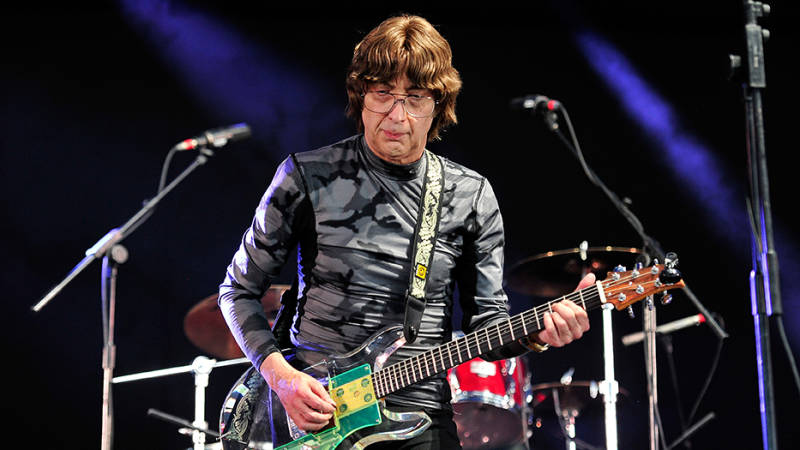
"caption": "Cyril Jordan of the Flamin' Groovies performs at Hard Rock Calling 2013 in London, England. ",
"description": "Cyril Jordan of the Flamin' Groovies performs at Hard Rock Calling 2013 in London, England. ",
"title": "Hard Rock Calling 2013 - Day 2",
"credit": "Photo: Matt Kent/Getty Images",
"status": "inherit",
"isLoading": false,
"fetchFailed": false
},
"pop_21896": {
"type": "attachments",
"id": "pop_21896",
"meta": {
"index": "attachments_1716263798",
"site": "pop",
"id": "21896",
"found": true
},
"parent": 21892,
"imgSizes": {
"twentyfourteen-full-width": {
"file": "https://ww2.kqed.org/app/uploads/sites/12/2016/04/Mayhem_new-e1459887418270-1038x576.jpg",
"width": 1038,
"mimeType": "image/jpeg",
"height": 576
},
"thumbnail": {
"file": "https://ww2.kqed.org/app/uploads/sites/12/2016/04/Mayhem_new-e1459887418270-400x248.jpg",
"width": 400,
"mimeType": "image/jpeg",
"height": 248
},
"fd-sm": {
"file": "https://ww2.kqed.org/app/uploads/sites/12/2016/04/Mayhem_new-e1459887418270-960x595.jpg",
"width": 960,
"mimeType": "image/jpeg",
"height": 595
},
"post-thumbnail": {
"file": "https://ww2.kqed.org/app/uploads/sites/12/2016/04/Mayhem_new-e1459887418270-672x372.jpg",
"width": 672,
"mimeType": "image/jpeg",
"height": 372
},
"kqedFullSize": {
"file": "https://ww2.kqed.org/app/uploads/sites/12/2016/04/Mayhem_new-e1459887418270.jpg",
"width": 3000,
"height": 1860
},
"large": {
"file": "https://ww2.kqed.org/app/uploads/sites/12/2016/04/Mayhem_new-e1459887418270-1440x893.jpg",
"width": 1440,
"mimeType": "image/jpeg",
"height": 893
},
"guest-author-96": {
"file": "https://ww2.kqed.org/app/uploads/sites/12/2016/04/Mayhem_new-e1459887418270-96x96.jpg",
"width": 96,
"mimeType": "image/jpeg",
"height": 96
},
"medium": {
"file": "https://ww2.kqed.org/app/uploads/sites/12/2016/04/Mayhem_new-e1459887418270-800x496.jpg",
"width": 800,
"mimeType": "image/jpeg",
"height": 496
},
"guest-author-64": {
"file": "https://ww2.kqed.org/app/uploads/sites/12/2016/04/Mayhem_new-e1459887418270-64x64.jpg",
"width": 64,
"mimeType": "image/jpeg",
"height": 64
},
"guest-author-32": {
"file": "https://ww2.kqed.org/app/uploads/sites/12/2016/04/Mayhem_new-e1459887418270-32x32.jpg",
"width": 32,
"mimeType": "image/jpeg",
"height": 32
},
"fd-lrg": {
"file": "https://ww2.kqed.org/app/uploads/sites/12/2016/04/Mayhem_new-e1459887418270-1920x1190.jpg",
"width": 1920,
"mimeType": "image/jpeg",
"height": 1190
},
"fd-med": {
"file": "https://ww2.kqed.org/app/uploads/sites/12/2016/04/Mayhem_new-e1459887418270-1180x732.jpg",
"width": 1180,
"mimeType": "image/jpeg",
"height": 732
},
"detail": {
"file": "https://ww2.kqed.org/app/uploads/sites/12/2016/04/Mayhem_new-e1459887418270-75x75.jpg",
"width": 75,
"mimeType": "image/jpeg",
"height": 75
},
"medium_large": {
"file": "https://ww2.kqed.org/app/uploads/sites/12/2016/04/Mayhem_new-e1459887418270-768x476.jpg",
"width": 768,
"mimeType": "image/jpeg",
"height": 476
},
"guest-author-128": {
"file": "https://ww2.kqed.org/app/uploads/sites/12/2016/04/Mayhem_new-e1459887418270-128x128.jpg",
"width": 128,
"mimeType": "image/jpeg",
"height": 128
}
},
"publishDate": 1459887391,
"modified": 1459888668,
"caption": "Guess who's coming to dinner? ",
"description": "Guess who's coming to dinner? ",
"title": null,
"credit": "John Barrett / Disney",
"status": "inherit",
"isLoading": false,
"fetchFailed": false
},
"arts_11465181": {
"type": "attachments",
"id": "arts_11465181",
"meta": {
"index": "attachments_1716263798",
"site": "arts",
"id": "11465181",
"found": true
},
"parent": 11465180,
"imgSizes": {
"twentyfourteen-full-width": {
"file": "https://ww2.kqed.org/app/uploads/sites/2/2016/04/Sasha-1038x576.jpg",
"width": 1038,
"mimeType": "image/jpeg",
"height": 576
},
"thumbnail": {
"file": "https://ww2.kqed.org/app/uploads/sites/2/2016/04/Sasha-400x225.jpg",
"width": 400,
"mimeType": "image/jpeg",
"height": 225
},
"fd-sm": {
"file": "https://ww2.kqed.org/app/uploads/sites/2/2016/04/Sasha-960x540.jpg",
"width": 960,
"mimeType": "image/jpeg",
"height": 540
},
"post-thumbnail": {
"file": "https://ww2.kqed.org/app/uploads/sites/2/2016/04/Sasha-672x372.jpg",
"width": 672,
"mimeType": "image/jpeg",
"height": 372
},
"kqedFullSize": {
"file": "https://ww2.kqed.org/app/uploads/sites/2/2016/04/Sasha.jpg",
"width": 1920,
"height": 1080
},
"large": {
"file": "https://ww2.kqed.org/app/uploads/sites/2/2016/04/Sasha-1180x664.jpg",
"width": 1180,
"mimeType": "image/jpeg",
"height": 664
},
"guest-author-96": {
"file": "https://ww2.kqed.org/app/uploads/sites/2/2016/04/Sasha-96x96.jpg",
"width": 96,
"mimeType": "image/jpeg",
"height": 96
},
"medium": {
"file": "https://ww2.kqed.org/app/uploads/sites/2/2016/04/Sasha-800x450.jpg",
"width": 800,
"mimeType": "image/jpeg",
"height": 450
},
"guest-author-64": {
"file": "https://ww2.kqed.org/app/uploads/sites/2/2016/04/Sasha-64x64.jpg",
"width": 64,
"mimeType": "image/jpeg",
"height": 64
},
"guest-author-32": {
"file": "https://ww2.kqed.org/app/uploads/sites/2/2016/04/Sasha-32x32.jpg",
"width": 32,
"mimeType": "image/jpeg",
"height": 32
},
"fd-lrg": {
"file": "https://ww2.kqed.org/app/uploads/sites/2/2016/04/Sasha-1920x1080.jpg",
"width": 1920,
"mimeType": "image/jpeg",
"height": 1080
},
"fd-med": {
"file": "https://ww2.kqed.org/app/uploads/sites/2/2016/04/Sasha-1180x664.jpg",
"width": 1180,
"mimeType": "image/jpeg",
"height": 664
},
"detail": {
"file": "https://ww2.kqed.org/app/uploads/sites/2/2016/04/Sasha-75x75.jpg",
"width": 75,
"mimeType": "image/jpeg",
"height": 75
},
"medium_large": {
"file": "https://ww2.kqed.org/app/uploads/sites/2/2016/04/Sasha-768x432.jpg",
"width": 768,
"mimeType": "image/jpeg",
"height": 432
},
"guest-author-128": {
"file": "https://ww2.kqed.org/app/uploads/sites/2/2016/04/Sasha-128x128.jpg",
"width": 128,
"mimeType": "image/jpeg",
"height": 128
}
},
"publishDate": 1459822553,
"modified": 1459892124,
"caption": "Sasha Cooke",
"description": "Sasha Cooke",
"title": "Sasha",
"credit": "Photo: Dario Acosta",
"status": "inherit",
"isLoading": false,
"fetchFailed": false
},
"arts_11448180": {
"type": "attachments",
"id": "arts_11448180",
"meta": {
"index": "attachments_1716263798",
"site": "arts",
"id": "11448180",
"found": true
},
"parent": 11447815,
"imgSizes": {
"twentyfourteen-full-width": {
"file": "https://ww2.kqed.org/app/uploads/sites/2/2016/04/DSC1855-e1459803404723-1038x576.jpg",
"width": 1038,
"mimeType": "image/jpeg",
"height": 576
},
"thumbnail": {
"file": "https://ww2.kqed.org/app/uploads/sites/2/2016/04/DSC1855-e1459803404723-400x225.jpg",
"width": 400,
"mimeType": "image/jpeg",
"height": 225
},
"fd-sm": {
"file": "https://ww2.kqed.org/app/uploads/sites/2/2016/04/DSC1855-e1459803404723-960x540.jpg",
"width": 960,
"mimeType": "image/jpeg",
"height": 540
},
"post-thumbnail": {
"file": "https://ww2.kqed.org/app/uploads/sites/2/2016/04/DSC1855-e1459803404723-672x372.jpg",
"width": 672,
"mimeType": "image/jpeg",
"height": 372
},
"kqedFullSize": {
"file": "https://ww2.kqed.org/app/uploads/sites/2/2016/04/DSC1855-e1459803404723.jpg",
"width": 5759,
"height": 3239
},
"large": {
"file": "https://ww2.kqed.org/app/uploads/sites/2/2016/04/DSC1855-e1459803404723-1180x664.jpg",
"width": 1180,
"mimeType": "image/jpeg",
"height": 664
},
"guest-author-96": {
"file": "https://ww2.kqed.org/app/uploads/sites/2/2016/04/DSC1855-e1459803404723-96x96.jpg",
"width": 96,
"mimeType": "image/jpeg",
"height": 96
},
"medium": {
"file": "https://ww2.kqed.org/app/uploads/sites/2/2016/04/DSC1855-e1459803404723-800x450.jpg",
"width": 800,
"mimeType": "image/jpeg",
"height": 450
},
"guest-author-64": {
"file": "https://ww2.kqed.org/app/uploads/sites/2/2016/04/DSC1855-e1459803404723-64x64.jpg",
"width": 64,
"mimeType": "image/jpeg",
"height": 64
},
"guest-author-32": {
"file": "https://ww2.kqed.org/app/uploads/sites/2/2016/04/DSC1855-e1459803404723-32x32.jpg",
"width": 32,
"mimeType": "image/jpeg",
"height": 32
},
"fd-lrg": {
"file": "https://ww2.kqed.org/app/uploads/sites/2/2016/04/DSC1855-e1459803404723-1920x1080.jpg",
"width": 1920,
"mimeType": "image/jpeg",
"height": 1080
},
"fd-med": {
"file": "https://ww2.kqed.org/app/uploads/sites/2/2016/04/DSC1855-e1459803404723-1180x664.jpg",
"width": 1180,
"mimeType": "image/jpeg",
"height": 664
},
"detail": {
"file": "https://ww2.kqed.org/app/uploads/sites/2/2016/04/DSC1855-e1459803404723-75x75.jpg",
"width": 75,
"mimeType": "image/jpeg",
"height": 75
},
"medium_large": {
"file": "https://ww2.kqed.org/app/uploads/sites/2/2016/04/DSC1855-e1459803404723-768x432.jpg",
"width": 768,
"mimeType": "image/jpeg",
"height": 432
},
"guest-author-128": {
"file": "https://ww2.kqed.org/app/uploads/sites/2/2016/04/DSC1855-e1459803404723-128x128.jpg",
"width": 128,
"mimeType": "image/jpeg",
"height": 128
}
},
"publishDate": 1459300486,
"modified": 1459300617,
"caption": "Saskia Lane (L) and Julian Crouch (r) with one of the creations in 'Birdheart'\n",
"description": "Saskia Lane (L) and Julian Crouch (r) with one of the creations in 'Birdheart'",
"title": "BIRDHEART - Duke Theater",
"credit": "Photo: Jill Steinberg",
"status": "inherit",
"isLoading": false,
"fetchFailed": false
},
"arts_11464821": {
"type": "attachments",
"id": "arts_11464821",
"meta": {
"index": "attachments_1716263798",
"site": "arts",
"id": "11464821",
"found": true
},
"parent": 11464819,
"imgSizes": {
"thumbnail": {
"file": "https://ww2.kqed.org/app/uploads/sites/2/2016/04/Phife-Dawg-1CROP-400x225.jpg",
"width": 400,
"mimeType": "image/jpeg",
"height": 225
},
"post-thumbnail": {
"file": "https://ww2.kqed.org/app/uploads/sites/2/2016/04/Phife-Dawg-1CROP-672x372.jpg",
"width": 672,
"mimeType": "image/jpeg",
"height": 372
},
"kqedFullSize": {
"file": "https://ww2.kqed.org/app/uploads/sites/2/2016/04/Phife-Dawg-1CROP.jpg",
"width": 800,
"height": 450
},
"guest-author-96": {
"file": "https://ww2.kqed.org/app/uploads/sites/2/2016/04/Phife-Dawg-1CROP-96x96.jpg",
"width": 96,
"mimeType": "image/jpeg",
"height": 96
},
"medium": {
"file": "https://ww2.kqed.org/app/uploads/sites/2/2016/04/Phife-Dawg-1CROP-800x450.jpg",
"width": 800,
"mimeType": "image/jpeg",
"height": 450
},
"guest-author-64": {
"file": "https://ww2.kqed.org/app/uploads/sites/2/2016/04/Phife-Dawg-1CROP-64x64.jpg",
"width": 64,
"mimeType": "image/jpeg",
"height": 64
},
"detail": {
"file": "https://ww2.kqed.org/app/uploads/sites/2/2016/04/Phife-Dawg-1CROP-75x75.jpg",
"width": 75,
"mimeType": "image/jpeg",
"height": 75
},
"guest-author-32": {
"file": "https://ww2.kqed.org/app/uploads/sites/2/2016/04/Phife-Dawg-1CROP-32x32.jpg",
"width": 32,
"mimeType": "image/jpeg",
"height": 32
},
"medium_large": {
"file": "https://ww2.kqed.org/app/uploads/sites/2/2016/04/Phife-Dawg-1CROP-768x432.jpg",
"width": 768,
"mimeType": "image/jpeg",
"height": 432
},
"guest-author-128": {
"file": "https://ww2.kqed.org/app/uploads/sites/2/2016/04/Phife-Dawg-1CROP-128x128.jpg",
"width": 128,
"mimeType": "image/jpeg",
"height": 128
}
},
"publishDate": 1459810308,
"modified": 1459810343,
"caption": "Recording artist Phife Dawg of A Tribe Called Quest visits the Tribeca Film Festival 2011 portrait studio on April 27, 2011 in New York City. ",
"description": "Recording artist Phife Dawg of A Tribe Called Quest visits the Tribeca Film Festival 2011 portrait studio on April 27, 2011 in New York City. ",
"title": "Tribeca Film Festival 2011 Portrait Studio - Day 6",
"credit": "Photo: Andrew H. Walker/Getty Images for Tribeca Film Festival",
"status": "inherit",
"isLoading": false,
"fetchFailed": false
},
"arts_11464203": {
"type": "attachments",
"id": "arts_11464203",
"meta": {
"index": "attachments_1716263798",
"site": "arts",
"id": "11464203",
"found": true
},
"parent": 11463955,
"imgSizes": {
"twentyfourteen-full-width": {
"file": "https://ww2.kqed.org/app/uploads/sites/2/2016/04/DanDeacon_FrankHamilton_2-1038x576.jpg",
"width": 1038,
"mimeType": "image/jpeg",
"height": 576
},
"thumbnail": {
"file": "https://ww2.kqed.org/app/uploads/sites/2/2016/04/DanDeacon_FrankHamilton_2-400x225.jpg",
"width": 400,
"mimeType": "image/jpeg",
"height": 225
},
"fd-sm": {
"file": "https://ww2.kqed.org/app/uploads/sites/2/2016/04/DanDeacon_FrankHamilton_2-960x540.jpg",
"width": 960,
"mimeType": "image/jpeg",
"height": 540
},
"post-thumbnail": {
"file": "https://ww2.kqed.org/app/uploads/sites/2/2016/04/DanDeacon_FrankHamilton_2-672x372.jpg",
"width": 672,
"mimeType": "image/jpeg",
"height": 372
},
"kqedFullSize": {
"file": "https://ww2.kqed.org/app/uploads/sites/2/2016/04/DanDeacon_FrankHamilton_2.jpg",
"width": 1920,
"height": 1080
},
"large": {
"file": "https://ww2.kqed.org/app/uploads/sites/2/2016/04/DanDeacon_FrankHamilton_2-1180x664.jpg",
"width": 1180,
"mimeType": "image/jpeg",
"height": 664
},
"guest-author-96": {
"file": "https://ww2.kqed.org/app/uploads/sites/2/2016/04/DanDeacon_FrankHamilton_2-96x96.jpg",
"width": 96,
"mimeType": "image/jpeg",
"height": 96
},
"medium": {
"file": "https://ww2.kqed.org/app/uploads/sites/2/2016/04/DanDeacon_FrankHamilton_2-800x450.jpg",
"width": 800,
"mimeType": "image/jpeg",
"height": 450
},
"guest-author-64": {
"file": "https://ww2.kqed.org/app/uploads/sites/2/2016/04/DanDeacon_FrankHamilton_2-64x64.jpg",
"width": 64,
"mimeType": "image/jpeg",
"height": 64
},
"guest-author-32": {
"file": "https://ww2.kqed.org/app/uploads/sites/2/2016/04/DanDeacon_FrankHamilton_2-32x32.jpg",
"width": 32,
"mimeType": "image/jpeg",
"height": 32
},
"fd-lrg": {
"file": "https://ww2.kqed.org/app/uploads/sites/2/2016/04/DanDeacon_FrankHamilton_2-1920x1080.jpg",
"width": 1920,
"mimeType": "image/jpeg",
"height": 1080
},
"fd-med": {
"file": "https://ww2.kqed.org/app/uploads/sites/2/2016/04/DanDeacon_FrankHamilton_2-1180x664.jpg",
"width": 1180,
"mimeType": "image/jpeg",
"height": 664
},
"detail": {
"file": "https://ww2.kqed.org/app/uploads/sites/2/2016/04/DanDeacon_FrankHamilton_2-75x75.jpg",
"width": 75,
"mimeType": "image/jpeg",
"height": 75
},
"medium_large": {
"file": "https://ww2.kqed.org/app/uploads/sites/2/2016/04/DanDeacon_FrankHamilton_2-768x432.jpg",
"width": 768,
"mimeType": "image/jpeg",
"height": 432
},
"guest-author-128": {
"file": "https://ww2.kqed.org/app/uploads/sites/2/2016/04/DanDeacon_FrankHamilton_2-128x128.jpg",
"width": 128,
"mimeType": "image/jpeg",
"height": 128
}
},
"publishDate": 1459792693,
"modified": 1459792708,
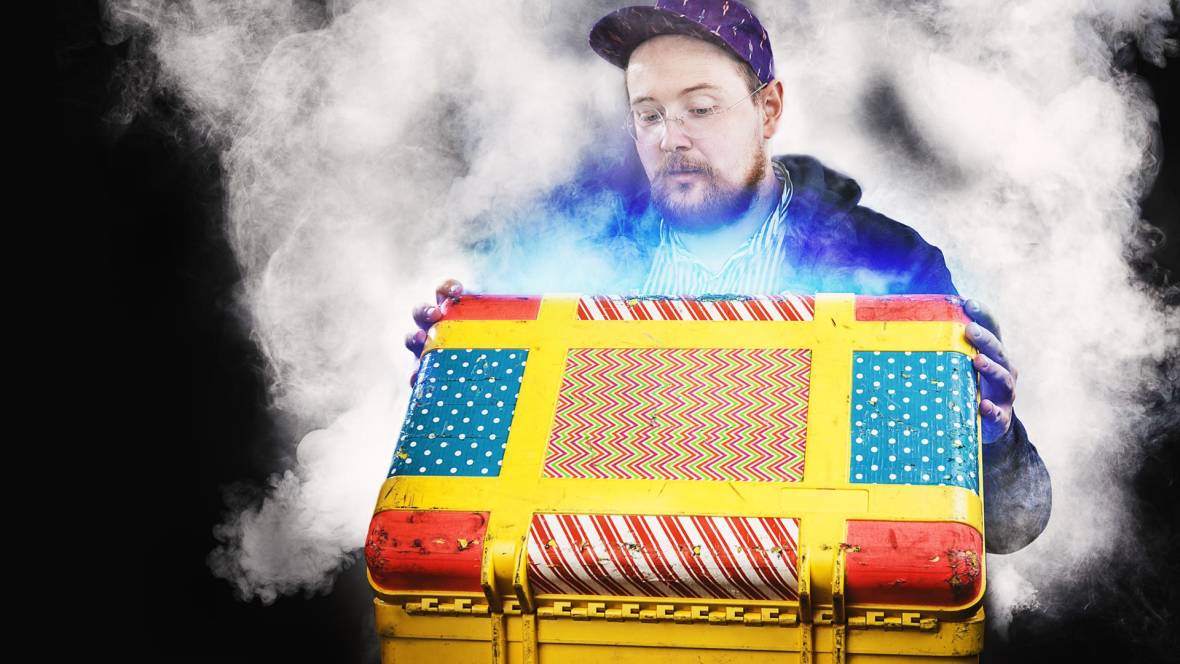
"caption": "Dan Deacon.",
"description": "Dan Deacon.",
"title": "DanDeacon_FrankHamilton_2",
"credit": "Frank Hamilton",
"status": "inherit",
"isLoading": false,
"fetchFailed": false
},
"arts_11463953": {
"type": "attachments",
"id": "arts_11463953",
"meta": {
"index": "attachments_1716263798",
"site": "arts",
"id": "11463953",
"found": true
},
"parent": 11462114,
"imgSizes": {
"twentyfourteen-full-width": {
"file": "https://ww2.kqed.org/app/uploads/sites/2/2016/04/Armory.MikeHofmann.WikiCC-1038x576.jpg",
"width": 1038,
"mimeType": "image/jpeg",
"height": 576
},
"thumbnail": {
"file": "https://ww2.kqed.org/app/uploads/sites/2/2016/04/Armory.MikeHofmann.WikiCC-400x225.jpg",
"width": 400,
"mimeType": "image/jpeg",
"height": 225
},
"fd-sm": {
"file": "https://ww2.kqed.org/app/uploads/sites/2/2016/04/Armory.MikeHofmann.WikiCC-960x540.jpg",
"width": 960,
"mimeType": "image/jpeg",
"height": 540
},
"post-thumbnail": {
"file": "https://ww2.kqed.org/app/uploads/sites/2/2016/04/Armory.MikeHofmann.WikiCC-672x372.jpg",
"width": 672,
"mimeType": "image/jpeg",
"height": 372
},
"kqedFullSize": {
"file": "https://ww2.kqed.org/app/uploads/sites/2/2016/04/Armory.MikeHofmann.WikiCC.jpg",
"width": 1920,
"height": 1080
},
"large": {
"file": "https://ww2.kqed.org/app/uploads/sites/2/2016/04/Armory.MikeHofmann.WikiCC-1180x664.jpg",
"width": 1180,
"mimeType": "image/jpeg",
"height": 664
},
"guest-author-96": {
"file": "https://ww2.kqed.org/app/uploads/sites/2/2016/04/Armory.MikeHofmann.WikiCC-96x96.jpg",
"width": 96,
"mimeType": "image/jpeg",
"height": 96
},
"medium": {
"file": "https://ww2.kqed.org/app/uploads/sites/2/2016/04/Armory.MikeHofmann.WikiCC-800x450.jpg",
"width": 800,
"mimeType": "image/jpeg",
"height": 450
},
"guest-author-64": {
"file": "https://ww2.kqed.org/app/uploads/sites/2/2016/04/Armory.MikeHofmann.WikiCC-64x64.jpg",
"width": 64,
"mimeType": "image/jpeg",
"height": 64
},
"guest-author-32": {
"file": "https://ww2.kqed.org/app/uploads/sites/2/2016/04/Armory.MikeHofmann.WikiCC-32x32.jpg",
"width": 32,
"mimeType": "image/jpeg",
"height": 32
},
"fd-lrg": {
"file": "https://ww2.kqed.org/app/uploads/sites/2/2016/04/Armory.MikeHofmann.WikiCC-1920x1080.jpg",
"width": 1920,
"mimeType": "image/jpeg",
"height": 1080
},
"fd-med": {
"file": "https://ww2.kqed.org/app/uploads/sites/2/2016/04/Armory.MikeHofmann.WikiCC-1180x664.jpg",
"width": 1180,
"mimeType": "image/jpeg",
"height": 664
},
"detail": {
"file": "https://ww2.kqed.org/app/uploads/sites/2/2016/04/Armory.MikeHofmann.WikiCC-75x75.jpg",
"width": 75,
"mimeType": "image/jpeg",
"height": 75
},
"medium_large": {
"file": "https://ww2.kqed.org/app/uploads/sites/2/2016/04/Armory.MikeHofmann.WikiCC-768x432.jpg",
"width": 768,
"mimeType": "image/jpeg",
"height": 432
},
"guest-author-128": {
"file": "https://ww2.kqed.org/app/uploads/sites/2/2016/04/Armory.MikeHofmann.WikiCC-128x128.jpg",
"width": 128,
"mimeType": "image/jpeg",
"height": 128
}
},
"publishDate": 1459784580,
"modified": 1518037133,
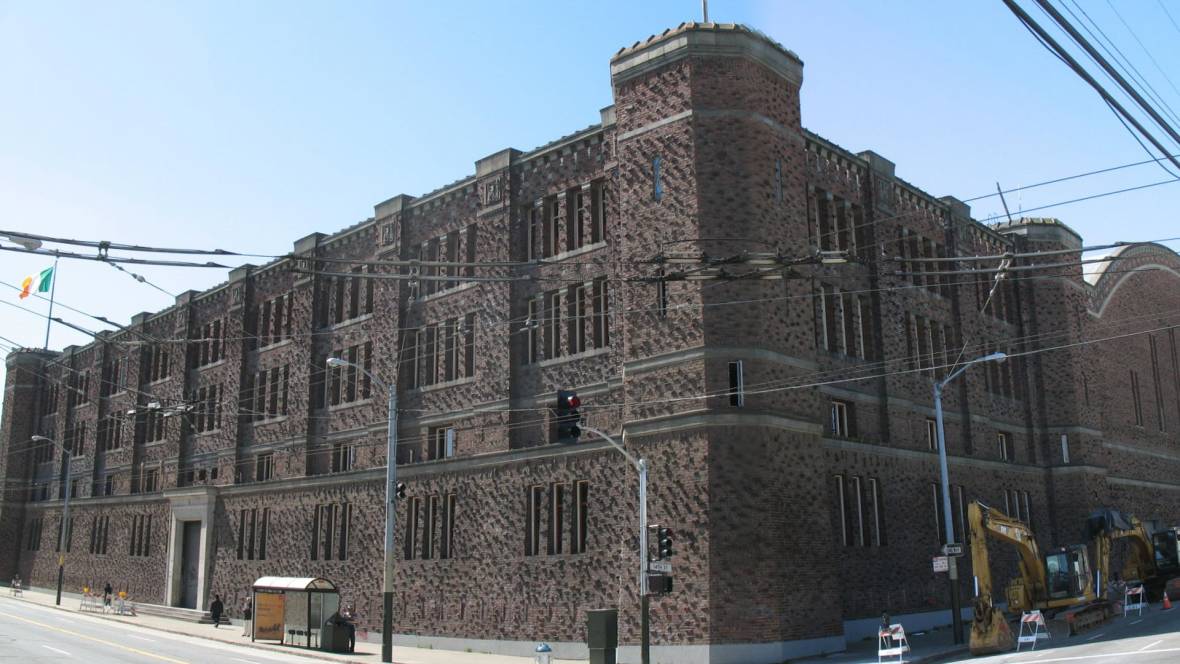
"caption": "The San Francisco Armory in 2008, shortly after being acquired by Kink.com.",
"description": "The San Francisco Armory in 2008, shortly after being acquired by Kink.com.",
"title": "Armory.MikeHofmann.WikiCC",
"credit": "Mike Hofmann",
"status": "inherit",
"isLoading": false,
"fetchFailed": false
},
"arts_11456487": {
"type": "attachments",
"id": "arts_11456487",
"meta": {
"index": "attachments_1716263798",
"site": "arts",
"id": "11456487",
"found": true
},
"parent": 11456230,
"imgSizes": {
"thumbnail": {
"file": "https://ww2.kqed.org/app/uploads/sites/2/2016/04/Axl-RoseCROP-400x225.jpg",
"width": 400,
"mimeType": "image/jpeg",
"height": 225
},
"post-thumbnail": {
"file": "https://ww2.kqed.org/app/uploads/sites/2/2016/04/Axl-RoseCROP-672x372.jpg",
"width": 672,
"mimeType": "image/jpeg",
"height": 372
},
"kqedFullSize": {
"file": "https://ww2.kqed.org/app/uploads/sites/2/2016/04/Axl-RoseCROP.jpg",
"width": 800,
"height": 450
},
"guest-author-96": {
"file": "https://ww2.kqed.org/app/uploads/sites/2/2016/04/Axl-RoseCROP-96x96.jpg",
"width": 96,
"mimeType": "image/jpeg",
"height": 96
},
"medium": {
"file": "https://ww2.kqed.org/app/uploads/sites/2/2016/04/Axl-RoseCROP-800x450.jpg",
"width": 800,
"mimeType": "image/jpeg",
"height": 450
},
"guest-author-64": {
"file": "https://ww2.kqed.org/app/uploads/sites/2/2016/04/Axl-RoseCROP-64x64.jpg",
"width": 64,
"mimeType": "image/jpeg",
"height": 64
},
"detail": {
"file": "https://ww2.kqed.org/app/uploads/sites/2/2016/04/Axl-RoseCROP-75x75.jpg",
"width": 75,
"mimeType": "image/jpeg",
"height": 75
},
"guest-author-32": {
"file": "https://ww2.kqed.org/app/uploads/sites/2/2016/04/Axl-RoseCROP-32x32.jpg",
"width": 32,
"mimeType": "image/jpeg",
"height": 32
},
"medium_large": {
"file": "https://ww2.kqed.org/app/uploads/sites/2/2016/04/Axl-RoseCROP-768x432.jpg",
"width": 768,
"mimeType": "image/jpeg",
"height": 432
},
"guest-author-128": {
"file": "https://ww2.kqed.org/app/uploads/sites/2/2016/04/Axl-RoseCROP-128x128.jpg",
"width": 128,
"mimeType": "image/jpeg",
"height": 128
}
},
"publishDate": 1459552049,
"modified": 1459552083,
"caption": "Singer Axl Rose of Guns N' Roses performs at The Forum on December 21, 2011 in Inglewood, California. ",
"description": "Singer Axl Rose of Guns N' Roses performs at The Forum on December 21, 2011 in Inglewood, California. ",
"title": "Guns N' Roses Performs At The Forum",
"credit": "Photo: Mark Davis/Getty Images",
"status": "inherit",
"isLoading": false,
"fetchFailed": false
}
},
"audioPlayerReducer": {
"postId": "stream_live",
"isPaused": true,
"isPlaying": false,
"pfsActive": false,
"pledgeModalIsOpen": true,
"playerDrawerIsOpen": false,
"liveAudioPlayStartedAt": 0,
"liveAudioPlayContext": ""
},
"authorsReducer": {
"byline_arts_11470155": {
"type": "authors",
"id": "byline_arts_11470155",
"meta": {
"override": true
},
"slug": "byline_arts_11470155",
"name": "Manjula Varghese",
"isLoading": false
},
"byline_arts_11465180": {
"type": "authors",
"id": "byline_arts_11465180",
"meta": {
"override": true
},
"slug": "byline_arts_11465180",
"name": "Elijah Ho",
"isLoading": false
},
"byline_arts_11464819": {
"type": "authors",
"id": "byline_arts_11464819",
"meta": {
"override": true
},
"slug": "byline_arts_11464819",
"name": "Associated Press",
"isLoading": false
},
"byline_arts_11462114": {
"type": "authors",
"id": "byline_arts_11462114",
"meta": {
"override": true
},
"slug": "byline_arts_11462114",
"name": "Sam Lefebvre",
"isLoading": false
},
"cmusiker": {
"type": "authors",
"id": "32",
"meta": {
"index": "authors_1716337520",
"id": "32",
"found": true
},
"name": "Cy Musiker",
"firstName": "Cy",
"lastName": "Musiker",
"slug": "cmusiker",
"email": "cmusiker@kqed.org",
"display_author_email": false,
"staff_mastheads": [],
"title": "KQED Contributor",
"bio": "Cy Musiker is a former co-host of The Do List and a former reporter covering the arts for KQED News and The California Report. He loves live performance, especially great theater, jazz, roots music, anything by Mahler. Cy has an MJ from UC Berkeley's School of Journalism, and got his BA from Hampshire College. His work has been recognized by the Society for Professional Journalists with their Sigma Delta Chi Award for Public Service in Journalism. When he can, Cy likes to swim in Tomales Bay, run with his dog in the East Bay Hills, and hike the Sierra.",
"avatar": "https://secure.gravatar.com/avatar/05eaba5c5696ce8f062e4ea2df428a43?s=600&d=blank&r=g",
"twitter": null,
"facebook": null,
"instagram": null,
"linkedin": null,
"sites": [
{
"site": "arts",
"roles": [
"Contributor",
"subscriber"
]
},
{
"site": "news",
"roles": [
"author"
]
},
{
"site": "bayareabites",
"roles": [
"contributor"
]
}
],
"headData": {
"title": "Cy Musiker | KQED",
"description": "KQED Contributor",
"ogImgSrc": "https://secure.gravatar.com/avatar/05eaba5c5696ce8f062e4ea2df428a43?s=600&d=blank&r=g",
"twImgSrc": "https://secure.gravatar.com/avatar/05eaba5c5696ce8f062e4ea2df428a43?s=600&d=blank&r=g"
},
"isLoading": false,
"link": "/author/cmusiker"
},
"kjones": {
"type": "authors",
"id": "93",
"meta": {
"index": "authors_1716337520",
"id": "93",
"found": true
},
"name": "Kevin L. Jones",
"firstName": "Kevin",
"lastName": "Jones",
"slug": "kjones",
"email": "kjones@kqed.org",
"display_author_email": false,
"staff_mastheads": [],
"title": null,
"bio": null,
"avatar": "https://secure.gravatar.com/avatar/12c65b5633ed39d0a59bb7f497eff645?s=600&d=blank&r=g",
"twitter": null,
"facebook": null,
"instagram": null,
"linkedin": null,
"sites": [
{
"site": "arts",
"roles": [
"subscriber"
]
},
{
"site": "styleguide",
"roles": [
"contributor"
]
},
{
"site": "artschool",
"roles": [
"subscriber"
]
},
{
"site": "news",
"roles": [
"subscriber"
]
},
{
"site": "pop",
"roles": [
"subscriber"
]
}
],
"headData": {
"title": "Kevin L. Jones | KQED",
"description": null,
"ogImgSrc": "https://secure.gravatar.com/avatar/12c65b5633ed39d0a59bb7f497eff645?s=600&d=blank&r=g",
"twImgSrc": "https://secure.gravatar.com/avatar/12c65b5633ed39d0a59bb7f497eff645?s=600&d=blank&r=g"
},
"isLoading": false,
"link": "/author/kjones"
},
"gmeline": {
"type": "authors",
"id": "185",
"meta": {
"index": "authors_1716337520",
"id": "185",
"found": true
},
"name": "Gabe Meline",
"firstName": "Gabe",
"lastName": "Meline",
"slug": "gmeline",
"email": "gmeline@kqed.org",
"display_author_email": true,
"staff_mastheads": [
"arts"
],
"title": "Senior Editor, KQED Arts & Culture",
"bio": "Gabe Meline entered journalism at age 15 making photocopied zines, and has since earned awards from the Edward R. Murrow Awards, the Society for Professional Journalists, the Online Journalism Awards, the Association of Alternative Newsweeklies and the California Newspaper Publishers Association. Prior to KQED, he was the editor of the \u003cem>North Bay Bohemian\u003c/em> and a touring musician. He lives with his wife and daughter in his hometown of Santa Rosa, CA.",
"avatar": "https://secure.gravatar.com/avatar/5bebe57be0d8bc2dd318934feb47299e2d2d10cba28d09d8d7afb389a2ce2bdd?s=600&d=blank&r=g",
"twitter": null,
"bluesky": null,
"facebook": null,
"instagram": null,
"linkedin": null,
"sites": [
{
"site": "",
"roles": [
"editor"
]
},
{
"site": "arts",
"roles": [
"administrator"
]
},
{
"site": "artschool",
"roles": [
"editor"
]
},
{
"site": "news",
"roles": [
"author"
]
},
{
"site": "pop",
"roles": [
"editor"
]
},
{
"site": "bayareabites",
"roles": [
"editor"
]
},
{
"site": "food",
"roles": [
"editor"
]
},
{
"site": "forum",
"roles": [
"administrator"
]
},
{
"site": "liveblog",
"roles": [
"editor"
]
},
{
"site": "hiphop",
"roles": [
"editor"
]
}
],
"headData": {
"title": "Gabe Meline | KQED",
"description": "Senior Editor, KQED Arts & Culture",
"ogImgSrc": "https://secure.gravatar.com/avatar/5bebe57be0d8bc2dd318934feb47299e2d2d10cba28d09d8d7afb389a2ce2bdd?s=600&d=blank&r=g",
"twImgSrc": "https://secure.gravatar.com/avatar/5bebe57be0d8bc2dd318934feb47299e2d2d10cba28d09d8d7afb389a2ce2bdd?s=600&d=blank&r=g"
},
"isLoading": false,
"link": "/author/gmeline"
},
"mlevenson": {
"type": "authors",
"id": "6624",
"meta": {
"index": "authors_1716337520",
"id": "6624",
"found": true
},
"name": "Max Savage Levenson",
"firstName": "Max",
"lastName": "Savage Levenson",
"slug": "mlevenson",
"email": "m.savagelevenson@gmail.com",
"display_author_email": false,
"staff_mastheads": [],
"title": null,
"bio": null,
"avatar": "https://secure.gravatar.com/avatar/e7f998073c1ba6fec822d9f7dcd8c272?s=600&d=blank&r=g",
"twitter": null,
"facebook": null,
"instagram": null,
"linkedin": null,
"sites": [
{
"site": "arts",
"roles": [
"contributor"
]
},
{
"site": "news",
"roles": [
"author"
]
}
],
"headData": {
"title": "Max Savage Levenson | KQED",
"description": null,
"ogImgSrc": "https://secure.gravatar.com/avatar/e7f998073c1ba6fec822d9f7dcd8c272?s=600&d=blank&r=g",
"twImgSrc": "https://secure.gravatar.com/avatar/e7f998073c1ba6fec822d9f7dcd8c272?s=600&d=blank&r=g"
},
"isLoading": false,
"link": "/author/mlevenson"
},
"esilvers": {
"type": "authors",
"id": "7237",
"meta": {
"index": "authors_1716337520",
"id": "7237",
"found": true
},
"name": "Emma Silvers",
"firstName": "Emma",
"lastName": "Silvers",
"slug": "esilvers",
"email": "esilvers@kqed.org",
"display_author_email": false,
"staff_mastheads": [],
"title": "KQED Contributor",
"bio": "Emma Silvers is an editor at KQED Arts and a former digital producer at KQED News. Born and raised in the Bay Area, she has previously been an arts and entertainment editor at the \u003cem>San Francisco Chronicle\u003c/em>, \u003cem>SF Weekly\u003c/em> and the \u003cem>San Francisco Bay Guardian.\u003c/em> \u003ca href=\"https://www.emmasilvers.com\">Her work\u003c/a> has also appeared in \u003cem>Rolling Stone\u003c/em>, Pitchfork and \u003cem>Mother Jones\u003c/em>. In 2017 she was the recipient of the Society of Professional Journalists-Northern California's award for arts and culture reporting. In 1993 she \u003ca href=\"https://www.kqed.org/pop/16759/wait-what-my-coworker-was-a-voice-over-hyperventilator-for-jurassic-park\">hyperventilated in \u003cem>Jurassic Park\u003c/em>\u003c/a>.",
"avatar": "https://secure.gravatar.com/avatar/247beada39b88ea5759db1f51dba05cf?s=600&d=blank&r=g",
"twitter": "emmaruthless",
"facebook": null,
"instagram": null,
"linkedin": null,
"sites": [
{
"site": "arts",
"roles": [
"editor"
]
},
{
"site": "news",
"roles": [
"editor"
]
},
{
"site": "pop",
"roles": [
"contributor"
]
},
{
"site": "bayareabites",
"roles": [
"editor"
]
},
{
"site": "food",
"roles": [
"contributor"
]
},
{
"site": "liveblog",
"roles": [
"editor"
]
}
],
"headData": {
"title": "Emma Silvers | KQED",
"description": "KQED Contributor",
"ogImgSrc": "https://secure.gravatar.com/avatar/247beada39b88ea5759db1f51dba05cf?s=600&d=blank&r=g",
"twImgSrc": "https://secure.gravatar.com/avatar/247beada39b88ea5759db1f51dba05cf?s=600&d=blank&r=g"
},
"isLoading": false,
"link": "/author/esilvers"
},
"cveltman": {
"type": "authors",
"id": "8608",
"meta": {
"index": "authors_1716337520",
"id": "8608",
"found": true
},
"name": "Chloe Veltman",
"firstName": "Chloe",
"lastName": "Veltman",
"slug": "cveltman",
"email": "cveltman@kqed.org",
"display_author_email": true,
"staff_mastheads": [],
"title": "Arts and Culture Reporter",
"bio": "Chloe Veltman is a former arts and culture reporter for KQED. Prior to joining the organization, she launched and led the arts bureau at Colorado Public Radio, served as the Bay Area's culture columnist for the New York Times, and was the founder, host and executive producer of VoiceBox, a national award-winning weekly podcast/radio show and live events series all about the human voice. Chloe is the recipient of numerous prizes, grants and fellowships including a Webby Award for her work on interactive storytelling, both the John S Knight Journalism Fellowship and Humanities Center Fellowship at Stanford University, the Sundance Arts Writing Fellowship and a Library of Congress Research Fellowship. She is the author of the book \"On Acting\" and has appeared as a guest lecturer at Yale University and the San Francisco Conservatory of Music among other institutions. She holds a BA in english literature from King's College, Cambridge, and a Masters in Dramaturgy from the Central School of Speech and Drama/Harvard Institute for Advanced Theater Training.\r\n\u003ca href=\"https://www.chloeveltman.com\">www.chloeveltman.com\u003c/a>",
"avatar": "https://secure.gravatar.com/avatar/55403394b00a1ddab683952c2eb2cf85?s=600&d=blank&r=g",
"twitter": "chloeveltman",
"facebook": null,
"instagram": null,
"linkedin": null,
"sites": [
{
"site": "arts",
"roles": []
},
{
"site": "news",
"roles": [
"author"
]
},
{
"site": "pop",
"roles": [
"editor"
]
},
{
"site": "science",
"roles": []
}
],
"headData": {
"title": "Chloe Veltman | KQED",
"description": "Arts and Culture Reporter",
"ogImgSrc": "https://secure.gravatar.com/avatar/55403394b00a1ddab683952c2eb2cf85?s=600&d=blank&r=g",
"twImgSrc": "https://secure.gravatar.com/avatar/55403394b00a1ddab683952c2eb2cf85?s=600&d=blank&r=g"
},
"isLoading": false,
"link": "/author/cveltman"
}
},
"pagesReducer": {
"arts_category_music": {
"type": "terms",
"id": "arts_69",
"meta": {
"index": "terms_1716263798",
"site": "arts",
"id": "69",
"score": 10.851607
},
"featImg": null,
"name": "Music",
"description": null,
"taxonomy": "category",
"headData": {
"twImgId": null,
"twTitle": null,
"ogTitle": null,
"ogImgId": null,
"twDescription": null,
"description": null,
"title": "Music Archives | KQED Arts",
"ogDescription": null
},
"ttid": 70,
"slug": "music",
"isLoading": false,
"title": "Music",
"pageMeta": {
"site": "arts",
"WpPageTemplate": "page-topic-editorial",
"currentPage": 297
},
"blocks": [
{
"blockName": "kqed/post-list",
"attrs": {
"layout": "cardArticle2",
"query": "posts/arts?category=music",
"seeMore": false,
"paginated": true,
"page": 297
}
},
{
"blockName": "kqed/ad"
}
]
}
},
"pfsSessionReducer": {},
"postsReducer": {
"stream_live": {
"type": "live",
"id": "stream_live",
"audioUrl": "https://streams.kqed.org/kqedradio",
"title": "Live Stream",
"excerpt": "Live Stream information currently unavailable.",
"link": "/radio",
"featImg": "",
"label": {
"name": "KQED Live",
"link": "/"
}
},
"stream_kqedNewscast": {
"type": "posts",
"id": "stream_kqedNewscast",
"audioUrl": "https://www.kqed.org/.stream/anon/radio/RDnews/newscast.mp3?_=1",
"title": "KQED Newscast",
"featImg": "",
"label": {
"name": "88.5 FM",
"link": "/"
}
},
"arts_11473036": {
"type": "posts",
"id": "arts_11473036",
"meta": {
"index": "posts_1716263798",
"site": "arts",
"id": "11473036",
"score": null,
"sort": [
1460059243000
]
},
"parent": 0,
"labelTerm": {
"site": "arts"
},
"blocks": [],
"publishDate": 1460059243,
"format": "standard",
"title": "'The Girl Turned Ripe': Five of Merle Haggard's Weird Deep Cuts",
"headTitle": "‘The Girl Turned Ripe’: Five of Merle Haggard’s Weird Deep Cuts | KQED",
"content": "\u003cp>Merle Haggard may just be \u003ca href=\"http://m.bohemian.com/northbay/branded-man/Content?oid=2171938\" target=\"_blank\" rel=\"noopener\">my favorite country music songwriter of all time\u003c/a>. And in the wake of his death Wednesday, at 79, you’ve likely heard plenty of his hits: “Mama Tried,” “Okie From Muskogee,” “Today I Started Loving You Again” and many, many other timeless gems.\u003c/p>\n\u003cp>But for a guy who recorded 47 studio albums in his lifetime, Haggard also recorded a lot of strange castoffs — some in reaction to a current political issue, some as a reflection of Hag’s day-drunk \u003ca href=\"http://citysound.bohemian.com/2008/04/02/merle-haggard-at-the-lbc/\" target=\"_blank\" rel=\"noopener\">goofy side\u003c/a>, and some as just good ol’ album filler.\u003c/p>\n\u003cp>I stayed up until 1am last night listening to Haggard’s records, primarily from his 1960s Capitol Records era, his steely Telecaster and comforting baritone eventually lulling me to sleep on the couch in a mix of recognizable hits and deep cuts. Here are five of the more unusual songs from Merle Haggard that you’re likely not hearing played on the radio this week.\u003c/p>\n\u003ch3>1. ‘The Son of Hickory Holler’s Tramp’\u003c/h3>\n\u003cp>https://www.youtube.com/watch?v=7i6xGcDBLtQ\u003c/p>\n\u003cp>Sung from a son’s point of view, this song tells the story of a mother who turns to prostitution to make ends meet after her husband runs off with another woman. Instead of shame at the parade of men who visit the house after-hours, the son is proud of his mom. (An early example of anti-\u003ca href=\"https://en.wikipedia.org/wiki/Slut-shaming\" target=\"_blank\" rel=\"noopener\">slut-shaming\u003c/a>, you could say.)\u003c/p>\n\u003cp>[ad fullwidth]\u003c/p>\n\u003cp>\u003cem>Oh, the path was deep and wide\u003cbr>\nFrom footsteps leading to our cabin\u003cbr>\nAbove the door there burned a scarlet lamp\u003cbr>\nAnd late at night a hand would knock\u003cbr>\nAnd there would stand a stranger\u003cbr>\nYes, I’m the son of Hickory Holler’s tramp\u003c/em>\u003c/p>\n\u003ch3>2. ‘Uncle Lem’\u003c/h3>\n\u003cp>https://www.youtube.com/watch?v=A9mczEX389I\u003c/p>\n\u003cp>Haggard wrestled with his redneck image his whole life, and his fans often point to songs like “\u003ca href=\"https://www.youtube.com/watch?v=XSNwaHxjvpI\" target=\"_blank\" rel=\"noopener\">Irma Jackson\u003c/a>,” an empathetic take on interracial love, to refute accusations of racism. Here’s another: the story of a former slave whose house is so run-down that the local Ladies Garden Club wants it torn down. They go to his house with the mayor in tow to deliver the notice for demolition, only to find the man has died in his front-porch rocking chair. Nearby, they find a will scrawled on a brown paper bag, bequeathing his entire property to — you guessed it — the Ladies Garden Club.\u003c/p>\n\u003cp>\u003cem>He bought that shack and piece of earth\u003cbr>\nFor the highest price you’d pay\u003cbr>\nHis Mom was bought and sold there\u003cbr>\nUncle Lem was born a slave\u003c/em>\u003c/p>\n\u003ch3>3. ‘The Girl Turned Ripe’\u003c/h3>\n\u003cp>https://www.youtube.com/watch?v=lJ7uIjP0ll0\u003c/p>\n\u003cp>I honestly don’t know if I can add anything to this very bizarre song about a girl who turns 18.\u003c/p>\n\u003cp>\u003cem>Had an uncle who was farmin’ down in Tennessee\u003cbr>\nAnd I stopped by to see him there, brought this friend with me\u003cbr>\nHe had a daughter, 17, whose name was Clementine\u003cbr>\nAnd sure enough they fell in love, her and this friend of mine\u003cbr>\nHe said, “The girl turned ripe and the pickers came today”\u003c/em>\u003c/p>\n\u003ch3>4. ‘Just Between the Two of Us’\u003c/h3>\n\u003cp>https://www.youtube.com/watch?v=01xngNS2ysM\u003c/p>\n\u003cp>This duet with Bonnie Owens is actually pretty heartbreaking, telling the story of a couple who’ve lost so much passion for their relationship that they don’t even bother to disagree anymore. But the backstory is wild: while helping create the “Bakersfield sound” with his friend Buck Owens, Haggard flew up to Seattle and stealthily wooed Owens’ wife, Bonnie. He married her in Tijuana two weeks later. Crazy.\u003c/p>\n\u003cp>\u003cem>Wish we could go back again to days that used to be\u003cbr>\nWe fought a lot but even then I knew you cared for me\u003cbr>\nNow we get along so well no teardrops ever fall\u003cbr>\nBut there’s no love, no anything, there’s nothing left at all\u003c/em>\u003c/p>\n\u003ch3>5. ‘Me and Crippled Soldiers Give a Damn’\u003c/h3>\n\u003cp>https://www.youtube.com/watch?v=-nq1eBbqq7k\u003c/p>\n\u003cp>One of Haggard’s several forays into politics (his 2007 \u003ca href=\"http://www.dallasobserver.com/music/merle-haggards-most-political-songs-okie-from-muskogee-hillary-and-more-8191198\" target=\"_blank\" rel=\"noopener\">salute to Hillary Clinton\u003c/a> drew special attention), this song was written in the aftermath of the Supreme Court’s 1989 decision to allow flag-burning as an expression of free speech. In it, Haggard may have penned the first country-music instance of \u003ca href=\"http://www.businessinsider.com/godwins-law-why-someone-always-brings-up-adolf-hitler-2014-2\" target=\"_blank\" rel=\"noopener\">Godwin’s Law\u003c/a>, inexplicably bringing up Hitler and the holocaust in the discussion.\u003c/p>\n\u003cp>\u003cem>Might as well burn the bill of rights as well\u003cbr>\nAnd let our country go straight to hell\u003cbr>\nOnly me and crippled soldiers give a damn\u003c/em>\u003c/p>\n\u003cp>\u003c/p>\n\u003cp>\u003cimg loading=\"lazy\" decoding=\"async\" src=\"http://ww2.kqed.org/arts/wp-content/uploads/sites/2/2016/04/Hag.Kicker.jpg\" alt=\"Hag.Kicker\" width=\"1100\" height=\"497\" class=\"aligncenter size-full wp-image-11473167\" srcset=\"https://cdn.kqed.org/wp-content/uploads/sites/2/2016/04/Hag.Kicker.jpg 1100w, https://cdn.kqed.org/wp-content/uploads/sites/2/2016/04/Hag.Kicker-400x181.jpg 400w, https://cdn.kqed.org/wp-content/uploads/sites/2/2016/04/Hag.Kicker-800x361.jpg 800w, https://cdn.kqed.org/wp-content/uploads/sites/2/2016/04/Hag.Kicker-768x347.jpg 768w, https://cdn.kqed.org/wp-content/uploads/sites/2/2016/04/Hag.Kicker-960x434.jpg 960w\" sizes=\"(max-width: 1100px) 100vw, 1100px\">\u003c/p>\n\n",
"stats": {
"hasVideo": true,
"hasChartOrMap": false,
"hasAudio": false,
"hasPolis": false,
"wordCount": 802,
"hasGoogleForm": false,
"hasGallery": false,
"hasHearkenModule": false,
"iframeSrcs": [],
"paragraphCount": 16
},
"modified": 1705044641,
"excerpt": "Hear some of the more unusual songs from Merle Haggard's vast catalog that you've likely not heard.",
"headData": {
"twImgId": "",
"twTitle": "",
"ogTitle": "",
"ogImgId": "",
"twDescription": "",
"description": "Hear some of the more unusual songs from Merle Haggard's vast catalog that you've likely not heard.",
"title": "'The Girl Turned Ripe': Five of Merle Haggard's Weird Deep Cuts | KQED",
"ogDescription": "",
"schema": {
"@context": "https://schema.org",
"@type": "Article",
"headline": "'The Girl Turned Ripe': Five of Merle Haggard's Weird Deep Cuts",
"datePublished": "2016-04-07T13:00:43-07:00",
"dateModified": "2024-01-11T23:30:41-08:00",
"image": "https://cdn.kqed.org/wp-content/uploads/2020/02/KQED-OG-Image@1x.png"
}
},
"guestAuthors": [],
"slug": "the-girl-turned-ripe-five-of-merle-haggards-weird-notable-deep-cuts",
"status": "publish",
"templateType": "standard",
"featuredImageType": "standard",
"sticky": false,
"path": "/arts/11473036/the-girl-turned-ripe-five-of-merle-haggards-weird-notable-deep-cuts",
"audioTrackLength": null,
"parsedContent": [
{
"type": "contentString",
"content": "\u003cdiv class=\"post-body\">\u003cp>\u003cp>Merle Haggard may just be \u003ca href=\"http://m.bohemian.com/northbay/branded-man/Content?oid=2171938\" target=\"_blank\" rel=\"noopener\">my favorite country music songwriter of all time\u003c/a>. And in the wake of his death Wednesday, at 79, you’ve likely heard plenty of his hits: “Mama Tried,” “Okie From Muskogee,” “Today I Started Loving You Again” and many, many other timeless gems.\u003c/p>\n\u003cp>But for a guy who recorded 47 studio albums in his lifetime, Haggard also recorded a lot of strange castoffs — some in reaction to a current political issue, some as a reflection of Hag’s day-drunk \u003ca href=\"http://citysound.bohemian.com/2008/04/02/merle-haggard-at-the-lbc/\" target=\"_blank\" rel=\"noopener\">goofy side\u003c/a>, and some as just good ol’ album filler.\u003c/p>\n\u003cp>I stayed up until 1am last night listening to Haggard’s records, primarily from his 1960s Capitol Records era, his steely Telecaster and comforting baritone eventually lulling me to sleep on the couch in a mix of recognizable hits and deep cuts. Here are five of the more unusual songs from Merle Haggard that you’re likely not hearing played on the radio this week.\u003c/p>\n\u003ch3>1. ‘The Son of Hickory Holler’s Tramp’\u003c/h3>\u003c/p>\u003cp>\u003cspan class='utils-parseShortcode-shortcodes-__youtubeShortcode__embedYoutube'>\n \u003cspan class='utils-parseShortcode-shortcodes-__youtubeShortcode__embedYoutubeInside'>\n \u003ciframe\n loading='lazy'\n class='utils-parseShortcode-shortcodes-__youtubeShortcode__youtubePlayer'\n type='text/html'\n src='//www.youtube.com/embed/7i6xGcDBLtQ'\n title='//www.youtube.com/embed/7i6xGcDBLtQ'\n allowfullscreen='true'\n style='border:0;'>\u003c/iframe>\n \u003c/span>\n \u003c/span>\u003c/p>\u003cp>\u003cp>Sung from a son’s point of view, this song tells the story of a mother who turns to prostitution to make ends meet after her husband runs off with another woman. Instead of shame at the parade of men who visit the house after-hours, the son is proud of his mom. (An early example of anti-\u003ca href=\"https://en.wikipedia.org/wiki/Slut-shaming\" target=\"_blank\" rel=\"noopener\">slut-shaming\u003c/a>, you could say.)\u003c/p>\n\u003cp>\u003c/p>\u003c/div>",
"attributes": {
"named": {},
"numeric": []
}
},
{
"type": "component",
"content": "",
"name": "ad",
"attributes": {
"named": {
"label": "fullwidth"
},
"numeric": [
"fullwidth"
]
}
},
{
"type": "contentString",
"content": "\u003cdiv class=\"post-body\">\u003cp>\u003c/p>\n\u003cp>\u003cem>Oh, the path was deep and wide\u003cbr>\nFrom footsteps leading to our cabin\u003cbr>\nAbove the door there burned a scarlet lamp\u003cbr>\nAnd late at night a hand would knock\u003cbr>\nAnd there would stand a stranger\u003cbr>\nYes, I’m the son of Hickory Holler’s tramp\u003c/em>\u003c/p>\n\u003ch3>2. ‘Uncle Lem’\u003c/h3>\u003c/p>\u003cp>\u003cspan class='utils-parseShortcode-shortcodes-__youtubeShortcode__embedYoutube'>\n \u003cspan class='utils-parseShortcode-shortcodes-__youtubeShortcode__embedYoutubeInside'>\n \u003ciframe\n loading='lazy'\n class='utils-parseShortcode-shortcodes-__youtubeShortcode__youtubePlayer'\n type='text/html'\n src='//www.youtube.com/embed/A9mczEX389I'\n title='//www.youtube.com/embed/A9mczEX389I'\n allowfullscreen='true'\n style='border:0;'>\u003c/iframe>\n \u003c/span>\n \u003c/span>\u003c/p>\u003cp>\u003cp>Haggard wrestled with his redneck image his whole life, and his fans often point to songs like “\u003ca href=\"https://www.youtube.com/watch?v=XSNwaHxjvpI\" target=\"_blank\" rel=\"noopener\">Irma Jackson\u003c/a>,” an empathetic take on interracial love, to refute accusations of racism. Here’s another: the story of a former slave whose house is so run-down that the local Ladies Garden Club wants it torn down. They go to his house with the mayor in tow to deliver the notice for demolition, only to find the man has died in his front-porch rocking chair. Nearby, they find a will scrawled on a brown paper bag, bequeathing his entire property to — you guessed it — the Ladies Garden Club.\u003c/p>\n\u003cp>\u003cem>He bought that shack and piece of earth\u003cbr>\nFor the highest price you’d pay\u003cbr>\nHis Mom was bought and sold there\u003cbr>\nUncle Lem was born a slave\u003c/em>\u003c/p>\n\u003ch3>3. ‘The Girl Turned Ripe’\u003c/h3>\u003c/p>\u003cp>\u003cspan class='utils-parseShortcode-shortcodes-__youtubeShortcode__embedYoutube'>\n \u003cspan class='utils-parseShortcode-shortcodes-__youtubeShortcode__embedYoutubeInside'>\n \u003ciframe\n loading='lazy'\n class='utils-parseShortcode-shortcodes-__youtubeShortcode__youtubePlayer'\n type='text/html'\n src='//www.youtube.com/embed/lJ7uIjP0ll0'\n title='//www.youtube.com/embed/lJ7uIjP0ll0'\n allowfullscreen='true'\n style='border:0;'>\u003c/iframe>\n \u003c/span>\n \u003c/span>\u003c/p>\u003cp>\u003cp>I honestly don’t know if I can add anything to this very bizarre song about a girl who turns 18.\u003c/p>\n\u003cp>\u003cem>Had an uncle who was farmin’ down in Tennessee\u003cbr>\nAnd I stopped by to see him there, brought this friend with me\u003cbr>\nHe had a daughter, 17, whose name was Clementine\u003cbr>\nAnd sure enough they fell in love, her and this friend of mine\u003cbr>\nHe said, “The girl turned ripe and the pickers came today”\u003c/em>\u003c/p>\n\u003ch3>4. ‘Just Between the Two of Us’\u003c/h3>\u003c/p>\u003cp>\u003cspan class='utils-parseShortcode-shortcodes-__youtubeShortcode__embedYoutube'>\n \u003cspan class='utils-parseShortcode-shortcodes-__youtubeShortcode__embedYoutubeInside'>\n \u003ciframe\n loading='lazy'\n class='utils-parseShortcode-shortcodes-__youtubeShortcode__youtubePlayer'\n type='text/html'\n src='//www.youtube.com/embed/01xngNS2ysM'\n title='//www.youtube.com/embed/01xngNS2ysM'\n allowfullscreen='true'\n style='border:0;'>\u003c/iframe>\n \u003c/span>\n \u003c/span>\u003c/p>\u003cp>\u003cp>This duet with Bonnie Owens is actually pretty heartbreaking, telling the story of a couple who’ve lost so much passion for their relationship that they don’t even bother to disagree anymore. But the backstory is wild: while helping create the “Bakersfield sound” with his friend Buck Owens, Haggard flew up to Seattle and stealthily wooed Owens’ wife, Bonnie. He married her in Tijuana two weeks later. Crazy.\u003c/p>\n\u003cp>\u003cem>Wish we could go back again to days that used to be\u003cbr>\nWe fought a lot but even then I knew you cared for me\u003cbr>\nNow we get along so well no teardrops ever fall\u003cbr>\nBut there’s no love, no anything, there’s nothing left at all\u003c/em>\u003c/p>\n\u003ch3>5. ‘Me and Crippled Soldiers Give a Damn’\u003c/h3>\u003c/p>\u003cp>\u003cspan class='utils-parseShortcode-shortcodes-__youtubeShortcode__embedYoutube'>\n \u003cspan class='utils-parseShortcode-shortcodes-__youtubeShortcode__embedYoutubeInside'>\n \u003ciframe\n loading='lazy'\n class='utils-parseShortcode-shortcodes-__youtubeShortcode__youtubePlayer'\n type='text/html'\n src='//www.youtube.com/embed/-nq1eBbqq7k'\n title='//www.youtube.com/embed/-nq1eBbqq7k'\n allowfullscreen='true'\n style='border:0;'>\u003c/iframe>\n \u003c/span>\n \u003c/span>\u003c/p>\u003cp>\u003cp>One of Haggard’s several forays into politics (his 2007 \u003ca href=\"http://www.dallasobserver.com/music/merle-haggards-most-political-songs-okie-from-muskogee-hillary-and-more-8191198\" target=\"_blank\" rel=\"noopener\">salute to Hillary Clinton\u003c/a> drew special attention), this song was written in the aftermath of the Supreme Court’s 1989 decision to allow flag-burning as an expression of free speech. In it, Haggard may have penned the first country-music instance of \u003ca href=\"http://www.businessinsider.com/godwins-law-why-someone-always-brings-up-adolf-hitler-2014-2\" target=\"_blank\" rel=\"noopener\">Godwin’s Law\u003c/a>, inexplicably bringing up Hitler and the holocaust in the discussion.\u003c/p>\n\u003cp>\u003cem>Might as well burn the bill of rights as well\u003cbr>\nAnd let our country go straight to hell\u003cbr>\nOnly me and crippled soldiers give a damn\u003c/em>\u003c/p>\n\u003cp>\u003c/p>\n\u003cp>\u003cimg loading=\"lazy\" decoding=\"async\" src=\"http://ww2.kqed.org/arts/wp-content/uploads/sites/2/2016/04/Hag.Kicker.jpg\" alt=\"Hag.Kicker\" width=\"1100\" height=\"497\" class=\"aligncenter size-full wp-image-11473167\" srcset=\"https://cdn.kqed.org/wp-content/uploads/sites/2/2016/04/Hag.Kicker.jpg 1100w, https://cdn.kqed.org/wp-content/uploads/sites/2/2016/04/Hag.Kicker-400x181.jpg 400w, https://cdn.kqed.org/wp-content/uploads/sites/2/2016/04/Hag.Kicker-800x361.jpg 800w, https://cdn.kqed.org/wp-content/uploads/sites/2/2016/04/Hag.Kicker-768x347.jpg 768w, https://cdn.kqed.org/wp-content/uploads/sites/2/2016/04/Hag.Kicker-960x434.jpg 960w\" sizes=\"(max-width: 1100px) 100vw, 1100px\">\u003c/p>\n\n\u003c/div>\u003c/p>",
"attributes": {
"named": {},
"numeric": []
}
}
],
"link": "/arts/11473036/the-girl-turned-ripe-five-of-merle-haggards-weird-notable-deep-cuts",
"authors": [
"185"
],
"categories": [
"arts_69"
],
"tags": [
"arts_7534",
"arts_7535",
"arts_596"
],
"featImg": "arts_11473166",
"label": "arts"
},
"arts_11470442": {
"type": "posts",
"id": "arts_11470442",
"meta": {
"index": "posts_1716263798",
"site": "arts",
"id": "11470442",
"score": null,
"sort": [
1459984844000
]
},
"guestAuthors": [],
"slug": "boots-riley-among-filmmakers-receiving-big-grants-from-sf-film-society",
"title": "Boots Riley Among Filmmakers Receiving Big Grants from SF Film Society",
"publishDate": 1459984844,
"format": "standard",
"headTitle": "Boots Riley Among Filmmakers Receiving Big Grants from SF Film Society | KQED",
"labelTerm": {
"site": "arts"
},
"content": "\u003cp>Oakland rapper and political activist Boots Riley is one of seven film-makers receiving thousands in funding from the San Francisco Film Society (SFFS) for their projects.\u003c/p>\n\u003cp>The SFFS announced on Tuesday the winners of the \u003ca href=\"http://blog.sffs.org/home/2016/4/spring-2016-sffs-krf-filmmaking-grant-winners-announced.html\" target=\"_blank\" rel=\"noopener\">Spring 2016 Kenneth Rainin Foundation Filmmaking Grants\u003c/a>, which are awarded twice a year to “socially-minded narrative feature films that will elevate the Bay Area’s filmmaking culture.” The society says the program is “the largest granting body for independent narrative feature films in the United States” and it has funded over 50 projects, providing more than $3.5 million to filmmakers since its launch in 2009.\u003c/p>\n\u003cp>Riley, who co-founded the influential Oakland rap group \u003ca href=\"http://www.thisisthecoup.com/\" target=\"_blank\" rel=\"noopener\">the Coup\u003c/a> in 1991, and his producers received $25,000 for their project \u003ci>Sorry to Bother You,\u003c/i> which was summarized in their application as such:\u003c/p>\n\u003cblockquote>\u003cp>A black telemarketer discovers a magical way to make his voice overdubbed by a white actor, propelling him into the upper echelon of a macabre universe where he’s selected to lead a species of genetically manipulated horse-people, called the Equisapiens.\u003c/p>\u003c/blockquote>\n\u003cp>The film’s name is the same as his band’s \u003ca href=\"https://www.youtube.com/watch?v=uaFQw52wJug&list=PLJ7QPuvv91Jtv4Xyw6XnpuqrmJC_WSyQ6\" target=\"_blank\" rel=\"noopener\">most recent album\u003c/a>, which was released in 2012.\u003c/p>\n\u003cp>Other winners include writer/director Olivia Newman, who won $25,000 for her feature project \u003ci>First Match.\u003c/i> The film is an expansion of a 14 minute-long short with the same name she made while was a student at Columbia University in 2012. It aired on KQED’s \u003ci>\u003ca href=\"http://blogs.kqed.org/filmschoolshorts/films/first-match/\" target=\"_blank\" rel=\"noopener\">Film School Shorts\u003c/a>\u003c/i> in 2014.\u003c/p>\n\u003cp>[ad fullwidth]\u003c/p>\n\u003cp>For a complete list of grant winners, visit \u003ca href=\"http://blog.sffs.org/home/2016/4/spring-2016-sffs-krf-filmmaking-grant-winners-announced.html\" target=\"_blank\" rel=\"noopener\">the SFFS website\u003c/a>.\u003c/p>\n\u003cp>\u003c/p>\n\u003cp>\u003ci>Watch Newman’s \u003cb>First Match\u003c/b> below:\u003c/i>\u003c/p>\n\u003caside class=\"aligncenter\">[vimeo 152339147 w=640&h=360]\u003c/aside>\n\n",
"blocks": [],
"excerpt": "The Coup co-founder's filmmaking team received $25,000 for a project titled 'Sorry to Bother You.'",
"status": "publish",
"parent": 0,
"modified": 1726710014,
"stats": {
"hasAudio": false,
"hasVideo": true,
"hasChartOrMap": false,
"iframeSrcs": [],
"hasGoogleForm": false,
"hasGallery": false,
"hasHearkenModule": false,
"hasPolis": false,
"paragraphCount": 10,
"wordCount": 287
},
"headData": {
"title": "Boots Riley Among Filmmakers Receiving Big Grants from SF Film Society | KQED",
"description": "The Coup co-founder's filmmaking team received $25,000 for a project titled 'Sorry to Bother You.'",
"ogTitle": "",
"ogDescription": "",
"ogImgId": "",
"twTitle": "",
"twDescription": "",
"twImgId": "",
"schema": {
"@context": "https://schema.org",
"@type": "Article",
"headline": "Boots Riley Among Filmmakers Receiving Big Grants from SF Film Society",
"datePublished": "2016-04-06T16:20:44-07:00",
"dateModified": "2024-09-18T18:40:14-07:00",
"image": "https://cdn.kqed.org/wp-content/uploads/2020/02/KQED-OG-Image@1x.png"
}
},
"sticky": false,
"path": "/arts/11470442/boots-riley-among-filmmakers-receiving-big-grants-from-sf-film-society",
"audioTrackLength": null,
"parsedContent": [
{
"type": "contentString",
"content": "\u003cdiv class=\"post-body\">\u003cp>\u003cp>Oakland rapper and political activist Boots Riley is one of seven film-makers receiving thousands in funding from the San Francisco Film Society (SFFS) for their projects.\u003c/p>\n\u003cp>The SFFS announced on Tuesday the winners of the \u003ca href=\"http://blog.sffs.org/home/2016/4/spring-2016-sffs-krf-filmmaking-grant-winners-announced.html\" target=\"_blank\" rel=\"noopener\">Spring 2016 Kenneth Rainin Foundation Filmmaking Grants\u003c/a>, which are awarded twice a year to “socially-minded narrative feature films that will elevate the Bay Area’s filmmaking culture.” The society says the program is “the largest granting body for independent narrative feature films in the United States” and it has funded over 50 projects, providing more than $3.5 million to filmmakers since its launch in 2009.\u003c/p>\n\u003cp>Riley, who co-founded the influential Oakland rap group \u003ca href=\"http://www.thisisthecoup.com/\" target=\"_blank\" rel=\"noopener\">the Coup\u003c/a> in 1991, and his producers received $25,000 for their project \u003ci>Sorry to Bother You,\u003c/i> which was summarized in their application as such:\u003c/p>\n\u003cblockquote>\u003cp>A black telemarketer discovers a magical way to make his voice overdubbed by a white actor, propelling him into the upper echelon of a macabre universe where he’s selected to lead a species of genetically manipulated horse-people, called the Equisapiens.\u003c/p>\u003c/blockquote>\n\u003cp>The film’s name is the same as his band’s \u003ca href=\"https://www.youtube.com/watch?v=uaFQw52wJug&list=PLJ7QPuvv91Jtv4Xyw6XnpuqrmJC_WSyQ6\" target=\"_blank\" rel=\"noopener\">most recent album\u003c/a>, which was released in 2012.\u003c/p>\n\u003cp>Other winners include writer/director Olivia Newman, who won $25,000 for her feature project \u003ci>First Match.\u003c/i> The film is an expansion of a 14 minute-long short with the same name she made while was a student at Columbia University in 2012. It aired on KQED’s \u003ci>\u003ca href=\"http://blogs.kqed.org/filmschoolshorts/films/first-match/\" target=\"_blank\" rel=\"noopener\">Film School Shorts\u003c/a>\u003c/i> in 2014.\u003c/p>\n\u003cp>\u003c/p>\u003c/div>",
"attributes": {
"named": {},
"numeric": []
}
},
{
"type": "component",
"content": "",
"name": "ad",
"attributes": {
"named": {
"label": "fullwidth"
},
"numeric": [
"fullwidth"
]
}
},
{
"type": "contentString",
"content": "\u003cdiv class=\"post-body\">\u003cp>\u003c/p>\n\u003cp>For a complete list of grant winners, visit \u003ca href=\"http://blog.sffs.org/home/2016/4/spring-2016-sffs-krf-filmmaking-grant-winners-announced.html\" target=\"_blank\" rel=\"noopener\">the SFFS website\u003c/a>.\u003c/p>\n\u003cp>\u003c/p>\n\u003cp>\u003ci>Watch Newman’s \u003cb>First Match\u003c/b> below:\u003c/i>\u003c/p>\n\u003caside class=\"aligncenter\">\u003c/p>\u003c/div>",
"attributes": {
"named": {},
"numeric": []
}
},
{
"type": "component",
"content": "",
"name": "vimeo",
"attributes": {
"named": {
"w": "640&h=360",
"label": "152339147"
},
"numeric": [
"152339147"
]
}
},
{
"type": "contentString",
"content": "\u003cdiv class=\"post-body\">\u003cp>\u003c/aside>\n\n\u003c/div>\u003c/p>",
"attributes": {
"named": {},
"numeric": []
}
}
],
"link": "/arts/11470442/boots-riley-among-filmmakers-receiving-big-grants-from-sf-film-society",
"authors": [
"93"
],
"categories": [
"arts_74",
"arts_69",
"arts_235",
"arts_75"
],
"tags": [
"arts_1254",
"arts_746",
"arts_596"
],
"featImg": "arts_11001881",
"label": "arts"
},
"arts_11470155": {
"type": "posts",
"id": "arts_11470155",
"meta": {
"index": "posts_1716263798",
"site": "arts",
"id": "11470155",
"score": null,
"sort": [
1459971138000
]
},
"guestAuthors": [],
"slug": "history-and-imagination-drive-singer-zena-carlotas-afro-folk-sound",
"title": "History and Imagination Drive Singer Zena Carlota’s Afro-Folk Sound",
"publishDate": 1459971138,
"format": "video",
"headTitle": "History and Imagination Drive Singer Zena Carlota’s Afro-Folk Sound | KQED",
"labelTerm": {
"site": "arts"
},
"content": "\u003cp>When Zena Carlota first heard the kora, a traditional 21-string harp from West Africa, she had no idea which instrument could possibly make such a sound.\u003c/p>\n\u003cp>After searching album liner notes and discovering its name, a voice in her head told her she was destined to play the kora, and it launched her on a journey to Gambia. She eventually would study with the Malian master player Toumani Diabaté. Nine years later, the Oakland-based Carlota is one of a handful of women in the United States who play the kora, an instrument traditionally played strictly by men.\u003c/p>\n\u003cp>[contextly_sidebar id=”Uw7mlC0CzdBZ7aRFOu6ki4J4xqVIOh7z”]\u003c/p>\n\u003cp>Carlota’s music is a unique, delightful blend of Appalachian revival music, pre-electric Delta blues and classical kora to create what she calls “Afro-Symphonic Folk.” She sings several songs in a variety of African languages, from Bambara — spoken in different parts of West Africa — to the Ugandan language of Luganda.\u003c/p>\n\u003cp>The 34-year-old musician grew up in Amherst, Massachusetts, by parents who worked as cultural anthropologists and instilled in her a strong black nationalist pride. They often hosted at their home African authors like Chinua Achebe. When her parents’ work took them to the Caribbean and Latin America, Carlota connected with the black community in these regions of the world, developing a complex view of what “it means to be black in this world.”\u003c/p>\n\u003cp>[ad fullwidth]\u003c/p>\n\u003cp>KQED Arts caught up with the singer and kora player, capturing several packed Bay Area house concerts she’s played in recent months in anticipation of her album “Beautiful News,” due out later this year, and funded by a 2015 \u003cem>Investing in Artist\u003c/em> grant Carlota received from San Francisco’s Center for Cultural Innovation.\u003c/p>\n\u003cp>Many of Carlota’s songs explore poignant themes of cultural identity and the meaning of home. “As an African American,” she says, “you feel like you have been born into a home that doesn’t want you.”\u003c/p>\n\u003cp>\u003c/p>\n\u003cp>Carlota draws on history and imagination in her music in hopes of creating a space where she, and therefore others, can re-envision a new understanding of self and community.\u003c/p>\n\n",
"blocks": [],
"excerpt": "Meet Oakland-based 34-year-old kora player Zena Carlota, one of the only women in the U.S. to play the traditional West African string instrument.",
"status": "publish",
"parent": 0,
"modified": 1726788104,
"stats": {
"hasAudio": false,
"hasVideo": false,
"hasChartOrMap": false,
"iframeSrcs": [],
"hasGoogleForm": false,
"hasGallery": false,
"hasHearkenModule": false,
"hasPolis": false,
"paragraphCount": 10,
"wordCount": 380
},
"headData": {
"title": "History and Imagination Drive Singer Zena Carlota’s Afro-Folk Sound | KQED",
"description": "Meet Oakland-based 34-year-old kora player Zena Carlota, one of the only women in the U.S. to play the traditional West African string instrument.",
"ogTitle": "",
"ogDescription": "",
"ogImgId": "",
"twTitle": "",
"twDescription": "",
"twImgId": "",
"schema": {
"@context": "https://schema.org",
"@type": "Article",
"headline": "History and Imagination Drive Singer Zena Carlota’s Afro-Folk Sound",
"datePublished": "2016-04-06T12:32:18-07:00",
"dateModified": "2024-09-19T16:21:44-07:00",
"image": "https://cdn.kqed.org/wp-content/uploads/2020/02/KQED-OG-Image@1x.png"
}
},
"videoEmbed": "https://www.youtube.com/watch?v=gPi6nHS9PC8",
"sticky": false,
"nprByline": "Manjula Varghese",
"path": "/arts/11470155/history-and-imagination-drive-singer-zena-carlotas-afro-folk-sound",
"audioTrackLength": null,
"parsedContent": [
{
"type": "contentString",
"content": "\u003cdiv class=\"post-body\">\u003cp>\u003cp>When Zena Carlota first heard the kora, a traditional 21-string harp from West Africa, she had no idea which instrument could possibly make such a sound.\u003c/p>\n\u003cp>After searching album liner notes and discovering its name, a voice in her head told her she was destined to play the kora, and it launched her on a journey to Gambia. She eventually would study with the Malian master player Toumani Diabaté. Nine years later, the Oakland-based Carlota is one of a handful of women in the United States who play the kora, an instrument traditionally played strictly by men.\u003c/p>\n\u003cp>\u003c/p>\u003cp>\u003c/p>\u003cp>\u003c/p>\n\u003cp>Carlota’s music is a unique, delightful blend of Appalachian revival music, pre-electric Delta blues and classical kora to create what she calls “Afro-Symphonic Folk.” She sings several songs in a variety of African languages, from Bambara — spoken in different parts of West Africa — to the Ugandan language of Luganda.\u003c/p>\n\u003cp>The 34-year-old musician grew up in Amherst, Massachusetts, by parents who worked as cultural anthropologists and instilled in her a strong black nationalist pride. They often hosted at their home African authors like Chinua Achebe. When her parents’ work took them to the Caribbean and Latin America, Carlota connected with the black community in these regions of the world, developing a complex view of what “it means to be black in this world.”\u003c/p>\n\u003cp>\u003c/p>\u003c/div>",
"attributes": {
"named": {},
"numeric": []
}
},
{
"type": "component",
"content": "",
"name": "ad",
"attributes": {
"named": {
"label": "fullwidth"
},
"numeric": [
"fullwidth"
]
}
},
{
"type": "contentString",
"content": "\u003cdiv class=\"post-body\">\u003cp>\u003c/p>\n\u003cp>KQED Arts caught up with the singer and kora player, capturing several packed Bay Area house concerts she’s played in recent months in anticipation of her album “Beautiful News,” due out later this year, and funded by a 2015 \u003cem>Investing in Artist\u003c/em> grant Carlota received from San Francisco’s Center for Cultural Innovation.\u003c/p>\n\u003cp>Many of Carlota’s songs explore poignant themes of cultural identity and the meaning of home. “As an African American,” she says, “you feel like you have been born into a home that doesn’t want you.”\u003c/p>\n\u003cp>\u003c/p>\n\u003cp>Carlota draws on history and imagination in her music in hopes of creating a space where she, and therefore others, can re-envision a new understanding of self and community.\u003c/p>\n\n\u003c/div>\u003c/p>",
"attributes": {
"named": {},
"numeric": []
}
}
],
"link": "/arts/11470155/history-and-imagination-drive-singer-zena-carlotas-afro-folk-sound",
"authors": [
"byline_arts_11470155"
],
"categories": [
"arts_69"
],
"tags": [
"arts_1118",
"arts_596",
"arts_1007"
],
"featImg": "arts_11470158",
"label": "arts"
},
"arts_11470007": {
"type": "posts",
"id": "arts_11470007",
"meta": {
"index": "posts_1716263798",
"site": "arts",
"id": "11470007",
"score": null,
"sort": [
1459967306000
]
},
"guestAuthors": [],
"slug": "outlaw-country-pioneer-merle-haggard-dead-at-79",
"title": "Outlaw Country Pioneer Merle Haggard Dead at 79",
"publishDate": 1459967306,
"format": "standard",
"headTitle": "Outlaw Country Pioneer Merle Haggard Dead at 79 | KQED",
"labelTerm": {
"site": "arts"
},
"content": "\u003cp>Merle Haggard, a legend in country music and one of the inventors of the Bakersfield (CA) sound and Outlaw Country has died at the age of 79 on his birthday.\u003c/p>\n\u003cp>Haggard was born in Bakersfield, where his family had moved from Oklahoma. He spent time in juvenile detention centers and later at San Quentin, before releasing his first song in 1963. He had 40 #1 hits, won dozens of music awards, and was inducted into the Country Music Hall of Fame in 1994.\u003c/p>\n\u003cp>https://www.youtube.com/watch?v=loT_pYzi3Vw&nohtml5=False\u003c/p>\n\u003cp>Haggard had deep roots in California. Along with Buck Owens, Haggard and his band The Strangers developed the Bakersfield sound in the 1950s, a honky-tonk style that contrasted sharply with the slicker sound of country music made in Nashville. His song “I’m an Okie from Muskogee” became a conservative anthem in the late ’60s, and then California Governor Ronald Reagan cleared Haggard’s criminal record with a pardon in 1972.\u003c/p>\n\u003cp>Bakersfield named a street for Haggard in 2008, and he’d been living for years \u003ca href=\"http://www.sfgate.com/entertainment/article/Country-star-Merle-Haggard-stands-tall-3167174.php\" target=\"_blank\" rel=\"noopener\">in Northern California, near Shasta Lake.\u003c/a>\u003c/p>\n\u003cp>[ad fullwidth]\u003c/p>\n\u003cp>https://www.youtube.com/watch?v=-iYY2FQHFwE\u003c/p>\n\u003cp>Haggard was a lifelong smoker, and doctors took out a parts of both lungs in 2009, after he was diagnosed with lung cancer. But Haggard kept recording and touring, his gravelly voice a bit weaker, perhaps.\u003c/p>\n\u003cp>He was hospitalized with pneumonia earlier this year, and had to cancel a series of tour dates this month, including some with Willie Nelson. Still Haggard had reportedly bought a new tour bus recently, over objections from his family.\u003c/p>\n\u003cp>\u003c/p>\n\u003cp>https://www.youtube.com/watch?v=A6c6eUeoa9Q&nohtml5=False\u003c/p>\n\n",
"blocks": [],
"excerpt": "The outlaw country star, who helped create the Bakersfield country scene, died on his 79th birthday",
"status": "publish",
"parent": 0,
"modified": 1726710018,
"stats": {
"hasAudio": false,
"hasVideo": true,
"hasChartOrMap": false,
"iframeSrcs": [],
"hasGoogleForm": false,
"hasGallery": false,
"hasHearkenModule": false,
"hasPolis": false,
"paragraphCount": 8,
"wordCount": 288
},
"headData": {
"title": "Outlaw Country Pioneer Merle Haggard Dead at 79 | KQED",
"description": "The outlaw country star, who helped create the Bakersfield country scene, died on his 79th birthday",
"ogTitle": "",
"ogDescription": "",
"ogImgId": "",
"twTitle": "",
"twDescription": "",
"twImgId": "",
"schema": {
"@context": "https://schema.org",
"@type": "Article",
"headline": "Outlaw Country Pioneer Merle Haggard Dead at 79",
"datePublished": "2016-04-06T11:28:26-07:00",
"dateModified": "2024-09-18T18:40:18-07:00",
"image": "https://cdn.kqed.org/wp-content/uploads/2020/02/KQED-OG-Image@1x.png"
}
},
"sticky": false,
"path": "/arts/11470007/outlaw-country-pioneer-merle-haggard-dead-at-79",
"audioTrackLength": null,
"parsedContent": [
{
"type": "contentString",
"content": "\u003cdiv class=\"post-body\">\u003cp>\u003cp>Merle Haggard, a legend in country music and one of the inventors of the Bakersfield (CA) sound and Outlaw Country has died at the age of 79 on his birthday.\u003c/p>\n\u003cp>Haggard was born in Bakersfield, where his family had moved from Oklahoma. He spent time in juvenile detention centers and later at San Quentin, before releasing his first song in 1963. He had 40 #1 hits, won dozens of music awards, and was inducted into the Country Music Hall of Fame in 1994.\u003c/p>\u003c/p>\u003cp>\u003cspan class='utils-parseShortcode-shortcodes-__youtubeShortcode__embedYoutube'>\n \u003cspan class='utils-parseShortcode-shortcodes-__youtubeShortcode__embedYoutubeInside'>\n \u003ciframe\n loading='lazy'\n class='utils-parseShortcode-shortcodes-__youtubeShortcode__youtubePlayer'\n type='text/html'\n src='//www.youtube.com/embed/loT_pYzi3Vw'\n title='//www.youtube.com/embed/loT_pYzi3Vw'\n allowfullscreen='true'\n style='border:0;'>\u003c/iframe>\n \u003c/span>\n \u003c/span>\u003c/p>\u003cp>\u003cp>Haggard had deep roots in California. Along with Buck Owens, Haggard and his band The Strangers developed the Bakersfield sound in the 1950s, a honky-tonk style that contrasted sharply with the slicker sound of country music made in Nashville. His song “I’m an Okie from Muskogee” became a conservative anthem in the late ’60s, and then California Governor Ronald Reagan cleared Haggard’s criminal record with a pardon in 1972.\u003c/p>\n\u003cp>Bakersfield named a street for Haggard in 2008, and he’d been living for years \u003ca href=\"http://www.sfgate.com/entertainment/article/Country-star-Merle-Haggard-stands-tall-3167174.php\" target=\"_blank\" rel=\"noopener\">in Northern California, near Shasta Lake.\u003c/a>\u003c/p>\n\u003cp>\u003c/p>\u003c/div>",
"attributes": {
"named": {},
"numeric": []
}
},
{
"type": "component",
"content": "",
"name": "ad",
"attributes": {
"named": {
"label": "fullwidth"
},
"numeric": [
"fullwidth"
]
}
},
{
"type": "contentString",
"content": "\u003cdiv class=\"post-body\">\u003cp>\u003c/p>\u003c/p>\u003cp>\u003cspan class='utils-parseShortcode-shortcodes-__youtubeShortcode__embedYoutube'>\n \u003cspan class='utils-parseShortcode-shortcodes-__youtubeShortcode__embedYoutubeInside'>\n \u003ciframe\n loading='lazy'\n class='utils-parseShortcode-shortcodes-__youtubeShortcode__youtubePlayer'\n type='text/html'\n src='//www.youtube.com/embed/-iYY2FQHFwE'\n title='//www.youtube.com/embed/-iYY2FQHFwE'\n allowfullscreen='true'\n style='border:0;'>\u003c/iframe>\n \u003c/span>\n \u003c/span>\u003c/p>\u003cp>\u003cp>Haggard was a lifelong smoker, and doctors took out a parts of both lungs in 2009, after he was diagnosed with lung cancer. But Haggard kept recording and touring, his gravelly voice a bit weaker, perhaps.\u003c/p>\n\u003cp>He was hospitalized with pneumonia earlier this year, and had to cancel a series of tour dates this month, including some with Willie Nelson. Still Haggard had reportedly bought a new tour bus recently, over objections from his family.\u003c/p>\n\u003cp>\u003c/p>\u003c/p>\u003cp>\u003cspan class='utils-parseShortcode-shortcodes-__youtubeShortcode__embedYoutube'>\n \u003cspan class='utils-parseShortcode-shortcodes-__youtubeShortcode__embedYoutubeInside'>\n \u003ciframe\n loading='lazy'\n class='utils-parseShortcode-shortcodes-__youtubeShortcode__youtubePlayer'\n type='text/html'\n src='//www.youtube.com/embed/A6c6eUeoa9Q'\n title='//www.youtube.com/embed/A6c6eUeoa9Q'\n allowfullscreen='true'\n style='border:0;'>\u003c/iframe>\n \u003c/span>\n \u003c/span>\u003c/p>\u003cp>\n\u003c/div>\u003c/p>",
"attributes": {
"named": {},
"numeric": []
}
}
],
"link": "/arts/11470007/outlaw-country-pioneer-merle-haggard-dead-at-79",
"authors": [
"32"
],
"categories": [
"arts_69",
"arts_235",
"arts_75"
],
"tags": [
"arts_7534",
"arts_7535",
"arts_1254",
"arts_596",
"arts_1091"
],
"featImg": "arts_11470017",
"label": "arts"
},
"arts_11467051": {
"type": "posts",
"id": "arts_11467051",
"meta": {
"index": "posts_1716263798",
"site": "arts",
"id": "11467051",
"score": null,
"sort": [
1459894235000
]
},
"parent": 0,
"labelTerm": {
"site": "arts"
},
"blocks": [],
"publishDate": 1459894235,
"format": "standard",
"title": "Flamin’ Groovies Still Livin’ Up to the Name After 50 Years",
"headTitle": "Flamin’ Groovies Still Livin’ Up to the Name After 50 Years | KQED",
"content": "\u003cp>Cyril Jordan is like Woody Allen in \u003ci>Zelig:\u003c/i> He was always there in the scene; it’s just that you missed him. His band, the Flamin’ Groovies, San Francisco’s answer to the Rolling Stones — Mick Jagger once said the Groovies’ \u003ci>Teenage Head\u003c/i> was better than \u003ci>Sticky Fingers\u003c/i> — was arguably at the center of every scene worth noting in rock and roll history.\u003c/p>\n\u003cp>Soon after the Groovies started in 1966, they realized that their brand of high-energy rock ‘n’ roll didn’t fit in with the Bay Area’s then-delicate sensibilities, so they moved down to L.A. and became the house band at the Whisky A Go Go; you know, the same venue where the Doors, Love and other game-changing bands from ’60s got their start. They were also Detroit’s beloved invaders, making quite the impression on a scene that birthed bands like Alice Cooper, MC5 and the Stooges. And when punk hit in England, the Groovies were already there, pioneering a new sound of rock ‘n’ roll later called “Power Pop.”\u003c/p>\n\u003cp>I’ve spoken with Jordan a \u003ca href=\"http://www.sfweekly.com/shookdown/2012/12/14/the-flamin-groovies-cyril-jordan-on-how-the-movie-clueless-got-him-back-into-music\" target=\"_blank\" rel=\"noopener\">few times in the past\u003c/a>, and in honor of their 50th anniversary show coming up this Thursday, April 7 at the Chapel. I wanted to recreate what it’s like to have him rattle off one crazy tale after another. But before that begins, I should add that the show at the Chapel must not be missed, as it will feature both of the band’s best singers — Roy Loney and Chris Wilson — and is guaranteed to include hits like “Shake Some Action,” “Teenage Head,” and my personal favorite, “Slow Death.”\u003c/p>\n\u003cp>https://www.youtube.com/watch?v=EL3pP29N-Wc\u003c/p>\n\u003cp>\u003cb>I recently found a copy of the \u003ci>Teenage Head\u003c/i> LP on Kama Sutra and I could not be more stoked.\u003c/b>\u003c/p>\n\u003cp>[ad fullwidth]\u003c/p>\n\u003cp>We were stoked to be on Kama Sutra because the Lovin’ Spoonful were on that label. The Spoonful had a big influence on the Groovies back in the early days. I mean the names alone — Fla-Min’ Groo-Vies, Lov-In Spoon-Ful — four syllables there!\u003c/p>\n\u003cp>By the way, a Flamin’ Groovy is a marijuana cigarette. I thought I’d clarify that since Greil Marcus wrote in his book \u003ci>\u003ca href=\"http://www.nytimes.com/2014/12/07/books/review/greil-marcuss-history-of-rock-n-roll-in-ten-songs.html\" target=\"_blank\" rel=\"noopener\">History of Rock ‘n’ Roll in Ten Songs,\u003c/a>\u003c/i> in the chapter about “Shake Some Action,” he said it was the stupidest name he had ever seen. [Laughs]\u003c/p>\n\u003cp>\u003cb>Well, at least he liked the song!\u003c/b>\u003c/p>\n\u003cp>We picked that name because nobody could live up to it. We had to have a name that was so hot that everyone would be like, “Nobody could be that great.” [Laughs]\u003c/p>\n\u003cp>\u003cb>What was it like when you first started playing in San Francisco? It seems like your brand of rock ‘n’ roll didn’t fit in with the Flower Power crowd.\u003c/b>\u003c/p>\n\u003cp>We really didn’t. When I first started playing in ’65 and up through ’67, I was still in high school and I was the only hippie in school. I used to hang out with all of those San Francisco bands — they used to gather at Stinson Beach every third Sunday and when I found that out in ’65, I hitchhiked up there. Sure enough, there they were, with their wives and children — bands like Quicksilver Messenger Service, Big Brother and the Holding Company, Bill Graham… Bill Graham actually passed me a joint when I got there.\u003c/p>\n\u003cfigure id=\"attachment_11467548\" class=\"wp-caption aligncenter\" style=\"max-width: 768px\">\u003cimg loading=\"lazy\" decoding=\"async\" class=\"size-full wp-image-11467548\" src=\"http://ww2.kqed.org/arts/wp-content/uploads/sites/2/2016/04/FlaminGroovies_TeenageHead.jpg\" alt=\"Photo from cover of 'Teenage Head'\" width=\"768\" height=\"585\" srcset=\"https://cdn.kqed.org/wp-content/uploads/sites/2/2016/04/FlaminGroovies_TeenageHead.jpg 768w, https://cdn.kqed.org/wp-content/uploads/sites/2/2016/04/FlaminGroovies_TeenageHead-400x305.jpg 400w\" sizes=\"(max-width: 768px) 100vw, 768px\">\u003cfigcaption class=\"wp-caption-text\">Photo from cover of ‘Teenage Head’ \u003ccite>(Photo: Courtesy of the Flamin' Groovies)\u003c/cite>\u003c/figcaption>\u003c/figure>\n\u003cp>\u003cb>That’s funny, because he turned out not to be a fan of the Groovies, right?\u003c/b>\u003c/p>\n\u003cp>The reason why he wasn’t a fan of ours was because his right-hand man, Alfred Kramer, quit his job with Bill to be our manager. When I found out that Kramer worked for Bill, I said, “We got to get him to manage us, that way will get to play the Fillmore!” It really backfired. Al said, “Yeah, I’d love to manage you,” and then he called up Bill and told him “I quit.” Well, then we got into this thing with Bill where he’d be like, “Today I like you, but tomorrow, forget it.” It was this on-and-off thing that kept going on over and over.\u003c/p>\n\u003cp>The funny thing is is that whenever Bill needed somebody to fill in, he’d call the Groovies. Everybody else was working all the time so he had no choice! [Laughs] We were the band he called when he needed somebody to fill in when a band got sick or something. We were always doing that; we played a lot of Fillmore shows where we’re not on the posters.\u003c/p>\n\u003cp>As soon as I got out of high school, I told everybody, “We got to get out of town. If we want to survive, we have to go somewhere.” So we went to Hollywood and boom, we became the house band at the \u003ca href=\"http://www.whiskyagogo.com/site/\" target=\"_blank\" rel=\"noopener\">Whisky A Go Go\u003c/a>, and everything just took off.\u003c/p>\n\u003cp>\u003cb>When you were playing at the Whisky, who were your favorite bands to watch?\u003c/b>\u003c/p>\n\u003cp>We’d open for John Mayall and the Bluesbreakers when Mick Taylor just joined, before he got into the [Rolling] Stones. We were hanging out with those guys and John Mayall is an old, old friend; he married the girl I was in love with, and I wrote a song about that. I never talk about it, but the song is “Whiskey Woman.”\u003c/p>\n\u003cp>https://www.youtube.com/watch?v=CAIMhKQh6DY\u003c/p>\n\u003cp>\u003cb>I love that song!\u003c/b>\u003c/p>\n\u003cp>I got a great story about that. I got a phone call three years ago from a woman who worked for Val Kilmer the movie star. I asked her what the call was about, and she said his daughter Mercedes is a big Groovies’ fan and her 21st birthday was coming up. Apparently Kilmer had some trouble with her and I figured he thought the song was about a woman who was a “floozy” — no, it was about a woman who worked as a waitress at the Whisky. It was actually the niece of John Phillips of the Mamas and the Papas, Nancy Throckmorton.\u003c/p>\n\u003cp>\u003cb>Why did Kilmer ask about “Whiskey Woman?\u003c/b>\u003c/p>\n\u003cp>He wanted to pay me $1,000 to write out the lyrics. He was going to frame it and give it to his daughter on her birthday. And it was funny because I was down to $40. I had only been working part-time jobs so I could stay in show biz. I can’t work a regular job because then I can’t go on the road. Sometimes I’m happy and sometimes I’m broke. It was right before Christmas, I was down to $40 and I didn’t know what I was going to do; was I going to hawk another guitar? And then the phone rings and I’m being told Val wants to give me $1,000.\u003c/p>\n\u003cp>Stuff like that happens every once in a while, where I get reminded how much love the Groovies have from a lot of famous people.\u003c/p>\n\u003cfigure id=\"attachment_11467549\" class=\"wp-caption alignright\" style=\"max-width: 656px\">\u003cimg loading=\"lazy\" decoding=\"async\" class=\"size-full wp-image-11467549\" src=\"http://ww2.kqed.org/arts/wp-content/uploads/sites/2/2016/04/FlaminGrooviesflyer.jpg\" alt=\"Flyer from the upcoming 50th Anniversary show\" width=\"656\" height=\"960\" srcset=\"https://cdn.kqed.org/wp-content/uploads/sites/2/2016/04/FlaminGrooviesflyer.jpg 656w, https://cdn.kqed.org/wp-content/uploads/sites/2/2016/04/FlaminGrooviesflyer-400x585.jpg 400w, https://cdn.kqed.org/wp-content/uploads/sites/2/2016/04/FlaminGrooviesflyer-410x600.jpg 410w\" sizes=\"(max-width: 656px) 100vw, 656px\">\u003cfigcaption class=\"wp-caption-text\">Flyer from the upcoming 50th Anniversary show \u003ccite>(Flyer: Cyril Jordan)\u003c/cite>\u003c/figcaption>\u003c/figure>\n\u003cp>\u003cb>Why did you pick up Led Zeppelin when they first came to California?\u003c/b>\u003c/p>\n\u003cp>It’s all because of my friend Michelle Meyers. Shelly knew everybody and all the cute girls would hang out at Shelly’s house. The girls in the Runaways, Miss Pamela [author of \u003ci>I’m With the Band\u003c/i>] — all those girls were hanging out at Shelly’s. We’d be staying there every time we were in Hollywood, sleeping on her floor. And since Jimmy Page was dating Miss Pamela at the time, he was over every day.\u003c/p>\n\u003cp>(I knew Jimmy back when he was in the Yardbirds because the Flamin’ Groovies opened for them on their last tour in ’67.)\u003c/p>\n\u003cp>Jimmy came over one day and needed someone to pick up [John] Bonham and [John Paul] Jones at the airport. So I said, “Sure,” and started up my ‘54 VW, rolled about 10 joints, picked them up and took them to Knotts Berry Farm. I was on acid and we were smoking pot — they weren’t used to the California weed so they got \u003cem>really \u003c/em>stoned. We went on all the rides and had a ball.\u003c/p>\n\u003cp>[ad floatright]\u003c/p>\n\u003cp>What was funny was that when they came off the plane, they were dressed just like the Ramones. We’re talking 1971, and they’re just wearing tennis shoes, jeans, white t-shirts and motorcycle jackets. That just occurred to me the other day, like 40 years later.\u003c/p>\n\n",
"stats": {
"hasVideo": true,
"hasChartOrMap": false,
"hasAudio": false,
"hasPolis": false,
"wordCount": 1530,
"hasGoogleForm": false,
"hasGallery": false,
"hasHearkenModule": false,
"iframeSrcs": [],
"paragraphCount": 28
},
"modified": 1705044664,
"excerpt": "On the eve of his band's 50th anniversary show at The Chapel, the Groovies' guitarist talks about Bill Graham and taking Led Zeppelin to an amusement park.",
"headData": {
"twImgId": "",
"twTitle": "",
"ogTitle": "",
"ogImgId": "",
"twDescription": "",
"description": "On the eve of his band's 50th anniversary show at The Chapel, the Groovies' guitarist talks about Bill Graham and taking Led Zeppelin to an amusement park.",
"title": "Flamin’ Groovies Still Livin’ Up to the Name After 50 Years | KQED",
"ogDescription": "",
"schema": {
"@context": "https://schema.org",
"@type": "Article",
"headline": "Flamin’ Groovies Still Livin’ Up to the Name After 50 Years",
"datePublished": "2016-04-05T15:10:35-07:00",
"dateModified": "2024-01-11T23:31:04-08:00",
"image": "https://cdn.kqed.org/wp-content/uploads/2020/02/KQED-OG-Image@1x.png"
}
},
"guestAuthors": [],
"slug": "flamin-groovies-still-livin-up-to-the-name-after-50-years",
"status": "publish",
"sticky": false,
"path": "/arts/11467051/flamin-groovies-still-livin-up-to-the-name-after-50-years",
"audioTrackLength": null,
"parsedContent": [
{
"type": "contentString",
"content": "\u003cdiv class=\"post-body\">\u003cp>\u003cp>Cyril Jordan is like Woody Allen in \u003ci>Zelig:\u003c/i> He was always there in the scene; it’s just that you missed him. His band, the Flamin’ Groovies, San Francisco’s answer to the Rolling Stones — Mick Jagger once said the Groovies’ \u003ci>Teenage Head\u003c/i> was better than \u003ci>Sticky Fingers\u003c/i> — was arguably at the center of every scene worth noting in rock and roll history.\u003c/p>\n\u003cp>Soon after the Groovies started in 1966, they realized that their brand of high-energy rock ‘n’ roll didn’t fit in with the Bay Area’s then-delicate sensibilities, so they moved down to L.A. and became the house band at the Whisky A Go Go; you know, the same venue where the Doors, Love and other game-changing bands from ’60s got their start. They were also Detroit’s beloved invaders, making quite the impression on a scene that birthed bands like Alice Cooper, MC5 and the Stooges. And when punk hit in England, the Groovies were already there, pioneering a new sound of rock ‘n’ roll later called “Power Pop.”\u003c/p>\n\u003cp>I’ve spoken with Jordan a \u003ca href=\"http://www.sfweekly.com/shookdown/2012/12/14/the-flamin-groovies-cyril-jordan-on-how-the-movie-clueless-got-him-back-into-music\" target=\"_blank\" rel=\"noopener\">few times in the past\u003c/a>, and in honor of their 50th anniversary show coming up this Thursday, April 7 at the Chapel. I wanted to recreate what it’s like to have him rattle off one crazy tale after another. But before that begins, I should add that the show at the Chapel must not be missed, as it will feature both of the band’s best singers — Roy Loney and Chris Wilson — and is guaranteed to include hits like “Shake Some Action,” “Teenage Head,” and my personal favorite, “Slow Death.”\u003c/p>\u003c/p>\u003cp>\u003cspan class='utils-parseShortcode-shortcodes-__youtubeShortcode__embedYoutube'>\n \u003cspan class='utils-parseShortcode-shortcodes-__youtubeShortcode__embedYoutubeInside'>\n \u003ciframe\n loading='lazy'\n class='utils-parseShortcode-shortcodes-__youtubeShortcode__youtubePlayer'\n type='text/html'\n src='//www.youtube.com/embed/EL3pP29N-Wc'\n title='//www.youtube.com/embed/EL3pP29N-Wc'\n allowfullscreen='true'\n style='border:0;'>\u003c/iframe>\n \u003c/span>\n \u003c/span>\u003c/p>\u003cp>\u003cp>\u003cb>I recently found a copy of the \u003ci>Teenage Head\u003c/i> LP on Kama Sutra and I could not be more stoked.\u003c/b>\u003c/p>\n\u003cp>\u003c/p>\u003c/div>",
"attributes": {
"named": {},
"numeric": []
}
},
{
"type": "component",
"content": "",
"name": "ad",
"attributes": {
"named": {
"label": "fullwidth"
},
"numeric": [
"fullwidth"
]
}
},
{
"type": "contentString",
"content": "\u003cdiv class=\"post-body\">\u003cp>\u003c/p>\n\u003cp>We were stoked to be on Kama Sutra because the Lovin’ Spoonful were on that label. The Spoonful had a big influence on the Groovies back in the early days. I mean the names alone — Fla-Min’ Groo-Vies, Lov-In Spoon-Ful — four syllables there!\u003c/p>\n\u003cp>By the way, a Flamin’ Groovy is a marijuana cigarette. I thought I’d clarify that since Greil Marcus wrote in his book \u003ci>\u003ca href=\"http://www.nytimes.com/2014/12/07/books/review/greil-marcuss-history-of-rock-n-roll-in-ten-songs.html\" target=\"_blank\" rel=\"noopener\">History of Rock ‘n’ Roll in Ten Songs,\u003c/a>\u003c/i> in the chapter about “Shake Some Action,” he said it was the stupidest name he had ever seen. [Laughs]\u003c/p>\n\u003cp>\u003cb>Well, at least he liked the song!\u003c/b>\u003c/p>\n\u003cp>We picked that name because nobody could live up to it. We had to have a name that was so hot that everyone would be like, “Nobody could be that great.” [Laughs]\u003c/p>\n\u003cp>\u003cb>What was it like when you first started playing in San Francisco? It seems like your brand of rock ‘n’ roll didn’t fit in with the Flower Power crowd.\u003c/b>\u003c/p>\n\u003cp>We really didn’t. When I first started playing in ’65 and up through ’67, I was still in high school and I was the only hippie in school. I used to hang out with all of those San Francisco bands — they used to gather at Stinson Beach every third Sunday and when I found that out in ’65, I hitchhiked up there. Sure enough, there they were, with their wives and children — bands like Quicksilver Messenger Service, Big Brother and the Holding Company, Bill Graham… Bill Graham actually passed me a joint when I got there.\u003c/p>\n\u003cfigure id=\"attachment_11467548\" class=\"wp-caption aligncenter\" style=\"max-width: 768px\">\u003cimg loading=\"lazy\" decoding=\"async\" class=\"size-full wp-image-11467548\" src=\"http://ww2.kqed.org/arts/wp-content/uploads/sites/2/2016/04/FlaminGroovies_TeenageHead.jpg\" alt=\"Photo from cover of 'Teenage Head'\" width=\"768\" height=\"585\" srcset=\"https://cdn.kqed.org/wp-content/uploads/sites/2/2016/04/FlaminGroovies_TeenageHead.jpg 768w, https://cdn.kqed.org/wp-content/uploads/sites/2/2016/04/FlaminGroovies_TeenageHead-400x305.jpg 400w\" sizes=\"(max-width: 768px) 100vw, 768px\">\u003cfigcaption class=\"wp-caption-text\">Photo from cover of ‘Teenage Head’ \u003ccite>(Photo: Courtesy of the Flamin' Groovies)\u003c/cite>\u003c/figcaption>\u003c/figure>\n\u003cp>\u003cb>That’s funny, because he turned out not to be a fan of the Groovies, right?\u003c/b>\u003c/p>\n\u003cp>The reason why he wasn’t a fan of ours was because his right-hand man, Alfred Kramer, quit his job with Bill to be our manager. When I found out that Kramer worked for Bill, I said, “We got to get him to manage us, that way will get to play the Fillmore!” It really backfired. Al said, “Yeah, I’d love to manage you,” and then he called up Bill and told him “I quit.” Well, then we got into this thing with Bill where he’d be like, “Today I like you, but tomorrow, forget it.” It was this on-and-off thing that kept going on over and over.\u003c/p>\n\u003cp>The funny thing is is that whenever Bill needed somebody to fill in, he’d call the Groovies. Everybody else was working all the time so he had no choice! [Laughs] We were the band he called when he needed somebody to fill in when a band got sick or something. We were always doing that; we played a lot of Fillmore shows where we’re not on the posters.\u003c/p>\n\u003cp>As soon as I got out of high school, I told everybody, “We got to get out of town. If we want to survive, we have to go somewhere.” So we went to Hollywood and boom, we became the house band at the \u003ca href=\"http://www.whiskyagogo.com/site/\" target=\"_blank\" rel=\"noopener\">Whisky A Go Go\u003c/a>, and everything just took off.\u003c/p>\n\u003cp>\u003cb>When you were playing at the Whisky, who were your favorite bands to watch?\u003c/b>\u003c/p>\n\u003cp>We’d open for John Mayall and the Bluesbreakers when Mick Taylor just joined, before he got into the [Rolling] Stones. We were hanging out with those guys and John Mayall is an old, old friend; he married the girl I was in love with, and I wrote a song about that. I never talk about it, but the song is “Whiskey Woman.”\u003c/p>\u003c/p>\u003cp>\u003cspan class='utils-parseShortcode-shortcodes-__youtubeShortcode__embedYoutube'>\n \u003cspan class='utils-parseShortcode-shortcodes-__youtubeShortcode__embedYoutubeInside'>\n \u003ciframe\n loading='lazy'\n class='utils-parseShortcode-shortcodes-__youtubeShortcode__youtubePlayer'\n type='text/html'\n src='//www.youtube.com/embed/CAIMhKQh6DY'\n title='//www.youtube.com/embed/CAIMhKQh6DY'\n allowfullscreen='true'\n style='border:0;'>\u003c/iframe>\n \u003c/span>\n \u003c/span>\u003c/p>\u003cp>\u003cp>\u003cb>I love that song!\u003c/b>\u003c/p>\n\u003cp>I got a great story about that. I got a phone call three years ago from a woman who worked for Val Kilmer the movie star. I asked her what the call was about, and she said his daughter Mercedes is a big Groovies’ fan and her 21st birthday was coming up. Apparently Kilmer had some trouble with her and I figured he thought the song was about a woman who was a “floozy” — no, it was about a woman who worked as a waitress at the Whisky. It was actually the niece of John Phillips of the Mamas and the Papas, Nancy Throckmorton.\u003c/p>\n\u003cp>\u003cb>Why did Kilmer ask about “Whiskey Woman?\u003c/b>\u003c/p>\n\u003cp>He wanted to pay me $1,000 to write out the lyrics. He was going to frame it and give it to his daughter on her birthday. And it was funny because I was down to $40. I had only been working part-time jobs so I could stay in show biz. I can’t work a regular job because then I can’t go on the road. Sometimes I’m happy and sometimes I’m broke. It was right before Christmas, I was down to $40 and I didn’t know what I was going to do; was I going to hawk another guitar? And then the phone rings and I’m being told Val wants to give me $1,000.\u003c/p>\n\u003cp>Stuff like that happens every once in a while, where I get reminded how much love the Groovies have from a lot of famous people.\u003c/p>\n\u003cfigure id=\"attachment_11467549\" class=\"wp-caption alignright\" style=\"max-width: 656px\">\u003cimg loading=\"lazy\" decoding=\"async\" class=\"size-full wp-image-11467549\" src=\"http://ww2.kqed.org/arts/wp-content/uploads/sites/2/2016/04/FlaminGrooviesflyer.jpg\" alt=\"Flyer from the upcoming 50th Anniversary show\" width=\"656\" height=\"960\" srcset=\"https://cdn.kqed.org/wp-content/uploads/sites/2/2016/04/FlaminGrooviesflyer.jpg 656w, https://cdn.kqed.org/wp-content/uploads/sites/2/2016/04/FlaminGrooviesflyer-400x585.jpg 400w, https://cdn.kqed.org/wp-content/uploads/sites/2/2016/04/FlaminGrooviesflyer-410x600.jpg 410w\" sizes=\"(max-width: 656px) 100vw, 656px\">\u003cfigcaption class=\"wp-caption-text\">Flyer from the upcoming 50th Anniversary show \u003ccite>(Flyer: Cyril Jordan)\u003c/cite>\u003c/figcaption>\u003c/figure>\n\u003cp>\u003cb>Why did you pick up Led Zeppelin when they first came to California?\u003c/b>\u003c/p>\n\u003cp>It’s all because of my friend Michelle Meyers. Shelly knew everybody and all the cute girls would hang out at Shelly’s house. The girls in the Runaways, Miss Pamela [author of \u003ci>I’m With the Band\u003c/i>] — all those girls were hanging out at Shelly’s. We’d be staying there every time we were in Hollywood, sleeping on her floor. And since Jimmy Page was dating Miss Pamela at the time, he was over every day.\u003c/p>\n\u003cp>(I knew Jimmy back when he was in the Yardbirds because the Flamin’ Groovies opened for them on their last tour in ’67.)\u003c/p>\n\u003cp>Jimmy came over one day and needed someone to pick up [John] Bonham and [John Paul] Jones at the airport. So I said, “Sure,” and started up my ‘54 VW, rolled about 10 joints, picked them up and took them to Knotts Berry Farm. I was on acid and we were smoking pot — they weren’t used to the California weed so they got \u003cem>really \u003c/em>stoned. We went on all the rides and had a ball.\u003c/p>\n\u003cp>\u003c/p>\u003c/div>",
"attributes": {
"named": {},
"numeric": []
}
},
{
"type": "component",
"content": "",
"name": "ad",
"attributes": {
"named": {
"label": "floatright"
},
"numeric": [
"floatright"
]
}
},
{
"type": "contentString",
"content": "\u003cdiv class=\"post-body\">\u003cp>\u003c/p>\n\u003cp>What was funny was that when they came off the plane, they were dressed just like the Ramones. We’re talking 1971, and they’re just wearing tennis shoes, jeans, white t-shirts and motorcycle jackets. That just occurred to me the other day, like 40 years later.\u003c/p>\n\n\u003c/div>\u003c/p>",
"attributes": {
"named": {},
"numeric": []
}
}
],
"link": "/arts/11467051/flamin-groovies-still-livin-up-to-the-name-after-50-years",
"authors": [
"93"
],
"categories": [
"arts_69"
],
"tags": [
"arts_1118",
"arts_596",
"arts_989"
],
"featImg": "arts_11467053",
"label": "arts"
},
"pop_21892": {
"type": "posts",
"id": "pop_21892",
"meta": {
"index": "posts_1716263798",
"site": "pop",
"id": "21892",
"score": null,
"sort": [
1459888617000
]
},
"parent": 0,
"labelTerm": {
"site": "pop"
},
"blocks": [],
"publishDate": 1459888617,
"format": "standard",
"disqusTitle": "Outside Lands 2016: Radiohead, LCD Soundsystem, Lionel Richie, and Muppets",
"title": "Outside Lands 2016: Radiohead, LCD Soundsystem, Lionel Richie, and Muppets",
"headTitle": "KQED Pop | KQED Arts",
"content": "\u003cp>Another Planet Entertainment rolled out the very lengthy lineup for the 9th annual Outside Lands music festival this morning, and it is \u003ca href=\"http://lineup.sfoutsidelands.com/\" target=\"_blank\">a doozy\u003c/a>. Rumored headliners Radiohead and LCD Soundsystem are indeed now officially confirmed headliners for the fest, which takes place Aug. 5-7 in Golden Gate Park. Meanwhile, the traditional Sunday night \"legacy act\" spot went to none other than Lionel Richie -- who, for the young'uns, put out a hit record called \"Hello\" four years before Adele was born.\u003c/p>\n\u003cp>https://www.youtube.com/watch?v=84RxK4N1wfE\u003c/p>\n\u003cp>If you aren't among the people who \u003ca href=\"http://ww2.kqed.org/arts/2016/03/30/no-lineup-no-problem-outside-lands-tickets-go-on-sale-anyway/\" target=\"_blank\">doled out $350 to buy early-bird tickets before even seeing the lineup\u003c/a>, you can peruse the whole bill below at your leisure in order to make an educated decision. But first, a few quick notes that are not about the headliners (you may already be experiencing \u003ca href=\"https://twitter.com/CapitolAlert/status/717431829519687682\" target=\"_blank\">some feelings\u003c/a> around those):\u003c/p>\n\u003cul>\n\u003cli>\u003cstrong>Dr. Teeth and the Electric Mayhem.\u003c/strong> AKA the Muppets' house band. I knew the Muppets were on something of a reboot bonanza this year (in fact I keep pretty close tabs on most things Muppet-related, shut up), but even I didn't see this one coming. It's only a shame this addition couldn't have been better coordinated with last year's Elton John set, for a reprise of this classic.\u003c/li>\n\u003c/ul>\n\u003cp>https://www.youtube.com/watch?v=aGnasEZY0F0\u003c/p>\n\u003cul>\n\u003cli>It's been my impression that APE has been trying to make up for last year's fiasco with \u003cstrong>Fantastic Negrito\u003c/strong> (the artist's set was cancelled due to \u003ca href=\"http://www.eastbayexpress.com/CultureSpyBlog/archives/2015/08/09/fantastic-negrito-detained-by-sfpd-on-questionable-grounds-at-outside-lands\" target=\"_blank\">him being detained, purportedly rather roughly, by SFPD officers\u003c/a> after a member of his crew allegedly scalped tickets) for, well, the past year -- they threw him an admission-free show at the Independent, etc. -- so his inclusion in this lineup is no surprise. Which is not to say it's isn't deserved: I caught a live set of his last month and the band's only gotten better. Something tells me they'll be getting VIP treatment this time around.\u003c/li>\n\u003cli>\u003cstrong>Kamasi Washington\u003c/strong>, people. \u003ca href=\"http://ww2.kqed.org/news/2015/05/25/kamasi-washingtons-the-epic-lives-up-to-its-title\" target=\"_blank\">Kamasi Washington\u003c/a>.\u003c/li>\n\u003cli>Hope Oakland's own shining star \u003cstrong>Kehlani\u003c/strong> is\u003ca href=\"https://www.washingtonpost.com/news/arts-and-entertainment/wp/2016/03/30/kehlanis-suicide-attempt-internet-bullies-and-chris-brown/\" target=\"_blank\"> in good health by August\u003c/a> following her recent hospitalization. We're rooting for her.\u003c/li>\n\u003cli>\u003cstrong>Vulfpeck\u003c/strong> is amazing. Deeply weird, hilarious, vastly underrated. Here:\u003c/li>\n\u003c/ul>\n\u003cp>https://www.youtube.com/watch?v=r4G0nbpLySI\u003c/p>\n\u003cul>\n\u003cli>Without tallying, I want to say the gender breakdown is slightly less upsetting than usual? (To clarify: This is not just an Outside Lands problem, it's a festival problem; it's a music industry problem.) Regardless, Peaches, Grimes, Lana del Rey, and \u003cb>Hiatus Kaiyote -- \u003c/b>whose live show at another festival also recently blew me away -- will all be interesting to see in this setting.\u003c/li>\n\u003cli>\u003cstrong>Bay Area artists:\u003c/strong> Kehlani, Rogue Wave, Con Brio, Fantastic Negrito, um, Third Eye Blind.\u003c/li>\n\u003c/ul>\n\u003cp>Apparently the fest will be rolling out its sizable comedy and food offerings at a later date, so stay tuned for more weird branded cross-promos like, I dunno, maybe Anderson .Paak throwing cold-pressed juice at people. Here's the full music lineup, in the meantime.\u003c/p>\n\u003cp>[ad fullwidth]\u003c/p>\n\u003cp>\u003cstrong>Outside Lands 2016\u003c/strong>\u003c/p>\n\u003cp>RADIOHEAD\u003cbr>\nLCD SOUNDSYSTEM\u003cbr>\nLIONEL RICHIE\u003cbr>\nLANA DEL REY\u003cbr>\nJ COLE\u003cbr>\nDURAN DURAN\u003cbr>\nZEDD\u003cbr>\nRYAN ADAMS\u003cbr>\nMAJOR LAZER\u003cbr>\nAIR\u003cbr>\nSUFJAN STEVENS\u003cbr>\nCHANCE THE RAPPER\u003cbr>\nBEACH HOUSE\u003cbr>\nMIGUEL\u003cbr>\nHALSEY\u003cbr>\nBIG GRAMS (BIG BOI + PHANTOGRAM)\u003cbr>\nGRIMES\u003cbr>\nJASON ISBELL\u003cbr>\nMIIKE SNOW\u003cbr>\nTHIRD EYE BLIND\u003cbr>\nKEHLANI\u003cbr>\nTHE LAST SHADOW PUPPETS\u003cbr>\nGRIZ\u003cbr>\nBRANDI CARLILE\u003cbr>\nTHOMAS JACK\u003cbr>\nNATHANIEL RATELIFF & THE NIGHT SWEATS\u003cbr>\nFOALS\u003cbr>\nLORD HURON\u003cbr>\nJAUZ\u003cbr>\nTHE CLAYPOOL LENNON DELIRIUM\u003cbr>\nST. LUCIA\u003cbr>\nYEARS & YEARS\u003cbr>\nVINCE STAPLES\u003cbr>\nPOLIÇA\u003cbr>\nLETTUCE\u003cbr>\nIBEYI\u003cbr>\nHIATUS KAIYOTE\u003cbr>\nPEACHES\u003cbr>\nANDERSON .PAAK & THE FREE NATIONALS\u003cbr>\nSNAKEHIPS\u003cbr>\nOH WONDER\u003cbr>\nKAMASI WASHINGTON\u003cbr>\nJACK GARRATT\u003cbr>\nRÜFÜS DU SOL\u003cbr>\nRA RA RIOT\u003cbr>\nTOKIMONSTA\u003cbr>\nTHE KNOCKS\u003cbr>\nWET\u003cbr>\nJIDENNA\u003cbr>\nDIIV\u003cbr>\nNATALIE LAFOURCADE\u003cbr>\nLÅPSLEY\u003cbr>\nTHE WOMBATS\u003cbr>\nROGUE WAVE\u003cbr>\nTHE OH HELLOS\u003cbr>\nMARIAN HILL\u003cbr>\nCON BRIO\u003cbr>\nKEVIN MORBY\u003cbr>\nCAVEMAN\u003cbr>\nFANTASTIC NEGRITO\u003cbr>\nFRANCES\u003cbr>\nLEWIS DEL MAR\u003cbr>\nVULFPECK\u003cbr>\nMOON TAXI\u003cbr>\nJULIEN BAKER\u003cbr>\nLANY\u003cbr>\nHÆLOS\u003cbr>\nDECLAN MCKENNA\u003cbr>\nCLOVES\u003cbr>\nHERON OBLIVION\u003cbr>\nWHITNEY\u003cbr>\nMETHYL ETHEL\u003cbr>\nalso featuring THE MUPPETS’ DR. TEETH AND THE ELECTRIC MAYHEM\u003c/p>\n\u003cp>Get tickets (or just stare longingly at the prices) \u003ca href=\"http://www.sfoutsidelands.com/tickets#\" target=\"_blank\">over here, starting April 7. \u003c/a>\u003c/p>\n\u003cp>\u003c/p>\n\u003cp> \u003c/p>\n\n",
"disqusIdentifier": "21892 http://ww2.kqed.org/pop/?p=21892",
"disqusUrl": "https://ww2.kqed.org/pop/2016/04/05/outside-lands-2016-radiohead-lcd-soundsystem-lionel-richie-and-muppets/",
"stats": {
"hasVideo": true,
"hasChartOrMap": false,
"hasAudio": false,
"hasPolis": false,
"wordCount": 719,
"hasGoogleForm": false,
"hasGallery": false,
"hasHearkenModule": false,
"iframeSrcs": [],
"paragraphCount": 8
},
"modified": 1459892914,
"excerpt": "Plus: Peaches, Kamasi Washington, Hiatus Kaiyote, and hopefully a non-canceled set from Fantastic Negrito.",
"headData": {
"twImgId": "",
"twTitle": "",
"ogTitle": "",
"ogImgId": "",
"twDescription": "",
"description": "Plus: Peaches, Kamasi Washington, Hiatus Kaiyote, and hopefully a non-canceled set from Fantastic Negrito.",
"title": "Outside Lands 2016: Radiohead, LCD Soundsystem, Lionel Richie, and Muppets | KQED",
"ogDescription": "",
"schema": {
"@context": "https://schema.org",
"@type": "Article",
"headline": "Outside Lands 2016: Radiohead, LCD Soundsystem, Lionel Richie, and Muppets",
"datePublished": "2016-04-05T13:36:57-07:00",
"dateModified": "2016-04-05T14:48:34-07:00",
"image": "https://cdn.kqed.org/wp-content/uploads/2020/02/KQED-OG-Image@1x.png"
}
},
"guestAuthors": [],
"slug": "outside-lands-2016-radiohead-lcd-soundsystem-lionel-richie-and-muppets",
"status": "publish",
"path": "/pop/21892/outside-lands-2016-radiohead-lcd-soundsystem-lionel-richie-and-muppets",
"audioTrackLength": null,
"parsedContent": [
{
"type": "contentString",
"content": "\u003cdiv class=\"post-body\">\u003cp>\u003cp>Another Planet Entertainment rolled out the very lengthy lineup for the 9th annual Outside Lands music festival this morning, and it is \u003ca href=\"http://lineup.sfoutsidelands.com/\" target=\"_blank\">a doozy\u003c/a>. Rumored headliners Radiohead and LCD Soundsystem are indeed now officially confirmed headliners for the fest, which takes place Aug. 5-7 in Golden Gate Park. Meanwhile, the traditional Sunday night \"legacy act\" spot went to none other than Lionel Richie -- who, for the young'uns, put out a hit record called \"Hello\" four years before Adele was born.\u003c/p>\u003c/p>\u003cp>\u003cspan class='utils-parseShortcode-shortcodes-__youtubeShortcode__embedYoutube'>\n \u003cspan class='utils-parseShortcode-shortcodes-__youtubeShortcode__embedYoutubeInside'>\n \u003ciframe\n loading='lazy'\n class='utils-parseShortcode-shortcodes-__youtubeShortcode__youtubePlayer'\n type='text/html'\n src='//www.youtube.com/embed/84RxK4N1wfE'\n title='//www.youtube.com/embed/84RxK4N1wfE'\n allowfullscreen='true'\n style='border:0;'>\u003c/iframe>\n \u003c/span>\n \u003c/span>\u003c/p>\u003cp>\u003cp>If you aren't among the people who \u003ca href=\"http://ww2.kqed.org/arts/2016/03/30/no-lineup-no-problem-outside-lands-tickets-go-on-sale-anyway/\" target=\"_blank\">doled out $350 to buy early-bird tickets before even seeing the lineup\u003c/a>, you can peruse the whole bill below at your leisure in order to make an educated decision. But first, a few quick notes that are not about the headliners (you may already be experiencing \u003ca href=\"https://twitter.com/CapitolAlert/status/717431829519687682\" target=\"_blank\">some feelings\u003c/a> around those):\u003c/p>\n\u003cul>\n\u003cli>\u003cstrong>Dr. Teeth and the Electric Mayhem.\u003c/strong> AKA the Muppets' house band. I knew the Muppets were on something of a reboot bonanza this year (in fact I keep pretty close tabs on most things Muppet-related, shut up), but even I didn't see this one coming. It's only a shame this addition couldn't have been better coordinated with last year's Elton John set, for a reprise of this classic.\u003c/li>\n\u003c/ul>\u003c/p>\u003cp>\u003cspan class='utils-parseShortcode-shortcodes-__youtubeShortcode__embedYoutube'>\n \u003cspan class='utils-parseShortcode-shortcodes-__youtubeShortcode__embedYoutubeInside'>\n \u003ciframe\n loading='lazy'\n class='utils-parseShortcode-shortcodes-__youtubeShortcode__youtubePlayer'\n type='text/html'\n src='//www.youtube.com/embed/aGnasEZY0F0'\n title='//www.youtube.com/embed/aGnasEZY0F0'\n allowfullscreen='true'\n style='border:0;'>\u003c/iframe>\n \u003c/span>\n \u003c/span>\u003c/p>\u003cp>\u003cul>\n\u003cli>It's been my impression that APE has been trying to make up for last year's fiasco with \u003cstrong>Fantastic Negrito\u003c/strong> (the artist's set was cancelled due to \u003ca href=\"http://www.eastbayexpress.com/CultureSpyBlog/archives/2015/08/09/fantastic-negrito-detained-by-sfpd-on-questionable-grounds-at-outside-lands\" target=\"_blank\">him being detained, purportedly rather roughly, by SFPD officers\u003c/a> after a member of his crew allegedly scalped tickets) for, well, the past year -- they threw him an admission-free show at the Independent, etc. -- so his inclusion in this lineup is no surprise. Which is not to say it's isn't deserved: I caught a live set of his last month and the band's only gotten better. Something tells me they'll be getting VIP treatment this time around.\u003c/li>\n\u003cli>\u003cstrong>Kamasi Washington\u003c/strong>, people. \u003ca href=\"http://ww2.kqed.org/news/2015/05/25/kamasi-washingtons-the-epic-lives-up-to-its-title\" target=\"_blank\">Kamasi Washington\u003c/a>.\u003c/li>\n\u003cli>Hope Oakland's own shining star \u003cstrong>Kehlani\u003c/strong> is\u003ca href=\"https://www.washingtonpost.com/news/arts-and-entertainment/wp/2016/03/30/kehlanis-suicide-attempt-internet-bullies-and-chris-brown/\" target=\"_blank\"> in good health by August\u003c/a> following her recent hospitalization. We're rooting for her.\u003c/li>\n\u003cli>\u003cstrong>Vulfpeck\u003c/strong> is amazing. Deeply weird, hilarious, vastly underrated. Here:\u003c/li>\n\u003c/ul>\u003c/p>\u003cp>\u003cspan class='utils-parseShortcode-shortcodes-__youtubeShortcode__embedYoutube'>\n \u003cspan class='utils-parseShortcode-shortcodes-__youtubeShortcode__embedYoutubeInside'>\n \u003ciframe\n loading='lazy'\n class='utils-parseShortcode-shortcodes-__youtubeShortcode__youtubePlayer'\n type='text/html'\n src='//www.youtube.com/embed/r4G0nbpLySI'\n title='//www.youtube.com/embed/r4G0nbpLySI'\n allowfullscreen='true'\n style='border:0;'>\u003c/iframe>\n \u003c/span>\n \u003c/span>\u003c/p>\u003cp>\u003cul>\n\u003cli>Without tallying, I want to say the gender breakdown is slightly less upsetting than usual? (To clarify: This is not just an Outside Lands problem, it's a festival problem; it's a music industry problem.) Regardless, Peaches, Grimes, Lana del Rey, and \u003cb>Hiatus Kaiyote -- \u003c/b>whose live show at another festival also recently blew me away -- will all be interesting to see in this setting.\u003c/li>\n\u003cli>\u003cstrong>Bay Area artists:\u003c/strong> Kehlani, Rogue Wave, Con Brio, Fantastic Negrito, um, Third Eye Blind.\u003c/li>\n\u003c/ul>\n\u003cp>Apparently the fest will be rolling out its sizable comedy and food offerings at a later date, so stay tuned for more weird branded cross-promos like, I dunno, maybe Anderson .Paak throwing cold-pressed juice at people. Here's the full music lineup, in the meantime.\u003c/p>\n\u003cp>\u003c/p>\u003c/div>",
"attributes": {
"named": {},
"numeric": []
}
},
{
"type": "component",
"content": "",
"name": "ad",
"attributes": {
"named": {
"label": "fullwidth"
},
"numeric": [
"fullwidth"
]
}
},
{
"type": "contentString",
"content": "\u003cdiv class=\"post-body\">\u003cp>\u003c/p>\n\u003cp>\u003cstrong>Outside Lands 2016\u003c/strong>\u003c/p>\n\u003cp>RADIOHEAD\u003cbr>\nLCD SOUNDSYSTEM\u003cbr>\nLIONEL RICHIE\u003cbr>\nLANA DEL REY\u003cbr>\nJ COLE\u003cbr>\nDURAN DURAN\u003cbr>\nZEDD\u003cbr>\nRYAN ADAMS\u003cbr>\nMAJOR LAZER\u003cbr>\nAIR\u003cbr>\nSUFJAN STEVENS\u003cbr>\nCHANCE THE RAPPER\u003cbr>\nBEACH HOUSE\u003cbr>\nMIGUEL\u003cbr>\nHALSEY\u003cbr>\nBIG GRAMS (BIG BOI + PHANTOGRAM)\u003cbr>\nGRIMES\u003cbr>\nJASON ISBELL\u003cbr>\nMIIKE SNOW\u003cbr>\nTHIRD EYE BLIND\u003cbr>\nKEHLANI\u003cbr>\nTHE LAST SHADOW PUPPETS\u003cbr>\nGRIZ\u003cbr>\nBRANDI CARLILE\u003cbr>\nTHOMAS JACK\u003cbr>\nNATHANIEL RATELIFF & THE NIGHT SWEATS\u003cbr>\nFOALS\u003cbr>\nLORD HURON\u003cbr>\nJAUZ\u003cbr>\nTHE CLAYPOOL LENNON DELIRIUM\u003cbr>\nST. LUCIA\u003cbr>\nYEARS & YEARS\u003cbr>\nVINCE STAPLES\u003cbr>\nPOLIÇA\u003cbr>\nLETTUCE\u003cbr>\nIBEYI\u003cbr>\nHIATUS KAIYOTE\u003cbr>\nPEACHES\u003cbr>\nANDERSON .PAAK & THE FREE NATIONALS\u003cbr>\nSNAKEHIPS\u003cbr>\nOH WONDER\u003cbr>\nKAMASI WASHINGTON\u003cbr>\nJACK GARRATT\u003cbr>\nRÜFÜS DU SOL\u003cbr>\nRA RA RIOT\u003cbr>\nTOKIMONSTA\u003cbr>\nTHE KNOCKS\u003cbr>\nWET\u003cbr>\nJIDENNA\u003cbr>\nDIIV\u003cbr>\nNATALIE LAFOURCADE\u003cbr>\nLÅPSLEY\u003cbr>\nTHE WOMBATS\u003cbr>\nROGUE WAVE\u003cbr>\nTHE OH HELLOS\u003cbr>\nMARIAN HILL\u003cbr>\nCON BRIO\u003cbr>\nKEVIN MORBY\u003cbr>\nCAVEMAN\u003cbr>\nFANTASTIC NEGRITO\u003cbr>\nFRANCES\u003cbr>\nLEWIS DEL MAR\u003cbr>\nVULFPECK\u003cbr>\nMOON TAXI\u003cbr>\nJULIEN BAKER\u003cbr>\nLANY\u003cbr>\nHÆLOS\u003cbr>\nDECLAN MCKENNA\u003cbr>\nCLOVES\u003cbr>\nHERON OBLIVION\u003cbr>\nWHITNEY\u003cbr>\nMETHYL ETHEL\u003cbr>\nalso featuring THE MUPPETS’ DR. TEETH AND THE ELECTRIC MAYHEM\u003c/p>\n\u003cp>Get tickets (or just stare longingly at the prices) \u003ca href=\"http://www.sfoutsidelands.com/tickets#\" target=\"_blank\">over here, starting April 7. \u003c/a>\u003c/p>\n\u003cp>\u003c/p>\n\u003cp> \u003c/p>\n\n\u003c/div>\u003c/p>",
"attributes": {
"named": {},
"numeric": []
}
}
],
"link": "/pop/21892/outside-lands-2016-radiohead-lcd-soundsystem-lionel-richie-and-muppets",
"authors": [
"7237"
],
"categories": [
"pop_4"
],
"featImg": "pop_21896",
"label": "pop"
},
"arts_11465180": {
"type": "posts",
"id": "arts_11465180",
"meta": {
"index": "posts_1716263798",
"site": "arts",
"id": "11465180",
"score": null,
"sort": [
1459882806000
]
},
"parent": 0,
"labelTerm": {
"site": "arts"
},
"blocks": [],
"publishDate": 1459882806,
"format": "standard",
"title": "'It's a Matter of Energy': Sasha Cooke on Mahler's Greatest Work",
"headTitle": "‘It’s a Matter of Energy’: Sasha Cooke on Mahler’s Greatest Work | KQED",
"content": "\u003cp>In 1969, the 24-year-old winner of the Koussevitzky prize at the Tanglewood Music Center — the highest honor for a student conductor at the prestigious music school — was summoned to the corner of 79th Street and Park Avenue in New York. The young man was received by his host, Leonard Bernstein, with conversation and music-making, whereupon the great composer-conductor asked, “If you could keep one moment in all of music, what would it be?” The wunderkind thought for a moment, went to the piano, and rendered oscillating thirds, followed by a beautiful, lonely oboe solo.\u003c/p>\n\u003cp>That wunderkind was Michael Tilson Thomas. The musical passage was from “Der Abschied” of Gustav Mahler’s “Das Lied von der Erde,” which happened to be Bernstein’s favorite moment in all of music. A monumental American musical relationship was forged.\u003c/p>\n\u003cp>Beginning Wednesday at Davies Symphony Hall, Thomas, along with mezzo-soprano Sasha Cooke, tenor Simon O’Neill and the San Francisco Symphony, perform Mahler’s “Das Lied von der Erde” (The Song of the Earth), considered by many the most personal, and perhaps, finest work the Austrian master ever penned.\u003c/p>\n\u003cfigure id=\"attachment_11465299\" class=\"wp-caption aligncenter\" style=\"max-width: 800px\">\u003cimg loading=\"lazy\" decoding=\"async\" class=\"size-medium wp-image-11465299\" src=\"http://ww2.kqed.org/arts/wp-content/uploads/sites/2/2016/04/014thayer_carnegiehall111313-434492f13ad996f3fcd37493e450681f3279847d-s1000-c85-800x522.jpg\" alt=\"Michael Tilson Thomas conducts at Carnegie Hall. \" width=\"800\" height=\"522\" srcset=\"https://cdn.kqed.org/wp-content/uploads/sites/2/2016/04/014thayer_carnegiehall111313-434492f13ad996f3fcd37493e450681f3279847d-s1000-c85-800x522.jpg 800w, https://cdn.kqed.org/wp-content/uploads/sites/2/2016/04/014thayer_carnegiehall111313-434492f13ad996f3fcd37493e450681f3279847d-s1000-c85-400x261.jpg 400w, https://cdn.kqed.org/wp-content/uploads/sites/2/2016/04/014thayer_carnegiehall111313-434492f13ad996f3fcd37493e450681f3279847d-s1000-c85-768x501.jpg 768w, https://cdn.kqed.org/wp-content/uploads/sites/2/2016/04/014thayer_carnegiehall111313-434492f13ad996f3fcd37493e450681f3279847d-s1000-c85-960x626.jpg 960w, https://cdn.kqed.org/wp-content/uploads/sites/2/2016/04/014thayer_carnegiehall111313-434492f13ad996f3fcd37493e450681f3279847d-s1000-c85.jpg 1000w\" sizes=\"(max-width: 800px) 100vw, 800px\">\u003cfigcaption class=\"wp-caption-text\">Michael Tilson Thomas conducts at Carnegie Hall. \u003ccite>(via NPR)\u003c/cite>\u003c/figcaption>\u003c/figure>\n\u003cp>While many classical performances are today criticized for impregnable focus on details of the score, it is fitting that what Bernstein loved most was the ambiguous, the world left to the imagination. As Claude Debussy once said, “Music is the space between the notes.”\u003c/p>\n\u003cp>This rings especially true of “Das Lied von der Erde,” a symphonic work with long, seemingly simple stretches of sung poetry and little else. It is heartbreaking music, to any generation, dependent as much on extra-musical devices as the notation itself.\u003c/p>\n\u003cp>[ad fullwidth]\u003c/p>\n\u003cp>“In between the notes has to do with the feeling of temperature and aura, time and breath, even how the body feels on stage. It’s a matter of energy,” says Cooke, 33, who first heard the work performed by Anne Sophie von Otter at Carnegie Hall in April of 1999.\u003c/p>\n\u003cp>“For the mezzo, there’s a lethargic burdensome heaviness in her entrance — and if you sing without this, then between the notes, it will not speak. You can sing the pitches, but the real music won’t come through. The singer might see, ‘Ah, it’s a crescendo,’ but it’s not a crescendo — it’s actually referring to an emotional landscape. With Mahler, emotions, sentiment and intent are paramount.”\u003c/p>\n\u003cp>Mahler, a complicated man of dualities — “I am thrice homeless,” he once said, “as a native of Bohemia in Austria, as an Austrian among Germans, and as a Jew throughout the world” — struggled mightily with the question of what might be after he was gone. “Das Lied von der Erde” contains philosophical ponderings from Hans Bethge’s translations of \u003cem>The Chinese Flute\u003c/em>, woven perfectly into the tapestry of Mahlerian orchestration. While composing the piece in 1909, Mahler was combating health problems of his own, as well as those of his family. He edited the work to render it more personal.\u003c/p>\n\u003cp>https://www.youtube.com/watch?v=3twsR4O1ZOY\u003c/p>\n\u003cp>“Der Einsame im Herbst” is a conversation about death, with a lot of imagery throughout. Mahler relates to death here through nature, a source of relief, pain, longing and consolation: “Sonne der Liebe willst du nie mehr scheinen” (“Sun of love, will you no longer shine”). The meaning of these feelings is evident \u003cem>because\u003c/em> they’re not directly said; Mahler puts the music’s internal struggle and longing beneath the text. “It’s also difficult to sing, in some ways. You can’t be precious, you can’t get tight,” says Cooke. “You have to sing with all of yourself, even though it’s in a very piano color. Up until the end, it stays in a somber place, and you have to sing with a restrained quality without feeling held.” \u003c/p>\n\u003cp>The six-movement piece lasts nearly an hour, and juxtaposes youth, beauty and sensuality with the acceptance of death and meaninglessness. The introspective final movement, “Der Abschied” — Thomas and Bernstein’s shared moment — spans 30 minutes.\u003c/p>\n\u003cp>“I always feel I can’t get enough oxygen at the transformative ending of ‘Der Abschied,’” says Cooke. “It’s something about the vocal writing and the way the music sweeps you. You’ve been standing for 25 minutes of moving, powerful music, and it’s hard to get grounded — it’s not necessarily breath, as Mahler does this pretty well — but it’s overwhelming emotionally. By the time you get to the final ‘Ewig’ (Farewell), you’ve gone through the torment and the darkness, and you feel you can float.”\u003c/p>\n\u003cp>For some, it is the farewell of a monumental composer, who believed he was the last embodiment of the great German musical tradition. Mahler, tragically, never lived to hear his magnum opus outside of his own head.\u003c/p>\n\u003cfigure id=\"attachment_11465302\" class=\"wp-caption aligncenter\" style=\"max-width: 800px\">\u003cimg loading=\"lazy\" decoding=\"async\" class=\"size-full wp-image-11465302\" src=\"http://ww2.kqed.org/arts/wp-content/uploads/sites/2/2016/04/alsop_mahler-a0b80d9d36cd72e2314cf45f828216850bb5dae8-s800-c85.jpg\" alt=\"Gustav Mahler. \" width=\"800\" height=\"600\" srcset=\"https://cdn.kqed.org/wp-content/uploads/sites/2/2016/04/alsop_mahler-a0b80d9d36cd72e2314cf45f828216850bb5dae8-s800-c85.jpg 800w, https://cdn.kqed.org/wp-content/uploads/sites/2/2016/04/alsop_mahler-a0b80d9d36cd72e2314cf45f828216850bb5dae8-s800-c85-400x300.jpg 400w, https://cdn.kqed.org/wp-content/uploads/sites/2/2016/04/alsop_mahler-a0b80d9d36cd72e2314cf45f828216850bb5dae8-s800-c85-768x576.jpg 768w\" sizes=\"(max-width: 800px) 100vw, 800px\">\u003cfigcaption class=\"wp-caption-text\">Gustav Mahler. \u003ccite>(Photo via the U.S. Library of Congress)\u003c/cite>\u003c/figcaption>\u003c/figure>\n\u003cp>“Mahler explores all sides of the human condition informed by his own personal struggles, and in the end, you are lifted off your feet,” says Cooke. “It’s truly revelatory and uplifting in that way. He brings great meaning to life, and more importantly, accepts that without the bad there would not be the good.”\u003c/p>\n\u003cp>In December 1994, four years after the death of his mentor, Michael Tilson Thomas delivered a speech at Bernstein’s home on the occasion of his 50th birthday. “Everything that Leonard Bernstein, my parents and generations of American artists fought for is in danger of being lost,” he said. “And we have to make sure that this does not happen.”\u003c/p>\n\u003cp>Beginning Wednesday, the conversation between Mahler, Bernstein and Thomas about life, death and meaning, continues in “Das Lied von der Erde” — between the notes.\u003c/p>\n\u003cp> \u003c/p>\n\u003cp>\u003c/p>\n\u003cp>\u003cem>Michael Tilson Thomas conducts ‘The Song of the Earth’ beginning Wednesday, April 6, at Davies Symphony Hall in San Francisco. \u003ca href=\"http://www.sfsymphony.org/Buy-Tickets/2015-2016/MTT-conducts-Mahler-The-Song-of-the-Earth.aspx\" target=\"_blank\" rel=\"noopener\">Tickets and more information here\u003c/a>. \u003c/em>\u003c/p>\n\n",
"stats": {
"hasVideo": true,
"hasChartOrMap": false,
"hasAudio": false,
"hasPolis": false,
"wordCount": 1084,
"hasGoogleForm": false,
"hasGallery": false,
"hasHearkenModule": false,
"iframeSrcs": [],
"paragraphCount": 18
},
"modified": 1705044667,
"excerpt": "The renowned mezzo-soprano joins Michael Tilson Thomas to lead the Symphony in what's been called the Austrian composer's most personal creation. ",
"headData": {
"twImgId": "",
"twTitle": "",
"ogTitle": "",
"ogImgId": "",
"twDescription": "",
"description": "The renowned mezzo-soprano joins Michael Tilson Thomas to lead the Symphony in what's been called the Austrian composer's most personal creation. ",
"title": "'It's a Matter of Energy': Sasha Cooke on Mahler's Greatest Work | KQED",
"ogDescription": "",
"schema": {
"@context": "https://schema.org",
"@type": "Article",
"headline": "'It's a Matter of Energy': Sasha Cooke on Mahler's Greatest Work",
"datePublished": "2016-04-05T12:00:06-07:00",
"dateModified": "2024-01-11T23:31:07-08:00",
"image": "https://cdn.kqed.org/wp-content/uploads/2020/02/KQED-OG-Image@1x.png"
}
},
"guestAuthors": [],
"slug": "its-a-matter-of-energy-sasha-cooke-on-mahlers-greatest-work",
"status": "publish",
"nprByline": "Elijah Ho",
"sticky": false,
"path": "/arts/11465180/its-a-matter-of-energy-sasha-cooke-on-mahlers-greatest-work",
"audioTrackLength": null,
"parsedContent": [
{
"type": "contentString",
"content": "\u003cdiv class=\"post-body\">\u003cp>\u003cp>In 1969, the 24-year-old winner of the Koussevitzky prize at the Tanglewood Music Center — the highest honor for a student conductor at the prestigious music school — was summoned to the corner of 79th Street and Park Avenue in New York. The young man was received by his host, Leonard Bernstein, with conversation and music-making, whereupon the great composer-conductor asked, “If you could keep one moment in all of music, what would it be?” The wunderkind thought for a moment, went to the piano, and rendered oscillating thirds, followed by a beautiful, lonely oboe solo.\u003c/p>\n\u003cp>That wunderkind was Michael Tilson Thomas. The musical passage was from “Der Abschied” of Gustav Mahler’s “Das Lied von der Erde,” which happened to be Bernstein’s favorite moment in all of music. A monumental American musical relationship was forged.\u003c/p>\n\u003cp>Beginning Wednesday at Davies Symphony Hall, Thomas, along with mezzo-soprano Sasha Cooke, tenor Simon O’Neill and the San Francisco Symphony, perform Mahler’s “Das Lied von der Erde” (The Song of the Earth), considered by many the most personal, and perhaps, finest work the Austrian master ever penned.\u003c/p>\n\u003cfigure id=\"attachment_11465299\" class=\"wp-caption aligncenter\" style=\"max-width: 800px\">\u003cimg loading=\"lazy\" decoding=\"async\" class=\"size-medium wp-image-11465299\" src=\"http://ww2.kqed.org/arts/wp-content/uploads/sites/2/2016/04/014thayer_carnegiehall111313-434492f13ad996f3fcd37493e450681f3279847d-s1000-c85-800x522.jpg\" alt=\"Michael Tilson Thomas conducts at Carnegie Hall. \" width=\"800\" height=\"522\" srcset=\"https://cdn.kqed.org/wp-content/uploads/sites/2/2016/04/014thayer_carnegiehall111313-434492f13ad996f3fcd37493e450681f3279847d-s1000-c85-800x522.jpg 800w, https://cdn.kqed.org/wp-content/uploads/sites/2/2016/04/014thayer_carnegiehall111313-434492f13ad996f3fcd37493e450681f3279847d-s1000-c85-400x261.jpg 400w, https://cdn.kqed.org/wp-content/uploads/sites/2/2016/04/014thayer_carnegiehall111313-434492f13ad996f3fcd37493e450681f3279847d-s1000-c85-768x501.jpg 768w, https://cdn.kqed.org/wp-content/uploads/sites/2/2016/04/014thayer_carnegiehall111313-434492f13ad996f3fcd37493e450681f3279847d-s1000-c85-960x626.jpg 960w, https://cdn.kqed.org/wp-content/uploads/sites/2/2016/04/014thayer_carnegiehall111313-434492f13ad996f3fcd37493e450681f3279847d-s1000-c85.jpg 1000w\" sizes=\"(max-width: 800px) 100vw, 800px\">\u003cfigcaption class=\"wp-caption-text\">Michael Tilson Thomas conducts at Carnegie Hall. \u003ccite>(via NPR)\u003c/cite>\u003c/figcaption>\u003c/figure>\n\u003cp>While many classical performances are today criticized for impregnable focus on details of the score, it is fitting that what Bernstein loved most was the ambiguous, the world left to the imagination. As Claude Debussy once said, “Music is the space between the notes.”\u003c/p>\n\u003cp>This rings especially true of “Das Lied von der Erde,” a symphonic work with long, seemingly simple stretches of sung poetry and little else. It is heartbreaking music, to any generation, dependent as much on extra-musical devices as the notation itself.\u003c/p>\n\u003cp>\u003c/p>\u003c/div>",
"attributes": {
"named": {},
"numeric": []
}
},
{
"type": "component",
"content": "",
"name": "ad",
"attributes": {
"named": {
"label": "fullwidth"
},
"numeric": [
"fullwidth"
]
}
},
{
"type": "contentString",
"content": "\u003cdiv class=\"post-body\">\u003cp>\u003c/p>\n\u003cp>“In between the notes has to do with the feeling of temperature and aura, time and breath, even how the body feels on stage. It’s a matter of energy,” says Cooke, 33, who first heard the work performed by Anne Sophie von Otter at Carnegie Hall in April of 1999.\u003c/p>\n\u003cp>“For the mezzo, there’s a lethargic burdensome heaviness in her entrance — and if you sing without this, then between the notes, it will not speak. You can sing the pitches, but the real music won’t come through. The singer might see, ‘Ah, it’s a crescendo,’ but it’s not a crescendo — it’s actually referring to an emotional landscape. With Mahler, emotions, sentiment and intent are paramount.”\u003c/p>\n\u003cp>Mahler, a complicated man of dualities — “I am thrice homeless,” he once said, “as a native of Bohemia in Austria, as an Austrian among Germans, and as a Jew throughout the world” — struggled mightily with the question of what might be after he was gone. “Das Lied von der Erde” contains philosophical ponderings from Hans Bethge’s translations of \u003cem>The Chinese Flute\u003c/em>, woven perfectly into the tapestry of Mahlerian orchestration. While composing the piece in 1909, Mahler was combating health problems of his own, as well as those of his family. He edited the work to render it more personal.\u003c/p>\u003c/p>\u003cp>\u003cspan class='utils-parseShortcode-shortcodes-__youtubeShortcode__embedYoutube'>\n \u003cspan class='utils-parseShortcode-shortcodes-__youtubeShortcode__embedYoutubeInside'>\n \u003ciframe\n loading='lazy'\n class='utils-parseShortcode-shortcodes-__youtubeShortcode__youtubePlayer'\n type='text/html'\n src='//www.youtube.com/embed/3twsR4O1ZOY'\n title='//www.youtube.com/embed/3twsR4O1ZOY'\n allowfullscreen='true'\n style='border:0;'>\u003c/iframe>\n \u003c/span>\n \u003c/span>\u003c/p>\u003cp>\u003cp>“Der Einsame im Herbst” is a conversation about death, with a lot of imagery throughout. Mahler relates to death here through nature, a source of relief, pain, longing and consolation: “Sonne der Liebe willst du nie mehr scheinen” (“Sun of love, will you no longer shine”). The meaning of these feelings is evident \u003cem>because\u003c/em> they’re not directly said; Mahler puts the music’s internal struggle and longing beneath the text. “It’s also difficult to sing, in some ways. You can’t be precious, you can’t get tight,” says Cooke. “You have to sing with all of yourself, even though it’s in a very piano color. Up until the end, it stays in a somber place, and you have to sing with a restrained quality without feeling held.” \u003c/p>\n\u003cp>The six-movement piece lasts nearly an hour, and juxtaposes youth, beauty and sensuality with the acceptance of death and meaninglessness. The introspective final movement, “Der Abschied” — Thomas and Bernstein’s shared moment — spans 30 minutes.\u003c/p>\n\u003cp>“I always feel I can’t get enough oxygen at the transformative ending of ‘Der Abschied,’” says Cooke. “It’s something about the vocal writing and the way the music sweeps you. You’ve been standing for 25 minutes of moving, powerful music, and it’s hard to get grounded — it’s not necessarily breath, as Mahler does this pretty well — but it’s overwhelming emotionally. By the time you get to the final ‘Ewig’ (Farewell), you’ve gone through the torment and the darkness, and you feel you can float.”\u003c/p>\n\u003cp>For some, it is the farewell of a monumental composer, who believed he was the last embodiment of the great German musical tradition. Mahler, tragically, never lived to hear his magnum opus outside of his own head.\u003c/p>\n\u003cfigure id=\"attachment_11465302\" class=\"wp-caption aligncenter\" style=\"max-width: 800px\">\u003cimg loading=\"lazy\" decoding=\"async\" class=\"size-full wp-image-11465302\" src=\"http://ww2.kqed.org/arts/wp-content/uploads/sites/2/2016/04/alsop_mahler-a0b80d9d36cd72e2314cf45f828216850bb5dae8-s800-c85.jpg\" alt=\"Gustav Mahler. \" width=\"800\" height=\"600\" srcset=\"https://cdn.kqed.org/wp-content/uploads/sites/2/2016/04/alsop_mahler-a0b80d9d36cd72e2314cf45f828216850bb5dae8-s800-c85.jpg 800w, https://cdn.kqed.org/wp-content/uploads/sites/2/2016/04/alsop_mahler-a0b80d9d36cd72e2314cf45f828216850bb5dae8-s800-c85-400x300.jpg 400w, https://cdn.kqed.org/wp-content/uploads/sites/2/2016/04/alsop_mahler-a0b80d9d36cd72e2314cf45f828216850bb5dae8-s800-c85-768x576.jpg 768w\" sizes=\"(max-width: 800px) 100vw, 800px\">\u003cfigcaption class=\"wp-caption-text\">Gustav Mahler. \u003ccite>(Photo via the U.S. Library of Congress)\u003c/cite>\u003c/figcaption>\u003c/figure>\n\u003cp>“Mahler explores all sides of the human condition informed by his own personal struggles, and in the end, you are lifted off your feet,” says Cooke. “It’s truly revelatory and uplifting in that way. He brings great meaning to life, and more importantly, accepts that without the bad there would not be the good.”\u003c/p>\n\u003cp>In December 1994, four years after the death of his mentor, Michael Tilson Thomas delivered a speech at Bernstein’s home on the occasion of his 50th birthday. “Everything that Leonard Bernstein, my parents and generations of American artists fought for is in danger of being lost,” he said. “And we have to make sure that this does not happen.”\u003c/p>\n\u003cp>Beginning Wednesday, the conversation between Mahler, Bernstein and Thomas about life, death and meaning, continues in “Das Lied von der Erde” — between the notes.\u003c/p>\n\u003cp> \u003c/p>\n\u003cp>\u003c/p>\n\u003cp>\u003cem>Michael Tilson Thomas conducts ‘The Song of the Earth’ beginning Wednesday, April 6, at Davies Symphony Hall in San Francisco. \u003ca href=\"http://www.sfsymphony.org/Buy-Tickets/2015-2016/MTT-conducts-Mahler-The-Song-of-the-Earth.aspx\" target=\"_blank\" rel=\"noopener\">Tickets and more information here\u003c/a>. \u003c/em>\u003c/p>\n\n\u003c/div>\u003c/p>",
"attributes": {
"named": {},
"numeric": []
}
}
],
"link": "/arts/11465180/its-a-matter-of-energy-sasha-cooke-on-mahlers-greatest-work",
"authors": [
"byline_arts_11465180"
],
"categories": [
"arts_69"
],
"tags": [
"arts_1118",
"arts_596",
"arts_1009"
],
"featImg": "arts_11465181",
"label": "arts"
},
"arts_11447815": {
"type": "posts",
"id": "arts_11447815",
"meta": {
"index": "posts_1716263798",
"site": "arts",
"id": "11447815",
"score": null,
"sort": [
1459814456000
]
},
"guestAuthors": [],
"slug": "video-sneak-peak-at-jay-z-beyonce-collaborators-puppet-show-more",
"title": "VIDEO: Sneak Peek at Jay Z & Beyonce Collaborator's Puppet Show, More",
"publishDate": 1459814456,
"format": "standard",
"headTitle": "VIDEO: Sneak Peek at Jay Z & Beyonce Collaborator’s Puppet Show, More | KQED",
"labelTerm": {
"term": 140,
"site": "arts"
},
"content": "\u003cp>\u003cb>Now through Saturday, Apr. 23: \u003cem>\u003ca href=\"http://zspace.org/new-work/house-tour\" target=\"_blank\" rel=\"noopener\">A House Tour of the Infamous Porter Family Mansion with Tour Guide Ludlow Londonderry\u003c/a> at \u003c/em>\u003c/b>\u003cstrong>Z Space, San Francisco\u003c/strong>\u003cbr>\nThe world premiere of a surreal, interactive comedy by national award-winning San Francisco playwright Peter Sinn Nachtrieb inspired in part by tours of kitsch historic mansions like Hearst Castle and the Winchester Mystery House. Stars Danny Scheie in a role written specifically for the Bay Area veteran actor.\u003c/p>\n\u003cp>\u003cstrong>Also at Z Space, Wednesday, Apr. 6 – Tuesday, Apr. 12: \u003cem>\u003ca href=\"http://zspace.org/new-work/birdheart\" target=\"_blank\" rel=\"noopener\">Birdheart\u003c/a>\u003c/em>\u003c/strong>\u003cbr>\nMaster puppeteer Julian Crouch \u003cspan style=\"font-weight: 400\">(who did the \u003c/span>\u003cspan style=\"font-weight: 400\">Tony-nominated scenic design for \u003c/span>\u003ci>\u003cspan style=\"font-weight: 400\">Hedwig and the Angry Inch\u003c/span>\u003c/i>\u003cspan style=\"font-weight: 400\">)\u003c/span>\u003cspan style=\"font-weight: 400\"> and Lascivious Biddies rock band member, SF native, and Jay Z/Beyonce collaborator Saskia Lane join forces for a \u003c/span>\u003cspan style=\"font-weight: 400\">quirky table-top puppet show that weaves a beautiful story \u003c/span>\u003cspan style=\"font-weight: 400\">from ordinary things: crumpled brown paper, found objects, shadows and a mound of sand.\u003c/span>\u003c/p>\n\u003cp>https://www.youtube.com/watch?v=ESHFuipJsUM\u003c/p>\n\u003cp>\u003cb>Now through Sunday, Apr. 10: Capacitor presents \u003cem>\u003ca href=\"http://www.capacitor.org/when-we-were-small/\" target=\"_blank\" rel=\"noopener\">When We Were Small\u003c/a>\u003c/em>\u003c/b> \u003cstrong>at\u003c/strong> \u003cb>Fort Mason Center for Arts & Culture, San Francisco\u003cbr>\n\u003c/b>The Bay Area-based performing arts company presents a new show at the intersection of dance and circus arts looking at what it’s like to experience the world when you’re two years old.\u003c/p>\n\u003cp>\u003cb>Now through Saturday,\u003c/b>\u003cb> Dec. 31: History San Jose presents \u003cem>\u003ca href=\"http://historysanjose.org/wp/event/tattooed-tenacious-inked-women-in-californias-history-exhibit/\" target=\"_blank\" rel=\"noopener\">Tattooed & Tenacious: Inked Women in California’s History\u003c/a> \u003c/em>\u003c/b>\u003cb>at the Pasetta House, History Park, San Jose\u003cbr>\n\u003c/b>A quirky and fascinating exhibition of photos, art work and artifacts relating to the little-known culture of female tattoo wearers and artists in the Golden State.\u003c/p>\n\u003cp>[ad fullwidth]\u003c/p>\n\u003cp>\u003cstrong>Saturday, Apr. 9 and Sunday, Apr. 10: Early music supergroups from England — \u003ca href=\"http://calperformances.org/performances/2015-16/early-music/tallis-scholars.php\" target=\"_blank\" rel=\"noopener\">The Tallis Scholars\u003c/a> and \u003ca href=\"http://sfems.org/?page_id=7325\" target=\"_blank\" rel=\"noopener\">Stile Antico\u003c/a>, First Congregational Church, Berkeley\u003c/strong>\u003cbr>\nBinge out on Renaissance hits over a single weekend with a pair of concerts by two of the world’s foremost early music ensembles: Cal Performances presents the august British vocal ensemble The Tallis Scholars (Apr. 9) and the San Francisco Early Music Society hosts a visit from hip, young Stile Antico, also from England (Apr. 10).\u003c/p>\n\u003cp>\u003cstrong>Tuesday, Apr. 5: \u003c/strong>\u003cb>\u003ca href=\"http://www.sfartscommission.org/event/celebration-honoring-2016-mayors-art-award-recipient-armistead-maupin/\" target=\"_blank\" rel=\"noopener\">Armistead Maupin in conversation with Jewelle Gomez\u003c/a> at Herbst Theatre, San Francisco\u003cbr>\n\u003c/b>\u003cspan style=\"font-weight: 400\">The \u003ci>Tales of the City\u003c/i>\u003c/span>\u003cspan style=\"font-weight: 400\"> author appears in conversation with writer Jewelle Gomez to celebrate his receipt of the \u003c/span>\u003cspan style=\"font-weight: 400\">\u003ca href=\"http://www.sfartscommission.org/2016/02/mayor-lee-announces-armistead-maupin-as-recipient-of-2016-mayors-art-award/\">2016 Mayor’s Art Award\u003c/a>, \u003c/span>\u003cspan style=\"font-weight: 400\">San Francisco’s highest artistic prize. Maupin is the first author to win this accolade. The event is free.\u003c/span>\u003c/p>\n\u003cp>\u003c/p>\n\u003cp>\u003cb> \u003c/b>\u003c/p>\n\n",
"blocks": [],
"excerpt": "KQED Newsroom host Scott Shafer and senior arts editor Chloe Veltman look at upcoming cultural happenings around the Bay Area.",
"status": "publish",
"parent": 0,
"modified": 1726788106,
"stats": {
"hasAudio": false,
"hasVideo": true,
"hasChartOrMap": false,
"iframeSrcs": [],
"hasGoogleForm": false,
"hasGallery": false,
"hasHearkenModule": false,
"hasPolis": false,
"paragraphCount": 8,
"wordCount": 435
},
"headData": {
"title": "VIDEO: Sneak Peek at Jay Z & Beyonce Collaborator's Puppet Show, More | KQED",
"description": "KQED Newsroom host Scott Shafer and senior arts editor Chloe Veltman look at upcoming cultural happenings around the Bay Area.",
"ogTitle": "",
"ogDescription": "",
"ogImgId": "",
"twTitle": "",
"twDescription": "",
"twImgId": "",
"schema": {
"@context": "https://schema.org",
"@type": "Article",
"headline": "VIDEO: Sneak Peek at Jay Z & Beyonce Collaborator's Puppet Show, More",
"datePublished": "2016-04-04T17:00:56-07:00",
"dateModified": "2024-09-19T16:21:46-07:00",
"image": "https://cdn.kqed.org/wp-content/uploads/2020/02/KQED-OG-Image@1x.png"
}
},
"sticky": false,
"path": "/arts/11447815/video-sneak-peak-at-jay-z-beyonce-collaborators-puppet-show-more",
"audioTrackLength": null,
"parsedContent": [
{
"type": "contentString",
"content": "\u003cdiv class=\"post-body\">\u003cp>\u003cp>\u003cb>Now through Saturday, Apr. 23: \u003cem>\u003ca href=\"http://zspace.org/new-work/house-tour\" target=\"_blank\" rel=\"noopener\">A House Tour of the Infamous Porter Family Mansion with Tour Guide Ludlow Londonderry\u003c/a> at \u003c/em>\u003c/b>\u003cstrong>Z Space, San Francisco\u003c/strong>\u003cbr>\nThe world premiere of a surreal, interactive comedy by national award-winning San Francisco playwright Peter Sinn Nachtrieb inspired in part by tours of kitsch historic mansions like Hearst Castle and the Winchester Mystery House. Stars Danny Scheie in a role written specifically for the Bay Area veteran actor.\u003c/p>\n\u003cp>\u003cstrong>Also at Z Space, Wednesday, Apr. 6 – Tuesday, Apr. 12: \u003cem>\u003ca href=\"http://zspace.org/new-work/birdheart\" target=\"_blank\" rel=\"noopener\">Birdheart\u003c/a>\u003c/em>\u003c/strong>\u003cbr>\nMaster puppeteer Julian Crouch \u003cspan style=\"font-weight: 400\">(who did the \u003c/span>\u003cspan style=\"font-weight: 400\">Tony-nominated scenic design for \u003c/span>\u003ci>\u003cspan style=\"font-weight: 400\">Hedwig and the Angry Inch\u003c/span>\u003c/i>\u003cspan style=\"font-weight: 400\">)\u003c/span>\u003cspan style=\"font-weight: 400\"> and Lascivious Biddies rock band member, SF native, and Jay Z/Beyonce collaborator Saskia Lane join forces for a \u003c/span>\u003cspan style=\"font-weight: 400\">quirky table-top puppet show that weaves a beautiful story \u003c/span>\u003cspan style=\"font-weight: 400\">from ordinary things: crumpled brown paper, found objects, shadows and a mound of sand.\u003c/span>\u003c/p>\u003c/p>\u003cp>\u003cspan class='utils-parseShortcode-shortcodes-__youtubeShortcode__embedYoutube'>\n \u003cspan class='utils-parseShortcode-shortcodes-__youtubeShortcode__embedYoutubeInside'>\n \u003ciframe\n loading='lazy'\n class='utils-parseShortcode-shortcodes-__youtubeShortcode__youtubePlayer'\n type='text/html'\n src='//www.youtube.com/embed/ESHFuipJsUM'\n title='//www.youtube.com/embed/ESHFuipJsUM'\n allowfullscreen='true'\n style='border:0;'>\u003c/iframe>\n \u003c/span>\n \u003c/span>\u003c/p>\u003cp>\u003cp>\u003cb>Now through Sunday, Apr. 10: Capacitor presents \u003cem>\u003ca href=\"http://www.capacitor.org/when-we-were-small/\" target=\"_blank\" rel=\"noopener\">When We Were Small\u003c/a>\u003c/em>\u003c/b> \u003cstrong>at\u003c/strong> \u003cb>Fort Mason Center for Arts & Culture, San Francisco\u003cbr>\n\u003c/b>The Bay Area-based performing arts company presents a new show at the intersection of dance and circus arts looking at what it’s like to experience the world when you’re two years old.\u003c/p>\n\u003cp>\u003cb>Now through Saturday,\u003c/b>\u003cb> Dec. 31: History San Jose presents \u003cem>\u003ca href=\"http://historysanjose.org/wp/event/tattooed-tenacious-inked-women-in-californias-history-exhibit/\" target=\"_blank\" rel=\"noopener\">Tattooed & Tenacious: Inked Women in California’s History\u003c/a> \u003c/em>\u003c/b>\u003cb>at the Pasetta House, History Park, San Jose\u003cbr>\n\u003c/b>A quirky and fascinating exhibition of photos, art work and artifacts relating to the little-known culture of female tattoo wearers and artists in the Golden State.\u003c/p>\n\u003cp>\u003c/p>\u003c/div>",
"attributes": {
"named": {},
"numeric": []
}
},
{
"type": "component",
"content": "",
"name": "ad",
"attributes": {
"named": {
"label": "fullwidth"
},
"numeric": [
"fullwidth"
]
}
},
{
"type": "contentString",
"content": "\u003cdiv class=\"post-body\">\u003cp>\u003c/p>\n\u003cp>\u003cstrong>Saturday, Apr. 9 and Sunday, Apr. 10: Early music supergroups from England — \u003ca href=\"http://calperformances.org/performances/2015-16/early-music/tallis-scholars.php\" target=\"_blank\" rel=\"noopener\">The Tallis Scholars\u003c/a> and \u003ca href=\"http://sfems.org/?page_id=7325\" target=\"_blank\" rel=\"noopener\">Stile Antico\u003c/a>, First Congregational Church, Berkeley\u003c/strong>\u003cbr>\nBinge out on Renaissance hits over a single weekend with a pair of concerts by two of the world’s foremost early music ensembles: Cal Performances presents the august British vocal ensemble The Tallis Scholars (Apr. 9) and the San Francisco Early Music Society hosts a visit from hip, young Stile Antico, also from England (Apr. 10).\u003c/p>\n\u003cp>\u003cstrong>Tuesday, Apr. 5: \u003c/strong>\u003cb>\u003ca href=\"http://www.sfartscommission.org/event/celebration-honoring-2016-mayors-art-award-recipient-armistead-maupin/\" target=\"_blank\" rel=\"noopener\">Armistead Maupin in conversation with Jewelle Gomez\u003c/a> at Herbst Theatre, San Francisco\u003cbr>\n\u003c/b>\u003cspan style=\"font-weight: 400\">The \u003ci>Tales of the City\u003c/i>\u003c/span>\u003cspan style=\"font-weight: 400\"> author appears in conversation with writer Jewelle Gomez to celebrate his receipt of the \u003c/span>\u003cspan style=\"font-weight: 400\">\u003ca href=\"http://www.sfartscommission.org/2016/02/mayor-lee-announces-armistead-maupin-as-recipient-of-2016-mayors-art-award/\">2016 Mayor’s Art Award\u003c/a>, \u003c/span>\u003cspan style=\"font-weight: 400\">San Francisco’s highest artistic prize. Maupin is the first author to win this accolade. The event is free.\u003c/span>\u003c/p>\n\u003cp>\u003c/p>\n\u003cp>\u003cb> \u003c/b>\u003c/p>\n\n\u003c/div>\u003c/p>",
"attributes": {
"named": {},
"numeric": []
}
}
],
"link": "/arts/11447815/video-sneak-peak-at-jay-z-beyonce-collaborators-puppet-show-more",
"authors": [
"8608"
],
"programs": [
"arts_140"
],
"categories": [
"arts_73",
"arts_968",
"arts_966",
"arts_69",
"arts_75",
"arts_967",
"arts_70"
],
"tags": [
"arts_1118",
"arts_1006",
"arts_596"
],
"featImg": "arts_11448180",
"label": "arts_140"
},
"arts_11464819": {
"type": "posts",
"id": "arts_11464819",
"meta": {
"index": "posts_1716263798",
"site": "arts",
"id": "11464819",
"score": null,
"sort": [
1459810881000
]
},
"guestAuthors": [],
"slug": "new-single-by-phife-to-air-tuesday-on-beats-1-radio",
"title": "New Single By Phife to Air Tuesday on Beats 1 Radio",
"publishDate": 1459810881,
"format": "standard",
"headTitle": "New Single By Phife to Air Tuesday on Beats 1 Radio | KQED",
"labelTerm": {
"site": "arts"
},
"content": "\u003cp> A new single by Phife Dawg, who died last month in Contra Costa County, is coming out Tuesday, with portions of the proceeds going to charity.\u003c/p>\n\u003cp>The late hip-hop artist’s wife Deisha and manager Dion Liverpool announced Monday that “Nutshell” will debut Tuesday on Beats 1 Radio and will be available on iTunes. A video for the song will be unveiled Tuesday night at the Apollo Theater in Harlem. “Nutshell” is a track from the album, \u003cem>Give Thanks\u003c/em>, that he had been working on at the time of his death.\u003c/p>\n\u003cp>The family is donating 50 percent of the proceeds to the American Diabetes Association and the National Kidney Foundation. Phife died last month at age 45 from complications of diabetes. His best known songs with A Tribe Called Quest included “Scenario” and “Bonita Applebum.”\u003c/p>\n\u003cp>\u003ci>To learn more about Phife Dawg’s work, check out \u003ca href=\"http://ww2.kqed.org/arts/2016/03/23/why-phife-mattered-remembering-hip-hops-relatable-mc/\" target=\"_blank\" rel=\"noopener\">this remembrance\u003c/a> by Music Editor Gabe Meline.\u003c/i> \u003c/p>\n\u003cp>[ad fullwidth]\u003c/p>\u003cp>\u003c/p>\n",
"blocks": [],
"excerpt": "Half of the profits from the new song will go to charities focused on diabetes and kidney health. ",
"status": "publish",
"parent": 0,
"modified": 1726710039,
"stats": {
"hasAudio": false,
"hasVideo": false,
"hasChartOrMap": false,
"iframeSrcs": [],
"hasGoogleForm": false,
"hasGallery": false,
"hasHearkenModule": false,
"hasPolis": false,
"paragraphCount": 6,
"wordCount": 165
},
"headData": {
"title": "New Single By Phife to Air Tuesday on Beats 1 Radio | KQED",
"description": "Half of the profits from the new song will go to charities focused on diabetes and kidney health. ",
"ogTitle": "",
"ogDescription": "",
"ogImgId": "",
"twTitle": "",
"twDescription": "",
"twImgId": "",
"schema": {
"@context": "https://schema.org",
"@type": "Article",
"headline": "New Single By Phife to Air Tuesday on Beats 1 Radio",
"datePublished": "2016-04-04T16:01:21-07:00",
"dateModified": "2024-09-18T18:40:39-07:00",
"image": "https://cdn.kqed.org/wp-content/uploads/2020/02/KQED-OG-Image@1x.png"
}
},
"sticky": false,
"nprByline": "Associated Press",
"path": "/arts/11464819/new-single-by-phife-to-air-tuesday-on-beats-1-radio",
"audioTrackLength": null,
"parsedContent": [
{
"type": "contentString",
"content": "\u003cdiv class=\"post-body\">\u003cp>\u003cp> A new single by Phife Dawg, who died last month in Contra Costa County, is coming out Tuesday, with portions of the proceeds going to charity.\u003c/p>\n\u003cp>The late hip-hop artist’s wife Deisha and manager Dion Liverpool announced Monday that “Nutshell” will debut Tuesday on Beats 1 Radio and will be available on iTunes. A video for the song will be unveiled Tuesday night at the Apollo Theater in Harlem. “Nutshell” is a track from the album, \u003cem>Give Thanks\u003c/em>, that he had been working on at the time of his death.\u003c/p>\n\u003cp>The family is donating 50 percent of the proceeds to the American Diabetes Association and the National Kidney Foundation. Phife died last month at age 45 from complications of diabetes. His best known songs with A Tribe Called Quest included “Scenario” and “Bonita Applebum.”\u003c/p>\n\u003cp>\u003ci>To learn more about Phife Dawg’s work, check out \u003ca href=\"http://ww2.kqed.org/arts/2016/03/23/why-phife-mattered-remembering-hip-hops-relatable-mc/\" target=\"_blank\" rel=\"noopener\">this remembrance\u003c/a> by Music Editor Gabe Meline.\u003c/i> \u003c/p>\n\u003cp>\u003c/p>\u003c/div>",
"attributes": {
"named": {},
"numeric": []
}
},
{
"type": "component",
"content": "",
"name": "ad",
"attributes": {
"named": {
"label": "fullwidth"
},
"numeric": [
"fullwidth"
]
}
},
{
"type": "contentString",
"content": "\u003cdiv class=\"post-body\">\u003cp>\u003c/p>\u003cp>\u003c/p>\n\u003c/div>\u003c/p>",
"attributes": {
"named": {},
"numeric": []
}
}
],
"link": "/arts/11464819/new-single-by-phife-to-air-tuesday-on-beats-1-radio",
"authors": [
"byline_arts_11464819"
],
"categories": [
"arts_69",
"arts_235"
],
"tags": [
"arts_746",
"arts_596"
],
"featImg": "arts_11464821",
"label": "arts"
},
"arts_11463955": {
"type": "posts",
"id": "arts_11463955",
"meta": {
"index": "posts_1716263798",
"site": "arts",
"id": "11463955",
"score": null,
"sort": [
1459807259000
]
},
"guestAuthors": [],
"slug": "listen-in-dan-deacon-when-i-was-done-dying",
"title": "Listen In: Dan Deacon, 'When I Was Done Dying'",
"publishDate": 1459807259,
"format": "audio",
"headTitle": "Listen In: Dan Deacon, ‘When I Was Done Dying’ | KQED",
"labelTerm": {
"site": "arts"
},
"content": "\u003cp>“Anyone who had someone close to them die as a child, you think a lot about death and… what the purpose of life is. And if there isn’t one, that’s just as fine and valid, but what do you do with your time here?”\u003c/p>\n\u003caside class=\"aligncenter\">\n\u003ch4>Listen In: Dan Deacon, ‘When I Was Done Dying’\u003c/h4>\n\u003cp>http://www.kqed.org/.stream/mp3splice/radio/2016/04/DanDeacon.mp3\u003cbr>\n\u003c/p>\u003c/aside>\n\u003cp>Dan Deacon’s music is visceral. It inspires his rabid fans, crowded around as he performs on venue floors, to dance, laugh and lose themselves in communal euphoria. Were he to switch his bleeping synthesizers and zany vocal effects for drums and flutes, his performances would feel much more like 1968 than 2016. Deacon distorts and manipulates his voice to the point of being barely comprehensible — it’s not his lyrics that resonate; it’s the giddy rush.\u003c/p>\n\u003cdiv class=\"callout alignright\">\n\u003cp>\u003cimg decoding=\"async\" class=\"alignleft\" src=\"http://ww2.kqed.org/arts/wp-content/uploads/sites/2/2016/03/LISTENIN.LOGO_.300x300.jpg\" alt=\"\">\u003c/p>\n\u003ch3>\u003ca href=\"https://itunes.apple.com/us/podcast/listen-in/id1068590108?mt=2\">Subscribe in iTunes!\u003c/a>\u003c/h3>\n\u003cp>Don’t miss an episode of ‘Listen In’!\u003c/p>\n\u003cp>Also available via \u003ca href=\"https://ww2.kqed.org/arts/programs/listen-in/feed/\">RSS\u003c/a>.\u003c/p>\n\u003c/div>\n\u003cp>Yet “When I was Done Dying,” from last year’s \u003cem>Gliss Riffer\u003c/em>, offers something markedly different. Sung in a clear voice that touches on profound themes of existence, birth and rebirth, it marks a distinct shift in Deacon’s approach to songwriting. Listen in as Deacon explains the life experiences and philosophies that inspired the song on this episode of the podcast, recorded at Zeitgeist Management in San Francisco’s Mission District.\u003c/p>\n\u003cp> \u003c/p>\n\u003cp>\u003cem>Additional songs heard in this episode:\u003c/em>\u003c/p>\n\u003cp>[ad fullwidth]\u003c/p>\n\u003cp>Dan Deacon, “The Crystal Cat”\u003c/p>\n\u003cp>\u003cem>\u003cbr>\nSubscribe to ‘Listen In’ on iTunes \u003ca href=\"https://itunes.apple.com/us/podcast/listen-in/id1068590108\" target=\"_blank\" rel=\"noopener\">here\u003c/a>.\u003c/em>\u003c/p>\n\u003cp>\u003c/p>\n\u003cp>\u003cem>Follow KQED Arts on Soundcloud \u003ca href=\"https://soundcloud.com/kqed-arts\" target=\"_blank\" rel=\"noopener\">here\u003c/a>.\u003c/em>\u003c/p>\n\n",
"blocks": [],
"excerpt": "The fun-loving, philosophical electronic artist Dan Deacon discusses his upbeat-yet-pensive composition 'When I Was Done Dying' with 'Listen In' host Max Savage Levenson.",
"status": "publish",
"parent": 0,
"modified": 1726704815,
"stats": {
"hasAudio": false,
"hasVideo": false,
"hasChartOrMap": false,
"iframeSrcs": [],
"hasGoogleForm": false,
"hasGallery": false,
"hasHearkenModule": false,
"hasPolis": false,
"paragraphCount": 12,
"wordCount": 289
},
"headData": {
"title": "Listen In: Dan Deacon, 'When I Was Done Dying' | KQED",
"description": "The fun-loving, philosophical electronic artist Dan Deacon discusses his upbeat-yet-pensive composition 'When I Was Done Dying' with 'Listen In' host Max Savage Levenson.",
"ogTitle": "",
"ogDescription": "",
"ogImgId": "",
"twTitle": "",
"twDescription": "",
"twImgId": "",
"schema": {
"@context": "https://schema.org",
"@type": "Article",
"headline": "Listen In: Dan Deacon, 'When I Was Done Dying'",
"datePublished": "2016-04-04T15:00:59-07:00",
"dateModified": "2024-09-18T17:13:35-07:00",
"image": "https://cdn.kqed.org/wp-content/uploads/2020/02/KQED-OG-Image@1x.png"
}
},
"sticky": false,
"path": "/arts/11463955/listen-in-dan-deacon-when-i-was-done-dying",
"audioUrl": "http://www.kqed.org/.stream/mp3splice/radio/2016/04/DanDeacon.mp3",
"audioDuration": 471000,
"audioTrackLength": null,
"parsedContent": [
{
"type": "contentString",
"content": "\u003cdiv class=\"post-body\">\u003cp>\u003cp>“Anyone who had someone close to them die as a child, you think a lot about death and… what the purpose of life is. And if there isn’t one, that’s just as fine and valid, but what do you do with your time here?”\u003c/p>\n\u003caside class=\"aligncenter\">\n\u003ch4>Listen In: Dan Deacon, ‘When I Was Done Dying’\u003c/h4>\n\u003cp>http://www.kqed.org/.stream/mp3splice/radio/2016/04/DanDeacon.mp3\u003cbr>\n\u003c/p>\u003c/aside>\n\u003cp>Dan Deacon’s music is visceral. It inspires his rabid fans, crowded around as he performs on venue floors, to dance, laugh and lose themselves in communal euphoria. Were he to switch his bleeping synthesizers and zany vocal effects for drums and flutes, his performances would feel much more like 1968 than 2016. Deacon distorts and manipulates his voice to the point of being barely comprehensible — it’s not his lyrics that resonate; it’s the giddy rush.\u003c/p>\n\u003cdiv class=\"callout alignright\">\n\u003cp>\u003cimg decoding=\"async\" class=\"alignleft\" src=\"http://ww2.kqed.org/arts/wp-content/uploads/sites/2/2016/03/LISTENIN.LOGO_.300x300.jpg\" alt=\"\">\u003c/p>\n\u003ch3>\u003ca href=\"https://itunes.apple.com/us/podcast/listen-in/id1068590108?mt=2\">Subscribe in iTunes!\u003c/a>\u003c/h3>\n\u003cp>Don’t miss an episode of ‘Listen In’!\u003c/p>\n\u003cp>Also available via \u003ca href=\"https://ww2.kqed.org/arts/programs/listen-in/feed/\">RSS\u003c/a>.\u003c/p>\n\u003c/div>\n\u003cp>Yet “When I was Done Dying,” from last year’s \u003cem>Gliss Riffer\u003c/em>, offers something markedly different. Sung in a clear voice that touches on profound themes of existence, birth and rebirth, it marks a distinct shift in Deacon’s approach to songwriting. Listen in as Deacon explains the life experiences and philosophies that inspired the song on this episode of the podcast, recorded at Zeitgeist Management in San Francisco’s Mission District.\u003c/p>\n\u003cp> \u003c/p>\n\u003cp>\u003cem>Additional songs heard in this episode:\u003c/em>\u003c/p>\n\u003cp>\u003c/p>\u003c/div>",
"attributes": {
"named": {},
"numeric": []
}
},
{
"type": "component",
"content": "",
"name": "ad",
"attributes": {
"named": {
"label": "fullwidth"
},
"numeric": [
"fullwidth"
]
}
},
{
"type": "contentString",
"content": "\u003cdiv class=\"post-body\">\u003cp>\u003c/p>\n\u003cp>Dan Deacon, “The Crystal Cat”\u003c/p>\n\u003cp>\u003cem>\u003cbr>\nSubscribe to ‘Listen In’ on iTunes \u003ca href=\"https://itunes.apple.com/us/podcast/listen-in/id1068590108\" target=\"_blank\" rel=\"noopener\">here\u003c/a>.\u003c/em>\u003c/p>\n\u003cp>\u003c/p>\n\u003cp>\u003cem>Follow KQED Arts on Soundcloud \u003ca href=\"https://soundcloud.com/kqed-arts\" target=\"_blank\" rel=\"noopener\">here\u003c/a>.\u003c/em>\u003c/p>\n\n\u003c/div>\u003c/p>",
"attributes": {
"named": {},
"numeric": []
}
}
],
"link": "/arts/11463955/listen-in-dan-deacon-when-i-was-done-dying",
"authors": [
"6624"
],
"categories": [
"arts_69"
],
"tags": [
"arts_1118",
"arts_1207",
"arts_596"
],
"featImg": "arts_11464203",
"label": "arts"
},
"arts_11462114": {
"type": "posts",
"id": "arts_11462114",
"meta": {
"index": "posts_1716263798",
"site": "arts",
"id": "11462114",
"score": null,
"sort": [
1459796410000
]
},
"parent": 0,
"labelTerm": {
"site": "arts"
},
"blocks": [],
"publishDate": 1459796410,
"format": "standard",
"title": "The Armory, Kink.com's 'EDM Castle,' Besieged By Permit Complaints",
"headTitle": "The Armory, Kink.com’s ‘EDM Castle,’ Besieged By Permit Complaints | KQED",
"content": "\u003cp>\u003cem>\u003cstrong>UPDATE\u003c/strong>: The Armory’s permit request has been approved. \u003ca href=\"#update\">See below\u003c/a>.\u003c/em>\u003c/p>\n\u003cp>At 14th and Mission Street, the San Francisco Armory was built over 100 years ago as an arsenal for the National Guard. Lately, however, the imposing brick structure has been under siege from complaints about noise and staff misconduct amidst its bid to become a major music venue booked by concert giant Live Nation.\u003c/p>\n\u003cp>On March 28, dozens of neighbors appeared at the Armory for a community meeting to air concerns ahead of an Entertainment Commission hearing scheduled for Tuesday, April 5, when nightlife regulators will consider anointing it a fully permitted Place of Entertainment with regularly scheduled events. The Armory, which houses a 4,000-capacity event space known as Drill Court, is currently authorized to host just one show per month. \u003c/p>\n\u003cp>At the meeting, Peter Acworth — who bought the property in 2006 to headquarter his BDSM-oriented pornography site Kink.com — and business partner Mark Meagher attempted to assuage the concerns of locals, who reported a spate of broken windows, rattling picture frames, and upturned port-o-potties in recent months as the Armory increased its electronic music programming.\u003c/p>\n\u003cfigure id=\"attachment_10917233\" class=\"wp-caption alignright\" style=\"max-width: 800px\">\u003cimg loading=\"lazy\" decoding=\"async\" src=\"http://ww2.kqed.org/arts/wp-content/uploads/sites/2/2015/08/drillcourt_a-800x450.jpg\" alt=\"Drill Court, the new 4,000-person venue inside the Kink.com Armory\" width=\"800\" height=\"450\" class=\"size-medium wp-image-10917233\" srcset=\"https://cdn.kqed.org/wp-content/uploads/sites/2/2015/08/drillcourt_a-800x450.jpg 800w, https://cdn.kqed.org/wp-content/uploads/sites/2/2015/08/drillcourt_a-400x225.jpg 400w, https://cdn.kqed.org/wp-content/uploads/sites/2/2015/08/drillcourt_a-960x540.jpg 960w, https://cdn.kqed.org/wp-content/uploads/sites/2/2015/08/drillcourt_a.jpg 1030w\" sizes=\"(max-width: 800px) 100vw, 800px\">\u003cfigcaption class=\"wp-caption-text\">Drill Court, the new 4,000-person venue inside the Kink.com Armory. \u003ccite>(Photo courtesy the Armory)\u003c/cite>\u003c/figcaption>\u003c/figure>\n\u003cp>A \u003ca href=\"http://ww2.kqed.org/arts/wp-content/uploads/sites/2/2016/04/ArmoryComplaints.pdf\" target=\"_blank\" rel=\"noopener\">spreadsheet obtained through a public records request [.PDF]\u003c/a> shows that neighbors have lodged dozens of individual complaints against what one nearby resident dubbed the “EDM castle.” \u003c/p>\n\u003cp>[ad fullwidth]\u003c/p>\n\u003cp>One neighbor who manages apartments next door said through a translator that, following a recent performance by Swedish house-music DJ Eric Prydz, attendees threw bottles at her building. “[The Armory] doesn’t think about the fact that people have to work,” she said, echoing concerns about Acworth and Meagher’s stated intent to regularly host shows running as late as 2am, and even later on special occasions. The business partners declined to estimate how many events the Armory looks to host overall, though past press releases have described a venue to rival the Masonic or the Bill Graham Civic Auditorium. \u003c/p>\n\u003cp>Acworth and Meagher have an interesting motivation for partnering with Live Nation: in November, a state ballot initiative will allow voters to decide \u003ca href=\"http://www.sacbee.com/news/politics-government/capitol-alert/article43019499.html\" target=\"_blank\" rel=\"noopener\">whether or not to require condom use in porn\u003c/a> produced in California. Should the initiative pass, which would incentivize Kink.com to relocate its studios to Nevada, transforming the Armory into another revenue-generating use would be especially urgent for its owners. (For its part, Live Nation does not yet have a mid-sized venue in San Francisco viably capable of hosting loud EDM acts, which regularly sell out the 7,000-capacity Bill Graham Civic Auditorium booked by rival promotion company Another Planet Entertainment.)\u003c/p>\n\u003cp>Acworth and Meagher conceded that the venue had been ill-equipped for select recent shows and outlined a noise-reduction plan involving the installation of entrance vestibules and decibel-limiting gear, along with increased and strategic deployment of security guards. But many of the aggrieved neighbors at the meeting — a diverse coalition of homeowners, artists, and Spanish-speaking residents — doubted the promises. \u003c/p>\n\u003cp>[soundcloud url=”https://api.soundcloud.com/tracks/257356622″ params=”color=ff5500&auto_play=false&hide_related=false&show_comments=true&show_user=true&show_reposts=false” width=”100%” height=”166″ iframe=”true” /]\u003c/p>\n\u003cp>Moreover, they doubted meaningful enforcement by the Entertainment Commission, namely because the Armory employs Entertainment Commissioner Audrey Joseph as Events Director, a role in which records show she grossed over $100,000 last year. Additionally, under Joseph’s leadership, the Armory appears to have knowingly hosted several unpermitted events in February with impunity. \u003c/p>\n\u003cp>“It seems like they’ve taken liberties with their current permitting at the expense of the neighborhood,” said Sandra Davis, speaking with KQED. Davis has lived within a block of the Armory for 20 years, and “it’s almost like they were pushing the boundaries to see what they could get away with, and now they want even more latitude. And with the events director who’s also a commissioner?… We don’t know if we can trust the process.” \u003c/p>\n\u003cfigure id=\"attachment_10917676\" class=\"wp-caption alignright\" style=\"max-width: 698px\">\u003cimg loading=\"lazy\" decoding=\"async\" src=\"http://ww2.kqed.org/arts/wp-content/uploads/sites/2/2015/08/Audrey-Joseph.jpg\" alt=\"Joseph being sworn in once again to the San Francisco Entertainment Commission in 2015\" width=\"698\" height=\"400\" class=\"size-full wp-image-10917676\" srcset=\"https://cdn.kqed.org/wp-content/uploads/sites/2/2015/08/Audrey-Joseph.jpg 698w, https://cdn.kqed.org/wp-content/uploads/sites/2/2015/08/Audrey-Joseph-400x229.jpg 400w\" sizes=\"(max-width: 698px) 100vw, 698px\">\u003cfigcaption class=\"wp-caption-text\">Joseph being sworn in once again to the San Francisco Entertainment Commission in 2015. \u003ccite>(Courtesy: Audrey Joseph)\u003c/cite>\u003c/figcaption>\u003c/figure>\n\u003cp>In February, “pushing the boundaries” took the form of the Armory hosting four shows in that month, despite having received permit approval from the Entertainment Commission for only one of them. Davis and other neighbors suggested that the transgression illustrates how Joseph’s role at the Armory appears to shield the venue from regulatory oversight. \u003c/p>\n\u003cp>In a prepared statement, a representative of the Armory wrote that the venue “did not want to go forward” with the unpermitted events, but that canceling the shows would have resulted in a potentially costly breach of contract with the promoter, Live Nation. Thus, the Armory brazenly proceeded. \u003c/p>\n\u003cp>Records show that representatives of the Armory sought permits for only two of the four events, and that the Entertainment Commission granted only one, as per the venue’s longstanding restrictions. \u003ca href=\"http://ww2.kqed.org/arts/wp-content/uploads/sites/2/2016/04/Armory.OneNightEventPermitEmails.pdf\" target=\"_blank\" rel=\"noopener\">Emails obtained through a public records request [.PDF]\u003c/a> also seem to validate neighbors’ concerns about conflicts of interest, a topic that’s dogged the commission almost since its founding.\u003c/p>\n\u003cp>In an email to the Armory regarding a special permit application for two events on Feb. 12 and 13, Jocelyn Kane, Executive Director of the Entertainment Commission, wrote to approve just one, for Feb. 12. Kane added special mention that “I hope [Joseph] indicated that she and I spoke about permitting that one only.” \u003c/p>\n\u003cp>For Joseph — who’s required to recuse herself from all Armory matters that appear before the commission — to act as liaison between her employer and the regulatory body of which she’s a member appears questionable in light of city ethics rules and the commission’s Statement of Incompatible Activities. \u003c/p>\n\u003cp>Kane, reached by phone, argued that it’s normal for commissioners to interact with “promoters,” referring to her colleague. She acknowledged, however, that the Armory and Joseph appear to have knowingly thrown unpermitted events. Is it especially inappropriate for a venue with a commissioner on its payroll to flout regulation? “It’s inappropriate for anybody to do something without a permit,” Kane says.\u003c/p>\n\u003cp>Asked whether or not neighbors’ objections and the Armory’s permitting infractions will elicit repercussions at the hearing tomorrow, Kane replies, “Is there judgment from my standpoint as a regulator? Absolutely. People should expect to see potential consequences.”\u003c/p>\n\u003cp>In \u003ca href=\"http://ww2.kqed.org/arts/2015/09/24/entertainment-commission-nightlife-heroes-or-instrument-of-destruction/\" target=\"_blank\" rel=\"noopener\">a report from September of last year\u003c/a>, KQED found that Joseph, who did not attend the community meeting and declined comment for this article, appears to have inappropriately interacted with the SF Planning Department on the Armory’s behalf in 2015. \u003ca name=\"update\">\u003c/a>\u003c/p>\n\u003cp> \u003c/p>\n\u003cp>\u003cem>\u003cstrong>UPDATE\u003c/strong>: The Entertainment Commission approved the Armory’s permit request in a hugely attended, three-hour hearing Tuesday night. Kink.com CEO Peter Ackworth apologized to the Entertainment Commission for holding the unpermitted concerts, stating that “those events were too loud and we made a mistake. There’s no question about that.” The Armory insists it will turn the volume down and increase security at future concerts. Neighbor Amanda Gregory echoed critics in saying that “it’s a little hard to trust that the Armory is actually going to follow through with what they say they’re going to do after they’ve thrown three shows where they didn’t have a permit.” \u003c/em>\u003c/p>\n\u003cp>\u003cem>Also on Tuesday, Supervisor David Campos publicly withdrew his support for the Armory’s permit request, specifically citing KQED’s coverage as a determining factor.\u003c/em>\u003c/p>\n\u003cp>[ad floatright]\u003c/p>\n\u003cp>\u003cem>\u003cstrong>UPDATE:\u003c/strong> On April 18, Inspector Sean D. Burke of the Entertainment Commission found that the Armory in fact hosted three unpermitted events in February — not two, as previously reported — and fined the Armory a total of $150 for the violations. \u003ca href=\"http://ww2.kqed.org/arts/wp-content/uploads/sites/2/2016/04/SFArmory_Memo-to-Commissioners_InspectorBurke_4_19_16.pdf\" target=\"_blank\" rel=\"noopener\">[PDF]\u003c/a>\u003c/em>\u003c/p>\n\n",
"stats": {
"hasVideo": false,
"hasChartOrMap": false,
"hasAudio": false,
"hasPolis": false,
"wordCount": 1354,
"hasGoogleForm": false,
"hasGallery": false,
"hasHearkenModule": false,
"iframeSrcs": [],
"paragraphCount": 24
},
"modified": 1705044683,
"excerpt": "On the eve of a hearing to permit its operation as a major electronic-music venue, the Armory faces neighborhood resistance in the Mission District and renewed questions about conflicts of interest. ",
"headData": {
"twImgId": "",
"twTitle": "",
"ogTitle": "",
"ogImgId": "",
"twDescription": "",
"description": "On the eve of a hearing to permit its operation as a major electronic-music venue, the Armory faces neighborhood resistance in the Mission District and renewed questions about conflicts of interest. ",
"title": "The Armory, Kink.com's 'EDM Castle,' Besieged By Permit Complaints | KQED",
"ogDescription": "",
"schema": {
"@context": "https://schema.org",
"@type": "Article",
"headline": "The Armory, Kink.com's 'EDM Castle,' Besieged By Permit Complaints",
"datePublished": "2016-04-04T12:00:10-07:00",
"dateModified": "2024-01-11T23:31:23-08:00",
"image": "https://cdn.kqed.org/wp-content/uploads/2020/02/KQED-OG-Image@1x.png"
}
},
"guestAuthors": [],
"slug": "the-armory-kink-coms-edm-castle-besieged-by-permit-complaints",
"status": "publish",
"nprByline": "Sam Lefebvre",
"sticky": false,
"path": "/arts/11462114/the-armory-kink-coms-edm-castle-besieged-by-permit-complaints",
"audioTrackLength": null,
"parsedContent": [
{
"type": "contentString",
"content": "\u003cdiv class=\"post-body\">\u003cp>\u003cp>\u003cem>\u003cstrong>UPDATE\u003c/strong>: The Armory’s permit request has been approved. \u003ca href=\"#update\">See below\u003c/a>.\u003c/em>\u003c/p>\n\u003cp>At 14th and Mission Street, the San Francisco Armory was built over 100 years ago as an arsenal for the National Guard. Lately, however, the imposing brick structure has been under siege from complaints about noise and staff misconduct amidst its bid to become a major music venue booked by concert giant Live Nation.\u003c/p>\n\u003cp>On March 28, dozens of neighbors appeared at the Armory for a community meeting to air concerns ahead of an Entertainment Commission hearing scheduled for Tuesday, April 5, when nightlife regulators will consider anointing it a fully permitted Place of Entertainment with regularly scheduled events. The Armory, which houses a 4,000-capacity event space known as Drill Court, is currently authorized to host just one show per month. \u003c/p>\n\u003cp>At the meeting, Peter Acworth — who bought the property in 2006 to headquarter his BDSM-oriented pornography site Kink.com — and business partner Mark Meagher attempted to assuage the concerns of locals, who reported a spate of broken windows, rattling picture frames, and upturned port-o-potties in recent months as the Armory increased its electronic music programming.\u003c/p>\n\u003cfigure id=\"attachment_10917233\" class=\"wp-caption alignright\" style=\"max-width: 800px\">\u003cimg loading=\"lazy\" decoding=\"async\" src=\"http://ww2.kqed.org/arts/wp-content/uploads/sites/2/2015/08/drillcourt_a-800x450.jpg\" alt=\"Drill Court, the new 4,000-person venue inside the Kink.com Armory\" width=\"800\" height=\"450\" class=\"size-medium wp-image-10917233\" srcset=\"https://cdn.kqed.org/wp-content/uploads/sites/2/2015/08/drillcourt_a-800x450.jpg 800w, https://cdn.kqed.org/wp-content/uploads/sites/2/2015/08/drillcourt_a-400x225.jpg 400w, https://cdn.kqed.org/wp-content/uploads/sites/2/2015/08/drillcourt_a-960x540.jpg 960w, https://cdn.kqed.org/wp-content/uploads/sites/2/2015/08/drillcourt_a.jpg 1030w\" sizes=\"(max-width: 800px) 100vw, 800px\">\u003cfigcaption class=\"wp-caption-text\">Drill Court, the new 4,000-person venue inside the Kink.com Armory. \u003ccite>(Photo courtesy the Armory)\u003c/cite>\u003c/figcaption>\u003c/figure>\n\u003cp>A \u003ca href=\"http://ww2.kqed.org/arts/wp-content/uploads/sites/2/2016/04/ArmoryComplaints.pdf\" target=\"_blank\" rel=\"noopener\">spreadsheet obtained through a public records request [.PDF]\u003c/a> shows that neighbors have lodged dozens of individual complaints against what one nearby resident dubbed the “EDM castle.” \u003c/p>\n\u003cp>\u003c/p>\u003c/div>",
"attributes": {
"named": {},
"numeric": []
}
},
{
"type": "component",
"content": "",
"name": "ad",
"attributes": {
"named": {
"label": "fullwidth"
},
"numeric": [
"fullwidth"
]
}
},
{
"type": "contentString",
"content": "\u003cdiv class=\"post-body\">\u003cp>\u003c/p>\n\u003cp>One neighbor who manages apartments next door said through a translator that, following a recent performance by Swedish house-music DJ Eric Prydz, attendees threw bottles at her building. “[The Armory] doesn’t think about the fact that people have to work,” she said, echoing concerns about Acworth and Meagher’s stated intent to regularly host shows running as late as 2am, and even later on special occasions. The business partners declined to estimate how many events the Armory looks to host overall, though past press releases have described a venue to rival the Masonic or the Bill Graham Civic Auditorium. \u003c/p>\n\u003cp>Acworth and Meagher have an interesting motivation for partnering with Live Nation: in November, a state ballot initiative will allow voters to decide \u003ca href=\"http://www.sacbee.com/news/politics-government/capitol-alert/article43019499.html\" target=\"_blank\" rel=\"noopener\">whether or not to require condom use in porn\u003c/a> produced in California. Should the initiative pass, which would incentivize Kink.com to relocate its studios to Nevada, transforming the Armory into another revenue-generating use would be especially urgent for its owners. (For its part, Live Nation does not yet have a mid-sized venue in San Francisco viably capable of hosting loud EDM acts, which regularly sell out the 7,000-capacity Bill Graham Civic Auditorium booked by rival promotion company Another Planet Entertainment.)\u003c/p>\n\u003cp>Acworth and Meagher conceded that the venue had been ill-equipped for select recent shows and outlined a noise-reduction plan involving the installation of entrance vestibules and decibel-limiting gear, along with increased and strategic deployment of security guards. But many of the aggrieved neighbors at the meeting — a diverse coalition of homeowners, artists, and Spanish-speaking residents — doubted the promises. \u003c/p>\n\u003cp>\u003c/p>\u003cp>\u003cdiv class='utils-parseShortcode-shortcodes-__shortcodes__shortcodeWrapper'>\n \u003ciframe width='”100%”' height='”166″'\n scrolling='no' frameborder='no'\n src='https://w.soundcloud.com/player/?url=”https://api.soundcloud.com/tracks/257356622″&visual=true&”color=ff5500&auto_play=false&hide_related=false&show_comments=true&show_user=true&show_reposts=false”'\n title='”https://api.soundcloud.com/tracks/257356622″'>\n \u003c/iframe>\n \u003c/div>\u003c/p>\u003cp>\u003c/p>\n\u003cp>Moreover, they doubted meaningful enforcement by the Entertainment Commission, namely because the Armory employs Entertainment Commissioner Audrey Joseph as Events Director, a role in which records show she grossed over $100,000 last year. Additionally, under Joseph’s leadership, the Armory appears to have knowingly hosted several unpermitted events in February with impunity. \u003c/p>\n\u003cp>“It seems like they’ve taken liberties with their current permitting at the expense of the neighborhood,” said Sandra Davis, speaking with KQED. Davis has lived within a block of the Armory for 20 years, and “it’s almost like they were pushing the boundaries to see what they could get away with, and now they want even more latitude. And with the events director who’s also a commissioner?… We don’t know if we can trust the process.” \u003c/p>\n\u003cfigure id=\"attachment_10917676\" class=\"wp-caption alignright\" style=\"max-width: 698px\">\u003cimg loading=\"lazy\" decoding=\"async\" src=\"http://ww2.kqed.org/arts/wp-content/uploads/sites/2/2015/08/Audrey-Joseph.jpg\" alt=\"Joseph being sworn in once again to the San Francisco Entertainment Commission in 2015\" width=\"698\" height=\"400\" class=\"size-full wp-image-10917676\" srcset=\"https://cdn.kqed.org/wp-content/uploads/sites/2/2015/08/Audrey-Joseph.jpg 698w, https://cdn.kqed.org/wp-content/uploads/sites/2/2015/08/Audrey-Joseph-400x229.jpg 400w\" sizes=\"(max-width: 698px) 100vw, 698px\">\u003cfigcaption class=\"wp-caption-text\">Joseph being sworn in once again to the San Francisco Entertainment Commission in 2015. \u003ccite>(Courtesy: Audrey Joseph)\u003c/cite>\u003c/figcaption>\u003c/figure>\n\u003cp>In February, “pushing the boundaries” took the form of the Armory hosting four shows in that month, despite having received permit approval from the Entertainment Commission for only one of them. Davis and other neighbors suggested that the transgression illustrates how Joseph’s role at the Armory appears to shield the venue from regulatory oversight. \u003c/p>\n\u003cp>In a prepared statement, a representative of the Armory wrote that the venue “did not want to go forward” with the unpermitted events, but that canceling the shows would have resulted in a potentially costly breach of contract with the promoter, Live Nation. Thus, the Armory brazenly proceeded. \u003c/p>\n\u003cp>Records show that representatives of the Armory sought permits for only two of the four events, and that the Entertainment Commission granted only one, as per the venue’s longstanding restrictions. \u003ca href=\"http://ww2.kqed.org/arts/wp-content/uploads/sites/2/2016/04/Armory.OneNightEventPermitEmails.pdf\" target=\"_blank\" rel=\"noopener\">Emails obtained through a public records request [.PDF]\u003c/a> also seem to validate neighbors’ concerns about conflicts of interest, a topic that’s dogged the commission almost since its founding.\u003c/p>\n\u003cp>In an email to the Armory regarding a special permit application for two events on Feb. 12 and 13, Jocelyn Kane, Executive Director of the Entertainment Commission, wrote to approve just one, for Feb. 12. Kane added special mention that “I hope [Joseph] indicated that she and I spoke about permitting that one only.” \u003c/p>\n\u003cp>For Joseph — who’s required to recuse herself from all Armory matters that appear before the commission — to act as liaison between her employer and the regulatory body of which she’s a member appears questionable in light of city ethics rules and the commission’s Statement of Incompatible Activities. \u003c/p>\n\u003cp>Kane, reached by phone, argued that it’s normal for commissioners to interact with “promoters,” referring to her colleague. She acknowledged, however, that the Armory and Joseph appear to have knowingly thrown unpermitted events. Is it especially inappropriate for a venue with a commissioner on its payroll to flout regulation? “It’s inappropriate for anybody to do something without a permit,” Kane says.\u003c/p>\n\u003cp>Asked whether or not neighbors’ objections and the Armory’s permitting infractions will elicit repercussions at the hearing tomorrow, Kane replies, “Is there judgment from my standpoint as a regulator? Absolutely. People should expect to see potential consequences.”\u003c/p>\n\u003cp>In \u003ca href=\"http://ww2.kqed.org/arts/2015/09/24/entertainment-commission-nightlife-heroes-or-instrument-of-destruction/\" target=\"_blank\" rel=\"noopener\">a report from September of last year\u003c/a>, KQED found that Joseph, who did not attend the community meeting and declined comment for this article, appears to have inappropriately interacted with the SF Planning Department on the Armory’s behalf in 2015. \u003ca name=\"update\">\u003c/a>\u003c/p>\n\u003cp> \u003c/p>\n\u003cp>\u003cem>\u003cstrong>UPDATE\u003c/strong>: The Entertainment Commission approved the Armory’s permit request in a hugely attended, three-hour hearing Tuesday night. Kink.com CEO Peter Ackworth apologized to the Entertainment Commission for holding the unpermitted concerts, stating that “those events were too loud and we made a mistake. There’s no question about that.” The Armory insists it will turn the volume down and increase security at future concerts. Neighbor Amanda Gregory echoed critics in saying that “it’s a little hard to trust that the Armory is actually going to follow through with what they say they’re going to do after they’ve thrown three shows where they didn’t have a permit.” \u003c/em>\u003c/p>\n\u003cp>\u003cem>Also on Tuesday, Supervisor David Campos publicly withdrew his support for the Armory’s permit request, specifically citing KQED’s coverage as a determining factor.\u003c/em>\u003c/p>\n\u003cp>\u003c/p>\u003c/div>",
"attributes": {
"named": {},
"numeric": []
}
},
{
"type": "component",
"content": "",
"name": "ad",
"attributes": {
"named": {
"label": "floatright"
},
"numeric": [
"floatright"
]
}
},
{
"type": "contentString",
"content": "\u003cdiv class=\"post-body\">\u003cp>\u003c/p>\n\u003cp>\u003cem>\u003cstrong>UPDATE:\u003c/strong> On April 18, Inspector Sean D. Burke of the Entertainment Commission found that the Armory in fact hosted three unpermitted events in February — not two, as previously reported — and fined the Armory a total of $150 for the violations. \u003ca href=\"http://ww2.kqed.org/arts/wp-content/uploads/sites/2/2016/04/SFArmory_Memo-to-Commissioners_InspectorBurke_4_19_16.pdf\" target=\"_blank\" rel=\"noopener\">[PDF]\u003c/a>\u003c/em>\u003c/p>\n\n\u003c/div>\u003c/p>",
"attributes": {
"named": {},
"numeric": []
}
}
],
"link": "/arts/11462114/the-armory-kink-coms-edm-castle-besieged-by-permit-complaints",
"authors": [
"byline_arts_11462114"
],
"categories": [
"arts_69",
"arts_235"
],
"tags": [
"arts_746",
"arts_596"
],
"featImg": "arts_11463953",
"label": "arts"
},
"arts_11456230": {
"type": "posts",
"id": "arts_11456230",
"meta": {
"index": "posts_1716263798",
"site": "arts",
"id": "11456230",
"score": null,
"sort": [
1459554627000
]
},
"guestAuthors": [],
"slug": "ticket-alert-guns-n-roses-with-axl-slash-duff-at-att-park",
"title": "Ticket Alert: Guns N' Roses with Axl, Slash and Duff at AT&T Park",
"publishDate": 1459554627,
"format": "standard",
"headTitle": "Ticket Alert: Guns N’ Roses with Axl, Slash and Duff at AT&T Park | KQED",
"labelTerm": {
"site": "arts"
},
"content": "\u003cp>It’s taken more than 20 years to happen, but it’s official: the Axl Rose-led Guns N’ Roses will be touring the nation this year with original guitarist Slash and bassist Duff McKagan back in the fold.\u003c/p>\n\u003cp>It’s not an April Fool’s joke, though no one would blame you for thinking it was: the news was announced on April 1. The story also comes the same week that rumors of \u003ca href=\"http://www.alternativenation.net/gnr-member-axl-rose-ac-dc-tour-launch/\" target=\"_blank\" rel=\"noopener\">Rose joining AC/DC\u003c/a> have been dominating the music sites. \u003c/p>\n\u003cp>But the “Not In This Lifetime” tour is happening as 21 dates were announced Friday, including a show at San Francisco’s AT&T Park on Aug. 9. Tickets for the concert at the home of the Giants range from $55 to $275, and they go on sale Friday, April 8 at 10am at \u003ca href=\"http://www.livenation.com/\" target=\"_blank\" rel=\"noopener\">Livenation.com\u003c/a> or by calling 1-800-745-3000.\u003c/p>\n\u003cp>For those dedicated GN’R fans who are members of the group’s \u003ca href=\"http://www.gunsnroses.com/news/266513\" target=\"_blank\" rel=\"noopener\">official Nightrain fan club,\u003c/a> they’ll be receiving an email providing a presale opportunity as soon as Saturday, apparently.\u003c/p>\n\u003cp>As for others looking for a way to obtain tickets early, the Citi® cardmember pre-sale begins April 4 at 10am. To sign up for their special service, visit \u003ca href=\"https://www.citiprivatepass.com/\" target=\"_blank\" rel=\"noopener\">citiprivatepass.com\u003c/a>. \u003c/p>\n\u003cp>[ad fullwidth]\u003c/p>\n\u003cp>Rose hasn’t shared a stage with both Slash and McKagan since 1993, the year before Rose began work on the epic disappointment known as \u003ci>Chinese Democracy,\u003c/i> one of the longest gestating albums in rock and roll history when it was finally released in 2008. Hopes for a national tour featuring the partial lineup were ignited when they announced that the group would be headlining 2016 Coachella back in December of last year. \u003c/p>\n\u003cp>\u003c/p>\n\u003cp>For more information about the tour and the band, who redefined glam metal in the late ’80s and early ’90s with albums like \u003ci>Appetite for Destruction\u003c/i>, visit \u003ca href=\"http://www.gunsnroses.com/\" target=\"_blank\" rel=\"noopener\">gunsnroses.com\u003c/a>.\u003c/p>\n\n",
"blocks": [],
"excerpt": "It's not an April Fool's joke, though no one would blame you for thinking the band's partial reunion was fake.",
"status": "publish",
"parent": 0,
"modified": 1726710044,
"stats": {
"hasAudio": false,
"hasVideo": false,
"hasChartOrMap": false,
"iframeSrcs": [],
"hasGoogleForm": false,
"hasGallery": false,
"hasHearkenModule": false,
"hasPolis": false,
"paragraphCount": 9,
"wordCount": 330
},
"headData": {
"title": "Ticket Alert: Guns N' Roses with Axl, Slash and Duff at AT&T Park | KQED",
"description": "It's not an April Fool's joke, though no one would blame you for thinking the band's partial reunion was fake.",
"ogTitle": "",
"ogDescription": "",
"ogImgId": "",
"twTitle": "",
"twDescription": "",
"twImgId": "",
"schema": {
"@context": "https://schema.org",
"@type": "Article",
"headline": "Ticket Alert: Guns N' Roses with Axl, Slash and Duff at AT&T Park",
"datePublished": "2016-04-01T16:50:27-07:00",
"dateModified": "2024-09-18T18:40:44-07:00",
"image": "https://cdn.kqed.org/wp-content/uploads/2020/02/KQED-OG-Image@1x.png"
}
},
"sticky": false,
"path": "/arts/11456230/ticket-alert-guns-n-roses-with-axl-slash-duff-at-att-park",
"audioTrackLength": null,
"parsedContent": [
{
"type": "contentString",
"content": "\u003cdiv class=\"post-body\">\u003cp>\u003cp>It’s taken more than 20 years to happen, but it’s official: the Axl Rose-led Guns N’ Roses will be touring the nation this year with original guitarist Slash and bassist Duff McKagan back in the fold.\u003c/p>\n\u003cp>It’s not an April Fool’s joke, though no one would blame you for thinking it was: the news was announced on April 1. The story also comes the same week that rumors of \u003ca href=\"http://www.alternativenation.net/gnr-member-axl-rose-ac-dc-tour-launch/\" target=\"_blank\" rel=\"noopener\">Rose joining AC/DC\u003c/a> have been dominating the music sites. \u003c/p>\n\u003cp>But the “Not In This Lifetime” tour is happening as 21 dates were announced Friday, including a show at San Francisco’s AT&T Park on Aug. 9. Tickets for the concert at the home of the Giants range from $55 to $275, and they go on sale Friday, April 8 at 10am at \u003ca href=\"http://www.livenation.com/\" target=\"_blank\" rel=\"noopener\">Livenation.com\u003c/a> or by calling 1-800-745-3000.\u003c/p>\n\u003cp>For those dedicated GN’R fans who are members of the group’s \u003ca href=\"http://www.gunsnroses.com/news/266513\" target=\"_blank\" rel=\"noopener\">official Nightrain fan club,\u003c/a> they’ll be receiving an email providing a presale opportunity as soon as Saturday, apparently.\u003c/p>\n\u003cp>As for others looking for a way to obtain tickets early, the Citi® cardmember pre-sale begins April 4 at 10am. To sign up for their special service, visit \u003ca href=\"https://www.citiprivatepass.com/\" target=\"_blank\" rel=\"noopener\">citiprivatepass.com\u003c/a>. \u003c/p>\n\u003cp>\u003c/p>\u003c/div>",
"attributes": {
"named": {},
"numeric": []
}
},
{
"type": "component",
"content": "",
"name": "ad",
"attributes": {
"named": {
"label": "fullwidth"
},
"numeric": [
"fullwidth"
]
}
},
{
"type": "contentString",
"content": "\u003cdiv class=\"post-body\">\u003cp>\u003c/p>\n\u003cp>Rose hasn’t shared a stage with both Slash and McKagan since 1993, the year before Rose began work on the epic disappointment known as \u003ci>Chinese Democracy,\u003c/i> one of the longest gestating albums in rock and roll history when it was finally released in 2008. Hopes for a national tour featuring the partial lineup were ignited when they announced that the group would be headlining 2016 Coachella back in December of last year. \u003c/p>\n\u003cp>\u003c/p>\n\u003cp>For more information about the tour and the band, who redefined glam metal in the late ’80s and early ’90s with albums like \u003ci>Appetite for Destruction\u003c/i>, visit \u003ca href=\"http://www.gunsnroses.com/\" target=\"_blank\" rel=\"noopener\">gunsnroses.com\u003c/a>.\u003c/p>\n\n\u003c/div>\u003c/p>",
"attributes": {
"named": {},
"numeric": []
}
}
],
"link": "/arts/11456230/ticket-alert-guns-n-roses-with-axl-slash-duff-at-att-park",
"authors": [
"93"
],
"categories": [
"arts_69",
"arts_235"
],
"tags": [
"arts_746",
"arts_596"
],
"featImg": "arts_11456487",
"label": "arts"
}
},
"podcastsReducer": {
"isFetching": false,
"fetchFailed": false,
"hasFetched": false,
"podcasts": {}
},
"radioProgramsReducer": {
"isFetching": false,
"fetchFailed": false,
"hasFetched": false,
"radioPrograms": {}
},
"radioSearchSegmentsReducer": {},
"programsReducer": {
"all-things-considered": {
"id": "all-things-considered",
"title": "All Things Considered",
"info": "Every weekday, \u003cem>All Things Considered\u003c/em> hosts Robert Siegel, Audie Cornish, Ari Shapiro, and Kelly McEvers present the program's trademark mix of news, interviews, commentaries, reviews, and offbeat features. Michel Martin hosts on the weekends.",
"airtime": "MON-FRI 1pm-2pm, 4:30pm-6:30pm\u003cbr />SAT-SUN 5pm-6pm",
"imageSrc": "https://cdn.kqed.org/wp-content/uploads/2024/04/All-Things-Considered-Podcast-Tile-360x360-1.jpg",
"officialWebsiteLink": "https://www.npr.org/programs/all-things-considered/",
"meta": {
"site": "news",
"source": "npr"
},
"link": "/radio/program/all-things-considered"
},
"american-suburb-podcast": {
"id": "american-suburb-podcast",
"title": "American Suburb: The Podcast",
"tagline": "The flip side of gentrification, told through one town",
"info": "Gentrification is changing cities across America, forcing people from neighborhoods they have long called home. Call them the displaced. Now those priced out of the Bay Area are looking for a better life in an unlikely place. American Suburb follows this migration to one California town along the Delta, 45 miles from San Francisco. But is this once sleepy suburb ready for them?",
"imageSrc": "https://cdn.kqed.org/wp-content/uploads/2024/04/American-Suburb-Podcast-Tile-703x703-1.jpg",
"officialWebsiteLink": "/news/series/american-suburb-podcast",
"meta": {
"site": "news",
"source": "kqed",
"order": 19
},
"link": "/news/series/american-suburb-podcast/",
"subscribe": {
"npr": "https://rpb3r.app.goo.gl/RBrW",
"apple": "https://itunes.apple.com/WebObjects/MZStore.woa/wa/viewPodcast?mt=2&id=1287748328",
"tuneIn": "https://tunein.com/radio/American-Suburb-p1086805/",
"rss": "https://ww2.kqed.org/news/series/american-suburb-podcast/feed/podcast",
"google": "https://podcasts.google.com/feed/aHR0cHM6Ly9mZWVkcy5tZWdhcGhvbmUuZm0vS1FJTkMzMDExODgxNjA5"
}
},
"baycurious": {
"id": "baycurious",
"title": "Bay Curious",
"tagline": "Exploring the Bay Area, one question at a time",
"info": "KQED’s new podcast, Bay Curious, gets to the bottom of the mysteries — both profound and peculiar — that give the Bay Area its unique identity. And we’ll do it with your help! You ask the questions. You decide what Bay Curious investigates. And you join us on the journey to find the answers.",
"imageSrc": "https://cdn.kqed.org/wp-content/uploads/2024/04/Bay-Curious-Podcast-Tile-703x703-1.jpg",
"imageAlt": "KQED Bay Curious",
"officialWebsiteLink": "/news/series/baycurious",
"meta": {
"site": "news",
"source": "kqed",
"order": 3
},
"link": "/podcasts/baycurious",
"subscribe": {
"apple": "https://podcasts.apple.com/us/podcast/bay-curious/id1172473406",
"npr": "https://www.npr.org/podcasts/500557090/bay-curious",
"rss": "https://ww2.kqed.org/news/category/bay-curious-podcast/feed/podcast",
"amazon": "https://music.amazon.com/podcasts/9a90d476-aa04-455d-9a4c-0871ed6216d4/bay-curious",
"stitcher": "https://www.stitcher.com/podcast/kqed/bay-curious",
"spotify": "https://open.spotify.com/show/6O76IdmhixfijmhTZLIJ8k"
}
},
"bbc-world-service": {
"id": "bbc-world-service",
"title": "BBC World Service",
"info": "The day's top stories from BBC News compiled twice daily in the week, once at weekends.",
"airtime": "MON-FRI 9pm-10pm, TUE-FRI 1am-2am",
"imageSrc": "https://cdn.kqed.org/wp-content/uploads/2024/04/BBC-World-Service-Podcast-Tile-360x360-1.jpg",
"officialWebsiteLink": "https://www.bbc.co.uk/sounds/play/live:bbc_world_service",
"meta": {
"site": "news",
"source": "BBC World Service"
},
"link": "/radio/program/bbc-world-service",
"subscribe": {
"apple": "https://itunes.apple.com/us/podcast/global-news-podcast/id135067274?mt=2",
"tuneIn": "https://tunein.com/radio/BBC-World-Service-p455581/",
"rss": "https://podcasts.files.bbci.co.uk/p02nq0gn.rss"
}
},
"californiareport": {
"id": "californiareport",
"title": "The California Report",
"tagline": "California, day by day",
"info": "KQED’s statewide radio news program providing daily coverage of issues, trends and public policy decisions.",
"imageSrc": "https://cdn.kqed.org/wp-content/uploads/2024/04/The-California-Report-Podcast-Tile-703x703-1.jpg",
"imageAlt": "KQED The California Report",
"officialWebsiteLink": "/californiareport",
"meta": {
"site": "news",
"source": "kqed",
"order": 8
},
"link": "/californiareport",
"subscribe": {
"apple": "https://podcasts.apple.com/us/podcast/kqeds-the-california-report/id79681292",
"amazon": "https://music.amazon.com/podcasts/26099305-72af-4542-9dde-ac1807fe36d5/kqed-s-the-california-report",
"npr": "https://www.npr.org/podcasts/432285393/the-california-report",
"stitcher": "https://www.stitcher.com/podcast/kqedfm-kqeds-the-california-report-podcast-8838",
"rss": "https://ww2.kqed.org/news/tag/tcram/feed/podcast"
}
},
"californiareportmagazine": {
"id": "californiareportmagazine",
"title": "The California Report Magazine",
"tagline": "Your state, your stories",
"info": "Every week, The California Report Magazine takes you on a road trip for the ears: to visit the places and meet the people who make California unique. The in-depth storytelling podcast from the California Report.",
"airtime": "FRI 4:30pm-5pm, 6:30pm-7pm, 11pm-11:30pm",
"imageSrc": "https://cdn.kqed.org/wp-content/uploads/2024/04/The-California-Report-Magazine-Podcast-Tile-703x703-1.jpg",
"imageAlt": "KQED The California Report Magazine",
"officialWebsiteLink": "/californiareportmagazine",
"meta": {
"site": "news",
"source": "kqed",
"order": 10
},
"link": "/californiareportmagazine",
"subscribe": {
"apple": "https://podcasts.apple.com/us/podcast/the-california-report-magazine/id1314750545",
"google": "https://podcasts.google.com/feed/aHR0cHM6Ly9mZWVkcy5tZWdhcGhvbmUuZm0vS1FJTkM3NjkwNjk1OTAz",
"npr": "https://www.npr.org/podcasts/564733126/the-california-report-magazine",
"stitcher": "https://www.stitcher.com/podcast/kqed/the-california-report-magazine",
"rss": "https://ww2.kqed.org/news/tag/tcrmag/feed/podcast"
}
},
"city-arts": {
"id": "city-arts",
"title": "City Arts & Lectures",
"info": "A one-hour radio program to hear celebrated writers, artists and thinkers address contemporary ideas and values, often discussing the creative process. Please note: tapes or transcripts are not available",
"imageSrc": "https://ww2.kqed.org/radio/wp-content/uploads/sites/50/2018/05/cityartsandlecture-300x300.jpg",
"officialWebsiteLink": "https://www.cityarts.net/",
"airtime": "SUN 1pm-2pm, TUE 10pm, WED 1am",
"meta": {
"site": "news",
"source": "City Arts & Lectures"
},
"link": "https://www.cityarts.net",
"subscribe": {
"tuneIn": "https://tunein.com/radio/City-Arts-and-Lectures-p692/",
"rss": "https://www.cityarts.net/feed/"
}
},
"closealltabs": {
"id": "closealltabs",
"title": "Close All Tabs",
"tagline": "Your irreverent guide to the trends redefining our world",
"info": "Close All Tabs breaks down how digital culture shapes our world through thoughtful insights and irreverent humor.",
"imageSrc": "https://cdn.kqed.org/wp-content/uploads/2025/02/CAT_2_Tile-scaled.jpg",
"imageAlt": "KQED Close All Tabs",
"officialWebsiteLink": "/podcasts/closealltabs",
"meta": {
"site": "news",
"source": "kqed",
"order": 1
},
"link": "/podcasts/closealltabs",
"subscribe": {
"apple": "https://podcasts.apple.com/us/podcast/close-all-tabs/id214663465",
"rss": "https://feeds.megaphone.fm/KQINC6993880386",
"amazon": "https://music.amazon.com/podcasts/92d9d4ac-67a3-4eed-b10a-fb45d45b1ef2/close-all-tabs",
"spotify": "https://open.spotify.com/show/6LAJFHnGK1pYXYzv6SIol6?si=deb0cae19813417c"
}
},
"code-switch-life-kit": {
"id": "code-switch-life-kit",
"title": "Code Switch / Life Kit",
"info": "\u003cem>Code Switch\u003c/em>, which listeners will hear in the first part of the hour, has fearless and much-needed conversations about race. Hosted by journalists of color, the show tackles the subject of race head-on, exploring how it impacts every part of society — from politics and pop culture to history, sports and more.\u003cbr />\u003cbr />\u003cem>Life Kit\u003c/em>, which will be in the second part of the hour, guides you through spaces and feelings no one prepares you for — from finances to mental health, from workplace microaggressions to imposter syndrome, from relationships to parenting. The show features experts with real world experience and shares their knowledge. Because everyone needs a little help being human.\u003cbr />\u003cbr />\u003ca href=\"https://www.npr.org/podcasts/510312/codeswitch\">\u003cem>Code Switch\u003c/em> offical site and podcast\u003c/a>\u003cbr />\u003ca href=\"https://www.npr.org/lifekit\">\u003cem>Life Kit\u003c/em> offical site and podcast\u003c/a>\u003cbr />",
"airtime": "SUN 9pm-10pm",
"imageSrc": "https://cdn.kqed.org/wp-content/uploads/2024/04/Code-Switch-Life-Kit-Podcast-Tile-360x360-1.jpg",
"meta": {
"site": "radio",
"source": "npr"
},
"link": "/radio/program/code-switch-life-kit",
"subscribe": {
"apple": "https://podcasts.apple.com/podcast/1112190608?mt=2&at=11l79Y&ct=nprdirectory",
"google": "https://podcasts.google.com/feed/aHR0cHM6Ly93d3cubnByLm9yZy9yc3MvcG9kY2FzdC5waHA_aWQ9NTEwMzEy",
"spotify": "https://open.spotify.com/show/3bExJ9JQpkwNhoHvaIIuyV",
"rss": "https://feeds.npr.org/510312/podcast.xml"
}
},
"commonwealth-club": {
"id": "commonwealth-club",
"title": "Commonwealth Club of California Podcast",
"info": "The Commonwealth Club of California is the nation's oldest and largest public affairs forum. As a non-partisan forum, The Club brings to the public airwaves diverse viewpoints on important topics. The Club's weekly radio broadcast - the oldest in the U.S., dating back to 1924 - is carried across the nation on public radio stations and is now podcasting. Our website archive features audio of our recent programs, as well as selected speeches from our long and distinguished history. This podcast feed is usually updated twice a week and is always un-edited.",
"airtime": "THU 10pm, FRI 1am",
"imageSrc": "https://cdn.kqed.org/wp-content/uploads/2024/04/Commonwealth-Club-Podcast-Tile-360x360-1.jpg",
"officialWebsiteLink": "https://www.commonwealthclub.org/podcasts",
"meta": {
"site": "news",
"source": "Commonwealth Club of California"
},
"link": "/radio/program/commonwealth-club",
"subscribe": {
"apple": "https://itunes.apple.com/us/podcast/commonwealth-club-of-california-podcast/id976334034?mt=2",
"google": "https://podcasts.google.com/feed/aHR0cDovL3d3dy5jb21tb253ZWFsdGhjbHViLm9yZy9hdWRpby9wb2RjYXN0L3dlZWtseS54bWw",
"tuneIn": "https://tunein.com/radio/Commonwealth-Club-of-California-p1060/"
}
},
"forum": {
"id": "forum",
"title": "Forum",
"tagline": "The conversation starts here",
"info": "KQED’s live call-in program discussing local, state, national and international issues, as well as in-depth interviews.",
"airtime": "MON-FRI 9am-11am, 10pm-11pm",
"imageSrc": "https://cdn.kqed.org/wp-content/uploads/2024/04/Forum-Podcast-Tile-703x703-1.jpg",
"imageAlt": "KQED Forum with Mina Kim and Alexis Madrigal",
"officialWebsiteLink": "/forum",
"meta": {
"site": "news",
"source": "kqed",
"order": 9
},
"link": "/forum",
"subscribe": {
"apple": "https://podcasts.apple.com/us/podcast/kqeds-forum/id73329719",
"google": "https://podcasts.google.com/feed/aHR0cHM6Ly9mZWVkcy5tZWdhcGhvbmUuZm0vS1FJTkM5NTU3MzgxNjMz",
"npr": "https://www.npr.org/podcasts/432307980/forum",
"stitcher": "https://www.stitcher.com/podcast/kqedfm-kqeds-forum-podcast",
"rss": "https://feeds.megaphone.fm/KQINC9557381633"
}
},
"freakonomics-radio": {
"id": "freakonomics-radio",
"title": "Freakonomics Radio",
"info": "Freakonomics Radio is a one-hour award-winning podcast and public-radio project hosted by Stephen Dubner, with co-author Steve Levitt as a regular guest. It is produced in partnership with WNYC.",
"imageSrc": "https://ww2.kqed.org/news/wp-content/uploads/sites/10/2018/05/freakonomicsRadio.png",
"officialWebsiteLink": "http://freakonomics.com/",
"airtime": "SUN 1am-2am, SAT 3pm-4pm",
"meta": {
"site": "radio",
"source": "WNYC"
},
"link": "/radio/program/freakonomics-radio",
"subscribe": {
"npr": "https://rpb3r.app.goo.gl/4s8b",
"apple": "https://itunes.apple.com/us/podcast/freakonomics-radio/id354668519",
"tuneIn": "https://tunein.com/podcasts/WNYC-Podcasts/Freakonomics-Radio-p272293/",
"rss": "https://feeds.feedburner.com/freakonomicsradio"
}
},
"fresh-air": {
"id": "fresh-air",
"title": "Fresh Air",
"info": "Hosted by Terry Gross, \u003cem>Fresh Air from WHYY\u003c/em> is the Peabody Award-winning weekday magazine of contemporary arts and issues. One of public radio's most popular programs, Fresh Air features intimate conversations with today's biggest luminaries.",
"airtime": "MON-FRI 7pm-8pm",
"imageSrc": "https://cdn.kqed.org/wp-content/uploads/2024/04/Fresh-Air-Podcast-Tile-360x360-1.jpg",
"officialWebsiteLink": "https://www.npr.org/programs/fresh-air/",
"meta": {
"site": "radio",
"source": "npr"
},
"link": "/radio/program/fresh-air",
"subscribe": {
"npr": "https://rpb3r.app.goo.gl/4s8b",
"apple": "https://itunes.apple.com/WebObjects/MZStore.woa/wa/viewPodcast?s=143441&mt=2&id=214089682&at=11l79Y&ct=nprdirectory",
"tuneIn": "https://tunein.com/radio/Fresh-Air-p17/",
"rss": "https://feeds.npr.org/381444908/podcast.xml"
}
},
"here-and-now": {
"id": "here-and-now",
"title": "Here & Now",
"info": "A live production of NPR and WBUR Boston, in collaboration with stations across the country, Here & Now reflects the fluid world of news as it's happening in the middle of the day, with timely, in-depth news, interviews and conversation. Hosted by Robin Young, Jeremy Hobson and Tonya Mosley.",
"airtime": "MON-THU 11am-12pm",
"imageSrc": "https://cdn.kqed.org/wp-content/uploads/2024/04/Here-And-Now-Podcast-Tile-360x360-1.jpg",
"officialWebsiteLink": "http://www.wbur.org/hereandnow",
"meta": {
"site": "news",
"source": "npr"
},
"link": "/radio/program/here-and-now",
"subsdcribe": {
"apple": "https://itunes.apple.com/WebObjects/MZStore.woa/wa/viewPodcast?mt=2&id=426698661",
"tuneIn": "https://tunein.com/radio/Here--Now-p211/",
"rss": "https://feeds.npr.org/510051/podcast.xml"
}
},
"hidden-brain": {
"id": "hidden-brain",
"title": "Hidden Brain",
"info": "Shankar Vedantam uses science and storytelling to reveal the unconscious patterns that drive human behavior, shape our choices and direct our relationships.",
"imageSrc": "https://ww2.kqed.org/radio/wp-content/uploads/sites/50/2018/05/hiddenbrain.jpg",
"officialWebsiteLink": "https://www.npr.org/series/423302056/hidden-brain",
"airtime": "SUN 7pm-8pm",
"meta": {
"site": "news",
"source": "NPR"
},
"link": "/radio/program/hidden-brain",
"subscribe": {
"apple": "https://itunes.apple.com/us/podcast/hidden-brain/id1028908750?mt=2",
"tuneIn": "https://tunein.com/podcasts/Science-Podcasts/Hidden-Brain-p787503/",
"rss": "https://feeds.npr.org/510308/podcast.xml"
}
},
"how-i-built-this": {
"id": "how-i-built-this",
"title": "How I Built This with Guy Raz",
"info": "Guy Raz dives into the stories behind some of the world's best known companies. How I Built This weaves a narrative journey about innovators, entrepreneurs and idealists—and the movements they built.",
"imageSrc": "https://ww2.kqed.org/news/wp-content/uploads/sites/10/2018/05/howIBuiltThis.png",
"officialWebsiteLink": "https://www.npr.org/podcasts/510313/how-i-built-this",
"airtime": "SUN 7:30pm-8pm",
"meta": {
"site": "news",
"source": "npr"
},
"link": "/radio/program/how-i-built-this",
"subscribe": {
"npr": "https://rpb3r.app.goo.gl/3zxy",
"apple": "https://itunes.apple.com/us/podcast/how-i-built-this-with-guy-raz/id1150510297?mt=2",
"tuneIn": "https://tunein.com/podcasts/Arts--Culture-Podcasts/How-I-Built-This-p910896/",
"rss": "https://feeds.npr.org/510313/podcast.xml"
}
},
"hyphenacion": {
"id": "hyphenacion",
"title": "Hyphenación",
"tagline": "Where conversation and cultura meet",
"info": "What kind of no sabo word is Hyphenación? For us, it’s about living within a hyphenation. Like being a third-gen Mexican-American from the Texas border now living that Bay Area Chicano life. Like Xorje! Each week we bring together a couple of hyphenated Latinos to talk all about personal life choices: family, careers, relationships, belonging … everything is on the table. ",
"imageSrc": "https://cdn.kqed.org/wp-content/uploads/2025/03/Hyphenacion_FinalAssets_PodcastTile.png",
"imageAlt": "KQED Hyphenación",
"officialWebsiteLink": "/podcasts/hyphenacion",
"meta": {
"site": "news",
"source": "kqed",
"order": 15
},
"link": "/podcasts/hyphenacion",
"subscribe": {
"apple": "https://podcasts.apple.com/us/podcast/hyphenaci%C3%B3n/id1191591838",
"spotify": "https://open.spotify.com/show/2p3Fifq96nw9BPcmFdIq0o?si=39209f7b25774f38",
"youtube": "https://www.youtube.com/c/kqedarts",
"amazon": "https://music.amazon.com/podcasts/6c3dd23c-93fb-4aab-97ba-1725fa6315f1/hyphenaci%C3%B3n",
"rss": "https://feeds.megaphone.fm/KQINC2275451163"
}
},
"jerrybrown": {
"id": "jerrybrown",
"title": "The Political Mind of Jerry Brown",
"tagline": "Lessons from a lifetime in politics",
"info": "The Political Mind of Jerry Brown brings listeners the wisdom of the former Governor, Mayor, and presidential candidate. Scott Shafer interviewed Brown for more than 40 hours, covering the former governor's life and half-century in the political game – and Brown has some lessons he'd like to share. ",
"imageSrc": "https://cdn.kqed.org/wp-content/uploads/2024/04/The-Political-Mind-of-Jerry-Brown-Podcast-Tile-703x703-1.jpg",
"imageAlt": "KQED The Political Mind of Jerry Brown",
"officialWebsiteLink": "/podcasts/jerrybrown",
"meta": {
"site": "news",
"source": "kqed",
"order": 18
},
"link": "/podcasts/jerrybrown",
"subscribe": {
"npr": "https://www.npr.org/podcasts/790253322/the-political-mind-of-jerry-brown",
"apple": "https://itunes.apple.com/us/podcast/id1492194549",
"rss": "https://ww2.kqed.org/news/series/jerrybrown/feed/podcast/",
"tuneIn": "http://tun.in/pjGcK",
"stitcher": "https://www.stitcher.com/podcast/kqed/the-political-mind-of-jerry-brown",
"spotify": "https://open.spotify.com/show/54C1dmuyFyKMFttY6X2j6r?si=K8SgRCoISNK6ZbjpXrX5-w",
"amazon": "https://music.amazon.com/podcasts/44420f75-3b0e-4301-ab3b-16da6b09e543/the-political-mind-of-jerry-brown"
}
},
"latino-usa": {
"id": "latino-usa",
"title": "Latino USA",
"airtime": "MON 1am-2am, SUN 6pm-7pm",
"info": "Latino USA, the radio journal of news and culture, is the only national, English-language radio program produced from a Latino perspective.",
"imageSrc": "https://ww2.kqed.org/radio/wp-content/uploads/sites/50/2018/04/latinoUsa.jpg",
"officialWebsiteLink": "http://latinousa.org/",
"meta": {
"site": "news",
"source": "npr"
},
"link": "/radio/program/latino-usa",
"subscribe": {
"npr": "https://rpb3r.app.goo.gl/xtTd",
"apple": "https://itunes.apple.com/WebObjects/MZStore.woa/wa/viewPodcast?s=143441&mt=2&id=79681317&at=11l79Y&ct=nprdirectory",
"tuneIn": "https://tunein.com/radio/Latino-USA-p621/",
"rss": "https://feeds.npr.org/510016/podcast.xml"
}
},
"marketplace": {
"id": "marketplace",
"title": "Marketplace",
"info": "Our flagship program, helmed by Kai Ryssdal, examines what the day in money delivered, through stories, conversations, newsworthy numbers and more. Updated Monday through Friday at about 3:30 p.m. PT.",
"airtime": "MON-FRI 4pm-4:30pm, MON-WED 6:30pm-7pm",
"imageSrc": "https://cdn.kqed.org/wp-content/uploads/2024/04/Marketplace-Podcast-Tile-360x360-1.jpg",
"officialWebsiteLink": "https://www.marketplace.org/",
"meta": {
"site": "news",
"source": "American Public Media"
},
"link": "/radio/program/marketplace",
"subscribe": {
"apple": "https://itunes.apple.com/WebObjects/MZStore.woa/wa/viewPodcast?s=143441&mt=2&id=201853034&at=11l79Y&ct=nprdirectory",
"tuneIn": "https://tunein.com/radio/APM-Marketplace-p88/",
"rss": "https://feeds.publicradio.org/public_feeds/marketplace-pm/rss/rss"
}
},
"masters-of-scale": {
"id": "masters-of-scale",
"title": "Masters of Scale",
"info": "Masters of Scale is an original podcast in which LinkedIn co-founder and Greylock Partner Reid Hoffman sets out to describe and prove theories that explain how great entrepreneurs take their companies from zero to a gazillion in ingenious fashion.",
"airtime": "Every other Wednesday June 12 through October 16 at 8pm (repeats Thursdays at 2am)",
"imageSrc": "https://cdn.kqed.org/wp-content/uploads/2024/04/Masters-of-Scale-Podcast-Tile-360x360-1.jpg",
"officialWebsiteLink": "https://mastersofscale.com/",
"meta": {
"site": "radio",
"source": "WaitWhat"
},
"link": "/radio/program/masters-of-scale",
"subscribe": {
"apple": "http://mastersofscale.app.link/",
"rss": "https://rss.art19.com/masters-of-scale"
}
},
"mindshift": {
"id": "mindshift",
"title": "MindShift",
"tagline": "A podcast about the future of learning and how we raise our kids",
"info": "The MindShift podcast explores the innovations in education that are shaping how kids learn. Hosts Ki Sung and Katrina Schwartz introduce listeners to educators, researchers, parents and students who are developing effective ways to improve how kids learn. We cover topics like how fed-up administrators are developing surprising tactics to deal with classroom disruptions; how listening to podcasts are helping kids develop reading skills; the consequences of overparenting; and why interdisciplinary learning can engage students on all ends of the traditional achievement spectrum. This podcast is part of the MindShift education site, a division of KQED News. KQED is an NPR/PBS member station based in San Francisco. You can also visit the MindShift website for episodes and supplemental blog posts or tweet us \u003ca href=\"https://twitter.com/MindShiftKQED\">@MindShiftKQED\u003c/a> or visit us at \u003ca href=\"/mindshift\">MindShift.KQED.org\u003c/a>",
"imageSrc": "https://cdn.kqed.org/wp-content/uploads/2024/04/Mindshift-Podcast-Tile-703x703-1.jpg",
"imageAlt": "KQED MindShift: How We Will Learn",
"officialWebsiteLink": "/mindshift/",
"meta": {
"site": "news",
"source": "kqed",
"order": 12
},
"link": "/podcasts/mindshift",
"subscribe": {
"apple": "https://podcasts.apple.com/us/podcast/mindshift-podcast/id1078765985",
"google": "https://podcasts.google.com/feed/aHR0cHM6Ly9mZWVkcy5tZWdhcGhvbmUuZm0vS1FJTkM1NzY0NjAwNDI5",
"npr": "https://www.npr.org/podcasts/464615685/mind-shift-podcast",
"stitcher": "https://www.stitcher.com/podcast/kqed/stories-teachers-share",
"spotify": "https://open.spotify.com/show/0MxSpNYZKNprFLCl7eEtyx"
}
},
"morning-edition": {
"id": "morning-edition",
"title": "Morning Edition",
"info": "\u003cem>Morning Edition\u003c/em> takes listeners around the country and the world with multi-faceted stories and commentaries every weekday. Hosts Steve Inskeep, David Greene and Rachel Martin bring you the latest breaking news and features to prepare you for the day.",
"airtime": "MON-FRI 3am-9am",
"imageSrc": "https://cdn.kqed.org/wp-content/uploads/2024/04/Morning-Edition-Podcast-Tile-360x360-1.jpg",
"officialWebsiteLink": "https://www.npr.org/programs/morning-edition/",
"meta": {
"site": "news",
"source": "npr"
},
"link": "/radio/program/morning-edition"
},
"onourwatch": {
"id": "onourwatch",
"title": "On Our Watch",
"tagline": "Deeply-reported investigative journalism",
"info": "For decades, the process for how police police themselves has been inconsistent – if not opaque. In some states, like California, these proceedings were completely hidden. After a new police transparency law unsealed scores of internal affairs files, our reporters set out to examine these cases and the shadow world of police discipline. On Our Watch brings listeners into the rooms where officers are questioned and witnesses are interrogated to find out who this system is really protecting. Is it the officers, or the public they've sworn to serve?",
"imageSrc": "https://cdn.kqed.org/wp-content/uploads/2024/04/On-Our-Watch-Podcast-Tile-703x703-1.jpg",
"imageAlt": "On Our Watch from NPR and KQED",
"officialWebsiteLink": "/podcasts/onourwatch",
"meta": {
"site": "news",
"source": "kqed",
"order": 11
},
"link": "/podcasts/onourwatch",
"subscribe": {
"apple": "https://podcasts.apple.com/podcast/id1567098962",
"google": "https://podcasts.google.com/feed/aHR0cHM6Ly9mZWVkcy5ucHIub3JnLzUxMDM2MC9wb2RjYXN0LnhtbD9zYz1nb29nbGVwb2RjYXN0cw",
"npr": "https://rpb3r.app.goo.gl/onourwatch",
"spotify": "https://open.spotify.com/show/0OLWoyizopu6tY1XiuX70x",
"tuneIn": "https://tunein.com/radio/On-Our-Watch-p1436229/",
"stitcher": "https://www.stitcher.com/show/on-our-watch",
"rss": "https://feeds.npr.org/510360/podcast.xml"
}
},
"on-the-media": {
"id": "on-the-media",
"title": "On The Media",
"info": "Our weekly podcast explores how the media 'sausage' is made, casts an incisive eye on fluctuations in the marketplace of ideas, and examines threats to the freedom of information and expression in America and abroad. For one hour a week, the show tries to lift the veil from the process of \"making media,\" especially news media, because it's through that lens that we see the world and the world sees us",
"airtime": "SUN 2pm-3pm, MON 12am-1am",
"imageSrc": "https://ww2.kqed.org/radio/wp-content/uploads/sites/50/2018/04/onTheMedia.png",
"officialWebsiteLink": "https://www.wnycstudios.org/shows/otm",
"meta": {
"site": "news",
"source": "wnyc"
},
"link": "/radio/program/on-the-media",
"subscribe": {
"apple": "https://itunes.apple.com/us/podcast/on-the-media/id73330715?mt=2",
"tuneIn": "https://tunein.com/radio/On-the-Media-p69/",
"rss": "http://feeds.wnyc.org/onthemedia"
}
},
"pbs-newshour": {
"id": "pbs-newshour",
"title": "PBS NewsHour",
"info": "Analysis, background reports and updates from the PBS NewsHour putting today's news in context.",
"airtime": "MON-FRI 3pm-4pm",
"imageSrc": "https://cdn.kqed.org/wp-content/uploads/2024/04/PBS-News-Hour-Podcast-Tile-360x360-1.jpg",
"officialWebsiteLink": "https://www.pbs.org/newshour/",
"meta": {
"site": "news",
"source": "pbs"
},
"link": "/radio/program/pbs-newshour",
"subscribe": {
"apple": "https://itunes.apple.com/us/podcast/pbs-newshour-full-show/id394432287?mt=2",
"tuneIn": "https://tunein.com/radio/PBS-NewsHour---Full-Show-p425698/",
"rss": "https://www.pbs.org/newshour/feeds/rss/podcasts/show"
}
},
"perspectives": {
"id": "perspectives",
"title": "Perspectives",
"tagline": "KQED's series of daily listener commentaries since 1991",
"info": "KQED's series of daily listener commentaries since 1991.",
"imageSrc": "https://cdn.kqed.org/wp-content/uploads/2025/01/Perspectives_Tile_Final.jpg",
"imageAlt": "KQED Perspectives",
"officialWebsiteLink": "/perspectives/",
"meta": {
"site": "radio",
"source": "kqed",
"order": 14
},
"link": "/perspectives",
"subscribe": {
"apple": "https://podcasts.apple.com/us/podcast/id73801135",
"npr": "https://www.npr.org/podcasts/432309616/perspectives",
"rss": "https://ww2.kqed.org/perspectives/category/perspectives/feed/",
"google": "https://podcasts.google.com/feed/aHR0cHM6Ly93dzIua3FlZC5vcmcvcGVyc3BlY3RpdmVzL2NhdGVnb3J5L3BlcnNwZWN0aXZlcy9mZWVkLw"
}
},
"planet-money": {
"id": "planet-money",
"title": "Planet Money",
"info": "The economy explained. Imagine you could call up a friend and say, Meet me at the bar and tell me what's going on with the economy. Now imagine that's actually a fun evening.",
"airtime": "SUN 3pm-4pm",
"imageSrc": "https://ww2.kqed.org/radio/wp-content/uploads/sites/50/2018/04/planetmoney.jpg",
"officialWebsiteLink": "https://www.npr.org/sections/money/",
"meta": {
"site": "news",
"source": "npr"
},
"link": "/radio/program/planet-money",
"subscribe": {
"npr": "https://rpb3r.app.goo.gl/M4f5",
"apple": "https://itunes.apple.com/us/podcast/planet-money/id290783428?mt=2",
"tuneIn": "https://tunein.com/podcasts/Business--Economics-Podcasts/Planet-Money-p164680/",
"rss": "https://feeds.npr.org/510289/podcast.xml"
}
},
"politicalbreakdown": {
"id": "politicalbreakdown",
"title": "Political Breakdown",
"tagline": "Politics from a personal perspective",
"info": "Political Breakdown is a new series that explores the political intersection of California and the nation. Each week hosts Scott Shafer and Marisa Lagos are joined with a new special guest to unpack politics -- with personality — and offer an insider’s glimpse at how politics happens.",
"airtime": "THU 6:30pm-7pm",
"imageSrc": "https://cdn.kqed.org/wp-content/uploads/2024/04/Political-Breakdown-2024-Podcast-Tile-703x703-1.jpg",
"imageAlt": "KQED Political Breakdown",
"officialWebsiteLink": "/podcasts/politicalbreakdown",
"meta": {
"site": "radio",
"source": "kqed",
"order": 5
},
"link": "/podcasts/politicalbreakdown",
"subscribe": {
"apple": "https://podcasts.apple.com/us/podcast/political-breakdown/id1327641087",
"amazon": "https://music.amazon.com/podcasts/e0c2d153-ad36-4c8d-901d-f1da6a724824/political-breakdown",
"npr": "https://www.npr.org/podcasts/572155894/political-breakdown",
"stitcher": "https://www.stitcher.com/podcast/kqed/political-breakdown",
"spotify": "https://open.spotify.com/show/07RVyIjIdk2WDuVehvBMoN",
"rss": "https://ww2.kqed.org/news/tag/political-breakdown/feed/podcast"
}
},
"possible": {
"id": "possible",
"title": "Possible",
"info": "Possible is hosted by entrepreneur Reid Hoffman and writer Aria Finger. Together in Possible, Hoffman and Finger lead enlightening discussions about building a brighter collective future. The show features interviews with visionary guests like Trevor Noah, Sam Altman and Janette Sadik-Khan. Possible paints an optimistic portrait of the world we can create through science, policy, business, art and our shared humanity. It asks: What if everything goes right for once? How can we get there? Each episode also includes a short fiction story generated by advanced AI GPT-4, serving as a thought-provoking springboard to speculate how humanity could leverage technology for good.",
"airtime": "SUN 2pm",
"imageSrc": "https://cdn.kqed.org/wp-content/uploads/2024/04/Possible-Podcast-Tile-360x360-1.jpg",
"officialWebsiteLink": "https://www.possible.fm/",
"meta": {
"site": "news",
"source": "Possible"
},
"link": "/radio/program/possible",
"subscribe": {
"apple": "https://podcasts.apple.com/us/podcast/possible/id1677184070",
"spotify": "https://open.spotify.com/show/730YpdUSNlMyPQwNnyjp4k"
}
},
"pri-the-world": {
"id": "pri-the-world",
"title": "PRI's The World: Latest Edition",
"info": "Each weekday, host Marco Werman and his team of producers bring you the world's most interesting stories in an hour of radio that reminds us just how small our planet really is.",
"airtime": "MON-FRI 2pm-3pm",
"imageSrc": "https://cdn.kqed.org/wp-content/uploads/2024/04/The-World-Podcast-Tile-360x360-1.jpg",
"officialWebsiteLink": "https://www.pri.org/programs/the-world",
"meta": {
"site": "news",
"source": "PRI"
},
"link": "/radio/program/pri-the-world",
"subscribe": {
"apple": "https://itunes.apple.com/us/podcast/pris-the-world-latest-edition/id278196007?mt=2",
"tuneIn": "https://tunein.com/podcasts/News--Politics-Podcasts/PRIs-The-World-p24/",
"rss": "http://feeds.feedburner.com/pri/theworld"
}
},
"radiolab": {
"id": "radiolab",
"title": "Radiolab",
"info": "A two-time Peabody Award-winner, Radiolab is an investigation told through sounds and stories, and centered around one big idea. In the Radiolab world, information sounds like music and science and culture collide. Hosted by Jad Abumrad and Robert Krulwich, the show is designed for listeners who demand skepticism, but appreciate wonder. WNYC Studios is the producer of other leading podcasts including Freakonomics Radio, Death, Sex & Money, On the Media and many more.",
"airtime": "SUN 12am-1am, SAT 2pm-3pm",
"imageSrc": "https://ww2.kqed.org/radio/wp-content/uploads/sites/50/2018/04/radiolab1400.png",
"officialWebsiteLink": "https://www.wnycstudios.org/shows/radiolab/",
"meta": {
"site": "science",
"source": "WNYC"
},
"link": "/radio/program/radiolab",
"subscribe": {
"apple": "https://itunes.apple.com/us/podcast/radiolab/id152249110?mt=2",
"tuneIn": "https://tunein.com/radio/RadioLab-p68032/",
"rss": "https://feeds.wnyc.org/radiolab"
}
},
"reveal": {
"id": "reveal",
"title": "Reveal",
"info": "Created by The Center for Investigative Reporting and PRX, Reveal is public radios first one-hour weekly radio show and podcast dedicated to investigative reporting. Credible, fact based and without a partisan agenda, Reveal combines the power and artistry of driveway moment storytelling with data-rich reporting on critically important issues. The result is stories that inform and inspire, arming our listeners with information to right injustices, hold the powerful accountable and improve lives.Reveal is hosted by Al Letson and showcases the award-winning work of CIR and newsrooms large and small across the nation. In a radio and podcast market crowded with choices, Reveal focuses on important and often surprising stories that illuminate the world for our listeners.",
"airtime": "SAT 4pm-5pm",
"imageSrc": "https://ww2.kqed.org/radio/wp-content/uploads/sites/50/2018/04/reveal300px.png",
"officialWebsiteLink": "https://www.revealnews.org/episodes/",
"meta": {
"site": "news",
"source": "npr"
},
"link": "/radio/program/reveal",
"subscribe": {
"apple": "https://itunes.apple.com/us/podcast/reveal/id886009669",
"tuneIn": "https://tunein.com/radio/Reveal-p679597/",
"rss": "http://feeds.revealradio.org/revealpodcast"
}
},
"rightnowish": {
"id": "rightnowish",
"title": "Rightnowish",
"tagline": "Art is where you find it",
"info": "Rightnowish digs into life in the Bay Area right now… ish. Journalist Pendarvis Harshaw takes us to galleries painted on the sides of liquor stores in West Oakland. We'll dance in warehouses in the Bayview, make smoothies with kids in South Berkeley, and listen to classical music in a 1984 Cutlass Supreme in Richmond. Every week, Pen talks to movers and shakers about how the Bay Area shapes what they create, and how they shape the place we call home.",
"imageSrc": "https://cdn.kqed.org/wp-content/uploads/2024/04/Rightnowish-Podcast-Tile-500x500-1.jpg",
"imageAlt": "KQED Rightnowish with Pendarvis Harshaw",
"officialWebsiteLink": "/podcasts/rightnowish",
"meta": {
"site": "arts",
"source": "kqed",
"order": 16
},
"link": "/podcasts/rightnowish",
"subscribe": {
"npr": "https://www.npr.org/podcasts/721590300/rightnowish",
"rss": "https://ww2.kqed.org/arts/programs/rightnowish/feed/podcast",
"apple": "https://podcasts.apple.com/us/podcast/rightnowish/id1482187648",
"stitcher": "https://www.stitcher.com/podcast/kqed/rightnowish",
"google": "https://podcasts.google.com/feed/aHR0cHM6Ly9mZWVkcy5tZWdhcGhvbmUuZm0vS1FJTkMxMjU5MTY3NDc4",
"spotify": "https://open.spotify.com/show/7kEJuafTzTVan7B78ttz1I"
}
},
"science-friday": {
"id": "science-friday",
"title": "Science Friday",
"info": "Science Friday is a weekly science talk show, broadcast live over public radio stations nationwide. Each week, the show focuses on science topics that are in the news and tries to bring an educated, balanced discussion to bear on the scientific issues at hand. Panels of expert guests join host Ira Flatow, a veteran science journalist, to discuss science and to take questions from listeners during the call-in portion of the program.",
"airtime": "FRI 11am-1pm",
"imageSrc": "https://cdn.kqed.org/wp-content/uploads/2024/04/Science-Friday-Podcast-Tile-360x360-1.jpg",
"officialWebsiteLink": "https://www.wnycstudios.org/shows/science-friday",
"meta": {
"site": "news",
"source": "npr"
},
"link": "/radio/program/science-friday",
"subscribe": {
"apple": "https://itunes.apple.com/WebObjects/MZStore.woa/wa/viewPodcast?s=143441&mt=2&id=73329284&at=11l79Y&ct=nprdirectory",
"tuneIn": "https://tunein.com/radio/Science-Friday-p394/",
"rss": "http://feeds.wnyc.org/science-friday"
}
},
"snap-judgment": {
"id": "snap-judgment",
"title": "Snap Judgment",
"tagline": "Real stories with killer beats",
"info": "The Snap Judgment radio show and podcast mixes real stories with killer beats to produce cinematic, dramatic radio. Snap's musical brand of storytelling dares listeners to see the world through the eyes of another. This is storytelling... with a BEAT!! Snap first aired on public radio stations nationwide in July 2010. Today, Snap Judgment airs on over 450 public radio stations and is brought to the airwaves by KQED & PRX.",
"airtime": "SAT 1pm-2pm, 9pm-10pm",
"imageSrc": "https://cdn.kqed.org/wp-content/uploads/2024/05/Snap-Judgment-Podcast-Tile-703x703-1.jpg",
"imageAlt": "KQED Snap Judgment",
"officialWebsiteLink": "https://snapjudgment.org",
"meta": {
"site": "arts",
"source": "kqed",
"order": 4
},
"link": "https://snapjudgment.org",
"subscribe": {
"apple": "https://podcasts.apple.com/us/podcast/snap-judgment/id283657561",
"npr": "https://www.npr.org/podcasts/449018144/snap-judgment",
"stitcher": "https://www.pandora.com/podcast/snap-judgment/PC:241?source=stitcher-sunset",
"spotify": "https://open.spotify.com/show/3Cct7ZWmxHNAtLgBTqjC5v",
"rss": "https://snap.feed.snapjudgment.org/"
}
},
"soldout": {
"id": "soldout",
"title": "SOLD OUT: Rethinking Housing in America",
"tagline": "A new future for housing",
"info": "Sold Out: Rethinking Housing in America",
"imageSrc": "https://cdn.kqed.org/wp-content/uploads/2024/04/Sold-Out-Podcast-Tile-703x703-1.jpg",
"imageAlt": "KQED Sold Out: Rethinking Housing in America",
"officialWebsiteLink": "/podcasts/soldout",
"meta": {
"site": "news",
"source": "kqed",
"order": 13
},
"link": "/podcasts/soldout",
"subscribe": {
"npr": "https://www.npr.org/podcasts/911586047/s-o-l-d-o-u-t-a-new-future-for-housing",
"apple": "https://podcasts.apple.com/us/podcast/introducing-sold-out-rethinking-housing-in-america/id1531354937",
"rss": "https://feeds.megaphone.fm/soldout",
"spotify": "https://open.spotify.com/show/38dTBSk2ISFoPiyYNoKn1X",
"stitcher": "https://www.stitcher.com/podcast/kqed/sold-out-rethinking-housing-in-america",
"tunein": "https://tunein.com/radio/SOLD-OUT-Rethinking-Housing-in-America-p1365871/"
}
},
"spooked": {
"id": "spooked",
"title": "Spooked",
"tagline": "True-life supernatural stories",
"info": "",
"imageSrc": "https://cdn.kqed.org/wp-content/uploads/2024/10/Spooked-Podcast-Tile-703x703-1.jpg",
"imageAlt": "KQED Spooked",
"officialWebsiteLink": "https://spookedpodcast.org/",
"meta": {
"site": "news",
"source": "kqed",
"order": 7
},
"link": "https://spookedpodcast.org/",
"subscribe": {
"apple": "https://podcasts.apple.com/us/podcast/spooked/id1279361017",
"npr": "https://www.npr.org/podcasts/549547848/snap-judgment-presents-spooked",
"spotify": "https://open.spotify.com/show/76571Rfl3m7PLJQZKQIGCT",
"rss": "https://feeds.simplecast.com/TBotaapn"
}
},
"tech-nation": {
"id": "tech-nation",
"title": "Tech Nation Radio Podcast",
"info": "Tech Nation is a weekly public radio program, hosted by Dr. Moira Gunn. Founded in 1993, it has grown from a simple interview show to a multi-faceted production, featuring conversations with noted technology and science leaders, and a weekly science and technology-related commentary.",
"airtime": "FRI 10pm",
"imageSrc": "https://cdn.kqed.org/wp-content/uploads/2024/04/Tech-Nation-Radio-Podcast-Tile-360x360-1.jpg",
"officialWebsiteLink": "http://technation.podomatic.com/",
"meta": {
"site": "science",
"source": "Tech Nation Media"
},
"link": "/radio/program/tech-nation",
"subscribe": {
"rss": "https://technation.podomatic.com/rss2.xml"
}
},
"ted-radio-hour": {
"id": "ted-radio-hour",
"title": "TED Radio Hour",
"info": "The TED Radio Hour is a journey through fascinating ideas, astonishing inventions, fresh approaches to old problems, and new ways to think and create.",
"airtime": "SUN 3pm-4pm, SAT 10pm-11pm",
"imageSrc": "https://ww2.kqed.org/radio/wp-content/uploads/sites/50/2018/04/tedRadioHour.jpg",
"officialWebsiteLink": "https://www.npr.org/programs/ted-radio-hour/?showDate=2018-06-22",
"meta": {
"site": "news",
"source": "npr"
},
"link": "/radio/program/ted-radio-hour",
"subscribe": {
"npr": "https://rpb3r.app.goo.gl/8vsS",
"apple": "https://itunes.apple.com/WebObjects/MZStore.woa/wa/viewPodcast?s=143441&mt=2&id=523121474&at=11l79Y&ct=nprdirectory",
"tuneIn": "https://tunein.com/radio/TED-Radio-Hour-p418021/",
"rss": "https://feeds.npr.org/510298/podcast.xml"
}
},
"thebay": {
"id": "thebay",
"title": "The Bay",
"tagline": "Local news to keep you rooted",
"info": "Host Devin Katayama walks you through the biggest story of the day with reporters and newsmakers.",
"imageSrc": "https://cdn.kqed.org/wp-content/uploads/2024/04/The-Bay-Podcast-Tile-703x703-1.jpg",
"imageAlt": "KQED The Bay",
"officialWebsiteLink": "/podcasts/thebay",
"meta": {
"site": "radio",
"source": "kqed",
"order": 2
},
"link": "/podcasts/thebay",
"subscribe": {
"apple": "https://podcasts.apple.com/us/podcast/the-bay/id1350043452",
"amazon": "https://music.amazon.com/podcasts/d800ea4c-7a2c-42f2-b861-edaf78a5db0b/the-bay",
"npr": "https://www.npr.org/podcasts/586725995/the-bay",
"stitcher": "https://www.stitcher.com/podcast/kqed/the-bay",
"spotify": "https://open.spotify.com/show/4BIKBKIujizLHlIlBNaAqQ",
"rss": "https://feeds.megaphone.fm/KQINC8259786327"
}
},
"thelatest": {
"id": "thelatest",
"title": "The Latest",
"tagline": "Trusted local news in real time",
"info": "",
"imageSrc": "https://cdn.kqed.org/wp-content/uploads/2025/05/The-Latest-2025-Podcast-Tile-703x703-1.jpg",
"imageAlt": "KQED The Latest",
"officialWebsiteLink": "/thelatest",
"meta": {
"site": "news",
"source": "kqed",
"order": 6
},
"link": "/thelatest",
"subscribe": {
"apple": "https://podcasts.apple.com/us/podcast/the-latest-from-kqed/id1197721799",
"npr": "https://www.npr.org/podcasts/1257949365/the-latest-from-k-q-e-d",
"spotify": "https://open.spotify.com/show/5KIIXMgM9GTi5AepwOYvIZ?si=bd3053fec7244dba",
"rss": "https://feeds.megaphone.fm/KQINC9137121918"
}
},
"theleap": {
"id": "theleap",
"title": "The Leap",
"tagline": "What if you closed your eyes, and jumped?",
"info": "Stories about people making dramatic, risky changes, told by award-winning public radio reporter Judy Campbell.",
"imageSrc": "https://cdn.kqed.org/wp-content/uploads/2024/04/The-Leap-Podcast-Tile-703x703-1.jpg",
"imageAlt": "KQED The Leap",
"officialWebsiteLink": "/podcasts/theleap",
"meta": {
"site": "news",
"source": "kqed",
"order": 17
},
"link": "/podcasts/theleap",
"subscribe": {
"apple": "https://podcasts.apple.com/us/podcast/the-leap/id1046668171",
"npr": "https://www.npr.org/podcasts/447248267/the-leap",
"stitcher": "https://www.stitcher.com/podcast/kqed/the-leap",
"spotify": "https://open.spotify.com/show/3sSlVHHzU0ytLwuGs1SD1U",
"rss": "https://ww2.kqed.org/news/programs/the-leap/feed/podcast"
}
},
"the-moth-radio-hour": {
"id": "the-moth-radio-hour",
"title": "The Moth Radio Hour",
"info": "Since its launch in 1997, The Moth has presented thousands of true stories, told live and without notes, to standing-room-only crowds worldwide. Moth storytellers stand alone, under a spotlight, with only a microphone and a roomful of strangers. The storyteller and the audience embark on a high-wire act of shared experience which is both terrifying and exhilarating. Since 2008, The Moth podcast has featured many of our favorite stories told live on Moth stages around the country. For information on all of our programs and live events, visit themoth.org.",
"airtime": "SAT 8pm-9pm and SUN 11am-12pm",
"imageSrc": "https://ww2.kqed.org/radio/wp-content/uploads/sites/50/2018/04/theMoth.jpg",
"officialWebsiteLink": "https://themoth.org/",
"meta": {
"site": "arts",
"source": "prx"
},
"link": "/radio/program/the-moth-radio-hour",
"subscribe": {
"apple": "https://itunes.apple.com/us/podcast/the-moth-podcast/id275699983?mt=2",
"tuneIn": "https://tunein.com/radio/The-Moth-p273888/",
"rss": "http://feeds.themoth.org/themothpodcast"
}
},
"the-new-yorker-radio-hour": {
"id": "the-new-yorker-radio-hour",
"title": "The New Yorker Radio Hour",
"info": "The New Yorker Radio Hour is a weekly program presented by the magazine's editor, David Remnick, and produced by WNYC Studios and The New Yorker. Each episode features a diverse mix of interviews, profiles, storytelling, and an occasional burst of humor inspired by the magazine, and shaped by its writers, artists, and editors. This isn't a radio version of a magazine, but something all its own, reflecting the rich possibilities of audio storytelling and conversation. Theme music for the show was composed and performed by Merrill Garbus of tUnE-YArDs.",
"airtime": "SAT 10am-11am",
"imageSrc": "https://cdn.kqed.org/wp-content/uploads/2024/04/The-New-Yorker-Podcast-Tile-360x360-1.jpg",
"officialWebsiteLink": "https://www.wnycstudios.org/shows/tnyradiohour",
"meta": {
"site": "arts",
"source": "WNYC"
},
"link": "/radio/program/the-new-yorker-radio-hour",
"subscribe": {
"apple": "https://itunes.apple.com/us/podcast/id1050430296",
"tuneIn": "https://tunein.com/podcasts/WNYC-Podcasts/New-Yorker-Radio-Hour-p803804/",
"rss": "https://feeds.feedburner.com/newyorkerradiohour"
}
},
"the-sam-sanders-show": {
"id": "the-sam-sanders-show",
"title": "The Sam Sanders Show",
"info": "One of public radio's most dynamic voices, Sam Sanders helped launch The NPR Politics Podcast and hosted NPR's hit show It's Been A Minute. Now, the award-winning host returns with something brand new, The Sam Sanders Show. Every week, Sam Sanders and friends dig into the culture that shapes our lives: what's driving the biggest trends, how artists really think, and even the memes you can't stop scrolling past. Sam is beloved for his way of unpacking the world and bringing you up close to fresh currents and engaging conversations. The Sam Sanders Show is smart, funny and always a good time.",
"airtime": "FRI 12-1pm AND SAT 11am-12pm",
"imageSrc": "https://cdn.kqed.org/wp-content/uploads/2025/11/The-Sam-Sanders-Show-Podcast-Tile-400x400-1.jpg",
"officialWebsiteLink": "https://www.kcrw.com/shows/the-sam-sanders-show/latest",
"meta": {
"site": "arts",
"source": "KCRW"
},
"link": "https://www.kcrw.com/shows/the-sam-sanders-show/latest",
"subscribe": {
"rss": "https://feed.cdnstream1.com/zjb/feed/download/ac/28/59/ac28594c-e1d0-4231-8728-61865cdc80e8.xml"
}
},
"the-splendid-table": {
"id": "the-splendid-table",
"title": "The Splendid Table",
"info": "\u003cem>The Splendid Table\u003c/em> hosts our nation's conversations about cooking, sustainability and food culture.",
"imageSrc": "https://cdn.kqed.org/wp-content/uploads/2024/04/The-Splendid-Table-Podcast-Tile-360x360-1.jpg",
"officialWebsiteLink": "https://www.splendidtable.org/",
"airtime": "SUN 10-11 pm",
"meta": {
"site": "radio",
"source": "npr"
},
"link": "/radio/program/the-splendid-table"
},
"this-american-life": {
"id": "this-american-life",
"title": "This American Life",
"info": "This American Life is a weekly public radio show, heard by 2.2 million people on more than 500 stations. Another 2.5 million people download the weekly podcast. It is hosted by Ira Glass, produced in collaboration with Chicago Public Media, delivered to stations by PRX The Public Radio Exchange, and has won all of the major broadcasting awards.",
"airtime": "SAT 12pm-1pm, 7pm-8pm",
"imageSrc": "https://ww2.kqed.org/radio/wp-content/uploads/sites/50/2018/04/thisAmericanLife.png",
"officialWebsiteLink": "https://www.thisamericanlife.org/",
"meta": {
"site": "news",
"source": "wbez"
},
"link": "/radio/program/this-american-life",
"subscribe": {
"apple": "https://itunes.apple.com/WebObjects/MZStore.woa/wa/viewPodcast?s=143441&mt=2&id=201671138&at=11l79Y&ct=nprdirectory",
"rss": "https://www.thisamericanlife.org/podcast/rss.xml"
}
},
"tinydeskradio": {
"id": "tinydeskradio",
"title": "Tiny Desk Radio",
"info": "We're bringing the best of Tiny Desk to the airwaves, only on public radio.",
"airtime": "SUN 8pm and SAT 9pm",
"imageSrc": "https://cdn.kqed.org/wp-content/uploads/2025/04/300x300-For-Member-Station-Logo-Tiny-Desk-Radio-@2x.png",
"officialWebsiteLink": "https://www.npr.org/series/g-s1-52030/tiny-desk-radio",
"meta": {
"site": "news",
"source": "npr"
},
"link": "/radio/program/tinydeskradio",
"subscribe": {
"rss": "https://feeds.npr.org/g-s1-52030/rss.xml"
}
},
"wait-wait-dont-tell-me": {
"id": "wait-wait-dont-tell-me",
"title": "Wait Wait... Don't Tell Me!",
"info": "Peter Sagal and Bill Kurtis host the weekly NPR News quiz show alongside some of the best and brightest news and entertainment personalities.",
"airtime": "SUN 10am-11am, SAT 11am-12pm, SAT 6pm-7pm",
"imageSrc": "https://cdn.kqed.org/wp-content/uploads/2024/04/Wait-Wait-Podcast-Tile-300x300-1.jpg",
"officialWebsiteLink": "https://www.npr.org/programs/wait-wait-dont-tell-me/",
"meta": {
"site": "news",
"source": "npr"
},
"link": "/radio/program/wait-wait-dont-tell-me",
"subscribe": {
"npr": "https://rpb3r.app.goo.gl/Xogv",
"apple": "https://itunes.apple.com/WebObjects/MZStore.woa/wa/viewPodcast?s=143441&mt=2&id=121493804&at=11l79Y&ct=nprdirectory",
"tuneIn": "https://tunein.com/radio/Wait-Wait-Dont-Tell-Me-p46/",
"rss": "https://feeds.npr.org/344098539/podcast.xml"
}
},
"weekend-edition-saturday": {
"id": "weekend-edition-saturday",
"title": "Weekend Edition Saturday",
"info": "Weekend Edition Saturday wraps up the week's news and offers a mix of analysis and features on a wide range of topics, including arts, sports, entertainment, and human interest stories. The two-hour program is hosted by NPR's Peabody Award-winning Scott Simon.",
"airtime": "SAT 5am-10am",
"imageSrc": "https://cdn.kqed.org/wp-content/uploads/2024/04/Weekend-Edition-Podcast-Tile-360x360-1.jpg",
"officialWebsiteLink": "https://www.npr.org/programs/weekend-edition-saturday/",
"meta": {
"site": "news",
"source": "npr"
},
"link": "/radio/program/weekend-edition-saturday"
},
"weekend-edition-sunday": {
"id": "weekend-edition-sunday",
"title": "Weekend Edition Sunday",
"info": "Weekend Edition Sunday features interviews with newsmakers, artists, scientists, politicians, musicians, writers, theologians and historians. The program has covered news events from Nelson Mandela's 1990 release from a South African prison to the capture of Saddam Hussein.",
"airtime": "SUN 5am-10am",
"imageSrc": "https://cdn.kqed.org/wp-content/uploads/2024/04/Weekend-Edition-Podcast-Tile-360x360-1.jpg",
"officialWebsiteLink": "https://www.npr.org/programs/weekend-edition-sunday/",
"meta": {
"site": "news",
"source": "npr"
},
"link": "/radio/program/weekend-edition-sunday"
}
},
"racesReducer": {},
"racesGenElectionReducer": {},
"racesGenElection2026Reducer": {},
"racesGenElection2026PresidentialReducer": {},
"radioSchedulesReducer": {},
"listsReducer": {
"posts/arts?category=music": {
"isFetching": false,
"latestQuery": {
"from": 3552,
"size": 12
},
"vitalsOnly": false,
"totalRequested": 12,
"isLoading": false,
"isLoadingMore": true,
"total": {
"value": 4932,
"relation": "eq"
},
"items": [
"arts_11473036",
"arts_11470442",
"arts_11470155",
"arts_11470007",
"arts_11467051",
"pop_21892",
"arts_11465180",
"arts_11447815",
"arts_11464819",
"arts_11463955",
"arts_11462114",
"arts_11456230"
],
"complete": true
}
},
"recallGuideReducer": {
"intros": {},
"policy": {},
"candidates": {}
},
"savedArticleReducer": {
"articles": [],
"status": {}
},
"newslettersReducer": {
"isFetching": false,
"fetchFailed": false,
"hasFetched": false,
"newsletters": {},
"isSubscribing": false,
"isUnsubscribing": false,
"subscribedNewsletters": {}
},
"termsReducer": {
"about": {
"name": "About",
"type": "terms",
"id": "about",
"slug": "about",
"link": "/about",
"taxonomy": "site"
},
"arts": {
"name": "Arts & Culture",
"grouping": [
"arts",
"pop",
"trulyca"
],
"description": "KQED Arts provides daily in-depth coverage of the Bay Area's music, art, film, performing arts, literature and arts news, as well as cultural commentary and criticism.",
"type": "terms",
"id": "arts",
"slug": "arts",
"link": "/arts",
"taxonomy": "site"
},
"artschool": {
"name": "Art School",
"parent": "arts",
"type": "terms",
"id": "artschool",
"slug": "artschool",
"link": "/artschool",
"taxonomy": "site"
},
"bayareabites": {
"name": "KQED food",
"grouping": [
"food",
"bayareabites",
"checkplease"
],
"parent": "food",
"type": "terms",
"id": "bayareabites",
"slug": "bayareabites",
"link": "/food",
"taxonomy": "site"
},
"bayareahiphop": {
"name": "Bay Area Hiphop",
"type": "terms",
"id": "bayareahiphop",
"slug": "bayareahiphop",
"link": "/bayareahiphop",
"taxonomy": "site"
},
"campaign21": {
"name": "Campaign 21",
"type": "terms",
"id": "campaign21",
"slug": "campaign21",
"link": "/campaign21",
"taxonomy": "site"
},
"careers": {
"name": "Careers",
"type": "terms",
"id": "careers",
"slug": "careers",
"link": "/careers",
"taxonomy": "site"
},
"checkplease": {
"name": "KQED food",
"grouping": [
"food",
"bayareabites",
"checkplease"
],
"parent": "food",
"type": "terms",
"id": "checkplease",
"slug": "checkplease",
"link": "/food",
"taxonomy": "site"
},
"education": {
"name": "Education",
"grouping": [
"education"
],
"type": "terms",
"id": "education",
"slug": "education",
"link": "/education",
"taxonomy": "site"
},
"elections": {
"name": "Elections",
"type": "terms",
"id": "elections",
"slug": "elections",
"link": "/elections",
"taxonomy": "site"
},
"events": {
"name": "Events",
"type": "terms",
"id": "events",
"slug": "events",
"link": "/events",
"taxonomy": "site"
},
"event": {
"name": "Event",
"alias": "events",
"type": "terms",
"id": "event",
"slug": "event",
"link": "/event",
"taxonomy": "site"
},
"filmschoolshorts": {
"name": "Film School Shorts",
"type": "terms",
"id": "filmschoolshorts",
"slug": "filmschoolshorts",
"link": "/filmschoolshorts",
"taxonomy": "site"
},
"food": {
"name": "KQED food",
"grouping": [
"food",
"bayareabites",
"checkplease"
],
"type": "terms",
"id": "food",
"slug": "food",
"link": "/food",
"taxonomy": "site"
},
"forum": {
"name": "Forum",
"relatedContentQuery": "posts/forum?",
"parent": "news",
"type": "terms",
"id": "forum",
"slug": "forum",
"link": "/forum",
"taxonomy": "site"
},
"futureofyou": {
"name": "Future of You",
"grouping": [
"science",
"futureofyou"
],
"parent": "science",
"type": "terms",
"id": "futureofyou",
"slug": "futureofyou",
"link": "/futureofyou",
"taxonomy": "site"
},
"jpepinheart": {
"name": "KQED food",
"relatedContentQuery": "posts/food,bayareabites,checkplease",
"parent": "food",
"type": "terms",
"id": "jpepinheart",
"slug": "jpepinheart",
"link": "/food",
"taxonomy": "site"
},
"liveblog": {
"name": "Live Blog",
"type": "terms",
"id": "liveblog",
"slug": "liveblog",
"link": "/liveblog",
"taxonomy": "site"
},
"livetv": {
"name": "Live TV",
"parent": "tv",
"type": "terms",
"id": "livetv",
"slug": "livetv",
"link": "/livetv",
"taxonomy": "site"
},
"lowdown": {
"name": "The Lowdown",
"relatedContentQuery": "posts/lowdown?",
"parent": "news",
"type": "terms",
"id": "lowdown",
"slug": "lowdown",
"link": "/lowdown",
"taxonomy": "site"
},
"mindshift": {
"name": "Mindshift",
"parent": "news",
"description": "MindShift explores the future of education by highlighting the innovative – and sometimes counterintuitive – ways educators and parents are helping all children succeed.",
"type": "terms",
"id": "mindshift",
"slug": "mindshift",
"link": "/mindshift",
"taxonomy": "site"
},
"news": {
"name": "News",
"grouping": [
"news",
"forum"
],
"type": "terms",
"id": "news",
"slug": "news",
"link": "/news",
"taxonomy": "site"
},
"newsletters": {
"name": "newsletters",
"type": "terms",
"id": "newsletters",
"slug": "newsletters",
"link": "/newsletters",
"taxonomy": "site"
},
"perspectives": {
"name": "Perspectives",
"parent": "radio",
"type": "terms",
"id": "perspectives",
"slug": "perspectives",
"link": "/perspectives",
"taxonomy": "site"
},
"podcasts": {
"name": "Podcasts",
"type": "terms",
"id": "podcasts",
"slug": "podcasts",
"link": "/podcasts",
"taxonomy": "site"
},
"pop": {
"name": "Pop",
"parent": "arts",
"type": "terms",
"id": "pop",
"slug": "pop",
"link": "/pop",
"taxonomy": "site"
},
"pressroom": {
"name": "Pressroom",
"type": "terms",
"id": "pressroom",
"slug": "pressroom",
"link": "/pressroom",
"taxonomy": "site"
},
"quest": {
"name": "Quest",
"parent": "science",
"type": "terms",
"id": "quest",
"slug": "quest",
"link": "/quest",
"taxonomy": "site"
},
"radio": {
"name": "Radio",
"grouping": [
"forum",
"perspectives"
],
"description": "Listen to KQED Public Radio – home of Forum and The California Report – on 88.5 FM in San Francisco, 89.3 FM in Sacramento, 88.3 FM in Santa Rosa and 88.1 FM in Martinez.",
"type": "terms",
"id": "radio",
"slug": "radio",
"link": "/radio",
"taxonomy": "site"
},
"root": {
"name": "KQED",
"image": "https://ww2.kqed.org/app/uploads/2020/02/KQED-OG-Image@1x.png",
"imageWidth": 1200,
"imageHeight": 630,
"headData": {
"title": "KQED | News, Radio, Podcasts, TV | Public Media for Northern California",
"description": "KQED provides public radio, television, and independent reporting on issues that matter to the Bay Area. We’re the NPR and PBS member station for Northern California."
},
"type": "terms",
"id": "root",
"slug": "root",
"link": "/root",
"taxonomy": "site"
},
"science": {
"name": "Science",
"grouping": [
"science",
"futureofyou"
],
"description": "KQED Science brings you award-winning science and environment coverage from the Bay Area and beyond.",
"type": "terms",
"id": "science",
"slug": "science",
"link": "/science",
"taxonomy": "site"
},
"stateofhealth": {
"name": "State of Health",
"parent": "science",
"type": "terms",
"id": "stateofhealth",
"slug": "stateofhealth",
"link": "/stateofhealth",
"taxonomy": "site"
},
"support": {
"name": "Support",
"type": "terms",
"id": "support",
"slug": "support",
"link": "/support",
"taxonomy": "site"
},
"thedolist": {
"name": "The Do List",
"parent": "arts",
"type": "terms",
"id": "thedolist",
"slug": "thedolist",
"link": "/thedolist",
"taxonomy": "site"
},
"trulyca": {
"name": "Truly CA",
"grouping": [
"arts",
"pop",
"trulyca"
],
"parent": "arts",
"type": "terms",
"id": "trulyca",
"slug": "trulyca",
"link": "/trulyca",
"taxonomy": "site"
},
"tv": {
"name": "TV",
"type": "terms",
"id": "tv",
"slug": "tv",
"link": "/tv",
"taxonomy": "site"
},
"voterguide": {
"name": "Voter Guide",
"parent": "elections",
"alias": "elections",
"type": "terms",
"id": "voterguide",
"slug": "voterguide",
"link": "/voterguide",
"taxonomy": "site"
},
"guiaelectoral": {
"name": "Guia Electoral",
"parent": "elections",
"alias": "elections",
"type": "terms",
"id": "guiaelectoral",
"slug": "guiaelectoral",
"link": "/guiaelectoral",
"taxonomy": "site"
},
"arts_category_music": {
"isLoading": true
},
"arts_69": {
"type": "terms",
"id": "arts_69",
"meta": {
"index": "terms_1716263798",
"site": "arts",
"id": "69",
"found": true
},
"relationships": {},
"featImg": null,
"name": "Music",
"description": null,
"taxonomy": "category",
"headData": {
"twImgId": null,
"twTitle": null,
"ogTitle": null,
"ogImgId": null,
"twDescription": null,
"description": null,
"title": "Music Archives | KQED Arts",
"ogDescription": null
},
"ttid": 70,
"slug": "music",
"isLoading": false,
"link": "/arts/category/music"
},
"arts_7534": {
"type": "terms",
"id": "arts_7534",
"meta": {
"index": "terms_1716263798",
"site": "arts",
"id": "7534",
"found": true
},
"relationships": {},
"featImg": null,
"name": "country music",
"description": null,
"taxonomy": "tag",
"headData": {
"twImgId": null,
"twTitle": null,
"ogTitle": null,
"ogImgId": null,
"twDescription": null,
"description": null,
"title": "country music Archives | KQED Arts",
"ogDescription": null
},
"ttid": 7546,
"slug": "country-music",
"isLoading": false,
"link": "/arts/tag/country-music"
},
"arts_7535": {
"type": "terms",
"id": "arts_7535",
"meta": {
"index": "terms_1716263798",
"site": "arts",
"id": "7535",
"found": true
},
"relationships": {},
"featImg": null,
"name": "countrymusicPBS",
"description": null,
"taxonomy": "tag",
"headData": {
"twImgId": null,
"twTitle": null,
"ogTitle": null,
"ogImgId": null,
"twDescription": null,
"description": null,
"title": "countrymusicPBS Archives | KQED Arts",
"ogDescription": null
},
"ttid": 7547,
"slug": "countrymusicpbs",
"isLoading": false,
"link": "/arts/tag/countrymusicpbs"
},
"arts_596": {
"type": "terms",
"id": "arts_596",
"meta": {
"index": "terms_1716263798",
"site": "arts",
"id": "596",
"found": true
},
"relationships": {},
"featImg": null,
"name": "ntv",
"description": null,
"taxonomy": "tag",
"headData": {
"twImgId": null,
"twTitle": null,
"ogTitle": null,
"ogImgId": null,
"twDescription": null,
"description": null,
"title": "ntv Archives | KQED Arts",
"ogDescription": null
},
"ttid": 602,
"slug": "ntv",
"isLoading": false,
"link": "/arts/tag/ntv"
},
"arts_74": {
"type": "terms",
"id": "arts_74",
"meta": {
"index": "terms_1716263798",
"site": "arts",
"id": "74",
"found": true
},
"relationships": {},
"featImg": null,
"name": "Movies",
"description": null,
"taxonomy": "category",
"headData": {
"twImgId": null,
"twTitle": null,
"ogTitle": null,
"ogImgId": null,
"twDescription": null,
"description": null,
"title": "Movies Archives | KQED Arts",
"ogDescription": null
},
"ttid": 75,
"slug": "movies",
"isLoading": false,
"link": "/arts/category/movies"
},
"arts_235": {
"type": "terms",
"id": "arts_235",
"meta": {
"index": "terms_1716263798",
"site": "arts",
"id": "235",
"found": true
},
"relationships": {},
"featImg": null,
"name": "News",
"description": null,
"taxonomy": "category",
"headData": {
"twImgId": null,
"twTitle": null,
"ogTitle": null,
"ogImgId": null,
"twDescription": null,
"description": null,
"title": "News Archives | KQED Arts",
"ogDescription": null
},
"ttid": 236,
"slug": "news",
"isLoading": false,
"link": "/arts/category/news"
},
"arts_75": {
"type": "terms",
"id": "arts_75",
"meta": {
"index": "terms_1716263798",
"site": "arts",
"id": "75",
"found": true
},
"relationships": {},
"featImg": null,
"name": "Pop Culture",
"description": null,
"taxonomy": "category",
"headData": {
"twImgId": null,
"twTitle": null,
"ogTitle": null,
"ogImgId": null,
"twDescription": null,
"description": null,
"title": "Pop Culture Archives | KQED Arts",
"ogDescription": null
},
"ttid": 76,
"slug": "popculture",
"isLoading": false,
"link": "/arts/category/popculture"
},
"arts_1254": {
"type": "terms",
"id": "arts_1254",
"meta": {
"index": "terms_1716263798",
"site": "arts",
"id": "1254",
"found": true
},
"relationships": {},
"featImg": null,
"name": "exclude",
"description": null,
"taxonomy": "tag",
"headData": {
"twImgId": null,
"twTitle": null,
"ogTitle": null,
"ogImgId": null,
"twDescription": null,
"description": null,
"title": "exclude Archives | KQED Arts",
"ogDescription": null
},
"ttid": 1266,
"slug": "exclude",
"isLoading": false,
"link": "/arts/tag/exclude"
},
"arts_746": {
"type": "terms",
"id": "arts_746",
"meta": {
"index": "terms_1716263798",
"site": "arts",
"id": "746",
"found": true
},
"relationships": {},
"featImg": null,
"name": "news",
"description": null,
"taxonomy": "tag",
"headData": {
"twImgId": null,
"twTitle": null,
"ogTitle": null,
"ogImgId": null,
"twDescription": null,
"description": null,
"title": "news Archives | KQED Arts",
"ogDescription": null
},
"ttid": 764,
"slug": "news-2",
"isLoading": false,
"link": "/arts/tag/news-2"
},
"arts_1118": {
"type": "terms",
"id": "arts_1118",
"meta": {
"index": "terms_1716263798",
"site": "arts",
"id": "1118",
"found": true
},
"relationships": {},
"featImg": null,
"name": "featured",
"description": null,
"taxonomy": "tag",
"headData": {
"twImgId": null,
"twTitle": null,
"ogTitle": null,
"ogImgId": null,
"twDescription": null,
"description": null,
"title": "featured Archives | KQED Arts",
"ogDescription": null
},
"ttid": 1135,
"slug": "featured",
"isLoading": false,
"link": "/arts/tag/featured"
},
"arts_1007": {
"type": "terms",
"id": "arts_1007",
"meta": {
"index": "terms_1716263798",
"site": "arts",
"id": "1007",
"found": true
},
"relationships": {},
"featImg": null,
"name": "video",
"description": null,
"taxonomy": "tag",
"headData": {
"twImgId": null,
"twTitle": null,
"ogTitle": null,
"ogImgId": null,
"twDescription": null,
"description": null,
"title": "video Archives | KQED Arts",
"ogDescription": null
},
"ttid": 1024,
"slug": "video",
"isLoading": false,
"link": "/arts/tag/video"
},
"arts_1091": {
"type": "terms",
"id": "arts_1091",
"meta": {
"index": "terms_1716263798",
"site": "arts",
"id": "1091",
"found": true
},
"relationships": {},
"featImg": null,
"name": "obit",
"description": null,
"taxonomy": "tag",
"headData": {
"twImgId": null,
"twTitle": null,
"ogTitle": null,
"ogImgId": null,
"twDescription": null,
"description": null,
"title": "obit Archives | KQED Arts",
"ogDescription": null
},
"ttid": 1108,
"slug": "obit",
"isLoading": false,
"link": "/arts/tag/obit"
},
"arts_989": {
"type": "terms",
"id": "arts_989",
"meta": {
"index": "terms_1716263798",
"site": "arts",
"id": "989",
"found": true
},
"relationships": {},
"featImg": null,
"name": "Q&A",
"description": null,
"taxonomy": "tag",
"headData": {
"twImgId": null,
"twTitle": null,
"ogTitle": null,
"ogImgId": null,
"twDescription": null,
"description": null,
"title": "Q&A Archives | KQED Arts",
"ogDescription": null
},
"ttid": 1007,
"slug": "qa",
"isLoading": false,
"link": "/arts/tag/qa"
},
"pop_4": {
"type": "terms",
"id": "pop_4",
"meta": {
"index": "terms_1716263798",
"site": "pop",
"id": "4",
"found": true
},
"relationships": {},
"featImg": null,
"name": "Music",
"description": null,
"taxonomy": "category",
"headData": {
"twImgId": null,
"twTitle": null,
"ogTitle": null,
"ogImgId": null,
"twDescription": null,
"description": null,
"title": "Music Archives | KQED Arts",
"ogDescription": null
},
"ttid": 4,
"slug": "music",
"isLoading": false,
"link": "/pop/category/music"
},
"arts_1009": {
"type": "terms",
"id": "arts_1009",
"meta": {
"index": "terms_1716263798",
"site": "arts",
"id": "1009",
"found": true
},
"relationships": {},
"featImg": null,
"name": "preview",
"description": null,
"taxonomy": "tag",
"headData": {
"twImgId": null,
"twTitle": null,
"ogTitle": null,
"ogImgId": null,
"twDescription": null,
"description": null,
"title": "preview Archives | KQED Arts",
"ogDescription": null
},
"ttid": 1026,
"slug": "preview",
"isLoading": false,
"link": "/arts/tag/preview"
},
"arts_140": {
"type": "terms",
"id": "arts_140",
"meta": {
"index": "terms_1716263798",
"site": "arts",
"id": "140",
"found": true
},
"relationships": {},
"name": "The Do List",
"slug": "the-do-list",
"taxonomy": "program",
"description": null,
"featImg": "https://cdn.kqed.org/wp-content/uploads/sites/2/2015/11/The-Do-LIst-logo-2014-horizontal-015.png",
"headData": {
"title": "The Do List Archives | KQED Arts",
"description": null,
"ogTitle": null,
"ogDescription": null,
"ogImgId": null,
"twTitle": null,
"twDescription": null,
"twImgId": null
},
"ttid": 141,
"isLoading": false,
"link": "/arts/program/the-do-list"
},
"arts_73": {
"type": "terms",
"id": "arts_73",
"meta": {
"index": "terms_1716263798",
"site": "arts",
"id": "73",
"found": true
},
"relationships": {},
"featImg": null,
"name": "Books",
"description": null,
"taxonomy": "category",
"headData": {
"twImgId": null,
"twTitle": null,
"ogTitle": null,
"ogImgId": null,
"twDescription": null,
"description": null,
"title": "Books Archives | KQED Arts",
"ogDescription": null
},
"ttid": 74,
"slug": "literature",
"isLoading": false,
"link": "/arts/category/literature"
},
"arts_968": {
"type": "terms",
"id": "arts_968",
"meta": {
"index": "terms_1716263798",
"site": "arts",
"id": "968",
"found": true
},
"relationships": {},
"featImg": null,
"name": "Comedy",
"description": null,
"taxonomy": "category",
"headData": {
"twImgId": null,
"twTitle": null,
"ogTitle": null,
"ogImgId": null,
"twDescription": null,
"description": null,
"title": "Comedy Archives | KQED Arts",
"ogDescription": null
},
"ttid": 986,
"slug": "comedy",
"isLoading": false,
"link": "/arts/category/comedy"
},
"arts_966": {
"type": "terms",
"id": "arts_966",
"meta": {
"index": "terms_1716263798",
"site": "arts",
"id": "966",
"found": true
},
"relationships": {},
"featImg": null,
"name": "Dance",
"description": null,
"taxonomy": "category",
"headData": {
"twImgId": null,
"twTitle": null,
"ogTitle": null,
"ogImgId": null,
"twDescription": null,
"description": null,
"title": "Dance Archives | KQED Arts",
"ogDescription": null
},
"ttid": 984,
"slug": "dance",
"isLoading": false,
"link": "/arts/category/dance"
},
"arts_967": {
"type": "terms",
"id": "arts_967",
"meta": {
"index": "terms_1716263798",
"site": "arts",
"id": "967",
"found": true
},
"relationships": {},
"featImg": null,
"name": "Theater",
"description": null,
"taxonomy": "category",
"headData": {
"twImgId": null,
"twTitle": null,
"ogTitle": null,
"ogImgId": null,
"twDescription": null,
"description": null,
"title": "Theater Archives | KQED Arts",
"ogDescription": null
},
"ttid": 985,
"slug": "theater",
"isLoading": false,
"link": "/arts/category/theater"
},
"arts_70": {
"type": "terms",
"id": "arts_70",
"meta": {
"index": "terms_1716263798",
"site": "arts",
"id": "70",
"found": true
},
"relationships": {},
"featImg": null,
"name": "Visual Arts",
"description": null,
"taxonomy": "category",
"headData": {
"twImgId": null,
"twTitle": null,
"ogTitle": null,
"ogImgId": null,
"twDescription": null,
"description": null,
"title": "Visual Arts Archives | KQED Arts",
"ogDescription": null
},
"ttid": 71,
"slug": "visualarts",
"isLoading": false,
"link": "/arts/category/visualarts"
},
"arts_1006": {
"type": "terms",
"id": "arts_1006",
"meta": {
"index": "terms_1716263798",
"site": "arts",
"id": "1006",
"found": true
},
"relationships": {},
"featImg": null,
"name": "guide",
"description": null,
"taxonomy": "tag",
"headData": {
"twImgId": null,
"twTitle": null,
"ogTitle": null,
"ogImgId": null,
"twDescription": null,
"description": null,
"title": "guide Archives | KQED Arts",
"ogDescription": null
},
"ttid": 1023,
"slug": "guide",
"isLoading": false,
"link": "/arts/tag/guide"
},
"arts_1207": {
"type": "terms",
"id": "arts_1207",
"meta": {
"index": "terms_1716263798",
"site": "arts",
"id": "1207",
"found": true
},
"relationships": {},
"featImg": null,
"name": "listen in",
"description": null,
"taxonomy": "tag",
"headData": {
"twImgId": null,
"twTitle": null,
"ogTitle": null,
"ogImgId": null,
"twDescription": null,
"description": null,
"title": "listen in Archives | KQED Arts",
"ogDescription": null
},
"ttid": 1219,
"slug": "listen-in",
"isLoading": false,
"link": "/arts/tag/listen-in"
}
},
"userPermissionsReducer": {
"wpLoggedIn": false
},
"eventsReducer": {},
"fssReducer": {},
"tvDailyScheduleReducer": {},
"tvWeeklyScheduleReducer": {},
"tvPrimetimeScheduleReducer": {},
"tvMonthlyScheduleReducer": {},
"userAccountReducer": {
"user": {
"email": null,
"emailStatus": "EMAIL_UNVALIDATED",
"loggedStatus": "LOGGED_OUT",
"loggingChecked": false,
"articles": [],
"firstName": null,
"lastName": null,
"phoneNumber": null,
"fetchingMembership": false,
"membershipError": false,
"memberships": [
{
"id": null,
"startDate": null,
"firstName": null,
"lastName": null,
"familyNumber": null,
"memberNumber": null,
"memberSince": null,
"expirationDate": null,
"pfsEligible": false,
"isSustaining": false,
"membershipLevel": "Prospect",
"membershipStatus": "Non Member",
"lastGiftDate": null,
"renewalDate": null,
"lastDonationAmount": null
}
]
},
"authModal": {
"isOpen": false,
"view": "LANDING_VIEW"
},
"error": null
},
"youthMediaReducer": {},
"checkPleaseReducer": {
"filterData": {
"region": {
"key": "Restaurant Region",
"filters": [
"Any Region"
]
},
"cuisine": {
"key": "Restaurant Cuisine",
"filters": [
"Any Cuisine"
]
}
},
"restaurantDataById": {},
"restaurantIdsSorted": [],
"error": null
},
"userAgentReducer": {
"userAgent": "Mozilla/5.0 AppleWebKit/537.36 (KHTML, like Gecko; compatible; ClaudeBot/1.0; +claudebot@anthropic.com)",
"isBot": true
},
"requestOutcomesReducer": {
"notFound": []
}
}