window.__IS_SSR__=true
window.__INITIAL_STATE__={
"attachmentsReducer": {
"audio_0": {
"type": "attachments",
"id": "audio_0",
"imgSizes": {
"kqedFullSize": {
"file": "https://ww2.kqed.org/news/wp-content/themes/KQED-unified/img/audio_bgs/background0.jpg"
}
}
},
"audio_1": {
"type": "attachments",
"id": "audio_1",
"imgSizes": {
"kqedFullSize": {
"file": "https://ww2.kqed.org/news/wp-content/themes/KQED-unified/img/audio_bgs/background1.jpg"
}
}
},
"audio_2": {
"type": "attachments",
"id": "audio_2",
"imgSizes": {
"kqedFullSize": {
"file": "https://ww2.kqed.org/news/wp-content/themes/KQED-unified/img/audio_bgs/background2.jpg"
}
}
},
"audio_3": {
"type": "attachments",
"id": "audio_3",
"imgSizes": {
"kqedFullSize": {
"file": "https://ww2.kqed.org/news/wp-content/themes/KQED-unified/img/audio_bgs/background3.jpg"
}
}
},
"audio_4": {
"type": "attachments",
"id": "audio_4",
"imgSizes": {
"kqedFullSize": {
"file": "https://ww2.kqed.org/news/wp-content/themes/KQED-unified/img/audio_bgs/background4.jpg"
}
}
},
"placeholder": {
"type": "attachments",
"id": "placeholder",
"imgSizes": {
"thumbnail": {
"file": "https://cdn.kqed.org/wp-content/uploads/2024/12/KQED-Default-Image-816638274-2000x1333-1-160x107.jpg",
"width": 160,
"height": 107,
"mimeType": "image/jpeg"
},
"medium": {
"file": "https://cdn.kqed.org/wp-content/uploads/2024/12/KQED-Default-Image-816638274-2000x1333-1-800x533.jpg",
"width": 800,
"height": 533,
"mimeType": "image/jpeg"
},
"medium_large": {
"file": "https://cdn.kqed.org/wp-content/uploads/2024/12/KQED-Default-Image-816638274-2000x1333-1-768x512.jpg",
"width": 768,
"height": 512,
"mimeType": "image/jpeg"
},
"large": {
"file": "https://cdn.kqed.org/wp-content/uploads/2024/12/KQED-Default-Image-816638274-2000x1333-1-1020x680.jpg",
"width": 1020,
"height": 680,
"mimeType": "image/jpeg"
},
"1536x1536": {
"file": "https://cdn.kqed.org/wp-content/uploads/2024/12/KQED-Default-Image-816638274-2000x1333-1-1536x1024.jpg",
"width": 1536,
"height": 1024,
"mimeType": "image/jpeg"
},
"fd-lrg": {
"file": "https://cdn.kqed.org/wp-content/uploads/2024/12/KQED-Default-Image-816638274-2000x1333-1-1536x1024.jpg",
"width": 1536,
"height": 1024,
"mimeType": "image/jpeg"
},
"fd-med": {
"file": "https://cdn.kqed.org/wp-content/uploads/2024/12/KQED-Default-Image-816638274-2000x1333-1-1020x680.jpg",
"width": 1020,
"height": 680,
"mimeType": "image/jpeg"
},
"fd-sm": {
"file": "https://cdn.kqed.org/wp-content/uploads/2024/12/KQED-Default-Image-816638274-2000x1333-1-800x533.jpg",
"width": 800,
"height": 533,
"mimeType": "image/jpeg"
},
"post-thumbnail": {
"file": "https://cdn.kqed.org/wp-content/uploads/2024/12/KQED-Default-Image-816638274-2000x1333-1-672x372.jpg",
"width": 672,
"height": 372,
"mimeType": "image/jpeg"
},
"twentyfourteen-full-width": {
"file": "https://cdn.kqed.org/wp-content/uploads/2024/12/KQED-Default-Image-816638274-2000x1333-1-1038x576.jpg",
"width": 1038,
"height": 576,
"mimeType": "image/jpeg"
},
"xxsmall": {
"file": "https://cdn.kqed.org/wp-content/uploads/2024/12/KQED-Default-Image-816638274-2000x1333-1-160x107.jpg",
"width": 160,
"height": 107,
"mimeType": "image/jpeg"
},
"xsmall": {
"file": "https://cdn.kqed.org/wp-content/uploads/2024/12/KQED-Default-Image-816638274-2000x1333-1-672x372.jpg",
"width": 672,
"height": 372,
"mimeType": "image/jpeg"
},
"small": {
"file": "https://cdn.kqed.org/wp-content/uploads/2024/12/KQED-Default-Image-816638274-2000x1333-1-672x372.jpg",
"width": 672,
"height": 372,
"mimeType": "image/jpeg"
},
"xlarge": {
"file": "https://cdn.kqed.org/wp-content/uploads/2024/12/KQED-Default-Image-816638274-2000x1333-1-1020x680.jpg",
"width": 1020,
"height": 680,
"mimeType": "image/jpeg"
},
"full-width": {
"file": "https://cdn.kqed.org/wp-content/uploads/2024/12/KQED-Default-Image-816638274-2000x1333-1-1920x1280.jpg",
"width": 1920,
"height": 1280,
"mimeType": "image/jpeg"
},
"guest-author-32": {
"file": "https://cdn.kqed.org/wp-content/uploads/2025/01/KQED-Default-Image-816638274-1333x1333-1-160x160.jpg",
"width": 32,
"height": 32,
"mimeType": "image/jpeg"
},
"guest-author-50": {
"file": "https://cdn.kqed.org/wp-content/uploads/2025/01/KQED-Default-Image-816638274-1333x1333-1-160x160.jpg",
"width": 50,
"height": 50,
"mimeType": "image/jpeg"
},
"guest-author-64": {
"file": "https://cdn.kqed.org/wp-content/uploads/2025/01/KQED-Default-Image-816638274-1333x1333-1-160x160.jpg",
"width": 64,
"height": 64,
"mimeType": "image/jpeg"
},
"guest-author-96": {
"file": "https://cdn.kqed.org/wp-content/uploads/2025/01/KQED-Default-Image-816638274-1333x1333-1-160x160.jpg",
"width": 96,
"height": 96,
"mimeType": "image/jpeg"
},
"guest-author-128": {
"file": "https://cdn.kqed.org/wp-content/uploads/2025/01/KQED-Default-Image-816638274-1333x1333-1-160x160.jpg",
"width": 128,
"height": 128,
"mimeType": "image/jpeg"
},
"detail": {
"file": "https://cdn.kqed.org/wp-content/uploads/2025/01/KQED-Default-Image-816638274-1333x1333-1-160x160.jpg",
"width": 160,
"height": 160,
"mimeType": "image/jpeg"
},
"kqedFullSize": {
"file": "https://cdn.kqed.org/wp-content/uploads/2024/12/KQED-Default-Image-816638274-2000x1333-1.jpg",
"width": 2000,
"height": 1333
}
}
},
"news_10974391": {
"type": "attachments",
"id": "news_10974391",
"meta": {
"index": "attachments_1716263798",
"site": "news",
"id": "10974391",
"found": true
},
"parent": 10973520,
"imgSizes": {
"twentyfourteen-full-width": {
"file": "https://ww2.kqed.org/app/uploads/sites/10/2016/06/X1980-1038x576.jpg",
"width": 1038,
"mimeType": "image/jpeg",
"height": 576
},
"thumbnail": {
"file": "https://ww2.kqed.org/app/uploads/sites/10/2016/06/X1980-400x257.jpg",
"width": 400,
"mimeType": "image/jpeg",
"height": 257
},
"fd-sm": {
"file": "https://ww2.kqed.org/app/uploads/sites/10/2016/06/X1980-960x616.jpg",
"width": 960,
"mimeType": "image/jpeg",
"height": 616
},
"post-thumbnail": {
"file": "https://ww2.kqed.org/app/uploads/sites/10/2016/06/X1980-672x372.jpg",
"width": 672,
"mimeType": "image/jpeg",
"height": 372
},
"kqedFullSize": {
"file": "https://ww2.kqed.org/app/uploads/sites/10/2016/06/X1980.jpg",
"width": 1920,
"height": 1232
},
"large": {
"file": "https://ww2.kqed.org/app/uploads/sites/10/2016/06/X1980-1920x1232.jpg",
"width": 1920,
"mimeType": "image/jpeg",
"height": 1232
},
"guest-author-50": {
"file": "https://ww2.kqed.org/app/uploads/sites/10/2016/06/X1980-50x50.jpg",
"width": 50,
"mimeType": "image/jpeg",
"height": 50
},
"guest-author-96": {
"file": "https://ww2.kqed.org/app/uploads/sites/10/2016/06/X1980-96x96.jpg",
"width": 96,
"mimeType": "image/jpeg",
"height": 96
},
"medium": {
"file": "https://ww2.kqed.org/app/uploads/sites/10/2016/06/X1980-800x513.jpg",
"width": 800,
"mimeType": "image/jpeg",
"height": 513
},
"guest-author-64": {
"file": "https://ww2.kqed.org/app/uploads/sites/10/2016/06/X1980-64x64.jpg",
"width": 64,
"mimeType": "image/jpeg",
"height": 64
},
"guest-author-32": {
"file": "https://ww2.kqed.org/app/uploads/sites/10/2016/06/X1980-32x32.jpg",
"width": 32,
"mimeType": "image/jpeg",
"height": 32
},
"jmtc-small-thumb": {
"file": "https://ww2.kqed.org/app/uploads/sites/10/2016/06/X1980-280x150.jpg",
"width": 280,
"mimeType": "image/jpeg",
"height": 150
},
"fd-lrg": {
"file": "https://ww2.kqed.org/app/uploads/sites/10/2016/06/X1980-1920x1232.jpg",
"width": 1920,
"mimeType": "image/jpeg",
"height": 1232
},
"fd-med": {
"file": "https://ww2.kqed.org/app/uploads/sites/10/2016/06/X1980-1180x757.jpg",
"width": 1180,
"mimeType": "image/jpeg",
"height": 757
},
"detail": {
"file": "https://ww2.kqed.org/app/uploads/sites/10/2016/06/X1980-150x150.jpg",
"width": 150,
"mimeType": "image/jpeg",
"height": 150
},
"guest-author-128": {
"file": "https://ww2.kqed.org/app/uploads/sites/10/2016/06/X1980-128x128.jpg",
"width": 128,
"mimeType": "image/jpeg",
"height": 128
}
},
"publishDate": 1464810743,
"modified": 1464810805,
"caption": "The seminal punk band X in Los Angeles in 1980.",
"description": "The seminal punk band X in Los Angeles in 1980.",
"title": "X1980",
"credit": "UCLA Library Special Collections/Flickr",
"status": "inherit",
"isLoading": false,
"fetchFailed": false
},
"arts_11633857": {
"type": "attachments",
"id": "arts_11633857",
"meta": {
"index": "attachments_1716263798",
"site": "arts",
"id": "11633857",
"found": true
},
"parent": 11633854,
"imgSizes": {
"twentyfourteen-full-width": {
"file": "https://ww2.kqed.org/app/uploads/sites/2/2016/05/Tim-Eric-1038x576.jpg",
"width": 1038,
"mimeType": "image/jpeg",
"height": 576
},
"thumbnail": {
"file": "https://ww2.kqed.org/app/uploads/sites/2/2016/05/Tim-Eric-400x225.jpg",
"width": 400,
"mimeType": "image/jpeg",
"height": 225
},
"fd-sm": {
"file": "https://ww2.kqed.org/app/uploads/sites/2/2016/05/Tim-Eric-960x540.jpg",
"width": 960,
"mimeType": "image/jpeg",
"height": 540
},
"post-thumbnail": {
"file": "https://ww2.kqed.org/app/uploads/sites/2/2016/05/Tim-Eric-672x372.jpg",
"width": 672,
"mimeType": "image/jpeg",
"height": 372
},
"kqedFullSize": {
"file": "https://ww2.kqed.org/app/uploads/sites/2/2016/05/Tim-Eric.jpg",
"width": 1920,
"height": 1080
},
"large": {
"file": "https://ww2.kqed.org/app/uploads/sites/2/2016/05/Tim-Eric-1180x664.jpg",
"width": 1180,
"mimeType": "image/jpeg",
"height": 664
},
"guest-author-50": {
"file": "https://ww2.kqed.org/app/uploads/sites/2/2016/05/Tim-Eric-50x50.jpg",
"width": 50,
"mimeType": "image/jpeg",
"height": 50
},
"guest-author-96": {
"file": "https://ww2.kqed.org/app/uploads/sites/2/2016/05/Tim-Eric-96x96.jpg",
"width": 96,
"mimeType": "image/jpeg",
"height": 96
},
"medium": {
"file": "https://ww2.kqed.org/app/uploads/sites/2/2016/05/Tim-Eric-800x450.jpg",
"width": 800,
"mimeType": "image/jpeg",
"height": 450
},
"guest-author-64": {
"file": "https://ww2.kqed.org/app/uploads/sites/2/2016/05/Tim-Eric-64x64.jpg",
"width": 64,
"mimeType": "image/jpeg",
"height": 64
},
"guest-author-32": {
"file": "https://ww2.kqed.org/app/uploads/sites/2/2016/05/Tim-Eric-32x32.jpg",
"width": 32,
"mimeType": "image/jpeg",
"height": 32
},
"fd-lrg": {
"file": "https://ww2.kqed.org/app/uploads/sites/2/2016/05/Tim-Eric-1920x1080.jpg",
"width": 1920,
"mimeType": "image/jpeg",
"height": 1080
},
"fd-med": {
"file": "https://ww2.kqed.org/app/uploads/sites/2/2016/05/Tim-Eric-1180x664.jpg",
"width": 1180,
"mimeType": "image/jpeg",
"height": 664
},
"detail": {
"file": "https://ww2.kqed.org/app/uploads/sites/2/2016/05/Tim-Eric-150x150.jpg",
"width": 150,
"mimeType": "image/jpeg",
"height": 150
},
"medium_large": {
"file": "https://ww2.kqed.org/app/uploads/sites/2/2016/05/Tim-Eric-768x432.jpg",
"width": 768,
"mimeType": "image/jpeg",
"height": 432
},
"guest-author-128": {
"file": "https://ww2.kqed.org/app/uploads/sites/2/2016/05/Tim-Eric-128x128.jpg",
"width": 128,
"mimeType": "image/jpeg",
"height": 128
}
},
"publishDate": 1464687785,
"modified": 1464687849,
"caption": "Comedians Eric Wareheim and Tim Heidecker perform on stage during the 2009 All Points West Music & Arts Festival back in 2009.",
"description": "Comedians Eric Wareheim and Tim Heidecker perform on stage during the 2009 All Points West Music & Arts Festival back in 2009.",
"title": "2009 All Points West Music & Arts Festival - Day 2 - Show",
"credit": "Photo: Jason Kempin/Getty Images",
"status": "inherit",
"isLoading": false,
"fetchFailed": false
},
"arts_11631887": {
"type": "attachments",
"id": "arts_11631887",
"meta": {
"index": "attachments_1716263798",
"site": "arts",
"id": "11631887",
"found": true
},
"parent": 11631886,
"imgSizes": {
"thumbnail": {
"file": "https://ww2.kqed.org/app/uploads/sites/2/2016/05/rexx-life-raj-photo-400x225.jpeg",
"width": 400,
"mimeType": "image/jpeg",
"height": 225
},
"post-thumbnail": {
"file": "https://ww2.kqed.org/app/uploads/sites/2/2016/05/rexx-life-raj-photo-672x372.jpeg",
"width": 672,
"mimeType": "image/jpeg",
"height": 372
},
"kqedFullSize": {
"file": "https://ww2.kqed.org/app/uploads/sites/2/2016/05/rexx-life-raj-photo.jpeg",
"width": 800,
"height": 450
},
"guest-author-50": {
"file": "https://ww2.kqed.org/app/uploads/sites/2/2016/05/rexx-life-raj-photo-50x50.jpeg",
"width": 50,
"mimeType": "image/jpeg",
"height": 50
},
"guest-author-96": {
"file": "https://ww2.kqed.org/app/uploads/sites/2/2016/05/rexx-life-raj-photo-96x96.jpeg",
"width": 96,
"mimeType": "image/jpeg",
"height": 96
},
"medium": {
"file": "https://ww2.kqed.org/app/uploads/sites/2/2016/05/rexx-life-raj-photo-800x450.jpeg",
"width": 800,
"mimeType": "image/jpeg",
"height": 450
},
"guest-author-64": {
"file": "https://ww2.kqed.org/app/uploads/sites/2/2016/05/rexx-life-raj-photo-64x64.jpeg",
"width": 64,
"mimeType": "image/jpeg",
"height": 64
},
"detail": {
"file": "https://ww2.kqed.org/app/uploads/sites/2/2016/05/rexx-life-raj-photo-150x150.jpeg",
"width": 150,
"mimeType": "image/jpeg",
"height": 150
},
"guest-author-32": {
"file": "https://ww2.kqed.org/app/uploads/sites/2/2016/05/rexx-life-raj-photo-32x32.jpeg",
"width": 32,
"mimeType": "image/jpeg",
"height": 32
},
"medium_large": {
"file": "https://ww2.kqed.org/app/uploads/sites/2/2016/05/rexx-life-raj-photo-768x432.jpeg",
"width": 768,
"mimeType": "image/jpeg",
"height": 432
},
"guest-author-128": {
"file": "https://ww2.kqed.org/app/uploads/sites/2/2016/05/rexx-life-raj-photo-128x128.jpeg",
"width": 128,
"mimeType": "image/jpeg",
"height": 128
}
},
"publishDate": 1464633839,
"modified": 1464723964,
"caption": "Rexx Life Raj, from Berkeley.",
"description": "Rexx Life Raj",
"title": "Rexx Life Raj.",
"credit": "Artist photo",
"status": "inherit",
"isLoading": false,
"fetchFailed": false
},
"arts_11635389": {
"type": "attachments",
"id": "arts_11635389",
"meta": {
"index": "attachments_1716263798",
"site": "arts",
"id": "11635389",
"found": true
},
"parent": 11635264,
"imgSizes": {
"thumbnail": {
"file": "https://ww2.kqed.org/app/uploads/sites/2/2016/05/Blunt-and-Miranda-400x225.jpg",
"width": 400,
"mimeType": "image/jpeg",
"height": 225
},
"post-thumbnail": {
"file": "https://ww2.kqed.org/app/uploads/sites/2/2016/05/Blunt-and-Miranda-672x372.jpg",
"width": 672,
"mimeType": "image/jpeg",
"height": 372
},
"kqedFullSize": {
"file": "https://ww2.kqed.org/app/uploads/sites/2/2016/05/Blunt-and-Miranda.jpg",
"width": 800,
"height": 450
},
"guest-author-50": {
"file": "https://ww2.kqed.org/app/uploads/sites/2/2016/05/Blunt-and-Miranda-50x50.jpg",
"width": 50,
"mimeType": "image/jpeg",
"height": 50
},
"guest-author-96": {
"file": "https://ww2.kqed.org/app/uploads/sites/2/2016/05/Blunt-and-Miranda-96x96.jpg",
"width": 96,
"mimeType": "image/jpeg",
"height": 96
},
"medium": {
"file": "https://ww2.kqed.org/app/uploads/sites/2/2016/05/Blunt-and-Miranda-800x450.jpg",
"width": 800,
"mimeType": "image/jpeg",
"height": 450
},
"guest-author-64": {
"file": "https://ww2.kqed.org/app/uploads/sites/2/2016/05/Blunt-and-Miranda-64x64.jpg",
"width": 64,
"mimeType": "image/jpeg",
"height": 64
},
"detail": {
"file": "https://ww2.kqed.org/app/uploads/sites/2/2016/05/Blunt-and-Miranda-150x150.jpg",
"width": 150,
"mimeType": "image/jpeg",
"height": 150
},
"guest-author-32": {
"file": "https://ww2.kqed.org/app/uploads/sites/2/2016/05/Blunt-and-Miranda-32x32.jpg",
"width": 32,
"mimeType": "image/jpeg",
"height": 32
},
"medium_large": {
"file": "https://ww2.kqed.org/app/uploads/sites/2/2016/05/Blunt-and-Miranda-768x432.jpg",
"width": 768,
"mimeType": "image/jpeg",
"height": 432
},
"guest-author-128": {
"file": "https://ww2.kqed.org/app/uploads/sites/2/2016/05/Blunt-and-Miranda-128x128.jpg",
"width": 128,
"mimeType": "image/jpeg",
"height": 128
}
},
"publishDate": 1464729827,
"modified": 1464730001,
"caption": "Emily Blunt and Lin-Manuel Miranda",
"description": "Emily Blunt and Lin-Manuel Miranda",
"title": "Blunt and Miranda",
"credit": "Photo: Monica Schipper & Cindy Ord/Getty Images",
"status": "inherit",
"isLoading": false,
"fetchFailed": false
},
"arts_11635133": {
"type": "attachments",
"id": "arts_11635133",
"meta": {
"index": "attachments_1716263798",
"site": "arts",
"id": "11635133",
"found": true
},
"parent": 11635129,
"imgSizes": {
"twentyfourteen-full-width": {
"file": "https://ww2.kqed.org/app/uploads/sites/2/2016/05/Depp-Heard1CROP-1038x576.jpg",
"width": 1038,
"mimeType": "image/jpeg",
"height": 576
},
"thumbnail": {
"file": "https://ww2.kqed.org/app/uploads/sites/2/2016/05/Depp-Heard1CROP-400x225.jpg",
"width": 400,
"mimeType": "image/jpeg",
"height": 225
},
"fd-sm": {
"file": "https://ww2.kqed.org/app/uploads/sites/2/2016/05/Depp-Heard1CROP-960x540.jpg",
"width": 960,
"mimeType": "image/jpeg",
"height": 540
},
"post-thumbnail": {
"file": "https://ww2.kqed.org/app/uploads/sites/2/2016/05/Depp-Heard1CROP-672x372.jpg",
"width": 672,
"mimeType": "image/jpeg",
"height": 372
},
"kqedFullSize": {
"file": "https://ww2.kqed.org/app/uploads/sites/2/2016/05/Depp-Heard1CROP.jpg",
"width": 1845,
"height": 1038
},
"large": {
"file": "https://ww2.kqed.org/app/uploads/sites/2/2016/05/Depp-Heard1CROP-1180x664.jpg",
"width": 1180,
"mimeType": "image/jpeg",
"height": 664
},
"guest-author-50": {
"file": "https://ww2.kqed.org/app/uploads/sites/2/2016/05/Depp-Heard1CROP-50x50.jpg",
"width": 50,
"mimeType": "image/jpeg",
"height": 50
},
"guest-author-96": {
"file": "https://ww2.kqed.org/app/uploads/sites/2/2016/05/Depp-Heard1CROP-96x96.jpg",
"width": 96,
"mimeType": "image/jpeg",
"height": 96
},
"medium": {
"file": "https://ww2.kqed.org/app/uploads/sites/2/2016/05/Depp-Heard1CROP-800x450.jpg",
"width": 800,
"mimeType": "image/jpeg",
"height": 450
},
"guest-author-64": {
"file": "https://ww2.kqed.org/app/uploads/sites/2/2016/05/Depp-Heard1CROP-64x64.jpg",
"width": 64,
"mimeType": "image/jpeg",
"height": 64
},
"guest-author-32": {
"file": "https://ww2.kqed.org/app/uploads/sites/2/2016/05/Depp-Heard1CROP-32x32.jpg",
"width": 32,
"mimeType": "image/jpeg",
"height": 32
},
"fd-med": {
"file": "https://ww2.kqed.org/app/uploads/sites/2/2016/05/Depp-Heard1CROP-1180x664.jpg",
"width": 1180,
"mimeType": "image/jpeg",
"height": 664
},
"detail": {
"file": "https://ww2.kqed.org/app/uploads/sites/2/2016/05/Depp-Heard1CROP-150x150.jpg",
"width": 150,
"mimeType": "image/jpeg",
"height": 150
},
"medium_large": {
"file": "https://ww2.kqed.org/app/uploads/sites/2/2016/05/Depp-Heard1CROP-768x432.jpg",
"width": 768,
"mimeType": "image/jpeg",
"height": 432
},
"guest-author-128": {
"file": "https://ww2.kqed.org/app/uploads/sites/2/2016/05/Depp-Heard1CROP-128x128.jpg",
"width": 128,
"mimeType": "image/jpeg",
"height": 128
}
},
"publishDate": 1464724753,
"modified": 1464724801,
"caption": " Johnny Depp (R) and his wife Amber Heard arrive at a court in the Gold Coast on April 18, 2016. \n",
"description": " Johnny Depp (R) and his wife Amber Heard arrive at a court in the Gold Coast on April 18, 2016. ",
"title": "AUSTRALIA-US-COURT-DEPP-ENTERTAINMENT",
"credit": "Photo: Patrick Hamilton/AFP/Getty Images",
"status": "inherit",
"isLoading": false,
"fetchFailed": false
},
"arts_11632581": {
"type": "attachments",
"id": "arts_11632581",
"meta": {
"index": "attachments_1716263798",
"site": "arts",
"id": "11632581",
"found": true
},
"parent": 11612618,
"imgSizes": {
"twentyfourteen-full-width": {
"file": "https://ww2.kqed.org/app/uploads/sites/2/2016/05/Hart.MAIN_-1038x576.jpg",
"width": 1038,
"mimeType": "image/jpeg",
"height": 576
},
"thumbnail": {
"file": "https://ww2.kqed.org/app/uploads/sites/2/2016/05/Hart.MAIN_-400x225.jpg",
"width": 400,
"mimeType": "image/jpeg",
"height": 225
},
"fd-sm": {
"file": "https://ww2.kqed.org/app/uploads/sites/2/2016/05/Hart.MAIN_-960x540.jpg",
"width": 960,
"mimeType": "image/jpeg",
"height": 540
},
"post-thumbnail": {
"file": "https://ww2.kqed.org/app/uploads/sites/2/2016/05/Hart.MAIN_-672x372.jpg",
"width": 672,
"mimeType": "image/jpeg",
"height": 372
},
"kqedFullSize": {
"file": "https://ww2.kqed.org/app/uploads/sites/2/2016/05/Hart.MAIN_.jpg",
"width": 1920,
"height": 1080
},
"large": {
"file": "https://ww2.kqed.org/app/uploads/sites/2/2016/05/Hart.MAIN_-1180x664.jpg",
"width": 1180,
"mimeType": "image/jpeg",
"height": 664
},
"guest-author-50": {
"file": "https://ww2.kqed.org/app/uploads/sites/2/2016/05/Hart.MAIN_-50x50.jpg",
"width": 50,
"mimeType": "image/jpeg",
"height": 50
},
"guest-author-96": {
"file": "https://ww2.kqed.org/app/uploads/sites/2/2016/05/Hart.MAIN_-96x96.jpg",
"width": 96,
"mimeType": "image/jpeg",
"height": 96
},
"medium": {
"file": "https://ww2.kqed.org/app/uploads/sites/2/2016/05/Hart.MAIN_-800x450.jpg",
"width": 800,
"mimeType": "image/jpeg",
"height": 450
},
"guest-author-64": {
"file": "https://ww2.kqed.org/app/uploads/sites/2/2016/05/Hart.MAIN_-64x64.jpg",
"width": 64,
"mimeType": "image/jpeg",
"height": 64
},
"guest-author-32": {
"file": "https://ww2.kqed.org/app/uploads/sites/2/2016/05/Hart.MAIN_-32x32.jpg",
"width": 32,
"mimeType": "image/jpeg",
"height": 32
},
"fd-lrg": {
"file": "https://ww2.kqed.org/app/uploads/sites/2/2016/05/Hart.MAIN_-1920x1080.jpg",
"width": 1920,
"mimeType": "image/jpeg",
"height": 1080
},
"fd-med": {
"file": "https://ww2.kqed.org/app/uploads/sites/2/2016/05/Hart.MAIN_-1180x664.jpg",
"width": 1180,
"mimeType": "image/jpeg",
"height": 664
},
"detail": {
"file": "https://ww2.kqed.org/app/uploads/sites/2/2016/05/Hart.MAIN_-150x150.jpg",
"width": 150,
"mimeType": "image/jpeg",
"height": 150
},
"medium_large": {
"file": "https://ww2.kqed.org/app/uploads/sites/2/2016/05/Hart.MAIN_-768x432.jpg",
"width": 768,
"mimeType": "image/jpeg",
"height": 432
},
"guest-author-128": {
"file": "https://ww2.kqed.org/app/uploads/sites/2/2016/05/Hart.MAIN_-128x128.jpg",
"width": 128,
"mimeType": "image/jpeg",
"height": 128
}
},
"publishDate": 1464653209,
"modified": 1464653264,
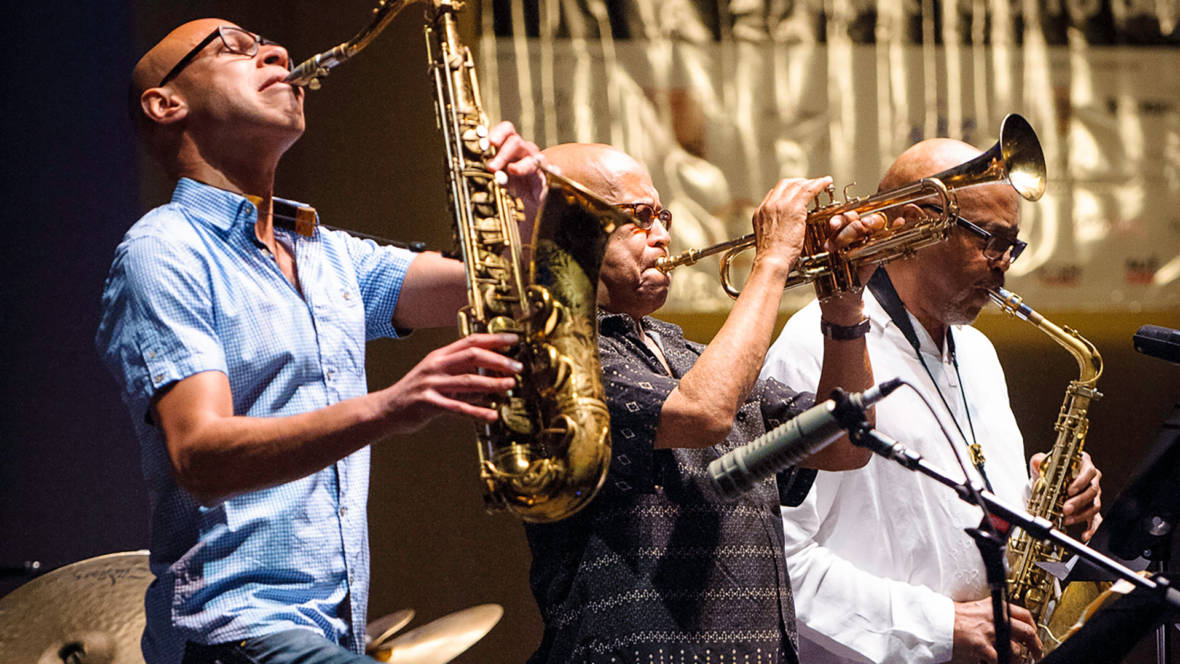
"caption": "Billy Hart is celebrated at this year's Healdsburg Jazz Festival, where he performs with multiple combos.",
"description": "Billy Hart is celebrated at this year's Healdsburg Jazz Festival, where he performs with multiple combos.",
"title": "Hart.MAIN",
"credit": "Photo: John Rogers/ECM Records",
"status": "inherit",
"isLoading": false,
"fetchFailed": false
},
"arts_11632310": {
"type": "attachments",
"id": "arts_11632310",
"meta": {
"index": "attachments_1716263798",
"site": "arts",
"id": "11632310",
"found": true
},
"parent": 11632144,
"imgSizes": {
"twentyfourteen-full-width": {
"file": "https://ww2.kqed.org/app/uploads/sites/2/2016/05/BottleRock.MAIN_.MandyLee-1038x576.jpg",
"width": 1038,
"mimeType": "image/jpeg",
"height": 576
},
"thumbnail": {
"file": "https://ww2.kqed.org/app/uploads/sites/2/2016/05/BottleRock.MAIN_.MandyLee-400x225.jpg",
"width": 400,
"mimeType": "image/jpeg",
"height": 225
},
"fd-sm": {
"file": "https://ww2.kqed.org/app/uploads/sites/2/2016/05/BottleRock.MAIN_.MandyLee-960x540.jpg",
"width": 960,
"mimeType": "image/jpeg",
"height": 540
},
"post-thumbnail": {
"file": "https://ww2.kqed.org/app/uploads/sites/2/2016/05/BottleRock.MAIN_.MandyLee-672x372.jpg",
"width": 672,
"mimeType": "image/jpeg",
"height": 372
},
"kqedFullSize": {
"file": "https://ww2.kqed.org/app/uploads/sites/2/2016/05/BottleRock.MAIN_.MandyLee.jpg",
"width": 1920,
"height": 1080
},
"large": {
"file": "https://ww2.kqed.org/app/uploads/sites/2/2016/05/BottleRock.MAIN_.MandyLee-1180x664.jpg",
"width": 1180,
"mimeType": "image/jpeg",
"height": 664
},
"guest-author-50": {
"file": "https://ww2.kqed.org/app/uploads/sites/2/2016/05/BottleRock.MAIN_.MandyLee-50x50.jpg",
"width": 50,
"mimeType": "image/jpeg",
"height": 50
},
"guest-author-96": {
"file": "https://ww2.kqed.org/app/uploads/sites/2/2016/05/BottleRock.MAIN_.MandyLee-96x96.jpg",
"width": 96,
"mimeType": "image/jpeg",
"height": 96
},
"medium": {
"file": "https://ww2.kqed.org/app/uploads/sites/2/2016/05/BottleRock.MAIN_.MandyLee-800x450.jpg",
"width": 800,
"mimeType": "image/jpeg",
"height": 450
},
"guest-author-64": {
"file": "https://ww2.kqed.org/app/uploads/sites/2/2016/05/BottleRock.MAIN_.MandyLee-64x64.jpg",
"width": 64,
"mimeType": "image/jpeg",
"height": 64
},
"guest-author-32": {
"file": "https://ww2.kqed.org/app/uploads/sites/2/2016/05/BottleRock.MAIN_.MandyLee-32x32.jpg",
"width": 32,
"mimeType": "image/jpeg",
"height": 32
},
"fd-lrg": {
"file": "https://ww2.kqed.org/app/uploads/sites/2/2016/05/BottleRock.MAIN_.MandyLee-1920x1080.jpg",
"width": 1920,
"mimeType": "image/jpeg",
"height": 1080
},
"fd-med": {
"file": "https://ww2.kqed.org/app/uploads/sites/2/2016/05/BottleRock.MAIN_.MandyLee-1180x664.jpg",
"width": 1180,
"mimeType": "image/jpeg",
"height": 664
},
"detail": {
"file": "https://ww2.kqed.org/app/uploads/sites/2/2016/05/BottleRock.MAIN_.MandyLee-150x150.jpg",
"width": 150,
"mimeType": "image/jpeg",
"height": 150
},
"medium_large": {
"file": "https://ww2.kqed.org/app/uploads/sites/2/2016/05/BottleRock.MAIN_.MandyLee-768x432.jpg",
"width": 768,
"mimeType": "image/jpeg",
"height": 432
},
"guest-author-128": {
"file": "https://ww2.kqed.org/app/uploads/sites/2/2016/05/BottleRock.MAIN_.MandyLee-128x128.jpg",
"width": 128,
"mimeType": "image/jpeg",
"height": 128
}
},
"publishDate": 1464644597,
"modified": 1464644655,
"caption": "Mandy Lee of MisterWives performs at BottleRock, 2016.",
"description": null,
"title": "BottleRock.MAIN.MandyLee",
"credit": "Estefany Gonzalez",
"status": "inherit",
"isLoading": false,
"fetchFailed": false
},
"arts_11631755": {
"type": "attachments",
"id": "arts_11631755",
"meta": {
"index": "attachments_1716263798",
"site": "arts",
"id": "11631755",
"found": true
},
"parent": 11631629,
"imgSizes": {
"twentyfourteen-full-width": {
"file": "https://ww2.kqed.org/app/uploads/sites/2/2016/05/BobMould.MAIN_-1038x576.jpg",
"width": 1038,
"mimeType": "image/jpeg",
"height": 576
},
"thumbnail": {
"file": "https://ww2.kqed.org/app/uploads/sites/2/2016/05/BobMould.MAIN_-400x225.jpg",
"width": 400,
"mimeType": "image/jpeg",
"height": 225
},
"fd-sm": {
"file": "https://ww2.kqed.org/app/uploads/sites/2/2016/05/BobMould.MAIN_-960x540.jpg",
"width": 960,
"mimeType": "image/jpeg",
"height": 540
},
"post-thumbnail": {
"file": "https://ww2.kqed.org/app/uploads/sites/2/2016/05/BobMould.MAIN_-672x372.jpg",
"width": 672,
"mimeType": "image/jpeg",
"height": 372
},
"kqedFullSize": {
"file": "https://ww2.kqed.org/app/uploads/sites/2/2016/05/BobMould.MAIN_.jpg",
"width": 1100,
"height": 619
},
"guest-author-50": {
"file": "https://ww2.kqed.org/app/uploads/sites/2/2016/05/BobMould.MAIN_-50x50.jpg",
"width": 50,
"mimeType": "image/jpeg",
"height": 50
},
"guest-author-96": {
"file": "https://ww2.kqed.org/app/uploads/sites/2/2016/05/BobMould.MAIN_-96x96.jpg",
"width": 96,
"mimeType": "image/jpeg",
"height": 96
},
"medium": {
"file": "https://ww2.kqed.org/app/uploads/sites/2/2016/05/BobMould.MAIN_-800x450.jpg",
"width": 800,
"mimeType": "image/jpeg",
"height": 450
},
"guest-author-64": {
"file": "https://ww2.kqed.org/app/uploads/sites/2/2016/05/BobMould.MAIN_-64x64.jpg",
"width": 64,
"mimeType": "image/jpeg",
"height": 64
},
"guest-author-32": {
"file": "https://ww2.kqed.org/app/uploads/sites/2/2016/05/BobMould.MAIN_-32x32.jpg",
"width": 32,
"mimeType": "image/jpeg",
"height": 32
},
"detail": {
"file": "https://ww2.kqed.org/app/uploads/sites/2/2016/05/BobMould.MAIN_-150x150.jpg",
"width": 150,
"mimeType": "image/jpeg",
"height": 150
},
"medium_large": {
"file": "https://ww2.kqed.org/app/uploads/sites/2/2016/05/BobMould.MAIN_-768x432.jpg",
"width": 768,
"mimeType": "image/jpeg",
"height": 432
},
"guest-author-128": {
"file": "https://ww2.kqed.org/app/uploads/sites/2/2016/05/BobMould.MAIN_-128x128.jpg",
"width": 128,
"mimeType": "image/jpeg",
"height": 128
}
},
"publishDate": 1464629422,
"modified": 1464629443,
"caption": "Bob Mould.",
"description": "Bob Mould.",
"title": "BobMould.MAIN",
"credit": "Courtesy Merge Records",
"status": "inherit",
"isLoading": false,
"fetchFailed": false
},
"arts_11631500": {
"type": "attachments",
"id": "arts_11631500",
"meta": {
"index": "attachments_1716263798",
"site": "arts",
"id": "11631500",
"found": true
},
"parent": 11631499,
"imgSizes": {
"twentyfourteen-full-width": {
"file": "https://ww2.kqed.org/app/uploads/sites/2/2016/05/NYCO-e2babc73421f9fe1dc6cd7a1857f25e374c4350b-1000x576.jpg",
"width": 1000,
"mimeType": "image/jpeg",
"height": 576
},
"thumbnail": {
"file": "https://ww2.kqed.org/app/uploads/sites/2/2016/05/NYCO-e2babc73421f9fe1dc6cd7a1857f25e374c4350b-e1464623266741-400x225.jpg",
"width": 400,
"mimeType": "image/jpeg",
"height": 225
},
"fd-sm": {
"file": "https://ww2.kqed.org/app/uploads/sites/2/2016/05/NYCO-e2babc73421f9fe1dc6cd7a1857f25e374c4350b-e1464623266741-960x540.jpg",
"width": 960,
"mimeType": "image/jpeg",
"height": 540
},
"post-thumbnail": {
"file": "https://ww2.kqed.org/app/uploads/sites/2/2016/05/NYCO-e2babc73421f9fe1dc6cd7a1857f25e374c4350b-e1464623266741-672x372.jpg",
"width": 672,
"mimeType": "image/jpeg",
"height": 372
},
"kqedFullSize": {
"file": "https://ww2.kqed.org/app/uploads/sites/2/2016/05/NYCO-e2babc73421f9fe1dc6cd7a1857f25e374c4350b-e1464623266741.jpg",
"width": 1000,
"height": 562
},
"guest-author-50": {
"file": "https://ww2.kqed.org/app/uploads/sites/2/2016/05/NYCO-e2babc73421f9fe1dc6cd7a1857f25e374c4350b-e1464623266741-50x50.jpg",
"width": 50,
"mimeType": "image/jpeg",
"height": 50
},
"guest-author-96": {
"file": "https://ww2.kqed.org/app/uploads/sites/2/2016/05/NYCO-e2babc73421f9fe1dc6cd7a1857f25e374c4350b-e1464623266741-96x96.jpg",
"width": 96,
"mimeType": "image/jpeg",
"height": 96
},
"medium": {
"file": "https://ww2.kqed.org/app/uploads/sites/2/2016/05/NYCO-e2babc73421f9fe1dc6cd7a1857f25e374c4350b-e1464623266741-800x450.jpg",
"width": 800,
"mimeType": "image/jpeg",
"height": 450
},
"guest-author-64": {
"file": "https://ww2.kqed.org/app/uploads/sites/2/2016/05/NYCO-e2babc73421f9fe1dc6cd7a1857f25e374c4350b-e1464623266741-64x64.jpg",
"width": 64,
"mimeType": "image/jpeg",
"height": 64
},
"guest-author-32": {
"file": "https://ww2.kqed.org/app/uploads/sites/2/2016/05/NYCO-e2babc73421f9fe1dc6cd7a1857f25e374c4350b-e1464623266741-32x32.jpg",
"width": 32,
"mimeType": "image/jpeg",
"height": 32
},
"detail": {
"file": "https://ww2.kqed.org/app/uploads/sites/2/2016/05/NYCO-e2babc73421f9fe1dc6cd7a1857f25e374c4350b-e1464623266741-150x150.jpg",
"width": 150,
"mimeType": "image/jpeg",
"height": 150
},
"medium_large": {
"file": "https://ww2.kqed.org/app/uploads/sites/2/2016/05/NYCO-e2babc73421f9fe1dc6cd7a1857f25e374c4350b-e1464623266741-768x432.jpg",
"width": 768,
"mimeType": "image/jpeg",
"height": 432
},
"guest-author-128": {
"file": "https://ww2.kqed.org/app/uploads/sites/2/2016/05/NYCO-e2babc73421f9fe1dc6cd7a1857f25e374c4350b-e1464623266741-128x128.jpg",
"width": 128,
"mimeType": "image/jpeg",
"height": 128
}
},
"publishDate": 1464622885,
"modified": 1464623349,
"caption": "Michael Chioldi (far left) as Baron Scarpia in a January production of Puccini's 'Tosca' by the newly reformed New York City Opera",
"description": "Michael Chioldi (far left) as Baron Scarpia in a January production of Puccini's \u003cem>Tosca\u003c/em> by the newly reformed New York City Opera",
"title": "Michael Chioldi (far left) as Baron Scarpia in a January production of Puccini's Tosca by the newly reformed New York City Opera.",
"credit": "Photo: Sarah Shatz/New York City Opera",
"status": "inherit",
"isLoading": false,
"fetchFailed": false
},
"arts_11629041": {
"type": "attachments",
"id": "arts_11629041",
"meta": {
"index": "attachments_1716263798",
"site": "arts",
"id": "11629041",
"found": true
},
"parent": 11628892,
"imgSizes": {
"twentyfourteen-full-width": {
"file": "https://ww2.kqed.org/app/uploads/sites/2/2016/05/Feels.MAIN_-1038x576.jpg",
"width": 1038,
"mimeType": "image/jpeg",
"height": 576
},
"thumbnail": {
"file": "https://ww2.kqed.org/app/uploads/sites/2/2016/05/Feels.MAIN_-400x225.jpg",
"width": 400,
"mimeType": "image/jpeg",
"height": 225
},
"fd-sm": {
"file": "https://ww2.kqed.org/app/uploads/sites/2/2016/05/Feels.MAIN_-960x540.jpg",
"width": 960,
"mimeType": "image/jpeg",
"height": 540
},
"post-thumbnail": {
"file": "https://ww2.kqed.org/app/uploads/sites/2/2016/05/Feels.MAIN_-672x372.jpg",
"width": 672,
"mimeType": "image/jpeg",
"height": 372
},
"kqedFullSize": {
"file": "https://ww2.kqed.org/app/uploads/sites/2/2016/05/Feels.MAIN_.jpg",
"width": 1920,
"height": 1080
},
"large": {
"file": "https://ww2.kqed.org/app/uploads/sites/2/2016/05/Feels.MAIN_-1180x664.jpg",
"width": 1180,
"mimeType": "image/jpeg",
"height": 664
},
"guest-author-50": {
"file": "https://ww2.kqed.org/app/uploads/sites/2/2016/05/Feels.MAIN_-50x50.jpg",
"width": 50,
"mimeType": "image/jpeg",
"height": 50
},
"guest-author-96": {
"file": "https://ww2.kqed.org/app/uploads/sites/2/2016/05/Feels.MAIN_-96x96.jpg",
"width": 96,
"mimeType": "image/jpeg",
"height": 96
},
"medium": {
"file": "https://ww2.kqed.org/app/uploads/sites/2/2016/05/Feels.MAIN_-800x450.jpg",
"width": 800,
"mimeType": "image/jpeg",
"height": 450
},
"guest-author-64": {
"file": "https://ww2.kqed.org/app/uploads/sites/2/2016/05/Feels.MAIN_-64x64.jpg",
"width": 64,
"mimeType": "image/jpeg",
"height": 64
},
"guest-author-32": {
"file": "https://ww2.kqed.org/app/uploads/sites/2/2016/05/Feels.MAIN_-32x32.jpg",
"width": 32,
"mimeType": "image/jpeg",
"height": 32
},
"fd-lrg": {
"file": "https://ww2.kqed.org/app/uploads/sites/2/2016/05/Feels.MAIN_-1920x1080.jpg",
"width": 1920,
"mimeType": "image/jpeg",
"height": 1080
},
"fd-med": {
"file": "https://ww2.kqed.org/app/uploads/sites/2/2016/05/Feels.MAIN_-1180x664.jpg",
"width": 1180,
"mimeType": "image/jpeg",
"height": 664
},
"detail": {
"file": "https://ww2.kqed.org/app/uploads/sites/2/2016/05/Feels.MAIN_-150x150.jpg",
"width": 150,
"mimeType": "image/jpeg",
"height": 150
},
"medium_large": {
"file": "https://ww2.kqed.org/app/uploads/sites/2/2016/05/Feels.MAIN_-768x432.jpg",
"width": 768,
"mimeType": "image/jpeg",
"height": 432
},
"guest-author-128": {
"file": "https://ww2.kqed.org/app/uploads/sites/2/2016/05/Feels.MAIN_-128x128.jpg",
"width": 128,
"mimeType": "image/jpeg",
"height": 128
}
},
"publishDate": 1464554447,
"modified": 1464554494,
"caption": "Georgia Anne Muldrow performs at Feels V in Oakland, May 28, 2016.",
"description": "Georgia Anne Muldrow performs at Feels V in Oakland, May 28, 2016.",
"title": "Feels.MAIN",
"credit": "Photo: Gabe Meline",
"status": "inherit",
"isLoading": false,
"fetchFailed": false
},
"arts_11626055": {
"type": "attachments",
"id": "arts_11626055",
"meta": {
"index": "attachments_1716263798",
"site": "arts",
"id": "11626055",
"found": true
},
"parent": 11625922,
"imgSizes": {
"twentyfourteen-full-width": {
"file": "https://ww2.kqed.org/app/uploads/sites/2/2016/05/BottlerockStage-1038x576.jpg",
"width": 1038,
"mimeType": "image/jpeg",
"height": 576
},
"thumbnail": {
"file": "https://ww2.kqed.org/app/uploads/sites/2/2016/05/BottlerockStage-400x225.jpg",
"width": 400,
"mimeType": "image/jpeg",
"height": 225
},
"fd-sm": {
"file": "https://ww2.kqed.org/app/uploads/sites/2/2016/05/BottlerockStage-960x540.jpg",
"width": 960,
"mimeType": "image/jpeg",
"height": 540
},
"post-thumbnail": {
"file": "https://ww2.kqed.org/app/uploads/sites/2/2016/05/BottlerockStage-672x372.jpg",
"width": 672,
"mimeType": "image/jpeg",
"height": 372
},
"kqedFullSize": {
"file": "https://ww2.kqed.org/app/uploads/sites/2/2016/05/BottlerockStage.jpg",
"width": 1920,
"height": 1080
},
"large": {
"file": "https://ww2.kqed.org/app/uploads/sites/2/2016/05/BottlerockStage-1180x664.jpg",
"width": 1180,
"mimeType": "image/jpeg",
"height": 664
},
"guest-author-50": {
"file": "https://ww2.kqed.org/app/uploads/sites/2/2016/05/BottlerockStage-50x50.jpg",
"width": 50,
"mimeType": "image/jpeg",
"height": 50
},
"guest-author-96": {
"file": "https://ww2.kqed.org/app/uploads/sites/2/2016/05/BottlerockStage-96x96.jpg",
"width": 96,
"mimeType": "image/jpeg",
"height": 96
},
"medium": {
"file": "https://ww2.kqed.org/app/uploads/sites/2/2016/05/BottlerockStage-800x450.jpg",
"width": 800,
"mimeType": "image/jpeg",
"height": 450
},
"guest-author-64": {
"file": "https://ww2.kqed.org/app/uploads/sites/2/2016/05/BottlerockStage-64x64.jpg",
"width": 64,
"mimeType": "image/jpeg",
"height": 64
},
"guest-author-32": {
"file": "https://ww2.kqed.org/app/uploads/sites/2/2016/05/BottlerockStage-32x32.jpg",
"width": 32,
"mimeType": "image/jpeg",
"height": 32
},
"fd-lrg": {
"file": "https://ww2.kqed.org/app/uploads/sites/2/2016/05/BottlerockStage-1920x1080.jpg",
"width": 1920,
"mimeType": "image/jpeg",
"height": 1080
},
"fd-med": {
"file": "https://ww2.kqed.org/app/uploads/sites/2/2016/05/BottlerockStage-1180x664.jpg",
"width": 1180,
"mimeType": "image/jpeg",
"height": 664
},
"detail": {
"file": "https://ww2.kqed.org/app/uploads/sites/2/2016/05/BottlerockStage-150x150.jpg",
"width": 150,
"mimeType": "image/jpeg",
"height": 150
},
"medium_large": {
"file": "https://ww2.kqed.org/app/uploads/sites/2/2016/05/BottlerockStage-768x432.jpg",
"width": 768,
"mimeType": "image/jpeg",
"height": 432
},
"guest-author-128": {
"file": "https://ww2.kqed.org/app/uploads/sites/2/2016/05/BottlerockStage-128x128.jpg",
"width": 128,
"mimeType": "image/jpeg",
"height": 128
}
},
"publishDate": 1464469233,
"modified": 1464469258,
"caption": "The stage at BottleRock 2016.",
"description": "The stage at BottleRock 2016.",
"title": "BottlerockStage",
"credit": "Gabe Meline",
"status": "inherit",
"isLoading": false,
"fetchFailed": false
},
"arts_11621088": {
"type": "attachments",
"id": "arts_11621088",
"meta": {
"index": "attachments_1716263798",
"site": "arts",
"id": "11621088",
"found": true
},
"parent": 11621085,
"imgSizes": {
"thumbnail": {
"file": "https://ww2.kqed.org/app/uploads/sites/2/2016/05/Troy-AVe-400x225.jpg",
"width": 400,
"mimeType": "image/jpeg",
"height": 225
},
"post-thumbnail": {
"file": "https://ww2.kqed.org/app/uploads/sites/2/2016/05/Troy-AVe-672x372.jpg",
"width": 672,
"mimeType": "image/jpeg",
"height": 372
},
"kqedFullSize": {
"file": "https://ww2.kqed.org/app/uploads/sites/2/2016/05/Troy-AVe.jpg",
"width": 800,
"height": 450
},
"guest-author-50": {
"file": "https://ww2.kqed.org/app/uploads/sites/2/2016/05/Troy-AVe-50x50.jpg",
"width": 50,
"mimeType": "image/jpeg",
"height": 50
},
"guest-author-96": {
"file": "https://ww2.kqed.org/app/uploads/sites/2/2016/05/Troy-AVe-96x96.jpg",
"width": 96,
"mimeType": "image/jpeg",
"height": 96
},
"medium": {
"file": "https://ww2.kqed.org/app/uploads/sites/2/2016/05/Troy-AVe-800x450.jpg",
"width": 800,
"mimeType": "image/jpeg",
"height": 450
},
"guest-author-64": {
"file": "https://ww2.kqed.org/app/uploads/sites/2/2016/05/Troy-AVe-64x64.jpg",
"width": 64,
"mimeType": "image/jpeg",
"height": 64
},
"detail": {
"file": "https://ww2.kqed.org/app/uploads/sites/2/2016/05/Troy-AVe-150x150.jpg",
"width": 150,
"mimeType": "image/jpeg",
"height": 150
},
"guest-author-32": {
"file": "https://ww2.kqed.org/app/uploads/sites/2/2016/05/Troy-AVe-32x32.jpg",
"width": 32,
"mimeType": "image/jpeg",
"height": 32
},
"medium_large": {
"file": "https://ww2.kqed.org/app/uploads/sites/2/2016/05/Troy-AVe-768x432.jpg",
"width": 768,
"mimeType": "image/jpeg",
"height": 432
},
"guest-author-128": {
"file": "https://ww2.kqed.org/app/uploads/sites/2/2016/05/Troy-AVe-128x128.jpg",
"width": 128,
"mimeType": "image/jpeg",
"height": 128
}
},
"publishDate": 1464329321,
"modified": 1464329395,
"caption": "Troy Ave performs onstage at Stage 48 in New York City in 2015. ",
"description": "Troy Ave performs onstage at Stage 48 in New York City in 2015. ",
"title": "Coors Light Soundtrack reFRESH Brings DJ Mustard, Fabolous And Special Guests To NYC",
"credit": "Photo: Bennett Raglin/Getty Images for Coors Light",
"status": "inherit",
"isLoading": false,
"fetchFailed": false
}
},
"audioPlayerReducer": {
"postId": "stream_live",
"isPaused": true,
"isPlaying": false,
"pfsActive": false,
"pledgeModalIsOpen": true,
"playerDrawerIsOpen": false,
"liveAudioPlayStartedAt": 0,
"liveAudioPlayContext": ""
},
"authorsReducer": {
"byline_news_10973520": {
"type": "authors",
"id": "byline_news_10973520",
"meta": {
"override": true
},
"slug": "byline_news_10973520",
"name": "\u003cstrong>Peter Gilstrap\u003c/strong>",
"isLoading": false
},
"byline_arts_11635264": {
"type": "authors",
"id": "byline_arts_11635264",
"meta": {
"override": true
},
"slug": "byline_arts_11635264",
"name": "Associated Press",
"isLoading": false
},
"byline_arts_11635129": {
"type": "authors",
"id": "byline_arts_11635129",
"meta": {
"override": true
},
"slug": "byline_arts_11635129",
"name": "Anthony McCartney, Associated Press",
"isLoading": false
},
"byline_arts_11632144": {
"type": "authors",
"id": "byline_arts_11632144",
"meta": {
"override": true
},
"slug": "byline_arts_11632144",
"name": "Estefany Gonzalez",
"isLoading": false
},
"byline_arts_11631499": {
"type": "authors",
"id": "byline_arts_11631499",
"meta": {
"override": true
},
"slug": "byline_arts_11631499",
"name": "Tom Huizenga",
"isLoading": false
},
"byline_arts_11621085": {
"type": "authors",
"id": "byline_arts_11621085",
"meta": {
"override": true
},
"slug": "byline_arts_11621085",
"name": "Jake Pearson & Stephanie Siek, Associated Press",
"isLoading": false
},
"agilbert": {
"type": "authors",
"id": "86",
"meta": {
"index": "authors_1716337520",
"id": "86",
"found": true
},
"name": "Andrew Gilbert",
"firstName": "Andrew",
"lastName": "Gilbert",
"slug": "agilbert",
"email": "jazzscribe@aol.com",
"display_author_email": false,
"staff_mastheads": [],
"title": "KQED Contributor",
"bio": "A Los Angeles native based in the Berkeley area since 1996, Andrew Gilbert covers jazz, international music and dance for KQED's \u003ci>California Report, \u003c/i>the\u003ci> Mercury News\u003c/i>, \u003ci>San Francisco Chronicle\u003c/i>, \u003ci>Berkeleyside.com\u003c/i>, and other publications. He is available for weddings and bar and bat mitzvahs. #jazzscribe",
"avatar": "https://secure.gravatar.com/avatar/d7bcafdbefdd39e9a68f88724ca616eb4e7a5a6bff9cdfb62de652a1e1751471?s=600&d=blank&r=g",
"twitter": null,
"bluesky": null,
"facebook": null,
"instagram": null,
"linkedin": null,
"sites": [
{
"site": "arts",
"roles": [
"Contributor",
"author"
]
},
{
"site": "news",
"roles": [
"author"
]
}
],
"headData": {
"title": "Andrew Gilbert | KQED",
"description": "KQED Contributor",
"ogImgSrc": "https://secure.gravatar.com/avatar/d7bcafdbefdd39e9a68f88724ca616eb4e7a5a6bff9cdfb62de652a1e1751471?s=600&d=blank&r=g",
"twImgSrc": "https://secure.gravatar.com/avatar/d7bcafdbefdd39e9a68f88724ca616eb4e7a5a6bff9cdfb62de652a1e1751471?s=600&d=blank&r=g"
},
"isLoading": false,
"link": "/author/agilbert"
},
"kjones": {
"type": "authors",
"id": "93",
"meta": {
"index": "authors_1716337520",
"id": "93",
"found": true
},
"name": "Kevin L. Jones",
"firstName": "Kevin",
"lastName": "Jones",
"slug": "kjones",
"email": "kjones@kqed.org",
"display_author_email": false,
"staff_mastheads": [],
"title": null,
"bio": null,
"avatar": "https://secure.gravatar.com/avatar/12c65b5633ed39d0a59bb7f497eff645?s=600&d=blank&r=g",
"twitter": null,
"facebook": null,
"instagram": null,
"linkedin": null,
"sites": [
{
"site": "arts",
"roles": [
"subscriber"
]
},
{
"site": "styleguide",
"roles": [
"contributor"
]
},
{
"site": "artschool",
"roles": [
"subscriber"
]
},
{
"site": "news",
"roles": [
"subscriber"
]
},
{
"site": "pop",
"roles": [
"subscriber"
]
}
],
"headData": {
"title": "Kevin L. Jones | KQED",
"description": null,
"ogImgSrc": "https://secure.gravatar.com/avatar/12c65b5633ed39d0a59bb7f497eff645?s=600&d=blank&r=g",
"twImgSrc": "https://secure.gravatar.com/avatar/12c65b5633ed39d0a59bb7f497eff645?s=600&d=blank&r=g"
},
"isLoading": false,
"link": "/author/kjones"
},
"baybridged": {
"type": "authors",
"id": "178",
"meta": {
"index": "authors_1716337520",
"id": "178",
"found": true
},
"name": "The Bay Bridged",
"firstName": null,
"lastName": null,
"slug": "baybridged",
"email": "thebaybridged@gmail.com",
"display_author_email": false,
"staff_mastheads": [],
"title": null,
"bio": null,
"avatar": "https://secure.gravatar.com/avatar/e3aa062cc38c56b4a0b5a11d6c10527d?s=600&d=blank&r=g",
"twitter": null,
"facebook": null,
"instagram": null,
"linkedin": null,
"sites": [
{
"site": "arts",
"roles": [
"contributor"
]
}
],
"headData": {
"title": "The Bay Bridged | KQED",
"description": null,
"ogImgSrc": "https://secure.gravatar.com/avatar/e3aa062cc38c56b4a0b5a11d6c10527d?s=600&d=blank&r=g",
"twImgSrc": "https://secure.gravatar.com/avatar/e3aa062cc38c56b4a0b5a11d6c10527d?s=600&d=blank&r=g"
},
"isLoading": false,
"link": "/author/baybridged"
},
"gmeline": {
"type": "authors",
"id": "185",
"meta": {
"index": "authors_1716337520",
"id": "185",
"found": true
},
"name": "Gabe Meline",
"firstName": "Gabe",
"lastName": "Meline",
"slug": "gmeline",
"email": "gmeline@kqed.org",
"display_author_email": true,
"staff_mastheads": [
"arts"
],
"title": "Senior Editor, KQED Arts & Culture",
"bio": "Gabe Meline entered journalism at age 15 making photocopied zines, and has since earned awards from the Edward R. Murrow Awards, the Society for Professional Journalists, the Online Journalism Awards, the Association of Alternative Newsweeklies and the California Newspaper Publishers Association. Prior to KQED, he was the editor of the \u003cem>North Bay Bohemian\u003c/em> and a touring musician. He lives with his wife and daughter in his hometown of Santa Rosa, CA.",
"avatar": "https://secure.gravatar.com/avatar/5bebe57be0d8bc2dd318934feb47299e2d2d10cba28d09d8d7afb389a2ce2bdd?s=600&d=blank&r=g",
"twitter": null,
"bluesky": null,
"facebook": null,
"instagram": null,
"linkedin": null,
"sites": [
{
"site": "",
"roles": [
"editor"
]
},
{
"site": "arts",
"roles": [
"administrator"
]
},
{
"site": "artschool",
"roles": [
"editor"
]
},
{
"site": "news",
"roles": [
"author"
]
},
{
"site": "pop",
"roles": [
"editor"
]
},
{
"site": "bayareabites",
"roles": [
"editor"
]
},
{
"site": "food",
"roles": [
"editor"
]
},
{
"site": "liveblog",
"roles": [
"editor"
]
},
{
"site": "hiphop",
"roles": [
"editor"
]
}
],
"headData": {
"title": "Gabe Meline | KQED",
"description": "Senior Editor, KQED Arts & Culture",
"ogImgSrc": "https://secure.gravatar.com/avatar/5bebe57be0d8bc2dd318934feb47299e2d2d10cba28d09d8d7afb389a2ce2bdd?s=600&d=blank&r=g",
"twImgSrc": "https://secure.gravatar.com/avatar/5bebe57be0d8bc2dd318934feb47299e2d2d10cba28d09d8d7afb389a2ce2bdd?s=600&d=blank&r=g"
},
"isLoading": false,
"link": "/author/gmeline"
},
"mlevenson": {
"type": "authors",
"id": "6624",
"meta": {
"index": "authors_1716337520",
"id": "6624",
"found": true
},
"name": "Max Savage Levenson",
"firstName": "Max",
"lastName": "Savage Levenson",
"slug": "mlevenson",
"email": "m.savagelevenson@gmail.com",
"display_author_email": false,
"staff_mastheads": [],
"title": null,
"bio": null,
"avatar": "https://secure.gravatar.com/avatar/e7f998073c1ba6fec822d9f7dcd8c272?s=600&d=blank&r=g",
"twitter": null,
"facebook": null,
"instagram": null,
"linkedin": null,
"sites": [
{
"site": "arts",
"roles": [
"contributor"
]
},
{
"site": "news",
"roles": [
"author"
]
}
],
"headData": {
"title": "Max Savage Levenson | KQED",
"description": null,
"ogImgSrc": "https://secure.gravatar.com/avatar/e7f998073c1ba6fec822d9f7dcd8c272?s=600&d=blank&r=g",
"twImgSrc": "https://secure.gravatar.com/avatar/e7f998073c1ba6fec822d9f7dcd8c272?s=600&d=blank&r=g"
},
"isLoading": false,
"link": "/author/mlevenson"
}
},
"pagesReducer": {
"arts_category_music": {
"type": "terms",
"id": "arts_69",
"meta": {
"index": "terms_1716263798",
"site": "arts",
"id": "69",
"score": 10.848275
},
"featImg": null,
"name": "Music",
"description": null,
"taxonomy": "category",
"headData": {
"twImgId": null,
"twTitle": null,
"ogTitle": null,
"ogImgId": null,
"twDescription": null,
"description": null,
"title": "Music Archives | KQED Arts",
"ogDescription": null
},
"ttid": 70,
"slug": "music",
"isLoading": false,
"title": "Music",
"pageMeta": {
"site": "arts",
"WpPageTemplate": "page-topic-editorial",
"currentPage": 283
},
"blocks": [
{
"blockName": "kqed/post-list",
"attrs": {
"layout": "cardArticle2",
"query": "posts/arts?category=music",
"seeMore": false,
"paginated": true,
"page": 283
}
},
{
"blockName": "kqed/ad"
}
]
}
},
"pfsSessionReducer": {},
"postsReducer": {
"stream_live": {
"type": "live",
"id": "stream_live",
"audioUrl": "https://streams.kqed.org/kqedradio",
"title": "Live Stream",
"excerpt": "Live Stream information currently unavailable.",
"link": "/radio",
"featImg": "",
"label": {
"name": "KQED Live",
"link": "/"
}
},
"stream_kqedNewscast": {
"type": "posts",
"id": "stream_kqedNewscast",
"audioUrl": "https://www.kqed.org/.stream/anon/radio/RDnews/newscast.mp3?_=1",
"title": "KQED Newscast",
"featImg": "",
"label": {
"name": "88.5 FM",
"link": "/"
}
},
"news_10973520": {
"type": "posts",
"id": "news_10973520",
"meta": {
"index": "posts_1716263798",
"site": "news",
"id": "10973520",
"score": null,
"sort": [
1464819328000
]
},
"guestAuthors": [],
"slug": "l-a-s-punk-history-comes-to-light-in-under-the-big-black-sun",
"title": "L.A.'s Punk History Comes to Light in 'Under the Big Black Sun'",
"publishDate": 1464819328,
"format": "standard",
"headTitle": "L.A.’s Punk History Comes to Light in ‘Under the Big Black Sun’ | KQED",
"labelTerm": {
"term": 72,
"site": "news"
},
"content": "\u003cp>In 1976, musician John Doe set out from his home in Baltimore, bound for Los Angeles. He was behind the wheel of “a yellow 1970 International Travelall with a 1960 Fender Jazz ass, a Traynor bass amp, records, stereo, clothes, a few pots, pans and dishes,” offers Doe. “No furniture that I can recall and probably $1,500, which seemed like a lot.”\u003c/p>\n\u003cp>It would prove to be an eventful move. Within the next year, he would meet Exene Cervenka, Billy Zoom and DJ Bonebrake. Together they would form the band X, a group that would play an integral part in the germinating L.A. punk scene. Almost 40 years later, that vibrant, creative, influential period is the focus of “Under the Big Black Sun: A Personal History of L.A. Punk,” a book wrangled together by Doe and music industry veteran Tom DeSavia.\u003c/p>\n\u003cp>[soundcloud url=”https://api.soundcloud.com/tracks/266809431″ params=”color=ff5500&auto_play=false&hide_related=false&show_comments=true&show_user=true&show_reposts=false” width=”100%” height=”166″ iframe=”true” /]\u003c/p>\n\u003cp>The chapters are written by the musicians, scene makers and music critics who populated the surprisingly small scene centered in Hollywood around a vortex of low-rent apartments, dingy clubs and discount liquor stores. It was the unholy union of fading L.A. noir and the kinetic, upstart world of punk.\u003c/p>\n\u003cp>“So these people had to talk about what the city looked like and what it felt like and what it smelled like,” says Doe of the contributors. And what did L.A. punk smell like in 1977?\u003c/p>\n\u003cp>[ad fullwidth]\u003c/p>\n\u003cp>“Sweat, beer, a little bit of throw up on the side. Just a smattering of vomit! You know what? Punk rock smelled like Los Angeles and that was dusty and there was sun and when it rained it was beautiful and it was the same kind of smell that you got from any good book.”\u003c/p>\n\u003cfigure id=\"attachment_10974433\" class=\"wp-caption aligncenter\" style=\"max-width: 800px\">\u003cimg loading=\"lazy\" decoding=\"async\" src=\"http://ww2.kqed.org/news/wp-content/uploads/sites/10/2016/06/DeSaviaDoe-800x542.jpg\" alt='\"Under the Big Black Sun\" co-authors Tom DeSavia (L) and John Doe.' width=\"800\" height=\"542\" class=\"size-medium wp-image-10974433\" srcset=\"https://cdn.kqed.org/wp-content/uploads/sites/10/2016/06/DeSaviaDoe-800x542.jpg 800w, https://cdn.kqed.org/wp-content/uploads/sites/10/2016/06/DeSaviaDoe-400x271.jpg 400w, https://cdn.kqed.org/wp-content/uploads/sites/10/2016/06/DeSaviaDoe.jpg 1920w, https://cdn.kqed.org/wp-content/uploads/sites/10/2016/06/DeSaviaDoe-1180x799.jpg 1180w, https://cdn.kqed.org/wp-content/uploads/sites/10/2016/06/DeSaviaDoe-960x650.jpg 960w\" sizes=\"(max-width: 800px) 100vw, 800px\">\u003cfigcaption class=\"wp-caption-text\">“Under the Big Black Sun” co-authors Tom DeSavia (L) and John Doe. \u003ccite>(Peter Gilstrap/KQED)\u003c/cite>\u003c/figcaption>\u003c/figure>\n\u003cp>Named for the 1982 X song “Under the Big Black Sun,” the book was the brainchild of DeSavia, a self-confessed “record nerd” from the Valley.\u003c/p>\n\u003cp>“I was not in the punk scene,” he says. “I was a fan, I went with other kids to the shows, I bought the albums, I was a consumer.” He witnessed his first show in ’82. He was 15, he was wearing an argyle sweater and it changed his life.\u003c/p>\n\u003cp>“First time I saw X I was terrified,” recalls DeSavia. “I thought I was going to get pummeled. And then at some point everything refocused and I watched it and I got completely hypnotized by it and the poison seeped in. I remember standing out back and seeing John load some gear that night and thinking he was just the coolest guy on the planet.”\u003c/p>\n\u003caside class=\"pullquote alignright\">‘I quickly found out 90 percent of what I thought I knew was wrong, and everything had a better story than I could have ever imagined.’\u003ccite>Tom DeSavia\u003c/cite>\u003c/aside>\n\u003cp>Fast forward to 1996.\u003c/p>\n\u003cp>“I went to work for Elektra records and the first project I worked on there was something I begged to do, which was an X anthology called ‘Beyond and Back.’ ” While co-producing the album with the band, he became friends with the coolest guy on the planet.\u003c/p>\n\u003cp>He started asking questions about the golden years of the L.A. punk world, which was fast becoming a footnote to New York and London’s scenes.\u003c/p>\n\u003cp>“And I quickly found out 90 percent of what I thought I knew was wrong, and everything had a better story than I could have ever imagined,” DeSavia says. “So at that moment I was like, ‘John, you got to write a book.’ He had no interest.”\u003c/p>\n\u003cp>“I didn’t want to do the work,” admits Doe. “It’s hard. It’s discipline. I’m not the most disciplined person. So, in a bolt of inspiration, I thought, ‘I know, I’ll get other people to write, ’cause I’m also not comfortable with being the authority and the historian. So everybody has their truth.”\u003c/p>\n\u003cfigure id=\"attachment_10974437\" class=\"wp-caption aligncenter\" style=\"max-width: 800px\">\u003cimg loading=\"lazy\" decoding=\"async\" src=\"http://ww2.kqed.org/news/wp-content/uploads/sites/10/2016/06/Exene-800x513.jpg\" alt=\"Exene Cervenka of X performing at a show in 1980.\" width=\"800\" height=\"513\" class=\"size-medium wp-image-10974437\" srcset=\"https://cdn.kqed.org/wp-content/uploads/sites/10/2016/06/Exene-800x513.jpg 800w, https://cdn.kqed.org/wp-content/uploads/sites/10/2016/06/Exene-400x256.jpg 400w, https://cdn.kqed.org/wp-content/uploads/sites/10/2016/06/Exene.jpg 1920w, https://cdn.kqed.org/wp-content/uploads/sites/10/2016/06/Exene-1180x756.jpg 1180w, https://cdn.kqed.org/wp-content/uploads/sites/10/2016/06/Exene-960x615.jpg 960w\" sizes=\"(max-width: 800px) 100vw, 800px\">\u003cfigcaption class=\"wp-caption-text\">Exene Cervenka of X performing at a show in 1980. \u003ccite>(UCLA Library Special Collections/Flickr)\u003c/cite>\u003c/figcaption>\u003c/figure>\n\u003cp>Forty years ago, Hollywood was filthy, cheap, and dangerous, which made it the perfect spawning ground for punk rock. And in late ’70’s Los Angeles, the term “punk” threw a wide embrace that included the raw, edgy power of bands like Fear to the blues and rockabilly infusion of the Blasters to the Go-Go’s hooky power pop. The only rule was to be outside the mainstream.\u003c/p>\n\u003cp>Pleasant Gehman, who refers to herself as “an aging punk rock lady,” was a fixture on the scene. She published the fanzine Lobotomy, and wrote for most of the local publications that delved into the scene.\u003c/p>\n\u003cp>“In those days it felt really communal,” she says, “so whatever you did, you were doing it with a lot of people.” Gehman — the only author in the book who still lives in Hollywood proper, in view of the iconic sign on the hill — reveals a time travel glimpse of that communal scene.\u003c/p>\n\u003cfigure id=\"attachment_10974498\" class=\"wp-caption aligncenter\" style=\"max-width: 800px\">\u003cimg loading=\"lazy\" decoding=\"async\" src=\"http://ww2.kqed.org/news/wp-content/uploads/sites/10/2016/06/PleasantG-800x466.jpg\" alt=\"Pleasant Gehman, still a Hollywood resident, was a fixture of the early punk scene.\" width=\"800\" height=\"466\" class=\"size-medium wp-image-10974498\" srcset=\"https://cdn.kqed.org/wp-content/uploads/sites/10/2016/06/PleasantG-800x466.jpg 800w, https://cdn.kqed.org/wp-content/uploads/sites/10/2016/06/PleasantG-400x233.jpg 400w, https://cdn.kqed.org/wp-content/uploads/sites/10/2016/06/PleasantG.jpg 1920w, https://cdn.kqed.org/wp-content/uploads/sites/10/2016/06/PleasantG-1180x688.jpg 1180w, https://cdn.kqed.org/wp-content/uploads/sites/10/2016/06/PleasantG-960x560.jpg 960w\" sizes=\"(max-width: 800px) 100vw, 800px\">\u003cfigcaption class=\"wp-caption-text\">Pleasant Gehman, still a Hollywood resident, was a fixture of the early punk scene. \u003ccite>(Peter Gilstrap/KQED)\u003c/cite>\u003c/figcaption>\u003c/figure>\n\u003cp>“It’s Saturday night in 1977, and I would be in a room either at somebody’s apartment, like Joan Jett’s apartment across the street from the Whisky, or at the Canterbury [an apartment building notorious for its punk tenants] with a bunch of other people,” she recalls. “We’d all be putting on makeup, all putting on different badges and primping and drinking and gossiping and screaming and yelling.”\u003c/p>\n\u003cp>“There’d be the Clash or the Damned playing on the stereo and we’d all be getting ready to go out. The feeling of excitement was so insane that now, about 40 years later, I still can’t differentiate whether it was my own adolescent excitement or if it really was that electric. It just felt different than any other time in my life.”\u003c/p>\n\u003cp>Fueled by all those yelling, primping, drinking people, bands and audiences were often interchangeable, something San Pedro’s Minutemen discovered when they first ventured north on the 110 freeway to investigate rumors of something happening.\u003c/p>\n\u003cp>“There’s this scene up in Hollywood where people write their own songs. We’re like, whoa!” bassist Mike Watt says. \u003c/p>\n\u003cp>“We go up there and the Bags and the Weirdos were playing four bands for four bucks at the Whisky. And you didn’t sit, actually the guy playing could be standing next to you, they’re like taking turns. And you could tell dudes were just learning, too. And no fear! I looked at D. Boone and go, we can do this! You get something going with like-minded people who don’t fit in, and you make a kind of parallel universe.”\u003c/p>\n\u003cfigure id=\"attachment_10974503\" class=\"wp-caption aligncenter\" style=\"max-width: 800px\">\u003cimg loading=\"lazy\" decoding=\"async\" src=\"http://ww2.kqed.org/news/wp-content/uploads/sites/10/2016/06/Minutemen-800x503.jpg\" alt=\"The Minutemen in 1982.\" width=\"800\" height=\"503\" class=\"size-medium wp-image-10974503\" srcset=\"https://cdn.kqed.org/wp-content/uploads/sites/10/2016/06/Minutemen-800x503.jpg 800w, https://cdn.kqed.org/wp-content/uploads/sites/10/2016/06/Minutemen-400x251.jpg 400w, https://cdn.kqed.org/wp-content/uploads/sites/10/2016/06/Minutemen.jpg 1920w, https://cdn.kqed.org/wp-content/uploads/sites/10/2016/06/Minutemen-1180x741.jpg 1180w, https://cdn.kqed.org/wp-content/uploads/sites/10/2016/06/Minutemen-960x603.jpg 960w\" sizes=\"(max-width: 800px) 100vw, 800px\">\u003cfigcaption class=\"wp-caption-text\">The Minutemen in 1982. \u003ccite>(UCLA Library Special Collections/Flickr)\u003c/cite>\u003c/figcaption>\u003c/figure>\n\u003cp>“Wasn’t it a great time?!” says vocalist Teresa Covarrubias. “It really felt like something different was happening.”\u003c/p>\n\u003cp>Covarrubias and her group, The Brat, came from East L.A., an area of largely Mexican-American neighborhoods across the Los Angeles River from Hollywood, and a long way from punk rock.\u003c/p>\n\u003cp>“In East L.A. in Boyle Heights, that community is very isolated in a way, as far as what gets in there and popular culture, so I really felt alone,” says Covarrubias. “I was really the only person I knew who was aware of that type of music. It was a great epiphany, to know that this was a way for you to get your voice heard, and that punk vehicle — which was very in your face and aggressive — just seemed perfect for the situation I was in at that time.”\u003c/p>\n\u003cp>“It just seemed like there wasn’t a lot of limits,” she continues. “It kind of blew the whole performance thing wide open and changed what it meant to be onstage. You didn’t have to be a virtuoso on guitar, it was more like the spirit behind it and the heart behind what you wanted to do, and the expression. Just the act of expressing yourself, you know?”\u003c/p>\n\u003cfigure id=\"attachment_10974517\" class=\"wp-caption aligncenter\" style=\"max-width: 800px\">\u003cimg loading=\"lazy\" decoding=\"async\" src=\"http://ww2.kqed.org/news/wp-content/uploads/sites/10/2016/06/TheBrat80-800x569.jpg\" alt=\"The Brat in 1980, with Robert Soto, Rudy Brat, Teresa Covarrubias, Sid Medina and Lou Soto.\" width=\"800\" height=\"569\" class=\"size-medium wp-image-10974517\" srcset=\"https://cdn.kqed.org/wp-content/uploads/sites/10/2016/06/TheBrat80-800x569.jpg 800w, https://cdn.kqed.org/wp-content/uploads/sites/10/2016/06/TheBrat80-400x285.jpg 400w, https://cdn.kqed.org/wp-content/uploads/sites/10/2016/06/TheBrat80.jpg 1920w, https://cdn.kqed.org/wp-content/uploads/sites/10/2016/06/TheBrat80-1180x840.jpg 1180w, https://cdn.kqed.org/wp-content/uploads/sites/10/2016/06/TheBrat80-960x683.jpg 960w\" sizes=\"(max-width: 800px) 100vw, 800px\">\u003cfigcaption class=\"wp-caption-text\">The Brat in 1980, with Robert Soto, Rudy Brat, Teresa Covarrubias, Sid Medina and Lou Soto. \u003ccite>(TheBrat.net)\u003c/cite>\u003c/figcaption>\u003c/figure>\n\u003cp>Along with acts like Los Lobos and Robert “El Vez” Lopez, The Brat was redefining the East L.A. stereotype of what Covarrubias says was “all about gangs and violence.”\u003c/p>\n\u003cp>“When people would look at Chicano music or that culture, there was a certain thing that they expected to see,” she continues. “And I think us doing this music that was not as traditional was kind of invigorating because it wasn’t what people expected.”\u003c/p>\n\u003cp>Hailing from the foreign land of blue-collar Downey, a whopping 20 miles from Hollywood and Vine, the roots-fueled Blasters at first found themselves stonewalled by unresponsive club bookers, says songwriter and guitarist Dave Alvin.\u003c/p>\n\u003cp>“The nuts and bolts of breaking into Hollywood from Downey or wherever was difficult,” Alvin says. “In those days I was the guy driving around from club to club with a little demo cassette saying, ‘Uh, we got a band, we sorta play blues and rockabilly, ya know …’ and I would get rejected constantly.”\u003c/p>\n\u003cp>The musicians, on the other hand, were a big supportive family.\u003c/p>\n\u003caside class=\"pullquote alignright\">‘When people would look at Chicano music there was a certain thing that they expected to see. And I think us doing this music… was kind of invigorating because it wasn’t what people expected.’\u003ccite>Teresa Covarrubias, The Brat\u003c/cite>\u003c/aside>\n\u003cp>“The scene was very, very diverse. It accepted women, it accepted gays, it accepted straights, you had a lot of phony anarchists and communists, you even had one or two Republicans. Every race, every gender, every political persuasion, every everything was united by the music and that was a great thing.”\u003c/p>\n\u003cp>Back to X, and back to John Doe.\u003c/p>\n\u003cp>“This is where I’m going to get a little spiritual on you,” he says, a dark and fancy beer at his elbow. “I think if you can envision something and see something and imagine it, you can do it. A lot of people saw themselves in the future doing stuff, saw themselves on stage doing stuff, saw themselves inhabiting this character that they invented. I wasn’t born John Doe, but I created John Doe out of something. I think if you see it and you feel it and you just know it, you’ll find a way to get there. And I think that’s what we did.”\u003c/p>\n\u003cfigure id=\"attachment_10974388\" class=\"wp-caption aligncenter\" style=\"max-width: 800px\">\u003cimg loading=\"lazy\" decoding=\"async\" src=\"http://ww2.kqed.org/news/wp-content/uploads/sites/10/2016/06/BigBlackSunBook-800x619.jpg\" alt='Tom DeSavia, co-author of \"Under the Big Black Sun: A Personal History of L.A. Punk.\"' width=\"800\" height=\"619\" class=\"size-medium wp-image-10974388\" srcset=\"https://cdn.kqed.org/wp-content/uploads/sites/10/2016/06/BigBlackSunBook-800x619.jpg 800w, https://cdn.kqed.org/wp-content/uploads/sites/10/2016/06/BigBlackSunBook-400x310.jpg 400w, https://cdn.kqed.org/wp-content/uploads/sites/10/2016/06/BigBlackSunBook.jpg 1920w, https://cdn.kqed.org/wp-content/uploads/sites/10/2016/06/BigBlackSunBook-1180x913.jpg 1180w, https://cdn.kqed.org/wp-content/uploads/sites/10/2016/06/BigBlackSunBook-960x743.jpg 960w\" sizes=\"(max-width: 800px) 100vw, 800px\">\u003cfigcaption class=\"wp-caption-text\">Tom DeSavia, co-author of “Under the Big Black Sun: A Personal History of L.A. Punk.” \u003ccite>(Peter Gilstrap/KQED)\u003c/cite>\u003c/figcaption>\u003c/figure>\n\u003cp>Singer-songwriter Exene Cervenka — Doe’s partner in X for 39 years and counting — sums it up in her chapter in the audio version of “Under the Big Black Sun”:\u003c/p>\n\u003cblockquote>\u003cp>\nWe were a living spectacle that terrified and confused the traffic on Sunset and Vine, that broke the TV, replaced the radio, infiltrated the record companies, became the big stories the media was forced to tell, and maybe gave the government a bit of a scare. But the best thing we had going for us was originality. Nothing quite like L.A. punk had ever existed, or would, ever again.\n\u003c/p>\u003c/blockquote>\n\u003cp>[ad floatright]\u003c/p>\n\u003cp>It was a moment in time that began with a handful of bands on a handful of stages, and ended when those bands either fell apart or got bigger. But the voices in this book never let you forget one thing: It was all a hell of a lot of fun.\u003c/p>\n\n",
"blocks": [],
"excerpt": "A new book co-authored by John Doe of X features chapters written by musicians, scene makers and music critics who populated the early L.A. punk scene.",
"status": "publish",
"parent": 0,
"modified": 1721150914,
"stats": {
"hasAudio": false,
"hasVideo": false,
"hasChartOrMap": false,
"iframeSrcs": [],
"hasGoogleForm": false,
"hasGallery": false,
"hasHearkenModule": false,
"hasPolis": false,
"paragraphCount": 39,
"wordCount": 2101
},
"headData": {
"title": "L.A.'s Punk History Comes to Light in 'Under the Big Black Sun' | KQED",
"description": "A new book co-authored by John Doe of X features chapters written by musicians, scene makers and music critics who populated the early L.A. punk scene.",
"ogTitle": "",
"ogDescription": "",
"ogImgId": "",
"twTitle": "",
"twDescription": "",
"twImgId": "",
"schema": {
"@context": "https://schema.org",
"@type": "NewsArticle",
"headline": "L.A.'s Punk History Comes to Light in 'Under the Big Black Sun'",
"datePublished": "2016-06-01T15:15:28-07:00",
"dateModified": "2024-07-16T10:28:34-07:00",
"image": "https://cdn.kqed.org/wp-content/uploads/2020/02/KQED-OG-Image@1x.png",
"isAccessibleForFree": "True",
"publisher": {
"@type": "NewsMediaOrganization",
"@id": "https://www.kqed.org/#organization",
"name": "KQED",
"logo": "https://cdn.kqed.org/wp-content/uploads/2020/02/KQED-OG-Image@1x.png",
"url": "https://www.kqed.org",
"sameAs": [
"https://www.facebook.com/KQED",
"https://twitter.com/KQED",
"https://www.instagram.com/kqed/",
"https://www.tiktok.com/@kqedofficial",
"https://www.linkedin.com/company/kqed",
"https://www.youtube.com/channel/UCeC0IOo7i1P_61zVUWbJ4nw"
]
}
}
},
"sticky": false,
"nprByline": "\u003cstrong>Peter Gilstrap\u003c/strong>",
"path": "/news/10973520/l-a-s-punk-history-comes-to-light-in-under-the-big-black-sun",
"audioTrackLength": null,
"parsedContent": [
{
"type": "contentString",
"content": "\u003cdiv class=\"post-body\">\u003cp>\u003cp>In 1976, musician John Doe set out from his home in Baltimore, bound for Los Angeles. He was behind the wheel of “a yellow 1970 International Travelall with a 1960 Fender Jazz ass, a Traynor bass amp, records, stereo, clothes, a few pots, pans and dishes,” offers Doe. “No furniture that I can recall and probably $1,500, which seemed like a lot.”\u003c/p>\n\u003cp>It would prove to be an eventful move. Within the next year, he would meet Exene Cervenka, Billy Zoom and DJ Bonebrake. Together they would form the band X, a group that would play an integral part in the germinating L.A. punk scene. Almost 40 years later, that vibrant, creative, influential period is the focus of “Under the Big Black Sun: A Personal History of L.A. Punk,” a book wrangled together by Doe and music industry veteran Tom DeSavia.\u003c/p>\n\u003cp>\u003c/p>\u003cp>\u003cdiv class='utils-parseShortcode-shortcodes-__shortcodes__shortcodeWrapper'>\n \u003ciframe width='”100%”' height='”166″'\n scrolling='no' frameborder='no'\n src='https://w.soundcloud.com/player/?url=”https://api.soundcloud.com/tracks/266809431″&visual=true&”color=ff5500&auto_play=false&hide_related=false&show_comments=true&show_user=true&show_reposts=false”'\n title='”https://api.soundcloud.com/tracks/266809431″'>\n \u003c/iframe>\n \u003c/div>\u003c/p>\u003cp>\u003c/p>\n\u003cp>The chapters are written by the musicians, scene makers and music critics who populated the surprisingly small scene centered in Hollywood around a vortex of low-rent apartments, dingy clubs and discount liquor stores. It was the unholy union of fading L.A. noir and the kinetic, upstart world of punk.\u003c/p>\n\u003cp>“So these people had to talk about what the city looked like and what it felt like and what it smelled like,” says Doe of the contributors. And what did L.A. punk smell like in 1977?\u003c/p>\n\u003cp>\u003c/p>\u003c/div>",
"attributes": {
"named": {},
"numeric": []
}
},
{
"type": "component",
"content": "",
"name": "ad",
"attributes": {
"named": {
"label": "fullwidth"
},
"numeric": [
"fullwidth"
]
}
},
{
"type": "contentString",
"content": "\u003cdiv class=\"post-body\">\u003cp>\u003c/p>\n\u003cp>“Sweat, beer, a little bit of throw up on the side. Just a smattering of vomit! You know what? Punk rock smelled like Los Angeles and that was dusty and there was sun and when it rained it was beautiful and it was the same kind of smell that you got from any good book.”\u003c/p>\n\u003cfigure id=\"attachment_10974433\" class=\"wp-caption aligncenter\" style=\"max-width: 800px\">\u003cimg loading=\"lazy\" decoding=\"async\" src=\"http://ww2.kqed.org/news/wp-content/uploads/sites/10/2016/06/DeSaviaDoe-800x542.jpg\" alt='\"Under the Big Black Sun\" co-authors Tom DeSavia (L) and John Doe.' width=\"800\" height=\"542\" class=\"size-medium wp-image-10974433\" srcset=\"https://cdn.kqed.org/wp-content/uploads/sites/10/2016/06/DeSaviaDoe-800x542.jpg 800w, https://cdn.kqed.org/wp-content/uploads/sites/10/2016/06/DeSaviaDoe-400x271.jpg 400w, https://cdn.kqed.org/wp-content/uploads/sites/10/2016/06/DeSaviaDoe.jpg 1920w, https://cdn.kqed.org/wp-content/uploads/sites/10/2016/06/DeSaviaDoe-1180x799.jpg 1180w, https://cdn.kqed.org/wp-content/uploads/sites/10/2016/06/DeSaviaDoe-960x650.jpg 960w\" sizes=\"(max-width: 800px) 100vw, 800px\">\u003cfigcaption class=\"wp-caption-text\">“Under the Big Black Sun” co-authors Tom DeSavia (L) and John Doe. \u003ccite>(Peter Gilstrap/KQED)\u003c/cite>\u003c/figcaption>\u003c/figure>\n\u003cp>Named for the 1982 X song “Under the Big Black Sun,” the book was the brainchild of DeSavia, a self-confessed “record nerd” from the Valley.\u003c/p>\n\u003cp>“I was not in the punk scene,” he says. “I was a fan, I went with other kids to the shows, I bought the albums, I was a consumer.” He witnessed his first show in ’82. He was 15, he was wearing an argyle sweater and it changed his life.\u003c/p>\n\u003cp>“First time I saw X I was terrified,” recalls DeSavia. “I thought I was going to get pummeled. And then at some point everything refocused and I watched it and I got completely hypnotized by it and the poison seeped in. I remember standing out back and seeing John load some gear that night and thinking he was just the coolest guy on the planet.”\u003c/p>\n\u003caside class=\"pullquote alignright\">‘I quickly found out 90 percent of what I thought I knew was wrong, and everything had a better story than I could have ever imagined.’\u003ccite>Tom DeSavia\u003c/cite>\u003c/aside>\n\u003cp>Fast forward to 1996.\u003c/p>\n\u003cp>“I went to work for Elektra records and the first project I worked on there was something I begged to do, which was an X anthology called ‘Beyond and Back.’ ” While co-producing the album with the band, he became friends with the coolest guy on the planet.\u003c/p>\n\u003cp>He started asking questions about the golden years of the L.A. punk world, which was fast becoming a footnote to New York and London’s scenes.\u003c/p>\n\u003cp>“And I quickly found out 90 percent of what I thought I knew was wrong, and everything had a better story than I could have ever imagined,” DeSavia says. “So at that moment I was like, ‘John, you got to write a book.’ He had no interest.”\u003c/p>\n\u003cp>“I didn’t want to do the work,” admits Doe. “It’s hard. It’s discipline. I’m not the most disciplined person. So, in a bolt of inspiration, I thought, ‘I know, I’ll get other people to write, ’cause I’m also not comfortable with being the authority and the historian. So everybody has their truth.”\u003c/p>\n\u003cfigure id=\"attachment_10974437\" class=\"wp-caption aligncenter\" style=\"max-width: 800px\">\u003cimg loading=\"lazy\" decoding=\"async\" src=\"http://ww2.kqed.org/news/wp-content/uploads/sites/10/2016/06/Exene-800x513.jpg\" alt=\"Exene Cervenka of X performing at a show in 1980.\" width=\"800\" height=\"513\" class=\"size-medium wp-image-10974437\" srcset=\"https://cdn.kqed.org/wp-content/uploads/sites/10/2016/06/Exene-800x513.jpg 800w, https://cdn.kqed.org/wp-content/uploads/sites/10/2016/06/Exene-400x256.jpg 400w, https://cdn.kqed.org/wp-content/uploads/sites/10/2016/06/Exene.jpg 1920w, https://cdn.kqed.org/wp-content/uploads/sites/10/2016/06/Exene-1180x756.jpg 1180w, https://cdn.kqed.org/wp-content/uploads/sites/10/2016/06/Exene-960x615.jpg 960w\" sizes=\"(max-width: 800px) 100vw, 800px\">\u003cfigcaption class=\"wp-caption-text\">Exene Cervenka of X performing at a show in 1980. \u003ccite>(UCLA Library Special Collections/Flickr)\u003c/cite>\u003c/figcaption>\u003c/figure>\n\u003cp>Forty years ago, Hollywood was filthy, cheap, and dangerous, which made it the perfect spawning ground for punk rock. And in late ’70’s Los Angeles, the term “punk” threw a wide embrace that included the raw, edgy power of bands like Fear to the blues and rockabilly infusion of the Blasters to the Go-Go’s hooky power pop. The only rule was to be outside the mainstream.\u003c/p>\n\u003cp>Pleasant Gehman, who refers to herself as “an aging punk rock lady,” was a fixture on the scene. She published the fanzine Lobotomy, and wrote for most of the local publications that delved into the scene.\u003c/p>\n\u003cp>“In those days it felt really communal,” she says, “so whatever you did, you were doing it with a lot of people.” Gehman — the only author in the book who still lives in Hollywood proper, in view of the iconic sign on the hill — reveals a time travel glimpse of that communal scene.\u003c/p>\n\u003cfigure id=\"attachment_10974498\" class=\"wp-caption aligncenter\" style=\"max-width: 800px\">\u003cimg loading=\"lazy\" decoding=\"async\" src=\"http://ww2.kqed.org/news/wp-content/uploads/sites/10/2016/06/PleasantG-800x466.jpg\" alt=\"Pleasant Gehman, still a Hollywood resident, was a fixture of the early punk scene.\" width=\"800\" height=\"466\" class=\"size-medium wp-image-10974498\" srcset=\"https://cdn.kqed.org/wp-content/uploads/sites/10/2016/06/PleasantG-800x466.jpg 800w, https://cdn.kqed.org/wp-content/uploads/sites/10/2016/06/PleasantG-400x233.jpg 400w, https://cdn.kqed.org/wp-content/uploads/sites/10/2016/06/PleasantG.jpg 1920w, https://cdn.kqed.org/wp-content/uploads/sites/10/2016/06/PleasantG-1180x688.jpg 1180w, https://cdn.kqed.org/wp-content/uploads/sites/10/2016/06/PleasantG-960x560.jpg 960w\" sizes=\"(max-width: 800px) 100vw, 800px\">\u003cfigcaption class=\"wp-caption-text\">Pleasant Gehman, still a Hollywood resident, was a fixture of the early punk scene. \u003ccite>(Peter Gilstrap/KQED)\u003c/cite>\u003c/figcaption>\u003c/figure>\n\u003cp>“It’s Saturday night in 1977, and I would be in a room either at somebody’s apartment, like Joan Jett’s apartment across the street from the Whisky, or at the Canterbury [an apartment building notorious for its punk tenants] with a bunch of other people,” she recalls. “We’d all be putting on makeup, all putting on different badges and primping and drinking and gossiping and screaming and yelling.”\u003c/p>\n\u003cp>“There’d be the Clash or the Damned playing on the stereo and we’d all be getting ready to go out. The feeling of excitement was so insane that now, about 40 years later, I still can’t differentiate whether it was my own adolescent excitement or if it really was that electric. It just felt different than any other time in my life.”\u003c/p>\n\u003cp>Fueled by all those yelling, primping, drinking people, bands and audiences were often interchangeable, something San Pedro’s Minutemen discovered when they first ventured north on the 110 freeway to investigate rumors of something happening.\u003c/p>\n\u003cp>“There’s this scene up in Hollywood where people write their own songs. We’re like, whoa!” bassist Mike Watt says. \u003c/p>\n\u003cp>“We go up there and the Bags and the Weirdos were playing four bands for four bucks at the Whisky. And you didn’t sit, actually the guy playing could be standing next to you, they’re like taking turns. And you could tell dudes were just learning, too. And no fear! I looked at D. Boone and go, we can do this! You get something going with like-minded people who don’t fit in, and you make a kind of parallel universe.”\u003c/p>\n\u003cfigure id=\"attachment_10974503\" class=\"wp-caption aligncenter\" style=\"max-width: 800px\">\u003cimg loading=\"lazy\" decoding=\"async\" src=\"http://ww2.kqed.org/news/wp-content/uploads/sites/10/2016/06/Minutemen-800x503.jpg\" alt=\"The Minutemen in 1982.\" width=\"800\" height=\"503\" class=\"size-medium wp-image-10974503\" srcset=\"https://cdn.kqed.org/wp-content/uploads/sites/10/2016/06/Minutemen-800x503.jpg 800w, https://cdn.kqed.org/wp-content/uploads/sites/10/2016/06/Minutemen-400x251.jpg 400w, https://cdn.kqed.org/wp-content/uploads/sites/10/2016/06/Minutemen.jpg 1920w, https://cdn.kqed.org/wp-content/uploads/sites/10/2016/06/Minutemen-1180x741.jpg 1180w, https://cdn.kqed.org/wp-content/uploads/sites/10/2016/06/Minutemen-960x603.jpg 960w\" sizes=\"(max-width: 800px) 100vw, 800px\">\u003cfigcaption class=\"wp-caption-text\">The Minutemen in 1982. \u003ccite>(UCLA Library Special Collections/Flickr)\u003c/cite>\u003c/figcaption>\u003c/figure>\n\u003cp>“Wasn’t it a great time?!” says vocalist Teresa Covarrubias. “It really felt like something different was happening.”\u003c/p>\n\u003cp>Covarrubias and her group, The Brat, came from East L.A., an area of largely Mexican-American neighborhoods across the Los Angeles River from Hollywood, and a long way from punk rock.\u003c/p>\n\u003cp>“In East L.A. in Boyle Heights, that community is very isolated in a way, as far as what gets in there and popular culture, so I really felt alone,” says Covarrubias. “I was really the only person I knew who was aware of that type of music. It was a great epiphany, to know that this was a way for you to get your voice heard, and that punk vehicle — which was very in your face and aggressive — just seemed perfect for the situation I was in at that time.”\u003c/p>\n\u003cp>“It just seemed like there wasn’t a lot of limits,” she continues. “It kind of blew the whole performance thing wide open and changed what it meant to be onstage. You didn’t have to be a virtuoso on guitar, it was more like the spirit behind it and the heart behind what you wanted to do, and the expression. Just the act of expressing yourself, you know?”\u003c/p>\n\u003cfigure id=\"attachment_10974517\" class=\"wp-caption aligncenter\" style=\"max-width: 800px\">\u003cimg loading=\"lazy\" decoding=\"async\" src=\"http://ww2.kqed.org/news/wp-content/uploads/sites/10/2016/06/TheBrat80-800x569.jpg\" alt=\"The Brat in 1980, with Robert Soto, Rudy Brat, Teresa Covarrubias, Sid Medina and Lou Soto.\" width=\"800\" height=\"569\" class=\"size-medium wp-image-10974517\" srcset=\"https://cdn.kqed.org/wp-content/uploads/sites/10/2016/06/TheBrat80-800x569.jpg 800w, https://cdn.kqed.org/wp-content/uploads/sites/10/2016/06/TheBrat80-400x285.jpg 400w, https://cdn.kqed.org/wp-content/uploads/sites/10/2016/06/TheBrat80.jpg 1920w, https://cdn.kqed.org/wp-content/uploads/sites/10/2016/06/TheBrat80-1180x840.jpg 1180w, https://cdn.kqed.org/wp-content/uploads/sites/10/2016/06/TheBrat80-960x683.jpg 960w\" sizes=\"(max-width: 800px) 100vw, 800px\">\u003cfigcaption class=\"wp-caption-text\">The Brat in 1980, with Robert Soto, Rudy Brat, Teresa Covarrubias, Sid Medina and Lou Soto. \u003ccite>(TheBrat.net)\u003c/cite>\u003c/figcaption>\u003c/figure>\n\u003cp>Along with acts like Los Lobos and Robert “El Vez” Lopez, The Brat was redefining the East L.A. stereotype of what Covarrubias says was “all about gangs and violence.”\u003c/p>\n\u003cp>“When people would look at Chicano music or that culture, there was a certain thing that they expected to see,” she continues. “And I think us doing this music that was not as traditional was kind of invigorating because it wasn’t what people expected.”\u003c/p>\n\u003cp>Hailing from the foreign land of blue-collar Downey, a whopping 20 miles from Hollywood and Vine, the roots-fueled Blasters at first found themselves stonewalled by unresponsive club bookers, says songwriter and guitarist Dave Alvin.\u003c/p>\n\u003cp>“The nuts and bolts of breaking into Hollywood from Downey or wherever was difficult,” Alvin says. “In those days I was the guy driving around from club to club with a little demo cassette saying, ‘Uh, we got a band, we sorta play blues and rockabilly, ya know …’ and I would get rejected constantly.”\u003c/p>\n\u003cp>The musicians, on the other hand, were a big supportive family.\u003c/p>\n\u003caside class=\"pullquote alignright\">‘When people would look at Chicano music there was a certain thing that they expected to see. And I think us doing this music… was kind of invigorating because it wasn’t what people expected.’\u003ccite>Teresa Covarrubias, The Brat\u003c/cite>\u003c/aside>\n\u003cp>“The scene was very, very diverse. It accepted women, it accepted gays, it accepted straights, you had a lot of phony anarchists and communists, you even had one or two Republicans. Every race, every gender, every political persuasion, every everything was united by the music and that was a great thing.”\u003c/p>\n\u003cp>Back to X, and back to John Doe.\u003c/p>\n\u003cp>“This is where I’m going to get a little spiritual on you,” he says, a dark and fancy beer at his elbow. “I think if you can envision something and see something and imagine it, you can do it. A lot of people saw themselves in the future doing stuff, saw themselves on stage doing stuff, saw themselves inhabiting this character that they invented. I wasn’t born John Doe, but I created John Doe out of something. I think if you see it and you feel it and you just know it, you’ll find a way to get there. And I think that’s what we did.”\u003c/p>\n\u003cfigure id=\"attachment_10974388\" class=\"wp-caption aligncenter\" style=\"max-width: 800px\">\u003cimg loading=\"lazy\" decoding=\"async\" src=\"http://ww2.kqed.org/news/wp-content/uploads/sites/10/2016/06/BigBlackSunBook-800x619.jpg\" alt='Tom DeSavia, co-author of \"Under the Big Black Sun: A Personal History of L.A. Punk.\"' width=\"800\" height=\"619\" class=\"size-medium wp-image-10974388\" srcset=\"https://cdn.kqed.org/wp-content/uploads/sites/10/2016/06/BigBlackSunBook-800x619.jpg 800w, https://cdn.kqed.org/wp-content/uploads/sites/10/2016/06/BigBlackSunBook-400x310.jpg 400w, https://cdn.kqed.org/wp-content/uploads/sites/10/2016/06/BigBlackSunBook.jpg 1920w, https://cdn.kqed.org/wp-content/uploads/sites/10/2016/06/BigBlackSunBook-1180x913.jpg 1180w, https://cdn.kqed.org/wp-content/uploads/sites/10/2016/06/BigBlackSunBook-960x743.jpg 960w\" sizes=\"(max-width: 800px) 100vw, 800px\">\u003cfigcaption class=\"wp-caption-text\">Tom DeSavia, co-author of “Under the Big Black Sun: A Personal History of L.A. Punk.” \u003ccite>(Peter Gilstrap/KQED)\u003c/cite>\u003c/figcaption>\u003c/figure>\n\u003cp>Singer-songwriter Exene Cervenka — Doe’s partner in X for 39 years and counting — sums it up in her chapter in the audio version of “Under the Big Black Sun”:\u003c/p>\n\u003cblockquote>\u003cp>\nWe were a living spectacle that terrified and confused the traffic on Sunset and Vine, that broke the TV, replaced the radio, infiltrated the record companies, became the big stories the media was forced to tell, and maybe gave the government a bit of a scare. But the best thing we had going for us was originality. Nothing quite like L.A. punk had ever existed, or would, ever again.\n\u003c/p>\u003c/blockquote>\n\u003cp>\u003c/p>\u003c/div>",
"attributes": {
"named": {},
"numeric": []
}
},
{
"type": "component",
"content": "",
"name": "ad",
"attributes": {
"named": {
"label": "floatright"
},
"numeric": [
"floatright"
]
}
},
{
"type": "contentString",
"content": "\u003cdiv class=\"post-body\">\u003cp>\u003c/p>\n\u003cp>It was a moment in time that began with a handful of bands on a handful of stages, and ended when those bands either fell apart or got bigger. But the voices in this book never let you forget one thing: It was all a hell of a lot of fun.\u003c/p>\n\n\u003c/div>\u003c/p>",
"attributes": {
"named": {},
"numeric": []
}
}
],
"link": "/news/10973520/l-a-s-punk-history-comes-to-light-in-under-the-big-black-sun",
"authors": [
"byline_news_10973520"
],
"programs": [
"news_72"
],
"categories": [
"news_223"
],
"tags": [
"news_18880",
"news_160",
"news_4",
"news_1425",
"news_17286"
],
"featImg": "news_10974391",
"label": "news_72"
},
"arts_11633854": {
"type": "posts",
"id": "arts_11633854",
"meta": {
"index": "posts_1716263798",
"site": "arts",
"id": "11633854",
"score": null,
"sort": [
1464744757000
]
},
"guestAuthors": [],
"slug": "tim-heidecker-promises-hes-just-a-dude-who-loves-music",
"title": "Tim Heidecker Promises He’s Just a Dude Who Loves Music",
"publishDate": 1464744757,
"format": "image",
"headTitle": "Tim Heidecker Promises He’s Just a Dude Who Loves Music | KQED",
"labelTerm": {
"site": "arts"
},
"content": "\u003cp>When you’re Tim Heidecker, and you’re responsible for some of the strangest comedic television to ever air, releasing a sincere rock record must be an uphill battle. Who would take it seriously? Especially when your previous musical projects include an album dedicated to 2012 presidential candidate Hermann Cain and a country group who only sings about drinking urine?\u003c/p>\n\u003cp>Heidecker, who has been playing music longer than he’s been making funny videos, is in the thick of the fight at the moment. Rado Records has just released his solo record, \u003cem>In Glendale\u003c/em> — an album of “somewhat earnest” songs, according to his press release. There are few silly tracks on it (one is called “Cleaning up the Dog Sh*t”), but it’s mostly about his normal life in Glendale with his wife and daughter. Inspired by Ray Davies’ work with the Kinks, Heidecker thought he’d create his own musical documentaries on American life.\u003c/p>\n\u003cp>“I generally don’t have much to say about stuff in a non-comedic way, so when I do have something to say, I take advantage of it,” Heidecker explains.\u003c/p>\n\u003cp>This Thursday, Heidecker and his 10-piece band come to the Independent in San Francisco to play tracks from his new record, along with some old favorites from his other groups (let’s all hope they play the \u003ca href=\"http://www.avclub.com/article/heres-tim-heideckers-new-song-about-drinking-his-o-99622\" target=\"_blank\" rel=\"noopener\">Yellow River Boys “Hot Piss.” \u003c/a>(NSFW)). Before he came town, I spoke with Heidecker over the phone about his long love affair with music and why he finally made an honest record (that still manages to be funny).\u003c/p>\n\u003cp>\u003ci>This interview was edited for length and clarity.\u003c/i>\u003c/p>\n\u003cp>[ad fullwidth]\u003c/p>\n\u003cp>https://www.youtube.com/watch?v=-tPX06wJh4g\u003c/p>\n\u003cp>\u003cb>You grew up in Allentown, Penn. Was it a music town?\u003c/b>\u003c/p>\n\u003cp>Not really. There was a club in nearby Bethlehem called Scarlet’s, which was all-ages. There were two guys who ran this club who let 16-year-olds come and they didn’t have alcohol or anything, but they’d let everyone dance to Nirvana or the Cure or whatever was popular. And they’d have band nights, so we’d play there.\u003c/p>\n\u003cp>There was actually a lot of hardcore and punk music that I was never really into, and there was some serious white power-skinhead sh*t going on there that was really dicey.\u003c/p>\n\u003cp>\u003cb>So there must’ve been some pretty intense situations?\u003c/b>\u003c/p>\n\u003cp>Yeah. In fact my friends and I wrote a letter about the skinhead problem that — I believe — was published in the local newspaper that was about how upset we were about the problems they were causing at shows. So we were little Social Justice Warriors back then.\u003c/p>\n\u003cfigure id=\"attachment_11633856\" class=\"wp-caption alignright\" style=\"max-width: 405px\">\u003cimg loading=\"lazy\" decoding=\"async\" class=\"size-medium wp-image-11633856\" src=\"http://ww2.kqed.org/arts/wp-content/uploads/sites/2/2016/05/Tim-Heidecker-405x600.jpg\" alt=\"Tim Heidecker arrives to 'Tim And Eric'$ Billion Dollar Movie' in 2012. \" width=\"405\" height=\"600\" srcset=\"https://cdn.kqed.org/wp-content/uploads/sites/2/2016/05/Tim-Heidecker-405x600.jpg 405w, https://cdn.kqed.org/wp-content/uploads/sites/2/2016/05/Tim-Heidecker-400x592.jpg 400w, https://cdn.kqed.org/wp-content/uploads/sites/2/2016/05/Tim-Heidecker-768x1137.jpg 768w, https://cdn.kqed.org/wp-content/uploads/sites/2/2016/05/Tim-Heidecker-797x1180.jpg 797w, https://cdn.kqed.org/wp-content/uploads/sites/2/2016/05/Tim-Heidecker.jpg 800w\" sizes=\"(max-width: 405px) 100vw, 405px\">\u003cfigcaption class=\"wp-caption-text\">Tim Heidecker arrives to ‘Tim And Eric’$ Billion Dollar Movie’ in 2012. \u003ccite>(Photo: Alberto E. Rodriguez/Getty Images)\u003c/cite>\u003c/figcaption>\u003c/figure>\n\u003cp>\u003cb>Your first band was called Time And Other Things. Was it a joke band or was it sincere?\u003c/b>\u003c/p>\n\u003cp>Totally sincere. We thought we were Morrissey meets Robert Smith meets Lennon and McCartney. It wasn’t emo, because that wasn’t around when I was in high school, but we were very emotive, emotional teenagers. [Laughs]\u003c/p>\n\u003cp>\u003cb>Did you wear makeup when on stage?\u003c/b>\u003c/p>\n\u003cp>No, nothing like that. But we wrote Doors-y kinds of songs about darkness and Pink Floyd-style “I’m losing my mind” types of songs.\u003c/p>\n\u003cp>\u003cb>Shaggy’s Belt Buckle was the next band?\u003c/b>\u003c/p>\n\u003cp>Yeah, Shaggy’s Belt Buckle was another group made up of my good friend Phil and my cousin Joel. That was a little more of a comedy group. The songs were sillier, and we were a little influenced by Ween and Spinal Tap. Humor started percolating in the songwriting.\u003c/p>\n\u003cp>\u003cb>Was this your first comedic project?\u003c/b>\u003c/p>\n\u003cp>Sure, though in terms of professional standards this was along the lines of hosting puppet shows in my basement — it wasn’t more advanced than that. We were in high school so we didn’t have the facilities or the outreach — we certainly didn’t have the Internet. We were just making Tascam 4-track tape demos, which I don’t think I even have.\u003c/p>\n\u003cp>\u003cb>Do you remember any of the songs or their themes?\u003c/b>\u003c/p>\n\u003cp>I do recall a lyric about Ed Meese. And that’s about it. [Laughs]\u003c/p>\n\u003cfigure id=\"attachment_11633855\" class=\"wp-caption aligncenter\" style=\"max-width: 800px\">\u003cimg loading=\"lazy\" decoding=\"async\" class=\"size-medium wp-image-11633855\" src=\"http://ww2.kqed.org/arts/wp-content/uploads/sites/2/2016/05/Tim-Eric-Red-800x450.jpg\" alt='Tim Heidecker and Eric Wareheim of Tim & Eric perform during \"The Big Live Comedy Show\" in 2013. ' width=\"800\" height=\"450\" srcset=\"https://cdn.kqed.org/wp-content/uploads/sites/2/2016/05/Tim-Eric-Red-800x450.jpg 800w, https://cdn.kqed.org/wp-content/uploads/sites/2/2016/05/Tim-Eric-Red-400x225.jpg 400w, https://cdn.kqed.org/wp-content/uploads/sites/2/2016/05/Tim-Eric-Red-768x432.jpg 768w, https://cdn.kqed.org/wp-content/uploads/sites/2/2016/05/Tim-Eric-Red.jpg 883w\" sizes=\"(max-width: 800px) 100vw, 800px\">\u003cfigcaption class=\"wp-caption-text\">Tim Heidecker and Eric Wareheim of Tim & Eric perform during “The Big Live Comedy Show” in 2013. \u003ccite>(Photo: Mark Davis/Getty Images for YouTube)\u003c/cite>\u003c/figcaption>\u003c/figure>\n\u003cp>\u003cb>For this solo record, what was your process like? Did you have a bigger concept in mind?\u003c/b>\u003c/p>\n\u003cp>Most things I end up putting out, I try to have be a little more than a random collection of songs. There’s usually an overall theme or concept behind it. So this one started when I was writing songs that were a little more informed by my real life. A few of them I had been building up on my computer, which is how I usually make rough demos of stuff. But those songs fueled the idea that I could write more in this style, where it’s more about what I’m observing or experiencing. It thought it would be cool to write something that wasn’t a goof or a parody of anything, just a straight reporting of things. Then I filled it out songs that were in the same vein that I had been working on.\u003c/p>\n\u003cp>It’s an album that’s sort of about me and L.A. and California. Having lived here for a while and being a fan of certain records that are indicative of a place, I thought I’d have something to say about it. Then I was encouraged by some people in the music business — Jonathan Rado, who is in a band called Foxygen, and Chris Swanson of Jagjaguwar Records. They told me I should just put out the record under my own name and have it be somewhat straight.\u003c/p>\n\u003cp>\u003cb>Do you wish you could play music all the time?\u003c/b>\u003c/p>\n\u003cp>I think the appeal of life in a touring band would fade quickly when doing 150 dates a year. There’s certain economic realities to it, too: I have a ten-piece band, so if you start doing the math on how that breaks down to what everyone is making a night, it gets a little tricky after a while. And I love my full-time job probably just as much or even more so. Part of putting a record out is getting out there and making sure people hear it by playing live, but I wouldn’t want to do it more than I am right now.\u003c/p>\n\u003cfigure id=\"attachment_11633858\" class=\"wp-caption aligncenter\" style=\"max-width: 800px\">\u003cimg loading=\"lazy\" decoding=\"async\" class=\"size-medium wp-image-11633858\" src=\"http://ww2.kqed.org/arts/wp-content/uploads/sites/2/2016/05/Tim-GRegg-TurkingtonCROP-800x450.jpg\" alt=\"Tim Heidecker and Gregg Turkington attend the 2016 Adult Swim Upfront Party\" width=\"800\" height=\"450\" srcset=\"https://cdn.kqed.org/wp-content/uploads/sites/2/2016/05/Tim-GRegg-TurkingtonCROP.jpg 800w, https://cdn.kqed.org/wp-content/uploads/sites/2/2016/05/Tim-GRegg-TurkingtonCROP-400x225.jpg 400w, https://cdn.kqed.org/wp-content/uploads/sites/2/2016/05/Tim-GRegg-TurkingtonCROP-768x432.jpg 768w\" sizes=\"(max-width: 800px) 100vw, 800px\">\u003cfigcaption class=\"wp-caption-text\">Tim Heidecker and Gregg Turkington attend the 2016 Adult Swim Upfront Party \u003ccite>(Photo: Jamie McCarthy/Getty Images for Adult Swim)\u003c/cite>\u003c/figcaption>\u003c/figure>\n\u003cp>\u003cb>You usually play characters in your projects — even on your podcast \u003ci>On Cinema,\u003c/i> you use your own name but you’re playing a character. Do you have a character for your live shows?\u003c/b>\u003c/p>\n\u003cp>I’ve been playing around with the idea but I don’t have it figured out yet. I hoping by doing it a few nights in a row, I will get into a groove. I feel like if you’re coming to this show, you’re a little more open to me being relaxed and not hiding behind a persona. There’s an uncomfortability that exists at these music shows, at least for the first few minutes, because people are confused and don’t know how to behave — if they’re supposed to laugh or not. But that eventually thaws out and they relax.\u003c/p>\n\u003cp>We just play these songs. I’m not in a costume or anything; [laughs] I’m just myself. But I’m still gonna make fun of somebody in the band and I’m going to yell at somebody in the front row for talking. If I’m losing the audience, I’ll probably turn on my “entertainer skills” and make something happen out of nothing.\u003c/p>\n\u003cp>[ad floatright]\u003c/p>\n\u003cp>\u003ci>Tim Heidecker and His Ten Piece Band play the Independent in San Francisco on June 2 at 8pm. For tickets and more information, go \u003ca href=\"https://www.ticketfly.com/purchase/event/1080749?q=ecf08bf6-4a91-434a-b874-9424f589a996&p=45f91669-929a-4393-b979-069f3691f454&ts=1464743004&c=ticketfly&e=0010a&rt=Safetynet&h=10b7bed9c992b3539be912ede9ac17c6\" target=\"_blank\" rel=\"noopener\">to ticketfly.com\u003c/a>. \u003c/i>\u003c/p>\n\n",
"blocks": [],
"excerpt": "On his new solo album, 'In Glendale,' the master of strange comedic television goes remarkably straight. ",
"status": "publish",
"parent": 0,
"modified": 1726770989,
"stats": {
"hasAudio": false,
"hasVideo": true,
"hasChartOrMap": false,
"iframeSrcs": [],
"hasGoogleForm": false,
"hasGallery": false,
"hasHearkenModule": false,
"hasPolis": false,
"paragraphCount": 31,
"wordCount": 1415
},
"headData": {
"title": "Tim Heidecker Promises He’s Just a Dude Who Loves Music | KQED",
"description": "On his new solo album, 'In Glendale,' the master of strange comedic television goes remarkably straight. ",
"ogTitle": "",
"ogDescription": "",
"ogImgId": "",
"twTitle": "",
"twDescription": "",
"twImgId": "",
"schema": {
"@context": "https://schema.org",
"@type": "Article",
"headline": "Tim Heidecker Promises He’s Just a Dude Who Loves Music",
"datePublished": "2016-05-31T18:32:37-07:00",
"dateModified": "2024-09-19T11:36:29-07:00",
"image": "https://cdn.kqed.org/wp-content/uploads/2020/02/KQED-OG-Image@1x.png"
}
},
"sticky": false,
"nprStoryId": "480227388",
"path": "/arts/11633854/tim-heidecker-promises-hes-just-a-dude-who-loves-music",
"audioTrackLength": null,
"parsedContent": [
{
"type": "contentString",
"content": "\u003cdiv class=\"post-body\">\u003cp>\u003cp>When you’re Tim Heidecker, and you’re responsible for some of the strangest comedic television to ever air, releasing a sincere rock record must be an uphill battle. Who would take it seriously? Especially when your previous musical projects include an album dedicated to 2012 presidential candidate Hermann Cain and a country group who only sings about drinking urine?\u003c/p>\n\u003cp>Heidecker, who has been playing music longer than he’s been making funny videos, is in the thick of the fight at the moment. Rado Records has just released his solo record, \u003cem>In Glendale\u003c/em> — an album of “somewhat earnest” songs, according to his press release. There are few silly tracks on it (one is called “Cleaning up the Dog Sh*t”), but it’s mostly about his normal life in Glendale with his wife and daughter. Inspired by Ray Davies’ work with the Kinks, Heidecker thought he’d create his own musical documentaries on American life.\u003c/p>\n\u003cp>“I generally don’t have much to say about stuff in a non-comedic way, so when I do have something to say, I take advantage of it,” Heidecker explains.\u003c/p>\n\u003cp>This Thursday, Heidecker and his 10-piece band come to the Independent in San Francisco to play tracks from his new record, along with some old favorites from his other groups (let’s all hope they play the \u003ca href=\"http://www.avclub.com/article/heres-tim-heideckers-new-song-about-drinking-his-o-99622\" target=\"_blank\" rel=\"noopener\">Yellow River Boys “Hot Piss.” \u003c/a>(NSFW)). Before he came town, I spoke with Heidecker over the phone about his long love affair with music and why he finally made an honest record (that still manages to be funny).\u003c/p>\n\u003cp>\u003ci>This interview was edited for length and clarity.\u003c/i>\u003c/p>\n\u003cp>\u003c/p>\u003c/div>",
"attributes": {
"named": {},
"numeric": []
}
},
{
"type": "component",
"content": "",
"name": "ad",
"attributes": {
"named": {
"label": "fullwidth"
},
"numeric": [
"fullwidth"
]
}
},
{
"type": "contentString",
"content": "\u003cdiv class=\"post-body\">\u003cp>\u003c/p>\u003c/p>\u003cp>\u003cspan class='utils-parseShortcode-shortcodes-__youtubeShortcode__embedYoutube'>\n \u003cspan class='utils-parseShortcode-shortcodes-__youtubeShortcode__embedYoutubeInside'>\n \u003ciframe\n loading='lazy'\n class='utils-parseShortcode-shortcodes-__youtubeShortcode__youtubePlayer'\n type='text/html'\n src='//www.youtube.com/embed/-tPX06wJh4g'\n title='//www.youtube.com/embed/-tPX06wJh4g'\n allowfullscreen='true'\n style='border:0;'>\u003c/iframe>\n \u003c/span>\n \u003c/span>\u003c/p>\u003cp>\u003cp>\u003cb>You grew up in Allentown, Penn. Was it a music town?\u003c/b>\u003c/p>\n\u003cp>Not really. There was a club in nearby Bethlehem called Scarlet’s, which was all-ages. There were two guys who ran this club who let 16-year-olds come and they didn’t have alcohol or anything, but they’d let everyone dance to Nirvana or the Cure or whatever was popular. And they’d have band nights, so we’d play there.\u003c/p>\n\u003cp>There was actually a lot of hardcore and punk music that I was never really into, and there was some serious white power-skinhead sh*t going on there that was really dicey.\u003c/p>\n\u003cp>\u003cb>So there must’ve been some pretty intense situations?\u003c/b>\u003c/p>\n\u003cp>Yeah. In fact my friends and I wrote a letter about the skinhead problem that — I believe — was published in the local newspaper that was about how upset we were about the problems they were causing at shows. So we were little Social Justice Warriors back then.\u003c/p>\n\u003cfigure id=\"attachment_11633856\" class=\"wp-caption alignright\" style=\"max-width: 405px\">\u003cimg loading=\"lazy\" decoding=\"async\" class=\"size-medium wp-image-11633856\" src=\"http://ww2.kqed.org/arts/wp-content/uploads/sites/2/2016/05/Tim-Heidecker-405x600.jpg\" alt=\"Tim Heidecker arrives to 'Tim And Eric'$ Billion Dollar Movie' in 2012. \" width=\"405\" height=\"600\" srcset=\"https://cdn.kqed.org/wp-content/uploads/sites/2/2016/05/Tim-Heidecker-405x600.jpg 405w, https://cdn.kqed.org/wp-content/uploads/sites/2/2016/05/Tim-Heidecker-400x592.jpg 400w, https://cdn.kqed.org/wp-content/uploads/sites/2/2016/05/Tim-Heidecker-768x1137.jpg 768w, https://cdn.kqed.org/wp-content/uploads/sites/2/2016/05/Tim-Heidecker-797x1180.jpg 797w, https://cdn.kqed.org/wp-content/uploads/sites/2/2016/05/Tim-Heidecker.jpg 800w\" sizes=\"(max-width: 405px) 100vw, 405px\">\u003cfigcaption class=\"wp-caption-text\">Tim Heidecker arrives to ‘Tim And Eric’$ Billion Dollar Movie’ in 2012. \u003ccite>(Photo: Alberto E. Rodriguez/Getty Images)\u003c/cite>\u003c/figcaption>\u003c/figure>\n\u003cp>\u003cb>Your first band was called Time And Other Things. Was it a joke band or was it sincere?\u003c/b>\u003c/p>\n\u003cp>Totally sincere. We thought we were Morrissey meets Robert Smith meets Lennon and McCartney. It wasn’t emo, because that wasn’t around when I was in high school, but we were very emotive, emotional teenagers. [Laughs]\u003c/p>\n\u003cp>\u003cb>Did you wear makeup when on stage?\u003c/b>\u003c/p>\n\u003cp>No, nothing like that. But we wrote Doors-y kinds of songs about darkness and Pink Floyd-style “I’m losing my mind” types of songs.\u003c/p>\n\u003cp>\u003cb>Shaggy’s Belt Buckle was the next band?\u003c/b>\u003c/p>\n\u003cp>Yeah, Shaggy’s Belt Buckle was another group made up of my good friend Phil and my cousin Joel. That was a little more of a comedy group. The songs were sillier, and we were a little influenced by Ween and Spinal Tap. Humor started percolating in the songwriting.\u003c/p>\n\u003cp>\u003cb>Was this your first comedic project?\u003c/b>\u003c/p>\n\u003cp>Sure, though in terms of professional standards this was along the lines of hosting puppet shows in my basement — it wasn’t more advanced than that. We were in high school so we didn’t have the facilities or the outreach — we certainly didn’t have the Internet. We were just making Tascam 4-track tape demos, which I don’t think I even have.\u003c/p>\n\u003cp>\u003cb>Do you remember any of the songs or their themes?\u003c/b>\u003c/p>\n\u003cp>I do recall a lyric about Ed Meese. And that’s about it. [Laughs]\u003c/p>\n\u003cfigure id=\"attachment_11633855\" class=\"wp-caption aligncenter\" style=\"max-width: 800px\">\u003cimg loading=\"lazy\" decoding=\"async\" class=\"size-medium wp-image-11633855\" src=\"http://ww2.kqed.org/arts/wp-content/uploads/sites/2/2016/05/Tim-Eric-Red-800x450.jpg\" alt='Tim Heidecker and Eric Wareheim of Tim & Eric perform during \"The Big Live Comedy Show\" in 2013. ' width=\"800\" height=\"450\" srcset=\"https://cdn.kqed.org/wp-content/uploads/sites/2/2016/05/Tim-Eric-Red-800x450.jpg 800w, https://cdn.kqed.org/wp-content/uploads/sites/2/2016/05/Tim-Eric-Red-400x225.jpg 400w, https://cdn.kqed.org/wp-content/uploads/sites/2/2016/05/Tim-Eric-Red-768x432.jpg 768w, https://cdn.kqed.org/wp-content/uploads/sites/2/2016/05/Tim-Eric-Red.jpg 883w\" sizes=\"(max-width: 800px) 100vw, 800px\">\u003cfigcaption class=\"wp-caption-text\">Tim Heidecker and Eric Wareheim of Tim & Eric perform during “The Big Live Comedy Show” in 2013. \u003ccite>(Photo: Mark Davis/Getty Images for YouTube)\u003c/cite>\u003c/figcaption>\u003c/figure>\n\u003cp>\u003cb>For this solo record, what was your process like? Did you have a bigger concept in mind?\u003c/b>\u003c/p>\n\u003cp>Most things I end up putting out, I try to have be a little more than a random collection of songs. There’s usually an overall theme or concept behind it. So this one started when I was writing songs that were a little more informed by my real life. A few of them I had been building up on my computer, which is how I usually make rough demos of stuff. But those songs fueled the idea that I could write more in this style, where it’s more about what I’m observing or experiencing. It thought it would be cool to write something that wasn’t a goof or a parody of anything, just a straight reporting of things. Then I filled it out songs that were in the same vein that I had been working on.\u003c/p>\n\u003cp>It’s an album that’s sort of about me and L.A. and California. Having lived here for a while and being a fan of certain records that are indicative of a place, I thought I’d have something to say about it. Then I was encouraged by some people in the music business — Jonathan Rado, who is in a band called Foxygen, and Chris Swanson of Jagjaguwar Records. They told me I should just put out the record under my own name and have it be somewhat straight.\u003c/p>\n\u003cp>\u003cb>Do you wish you could play music all the time?\u003c/b>\u003c/p>\n\u003cp>I think the appeal of life in a touring band would fade quickly when doing 150 dates a year. There’s certain economic realities to it, too: I have a ten-piece band, so if you start doing the math on how that breaks down to what everyone is making a night, it gets a little tricky after a while. And I love my full-time job probably just as much or even more so. Part of putting a record out is getting out there and making sure people hear it by playing live, but I wouldn’t want to do it more than I am right now.\u003c/p>\n\u003cfigure id=\"attachment_11633858\" class=\"wp-caption aligncenter\" style=\"max-width: 800px\">\u003cimg loading=\"lazy\" decoding=\"async\" class=\"size-medium wp-image-11633858\" src=\"http://ww2.kqed.org/arts/wp-content/uploads/sites/2/2016/05/Tim-GRegg-TurkingtonCROP-800x450.jpg\" alt=\"Tim Heidecker and Gregg Turkington attend the 2016 Adult Swim Upfront Party\" width=\"800\" height=\"450\" srcset=\"https://cdn.kqed.org/wp-content/uploads/sites/2/2016/05/Tim-GRegg-TurkingtonCROP.jpg 800w, https://cdn.kqed.org/wp-content/uploads/sites/2/2016/05/Tim-GRegg-TurkingtonCROP-400x225.jpg 400w, https://cdn.kqed.org/wp-content/uploads/sites/2/2016/05/Tim-GRegg-TurkingtonCROP-768x432.jpg 768w\" sizes=\"(max-width: 800px) 100vw, 800px\">\u003cfigcaption class=\"wp-caption-text\">Tim Heidecker and Gregg Turkington attend the 2016 Adult Swim Upfront Party \u003ccite>(Photo: Jamie McCarthy/Getty Images for Adult Swim)\u003c/cite>\u003c/figcaption>\u003c/figure>\n\u003cp>\u003cb>You usually play characters in your projects — even on your podcast \u003ci>On Cinema,\u003c/i> you use your own name but you’re playing a character. Do you have a character for your live shows?\u003c/b>\u003c/p>\n\u003cp>I’ve been playing around with the idea but I don’t have it figured out yet. I hoping by doing it a few nights in a row, I will get into a groove. I feel like if you’re coming to this show, you’re a little more open to me being relaxed and not hiding behind a persona. There’s an uncomfortability that exists at these music shows, at least for the first few minutes, because people are confused and don’t know how to behave — if they’re supposed to laugh or not. But that eventually thaws out and they relax.\u003c/p>\n\u003cp>We just play these songs. I’m not in a costume or anything; [laughs] I’m just myself. But I’m still gonna make fun of somebody in the band and I’m going to yell at somebody in the front row for talking. If I’m losing the audience, I’ll probably turn on my “entertainer skills” and make something happen out of nothing.\u003c/p>\n\u003cp>\u003c/p>\u003c/div>",
"attributes": {
"named": {},
"numeric": []
}
},
{
"type": "component",
"content": "",
"name": "ad",
"attributes": {
"named": {
"label": "floatright"
},
"numeric": [
"floatright"
]
}
},
{
"type": "contentString",
"content": "\u003cdiv class=\"post-body\">\u003cp>\u003c/p>\n\u003cp>\u003ci>Tim Heidecker and His Ten Piece Band play the Independent in San Francisco on June 2 at 8pm. For tickets and more information, go \u003ca href=\"https://www.ticketfly.com/purchase/event/1080749?q=ecf08bf6-4a91-434a-b874-9424f589a996&p=45f91669-929a-4393-b979-069f3691f454&ts=1464743004&c=ticketfly&e=0010a&rt=Safetynet&h=10b7bed9c992b3539be912ede9ac17c6\" target=\"_blank\" rel=\"noopener\">to ticketfly.com\u003c/a>. \u003c/i>\u003c/p>\n\n\u003c/div>\u003c/p>",
"attributes": {
"named": {},
"numeric": []
}
}
],
"link": "/arts/11633854/tim-heidecker-promises-hes-just-a-dude-who-loves-music",
"authors": [
"93"
],
"categories": [
"arts_968",
"arts_69",
"arts_967",
"arts_990"
],
"tags": [
"arts_1118",
"arts_596",
"arts_989"
],
"featImg": "arts_11633857",
"label": "arts"
},
"arts_11631886": {
"type": "posts",
"id": "arts_11631886",
"meta": {
"index": "posts_1716263798",
"site": "arts",
"id": "11631886",
"score": null,
"sort": [
1464732032000
]
},
"parent": 0,
"labelTerm": {
"site": "arts",
"term": 147
},
"blocks": [],
"publishDate": 1464732032,
"format": "standard",
"title": "Hear Over a Dozen of the Bay Area's Best New and Emerging Rap Artists",
"headTitle": "Hear Over a Dozen of the Bay Area’s Best New and Emerging Rap Artists | KQED",
"content": "\u003cp>[\u003cstrong>Ed. Note\u003c/strong>: As is common in hip-hop, many of the songs contained herein include street themes and strong profanity; \u003cstrong>reader be advised\u003c/strong>.]\u003c/p>\n\u003caside class=\"aligncenter\">\n\u003ch4>Listen to The Bay Bridged mix of Over a Dozen of the Bay Area’s Best New and Emerging Rap Artists.\u003c/h4>\n\u003cp>http://media.libsyn.com/media/thebaybridged/Bay_Area_Rap_2016.mp3\u003cbr>\n\u003c/p>\u003c/aside>\n\u003cp>We haven’t done a deep dive into the independent hip-hop scene in some time, but that certainly isn’t due to a lack of new local rap talent. While artists like Iamsu and G-Eazy are the among the latest Bay ambassadors to have gained mainstream attention, many exciting and relatively unknown MCs are heating up in the San Francisco Bay Area.\u003c/p>\n\u003cp>This mixtape collects 13 songs showcasing some of the best of those emerging rappers from the Bay. As you’ll hear in the mix, a number of artists are finding ways to reinvent and develop upon established Bay Area styles and themes, from the hyphy sound pioneered by Mac Dre to the socially conscious and political MCing of The Coup and Hieroglyphics. Most impressive, however, is the way that so many emerging rappers defy any clear sub-categorization. Instead of being a “party rapper” or a “backpack rapper” — terms that now seem dated — most of the artists in this mix are developing personas that are both singular and dynamic. Can it be a surprise that new artists who hail from the land of E-40 and Lil B possess a surplus of charisma?\u003c/p>\n\u003cp>Perhaps the single biggest indicator of the strength of the Bay Area’s independent rap scene is how challenging is was to limit this mix to a manageable number of artists. As a result, we’ve omitted a number of great acts previously included in recent podcasts — Caleborate, Kamaiyah, Adam Vida — as well as a number of locals with rich histories or a sizable buzz behind them, like Mistah F.A.B., DUCKWRTH, Kool John, and Nef the Pharaoh.\u003c/p>\n\u003cp>In other words, this is not \u003cem>the\u003c/em> definitive guide to Bay Area rap — for that, you should probably visit the local site \u003ca href=\"http://www.thizzler.com/\">Thizzler on the Roof\u003c/a> — but it’s a good introduction to many of the new and exciting performers in the Bay Area scene.\u003c/p>\n\u003cp>[ad fullwidth]\u003c/p>\n\u003cp>\u003cstrong>\u003cu>Track Listing\u003c/u>\u003c/strong>\u003c/p>\n\u003cp>\u003c/p>\n\u003cp>\u003cstrong>\u003ca href=\"http://www.legendvrymusic.com/\">Legendvry\u003c/a>\u003c/strong> – “Easy”\u003cbr>\n\u003cstrong>\u003ca href=\"http://beejus.com/\">Beejus\u003c/a>\u003c/strong> – “Right Bounce (feat. Oops)”\u003cbr>\n\u003cstrong>\u003ca href=\"http://www.queensdlight.com/\">Queens D.Light\u003c/a>\u003c/strong> – “Queen Of Zamunda”\u003cbr>\n\u003cstrong>\u003ca href=\"https://www.facebook.com/RexxLifeRaj\">Rexx Life Raj\u003c/a>\u003c/strong> – “Shit N’ Floss”\u003cbr>\n\u003cstrong>\u003ca href=\"https://soundcloud.com/ezale\">Ezale\u003c/a>\u003c/strong> – “Day Ones”\u003cbr>\n\u003cstrong>\u003ca href=\"https://soundcloud.com/trill-youngins\">Trill Youngins\u003c/a>\u003c/strong> – “Millionaire”\u003cbr>\n\u003cstrong>\u003ca href=\"http://notthe1s.com/\">Not the 1s\u003c/a>\u003c/strong> – “Not The 1s To Be Gamed On”\u003cbr>\n\u003cstrong>\u003ca href=\"http://www.tianomore.com/\">Tia Nomore\u003c/a>\u003c/strong> – “Camry’s”\u003cbr>\n\u003cstrong>\u003ca href=\"http://www.davesteezy.com\">Dave Steezy\u003c/a>\u003c/strong> – “Get Away”\u003cbr>\n\u003cstrong>\u003ca href=\"https://www.facebook.com/ManiDraper\">Mani Draper\u003c/a>\u003c/strong> – “Floors (feat. Jasmine Nichol)”\u003cbr>\n\u003cstrong>\u003ca href=\"https://soundcloud.com/azureee\">Azure\u003c/a>\u003c/strong> – “Fools (feat. Rayana Jay)”\u003cbr>\n\u003cstrong>\u003ca href=\"https://soundcloud.com/anthonydragons\">Anthony Dragons\u003c/a>\u003c/strong> – “Gods In The Clouds II”\u003cbr>\n\u003cstrong>\u003ca href=\"https://soundcloud.com/dregsone\">Dregs One\u003c/a>\u003c/strong> and \u003cstrong>\u003ca href=\"https://illsugi1.bandcamp.com/\">Ill Sugi\u003c/a>\u003c/strong> – “True Beauty (feat. Priscillia)”\u003c/p>\n\n",
"stats": {
"hasVideo": false,
"hasChartOrMap": false,
"hasAudio": false,
"hasPolis": false,
"wordCount": 505,
"hasGoogleForm": false,
"hasGallery": false,
"hasHearkenModule": false,
"iframeSrcs": [],
"paragraphCount": 9
},
"modified": 1705034062,
"excerpt": "Listen to the Bay Bridged mix of over a dozen of the Bay Area's best new and emerging rap artists, from Rexx Life Raj and Tia Nomore to Ezale and Trill Youngins.",
"headData": {
"twImgId": "",
"twTitle": "",
"ogTitle": "",
"ogImgId": "",
"twDescription": "",
"description": "Listen to the Bay Bridged mix of over a dozen of the Bay Area's best new and emerging rap artists, from Rexx Life Raj and Tia Nomore to Ezale and Trill Youngins.",
"title": "Hear Over a Dozen of the Bay Area's Best New and Emerging Rap Artists | KQED",
"ogDescription": "",
"schema": {
"@context": "https://schema.org",
"@type": "Article",
"headline": "Hear Over a Dozen of the Bay Area's Best New and Emerging Rap Artists",
"datePublished": "2016-05-31T15:00:32-07:00",
"dateModified": "2024-01-11T20:34:22-08:00",
"image": "https://cdn.kqed.org/wp-content/uploads/2020/02/KQED-OG-Image@1x.png"
}
},
"guestAuthors": [],
"slug": "hear-over-a-dozen-of-the-bay-areas-best-new-and-emerging-rap-artists",
"status": "publish",
"sticky": false,
"nprStoryId": "480205889",
"path": "/arts/11631886/hear-over-a-dozen-of-the-bay-areas-best-new-and-emerging-rap-artists",
"audioTrackLength": null,
"parsedContent": [
{
"type": "contentString",
"content": "\u003cdiv class=\"post-body\">\u003cp>\u003cp>[\u003cstrong>Ed. Note\u003c/strong>: As is common in hip-hop, many of the songs contained herein include street themes and strong profanity; \u003cstrong>reader be advised\u003c/strong>.]\u003c/p>\n\u003caside class=\"aligncenter\">\n\u003ch4>Listen to The Bay Bridged mix of Over a Dozen of the Bay Area’s Best New and Emerging Rap Artists.\u003c/h4>\n\u003cp>http://media.libsyn.com/media/thebaybridged/Bay_Area_Rap_2016.mp3\u003cbr>\n\u003c/p>\u003c/aside>\n\u003cp>We haven’t done a deep dive into the independent hip-hop scene in some time, but that certainly isn’t due to a lack of new local rap talent. While artists like Iamsu and G-Eazy are the among the latest Bay ambassadors to have gained mainstream attention, many exciting and relatively unknown MCs are heating up in the San Francisco Bay Area.\u003c/p>\n\u003cp>This mixtape collects 13 songs showcasing some of the best of those emerging rappers from the Bay. As you’ll hear in the mix, a number of artists are finding ways to reinvent and develop upon established Bay Area styles and themes, from the hyphy sound pioneered by Mac Dre to the socially conscious and political MCing of The Coup and Hieroglyphics. Most impressive, however, is the way that so many emerging rappers defy any clear sub-categorization. Instead of being a “party rapper” or a “backpack rapper” — terms that now seem dated — most of the artists in this mix are developing personas that are both singular and dynamic. Can it be a surprise that new artists who hail from the land of E-40 and Lil B possess a surplus of charisma?\u003c/p>\n\u003cp>Perhaps the single biggest indicator of the strength of the Bay Area’s independent rap scene is how challenging is was to limit this mix to a manageable number of artists. As a result, we’ve omitted a number of great acts previously included in recent podcasts — Caleborate, Kamaiyah, Adam Vida — as well as a number of locals with rich histories or a sizable buzz behind them, like Mistah F.A.B., DUCKWRTH, Kool John, and Nef the Pharaoh.\u003c/p>\n\u003cp>In other words, this is not \u003cem>the\u003c/em> definitive guide to Bay Area rap — for that, you should probably visit the local site \u003ca href=\"http://www.thizzler.com/\">Thizzler on the Roof\u003c/a> — but it’s a good introduction to many of the new and exciting performers in the Bay Area scene.\u003c/p>\n\u003cp>\u003c/p>\u003c/div>",
"attributes": {
"named": {},
"numeric": []
}
},
{
"type": "component",
"content": "",
"name": "ad",
"attributes": {
"named": {
"label": "fullwidth"
},
"numeric": [
"fullwidth"
]
}
},
{
"type": "contentString",
"content": "\u003cdiv class=\"post-body\">\u003cp>\u003c/p>\n\u003cp>\u003cstrong>\u003cu>Track Listing\u003c/u>\u003c/strong>\u003c/p>\n\u003cp>\u003c/p>\n\u003cp>\u003cstrong>\u003ca href=\"http://www.legendvrymusic.com/\">Legendvry\u003c/a>\u003c/strong> – “Easy”\u003cbr>\n\u003cstrong>\u003ca href=\"http://beejus.com/\">Beejus\u003c/a>\u003c/strong> – “Right Bounce (feat. Oops)”\u003cbr>\n\u003cstrong>\u003ca href=\"http://www.queensdlight.com/\">Queens D.Light\u003c/a>\u003c/strong> – “Queen Of Zamunda”\u003cbr>\n\u003cstrong>\u003ca href=\"https://www.facebook.com/RexxLifeRaj\">Rexx Life Raj\u003c/a>\u003c/strong> – “Shit N’ Floss”\u003cbr>\n\u003cstrong>\u003ca href=\"https://soundcloud.com/ezale\">Ezale\u003c/a>\u003c/strong> – “Day Ones”\u003cbr>\n\u003cstrong>\u003ca href=\"https://soundcloud.com/trill-youngins\">Trill Youngins\u003c/a>\u003c/strong> – “Millionaire”\u003cbr>\n\u003cstrong>\u003ca href=\"http://notthe1s.com/\">Not the 1s\u003c/a>\u003c/strong> – “Not The 1s To Be Gamed On”\u003cbr>\n\u003cstrong>\u003ca href=\"http://www.tianomore.com/\">Tia Nomore\u003c/a>\u003c/strong> – “Camry’s”\u003cbr>\n\u003cstrong>\u003ca href=\"http://www.davesteezy.com\">Dave Steezy\u003c/a>\u003c/strong> – “Get Away”\u003cbr>\n\u003cstrong>\u003ca href=\"https://www.facebook.com/ManiDraper\">Mani Draper\u003c/a>\u003c/strong> – “Floors (feat. Jasmine Nichol)”\u003cbr>\n\u003cstrong>\u003ca href=\"https://soundcloud.com/azureee\">Azure\u003c/a>\u003c/strong> – “Fools (feat. Rayana Jay)”\u003cbr>\n\u003cstrong>\u003ca href=\"https://soundcloud.com/anthonydragons\">Anthony Dragons\u003c/a>\u003c/strong> – “Gods In The Clouds II”\u003cbr>\n\u003cstrong>\u003ca href=\"https://soundcloud.com/dregsone\">Dregs One\u003c/a>\u003c/strong> and \u003cstrong>\u003ca href=\"https://illsugi1.bandcamp.com/\">Ill Sugi\u003c/a>\u003c/strong> – “True Beauty (feat. Priscillia)”\u003c/p>\n\n\u003c/div>\u003c/p>",
"attributes": {
"named": {},
"numeric": []
}
}
],
"link": "/arts/11631886/hear-over-a-dozen-of-the-bay-areas-best-new-and-emerging-rap-artists",
"authors": [
"178"
],
"categories": [
"arts_69"
],
"affiliates": [
"arts_147"
],
"featImg": "arts_11631887",
"label": "arts_147"
},
"arts_11635264": {
"type": "posts",
"id": "arts_11635264",
"meta": {
"index": "posts_1716263798",
"site": "arts",
"id": "11635264",
"score": null,
"sort": [
1464730027000
]
},
"guestAuthors": [],
"slug": "lin-manuel-miranda-emily-blunt-board-mary-poppins-sequel",
"title": "Lin-Manuel Miranda, Emily Blunt Board 'Mary Poppins' Sequel",
"publishDate": 1464730027,
"format": "standard",
"headTitle": "Lin-Manuel Miranda, Emily Blunt Board ‘Mary Poppins’ Sequel | KQED",
"labelTerm": {
"site": "arts"
},
"content": "\u003cp>Move over, Julie Andrews, there’s a new Mary Poppins in town.\u003c/p>\n\u003cp>Walt Disney Studios announced Tuesday that \u003cem>Into the Woods \u003c/em>star Emily Blunt would be taking over the part of the P.L. Travers-created nanny in a sequel to the 1964 classic, with \u003cem>Hamilton\u003c/em> creator Lin-Manuel Miranda joining as a new character, Jack, the street lamplighter.\u003c/p>\n\u003cp>The film, entitled \u003cem>Mary Poppins Returns\u003c/em>, will center on a now-grown Michael Banks and his three children in the aftermath of a tragedy and the help they get from Mary Poppins and Jack in Depression-era London.\u003c/p>\n\u003cp>Rob Marshall is set to direct off of a script from \u003cem>Finding Neverlan\u003c/em>d writer David Magee.\u003c/p>\n\u003cp>The film is scheduled to hit theaters on Dec. 25, 2018.\u003c/p>\n\u003cp>[ad fullwidth]\u003c/p>\n\u003cp>\u003c/p>\n\u003cp>Copyright 2016 The Associated Press. All rights reserved.\u003c/p>\n\n",
"blocks": [],
"excerpt": "The 'Into the Woods' and 'Hamilton' stars will be the lead characters in a sequel to the classic Disney musical",
"status": "publish",
"parent": 0,
"modified": 1726709674,
"stats": {
"hasAudio": false,
"hasVideo": false,
"hasChartOrMap": false,
"iframeSrcs": [],
"hasGoogleForm": false,
"hasGallery": false,
"hasHearkenModule": false,
"hasPolis": false,
"paragraphCount": 8,
"wordCount": 135
},
"headData": {
"title": "Lin-Manuel Miranda, Emily Blunt Board 'Mary Poppins' Sequel | KQED",
"description": "The 'Into the Woods' and 'Hamilton' stars will be the lead characters in a sequel to the classic Disney musical",
"ogTitle": "",
"ogDescription": "",
"ogImgId": "",
"twTitle": "",
"twDescription": "",
"twImgId": "",
"schema": {
"@context": "https://schema.org",
"@type": "Article",
"headline": "Lin-Manuel Miranda, Emily Blunt Board 'Mary Poppins' Sequel",
"datePublished": "2016-05-31T14:27:07-07:00",
"dateModified": "2024-09-18T18:34:34-07:00",
"image": "https://cdn.kqed.org/wp-content/uploads/2020/02/KQED-OG-Image@1x.png"
}
},
"sticky": false,
"nprByline": "Associated Press",
"nprStoryId": "480199313",
"path": "/arts/11635264/lin-manuel-miranda-emily-blunt-board-mary-poppins-sequel",
"audioTrackLength": null,
"parsedContent": [
{
"type": "contentString",
"content": "\u003cdiv class=\"post-body\">\u003cp>\u003cp>Move over, Julie Andrews, there’s a new Mary Poppins in town.\u003c/p>\n\u003cp>Walt Disney Studios announced Tuesday that \u003cem>Into the Woods \u003c/em>star Emily Blunt would be taking over the part of the P.L. Travers-created nanny in a sequel to the 1964 classic, with \u003cem>Hamilton\u003c/em> creator Lin-Manuel Miranda joining as a new character, Jack, the street lamplighter.\u003c/p>\n\u003cp>The film, entitled \u003cem>Mary Poppins Returns\u003c/em>, will center on a now-grown Michael Banks and his three children in the aftermath of a tragedy and the help they get from Mary Poppins and Jack in Depression-era London.\u003c/p>\n\u003cp>Rob Marshall is set to direct off of a script from \u003cem>Finding Neverlan\u003c/em>d writer David Magee.\u003c/p>\n\u003cp>The film is scheduled to hit theaters on Dec. 25, 2018.\u003c/p>\n\u003cp>\u003c/p>\u003c/div>",
"attributes": {
"named": {},
"numeric": []
}
},
{
"type": "component",
"content": "",
"name": "ad",
"attributes": {
"named": {
"label": "fullwidth"
},
"numeric": [
"fullwidth"
]
}
},
{
"type": "contentString",
"content": "\u003cdiv class=\"post-body\">\u003cp>\u003c/p>\n\u003cp>\u003c/p>\n\u003cp>Copyright 2016 The Associated Press. All rights reserved.\u003c/p>\n\n\u003c/div>\u003c/p>",
"attributes": {
"named": {},
"numeric": []
}
}
],
"link": "/arts/11635264/lin-manuel-miranda-emily-blunt-board-mary-poppins-sequel",
"authors": [
"byline_arts_11635264"
],
"categories": [
"arts_69",
"arts_967"
],
"tags": [
"arts_1254",
"arts_596",
"arts_1427"
],
"featImg": "arts_11635389",
"label": "arts"
},
"arts_11635129": {
"type": "posts",
"id": "arts_11635129",
"meta": {
"index": "posts_1716263798",
"site": "arts",
"id": "11635129",
"score": null,
"sort": [
1464724892000
]
},
"guestAuthors": [],
"slug": "lawyers-say-johnny-depps-wife-gave-statement-to-police",
"title": "Lawyers Say Johnny Depp's Wife Gave Statement to Police",
"publishDate": 1464724892,
"format": "standard",
"headTitle": "Lawyers Say Johnny Depp’s Wife Gave Statement to Police | KQED",
"labelTerm": {
"site": "arts"
},
"content": "\u003cp>Johnny Depp’s estranged wife has given Los Angeles police a statement to support her account of an alleged domestic violence incident involving the actor, her lawyers said Tuesday.\u003c/p>\n\u003cp>Attorneys Samantha Spector and Joseph P. Koenig wrote in a statement that model-actress Amber Heard had spoken to Los Angeles police. The statement did not indicate when Heard gave the statement, and the Los Angeles Police Department says it has no information about Heard speaking with officers.\u003c/p>\n\u003cp>“With her statement Amber hopes to give the LAPD the opportunity to conduct an accurate and complete investigation into the events of that evening and before,” Heard’s lawyers wrote. “If that occurs, and the truth is revealed, there is no doubt that Amber’s claims will be substantiated beyond any doubt, and hopefully Johnny will get the help that he so desperately needs.”\u003c/p>\n\u003cp>Heard obtained a temporary restraining order against Depp on Friday, alleging the actor threw her cell phone at her face, striking her below the right eye during a fight on May 21.\u003c/p>\n\u003cp>Los Angeles police have said they responded to the incident but found no evidence of a crime.\u003c/p>\n\u003cp>[ad fullwidth]\u003c/p>\n\u003cp>Spector and Koenig wrote that Heard did not initially give a statement to police because she was trying to protect Depp’s reputation and career.\u003c/p>\n\u003cp>An email message sent to Depp’s publicist was not immediately returned Tuesday.\u003c/p>\n\u003cp>Heard submitted a photo of her bruised face when she applied for the restraining order. She also wrote that the actor pulled her hair, screamed at her and repeatedly hit her and violently grabbed her face.\u003c/p>\n\u003cp>She appeared at a Los Angeles court on Friday and had a bruise on her right cheek below the eye.\u003c/p>\n\u003cp>Heard filed for divorce on May 23, two days after the alleged abuse, citing irreconcilable differences. Depp’s lawyer has accused Heard of using the abuse allegations to try to gain an advantage on the actor in divorce proceedings. She is seeking spousal support, but Depp is asking a judge to deny that request.\u003c/p>\n\u003cp>“Amber is simply a victim of domestic violence, and none of her actions are motivated by money,” Heard’s lawyers wrote. “Amber is a brave and financially independent woman who is showing the courage of her convictions by doing the right thing against Johnny’s relentless army of lawyers and surrogates.”\u003c/p>\n\u003cp>Heard and Depp met on the set of the 2011 film “The Rum Diary” and were married for 15 months before the divorce petition was filed. Heard wrote that May 21, the day of the alleged assault, was the first time she had seen Depp in a month.\u003c/p>\n\u003cp>Depp is traveling overseas on tour with his band, Hollywood Vampires. His latest film, \u003cem>Alice Through the Looking Glass\u003c/em> bombed at the box office, earning just over $28.1 million in its opening weekend, according to figures released Sunday.\u003c/p>\n\u003cp>___\u003c/p>\n\u003cp>AP Entertainment Writer Sandy Cohen contributed to this report. \u003c/p>\n\u003cp>\u003c/p>\n\u003cp>Copyright 2016 The Associated Press. All rights reserved.\u003c/p>\n\n",
"blocks": [],
"excerpt": "Amber Heard says Depp threw a cell phone at her, hitting her below her right eye, on May 21. ",
"status": "publish",
"parent": 0,
"modified": 1726709680,
"stats": {
"hasAudio": false,
"hasVideo": false,
"hasChartOrMap": false,
"iframeSrcs": [],
"hasGoogleForm": false,
"hasGallery": false,
"hasHearkenModule": false,
"hasPolis": false,
"paragraphCount": 18,
"wordCount": 514
},
"headData": {
"title": "Lawyers Say Johnny Depp's Wife Gave Statement to Police | KQED",
"description": "Amber Heard says Depp threw a cell phone at her, hitting her below her right eye, on May 21. ",
"ogTitle": "",
"ogDescription": "",
"ogImgId": "",
"twTitle": "",
"twDescription": "",
"twImgId": "",
"schema": {
"@context": "https://schema.org",
"@type": "Article",
"headline": "Lawyers Say Johnny Depp's Wife Gave Statement to Police",
"datePublished": "2016-05-31T13:01:32-07:00",
"dateModified": "2024-09-18T18:34:40-07:00",
"image": "https://cdn.kqed.org/wp-content/uploads/2020/02/KQED-OG-Image@1x.png"
}
},
"sticky": false,
"nprByline": "Anthony McCartney, Associated Press",
"nprStoryId": "480185473",
"path": "/arts/11635129/lawyers-say-johnny-depps-wife-gave-statement-to-police",
"audioTrackLength": null,
"parsedContent": [
{
"type": "contentString",
"content": "\u003cdiv class=\"post-body\">\u003cp>\u003cp>Johnny Depp’s estranged wife has given Los Angeles police a statement to support her account of an alleged domestic violence incident involving the actor, her lawyers said Tuesday.\u003c/p>\n\u003cp>Attorneys Samantha Spector and Joseph P. Koenig wrote in a statement that model-actress Amber Heard had spoken to Los Angeles police. The statement did not indicate when Heard gave the statement, and the Los Angeles Police Department says it has no information about Heard speaking with officers.\u003c/p>\n\u003cp>“With her statement Amber hopes to give the LAPD the opportunity to conduct an accurate and complete investigation into the events of that evening and before,” Heard’s lawyers wrote. “If that occurs, and the truth is revealed, there is no doubt that Amber’s claims will be substantiated beyond any doubt, and hopefully Johnny will get the help that he so desperately needs.”\u003c/p>\n\u003cp>Heard obtained a temporary restraining order against Depp on Friday, alleging the actor threw her cell phone at her face, striking her below the right eye during a fight on May 21.\u003c/p>\n\u003cp>Los Angeles police have said they responded to the incident but found no evidence of a crime.\u003c/p>\n\u003cp>\u003c/p>\u003c/div>",
"attributes": {
"named": {},
"numeric": []
}
},
{
"type": "component",
"content": "",
"name": "ad",
"attributes": {
"named": {
"label": "fullwidth"
},
"numeric": [
"fullwidth"
]
}
},
{
"type": "contentString",
"content": "\u003cdiv class=\"post-body\">\u003cp>\u003c/p>\n\u003cp>Spector and Koenig wrote that Heard did not initially give a statement to police because she was trying to protect Depp’s reputation and career.\u003c/p>\n\u003cp>An email message sent to Depp’s publicist was not immediately returned Tuesday.\u003c/p>\n\u003cp>Heard submitted a photo of her bruised face when she applied for the restraining order. She also wrote that the actor pulled her hair, screamed at her and repeatedly hit her and violently grabbed her face.\u003c/p>\n\u003cp>She appeared at a Los Angeles court on Friday and had a bruise on her right cheek below the eye.\u003c/p>\n\u003cp>Heard filed for divorce on May 23, two days after the alleged abuse, citing irreconcilable differences. Depp’s lawyer has accused Heard of using the abuse allegations to try to gain an advantage on the actor in divorce proceedings. She is seeking spousal support, but Depp is asking a judge to deny that request.\u003c/p>\n\u003cp>“Amber is simply a victim of domestic violence, and none of her actions are motivated by money,” Heard’s lawyers wrote. “Amber is a brave and financially independent woman who is showing the courage of her convictions by doing the right thing against Johnny’s relentless army of lawyers and surrogates.”\u003c/p>\n\u003cp>Heard and Depp met on the set of the 2011 film “The Rum Diary” and were married for 15 months before the divorce petition was filed. Heard wrote that May 21, the day of the alleged assault, was the first time she had seen Depp in a month.\u003c/p>\n\u003cp>Depp is traveling overseas on tour with his band, Hollywood Vampires. His latest film, \u003cem>Alice Through the Looking Glass\u003c/em> bombed at the box office, earning just over $28.1 million in its opening weekend, according to figures released Sunday.\u003c/p>\n\u003cp>___\u003c/p>\n\u003cp>AP Entertainment Writer Sandy Cohen contributed to this report. \u003c/p>\n\u003cp>\u003c/p>\n\u003cp>Copyright 2016 The Associated Press. All rights reserved.\u003c/p>\n\n\u003c/div>\u003c/p>",
"attributes": {
"named": {},
"numeric": []
}
}
],
"link": "/arts/11635129/lawyers-say-johnny-depps-wife-gave-statement-to-police",
"authors": [
"byline_arts_11635129"
],
"categories": [
"arts_74",
"arts_69",
"arts_235"
],
"tags": [
"arts_1254",
"arts_596",
"arts_1427"
],
"featImg": "arts_11635133",
"label": "arts"
},
"arts_11612618": {
"type": "posts",
"id": "arts_11612618",
"meta": {
"index": "posts_1716263798",
"site": "arts",
"id": "11612618",
"score": null,
"sort": [
1464706809000
]
},
"parent": 0,
"labelTerm": {
"site": "arts"
},
"blocks": [],
"publishDate": 1464706809,
"format": "image",
"title": "Billy Hart, Honored in Healdsburg, Picks His Five Most Important Recordings",
"headTitle": "Billy Hart, Honored in Healdsburg, Picks His Five Most Important Recordings | KQED",
"content": "\u003cp>When \u003ca href=\"http://dothemath.typepad.com\">Ethan Iverson\u003c/a> talks about \u003ca href=\"http://www.billyhartdrums.com\">Billy Hart\u003c/a>, it’s easy to understand why so many younger jazz musicians avidly seek out the 75-year-old drum maestro. “He’s part of the anointed community who started playing straight-ahead jazz at the highest level when it was folk music,” says the Bad Plus pianist. “Some people think ‘folk’ means less advanced than classical, but I mean more advanced. As a master folk musician anointed by the community, you have something that can reach anyone.”\u003c/p>\n\u003cp>Hart has deep and abiding ties to the Bay Area, and he returns on June 4–5 as the subject and driving force of a weekend extravaganza at the \u003ca href=\"http://www.healdsburgjazzfestival.org\">Healdsburg Jazz Festival\u003c/a>, which runs from June 3–12 at venues around the town. He’s performed at Healdsburg more than any other artist in the festival’s 18-year history, and the series’ theme of ‘Honoring Billy Hart’ is designed to highlight some of his most important recordings and relationships. \u003ca href=\"http://www.healdsburgjazzfestival.org/billy-hart-lineup-june-4/\">Saturday’s double bill\u003c/a> features an all-star ensemble based on Hart’s classic 1977 album \u003ca href=\"https://en.wikipedia.org/wiki/Enchance\">\u003cem>Enchance\u003c/em>\u003c/a> and the \u003ca href=\"https://en.wikipedia.org/wiki/Quest_(band)\">collective quartet Quest\u003c/a>, which toured and recorded widely in the 1980s. (The group also performs Monday, June 6 at Santa Cruz’s \u003ca href=\"https://www.kuumbwajazz.org/calendar/quest6-6-16/\">Kuumbwa Jazz Center\u003c/a>).\u003c/p>\n\u003cp>\u003ca href=\"http://www.healdsburgjazzfestival.org/billy-hart-lineup-june-5/\">Sunday’s program\u003c/a> reassembles players from another epic Hart recording, 1996’s \u003ca href=\"https://www.youtube.com/watch?v=YT6Thgir7QQ\">\u003cem>Oceans of Time\u003c/em>\u003c/a>, a multi-generational cast that includes saxophone stars \u003ca href=\"http://www.chrispotter.net\">Chris Potter\u003c/a> and Berkeley High alum Craig Handy; bass legend\u003ca href=\"https://en.wikipedia.org/wiki/Cecil_McBee\"> Cecil McBee\u003c/a>; and San Francisco jazz drummer \u003ca href=\"http://www.lorcahart.com\">Lorca Hart\u003c/a>, who joins his father on trap set duties. The evening’s other ensemble is the celebrated Billy Hart Quartet with Ethan Iverson, bassist Ben Street, and tenor saxophonist Mark Turner. (The group also plays the \u003ca href=\"https://stanfordjazz.org/more-info/billy-hart-quartet/\">Stanford Jazz Festival\u003c/a> on July 31, SFJAZZ’s Joe Henderson Lab on Sept. 15-16, and the \u003ca href=\"http://www.montereyjazzfestival.org/content/billy-hart-quartet\">Monterey Jazz Festival\u003c/a> on Sept. 17.)\u003c/p>\n\u003cp>\u003cimg loading=\"lazy\" decoding=\"async\" class=\"alignnone size-medium wp-image-11612748\" src=\"http://ww2.kqed.org/arts/wp-content/uploads/sites/2/2016/05/2335_Hart_PF2-800x556.jpg\" alt=\"2335_Hart_PF2\" width=\"800\" height=\"556\" srcset=\"https://cdn.kqed.org/wp-content/uploads/sites/2/2016/05/2335_Hart_PF2-800x556.jpg 800w, https://cdn.kqed.org/wp-content/uploads/sites/2/2016/05/2335_Hart_PF2-400x278.jpg 400w, https://cdn.kqed.org/wp-content/uploads/sites/2/2016/05/2335_Hart_PF2-768x534.jpg 768w, https://cdn.kqed.org/wp-content/uploads/sites/2/2016/05/2335_Hart_PF2-1180x820.jpg 1180w, https://cdn.kqed.org/wp-content/uploads/sites/2/2016/05/2335_Hart_PF2-1920x1334.jpg 1920w, https://cdn.kqed.org/wp-content/uploads/sites/2/2016/05/2335_Hart_PF2-960x667.jpg 960w\" sizes=\"(max-width: 800px) 100vw, 800px\">\u003c/p>\n\u003cp>When Iverson talks about Hart’s anointment, he’s referring to the drummer’s formative years accompanying seminal acts like soul greats Otis Redding and Sam and Dave, Hammond B-3 organ star Jimmy Smith, and guitar genius Wes Montgomery. Hart had all those gigs under his belt and more by the time he played on Pharoah Sanders’s classic 1969 album \u003cem>Karma\u003c/em>, which consisted almost entirely of the spiritually charged free jazz hit “\u003ca href=\"https://www.youtube.com/watch?v=QZ6lB7FKxi8\">The Creator Has a Master Plan\u003c/a>.”\u003c/p>\n\u003cp>[ad fullwidth]\u003c/p>\n\u003cp>In a series of phone conversations, Hart recently shared his thoughts on five particularly significant recordings from the hundreds of albums he’s played on in his long career since.\u003c/p>\n\u003cp>https://www.youtube.com/watch?v=2t88stnbP0g\u003c/p>\n\u003ch2>1. Pharoah Sanders, ‘Karma’ (Impulse!, 1969)\u003c/h2>\n\u003cp>“It was a popular record for Pharoah, and it started a concept we’re still dealing with. You listen to Kamasi Washington, and he’s definitely coming out of ‘Karma.’ It built on something that I was curious about from Coltrane’s last period, something that John referred to as multi-directional music. John had actually asked me to play with him, but he died before I got a chance, so I didn’t get to work on that concept until Pharoah called me. And I brought that concept to Herbie Hancock. It still part of my musical direction today, and you’ll hear that concept with all four bands at Healdsburg.”\u003c/p>\n\u003cp>https://www.youtube.com/watch?v=YyUvKfacrX0\u003c/p>\n\u003ch2>2) Herbie Hancock’s Mwandishi ‘Crossings’ (Warner Bros., 1972)\u003c/h2>\n\u003cp>“Mwandishi was the first time I played in a band where everybody was the same age. Up until that time I was always playing with people older, which doesn’t happen in today’s world so much. Politically, we had similar interests, which made the direction compatible. All of those musicians were challenging in a great way, but Herbie was still the leader because he was such a brilliant musician. Everybody brought something to the table, and for me it was the influence from Pharoah.”\u003c/p>\n\u003cp>https://www.youtube.com/watch?v=2Ms5690gpVQ\u003c/p>\n\u003ch2>3) McCoy Tyner ‘Sama Layuca’ (Milestone, 1974)\u003c/h2>\n\u003cp>“Of all the albums I made up until this time, this one was the most significant because I was in McCoy’s ensemble at the time. He brought in other players too, and I got a chance to meet one of my heroes, Bobby Hutcherson, and John Stubblefield, who later played in my first traveling band. In every situation you learn something, and that band was predicated on playing high energy. That’s McCoy’s style. I really had to build up to it.”\u003c/p>\n\u003cp>https://www.youtube.com/watch?v=rAciV2mMAk4\u003c/p>\n\u003ch2>4) Billy Hart ‘Enchance’ (A&M/Horizon, 1977)\u003c/h2>\n\u003cp>“Eddie Henderson and Buster Williams came out of my situation with Mwandishi and Herbie Hancock. Dewey Redman had come on the scene performing with Ornette and was in that unique Keith Jarrett Quartet that’s still a big influence today. Dave Holland was with Anthony Braxton and Sam Rivers, and Don Pullen had come out of Mingus with George Adams, but for me he was more in the direction of Cecil Taylor. It was a really diverse group of very contemporary musicians. They hadn’t performed that much together. That made it really exciting for me, and really exciting for them too. I was still a member of the Stan Getz ensemble, and they all looked at me like, we knew you were a fan, but we didn’t know you were prepared to embark on a situation like this.”\u003c/p>\n\u003cp>https://www.youtube.com/watch?v=t6iGk8_CVHY\u003c/p>\n\u003ch2>5) Billy Hart Quartet ‘One Is the Other’ (ECM, 2014)\u003c/h2>\n\u003cp>[ad floatright]\u003c/p>\n\u003cp>“Those guys are quite a bit younger than I am and they had a common style that was more youthful. I guess they thought they were going to try to come up with something more related to my style. But of course, I was more interested in theirs. I don’t know a group of younger musicians that knows more about the history than these three guys. Ethan Iverson just gave a seminar on James P. Johnson and Willie ‘The Lion’ Smith. You can talk to Ben Street about James Jamerson of Motown, and also Walter Page and the Blue Devils, to say nothing of Oscar Pettiford or Jimmy Blanton. And Mark Turner is amazing to the point of magnificence. He’s got a certain lyricism, along with this contemporary facility. There’s all this depth to whatever we do.”\u003c/p>\n\n",
"stats": {
"hasVideo": true,
"hasChartOrMap": false,
"hasAudio": false,
"hasPolis": false,
"wordCount": 1130,
"hasGoogleForm": false,
"hasGallery": false,
"hasHearkenModule": false,
"iframeSrcs": [],
"paragraphCount": 13
},
"modified": 1705034070,
"excerpt": "From the hundreds of albums he's played on in his long career, jazz drummer Billy Hart discusses five of the most important and influential to his musical journey.",
"headData": {
"twImgId": "",
"twTitle": "",
"ogTitle": "",
"ogImgId": "",
"twDescription": "",
"description": "From the hundreds of albums he's played on in his long career, jazz drummer Billy Hart discusses five of the most important and influential to his musical journey.",
"title": "Billy Hart, Honored in Healdsburg, Picks His Five Most Important Recordings | KQED",
"ogDescription": "",
"schema": {
"@context": "https://schema.org",
"@type": "Article",
"headline": "Billy Hart, Honored in Healdsburg, Picks His Five Most Important Recordings",
"datePublished": "2016-05-31T08:00:09-07:00",
"dateModified": "2024-01-11T20:34:30-08:00",
"image": "https://cdn.kqed.org/wp-content/uploads/2020/02/KQED-OG-Image@1x.png"
}
},
"guestAuthors": [],
"slug": "billy-hart-honored-in-heladsburg-picks-his-five-most-important-recordings",
"status": "publish",
"sticky": false,
"nprStoryId": "480138339",
"path": "/arts/11612618/billy-hart-honored-in-heladsburg-picks-his-five-most-important-recordings",
"audioTrackLength": null,
"parsedContent": [
{
"type": "contentString",
"content": "\u003cdiv class=\"post-body\">\u003cp>\u003cp>When \u003ca href=\"http://dothemath.typepad.com\">Ethan Iverson\u003c/a> talks about \u003ca href=\"http://www.billyhartdrums.com\">Billy Hart\u003c/a>, it’s easy to understand why so many younger jazz musicians avidly seek out the 75-year-old drum maestro. “He’s part of the anointed community who started playing straight-ahead jazz at the highest level when it was folk music,” says the Bad Plus pianist. “Some people think ‘folk’ means less advanced than classical, but I mean more advanced. As a master folk musician anointed by the community, you have something that can reach anyone.”\u003c/p>\n\u003cp>Hart has deep and abiding ties to the Bay Area, and he returns on June 4–5 as the subject and driving force of a weekend extravaganza at the \u003ca href=\"http://www.healdsburgjazzfestival.org\">Healdsburg Jazz Festival\u003c/a>, which runs from June 3–12 at venues around the town. He’s performed at Healdsburg more than any other artist in the festival’s 18-year history, and the series’ theme of ‘Honoring Billy Hart’ is designed to highlight some of his most important recordings and relationships. \u003ca href=\"http://www.healdsburgjazzfestival.org/billy-hart-lineup-june-4/\">Saturday’s double bill\u003c/a> features an all-star ensemble based on Hart’s classic 1977 album \u003ca href=\"https://en.wikipedia.org/wiki/Enchance\">\u003cem>Enchance\u003c/em>\u003c/a> and the \u003ca href=\"https://en.wikipedia.org/wiki/Quest_(band)\">collective quartet Quest\u003c/a>, which toured and recorded widely in the 1980s. (The group also performs Monday, June 6 at Santa Cruz’s \u003ca href=\"https://www.kuumbwajazz.org/calendar/quest6-6-16/\">Kuumbwa Jazz Center\u003c/a>).\u003c/p>\n\u003cp>\u003ca href=\"http://www.healdsburgjazzfestival.org/billy-hart-lineup-june-5/\">Sunday’s program\u003c/a> reassembles players from another epic Hart recording, 1996’s \u003ca href=\"https://www.youtube.com/watch?v=YT6Thgir7QQ\">\u003cem>Oceans of Time\u003c/em>\u003c/a>, a multi-generational cast that includes saxophone stars \u003ca href=\"http://www.chrispotter.net\">Chris Potter\u003c/a> and Berkeley High alum Craig Handy; bass legend\u003ca href=\"https://en.wikipedia.org/wiki/Cecil_McBee\"> Cecil McBee\u003c/a>; and San Francisco jazz drummer \u003ca href=\"http://www.lorcahart.com\">Lorca Hart\u003c/a>, who joins his father on trap set duties. The evening’s other ensemble is the celebrated Billy Hart Quartet with Ethan Iverson, bassist Ben Street, and tenor saxophonist Mark Turner. (The group also plays the \u003ca href=\"https://stanfordjazz.org/more-info/billy-hart-quartet/\">Stanford Jazz Festival\u003c/a> on July 31, SFJAZZ’s Joe Henderson Lab on Sept. 15-16, and the \u003ca href=\"http://www.montereyjazzfestival.org/content/billy-hart-quartet\">Monterey Jazz Festival\u003c/a> on Sept. 17.)\u003c/p>\n\u003cp>\u003cimg loading=\"lazy\" decoding=\"async\" class=\"alignnone size-medium wp-image-11612748\" src=\"http://ww2.kqed.org/arts/wp-content/uploads/sites/2/2016/05/2335_Hart_PF2-800x556.jpg\" alt=\"2335_Hart_PF2\" width=\"800\" height=\"556\" srcset=\"https://cdn.kqed.org/wp-content/uploads/sites/2/2016/05/2335_Hart_PF2-800x556.jpg 800w, https://cdn.kqed.org/wp-content/uploads/sites/2/2016/05/2335_Hart_PF2-400x278.jpg 400w, https://cdn.kqed.org/wp-content/uploads/sites/2/2016/05/2335_Hart_PF2-768x534.jpg 768w, https://cdn.kqed.org/wp-content/uploads/sites/2/2016/05/2335_Hart_PF2-1180x820.jpg 1180w, https://cdn.kqed.org/wp-content/uploads/sites/2/2016/05/2335_Hart_PF2-1920x1334.jpg 1920w, https://cdn.kqed.org/wp-content/uploads/sites/2/2016/05/2335_Hart_PF2-960x667.jpg 960w\" sizes=\"(max-width: 800px) 100vw, 800px\">\u003c/p>\n\u003cp>When Iverson talks about Hart’s anointment, he’s referring to the drummer’s formative years accompanying seminal acts like soul greats Otis Redding and Sam and Dave, Hammond B-3 organ star Jimmy Smith, and guitar genius Wes Montgomery. Hart had all those gigs under his belt and more by the time he played on Pharoah Sanders’s classic 1969 album \u003cem>Karma\u003c/em>, which consisted almost entirely of the spiritually charged free jazz hit “\u003ca href=\"https://www.youtube.com/watch?v=QZ6lB7FKxi8\">The Creator Has a Master Plan\u003c/a>.”\u003c/p>\n\u003cp>\u003c/p>\u003c/div>",
"attributes": {
"named": {},
"numeric": []
}
},
{
"type": "component",
"content": "",
"name": "ad",
"attributes": {
"named": {
"label": "fullwidth"
},
"numeric": [
"fullwidth"
]
}
},
{
"type": "contentString",
"content": "\u003cdiv class=\"post-body\">\u003cp>\u003c/p>\n\u003cp>In a series of phone conversations, Hart recently shared his thoughts on five particularly significant recordings from the hundreds of albums he’s played on in his long career since.\u003c/p>\u003c/p>\u003cp>\u003cspan class='utils-parseShortcode-shortcodes-__youtubeShortcode__embedYoutube'>\n \u003cspan class='utils-parseShortcode-shortcodes-__youtubeShortcode__embedYoutubeInside'>\n \u003ciframe\n loading='lazy'\n class='utils-parseShortcode-shortcodes-__youtubeShortcode__youtubePlayer'\n type='text/html'\n src='//www.youtube.com/embed/2t88stnbP0g'\n title='//www.youtube.com/embed/2t88stnbP0g'\n allowfullscreen='true'\n style='border:0;'>\u003c/iframe>\n \u003c/span>\n \u003c/span>\u003c/p>\u003cp>\u003ch2>1. Pharoah Sanders, ‘Karma’ (Impulse!, 1969)\u003c/h2>\n\u003cp>“It was a popular record for Pharoah, and it started a concept we’re still dealing with. You listen to Kamasi Washington, and he’s definitely coming out of ‘Karma.’ It built on something that I was curious about from Coltrane’s last period, something that John referred to as multi-directional music. John had actually asked me to play with him, but he died before I got a chance, so I didn’t get to work on that concept until Pharoah called me. And I brought that concept to Herbie Hancock. It still part of my musical direction today, and you’ll hear that concept with all four bands at Healdsburg.”\u003c/p>\u003c/p>\u003cp>\u003cspan class='utils-parseShortcode-shortcodes-__youtubeShortcode__embedYoutube'>\n \u003cspan class='utils-parseShortcode-shortcodes-__youtubeShortcode__embedYoutubeInside'>\n \u003ciframe\n loading='lazy'\n class='utils-parseShortcode-shortcodes-__youtubeShortcode__youtubePlayer'\n type='text/html'\n src='//www.youtube.com/embed/YyUvKfacrX0'\n title='//www.youtube.com/embed/YyUvKfacrX0'\n allowfullscreen='true'\n style='border:0;'>\u003c/iframe>\n \u003c/span>\n \u003c/span>\u003c/p>\u003cp>\u003ch2>2) Herbie Hancock’s Mwandishi ‘Crossings’ (Warner Bros., 1972)\u003c/h2>\n\u003cp>“Mwandishi was the first time I played in a band where everybody was the same age. Up until that time I was always playing with people older, which doesn’t happen in today’s world so much. Politically, we had similar interests, which made the direction compatible. All of those musicians were challenging in a great way, but Herbie was still the leader because he was such a brilliant musician. Everybody brought something to the table, and for me it was the influence from Pharoah.”\u003c/p>\u003c/p>\u003cp>\u003cspan class='utils-parseShortcode-shortcodes-__youtubeShortcode__embedYoutube'>\n \u003cspan class='utils-parseShortcode-shortcodes-__youtubeShortcode__embedYoutubeInside'>\n \u003ciframe\n loading='lazy'\n class='utils-parseShortcode-shortcodes-__youtubeShortcode__youtubePlayer'\n type='text/html'\n src='//www.youtube.com/embed/2Ms5690gpVQ'\n title='//www.youtube.com/embed/2Ms5690gpVQ'\n allowfullscreen='true'\n style='border:0;'>\u003c/iframe>\n \u003c/span>\n \u003c/span>\u003c/p>\u003cp>\u003ch2>3) McCoy Tyner ‘Sama Layuca’ (Milestone, 1974)\u003c/h2>\n\u003cp>“Of all the albums I made up until this time, this one was the most significant because I was in McCoy’s ensemble at the time. He brought in other players too, and I got a chance to meet one of my heroes, Bobby Hutcherson, and John Stubblefield, who later played in my first traveling band. In every situation you learn something, and that band was predicated on playing high energy. That’s McCoy’s style. I really had to build up to it.”\u003c/p>\u003c/p>\u003cp>\u003cspan class='utils-parseShortcode-shortcodes-__youtubeShortcode__embedYoutube'>\n \u003cspan class='utils-parseShortcode-shortcodes-__youtubeShortcode__embedYoutubeInside'>\n \u003ciframe\n loading='lazy'\n class='utils-parseShortcode-shortcodes-__youtubeShortcode__youtubePlayer'\n type='text/html'\n src='//www.youtube.com/embed/rAciV2mMAk4'\n title='//www.youtube.com/embed/rAciV2mMAk4'\n allowfullscreen='true'\n style='border:0;'>\u003c/iframe>\n \u003c/span>\n \u003c/span>\u003c/p>\u003cp>\u003ch2>4) Billy Hart ‘Enchance’ (A&M/Horizon, 1977)\u003c/h2>\n\u003cp>“Eddie Henderson and Buster Williams came out of my situation with Mwandishi and Herbie Hancock. Dewey Redman had come on the scene performing with Ornette and was in that unique Keith Jarrett Quartet that’s still a big influence today. Dave Holland was with Anthony Braxton and Sam Rivers, and Don Pullen had come out of Mingus with George Adams, but for me he was more in the direction of Cecil Taylor. It was a really diverse group of very contemporary musicians. They hadn’t performed that much together. That made it really exciting for me, and really exciting for them too. I was still a member of the Stan Getz ensemble, and they all looked at me like, we knew you were a fan, but we didn’t know you were prepared to embark on a situation like this.”\u003c/p>\u003c/p>\u003cp>\u003cspan class='utils-parseShortcode-shortcodes-__youtubeShortcode__embedYoutube'>\n \u003cspan class='utils-parseShortcode-shortcodes-__youtubeShortcode__embedYoutubeInside'>\n \u003ciframe\n loading='lazy'\n class='utils-parseShortcode-shortcodes-__youtubeShortcode__youtubePlayer'\n type='text/html'\n src='//www.youtube.com/embed/t6iGk8_CVHY'\n title='//www.youtube.com/embed/t6iGk8_CVHY'\n allowfullscreen='true'\n style='border:0;'>\u003c/iframe>\n \u003c/span>\n \u003c/span>\u003c/p>\u003cp>\u003ch2>5) Billy Hart Quartet ‘One Is the Other’ (ECM, 2014)\u003c/h2>\n\u003cp>\u003c/p>\u003c/div>",
"attributes": {
"named": {},
"numeric": []
}
},
{
"type": "component",
"content": "",
"name": "ad",
"attributes": {
"named": {
"label": "floatright"
},
"numeric": [
"floatright"
]
}
},
{
"type": "contentString",
"content": "\u003cdiv class=\"post-body\">\u003cp>\u003c/p>\n\u003cp>“Those guys are quite a bit younger than I am and they had a common style that was more youthful. I guess they thought they were going to try to come up with something more related to my style. But of course, I was more interested in theirs. I don’t know a group of younger musicians that knows more about the history than these three guys. Ethan Iverson just gave a seminar on James P. Johnson and Willie ‘The Lion’ Smith. You can talk to Ben Street about James Jamerson of Motown, and also Walter Page and the Blue Devils, to say nothing of Oscar Pettiford or Jimmy Blanton. And Mark Turner is amazing to the point of magnificence. He’s got a certain lyricism, along with this contemporary facility. There’s all this depth to whatever we do.”\u003c/p>\n\n\u003c/div>\u003c/p>",
"attributes": {
"named": {},
"numeric": []
}
}
],
"link": "/arts/11612618/billy-hart-honored-in-heladsburg-picks-his-five-most-important-recordings",
"authors": [
"86"
],
"categories": [
"arts_69"
],
"tags": [
"arts_1118",
"arts_596"
],
"featImg": "arts_11632581",
"label": "arts"
},
"arts_11632144": {
"type": "posts",
"id": "arts_11632144",
"meta": {
"index": "posts_1716263798",
"site": "arts",
"id": "11632144",
"score": null,
"sort": [
1464645653000
]
},
"parent": 0,
"labelTerm": {
"site": "arts"
},
"blocks": [],
"publishDate": 1464645653,
"format": "image",
"title": "BottleRock 2016: Photo Gallery and Top Five Highlights from Napa's Festival",
"headTitle": "BottleRock 2016: Photo Gallery and Top Five Highlights from Napa’s Festival | KQED",
"content": "\u003cp>This year’s Bottlerock music festival in Napa featured an eclectic mix of artists, ranging from electronic, pop, glam rock and Mexican band music, as well as a mix of attendees. The three-day festival offered something for everyone, including children, seasoned concertgoers and those in between.\u003c/p>\n\u003cp>With three days of amazing music, food and wine, these top five things stood out among the rest.\u003c/p>\n\u003cp>[gallery type=\"slideshow\" size=\"full\" ids=\"11632287,11632288,11632307,11632295,11632292,11632294,11632289,11632276\"]\u003c/p>\n\u003ch2>Girl Power\u003c/h2>\n\u003cp>In a festival full of male artists, strong women were a welcome highlight at BottleRock, from popular bands like Florence & the Machine and Grouplove to lesser-known acts like White Sea and Deap Vally.\u003c/p>\n\u003cp>MisterWives frontwoman Mandy Lee especially stood out; an energetic quirky singer, with a style reminiscent of a young Gwen Stefani. Her band had great energy, made jokes, and delivered fun songs like “Best I Can Do” and “No Need for Dreaming.” Before singing “Queens,” Lee said she was “sick and tired of the industry standard between men and women,” and encouraged everyone to fight for equality. \u003c/p>\n\u003cp>[ad fullwidth]\u003c/p>\n\u003cp>[gallery type=\"slideshow\" size=\"full\" ids=\"11632272,11632284,11632281,11632273,11632279,11632293,11632275,11632298\"]\u003c/p>\n\u003ch2>Andrew McMahon’s Positivity\u003c/h2>\n\u003cp>Andrew McMahon brings unique piano phrasing, high-energy performances and beautifully written songs with each project he takes on. His newest band, Andrew McMahon in the Wilderness, is no exception. While the singer treated fans to Jack’s Mannequin’s “Dark Blue” and Something Corporate’s “I Woke Up in a Car” on the Midway stage, his newest material had the crowd just as excited as they were for his past bands. \u003c/p>\n\u003cp>At times performing songs on top of the speakers in the photo pit, getting as close to his fans as he could, McMahon’s highlight came during the last five minutes. He invited the audience to relive their childhood by throwing parachutes into the air as he told them, “What happens under the parachute, stays under the parachute.”\u003c/p>\n\u003cp>[gallery type=\"slideshow\" size=\"full\" ids=\"11632299,11632277,11632278,11632291,11632285,11632282,11632300,11632306\"]\u003c/p>\n\u003ch2>Latin Representation\u003c/h2>\n\u003cp>Acts like La Misa Negra, Chicano Batman and Ozomatli represented a Latin portion of the line-up, but Rodrigo y Gabriela proved head-banging isn’t just for metal guitarists. The Mexican duo gave a Latin twist to heavy, bold guitar riffs filtered through jazz, metal and salsa music, moving their fingers across the neck of the guitar so fast it was hard to keep up.\u003c/p>\n\u003cp>[gallery type=\"slideshow\" size=\"full\" ids=\"11632305,11632302,11632283,11632303,11632304,11632308\"]\u003c/p>\n\u003ch2>The Struts’ Busy Schedule\u003c/h2>\n\u003cp>The Struts made the most appearances at this year’s Bottlerock. The band not only played the main, culinary and JaM Pad stages, and also played an aftershow. As members stepped onto the main stage Saturday afternoon, the name seemed fitting with the swagger they brought to their performance. Singer Luke Spiller blew kisses at the crowd and shook his hips in a manner that would challenge Elvis Presley; a glam-rock vibe mixed with catchy hooks caused the audience to break into dance moves during “Kiss This” and “Could Have Been Me.” \u003c/p>\n\u003cp>Though the band played Jam Cellars during the hottest part of the day — so hot that people used blankets to guard themselves from the heat — the band members still dressed in clothes that screamed “hair metal,” like fringe vests, ’70s shades and gold sequins.\u003c/p>\n\u003cp>[gallery type=\"slideshow\" size=\"full\" ids=\"11632274,11632297\"]\u003c/p>\n\u003ch2>The Chili Peppers’ Closing Set\u003c/h2>\n\u003cp>\u003c/p>\n\u003cp>Nearly every other stage was empty when the Red Hot Chili Peppers started their set on Sunday night. The band played classics like “Californication,” “By The Way,” and more. Far from the stage — if you hadn’t staked out your spot early, there wasn’t any way to get close — a couple was grinding in time to the beat of “Under The Bridge,” while nearby, a big burly biker had a tear forming from the corner of his eye. \u003c/p>\n\n",
"stats": {
"hasVideo": false,
"hasChartOrMap": false,
"hasAudio": false,
"hasPolis": false,
"wordCount": 702,
"hasGoogleForm": false,
"hasGallery": true,
"hasHearkenModule": false,
"iframeSrcs": [],
"paragraphCount": 17
},
"modified": 1705034073,
"excerpt": "See a photo gallery and read up on highlights from Napa's three-day musical festival.",
"headData": {
"twImgId": "",
"twTitle": "",
"ogTitle": "",
"ogImgId": "",
"twDescription": "",
"description": "See a photo gallery and read up on highlights from Napa's three-day musical festival.",
"title": "BottleRock 2016: Photo Gallery and Top Five Highlights from Napa's Festival | KQED",
"ogDescription": "",
"schema": {
"@context": "https://schema.org",
"@type": "Article",
"headline": "BottleRock 2016: Photo Gallery and Top Five Highlights from Napa's Festival",
"datePublished": "2016-05-30T15:00:53-07:00",
"dateModified": "2024-01-11T20:34:33-08:00",
"image": "https://cdn.kqed.org/wp-content/uploads/2020/02/KQED-OG-Image@1x.png"
}
},
"guestAuthors": [],
"slug": "bottlerock-2016-photo-gallery-and-top-five-highlights-from-napa",
"status": "publish",
"nprByline": "Estefany Gonzalez",
"sticky": false,
"nprStoryId": "480062496",
"path": "/arts/11632144/bottlerock-2016-photo-gallery-and-top-five-highlights-from-napa",
"audioTrackLength": null,
"parsedContent": [
{
"type": "contentString",
"content": "\u003cdiv class=\"post-body\">\u003cp>\u003cp>This year’s Bottlerock music festival in Napa featured an eclectic mix of artists, ranging from electronic, pop, glam rock and Mexican band music, as well as a mix of attendees. The three-day festival offered something for everyone, including children, seasoned concertgoers and those in between.\u003c/p>\n\u003cp>With three days of amazing music, food and wine, these top five things stood out among the rest.\u003c/p>\n\u003cp>\u003c/p>\u003c/div>",
"attributes": {
"named": {},
"numeric": []
}
},
{
"type": "component",
"content": "",
"name": "gallery",
"attributes": {
"named": {
"type": "slideshow",
"size": "full",
"ids": "11632287,11632288,11632307,11632295,11632292,11632294,11632289,11632276",
"label": ""
},
"numeric": []
}
},
{
"type": "contentString",
"content": "\u003cdiv class=\"post-body\">\u003cp>\u003c/p>\n\u003ch2>Girl Power\u003c/h2>\n\u003cp>In a festival full of male artists, strong women were a welcome highlight at BottleRock, from popular bands like Florence & the Machine and Grouplove to lesser-known acts like White Sea and Deap Vally.\u003c/p>\n\u003cp>MisterWives frontwoman Mandy Lee especially stood out; an energetic quirky singer, with a style reminiscent of a young Gwen Stefani. Her band had great energy, made jokes, and delivered fun songs like “Best I Can Do” and “No Need for Dreaming.” Before singing “Queens,” Lee said she was “sick and tired of the industry standard between men and women,” and encouraged everyone to fight for equality. \u003c/p>\n\u003cp>\u003c/p>\u003c/div>",
"attributes": {
"named": {},
"numeric": []
}
},
{
"type": "component",
"content": "",
"name": "ad",
"attributes": {
"named": {
"label": "fullwidth"
},
"numeric": [
"fullwidth"
]
}
},
{
"type": "contentString",
"content": "\u003cdiv class=\"post-body\">\u003cp>\u003c/p>\n\u003cp>\u003c/p>\u003c/div>",
"attributes": {
"named": {},
"numeric": []
}
},
{
"type": "component",
"content": "",
"name": "gallery",
"attributes": {
"named": {
"type": "slideshow",
"size": "full",
"ids": "11632272,11632284,11632281,11632273,11632279,11632293,11632275,11632298",
"label": ""
},
"numeric": []
}
},
{
"type": "contentString",
"content": "\u003cdiv class=\"post-body\">\u003cp>\u003c/p>\n\u003ch2>Andrew McMahon’s Positivity\u003c/h2>\n\u003cp>Andrew McMahon brings unique piano phrasing, high-energy performances and beautifully written songs with each project he takes on. His newest band, Andrew McMahon in the Wilderness, is no exception. While the singer treated fans to Jack’s Mannequin’s “Dark Blue” and Something Corporate’s “I Woke Up in a Car” on the Midway stage, his newest material had the crowd just as excited as they were for his past bands. \u003c/p>\n\u003cp>At times performing songs on top of the speakers in the photo pit, getting as close to his fans as he could, McMahon’s highlight came during the last five minutes. He invited the audience to relive their childhood by throwing parachutes into the air as he told them, “What happens under the parachute, stays under the parachute.”\u003c/p>\n\u003cp>\u003c/p>\u003c/div>",
"attributes": {
"named": {},
"numeric": []
}
},
{
"type": "component",
"content": "",
"name": "gallery",
"attributes": {
"named": {
"type": "slideshow",
"size": "full",
"ids": "11632299,11632277,11632278,11632291,11632285,11632282,11632300,11632306",
"label": ""
},
"numeric": []
}
},
{
"type": "contentString",
"content": "\u003cdiv class=\"post-body\">\u003cp>\u003c/p>\n\u003ch2>Latin Representation\u003c/h2>\n\u003cp>Acts like La Misa Negra, Chicano Batman and Ozomatli represented a Latin portion of the line-up, but Rodrigo y Gabriela proved head-banging isn’t just for metal guitarists. The Mexican duo gave a Latin twist to heavy, bold guitar riffs filtered through jazz, metal and salsa music, moving their fingers across the neck of the guitar so fast it was hard to keep up.\u003c/p>\n\u003cp>\u003c/p>\u003c/div>",
"attributes": {
"named": {},
"numeric": []
}
},
{
"type": "component",
"content": "",
"name": "gallery",
"attributes": {
"named": {
"type": "slideshow",
"size": "full",
"ids": "11632305,11632302,11632283,11632303,11632304,11632308",
"label": ""
},
"numeric": []
}
},
{
"type": "contentString",
"content": "\u003cdiv class=\"post-body\">\u003cp>\u003c/p>\n\u003ch2>The Struts’ Busy Schedule\u003c/h2>\n\u003cp>The Struts made the most appearances at this year’s Bottlerock. The band not only played the main, culinary and JaM Pad stages, and also played an aftershow. As members stepped onto the main stage Saturday afternoon, the name seemed fitting with the swagger they brought to their performance. Singer Luke Spiller blew kisses at the crowd and shook his hips in a manner that would challenge Elvis Presley; a glam-rock vibe mixed with catchy hooks caused the audience to break into dance moves during “Kiss This” and “Could Have Been Me.” \u003c/p>\n\u003cp>Though the band played Jam Cellars during the hottest part of the day — so hot that people used blankets to guard themselves from the heat — the band members still dressed in clothes that screamed “hair metal,” like fringe vests, ’70s shades and gold sequins.\u003c/p>\n\u003cp>\u003c/p>\u003c/div>",
"attributes": {
"named": {},
"numeric": []
}
},
{
"type": "component",
"content": "",
"name": "gallery",
"attributes": {
"named": {
"type": "slideshow",
"size": "full",
"ids": "11632274,11632297",
"label": ""
},
"numeric": []
}
},
{
"type": "contentString",
"content": "\u003cdiv class=\"post-body\">\u003cp>\u003c/p>\n\u003ch2>The Chili Peppers’ Closing Set\u003c/h2>\n\u003cp>\u003c/p>\n\u003cp>Nearly every other stage was empty when the Red Hot Chili Peppers started their set on Sunday night. The band played classics like “Californication,” “By The Way,” and more. Far from the stage — if you hadn’t staked out your spot early, there wasn’t any way to get close — a couple was grinding in time to the beat of “Under The Bridge,” while nearby, a big burly biker had a tear forming from the corner of his eye. \u003c/p>\n\n\u003c/div>\u003c/p>",
"attributes": {
"named": {},
"numeric": []
}
}
],
"link": "/arts/11632144/bottlerock-2016-photo-gallery-and-top-five-highlights-from-napa",
"authors": [
"byline_arts_11632144"
],
"categories": [
"arts_69"
],
"tags": [
"arts_1118",
"arts_596"
],
"featImg": "arts_11632310",
"label": "arts"
},
"arts_11631629": {
"type": "posts",
"id": "arts_11631629",
"meta": {
"index": "posts_1716263798",
"site": "arts",
"id": "11631629",
"score": null,
"sort": [
1464634822000
]
},
"guestAuthors": [],
"slug": "listen-in-bob-mould-voices-in-my-head",
"title": "Listen In: Bob Mould, 'Voices in My Head'",
"publishDate": 1464634822,
"format": "audio",
"headTitle": "Listen In: Bob Mould, ‘Voices in My Head’ | KQED",
"labelTerm": {
"site": "arts"
},
"content": "\u003cp>\u003cem>“I was taking a break from everything. A lot of different things had happened over the past handful of years in my life, a lot of personal loss — people passing, people leaving, people getting sick. It was nice to take those six months to heal myself and sort of reflect on things.”\u003c/em>\u003c/p>\n\u003cp>[soundcloud url=”https://api.soundcloud.com/tracks/266636068″ params=”auto_play=false&hide_related=false&show_comments=true&show_user=true&show_reposts=false&visual=true” width=”100%” height=”450″ iframe=”true” /]\u003c/p>\n\u003cp>In the six years that former Hüsker Dü frontman Bob Mould has lived in San Francisco, he’s been a \u003ca href=\"http://bobmould.com/2014/02/20/punk-rock-fancy-dj-night-debuts-at-noise-pop-opening-party-225/\" target=\"_blank\" rel=\"noopener\">club DJ\u003c/a>, an \u003ca href=\"http://www.bookforum.com/review/8322\" target=\"_blank\" rel=\"noopener\">author\u003c/a>, and an \u003ca href=\"http://www.sfweekly.com/shookdown/2014/11/26/bob-mould-is-busking-for-the-homeless-with-margaret-cho-in-the-tl-right-now\" target=\"_blank\" rel=\"noopener\">advocate for the homeless\u003c/a>. But it’s Mould as songwriter that we’ve known and loved the longest, and nowhere is his talent more present than on his latest album, \u003cem>Patch the Sky\u003c/em>.\u003c/p>\n\u003cdiv class=\"callout alignright\">\n\u003cp>\u003cimg decoding=\"async\" class=\"alignleft\" src=\"http://ww2.kqed.org/arts/wp-content/uploads/sites/2/2016/03/LISTENIN.LOGO_.300x300.jpg\" alt=\"\">\u003c/p>\n\u003ch3>\u003ca href=\"https://itunes.apple.com/us/podcast/listen-in/id1068590108?mt=2\">Subscribe in iTunes!\u003c/a>\u003c/h3>\n\u003cp>Don’t miss an episode of ‘Listen In’!\u003c/p>\n\u003cp>Also available via \u003ca href=\"https://ww2.kqed.org/arts/programs/listen-in/feed/\">RSS\u003c/a>.\u003c/p>\n\u003c/div>\n\u003cp>Listen in as Mould stops by KQED’s studios to discuss the themes and details of album opener “Voices in My Head” — a song, he explains, that came after a long period of personal loss and reckoning, and one of 50 songs that emerged from a hailstorm of songwriting.\u003c/p>\n\u003cp> \u003c/p>\n\u003cp>[ad fullwidth]\u003c/p>\n\u003cp>\u003cstrong>Other songs heard in this episode:\u003c/strong>\u003c/p>\n\u003cp>The Beatles, “Sgt. Pepper’s Lonely Hearts Club Band”\u003cbr>\nHenry Gross, “Shannon”\u003c/p>\n\u003cp>\u003cem>\u003cbr>\n\u003cstrong>Subscribe\u003c/strong> to ‘Listen In’ on iTunes \u003ca href=\"https://itunes.apple.com/us/podcast/listen-in/id1068590108\" target=\"_blank\" rel=\"noopener\">here\u003c/a>.\u003c/em>\u003c/p>\n\u003cp>\u003c/p>\n\u003cp>\u003cem>Follow KQED Arts on Soundcloud \u003ca href=\"https://soundcloud.com/kqed-arts\" target=\"_blank\" rel=\"noopener\">here\u003c/a>.\u003c/em>\u003c/p>\n\n",
"blocks": [],
"excerpt": "The former Hüsker Dü frontman stops by KQED to discuss the details and themes in his recent album with 'Listen In' host Max Savage Levenson.",
"status": "publish",
"parent": 0,
"modified": 1726704799,
"stats": {
"hasAudio": false,
"hasVideo": false,
"hasChartOrMap": false,
"iframeSrcs": [],
"hasGoogleForm": false,
"hasGallery": false,
"hasHearkenModule": false,
"hasPolis": false,
"paragraphCount": 13,
"wordCount": 274
},
"headData": {
"title": "Listen In: Bob Mould, 'Voices in My Head' | KQED",
"description": "The former Hüsker Dü frontman stops by KQED to discuss the details and themes in his recent album with 'Listen In' host Max Savage Levenson.",
"ogTitle": "",
"ogDescription": "",
"ogImgId": "",
"twTitle": "",
"twDescription": "",
"twImgId": "",
"schema": {
"@context": "https://schema.org",
"@type": "Article",
"headline": "Listen In: Bob Mould, 'Voices in My Head'",
"datePublished": "2016-05-30T12:00:22-07:00",
"dateModified": "2024-09-18T17:13:19-07:00",
"image": "https://cdn.kqed.org/wp-content/uploads/2020/02/KQED-OG-Image@1x.png"
}
},
"guestFields": "0",
"sticky": false,
"nprStoryId": "480047096",
"path": "/arts/11631629/listen-in-bob-mould-voices-in-my-head",
"audioTrackLength": null,
"parsedContent": [
{
"type": "contentString",
"content": "\u003cdiv class=\"post-body\">\u003cp>\u003cp>\u003cem>“I was taking a break from everything. A lot of different things had happened over the past handful of years in my life, a lot of personal loss — people passing, people leaving, people getting sick. It was nice to take those six months to heal myself and sort of reflect on things.”\u003c/em>\u003c/p>\n\u003cp>\u003c/p>\u003cp>\u003cdiv class='utils-parseShortcode-shortcodes-__shortcodes__shortcodeWrapper'>\n \u003ciframe width='”100%”' height='”450″'\n scrolling='no' frameborder='no'\n src='https://w.soundcloud.com/player/?url=”https://api.soundcloud.com/tracks/266636068″&visual=true&”auto_play=false&hide_related=false&show_comments=true&show_user=true&show_reposts=false&visual=true”'\n title='”https://api.soundcloud.com/tracks/266636068″'>\n \u003c/iframe>\n \u003c/div>\u003c/p>\u003cp>\u003c/p>\n\u003cp>In the six years that former Hüsker Dü frontman Bob Mould has lived in San Francisco, he’s been a \u003ca href=\"http://bobmould.com/2014/02/20/punk-rock-fancy-dj-night-debuts-at-noise-pop-opening-party-225/\" target=\"_blank\" rel=\"noopener\">club DJ\u003c/a>, an \u003ca href=\"http://www.bookforum.com/review/8322\" target=\"_blank\" rel=\"noopener\">author\u003c/a>, and an \u003ca href=\"http://www.sfweekly.com/shookdown/2014/11/26/bob-mould-is-busking-for-the-homeless-with-margaret-cho-in-the-tl-right-now\" target=\"_blank\" rel=\"noopener\">advocate for the homeless\u003c/a>. But it’s Mould as songwriter that we’ve known and loved the longest, and nowhere is his talent more present than on his latest album, \u003cem>Patch the Sky\u003c/em>.\u003c/p>\n\u003cdiv class=\"callout alignright\">\n\u003cp>\u003cimg decoding=\"async\" class=\"alignleft\" src=\"http://ww2.kqed.org/arts/wp-content/uploads/sites/2/2016/03/LISTENIN.LOGO_.300x300.jpg\" alt=\"\">\u003c/p>\n\u003ch3>\u003ca href=\"https://itunes.apple.com/us/podcast/listen-in/id1068590108?mt=2\">Subscribe in iTunes!\u003c/a>\u003c/h3>\n\u003cp>Don’t miss an episode of ‘Listen In’!\u003c/p>\n\u003cp>Also available via \u003ca href=\"https://ww2.kqed.org/arts/programs/listen-in/feed/\">RSS\u003c/a>.\u003c/p>\n\u003c/div>\n\u003cp>Listen in as Mould stops by KQED’s studios to discuss the themes and details of album opener “Voices in My Head” — a song, he explains, that came after a long period of personal loss and reckoning, and one of 50 songs that emerged from a hailstorm of songwriting.\u003c/p>\n\u003cp> \u003c/p>\n\u003cp>\u003c/p>\u003c/div>",
"attributes": {
"named": {},
"numeric": []
}
},
{
"type": "component",
"content": "",
"name": "ad",
"attributes": {
"named": {
"label": "fullwidth"
},
"numeric": [
"fullwidth"
]
}
},
{
"type": "contentString",
"content": "\u003cdiv class=\"post-body\">\u003cp>\u003c/p>\n\u003cp>\u003cstrong>Other songs heard in this episode:\u003c/strong>\u003c/p>\n\u003cp>The Beatles, “Sgt. Pepper’s Lonely Hearts Club Band”\u003cbr>\nHenry Gross, “Shannon”\u003c/p>\n\u003cp>\u003cem>\u003cbr>\n\u003cstrong>Subscribe\u003c/strong> to ‘Listen In’ on iTunes \u003ca href=\"https://itunes.apple.com/us/podcast/listen-in/id1068590108\" target=\"_blank\" rel=\"noopener\">here\u003c/a>.\u003c/em>\u003c/p>\n\u003cp>\u003c/p>\n\u003cp>\u003cem>Follow KQED Arts on Soundcloud \u003ca href=\"https://soundcloud.com/kqed-arts\" target=\"_blank\" rel=\"noopener\">here\u003c/a>.\u003c/em>\u003c/p>\n\n\u003c/div>\u003c/p>",
"attributes": {
"named": {},
"numeric": []
}
}
],
"link": "/arts/11631629/listen-in-bob-mould-voices-in-my-head",
"authors": [
"6624"
],
"categories": [
"arts_69"
],
"tags": [
"arts_1118",
"arts_596"
],
"featImg": "arts_11631755",
"label": "arts"
},
"arts_11631499": {
"type": "posts",
"id": "arts_11631499",
"meta": {
"index": "posts_1716263798",
"site": "arts",
"id": "11631499",
"score": null,
"sort": [
1464623067000
]
},
"guestAuthors": [],
"slug": "the-resurrected-new-york-city-operas-ambitious-new-season",
"title": "The Resurrected New York City Opera's Ambitious New Season",
"publishDate": 1464623067,
"format": "standard",
"headTitle": "The Resurrected New York City Opera’s Ambitious New Season | KQED",
"labelTerm": {
"term": 137,
"site": "arts"
},
"content": "\u003cp>When the New York City Opera (NYCO) announced its final performances and imminent bankruptcy in September 2013, opera lovers, not just in Manhattan, were shocked. How could a 70-year-old company, dubbed “The People’s Opera,” which nurtured the careers of emerging stars like \u003ca href=\"http://www.npr.org/templates/story/story.php?storyId=11618782\" target=\"_blank\" rel=\"noopener\">Beverly Sills\u003c/a> and \u003ca href=\"http://www.npr.org/artists/15442924/placido-domingo\" target=\"_blank\" rel=\"noopener\">Plácido Domingo\u003c/a>, fall so far and \u003ca href=\"http://www.npr.org/sections/deceptivecadence/2013/10/02/228171680/chronicle-of-a-death-foretold-new-york-city-opera-shuts-its-doors\" target=\"_blank\" rel=\"noopener\">suddenly cease to be\u003c/a>?\u003c/p>\n\u003cp>Almost as soon as the doors were shuttered, suitors lined up to try to reboot the company. Only in January did a victor emerge in the form of NYCO Renaissance, a group chaired by hedge fund manager Roy G. Niederhoffer, which announced the company’s return with a production of \u003ca href=\"http://www.nytimes.com/2016/01/22/arts/music/review-tosca-from-nyco-renaissance-puts-a-grand-ambition-to-the-test.html\" target=\"_blank\" rel=\"noopener\">Puccini’s \u003cem>Tosca\u003c/em>\u003c/a>.\u003c/p>\n\u003cp>Michael Capasso is the NYCO’s new general director. He formerly led Dicapo Opera, a small Manhattan-based company. Wednesday, in a telephone interview, he talked about what’s ahead. The conversation was edited for clarity and concision.\u003c/p>\n\u003chr>\n\u003cp>\u003cstrong>Tom Huizenga: \u003cstrong>I was surprised, I must admit, to see such a wide-ranging, \u003ca href=\"http://nycopera.com/tickets/\" target=\"_blank\" rel=\"noopener\">ambitious season\u003c/a> announced so soon after the company reopened just a few months ago. \u003c/strong>\u003c/strong>\u003c/p>\n\u003cp>\u003cstrong>Michael\u003c/strong> \u003cstrong>Capasso:\u003c/strong> I’m proud of the kind of season it shaped up to be, because it really evokes what I think what City Opera always was in the past in terms of the way it serves the opera world, in its breadth of repertoire. We have everything from Baroque to extremely contemporary to a big Romantic piece by an underperformed composer, at least underperformed in opera anyway.\u003c/p>\n\u003cp>[ad fullwidth]\u003c/p>\n\u003cp>\u003cstrong>\u003cstrong>Did it seem like a quick turnaround to you?\u003c/strong>\u003c/strong>\u003c/p>\n\u003cp>No, because throughout the entire bankruptcy process we were working and planning. We were quite diligent in getting everything prepared and in order. I had repertory plans. I had the venue lined up, I had lots of things in place throughout the time of the bankruptcy period of two years. This just didn’t happen in the last 60 days. We pulled the trigger on everything recently but we knew what we were going to do. We were prepared for it.\u003c/p>\n\u003cp>\u003cstrong>You come to the NYCO from an operatic background.\u003c/strong>\u003c/p>\n\u003cp>I founded and ran Dicapo Opera, which was a boutique, niche but very popular, company since 1981.\u003c/p>\n\u003cp>\u003cstrong>And your new job will be opera on a much larger scale.\u003c/strong>\u003c/p>\n\u003cp>It’s a much larger scale in one sense and it’s the same in the other. Producing an opera from A to Z takes what it takes. You have to find the piece, you have to license it. You have to cast it, you have to build the set, you have to sell the tickets, you have to market it. All of these things are the same throughout the industry. The difference is there are more zeros and commas involved in what you’re doing.\u003c/p>\n\u003cp>But the steps that are needed to produce professional opera, in a union condition, are something I’m very familiar with and have been doing for years. While the stakes are larger, the audiences are larger and the venue is larger, the process is still very much the same.\u003c/p>\n\u003cp>\u003cstrong>One thing that struck me immediately was the cost of such a robust season. I couldn’t help but think, “Where’s all the money coming from?”\u003c/strong>\u003c/p>\n\u003cp>It doesn’t cost as much as you might think, but it certainly isn’t cheap. One of our mainstage productions costs around $1 million. The money comes from various sources. We have a very dedicated board that has made significant contributions. We have been the happy recipient of a very large bequest. We have the money in place for the season that we’ve announced, obviously. And we are in the process of reinvigorating a fundraising program that was extremely strong in the company’s history.\u003c/p>\n\u003cp>It’s not going to happen overnight. If we can get back to, in a short period of time, even 30 percent of what the former company was easily raising, we’ll be OK. In the final years, the City Opera was raising close to $15 million even when they left Lincoln Center.\u003c/p>\n\u003cp>\u003cstrong>But back in late summer, early fall of 2013, it was hard for NYCO to raise any money at all. They tried a $1 million Kickstarter campaign and they couldn’t even raise that.\u003c/strong>\u003c/p>\n\u003cp>They couldn’t raise $1 million because they were in distress. The distress was well known and their approach, while valiant, was not well received because it was almost a threat to the funding community: Either help us or we’re going to go away. It was actually very successful in that thousands of people donated but they didn’t make their goal.\u003c/p>\n\u003cp>\u003cstrong>What’s the ballpark figure for the budget for this upcoming season?\u003c/strong>\u003c/p>\n\u003cp>It’s around $7 million.\u003c/p>\n\u003cp>\u003cstrong>Let’s talk about the repertoire. There seems to be a number of lesser-known offerings, including Ottorino Respighi’s \u003cem>La campana sommersa\u003c/em> and Rachmaninoff’s first opera, the one-act \u003cem>Aleko.\u003c/em> And then there’s Bernstein’s beloved \u003cem>Candide,\u003c/em> the staple \u003cem>Pagliacci\u003c/em> and \u003cem>Angels\u003c/em> \u003cem>in\u003c/em> \u003cem>America\u003c/em> by Péter Eötvös. Why these particular operas?\u003c/strong>\u003c/p>\n\u003cp>I tried to plan a season that would be reminiscent of the glory years, if you will, of City Opera. Which were years that combined standard repertory with American works with new works and rarities, but by familiar composers.\u003c/p>\n\u003cp>\u003cem>Aleko\u003c/em> and \u003cem>Pagliacci\u003c/em> — you know they were written in the same year — I believe complement each other. It’ll have the fascination of seeing Rachmaninoff’s first opera combined with the comfort of an opera like \u003cem>Pagliacci,\u003c/em> which is appealing to the public.\u003c/p>\n\u003cp>Then we have a contemporary chamber opera, \u003cem>Fallujah\u003c/em>, which comes from Long Beach Opera. It’s something I want to do around Veterans Day; it’s the first opera written about the Iraq War. Then we go to \u003cem>Candide\u003c/em>, which is iconic. The opera house version was created for City Opera by Bernstein and Hal Prince. And we luckily have Hal Prince to direct it for us.\u003c/p>\n\u003cp>\u003cstrong>That’s a major coup.\u003c/strong>\u003c/p>\n\u003cp>It is a major coup. He loves the City Opera. City Opera gave him the first chance to direct an opera. He gave them \u003cem>Candide\u003c/em> and it was a valuable asset to them for years and years, and he wants to do something to give back and to help us succeed.\u003c/p>\n\u003cp>And then the Respighi piece fits into the neglected but important works that City Opera was known for. This is a piece that needs to be heard. It hasn’t been in New York since 1928, when the Met did it. It’s something that is very City Opera and it’s beautiful yet completely unknown to today’s audiences, and I have high hopes for it. Then we have a Spanish Baroque piece, \u003cem>Los Elementos\u003c/em>, which continues our new mission to perform an opera in Spanish every year. It also speaks to the long history City Opera has had with Baroque music. And then \u003cem>Angels in America\u003c/em> — an important piece never been done in New York, remarkably. And it ticks all the boxes for City Opera as I see it.\u003c/p>\n\u003cp>\u003cstrong>One thing NYCO is known for is the cultivation of young singers. I wonder if you could talk a little about that as there are no singers listed in the upcoming season announcement.\u003c/strong>\u003c/p>\n\u003cp>We like to announce the singers with the production and make that a separate announcement because it focuses on them more, rather than them just getting lost in the flurry of everything we’re saying right now. On top of it, I find that the longer we wait to cast, the higher level of artists we’re able to get. And I know that sounds contrary to what you might think. But the larger companies that pay the larger fees, they cast far in advance but they can tie people up.\u003c/p>\n\u003cp>We are not going to be able to tie somebody up with our fee structure long in advance. But now when I’m looking to cast for eight, 12, 16 months ahead, I have a greater likelihood of being able to get a higher caliber artist who’s available and will stick to the contract.\u003c/p>\n\u003cp>\u003cstrong>The original NYCO was heralded as “Opera for the People,” but recently a lot of small, flexible opera companies have sprouted in New York. I’m thinking Loft Opera, On Site Opera, the Prototype Festival and the many smaller ones associated with the New York Opera Alliance. How does the new NYCO fit into this more crowded field?\u003c/strong>\u003c/p>\n\u003cp>I see it as an uncrowded field. I think we’re in a class by ourselves. I think it’s crowded on that level, yes. And then there’s the Met. But the full scale, completely realized productions, in a proscenium theater with a union orchestra and chorus, which those companies don’t have, with scenery and costumes and all the elements of grand opera — perhaps not with superstars, but with emerging stars but on a grander scale, but not on the scale of the Met or La Scala — is where we fit in. And that’s where City Opera was always able to fit in.\u003c/p>\n\u003cp>\u003cstrong>Sounds like you must have had to redo your contracts with the union musicians.\u003c/strong>\u003c/p>\n\u003cp>We’ve successfully renegotiated all our contracts at a substantial discount from what they were before. We have an excellent relationship with all the unions, and we’ve had their cooperation. And it’s because of their cooperation that we’ve been able to restart this company. And I’m grateful to them and it’s very much a partnership.\u003c/p>\n\u003cp>\u003cstrong>Everyone talks of attracting younger audiences to opera. I suppose you are you thinking about that, too?\u003c/strong>\u003c/p>\n\u003cp>It’s perhaps the most important thing we have to do. We have our educational programs, which are wonderful for younger people who are going to grow up to enjoy opera, and that’s important. But it’s trying to attract the 25- to 40-year-olds who are not opera lovers and get them engaged and at the same time serve the traditional audience.\u003c/p>\n\u003cp>One of the things we try to do is make the opera going experience different. Our venue at the Rose Theater in Columbus Circle really helps us do that. There’s no other theater in the world where you can go and have the dining options, the cocktail options, the shopping options, a five-star hotel in the building. And so we can make a different experience rather than the opera as just a destination. And frankly, on my board I have seven members under 50 years old. And under 50 is young in opera terms.\u003c/p>\n\u003cp>\u003cstrong>Let’s talk future. Where do you see the company five years from now?\u003c/strong>\u003c/p>\n\u003cp>I know we can do what we’re doing now. I know I can raise the money to support this programming. And I believe our audience will support this size of programming. Would I like to add performances and productions? Yes. Will I? I only will if I know that the money is in place to do it and the demand from the audience is there.\u003c/p>\n\u003cp>The opera world, and especially the New York entertainment world, is so different now. And we have to adjust to that world and find a place where the audience is there for us. Is that 75 performances a year? Is it 80, or 60? We’re going to find out and the public is going to tell us. The public and the ability to fundraise for it are what’s going to dictate where we are in five years. It’s not going to ever be, in my opinion, 120 performances a year. I don’t think the market will take it.\u003c/p>\n\u003cp>\u003cstrong>One final question. You know, your name looks Italian …\u003c/strong>\u003c/p>\n\u003cp>It is definitely Italian.\u003c/p>\n\u003cp>\u003cstrong>I’m wondering if you grew up with opera in the house as a kid.\u003c/strong>\u003c/p>\n\u003cp>Actually, no. I grew up in an Italian-speaking household, constantly blaring Italian music, but never opera. My grandfather always maintained that the greatest Italian singer was Enrico Caruso.\u003c/p>\n\u003cp>\u003cstrong>He was right!\u003c/strong>\u003c/p>\n\u003cp>But we were not listening to Caruso because they were the old scratchy 78s that we had in cartons in the garage. But I went to the library and got this book by Francis Robinson called \u003cem>Caruso: His Life in Pictures\u003c/em>. I devoured this book and I asked to go to the opera. And my mother took me, and I went to see \u003cem>L’elisir d’amore\u003c/em> at the Met, in that old production that was by Nathaniel Merrill where Dulcamara came in in a hot air balloon, and I was captivated.\u003c/p>\n\u003cp>\u003cstrong>And now, all these years later, you’re heading up the New York City Opera. So it’s a happy ending.\u003c/strong>\u003c/p>\n\u003cp>[ad floatright]\u003c/p>\n\u003cp>It’s a very happy ending. I’m the luckiest guy in the world because I get up in the morning and I do exactly what I want to do. \u003c/p>\n\u003cdiv class=\"fullattribution\">Copyright 2016 NPR. To see more, visit http://www.npr.org/.\u003cimg decoding=\"async\" src=\"http://www.google-analytics.com/__utm.gif?utmac=UA-5828686-4&utmdt=The+Resurrected+New+York+City+Opera%27s+Ambitious+New+Season&utme=8(APIKey)9(MDAxOTAwOTE4MDEyMTkxMDAzNjczZDljZA004)\">\u003c/div>\n\n",
"blocks": [],
"excerpt": "From the ashes of bankruptcy, can a rebooted company relive its glory days? Its new general director discusses the past, present and future.",
"status": "publish",
"parent": 0,
"modified": 1726770991,
"stats": {
"hasAudio": false,
"hasVideo": false,
"hasChartOrMap": false,
"iframeSrcs": [],
"hasGoogleForm": false,
"hasGallery": false,
"hasHearkenModule": false,
"hasPolis": false,
"paragraphCount": 49,
"wordCount": 2266
},
"headData": {
"title": "The Resurrected New York City Opera's Ambitious New Season | KQED",
"description": "From the ashes of bankruptcy, can a rebooted company relive its glory days? Its new general director discusses the past, present and future.",
"ogTitle": "",
"ogDescription": "",
"ogImgId": "",
"twTitle": "",
"twDescription": "",
"twImgId": "",
"schema": {
"@context": "https://schema.org",
"@type": "Article",
"headline": "The Resurrected New York City Opera's Ambitious New Season",
"datePublished": "2016-05-30T08:44:27-07:00",
"dateModified": "2024-09-19T11:36:31-07:00",
"image": "https://cdn.kqed.org/wp-content/uploads/2020/02/KQED-OG-Image@1x.png"
}
},
"sticky": false,
"nprImageCredit": "Sarah Shatz",
"nprByline": "Tom Huizenga",
"nprImageAgency": "New York City Opera",
"nprStoryId": "479473892",
"nprApiLink": "http://api.npr.org/query?id=479473892&apiKey=MDAxOTAwOTE4MDEyMTkxMDAzNjczZDljZA004",
"nprHtmlLink": "http://www.npr.org/sections/deceptivecadence/2016/05/26/479473892/the-resurrected-new-york-city-operas-ambitious-new-season?ft=nprml&f=479473892",
"nprRetrievedStory": "1",
"nprPubDate": "Thu, 26 May 2016 11:31:00 -0400",
"nprStoryDate": "Thu, 26 May 2016 11:31:22 -0400",
"nprLastModifiedDate": "Thu, 26 May 2016 11:31:22 -0400",
"path": "/arts/11631499/the-resurrected-new-york-city-operas-ambitious-new-season",
"audioTrackLength": null,
"parsedContent": [
{
"type": "contentString",
"content": "\u003cdiv class=\"post-body\">\u003cp>\u003cp>When the New York City Opera (NYCO) announced its final performances and imminent bankruptcy in September 2013, opera lovers, not just in Manhattan, were shocked. How could a 70-year-old company, dubbed “The People’s Opera,” which nurtured the careers of emerging stars like \u003ca href=\"http://www.npr.org/templates/story/story.php?storyId=11618782\" target=\"_blank\" rel=\"noopener\">Beverly Sills\u003c/a> and \u003ca href=\"http://www.npr.org/artists/15442924/placido-domingo\" target=\"_blank\" rel=\"noopener\">Plácido Domingo\u003c/a>, fall so far and \u003ca href=\"http://www.npr.org/sections/deceptivecadence/2013/10/02/228171680/chronicle-of-a-death-foretold-new-york-city-opera-shuts-its-doors\" target=\"_blank\" rel=\"noopener\">suddenly cease to be\u003c/a>?\u003c/p>\n\u003cp>Almost as soon as the doors were shuttered, suitors lined up to try to reboot the company. Only in January did a victor emerge in the form of NYCO Renaissance, a group chaired by hedge fund manager Roy G. Niederhoffer, which announced the company’s return with a production of \u003ca href=\"http://www.nytimes.com/2016/01/22/arts/music/review-tosca-from-nyco-renaissance-puts-a-grand-ambition-to-the-test.html\" target=\"_blank\" rel=\"noopener\">Puccini’s \u003cem>Tosca\u003c/em>\u003c/a>.\u003c/p>\n\u003cp>Michael Capasso is the NYCO’s new general director. He formerly led Dicapo Opera, a small Manhattan-based company. Wednesday, in a telephone interview, he talked about what’s ahead. The conversation was edited for clarity and concision.\u003c/p>\n\u003chr>\n\u003cp>\u003cstrong>Tom Huizenga: \u003cstrong>I was surprised, I must admit, to see such a wide-ranging, \u003ca href=\"http://nycopera.com/tickets/\" target=\"_blank\" rel=\"noopener\">ambitious season\u003c/a> announced so soon after the company reopened just a few months ago. \u003c/strong>\u003c/strong>\u003c/p>\n\u003cp>\u003cstrong>Michael\u003c/strong> \u003cstrong>Capasso:\u003c/strong> I’m proud of the kind of season it shaped up to be, because it really evokes what I think what City Opera always was in the past in terms of the way it serves the opera world, in its breadth of repertoire. We have everything from Baroque to extremely contemporary to a big Romantic piece by an underperformed composer, at least underperformed in opera anyway.\u003c/p>\n\u003cp>\u003c/p>\u003c/div>",
"attributes": {
"named": {},
"numeric": []
}
},
{
"type": "component",
"content": "",
"name": "ad",
"attributes": {
"named": {
"label": "fullwidth"
},
"numeric": [
"fullwidth"
]
}
},
{
"type": "contentString",
"content": "\u003cdiv class=\"post-body\">\u003cp>\u003c/p>\n\u003cp>\u003cstrong>\u003cstrong>Did it seem like a quick turnaround to you?\u003c/strong>\u003c/strong>\u003c/p>\n\u003cp>No, because throughout the entire bankruptcy process we were working and planning. We were quite diligent in getting everything prepared and in order. I had repertory plans. I had the venue lined up, I had lots of things in place throughout the time of the bankruptcy period of two years. This just didn’t happen in the last 60 days. We pulled the trigger on everything recently but we knew what we were going to do. We were prepared for it.\u003c/p>\n\u003cp>\u003cstrong>You come to the NYCO from an operatic background.\u003c/strong>\u003c/p>\n\u003cp>I founded and ran Dicapo Opera, which was a boutique, niche but very popular, company since 1981.\u003c/p>\n\u003cp>\u003cstrong>And your new job will be opera on a much larger scale.\u003c/strong>\u003c/p>\n\u003cp>It’s a much larger scale in one sense and it’s the same in the other. Producing an opera from A to Z takes what it takes. You have to find the piece, you have to license it. You have to cast it, you have to build the set, you have to sell the tickets, you have to market it. All of these things are the same throughout the industry. The difference is there are more zeros and commas involved in what you’re doing.\u003c/p>\n\u003cp>But the steps that are needed to produce professional opera, in a union condition, are something I’m very familiar with and have been doing for years. While the stakes are larger, the audiences are larger and the venue is larger, the process is still very much the same.\u003c/p>\n\u003cp>\u003cstrong>One thing that struck me immediately was the cost of such a robust season. I couldn’t help but think, “Where’s all the money coming from?”\u003c/strong>\u003c/p>\n\u003cp>It doesn’t cost as much as you might think, but it certainly isn’t cheap. One of our mainstage productions costs around $1 million. The money comes from various sources. We have a very dedicated board that has made significant contributions. We have been the happy recipient of a very large bequest. We have the money in place for the season that we’ve announced, obviously. And we are in the process of reinvigorating a fundraising program that was extremely strong in the company’s history.\u003c/p>\n\u003cp>It’s not going to happen overnight. If we can get back to, in a short period of time, even 30 percent of what the former company was easily raising, we’ll be OK. In the final years, the City Opera was raising close to $15 million even when they left Lincoln Center.\u003c/p>\n\u003cp>\u003cstrong>But back in late summer, early fall of 2013, it was hard for NYCO to raise any money at all. They tried a $1 million Kickstarter campaign and they couldn’t even raise that.\u003c/strong>\u003c/p>\n\u003cp>They couldn’t raise $1 million because they were in distress. The distress was well known and their approach, while valiant, was not well received because it was almost a threat to the funding community: Either help us or we’re going to go away. It was actually very successful in that thousands of people donated but they didn’t make their goal.\u003c/p>\n\u003cp>\u003cstrong>What’s the ballpark figure for the budget for this upcoming season?\u003c/strong>\u003c/p>\n\u003cp>It’s around $7 million.\u003c/p>\n\u003cp>\u003cstrong>Let’s talk about the repertoire. There seems to be a number of lesser-known offerings, including Ottorino Respighi’s \u003cem>La campana sommersa\u003c/em> and Rachmaninoff’s first opera, the one-act \u003cem>Aleko.\u003c/em> And then there’s Bernstein’s beloved \u003cem>Candide,\u003c/em> the staple \u003cem>Pagliacci\u003c/em> and \u003cem>Angels\u003c/em> \u003cem>in\u003c/em> \u003cem>America\u003c/em> by Péter Eötvös. Why these particular operas?\u003c/strong>\u003c/p>\n\u003cp>I tried to plan a season that would be reminiscent of the glory years, if you will, of City Opera. Which were years that combined standard repertory with American works with new works and rarities, but by familiar composers.\u003c/p>\n\u003cp>\u003cem>Aleko\u003c/em> and \u003cem>Pagliacci\u003c/em> — you know they were written in the same year — I believe complement each other. It’ll have the fascination of seeing Rachmaninoff’s first opera combined with the comfort of an opera like \u003cem>Pagliacci,\u003c/em> which is appealing to the public.\u003c/p>\n\u003cp>Then we have a contemporary chamber opera, \u003cem>Fallujah\u003c/em>, which comes from Long Beach Opera. It’s something I want to do around Veterans Day; it’s the first opera written about the Iraq War. Then we go to \u003cem>Candide\u003c/em>, which is iconic. The opera house version was created for City Opera by Bernstein and Hal Prince. And we luckily have Hal Prince to direct it for us.\u003c/p>\n\u003cp>\u003cstrong>That’s a major coup.\u003c/strong>\u003c/p>\n\u003cp>It is a major coup. He loves the City Opera. City Opera gave him the first chance to direct an opera. He gave them \u003cem>Candide\u003c/em> and it was a valuable asset to them for years and years, and he wants to do something to give back and to help us succeed.\u003c/p>\n\u003cp>And then the Respighi piece fits into the neglected but important works that City Opera was known for. This is a piece that needs to be heard. It hasn’t been in New York since 1928, when the Met did it. It’s something that is very City Opera and it’s beautiful yet completely unknown to today’s audiences, and I have high hopes for it. Then we have a Spanish Baroque piece, \u003cem>Los Elementos\u003c/em>, which continues our new mission to perform an opera in Spanish every year. It also speaks to the long history City Opera has had with Baroque music. And then \u003cem>Angels in America\u003c/em> — an important piece never been done in New York, remarkably. And it ticks all the boxes for City Opera as I see it.\u003c/p>\n\u003cp>\u003cstrong>One thing NYCO is known for is the cultivation of young singers. I wonder if you could talk a little about that as there are no singers listed in the upcoming season announcement.\u003c/strong>\u003c/p>\n\u003cp>We like to announce the singers with the production and make that a separate announcement because it focuses on them more, rather than them just getting lost in the flurry of everything we’re saying right now. On top of it, I find that the longer we wait to cast, the higher level of artists we’re able to get. And I know that sounds contrary to what you might think. But the larger companies that pay the larger fees, they cast far in advance but they can tie people up.\u003c/p>\n\u003cp>We are not going to be able to tie somebody up with our fee structure long in advance. But now when I’m looking to cast for eight, 12, 16 months ahead, I have a greater likelihood of being able to get a higher caliber artist who’s available and will stick to the contract.\u003c/p>\n\u003cp>\u003cstrong>The original NYCO was heralded as “Opera for the People,” but recently a lot of small, flexible opera companies have sprouted in New York. I’m thinking Loft Opera, On Site Opera, the Prototype Festival and the many smaller ones associated with the New York Opera Alliance. How does the new NYCO fit into this more crowded field?\u003c/strong>\u003c/p>\n\u003cp>I see it as an uncrowded field. I think we’re in a class by ourselves. I think it’s crowded on that level, yes. And then there’s the Met. But the full scale, completely realized productions, in a proscenium theater with a union orchestra and chorus, which those companies don’t have, with scenery and costumes and all the elements of grand opera — perhaps not with superstars, but with emerging stars but on a grander scale, but not on the scale of the Met or La Scala — is where we fit in. And that’s where City Opera was always able to fit in.\u003c/p>\n\u003cp>\u003cstrong>Sounds like you must have had to redo your contracts with the union musicians.\u003c/strong>\u003c/p>\n\u003cp>We’ve successfully renegotiated all our contracts at a substantial discount from what they were before. We have an excellent relationship with all the unions, and we’ve had their cooperation. And it’s because of their cooperation that we’ve been able to restart this company. And I’m grateful to them and it’s very much a partnership.\u003c/p>\n\u003cp>\u003cstrong>Everyone talks of attracting younger audiences to opera. I suppose you are you thinking about that, too?\u003c/strong>\u003c/p>\n\u003cp>It’s perhaps the most important thing we have to do. We have our educational programs, which are wonderful for younger people who are going to grow up to enjoy opera, and that’s important. But it’s trying to attract the 25- to 40-year-olds who are not opera lovers and get them engaged and at the same time serve the traditional audience.\u003c/p>\n\u003cp>One of the things we try to do is make the opera going experience different. Our venue at the Rose Theater in Columbus Circle really helps us do that. There’s no other theater in the world where you can go and have the dining options, the cocktail options, the shopping options, a five-star hotel in the building. And so we can make a different experience rather than the opera as just a destination. And frankly, on my board I have seven members under 50 years old. And under 50 is young in opera terms.\u003c/p>\n\u003cp>\u003cstrong>Let’s talk future. Where do you see the company five years from now?\u003c/strong>\u003c/p>\n\u003cp>I know we can do what we’re doing now. I know I can raise the money to support this programming. And I believe our audience will support this size of programming. Would I like to add performances and productions? Yes. Will I? I only will if I know that the money is in place to do it and the demand from the audience is there.\u003c/p>\n\u003cp>The opera world, and especially the New York entertainment world, is so different now. And we have to adjust to that world and find a place where the audience is there for us. Is that 75 performances a year? Is it 80, or 60? We’re going to find out and the public is going to tell us. The public and the ability to fundraise for it are what’s going to dictate where we are in five years. It’s not going to ever be, in my opinion, 120 performances a year. I don’t think the market will take it.\u003c/p>\n\u003cp>\u003cstrong>One final question. You know, your name looks Italian …\u003c/strong>\u003c/p>\n\u003cp>It is definitely Italian.\u003c/p>\n\u003cp>\u003cstrong>I’m wondering if you grew up with opera in the house as a kid.\u003c/strong>\u003c/p>\n\u003cp>Actually, no. I grew up in an Italian-speaking household, constantly blaring Italian music, but never opera. My grandfather always maintained that the greatest Italian singer was Enrico Caruso.\u003c/p>\n\u003cp>\u003cstrong>He was right!\u003c/strong>\u003c/p>\n\u003cp>But we were not listening to Caruso because they were the old scratchy 78s that we had in cartons in the garage. But I went to the library and got this book by Francis Robinson called \u003cem>Caruso: His Life in Pictures\u003c/em>. I devoured this book and I asked to go to the opera. And my mother took me, and I went to see \u003cem>L’elisir d’amore\u003c/em> at the Met, in that old production that was by Nathaniel Merrill where Dulcamara came in in a hot air balloon, and I was captivated.\u003c/p>\n\u003cp>\u003cstrong>And now, all these years later, you’re heading up the New York City Opera. So it’s a happy ending.\u003c/strong>\u003c/p>\n\u003cp>\u003c/p>\u003c/div>",
"attributes": {
"named": {},
"numeric": []
}
},
{
"type": "component",
"content": "",
"name": "ad",
"attributes": {
"named": {
"label": "floatright"
},
"numeric": [
"floatright"
]
}
},
{
"type": "contentString",
"content": "\u003cdiv class=\"post-body\">\u003cp>\u003c/p>\n\u003cp>It’s a very happy ending. I’m the luckiest guy in the world because I get up in the morning and I do exactly what I want to do. \u003c/p>\n\u003cdiv class=\"fullattribution\">Copyright 2016 NPR. To see more, visit http://www.npr.org/.\u003cimg decoding=\"async\" src=\"http://www.google-analytics.com/__utm.gif?utmac=UA-5828686-4&utmdt=The+Resurrected+New+York+City+Opera%27s+Ambitious+New+Season&utme=8(APIKey)9(MDAxOTAwOTE4MDEyMTkxMDAzNjczZDljZA004)\">\u003c/div>\n\n\u003c/div>\u003c/p>",
"attributes": {
"named": {},
"numeric": []
}
}
],
"link": "/arts/11631499/the-resurrected-new-york-city-operas-ambitious-new-season",
"authors": [
"byline_arts_11631499"
],
"categories": [
"arts_69",
"arts_967"
],
"tags": [
"arts_1118",
"arts_596",
"arts_989"
],
"affiliates": [
"arts_137"
],
"featImg": "arts_11631500",
"label": "arts_137"
},
"arts_11628892": {
"type": "posts",
"id": "arts_11628892",
"meta": {
"index": "posts_1716263798",
"site": "arts",
"id": "11628892",
"score": null,
"sort": [
1464555619000
]
},
"parent": 0,
"labelTerm": {
"site": "arts"
},
"blocks": [],
"publishDate": 1464555619,
"format": "image",
"title": "Photos: 'Feels V,' Oakland's Best Underground Warehouse Party",
"headTitle": "Photos: ‘Feels V,’ Oakland’s Best Underground Warehouse Party | KQED",
"content": "\u003cp>The \u003ca href=\"http://wineandbowties.com/\" target=\"_blank\" rel=\"noopener\">Wine & Bowties\u003c/a> crew hosted a fifth installment of their ongoing \u003ca href=\"http://wineandbowties.com/feels5/\" target=\"_blank\" rel=\"noopener\">Feels\u003c/a> party at American Steel Studios in West Oakland on Saturday night, and it’s safe to say that it included its \u003ca href=\"http://wineandbowties.com/feels5/\" target=\"_blank\" rel=\"noopener\">strongest lineup yet\u003c/a>. Lil’ B, Georgia Anne Muldrow, DJDS, Chaz Budnick, Moses Sumney and more lit up the stages, while a veritable who’s-who of local artists exhibited work on the warehouse’s walls.\u003c/p>\n\u003cp>We’ve \u003ca href=\"http://ww2.kqed.org/arts/2015/11/25/elfman-electronics-and-easy-leaves-this-weeks-top-live-music-picks/\" target=\"_blank\" rel=\"noopener\">said it before\u003c/a>, but Feels is the party that, well, \u003cem>feels\u003c/em> the most like Oakland, connecting fluidly with West Oakland’s long tradition of semi-sanctioned warehouse parties. While the Warriors game played on a giant screen, fans atop a painted van went crazy when the Dubs pulled it out of the bag for an \u003ca href=\"http://www.sbnation.com/2016/5/28/11806932/thunder-warriors-2016-results-nba-playoffs-scores\" target=\"_blank\" rel=\"noopener\">exhilarating comeback win\u003c/a>; naturally, Lil’ B opened his headlining set with his \u003ca href=\"https://www.youtube.com/watch?v=HBQ2mjkvYY8\" target=\"_blank\" rel=\"noopener\">now-legendary dis to Kevin Durant\u003c/a> of the Oklahoma City Thunder. Throughout the night, the place was packed and the vibe was celebratory, consolidating and championing Oakland’s soul, continuously said to be slipping away.\u003c/p>\n\u003cp>As long as Feels is around, Oakland’s soul will continue to thrive. \u003cstrong>Photos below\u003c/strong>.\u003c/p>\n\u003cp>[gallery type=\"slideshow\" size=\"full\" ids=\"11629036,11629034,11629027,11629031,11629016,11629017,11629169,11629019,11629024,11629020,11629037,11629029,11629022,11629025,11629015,11629026,11629028,11629168,11629018,11629038,11629033,11629035,11629030,11629032,11629167,11629021\"]\u003c/p>\n\u003cp>\u003cem>All photos by Gabe Meline.\u003c/em>\u003c/p>\n\u003cp>[ad fullwidth]\u003c/p>\u003cp>\u003c/p>\n",
"stats": {
"hasVideo": false,
"hasChartOrMap": false,
"hasAudio": false,
"hasPolis": false,
"wordCount": 236,
"hasGoogleForm": false,
"hasGallery": true,
"hasHearkenModule": false,
"iframeSrcs": [],
"paragraphCount": 7
},
"modified": 1705034077,
"excerpt": "Lil' B, Georgia Anne Muldrow, Chaz Budnick, a bevy of local artists and more — see photos from 'Feels V,' the warehouse party that consolidates and champions Oakland's artistic soul.",
"headData": {
"twImgId": "",
"twTitle": "",
"ogTitle": "",
"ogImgId": "",
"twDescription": "",
"description": "Lil' B, Georgia Anne Muldrow, Chaz Budnick, a bevy of local artists and more — see photos from 'Feels V,' the warehouse party that consolidates and champions Oakland's artistic soul.",
"title": "Photos: 'Feels V,' Oakland's Best Underground Warehouse Party | KQED",
"ogDescription": "",
"schema": {
"@context": "https://schema.org",
"@type": "Article",
"headline": "Photos: 'Feels V,' Oakland's Best Underground Warehouse Party",
"datePublished": "2016-05-29T14:00:19-07:00",
"dateModified": "2024-01-11T20:34:37-08:00",
"image": "https://cdn.kqed.org/wp-content/uploads/2020/02/KQED-OG-Image@1x.png"
}
},
"guestAuthors": [],
"slug": "photos-feels-v-oaklands-hottest-underground-warehouse-party",
"status": "publish",
"sticky": false,
"nprStoryId": "479957166",
"path": "/arts/11628892/photos-feels-v-oaklands-hottest-underground-warehouse-party",
"audioTrackLength": null,
"parsedContent": [
{
"type": "contentString",
"content": "\u003cdiv class=\"post-body\">\u003cp>\u003cp>The \u003ca href=\"http://wineandbowties.com/\" target=\"_blank\" rel=\"noopener\">Wine & Bowties\u003c/a> crew hosted a fifth installment of their ongoing \u003ca href=\"http://wineandbowties.com/feels5/\" target=\"_blank\" rel=\"noopener\">Feels\u003c/a> party at American Steel Studios in West Oakland on Saturday night, and it’s safe to say that it included its \u003ca href=\"http://wineandbowties.com/feels5/\" target=\"_blank\" rel=\"noopener\">strongest lineup yet\u003c/a>. Lil’ B, Georgia Anne Muldrow, DJDS, Chaz Budnick, Moses Sumney and more lit up the stages, while a veritable who’s-who of local artists exhibited work on the warehouse’s walls.\u003c/p>\n\u003cp>We’ve \u003ca href=\"http://ww2.kqed.org/arts/2015/11/25/elfman-electronics-and-easy-leaves-this-weeks-top-live-music-picks/\" target=\"_blank\" rel=\"noopener\">said it before\u003c/a>, but Feels is the party that, well, \u003cem>feels\u003c/em> the most like Oakland, connecting fluidly with West Oakland’s long tradition of semi-sanctioned warehouse parties. While the Warriors game played on a giant screen, fans atop a painted van went crazy when the Dubs pulled it out of the bag for an \u003ca href=\"http://www.sbnation.com/2016/5/28/11806932/thunder-warriors-2016-results-nba-playoffs-scores\" target=\"_blank\" rel=\"noopener\">exhilarating comeback win\u003c/a>; naturally, Lil’ B opened his headlining set with his \u003ca href=\"https://www.youtube.com/watch?v=HBQ2mjkvYY8\" target=\"_blank\" rel=\"noopener\">now-legendary dis to Kevin Durant\u003c/a> of the Oklahoma City Thunder. Throughout the night, the place was packed and the vibe was celebratory, consolidating and championing Oakland’s soul, continuously said to be slipping away.\u003c/p>\n\u003cp>As long as Feels is around, Oakland’s soul will continue to thrive. \u003cstrong>Photos below\u003c/strong>.\u003c/p>\n\u003cp>\u003c/p>\u003c/div>",
"attributes": {
"named": {},
"numeric": []
}
},
{
"type": "component",
"content": "",
"name": "gallery",
"attributes": {
"named": {
"type": "slideshow",
"size": "full",
"ids": "11629036,11629034,11629027,11629031,11629016,11629017,11629169,11629019,11629024,11629020,11629037,11629029,11629022,11629025,11629015,11629026,11629028,11629168,11629018,11629038,11629033,11629035,11629030,11629032,11629167,11629021",
"label": ""
},
"numeric": []
}
},
{
"type": "contentString",
"content": "\u003cdiv class=\"post-body\">\u003cp>\u003c/p>\n\u003cp>\u003cem>All photos by Gabe Meline.\u003c/em>\u003c/p>\n\u003cp>\u003c/p>\u003c/div>",
"attributes": {
"named": {},
"numeric": []
}
},
{
"type": "component",
"content": "",
"name": "ad",
"attributes": {
"named": {
"label": "fullwidth"
},
"numeric": [
"fullwidth"
]
}
},
{
"type": "contentString",
"content": "\u003cdiv class=\"post-body\">\u003cp>\u003c/p>\u003cp>\u003c/p>\n\u003c/div>\u003c/p>",
"attributes": {
"named": {},
"numeric": []
}
}
],
"link": "/arts/11628892/photos-feels-v-oaklands-hottest-underground-warehouse-party",
"authors": [
"185"
],
"categories": [
"arts_69"
],
"tags": [
"arts_1118",
"arts_596",
"arts_769"
],
"featImg": "arts_11629041",
"label": "arts"
},
"arts_11625922": {
"type": "posts",
"id": "arts_11625922",
"meta": {
"index": "posts_1716263798",
"site": "arts",
"id": "11625922",
"score": null,
"sort": [
1464469899000
]
},
"parent": 0,
"labelTerm": {
"site": "arts"
},
"blocks": [],
"publishDate": 1464469899,
"format": "image",
"title": "BottleRock Finds it Footing, on Louboutin Heels, in Wine Country",
"headTitle": "BottleRock Finds it Footing, on Louboutin Heels, in Wine Country | KQED",
"content": "\u003cp>Last year, I wrote that BottleRock was \u003ca href=\"http://ww2.kqed.org/arts/2015/06/01/bottlerock-2015-review-now-on-its-feet-a-festival-in-search-of-an-identity/\" target=\"_blank\" rel=\"noopener\">a festival in search of an identity\u003c/a>. Its ship had been righted after a financially ruinous first year and subsequent transfer, but being at the festival was like living one big unanswered existential question. Its music bookings felt haphazard, its culinary aspect forced. Why, I kept thinking, did BottleRock need to exist?\u003c/p>\n\u003cfigure id=\"attachment_11626057\" class=\"wp-caption alignright\" style=\"max-width: 600px\">\u003cimg loading=\"lazy\" decoding=\"async\" src=\"http://ww2.kqed.org/arts/wp-content/uploads/sites/2/2016/05/BRWHiteSea.jpg\" alt=\"Morgan Kibby of White Sea at BottleRock 2016.\" width=\"600\" height=\"400\" class=\"size-full wp-image-11626057\" srcset=\"https://cdn.kqed.org/wp-content/uploads/sites/2/2016/05/BRWHiteSea.jpg 600w, https://cdn.kqed.org/wp-content/uploads/sites/2/2016/05/BRWHiteSea-400x267.jpg 400w\" sizes=\"(max-width: 600px) 100vw, 600px\">\u003cfigcaption class=\"wp-caption-text\">Morgan Kibby of White Sea at BottleRock 2016. \u003ccite>(Estefany Gonzalez)\u003c/cite>\u003c/figcaption>\u003c/figure>\n\u003cp>But now, in its fourth year, BottleRock’s identity has become clearer. On its opening day, the culinary stage was bigger than ever. A new raised VIP “Skydeck” viewing area and updated “Platinum Lounge” (tickets: $3,100) coddled the well-heeled. The music skewed toward radio-friendly, accessible pop-rock acts with an adult-contemporary feel. Wine was everywhere.\u003c/p>\n\u003cp>Essentially, BottleRock has completed its transformation from a scrappy, \u003ca href=\"http://www.pressdemocrat.com/news/1855676-181/new-organizers-promise-better-bottlerock?ref=related\" target=\"_blank\" rel=\"noopener\">too-ambitious\u003c/a> startup festival to a deluxe Wine Country Experience™: expensive, comfortable, and — in the landscape of music festivals — necessary, at least for audiences who require more middle-of-the-road music with an upscale atmosphere.\u003c/p>\n\u003cfigure id=\"attachment_11626056\" class=\"wp-caption alignright\" style=\"max-width: 400px\">\u003cimg loading=\"lazy\" decoding=\"async\" src=\"http://ww2.kqed.org/arts/wp-content/uploads/sites/2/2016/05/BRLenny-400x600.jpg\" alt=\"Lenny Kravitz at BottleRock 2016.\" width=\"400\" height=\"600\" class=\"size-medium wp-image-11626056\" srcset=\"https://cdn.kqed.org/wp-content/uploads/sites/2/2016/05/BRLenny-400x600.jpg 400w, https://cdn.kqed.org/wp-content/uploads/sites/2/2016/05/BRLenny.jpg 600w\" sizes=\"(max-width: 400px) 100vw, 400px\">\u003cfigcaption class=\"wp-caption-text\">Lenny Kravitz at BottleRock 2016. \u003ccite>(Photo: Estefany Gonzalez)\u003c/cite>\u003c/figcaption>\u003c/figure>\n\u003cp>The evidence was hard to miss. When Lenny Kravitz launched into “American Woman,” a cover of the Guess Who’s soft-rock staple of 1970s radio, the forty-something bank teller in front of me grabbed her friend, shrieked “I love this song!” and began the wine-country two-step of soft gyration, careful not to spill her Cabernet.\u003c/p>\n\u003cp>Friday’s musical lineup did include a number of highlights. Fantastic Negrito, from Oakland, invited the entire crowd to “quit your jobs, and come on tour with me” while whipping through a powerful, sometimes haunting set of fiery songs. White Sea, a lesser-known outfit, brought a Coldplay-meets-Fleetwood-Mac sound and charming, convivial banter. Buddy Guy, criminally relegated to the third stage, covered B.B. King and John Lee Hooker alongside his own hits while spinning stories from his upbringing in the south: “I didn’t know what running water was until I was 17,” he said, while mostly white fans cheered his authenticity.\u003c/p>\n\u003cp>[ad fullwidth]\u003c/p>\n\u003cp>Meanwhile, on the main stage, Michael Franti — who once \u003ca href=\"https://www.youtube.com/watch?v=D9jcQ6_-oZA\" target=\"_blank\" rel=\"noopener\">decried the evils of media and government\u003c/a> in his radical 1980s industrial band the Beatnigs — sang “Summertime is always on my mind / Even in the winter I want the sunshine” while the crowd grooved along to the easy beat.\u003c/p>\n\u003cfigure id=\"attachment_11626058\" class=\"wp-caption alignright\" style=\"max-width: 400px\">\u003cimg loading=\"lazy\" decoding=\"async\" src=\"http://ww2.kqed.org/arts/wp-content/uploads/sites/2/2016/05/IMG_1085-400x400.png\" alt=\"Gordon Ramsay, Morgan Kibby, and attendees at BottleRock 2016.\" width=\"400\" height=\"400\" class=\"size-thumbnail wp-image-11626058\" srcset=\"https://cdn.kqed.org/wp-content/uploads/sites/2/2016/05/IMG_1085-400x400.png 400w, https://cdn.kqed.org/wp-content/uploads/sites/2/2016/05/IMG_1085-600x600.png 600w, https://cdn.kqed.org/wp-content/uploads/sites/2/2016/05/IMG_1085-768x768.png 768w, https://cdn.kqed.org/wp-content/uploads/sites/2/2016/05/IMG_1085-1180x1180.png 1180w, https://cdn.kqed.org/wp-content/uploads/sites/2/2016/05/IMG_1085-1920x1920.png 1920w, https://cdn.kqed.org/wp-content/uploads/sites/2/2016/05/IMG_1085-960x960.png 960w, https://cdn.kqed.org/wp-content/uploads/sites/2/2016/05/IMG_1085-32x32.png 32w, https://cdn.kqed.org/wp-content/uploads/sites/2/2016/05/IMG_1085-50x50.png 50w, https://cdn.kqed.org/wp-content/uploads/sites/2/2016/05/IMG_1085-64x64.png 64w, https://cdn.kqed.org/wp-content/uploads/sites/2/2016/05/IMG_1085-96x96.png 96w, https://cdn.kqed.org/wp-content/uploads/sites/2/2016/05/IMG_1085-128x128.png 128w, https://cdn.kqed.org/wp-content/uploads/sites/2/2016/05/IMG_1085-150x150.png 150w, https://cdn.kqed.org/wp-content/uploads/sites/2/2016/05/IMG_1085.png 2048w\" sizes=\"(max-width: 400px) 100vw, 400px\">\u003cfigcaption class=\"wp-caption-text\">Gordon Ramsay, Morgan Kibby, and attendees at BottleRock 2016. \u003ccite>(Gabe Meline)\u003c/cite>\u003c/figcaption>\u003c/figure>\n\u003cp>Headliner Stevie Wonder opened his set with a monologue about the importance of voting, subtweeting Donald Trump by declaring “Division is unacceptable. Prejudice and hatred are unacceptable.” His set included the expected hits — “Higher Ground,” “Sir Duke,” “Living for the City,” “Signed Sealed Delivered” — along with \u003ca href=\"http://www.sfgate.com/music/article/Stevie-Wonder-opens-BottleRock-festival-with-7950863.php\" target=\"_blank\" rel=\"noopener\">a strange section\u003c/a> wherein he pressed play on a batch of songs by artists who’d recently passed away, such as Prince, David Bowie and Glenn Frey. (The only thing more awkward than Stevie Wonder DJing other people’s songs was when “Hotel California” started skipping in front of the 40,000-capacity crowd.)\u003c/p>\n\u003cp>But all in all, Wonder made it clear why he’s an American treasure, and his set briefly brought a spiritual transcendence from the commercial realities of its Napa surroundings.\u003c/p>\n\u003cp>It didn’t last. While getting into my car, a woman walking by approached me. “Excuse me,” she asked, “do you have an unopened bottle of water?”\u003c/p>\n\u003cp>\u003c/p>\n\u003cp>\u003cem>An unopened bottle of water\u003c/em>. Somehow, the request seemed to embody all the entitlement and condescension that wine country is known for, and I had to wonder if the woman was among the people cheering earlier for Buddy Guy, who grew up drinking water out of the creek. \u003c/p>\n\n",
"stats": {
"hasVideo": false,
"hasChartOrMap": false,
"hasAudio": false,
"hasPolis": false,
"wordCount": 657,
"hasGoogleForm": false,
"hasGallery": false,
"hasHearkenModule": false,
"iframeSrcs": [],
"paragraphCount": 12
},
"modified": 1705034082,
"excerpt": "In its fourth year, BottleRock has completed its transformation into a Wine Country Experience™: accessible, comfortable, and middle-of-the-road.",
"headData": {
"twImgId": "",
"twTitle": "",
"ogTitle": "",
"ogImgId": "",
"twDescription": "",
"description": "In its fourth year, BottleRock has completed its transformation into a Wine Country Experience™: accessible, comfortable, and middle-of-the-road.",
"title": "BottleRock Finds it Footing, on Louboutin Heels, in Wine Country | KQED",
"ogDescription": "",
"schema": {
"@context": "https://schema.org",
"@type": "Article",
"headline": "BottleRock Finds it Footing, on Louboutin Heels, in Wine Country",
"datePublished": "2016-05-28T14:11:39-07:00",
"dateModified": "2024-01-11T20:34:42-08:00",
"image": "https://cdn.kqed.org/wp-content/uploads/2020/02/KQED-OG-Image@1x.png"
}
},
"guestAuthors": [],
"slug": "bottlerock-finds-it-footing-on-louboutin-heels-in-wine-country",
"status": "publish",
"sticky": false,
"nprStoryId": "479867111",
"path": "/arts/11625922/bottlerock-finds-it-footing-on-louboutin-heels-in-wine-country",
"audioTrackLength": null,
"parsedContent": [
{
"type": "contentString",
"content": "\u003cdiv class=\"post-body\">\u003cp>\u003cp>Last year, I wrote that BottleRock was \u003ca href=\"http://ww2.kqed.org/arts/2015/06/01/bottlerock-2015-review-now-on-its-feet-a-festival-in-search-of-an-identity/\" target=\"_blank\" rel=\"noopener\">a festival in search of an identity\u003c/a>. Its ship had been righted after a financially ruinous first year and subsequent transfer, but being at the festival was like living one big unanswered existential question. Its music bookings felt haphazard, its culinary aspect forced. Why, I kept thinking, did BottleRock need to exist?\u003c/p>\n\u003cfigure id=\"attachment_11626057\" class=\"wp-caption alignright\" style=\"max-width: 600px\">\u003cimg loading=\"lazy\" decoding=\"async\" src=\"http://ww2.kqed.org/arts/wp-content/uploads/sites/2/2016/05/BRWHiteSea.jpg\" alt=\"Morgan Kibby of White Sea at BottleRock 2016.\" width=\"600\" height=\"400\" class=\"size-full wp-image-11626057\" srcset=\"https://cdn.kqed.org/wp-content/uploads/sites/2/2016/05/BRWHiteSea.jpg 600w, https://cdn.kqed.org/wp-content/uploads/sites/2/2016/05/BRWHiteSea-400x267.jpg 400w\" sizes=\"(max-width: 600px) 100vw, 600px\">\u003cfigcaption class=\"wp-caption-text\">Morgan Kibby of White Sea at BottleRock 2016. \u003ccite>(Estefany Gonzalez)\u003c/cite>\u003c/figcaption>\u003c/figure>\n\u003cp>But now, in its fourth year, BottleRock’s identity has become clearer. On its opening day, the culinary stage was bigger than ever. A new raised VIP “Skydeck” viewing area and updated “Platinum Lounge” (tickets: $3,100) coddled the well-heeled. The music skewed toward radio-friendly, accessible pop-rock acts with an adult-contemporary feel. Wine was everywhere.\u003c/p>\n\u003cp>Essentially, BottleRock has completed its transformation from a scrappy, \u003ca href=\"http://www.pressdemocrat.com/news/1855676-181/new-organizers-promise-better-bottlerock?ref=related\" target=\"_blank\" rel=\"noopener\">too-ambitious\u003c/a> startup festival to a deluxe Wine Country Experience™: expensive, comfortable, and — in the landscape of music festivals — necessary, at least for audiences who require more middle-of-the-road music with an upscale atmosphere.\u003c/p>\n\u003cfigure id=\"attachment_11626056\" class=\"wp-caption alignright\" style=\"max-width: 400px\">\u003cimg loading=\"lazy\" decoding=\"async\" src=\"http://ww2.kqed.org/arts/wp-content/uploads/sites/2/2016/05/BRLenny-400x600.jpg\" alt=\"Lenny Kravitz at BottleRock 2016.\" width=\"400\" height=\"600\" class=\"size-medium wp-image-11626056\" srcset=\"https://cdn.kqed.org/wp-content/uploads/sites/2/2016/05/BRLenny-400x600.jpg 400w, https://cdn.kqed.org/wp-content/uploads/sites/2/2016/05/BRLenny.jpg 600w\" sizes=\"(max-width: 400px) 100vw, 400px\">\u003cfigcaption class=\"wp-caption-text\">Lenny Kravitz at BottleRock 2016. \u003ccite>(Photo: Estefany Gonzalez)\u003c/cite>\u003c/figcaption>\u003c/figure>\n\u003cp>The evidence was hard to miss. When Lenny Kravitz launched into “American Woman,” a cover of the Guess Who’s soft-rock staple of 1970s radio, the forty-something bank teller in front of me grabbed her friend, shrieked “I love this song!” and began the wine-country two-step of soft gyration, careful not to spill her Cabernet.\u003c/p>\n\u003cp>Friday’s musical lineup did include a number of highlights. Fantastic Negrito, from Oakland, invited the entire crowd to “quit your jobs, and come on tour with me” while whipping through a powerful, sometimes haunting set of fiery songs. White Sea, a lesser-known outfit, brought a Coldplay-meets-Fleetwood-Mac sound and charming, convivial banter. Buddy Guy, criminally relegated to the third stage, covered B.B. King and John Lee Hooker alongside his own hits while spinning stories from his upbringing in the south: “I didn’t know what running water was until I was 17,” he said, while mostly white fans cheered his authenticity.\u003c/p>\n\u003cp>\u003c/p>\u003c/div>",
"attributes": {
"named": {},
"numeric": []
}
},
{
"type": "component",
"content": "",
"name": "ad",
"attributes": {
"named": {
"label": "fullwidth"
},
"numeric": [
"fullwidth"
]
}
},
{
"type": "contentString",
"content": "\u003cdiv class=\"post-body\">\u003cp>\u003c/p>\n\u003cp>Meanwhile, on the main stage, Michael Franti — who once \u003ca href=\"https://www.youtube.com/watch?v=D9jcQ6_-oZA\" target=\"_blank\" rel=\"noopener\">decried the evils of media and government\u003c/a> in his radical 1980s industrial band the Beatnigs — sang “Summertime is always on my mind / Even in the winter I want the sunshine” while the crowd grooved along to the easy beat.\u003c/p>\n\u003cfigure id=\"attachment_11626058\" class=\"wp-caption alignright\" style=\"max-width: 400px\">\u003cimg loading=\"lazy\" decoding=\"async\" src=\"http://ww2.kqed.org/arts/wp-content/uploads/sites/2/2016/05/IMG_1085-400x400.png\" alt=\"Gordon Ramsay, Morgan Kibby, and attendees at BottleRock 2016.\" width=\"400\" height=\"400\" class=\"size-thumbnail wp-image-11626058\" srcset=\"https://cdn.kqed.org/wp-content/uploads/sites/2/2016/05/IMG_1085-400x400.png 400w, https://cdn.kqed.org/wp-content/uploads/sites/2/2016/05/IMG_1085-600x600.png 600w, https://cdn.kqed.org/wp-content/uploads/sites/2/2016/05/IMG_1085-768x768.png 768w, https://cdn.kqed.org/wp-content/uploads/sites/2/2016/05/IMG_1085-1180x1180.png 1180w, https://cdn.kqed.org/wp-content/uploads/sites/2/2016/05/IMG_1085-1920x1920.png 1920w, https://cdn.kqed.org/wp-content/uploads/sites/2/2016/05/IMG_1085-960x960.png 960w, https://cdn.kqed.org/wp-content/uploads/sites/2/2016/05/IMG_1085-32x32.png 32w, https://cdn.kqed.org/wp-content/uploads/sites/2/2016/05/IMG_1085-50x50.png 50w, https://cdn.kqed.org/wp-content/uploads/sites/2/2016/05/IMG_1085-64x64.png 64w, https://cdn.kqed.org/wp-content/uploads/sites/2/2016/05/IMG_1085-96x96.png 96w, https://cdn.kqed.org/wp-content/uploads/sites/2/2016/05/IMG_1085-128x128.png 128w, https://cdn.kqed.org/wp-content/uploads/sites/2/2016/05/IMG_1085-150x150.png 150w, https://cdn.kqed.org/wp-content/uploads/sites/2/2016/05/IMG_1085.png 2048w\" sizes=\"(max-width: 400px) 100vw, 400px\">\u003cfigcaption class=\"wp-caption-text\">Gordon Ramsay, Morgan Kibby, and attendees at BottleRock 2016. \u003ccite>(Gabe Meline)\u003c/cite>\u003c/figcaption>\u003c/figure>\n\u003cp>Headliner Stevie Wonder opened his set with a monologue about the importance of voting, subtweeting Donald Trump by declaring “Division is unacceptable. Prejudice and hatred are unacceptable.” His set included the expected hits — “Higher Ground,” “Sir Duke,” “Living for the City,” “Signed Sealed Delivered” — along with \u003ca href=\"http://www.sfgate.com/music/article/Stevie-Wonder-opens-BottleRock-festival-with-7950863.php\" target=\"_blank\" rel=\"noopener\">a strange section\u003c/a> wherein he pressed play on a batch of songs by artists who’d recently passed away, such as Prince, David Bowie and Glenn Frey. (The only thing more awkward than Stevie Wonder DJing other people’s songs was when “Hotel California” started skipping in front of the 40,000-capacity crowd.)\u003c/p>\n\u003cp>But all in all, Wonder made it clear why he’s an American treasure, and his set briefly brought a spiritual transcendence from the commercial realities of its Napa surroundings.\u003c/p>\n\u003cp>It didn’t last. While getting into my car, a woman walking by approached me. “Excuse me,” she asked, “do you have an unopened bottle of water?”\u003c/p>\n\u003cp>\u003c/p>\n\u003cp>\u003cem>An unopened bottle of water\u003c/em>. Somehow, the request seemed to embody all the entitlement and condescension that wine country is known for, and I had to wonder if the woman was among the people cheering earlier for Buddy Guy, who grew up drinking water out of the creek. \u003c/p>\n\n\u003c/div>\u003c/p>",
"attributes": {
"named": {},
"numeric": []
}
}
],
"link": "/arts/11625922/bottlerock-finds-it-footing-on-louboutin-heels-in-wine-country",
"authors": [
"185"
],
"categories": [
"arts_69"
],
"tags": [
"arts_1310",
"arts_596",
"arts_769"
],
"featImg": "arts_11626055",
"label": "arts"
},
"arts_11621085": {
"type": "posts",
"id": "arts_11621085",
"meta": {
"index": "posts_1716263798",
"site": "arts",
"id": "11621085",
"score": null,
"sort": [
1464329402000
]
},
"guestAuthors": [],
"slug": "rapper-troy-ave-facing-charges-in-t-i-shooting",
"title": "Rapper Troy Ave Facing Charges in T.I. Shooting",
"publishDate": 1464329402,
"format": "standard",
"headTitle": "Rapper Troy Ave Facing Charges in T.I. Shooting | KQED",
"labelTerm": {
"site": "arts"
},
"content": "\u003cp>Fists were flying and then bullets inside a crowded New York City concert venue where four people were shot, one fatally, and now a rapper who police say was seen on surveillance footage firing a gun is facing attempted murder and weapons charges.\u003c/p>\n\u003cp>Roland Collins, who goes by the stage name Troy Ave, was arrested Thursday, a day after the deadly shooting at Irving Plaza, where hip-hop artist T.I. was set to perform. Police said a fistfight had broken out in a performers’ lounge at the venue.\u003c/p>\n\u003cp>The man who died, 33-year-old Ronald McPhatter, was a member of Collins’ entourage and had been there to provide security, according to his family. Collins, 30, suffered a gunshot wound to the leg, police said.\u003c/p>\n\u003cp>An 8-second video clip released by police shows the gunman bursting through the door of a VIP room in apparent pursuit of another man, who flees off-screen.\u003c/p>\n\u003cp>As concertgoers huddle under a counter and clutch each other, the gunman, who appears to be limping, stops and scans the room for a moment with his eyes. Then, he spots something, raises his gun and fires.\u003c/p>\n\u003cp>[ad fullwidth]\u003c/p>\n\u003cp>Witnesses described a chaotic scene.\u003c/p>\n\u003cp>“Everyone was hysterical, I was having a panic attack during the shooting, and the woman next to me was covering my mouth with her hand to try to get me to stop screaming,” said Liv Hoffman, 19.\u003c/p>\n\u003cp>There were nearly 1,000 people in the venue when the shooting began. One of the victims, Christopher Vinson, 34, was shot in the chest on the venue’s ground level after a bullet traveled through the floor, Chief of Detectives Robert Boyce said. Another bystander, Maggie Heckstall, 26, was shot in the leg, authorities said.\u003c/p>\n\u003cp>The exact circumstances of what prompted the fight were still under investigation.\u003c/p>\n\u003cp>In an interview with WCBS radio, Police Commissioner William Bratton blamed the shootings on “the crazy world of the so-called rap artists who are basically thugs that basically celebrate the violence that they live all their lives.”\u003c/p>\n\u003cp>That prompted an angry response from McPhatter’s relatives and a city lawmaker, who derided the comments as insensitive and divisive.\u003c/p>\n\u003cp>“When white people are doing this violence, I don’t hear the same language being used,” said City Councilman Jumaane Williams, a Brooklyn Democrat who said he had worked on anti-violence initiatives with McPhatter and his older brother, Shanduke McPhatter, a former gang member.\u003c/p>\n\u003cp>Mayor Bill de Blasio said afterward he believed Bratton was “talking out of frustration.”\u003c/p>\n\u003cp>Collins was in custody and couldn’t be reached for comment Thursday. It was unclear if he had an attorney. A message left at a phone number listed for him wasn’t immediately returned.\u003c/p>\n\u003cp>Shanduke McPhatter said his brother “got too much into” the glamour of the hip-hop scene, and it landed him Wednesday night in an environment where alcohol flowed freely and trouble broke out.\u003c/p>\n\u003cp>___\u003c/p>\n\u003cp>Associated Press writers Kiley Armstrong, Tom McElroy, Mesfin Fekadu, Jennifer Peltz and Michael Balsamo contributed to this report.\u003c/p>\n\u003cp>\u003c/p>\n\u003cp>Copyright 2016 The Associated Press. All rights reserved.\u003c/p>\n\n",
"blocks": [],
"excerpt": "Roland Collins was arrested and faces attempted murder charges, though it was one of his entourage who died in melee",
"status": "publish",
"parent": 0,
"modified": 1726709707,
"stats": {
"hasAudio": false,
"hasVideo": false,
"hasChartOrMap": false,
"iframeSrcs": [],
"hasGoogleForm": false,
"hasGallery": false,
"hasHearkenModule": false,
"hasPolis": false,
"paragraphCount": 20,
"wordCount": 533
},
"headData": {
"title": "Rapper Troy Ave Facing Charges in T.I. Shooting | KQED",
"description": "Roland Collins was arrested and faces attempted murder charges, though it was one of his entourage who died in melee",
"ogTitle": "",
"ogDescription": "",
"ogImgId": "",
"twTitle": "",
"twDescription": "",
"twImgId": "",
"schema": {
"@context": "https://schema.org",
"@type": "Article",
"headline": "Rapper Troy Ave Facing Charges in T.I. Shooting",
"datePublished": "2016-05-26T23:10:02-07:00",
"dateModified": "2024-09-18T18:35:07-07:00",
"image": "https://cdn.kqed.org/wp-content/uploads/2020/02/KQED-OG-Image@1x.png"
}
},
"sticky": false,
"nprByline": "Jake Pearson & Stephanie Siek, Associated Press",
"nprStoryId": "479690017",
"path": "/arts/11621085/rapper-troy-ave-facing-charges-in-t-i-shooting",
"audioTrackLength": null,
"parsedContent": [
{
"type": "contentString",
"content": "\u003cdiv class=\"post-body\">\u003cp>\u003cp>Fists were flying and then bullets inside a crowded New York City concert venue where four people were shot, one fatally, and now a rapper who police say was seen on surveillance footage firing a gun is facing attempted murder and weapons charges.\u003c/p>\n\u003cp>Roland Collins, who goes by the stage name Troy Ave, was arrested Thursday, a day after the deadly shooting at Irving Plaza, where hip-hop artist T.I. was set to perform. Police said a fistfight had broken out in a performers’ lounge at the venue.\u003c/p>\n\u003cp>The man who died, 33-year-old Ronald McPhatter, was a member of Collins’ entourage and had been there to provide security, according to his family. Collins, 30, suffered a gunshot wound to the leg, police said.\u003c/p>\n\u003cp>An 8-second video clip released by police shows the gunman bursting through the door of a VIP room in apparent pursuit of another man, who flees off-screen.\u003c/p>\n\u003cp>As concertgoers huddle under a counter and clutch each other, the gunman, who appears to be limping, stops and scans the room for a moment with his eyes. Then, he spots something, raises his gun and fires.\u003c/p>\n\u003cp>\u003c/p>\u003c/div>",
"attributes": {
"named": {},
"numeric": []
}
},
{
"type": "component",
"content": "",
"name": "ad",
"attributes": {
"named": {
"label": "fullwidth"
},
"numeric": [
"fullwidth"
]
}
},
{
"type": "contentString",
"content": "\u003cdiv class=\"post-body\">\u003cp>\u003c/p>\n\u003cp>Witnesses described a chaotic scene.\u003c/p>\n\u003cp>“Everyone was hysterical, I was having a panic attack during the shooting, and the woman next to me was covering my mouth with her hand to try to get me to stop screaming,” said Liv Hoffman, 19.\u003c/p>\n\u003cp>There were nearly 1,000 people in the venue when the shooting began. One of the victims, Christopher Vinson, 34, was shot in the chest on the venue’s ground level after a bullet traveled through the floor, Chief of Detectives Robert Boyce said. Another bystander, Maggie Heckstall, 26, was shot in the leg, authorities said.\u003c/p>\n\u003cp>The exact circumstances of what prompted the fight were still under investigation.\u003c/p>\n\u003cp>In an interview with WCBS radio, Police Commissioner William Bratton blamed the shootings on “the crazy world of the so-called rap artists who are basically thugs that basically celebrate the violence that they live all their lives.”\u003c/p>\n\u003cp>That prompted an angry response from McPhatter’s relatives and a city lawmaker, who derided the comments as insensitive and divisive.\u003c/p>\n\u003cp>“When white people are doing this violence, I don’t hear the same language being used,” said City Councilman Jumaane Williams, a Brooklyn Democrat who said he had worked on anti-violence initiatives with McPhatter and his older brother, Shanduke McPhatter, a former gang member.\u003c/p>\n\u003cp>Mayor Bill de Blasio said afterward he believed Bratton was “talking out of frustration.”\u003c/p>\n\u003cp>Collins was in custody and couldn’t be reached for comment Thursday. It was unclear if he had an attorney. A message left at a phone number listed for him wasn’t immediately returned.\u003c/p>\n\u003cp>Shanduke McPhatter said his brother “got too much into” the glamour of the hip-hop scene, and it landed him Wednesday night in an environment where alcohol flowed freely and trouble broke out.\u003c/p>\n\u003cp>___\u003c/p>\n\u003cp>Associated Press writers Kiley Armstrong, Tom McElroy, Mesfin Fekadu, Jennifer Peltz and Michael Balsamo contributed to this report.\u003c/p>\n\u003cp>\u003c/p>\n\u003cp>Copyright 2016 The Associated Press. All rights reserved.\u003c/p>\n\n\u003c/div>\u003c/p>",
"attributes": {
"named": {},
"numeric": []
}
}
],
"link": "/arts/11621085/rapper-troy-ave-facing-charges-in-t-i-shooting",
"authors": [
"byline_arts_11621085"
],
"categories": [
"arts_69",
"arts_235"
],
"tags": [
"arts_1254",
"arts_596",
"arts_1427"
],
"featImg": "arts_11621088",
"label": "arts"
}
},
"podcastsReducer": {
"isFetching": false,
"fetchFailed": false,
"hasFetched": false,
"podcasts": {}
},
"radioProgramsReducer": {
"isFetching": false,
"fetchFailed": false,
"hasFetched": false,
"radioPrograms": {}
},
"radioSearchSegmentsReducer": {},
"programsReducer": {
"all-things-considered": {
"id": "all-things-considered",
"title": "All Things Considered",
"info": "Every weekday, \u003cem>All Things Considered\u003c/em> hosts Robert Siegel, Audie Cornish, Ari Shapiro, and Kelly McEvers present the program's trademark mix of news, interviews, commentaries, reviews, and offbeat features. Michel Martin hosts on the weekends.",
"airtime": "MON-FRI 1pm-2pm, 4:30pm-6:30pm\u003cbr />SAT-SUN 5pm-6pm",
"imageSrc": "https://cdn.kqed.org/wp-content/uploads/2024/04/All-Things-Considered-Podcast-Tile-360x360-1.jpg",
"officialWebsiteLink": "https://www.npr.org/programs/all-things-considered/",
"meta": {
"site": "news",
"source": "npr"
},
"link": "/radio/program/all-things-considered"
},
"american-suburb-podcast": {
"id": "american-suburb-podcast",
"title": "American Suburb: The Podcast",
"tagline": "The flip side of gentrification, told through one town",
"info": "Gentrification is changing cities across America, forcing people from neighborhoods they have long called home. Call them the displaced. Now those priced out of the Bay Area are looking for a better life in an unlikely place. American Suburb follows this migration to one California town along the Delta, 45 miles from San Francisco. But is this once sleepy suburb ready for them?",
"imageSrc": "https://cdn.kqed.org/wp-content/uploads/2024/04/American-Suburb-Podcast-Tile-703x703-1.jpg",
"officialWebsiteLink": "/news/series/american-suburb-podcast",
"meta": {
"site": "news",
"source": "kqed",
"order": 19
},
"link": "/news/series/american-suburb-podcast/",
"subscribe": {
"npr": "https://rpb3r.app.goo.gl/RBrW",
"apple": "https://itunes.apple.com/WebObjects/MZStore.woa/wa/viewPodcast?mt=2&id=1287748328",
"tuneIn": "https://tunein.com/radio/American-Suburb-p1086805/",
"rss": "https://ww2.kqed.org/news/series/american-suburb-podcast/feed/podcast",
"google": "https://podcasts.google.com/feed/aHR0cHM6Ly9mZWVkcy5tZWdhcGhvbmUuZm0vS1FJTkMzMDExODgxNjA5"
}
},
"baycurious": {
"id": "baycurious",
"title": "Bay Curious",
"tagline": "Exploring the Bay Area, one question at a time",
"info": "KQED’s new podcast, Bay Curious, gets to the bottom of the mysteries — both profound and peculiar — that give the Bay Area its unique identity. And we’ll do it with your help! You ask the questions. You decide what Bay Curious investigates. And you join us on the journey to find the answers.",
"imageSrc": "https://cdn.kqed.org/wp-content/uploads/2024/04/Bay-Curious-Podcast-Tile-703x703-1.jpg",
"imageAlt": "KQED Bay Curious",
"officialWebsiteLink": "/news/series/baycurious",
"meta": {
"site": "news",
"source": "kqed",
"order": 3
},
"link": "/podcasts/baycurious",
"subscribe": {
"apple": "https://podcasts.apple.com/us/podcast/bay-curious/id1172473406",
"npr": "https://www.npr.org/podcasts/500557090/bay-curious",
"rss": "https://ww2.kqed.org/news/category/bay-curious-podcast/feed/podcast",
"amazon": "https://music.amazon.com/podcasts/9a90d476-aa04-455d-9a4c-0871ed6216d4/bay-curious",
"stitcher": "https://www.stitcher.com/podcast/kqed/bay-curious",
"spotify": "https://open.spotify.com/show/6O76IdmhixfijmhTZLIJ8k"
}
},
"bbc-world-service": {
"id": "bbc-world-service",
"title": "BBC World Service",
"info": "The day's top stories from BBC News compiled twice daily in the week, once at weekends.",
"airtime": "MON-FRI 9pm-10pm, TUE-FRI 1am-2am",
"imageSrc": "https://cdn.kqed.org/wp-content/uploads/2024/04/BBC-World-Service-Podcast-Tile-360x360-1.jpg",
"officialWebsiteLink": "https://www.bbc.co.uk/sounds/play/live:bbc_world_service",
"meta": {
"site": "news",
"source": "BBC World Service"
},
"link": "/radio/program/bbc-world-service",
"subscribe": {
"apple": "https://itunes.apple.com/us/podcast/global-news-podcast/id135067274?mt=2",
"tuneIn": "https://tunein.com/radio/BBC-World-Service-p455581/",
"rss": "https://podcasts.files.bbci.co.uk/p02nq0gn.rss"
}
},
"californiareport": {
"id": "californiareport",
"title": "The California Report",
"tagline": "California, day by day",
"info": "KQED’s statewide radio news program providing daily coverage of issues, trends and public policy decisions.",
"imageSrc": "https://cdn.kqed.org/wp-content/uploads/2024/04/The-California-Report-Podcast-Tile-703x703-1.jpg",
"imageAlt": "KQED The California Report",
"officialWebsiteLink": "/californiareport",
"meta": {
"site": "news",
"source": "kqed",
"order": 8
},
"link": "/californiareport",
"subscribe": {
"apple": "https://podcasts.apple.com/us/podcast/kqeds-the-california-report/id79681292",
"amazon": "https://music.amazon.com/podcasts/26099305-72af-4542-9dde-ac1807fe36d5/kqed-s-the-california-report",
"npr": "https://www.npr.org/podcasts/432285393/the-california-report",
"stitcher": "https://www.stitcher.com/podcast/kqedfm-kqeds-the-california-report-podcast-8838",
"rss": "https://ww2.kqed.org/news/tag/tcram/feed/podcast"
}
},
"californiareportmagazine": {
"id": "californiareportmagazine",
"title": "The California Report Magazine",
"tagline": "Your state, your stories",
"info": "Every week, The California Report Magazine takes you on a road trip for the ears: to visit the places and meet the people who make California unique. The in-depth storytelling podcast from the California Report.",
"airtime": "FRI 4:30pm-5pm, 6:30pm-7pm, 11pm-11:30pm",
"imageSrc": "https://cdn.kqed.org/wp-content/uploads/2024/04/The-California-Report-Magazine-Podcast-Tile-703x703-1.jpg",
"imageAlt": "KQED The California Report Magazine",
"officialWebsiteLink": "/californiareportmagazine",
"meta": {
"site": "news",
"source": "kqed",
"order": 10
},
"link": "/californiareportmagazine",
"subscribe": {
"apple": "https://podcasts.apple.com/us/podcast/the-california-report-magazine/id1314750545",
"google": "https://podcasts.google.com/feed/aHR0cHM6Ly9mZWVkcy5tZWdhcGhvbmUuZm0vS1FJTkM3NjkwNjk1OTAz",
"npr": "https://www.npr.org/podcasts/564733126/the-california-report-magazine",
"stitcher": "https://www.stitcher.com/podcast/kqed/the-california-report-magazine",
"rss": "https://ww2.kqed.org/news/tag/tcrmag/feed/podcast"
}
},
"city-arts": {
"id": "city-arts",
"title": "City Arts & Lectures",
"info": "A one-hour radio program to hear celebrated writers, artists and thinkers address contemporary ideas and values, often discussing the creative process. Please note: tapes or transcripts are not available",
"imageSrc": "https://ww2.kqed.org/radio/wp-content/uploads/sites/50/2018/05/cityartsandlecture-300x300.jpg",
"officialWebsiteLink": "https://www.cityarts.net/",
"airtime": "SUN 1pm-2pm, TUE 10pm, WED 1am",
"meta": {
"site": "news",
"source": "City Arts & Lectures"
},
"link": "https://www.cityarts.net",
"subscribe": {
"tuneIn": "https://tunein.com/radio/City-Arts-and-Lectures-p692/",
"rss": "https://www.cityarts.net/feed/"
}
},
"closealltabs": {
"id": "closealltabs",
"title": "Close All Tabs",
"tagline": "Your irreverent guide to the trends redefining our world",
"info": "Close All Tabs breaks down how digital culture shapes our world through thoughtful insights and irreverent humor.",
"imageSrc": "https://cdn.kqed.org/wp-content/uploads/2025/02/CAT_2_Tile-scaled.jpg",
"imageAlt": "KQED Close All Tabs",
"officialWebsiteLink": "/podcasts/closealltabs",
"meta": {
"site": "news",
"source": "kqed",
"order": 1
},
"link": "/podcasts/closealltabs",
"subscribe": {
"apple": "https://podcasts.apple.com/us/podcast/close-all-tabs/id214663465",
"rss": "https://feeds.megaphone.fm/KQINC6993880386",
"amazon": "https://music.amazon.com/podcasts/92d9d4ac-67a3-4eed-b10a-fb45d45b1ef2/close-all-tabs",
"spotify": "https://open.spotify.com/show/6LAJFHnGK1pYXYzv6SIol6?si=deb0cae19813417c"
}
},
"code-switch-life-kit": {
"id": "code-switch-life-kit",
"title": "Code Switch / Life Kit",
"info": "\u003cem>Code Switch\u003c/em>, which listeners will hear in the first part of the hour, has fearless and much-needed conversations about race. Hosted by journalists of color, the show tackles the subject of race head-on, exploring how it impacts every part of society — from politics and pop culture to history, sports and more.\u003cbr />\u003cbr />\u003cem>Life Kit\u003c/em>, which will be in the second part of the hour, guides you through spaces and feelings no one prepares you for — from finances to mental health, from workplace microaggressions to imposter syndrome, from relationships to parenting. The show features experts with real world experience and shares their knowledge. Because everyone needs a little help being human.\u003cbr />\u003cbr />\u003ca href=\"https://www.npr.org/podcasts/510312/codeswitch\">\u003cem>Code Switch\u003c/em> offical site and podcast\u003c/a>\u003cbr />\u003ca href=\"https://www.npr.org/lifekit\">\u003cem>Life Kit\u003c/em> offical site and podcast\u003c/a>\u003cbr />",
"airtime": "SUN 9pm-10pm",
"imageSrc": "https://cdn.kqed.org/wp-content/uploads/2024/04/Code-Switch-Life-Kit-Podcast-Tile-360x360-1.jpg",
"meta": {
"site": "radio",
"source": "npr"
},
"link": "/radio/program/code-switch-life-kit",
"subscribe": {
"apple": "https://podcasts.apple.com/podcast/1112190608?mt=2&at=11l79Y&ct=nprdirectory",
"google": "https://podcasts.google.com/feed/aHR0cHM6Ly93d3cubnByLm9yZy9yc3MvcG9kY2FzdC5waHA_aWQ9NTEwMzEy",
"spotify": "https://open.spotify.com/show/3bExJ9JQpkwNhoHvaIIuyV",
"rss": "https://feeds.npr.org/510312/podcast.xml"
}
},
"commonwealth-club": {
"id": "commonwealth-club",
"title": "Commonwealth Club of California Podcast",
"info": "The Commonwealth Club of California is the nation's oldest and largest public affairs forum. As a non-partisan forum, The Club brings to the public airwaves diverse viewpoints on important topics. The Club's weekly radio broadcast - the oldest in the U.S., dating back to 1924 - is carried across the nation on public radio stations and is now podcasting. Our website archive features audio of our recent programs, as well as selected speeches from our long and distinguished history. This podcast feed is usually updated twice a week and is always un-edited.",
"airtime": "THU 10pm, FRI 1am",
"imageSrc": "https://cdn.kqed.org/wp-content/uploads/2024/04/Commonwealth-Club-Podcast-Tile-360x360-1.jpg",
"officialWebsiteLink": "https://www.commonwealthclub.org/podcasts",
"meta": {
"site": "news",
"source": "Commonwealth Club of California"
},
"link": "/radio/program/commonwealth-club",
"subscribe": {
"apple": "https://itunes.apple.com/us/podcast/commonwealth-club-of-california-podcast/id976334034?mt=2",
"google": "https://podcasts.google.com/feed/aHR0cDovL3d3dy5jb21tb253ZWFsdGhjbHViLm9yZy9hdWRpby9wb2RjYXN0L3dlZWtseS54bWw",
"tuneIn": "https://tunein.com/radio/Commonwealth-Club-of-California-p1060/"
}
},
"forum": {
"id": "forum",
"title": "Forum",
"tagline": "The conversation starts here",
"info": "KQED’s live call-in program discussing local, state, national and international issues, as well as in-depth interviews.",
"airtime": "MON-FRI 9am-11am, 10pm-11pm",
"imageSrc": "https://cdn.kqed.org/wp-content/uploads/2024/04/Forum-Podcast-Tile-703x703-1.jpg",
"imageAlt": "KQED Forum with Mina Kim and Alexis Madrigal",
"officialWebsiteLink": "/forum",
"meta": {
"site": "news",
"source": "kqed",
"order": 9
},
"link": "/forum",
"subscribe": {
"apple": "https://podcasts.apple.com/us/podcast/kqeds-forum/id73329719",
"google": "https://podcasts.google.com/feed/aHR0cHM6Ly9mZWVkcy5tZWdhcGhvbmUuZm0vS1FJTkM5NTU3MzgxNjMz",
"npr": "https://www.npr.org/podcasts/432307980/forum",
"stitcher": "https://www.stitcher.com/podcast/kqedfm-kqeds-forum-podcast",
"rss": "https://feeds.megaphone.fm/KQINC9557381633"
}
},
"freakonomics-radio": {
"id": "freakonomics-radio",
"title": "Freakonomics Radio",
"info": "Freakonomics Radio is a one-hour award-winning podcast and public-radio project hosted by Stephen Dubner, with co-author Steve Levitt as a regular guest. It is produced in partnership with WNYC.",
"imageSrc": "https://ww2.kqed.org/news/wp-content/uploads/sites/10/2018/05/freakonomicsRadio.png",
"officialWebsiteLink": "http://freakonomics.com/",
"airtime": "SUN 1am-2am, SAT 3pm-4pm",
"meta": {
"site": "radio",
"source": "WNYC"
},
"link": "/radio/program/freakonomics-radio",
"subscribe": {
"npr": "https://rpb3r.app.goo.gl/4s8b",
"apple": "https://itunes.apple.com/us/podcast/freakonomics-radio/id354668519",
"tuneIn": "https://tunein.com/podcasts/WNYC-Podcasts/Freakonomics-Radio-p272293/",
"rss": "https://feeds.feedburner.com/freakonomicsradio"
}
},
"fresh-air": {
"id": "fresh-air",
"title": "Fresh Air",
"info": "Hosted by Terry Gross, \u003cem>Fresh Air from WHYY\u003c/em> is the Peabody Award-winning weekday magazine of contemporary arts and issues. One of public radio's most popular programs, Fresh Air features intimate conversations with today's biggest luminaries.",
"airtime": "MON-FRI 7pm-8pm",
"imageSrc": "https://cdn.kqed.org/wp-content/uploads/2024/04/Fresh-Air-Podcast-Tile-360x360-1.jpg",
"officialWebsiteLink": "https://www.npr.org/programs/fresh-air/",
"meta": {
"site": "radio",
"source": "npr"
},
"link": "/radio/program/fresh-air",
"subscribe": {
"npr": "https://rpb3r.app.goo.gl/4s8b",
"apple": "https://itunes.apple.com/WebObjects/MZStore.woa/wa/viewPodcast?s=143441&mt=2&id=214089682&at=11l79Y&ct=nprdirectory",
"tuneIn": "https://tunein.com/radio/Fresh-Air-p17/",
"rss": "https://feeds.npr.org/381444908/podcast.xml"
}
},
"here-and-now": {
"id": "here-and-now",
"title": "Here & Now",
"info": "A live production of NPR and WBUR Boston, in collaboration with stations across the country, Here & Now reflects the fluid world of news as it's happening in the middle of the day, with timely, in-depth news, interviews and conversation. Hosted by Robin Young, Jeremy Hobson and Tonya Mosley.",
"airtime": "MON-THU 11am-12pm",
"imageSrc": "https://cdn.kqed.org/wp-content/uploads/2024/04/Here-And-Now-Podcast-Tile-360x360-1.jpg",
"officialWebsiteLink": "http://www.wbur.org/hereandnow",
"meta": {
"site": "news",
"source": "npr"
},
"link": "/radio/program/here-and-now",
"subsdcribe": {
"apple": "https://itunes.apple.com/WebObjects/MZStore.woa/wa/viewPodcast?mt=2&id=426698661",
"tuneIn": "https://tunein.com/radio/Here--Now-p211/",
"rss": "https://feeds.npr.org/510051/podcast.xml"
}
},
"hidden-brain": {
"id": "hidden-brain",
"title": "Hidden Brain",
"info": "Shankar Vedantam uses science and storytelling to reveal the unconscious patterns that drive human behavior, shape our choices and direct our relationships.",
"imageSrc": "https://ww2.kqed.org/radio/wp-content/uploads/sites/50/2018/05/hiddenbrain.jpg",
"officialWebsiteLink": "https://www.npr.org/series/423302056/hidden-brain",
"airtime": "SUN 7pm-8pm",
"meta": {
"site": "news",
"source": "NPR"
},
"link": "/radio/program/hidden-brain",
"subscribe": {
"apple": "https://itunes.apple.com/us/podcast/hidden-brain/id1028908750?mt=2",
"tuneIn": "https://tunein.com/podcasts/Science-Podcasts/Hidden-Brain-p787503/",
"rss": "https://feeds.npr.org/510308/podcast.xml"
}
},
"how-i-built-this": {
"id": "how-i-built-this",
"title": "How I Built This with Guy Raz",
"info": "Guy Raz dives into the stories behind some of the world's best known companies. How I Built This weaves a narrative journey about innovators, entrepreneurs and idealists—and the movements they built.",
"imageSrc": "https://ww2.kqed.org/news/wp-content/uploads/sites/10/2018/05/howIBuiltThis.png",
"officialWebsiteLink": "https://www.npr.org/podcasts/510313/how-i-built-this",
"airtime": "SUN 7:30pm-8pm",
"meta": {
"site": "news",
"source": "npr"
},
"link": "/radio/program/how-i-built-this",
"subscribe": {
"npr": "https://rpb3r.app.goo.gl/3zxy",
"apple": "https://itunes.apple.com/us/podcast/how-i-built-this-with-guy-raz/id1150510297?mt=2",
"tuneIn": "https://tunein.com/podcasts/Arts--Culture-Podcasts/How-I-Built-This-p910896/",
"rss": "https://feeds.npr.org/510313/podcast.xml"
}
},
"hyphenacion": {
"id": "hyphenacion",
"title": "Hyphenación",
"tagline": "Where conversation and cultura meet",
"info": "What kind of no sabo word is Hyphenación? For us, it’s about living within a hyphenation. Like being a third-gen Mexican-American from the Texas border now living that Bay Area Chicano life. Like Xorje! Each week we bring together a couple of hyphenated Latinos to talk all about personal life choices: family, careers, relationships, belonging … everything is on the table. ",
"imageSrc": "https://cdn.kqed.org/wp-content/uploads/2025/03/Hyphenacion_FinalAssets_PodcastTile.png",
"imageAlt": "KQED Hyphenación",
"officialWebsiteLink": "/podcasts/hyphenacion",
"meta": {
"site": "news",
"source": "kqed",
"order": 15
},
"link": "/podcasts/hyphenacion",
"subscribe": {
"apple": "https://podcasts.apple.com/us/podcast/hyphenaci%C3%B3n/id1191591838",
"spotify": "https://open.spotify.com/show/2p3Fifq96nw9BPcmFdIq0o?si=39209f7b25774f38",
"youtube": "https://www.youtube.com/c/kqedarts",
"amazon": "https://music.amazon.com/podcasts/6c3dd23c-93fb-4aab-97ba-1725fa6315f1/hyphenaci%C3%B3n",
"rss": "https://feeds.megaphone.fm/KQINC2275451163"
}
},
"jerrybrown": {
"id": "jerrybrown",
"title": "The Political Mind of Jerry Brown",
"tagline": "Lessons from a lifetime in politics",
"info": "The Political Mind of Jerry Brown brings listeners the wisdom of the former Governor, Mayor, and presidential candidate. Scott Shafer interviewed Brown for more than 40 hours, covering the former governor's life and half-century in the political game and Brown has some lessons he'd like to share. ",
"imageSrc": "https://cdn.kqed.org/wp-content/uploads/2024/04/The-Political-Mind-of-Jerry-Brown-Podcast-Tile-703x703-1.jpg",
"imageAlt": "KQED The Political Mind of Jerry Brown",
"officialWebsiteLink": "/podcasts/jerrybrown",
"meta": {
"site": "news",
"source": "kqed",
"order": 18
},
"link": "/podcasts/jerrybrown",
"subscribe": {
"npr": "https://www.npr.org/podcasts/790253322/the-political-mind-of-jerry-brown",
"apple": "https://itunes.apple.com/us/podcast/id1492194549",
"rss": "https://ww2.kqed.org/news/series/jerrybrown/feed/podcast/",
"tuneIn": "http://tun.in/pjGcK",
"stitcher": "https://www.stitcher.com/podcast/kqed/the-political-mind-of-jerry-brown",
"spotify": "https://open.spotify.com/show/54C1dmuyFyKMFttY6X2j6r?si=K8SgRCoISNK6ZbjpXrX5-w",
"amazon": "https://music.amazon.com/podcasts/44420f75-3b0e-4301-ab3b-16da6b09e543/the-political-mind-of-jerry-brown"
}
},
"latino-usa": {
"id": "latino-usa",
"title": "Latino USA",
"airtime": "MON 1am-2am, SUN 6pm-7pm",
"info": "Latino USA, the radio journal of news and culture, is the only national, English-language radio program produced from a Latino perspective.",
"imageSrc": "https://ww2.kqed.org/radio/wp-content/uploads/sites/50/2018/04/latinoUsa.jpg",
"officialWebsiteLink": "http://latinousa.org/",
"meta": {
"site": "news",
"source": "npr"
},
"link": "/radio/program/latino-usa",
"subscribe": {
"npr": "https://rpb3r.app.goo.gl/xtTd",
"apple": "https://itunes.apple.com/WebObjects/MZStore.woa/wa/viewPodcast?s=143441&mt=2&id=79681317&at=11l79Y&ct=nprdirectory",
"tuneIn": "https://tunein.com/radio/Latino-USA-p621/",
"rss": "https://feeds.npr.org/510016/podcast.xml"
}
},
"marketplace": {
"id": "marketplace",
"title": "Marketplace",
"info": "Our flagship program, helmed by Kai Ryssdal, examines what the day in money delivered, through stories, conversations, newsworthy numbers and more. Updated Monday through Friday at about 3:30 p.m. PT.",
"airtime": "MON-FRI 4pm-4:30pm, MON-WED 6:30pm-7pm",
"imageSrc": "https://cdn.kqed.org/wp-content/uploads/2024/04/Marketplace-Podcast-Tile-360x360-1.jpg",
"officialWebsiteLink": "https://www.marketplace.org/",
"meta": {
"site": "news",
"source": "American Public Media"
},
"link": "/radio/program/marketplace",
"subscribe": {
"apple": "https://itunes.apple.com/WebObjects/MZStore.woa/wa/viewPodcast?s=143441&mt=2&id=201853034&at=11l79Y&ct=nprdirectory",
"tuneIn": "https://tunein.com/radio/APM-Marketplace-p88/",
"rss": "https://feeds.publicradio.org/public_feeds/marketplace-pm/rss/rss"
}
},
"masters-of-scale": {
"id": "masters-of-scale",
"title": "Masters of Scale",
"info": "Masters of Scale is an original podcast in which LinkedIn co-founder and Greylock Partner Reid Hoffman sets out to describe and prove theories that explain how great entrepreneurs take their companies from zero to a gazillion in ingenious fashion.",
"airtime": "Every other Wednesday June 12 through October 16 at 8pm (repeats Thursdays at 2am)",
"imageSrc": "https://cdn.kqed.org/wp-content/uploads/2024/04/Masters-of-Scale-Podcast-Tile-360x360-1.jpg",
"officialWebsiteLink": "https://mastersofscale.com/",
"meta": {
"site": "radio",
"source": "WaitWhat"
},
"link": "/radio/program/masters-of-scale",
"subscribe": {
"apple": "http://mastersofscale.app.link/",
"rss": "https://rss.art19.com/masters-of-scale"
}
},
"mindshift": {
"id": "mindshift",
"title": "MindShift",
"tagline": "A podcast about the future of learning and how we raise our kids",
"info": "The MindShift podcast explores the innovations in education that are shaping how kids learn. Hosts Ki Sung and Katrina Schwartz introduce listeners to educators, researchers, parents and students who are developing effective ways to improve how kids learn. We cover topics like how fed-up administrators are developing surprising tactics to deal with classroom disruptions; how listening to podcasts are helping kids develop reading skills; the consequences of overparenting; and why interdisciplinary learning can engage students on all ends of the traditional achievement spectrum. This podcast is part of the MindShift education site, a division of KQED News. KQED is an NPR/PBS member station based in San Francisco. You can also visit the MindShift website for episodes and supplemental blog posts or tweet us \u003ca href=\"https://twitter.com/MindShiftKQED\">@MindShiftKQED\u003c/a> or visit us at \u003ca href=\"/mindshift\">MindShift.KQED.org\u003c/a>",
"imageSrc": "https://cdn.kqed.org/wp-content/uploads/2024/04/Mindshift-Podcast-Tile-703x703-1.jpg",
"imageAlt": "KQED MindShift: How We Will Learn",
"officialWebsiteLink": "/mindshift/",
"meta": {
"site": "news",
"source": "kqed",
"order": 12
},
"link": "/podcasts/mindshift",
"subscribe": {
"apple": "https://podcasts.apple.com/us/podcast/mindshift-podcast/id1078765985",
"google": "https://podcasts.google.com/feed/aHR0cHM6Ly9mZWVkcy5tZWdhcGhvbmUuZm0vS1FJTkM1NzY0NjAwNDI5",
"npr": "https://www.npr.org/podcasts/464615685/mind-shift-podcast",
"stitcher": "https://www.stitcher.com/podcast/kqed/stories-teachers-share",
"spotify": "https://open.spotify.com/show/0MxSpNYZKNprFLCl7eEtyx"
}
},
"morning-edition": {
"id": "morning-edition",
"title": "Morning Edition",
"info": "\u003cem>Morning Edition\u003c/em> takes listeners around the country and the world with multi-faceted stories and commentaries every weekday. Hosts Steve Inskeep, David Greene and Rachel Martin bring you the latest breaking news and features to prepare you for the day.",
"airtime": "MON-FRI 3am-9am",
"imageSrc": "https://cdn.kqed.org/wp-content/uploads/2024/04/Morning-Edition-Podcast-Tile-360x360-1.jpg",
"officialWebsiteLink": "https://www.npr.org/programs/morning-edition/",
"meta": {
"site": "news",
"source": "npr"
},
"link": "/radio/program/morning-edition"
},
"onourwatch": {
"id": "onourwatch",
"title": "On Our Watch",
"tagline": "Deeply-reported investigative journalism",
"info": "For decades, the process for how police police themselves has been inconsistent – if not opaque. In some states, like California, these proceedings were completely hidden. After a new police transparency law unsealed scores of internal affairs files, our reporters set out to examine these cases and the shadow world of police discipline. On Our Watch brings listeners into the rooms where officers are questioned and witnesses are interrogated to find out who this system is really protecting. Is it the officers, or the public they've sworn to serve?",
"imageSrc": "https://cdn.kqed.org/wp-content/uploads/2024/04/On-Our-Watch-Podcast-Tile-703x703-1.jpg",
"imageAlt": "On Our Watch from NPR and KQED",
"officialWebsiteLink": "/podcasts/onourwatch",
"meta": {
"site": "news",
"source": "kqed",
"order": 11
},
"link": "/podcasts/onourwatch",
"subscribe": {
"apple": "https://podcasts.apple.com/podcast/id1567098962",
"google": "https://podcasts.google.com/feed/aHR0cHM6Ly9mZWVkcy5ucHIub3JnLzUxMDM2MC9wb2RjYXN0LnhtbD9zYz1nb29nbGVwb2RjYXN0cw",
"npr": "https://rpb3r.app.goo.gl/onourwatch",
"spotify": "https://open.spotify.com/show/0OLWoyizopu6tY1XiuX70x",
"tuneIn": "https://tunein.com/radio/On-Our-Watch-p1436229/",
"stitcher": "https://www.stitcher.com/show/on-our-watch",
"rss": "https://feeds.npr.org/510360/podcast.xml"
}
},
"on-the-media": {
"id": "on-the-media",
"title": "On The Media",
"info": "Our weekly podcast explores how the media 'sausage' is made, casts an incisive eye on fluctuations in the marketplace of ideas, and examines threats to the freedom of information and expression in America and abroad. For one hour a week, the show tries to lift the veil from the process of \"making media,\" especially news media, because it's through that lens that we see the world and the world sees us",
"airtime": "SUN 2pm-3pm, MON 12am-1am",
"imageSrc": "https://ww2.kqed.org/radio/wp-content/uploads/sites/50/2018/04/onTheMedia.png",
"officialWebsiteLink": "https://www.wnycstudios.org/shows/otm",
"meta": {
"site": "news",
"source": "wnyc"
},
"link": "/radio/program/on-the-media",
"subscribe": {
"apple": "https://itunes.apple.com/us/podcast/on-the-media/id73330715?mt=2",
"tuneIn": "https://tunein.com/radio/On-the-Media-p69/",
"rss": "http://feeds.wnyc.org/onthemedia"
}
},
"pbs-newshour": {
"id": "pbs-newshour",
"title": "PBS NewsHour",
"info": "Analysis, background reports and updates from the PBS NewsHour putting today's news in context.",
"airtime": "MON-FRI 3pm-4pm",
"imageSrc": "https://cdn.kqed.org/wp-content/uploads/2024/04/PBS-News-Hour-Podcast-Tile-360x360-1.jpg",
"officialWebsiteLink": "https://www.pbs.org/newshour/",
"meta": {
"site": "news",
"source": "pbs"
},
"link": "/radio/program/pbs-newshour",
"subscribe": {
"apple": "https://itunes.apple.com/us/podcast/pbs-newshour-full-show/id394432287?mt=2",
"tuneIn": "https://tunein.com/radio/PBS-NewsHour---Full-Show-p425698/",
"rss": "https://www.pbs.org/newshour/feeds/rss/podcasts/show"
}
},
"perspectives": {
"id": "perspectives",
"title": "Perspectives",
"tagline": "KQED's series of daily listener commentaries since 1991",
"info": "KQED's series of daily listener commentaries since 1991.",
"imageSrc": "https://cdn.kqed.org/wp-content/uploads/2025/01/Perspectives_Tile_Final.jpg",
"imageAlt": "KQED Perspectives",
"officialWebsiteLink": "/perspectives/",
"meta": {
"site": "radio",
"source": "kqed",
"order": 14
},
"link": "/perspectives",
"subscribe": {
"apple": "https://podcasts.apple.com/us/podcast/id73801135",
"npr": "https://www.npr.org/podcasts/432309616/perspectives",
"rss": "https://ww2.kqed.org/perspectives/category/perspectives/feed/",
"google": "https://podcasts.google.com/feed/aHR0cHM6Ly93dzIua3FlZC5vcmcvcGVyc3BlY3RpdmVzL2NhdGVnb3J5L3BlcnNwZWN0aXZlcy9mZWVkLw"
}
},
"planet-money": {
"id": "planet-money",
"title": "Planet Money",
"info": "The economy explained. Imagine you could call up a friend and say, Meet me at the bar and tell me what's going on with the economy. Now imagine that's actually a fun evening.",
"airtime": "SUN 3pm-4pm",
"imageSrc": "https://ww2.kqed.org/radio/wp-content/uploads/sites/50/2018/04/planetmoney.jpg",
"officialWebsiteLink": "https://www.npr.org/sections/money/",
"meta": {
"site": "news",
"source": "npr"
},
"link": "/radio/program/planet-money",
"subscribe": {
"npr": "https://rpb3r.app.goo.gl/M4f5",
"apple": "https://itunes.apple.com/us/podcast/planet-money/id290783428?mt=2",
"tuneIn": "https://tunein.com/podcasts/Business--Economics-Podcasts/Planet-Money-p164680/",
"rss": "https://feeds.npr.org/510289/podcast.xml"
}
},
"politicalbreakdown": {
"id": "politicalbreakdown",
"title": "Political Breakdown",
"tagline": "Politics from a personal perspective",
"info": "Political Breakdown is a new series that explores the political intersection of California and the nation. Each week hosts Scott Shafer and Marisa Lagos are joined with a new special guest to unpack politics -- with personality — and offer an insider’s glimpse at how politics happens.",
"airtime": "THU 6:30pm-7pm",
"imageSrc": "https://cdn.kqed.org/wp-content/uploads/2024/04/Political-Breakdown-2024-Podcast-Tile-703x703-1.jpg",
"imageAlt": "KQED Political Breakdown",
"officialWebsiteLink": "/podcasts/politicalbreakdown",
"meta": {
"site": "radio",
"source": "kqed",
"order": 5
},
"link": "/podcasts/politicalbreakdown",
"subscribe": {
"apple": "https://podcasts.apple.com/us/podcast/political-breakdown/id1327641087",
"amazon": "https://music.amazon.com/podcasts/e0c2d153-ad36-4c8d-901d-f1da6a724824/political-breakdown",
"npr": "https://www.npr.org/podcasts/572155894/political-breakdown",
"stitcher": "https://www.stitcher.com/podcast/kqed/political-breakdown",
"spotify": "https://open.spotify.com/show/07RVyIjIdk2WDuVehvBMoN",
"rss": "https://ww2.kqed.org/news/tag/political-breakdown/feed/podcast"
}
},
"possible": {
"id": "possible",
"title": "Possible",
"info": "Possible is hosted by entrepreneur Reid Hoffman and writer Aria Finger. Together in Possible, Hoffman and Finger lead enlightening discussions about building a brighter collective future. The show features interviews with visionary guests like Trevor Noah, Sam Altman and Janette Sadik-Khan. Possible paints an optimistic portrait of the world we can create through science, policy, business, art and our shared humanity. It asks: What if everything goes right for once? How can we get there? Each episode also includes a short fiction story generated by advanced AI GPT-4, serving as a thought-provoking springboard to speculate how humanity could leverage technology for good.",
"airtime": "SUN 2pm",
"imageSrc": "https://cdn.kqed.org/wp-content/uploads/2024/04/Possible-Podcast-Tile-360x360-1.jpg",
"officialWebsiteLink": "https://www.possible.fm/",
"meta": {
"site": "news",
"source": "Possible"
},
"link": "/radio/program/possible",
"subscribe": {
"apple": "https://podcasts.apple.com/us/podcast/possible/id1677184070",
"spotify": "https://open.spotify.com/show/730YpdUSNlMyPQwNnyjp4k"
}
},
"pri-the-world": {
"id": "pri-the-world",
"title": "PRI's The World: Latest Edition",
"info": "Each weekday, host Marco Werman and his team of producers bring you the world's most interesting stories in an hour of radio that reminds us just how small our planet really is.",
"airtime": "MON-FRI 2pm-3pm",
"imageSrc": "https://cdn.kqed.org/wp-content/uploads/2024/04/The-World-Podcast-Tile-360x360-1.jpg",
"officialWebsiteLink": "https://www.pri.org/programs/the-world",
"meta": {
"site": "news",
"source": "PRI"
},
"link": "/radio/program/pri-the-world",
"subscribe": {
"apple": "https://itunes.apple.com/us/podcast/pris-the-world-latest-edition/id278196007?mt=2",
"tuneIn": "https://tunein.com/podcasts/News--Politics-Podcasts/PRIs-The-World-p24/",
"rss": "http://feeds.feedburner.com/pri/theworld"
}
},
"radiolab": {
"id": "radiolab",
"title": "Radiolab",
"info": "A two-time Peabody Award-winner, Radiolab is an investigation told through sounds and stories, and centered around one big idea. In the Radiolab world, information sounds like music and science and culture collide. Hosted by Jad Abumrad and Robert Krulwich, the show is designed for listeners who demand skepticism, but appreciate wonder. WNYC Studios is the producer of other leading podcasts including Freakonomics Radio, Death, Sex & Money, On the Media and many more.",
"airtime": "SUN 12am-1am, SAT 2pm-3pm",
"imageSrc": "https://ww2.kqed.org/radio/wp-content/uploads/sites/50/2018/04/radiolab1400.png",
"officialWebsiteLink": "https://www.wnycstudios.org/shows/radiolab/",
"meta": {
"site": "science",
"source": "WNYC"
},
"link": "/radio/program/radiolab",
"subscribe": {
"apple": "https://itunes.apple.com/us/podcast/radiolab/id152249110?mt=2",
"tuneIn": "https://tunein.com/radio/RadioLab-p68032/",
"rss": "https://feeds.wnyc.org/radiolab"
}
},
"reveal": {
"id": "reveal",
"title": "Reveal",
"info": "Created by The Center for Investigative Reporting and PRX, Reveal is public radios first one-hour weekly radio show and podcast dedicated to investigative reporting. Credible, fact based and without a partisan agenda, Reveal combines the power and artistry of driveway moment storytelling with data-rich reporting on critically important issues. The result is stories that inform and inspire, arming our listeners with information to right injustices, hold the powerful accountable and improve lives.Reveal is hosted by Al Letson and showcases the award-winning work of CIR and newsrooms large and small across the nation. In a radio and podcast market crowded with choices, Reveal focuses on important and often surprising stories that illuminate the world for our listeners.",
"airtime": "SAT 4pm-5pm",
"imageSrc": "https://ww2.kqed.org/radio/wp-content/uploads/sites/50/2018/04/reveal300px.png",
"officialWebsiteLink": "https://www.revealnews.org/episodes/",
"meta": {
"site": "news",
"source": "npr"
},
"link": "/radio/program/reveal",
"subscribe": {
"apple": "https://itunes.apple.com/us/podcast/reveal/id886009669",
"tuneIn": "https://tunein.com/radio/Reveal-p679597/",
"rss": "http://feeds.revealradio.org/revealpodcast"
}
},
"rightnowish": {
"id": "rightnowish",
"title": "Rightnowish",
"tagline": "Art is where you find it",
"info": "Rightnowish digs into life in the Bay Area right now… ish. Journalist Pendarvis Harshaw takes us to galleries painted on the sides of liquor stores in West Oakland. We'll dance in warehouses in the Bayview, make smoothies with kids in South Berkeley, and listen to classical music in a 1984 Cutlass Supreme in Richmond. Every week, Pen talks to movers and shakers about how the Bay Area shapes what they create, and how they shape the place we call home.",
"imageSrc": "https://cdn.kqed.org/wp-content/uploads/2024/04/Rightnowish-Podcast-Tile-500x500-1.jpg",
"imageAlt": "KQED Rightnowish with Pendarvis Harshaw",
"officialWebsiteLink": "/podcasts/rightnowish",
"meta": {
"site": "arts",
"source": "kqed",
"order": 16
},
"link": "/podcasts/rightnowish",
"subscribe": {
"npr": "https://www.npr.org/podcasts/721590300/rightnowish",
"rss": "https://ww2.kqed.org/arts/programs/rightnowish/feed/podcast",
"apple": "https://podcasts.apple.com/us/podcast/rightnowish/id1482187648",
"stitcher": "https://www.stitcher.com/podcast/kqed/rightnowish",
"google": "https://podcasts.google.com/feed/aHR0cHM6Ly9mZWVkcy5tZWdhcGhvbmUuZm0vS1FJTkMxMjU5MTY3NDc4",
"spotify": "https://open.spotify.com/show/7kEJuafTzTVan7B78ttz1I"
}
},
"science-friday": {
"id": "science-friday",
"title": "Science Friday",
"info": "Science Friday is a weekly science talk show, broadcast live over public radio stations nationwide. Each week, the show focuses on science topics that are in the news and tries to bring an educated, balanced discussion to bear on the scientific issues at hand. Panels of expert guests join host Ira Flatow, a veteran science journalist, to discuss science and to take questions from listeners during the call-in portion of the program.",
"airtime": "FRI 11am-1pm",
"imageSrc": "https://cdn.kqed.org/wp-content/uploads/2024/04/Science-Friday-Podcast-Tile-360x360-1.jpg",
"officialWebsiteLink": "https://www.wnycstudios.org/shows/science-friday",
"meta": {
"site": "news",
"source": "npr"
},
"link": "/radio/program/science-friday",
"subscribe": {
"apple": "https://itunes.apple.com/WebObjects/MZStore.woa/wa/viewPodcast?s=143441&mt=2&id=73329284&at=11l79Y&ct=nprdirectory",
"tuneIn": "https://tunein.com/radio/Science-Friday-p394/",
"rss": "http://feeds.wnyc.org/science-friday"
}
},
"snap-judgment": {
"id": "snap-judgment",
"title": "Snap Judgment",
"tagline": "Real stories with killer beats",
"info": "The Snap Judgment radio show and podcast mixes real stories with killer beats to produce cinematic, dramatic radio. Snap's musical brand of storytelling dares listeners to see the world through the eyes of another. This is storytelling... with a BEAT!! Snap first aired on public radio stations nationwide in July 2010. Today, Snap Judgment airs on over 450 public radio stations and is brought to the airwaves by KQED & PRX.",
"airtime": "SAT 1pm-2pm, 9pm-10pm",
"imageSrc": "https://cdn.kqed.org/wp-content/uploads/2024/05/Snap-Judgment-Podcast-Tile-703x703-1.jpg",
"imageAlt": "KQED Snap Judgment",
"officialWebsiteLink": "https://snapjudgment.org",
"meta": {
"site": "arts",
"source": "kqed",
"order": 4
},
"link": "https://snapjudgment.org",
"subscribe": {
"apple": "https://podcasts.apple.com/us/podcast/snap-judgment/id283657561",
"npr": "https://www.npr.org/podcasts/449018144/snap-judgment",
"stitcher": "https://www.pandora.com/podcast/snap-judgment/PC:241?source=stitcher-sunset",
"spotify": "https://open.spotify.com/show/3Cct7ZWmxHNAtLgBTqjC5v",
"rss": "https://snap.feed.snapjudgment.org/"
}
},
"soldout": {
"id": "soldout",
"title": "SOLD OUT: Rethinking Housing in America",
"tagline": "A new future for housing",
"info": "Sold Out: Rethinking Housing in America",
"imageSrc": "https://cdn.kqed.org/wp-content/uploads/2024/04/Sold-Out-Podcast-Tile-703x703-1.jpg",
"imageAlt": "KQED Sold Out: Rethinking Housing in America",
"officialWebsiteLink": "/podcasts/soldout",
"meta": {
"site": "news",
"source": "kqed",
"order": 13
},
"link": "/podcasts/soldout",
"subscribe": {
"npr": "https://www.npr.org/podcasts/911586047/s-o-l-d-o-u-t-a-new-future-for-housing",
"apple": "https://podcasts.apple.com/us/podcast/introducing-sold-out-rethinking-housing-in-america/id1531354937",
"rss": "https://feeds.megaphone.fm/soldout",
"spotify": "https://open.spotify.com/show/38dTBSk2ISFoPiyYNoKn1X",
"stitcher": "https://www.stitcher.com/podcast/kqed/sold-out-rethinking-housing-in-america",
"tunein": "https://tunein.com/radio/SOLD-OUT-Rethinking-Housing-in-America-p1365871/"
}
},
"spooked": {
"id": "spooked",
"title": "Spooked",
"tagline": "True-life supernatural stories",
"info": "",
"imageSrc": "https://cdn.kqed.org/wp-content/uploads/2024/10/Spooked-Podcast-Tile-703x703-1.jpg",
"imageAlt": "KQED Spooked",
"officialWebsiteLink": "https://spookedpodcast.org/",
"meta": {
"site": "news",
"source": "kqed",
"order": 7
},
"link": "https://spookedpodcast.org/",
"subscribe": {
"apple": "https://podcasts.apple.com/us/podcast/spooked/id1279361017",
"npr": "https://www.npr.org/podcasts/549547848/snap-judgment-presents-spooked",
"spotify": "https://open.spotify.com/show/76571Rfl3m7PLJQZKQIGCT",
"rss": "https://feeds.simplecast.com/TBotaapn"
}
},
"tech-nation": {
"id": "tech-nation",
"title": "Tech Nation Radio Podcast",
"info": "Tech Nation is a weekly public radio program, hosted by Dr. Moira Gunn. Founded in 1993, it has grown from a simple interview show to a multi-faceted production, featuring conversations with noted technology and science leaders, and a weekly science and technology-related commentary.",
"airtime": "FRI 10pm",
"imageSrc": "https://cdn.kqed.org/wp-content/uploads/2024/04/Tech-Nation-Radio-Podcast-Tile-360x360-1.jpg",
"officialWebsiteLink": "http://technation.podomatic.com/",
"meta": {
"site": "science",
"source": "Tech Nation Media"
},
"link": "/radio/program/tech-nation",
"subscribe": {
"rss": "https://technation.podomatic.com/rss2.xml"
}
},
"ted-radio-hour": {
"id": "ted-radio-hour",
"title": "TED Radio Hour",
"info": "The TED Radio Hour is a journey through fascinating ideas, astonishing inventions, fresh approaches to old problems, and new ways to think and create.",
"airtime": "SUN 3pm-4pm, SAT 10pm-11pm",
"imageSrc": "https://ww2.kqed.org/radio/wp-content/uploads/sites/50/2018/04/tedRadioHour.jpg",
"officialWebsiteLink": "https://www.npr.org/programs/ted-radio-hour/?showDate=2018-06-22",
"meta": {
"site": "news",
"source": "npr"
},
"link": "/radio/program/ted-radio-hour",
"subscribe": {
"npr": "https://rpb3r.app.goo.gl/8vsS",
"apple": "https://itunes.apple.com/WebObjects/MZStore.woa/wa/viewPodcast?s=143441&mt=2&id=523121474&at=11l79Y&ct=nprdirectory",
"tuneIn": "https://tunein.com/radio/TED-Radio-Hour-p418021/",
"rss": "https://feeds.npr.org/510298/podcast.xml"
}
},
"thebay": {
"id": "thebay",
"title": "The Bay",
"tagline": "Local news to keep you rooted",
"info": "Host Devin Katayama walks you through the biggest story of the day with reporters and newsmakers.",
"imageSrc": "https://cdn.kqed.org/wp-content/uploads/2024/04/The-Bay-Podcast-Tile-703x703-1.jpg",
"imageAlt": "KQED The Bay",
"officialWebsiteLink": "/podcasts/thebay",
"meta": {
"site": "radio",
"source": "kqed",
"order": 2
},
"link": "/podcasts/thebay",
"subscribe": {
"apple": "https://podcasts.apple.com/us/podcast/the-bay/id1350043452",
"amazon": "https://music.amazon.com/podcasts/d800ea4c-7a2c-42f2-b861-edaf78a5db0b/the-bay",
"npr": "https://www.npr.org/podcasts/586725995/the-bay",
"stitcher": "https://www.stitcher.com/podcast/kqed/the-bay",
"spotify": "https://open.spotify.com/show/4BIKBKIujizLHlIlBNaAqQ",
"rss": "https://feeds.megaphone.fm/KQINC8259786327"
}
},
"thelatest": {
"id": "thelatest",
"title": "The Latest",
"tagline": "Trusted local news in real time",
"info": "",
"imageSrc": "https://cdn.kqed.org/wp-content/uploads/2025/05/The-Latest-2025-Podcast-Tile-703x703-1.jpg",
"imageAlt": "KQED The Latest",
"officialWebsiteLink": "/thelatest",
"meta": {
"site": "news",
"source": "kqed",
"order": 6
},
"link": "/thelatest",
"subscribe": {
"apple": "https://podcasts.apple.com/us/podcast/the-latest-from-kqed/id1197721799",
"npr": "https://www.npr.org/podcasts/1257949365/the-latest-from-k-q-e-d",
"spotify": "https://open.spotify.com/show/5KIIXMgM9GTi5AepwOYvIZ?si=bd3053fec7244dba",
"rss": "https://feeds.megaphone.fm/KQINC9137121918"
}
},
"theleap": {
"id": "theleap",
"title": "The Leap",
"tagline": "What if you closed your eyes, and jumped?",
"info": "Stories about people making dramatic, risky changes, told by award-winning public radio reporter Judy Campbell.",
"imageSrc": "https://cdn.kqed.org/wp-content/uploads/2024/04/The-Leap-Podcast-Tile-703x703-1.jpg",
"imageAlt": "KQED The Leap",
"officialWebsiteLink": "/podcasts/theleap",
"meta": {
"site": "news",
"source": "kqed",
"order": 17
},
"link": "/podcasts/theleap",
"subscribe": {
"apple": "https://podcasts.apple.com/us/podcast/the-leap/id1046668171",
"npr": "https://www.npr.org/podcasts/447248267/the-leap",
"stitcher": "https://www.stitcher.com/podcast/kqed/the-leap",
"spotify": "https://open.spotify.com/show/3sSlVHHzU0ytLwuGs1SD1U",
"rss": "https://ww2.kqed.org/news/programs/the-leap/feed/podcast"
}
},
"the-moth-radio-hour": {
"id": "the-moth-radio-hour",
"title": "The Moth Radio Hour",
"info": "Since its launch in 1997, The Moth has presented thousands of true stories, told live and without notes, to standing-room-only crowds worldwide. Moth storytellers stand alone, under a spotlight, with only a microphone and a roomful of strangers. The storyteller and the audience embark on a high-wire act of shared experience which is both terrifying and exhilarating. Since 2008, The Moth podcast has featured many of our favorite stories told live on Moth stages around the country. For information on all of our programs and live events, visit themoth.org.",
"airtime": "SAT 8pm-9pm and SUN 11am-12pm",
"imageSrc": "https://ww2.kqed.org/radio/wp-content/uploads/sites/50/2018/04/theMoth.jpg",
"officialWebsiteLink": "https://themoth.org/",
"meta": {
"site": "arts",
"source": "prx"
},
"link": "/radio/program/the-moth-radio-hour",
"subscribe": {
"apple": "https://itunes.apple.com/us/podcast/the-moth-podcast/id275699983?mt=2",
"tuneIn": "https://tunein.com/radio/The-Moth-p273888/",
"rss": "http://feeds.themoth.org/themothpodcast"
}
},
"the-new-yorker-radio-hour": {
"id": "the-new-yorker-radio-hour",
"title": "The New Yorker Radio Hour",
"info": "The New Yorker Radio Hour is a weekly program presented by the magazine's editor, David Remnick, and produced by WNYC Studios and The New Yorker. Each episode features a diverse mix of interviews, profiles, storytelling, and an occasional burst of humor inspired by the magazine, and shaped by its writers, artists, and editors. This isn't a radio version of a magazine, but something all its own, reflecting the rich possibilities of audio storytelling and conversation. Theme music for the show was composed and performed by Merrill Garbus of tUnE-YArDs.",
"airtime": "SAT 10am-11am",
"imageSrc": "https://cdn.kqed.org/wp-content/uploads/2024/04/The-New-Yorker-Podcast-Tile-360x360-1.jpg",
"officialWebsiteLink": "https://www.wnycstudios.org/shows/tnyradiohour",
"meta": {
"site": "arts",
"source": "WNYC"
},
"link": "/radio/program/the-new-yorker-radio-hour",
"subscribe": {
"apple": "https://itunes.apple.com/us/podcast/id1050430296",
"tuneIn": "https://tunein.com/podcasts/WNYC-Podcasts/New-Yorker-Radio-Hour-p803804/",
"rss": "https://feeds.feedburner.com/newyorkerradiohour"
}
},
"the-sam-sanders-show": {
"id": "the-sam-sanders-show",
"title": "The Sam Sanders Show",
"info": "One of public radio's most dynamic voices, Sam Sanders helped launch The NPR Politics Podcast and hosted NPR's hit show It's Been A Minute. Now, the award-winning host returns with something brand new, The Sam Sanders Show. Every week, Sam Sanders and friends dig into the culture that shapes our lives: what's driving the biggest trends, how artists really think, and even the memes you can't stop scrolling past. Sam is beloved for his way of unpacking the world and bringing you up close to fresh currents and engaging conversations. The Sam Sanders Show is smart, funny and always a good time.",
"airtime": "FRI 12-1pm AND SAT 11am-12pm",
"imageSrc": "https://cdn.kqed.org/wp-content/uploads/2025/11/The-Sam-Sanders-Show-Podcast-Tile-400x400-1.jpg",
"officialWebsiteLink": "https://www.kcrw.com/shows/the-sam-sanders-show/latest",
"meta": {
"site": "arts",
"source": "KCRW"
},
"link": "https://www.kcrw.com/shows/the-sam-sanders-show/latest",
"subscribe": {
"rss": "https://feed.cdnstream1.com/zjb/feed/download/ac/28/59/ac28594c-e1d0-4231-8728-61865cdc80e8.xml"
}
},
"the-splendid-table": {
"id": "the-splendid-table",
"title": "The Splendid Table",
"info": "\u003cem>The Splendid Table\u003c/em> hosts our nation's conversations about cooking, sustainability and food culture.",
"imageSrc": "https://cdn.kqed.org/wp-content/uploads/2024/04/The-Splendid-Table-Podcast-Tile-360x360-1.jpg",
"officialWebsiteLink": "https://www.splendidtable.org/",
"airtime": "SUN 10-11 pm",
"meta": {
"site": "radio",
"source": "npr"
},
"link": "/radio/program/the-splendid-table"
},
"this-american-life": {
"id": "this-american-life",
"title": "This American Life",
"info": "This American Life is a weekly public radio show, heard by 2.2 million people on more than 500 stations. Another 2.5 million people download the weekly podcast. It is hosted by Ira Glass, produced in collaboration with Chicago Public Media, delivered to stations by PRX The Public Radio Exchange, and has won all of the major broadcasting awards.",
"airtime": "SAT 12pm-1pm, 7pm-8pm",
"imageSrc": "https://ww2.kqed.org/radio/wp-content/uploads/sites/50/2018/04/thisAmericanLife.png",
"officialWebsiteLink": "https://www.thisamericanlife.org/",
"meta": {
"site": "news",
"source": "wbez"
},
"link": "/radio/program/this-american-life",
"subscribe": {
"apple": "https://itunes.apple.com/WebObjects/MZStore.woa/wa/viewPodcast?s=143441&mt=2&id=201671138&at=11l79Y&ct=nprdirectory",
"rss": "https://www.thisamericanlife.org/podcast/rss.xml"
}
},
"tinydeskradio": {
"id": "tinydeskradio",
"title": "Tiny Desk Radio",
"info": "We're bringing the best of Tiny Desk to the airwaves, only on public radio.",
"airtime": "SUN 8pm and SAT 9pm",
"imageSrc": "https://cdn.kqed.org/wp-content/uploads/2025/04/300x300-For-Member-Station-Logo-Tiny-Desk-Radio-@2x.png",
"officialWebsiteLink": "https://www.npr.org/series/g-s1-52030/tiny-desk-radio",
"meta": {
"site": "news",
"source": "npr"
},
"link": "/radio/program/tinydeskradio",
"subscribe": {
"rss": "https://feeds.npr.org/g-s1-52030/rss.xml"
}
},
"wait-wait-dont-tell-me": {
"id": "wait-wait-dont-tell-me",
"title": "Wait Wait... Don't Tell Me!",
"info": "Peter Sagal and Bill Kurtis host the weekly NPR News quiz show alongside some of the best and brightest news and entertainment personalities.",
"airtime": "SUN 10am-11am, SAT 11am-12pm, SAT 6pm-7pm",
"imageSrc": "https://cdn.kqed.org/wp-content/uploads/2024/04/Wait-Wait-Podcast-Tile-300x300-1.jpg",
"officialWebsiteLink": "https://www.npr.org/programs/wait-wait-dont-tell-me/",
"meta": {
"site": "news",
"source": "npr"
},
"link": "/radio/program/wait-wait-dont-tell-me",
"subscribe": {
"npr": "https://rpb3r.app.goo.gl/Xogv",
"apple": "https://itunes.apple.com/WebObjects/MZStore.woa/wa/viewPodcast?s=143441&mt=2&id=121493804&at=11l79Y&ct=nprdirectory",
"tuneIn": "https://tunein.com/radio/Wait-Wait-Dont-Tell-Me-p46/",
"rss": "https://feeds.npr.org/344098539/podcast.xml"
}
},
"weekend-edition-saturday": {
"id": "weekend-edition-saturday",
"title": "Weekend Edition Saturday",
"info": "Weekend Edition Saturday wraps up the week's news and offers a mix of analysis and features on a wide range of topics, including arts, sports, entertainment, and human interest stories. The two-hour program is hosted by NPR's Peabody Award-winning Scott Simon.",
"airtime": "SAT 5am-10am",
"imageSrc": "https://cdn.kqed.org/wp-content/uploads/2024/04/Weekend-Edition-Podcast-Tile-360x360-1.jpg",
"officialWebsiteLink": "https://www.npr.org/programs/weekend-edition-saturday/",
"meta": {
"site": "news",
"source": "npr"
},
"link": "/radio/program/weekend-edition-saturday"
},
"weekend-edition-sunday": {
"id": "weekend-edition-sunday",
"title": "Weekend Edition Sunday",
"info": "Weekend Edition Sunday features interviews with newsmakers, artists, scientists, politicians, musicians, writers, theologians and historians. The program has covered news events from Nelson Mandela's 1990 release from a South African prison to the capture of Saddam Hussein.",
"airtime": "SUN 5am-10am",
"imageSrc": "https://cdn.kqed.org/wp-content/uploads/2024/04/Weekend-Edition-Podcast-Tile-360x360-1.jpg",
"officialWebsiteLink": "https://www.npr.org/programs/weekend-edition-sunday/",
"meta": {
"site": "news",
"source": "npr"
},
"link": "/radio/program/weekend-edition-sunday"
}
},
"racesReducer": {},
"racesGenElectionReducer": {},
"racesGenElection2026Reducer": {},
"radioSchedulesReducer": {},
"listsReducer": {
"posts/arts?category=music": {
"isFetching": false,
"latestQuery": {
"from": 3384,
"size": 12
},
"vitalsOnly": false,
"totalRequested": 12,
"isLoading": false,
"isLoadingMore": true,
"total": {
"value": 4900,
"relation": "eq"
},
"items": [
"news_10973520",
"arts_11633854",
"arts_11631886",
"arts_11635264",
"arts_11635129",
"arts_11612618",
"arts_11632144",
"arts_11631629",
"arts_11631499",
"arts_11628892",
"arts_11625922",
"arts_11621085"
],
"complete": true
}
},
"recallGuideReducer": {
"intros": {},
"policy": {},
"candidates": {}
},
"savedArticleReducer": {
"articles": [],
"status": {}
},
"newslettersReducer": {
"isFetching": false,
"fetchFailed": false,
"hasFetched": false,
"newsletters": {},
"isSubscribing": false,
"isUnsubscribing": false,
"subscribedNewsletters": {}
},
"termsReducer": {
"about": {
"name": "About",
"type": "terms",
"id": "about",
"slug": "about",
"link": "/about",
"taxonomy": "site"
},
"arts": {
"name": "Arts & Culture",
"grouping": [
"arts",
"pop",
"trulyca"
],
"description": "KQED Arts provides daily in-depth coverage of the Bay Area's music, art, film, performing arts, literature and arts news, as well as cultural commentary and criticism.",
"type": "terms",
"id": "arts",
"slug": "arts",
"link": "/arts",
"taxonomy": "site"
},
"artschool": {
"name": "Art School",
"parent": "arts",
"type": "terms",
"id": "artschool",
"slug": "artschool",
"link": "/artschool",
"taxonomy": "site"
},
"bayareabites": {
"name": "KQED food",
"grouping": [
"food",
"bayareabites",
"checkplease"
],
"parent": "food",
"type": "terms",
"id": "bayareabites",
"slug": "bayareabites",
"link": "/food",
"taxonomy": "site"
},
"bayareahiphop": {
"name": "Bay Area Hiphop",
"type": "terms",
"id": "bayareahiphop",
"slug": "bayareahiphop",
"link": "/bayareahiphop",
"taxonomy": "site"
},
"campaign21": {
"name": "Campaign 21",
"type": "terms",
"id": "campaign21",
"slug": "campaign21",
"link": "/campaign21",
"taxonomy": "site"
},
"careers": {
"name": "Careers",
"type": "terms",
"id": "careers",
"slug": "careers",
"link": "/careers",
"taxonomy": "site"
},
"checkplease": {
"name": "KQED food",
"grouping": [
"food",
"bayareabites",
"checkplease"
],
"parent": "food",
"type": "terms",
"id": "checkplease",
"slug": "checkplease",
"link": "/food",
"taxonomy": "site"
},
"education": {
"name": "Education",
"grouping": [
"education"
],
"type": "terms",
"id": "education",
"slug": "education",
"link": "/education",
"taxonomy": "site"
},
"elections": {
"name": "Elections",
"type": "terms",
"id": "elections",
"slug": "elections",
"link": "/elections",
"taxonomy": "site"
},
"events": {
"name": "Events",
"type": "terms",
"id": "events",
"slug": "events",
"link": "/events",
"taxonomy": "site"
},
"event": {
"name": "Event",
"alias": "events",
"type": "terms",
"id": "event",
"slug": "event",
"link": "/event",
"taxonomy": "site"
},
"filmschoolshorts": {
"name": "Film School Shorts",
"type": "terms",
"id": "filmschoolshorts",
"slug": "filmschoolshorts",
"link": "/filmschoolshorts",
"taxonomy": "site"
},
"food": {
"name": "KQED food",
"grouping": [
"food",
"bayareabites",
"checkplease"
],
"type": "terms",
"id": "food",
"slug": "food",
"link": "/food",
"taxonomy": "site"
},
"forum": {
"name": "Forum",
"relatedContentQuery": "posts/forum?",
"parent": "news",
"type": "terms",
"id": "forum",
"slug": "forum",
"link": "/forum",
"taxonomy": "site"
},
"futureofyou": {
"name": "Future of You",
"grouping": [
"science",
"futureofyou"
],
"parent": "science",
"type": "terms",
"id": "futureofyou",
"slug": "futureofyou",
"link": "/futureofyou",
"taxonomy": "site"
},
"jpepinheart": {
"name": "KQED food",
"relatedContentQuery": "posts/food,bayareabites,checkplease",
"parent": "food",
"type": "terms",
"id": "jpepinheart",
"slug": "jpepinheart",
"link": "/food",
"taxonomy": "site"
},
"liveblog": {
"name": "Live Blog",
"type": "terms",
"id": "liveblog",
"slug": "liveblog",
"link": "/liveblog",
"taxonomy": "site"
},
"livetv": {
"name": "Live TV",
"parent": "tv",
"type": "terms",
"id": "livetv",
"slug": "livetv",
"link": "/livetv",
"taxonomy": "site"
},
"lowdown": {
"name": "The Lowdown",
"relatedContentQuery": "posts/lowdown?",
"parent": "news",
"type": "terms",
"id": "lowdown",
"slug": "lowdown",
"link": "/lowdown",
"taxonomy": "site"
},
"mindshift": {
"name": "Mindshift",
"parent": "news",
"description": "MindShift explores the future of education by highlighting the innovative – and sometimes counterintuitive – ways educators and parents are helping all children succeed.",
"type": "terms",
"id": "mindshift",
"slug": "mindshift",
"link": "/mindshift",
"taxonomy": "site"
},
"news": {
"name": "News",
"grouping": [
"news",
"forum"
],
"type": "terms",
"id": "news",
"slug": "news",
"link": "/news",
"taxonomy": "site"
},
"newsletters": {
"name": "newsletters",
"type": "terms",
"id": "newsletters",
"slug": "newsletters",
"link": "/newsletters",
"taxonomy": "site"
},
"perspectives": {
"name": "Perspectives",
"parent": "radio",
"type": "terms",
"id": "perspectives",
"slug": "perspectives",
"link": "/perspectives",
"taxonomy": "site"
},
"podcasts": {
"name": "Podcasts",
"type": "terms",
"id": "podcasts",
"slug": "podcasts",
"link": "/podcasts",
"taxonomy": "site"
},
"pop": {
"name": "Pop",
"parent": "arts",
"type": "terms",
"id": "pop",
"slug": "pop",
"link": "/pop",
"taxonomy": "site"
},
"pressroom": {
"name": "Pressroom",
"type": "terms",
"id": "pressroom",
"slug": "pressroom",
"link": "/pressroom",
"taxonomy": "site"
},
"quest": {
"name": "Quest",
"parent": "science",
"type": "terms",
"id": "quest",
"slug": "quest",
"link": "/quest",
"taxonomy": "site"
},
"radio": {
"name": "Radio",
"grouping": [
"forum",
"perspectives"
],
"description": "Listen to KQED Public Radio – home of Forum and The California Report – on 88.5 FM in San Francisco, 89.3 FM in Sacramento, 88.3 FM in Santa Rosa and 88.1 FM in Martinez.",
"type": "terms",
"id": "radio",
"slug": "radio",
"link": "/radio",
"taxonomy": "site"
},
"root": {
"name": "KQED",
"image": "https://ww2.kqed.org/app/uploads/2020/02/KQED-OG-Image@1x.png",
"imageWidth": 1200,
"imageHeight": 630,
"headData": {
"title": "KQED | News, Radio, Podcasts, TV | Public Media for Northern California",
"description": "KQED provides public radio, television, and independent reporting on issues that matter to the Bay Area. We’re the NPR and PBS member station for Northern California."
},
"type": "terms",
"id": "root",
"slug": "root",
"link": "/root",
"taxonomy": "site"
},
"science": {
"name": "Science",
"grouping": [
"science",
"futureofyou"
],
"description": "KQED Science brings you award-winning science and environment coverage from the Bay Area and beyond.",
"type": "terms",
"id": "science",
"slug": "science",
"link": "/science",
"taxonomy": "site"
},
"stateofhealth": {
"name": "State of Health",
"parent": "science",
"type": "terms",
"id": "stateofhealth",
"slug": "stateofhealth",
"link": "/stateofhealth",
"taxonomy": "site"
},
"support": {
"name": "Support",
"type": "terms",
"id": "support",
"slug": "support",
"link": "/support",
"taxonomy": "site"
},
"thedolist": {
"name": "The Do List",
"parent": "arts",
"type": "terms",
"id": "thedolist",
"slug": "thedolist",
"link": "/thedolist",
"taxonomy": "site"
},
"trulyca": {
"name": "Truly CA",
"grouping": [
"arts",
"pop",
"trulyca"
],
"parent": "arts",
"type": "terms",
"id": "trulyca",
"slug": "trulyca",
"link": "/trulyca",
"taxonomy": "site"
},
"tv": {
"name": "TV",
"type": "terms",
"id": "tv",
"slug": "tv",
"link": "/tv",
"taxonomy": "site"
},
"voterguide": {
"name": "Voter Guide",
"parent": "elections",
"alias": "elections",
"type": "terms",
"id": "voterguide",
"slug": "voterguide",
"link": "/voterguide",
"taxonomy": "site"
},
"guiaelectoral": {
"name": "Guia Electoral",
"parent": "elections",
"alias": "elections",
"type": "terms",
"id": "guiaelectoral",
"slug": "guiaelectoral",
"link": "/guiaelectoral",
"taxonomy": "site"
},
"arts_category_music": {
"isLoading": true
},
"arts_69": {
"type": "terms",
"id": "arts_69",
"meta": {
"index": "terms_1716263798",
"site": "arts",
"id": "69",
"found": true
},
"relationships": {},
"featImg": null,
"name": "Music",
"description": null,
"taxonomy": "category",
"headData": {
"twImgId": null,
"twTitle": null,
"ogTitle": null,
"ogImgId": null,
"twDescription": null,
"description": null,
"title": "Music Archives | KQED Arts",
"ogDescription": null
},
"ttid": 70,
"slug": "music",
"isLoading": false,
"link": "/arts/category/music"
},
"news_72": {
"type": "terms",
"id": "news_72",
"meta": {
"index": "terms_1716263798",
"site": "news",
"id": "72",
"found": true
},
"relationships": {},
"featImg": "https://ww2.kqed.org/app/uploads/sites/10/2014/10/TCR-2-Logo-Web-Banners-03.png",
"name": "The California Report",
"description": null,
"taxonomy": "program",
"headData": {
"twImgId": null,
"twTitle": null,
"ogTitle": null,
"ogImgId": null,
"twDescription": null,
"description": null,
"title": "The California Report Archives | KQED News",
"ogDescription": null
},
"ttid": 6969,
"slug": "the-california-report",
"isLoading": false,
"link": "/news/program/the-california-report"
},
"news_223": {
"type": "terms",
"id": "news_223",
"meta": {
"index": "terms_1716263798",
"site": "news",
"id": "223",
"found": true
},
"relationships": {},
"featImg": null,
"name": "Arts and Culture",
"description": null,
"taxonomy": "category",
"headData": {
"twImgId": null,
"twTitle": null,
"ogTitle": null,
"ogImgId": null,
"twDescription": null,
"description": null,
"title": "Arts and Culture Archives | KQED News",
"ogDescription": null
},
"ttid": 231,
"slug": "arts-and-culture",
"isLoading": false,
"link": "/news/category/arts-and-culture"
},
"news_18880": {
"type": "terms",
"id": "news_18880",
"meta": {
"index": "terms_1716263798",
"site": "news",
"id": "18880",
"found": true
},
"relationships": {},
"featImg": null,
"name": "books",
"description": null,
"taxonomy": "tag",
"headData": {
"twImgId": null,
"twTitle": null,
"ogTitle": null,
"ogImgId": null,
"twDescription": null,
"description": null,
"title": "books Archives | KQED News",
"ogDescription": null
},
"ttid": 18897,
"slug": "books",
"isLoading": false,
"link": "/news/tag/books"
},
"news_160": {
"type": "terms",
"id": "news_160",
"meta": {
"index": "terms_1716263798",
"site": "news",
"id": "160",
"found": true
},
"relationships": {},
"featImg": null,
"name": "history",
"description": null,
"taxonomy": "tag",
"headData": {
"twImgId": null,
"twTitle": null,
"ogTitle": null,
"ogImgId": null,
"twDescription": null,
"description": null,
"title": "history Archives | KQED News",
"ogDescription": null
},
"ttid": 167,
"slug": "history",
"isLoading": false,
"link": "/news/tag/history"
},
"news_4": {
"type": "terms",
"id": "news_4",
"meta": {
"index": "terms_1716263798",
"site": "news",
"id": "4",
"found": true
},
"relationships": {},
"featImg": null,
"name": "los angeles",
"description": null,
"taxonomy": "tag",
"headData": {
"twImgId": null,
"twTitle": null,
"ogTitle": null,
"ogImgId": null,
"twDescription": null,
"description": null,
"title": "los angeles Archives | KQED News",
"ogDescription": null
},
"ttid": 4,
"slug": "los-angeles",
"isLoading": false,
"link": "/news/tag/los-angeles"
},
"news_1425": {
"type": "terms",
"id": "news_1425",
"meta": {
"index": "terms_1716263798",
"site": "news",
"id": "1425",
"found": true
},
"relationships": {},
"featImg": null,
"name": "music",
"description": null,
"taxonomy": "tag",
"headData": {
"twImgId": null,
"twTitle": null,
"ogTitle": null,
"ogImgId": null,
"twDescription": null,
"description": null,
"title": "music Archives | KQED News",
"ogDescription": null
},
"ttid": 1437,
"slug": "music",
"isLoading": false,
"link": "/news/tag/music"
},
"news_17286": {
"type": "terms",
"id": "news_17286",
"meta": {
"index": "terms_1716263798",
"site": "news",
"id": "17286",
"found": true
},
"relationships": {},
"featImg": null,
"name": "tcr",
"description": null,
"taxonomy": "tag",
"headData": {
"twImgId": null,
"twTitle": null,
"ogTitle": null,
"ogImgId": null,
"twDescription": null,
"description": null,
"title": "tcr Archives | KQED News",
"ogDescription": null
},
"ttid": 17318,
"slug": "tcr",
"isLoading": false,
"link": "/news/tag/tcr"
},
"arts_968": {
"type": "terms",
"id": "arts_968",
"meta": {
"index": "terms_1716263798",
"site": "arts",
"id": "968",
"found": true
},
"relationships": {},
"featImg": null,
"name": "Comedy",
"description": null,
"taxonomy": "category",
"headData": {
"twImgId": null,
"twTitle": null,
"ogTitle": null,
"ogImgId": null,
"twDescription": null,
"description": null,
"title": "Comedy Archives | KQED Arts",
"ogDescription": null
},
"ttid": 986,
"slug": "comedy",
"isLoading": false,
"link": "/arts/category/comedy"
},
"arts_967": {
"type": "terms",
"id": "arts_967",
"meta": {
"index": "terms_1716263798",
"site": "arts",
"id": "967",
"found": true
},
"relationships": {},
"featImg": null,
"name": "Theater",
"description": null,
"taxonomy": "category",
"headData": {
"twImgId": null,
"twTitle": null,
"ogTitle": null,
"ogImgId": null,
"twDescription": null,
"description": null,
"title": "Theater Archives | KQED Arts",
"ogDescription": null
},
"ttid": 985,
"slug": "theater",
"isLoading": false,
"link": "/arts/category/theater"
},
"arts_990": {
"type": "terms",
"id": "arts_990",
"meta": {
"index": "terms_1716263798",
"site": "arts",
"id": "990",
"found": true
},
"relationships": {},
"featImg": null,
"name": "TV",
"description": null,
"taxonomy": "category",
"headData": {
"twImgId": null,
"twTitle": null,
"ogTitle": null,
"ogImgId": null,
"twDescription": null,
"description": null,
"title": "TV Archives | KQED Arts",
"ogDescription": null
},
"ttid": 1008,
"slug": "tv",
"isLoading": false,
"link": "/arts/category/tv"
},
"arts_1118": {
"type": "terms",
"id": "arts_1118",
"meta": {
"index": "terms_1716263798",
"site": "arts",
"id": "1118",
"found": true
},
"relationships": {},
"featImg": null,
"name": "featured",
"description": null,
"taxonomy": "tag",
"headData": {
"twImgId": null,
"twTitle": null,
"ogTitle": null,
"ogImgId": null,
"twDescription": null,
"description": null,
"title": "featured Archives | KQED Arts",
"ogDescription": null
},
"ttid": 1135,
"slug": "featured",
"isLoading": false,
"link": "/arts/tag/featured"
},
"arts_596": {
"type": "terms",
"id": "arts_596",
"meta": {
"index": "terms_1716263798",
"site": "arts",
"id": "596",
"found": true
},
"relationships": {},
"featImg": null,
"name": "ntv",
"description": null,
"taxonomy": "tag",
"headData": {
"twImgId": null,
"twTitle": null,
"ogTitle": null,
"ogImgId": null,
"twDescription": null,
"description": null,
"title": "ntv Archives | KQED Arts",
"ogDescription": null
},
"ttid": 602,
"slug": "ntv",
"isLoading": false,
"link": "/arts/tag/ntv"
},
"arts_989": {
"type": "terms",
"id": "arts_989",
"meta": {
"index": "terms_1716263798",
"site": "arts",
"id": "989",
"found": true
},
"relationships": {},
"featImg": null,
"name": "Q&A",
"description": null,
"taxonomy": "tag",
"headData": {
"twImgId": null,
"twTitle": null,
"ogTitle": null,
"ogImgId": null,
"twDescription": null,
"description": null,
"title": "Q&A Archives | KQED Arts",
"ogDescription": null
},
"ttid": 1007,
"slug": "qa",
"isLoading": false,
"link": "/arts/tag/qa"
},
"arts_147": {
"type": "terms",
"id": "arts_147",
"meta": {
"index": "terms_1716263798",
"site": "arts",
"id": "147",
"found": true
},
"relationships": {},
"featImg": "https://ww2.kqed.org/app/uploads/sites/2/2014/04/logo-thebaybridged1.png",
"name": "The Bay Bridged",
"description": null,
"taxonomy": "affiliate",
"headData": {
"twImgId": null,
"twTitle": null,
"ogTitle": null,
"ogImgId": null,
"twDescription": null,
"description": null,
"title": "The Bay Bridged Archives | KQED Arts",
"ogDescription": null
},
"ttid": 148,
"slug": "the-bay-bridged",
"isLoading": false,
"link": "/arts/affiliate/the-bay-bridged"
},
"arts_1254": {
"type": "terms",
"id": "arts_1254",
"meta": {
"index": "terms_1716263798",
"site": "arts",
"id": "1254",
"found": true
},
"relationships": {},
"featImg": null,
"name": "exclude",
"description": null,
"taxonomy": "tag",
"headData": {
"twImgId": null,
"twTitle": null,
"ogTitle": null,
"ogImgId": null,
"twDescription": null,
"description": null,
"title": "exclude Archives | KQED Arts",
"ogDescription": null
},
"ttid": 1266,
"slug": "exclude",
"isLoading": false,
"link": "/arts/tag/exclude"
},
"arts_1427": {
"type": "terms",
"id": "arts_1427",
"meta": {
"index": "terms_1716263798",
"site": "arts",
"id": "1427",
"found": true
},
"relationships": {},
"featImg": null,
"name": "wire",
"description": null,
"taxonomy": "tag",
"headData": {
"twImgId": null,
"twTitle": null,
"ogTitle": null,
"ogImgId": null,
"twDescription": null,
"description": null,
"title": "wire Archives | KQED Arts",
"ogDescription": null
},
"ttid": 1439,
"slug": "wire",
"isLoading": false,
"link": "/arts/tag/wire"
},
"arts_74": {
"type": "terms",
"id": "arts_74",
"meta": {
"index": "terms_1716263798",
"site": "arts",
"id": "74",
"found": true
},
"relationships": {},
"featImg": null,
"name": "Movies",
"description": null,
"taxonomy": "category",
"headData": {
"twImgId": null,
"twTitle": null,
"ogTitle": null,
"ogImgId": null,
"twDescription": null,
"description": null,
"title": "Movies Archives | KQED Arts",
"ogDescription": null
},
"ttid": 75,
"slug": "movies",
"isLoading": false,
"link": "/arts/category/movies"
},
"arts_235": {
"type": "terms",
"id": "arts_235",
"meta": {
"index": "terms_1716263798",
"site": "arts",
"id": "235",
"found": true
},
"relationships": {},
"featImg": null,
"name": "News",
"description": null,
"taxonomy": "category",
"headData": {
"twImgId": null,
"twTitle": null,
"ogTitle": null,
"ogImgId": null,
"twDescription": null,
"description": null,
"title": "News Archives | KQED Arts",
"ogDescription": null
},
"ttid": 236,
"slug": "news",
"isLoading": false,
"link": "/arts/category/news"
},
"arts_137": {
"type": "terms",
"id": "arts_137",
"meta": {
"index": "terms_1716263798",
"site": "arts",
"id": "137",
"found": true
},
"relationships": {},
"featImg": "https://ww2.kqed.org/app/uploads/sites/2/2014/04/logo-npr-lg1.png",
"name": "NPR",
"description": null,
"taxonomy": "affiliate",
"headData": {
"twImgId": null,
"twTitle": null,
"ogTitle": null,
"ogImgId": null,
"twDescription": null,
"description": null,
"title": "NPR Archives | KQED Arts",
"ogDescription": null
},
"ttid": 138,
"slug": "npr",
"isLoading": false,
"link": "/arts/affiliate/npr"
},
"arts_769": {
"type": "terms",
"id": "arts_769",
"meta": {
"index": "terms_1716263798",
"site": "arts",
"id": "769",
"found": true
},
"relationships": {},
"featImg": null,
"name": "review",
"description": null,
"taxonomy": "tag",
"headData": {
"twImgId": null,
"twTitle": null,
"ogTitle": null,
"ogImgId": null,
"twDescription": null,
"description": null,
"title": "review Archives | KQED Arts",
"ogDescription": null
},
"ttid": 787,
"slug": "review",
"isLoading": false,
"link": "/arts/tag/review"
},
"arts_1310": {
"type": "terms",
"id": "arts_1310",
"meta": {
"index": "terms_1716263798",
"site": "arts",
"id": "1310",
"found": true
},
"relationships": {},
"featImg": null,
"name": "Art in the Open",
"description": null,
"taxonomy": "tag",
"headData": {
"twImgId": null,
"twTitle": null,
"ogTitle": null,
"ogImgId": null,
"twDescription": null,
"description": null,
"title": "Art in the Open Archives | KQED Arts",
"ogDescription": null
},
"ttid": 1322,
"slug": "art-in-the-open",
"isLoading": false,
"link": "/arts/tag/art-in-the-open"
}
},
"userPermissionsReducer": {
"wpLoggedIn": false
},
"eventsReducer": {},
"fssReducer": {},
"tvDailyScheduleReducer": {},
"tvWeeklyScheduleReducer": {},
"tvPrimetimeScheduleReducer": {},
"tvMonthlyScheduleReducer": {},
"userAccountReducer": {
"user": {
"email": null,
"emailStatus": "EMAIL_UNVALIDATED",
"loggedStatus": "LOGGED_OUT",
"loggingChecked": false,
"articles": [],
"firstName": null,
"lastName": null,
"phoneNumber": null,
"fetchingMembership": false,
"membershipError": false,
"memberships": [
{
"id": null,
"startDate": null,
"firstName": null,
"lastName": null,
"familyNumber": null,
"memberNumber": null,
"memberSince": null,
"expirationDate": null,
"pfsEligible": false,
"isSustaining": false,
"membershipLevel": "Prospect",
"membershipStatus": "Non Member",
"lastGiftDate": null,
"renewalDate": null,
"lastDonationAmount": null
}
]
},
"authModal": {
"isOpen": false,
"view": "LANDING_VIEW"
},
"error": null
},
"youthMediaReducer": {},
"checkPleaseReducer": {
"filterData": {
"region": {
"key": "Restaurant Region",
"filters": [
"Any Region"
]
},
"cuisine": {
"key": "Restaurant Cuisine",
"filters": [
"Any Cuisine"
]
}
},
"restaurantDataById": {},
"restaurantIdsSorted": [],
"error": null
},
"userAgentReducer": {
"userAgent": "Mozilla/5.0 AppleWebKit/537.36 (KHTML, like Gecko; compatible; ClaudeBot/1.0; +claudebot@anthropic.com)",
"isBot": true
}
}