window.__IS_SSR__=true
window.__INITIAL_STATE__={
"attachmentsReducer": {
"audio_0": {
"type": "attachments",
"id": "audio_0",
"imgSizes": {
"kqedFullSize": {
"file": "https://ww2.kqed.org/news/wp-content/themes/KQED-unified/img/audio_bgs/background0.jpg"
}
}
},
"audio_1": {
"type": "attachments",
"id": "audio_1",
"imgSizes": {
"kqedFullSize": {
"file": "https://ww2.kqed.org/news/wp-content/themes/KQED-unified/img/audio_bgs/background1.jpg"
}
}
},
"audio_2": {
"type": "attachments",
"id": "audio_2",
"imgSizes": {
"kqedFullSize": {
"file": "https://ww2.kqed.org/news/wp-content/themes/KQED-unified/img/audio_bgs/background2.jpg"
}
}
},
"audio_3": {
"type": "attachments",
"id": "audio_3",
"imgSizes": {
"kqedFullSize": {
"file": "https://ww2.kqed.org/news/wp-content/themes/KQED-unified/img/audio_bgs/background3.jpg"
}
}
},
"audio_4": {
"type": "attachments",
"id": "audio_4",
"imgSizes": {
"kqedFullSize": {
"file": "https://ww2.kqed.org/news/wp-content/themes/KQED-unified/img/audio_bgs/background4.jpg"
}
}
},
"placeholder": {
"type": "attachments",
"id": "placeholder",
"imgSizes": {
"thumbnail": {
"file": "https://cdn.kqed.org/wp-content/uploads/2024/12/KQED-Default-Image-816638274-2000x1333-1-160x107.jpg",
"width": 160,
"height": 107,
"mimeType": "image/jpeg"
},
"medium": {
"file": "https://cdn.kqed.org/wp-content/uploads/2024/12/KQED-Default-Image-816638274-2000x1333-1-800x533.jpg",
"width": 800,
"height": 533,
"mimeType": "image/jpeg"
},
"medium_large": {
"file": "https://cdn.kqed.org/wp-content/uploads/2024/12/KQED-Default-Image-816638274-2000x1333-1-768x512.jpg",
"width": 768,
"height": 512,
"mimeType": "image/jpeg"
},
"large": {
"file": "https://cdn.kqed.org/wp-content/uploads/2024/12/KQED-Default-Image-816638274-2000x1333-1-1020x680.jpg",
"width": 1020,
"height": 680,
"mimeType": "image/jpeg"
},
"1536x1536": {
"file": "https://cdn.kqed.org/wp-content/uploads/2024/12/KQED-Default-Image-816638274-2000x1333-1-1536x1024.jpg",
"width": 1536,
"height": 1024,
"mimeType": "image/jpeg"
},
"fd-lrg": {
"file": "https://cdn.kqed.org/wp-content/uploads/2024/12/KQED-Default-Image-816638274-2000x1333-1-1536x1024.jpg",
"width": 1536,
"height": 1024,
"mimeType": "image/jpeg"
},
"fd-med": {
"file": "https://cdn.kqed.org/wp-content/uploads/2024/12/KQED-Default-Image-816638274-2000x1333-1-1020x680.jpg",
"width": 1020,
"height": 680,
"mimeType": "image/jpeg"
},
"fd-sm": {
"file": "https://cdn.kqed.org/wp-content/uploads/2024/12/KQED-Default-Image-816638274-2000x1333-1-800x533.jpg",
"width": 800,
"height": 533,
"mimeType": "image/jpeg"
},
"post-thumbnail": {
"file": "https://cdn.kqed.org/wp-content/uploads/2024/12/KQED-Default-Image-816638274-2000x1333-1-672x372.jpg",
"width": 672,
"height": 372,
"mimeType": "image/jpeg"
},
"twentyfourteen-full-width": {
"file": "https://cdn.kqed.org/wp-content/uploads/2024/12/KQED-Default-Image-816638274-2000x1333-1-1038x576.jpg",
"width": 1038,
"height": 576,
"mimeType": "image/jpeg"
},
"xxsmall": {
"file": "https://cdn.kqed.org/wp-content/uploads/2024/12/KQED-Default-Image-816638274-2000x1333-1-160x107.jpg",
"width": 160,
"height": 107,
"mimeType": "image/jpeg"
},
"xsmall": {
"file": "https://cdn.kqed.org/wp-content/uploads/2024/12/KQED-Default-Image-816638274-2000x1333-1-672x372.jpg",
"width": 672,
"height": 372,
"mimeType": "image/jpeg"
},
"small": {
"file": "https://cdn.kqed.org/wp-content/uploads/2024/12/KQED-Default-Image-816638274-2000x1333-1-672x372.jpg",
"width": 672,
"height": 372,
"mimeType": "image/jpeg"
},
"xlarge": {
"file": "https://cdn.kqed.org/wp-content/uploads/2024/12/KQED-Default-Image-816638274-2000x1333-1-1020x680.jpg",
"width": 1020,
"height": 680,
"mimeType": "image/jpeg"
},
"full-width": {
"file": "https://cdn.kqed.org/wp-content/uploads/2024/12/KQED-Default-Image-816638274-2000x1333-1-1920x1280.jpg",
"width": 1920,
"height": 1280,
"mimeType": "image/jpeg"
},
"guest-author-32": {
"file": "https://cdn.kqed.org/wp-content/uploads/2025/01/KQED-Default-Image-816638274-1333x1333-1-160x160.jpg",
"width": 32,
"height": 32,
"mimeType": "image/jpeg"
},
"guest-author-50": {
"file": "https://cdn.kqed.org/wp-content/uploads/2025/01/KQED-Default-Image-816638274-1333x1333-1-160x160.jpg",
"width": 50,
"height": 50,
"mimeType": "image/jpeg"
},
"guest-author-64": {
"file": "https://cdn.kqed.org/wp-content/uploads/2025/01/KQED-Default-Image-816638274-1333x1333-1-160x160.jpg",
"width": 64,
"height": 64,
"mimeType": "image/jpeg"
},
"guest-author-96": {
"file": "https://cdn.kqed.org/wp-content/uploads/2025/01/KQED-Default-Image-816638274-1333x1333-1-160x160.jpg",
"width": 96,
"height": 96,
"mimeType": "image/jpeg"
},
"guest-author-128": {
"file": "https://cdn.kqed.org/wp-content/uploads/2025/01/KQED-Default-Image-816638274-1333x1333-1-160x160.jpg",
"width": 128,
"height": 128,
"mimeType": "image/jpeg"
},
"detail": {
"file": "https://cdn.kqed.org/wp-content/uploads/2025/01/KQED-Default-Image-816638274-1333x1333-1-160x160.jpg",
"width": 160,
"height": 160,
"mimeType": "image/jpeg"
},
"kqedFullSize": {
"file": "https://cdn.kqed.org/wp-content/uploads/2024/12/KQED-Default-Image-816638274-2000x1333-1.jpg",
"width": 2000,
"height": 1333
}
}
},
"arts_12172666": {
"type": "attachments",
"id": "arts_12172666",
"meta": {
"index": "attachments_1716263798",
"site": "arts",
"id": "12172666",
"found": true
},
"parent": 12172664,
"imgSizes": {
"thumbnail": {
"file": "https://ww2.kqed.org/app/uploads/sites/2/2016/10/KQED-Arts-Rudresh-Mahanthappa-800x485-400x243.jpg",
"width": 400,
"mimeType": "image/jpeg",
"height": 243
},
"post-thumbnail": {
"file": "https://ww2.kqed.org/app/uploads/sites/2/2016/10/KQED-Arts-Rudresh-Mahanthappa-800x485-672x372.jpg",
"width": 672,
"mimeType": "image/jpeg",
"height": 372
},
"kqedFullSize": {
"file": "https://ww2.kqed.org/app/uploads/sites/2/2016/10/KQED-Arts-Rudresh-Mahanthappa-800x485.jpg",
"width": 800,
"height": 485
},
"guest-author-50": {
"file": "https://ww2.kqed.org/app/uploads/sites/2/2016/10/KQED-Arts-Rudresh-Mahanthappa-800x485-50x50.jpg",
"width": 50,
"mimeType": "image/jpeg",
"height": 50
},
"guest-author-96": {
"file": "https://ww2.kqed.org/app/uploads/sites/2/2016/10/KQED-Arts-Rudresh-Mahanthappa-800x485-96x96.jpg",
"width": 96,
"mimeType": "image/jpeg",
"height": 96
},
"medium": {
"file": "https://ww2.kqed.org/app/uploads/sites/2/2016/10/KQED-Arts-Rudresh-Mahanthappa-800x485-800x485.jpg",
"width": 800,
"mimeType": "image/jpeg",
"height": 485
},
"guest-author-64": {
"file": "https://ww2.kqed.org/app/uploads/sites/2/2016/10/KQED-Arts-Rudresh-Mahanthappa-800x485-64x64.jpg",
"width": 64,
"mimeType": "image/jpeg",
"height": 64
},
"detail": {
"file": "https://ww2.kqed.org/app/uploads/sites/2/2016/10/KQED-Arts-Rudresh-Mahanthappa-800x485-150x150.jpg",
"width": 150,
"mimeType": "image/jpeg",
"height": 150
},
"guest-author-32": {
"file": "https://ww2.kqed.org/app/uploads/sites/2/2016/10/KQED-Arts-Rudresh-Mahanthappa-800x485-32x32.jpg",
"width": 32,
"mimeType": "image/jpeg",
"height": 32
},
"medium_large": {
"file": "https://ww2.kqed.org/app/uploads/sites/2/2016/10/KQED-Arts-Rudresh-Mahanthappa-800x485-768x466.jpg",
"width": 768,
"mimeType": "image/jpeg",
"height": 466
},
"guest-author-128": {
"file": "https://ww2.kqed.org/app/uploads/sites/2/2016/10/KQED-Arts-Rudresh-Mahanthappa-800x485-128x128.jpg",
"width": 128,
"mimeType": "image/jpeg",
"height": 128
}
},
"publishDate": 1475867519,
"modified": 1476342389,
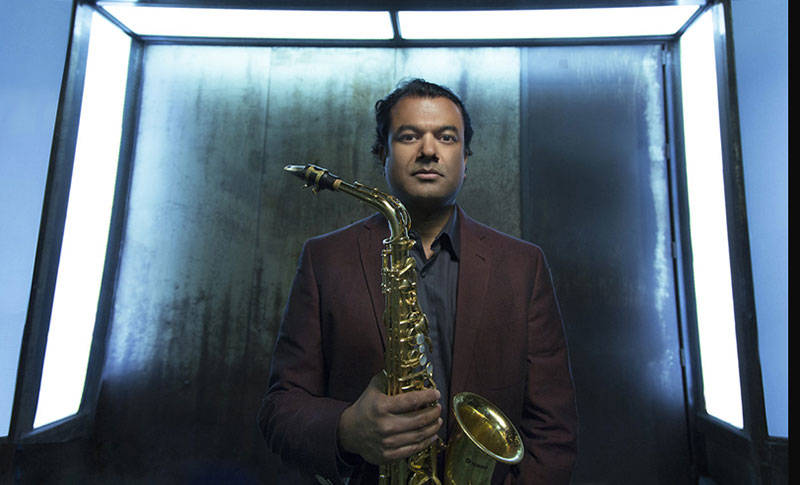
"caption": "Saxophonist Rudresh Mahanthappa has earned raves from critics for his most recent work, \"Bird Calls.\"",
"description": "Saxophonist Rudresh Mahanthappa has earned raves from critics for his most recent work, \"Bird Calls.\"",
"title": "KQED-Arts-Rudresh-Mahanthappa-800x485",
"credit": "Photo: Jimmy Katz",
"status": "inherit",
"isLoading": false,
"fetchFailed": false
},
"arts_12194882": {
"type": "attachments",
"id": "arts_12194882",
"meta": {
"index": "attachments_1716263798",
"site": "arts",
"id": "12194882",
"found": true
},
"parent": 12194881,
"imgSizes": {
"twentyfourteen-full-width": {
"file": "https://ww2.kqed.org/app/uploads/sites/2/2016/10/gettyimages-530109090-1552996d4d93161010acf5d2730f60781f727cef-895x576.jpg",
"width": 895,
"mimeType": "image/jpeg",
"height": 576
},
"thumbnail": {
"file": "https://ww2.kqed.org/app/uploads/sites/2/2016/10/gettyimages-530109090-1552996d4d93161010acf5d2730f60781f727cef-e1476299519278-400x225.jpg",
"width": 400,
"mimeType": "image/jpeg",
"height": 225
},
"post-thumbnail": {
"file": "https://ww2.kqed.org/app/uploads/sites/2/2016/10/gettyimages-530109090-1552996d4d93161010acf5d2730f60781f727cef-e1476299519278-672x372.jpg",
"width": 672,
"mimeType": "image/jpeg",
"height": 372
},
"kqedFullSize": {
"file": "https://ww2.kqed.org/app/uploads/sites/2/2016/10/gettyimages-530109090-1552996d4d93161010acf5d2730f60781f727cef-e1476299519278.jpg",
"width": 895,
"height": 503
},
"guest-author-50": {
"file": "https://ww2.kqed.org/app/uploads/sites/2/2016/10/gettyimages-530109090-1552996d4d93161010acf5d2730f60781f727cef-e1476299519278-50x50.jpg",
"width": 50,
"mimeType": "image/jpeg",
"height": 50
},
"guest-author-96": {
"file": "https://ww2.kqed.org/app/uploads/sites/2/2016/10/gettyimages-530109090-1552996d4d93161010acf5d2730f60781f727cef-e1476299519278-96x96.jpg",
"width": 96,
"mimeType": "image/jpeg",
"height": 96
},
"medium": {
"file": "https://ww2.kqed.org/app/uploads/sites/2/2016/10/gettyimages-530109090-1552996d4d93161010acf5d2730f60781f727cef-e1476299519278-800x450.jpg",
"width": 800,
"mimeType": "image/jpeg",
"height": 450
},
"guest-author-64": {
"file": "https://ww2.kqed.org/app/uploads/sites/2/2016/10/gettyimages-530109090-1552996d4d93161010acf5d2730f60781f727cef-e1476299519278-64x64.jpg",
"width": 64,
"mimeType": "image/jpeg",
"height": 64
},
"detail": {
"file": "https://ww2.kqed.org/app/uploads/sites/2/2016/10/gettyimages-530109090-1552996d4d93161010acf5d2730f60781f727cef-e1476299519278-150x150.jpg",
"width": 150,
"mimeType": "image/jpeg",
"height": 150
},
"guest-author-32": {
"file": "https://ww2.kqed.org/app/uploads/sites/2/2016/10/gettyimages-530109090-1552996d4d93161010acf5d2730f60781f727cef-e1476299519278-32x32.jpg",
"width": 32,
"mimeType": "image/jpeg",
"height": 32
},
"medium_large": {
"file": "https://ww2.kqed.org/app/uploads/sites/2/2016/10/gettyimages-530109090-1552996d4d93161010acf5d2730f60781f727cef-e1476299519278-768x432.jpg",
"width": 768,
"mimeType": "image/jpeg",
"height": 432
},
"guest-author-128": {
"file": "https://ww2.kqed.org/app/uploads/sites/2/2016/10/gettyimages-530109090-1552996d4d93161010acf5d2730f60781f727cef-e1476299519278-128x128.jpg",
"width": 128,
"mimeType": "image/jpeg",
"height": 128
}
},
"publishDate": 1476298098,
"modified": 1476299640,
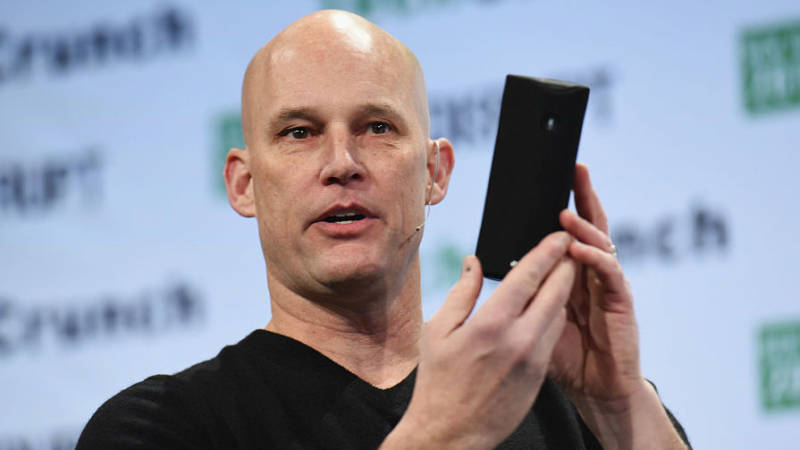
"caption": "Mike George, Amazon's vice president of Echo, Alexa and Appstore, speaking in New York City in May. Today, Amazon announced the launch of an on-demand music-streaming service.",
"description": "Mike George, Amazon's vice president of Echo, Alexa and Appstore, speaking in New York City in May. Today, Amazon announced the launch of an on-demand music-streaming service.",
"title": "Mike George, Amazon's vice president of Echo, Alexa and Appstore, speaking in New York City in May. Today, Amazon announced the launch of an on-demand music-streaming service.",
"credit": "Photo: Noam Galai/Getty Images",
"status": "inherit",
"isLoading": false,
"fetchFailed": false
},
"arts_12186831": {
"type": "attachments",
"id": "arts_12186831",
"meta": {
"index": "attachments_1716263798",
"site": "arts",
"id": "12186831",
"found": true
},
"parent": 12186696,
"imgSizes": {
"twentyfourteen-full-width": {
"file": "https://ww2.kqed.org/app/uploads/sites/2/2016/10/Taylor-Mac-Act-3-17-e1476142031611-1038x576.jpg",
"width": 1038,
"mimeType": "image/jpeg",
"height": 576
},
"thumbnail": {
"file": "https://ww2.kqed.org/app/uploads/sites/2/2016/10/Taylor-Mac-Act-3-17-e1476142031611-400x226.jpg",
"width": 400,
"mimeType": "image/jpeg",
"height": 226
},
"fd-sm": {
"file": "https://ww2.kqed.org/app/uploads/sites/2/2016/10/Taylor-Mac-Act-3-17-e1476142031611-960x542.jpg",
"width": 960,
"mimeType": "image/jpeg",
"height": 542
},
"post-thumbnail": {
"file": "https://ww2.kqed.org/app/uploads/sites/2/2016/10/Taylor-Mac-Act-3-17-e1476142031611-672x372.jpg",
"width": 672,
"mimeType": "image/jpeg",
"height": 372
},
"kqedFullSize": {
"file": "https://ww2.kqed.org/app/uploads/sites/2/2016/10/Taylor-Mac-Act-3-17-e1476142031611.jpg",
"width": 7096,
"height": 4008
},
"large": {
"file": "https://ww2.kqed.org/app/uploads/sites/2/2016/10/Taylor-Mac-Act-3-17-e1476142031611-1180x666.jpg",
"width": 1180,
"mimeType": "image/jpeg",
"height": 666
},
"guest-author-50": {
"file": "https://ww2.kqed.org/app/uploads/sites/2/2016/10/Taylor-Mac-Act-3-17-e1476142031611-50x50.jpg",
"width": 50,
"mimeType": "image/jpeg",
"height": 50
},
"guest-author-96": {
"file": "https://ww2.kqed.org/app/uploads/sites/2/2016/10/Taylor-Mac-Act-3-17-e1476142031611-96x96.jpg",
"width": 96,
"mimeType": "image/jpeg",
"height": 96
},
"medium": {
"file": "https://ww2.kqed.org/app/uploads/sites/2/2016/10/Taylor-Mac-Act-3-17-e1476142031611-800x452.jpg",
"width": 800,
"mimeType": "image/jpeg",
"height": 452
},
"guest-author-64": {
"file": "https://ww2.kqed.org/app/uploads/sites/2/2016/10/Taylor-Mac-Act-3-17-e1476142031611-64x64.jpg",
"width": 64,
"mimeType": "image/jpeg",
"height": 64
},
"guest-author-32": {
"file": "https://ww2.kqed.org/app/uploads/sites/2/2016/10/Taylor-Mac-Act-3-17-e1476142031611-32x32.jpg",
"width": 32,
"mimeType": "image/jpeg",
"height": 32
},
"fd-lrg": {
"file": "https://ww2.kqed.org/app/uploads/sites/2/2016/10/Taylor-Mac-Act-3-17-e1476142031611-1920x1084.jpg",
"width": 1920,
"mimeType": "image/jpeg",
"height": 1084
},
"fd-med": {
"file": "https://ww2.kqed.org/app/uploads/sites/2/2016/10/Taylor-Mac-Act-3-17-e1476142031611-1180x666.jpg",
"width": 1180,
"mimeType": "image/jpeg",
"height": 666
},
"detail": {
"file": "https://ww2.kqed.org/app/uploads/sites/2/2016/10/Taylor-Mac-Act-3-17-e1476142031611-150x150.jpg",
"width": 150,
"mimeType": "image/jpeg",
"height": 150
},
"medium_large": {
"file": "https://ww2.kqed.org/app/uploads/sites/2/2016/10/Taylor-Mac-Act-3-17-e1476142031611-768x434.jpg",
"width": 768,
"mimeType": "image/jpeg",
"height": 434
},
"guest-author-128": {
"file": "https://ww2.kqed.org/app/uploads/sites/2/2016/10/Taylor-Mac-Act-3-17-e1476142031611-128x128.jpg",
"width": 128,
"mimeType": "image/jpeg",
"height": 128
}
},
"publishDate": 1476141720,
"modified": 1476149699,
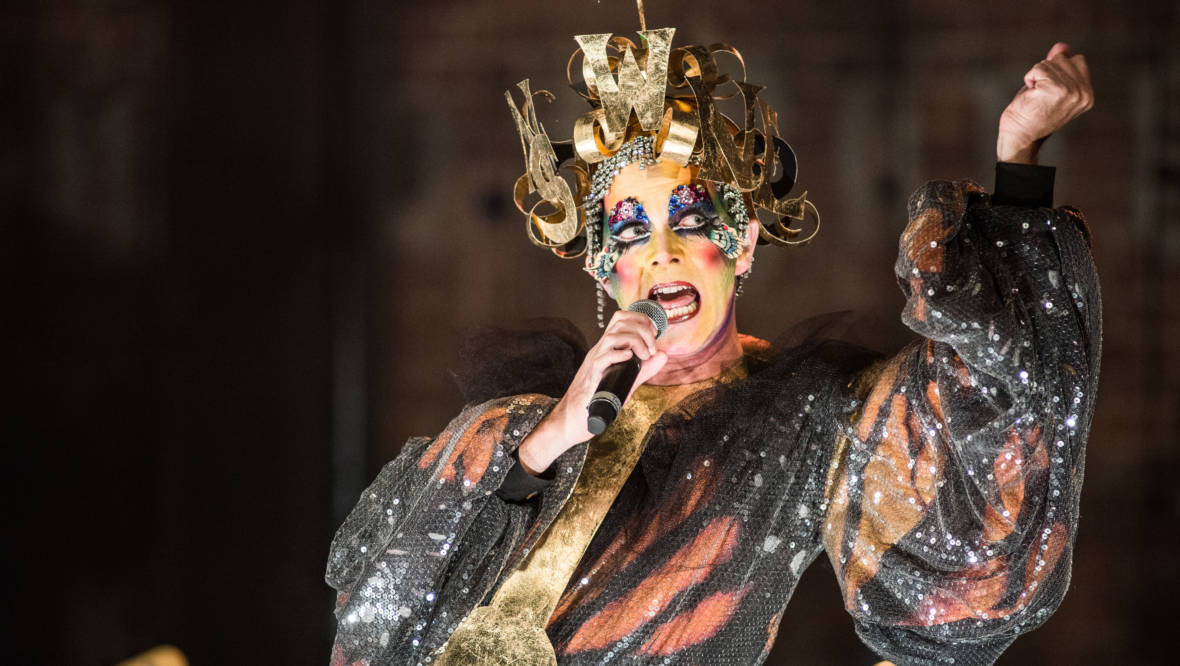
"caption": "The performance artist Taylor Mac in Act 3 of 'A 24-Decade History of Popular Music' at St. Ann's Warehouse, Brooklyn.",
"description": "The performance artist Taylor Mac in Act 3 of 'A 2e-Decade History of Popular Music' at St. Ann's Warehouse, Brooklyn.",
"title": "Taylor Mac Act 3-17",
"credit": "Photo: Teddy Wolff",
"status": "inherit",
"isLoading": false,
"fetchFailed": false
},
"pop_41500": {
"type": "attachments",
"id": "pop_41500",
"meta": {
"index": "attachments_1716263798",
"site": "pop",
"id": "41500",
"found": true
},
"parent": 41491,
"imgSizes": {
"twentyfourteen-full-width": {
"file": "https://ww2.kqed.org/app/uploads/sites/12/2016/10/Atlanta.MAIN_-1038x576.jpg",
"width": 1038,
"mimeType": "image/jpeg",
"height": 576
},
"thumbnail": {
"file": "https://ww2.kqed.org/app/uploads/sites/12/2016/10/Atlanta.MAIN_-400x225.jpg",
"width": 400,
"mimeType": "image/jpeg",
"height": 225
},
"fd-sm": {
"file": "https://ww2.kqed.org/app/uploads/sites/12/2016/10/Atlanta.MAIN_-960x540.jpg",
"width": 960,
"mimeType": "image/jpeg",
"height": 540
},
"post-thumbnail": {
"file": "https://ww2.kqed.org/app/uploads/sites/12/2016/10/Atlanta.MAIN_-672x372.jpg",
"width": 672,
"mimeType": "image/jpeg",
"height": 372
},
"kqedFullSize": {
"file": "https://ww2.kqed.org/app/uploads/sites/12/2016/10/Atlanta.MAIN_.jpg",
"width": 1100,
"height": 619
},
"guest-author-50": {
"file": "https://ww2.kqed.org/app/uploads/sites/12/2016/10/Atlanta.MAIN_-50x50.jpg",
"width": 50,
"mimeType": "image/jpeg",
"height": 50
},
"guest-author-96": {
"file": "https://ww2.kqed.org/app/uploads/sites/12/2016/10/Atlanta.MAIN_-96x96.jpg",
"width": 96,
"mimeType": "image/jpeg",
"height": 96
},
"medium": {
"file": "https://ww2.kqed.org/app/uploads/sites/12/2016/10/Atlanta.MAIN_-800x450.jpg",
"width": 800,
"mimeType": "image/jpeg",
"height": 450
},
"guest-author-64": {
"file": "https://ww2.kqed.org/app/uploads/sites/12/2016/10/Atlanta.MAIN_-64x64.jpg",
"width": 64,
"mimeType": "image/jpeg",
"height": 64
},
"guest-author-32": {
"file": "https://ww2.kqed.org/app/uploads/sites/12/2016/10/Atlanta.MAIN_-32x32.jpg",
"width": 32,
"mimeType": "image/jpeg",
"height": 32
},
"detail": {
"file": "https://ww2.kqed.org/app/uploads/sites/12/2016/10/Atlanta.MAIN_-150x150.jpg",
"width": 150,
"mimeType": "image/jpeg",
"height": 150
},
"medium_large": {
"file": "https://ww2.kqed.org/app/uploads/sites/12/2016/10/Atlanta.MAIN_-768x432.jpg",
"width": 768,
"mimeType": "image/jpeg",
"height": 432
},
"guest-author-128": {
"file": "https://ww2.kqed.org/app/uploads/sites/12/2016/10/Atlanta.MAIN_-128x128.jpg",
"width": 128,
"mimeType": "image/jpeg",
"height": 128
}
},
"publishDate": 1476306210,
"modified": 1476306275,
"caption": "Brian Tyree Henry as Paper Boi in 'Atlanta.'",
"description": "Brian Tyree Henry as Paper Boi in 'Atlanta.'",
"title": "Atlanta.MAIN",
"credit": "Courtesy FX",
"status": "inherit",
"isLoading": false,
"fetchFailed": false
},
"arts_12190993": {
"type": "attachments",
"id": "arts_12190993",
"meta": {
"index": "attachments_1716263798",
"site": "arts",
"id": "12190993",
"found": true
},
"parent": 12190593,
"imgSizes": {
"twentyfourteen-full-width": {
"file": "https://ww2.kqed.org/app/uploads/sites/2/2016/10/GettyImages-481748110-e1476223932590-1038x576.jpg",
"width": 1038,
"mimeType": "image/jpeg",
"height": 576
},
"thumbnail": {
"file": "https://ww2.kqed.org/app/uploads/sites/2/2016/10/GettyImages-481748110-e1476223932590-400x240.jpg",
"width": 400,
"mimeType": "image/jpeg",
"height": 240
},
"fd-sm": {
"file": "https://ww2.kqed.org/app/uploads/sites/2/2016/10/GettyImages-481748110-e1476223932590-960x575.jpg",
"width": 960,
"mimeType": "image/jpeg",
"height": 575
},
"post-thumbnail": {
"file": "https://ww2.kqed.org/app/uploads/sites/2/2016/10/GettyImages-481748110-e1476223932590-672x372.jpg",
"width": 672,
"mimeType": "image/jpeg",
"height": 372
},
"kqedFullSize": {
"file": "https://ww2.kqed.org/app/uploads/sites/2/2016/10/GettyImages-481748110-e1476227345484.jpg",
"width": 1920,
"height": 1150
},
"large": {
"file": "https://ww2.kqed.org/app/uploads/sites/2/2016/10/GettyImages-481748110-e1476223932590-1180x707.jpg",
"width": 1180,
"mimeType": "image/jpeg",
"height": 707
},
"guest-author-50": {
"file": "https://ww2.kqed.org/app/uploads/sites/2/2016/10/GettyImages-481748110-e1476223932590-50x50.jpg",
"width": 50,
"mimeType": "image/jpeg",
"height": 50
},
"guest-author-96": {
"file": "https://ww2.kqed.org/app/uploads/sites/2/2016/10/GettyImages-481748110-e1476223932590-96x96.jpg",
"width": 96,
"mimeType": "image/jpeg",
"height": 96
},
"medium": {
"file": "https://ww2.kqed.org/app/uploads/sites/2/2016/10/GettyImages-481748110-e1476223932590-800x479.jpg",
"width": 800,
"mimeType": "image/jpeg",
"height": 479
},
"guest-author-64": {
"file": "https://ww2.kqed.org/app/uploads/sites/2/2016/10/GettyImages-481748110-e1476223932590-64x64.jpg",
"width": 64,
"mimeType": "image/jpeg",
"height": 64
},
"guest-author-32": {
"file": "https://ww2.kqed.org/app/uploads/sites/2/2016/10/GettyImages-481748110-e1476223932590-32x32.jpg",
"width": 32,
"mimeType": "image/jpeg",
"height": 32
},
"fd-lrg": {
"file": "https://ww2.kqed.org/app/uploads/sites/2/2016/10/GettyImages-481748110-e1476223932590-1920x1150.jpg",
"width": 1920,
"mimeType": "image/jpeg",
"height": 1150
},
"fd-med": {
"file": "https://ww2.kqed.org/app/uploads/sites/2/2016/10/GettyImages-481748110-e1476223932590-1180x707.jpg",
"width": 1180,
"mimeType": "image/jpeg",
"height": 707
},
"detail": {
"file": "https://ww2.kqed.org/app/uploads/sites/2/2016/10/GettyImages-481748110-e1476223932590-150x150.jpg",
"width": 150,
"mimeType": "image/jpeg",
"height": 150
},
"medium_large": {
"file": "https://ww2.kqed.org/app/uploads/sites/2/2016/10/GettyImages-481748110-e1476223932590-768x460.jpg",
"width": 768,
"mimeType": "image/jpeg",
"height": 460
},
"guest-author-128": {
"file": "https://ww2.kqed.org/app/uploads/sites/2/2016/10/GettyImages-481748110-e1476223932590-128x128.jpg",
"width": 128,
"mimeType": "image/jpeg",
"height": 128
}
},
"publishDate": 1476223848,
"modified": 1476229355,
"caption": "Ben Gibbard of Death Cab For Cutie, whose 'A Million Dollar Loan' kicked off the '30 Days, 30 Songs' project. ",
"description": "Death Cab For Cutie, whose 'A Million Dollar Loan' kicked off the '30 Days, 30 Songs' project. ",
"title": "Splendour In The Grass 2015 - Byron Bay",
"credit": "Cassandra Hannagan/Getty Images",
"status": "inherit",
"isLoading": false,
"fetchFailed": false
},
"arts_12186505": {
"type": "attachments",
"id": "arts_12186505",
"meta": {
"index": "attachments_1716263798",
"site": "arts",
"id": "12186505",
"found": true
},
"parent": 12186498,
"imgSizes": {
"twentyfourteen-full-width": {
"file": "https://ww2.kqed.org/app/uploads/sites/2/2016/10/RS21397_NCCO3_CreditMatthewWashburn-qut-1038x576.jpg",
"width": 1038,
"mimeType": "image/jpeg",
"height": 576
},
"thumbnail": {
"file": "https://ww2.kqed.org/app/uploads/sites/2/2016/10/RS21397_NCCO3_CreditMatthewWashburn-qut-400x213.jpg",
"width": 400,
"mimeType": "image/jpeg",
"height": 213
},
"fd-sm": {
"file": "https://ww2.kqed.org/app/uploads/sites/2/2016/10/RS21397_NCCO3_CreditMatthewWashburn-qut-960x512.jpg",
"width": 960,
"mimeType": "image/jpeg",
"height": 512
},
"post-thumbnail": {
"file": "https://ww2.kqed.org/app/uploads/sites/2/2016/10/RS21397_NCCO3_CreditMatthewWashburn-qut-672x372.jpg",
"width": 672,
"mimeType": "image/jpeg",
"height": 372
},
"kqedFullSize": {
"file": "https://ww2.kqed.org/app/uploads/sites/2/2016/10/RS21397_NCCO3_CreditMatthewWashburn-qut.jpg",
"width": 1920,
"height": 1024
},
"large": {
"file": "https://ww2.kqed.org/app/uploads/sites/2/2016/10/RS21397_NCCO3_CreditMatthewWashburn-qut-1180x629.jpg",
"width": 1180,
"mimeType": "image/jpeg",
"height": 629
},
"guest-author-50": {
"file": "https://ww2.kqed.org/app/uploads/sites/2/2016/10/RS21397_NCCO3_CreditMatthewWashburn-qut-50x50.jpg",
"width": 50,
"mimeType": "image/jpeg",
"height": 50
},
"guest-author-96": {
"file": "https://ww2.kqed.org/app/uploads/sites/2/2016/10/RS21397_NCCO3_CreditMatthewWashburn-qut-96x96.jpg",
"width": 96,
"mimeType": "image/jpeg",
"height": 96
},
"medium": {
"file": "https://ww2.kqed.org/app/uploads/sites/2/2016/10/RS21397_NCCO3_CreditMatthewWashburn-qut-800x427.jpg",
"width": 800,
"mimeType": "image/jpeg",
"height": 427
},
"guest-author-64": {
"file": "https://ww2.kqed.org/app/uploads/sites/2/2016/10/RS21397_NCCO3_CreditMatthewWashburn-qut-64x64.jpg",
"width": 64,
"mimeType": "image/jpeg",
"height": 64
},
"guest-author-32": {
"file": "https://ww2.kqed.org/app/uploads/sites/2/2016/10/RS21397_NCCO3_CreditMatthewWashburn-qut-32x32.jpg",
"width": 32,
"mimeType": "image/jpeg",
"height": 32
},
"fd-lrg": {
"file": "https://ww2.kqed.org/app/uploads/sites/2/2016/10/RS21397_NCCO3_CreditMatthewWashburn-qut-1920x1024.jpg",
"width": 1920,
"mimeType": "image/jpeg",
"height": 1024
},
"fd-med": {
"file": "https://ww2.kqed.org/app/uploads/sites/2/2016/10/RS21397_NCCO3_CreditMatthewWashburn-qut-1180x629.jpg",
"width": 1180,
"mimeType": "image/jpeg",
"height": 629
},
"detail": {
"file": "https://ww2.kqed.org/app/uploads/sites/2/2016/10/RS21397_NCCO3_CreditMatthewWashburn-qut-150x150.jpg",
"width": 150,
"mimeType": "image/jpeg",
"height": 150
},
"medium_large": {
"file": "https://ww2.kqed.org/app/uploads/sites/2/2016/10/RS21397_NCCO3_CreditMatthewWashburn-qut-768x410.jpg",
"width": 768,
"mimeType": "image/jpeg",
"height": 410
},
"guest-author-128": {
"file": "https://ww2.kqed.org/app/uploads/sites/2/2016/10/RS21397_NCCO3_CreditMatthewWashburn-qut-128x128.jpg",
"width": 128,
"mimeType": "image/jpeg",
"height": 128
}
},
"publishDate": 1476137283,
"modified": 1476143146,
"caption": "Even though the New Century Chamber Orchestra is a conductorless classical music outfit, it does help to have somebody running the show at performances.",
"description": "Even though the New Century Chamber Orchestra is a conductorless classical music outfit, it does help to have somebody running the show at performances.",
"title": "RS21397_NCCO3_CreditMatthewWashburn-qut",
"credit": "Photo: Courtesy of Matthew Washburn",
"status": "inherit",
"isLoading": false,
"fetchFailed": false
},
"arts_12186495": {
"type": "attachments",
"id": "arts_12186495",
"meta": {
"index": "attachments_1716263798",
"site": "arts",
"id": "12186495",
"found": true
},
"parent": 12159166,
"imgSizes": {
"twentyfourteen-full-width": {
"file": "https://ww2.kqed.org/app/uploads/sites/2/2016/10/BadTransfer.MAIN_-1038x576.jpg",
"width": 1038,
"mimeType": "image/jpeg",
"height": 576
},
"thumbnail": {
"file": "https://ww2.kqed.org/app/uploads/sites/2/2016/10/BadTransfer.MAIN_-400x250.jpg",
"width": 400,
"mimeType": "image/jpeg",
"height": 250
},
"fd-sm": {
"file": "https://ww2.kqed.org/app/uploads/sites/2/2016/10/BadTransfer.MAIN_-960x600.jpg",
"width": 960,
"mimeType": "image/jpeg",
"height": 600
},
"post-thumbnail": {
"file": "https://ww2.kqed.org/app/uploads/sites/2/2016/10/BadTransfer.MAIN_-672x372.jpg",
"width": 672,
"mimeType": "image/jpeg",
"height": 372
},
"kqedFullSize": {
"file": "https://ww2.kqed.org/app/uploads/sites/2/2016/10/BadTransfer.MAIN_.jpg",
"width": 1920,
"height": 1200
},
"large": {
"file": "https://ww2.kqed.org/app/uploads/sites/2/2016/10/BadTransfer.MAIN_-1180x738.jpg",
"width": 1180,
"mimeType": "image/jpeg",
"height": 738
},
"guest-author-50": {
"file": "https://ww2.kqed.org/app/uploads/sites/2/2016/10/BadTransfer.MAIN_-50x50.jpg",
"width": 50,
"mimeType": "image/jpeg",
"height": 50
},
"guest-author-96": {
"file": "https://ww2.kqed.org/app/uploads/sites/2/2016/10/BadTransfer.MAIN_-96x96.jpg",
"width": 96,
"mimeType": "image/jpeg",
"height": 96
},
"medium": {
"file": "https://ww2.kqed.org/app/uploads/sites/2/2016/10/BadTransfer.MAIN_-800x500.jpg",
"width": 800,
"mimeType": "image/jpeg",
"height": 500
},
"guest-author-64": {
"file": "https://ww2.kqed.org/app/uploads/sites/2/2016/10/BadTransfer.MAIN_-64x64.jpg",
"width": 64,
"mimeType": "image/jpeg",
"height": 64
},
"guest-author-32": {
"file": "https://ww2.kqed.org/app/uploads/sites/2/2016/10/BadTransfer.MAIN_-32x32.jpg",
"width": 32,
"mimeType": "image/jpeg",
"height": 32
},
"fd-lrg": {
"file": "https://ww2.kqed.org/app/uploads/sites/2/2016/10/BadTransfer.MAIN_-1920x1200.jpg",
"width": 1920,
"mimeType": "image/jpeg",
"height": 1200
},
"fd-med": {
"file": "https://ww2.kqed.org/app/uploads/sites/2/2016/10/BadTransfer.MAIN_-1180x738.jpg",
"width": 1180,
"mimeType": "image/jpeg",
"height": 738
},
"detail": {
"file": "https://ww2.kqed.org/app/uploads/sites/2/2016/10/BadTransfer.MAIN_-150x150.jpg",
"width": 150,
"mimeType": "image/jpeg",
"height": 150
},
"medium_large": {
"file": "https://ww2.kqed.org/app/uploads/sites/2/2016/10/BadTransfer.MAIN_-768x480.jpg",
"width": 768,
"mimeType": "image/jpeg",
"height": 480
},
"guest-author-128": {
"file": "https://ww2.kqed.org/app/uploads/sites/2/2016/10/BadTransfer.MAIN_-128x128.jpg",
"width": 128,
"mimeType": "image/jpeg",
"height": 128
}
},
"publishDate": 1476134883,
"modified": 1476134932,
"caption": "Cover art from Bad Transfer's self-titled debut, released in July.",
"description": "Cover art from Bad Transfer's self-titled debut, released in July.",
"title": "BadTransfer.MAIN",
"credit": "Courtesy Bad Transfer",
"status": "inherit",
"isLoading": false,
"fetchFailed": false
},
"arts_12172860": {
"type": "attachments",
"id": "arts_12172860",
"meta": {
"index": "attachments_1716263798",
"site": "arts",
"id": "12172860",
"found": true
},
"parent": 12172083,
"imgSizes": {
"twentyfourteen-full-width": {
"file": "https://ww2.kqed.org/app/uploads/sites/2/2016/10/Lookouting.MAIN_-1038x576.jpg",
"width": 1038,
"mimeType": "image/jpeg",
"height": 576
},
"thumbnail": {
"file": "https://ww2.kqed.org/app/uploads/sites/2/2016/10/Lookouting.MAIN_-400x225.jpg",
"width": 400,
"mimeType": "image/jpeg",
"height": 225
},
"fd-sm": {
"file": "https://ww2.kqed.org/app/uploads/sites/2/2016/10/Lookouting.MAIN_-960x540.jpg",
"width": 960,
"mimeType": "image/jpeg",
"height": 540
},
"post-thumbnail": {
"file": "https://ww2.kqed.org/app/uploads/sites/2/2016/10/Lookouting.MAIN_-672x372.jpg",
"width": 672,
"mimeType": "image/jpeg",
"height": 372
},
"kqedFullSize": {
"file": "https://ww2.kqed.org/app/uploads/sites/2/2016/10/Lookouting.MAIN_.jpg",
"width": 1920,
"height": 1080
},
"large": {
"file": "https://ww2.kqed.org/app/uploads/sites/2/2016/10/Lookouting.MAIN_-1180x664.jpg",
"width": 1180,
"mimeType": "image/jpeg",
"height": 664
},
"guest-author-50": {
"file": "https://ww2.kqed.org/app/uploads/sites/2/2016/10/Lookouting.MAIN_-50x50.jpg",
"width": 50,
"mimeType": "image/jpeg",
"height": 50
},
"guest-author-96": {
"file": "https://ww2.kqed.org/app/uploads/sites/2/2016/10/Lookouting.MAIN_-96x96.jpg",
"width": 96,
"mimeType": "image/jpeg",
"height": 96
},
"medium": {
"file": "https://ww2.kqed.org/app/uploads/sites/2/2016/10/Lookouting.MAIN_-800x450.jpg",
"width": 800,
"mimeType": "image/jpeg",
"height": 450
},
"guest-author-64": {
"file": "https://ww2.kqed.org/app/uploads/sites/2/2016/10/Lookouting.MAIN_-64x64.jpg",
"width": 64,
"mimeType": "image/jpeg",
"height": 64
},
"guest-author-32": {
"file": "https://ww2.kqed.org/app/uploads/sites/2/2016/10/Lookouting.MAIN_-32x32.jpg",
"width": 32,
"mimeType": "image/jpeg",
"height": 32
},
"fd-lrg": {
"file": "https://ww2.kqed.org/app/uploads/sites/2/2016/10/Lookouting.MAIN_-1920x1080.jpg",
"width": 1920,
"mimeType": "image/jpeg",
"height": 1080
},
"fd-med": {
"file": "https://ww2.kqed.org/app/uploads/sites/2/2016/10/Lookouting.MAIN_-1180x664.jpg",
"width": 1180,
"mimeType": "image/jpeg",
"height": 664
},
"detail": {
"file": "https://ww2.kqed.org/app/uploads/sites/2/2016/10/Lookouting.MAIN_-150x150.jpg",
"width": 150,
"mimeType": "image/jpeg",
"height": 150
},
"medium_large": {
"file": "https://ww2.kqed.org/app/uploads/sites/2/2016/10/Lookouting.MAIN_-768x432.jpg",
"width": 768,
"mimeType": "image/jpeg",
"height": 432
},
"guest-author-128": {
"file": "https://ww2.kqed.org/app/uploads/sites/2/2016/10/Lookouting.MAIN_-128x128.jpg",
"width": 128,
"mimeType": "image/jpeg",
"height": 128
}
},
"publishDate": 1475871059,
"modified": 1475871093,
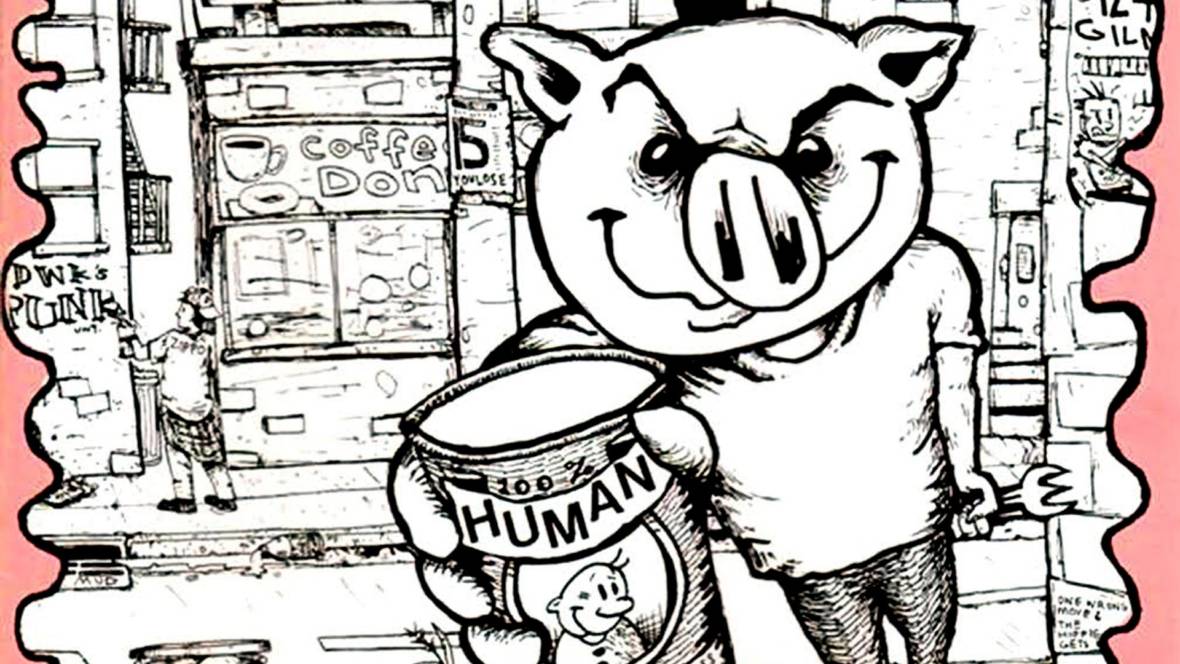
"caption": "Detail from 'Can of Pork,' an early Lookout Records compilation.",
"description": "Detail from 'Can of Pork,' an early Lookout Records compilation.",
"title": "Lookouting.MAIN",
"credit": "Illustration: Chris Appelgren",
"status": "inherit",
"isLoading": false,
"fetchFailed": false
},
"arts_12168843": {
"type": "attachments",
"id": "arts_12168843",
"meta": {
"index": "attachments_1716263798",
"site": "arts",
"id": "12168843",
"found": true
},
"parent": 12164405,
"imgSizes": {
"twentyfourteen-full-width": {
"file": "https://ww2.kqed.org/app/uploads/sites/2/2016/10/Wayne.Prison.MAIN_-1038x576.jpg",
"width": 1038,
"mimeType": "image/jpeg",
"height": 576
},
"thumbnail": {
"file": "https://ww2.kqed.org/app/uploads/sites/2/2016/10/Wayne.Prison.MAIN_-400x225.jpg",
"width": 400,
"mimeType": "image/jpeg",
"height": 225
},
"fd-sm": {
"file": "https://ww2.kqed.org/app/uploads/sites/2/2016/10/Wayne.Prison.MAIN_-960x540.jpg",
"width": 960,
"mimeType": "image/jpeg",
"height": 540
},
"post-thumbnail": {
"file": "https://ww2.kqed.org/app/uploads/sites/2/2016/10/Wayne.Prison.MAIN_-672x372.jpg",
"width": 672,
"mimeType": "image/jpeg",
"height": 372
},
"kqedFullSize": {
"file": "https://ww2.kqed.org/app/uploads/sites/2/2016/10/Wayne.Prison.MAIN_.jpg",
"width": 1920,
"height": 1080
},
"large": {
"file": "https://ww2.kqed.org/app/uploads/sites/2/2016/10/Wayne.Prison.MAIN_-1180x664.jpg",
"width": 1180,
"mimeType": "image/jpeg",
"height": 664
},
"guest-author-50": {
"file": "https://ww2.kqed.org/app/uploads/sites/2/2016/10/Wayne.Prison.MAIN_-50x50.jpg",
"width": 50,
"mimeType": "image/jpeg",
"height": 50
},
"guest-author-96": {
"file": "https://ww2.kqed.org/app/uploads/sites/2/2016/10/Wayne.Prison.MAIN_-96x96.jpg",
"width": 96,
"mimeType": "image/jpeg",
"height": 96
},
"medium": {
"file": "https://ww2.kqed.org/app/uploads/sites/2/2016/10/Wayne.Prison.MAIN_-800x450.jpg",
"width": 800,
"mimeType": "image/jpeg",
"height": 450
},
"guest-author-64": {
"file": "https://ww2.kqed.org/app/uploads/sites/2/2016/10/Wayne.Prison.MAIN_-64x64.jpg",
"width": 64,
"mimeType": "image/jpeg",
"height": 64
},
"guest-author-32": {
"file": "https://ww2.kqed.org/app/uploads/sites/2/2016/10/Wayne.Prison.MAIN_-32x32.jpg",
"width": 32,
"mimeType": "image/jpeg",
"height": 32
},
"fd-lrg": {
"file": "https://ww2.kqed.org/app/uploads/sites/2/2016/10/Wayne.Prison.MAIN_-1920x1080.jpg",
"width": 1920,
"mimeType": "image/jpeg",
"height": 1080
},
"fd-med": {
"file": "https://ww2.kqed.org/app/uploads/sites/2/2016/10/Wayne.Prison.MAIN_-1180x664.jpg",
"width": 1180,
"mimeType": "image/jpeg",
"height": 664
},
"detail": {
"file": "https://ww2.kqed.org/app/uploads/sites/2/2016/10/Wayne.Prison.MAIN_-150x150.jpg",
"width": 150,
"mimeType": "image/jpeg",
"height": 150
},
"medium_large": {
"file": "https://ww2.kqed.org/app/uploads/sites/2/2016/10/Wayne.Prison.MAIN_-768x432.jpg",
"width": 768,
"mimeType": "image/jpeg",
"height": 432
},
"guest-author-128": {
"file": "https://ww2.kqed.org/app/uploads/sites/2/2016/10/Wayne.Prison.MAIN_-128x128.jpg",
"width": 128,
"mimeType": "image/jpeg",
"height": 128
}
},
"publishDate": 1475795228,
"modified": 1475795267,
"caption": "Lil Wayne arrives at New York State Supreme Court to begin serving a 1 year prison sentence for possession of an illegal weapon on March 8, 2010, in New York City. ",
"description": "Lil Wayne arrives at New York State Supreme Court to begin serving a 1 year prison sentence for possession of an illegal weapon on March 8, 2010, in New York City. ",
"title": "Wayne.Prison.MAIN",
"credit": "Jemal Countess/Getty Images",
"status": "inherit",
"isLoading": false,
"fetchFailed": false
},
"arts_12168825": {
"type": "attachments",
"id": "arts_12168825",
"meta": {
"index": "attachments_1716263798",
"site": "arts",
"id": "12168825",
"found": true
},
"parent": 12159756,
"imgSizes": {
"twentyfourteen-full-width": {
"file": "https://ww2.kqed.org/app/uploads/sites/2/2016/10/IMG_9118-1038x576.jpg",
"width": 1038,
"mimeType": "image/jpeg",
"height": 576
},
"thumbnail": {
"file": "https://ww2.kqed.org/app/uploads/sites/2/2016/10/IMG_9118-400x267.jpg",
"width": 400,
"mimeType": "image/jpeg",
"height": 267
},
"fd-sm": {
"file": "https://ww2.kqed.org/app/uploads/sites/2/2016/10/IMG_9118-960x640.jpg",
"width": 960,
"mimeType": "image/jpeg",
"height": 640
},
"post-thumbnail": {
"file": "https://ww2.kqed.org/app/uploads/sites/2/2016/10/IMG_9118-672x372.jpg",
"width": 672,
"mimeType": "image/jpeg",
"height": 372
},
"kqedFullSize": {
"file": "https://ww2.kqed.org/app/uploads/sites/2/2016/10/IMG_9118.jpg",
"width": 5018,
"height": 3346
},
"large": {
"file": "https://ww2.kqed.org/app/uploads/sites/2/2016/10/IMG_9118-1180x787.jpg",
"width": 1180,
"mimeType": "image/jpeg",
"height": 787
},
"guest-author-50": {
"file": "https://ww2.kqed.org/app/uploads/sites/2/2016/10/IMG_9118-50x50.jpg",
"width": 50,
"mimeType": "image/jpeg",
"height": 50
},
"guest-author-96": {
"file": "https://ww2.kqed.org/app/uploads/sites/2/2016/10/IMG_9118-96x96.jpg",
"width": 96,
"mimeType": "image/jpeg",
"height": 96
},
"medium": {
"file": "https://ww2.kqed.org/app/uploads/sites/2/2016/10/IMG_9118-800x533.jpg",
"width": 800,
"mimeType": "image/jpeg",
"height": 533
},
"guest-author-64": {
"file": "https://ww2.kqed.org/app/uploads/sites/2/2016/10/IMG_9118-64x64.jpg",
"width": 64,
"mimeType": "image/jpeg",
"height": 64
},
"guest-author-32": {
"file": "https://ww2.kqed.org/app/uploads/sites/2/2016/10/IMG_9118-32x32.jpg",
"width": 32,
"mimeType": "image/jpeg",
"height": 32
},
"fd-lrg": {
"file": "https://ww2.kqed.org/app/uploads/sites/2/2016/10/IMG_9118-1920x1280.jpg",
"width": 1920,
"mimeType": "image/jpeg",
"height": 1280
},
"fd-med": {
"file": "https://ww2.kqed.org/app/uploads/sites/2/2016/10/IMG_9118-1180x787.jpg",
"width": 1180,
"mimeType": "image/jpeg",
"height": 787
},
"detail": {
"file": "https://ww2.kqed.org/app/uploads/sites/2/2016/10/IMG_9118-150x150.jpg",
"width": 150,
"mimeType": "image/jpeg",
"height": 150
},
"medium_large": {
"file": "https://ww2.kqed.org/app/uploads/sites/2/2016/10/IMG_9118-768x512.jpg",
"width": 768,
"mimeType": "image/jpeg",
"height": 512
},
"guest-author-128": {
"file": "https://ww2.kqed.org/app/uploads/sites/2/2016/10/IMG_9118-128x128.jpg",
"width": 128,
"mimeType": "image/jpeg",
"height": 128
}
},
"publishDate": 1475793485,
"modified": 1475793669,
"caption": "Helado Negro plays The Rickshaw Stop on October 13. ",
"description": null,
"title": "IMG_9118",
"credit": "Courtesy: Asthmatic Kitty Records",
"status": "inherit",
"isLoading": false,
"fetchFailed": false
},
"arts_12168611": {
"type": "attachments",
"id": "arts_12168611",
"meta": {
"index": "attachments_1716263798",
"site": "arts",
"id": "12168611",
"found": true
},
"parent": 12168401,
"imgSizes": {
"twentyfourteen-full-width": {
"file": "https://ww2.kqed.org/app/uploads/sites/2/2016/10/Bruce.SethGolub.MAIN_-1038x576.jpg",
"width": 1038,
"mimeType": "image/jpeg",
"height": 576
},
"thumbnail": {
"file": "https://ww2.kqed.org/app/uploads/sites/2/2016/10/Bruce.SethGolub.MAIN_-400x225.jpg",
"width": 400,
"mimeType": "image/jpeg",
"height": 225
},
"fd-sm": {
"file": "https://ww2.kqed.org/app/uploads/sites/2/2016/10/Bruce.SethGolub.MAIN_-960x541.jpg",
"width": 960,
"mimeType": "image/jpeg",
"height": 541
},
"post-thumbnail": {
"file": "https://ww2.kqed.org/app/uploads/sites/2/2016/10/Bruce.SethGolub.MAIN_-672x372.jpg",
"width": 672,
"mimeType": "image/jpeg",
"height": 372
},
"kqedFullSize": {
"file": "https://ww2.kqed.org/app/uploads/sites/2/2016/10/Bruce.SethGolub.MAIN_.jpg",
"width": 1920,
"height": 1081
},
"large": {
"file": "https://ww2.kqed.org/app/uploads/sites/2/2016/10/Bruce.SethGolub.MAIN_-1180x664.jpg",
"width": 1180,
"mimeType": "image/jpeg",
"height": 664
},
"guest-author-50": {
"file": "https://ww2.kqed.org/app/uploads/sites/2/2016/10/Bruce.SethGolub.MAIN_-50x50.jpg",
"width": 50,
"mimeType": "image/jpeg",
"height": 50
},
"guest-author-96": {
"file": "https://ww2.kqed.org/app/uploads/sites/2/2016/10/Bruce.SethGolub.MAIN_-96x96.jpg",
"width": 96,
"mimeType": "image/jpeg",
"height": 96
},
"medium": {
"file": "https://ww2.kqed.org/app/uploads/sites/2/2016/10/Bruce.SethGolub.MAIN_-800x450.jpg",
"width": 800,
"mimeType": "image/jpeg",
"height": 450
},
"guest-author-64": {
"file": "https://ww2.kqed.org/app/uploads/sites/2/2016/10/Bruce.SethGolub.MAIN_-64x64.jpg",
"width": 64,
"mimeType": "image/jpeg",
"height": 64
},
"guest-author-32": {
"file": "https://ww2.kqed.org/app/uploads/sites/2/2016/10/Bruce.SethGolub.MAIN_-32x32.jpg",
"width": 32,
"mimeType": "image/jpeg",
"height": 32
},
"fd-lrg": {
"file": "https://ww2.kqed.org/app/uploads/sites/2/2016/10/Bruce.SethGolub.MAIN_-1920x1081.jpg",
"width": 1920,
"mimeType": "image/jpeg",
"height": 1081
},
"fd-med": {
"file": "https://ww2.kqed.org/app/uploads/sites/2/2016/10/Bruce.SethGolub.MAIN_-1180x664.jpg",
"width": 1180,
"mimeType": "image/jpeg",
"height": 664
},
"detail": {
"file": "https://ww2.kqed.org/app/uploads/sites/2/2016/10/Bruce.SethGolub.MAIN_-150x150.jpg",
"width": 150,
"mimeType": "image/jpeg",
"height": 150
},
"medium_large": {
"file": "https://ww2.kqed.org/app/uploads/sites/2/2016/10/Bruce.SethGolub.MAIN_-768x432.jpg",
"width": 768,
"mimeType": "image/jpeg",
"height": 432
},
"guest-author-128": {
"file": "https://ww2.kqed.org/app/uploads/sites/2/2016/10/Bruce.SethGolub.MAIN_-128x128.jpg",
"width": 128,
"mimeType": "image/jpeg",
"height": 128
}
},
"publishDate": 1475789191,
"modified": 1475789252,
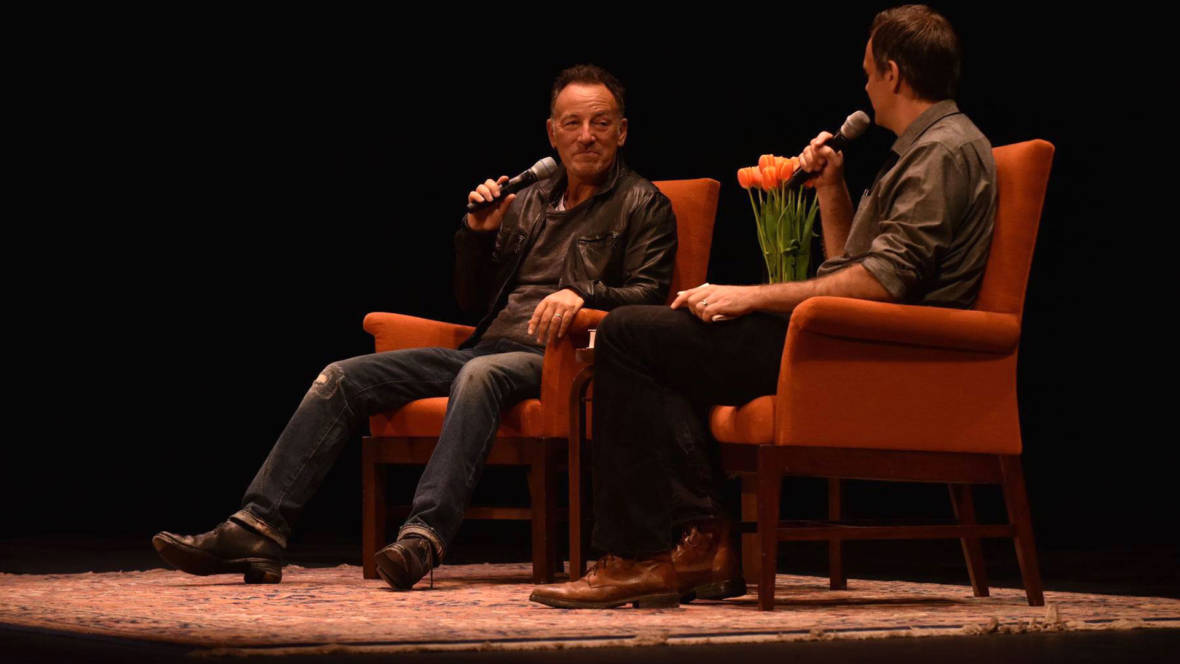
"caption": "Bruce Springsteen talks with interviewer Dan Stone for a City Arts & Lectures event at the Nourse Theater in San Francisco, Oct. 5, 2016.",
"description": "Bruce Springsteen talks with interviewer Dan Stone for a City Arts & Lectures event at the Nourse Theater in San Francisco, Oct. 5, 2016.",
"title": "Bruce.SethGolub.MAIN",
"credit": "Photo: Seth Golub/City Arts & Lectures",
"status": "inherit",
"isLoading": false,
"fetchFailed": false
},
"arts_12164015": {
"type": "attachments",
"id": "arts_12164015",
"meta": {
"index": "attachments_1716263798",
"site": "arts",
"id": "12164015",
"found": true
},
"parent": 12163817,
"imgSizes": {
"twentyfourteen-full-width": {
"file": "https://ww2.kqed.org/app/uploads/sites/2/2016/10/Rod-Temperton-1038x576.jpg",
"width": 1038,
"mimeType": "image/jpeg",
"height": 576
},
"thumbnail": {
"file": "https://ww2.kqed.org/app/uploads/sites/2/2016/10/Rod-Temperton-400x225.jpg",
"width": 400,
"mimeType": "image/jpeg",
"height": 225
},
"fd-sm": {
"file": "https://ww2.kqed.org/app/uploads/sites/2/2016/10/Rod-Temperton-960x540.jpg",
"width": 960,
"mimeType": "image/jpeg",
"height": 540
},
"post-thumbnail": {
"file": "https://ww2.kqed.org/app/uploads/sites/2/2016/10/Rod-Temperton-672x372.jpg",
"width": 672,
"mimeType": "image/jpeg",
"height": 372
},
"kqedFullSize": {
"file": "https://ww2.kqed.org/app/uploads/sites/2/2016/10/Rod-Temperton.jpg",
"width": 1920,
"height": 1080
},
"large": {
"file": "https://ww2.kqed.org/app/uploads/sites/2/2016/10/Rod-Temperton-1180x664.jpg",
"width": 1180,
"mimeType": "image/jpeg",
"height": 664
},
"guest-author-50": {
"file": "https://ww2.kqed.org/app/uploads/sites/2/2016/10/Rod-Temperton-50x50.jpg",
"width": 50,
"mimeType": "image/jpeg",
"height": 50
},
"guest-author-96": {
"file": "https://ww2.kqed.org/app/uploads/sites/2/2016/10/Rod-Temperton-96x96.jpg",
"width": 96,
"mimeType": "image/jpeg",
"height": 96
},
"medium": {
"file": "https://ww2.kqed.org/app/uploads/sites/2/2016/10/Rod-Temperton-800x450.jpg",
"width": 800,
"mimeType": "image/jpeg",
"height": 450
},
"guest-author-64": {
"file": "https://ww2.kqed.org/app/uploads/sites/2/2016/10/Rod-Temperton-64x64.jpg",
"width": 64,
"mimeType": "image/jpeg",
"height": 64
},
"guest-author-32": {
"file": "https://ww2.kqed.org/app/uploads/sites/2/2016/10/Rod-Temperton-32x32.jpg",
"width": 32,
"mimeType": "image/jpeg",
"height": 32
},
"fd-lrg": {
"file": "https://ww2.kqed.org/app/uploads/sites/2/2016/10/Rod-Temperton-1920x1080.jpg",
"width": 1920,
"mimeType": "image/jpeg",
"height": 1080
},
"fd-med": {
"file": "https://ww2.kqed.org/app/uploads/sites/2/2016/10/Rod-Temperton-1180x664.jpg",
"width": 1180,
"mimeType": "image/jpeg",
"height": 664
},
"detail": {
"file": "https://ww2.kqed.org/app/uploads/sites/2/2016/10/Rod-Temperton-150x150.jpg",
"width": 150,
"mimeType": "image/jpeg",
"height": 150
},
"medium_large": {
"file": "https://ww2.kqed.org/app/uploads/sites/2/2016/10/Rod-Temperton-768x432.jpg",
"width": 768,
"mimeType": "image/jpeg",
"height": 432
},
"guest-author-128": {
"file": "https://ww2.kqed.org/app/uploads/sites/2/2016/10/Rod-Temperton-128x128.jpg",
"width": 128,
"mimeType": "image/jpeg",
"height": 128
}
},
"publishDate": 1475704626,
"modified": 1475704981,
"caption": "Italian singer/songwriter Carmen Consoli and music producer Rod Temperton backstage during rehearsals for the \"We are the Future\" all-star humanitarian concert May 15, 2004 in Rome, Italy. ",
"description": "Italian singer/songwriter Carmen Consoli and music producer Rod Temperton backstage during rehearsals for the \"We are the Future\" all-star humanitarian concert May 15, 2004 in Rome, Italy. ",
"title": "We Are The Future - Backstage",
"credit": "Photo: Frank Micelotta/Getty Images",
"status": "inherit",
"isLoading": false,
"fetchFailed": false
}
},
"audioPlayerReducer": {
"postId": "stream_live",
"isPaused": true,
"isPlaying": false,
"pfsActive": false,
"pledgeModalIsOpen": true,
"playerDrawerIsOpen": false,
"liveAudioPlayStartedAt": 0,
"liveAudioPlayContext": ""
},
"authorsReducer": {
"byline_arts_12194881": {
"type": "authors",
"id": "byline_arts_12194881",
"meta": {
"override": true
},
"slug": "byline_arts_12194881",
"name": "Anastasia Tsioulcas",
"isLoading": false
},
"byline_arts_12163817": {
"type": "authors",
"id": "byline_arts_12163817",
"meta": {
"override": true
},
"slug": "byline_arts_12163817",
"name": "Gregory Katz, Associated Press",
"isLoading": false
},
"sracho": {
"type": "authors",
"id": "107",
"meta": {
"index": "authors_1716337520",
"id": "107",
"found": true
},
"name": "Suzie Racho",
"firstName": "Suzie",
"lastName": "Racho",
"slug": "sracho",
"email": "SRacho@KQED.org",
"display_author_email": false,
"staff_mastheads": [
"news"
],
"title": "KQED Contributor",
"bio": "Suzie Racho is a correspondent-producer with \u003cem>The California Report Magazine\u003c/em>\u003cem>. S\u003c/em>he has also worked with several other KQED productions, including Bay Curious, Truth Be Told, The Do List and KQED News.\r\n\r\nSuzie came to KQED in 1996 after receiving a BA in journalism from San Francisco State University and spending several years working in the music industry. As part of \u003cem>The California Report\u003c/em> team, her work has been recognized by the Society for Professional Journalists, National Federation of Community Broadcasters and Public Radio News Directors Incorporated, among others. She was recognized with a national Gracie Award in 2019. She spends her free time baking, listening to K-pop and rooting for the Giants and Valkyries.",
"avatar": "https://secure.gravatar.com/avatar/842e457a9830b0f3c1ce3ab70ed3518d616d1e25e315c6292eab8cd611d98601?s=600&d=blank&r=g",
"twitter": null,
"bluesky": null,
"facebook": null,
"instagram": null,
"linkedin": null,
"sites": [
{
"site": "arts",
"roles": [
"editor"
]
},
{
"site": "news",
"roles": [
"editor"
]
}
],
"headData": {
"title": "Suzie Racho | KQED",
"description": "KQED Contributor",
"ogImgSrc": "https://secure.gravatar.com/avatar/842e457a9830b0f3c1ce3ab70ed3518d616d1e25e315c6292eab8cd611d98601?s=600&d=blank&r=g",
"twImgSrc": "https://secure.gravatar.com/avatar/842e457a9830b0f3c1ce3ab70ed3518d616d1e25e315c6292eab8cd611d98601?s=600&d=blank&r=g"
},
"isLoading": false,
"link": "/author/sracho"
},
"gmeline": {
"type": "authors",
"id": "185",
"meta": {
"index": "authors_1716337520",
"id": "185",
"found": true
},
"name": "Gabe Meline",
"firstName": "Gabe",
"lastName": "Meline",
"slug": "gmeline",
"email": "gmeline@kqed.org",
"display_author_email": true,
"staff_mastheads": [
"arts"
],
"title": "Senior Editor, KQED Arts & Culture",
"bio": "Gabe Meline entered journalism at age 15 making photocopied zines, and has since earned awards from the Edward R. Murrow Awards, the Society for Professional Journalists, the Online Journalism Awards, the Association of Alternative Newsweeklies and the California Newspaper Publishers Association. Prior to KQED, he was the editor of the \u003cem>North Bay Bohemian\u003c/em> and a touring musician. He lives with his wife and daughter in his hometown of Santa Rosa, CA.",
"avatar": "https://secure.gravatar.com/avatar/5bebe57be0d8bc2dd318934feb47299e2d2d10cba28d09d8d7afb389a2ce2bdd?s=600&d=blank&r=g",
"twitter": null,
"bluesky": null,
"facebook": null,
"instagram": null,
"linkedin": null,
"sites": [
{
"site": "",
"roles": [
"editor"
]
},
{
"site": "arts",
"roles": [
"administrator"
]
},
{
"site": "artschool",
"roles": [
"editor"
]
},
{
"site": "news",
"roles": [
"author"
]
},
{
"site": "pop",
"roles": [
"editor"
]
},
{
"site": "bayareabites",
"roles": [
"editor"
]
},
{
"site": "food",
"roles": [
"editor"
]
},
{
"site": "forum",
"roles": [
"administrator"
]
},
{
"site": "liveblog",
"roles": [
"editor"
]
},
{
"site": "hiphop",
"roles": [
"editor"
]
}
],
"headData": {
"title": "Gabe Meline | KQED",
"description": "Senior Editor, KQED Arts & Culture",
"ogImgSrc": "https://secure.gravatar.com/avatar/5bebe57be0d8bc2dd318934feb47299e2d2d10cba28d09d8d7afb389a2ce2bdd?s=600&d=blank&r=g",
"twImgSrc": "https://secure.gravatar.com/avatar/5bebe57be0d8bc2dd318934feb47299e2d2d10cba28d09d8d7afb389a2ce2bdd?s=600&d=blank&r=g"
},
"isLoading": false,
"link": "/author/gmeline"
},
"rachael-myrow": {
"type": "authors",
"id": "251",
"meta": {
"index": "authors_1716337520",
"id": "251",
"found": true
},
"name": "Rachael Myrow",
"firstName": "Rachael",
"lastName": "Myrow",
"slug": "rachael-myrow",
"email": "rmyrow@kqed.org",
"display_author_email": true,
"staff_mastheads": [
"news"
],
"title": "Senior Editor of KQED's Silicon Valley News Desk",
"bio": "• I write and edit stories about how Silicon Valley power and policies shape everyday life in California. I’m also passionate about making Bay Area history and culture more accessible to a broad public. • I’ve been a journalist for most of my life, starting in high school with The Franklin Press in Los Angeles, where I grew up. While earning my first degree in English at UC Berkeley, I got my start in public radio at KALX-FM. After completing a second degree in journalism at Cal, I landed my first professional job at Marketplace, then moved on to KPCC (now LAist), and then KQED, where I hosted The California Report for more than seven years. • My reporting has appeared on NPR, The World, WBUR’s \u003ci>Here & Now\u003c/i>, and the BBC. I also guest host for KQED’s \u003ci>Forum\u003c/i>, as well as the Commonwealth Club in San Francisco. • I speak periodically on media, democracy and technology issues, and do voiceover work for documentaries and educational video projects. • Outside of the studio, you'll find me hiking Bay Area trails and whipping up Insta-ready meals in my kitchen. • I do not accept gifts, money, or favors from anyone connected to my reporting, I don't pay people for information, and I do not support or donate to political causes. • I strive to treat the people I report on with fairness, honesty, and respect. I also recognize there are often multiple sides to a story and work to verify information through multiple sources and documentation. If I get something wrong, I correct it.",
"avatar": "https://secure.gravatar.com/avatar/3ed8a3c5f26025e4a805ba634cda8cd764906b97438a6d9ce216b044e340da4e?s=600&d=blank&r=g",
"twitter": "rachaelmyrow",
"bluesky": null,
"facebook": null,
"instagram": null,
"linkedin": "https://www.linkedin.com/in/rachaelmyrow/",
"sites": [
{
"site": "arts",
"roles": [
"administrator"
]
},
{
"site": "news",
"roles": [
"edit_others_posts",
"editor"
]
},
{
"site": "futureofyou",
"roles": [
"editor"
]
},
{
"site": "bayareabites",
"roles": [
"editor"
]
},
{
"site": "stateofhealth",
"roles": [
"editor"
]
},
{
"site": "science",
"roles": [
"editor"
]
},
{
"site": "food",
"roles": [
"editor"
]
},
{
"site": "forum",
"roles": [
"editor"
]
},
{
"site": "liveblog",
"roles": [
"author"
]
}
],
"headData": {
"title": "Rachael Myrow | KQED",
"description": "Senior Editor of KQED's Silicon Valley News Desk",
"ogImgSrc": "https://secure.gravatar.com/avatar/3ed8a3c5f26025e4a805ba634cda8cd764906b97438a6d9ce216b044e340da4e?s=600&d=blank&r=g",
"twImgSrc": "https://secure.gravatar.com/avatar/3ed8a3c5f26025e4a805ba634cda8cd764906b97438a6d9ce216b044e340da4e?s=600&d=blank&r=g"
},
"isLoading": false,
"link": "/author/rachael-myrow"
},
"broos": {
"type": "authors",
"id": "3250",
"meta": {
"index": "authors_1716337520",
"id": "3250",
"found": true
},
"name": "Brandon Roos",
"firstName": "Brandon",
"lastName": "Roos",
"slug": "broos",
"email": "roos.b@sbcglobal.net",
"display_author_email": false,
"staff_mastheads": [],
"title": null,
"bio": null,
"avatar": "https://secure.gravatar.com/avatar/d3dd0b201284955bebf9395b371d1ad4?s=600&d=blank&r=g",
"twitter": null,
"facebook": null,
"instagram": null,
"linkedin": null,
"sites": [
{
"site": "arts",
"roles": [
"contributor"
]
}
],
"headData": {
"title": "Brandon Roos | KQED",
"description": null,
"ogImgSrc": "https://secure.gravatar.com/avatar/d3dd0b201284955bebf9395b371d1ad4?s=600&d=blank&r=g",
"twImgSrc": "https://secure.gravatar.com/avatar/d3dd0b201284955bebf9395b371d1ad4?s=600&d=blank&r=g"
},
"isLoading": false,
"link": "/author/broos"
},
"shelbypope": {
"type": "authors",
"id": "5566",
"meta": {
"index": "authors_1716337520",
"id": "5566",
"found": true
},
"name": "Shelby Pope",
"firstName": "Shelby",
"lastName": "Pope",
"slug": "shelbypope",
"email": "shelbylpope@gmail.com",
"display_author_email": false,
"staff_mastheads": [],
"title": "KQED Contributor",
"bio": "Shelby Pope is a freelance writer living and eating her way through the East Bay. She’s written about food, art and science for publications including the Smithsonian, Lucky Peach, and the Washington Post's pet blog. When she’s not taste testing sourdough bread to find the Bay Area’s best loaf, you can find her on Twitter \u003ca href=\"https://twitter.com/shelbylpope\">@shelbylpope\u003c/a> or at \u003ca href=\"https://shelbypope.com/\">shelbypope.com\u003c/a>",
"avatar": "https://secure.gravatar.com/avatar/df74e904399e45720e48e36c6e1ae7a90c32216eb2c9c82f3b2e1a9641b507d3?s=600&d=blank&r=g",
"twitter": "shelbylpope",
"bluesky": null,
"facebook": null,
"instagram": null,
"linkedin": null,
"sites": [
{
"site": "arts",
"roles": [
"subscriber"
]
},
{
"site": "food",
"roles": [
"subscriber"
]
}
],
"headData": {
"title": "Shelby Pope | KQED",
"description": "KQED Contributor",
"ogImgSrc": "https://secure.gravatar.com/avatar/df74e904399e45720e48e36c6e1ae7a90c32216eb2c9c82f3b2e1a9641b507d3?s=600&d=blank&r=g",
"twImgSrc": "https://secure.gravatar.com/avatar/df74e904399e45720e48e36c6e1ae7a90c32216eb2c9c82f3b2e1a9641b507d3?s=600&d=blank&r=g"
},
"isLoading": false,
"link": "/author/shelbypope"
},
"esilvers": {
"type": "authors",
"id": "7237",
"meta": {
"index": "authors_1716337520",
"id": "7237",
"found": true
},
"name": "Emma Silvers",
"firstName": "Emma",
"lastName": "Silvers",
"slug": "esilvers",
"email": "esilvers@kqed.org",
"display_author_email": false,
"staff_mastheads": [],
"title": "KQED Contributor",
"bio": "Emma Silvers is an editor at KQED Arts and a former digital producer at KQED News. Born and raised in the Bay Area, she has previously been an arts and entertainment editor at the \u003cem>San Francisco Chronicle\u003c/em>, \u003cem>SF Weekly\u003c/em> and the \u003cem>San Francisco Bay Guardian.\u003c/em> \u003ca href=\"https://www.emmasilvers.com\">Her work\u003c/a> has also appeared in \u003cem>Rolling Stone\u003c/em>, Pitchfork and \u003cem>Mother Jones\u003c/em>. In 2017 she was the recipient of the Society of Professional Journalists-Northern California's award for arts and culture reporting. In 1993 she \u003ca href=\"https://www.kqed.org/pop/16759/wait-what-my-coworker-was-a-voice-over-hyperventilator-for-jurassic-park\">hyperventilated in \u003cem>Jurassic Park\u003c/em>\u003c/a>.",
"avatar": "https://secure.gravatar.com/avatar/247beada39b88ea5759db1f51dba05cf?s=600&d=blank&r=g",
"twitter": "emmaruthless",
"facebook": null,
"instagram": null,
"linkedin": null,
"sites": [
{
"site": "arts",
"roles": [
"editor"
]
},
{
"site": "news",
"roles": [
"editor"
]
},
{
"site": "pop",
"roles": [
"contributor"
]
},
{
"site": "bayareabites",
"roles": [
"editor"
]
},
{
"site": "food",
"roles": [
"contributor"
]
},
{
"site": "liveblog",
"roles": [
"editor"
]
}
],
"headData": {
"title": "Emma Silvers | KQED",
"description": "KQED Contributor",
"ogImgSrc": "https://secure.gravatar.com/avatar/247beada39b88ea5759db1f51dba05cf?s=600&d=blank&r=g",
"twImgSrc": "https://secure.gravatar.com/avatar/247beada39b88ea5759db1f51dba05cf?s=600&d=blank&r=g"
},
"isLoading": false,
"link": "/author/esilvers"
},
"cveltman": {
"type": "authors",
"id": "8608",
"meta": {
"index": "authors_1716337520",
"id": "8608",
"found": true
},
"name": "Chloe Veltman",
"firstName": "Chloe",
"lastName": "Veltman",
"slug": "cveltman",
"email": "cveltman@kqed.org",
"display_author_email": true,
"staff_mastheads": [],
"title": "Arts and Culture Reporter",
"bio": "Chloe Veltman is a former arts and culture reporter for KQED. Prior to joining the organization, she launched and led the arts bureau at Colorado Public Radio, served as the Bay Area's culture columnist for the New York Times, and was the founder, host and executive producer of VoiceBox, a national award-winning weekly podcast/radio show and live events series all about the human voice. Chloe is the recipient of numerous prizes, grants and fellowships including a Webby Award for her work on interactive storytelling, both the John S Knight Journalism Fellowship and Humanities Center Fellowship at Stanford University, the Sundance Arts Writing Fellowship and a Library of Congress Research Fellowship. She is the author of the book \"On Acting\" and has appeared as a guest lecturer at Yale University and the San Francisco Conservatory of Music among other institutions. She holds a BA in english literature from King's College, Cambridge, and a Masters in Dramaturgy from the Central School of Speech and Drama/Harvard Institute for Advanced Theater Training.\r\n\u003ca href=\"https://www.chloeveltman.com\">www.chloeveltman.com\u003c/a>",
"avatar": "https://secure.gravatar.com/avatar/55403394b00a1ddab683952c2eb2cf85?s=600&d=blank&r=g",
"twitter": "chloeveltman",
"facebook": null,
"instagram": null,
"linkedin": null,
"sites": [
{
"site": "arts",
"roles": []
},
{
"site": "news",
"roles": [
"author"
]
},
{
"site": "pop",
"roles": [
"editor"
]
},
{
"site": "science",
"roles": []
}
],
"headData": {
"title": "Chloe Veltman | KQED",
"description": "Arts and Culture Reporter",
"ogImgSrc": "https://secure.gravatar.com/avatar/55403394b00a1ddab683952c2eb2cf85?s=600&d=blank&r=g",
"twImgSrc": "https://secure.gravatar.com/avatar/55403394b00a1ddab683952c2eb2cf85?s=600&d=blank&r=g"
},
"isLoading": false,
"link": "/author/cveltman"
}
},
"pagesReducer": {
"arts_category_music": {
"type": "terms",
"id": "arts_69",
"meta": {
"index": "terms_1716263798",
"site": "arts",
"id": "69",
"score": 10.85186
},
"featImg": null,
"name": "Music",
"description": null,
"taxonomy": "category",
"headData": {
"twImgId": null,
"twTitle": null,
"ogTitle": null,
"ogImgId": null,
"twDescription": null,
"description": null,
"title": "Music Archives | KQED Arts",
"ogDescription": null
},
"ttid": 70,
"slug": "music",
"isLoading": false,
"title": "Music",
"pageMeta": {
"site": "arts",
"WpPageTemplate": "page-topic-editorial",
"currentPage": 265
},
"blocks": [
{
"blockName": "kqed/post-list",
"attrs": {
"layout": "cardArticle2",
"query": "posts/arts?category=music",
"seeMore": false,
"paginated": true,
"page": 265
}
},
{
"blockName": "kqed/ad"
}
]
}
},
"pfsSessionReducer": {},
"postsReducer": {
"stream_live": {
"type": "live",
"id": "stream_live",
"audioUrl": "https://streams.kqed.org/kqedradio",
"title": "Live Stream",
"excerpt": "Live Stream information currently unavailable.",
"link": "/radio",
"featImg": "",
"label": {
"name": "KQED Live",
"link": "/"
}
},
"stream_kqedNewscast": {
"type": "posts",
"id": "stream_kqedNewscast",
"audioUrl": "https://www.kqed.org/.stream/anon/radio/RDnews/newscast.mp3?_=1",
"title": "KQED Newscast",
"featImg": "",
"label": {
"name": "88.5 FM",
"link": "/"
}
},
"arts_12172664": {
"type": "posts",
"id": "arts_12172664",
"meta": {
"index": "posts_1716263798",
"site": "arts",
"id": "12172664",
"score": null,
"sort": [
1476309615000
]
},
"parent": 0,
"labelTerm": {
"site": "arts"
},
"blocks": [],
"publishDate": 1476309615,
"format": "standard",
"title": "With a Little Help From Charlie Parker, Rudresh Mahanthappa Carves a New Path in Jazz",
"headTitle": "With a Little Help From Charlie Parker, Rudresh Mahanthappa Carves a New Path in Jazz | KQED",
"content": "\u003cp>While growing up in Boulder, Colo., Rudresh Mahanthappa received two or three records from his music teacher every week. They were intended for the student to ponder between lessons, and it was thanks to those records that he first internalized prog rock, metal and the many iterations of jazz.\u003c/p>\n\u003cp>But unlike a teenager shopping in the different sections at Tower Records, for example, Mahanthappa didn’t come to the music with labels already affixed to the sounds — all he knew was whether or not the music spoke to him.\u003c/p>\n\u003cp>“I knew what I liked and what I didn’t like,” explains the saxophonist, who kicks off San Jose Jazz’s Fall Concert Series with a performance at \u003ca href=\"https://sanjosejazz.org/artist/rudresh-mahanthappa-bird-calls/\">Cafe Stritch\u003c/a> Oct. 16. \u003cem>“\u003c/em>I really liked Ornette Coleman. I really liked Charlie Parker. I thought they both played saxophone and they both played jazz — eventually. It never occurred to me that one was free jazz and one was bebop until I went to college. I just thought of music as a wider continuum, and that’s something that I always try to think about.”\u003c/p>\n\u003cp>With the help of that wide-open musical spirit, Mahanthappa has since carved out a two-decade long career in jazz. Perhaps nowhere is it more apparent than on \u003cem>Bird Calls\u003c/em>, his widely-acclaimed 2015 release that honors saxophonist Charlie Parker, one of jazz’s all-time greats — and one of Mahanthappa’s early heroes.\u003c/p>\n\u003cp>https://youtu.be/9z50Hn8npEw\u003c/p>\n\u003cp>[ad fullwidth]\u003c/p>\n\u003cp>While the album has been widely noted for its connection to Parker, it’s hardly what one would call a tribute album. Instead of curating a collection of Parker tunes to revisit, Mahanthappa chose instead to snag melodic bits and pieces from Parker songs and integrate them into his own compositions. It’s an approach similar to that of a hip-hop producer, sampling a song segment as a foundation on which to build, although Mahanthappa notes the references sometimes go unnoticed unless pointed out.\u003c/p>\n\u003cp>“I would rather people not be so concerned with the source, but just trust that’s what’s at play,” he says. “For me to do an album of Charlie Parker tunes, that would not be really giving Charlie Parker’s legacy its due, as far as I’m concerned. The best way we pay tribute to anybody is to show what we’ve learned [from them].”\u003c/p>\n\u003cp>That sentiment resonated with San Jose Jazz Executive Director Brendan Rawson, who admits the organization has tried repeatedly and unsuccessfully to bring the busy saxophonist to the South Bay. He was overjoyed when the dates finally lined up, especially in time to kick off a new slate of fall concerts.\u003c/p>\n\u003cp>“It made a lot of sense as a keystone for this series,” notes Rawson, in reference to Mahanthappa’s upcoming set. “I see him as one of those leading-edge jazz artists [who’s] always continuing to push.”\u003c/p>\n\u003cp>Throughout his career, Mahanthappa has chosen to focus on crafting original work rather than integrating standards into his repertoire — though the latter, he says, is something many jazz fans feel is integral to engaging with the tradition. He says the stance has led to some of his work flying under the jazz radar; he still questions whether or not he’s been fully accepted by the jazz community.\u003c/p>\n\u003cp>https://youtu.be/58KepbLWzus\u003c/p>\n\u003cp>He’s also encountered similar issues navigating the jazz world as an Indian American, a path that, when he was studying as a young man, offered no blueprint for success. He recalls his early struggles performing with close friend Vijay Iyer, a pianist and fellow Indian-American who’s received similar accolades for his jazz work in recent years. In early interviews, journalists would often ask the pair if they indeed made music full-time.\u003c/p>\n\u003cp>He’s quick to note, however, that “over the last seven or eight years, we’re more thought of as being part of the larger jazz community.” Most recently, that acceptance has led him to Princeton University, where this fall he began his first term as the school’s Director of Jazz.\u003c/p>\n\u003cp>“I would like to think that we’ve made it a viable option for a lot of people to pursue what had been considered non-traditional career paths for Indian Americans,” he says, “to get outside of being doctors and computer scientists and these things we’re stereotyped as doing.”\u003c/p>\n\u003cp>In addition to Mahanthappa, San Jose Jazz’s Fall Concert series will feature \u003ca href=\"https://sanjosejazz.org/artist/mariachi-flor-de-toloache/\">Mariachi Flor de Toloache\u003c/a>, a New York-based, all-female mariachi group, and Pakistan-born, Los Angeles-raised guitarist \u003ca href=\"https://sanjosejazz.org/artist/rez-abbasi-junction/\">Rez Abbasi\u003c/a>. Asked if presenting such culturally diverse programming was an intentional move to target the diverse demographics of the South Bay, Rawson chalked the pairings to coincidence: “I’m not so sure it’s as much wanting to program to these different communities as it is a reflection of where a lot of exciting music is at.”\u003c/p>\n\u003cp>Referring to Mahanthappa and Abbasi specifically, Rawson notes the two are “American artists who have this connection to the musical heritage of their parents, but they were brought up in the American jazz education realm. They’re approaching their music from that vantage point.”\u003c/p>\n\u003cp>We may still be referring to the work of artists like Mahanthappa and Abbasi with their cultural ancestry as a focal point since such voices are new to the jazz tradition, but as Rawson points out, they’re both children of America. Despite what many assume, Mahanthappa was exposed very little to Indian music growing up. Back then, he was listening to \u003cem>Winelight\u003c/em> by Grover Washington Jr. and \u003cem>Voyeur \u003c/em>by David Sanborn. He still boasts that he knows every Men at Work and Supertramp sax solo.\u003c/p>\n\u003cp>“That ‘hyphen-American’ identity is still pretty young in this country, and jazz being such a viable way to communicate that is very valuable,” concludes Mahanthappa. “Any way that I can help push that along is great.”\u003c/p>\n\u003cp>\u003cimg loading=\"lazy\" decoding=\"async\" src=\"http://ww2.kqed.org/arts/wp-content/uploads/sites/2/2016/09/Q.Logo_.Break_-800x78.jpg\" alt=\"Q.Logo.Break\" width=\"800\" height=\"78\" class=\"aligncenter size-medium wp-image-12127869\" srcset=\"https://cdn.kqed.org/wp-content/uploads/sites/2/2016/09/Q.Logo_.Break_.jpg 800w, https://cdn.kqed.org/wp-content/uploads/sites/2/2016/09/Q.Logo_.Break_-400x39.jpg 400w, https://cdn.kqed.org/wp-content/uploads/sites/2/2016/09/Q.Logo_.Break_-768x75.jpg 768w\" sizes=\"(max-width: 800px) 100vw, 800px\">\u003c/p>\n\u003cp>\u003c/p>\n\u003cp>\u003cem>Rudresh Manthappa performs Sunday, Oct. 16, 2016 at Cafe Stritch in downtown San Jose. Tickets and more info at \u003ca href=\"https://sanjosejazz.org/artist/rudresh-mahanthappa-bird-calls/\">Sanjosejazz.org\u003c/a>.\u003c/em>\u003c/p>\n\n",
"stats": {
"hasVideo": false,
"hasChartOrMap": false,
"hasAudio": false,
"hasPolis": false,
"wordCount": 1109,
"hasGoogleForm": false,
"hasGallery": false,
"hasHearkenModule": false,
"iframeSrcs": [],
"paragraphCount": 20
},
"modified": 1705032794,
"excerpt": "Acceptance in traditional jazz circles hasn't come easy to the Indian-American saxophonist, who kicks off San Jose Jazz’s Fall Concert Series Oct. 16. Good thing he's far more interested in pushing boundaries. ",
"headData": {
"twImgId": "",
"twTitle": "",
"ogTitle": "",
"ogImgId": "",
"twDescription": "",
"description": "Acceptance in traditional jazz circles hasn't come easy to the Indian-American saxophonist, who kicks off San Jose Jazz’s Fall Concert Series Oct. 16. Good thing he's far more interested in pushing boundaries. ",
"title": "With a Little Help From Charlie Parker, Rudresh Mahanthappa Carves a New Path in Jazz | KQED",
"ogDescription": "",
"schema": {
"@context": "https://schema.org",
"@type": "Article",
"headline": "With a Little Help From Charlie Parker, Rudresh Mahanthappa Carves a New Path in Jazz",
"datePublished": "2016-10-12T15:00:15-07:00",
"dateModified": "2024-01-11T20:13:14-08:00",
"image": "https://cdn.kqed.org/wp-content/uploads/2020/02/KQED-OG-Image@1x.png"
}
},
"guestAuthors": [],
"slug": "with-a-little-help-from-charlie-parker-rudresh-mahanthappa-carves-a-new-path-in-jazz",
"status": "publish",
"sticky": false,
"path": "/arts/12172664/with-a-little-help-from-charlie-parker-rudresh-mahanthappa-carves-a-new-path-in-jazz",
"audioTrackLength": null,
"parsedContent": [
{
"type": "contentString",
"content": "\u003cdiv class=\"post-body\">\u003cp>\u003cp>While growing up in Boulder, Colo., Rudresh Mahanthappa received two or three records from his music teacher every week. They were intended for the student to ponder between lessons, and it was thanks to those records that he first internalized prog rock, metal and the many iterations of jazz.\u003c/p>\n\u003cp>But unlike a teenager shopping in the different sections at Tower Records, for example, Mahanthappa didn’t come to the music with labels already affixed to the sounds — all he knew was whether or not the music spoke to him.\u003c/p>\n\u003cp>“I knew what I liked and what I didn’t like,” explains the saxophonist, who kicks off San Jose Jazz’s Fall Concert Series with a performance at \u003ca href=\"https://sanjosejazz.org/artist/rudresh-mahanthappa-bird-calls/\">Cafe Stritch\u003c/a> Oct. 16. \u003cem>“\u003c/em>I really liked Ornette Coleman. I really liked Charlie Parker. I thought they both played saxophone and they both played jazz — eventually. It never occurred to me that one was free jazz and one was bebop until I went to college. I just thought of music as a wider continuum, and that’s something that I always try to think about.”\u003c/p>\n\u003cp>With the help of that wide-open musical spirit, Mahanthappa has since carved out a two-decade long career in jazz. Perhaps nowhere is it more apparent than on \u003cem>Bird Calls\u003c/em>, his widely-acclaimed 2015 release that honors saxophonist Charlie Parker, one of jazz’s all-time greats — and one of Mahanthappa’s early heroes.\u003c/p>\u003c/p>\u003cp>\u003cspan class='utils-parseShortcode-shortcodes-__youtubeShortcode__embedYoutube'>\n \u003cspan class='utils-parseShortcode-shortcodes-__youtubeShortcode__embedYoutubeInside'>\n \u003ciframe\n loading='lazy'\n class='utils-parseShortcode-shortcodes-__youtubeShortcode__youtubePlayer'\n type='text/html'\n src='//www.youtube.com/embed/9z50Hn8npEw'\n title='//www.youtube.com/embed/9z50Hn8npEw'\n allowfullscreen='true'\n style='border:0;'>\u003c/iframe>\n \u003c/span>\n \u003c/span>\u003c/p>\u003cp>\u003cp>\u003c/p>\u003c/div>",
"attributes": {
"named": {},
"numeric": []
}
},
{
"type": "component",
"content": "",
"name": "ad",
"attributes": {
"named": {
"label": "fullwidth"
},
"numeric": [
"fullwidth"
]
}
},
{
"type": "contentString",
"content": "\u003cdiv class=\"post-body\">\u003cp>\u003c/p>\n\u003cp>While the album has been widely noted for its connection to Parker, it’s hardly what one would call a tribute album. Instead of curating a collection of Parker tunes to revisit, Mahanthappa chose instead to snag melodic bits and pieces from Parker songs and integrate them into his own compositions. It’s an approach similar to that of a hip-hop producer, sampling a song segment as a foundation on which to build, although Mahanthappa notes the references sometimes go unnoticed unless pointed out.\u003c/p>\n\u003cp>“I would rather people not be so concerned with the source, but just trust that’s what’s at play,” he says. “For me to do an album of Charlie Parker tunes, that would not be really giving Charlie Parker’s legacy its due, as far as I’m concerned. The best way we pay tribute to anybody is to show what we’ve learned [from them].”\u003c/p>\n\u003cp>That sentiment resonated with San Jose Jazz Executive Director Brendan Rawson, who admits the organization has tried repeatedly and unsuccessfully to bring the busy saxophonist to the South Bay. He was overjoyed when the dates finally lined up, especially in time to kick off a new slate of fall concerts.\u003c/p>\n\u003cp>“It made a lot of sense as a keystone for this series,” notes Rawson, in reference to Mahanthappa’s upcoming set. “I see him as one of those leading-edge jazz artists [who’s] always continuing to push.”\u003c/p>\n\u003cp>Throughout his career, Mahanthappa has chosen to focus on crafting original work rather than integrating standards into his repertoire — though the latter, he says, is something many jazz fans feel is integral to engaging with the tradition. He says the stance has led to some of his work flying under the jazz radar; he still questions whether or not he’s been fully accepted by the jazz community.\u003c/p>\u003c/p>\u003cp>\u003cspan class='utils-parseShortcode-shortcodes-__youtubeShortcode__embedYoutube'>\n \u003cspan class='utils-parseShortcode-shortcodes-__youtubeShortcode__embedYoutubeInside'>\n \u003ciframe\n loading='lazy'\n class='utils-parseShortcode-shortcodes-__youtubeShortcode__youtubePlayer'\n type='text/html'\n src='//www.youtube.com/embed/58KepbLWzus'\n title='//www.youtube.com/embed/58KepbLWzus'\n allowfullscreen='true'\n style='border:0;'>\u003c/iframe>\n \u003c/span>\n \u003c/span>\u003c/p>\u003cp>\u003cp>He’s also encountered similar issues navigating the jazz world as an Indian American, a path that, when he was studying as a young man, offered no blueprint for success. He recalls his early struggles performing with close friend Vijay Iyer, a pianist and fellow Indian-American who’s received similar accolades for his jazz work in recent years. In early interviews, journalists would often ask the pair if they indeed made music full-time.\u003c/p>\n\u003cp>He’s quick to note, however, that “over the last seven or eight years, we’re more thought of as being part of the larger jazz community.” Most recently, that acceptance has led him to Princeton University, where this fall he began his first term as the school’s Director of Jazz.\u003c/p>\n\u003cp>“I would like to think that we’ve made it a viable option for a lot of people to pursue what had been considered non-traditional career paths for Indian Americans,” he says, “to get outside of being doctors and computer scientists and these things we’re stereotyped as doing.”\u003c/p>\n\u003cp>In addition to Mahanthappa, San Jose Jazz’s Fall Concert series will feature \u003ca href=\"https://sanjosejazz.org/artist/mariachi-flor-de-toloache/\">Mariachi Flor de Toloache\u003c/a>, a New York-based, all-female mariachi group, and Pakistan-born, Los Angeles-raised guitarist \u003ca href=\"https://sanjosejazz.org/artist/rez-abbasi-junction/\">Rez Abbasi\u003c/a>. Asked if presenting such culturally diverse programming was an intentional move to target the diverse demographics of the South Bay, Rawson chalked the pairings to coincidence: “I’m not so sure it’s as much wanting to program to these different communities as it is a reflection of where a lot of exciting music is at.”\u003c/p>\n\u003cp>Referring to Mahanthappa and Abbasi specifically, Rawson notes the two are “American artists who have this connection to the musical heritage of their parents, but they were brought up in the American jazz education realm. They’re approaching their music from that vantage point.”\u003c/p>\n\u003cp>We may still be referring to the work of artists like Mahanthappa and Abbasi with their cultural ancestry as a focal point since such voices are new to the jazz tradition, but as Rawson points out, they’re both children of America. Despite what many assume, Mahanthappa was exposed very little to Indian music growing up. Back then, he was listening to \u003cem>Winelight\u003c/em> by Grover Washington Jr. and \u003cem>Voyeur \u003c/em>by David Sanborn. He still boasts that he knows every Men at Work and Supertramp sax solo.\u003c/p>\n\u003cp>“That ‘hyphen-American’ identity is still pretty young in this country, and jazz being such a viable way to communicate that is very valuable,” concludes Mahanthappa. “Any way that I can help push that along is great.”\u003c/p>\n\u003cp>\u003cimg loading=\"lazy\" decoding=\"async\" src=\"http://ww2.kqed.org/arts/wp-content/uploads/sites/2/2016/09/Q.Logo_.Break_-800x78.jpg\" alt=\"Q.Logo.Break\" width=\"800\" height=\"78\" class=\"aligncenter size-medium wp-image-12127869\" srcset=\"https://cdn.kqed.org/wp-content/uploads/sites/2/2016/09/Q.Logo_.Break_.jpg 800w, https://cdn.kqed.org/wp-content/uploads/sites/2/2016/09/Q.Logo_.Break_-400x39.jpg 400w, https://cdn.kqed.org/wp-content/uploads/sites/2/2016/09/Q.Logo_.Break_-768x75.jpg 768w\" sizes=\"(max-width: 800px) 100vw, 800px\">\u003c/p>\n\u003cp>\u003c/p>\n\u003cp>\u003cem>Rudresh Manthappa performs Sunday, Oct. 16, 2016 at Cafe Stritch in downtown San Jose. Tickets and more info at \u003ca href=\"https://sanjosejazz.org/artist/rudresh-mahanthappa-bird-calls/\">Sanjosejazz.org\u003c/a>.\u003c/em>\u003c/p>\n\n\u003c/div>\u003c/p>",
"attributes": {
"named": {},
"numeric": []
}
}
],
"link": "/arts/12172664/with-a-little-help-from-charlie-parker-rudresh-mahanthappa-carves-a-new-path-in-jazz",
"authors": [
"3250"
],
"categories": [
"arts_69"
],
"tags": [
"arts_1118",
"arts_1420",
"arts_596"
],
"featImg": "arts_12172666",
"label": "arts"
},
"arts_12194881": {
"type": "posts",
"id": "arts_12194881",
"meta": {
"index": "posts_1716263798",
"site": "arts",
"id": "12194881",
"score": null,
"sort": [
1476299651000
]
},
"guestAuthors": [],
"slug": "amazon-seeks-to-recapture-music-fans-with-new-streaming-service",
"title": "Amazon Seeks to Recapture Music Fans with New Streaming Service",
"publishDate": 1476299651,
"format": "standard",
"headTitle": "Amazon Seeks to Recapture Music Fans with New Streaming Service | KQED",
"labelTerm": {
"term": 137,
"site": "arts"
},
"content": "\u003cp>On Wednesday, Amazon announced the debut of an on-demand music-streaming service called Amazon Music Unlimited. With a subscription model like Spotify and Apple Music, Amazon will charge standard subscribers $10 per month; for Amazon Prime subscribers, just $8 a month; and for users of its Echo devices, only $4 a month.\u003c/p>\n\u003cp>Amazon has been a first-stop destination for serious music fans wanting to buy physical albums, especially as brick-and-mortar music retailers’ fortunes turned — in part because of the rise of Amazon. In more recent memory, however, Amazon’s grip on the market has been challenged, first by download services like iTunes and then by streaming platforms like Spotify, YouTube and Apple Music.\u003c/p>\n\u003cp>The \u003cem>New York Times\u003c/em> reported this morning that Amazon’s unlimited service will offer \u003ca href=\"http://www.nytimes.com/2016/10/12/business/amazon-music-apple-spotify.html\" target=\"_blank\" rel=\"noopener\">“tens of millions”\u003c/a> of tracks on-demand, which will make it a much more reliable platform for music fans than its previous, \u003ca href=\"http://www.npr.org/sections/therecord/2015/06/04/411963624/why-cant-streaming-services-get-classical-music-right\" target=\"_blank\" rel=\"noopener\">playlist-driven\u003c/a> Prime Music offerings. That service included only 2 million songs.\u003c/p>\n\u003cp>The $8 price point for Amazon Prime users could have been enough to trigger a price war between existing subscription services. Previously, record labels have been \u003ca href=\"http://www.nytimes.com/2015/03/26/technology/apple-and-beats-developing-streaming-music-service-to-rival-spotify.html\">unwilling\u003c/a> to lower their licensing costs, which meant that all the competing ad-free services were stuck at about $10 per month.\u003c/p>\n\u003cp>But Amazon is sweetening the deal even more for owners of its Echo system, a speaker and voice-controlled household computer. For Echo users, the monthly price of Amazon Music Unlimited is just $4 (though it is usable on just one Echo device). Echo is already compatible with other streaming services like Spotify, iHeartRadio and Pandora, as well as with speakers made by other companies like Sonos. However, Amazon Music Unlimited has additional benefits for Echo users, including the ability to request certain songs by lyrics or incomplete song titles.\u003c/p>\n\u003cp>[ad fullwidth]\u003c/p>\n\u003cp>\u003c/p>\n\u003cp>That Echo tie-in is key. The Amazon Music Unlimited announcement seems to be more than a bid to reclaim market share in music — it’s a way of making the Echo a more central gadget in consumers’ everyday lives. Now, along with resetting thermostats (on purpose or \u003ca href=\"http://www.npr.org/2016/03/06/469383361/listen-up-your-ai-assistant-goes-crazy-for-npr-too\" target=\"_blank\" rel=\"noopener\">inadvertently\u003c/a>), playing the news headlines from NPR, reordering detergent and starting a car, the Echo will pull up some tunes on Amazon’s own service. For the smart-home savvy, a music streaming feature might be just a fun add-on, but for other music services competing for consumers’ monthly subscription dollars, this new Amazon foray could be a game-changer. \u003c/p>\n\u003cdiv class=\"fullattribution\">Copyright 2016 NPR. To see more, visit http://www.npr.org/.\u003cimg decoding=\"async\" src=\"http://www.google-analytics.com/__utm.gif?utmac=UA-5828686-4&utmdt=Amazon+Seeks+To+Recapture+Music+Fans+With+New+Streaming+Service&utme=8(APIKey)9(MDAxOTAwOTE4MDEyMTkxMDAzNjczZDljZA004)\">\u003c/div>\n\n",
"blocks": [],
"excerpt": "With Amazon Music Unlimited, the company is seeking to lure consumers away from competitors like Spotify and Apple Music — and it might be a game-changing proposition.",
"status": "publish",
"parent": 0,
"modified": 1726771040,
"stats": {
"hasAudio": false,
"hasVideo": false,
"hasChartOrMap": false,
"iframeSrcs": [],
"hasGoogleForm": false,
"hasGallery": false,
"hasHearkenModule": false,
"hasPolis": false,
"paragraphCount": 8,
"wordCount": 436
},
"headData": {
"title": "Amazon Seeks to Recapture Music Fans with New Streaming Service | KQED",
"description": "With Amazon Music Unlimited, the company is seeking to lure consumers away from competitors like Spotify and Apple Music — and it might be a game-changing proposition.",
"ogTitle": "",
"ogDescription": "",
"ogImgId": "",
"twTitle": "",
"twDescription": "",
"twImgId": "",
"schema": {
"@context": "https://schema.org",
"@type": "Article",
"headline": "Amazon Seeks to Recapture Music Fans with New Streaming Service",
"datePublished": "2016-10-12T12:14:11-07:00",
"dateModified": "2024-09-19T11:37:20-07:00",
"image": "https://cdn.kqed.org/wp-content/uploads/2020/02/KQED-OG-Image@1x.png"
}
},
"sticky": false,
"nprImageCredit": "Noam Galai",
"nprByline": "Anastasia Tsioulcas",
"nprImageAgency": "Getty Images",
"nprStoryId": "497674943",
"nprApiLink": "http://api.npr.org/query?id=497674943&apiKey=MDAxOTAwOTE4MDEyMTkxMDAzNjczZDljZA004",
"nprHtmlLink": "http://www.npr.org/sections/therecord/2016/10/12/497674943/amazon-seeks-to-recapture-music-fans-with-new-streaming-service?ft=nprml&f=497674943",
"nprRetrievedStory": "1",
"nprPubDate": "Wed, 12 Oct 2016 14:20:00 -0400",
"nprStoryDate": "Wed, 12 Oct 2016 13:33:00 -0400",
"nprLastModifiedDate": "Wed, 12 Oct 2016 14:20:21 -0400",
"path": "/arts/12194881/amazon-seeks-to-recapture-music-fans-with-new-streaming-service",
"audioTrackLength": null,
"parsedContent": [
{
"type": "contentString",
"content": "\u003cdiv class=\"post-body\">\u003cp>\u003cp>On Wednesday, Amazon announced the debut of an on-demand music-streaming service called Amazon Music Unlimited. With a subscription model like Spotify and Apple Music, Amazon will charge standard subscribers $10 per month; for Amazon Prime subscribers, just $8 a month; and for users of its Echo devices, only $4 a month.\u003c/p>\n\u003cp>Amazon has been a first-stop destination for serious music fans wanting to buy physical albums, especially as brick-and-mortar music retailers’ fortunes turned — in part because of the rise of Amazon. In more recent memory, however, Amazon’s grip on the market has been challenged, first by download services like iTunes and then by streaming platforms like Spotify, YouTube and Apple Music.\u003c/p>\n\u003cp>The \u003cem>New York Times\u003c/em> reported this morning that Amazon’s unlimited service will offer \u003ca href=\"http://www.nytimes.com/2016/10/12/business/amazon-music-apple-spotify.html\" target=\"_blank\" rel=\"noopener\">“tens of millions”\u003c/a> of tracks on-demand, which will make it a much more reliable platform for music fans than its previous, \u003ca href=\"http://www.npr.org/sections/therecord/2015/06/04/411963624/why-cant-streaming-services-get-classical-music-right\" target=\"_blank\" rel=\"noopener\">playlist-driven\u003c/a> Prime Music offerings. That service included only 2 million songs.\u003c/p>\n\u003cp>The $8 price point for Amazon Prime users could have been enough to trigger a price war between existing subscription services. Previously, record labels have been \u003ca href=\"http://www.nytimes.com/2015/03/26/technology/apple-and-beats-developing-streaming-music-service-to-rival-spotify.html\">unwilling\u003c/a> to lower their licensing costs, which meant that all the competing ad-free services were stuck at about $10 per month.\u003c/p>\n\u003cp>But Amazon is sweetening the deal even more for owners of its Echo system, a speaker and voice-controlled household computer. For Echo users, the monthly price of Amazon Music Unlimited is just $4 (though it is usable on just one Echo device). Echo is already compatible with other streaming services like Spotify, iHeartRadio and Pandora, as well as with speakers made by other companies like Sonos. However, Amazon Music Unlimited has additional benefits for Echo users, including the ability to request certain songs by lyrics or incomplete song titles.\u003c/p>\n\u003cp>\u003c/p>\u003c/div>",
"attributes": {
"named": {},
"numeric": []
}
},
{
"type": "component",
"content": "",
"name": "ad",
"attributes": {
"named": {
"label": "fullwidth"
},
"numeric": [
"fullwidth"
]
}
},
{
"type": "contentString",
"content": "\u003cdiv class=\"post-body\">\u003cp>\u003c/p>\n\u003cp>\u003c/p>\n\u003cp>That Echo tie-in is key. The Amazon Music Unlimited announcement seems to be more than a bid to reclaim market share in music — it’s a way of making the Echo a more central gadget in consumers’ everyday lives. Now, along with resetting thermostats (on purpose or \u003ca href=\"http://www.npr.org/2016/03/06/469383361/listen-up-your-ai-assistant-goes-crazy-for-npr-too\" target=\"_blank\" rel=\"noopener\">inadvertently\u003c/a>), playing the news headlines from NPR, reordering detergent and starting a car, the Echo will pull up some tunes on Amazon’s own service. For the smart-home savvy, a music streaming feature might be just a fun add-on, but for other music services competing for consumers’ monthly subscription dollars, this new Amazon foray could be a game-changer. \u003c/p>\n\u003cdiv class=\"fullattribution\">Copyright 2016 NPR. To see more, visit http://www.npr.org/.\u003cimg decoding=\"async\" src=\"http://www.google-analytics.com/__utm.gif?utmac=UA-5828686-4&utmdt=Amazon+Seeks+To+Recapture+Music+Fans+With+New+Streaming+Service&utme=8(APIKey)9(MDAxOTAwOTE4MDEyMTkxMDAzNjczZDljZA004)\">\u003c/div>\n\n\u003c/div>\u003c/p>",
"attributes": {
"named": {},
"numeric": []
}
}
],
"link": "/arts/12194881/amazon-seeks-to-recapture-music-fans-with-new-streaming-service",
"authors": [
"byline_arts_12194881"
],
"categories": [
"arts_69",
"arts_235"
],
"tags": [
"arts_1118",
"arts_596",
"arts_1427"
],
"affiliates": [
"arts_137"
],
"featImg": "arts_12194882",
"label": "arts_137"
},
"arts_12186696": {
"type": "posts",
"id": "arts_12186696",
"meta": {
"index": "posts_1716263798",
"site": "arts",
"id": "12186696",
"score": null,
"sort": [
1476284414000
]
},
"guestAuthors": [],
"slug": "how-i-survived-taylor-macs-24-hour-long-musical-history-lesson",
"title": "How I Survived Taylor Mac's 24-Hour-Long Musical History Lesson",
"publishDate": 1476284414,
"format": "image",
"headTitle": "How I Survived Taylor Mac’s 24-Hour-Long Musical History Lesson | KQED",
"labelTerm": {
"site": "arts"
},
"content": "\u003cp>\u003cspan style=\"font-weight: 400\">In the annals of marathon concert experiences, Taylor Mac’s \u003c/span>\u003ca href=\"http://www.taylormac.org/portfolio_page/24-decade/\">\u003ci>\u003cspan style=\"font-weight: 400\">A 24-Decade History of Popular Music\u003c/span>\u003c/i>\u003c/a>\u003cspan style=\"font-weight: 400\"> is right up there with legendarily lengthy sets played the likes of the Grateful Dead, Bruce Springsteen and Chilly Gonzales. The acclaimed New York drag performance artist and Stockton native appeared at St. Ann’s Warehouse in Brooklyn, New York over the weekend, presenting a one-off, 24-hour-long musical journey through U.S. history comprising of no less than 246 songs. And I was determined to stay awake for every one of them.\u003c/span>\u003c/p>\n\u003cfigure id=\"attachment_12186884\" class=\"wp-caption aligncenter\" style=\"max-width: 800px\">\u003cimg loading=\"lazy\" decoding=\"async\" class=\"size-medium wp-image-12186884\" src=\"http://ww2.kqed.org/arts/wp-content/uploads/sites/2/2016/10/credit-Ves-Pitts-e1476143027447-800x451.jpg\" alt=\"Performer Taylor Mac and music director Matt Ray.\" width=\"800\" height=\"451\" srcset=\"https://cdn.kqed.org/wp-content/uploads/sites/2/2016/10/credit-Ves-Pitts-e1476143027447-800x451.jpg 800w, https://cdn.kqed.org/wp-content/uploads/sites/2/2016/10/credit-Ves-Pitts-e1476143027447-400x226.jpg 400w, https://cdn.kqed.org/wp-content/uploads/sites/2/2016/10/credit-Ves-Pitts-e1476143027447-768x433.jpg 768w, https://cdn.kqed.org/wp-content/uploads/sites/2/2016/10/credit-Ves-Pitts-e1476143027447-1180x666.jpg 1180w, https://cdn.kqed.org/wp-content/uploads/sites/2/2016/10/credit-Ves-Pitts-e1476143027447-1920x1083.jpg 1920w, https://cdn.kqed.org/wp-content/uploads/sites/2/2016/10/credit-Ves-Pitts-e1476143027447-960x541.jpg 960w\" sizes=\"(max-width: 800px) 100vw, 800px\">\u003cfigcaption class=\"wp-caption-text\">Performer Taylor Mac and music director Matt Ray. \u003ccite>(Photo: Ves Pitts)\u003c/cite>\u003c/figcaption>\u003c/figure>\n\u003cp>When Mac brought the first six hours of his magnum opus to San Francisco’s Curran Theatre last January, covering songs that were popular from the years 1776 to 1836, \u003ca href=\"https://ww2.kqed.org/arts/2016/01/25/taylor-mac-preps-for-24-hour-singing-marathon/\" target=\"_blank\" rel=\"noopener\">I barely noticed the time shimmy by\u003c/a>. Still, I approached the full 24-hour extravaganza with trepidation. It’s been years since I pulled an all-nighter; these days, if I fail to get my full quota of zzz’s, well, I’m just not very nice.\u003c/p>\n\u003cp>So I asked my friend Matt Walker, a U.C. Berkeley neuroscientist who studies sleep, for advice. “After 16 hours of continued wakefulness, the functionality of your brain and the health of your body start to degrade rapidly,” he said. “Stay away from coffee and alcohol. Do not do operate heavy machinery or drive.”\u003c/p>\n\u003cp>Okey dokey, then.\u003c/p>\n\u003cp>In the run-up to the performance, Mac \u003ca href=\"http://www.bbc.co.uk/programmes/articles/1NnZ168S8fQGQBKG9NHJbqt/frock-around-the-clock-drag-cabaret-show-fits-24-decades-of-music-into-24-hours\" target=\"_blank\" rel=\"noopener\">shared with me his own survival plans\u003c/a>, which included consuming Japanese rice balls, electrolyte water and apples, and every so often, giving his feet a break. “I’ve learned that changing shoes after every decade is very helpful,” Mac said. “And there are a few decades where I am not in heels.”\u003c/p>\n\u003cfigure id=\"attachment_12186888\" class=\"wp-caption aligncenter\" style=\"max-width: 800px\">\u003cimg loading=\"lazy\" decoding=\"async\" class=\"size-medium wp-image-12186888\" src=\"http://ww2.kqed.org/arts/wp-content/uploads/sites/2/2016/10/IMG_5173-e1476143548801-800x459.jpg\" alt=\"The crowd settles down before the start of 'A 24-Decade History of Popular Music', a one-off, marathon performance at St. Ann's warehouse, Brooklyn, NY on Oct. 8-9, 2016\" width=\"800\" height=\"459\" srcset=\"https://cdn.kqed.org/wp-content/uploads/sites/2/2016/10/IMG_5173-e1476143548801-800x459.jpg 800w, https://cdn.kqed.org/wp-content/uploads/sites/2/2016/10/IMG_5173-e1476143548801-400x230.jpg 400w, https://cdn.kqed.org/wp-content/uploads/sites/2/2016/10/IMG_5173-e1476143548801-768x441.jpg 768w, https://cdn.kqed.org/wp-content/uploads/sites/2/2016/10/IMG_5173-e1476143548801-1180x678.jpg 1180w, https://cdn.kqed.org/wp-content/uploads/sites/2/2016/10/IMG_5173-e1476143548801-1920x1103.jpg 1920w, https://cdn.kqed.org/wp-content/uploads/sites/2/2016/10/IMG_5173-e1476143548801-960x551.jpg 960w\" sizes=\"(max-width: 800px) 100vw, 800px\">\u003cfigcaption class=\"wp-caption-text\">The crowd settles down before the start of ‘A 24-Decade History of Popular Music,’ a one-off, marathon performance at St. Ann’s warehouse, Brooklyn, NY on Oct. 8–9, 2016. \u003ccite>(Photo: Chloe Veltman/KQED)\u003c/cite>\u003c/figcaption>\u003c/figure>\n\u003cp>Just shy of noon last Saturday, I showed up at St. Ann’s, in flats. The cavernous space on the Brooklyn waterfront was decked out for the occasion with hammocks, a medical tent and a kiosk offering snacks. I settled into my seat with a notebook and pen. What follows are my impressions of one of the longest — and greatest — feats ever to have unfolded on the American concert stage.\u003c/p>\n\u003cp>[ad fullwidth]\u003c/p>\n\u003cp>Take heed; it’s long. Believe me, I know.\u003c/p>\n\u003cp>\u003cimg loading=\"lazy\" decoding=\"async\" class=\"aligncenter size-medium wp-image-12127869\" src=\"http://ww2.kqed.org/arts/wp-content/uploads/sites/2/2016/09/Q.Logo_.Break_-800x78.jpg\" alt=\"Q.Logo.Break\" width=\"800\" height=\"78\" srcset=\"https://cdn.kqed.org/wp-content/uploads/sites/2/2016/09/Q.Logo_.Break_.jpg 800w, https://cdn.kqed.org/wp-content/uploads/sites/2/2016/09/Q.Logo_.Break_-400x39.jpg 400w, https://cdn.kqed.org/wp-content/uploads/sites/2/2016/09/Q.Logo_.Break_-768x75.jpg 768w\" sizes=\"(max-width: 800px) 100vw, 800px\">\u003c/p>\n\u003ch3>1776–1786: Act I\u003c/h3>\n\u003cp>\u003cspan style=\"font-weight: 400\">After making a public apology and offering his grandmother’s beat-up ukulele to a Native American person for the way in which the early settlers and their descendants screwed over the indigenous people of North America, Mac begins the first of his eight, three-hour-long acts with a discussion about the core values upon which our great nation is based. \u003c/span>\u003c/p>\n\u003cfigure id=\"attachment_11273115\" class=\"wp-caption aligncenter\" style=\"max-width: 800px\">\u003cimg loading=\"lazy\" decoding=\"async\" class=\"wp-image-11273115 size-medium\" src=\"http://ww2.kqed.org/arts/wp-content/uploads/sites/2/2016/01/Taylor-Mac-2-c-Jim-Norrena-e1453676397992-800x503.jpg\" alt=\"Taylor Mac in 'A 24-Decade History of Popular Music: 1776-1806' as part of Curran: Under Construction\" width=\"800\" height=\"503\" srcset=\"https://cdn.kqed.org/wp-content/uploads/sites/2/2016/01/Taylor-Mac-2-c-Jim-Norrena-e1453676397992-800x503.jpg 800w, https://cdn.kqed.org/wp-content/uploads/sites/2/2016/01/Taylor-Mac-2-c-Jim-Norrena-e1453676397992-400x251.jpg 400w, https://cdn.kqed.org/wp-content/uploads/sites/2/2016/01/Taylor-Mac-2-c-Jim-Norrena-e1453676397992-768x483.jpg 768w, https://cdn.kqed.org/wp-content/uploads/sites/2/2016/01/Taylor-Mac-2-c-Jim-Norrena-e1453676397992-1180x742.jpg 1180w, https://cdn.kqed.org/wp-content/uploads/sites/2/2016/01/Taylor-Mac-2-c-Jim-Norrena-e1453676397992-1920x1207.jpg 1920w, https://cdn.kqed.org/wp-content/uploads/sites/2/2016/01/Taylor-Mac-2-c-Jim-Norrena-e1453676397992-960x603.jpg 960w\" sizes=\"(max-width: 800px) 100vw, 800px\">\u003cfigcaption class=\"wp-caption-text\">Taylor Mac in ‘A 24-Decade History of Popular Music.’ \u003ccite>(Photo: Jim Norrena )\u003c/cite>\u003c/figcaption>\u003c/figure>\n\u003cp>\u003cspan style=\"font-weight: 400\">The performer takes us through spirited versions of “Amazing Grace,” “Black is the Color of My True Love’s Hair,” “Yankee Doodle” and other period favorites charismatically arranged by the production’s formidable music director, arranger and pianist Matt Ray. (“Only 245 songs left to go!” Mac says after finishing the first one. Ray grins.) From these, Mac deduces that the United States’ founding principles, among others, include “hating Congress,” “liking black hair,” and “making things.” \u003c/span>\u003c/p>\n\u003cp>\u003cspan style=\"font-weight: 400\">There are several people knitting on stage throughout to underscore his point about maker culture. Mac’s getup sets the tone that will mark nearly all of the costumes for the show: he’s in a beribboned periwig and hoop skirt contraption that I imagine is what Marie Antoinette would look like if she lost her head at a karaoke bar. \u003c/span>\u003c/p>\n\u003ch3>1786–1796\u003c/h3>\n\u003cp>\u003cspan style=\"font-weight: 400\">A section on women’s lib involving a dress encrusted with disembodied doll’s heads, framed by a couple of smoking wooden chimneys — an homage to the decade in which steam-power was invented. Matthew Flower (a.k.a. Machine Dazzle) is Mac’s costume designer, and truly a mad genius. The man stands about seven feet tall in stilettos and has as many costume changes as the principal performer.\u003c/span>\u003c/p>\n\u003cfigure id=\"attachment_11280233\" class=\"wp-caption aligncenter\" style=\"max-width: 800px\">\u003cimg loading=\"lazy\" decoding=\"async\" class=\"size-medium wp-image-11280233\" src=\"http://ww2.kqed.org/arts/wp-content/uploads/sites/2/2016/01/Taylor-Mac_cropped-e1454024086184-800x396.jpg\" alt=\"Taylor Mac’s smokestack dress.\" width=\"800\" height=\"396\" srcset=\"https://cdn.kqed.org/wp-content/uploads/sites/2/2016/01/Taylor-Mac_cropped-e1454024086184-800x396.jpg 800w, https://cdn.kqed.org/wp-content/uploads/sites/2/2016/01/Taylor-Mac_cropped-e1454024086184-400x198.jpg 400w, https://cdn.kqed.org/wp-content/uploads/sites/2/2016/01/Taylor-Mac_cropped-e1454024086184-768x380.jpg 768w, https://cdn.kqed.org/wp-content/uploads/sites/2/2016/01/Taylor-Mac_cropped-e1454024086184-1180x583.jpg 1180w, https://cdn.kqed.org/wp-content/uploads/sites/2/2016/01/Taylor-Mac_cropped-e1454024086184-1920x949.jpg 1920w, https://cdn.kqed.org/wp-content/uploads/sites/2/2016/01/Taylor-Mac_cropped-e1454024086184-960x475.jpg 960w\" sizes=\"(max-width: 800px) 100vw, 800px\">\u003cfigcaption class=\"wp-caption-text\">Taylor Mac’s smokestack dress. \u003ccite>(Photo: Jim Norrena)\u003c/cite>\u003c/figcaption>\u003c/figure>\n\u003cp>\u003cspan style=\"font-weight: 400\">In this decade, Mac tells a long yarn about an unhappy love triangle that stops along the way for a feminist take on the tune “God Save the Queen,” as well as “Oh Dear, What Can the Matter Be?” and a lovely harp solo-infused version of the ballad “10,000 Miles.”\u003c/span>\u003c/p>\n\u003ch3>1796–1806\u003c/h3>\n\u003cp>\u003cspan style=\"font-weight: 400\">A memorable decade, playing ribald drinking songs (“Nine Inch Will Please a Lady”) off against hymns performed by a sniffy, bonneted temperance choir (“Drink to Me Only with Thine Eyes”) to provoke a discussion about the often strained coexistence between the puritanical and debauched in American society. Mac appears in an outfit shaped like a barrel with a headdress made of barley sheaths and wine bottle corks. \u003c/span>\u003c/p>\n\u003cfigure id=\"attachment_12186889\" class=\"wp-caption aligncenter\" style=\"max-width: 800px\">\u003cimg loading=\"lazy\" decoding=\"async\" class=\"size-medium wp-image-12186889\" src=\"http://ww2.kqed.org/arts/wp-content/uploads/sites/2/2016/10/Taylor-Mac-Quick-17-1-e1476143797575-800x450.jpg\" alt=\"Taylor Mac explores 18th century drinking culture in Act 1 of ‘A 24-Decade History of Popular Music’\" width=\"800\" height=\"450\" srcset=\"https://cdn.kqed.org/wp-content/uploads/sites/2/2016/10/Taylor-Mac-Quick-17-1-e1476143797575-800x450.jpg 800w, https://cdn.kqed.org/wp-content/uploads/sites/2/2016/10/Taylor-Mac-Quick-17-1-e1476143797575-400x225.jpg 400w, https://cdn.kqed.org/wp-content/uploads/sites/2/2016/10/Taylor-Mac-Quick-17-1-e1476143797575-768x432.jpg 768w, https://cdn.kqed.org/wp-content/uploads/sites/2/2016/10/Taylor-Mac-Quick-17-1-e1476143797575-1180x664.jpg 1180w, https://cdn.kqed.org/wp-content/uploads/sites/2/2016/10/Taylor-Mac-Quick-17-1-e1476143797575-1920x1080.jpg 1920w, https://cdn.kqed.org/wp-content/uploads/sites/2/2016/10/Taylor-Mac-Quick-17-1-e1476143797575-960x540.jpg 960w\" sizes=\"(max-width: 800px) 100vw, 800px\">\u003cfigcaption class=\"wp-caption-text\">Taylor Mac explores 18th century drinking culture in Act 1 of ‘A 24-Decade History of Popular Music.’ \u003ccite>(Photo: Teddy Wolff)\u003c/cite>\u003c/figcaption>\u003c/figure>\n\u003cp>\u003cspan style=\"font-weight: 400\">He has us drinking ginger ale (the venue’s license won’t allow booze unless it’s bought from the bar in the lobby) and passing ping-pong balls mouth-to-mouth with our neighbors. I could have used an actual beer to get through this part. But once I had plucked up the courage to pop a ball between the lips of the nice, young woman sitting to my right, and she had returned the favor, I knew Mac could ask me to do almost anything and I would probably comply. \u003c/span>\u003c/p>\n\u003cp>During the hour, Mac asks audience members to share their their favorite puke stories. There’s also a gorgeous choral version of “Shenandoah.” Oh, and Mac’s monologue, about a performance artist who repeatedly pulls chicken legs out of her vagina, eats the meat and then throws the bones out to the audience, will likely stay with me for a long time.\u003c/p>\n\u003ch3>1806–1816: Act II\u003c/h3>\n\u003cp>\u003cspan style=\"font-weight: 400\">If you haven’t already guessed, Mac takes audience participation in his shows seriously, and the floor is already a mess of ripped up paper, ping-pong balls, apple cores and empty ginger beer cans from the various antics of the previous three hours. \u003c/span>\u003c/p>\n\u003cfigure id=\"attachment_12186890\" class=\"wp-caption aligncenter\" style=\"max-width: 800px\">\u003cimg loading=\"lazy\" decoding=\"async\" class=\"wp-image-12186890 size-medium\" src=\"http://ww2.kqed.org/arts/wp-content/uploads/sites/2/2016/10/the-floor-e1476144050654-800x450.jpg\" alt=\"The floor of St. Ann’s Warehouse, just a few hours into the show.\" width=\"800\" height=\"450\" srcset=\"https://cdn.kqed.org/wp-content/uploads/sites/2/2016/10/the-floor-e1476144050654-800x450.jpg 800w, https://cdn.kqed.org/wp-content/uploads/sites/2/2016/10/the-floor-e1476144050654-400x225.jpg 400w, https://cdn.kqed.org/wp-content/uploads/sites/2/2016/10/the-floor-e1476144050654-768x432.jpg 768w, https://cdn.kqed.org/wp-content/uploads/sites/2/2016/10/the-floor-e1476144050654-1180x664.jpg 1180w, https://cdn.kqed.org/wp-content/uploads/sites/2/2016/10/the-floor-e1476144050654-1920x1080.jpg 1920w, https://cdn.kqed.org/wp-content/uploads/sites/2/2016/10/the-floor-e1476144050654-960x540.jpg 960w\" sizes=\"(max-width: 800px) 100vw, 800px\">\u003cfigcaption class=\"wp-caption-text\">The floor of St. Ann’s Warehouse, just a few hours into the show. \u003ccite>(Photo: Chloe Veltman/KQED)\u003c/cite>\u003c/figcaption>\u003c/figure>\n\u003cp>I’m gratified to see how many Bay Area people are in the house. A few are involved in the production, including cellist El Beh, singer Brian Rosen and Sister of Perpetual Indulgence Rose Mary Chicken, and many more of us are in the audience.\u003c/p>\n\u003cp>Mac devotes this section to staging what he calls a “heteronormative jukebox musical about colonization.” A lot of the songs over the hour sound boringly similar to the drinking songs in the last — they go “oom-pah-pah-oom-pah-pah” — and the story about young Irish lovers Harry and Jane separated in the old country and reunited in the new goes on for way too long.\u003c/p>\n\u003cp>But we get to sing along with the band for a bit, and Beh gets to perform a beautiful duet with Mac, “Bonnie Irish Maid.” As for the costuming, Mac looks like an ostrich had a collision with a candelabra.\u003c/p>\n\u003cfigure id=\"attachment_12186892\" class=\"wp-caption aligncenter\" style=\"max-width: 800px\">\u003cimg loading=\"lazy\" decoding=\"async\" class=\"size-medium wp-image-12186892\" src=\"http://ww2.kqed.org/arts/wp-content/uploads/sites/2/2016/10/Taylor-Mac-Act-2-30-e1476144868704-800x451.jpg\" alt=\"Taylor Mac looks like an ostrich had a collision with a candelabra.\" width=\"800\" height=\"451\" srcset=\"https://cdn.kqed.org/wp-content/uploads/sites/2/2016/10/Taylor-Mac-Act-2-30-e1476144868704-800x451.jpg 800w, https://cdn.kqed.org/wp-content/uploads/sites/2/2016/10/Taylor-Mac-Act-2-30-e1476144868704-400x225.jpg 400w, https://cdn.kqed.org/wp-content/uploads/sites/2/2016/10/Taylor-Mac-Act-2-30-e1476144868704-768x433.jpg 768w, https://cdn.kqed.org/wp-content/uploads/sites/2/2016/10/Taylor-Mac-Act-2-30-e1476144868704-1180x665.jpg 1180w, https://cdn.kqed.org/wp-content/uploads/sites/2/2016/10/Taylor-Mac-Act-2-30-e1476144868704-1920x1082.jpg 1920w, https://cdn.kqed.org/wp-content/uploads/sites/2/2016/10/Taylor-Mac-Act-2-30-e1476144868704-960x541.jpg 960w\" sizes=\"(max-width: 800px) 100vw, 800px\">\u003cfigcaption class=\"wp-caption-text\">Taylor Mac looks like an ostrich had a collision with a candelabra as he involves an audience member in a scene from Act 2 of his show. \u003ccite>(Photo: Teddy Wolff)\u003c/cite>\u003c/figcaption>\u003c/figure>\n\u003ch3>1816–1826\u003c/h3>\n\u003cp>\u003cspan style=\"font-weight: 400\">Mac’s helpers — whom he refers to as his “Dandy Minions”; Rose Mary Chicken is one of them — pass out eye masks. We dutifully move several hundred chairs to the side. The entire audience then spends the next hour stumbling about in the dark. Why? That’s the decade braille was invented. Also, Mac wants us to rely less on our sense of sight. So he has us feed each other grapes, smell carnations, and play a giant game of blind man’s bluff. \u003c/span>\u003c/p>\n\u003cp>\u003cspan style=\"font-weight: 400\">I sit in more laps than I care to recall and exchange grapes with a large person with a bushy beard. All the while, Mac tickles our ears with songs. “Cherry Ripe” is a melodious thing. So is “Coal Black Rose,” or at least until Mac tells us it’s about a bunch of sailors looking forward to ending their shift so they can go gang-rape a black female slave. \u003c/span>\u003c/p>\n\u003ch3>1826–1836\u003c/h3>\n\u003cp>\u003cspan style=\"font-weight: 400\">It’s a relief to get the blindfold off, though I had more fun going sightless for an hour than I thought I would. The next decade deals with the Indian Removal Act. Mac wears a cartoonish milkmaid dress with what looks like small plastic figurines protruding from it. He’s lost a sparkly eyebrow somewhere along the way. As we learn about the Trail of Tears and one poor Native American orphan’s journey from Cherokee lands in Georgia towards Christian salvation in Oklahoma, the cast performs hillbilly, washboard-infused renditions of children’s songs like “Turkey in the Straw” and “Goosey Goosey Gander.”\u003c/span>\u003c/p>\n\u003cfigure id=\"attachment_12186894\" class=\"wp-caption aligncenter\" style=\"max-width: 800px\">\u003cimg loading=\"lazy\" decoding=\"async\" class=\"size-medium wp-image-12186894\" src=\"http://ww2.kqed.org/arts/wp-content/uploads/sites/2/2016/10/Taylor-Mac-Act-2-93-e1476145277832-800x452.jpg\" alt=\"Taylor Mac and the band perform 19th century children’s songs a cappella.\" width=\"800\" height=\"452\" srcset=\"https://cdn.kqed.org/wp-content/uploads/sites/2/2016/10/Taylor-Mac-Act-2-93-e1476145277832-800x452.jpg 800w, https://cdn.kqed.org/wp-content/uploads/sites/2/2016/10/Taylor-Mac-Act-2-93-e1476145277832-400x226.jpg 400w, https://cdn.kqed.org/wp-content/uploads/sites/2/2016/10/Taylor-Mac-Act-2-93-e1476145277832-768x434.jpg 768w, https://cdn.kqed.org/wp-content/uploads/sites/2/2016/10/Taylor-Mac-Act-2-93-e1476145277832-1180x667.jpg 1180w, https://cdn.kqed.org/wp-content/uploads/sites/2/2016/10/Taylor-Mac-Act-2-93-e1476145277832-1920x1085.jpg 1920w, https://cdn.kqed.org/wp-content/uploads/sites/2/2016/10/Taylor-Mac-Act-2-93-e1476145277832-960x542.jpg 960w\" sizes=\"(max-width: 800px) 100vw, 800px\">\u003cfigcaption class=\"wp-caption-text\">Taylor Mac and the band perform 19th century children’s songs a cappella. \u003ccite>(Photo: Teddy Wolff)\u003c/cite>\u003c/figcaption>\u003c/figure>\n\u003cp>\u003cspan style=\"font-weight: 400\">When we reach our destination, Mac throws on the hideous white house lights (he says the lighting in Oklahoma is so bad, it’s “like shopping at Duane Reade”) and throws off his country bumpkin attire. Now he’s singing a murder ballad — “Banks of the Ohio” — in nothing but a pair of sequined crimson panties and a feathered headdress topped with a pair of angry-looking stuffed cockerels. I am in awe.\u003c/span>\u003c/p>\n\u003ch3>1836–1846: Act III\u003c/h3>\n\u003cp>\u003cspan style=\"font-weight: 400\">The Dandy Minions erect a runway from the stage that cuts the space in two. What follows is perhaps the most pensive and dream-like of all of the show’s sections, dealing with the subject of slavery and the underground railroad that brought captives to freedom. As Mac and his band perform songs like “I’ve Been in the Storm So Long,” “Wade in the Water” and “No More Auction Block for Me,” puppeteers illustrate the spirit of the music with ghostly shadow puppet, marionette, and mannequin sequences. \u003c/span>\u003c/p>\n\u003cfigure id=\"attachment_12187078\" class=\"wp-caption aligncenter\" style=\"max-width: 800px\">\u003cimg loading=\"lazy\" decoding=\"async\" class=\"size-medium wp-image-12187078\" src=\"http://ww2.kqed.org/arts/wp-content/uploads/sites/2/2016/10/puppets-e1476145553718-800x452.jpg\" alt=\"Puppeteers provide haunting visual storytelling to the section of Taylor Mac’s show that deals with slavery.\" width=\"800\" height=\"452\" srcset=\"https://cdn.kqed.org/wp-content/uploads/sites/2/2016/10/puppets-e1476145553718-800x452.jpg 800w, https://cdn.kqed.org/wp-content/uploads/sites/2/2016/10/puppets-e1476145553718-400x226.jpg 400w, https://cdn.kqed.org/wp-content/uploads/sites/2/2016/10/puppets-e1476145553718-768x434.jpg 768w, https://cdn.kqed.org/wp-content/uploads/sites/2/2016/10/puppets-e1476145553718-1180x666.jpg 1180w, https://cdn.kqed.org/wp-content/uploads/sites/2/2016/10/puppets-e1476145553718-1920x1084.jpg 1920w, https://cdn.kqed.org/wp-content/uploads/sites/2/2016/10/puppets-e1476145553718-960x542.jpg 960w\" sizes=\"(max-width: 800px) 100vw, 800px\">\u003cfigcaption class=\"wp-caption-text\">Puppeteers provide haunting visual storytelling to the section of Taylor Mac’s show that deals with slavery. \u003ccite>(Photo: Chloe Veltman/KQED)\u003c/cite>\u003c/figcaption>\u003c/figure>\n\u003ch3>1846–1856\u003c/h3>\n\u003cp>\u003cspan style=\"font-weight: 400\">The decades are all starting to blur into each other. I go to the bathroom, get some hummus and veggies from the snack bar and return to the fray. There I find Mac, dressed in another voluminous gown adorned with empty potato-chip packets (to mark the decade of the invention of the potato chip), cut-outs from gay porn magazines, and chess pieces, announcing an epic, lucha libre-style smackdown between Walt Whitman and Stephen Foster for the title of “Father of American Song.” \u003c/span>\u003c/p>\n\u003cp>\u003cspan style=\"font-weight: 400\">Mac doesn’t much like Foster, whom he feels is basically a good old boy, entrenched in the ideals of the Old South and undeserving of the musicological adulation he receives today. Whitman, Mac says, is much more progressive a voice. There’s now a boxing ring at one end of the runway. Mac hoists a befuddled young man from the audience to stand in for Foster.\u003c/span>\u003c/p>\n\u003cfigure id=\"attachment_12187081\" class=\"wp-caption aligncenter\" style=\"max-width: 800px\">\u003cimg loading=\"lazy\" decoding=\"async\" class=\"size-medium wp-image-12187081\" src=\"http://ww2.kqed.org/arts/wp-content/uploads/sites/2/2016/10/smackdown-e1476145834477-800x451.jpg\" alt=\"Taylor Mac prepares for an epic smackdown between Stephen Foster and Walt Whitman to decide which of them is the true Father of American Song.\" width=\"800\" height=\"451\" srcset=\"https://cdn.kqed.org/wp-content/uploads/sites/2/2016/10/smackdown-e1476145834477-800x451.jpg 800w, https://cdn.kqed.org/wp-content/uploads/sites/2/2016/10/smackdown-e1476145834477-400x225.jpg 400w, https://cdn.kqed.org/wp-content/uploads/sites/2/2016/10/smackdown-e1476145834477-768x433.jpg 768w, https://cdn.kqed.org/wp-content/uploads/sites/2/2016/10/smackdown-e1476145834477-1180x665.jpg 1180w, https://cdn.kqed.org/wp-content/uploads/sites/2/2016/10/smackdown-e1476145834477-1920x1082.jpg 1920w, https://cdn.kqed.org/wp-content/uploads/sites/2/2016/10/smackdown-e1476145834477-960x541.jpg 960w\" sizes=\"(max-width: 800px) 100vw, 800px\">\u003cfigcaption class=\"wp-caption-text\">Taylor Mac prepares for an epic smackdown between Stephen Foster and Walt Whitman to decide which is the true Father of American Song. \u003ccite>(Photo: Chloe Veltman/KQED)\u003c/cite>\u003c/figcaption>\u003c/figure>\n\u003cp>\u003cspan style=\"font-weight: 400\">Then Mac pits chestnuts by the composer like “Camptown Races” and “Massar in the Cold, Cold Ground” against eloquently delivered samples of Whitman’s verse. We’re to yell “Oh Captain, My Captain” if we want Whitman to win, and the flaccid “doo dah, doo dah” for Foster. Of course, the Captain wins every round of the fight, and the audience collectively pelts poor Foster with more ping-pong balls. Still, when Mac performs one of Foster’s most beautiful and socially conscious songs, “Hard Times,” most of us vote in the composer’s favor. \u003c/span>\u003c/p>\n\u003ch3>1856–1866\u003c/h3>\n\u003cp>\u003cspan style=\"font-weight: 400\">I’m sitting by the runway, minding my own business, when I suddenly hear a booming voice above me saying, “You. Up on stage. Now.” It takes me a few seconds to realize the man is pointing at me. Before I know what’s going on, I’m up there, under the lights, in front of around 650 people, with the show’s makeup artist busily applying gobs of black makeup to my upper lip. A Dandy Minion plants a Union soldier’s cap on my head. And there are I am, in sweatpants, Chuck Taylors and a prize handlebar moustache, representing, Mac says, all the women who had to disguise themselves as men to join the army. \u003c/span>\u003c/p>\n\u003cfigure id=\"attachment_12187082\" class=\"wp-caption aligncenter\" style=\"max-width: 800px\">\u003cimg loading=\"lazy\" decoding=\"async\" class=\"size-medium wp-image-12187082\" src=\"http://ww2.kqed.org/arts/wp-content/uploads/sites/2/2016/10/selfie-as-soldier-e1476146006718-800x450.jpg\" alt=\"Selfie, shortly after being hoisted on stage and made up to look like a cross-dressed Union soldier.\" width=\"800\" height=\"450\" srcset=\"https://cdn.kqed.org/wp-content/uploads/sites/2/2016/10/selfie-as-soldier-e1476146006718-800x450.jpg 800w, https://cdn.kqed.org/wp-content/uploads/sites/2/2016/10/selfie-as-soldier-e1476146006718-400x225.jpg 400w, https://cdn.kqed.org/wp-content/uploads/sites/2/2016/10/selfie-as-soldier-e1476146006718-768x432.jpg 768w, https://cdn.kqed.org/wp-content/uploads/sites/2/2016/10/selfie-as-soldier-e1476146006718-1180x664.jpg 1180w, https://cdn.kqed.org/wp-content/uploads/sites/2/2016/10/selfie-as-soldier-e1476146006718-1920x1081.jpg 1920w, https://cdn.kqed.org/wp-content/uploads/sites/2/2016/10/selfie-as-soldier-e1476146006718-960x540.jpg 960w\" sizes=\"(max-width: 800px) 100vw, 800px\">\u003cfigcaption class=\"wp-caption-text\">Selfie, shortly after being hoisted on stage and made up to look like a cross-dressed Union soldier. \u003ccite>(Photo: Chloe Veltman/KQED)\u003c/cite>\u003c/figcaption>\u003c/figure>\n\u003cp>\u003cspan style=\"font-weight: 400\">There are lots of spunky war songs in this section, from both the Union and Confederate sides, including “When Johnny Comes Marching Home” and that sickly-nostalgic idyll to the South, “Dixie,” which causes half the audience to hiss in disgust. I consider wiping the makeup off right away. But strangers keep telling me how great I look in a ‘stache, so I wear it for a few hours, with a mixed sense of pride and embarrassment. \u003c/span>\u003c/p>\n\u003ch3>1866–1876: Act IV\u003c/h3>\n\u003cp>\u003cspan style=\"font-weight: 400\">Somehow 650 people manage to turn St. Ann’s into a dining room complete with long tables and chairs and delicious food, all because Mac has decided it’s time for us all to have a “family dinner.” As we munch on delicacies culled from Catherine Beecher’s 1871 cookbook, Mac treats us to ditties of the era, like “Home on the Range” (done in a moody, Dave Brubeck jazz style), while a bunch of women circus performers make human pyramids and perform other tricks on stage — and even on the dining tables. \u003c/span>\u003c/p>\n\u003cfigure id=\"attachment_12187084\" class=\"wp-caption aligncenter\" style=\"max-width: 800px\">\u003cimg loading=\"lazy\" decoding=\"async\" class=\"size-medium wp-image-12187084\" src=\"http://ww2.kqed.org/arts/wp-content/uploads/sites/2/2016/10/dinner-e1476146541107-800x450.jpg\" alt=\"Dinner, 19th century style.\" width=\"800\" height=\"450\" srcset=\"https://cdn.kqed.org/wp-content/uploads/sites/2/2016/10/dinner-e1476146541107-800x450.jpg 800w, https://cdn.kqed.org/wp-content/uploads/sites/2/2016/10/dinner-e1476146541107-400x225.jpg 400w, https://cdn.kqed.org/wp-content/uploads/sites/2/2016/10/dinner-e1476146541107-768x432.jpg 768w, https://cdn.kqed.org/wp-content/uploads/sites/2/2016/10/dinner-e1476146541107-1180x664.jpg 1180w, https://cdn.kqed.org/wp-content/uploads/sites/2/2016/10/dinner-e1476146541107-1920x1080.jpg 1920w, https://cdn.kqed.org/wp-content/uploads/sites/2/2016/10/dinner-e1476146541107-960x540.jpg 960w\" sizes=\"(max-width: 800px) 100vw, 800px\">\u003cfigcaption class=\"wp-caption-text\">Dinner, 19th century style. \u003ccite>(Photo: Chloe Veltman/KQED)\u003c/cite>\u003c/figcaption>\u003c/figure>\n\u003ch3>1876–1886\u003c/h3>\n\u003cp>\u003cspan style=\"font-weight: 400\">After our civilized family meal, things start to get really weird. We’re in the Gilded Age, and Mac decides to spend an hour performing an homage to Gilbert & Sullivan, who were as popular in the U.S. in the late 19th century as they were in their native England. Only he sets his abridged and thoroughly hilarious version of \u003c/span>\u003ci>\u003cspan style=\"font-weight: 400\">The Mikado\u003c/span>\u003c/i>\u003cspan style=\"font-weight: 400\">, in which England’s famous operetta composers covertly satirized British politics, on Mars. Why? Because the appropriation of Japanese culture — or indeed any culture other than one’s own — is tricky territory today. (For more on this, take a look at \u003ca href=\"https://ww2.kqed.org/arts/2016/08/23/the-end-of-yellowface-and-blackface-or-not/\" target=\"_blank\" rel=\"noopener\">Cy Musiker’s story\u003c/a> about how the Bay Area’s Lamplighters’ theater company tried to solve the problem for its recent production of \u003c/span>\u003ci>\u003cspan style=\"font-weight: 400\">The Mikado\u003c/span>\u003c/i>\u003cspan style=\"font-weight: 400\">).\u003c/span>\u003c/p>\n\u003cfigure id=\"attachment_12187085\" class=\"wp-caption aligncenter\" style=\"max-width: 800px\">\u003cimg loading=\"lazy\" decoding=\"async\" class=\"size-medium wp-image-12187085\" src=\"http://ww2.kqed.org/arts/wp-content/uploads/sites/2/2016/10/mikado-on-mars-e1476146955438-800x452.jpg\" alt=\"Cast members play martians in Taylor Mac’s totally surreal but strangely effective version of ‘The Mikado’ set on Mars.\" width=\"800\" height=\"452\" srcset=\"https://cdn.kqed.org/wp-content/uploads/sites/2/2016/10/mikado-on-mars-e1476146955438-800x452.jpg 800w, https://cdn.kqed.org/wp-content/uploads/sites/2/2016/10/mikado-on-mars-e1476146955438-400x226.jpg 400w, https://cdn.kqed.org/wp-content/uploads/sites/2/2016/10/mikado-on-mars-e1476146955438-768x434.jpg 768w, https://cdn.kqed.org/wp-content/uploads/sites/2/2016/10/mikado-on-mars-e1476146955438-1180x666.jpg 1180w, https://cdn.kqed.org/wp-content/uploads/sites/2/2016/10/mikado-on-mars-e1476146955438-1920x1084.jpg 1920w, https://cdn.kqed.org/wp-content/uploads/sites/2/2016/10/mikado-on-mars-e1476146955438-960x542.jpg 960w\" sizes=\"(max-width: 800px) 100vw, 800px\">\u003cfigcaption class=\"wp-caption-text\">Cast members play martians in Taylor Mac’s totally surreal but strangely effective version of ‘The Mikado’ set on Mars. \u003ccite>(Photo: Chloe Veltman/KQED)\u003c/cite>\u003c/figcaption>\u003c/figure>\n\u003cp>\u003cspan style=\"font-weight: 400\">Mac’s martian \u003c/span>\u003ci>\u003cspan style=\"font-weight: 400\">Mikado\u003c/span>\u003c/i>\u003cspan style=\"font-weight: 400\"> is full of amazing glow-in-the-dark costumes and makeup, a spaceship, and reggae-style production numbers. Also, Mac and company sound like Teletubbies. I’ve never heard “Three Little Maids from School are We” and “Willow, Tit Willow” processed through Autotune before. It kinda works. \u003c/span>\u003c/p>\n\u003ch3>1886–1896\u003c/h3>\n\u003cp>\u003cspan style=\"font-weight: 400\">This section deals with the Oklahoma Land Rush of 1889. I watch it all unfold from the safe distance of the upstairs balcony. It’s a relief to take a break from the shop floor, frankly. From my safe haven, I watch as the Dandy Minions release a cloud of colorful, helium-filled balloons into the space. Mac instructs the audience to make a run for the balloons, grab them, and then use them to stake out their turf. There aren’t enough balloons to go around, so those left without have to negotiate with the new “landowners” for space in their domain. \u003c/span>\u003c/p>\n\u003cfigure id=\"attachment_12187086\" class=\"wp-caption aligncenter\" style=\"max-width: 800px\">\u003cimg loading=\"lazy\" decoding=\"async\" class=\"size-medium wp-image-12187086\" src=\"http://ww2.kqed.org/arts/wp-content/uploads/sites/2/2016/10/land-rush-e1476147064156-800x450.jpg\" alt=\"The Oklahoma Land Rush scene, observed from a balcony at a safe distance from the scramble.\" width=\"800\" height=\"450\" srcset=\"https://cdn.kqed.org/wp-content/uploads/sites/2/2016/10/land-rush-e1476147064156-800x450.jpg 800w, https://cdn.kqed.org/wp-content/uploads/sites/2/2016/10/land-rush-e1476147064156-400x225.jpg 400w, https://cdn.kqed.org/wp-content/uploads/sites/2/2016/10/land-rush-e1476147064156-768x432.jpg 768w, https://cdn.kqed.org/wp-content/uploads/sites/2/2016/10/land-rush-e1476147064156-1180x664.jpg 1180w, https://cdn.kqed.org/wp-content/uploads/sites/2/2016/10/land-rush-e1476147064156-1920x1081.jpg 1920w, https://cdn.kqed.org/wp-content/uploads/sites/2/2016/10/land-rush-e1476147064156-960x540.jpg 960w\" sizes=\"(max-width: 800px) 100vw, 800px\">\u003cfigcaption class=\"wp-caption-text\">The Oklahoma Land Rush scene, observed from a balcony at a safe distance from the scramble. \u003ccite>(Photo: Chloe Veltman/KQED)\u003c/cite>\u003c/figcaption>\u003c/figure>\n\u003cp>\u003cspan style=\"font-weight: 400\">Some of the musical selections in this decade are instrumentals, including Claude Debussy’s “Clair de Lune,” to which one of the Dandy Minions performs a striptease. Only he’s already completely starkers to begin with; the garments he removes are invisible. The connection between the privatization of land and this case of “The Emperor’s New Clothes” isn’t lost on me, even though I’ve been in the theater for around 12 hours at this point and am starting to feel it. \u003c/span>\u003c/p>\n\u003ch3>1896–1906: Act V\u003c/h3>\n\u003cp>\u003cspan style=\"font-weight: 400\">It’s midnight, or thereabouts. We’ve officially reached the halfway point and are entering unchartered territory for cast and crew; the longest performance of the show they’ve given to date is 12 hours (at Vassar College, in the summer). I return downstairs, to the sound of energetic Eastern European music from the band. Mac is wearing his most beautiful dress yet, a figure-hugging, Gustav Klimt-inspired creation of black and gold. It’s festooned with Stars of David and other Jewish symbology. \u003c/span>\u003c/p>\n\u003cp>\u003cspan style=\"font-weight: 400\">We’re exploring what it means to be a newly arrived immigrant to these shores. Over the next hour, we flop about on mattresses and think about what it’s like to have sex in a tenement within earshot of dozens of family members, while Mac performs tuneful renditions of popular songs by New York Jews of the time, like Irving Berlin’s ironical “All Alone.”\u003c/span>\u003c/p>\n\u003cfigure id=\"attachment_12187088\" class=\"wp-caption aligncenter\" style=\"max-width: 800px\">\u003cimg loading=\"lazy\" decoding=\"async\" class=\"size-medium wp-image-12187088\" src=\"http://ww2.kqed.org/arts/wp-content/uploads/sites/2/2016/10/matt-ray-e1476147411896-800x501.jpg\" alt=\"As the night wears on, musical director Matt Ray dons a beanie to keep himself warm.\" width=\"800\" height=\"501\" srcset=\"https://cdn.kqed.org/wp-content/uploads/sites/2/2016/10/matt-ray-e1476147411896-800x501.jpg 800w, https://cdn.kqed.org/wp-content/uploads/sites/2/2016/10/matt-ray-e1476147411896-400x251.jpg 400w, https://cdn.kqed.org/wp-content/uploads/sites/2/2016/10/matt-ray-e1476147411896-768x481.jpg 768w, https://cdn.kqed.org/wp-content/uploads/sites/2/2016/10/matt-ray-e1476147411896-1180x740.jpg 1180w, https://cdn.kqed.org/wp-content/uploads/sites/2/2016/10/matt-ray-e1476147411896-1920x1203.jpg 1920w, https://cdn.kqed.org/wp-content/uploads/sites/2/2016/10/matt-ray-e1476147411896-960x602.jpg 960w\" sizes=\"(max-width: 800px) 100vw, 800px\">\u003cfigcaption class=\"wp-caption-text\">As the night wears on, musical director Matt Ray dons a beanie to keep himself warm. \u003ccite>(Photo: Chloe Veltman/KQED)\u003c/cite>\u003c/figcaption>\u003c/figure>\n\u003ch3>1906–1916\u003c/h3>\n\u003cp>\u003cspan style=\"font-weight: 400\">Now we’re in the trenches. Mac, who is wearing a headdress with a gas mask incorporated in its design, invites all the men in the house aged 14 to 40 up on stage, to represent the demographic of soldiers who fought in the Great War. There are a lot of bodies up there. Mac gives several female audience members bandages and they go around wrapping the men up as if treating their wounds. \u003c/span>\u003c/p>\n\u003cp>\u003cspan style=\"font-weight: 400\">Mac’s songs about life during wartime include a terrific feminist take on “Keep the Home Fires Burning.” I am trying to get comfy on the mattress I’m sharing with several people and am finding it hard to concentrate. Even Mac is starting to show tiny signs of wear and tear. For the first time in the show, the performer has a memory lapse and asks his musical director for a cue. \u003c/span>\u003c/p>\n\u003ch3>1916–1926\u003c/h3>\n\u003cp>\u003cspan style=\"font-weight: 400\">In this section about the Roaring Twenties, Mac, ever the upender, chooses to view the hedonistic excesses of the era not as victorious jollity in the wake of wartime deprivations, but rather as post-war trauma.\u003c/span>\u003c/p>\n\u003cfigure id=\"attachment_12187281\" class=\"wp-caption aligncenter\" style=\"max-width: 800px\">\u003cimg loading=\"lazy\" decoding=\"async\" class=\"size-medium wp-image-12187281\" src=\"http://ww2.kqed.org/arts/wp-content/uploads/sites/2/2016/10/ulysses-e1476149574574-800x451.jpg\" alt=\"A surreal dance-off between a group of ukulele-strumming Tiny Tims and a bunch of tap-dancers dressed in robes in a fanciful homage to James Joyce’s ‘Ulysses’.\" width=\"800\" height=\"451\" srcset=\"https://cdn.kqed.org/wp-content/uploads/sites/2/2016/10/ulysses-e1476149574574-800x451.jpg 800w, https://cdn.kqed.org/wp-content/uploads/sites/2/2016/10/ulysses-e1476149574574-400x226.jpg 400w, https://cdn.kqed.org/wp-content/uploads/sites/2/2016/10/ulysses-e1476149574574-768x433.jpg 768w, https://cdn.kqed.org/wp-content/uploads/sites/2/2016/10/ulysses-e1476149574574-1180x665.jpg 1180w, https://cdn.kqed.org/wp-content/uploads/sites/2/2016/10/ulysses-e1476149574574-1920x1083.jpg 1920w, https://cdn.kqed.org/wp-content/uploads/sites/2/2016/10/ulysses-e1476149574574-960x541.jpg 960w\" sizes=\"(max-width: 800px) 100vw, 800px\">\u003cfigcaption class=\"wp-caption-text\">A surreal dance-off between a group of ukulele-strumming Tiny Tims and a bunch of tap-dancers dressed in robes in a fanciful homage to James Joyce’s ‘Ulysses.’ \u003ccite>(Photo: Chloe Veltman)\u003c/cite>\u003c/figcaption>\u003c/figure>\n\u003cp>\u003cspan style=\"font-weight: 400\">Even though the hour is a loopy cocktail of balloons, good-time numbers like “Happy Days Are Here Again,” a conga line, and a surreal dance-off between a group of ukulele-strumming Tiny Tims and a bunch of tap-dancers dressed in Grecian robes in a fanciful homage to James Joyce’s \u003c/span>\u003ci>\u003cspan style=\"font-weight: 400\">Ulysses\u003c/span>\u003c/i>\u003cspan style=\"font-weight: 400\">, Mac keeps reminding us that 16.5 million people died in the war. \u003c/span>\u003c/p>\n\u003ch3>1926–1936: Act VI\u003c/h3>\n\u003cp>\u003cspan style=\"font-weight: 400\">The act begins with a doctor joining the performer on stage to give him a vitamin B shot in his behind to help keep his energy levels up. That’s surely got to be a first for a public performance. \u003c/span>\u003c/p>\n\u003cp>\u003cspan style=\"font-weight: 400\">Now we’re in the Depression Era. Americans across the land suffered. But musically, those times were certainly inspiring. In a tight black velvet romper, blue silk cape and sparkling bathing cap à la Esther Williams, Mac feeds our souls with “Minnie the Moocher,” “It Don’t Mean a Thing (If it Ain’t Got That Swing)” and other hits.\u003c/span>\u003c/p>\n\u003cfigure id=\"attachment_12187091\" class=\"wp-caption aligncenter\" style=\"max-width: 800px\">\u003cimg loading=\"lazy\" decoding=\"async\" class=\"size-medium wp-image-12187091\" src=\"http://ww2.kqed.org/arts/wp-content/uploads/sites/2/2016/10/soup-e1476147896533-800x450.jpg\" alt=\"Dandy Minions prepare to dole out soup to the tired, poor, huddled masses.\" width=\"800\" height=\"450\" srcset=\"https://cdn.kqed.org/wp-content/uploads/sites/2/2016/10/soup-e1476147896533-800x450.jpg 800w, https://cdn.kqed.org/wp-content/uploads/sites/2/2016/10/soup-e1476147896533-400x225.jpg 400w, https://cdn.kqed.org/wp-content/uploads/sites/2/2016/10/soup-e1476147896533-768x432.jpg 768w, https://cdn.kqed.org/wp-content/uploads/sites/2/2016/10/soup-e1476147896533-1180x664.jpg 1180w, https://cdn.kqed.org/wp-content/uploads/sites/2/2016/10/soup-e1476147896533-1920x1081.jpg 1920w, https://cdn.kqed.org/wp-content/uploads/sites/2/2016/10/soup-e1476147896533-960x540.jpg 960w\" sizes=\"(max-width: 800px) 100vw, 800px\">\u003cfigcaption class=\"wp-caption-text\">Dandy Minions prepare to dole out soup to the tired, poor, huddled masses. \u003ccite>(Photo: Chloe Veltman/KQED)\u003c/cite>\u003c/figcaption>\u003c/figure>\n\u003cp>\u003cspan style=\"font-weight: 400\">He also feeds our bodies: The Dandy Minions emerge with huge vats of delicious split pea soup and bread rolls. We get into snaking soup lines and gratefully accept this well-past-midnight snack.\u003c/span>\u003c/p>\n\u003ch3>1936–1946\u003c/h3>\n\u003cp>\u003cspan style=\"font-weight: 400\">At some point during this act — I’m a little hazy on which decade exactly it happens, but it’s the conclusion of a monologue about Mac’s dumpster diving days — the performer transforms himself into a walking chocolate-vanilla ice-cream cone with sprinkles. A cherry-topped headdress provides the finishing touch. Only it isn’t a cherry at all, but a glittery red human skull. Nice touch. \u003c/span>\u003c/p>\n\u003cp>\u003cspan style=\"font-weight: 400\">I’m a bit lost though. “What decade are we in?” I ask a couple of couple of fellow audience members. No one seems to know. “It’s at that time when it all slips away,” I hear Mac say from the stage. \u003c/span>\u003c/p>\n\u003cp>\u003cspan style=\"font-weight: 400\">I listen to “Tea for Two” while sprawled out on a mattress with my eyes shut. I open my eyes to the sight of a couple of massive inflatable fish being gently tossed up and down in the air around the space and a scary narrative about the easy-listening favorite “By the Sleepy Lagoon” concerning the corpse of a dead baby. By the time Mac gets to a monologue about World War II Japanese internment camps and sings the song “Don’t Fence Me In,” I’m wide awake.\u003c/span>\u003c/p>\n\u003ch3>1946–1956\u003c/h3>\n\u003cp>\u003cspan style=\"font-weight: 400\">This decade is all about the white flight to the suburbs and the threat of the atomic bomb. Mac wrenches the mattresses away from us, and we bring back the chairs. Then he orders all the white people sitting in the center of the room to find a seat — or, if there are no seats left, someone’s lap — to the sides of the room. That’s when I realize that the audience, though diverse in terms of sexuality, gender and age, isn’t so diverse from a racial perspective.\u003c/span>\u003c/p>\n\u003cfigure id=\"attachment_12187092\" class=\"wp-caption aligncenter\" style=\"max-width: 800px\">\u003cimg loading=\"lazy\" decoding=\"async\" class=\"size-medium wp-image-12187092\" src=\"http://ww2.kqed.org/arts/wp-content/uploads/sites/2/2016/10/3d-glasses-e1476148029524-800x451.jpg\" alt=\"Taylor Mac as a Stepford-Wife-on-crack.\" width=\"800\" height=\"451\" srcset=\"https://cdn.kqed.org/wp-content/uploads/sites/2/2016/10/3d-glasses-e1476148029524-800x451.jpg 800w, https://cdn.kqed.org/wp-content/uploads/sites/2/2016/10/3d-glasses-e1476148029524-400x225.jpg 400w, https://cdn.kqed.org/wp-content/uploads/sites/2/2016/10/3d-glasses-e1476148029524-768x433.jpg 768w, https://cdn.kqed.org/wp-content/uploads/sites/2/2016/10/3d-glasses-e1476148029524-1180x665.jpg 1180w, https://cdn.kqed.org/wp-content/uploads/sites/2/2016/10/3d-glasses-e1476148029524-1920x1082.jpg 1920w, https://cdn.kqed.org/wp-content/uploads/sites/2/2016/10/3d-glasses-e1476148029524-960x541.jpg 960w\" sizes=\"(max-width: 800px) 100vw, 800px\">\u003cfigcaption class=\"wp-caption-text\">Taylor Mac in 1950s-inspired garb. \u003ccite>(Photo: Teddy Wolff)\u003c/cite>\u003c/figcaption>\u003c/figure>\n\u003cp>Mac now resembles a Stepford-Wife-on-acid, with a wig made out of cardboard 3D glasses and a shawl in the shape of a white picket fence. The songs are starting to become more recognizable to 21st century ears, ranging from Roy Orbison’s “Pretty Woman” to The Platters’ “Only You.”\u003c/p>\n\u003cp>I’m really tired. Wondering: can I get a vitamin B shot too?\u003c/p>\n\u003ch3>1956–1966: Act VII\u003c/h3>\n\u003cp>\u003cspan style=\"font-weight: 400\">Only five more to go! Powerful guest singers from Detroit, Stephanie Christi’an and Thornetta Davis, join Mac for this section about the Civil Rights era and the March on Washington. Rambunctious performances of Nina Simone songs keep me going. When they get to “Mississippi Goddam,” I start to cry. Someone hands me a boxed breakfast. I gratefully dig in, with salty tears pelting my yogurt. \u003c/span>\u003c/p>\n\u003ch3>1966–1976\u003c/h3>\n\u003cp>\u003cspan style=\"font-weight: 400\">An hour devoted to the disco era and the rise of gay activism, kicked off by an energetic rendition of Curtis Mayfield’s “Move On Up.” Then Mac brings on an entire marching band from Brooklyn comprised entirely of young black men. The performer now has an enormous peace sign on his back and an oversized, tie-dye-effect macram\u003c/span>\u003cspan style=\"font-weight: 400\">é\u003c/span>\u003cspan style=\"font-weight: 400\"> “bib” on his front. \u003c/span>\u003c/p>\n\u003cfigure id=\"attachment_12187093\" class=\"wp-caption aligncenter\" style=\"max-width: 800px\">\u003cimg loading=\"lazy\" decoding=\"async\" class=\"size-medium wp-image-12187093\" src=\"http://ww2.kqed.org/arts/wp-content/uploads/sites/2/2016/10/peace-sign-e1476148222315-800x452.jpg\" alt=\"There’s no mistaking we’re in the 1970s with this getup.\" width=\"800\" height=\"452\" srcset=\"https://cdn.kqed.org/wp-content/uploads/sites/2/2016/10/peace-sign-e1476148222315-800x452.jpg 800w, https://cdn.kqed.org/wp-content/uploads/sites/2/2016/10/peace-sign-e1476148222315-400x226.jpg 400w, https://cdn.kqed.org/wp-content/uploads/sites/2/2016/10/peace-sign-e1476148222315-768x433.jpg 768w, https://cdn.kqed.org/wp-content/uploads/sites/2/2016/10/peace-sign-e1476148222315-1180x666.jpg 1180w, https://cdn.kqed.org/wp-content/uploads/sites/2/2016/10/peace-sign-e1476148222315-1920x1084.jpg 1920w, https://cdn.kqed.org/wp-content/uploads/sites/2/2016/10/peace-sign-e1476148222315-960x542.jpg 960w\" sizes=\"(max-width: 800px) 100vw, 800px\">\u003cfigcaption class=\"wp-caption-text\">There’s no mistaking we’re in the 1970s with this getup. \u003ccite>(Photo: Teddy Wolff)\u003c/cite>\u003c/figcaption>\u003c/figure>\n\u003cp>\u003cspan style=\"font-weight: 400\">As the company stage manager dances in roller skates and a purple wig to David Bowie’s “Oh You Pretty Things,” there can be no doubt that we’re in the 1970s. We cycle through hits by Elton John, The Rolling Stones and The Clash. And I realize two things: one, just how much American pop music is actually British; and two, that we haven’t heard a squeak about The Beatles. \u003c/span>\u003c/p>\n\u003cp>\u003cspan style=\"font-weight: 400\">In a sly act of genius, Mac re-appropriates the homophobic Ted Nugent hit “Snakeskin Cowboys” as a gay prom song. Mac instructs us to find a partner of the same gender, and I find myself slow-dancing with \u003c/span>\u003ci>\u003cspan style=\"font-weight: 400\">New York Times\u003c/span>\u003c/i>\u003cspan style=\"font-weight: 400\"> arts reporter, Jennifer Schuessler\u003c/span>\u003cspan style=\"font-weight: 400\">. \u003c/span>\u003c/p>\n\u003ch3>1976–1986\u003c/h3>\n\u003cp>\u003cspan style=\"font-weight: 400\">This one’s all about a backroom sex party. It involves “Purple Rain” (which Mac, in a momentary but totally forgivable memory lapse, almost forgets to sing) among other great let’s-get-it-on tracks. \u003c/span>\u003c/p>\n\u003cp>\u003cspan style=\"font-weight: 400\">At some point I nod off for five minutes and wake to find rose petals strewn over the floor. My prom date \u003c/span>\u003cspan style=\"font-weight: 400\">tells me someone tried to give me petals to throw, but I was unresponsive. Am glad to be wide awake again for Mac’s mesmerizing rendition of Laurie Anderson’s “O Superman,” for which the entire audience provides the backing track by chanting a staccato “ha ha ha ha” for the duration of the song.\u003c/span>\u003c/p>\n\u003cfigure id=\"attachment_12187094\" class=\"wp-caption aligncenter\" style=\"max-width: 800px\">\u003cimg loading=\"lazy\" decoding=\"async\" class=\"size-medium wp-image-12187094\" src=\"http://ww2.kqed.org/arts/wp-content/uploads/sites/2/2016/10/goth-outfit-e1476148803948-800x450.jpg\" alt=\"Taylor Mac in his goth pop outfit, festooned with cassette tapes. Guitarist Viva DeConcini looks on.\" width=\"800\" height=\"450\" srcset=\"https://cdn.kqed.org/wp-content/uploads/sites/2/2016/10/goth-outfit-e1476148803948-800x450.jpg 800w, https://cdn.kqed.org/wp-content/uploads/sites/2/2016/10/goth-outfit-e1476148803948-400x225.jpg 400w, https://cdn.kqed.org/wp-content/uploads/sites/2/2016/10/goth-outfit-e1476148803948-768x432.jpg 768w, https://cdn.kqed.org/wp-content/uploads/sites/2/2016/10/goth-outfit-e1476148803948-1180x664.jpg 1180w, https://cdn.kqed.org/wp-content/uploads/sites/2/2016/10/goth-outfit-e1476148803948-1920x1080.jpg 1920w, https://cdn.kqed.org/wp-content/uploads/sites/2/2016/10/goth-outfit-e1476148803948-960x540.jpg 960w\" sizes=\"(max-width: 800px) 100vw, 800px\">\u003cfigcaption class=\"wp-caption-text\">Taylor Mac in his goth pop outfit, festooned with cassette tapes. Guitarist Viva DeConcini looks on. \u003ccite>(Photo: Chloe Veltman/KQED)\u003c/cite>\u003c/figcaption>\u003c/figure>\n\u003ch3>1986–1996: Act VIII\u003c/h3>\n\u003cp>\u003cspan style=\"font-weight: 400\">Can’t believe we’ve come this far. My notes are almost illegible. In fact, my notebook is falling apart. I keep the pages together with an elastic band I find on the floor. \u003c/span>\u003c/p>\n\u003cp>\u003cspan style=\"font-weight: 400\">We’re diving into the AIDS crisis. Mac is wearing a dress covered in cassette tapes. The music is a mad mixtape of goth-pop hits like “Blood Makes Noise” and “Addicted to Love,” with tracks like Whitney’s Houston’s “I Wanna Dance With Somebody” mixed in to throw us off, I guess.\u003c/span>\u003c/p>\n\u003ch3>1996–2006\u003c/h3>\n\u003cp>\u003cspan style=\"font-weight: 400\">This decade, devoted to radical lesbian songs, is a bit of a struggle for me. I’m exhausted. And I’m just not all that into “The Pussy Manifesto” and K.D. Lang. That said, I appreciate Mac turning this decade into a “lesbian tailgate party” complete with vagina decorations, mimosas, hot dogs cooked up on a George Foreman grill, lawn chairs, and several happy-looking dykes. I eat two bags of popcorn in solidarity. \u003c/span>\u003c/p>\n\u003cfigure id=\"attachment_12187095\" class=\"wp-caption aligncenter\" style=\"max-width: 800px\">\u003cimg loading=\"lazy\" decoding=\"async\" class=\"size-medium wp-image-12187095\" src=\"http://ww2.kqed.org/arts/wp-content/uploads/sites/2/2016/10/tailgate-e1476148928123-800x460.jpg\" alt=\"The lesbian tailgating party in the final act of ‘A 24 Decade History of Popular Music’.\" width=\"800\" height=\"460\" srcset=\"https://cdn.kqed.org/wp-content/uploads/sites/2/2016/10/tailgate-e1476148928123-800x460.jpg 800w, https://cdn.kqed.org/wp-content/uploads/sites/2/2016/10/tailgate-e1476148928123-400x230.jpg 400w, https://cdn.kqed.org/wp-content/uploads/sites/2/2016/10/tailgate-e1476148928123-768x442.jpg 768w, https://cdn.kqed.org/wp-content/uploads/sites/2/2016/10/tailgate-e1476148928123-1180x679.jpg 1180w, https://cdn.kqed.org/wp-content/uploads/sites/2/2016/10/tailgate-e1476148928123-1920x1104.jpg 1920w, https://cdn.kqed.org/wp-content/uploads/sites/2/2016/10/tailgate-e1476148928123-960x552.jpg 960w\" sizes=\"(max-width: 800px) 100vw, 800px\">\u003cfigcaption class=\"wp-caption-text\">The lesbian tailgate party in the final act of ‘A 24 Decade History of Popular Music.’ \u003ccite>(Photo: Chloe Veltman/KQED)\u003c/cite>\u003c/figcaption>\u003c/figure>\n\u003ch3>2006–2016\u003c/h3>\n\u003cp>\u003cspan style=\"font-weight: 400\">I forgot to mention that Mac has been steadily hemorrhaging musicians for 23 hours, at a rate of around one an hour. Now there’s no one on stage but him. Showing clear signs of exhaustion, with a hoarse voice and almost slurred speech, Mac performs the last part of his musical journey solo, accompanying himself at different times on the piano, banjo, and ukulele. \u003c/span>\u003c/p>\n\u003cp>The songs are alternately angry and funny, and consistently moving. Mac composed them all himself. One track is dedicated to the recent bloodbath at the gay club in Orlando; another, to the life of a “Rank and File Queer.”\u003c/p>\n\u003cp>The 24-hour act of heroism ends quietly. Then the room erupts.\u003c/p>\n\u003cp>\u003cimg loading=\"lazy\" decoding=\"async\" class=\"aligncenter size-medium wp-image-12127869\" src=\"http://ww2.kqed.org/arts/wp-content/uploads/sites/2/2016/09/Q.Logo_.Break_-800x78.jpg\" alt=\"Q.Logo.Break\" width=\"800\" height=\"78\" srcset=\"https://cdn.kqed.org/wp-content/uploads/sites/2/2016/09/Q.Logo_.Break_.jpg 800w, https://cdn.kqed.org/wp-content/uploads/sites/2/2016/09/Q.Logo_.Break_-400x39.jpg 400w, https://cdn.kqed.org/wp-content/uploads/sites/2/2016/09/Q.Logo_.Break_-768x75.jpg 768w\" sizes=\"(max-width: 800px) 100vw, 800px\">\u003c/p>\n\u003cp>\u003cspan style=\"font-weight: 400\">“Perfection is for assholes,” Mac told me in the run-up to the show. \u003c/span>\u003cspan style=\"font-weight: 400\">That’s certainly a useful mantra to live by when you’ve got 240 years of pop music history to pull off. But it’s also not a bad way to approach life in general.\u003c/span>\u003c/p>\n\u003cp>What Taylor Mac teaches us above all else with his exhausting, brilliant marathon of history and song is how a total breakdown can bring people together. \u003cspan style=\"font-weight: 400\">“I’m going to be falling apart and the audience is going to be falling apart,” Mac said in an \u003ca href=\"https://ww2.kqed.org/forum/2016/01/19/taylor-macs-a-24-decade-history-of-popular-music-comes-to-san-francisco/\" target=\"_blank\" rel=\"noopener\">interview with Rachael Myrow on KQED Forum\u003c/a> last January, expressing what he hoped would be the outcome of this weekend’s theatrical-anthropological experiment. “But as a result, we’re going to be able to create bonds and build connection.”\u003c/span>\u003c/p>\n\u003cp>[ad floatright]\u003c/p>\n\u003cp>He wasn’t wrong.\u003c/p>\n\u003cfigure id=\"attachment_12187278\" class=\"wp-caption aligncenter\" style=\"max-width: 800px\">\u003cimg loading=\"lazy\" decoding=\"async\" class=\"wp-image-12187278 size-medium\" src=\"http://ww2.kqed.org/arts/wp-content/uploads/sites/2/2016/10/curtain-call-e1476149640443-800x450.jpg\" alt=\"After performing for 24 hours straight, the cast and crew of ‘A 24 Decade History of Popular Music’ take a bow.\" width=\"800\" height=\"450\" srcset=\"https://cdn.kqed.org/wp-content/uploads/sites/2/2016/10/curtain-call-e1476149640443-800x450.jpg 800w, https://cdn.kqed.org/wp-content/uploads/sites/2/2016/10/curtain-call-e1476149640443-400x225.jpg 400w, https://cdn.kqed.org/wp-content/uploads/sites/2/2016/10/curtain-call-e1476149640443-768x432.jpg 768w, https://cdn.kqed.org/wp-content/uploads/sites/2/2016/10/curtain-call-e1476149640443-1180x664.jpg 1180w, https://cdn.kqed.org/wp-content/uploads/sites/2/2016/10/curtain-call-e1476149640443-1920x1080.jpg 1920w, https://cdn.kqed.org/wp-content/uploads/sites/2/2016/10/curtain-call-e1476149640443-960x540.jpg 960w\" sizes=\"(max-width: 800px) 100vw, 800px\">\u003cfigcaption class=\"wp-caption-text\">After performing for 24 hours straight, the cast and crew of ‘A 24 Decade History of Popular Music’ take a bow. \u003ccite>(Photo: Chloe Veltman/KQED)\u003c/cite>\u003c/figcaption>\u003c/figure>\n\n",
"blocks": [],
"excerpt": "The Stockton-raised, New York-based drag performance artist undertook a heroic feat over the weekend, performing 246 songs covering 240 years of U.S. history.",
"status": "publish",
"parent": 0,
"modified": 1726770902,
"stats": {
"hasAudio": false,
"hasVideo": false,
"hasChartOrMap": false,
"iframeSrcs": [],
"hasGoogleForm": false,
"hasGallery": false,
"hasHearkenModule": false,
"hasPolis": false,
"paragraphCount": 68,
"wordCount": 4962
},
"headData": {
"title": "How I Survived Taylor Mac's 24-Hour-Long Musical History Lesson | KQED",
"description": "The Stockton-raised, New York-based drag performance artist undertook a heroic feat over the weekend, performing 246 songs covering 240 years of U.S. history.",
"ogTitle": "",
"ogDescription": "",
"ogImgId": "",
"twTitle": "",
"twDescription": "",
"twImgId": "",
"schema": {
"@context": "https://schema.org",
"@type": "Article",
"headline": "How I Survived Taylor Mac's 24-Hour-Long Musical History Lesson",
"datePublished": "2016-10-12T08:00:14-07:00",
"dateModified": "2024-09-19T11:35:02-07:00",
"image": "https://cdn.kqed.org/wp-content/uploads/2020/02/KQED-OG-Image@1x.png"
}
},
"sticky": false,
"path": "/arts/12186696/how-i-survived-taylor-macs-24-hour-long-musical-history-lesson",
"audioTrackLength": null,
"parsedContent": [
{
"type": "contentString",
"content": "\u003cdiv class=\"post-body\">\u003cp>\u003cp>\u003cspan style=\"font-weight: 400\">In the annals of marathon concert experiences, Taylor Mac’s \u003c/span>\u003ca href=\"http://www.taylormac.org/portfolio_page/24-decade/\">\u003ci>\u003cspan style=\"font-weight: 400\">A 24-Decade History of Popular Music\u003c/span>\u003c/i>\u003c/a>\u003cspan style=\"font-weight: 400\"> is right up there with legendarily lengthy sets played the likes of the Grateful Dead, Bruce Springsteen and Chilly Gonzales. The acclaimed New York drag performance artist and Stockton native appeared at St. Ann’s Warehouse in Brooklyn, New York over the weekend, presenting a one-off, 24-hour-long musical journey through U.S. history comprising of no less than 246 songs. And I was determined to stay awake for every one of them.\u003c/span>\u003c/p>\n\u003cfigure id=\"attachment_12186884\" class=\"wp-caption aligncenter\" style=\"max-width: 800px\">\u003cimg loading=\"lazy\" decoding=\"async\" class=\"size-medium wp-image-12186884\" src=\"http://ww2.kqed.org/arts/wp-content/uploads/sites/2/2016/10/credit-Ves-Pitts-e1476143027447-800x451.jpg\" alt=\"Performer Taylor Mac and music director Matt Ray.\" width=\"800\" height=\"451\" srcset=\"https://cdn.kqed.org/wp-content/uploads/sites/2/2016/10/credit-Ves-Pitts-e1476143027447-800x451.jpg 800w, https://cdn.kqed.org/wp-content/uploads/sites/2/2016/10/credit-Ves-Pitts-e1476143027447-400x226.jpg 400w, https://cdn.kqed.org/wp-content/uploads/sites/2/2016/10/credit-Ves-Pitts-e1476143027447-768x433.jpg 768w, https://cdn.kqed.org/wp-content/uploads/sites/2/2016/10/credit-Ves-Pitts-e1476143027447-1180x666.jpg 1180w, https://cdn.kqed.org/wp-content/uploads/sites/2/2016/10/credit-Ves-Pitts-e1476143027447-1920x1083.jpg 1920w, https://cdn.kqed.org/wp-content/uploads/sites/2/2016/10/credit-Ves-Pitts-e1476143027447-960x541.jpg 960w\" sizes=\"(max-width: 800px) 100vw, 800px\">\u003cfigcaption class=\"wp-caption-text\">Performer Taylor Mac and music director Matt Ray. \u003ccite>(Photo: Ves Pitts)\u003c/cite>\u003c/figcaption>\u003c/figure>\n\u003cp>When Mac brought the first six hours of his magnum opus to San Francisco’s Curran Theatre last January, covering songs that were popular from the years 1776 to 1836, \u003ca href=\"https://ww2.kqed.org/arts/2016/01/25/taylor-mac-preps-for-24-hour-singing-marathon/\" target=\"_blank\" rel=\"noopener\">I barely noticed the time shimmy by\u003c/a>. Still, I approached the full 24-hour extravaganza with trepidation. It’s been years since I pulled an all-nighter; these days, if I fail to get my full quota of zzz’s, well, I’m just not very nice.\u003c/p>\n\u003cp>So I asked my friend Matt Walker, a U.C. Berkeley neuroscientist who studies sleep, for advice. “After 16 hours of continued wakefulness, the functionality of your brain and the health of your body start to degrade rapidly,” he said. “Stay away from coffee and alcohol. Do not do operate heavy machinery or drive.”\u003c/p>\n\u003cp>Okey dokey, then.\u003c/p>\n\u003cp>In the run-up to the performance, Mac \u003ca href=\"http://www.bbc.co.uk/programmes/articles/1NnZ168S8fQGQBKG9NHJbqt/frock-around-the-clock-drag-cabaret-show-fits-24-decades-of-music-into-24-hours\" target=\"_blank\" rel=\"noopener\">shared with me his own survival plans\u003c/a>, which included consuming Japanese rice balls, electrolyte water and apples, and every so often, giving his feet a break. “I’ve learned that changing shoes after every decade is very helpful,” Mac said. “And there are a few decades where I am not in heels.”\u003c/p>\n\u003cfigure id=\"attachment_12186888\" class=\"wp-caption aligncenter\" style=\"max-width: 800px\">\u003cimg loading=\"lazy\" decoding=\"async\" class=\"size-medium wp-image-12186888\" src=\"http://ww2.kqed.org/arts/wp-content/uploads/sites/2/2016/10/IMG_5173-e1476143548801-800x459.jpg\" alt=\"The crowd settles down before the start of 'A 24-Decade History of Popular Music', a one-off, marathon performance at St. Ann's warehouse, Brooklyn, NY on Oct. 8-9, 2016\" width=\"800\" height=\"459\" srcset=\"https://cdn.kqed.org/wp-content/uploads/sites/2/2016/10/IMG_5173-e1476143548801-800x459.jpg 800w, https://cdn.kqed.org/wp-content/uploads/sites/2/2016/10/IMG_5173-e1476143548801-400x230.jpg 400w, https://cdn.kqed.org/wp-content/uploads/sites/2/2016/10/IMG_5173-e1476143548801-768x441.jpg 768w, https://cdn.kqed.org/wp-content/uploads/sites/2/2016/10/IMG_5173-e1476143548801-1180x678.jpg 1180w, https://cdn.kqed.org/wp-content/uploads/sites/2/2016/10/IMG_5173-e1476143548801-1920x1103.jpg 1920w, https://cdn.kqed.org/wp-content/uploads/sites/2/2016/10/IMG_5173-e1476143548801-960x551.jpg 960w\" sizes=\"(max-width: 800px) 100vw, 800px\">\u003cfigcaption class=\"wp-caption-text\">The crowd settles down before the start of ‘A 24-Decade History of Popular Music,’ a one-off, marathon performance at St. Ann’s warehouse, Brooklyn, NY on Oct. 8–9, 2016. \u003ccite>(Photo: Chloe Veltman/KQED)\u003c/cite>\u003c/figcaption>\u003c/figure>\n\u003cp>Just shy of noon last Saturday, I showed up at St. Ann’s, in flats. The cavernous space on the Brooklyn waterfront was decked out for the occasion with hammocks, a medical tent and a kiosk offering snacks. I settled into my seat with a notebook and pen. What follows are my impressions of one of the longest — and greatest — feats ever to have unfolded on the American concert stage.\u003c/p>\n\u003cp>\u003c/p>\u003c/div>",
"attributes": {
"named": {},
"numeric": []
}
},
{
"type": "component",
"content": "",
"name": "ad",
"attributes": {
"named": {
"label": "fullwidth"
},
"numeric": [
"fullwidth"
]
}
},
{
"type": "contentString",
"content": "\u003cdiv class=\"post-body\">\u003cp>\u003c/p>\n\u003cp>Take heed; it’s long. Believe me, I know.\u003c/p>\n\u003cp>\u003cimg loading=\"lazy\" decoding=\"async\" class=\"aligncenter size-medium wp-image-12127869\" src=\"http://ww2.kqed.org/arts/wp-content/uploads/sites/2/2016/09/Q.Logo_.Break_-800x78.jpg\" alt=\"Q.Logo.Break\" width=\"800\" height=\"78\" srcset=\"https://cdn.kqed.org/wp-content/uploads/sites/2/2016/09/Q.Logo_.Break_.jpg 800w, https://cdn.kqed.org/wp-content/uploads/sites/2/2016/09/Q.Logo_.Break_-400x39.jpg 400w, https://cdn.kqed.org/wp-content/uploads/sites/2/2016/09/Q.Logo_.Break_-768x75.jpg 768w\" sizes=\"(max-width: 800px) 100vw, 800px\">\u003c/p>\n\u003ch3>1776–1786: Act I\u003c/h3>\n\u003cp>\u003cspan style=\"font-weight: 400\">After making a public apology and offering his grandmother’s beat-up ukulele to a Native American person for the way in which the early settlers and their descendants screwed over the indigenous people of North America, Mac begins the first of his eight, three-hour-long acts with a discussion about the core values upon which our great nation is based. \u003c/span>\u003c/p>\n\u003cfigure id=\"attachment_11273115\" class=\"wp-caption aligncenter\" style=\"max-width: 800px\">\u003cimg loading=\"lazy\" decoding=\"async\" class=\"wp-image-11273115 size-medium\" src=\"http://ww2.kqed.org/arts/wp-content/uploads/sites/2/2016/01/Taylor-Mac-2-c-Jim-Norrena-e1453676397992-800x503.jpg\" alt=\"Taylor Mac in 'A 24-Decade History of Popular Music: 1776-1806' as part of Curran: Under Construction\" width=\"800\" height=\"503\" srcset=\"https://cdn.kqed.org/wp-content/uploads/sites/2/2016/01/Taylor-Mac-2-c-Jim-Norrena-e1453676397992-800x503.jpg 800w, https://cdn.kqed.org/wp-content/uploads/sites/2/2016/01/Taylor-Mac-2-c-Jim-Norrena-e1453676397992-400x251.jpg 400w, https://cdn.kqed.org/wp-content/uploads/sites/2/2016/01/Taylor-Mac-2-c-Jim-Norrena-e1453676397992-768x483.jpg 768w, https://cdn.kqed.org/wp-content/uploads/sites/2/2016/01/Taylor-Mac-2-c-Jim-Norrena-e1453676397992-1180x742.jpg 1180w, https://cdn.kqed.org/wp-content/uploads/sites/2/2016/01/Taylor-Mac-2-c-Jim-Norrena-e1453676397992-1920x1207.jpg 1920w, https://cdn.kqed.org/wp-content/uploads/sites/2/2016/01/Taylor-Mac-2-c-Jim-Norrena-e1453676397992-960x603.jpg 960w\" sizes=\"(max-width: 800px) 100vw, 800px\">\u003cfigcaption class=\"wp-caption-text\">Taylor Mac in ‘A 24-Decade History of Popular Music.’ \u003ccite>(Photo: Jim Norrena )\u003c/cite>\u003c/figcaption>\u003c/figure>\n\u003cp>\u003cspan style=\"font-weight: 400\">The performer takes us through spirited versions of “Amazing Grace,” “Black is the Color of My True Love’s Hair,” “Yankee Doodle” and other period favorites charismatically arranged by the production’s formidable music director, arranger and pianist Matt Ray. (“Only 245 songs left to go!” Mac says after finishing the first one. Ray grins.) From these, Mac deduces that the United States’ founding principles, among others, include “hating Congress,” “liking black hair,” and “making things.” \u003c/span>\u003c/p>\n\u003cp>\u003cspan style=\"font-weight: 400\">There are several people knitting on stage throughout to underscore his point about maker culture. Mac’s getup sets the tone that will mark nearly all of the costumes for the show: he’s in a beribboned periwig and hoop skirt contraption that I imagine is what Marie Antoinette would look like if she lost her head at a karaoke bar. \u003c/span>\u003c/p>\n\u003ch3>1786–1796\u003c/h3>\n\u003cp>\u003cspan style=\"font-weight: 400\">A section on women’s lib involving a dress encrusted with disembodied doll’s heads, framed by a couple of smoking wooden chimneys — an homage to the decade in which steam-power was invented. Matthew Flower (a.k.a. Machine Dazzle) is Mac’s costume designer, and truly a mad genius. The man stands about seven feet tall in stilettos and has as many costume changes as the principal performer.\u003c/span>\u003c/p>\n\u003cfigure id=\"attachment_11280233\" class=\"wp-caption aligncenter\" style=\"max-width: 800px\">\u003cimg loading=\"lazy\" decoding=\"async\" class=\"size-medium wp-image-11280233\" src=\"http://ww2.kqed.org/arts/wp-content/uploads/sites/2/2016/01/Taylor-Mac_cropped-e1454024086184-800x396.jpg\" alt=\"Taylor Mac’s smokestack dress.\" width=\"800\" height=\"396\" srcset=\"https://cdn.kqed.org/wp-content/uploads/sites/2/2016/01/Taylor-Mac_cropped-e1454024086184-800x396.jpg 800w, https://cdn.kqed.org/wp-content/uploads/sites/2/2016/01/Taylor-Mac_cropped-e1454024086184-400x198.jpg 400w, https://cdn.kqed.org/wp-content/uploads/sites/2/2016/01/Taylor-Mac_cropped-e1454024086184-768x380.jpg 768w, https://cdn.kqed.org/wp-content/uploads/sites/2/2016/01/Taylor-Mac_cropped-e1454024086184-1180x583.jpg 1180w, https://cdn.kqed.org/wp-content/uploads/sites/2/2016/01/Taylor-Mac_cropped-e1454024086184-1920x949.jpg 1920w, https://cdn.kqed.org/wp-content/uploads/sites/2/2016/01/Taylor-Mac_cropped-e1454024086184-960x475.jpg 960w\" sizes=\"(max-width: 800px) 100vw, 800px\">\u003cfigcaption class=\"wp-caption-text\">Taylor Mac’s smokestack dress. \u003ccite>(Photo: Jim Norrena)\u003c/cite>\u003c/figcaption>\u003c/figure>\n\u003cp>\u003cspan style=\"font-weight: 400\">In this decade, Mac tells a long yarn about an unhappy love triangle that stops along the way for a feminist take on the tune “God Save the Queen,” as well as “Oh Dear, What Can the Matter Be?” and a lovely harp solo-infused version of the ballad “10,000 Miles.”\u003c/span>\u003c/p>\n\u003ch3>1796–1806\u003c/h3>\n\u003cp>\u003cspan style=\"font-weight: 400\">A memorable decade, playing ribald drinking songs (“Nine Inch Will Please a Lady”) off against hymns performed by a sniffy, bonneted temperance choir (“Drink to Me Only with Thine Eyes”) to provoke a discussion about the often strained coexistence between the puritanical and debauched in American society. Mac appears in an outfit shaped like a barrel with a headdress made of barley sheaths and wine bottle corks. \u003c/span>\u003c/p>\n\u003cfigure id=\"attachment_12186889\" class=\"wp-caption aligncenter\" style=\"max-width: 800px\">\u003cimg loading=\"lazy\" decoding=\"async\" class=\"size-medium wp-image-12186889\" src=\"http://ww2.kqed.org/arts/wp-content/uploads/sites/2/2016/10/Taylor-Mac-Quick-17-1-e1476143797575-800x450.jpg\" alt=\"Taylor Mac explores 18th century drinking culture in Act 1 of ‘A 24-Decade History of Popular Music’\" width=\"800\" height=\"450\" srcset=\"https://cdn.kqed.org/wp-content/uploads/sites/2/2016/10/Taylor-Mac-Quick-17-1-e1476143797575-800x450.jpg 800w, https://cdn.kqed.org/wp-content/uploads/sites/2/2016/10/Taylor-Mac-Quick-17-1-e1476143797575-400x225.jpg 400w, https://cdn.kqed.org/wp-content/uploads/sites/2/2016/10/Taylor-Mac-Quick-17-1-e1476143797575-768x432.jpg 768w, https://cdn.kqed.org/wp-content/uploads/sites/2/2016/10/Taylor-Mac-Quick-17-1-e1476143797575-1180x664.jpg 1180w, https://cdn.kqed.org/wp-content/uploads/sites/2/2016/10/Taylor-Mac-Quick-17-1-e1476143797575-1920x1080.jpg 1920w, https://cdn.kqed.org/wp-content/uploads/sites/2/2016/10/Taylor-Mac-Quick-17-1-e1476143797575-960x540.jpg 960w\" sizes=\"(max-width: 800px) 100vw, 800px\">\u003cfigcaption class=\"wp-caption-text\">Taylor Mac explores 18th century drinking culture in Act 1 of ‘A 24-Decade History of Popular Music.’ \u003ccite>(Photo: Teddy Wolff)\u003c/cite>\u003c/figcaption>\u003c/figure>\n\u003cp>\u003cspan style=\"font-weight: 400\">He has us drinking ginger ale (the venue’s license won’t allow booze unless it’s bought from the bar in the lobby) and passing ping-pong balls mouth-to-mouth with our neighbors. I could have used an actual beer to get through this part. But once I had plucked up the courage to pop a ball between the lips of the nice, young woman sitting to my right, and she had returned the favor, I knew Mac could ask me to do almost anything and I would probably comply. \u003c/span>\u003c/p>\n\u003cp>During the hour, Mac asks audience members to share their their favorite puke stories. There’s also a gorgeous choral version of “Shenandoah.” Oh, and Mac’s monologue, about a performance artist who repeatedly pulls chicken legs out of her vagina, eats the meat and then throws the bones out to the audience, will likely stay with me for a long time.\u003c/p>\n\u003ch3>1806–1816: Act II\u003c/h3>\n\u003cp>\u003cspan style=\"font-weight: 400\">If you haven’t already guessed, Mac takes audience participation in his shows seriously, and the floor is already a mess of ripped up paper, ping-pong balls, apple cores and empty ginger beer cans from the various antics of the previous three hours. \u003c/span>\u003c/p>\n\u003cfigure id=\"attachment_12186890\" class=\"wp-caption aligncenter\" style=\"max-width: 800px\">\u003cimg loading=\"lazy\" decoding=\"async\" class=\"wp-image-12186890 size-medium\" src=\"http://ww2.kqed.org/arts/wp-content/uploads/sites/2/2016/10/the-floor-e1476144050654-800x450.jpg\" alt=\"The floor of St. Ann’s Warehouse, just a few hours into the show.\" width=\"800\" height=\"450\" srcset=\"https://cdn.kqed.org/wp-content/uploads/sites/2/2016/10/the-floor-e1476144050654-800x450.jpg 800w, https://cdn.kqed.org/wp-content/uploads/sites/2/2016/10/the-floor-e1476144050654-400x225.jpg 400w, https://cdn.kqed.org/wp-content/uploads/sites/2/2016/10/the-floor-e1476144050654-768x432.jpg 768w, https://cdn.kqed.org/wp-content/uploads/sites/2/2016/10/the-floor-e1476144050654-1180x664.jpg 1180w, https://cdn.kqed.org/wp-content/uploads/sites/2/2016/10/the-floor-e1476144050654-1920x1080.jpg 1920w, https://cdn.kqed.org/wp-content/uploads/sites/2/2016/10/the-floor-e1476144050654-960x540.jpg 960w\" sizes=\"(max-width: 800px) 100vw, 800px\">\u003cfigcaption class=\"wp-caption-text\">The floor of St. Ann’s Warehouse, just a few hours into the show. \u003ccite>(Photo: Chloe Veltman/KQED)\u003c/cite>\u003c/figcaption>\u003c/figure>\n\u003cp>I’m gratified to see how many Bay Area people are in the house. A few are involved in the production, including cellist El Beh, singer Brian Rosen and Sister of Perpetual Indulgence Rose Mary Chicken, and many more of us are in the audience.\u003c/p>\n\u003cp>Mac devotes this section to staging what he calls a “heteronormative jukebox musical about colonization.” A lot of the songs over the hour sound boringly similar to the drinking songs in the last — they go “oom-pah-pah-oom-pah-pah” — and the story about young Irish lovers Harry and Jane separated in the old country and reunited in the new goes on for way too long.\u003c/p>\n\u003cp>But we get to sing along with the band for a bit, and Beh gets to perform a beautiful duet with Mac, “Bonnie Irish Maid.” As for the costuming, Mac looks like an ostrich had a collision with a candelabra.\u003c/p>\n\u003cfigure id=\"attachment_12186892\" class=\"wp-caption aligncenter\" style=\"max-width: 800px\">\u003cimg loading=\"lazy\" decoding=\"async\" class=\"size-medium wp-image-12186892\" src=\"http://ww2.kqed.org/arts/wp-content/uploads/sites/2/2016/10/Taylor-Mac-Act-2-30-e1476144868704-800x451.jpg\" alt=\"Taylor Mac looks like an ostrich had a collision with a candelabra.\" width=\"800\" height=\"451\" srcset=\"https://cdn.kqed.org/wp-content/uploads/sites/2/2016/10/Taylor-Mac-Act-2-30-e1476144868704-800x451.jpg 800w, https://cdn.kqed.org/wp-content/uploads/sites/2/2016/10/Taylor-Mac-Act-2-30-e1476144868704-400x225.jpg 400w, https://cdn.kqed.org/wp-content/uploads/sites/2/2016/10/Taylor-Mac-Act-2-30-e1476144868704-768x433.jpg 768w, https://cdn.kqed.org/wp-content/uploads/sites/2/2016/10/Taylor-Mac-Act-2-30-e1476144868704-1180x665.jpg 1180w, https://cdn.kqed.org/wp-content/uploads/sites/2/2016/10/Taylor-Mac-Act-2-30-e1476144868704-1920x1082.jpg 1920w, https://cdn.kqed.org/wp-content/uploads/sites/2/2016/10/Taylor-Mac-Act-2-30-e1476144868704-960x541.jpg 960w\" sizes=\"(max-width: 800px) 100vw, 800px\">\u003cfigcaption class=\"wp-caption-text\">Taylor Mac looks like an ostrich had a collision with a candelabra as he involves an audience member in a scene from Act 2 of his show. \u003ccite>(Photo: Teddy Wolff)\u003c/cite>\u003c/figcaption>\u003c/figure>\n\u003ch3>1816–1826\u003c/h3>\n\u003cp>\u003cspan style=\"font-weight: 400\">Mac’s helpers — whom he refers to as his “Dandy Minions”; Rose Mary Chicken is one of them — pass out eye masks. We dutifully move several hundred chairs to the side. The entire audience then spends the next hour stumbling about in the dark. Why? That’s the decade braille was invented. Also, Mac wants us to rely less on our sense of sight. So he has us feed each other grapes, smell carnations, and play a giant game of blind man’s bluff. \u003c/span>\u003c/p>\n\u003cp>\u003cspan style=\"font-weight: 400\">I sit in more laps than I care to recall and exchange grapes with a large person with a bushy beard. All the while, Mac tickles our ears with songs. “Cherry Ripe” is a melodious thing. So is “Coal Black Rose,” or at least until Mac tells us it’s about a bunch of sailors looking forward to ending their shift so they can go gang-rape a black female slave. \u003c/span>\u003c/p>\n\u003ch3>1826–1836\u003c/h3>\n\u003cp>\u003cspan style=\"font-weight: 400\">It’s a relief to get the blindfold off, though I had more fun going sightless for an hour than I thought I would. The next decade deals with the Indian Removal Act. Mac wears a cartoonish milkmaid dress with what looks like small plastic figurines protruding from it. He’s lost a sparkly eyebrow somewhere along the way. As we learn about the Trail of Tears and one poor Native American orphan’s journey from Cherokee lands in Georgia towards Christian salvation in Oklahoma, the cast performs hillbilly, washboard-infused renditions of children’s songs like “Turkey in the Straw” and “Goosey Goosey Gander.”\u003c/span>\u003c/p>\n\u003cfigure id=\"attachment_12186894\" class=\"wp-caption aligncenter\" style=\"max-width: 800px\">\u003cimg loading=\"lazy\" decoding=\"async\" class=\"size-medium wp-image-12186894\" src=\"http://ww2.kqed.org/arts/wp-content/uploads/sites/2/2016/10/Taylor-Mac-Act-2-93-e1476145277832-800x452.jpg\" alt=\"Taylor Mac and the band perform 19th century children’s songs a cappella.\" width=\"800\" height=\"452\" srcset=\"https://cdn.kqed.org/wp-content/uploads/sites/2/2016/10/Taylor-Mac-Act-2-93-e1476145277832-800x452.jpg 800w, https://cdn.kqed.org/wp-content/uploads/sites/2/2016/10/Taylor-Mac-Act-2-93-e1476145277832-400x226.jpg 400w, https://cdn.kqed.org/wp-content/uploads/sites/2/2016/10/Taylor-Mac-Act-2-93-e1476145277832-768x434.jpg 768w, https://cdn.kqed.org/wp-content/uploads/sites/2/2016/10/Taylor-Mac-Act-2-93-e1476145277832-1180x667.jpg 1180w, https://cdn.kqed.org/wp-content/uploads/sites/2/2016/10/Taylor-Mac-Act-2-93-e1476145277832-1920x1085.jpg 1920w, https://cdn.kqed.org/wp-content/uploads/sites/2/2016/10/Taylor-Mac-Act-2-93-e1476145277832-960x542.jpg 960w\" sizes=\"(max-width: 800px) 100vw, 800px\">\u003cfigcaption class=\"wp-caption-text\">Taylor Mac and the band perform 19th century children’s songs a cappella. \u003ccite>(Photo: Teddy Wolff)\u003c/cite>\u003c/figcaption>\u003c/figure>\n\u003cp>\u003cspan style=\"font-weight: 400\">When we reach our destination, Mac throws on the hideous white house lights (he says the lighting in Oklahoma is so bad, it’s “like shopping at Duane Reade”) and throws off his country bumpkin attire. Now he’s singing a murder ballad — “Banks of the Ohio” — in nothing but a pair of sequined crimson panties and a feathered headdress topped with a pair of angry-looking stuffed cockerels. I am in awe.\u003c/span>\u003c/p>\n\u003ch3>1836–1846: Act III\u003c/h3>\n\u003cp>\u003cspan style=\"font-weight: 400\">The Dandy Minions erect a runway from the stage that cuts the space in two. What follows is perhaps the most pensive and dream-like of all of the show’s sections, dealing with the subject of slavery and the underground railroad that brought captives to freedom. As Mac and his band perform songs like “I’ve Been in the Storm So Long,” “Wade in the Water” and “No More Auction Block for Me,” puppeteers illustrate the spirit of the music with ghostly shadow puppet, marionette, and mannequin sequences. \u003c/span>\u003c/p>\n\u003cfigure id=\"attachment_12187078\" class=\"wp-caption aligncenter\" style=\"max-width: 800px\">\u003cimg loading=\"lazy\" decoding=\"async\" class=\"size-medium wp-image-12187078\" src=\"http://ww2.kqed.org/arts/wp-content/uploads/sites/2/2016/10/puppets-e1476145553718-800x452.jpg\" alt=\"Puppeteers provide haunting visual storytelling to the section of Taylor Mac’s show that deals with slavery.\" width=\"800\" height=\"452\" srcset=\"https://cdn.kqed.org/wp-content/uploads/sites/2/2016/10/puppets-e1476145553718-800x452.jpg 800w, https://cdn.kqed.org/wp-content/uploads/sites/2/2016/10/puppets-e1476145553718-400x226.jpg 400w, https://cdn.kqed.org/wp-content/uploads/sites/2/2016/10/puppets-e1476145553718-768x434.jpg 768w, https://cdn.kqed.org/wp-content/uploads/sites/2/2016/10/puppets-e1476145553718-1180x666.jpg 1180w, https://cdn.kqed.org/wp-content/uploads/sites/2/2016/10/puppets-e1476145553718-1920x1084.jpg 1920w, https://cdn.kqed.org/wp-content/uploads/sites/2/2016/10/puppets-e1476145553718-960x542.jpg 960w\" sizes=\"(max-width: 800px) 100vw, 800px\">\u003cfigcaption class=\"wp-caption-text\">Puppeteers provide haunting visual storytelling to the section of Taylor Mac’s show that deals with slavery. \u003ccite>(Photo: Chloe Veltman/KQED)\u003c/cite>\u003c/figcaption>\u003c/figure>\n\u003ch3>1846–1856\u003c/h3>\n\u003cp>\u003cspan style=\"font-weight: 400\">The decades are all starting to blur into each other. I go to the bathroom, get some hummus and veggies from the snack bar and return to the fray. There I find Mac, dressed in another voluminous gown adorned with empty potato-chip packets (to mark the decade of the invention of the potato chip), cut-outs from gay porn magazines, and chess pieces, announcing an epic, lucha libre-style smackdown between Walt Whitman and Stephen Foster for the title of “Father of American Song.” \u003c/span>\u003c/p>\n\u003cp>\u003cspan style=\"font-weight: 400\">Mac doesn’t much like Foster, whom he feels is basically a good old boy, entrenched in the ideals of the Old South and undeserving of the musicological adulation he receives today. Whitman, Mac says, is much more progressive a voice. There’s now a boxing ring at one end of the runway. Mac hoists a befuddled young man from the audience to stand in for Foster.\u003c/span>\u003c/p>\n\u003cfigure id=\"attachment_12187081\" class=\"wp-caption aligncenter\" style=\"max-width: 800px\">\u003cimg loading=\"lazy\" decoding=\"async\" class=\"size-medium wp-image-12187081\" src=\"http://ww2.kqed.org/arts/wp-content/uploads/sites/2/2016/10/smackdown-e1476145834477-800x451.jpg\" alt=\"Taylor Mac prepares for an epic smackdown between Stephen Foster and Walt Whitman to decide which of them is the true Father of American Song.\" width=\"800\" height=\"451\" srcset=\"https://cdn.kqed.org/wp-content/uploads/sites/2/2016/10/smackdown-e1476145834477-800x451.jpg 800w, https://cdn.kqed.org/wp-content/uploads/sites/2/2016/10/smackdown-e1476145834477-400x225.jpg 400w, https://cdn.kqed.org/wp-content/uploads/sites/2/2016/10/smackdown-e1476145834477-768x433.jpg 768w, https://cdn.kqed.org/wp-content/uploads/sites/2/2016/10/smackdown-e1476145834477-1180x665.jpg 1180w, https://cdn.kqed.org/wp-content/uploads/sites/2/2016/10/smackdown-e1476145834477-1920x1082.jpg 1920w, https://cdn.kqed.org/wp-content/uploads/sites/2/2016/10/smackdown-e1476145834477-960x541.jpg 960w\" sizes=\"(max-width: 800px) 100vw, 800px\">\u003cfigcaption class=\"wp-caption-text\">Taylor Mac prepares for an epic smackdown between Stephen Foster and Walt Whitman to decide which is the true Father of American Song. \u003ccite>(Photo: Chloe Veltman/KQED)\u003c/cite>\u003c/figcaption>\u003c/figure>\n\u003cp>\u003cspan style=\"font-weight: 400\">Then Mac pits chestnuts by the composer like “Camptown Races” and “Massar in the Cold, Cold Ground” against eloquently delivered samples of Whitman’s verse. We’re to yell “Oh Captain, My Captain” if we want Whitman to win, and the flaccid “doo dah, doo dah” for Foster. Of course, the Captain wins every round of the fight, and the audience collectively pelts poor Foster with more ping-pong balls. Still, when Mac performs one of Foster’s most beautiful and socially conscious songs, “Hard Times,” most of us vote in the composer’s favor. \u003c/span>\u003c/p>\n\u003ch3>1856–1866\u003c/h3>\n\u003cp>\u003cspan style=\"font-weight: 400\">I’m sitting by the runway, minding my own business, when I suddenly hear a booming voice above me saying, “You. Up on stage. Now.” It takes me a few seconds to realize the man is pointing at me. Before I know what’s going on, I’m up there, under the lights, in front of around 650 people, with the show’s makeup artist busily applying gobs of black makeup to my upper lip. A Dandy Minion plants a Union soldier’s cap on my head. And there are I am, in sweatpants, Chuck Taylors and a prize handlebar moustache, representing, Mac says, all the women who had to disguise themselves as men to join the army. \u003c/span>\u003c/p>\n\u003cfigure id=\"attachment_12187082\" class=\"wp-caption aligncenter\" style=\"max-width: 800px\">\u003cimg loading=\"lazy\" decoding=\"async\" class=\"size-medium wp-image-12187082\" src=\"http://ww2.kqed.org/arts/wp-content/uploads/sites/2/2016/10/selfie-as-soldier-e1476146006718-800x450.jpg\" alt=\"Selfie, shortly after being hoisted on stage and made up to look like a cross-dressed Union soldier.\" width=\"800\" height=\"450\" srcset=\"https://cdn.kqed.org/wp-content/uploads/sites/2/2016/10/selfie-as-soldier-e1476146006718-800x450.jpg 800w, https://cdn.kqed.org/wp-content/uploads/sites/2/2016/10/selfie-as-soldier-e1476146006718-400x225.jpg 400w, https://cdn.kqed.org/wp-content/uploads/sites/2/2016/10/selfie-as-soldier-e1476146006718-768x432.jpg 768w, https://cdn.kqed.org/wp-content/uploads/sites/2/2016/10/selfie-as-soldier-e1476146006718-1180x664.jpg 1180w, https://cdn.kqed.org/wp-content/uploads/sites/2/2016/10/selfie-as-soldier-e1476146006718-1920x1081.jpg 1920w, https://cdn.kqed.org/wp-content/uploads/sites/2/2016/10/selfie-as-soldier-e1476146006718-960x540.jpg 960w\" sizes=\"(max-width: 800px) 100vw, 800px\">\u003cfigcaption class=\"wp-caption-text\">Selfie, shortly after being hoisted on stage and made up to look like a cross-dressed Union soldier. \u003ccite>(Photo: Chloe Veltman/KQED)\u003c/cite>\u003c/figcaption>\u003c/figure>\n\u003cp>\u003cspan style=\"font-weight: 400\">There are lots of spunky war songs in this section, from both the Union and Confederate sides, including “When Johnny Comes Marching Home” and that sickly-nostalgic idyll to the South, “Dixie,” which causes half the audience to hiss in disgust. I consider wiping the makeup off right away. But strangers keep telling me how great I look in a ‘stache, so I wear it for a few hours, with a mixed sense of pride and embarrassment. \u003c/span>\u003c/p>\n\u003ch3>1866–1876: Act IV\u003c/h3>\n\u003cp>\u003cspan style=\"font-weight: 400\">Somehow 650 people manage to turn St. Ann’s into a dining room complete with long tables and chairs and delicious food, all because Mac has decided it’s time for us all to have a “family dinner.” As we munch on delicacies culled from Catherine Beecher’s 1871 cookbook, Mac treats us to ditties of the era, like “Home on the Range” (done in a moody, Dave Brubeck jazz style), while a bunch of women circus performers make human pyramids and perform other tricks on stage — and even on the dining tables. \u003c/span>\u003c/p>\n\u003cfigure id=\"attachment_12187084\" class=\"wp-caption aligncenter\" style=\"max-width: 800px\">\u003cimg loading=\"lazy\" decoding=\"async\" class=\"size-medium wp-image-12187084\" src=\"http://ww2.kqed.org/arts/wp-content/uploads/sites/2/2016/10/dinner-e1476146541107-800x450.jpg\" alt=\"Dinner, 19th century style.\" width=\"800\" height=\"450\" srcset=\"https://cdn.kqed.org/wp-content/uploads/sites/2/2016/10/dinner-e1476146541107-800x450.jpg 800w, https://cdn.kqed.org/wp-content/uploads/sites/2/2016/10/dinner-e1476146541107-400x225.jpg 400w, https://cdn.kqed.org/wp-content/uploads/sites/2/2016/10/dinner-e1476146541107-768x432.jpg 768w, https://cdn.kqed.org/wp-content/uploads/sites/2/2016/10/dinner-e1476146541107-1180x664.jpg 1180w, https://cdn.kqed.org/wp-content/uploads/sites/2/2016/10/dinner-e1476146541107-1920x1080.jpg 1920w, https://cdn.kqed.org/wp-content/uploads/sites/2/2016/10/dinner-e1476146541107-960x540.jpg 960w\" sizes=\"(max-width: 800px) 100vw, 800px\">\u003cfigcaption class=\"wp-caption-text\">Dinner, 19th century style. \u003ccite>(Photo: Chloe Veltman/KQED)\u003c/cite>\u003c/figcaption>\u003c/figure>\n\u003ch3>1876–1886\u003c/h3>\n\u003cp>\u003cspan style=\"font-weight: 400\">After our civilized family meal, things start to get really weird. We’re in the Gilded Age, and Mac decides to spend an hour performing an homage to Gilbert & Sullivan, who were as popular in the U.S. in the late 19th century as they were in their native England. Only he sets his abridged and thoroughly hilarious version of \u003c/span>\u003ci>\u003cspan style=\"font-weight: 400\">The Mikado\u003c/span>\u003c/i>\u003cspan style=\"font-weight: 400\">, in which England’s famous operetta composers covertly satirized British politics, on Mars. Why? Because the appropriation of Japanese culture — or indeed any culture other than one’s own — is tricky territory today. (For more on this, take a look at \u003ca href=\"https://ww2.kqed.org/arts/2016/08/23/the-end-of-yellowface-and-blackface-or-not/\" target=\"_blank\" rel=\"noopener\">Cy Musiker’s story\u003c/a> about how the Bay Area’s Lamplighters’ theater company tried to solve the problem for its recent production of \u003c/span>\u003ci>\u003cspan style=\"font-weight: 400\">The Mikado\u003c/span>\u003c/i>\u003cspan style=\"font-weight: 400\">).\u003c/span>\u003c/p>\n\u003cfigure id=\"attachment_12187085\" class=\"wp-caption aligncenter\" style=\"max-width: 800px\">\u003cimg loading=\"lazy\" decoding=\"async\" class=\"size-medium wp-image-12187085\" src=\"http://ww2.kqed.org/arts/wp-content/uploads/sites/2/2016/10/mikado-on-mars-e1476146955438-800x452.jpg\" alt=\"Cast members play martians in Taylor Mac’s totally surreal but strangely effective version of ‘The Mikado’ set on Mars.\" width=\"800\" height=\"452\" srcset=\"https://cdn.kqed.org/wp-content/uploads/sites/2/2016/10/mikado-on-mars-e1476146955438-800x452.jpg 800w, https://cdn.kqed.org/wp-content/uploads/sites/2/2016/10/mikado-on-mars-e1476146955438-400x226.jpg 400w, https://cdn.kqed.org/wp-content/uploads/sites/2/2016/10/mikado-on-mars-e1476146955438-768x434.jpg 768w, https://cdn.kqed.org/wp-content/uploads/sites/2/2016/10/mikado-on-mars-e1476146955438-1180x666.jpg 1180w, https://cdn.kqed.org/wp-content/uploads/sites/2/2016/10/mikado-on-mars-e1476146955438-1920x1084.jpg 1920w, https://cdn.kqed.org/wp-content/uploads/sites/2/2016/10/mikado-on-mars-e1476146955438-960x542.jpg 960w\" sizes=\"(max-width: 800px) 100vw, 800px\">\u003cfigcaption class=\"wp-caption-text\">Cast members play martians in Taylor Mac’s totally surreal but strangely effective version of ‘The Mikado’ set on Mars. \u003ccite>(Photo: Chloe Veltman/KQED)\u003c/cite>\u003c/figcaption>\u003c/figure>\n\u003cp>\u003cspan style=\"font-weight: 400\">Mac’s martian \u003c/span>\u003ci>\u003cspan style=\"font-weight: 400\">Mikado\u003c/span>\u003c/i>\u003cspan style=\"font-weight: 400\"> is full of amazing glow-in-the-dark costumes and makeup, a spaceship, and reggae-style production numbers. Also, Mac and company sound like Teletubbies. I’ve never heard “Three Little Maids from School are We” and “Willow, Tit Willow” processed through Autotune before. It kinda works. \u003c/span>\u003c/p>\n\u003ch3>1886–1896\u003c/h3>\n\u003cp>\u003cspan style=\"font-weight: 400\">This section deals with the Oklahoma Land Rush of 1889. I watch it all unfold from the safe distance of the upstairs balcony. It’s a relief to take a break from the shop floor, frankly. From my safe haven, I watch as the Dandy Minions release a cloud of colorful, helium-filled balloons into the space. Mac instructs the audience to make a run for the balloons, grab them, and then use them to stake out their turf. There aren’t enough balloons to go around, so those left without have to negotiate with the new “landowners” for space in their domain. \u003c/span>\u003c/p>\n\u003cfigure id=\"attachment_12187086\" class=\"wp-caption aligncenter\" style=\"max-width: 800px\">\u003cimg loading=\"lazy\" decoding=\"async\" class=\"size-medium wp-image-12187086\" src=\"http://ww2.kqed.org/arts/wp-content/uploads/sites/2/2016/10/land-rush-e1476147064156-800x450.jpg\" alt=\"The Oklahoma Land Rush scene, observed from a balcony at a safe distance from the scramble.\" width=\"800\" height=\"450\" srcset=\"https://cdn.kqed.org/wp-content/uploads/sites/2/2016/10/land-rush-e1476147064156-800x450.jpg 800w, https://cdn.kqed.org/wp-content/uploads/sites/2/2016/10/land-rush-e1476147064156-400x225.jpg 400w, https://cdn.kqed.org/wp-content/uploads/sites/2/2016/10/land-rush-e1476147064156-768x432.jpg 768w, https://cdn.kqed.org/wp-content/uploads/sites/2/2016/10/land-rush-e1476147064156-1180x664.jpg 1180w, https://cdn.kqed.org/wp-content/uploads/sites/2/2016/10/land-rush-e1476147064156-1920x1081.jpg 1920w, https://cdn.kqed.org/wp-content/uploads/sites/2/2016/10/land-rush-e1476147064156-960x540.jpg 960w\" sizes=\"(max-width: 800px) 100vw, 800px\">\u003cfigcaption class=\"wp-caption-text\">The Oklahoma Land Rush scene, observed from a balcony at a safe distance from the scramble. \u003ccite>(Photo: Chloe Veltman/KQED)\u003c/cite>\u003c/figcaption>\u003c/figure>\n\u003cp>\u003cspan style=\"font-weight: 400\">Some of the musical selections in this decade are instrumentals, including Claude Debussy’s “Clair de Lune,” to which one of the Dandy Minions performs a striptease. Only he’s already completely starkers to begin with; the garments he removes are invisible. The connection between the privatization of land and this case of “The Emperor’s New Clothes” isn’t lost on me, even though I’ve been in the theater for around 12 hours at this point and am starting to feel it. \u003c/span>\u003c/p>\n\u003ch3>1896–1906: Act V\u003c/h3>\n\u003cp>\u003cspan style=\"font-weight: 400\">It’s midnight, or thereabouts. We’ve officially reached the halfway point and are entering unchartered territory for cast and crew; the longest performance of the show they’ve given to date is 12 hours (at Vassar College, in the summer). I return downstairs, to the sound of energetic Eastern European music from the band. Mac is wearing his most beautiful dress yet, a figure-hugging, Gustav Klimt-inspired creation of black and gold. It’s festooned with Stars of David and other Jewish symbology. \u003c/span>\u003c/p>\n\u003cp>\u003cspan style=\"font-weight: 400\">We’re exploring what it means to be a newly arrived immigrant to these shores. Over the next hour, we flop about on mattresses and think about what it’s like to have sex in a tenement within earshot of dozens of family members, while Mac performs tuneful renditions of popular songs by New York Jews of the time, like Irving Berlin’s ironical “All Alone.”\u003c/span>\u003c/p>\n\u003cfigure id=\"attachment_12187088\" class=\"wp-caption aligncenter\" style=\"max-width: 800px\">\u003cimg loading=\"lazy\" decoding=\"async\" class=\"size-medium wp-image-12187088\" src=\"http://ww2.kqed.org/arts/wp-content/uploads/sites/2/2016/10/matt-ray-e1476147411896-800x501.jpg\" alt=\"As the night wears on, musical director Matt Ray dons a beanie to keep himself warm.\" width=\"800\" height=\"501\" srcset=\"https://cdn.kqed.org/wp-content/uploads/sites/2/2016/10/matt-ray-e1476147411896-800x501.jpg 800w, https://cdn.kqed.org/wp-content/uploads/sites/2/2016/10/matt-ray-e1476147411896-400x251.jpg 400w, https://cdn.kqed.org/wp-content/uploads/sites/2/2016/10/matt-ray-e1476147411896-768x481.jpg 768w, https://cdn.kqed.org/wp-content/uploads/sites/2/2016/10/matt-ray-e1476147411896-1180x740.jpg 1180w, https://cdn.kqed.org/wp-content/uploads/sites/2/2016/10/matt-ray-e1476147411896-1920x1203.jpg 1920w, https://cdn.kqed.org/wp-content/uploads/sites/2/2016/10/matt-ray-e1476147411896-960x602.jpg 960w\" sizes=\"(max-width: 800px) 100vw, 800px\">\u003cfigcaption class=\"wp-caption-text\">As the night wears on, musical director Matt Ray dons a beanie to keep himself warm. \u003ccite>(Photo: Chloe Veltman/KQED)\u003c/cite>\u003c/figcaption>\u003c/figure>\n\u003ch3>1906–1916\u003c/h3>\n\u003cp>\u003cspan style=\"font-weight: 400\">Now we’re in the trenches. Mac, who is wearing a headdress with a gas mask incorporated in its design, invites all the men in the house aged 14 to 40 up on stage, to represent the demographic of soldiers who fought in the Great War. There are a lot of bodies up there. Mac gives several female audience members bandages and they go around wrapping the men up as if treating their wounds. \u003c/span>\u003c/p>\n\u003cp>\u003cspan style=\"font-weight: 400\">Mac’s songs about life during wartime include a terrific feminist take on “Keep the Home Fires Burning.” I am trying to get comfy on the mattress I’m sharing with several people and am finding it hard to concentrate. Even Mac is starting to show tiny signs of wear and tear. For the first time in the show, the performer has a memory lapse and asks his musical director for a cue. \u003c/span>\u003c/p>\n\u003ch3>1916–1926\u003c/h3>\n\u003cp>\u003cspan style=\"font-weight: 400\">In this section about the Roaring Twenties, Mac, ever the upender, chooses to view the hedonistic excesses of the era not as victorious jollity in the wake of wartime deprivations, but rather as post-war trauma.\u003c/span>\u003c/p>\n\u003cfigure id=\"attachment_12187281\" class=\"wp-caption aligncenter\" style=\"max-width: 800px\">\u003cimg loading=\"lazy\" decoding=\"async\" class=\"size-medium wp-image-12187281\" src=\"http://ww2.kqed.org/arts/wp-content/uploads/sites/2/2016/10/ulysses-e1476149574574-800x451.jpg\" alt=\"A surreal dance-off between a group of ukulele-strumming Tiny Tims and a bunch of tap-dancers dressed in robes in a fanciful homage to James Joyce’s ‘Ulysses’.\" width=\"800\" height=\"451\" srcset=\"https://cdn.kqed.org/wp-content/uploads/sites/2/2016/10/ulysses-e1476149574574-800x451.jpg 800w, https://cdn.kqed.org/wp-content/uploads/sites/2/2016/10/ulysses-e1476149574574-400x226.jpg 400w, https://cdn.kqed.org/wp-content/uploads/sites/2/2016/10/ulysses-e1476149574574-768x433.jpg 768w, https://cdn.kqed.org/wp-content/uploads/sites/2/2016/10/ulysses-e1476149574574-1180x665.jpg 1180w, https://cdn.kqed.org/wp-content/uploads/sites/2/2016/10/ulysses-e1476149574574-1920x1083.jpg 1920w, https://cdn.kqed.org/wp-content/uploads/sites/2/2016/10/ulysses-e1476149574574-960x541.jpg 960w\" sizes=\"(max-width: 800px) 100vw, 800px\">\u003cfigcaption class=\"wp-caption-text\">A surreal dance-off between a group of ukulele-strumming Tiny Tims and a bunch of tap-dancers dressed in robes in a fanciful homage to James Joyce’s ‘Ulysses.’ \u003ccite>(Photo: Chloe Veltman)\u003c/cite>\u003c/figcaption>\u003c/figure>\n\u003cp>\u003cspan style=\"font-weight: 400\">Even though the hour is a loopy cocktail of balloons, good-time numbers like “Happy Days Are Here Again,” a conga line, and a surreal dance-off between a group of ukulele-strumming Tiny Tims and a bunch of tap-dancers dressed in Grecian robes in a fanciful homage to James Joyce’s \u003c/span>\u003ci>\u003cspan style=\"font-weight: 400\">Ulysses\u003c/span>\u003c/i>\u003cspan style=\"font-weight: 400\">, Mac keeps reminding us that 16.5 million people died in the war. \u003c/span>\u003c/p>\n\u003ch3>1926–1936: Act VI\u003c/h3>\n\u003cp>\u003cspan style=\"font-weight: 400\">The act begins with a doctor joining the performer on stage to give him a vitamin B shot in his behind to help keep his energy levels up. That’s surely got to be a first for a public performance. \u003c/span>\u003c/p>\n\u003cp>\u003cspan style=\"font-weight: 400\">Now we’re in the Depression Era. Americans across the land suffered. But musically, those times were certainly inspiring. In a tight black velvet romper, blue silk cape and sparkling bathing cap à la Esther Williams, Mac feeds our souls with “Minnie the Moocher,” “It Don’t Mean a Thing (If it Ain’t Got That Swing)” and other hits.\u003c/span>\u003c/p>\n\u003cfigure id=\"attachment_12187091\" class=\"wp-caption aligncenter\" style=\"max-width: 800px\">\u003cimg loading=\"lazy\" decoding=\"async\" class=\"size-medium wp-image-12187091\" src=\"http://ww2.kqed.org/arts/wp-content/uploads/sites/2/2016/10/soup-e1476147896533-800x450.jpg\" alt=\"Dandy Minions prepare to dole out soup to the tired, poor, huddled masses.\" width=\"800\" height=\"450\" srcset=\"https://cdn.kqed.org/wp-content/uploads/sites/2/2016/10/soup-e1476147896533-800x450.jpg 800w, https://cdn.kqed.org/wp-content/uploads/sites/2/2016/10/soup-e1476147896533-400x225.jpg 400w, https://cdn.kqed.org/wp-content/uploads/sites/2/2016/10/soup-e1476147896533-768x432.jpg 768w, https://cdn.kqed.org/wp-content/uploads/sites/2/2016/10/soup-e1476147896533-1180x664.jpg 1180w, https://cdn.kqed.org/wp-content/uploads/sites/2/2016/10/soup-e1476147896533-1920x1081.jpg 1920w, https://cdn.kqed.org/wp-content/uploads/sites/2/2016/10/soup-e1476147896533-960x540.jpg 960w\" sizes=\"(max-width: 800px) 100vw, 800px\">\u003cfigcaption class=\"wp-caption-text\">Dandy Minions prepare to dole out soup to the tired, poor, huddled masses. \u003ccite>(Photo: Chloe Veltman/KQED)\u003c/cite>\u003c/figcaption>\u003c/figure>\n\u003cp>\u003cspan style=\"font-weight: 400\">He also feeds our bodies: The Dandy Minions emerge with huge vats of delicious split pea soup and bread rolls. We get into snaking soup lines and gratefully accept this well-past-midnight snack.\u003c/span>\u003c/p>\n\u003ch3>1936–1946\u003c/h3>\n\u003cp>\u003cspan style=\"font-weight: 400\">At some point during this act — I’m a little hazy on which decade exactly it happens, but it’s the conclusion of a monologue about Mac’s dumpster diving days — the performer transforms himself into a walking chocolate-vanilla ice-cream cone with sprinkles. A cherry-topped headdress provides the finishing touch. Only it isn’t a cherry at all, but a glittery red human skull. Nice touch. \u003c/span>\u003c/p>\n\u003cp>\u003cspan style=\"font-weight: 400\">I’m a bit lost though. “What decade are we in?” I ask a couple of couple of fellow audience members. No one seems to know. “It’s at that time when it all slips away,” I hear Mac say from the stage. \u003c/span>\u003c/p>\n\u003cp>\u003cspan style=\"font-weight: 400\">I listen to “Tea for Two” while sprawled out on a mattress with my eyes shut. I open my eyes to the sight of a couple of massive inflatable fish being gently tossed up and down in the air around the space and a scary narrative about the easy-listening favorite “By the Sleepy Lagoon” concerning the corpse of a dead baby. By the time Mac gets to a monologue about World War II Japanese internment camps and sings the song “Don’t Fence Me In,” I’m wide awake.\u003c/span>\u003c/p>\n\u003ch3>1946–1956\u003c/h3>\n\u003cp>\u003cspan style=\"font-weight: 400\">This decade is all about the white flight to the suburbs and the threat of the atomic bomb. Mac wrenches the mattresses away from us, and we bring back the chairs. Then he orders all the white people sitting in the center of the room to find a seat — or, if there are no seats left, someone’s lap — to the sides of the room. That’s when I realize that the audience, though diverse in terms of sexuality, gender and age, isn’t so diverse from a racial perspective.\u003c/span>\u003c/p>\n\u003cfigure id=\"attachment_12187092\" class=\"wp-caption aligncenter\" style=\"max-width: 800px\">\u003cimg loading=\"lazy\" decoding=\"async\" class=\"size-medium wp-image-12187092\" src=\"http://ww2.kqed.org/arts/wp-content/uploads/sites/2/2016/10/3d-glasses-e1476148029524-800x451.jpg\" alt=\"Taylor Mac as a Stepford-Wife-on-crack.\" width=\"800\" height=\"451\" srcset=\"https://cdn.kqed.org/wp-content/uploads/sites/2/2016/10/3d-glasses-e1476148029524-800x451.jpg 800w, https://cdn.kqed.org/wp-content/uploads/sites/2/2016/10/3d-glasses-e1476148029524-400x225.jpg 400w, https://cdn.kqed.org/wp-content/uploads/sites/2/2016/10/3d-glasses-e1476148029524-768x433.jpg 768w, https://cdn.kqed.org/wp-content/uploads/sites/2/2016/10/3d-glasses-e1476148029524-1180x665.jpg 1180w, https://cdn.kqed.org/wp-content/uploads/sites/2/2016/10/3d-glasses-e1476148029524-1920x1082.jpg 1920w, https://cdn.kqed.org/wp-content/uploads/sites/2/2016/10/3d-glasses-e1476148029524-960x541.jpg 960w\" sizes=\"(max-width: 800px) 100vw, 800px\">\u003cfigcaption class=\"wp-caption-text\">Taylor Mac in 1950s-inspired garb. \u003ccite>(Photo: Teddy Wolff)\u003c/cite>\u003c/figcaption>\u003c/figure>\n\u003cp>Mac now resembles a Stepford-Wife-on-acid, with a wig made out of cardboard 3D glasses and a shawl in the shape of a white picket fence. The songs are starting to become more recognizable to 21st century ears, ranging from Roy Orbison’s “Pretty Woman” to The Platters’ “Only You.”\u003c/p>\n\u003cp>I’m really tired. Wondering: can I get a vitamin B shot too?\u003c/p>\n\u003ch3>1956–1966: Act VII\u003c/h3>\n\u003cp>\u003cspan style=\"font-weight: 400\">Only five more to go! Powerful guest singers from Detroit, Stephanie Christi’an and Thornetta Davis, join Mac for this section about the Civil Rights era and the March on Washington. Rambunctious performances of Nina Simone songs keep me going. When they get to “Mississippi Goddam,” I start to cry. Someone hands me a boxed breakfast. I gratefully dig in, with salty tears pelting my yogurt. \u003c/span>\u003c/p>\n\u003ch3>1966–1976\u003c/h3>\n\u003cp>\u003cspan style=\"font-weight: 400\">An hour devoted to the disco era and the rise of gay activism, kicked off by an energetic rendition of Curtis Mayfield’s “Move On Up.” Then Mac brings on an entire marching band from Brooklyn comprised entirely of young black men. The performer now has an enormous peace sign on his back and an oversized, tie-dye-effect macram\u003c/span>\u003cspan style=\"font-weight: 400\">é\u003c/span>\u003cspan style=\"font-weight: 400\"> “bib” on his front. \u003c/span>\u003c/p>\n\u003cfigure id=\"attachment_12187093\" class=\"wp-caption aligncenter\" style=\"max-width: 800px\">\u003cimg loading=\"lazy\" decoding=\"async\" class=\"size-medium wp-image-12187093\" src=\"http://ww2.kqed.org/arts/wp-content/uploads/sites/2/2016/10/peace-sign-e1476148222315-800x452.jpg\" alt=\"There’s no mistaking we’re in the 1970s with this getup.\" width=\"800\" height=\"452\" srcset=\"https://cdn.kqed.org/wp-content/uploads/sites/2/2016/10/peace-sign-e1476148222315-800x452.jpg 800w, https://cdn.kqed.org/wp-content/uploads/sites/2/2016/10/peace-sign-e1476148222315-400x226.jpg 400w, https://cdn.kqed.org/wp-content/uploads/sites/2/2016/10/peace-sign-e1476148222315-768x433.jpg 768w, https://cdn.kqed.org/wp-content/uploads/sites/2/2016/10/peace-sign-e1476148222315-1180x666.jpg 1180w, https://cdn.kqed.org/wp-content/uploads/sites/2/2016/10/peace-sign-e1476148222315-1920x1084.jpg 1920w, https://cdn.kqed.org/wp-content/uploads/sites/2/2016/10/peace-sign-e1476148222315-960x542.jpg 960w\" sizes=\"(max-width: 800px) 100vw, 800px\">\u003cfigcaption class=\"wp-caption-text\">There’s no mistaking we’re in the 1970s with this getup. \u003ccite>(Photo: Teddy Wolff)\u003c/cite>\u003c/figcaption>\u003c/figure>\n\u003cp>\u003cspan style=\"font-weight: 400\">As the company stage manager dances in roller skates and a purple wig to David Bowie’s “Oh You Pretty Things,” there can be no doubt that we’re in the 1970s. We cycle through hits by Elton John, The Rolling Stones and The Clash. And I realize two things: one, just how much American pop music is actually British; and two, that we haven’t heard a squeak about The Beatles. \u003c/span>\u003c/p>\n\u003cp>\u003cspan style=\"font-weight: 400\">In a sly act of genius, Mac re-appropriates the homophobic Ted Nugent hit “Snakeskin Cowboys” as a gay prom song. Mac instructs us to find a partner of the same gender, and I find myself slow-dancing with \u003c/span>\u003ci>\u003cspan style=\"font-weight: 400\">New York Times\u003c/span>\u003c/i>\u003cspan style=\"font-weight: 400\"> arts reporter, Jennifer Schuessler\u003c/span>\u003cspan style=\"font-weight: 400\">. \u003c/span>\u003c/p>\n\u003ch3>1976–1986\u003c/h3>\n\u003cp>\u003cspan style=\"font-weight: 400\">This one’s all about a backroom sex party. It involves “Purple Rain” (which Mac, in a momentary but totally forgivable memory lapse, almost forgets to sing) among other great let’s-get-it-on tracks. \u003c/span>\u003c/p>\n\u003cp>\u003cspan style=\"font-weight: 400\">At some point I nod off for five minutes and wake to find rose petals strewn over the floor. My prom date \u003c/span>\u003cspan style=\"font-weight: 400\">tells me someone tried to give me petals to throw, but I was unresponsive. Am glad to be wide awake again for Mac’s mesmerizing rendition of Laurie Anderson’s “O Superman,” for which the entire audience provides the backing track by chanting a staccato “ha ha ha ha” for the duration of the song.\u003c/span>\u003c/p>\n\u003cfigure id=\"attachment_12187094\" class=\"wp-caption aligncenter\" style=\"max-width: 800px\">\u003cimg loading=\"lazy\" decoding=\"async\" class=\"size-medium wp-image-12187094\" src=\"http://ww2.kqed.org/arts/wp-content/uploads/sites/2/2016/10/goth-outfit-e1476148803948-800x450.jpg\" alt=\"Taylor Mac in his goth pop outfit, festooned with cassette tapes. Guitarist Viva DeConcini looks on.\" width=\"800\" height=\"450\" srcset=\"https://cdn.kqed.org/wp-content/uploads/sites/2/2016/10/goth-outfit-e1476148803948-800x450.jpg 800w, https://cdn.kqed.org/wp-content/uploads/sites/2/2016/10/goth-outfit-e1476148803948-400x225.jpg 400w, https://cdn.kqed.org/wp-content/uploads/sites/2/2016/10/goth-outfit-e1476148803948-768x432.jpg 768w, https://cdn.kqed.org/wp-content/uploads/sites/2/2016/10/goth-outfit-e1476148803948-1180x664.jpg 1180w, https://cdn.kqed.org/wp-content/uploads/sites/2/2016/10/goth-outfit-e1476148803948-1920x1080.jpg 1920w, https://cdn.kqed.org/wp-content/uploads/sites/2/2016/10/goth-outfit-e1476148803948-960x540.jpg 960w\" sizes=\"(max-width: 800px) 100vw, 800px\">\u003cfigcaption class=\"wp-caption-text\">Taylor Mac in his goth pop outfit, festooned with cassette tapes. Guitarist Viva DeConcini looks on. \u003ccite>(Photo: Chloe Veltman/KQED)\u003c/cite>\u003c/figcaption>\u003c/figure>\n\u003ch3>1986–1996: Act VIII\u003c/h3>\n\u003cp>\u003cspan style=\"font-weight: 400\">Can’t believe we’ve come this far. My notes are almost illegible. In fact, my notebook is falling apart. I keep the pages together with an elastic band I find on the floor. \u003c/span>\u003c/p>\n\u003cp>\u003cspan style=\"font-weight: 400\">We’re diving into the AIDS crisis. Mac is wearing a dress covered in cassette tapes. The music is a mad mixtape of goth-pop hits like “Blood Makes Noise” and “Addicted to Love,” with tracks like Whitney’s Houston’s “I Wanna Dance With Somebody” mixed in to throw us off, I guess.\u003c/span>\u003c/p>\n\u003ch3>1996–2006\u003c/h3>\n\u003cp>\u003cspan style=\"font-weight: 400\">This decade, devoted to radical lesbian songs, is a bit of a struggle for me. I’m exhausted. And I’m just not all that into “The Pussy Manifesto” and K.D. Lang. That said, I appreciate Mac turning this decade into a “lesbian tailgate party” complete with vagina decorations, mimosas, hot dogs cooked up on a George Foreman grill, lawn chairs, and several happy-looking dykes. I eat two bags of popcorn in solidarity. \u003c/span>\u003c/p>\n\u003cfigure id=\"attachment_12187095\" class=\"wp-caption aligncenter\" style=\"max-width: 800px\">\u003cimg loading=\"lazy\" decoding=\"async\" class=\"size-medium wp-image-12187095\" src=\"http://ww2.kqed.org/arts/wp-content/uploads/sites/2/2016/10/tailgate-e1476148928123-800x460.jpg\" alt=\"The lesbian tailgating party in the final act of ‘A 24 Decade History of Popular Music’.\" width=\"800\" height=\"460\" srcset=\"https://cdn.kqed.org/wp-content/uploads/sites/2/2016/10/tailgate-e1476148928123-800x460.jpg 800w, https://cdn.kqed.org/wp-content/uploads/sites/2/2016/10/tailgate-e1476148928123-400x230.jpg 400w, https://cdn.kqed.org/wp-content/uploads/sites/2/2016/10/tailgate-e1476148928123-768x442.jpg 768w, https://cdn.kqed.org/wp-content/uploads/sites/2/2016/10/tailgate-e1476148928123-1180x679.jpg 1180w, https://cdn.kqed.org/wp-content/uploads/sites/2/2016/10/tailgate-e1476148928123-1920x1104.jpg 1920w, https://cdn.kqed.org/wp-content/uploads/sites/2/2016/10/tailgate-e1476148928123-960x552.jpg 960w\" sizes=\"(max-width: 800px) 100vw, 800px\">\u003cfigcaption class=\"wp-caption-text\">The lesbian tailgate party in the final act of ‘A 24 Decade History of Popular Music.’ \u003ccite>(Photo: Chloe Veltman/KQED)\u003c/cite>\u003c/figcaption>\u003c/figure>\n\u003ch3>2006–2016\u003c/h3>\n\u003cp>\u003cspan style=\"font-weight: 400\">I forgot to mention that Mac has been steadily hemorrhaging musicians for 23 hours, at a rate of around one an hour. Now there’s no one on stage but him. Showing clear signs of exhaustion, with a hoarse voice and almost slurred speech, Mac performs the last part of his musical journey solo, accompanying himself at different times on the piano, banjo, and ukulele. \u003c/span>\u003c/p>\n\u003cp>The songs are alternately angry and funny, and consistently moving. Mac composed them all himself. One track is dedicated to the recent bloodbath at the gay club in Orlando; another, to the life of a “Rank and File Queer.”\u003c/p>\n\u003cp>The 24-hour act of heroism ends quietly. Then the room erupts.\u003c/p>\n\u003cp>\u003cimg loading=\"lazy\" decoding=\"async\" class=\"aligncenter size-medium wp-image-12127869\" src=\"http://ww2.kqed.org/arts/wp-content/uploads/sites/2/2016/09/Q.Logo_.Break_-800x78.jpg\" alt=\"Q.Logo.Break\" width=\"800\" height=\"78\" srcset=\"https://cdn.kqed.org/wp-content/uploads/sites/2/2016/09/Q.Logo_.Break_.jpg 800w, https://cdn.kqed.org/wp-content/uploads/sites/2/2016/09/Q.Logo_.Break_-400x39.jpg 400w, https://cdn.kqed.org/wp-content/uploads/sites/2/2016/09/Q.Logo_.Break_-768x75.jpg 768w\" sizes=\"(max-width: 800px) 100vw, 800px\">\u003c/p>\n\u003cp>\u003cspan style=\"font-weight: 400\">“Perfection is for assholes,” Mac told me in the run-up to the show. \u003c/span>\u003cspan style=\"font-weight: 400\">That’s certainly a useful mantra to live by when you’ve got 240 years of pop music history to pull off. But it’s also not a bad way to approach life in general.\u003c/span>\u003c/p>\n\u003cp>What Taylor Mac teaches us above all else with his exhausting, brilliant marathon of history and song is how a total breakdown can bring people together. \u003cspan style=\"font-weight: 400\">“I’m going to be falling apart and the audience is going to be falling apart,” Mac said in an \u003ca href=\"https://ww2.kqed.org/forum/2016/01/19/taylor-macs-a-24-decade-history-of-popular-music-comes-to-san-francisco/\" target=\"_blank\" rel=\"noopener\">interview with Rachael Myrow on KQED Forum\u003c/a> last January, expressing what he hoped would be the outcome of this weekend’s theatrical-anthropological experiment. “But as a result, we’re going to be able to create bonds and build connection.”\u003c/span>\u003c/p>\n\u003cp>\u003c/p>\u003c/div>",
"attributes": {
"named": {},
"numeric": []
}
},
{
"type": "component",
"content": "",
"name": "ad",
"attributes": {
"named": {
"label": "floatright"
},
"numeric": [
"floatright"
]
}
},
{
"type": "contentString",
"content": "\u003cdiv class=\"post-body\">\u003cp>\u003c/p>\n\u003cp>He wasn’t wrong.\u003c/p>\n\u003cfigure id=\"attachment_12187278\" class=\"wp-caption aligncenter\" style=\"max-width: 800px\">\u003cimg loading=\"lazy\" decoding=\"async\" class=\"wp-image-12187278 size-medium\" src=\"http://ww2.kqed.org/arts/wp-content/uploads/sites/2/2016/10/curtain-call-e1476149640443-800x450.jpg\" alt=\"After performing for 24 hours straight, the cast and crew of ‘A 24 Decade History of Popular Music’ take a bow.\" width=\"800\" height=\"450\" srcset=\"https://cdn.kqed.org/wp-content/uploads/sites/2/2016/10/curtain-call-e1476149640443-800x450.jpg 800w, https://cdn.kqed.org/wp-content/uploads/sites/2/2016/10/curtain-call-e1476149640443-400x225.jpg 400w, https://cdn.kqed.org/wp-content/uploads/sites/2/2016/10/curtain-call-e1476149640443-768x432.jpg 768w, https://cdn.kqed.org/wp-content/uploads/sites/2/2016/10/curtain-call-e1476149640443-1180x664.jpg 1180w, https://cdn.kqed.org/wp-content/uploads/sites/2/2016/10/curtain-call-e1476149640443-1920x1080.jpg 1920w, https://cdn.kqed.org/wp-content/uploads/sites/2/2016/10/curtain-call-e1476149640443-960x540.jpg 960w\" sizes=\"(max-width: 800px) 100vw, 800px\">\u003cfigcaption class=\"wp-caption-text\">After performing for 24 hours straight, the cast and crew of ‘A 24 Decade History of Popular Music’ take a bow. \u003ccite>(Photo: Chloe Veltman/KQED)\u003c/cite>\u003c/figcaption>\u003c/figure>\n\n\u003c/div>\u003c/p>",
"attributes": {
"named": {},
"numeric": []
}
}
],
"link": "/arts/12186696/how-i-survived-taylor-macs-24-hour-long-musical-history-lesson",
"authors": [
"8608"
],
"categories": [
"arts_69",
"arts_967"
],
"tags": [
"arts_1118",
"arts_596",
"arts_769"
],
"featImg": "arts_12186831",
"label": "arts"
},
"pop_41491": {
"type": "posts",
"id": "pop_41491",
"meta": {
"index": "posts_1716263798",
"site": "pop",
"id": "41491",
"score": null,
"sort": [
1476307595000
]
},
"parent": 0,
"labelTerm": {
"site": "pop"
},
"blocks": [],
"publishDate": 1476307595,
"format": "standard",
"disqusTitle": "Last Night's 'Atlanta': Surreal and Provoking in All the Right Ways",
"title": "Last Night's 'Atlanta': Surreal and Provoking in All the Right Ways",
"headTitle": "KQED Pop | KQED Arts",
"content": "\u003cp>If you didn't catch last night's episode of the FX series \u003cem>Atlanta\u003c/em>, it may be a little hard to describe. Suffice it to say that over 22 minutes, the episode broke all formats, cultivating a show-within-a-show that managed to make fun of BET, clown Don Lemon, subvert racist advertising campaigns with alternately hilarious and biting fake commercials, and raise prickly questions about gender, race, and identity. The whole thing felt inescapably like an aftershock of \u003cem>Chappelle's Show\u003c/em>, and I don't say that lightly.\u003c/p>\n\u003cp>\u003cimg src=\"http://ww2.kqed.org/pop/wp-content/uploads/sites/12/2016/10/ATL.mosaic-800x800.jpg\" alt=\"ATL.mosaic\" width=\"800\" height=\"800\" class=\"aligncenter size-medium wp-image-41501\" srcset=\"https://ww2.kqed.org/app/uploads/sites/12/2016/10/ATL.mosaic-800x800.jpg 800w, https://ww2.kqed.org/app/uploads/sites/12/2016/10/ATL.mosaic-400x400.jpg 400w, https://ww2.kqed.org/app/uploads/sites/12/2016/10/ATL.mosaic-768x768.jpg 768w, https://ww2.kqed.org/app/uploads/sites/12/2016/10/ATL.mosaic.jpg 960w, https://ww2.kqed.org/app/uploads/sites/12/2016/10/ATL.mosaic-32x32.jpg 32w, https://ww2.kqed.org/app/uploads/sites/12/2016/10/ATL.mosaic-50x50.jpg 50w, https://ww2.kqed.org/app/uploads/sites/12/2016/10/ATL.mosaic-64x64.jpg 64w, https://ww2.kqed.org/app/uploads/sites/12/2016/10/ATL.mosaic-96x96.jpg 96w, https://ww2.kqed.org/app/uploads/sites/12/2016/10/ATL.mosaic-128x128.jpg 128w, https://ww2.kqed.org/app/uploads/sites/12/2016/10/ATL.mosaic-150x150.jpg 150w\" sizes=\"(max-width: 800px) 100vw, 800px\">\u003c/p>\n\u003cp>If you've followed \u003cem>Atlanta\u003c/em>, ostensibly the escapades of two friends promoting a third friend's mixtape to get out of poverty, then you might have seen the opening gambit of a roundtable talk show called \u003cem>Montague\u003c/em> on the \"Black American Network\" with a \u003ca href=\"https://www.thewrap.com/wp-content/uploads/2014/11/don-lemon-141118.jpg\" target=\"_blank\">verrrry familiar-looking host\u003c/a> and thought, \"This should be funny.\" It wasn't. Or, it was, and then it wasn't, and then it was again. And once it became clear that the episode wasn't going to cut away from this \u003cem>Inception\u003c/em>-esque layer, the commercials came.\u003c/p>\n\u003cp>The first? A witty pitch for Dodge: \"Make a Statement Without Saying Anything at All.\" Then a customer in a convenience store goes to buy a 99¢ can of Arizona iced tea and is charged $1.49, uttering what becomes the tagline: \"The Price is on the Can, Though.\" Another advertises for Swisher Sweets, not at all trying to hide their primary purpose for rolling blunts. \u003c/p>\n\u003cp>Supporting the idea that \u003cem>Atlanta\u003c/em> is \"\u003ca href=\"http://www.nbc.com/the-tonight-show/video/donald-glovers-atlanta-is-twin-peaks-for-rappers/3088575\" target=\"_blank\">\u003cem>Twin Peaks\u003c/em> with rappers\u003c/a>,\" there was also this:\u003c/p>\n\u003cp>[ad fullwidth]\u003c/p>\n\u003cp>https://www.youtube.com/watch?v=LrXF6Kl6e0w&feature=youtu.be\u003c/p>\n\u003cp>Then the cereal commercial: an animated 1990s throwback to the Trix rabbit, in this case portrayed by a wolf hiding in Egyptian mummy wear, trying to steal bowls of Coconut Crunchos from three kids. Soon, he's thrown to the ground by a police officer, who immediately barks \"stop resisting.\" The commercial unfolds in the sadly predictable way of the kids protesting the officer's treatment, filming the arrest, and watching as the wolf cries mea culpas like \"I'm just hungry, man! They don't let wolves in stores!\" and \"I could be eatin' these kids! But I'm out here eatin' cereal!\"\u003c/p>\n\u003cp>https://www.youtube.com/watch?v=gUKSGJcYwMM\u003c/p>\n\u003cp>After a cheerful reminder that Coconut Chrunchos are part of this balanced breakfast, we're back to \u003cem>Montague\u003c/em>, the talk show-within-a-sitcom-that's-becoming-more-like-a-new-paradigm-of-woke-TV-by-the-second.\u003c/p>\n\u003cp>The issue under \"discussion\" on \u003cem>Montague\u003c/em> is trans rights, debated between a passionate Berkeley-mom-type author and upcoming rapper Paper Boi, one of \u003cem>Atlanta\u003c/em>’s main characters, who's recently tweeted his lack of attraction toward Caitlyn Jenner. Paper Boi is woefully unprepared, thinking he'd be paid for the appearance, and the discussion goes nowhere. \u003c/p>\n\u003cp>\u003cimg src=\"http://ww2.kqed.org/pop/wp-content/uploads/sites/12/2016/10/Montague-800x519.jpg\" alt=\"Montague\" width=\"800\" height=\"519\" class=\"aligncenter size-medium wp-image-41502\" srcset=\"https://ww2.kqed.org/app/uploads/sites/12/2016/10/Montague.jpg 800w, https://ww2.kqed.org/app/uploads/sites/12/2016/10/Montague-400x260.jpg 400w, https://ww2.kqed.org/app/uploads/sites/12/2016/10/Montague-768x498.jpg 768w\" sizes=\"(max-width: 800px) 100vw, 800px\">\u003c/p>\n\u003cp>But \u003cem>Montague\u003c/em>’s second segment pivots into another issue about identity, concerning a \"trans-racial\" young black man who comes to realize that he is, inside, a 35-year-old white man. He plays golf, wears khakis, studies craft beer, and prepares for his reassignment procedure.\u003c/p>\n\u003cp>\u003cem>Hold up\u003c/em>, I can hear you saying. \u003cem>Is this show really conflating gender identity with race identity? Are they really going there?\u003c/em>\u003c/p>\n\u003cp>Well, yes and no. While the Don Lemon host tries to uphold the comparison, the conceit quickly falls apart. If you remember \u003ca href=\"https://www.theguardian.com/commentisfree/2015/jun/16/transracial-definition-destructive-rachel-dolezal-spokane-naacp\" target=\"_blank\">Rachel Dolezal's defense of portraying herself as black\u003c/a>, you realize the absurdity of claiming to be \"trans-racial\" under the security of the public's ongoing acceptance of trans issues. We've been here before. \u003c/p>\n\u003cp>And then the entire idea of rational public discourse crumbles: the \"trans-racial\" kid blurts out that he's against same-sex marriage and transgender rights, the Berkeley mom starts agreeing with Paper Boi, the host buries his head in his hands, and \u003cem>Montague\u003c/em> ends.\u003c/p>\n\u003cp>\u003cimg src=\"http://ww2.kqed.org/pop/wp-content/uploads/sites/12/2016/10/glover.gif\" alt=\"glover\" width=\"480\" height=\"270\" class=\"aligncenter size-full wp-image-41503\">\u003c/p>\n\u003cp>Sure, the episode might've been designed solely for water-cooler discussion the next day, but I still felt like I saw TV history in the making, or at least the dawn of a new era for \u003cem>Atlanta\u003c/em>, a show that increasingly deviates from its story, or really, any rules at all. Earlier this month, the show \u003ca href=\"http://www.vulture.com/2016/09/donald-glover-atlanta-black-justin-bieber.html\" target=\"_blank\">presented Justin Bieber as a black teenager\u003c/a> with no explanation; the past two episodes of \u003cem>Atlanta\u003c/em> haven't even seen a trace of its so-called main character, Earn Marks, played by the show's creator Donald Glover.\u003c/p>\n\u003cp>In his hip-hop career as Childish Gambino, Glover upends rap tropes and \u003ca href=\"https://ww2.kqed.org/arts/2014/10/13/erykah-badu-and-childish-gambino-the-queen-and-the-court-jester/\" target=\"_blank\">brings them into the internet age\u003c/a>. On \u003cem>Community\u003c/em> and in \u003ca href=\"https://www.youtube.com/watch?v=BVh154SeIMM\" target=\"_blank\">an HBO standup special\u003c/a>, he flexed his comedic skills. He recently debuted his upcoming Afrofuturistic album in a \u003ca href=\"http://www.thefader.com/2016/09/07/childish-gambino-pharos-festival-review-donald-glover\" target=\"_blank\">no-cell-phones campout in the desert\u003c/a> that had everyone talking.\u003c/p>\n\u003cp>\u003c/p>\n\u003cp>But \u003cem>Atlanta\u003c/em> is on another level. FX is obviously giving Glover free rein to do whatever he wants with the show, and it's going to be fascinating to watch where he takes it from here.\u003c/p>\n\n",
"disqusIdentifier": "41491 http://ww2.kqed.org/pop/?p=41491",
"disqusUrl": "https://ww2.kqed.org/pop/2016/10/12/last-nights-atlanta-surreal-and-provoking-in-all-the-right-ways/",
"stats": {
"hasVideo": true,
"hasChartOrMap": false,
"hasAudio": false,
"hasPolis": false,
"wordCount": 838,
"hasGoogleForm": false,
"hasGallery": false,
"hasHearkenModule": false,
"iframeSrcs": [],
"paragraphCount": 19
},
"modified": 1476308995,
"excerpt": "After last night's episode, it's safe to say that 'Atlanta' isn't just pushing the envelope — it's lighting the whole thing on fire.",
"headData": {
"twImgId": "",
"twTitle": "",
"ogTitle": "",
"ogImgId": "",
"twDescription": "",
"description": "After last night's episode, it's safe to say that 'Atlanta' isn't just pushing the envelope — it's lighting the whole thing on fire.",
"title": "Last Night's 'Atlanta': Surreal and Provoking in All the Right Ways | KQED",
"ogDescription": "",
"schema": {
"@context": "https://schema.org",
"@type": "Article",
"headline": "Last Night's 'Atlanta': Surreal and Provoking in All the Right Ways",
"datePublished": "2016-10-12T14:26:35-07:00",
"dateModified": "2016-10-12T14:49:55-07:00",
"image": "https://cdn.kqed.org/wp-content/uploads/2020/02/KQED-OG-Image@1x.png"
}
},
"guestAuthors": [],
"slug": "last-nights-atlanta-surreal-and-provoking-in-all-the-right-ways",
"status": "publish",
"path": "/pop/41491/last-nights-atlanta-surreal-and-provoking-in-all-the-right-ways",
"audioTrackLength": null,
"parsedContent": [
{
"type": "contentString",
"content": "\u003cdiv class=\"post-body\">\u003cp>\u003cp>If you didn't catch last night's episode of the FX series \u003cem>Atlanta\u003c/em>, it may be a little hard to describe. Suffice it to say that over 22 minutes, the episode broke all formats, cultivating a show-within-a-show that managed to make fun of BET, clown Don Lemon, subvert racist advertising campaigns with alternately hilarious and biting fake commercials, and raise prickly questions about gender, race, and identity. The whole thing felt inescapably like an aftershock of \u003cem>Chappelle's Show\u003c/em>, and I don't say that lightly.\u003c/p>\n\u003cp>\u003cimg src=\"http://ww2.kqed.org/pop/wp-content/uploads/sites/12/2016/10/ATL.mosaic-800x800.jpg\" alt=\"ATL.mosaic\" width=\"800\" height=\"800\" class=\"aligncenter size-medium wp-image-41501\" srcset=\"https://ww2.kqed.org/app/uploads/sites/12/2016/10/ATL.mosaic-800x800.jpg 800w, https://ww2.kqed.org/app/uploads/sites/12/2016/10/ATL.mosaic-400x400.jpg 400w, https://ww2.kqed.org/app/uploads/sites/12/2016/10/ATL.mosaic-768x768.jpg 768w, https://ww2.kqed.org/app/uploads/sites/12/2016/10/ATL.mosaic.jpg 960w, https://ww2.kqed.org/app/uploads/sites/12/2016/10/ATL.mosaic-32x32.jpg 32w, https://ww2.kqed.org/app/uploads/sites/12/2016/10/ATL.mosaic-50x50.jpg 50w, https://ww2.kqed.org/app/uploads/sites/12/2016/10/ATL.mosaic-64x64.jpg 64w, https://ww2.kqed.org/app/uploads/sites/12/2016/10/ATL.mosaic-96x96.jpg 96w, https://ww2.kqed.org/app/uploads/sites/12/2016/10/ATL.mosaic-128x128.jpg 128w, https://ww2.kqed.org/app/uploads/sites/12/2016/10/ATL.mosaic-150x150.jpg 150w\" sizes=\"(max-width: 800px) 100vw, 800px\">\u003c/p>\n\u003cp>If you've followed \u003cem>Atlanta\u003c/em>, ostensibly the escapades of two friends promoting a third friend's mixtape to get out of poverty, then you might have seen the opening gambit of a roundtable talk show called \u003cem>Montague\u003c/em> on the \"Black American Network\" with a \u003ca href=\"https://www.thewrap.com/wp-content/uploads/2014/11/don-lemon-141118.jpg\" target=\"_blank\">verrrry familiar-looking host\u003c/a> and thought, \"This should be funny.\" It wasn't. Or, it was, and then it wasn't, and then it was again. And once it became clear that the episode wasn't going to cut away from this \u003cem>Inception\u003c/em>-esque layer, the commercials came.\u003c/p>\n\u003cp>The first? A witty pitch for Dodge: \"Make a Statement Without Saying Anything at All.\" Then a customer in a convenience store goes to buy a 99¢ can of Arizona iced tea and is charged $1.49, uttering what becomes the tagline: \"The Price is on the Can, Though.\" Another advertises for Swisher Sweets, not at all trying to hide their primary purpose for rolling blunts. \u003c/p>\n\u003cp>Supporting the idea that \u003cem>Atlanta\u003c/em> is \"\u003ca href=\"http://www.nbc.com/the-tonight-show/video/donald-glovers-atlanta-is-twin-peaks-for-rappers/3088575\" target=\"_blank\">\u003cem>Twin Peaks\u003c/em> with rappers\u003c/a>,\" there was also this:\u003c/p>\n\u003cp>\u003c/p>\u003c/div>",
"attributes": {
"named": {},
"numeric": []
}
},
{
"type": "component",
"content": "",
"name": "ad",
"attributes": {
"named": {
"label": "fullwidth"
},
"numeric": [
"fullwidth"
]
}
},
{
"type": "contentString",
"content": "\u003cdiv class=\"post-body\">\u003cp>\u003c/p>\u003c/p>\u003cp>\u003cspan class='utils-parseShortcode-shortcodes-__youtubeShortcode__embedYoutube'>\n \u003cspan class='utils-parseShortcode-shortcodes-__youtubeShortcode__embedYoutubeInside'>\n \u003ciframe\n loading='lazy'\n class='utils-parseShortcode-shortcodes-__youtubeShortcode__youtubePlayer'\n type='text/html'\n src='//www.youtube.com/embed/LrXF6Kl6e0w'\n title='//www.youtube.com/embed/LrXF6Kl6e0w'\n allowfullscreen='true'\n style='border:0;'>\u003c/iframe>\n \u003c/span>\n \u003c/span>\u003c/p>\u003cp>\u003cp>Then the cereal commercial: an animated 1990s throwback to the Trix rabbit, in this case portrayed by a wolf hiding in Egyptian mummy wear, trying to steal bowls of Coconut Crunchos from three kids. Soon, he's thrown to the ground by a police officer, who immediately barks \"stop resisting.\" The commercial unfolds in the sadly predictable way of the kids protesting the officer's treatment, filming the arrest, and watching as the wolf cries mea culpas like \"I'm just hungry, man! They don't let wolves in stores!\" and \"I could be eatin' these kids! But I'm out here eatin' cereal!\"\u003c/p>\u003c/p>\u003cp>\u003cspan class='utils-parseShortcode-shortcodes-__youtubeShortcode__embedYoutube'>\n \u003cspan class='utils-parseShortcode-shortcodes-__youtubeShortcode__embedYoutubeInside'>\n \u003ciframe\n loading='lazy'\n class='utils-parseShortcode-shortcodes-__youtubeShortcode__youtubePlayer'\n type='text/html'\n src='//www.youtube.com/embed/gUKSGJcYwMM'\n title='//www.youtube.com/embed/gUKSGJcYwMM'\n allowfullscreen='true'\n style='border:0;'>\u003c/iframe>\n \u003c/span>\n \u003c/span>\u003c/p>\u003cp>\u003cp>After a cheerful reminder that Coconut Chrunchos are part of this balanced breakfast, we're back to \u003cem>Montague\u003c/em>, the talk show-within-a-sitcom-that's-becoming-more-like-a-new-paradigm-of-woke-TV-by-the-second.\u003c/p>\n\u003cp>The issue under \"discussion\" on \u003cem>Montague\u003c/em> is trans rights, debated between a passionate Berkeley-mom-type author and upcoming rapper Paper Boi, one of \u003cem>Atlanta\u003c/em>’s main characters, who's recently tweeted his lack of attraction toward Caitlyn Jenner. Paper Boi is woefully unprepared, thinking he'd be paid for the appearance, and the discussion goes nowhere. \u003c/p>\n\u003cp>\u003cimg src=\"http://ww2.kqed.org/pop/wp-content/uploads/sites/12/2016/10/Montague-800x519.jpg\" alt=\"Montague\" width=\"800\" height=\"519\" class=\"aligncenter size-medium wp-image-41502\" srcset=\"https://ww2.kqed.org/app/uploads/sites/12/2016/10/Montague.jpg 800w, https://ww2.kqed.org/app/uploads/sites/12/2016/10/Montague-400x260.jpg 400w, https://ww2.kqed.org/app/uploads/sites/12/2016/10/Montague-768x498.jpg 768w\" sizes=\"(max-width: 800px) 100vw, 800px\">\u003c/p>\n\u003cp>But \u003cem>Montague\u003c/em>’s second segment pivots into another issue about identity, concerning a \"trans-racial\" young black man who comes to realize that he is, inside, a 35-year-old white man. He plays golf, wears khakis, studies craft beer, and prepares for his reassignment procedure.\u003c/p>\n\u003cp>\u003cem>Hold up\u003c/em>, I can hear you saying. \u003cem>Is this show really conflating gender identity with race identity? Are they really going there?\u003c/em>\u003c/p>\n\u003cp>Well, yes and no. While the Don Lemon host tries to uphold the comparison, the conceit quickly falls apart. If you remember \u003ca href=\"https://www.theguardian.com/commentisfree/2015/jun/16/transracial-definition-destructive-rachel-dolezal-spokane-naacp\" target=\"_blank\">Rachel Dolezal's defense of portraying herself as black\u003c/a>, you realize the absurdity of claiming to be \"trans-racial\" under the security of the public's ongoing acceptance of trans issues. We've been here before. \u003c/p>\n\u003cp>And then the entire idea of rational public discourse crumbles: the \"trans-racial\" kid blurts out that he's against same-sex marriage and transgender rights, the Berkeley mom starts agreeing with Paper Boi, the host buries his head in his hands, and \u003cem>Montague\u003c/em> ends.\u003c/p>\n\u003cp>\u003cimg src=\"http://ww2.kqed.org/pop/wp-content/uploads/sites/12/2016/10/glover.gif\" alt=\"glover\" width=\"480\" height=\"270\" class=\"aligncenter size-full wp-image-41503\">\u003c/p>\n\u003cp>Sure, the episode might've been designed solely for water-cooler discussion the next day, but I still felt like I saw TV history in the making, or at least the dawn of a new era for \u003cem>Atlanta\u003c/em>, a show that increasingly deviates from its story, or really, any rules at all. Earlier this month, the show \u003ca href=\"http://www.vulture.com/2016/09/donald-glover-atlanta-black-justin-bieber.html\" target=\"_blank\">presented Justin Bieber as a black teenager\u003c/a> with no explanation; the past two episodes of \u003cem>Atlanta\u003c/em> haven't even seen a trace of its so-called main character, Earn Marks, played by the show's creator Donald Glover.\u003c/p>\n\u003cp>In his hip-hop career as Childish Gambino, Glover upends rap tropes and \u003ca href=\"https://ww2.kqed.org/arts/2014/10/13/erykah-badu-and-childish-gambino-the-queen-and-the-court-jester/\" target=\"_blank\">brings them into the internet age\u003c/a>. On \u003cem>Community\u003c/em> and in \u003ca href=\"https://www.youtube.com/watch?v=BVh154SeIMM\" target=\"_blank\">an HBO standup special\u003c/a>, he flexed his comedic skills. He recently debuted his upcoming Afrofuturistic album in a \u003ca href=\"http://www.thefader.com/2016/09/07/childish-gambino-pharos-festival-review-donald-glover\" target=\"_blank\">no-cell-phones campout in the desert\u003c/a> that had everyone talking.\u003c/p>\n\u003cp>\u003c/p>\n\u003cp>But \u003cem>Atlanta\u003c/em> is on another level. FX is obviously giving Glover free rein to do whatever he wants with the show, and it's going to be fascinating to watch where he takes it from here.\u003c/p>\n\n\u003c/div>\u003c/p>",
"attributes": {
"named": {},
"numeric": []
}
}
],
"link": "/pop/41491/last-nights-atlanta-surreal-and-provoking-in-all-the-right-ways",
"authors": [
"185"
],
"categories": [
"pop_3"
],
"tags": [
"pop_2849"
],
"featImg": "pop_41500",
"label": "pop"
},
"arts_12190593": {
"type": "posts",
"id": "arts_12190593",
"meta": {
"index": "posts_1716263798",
"site": "arts",
"id": "12190593",
"score": null,
"sort": [
1476224816000
]
},
"parent": 0,
"labelTerm": {
"site": "arts"
},
"blocks": [],
"publishDate": 1476224816,
"format": "standard",
"title": "With SF-Based ’30 Days, 30 Songs' Project, Musicians Rally Against Trump",
"headTitle": "With SF-Based ’30 Days, 30 Songs’ Project, Musicians Rally Against Trump | KQED",
"content": "\u003cp>If the past few weeks of election coverage have felt more like a couple of years, you’re not alone.\u003c/p>\n\u003cp>That’s just one reason \u003cem>\u003ca href=\"http://www.30days30songs.com/\" target=\"_blank\" rel=\"noopener\">30 Days, 30 Songs\u003c/a>\u003c/em> feels like such a light at the end of the tunnel: It’s confirmation that we’ve hit a 30-day countdown. The project, helmed by Noise Pop co-founder Jordan Kurland and McSweeney’s founder Dave Eggers, will release one new, original anti-Trump song from both emerging and established artists each morning at 9am until Election Day; a statement by the day’s artist accompanies a YouTube video and Spotify stream at the website \u003ca href=\"http://www.30days30songs.com/\" target=\"_blank\" rel=\"noopener\">30days30songs.com\u003c/a>.\u003c/p>\n\u003cp>https://www.youtube.com/watch?v=XE0nOfTA3pY\u003c/p>\n\u003cp>Day one, on Oct. 10, brought a new Death Cab for Cutie song called “Million Dollar Loan,” while the morning of Oct. 11 delivered a wry, uptempo song by Aimee Mann written from the Donald’s point of view, called “Can’t You Tell?”\u003c/p>\n\u003cp>“I wanted to write about Trump in the first person because I think it’s more interesting to speculate on what people’s inner life might be,” writes Mann in the post accompanying her contribution. “I had heard a theory that Trump’s interest in running for President was really kicked off at the 2011 White House Correspondent’s dinner when President Obama basically roasted him, so that’s where I started. And my own feeling was that it wasn’t really the job itself he wanted, but the thrill of running and winning, and that maybe it had all gotten out of hand and was a runaway train that he couldn’t stop.”\u003c/p>\n\u003cp>[ad fullwidth]\u003c/p>\n\u003cp>https://www.youtube.com/watch?v=qROQ0XYP4Ck\u003c/p>\n\u003cp>Before the first week is out, the project’s organizers promise new songs from the hip-hop trio \u003ca href=\"https://www.subpop.com/artists/clipping\" target=\"_blank\" rel=\"noopener\">clipping.\u003c/a> (featuring Hamilton star and \u003ca href=\"https://ww2.kqed.org/pop/2016/05/10/watch-hamilton-star-and-oakland-native-daveed-diggs-can-rap-very-very-fast/\" target=\"_blank\" rel=\"noopener\">Oakland native Daveed Diggs\u003c/a>), local indie favorites \u003ca href=\"https://ww2.kqed.org/news/2016/04/30/thao-nguyen-on-songwriting-s-f-and-sorting-through-her-troubled-relationship-with-her-dad/\" target=\"_blank\" rel=\"noopener\">Thao Nguyen \u003c/a>and \u003ca href=\"http://www.npr.org/2015/05/16/407212524/in-rhythm-bhi-bhimans-music-isnt-limited-by-national-borders\" target=\"_blank\" rel=\"noopener\">Bhi Bhiman\u003c/a>, and a new live track from everyone’s favorite liberal uncles (\u003ca href=\"https://ww2.kqed.org/pop/2015/09/09/r-e-m-to-donald-trump-go-f-yourself/\" target=\"_blank\" rel=\"noopener\">and documented Trump haters\u003c/a>) R.E.M.\u003c/p>\n\u003cp>Per the project’s mission statement, a note signed “Artists For a Trump-Free America”:\u003c/p>\n\u003cblockquote>\u003cp>As artists, we are united in our desire to speak out against the ignorant, divisive, and hateful campaign of Donald Trump. We will not be duped by Mr. Trump’s rhetorical contortions, by his pandering and lies and false promises. He has shown the content of his character time and time again, and the very fact of his candidacy is a blight on the nation. His words incite hatred and celebrate inequity. Most troubling of all, over the past year, the country has become inured to the towering vileness of his rhetoric and deeds, his attacks on women, Mexican-Americans, Muslims, and those with disabilities. But we have to remember these acts, and act against them. In the words of Cornell West, we cannot become “well-adjusted to injustice.”\u003c/p>\u003c/blockquote>\n\u003cp>If the one-new-thing-a-day premise sounds familiar, it’s probably because the project is brought to you by the same folks behind \u003cem>\u003ca href=\"http://90days90reasons.net/\">90 Days, 90 Reasons\u003c/a>\u003c/em>, which in 2012 recruited writers and artists to pen essays that motivated voters to elect President Obama for a second term.\u003c/p>\n\u003cp>But while those pieces of writing were sweet, convincing (for many) and full of renewed hope, it must be said: there’s really nothing like a protest song. Just ask Pete Seeger, Billy Bragg, or NOFX’s Fat Mike, who in 2004 recruited other punks and alternative acts for two full \u003cem>Rock Against Bush\u003c/em> compilation albums and a tour to help prevent Bush’s re-election.\u003c/p>\n\u003cp>https://www.youtube.com/watch?v=ZSb3nG4oTNQ\u003c/p>\n\u003cp>Of course, we all know how that one turned out. In this election, as of this writing, we have 28 more days of crazy-making headlines and (I’ll speak for myself here) constant, low-humming anxiety. But hey: at least now it’s got a nice new soundtrack.\u003c/p>\n\u003cp>\u003c/p>\n\u003cp> \u003c/p>\n\n",
"stats": {
"hasVideo": true,
"hasChartOrMap": false,
"hasAudio": false,
"hasPolis": false,
"wordCount": 715,
"hasGoogleForm": false,
"hasGallery": false,
"hasHearkenModule": false,
"iframeSrcs": [],
"paragraphCount": 12
},
"modified": 1705032806,
"excerpt": "In which Death Cab For Cutie, R.E.M., Aimee Mann and other artists pen protest songs for the last month of election season. ",
"headData": {
"twImgId": "",
"twTitle": "",
"ogTitle": "",
"ogImgId": "",
"twDescription": "",
"description": "In which Death Cab For Cutie, R.E.M., Aimee Mann and other artists pen protest songs for the last month of election season. ",
"title": "With SF-Based ’30 Days, 30 Songs' Project, Musicians Rally Against Trump | KQED",
"ogDescription": "",
"schema": {
"@context": "https://schema.org",
"@type": "Article",
"headline": "With SF-Based ’30 Days, 30 Songs' Project, Musicians Rally Against Trump",
"datePublished": "2016-10-11T15:26:56-07:00",
"dateModified": "2024-01-11T20:13:26-08:00",
"image": "https://cdn.kqed.org/wp-content/uploads/2020/02/KQED-OG-Image@1x.png"
}
},
"guestAuthors": [],
"slug": "with-sf-based-30-days-30-songs-project-musicians-rally-against-trump",
"status": "publish",
"sticky": false,
"path": "/arts/12190593/with-sf-based-30-days-30-songs-project-musicians-rally-against-trump",
"audioTrackLength": null,
"parsedContent": [
{
"type": "contentString",
"content": "\u003cdiv class=\"post-body\">\u003cp>\u003cp>If the past few weeks of election coverage have felt more like a couple of years, you’re not alone.\u003c/p>\n\u003cp>That’s just one reason \u003cem>\u003ca href=\"http://www.30days30songs.com/\" target=\"_blank\" rel=\"noopener\">30 Days, 30 Songs\u003c/a>\u003c/em> feels like such a light at the end of the tunnel: It’s confirmation that we’ve hit a 30-day countdown. The project, helmed by Noise Pop co-founder Jordan Kurland and McSweeney’s founder Dave Eggers, will release one new, original anti-Trump song from both emerging and established artists each morning at 9am until Election Day; a statement by the day’s artist accompanies a YouTube video and Spotify stream at the website \u003ca href=\"http://www.30days30songs.com/\" target=\"_blank\" rel=\"noopener\">30days30songs.com\u003c/a>.\u003c/p>\u003c/p>\u003cp>\u003cspan class='utils-parseShortcode-shortcodes-__youtubeShortcode__embedYoutube'>\n \u003cspan class='utils-parseShortcode-shortcodes-__youtubeShortcode__embedYoutubeInside'>\n \u003ciframe\n loading='lazy'\n class='utils-parseShortcode-shortcodes-__youtubeShortcode__youtubePlayer'\n type='text/html'\n src='//www.youtube.com/embed/XE0nOfTA3pY'\n title='//www.youtube.com/embed/XE0nOfTA3pY'\n allowfullscreen='true'\n style='border:0;'>\u003c/iframe>\n \u003c/span>\n \u003c/span>\u003c/p>\u003cp>\u003cp>Day one, on Oct. 10, brought a new Death Cab for Cutie song called “Million Dollar Loan,” while the morning of Oct. 11 delivered a wry, uptempo song by Aimee Mann written from the Donald’s point of view, called “Can’t You Tell?”\u003c/p>\n\u003cp>“I wanted to write about Trump in the first person because I think it’s more interesting to speculate on what people’s inner life might be,” writes Mann in the post accompanying her contribution. “I had heard a theory that Trump’s interest in running for President was really kicked off at the 2011 White House Correspondent’s dinner when President Obama basically roasted him, so that’s where I started. And my own feeling was that it wasn’t really the job itself he wanted, but the thrill of running and winning, and that maybe it had all gotten out of hand and was a runaway train that he couldn’t stop.”\u003c/p>\n\u003cp>\u003c/p>\u003c/div>",
"attributes": {
"named": {},
"numeric": []
}
},
{
"type": "component",
"content": "",
"name": "ad",
"attributes": {
"named": {
"label": "fullwidth"
},
"numeric": [
"fullwidth"
]
}
},
{
"type": "contentString",
"content": "\u003cdiv class=\"post-body\">\u003cp>\u003c/p>\u003c/p>\u003cp>\u003cspan class='utils-parseShortcode-shortcodes-__youtubeShortcode__embedYoutube'>\n \u003cspan class='utils-parseShortcode-shortcodes-__youtubeShortcode__embedYoutubeInside'>\n \u003ciframe\n loading='lazy'\n class='utils-parseShortcode-shortcodes-__youtubeShortcode__youtubePlayer'\n type='text/html'\n src='//www.youtube.com/embed/qROQ0XYP4Ck'\n title='//www.youtube.com/embed/qROQ0XYP4Ck'\n allowfullscreen='true'\n style='border:0;'>\u003c/iframe>\n \u003c/span>\n \u003c/span>\u003c/p>\u003cp>\u003cp>Before the first week is out, the project’s organizers promise new songs from the hip-hop trio \u003ca href=\"https://www.subpop.com/artists/clipping\" target=\"_blank\" rel=\"noopener\">clipping.\u003c/a> (featuring Hamilton star and \u003ca href=\"https://ww2.kqed.org/pop/2016/05/10/watch-hamilton-star-and-oakland-native-daveed-diggs-can-rap-very-very-fast/\" target=\"_blank\" rel=\"noopener\">Oakland native Daveed Diggs\u003c/a>), local indie favorites \u003ca href=\"https://ww2.kqed.org/news/2016/04/30/thao-nguyen-on-songwriting-s-f-and-sorting-through-her-troubled-relationship-with-her-dad/\" target=\"_blank\" rel=\"noopener\">Thao Nguyen \u003c/a>and \u003ca href=\"http://www.npr.org/2015/05/16/407212524/in-rhythm-bhi-bhimans-music-isnt-limited-by-national-borders\" target=\"_blank\" rel=\"noopener\">Bhi Bhiman\u003c/a>, and a new live track from everyone’s favorite liberal uncles (\u003ca href=\"https://ww2.kqed.org/pop/2015/09/09/r-e-m-to-donald-trump-go-f-yourself/\" target=\"_blank\" rel=\"noopener\">and documented Trump haters\u003c/a>) R.E.M.\u003c/p>\n\u003cp>Per the project’s mission statement, a note signed “Artists For a Trump-Free America”:\u003c/p>\n\u003cblockquote>\u003cp>As artists, we are united in our desire to speak out against the ignorant, divisive, and hateful campaign of Donald Trump. We will not be duped by Mr. Trump’s rhetorical contortions, by his pandering and lies and false promises. He has shown the content of his character time and time again, and the very fact of his candidacy is a blight on the nation. His words incite hatred and celebrate inequity. Most troubling of all, over the past year, the country has become inured to the towering vileness of his rhetoric and deeds, his attacks on women, Mexican-Americans, Muslims, and those with disabilities. But we have to remember these acts, and act against them. In the words of Cornell West, we cannot become “well-adjusted to injustice.”\u003c/p>\u003c/blockquote>\n\u003cp>If the one-new-thing-a-day premise sounds familiar, it’s probably because the project is brought to you by the same folks behind \u003cem>\u003ca href=\"http://90days90reasons.net/\">90 Days, 90 Reasons\u003c/a>\u003c/em>, which in 2012 recruited writers and artists to pen essays that motivated voters to elect President Obama for a second term.\u003c/p>\n\u003cp>But while those pieces of writing were sweet, convincing (for many) and full of renewed hope, it must be said: there’s really nothing like a protest song. Just ask Pete Seeger, Billy Bragg, or NOFX’s Fat Mike, who in 2004 recruited other punks and alternative acts for two full \u003cem>Rock Against Bush\u003c/em> compilation albums and a tour to help prevent Bush’s re-election.\u003c/p>\u003c/p>\u003cp>\u003cspan class='utils-parseShortcode-shortcodes-__youtubeShortcode__embedYoutube'>\n \u003cspan class='utils-parseShortcode-shortcodes-__youtubeShortcode__embedYoutubeInside'>\n \u003ciframe\n loading='lazy'\n class='utils-parseShortcode-shortcodes-__youtubeShortcode__youtubePlayer'\n type='text/html'\n src='//www.youtube.com/embed/ZSb3nG4oTNQ'\n title='//www.youtube.com/embed/ZSb3nG4oTNQ'\n allowfullscreen='true'\n style='border:0;'>\u003c/iframe>\n \u003c/span>\n \u003c/span>\u003c/p>\u003cp>\u003cp>Of course, we all know how that one turned out. In this election, as of this writing, we have 28 more days of crazy-making headlines and (I’ll speak for myself here) constant, low-humming anxiety. But hey: at least now it’s got a nice new soundtrack.\u003c/p>\n\u003cp>\u003c/p>\n\u003cp> \u003c/p>\n\n\u003c/div>\u003c/p>",
"attributes": {
"named": {},
"numeric": []
}
}
],
"link": "/arts/12190593/with-sf-based-30-days-30-songs-project-musicians-rally-against-trump",
"authors": [
"7237"
],
"categories": [
"arts_69"
],
"tags": [
"arts_1753",
"arts_1022",
"arts_596",
"arts_5826"
],
"featImg": "arts_12190993",
"label": "arts"
},
"arts_12186498": {
"type": "posts",
"id": "arts_12186498",
"meta": {
"index": "posts_1716263798",
"site": "arts",
"id": "12186498",
"score": null,
"sort": [
1476212415000
]
},
"guestAuthors": [],
"slug": "new-century-chamber-orchestra-names-daniel-hope-as-artistic-partner",
"title": "New Century Chamber Orchestra Names Daniel Hope as Artistic Partner",
"publishDate": 1476212415,
"format": "standard",
"headTitle": "New Century Chamber Orchestra Names Daniel Hope as Artistic Partner | KQED",
"labelTerm": {
"site": "arts"
},
"content": "\u003cp>While the \u003ca href=\"http://ncco.org/\" target=\"_blank\" rel=\"noopener\">New Century Chamber Orchestra\u003c/a> hunts for a permanent music director, it’s lined up British violinist \u003ca href=\"http://www.danielhope.com/\" target=\"_blank\" rel=\"noopener\">Daniel Hope\u003c/a> as an “artistic partner” for three seasons: 2017–2018 through 2019–2020.\u003c/p>\n\u003cp>The New Century Chamber Orchestra is one of only a handful of conductorless ensembles in the world. Its 19 members, including locals and those who travel here from across the U.S. and Europe, make musical decisions collaboratively.\u003c/p>\n\u003cp>The orchestra’s current music director, Nadja Salerno-Sonnenberg, is \u003ca href=\"https://ww2.kqed.org/arts/2016/01/19/salerno-sonnenberg-to-step-down-from-post-at-new-century-chamber-orchestra/\" target=\"_blank\" rel=\"noopener\">stepping down\u003c/a> in May 2017, after eight seasons. While Hope will lead the orchestra in many performances, candidates to replace Salerno-Sonnenberg will also appear as guest concertmasters.\u003c/p>\n\u003cp>That, as it happens, is how the New Century Chamber Orchestra initially met Hope, who made his debut with the organization in February 2016 as a guest concertmaster and principal soloist for a \u003ca href=\"http://www.mercurynews.com/2016/02/05/review-daniel-hope-and-new-century-deliver-a-masterful-program-of-music-devoted-to-violin-master-yehudi-menuhin/\" target=\"_blank\" rel=\"noopener\">tribute to his mentor, Yehudi Menuhin\u003c/a>.\u003c/p>\n\u003cp>“We are delighted that Daniel Hope has agreed to partner with us during this time of transition,” said Executive Director Philip Wilder. Hope’s creativity and experience as a chamber musician, soloist, and orchestral leader, Wilder says, should give audiences confidence that they can look forward to “a thrilling ride over the next three years.”\u003c/p>\n\u003cp>[ad fullwidth]\u003c/p>\n\u003cp>[youtube https://www.youtube.com/watch?v=czltBDI4LTg]\u003c/p>\n\u003cp>Hope has appeared as soloist with a number of major orchestras and chamber orchestras, including the Los Angeles Chamber Orchestra. He has performed at the BBC Proms, and the Lucerne, Ravinia, Salzburg, Schleswig-Holstein, and Tanglewood festivals. Most recently, he was announced as Music Director of the Zurich Chamber Orchestra, succeeding Sir Roger Norrington.\u003c/p>\n\u003cp>\u003c/p>\n\u003cp>Hope has also recorded over 25 albums, and has been nominated several times for the GRAMMY awards.\u003c/p>\n\n",
"blocks": [],
"excerpt": "The British violinist will lead concerts for the New Century Chamber Orchestra as it searches for a new artistic head.",
"status": "publish",
"parent": 0,
"modified": 1726708956,
"stats": {
"hasAudio": false,
"hasVideo": true,
"hasChartOrMap": false,
"iframeSrcs": [],
"hasGoogleForm": false,
"hasGallery": false,
"hasHearkenModule": false,
"hasPolis": false,
"paragraphCount": 10,
"wordCount": 299
},
"headData": {
"title": "New Century Chamber Orchestra Names Daniel Hope as Artistic Partner | KQED",
"description": "The British violinist will lead concerts for the New Century Chamber Orchestra as it searches for a new artistic head.",
"ogTitle": "",
"ogDescription": "",
"ogImgId": "",
"twTitle": "",
"twDescription": "",
"twImgId": "",
"schema": {
"@context": "https://schema.org",
"@type": "Article",
"headline": "New Century Chamber Orchestra Names Daniel Hope as Artistic Partner",
"datePublished": "2016-10-11T12:00:15-07:00",
"dateModified": "2024-09-18T18:22:36-07:00",
"image": "https://cdn.kqed.org/wp-content/uploads/2020/02/KQED-OG-Image@1x.png"
}
},
"sticky": false,
"path": "/arts/12186498/new-century-chamber-orchestra-names-daniel-hope-as-artistic-partner",
"audioTrackLength": null,
"parsedContent": [
{
"type": "contentString",
"content": "\u003cdiv class=\"post-body\">\u003cp>\u003cp>While the \u003ca href=\"http://ncco.org/\" target=\"_blank\" rel=\"noopener\">New Century Chamber Orchestra\u003c/a> hunts for a permanent music director, it’s lined up British violinist \u003ca href=\"http://www.danielhope.com/\" target=\"_blank\" rel=\"noopener\">Daniel Hope\u003c/a> as an “artistic partner” for three seasons: 2017–2018 through 2019–2020.\u003c/p>\n\u003cp>The New Century Chamber Orchestra is one of only a handful of conductorless ensembles in the world. Its 19 members, including locals and those who travel here from across the U.S. and Europe, make musical decisions collaboratively.\u003c/p>\n\u003cp>The orchestra’s current music director, Nadja Salerno-Sonnenberg, is \u003ca href=\"https://ww2.kqed.org/arts/2016/01/19/salerno-sonnenberg-to-step-down-from-post-at-new-century-chamber-orchestra/\" target=\"_blank\" rel=\"noopener\">stepping down\u003c/a> in May 2017, after eight seasons. While Hope will lead the orchestra in many performances, candidates to replace Salerno-Sonnenberg will also appear as guest concertmasters.\u003c/p>\n\u003cp>That, as it happens, is how the New Century Chamber Orchestra initially met Hope, who made his debut with the organization in February 2016 as a guest concertmaster and principal soloist for a \u003ca href=\"http://www.mercurynews.com/2016/02/05/review-daniel-hope-and-new-century-deliver-a-masterful-program-of-music-devoted-to-violin-master-yehudi-menuhin/\" target=\"_blank\" rel=\"noopener\">tribute to his mentor, Yehudi Menuhin\u003c/a>.\u003c/p>\n\u003cp>“We are delighted that Daniel Hope has agreed to partner with us during this time of transition,” said Executive Director Philip Wilder. Hope’s creativity and experience as a chamber musician, soloist, and orchestral leader, Wilder says, should give audiences confidence that they can look forward to “a thrilling ride over the next three years.”\u003c/p>\n\u003cp>\u003c/p>\u003c/div>",
"attributes": {
"named": {},
"numeric": []
}
},
{
"type": "component",
"content": "",
"name": "ad",
"attributes": {
"named": {
"label": "fullwidth"
},
"numeric": [
"fullwidth"
]
}
},
{
"type": "contentString",
"content": "\u003cdiv class=\"post-body\">\u003cp>\u003c/p>\n\u003cp>\u003c/p>\u003cp>\u003cspan class='utils-parseShortcode-shortcodes-__youtubeShortcode__embedYoutube'>\n \u003cspan class='utils-parseShortcode-shortcodes-__youtubeShortcode__embedYoutubeInside'>\n \u003ciframe\n loading='lazy'\n class='utils-parseShortcode-shortcodes-__youtubeShortcode__youtubePlayer'\n type='text/html'\n src='//www.youtube.com/embed/czltBDI4LTg'\n title='//www.youtube.com/embed/czltBDI4LTg'\n allowfullscreen='true'\n style='border:0;'>\u003c/iframe>\n \u003c/span>\n \u003c/span>\u003c/p>\u003cp>\u003c/p>\n\u003cp>Hope has appeared as soloist with a number of major orchestras and chamber orchestras, including the Los Angeles Chamber Orchestra. He has performed at the BBC Proms, and the Lucerne, Ravinia, Salzburg, Schleswig-Holstein, and Tanglewood festivals. Most recently, he was announced as Music Director of the Zurich Chamber Orchestra, succeeding Sir Roger Norrington.\u003c/p>\n\u003cp>\u003c/p>\n\u003cp>Hope has also recorded over 25 albums, and has been nominated several times for the GRAMMY awards.\u003c/p>\n\n\u003c/div>\u003c/p>",
"attributes": {
"named": {},
"numeric": []
}
}
],
"link": "/arts/12186498/new-century-chamber-orchestra-names-daniel-hope-as-artistic-partner",
"authors": [
"251"
],
"categories": [
"arts_69",
"arts_235"
],
"tags": [
"arts_1448",
"arts_596"
],
"featImg": "arts_12186505",
"label": "arts"
},
"arts_12159166": {
"type": "posts",
"id": "arts_12159166",
"meta": {
"index": "posts_1716263798",
"site": "arts",
"id": "12159166",
"score": null,
"sort": [
1476136840000
]
},
"guestAuthors": [],
"slug": "meet-bad-transfer-the-bus-driving-rock-stars-of-golden-gate-transit",
"title": "Meet Bad Transfer, The Bus-Driving Rock Stars of Golden Gate Transit",
"publishDate": 1476136840,
"format": "standard",
"headTitle": "Meet Bad Transfer, The Bus-Driving Rock Stars of Golden Gate Transit | KQED",
"labelTerm": {
"site": "arts"
},
"content": "\u003cp>It’s stressful to be a bus driver in the Bay Area. There’s the obvious challenge: navigating a 45-foot bus through plodding traffic on Hwy. 101. Then there are the customers, whose moods determine whether a ride will be a pleasant commute or an episode of \u003cem>Jerry Springer\u003c/em>. Plus, there’s the monotony of following the same path, day after day, hour after hour. What’s a driver to do for decompression during their precious break time?\u003c/p>\n\u003cp>Some drivers read or watch TV. But for \u003ca href=\"http://goldengatetransit.org/\" target=\"_blank\" rel=\"noopener\">Golden Gate Transit\u003c/a> bus driver Sherman Caviness, the answer was simple: music.\u003c/p>\n\u003cp>“I just could not watch \u003cem>Judge Judy,\u003c/em>” he recalls. In 2004, Caviness, a driver since 1996, started bringing a guitar to work. On his hour-long breaks between shifts, he’d grab the guitar from his bus’s overhead compartment and start noodling.\u003c/p>\n\u003cp>“It was such a wonderful stress reliever,” Caviness says. “You drove a commute in the morning, the other cars flipping you off, [and] you could come in for an hour, play music. All that other stuff just dissolved.”\u003c/p>\n\u003cp>Soon, another driver approached Caviness. He played guitar too, he said — they should jam sometime. Another driver hadn’t sang since high school, but thought it might be fun to start again — could she join in? Yet another driver didn’t know how to play drums, but was willing to learn if someone could teach him.\u003c/p>\n\u003cfigure id=\"attachment_12185746\" class=\"wp-caption aligncenter\" style=\"max-width: 399px\">\u003ca href=\"http://ww2.kqed.org/arts/wp-content/uploads/sites/2/2016/10/Sherman.jpg\">\u003cimg loading=\"lazy\" decoding=\"async\" class=\"size-medium wp-image-12185746\" src=\"http://ww2.kqed.org/arts/wp-content/uploads/sites/2/2016/10/Sherman-399x600.jpg\" alt=\"Sherman Caviness: bus driver, guitar. \" width=\"399\" height=\"600\" srcset=\"https://cdn.kqed.org/wp-content/uploads/sites/2/2016/10/Sherman-399x600.jpg 399w, https://cdn.kqed.org/wp-content/uploads/sites/2/2016/10/Sherman-400x601.jpg 400w, https://cdn.kqed.org/wp-content/uploads/sites/2/2016/10/Sherman.jpg 426w\" sizes=\"(max-width: 399px) 100vw, 399px\">\u003c/a>\u003cfigcaption class=\"wp-caption-text\">Sherman Caviness: bus driver, guitar player.\u003c/figcaption>\u003c/figure>\n\u003cp>They quickly amassed a small group, and commandeered a back room of Golden Gate Transit’s San Francisco office. Some members built a stage. Someone else brought in amps and a PA system. Another contingent came in over a weekend to soundproof the room.\u003c/p>\n\u003cp>[ad fullwidth]\u003c/p>\n\u003cp>It was a cheerful, supportive collaboration. If one driver wanted to play funk, or a certain gospel song, they dug around their memories and did the best they could. Caviness drew on his experiences playing with local country group Amarillo in the ’80s and ’90s (for a few years, the house band at Fremont’s \u003ca href=\"http://www.thesaddlerack.com/\" target=\"_blank\" rel=\"noopener\">Saddle Rack\u003c/a>) and started writing songs to showcase the group’s hodgepodge talents. At one point, they had 50 drivers participating in the informal group.\u003c/p>\n\u003cp>While their direct bosses were supportive, Caviness says higher-up administrators soon grew nervous: was all this music bad for the drivers? One day, some of these supervisors made a surprise visit to one of the group’s boisterous rehearsals, looking for evidence of misbehavior. Instead, they came across a talented, diverse crowd of coworkers — black, white, Latino, Asian, gay and straight — bonding in a way HR managers usually only dream of.\u003c/p>\n\u003cp>“Most of the people there, I would have had nothing else in common with,” says Caviness. “Music was the way all of our lives intersected.”\u003c/p>\n\u003cp>(The top brass also contacted the driver’s union. Turns out that drivers in the band also had higher attendance rates and lower accident rates than the department average.)\u003c/p>\n\u003cp>By 2008, the group coalesced into a core group of 18 drivers, and started going by the name Bad Transfer. Golden Gate Transit started booking them for gigs (“Calling them ‘shows’ might be giving them more credit than they [deserve],” says Caviness), events like retirement parties and the \u003ca href=\"https://www.sfmta.com/about-sfmta/blog/round-em-42-years-muni-bus-roadeo\" target=\"_blank\" rel=\"noopener\">Roadeo\u003c/a>, an annual obstacle course for transit drivers.\u003c/p>\n\u003cfigure id=\"attachment_12168403\" class=\"wp-caption alignleft\" style=\"max-width: 600px\">\u003cimg loading=\"lazy\" decoding=\"async\" class=\"size-medium wp-image-12168403\" src=\"http://ww2.kqed.org/arts/wp-content/uploads/sites/2/2016/10/GG-BLACK-BACKGR-2-600x600.jpg\" alt=\"The 18 bus drivers/musicians of Bad Transfer.\" width=\"600\" height=\"600\" srcset=\"https://cdn.kqed.org/wp-content/uploads/sites/2/2016/10/GG-BLACK-BACKGR-2-600x600.jpg 600w, https://cdn.kqed.org/wp-content/uploads/sites/2/2016/10/GG-BLACK-BACKGR-2-400x400.jpg 400w, https://cdn.kqed.org/wp-content/uploads/sites/2/2016/10/GG-BLACK-BACKGR-2-768x768.jpg 768w, https://cdn.kqed.org/wp-content/uploads/sites/2/2016/10/GG-BLACK-BACKGR-2-32x32.jpg 32w, https://cdn.kqed.org/wp-content/uploads/sites/2/2016/10/GG-BLACK-BACKGR-2-50x50.jpg 50w, https://cdn.kqed.org/wp-content/uploads/sites/2/2016/10/GG-BLACK-BACKGR-2-64x64.jpg 64w, https://cdn.kqed.org/wp-content/uploads/sites/2/2016/10/GG-BLACK-BACKGR-2-96x96.jpg 96w, https://cdn.kqed.org/wp-content/uploads/sites/2/2016/10/GG-BLACK-BACKGR-2-128x128.jpg 128w, https://cdn.kqed.org/wp-content/uploads/sites/2/2016/10/GG-BLACK-BACKGR-2-150x150.jpg 150w, https://cdn.kqed.org/wp-content/uploads/sites/2/2016/10/GG-BLACK-BACKGR-2.jpg 900w\" sizes=\"(max-width: 600px) 100vw, 600px\">\u003cfigcaption class=\"wp-caption-text\">The 18 bus drivers/musicians of Bad Transfer. \u003ccite>(Bad Transfer )\u003c/cite>\u003c/figcaption>\u003c/figure>\n\u003cp>This July, Bad Transfer \u003ca href=\"http://www.sonickitchenmusic.com/\" target=\"_blank\" rel=\"noopener\">released a self-titled album\u003c/a>, a mix of original classic rock, country, reggae and gospel songs. To save money, the now-retired Caviness transformed his backyard shed into a studio, and taught himself to use recording software. The musicians’ talents are spread throughout the album, with four to six members playing on each song.\u003c/p>\n\u003cp>Most of the 14 tracks, all written or co-written by Caviness, have transit themes: jazzy torch song “Sausalito Rain” describes a man with with “Eyes that sparkled like sunlight on the bay/When you smiled, the dreary day felt warm/Buses came and buses went, but you and I remained,” while propulsive country tune “I Was Born To Drive” serves as an ode to group’s chosen career: “Just give me a four-lane and clear blue sky, and you can keep your 9 to 5/Maybe you were born to run, but I was born to drive.”\u003c/p>\n\u003cp>One of the most memorable tracks is the funky “I Can’t Find My Car,” which relays the true story of a Golden Gate Transit supervisor who liked to cook for the drivers. One day, someone stole the company car he was using. Little did the thief know that something remained in the truck: “I can’t find my car, and it’s got me in a funk,” driver Patrick White sings. “It’s got 30 pounds of chicken in the ice chest/Marinating in the trunk.”\u003c/p>\n\u003caside class=\"aligncenter\">\n[playlist ids=\"12168405,12168404\" width=\"800\"]\u003cbr>\n\u003c/aside>\n\u003cp>After nearly eight years as a band, Bad Transfer has morphed and changed from its original form. While some members still drive, many have retired. Some drivers have moved, or are traveling. But there’s still a core group of members playing occasional shows — this month, they’ll \u003ca href=\"http://www.sonomaseawolves.com/sports/2013/7/25/WBB_0725134855.aspx?id=806\" target=\"_blank\" rel=\"noopener\">play a fundraiser\u003c/a> for the Sonoma State University’s Women’s basketball team. There’s talk of a reunion, a chance to play their old songs. But for many members, in the end, it’s about more than the music.\u003c/p>\n\u003cp>“This group brought us closer together as drivers,” says Ronnie Small, one of the band’s bass players. “It intertwined into our personal lives — when we’re going through something, we can sit down, chat about it. We trust each other.\u003c/p>\n\u003cp>\u003c/p>\n\u003cp>“The job and the music were just something that brought us together and from there, it’s grown. And it’s still growing.”\u003c/p>\n\n",
"blocks": [],
"excerpt": "In 2006, a Golden Gate Transit bus driver got bored of watching 'Judge Judy' on his breaks between shifts and picked up a guitar — and the rest is rock 'n' roll history.",
"status": "publish",
"parent": 0,
"modified": 1720818447,
"stats": {
"hasAudio": false,
"hasVideo": false,
"hasChartOrMap": false,
"iframeSrcs": [],
"hasGoogleForm": false,
"hasGallery": false,
"hasHearkenModule": false,
"hasPolis": false,
"paragraphCount": 19,
"wordCount": 1043
},
"headData": {
"title": "Meet Bad Transfer, The Bus-Driving Rock Stars of Golden Gate Transit | KQED",
"description": "In 2006, a Golden Gate Transit bus driver got bored of watching 'Judge Judy' on his breaks between shifts and picked up a guitar — and the rest is rock 'n' roll history.",
"ogTitle": "",
"ogDescription": "",
"ogImgId": "",
"twTitle": "",
"twDescription": "",
"twImgId": "",
"schema": {
"@context": "https://schema.org",
"@type": "Article",
"headline": "Meet Bad Transfer, The Bus-Driving Rock Stars of Golden Gate Transit",
"datePublished": "2016-10-10T15:00:40-07:00",
"dateModified": "2024-07-12T14:07:27-07:00",
"image": "https://cdn.kqed.org/wp-content/uploads/2020/02/KQED-OG-Image@1x.png"
}
},
"sticky": false,
"excludeFromSiteSearch": "Include",
"articleAge": "0",
"path": "/arts/12159166/meet-bad-transfer-the-bus-driving-rock-stars-of-golden-gate-transit",
"audioTrackLength": null,
"parsedContent": [
{
"type": "contentString",
"content": "\u003cdiv class=\"post-body\">\u003cp>\u003cp>It’s stressful to be a bus driver in the Bay Area. There’s the obvious challenge: navigating a 45-foot bus through plodding traffic on Hwy. 101. Then there are the customers, whose moods determine whether a ride will be a pleasant commute or an episode of \u003cem>Jerry Springer\u003c/em>. Plus, there’s the monotony of following the same path, day after day, hour after hour. What’s a driver to do for decompression during their precious break time?\u003c/p>\n\u003cp>Some drivers read or watch TV. But for \u003ca href=\"http://goldengatetransit.org/\" target=\"_blank\" rel=\"noopener\">Golden Gate Transit\u003c/a> bus driver Sherman Caviness, the answer was simple: music.\u003c/p>\n\u003cp>“I just could not watch \u003cem>Judge Judy,\u003c/em>” he recalls. In 2004, Caviness, a driver since 1996, started bringing a guitar to work. On his hour-long breaks between shifts, he’d grab the guitar from his bus’s overhead compartment and start noodling.\u003c/p>\n\u003cp>“It was such a wonderful stress reliever,” Caviness says. “You drove a commute in the morning, the other cars flipping you off, [and] you could come in for an hour, play music. All that other stuff just dissolved.”\u003c/p>\n\u003cp>Soon, another driver approached Caviness. He played guitar too, he said — they should jam sometime. Another driver hadn’t sang since high school, but thought it might be fun to start again — could she join in? Yet another driver didn’t know how to play drums, but was willing to learn if someone could teach him.\u003c/p>\n\u003cfigure id=\"attachment_12185746\" class=\"wp-caption aligncenter\" style=\"max-width: 399px\">\u003ca href=\"http://ww2.kqed.org/arts/wp-content/uploads/sites/2/2016/10/Sherman.jpg\">\u003cimg loading=\"lazy\" decoding=\"async\" class=\"size-medium wp-image-12185746\" src=\"http://ww2.kqed.org/arts/wp-content/uploads/sites/2/2016/10/Sherman-399x600.jpg\" alt=\"Sherman Caviness: bus driver, guitar. \" width=\"399\" height=\"600\" srcset=\"https://cdn.kqed.org/wp-content/uploads/sites/2/2016/10/Sherman-399x600.jpg 399w, https://cdn.kqed.org/wp-content/uploads/sites/2/2016/10/Sherman-400x601.jpg 400w, https://cdn.kqed.org/wp-content/uploads/sites/2/2016/10/Sherman.jpg 426w\" sizes=\"(max-width: 399px) 100vw, 399px\">\u003c/a>\u003cfigcaption class=\"wp-caption-text\">Sherman Caviness: bus driver, guitar player.\u003c/figcaption>\u003c/figure>\n\u003cp>They quickly amassed a small group, and commandeered a back room of Golden Gate Transit’s San Francisco office. Some members built a stage. Someone else brought in amps and a PA system. Another contingent came in over a weekend to soundproof the room.\u003c/p>\n\u003cp>\u003c/p>\u003c/div>",
"attributes": {
"named": {},
"numeric": []
}
},
{
"type": "component",
"content": "",
"name": "ad",
"attributes": {
"named": {
"label": "fullwidth"
},
"numeric": [
"fullwidth"
]
}
},
{
"type": "contentString",
"content": "\u003cdiv class=\"post-body\">\u003cp>\u003c/p>\n\u003cp>It was a cheerful, supportive collaboration. If one driver wanted to play funk, or a certain gospel song, they dug around their memories and did the best they could. Caviness drew on his experiences playing with local country group Amarillo in the ’80s and ’90s (for a few years, the house band at Fremont’s \u003ca href=\"http://www.thesaddlerack.com/\" target=\"_blank\" rel=\"noopener\">Saddle Rack\u003c/a>) and started writing songs to showcase the group’s hodgepodge talents. At one point, they had 50 drivers participating in the informal group.\u003c/p>\n\u003cp>While their direct bosses were supportive, Caviness says higher-up administrators soon grew nervous: was all this music bad for the drivers? One day, some of these supervisors made a surprise visit to one of the group’s boisterous rehearsals, looking for evidence of misbehavior. Instead, they came across a talented, diverse crowd of coworkers — black, white, Latino, Asian, gay and straight — bonding in a way HR managers usually only dream of.\u003c/p>\n\u003cp>“Most of the people there, I would have had nothing else in common with,” says Caviness. “Music was the way all of our lives intersected.”\u003c/p>\n\u003cp>(The top brass also contacted the driver’s union. Turns out that drivers in the band also had higher attendance rates and lower accident rates than the department average.)\u003c/p>\n\u003cp>By 2008, the group coalesced into a core group of 18 drivers, and started going by the name Bad Transfer. Golden Gate Transit started booking them for gigs (“Calling them ‘shows’ might be giving them more credit than they [deserve],” says Caviness), events like retirement parties and the \u003ca href=\"https://www.sfmta.com/about-sfmta/blog/round-em-42-years-muni-bus-roadeo\" target=\"_blank\" rel=\"noopener\">Roadeo\u003c/a>, an annual obstacle course for transit drivers.\u003c/p>\n\u003cfigure id=\"attachment_12168403\" class=\"wp-caption alignleft\" style=\"max-width: 600px\">\u003cimg loading=\"lazy\" decoding=\"async\" class=\"size-medium wp-image-12168403\" src=\"http://ww2.kqed.org/arts/wp-content/uploads/sites/2/2016/10/GG-BLACK-BACKGR-2-600x600.jpg\" alt=\"The 18 bus drivers/musicians of Bad Transfer.\" width=\"600\" height=\"600\" srcset=\"https://cdn.kqed.org/wp-content/uploads/sites/2/2016/10/GG-BLACK-BACKGR-2-600x600.jpg 600w, https://cdn.kqed.org/wp-content/uploads/sites/2/2016/10/GG-BLACK-BACKGR-2-400x400.jpg 400w, https://cdn.kqed.org/wp-content/uploads/sites/2/2016/10/GG-BLACK-BACKGR-2-768x768.jpg 768w, https://cdn.kqed.org/wp-content/uploads/sites/2/2016/10/GG-BLACK-BACKGR-2-32x32.jpg 32w, https://cdn.kqed.org/wp-content/uploads/sites/2/2016/10/GG-BLACK-BACKGR-2-50x50.jpg 50w, https://cdn.kqed.org/wp-content/uploads/sites/2/2016/10/GG-BLACK-BACKGR-2-64x64.jpg 64w, https://cdn.kqed.org/wp-content/uploads/sites/2/2016/10/GG-BLACK-BACKGR-2-96x96.jpg 96w, https://cdn.kqed.org/wp-content/uploads/sites/2/2016/10/GG-BLACK-BACKGR-2-128x128.jpg 128w, https://cdn.kqed.org/wp-content/uploads/sites/2/2016/10/GG-BLACK-BACKGR-2-150x150.jpg 150w, https://cdn.kqed.org/wp-content/uploads/sites/2/2016/10/GG-BLACK-BACKGR-2.jpg 900w\" sizes=\"(max-width: 600px) 100vw, 600px\">\u003cfigcaption class=\"wp-caption-text\">The 18 bus drivers/musicians of Bad Transfer. \u003ccite>(Bad Transfer )\u003c/cite>\u003c/figcaption>\u003c/figure>\n\u003cp>This July, Bad Transfer \u003ca href=\"http://www.sonickitchenmusic.com/\" target=\"_blank\" rel=\"noopener\">released a self-titled album\u003c/a>, a mix of original classic rock, country, reggae and gospel songs. To save money, the now-retired Caviness transformed his backyard shed into a studio, and taught himself to use recording software. The musicians’ talents are spread throughout the album, with four to six members playing on each song.\u003c/p>\n\u003cp>Most of the 14 tracks, all written or co-written by Caviness, have transit themes: jazzy torch song “Sausalito Rain” describes a man with with “Eyes that sparkled like sunlight on the bay/When you smiled, the dreary day felt warm/Buses came and buses went, but you and I remained,” while propulsive country tune “I Was Born To Drive” serves as an ode to group’s chosen career: “Just give me a four-lane and clear blue sky, and you can keep your 9 to 5/Maybe you were born to run, but I was born to drive.”\u003c/p>\n\u003cp>One of the most memorable tracks is the funky “I Can’t Find My Car,” which relays the true story of a Golden Gate Transit supervisor who liked to cook for the drivers. One day, someone stole the company car he was using. Little did the thief know that something remained in the truck: “I can’t find my car, and it’s got me in a funk,” driver Patrick White sings. “It’s got 30 pounds of chicken in the ice chest/Marinating in the trunk.”\u003c/p>\n\u003caside class=\"aligncenter\">\n[playlist ids=\"12168405,12168404\" width=\"800\"]\u003cbr>\n\u003c/aside>\n\u003cp>After nearly eight years as a band, Bad Transfer has morphed and changed from its original form. While some members still drive, many have retired. Some drivers have moved, or are traveling. But there’s still a core group of members playing occasional shows — this month, they’ll \u003ca href=\"http://www.sonomaseawolves.com/sports/2013/7/25/WBB_0725134855.aspx?id=806\" target=\"_blank\" rel=\"noopener\">play a fundraiser\u003c/a> for the Sonoma State University’s Women’s basketball team. There’s talk of a reunion, a chance to play their old songs. But for many members, in the end, it’s about more than the music.\u003c/p>\n\u003cp>“This group brought us closer together as drivers,” says Ronnie Small, one of the band’s bass players. “It intertwined into our personal lives — when we’re going through something, we can sit down, chat about it. We trust each other.\u003c/p>\n\u003cp>\u003c/p>\n\u003cp>“The job and the music were just something that brought us together and from there, it’s grown. And it’s still growing.”\u003c/p>\n\n\u003c/div>\u003c/p>",
"attributes": {
"named": {},
"numeric": []
}
}
],
"link": "/arts/12159166/meet-bad-transfer-the-bus-driving-rock-stars-of-golden-gate-transit",
"authors": [
"5566"
],
"categories": [
"arts_69"
],
"tags": [
"arts_1119",
"arts_1118",
"arts_596"
],
"featImg": "arts_12186495",
"label": "arts"
},
"arts_12172083": {
"type": "posts",
"id": "arts_12172083",
"meta": {
"index": "posts_1716263798",
"site": "arts",
"id": "12172083",
"score": null,
"sort": [
1475872682000
]
},
"parent": 0,
"labelTerm": {
"site": "arts"
},
"blocks": [],
"publishDate": 1475872682,
"format": "image",
"title": "A Celebration of Lookout Records' Weirder, More Obscure Roots",
"headTitle": "A Celebration of Lookout Records’ Weirder, More Obscure Roots | KQED",
"content": "\u003cp>Ask Alex Botkin which band from Lookout Records’ roster he most wishes would get back together, and you won’t hear familiar names like Operation Ivy, Crimpshrine, or the Donnas. \u003c/p>\n\u003cp>“This band Eyeball,” Botkin says, “I love them so much. It’s just really humorous, great early punk stuff. ‘No Ugly People,’ that song, when I first heard it, I thought, ‘OK, there can’t be anything better on this label than this.'”\u003c/p>\n\u003cp>Eyeball — a band so obscure they broke up before their only 7″ was released, in 1989 — is a pretty good indicator of the lineup Botkin has assembled for \u003ca href=\"https://www.facebook.com/events/925558114217132/\" target=\"_blank\" rel=\"noopener noreferrer\">The Lookouting\u003c/a>, a 30th-anniversary celebration of the all-ages venue 924 Gilman.\u003c/p>\n\u003cfigure id=\"attachment_12173057\" class=\"wp-caption aligncenter\" style=\"max-width: 800px\">\u003cimg loading=\"lazy\" decoding=\"async\" src=\"http://ww2.kqed.org/arts/wp-content/uploads/sites/2/2016/10/924Gilman.outside-800x491.jpg\" alt=\"Outside 924 Gilman in Berkeley.\" width=\"800\" height=\"491\" class=\"size-medium wp-image-12173057\" srcset=\"https://cdn.kqed.org/wp-content/uploads/sites/2/2016/10/924Gilman.outside.jpg 800w, https://cdn.kqed.org/wp-content/uploads/sites/2/2016/10/924Gilman.outside-400x246.jpg 400w, https://cdn.kqed.org/wp-content/uploads/sites/2/2016/10/924Gilman.outside-768x471.jpg 768w\" sizes=\"(max-width: 800px) 100vw, 800px\">\u003cfigcaption class=\"wp-caption-text\">Outside 924 Gilman in Berkeley. \u003ccite>(Wikipedia)\u003c/cite>\u003c/figcaption>\u003c/figure>\n\u003cp>With over 22 bands from Lookout Records’ catalog, most of which disbanded years ago and are reuniting for the event, the four-day festival at Gilman is an apt one: for a roughly five-year period between 1988-1993, Gilman was closely linked with the label, which later enjoyed mainstream fame with bands like Green Day and Screeching Weasel.\u003c/p>\n\u003cp>Those aren’t the bands Botkin is interested in. \u003c/p>\n\u003cp>[ad fullwidth]\u003c/p>\n\u003cp>“It would take the focus away from the celebration of the label, the celebration of Gilman, and it becomes, ‘Oh! Green Day’s playing,’” says the 19-year-old booker. “It was really driven by the fact that I never got to see a lot of these bands back in the day… I thought, ‘What if I could see Monsula play? What if I could see the Smugglers play? Let me try to do it.’ So I just started sending out emails.”\u003c/p>\n\u003cp>https://www.youtube.com/watch?v=WNJ0AEU6hOE\u003c/p>\n\u003cp>To that end, The Lookouting (running Jan. 1, 6, 7 and 8; tickets \u003ca href=\"https://www.facebook.com/events/925558114217132/\" target=\"_blank\" rel=\"noopener noreferrer\">go on sale Oct. 9\u003c/a>) features a four-day lineup of bands that, though important to the early years of both Gilman and Lookout, have no massive, widespread demand to reunite. Perhaps only a select handful of fans will salivate, Botkin admits, at the prospect of seeing Brent’s T.V., Kamala and the Karnivores, Jüke, or Surrogate Brains. That seems to be the point.\u003c/p>\n\u003cp>“Even though a lot of this stuff is relatively obscure, I think if you follow the punk scene, or are interested in the ongoing story of Gilman and the community around the club, you’re eventually going to find this heritage of bands and interesting personalities,” says Chris Appelgren, who ran Lookout from 1997 to its official closure in 2012. “The bands like Corrupted Morals, who I haven’t seen since 1992, that weren’t the biggest bands outside the scene here… there are a few gems that were maybe overlooked, or too early for their own good.”\u003c/p>\n\u003cp>\u003cimg loading=\"lazy\" decoding=\"async\" src=\"http://ww2.kqed.org/arts/wp-content/uploads/sites/2/2016/10/SevenInches.Lookouting-800x270.jpg\" alt=\"SevenInches.Lookouting\" width=\"800\" height=\"270\" class=\"aligncenter size-medium wp-image-12173053\" srcset=\"https://cdn.kqed.org/wp-content/uploads/sites/2/2016/10/SevenInches.Lookouting-800x270.jpg 800w, https://cdn.kqed.org/wp-content/uploads/sites/2/2016/10/SevenInches.Lookouting-400x135.jpg 400w, https://cdn.kqed.org/wp-content/uploads/sites/2/2016/10/SevenInches.Lookouting-768x259.jpg 768w, https://cdn.kqed.org/wp-content/uploads/sites/2/2016/10/SevenInches.Lookouting-1180x398.jpg 1180w, https://cdn.kqed.org/wp-content/uploads/sites/2/2016/10/SevenInches.Lookouting-960x323.jpg 960w, https://cdn.kqed.org/wp-content/uploads/sites/2/2016/10/SevenInches.Lookouting.jpg 1193w\" sizes=\"(max-width: 800px) 100vw, 800px\">\u003c/p>\n\u003cp>For Appelgren, the festival represents a reconciliation of sorts between Gilman and the Lookout name, with relations strained after Green Day became famous and the club, along with its original founding entity \u003cem>MaximumRockNRoll\u003c/em>, reacted with more stringent demands over what constituted punk as both a music and movement. But the lineup also serves as a reminder of the oft-overlooked genius of the small bands that fertilized the tight-knit wildly varying community from which Lookout sprung.\u003c/p>\n\u003cp>“When there is something that has cultural relevance and significance,” Appelgren says, “years and years later the interesting or archival-oriented person is going to want to dig into the weirder parts.”\u003c/p>\n\u003cp>https://www.youtube.com/watch?v=lnwhwCXe7Gs\u003c/p>\n\u003cp>One of Lookout’s “weirder parts” was Brent’s T.V., formed in Arcata by John Denery and his friends at Humboldt State University. The band only played Gilman once, opting instead to perform in laundromats, alleyways, and living rooms. But with a 7″, \u003cem>Lumberjack Days\u003c/em>, released in 1990, Brent’s T.V. not only symbolized Lookout’s connection to Northern California’s \u003ca href=\"https://en.wikipedia.org/wiki/Emerald_Triangle\" target=\"_blank\" rel=\"noopener noreferrer\">Emerald Triangle\u003c/a> (the label was founded in Laytonville; Appelgren was raised in Garberville; the excellent band Nuisance, also reuniting for the Lookouting, hailed from Fortuna), but perhaps a combination of innocence and silliness that escaped the label in later years. \u003c/p>\n\u003cp>“When I think of Lookout, I don’t think of Green Day or OpIvy,” says Denery, now living in Alameda. “My favorite bands were Soup, Sweet Baby, and Crimpshrine.”\u003c/p>\n\u003cp>Denery himself has not performed with a band since 2004, a striking statistic considering his many years touring and recording in later bands like the Hi-Fives and the Bomb Bassets. But the charismatic singer’s enthusiasm to get back on stage is enhanced by the fact that he’ll be doing it with a nearly forgotten band that broke up over 25 years ago.\u003c/p>\n\u003cp>“I just never in my life thought Brent’s T.V. would play again,” he says. “Just no way, not a possibility. And everyone wanted to do it!”\u003c/p>\n\u003cp>https://www.youtube.com/watch?v=EyrG2pzaUI4\u003c/p>\n\u003cp>That same surprise has been a running theme for Botkin as he’s assembled the festival’s final lineup, tracking down far-flung band members who, he’s learned, are now far removed from their days hanging around the warehouse at 8th and Gilman. Some are now millionaires. Some are in jail. Still others have passed away — like Sewer Trout’s Jim MacLean and Cringer’s Lance Hahn, both of whom will be memorialized at the Lookouting by tribute bands. \u003c/p>\n\u003cp>Botkin’s naïveté, in fact, appears to have been an asset, as some bands famously bore public grudges that might have prevented other bookers from even considering asking. But “I didn’t know a lot of the drama behind why bands broke up,” Botkin says. “Other people might say, ‘Oh, they’ll never get back together, because this thing happened.’ I never knew that stuff, so I just went ahead anyway. And it’s been surprising the amount of bands that were like, ‘We’ve been waiting for people to ask us.’”\u003c/p>\n\u003cp>As for Eyeball, Botkin’s dream band?\u003c/p>\n\u003cp>“No one really knows where they are,” he says, sounding dejected. “They just kind of disappeared.”\u003c/p>\n\u003cp>\u003cimg loading=\"lazy\" decoding=\"async\" src=\"http://ww2.kqed.org/arts/wp-content/uploads/sites/2/2016/09/Q.Logo_.Break_-800x78.jpg\" alt=\"Q.Logo.Break\" width=\"800\" height=\"78\" class=\"aligncenter size-medium wp-image-12127869\" srcset=\"https://cdn.kqed.org/wp-content/uploads/sites/2/2016/09/Q.Logo_.Break_.jpg 800w, https://cdn.kqed.org/wp-content/uploads/sites/2/2016/09/Q.Logo_.Break_-400x39.jpg 400w, https://cdn.kqed.org/wp-content/uploads/sites/2/2016/09/Q.Logo_.Break_-768x75.jpg 768w\" sizes=\"(max-width: 800px) 100vw, 800px\">\u003c/p>\n\u003cp>[ad floatright]\u003c/p>\n\u003cp>\u003cem>The Lookouting runs Jan. 1, 6, 7, and 8 at 924 Gilman as a benefit for the all-ages collective. Full festival passes run $75; single-day tickets are $20. A full lineup, ticket info. and more details can be found \u003ca href=\"https://www.facebook.com/events/925558114217132/\" target=\"_blank\" rel=\"noopener noreferrer\">here\u003c/a>.\u003c/em>\u003c/p>\n\n",
"stats": {
"hasVideo": true,
"hasChartOrMap": false,
"hasAudio": false,
"hasPolis": false,
"wordCount": 1130,
"hasGoogleForm": false,
"hasGallery": false,
"hasHearkenModule": false,
"iframeSrcs": [],
"paragraphCount": 23
},
"modified": 1705032840,
"excerpt": "Forget Green Day or Rancid -- 'The Lookouting' miraculously reunites some of Lookout Records' most overlooked bands in a four-day celebration benefitting the all-ages Berkeley club 924 Gilman.",
"headData": {
"twImgId": "",
"twTitle": "",
"ogTitle": "",
"ogImgId": "",
"twDescription": "",
"description": "Forget Green Day or Rancid -- 'The Lookouting' miraculously reunites some of Lookout Records' most overlooked bands in a four-day celebration benefitting the all-ages Berkeley club 924 Gilman.",
"title": "A Celebration of Lookout Records' Weirder, More Obscure Roots | KQED",
"ogDescription": "",
"schema": {
"@context": "https://schema.org",
"@type": "Article",
"headline": "A Celebration of Lookout Records' Weirder, More Obscure Roots",
"datePublished": "2016-10-07T13:38:02-07:00",
"dateModified": "2024-01-11T20:14:00-08:00",
"image": "https://cdn.kqed.org/wp-content/uploads/2020/02/KQED-OG-Image@1x.png"
}
},
"guestAuthors": [],
"slug": "a-celebration-of-lookout-records-weirder-more-obscure-roots",
"status": "publish",
"templateType": "standard",
"featuredImageType": "standard",
"sticky": false,
"nprStoryId": "497088077",
"path": "/arts/12172083/a-celebration-of-lookout-records-weirder-more-obscure-roots",
"audioTrackLength": null,
"parsedContent": [
{
"type": "contentString",
"content": "\u003cdiv class=\"post-body\">\u003cp>\u003cp>Ask Alex Botkin which band from Lookout Records’ roster he most wishes would get back together, and you won’t hear familiar names like Operation Ivy, Crimpshrine, or the Donnas. \u003c/p>\n\u003cp>“This band Eyeball,” Botkin says, “I love them so much. It’s just really humorous, great early punk stuff. ‘No Ugly People,’ that song, when I first heard it, I thought, ‘OK, there can’t be anything better on this label than this.'”\u003c/p>\n\u003cp>Eyeball — a band so obscure they broke up before their only 7″ was released, in 1989 — is a pretty good indicator of the lineup Botkin has assembled for \u003ca href=\"https://www.facebook.com/events/925558114217132/\" target=\"_blank\" rel=\"noopener noreferrer\">The Lookouting\u003c/a>, a 30th-anniversary celebration of the all-ages venue 924 Gilman.\u003c/p>\n\u003cfigure id=\"attachment_12173057\" class=\"wp-caption aligncenter\" style=\"max-width: 800px\">\u003cimg loading=\"lazy\" decoding=\"async\" src=\"http://ww2.kqed.org/arts/wp-content/uploads/sites/2/2016/10/924Gilman.outside-800x491.jpg\" alt=\"Outside 924 Gilman in Berkeley.\" width=\"800\" height=\"491\" class=\"size-medium wp-image-12173057\" srcset=\"https://cdn.kqed.org/wp-content/uploads/sites/2/2016/10/924Gilman.outside.jpg 800w, https://cdn.kqed.org/wp-content/uploads/sites/2/2016/10/924Gilman.outside-400x246.jpg 400w, https://cdn.kqed.org/wp-content/uploads/sites/2/2016/10/924Gilman.outside-768x471.jpg 768w\" sizes=\"(max-width: 800px) 100vw, 800px\">\u003cfigcaption class=\"wp-caption-text\">Outside 924 Gilman in Berkeley. \u003ccite>(Wikipedia)\u003c/cite>\u003c/figcaption>\u003c/figure>\n\u003cp>With over 22 bands from Lookout Records’ catalog, most of which disbanded years ago and are reuniting for the event, the four-day festival at Gilman is an apt one: for a roughly five-year period between 1988-1993, Gilman was closely linked with the label, which later enjoyed mainstream fame with bands like Green Day and Screeching Weasel.\u003c/p>\n\u003cp>Those aren’t the bands Botkin is interested in. \u003c/p>\n\u003cp>\u003c/p>\u003c/div>",
"attributes": {
"named": {},
"numeric": []
}
},
{
"type": "component",
"content": "",
"name": "ad",
"attributes": {
"named": {
"label": "fullwidth"
},
"numeric": [
"fullwidth"
]
}
},
{
"type": "contentString",
"content": "\u003cdiv class=\"post-body\">\u003cp>\u003c/p>\n\u003cp>“It would take the focus away from the celebration of the label, the celebration of Gilman, and it becomes, ‘Oh! Green Day’s playing,’” says the 19-year-old booker. “It was really driven by the fact that I never got to see a lot of these bands back in the day… I thought, ‘What if I could see Monsula play? What if I could see the Smugglers play? Let me try to do it.’ So I just started sending out emails.”\u003c/p>\u003c/p>\u003cp>\u003cspan class='utils-parseShortcode-shortcodes-__youtubeShortcode__embedYoutube'>\n \u003cspan class='utils-parseShortcode-shortcodes-__youtubeShortcode__embedYoutubeInside'>\n \u003ciframe\n loading='lazy'\n class='utils-parseShortcode-shortcodes-__youtubeShortcode__youtubePlayer'\n type='text/html'\n src='//www.youtube.com/embed/WNJ0AEU6hOE'\n title='//www.youtube.com/embed/WNJ0AEU6hOE'\n allowfullscreen='true'\n style='border:0;'>\u003c/iframe>\n \u003c/span>\n \u003c/span>\u003c/p>\u003cp>\u003cp>To that end, The Lookouting (running Jan. 1, 6, 7 and 8; tickets \u003ca href=\"https://www.facebook.com/events/925558114217132/\" target=\"_blank\" rel=\"noopener noreferrer\">go on sale Oct. 9\u003c/a>) features a four-day lineup of bands that, though important to the early years of both Gilman and Lookout, have no massive, widespread demand to reunite. Perhaps only a select handful of fans will salivate, Botkin admits, at the prospect of seeing Brent’s T.V., Kamala and the Karnivores, Jüke, or Surrogate Brains. That seems to be the point.\u003c/p>\n\u003cp>“Even though a lot of this stuff is relatively obscure, I think if you follow the punk scene, or are interested in the ongoing story of Gilman and the community around the club, you’re eventually going to find this heritage of bands and interesting personalities,” says Chris Appelgren, who ran Lookout from 1997 to its official closure in 2012. “The bands like Corrupted Morals, who I haven’t seen since 1992, that weren’t the biggest bands outside the scene here… there are a few gems that were maybe overlooked, or too early for their own good.”\u003c/p>\n\u003cp>\u003cimg loading=\"lazy\" decoding=\"async\" src=\"http://ww2.kqed.org/arts/wp-content/uploads/sites/2/2016/10/SevenInches.Lookouting-800x270.jpg\" alt=\"SevenInches.Lookouting\" width=\"800\" height=\"270\" class=\"aligncenter size-medium wp-image-12173053\" srcset=\"https://cdn.kqed.org/wp-content/uploads/sites/2/2016/10/SevenInches.Lookouting-800x270.jpg 800w, https://cdn.kqed.org/wp-content/uploads/sites/2/2016/10/SevenInches.Lookouting-400x135.jpg 400w, https://cdn.kqed.org/wp-content/uploads/sites/2/2016/10/SevenInches.Lookouting-768x259.jpg 768w, https://cdn.kqed.org/wp-content/uploads/sites/2/2016/10/SevenInches.Lookouting-1180x398.jpg 1180w, https://cdn.kqed.org/wp-content/uploads/sites/2/2016/10/SevenInches.Lookouting-960x323.jpg 960w, https://cdn.kqed.org/wp-content/uploads/sites/2/2016/10/SevenInches.Lookouting.jpg 1193w\" sizes=\"(max-width: 800px) 100vw, 800px\">\u003c/p>\n\u003cp>For Appelgren, the festival represents a reconciliation of sorts between Gilman and the Lookout name, with relations strained after Green Day became famous and the club, along with its original founding entity \u003cem>MaximumRockNRoll\u003c/em>, reacted with more stringent demands over what constituted punk as both a music and movement. But the lineup also serves as a reminder of the oft-overlooked genius of the small bands that fertilized the tight-knit wildly varying community from which Lookout sprung.\u003c/p>\n\u003cp>“When there is something that has cultural relevance and significance,” Appelgren says, “years and years later the interesting or archival-oriented person is going to want to dig into the weirder parts.”\u003c/p>\u003c/p>\u003cp>\u003cspan class='utils-parseShortcode-shortcodes-__youtubeShortcode__embedYoutube'>\n \u003cspan class='utils-parseShortcode-shortcodes-__youtubeShortcode__embedYoutubeInside'>\n \u003ciframe\n loading='lazy'\n class='utils-parseShortcode-shortcodes-__youtubeShortcode__youtubePlayer'\n type='text/html'\n src='//www.youtube.com/embed/lnwhwCXe7Gs'\n title='//www.youtube.com/embed/lnwhwCXe7Gs'\n allowfullscreen='true'\n style='border:0;'>\u003c/iframe>\n \u003c/span>\n \u003c/span>\u003c/p>\u003cp>\u003cp>One of Lookout’s “weirder parts” was Brent’s T.V., formed in Arcata by John Denery and his friends at Humboldt State University. The band only played Gilman once, opting instead to perform in laundromats, alleyways, and living rooms. But with a 7″, \u003cem>Lumberjack Days\u003c/em>, released in 1990, Brent’s T.V. not only symbolized Lookout’s connection to Northern California’s \u003ca href=\"https://en.wikipedia.org/wiki/Emerald_Triangle\" target=\"_blank\" rel=\"noopener noreferrer\">Emerald Triangle\u003c/a> (the label was founded in Laytonville; Appelgren was raised in Garberville; the excellent band Nuisance, also reuniting for the Lookouting, hailed from Fortuna), but perhaps a combination of innocence and silliness that escaped the label in later years. \u003c/p>\n\u003cp>“When I think of Lookout, I don’t think of Green Day or OpIvy,” says Denery, now living in Alameda. “My favorite bands were Soup, Sweet Baby, and Crimpshrine.”\u003c/p>\n\u003cp>Denery himself has not performed with a band since 2004, a striking statistic considering his many years touring and recording in later bands like the Hi-Fives and the Bomb Bassets. But the charismatic singer’s enthusiasm to get back on stage is enhanced by the fact that he’ll be doing it with a nearly forgotten band that broke up over 25 years ago.\u003c/p>\n\u003cp>“I just never in my life thought Brent’s T.V. would play again,” he says. “Just no way, not a possibility. And everyone wanted to do it!”\u003c/p>\u003c/p>\u003cp>\u003cspan class='utils-parseShortcode-shortcodes-__youtubeShortcode__embedYoutube'>\n \u003cspan class='utils-parseShortcode-shortcodes-__youtubeShortcode__embedYoutubeInside'>\n \u003ciframe\n loading='lazy'\n class='utils-parseShortcode-shortcodes-__youtubeShortcode__youtubePlayer'\n type='text/html'\n src='//www.youtube.com/embed/EyrG2pzaUI4'\n title='//www.youtube.com/embed/EyrG2pzaUI4'\n allowfullscreen='true'\n style='border:0;'>\u003c/iframe>\n \u003c/span>\n \u003c/span>\u003c/p>\u003cp>\u003cp>That same surprise has been a running theme for Botkin as he’s assembled the festival’s final lineup, tracking down far-flung band members who, he’s learned, are now far removed from their days hanging around the warehouse at 8th and Gilman. Some are now millionaires. Some are in jail. Still others have passed away — like Sewer Trout’s Jim MacLean and Cringer’s Lance Hahn, both of whom will be memorialized at the Lookouting by tribute bands. \u003c/p>\n\u003cp>Botkin’s naïveté, in fact, appears to have been an asset, as some bands famously bore public grudges that might have prevented other bookers from even considering asking. But “I didn’t know a lot of the drama behind why bands broke up,” Botkin says. “Other people might say, ‘Oh, they’ll never get back together, because this thing happened.’ I never knew that stuff, so I just went ahead anyway. And it’s been surprising the amount of bands that were like, ‘We’ve been waiting for people to ask us.’”\u003c/p>\n\u003cp>As for Eyeball, Botkin’s dream band?\u003c/p>\n\u003cp>“No one really knows where they are,” he says, sounding dejected. “They just kind of disappeared.”\u003c/p>\n\u003cp>\u003cimg loading=\"lazy\" decoding=\"async\" src=\"http://ww2.kqed.org/arts/wp-content/uploads/sites/2/2016/09/Q.Logo_.Break_-800x78.jpg\" alt=\"Q.Logo.Break\" width=\"800\" height=\"78\" class=\"aligncenter size-medium wp-image-12127869\" srcset=\"https://cdn.kqed.org/wp-content/uploads/sites/2/2016/09/Q.Logo_.Break_.jpg 800w, https://cdn.kqed.org/wp-content/uploads/sites/2/2016/09/Q.Logo_.Break_-400x39.jpg 400w, https://cdn.kqed.org/wp-content/uploads/sites/2/2016/09/Q.Logo_.Break_-768x75.jpg 768w\" sizes=\"(max-width: 800px) 100vw, 800px\">\u003c/p>\n\u003cp>\u003c/p>\u003c/div>",
"attributes": {
"named": {},
"numeric": []
}
},
{
"type": "component",
"content": "",
"name": "ad",
"attributes": {
"named": {
"label": "floatright"
},
"numeric": [
"floatright"
]
}
},
{
"type": "contentString",
"content": "\u003cdiv class=\"post-body\">\u003cp>\u003c/p>\n\u003cp>\u003cem>The Lookouting runs Jan. 1, 6, 7, and 8 at 924 Gilman as a benefit for the all-ages collective. Full festival passes run $75; single-day tickets are $20. A full lineup, ticket info. and more details can be found \u003ca href=\"https://www.facebook.com/events/925558114217132/\" target=\"_blank\" rel=\"noopener noreferrer\">here\u003c/a>.\u003c/em>\u003c/p>\n\n\u003c/div>\u003c/p>",
"attributes": {
"named": {},
"numeric": []
}
}
],
"link": "/arts/12172083/a-celebration-of-lookout-records-weirder-more-obscure-roots",
"authors": [
"185"
],
"categories": [
"arts_69"
],
"tags": [
"arts_1118",
"arts_596"
],
"featImg": "arts_12172860",
"label": "arts"
},
"arts_12164405": {
"type": "posts",
"id": "arts_12164405",
"meta": {
"index": "posts_1716263798",
"site": "arts",
"id": "12164405",
"score": null,
"sort": [
1475852401000
]
},
"parent": 0,
"labelTerm": {
"site": "arts"
},
"blocks": [],
"publishDate": 1475852401,
"format": "image",
"title": "Weezy Demons: What We Learned From Lil Wayne's New Prison Memoir",
"headTitle": "Weezy Demons: What We Learned From Lil Wayne’s New Prison Memoir | KQED",
"content": "\u003cp>\u003cem>[\u003cstrong>Ed. note\u003c/strong>: Lil Wayne’s recollections include sex, drugs and profanity; we present them here uncensored. Reader be advised.]\u003c/em>\u003c/p>\n\u003cp>If you were to line up every famous piece of writing penned while its author was incarcerated, it would make for one vast and varied bookshelf — from the great Nelson Mandela’s autobiography \u003cem>Conversations With Myself\u003c/em>, written during his 27 years spent in prison, to the beginnings of Adolf Hitler’s \u003cem>Mein Kampf\u003c/em>.\u003c/p>\n\u003cfigure id=\"attachment_12167808\" class=\"wp-caption alignright\" style=\"max-width: 432px\">\u003ca href=\"http://ww2.kqed.org/arts/wp-content/uploads/sites/2/2016/10/book-venture2.jpg\">\u003cimg loading=\"lazy\" decoding=\"async\" class=\"size-medium wp-image-12167808\" src=\"http://ww2.kqed.org/arts/wp-content/uploads/sites/2/2016/10/book-venture2-432x600.jpg\" alt=\"'Gone 'til November,' by Lil Tunechi himself. \" width=\"432\" height=\"600\" srcset=\"https://cdn.kqed.org/wp-content/uploads/sites/2/2016/10/book-venture2-432x600.jpg 432w, https://cdn.kqed.org/wp-content/uploads/sites/2/2016/10/book-venture2-400x555.jpg 400w, https://cdn.kqed.org/wp-content/uploads/sites/2/2016/10/book-venture2.jpg 525w\" sizes=\"(max-width: 432px) 100vw, 432px\">\u003c/a>\u003cfigcaption class=\"wp-caption-text\">‘Gone ’til November,’ by Lil Tunechi himself.\u003c/figcaption>\u003c/figure>\n\u003cp>Suffice it to say, the free time, loss of self-determination, forced reflection, and flat-out boredom that come with incarceration have long been recognized as a petri dish for the written word.\u003c/p>\n\u003cp>Exactly where in this literary canon will history place \u003cem>Gone ‘Til November\u003c/em>, Lil Wayne’s newly published journal from his eight months behind bars? Only time will tell. What I can tell you now, having recently finished the 176-page book (out Oct. 11; Penguin/Random House), is that prison sounds truly, mundanely and consistently miserable — even if you’re a celebrity worth $150 million.\u003c/p>\n\u003cp>Dwayne Michael Carter Jr., 34, is best known to the casual Top 40 fan as the raspy, cough syrup-coated drawl behind songs like 2008’s inescapable “Lollipop.” But to people who spend their days concerned with these sorts of rankings, he’s also one of the greatest rappers of all time; the \u003cem>Washington Post\u003c/em> once called him a “nonsensical genius,” while Kendrick Lamar, hip-hop’s current golden child, continues to \u003ca href=\"http://www.bet.com/music/2016/09/09/watch-kendrick-lamar-literally-beg-lil-wayne-not-to-retire.html\" target=\"_blank\" rel=\"noopener\">pledge his allegiance\u003c/a>. Wayne is scattershot at times, sure — but vital to the fabric of modern rap music nonetheless.\u003c/p>\n\u003cp>[ad fullwidth]\u003c/p>\n\u003cp>Which is part of why it made for such screaming headlines when Lil Wayne, aka Weezy, was convicted of possession of a firearm in 2009, and in March 2010 began serving a year at Rikers Island. That sentence was reduced to eight months, over the course of which the rapper apparently journaled nearly every single day.\u003c/p>\n\u003cp>The result is a simple (and, as someone in his camp clearly realized, easily marketable) diary: Each entry is titled with that day’s overarching mood or sentiment, from “Day 1 Up In This Bitch!” and “Welcome 2 Da Family” to “This Fucking Place.”\u003c/p>\n\u003cfigure id=\"attachment_12168839\" class=\"wp-caption aligncenter\" style=\"max-width: 800px\">\u003ca href=\"http://ww2.kqed.org/arts/wp-content/uploads/sites/2/2016/10/GettyImages-94469537.jpg\">\u003cimg loading=\"lazy\" decoding=\"async\" class=\"size-medium wp-image-12168839\" src=\"http://ww2.kqed.org/arts/wp-content/uploads/sites/2/2016/10/GettyImages-94469537-800x530.jpg\" alt=\"Lil Wayne arrives in court for weapon charges at the New York State Supreme Court in December 2009.\" width=\"800\" height=\"530\" srcset=\"https://cdn.kqed.org/wp-content/uploads/sites/2/2016/10/GettyImages-94469537-800x530.jpg 800w, https://cdn.kqed.org/wp-content/uploads/sites/2/2016/10/GettyImages-94469537-400x265.jpg 400w, https://cdn.kqed.org/wp-content/uploads/sites/2/2016/10/GettyImages-94469537-768x509.jpg 768w, https://cdn.kqed.org/wp-content/uploads/sites/2/2016/10/GettyImages-94469537-960x636.jpg 960w, https://cdn.kqed.org/wp-content/uploads/sites/2/2016/10/GettyImages-94469537.jpg 1024w\" sizes=\"(max-width: 800px) 100vw, 800px\">\u003c/a>\u003cfigcaption class=\"wp-caption-text\">Lil Wayne arrives in court for weapon charges at the New York State Supreme Court in December 2009. \u003ccite>(Andy Kropa/Getty Images)\u003c/cite>\u003c/figcaption>\u003c/figure>\n\u003cp>If you’re looking for the TMZ highlight reel, it’s easy to find. Visiting hours bring drop-ins from Kanye, Diddy and Drake, the last of whom apparently confirms the fact that \u003ca href=\"http://www.eonline.com/news/798827/lil-wayne-breaks-down-the-moment-he-found-out-drake-slept-with-his-girlfriend\" target=\"_blank\" rel=\"noopener\">he used to sleep with Wayne’s then-current girlfriend\u003c/a>. (That entry is titled “Bad Day.”)\u003c/p>\n\u003cp>Here’s the rub, though: If you’re in for the long haul with Weezy — and you should be — you’ll soon notice that the gemstones, the tiny yet genuine flashes of epiphany, are buried so far beneath the mundanities that they almost give you whiplash when discovered.\u003c/p>\n\u003cp>Truly, if there’s one thing that makes plain exactly how little editorial polish this book received, it’s not his vocabulary or syntax. It’s the fact that this two-time BET Lyricist of the Year’s honest accounts of overwhelming sadness, regret and anger are wedged between sentences like: “Doritos burrito time! Charlie showed me how to add a beef jerky stick in my shit a couple of days ago. Shit is great!” Which is, of course, how real life goes. Deep feelings don’t always wait for that perfectly timed 15-minute mark. Sometimes they arrive around lunch.\u003c/p>\n\u003cfigure id=\"attachment_12167824\" class=\"wp-caption aligncenter\" style=\"max-width: 800px\">\u003ca href=\"http://ww2.kqed.org/arts/wp-content/uploads/sites/2/2016/10/GettyImages-117479401.jpg\">\u003cimg loading=\"lazy\" decoding=\"async\" class=\"size-medium wp-image-12167824\" src=\"http://ww2.kqed.org/arts/wp-content/uploads/sites/2/2016/10/GettyImages-117479401-800x562.jpg\" alt=\"He clearly didn't stay mad for long: Lil Wayne performed with buddy Drake at BET Awards in 201, roughly six months after Wayne got out of Rikers.\" width=\"800\" height=\"562\" srcset=\"https://cdn.kqed.org/wp-content/uploads/sites/2/2016/10/GettyImages-117479401-800x562.jpg 800w, https://cdn.kqed.org/wp-content/uploads/sites/2/2016/10/GettyImages-117479401-400x281.jpg 400w, https://cdn.kqed.org/wp-content/uploads/sites/2/2016/10/GettyImages-117479401-768x539.jpg 768w, https://cdn.kqed.org/wp-content/uploads/sites/2/2016/10/GettyImages-117479401-1180x829.jpg 1180w, https://cdn.kqed.org/wp-content/uploads/sites/2/2016/10/GettyImages-117479401-1920x1348.jpg 1920w, https://cdn.kqed.org/wp-content/uploads/sites/2/2016/10/GettyImages-117479401-960x674.jpg 960w\" sizes=\"(max-width: 800px) 100vw, 800px\">\u003c/a>\u003cfigcaption class=\"wp-caption-text\">He clearly didn’t stay mad for long: Lil Wayne performed with buddy Drake at BET Awards in 201, roughly six months after Wayne got out of Rikers. \u003ccite>(Kevin Winter/Getty Images)\u003c/cite>\u003c/figcaption>\u003c/figure>\n\u003cp>Let’s be clear: this book is repetitive, and it’s sometimes a slog. Things that make Weezy happy are generally punctuated by a “Yeah!” while bad things get a “Damn!” Sometimes there are several of each in one paragraph. Facts you will know when you finish this book include an exhaustive inventory of foods Lil Wayne consumed during his time behind bars (coffee with lots of sugar, Cup o’ Noodles, chicken and rice, burritos with either Doritos or Ruffles in them); exercises Lil Wayne did (triceps, obliques and back, usually, if he goes to yard; push-ups later in his cell before bed); and TV shows and movies Lil Wayne watched (a lot of sports, loves the Red Sox, hates the Yankees, he thought \u003cem>Shutter Island\u003c/em> was cool, he’s a \u003cem>big\u003c/em> fan of \u003cem>Martin\u003c/em>, and he’s down for \u003cem>American Idol\u003c/em> and\u003cem> Dancing With the Stars\u003c/em>, though that last one mainly because Erin Andrews is hot). Nearly every entry concludes “Push-ups, prayer, ESPN, sleep.”\u003c/p>\n\u003cfigure id=\"attachment_12168831\" class=\"wp-caption aligncenter\" style=\"max-width: 510px\">\u003ca href=\"http://ww2.kqed.org/arts/wp-content/uploads/sites/2/2016/10/GettyImages-487188904.jpg\">\u003cimg loading=\"lazy\" decoding=\"async\" class=\"size-medium wp-image-12168831\" src=\"http://ww2.kqed.org/arts/wp-content/uploads/sites/2/2016/10/GettyImages-487188904-510x600.jpg\" alt=\"Lil Wayne before a performance in Las Vegas in September 2015.\" width=\"510\" height=\"600\" srcset=\"https://cdn.kqed.org/wp-content/uploads/sites/2/2016/10/GettyImages-487188904-510x600.jpg 510w, https://cdn.kqed.org/wp-content/uploads/sites/2/2016/10/GettyImages-487188904-400x470.jpg 400w, https://cdn.kqed.org/wp-content/uploads/sites/2/2016/10/GettyImages-487188904-768x903.jpg 768w, https://cdn.kqed.org/wp-content/uploads/sites/2/2016/10/GettyImages-487188904.jpg 871w\" sizes=\"(max-width: 510px) 100vw, 510px\">\u003c/a>\u003cfigcaption class=\"wp-caption-text\">Lil Wayne before a performance in Las Vegas in September 2015. \u003ccite>(Ethan Miller/Getty Images)\u003c/cite>\u003c/figcaption>\u003c/figure>\n\u003cp>But every 15 pages or so, you also get something like this:\u003c/p>\n\u003cblockquote>\u003cp>This letter that I got from a church made me think a lot. They were making some real good points about how if I’m going to be rapping, I should be rapping for the Lord ‘cause that’s the reason why I’m here. I didn’t really know how to take that. Did they mean the reason for me being here on Earth or in prison? Regardless of the point that they were trying to make, it really did have me considering that maybe I am going down the wrong road.\u003c/p>\n\u003cp>It’s not like I thought I should stop rapping or no shit like that, but more if I was rapping for the Lord, I’d probably be the coldest nigga on the planet. I was looking at it like everything that I do already gets followed, so if I fucked around and did that, I would literally change the world. It would be way bigger than having a million mothafuckas walking around with tattoos every-damn-where with dreadlocks or saying shit like “bling-bling.” I would truly have the power of having pop culture turn to God. I would have straight killers in church every Sunday.\u003c/p>\n\u003cp>Man, I really got lost in those thoughts listening to Lauryn Hill and dozed off. That’s when God spoke to me in my sleep and told me to stop tripping. That’s not my calling…yet, that is…’cause if it was, those types of thoughts would be popping in my head instead of “I will merk you,” “I will shine on you,” and “I’m going to fuck that bitch.” It was a cool thought though… but it was just a thought.\u003c/p>\u003c/blockquote>\n\u003cp>Classic Lil Wayne: He knows better than anyone the greatness of which he’s capable; he’d just generally prefer to ignore it.\u003c/p>\n\u003cfigure id=\"attachment_12168829\" class=\"wp-caption aligncenter\" style=\"max-width: 519px\">\u003ca href=\"http://ww2.kqed.org/arts/wp-content/uploads/sites/2/2016/10/GettyImages-589469940.jpg\">\u003cimg loading=\"lazy\" decoding=\"async\" class=\"size-medium wp-image-12168829\" src=\"http://ww2.kqed.org/arts/wp-content/uploads/sites/2/2016/10/GettyImages-589469940-519x600.jpg\" alt=\"Lil Wayne performs in Houston on Aug. 13, 2016.\" width=\"519\" height=\"600\" srcset=\"https://cdn.kqed.org/wp-content/uploads/sites/2/2016/10/GettyImages-589469940-519x600.jpg 519w, https://cdn.kqed.org/wp-content/uploads/sites/2/2016/10/GettyImages-589469940-400x462.jpg 400w, https://cdn.kqed.org/wp-content/uploads/sites/2/2016/10/GettyImages-589469940-768x888.jpg 768w, https://cdn.kqed.org/wp-content/uploads/sites/2/2016/10/GettyImages-589469940.jpg 886w\" sizes=\"(max-width: 519px) 100vw, 519px\">\u003c/a>\u003cfigcaption class=\"wp-caption-text\">Lil Wayne performs in Houston on Aug. 13, 2016. \u003ccite>( Rick Kern/Getty Images)\u003c/cite>\u003c/figcaption>\u003c/figure>\n\u003cp>It’s tempting to blame his \u003ca href=\"http://www.thedailybeast.com/articles/2016/06/18/the-cocktail-that-s-killing-lil-wayne.html\" target=\"_blank\" rel=\"noopener\">well-documented codeine addiction\u003c/a> for, well, a lot of things. But if you’ve been following the man’s output, it’s undeniable that in the releases since his career-defining \u003cem>Tha Carter III\u003c/em>, he’s become that gifted kid you want to send home from school with a note: \u003cem>Not quite working up to potential\u003c/em>. (Worth adding here, perhaps, that he actually was an honors student at his magnet high school in New Orleans until the age of 14, when he dropped out to focus on music.)\u003c/p>\n\u003cp>Which is part of why, for Lil Wayne fans, the prospect of his rapping skillfully, intelligently and introspectively again — even sorrowfully, as he does on “Mad,” from Solange’s new record — feels like the sun emerging from behind the clouds. As Micah Peters recently put it in a \u003ca href=\"https://theringer.com/in-praise-of-lil-waynes-r-b-guest-verses-b18eee17a041#.6fhay7oiu\" target=\"_blank\" rel=\"noopener\">Ringer piece praising Wayne’s guest verses\u003c/a>, “it’s not that he only can rap about weed and cunnilingus; it’s just that he has to remember to \u003cem>not\u003c/em> rap about those things.” When he tries even a little, he can make people cry.\u003c/p>\n\u003cp>https://www.youtube.com/watch?v=ZI_zlkGN46Y\u003c/p>\n\u003cp>Other moments of self-reflection arrive with a less-defined lightbulb. He spends a lot of time on the phone with his kids’ mothers; he feels awful that he’s not there for birthdays. He eats Oreos and wishes he was high. He answers fan mail. He gets a job as a suicide prevention aide, then quits after a few shifts, noting vaguely how unsettling it was to be that close to suicide — a sentiment that takes on new weight in light of that verse on “Mad,” in which he raps about his own early suicide attempt. He records a verse for Drake’s “Light Up” over the phone. He gets an mp3 player taken away from him; he reads Anthony Kiedis’ autobiography. He convinces his girl to come for a visitation not wearing any underwear, just so he can sneak a look. Security catches her and makes her put boxers on.\u003c/p>\n\u003cp>By the time we get to the exuberant last entry — titled, helpfully, “Last Day” — we get a clearly enunciated Moral of the Story.\u003c/p>\n\u003cp>“Jail has changed me forever,” he writes. “The greatest positive that I take away from this bullshit is that I was able to tap into a depth of creativity that I never knew was in me. I’ve always thought I needed things like being high with my niggas, a Buggati, a dope ass crib, or some big booty bitches to be creative. But once all that was taken away from me, my creativity was put to the ultimate test. And I passed that shit like a mothafucka! I’ve never felt more creative in my life!”\u003c/p>\n\u003cfigure id=\"attachment_12168818\" class=\"wp-caption aligncenter\" style=\"max-width: 800px\">\u003ca href=\"http://ww2.kqed.org/arts/wp-content/uploads/sites/2/2016/10/GettyImages-154538035.jpg\">\u003cimg loading=\"lazy\" decoding=\"async\" class=\"size-medium wp-image-12168818\" src=\"http://ww2.kqed.org/arts/wp-content/uploads/sites/2/2016/10/GettyImages-154538035-800x534.jpg\" alt=\"Lil Wayne sings 'Take Me Out to the Ball Game' during the seventh inning of Game Six of the 2012 NLCS Championship in San Francisco.\" width=\"800\" height=\"534\" srcset=\"https://cdn.kqed.org/wp-content/uploads/sites/2/2016/10/GettyImages-154538035-800x534.jpg 800w, https://cdn.kqed.org/wp-content/uploads/sites/2/2016/10/GettyImages-154538035-400x267.jpg 400w, https://cdn.kqed.org/wp-content/uploads/sites/2/2016/10/GettyImages-154538035-768x512.jpg 768w, https://cdn.kqed.org/wp-content/uploads/sites/2/2016/10/GettyImages-154538035-960x640.jpg 960w, https://cdn.kqed.org/wp-content/uploads/sites/2/2016/10/GettyImages-154538035.jpg 1024w\" sizes=\"(max-width: 800px) 100vw, 800px\">\u003c/a>\u003cfigcaption class=\"wp-caption-text\">Lil Wayne sings ‘Take Me Out to the Ball Game’ during the seventh inning of Game Six of the 2012 NLCS Championship in San Francisco. \u003ccite>(Ezra Shaw/Getty Images)\u003c/cite>\u003c/figcaption>\u003c/figure>\n\u003cp>\u003cspan style=\"font-weight: 400\">Unfortunately, we know that in the nearly six years since Wayne’s release, that has \u003c/span>\u003cspan style=\"font-weight: 400\">\u003ca href=\"http://pitchfork.com/news/68015-lil-wayne-tweets-hes-defenseless-and-mentally-defeated-artists-respond/\" target=\"_blank\" rel=\"noopener\">rarely seemed\u003c/a> to \u003ca href=\"http://www.nydailynews.com/entertainment/music/lil-wayne-recovers-seizure-attention-lean-resurfaces-article-1.2708471\" target=\"_blank\" rel=\"noopener\">be the case\u003c/a>\u003c/span>\u003cspan style=\"font-weight: 400\">. \u003c/span>\u003c/p>\n\u003cp>https://twitter.com/LilTunechi/status/771982753717891072\u003c/p>\n\u003cp>\u003cspan style=\"font-weight: 400\">Peace doesn’t come easy to Dwayne Michael Carter Jr. He sounds lonely a lot — distrustful of other people, and also loathe to be left alone with his thoughts. (As he laments on “Mad”: “It’s hard when you only got fans around and no fam around, and if they are, then their hands are out…”) \u003c/span>\u003c/p>\n\u003cp>\u003cspan style=\"font-weight: 400\">But if this book provides a window into anything — between the food lists and the push-ups and the damns and the yeahs — it’s a glimpse at a person learning to nurture a quiet resilience in the face of boredom, which is to say in the face of himself.\u003c/span>\u003c/p>\n\u003cp>Does that count as rehabilitation? Probably depends on your view of prison. (How about if it lasts 18 years instead of eight months?) Regardless, \u003ci>Gone ‘Til November\u003c/i> makes clear exactly where Weezy’s demons lie. And also this: he’s not going down without a fight.\u003c/p>\n\u003cp>[ad floatright]\u003c/p>\n\u003cp> \u003c/p>\n\n",
"stats": {
"hasVideo": true,
"hasChartOrMap": false,
"hasAudio": false,
"hasPolis": false,
"wordCount": 1962,
"hasGoogleForm": false,
"hasGallery": false,
"hasHearkenModule": false,
"iframeSrcs": [],
"paragraphCount": 27
},
"modified": 1705032844,
"excerpt": "The man some call the greatest rapper alive chronicles eight months behind bars at Rikers, in an earnest tale of anger, regret, and the power of Doritos burritos. ",
"headData": {
"twImgId": "",
"twTitle": "",
"ogTitle": "",
"ogImgId": "",
"twDescription": "",
"description": "The man some call the greatest rapper alive chronicles eight months behind bars at Rikers, in an earnest tale of anger, regret, and the power of Doritos burritos. ",
"title": "Weezy Demons: What We Learned From Lil Wayne's New Prison Memoir | KQED",
"ogDescription": "",
"schema": {
"@context": "https://schema.org",
"@type": "Article",
"headline": "Weezy Demons: What We Learned From Lil Wayne's New Prison Memoir",
"datePublished": "2016-10-07T08:00:01-07:00",
"dateModified": "2024-01-11T20:14:04-08:00",
"image": "https://cdn.kqed.org/wp-content/uploads/2020/02/KQED-OG-Image@1x.png"
}
},
"guestAuthors": [],
"slug": "weezy-demons-what-we-learned-from-lil-waynes-new-prison-memoir",
"status": "publish",
"sticky": false,
"nprStoryId": "497029293",
"path": "/arts/12164405/weezy-demons-what-we-learned-from-lil-waynes-new-prison-memoir",
"audioTrackLength": null,
"parsedContent": [
{
"type": "contentString",
"content": "\u003cdiv class=\"post-body\">\u003cp>\u003cp>\u003cem>[\u003cstrong>Ed. note\u003c/strong>: Lil Wayne’s recollections include sex, drugs and profanity; we present them here uncensored. Reader be advised.]\u003c/em>\u003c/p>\n\u003cp>If you were to line up every famous piece of writing penned while its author was incarcerated, it would make for one vast and varied bookshelf — from the great Nelson Mandela’s autobiography \u003cem>Conversations With Myself\u003c/em>, written during his 27 years spent in prison, to the beginnings of Adolf Hitler’s \u003cem>Mein Kampf\u003c/em>.\u003c/p>\n\u003cfigure id=\"attachment_12167808\" class=\"wp-caption alignright\" style=\"max-width: 432px\">\u003ca href=\"http://ww2.kqed.org/arts/wp-content/uploads/sites/2/2016/10/book-venture2.jpg\">\u003cimg loading=\"lazy\" decoding=\"async\" class=\"size-medium wp-image-12167808\" src=\"http://ww2.kqed.org/arts/wp-content/uploads/sites/2/2016/10/book-venture2-432x600.jpg\" alt=\"'Gone 'til November,' by Lil Tunechi himself. \" width=\"432\" height=\"600\" srcset=\"https://cdn.kqed.org/wp-content/uploads/sites/2/2016/10/book-venture2-432x600.jpg 432w, https://cdn.kqed.org/wp-content/uploads/sites/2/2016/10/book-venture2-400x555.jpg 400w, https://cdn.kqed.org/wp-content/uploads/sites/2/2016/10/book-venture2.jpg 525w\" sizes=\"(max-width: 432px) 100vw, 432px\">\u003c/a>\u003cfigcaption class=\"wp-caption-text\">‘Gone ’til November,’ by Lil Tunechi himself.\u003c/figcaption>\u003c/figure>\n\u003cp>Suffice it to say, the free time, loss of self-determination, forced reflection, and flat-out boredom that come with incarceration have long been recognized as a petri dish for the written word.\u003c/p>\n\u003cp>Exactly where in this literary canon will history place \u003cem>Gone ‘Til November\u003c/em>, Lil Wayne’s newly published journal from his eight months behind bars? Only time will tell. What I can tell you now, having recently finished the 176-page book (out Oct. 11; Penguin/Random House), is that prison sounds truly, mundanely and consistently miserable — even if you’re a celebrity worth $150 million.\u003c/p>\n\u003cp>Dwayne Michael Carter Jr., 34, is best known to the casual Top 40 fan as the raspy, cough syrup-coated drawl behind songs like 2008’s inescapable “Lollipop.” But to people who spend their days concerned with these sorts of rankings, he’s also one of the greatest rappers of all time; the \u003cem>Washington Post\u003c/em> once called him a “nonsensical genius,” while Kendrick Lamar, hip-hop’s current golden child, continues to \u003ca href=\"http://www.bet.com/music/2016/09/09/watch-kendrick-lamar-literally-beg-lil-wayne-not-to-retire.html\" target=\"_blank\" rel=\"noopener\">pledge his allegiance\u003c/a>. Wayne is scattershot at times, sure — but vital to the fabric of modern rap music nonetheless.\u003c/p>\n\u003cp>\u003c/p>\u003c/div>",
"attributes": {
"named": {},
"numeric": []
}
},
{
"type": "component",
"content": "",
"name": "ad",
"attributes": {
"named": {
"label": "fullwidth"
},
"numeric": [
"fullwidth"
]
}
},
{
"type": "contentString",
"content": "\u003cdiv class=\"post-body\">\u003cp>\u003c/p>\n\u003cp>Which is part of why it made for such screaming headlines when Lil Wayne, aka Weezy, was convicted of possession of a firearm in 2009, and in March 2010 began serving a year at Rikers Island. That sentence was reduced to eight months, over the course of which the rapper apparently journaled nearly every single day.\u003c/p>\n\u003cp>The result is a simple (and, as someone in his camp clearly realized, easily marketable) diary: Each entry is titled with that day’s overarching mood or sentiment, from “Day 1 Up In This Bitch!” and “Welcome 2 Da Family” to “This Fucking Place.”\u003c/p>\n\u003cfigure id=\"attachment_12168839\" class=\"wp-caption aligncenter\" style=\"max-width: 800px\">\u003ca href=\"http://ww2.kqed.org/arts/wp-content/uploads/sites/2/2016/10/GettyImages-94469537.jpg\">\u003cimg loading=\"lazy\" decoding=\"async\" class=\"size-medium wp-image-12168839\" src=\"http://ww2.kqed.org/arts/wp-content/uploads/sites/2/2016/10/GettyImages-94469537-800x530.jpg\" alt=\"Lil Wayne arrives in court for weapon charges at the New York State Supreme Court in December 2009.\" width=\"800\" height=\"530\" srcset=\"https://cdn.kqed.org/wp-content/uploads/sites/2/2016/10/GettyImages-94469537-800x530.jpg 800w, https://cdn.kqed.org/wp-content/uploads/sites/2/2016/10/GettyImages-94469537-400x265.jpg 400w, https://cdn.kqed.org/wp-content/uploads/sites/2/2016/10/GettyImages-94469537-768x509.jpg 768w, https://cdn.kqed.org/wp-content/uploads/sites/2/2016/10/GettyImages-94469537-960x636.jpg 960w, https://cdn.kqed.org/wp-content/uploads/sites/2/2016/10/GettyImages-94469537.jpg 1024w\" sizes=\"(max-width: 800px) 100vw, 800px\">\u003c/a>\u003cfigcaption class=\"wp-caption-text\">Lil Wayne arrives in court for weapon charges at the New York State Supreme Court in December 2009. \u003ccite>(Andy Kropa/Getty Images)\u003c/cite>\u003c/figcaption>\u003c/figure>\n\u003cp>If you’re looking for the TMZ highlight reel, it’s easy to find. Visiting hours bring drop-ins from Kanye, Diddy and Drake, the last of whom apparently confirms the fact that \u003ca href=\"http://www.eonline.com/news/798827/lil-wayne-breaks-down-the-moment-he-found-out-drake-slept-with-his-girlfriend\" target=\"_blank\" rel=\"noopener\">he used to sleep with Wayne’s then-current girlfriend\u003c/a>. (That entry is titled “Bad Day.”)\u003c/p>\n\u003cp>Here’s the rub, though: If you’re in for the long haul with Weezy — and you should be — you’ll soon notice that the gemstones, the tiny yet genuine flashes of epiphany, are buried so far beneath the mundanities that they almost give you whiplash when discovered.\u003c/p>\n\u003cp>Truly, if there’s one thing that makes plain exactly how little editorial polish this book received, it’s not his vocabulary or syntax. It’s the fact that this two-time BET Lyricist of the Year’s honest accounts of overwhelming sadness, regret and anger are wedged between sentences like: “Doritos burrito time! Charlie showed me how to add a beef jerky stick in my shit a couple of days ago. Shit is great!” Which is, of course, how real life goes. Deep feelings don’t always wait for that perfectly timed 15-minute mark. Sometimes they arrive around lunch.\u003c/p>\n\u003cfigure id=\"attachment_12167824\" class=\"wp-caption aligncenter\" style=\"max-width: 800px\">\u003ca href=\"http://ww2.kqed.org/arts/wp-content/uploads/sites/2/2016/10/GettyImages-117479401.jpg\">\u003cimg loading=\"lazy\" decoding=\"async\" class=\"size-medium wp-image-12167824\" src=\"http://ww2.kqed.org/arts/wp-content/uploads/sites/2/2016/10/GettyImages-117479401-800x562.jpg\" alt=\"He clearly didn't stay mad for long: Lil Wayne performed with buddy Drake at BET Awards in 201, roughly six months after Wayne got out of Rikers.\" width=\"800\" height=\"562\" srcset=\"https://cdn.kqed.org/wp-content/uploads/sites/2/2016/10/GettyImages-117479401-800x562.jpg 800w, https://cdn.kqed.org/wp-content/uploads/sites/2/2016/10/GettyImages-117479401-400x281.jpg 400w, https://cdn.kqed.org/wp-content/uploads/sites/2/2016/10/GettyImages-117479401-768x539.jpg 768w, https://cdn.kqed.org/wp-content/uploads/sites/2/2016/10/GettyImages-117479401-1180x829.jpg 1180w, https://cdn.kqed.org/wp-content/uploads/sites/2/2016/10/GettyImages-117479401-1920x1348.jpg 1920w, https://cdn.kqed.org/wp-content/uploads/sites/2/2016/10/GettyImages-117479401-960x674.jpg 960w\" sizes=\"(max-width: 800px) 100vw, 800px\">\u003c/a>\u003cfigcaption class=\"wp-caption-text\">He clearly didn’t stay mad for long: Lil Wayne performed with buddy Drake at BET Awards in 201, roughly six months after Wayne got out of Rikers. \u003ccite>(Kevin Winter/Getty Images)\u003c/cite>\u003c/figcaption>\u003c/figure>\n\u003cp>Let’s be clear: this book is repetitive, and it’s sometimes a slog. Things that make Weezy happy are generally punctuated by a “Yeah!” while bad things get a “Damn!” Sometimes there are several of each in one paragraph. Facts you will know when you finish this book include an exhaustive inventory of foods Lil Wayne consumed during his time behind bars (coffee with lots of sugar, Cup o’ Noodles, chicken and rice, burritos with either Doritos or Ruffles in them); exercises Lil Wayne did (triceps, obliques and back, usually, if he goes to yard; push-ups later in his cell before bed); and TV shows and movies Lil Wayne watched (a lot of sports, loves the Red Sox, hates the Yankees, he thought \u003cem>Shutter Island\u003c/em> was cool, he’s a \u003cem>big\u003c/em> fan of \u003cem>Martin\u003c/em>, and he’s down for \u003cem>American Idol\u003c/em> and\u003cem> Dancing With the Stars\u003c/em>, though that last one mainly because Erin Andrews is hot). Nearly every entry concludes “Push-ups, prayer, ESPN, sleep.”\u003c/p>\n\u003cfigure id=\"attachment_12168831\" class=\"wp-caption aligncenter\" style=\"max-width: 510px\">\u003ca href=\"http://ww2.kqed.org/arts/wp-content/uploads/sites/2/2016/10/GettyImages-487188904.jpg\">\u003cimg loading=\"lazy\" decoding=\"async\" class=\"size-medium wp-image-12168831\" src=\"http://ww2.kqed.org/arts/wp-content/uploads/sites/2/2016/10/GettyImages-487188904-510x600.jpg\" alt=\"Lil Wayne before a performance in Las Vegas in September 2015.\" width=\"510\" height=\"600\" srcset=\"https://cdn.kqed.org/wp-content/uploads/sites/2/2016/10/GettyImages-487188904-510x600.jpg 510w, https://cdn.kqed.org/wp-content/uploads/sites/2/2016/10/GettyImages-487188904-400x470.jpg 400w, https://cdn.kqed.org/wp-content/uploads/sites/2/2016/10/GettyImages-487188904-768x903.jpg 768w, https://cdn.kqed.org/wp-content/uploads/sites/2/2016/10/GettyImages-487188904.jpg 871w\" sizes=\"(max-width: 510px) 100vw, 510px\">\u003c/a>\u003cfigcaption class=\"wp-caption-text\">Lil Wayne before a performance in Las Vegas in September 2015. \u003ccite>(Ethan Miller/Getty Images)\u003c/cite>\u003c/figcaption>\u003c/figure>\n\u003cp>But every 15 pages or so, you also get something like this:\u003c/p>\n\u003cblockquote>\u003cp>This letter that I got from a church made me think a lot. They were making some real good points about how if I’m going to be rapping, I should be rapping for the Lord ‘cause that’s the reason why I’m here. I didn’t really know how to take that. Did they mean the reason for me being here on Earth or in prison? Regardless of the point that they were trying to make, it really did have me considering that maybe I am going down the wrong road.\u003c/p>\n\u003cp>It’s not like I thought I should stop rapping or no shit like that, but more if I was rapping for the Lord, I’d probably be the coldest nigga on the planet. I was looking at it like everything that I do already gets followed, so if I fucked around and did that, I would literally change the world. It would be way bigger than having a million mothafuckas walking around with tattoos every-damn-where with dreadlocks or saying shit like “bling-bling.” I would truly have the power of having pop culture turn to God. I would have straight killers in church every Sunday.\u003c/p>\n\u003cp>Man, I really got lost in those thoughts listening to Lauryn Hill and dozed off. That’s when God spoke to me in my sleep and told me to stop tripping. That’s not my calling…yet, that is…’cause if it was, those types of thoughts would be popping in my head instead of “I will merk you,” “I will shine on you,” and “I’m going to fuck that bitch.” It was a cool thought though… but it was just a thought.\u003c/p>\u003c/blockquote>\n\u003cp>Classic Lil Wayne: He knows better than anyone the greatness of which he’s capable; he’d just generally prefer to ignore it.\u003c/p>\n\u003cfigure id=\"attachment_12168829\" class=\"wp-caption aligncenter\" style=\"max-width: 519px\">\u003ca href=\"http://ww2.kqed.org/arts/wp-content/uploads/sites/2/2016/10/GettyImages-589469940.jpg\">\u003cimg loading=\"lazy\" decoding=\"async\" class=\"size-medium wp-image-12168829\" src=\"http://ww2.kqed.org/arts/wp-content/uploads/sites/2/2016/10/GettyImages-589469940-519x600.jpg\" alt=\"Lil Wayne performs in Houston on Aug. 13, 2016.\" width=\"519\" height=\"600\" srcset=\"https://cdn.kqed.org/wp-content/uploads/sites/2/2016/10/GettyImages-589469940-519x600.jpg 519w, https://cdn.kqed.org/wp-content/uploads/sites/2/2016/10/GettyImages-589469940-400x462.jpg 400w, https://cdn.kqed.org/wp-content/uploads/sites/2/2016/10/GettyImages-589469940-768x888.jpg 768w, https://cdn.kqed.org/wp-content/uploads/sites/2/2016/10/GettyImages-589469940.jpg 886w\" sizes=\"(max-width: 519px) 100vw, 519px\">\u003c/a>\u003cfigcaption class=\"wp-caption-text\">Lil Wayne performs in Houston on Aug. 13, 2016. \u003ccite>( Rick Kern/Getty Images)\u003c/cite>\u003c/figcaption>\u003c/figure>\n\u003cp>It’s tempting to blame his \u003ca href=\"http://www.thedailybeast.com/articles/2016/06/18/the-cocktail-that-s-killing-lil-wayne.html\" target=\"_blank\" rel=\"noopener\">well-documented codeine addiction\u003c/a> for, well, a lot of things. But if you’ve been following the man’s output, it’s undeniable that in the releases since his career-defining \u003cem>Tha Carter III\u003c/em>, he’s become that gifted kid you want to send home from school with a note: \u003cem>Not quite working up to potential\u003c/em>. (Worth adding here, perhaps, that he actually was an honors student at his magnet high school in New Orleans until the age of 14, when he dropped out to focus on music.)\u003c/p>\n\u003cp>Which is part of why, for Lil Wayne fans, the prospect of his rapping skillfully, intelligently and introspectively again — even sorrowfully, as he does on “Mad,” from Solange’s new record — feels like the sun emerging from behind the clouds. As Micah Peters recently put it in a \u003ca href=\"https://theringer.com/in-praise-of-lil-waynes-r-b-guest-verses-b18eee17a041#.6fhay7oiu\" target=\"_blank\" rel=\"noopener\">Ringer piece praising Wayne’s guest verses\u003c/a>, “it’s not that he only can rap about weed and cunnilingus; it’s just that he has to remember to \u003cem>not\u003c/em> rap about those things.” When he tries even a little, he can make people cry.\u003c/p>\u003c/p>\u003cp>\u003cspan class='utils-parseShortcode-shortcodes-__youtubeShortcode__embedYoutube'>\n \u003cspan class='utils-parseShortcode-shortcodes-__youtubeShortcode__embedYoutubeInside'>\n \u003ciframe\n loading='lazy'\n class='utils-parseShortcode-shortcodes-__youtubeShortcode__youtubePlayer'\n type='text/html'\n src='//www.youtube.com/embed/ZI_zlkGN46Y'\n title='//www.youtube.com/embed/ZI_zlkGN46Y'\n allowfullscreen='true'\n style='border:0;'>\u003c/iframe>\n \u003c/span>\n \u003c/span>\u003c/p>\u003cp>\u003cp>Other moments of self-reflection arrive with a less-defined lightbulb. He spends a lot of time on the phone with his kids’ mothers; he feels awful that he’s not there for birthdays. He eats Oreos and wishes he was high. He answers fan mail. He gets a job as a suicide prevention aide, then quits after a few shifts, noting vaguely how unsettling it was to be that close to suicide — a sentiment that takes on new weight in light of that verse on “Mad,” in which he raps about his own early suicide attempt. He records a verse for Drake’s “Light Up” over the phone. He gets an mp3 player taken away from him; he reads Anthony Kiedis’ autobiography. He convinces his girl to come for a visitation not wearing any underwear, just so he can sneak a look. Security catches her and makes her put boxers on.\u003c/p>\n\u003cp>By the time we get to the exuberant last entry — titled, helpfully, “Last Day” — we get a clearly enunciated Moral of the Story.\u003c/p>\n\u003cp>“Jail has changed me forever,” he writes. “The greatest positive that I take away from this bullshit is that I was able to tap into a depth of creativity that I never knew was in me. I’ve always thought I needed things like being high with my niggas, a Buggati, a dope ass crib, or some big booty bitches to be creative. But once all that was taken away from me, my creativity was put to the ultimate test. And I passed that shit like a mothafucka! I’ve never felt more creative in my life!”\u003c/p>\n\u003cfigure id=\"attachment_12168818\" class=\"wp-caption aligncenter\" style=\"max-width: 800px\">\u003ca href=\"http://ww2.kqed.org/arts/wp-content/uploads/sites/2/2016/10/GettyImages-154538035.jpg\">\u003cimg loading=\"lazy\" decoding=\"async\" class=\"size-medium wp-image-12168818\" src=\"http://ww2.kqed.org/arts/wp-content/uploads/sites/2/2016/10/GettyImages-154538035-800x534.jpg\" alt=\"Lil Wayne sings 'Take Me Out to the Ball Game' during the seventh inning of Game Six of the 2012 NLCS Championship in San Francisco.\" width=\"800\" height=\"534\" srcset=\"https://cdn.kqed.org/wp-content/uploads/sites/2/2016/10/GettyImages-154538035-800x534.jpg 800w, https://cdn.kqed.org/wp-content/uploads/sites/2/2016/10/GettyImages-154538035-400x267.jpg 400w, https://cdn.kqed.org/wp-content/uploads/sites/2/2016/10/GettyImages-154538035-768x512.jpg 768w, https://cdn.kqed.org/wp-content/uploads/sites/2/2016/10/GettyImages-154538035-960x640.jpg 960w, https://cdn.kqed.org/wp-content/uploads/sites/2/2016/10/GettyImages-154538035.jpg 1024w\" sizes=\"(max-width: 800px) 100vw, 800px\">\u003c/a>\u003cfigcaption class=\"wp-caption-text\">Lil Wayne sings ‘Take Me Out to the Ball Game’ during the seventh inning of Game Six of the 2012 NLCS Championship in San Francisco. \u003ccite>(Ezra Shaw/Getty Images)\u003c/cite>\u003c/figcaption>\u003c/figure>\n\u003cp>\u003cspan style=\"font-weight: 400\">Unfortunately, we know that in the nearly six years since Wayne’s release, that has \u003c/span>\u003cspan style=\"font-weight: 400\">\u003ca href=\"http://pitchfork.com/news/68015-lil-wayne-tweets-hes-defenseless-and-mentally-defeated-artists-respond/\" target=\"_blank\" rel=\"noopener\">rarely seemed\u003c/a> to \u003ca href=\"http://www.nydailynews.com/entertainment/music/lil-wayne-recovers-seizure-attention-lean-resurfaces-article-1.2708471\" target=\"_blank\" rel=\"noopener\">be the case\u003c/a>\u003c/span>\u003cspan style=\"font-weight: 400\">. \u003c/span>\u003c/p>\u003c/p>\u003c/div>",
"attributes": {
"named": {},
"numeric": []
}
},
{
"type": "component",
"content": "",
"name": "singleTwitterStatus",
"attributes": {
"named": {
"id": "771982753717891072"
},
"numeric": []
}
},
{
"type": "contentString",
"content": "\u003cdiv class=\"post-body\">\u003cp>\n\u003cp>\u003cspan style=\"font-weight: 400\">Peace doesn’t come easy to Dwayne Michael Carter Jr. He sounds lonely a lot — distrustful of other people, and also loathe to be left alone with his thoughts. (As he laments on “Mad”: “It’s hard when you only got fans around and no fam around, and if they are, then their hands are out…”) \u003c/span>\u003c/p>\n\u003cp>\u003cspan style=\"font-weight: 400\">But if this book provides a window into anything — between the food lists and the push-ups and the damns and the yeahs — it’s a glimpse at a person learning to nurture a quiet resilience in the face of boredom, which is to say in the face of himself.\u003c/span>\u003c/p>\n\u003cp>Does that count as rehabilitation? Probably depends on your view of prison. (How about if it lasts 18 years instead of eight months?) Regardless, \u003ci>Gone ‘Til November\u003c/i> makes clear exactly where Weezy’s demons lie. And also this: he’s not going down without a fight.\u003c/p>\n\u003cp>\u003c/p>\u003c/div>",
"attributes": {
"named": {},
"numeric": []
}
},
{
"type": "component",
"content": "",
"name": "ad",
"attributes": {
"named": {
"label": "floatright"
},
"numeric": [
"floatright"
]
}
},
{
"type": "contentString",
"content": "\u003cdiv class=\"post-body\">\u003cp>\u003c/p>\n\u003cp> \u003c/p>\n\n\u003c/div>\u003c/p>",
"attributes": {
"named": {},
"numeric": []
}
}
],
"link": "/arts/12164405/weezy-demons-what-we-learned-from-lil-waynes-new-prison-memoir",
"authors": [
"7237"
],
"categories": [
"arts_73",
"arts_69"
],
"tags": [
"arts_1118",
"arts_831",
"arts_596",
"arts_1526",
"arts_974"
],
"featImg": "arts_12168843",
"label": "arts"
},
"arts_12159756": {
"type": "posts",
"id": "arts_12159756",
"meta": {
"index": "posts_1716263798",
"site": "arts",
"id": "12159756",
"score": null,
"sort": [
1475801897000
]
},
"guestAuthors": [],
"slug": "suzie-and-davids-picks-the-sound-of-stranger-things-50-years-of-the-black-panthers-and-celebrating-the-literary",
"title": "Suzie and David’s Picks: The Sound of 'Stranger Things,' 50 Years of the Black Panthers and Celebrating the Literary",
"publishDate": 1475801897,
"format": "standard",
"headTitle": "Suzie and David’s Picks: The Sound of ‘Stranger Things,’ 50 Years of the Black Panthers and Celebrating the Literary | KQED",
"labelTerm": {
"term": 140,
"site": "arts"
},
"content": "\u003ch4>KQED’s Suzie Racho and David Wiegand share their picks for great events around the Bay Area this week.\u003c/h4>\n\u003cp>[soundcloud url=”https://api.soundcloud.com/tracks/286436829″ params=”color=ff5500&auto_play=false&hide_related=false&show_comments=true&show_user=true&show_reposts=false” width=”100%” height=”166″ iframe=”true” /]\u003c/p>\n\u003cfigure id=\"attachment_12168823\" class=\"wp-caption alignleft\" style=\"max-width: 400px\">\u003cimg loading=\"lazy\" decoding=\"async\" class=\"size-thumbnail wp-image-12168823\" src=\"http://ww2.kqed.org/arts/wp-content/uploads/sites/2/2016/10/Philharmonia-Orchestra-of-London-1-Esa-Pekka-Salonen-credit-Clive-Barda-400x267.jpg\" alt=\"Esa-Pekka Salonen Principal Conductor and Artistic Advisor Philharmonia Orchestra\" width=\"400\" height=\"267\" srcset=\"https://cdn.kqed.org/wp-content/uploads/sites/2/2016/10/Philharmonia-Orchestra-of-London-1-Esa-Pekka-Salonen-credit-Clive-Barda-400x267.jpg 400w, https://cdn.kqed.org/wp-content/uploads/sites/2/2016/10/Philharmonia-Orchestra-of-London-1-Esa-Pekka-Salonen-credit-Clive-Barda-800x533.jpg 800w, https://cdn.kqed.org/wp-content/uploads/sites/2/2016/10/Philharmonia-Orchestra-of-London-1-Esa-Pekka-Salonen-credit-Clive-Barda-768x512.jpg 768w, https://cdn.kqed.org/wp-content/uploads/sites/2/2016/10/Philharmonia-Orchestra-of-London-1-Esa-Pekka-Salonen-credit-Clive-Barda-1180x787.jpg 1180w, https://cdn.kqed.org/wp-content/uploads/sites/2/2016/10/Philharmonia-Orchestra-of-London-1-Esa-Pekka-Salonen-credit-Clive-Barda-1920x1280.jpg 1920w, https://cdn.kqed.org/wp-content/uploads/sites/2/2016/10/Philharmonia-Orchestra-of-London-1-Esa-Pekka-Salonen-credit-Clive-Barda-960x640.jpg 960w\" sizes=\"(max-width: 400px) 100vw, 400px\">\u003cfigcaption class=\"wp-caption-text\">Esa-Pekka Salonen, Principal Conductor and Artistic Advisor of the Philharmonia Orchestra \u003ccite>(Photo: Clive Barda)\u003c/cite>\u003c/figcaption>\u003c/figure>\n\u003cp>\u003cstrong>Oct. 7-9: Esa-Pekka Salonen and the Philharmonia Orchestra \u003c/strong>\u003c/p>\n\u003cp>\u003ca href=\"http://www.esapekkasalonen.com/\">Esa-Pekka Salonen\u003c/a> is a busy, busy man. In addition to serving as the Principal Conductor to London’s \u003ca href=\"http://www.philharmonia.co.uk/\">Philharmonia Orchestra\u003c/a>, he’s Conductor Laureate for the Los Angeles Philharmonic (where he was music director for 17 years), while continuing to write and compose his own work. Salonen brings the Philharmonia Orchestra to Zellerbach this weekend for\u003ca href=\"https://calperformances.org/performances/2016-17/chamber-orchestra/esa-pekka-salonen-philharmonia-orchestra-london.php?gclid=CPKMjr-ux88CFYFnfgodpfMC7Q&gclsrc=aw.ds\"> three performances\u003c/a>, but Sunday’s program recreates the very first concert presented in the hall in 1968.\u003c/p>\n\u003cp>\u003cstrong>Continuing through Feb. 17: All Power to the People: Black Panthers at 50\u003c/strong>\u003c/p>\n\u003cfigure id=\"attachment_12168845\" class=\"wp-caption alignright\" style=\"max-width: 321px\">\u003cimg loading=\"lazy\" decoding=\"async\" class=\" wp-image-12168845\" src=\"http://ww2.kqed.org/arts/wp-content/uploads/sites/2/2016/10/2010.54.2920-400x606.jpg\" alt=\"Emory Douglas, Afro-American Solidarity with the Oppressed People of the World, 1969. Poster, 22.75 x 14.875 in. Collection of the Oakland Museum of California. All Of Us Or None Archive. Gift of the Rossman Family.\" width=\"321\" height=\"486\" srcset=\"https://cdn.kqed.org/wp-content/uploads/sites/2/2016/10/2010.54.2920-400x606.jpg 400w, https://cdn.kqed.org/wp-content/uploads/sites/2/2016/10/2010.54.2920-396x600.jpg 396w, https://cdn.kqed.org/wp-content/uploads/sites/2/2016/10/2010.54.2920-768x1164.jpg 768w, https://cdn.kqed.org/wp-content/uploads/sites/2/2016/10/2010.54.2920-778x1180.jpg 778w, https://cdn.kqed.org/wp-content/uploads/sites/2/2016/10/2010.54.2920-1180x1789.jpg 1180w, https://cdn.kqed.org/wp-content/uploads/sites/2/2016/10/2010.54.2920-960x1455.jpg 960w, https://cdn.kqed.org/wp-content/uploads/sites/2/2016/10/2010.54.2920.jpg 1781w\" sizes=\"(max-width: 321px) 100vw, 321px\">\u003cfigcaption class=\"wp-caption-text\">Emory Douglas, Afro-American Solidarity with the Oppressed People of the World, 1969. Poster, 22.75 x 14.875 in. Collection of the Oakland Museum of California.\u003c/figcaption>\u003c/figure>\n\u003cp>Fifty years ago this month, the \u003cspan class=\"st\">\u003ca href=\"http://theblackpanthers.com/home/#module2\">Black Panther Party\u003c/a> was founded in Oakland. The group’s members and their politics were complex and controversial, and still influence social movements today. The \u003ca href=\"http://museumca.org/\">Oakland Museum of California \u003c/a>marks the movement’s 50th anniversary with a new exhibit, \u003ca href=\"http://museumca.org/exhibit/all-power-people-black-panthers-50\">\u003cem>All Power to the People: Black Panthers at 50\u003c/em>\u003c/a>, which features art and photos from the era, but also shows the connection to artists working in the Bay Area now. \u003c/span>\u003c/p>\n\u003cp>[ad fullwidth]\u003c/p>\n\u003cp>\u003cstrong> Oct. 6-15: Litquake\u003cbr>\n\u003c/strong>\u003c/p>\n\u003cp>\u003ca href=\"http://www.litquake.org/about-litquake\">Litquake\u003c/a> is back for another round of readings, talks, workshops and conversations. And honestly, there’s something for \u003ca href=\"http://www.litquake.org/2016-litquake-festival\">everyone\u003c/a>: kids, teens, fiction fans, music lovers (check out \u003ca href=\"http://www.litquake.org/2016-litquake-festival\">John Doe\u003c/a> and\u003ca href=\"http://www.litquake.org/2016-litquake-festival\"> Thomas Dolby\u003c/a>), plus the free three-hour Lit Crawl closes it out.\u003c/p>\n\u003cp>\u003ciframe loading=\"lazy\" title=\"Litquake Sizzle Reel 2016\" width=\"640\" height=\"360\" src=\"https://www.youtube.com/embed/oHoxozK74Co?feature=oembed\" frameborder=\"0\" allow=\"accelerometer; autoplay; clipboard-write; encrypted-media; gyroscope; picture-in-picture; web-share\" referrerpolicy=\"strict-origin-when-cross-origin\" allowfullscreen>\u003c/iframe>\u003c/p>\n\u003cp>\u003cstrong>Oct. 7, 8, 14 : S U R V I V E\u003c/strong>\u003c/p>\n\u003cp>If you’ve been obsessed with the Netflix series \u003ca href=\"http://www.rollingstone.com/tv/features/stranger-things-how-netflixs-hit-resurrects-the-1980s-w429804\">\u003cem>Stranger Things\u003c/em>\u003c/a>, Kyle Dixon and Michael Stein might have something to do with it. The duo provide the synthy score to the series, managing to evoke the ’80s while still sounding modern. The show is between seasons, perfect timing for the duo’s band, \u003ca href=\"https://survive.bandcamp.com/\">S U R V I V E\u003c/a>, to release a new album (\u003cem>RR7349\u003c/em>) and go on tour. They play shows in \u003ca href=\"http://www.elbo.com/Calendar.php\">San Francisco\u003c/a>, \u003ca href=\"http://www.harlows.com/event/1300083-survive-sacramento/\">Sacramento\u003c/a> and \u003ca href=\"http://www.catalystclub.com/event/1298563-s-u-r-v-i-v-e-santa-cruz/\">Santa Cruz\u003c/a> in the upcoming week.\u003c/p>\n\u003cp>https://www.youtube.com/watch?v=Z30CFPklA8Q\u003c/p>\n\u003cp>\u003cstrong>Oct. 8\u003c/strong>: \u003cstrong>Helado Negro\u003c/strong>\u003c/p>\n\u003cp>Good luck trying to classify the music of\u003ca href=\"http://heladonegro.com/about\"> Helado Negro\u003c/a>. There are synth beats, layers of keyboards, lyrics in Spanish and English — but for Florida-born musician and artist Roberto Carlos Lange, it’s all part of an evolving musical path, one that embraces his Latino heritage. He’s at the \u003ca href=\"http://www.rickshawstop.com/event/1248565-helado-negro-san-francisco/\">Rickshaw Stop\u003c/a> next week, as he tours his new album, \u003cem>\u003ca href=\"https://heladonegro.bandcamp.com/album/private-energy\">Private Energy\u003c/a>.\u003c/em>\u003c/p>\n\u003cp>https://youtu.be/ABN82rABUOw\u003c/p>\n\u003cp>\u003cstrong>Oct. 8\u003c/strong>: Ocean Beach Art & Music Festival\u003c/p>\n\u003cp>Hardly Strictly took over the neighborhoods of Western SF last weekend, but now it’s time for the locals to take it back by celebrating the Outer Avenues at the 3rd Annual\u003ca href=\"http://obmusicartfestival.com/#top\"> Ocean Beach Music and Art Festival\u003c/a>. In addition to food, art and stuff for the kids, 20 different bands and musicians will play on three stages, including \u003ca href=\"https://frenchcassettes.bandcamp.com/\">French Cassettes\u003c/a> and \u003ca href=\"http://iamtravishayes.tumblr.com/\">Travis Hayes. \u003c/a>\u003c/p>\n\u003cp>\u003c/p>\n\u003cp>https://www.youtube.com/watch?v=J02s3JvsY7M\u003c/p>\n\n",
"blocks": [],
"excerpt": "KQED's Suzie Racho and the Chronicle's David Wiegand share their picks for must-see arts, music and more in the upcoming week.",
"status": "publish",
"parent": 0,
"modified": 1726771042,
"stats": {
"hasAudio": false,
"hasVideo": true,
"hasChartOrMap": false,
"iframeSrcs": [],
"hasGoogleForm": false,
"hasGallery": false,
"hasHearkenModule": false,
"hasPolis": false,
"paragraphCount": 15,
"wordCount": 597
},
"headData": {
"title": "Suzie and David’s Picks: The Sound of 'Stranger Things,' 50 Years of the Black Panthers and Celebrating the Literary | KQED",
"description": "KQED's Suzie Racho and the Chronicle's David Wiegand share their picks for must-see arts, music and more in the upcoming week.",
"ogTitle": "",
"ogDescription": "",
"ogImgId": "",
"twTitle": "",
"twDescription": "",
"twImgId": "",
"schema": {
"@context": "https://schema.org",
"@type": "Article",
"headline": "Suzie and David’s Picks: The Sound of 'Stranger Things,' 50 Years of the Black Panthers and Celebrating the Literary",
"datePublished": "2016-10-06T17:58:17-07:00",
"dateModified": "2024-09-19T11:37:22-07:00",
"image": "https://cdn.kqed.org/wp-content/uploads/2020/02/KQED-OG-Image@1x.png"
}
},
"sticky": false,
"path": "/arts/12159756/suzie-and-davids-picks-the-sound-of-stranger-things-50-years-of-the-black-panthers-and-celebrating-the-literary",
"audioTrackLength": null,
"parsedContent": [
{
"type": "contentString",
"content": "\u003cdiv class=\"post-body\">\u003cp>\u003ch4>KQED’s Suzie Racho and David Wiegand share their picks for great events around the Bay Area this week.\u003c/h4>\n\u003cp>\u003c/p>\u003cp>\u003cdiv class='utils-parseShortcode-shortcodes-__shortcodes__shortcodeWrapper'>\n \u003ciframe width='”100%”' height='”166″'\n scrolling='no' frameborder='no'\n src='https://w.soundcloud.com/player/?url=”https://api.soundcloud.com/tracks/286436829″&visual=true&”color=ff5500&auto_play=false&hide_related=false&show_comments=true&show_user=true&show_reposts=false”'\n title='”https://api.soundcloud.com/tracks/286436829″'>\n \u003c/iframe>\n \u003c/div>\u003c/p>\u003cp>\u003c/p>\n\u003cfigure id=\"attachment_12168823\" class=\"wp-caption alignleft\" style=\"max-width: 400px\">\u003cimg loading=\"lazy\" decoding=\"async\" class=\"size-thumbnail wp-image-12168823\" src=\"http://ww2.kqed.org/arts/wp-content/uploads/sites/2/2016/10/Philharmonia-Orchestra-of-London-1-Esa-Pekka-Salonen-credit-Clive-Barda-400x267.jpg\" alt=\"Esa-Pekka Salonen Principal Conductor and Artistic Advisor Philharmonia Orchestra\" width=\"400\" height=\"267\" srcset=\"https://cdn.kqed.org/wp-content/uploads/sites/2/2016/10/Philharmonia-Orchestra-of-London-1-Esa-Pekka-Salonen-credit-Clive-Barda-400x267.jpg 400w, https://cdn.kqed.org/wp-content/uploads/sites/2/2016/10/Philharmonia-Orchestra-of-London-1-Esa-Pekka-Salonen-credit-Clive-Barda-800x533.jpg 800w, https://cdn.kqed.org/wp-content/uploads/sites/2/2016/10/Philharmonia-Orchestra-of-London-1-Esa-Pekka-Salonen-credit-Clive-Barda-768x512.jpg 768w, https://cdn.kqed.org/wp-content/uploads/sites/2/2016/10/Philharmonia-Orchestra-of-London-1-Esa-Pekka-Salonen-credit-Clive-Barda-1180x787.jpg 1180w, https://cdn.kqed.org/wp-content/uploads/sites/2/2016/10/Philharmonia-Orchestra-of-London-1-Esa-Pekka-Salonen-credit-Clive-Barda-1920x1280.jpg 1920w, https://cdn.kqed.org/wp-content/uploads/sites/2/2016/10/Philharmonia-Orchestra-of-London-1-Esa-Pekka-Salonen-credit-Clive-Barda-960x640.jpg 960w\" sizes=\"(max-width: 400px) 100vw, 400px\">\u003cfigcaption class=\"wp-caption-text\">Esa-Pekka Salonen, Principal Conductor and Artistic Advisor of the Philharmonia Orchestra \u003ccite>(Photo: Clive Barda)\u003c/cite>\u003c/figcaption>\u003c/figure>\n\u003cp>\u003cstrong>Oct. 7-9: Esa-Pekka Salonen and the Philharmonia Orchestra \u003c/strong>\u003c/p>\n\u003cp>\u003ca href=\"http://www.esapekkasalonen.com/\">Esa-Pekka Salonen\u003c/a> is a busy, busy man. In addition to serving as the Principal Conductor to London’s \u003ca href=\"http://www.philharmonia.co.uk/\">Philharmonia Orchestra\u003c/a>, he’s Conductor Laureate for the Los Angeles Philharmonic (where he was music director for 17 years), while continuing to write and compose his own work. Salonen brings the Philharmonia Orchestra to Zellerbach this weekend for\u003ca href=\"https://calperformances.org/performances/2016-17/chamber-orchestra/esa-pekka-salonen-philharmonia-orchestra-london.php?gclid=CPKMjr-ux88CFYFnfgodpfMC7Q&gclsrc=aw.ds\"> three performances\u003c/a>, but Sunday’s program recreates the very first concert presented in the hall in 1968.\u003c/p>\n\u003cp>\u003cstrong>Continuing through Feb. 17: All Power to the People: Black Panthers at 50\u003c/strong>\u003c/p>\n\u003cfigure id=\"attachment_12168845\" class=\"wp-caption alignright\" style=\"max-width: 321px\">\u003cimg loading=\"lazy\" decoding=\"async\" class=\" wp-image-12168845\" src=\"http://ww2.kqed.org/arts/wp-content/uploads/sites/2/2016/10/2010.54.2920-400x606.jpg\" alt=\"Emory Douglas, Afro-American Solidarity with the Oppressed People of the World, 1969. Poster, 22.75 x 14.875 in. Collection of the Oakland Museum of California. All Of Us Or None Archive. Gift of the Rossman Family.\" width=\"321\" height=\"486\" srcset=\"https://cdn.kqed.org/wp-content/uploads/sites/2/2016/10/2010.54.2920-400x606.jpg 400w, https://cdn.kqed.org/wp-content/uploads/sites/2/2016/10/2010.54.2920-396x600.jpg 396w, https://cdn.kqed.org/wp-content/uploads/sites/2/2016/10/2010.54.2920-768x1164.jpg 768w, https://cdn.kqed.org/wp-content/uploads/sites/2/2016/10/2010.54.2920-778x1180.jpg 778w, https://cdn.kqed.org/wp-content/uploads/sites/2/2016/10/2010.54.2920-1180x1789.jpg 1180w, https://cdn.kqed.org/wp-content/uploads/sites/2/2016/10/2010.54.2920-960x1455.jpg 960w, https://cdn.kqed.org/wp-content/uploads/sites/2/2016/10/2010.54.2920.jpg 1781w\" sizes=\"(max-width: 321px) 100vw, 321px\">\u003cfigcaption class=\"wp-caption-text\">Emory Douglas, Afro-American Solidarity with the Oppressed People of the World, 1969. Poster, 22.75 x 14.875 in. Collection of the Oakland Museum of California.\u003c/figcaption>\u003c/figure>\n\u003cp>Fifty years ago this month, the \u003cspan class=\"st\">\u003ca href=\"http://theblackpanthers.com/home/#module2\">Black Panther Party\u003c/a> was founded in Oakland. The group’s members and their politics were complex and controversial, and still influence social movements today. The \u003ca href=\"http://museumca.org/\">Oakland Museum of California \u003c/a>marks the movement’s 50th anniversary with a new exhibit, \u003ca href=\"http://museumca.org/exhibit/all-power-people-black-panthers-50\">\u003cem>All Power to the People: Black Panthers at 50\u003c/em>\u003c/a>, which features art and photos from the era, but also shows the connection to artists working in the Bay Area now. \u003c/span>\u003c/p>\n\u003cp>\u003c/p>\u003c/div>",
"attributes": {
"named": {},
"numeric": []
}
},
{
"type": "component",
"content": "",
"name": "ad",
"attributes": {
"named": {
"label": "fullwidth"
},
"numeric": [
"fullwidth"
]
}
},
{
"type": "contentString",
"content": "\u003cdiv class=\"post-body\">\u003cp>\u003c/p>\n\u003cp>\u003cstrong> Oct. 6-15: Litquake\u003cbr>\n\u003c/strong>\u003c/p>\n\u003cp>\u003ca href=\"http://www.litquake.org/about-litquake\">Litquake\u003c/a> is back for another round of readings, talks, workshops and conversations. And honestly, there’s something for \u003ca href=\"http://www.litquake.org/2016-litquake-festival\">everyone\u003c/a>: kids, teens, fiction fans, music lovers (check out \u003ca href=\"http://www.litquake.org/2016-litquake-festival\">John Doe\u003c/a> and\u003ca href=\"http://www.litquake.org/2016-litquake-festival\"> Thomas Dolby\u003c/a>), plus the free three-hour Lit Crawl closes it out.\u003c/p>\n\u003cp>\u003ciframe loading=\"lazy\" title=\"Litquake Sizzle Reel 2016\" width=\"640\" height=\"360\" src=\"https://www.youtube.com/embed/oHoxozK74Co?feature=oembed\" frameborder=\"0\" allow=\"accelerometer; autoplay; clipboard-write; encrypted-media; gyroscope; picture-in-picture; web-share\" referrerpolicy=\"strict-origin-when-cross-origin\" allowfullscreen>\u003c/iframe>\u003c/p>\n\u003cp>\u003cstrong>Oct. 7, 8, 14 : S U R V I V E\u003c/strong>\u003c/p>\n\u003cp>If you’ve been obsessed with the Netflix series \u003ca href=\"http://www.rollingstone.com/tv/features/stranger-things-how-netflixs-hit-resurrects-the-1980s-w429804\">\u003cem>Stranger Things\u003c/em>\u003c/a>, Kyle Dixon and Michael Stein might have something to do with it. The duo provide the synthy score to the series, managing to evoke the ’80s while still sounding modern. The show is between seasons, perfect timing for the duo’s band, \u003ca href=\"https://survive.bandcamp.com/\">S U R V I V E\u003c/a>, to release a new album (\u003cem>RR7349\u003c/em>) and go on tour. They play shows in \u003ca href=\"http://www.elbo.com/Calendar.php\">San Francisco\u003c/a>, \u003ca href=\"http://www.harlows.com/event/1300083-survive-sacramento/\">Sacramento\u003c/a> and \u003ca href=\"http://www.catalystclub.com/event/1298563-s-u-r-v-i-v-e-santa-cruz/\">Santa Cruz\u003c/a> in the upcoming week.\u003c/p>\u003c/p>\u003cp>\u003cspan class='utils-parseShortcode-shortcodes-__youtubeShortcode__embedYoutube'>\n \u003cspan class='utils-parseShortcode-shortcodes-__youtubeShortcode__embedYoutubeInside'>\n \u003ciframe\n loading='lazy'\n class='utils-parseShortcode-shortcodes-__youtubeShortcode__youtubePlayer'\n type='text/html'\n src='//www.youtube.com/embed/Z30CFPklA8Q'\n title='//www.youtube.com/embed/Z30CFPklA8Q'\n allowfullscreen='true'\n style='border:0;'>\u003c/iframe>\n \u003c/span>\n \u003c/span>\u003c/p>\u003cp>\u003cp>\u003cstrong>Oct. 8\u003c/strong>: \u003cstrong>Helado Negro\u003c/strong>\u003c/p>\n\u003cp>Good luck trying to classify the music of\u003ca href=\"http://heladonegro.com/about\"> Helado Negro\u003c/a>. There are synth beats, layers of keyboards, lyrics in Spanish and English — but for Florida-born musician and artist Roberto Carlos Lange, it’s all part of an evolving musical path, one that embraces his Latino heritage. He’s at the \u003ca href=\"http://www.rickshawstop.com/event/1248565-helado-negro-san-francisco/\">Rickshaw Stop\u003c/a> next week, as he tours his new album, \u003cem>\u003ca href=\"https://heladonegro.bandcamp.com/album/private-energy\">Private Energy\u003c/a>.\u003c/em>\u003c/p>\u003c/p>\u003cp>\u003cspan class='utils-parseShortcode-shortcodes-__youtubeShortcode__embedYoutube'>\n \u003cspan class='utils-parseShortcode-shortcodes-__youtubeShortcode__embedYoutubeInside'>\n \u003ciframe\n loading='lazy'\n class='utils-parseShortcode-shortcodes-__youtubeShortcode__youtubePlayer'\n type='text/html'\n src='//www.youtube.com/embed/ABN82rABUOw'\n title='//www.youtube.com/embed/ABN82rABUOw'\n allowfullscreen='true'\n style='border:0;'>\u003c/iframe>\n \u003c/span>\n \u003c/span>\u003c/p>\u003cp>\u003cp>\u003cstrong>Oct. 8\u003c/strong>: Ocean Beach Art & Music Festival\u003c/p>\n\u003cp>Hardly Strictly took over the neighborhoods of Western SF last weekend, but now it’s time for the locals to take it back by celebrating the Outer Avenues at the 3rd Annual\u003ca href=\"http://obmusicartfestival.com/#top\"> Ocean Beach Music and Art Festival\u003c/a>. In addition to food, art and stuff for the kids, 20 different bands and musicians will play on three stages, including \u003ca href=\"https://frenchcassettes.bandcamp.com/\">French Cassettes\u003c/a> and \u003ca href=\"http://iamtravishayes.tumblr.com/\">Travis Hayes. \u003c/a>\u003c/p>\n\u003cp>\u003c/p>\u003c/p>\u003cp>\u003cspan class='utils-parseShortcode-shortcodes-__youtubeShortcode__embedYoutube'>\n \u003cspan class='utils-parseShortcode-shortcodes-__youtubeShortcode__embedYoutubeInside'>\n \u003ciframe\n loading='lazy'\n class='utils-parseShortcode-shortcodes-__youtubeShortcode__youtubePlayer'\n type='text/html'\n src='//www.youtube.com/embed/J02s3JvsY7M'\n title='//www.youtube.com/embed/J02s3JvsY7M'\n allowfullscreen='true'\n style='border:0;'>\u003c/iframe>\n \u003c/span>\n \u003c/span>\u003c/p>\u003cp>\n\u003c/div>\u003c/p>",
"attributes": {
"named": {},
"numeric": []
}
}
],
"link": "/arts/12159756/suzie-and-davids-picks-the-sound-of-stranger-things-50-years-of-the-black-panthers-and-celebrating-the-literary",
"authors": [
"107"
],
"programs": [
"arts_140"
],
"categories": [
"arts_1",
"arts_69"
],
"tags": [
"arts_1118",
"arts_596",
"arts_626"
],
"featImg": "arts_12168825",
"label": "arts_140"
},
"arts_12168401": {
"type": "posts",
"id": "arts_12168401",
"meta": {
"index": "posts_1716263798",
"site": "arts",
"id": "12168401",
"score": null,
"sort": [
1475791212000
]
},
"parent": 0,
"labelTerm": {
"site": "arts"
},
"blocks": [],
"publishDate": 1475791212,
"format": "image",
"title": "The Five Most Revealing Things Bruce Springsteen Said Last Night",
"headTitle": "The Five Most Revealing Things Bruce Springsteen Said Last Night | KQED",
"content": "\u003cp>Outside the Nourse Theater before Bruce Springsteen’s appearance Wednesday night, one could tell that this was no ordinary City Arts & Lectures event. Dozens of hopeful fans paced the sidewalk, looking for tickets. A crowd of 30 or 40 people huddled at the back driveway, awaiting his arrival. A buzz was in the air.\u003c/p>\n\u003cp>Here was a chance, after all, to hear one of America’s great songwriters offer more than his famous songs and the patter between them. In San Francisco to promote \u003cem>Born to Run\u003c/em>, his No. 1-selling memoir, the Boss sat down in City Arts & Lectures’ familiar orange chair to read excerpts from the book and to get personal with interviewer Dan Stone in front of a sellout crowd.\u003c/p>\n\u003cfigure id=\"attachment_12168612\" class=\"wp-caption aligncenter\" style=\"max-width: 600px\">\u003cimg loading=\"lazy\" decoding=\"async\" src=\"http://ww2.kqed.org/arts/wp-content/uploads/sites/2/2016/10/Bruce.CityArts.Reading-800x450.jpg\" alt=\"Bruce Springsteen reads from 'Born to Run' with interviewer Dan Stone at a City Arts & Lectures appearance at the Nourse Theater in San Francisco, Oct. 5, 2016.\" width=\"600\" height=\"338\" class=\"size-medium wp-image-12168612\" srcset=\"https://cdn.kqed.org/wp-content/uploads/sites/2/2016/10/Bruce.CityArts.Reading.jpg 800w, https://cdn.kqed.org/wp-content/uploads/sites/2/2016/10/Bruce.CityArts.Reading-400x225.jpg 400w, https://cdn.kqed.org/wp-content/uploads/sites/2/2016/10/Bruce.CityArts.Reading-768x432.jpg 768w\" sizes=\"(max-width: 600px) 100vw, 600px\">\u003cfigcaption class=\"wp-caption-text\">Bruce Springsteen reads from ‘Born to Run’ with interviewer Dan Stone at a City Arts & Lectures appearance at the Nourse Theater in San Francisco, Oct. 5, 2016. \u003ccite>(Gabe Meline/KQED)\u003c/cite>\u003c/figcaption>\u003c/figure>\n\u003cp>Between discussing his literary inspirations (Dostoyevsky, James M. Cain, Chekov, \u003cem>Mr. S\u003c/em> by Frank Sinatra’s valet) and the current artists he’s excited about now (Kendrick Lamar), Springsteen revealed much about his early life, his battles with depression, and his family. Read excerpts below, and listen to the full broadcast on KQED radio on Sunday, Oct. 16, at 1pm. (It repeats on Tuesday, Oct. 18, at 8pm, and Wednesday, Oct. 19, at 3am.)\u003c/p>\n\u003ch3>On playing in bars, and how it prepared him for his current, four-hour shows:\u003c/h3>\n\u003cp>“Well, I played for \u003cem>five\u003c/em> hours a night at a bar. So what I’m doin’ now feels easy. But you know, you learned everything in the bars: you had to please an audience sight unseen, you had hours upon hours upon hours to work on your craft; you got used to being ignored, so that didn’t bother you too much. It was just a place where you could learn your business. I also enjoyed the social aspect of it, though I wasn’t a drinker at the time. But once we got pretty good at it, we’d get 150 people a night, three nights a week. That means you made $150 a night, there were five of you, so you made $30 a night. But you made $90 a week! And anybody who couldn’t live on $90 a week in 1968 just didn’t know what they were doing. So life was pretty good. I just remember it felt free as could be.”\u003c/p>\n\u003ch3>On how it felt to be unrecognized:\u003c/h3>\n\u003cp>“Those days, not only did things happen incredibly slow, if at all, but you were millions of miles from anywhere anyone would ever see you, or you would be discovered. An hour and a half out of New York was like Timbuktu. So we worked for years – \u003cem>years\u003c/em> – in that neck of the woods, and nothing ever happened. Nothing ever happened. We drew thousands of people to shows — nothing. A group drawing 5,000 people to a concert with no record album wouldn’t last three seconds out there right now, before somebody came and saw ’em. \u003c/p>\n\u003cp>[ad fullwidth]\u003c/p>\n\u003cp>When I started, there was no cell phones, no entertainment media, no E! Television, no TMZ. None of those things existed. There was very little coverage of you in daily newspapers. Rock was still ghettoized. It was a completely different universe where things happened at a much slower pace, where you could go like we did for eight, nine, ten years, at a very high level, with nobody of import really seeing you.”\u003c/p>\n\u003cp>\u003cimg loading=\"lazy\" decoding=\"async\" src=\"http://ww2.kqed.org/arts/wp-content/uploads/sites/2/2016/10/Borntorun.Book_-397x600.jpg\" alt=\"Borntorun.Book\" width=\"397\" height=\"600\" class=\"aligncenter size-medium wp-image-12168613\" srcset=\"https://cdn.kqed.org/wp-content/uploads/sites/2/2016/10/Borntorun.Book_-397x600.jpg 397w, https://cdn.kqed.org/wp-content/uploads/sites/2/2016/10/Borntorun.Book_-400x604.jpg 400w, https://cdn.kqed.org/wp-content/uploads/sites/2/2016/10/Borntorun.Book_.jpg 620w\" sizes=\"(max-width: 397px) 100vw, 397px\">\u003c/p>\n\u003ch3>On his reputation for ‘authenticity,’ over creating a persona:\u003c/h3>\n\u003cp>“Well, you can’t \u003cem>help\u003c/em> but create a persona, the minute you walk out on stage. I didn’t change my name, because it didn’t feel like the right thing to me, but you do build a completely constructed persona – that, of course, is tied into your true inner self, and comes out of your roots, and your background. But on another level, it is a creation. I built something on some of the voices of my past, and the voices of my family, and I created what people see on stage, which was very different from my young self. \u003c/p>\n\u003cp>[As for being dubbed ‘The Voice of the Common Man’], well, nobody likes that stuff, because it pens you in, you know. I suppose it’s kind of flattering. But it does feel like the minute you’re the voice of anything, there’s an obligation. Most artists run from obligation. I mean, that was the whole point!”\u003c/p>\n\u003ch3>On battling depression, and writing about it in the book:\u003c/h3>\n\u003cp>“I think music was the way I medicated myself in the beginning. It was the first thing that centered me and chased away the blues. It was the way I made sense of my experience. Even with the length of the shows, I found out that exhaustion was my friend. Because if I got myself tired enough, I was simply too tired to be depressed. Your mind doesn’t have the energy to go searching in the weeds for the stupid thing today that you’re gonna be able to drive yourself crazy with. So I found that the experience of playing cleared my mind and gave me a brief moment of respite from the things that tended to disturb me. There’s a lot more to it than that – my family had a long history of mental illness, on the Irish side particularly, but some of the Italians too. It just picked people off here and there. And I got a little piece of it. \u003c/p>\n\u003cp>In the book, I really went into it mainly because I felt like I needed to be fair towards my father, who I felt I had painted rather one-dimensionally in my songs. At the end of the day, our relationship was a lot more complicated. And I needed to flesh that out, so people understood a little more about him and our lives together.”\u003c/p>\n\u003ch3>On his children growing up and slowly realizing their dad was famous:\u003c/h3>\n\u003cp>“It wasn’t that hard, really, outside of needing to make that distinction, when the kids were very young, because they were puzzled, like, “What do people want? Why do they want you to scribble on a piece of paper?” These were all pre-selfie days. So once I explained to the kids that that was what my job was, it wasn’t a big part of our lives…\u003c/p>\n\u003cp>I used to ask my kids, “Does anybody ever bother you, or tease you?” And with the exception of a few times, really not. So they had a pretty relatively normal childhood. And we never made a big deal of it in the house. My kids, well into their teens, were probably relatively unfamiliar with most of the work that I’ve done, at all. Which is very normal! I mean, I wasn’t out there looking for three more fans. Your job as a parent is you’re supposed to be \u003cem>their\u003c/em> audience. They’re not supposed to be yours.”\u003c/p>\n\u003cp>\u003cimg loading=\"lazy\" decoding=\"async\" src=\"http://ww2.kqed.org/arts/wp-content/uploads/sites/2/2016/09/Q.Logo_.Break_-800x78.jpg\" alt=\"Q.Logo.Break\" width=\"800\" height=\"78\" class=\"aligncenter size-medium wp-image-12127869\" srcset=\"https://cdn.kqed.org/wp-content/uploads/sites/2/2016/09/Q.Logo_.Break_.jpg 800w, https://cdn.kqed.org/wp-content/uploads/sites/2/2016/09/Q.Logo_.Break_-400x39.jpg 400w, https://cdn.kqed.org/wp-content/uploads/sites/2/2016/09/Q.Logo_.Break_-768x75.jpg 768w\" sizes=\"(max-width: 800px) 100vw, 800px\">\u003c/p>\n\u003cp>[ad floatright]\u003c/p>\n\u003cp>\u003cem>Bruce Springsteen’s City Arts & Lectures appearance will be broadcast on KQED-FM on Sunday, Oct. 16, at 1pm, Tuesday, Oct. 18, at 8pm, and Wednesday, Oct. 19, at 3am.\u003c/em>\u003c/p>\n\n",
"stats": {
"hasVideo": false,
"hasChartOrMap": false,
"hasAudio": false,
"hasPolis": false,
"wordCount": 1271,
"hasGoogleForm": false,
"hasGallery": false,
"hasHearkenModule": false,
"iframeSrcs": [],
"paragraphCount": 17
},
"modified": 1705032849,
"excerpt": "At City Arts & Lectures in San Francisco, Springsteen intimately discussed his battles with depression, his early life in New Jersey, his ambitions, and life as a father.",
"headData": {
"twImgId": "",
"twTitle": "",
"ogTitle": "",
"ogImgId": "",
"twDescription": "",
"description": "At City Arts & Lectures in San Francisco, Springsteen intimately discussed his battles with depression, his early life in New Jersey, his ambitions, and life as a father.",
"title": "The Five Most Revealing Things Bruce Springsteen Said Last Night | KQED",
"ogDescription": "",
"schema": {
"@context": "https://schema.org",
"@type": "Article",
"headline": "The Five Most Revealing Things Bruce Springsteen Said Last Night",
"datePublished": "2016-10-06T15:00:12-07:00",
"dateModified": "2024-01-11T20:14:09-08:00",
"image": "https://cdn.kqed.org/wp-content/uploads/2020/02/KQED-OG-Image@1x.png"
}
},
"guestAuthors": [],
"slug": "the-five-most-revealing-things-bruce-springsteen-said-last-night",
"status": "publish",
"sticky": false,
"nprStoryId": "496937192",
"path": "/arts/12168401/the-five-most-revealing-things-bruce-springsteen-said-last-night",
"audioTrackLength": null,
"parsedContent": [
{
"type": "contentString",
"content": "\u003cdiv class=\"post-body\">\u003cp>\u003cp>Outside the Nourse Theater before Bruce Springsteen’s appearance Wednesday night, one could tell that this was no ordinary City Arts & Lectures event. Dozens of hopeful fans paced the sidewalk, looking for tickets. A crowd of 30 or 40 people huddled at the back driveway, awaiting his arrival. A buzz was in the air.\u003c/p>\n\u003cp>Here was a chance, after all, to hear one of America’s great songwriters offer more than his famous songs and the patter between them. In San Francisco to promote \u003cem>Born to Run\u003c/em>, his No. 1-selling memoir, the Boss sat down in City Arts & Lectures’ familiar orange chair to read excerpts from the book and to get personal with interviewer Dan Stone in front of a sellout crowd.\u003c/p>\n\u003cfigure id=\"attachment_12168612\" class=\"wp-caption aligncenter\" style=\"max-width: 600px\">\u003cimg loading=\"lazy\" decoding=\"async\" src=\"http://ww2.kqed.org/arts/wp-content/uploads/sites/2/2016/10/Bruce.CityArts.Reading-800x450.jpg\" alt=\"Bruce Springsteen reads from 'Born to Run' with interviewer Dan Stone at a City Arts & Lectures appearance at the Nourse Theater in San Francisco, Oct. 5, 2016.\" width=\"600\" height=\"338\" class=\"size-medium wp-image-12168612\" srcset=\"https://cdn.kqed.org/wp-content/uploads/sites/2/2016/10/Bruce.CityArts.Reading.jpg 800w, https://cdn.kqed.org/wp-content/uploads/sites/2/2016/10/Bruce.CityArts.Reading-400x225.jpg 400w, https://cdn.kqed.org/wp-content/uploads/sites/2/2016/10/Bruce.CityArts.Reading-768x432.jpg 768w\" sizes=\"(max-width: 600px) 100vw, 600px\">\u003cfigcaption class=\"wp-caption-text\">Bruce Springsteen reads from ‘Born to Run’ with interviewer Dan Stone at a City Arts & Lectures appearance at the Nourse Theater in San Francisco, Oct. 5, 2016. \u003ccite>(Gabe Meline/KQED)\u003c/cite>\u003c/figcaption>\u003c/figure>\n\u003cp>Between discussing his literary inspirations (Dostoyevsky, James M. Cain, Chekov, \u003cem>Mr. S\u003c/em> by Frank Sinatra’s valet) and the current artists he’s excited about now (Kendrick Lamar), Springsteen revealed much about his early life, his battles with depression, and his family. Read excerpts below, and listen to the full broadcast on KQED radio on Sunday, Oct. 16, at 1pm. (It repeats on Tuesday, Oct. 18, at 8pm, and Wednesday, Oct. 19, at 3am.)\u003c/p>\n\u003ch3>On playing in bars, and how it prepared him for his current, four-hour shows:\u003c/h3>\n\u003cp>“Well, I played for \u003cem>five\u003c/em> hours a night at a bar. So what I’m doin’ now feels easy. But you know, you learned everything in the bars: you had to please an audience sight unseen, you had hours upon hours upon hours to work on your craft; you got used to being ignored, so that didn’t bother you too much. It was just a place where you could learn your business. I also enjoyed the social aspect of it, though I wasn’t a drinker at the time. But once we got pretty good at it, we’d get 150 people a night, three nights a week. That means you made $150 a night, there were five of you, so you made $30 a night. But you made $90 a week! And anybody who couldn’t live on $90 a week in 1968 just didn’t know what they were doing. So life was pretty good. I just remember it felt free as could be.”\u003c/p>\n\u003ch3>On how it felt to be unrecognized:\u003c/h3>\n\u003cp>“Those days, not only did things happen incredibly slow, if at all, but you were millions of miles from anywhere anyone would ever see you, or you would be discovered. An hour and a half out of New York was like Timbuktu. So we worked for years – \u003cem>years\u003c/em> – in that neck of the woods, and nothing ever happened. Nothing ever happened. We drew thousands of people to shows — nothing. A group drawing 5,000 people to a concert with no record album wouldn’t last three seconds out there right now, before somebody came and saw ’em. \u003c/p>\n\u003cp>\u003c/p>\u003c/div>",
"attributes": {
"named": {},
"numeric": []
}
},
{
"type": "component",
"content": "",
"name": "ad",
"attributes": {
"named": {
"label": "fullwidth"
},
"numeric": [
"fullwidth"
]
}
},
{
"type": "contentString",
"content": "\u003cdiv class=\"post-body\">\u003cp>\u003c/p>\n\u003cp>When I started, there was no cell phones, no entertainment media, no E! Television, no TMZ. None of those things existed. There was very little coverage of you in daily newspapers. Rock was still ghettoized. It was a completely different universe where things happened at a much slower pace, where you could go like we did for eight, nine, ten years, at a very high level, with nobody of import really seeing you.”\u003c/p>\n\u003cp>\u003cimg loading=\"lazy\" decoding=\"async\" src=\"http://ww2.kqed.org/arts/wp-content/uploads/sites/2/2016/10/Borntorun.Book_-397x600.jpg\" alt=\"Borntorun.Book\" width=\"397\" height=\"600\" class=\"aligncenter size-medium wp-image-12168613\" srcset=\"https://cdn.kqed.org/wp-content/uploads/sites/2/2016/10/Borntorun.Book_-397x600.jpg 397w, https://cdn.kqed.org/wp-content/uploads/sites/2/2016/10/Borntorun.Book_-400x604.jpg 400w, https://cdn.kqed.org/wp-content/uploads/sites/2/2016/10/Borntorun.Book_.jpg 620w\" sizes=\"(max-width: 397px) 100vw, 397px\">\u003c/p>\n\u003ch3>On his reputation for ‘authenticity,’ over creating a persona:\u003c/h3>\n\u003cp>“Well, you can’t \u003cem>help\u003c/em> but create a persona, the minute you walk out on stage. I didn’t change my name, because it didn’t feel like the right thing to me, but you do build a completely constructed persona – that, of course, is tied into your true inner self, and comes out of your roots, and your background. But on another level, it is a creation. I built something on some of the voices of my past, and the voices of my family, and I created what people see on stage, which was very different from my young self. \u003c/p>\n\u003cp>[As for being dubbed ‘The Voice of the Common Man’], well, nobody likes that stuff, because it pens you in, you know. I suppose it’s kind of flattering. But it does feel like the minute you’re the voice of anything, there’s an obligation. Most artists run from obligation. I mean, that was the whole point!”\u003c/p>\n\u003ch3>On battling depression, and writing about it in the book:\u003c/h3>\n\u003cp>“I think music was the way I medicated myself in the beginning. It was the first thing that centered me and chased away the blues. It was the way I made sense of my experience. Even with the length of the shows, I found out that exhaustion was my friend. Because if I got myself tired enough, I was simply too tired to be depressed. Your mind doesn’t have the energy to go searching in the weeds for the stupid thing today that you’re gonna be able to drive yourself crazy with. So I found that the experience of playing cleared my mind and gave me a brief moment of respite from the things that tended to disturb me. There’s a lot more to it than that – my family had a long history of mental illness, on the Irish side particularly, but some of the Italians too. It just picked people off here and there. And I got a little piece of it. \u003c/p>\n\u003cp>In the book, I really went into it mainly because I felt like I needed to be fair towards my father, who I felt I had painted rather one-dimensionally in my songs. At the end of the day, our relationship was a lot more complicated. And I needed to flesh that out, so people understood a little more about him and our lives together.”\u003c/p>\n\u003ch3>On his children growing up and slowly realizing their dad was famous:\u003c/h3>\n\u003cp>“It wasn’t that hard, really, outside of needing to make that distinction, when the kids were very young, because they were puzzled, like, “What do people want? Why do they want you to scribble on a piece of paper?” These were all pre-selfie days. So once I explained to the kids that that was what my job was, it wasn’t a big part of our lives…\u003c/p>\n\u003cp>I used to ask my kids, “Does anybody ever bother you, or tease you?” And with the exception of a few times, really not. So they had a pretty relatively normal childhood. And we never made a big deal of it in the house. My kids, well into their teens, were probably relatively unfamiliar with most of the work that I’ve done, at all. Which is very normal! I mean, I wasn’t out there looking for three more fans. Your job as a parent is you’re supposed to be \u003cem>their\u003c/em> audience. They’re not supposed to be yours.”\u003c/p>\n\u003cp>\u003cimg loading=\"lazy\" decoding=\"async\" src=\"http://ww2.kqed.org/arts/wp-content/uploads/sites/2/2016/09/Q.Logo_.Break_-800x78.jpg\" alt=\"Q.Logo.Break\" width=\"800\" height=\"78\" class=\"aligncenter size-medium wp-image-12127869\" srcset=\"https://cdn.kqed.org/wp-content/uploads/sites/2/2016/09/Q.Logo_.Break_.jpg 800w, https://cdn.kqed.org/wp-content/uploads/sites/2/2016/09/Q.Logo_.Break_-400x39.jpg 400w, https://cdn.kqed.org/wp-content/uploads/sites/2/2016/09/Q.Logo_.Break_-768x75.jpg 768w\" sizes=\"(max-width: 800px) 100vw, 800px\">\u003c/p>\n\u003cp>\u003c/p>\u003c/div>",
"attributes": {
"named": {},
"numeric": []
}
},
{
"type": "component",
"content": "",
"name": "ad",
"attributes": {
"named": {
"label": "floatright"
},
"numeric": [
"floatright"
]
}
},
{
"type": "contentString",
"content": "\u003cdiv class=\"post-body\">\u003cp>\u003c/p>\n\u003cp>\u003cem>Bruce Springsteen’s City Arts & Lectures appearance will be broadcast on KQED-FM on Sunday, Oct. 16, at 1pm, Tuesday, Oct. 18, at 8pm, and Wednesday, Oct. 19, at 3am.\u003c/em>\u003c/p>\n\n\u003c/div>\u003c/p>",
"attributes": {
"named": {},
"numeric": []
}
}
],
"link": "/arts/12168401/the-five-most-revealing-things-bruce-springsteen-said-last-night",
"authors": [
"185"
],
"categories": [
"arts_69"
],
"tags": [
"arts_1118",
"arts_596",
"arts_769"
],
"featImg": "arts_12168611",
"label": "arts"
},
"arts_12163817": {
"type": "posts",
"id": "arts_12163817",
"meta": {
"index": "posts_1716263798",
"site": "arts",
"id": "12163817",
"score": null,
"sort": [
1475705103000
]
},
"guestAuthors": [],
"slug": "thriller-songwriter-rod-temperton-dies-in-london-at-66",
"title": "'Thriller' Songwriter Rod Temperton Dies in London at 66",
"publishDate": 1475705103,
"format": "standard",
"headTitle": "‘Thriller’ Songwriter Rod Temperton Dies in London at 66 | KQED",
"labelTerm": {
"site": "arts"
},
"content": "\u003cp>Rod Temperton, a British-born musician and songwriter with a singular knack for pop-funk who wrote the Michael Jackson classics “Thriller,” “Rock With You” and many other hits, has died of cancer in London at 66.\u003c/p>\n\u003cp>His music publisher said in a statement Wednesday that Temperton had died last week of an “aggressive” cancer. No other details were provided.\u003c/p>\n\u003cp>Jon Platt of Warner/Chappell said Temperton was the sole writer of “Thriller,” “Off the Wall,” “Rock with You” and other major songs.\u003c/p>\n\u003cp>Temperton started his career in the disco band Heatwave and collaborated with Aretha Franklin, Herbie Hancock, Anita Baker and many others.\u003c/p>\n\u003cp>He was best known as a songwriter and worked closely with producer Quincy Jones on groundbreaking tracks for Jackson’s mega-selling “Off the Wall” and “Thriller” albums.\u003c/p>\n\u003cp>[ad fullwidth]\u003c/p>\n\u003cp>https://www.youtube.com/watch?v=5X-Mrc2l1d0\u003c/p>\n\u003cp>Platt said Temperton was sometimes known as “the invisible man” for his behind-the-scenes role.\u003c/p>\n\u003cp>Temperton was a native of the seaside town of Cleethorpes, 180 miles (290 kilometers) north of London. He had been working in a frozen fish factory in the mid-1970s when he responded to an ad and joined Heatwave, an international group for whom he played keyboards and wrote two major hits, the disco favorite “Boogie Nights” and the ballad “Always and Forever.”\u003c/p>\n\u003cp>“Always and Forever” attracted wide attention and was later covered by Luther Vandross, among others.\u003c/p>\n\u003cp>His work with Heatwave attracted the attention of Jones, who was then working with Jackson.\u003c/p>\n\u003cp>Temperton revealed a gift for both fast and slow numbers, whether the easygoing “Rock with You” or the sci-fi funk of the title track from “Thriller.”\u003c/p>\n\u003cp>In a 2009 interview with The Telegraph, Temperton said “Thriller” was originally called “Starlight” until Jones asked him to find a new title.\u003c/p>\n\u003cp>“I went back to the hotel, wrote two or three hundred titles and came up with ‘Midnight Man,'” he recalled. “The next morning I woke up and I just said this word (thriller). Something in my head just said, ‘This is the title’. “You could visualize it at the top of the Billboard charts. You could see the merchandising for this one word, how it jumped off the page as ‘Thriller”’.\u003c/p>\n\u003cp>His success went beyond the worldwide smash that “Thriller” became. Numerous other artists would have hits with his work, including George Benson with “Give Me the Night” and Donna Summer with “Love Is in Control (finger on the Trigger).”\u003c/p>\n\u003cp>Temperton also received an Oscar nomination as a co-writer of “Miss Celie’s Blues (Sister),” from the soundtrack of \u003cem>The Color Purple\u003c/em>, and contributed several songs to the Billy Crystal-Gregory Hines comedy \u003cem>Running Scared\u003c/em>.\u003c/p>\n\u003cp>In 2009, The Guardian newspaper described Temperton as a “reclusive, Grammy-winning genius who has always shunned the spotlight.” The newspaper said he was rarely seen in public and rarely photographed.\u003c/p>\n\u003cp>Templeton once told BBC radio he had been lulled to sleep as a baby by the sound of music on a transistor radio placed in his crib.\u003c/p>\n\u003cp>Platt said Temperton’s family is “devastated” and has held a private funeral. He said they are requesting privacy at “the saddest of sad times.”\u003c/p>\n\u003cp>___\u003c/p>\n\u003cp>\u003c/p>\n\u003cp>Copyright 2016 The Associated Press. All rights reserved.\u003c/p>\n\n",
"blocks": [],
"excerpt": "The songwriter who wrote the Michael Jackson classics \"Thriller,\" \"Rock With You\" and many others, died of cancer ",
"status": "publish",
"parent": 0,
"modified": 1726708961,
"stats": {
"hasAudio": false,
"hasVideo": true,
"hasChartOrMap": false,
"iframeSrcs": [],
"hasGoogleForm": false,
"hasGallery": false,
"hasHearkenModule": false,
"hasPolis": false,
"paragraphCount": 21,
"wordCount": 598
},
"headData": {
"title": "'Thriller' Songwriter Rod Temperton Dies in London at 66 | KQED",
"description": "The songwriter who wrote the Michael Jackson classics "Thriller," "Rock With You" and many others, died of cancer ",
"ogTitle": "",
"ogDescription": "",
"ogImgId": "",
"twTitle": "",
"twDescription": "",
"twImgId": "",
"schema": {
"@context": "https://schema.org",
"@type": "Article",
"headline": "'Thriller' Songwriter Rod Temperton Dies in London at 66",
"datePublished": "2016-10-05T15:05:03-07:00",
"dateModified": "2024-09-18T18:22:41-07:00",
"image": "https://cdn.kqed.org/wp-content/uploads/2020/02/KQED-OG-Image@1x.png"
}
},
"sticky": false,
"nprByline": "Gregory Katz, Associated Press",
"nprStoryId": "496776793",
"path": "/arts/12163817/thriller-songwriter-rod-temperton-dies-in-london-at-66",
"audioTrackLength": null,
"parsedContent": [
{
"type": "contentString",
"content": "\u003cdiv class=\"post-body\">\u003cp>\u003cp>Rod Temperton, a British-born musician and songwriter with a singular knack for pop-funk who wrote the Michael Jackson classics “Thriller,” “Rock With You” and many other hits, has died of cancer in London at 66.\u003c/p>\n\u003cp>His music publisher said in a statement Wednesday that Temperton had died last week of an “aggressive” cancer. No other details were provided.\u003c/p>\n\u003cp>Jon Platt of Warner/Chappell said Temperton was the sole writer of “Thriller,” “Off the Wall,” “Rock with You” and other major songs.\u003c/p>\n\u003cp>Temperton started his career in the disco band Heatwave and collaborated with Aretha Franklin, Herbie Hancock, Anita Baker and many others.\u003c/p>\n\u003cp>He was best known as a songwriter and worked closely with producer Quincy Jones on groundbreaking tracks for Jackson’s mega-selling “Off the Wall” and “Thriller” albums.\u003c/p>\n\u003cp>\u003c/p>\u003c/div>",
"attributes": {
"named": {},
"numeric": []
}
},
{
"type": "component",
"content": "",
"name": "ad",
"attributes": {
"named": {
"label": "fullwidth"
},
"numeric": [
"fullwidth"
]
}
},
{
"type": "contentString",
"content": "\u003cdiv class=\"post-body\">\u003cp>\u003c/p>\u003c/p>\u003cp>\u003cspan class='utils-parseShortcode-shortcodes-__youtubeShortcode__embedYoutube'>\n \u003cspan class='utils-parseShortcode-shortcodes-__youtubeShortcode__embedYoutubeInside'>\n \u003ciframe\n loading='lazy'\n class='utils-parseShortcode-shortcodes-__youtubeShortcode__youtubePlayer'\n type='text/html'\n src='//www.youtube.com/embed/5X-Mrc2l1d0'\n title='//www.youtube.com/embed/5X-Mrc2l1d0'\n allowfullscreen='true'\n style='border:0;'>\u003c/iframe>\n \u003c/span>\n \u003c/span>\u003c/p>\u003cp>\u003cp>Platt said Temperton was sometimes known as “the invisible man” for his behind-the-scenes role.\u003c/p>\n\u003cp>Temperton was a native of the seaside town of Cleethorpes, 180 miles (290 kilometers) north of London. He had been working in a frozen fish factory in the mid-1970s when he responded to an ad and joined Heatwave, an international group for whom he played keyboards and wrote two major hits, the disco favorite “Boogie Nights” and the ballad “Always and Forever.”\u003c/p>\n\u003cp>“Always and Forever” attracted wide attention and was later covered by Luther Vandross, among others.\u003c/p>\n\u003cp>His work with Heatwave attracted the attention of Jones, who was then working with Jackson.\u003c/p>\n\u003cp>Temperton revealed a gift for both fast and slow numbers, whether the easygoing “Rock with You” or the sci-fi funk of the title track from “Thriller.”\u003c/p>\n\u003cp>In a 2009 interview with The Telegraph, Temperton said “Thriller” was originally called “Starlight” until Jones asked him to find a new title.\u003c/p>\n\u003cp>“I went back to the hotel, wrote two or three hundred titles and came up with ‘Midnight Man,'” he recalled. “The next morning I woke up and I just said this word (thriller). Something in my head just said, ‘This is the title’. “You could visualize it at the top of the Billboard charts. You could see the merchandising for this one word, how it jumped off the page as ‘Thriller”’.\u003c/p>\n\u003cp>His success went beyond the worldwide smash that “Thriller” became. Numerous other artists would have hits with his work, including George Benson with “Give Me the Night” and Donna Summer with “Love Is in Control (finger on the Trigger).”\u003c/p>\n\u003cp>Temperton also received an Oscar nomination as a co-writer of “Miss Celie’s Blues (Sister),” from the soundtrack of \u003cem>The Color Purple\u003c/em>, and contributed several songs to the Billy Crystal-Gregory Hines comedy \u003cem>Running Scared\u003c/em>.\u003c/p>\n\u003cp>In 2009, The Guardian newspaper described Temperton as a “reclusive, Grammy-winning genius who has always shunned the spotlight.” The newspaper said he was rarely seen in public and rarely photographed.\u003c/p>\n\u003cp>Templeton once told BBC radio he had been lulled to sleep as a baby by the sound of music on a transistor radio placed in his crib.\u003c/p>\n\u003cp>Platt said Temperton’s family is “devastated” and has held a private funeral. He said they are requesting privacy at “the saddest of sad times.”\u003c/p>\n\u003cp>___\u003c/p>\n\u003cp>\u003c/p>\n\u003cp>Copyright 2016 The Associated Press. All rights reserved.\u003c/p>\n\n\u003c/div>\u003c/p>",
"attributes": {
"named": {},
"numeric": []
}
}
],
"link": "/arts/12163817/thriller-songwriter-rod-temperton-dies-in-london-at-66",
"authors": [
"byline_arts_12163817"
],
"categories": [
"arts_69",
"arts_235"
],
"tags": [
"arts_596",
"arts_1427"
],
"featImg": "arts_12164015",
"label": "arts"
}
},
"podcastsReducer": {
"isFetching": false,
"fetchFailed": false,
"hasFetched": false,
"podcasts": {}
},
"radioProgramsReducer": {
"isFetching": false,
"fetchFailed": false,
"hasFetched": false,
"radioPrograms": {}
},
"radioSearchSegmentsReducer": {},
"programsReducer": {
"all-things-considered": {
"id": "all-things-considered",
"title": "All Things Considered",
"info": "Every weekday, \u003cem>All Things Considered\u003c/em> hosts Robert Siegel, Audie Cornish, Ari Shapiro, and Kelly McEvers present the program's trademark mix of news, interviews, commentaries, reviews, and offbeat features. Michel Martin hosts on the weekends.",
"airtime": "MON-FRI 1pm-2pm, 4:30pm-6:30pm\u003cbr />SAT-SUN 5pm-6pm",
"imageSrc": "https://cdn.kqed.org/wp-content/uploads/2024/04/All-Things-Considered-Podcast-Tile-360x360-1.jpg",
"officialWebsiteLink": "https://www.npr.org/programs/all-things-considered/",
"meta": {
"site": "news",
"source": "npr"
},
"link": "/radio/program/all-things-considered"
},
"american-suburb-podcast": {
"id": "american-suburb-podcast",
"title": "American Suburb: The Podcast",
"tagline": "The flip side of gentrification, told through one town",
"info": "Gentrification is changing cities across America, forcing people from neighborhoods they have long called home. Call them the displaced. Now those priced out of the Bay Area are looking for a better life in an unlikely place. American Suburb follows this migration to one California town along the Delta, 45 miles from San Francisco. But is this once sleepy suburb ready for them?",
"imageSrc": "https://cdn.kqed.org/wp-content/uploads/2024/04/American-Suburb-Podcast-Tile-703x703-1.jpg",
"officialWebsiteLink": "/news/series/american-suburb-podcast",
"meta": {
"site": "news",
"source": "kqed",
"order": 19
},
"link": "/news/series/american-suburb-podcast/",
"subscribe": {
"npr": "https://rpb3r.app.goo.gl/RBrW",
"apple": "https://itunes.apple.com/WebObjects/MZStore.woa/wa/viewPodcast?mt=2&id=1287748328",
"tuneIn": "https://tunein.com/radio/American-Suburb-p1086805/",
"rss": "https://ww2.kqed.org/news/series/american-suburb-podcast/feed/podcast",
"google": "https://podcasts.google.com/feed/aHR0cHM6Ly9mZWVkcy5tZWdhcGhvbmUuZm0vS1FJTkMzMDExODgxNjA5"
}
},
"baycurious": {
"id": "baycurious",
"title": "Bay Curious",
"tagline": "Exploring the Bay Area, one question at a time",
"info": "KQED’s new podcast, Bay Curious, gets to the bottom of the mysteries — both profound and peculiar — that give the Bay Area its unique identity. And we’ll do it with your help! You ask the questions. You decide what Bay Curious investigates. And you join us on the journey to find the answers.",
"imageSrc": "https://cdn.kqed.org/wp-content/uploads/2024/04/Bay-Curious-Podcast-Tile-703x703-1.jpg",
"imageAlt": "KQED Bay Curious",
"officialWebsiteLink": "/news/series/baycurious",
"meta": {
"site": "news",
"source": "kqed",
"order": 3
},
"link": "/podcasts/baycurious",
"subscribe": {
"apple": "https://podcasts.apple.com/us/podcast/bay-curious/id1172473406",
"npr": "https://www.npr.org/podcasts/500557090/bay-curious",
"rss": "https://ww2.kqed.org/news/category/bay-curious-podcast/feed/podcast",
"amazon": "https://music.amazon.com/podcasts/9a90d476-aa04-455d-9a4c-0871ed6216d4/bay-curious",
"stitcher": "https://www.stitcher.com/podcast/kqed/bay-curious",
"spotify": "https://open.spotify.com/show/6O76IdmhixfijmhTZLIJ8k"
}
},
"bbc-world-service": {
"id": "bbc-world-service",
"title": "BBC World Service",
"info": "The day's top stories from BBC News compiled twice daily in the week, once at weekends.",
"airtime": "MON-FRI 9pm-10pm, TUE-FRI 1am-2am",
"imageSrc": "https://cdn.kqed.org/wp-content/uploads/2024/04/BBC-World-Service-Podcast-Tile-360x360-1.jpg",
"officialWebsiteLink": "https://www.bbc.co.uk/sounds/play/live:bbc_world_service",
"meta": {
"site": "news",
"source": "BBC World Service"
},
"link": "/radio/program/bbc-world-service",
"subscribe": {
"apple": "https://itunes.apple.com/us/podcast/global-news-podcast/id135067274?mt=2",
"tuneIn": "https://tunein.com/radio/BBC-World-Service-p455581/",
"rss": "https://podcasts.files.bbci.co.uk/p02nq0gn.rss"
}
},
"californiareport": {
"id": "californiareport",
"title": "The California Report",
"tagline": "California, day by day",
"info": "KQED’s statewide radio news program providing daily coverage of issues, trends and public policy decisions.",
"imageSrc": "https://cdn.kqed.org/wp-content/uploads/2024/04/The-California-Report-Podcast-Tile-703x703-1.jpg",
"imageAlt": "KQED The California Report",
"officialWebsiteLink": "/californiareport",
"meta": {
"site": "news",
"source": "kqed",
"order": 8
},
"link": "/californiareport",
"subscribe": {
"apple": "https://podcasts.apple.com/us/podcast/kqeds-the-california-report/id79681292",
"amazon": "https://music.amazon.com/podcasts/26099305-72af-4542-9dde-ac1807fe36d5/kqed-s-the-california-report",
"npr": "https://www.npr.org/podcasts/432285393/the-california-report",
"stitcher": "https://www.stitcher.com/podcast/kqedfm-kqeds-the-california-report-podcast-8838",
"rss": "https://ww2.kqed.org/news/tag/tcram/feed/podcast"
}
},
"californiareportmagazine": {
"id": "californiareportmagazine",
"title": "The California Report Magazine",
"tagline": "Your state, your stories",
"info": "Every week, The California Report Magazine takes you on a road trip for the ears: to visit the places and meet the people who make California unique. The in-depth storytelling podcast from the California Report.",
"airtime": "FRI 4:30pm-5pm, 6:30pm-7pm, 11pm-11:30pm",
"imageSrc": "https://cdn.kqed.org/wp-content/uploads/2024/04/The-California-Report-Magazine-Podcast-Tile-703x703-1.jpg",
"imageAlt": "KQED The California Report Magazine",
"officialWebsiteLink": "/californiareportmagazine",
"meta": {
"site": "news",
"source": "kqed",
"order": 10
},
"link": "/californiareportmagazine",
"subscribe": {
"apple": "https://podcasts.apple.com/us/podcast/the-california-report-magazine/id1314750545",
"google": "https://podcasts.google.com/feed/aHR0cHM6Ly9mZWVkcy5tZWdhcGhvbmUuZm0vS1FJTkM3NjkwNjk1OTAz",
"npr": "https://www.npr.org/podcasts/564733126/the-california-report-magazine",
"stitcher": "https://www.stitcher.com/podcast/kqed/the-california-report-magazine",
"rss": "https://ww2.kqed.org/news/tag/tcrmag/feed/podcast"
}
},
"city-arts": {
"id": "city-arts",
"title": "City Arts & Lectures",
"info": "A one-hour radio program to hear celebrated writers, artists and thinkers address contemporary ideas and values, often discussing the creative process. Please note: tapes or transcripts are not available",
"imageSrc": "https://ww2.kqed.org/radio/wp-content/uploads/sites/50/2018/05/cityartsandlecture-300x300.jpg",
"officialWebsiteLink": "https://www.cityarts.net/",
"airtime": "SUN 1pm-2pm, TUE 10pm, WED 1am",
"meta": {
"site": "news",
"source": "City Arts & Lectures"
},
"link": "https://www.cityarts.net",
"subscribe": {
"tuneIn": "https://tunein.com/radio/City-Arts-and-Lectures-p692/",
"rss": "https://www.cityarts.net/feed/"
}
},
"closealltabs": {
"id": "closealltabs",
"title": "Close All Tabs",
"tagline": "Your irreverent guide to the trends redefining our world",
"info": "Close All Tabs breaks down how digital culture shapes our world through thoughtful insights and irreverent humor.",
"imageSrc": "https://cdn.kqed.org/wp-content/uploads/2025/02/CAT_2_Tile-scaled.jpg",
"imageAlt": "KQED Close All Tabs",
"officialWebsiteLink": "/podcasts/closealltabs",
"meta": {
"site": "news",
"source": "kqed",
"order": 1
},
"link": "/podcasts/closealltabs",
"subscribe": {
"apple": "https://podcasts.apple.com/us/podcast/close-all-tabs/id214663465",
"rss": "https://feeds.megaphone.fm/KQINC6993880386",
"amazon": "https://music.amazon.com/podcasts/92d9d4ac-67a3-4eed-b10a-fb45d45b1ef2/close-all-tabs",
"spotify": "https://open.spotify.com/show/6LAJFHnGK1pYXYzv6SIol6?si=deb0cae19813417c"
}
},
"code-switch-life-kit": {
"id": "code-switch-life-kit",
"title": "Code Switch / Life Kit",
"info": "\u003cem>Code Switch\u003c/em>, which listeners will hear in the first part of the hour, has fearless and much-needed conversations about race. Hosted by journalists of color, the show tackles the subject of race head-on, exploring how it impacts every part of society — from politics and pop culture to history, sports and more.\u003cbr />\u003cbr />\u003cem>Life Kit\u003c/em>, which will be in the second part of the hour, guides you through spaces and feelings no one prepares you for — from finances to mental health, from workplace microaggressions to imposter syndrome, from relationships to parenting. The show features experts with real world experience and shares their knowledge. Because everyone needs a little help being human.\u003cbr />\u003cbr />\u003ca href=\"https://www.npr.org/podcasts/510312/codeswitch\">\u003cem>Code Switch\u003c/em> offical site and podcast\u003c/a>\u003cbr />\u003ca href=\"https://www.npr.org/lifekit\">\u003cem>Life Kit\u003c/em> offical site and podcast\u003c/a>\u003cbr />",
"airtime": "SUN 9pm-10pm",
"imageSrc": "https://cdn.kqed.org/wp-content/uploads/2024/04/Code-Switch-Life-Kit-Podcast-Tile-360x360-1.jpg",
"meta": {
"site": "radio",
"source": "npr"
},
"link": "/radio/program/code-switch-life-kit",
"subscribe": {
"apple": "https://podcasts.apple.com/podcast/1112190608?mt=2&at=11l79Y&ct=nprdirectory",
"google": "https://podcasts.google.com/feed/aHR0cHM6Ly93d3cubnByLm9yZy9yc3MvcG9kY2FzdC5waHA_aWQ9NTEwMzEy",
"spotify": "https://open.spotify.com/show/3bExJ9JQpkwNhoHvaIIuyV",
"rss": "https://feeds.npr.org/510312/podcast.xml"
}
},
"commonwealth-club": {
"id": "commonwealth-club",
"title": "Commonwealth Club of California Podcast",
"info": "The Commonwealth Club of California is the nation's oldest and largest public affairs forum. As a non-partisan forum, The Club brings to the public airwaves diverse viewpoints on important topics. The Club's weekly radio broadcast - the oldest in the U.S., dating back to 1924 - is carried across the nation on public radio stations and is now podcasting. Our website archive features audio of our recent programs, as well as selected speeches from our long and distinguished history. This podcast feed is usually updated twice a week and is always un-edited.",
"airtime": "THU 10pm, FRI 1am",
"imageSrc": "https://cdn.kqed.org/wp-content/uploads/2024/04/Commonwealth-Club-Podcast-Tile-360x360-1.jpg",
"officialWebsiteLink": "https://www.commonwealthclub.org/podcasts",
"meta": {
"site": "news",
"source": "Commonwealth Club of California"
},
"link": "/radio/program/commonwealth-club",
"subscribe": {
"apple": "https://itunes.apple.com/us/podcast/commonwealth-club-of-california-podcast/id976334034?mt=2",
"google": "https://podcasts.google.com/feed/aHR0cDovL3d3dy5jb21tb253ZWFsdGhjbHViLm9yZy9hdWRpby9wb2RjYXN0L3dlZWtseS54bWw",
"tuneIn": "https://tunein.com/radio/Commonwealth-Club-of-California-p1060/"
}
},
"forum": {
"id": "forum",
"title": "Forum",
"tagline": "The conversation starts here",
"info": "KQED’s live call-in program discussing local, state, national and international issues, as well as in-depth interviews.",
"airtime": "MON-FRI 9am-11am, 10pm-11pm",
"imageSrc": "https://cdn.kqed.org/wp-content/uploads/2024/04/Forum-Podcast-Tile-703x703-1.jpg",
"imageAlt": "KQED Forum with Mina Kim and Alexis Madrigal",
"officialWebsiteLink": "/forum",
"meta": {
"site": "news",
"source": "kqed",
"order": 9
},
"link": "/forum",
"subscribe": {
"apple": "https://podcasts.apple.com/us/podcast/kqeds-forum/id73329719",
"google": "https://podcasts.google.com/feed/aHR0cHM6Ly9mZWVkcy5tZWdhcGhvbmUuZm0vS1FJTkM5NTU3MzgxNjMz",
"npr": "https://www.npr.org/podcasts/432307980/forum",
"stitcher": "https://www.stitcher.com/podcast/kqedfm-kqeds-forum-podcast",
"rss": "https://feeds.megaphone.fm/KQINC9557381633"
}
},
"freakonomics-radio": {
"id": "freakonomics-radio",
"title": "Freakonomics Radio",
"info": "Freakonomics Radio is a one-hour award-winning podcast and public-radio project hosted by Stephen Dubner, with co-author Steve Levitt as a regular guest. It is produced in partnership with WNYC.",
"imageSrc": "https://ww2.kqed.org/news/wp-content/uploads/sites/10/2018/05/freakonomicsRadio.png",
"officialWebsiteLink": "http://freakonomics.com/",
"airtime": "SUN 1am-2am, SAT 3pm-4pm",
"meta": {
"site": "radio",
"source": "WNYC"
},
"link": "/radio/program/freakonomics-radio",
"subscribe": {
"npr": "https://rpb3r.app.goo.gl/4s8b",
"apple": "https://itunes.apple.com/us/podcast/freakonomics-radio/id354668519",
"tuneIn": "https://tunein.com/podcasts/WNYC-Podcasts/Freakonomics-Radio-p272293/",
"rss": "https://feeds.feedburner.com/freakonomicsradio"
}
},
"fresh-air": {
"id": "fresh-air",
"title": "Fresh Air",
"info": "Hosted by Terry Gross, \u003cem>Fresh Air from WHYY\u003c/em> is the Peabody Award-winning weekday magazine of contemporary arts and issues. One of public radio's most popular programs, Fresh Air features intimate conversations with today's biggest luminaries.",
"airtime": "MON-FRI 7pm-8pm",
"imageSrc": "https://cdn.kqed.org/wp-content/uploads/2024/04/Fresh-Air-Podcast-Tile-360x360-1.jpg",
"officialWebsiteLink": "https://www.npr.org/programs/fresh-air/",
"meta": {
"site": "radio",
"source": "npr"
},
"link": "/radio/program/fresh-air",
"subscribe": {
"npr": "https://rpb3r.app.goo.gl/4s8b",
"apple": "https://itunes.apple.com/WebObjects/MZStore.woa/wa/viewPodcast?s=143441&mt=2&id=214089682&at=11l79Y&ct=nprdirectory",
"tuneIn": "https://tunein.com/radio/Fresh-Air-p17/",
"rss": "https://feeds.npr.org/381444908/podcast.xml"
}
},
"here-and-now": {
"id": "here-and-now",
"title": "Here & Now",
"info": "A live production of NPR and WBUR Boston, in collaboration with stations across the country, Here & Now reflects the fluid world of news as it's happening in the middle of the day, with timely, in-depth news, interviews and conversation. Hosted by Robin Young, Jeremy Hobson and Tonya Mosley.",
"airtime": "MON-THU 11am-12pm",
"imageSrc": "https://cdn.kqed.org/wp-content/uploads/2024/04/Here-And-Now-Podcast-Tile-360x360-1.jpg",
"officialWebsiteLink": "http://www.wbur.org/hereandnow",
"meta": {
"site": "news",
"source": "npr"
},
"link": "/radio/program/here-and-now",
"subsdcribe": {
"apple": "https://itunes.apple.com/WebObjects/MZStore.woa/wa/viewPodcast?mt=2&id=426698661",
"tuneIn": "https://tunein.com/radio/Here--Now-p211/",
"rss": "https://feeds.npr.org/510051/podcast.xml"
}
},
"hidden-brain": {
"id": "hidden-brain",
"title": "Hidden Brain",
"info": "Shankar Vedantam uses science and storytelling to reveal the unconscious patterns that drive human behavior, shape our choices and direct our relationships.",
"imageSrc": "https://ww2.kqed.org/radio/wp-content/uploads/sites/50/2018/05/hiddenbrain.jpg",
"officialWebsiteLink": "https://www.npr.org/series/423302056/hidden-brain",
"airtime": "SUN 7pm-8pm",
"meta": {
"site": "news",
"source": "NPR"
},
"link": "/radio/program/hidden-brain",
"subscribe": {
"apple": "https://itunes.apple.com/us/podcast/hidden-brain/id1028908750?mt=2",
"tuneIn": "https://tunein.com/podcasts/Science-Podcasts/Hidden-Brain-p787503/",
"rss": "https://feeds.npr.org/510308/podcast.xml"
}
},
"how-i-built-this": {
"id": "how-i-built-this",
"title": "How I Built This with Guy Raz",
"info": "Guy Raz dives into the stories behind some of the world's best known companies. How I Built This weaves a narrative journey about innovators, entrepreneurs and idealists—and the movements they built.",
"imageSrc": "https://ww2.kqed.org/news/wp-content/uploads/sites/10/2018/05/howIBuiltThis.png",
"officialWebsiteLink": "https://www.npr.org/podcasts/510313/how-i-built-this",
"airtime": "SUN 7:30pm-8pm",
"meta": {
"site": "news",
"source": "npr"
},
"link": "/radio/program/how-i-built-this",
"subscribe": {
"npr": "https://rpb3r.app.goo.gl/3zxy",
"apple": "https://itunes.apple.com/us/podcast/how-i-built-this-with-guy-raz/id1150510297?mt=2",
"tuneIn": "https://tunein.com/podcasts/Arts--Culture-Podcasts/How-I-Built-This-p910896/",
"rss": "https://feeds.npr.org/510313/podcast.xml"
}
},
"hyphenacion": {
"id": "hyphenacion",
"title": "Hyphenación",
"tagline": "Where conversation and cultura meet",
"info": "What kind of no sabo word is Hyphenación? For us, it’s about living within a hyphenation. Like being a third-gen Mexican-American from the Texas border now living that Bay Area Chicano life. Like Xorje! Each week we bring together a couple of hyphenated Latinos to talk all about personal life choices: family, careers, relationships, belonging … everything is on the table. ",
"imageSrc": "https://cdn.kqed.org/wp-content/uploads/2025/03/Hyphenacion_FinalAssets_PodcastTile.png",
"imageAlt": "KQED Hyphenación",
"officialWebsiteLink": "/podcasts/hyphenacion",
"meta": {
"site": "news",
"source": "kqed",
"order": 15
},
"link": "/podcasts/hyphenacion",
"subscribe": {
"apple": "https://podcasts.apple.com/us/podcast/hyphenaci%C3%B3n/id1191591838",
"spotify": "https://open.spotify.com/show/2p3Fifq96nw9BPcmFdIq0o?si=39209f7b25774f38",
"youtube": "https://www.youtube.com/c/kqedarts",
"amazon": "https://music.amazon.com/podcasts/6c3dd23c-93fb-4aab-97ba-1725fa6315f1/hyphenaci%C3%B3n",
"rss": "https://feeds.megaphone.fm/KQINC2275451163"
}
},
"jerrybrown": {
"id": "jerrybrown",
"title": "The Political Mind of Jerry Brown",
"tagline": "Lessons from a lifetime in politics",
"info": "The Political Mind of Jerry Brown brings listeners the wisdom of the former Governor, Mayor, and presidential candidate. Scott Shafer interviewed Brown for more than 40 hours, covering the former governor's life and half-century in the political game – and Brown has some lessons he'd like to share. ",
"imageSrc": "https://cdn.kqed.org/wp-content/uploads/2024/04/The-Political-Mind-of-Jerry-Brown-Podcast-Tile-703x703-1.jpg",
"imageAlt": "KQED The Political Mind of Jerry Brown",
"officialWebsiteLink": "/podcasts/jerrybrown",
"meta": {
"site": "news",
"source": "kqed",
"order": 18
},
"link": "/podcasts/jerrybrown",
"subscribe": {
"npr": "https://www.npr.org/podcasts/790253322/the-political-mind-of-jerry-brown",
"apple": "https://itunes.apple.com/us/podcast/id1492194549",
"rss": "https://ww2.kqed.org/news/series/jerrybrown/feed/podcast/",
"tuneIn": "http://tun.in/pjGcK",
"stitcher": "https://www.stitcher.com/podcast/kqed/the-political-mind-of-jerry-brown",
"spotify": "https://open.spotify.com/show/54C1dmuyFyKMFttY6X2j6r?si=K8SgRCoISNK6ZbjpXrX5-w",
"amazon": "https://music.amazon.com/podcasts/44420f75-3b0e-4301-ab3b-16da6b09e543/the-political-mind-of-jerry-brown"
}
},
"latino-usa": {
"id": "latino-usa",
"title": "Latino USA",
"airtime": "MON 1am-2am, SUN 6pm-7pm",
"info": "Latino USA, the radio journal of news and culture, is the only national, English-language radio program produced from a Latino perspective.",
"imageSrc": "https://ww2.kqed.org/radio/wp-content/uploads/sites/50/2018/04/latinoUsa.jpg",
"officialWebsiteLink": "http://latinousa.org/",
"meta": {
"site": "news",
"source": "npr"
},
"link": "/radio/program/latino-usa",
"subscribe": {
"npr": "https://rpb3r.app.goo.gl/xtTd",
"apple": "https://itunes.apple.com/WebObjects/MZStore.woa/wa/viewPodcast?s=143441&mt=2&id=79681317&at=11l79Y&ct=nprdirectory",
"tuneIn": "https://tunein.com/radio/Latino-USA-p621/",
"rss": "https://feeds.npr.org/510016/podcast.xml"
}
},
"marketplace": {
"id": "marketplace",
"title": "Marketplace",
"info": "Our flagship program, helmed by Kai Ryssdal, examines what the day in money delivered, through stories, conversations, newsworthy numbers and more. Updated Monday through Friday at about 3:30 p.m. PT.",
"airtime": "MON-FRI 4pm-4:30pm, MON-WED 6:30pm-7pm",
"imageSrc": "https://cdn.kqed.org/wp-content/uploads/2024/04/Marketplace-Podcast-Tile-360x360-1.jpg",
"officialWebsiteLink": "https://www.marketplace.org/",
"meta": {
"site": "news",
"source": "American Public Media"
},
"link": "/radio/program/marketplace",
"subscribe": {
"apple": "https://itunes.apple.com/WebObjects/MZStore.woa/wa/viewPodcast?s=143441&mt=2&id=201853034&at=11l79Y&ct=nprdirectory",
"tuneIn": "https://tunein.com/radio/APM-Marketplace-p88/",
"rss": "https://feeds.publicradio.org/public_feeds/marketplace-pm/rss/rss"
}
},
"masters-of-scale": {
"id": "masters-of-scale",
"title": "Masters of Scale",
"info": "Masters of Scale is an original podcast in which LinkedIn co-founder and Greylock Partner Reid Hoffman sets out to describe and prove theories that explain how great entrepreneurs take their companies from zero to a gazillion in ingenious fashion.",
"airtime": "Every other Wednesday June 12 through October 16 at 8pm (repeats Thursdays at 2am)",
"imageSrc": "https://cdn.kqed.org/wp-content/uploads/2024/04/Masters-of-Scale-Podcast-Tile-360x360-1.jpg",
"officialWebsiteLink": "https://mastersofscale.com/",
"meta": {
"site": "radio",
"source": "WaitWhat"
},
"link": "/radio/program/masters-of-scale",
"subscribe": {
"apple": "http://mastersofscale.app.link/",
"rss": "https://rss.art19.com/masters-of-scale"
}
},
"mindshift": {
"id": "mindshift",
"title": "MindShift",
"tagline": "A podcast about the future of learning and how we raise our kids",
"info": "The MindShift podcast explores the innovations in education that are shaping how kids learn. Hosts Ki Sung and Katrina Schwartz introduce listeners to educators, researchers, parents and students who are developing effective ways to improve how kids learn. We cover topics like how fed-up administrators are developing surprising tactics to deal with classroom disruptions; how listening to podcasts are helping kids develop reading skills; the consequences of overparenting; and why interdisciplinary learning can engage students on all ends of the traditional achievement spectrum. This podcast is part of the MindShift education site, a division of KQED News. KQED is an NPR/PBS member station based in San Francisco. You can also visit the MindShift website for episodes and supplemental blog posts or tweet us \u003ca href=\"https://twitter.com/MindShiftKQED\">@MindShiftKQED\u003c/a> or visit us at \u003ca href=\"/mindshift\">MindShift.KQED.org\u003c/a>",
"imageSrc": "https://cdn.kqed.org/wp-content/uploads/2024/04/Mindshift-Podcast-Tile-703x703-1.jpg",
"imageAlt": "KQED MindShift: How We Will Learn",
"officialWebsiteLink": "/mindshift/",
"meta": {
"site": "news",
"source": "kqed",
"order": 12
},
"link": "/podcasts/mindshift",
"subscribe": {
"apple": "https://podcasts.apple.com/us/podcast/mindshift-podcast/id1078765985",
"google": "https://podcasts.google.com/feed/aHR0cHM6Ly9mZWVkcy5tZWdhcGhvbmUuZm0vS1FJTkM1NzY0NjAwNDI5",
"npr": "https://www.npr.org/podcasts/464615685/mind-shift-podcast",
"stitcher": "https://www.stitcher.com/podcast/kqed/stories-teachers-share",
"spotify": "https://open.spotify.com/show/0MxSpNYZKNprFLCl7eEtyx"
}
},
"morning-edition": {
"id": "morning-edition",
"title": "Morning Edition",
"info": "\u003cem>Morning Edition\u003c/em> takes listeners around the country and the world with multi-faceted stories and commentaries every weekday. Hosts Steve Inskeep, David Greene and Rachel Martin bring you the latest breaking news and features to prepare you for the day.",
"airtime": "MON-FRI 3am-9am",
"imageSrc": "https://cdn.kqed.org/wp-content/uploads/2024/04/Morning-Edition-Podcast-Tile-360x360-1.jpg",
"officialWebsiteLink": "https://www.npr.org/programs/morning-edition/",
"meta": {
"site": "news",
"source": "npr"
},
"link": "/radio/program/morning-edition"
},
"onourwatch": {
"id": "onourwatch",
"title": "On Our Watch",
"tagline": "Deeply-reported investigative journalism",
"info": "For decades, the process for how police police themselves has been inconsistent – if not opaque. In some states, like California, these proceedings were completely hidden. After a new police transparency law unsealed scores of internal affairs files, our reporters set out to examine these cases and the shadow world of police discipline. On Our Watch brings listeners into the rooms where officers are questioned and witnesses are interrogated to find out who this system is really protecting. Is it the officers, or the public they've sworn to serve?",
"imageSrc": "https://cdn.kqed.org/wp-content/uploads/2024/04/On-Our-Watch-Podcast-Tile-703x703-1.jpg",
"imageAlt": "On Our Watch from NPR and KQED",
"officialWebsiteLink": "/podcasts/onourwatch",
"meta": {
"site": "news",
"source": "kqed",
"order": 11
},
"link": "/podcasts/onourwatch",
"subscribe": {
"apple": "https://podcasts.apple.com/podcast/id1567098962",
"google": "https://podcasts.google.com/feed/aHR0cHM6Ly9mZWVkcy5ucHIub3JnLzUxMDM2MC9wb2RjYXN0LnhtbD9zYz1nb29nbGVwb2RjYXN0cw",
"npr": "https://rpb3r.app.goo.gl/onourwatch",
"spotify": "https://open.spotify.com/show/0OLWoyizopu6tY1XiuX70x",
"tuneIn": "https://tunein.com/radio/On-Our-Watch-p1436229/",
"stitcher": "https://www.stitcher.com/show/on-our-watch",
"rss": "https://feeds.npr.org/510360/podcast.xml"
}
},
"on-the-media": {
"id": "on-the-media",
"title": "On The Media",
"info": "Our weekly podcast explores how the media 'sausage' is made, casts an incisive eye on fluctuations in the marketplace of ideas, and examines threats to the freedom of information and expression in America and abroad. For one hour a week, the show tries to lift the veil from the process of \"making media,\" especially news media, because it's through that lens that we see the world and the world sees us",
"airtime": "SUN 2pm-3pm, MON 12am-1am",
"imageSrc": "https://ww2.kqed.org/radio/wp-content/uploads/sites/50/2018/04/onTheMedia.png",
"officialWebsiteLink": "https://www.wnycstudios.org/shows/otm",
"meta": {
"site": "news",
"source": "wnyc"
},
"link": "/radio/program/on-the-media",
"subscribe": {
"apple": "https://itunes.apple.com/us/podcast/on-the-media/id73330715?mt=2",
"tuneIn": "https://tunein.com/radio/On-the-Media-p69/",
"rss": "http://feeds.wnyc.org/onthemedia"
}
},
"pbs-newshour": {
"id": "pbs-newshour",
"title": "PBS NewsHour",
"info": "Analysis, background reports and updates from the PBS NewsHour putting today's news in context.",
"airtime": "MON-FRI 3pm-4pm",
"imageSrc": "https://cdn.kqed.org/wp-content/uploads/2024/04/PBS-News-Hour-Podcast-Tile-360x360-1.jpg",
"officialWebsiteLink": "https://www.pbs.org/newshour/",
"meta": {
"site": "news",
"source": "pbs"
},
"link": "/radio/program/pbs-newshour",
"subscribe": {
"apple": "https://itunes.apple.com/us/podcast/pbs-newshour-full-show/id394432287?mt=2",
"tuneIn": "https://tunein.com/radio/PBS-NewsHour---Full-Show-p425698/",
"rss": "https://www.pbs.org/newshour/feeds/rss/podcasts/show"
}
},
"perspectives": {
"id": "perspectives",
"title": "Perspectives",
"tagline": "KQED's series of daily listener commentaries since 1991",
"info": "KQED's series of daily listener commentaries since 1991.",
"imageSrc": "https://cdn.kqed.org/wp-content/uploads/2025/01/Perspectives_Tile_Final.jpg",
"imageAlt": "KQED Perspectives",
"officialWebsiteLink": "/perspectives/",
"meta": {
"site": "radio",
"source": "kqed",
"order": 14
},
"link": "/perspectives",
"subscribe": {
"apple": "https://podcasts.apple.com/us/podcast/id73801135",
"npr": "https://www.npr.org/podcasts/432309616/perspectives",
"rss": "https://ww2.kqed.org/perspectives/category/perspectives/feed/",
"google": "https://podcasts.google.com/feed/aHR0cHM6Ly93dzIua3FlZC5vcmcvcGVyc3BlY3RpdmVzL2NhdGVnb3J5L3BlcnNwZWN0aXZlcy9mZWVkLw"
}
},
"planet-money": {
"id": "planet-money",
"title": "Planet Money",
"info": "The economy explained. Imagine you could call up a friend and say, Meet me at the bar and tell me what's going on with the economy. Now imagine that's actually a fun evening.",
"airtime": "SUN 3pm-4pm",
"imageSrc": "https://ww2.kqed.org/radio/wp-content/uploads/sites/50/2018/04/planetmoney.jpg",
"officialWebsiteLink": "https://www.npr.org/sections/money/",
"meta": {
"site": "news",
"source": "npr"
},
"link": "/radio/program/planet-money",
"subscribe": {
"npr": "https://rpb3r.app.goo.gl/M4f5",
"apple": "https://itunes.apple.com/us/podcast/planet-money/id290783428?mt=2",
"tuneIn": "https://tunein.com/podcasts/Business--Economics-Podcasts/Planet-Money-p164680/",
"rss": "https://feeds.npr.org/510289/podcast.xml"
}
},
"politicalbreakdown": {
"id": "politicalbreakdown",
"title": "Political Breakdown",
"tagline": "Politics from a personal perspective",
"info": "Political Breakdown is a new series that explores the political intersection of California and the nation. Each week hosts Scott Shafer and Marisa Lagos are joined with a new special guest to unpack politics -- with personality — and offer an insider’s glimpse at how politics happens.",
"airtime": "THU 6:30pm-7pm",
"imageSrc": "https://cdn.kqed.org/wp-content/uploads/2024/04/Political-Breakdown-2024-Podcast-Tile-703x703-1.jpg",
"imageAlt": "KQED Political Breakdown",
"officialWebsiteLink": "/podcasts/politicalbreakdown",
"meta": {
"site": "radio",
"source": "kqed",
"order": 5
},
"link": "/podcasts/politicalbreakdown",
"subscribe": {
"apple": "https://podcasts.apple.com/us/podcast/political-breakdown/id1327641087",
"amazon": "https://music.amazon.com/podcasts/e0c2d153-ad36-4c8d-901d-f1da6a724824/political-breakdown",
"npr": "https://www.npr.org/podcasts/572155894/political-breakdown",
"stitcher": "https://www.stitcher.com/podcast/kqed/political-breakdown",
"spotify": "https://open.spotify.com/show/07RVyIjIdk2WDuVehvBMoN",
"rss": "https://ww2.kqed.org/news/tag/political-breakdown/feed/podcast"
}
},
"possible": {
"id": "possible",
"title": "Possible",
"info": "Possible is hosted by entrepreneur Reid Hoffman and writer Aria Finger. Together in Possible, Hoffman and Finger lead enlightening discussions about building a brighter collective future. The show features interviews with visionary guests like Trevor Noah, Sam Altman and Janette Sadik-Khan. Possible paints an optimistic portrait of the world we can create through science, policy, business, art and our shared humanity. It asks: What if everything goes right for once? How can we get there? Each episode also includes a short fiction story generated by advanced AI GPT-4, serving as a thought-provoking springboard to speculate how humanity could leverage technology for good.",
"airtime": "SUN 2pm",
"imageSrc": "https://cdn.kqed.org/wp-content/uploads/2024/04/Possible-Podcast-Tile-360x360-1.jpg",
"officialWebsiteLink": "https://www.possible.fm/",
"meta": {
"site": "news",
"source": "Possible"
},
"link": "/radio/program/possible",
"subscribe": {
"apple": "https://podcasts.apple.com/us/podcast/possible/id1677184070",
"spotify": "https://open.spotify.com/show/730YpdUSNlMyPQwNnyjp4k"
}
},
"pri-the-world": {
"id": "pri-the-world",
"title": "PRI's The World: Latest Edition",
"info": "Each weekday, host Marco Werman and his team of producers bring you the world's most interesting stories in an hour of radio that reminds us just how small our planet really is.",
"airtime": "MON-FRI 2pm-3pm",
"imageSrc": "https://cdn.kqed.org/wp-content/uploads/2024/04/The-World-Podcast-Tile-360x360-1.jpg",
"officialWebsiteLink": "https://www.pri.org/programs/the-world",
"meta": {
"site": "news",
"source": "PRI"
},
"link": "/radio/program/pri-the-world",
"subscribe": {
"apple": "https://itunes.apple.com/us/podcast/pris-the-world-latest-edition/id278196007?mt=2",
"tuneIn": "https://tunein.com/podcasts/News--Politics-Podcasts/PRIs-The-World-p24/",
"rss": "http://feeds.feedburner.com/pri/theworld"
}
},
"radiolab": {
"id": "radiolab",
"title": "Radiolab",
"info": "A two-time Peabody Award-winner, Radiolab is an investigation told through sounds and stories, and centered around one big idea. In the Radiolab world, information sounds like music and science and culture collide. Hosted by Jad Abumrad and Robert Krulwich, the show is designed for listeners who demand skepticism, but appreciate wonder. WNYC Studios is the producer of other leading podcasts including Freakonomics Radio, Death, Sex & Money, On the Media and many more.",
"airtime": "SUN 12am-1am, SAT 2pm-3pm",
"imageSrc": "https://ww2.kqed.org/radio/wp-content/uploads/sites/50/2018/04/radiolab1400.png",
"officialWebsiteLink": "https://www.wnycstudios.org/shows/radiolab/",
"meta": {
"site": "science",
"source": "WNYC"
},
"link": "/radio/program/radiolab",
"subscribe": {
"apple": "https://itunes.apple.com/us/podcast/radiolab/id152249110?mt=2",
"tuneIn": "https://tunein.com/radio/RadioLab-p68032/",
"rss": "https://feeds.wnyc.org/radiolab"
}
},
"reveal": {
"id": "reveal",
"title": "Reveal",
"info": "Created by The Center for Investigative Reporting and PRX, Reveal is public radios first one-hour weekly radio show and podcast dedicated to investigative reporting. Credible, fact based and without a partisan agenda, Reveal combines the power and artistry of driveway moment storytelling with data-rich reporting on critically important issues. The result is stories that inform and inspire, arming our listeners with information to right injustices, hold the powerful accountable and improve lives.Reveal is hosted by Al Letson and showcases the award-winning work of CIR and newsrooms large and small across the nation. In a radio and podcast market crowded with choices, Reveal focuses on important and often surprising stories that illuminate the world for our listeners.",
"airtime": "SAT 4pm-5pm",
"imageSrc": "https://ww2.kqed.org/radio/wp-content/uploads/sites/50/2018/04/reveal300px.png",
"officialWebsiteLink": "https://www.revealnews.org/episodes/",
"meta": {
"site": "news",
"source": "npr"
},
"link": "/radio/program/reveal",
"subscribe": {
"apple": "https://itunes.apple.com/us/podcast/reveal/id886009669",
"tuneIn": "https://tunein.com/radio/Reveal-p679597/",
"rss": "http://feeds.revealradio.org/revealpodcast"
}
},
"rightnowish": {
"id": "rightnowish",
"title": "Rightnowish",
"tagline": "Art is where you find it",
"info": "Rightnowish digs into life in the Bay Area right now… ish. Journalist Pendarvis Harshaw takes us to galleries painted on the sides of liquor stores in West Oakland. We'll dance in warehouses in the Bayview, make smoothies with kids in South Berkeley, and listen to classical music in a 1984 Cutlass Supreme in Richmond. Every week, Pen talks to movers and shakers about how the Bay Area shapes what they create, and how they shape the place we call home.",
"imageSrc": "https://cdn.kqed.org/wp-content/uploads/2024/04/Rightnowish-Podcast-Tile-500x500-1.jpg",
"imageAlt": "KQED Rightnowish with Pendarvis Harshaw",
"officialWebsiteLink": "/podcasts/rightnowish",
"meta": {
"site": "arts",
"source": "kqed",
"order": 16
},
"link": "/podcasts/rightnowish",
"subscribe": {
"npr": "https://www.npr.org/podcasts/721590300/rightnowish",
"rss": "https://ww2.kqed.org/arts/programs/rightnowish/feed/podcast",
"apple": "https://podcasts.apple.com/us/podcast/rightnowish/id1482187648",
"stitcher": "https://www.stitcher.com/podcast/kqed/rightnowish",
"google": "https://podcasts.google.com/feed/aHR0cHM6Ly9mZWVkcy5tZWdhcGhvbmUuZm0vS1FJTkMxMjU5MTY3NDc4",
"spotify": "https://open.spotify.com/show/7kEJuafTzTVan7B78ttz1I"
}
},
"science-friday": {
"id": "science-friday",
"title": "Science Friday",
"info": "Science Friday is a weekly science talk show, broadcast live over public radio stations nationwide. Each week, the show focuses on science topics that are in the news and tries to bring an educated, balanced discussion to bear on the scientific issues at hand. Panels of expert guests join host Ira Flatow, a veteran science journalist, to discuss science and to take questions from listeners during the call-in portion of the program.",
"airtime": "FRI 11am-1pm",
"imageSrc": "https://cdn.kqed.org/wp-content/uploads/2024/04/Science-Friday-Podcast-Tile-360x360-1.jpg",
"officialWebsiteLink": "https://www.wnycstudios.org/shows/science-friday",
"meta": {
"site": "news",
"source": "npr"
},
"link": "/radio/program/science-friday",
"subscribe": {
"apple": "https://itunes.apple.com/WebObjects/MZStore.woa/wa/viewPodcast?s=143441&mt=2&id=73329284&at=11l79Y&ct=nprdirectory",
"tuneIn": "https://tunein.com/radio/Science-Friday-p394/",
"rss": "http://feeds.wnyc.org/science-friday"
}
},
"snap-judgment": {
"id": "snap-judgment",
"title": "Snap Judgment",
"tagline": "Real stories with killer beats",
"info": "The Snap Judgment radio show and podcast mixes real stories with killer beats to produce cinematic, dramatic radio. Snap's musical brand of storytelling dares listeners to see the world through the eyes of another. This is storytelling... with a BEAT!! Snap first aired on public radio stations nationwide in July 2010. Today, Snap Judgment airs on over 450 public radio stations and is brought to the airwaves by KQED & PRX.",
"airtime": "SAT 1pm-2pm, 9pm-10pm",
"imageSrc": "https://cdn.kqed.org/wp-content/uploads/2024/05/Snap-Judgment-Podcast-Tile-703x703-1.jpg",
"imageAlt": "KQED Snap Judgment",
"officialWebsiteLink": "https://snapjudgment.org",
"meta": {
"site": "arts",
"source": "kqed",
"order": 4
},
"link": "https://snapjudgment.org",
"subscribe": {
"apple": "https://podcasts.apple.com/us/podcast/snap-judgment/id283657561",
"npr": "https://www.npr.org/podcasts/449018144/snap-judgment",
"stitcher": "https://www.pandora.com/podcast/snap-judgment/PC:241?source=stitcher-sunset",
"spotify": "https://open.spotify.com/show/3Cct7ZWmxHNAtLgBTqjC5v",
"rss": "https://snap.feed.snapjudgment.org/"
}
},
"soldout": {
"id": "soldout",
"title": "SOLD OUT: Rethinking Housing in America",
"tagline": "A new future for housing",
"info": "Sold Out: Rethinking Housing in America",
"imageSrc": "https://cdn.kqed.org/wp-content/uploads/2024/04/Sold-Out-Podcast-Tile-703x703-1.jpg",
"imageAlt": "KQED Sold Out: Rethinking Housing in America",
"officialWebsiteLink": "/podcasts/soldout",
"meta": {
"site": "news",
"source": "kqed",
"order": 13
},
"link": "/podcasts/soldout",
"subscribe": {
"npr": "https://www.npr.org/podcasts/911586047/s-o-l-d-o-u-t-a-new-future-for-housing",
"apple": "https://podcasts.apple.com/us/podcast/introducing-sold-out-rethinking-housing-in-america/id1531354937",
"rss": "https://feeds.megaphone.fm/soldout",
"spotify": "https://open.spotify.com/show/38dTBSk2ISFoPiyYNoKn1X",
"stitcher": "https://www.stitcher.com/podcast/kqed/sold-out-rethinking-housing-in-america",
"tunein": "https://tunein.com/radio/SOLD-OUT-Rethinking-Housing-in-America-p1365871/"
}
},
"spooked": {
"id": "spooked",
"title": "Spooked",
"tagline": "True-life supernatural stories",
"info": "",
"imageSrc": "https://cdn.kqed.org/wp-content/uploads/2024/10/Spooked-Podcast-Tile-703x703-1.jpg",
"imageAlt": "KQED Spooked",
"officialWebsiteLink": "https://spookedpodcast.org/",
"meta": {
"site": "news",
"source": "kqed",
"order": 7
},
"link": "https://spookedpodcast.org/",
"subscribe": {
"apple": "https://podcasts.apple.com/us/podcast/spooked/id1279361017",
"npr": "https://www.npr.org/podcasts/549547848/snap-judgment-presents-spooked",
"spotify": "https://open.spotify.com/show/76571Rfl3m7PLJQZKQIGCT",
"rss": "https://feeds.simplecast.com/TBotaapn"
}
},
"tech-nation": {
"id": "tech-nation",
"title": "Tech Nation Radio Podcast",
"info": "Tech Nation is a weekly public radio program, hosted by Dr. Moira Gunn. Founded in 1993, it has grown from a simple interview show to a multi-faceted production, featuring conversations with noted technology and science leaders, and a weekly science and technology-related commentary.",
"airtime": "FRI 10pm",
"imageSrc": "https://cdn.kqed.org/wp-content/uploads/2024/04/Tech-Nation-Radio-Podcast-Tile-360x360-1.jpg",
"officialWebsiteLink": "http://technation.podomatic.com/",
"meta": {
"site": "science",
"source": "Tech Nation Media"
},
"link": "/radio/program/tech-nation",
"subscribe": {
"rss": "https://technation.podomatic.com/rss2.xml"
}
},
"ted-radio-hour": {
"id": "ted-radio-hour",
"title": "TED Radio Hour",
"info": "The TED Radio Hour is a journey through fascinating ideas, astonishing inventions, fresh approaches to old problems, and new ways to think and create.",
"airtime": "SUN 3pm-4pm, SAT 10pm-11pm",
"imageSrc": "https://ww2.kqed.org/radio/wp-content/uploads/sites/50/2018/04/tedRadioHour.jpg",
"officialWebsiteLink": "https://www.npr.org/programs/ted-radio-hour/?showDate=2018-06-22",
"meta": {
"site": "news",
"source": "npr"
},
"link": "/radio/program/ted-radio-hour",
"subscribe": {
"npr": "https://rpb3r.app.goo.gl/8vsS",
"apple": "https://itunes.apple.com/WebObjects/MZStore.woa/wa/viewPodcast?s=143441&mt=2&id=523121474&at=11l79Y&ct=nprdirectory",
"tuneIn": "https://tunein.com/radio/TED-Radio-Hour-p418021/",
"rss": "https://feeds.npr.org/510298/podcast.xml"
}
},
"thebay": {
"id": "thebay",
"title": "The Bay",
"tagline": "Local news to keep you rooted",
"info": "Host Devin Katayama walks you through the biggest story of the day with reporters and newsmakers.",
"imageSrc": "https://cdn.kqed.org/wp-content/uploads/2024/04/The-Bay-Podcast-Tile-703x703-1.jpg",
"imageAlt": "KQED The Bay",
"officialWebsiteLink": "/podcasts/thebay",
"meta": {
"site": "radio",
"source": "kqed",
"order": 2
},
"link": "/podcasts/thebay",
"subscribe": {
"apple": "https://podcasts.apple.com/us/podcast/the-bay/id1350043452",
"amazon": "https://music.amazon.com/podcasts/d800ea4c-7a2c-42f2-b861-edaf78a5db0b/the-bay",
"npr": "https://www.npr.org/podcasts/586725995/the-bay",
"stitcher": "https://www.stitcher.com/podcast/kqed/the-bay",
"spotify": "https://open.spotify.com/show/4BIKBKIujizLHlIlBNaAqQ",
"rss": "https://feeds.megaphone.fm/KQINC8259786327"
}
},
"thelatest": {
"id": "thelatest",
"title": "The Latest",
"tagline": "Trusted local news in real time",
"info": "",
"imageSrc": "https://cdn.kqed.org/wp-content/uploads/2025/05/The-Latest-2025-Podcast-Tile-703x703-1.jpg",
"imageAlt": "KQED The Latest",
"officialWebsiteLink": "/thelatest",
"meta": {
"site": "news",
"source": "kqed",
"order": 6
},
"link": "/thelatest",
"subscribe": {
"apple": "https://podcasts.apple.com/us/podcast/the-latest-from-kqed/id1197721799",
"npr": "https://www.npr.org/podcasts/1257949365/the-latest-from-k-q-e-d",
"spotify": "https://open.spotify.com/show/5KIIXMgM9GTi5AepwOYvIZ?si=bd3053fec7244dba",
"rss": "https://feeds.megaphone.fm/KQINC9137121918"
}
},
"theleap": {
"id": "theleap",
"title": "The Leap",
"tagline": "What if you closed your eyes, and jumped?",
"info": "Stories about people making dramatic, risky changes, told by award-winning public radio reporter Judy Campbell.",
"imageSrc": "https://cdn.kqed.org/wp-content/uploads/2024/04/The-Leap-Podcast-Tile-703x703-1.jpg",
"imageAlt": "KQED The Leap",
"officialWebsiteLink": "/podcasts/theleap",
"meta": {
"site": "news",
"source": "kqed",
"order": 17
},
"link": "/podcasts/theleap",
"subscribe": {
"apple": "https://podcasts.apple.com/us/podcast/the-leap/id1046668171",
"npr": "https://www.npr.org/podcasts/447248267/the-leap",
"stitcher": "https://www.stitcher.com/podcast/kqed/the-leap",
"spotify": "https://open.spotify.com/show/3sSlVHHzU0ytLwuGs1SD1U",
"rss": "https://ww2.kqed.org/news/programs/the-leap/feed/podcast"
}
},
"the-moth-radio-hour": {
"id": "the-moth-radio-hour",
"title": "The Moth Radio Hour",
"info": "Since its launch in 1997, The Moth has presented thousands of true stories, told live and without notes, to standing-room-only crowds worldwide. Moth storytellers stand alone, under a spotlight, with only a microphone and a roomful of strangers. The storyteller and the audience embark on a high-wire act of shared experience which is both terrifying and exhilarating. Since 2008, The Moth podcast has featured many of our favorite stories told live on Moth stages around the country. For information on all of our programs and live events, visit themoth.org.",
"airtime": "SAT 8pm-9pm and SUN 11am-12pm",
"imageSrc": "https://ww2.kqed.org/radio/wp-content/uploads/sites/50/2018/04/theMoth.jpg",
"officialWebsiteLink": "https://themoth.org/",
"meta": {
"site": "arts",
"source": "prx"
},
"link": "/radio/program/the-moth-radio-hour",
"subscribe": {
"apple": "https://itunes.apple.com/us/podcast/the-moth-podcast/id275699983?mt=2",
"tuneIn": "https://tunein.com/radio/The-Moth-p273888/",
"rss": "http://feeds.themoth.org/themothpodcast"
}
},
"the-new-yorker-radio-hour": {
"id": "the-new-yorker-radio-hour",
"title": "The New Yorker Radio Hour",
"info": "The New Yorker Radio Hour is a weekly program presented by the magazine's editor, David Remnick, and produced by WNYC Studios and The New Yorker. Each episode features a diverse mix of interviews, profiles, storytelling, and an occasional burst of humor inspired by the magazine, and shaped by its writers, artists, and editors. This isn't a radio version of a magazine, but something all its own, reflecting the rich possibilities of audio storytelling and conversation. Theme music for the show was composed and performed by Merrill Garbus of tUnE-YArDs.",
"airtime": "SAT 10am-11am",
"imageSrc": "https://cdn.kqed.org/wp-content/uploads/2024/04/The-New-Yorker-Podcast-Tile-360x360-1.jpg",
"officialWebsiteLink": "https://www.wnycstudios.org/shows/tnyradiohour",
"meta": {
"site": "arts",
"source": "WNYC"
},
"link": "/radio/program/the-new-yorker-radio-hour",
"subscribe": {
"apple": "https://itunes.apple.com/us/podcast/id1050430296",
"tuneIn": "https://tunein.com/podcasts/WNYC-Podcasts/New-Yorker-Radio-Hour-p803804/",
"rss": "https://feeds.feedburner.com/newyorkerradiohour"
}
},
"the-sam-sanders-show": {
"id": "the-sam-sanders-show",
"title": "The Sam Sanders Show",
"info": "One of public radio's most dynamic voices, Sam Sanders helped launch The NPR Politics Podcast and hosted NPR's hit show It's Been A Minute. Now, the award-winning host returns with something brand new, The Sam Sanders Show. Every week, Sam Sanders and friends dig into the culture that shapes our lives: what's driving the biggest trends, how artists really think, and even the memes you can't stop scrolling past. Sam is beloved for his way of unpacking the world and bringing you up close to fresh currents and engaging conversations. The Sam Sanders Show is smart, funny and always a good time.",
"airtime": "FRI 12-1pm AND SAT 11am-12pm",
"imageSrc": "https://cdn.kqed.org/wp-content/uploads/2025/11/The-Sam-Sanders-Show-Podcast-Tile-400x400-1.jpg",
"officialWebsiteLink": "https://www.kcrw.com/shows/the-sam-sanders-show/latest",
"meta": {
"site": "arts",
"source": "KCRW"
},
"link": "https://www.kcrw.com/shows/the-sam-sanders-show/latest",
"subscribe": {
"rss": "https://feed.cdnstream1.com/zjb/feed/download/ac/28/59/ac28594c-e1d0-4231-8728-61865cdc80e8.xml"
}
},
"the-splendid-table": {
"id": "the-splendid-table",
"title": "The Splendid Table",
"info": "\u003cem>The Splendid Table\u003c/em> hosts our nation's conversations about cooking, sustainability and food culture.",
"imageSrc": "https://cdn.kqed.org/wp-content/uploads/2024/04/The-Splendid-Table-Podcast-Tile-360x360-1.jpg",
"officialWebsiteLink": "https://www.splendidtable.org/",
"airtime": "SUN 10-11 pm",
"meta": {
"site": "radio",
"source": "npr"
},
"link": "/radio/program/the-splendid-table"
},
"this-american-life": {
"id": "this-american-life",
"title": "This American Life",
"info": "This American Life is a weekly public radio show, heard by 2.2 million people on more than 500 stations. Another 2.5 million people download the weekly podcast. It is hosted by Ira Glass, produced in collaboration with Chicago Public Media, delivered to stations by PRX The Public Radio Exchange, and has won all of the major broadcasting awards.",
"airtime": "SAT 12pm-1pm, 7pm-8pm",
"imageSrc": "https://ww2.kqed.org/radio/wp-content/uploads/sites/50/2018/04/thisAmericanLife.png",
"officialWebsiteLink": "https://www.thisamericanlife.org/",
"meta": {
"site": "news",
"source": "wbez"
},
"link": "/radio/program/this-american-life",
"subscribe": {
"apple": "https://itunes.apple.com/WebObjects/MZStore.woa/wa/viewPodcast?s=143441&mt=2&id=201671138&at=11l79Y&ct=nprdirectory",
"rss": "https://www.thisamericanlife.org/podcast/rss.xml"
}
},
"tinydeskradio": {
"id": "tinydeskradio",
"title": "Tiny Desk Radio",
"info": "We're bringing the best of Tiny Desk to the airwaves, only on public radio.",
"airtime": "SUN 8pm and SAT 9pm",
"imageSrc": "https://cdn.kqed.org/wp-content/uploads/2025/04/300x300-For-Member-Station-Logo-Tiny-Desk-Radio-@2x.png",
"officialWebsiteLink": "https://www.npr.org/series/g-s1-52030/tiny-desk-radio",
"meta": {
"site": "news",
"source": "npr"
},
"link": "/radio/program/tinydeskradio",
"subscribe": {
"rss": "https://feeds.npr.org/g-s1-52030/rss.xml"
}
},
"wait-wait-dont-tell-me": {
"id": "wait-wait-dont-tell-me",
"title": "Wait Wait... Don't Tell Me!",
"info": "Peter Sagal and Bill Kurtis host the weekly NPR News quiz show alongside some of the best and brightest news and entertainment personalities.",
"airtime": "SUN 10am-11am, SAT 11am-12pm, SAT 6pm-7pm",
"imageSrc": "https://cdn.kqed.org/wp-content/uploads/2024/04/Wait-Wait-Podcast-Tile-300x300-1.jpg",
"officialWebsiteLink": "https://www.npr.org/programs/wait-wait-dont-tell-me/",
"meta": {
"site": "news",
"source": "npr"
},
"link": "/radio/program/wait-wait-dont-tell-me",
"subscribe": {
"npr": "https://rpb3r.app.goo.gl/Xogv",
"apple": "https://itunes.apple.com/WebObjects/MZStore.woa/wa/viewPodcast?s=143441&mt=2&id=121493804&at=11l79Y&ct=nprdirectory",
"tuneIn": "https://tunein.com/radio/Wait-Wait-Dont-Tell-Me-p46/",
"rss": "https://feeds.npr.org/344098539/podcast.xml"
}
},
"weekend-edition-saturday": {
"id": "weekend-edition-saturday",
"title": "Weekend Edition Saturday",
"info": "Weekend Edition Saturday wraps up the week's news and offers a mix of analysis and features on a wide range of topics, including arts, sports, entertainment, and human interest stories. The two-hour program is hosted by NPR's Peabody Award-winning Scott Simon.",
"airtime": "SAT 5am-10am",
"imageSrc": "https://cdn.kqed.org/wp-content/uploads/2024/04/Weekend-Edition-Podcast-Tile-360x360-1.jpg",
"officialWebsiteLink": "https://www.npr.org/programs/weekend-edition-saturday/",
"meta": {
"site": "news",
"source": "npr"
},
"link": "/radio/program/weekend-edition-saturday"
},
"weekend-edition-sunday": {
"id": "weekend-edition-sunday",
"title": "Weekend Edition Sunday",
"info": "Weekend Edition Sunday features interviews with newsmakers, artists, scientists, politicians, musicians, writers, theologians and historians. The program has covered news events from Nelson Mandela's 1990 release from a South African prison to the capture of Saddam Hussein.",
"airtime": "SUN 5am-10am",
"imageSrc": "https://cdn.kqed.org/wp-content/uploads/2024/04/Weekend-Edition-Podcast-Tile-360x360-1.jpg",
"officialWebsiteLink": "https://www.npr.org/programs/weekend-edition-sunday/",
"meta": {
"site": "news",
"source": "npr"
},
"link": "/radio/program/weekend-edition-sunday"
}
},
"racesReducer": {},
"racesGenElectionReducer": {},
"racesGenElection2026Reducer": {},
"racesGenElection2026PresidentialReducer": {},
"radioSchedulesReducer": {},
"listsReducer": {
"posts/arts?category=music": {
"isFetching": false,
"latestQuery": {
"from": 3168,
"size": 12
},
"vitalsOnly": false,
"totalRequested": 12,
"isLoading": false,
"isLoadingMore": true,
"total": {
"value": 4933,
"relation": "eq"
},
"items": [
"arts_12172664",
"arts_12194881",
"arts_12186696",
"pop_41491",
"arts_12190593",
"arts_12186498",
"arts_12159166",
"arts_12172083",
"arts_12164405",
"arts_12159756",
"arts_12168401",
"arts_12163817"
],
"complete": true
}
},
"recallGuideReducer": {
"intros": {},
"policy": {},
"candidates": {}
},
"savedArticleReducer": {
"articles": [],
"status": {}
},
"newslettersReducer": {
"isFetching": false,
"fetchFailed": false,
"hasFetched": false,
"newsletters": {},
"isSubscribing": false,
"isUnsubscribing": false,
"subscribedNewsletters": {}
},
"termsReducer": {
"about": {
"name": "About",
"type": "terms",
"id": "about",
"slug": "about",
"link": "/about",
"taxonomy": "site"
},
"arts": {
"name": "Arts & Culture",
"grouping": [
"arts",
"pop",
"trulyca"
],
"description": "KQED Arts provides daily in-depth coverage of the Bay Area's music, art, film, performing arts, literature and arts news, as well as cultural commentary and criticism.",
"type": "terms",
"id": "arts",
"slug": "arts",
"link": "/arts",
"taxonomy": "site"
},
"artschool": {
"name": "Art School",
"parent": "arts",
"type": "terms",
"id": "artschool",
"slug": "artschool",
"link": "/artschool",
"taxonomy": "site"
},
"bayareabites": {
"name": "KQED food",
"grouping": [
"food",
"bayareabites",
"checkplease"
],
"parent": "food",
"type": "terms",
"id": "bayareabites",
"slug": "bayareabites",
"link": "/food",
"taxonomy": "site"
},
"bayareahiphop": {
"name": "Bay Area Hiphop",
"type": "terms",
"id": "bayareahiphop",
"slug": "bayareahiphop",
"link": "/bayareahiphop",
"taxonomy": "site"
},
"campaign21": {
"name": "Campaign 21",
"type": "terms",
"id": "campaign21",
"slug": "campaign21",
"link": "/campaign21",
"taxonomy": "site"
},
"careers": {
"name": "Careers",
"type": "terms",
"id": "careers",
"slug": "careers",
"link": "/careers",
"taxonomy": "site"
},
"checkplease": {
"name": "KQED food",
"grouping": [
"food",
"bayareabites",
"checkplease"
],
"parent": "food",
"type": "terms",
"id": "checkplease",
"slug": "checkplease",
"link": "/food",
"taxonomy": "site"
},
"education": {
"name": "Education",
"grouping": [
"education"
],
"type": "terms",
"id": "education",
"slug": "education",
"link": "/education",
"taxonomy": "site"
},
"elections": {
"name": "Elections",
"type": "terms",
"id": "elections",
"slug": "elections",
"link": "/elections",
"taxonomy": "site"
},
"events": {
"name": "Events",
"type": "terms",
"id": "events",
"slug": "events",
"link": "/events",
"taxonomy": "site"
},
"event": {
"name": "Event",
"alias": "events",
"type": "terms",
"id": "event",
"slug": "event",
"link": "/event",
"taxonomy": "site"
},
"filmschoolshorts": {
"name": "Film School Shorts",
"type": "terms",
"id": "filmschoolshorts",
"slug": "filmschoolshorts",
"link": "/filmschoolshorts",
"taxonomy": "site"
},
"food": {
"name": "KQED food",
"grouping": [
"food",
"bayareabites",
"checkplease"
],
"type": "terms",
"id": "food",
"slug": "food",
"link": "/food",
"taxonomy": "site"
},
"forum": {
"name": "Forum",
"relatedContentQuery": "posts/forum?",
"parent": "news",
"type": "terms",
"id": "forum",
"slug": "forum",
"link": "/forum",
"taxonomy": "site"
},
"futureofyou": {
"name": "Future of You",
"grouping": [
"science",
"futureofyou"
],
"parent": "science",
"type": "terms",
"id": "futureofyou",
"slug": "futureofyou",
"link": "/futureofyou",
"taxonomy": "site"
},
"jpepinheart": {
"name": "KQED food",
"relatedContentQuery": "posts/food,bayareabites,checkplease",
"parent": "food",
"type": "terms",
"id": "jpepinheart",
"slug": "jpepinheart",
"link": "/food",
"taxonomy": "site"
},
"liveblog": {
"name": "Live Blog",
"type": "terms",
"id": "liveblog",
"slug": "liveblog",
"link": "/liveblog",
"taxonomy": "site"
},
"livetv": {
"name": "Live TV",
"parent": "tv",
"type": "terms",
"id": "livetv",
"slug": "livetv",
"link": "/livetv",
"taxonomy": "site"
},
"lowdown": {
"name": "The Lowdown",
"relatedContentQuery": "posts/lowdown?",
"parent": "news",
"type": "terms",
"id": "lowdown",
"slug": "lowdown",
"link": "/lowdown",
"taxonomy": "site"
},
"mindshift": {
"name": "Mindshift",
"parent": "news",
"description": "MindShift explores the future of education by highlighting the innovative – and sometimes counterintuitive – ways educators and parents are helping all children succeed.",
"type": "terms",
"id": "mindshift",
"slug": "mindshift",
"link": "/mindshift",
"taxonomy": "site"
},
"news": {
"name": "News",
"grouping": [
"news",
"forum"
],
"type": "terms",
"id": "news",
"slug": "news",
"link": "/news",
"taxonomy": "site"
},
"newsletters": {
"name": "newsletters",
"type": "terms",
"id": "newsletters",
"slug": "newsletters",
"link": "/newsletters",
"taxonomy": "site"
},
"perspectives": {
"name": "Perspectives",
"parent": "radio",
"type": "terms",
"id": "perspectives",
"slug": "perspectives",
"link": "/perspectives",
"taxonomy": "site"
},
"podcasts": {
"name": "Podcasts",
"type": "terms",
"id": "podcasts",
"slug": "podcasts",
"link": "/podcasts",
"taxonomy": "site"
},
"pop": {
"name": "Pop",
"parent": "arts",
"type": "terms",
"id": "pop",
"slug": "pop",
"link": "/pop",
"taxonomy": "site"
},
"pressroom": {
"name": "Pressroom",
"type": "terms",
"id": "pressroom",
"slug": "pressroom",
"link": "/pressroom",
"taxonomy": "site"
},
"quest": {
"name": "Quest",
"parent": "science",
"type": "terms",
"id": "quest",
"slug": "quest",
"link": "/quest",
"taxonomy": "site"
},
"radio": {
"name": "Radio",
"grouping": [
"forum",
"perspectives"
],
"description": "Listen to KQED Public Radio – home of Forum and The California Report – on 88.5 FM in San Francisco, 89.3 FM in Sacramento, 88.3 FM in Santa Rosa and 88.1 FM in Martinez.",
"type": "terms",
"id": "radio",
"slug": "radio",
"link": "/radio",
"taxonomy": "site"
},
"root": {
"name": "KQED",
"image": "https://ww2.kqed.org/app/uploads/2020/02/KQED-OG-Image@1x.png",
"imageWidth": 1200,
"imageHeight": 630,
"headData": {
"title": "KQED | News, Radio, Podcasts, TV | Public Media for Northern California",
"description": "KQED provides public radio, television, and independent reporting on issues that matter to the Bay Area. We’re the NPR and PBS member station for Northern California."
},
"type": "terms",
"id": "root",
"slug": "root",
"link": "/root",
"taxonomy": "site"
},
"science": {
"name": "Science",
"grouping": [
"science",
"futureofyou"
],
"description": "KQED Science brings you award-winning science and environment coverage from the Bay Area and beyond.",
"type": "terms",
"id": "science",
"slug": "science",
"link": "/science",
"taxonomy": "site"
},
"stateofhealth": {
"name": "State of Health",
"parent": "science",
"type": "terms",
"id": "stateofhealth",
"slug": "stateofhealth",
"link": "/stateofhealth",
"taxonomy": "site"
},
"support": {
"name": "Support",
"type": "terms",
"id": "support",
"slug": "support",
"link": "/support",
"taxonomy": "site"
},
"thedolist": {
"name": "The Do List",
"parent": "arts",
"type": "terms",
"id": "thedolist",
"slug": "thedolist",
"link": "/thedolist",
"taxonomy": "site"
},
"trulyca": {
"name": "Truly CA",
"grouping": [
"arts",
"pop",
"trulyca"
],
"parent": "arts",
"type": "terms",
"id": "trulyca",
"slug": "trulyca",
"link": "/trulyca",
"taxonomy": "site"
},
"tv": {
"name": "TV",
"type": "terms",
"id": "tv",
"slug": "tv",
"link": "/tv",
"taxonomy": "site"
},
"voterguide": {
"name": "Voter Guide",
"parent": "elections",
"alias": "elections",
"type": "terms",
"id": "voterguide",
"slug": "voterguide",
"link": "/voterguide",
"taxonomy": "site"
},
"guiaelectoral": {
"name": "Guia Electoral",
"parent": "elections",
"alias": "elections",
"type": "terms",
"id": "guiaelectoral",
"slug": "guiaelectoral",
"link": "/guiaelectoral",
"taxonomy": "site"
},
"arts_category_music": {
"isLoading": true
},
"arts_69": {
"type": "terms",
"id": "arts_69",
"meta": {
"index": "terms_1716263798",
"site": "arts",
"id": "69",
"found": true
},
"relationships": {},
"featImg": null,
"name": "Music",
"description": null,
"taxonomy": "category",
"headData": {
"twImgId": null,
"twTitle": null,
"ogTitle": null,
"ogImgId": null,
"twDescription": null,
"description": null,
"title": "Music Archives | KQED Arts",
"ogDescription": null
},
"ttid": 70,
"slug": "music",
"isLoading": false,
"link": "/arts/category/music"
},
"arts_1118": {
"type": "terms",
"id": "arts_1118",
"meta": {
"index": "terms_1716263798",
"site": "arts",
"id": "1118",
"found": true
},
"relationships": {},
"featImg": null,
"name": "featured",
"description": null,
"taxonomy": "tag",
"headData": {
"twImgId": null,
"twTitle": null,
"ogTitle": null,
"ogImgId": null,
"twDescription": null,
"description": null,
"title": "featured Archives | KQED Arts",
"ogDescription": null
},
"ttid": 1135,
"slug": "featured",
"isLoading": false,
"link": "/arts/tag/featured"
},
"arts_1420": {
"type": "terms",
"id": "arts_1420",
"meta": {
"index": "terms_1716263798",
"site": "arts",
"id": "1420",
"found": true
},
"relationships": {},
"featImg": null,
"name": "jazz",
"description": null,
"taxonomy": "tag",
"headData": {
"twImgId": null,
"twTitle": null,
"ogTitle": null,
"ogImgId": null,
"twDescription": null,
"description": null,
"title": "jazz Archives | KQED Arts",
"ogDescription": null
},
"ttid": 1432,
"slug": "jazz",
"isLoading": false,
"link": "/arts/tag/jazz"
},
"arts_596": {
"type": "terms",
"id": "arts_596",
"meta": {
"index": "terms_1716263798",
"site": "arts",
"id": "596",
"found": true
},
"relationships": {},
"featImg": null,
"name": "ntv",
"description": null,
"taxonomy": "tag",
"headData": {
"twImgId": null,
"twTitle": null,
"ogTitle": null,
"ogImgId": null,
"twDescription": null,
"description": null,
"title": "ntv Archives | KQED Arts",
"ogDescription": null
},
"ttid": 602,
"slug": "ntv",
"isLoading": false,
"link": "/arts/tag/ntv"
},
"arts_235": {
"type": "terms",
"id": "arts_235",
"meta": {
"index": "terms_1716263798",
"site": "arts",
"id": "235",
"found": true
},
"relationships": {},
"featImg": null,
"name": "News",
"description": null,
"taxonomy": "category",
"headData": {
"twImgId": null,
"twTitle": null,
"ogTitle": null,
"ogImgId": null,
"twDescription": null,
"description": null,
"title": "News Archives | KQED Arts",
"ogDescription": null
},
"ttid": 236,
"slug": "news",
"isLoading": false,
"link": "/arts/category/news"
},
"arts_1427": {
"type": "terms",
"id": "arts_1427",
"meta": {
"index": "terms_1716263798",
"site": "arts",
"id": "1427",
"found": true
},
"relationships": {},
"featImg": null,
"name": "wire",
"description": null,
"taxonomy": "tag",
"headData": {
"twImgId": null,
"twTitle": null,
"ogTitle": null,
"ogImgId": null,
"twDescription": null,
"description": null,
"title": "wire Archives | KQED Arts",
"ogDescription": null
},
"ttid": 1439,
"slug": "wire",
"isLoading": false,
"link": "/arts/tag/wire"
},
"arts_137": {
"type": "terms",
"id": "arts_137",
"meta": {
"index": "terms_1716263798",
"site": "arts",
"id": "137",
"found": true
},
"relationships": {},
"featImg": "https://ww2.kqed.org/app/uploads/sites/2/2014/04/logo-npr-lg1.png",
"name": "NPR",
"description": null,
"taxonomy": "affiliate",
"headData": {
"twImgId": null,
"twTitle": null,
"ogTitle": null,
"ogImgId": null,
"twDescription": null,
"description": null,
"title": "NPR Archives | KQED Arts",
"ogDescription": null
},
"ttid": 138,
"slug": "npr",
"isLoading": false,
"link": "/arts/affiliate/npr"
},
"arts_967": {
"type": "terms",
"id": "arts_967",
"meta": {
"index": "terms_1716263798",
"site": "arts",
"id": "967",
"found": true
},
"relationships": {},
"featImg": null,
"name": "Theater",
"description": null,
"taxonomy": "category",
"headData": {
"twImgId": null,
"twTitle": null,
"ogTitle": null,
"ogImgId": null,
"twDescription": null,
"description": null,
"title": "Theater Archives | KQED Arts",
"ogDescription": null
},
"ttid": 985,
"slug": "theater",
"isLoading": false,
"link": "/arts/category/theater"
},
"arts_769": {
"type": "terms",
"id": "arts_769",
"meta": {
"index": "terms_1716263798",
"site": "arts",
"id": "769",
"found": true
},
"relationships": {},
"featImg": null,
"name": "review",
"description": null,
"taxonomy": "tag",
"headData": {
"twImgId": null,
"twTitle": null,
"ogTitle": null,
"ogImgId": null,
"twDescription": null,
"description": null,
"title": "review Archives | KQED Arts",
"ogDescription": null
},
"ttid": 787,
"slug": "review",
"isLoading": false,
"link": "/arts/tag/review"
},
"pop_3": {
"type": "terms",
"id": "pop_3",
"meta": {
"index": "terms_1716263798",
"site": "pop",
"id": "3",
"found": true
},
"relationships": {},
"featImg": null,
"name": "TV",
"description": null,
"taxonomy": "category",
"headData": {
"twImgId": null,
"twTitle": null,
"ogTitle": null,
"ogImgId": null,
"twDescription": null,
"description": null,
"title": "TV Archives | KQED Arts",
"ogDescription": null
},
"ttid": 3,
"slug": "tv",
"isLoading": false,
"link": "/pop/category/tv"
},
"pop_2849": {
"type": "terms",
"id": "pop_2849",
"meta": {
"index": "terms_1716263798",
"site": "pop",
"id": "2849",
"found": true
},
"relationships": {},
"featImg": null,
"name": "ntv",
"description": null,
"taxonomy": "tag",
"headData": {
"twImgId": null,
"twTitle": null,
"ogTitle": null,
"ogImgId": null,
"twDescription": null,
"description": null,
"title": "ntv Archives | KQED Arts",
"ogDescription": null
},
"ttid": 2849,
"slug": "ntv",
"isLoading": false,
"link": "/pop/tag/ntv"
},
"arts_1753": {
"type": "terms",
"id": "arts_1753",
"meta": {
"index": "terms_1716263798",
"site": "arts",
"id": "1753",
"found": true
},
"relationships": {},
"featImg": null,
"name": "Donald Trump",
"description": null,
"taxonomy": "tag",
"headData": {
"twImgId": null,
"twTitle": null,
"ogTitle": null,
"ogImgId": null,
"twDescription": null,
"description": null,
"title": "Donald Trump Archives | KQED Arts",
"ogDescription": null
},
"ttid": 1765,
"slug": "donald-trump",
"isLoading": false,
"link": "/arts/tag/donald-trump"
},
"arts_1022": {
"type": "terms",
"id": "arts_1022",
"meta": {
"index": "terms_1716263798",
"site": "arts",
"id": "1022",
"found": true
},
"relationships": {},
"featImg": null,
"name": "noise pop",
"description": null,
"taxonomy": "tag",
"headData": {
"twImgId": null,
"twTitle": null,
"ogTitle": null,
"ogImgId": null,
"twDescription": null,
"description": null,
"title": "noise pop Archives | KQED Arts",
"ogDescription": null
},
"ttid": 1039,
"slug": "noise-pop",
"isLoading": false,
"link": "/arts/tag/noise-pop"
},
"arts_5826": {
"type": "terms",
"id": "arts_5826",
"meta": {
"index": "terms_1716263798",
"site": "arts",
"id": "5826",
"found": true
},
"relationships": {},
"featImg": null,
"name": "politics",
"description": null,
"taxonomy": "tag",
"headData": {
"twImgId": null,
"twTitle": null,
"ogTitle": null,
"ogImgId": null,
"twDescription": null,
"description": null,
"title": "politics Archives | KQED Arts",
"ogDescription": null
},
"ttid": 5838,
"slug": "politics",
"isLoading": false,
"link": "/arts/tag/politics"
},
"arts_1448": {
"type": "terms",
"id": "arts_1448",
"meta": {
"index": "terms_1716263798",
"site": "arts",
"id": "1448",
"found": true
},
"relationships": {},
"featImg": null,
"name": "art wire",
"description": null,
"taxonomy": "tag",
"headData": {
"twImgId": null,
"twTitle": null,
"ogTitle": null,
"ogImgId": null,
"twDescription": null,
"description": null,
"title": "art wire Archives | KQED Arts",
"ogDescription": null
},
"ttid": 1460,
"slug": "art-wire",
"isLoading": false,
"link": "/arts/tag/art-wire"
},
"arts_1119": {
"type": "terms",
"id": "arts_1119",
"meta": {
"index": "terms_1716263798",
"site": "arts",
"id": "1119",
"found": true
},
"relationships": {},
"featImg": null,
"name": "feature",
"description": null,
"taxonomy": "tag",
"headData": {
"twImgId": null,
"twTitle": null,
"ogTitle": null,
"ogImgId": null,
"twDescription": null,
"description": null,
"title": "feature Archives | KQED Arts",
"ogDescription": null
},
"ttid": 1136,
"slug": "feature",
"isLoading": false,
"link": "/arts/tag/feature"
},
"arts_73": {
"type": "terms",
"id": "arts_73",
"meta": {
"index": "terms_1716263798",
"site": "arts",
"id": "73",
"found": true
},
"relationships": {},
"featImg": null,
"name": "Books",
"description": null,
"taxonomy": "category",
"headData": {
"twImgId": null,
"twTitle": null,
"ogTitle": null,
"ogImgId": null,
"twDescription": null,
"description": null,
"title": "Books Archives | KQED Arts",
"ogDescription": null
},
"ttid": 74,
"slug": "literature",
"isLoading": false,
"link": "/arts/category/literature"
},
"arts_831": {
"type": "terms",
"id": "arts_831",
"meta": {
"index": "terms_1716263798",
"site": "arts",
"id": "831",
"found": true
},
"relationships": {},
"featImg": null,
"name": "Hip Hop",
"description": null,
"taxonomy": "tag",
"headData": {
"twImgId": null,
"twTitle": null,
"socialTitle": "Fresh Off the Streets: Get Amped by the Bay's Hottest Hip-Hop Stories",
"ogTitle": null,
"ogImgId": null,
"twDescription": null,
"description": "Discover rising stars, hidden gems, and live events that'll keep your head nodding. Find your next favorite local hip hop artist right here.",
"metaRobotsNoIndex": "index",
"title": "Fresh Off the Streets: Get Amped by the Bay's Hottest Hip-Hop Stories",
"ogDescription": null
},
"ttid": 849,
"slug": "hip-hop",
"isLoading": false,
"link": "/arts/tag/hip-hop"
},
"arts_1526": {
"type": "terms",
"id": "arts_1526",
"meta": {
"index": "terms_1716263798",
"site": "arts",
"id": "1526",
"found": true
},
"relationships": {},
"featImg": null,
"name": "prison",
"description": null,
"taxonomy": "tag",
"headData": {
"twImgId": null,
"twTitle": null,
"ogTitle": null,
"ogImgId": null,
"twDescription": null,
"description": null,
"title": "prison Archives | KQED Arts",
"ogDescription": null
},
"ttid": 1538,
"slug": "prison",
"isLoading": false,
"link": "/arts/tag/prison"
},
"arts_974": {
"type": "terms",
"id": "arts_974",
"meta": {
"index": "terms_1716263798",
"site": "arts",
"id": "974",
"found": true
},
"relationships": {},
"featImg": null,
"name": "rap",
"description": null,
"taxonomy": "tag",
"headData": {
"twImgId": null,
"twTitle": null,
"ogTitle": null,
"ogImgId": null,
"twDescription": null,
"description": null,
"title": "rap Archives | KQED Arts",
"ogDescription": null
},
"ttid": 992,
"slug": "rap",
"isLoading": false,
"link": "/arts/tag/rap"
},
"arts_140": {
"type": "terms",
"id": "arts_140",
"meta": {
"index": "terms_1716263798",
"site": "arts",
"id": "140",
"found": true
},
"relationships": {},
"name": "The Do List",
"slug": "the-do-list",
"taxonomy": "program",
"description": null,
"featImg": "https://cdn.kqed.org/wp-content/uploads/sites/2/2015/11/The-Do-LIst-logo-2014-horizontal-015.png",
"headData": {
"title": "The Do List Archives | KQED Arts",
"description": null,
"ogTitle": null,
"ogDescription": null,
"ogImgId": null,
"twTitle": null,
"twDescription": null,
"twImgId": null
},
"ttid": 141,
"isLoading": false,
"link": "/arts/program/the-do-list"
},
"arts_1": {
"type": "terms",
"id": "arts_1",
"meta": {
"index": "terms_1716263798",
"site": "arts",
"id": "1",
"found": true
},
"relationships": {},
"featImg": null,
"name": "Arts",
"description": null,
"taxonomy": "category",
"headData": {
"twImgId": null,
"twTitle": null,
"ogTitle": null,
"ogImgId": null,
"twDescription": null,
"description": null,
"title": "Arts Archives | KQED Arts",
"ogDescription": null
},
"ttid": 1,
"slug": "arts",
"isLoading": false,
"link": "/arts/category/arts"
},
"arts_626": {
"type": "terms",
"id": "arts_626",
"meta": {
"index": "terms_1716263798",
"site": "arts",
"id": "626",
"found": true
},
"relationships": {},
"featImg": null,
"name": "the-do-list-featured",
"description": null,
"taxonomy": "tag",
"headData": {
"twImgId": null,
"twTitle": null,
"ogTitle": null,
"ogImgId": null,
"twDescription": null,
"description": null,
"title": "the-do-list-featured Archives | KQED Arts",
"ogDescription": null
},
"ttid": 634,
"slug": "the-do-list-featured",
"isLoading": false,
"link": "/arts/tag/the-do-list-featured"
}
},
"userPermissionsReducer": {
"wpLoggedIn": false
},
"eventsReducer": {},
"fssReducer": {},
"tvDailyScheduleReducer": {},
"tvWeeklyScheduleReducer": {},
"tvPrimetimeScheduleReducer": {},
"tvMonthlyScheduleReducer": {},
"userAccountReducer": {
"user": {
"email": null,
"emailStatus": "EMAIL_UNVALIDATED",
"loggedStatus": "LOGGED_OUT",
"loggingChecked": false,
"articles": [],
"firstName": null,
"lastName": null,
"phoneNumber": null,
"fetchingMembership": false,
"membershipError": false,
"memberships": [
{
"id": null,
"startDate": null,
"firstName": null,
"lastName": null,
"familyNumber": null,
"memberNumber": null,
"memberSince": null,
"expirationDate": null,
"pfsEligible": false,
"isSustaining": false,
"membershipLevel": "Prospect",
"membershipStatus": "Non Member",
"lastGiftDate": null,
"renewalDate": null,
"lastDonationAmount": null
}
]
},
"authModal": {
"isOpen": false,
"view": "LANDING_VIEW"
},
"error": null
},
"youthMediaReducer": {},
"checkPleaseReducer": {
"filterData": {
"region": {
"key": "Restaurant Region",
"filters": [
"Any Region"
]
},
"cuisine": {
"key": "Restaurant Cuisine",
"filters": [
"Any Cuisine"
]
}
},
"restaurantDataById": {},
"restaurantIdsSorted": [],
"error": null
},
"userAgentReducer": {
"userAgent": "Mozilla/5.0 AppleWebKit/537.36 (KHTML, like Gecko; compatible; ClaudeBot/1.0; +claudebot@anthropic.com)",
"isBot": true
},
"requestOutcomesReducer": {
"notFound": []
}
}