window.__IS_SSR__=true
window.__INITIAL_STATE__={
"attachmentsReducer": {
"audio_0": {
"type": "attachments",
"id": "audio_0",
"imgSizes": {
"kqedFullSize": {
"file": "https://ww2.kqed.org/news/wp-content/themes/KQED-unified/img/audio_bgs/background0.jpg"
}
}
},
"audio_1": {
"type": "attachments",
"id": "audio_1",
"imgSizes": {
"kqedFullSize": {
"file": "https://ww2.kqed.org/news/wp-content/themes/KQED-unified/img/audio_bgs/background1.jpg"
}
}
},
"audio_2": {
"type": "attachments",
"id": "audio_2",
"imgSizes": {
"kqedFullSize": {
"file": "https://ww2.kqed.org/news/wp-content/themes/KQED-unified/img/audio_bgs/background2.jpg"
}
}
},
"audio_3": {
"type": "attachments",
"id": "audio_3",
"imgSizes": {
"kqedFullSize": {
"file": "https://ww2.kqed.org/news/wp-content/themes/KQED-unified/img/audio_bgs/background3.jpg"
}
}
},
"audio_4": {
"type": "attachments",
"id": "audio_4",
"imgSizes": {
"kqedFullSize": {
"file": "https://ww2.kqed.org/news/wp-content/themes/KQED-unified/img/audio_bgs/background4.jpg"
}
}
},
"placeholder": {
"type": "attachments",
"id": "placeholder",
"imgSizes": {
"thumbnail": {
"file": "https://cdn.kqed.org/wp-content/uploads/2024/12/KQED-Default-Image-816638274-2000x1333-1-160x107.jpg",
"width": 160,
"height": 107,
"mimeType": "image/jpeg"
},
"medium": {
"file": "https://cdn.kqed.org/wp-content/uploads/2024/12/KQED-Default-Image-816638274-2000x1333-1-800x533.jpg",
"width": 800,
"height": 533,
"mimeType": "image/jpeg"
},
"medium_large": {
"file": "https://cdn.kqed.org/wp-content/uploads/2024/12/KQED-Default-Image-816638274-2000x1333-1-768x512.jpg",
"width": 768,
"height": 512,
"mimeType": "image/jpeg"
},
"large": {
"file": "https://cdn.kqed.org/wp-content/uploads/2024/12/KQED-Default-Image-816638274-2000x1333-1-1020x680.jpg",
"width": 1020,
"height": 680,
"mimeType": "image/jpeg"
},
"1536x1536": {
"file": "https://cdn.kqed.org/wp-content/uploads/2024/12/KQED-Default-Image-816638274-2000x1333-1-1536x1024.jpg",
"width": 1536,
"height": 1024,
"mimeType": "image/jpeg"
},
"fd-lrg": {
"file": "https://cdn.kqed.org/wp-content/uploads/2024/12/KQED-Default-Image-816638274-2000x1333-1-1536x1024.jpg",
"width": 1536,
"height": 1024,
"mimeType": "image/jpeg"
},
"fd-med": {
"file": "https://cdn.kqed.org/wp-content/uploads/2024/12/KQED-Default-Image-816638274-2000x1333-1-1020x680.jpg",
"width": 1020,
"height": 680,
"mimeType": "image/jpeg"
},
"fd-sm": {
"file": "https://cdn.kqed.org/wp-content/uploads/2024/12/KQED-Default-Image-816638274-2000x1333-1-800x533.jpg",
"width": 800,
"height": 533,
"mimeType": "image/jpeg"
},
"post-thumbnail": {
"file": "https://cdn.kqed.org/wp-content/uploads/2024/12/KQED-Default-Image-816638274-2000x1333-1-672x372.jpg",
"width": 672,
"height": 372,
"mimeType": "image/jpeg"
},
"twentyfourteen-full-width": {
"file": "https://cdn.kqed.org/wp-content/uploads/2024/12/KQED-Default-Image-816638274-2000x1333-1-1038x576.jpg",
"width": 1038,
"height": 576,
"mimeType": "image/jpeg"
},
"xxsmall": {
"file": "https://cdn.kqed.org/wp-content/uploads/2024/12/KQED-Default-Image-816638274-2000x1333-1-160x107.jpg",
"width": 160,
"height": 107,
"mimeType": "image/jpeg"
},
"xsmall": {
"file": "https://cdn.kqed.org/wp-content/uploads/2024/12/KQED-Default-Image-816638274-2000x1333-1-672x372.jpg",
"width": 672,
"height": 372,
"mimeType": "image/jpeg"
},
"small": {
"file": "https://cdn.kqed.org/wp-content/uploads/2024/12/KQED-Default-Image-816638274-2000x1333-1-672x372.jpg",
"width": 672,
"height": 372,
"mimeType": "image/jpeg"
},
"xlarge": {
"file": "https://cdn.kqed.org/wp-content/uploads/2024/12/KQED-Default-Image-816638274-2000x1333-1-1020x680.jpg",
"width": 1020,
"height": 680,
"mimeType": "image/jpeg"
},
"full-width": {
"file": "https://cdn.kqed.org/wp-content/uploads/2024/12/KQED-Default-Image-816638274-2000x1333-1-1920x1280.jpg",
"width": 1920,
"height": 1280,
"mimeType": "image/jpeg"
},
"guest-author-32": {
"file": "https://cdn.kqed.org/wp-content/uploads/2025/01/KQED-Default-Image-816638274-1333x1333-1-160x160.jpg",
"width": 32,
"height": 32,
"mimeType": "image/jpeg"
},
"guest-author-50": {
"file": "https://cdn.kqed.org/wp-content/uploads/2025/01/KQED-Default-Image-816638274-1333x1333-1-160x160.jpg",
"width": 50,
"height": 50,
"mimeType": "image/jpeg"
},
"guest-author-64": {
"file": "https://cdn.kqed.org/wp-content/uploads/2025/01/KQED-Default-Image-816638274-1333x1333-1-160x160.jpg",
"width": 64,
"height": 64,
"mimeType": "image/jpeg"
},
"guest-author-96": {
"file": "https://cdn.kqed.org/wp-content/uploads/2025/01/KQED-Default-Image-816638274-1333x1333-1-160x160.jpg",
"width": 96,
"height": 96,
"mimeType": "image/jpeg"
},
"guest-author-128": {
"file": "https://cdn.kqed.org/wp-content/uploads/2025/01/KQED-Default-Image-816638274-1333x1333-1-160x160.jpg",
"width": 128,
"height": 128,
"mimeType": "image/jpeg"
},
"detail": {
"file": "https://cdn.kqed.org/wp-content/uploads/2025/01/KQED-Default-Image-816638274-1333x1333-1-160x160.jpg",
"width": 160,
"height": 160,
"mimeType": "image/jpeg"
},
"kqedFullSize": {
"file": "https://cdn.kqed.org/wp-content/uploads/2024/12/KQED-Default-Image-816638274-2000x1333-1.jpg",
"width": 2000,
"height": 1333
}
}
},
"arts_12842484": {
"type": "attachments",
"id": "arts_12842484",
"meta": {
"index": "attachments_1716263798",
"site": "arts",
"id": "12842484",
"found": true
},
"parent": 12842482,
"imgSizes": {
"small": {
"file": "https://ww2.kqed.org/app/uploads/sites/2/2017/03/Chuy-and-Dmitri-Matheny-and-Troy-Davis-on-mic-with-Chuy-Varela-e1488510549707-520x293.jpg",
"width": 520,
"mimeType": "image/jpeg",
"height": 293
},
"twentyfourteen-full-width": {
"file": "https://ww2.kqed.org/app/uploads/sites/2/2017/03/Chuy-and-Dmitri-Matheny-and-Troy-Davis-on-mic-with-Chuy-Varela-e1488510549707-1038x576.jpg",
"width": 1038,
"mimeType": "image/jpeg",
"height": 576
},
"thumbnail": {
"file": "https://ww2.kqed.org/app/uploads/sites/2/2017/03/Chuy-and-Dmitri-Matheny-and-Troy-Davis-on-mic-with-Chuy-Varela-e1488510549707-160x90.jpg",
"width": 160,
"mimeType": "image/jpeg",
"height": 90
},
"fd-sm": {
"file": "https://ww2.kqed.org/app/uploads/sites/2/2017/03/Chuy-and-Dmitri-Matheny-and-Troy-Davis-on-mic-with-Chuy-Varela-e1488510549707-960x541.jpg",
"width": 960,
"mimeType": "image/jpeg",
"height": 541
},
"post-thumbnail": {
"file": "https://ww2.kqed.org/app/uploads/sites/2/2017/03/Chuy-and-Dmitri-Matheny-and-Troy-Davis-on-mic-with-Chuy-Varela-e1488510549707-672x372.jpg",
"width": 672,
"mimeType": "image/jpeg",
"height": 372
},
"xsmall": {
"file": "https://ww2.kqed.org/app/uploads/sites/2/2017/03/Chuy-and-Dmitri-Matheny-and-Troy-Davis-on-mic-with-Chuy-Varela-e1488510549707-375x211.jpg",
"width": 375,
"mimeType": "image/jpeg",
"height": 211
},
"kqedFullSize": {
"file": "https://ww2.kqed.org/app/uploads/sites/2/2017/03/Chuy-and-Dmitri-Matheny-and-Troy-Davis-on-mic-with-Chuy-Varela-e1488510549707.jpg",
"width": 2017,
"height": 1136
},
"large": {
"file": "https://ww2.kqed.org/app/uploads/sites/2/2017/03/Chuy-and-Dmitri-Matheny-and-Troy-Davis-on-mic-with-Chuy-Varela-e1488510549707-1020x574.jpg",
"width": 1020,
"mimeType": "image/jpeg",
"height": 574
},
"xlarge": {
"file": "https://ww2.kqed.org/app/uploads/sites/2/2017/03/Chuy-and-Dmitri-Matheny-and-Troy-Davis-on-mic-with-Chuy-Varela-e1488510549707-1180x665.jpg",
"width": 1180,
"mimeType": "image/jpeg",
"height": 665
},
"guest-author-50": {
"file": "https://ww2.kqed.org/app/uploads/sites/2/2017/03/Chuy-and-Dmitri-Matheny-and-Troy-Davis-on-mic-with-Chuy-Varela-e1488510549707-50x50.jpg",
"width": 50,
"mimeType": "image/jpeg",
"height": 50
},
"guest-author-96": {
"file": "https://ww2.kqed.org/app/uploads/sites/2/2017/03/Chuy-and-Dmitri-Matheny-and-Troy-Davis-on-mic-with-Chuy-Varela-e1488510549707-96x96.jpg",
"width": 96,
"mimeType": "image/jpeg",
"height": 96
},
"medium": {
"file": "https://ww2.kqed.org/app/uploads/sites/2/2017/03/Chuy-and-Dmitri-Matheny-and-Troy-Davis-on-mic-with-Chuy-Varela-e1488510549707-800x451.jpg",
"width": 800,
"mimeType": "image/jpeg",
"height": 451
},
"guest-author-64": {
"file": "https://ww2.kqed.org/app/uploads/sites/2/2017/03/Chuy-and-Dmitri-Matheny-and-Troy-Davis-on-mic-with-Chuy-Varela-e1488510549707-64x64.jpg",
"width": 64,
"mimeType": "image/jpeg",
"height": 64
},
"guest-author-32": {
"file": "https://ww2.kqed.org/app/uploads/sites/2/2017/03/Chuy-and-Dmitri-Matheny-and-Troy-Davis-on-mic-with-Chuy-Varela-e1488510549707-32x32.jpg",
"width": 32,
"mimeType": "image/jpeg",
"height": 32
},
"fd-lrg": {
"file": "https://ww2.kqed.org/app/uploads/sites/2/2017/03/Chuy-and-Dmitri-Matheny-and-Troy-Davis-on-mic-with-Chuy-Varela-e1488510549707-1920x1081.jpg",
"width": 1920,
"mimeType": "image/jpeg",
"height": 1081
},
"fd-med": {
"file": "https://ww2.kqed.org/app/uploads/sites/2/2017/03/Chuy-and-Dmitri-Matheny-and-Troy-Davis-on-mic-with-Chuy-Varela-e1488510549707-1180x665.jpg",
"width": 1180,
"mimeType": "image/jpeg",
"height": 665
},
"full-width": {
"file": "https://ww2.kqed.org/app/uploads/sites/2/2017/03/Chuy-and-Dmitri-Matheny-and-Troy-Davis-on-mic-with-Chuy-Varela-e1488510549707-1920x1081.jpg",
"width": 1920,
"mimeType": "image/jpeg",
"height": 1081
},
"detail": {
"file": "https://ww2.kqed.org/app/uploads/sites/2/2017/03/Chuy-and-Dmitri-Matheny-and-Troy-Davis-on-mic-with-Chuy-Varela-e1488510549707-150x150.jpg",
"width": 150,
"mimeType": "image/jpeg",
"height": 150
},
"medium_large": {
"file": "https://ww2.kqed.org/app/uploads/sites/2/2017/03/Chuy-and-Dmitri-Matheny-and-Troy-Davis-on-mic-with-Chuy-Varela-e1488510549707-768x433.jpg",
"width": 768,
"mimeType": "image/jpeg",
"height": 433
},
"guest-author-128": {
"file": "https://ww2.kqed.org/app/uploads/sites/2/2017/03/Chuy-and-Dmitri-Matheny-and-Troy-Davis-on-mic-with-Chuy-Varela-e1488510549707-128x128.jpg",
"width": 128,
"mimeType": "image/jpeg",
"height": 128
},
"xxsmall": {
"file": "https://ww2.kqed.org/app/uploads/sites/2/2017/03/Chuy-and-Dmitri-Matheny-and-Troy-Davis-on-mic-with-Chuy-Varela-e1488510549707-240x135.jpg",
"width": 240,
"mimeType": "image/jpeg",
"height": 135
}
},
"publishDate": 1488510521,
"modified": 1488510698,
"caption": "KCSM full time DJ Jesse (Chuy) Varela (center) with musicians Dmitri Matheny (left) and Troy Davis",
"description": "KCSM full time DJ Jesse Varela (center) with musicians Dmitri Matheny (left) and Troy Davis",
"title": "KCSM full time DJ Chuy Varela (center) with musicians Dmitri Matheny (left) and Troy Davis",
"credit": "Photo: Courtesy of KCSM",
"status": "inherit",
"isLoading": false,
"fetchFailed": false
},
"arts_12841427": {
"type": "attachments",
"id": "arts_12841427",
"meta": {
"index": "attachments_1716263798",
"site": "arts",
"id": "12841427",
"found": true
},
"parent": 12840791,
"imgSizes": {
"small": {
"file": "https://ww2.kqed.org/app/uploads/sites/2/2017/03/ROE-e1488491047844-520x293.jpg",
"width": 520,
"mimeType": "image/jpeg",
"height": 293
},
"thumbnail": {
"file": "https://ww2.kqed.org/app/uploads/sites/2/2017/03/ROE-e1488491047844-160x90.jpg",
"width": 160,
"mimeType": "image/jpeg",
"height": 90
},
"post-thumbnail": {
"file": "https://ww2.kqed.org/app/uploads/sites/2/2017/03/ROE-560x372.jpg",
"width": 560,
"mimeType": "image/jpeg",
"height": 372
},
"xsmall": {
"file": "https://ww2.kqed.org/app/uploads/sites/2/2017/03/ROE-e1488491047844-375x211.jpg",
"width": 375,
"mimeType": "image/jpeg",
"height": 211
},
"kqedFullSize": {
"file": "https://ww2.kqed.org/app/uploads/sites/2/2017/03/ROE-e1488491047844.jpg",
"width": 560,
"height": 315
},
"guest-author-50": {
"file": "https://ww2.kqed.org/app/uploads/sites/2/2017/03/ROE-e1488491047844-50x50.jpg",
"width": 50,
"mimeType": "image/jpeg",
"height": 50
},
"guest-author-96": {
"file": "https://ww2.kqed.org/app/uploads/sites/2/2017/03/ROE-e1488491047844-96x96.jpg",
"width": 96,
"mimeType": "image/jpeg",
"height": 96
},
"guest-author-64": {
"file": "https://ww2.kqed.org/app/uploads/sites/2/2017/03/ROE-e1488491047844-64x64.jpg",
"width": 64,
"mimeType": "image/jpeg",
"height": 64
},
"detail": {
"file": "https://ww2.kqed.org/app/uploads/sites/2/2017/03/ROE-e1488491047844-150x150.jpg",
"width": 150,
"mimeType": "image/jpeg",
"height": 150
},
"guest-author-32": {
"file": "https://ww2.kqed.org/app/uploads/sites/2/2017/03/ROE-e1488491047844-32x32.jpg",
"width": 32,
"mimeType": "image/jpeg",
"height": 32
},
"guest-author-128": {
"file": "https://ww2.kqed.org/app/uploads/sites/2/2017/03/ROE-e1488491047844-128x128.jpg",
"width": 128,
"mimeType": "image/jpeg",
"height": 128
},
"xxsmall": {
"file": "https://ww2.kqed.org/app/uploads/sites/2/2017/03/ROE-e1488491047844-240x135.jpg",
"width": 240,
"mimeType": "image/jpeg",
"height": 135
}
},
"publishDate": 1488490943,
"modified": 1488500482,
"caption": "The cast of 'Roe' at Berkeley Repertory Theater (L–R): Sara Bruner (Norma McCorvey), Sarah Jane Agnew (Sarah Weddington), and Susan Lynskey (Linda Coffee).",
"description": "The cast of 'Roe' at Berkeley Repertory Theater (L–R): Sara Bruner (Norma McCorvey), Sarah Jane Agnew (Sarah Weddington), and Susan Lynskey (Linda Coffee).",
"title": "The cast of 'Roe' at Berkeley Repertory Theater (L–R): Sara Bruner (Norma McCorvey), Sarah Jane Agnew (Sarah Weddington), and Susan Lynskey (Linda Coffee).",
"credit": "Photo: Jenny Graham/Berkeley Rep",
"status": "inherit",
"isLoading": false,
"fetchFailed": false
},
"pop_67559": {
"type": "attachments",
"id": "pop_67559",
"meta": {
"index": "attachments_1716263798",
"site": "pop",
"id": "67559",
"found": true
},
"parent": 67558,
"imgSizes": {
"small": {
"file": "https://ww2.kqed.org/app/uploads/sites/12/2017/03/17039301_1559878057363242_7619002460282197934_o-7e71dbb0266443f1df4e37fc3f7afcece2abb0d1-520x390.jpg",
"width": 520,
"mimeType": "image/jpeg",
"height": 390
},
"twentyfourteen-full-width": {
"file": "https://ww2.kqed.org/app/uploads/sites/12/2017/03/17039301_1559878057363242_7619002460282197934_o-7e71dbb0266443f1df4e37fc3f7afcece2abb0d1-1038x576.jpg",
"width": 1038,
"mimeType": "image/jpeg",
"height": 576
},
"thumbnail": {
"file": "https://ww2.kqed.org/app/uploads/sites/12/2017/03/17039301_1559878057363242_7619002460282197934_o-7e71dbb0266443f1df4e37fc3f7afcece2abb0d1-160x120.jpg",
"width": 160,
"mimeType": "image/jpeg",
"height": 120
},
"fd-sm": {
"file": "https://ww2.kqed.org/app/uploads/sites/12/2017/03/17039301_1559878057363242_7619002460282197934_o-7e71dbb0266443f1df4e37fc3f7afcece2abb0d1-960x720.jpg",
"width": 960,
"mimeType": "image/jpeg",
"height": 720
},
"post-thumbnail": {
"file": "https://ww2.kqed.org/app/uploads/sites/12/2017/03/17039301_1559878057363242_7619002460282197934_o-7e71dbb0266443f1df4e37fc3f7afcece2abb0d1-672x372.jpg",
"width": 672,
"mimeType": "image/jpeg",
"height": 372
},
"xsmall": {
"file": "https://ww2.kqed.org/app/uploads/sites/12/2017/03/17039301_1559878057363242_7619002460282197934_o-7e71dbb0266443f1df4e37fc3f7afcece2abb0d1-375x281.jpg",
"width": 375,
"mimeType": "image/jpeg",
"height": 281
},
"kqedFullSize": {
"file": "https://ww2.kqed.org/app/uploads/sites/12/2017/03/17039301_1559878057363242_7619002460282197934_o-7e71dbb0266443f1df4e37fc3f7afcece2abb0d1.jpg",
"width": 1352,
"height": 1014
},
"large": {
"file": "https://ww2.kqed.org/app/uploads/sites/12/2017/03/17039301_1559878057363242_7619002460282197934_o-7e71dbb0266443f1df4e37fc3f7afcece2abb0d1-1020x765.jpg",
"width": 1020,
"mimeType": "image/jpeg",
"height": 765
},
"xlarge": {
"file": "https://ww2.kqed.org/app/uploads/sites/12/2017/03/17039301_1559878057363242_7619002460282197934_o-7e71dbb0266443f1df4e37fc3f7afcece2abb0d1-1180x885.jpg",
"width": 1180,
"mimeType": "image/jpeg",
"height": 885
},
"guest-author-50": {
"file": "https://ww2.kqed.org/app/uploads/sites/12/2017/03/17039301_1559878057363242_7619002460282197934_o-7e71dbb0266443f1df4e37fc3f7afcece2abb0d1-50x50.jpg",
"width": 50,
"mimeType": "image/jpeg",
"height": 50
},
"guest-author-96": {
"file": "https://ww2.kqed.org/app/uploads/sites/12/2017/03/17039301_1559878057363242_7619002460282197934_o-7e71dbb0266443f1df4e37fc3f7afcece2abb0d1-96x96.jpg",
"width": 96,
"mimeType": "image/jpeg",
"height": 96
},
"medium": {
"file": "https://ww2.kqed.org/app/uploads/sites/12/2017/03/17039301_1559878057363242_7619002460282197934_o-7e71dbb0266443f1df4e37fc3f7afcece2abb0d1-800x600.jpg",
"width": 800,
"mimeType": "image/jpeg",
"height": 600
},
"guest-author-64": {
"file": "https://ww2.kqed.org/app/uploads/sites/12/2017/03/17039301_1559878057363242_7619002460282197934_o-7e71dbb0266443f1df4e37fc3f7afcece2abb0d1-64x64.jpg",
"width": 64,
"mimeType": "image/jpeg",
"height": 64
},
"guest-author-32": {
"file": "https://ww2.kqed.org/app/uploads/sites/12/2017/03/17039301_1559878057363242_7619002460282197934_o-7e71dbb0266443f1df4e37fc3f7afcece2abb0d1-32x32.jpg",
"width": 32,
"mimeType": "image/jpeg",
"height": 32
},
"fd-med": {
"file": "https://ww2.kqed.org/app/uploads/sites/12/2017/03/17039301_1559878057363242_7619002460282197934_o-7e71dbb0266443f1df4e37fc3f7afcece2abb0d1-1180x885.jpg",
"width": 1180,
"mimeType": "image/jpeg",
"height": 885
},
"detail": {
"file": "https://ww2.kqed.org/app/uploads/sites/12/2017/03/17039301_1559878057363242_7619002460282197934_o-7e71dbb0266443f1df4e37fc3f7afcece2abb0d1-150x150.jpg",
"width": 150,
"mimeType": "image/jpeg",
"height": 150
},
"medium_large": {
"file": "https://ww2.kqed.org/app/uploads/sites/12/2017/03/17039301_1559878057363242_7619002460282197934_o-7e71dbb0266443f1df4e37fc3f7afcece2abb0d1-768x576.jpg",
"width": 768,
"mimeType": "image/jpeg",
"height": 576
},
"guest-author-128": {
"file": "https://ww2.kqed.org/app/uploads/sites/12/2017/03/17039301_1559878057363242_7619002460282197934_o-7e71dbb0266443f1df4e37fc3f7afcece2abb0d1-128x128.jpg",
"width": 128,
"mimeType": "image/jpeg",
"height": 128
},
"xxsmall": {
"file": "https://ww2.kqed.org/app/uploads/sites/12/2017/03/17039301_1559878057363242_7619002460282197934_o-7e71dbb0266443f1df4e37fc3f7afcece2abb0d1-240x180.jpg",
"width": 240,
"mimeType": "image/jpeg",
"height": 180
}
},
"publishDate": 1488521065,
"modified": 1488521251,
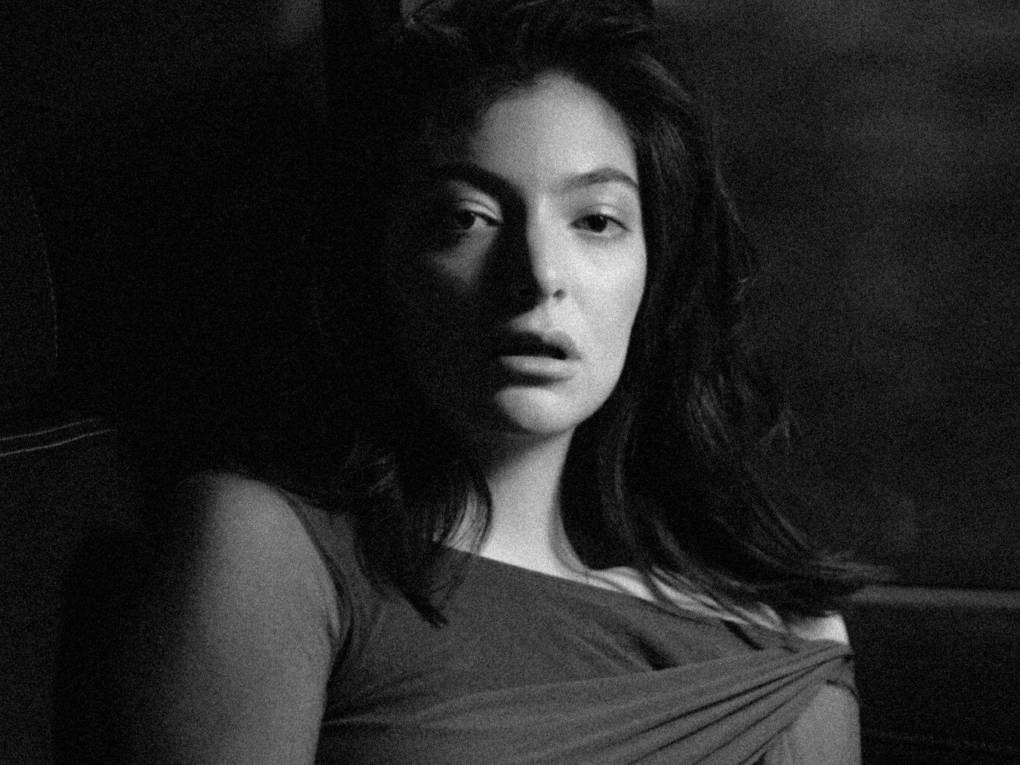
"caption": "Photo: Universal Music",
"description": "Photo: Universal Music",
"title": "Lorde",
"credit": null,
"status": "inherit",
"isLoading": false,
"fetchFailed": false
},
"arts_12838704": {
"type": "attachments",
"id": "arts_12838704",
"meta": {
"index": "attachments_1716263798",
"site": "arts",
"id": "12838704",
"found": true
},
"parent": 12835996,
"imgSizes": {
"small": {
"file": "https://ww2.kqed.org/app/uploads/sites/2/2017/03/454963848-1440x958-520x346.jpg",
"width": 520,
"mimeType": "image/jpeg",
"height": 346
},
"twentyfourteen-full-width": {
"file": "https://ww2.kqed.org/app/uploads/sites/2/2017/03/454963848-1440x958-1038x576.jpg",
"width": 1038,
"mimeType": "image/jpeg",
"height": 576
},
"thumbnail": {
"file": "https://ww2.kqed.org/app/uploads/sites/2/2017/03/454963848-1440x958-160x106.jpg",
"width": 160,
"mimeType": "image/jpeg",
"height": 106
},
"fd-sm": {
"file": "https://ww2.kqed.org/app/uploads/sites/2/2017/03/454963848-1440x958-960x639.jpg",
"width": 960,
"mimeType": "image/jpeg",
"height": 639
},
"post-thumbnail": {
"file": "https://ww2.kqed.org/app/uploads/sites/2/2017/03/454963848-1440x958-672x372.jpg",
"width": 672,
"mimeType": "image/jpeg",
"height": 372
},
"xsmall": {
"file": "https://ww2.kqed.org/app/uploads/sites/2/2017/03/454963848-1440x958-375x249.jpg",
"width": 375,
"mimeType": "image/jpeg",
"height": 249
},
"kqedFullSize": {
"file": "https://ww2.kqed.org/app/uploads/sites/2/2017/03/454963848-1440x958.jpg",
"width": 1440,
"height": 958
},
"large": {
"file": "https://ww2.kqed.org/app/uploads/sites/2/2017/03/454963848-1440x958-1020x679.jpg",
"width": 1020,
"mimeType": "image/jpeg",
"height": 679
},
"xlarge": {
"file": "https://ww2.kqed.org/app/uploads/sites/2/2017/03/454963848-1440x958-1180x785.jpg",
"width": 1180,
"mimeType": "image/jpeg",
"height": 785
},
"guest-author-50": {
"file": "https://ww2.kqed.org/app/uploads/sites/2/2017/03/454963848-1440x958-50x50.jpg",
"width": 50,
"mimeType": "image/jpeg",
"height": 50
},
"guest-author-96": {
"file": "https://ww2.kqed.org/app/uploads/sites/2/2017/03/454963848-1440x958-96x96.jpg",
"width": 96,
"mimeType": "image/jpeg",
"height": 96
},
"medium": {
"file": "https://ww2.kqed.org/app/uploads/sites/2/2017/03/454963848-1440x958-800x532.jpg",
"width": 800,
"mimeType": "image/jpeg",
"height": 532
},
"guest-author-64": {
"file": "https://ww2.kqed.org/app/uploads/sites/2/2017/03/454963848-1440x958-64x64.jpg",
"width": 64,
"mimeType": "image/jpeg",
"height": 64
},
"guest-author-32": {
"file": "https://ww2.kqed.org/app/uploads/sites/2/2017/03/454963848-1440x958-32x32.jpg",
"width": 32,
"mimeType": "image/jpeg",
"height": 32
},
"fd-med": {
"file": "https://ww2.kqed.org/app/uploads/sites/2/2017/03/454963848-1440x958-1180x785.jpg",
"width": 1180,
"mimeType": "image/jpeg",
"height": 785
},
"detail": {
"file": "https://ww2.kqed.org/app/uploads/sites/2/2017/03/454963848-1440x958-150x150.jpg",
"width": 150,
"mimeType": "image/jpeg",
"height": 150
},
"medium_large": {
"file": "https://ww2.kqed.org/app/uploads/sites/2/2017/03/454963848-1440x958-768x511.jpg",
"width": 768,
"mimeType": "image/jpeg",
"height": 511
},
"guest-author-128": {
"file": "https://ww2.kqed.org/app/uploads/sites/2/2017/03/454963848-1440x958-128x128.jpg",
"width": 128,
"mimeType": "image/jpeg",
"height": 128
},
"xxsmall": {
"file": "https://ww2.kqed.org/app/uploads/sites/2/2017/03/454963848-1440x958-240x160.jpg",
"width": 240,
"mimeType": "image/jpeg",
"height": 160
}
},
"publishDate": 1488445298,
"modified": 1488445335,
"caption": "Uber CEO Travis Kalanick speaks onstage at TechCrunch Discrupt at Pier 48 on September 8, 2014 in San Francisco.",
"description": null,
"title": "TechCrunch Disrupt SF 2014 - Day 1",
"credit": "Steve Jennings/Getty Images",
"status": "inherit",
"isLoading": false,
"fetchFailed": false
},
"arts_12840999": {
"type": "attachments",
"id": "arts_12840999",
"meta": {
"index": "attachments_1716263798",
"site": "arts",
"id": "12840999",
"found": true
},
"parent": 12840998,
"imgSizes": {
"small": {
"file": "https://ww2.kqed.org/app/uploads/sites/2/2017/03/gettyimages-186086570_wide-a07431128b2ea32f7161255661b1d7d8c6f6e2f1-520x292.jpg",
"width": 520,
"mimeType": "image/jpeg",
"height": 292
},
"twentyfourteen-full-width": {
"file": "https://ww2.kqed.org/app/uploads/sites/2/2017/03/gettyimages-186086570_wide-a07431128b2ea32f7161255661b1d7d8c6f6e2f1-1038x576.jpg",
"width": 1038,
"mimeType": "image/jpeg",
"height": 576
},
"thumbnail": {
"file": "https://ww2.kqed.org/app/uploads/sites/2/2017/03/gettyimages-186086570_wide-a07431128b2ea32f7161255661b1d7d8c6f6e2f1-160x90.jpg",
"width": 160,
"mimeType": "image/jpeg",
"height": 90
},
"fd-sm": {
"file": "https://ww2.kqed.org/app/uploads/sites/2/2017/03/gettyimages-186086570_wide-a07431128b2ea32f7161255661b1d7d8c6f6e2f1-960x540.jpg",
"width": 960,
"mimeType": "image/jpeg",
"height": 540
},
"post-thumbnail": {
"file": "https://ww2.kqed.org/app/uploads/sites/2/2017/03/gettyimages-186086570_wide-a07431128b2ea32f7161255661b1d7d8c6f6e2f1-672x372.jpg",
"width": 672,
"mimeType": "image/jpeg",
"height": 372
},
"xsmall": {
"file": "https://ww2.kqed.org/app/uploads/sites/2/2017/03/gettyimages-186086570_wide-a07431128b2ea32f7161255661b1d7d8c6f6e2f1-375x211.jpg",
"width": 375,
"mimeType": "image/jpeg",
"height": 211
},
"kqedFullSize": {
"file": "https://ww2.kqed.org/app/uploads/sites/2/2017/03/gettyimages-186086570_wide-a07431128b2ea32f7161255661b1d7d8c6f6e2f1.jpg",
"width": 2048,
"height": 1152
},
"large": {
"file": "https://ww2.kqed.org/app/uploads/sites/2/2017/03/gettyimages-186086570_wide-a07431128b2ea32f7161255661b1d7d8c6f6e2f1-1020x574.jpg",
"width": 1020,
"mimeType": "image/jpeg",
"height": 574
},
"xlarge": {
"file": "https://ww2.kqed.org/app/uploads/sites/2/2017/03/gettyimages-186086570_wide-a07431128b2ea32f7161255661b1d7d8c6f6e2f1-1180x664.jpg",
"width": 1180,
"mimeType": "image/jpeg",
"height": 664
},
"guest-author-50": {
"file": "https://ww2.kqed.org/app/uploads/sites/2/2017/03/gettyimages-186086570_wide-a07431128b2ea32f7161255661b1d7d8c6f6e2f1-50x50.jpg",
"width": 50,
"mimeType": "image/jpeg",
"height": 50
},
"guest-author-96": {
"file": "https://ww2.kqed.org/app/uploads/sites/2/2017/03/gettyimages-186086570_wide-a07431128b2ea32f7161255661b1d7d8c6f6e2f1-96x96.jpg",
"width": 96,
"mimeType": "image/jpeg",
"height": 96
},
"medium": {
"file": "https://ww2.kqed.org/app/uploads/sites/2/2017/03/gettyimages-186086570_wide-a07431128b2ea32f7161255661b1d7d8c6f6e2f1-800x450.jpg",
"width": 800,
"mimeType": "image/jpeg",
"height": 450
},
"guest-author-64": {
"file": "https://ww2.kqed.org/app/uploads/sites/2/2017/03/gettyimages-186086570_wide-a07431128b2ea32f7161255661b1d7d8c6f6e2f1-64x64.jpg",
"width": 64,
"mimeType": "image/jpeg",
"height": 64
},
"guest-author-32": {
"file": "https://ww2.kqed.org/app/uploads/sites/2/2017/03/gettyimages-186086570_wide-a07431128b2ea32f7161255661b1d7d8c6f6e2f1-32x32.jpg",
"width": 32,
"mimeType": "image/jpeg",
"height": 32
},
"fd-lrg": {
"file": "https://ww2.kqed.org/app/uploads/sites/2/2017/03/gettyimages-186086570_wide-a07431128b2ea32f7161255661b1d7d8c6f6e2f1-1920x1080.jpg",
"width": 1920,
"mimeType": "image/jpeg",
"height": 1080
},
"fd-med": {
"file": "https://ww2.kqed.org/app/uploads/sites/2/2017/03/gettyimages-186086570_wide-a07431128b2ea32f7161255661b1d7d8c6f6e2f1-1180x664.jpg",
"width": 1180,
"mimeType": "image/jpeg",
"height": 664
},
"full-width": {
"file": "https://ww2.kqed.org/app/uploads/sites/2/2017/03/gettyimages-186086570_wide-a07431128b2ea32f7161255661b1d7d8c6f6e2f1-1920x1080.jpg",
"width": 1920,
"mimeType": "image/jpeg",
"height": 1080
},
"detail": {
"file": "https://ww2.kqed.org/app/uploads/sites/2/2017/03/gettyimages-186086570_wide-a07431128b2ea32f7161255661b1d7d8c6f6e2f1-150x150.jpg",
"width": 150,
"mimeType": "image/jpeg",
"height": 150
},
"medium_large": {
"file": "https://ww2.kqed.org/app/uploads/sites/2/2017/03/gettyimages-186086570_wide-a07431128b2ea32f7161255661b1d7d8c6f6e2f1-768x432.jpg",
"width": 768,
"mimeType": "image/jpeg",
"height": 432
},
"guest-author-128": {
"file": "https://ww2.kqed.org/app/uploads/sites/2/2017/03/gettyimages-186086570_wide-a07431128b2ea32f7161255661b1d7d8c6f6e2f1-128x128.jpg",
"width": 128,
"mimeType": "image/jpeg",
"height": 128
},
"xxsmall": {
"file": "https://ww2.kqed.org/app/uploads/sites/2/2017/03/gettyimages-186086570_wide-a07431128b2ea32f7161255661b1d7d8c6f6e2f1-240x135.jpg",
"width": 240,
"mimeType": "image/jpeg",
"height": 135
}
},
"publishDate": 1488482662,
"modified": 1488482855,
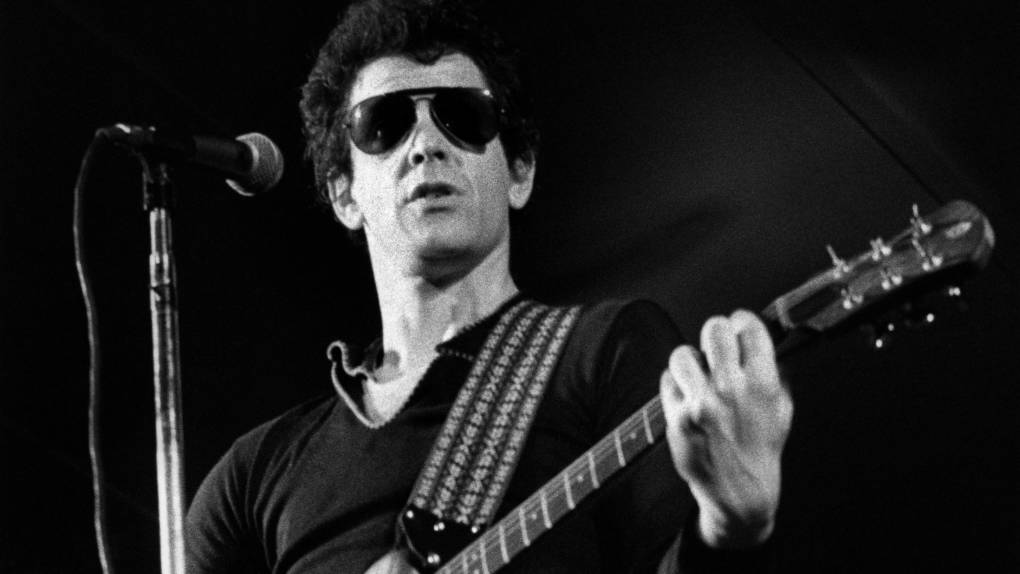
"caption": "Lou Reed performs in Sweden in 1977. The musician's widow, Laurie Anderson, is donating his personal archive of recordings, photos and business records to the New York Public Library",
"description": "Lou Reed performs in Sweden in 1977. The musician's widow, Laurie Anderson, is donating his personal archive of recordings, photos and business records to the New York Public Library",
"title": "Lou Reed performs in Sweden in 1977. The musician's widow, Laurie Anderson, is donating his personal archive of recordings, photos and business records to the New York Public Library.",
"credit": "Photo: AFP/Getty Images",
"status": "inherit",
"isLoading": false,
"fetchFailed": false
},
"arts_12838292": {
"type": "attachments",
"id": "arts_12838292",
"meta": {
"index": "attachments_1716263798",
"site": "arts",
"id": "12838292",
"found": true
},
"parent": 12822853,
"imgSizes": {
"small": {
"file": "https://ww2.kqed.org/app/uploads/sites/2/2017/03/anthem_poster-520x293.jpg",
"width": 520,
"mimeType": "image/jpeg",
"height": 293
},
"twentyfourteen-full-width": {
"file": "https://ww2.kqed.org/app/uploads/sites/2/2017/03/anthem_poster-1038x576.jpg",
"width": 1038,
"mimeType": "image/jpeg",
"height": 576
},
"thumbnail": {
"file": "https://ww2.kqed.org/app/uploads/sites/2/2017/03/anthem_poster-160x90.jpg",
"width": 160,
"mimeType": "image/jpeg",
"height": 90
},
"fd-sm": {
"file": "https://ww2.kqed.org/app/uploads/sites/2/2017/03/anthem_poster-960x540.jpg",
"width": 960,
"mimeType": "image/jpeg",
"height": 540
},
"post-thumbnail": {
"file": "https://ww2.kqed.org/app/uploads/sites/2/2017/03/anthem_poster-672x372.jpg",
"width": 672,
"mimeType": "image/jpeg",
"height": 372
},
"xsmall": {
"file": "https://ww2.kqed.org/app/uploads/sites/2/2017/03/anthem_poster-375x211.jpg",
"width": 375,
"mimeType": "image/jpeg",
"height": 211
},
"kqedFullSize": {
"file": "https://ww2.kqed.org/app/uploads/sites/2/2017/03/anthem_poster.jpg",
"width": 1920,
"height": 1080
},
"large": {
"file": "https://ww2.kqed.org/app/uploads/sites/2/2017/03/anthem_poster-1020x574.jpg",
"width": 1020,
"mimeType": "image/jpeg",
"height": 574
},
"xlarge": {
"file": "https://ww2.kqed.org/app/uploads/sites/2/2017/03/anthem_poster-1180x664.jpg",
"width": 1180,
"mimeType": "image/jpeg",
"height": 664
},
"guest-author-50": {
"file": "https://ww2.kqed.org/app/uploads/sites/2/2017/03/anthem_poster-50x50.jpg",
"width": 50,
"mimeType": "image/jpeg",
"height": 50
},
"guest-author-96": {
"file": "https://ww2.kqed.org/app/uploads/sites/2/2017/03/anthem_poster-96x96.jpg",
"width": 96,
"mimeType": "image/jpeg",
"height": 96
},
"medium": {
"file": "https://ww2.kqed.org/app/uploads/sites/2/2017/03/anthem_poster-800x450.jpg",
"width": 800,
"mimeType": "image/jpeg",
"height": 450
},
"guest-author-64": {
"file": "https://ww2.kqed.org/app/uploads/sites/2/2017/03/anthem_poster-64x64.jpg",
"width": 64,
"mimeType": "image/jpeg",
"height": 64
},
"guest-author-32": {
"file": "https://ww2.kqed.org/app/uploads/sites/2/2017/03/anthem_poster-32x32.jpg",
"width": 32,
"mimeType": "image/jpeg",
"height": 32
},
"fd-lrg": {
"file": "https://ww2.kqed.org/app/uploads/sites/2/2017/03/anthem_poster-1920x1080.jpg",
"width": 1920,
"mimeType": "image/jpeg",
"height": 1080
},
"fd-med": {
"file": "https://ww2.kqed.org/app/uploads/sites/2/2017/03/anthem_poster-1180x664.jpg",
"width": 1180,
"mimeType": "image/jpeg",
"height": 664
},
"full-width": {
"file": "https://ww2.kqed.org/app/uploads/sites/2/2017/03/anthem_poster-1920x1080.jpg",
"width": 1920,
"mimeType": "image/jpeg",
"height": 1080
},
"detail": {
"file": "https://ww2.kqed.org/app/uploads/sites/2/2017/03/anthem_poster-150x150.jpg",
"width": 150,
"mimeType": "image/jpeg",
"height": 150
},
"medium_large": {
"file": "https://ww2.kqed.org/app/uploads/sites/2/2017/03/anthem_poster-768x432.jpg",
"width": 768,
"mimeType": "image/jpeg",
"height": 432
},
"guest-author-128": {
"file": "https://ww2.kqed.org/app/uploads/sites/2/2017/03/anthem_poster-128x128.jpg",
"width": 128,
"mimeType": "image/jpeg",
"height": 128
},
"xxsmall": {
"file": "https://ww2.kqed.org/app/uploads/sites/2/2017/03/anthem_poster-240x135.jpg",
"width": 240,
"mimeType": "image/jpeg",
"height": 135
}
},
"publishDate": 1488437212,
"modified": 1488437263,
"caption": "T Sisters.",
"description": "T Sisters.",
"title": "anthem_poster",
"credit": null,
"status": "inherit",
"isLoading": false,
"fetchFailed": false
},
"arts_12836391": {
"type": "attachments",
"id": "arts_12836391",
"meta": {
"index": "attachments_1716263798",
"site": "arts",
"id": "12836391",
"found": true
},
"parent": 12836190,
"imgSizes": {
"small": {
"file": "https://ww2.kqed.org/app/uploads/sites/2/2017/03/Woody-Guthrie-OK-captial-520x292.jpg",
"width": 520,
"mimeType": "image/jpeg",
"height": 292
},
"thumbnail": {
"file": "https://ww2.kqed.org/app/uploads/sites/2/2017/03/Woody-Guthrie-OK-captial-160x90.jpg",
"width": 160,
"mimeType": "image/jpeg",
"height": 90
},
"post-thumbnail": {
"file": "https://ww2.kqed.org/app/uploads/sites/2/2017/03/Woody-Guthrie-OK-captial-672x372.jpg",
"width": 672,
"mimeType": "image/jpeg",
"height": 372
},
"xsmall": {
"file": "https://ww2.kqed.org/app/uploads/sites/2/2017/03/Woody-Guthrie-OK-captial-375x211.jpg",
"width": 375,
"mimeType": "image/jpeg",
"height": 211
},
"kqedFullSize": {
"file": "https://ww2.kqed.org/app/uploads/sites/2/2017/03/Woody-Guthrie-OK-captial.jpg",
"width": 799,
"height": 449
},
"guest-author-50": {
"file": "https://ww2.kqed.org/app/uploads/sites/2/2017/03/Woody-Guthrie-OK-captial-50x50.jpg",
"width": 50,
"mimeType": "image/jpeg",
"height": 50
},
"guest-author-96": {
"file": "https://ww2.kqed.org/app/uploads/sites/2/2017/03/Woody-Guthrie-OK-captial-96x96.jpg",
"width": 96,
"mimeType": "image/jpeg",
"height": 96
},
"guest-author-64": {
"file": "https://ww2.kqed.org/app/uploads/sites/2/2017/03/Woody-Guthrie-OK-captial-64x64.jpg",
"width": 64,
"mimeType": "image/jpeg",
"height": 64
},
"guest-author-32": {
"file": "https://ww2.kqed.org/app/uploads/sites/2/2017/03/Woody-Guthrie-OK-captial-32x32.jpg",
"width": 32,
"mimeType": "image/jpeg",
"height": 32
},
"detail": {
"file": "https://ww2.kqed.org/app/uploads/sites/2/2017/03/Woody-Guthrie-OK-captial-150x150.jpg",
"width": 150,
"mimeType": "image/jpeg",
"height": 150
},
"medium_large": {
"file": "https://ww2.kqed.org/app/uploads/sites/2/2017/03/Woody-Guthrie-OK-captial-768x432.jpg",
"width": 768,
"mimeType": "image/jpeg",
"height": 432
},
"guest-author-128": {
"file": "https://ww2.kqed.org/app/uploads/sites/2/2017/03/Woody-Guthrie-OK-captial-128x128.jpg",
"width": 128,
"mimeType": "image/jpeg",
"height": 128
},
"xxsmall": {
"file": "https://ww2.kqed.org/app/uploads/sites/2/2017/03/Woody-Guthrie-OK-captial-240x135.jpg",
"width": 240,
"mimeType": "image/jpeg",
"height": 135
}
},
"publishDate": 1488406847,
"modified": 1488408186,
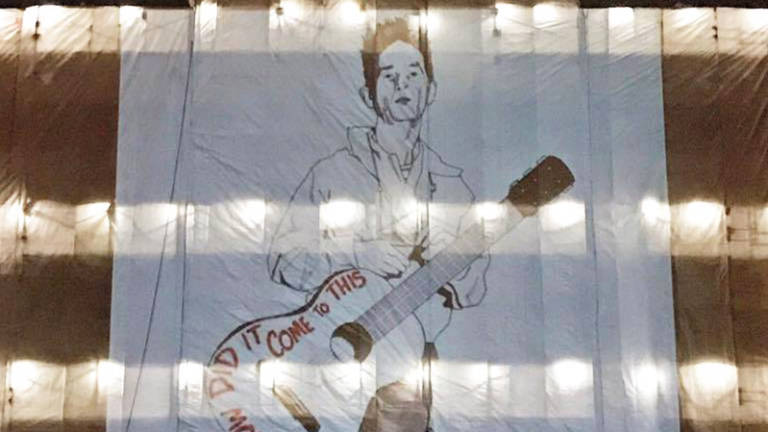
"caption": "Painting of Woody Guthrie projected onto Oklahoma State Capitol building",
"description": "Painting of Woody Guthrie projected onto Oklahoma State Capitol building",
"title": "Woody Guthrie OK captial",
"credit": "Photo: John Fowler",
"status": "inherit",
"isLoading": false,
"fetchFailed": false
},
"arts_12831522": {
"type": "attachments",
"id": "arts_12831522",
"meta": {
"index": "attachments_1716263798",
"site": "arts",
"id": "12831522",
"found": true
},
"parent": 12831521,
"imgSizes": {
"small": {
"file": "https://ww2.kqed.org/app/uploads/sites/2/2017/02/hideo-copy.jpg_wide-af47e7f1e92a2b4db169b2bdeb5dcb7995a15830-520x292.jpe",
"width": 520,
"mimeType": "image/jpeg",
"height": 292
},
"thumbnail": {
"file": "https://ww2.kqed.org/app/uploads/sites/2/2017/02/hideo-copy.jpg_wide-af47e7f1e92a2b4db169b2bdeb5dcb7995a15830-160x90.jpe",
"width": 160,
"mimeType": "image/jpeg",
"height": 90
},
"post-thumbnail": {
"file": "https://ww2.kqed.org/app/uploads/sites/2/2017/02/hideo-copy.jpg_wide-af47e7f1e92a2b4db169b2bdeb5dcb7995a15830-672x372.jpe",
"width": 672,
"mimeType": "image/jpeg",
"height": 372
},
"xsmall": {
"file": "https://ww2.kqed.org/app/uploads/sites/2/2017/02/hideo-copy.jpg_wide-af47e7f1e92a2b4db169b2bdeb5dcb7995a15830-375x211.jpe",
"width": 375,
"mimeType": "image/jpeg",
"height": 211
},
"kqedFullSize": {
"file": "https://ww2.kqed.org/app/uploads/sites/2/2017/02/hideo-copy.jpg_wide-af47e7f1e92a2b4db169b2bdeb5dcb7995a15830.jpe",
"width": 690,
"height": 388
},
"guest-author-50": {
"file": "https://ww2.kqed.org/app/uploads/sites/2/2017/02/hideo-copy.jpg_wide-af47e7f1e92a2b4db169b2bdeb5dcb7995a15830-50x50.jpe",
"width": 50,
"mimeType": "image/jpeg",
"height": 50
},
"guest-author-96": {
"file": "https://ww2.kqed.org/app/uploads/sites/2/2017/02/hideo-copy.jpg_wide-af47e7f1e92a2b4db169b2bdeb5dcb7995a15830-96x96.jpe",
"width": 96,
"mimeType": "image/jpeg",
"height": 96
},
"guest-author-64": {
"file": "https://ww2.kqed.org/app/uploads/sites/2/2017/02/hideo-copy.jpg_wide-af47e7f1e92a2b4db169b2bdeb5dcb7995a15830-64x64.jpe",
"width": 64,
"mimeType": "image/jpeg",
"height": 64
},
"detail": {
"file": "https://ww2.kqed.org/app/uploads/sites/2/2017/02/hideo-copy.jpg_wide-af47e7f1e92a2b4db169b2bdeb5dcb7995a15830-150x150.jpe",
"width": 150,
"mimeType": "image/jpeg",
"height": 150
},
"guest-author-32": {
"file": "https://ww2.kqed.org/app/uploads/sites/2/2017/02/hideo-copy.jpg_wide-af47e7f1e92a2b4db169b2bdeb5dcb7995a15830-32x32.jpe",
"width": 32,
"mimeType": "image/jpeg",
"height": 32
},
"guest-author-128": {
"file": "https://ww2.kqed.org/app/uploads/sites/2/2017/02/hideo-copy.jpg_wide-af47e7f1e92a2b4db169b2bdeb5dcb7995a15830-128x128.jpe",
"width": 128,
"mimeType": "image/jpeg",
"height": 128
},
"xxsmall": {
"file": "https://ww2.kqed.org/app/uploads/sites/2/2017/02/hideo-copy.jpg_wide-af47e7f1e92a2b4db169b2bdeb5dcb7995a15830-240x135.jpe",
"width": 240,
"mimeType": "image/jpeg",
"height": 135
}
},
"publishDate": 1488314776,
"modified": 1488318514,
"caption": "Hideo Ikeezumi in his Tokyo shop, Modern Music, in 2009.",
"description": "Hideo Ikeezumi in his Tokyo shop, Modern Music, in 2009.",
"title": "Hideo Ikeezumi in his Tokyo shop, Modern Music, in 2009.",
"credit": "Photo: Cameron Allan McKean/Courtesy of Hideo Ikeezumi",
"status": "inherit",
"isLoading": false,
"fetchFailed": false
},
"arts_12830939": {
"type": "attachments",
"id": "arts_12830939",
"meta": {
"index": "attachments_1716263798",
"site": "arts",
"id": "12830939",
"found": true
},
"parent": 12830938,
"imgSizes": {
"small": {
"file": "https://ww2.kqed.org/app/uploads/sites/2/2017/02/tankandthebangas_1_wide-52da50680db2bbfbebc6570968e3b53674521e8c-520x292.png",
"width": 520,
"mimeType": "image/png",
"height": 292
},
"twentyfourteen-full-width": {
"file": "https://ww2.kqed.org/app/uploads/sites/2/2017/02/tankandthebangas_1_wide-52da50680db2bbfbebc6570968e3b53674521e8c-1038x576.png",
"width": 1038,
"mimeType": "image/png",
"height": 576
},
"thumbnail": {
"file": "https://ww2.kqed.org/app/uploads/sites/2/2017/02/tankandthebangas_1_wide-52da50680db2bbfbebc6570968e3b53674521e8c-160x90.png",
"width": 160,
"mimeType": "image/png",
"height": 90
},
"fd-sm": {
"file": "https://ww2.kqed.org/app/uploads/sites/2/2017/02/tankandthebangas_1_wide-52da50680db2bbfbebc6570968e3b53674521e8c-960x539.png",
"width": 960,
"mimeType": "image/png",
"height": 539
},
"post-thumbnail": {
"file": "https://ww2.kqed.org/app/uploads/sites/2/2017/02/tankandthebangas_1_wide-52da50680db2bbfbebc6570968e3b53674521e8c-672x372.png",
"width": 672,
"mimeType": "image/png",
"height": 372
},
"xsmall": {
"file": "https://ww2.kqed.org/app/uploads/sites/2/2017/02/tankandthebangas_1_wide-52da50680db2bbfbebc6570968e3b53674521e8c-375x211.png",
"width": 375,
"mimeType": "image/png",
"height": 211
},
"kqedFullSize": {
"file": "https://ww2.kqed.org/app/uploads/sites/2/2017/02/tankandthebangas_1_wide-52da50680db2bbfbebc6570968e3b53674521e8c.png",
"width": 1276,
"height": 717
},
"large": {
"file": "https://ww2.kqed.org/app/uploads/sites/2/2017/02/tankandthebangas_1_wide-52da50680db2bbfbebc6570968e3b53674521e8c-1020x573.png",
"width": 1020,
"mimeType": "image/png",
"height": 573
},
"xlarge": {
"file": "https://ww2.kqed.org/app/uploads/sites/2/2017/02/tankandthebangas_1_wide-52da50680db2bbfbebc6570968e3b53674521e8c-1180x663.png",
"width": 1180,
"mimeType": "image/png",
"height": 663
},
"guest-author-50": {
"file": "https://ww2.kqed.org/app/uploads/sites/2/2017/02/tankandthebangas_1_wide-52da50680db2bbfbebc6570968e3b53674521e8c-50x50.png",
"width": 50,
"mimeType": "image/png",
"height": 50
},
"guest-author-96": {
"file": "https://ww2.kqed.org/app/uploads/sites/2/2017/02/tankandthebangas_1_wide-52da50680db2bbfbebc6570968e3b53674521e8c-96x96.png",
"width": 96,
"mimeType": "image/png",
"height": 96
},
"medium": {
"file": "https://ww2.kqed.org/app/uploads/sites/2/2017/02/tankandthebangas_1_wide-52da50680db2bbfbebc6570968e3b53674521e8c-800x450.png",
"width": 800,
"mimeType": "image/png",
"height": 450
},
"guest-author-64": {
"file": "https://ww2.kqed.org/app/uploads/sites/2/2017/02/tankandthebangas_1_wide-52da50680db2bbfbebc6570968e3b53674521e8c-64x64.png",
"width": 64,
"mimeType": "image/png",
"height": 64
},
"guest-author-32": {
"file": "https://ww2.kqed.org/app/uploads/sites/2/2017/02/tankandthebangas_1_wide-52da50680db2bbfbebc6570968e3b53674521e8c-32x32.png",
"width": 32,
"mimeType": "image/png",
"height": 32
},
"fd-med": {
"file": "https://ww2.kqed.org/app/uploads/sites/2/2017/02/tankandthebangas_1_wide-52da50680db2bbfbebc6570968e3b53674521e8c-1180x663.png",
"width": 1180,
"mimeType": "image/png",
"height": 663
},
"detail": {
"file": "https://ww2.kqed.org/app/uploads/sites/2/2017/02/tankandthebangas_1_wide-52da50680db2bbfbebc6570968e3b53674521e8c-150x150.png",
"width": 150,
"mimeType": "image/png",
"height": 150
},
"medium_large": {
"file": "https://ww2.kqed.org/app/uploads/sites/2/2017/02/tankandthebangas_1_wide-52da50680db2bbfbebc6570968e3b53674521e8c-768x432.png",
"width": 768,
"mimeType": "image/png",
"height": 432
},
"guest-author-128": {
"file": "https://ww2.kqed.org/app/uploads/sites/2/2017/02/tankandthebangas_1_wide-52da50680db2bbfbebc6570968e3b53674521e8c-128x128.png",
"width": 128,
"mimeType": "image/png",
"height": 128
},
"xxsmall": {
"file": "https://ww2.kqed.org/app/uploads/sites/2/2017/02/tankandthebangas_1_wide-52da50680db2bbfbebc6570968e3b53674521e8c-240x135.png",
"width": 240,
"mimeType": "image/png",
"height": 135
}
},
"publishDate": 1488302064,
"modified": 1488302161,
"caption": "Tank and the Bangas in a still from their Tiny Desk Contest-winning entry video, \"Quick.\"",
"description": null,
"title": "Tank and the Bangas in a still from their Tiny Desk Contest-winning entry video, \"Quick.\"",
"credit": null,
"status": "inherit",
"isLoading": false,
"fetchFailed": false
},
"news_11332385": {
"type": "attachments",
"id": "news_11332385",
"meta": {
"index": "attachments_1716263798",
"site": "news",
"id": "11332385",
"found": true
},
"parent": 11332172,
"imgSizes": {
"small": {
"file": "https://ww2.kqed.org/app/uploads/sites/10/2017/02/RS24385_Chicano-Batman_Josue-Rivas-Promo-Photo-01-qut-520x347.jpg",
"width": 520,
"mimeType": "image/jpeg",
"height": 347
},
"twentyfourteen-full-width": {
"file": "https://ww2.kqed.org/app/uploads/sites/10/2017/02/RS24385_Chicano-Batman_Josue-Rivas-Promo-Photo-01-qut-1038x576.jpg",
"width": 1038,
"mimeType": "image/jpeg",
"height": 576
},
"thumbnail": {
"file": "https://ww2.kqed.org/app/uploads/sites/10/2017/02/RS24385_Chicano-Batman_Josue-Rivas-Promo-Photo-01-qut-160x107.jpg",
"width": 160,
"mimeType": "image/jpeg",
"height": 107
},
"fd-sm": {
"file": "https://ww2.kqed.org/app/uploads/sites/10/2017/02/RS24385_Chicano-Batman_Josue-Rivas-Promo-Photo-01-qut-960x640.jpg",
"width": 960,
"mimeType": "image/jpeg",
"height": 640
},
"post-thumbnail": {
"file": "https://ww2.kqed.org/app/uploads/sites/10/2017/02/RS24385_Chicano-Batman_Josue-Rivas-Promo-Photo-01-qut-672x372.jpg",
"width": 672,
"mimeType": "image/jpeg",
"height": 372
},
"xsmall": {
"file": "https://ww2.kqed.org/app/uploads/sites/10/2017/02/RS24385_Chicano-Batman_Josue-Rivas-Promo-Photo-01-qut-375x250.jpg",
"width": 375,
"mimeType": "image/jpeg",
"height": 250
},
"kqedFullSize": {
"file": "https://ww2.kqed.org/app/uploads/sites/10/2017/02/RS24385_Chicano-Batman_Josue-Rivas-Promo-Photo-01-qut.jpg",
"width": 1920,
"height": 1280
},
"large": {
"file": "https://ww2.kqed.org/app/uploads/sites/10/2017/02/RS24385_Chicano-Batman_Josue-Rivas-Promo-Photo-01-qut-1020x680.jpg",
"width": 1020,
"mimeType": "image/jpeg",
"height": 680
},
"xlarge": {
"file": "https://ww2.kqed.org/app/uploads/sites/10/2017/02/RS24385_Chicano-Batman_Josue-Rivas-Promo-Photo-01-qut-1180x787.jpg",
"width": 1180,
"mimeType": "image/jpeg",
"height": 787
},
"guest-author-50": {
"file": "https://ww2.kqed.org/app/uploads/sites/10/2017/02/RS24385_Chicano-Batman_Josue-Rivas-Promo-Photo-01-qut-50x50.jpg",
"width": 50,
"mimeType": "image/jpeg",
"height": 50
},
"guest-author-96": {
"file": "https://ww2.kqed.org/app/uploads/sites/10/2017/02/RS24385_Chicano-Batman_Josue-Rivas-Promo-Photo-01-qut-96x96.jpg",
"width": 96,
"mimeType": "image/jpeg",
"height": 96
},
"medium": {
"file": "https://ww2.kqed.org/app/uploads/sites/10/2017/02/RS24385_Chicano-Batman_Josue-Rivas-Promo-Photo-01-qut-800x533.jpg",
"width": 800,
"mimeType": "image/jpeg",
"height": 533
},
"guest-author-64": {
"file": "https://ww2.kqed.org/app/uploads/sites/10/2017/02/RS24385_Chicano-Batman_Josue-Rivas-Promo-Photo-01-qut-64x64.jpg",
"width": 64,
"mimeType": "image/jpeg",
"height": 64
},
"guest-author-32": {
"file": "https://ww2.kqed.org/app/uploads/sites/10/2017/02/RS24385_Chicano-Batman_Josue-Rivas-Promo-Photo-01-qut-32x32.jpg",
"width": 32,
"mimeType": "image/jpeg",
"height": 32
},
"fd-lrg": {
"file": "https://ww2.kqed.org/app/uploads/sites/10/2017/02/RS24385_Chicano-Batman_Josue-Rivas-Promo-Photo-01-qut-1920x1280.jpg",
"width": 1920,
"mimeType": "image/jpeg",
"height": 1280
},
"fd-med": {
"file": "https://ww2.kqed.org/app/uploads/sites/10/2017/02/RS24385_Chicano-Batman_Josue-Rivas-Promo-Photo-01-qut-1180x787.jpg",
"width": 1180,
"mimeType": "image/jpeg",
"height": 787
},
"full-width": {
"file": "https://ww2.kqed.org/app/uploads/sites/10/2017/02/RS24385_Chicano-Batman_Josue-Rivas-Promo-Photo-01-qut-1920x1280.jpg",
"width": 1920,
"mimeType": "image/jpeg",
"height": 1280
},
"detail": {
"file": "https://ww2.kqed.org/app/uploads/sites/10/2017/02/RS24385_Chicano-Batman_Josue-Rivas-Promo-Photo-01-qut-150x150.jpg",
"width": 150,
"mimeType": "image/jpeg",
"height": 150
},
"guest-author-128": {
"file": "https://ww2.kqed.org/app/uploads/sites/10/2017/02/RS24385_Chicano-Batman_Josue-Rivas-Promo-Photo-01-qut-128x128.jpg",
"width": 128,
"mimeType": "image/jpeg",
"height": 128
},
"xxsmall": {
"file": "https://ww2.kqed.org/app/uploads/sites/10/2017/02/RS24385_Chicano-Batman_Josue-Rivas-Promo-Photo-01-qut-240x160.jpg",
"width": 240,
"mimeType": "image/jpeg",
"height": 160
}
},
"publishDate": 1487986723,
"modified": 1487986834,
"caption": "Los Angeles band Chicano Batman is releasing its third album, \"Freedom is Free.\"",
"description": "Los Angeles band Chicano Batman is releasing its third album, \"Freedom is Free.\"",
"title": "RS24385_Chicano Batman_Josue Rivas Promo Photo 01-qut",
"credit": null,
"status": "inherit",
"isLoading": false,
"fetchFailed": false
},
"arts_12813206": {
"type": "attachments",
"id": "arts_12813206",
"meta": {
"index": "attachments_1716263798",
"site": "arts",
"id": "12813206",
"found": true
},
"parent": 12812802,
"imgSizes": {
"small": {
"file": "https://ww2.kqed.org/app/uploads/sites/2/2017/02/Into-The-Mix-REcordPlant4-520x293.jpg",
"width": 520,
"mimeType": "image/jpeg",
"height": 293
},
"twentyfourteen-full-width": {
"file": "https://ww2.kqed.org/app/uploads/sites/2/2017/02/Into-The-Mix-REcordPlant4-1038x576.jpg",
"width": 1038,
"mimeType": "image/jpeg",
"height": 576
},
"thumbnail": {
"file": "https://ww2.kqed.org/app/uploads/sites/2/2017/02/Into-The-Mix-REcordPlant4-160x90.jpg",
"width": 160,
"mimeType": "image/jpeg",
"height": 90
},
"fd-sm": {
"file": "https://ww2.kqed.org/app/uploads/sites/2/2017/02/Into-The-Mix-REcordPlant4-960x540.jpg",
"width": 960,
"mimeType": "image/jpeg",
"height": 540
},
"post-thumbnail": {
"file": "https://ww2.kqed.org/app/uploads/sites/2/2017/02/Into-The-Mix-REcordPlant4-672x372.jpg",
"width": 672,
"mimeType": "image/jpeg",
"height": 372
},
"xsmall": {
"file": "https://ww2.kqed.org/app/uploads/sites/2/2017/02/Into-The-Mix-REcordPlant4-375x211.jpg",
"width": 375,
"mimeType": "image/jpeg",
"height": 211
},
"kqedFullSize": {
"file": "https://ww2.kqed.org/app/uploads/sites/2/2017/02/Into-The-Mix-REcordPlant4.jpg",
"width": 1920,
"height": 1080
},
"large": {
"file": "https://ww2.kqed.org/app/uploads/sites/2/2017/02/Into-The-Mix-REcordPlant4-1020x574.jpg",
"width": 1020,
"mimeType": "image/jpeg",
"height": 574
},
"xlarge": {
"file": "https://ww2.kqed.org/app/uploads/sites/2/2017/02/Into-The-Mix-REcordPlant4-1180x664.jpg",
"width": 1180,
"mimeType": "image/jpeg",
"height": 664
},
"guest-author-50": {
"file": "https://ww2.kqed.org/app/uploads/sites/2/2017/02/Into-The-Mix-REcordPlant4-50x50.jpg",
"width": 50,
"mimeType": "image/jpeg",
"height": 50
},
"guest-author-96": {
"file": "https://ww2.kqed.org/app/uploads/sites/2/2017/02/Into-The-Mix-REcordPlant4-96x96.jpg",
"width": 96,
"mimeType": "image/jpeg",
"height": 96
},
"medium": {
"file": "https://ww2.kqed.org/app/uploads/sites/2/2017/02/Into-The-Mix-REcordPlant4-800x450.jpg",
"width": 800,
"mimeType": "image/jpeg",
"height": 450
},
"guest-author-64": {
"file": "https://ww2.kqed.org/app/uploads/sites/2/2017/02/Into-The-Mix-REcordPlant4-64x64.jpg",
"width": 64,
"mimeType": "image/jpeg",
"height": 64
},
"guest-author-32": {
"file": "https://ww2.kqed.org/app/uploads/sites/2/2017/02/Into-The-Mix-REcordPlant4-32x32.jpg",
"width": 32,
"mimeType": "image/jpeg",
"height": 32
},
"fd-lrg": {
"file": "https://ww2.kqed.org/app/uploads/sites/2/2017/02/Into-The-Mix-REcordPlant4-1920x1080.jpg",
"width": 1920,
"mimeType": "image/jpeg",
"height": 1080
},
"fd-med": {
"file": "https://ww2.kqed.org/app/uploads/sites/2/2017/02/Into-The-Mix-REcordPlant4-1180x664.jpg",
"width": 1180,
"mimeType": "image/jpeg",
"height": 664
},
"full-width": {
"file": "https://ww2.kqed.org/app/uploads/sites/2/2017/02/Into-The-Mix-REcordPlant4-1920x1080.jpg",
"width": 1920,
"mimeType": "image/jpeg",
"height": 1080
},
"detail": {
"file": "https://ww2.kqed.org/app/uploads/sites/2/2017/02/Into-The-Mix-REcordPlant4-150x150.jpg",
"width": 150,
"mimeType": "image/jpeg",
"height": 150
},
"medium_large": {
"file": "https://ww2.kqed.org/app/uploads/sites/2/2017/02/Into-The-Mix-REcordPlant4-768x432.jpg",
"width": 768,
"mimeType": "image/jpeg",
"height": 432
},
"guest-author-128": {
"file": "https://ww2.kqed.org/app/uploads/sites/2/2017/02/Into-The-Mix-REcordPlant4-128x128.jpg",
"width": 128,
"mimeType": "image/jpeg",
"height": 128
},
"xxsmall": {
"file": "https://ww2.kqed.org/app/uploads/sites/2/2017/02/Into-The-Mix-REcordPlant4-240x135.jpg",
"width": 240,
"mimeType": "image/jpeg",
"height": 135
}
},
"publishDate": 1487972251,
"modified": 1487972616,
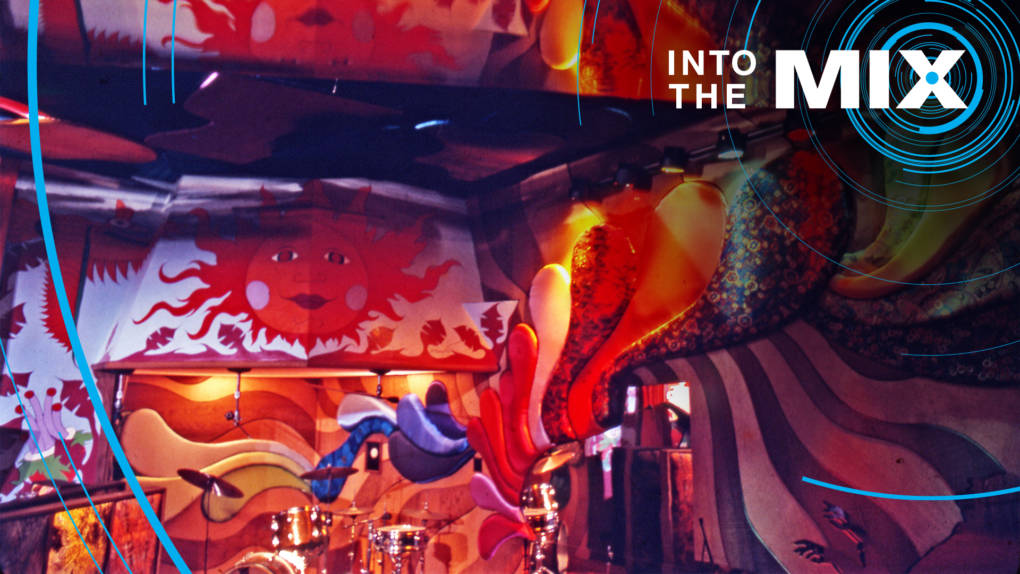
"caption": "Archival photo of one of the tracking rooms in the Record Plant",
"description": "Archival photo of one of the tracking rooms in the Record Plant",
"title": "Into The Mix - REcordPlant4",
"credit": "Photo: courtesy of Ken Caillat",
"status": "inherit",
"isLoading": false,
"fetchFailed": false
},
"arts_12799436": {
"type": "attachments",
"id": "arts_12799436",
"meta": {
"index": "attachments_1716263798",
"site": "arts",
"id": "12799436",
"found": true
},
"parent": 12789954,
"imgSizes": {
"small": {
"file": "https://ww2.kqed.org/app/uploads/sites/2/2017/02/WantsStill03149-e1487719649910-520x290.jpg",
"width": 520,
"mimeType": "image/jpeg",
"height": 290
},
"twentyfourteen-full-width": {
"file": "https://ww2.kqed.org/app/uploads/sites/2/2017/02/WantsStill03149-e1487719649910-1038x576.jpg",
"width": 1038,
"mimeType": "image/jpeg",
"height": 576
},
"thumbnail": {
"file": "https://ww2.kqed.org/app/uploads/sites/2/2017/02/WantsStill03149-e1487719649910-160x89.jpg",
"width": 160,
"mimeType": "image/jpeg",
"height": 89
},
"fd-sm": {
"file": "https://ww2.kqed.org/app/uploads/sites/2/2017/02/WantsStill03149-e1487719649910-960x535.jpg",
"width": 960,
"mimeType": "image/jpeg",
"height": 535
},
"post-thumbnail": {
"file": "https://ww2.kqed.org/app/uploads/sites/2/2017/02/WantsStill03149-e1487719649910-672x372.jpg",
"width": 672,
"mimeType": "image/jpeg",
"height": 372
},
"xsmall": {
"file": "https://ww2.kqed.org/app/uploads/sites/2/2017/02/WantsStill03149-e1487719649910-375x209.jpg",
"width": 375,
"mimeType": "image/jpeg",
"height": 209
},
"kqedFullSize": {
"file": "https://ww2.kqed.org/app/uploads/sites/2/2017/02/WantsStill03149-e1487719649910.jpg",
"width": 1910,
"height": 1065
},
"large": {
"file": "https://ww2.kqed.org/app/uploads/sites/2/2017/02/WantsStill03149-e1487719649910-1020x569.jpg",
"width": 1020,
"mimeType": "image/jpeg",
"height": 569
},
"xlarge": {
"file": "https://ww2.kqed.org/app/uploads/sites/2/2017/02/WantsStill03149-e1487719649910-1180x658.jpg",
"width": 1180,
"mimeType": "image/jpeg",
"height": 658
},
"guest-author-50": {
"file": "https://ww2.kqed.org/app/uploads/sites/2/2017/02/WantsStill03149-e1487719649910-50x50.jpg",
"width": 50,
"mimeType": "image/jpeg",
"height": 50
},
"guest-author-96": {
"file": "https://ww2.kqed.org/app/uploads/sites/2/2017/02/WantsStill03149-e1487719649910-96x96.jpg",
"width": 96,
"mimeType": "image/jpeg",
"height": 96
},
"medium": {
"file": "https://ww2.kqed.org/app/uploads/sites/2/2017/02/WantsStill03149-e1487719649910-800x446.jpg",
"width": 800,
"mimeType": "image/jpeg",
"height": 446
},
"guest-author-64": {
"file": "https://ww2.kqed.org/app/uploads/sites/2/2017/02/WantsStill03149-e1487719649910-64x64.jpg",
"width": 64,
"mimeType": "image/jpeg",
"height": 64
},
"guest-author-32": {
"file": "https://ww2.kqed.org/app/uploads/sites/2/2017/02/WantsStill03149-e1487719649910-32x32.jpg",
"width": 32,
"mimeType": "image/jpeg",
"height": 32
},
"fd-lrg": {
"file": "https://ww2.kqed.org/app/uploads/sites/2/2017/02/WantsStill03149-1920x1080.jpg",
"width": 1920,
"mimeType": "image/jpeg",
"height": 1080
},
"fd-med": {
"file": "https://ww2.kqed.org/app/uploads/sites/2/2017/02/WantsStill03149-e1487719649910-1180x658.jpg",
"width": 1180,
"mimeType": "image/jpeg",
"height": 658
},
"full-width": {
"file": "https://ww2.kqed.org/app/uploads/sites/2/2017/02/WantsStill03149-1920x1080.jpg",
"width": 1920,
"mimeType": "image/jpeg",
"height": 1080
},
"detail": {
"file": "https://ww2.kqed.org/app/uploads/sites/2/2017/02/WantsStill03149-e1487719649910-150x150.jpg",
"width": 150,
"mimeType": "image/jpeg",
"height": 150
},
"medium_large": {
"file": "https://ww2.kqed.org/app/uploads/sites/2/2017/02/WantsStill03149-e1487719649910-768x428.jpg",
"width": 768,
"mimeType": "image/jpeg",
"height": 428
},
"guest-author-128": {
"file": "https://ww2.kqed.org/app/uploads/sites/2/2017/02/WantsStill03149-e1487719649910-128x128.jpg",
"width": 128,
"mimeType": "image/jpeg",
"height": 128
},
"xxsmall": {
"file": "https://ww2.kqed.org/app/uploads/sites/2/2017/02/WantsStill03149-e1487719649910-240x134.jpg",
"width": 240,
"mimeType": "image/jpeg",
"height": 134
}
},
"publishDate": 1487719542,
"modified": 1487719632,
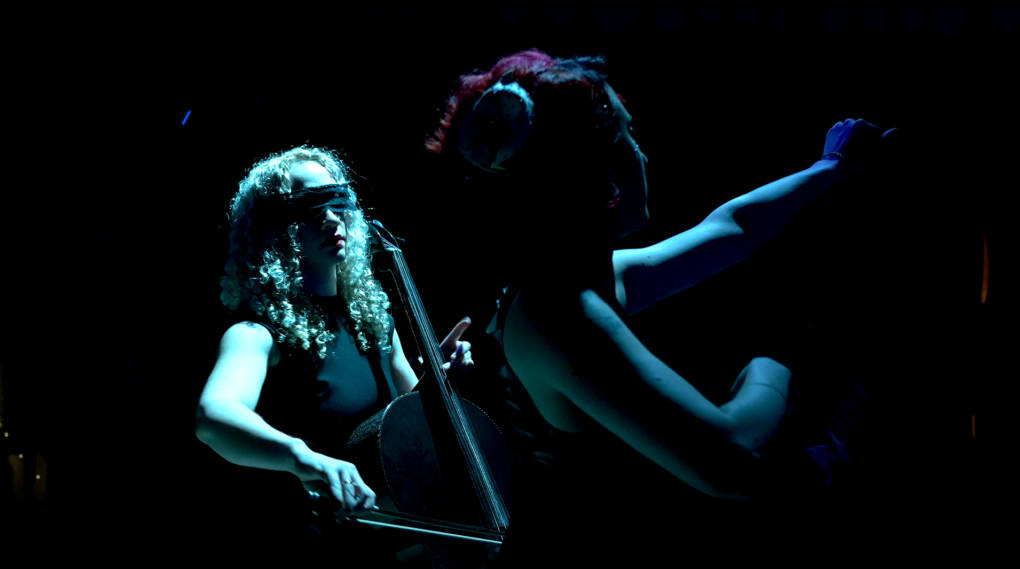
"caption": "Cellista's 'Wants', a multimedia installation created as a form of creative resistance in the era of President Trump. Featuring choreography from Lilith Ransom, director of Ransom Dance and sound design \nand performances from artistic director Cellista. \n",
"description": "Cellista's 'Wants', a multimedia installation created as a form of creative resistance in the era of President Trump. Featuring choreography from Lilith Ransom, director of Ransom Dance and sound design \nand performances from artistic director Cellista. ",
"title": "WantsStill03149",
"credit": "Photo: Courtesy Jennifer Gigantino.",
"status": "inherit",
"isLoading": false,
"fetchFailed": false
}
},
"audioPlayerReducer": {
"postId": "stream_live",
"isPaused": true,
"isPlaying": false,
"pfsActive": false,
"pledgeModalIsOpen": true,
"playerDrawerIsOpen": false,
"liveAudioPlayStartedAt": 0,
"liveAudioPlayContext": ""
},
"authorsReducer": {
"byline_pop_67558": {
"type": "authors",
"id": "byline_pop_67558",
"meta": {
"override": true
},
"slug": "byline_pop_67558",
"name": "Robin Hilton",
"isLoading": false
},
"byline_arts_12840998": {
"type": "authors",
"id": "byline_arts_12840998",
"meta": {
"override": true
},
"slug": "byline_arts_12840998",
"name": "Rick Karr",
"isLoading": false
},
"byline_arts_12836190": {
"type": "authors",
"id": "byline_arts_12836190",
"meta": {
"override": true
},
"slug": "byline_arts_12836190",
"name": "Associated Press",
"isLoading": false
},
"byline_arts_12831521": {
"type": "authors",
"id": "byline_arts_12831521",
"meta": {
"override": true
},
"slug": "byline_arts_12831521",
"name": "Peter Kolovos",
"isLoading": false
},
"byline_arts_12830938": {
"type": "authors",
"id": "byline_arts_12830938",
"meta": {
"override": true
},
"slug": "byline_arts_12830938",
"name": "Bob Boilen",
"isLoading": false
},
"cmusiker": {
"type": "authors",
"id": "32",
"meta": {
"index": "authors_1716337520",
"id": "32",
"found": true
},
"name": "Cy Musiker",
"firstName": "Cy",
"lastName": "Musiker",
"slug": "cmusiker",
"email": "cmusiker@kqed.org",
"display_author_email": false,
"staff_mastheads": [],
"title": "KQED Contributor",
"bio": "Cy Musiker is a former co-host of The Do List and a former reporter covering the arts for KQED News and The California Report. He loves live performance, especially great theater, jazz, roots music, anything by Mahler. Cy has an MJ from UC Berkeley's School of Journalism, and got his BA from Hampshire College. His work has been recognized by the Society for Professional Journalists with their Sigma Delta Chi Award for Public Service in Journalism. When he can, Cy likes to swim in Tomales Bay, run with his dog in the East Bay Hills, and hike the Sierra.",
"avatar": "https://secure.gravatar.com/avatar/05eaba5c5696ce8f062e4ea2df428a43?s=600&d=blank&r=g",
"twitter": null,
"facebook": null,
"instagram": null,
"linkedin": null,
"sites": [
{
"site": "arts",
"roles": [
"Contributor",
"subscriber"
]
},
{
"site": "news",
"roles": [
"author"
]
},
{
"site": "bayareabites",
"roles": [
"contributor"
]
}
],
"headData": {
"title": "Cy Musiker | KQED",
"description": "KQED Contributor",
"ogImgSrc": "https://secure.gravatar.com/avatar/05eaba5c5696ce8f062e4ea2df428a43?s=600&d=blank&r=g",
"twImgSrc": "https://secure.gravatar.com/avatar/05eaba5c5696ce8f062e4ea2df428a43?s=600&d=blank&r=g"
},
"isLoading": false,
"link": "/author/cmusiker"
},
"shochman": {
"type": "authors",
"id": "87",
"meta": {
"index": "authors_1716337520",
"id": "87",
"found": true
},
"name": "Steve Hochman",
"firstName": "Steve",
"lastName": "Hochman",
"slug": "shochman",
"email": "sehochman@me.com",
"display_author_email": false,
"staff_mastheads": [],
"title": "KQED Contributor",
"bio": "Steve Hochman has covered popular, and unpopular, music for more than 30 years, most of that time as a key member of the \u003ci>Los Angeles Times\u003c/i>' music team. In that capacity he wrote about the full range of music and musicians, from Hungarian folk to industrial noise, and from 1991 through 2005 wrote the \u003ci>Times\u003c/i>' widely read weekly \"Pop Eye\" column. In addition to his role with \u003ci>The California Report\u003c/i>, he's a music critic for Pasadena station KPCC's morning magazine \u003ci>Take Two\u003c/i> and a regular contributor to Grammy.com, Fender.com and other outlets. His byline has appeared through the years in an array of major publications, including \u003ci>Rolling Stone\u003c/i>, \u003ci>Billboard\u003c/i> and \u003ci>Entertainment Weekly\u003c/i> and New Orleans' \u003ci>Offbeat\u003c/i>.",
"avatar": "https://secure.gravatar.com/avatar/37fbddee9db232a05a1be3b065171301e8baa142626c45b0caa6fc61c25a8c8d?s=600&d=blank&r=g",
"twitter": null,
"bluesky": null,
"facebook": null,
"instagram": null,
"linkedin": null,
"sites": [
{
"site": "arts",
"roles": [
"Contributor",
"subscriber"
]
},
{
"site": "news",
"roles": [
"subscriber"
]
}
],
"headData": {
"title": "Steve Hochman | KQED",
"description": "KQED Contributor",
"ogImgSrc": "https://secure.gravatar.com/avatar/37fbddee9db232a05a1be3b065171301e8baa142626c45b0caa6fc61c25a8c8d?s=600&d=blank&r=g",
"twImgSrc": "https://secure.gravatar.com/avatar/37fbddee9db232a05a1be3b065171301e8baa142626c45b0caa6fc61c25a8c8d?s=600&d=blank&r=g"
},
"isLoading": false,
"link": "/author/shochman"
},
"esilvers": {
"type": "authors",
"id": "7237",
"meta": {
"index": "authors_1716337520",
"id": "7237",
"found": true
},
"name": "Emma Silvers",
"firstName": "Emma",
"lastName": "Silvers",
"slug": "esilvers",
"email": "esilvers@kqed.org",
"display_author_email": false,
"staff_mastheads": [],
"title": "KQED Contributor",
"bio": "Emma Silvers is an editor at KQED Arts and a former digital producer at KQED News. Born and raised in the Bay Area, she has previously been an arts and entertainment editor at the \u003cem>San Francisco Chronicle\u003c/em>, \u003cem>SF Weekly\u003c/em> and the \u003cem>San Francisco Bay Guardian.\u003c/em> \u003ca href=\"https://www.emmasilvers.com\">Her work\u003c/a> has also appeared in \u003cem>Rolling Stone\u003c/em>, Pitchfork and \u003cem>Mother Jones\u003c/em>. In 2017 she was the recipient of the Society of Professional Journalists-Northern California's award for arts and culture reporting. In 1993 she \u003ca href=\"https://www.kqed.org/pop/16759/wait-what-my-coworker-was-a-voice-over-hyperventilator-for-jurassic-park\">hyperventilated in \u003cem>Jurassic Park\u003c/em>\u003c/a>.",
"avatar": "https://secure.gravatar.com/avatar/247beada39b88ea5759db1f51dba05cf?s=600&d=blank&r=g",
"twitter": "emmaruthless",
"facebook": null,
"instagram": null,
"linkedin": null,
"sites": [
{
"site": "arts",
"roles": [
"editor"
]
},
{
"site": "news",
"roles": [
"editor"
]
},
{
"site": "pop",
"roles": [
"contributor"
]
},
{
"site": "bayareabites",
"roles": [
"editor"
]
},
{
"site": "food",
"roles": [
"contributor"
]
},
{
"site": "liveblog",
"roles": [
"editor"
]
}
],
"headData": {
"title": "Emma Silvers | KQED",
"description": "KQED Contributor",
"ogImgSrc": "https://secure.gravatar.com/avatar/247beada39b88ea5759db1f51dba05cf?s=600&d=blank&r=g",
"twImgSrc": "https://secure.gravatar.com/avatar/247beada39b88ea5759db1f51dba05cf?s=600&d=blank&r=g"
},
"isLoading": false,
"link": "/author/esilvers"
},
"cveltman": {
"type": "authors",
"id": "8608",
"meta": {
"index": "authors_1716337520",
"id": "8608",
"found": true
},
"name": "Chloe Veltman",
"firstName": "Chloe",
"lastName": "Veltman",
"slug": "cveltman",
"email": "cveltman@kqed.org",
"display_author_email": true,
"staff_mastheads": [],
"title": "Arts and Culture Reporter",
"bio": "Chloe Veltman is a former arts and culture reporter for KQED. Prior to joining the organization, she launched and led the arts bureau at Colorado Public Radio, served as the Bay Area's culture columnist for the New York Times, and was the founder, host and executive producer of VoiceBox, a national award-winning weekly podcast/radio show and live events series all about the human voice. Chloe is the recipient of numerous prizes, grants and fellowships including a Webby Award for her work on interactive storytelling, both the John S Knight Journalism Fellowship and Humanities Center Fellowship at Stanford University, the Sundance Arts Writing Fellowship and a Library of Congress Research Fellowship. She is the author of the book \"On Acting\" and has appeared as a guest lecturer at Yale University and the San Francisco Conservatory of Music among other institutions. She holds a BA in english literature from King's College, Cambridge, and a Masters in Dramaturgy from the Central School of Speech and Drama/Harvard Institute for Advanced Theater Training.\r\n\u003ca href=\"https://www.chloeveltman.com\">www.chloeveltman.com\u003c/a>",
"avatar": "https://secure.gravatar.com/avatar/55403394b00a1ddab683952c2eb2cf85?s=600&d=blank&r=g",
"twitter": "chloeveltman",
"facebook": null,
"instagram": null,
"linkedin": null,
"sites": [
{
"site": "arts",
"roles": []
},
{
"site": "news",
"roles": [
"author"
]
},
{
"site": "pop",
"roles": [
"editor"
]
},
{
"site": "science",
"roles": []
}
],
"headData": {
"title": "Chloe Veltman | KQED",
"description": "Arts and Culture Reporter",
"ogImgSrc": "https://secure.gravatar.com/avatar/55403394b00a1ddab683952c2eb2cf85?s=600&d=blank&r=g",
"twImgSrc": "https://secure.gravatar.com/avatar/55403394b00a1ddab683952c2eb2cf85?s=600&d=blank&r=g"
},
"isLoading": false,
"link": "/author/cveltman"
},
"runterberger": {
"type": "authors",
"id": "11302",
"meta": {
"index": "authors_1716337520",
"id": "11302",
"found": true
},
"name": "Richie Unterberger",
"firstName": "Richie",
"lastName": "Unterberger",
"slug": "runterberger",
"email": "richie@richieunterberger.com",
"display_author_email": false,
"staff_mastheads": [],
"title": null,
"bio": "Richie Unterberger has written a dozen rock history books, including volumes on the Velvet Underground, the Who, and the Beatles. He teaches community education rock history courses at the College of Marin and the Fromm Institute in San Francisco. Read more of his work at www.richieunterberger.com/wordpress.",
"avatar": "https://secure.gravatar.com/avatar/a39c81cd6643bc782cfa0bf46a2a5a4c?s=600&d=blank&r=g",
"twitter": null,
"facebook": null,
"instagram": null,
"linkedin": null,
"sites": [
{
"site": "arts",
"roles": [
"author"
]
}
],
"headData": {
"title": "Richie Unterberger | KQED",
"description": null,
"ogImgSrc": "https://secure.gravatar.com/avatar/a39c81cd6643bc782cfa0bf46a2a5a4c?s=600&d=blank&r=g",
"twImgSrc": "https://secure.gravatar.com/avatar/a39c81cd6643bc782cfa0bf46a2a5a4c?s=600&d=blank&r=g"
},
"isLoading": false,
"link": "/author/runterberger"
}
},
"pagesReducer": {
"arts_category_music": {
"type": "terms",
"id": "arts_69",
"meta": {
"index": "terms_1716263798",
"site": "arts",
"id": "69",
"score": 10.85186
},
"featImg": null,
"name": "Music",
"description": null,
"taxonomy": "category",
"headData": {
"twImgId": null,
"twTitle": null,
"ogTitle": null,
"ogImgId": null,
"twDescription": null,
"description": null,
"title": "Music Archives | KQED Arts",
"ogDescription": null
},
"ttid": 70,
"slug": "music",
"isLoading": false,
"title": "Music",
"pageMeta": {
"site": "arts",
"WpPageTemplate": "page-topic-editorial",
"currentPage": 245
},
"blocks": [
{
"blockName": "kqed/post-list",
"attrs": {
"layout": "cardArticle2",
"query": "posts/arts?category=music",
"seeMore": false,
"paginated": true,
"page": 245
}
},
{
"blockName": "kqed/ad"
}
]
}
},
"pfsSessionReducer": {},
"postsReducer": {
"stream_live": {
"type": "live",
"id": "stream_live",
"audioUrl": "https://streams.kqed.org/kqedradio",
"title": "Live Stream",
"excerpt": "Live Stream information currently unavailable.",
"link": "/radio",
"featImg": "",
"label": {
"name": "KQED Live",
"link": "/"
}
},
"stream_kqedNewscast": {
"type": "posts",
"id": "stream_kqedNewscast",
"audioUrl": "https://www.kqed.org/.stream/anon/radio/RDnews/newscast.mp3?_=1",
"title": "KQED Newscast",
"featImg": "",
"label": {
"name": "88.5 FM",
"link": "/"
}
},
"arts_12842482": {
"type": "posts",
"id": "arts_12842482",
"meta": {
"index": "posts_1716263798",
"site": "arts",
"id": "12842482",
"score": null,
"sort": [
1488526634000
]
},
"guestAuthors": [],
"slug": "amidst-cuts-staff-and-listeners-wonder-will-kcsm-keep-jazz-alive",
"title": "Amidst Cuts, Staff and Listeners Wonder: Will KCSM Keep Jazz Alive?",
"publishDate": 1488526634,
"format": "standard",
"headTitle": "Amidst Cuts, Staff and Listeners Wonder: Will KCSM Keep Jazz Alive? | KQED",
"labelTerm": {
"site": "arts"
},
"content": "\u003cp>If you saw the Academy Award-winning \u003ca href=\"http://www.lalaland.movie/\" target=\"_blank\" rel=\"noopener\">\u003cem>La La Land\u003c/em>\u003c/a>, you watched as the character played by Ryan Gosling battled to start a jazz club at a time when the music is struggling to build audiences.\u003c/p>\n\u003cp>Now, San Mateo’s \u003ca href=\"https://kcsm.org/\" target=\"_blank\" rel=\"noopener\">KCSM\u003c/a> Jazz 91 — one of the last 24-hour jazz stations in the United States — is trimming its live programming and cutting much of its part-time staff, citing budgetary reasons.\u003c/p>\n\u003cp>On March 1, KCSM started carrying prerecorded shows from a Chicago station between 10pm and six in the morning. But listeners got a hint of the changes Sunday evening, when part-time host Harry Duncan announced he was airing his last show.\u003c/p>\n\u003cp>“It’s a pretty dire situation,” said \u003ca href=\"https://kcsm.org/jazz91/announcer_bennett.php\" target=\"_blank\" rel=\"noopener\">Jim Bennett\u003c/a>, who hosted \u003cem>In the Moment,\u003c/em> a Thursday night show featuring music recorded live in Bay Area clubs. Bennett lost his job and airtime last week.\u003c/p>\n\u003cp>The \u003ca href=\"http://smccd.edu/\" target=\"_blank\" rel=\"noopener\">San Mateo Community College District\u003c/a> owns KCSM and provides substantial subsidies, including electricity.\u003c/p>\n\u003cfigure id=\"attachment_12843505\" class=\"wp-caption aligncenter\" style=\"max-width: 630px\">\u003cimg loading=\"lazy\" decoding=\"async\" src=\"https://ww2.kqed.org/arts/wp-content/uploads/sites/2/2017/03/harry_duncan.jpg\" alt=\"Harry Duncan, DJ and music veteran who was let go from KCSM this week.\" width=\"630\" height=\"438\" class=\"size-full wp-image-12843505\" srcset=\"https://cdn.kqed.org/wp-content/uploads/sites/2/2017/03/harry_duncan.jpg 630w, https://cdn.kqed.org/wp-content/uploads/sites/2/2017/03/harry_duncan-160x111.jpg 160w, https://cdn.kqed.org/wp-content/uploads/sites/2/2017/03/harry_duncan-240x167.jpg 240w, https://cdn.kqed.org/wp-content/uploads/sites/2/2017/03/harry_duncan-375x261.jpg 375w, https://cdn.kqed.org/wp-content/uploads/sites/2/2017/03/harry_duncan-520x362.jpg 520w\" sizes=\"(max-width: 630px) 100vw, 630px\">\u003cfigcaption class=\"wp-caption-text\">Harry Duncan, DJ and music veteran who was let go from KCSM this week.\u003c/figcaption>\u003c/figure>\n\u003cp>\u003ca href=\"https://kcsm.org/jazz91/announcer_pelletier.php\" target=\"_blank\" rel=\"noopener\">Ron Pelletier\u003c/a> is a part-timer who worked at the commercial jazz station KJAZ before it went off the air in 1994. He lost a Wednesday evening show in the change, and said station management gave conflicting reasons for why they were making the cuts. The main problem, management said, was that KCSM was running a deficit, even though Pelletier said the public radio station had often exceeded its fundraising goals over the past two years, and had contributed to a rainy day fund amounting to more than $1 million as a hedge against fiscal emergencies.\u003c/p>\n\u003cp>[ad fullwidth]\u003c/p>\n\u003cp>Pelletier and Bennett said they were also told that the station needed to enforce previously overlooked hiring policies barring short-term part-timers, and that the college district also wanted to involve students with the station.\u003c/p>\n\u003cp>“The sound and the identity of KCSM is being changed drastically,” Pelletier said, “no matter how you look at it.”\u003c/p>\n\u003cp>Mitchell Bailey, a spokesman for the college district, has yet to respond to phone or email requests for comment. But Bailey told the \u003cem>San Francisco Chronicle\u003c/em> that “Like all public broadcast stations that continue to struggle with the same issues, we want to decrease expenditures and increase revenue, and meet the needs of the listening audience.”\u003c/p>\n\u003cp>Part-time staff at the station sent an email on Thursday encouraging listeners to contact station management to offer donations and their support for jazz programming.\u003c/p>\n\u003cp>Pelletier said that many listeners were horrified when they learned of the changes earlier this week. “The phone would not stop ringing,” he said. Listeners were calling in saying “‘What can we do, what can we do? Oh, we don’t want to lose it.’” Pelletier said.\u003c/p>\n\u003cp>The station has about 200,000 listeners in the Bay Area, and streams digitally around the world.\u003c/p>\n\u003cp>Pelletier and Bennett fear the district may be considering selling the station — in a booming market, no less, with wireless companies \u003ca href=\"https://www.google.com/search?q=fcc%20fm%20auction&tbm=nws&*&rct=j\" target=\"_blank\" rel=\"noopener\">snapping up parts of the FM spectrum\u003c/a>. The college is selling its KCSM-TV license for $10 million, as part of a Federal Communications Commission auction.\u003c/p>\n\u003cp>Pelletier said he won’t participate in a scheduled May fundraising drive, because he doesn’t believe the station will continue broadcasting jazz, even with its reduced staff, past the end of the fiscal year on June 30.\u003c/p>\n\u003cp>\u003c/p>\n\u003cp>\u003cimg loading=\"lazy\" decoding=\"async\" src=\"https://ww2.kqed.org/arts/wp-content/uploads/sites/2/2016/09/Q.Logo_.Break_-800x78.jpg\" alt=\"Q.Logo.Break\" width=\"800\" height=\"78\" class=\"aligncenter size-medium wp-image-12127869\" srcset=\"https://cdn.kqed.org/wp-content/uploads/sites/2/2016/09/Q.Logo_.Break_.jpg 800w, https://cdn.kqed.org/wp-content/uploads/sites/2/2016/09/Q.Logo_.Break_-400x39.jpg 400w, https://cdn.kqed.org/wp-content/uploads/sites/2/2016/09/Q.Logo_.Break_-768x75.jpg 768w\" sizes=\"(max-width: 800px) 100vw, 800px\">\u003c/p>\n\n",
"blocks": [],
"excerpt": "As Bay Area jazz station KCSM cuts programming, former staff ring an ominous tone: 'The sound and the identity of KCSM is being changed drastically.'",
"status": "publish",
"parent": 0,
"modified": 1726707800,
"stats": {
"hasAudio": false,
"hasVideo": false,
"hasChartOrMap": false,
"iframeSrcs": [],
"hasGoogleForm": false,
"hasGallery": false,
"hasHearkenModule": false,
"hasPolis": false,
"paragraphCount": 17,
"wordCount": 588
},
"headData": {
"title": "Amidst Cuts, Staff and Listeners Wonder: Will KCSM Keep Jazz Alive? | KQED",
"description": "As Bay Area jazz station KCSM cuts programming, former staff ring an ominous tone: 'The sound and the identity of KCSM is being changed drastically.'",
"ogTitle": "",
"ogDescription": "",
"ogImgId": "",
"twTitle": "",
"twDescription": "",
"twImgId": "",
"schema": {
"@context": "https://schema.org",
"@type": "Article",
"headline": "Amidst Cuts, Staff and Listeners Wonder: Will KCSM Keep Jazz Alive?",
"datePublished": "2017-03-02T23:37:14-08:00",
"dateModified": "2024-09-18T18:03:20-07:00",
"image": "https://cdn.kqed.org/wp-content/uploads/2020/02/KQED-OG-Image@1x.png"
}
},
"sticky": false,
"path": "/arts/12842482/amidst-cuts-staff-and-listeners-wonder-will-kcsm-keep-jazz-alive",
"audioTrackLength": null,
"parsedContent": [
{
"type": "contentString",
"content": "\u003cdiv class=\"post-body\">\u003cp>\u003cp>If you saw the Academy Award-winning \u003ca href=\"http://www.lalaland.movie/\" target=\"_blank\" rel=\"noopener\">\u003cem>La La Land\u003c/em>\u003c/a>, you watched as the character played by Ryan Gosling battled to start a jazz club at a time when the music is struggling to build audiences.\u003c/p>\n\u003cp>Now, San Mateo’s \u003ca href=\"https://kcsm.org/\" target=\"_blank\" rel=\"noopener\">KCSM\u003c/a> Jazz 91 — one of the last 24-hour jazz stations in the United States — is trimming its live programming and cutting much of its part-time staff, citing budgetary reasons.\u003c/p>\n\u003cp>On March 1, KCSM started carrying prerecorded shows from a Chicago station between 10pm and six in the morning. But listeners got a hint of the changes Sunday evening, when part-time host Harry Duncan announced he was airing his last show.\u003c/p>\n\u003cp>“It’s a pretty dire situation,” said \u003ca href=\"https://kcsm.org/jazz91/announcer_bennett.php\" target=\"_blank\" rel=\"noopener\">Jim Bennett\u003c/a>, who hosted \u003cem>In the Moment,\u003c/em> a Thursday night show featuring music recorded live in Bay Area clubs. Bennett lost his job and airtime last week.\u003c/p>\n\u003cp>The \u003ca href=\"http://smccd.edu/\" target=\"_blank\" rel=\"noopener\">San Mateo Community College District\u003c/a> owns KCSM and provides substantial subsidies, including electricity.\u003c/p>\n\u003cfigure id=\"attachment_12843505\" class=\"wp-caption aligncenter\" style=\"max-width: 630px\">\u003cimg loading=\"lazy\" decoding=\"async\" src=\"https://ww2.kqed.org/arts/wp-content/uploads/sites/2/2017/03/harry_duncan.jpg\" alt=\"Harry Duncan, DJ and music veteran who was let go from KCSM this week.\" width=\"630\" height=\"438\" class=\"size-full wp-image-12843505\" srcset=\"https://cdn.kqed.org/wp-content/uploads/sites/2/2017/03/harry_duncan.jpg 630w, https://cdn.kqed.org/wp-content/uploads/sites/2/2017/03/harry_duncan-160x111.jpg 160w, https://cdn.kqed.org/wp-content/uploads/sites/2/2017/03/harry_duncan-240x167.jpg 240w, https://cdn.kqed.org/wp-content/uploads/sites/2/2017/03/harry_duncan-375x261.jpg 375w, https://cdn.kqed.org/wp-content/uploads/sites/2/2017/03/harry_duncan-520x362.jpg 520w\" sizes=\"(max-width: 630px) 100vw, 630px\">\u003cfigcaption class=\"wp-caption-text\">Harry Duncan, DJ and music veteran who was let go from KCSM this week.\u003c/figcaption>\u003c/figure>\n\u003cp>\u003ca href=\"https://kcsm.org/jazz91/announcer_pelletier.php\" target=\"_blank\" rel=\"noopener\">Ron Pelletier\u003c/a> is a part-timer who worked at the commercial jazz station KJAZ before it went off the air in 1994. He lost a Wednesday evening show in the change, and said station management gave conflicting reasons for why they were making the cuts. The main problem, management said, was that KCSM was running a deficit, even though Pelletier said the public radio station had often exceeded its fundraising goals over the past two years, and had contributed to a rainy day fund amounting to more than $1 million as a hedge against fiscal emergencies.\u003c/p>\n\u003cp>\u003c/p>\u003c/div>",
"attributes": {
"named": {},
"numeric": []
}
},
{
"type": "component",
"content": "",
"name": "ad",
"attributes": {
"named": {
"label": "fullwidth"
},
"numeric": [
"fullwidth"
]
}
},
{
"type": "contentString",
"content": "\u003cdiv class=\"post-body\">\u003cp>\u003c/p>\n\u003cp>Pelletier and Bennett said they were also told that the station needed to enforce previously overlooked hiring policies barring short-term part-timers, and that the college district also wanted to involve students with the station.\u003c/p>\n\u003cp>“The sound and the identity of KCSM is being changed drastically,” Pelletier said, “no matter how you look at it.”\u003c/p>\n\u003cp>Mitchell Bailey, a spokesman for the college district, has yet to respond to phone or email requests for comment. But Bailey told the \u003cem>San Francisco Chronicle\u003c/em> that “Like all public broadcast stations that continue to struggle with the same issues, we want to decrease expenditures and increase revenue, and meet the needs of the listening audience.”\u003c/p>\n\u003cp>Part-time staff at the station sent an email on Thursday encouraging listeners to contact station management to offer donations and their support for jazz programming.\u003c/p>\n\u003cp>Pelletier said that many listeners were horrified when they learned of the changes earlier this week. “The phone would not stop ringing,” he said. Listeners were calling in saying “‘What can we do, what can we do? Oh, we don’t want to lose it.’” Pelletier said.\u003c/p>\n\u003cp>The station has about 200,000 listeners in the Bay Area, and streams digitally around the world.\u003c/p>\n\u003cp>Pelletier and Bennett fear the district may be considering selling the station — in a booming market, no less, with wireless companies \u003ca href=\"https://www.google.com/search?q=fcc%20fm%20auction&tbm=nws&*&rct=j\" target=\"_blank\" rel=\"noopener\">snapping up parts of the FM spectrum\u003c/a>. The college is selling its KCSM-TV license for $10 million, as part of a Federal Communications Commission auction.\u003c/p>\n\u003cp>Pelletier said he won’t participate in a scheduled May fundraising drive, because he doesn’t believe the station will continue broadcasting jazz, even with its reduced staff, past the end of the fiscal year on June 30.\u003c/p>\n\u003cp>\u003c/p>\n\u003cp>\u003cimg loading=\"lazy\" decoding=\"async\" src=\"https://ww2.kqed.org/arts/wp-content/uploads/sites/2/2016/09/Q.Logo_.Break_-800x78.jpg\" alt=\"Q.Logo.Break\" width=\"800\" height=\"78\" class=\"aligncenter size-medium wp-image-12127869\" srcset=\"https://cdn.kqed.org/wp-content/uploads/sites/2/2016/09/Q.Logo_.Break_.jpg 800w, https://cdn.kqed.org/wp-content/uploads/sites/2/2016/09/Q.Logo_.Break_-400x39.jpg 400w, https://cdn.kqed.org/wp-content/uploads/sites/2/2016/09/Q.Logo_.Break_-768x75.jpg 768w\" sizes=\"(max-width: 800px) 100vw, 800px\">\u003c/p>\n\n\u003c/div>\u003c/p>",
"attributes": {
"named": {},
"numeric": []
}
}
],
"link": "/arts/12842482/amidst-cuts-staff-and-listeners-wonder-will-kcsm-keep-jazz-alive",
"authors": [
"32"
],
"categories": [
"arts_69",
"arts_235"
],
"tags": [
"arts_1448",
"arts_596"
],
"featImg": "arts_12842484",
"label": "arts"
},
"arts_12840791": {
"type": "posts",
"id": "arts_12840791",
"meta": {
"index": "posts_1716263798",
"site": "arts",
"id": "12840791",
"score": null,
"sort": [
1488502851000
]
},
"guestAuthors": [],
"slug": "cy-and-davids-picks-a-play-about-roe-v-wade-reimagining-laura-nyro-and-loving-a-big-thief",
"title": "Cy and David's Picks: A Play About Roe v. Wade, Reimagining Laura Nyro, and Loving a Big Thief",
"publishDate": 1488502851,
"format": "audio",
"headTitle": "Cy and David’s Picks: A Play About Roe v. Wade, Reimagining Laura Nyro, and Loving a Big Thief | KQED",
"labelTerm": {
"term": 140,
"site": "arts"
},
"content": "\u003cp>\u003cstrong>KQED’s Cy Musiker and David Wiegand share their picks for great show around the Bay Area this week.\u003c/strong>\u003c/p>\n\u003cp>Our quick shoutouts on the Do List this week are both free, so they’re \u003cstrong>CHEAP THRILLS\u003c/strong>, and we love that. David crowed about a show that pairs movie posters with the abstract paintings that might have inspired them at the \u003ca href=\"http://anderson.stanford.edu/exhibitions-programs/\" target=\"_blank\" rel=\"noopener\">Anderson Collection at Stanford\u003c/a>; KQED’s own Sarah Hotchkiss wrote about it \u003ca href=\"https://ww2.kqed.org/arts/2017/03/01/paintings-get-the-hollywood-treatment-in-student-curated-show-at-anderson/\" target=\"_blank\" rel=\"noopener\">here.\u003c/a> I’m excited about the San Francisco Conservatory of Music’s annual \u003ca href=\"https://sfcm.edu/events/hot-air-music-festival\" target=\"_blank\" rel=\"noopener\">Hot Air Music Festival\u003c/a>, featuring students and alumni ensembles (The Ignition Duo, Friction Quartet, and The Living Earth Show among them) performing music you just won’t hear anywhere else. Details for the all-day show, Sunday, March 5, at the SFCM are \u003ca href=\"https://sfcm.edu/events/hot-air-music-festival\" target=\"_blank\" rel=\"noopener\">here.\u003c/a>\u003c/p>\n\u003cp>https://www.youtube.com/watch?v=S1b1MDl6Kc8\u003c/p>\n\u003cp>\u003cstrong>March 4\u003c/strong>: Laura Nyro wrote and performed some of the biggest hits of the late ’60s and early 70’s, including “Save the Country” and “Stoned Soul Picnic,” during a too, too short career — she died in 1997 of ovarian cancer. Now pianist Billy Childs has recorded a celebration of Nyro’s music with an all-star band (Shawn Colvin, Rickie Lee Jones, Becca Stevens, Renée Fleming, Yo-Yo Ma, Lisa Fischer, Alison Krauss, Susan Tedeschi, Wayne Shorter, Esperanza Spalding, and Dianne Reeves — wow), and he’s bringing the tribute show to San Francisco. Nyro, born Laura Nigro in the Bronx, combined gospel, pop, rock and jazz, with lyrics that were political, poetic, and sometimes whimsical. And for the local connection: her first major professional gig was at the age of 18 at San Francisco’s Hungry I coffeehouse. Details for Childs’ SF Performances concert Saturday night at SFJAZZ \u003ca href=\"http://sfperformances.org/performances/1617/BillyChilds.html\" target=\"_blank\" rel=\"noopener\">are here\u003c/a>.\u003c/p>\n\u003cp>https://www.youtube.com/watch?v=YdaNlZhmHoM\u003c/p>\n\u003cp>[ad fullwidth]\u003c/p>\n\u003cp>\u003cstrong>March 3–April 2\u003c/strong>: Here’s another tribute to a late singer-songwriter; this time it’s blueswoman Alberta Hunter (1895-1984). San Francisco’s \u003ca href=\"http://www.jewellegomez.com/\" target=\"_blank\" rel=\"noopener\">Jewelle Gomez \u003c/a>(\u003cem>Waiting for Giovanni) \u003c/em>has written \u003cem>Leaving the Blues\u003c/em>, a play about Hunter, her music, and her life as a lesbian artist, with a big focus on Hunter’s relationship with her partner Lottie Tyler. Hunter quit music for years to work as a nurse, then came out of retirement at the age of 82 and became more popular than ever. Gomez wrote the play with actress Desiree Rogers in mind for the lead, who often works with the LGBT-focused \u003ca href=\"http://www.nctcsf.org/\" target=\"_blank\" rel=\"noopener\">New Conservatory Theatre Center\u003c/a>. That’s where this show gets its world premiere. \u003ca href=\"http://www.nctcsf.org/shows/2016-17-Season/Leaving-the-Blues\" target=\"_blank\" rel=\"noopener\">Details here\u003c/a>.\u003c/p>\n\u003cp>https://www.youtube.com/watch?v=9CibfyfjKLk\u003c/p>\n\u003cp>\u003cstrong>March 5:\u003c/strong> We’re featuring still another singer-songwriter now. Do you detect a theme? \u003ca href=\"http://gabrielkahane.tumblr.com/\" target=\"_blank\" rel=\"noopener\">Gabriel Kahane \u003c/a>writes and plays tunes that are a blend of art song, pop, and cabaret, and he’s set Craigslist ads to music in a song cycle he’s calling \u003cem>Craigslistlieder\u003c/em>, including ditties like “Half a Box of Condoms.” Kahane comes by his love of this classic genre naturally: His dad is pianist and conductor \u003ca href=\"http://www.cmartists.com/artists/jeffrey-kahane.htm\" target=\"_blank\" rel=\"noopener\">Jeffrey Kahane\u003c/a> (formerly music director for the Santa Rosa Symphony), and son Gabriel is writing songs that somehow both celebrate and mock the old lieder tradition. At this week’s concert, Kahane also sings Schumann’s song cycle, “\u003ca href=\"https://www.youtube.com/watch?v=cor-5Cps3uU\" target=\"_blank\" rel=\"noopener\">Dichterliebe,\u003c/a>” which is just gorgeous, and selections from recent recordings. Details for Kahane’s Sunday concert at SFJAZZ \u003ca href=\"http://sfperformances.org/performances/1617/GabrielKahane.html\" target=\"_blank\" rel=\"noopener\">are here.\u003c/a>\u003c/p>\n\u003cp>https://www.youtube.com/watch?v=E9Yfildcwpg\u003c/p>\n\u003cp>\u003cstrong>March 3–April 2\u003c/strong>: Here’s a play about \u003ca href=\"https://en.wikipedia.org/wiki/Roe_v._Wade\" target=\"_blank\" rel=\"noopener\">Roe v. Wade \u003c/a>that is not a courtroom drama. It’s a modern history play about the very complicated life of Sarah Weddington, the lawyer who successfully fought to make abortion legal; and the equally complicated life of her client Norma McCorvey, who died a few weeks ago, and who famously campaigned against abortion later in her life. Playwright Lisa Loomer says when she wrote the piece for its premiere at the \u003ca href=\"https://www.osfashland.org/\" target=\"_blank\" rel=\"noopener\">Oregon Shakespeare Festival\u003c/a>, she and her collaborators all assumed Hillary Clinton would now be president, and she says the show is all the more timely now that we’ve elected a president who’s pledged to appoint justices who will overturn Roe. In a recent interview, Loomer talked about how her own thinking about abortion changed as she wrote the play. “The awful thing about being a human being,” she said, “is that we have to make terrible choices. And the play made me very wary of people who would seek to make my choices seemingly easier than they are, or to tell me, you don’t need to choose, just do what I tell you to do.” There will be pre- and post-show discussions at many of the performances with people working on the issues of women’s health and reproductive rights. Details for Roe at the Berkeley Repertory Theater \u003ca href=\"https://www.berkeleyrep.org/season/1617/10665.asp\" target=\"_blank\" rel=\"noopener\">are here.\u003c/a>\u003c/p>\n\u003cp>https://www.youtube.com/watch?v=D0E5vMkDfOI\u003c/p>\n\u003cp>\u003cstrong>March 7\u003c/strong>: \u003ca href=\"http://www.bigthief.net/\" target=\"_blank\" rel=\"noopener\">Big Thief\u003c/a>’s new album is called \u003ca href=\"https://saddle-creek.com/products/masterpiece\" target=\"_blank\" rel=\"noopener\">\u003cem>Masterpiece\u003c/em>\u003c/a>, a title which takes a lot of guts when it’s also your first album as a band. But it’s darn good, with all the songs by vocalist and guitarist Adrianne Lenker (who spent time at the Berklee School of Music). She and Buck Meek are the core of the band, with Max Oleartchik on bass, and James Krivchenia on drums. The title track is pretty rocking, but other songs stray down indie folk and country roads in surprising ways. Catch them in a small club while you still can. Details for Big Thief’s gig at the Rickshaw Stop on Tuesday \u003ca href=\"http://www.rickshawstop.com/event/1400912-big-thief-san-francisco/\" target=\"_blank\" rel=\"noopener\">are here\u003c/a>.\u003c/p>\n\u003cp>\u003c/p>\n\u003cp>\u003cimg loading=\"lazy\" decoding=\"async\" class=\"aligncenter size-medium wp-image-12127869\" src=\"https://ww2.kqed.org/arts/wp-content/uploads/sites/2/2016/09/Q.Logo_.Break_-800x78.jpg\" alt=\"Q.Logo.Break\" width=\"800\" height=\"78\" srcset=\"https://cdn.kqed.org/wp-content/uploads/sites/2/2016/09/Q.Logo_.Break_.jpg 800w, https://cdn.kqed.org/wp-content/uploads/sites/2/2016/09/Q.Logo_.Break_-400x39.jpg 400w, https://cdn.kqed.org/wp-content/uploads/sites/2/2016/09/Q.Logo_.Break_-768x75.jpg 768w\" sizes=\"(max-width: 800px) 100vw, 800px\">\u003c/p>\n\n",
"blocks": [],
"excerpt": "Cy and David's picks this week include 'Roe' at Berkeley Rep, the band Big Thief, and parlor songs about Craigslist.",
"status": "publish",
"parent": 0,
"modified": 1726785715,
"stats": {
"hasAudio": false,
"hasVideo": true,
"hasChartOrMap": false,
"iframeSrcs": [],
"hasGoogleForm": false,
"hasGallery": false,
"hasHearkenModule": false,
"hasPolis": false,
"paragraphCount": 10,
"wordCount": 991
},
"headData": {
"title": "Cy and David's Picks: A Play About Roe v. Wade, Reimagining Laura Nyro, and Loving a Big Thief | KQED",
"description": "Cy and David's picks this week include 'Roe' at Berkeley Rep, the band Big Thief, and parlor songs about Craigslist.",
"ogTitle": "",
"ogDescription": "",
"ogImgId": "",
"twTitle": "",
"twDescription": "",
"twImgId": "",
"schema": {
"@context": "https://schema.org",
"@type": "Article",
"headline": "Cy and David's Picks: A Play About Roe v. Wade, Reimagining Laura Nyro, and Loving a Big Thief",
"datePublished": "2017-03-02T17:00:51-08:00",
"dateModified": "2024-09-19T15:41:55-07:00",
"image": "https://cdn.kqed.org/wp-content/uploads/2020/02/KQED-OG-Image@1x.png"
}
},
"audioUrl": "https://www.kqed.org/.stream/anon/radio/thedolist/2017/03/TDL20170303.mp3",
"airdate": "1488522000",
"guestFields": "0",
"sticky": false,
"path": "/arts/12840791/cy-and-davids-picks-a-play-about-roe-v-wade-reimagining-laura-nyro-and-loving-a-big-thief",
"audioTrackLength": null,
"parsedContent": [
{
"type": "contentString",
"content": "\u003cdiv class=\"post-body\">\u003cp>\u003cp>\u003cstrong>KQED’s Cy Musiker and David Wiegand share their picks for great show around the Bay Area this week.\u003c/strong>\u003c/p>\n\u003cp>Our quick shoutouts on the Do List this week are both free, so they’re \u003cstrong>CHEAP THRILLS\u003c/strong>, and we love that. David crowed about a show that pairs movie posters with the abstract paintings that might have inspired them at the \u003ca href=\"http://anderson.stanford.edu/exhibitions-programs/\" target=\"_blank\" rel=\"noopener\">Anderson Collection at Stanford\u003c/a>; KQED’s own Sarah Hotchkiss wrote about it \u003ca href=\"https://ww2.kqed.org/arts/2017/03/01/paintings-get-the-hollywood-treatment-in-student-curated-show-at-anderson/\" target=\"_blank\" rel=\"noopener\">here.\u003c/a> I’m excited about the San Francisco Conservatory of Music’s annual \u003ca href=\"https://sfcm.edu/events/hot-air-music-festival\" target=\"_blank\" rel=\"noopener\">Hot Air Music Festival\u003c/a>, featuring students and alumni ensembles (The Ignition Duo, Friction Quartet, and The Living Earth Show among them) performing music you just won’t hear anywhere else. Details for the all-day show, Sunday, March 5, at the SFCM are \u003ca href=\"https://sfcm.edu/events/hot-air-music-festival\" target=\"_blank\" rel=\"noopener\">here.\u003c/a>\u003c/p>\u003c/p>\u003cp>\u003cspan class='utils-parseShortcode-shortcodes-__youtubeShortcode__embedYoutube'>\n \u003cspan class='utils-parseShortcode-shortcodes-__youtubeShortcode__embedYoutubeInside'>\n \u003ciframe\n loading='lazy'\n class='utils-parseShortcode-shortcodes-__youtubeShortcode__youtubePlayer'\n type='text/html'\n src='//www.youtube.com/embed/S1b1MDl6Kc8'\n title='//www.youtube.com/embed/S1b1MDl6Kc8'\n allowfullscreen='true'\n style='border:0;'>\u003c/iframe>\n \u003c/span>\n \u003c/span>\u003c/p>\u003cp>\u003cp>\u003cstrong>March 4\u003c/strong>: Laura Nyro wrote and performed some of the biggest hits of the late ’60s and early 70’s, including “Save the Country” and “Stoned Soul Picnic,” during a too, too short career — she died in 1997 of ovarian cancer. Now pianist Billy Childs has recorded a celebration of Nyro’s music with an all-star band (Shawn Colvin, Rickie Lee Jones, Becca Stevens, Renée Fleming, Yo-Yo Ma, Lisa Fischer, Alison Krauss, Susan Tedeschi, Wayne Shorter, Esperanza Spalding, and Dianne Reeves — wow), and he’s bringing the tribute show to San Francisco. Nyro, born Laura Nigro in the Bronx, combined gospel, pop, rock and jazz, with lyrics that were political, poetic, and sometimes whimsical. And for the local connection: her first major professional gig was at the age of 18 at San Francisco’s Hungry I coffeehouse. Details for Childs’ SF Performances concert Saturday night at SFJAZZ \u003ca href=\"http://sfperformances.org/performances/1617/BillyChilds.html\" target=\"_blank\" rel=\"noopener\">are here\u003c/a>.\u003c/p>\u003c/p>\u003cp>\u003cspan class='utils-parseShortcode-shortcodes-__youtubeShortcode__embedYoutube'>\n \u003cspan class='utils-parseShortcode-shortcodes-__youtubeShortcode__embedYoutubeInside'>\n \u003ciframe\n loading='lazy'\n class='utils-parseShortcode-shortcodes-__youtubeShortcode__youtubePlayer'\n type='text/html'\n src='//www.youtube.com/embed/YdaNlZhmHoM'\n title='//www.youtube.com/embed/YdaNlZhmHoM'\n allowfullscreen='true'\n style='border:0;'>\u003c/iframe>\n \u003c/span>\n \u003c/span>\u003c/p>\u003cp>\u003cp>\u003c/p>\u003c/div>",
"attributes": {
"named": {},
"numeric": []
}
},
{
"type": "component",
"content": "",
"name": "ad",
"attributes": {
"named": {
"label": "fullwidth"
},
"numeric": [
"fullwidth"
]
}
},
{
"type": "contentString",
"content": "\u003cdiv class=\"post-body\">\u003cp>\u003c/p>\n\u003cp>\u003cstrong>March 3–April 2\u003c/strong>: Here’s another tribute to a late singer-songwriter; this time it’s blueswoman Alberta Hunter (1895-1984). San Francisco’s \u003ca href=\"http://www.jewellegomez.com/\" target=\"_blank\" rel=\"noopener\">Jewelle Gomez \u003c/a>(\u003cem>Waiting for Giovanni) \u003c/em>has written \u003cem>Leaving the Blues\u003c/em>, a play about Hunter, her music, and her life as a lesbian artist, with a big focus on Hunter’s relationship with her partner Lottie Tyler. Hunter quit music for years to work as a nurse, then came out of retirement at the age of 82 and became more popular than ever. Gomez wrote the play with actress Desiree Rogers in mind for the lead, who often works with the LGBT-focused \u003ca href=\"http://www.nctcsf.org/\" target=\"_blank\" rel=\"noopener\">New Conservatory Theatre Center\u003c/a>. That’s where this show gets its world premiere. \u003ca href=\"http://www.nctcsf.org/shows/2016-17-Season/Leaving-the-Blues\" target=\"_blank\" rel=\"noopener\">Details here\u003c/a>.\u003c/p>\u003c/p>\u003cp>\u003cspan class='utils-parseShortcode-shortcodes-__youtubeShortcode__embedYoutube'>\n \u003cspan class='utils-parseShortcode-shortcodes-__youtubeShortcode__embedYoutubeInside'>\n \u003ciframe\n loading='lazy'\n class='utils-parseShortcode-shortcodes-__youtubeShortcode__youtubePlayer'\n type='text/html'\n src='//www.youtube.com/embed/9CibfyfjKLk'\n title='//www.youtube.com/embed/9CibfyfjKLk'\n allowfullscreen='true'\n style='border:0;'>\u003c/iframe>\n \u003c/span>\n \u003c/span>\u003c/p>\u003cp>\u003cp>\u003cstrong>March 5:\u003c/strong> We’re featuring still another singer-songwriter now. Do you detect a theme? \u003ca href=\"http://gabrielkahane.tumblr.com/\" target=\"_blank\" rel=\"noopener\">Gabriel Kahane \u003c/a>writes and plays tunes that are a blend of art song, pop, and cabaret, and he’s set Craigslist ads to music in a song cycle he’s calling \u003cem>Craigslistlieder\u003c/em>, including ditties like “Half a Box of Condoms.” Kahane comes by his love of this classic genre naturally: His dad is pianist and conductor \u003ca href=\"http://www.cmartists.com/artists/jeffrey-kahane.htm\" target=\"_blank\" rel=\"noopener\">Jeffrey Kahane\u003c/a> (formerly music director for the Santa Rosa Symphony), and son Gabriel is writing songs that somehow both celebrate and mock the old lieder tradition. At this week’s concert, Kahane also sings Schumann’s song cycle, “\u003ca href=\"https://www.youtube.com/watch?v=cor-5Cps3uU\" target=\"_blank\" rel=\"noopener\">Dichterliebe,\u003c/a>” which is just gorgeous, and selections from recent recordings. Details for Kahane’s Sunday concert at SFJAZZ \u003ca href=\"http://sfperformances.org/performances/1617/GabrielKahane.html\" target=\"_blank\" rel=\"noopener\">are here.\u003c/a>\u003c/p>\u003c/p>\u003cp>\u003cspan class='utils-parseShortcode-shortcodes-__youtubeShortcode__embedYoutube'>\n \u003cspan class='utils-parseShortcode-shortcodes-__youtubeShortcode__embedYoutubeInside'>\n \u003ciframe\n loading='lazy'\n class='utils-parseShortcode-shortcodes-__youtubeShortcode__youtubePlayer'\n type='text/html'\n src='//www.youtube.com/embed/E9Yfildcwpg'\n title='//www.youtube.com/embed/E9Yfildcwpg'\n allowfullscreen='true'\n style='border:0;'>\u003c/iframe>\n \u003c/span>\n \u003c/span>\u003c/p>\u003cp>\u003cp>\u003cstrong>March 3–April 2\u003c/strong>: Here’s a play about \u003ca href=\"https://en.wikipedia.org/wiki/Roe_v._Wade\" target=\"_blank\" rel=\"noopener\">Roe v. Wade \u003c/a>that is not a courtroom drama. It’s a modern history play about the very complicated life of Sarah Weddington, the lawyer who successfully fought to make abortion legal; and the equally complicated life of her client Norma McCorvey, who died a few weeks ago, and who famously campaigned against abortion later in her life. Playwright Lisa Loomer says when she wrote the piece for its premiere at the \u003ca href=\"https://www.osfashland.org/\" target=\"_blank\" rel=\"noopener\">Oregon Shakespeare Festival\u003c/a>, she and her collaborators all assumed Hillary Clinton would now be president, and she says the show is all the more timely now that we’ve elected a president who’s pledged to appoint justices who will overturn Roe. In a recent interview, Loomer talked about how her own thinking about abortion changed as she wrote the play. “The awful thing about being a human being,” she said, “is that we have to make terrible choices. And the play made me very wary of people who would seek to make my choices seemingly easier than they are, or to tell me, you don’t need to choose, just do what I tell you to do.” There will be pre- and post-show discussions at many of the performances with people working on the issues of women’s health and reproductive rights. Details for Roe at the Berkeley Repertory Theater \u003ca href=\"https://www.berkeleyrep.org/season/1617/10665.asp\" target=\"_blank\" rel=\"noopener\">are here.\u003c/a>\u003c/p>\u003c/p>\u003cp>\u003cspan class='utils-parseShortcode-shortcodes-__youtubeShortcode__embedYoutube'>\n \u003cspan class='utils-parseShortcode-shortcodes-__youtubeShortcode__embedYoutubeInside'>\n \u003ciframe\n loading='lazy'\n class='utils-parseShortcode-shortcodes-__youtubeShortcode__youtubePlayer'\n type='text/html'\n src='//www.youtube.com/embed/D0E5vMkDfOI'\n title='//www.youtube.com/embed/D0E5vMkDfOI'\n allowfullscreen='true'\n style='border:0;'>\u003c/iframe>\n \u003c/span>\n \u003c/span>\u003c/p>\u003cp>\u003cp>\u003cstrong>March 7\u003c/strong>: \u003ca href=\"http://www.bigthief.net/\" target=\"_blank\" rel=\"noopener\">Big Thief\u003c/a>’s new album is called \u003ca href=\"https://saddle-creek.com/products/masterpiece\" target=\"_blank\" rel=\"noopener\">\u003cem>Masterpiece\u003c/em>\u003c/a>, a title which takes a lot of guts when it’s also your first album as a band. But it’s darn good, with all the songs by vocalist and guitarist Adrianne Lenker (who spent time at the Berklee School of Music). She and Buck Meek are the core of the band, with Max Oleartchik on bass, and James Krivchenia on drums. The title track is pretty rocking, but other songs stray down indie folk and country roads in surprising ways. Catch them in a small club while you still can. Details for Big Thief’s gig at the Rickshaw Stop on Tuesday \u003ca href=\"http://www.rickshawstop.com/event/1400912-big-thief-san-francisco/\" target=\"_blank\" rel=\"noopener\">are here\u003c/a>.\u003c/p>\n\u003cp>\u003c/p>\n\u003cp>\u003cimg loading=\"lazy\" decoding=\"async\" class=\"aligncenter size-medium wp-image-12127869\" src=\"https://ww2.kqed.org/arts/wp-content/uploads/sites/2/2016/09/Q.Logo_.Break_-800x78.jpg\" alt=\"Q.Logo.Break\" width=\"800\" height=\"78\" srcset=\"https://cdn.kqed.org/wp-content/uploads/sites/2/2016/09/Q.Logo_.Break_.jpg 800w, https://cdn.kqed.org/wp-content/uploads/sites/2/2016/09/Q.Logo_.Break_-400x39.jpg 400w, https://cdn.kqed.org/wp-content/uploads/sites/2/2016/09/Q.Logo_.Break_-768x75.jpg 768w\" sizes=\"(max-width: 800px) 100vw, 800px\">\u003c/p>\n\n\u003c/div>\u003c/p>",
"attributes": {
"named": {},
"numeric": []
}
}
],
"link": "/arts/12840791/cy-and-davids-picks-a-play-about-roe-v-wade-reimagining-laura-nyro-and-loving-a-big-thief",
"authors": [
"32"
],
"programs": [
"arts_140"
],
"categories": [
"arts_1",
"arts_74",
"arts_69",
"arts_235",
"arts_75",
"arts_967",
"arts_70"
],
"tags": [
"arts_1118",
"arts_1006",
"arts_596",
"arts_626"
],
"featImg": "arts_12841427",
"label": "arts_140"
},
"pop_67558": {
"type": "posts",
"id": "pop_67558",
"meta": {
"index": "posts_1716263798",
"site": "pop",
"id": "67558",
"score": null,
"sort": [
1488521366000
]
},
"parent": 0,
"labelTerm": {
"site": "pop"
},
"blocks": [],
"publishDate": 1488521366,
"format": "standard",
"disqusTitle": "Listen: Lorde Returns With New Song 'Green Light,' Announces New Record 'Melodrama'",
"title": "Listen: Lorde Returns With New Song 'Green Light,' Announces New Record 'Melodrama'",
"headTitle": "KQED Pop | KQED Arts",
"content": "\u003cp>\u003ca href=\"http://www.npr.org/artists/227790178/lorde\">Lorde\u003c/a> is back. Aside from \"\u003ca href=\"https://www.youtube.com/watch?v=3PdILZ_1P74\" target=\"_blank\">Yellow Flicker Beat\u003c/a>,\" a single on the third \u003cem>Hunger Games\u003c/em> film soundtrack (which she also curated), and \u003ca href=\"http://www.billboard.com/articles/columns/pop/7401141/lorde-broods-heartlines-co-wrote\">a track she co-wrote\u003c/a> with fellow New Zealanders \u003ca href=\"http://www.npr.org/artists/481599237/broods\">Broods\u003c/a>, today's single, \"Green Light,\" is the first new music Lorde's released since winning over legions of fans with her 2013 debut, \u003cem>Pure Heroine\u003c/em>. The new track is a very polished piece of dance-pop.\u003c/p>\n\u003cp>https://www.youtube.com/watch?time_continue=239&v=dMK_npDG12Q\u003c/p>\n\u003cp>Lorde began teasing the track late last month with a \"sneak peek\" video that showed the singer eating and drinking in the back of a car, while a muffled version of the song plays on the radio. Lorde also teased the track with a separate video clip posted to a site called \u003ca href=\"https://www.imwaitingforit.com\" target=\"_blank\">imwaitingforit.com\u003c/a>.\u003c/p>\n\u003cp>https://www.instagram.com/p/BRJZaZ4Bzde/\u003c/p>\n\u003cp>Along with the new song, Lorde announced the title of her upcoming record, \u003cem>Melodrama\u003c/em>, on Instagram. \"Welcome to the new world,\" indeed.\u003c/p>\n\u003cp>[ad fullwidth]\u003c/p>\n\u003cp>\u003c/p>\n\u003cp>Lorde, reflecting on her 20th birthday last Nov. 7, posted a note on \u003ca href=\"https://www.facebook.com/lordemusic/\" target=\"_blank\">her Facebook page\u003c/a> about the new work. \"Writing \u003cem>Pure Heroine\u003c/em> was my way of enshrining our teenage glory,\" she said. \"Putting it up in lights forever so that part of me never dies, and this record — well, this one is about what comes next. I want nothing more than to spill my guts RIGHT NOW about the whole thing — I want you to see the album cover, pore over the lyrics (the best I've written in my life), touch the merch, experience the live show. I can hardly stop myself from typing out the name. I just need to keep working a while longer to make it as good as it can be.\"\u003c/p>\n\u003cdiv class=\"fullattribution\">\u003cem>Copyright 2017 NPR. To see more, visit http://www.npr.org/.\u003cimg src=\"http://www.google-analytics.com/__utm.gif?utmac=UA-5828686-4&utmdt=Listen%3A+Lorde+Returns+With+New+Song+%27Green+Light%2C%27+Announces+New+Record+%27Melodrama%27&utme=8(APIKey)9(MDAxOTAwOTE4MDEyMTkxMDAzNjczZDljZA004)\">\u003c/em>\u003c/div>\n\n",
"disqusIdentifier": "67558 https://ww2.kqed.org/pop/?p=67558",
"disqusUrl": "https://ww2.kqed.org/pop/2017/03/02/listen-lorde-returns-with-new-song-green-light-announces-new-record-melodrama/",
"stats": {
"hasVideo": true,
"hasChartOrMap": false,
"hasAudio": false,
"hasPolis": false,
"wordCount": 302,
"hasGoogleForm": false,
"hasGallery": false,
"hasHearkenModule": false,
"iframeSrcs": [],
"paragraphCount": 6
},
"modified": 1488521366,
"excerpt": "Lorde is back with a feverish, dance-pop thumper called \"Green Light.\" Apart from a single on the 'Hunger Games' soundtrack, it's her first new solo music since her 2013 debut 'Pure Heroine.'",
"headData": {
"twImgId": "",
"twTitle": "",
"ogTitle": "",
"ogImgId": "",
"twDescription": "",
"description": "Lorde is back with a feverish, dance-pop thumper called "Green Light." Apart from a single on the 'Hunger Games' soundtrack, it's her first new solo music since her 2013 debut 'Pure Heroine.'",
"title": "Listen: Lorde Returns With New Song 'Green Light,' Announces New Record 'Melodrama' | KQED",
"ogDescription": "",
"schema": {
"@context": "https://schema.org",
"@type": "Article",
"headline": "Listen: Lorde Returns With New Song 'Green Light,' Announces New Record 'Melodrama'",
"datePublished": "2017-03-02T22:09:26-08:00",
"dateModified": "2017-03-02T22:09:26-08:00",
"image": "https://cdn.kqed.org/wp-content/uploads/2020/02/KQED-OG-Image@1x.png"
}
},
"guestAuthors": [],
"slug": "listen-lorde-returns-with-new-song-green-light-announces-new-record-melodrama",
"status": "publish",
"nprApiLink": "http://api.npr.org/query?id=518141361&apiKey=MDAxOTAwOTE4MDEyMTkxMDAzNjczZDljZA004",
"nprByline": "Robin Hilton",
"nprStoryDate": "Thu, 02 Mar 2017 14:03:00 -0500",
"nprLastModifiedDate": "Thu, 02 Mar 2017 15:03:51 -0500",
"nprHtmlLink": "http://www.npr.org/sections/allsongs/2017/03/02/518141361/listen-lorde-returns-with-new-song-green-light?ft=nprml&f=518141361",
"nprImageAgency": "Courtesy of the artist",
"nprStoryId": "518141361",
"nprRetrievedStory": "1",
"nprPubDate": "Thu, 02 Mar 2017 15:03:00 -0500",
"path": "/pop/67558/listen-lorde-returns-with-new-song-green-light-announces-new-record-melodrama",
"audioTrackLength": null,
"parsedContent": [
{
"type": "contentString",
"content": "\u003cdiv class=\"post-body\">\u003cp>\u003cp>\u003ca href=\"http://www.npr.org/artists/227790178/lorde\">Lorde\u003c/a> is back. Aside from \"\u003ca href=\"https://www.youtube.com/watch?v=3PdILZ_1P74\" target=\"_blank\">Yellow Flicker Beat\u003c/a>,\" a single on the third \u003cem>Hunger Games\u003c/em> film soundtrack (which she also curated), and \u003ca href=\"http://www.billboard.com/articles/columns/pop/7401141/lorde-broods-heartlines-co-wrote\">a track she co-wrote\u003c/a> with fellow New Zealanders \u003ca href=\"http://www.npr.org/artists/481599237/broods\">Broods\u003c/a>, today's single, \"Green Light,\" is the first new music Lorde's released since winning over legions of fans with her 2013 debut, \u003cem>Pure Heroine\u003c/em>. The new track is a very polished piece of dance-pop.\u003c/p>\u003c/p>\u003cp>\u003cspan class='utils-parseShortcode-shortcodes-__youtubeShortcode__embedYoutube'>\n \u003cspan class='utils-parseShortcode-shortcodes-__youtubeShortcode__embedYoutubeInside'>\n \u003ciframe\n loading='lazy'\n class='utils-parseShortcode-shortcodes-__youtubeShortcode__youtubePlayer'\n type='text/html'\n src='//www.youtube.com/embed/dMK_npDG12Q'\n title='//www.youtube.com/embed/dMK_npDG12Q'\n allowfullscreen='true'\n style='border:0;'>\u003c/iframe>\n \u003c/span>\n \u003c/span>\u003c/p>\u003cp>\u003cp>Lorde began teasing the track late last month with a \"sneak peek\" video that showed the singer eating and drinking in the back of a car, while a muffled version of the song plays on the radio. Lorde also teased the track with a separate video clip posted to a site called \u003ca href=\"https://www.imwaitingforit.com\" target=\"_blank\">imwaitingforit.com\u003c/a>.\u003c/p>\u003c/p>\u003c/div>",
"attributes": {
"named": {},
"numeric": []
}
},
{
"type": "component",
"content": "",
"name": "instagramLink",
"attributes": {
"named": {
"instagramUrl": "https://www.instagram.com/p/BRJZaZ4Bzde/"
},
"numeric": []
}
},
{
"type": "contentString",
"content": "\u003cdiv class=\"post-body\">\u003cp>\u003cp>Along with the new song, Lorde announced the title of her upcoming record, \u003cem>Melodrama\u003c/em>, on Instagram. \"Welcome to the new world,\" indeed.\u003c/p>\n\u003cp>\u003c/p>\u003c/div>",
"attributes": {
"named": {},
"numeric": []
}
},
{
"type": "component",
"content": "",
"name": "ad",
"attributes": {
"named": {
"label": "fullwidth"
},
"numeric": [
"fullwidth"
]
}
},
{
"type": "contentString",
"content": "\u003cdiv class=\"post-body\">\u003cp>\u003c/p>\n\u003cp>\u003c/p>\n\u003cp>Lorde, reflecting on her 20th birthday last Nov. 7, posted a note on \u003ca href=\"https://www.facebook.com/lordemusic/\" target=\"_blank\">her Facebook page\u003c/a> about the new work. \"Writing \u003cem>Pure Heroine\u003c/em> was my way of enshrining our teenage glory,\" she said. \"Putting it up in lights forever so that part of me never dies, and this record — well, this one is about what comes next. I want nothing more than to spill my guts RIGHT NOW about the whole thing — I want you to see the album cover, pore over the lyrics (the best I've written in my life), touch the merch, experience the live show. I can hardly stop myself from typing out the name. I just need to keep working a while longer to make it as good as it can be.\"\u003c/p>\n\u003cdiv class=\"fullattribution\">\u003cem>Copyright 2017 NPR. To see more, visit http://www.npr.org/.\u003cimg src=\"http://www.google-analytics.com/__utm.gif?utmac=UA-5828686-4&utmdt=Listen%3A+Lorde+Returns+With+New+Song+%27Green+Light%2C%27+Announces+New+Record+%27Melodrama%27&utme=8(APIKey)9(MDAxOTAwOTE4MDEyMTkxMDAzNjczZDljZA004)\">\u003c/em>\u003c/div>\n\n\u003c/div>\u003c/p>",
"attributes": {
"named": {},
"numeric": []
}
}
],
"link": "/pop/67558/listen-lorde-returns-with-new-song-green-light-announces-new-record-melodrama",
"authors": [
"byline_pop_67558"
],
"categories": [
"pop_4"
],
"tags": [
"pop_1201"
],
"featImg": "pop_67559",
"label": "pop"
},
"arts_12835996": {
"type": "posts",
"id": "arts_12835996",
"meta": {
"index": "posts_1716263798",
"site": "arts",
"id": "12835996",
"score": null,
"sort": [
1488490235000
]
},
"guestAuthors": [],
"slug": "lets-talk-about-how-uber-ceo-travis-kalanick-enjoys-maroon-5",
"title": "Let's Talk About How Uber CEO Travis Kalanick Enjoys Maroon 5",
"publishDate": 1488490235,
"format": "standard",
"headTitle": "Let’s Talk About How Uber CEO Travis Kalanick Enjoys Maroon 5 | KQED",
"labelTerm": {
"site": "arts"
},
"content": "\u003cp>Uber has had a rough couple months. The San Francisco company made headlines in late January, when, following the announcement of Pres. Trump’s since-overturned travel ban, cab drivers around JFK decided to strike as a show of opposition — and the rideshare giant went the opposite route, proudly disabling their surge pricing to allow for cheaper fares to and from the airport.\u003c/p>\n\u003cp>Between that and the \u003ca href=\"https://ww2.kqed.org/news/2017/02/02/ubers-travis-kalanick-steps-down-from-trumps-advisory-board/\" target=\"_blank\" rel=\"noopener\">brouhaha around CEO Travis Kalanick’s role on Trump’s economic advisory council \u003c/a>(he’s since stepped down), a #DeleteUber campaign went viral overnight, with an estimated \u003ca href=\"http://www.businessinsider.com/over-200000-people-deleted-uber-after-deleteuber-2017-2\" target=\"_blank\" rel=\"noopener\">200,000 people\u003c/a> taking their business elsewhere.\u003c/p>\n\u003cp>A few weeks later, former Uber engineer Susan Fowler \u003ca href=\"https://www.susanjfowler.com/blog/2017/2/19/reflecting-on-one-very-strange-year-at-uber\" target=\"_blank\" rel=\"noopener\">wrote in a scathing and widely-shared blog post\u003c/a> about the sexual harassment she alleges she faced while employed there, describing a deeply “toxic” workplace culture of nepotism, sexism, and silencing of female employees.\u003c/p>\n\u003cp>These are, of course, far from the first nuggets of bad press the company’s received: There’s the eerie fact that employees can track customers \u003ca href=\"https://www.wired.com/insights/2015/01/uber-privacy-woes-cautionary-tale/\" target=\"_blank\" rel=\"noopener\">anywhere, at any time\u003c/a>. There’s the numerous \u003ca href=\"http://www.siliconbeat.com/2017/01/19/uber-sexual-assault-ride-hailing-company-hit-with-another-lawsuit/\" target=\"_blank\" rel=\"noopener\">sexual assault lawsuits\u003c/a> against drivers who apparently underwent \u003ca href=\"http://valleywag.gawker.com/uber-driver-heres-how-we-get-around-background-checks-1596982249\" target=\"_blank\" rel=\"noopener\">the flimsiest background checks imaginable\u003c/a>. The company is said to be considering \u003ca href=\"https://www.nytimes.com/2017/03/03/technology/uber-said-to-consider-changes-to-employee-stock-compensation.html?smprod=nytcore-iphone&smid=nytcore-iphone-share\" target=\"_blank\" rel=\"noopener\">changes in stock compensation\u003c/a> to retain disgruntled employees.\u003c/p>\n\u003cp>The damning video that surfaced this week and quickly went viral via Bloomberg, then, is really just icing on the bad PR cake. The dashboard footage — of \u003ca href=\"https://ww2.kqed.org/news/2017/03/01/uber-ceo-travis-kalanick-argues-with-uber-black-driver/\" target=\"_blank\" rel=\"noopener\">Uber CEO Travis Kalanick responding like a whiny child when a driver takes him to task\u003c/a> — is embarrassing on several levels. If you haven’t seen it yet, don’t say you weren’t warned.\u003c/p>\n\u003cp>[ad fullwidth]\u003c/p>\n\u003cp>https://www.youtube.com/watch?v=gTEDYCkNqns\u003c/p>\n\u003cp>Now, many aspects of this video are Not A Good Look. But setting aside for a moment how depressing it that repeated accusations of sexual assault and major privacy violations aren’t enough to warrant a \u003ca href=\"http://www.npr.org/sections/thetwo-way/2017/03/01/517905730/after-video-of-fight-with-driver-uber-ceo-says-he-needs-to-grow-up\" target=\"_blank\" rel=\"noopener\">real apology\u003c/a> — it takes video of the big boss appearing like a run-of-the-mill post-Super Bowl drunk in the backseat of a car, trying to be cool around two women — I want to make sure one important thing here doesn’t get lost in the shuffle:\u003c/p>\n\u003cp>Travis Kalanick\u003ca href=\"https://twitter.com/alyssabereznak/status/836726589941559297\" target=\"_blank\" rel=\"noopener\"> loves Maroon 5\u003c/a>.\u003c/p>\n\u003cp>Longtime KQED Arts readers will recall that the appeal of this band is \u003ca href=\"https://ww2.kqed.org/pop/2015/10/22/i-would-sincerely-like-to-meet-a-person-who-enjoys-maroon-5/\" target=\"_blank\" rel=\"noopener\">something of a white whale for me\u003c/a>. I may not have realized what a nerve I was touching when I published my previous cry for help on this matter; luckily, many of you wrote in to share not only \u003ca href=\"https://www.instagram.com/p/9UElyPwc34/\" target=\"_blank\" rel=\"noopener\">your reasons for enjoying Maroon 5\u003c/a> but also some helpful, tangential assessments of my character, presumptions about my educational and professional background, and epithets that ran the gamut from creative if long-winded to lazy, sexist and (of course) anti-Semitic.\u003c/p>\n\u003cp>So I listened! Well, maybe not to those latter diatribes, but I did read through each email and respond to the non-abusive ones. To those Maroon 5 superfans, let me say: I hear you. In the end, you have given me a sense of calm and acceptance. If Maroon 5 makes you happy — in the immortal words of Sheryl Crow — they can’t be \u003cem>that bad\u003c/em>.\u003c/p>\n\u003cfigure id=\"attachment_12841218\" class=\"wp-caption aligncenter\" style=\"max-width: 800px\">\u003cimg loading=\"lazy\" decoding=\"async\" class=\"size-medium wp-image-12841218\" src=\"https://ww2.kqed.org/arts/wp-content/uploads/sites/2/2017/03/AdamLevine-800x510.jpg\" alt=\"Adam Levine of Maroon 5.\" width=\"800\" height=\"510\" srcset=\"https://cdn.kqed.org/wp-content/uploads/sites/2/2017/03/AdamLevine-800x510.jpg 800w, https://cdn.kqed.org/wp-content/uploads/sites/2/2017/03/AdamLevine-160x102.jpg 160w, https://cdn.kqed.org/wp-content/uploads/sites/2/2017/03/AdamLevine-768x490.jpg 768w, https://cdn.kqed.org/wp-content/uploads/sites/2/2017/03/AdamLevine-1020x650.jpg 1020w, https://cdn.kqed.org/wp-content/uploads/sites/2/2017/03/AdamLevine-1180x752.jpg 1180w, https://cdn.kqed.org/wp-content/uploads/sites/2/2017/03/AdamLevine-960x612.jpg 960w, https://cdn.kqed.org/wp-content/uploads/sites/2/2017/03/AdamLevine-240x153.jpg 240w, https://cdn.kqed.org/wp-content/uploads/sites/2/2017/03/AdamLevine-375x239.jpg 375w, https://cdn.kqed.org/wp-content/uploads/sites/2/2017/03/AdamLevine-520x332.jpg 520w, https://cdn.kqed.org/wp-content/uploads/sites/2/2017/03/AdamLevine.jpg 1280w\" sizes=\"(max-width: 800px) 100vw, 800px\">\u003cfigcaption class=\"wp-caption-text\">Adam Levine of Maroon 5.\u003c/figcaption>\u003c/figure>\n\u003cp>Except… except that this pairing is just so perfect. \u003cem>Of course\u003c/em> Travick Kalanick loves Maroon 5. He’s an archetype: a mold for the \u003ca href=\"https://pando.com/2014/02/27/we-call-that-boob-er-the-four-most-awful-things-travis-kalanick-said-in-his-gq-profile/\" target=\"_blank\" rel=\"noopener\">casually misogynist\u003c/a>, high-capitalist fantasy bro that could only exist in 2017, in the tech world, in San Francisco. Adam Levine, who has forged a career out of peddling aggressively corporate mall slop that manages to masquerade as something edgy thanks to — I don’t even know what, tattoos? — is not just the rock star analog to Travis Kalanick. He’s the only rock star that probably even makes \u003cem>sense\u003c/em> in the universe of people like Travis Kalanick.\u003c/p>\n\u003cp>Lest you forget, this is not the universe in which you and I live. It’s a world where you can buy positive reinforcement from those around you, which in turn means that there’s never a good reason to stop being \u003ca href=\"http://observer.com/2014/06/convincing-adam-levine-that-he-is-in-fact-a-douchebag/\">a giant chode\u003c/a>. If you are Adam Levine, this means talking about how much you like \u003ca href=\"http://www.usmagazine.com/celebrity-news/news/adam-levine-talks-douchebag-reputation-why-he-dates-models-2014256\" target=\"_blank\" rel=\"noopener\">having sex with models\u003c/a> while giving advice like “\u003ca href=\"http://www.usatoday.com/story/life/people/2014/06/28/adam-levine-maroon-5-begin-again-having-it-all/11471939/\" target=\"_blank\" rel=\"noopener\">do things for love, not money\u003c/a>” and also selling a fragrance and a clothing line and doing acne cream commercials and bragging about how you don’t do your own laundry or clean your own house. If you are Travis Kalanick, you are eternally self-satisfied, shimmying in the backseat of a luxury car that’s on contract with a company you own, driven by an employee you’ve met but don’t remember — and one who is, by the way, \u003ca href=\"http://fortune.com/2017/02/02/uber-california-lawsuit-settlement/\" target=\"_blank\" rel=\"noopener\">definitely paying out of pocket for his healthcare\u003c/a>.\u003c/p>\n\u003cp>https://www.youtube.com/watch?v=qpgTC9MDx1o\u003c/p>\n\u003cp>Anyway, I digress: we’re talking here about what it means to love Maroon 5. What’s at stake is not casual enjoyment of this band’s music. Being lightly energized by a Maroon 5 ditty when it comes over the P.A. while you’re picking up socks and dog food at Target? Fine.\u003c/p>\n\u003cp>But \u003cem>loving\u003c/em> Maroon 5, as Kalanick apparently does? Crowning them your \u003cem>favorite\u003c/em>? Grander-scale implications aside, I genuinely want to know what that feels like. What other tastes correlate with this passion? Does Jay Leno seem like the wittiest man in America? Is off-brand caffeine-free diet cola the most delicious beverage you can think of?\u003c/p>\n\u003cp>Before the accusations of snobbery pour in, let the record show that I got distracted halfway through writing this post because due to my YouTube viewing habits the internet decided to remind me that S Club 7 was a thing, and then I had to watch \u003ca href=\"https://www.youtube.com/watch?v=Tnow8LJCVPM\" target=\"_blank\" rel=\"noopener\">their music videos\u003c/a> for like 15 minutes. On a \u003cem>plane\u003c/em>. I have zero shame.\u003c/p>\n\u003cp>I also, to my knowledge, have zero things in common with Uber CEO Travis Kalanick. Should I choose to shimmy awkwardly in the backseat of a car en route to a party anytime soon, it won’t be to Maroon 5. And more importantly, it \u003cem>certainly\u003c/em> won’t be in an Uber. At the moment, that’s all the stock I really need.\u003c/p>\n\u003cp>[ad floatright]\u003c/p>\n\u003cp>\u003cimg loading=\"lazy\" decoding=\"async\" class=\"aligncenter size-full wp-image-12127869\" src=\"https://ww2.kqed.org/arts/wp-content/uploads/sites/2/2016/09/Q.Logo_.Break_.jpg\" alt=\"Q.Logo.Break\" width=\"800\" height=\"78\" srcset=\"https://cdn.kqed.org/wp-content/uploads/sites/2/2016/09/Q.Logo_.Break_.jpg 800w, https://cdn.kqed.org/wp-content/uploads/sites/2/2016/09/Q.Logo_.Break_-400x39.jpg 400w, https://cdn.kqed.org/wp-content/uploads/sites/2/2016/09/Q.Logo_.Break_-768x75.jpg 768w\" sizes=\"(max-width: 800px) 100vw, 800px\">\u003c/p>\n\n",
"blocks": [],
"excerpt": "A recent video makes the Uber CEO look bad for a number of reasons — but why is everyone burying the lede?",
"status": "publish",
"parent": 0,
"modified": 1726785717,
"stats": {
"hasAudio": false,
"hasVideo": true,
"hasChartOrMap": false,
"iframeSrcs": [],
"hasGoogleForm": false,
"hasGallery": false,
"hasHearkenModule": false,
"hasPolis": false,
"paragraphCount": 18,
"wordCount": 1112
},
"headData": {
"title": "Let's Talk About How Uber CEO Travis Kalanick Enjoys Maroon 5 | KQED",
"description": "A recent video makes the Uber CEO look bad for a number of reasons — but why is everyone burying the lede?",
"ogTitle": "",
"ogDescription": "",
"ogImgId": "",
"twTitle": "",
"twDescription": "",
"twImgId": "",
"schema": {
"@context": "https://schema.org",
"@type": "Article",
"headline": "Let's Talk About How Uber CEO Travis Kalanick Enjoys Maroon 5",
"datePublished": "2017-03-02T13:30:35-08:00",
"dateModified": "2024-09-19T15:41:57-07:00",
"image": "https://cdn.kqed.org/wp-content/uploads/2020/02/KQED-OG-Image@1x.png"
}
},
"sticky": false,
"path": "/arts/12835996/lets-talk-about-how-uber-ceo-travis-kalanick-enjoys-maroon-5",
"audioTrackLength": null,
"parsedContent": [
{
"type": "contentString",
"content": "\u003cdiv class=\"post-body\">\u003cp>\u003cp>Uber has had a rough couple months. The San Francisco company made headlines in late January, when, following the announcement of Pres. Trump’s since-overturned travel ban, cab drivers around JFK decided to strike as a show of opposition — and the rideshare giant went the opposite route, proudly disabling their surge pricing to allow for cheaper fares to and from the airport.\u003c/p>\n\u003cp>Between that and the \u003ca href=\"https://ww2.kqed.org/news/2017/02/02/ubers-travis-kalanick-steps-down-from-trumps-advisory-board/\" target=\"_blank\" rel=\"noopener\">brouhaha around CEO Travis Kalanick’s role on Trump’s economic advisory council \u003c/a>(he’s since stepped down), a #DeleteUber campaign went viral overnight, with an estimated \u003ca href=\"http://www.businessinsider.com/over-200000-people-deleted-uber-after-deleteuber-2017-2\" target=\"_blank\" rel=\"noopener\">200,000 people\u003c/a> taking their business elsewhere.\u003c/p>\n\u003cp>A few weeks later, former Uber engineer Susan Fowler \u003ca href=\"https://www.susanjfowler.com/blog/2017/2/19/reflecting-on-one-very-strange-year-at-uber\" target=\"_blank\" rel=\"noopener\">wrote in a scathing and widely-shared blog post\u003c/a> about the sexual harassment she alleges she faced while employed there, describing a deeply “toxic” workplace culture of nepotism, sexism, and silencing of female employees.\u003c/p>\n\u003cp>These are, of course, far from the first nuggets of bad press the company’s received: There’s the eerie fact that employees can track customers \u003ca href=\"https://www.wired.com/insights/2015/01/uber-privacy-woes-cautionary-tale/\" target=\"_blank\" rel=\"noopener\">anywhere, at any time\u003c/a>. There’s the numerous \u003ca href=\"http://www.siliconbeat.com/2017/01/19/uber-sexual-assault-ride-hailing-company-hit-with-another-lawsuit/\" target=\"_blank\" rel=\"noopener\">sexual assault lawsuits\u003c/a> against drivers who apparently underwent \u003ca href=\"http://valleywag.gawker.com/uber-driver-heres-how-we-get-around-background-checks-1596982249\" target=\"_blank\" rel=\"noopener\">the flimsiest background checks imaginable\u003c/a>. The company is said to be considering \u003ca href=\"https://www.nytimes.com/2017/03/03/technology/uber-said-to-consider-changes-to-employee-stock-compensation.html?smprod=nytcore-iphone&smid=nytcore-iphone-share\" target=\"_blank\" rel=\"noopener\">changes in stock compensation\u003c/a> to retain disgruntled employees.\u003c/p>\n\u003cp>The damning video that surfaced this week and quickly went viral via Bloomberg, then, is really just icing on the bad PR cake. The dashboard footage — of \u003ca href=\"https://ww2.kqed.org/news/2017/03/01/uber-ceo-travis-kalanick-argues-with-uber-black-driver/\" target=\"_blank\" rel=\"noopener\">Uber CEO Travis Kalanick responding like a whiny child when a driver takes him to task\u003c/a> — is embarrassing on several levels. If you haven’t seen it yet, don’t say you weren’t warned.\u003c/p>\n\u003cp>\u003c/p>\u003c/div>",
"attributes": {
"named": {},
"numeric": []
}
},
{
"type": "component",
"content": "",
"name": "ad",
"attributes": {
"named": {
"label": "fullwidth"
},
"numeric": [
"fullwidth"
]
}
},
{
"type": "contentString",
"content": "\u003cdiv class=\"post-body\">\u003cp>\u003c/p>\u003c/p>\u003cp>\u003cspan class='utils-parseShortcode-shortcodes-__youtubeShortcode__embedYoutube'>\n \u003cspan class='utils-parseShortcode-shortcodes-__youtubeShortcode__embedYoutubeInside'>\n \u003ciframe\n loading='lazy'\n class='utils-parseShortcode-shortcodes-__youtubeShortcode__youtubePlayer'\n type='text/html'\n src='//www.youtube.com/embed/gTEDYCkNqns'\n title='//www.youtube.com/embed/gTEDYCkNqns'\n allowfullscreen='true'\n style='border:0;'>\u003c/iframe>\n \u003c/span>\n \u003c/span>\u003c/p>\u003cp>\u003cp>Now, many aspects of this video are Not A Good Look. But setting aside for a moment how depressing it that repeated accusations of sexual assault and major privacy violations aren’t enough to warrant a \u003ca href=\"http://www.npr.org/sections/thetwo-way/2017/03/01/517905730/after-video-of-fight-with-driver-uber-ceo-says-he-needs-to-grow-up\" target=\"_blank\" rel=\"noopener\">real apology\u003c/a> — it takes video of the big boss appearing like a run-of-the-mill post-Super Bowl drunk in the backseat of a car, trying to be cool around two women — I want to make sure one important thing here doesn’t get lost in the shuffle:\u003c/p>\n\u003cp>Travis Kalanick\u003ca href=\"https://twitter.com/alyssabereznak/status/836726589941559297\" target=\"_blank\" rel=\"noopener\"> loves Maroon 5\u003c/a>.\u003c/p>\n\u003cp>Longtime KQED Arts readers will recall that the appeal of this band is \u003ca href=\"https://ww2.kqed.org/pop/2015/10/22/i-would-sincerely-like-to-meet-a-person-who-enjoys-maroon-5/\" target=\"_blank\" rel=\"noopener\">something of a white whale for me\u003c/a>. I may not have realized what a nerve I was touching when I published my previous cry for help on this matter; luckily, many of you wrote in to share not only \u003ca href=\"https://www.instagram.com/p/9UElyPwc34/\" target=\"_blank\" rel=\"noopener\">your reasons for enjoying Maroon 5\u003c/a> but also some helpful, tangential assessments of my character, presumptions about my educational and professional background, and epithets that ran the gamut from creative if long-winded to lazy, sexist and (of course) anti-Semitic.\u003c/p>\n\u003cp>So I listened! Well, maybe not to those latter diatribes, but I did read through each email and respond to the non-abusive ones. To those Maroon 5 superfans, let me say: I hear you. In the end, you have given me a sense of calm and acceptance. If Maroon 5 makes you happy — in the immortal words of Sheryl Crow — they can’t be \u003cem>that bad\u003c/em>.\u003c/p>\n\u003cfigure id=\"attachment_12841218\" class=\"wp-caption aligncenter\" style=\"max-width: 800px\">\u003cimg loading=\"lazy\" decoding=\"async\" class=\"size-medium wp-image-12841218\" src=\"https://ww2.kqed.org/arts/wp-content/uploads/sites/2/2017/03/AdamLevine-800x510.jpg\" alt=\"Adam Levine of Maroon 5.\" width=\"800\" height=\"510\" srcset=\"https://cdn.kqed.org/wp-content/uploads/sites/2/2017/03/AdamLevine-800x510.jpg 800w, https://cdn.kqed.org/wp-content/uploads/sites/2/2017/03/AdamLevine-160x102.jpg 160w, https://cdn.kqed.org/wp-content/uploads/sites/2/2017/03/AdamLevine-768x490.jpg 768w, https://cdn.kqed.org/wp-content/uploads/sites/2/2017/03/AdamLevine-1020x650.jpg 1020w, https://cdn.kqed.org/wp-content/uploads/sites/2/2017/03/AdamLevine-1180x752.jpg 1180w, https://cdn.kqed.org/wp-content/uploads/sites/2/2017/03/AdamLevine-960x612.jpg 960w, https://cdn.kqed.org/wp-content/uploads/sites/2/2017/03/AdamLevine-240x153.jpg 240w, https://cdn.kqed.org/wp-content/uploads/sites/2/2017/03/AdamLevine-375x239.jpg 375w, https://cdn.kqed.org/wp-content/uploads/sites/2/2017/03/AdamLevine-520x332.jpg 520w, https://cdn.kqed.org/wp-content/uploads/sites/2/2017/03/AdamLevine.jpg 1280w\" sizes=\"(max-width: 800px) 100vw, 800px\">\u003cfigcaption class=\"wp-caption-text\">Adam Levine of Maroon 5.\u003c/figcaption>\u003c/figure>\n\u003cp>Except… except that this pairing is just so perfect. \u003cem>Of course\u003c/em> Travick Kalanick loves Maroon 5. He’s an archetype: a mold for the \u003ca href=\"https://pando.com/2014/02/27/we-call-that-boob-er-the-four-most-awful-things-travis-kalanick-said-in-his-gq-profile/\" target=\"_blank\" rel=\"noopener\">casually misogynist\u003c/a>, high-capitalist fantasy bro that could only exist in 2017, in the tech world, in San Francisco. Adam Levine, who has forged a career out of peddling aggressively corporate mall slop that manages to masquerade as something edgy thanks to — I don’t even know what, tattoos? — is not just the rock star analog to Travis Kalanick. He’s the only rock star that probably even makes \u003cem>sense\u003c/em> in the universe of people like Travis Kalanick.\u003c/p>\n\u003cp>Lest you forget, this is not the universe in which you and I live. It’s a world where you can buy positive reinforcement from those around you, which in turn means that there’s never a good reason to stop being \u003ca href=\"http://observer.com/2014/06/convincing-adam-levine-that-he-is-in-fact-a-douchebag/\">a giant chode\u003c/a>. If you are Adam Levine, this means talking about how much you like \u003ca href=\"http://www.usmagazine.com/celebrity-news/news/adam-levine-talks-douchebag-reputation-why-he-dates-models-2014256\" target=\"_blank\" rel=\"noopener\">having sex with models\u003c/a> while giving advice like “\u003ca href=\"http://www.usatoday.com/story/life/people/2014/06/28/adam-levine-maroon-5-begin-again-having-it-all/11471939/\" target=\"_blank\" rel=\"noopener\">do things for love, not money\u003c/a>” and also selling a fragrance and a clothing line and doing acne cream commercials and bragging about how you don’t do your own laundry or clean your own house. If you are Travis Kalanick, you are eternally self-satisfied, shimmying in the backseat of a luxury car that’s on contract with a company you own, driven by an employee you’ve met but don’t remember — and one who is, by the way, \u003ca href=\"http://fortune.com/2017/02/02/uber-california-lawsuit-settlement/\" target=\"_blank\" rel=\"noopener\">definitely paying out of pocket for his healthcare\u003c/a>.\u003c/p>\u003c/p>\u003cp>\u003cspan class='utils-parseShortcode-shortcodes-__youtubeShortcode__embedYoutube'>\n \u003cspan class='utils-parseShortcode-shortcodes-__youtubeShortcode__embedYoutubeInside'>\n \u003ciframe\n loading='lazy'\n class='utils-parseShortcode-shortcodes-__youtubeShortcode__youtubePlayer'\n type='text/html'\n src='//www.youtube.com/embed/qpgTC9MDx1o'\n title='//www.youtube.com/embed/qpgTC9MDx1o'\n allowfullscreen='true'\n style='border:0;'>\u003c/iframe>\n \u003c/span>\n \u003c/span>\u003c/p>\u003cp>\u003cp>Anyway, I digress: we’re talking here about what it means to love Maroon 5. What’s at stake is not casual enjoyment of this band’s music. Being lightly energized by a Maroon 5 ditty when it comes over the P.A. while you’re picking up socks and dog food at Target? Fine.\u003c/p>\n\u003cp>But \u003cem>loving\u003c/em> Maroon 5, as Kalanick apparently does? Crowning them your \u003cem>favorite\u003c/em>? Grander-scale implications aside, I genuinely want to know what that feels like. What other tastes correlate with this passion? Does Jay Leno seem like the wittiest man in America? Is off-brand caffeine-free diet cola the most delicious beverage you can think of?\u003c/p>\n\u003cp>Before the accusations of snobbery pour in, let the record show that I got distracted halfway through writing this post because due to my YouTube viewing habits the internet decided to remind me that S Club 7 was a thing, and then I had to watch \u003ca href=\"https://www.youtube.com/watch?v=Tnow8LJCVPM\" target=\"_blank\" rel=\"noopener\">their music videos\u003c/a> for like 15 minutes. On a \u003cem>plane\u003c/em>. I have zero shame.\u003c/p>\n\u003cp>I also, to my knowledge, have zero things in common with Uber CEO Travis Kalanick. Should I choose to shimmy awkwardly in the backseat of a car en route to a party anytime soon, it won’t be to Maroon 5. And more importantly, it \u003cem>certainly\u003c/em> won’t be in an Uber. At the moment, that’s all the stock I really need.\u003c/p>\n\u003cp>\u003c/p>\u003c/div>",
"attributes": {
"named": {},
"numeric": []
}
},
{
"type": "component",
"content": "",
"name": "ad",
"attributes": {
"named": {
"label": "floatright"
},
"numeric": [
"floatright"
]
}
},
{
"type": "contentString",
"content": "\u003cdiv class=\"post-body\">\u003cp>\u003c/p>\n\u003cp>\u003cimg loading=\"lazy\" decoding=\"async\" class=\"aligncenter size-full wp-image-12127869\" src=\"https://ww2.kqed.org/arts/wp-content/uploads/sites/2/2016/09/Q.Logo_.Break_.jpg\" alt=\"Q.Logo.Break\" width=\"800\" height=\"78\" srcset=\"https://cdn.kqed.org/wp-content/uploads/sites/2/2016/09/Q.Logo_.Break_.jpg 800w, https://cdn.kqed.org/wp-content/uploads/sites/2/2016/09/Q.Logo_.Break_-400x39.jpg 400w, https://cdn.kqed.org/wp-content/uploads/sites/2/2016/09/Q.Logo_.Break_-768x75.jpg 768w\" sizes=\"(max-width: 800px) 100vw, 800px\">\u003c/p>\n\n\u003c/div>\u003c/p>",
"attributes": {
"named": {},
"numeric": []
}
}
],
"link": "/arts/12835996/lets-talk-about-how-uber-ceo-travis-kalanick-enjoys-maroon-5",
"authors": [
"7237"
],
"categories": [
"arts_69",
"arts_75"
],
"tags": [
"arts_1712",
"arts_596"
],
"featImg": "arts_12838704",
"label": "arts"
},
"arts_12840998": {
"type": "posts",
"id": "arts_12840998",
"meta": {
"index": "posts_1716263798",
"site": "arts",
"id": "12840998",
"score": null,
"sort": [
1488484816000
]
},
"guestAuthors": [],
"slug": "lou-reeds-demos-papers-and-record-collection-soon-to-be-public",
"title": "Lou Reed's Demos, Papers and Record Collection Soon to be Public",
"publishDate": 1488484816,
"format": "standard",
"headTitle": "Lou Reed’s Demos, Papers and Record Collection Soon to be Public | KQED",
"labelTerm": {
"term": 137,
"site": "arts"
},
"content": "\u003cp>Thursday would have been Lou Reed’s 75th birthday. This morning, his widow, performance artist Laurie Anderson, marked the occasion by announcing that the New York Public Library for the Performing Arts will house Reed’s complete archives. The collection includes thousands of hours of video and audio recordings, Reed’s personal record collection and more than 300 boxes of papers, photos and other items spanning his six-decade career.\u003c/p>\n\u003cp>There’s a 1971 recording of Reed reading poetry. There’s a bill from the legendary New York bar Max’s Kansas City — Reed’s tab stood at $194.08. There’s also a birthday card of more recent vintage inscribed, “Dear Honey Bun, Love and Hugs, Mo” — as in Moe Tucker, The Velvet Underground’s drummer. But NYPL director Jonathan Hiam says it’s the business and legal records that have him excited: The contracts, licensing agreements, tour receipts, and other documents paint a detailed picture of how the music industry evolved.\u003c/p>\n\u003cp>“These kinds of documents are usually in the hands of a private enterprise still, and there’s usually no financial incentive to make them available to anybody,” Hiam says. “So if you’re doing research, this is really a boon.”\u003c/p>\n\u003cp>https://www.youtube.com/watch?v=5r998weOUiM\u003c/p>\n\u003cp>Later this year, library staff will begin the process of digitizing the thousands of hours of video and audio recordings. Music producer and archivist Don Fleming, who has been supervising the restoration, says the process has turned up a few gems.\u003c/p>\n\u003cp>[ad fullwidth]\u003c/p>\n\u003cp>“One of the things they found was a tape from the early ’60s, which seems to be Lou with one of his high school bands rehearsing for the variety show,” Fleming says. “And just following that [clip] is Lou playing Bob Dylan songs.”\u003c/p>\n\u003cp>Those recordings aren’t available yet for legal reasons. But once the issues have been worked out, the recordings — and everything else in the archive — will be available to anyone who visits the library. Laurie Anderson says that’s why she chose to put the archive there instead of a museum or academic institution.\u003c/p>\n\u003cp>“I really wanted it to not be deep in some vault where only people with white gloves can come. He was really democratic,” Anderson explains.\u003c/p>\n\u003cp>https://www.youtube.com/watch?v=lqEoTN4BGPQ\u003c/p>\n\u003cp>Anderson says she hopes access to the archive will paint a more nuanced picture of Lou Reed than the tough guy in leather jacket and shades everyone knows.\u003c/p>\n\u003cp>“You realize everyone makes mistakes — everyone. Everyone loses their nerve — everyone. Everyone feels vulnerable and small. Take courage from that,” she says. “And that’s why I wanted this archive out: So everyone could see how hard it is to do that, and how determined he was.”\u003c/p>\n\u003cp>\u003c/p>\n\u003cp>The New York Public Library will be hosting Reed-related events over the next several weeks. The complete archive — including those early demo recordings — should be available to the public later this year. \u003c/p>\n\u003cdiv class=\"fullattribution\">Copyright 2017 NPR. To see more, visit http://www.npr.org/.\u003cimg decoding=\"async\" src=\"http://www.google-analytics.com/__utm.gif?utmac=UA-5828686-4&utmdt=Lou+Reed%27s+Demos%2C+Papers+And+Record+Collection+Soon+To+Be+Public&utme=8(APIKey)9(MDAxOTAwOTE4MDEyMTkxMDAzNjczZDljZA004)\">\u003c/div>\n\n",
"blocks": [],
"excerpt": "Reed's widow, Laurie Anderson, is donating his personal archive to the New York Public Library on the occasion of what would have been his 75th birthday.",
"status": "publish",
"parent": 0,
"modified": 1726707806,
"stats": {
"hasAudio": false,
"hasVideo": true,
"hasChartOrMap": false,
"iframeSrcs": [],
"hasGoogleForm": false,
"hasGallery": false,
"hasHearkenModule": false,
"hasPolis": false,
"paragraphCount": 12,
"wordCount": 541
},
"headData": {
"title": "Lou Reed's Demos, Papers and Record Collection Soon to be Public | KQED",
"description": "Reed's widow, Laurie Anderson, is donating his personal archive to the New York Public Library on the occasion of what would have been his 75th birthday.",
"ogTitle": "",
"ogDescription": "",
"ogImgId": "",
"twTitle": "",
"twDescription": "",
"twImgId": "",
"schema": {
"@context": "https://schema.org",
"@type": "Article",
"headline": "Lou Reed's Demos, Papers and Record Collection Soon to be Public",
"datePublished": "2017-03-02T12:00:16-08:00",
"dateModified": "2024-09-18T18:03:26-07:00",
"image": "https://cdn.kqed.org/wp-content/uploads/2020/02/KQED-OG-Image@1x.png"
}
},
"sticky": false,
"nprByline": "Rick Karr",
"nprImageAgency": "AFP/Getty Images",
"nprStoryId": "518150352",
"nprApiLink": "http://api.npr.org/query?id=518150352&apiKey=MDAxOTAwOTE4MDEyMTkxMDAzNjczZDljZA004",
"nprHtmlLink": "http://www.npr.org/2017/03/02/518150352/lou-reeds-demos-papers-and-record-collection-soon-to-be-public?ft=nprml&f=518150352",
"nprRetrievedStory": "1",
"nprPubDate": "Thu, 02 Mar 2017 12:46:00 -0500",
"nprStoryDate": "Thu, 02 Mar 2017 12:46:02 -0500",
"nprLastModifiedDate": "Thu, 02 Mar 2017 12:46:02 -0500",
"path": "/arts/12840998/lou-reeds-demos-papers-and-record-collection-soon-to-be-public",
"audioTrackLength": null,
"parsedContent": [
{
"type": "contentString",
"content": "\u003cdiv class=\"post-body\">\u003cp>\u003cp>Thursday would have been Lou Reed’s 75th birthday. This morning, his widow, performance artist Laurie Anderson, marked the occasion by announcing that the New York Public Library for the Performing Arts will house Reed’s complete archives. The collection includes thousands of hours of video and audio recordings, Reed’s personal record collection and more than 300 boxes of papers, photos and other items spanning his six-decade career.\u003c/p>\n\u003cp>There’s a 1971 recording of Reed reading poetry. There’s a bill from the legendary New York bar Max’s Kansas City — Reed’s tab stood at $194.08. There’s also a birthday card of more recent vintage inscribed, “Dear Honey Bun, Love and Hugs, Mo” — as in Moe Tucker, The Velvet Underground’s drummer. But NYPL director Jonathan Hiam says it’s the business and legal records that have him excited: The contracts, licensing agreements, tour receipts, and other documents paint a detailed picture of how the music industry evolved.\u003c/p>\n\u003cp>“These kinds of documents are usually in the hands of a private enterprise still, and there’s usually no financial incentive to make them available to anybody,” Hiam says. “So if you’re doing research, this is really a boon.”\u003c/p>\u003c/p>\u003cp>\u003cspan class='utils-parseShortcode-shortcodes-__youtubeShortcode__embedYoutube'>\n \u003cspan class='utils-parseShortcode-shortcodes-__youtubeShortcode__embedYoutubeInside'>\n \u003ciframe\n loading='lazy'\n class='utils-parseShortcode-shortcodes-__youtubeShortcode__youtubePlayer'\n type='text/html'\n src='//www.youtube.com/embed/5r998weOUiM'\n title='//www.youtube.com/embed/5r998weOUiM'\n allowfullscreen='true'\n style='border:0;'>\u003c/iframe>\n \u003c/span>\n \u003c/span>\u003c/p>\u003cp>\u003cp>Later this year, library staff will begin the process of digitizing the thousands of hours of video and audio recordings. Music producer and archivist Don Fleming, who has been supervising the restoration, says the process has turned up a few gems.\u003c/p>\n\u003cp>\u003c/p>\u003c/div>",
"attributes": {
"named": {},
"numeric": []
}
},
{
"type": "component",
"content": "",
"name": "ad",
"attributes": {
"named": {
"label": "fullwidth"
},
"numeric": [
"fullwidth"
]
}
},
{
"type": "contentString",
"content": "\u003cdiv class=\"post-body\">\u003cp>\u003c/p>\n\u003cp>“One of the things they found was a tape from the early ’60s, which seems to be Lou with one of his high school bands rehearsing for the variety show,” Fleming says. “And just following that [clip] is Lou playing Bob Dylan songs.”\u003c/p>\n\u003cp>Those recordings aren’t available yet for legal reasons. But once the issues have been worked out, the recordings — and everything else in the archive — will be available to anyone who visits the library. Laurie Anderson says that’s why she chose to put the archive there instead of a museum or academic institution.\u003c/p>\n\u003cp>“I really wanted it to not be deep in some vault where only people with white gloves can come. He was really democratic,” Anderson explains.\u003c/p>\u003c/p>\u003cp>\u003cspan class='utils-parseShortcode-shortcodes-__youtubeShortcode__embedYoutube'>\n \u003cspan class='utils-parseShortcode-shortcodes-__youtubeShortcode__embedYoutubeInside'>\n \u003ciframe\n loading='lazy'\n class='utils-parseShortcode-shortcodes-__youtubeShortcode__youtubePlayer'\n type='text/html'\n src='//www.youtube.com/embed/lqEoTN4BGPQ'\n title='//www.youtube.com/embed/lqEoTN4BGPQ'\n allowfullscreen='true'\n style='border:0;'>\u003c/iframe>\n \u003c/span>\n \u003c/span>\u003c/p>\u003cp>\u003cp>Anderson says she hopes access to the archive will paint a more nuanced picture of Lou Reed than the tough guy in leather jacket and shades everyone knows.\u003c/p>\n\u003cp>“You realize everyone makes mistakes — everyone. Everyone loses their nerve — everyone. Everyone feels vulnerable and small. Take courage from that,” she says. “And that’s why I wanted this archive out: So everyone could see how hard it is to do that, and how determined he was.”\u003c/p>\n\u003cp>\u003c/p>\n\u003cp>The New York Public Library will be hosting Reed-related events over the next several weeks. The complete archive — including those early demo recordings — should be available to the public later this year. \u003c/p>\n\u003cdiv class=\"fullattribution\">Copyright 2017 NPR. To see more, visit http://www.npr.org/.\u003cimg decoding=\"async\" src=\"http://www.google-analytics.com/__utm.gif?utmac=UA-5828686-4&utmdt=Lou+Reed%27s+Demos%2C+Papers+And+Record+Collection+Soon+To+Be+Public&utme=8(APIKey)9(MDAxOTAwOTE4MDEyMTkxMDAzNjczZDljZA004)\">\u003c/div>\n\n\u003c/div>\u003c/p>",
"attributes": {
"named": {},
"numeric": []
}
}
],
"link": "/arts/12840998/lou-reeds-demos-papers-and-record-collection-soon-to-be-public",
"authors": [
"byline_arts_12840998"
],
"categories": [
"arts_69",
"arts_235"
],
"tags": [
"arts_596",
"arts_1427"
],
"affiliates": [
"arts_137"
],
"featImg": "arts_12840999",
"label": "arts_137"
},
"arts_12822853": {
"type": "posts",
"id": "arts_12822853",
"meta": {
"index": "posts_1716263798",
"site": "arts",
"id": "12822853",
"score": null,
"sort": [
1488470437000
]
},
"parent": 0,
"labelTerm": {
"site": "arts"
},
"blocks": [],
"publishDate": 1488470437,
"format": "video",
"title": "Why We Should Sing ‘The Star-Spangled Banner's’ Obscure Fifth Verse",
"headTitle": "Why We Should Sing ‘The Star-Spangled Banner’s’ Obscure Fifth Verse | KQED",
"content": "\u003cp>When history professor Stephen Mucher attended a \u003ca href=\"https://vimeo.com/201517206\" target=\"_blank\" rel=\"noopener\">protest at Los Angeles International Airport\u003c/a> in the wake of President Trump’s immigration ban affecting seven Muslim-majority countries, he was pleasantly surprised when the crowd started singing the U.S. national anthem.\u003c/p>\n\u003cp>“We ended up breaking into song, and it suggests there’s some longing in us to claim this at a time where we feel our values are under attack,” says Mucher, who serves as the director of Bard College’s \u003ca href=\"http://www.bard.edu/mat/\" target=\"_blank\" rel=\"noopener\">Master of Arts in Teaching\u003c/a> program in Los Angeles.\u003c/p>\n\u003cfigure id=\"attachment_12823119\" class=\"wp-caption aligncenter\" style=\"max-width: 800px\">\u003cimg loading=\"lazy\" decoding=\"async\" class=\"size-medium wp-image-12823119\" src=\"https://ww2.kqed.org/arts/wp-content/uploads/sites/2/2017/02/Stephen-Mucher-e1488155379157-800x450.jpg\" alt=\"Stephen Mucher poses at KQED. The historian and director of the Bard College Master of Arts in Teaching program in Los Angeles believes Americans should sing the fifth verse of the national anthem.\" width=\"800\" height=\"450\" srcset=\"https://cdn.kqed.org/wp-content/uploads/sites/2/2017/02/Stephen-Mucher-e1488155379157-800x450.jpg 800w, https://cdn.kqed.org/wp-content/uploads/sites/2/2017/02/Stephen-Mucher-e1488155379157-160x90.jpg 160w, https://cdn.kqed.org/wp-content/uploads/sites/2/2017/02/Stephen-Mucher-e1488155379157-768x432.jpg 768w, https://cdn.kqed.org/wp-content/uploads/sites/2/2017/02/Stephen-Mucher-e1488155379157-1020x574.jpg 1020w, https://cdn.kqed.org/wp-content/uploads/sites/2/2017/02/Stephen-Mucher-e1488155379157-1920x1081.jpg 1920w, https://cdn.kqed.org/wp-content/uploads/sites/2/2017/02/Stephen-Mucher-e1488155379157-1180x664.jpg 1180w, https://cdn.kqed.org/wp-content/uploads/sites/2/2017/02/Stephen-Mucher-e1488155379157-960x541.jpg 960w, https://cdn.kqed.org/wp-content/uploads/sites/2/2017/02/Stephen-Mucher-e1488155379157-240x135.jpg 240w, https://cdn.kqed.org/wp-content/uploads/sites/2/2017/02/Stephen-Mucher-e1488155379157-375x211.jpg 375w, https://cdn.kqed.org/wp-content/uploads/sites/2/2017/02/Stephen-Mucher-e1488155379157-520x293.jpg 520w, https://cdn.kqed.org/wp-content/uploads/sites/2/2017/02/Stephen-Mucher-e1488155379157.jpg 1991w\" sizes=\"(max-width: 800px) 100vw, 800px\">\u003cfigcaption class=\"wp-caption-text\">Stephen Mucher poses at KQED. The historian and director of the Bard College Master of Arts in Teaching program in Los Angeles believes Americans should sing the fifth verse of the national anthem. \u003ccite>(Photo: Chloe Veltman/KQED)\u003c/cite>\u003c/figcaption>\u003c/figure>\n\u003cp>The experience in January inspired Mucher to reflect on the legacy of “The Star-Spangled Banner” and its relevance today. But instead of focusing on the first verse, whose lyrics, Mucher believes, say a lot about the flag but not a lot about the Constitution, the professor turned his attention to the fifth:\u003c/p>\n\u003cblockquote>\n\u003cp style=\"text-align: center\">\u003cem>“When our land is illum’d with Liberty’s smile,\u003c/em>\u003cbr>\n\u003cem> If a foe from within strike a blow at her glory,\u003c/em>\u003cbr>\n\u003cem> Down, down, with the traitor that dares to defile\u003c/em>\u003cbr>\n\u003cem> The flag of her stars and the page of her story!\u003c/em>\u003cbr>\n\u003cem> By the millions unchain’d who our birthright have gained\u003c/em>\u003cbr>\n\u003cem> We will keep her bright blazon forever unstained!\u003c/em>\u003cbr>\n\u003cem> And the Star-Spangled Banner in triumph shall wave\u003c/em>\u003cbr>\n\u003cem> While the land of the free is the home of the brave.”\u003c/em>\u003c/p>\n\u003c/blockquote>\n\u003cfigure id=\"attachment_12823121\" class=\"wp-caption aligncenter\" style=\"max-width: 800px\">\u003cimg loading=\"lazy\" decoding=\"async\" class=\"size-medium wp-image-12823121\" src=\"https://ww2.kqed.org/arts/wp-content/uploads/sites/2/2017/02/Zena-Carlota-e1488155758528-800x513.jpg\" alt=\"Bay Area-based kora player and Afro-folk vocalist Zena Carlota can be heard singing the fifth verse of the national anthem in KQED Arts’ video collage.\" width=\"800\" height=\"513\" srcset=\"https://cdn.kqed.org/wp-content/uploads/sites/2/2017/02/Zena-Carlota-e1488155758528-800x513.jpg 800w, https://cdn.kqed.org/wp-content/uploads/sites/2/2017/02/Zena-Carlota-e1488155758528-160x103.jpg 160w, https://cdn.kqed.org/wp-content/uploads/sites/2/2017/02/Zena-Carlota-e1488155758528-768x493.jpg 768w, https://cdn.kqed.org/wp-content/uploads/sites/2/2017/02/Zena-Carlota-e1488155758528-1020x654.jpg 1020w, https://cdn.kqed.org/wp-content/uploads/sites/2/2017/02/Zena-Carlota-e1488155758528-1920x1232.jpg 1920w, https://cdn.kqed.org/wp-content/uploads/sites/2/2017/02/Zena-Carlota-e1488155758528-1180x757.jpg 1180w, https://cdn.kqed.org/wp-content/uploads/sites/2/2017/02/Zena-Carlota-e1488155758528-960x616.jpg 960w, https://cdn.kqed.org/wp-content/uploads/sites/2/2017/02/Zena-Carlota-e1488155758528-240x154.jpg 240w, https://cdn.kqed.org/wp-content/uploads/sites/2/2017/02/Zena-Carlota-e1488155758528-375x241.jpg 375w, https://cdn.kqed.org/wp-content/uploads/sites/2/2017/02/Zena-Carlota-e1488155758528-520x334.jpg 520w, https://cdn.kqed.org/wp-content/uploads/sites/2/2017/02/Zena-Carlota-e1488155758528.jpg 2042w\" sizes=\"(max-width: 800px) 100vw, 800px\">\u003cfigcaption class=\"wp-caption-text\">Bay Area-based kora player and Afro-folk vocalist Zena Carlota can be heard singing the fifth verse of the national anthem in KQED Arts’ video collage. \u003ccite>(Photo: Chloe Veltman/KQED)\u003c/cite>\u003c/figcaption>\u003c/figure>\n\u003ch3>\u003cstrong>A stanza for a country divided\u003c/strong>\u003c/h3>\n\u003cp>Poet Oliver Wendell Holmes penned his fifth stanza in 1861 — 47 years after Francis Scott Key’s original verses — when the U.S. was in the grip of civil war. It circulated widely in the north during those years of conflict, but eventually retreated from public view. “He wrote that fifth verse, I believe, with real sorrow at what was happening to his country,” Mucher says. “The divisions we had in this country in 1861 are similar to what we have now.”\u003c/p>\n\u003cfigure id=\"attachment_12822921\" class=\"wp-caption aligncenter\" style=\"max-width: 800px\">\u003cimg loading=\"lazy\" decoding=\"async\" class=\"wp-image-12822921 size-medium\" src=\"https://ww2.kqed.org/arts/wp-content/uploads/sites/2/2017/02/Oliver_Wendell_Holmes_Sr_daguerreotype-e1488154391488-800x451.jpeg\" alt=\"Portrait of poet Oliver Wendell Holmes Sr. in 1853. Eight years later, when the U.S. was in the grip of civil war, he would pen a fifth verse for ‘The Star-Spangled Banner’ which laments his country’s divided state looks forward to the emancipation of enslaved people.\" width=\"800\" height=\"451\" srcset=\"https://cdn.kqed.org/wp-content/uploads/sites/2/2017/02/Oliver_Wendell_Holmes_Sr_daguerreotype-e1488154391488-800x451.jpeg 800w, https://cdn.kqed.org/wp-content/uploads/sites/2/2017/02/Oliver_Wendell_Holmes_Sr_daguerreotype-e1488154391488-160x90.jpeg 160w, https://cdn.kqed.org/wp-content/uploads/sites/2/2017/02/Oliver_Wendell_Holmes_Sr_daguerreotype-e1488154391488-768x433.jpeg 768w, https://cdn.kqed.org/wp-content/uploads/sites/2/2017/02/Oliver_Wendell_Holmes_Sr_daguerreotype-e1488154391488-1020x575.jpeg 1020w, https://cdn.kqed.org/wp-content/uploads/sites/2/2017/02/Oliver_Wendell_Holmes_Sr_daguerreotype-e1488154391488-1180x665.jpeg 1180w, https://cdn.kqed.org/wp-content/uploads/sites/2/2017/02/Oliver_Wendell_Holmes_Sr_daguerreotype-e1488154391488-960x541.jpeg 960w, https://cdn.kqed.org/wp-content/uploads/sites/2/2017/02/Oliver_Wendell_Holmes_Sr_daguerreotype-e1488154391488-240x135.jpeg 240w, https://cdn.kqed.org/wp-content/uploads/sites/2/2017/02/Oliver_Wendell_Holmes_Sr_daguerreotype-e1488154391488-375x211.jpeg 375w, https://cdn.kqed.org/wp-content/uploads/sites/2/2017/02/Oliver_Wendell_Holmes_Sr_daguerreotype-e1488154391488-520x293.jpeg 520w, https://cdn.kqed.org/wp-content/uploads/sites/2/2017/02/Oliver_Wendell_Holmes_Sr_daguerreotype-e1488154391488.jpeg 1498w\" sizes=\"(max-width: 800px) 100vw, 800px\">\u003cfigcaption class=\"wp-caption-text\">Portrait of poet Oliver Wendell Holmes Sr. in 1853. \u003ccite>(Photo: Wikipedia)\u003c/cite>\u003c/figcaption>\u003c/figure>\n\u003cp>The country was of course actually at war back then. But Mucher believes this obscure stanza, written more than half a century after Francis Scott Key penned the other four, speaks more urgently than the first verse to the politically divisive times we live in today.\u003c/p>\n\u003cp>[ad fullwidth]\u003c/p>\n\u003cp>[soundcloud url=”https://api.soundcloud.com/tracks/311252151″ params=”color=ff5500&auto_play=false&hide_related=false&show_comments=true&show_user=true&show_reposts=false” width=”100%” height=”166″ iframe=”true” /]\u003c/p>\n\u003ch3>\u003cstrong>Relevance in 2017\u003c/strong>\u003c/h3>\n\u003cp>Mucher says the fifth stanza feels hopeful because it looks forward to the emancipation of enslaved people — “the millions unchain’d.” “\u003cspan style=\"font-weight: 400\">And in doing so, it speaks not just to the ultimate enfranchisement of African Americans, but also to the notion that the birthright of citizenship in this country at its best moments has been continually extended to greater numbers of people,” Mucher says.\u003c/span>\u003c/p>\n\u003cfigure id=\"attachment_12823118\" class=\"wp-caption aligncenter\" style=\"max-width: 800px\">\u003cimg loading=\"lazy\" decoding=\"async\" class=\"size-medium wp-image-12823118\" src=\"https://ww2.kqed.org/arts/wp-content/uploads/sites/2/2017/02/Jimmy-Kansau-e1488155055299-800x467.jpg\" alt=\"Operatic tenor Jimmy Kansau. The Bay Area-based, Venezuelan singer can be heard singing the fifth verse of the national anthem in KQED Arts’ video collage.\" width=\"800\" height=\"467\" srcset=\"https://cdn.kqed.org/wp-content/uploads/sites/2/2017/02/Jimmy-Kansau-e1488155055299-800x467.jpg 800w, https://cdn.kqed.org/wp-content/uploads/sites/2/2017/02/Jimmy-Kansau-e1488155055299-160x93.jpg 160w, https://cdn.kqed.org/wp-content/uploads/sites/2/2017/02/Jimmy-Kansau-e1488155055299-768x448.jpg 768w, https://cdn.kqed.org/wp-content/uploads/sites/2/2017/02/Jimmy-Kansau-e1488155055299-1020x595.jpg 1020w, https://cdn.kqed.org/wp-content/uploads/sites/2/2017/02/Jimmy-Kansau-e1488155055299-1920x1121.jpg 1920w, https://cdn.kqed.org/wp-content/uploads/sites/2/2017/02/Jimmy-Kansau-e1488155055299-1180x689.jpg 1180w, https://cdn.kqed.org/wp-content/uploads/sites/2/2017/02/Jimmy-Kansau-e1488155055299-960x560.jpg 960w, https://cdn.kqed.org/wp-content/uploads/sites/2/2017/02/Jimmy-Kansau-e1488155055299-240x140.jpg 240w, https://cdn.kqed.org/wp-content/uploads/sites/2/2017/02/Jimmy-Kansau-e1488155055299-375x219.jpg 375w, https://cdn.kqed.org/wp-content/uploads/sites/2/2017/02/Jimmy-Kansau-e1488155055299-520x304.jpg 520w, https://cdn.kqed.org/wp-content/uploads/sites/2/2017/02/Jimmy-Kansau-e1488155055299.jpg 2042w\" sizes=\"(max-width: 800px) 100vw, 800px\">\u003cfigcaption class=\"wp-caption-text\">Operatic tenor Jimmy Kansau. The Bay Area-based, Venezuelan singer can be heard singing the fifth verse of the national anthem in KQED Arts’ video collage. \u003ccite>(Photo: Chloe Veltman/KQED)\u003c/cite>\u003c/figcaption>\u003c/figure>\n\u003cp>He also believes it’s timely because it suggests foreign invaders may not be the greatest threat to this country’s sovereignty. “The verse references ‘the traitor within,’” Mucher says. “It demonstrates a concern that our principles, our Constitution are most under threat, at times, from within our own borders.”\u003c/p>\n\u003ch3>\u003cstrong>Malleable past, malleable future\u003c/strong>\u003c/h3>\n\u003cp>“The Star-Spangled Banner” started out, melodically speaking, as \u003ca href=\"https://www.youtube.com/watch?v=8KcHg5ZOIgU\" target=\"_blank\" rel=\"noopener\">a British drinking song\u003c/a> in the 18th century. It didn’t become the official U.S. national anthem until President Herbert Hoover signed the song into law on Mar. 3, 1931, making it 86 years old this week.\u003c/p>\n\u003cfigure id=\"attachment_12823120\" class=\"wp-caption aligncenter\" style=\"max-width: 800px\">\u003cimg loading=\"lazy\" decoding=\"async\" class=\"wp-image-12823120 size-medium\" src=\"https://ww2.kqed.org/arts/wp-content/uploads/sites/2/2017/02/T-Sisters-e1488155610729-800x450.jpg\" alt=\"Chloe, Rachel and Erika Tietjen of the T Sisters. The California-born, Oakland-based Americana trio can be heard singing the fifth verse of the national anthem in KQED Arts’ video collage.\" width=\"800\" height=\"450\" srcset=\"https://cdn.kqed.org/wp-content/uploads/sites/2/2017/02/T-Sisters-e1488155610729-800x450.jpg 800w, https://cdn.kqed.org/wp-content/uploads/sites/2/2017/02/T-Sisters-e1488155610729-160x90.jpg 160w, https://cdn.kqed.org/wp-content/uploads/sites/2/2017/02/T-Sisters-e1488155610729-768x432.jpg 768w, https://cdn.kqed.org/wp-content/uploads/sites/2/2017/02/T-Sisters-e1488155610729-1020x574.jpg 1020w, https://cdn.kqed.org/wp-content/uploads/sites/2/2017/02/T-Sisters-e1488155610729-1920x1080.jpg 1920w, https://cdn.kqed.org/wp-content/uploads/sites/2/2017/02/T-Sisters-e1488155610729-1180x664.jpg 1180w, https://cdn.kqed.org/wp-content/uploads/sites/2/2017/02/T-Sisters-e1488155610729-960x540.jpg 960w, https://cdn.kqed.org/wp-content/uploads/sites/2/2017/02/T-Sisters-e1488155610729-240x135.jpg 240w, https://cdn.kqed.org/wp-content/uploads/sites/2/2017/02/T-Sisters-e1488155610729-375x211.jpg 375w, https://cdn.kqed.org/wp-content/uploads/sites/2/2017/02/T-Sisters-e1488155610729-520x293.jpg 520w, https://cdn.kqed.org/wp-content/uploads/sites/2/2017/02/T-Sisters-e1488155610729.jpg 2037w\" sizes=\"(max-width: 800px) 100vw, 800px\">\u003cfigcaption class=\"wp-caption-text\">Chloe, Rachel and Erika Tietjen of the T Sisters. The California-born, Oakland-based Americana trio can be heard singing the fifth verse of the national anthem in KQED Arts’ video collage. \u003ccite>(Photo: Chloe Veltman/KQED)\u003c/cite>\u003c/figcaption>\u003c/figure>\n\u003cp>Yet despite the song’s relatively short history as the national anthem, Mucher says it’s become so ubiquitous that he can’t imagine a world without “O Say Can You See.” He hopes the first and fifth verses might be sung at sports events and other occasions together, as a way for Americans to unite around the principles of the Constitution — and show both patriotism and resistance.\u003c/p>\n\u003cp>\u003cimg loading=\"lazy\" decoding=\"async\" class=\"aligncenter size-full wp-image-12127869\" src=\"https://ww2.kqed.org/arts/wp-content/uploads/sites/2/2016/09/Q.Logo_.Break_.jpg\" alt=\"Q.Logo.Break\" width=\"800\" height=\"78\" srcset=\"https://cdn.kqed.org/wp-content/uploads/sites/2/2016/09/Q.Logo_.Break_.jpg 800w, https://cdn.kqed.org/wp-content/uploads/sites/2/2016/09/Q.Logo_.Break_-400x39.jpg 400w, https://cdn.kqed.org/wp-content/uploads/sites/2/2016/09/Q.Logo_.Break_-768x75.jpg 768w\" sizes=\"(max-width: 800px) 100vw, 800px\">\u003c/p>\n\u003cp>\u003cem>Read Stephen Mucher’s article about the fifth verse of the national anthem \u003ca href=\"https://medium.com/@smucher/how-to-sing-the-anthem-in-a-time-of-trump-b43d5da0228a#.3dbwwgc1h\" target=\"_blank\" rel=\"noopener\">here\u003c/a>.\u003c/em>\u003c/p>\n\u003cp>\u003c/p>\n\u003cp>\u003cem>To find out more more about the artists featured in the video:\u003cbr>\n\u003c/em>\u003cem>\u003ca href=\"http://www.vpalowell.com/performing/choir/\" target=\"_blank\" rel=\"noopener\">Lowell High School Concert Choir\u003c/a> (dir. Jason Chan)\u003c/em>\u003cbr>\n\u003cem> \u003ca href=\"http://tsisters.com/\" target=\"_blank\" rel=\"noopener\">The T Sisters\u003c/a>\u003c/em>\u003cbr>\n\u003cem> \u003ca href=\"https://www.facebook.com/jkansau\" target=\"_blank\" rel=\"noopener\">Jimmy Kansau\u003c/a>\u003c/em>\u003cbr>\n\u003cem> \u003ca href=\"https://www.zenacarlota.com/\" target=\"_blank\" rel=\"noopener\">Zena Carlota\u003c/a> (watch KQED’s video about Carlota \u003ca href=\"https://ww2.kqed.org/arts/2016/04/06/history-and-imagination-drive-singer-zena-carlotas-afro-folk-sound/\" target=\"_blank\" rel=\"noopener\">here\u003c/a>.)\u003c/em>\u003c/p>\n\n",
"stats": {
"hasVideo": false,
"hasChartOrMap": false,
"hasAudio": false,
"hasPolis": false,
"wordCount": 890,
"hasGoogleForm": false,
"hasGallery": false,
"hasHearkenModule": false,
"iframeSrcs": [],
"paragraphCount": 15
},
"modified": 1705031369,
"excerpt": "History professor Stephen Mucher makes a case for the importance of Oliver Wendell Holmes' verse, penned 50 years after Francis Scott Key wrote the others, as a way for Americans to unite around the principles of the Constitution.",
"headData": {
"twImgId": "",
"twTitle": "",
"ogTitle": "",
"ogImgId": "",
"twDescription": "",
"description": "History professor Stephen Mucher makes a case for the importance of Oliver Wendell Holmes' verse, penned 50 years after Francis Scott Key wrote the others, as a way for Americans to unite around the principles of the Constitution.",
"title": "Why We Should Sing ‘The Star-Spangled Banner's’ Obscure Fifth Verse | KQED",
"ogDescription": "",
"schema": {
"@context": "https://schema.org",
"@type": "Article",
"headline": "Why We Should Sing ‘The Star-Spangled Banner's’ Obscure Fifth Verse",
"datePublished": "2017-03-02T08:00:37-08:00",
"dateModified": "2024-01-11T19:49:29-08:00",
"image": "https://cdn.kqed.org/wp-content/uploads/2020/02/KQED-OG-Image@1x.png"
}
},
"guestAuthors": [],
"slug": "why-we-should-sing-the-star-spangled-banners-obscure-fifth-verse",
"status": "publish",
"videoEmbed": "https://www.youtube.com/watch?v=W2GParQuTOs",
"sticky": false,
"guestFields": "0",
"path": "/arts/12822853/why-we-should-sing-the-star-spangled-banners-obscure-fifth-verse",
"audioTrackLength": null,
"parsedContent": [
{
"type": "contentString",
"content": "\u003cdiv class=\"post-body\">\u003cp>\u003cp>When history professor Stephen Mucher attended a \u003ca href=\"https://vimeo.com/201517206\" target=\"_blank\" rel=\"noopener\">protest at Los Angeles International Airport\u003c/a> in the wake of President Trump’s immigration ban affecting seven Muslim-majority countries, he was pleasantly surprised when the crowd started singing the U.S. national anthem.\u003c/p>\n\u003cp>“We ended up breaking into song, and it suggests there’s some longing in us to claim this at a time where we feel our values are under attack,” says Mucher, who serves as the director of Bard College’s \u003ca href=\"http://www.bard.edu/mat/\" target=\"_blank\" rel=\"noopener\">Master of Arts in Teaching\u003c/a> program in Los Angeles.\u003c/p>\n\u003cfigure id=\"attachment_12823119\" class=\"wp-caption aligncenter\" style=\"max-width: 800px\">\u003cimg loading=\"lazy\" decoding=\"async\" class=\"size-medium wp-image-12823119\" src=\"https://ww2.kqed.org/arts/wp-content/uploads/sites/2/2017/02/Stephen-Mucher-e1488155379157-800x450.jpg\" alt=\"Stephen Mucher poses at KQED. The historian and director of the Bard College Master of Arts in Teaching program in Los Angeles believes Americans should sing the fifth verse of the national anthem.\" width=\"800\" height=\"450\" srcset=\"https://cdn.kqed.org/wp-content/uploads/sites/2/2017/02/Stephen-Mucher-e1488155379157-800x450.jpg 800w, https://cdn.kqed.org/wp-content/uploads/sites/2/2017/02/Stephen-Mucher-e1488155379157-160x90.jpg 160w, https://cdn.kqed.org/wp-content/uploads/sites/2/2017/02/Stephen-Mucher-e1488155379157-768x432.jpg 768w, https://cdn.kqed.org/wp-content/uploads/sites/2/2017/02/Stephen-Mucher-e1488155379157-1020x574.jpg 1020w, https://cdn.kqed.org/wp-content/uploads/sites/2/2017/02/Stephen-Mucher-e1488155379157-1920x1081.jpg 1920w, https://cdn.kqed.org/wp-content/uploads/sites/2/2017/02/Stephen-Mucher-e1488155379157-1180x664.jpg 1180w, https://cdn.kqed.org/wp-content/uploads/sites/2/2017/02/Stephen-Mucher-e1488155379157-960x541.jpg 960w, https://cdn.kqed.org/wp-content/uploads/sites/2/2017/02/Stephen-Mucher-e1488155379157-240x135.jpg 240w, https://cdn.kqed.org/wp-content/uploads/sites/2/2017/02/Stephen-Mucher-e1488155379157-375x211.jpg 375w, https://cdn.kqed.org/wp-content/uploads/sites/2/2017/02/Stephen-Mucher-e1488155379157-520x293.jpg 520w, https://cdn.kqed.org/wp-content/uploads/sites/2/2017/02/Stephen-Mucher-e1488155379157.jpg 1991w\" sizes=\"(max-width: 800px) 100vw, 800px\">\u003cfigcaption class=\"wp-caption-text\">Stephen Mucher poses at KQED. The historian and director of the Bard College Master of Arts in Teaching program in Los Angeles believes Americans should sing the fifth verse of the national anthem. \u003ccite>(Photo: Chloe Veltman/KQED)\u003c/cite>\u003c/figcaption>\u003c/figure>\n\u003cp>The experience in January inspired Mucher to reflect on the legacy of “The Star-Spangled Banner” and its relevance today. But instead of focusing on the first verse, whose lyrics, Mucher believes, say a lot about the flag but not a lot about the Constitution, the professor turned his attention to the fifth:\u003c/p>\n\u003cblockquote>\n\u003cp style=\"text-align: center\">\u003cem>“When our land is illum’d with Liberty’s smile,\u003c/em>\u003cbr>\n\u003cem> If a foe from within strike a blow at her glory,\u003c/em>\u003cbr>\n\u003cem> Down, down, with the traitor that dares to defile\u003c/em>\u003cbr>\n\u003cem> The flag of her stars and the page of her story!\u003c/em>\u003cbr>\n\u003cem> By the millions unchain’d who our birthright have gained\u003c/em>\u003cbr>\n\u003cem> We will keep her bright blazon forever unstained!\u003c/em>\u003cbr>\n\u003cem> And the Star-Spangled Banner in triumph shall wave\u003c/em>\u003cbr>\n\u003cem> While the land of the free is the home of the brave.”\u003c/em>\u003c/p>\n\u003c/blockquote>\n\u003cfigure id=\"attachment_12823121\" class=\"wp-caption aligncenter\" style=\"max-width: 800px\">\u003cimg loading=\"lazy\" decoding=\"async\" class=\"size-medium wp-image-12823121\" src=\"https://ww2.kqed.org/arts/wp-content/uploads/sites/2/2017/02/Zena-Carlota-e1488155758528-800x513.jpg\" alt=\"Bay Area-based kora player and Afro-folk vocalist Zena Carlota can be heard singing the fifth verse of the national anthem in KQED Arts’ video collage.\" width=\"800\" height=\"513\" srcset=\"https://cdn.kqed.org/wp-content/uploads/sites/2/2017/02/Zena-Carlota-e1488155758528-800x513.jpg 800w, https://cdn.kqed.org/wp-content/uploads/sites/2/2017/02/Zena-Carlota-e1488155758528-160x103.jpg 160w, https://cdn.kqed.org/wp-content/uploads/sites/2/2017/02/Zena-Carlota-e1488155758528-768x493.jpg 768w, https://cdn.kqed.org/wp-content/uploads/sites/2/2017/02/Zena-Carlota-e1488155758528-1020x654.jpg 1020w, https://cdn.kqed.org/wp-content/uploads/sites/2/2017/02/Zena-Carlota-e1488155758528-1920x1232.jpg 1920w, https://cdn.kqed.org/wp-content/uploads/sites/2/2017/02/Zena-Carlota-e1488155758528-1180x757.jpg 1180w, https://cdn.kqed.org/wp-content/uploads/sites/2/2017/02/Zena-Carlota-e1488155758528-960x616.jpg 960w, https://cdn.kqed.org/wp-content/uploads/sites/2/2017/02/Zena-Carlota-e1488155758528-240x154.jpg 240w, https://cdn.kqed.org/wp-content/uploads/sites/2/2017/02/Zena-Carlota-e1488155758528-375x241.jpg 375w, https://cdn.kqed.org/wp-content/uploads/sites/2/2017/02/Zena-Carlota-e1488155758528-520x334.jpg 520w, https://cdn.kqed.org/wp-content/uploads/sites/2/2017/02/Zena-Carlota-e1488155758528.jpg 2042w\" sizes=\"(max-width: 800px) 100vw, 800px\">\u003cfigcaption class=\"wp-caption-text\">Bay Area-based kora player and Afro-folk vocalist Zena Carlota can be heard singing the fifth verse of the national anthem in KQED Arts’ video collage. \u003ccite>(Photo: Chloe Veltman/KQED)\u003c/cite>\u003c/figcaption>\u003c/figure>\n\u003ch3>\u003cstrong>A stanza for a country divided\u003c/strong>\u003c/h3>\n\u003cp>Poet Oliver Wendell Holmes penned his fifth stanza in 1861 — 47 years after Francis Scott Key’s original verses — when the U.S. was in the grip of civil war. It circulated widely in the north during those years of conflict, but eventually retreated from public view. “He wrote that fifth verse, I believe, with real sorrow at what was happening to his country,” Mucher says. “The divisions we had in this country in 1861 are similar to what we have now.”\u003c/p>\n\u003cfigure id=\"attachment_12822921\" class=\"wp-caption aligncenter\" style=\"max-width: 800px\">\u003cimg loading=\"lazy\" decoding=\"async\" class=\"wp-image-12822921 size-medium\" src=\"https://ww2.kqed.org/arts/wp-content/uploads/sites/2/2017/02/Oliver_Wendell_Holmes_Sr_daguerreotype-e1488154391488-800x451.jpeg\" alt=\"Portrait of poet Oliver Wendell Holmes Sr. in 1853. Eight years later, when the U.S. was in the grip of civil war, he would pen a fifth verse for ‘The Star-Spangled Banner’ which laments his country’s divided state looks forward to the emancipation of enslaved people.\" width=\"800\" height=\"451\" srcset=\"https://cdn.kqed.org/wp-content/uploads/sites/2/2017/02/Oliver_Wendell_Holmes_Sr_daguerreotype-e1488154391488-800x451.jpeg 800w, https://cdn.kqed.org/wp-content/uploads/sites/2/2017/02/Oliver_Wendell_Holmes_Sr_daguerreotype-e1488154391488-160x90.jpeg 160w, https://cdn.kqed.org/wp-content/uploads/sites/2/2017/02/Oliver_Wendell_Holmes_Sr_daguerreotype-e1488154391488-768x433.jpeg 768w, https://cdn.kqed.org/wp-content/uploads/sites/2/2017/02/Oliver_Wendell_Holmes_Sr_daguerreotype-e1488154391488-1020x575.jpeg 1020w, https://cdn.kqed.org/wp-content/uploads/sites/2/2017/02/Oliver_Wendell_Holmes_Sr_daguerreotype-e1488154391488-1180x665.jpeg 1180w, https://cdn.kqed.org/wp-content/uploads/sites/2/2017/02/Oliver_Wendell_Holmes_Sr_daguerreotype-e1488154391488-960x541.jpeg 960w, https://cdn.kqed.org/wp-content/uploads/sites/2/2017/02/Oliver_Wendell_Holmes_Sr_daguerreotype-e1488154391488-240x135.jpeg 240w, https://cdn.kqed.org/wp-content/uploads/sites/2/2017/02/Oliver_Wendell_Holmes_Sr_daguerreotype-e1488154391488-375x211.jpeg 375w, https://cdn.kqed.org/wp-content/uploads/sites/2/2017/02/Oliver_Wendell_Holmes_Sr_daguerreotype-e1488154391488-520x293.jpeg 520w, https://cdn.kqed.org/wp-content/uploads/sites/2/2017/02/Oliver_Wendell_Holmes_Sr_daguerreotype-e1488154391488.jpeg 1498w\" sizes=\"(max-width: 800px) 100vw, 800px\">\u003cfigcaption class=\"wp-caption-text\">Portrait of poet Oliver Wendell Holmes Sr. in 1853. \u003ccite>(Photo: Wikipedia)\u003c/cite>\u003c/figcaption>\u003c/figure>\n\u003cp>The country was of course actually at war back then. But Mucher believes this obscure stanza, written more than half a century after Francis Scott Key penned the other four, speaks more urgently than the first verse to the politically divisive times we live in today.\u003c/p>\n\u003cp>\u003c/p>\u003c/div>",
"attributes": {
"named": {},
"numeric": []
}
},
{
"type": "component",
"content": "",
"name": "ad",
"attributes": {
"named": {
"label": "fullwidth"
},
"numeric": [
"fullwidth"
]
}
},
{
"type": "contentString",
"content": "\u003cdiv class=\"post-body\">\u003cp>\u003c/p>\n\u003cp>\u003c/p>\u003cp>\u003cdiv class='utils-parseShortcode-shortcodes-__shortcodes__shortcodeWrapper'>\n \u003ciframe width='”100%”' height='”166″'\n scrolling='no' frameborder='no'\n src='https://w.soundcloud.com/player/?url=”https://api.soundcloud.com/tracks/311252151″&visual=true&”color=ff5500&auto_play=false&hide_related=false&show_comments=true&show_user=true&show_reposts=false”'\n title='”https://api.soundcloud.com/tracks/311252151″'>\n \u003c/iframe>\n \u003c/div>\u003c/p>\u003cp>\u003c/p>\n\u003ch3>\u003cstrong>Relevance in 2017\u003c/strong>\u003c/h3>\n\u003cp>Mucher says the fifth stanza feels hopeful because it looks forward to the emancipation of enslaved people — “the millions unchain’d.” “\u003cspan style=\"font-weight: 400\">And in doing so, it speaks not just to the ultimate enfranchisement of African Americans, but also to the notion that the birthright of citizenship in this country at its best moments has been continually extended to greater numbers of people,” Mucher says.\u003c/span>\u003c/p>\n\u003cfigure id=\"attachment_12823118\" class=\"wp-caption aligncenter\" style=\"max-width: 800px\">\u003cimg loading=\"lazy\" decoding=\"async\" class=\"size-medium wp-image-12823118\" src=\"https://ww2.kqed.org/arts/wp-content/uploads/sites/2/2017/02/Jimmy-Kansau-e1488155055299-800x467.jpg\" alt=\"Operatic tenor Jimmy Kansau. The Bay Area-based, Venezuelan singer can be heard singing the fifth verse of the national anthem in KQED Arts’ video collage.\" width=\"800\" height=\"467\" srcset=\"https://cdn.kqed.org/wp-content/uploads/sites/2/2017/02/Jimmy-Kansau-e1488155055299-800x467.jpg 800w, https://cdn.kqed.org/wp-content/uploads/sites/2/2017/02/Jimmy-Kansau-e1488155055299-160x93.jpg 160w, https://cdn.kqed.org/wp-content/uploads/sites/2/2017/02/Jimmy-Kansau-e1488155055299-768x448.jpg 768w, https://cdn.kqed.org/wp-content/uploads/sites/2/2017/02/Jimmy-Kansau-e1488155055299-1020x595.jpg 1020w, https://cdn.kqed.org/wp-content/uploads/sites/2/2017/02/Jimmy-Kansau-e1488155055299-1920x1121.jpg 1920w, https://cdn.kqed.org/wp-content/uploads/sites/2/2017/02/Jimmy-Kansau-e1488155055299-1180x689.jpg 1180w, https://cdn.kqed.org/wp-content/uploads/sites/2/2017/02/Jimmy-Kansau-e1488155055299-960x560.jpg 960w, https://cdn.kqed.org/wp-content/uploads/sites/2/2017/02/Jimmy-Kansau-e1488155055299-240x140.jpg 240w, https://cdn.kqed.org/wp-content/uploads/sites/2/2017/02/Jimmy-Kansau-e1488155055299-375x219.jpg 375w, https://cdn.kqed.org/wp-content/uploads/sites/2/2017/02/Jimmy-Kansau-e1488155055299-520x304.jpg 520w, https://cdn.kqed.org/wp-content/uploads/sites/2/2017/02/Jimmy-Kansau-e1488155055299.jpg 2042w\" sizes=\"(max-width: 800px) 100vw, 800px\">\u003cfigcaption class=\"wp-caption-text\">Operatic tenor Jimmy Kansau. The Bay Area-based, Venezuelan singer can be heard singing the fifth verse of the national anthem in KQED Arts’ video collage. \u003ccite>(Photo: Chloe Veltman/KQED)\u003c/cite>\u003c/figcaption>\u003c/figure>\n\u003cp>He also believes it’s timely because it suggests foreign invaders may not be the greatest threat to this country’s sovereignty. “The verse references ‘the traitor within,’” Mucher says. “It demonstrates a concern that our principles, our Constitution are most under threat, at times, from within our own borders.”\u003c/p>\n\u003ch3>\u003cstrong>Malleable past, malleable future\u003c/strong>\u003c/h3>\n\u003cp>“The Star-Spangled Banner” started out, melodically speaking, as \u003ca href=\"https://www.youtube.com/watch?v=8KcHg5ZOIgU\" target=\"_blank\" rel=\"noopener\">a British drinking song\u003c/a> in the 18th century. It didn’t become the official U.S. national anthem until President Herbert Hoover signed the song into law on Mar. 3, 1931, making it 86 years old this week.\u003c/p>\n\u003cfigure id=\"attachment_12823120\" class=\"wp-caption aligncenter\" style=\"max-width: 800px\">\u003cimg loading=\"lazy\" decoding=\"async\" class=\"wp-image-12823120 size-medium\" src=\"https://ww2.kqed.org/arts/wp-content/uploads/sites/2/2017/02/T-Sisters-e1488155610729-800x450.jpg\" alt=\"Chloe, Rachel and Erika Tietjen of the T Sisters. The California-born, Oakland-based Americana trio can be heard singing the fifth verse of the national anthem in KQED Arts’ video collage.\" width=\"800\" height=\"450\" srcset=\"https://cdn.kqed.org/wp-content/uploads/sites/2/2017/02/T-Sisters-e1488155610729-800x450.jpg 800w, https://cdn.kqed.org/wp-content/uploads/sites/2/2017/02/T-Sisters-e1488155610729-160x90.jpg 160w, https://cdn.kqed.org/wp-content/uploads/sites/2/2017/02/T-Sisters-e1488155610729-768x432.jpg 768w, https://cdn.kqed.org/wp-content/uploads/sites/2/2017/02/T-Sisters-e1488155610729-1020x574.jpg 1020w, https://cdn.kqed.org/wp-content/uploads/sites/2/2017/02/T-Sisters-e1488155610729-1920x1080.jpg 1920w, https://cdn.kqed.org/wp-content/uploads/sites/2/2017/02/T-Sisters-e1488155610729-1180x664.jpg 1180w, https://cdn.kqed.org/wp-content/uploads/sites/2/2017/02/T-Sisters-e1488155610729-960x540.jpg 960w, https://cdn.kqed.org/wp-content/uploads/sites/2/2017/02/T-Sisters-e1488155610729-240x135.jpg 240w, https://cdn.kqed.org/wp-content/uploads/sites/2/2017/02/T-Sisters-e1488155610729-375x211.jpg 375w, https://cdn.kqed.org/wp-content/uploads/sites/2/2017/02/T-Sisters-e1488155610729-520x293.jpg 520w, https://cdn.kqed.org/wp-content/uploads/sites/2/2017/02/T-Sisters-e1488155610729.jpg 2037w\" sizes=\"(max-width: 800px) 100vw, 800px\">\u003cfigcaption class=\"wp-caption-text\">Chloe, Rachel and Erika Tietjen of the T Sisters. The California-born, Oakland-based Americana trio can be heard singing the fifth verse of the national anthem in KQED Arts’ video collage. \u003ccite>(Photo: Chloe Veltman/KQED)\u003c/cite>\u003c/figcaption>\u003c/figure>\n\u003cp>Yet despite the song’s relatively short history as the national anthem, Mucher says it’s become so ubiquitous that he can’t imagine a world without “O Say Can You See.” He hopes the first and fifth verses might be sung at sports events and other occasions together, as a way for Americans to unite around the principles of the Constitution — and show both patriotism and resistance.\u003c/p>\n\u003cp>\u003cimg loading=\"lazy\" decoding=\"async\" class=\"aligncenter size-full wp-image-12127869\" src=\"https://ww2.kqed.org/arts/wp-content/uploads/sites/2/2016/09/Q.Logo_.Break_.jpg\" alt=\"Q.Logo.Break\" width=\"800\" height=\"78\" srcset=\"https://cdn.kqed.org/wp-content/uploads/sites/2/2016/09/Q.Logo_.Break_.jpg 800w, https://cdn.kqed.org/wp-content/uploads/sites/2/2016/09/Q.Logo_.Break_-400x39.jpg 400w, https://cdn.kqed.org/wp-content/uploads/sites/2/2016/09/Q.Logo_.Break_-768x75.jpg 768w\" sizes=\"(max-width: 800px) 100vw, 800px\">\u003c/p>\n\u003cp>\u003cem>Read Stephen Mucher’s article about the fifth verse of the national anthem \u003ca href=\"https://medium.com/@smucher/how-to-sing-the-anthem-in-a-time-of-trump-b43d5da0228a#.3dbwwgc1h\" target=\"_blank\" rel=\"noopener\">here\u003c/a>.\u003c/em>\u003c/p>\n\u003cp>\u003c/p>\n\u003cp>\u003cem>To find out more more about the artists featured in the video:\u003cbr>\n\u003c/em>\u003cem>\u003ca href=\"http://www.vpalowell.com/performing/choir/\" target=\"_blank\" rel=\"noopener\">Lowell High School Concert Choir\u003c/a> (dir. Jason Chan)\u003c/em>\u003cbr>\n\u003cem> \u003ca href=\"http://tsisters.com/\" target=\"_blank\" rel=\"noopener\">The T Sisters\u003c/a>\u003c/em>\u003cbr>\n\u003cem> \u003ca href=\"https://www.facebook.com/jkansau\" target=\"_blank\" rel=\"noopener\">Jimmy Kansau\u003c/a>\u003c/em>\u003cbr>\n\u003cem> \u003ca href=\"https://www.zenacarlota.com/\" target=\"_blank\" rel=\"noopener\">Zena Carlota\u003c/a> (watch KQED’s video about Carlota \u003ca href=\"https://ww2.kqed.org/arts/2016/04/06/history-and-imagination-drive-singer-zena-carlotas-afro-folk-sound/\" target=\"_blank\" rel=\"noopener\">here\u003c/a>.)\u003c/em>\u003c/p>\n\n\u003c/div>\u003c/p>",
"attributes": {
"named": {},
"numeric": []
}
}
],
"link": "/arts/12822853/why-we-should-sing-the-star-spangled-banners-obscure-fifth-verse",
"authors": [
"8608"
],
"categories": [
"arts_69",
"arts_235"
],
"tags": [
"arts_1642",
"arts_1037",
"arts_1119",
"arts_1118",
"arts_596",
"arts_1007"
],
"featImg": "arts_12838292",
"label": "arts"
},
"arts_12836190": {
"type": "posts",
"id": "arts_12836190",
"meta": {
"index": "posts_1716263798",
"site": "arts",
"id": "12836190",
"score": null,
"sort": [
1488408348000
]
},
"guestAuthors": [],
"slug": "state-says-keep-woody-guthrie-image-off-oklahoma-capitol",
"title": "State Says Keep Woody Guthrie Image Off Oklahoma Capitol",
"publishDate": 1488408348,
"format": "standard",
"headTitle": "State Says Keep Woody Guthrie Image Off Oklahoma Capitol | KQED",
"labelTerm": {
"site": "arts"
},
"content": "\u003cp>An image of Woody Guthrie lit up the Oklahoma Capitol, but the state doesn’t want the unauthorized artwork coming back.\u003c/p>\n\u003cp>Oklahoma City artist Jack Fowler says he projected an image of the folk singer Monday night onto tarps covering construction work in an effort to get people to “shake up the powers that be.” Guthrie was born in Okemah, Oklahoma, and influenced singers including Bob Dylan and Bruce Springsteen.\u003c/p>\n\u003cp>Fowler said Tuesday he believes the “This Land Is Your Land” singer would be appalled that state lawmakers are considering taxing “car washes and funerals” at the same time another proposal would eliminate corporate income taxes.\u003c/p>\n\u003cp>Oklahoma’s agency that manages property said in a statement the projection is prohibited due to safety concerns for crews working on a Capitol restoration project.\u003c/p>\n\u003cp>https://www.facebook.com/jack.fowler.739/posts/10209996820050221\u003c/p>\n\u003cp>[ad fullwidth]\u003c/p>\u003cp>\u003c/p>\n",
"blocks": [],
"excerpt": "An image of Woody Guthrie lit up the Oklahoma Capitol, but the state doesn't want the artwork to come back",
"status": "publish",
"parent": 0,
"modified": 1726707811,
"stats": {
"hasAudio": false,
"hasVideo": false,
"hasChartOrMap": false,
"iframeSrcs": [],
"hasGoogleForm": false,
"hasGallery": false,
"hasHearkenModule": false,
"hasPolis": false,
"paragraphCount": 6,
"wordCount": 151
},
"headData": {
"title": "State Says Keep Woody Guthrie Image Off Oklahoma Capitol | KQED",
"description": "An image of Woody Guthrie lit up the Oklahoma Capitol, but the state doesn't want the artwork to come back",
"ogTitle": "",
"ogDescription": "",
"ogImgId": "",
"twTitle": "",
"twDescription": "",
"twImgId": "",
"schema": {
"@context": "https://schema.org",
"@type": "Article",
"headline": "State Says Keep Woody Guthrie Image Off Oklahoma Capitol",
"datePublished": "2017-03-01T14:45:48-08:00",
"dateModified": "2024-09-18T18:03:31-07:00",
"image": "https://cdn.kqed.org/wp-content/uploads/2020/02/KQED-OG-Image@1x.png"
}
},
"sticky": false,
"nprByline": "Associated Press",
"path": "/arts/12836190/state-says-keep-woody-guthrie-image-off-oklahoma-capitol",
"audioTrackLength": null,
"parsedContent": [
{
"type": "contentString",
"content": "\u003cdiv class=\"post-body\">\u003cp>\u003cp>An image of Woody Guthrie lit up the Oklahoma Capitol, but the state doesn’t want the unauthorized artwork coming back.\u003c/p>\n\u003cp>Oklahoma City artist Jack Fowler says he projected an image of the folk singer Monday night onto tarps covering construction work in an effort to get people to “shake up the powers that be.” Guthrie was born in Okemah, Oklahoma, and influenced singers including Bob Dylan and Bruce Springsteen.\u003c/p>\n\u003cp>Fowler said Tuesday he believes the “This Land Is Your Land” singer would be appalled that state lawmakers are considering taxing “car washes and funerals” at the same time another proposal would eliminate corporate income taxes.\u003c/p>\n\u003cp>Oklahoma’s agency that manages property said in a statement the projection is prohibited due to safety concerns for crews working on a Capitol restoration project.\u003c/p>\n\u003cp>https://www.facebook.com/jack.fowler.739/posts/10209996820050221\u003c/p>\n\u003cp>\u003c/p>\u003c/div>",
"attributes": {
"named": {},
"numeric": []
}
},
{
"type": "component",
"content": "",
"name": "ad",
"attributes": {
"named": {
"label": "fullwidth"
},
"numeric": [
"fullwidth"
]
}
},
{
"type": "contentString",
"content": "\u003cdiv class=\"post-body\">\u003cp>\u003c/p>\u003cp>\u003c/p>\n\u003c/div>\u003c/p>",
"attributes": {
"named": {},
"numeric": []
}
}
],
"link": "/arts/12836190/state-says-keep-woody-guthrie-image-off-oklahoma-capitol",
"authors": [
"byline_arts_12836190"
],
"categories": [
"arts_69",
"arts_235",
"arts_70"
],
"tags": [
"arts_596",
"arts_1427"
],
"featImg": "arts_12836391",
"label": "arts"
},
"arts_12831521": {
"type": "posts",
"id": "arts_12831521",
"meta": {
"index": "posts_1716263798",
"site": "arts",
"id": "12831521",
"score": null,
"sort": [
1488318909000
]
},
"parent": 0,
"labelTerm": {
"site": "arts",
"term": 137
},
"blocks": [],
"publishDate": 1488318909,
"format": "standard",
"title": "Psychedelic Speed Freak: Remembering the Blistering Experimentalism of Hideo Ikeezumi",
"headTitle": "Psychedelic Speed Freak: Remembering the Blistering Experimentalism of Hideo Ikeezumi | KQED",
"content": "\u003cp>\u003cem>Editor’s note: The authors of this post, Peter Kolovos and Steve Lowenthal, worked closely with Hideo Ikeezumi in his final years, with Kolovos purchasing most of the impressive catalog of music he had released and reissuing that catalog through his U.S.-based \u003ca href=\"http://www.theblackeditions.com/\">Black Editions\u003c/a>. Below, they share a remembrance of the man as well as a cross-sectional playlist, complete with “liner notes,” compiled from the vast catalog of strange, lovely sounds that Mr. Ikeezumi dedicated himself to.\u003c/em>\u003c/p>\n\u003chr>\n\u003cp>Over nearly forty years Hideo Ikeezumi, the Japanese founder of the infamous record label P.S.F. who died early this week at the age of 67, was a champion of his country’s always-vibrant underground scene, introducing the world to some of the most distinct and uncompromising music ever created in Japan.\u003c/p>\n\u003cp>Ikeezumi was born in 1949 in Tokyo, starting his career in music as a buyer for large record store chain Gobangai. Eventually, he became frustrated at the lack of diversity and far-out sounds that the chain would allow to be stocked. To remedy that cultural blind spot he founded the store Modern Music in the early ’80s in Tokyo, stocking the music he cared most about — free jazz, avant-garde, psychedelic rock and other hard-to-find-at-the-time genres. Quickly, his shop became a focal point for adventurous Japanese musicians.\u003c/p>\n\u003cp>Ikeezumi launched P.S.F. records several years later, in 1984, with the release of the aptly titled \u003cem>Psychedelic Speed Freaks\u003c/em>, the debut album of Tokyo band High Rise, which became a titular acronym and shorthand for the new label (its name was, in fact, somewhat amorphous). Works followed soon by iconic Japanese artists such as Keiji Haino, Ghost, Kaoru Abe, White Heaven, Che SHIZU, Shizuka and many others; the label would eventually release over 240 albums. And, across nearly ten volumes, P.S.F.’s seminal \u003cem>Tokyo Flashback\u003c/em> compilations provided wide-ranging introductions to the curious and helped to expand the label beyond its Tokyo base. To further document and explore the music he was working with, Ikeezumi also sporadically published the magazine \u003cem>G-Modern\u003c/em>.\u003c/p>\n\u003cp>Though Modern Music closed in 2014, Ikeezumi continued his work with the label, even as his deteriorating health began to slow his days. In recent years, he reached an agreement [with Kolovos and Lowenthal], through Black Editions, to reissue the P.S.F. catalog.\u003c/p>\n\u003cp>[ad fullwidth]\u003c/p>\n\u003cp>Mr. Ikeezumi was a truly visionary man; he had a remarkable ear and an ability to identify truly new and exciting currents in music. He championed and brought first light to many artists that have gone on to have long and distinguished lives in music. Against great odds and out of nothing more than a love of the music, he greatly expanded the world he lived in… to include us.\u003c/p>\n\u003cp>[soundcloud url=”https://api.soundcloud.com/tracks/309922952″ params=”color=ff5500″ width=”100%” height=”166″ iframe=”true” /]\u003c/p>\n\u003cp>\u003cem>\u003c/em>\u003c/p>\n\u003cp>\u003cstrong>“My Cold Dimension” — White Heaven\u003c/strong>\u003c/p>\n\u003cp>White Heaven deliver wild blasts of wah-pedal-drenched coolness, with English lyrics and a more structured form than some of their P.S.F. labelmates. The undeniable chemistry between guitarists Ken Isihara and Michio Kurihara remain among the most unforgettable and revered of the P.S.F. catalog.\u003c/p>\n\u003cp>\u003cstrong>“The End of Dawn” — Kousokuya\u003c/strong>\u003c/p>\n\u003cp>One of the great bands of the late-’70s Japanese psychedelic underground scene was Kousokuya, formed by Jutok Kaneko. The band’s heavy, dark take on psychedelic rock music remains a mystery all its own. This track is taken from the debut P.S.F. compilation\u003cem> Tokyo Flashback\u003c/em>, from 1991.\u003c/p>\n\u003cp>\u003cstrong>“Will It Fall?” Keiji Haino\u003c/strong>\u003c/p>\n\u003cp>Haino’s solo work is just as essential to the P.S.F. catalog as Fushitsusha, but reveals entirely new depths. This track from his 2002 P.S.F. album \u003cem>To Start Let’s Remove The Color\u003c/em> offers gorgeous excursions in solo guitar and voice, providing a more meditative and solemnly barren landscape.\u003c/p>\n\u003cp>\u003cstrong>“Rotten Telepathies” — Michio Kadotani \u003c/strong>\u003c/p>\n\u003cp>A lost rebel of the Japanese underground, Kadotani was a prolific songwriter whose wild home recordings from the early ’80s mirror his intense manic depression, which eventually led to his early demise. This track is taken from a posthumous collection of his recordings and is stunning in it’s simultaneously futuristic vision and rough technique.\u003c/p>\n\u003cp>\u003cstrong>“Cosmic Audrey, Acid Takion” — Acid Mothers Temple\u003c/strong>\u003c/p>\n\u003cp>Kawabata Mikoto had been a member of seminal groups such as Mainliner and Toho Sara, but is best known for this long-running, far touring band. Acid Mothers live up to their name with wild freak-outs evolving from late ’60s and ’70s-inspired rock and drone. This track is from their 1999 P.S.F. album \u003cem>Pataphisical Freak Out MU!!\u003c/em>\u003c/p>\n\u003cp>\u003cstrong>“1/21/1972 Alto 1” — Kaoru Abe\u003c/strong>\u003c/p>\n\u003cp>The music of Kaoru Abe provided an early inspiration for P.S.F. Abe played with a fiery intensity that rivaled Albert Ayler at his peak. This is music that lives on the edge and an early example of Japanese “free underground” music.\u003c/p>\n\u003cp>\u003cstrong>“Up The Chimney” — Kan Mikami\u003c/strong>\u003c/p>\n\u003cp>Mikami was an outsider folk singer in the ’60s , whose delivery and songwriting were more intense and deeply poetic than his more pop-oriented peers. P.S.F. recognized Mikami’s unique brilliance and invited him to record a series of LPs and collaborations for the label. This track is from his 1991 P.S.F. album \u003cem>I’m The Only One Around\u003c/em>.\u003c/p>\n\u003cp>\u003cstrong>“Crystal Wings” — Shizuka\u003c/strong>\u003c/p>\n\u003cp>A quiet sadness envelops the music of Shizuka, whose ballads ache with beauty. Their sole studio album,\u003cem> Heaven’s Personae\u003c/em>, features some of the most straightforward — yet equally magical — music within the P.S.F. catalog.\u003c/p>\n\u003cp>\u003cstrong>“Juso Station” — Ché-SHIZU\u003c/strong>\u003c/p>\n\u003cp>Led by legendary improvisor Chie Mukai, Ché-SHIZU is an exploratory dream psychedelia featuring Mukai on vocals on er-hu, a violin-like instrument designed to mimic the human voice. This track, from their 1994 studio album \u003cem>A Journey\u003c/em>, shows a lighter side of the P.S.F. aesthetic, though just as deeply intense and profound.\u003c/p>\n\u003cp>\u003cstrong>“Untitled (Track 3)” — Fushitsusha\u003c/strong>\u003c/p>\n\u003cp>Led by Keiji Haino, this long-running group is a pioneering symbol of the P.S.F. aesthetic, tearing down all boundaries of conventional rock music and finding new limits to traditional instrumentation. While at first it may seem impenetrable, there is an undeniable logic and intent to Haino’s music that reveals itself to those who listen closely enough.\u003c/p>\n\u003cp>\u003cstrong>“Wipe Out” — High Rise\u003c/strong>\u003c/p>\n\u003cp>As a premier act on the P.S.F. label, High Rise are among the legends of 20th Century Japanese underground music. Led by Nanjo Asahita on fuzz bass and Narita Munehiro on electric guitar, this track is off their classic second album \u003cem>High Rise II\u003c/em>.\u003c/p>\n\u003cp>[ad floatright]\u003c/p>\n\u003cp>\u003cstrong>\u003c/strong> \u003c/p>\n\u003cdiv class=\"fullattribution\">Copyright 2017 NPR. To see more, visit http://www.npr.org/.\u003cimg decoding=\"async\" src=\"http://www.google-analytics.com/__utm.gif?utmac=UA-5828686-4&utmdt=Psychedelic+Speed+Freak%3A+Remembering+The+Blistering+Experimentalism+Of+Hideo+Ikeezumi&utme=8(APIKey)9(MDAxOTAwOTE4MDEyMTkxMDAzNjczZDljZA004)\">\u003c/div>\n\n",
"stats": {
"hasVideo": false,
"hasChartOrMap": false,
"hasAudio": false,
"hasPolis": false,
"wordCount": 1193,
"hasGoogleForm": false,
"hasGallery": false,
"hasHearkenModule": false,
"iframeSrcs": [],
"paragraphCount": 33
},
"modified": 1705031399,
"excerpt": "Hideo Ikeezumi, the founder of a flashpoint music Tokyo music shop and the quietly influential P.S.F. record label, is remembered by those he worked with most closely in his twilight.",
"headData": {
"twImgId": "",
"twTitle": "",
"ogTitle": "",
"ogImgId": "",
"twDescription": "",
"description": "Hideo Ikeezumi, the founder of a flashpoint music Tokyo music shop and the quietly influential P.S.F. record label, is remembered by those he worked with most closely in his twilight.",
"title": "Psychedelic Speed Freak: Remembering the Blistering Experimentalism of Hideo Ikeezumi | KQED",
"ogDescription": "",
"schema": {
"@context": "https://schema.org",
"@type": "Article",
"headline": "Psychedelic Speed Freak: Remembering the Blistering Experimentalism of Hideo Ikeezumi",
"datePublished": "2017-02-28T13:55:09-08:00",
"dateModified": "2024-01-11T19:49:59-08:00",
"image": "https://cdn.kqed.org/wp-content/uploads/2020/02/KQED-OG-Image@1x.png"
}
},
"guestAuthors": [],
"slug": "psychedelic-speed-freak-remembering-the-blistering-experimentalism-of-hideo-ikeezumi",
"status": "publish",
"nprApiLink": "http://api.npr.org/query?id=517746379&apiKey=MDAxOTAwOTE4MDEyMTkxMDAzNjczZDljZA004",
"nprByline": "Peter Kolovos",
"nprStoryDate": "Tue, 28 Feb 2017 13:42:00 -0500",
"nprLastModifiedDate": "Tue, 28 Feb 2017 15:17:04 -0500",
"sticky": false,
"nprHtmlLink": "http://www.npr.org/sections/therecord/2017/02/28/517746379/psychedelic-speed-freak-remembering-the-blistering-experimentalism-of-hideo-ikee?ft=nprml&f=517746379",
"nprImageAgency": "Courtesy of Hideo Ikeezumi",
"nprImageCredit": "Cameron Allan McKean",
"nprStoryId": "517746379",
"nprRetrievedStory": "1",
"nprPubDate": "Tue, 28 Feb 2017 15:17:00 -0500",
"path": "/arts/12831521/psychedelic-speed-freak-remembering-the-blistering-experimentalism-of-hideo-ikeezumi",
"audioTrackLength": null,
"parsedContent": [
{
"type": "contentString",
"content": "\u003cdiv class=\"post-body\">\u003cp>\u003cp>\u003cem>Editor’s note: The authors of this post, Peter Kolovos and Steve Lowenthal, worked closely with Hideo Ikeezumi in his final years, with Kolovos purchasing most of the impressive catalog of music he had released and reissuing that catalog through his U.S.-based \u003ca href=\"http://www.theblackeditions.com/\">Black Editions\u003c/a>. Below, they share a remembrance of the man as well as a cross-sectional playlist, complete with “liner notes,” compiled from the vast catalog of strange, lovely sounds that Mr. Ikeezumi dedicated himself to.\u003c/em>\u003c/p>\n\u003chr>\n\u003cp>Over nearly forty years Hideo Ikeezumi, the Japanese founder of the infamous record label P.S.F. who died early this week at the age of 67, was a champion of his country’s always-vibrant underground scene, introducing the world to some of the most distinct and uncompromising music ever created in Japan.\u003c/p>\n\u003cp>Ikeezumi was born in 1949 in Tokyo, starting his career in music as a buyer for large record store chain Gobangai. Eventually, he became frustrated at the lack of diversity and far-out sounds that the chain would allow to be stocked. To remedy that cultural blind spot he founded the store Modern Music in the early ’80s in Tokyo, stocking the music he cared most about — free jazz, avant-garde, psychedelic rock and other hard-to-find-at-the-time genres. Quickly, his shop became a focal point for adventurous Japanese musicians.\u003c/p>\n\u003cp>Ikeezumi launched P.S.F. records several years later, in 1984, with the release of the aptly titled \u003cem>Psychedelic Speed Freaks\u003c/em>, the debut album of Tokyo band High Rise, which became a titular acronym and shorthand for the new label (its name was, in fact, somewhat amorphous). Works followed soon by iconic Japanese artists such as Keiji Haino, Ghost, Kaoru Abe, White Heaven, Che SHIZU, Shizuka and many others; the label would eventually release over 240 albums. And, across nearly ten volumes, P.S.F.’s seminal \u003cem>Tokyo Flashback\u003c/em> compilations provided wide-ranging introductions to the curious and helped to expand the label beyond its Tokyo base. To further document and explore the music he was working with, Ikeezumi also sporadically published the magazine \u003cem>G-Modern\u003c/em>.\u003c/p>\n\u003cp>Though Modern Music closed in 2014, Ikeezumi continued his work with the label, even as his deteriorating health began to slow his days. In recent years, he reached an agreement [with Kolovos and Lowenthal], through Black Editions, to reissue the P.S.F. catalog.\u003c/p>\n\u003cp>\u003c/p>\u003c/div>",
"attributes": {
"named": {},
"numeric": []
}
},
{
"type": "component",
"content": "",
"name": "ad",
"attributes": {
"named": {
"label": "fullwidth"
},
"numeric": [
"fullwidth"
]
}
},
{
"type": "contentString",
"content": "\u003cdiv class=\"post-body\">\u003cp>\u003c/p>\n\u003cp>Mr. Ikeezumi was a truly visionary man; he had a remarkable ear and an ability to identify truly new and exciting currents in music. He championed and brought first light to many artists that have gone on to have long and distinguished lives in music. Against great odds and out of nothing more than a love of the music, he greatly expanded the world he lived in… to include us.\u003c/p>\n\u003cp>\u003c/p>\u003cp>\u003cdiv class='utils-parseShortcode-shortcodes-__shortcodes__shortcodeWrapper'>\n \u003ciframe width='”100%”' height='”166″'\n scrolling='no' frameborder='no'\n src='https://w.soundcloud.com/player/?url=”https://api.soundcloud.com/tracks/309922952″&visual=true&”color=ff5500″'\n title='”https://api.soundcloud.com/tracks/309922952″'>\n \u003c/iframe>\n \u003c/div>\u003c/p>\u003cp>\u003c/p>\n\u003cp>\u003cem>\u003c/em>\u003c/p>\n\u003cp>\u003cstrong>“My Cold Dimension” — White Heaven\u003c/strong>\u003c/p>\n\u003cp>White Heaven deliver wild blasts of wah-pedal-drenched coolness, with English lyrics and a more structured form than some of their P.S.F. labelmates. The undeniable chemistry between guitarists Ken Isihara and Michio Kurihara remain among the most unforgettable and revered of the P.S.F. catalog.\u003c/p>\n\u003cp>\u003cstrong>“The End of Dawn” — Kousokuya\u003c/strong>\u003c/p>\n\u003cp>One of the great bands of the late-’70s Japanese psychedelic underground scene was Kousokuya, formed by Jutok Kaneko. The band’s heavy, dark take on psychedelic rock music remains a mystery all its own. This track is taken from the debut P.S.F. compilation\u003cem> Tokyo Flashback\u003c/em>, from 1991.\u003c/p>\n\u003cp>\u003cstrong>“Will It Fall?” Keiji Haino\u003c/strong>\u003c/p>\n\u003cp>Haino’s solo work is just as essential to the P.S.F. catalog as Fushitsusha, but reveals entirely new depths. This track from his 2002 P.S.F. album \u003cem>To Start Let’s Remove The Color\u003c/em> offers gorgeous excursions in solo guitar and voice, providing a more meditative and solemnly barren landscape.\u003c/p>\n\u003cp>\u003cstrong>“Rotten Telepathies” — Michio Kadotani \u003c/strong>\u003c/p>\n\u003cp>A lost rebel of the Japanese underground, Kadotani was a prolific songwriter whose wild home recordings from the early ’80s mirror his intense manic depression, which eventually led to his early demise. This track is taken from a posthumous collection of his recordings and is stunning in it’s simultaneously futuristic vision and rough technique.\u003c/p>\n\u003cp>\u003cstrong>“Cosmic Audrey, Acid Takion” — Acid Mothers Temple\u003c/strong>\u003c/p>\n\u003cp>Kawabata Mikoto had been a member of seminal groups such as Mainliner and Toho Sara, but is best known for this long-running, far touring band. Acid Mothers live up to their name with wild freak-outs evolving from late ’60s and ’70s-inspired rock and drone. This track is from their 1999 P.S.F. album \u003cem>Pataphisical Freak Out MU!!\u003c/em>\u003c/p>\n\u003cp>\u003cstrong>“1/21/1972 Alto 1” — Kaoru Abe\u003c/strong>\u003c/p>\n\u003cp>The music of Kaoru Abe provided an early inspiration for P.S.F. Abe played with a fiery intensity that rivaled Albert Ayler at his peak. This is music that lives on the edge and an early example of Japanese “free underground” music.\u003c/p>\n\u003cp>\u003cstrong>“Up The Chimney” — Kan Mikami\u003c/strong>\u003c/p>\n\u003cp>Mikami was an outsider folk singer in the ’60s , whose delivery and songwriting were more intense and deeply poetic than his more pop-oriented peers. P.S.F. recognized Mikami’s unique brilliance and invited him to record a series of LPs and collaborations for the label. This track is from his 1991 P.S.F. album \u003cem>I’m The Only One Around\u003c/em>.\u003c/p>\n\u003cp>\u003cstrong>“Crystal Wings” — Shizuka\u003c/strong>\u003c/p>\n\u003cp>A quiet sadness envelops the music of Shizuka, whose ballads ache with beauty. Their sole studio album,\u003cem> Heaven’s Personae\u003c/em>, features some of the most straightforward — yet equally magical — music within the P.S.F. catalog.\u003c/p>\n\u003cp>\u003cstrong>“Juso Station” — Ché-SHIZU\u003c/strong>\u003c/p>\n\u003cp>Led by legendary improvisor Chie Mukai, Ché-SHIZU is an exploratory dream psychedelia featuring Mukai on vocals on er-hu, a violin-like instrument designed to mimic the human voice. This track, from their 1994 studio album \u003cem>A Journey\u003c/em>, shows a lighter side of the P.S.F. aesthetic, though just as deeply intense and profound.\u003c/p>\n\u003cp>\u003cstrong>“Untitled (Track 3)” — Fushitsusha\u003c/strong>\u003c/p>\n\u003cp>Led by Keiji Haino, this long-running group is a pioneering symbol of the P.S.F. aesthetic, tearing down all boundaries of conventional rock music and finding new limits to traditional instrumentation. While at first it may seem impenetrable, there is an undeniable logic and intent to Haino’s music that reveals itself to those who listen closely enough.\u003c/p>\n\u003cp>\u003cstrong>“Wipe Out” — High Rise\u003c/strong>\u003c/p>\n\u003cp>As a premier act on the P.S.F. label, High Rise are among the legends of 20th Century Japanese underground music. Led by Nanjo Asahita on fuzz bass and Narita Munehiro on electric guitar, this track is off their classic second album \u003cem>High Rise II\u003c/em>.\u003c/p>\n\u003cp>\u003c/p>\u003c/div>",
"attributes": {
"named": {},
"numeric": []
}
},
{
"type": "component",
"content": "",
"name": "ad",
"attributes": {
"named": {
"label": "floatright"
},
"numeric": [
"floatright"
]
}
},
{
"type": "contentString",
"content": "\u003cdiv class=\"post-body\">\u003cp>\u003c/p>\n\u003cp>\u003cstrong>\u003c/strong> \u003c/p>\n\u003cdiv class=\"fullattribution\">Copyright 2017 NPR. To see more, visit http://www.npr.org/.\u003cimg decoding=\"async\" src=\"http://www.google-analytics.com/__utm.gif?utmac=UA-5828686-4&utmdt=Psychedelic+Speed+Freak%3A+Remembering+The+Blistering+Experimentalism+Of+Hideo+Ikeezumi&utme=8(APIKey)9(MDAxOTAwOTE4MDEyMTkxMDAzNjczZDljZA004)\">\u003c/div>\n\n\u003c/div>\u003c/p>",
"attributes": {
"named": {},
"numeric": []
}
}
],
"link": "/arts/12831521/psychedelic-speed-freak-remembering-the-blistering-experimentalism-of-hideo-ikeezumi",
"authors": [
"byline_arts_12831521"
],
"categories": [
"arts_69",
"arts_235"
],
"tags": [
"arts_596",
"arts_1091"
],
"affiliates": [
"arts_137"
],
"featImg": "arts_12831522",
"label": "arts_137"
},
"arts_12830938": {
"type": "posts",
"id": "arts_12830938",
"meta": {
"index": "posts_1716263798",
"site": "arts",
"id": "12830938",
"score": null,
"sort": [
1488302169000
]
},
"parent": 0,
"labelTerm": {
"site": "arts"
},
"blocks": [],
"publishDate": 1488302169,
"format": "standard",
"title": "Introducing The Winner Of The 2017 Tiny Desk Contest",
"headTitle": "Introducing The Winner Of The 2017 Tiny Desk Contest | KQED",
"content": "\u003cp>We watched more than 6,000 videos. Ten judges weighed in. Now, the 2017 Tiny Desk Contest has a winner.\u003c/p>\n\u003cp>We are proud to have fallen in love with the sounds of New Orleans’ own \u003ca href=\"https://www.facebook.com/TankAndTheBangas/\" target=\"_blank\" rel=\"noopener\">Tank and the Bangas\u003c/a>. What won me over about the band’s performance of “Quick” were the interactions among lead singer Tarriona “Tank” Ball and her bandmates, and the way they seemed to surprise one another. It all felt so organic and on-the-spot, just like the best Tiny Desk concerts.\u003c/p>\n\u003cp>https://www.youtube.com/watch?v=0zU-Jm87kzY\u003c/p>\n\u003cp>The decision was unanimous across our judging panel, which included Phish guitarist and singer \u003ca href=\"http://www.npr.org/event/music/374643866/trey-anastasio-tiny-desk-concert\" target=\"_blank\" rel=\"noopener\">Trey Anastasio\u003c/a>. “I immediately loved this,” he tells me and NPR’s David Greene on \u003cem>Morning Edition\u003c/em>. “Tank is a force of nature, just full of joy — and her band is killing in the background.” (Hear that interview at the audio link above.)\u003c/p>\n\u003cp>The other judges were equally impressed. Stas THEE Boss, a hip-hop DJ at NPR Member station KEXP and a former member of \u003ca href=\"http://www.npr.org/artists/158793049/theesatisfaction\" target=\"_blank\" rel=\"noopener\">THEESatisfaction\u003c/a>, says, “Tank and the Bangas gave me life straight out of the gate.”\u003c/p>\n\u003cp>[ad fullwidth]\u003c/p>\n\u003cp>Fellow judge Rita Houston of Member station WFUV says, simply, “There is star power all over this.”\u003c/p>\n\u003cp>In this third year of the Tiny Desk Contest, we got \u003ca href=\"http://tinydeskcontest.npr.org/browse-2017/\" target=\"_blank\" rel=\"noopener\">more submissions than ever before\u003c/a>. We saw submissions from every state in this country, and the variety of ages and instrumentations on display was thrilling to see. There may be only one “winner,” but truth be told, every one of these videos is a testament to the joy of making music. It’s a way to share what is often so personal, publicly. It’s about a community of friends and sharing your art with a world beyond your bedroom. So from all of us at the Tiny Desk, thank you to everyone who submitted. Thank you for all the chances you took in putting yourself out there.\u003c/p>\n\u003cp>Our next step is to have Tank and the Bangas come and record a Tiny Desk concert here behind my desk at NPR in Washington, D.C. And after that, we’re hitting the road with Lagunitas Brewing Company on a national tour with Tank and the Bangas and local Contest entrants we loved. Stay tuned for dates and more information — we can’t wait to meet you in person.\u003c/p>\n\u003cp>\u003c/p>\n\u003cp>There will be more opportunities for us to feature some of the amazing music you shared with us, and I already know I’ll be spending a good deal more time listening to so many of the artists who entered. But for now, I want to thank everyone who entered the Contest for inspiring our team every day. And to Tank and the Bangas: Congratulations. Our adventure together is just beginning.\u003c/p>\n\u003cdiv class=\"fullattribution\">Copyright 2017 NPR. To see more, visit http://www.npr.org/.\u003cimg decoding=\"async\" src=\"http://www.google-analytics.com/__utm.gif?utmac=UA-5828686-4&utmdt=Introducing+The+Winner+Of+The+2017+Tiny+Desk+Contest&utme=8(APIKey)9(MDAxOTAwOTE4MDEyMTkxMDAzNjczZDljZA004)\">\u003c/div>\n\n",
"stats": {
"hasVideo": true,
"hasChartOrMap": false,
"hasAudio": false,
"hasPolis": false,
"wordCount": 503,
"hasGoogleForm": false,
"hasGallery": false,
"hasHearkenModule": false,
"iframeSrcs": [],
"paragraphCount": 10
},
"modified": 1705031400,
"excerpt": "More than 6,000 entries later, we have our champion. Watch the joyous video that won over all 10 judges unanimously.",
"headData": {
"twImgId": "",
"twTitle": "",
"ogTitle": "",
"ogImgId": "",
"twDescription": "",
"description": "More than 6,000 entries later, we have our champion. Watch the joyous video that won over all 10 judges unanimously.",
"title": "Introducing The Winner Of The 2017 Tiny Desk Contest | KQED",
"ogDescription": "",
"schema": {
"@context": "https://schema.org",
"@type": "Article",
"headline": "Introducing The Winner Of The 2017 Tiny Desk Contest",
"datePublished": "2017-02-28T09:16:09-08:00",
"dateModified": "2024-01-11T19:50:00-08:00",
"image": "https://cdn.kqed.org/wp-content/uploads/2020/02/KQED-OG-Image@1x.png"
}
},
"guestAuthors": [],
"slug": "introducing-the-winner-of-the-2017-tiny-desk-contest",
"status": "publish",
"nprApiLink": "http://api.npr.org/query?id=517574935&apiKey=MDAxOTAwOTE4MDEyMTkxMDAzNjczZDljZA004",
"nprByline": "Bob Boilen",
"nprStoryDate": "Tue, 28 Feb 2017 05:57:00 -0500",
"nprLastModifiedDate": "Tue, 28 Feb 2017 05:57:19 -0500",
"sticky": false,
"nprHtmlLink": "http://www.npr.org/sections/allsongs/2017/02/28/517574935/introducing-the-winner-of-the-2017-tiny-desk-contest?ft=nprml&f=517574935",
"nprAudio": "https://ondemand.npr.org/anon.npr-mp3/npr/me/2017/02/20170228_me_introducing_the_winner_of_the_2017_tiny_desk_contest.mp3?orgId=1&topicId=1106&aggIds=456845509&d=220&p=3&story=517574935&t=progseg&e=517643077&seg=10&ft=nprml&f=517574935",
"nprImageAgency": "YouTube",
"nprAudioM3u": "http://api.npr.org/m3u/1517657473-d86248.m3u?orgId=1&topicId=1106&aggIds=456845509&d=220&p=3&story=517574935&t=progseg&e=517643077&seg=10&ft=nprml&f=517574935",
"nprStoryId": "517574935",
"nprRetrievedStory": "1",
"nprPubDate": "Tue, 28 Feb 2017 08:49:00 -0500",
"path": "/arts/12830938/introducing-the-winner-of-the-2017-tiny-desk-contest",
"audioUrl": "https://ondemand.npr.org/anon.npr-mp3/npr/me/2017/02/20170228_me_introducing_the_winner_of_the_2017_tiny_desk_contest.mp3?orgId=1&topicId=1106&aggIds=456845509&d=220&p=3&story=517574935&t=progseg&e=517643077&seg=10&ft=nprml&f=517574935",
"audioTrackLength": null,
"parsedContent": [
{
"type": "contentString",
"content": "\u003cdiv class=\"post-body\">\u003cp>\u003cp>We watched more than 6,000 videos. Ten judges weighed in. Now, the 2017 Tiny Desk Contest has a winner.\u003c/p>\n\u003cp>We are proud to have fallen in love with the sounds of New Orleans’ own \u003ca href=\"https://www.facebook.com/TankAndTheBangas/\" target=\"_blank\" rel=\"noopener\">Tank and the Bangas\u003c/a>. What won me over about the band’s performance of “Quick” were the interactions among lead singer Tarriona “Tank” Ball and her bandmates, and the way they seemed to surprise one another. It all felt so organic and on-the-spot, just like the best Tiny Desk concerts.\u003c/p>\u003c/p>\u003cp>\u003cspan class='utils-parseShortcode-shortcodes-__youtubeShortcode__embedYoutube'>\n \u003cspan class='utils-parseShortcode-shortcodes-__youtubeShortcode__embedYoutubeInside'>\n \u003ciframe\n loading='lazy'\n class='utils-parseShortcode-shortcodes-__youtubeShortcode__youtubePlayer'\n type='text/html'\n src='//www.youtube.com/embed/0zU-Jm87kzY'\n title='//www.youtube.com/embed/0zU-Jm87kzY'\n allowfullscreen='true'\n style='border:0;'>\u003c/iframe>\n \u003c/span>\n \u003c/span>\u003c/p>\u003cp>\u003cp>The decision was unanimous across our judging panel, which included Phish guitarist and singer \u003ca href=\"http://www.npr.org/event/music/374643866/trey-anastasio-tiny-desk-concert\" target=\"_blank\" rel=\"noopener\">Trey Anastasio\u003c/a>. “I immediately loved this,” he tells me and NPR’s David Greene on \u003cem>Morning Edition\u003c/em>. “Tank is a force of nature, just full of joy — and her band is killing in the background.” (Hear that interview at the audio link above.)\u003c/p>\n\u003cp>The other judges were equally impressed. Stas THEE Boss, a hip-hop DJ at NPR Member station KEXP and a former member of \u003ca href=\"http://www.npr.org/artists/158793049/theesatisfaction\" target=\"_blank\" rel=\"noopener\">THEESatisfaction\u003c/a>, says, “Tank and the Bangas gave me life straight out of the gate.”\u003c/p>\n\u003cp>\u003c/p>\u003c/div>",
"attributes": {
"named": {},
"numeric": []
}
},
{
"type": "component",
"content": "",
"name": "ad",
"attributes": {
"named": {
"label": "fullwidth"
},
"numeric": [
"fullwidth"
]
}
},
{
"type": "contentString",
"content": "\u003cdiv class=\"post-body\">\u003cp>\u003c/p>\n\u003cp>Fellow judge Rita Houston of Member station WFUV says, simply, “There is star power all over this.”\u003c/p>\n\u003cp>In this third year of the Tiny Desk Contest, we got \u003ca href=\"http://tinydeskcontest.npr.org/browse-2017/\" target=\"_blank\" rel=\"noopener\">more submissions than ever before\u003c/a>. We saw submissions from every state in this country, and the variety of ages and instrumentations on display was thrilling to see. There may be only one “winner,” but truth be told, every one of these videos is a testament to the joy of making music. It’s a way to share what is often so personal, publicly. It’s about a community of friends and sharing your art with a world beyond your bedroom. So from all of us at the Tiny Desk, thank you to everyone who submitted. Thank you for all the chances you took in putting yourself out there.\u003c/p>\n\u003cp>Our next step is to have Tank and the Bangas come and record a Tiny Desk concert here behind my desk at NPR in Washington, D.C. And after that, we’re hitting the road with Lagunitas Brewing Company on a national tour with Tank and the Bangas and local Contest entrants we loved. Stay tuned for dates and more information — we can’t wait to meet you in person.\u003c/p>\n\u003cp>\u003c/p>\n\u003cp>There will be more opportunities for us to feature some of the amazing music you shared with us, and I already know I’ll be spending a good deal more time listening to so many of the artists who entered. But for now, I want to thank everyone who entered the Contest for inspiring our team every day. And to Tank and the Bangas: Congratulations. Our adventure together is just beginning.\u003c/p>\n\u003cdiv class=\"fullattribution\">Copyright 2017 NPR. To see more, visit http://www.npr.org/.\u003cimg decoding=\"async\" src=\"http://www.google-analytics.com/__utm.gif?utmac=UA-5828686-4&utmdt=Introducing+The+Winner+Of+The+2017+Tiny+Desk+Contest&utme=8(APIKey)9(MDAxOTAwOTE4MDEyMTkxMDAzNjczZDljZA004)\">\u003c/div>\n\n\u003c/div>\u003c/p>",
"attributes": {
"named": {},
"numeric": []
}
}
],
"link": "/arts/12830938/introducing-the-winner-of-the-2017-tiny-desk-contest",
"authors": [
"byline_arts_12830938"
],
"categories": [
"arts_69"
],
"featImg": "arts_12830939",
"label": "arts"
},
"news_11332172": {
"type": "posts",
"id": "news_11332172",
"meta": {
"index": "posts_1716263798",
"site": "news",
"id": "11332172",
"score": null,
"sort": [
1488254409000
]
},
"guestAuthors": [],
"slug": "new-music-from-chicano-batman-jay-som-grandaddy",
"title": "New Music From Chicano Batman, Jay Som, Grandaddy",
"publishDate": 1488254409,
"format": "audio",
"headTitle": "New Music From Chicano Batman, Jay Som, Grandaddy | KQED",
"labelTerm": {
"term": 72,
"site": "news"
},
"content": "\u003cp>Never mind Lego Batman. Here’s \u003ca href=\"http://chicanobatman.com\">Chicano Batman\u003c/a>. And instead of capes, these crusaders wear vintage suits and ruffled shirts, looking like a ‘70s wedding band. And like the Dark Knight, this quartet is on a mission for justice.\u003c/p>\n\u003cp>That might not be evident from a first listen and look. On \u003cem>Freedom Is Free, \u003c/em>the third Chicano Batman album since the Los Angeles band started in the late 2000s, they mine the sounds of ‘60s and ‘70s East L.A., the soul and funk of\u003ca href=\"http://tierramusic.com/\"> Tierra\u003c/a> and El Chicano. But just as strong an influence is the quasi-psychedelic swirls of Brazil’s Tropicalia movement of the same era, notably such prime acts as \u003ca href=\"http://www.luakabop.com/os_mutantes/\">Os Mutantes\u003c/a> and Caetano Veloso. One highlight, “Flecha Al Sol,” could pass for vintage Veloso, and singer Bardo Martinez favors his same low-key, conversational alto, often sliding into an effectively stretched, vulnerable falsetto.\u003c/p>\n\u003cp>\u003cimg loading=\"lazy\" decoding=\"async\" class=\"aligncenter size-medium wp-image-11336831\" src=\"https://ww2.kqed.org/news/wp-content/uploads/sites/10/2017/02/ChicanoBatmanCover-800x800.jpg\" alt=\"ChicanoBatmanCover\" width=\"800\" height=\"800\" srcset=\"https://cdn.kqed.org/wp-content/uploads/sites/10/2017/02/ChicanoBatmanCover-800x800.jpg 800w, https://cdn.kqed.org/wp-content/uploads/sites/10/2017/02/ChicanoBatmanCover-160x160.jpg 160w, https://cdn.kqed.org/wp-content/uploads/sites/10/2017/02/ChicanoBatmanCover-1020x1020.jpg 1020w, https://cdn.kqed.org/wp-content/uploads/sites/10/2017/02/ChicanoBatmanCover.jpg 1920w, https://cdn.kqed.org/wp-content/uploads/sites/10/2017/02/ChicanoBatmanCover-1180x1180.jpg 1180w, https://cdn.kqed.org/wp-content/uploads/sites/10/2017/02/ChicanoBatmanCover-960x960.jpg 960w, https://cdn.kqed.org/wp-content/uploads/sites/10/2017/02/ChicanoBatmanCover-240x240.jpg 240w, https://cdn.kqed.org/wp-content/uploads/sites/10/2017/02/ChicanoBatmanCover-375x375.jpg 375w, https://cdn.kqed.org/wp-content/uploads/sites/10/2017/02/ChicanoBatmanCover-520x520.jpg 520w, https://cdn.kqed.org/wp-content/uploads/sites/10/2017/02/ChicanoBatmanCover-32x32.jpg 32w, https://cdn.kqed.org/wp-content/uploads/sites/10/2017/02/ChicanoBatmanCover-50x50.jpg 50w, https://cdn.kqed.org/wp-content/uploads/sites/10/2017/02/ChicanoBatmanCover-64x64.jpg 64w, https://cdn.kqed.org/wp-content/uploads/sites/10/2017/02/ChicanoBatmanCover-96x96.jpg 96w, https://cdn.kqed.org/wp-content/uploads/sites/10/2017/02/ChicanoBatmanCover-128x128.jpg 128w, https://cdn.kqed.org/wp-content/uploads/sites/10/2017/02/ChicanoBatmanCover-150x150.jpg 150w\" sizes=\"(max-width: 800px) 100vw, 800px\">\u003c/p>\n\u003cp>It’s fun stuff, Spanglish nostalgia with some stylish twists. But carried in it are some pointed and poignant messages. If you saw the ad Chicano Batman did recently for a whiskey company, the band doing \u003ca href=\"https://www.youtube.com/watch?v=8Hva8tS5C1U\">a bilingual version of “This Land Is Your Land”\u003c/a> shot around their L.A. neighborhoods, you won’t be so surprised. The grand gesture in that regard here is “The Taker Story,” with a subdued War-like groove underscoring a dark decrying of both geographic and cultural imperialism.\u003c/p>\n\u003cp>But most of the justice being fought for is on a more personal level. “Friendship (Is a Small Boat In a Storm)” calms the waters with an earnest, soulful outreached hand, Martinez’s taking a turn on organ in a little musical dance with co-founder Carlos Arévalo’s understated guitar licks. “Angel Child” is an open-hearted portrait, with shifting time signatures.\u003c/p>\n\u003cp>[ad fullwidth]\u003c/p>\n\u003cp>https://www.youtube.com/watch?v=3k9TVfnHH8Q&feature=youtu.be\u003c/p>\n\u003cp>The funky, bouncy title song, Martinez has explained, takes on the old “freedom isn’t free” catchphrase that’s been used in connection with various U.S. military actions. Here Martinez implores people to get outside of their routines and conventions and be free in their own ways. The song’s opening line, “Nobody likes you, nobody cares,” doesn’t seem liberating, maybe. But as someone else once sang, freedom’s just another word for … well, you know.\u003c/p>\n\u003ch2>Jay Som\u003c/h2>\n\u003cfigure id=\"attachment_11332383\" class=\"wp-caption alignleft\" style=\"max-width: 800px\">\u003cimg loading=\"lazy\" decoding=\"async\" class=\"size-medium wp-image-11332383\" src=\"https://ww2.kqed.org/news/wp-content/uploads/sites/10/2017/02/RS24387_Jay_Som_Cara_Robbins_EW_Gen_1_HIGH_RES-qut-800x640.jpg\" alt=\"Jay Som, the musical project of Oakland's Melina Duterte, makes its full album debut.\" width=\"800\" height=\"640\" srcset=\"https://cdn.kqed.org/wp-content/uploads/sites/10/2017/02/RS24387_Jay_Som_Cara_Robbins_EW_Gen_1_HIGH_RES-qut-800x640.jpg 800w, https://cdn.kqed.org/wp-content/uploads/sites/10/2017/02/RS24387_Jay_Som_Cara_Robbins_EW_Gen_1_HIGH_RES-qut-160x128.jpg 160w, https://cdn.kqed.org/wp-content/uploads/sites/10/2017/02/RS24387_Jay_Som_Cara_Robbins_EW_Gen_1_HIGH_RES-qut-1020x816.jpg 1020w, https://cdn.kqed.org/wp-content/uploads/sites/10/2017/02/RS24387_Jay_Som_Cara_Robbins_EW_Gen_1_HIGH_RES-qut.jpg 1920w, https://cdn.kqed.org/wp-content/uploads/sites/10/2017/02/RS24387_Jay_Som_Cara_Robbins_EW_Gen_1_HIGH_RES-qut-1180x944.jpg 1180w, https://cdn.kqed.org/wp-content/uploads/sites/10/2017/02/RS24387_Jay_Som_Cara_Robbins_EW_Gen_1_HIGH_RES-qut-960x768.jpg 960w, https://cdn.kqed.org/wp-content/uploads/sites/10/2017/02/RS24387_Jay_Som_Cara_Robbins_EW_Gen_1_HIGH_RES-qut-240x192.jpg 240w, https://cdn.kqed.org/wp-content/uploads/sites/10/2017/02/RS24387_Jay_Som_Cara_Robbins_EW_Gen_1_HIGH_RES-qut-375x300.jpg 375w, https://cdn.kqed.org/wp-content/uploads/sites/10/2017/02/RS24387_Jay_Som_Cara_Robbins_EW_Gen_1_HIGH_RES-qut-520x416.jpg 520w\" sizes=\"(max-width: 800px) 100vw, 800px\">\u003cfigcaption class=\"wp-caption-text\">Jay Som, the musical project of Oakland’s Melina Duterte, makes its full album debut.\u003c/figcaption>\u003c/figure>\n\u003cp>There’s a lot of first-person on \u003ca href=\"http://www.jaysommusic.com\">Jay Som\u003c/a>’s debut album, \u003cem>Everybody Works\u003c/em>. Every song, for that matter: I this, I that. The very first word of the first song, “Lipstick Stains,” is “I,” emerging from layers of what sound like harps and zithers in an almost Wagnerian revelry as if it’s the very dawn of creation.\u003c/p>\n\u003cp>The music, too, is first-person. Every note, aside from some background vocals by friends, was sung or played by the artist in her bedroom. It’s kind of ironic, coming from someone who performs under a pseudonym, her real name being Melina Duterte.\u003c/p>\n\u003cp>But it’s not self-absorption. It’s a point of view. And yes, there can be a very fine line between the two, but Duterte/Som finds a perfect, if sometimes teetering, balance between solitude and connection.\u003c/p>\n\u003cp>\u003cimg loading=\"lazy\" decoding=\"async\" class=\"alignright wp-image-11332384\" src=\"https://ww2.kqed.org/news/wp-content/uploads/sites/10/2017/02/RS24388_prc329-qut1-800x800.jpg\" alt=\"RS24388_prc329-qut(1)\" width=\"300\" height=\"300\" srcset=\"https://cdn.kqed.org/wp-content/uploads/sites/10/2017/02/RS24388_prc329-qut1-800x800.jpg 800w, https://cdn.kqed.org/wp-content/uploads/sites/10/2017/02/RS24388_prc329-qut1-160x160.jpg 160w, https://cdn.kqed.org/wp-content/uploads/sites/10/2017/02/RS24388_prc329-qut1-1020x1020.jpg 1020w, https://cdn.kqed.org/wp-content/uploads/sites/10/2017/02/RS24388_prc329-qut1-1180x1180.jpg 1180w, https://cdn.kqed.org/wp-content/uploads/sites/10/2017/02/RS24388_prc329-qut1-960x960.jpg 960w, https://cdn.kqed.org/wp-content/uploads/sites/10/2017/02/RS24388_prc329-qut1-240x240.jpg 240w, https://cdn.kqed.org/wp-content/uploads/sites/10/2017/02/RS24388_prc329-qut1-375x375.jpg 375w, https://cdn.kqed.org/wp-content/uploads/sites/10/2017/02/RS24388_prc329-qut1-520x520.jpg 520w, https://cdn.kqed.org/wp-content/uploads/sites/10/2017/02/RS24388_prc329-qut1-32x32.jpg 32w, https://cdn.kqed.org/wp-content/uploads/sites/10/2017/02/RS24388_prc329-qut1-50x50.jpg 50w, https://cdn.kqed.org/wp-content/uploads/sites/10/2017/02/RS24388_prc329-qut1-64x64.jpg 64w, https://cdn.kqed.org/wp-content/uploads/sites/10/2017/02/RS24388_prc329-qut1-96x96.jpg 96w, https://cdn.kqed.org/wp-content/uploads/sites/10/2017/02/RS24388_prc329-qut1-128x128.jpg 128w, https://cdn.kqed.org/wp-content/uploads/sites/10/2017/02/RS24388_prc329-qut1-150x150.jpg 150w, https://cdn.kqed.org/wp-content/uploads/sites/10/2017/02/RS24388_prc329-qut1.jpg 1500w\" sizes=\"(max-width: 300px) 100vw, 300px\">\u003c/p>\n\u003cp>That first first-person song, just six short lines — three of them starting with “I,” and the first two repeated in the second three-line stanza — languorously recounts the way a lover’s “lipstick stains the corner of my smile.” It’s at once an entry in a young woman’s diary and vivid, concise poetry. That song has the fewest words, but the album is marked by that economy and directness, at once crisp and wistful, in the moment and yearning for whatever comes next.\u003c/p>\n\u003cp>The music also teeters between the scruffy lo-fi charm you’d expect from bedroom recordings to some surprisingly sophisticated turns. On one end of the scale is “1 Billion Dogs” with its rushed confusion culminating in a squonky electric guitar solo. On the other end is the first single, “Baybee,” also about relational uncertainty but in a smooth-soul setting album reminiscent of Paul Weller’s sheeny Style Council side trips.\u003c/p>\n\u003cp>https://www.youtube.com/watch?v=cRES6Af_Wyg\u003c/p>\n\u003cp>Where “Lipstick Stains” starts the album with its sensual sense of beginnings, “For Light” closes it with a sense of renewal, Duterte taking a walk to “feel the sun against my skin” as she recharges for new challenges, the song ending in strums on an electric guitar, echoing that opening revelry as a new day, or new phase, dawns.\u003c/p>\n\u003ch2>Grandaddy\u003c/h2>\n\u003cp>In the first place, Modesto’s \u003ca href=\"http://www.grandaddymusic.com\">Grandaddy\u003c/a> seemed poised for big things with its tantalizing mix of glorious pop craft and idiosyncratic take on structures and sonics virtually upon the arrival of its 1997 debut album \u003cem>Under the Western Freeway\u003c/em>.\u003c/p>\n\u003cp>We’re talking \u003ca href=\"http://www.flaminglips.com/?frontpage=true\">Flaming Lips\u003c/a> big things, perhaps even \u003ca href=\"https://www.youtube.com/user/radiohead\">Radiohead \u003c/a>big things. Putting-Modesto-on-the-musical-map big things. Also in the second place, third place and fourth place with its three subsequent albums, each one winningly oddball but resonant.\u003c/p>\n\u003cfigure id=\"attachment_11332391\" class=\"wp-caption aligncenter\" style=\"max-width: 800px\">\u003cimg loading=\"lazy\" decoding=\"async\" class=\"wp-image-11332391 size-medium\" src=\"https://ww2.kqed.org/news/wp-content/uploads/sites/10/2017/02/RS24390_1blueprints300-4sky-300dpi-qut-800x665.jpg\" alt=\"Modesto band Grandaddy makes a strong return after an 11-year hiatus.\" width=\"800\" height=\"665\" srcset=\"https://cdn.kqed.org/wp-content/uploads/sites/10/2017/02/RS24390_1blueprints300-4sky-300dpi-qut-800x665.jpg 800w, https://cdn.kqed.org/wp-content/uploads/sites/10/2017/02/RS24390_1blueprints300-4sky-300dpi-qut-160x133.jpg 160w, https://cdn.kqed.org/wp-content/uploads/sites/10/2017/02/RS24390_1blueprints300-4sky-300dpi-qut-1020x847.jpg 1020w, https://cdn.kqed.org/wp-content/uploads/sites/10/2017/02/RS24390_1blueprints300-4sky-300dpi-qut.jpg 1920w, https://cdn.kqed.org/wp-content/uploads/sites/10/2017/02/RS24390_1blueprints300-4sky-300dpi-qut-1180x980.jpg 1180w, https://cdn.kqed.org/wp-content/uploads/sites/10/2017/02/RS24390_1blueprints300-4sky-300dpi-qut-960x798.jpg 960w, https://cdn.kqed.org/wp-content/uploads/sites/10/2017/02/RS24390_1blueprints300-4sky-300dpi-qut-240x199.jpg 240w, https://cdn.kqed.org/wp-content/uploads/sites/10/2017/02/RS24390_1blueprints300-4sky-300dpi-qut-375x312.jpg 375w, https://cdn.kqed.org/wp-content/uploads/sites/10/2017/02/RS24390_1blueprints300-4sky-300dpi-qut-520x432.jpg 520w\" sizes=\"(max-width: 800px) 100vw, 800px\">\u003cfigcaption class=\"wp-caption-text\">Modesto band Grandaddy makes a strong return after an 11-year hiatus.\u003c/figcaption>\u003c/figure>\n\u003cp>Obviously, it didn’t quite work out that way, and following 2006’s \u003cem>Just Like the Fambly Cat\u003c/em>, the group split, with members — particularly Jason Lytel and Jim Fairchild — moving on to various other project.\u003c/p>\n\u003cp>Well, after dipping its collective toes back in the waters with reunion shows in 2012, Grandaddy is back with a full new album, \u003cem>Last Place\u003c/em>.\u003c/p>\n\u003cp>If commercial expectations may not be as lofty as they once were, the music still is. “Last Place,” whether the title means being behind the pack or gives a sense of just-one-more-time finality, suffers neither from the resignation or desperation coursing through many belated reunions. Rather, it carries the aura of a band that just had to wait a little until the time was right to renew its collective creativity.\u003c/p>\n\u003cp>https://www.youtube.com/watch?v=QX34Qhmto0Y\u003c/p>\n\u003cp>And it’s not just a reunion, but also a homecoming, as Lytle made a prodigal return to Modesto after living in Montana and then Portland in recent years. The song “I Don’t Want to Live Here Anymore” was written shortly after his move to Portland, where he also lived through the end of a long-term relationship, echoes of which reverberate throughout the album.\u003c/p>\n\u003cp>Flaming Lips and Radiohead remain apt reference points, the former in a general quizzical sense of the world’s turnings as in the ghostly, wandering wondering of “A Lost Machine,” the latter particularly prominent in the muted melancholy of “This Is the Part.”\u003c/p>\n\u003cp>\u003cimg loading=\"lazy\" decoding=\"async\" class=\"alignright wp-image-11332390\" src=\"https://ww2.kqed.org/news/wp-content/uploads/sites/10/2017/02/RS24389_LastPlace_Art-qut-800x800.jpg\" alt=\"RS24389_LastPlace_Art-qut\" width=\"300\" height=\"300\" srcset=\"https://cdn.kqed.org/wp-content/uploads/sites/10/2017/02/RS24389_LastPlace_Art-qut-800x800.jpg 800w, https://cdn.kqed.org/wp-content/uploads/sites/10/2017/02/RS24389_LastPlace_Art-qut-160x160.jpg 160w, https://cdn.kqed.org/wp-content/uploads/sites/10/2017/02/RS24389_LastPlace_Art-qut-1020x1020.jpg 1020w, https://cdn.kqed.org/wp-content/uploads/sites/10/2017/02/RS24389_LastPlace_Art-qut.jpg 1920w, https://cdn.kqed.org/wp-content/uploads/sites/10/2017/02/RS24389_LastPlace_Art-qut-1180x1180.jpg 1180w, https://cdn.kqed.org/wp-content/uploads/sites/10/2017/02/RS24389_LastPlace_Art-qut-960x960.jpg 960w, https://cdn.kqed.org/wp-content/uploads/sites/10/2017/02/RS24389_LastPlace_Art-qut-240x240.jpg 240w, https://cdn.kqed.org/wp-content/uploads/sites/10/2017/02/RS24389_LastPlace_Art-qut-375x375.jpg 375w, https://cdn.kqed.org/wp-content/uploads/sites/10/2017/02/RS24389_LastPlace_Art-qut-520x520.jpg 520w, https://cdn.kqed.org/wp-content/uploads/sites/10/2017/02/RS24389_LastPlace_Art-qut-32x32.jpg 32w, https://cdn.kqed.org/wp-content/uploads/sites/10/2017/02/RS24389_LastPlace_Art-qut-50x50.jpg 50w, https://cdn.kqed.org/wp-content/uploads/sites/10/2017/02/RS24389_LastPlace_Art-qut-64x64.jpg 64w, https://cdn.kqed.org/wp-content/uploads/sites/10/2017/02/RS24389_LastPlace_Art-qut-96x96.jpg 96w, https://cdn.kqed.org/wp-content/uploads/sites/10/2017/02/RS24389_LastPlace_Art-qut-128x128.jpg 128w, https://cdn.kqed.org/wp-content/uploads/sites/10/2017/02/RS24389_LastPlace_Art-qut-150x150.jpg 150w\" sizes=\"(max-width: 300px) 100vw, 300px\">\u003c/p>\n\u003cp>On other fronts, the instrumental interlude “Oh She Deleter” reminiscent of Eno’s “Another Green World,” giving way to the “Ram”-era McCartney-ish pop of “The Boat Is In the Barn.”\u003c/p>\n\u003cp>Mostly, though, all of these attributes swirl together in a way that is distinct to Grandaddy, as fresh and assured as in the band’s prime, captured in full in the pulsating pop of “Evermore.” Now, we don’t know with Grandaddy if there will be an ever, or a more. But this and the rest of “Last Place” are welcome reminders of why we loved them in the first place.\u003c/p>\n\u003cp>[ad floatright]\u003c/p>\n\u003cp>https://www.youtube.com/watch?v=2w8gxStEaic\u003c/p>\n\n",
"blocks": [],
"excerpt": "February's review of new pop music from the Golden State features new albums from Chicano Batman, Grandaddy and Jay Som.",
"status": "publish",
"parent": 0,
"modified": 1721152261,
"stats": {
"hasAudio": false,
"hasVideo": true,
"hasChartOrMap": false,
"iframeSrcs": [],
"hasGoogleForm": false,
"hasGallery": false,
"hasHearkenModule": false,
"hasPolis": false,
"paragraphCount": 25,
"wordCount": 1320
},
"headData": {
"title": "New Music From Chicano Batman, Jay Som, Grandaddy | KQED",
"description": "February's review of new pop music from the Golden State features new albums from Chicano Batman, Grandaddy and Jay Som.",
"ogTitle": "",
"ogDescription": "",
"ogImgId": "",
"twTitle": "",
"twDescription": "",
"twImgId": "",
"schema": {
"@context": "https://schema.org",
"@type": "NewsArticle",
"headline": "New Music From Chicano Batman, Jay Som, Grandaddy",
"datePublished": "2017-02-27T20:00:09-08:00",
"dateModified": "2024-07-16T10:51:01-07:00",
"image": "https://cdn.kqed.org/wp-content/uploads/2020/02/KQED-OG-Image@1x.png",
"isAccessibleForFree": "True",
"publisher": {
"@type": "NewsMediaOrganization",
"@id": "https://www.kqed.org/#organization",
"name": "KQED",
"logo": "https://cdn.kqed.org/wp-content/uploads/2020/02/KQED-OG-Image@1x.png",
"url": "https://www.kqed.org",
"sameAs": [
"https://www.facebook.com/KQED",
"https://twitter.com/KQED",
"https://www.instagram.com/kqed/",
"https://www.tiktok.com/@kqedofficial",
"https://www.linkedin.com/company/kqed",
"https://www.youtube.com/channel/UCeC0IOo7i1P_61zVUWbJ4nw"
]
}
}
},
"audioUrl": "http://www.kqed.org/.stream/anon/radio/tcrmag/2017/02/2017-02-24e-tcrmag.mp3",
"guestFields": "0",
"sticky": false,
"path": "/news/11332172/new-music-from-chicano-batman-jay-som-grandaddy",
"audioTrackLength": null,
"parsedContent": [
{
"type": "contentString",
"content": "\u003cdiv class=\"post-body\">\u003cp>\u003cp>Never mind Lego Batman. Here’s \u003ca href=\"http://chicanobatman.com\">Chicano Batman\u003c/a>. And instead of capes, these crusaders wear vintage suits and ruffled shirts, looking like a ‘70s wedding band. And like the Dark Knight, this quartet is on a mission for justice.\u003c/p>\n\u003cp>That might not be evident from a first listen and look. On \u003cem>Freedom Is Free, \u003c/em>the third Chicano Batman album since the Los Angeles band started in the late 2000s, they mine the sounds of ‘60s and ‘70s East L.A., the soul and funk of\u003ca href=\"http://tierramusic.com/\"> Tierra\u003c/a> and El Chicano. But just as strong an influence is the quasi-psychedelic swirls of Brazil’s Tropicalia movement of the same era, notably such prime acts as \u003ca href=\"http://www.luakabop.com/os_mutantes/\">Os Mutantes\u003c/a> and Caetano Veloso. One highlight, “Flecha Al Sol,” could pass for vintage Veloso, and singer Bardo Martinez favors his same low-key, conversational alto, often sliding into an effectively stretched, vulnerable falsetto.\u003c/p>\n\u003cp>\u003cimg loading=\"lazy\" decoding=\"async\" class=\"aligncenter size-medium wp-image-11336831\" src=\"https://ww2.kqed.org/news/wp-content/uploads/sites/10/2017/02/ChicanoBatmanCover-800x800.jpg\" alt=\"ChicanoBatmanCover\" width=\"800\" height=\"800\" srcset=\"https://cdn.kqed.org/wp-content/uploads/sites/10/2017/02/ChicanoBatmanCover-800x800.jpg 800w, https://cdn.kqed.org/wp-content/uploads/sites/10/2017/02/ChicanoBatmanCover-160x160.jpg 160w, https://cdn.kqed.org/wp-content/uploads/sites/10/2017/02/ChicanoBatmanCover-1020x1020.jpg 1020w, https://cdn.kqed.org/wp-content/uploads/sites/10/2017/02/ChicanoBatmanCover.jpg 1920w, https://cdn.kqed.org/wp-content/uploads/sites/10/2017/02/ChicanoBatmanCover-1180x1180.jpg 1180w, https://cdn.kqed.org/wp-content/uploads/sites/10/2017/02/ChicanoBatmanCover-960x960.jpg 960w, https://cdn.kqed.org/wp-content/uploads/sites/10/2017/02/ChicanoBatmanCover-240x240.jpg 240w, https://cdn.kqed.org/wp-content/uploads/sites/10/2017/02/ChicanoBatmanCover-375x375.jpg 375w, https://cdn.kqed.org/wp-content/uploads/sites/10/2017/02/ChicanoBatmanCover-520x520.jpg 520w, https://cdn.kqed.org/wp-content/uploads/sites/10/2017/02/ChicanoBatmanCover-32x32.jpg 32w, https://cdn.kqed.org/wp-content/uploads/sites/10/2017/02/ChicanoBatmanCover-50x50.jpg 50w, https://cdn.kqed.org/wp-content/uploads/sites/10/2017/02/ChicanoBatmanCover-64x64.jpg 64w, https://cdn.kqed.org/wp-content/uploads/sites/10/2017/02/ChicanoBatmanCover-96x96.jpg 96w, https://cdn.kqed.org/wp-content/uploads/sites/10/2017/02/ChicanoBatmanCover-128x128.jpg 128w, https://cdn.kqed.org/wp-content/uploads/sites/10/2017/02/ChicanoBatmanCover-150x150.jpg 150w\" sizes=\"(max-width: 800px) 100vw, 800px\">\u003c/p>\n\u003cp>It’s fun stuff, Spanglish nostalgia with some stylish twists. But carried in it are some pointed and poignant messages. If you saw the ad Chicano Batman did recently for a whiskey company, the band doing \u003ca href=\"https://www.youtube.com/watch?v=8Hva8tS5C1U\">a bilingual version of “This Land Is Your Land”\u003c/a> shot around their L.A. neighborhoods, you won’t be so surprised. The grand gesture in that regard here is “The Taker Story,” with a subdued War-like groove underscoring a dark decrying of both geographic and cultural imperialism.\u003c/p>\n\u003cp>But most of the justice being fought for is on a more personal level. “Friendship (Is a Small Boat In a Storm)” calms the waters with an earnest, soulful outreached hand, Martinez’s taking a turn on organ in a little musical dance with co-founder Carlos Arévalo’s understated guitar licks. “Angel Child” is an open-hearted portrait, with shifting time signatures.\u003c/p>\n\u003cp>\u003c/p>\u003c/div>",
"attributes": {
"named": {},
"numeric": []
}
},
{
"type": "component",
"content": "",
"name": "ad",
"attributes": {
"named": {
"label": "fullwidth"
},
"numeric": [
"fullwidth"
]
}
},
{
"type": "contentString",
"content": "\u003cdiv class=\"post-body\">\u003cp>\u003c/p>\u003c/p>\u003cp>\u003cspan class='utils-parseShortcode-shortcodes-__youtubeShortcode__embedYoutube'>\n \u003cspan class='utils-parseShortcode-shortcodes-__youtubeShortcode__embedYoutubeInside'>\n \u003ciframe\n loading='lazy'\n class='utils-parseShortcode-shortcodes-__youtubeShortcode__youtubePlayer'\n type='text/html'\n src='//www.youtube.com/embed/3k9TVfnHH8Q'\n title='//www.youtube.com/embed/3k9TVfnHH8Q'\n allowfullscreen='true'\n style='border:0;'>\u003c/iframe>\n \u003c/span>\n \u003c/span>\u003c/p>\u003cp>\u003cp>The funky, bouncy title song, Martinez has explained, takes on the old “freedom isn’t free” catchphrase that’s been used in connection with various U.S. military actions. Here Martinez implores people to get outside of their routines and conventions and be free in their own ways. The song’s opening line, “Nobody likes you, nobody cares,” doesn’t seem liberating, maybe. But as someone else once sang, freedom’s just another word for … well, you know.\u003c/p>\n\u003ch2>Jay Som\u003c/h2>\n\u003cfigure id=\"attachment_11332383\" class=\"wp-caption alignleft\" style=\"max-width: 800px\">\u003cimg loading=\"lazy\" decoding=\"async\" class=\"size-medium wp-image-11332383\" src=\"https://ww2.kqed.org/news/wp-content/uploads/sites/10/2017/02/RS24387_Jay_Som_Cara_Robbins_EW_Gen_1_HIGH_RES-qut-800x640.jpg\" alt=\"Jay Som, the musical project of Oakland's Melina Duterte, makes its full album debut.\" width=\"800\" height=\"640\" srcset=\"https://cdn.kqed.org/wp-content/uploads/sites/10/2017/02/RS24387_Jay_Som_Cara_Robbins_EW_Gen_1_HIGH_RES-qut-800x640.jpg 800w, https://cdn.kqed.org/wp-content/uploads/sites/10/2017/02/RS24387_Jay_Som_Cara_Robbins_EW_Gen_1_HIGH_RES-qut-160x128.jpg 160w, https://cdn.kqed.org/wp-content/uploads/sites/10/2017/02/RS24387_Jay_Som_Cara_Robbins_EW_Gen_1_HIGH_RES-qut-1020x816.jpg 1020w, https://cdn.kqed.org/wp-content/uploads/sites/10/2017/02/RS24387_Jay_Som_Cara_Robbins_EW_Gen_1_HIGH_RES-qut.jpg 1920w, https://cdn.kqed.org/wp-content/uploads/sites/10/2017/02/RS24387_Jay_Som_Cara_Robbins_EW_Gen_1_HIGH_RES-qut-1180x944.jpg 1180w, https://cdn.kqed.org/wp-content/uploads/sites/10/2017/02/RS24387_Jay_Som_Cara_Robbins_EW_Gen_1_HIGH_RES-qut-960x768.jpg 960w, https://cdn.kqed.org/wp-content/uploads/sites/10/2017/02/RS24387_Jay_Som_Cara_Robbins_EW_Gen_1_HIGH_RES-qut-240x192.jpg 240w, https://cdn.kqed.org/wp-content/uploads/sites/10/2017/02/RS24387_Jay_Som_Cara_Robbins_EW_Gen_1_HIGH_RES-qut-375x300.jpg 375w, https://cdn.kqed.org/wp-content/uploads/sites/10/2017/02/RS24387_Jay_Som_Cara_Robbins_EW_Gen_1_HIGH_RES-qut-520x416.jpg 520w\" sizes=\"(max-width: 800px) 100vw, 800px\">\u003cfigcaption class=\"wp-caption-text\">Jay Som, the musical project of Oakland’s Melina Duterte, makes its full album debut.\u003c/figcaption>\u003c/figure>\n\u003cp>There’s a lot of first-person on \u003ca href=\"http://www.jaysommusic.com\">Jay Som\u003c/a>’s debut album, \u003cem>Everybody Works\u003c/em>. Every song, for that matter: I this, I that. The very first word of the first song, “Lipstick Stains,” is “I,” emerging from layers of what sound like harps and zithers in an almost Wagnerian revelry as if it’s the very dawn of creation.\u003c/p>\n\u003cp>The music, too, is first-person. Every note, aside from some background vocals by friends, was sung or played by the artist in her bedroom. It’s kind of ironic, coming from someone who performs under a pseudonym, her real name being Melina Duterte.\u003c/p>\n\u003cp>But it’s not self-absorption. It’s a point of view. And yes, there can be a very fine line between the two, but Duterte/Som finds a perfect, if sometimes teetering, balance between solitude and connection.\u003c/p>\n\u003cp>\u003cimg loading=\"lazy\" decoding=\"async\" class=\"alignright wp-image-11332384\" src=\"https://ww2.kqed.org/news/wp-content/uploads/sites/10/2017/02/RS24388_prc329-qut1-800x800.jpg\" alt=\"RS24388_prc329-qut(1)\" width=\"300\" height=\"300\" srcset=\"https://cdn.kqed.org/wp-content/uploads/sites/10/2017/02/RS24388_prc329-qut1-800x800.jpg 800w, https://cdn.kqed.org/wp-content/uploads/sites/10/2017/02/RS24388_prc329-qut1-160x160.jpg 160w, https://cdn.kqed.org/wp-content/uploads/sites/10/2017/02/RS24388_prc329-qut1-1020x1020.jpg 1020w, https://cdn.kqed.org/wp-content/uploads/sites/10/2017/02/RS24388_prc329-qut1-1180x1180.jpg 1180w, https://cdn.kqed.org/wp-content/uploads/sites/10/2017/02/RS24388_prc329-qut1-960x960.jpg 960w, https://cdn.kqed.org/wp-content/uploads/sites/10/2017/02/RS24388_prc329-qut1-240x240.jpg 240w, https://cdn.kqed.org/wp-content/uploads/sites/10/2017/02/RS24388_prc329-qut1-375x375.jpg 375w, https://cdn.kqed.org/wp-content/uploads/sites/10/2017/02/RS24388_prc329-qut1-520x520.jpg 520w, https://cdn.kqed.org/wp-content/uploads/sites/10/2017/02/RS24388_prc329-qut1-32x32.jpg 32w, https://cdn.kqed.org/wp-content/uploads/sites/10/2017/02/RS24388_prc329-qut1-50x50.jpg 50w, https://cdn.kqed.org/wp-content/uploads/sites/10/2017/02/RS24388_prc329-qut1-64x64.jpg 64w, https://cdn.kqed.org/wp-content/uploads/sites/10/2017/02/RS24388_prc329-qut1-96x96.jpg 96w, https://cdn.kqed.org/wp-content/uploads/sites/10/2017/02/RS24388_prc329-qut1-128x128.jpg 128w, https://cdn.kqed.org/wp-content/uploads/sites/10/2017/02/RS24388_prc329-qut1-150x150.jpg 150w, https://cdn.kqed.org/wp-content/uploads/sites/10/2017/02/RS24388_prc329-qut1.jpg 1500w\" sizes=\"(max-width: 300px) 100vw, 300px\">\u003c/p>\n\u003cp>That first first-person song, just six short lines — three of them starting with “I,” and the first two repeated in the second three-line stanza — languorously recounts the way a lover’s “lipstick stains the corner of my smile.” It’s at once an entry in a young woman’s diary and vivid, concise poetry. That song has the fewest words, but the album is marked by that economy and directness, at once crisp and wistful, in the moment and yearning for whatever comes next.\u003c/p>\n\u003cp>The music also teeters between the scruffy lo-fi charm you’d expect from bedroom recordings to some surprisingly sophisticated turns. On one end of the scale is “1 Billion Dogs” with its rushed confusion culminating in a squonky electric guitar solo. On the other end is the first single, “Baybee,” also about relational uncertainty but in a smooth-soul setting album reminiscent of Paul Weller’s sheeny Style Council side trips.\u003c/p>\u003c/p>\u003cp>\u003cspan class='utils-parseShortcode-shortcodes-__youtubeShortcode__embedYoutube'>\n \u003cspan class='utils-parseShortcode-shortcodes-__youtubeShortcode__embedYoutubeInside'>\n \u003ciframe\n loading='lazy'\n class='utils-parseShortcode-shortcodes-__youtubeShortcode__youtubePlayer'\n type='text/html'\n src='//www.youtube.com/embed/cRES6Af_Wyg'\n title='//www.youtube.com/embed/cRES6Af_Wyg'\n allowfullscreen='true'\n style='border:0;'>\u003c/iframe>\n \u003c/span>\n \u003c/span>\u003c/p>\u003cp>\u003cp>Where “Lipstick Stains” starts the album with its sensual sense of beginnings, “For Light” closes it with a sense of renewal, Duterte taking a walk to “feel the sun against my skin” as she recharges for new challenges, the song ending in strums on an electric guitar, echoing that opening revelry as a new day, or new phase, dawns.\u003c/p>\n\u003ch2>Grandaddy\u003c/h2>\n\u003cp>In the first place, Modesto’s \u003ca href=\"http://www.grandaddymusic.com\">Grandaddy\u003c/a> seemed poised for big things with its tantalizing mix of glorious pop craft and idiosyncratic take on structures and sonics virtually upon the arrival of its 1997 debut album \u003cem>Under the Western Freeway\u003c/em>.\u003c/p>\n\u003cp>We’re talking \u003ca href=\"http://www.flaminglips.com/?frontpage=true\">Flaming Lips\u003c/a> big things, perhaps even \u003ca href=\"https://www.youtube.com/user/radiohead\">Radiohead \u003c/a>big things. Putting-Modesto-on-the-musical-map big things. Also in the second place, third place and fourth place with its three subsequent albums, each one winningly oddball but resonant.\u003c/p>\n\u003cfigure id=\"attachment_11332391\" class=\"wp-caption aligncenter\" style=\"max-width: 800px\">\u003cimg loading=\"lazy\" decoding=\"async\" class=\"wp-image-11332391 size-medium\" src=\"https://ww2.kqed.org/news/wp-content/uploads/sites/10/2017/02/RS24390_1blueprints300-4sky-300dpi-qut-800x665.jpg\" alt=\"Modesto band Grandaddy makes a strong return after an 11-year hiatus.\" width=\"800\" height=\"665\" srcset=\"https://cdn.kqed.org/wp-content/uploads/sites/10/2017/02/RS24390_1blueprints300-4sky-300dpi-qut-800x665.jpg 800w, https://cdn.kqed.org/wp-content/uploads/sites/10/2017/02/RS24390_1blueprints300-4sky-300dpi-qut-160x133.jpg 160w, https://cdn.kqed.org/wp-content/uploads/sites/10/2017/02/RS24390_1blueprints300-4sky-300dpi-qut-1020x847.jpg 1020w, https://cdn.kqed.org/wp-content/uploads/sites/10/2017/02/RS24390_1blueprints300-4sky-300dpi-qut.jpg 1920w, https://cdn.kqed.org/wp-content/uploads/sites/10/2017/02/RS24390_1blueprints300-4sky-300dpi-qut-1180x980.jpg 1180w, https://cdn.kqed.org/wp-content/uploads/sites/10/2017/02/RS24390_1blueprints300-4sky-300dpi-qut-960x798.jpg 960w, https://cdn.kqed.org/wp-content/uploads/sites/10/2017/02/RS24390_1blueprints300-4sky-300dpi-qut-240x199.jpg 240w, https://cdn.kqed.org/wp-content/uploads/sites/10/2017/02/RS24390_1blueprints300-4sky-300dpi-qut-375x312.jpg 375w, https://cdn.kqed.org/wp-content/uploads/sites/10/2017/02/RS24390_1blueprints300-4sky-300dpi-qut-520x432.jpg 520w\" sizes=\"(max-width: 800px) 100vw, 800px\">\u003cfigcaption class=\"wp-caption-text\">Modesto band Grandaddy makes a strong return after an 11-year hiatus.\u003c/figcaption>\u003c/figure>\n\u003cp>Obviously, it didn’t quite work out that way, and following 2006’s \u003cem>Just Like the Fambly Cat\u003c/em>, the group split, with members — particularly Jason Lytel and Jim Fairchild — moving on to various other project.\u003c/p>\n\u003cp>Well, after dipping its collective toes back in the waters with reunion shows in 2012, Grandaddy is back with a full new album, \u003cem>Last Place\u003c/em>.\u003c/p>\n\u003cp>If commercial expectations may not be as lofty as they once were, the music still is. “Last Place,” whether the title means being behind the pack or gives a sense of just-one-more-time finality, suffers neither from the resignation or desperation coursing through many belated reunions. Rather, it carries the aura of a band that just had to wait a little until the time was right to renew its collective creativity.\u003c/p>\u003c/p>\u003cp>\u003cspan class='utils-parseShortcode-shortcodes-__youtubeShortcode__embedYoutube'>\n \u003cspan class='utils-parseShortcode-shortcodes-__youtubeShortcode__embedYoutubeInside'>\n \u003ciframe\n loading='lazy'\n class='utils-parseShortcode-shortcodes-__youtubeShortcode__youtubePlayer'\n type='text/html'\n src='//www.youtube.com/embed/QX34Qhmto0Y'\n title='//www.youtube.com/embed/QX34Qhmto0Y'\n allowfullscreen='true'\n style='border:0;'>\u003c/iframe>\n \u003c/span>\n \u003c/span>\u003c/p>\u003cp>\u003cp>And it’s not just a reunion, but also a homecoming, as Lytle made a prodigal return to Modesto after living in Montana and then Portland in recent years. The song “I Don’t Want to Live Here Anymore” was written shortly after his move to Portland, where he also lived through the end of a long-term relationship, echoes of which reverberate throughout the album.\u003c/p>\n\u003cp>Flaming Lips and Radiohead remain apt reference points, the former in a general quizzical sense of the world’s turnings as in the ghostly, wandering wondering of “A Lost Machine,” the latter particularly prominent in the muted melancholy of “This Is the Part.”\u003c/p>\n\u003cp>\u003cimg loading=\"lazy\" decoding=\"async\" class=\"alignright wp-image-11332390\" src=\"https://ww2.kqed.org/news/wp-content/uploads/sites/10/2017/02/RS24389_LastPlace_Art-qut-800x800.jpg\" alt=\"RS24389_LastPlace_Art-qut\" width=\"300\" height=\"300\" srcset=\"https://cdn.kqed.org/wp-content/uploads/sites/10/2017/02/RS24389_LastPlace_Art-qut-800x800.jpg 800w, https://cdn.kqed.org/wp-content/uploads/sites/10/2017/02/RS24389_LastPlace_Art-qut-160x160.jpg 160w, https://cdn.kqed.org/wp-content/uploads/sites/10/2017/02/RS24389_LastPlace_Art-qut-1020x1020.jpg 1020w, https://cdn.kqed.org/wp-content/uploads/sites/10/2017/02/RS24389_LastPlace_Art-qut.jpg 1920w, https://cdn.kqed.org/wp-content/uploads/sites/10/2017/02/RS24389_LastPlace_Art-qut-1180x1180.jpg 1180w, https://cdn.kqed.org/wp-content/uploads/sites/10/2017/02/RS24389_LastPlace_Art-qut-960x960.jpg 960w, https://cdn.kqed.org/wp-content/uploads/sites/10/2017/02/RS24389_LastPlace_Art-qut-240x240.jpg 240w, https://cdn.kqed.org/wp-content/uploads/sites/10/2017/02/RS24389_LastPlace_Art-qut-375x375.jpg 375w, https://cdn.kqed.org/wp-content/uploads/sites/10/2017/02/RS24389_LastPlace_Art-qut-520x520.jpg 520w, https://cdn.kqed.org/wp-content/uploads/sites/10/2017/02/RS24389_LastPlace_Art-qut-32x32.jpg 32w, https://cdn.kqed.org/wp-content/uploads/sites/10/2017/02/RS24389_LastPlace_Art-qut-50x50.jpg 50w, https://cdn.kqed.org/wp-content/uploads/sites/10/2017/02/RS24389_LastPlace_Art-qut-64x64.jpg 64w, https://cdn.kqed.org/wp-content/uploads/sites/10/2017/02/RS24389_LastPlace_Art-qut-96x96.jpg 96w, https://cdn.kqed.org/wp-content/uploads/sites/10/2017/02/RS24389_LastPlace_Art-qut-128x128.jpg 128w, https://cdn.kqed.org/wp-content/uploads/sites/10/2017/02/RS24389_LastPlace_Art-qut-150x150.jpg 150w\" sizes=\"(max-width: 300px) 100vw, 300px\">\u003c/p>\n\u003cp>On other fronts, the instrumental interlude “Oh She Deleter” reminiscent of Eno’s “Another Green World,” giving way to the “Ram”-era McCartney-ish pop of “The Boat Is In the Barn.”\u003c/p>\n\u003cp>Mostly, though, all of these attributes swirl together in a way that is distinct to Grandaddy, as fresh and assured as in the band’s prime, captured in full in the pulsating pop of “Evermore.” Now, we don’t know with Grandaddy if there will be an ever, or a more. But this and the rest of “Last Place” are welcome reminders of why we loved them in the first place.\u003c/p>\n\u003cp>\u003c/p>\u003c/div>",
"attributes": {
"named": {},
"numeric": []
}
},
{
"type": "component",
"content": "",
"name": "ad",
"attributes": {
"named": {
"label": "floatright"
},
"numeric": [
"floatright"
]
}
},
{
"type": "contentString",
"content": "\u003cdiv class=\"post-body\">\u003cp>\u003c/p>\u003c/p>\u003cp>\u003cspan class='utils-parseShortcode-shortcodes-__youtubeShortcode__embedYoutube'>\n \u003cspan class='utils-parseShortcode-shortcodes-__youtubeShortcode__embedYoutubeInside'>\n \u003ciframe\n loading='lazy'\n class='utils-parseShortcode-shortcodes-__youtubeShortcode__youtubePlayer'\n type='text/html'\n src='//www.youtube.com/embed/2w8gxStEaic'\n title='//www.youtube.com/embed/2w8gxStEaic'\n allowfullscreen='true'\n style='border:0;'>\u003c/iframe>\n \u003c/span>\n \u003c/span>\u003c/p>\u003cp>\n\u003c/div>\u003c/p>",
"attributes": {
"named": {},
"numeric": []
}
}
],
"link": "/news/11332172/new-music-from-chicano-batman-jay-som-grandaddy",
"authors": [
"87"
],
"programs": [
"news_72"
],
"categories": [
"news_223"
],
"tags": [
"news_1425",
"news_17286"
],
"featImg": "news_11332385",
"label": "news_72"
},
"arts_12812802": {
"type": "posts",
"id": "arts_12812802",
"meta": {
"index": "posts_1716263798",
"site": "arts",
"id": "12812802",
"score": null,
"sort": [
1488211215000
]
},
"guestAuthors": [],
"slug": "running-the-record-plant-pt-4-the-rebirth",
"title": "Running the Record Plant, Part 4: The Rebirth",
"publishDate": 1488211215,
"format": "image",
"headTitle": "Running the Record Plant, Part 4: The Rebirth | KQED",
"labelTerm": {
"site": "arts"
},
"content": "\u003cp>Walk into one of the two rooms that used to function as studios in the building that used to be the Record Plant, and you’d have a hard time imagining that classic albums like Fleetwood Mac’s \u003cem>Rumours\u003c/em> were recorded here. It’s nearly empty. \u003c/p>\n\u003cp>The sole reminders of Studio B’s storied past are the florid semi-mural of shapes that can’t seem to decide whether to be clouds or balloons, and the partition dividing the main floor from the control room. But Ken Caillat doesn’t have a hard time remembering what it looked like during its glory days.\u003c/p>\n\u003cp>“When we did ‘Go Your Own Way,’ Mick Fleetwood’s drums were on that wall,” he motions. “John McVie’s bass amp was on this wall. Christine McVie had her grand piano over here, and next to the piano was the big B-3 organ and the Rhodes keyboard. So she had a little keyboard station over there. Lindsey Buckingham was back over on that red curtain.”\u003c/p>\n\u003cp>\u003ca href=\"https://ww2.kqed.org/arts/programs/into-the-mix/\">\u003cimg loading=\"lazy\" decoding=\"async\" class=\"alignright size-full wp-image-12260053\" src=\"http://ww2.kqed.org/arts/wp-content/uploads/sites/2/2016/10/Into-The-Mix-400-X-400-02.jpg\" alt=\"Into The Mix -400 X 400-02\" width=\"300\" height=\"301\" srcset=\"https://cdn.kqed.org/wp-content/uploads/sites/2/2016/10/Into-The-Mix-400-X-400-02.jpg 400w, https://cdn.kqed.org/wp-content/uploads/sites/2/2016/10/Into-The-Mix-400-X-400-02-160x160.jpg 160w, https://cdn.kqed.org/wp-content/uploads/sites/2/2016/10/Into-The-Mix-400-X-400-02-240x241.jpg 240w, https://cdn.kqed.org/wp-content/uploads/sites/2/2016/10/Into-The-Mix-400-X-400-02-375x376.jpg 375w, https://cdn.kqed.org/wp-content/uploads/sites/2/2016/10/Into-The-Mix-400-X-400-02-32x32.jpg 32w, https://cdn.kqed.org/wp-content/uploads/sites/2/2016/10/Into-The-Mix-400-X-400-02-50x50.jpg 50w, https://cdn.kqed.org/wp-content/uploads/sites/2/2016/10/Into-The-Mix-400-X-400-02-64x64.jpg 64w, https://cdn.kqed.org/wp-content/uploads/sites/2/2016/10/Into-The-Mix-400-X-400-02-96x96.jpg 96w, https://cdn.kqed.org/wp-content/uploads/sites/2/2016/10/Into-The-Mix-400-X-400-02-128x128.jpg 128w, https://cdn.kqed.org/wp-content/uploads/sites/2/2016/10/Into-The-Mix-400-X-400-02-150x150.jpg 150w\" sizes=\"(max-width: 300px) 100vw, 300px\">\u003c/a>\u003c/p>\n\u003cp>Caillat, who co-engineered and co-produced much of \u003cem>Rumours\u003c/em> in this Sausalito building, is in town to breathe the studio into life again. With partners Kevin Bartram and Frank Pollifrone, he recently formed the Marin Music Project. Their goals aren’t just to reestablish the Record Plant as a top recording center. They also hope to use the facility to coach young talent, train studio technicians, and stream live performances. On top of that, they want to use part of the space as a museum gallery of sorts honoring rock and R&B from Marin and the rest of the Bay Area.\u003c/p>\n\u003cp>[ad fullwidth]\u003c/p>\n\u003cp>[contextly_sidebar id=”vkuuKDVHpU2854s2pBmpm2Qo2QIl3JwW”]\u003c/p>\n\u003cp>It’s an ambitious plan to revive the hallowed space. After weathering legal and financial problems that periodically threatened its survival since it was founded in the early 1970s (see KQED Arts’ \u003ca href=\"https://ww2.kqed.org/arts/2016/11/21/running-the-record-plant-part-1-the-early-years/\" target=\"_blank\" rel=\"noopener\">three-part series\u003c/a> on the Plant from last year), the studio seemed to have closed down for good almost 10 years ago. Caillat might seem an unlikely savior, given how stormy the \u003cem>Rumours\u003c/em> sessions were back in 1976.\u003c/p>\n\u003cp>Fleetwood Mac “were living in Los Angeles, and didn’t want to have so many of their friends come down and hang out,” he explains. “So they wanted to get up here, get everybody alone, and be able to really focus on their record. Nobody realized that when they were packing their bags, they were also packing all their breakup energy,” with both romantic couples in the band splitting around this time.\u003c/p>\n\u003cp>https://www.youtube.com/watch?v=qLe0cOPrEYQ\u003c/p>\n\u003cp>“I was sitting right there and I turned around, and the girls threw champagne in John McVie’s face because he was trying to bring his girlfriend up to the sessions,” Caillat said. “I never saw that before in a rock band. It was just fight after fight, screaming and yelling at each other about not records, but personal stuff. And I had to learn the room from scratch, basically, under fire.” Much of \u003cem>Rumours\u003c/em> was later recorded and mixed in Los Angeles-area studios, though “the record was in my opinion 80% done by that time.”\u003c/p>\n\u003cp>So why revive a studio home to such troubled times, even if it helped birth one of the top 10 bestselling albums of all time? \u003c/p>\n\u003cp>“I’m an old-fashioned guy and cherish history,” Caillat explains. “Where Jackson Browne was sitting and playing piano with me in studio three in \u003ca href=\"https://ww2.kqed.org/arts/2016/11/10/hyde-street-rock-how-wally-heider-and-the-tenderloin-shaped-the-san-francisco-sound/\" target=\"_blank\" rel=\"noopener\">Wally Heider’s\u003c/a> [San Francisco studio, at the time one of the best in the country] is now a coffee shop. Texas Opera House in Austin [where] I did a couple albums with Willie Nelson, they put up a concrete computer store. I’m afraid that one day I’m gonna get a call and somebody’s gonna say ‘Hey, the Record Plant burned down.’ So I’m just doing my best to save it.\u003c/p>\n\u003cp>“You can, if you’re good enough, make a \u003cem>Songs in the Key of Life\u003c/em>,” in Studio B, Caillat maintains. “You can make a ‘Go Your Own Way.’ It just seems like it’s got the sort of magic built into the walls, that all I have to do is put some equipment back in here and paint some things, and we can create great music.”\u003c/p>\n\u003cfigure id=\"attachment_12813614\" class=\"wp-caption aligncenter\" style=\"max-width: 800px\">\u003cimg loading=\"lazy\" decoding=\"async\" src=\"https://ww2.kqed.org/arts/wp-content/uploads/sites/2/2017/02/RP4-800x548.jpg\" alt=\"Unknown band having fun at the Record Plant\" width=\"800\" height=\"548\" class=\"size-medium wp-image-12813614\" srcset=\"https://cdn.kqed.org/wp-content/uploads/sites/2/2017/02/RP4-800x548.jpg 800w, https://cdn.kqed.org/wp-content/uploads/sites/2/2017/02/RP4-160x110.jpg 160w, https://cdn.kqed.org/wp-content/uploads/sites/2/2017/02/RP4-768x526.jpg 768w, https://cdn.kqed.org/wp-content/uploads/sites/2/2017/02/RP4-1020x699.jpg 1020w, https://cdn.kqed.org/wp-content/uploads/sites/2/2017/02/RP4.jpg 1920w, https://cdn.kqed.org/wp-content/uploads/sites/2/2017/02/RP4-1180x808.jpg 1180w, https://cdn.kqed.org/wp-content/uploads/sites/2/2017/02/RP4-960x658.jpg 960w, https://cdn.kqed.org/wp-content/uploads/sites/2/2017/02/RP4-240x164.jpg 240w, https://cdn.kqed.org/wp-content/uploads/sites/2/2017/02/RP4-375x257.jpg 375w, https://cdn.kqed.org/wp-content/uploads/sites/2/2017/02/RP4-520x356.jpg 520w\" sizes=\"(max-width: 800px) 100vw, 800px\">\u003cfigcaption class=\"wp-caption-text\">Unknown band having fun at the Record Plant. \u003ccite>(courtesy of Ken Caillat)\u003c/cite>\u003c/figcaption>\u003c/figure>\n\u003cp>Drawing on his experience as founder of the music mentorship program \u003ca href=\"https://artistmax.org/\" target=\"_blank\" rel=\"noopener\">ArtistMax\u003c/a>, Caillat also wants the coaching of budding performers’ vocal, videography, and engineering skills to be a big part of the Plant’s purpose. Working with his daughter, the Grammy-winning singer and songwriter \u003ca href=\"http://colbiecaillat.com/\" target=\"_blank\" rel=\"noopener\">Colbie Caillat\u003c/a>, “I realized that bringing that kind of expertise into the artist’s life can accelerate their career by 10–15 years.”\u003c/p>\n\u003cp>“Our intention going into this is to provide access to those folks that are qualified to be able to come in and to want access,” adds Kevin Bartram, “and to be able to provide professional training to youth and others with talent who wouldn’t otherwise be able to afford it.” \u003c/p>\n\u003cfigure id=\"attachment_12813617\" class=\"wp-caption alignright\" style=\"max-width: 800px\">\u003cimg loading=\"lazy\" decoding=\"async\" src=\"https://ww2.kqed.org/arts/wp-content/uploads/sites/2/2017/02/GoldRecordCenterfield-800x600.jpg\" alt=\"Gold Record for John Fogerty's 'Centerfold'\" width=\"800\" height=\"600\" class=\"size-medium wp-image-12813617\" srcset=\"https://cdn.kqed.org/wp-content/uploads/sites/2/2017/02/GoldRecordCenterfield-800x600.jpg 800w, https://cdn.kqed.org/wp-content/uploads/sites/2/2017/02/GoldRecordCenterfield-160x120.jpg 160w, https://cdn.kqed.org/wp-content/uploads/sites/2/2017/02/GoldRecordCenterfield-768x576.jpg 768w, https://cdn.kqed.org/wp-content/uploads/sites/2/2017/02/GoldRecordCenterfield-1020x765.jpg 1020w, https://cdn.kqed.org/wp-content/uploads/sites/2/2017/02/GoldRecordCenterfield.jpg 1920w, https://cdn.kqed.org/wp-content/uploads/sites/2/2017/02/GoldRecordCenterfield-1180x885.jpg 1180w, https://cdn.kqed.org/wp-content/uploads/sites/2/2017/02/GoldRecordCenterfield-960x720.jpg 960w, https://cdn.kqed.org/wp-content/uploads/sites/2/2017/02/GoldRecordCenterfield-240x180.jpg 240w, https://cdn.kqed.org/wp-content/uploads/sites/2/2017/02/GoldRecordCenterfield-375x281.jpg 375w, https://cdn.kqed.org/wp-content/uploads/sites/2/2017/02/GoldRecordCenterfield-520x390.jpg 520w\" sizes=\"(max-width: 800px) 100vw, 800px\">\u003cfigcaption class=\"wp-caption-text\">Gold Record for John Fogerty’s ‘Centerfold.’ \u003ccite>(Richie Unterberger)\u003c/cite>\u003c/figcaption>\u003c/figure>\n\u003cp>There’s another goal for the group, too. Unless you’re a musician or aspiring to work in the business, you normally wouldn’t be able to see the gold records by the likes of John Fogerty and Heart that still adorn the walls, or walk through Studio A, where Metallica recorded. But that could soon change. \u003c/p>\n\u003cp>“Part of the plan is to have essentially an experience space, a gallery, and interactive exhibits that would bring to life the music that’s been created here at the Plant, and music from Marin and the Bay Area in general,” says Bartram. “If we have it set up where people can come in in small groups and see someone actively creating music and learning how a recording studio works, we want to try to figure that out. Most people wouldn’t really know that until they’ve experienced it and seen it.\u003c/p>\n\u003cp>“Another thing we need to explore is, there’s this surface of all the big hit records and the ones that are kind of easy to call out,” he adds. “But then it’s all those other layers.” For instance, “the Rolling Stones came here and recorded. They didn’t record albums. But when they were in the area for a show, and they needed to do some recording, they got helicoptered in, went to \u003ca href=\"http://www.thetrident.net/history.html\" target=\"_blank\" rel=\"noopener\">the Trident\u003c/a>, partied at night, and came here. Those are the kind of stories that we’re in the process of trying to collect.”\u003c/p>\n\u003cfigure id=\"attachment_12813623\" class=\"wp-caption aligncenter\" style=\"max-width: 800px\">\u003cimg loading=\"lazy\" decoding=\"async\" src=\"https://ww2.kqed.org/arts/wp-content/uploads/sites/2/2017/02/StudioBWall-800x600.jpg\" alt=\"Record Plant's Studio B today\" width=\"800\" height=\"600\" class=\"size-medium wp-image-12813623\" srcset=\"https://cdn.kqed.org/wp-content/uploads/sites/2/2017/02/StudioBWall-800x600.jpg 800w, https://cdn.kqed.org/wp-content/uploads/sites/2/2017/02/StudioBWall-160x120.jpg 160w, https://cdn.kqed.org/wp-content/uploads/sites/2/2017/02/StudioBWall-768x576.jpg 768w, https://cdn.kqed.org/wp-content/uploads/sites/2/2017/02/StudioBWall-1020x765.jpg 1020w, https://cdn.kqed.org/wp-content/uploads/sites/2/2017/02/StudioBWall.jpg 1920w, https://cdn.kqed.org/wp-content/uploads/sites/2/2017/02/StudioBWall-1180x885.jpg 1180w, https://cdn.kqed.org/wp-content/uploads/sites/2/2017/02/StudioBWall-960x720.jpg 960w, https://cdn.kqed.org/wp-content/uploads/sites/2/2017/02/StudioBWall-240x180.jpg 240w, https://cdn.kqed.org/wp-content/uploads/sites/2/2017/02/StudioBWall-375x281.jpg 375w, https://cdn.kqed.org/wp-content/uploads/sites/2/2017/02/StudioBWall-520x390.jpg 520w\" sizes=\"(max-width: 800px) 100vw, 800px\">\u003cfigcaption class=\"wp-caption-text\">Record Plant’s Studio B today. \u003ccite>(Richie Unterberger)\u003c/cite>\u003c/figcaption>\u003c/figure>\n\u003cp>It’ll take a lot of time and money to get everything up and running, though the three partners plan on getting at least some part of the project in operation here by fall 2018. The trio are trying to line up investors to buy the building, part of which is now rented by Harmonia wellness center. \u003c/p>\n\u003cp>“We have 10,000 square feet here, plus additional space outside,” Bartram points out. “That’s enough to be able to do what I think we want to do. But it will require that every inch of this space is really thought through and used effectively.”\u003c/p>\n\u003cp>Caillat returns to the scene of \u003cem>Rumours\u003c/em> in Studio B to illustrate how that particular space could be utilized. “How cool it would be to duplicate that setup, with the exact same instruments,” he enthuses. “I have the multitracks of the whole \u003cem>Rumours\u003c/em> album. So you could, on certain Sundays or certain Wednesdays, set the room up like it was set up. You could go out there and hear the multitracks playing through speakers at each drum station, and each instrument station.\u003c/p>\n\u003cp>“One of the secrets that we never told anybody: we tuned Mick Fleetwood’s drums every single day. So if you’re an aspiring drummer, you might want to come see, and maybe play ‘em.” \u003c/p>\n\u003cp>[ad floatright]\u003c/p>\n\u003cp>\u003cimg loading=\"lazy\" decoding=\"async\" src=\"https://ww2.kqed.org/arts/wp-content/uploads/sites/2/2016/11/ReeltoReel.Break_.jpg\" alt=\"reeltoreel-break\" width=\"800\" height=\"69\" class=\"aligncenter size-full wp-image-12288414\" srcset=\"https://cdn.kqed.org/wp-content/uploads/sites/2/2016/11/ReeltoReel.Break_.jpg 800w, https://cdn.kqed.org/wp-content/uploads/sites/2/2016/11/ReeltoReel.Break_-160x14.jpg 160w, https://cdn.kqed.org/wp-content/uploads/sites/2/2016/11/ReeltoReel.Break_-768x66.jpg 768w, https://cdn.kqed.org/wp-content/uploads/sites/2/2016/11/ReeltoReel.Break_-240x21.jpg 240w, https://cdn.kqed.org/wp-content/uploads/sites/2/2016/11/ReeltoReel.Break_-375x32.jpg 375w, https://cdn.kqed.org/wp-content/uploads/sites/2/2016/11/ReeltoReel.Break_-520x45.jpg 520w\" sizes=\"(max-width: 800px) 100vw, 800px\">\u003c/p>\n\n",
"blocks": [],
"excerpt": "Ken Caillat, who produced Fleetwood Mac's 'Rumors,' has stepped up to the task of restoring the Record Plant to its former glory. ",
"status": "publish",
"parent": 0,
"modified": 1726704809,
"stats": {
"hasAudio": false,
"hasVideo": true,
"hasChartOrMap": false,
"iframeSrcs": [],
"hasGoogleForm": false,
"hasGallery": false,
"hasHearkenModule": false,
"hasPolis": false,
"paragraphCount": 24,
"wordCount": 1433
},
"headData": {
"title": "Running the Record Plant, Part 4: The Rebirth | KQED",
"description": "Ken Caillat, who produced Fleetwood Mac's 'Rumors,' has stepped up to the task of restoring the Record Plant to its former glory. ",
"ogTitle": "",
"ogDescription": "",
"ogImgId": "",
"twTitle": "",
"twDescription": "",
"twImgId": "",
"schema": {
"@context": "https://schema.org",
"@type": "Article",
"headline": "Running the Record Plant, Part 4: The Rebirth",
"datePublished": "2017-02-27T08:00:15-08:00",
"dateModified": "2024-09-18T17:13:29-07:00",
"image": "https://cdn.kqed.org/wp-content/uploads/2020/02/KQED-OG-Image@1x.png"
}
},
"sticky": false,
"path": "/arts/12812802/running-the-record-plant-pt-4-the-rebirth",
"audioTrackLength": null,
"parsedContent": [
{
"type": "contentString",
"content": "\u003cdiv class=\"post-body\">\u003cp>\u003cp>Walk into one of the two rooms that used to function as studios in the building that used to be the Record Plant, and you’d have a hard time imagining that classic albums like Fleetwood Mac’s \u003cem>Rumours\u003c/em> were recorded here. It’s nearly empty. \u003c/p>\n\u003cp>The sole reminders of Studio B’s storied past are the florid semi-mural of shapes that can’t seem to decide whether to be clouds or balloons, and the partition dividing the main floor from the control room. But Ken Caillat doesn’t have a hard time remembering what it looked like during its glory days.\u003c/p>\n\u003cp>“When we did ‘Go Your Own Way,’ Mick Fleetwood’s drums were on that wall,” he motions. “John McVie’s bass amp was on this wall. Christine McVie had her grand piano over here, and next to the piano was the big B-3 organ and the Rhodes keyboard. So she had a little keyboard station over there. Lindsey Buckingham was back over on that red curtain.”\u003c/p>\n\u003cp>\u003ca href=\"https://ww2.kqed.org/arts/programs/into-the-mix/\">\u003cimg loading=\"lazy\" decoding=\"async\" class=\"alignright size-full wp-image-12260053\" src=\"http://ww2.kqed.org/arts/wp-content/uploads/sites/2/2016/10/Into-The-Mix-400-X-400-02.jpg\" alt=\"Into The Mix -400 X 400-02\" width=\"300\" height=\"301\" srcset=\"https://cdn.kqed.org/wp-content/uploads/sites/2/2016/10/Into-The-Mix-400-X-400-02.jpg 400w, https://cdn.kqed.org/wp-content/uploads/sites/2/2016/10/Into-The-Mix-400-X-400-02-160x160.jpg 160w, https://cdn.kqed.org/wp-content/uploads/sites/2/2016/10/Into-The-Mix-400-X-400-02-240x241.jpg 240w, https://cdn.kqed.org/wp-content/uploads/sites/2/2016/10/Into-The-Mix-400-X-400-02-375x376.jpg 375w, https://cdn.kqed.org/wp-content/uploads/sites/2/2016/10/Into-The-Mix-400-X-400-02-32x32.jpg 32w, https://cdn.kqed.org/wp-content/uploads/sites/2/2016/10/Into-The-Mix-400-X-400-02-50x50.jpg 50w, https://cdn.kqed.org/wp-content/uploads/sites/2/2016/10/Into-The-Mix-400-X-400-02-64x64.jpg 64w, https://cdn.kqed.org/wp-content/uploads/sites/2/2016/10/Into-The-Mix-400-X-400-02-96x96.jpg 96w, https://cdn.kqed.org/wp-content/uploads/sites/2/2016/10/Into-The-Mix-400-X-400-02-128x128.jpg 128w, https://cdn.kqed.org/wp-content/uploads/sites/2/2016/10/Into-The-Mix-400-X-400-02-150x150.jpg 150w\" sizes=\"(max-width: 300px) 100vw, 300px\">\u003c/a>\u003c/p>\n\u003cp>Caillat, who co-engineered and co-produced much of \u003cem>Rumours\u003c/em> in this Sausalito building, is in town to breathe the studio into life again. With partners Kevin Bartram and Frank Pollifrone, he recently formed the Marin Music Project. Their goals aren’t just to reestablish the Record Plant as a top recording center. They also hope to use the facility to coach young talent, train studio technicians, and stream live performances. On top of that, they want to use part of the space as a museum gallery of sorts honoring rock and R&B from Marin and the rest of the Bay Area.\u003c/p>\n\u003cp>\u003c/p>\u003c/div>",
"attributes": {
"named": {},
"numeric": []
}
},
{
"type": "component",
"content": "",
"name": "ad",
"attributes": {
"named": {
"label": "fullwidth"
},
"numeric": [
"fullwidth"
]
}
},
{
"type": "contentString",
"content": "\u003cdiv class=\"post-body\">\u003cp>\u003c/p>\n\u003cp>\u003c/p>\u003cp>\u003c/p>\u003cp>\u003c/p>\n\u003cp>It’s an ambitious plan to revive the hallowed space. After weathering legal and financial problems that periodically threatened its survival since it was founded in the early 1970s (see KQED Arts’ \u003ca href=\"https://ww2.kqed.org/arts/2016/11/21/running-the-record-plant-part-1-the-early-years/\" target=\"_blank\" rel=\"noopener\">three-part series\u003c/a> on the Plant from last year), the studio seemed to have closed down for good almost 10 years ago. Caillat might seem an unlikely savior, given how stormy the \u003cem>Rumours\u003c/em> sessions were back in 1976.\u003c/p>\n\u003cp>Fleetwood Mac “were living in Los Angeles, and didn’t want to have so many of their friends come down and hang out,” he explains. “So they wanted to get up here, get everybody alone, and be able to really focus on their record. Nobody realized that when they were packing their bags, they were also packing all their breakup energy,” with both romantic couples in the band splitting around this time.\u003c/p>\u003c/p>\u003cp>\u003cspan class='utils-parseShortcode-shortcodes-__youtubeShortcode__embedYoutube'>\n \u003cspan class='utils-parseShortcode-shortcodes-__youtubeShortcode__embedYoutubeInside'>\n \u003ciframe\n loading='lazy'\n class='utils-parseShortcode-shortcodes-__youtubeShortcode__youtubePlayer'\n type='text/html'\n src='//www.youtube.com/embed/qLe0cOPrEYQ'\n title='//www.youtube.com/embed/qLe0cOPrEYQ'\n allowfullscreen='true'\n style='border:0;'>\u003c/iframe>\n \u003c/span>\n \u003c/span>\u003c/p>\u003cp>\u003cp>“I was sitting right there and I turned around, and the girls threw champagne in John McVie’s face because he was trying to bring his girlfriend up to the sessions,” Caillat said. “I never saw that before in a rock band. It was just fight after fight, screaming and yelling at each other about not records, but personal stuff. And I had to learn the room from scratch, basically, under fire.” Much of \u003cem>Rumours\u003c/em> was later recorded and mixed in Los Angeles-area studios, though “the record was in my opinion 80% done by that time.”\u003c/p>\n\u003cp>So why revive a studio home to such troubled times, even if it helped birth one of the top 10 bestselling albums of all time? \u003c/p>\n\u003cp>“I’m an old-fashioned guy and cherish history,” Caillat explains. “Where Jackson Browne was sitting and playing piano with me in studio three in \u003ca href=\"https://ww2.kqed.org/arts/2016/11/10/hyde-street-rock-how-wally-heider-and-the-tenderloin-shaped-the-san-francisco-sound/\" target=\"_blank\" rel=\"noopener\">Wally Heider’s\u003c/a> [San Francisco studio, at the time one of the best in the country] is now a coffee shop. Texas Opera House in Austin [where] I did a couple albums with Willie Nelson, they put up a concrete computer store. I’m afraid that one day I’m gonna get a call and somebody’s gonna say ‘Hey, the Record Plant burned down.’ So I’m just doing my best to save it.\u003c/p>\n\u003cp>“You can, if you’re good enough, make a \u003cem>Songs in the Key of Life\u003c/em>,” in Studio B, Caillat maintains. “You can make a ‘Go Your Own Way.’ It just seems like it’s got the sort of magic built into the walls, that all I have to do is put some equipment back in here and paint some things, and we can create great music.”\u003c/p>\n\u003cfigure id=\"attachment_12813614\" class=\"wp-caption aligncenter\" style=\"max-width: 800px\">\u003cimg loading=\"lazy\" decoding=\"async\" src=\"https://ww2.kqed.org/arts/wp-content/uploads/sites/2/2017/02/RP4-800x548.jpg\" alt=\"Unknown band having fun at the Record Plant\" width=\"800\" height=\"548\" class=\"size-medium wp-image-12813614\" srcset=\"https://cdn.kqed.org/wp-content/uploads/sites/2/2017/02/RP4-800x548.jpg 800w, https://cdn.kqed.org/wp-content/uploads/sites/2/2017/02/RP4-160x110.jpg 160w, https://cdn.kqed.org/wp-content/uploads/sites/2/2017/02/RP4-768x526.jpg 768w, https://cdn.kqed.org/wp-content/uploads/sites/2/2017/02/RP4-1020x699.jpg 1020w, https://cdn.kqed.org/wp-content/uploads/sites/2/2017/02/RP4.jpg 1920w, https://cdn.kqed.org/wp-content/uploads/sites/2/2017/02/RP4-1180x808.jpg 1180w, https://cdn.kqed.org/wp-content/uploads/sites/2/2017/02/RP4-960x658.jpg 960w, https://cdn.kqed.org/wp-content/uploads/sites/2/2017/02/RP4-240x164.jpg 240w, https://cdn.kqed.org/wp-content/uploads/sites/2/2017/02/RP4-375x257.jpg 375w, https://cdn.kqed.org/wp-content/uploads/sites/2/2017/02/RP4-520x356.jpg 520w\" sizes=\"(max-width: 800px) 100vw, 800px\">\u003cfigcaption class=\"wp-caption-text\">Unknown band having fun at the Record Plant. \u003ccite>(courtesy of Ken Caillat)\u003c/cite>\u003c/figcaption>\u003c/figure>\n\u003cp>Drawing on his experience as founder of the music mentorship program \u003ca href=\"https://artistmax.org/\" target=\"_blank\" rel=\"noopener\">ArtistMax\u003c/a>, Caillat also wants the coaching of budding performers’ vocal, videography, and engineering skills to be a big part of the Plant’s purpose. Working with his daughter, the Grammy-winning singer and songwriter \u003ca href=\"http://colbiecaillat.com/\" target=\"_blank\" rel=\"noopener\">Colbie Caillat\u003c/a>, “I realized that bringing that kind of expertise into the artist’s life can accelerate their career by 10–15 years.”\u003c/p>\n\u003cp>“Our intention going into this is to provide access to those folks that are qualified to be able to come in and to want access,” adds Kevin Bartram, “and to be able to provide professional training to youth and others with talent who wouldn’t otherwise be able to afford it.” \u003c/p>\n\u003cfigure id=\"attachment_12813617\" class=\"wp-caption alignright\" style=\"max-width: 800px\">\u003cimg loading=\"lazy\" decoding=\"async\" src=\"https://ww2.kqed.org/arts/wp-content/uploads/sites/2/2017/02/GoldRecordCenterfield-800x600.jpg\" alt=\"Gold Record for John Fogerty's 'Centerfold'\" width=\"800\" height=\"600\" class=\"size-medium wp-image-12813617\" srcset=\"https://cdn.kqed.org/wp-content/uploads/sites/2/2017/02/GoldRecordCenterfield-800x600.jpg 800w, https://cdn.kqed.org/wp-content/uploads/sites/2/2017/02/GoldRecordCenterfield-160x120.jpg 160w, https://cdn.kqed.org/wp-content/uploads/sites/2/2017/02/GoldRecordCenterfield-768x576.jpg 768w, https://cdn.kqed.org/wp-content/uploads/sites/2/2017/02/GoldRecordCenterfield-1020x765.jpg 1020w, https://cdn.kqed.org/wp-content/uploads/sites/2/2017/02/GoldRecordCenterfield.jpg 1920w, https://cdn.kqed.org/wp-content/uploads/sites/2/2017/02/GoldRecordCenterfield-1180x885.jpg 1180w, https://cdn.kqed.org/wp-content/uploads/sites/2/2017/02/GoldRecordCenterfield-960x720.jpg 960w, https://cdn.kqed.org/wp-content/uploads/sites/2/2017/02/GoldRecordCenterfield-240x180.jpg 240w, https://cdn.kqed.org/wp-content/uploads/sites/2/2017/02/GoldRecordCenterfield-375x281.jpg 375w, https://cdn.kqed.org/wp-content/uploads/sites/2/2017/02/GoldRecordCenterfield-520x390.jpg 520w\" sizes=\"(max-width: 800px) 100vw, 800px\">\u003cfigcaption class=\"wp-caption-text\">Gold Record for John Fogerty’s ‘Centerfold.’ \u003ccite>(Richie Unterberger)\u003c/cite>\u003c/figcaption>\u003c/figure>\n\u003cp>There’s another goal for the group, too. Unless you’re a musician or aspiring to work in the business, you normally wouldn’t be able to see the gold records by the likes of John Fogerty and Heart that still adorn the walls, or walk through Studio A, where Metallica recorded. But that could soon change. \u003c/p>\n\u003cp>“Part of the plan is to have essentially an experience space, a gallery, and interactive exhibits that would bring to life the music that’s been created here at the Plant, and music from Marin and the Bay Area in general,” says Bartram. “If we have it set up where people can come in in small groups and see someone actively creating music and learning how a recording studio works, we want to try to figure that out. Most people wouldn’t really know that until they’ve experienced it and seen it.\u003c/p>\n\u003cp>“Another thing we need to explore is, there’s this surface of all the big hit records and the ones that are kind of easy to call out,” he adds. “But then it’s all those other layers.” For instance, “the Rolling Stones came here and recorded. They didn’t record albums. But when they were in the area for a show, and they needed to do some recording, they got helicoptered in, went to \u003ca href=\"http://www.thetrident.net/history.html\" target=\"_blank\" rel=\"noopener\">the Trident\u003c/a>, partied at night, and came here. Those are the kind of stories that we’re in the process of trying to collect.”\u003c/p>\n\u003cfigure id=\"attachment_12813623\" class=\"wp-caption aligncenter\" style=\"max-width: 800px\">\u003cimg loading=\"lazy\" decoding=\"async\" src=\"https://ww2.kqed.org/arts/wp-content/uploads/sites/2/2017/02/StudioBWall-800x600.jpg\" alt=\"Record Plant's Studio B today\" width=\"800\" height=\"600\" class=\"size-medium wp-image-12813623\" srcset=\"https://cdn.kqed.org/wp-content/uploads/sites/2/2017/02/StudioBWall-800x600.jpg 800w, https://cdn.kqed.org/wp-content/uploads/sites/2/2017/02/StudioBWall-160x120.jpg 160w, https://cdn.kqed.org/wp-content/uploads/sites/2/2017/02/StudioBWall-768x576.jpg 768w, https://cdn.kqed.org/wp-content/uploads/sites/2/2017/02/StudioBWall-1020x765.jpg 1020w, https://cdn.kqed.org/wp-content/uploads/sites/2/2017/02/StudioBWall.jpg 1920w, https://cdn.kqed.org/wp-content/uploads/sites/2/2017/02/StudioBWall-1180x885.jpg 1180w, https://cdn.kqed.org/wp-content/uploads/sites/2/2017/02/StudioBWall-960x720.jpg 960w, https://cdn.kqed.org/wp-content/uploads/sites/2/2017/02/StudioBWall-240x180.jpg 240w, https://cdn.kqed.org/wp-content/uploads/sites/2/2017/02/StudioBWall-375x281.jpg 375w, https://cdn.kqed.org/wp-content/uploads/sites/2/2017/02/StudioBWall-520x390.jpg 520w\" sizes=\"(max-width: 800px) 100vw, 800px\">\u003cfigcaption class=\"wp-caption-text\">Record Plant’s Studio B today. \u003ccite>(Richie Unterberger)\u003c/cite>\u003c/figcaption>\u003c/figure>\n\u003cp>It’ll take a lot of time and money to get everything up and running, though the three partners plan on getting at least some part of the project in operation here by fall 2018. The trio are trying to line up investors to buy the building, part of which is now rented by Harmonia wellness center. \u003c/p>\n\u003cp>“We have 10,000 square feet here, plus additional space outside,” Bartram points out. “That’s enough to be able to do what I think we want to do. But it will require that every inch of this space is really thought through and used effectively.”\u003c/p>\n\u003cp>Caillat returns to the scene of \u003cem>Rumours\u003c/em> in Studio B to illustrate how that particular space could be utilized. “How cool it would be to duplicate that setup, with the exact same instruments,” he enthuses. “I have the multitracks of the whole \u003cem>Rumours\u003c/em> album. So you could, on certain Sundays or certain Wednesdays, set the room up like it was set up. You could go out there and hear the multitracks playing through speakers at each drum station, and each instrument station.\u003c/p>\n\u003cp>“One of the secrets that we never told anybody: we tuned Mick Fleetwood’s drums every single day. So if you’re an aspiring drummer, you might want to come see, and maybe play ‘em.” \u003c/p>\n\u003cp>\u003c/p>\u003c/div>",
"attributes": {
"named": {},
"numeric": []
}
},
{
"type": "component",
"content": "",
"name": "ad",
"attributes": {
"named": {
"label": "floatright"
},
"numeric": [
"floatright"
]
}
},
{
"type": "contentString",
"content": "\u003cdiv class=\"post-body\">\u003cp>\u003c/p>\n\u003cp>\u003cimg loading=\"lazy\" decoding=\"async\" src=\"https://ww2.kqed.org/arts/wp-content/uploads/sites/2/2016/11/ReeltoReel.Break_.jpg\" alt=\"reeltoreel-break\" width=\"800\" height=\"69\" class=\"aligncenter size-full wp-image-12288414\" srcset=\"https://cdn.kqed.org/wp-content/uploads/sites/2/2016/11/ReeltoReel.Break_.jpg 800w, https://cdn.kqed.org/wp-content/uploads/sites/2/2016/11/ReeltoReel.Break_-160x14.jpg 160w, https://cdn.kqed.org/wp-content/uploads/sites/2/2016/11/ReeltoReel.Break_-768x66.jpg 768w, https://cdn.kqed.org/wp-content/uploads/sites/2/2016/11/ReeltoReel.Break_-240x21.jpg 240w, https://cdn.kqed.org/wp-content/uploads/sites/2/2016/11/ReeltoReel.Break_-375x32.jpg 375w, https://cdn.kqed.org/wp-content/uploads/sites/2/2016/11/ReeltoReel.Break_-520x45.jpg 520w\" sizes=\"(max-width: 800px) 100vw, 800px\">\u003c/p>\n\n\u003c/div>\u003c/p>",
"attributes": {
"named": {},
"numeric": []
}
}
],
"link": "/arts/12812802/running-the-record-plant-pt-4-the-rebirth",
"authors": [
"11302"
],
"categories": [
"arts_69"
],
"tags": [
"arts_1119",
"arts_1118",
"arts_1544",
"arts_596"
],
"featImg": "arts_12813206",
"label": "arts"
},
"arts_12789954": {
"type": "posts",
"id": "arts_12789954",
"meta": {
"index": "posts_1716263798",
"site": "arts",
"id": "12789954",
"score": null,
"sort": [
1488139207000
]
},
"guestAuthors": [],
"slug": "new-cello-piece-manipulates-trumps-words-in-pursuit-of-truth",
"title": "New Cello Piece Manipulates Trump's Words in Pursuit of Truth",
"publishDate": 1488139207,
"format": "standard",
"headTitle": "New Cello Piece Manipulates Trump’s Words in Pursuit of Truth | KQED",
"labelTerm": {
"site": "arts"
},
"content": "\u003cp>The San Jose-based cellist \u003ca href=\"http://www.cellista.net/\" target=\"_blank\" rel=\"noopener\">Cellista\u003c/a> (born Freya Seeburger) composed her new piece \u003cem>Wants \u003c/em>to accompany an interdisciplinary art installation of the same name.\u003c/p>\n\u003cp>\u003ca href=\"http://ww2.kqed.org/arts/2017/01/18/first-100-days-art-in-the-age-of-trump/\">\u003cimg loading=\"lazy\" decoding=\"async\" src=\"https://ww2.kqed.org/arts/wp-content/uploads/sites/2/2017/01/100Days_300x300z-1.jpg\" alt=\"100Days_300x300z\" width=\"300\" height=\"300\" class=\"alignright size-full wp-image-12667846\" srcset=\"https://cdn.kqed.org/wp-content/uploads/sites/2/2017/01/100Days_300x300z-1.jpg 300w, https://cdn.kqed.org/wp-content/uploads/sites/2/2017/01/100Days_300x300z-1-160x160.jpg 160w, https://cdn.kqed.org/wp-content/uploads/sites/2/2017/01/100Days_300x300z-1-240x240.jpg 240w, https://cdn.kqed.org/wp-content/uploads/sites/2/2017/01/100Days_300x300z-1-32x32.jpg 32w, https://cdn.kqed.org/wp-content/uploads/sites/2/2017/01/100Days_300x300z-1-50x50.jpg 50w, https://cdn.kqed.org/wp-content/uploads/sites/2/2017/01/100Days_300x300z-1-64x64.jpg 64w, https://cdn.kqed.org/wp-content/uploads/sites/2/2017/01/100Days_300x300z-1-96x96.jpg 96w, https://cdn.kqed.org/wp-content/uploads/sites/2/2017/01/100Days_300x300z-1-128x128.jpg 128w, https://cdn.kqed.org/wp-content/uploads/sites/2/2017/01/100Days_300x300z-1-150x150.jpg 150w\" sizes=\"(max-width: 300px) 100vw, 300px\">\u003c/a>\u003c/p>\n\u003cp>In sampling, manipulating and distorting spoken-word samples from the 1960s to the current administration, the work has a strong political message. “\u003cem>Wants\u003c/em> is very much a response not just to the Trump presidency, but also to the repetitions of history, which reinforce the unequal structures that gave rise to this moment in time,” Cellista says.\u003c/p>\n\u003cp>\u003cem>Wants\u003c/em> received its world premiere on Friday, Feb. 10, at Little Boxes Theater in San Francisco. Watch a video of the piece below, shared by the artist and her collaborators, and read on for a Q&A with Cellista about \u003cem>Wants\u003c/em>’ creation and activist message.\u003c/p>\n\u003cp>\u003ciframe loading=\"lazy\" title=\"Cellista's Wants | Short\" width=\"640\" height=\"360\" src=\"https://www.youtube.com/embed/Rz2U9ZsBlKA?feature=oembed\" frameborder=\"0\" allow=\"accelerometer; autoplay; clipboard-write; encrypted-media; gyroscope; picture-in-picture; web-share\" referrerpolicy=\"strict-origin-when-cross-origin\" allowfullscreen>\u003c/iframe>\u003c/p>\n\u003cp>[ad fullwidth]\u003c/p>\n\u003cp>\u003cstrong>What was the inspiration for \u003cem>Wants\u003c/em>?\u003cbr>\n\u003c/strong>\u003cbr>\n\u003cem>Wants\u003c/em> developed in part because of my intensive musicological work with French composer Olivier Messiaen’s \u003cem>Quartet for the End of Time\u003c/em>. The \u003cem>Quartet\u003c/em> was germinated in a Nazi P.O.W. camp, where the composer and four fellow musicians were held captive. When the \u003cem>Quartet\u003c/em> was premiered, it was performed in front of both prisoners and their guards. To think of that moment, one of overturned power that gave rise to a moment of equality created through the emergence of an equalized space for art to be performed and heard, was profound. Messiaen always regarded the \u003cem>Quartet\u003c/em> as a way to let in the light, and the title points to the light of the Apocalypse, rather than at the fear and cataclysms that are often attached to the piece.\u003c/p>\n\u003cfigure id=\"attachment_12819809\" class=\"wp-caption alignright\" style=\"max-width: 700px\">\u003cimg loading=\"lazy\" decoding=\"async\" src=\"https://ww2.kqed.org/arts/wp-content/uploads/sites/2/2017/02/Cellista.jpg\" alt=\"Cellista.\" width=\"700\" height=\"700\" class=\"size-full wp-image-12819809\" srcset=\"https://cdn.kqed.org/wp-content/uploads/sites/2/2017/02/Cellista.jpg 700w, https://cdn.kqed.org/wp-content/uploads/sites/2/2017/02/Cellista-160x160.jpg 160w, https://cdn.kqed.org/wp-content/uploads/sites/2/2017/02/Cellista-240x240.jpg 240w, https://cdn.kqed.org/wp-content/uploads/sites/2/2017/02/Cellista-375x375.jpg 375w, https://cdn.kqed.org/wp-content/uploads/sites/2/2017/02/Cellista-520x520.jpg 520w, https://cdn.kqed.org/wp-content/uploads/sites/2/2017/02/Cellista-32x32.jpg 32w, https://cdn.kqed.org/wp-content/uploads/sites/2/2017/02/Cellista-50x50.jpg 50w, https://cdn.kqed.org/wp-content/uploads/sites/2/2017/02/Cellista-64x64.jpg 64w, https://cdn.kqed.org/wp-content/uploads/sites/2/2017/02/Cellista-96x96.jpg 96w, https://cdn.kqed.org/wp-content/uploads/sites/2/2017/02/Cellista-128x128.jpg 128w, https://cdn.kqed.org/wp-content/uploads/sites/2/2017/02/Cellista-150x150.jpg 150w\" sizes=\"(max-width: 700px) 100vw, 700px\">\u003cfigcaption class=\"wp-caption-text\">Cellista. \u003ccite>(Self-portrait)\u003c/cite>\u003c/figcaption>\u003c/figure>\n\u003cp>\u003cstrong>What does the piece say about current politics?\u003c/strong>\u003c/p>\n\u003cp>Its intention is to offer a sort of musical marker or time compass that demonstrates the ongoing repetitions of history, and the ongoing suppression of marginalized voices. \u003cem>Wants\u003c/em> takes excerpts of news headlines, interviews, and speeches from the 1960s up to the present day and distorts and manipulates them. In my manipulation of my samples, I take the words and phrases of President Trump and put various delays and effects on them. The sampling and manipulation technique is meant to provide a counterpoint to his falsehoods, and it functions as my own version of sound propaganda. It is my refusal to have my reality taken from me. It is my denial of alternative facts and my method of resistance.\u003c/p>\n\u003cp>\u003cstrong>Who are you hoping to reach with this piece?\u003c/strong>\u003c/p>\n\u003cp>\u003cem> Wants\u003c/em> in a simplified way is very much about my own wants, specifically my desire to bring my community together to witness and participate in a moment dedicated to being present while gazing at the past. I am trying to strengthen my own community — my friends, family and colleagues, because I believe in reinforcing equalizing structures.\u003c/p>\n\u003cp>\u003cstrong>How will you know if you have gotten the message across?\u003c/strong>\u003c/p>\n\u003cp>What I hope is that my audience will walk away from the evening feeling connected and self-aware.\u003c/p>\n\u003cp>\u003cstrong>Are you planning to make more work along the same lines after this piece?\u003c/strong>\u003c/p>\n\u003cp>I am working on completing “Transfigurations,” the album on which \u003cem>Wants\u003c/em> appears, as well as an album of classical music in the coming year. I also hope to explore more political performance art that incorporates my background in musicology and interest in social justice issues.\u003c/p>\n\u003cp>\u003c/p>\n\u003cp>\u003cimg loading=\"lazy\" decoding=\"async\" src=\"https://ww2.kqed.org/arts/wp-content/uploads/sites/2/2016/09/Q.Logo_.Break_.jpg\" alt=\"Q.Logo.Break\" width=\"800\" height=\"78\" class=\"aligncenter size-full wp-image-12127869\" srcset=\"https://cdn.kqed.org/wp-content/uploads/sites/2/2016/09/Q.Logo_.Break_.jpg 800w, https://cdn.kqed.org/wp-content/uploads/sites/2/2016/09/Q.Logo_.Break_-400x39.jpg 400w, https://cdn.kqed.org/wp-content/uploads/sites/2/2016/09/Q.Logo_.Break_-768x75.jpg 768w\" sizes=\"(max-width: 800px) 100vw, 800px\">\u003c/p>\n\n",
"blocks": [],
"excerpt": "San Jose-based Cellista samples the President's phrases in defiance, she says, of his falsehoods: 'It is my refusal to have my reality taken from me.'",
"status": "publish",
"parent": 0,
"modified": 1726701337,
"stats": {
"hasAudio": false,
"hasVideo": true,
"hasChartOrMap": false,
"iframeSrcs": [],
"hasGoogleForm": false,
"hasGallery": false,
"hasHearkenModule": false,
"hasPolis": false,
"paragraphCount": 17,
"wordCount": 566
},
"headData": {
"title": "New Cello Piece Manipulates Trump's Words in Pursuit of Truth | KQED",
"description": "San Jose-based Cellista samples the President's phrases in defiance, she says, of his falsehoods: 'It is my refusal to have my reality taken from me.'",
"ogTitle": "",
"ogDescription": "",
"ogImgId": "",
"twTitle": "",
"twDescription": "",
"twImgId": "",
"schema": {
"@context": "https://schema.org",
"@type": "Article",
"headline": "New Cello Piece Manipulates Trump's Words in Pursuit of Truth",
"datePublished": "2017-02-26T12:00:07-08:00",
"dateModified": "2024-09-18T16:15:37-07:00",
"image": "https://cdn.kqed.org/wp-content/uploads/2020/02/KQED-OG-Image@1x.png"
}
},
"sticky": false,
"path": "/arts/12789954/new-cello-piece-manipulates-trumps-words-in-pursuit-of-truth",
"audioTrackLength": null,
"parsedContent": [
{
"type": "contentString",
"content": "\u003cdiv class=\"post-body\">\u003cp>\u003cp>The San Jose-based cellist \u003ca href=\"http://www.cellista.net/\" target=\"_blank\" rel=\"noopener\">Cellista\u003c/a> (born Freya Seeburger) composed her new piece \u003cem>Wants \u003c/em>to accompany an interdisciplinary art installation of the same name.\u003c/p>\n\u003cp>\u003ca href=\"http://ww2.kqed.org/arts/2017/01/18/first-100-days-art-in-the-age-of-trump/\">\u003cimg loading=\"lazy\" decoding=\"async\" src=\"https://ww2.kqed.org/arts/wp-content/uploads/sites/2/2017/01/100Days_300x300z-1.jpg\" alt=\"100Days_300x300z\" width=\"300\" height=\"300\" class=\"alignright size-full wp-image-12667846\" srcset=\"https://cdn.kqed.org/wp-content/uploads/sites/2/2017/01/100Days_300x300z-1.jpg 300w, https://cdn.kqed.org/wp-content/uploads/sites/2/2017/01/100Days_300x300z-1-160x160.jpg 160w, https://cdn.kqed.org/wp-content/uploads/sites/2/2017/01/100Days_300x300z-1-240x240.jpg 240w, https://cdn.kqed.org/wp-content/uploads/sites/2/2017/01/100Days_300x300z-1-32x32.jpg 32w, https://cdn.kqed.org/wp-content/uploads/sites/2/2017/01/100Days_300x300z-1-50x50.jpg 50w, https://cdn.kqed.org/wp-content/uploads/sites/2/2017/01/100Days_300x300z-1-64x64.jpg 64w, https://cdn.kqed.org/wp-content/uploads/sites/2/2017/01/100Days_300x300z-1-96x96.jpg 96w, https://cdn.kqed.org/wp-content/uploads/sites/2/2017/01/100Days_300x300z-1-128x128.jpg 128w, https://cdn.kqed.org/wp-content/uploads/sites/2/2017/01/100Days_300x300z-1-150x150.jpg 150w\" sizes=\"(max-width: 300px) 100vw, 300px\">\u003c/a>\u003c/p>\n\u003cp>In sampling, manipulating and distorting spoken-word samples from the 1960s to the current administration, the work has a strong political message. “\u003cem>Wants\u003c/em> is very much a response not just to the Trump presidency, but also to the repetitions of history, which reinforce the unequal structures that gave rise to this moment in time,” Cellista says.\u003c/p>\n\u003cp>\u003cem>Wants\u003c/em> received its world premiere on Friday, Feb. 10, at Little Boxes Theater in San Francisco. Watch a video of the piece below, shared by the artist and her collaborators, and read on for a Q&A with Cellista about \u003cem>Wants\u003c/em>’ creation and activist message.\u003c/p>\n\u003cp>\u003ciframe loading=\"lazy\" title=\"Cellista's Wants | Short\" width=\"640\" height=\"360\" src=\"https://www.youtube.com/embed/Rz2U9ZsBlKA?feature=oembed\" frameborder=\"0\" allow=\"accelerometer; autoplay; clipboard-write; encrypted-media; gyroscope; picture-in-picture; web-share\" referrerpolicy=\"strict-origin-when-cross-origin\" allowfullscreen>\u003c/iframe>\u003c/p>\n\u003cp>\u003c/p>\u003c/div>",
"attributes": {
"named": {},
"numeric": []
}
},
{
"type": "component",
"content": "",
"name": "ad",
"attributes": {
"named": {
"label": "fullwidth"
},
"numeric": [
"fullwidth"
]
}
},
{
"type": "contentString",
"content": "\u003cdiv class=\"post-body\">\u003cp>\u003c/p>\n\u003cp>\u003cstrong>What was the inspiration for \u003cem>Wants\u003c/em>?\u003cbr>\n\u003c/strong>\u003cbr>\n\u003cem>Wants\u003c/em> developed in part because of my intensive musicological work with French composer Olivier Messiaen’s \u003cem>Quartet for the End of Time\u003c/em>. The \u003cem>Quartet\u003c/em> was germinated in a Nazi P.O.W. camp, where the composer and four fellow musicians were held captive. When the \u003cem>Quartet\u003c/em> was premiered, it was performed in front of both prisoners and their guards. To think of that moment, one of overturned power that gave rise to a moment of equality created through the emergence of an equalized space for art to be performed and heard, was profound. Messiaen always regarded the \u003cem>Quartet\u003c/em> as a way to let in the light, and the title points to the light of the Apocalypse, rather than at the fear and cataclysms that are often attached to the piece.\u003c/p>\n\u003cfigure id=\"attachment_12819809\" class=\"wp-caption alignright\" style=\"max-width: 700px\">\u003cimg loading=\"lazy\" decoding=\"async\" src=\"https://ww2.kqed.org/arts/wp-content/uploads/sites/2/2017/02/Cellista.jpg\" alt=\"Cellista.\" width=\"700\" height=\"700\" class=\"size-full wp-image-12819809\" srcset=\"https://cdn.kqed.org/wp-content/uploads/sites/2/2017/02/Cellista.jpg 700w, https://cdn.kqed.org/wp-content/uploads/sites/2/2017/02/Cellista-160x160.jpg 160w, https://cdn.kqed.org/wp-content/uploads/sites/2/2017/02/Cellista-240x240.jpg 240w, https://cdn.kqed.org/wp-content/uploads/sites/2/2017/02/Cellista-375x375.jpg 375w, https://cdn.kqed.org/wp-content/uploads/sites/2/2017/02/Cellista-520x520.jpg 520w, https://cdn.kqed.org/wp-content/uploads/sites/2/2017/02/Cellista-32x32.jpg 32w, https://cdn.kqed.org/wp-content/uploads/sites/2/2017/02/Cellista-50x50.jpg 50w, https://cdn.kqed.org/wp-content/uploads/sites/2/2017/02/Cellista-64x64.jpg 64w, https://cdn.kqed.org/wp-content/uploads/sites/2/2017/02/Cellista-96x96.jpg 96w, https://cdn.kqed.org/wp-content/uploads/sites/2/2017/02/Cellista-128x128.jpg 128w, https://cdn.kqed.org/wp-content/uploads/sites/2/2017/02/Cellista-150x150.jpg 150w\" sizes=\"(max-width: 700px) 100vw, 700px\">\u003cfigcaption class=\"wp-caption-text\">Cellista. \u003ccite>(Self-portrait)\u003c/cite>\u003c/figcaption>\u003c/figure>\n\u003cp>\u003cstrong>What does the piece say about current politics?\u003c/strong>\u003c/p>\n\u003cp>Its intention is to offer a sort of musical marker or time compass that demonstrates the ongoing repetitions of history, and the ongoing suppression of marginalized voices. \u003cem>Wants\u003c/em> takes excerpts of news headlines, interviews, and speeches from the 1960s up to the present day and distorts and manipulates them. In my manipulation of my samples, I take the words and phrases of President Trump and put various delays and effects on them. The sampling and manipulation technique is meant to provide a counterpoint to his falsehoods, and it functions as my own version of sound propaganda. It is my refusal to have my reality taken from me. It is my denial of alternative facts and my method of resistance.\u003c/p>\n\u003cp>\u003cstrong>Who are you hoping to reach with this piece?\u003c/strong>\u003c/p>\n\u003cp>\u003cem> Wants\u003c/em> in a simplified way is very much about my own wants, specifically my desire to bring my community together to witness and participate in a moment dedicated to being present while gazing at the past. I am trying to strengthen my own community — my friends, family and colleagues, because I believe in reinforcing equalizing structures.\u003c/p>\n\u003cp>\u003cstrong>How will you know if you have gotten the message across?\u003c/strong>\u003c/p>\n\u003cp>What I hope is that my audience will walk away from the evening feeling connected and self-aware.\u003c/p>\n\u003cp>\u003cstrong>Are you planning to make more work along the same lines after this piece?\u003c/strong>\u003c/p>\n\u003cp>I am working on completing “Transfigurations,” the album on which \u003cem>Wants\u003c/em> appears, as well as an album of classical music in the coming year. I also hope to explore more political performance art that incorporates my background in musicology and interest in social justice issues.\u003c/p>\n\u003cp>\u003c/p>\n\u003cp>\u003cimg loading=\"lazy\" decoding=\"async\" src=\"https://ww2.kqed.org/arts/wp-content/uploads/sites/2/2016/09/Q.Logo_.Break_.jpg\" alt=\"Q.Logo.Break\" width=\"800\" height=\"78\" class=\"aligncenter size-full wp-image-12127869\" srcset=\"https://cdn.kqed.org/wp-content/uploads/sites/2/2016/09/Q.Logo_.Break_.jpg 800w, https://cdn.kqed.org/wp-content/uploads/sites/2/2016/09/Q.Logo_.Break_-400x39.jpg 400w, https://cdn.kqed.org/wp-content/uploads/sites/2/2016/09/Q.Logo_.Break_-768x75.jpg 768w\" sizes=\"(max-width: 800px) 100vw, 800px\">\u003c/p>\n\n\u003c/div>\u003c/p>",
"attributes": {
"named": {},
"numeric": []
}
}
],
"link": "/arts/12789954/new-cello-piece-manipulates-trumps-words-in-pursuit-of-truth",
"authors": [
"8608"
],
"categories": [
"arts_69"
],
"tags": [
"arts_1698",
"arts_1118",
"arts_596",
"arts_989"
],
"featImg": "arts_12799436",
"label": "arts"
}
},
"podcastsReducer": {
"isFetching": false,
"fetchFailed": false,
"hasFetched": false,
"podcasts": {}
},
"radioProgramsReducer": {
"isFetching": false,
"fetchFailed": false,
"hasFetched": false,
"radioPrograms": {}
},
"radioSearchSegmentsReducer": {},
"programsReducer": {
"all-things-considered": {
"id": "all-things-considered",
"title": "All Things Considered",
"info": "Every weekday, \u003cem>All Things Considered\u003c/em> hosts Robert Siegel, Audie Cornish, Ari Shapiro, and Kelly McEvers present the program's trademark mix of news, interviews, commentaries, reviews, and offbeat features. Michel Martin hosts on the weekends.",
"airtime": "MON-FRI 1pm-2pm, 4:30pm-6:30pm\u003cbr />SAT-SUN 5pm-6pm",
"imageSrc": "https://cdn.kqed.org/wp-content/uploads/2024/04/All-Things-Considered-Podcast-Tile-360x360-1.jpg",
"officialWebsiteLink": "https://www.npr.org/programs/all-things-considered/",
"meta": {
"site": "news",
"source": "npr"
},
"link": "/radio/program/all-things-considered"
},
"american-suburb-podcast": {
"id": "american-suburb-podcast",
"title": "American Suburb: The Podcast",
"tagline": "The flip side of gentrification, told through one town",
"info": "Gentrification is changing cities across America, forcing people from neighborhoods they have long called home. Call them the displaced. Now those priced out of the Bay Area are looking for a better life in an unlikely place. American Suburb follows this migration to one California town along the Delta, 45 miles from San Francisco. But is this once sleepy suburb ready for them?",
"imageSrc": "https://cdn.kqed.org/wp-content/uploads/2024/04/American-Suburb-Podcast-Tile-703x703-1.jpg",
"officialWebsiteLink": "/news/series/american-suburb-podcast",
"meta": {
"site": "news",
"source": "kqed",
"order": 19
},
"link": "/news/series/american-suburb-podcast/",
"subscribe": {
"npr": "https://rpb3r.app.goo.gl/RBrW",
"apple": "https://itunes.apple.com/WebObjects/MZStore.woa/wa/viewPodcast?mt=2&id=1287748328",
"tuneIn": "https://tunein.com/radio/American-Suburb-p1086805/",
"rss": "https://ww2.kqed.org/news/series/american-suburb-podcast/feed/podcast",
"google": "https://podcasts.google.com/feed/aHR0cHM6Ly9mZWVkcy5tZWdhcGhvbmUuZm0vS1FJTkMzMDExODgxNjA5"
}
},
"baycurious": {
"id": "baycurious",
"title": "Bay Curious",
"tagline": "Exploring the Bay Area, one question at a time",
"info": "KQED’s new podcast, Bay Curious, gets to the bottom of the mysteries — both profound and peculiar — that give the Bay Area its unique identity. And we’ll do it with your help! You ask the questions. You decide what Bay Curious investigates. And you join us on the journey to find the answers.",
"imageSrc": "https://cdn.kqed.org/wp-content/uploads/2024/04/Bay-Curious-Podcast-Tile-703x703-1.jpg",
"imageAlt": "KQED Bay Curious",
"officialWebsiteLink": "/news/series/baycurious",
"meta": {
"site": "news",
"source": "kqed",
"order": 3
},
"link": "/podcasts/baycurious",
"subscribe": {
"apple": "https://podcasts.apple.com/us/podcast/bay-curious/id1172473406",
"npr": "https://www.npr.org/podcasts/500557090/bay-curious",
"rss": "https://ww2.kqed.org/news/category/bay-curious-podcast/feed/podcast",
"amazon": "https://music.amazon.com/podcasts/9a90d476-aa04-455d-9a4c-0871ed6216d4/bay-curious",
"stitcher": "https://www.stitcher.com/podcast/kqed/bay-curious",
"spotify": "https://open.spotify.com/show/6O76IdmhixfijmhTZLIJ8k"
}
},
"bbc-world-service": {
"id": "bbc-world-service",
"title": "BBC World Service",
"info": "The day's top stories from BBC News compiled twice daily in the week, once at weekends.",
"airtime": "MON-FRI 9pm-10pm, TUE-FRI 1am-2am",
"imageSrc": "https://cdn.kqed.org/wp-content/uploads/2024/04/BBC-World-Service-Podcast-Tile-360x360-1.jpg",
"officialWebsiteLink": "https://www.bbc.co.uk/sounds/play/live:bbc_world_service",
"meta": {
"site": "news",
"source": "BBC World Service"
},
"link": "/radio/program/bbc-world-service",
"subscribe": {
"apple": "https://itunes.apple.com/us/podcast/global-news-podcast/id135067274?mt=2",
"tuneIn": "https://tunein.com/radio/BBC-World-Service-p455581/",
"rss": "https://podcasts.files.bbci.co.uk/p02nq0gn.rss"
}
},
"californiareport": {
"id": "californiareport",
"title": "The California Report",
"tagline": "California, day by day",
"info": "KQED’s statewide radio news program providing daily coverage of issues, trends and public policy decisions.",
"imageSrc": "https://cdn.kqed.org/wp-content/uploads/2024/04/The-California-Report-Podcast-Tile-703x703-1.jpg",
"imageAlt": "KQED The California Report",
"officialWebsiteLink": "/californiareport",
"meta": {
"site": "news",
"source": "kqed",
"order": 8
},
"link": "/californiareport",
"subscribe": {
"apple": "https://podcasts.apple.com/us/podcast/kqeds-the-california-report/id79681292",
"amazon": "https://music.amazon.com/podcasts/26099305-72af-4542-9dde-ac1807fe36d5/kqed-s-the-california-report",
"npr": "https://www.npr.org/podcasts/432285393/the-california-report",
"stitcher": "https://www.stitcher.com/podcast/kqedfm-kqeds-the-california-report-podcast-8838",
"rss": "https://ww2.kqed.org/news/tag/tcram/feed/podcast"
}
},
"californiareportmagazine": {
"id": "californiareportmagazine",
"title": "The California Report Magazine",
"tagline": "Your state, your stories",
"info": "Every week, The California Report Magazine takes you on a road trip for the ears: to visit the places and meet the people who make California unique. The in-depth storytelling podcast from the California Report.",
"airtime": "FRI 4:30pm-5pm, 6:30pm-7pm, 11pm-11:30pm",
"imageSrc": "https://cdn.kqed.org/wp-content/uploads/2024/04/The-California-Report-Magazine-Podcast-Tile-703x703-1.jpg",
"imageAlt": "KQED The California Report Magazine",
"officialWebsiteLink": "/californiareportmagazine",
"meta": {
"site": "news",
"source": "kqed",
"order": 10
},
"link": "/californiareportmagazine",
"subscribe": {
"apple": "https://podcasts.apple.com/us/podcast/the-california-report-magazine/id1314750545",
"google": "https://podcasts.google.com/feed/aHR0cHM6Ly9mZWVkcy5tZWdhcGhvbmUuZm0vS1FJTkM3NjkwNjk1OTAz",
"npr": "https://www.npr.org/podcasts/564733126/the-california-report-magazine",
"stitcher": "https://www.stitcher.com/podcast/kqed/the-california-report-magazine",
"rss": "https://ww2.kqed.org/news/tag/tcrmag/feed/podcast"
}
},
"city-arts": {
"id": "city-arts",
"title": "City Arts & Lectures",
"info": "A one-hour radio program to hear celebrated writers, artists and thinkers address contemporary ideas and values, often discussing the creative process. Please note: tapes or transcripts are not available",
"imageSrc": "https://ww2.kqed.org/radio/wp-content/uploads/sites/50/2018/05/cityartsandlecture-300x300.jpg",
"officialWebsiteLink": "https://www.cityarts.net/",
"airtime": "SUN 1pm-2pm, TUE 10pm, WED 1am",
"meta": {
"site": "news",
"source": "City Arts & Lectures"
},
"link": "https://www.cityarts.net",
"subscribe": {
"tuneIn": "https://tunein.com/radio/City-Arts-and-Lectures-p692/",
"rss": "https://www.cityarts.net/feed/"
}
},
"closealltabs": {
"id": "closealltabs",
"title": "Close All Tabs",
"tagline": "Your irreverent guide to the trends redefining our world",
"info": "Close All Tabs breaks down how digital culture shapes our world through thoughtful insights and irreverent humor.",
"imageSrc": "https://cdn.kqed.org/wp-content/uploads/2025/02/CAT_2_Tile-scaled.jpg",
"imageAlt": "KQED Close All Tabs",
"officialWebsiteLink": "/podcasts/closealltabs",
"meta": {
"site": "news",
"source": "kqed",
"order": 1
},
"link": "/podcasts/closealltabs",
"subscribe": {
"apple": "https://podcasts.apple.com/us/podcast/close-all-tabs/id214663465",
"rss": "https://feeds.megaphone.fm/KQINC6993880386",
"amazon": "https://music.amazon.com/podcasts/92d9d4ac-67a3-4eed-b10a-fb45d45b1ef2/close-all-tabs",
"spotify": "https://open.spotify.com/show/6LAJFHnGK1pYXYzv6SIol6?si=deb0cae19813417c"
}
},
"code-switch-life-kit": {
"id": "code-switch-life-kit",
"title": "Code Switch / Life Kit",
"info": "\u003cem>Code Switch\u003c/em>, which listeners will hear in the first part of the hour, has fearless and much-needed conversations about race. Hosted by journalists of color, the show tackles the subject of race head-on, exploring how it impacts every part of society — from politics and pop culture to history, sports and more.\u003cbr />\u003cbr />\u003cem>Life Kit\u003c/em>, which will be in the second part of the hour, guides you through spaces and feelings no one prepares you for — from finances to mental health, from workplace microaggressions to imposter syndrome, from relationships to parenting. The show features experts with real world experience and shares their knowledge. Because everyone needs a little help being human.\u003cbr />\u003cbr />\u003ca href=\"https://www.npr.org/podcasts/510312/codeswitch\">\u003cem>Code Switch\u003c/em> offical site and podcast\u003c/a>\u003cbr />\u003ca href=\"https://www.npr.org/lifekit\">\u003cem>Life Kit\u003c/em> offical site and podcast\u003c/a>\u003cbr />",
"airtime": "SUN 9pm-10pm",
"imageSrc": "https://cdn.kqed.org/wp-content/uploads/2024/04/Code-Switch-Life-Kit-Podcast-Tile-360x360-1.jpg",
"meta": {
"site": "radio",
"source": "npr"
},
"link": "/radio/program/code-switch-life-kit",
"subscribe": {
"apple": "https://podcasts.apple.com/podcast/1112190608?mt=2&at=11l79Y&ct=nprdirectory",
"google": "https://podcasts.google.com/feed/aHR0cHM6Ly93d3cubnByLm9yZy9yc3MvcG9kY2FzdC5waHA_aWQ9NTEwMzEy",
"spotify": "https://open.spotify.com/show/3bExJ9JQpkwNhoHvaIIuyV",
"rss": "https://feeds.npr.org/510312/podcast.xml"
}
},
"commonwealth-club": {
"id": "commonwealth-club",
"title": "Commonwealth Club of California Podcast",
"info": "The Commonwealth Club of California is the nation's oldest and largest public affairs forum. As a non-partisan forum, The Club brings to the public airwaves diverse viewpoints on important topics. The Club's weekly radio broadcast - the oldest in the U.S., dating back to 1924 - is carried across the nation on public radio stations and is now podcasting. Our website archive features audio of our recent programs, as well as selected speeches from our long and distinguished history. This podcast feed is usually updated twice a week and is always un-edited.",
"airtime": "THU 10pm, FRI 1am",
"imageSrc": "https://cdn.kqed.org/wp-content/uploads/2024/04/Commonwealth-Club-Podcast-Tile-360x360-1.jpg",
"officialWebsiteLink": "https://www.commonwealthclub.org/podcasts",
"meta": {
"site": "news",
"source": "Commonwealth Club of California"
},
"link": "/radio/program/commonwealth-club",
"subscribe": {
"apple": "https://itunes.apple.com/us/podcast/commonwealth-club-of-california-podcast/id976334034?mt=2",
"google": "https://podcasts.google.com/feed/aHR0cDovL3d3dy5jb21tb253ZWFsdGhjbHViLm9yZy9hdWRpby9wb2RjYXN0L3dlZWtseS54bWw",
"tuneIn": "https://tunein.com/radio/Commonwealth-Club-of-California-p1060/"
}
},
"forum": {
"id": "forum",
"title": "Forum",
"tagline": "The conversation starts here",
"info": "KQED’s live call-in program discussing local, state, national and international issues, as well as in-depth interviews.",
"airtime": "MON-FRI 9am-11am, 10pm-11pm",
"imageSrc": "https://cdn.kqed.org/wp-content/uploads/2024/04/Forum-Podcast-Tile-703x703-1.jpg",
"imageAlt": "KQED Forum with Mina Kim and Alexis Madrigal",
"officialWebsiteLink": "/forum",
"meta": {
"site": "news",
"source": "kqed",
"order": 9
},
"link": "/forum",
"subscribe": {
"apple": "https://podcasts.apple.com/us/podcast/kqeds-forum/id73329719",
"google": "https://podcasts.google.com/feed/aHR0cHM6Ly9mZWVkcy5tZWdhcGhvbmUuZm0vS1FJTkM5NTU3MzgxNjMz",
"npr": "https://www.npr.org/podcasts/432307980/forum",
"stitcher": "https://www.stitcher.com/podcast/kqedfm-kqeds-forum-podcast",
"rss": "https://feeds.megaphone.fm/KQINC9557381633"
}
},
"freakonomics-radio": {
"id": "freakonomics-radio",
"title": "Freakonomics Radio",
"info": "Freakonomics Radio is a one-hour award-winning podcast and public-radio project hosted by Stephen Dubner, with co-author Steve Levitt as a regular guest. It is produced in partnership with WNYC.",
"imageSrc": "https://ww2.kqed.org/news/wp-content/uploads/sites/10/2018/05/freakonomicsRadio.png",
"officialWebsiteLink": "http://freakonomics.com/",
"airtime": "SUN 1am-2am, SAT 3pm-4pm",
"meta": {
"site": "radio",
"source": "WNYC"
},
"link": "/radio/program/freakonomics-radio",
"subscribe": {
"npr": "https://rpb3r.app.goo.gl/4s8b",
"apple": "https://itunes.apple.com/us/podcast/freakonomics-radio/id354668519",
"tuneIn": "https://tunein.com/podcasts/WNYC-Podcasts/Freakonomics-Radio-p272293/",
"rss": "https://feeds.feedburner.com/freakonomicsradio"
}
},
"fresh-air": {
"id": "fresh-air",
"title": "Fresh Air",
"info": "Hosted by Terry Gross, \u003cem>Fresh Air from WHYY\u003c/em> is the Peabody Award-winning weekday magazine of contemporary arts and issues. One of public radio's most popular programs, Fresh Air features intimate conversations with today's biggest luminaries.",
"airtime": "MON-FRI 7pm-8pm",
"imageSrc": "https://cdn.kqed.org/wp-content/uploads/2024/04/Fresh-Air-Podcast-Tile-360x360-1.jpg",
"officialWebsiteLink": "https://www.npr.org/programs/fresh-air/",
"meta": {
"site": "radio",
"source": "npr"
},
"link": "/radio/program/fresh-air",
"subscribe": {
"npr": "https://rpb3r.app.goo.gl/4s8b",
"apple": "https://itunes.apple.com/WebObjects/MZStore.woa/wa/viewPodcast?s=143441&mt=2&id=214089682&at=11l79Y&ct=nprdirectory",
"tuneIn": "https://tunein.com/radio/Fresh-Air-p17/",
"rss": "https://feeds.npr.org/381444908/podcast.xml"
}
},
"here-and-now": {
"id": "here-and-now",
"title": "Here & Now",
"info": "A live production of NPR and WBUR Boston, in collaboration with stations across the country, Here & Now reflects the fluid world of news as it's happening in the middle of the day, with timely, in-depth news, interviews and conversation. Hosted by Robin Young, Jeremy Hobson and Tonya Mosley.",
"airtime": "MON-THU 11am-12pm",
"imageSrc": "https://cdn.kqed.org/wp-content/uploads/2024/04/Here-And-Now-Podcast-Tile-360x360-1.jpg",
"officialWebsiteLink": "http://www.wbur.org/hereandnow",
"meta": {
"site": "news",
"source": "npr"
},
"link": "/radio/program/here-and-now",
"subsdcribe": {
"apple": "https://itunes.apple.com/WebObjects/MZStore.woa/wa/viewPodcast?mt=2&id=426698661",
"tuneIn": "https://tunein.com/radio/Here--Now-p211/",
"rss": "https://feeds.npr.org/510051/podcast.xml"
}
},
"hidden-brain": {
"id": "hidden-brain",
"title": "Hidden Brain",
"info": "Shankar Vedantam uses science and storytelling to reveal the unconscious patterns that drive human behavior, shape our choices and direct our relationships.",
"imageSrc": "https://ww2.kqed.org/radio/wp-content/uploads/sites/50/2018/05/hiddenbrain.jpg",
"officialWebsiteLink": "https://www.npr.org/series/423302056/hidden-brain",
"airtime": "SUN 7pm-8pm",
"meta": {
"site": "news",
"source": "NPR"
},
"link": "/radio/program/hidden-brain",
"subscribe": {
"apple": "https://itunes.apple.com/us/podcast/hidden-brain/id1028908750?mt=2",
"tuneIn": "https://tunein.com/podcasts/Science-Podcasts/Hidden-Brain-p787503/",
"rss": "https://feeds.npr.org/510308/podcast.xml"
}
},
"how-i-built-this": {
"id": "how-i-built-this",
"title": "How I Built This with Guy Raz",
"info": "Guy Raz dives into the stories behind some of the world's best known companies. How I Built This weaves a narrative journey about innovators, entrepreneurs and idealists—and the movements they built.",
"imageSrc": "https://ww2.kqed.org/news/wp-content/uploads/sites/10/2018/05/howIBuiltThis.png",
"officialWebsiteLink": "https://www.npr.org/podcasts/510313/how-i-built-this",
"airtime": "SUN 7:30pm-8pm",
"meta": {
"site": "news",
"source": "npr"
},
"link": "/radio/program/how-i-built-this",
"subscribe": {
"npr": "https://rpb3r.app.goo.gl/3zxy",
"apple": "https://itunes.apple.com/us/podcast/how-i-built-this-with-guy-raz/id1150510297?mt=2",
"tuneIn": "https://tunein.com/podcasts/Arts--Culture-Podcasts/How-I-Built-This-p910896/",
"rss": "https://feeds.npr.org/510313/podcast.xml"
}
},
"hyphenacion": {
"id": "hyphenacion",
"title": "Hyphenación",
"tagline": "Where conversation and cultura meet",
"info": "What kind of no sabo word is Hyphenación? For us, it’s about living within a hyphenation. Like being a third-gen Mexican-American from the Texas border now living that Bay Area Chicano life. Like Xorje! Each week we bring together a couple of hyphenated Latinos to talk all about personal life choices: family, careers, relationships, belonging … everything is on the table. ",
"imageSrc": "https://cdn.kqed.org/wp-content/uploads/2025/03/Hyphenacion_FinalAssets_PodcastTile.png",
"imageAlt": "KQED Hyphenación",
"officialWebsiteLink": "/podcasts/hyphenacion",
"meta": {
"site": "news",
"source": "kqed",
"order": 15
},
"link": "/podcasts/hyphenacion",
"subscribe": {
"apple": "https://podcasts.apple.com/us/podcast/hyphenaci%C3%B3n/id1191591838",
"spotify": "https://open.spotify.com/show/2p3Fifq96nw9BPcmFdIq0o?si=39209f7b25774f38",
"youtube": "https://www.youtube.com/c/kqedarts",
"amazon": "https://music.amazon.com/podcasts/6c3dd23c-93fb-4aab-97ba-1725fa6315f1/hyphenaci%C3%B3n",
"rss": "https://feeds.megaphone.fm/KQINC2275451163"
}
},
"jerrybrown": {
"id": "jerrybrown",
"title": "The Political Mind of Jerry Brown",
"tagline": "Lessons from a lifetime in politics",
"info": "The Political Mind of Jerry Brown brings listeners the wisdom of the former Governor, Mayor, and presidential candidate. Scott Shafer interviewed Brown for more than 40 hours, covering the former governor's life and half-century in the political game – and Brown has some lessons he'd like to share. ",
"imageSrc": "https://cdn.kqed.org/wp-content/uploads/2024/04/The-Political-Mind-of-Jerry-Brown-Podcast-Tile-703x703-1.jpg",
"imageAlt": "KQED The Political Mind of Jerry Brown",
"officialWebsiteLink": "/podcasts/jerrybrown",
"meta": {
"site": "news",
"source": "kqed",
"order": 18
},
"link": "/podcasts/jerrybrown",
"subscribe": {
"npr": "https://www.npr.org/podcasts/790253322/the-political-mind-of-jerry-brown",
"apple": "https://itunes.apple.com/us/podcast/id1492194549",
"rss": "https://ww2.kqed.org/news/series/jerrybrown/feed/podcast/",
"tuneIn": "http://tun.in/pjGcK",
"stitcher": "https://www.stitcher.com/podcast/kqed/the-political-mind-of-jerry-brown",
"spotify": "https://open.spotify.com/show/54C1dmuyFyKMFttY6X2j6r?si=K8SgRCoISNK6ZbjpXrX5-w",
"amazon": "https://music.amazon.com/podcasts/44420f75-3b0e-4301-ab3b-16da6b09e543/the-political-mind-of-jerry-brown"
}
},
"latino-usa": {
"id": "latino-usa",
"title": "Latino USA",
"airtime": "MON 1am-2am, SUN 6pm-7pm",
"info": "Latino USA, the radio journal of news and culture, is the only national, English-language radio program produced from a Latino perspective.",
"imageSrc": "https://ww2.kqed.org/radio/wp-content/uploads/sites/50/2018/04/latinoUsa.jpg",
"officialWebsiteLink": "http://latinousa.org/",
"meta": {
"site": "news",
"source": "npr"
},
"link": "/radio/program/latino-usa",
"subscribe": {
"npr": "https://rpb3r.app.goo.gl/xtTd",
"apple": "https://itunes.apple.com/WebObjects/MZStore.woa/wa/viewPodcast?s=143441&mt=2&id=79681317&at=11l79Y&ct=nprdirectory",
"tuneIn": "https://tunein.com/radio/Latino-USA-p621/",
"rss": "https://feeds.npr.org/510016/podcast.xml"
}
},
"marketplace": {
"id": "marketplace",
"title": "Marketplace",
"info": "Our flagship program, helmed by Kai Ryssdal, examines what the day in money delivered, through stories, conversations, newsworthy numbers and more. Updated Monday through Friday at about 3:30 p.m. PT.",
"airtime": "MON-FRI 4pm-4:30pm, MON-WED 6:30pm-7pm",
"imageSrc": "https://cdn.kqed.org/wp-content/uploads/2024/04/Marketplace-Podcast-Tile-360x360-1.jpg",
"officialWebsiteLink": "https://www.marketplace.org/",
"meta": {
"site": "news",
"source": "American Public Media"
},
"link": "/radio/program/marketplace",
"subscribe": {
"apple": "https://itunes.apple.com/WebObjects/MZStore.woa/wa/viewPodcast?s=143441&mt=2&id=201853034&at=11l79Y&ct=nprdirectory",
"tuneIn": "https://tunein.com/radio/APM-Marketplace-p88/",
"rss": "https://feeds.publicradio.org/public_feeds/marketplace-pm/rss/rss"
}
},
"masters-of-scale": {
"id": "masters-of-scale",
"title": "Masters of Scale",
"info": "Masters of Scale is an original podcast in which LinkedIn co-founder and Greylock Partner Reid Hoffman sets out to describe and prove theories that explain how great entrepreneurs take their companies from zero to a gazillion in ingenious fashion.",
"airtime": "Every other Wednesday June 12 through October 16 at 8pm (repeats Thursdays at 2am)",
"imageSrc": "https://cdn.kqed.org/wp-content/uploads/2024/04/Masters-of-Scale-Podcast-Tile-360x360-1.jpg",
"officialWebsiteLink": "https://mastersofscale.com/",
"meta": {
"site": "radio",
"source": "WaitWhat"
},
"link": "/radio/program/masters-of-scale",
"subscribe": {
"apple": "http://mastersofscale.app.link/",
"rss": "https://rss.art19.com/masters-of-scale"
}
},
"mindshift": {
"id": "mindshift",
"title": "MindShift",
"tagline": "A podcast about the future of learning and how we raise our kids",
"info": "The MindShift podcast explores the innovations in education that are shaping how kids learn. Hosts Ki Sung and Katrina Schwartz introduce listeners to educators, researchers, parents and students who are developing effective ways to improve how kids learn. We cover topics like how fed-up administrators are developing surprising tactics to deal with classroom disruptions; how listening to podcasts are helping kids develop reading skills; the consequences of overparenting; and why interdisciplinary learning can engage students on all ends of the traditional achievement spectrum. This podcast is part of the MindShift education site, a division of KQED News. KQED is an NPR/PBS member station based in San Francisco. You can also visit the MindShift website for episodes and supplemental blog posts or tweet us \u003ca href=\"https://twitter.com/MindShiftKQED\">@MindShiftKQED\u003c/a> or visit us at \u003ca href=\"/mindshift\">MindShift.KQED.org\u003c/a>",
"imageSrc": "https://cdn.kqed.org/wp-content/uploads/2024/04/Mindshift-Podcast-Tile-703x703-1.jpg",
"imageAlt": "KQED MindShift: How We Will Learn",
"officialWebsiteLink": "/mindshift/",
"meta": {
"site": "news",
"source": "kqed",
"order": 12
},
"link": "/podcasts/mindshift",
"subscribe": {
"apple": "https://podcasts.apple.com/us/podcast/mindshift-podcast/id1078765985",
"google": "https://podcasts.google.com/feed/aHR0cHM6Ly9mZWVkcy5tZWdhcGhvbmUuZm0vS1FJTkM1NzY0NjAwNDI5",
"npr": "https://www.npr.org/podcasts/464615685/mind-shift-podcast",
"stitcher": "https://www.stitcher.com/podcast/kqed/stories-teachers-share",
"spotify": "https://open.spotify.com/show/0MxSpNYZKNprFLCl7eEtyx"
}
},
"morning-edition": {
"id": "morning-edition",
"title": "Morning Edition",
"info": "\u003cem>Morning Edition\u003c/em> takes listeners around the country and the world with multi-faceted stories and commentaries every weekday. Hosts Steve Inskeep, David Greene and Rachel Martin bring you the latest breaking news and features to prepare you for the day.",
"airtime": "MON-FRI 3am-9am",
"imageSrc": "https://cdn.kqed.org/wp-content/uploads/2024/04/Morning-Edition-Podcast-Tile-360x360-1.jpg",
"officialWebsiteLink": "https://www.npr.org/programs/morning-edition/",
"meta": {
"site": "news",
"source": "npr"
},
"link": "/radio/program/morning-edition"
},
"onourwatch": {
"id": "onourwatch",
"title": "On Our Watch",
"tagline": "Deeply-reported investigative journalism",
"info": "For decades, the process for how police police themselves has been inconsistent – if not opaque. In some states, like California, these proceedings were completely hidden. After a new police transparency law unsealed scores of internal affairs files, our reporters set out to examine these cases and the shadow world of police discipline. On Our Watch brings listeners into the rooms where officers are questioned and witnesses are interrogated to find out who this system is really protecting. Is it the officers, or the public they've sworn to serve?",
"imageSrc": "https://cdn.kqed.org/wp-content/uploads/2024/04/On-Our-Watch-Podcast-Tile-703x703-1.jpg",
"imageAlt": "On Our Watch from NPR and KQED",
"officialWebsiteLink": "/podcasts/onourwatch",
"meta": {
"site": "news",
"source": "kqed",
"order": 11
},
"link": "/podcasts/onourwatch",
"subscribe": {
"apple": "https://podcasts.apple.com/podcast/id1567098962",
"google": "https://podcasts.google.com/feed/aHR0cHM6Ly9mZWVkcy5ucHIub3JnLzUxMDM2MC9wb2RjYXN0LnhtbD9zYz1nb29nbGVwb2RjYXN0cw",
"npr": "https://rpb3r.app.goo.gl/onourwatch",
"spotify": "https://open.spotify.com/show/0OLWoyizopu6tY1XiuX70x",
"tuneIn": "https://tunein.com/radio/On-Our-Watch-p1436229/",
"stitcher": "https://www.stitcher.com/show/on-our-watch",
"rss": "https://feeds.npr.org/510360/podcast.xml"
}
},
"on-the-media": {
"id": "on-the-media",
"title": "On The Media",
"info": "Our weekly podcast explores how the media 'sausage' is made, casts an incisive eye on fluctuations in the marketplace of ideas, and examines threats to the freedom of information and expression in America and abroad. For one hour a week, the show tries to lift the veil from the process of \"making media,\" especially news media, because it's through that lens that we see the world and the world sees us",
"airtime": "SUN 2pm-3pm, MON 12am-1am",
"imageSrc": "https://ww2.kqed.org/radio/wp-content/uploads/sites/50/2018/04/onTheMedia.png",
"officialWebsiteLink": "https://www.wnycstudios.org/shows/otm",
"meta": {
"site": "news",
"source": "wnyc"
},
"link": "/radio/program/on-the-media",
"subscribe": {
"apple": "https://itunes.apple.com/us/podcast/on-the-media/id73330715?mt=2",
"tuneIn": "https://tunein.com/radio/On-the-Media-p69/",
"rss": "http://feeds.wnyc.org/onthemedia"
}
},
"pbs-newshour": {
"id": "pbs-newshour",
"title": "PBS NewsHour",
"info": "Analysis, background reports and updates from the PBS NewsHour putting today's news in context.",
"airtime": "MON-FRI 3pm-4pm",
"imageSrc": "https://cdn.kqed.org/wp-content/uploads/2024/04/PBS-News-Hour-Podcast-Tile-360x360-1.jpg",
"officialWebsiteLink": "https://www.pbs.org/newshour/",
"meta": {
"site": "news",
"source": "pbs"
},
"link": "/radio/program/pbs-newshour",
"subscribe": {
"apple": "https://itunes.apple.com/us/podcast/pbs-newshour-full-show/id394432287?mt=2",
"tuneIn": "https://tunein.com/radio/PBS-NewsHour---Full-Show-p425698/",
"rss": "https://www.pbs.org/newshour/feeds/rss/podcasts/show"
}
},
"perspectives": {
"id": "perspectives",
"title": "Perspectives",
"tagline": "KQED's series of daily listener commentaries since 1991",
"info": "KQED's series of daily listener commentaries since 1991.",
"imageSrc": "https://cdn.kqed.org/wp-content/uploads/2025/01/Perspectives_Tile_Final.jpg",
"imageAlt": "KQED Perspectives",
"officialWebsiteLink": "/perspectives/",
"meta": {
"site": "radio",
"source": "kqed",
"order": 14
},
"link": "/perspectives",
"subscribe": {
"apple": "https://podcasts.apple.com/us/podcast/id73801135",
"npr": "https://www.npr.org/podcasts/432309616/perspectives",
"rss": "https://ww2.kqed.org/perspectives/category/perspectives/feed/",
"google": "https://podcasts.google.com/feed/aHR0cHM6Ly93dzIua3FlZC5vcmcvcGVyc3BlY3RpdmVzL2NhdGVnb3J5L3BlcnNwZWN0aXZlcy9mZWVkLw"
}
},
"planet-money": {
"id": "planet-money",
"title": "Planet Money",
"info": "The economy explained. Imagine you could call up a friend and say, Meet me at the bar and tell me what's going on with the economy. Now imagine that's actually a fun evening.",
"airtime": "SUN 3pm-4pm",
"imageSrc": "https://ww2.kqed.org/radio/wp-content/uploads/sites/50/2018/04/planetmoney.jpg",
"officialWebsiteLink": "https://www.npr.org/sections/money/",
"meta": {
"site": "news",
"source": "npr"
},
"link": "/radio/program/planet-money",
"subscribe": {
"npr": "https://rpb3r.app.goo.gl/M4f5",
"apple": "https://itunes.apple.com/us/podcast/planet-money/id290783428?mt=2",
"tuneIn": "https://tunein.com/podcasts/Business--Economics-Podcasts/Planet-Money-p164680/",
"rss": "https://feeds.npr.org/510289/podcast.xml"
}
},
"politicalbreakdown": {
"id": "politicalbreakdown",
"title": "Political Breakdown",
"tagline": "Politics from a personal perspective",
"info": "Political Breakdown is a new series that explores the political intersection of California and the nation. Each week hosts Scott Shafer and Marisa Lagos are joined with a new special guest to unpack politics -- with personality — and offer an insider’s glimpse at how politics happens.",
"airtime": "THU 6:30pm-7pm",
"imageSrc": "https://cdn.kqed.org/wp-content/uploads/2024/04/Political-Breakdown-2024-Podcast-Tile-703x703-1.jpg",
"imageAlt": "KQED Political Breakdown",
"officialWebsiteLink": "/podcasts/politicalbreakdown",
"meta": {
"site": "radio",
"source": "kqed",
"order": 5
},
"link": "/podcasts/politicalbreakdown",
"subscribe": {
"apple": "https://podcasts.apple.com/us/podcast/political-breakdown/id1327641087",
"amazon": "https://music.amazon.com/podcasts/e0c2d153-ad36-4c8d-901d-f1da6a724824/political-breakdown",
"npr": "https://www.npr.org/podcasts/572155894/political-breakdown",
"stitcher": "https://www.stitcher.com/podcast/kqed/political-breakdown",
"spotify": "https://open.spotify.com/show/07RVyIjIdk2WDuVehvBMoN",
"rss": "https://ww2.kqed.org/news/tag/political-breakdown/feed/podcast"
}
},
"possible": {
"id": "possible",
"title": "Possible",
"info": "Possible is hosted by entrepreneur Reid Hoffman and writer Aria Finger. Together in Possible, Hoffman and Finger lead enlightening discussions about building a brighter collective future. The show features interviews with visionary guests like Trevor Noah, Sam Altman and Janette Sadik-Khan. Possible paints an optimistic portrait of the world we can create through science, policy, business, art and our shared humanity. It asks: What if everything goes right for once? How can we get there? Each episode also includes a short fiction story generated by advanced AI GPT-4, serving as a thought-provoking springboard to speculate how humanity could leverage technology for good.",
"airtime": "SUN 2pm",
"imageSrc": "https://cdn.kqed.org/wp-content/uploads/2024/04/Possible-Podcast-Tile-360x360-1.jpg",
"officialWebsiteLink": "https://www.possible.fm/",
"meta": {
"site": "news",
"source": "Possible"
},
"link": "/radio/program/possible",
"subscribe": {
"apple": "https://podcasts.apple.com/us/podcast/possible/id1677184070",
"spotify": "https://open.spotify.com/show/730YpdUSNlMyPQwNnyjp4k"
}
},
"pri-the-world": {
"id": "pri-the-world",
"title": "PRI's The World: Latest Edition",
"info": "Each weekday, host Marco Werman and his team of producers bring you the world's most interesting stories in an hour of radio that reminds us just how small our planet really is.",
"airtime": "MON-FRI 2pm-3pm",
"imageSrc": "https://cdn.kqed.org/wp-content/uploads/2024/04/The-World-Podcast-Tile-360x360-1.jpg",
"officialWebsiteLink": "https://www.pri.org/programs/the-world",
"meta": {
"site": "news",
"source": "PRI"
},
"link": "/radio/program/pri-the-world",
"subscribe": {
"apple": "https://itunes.apple.com/us/podcast/pris-the-world-latest-edition/id278196007?mt=2",
"tuneIn": "https://tunein.com/podcasts/News--Politics-Podcasts/PRIs-The-World-p24/",
"rss": "http://feeds.feedburner.com/pri/theworld"
}
},
"radiolab": {
"id": "radiolab",
"title": "Radiolab",
"info": "A two-time Peabody Award-winner, Radiolab is an investigation told through sounds and stories, and centered around one big idea. In the Radiolab world, information sounds like music and science and culture collide. Hosted by Jad Abumrad and Robert Krulwich, the show is designed for listeners who demand skepticism, but appreciate wonder. WNYC Studios is the producer of other leading podcasts including Freakonomics Radio, Death, Sex & Money, On the Media and many more.",
"airtime": "SUN 12am-1am, SAT 2pm-3pm",
"imageSrc": "https://ww2.kqed.org/radio/wp-content/uploads/sites/50/2018/04/radiolab1400.png",
"officialWebsiteLink": "https://www.wnycstudios.org/shows/radiolab/",
"meta": {
"site": "science",
"source": "WNYC"
},
"link": "/radio/program/radiolab",
"subscribe": {
"apple": "https://itunes.apple.com/us/podcast/radiolab/id152249110?mt=2",
"tuneIn": "https://tunein.com/radio/RadioLab-p68032/",
"rss": "https://feeds.wnyc.org/radiolab"
}
},
"reveal": {
"id": "reveal",
"title": "Reveal",
"info": "Created by The Center for Investigative Reporting and PRX, Reveal is public radios first one-hour weekly radio show and podcast dedicated to investigative reporting. Credible, fact based and without a partisan agenda, Reveal combines the power and artistry of driveway moment storytelling with data-rich reporting on critically important issues. The result is stories that inform and inspire, arming our listeners with information to right injustices, hold the powerful accountable and improve lives.Reveal is hosted by Al Letson and showcases the award-winning work of CIR and newsrooms large and small across the nation. In a radio and podcast market crowded with choices, Reveal focuses on important and often surprising stories that illuminate the world for our listeners.",
"airtime": "SAT 4pm-5pm",
"imageSrc": "https://ww2.kqed.org/radio/wp-content/uploads/sites/50/2018/04/reveal300px.png",
"officialWebsiteLink": "https://www.revealnews.org/episodes/",
"meta": {
"site": "news",
"source": "npr"
},
"link": "/radio/program/reveal",
"subscribe": {
"apple": "https://itunes.apple.com/us/podcast/reveal/id886009669",
"tuneIn": "https://tunein.com/radio/Reveal-p679597/",
"rss": "http://feeds.revealradio.org/revealpodcast"
}
},
"rightnowish": {
"id": "rightnowish",
"title": "Rightnowish",
"tagline": "Art is where you find it",
"info": "Rightnowish digs into life in the Bay Area right now… ish. Journalist Pendarvis Harshaw takes us to galleries painted on the sides of liquor stores in West Oakland. We'll dance in warehouses in the Bayview, make smoothies with kids in South Berkeley, and listen to classical music in a 1984 Cutlass Supreme in Richmond. Every week, Pen talks to movers and shakers about how the Bay Area shapes what they create, and how they shape the place we call home.",
"imageSrc": "https://cdn.kqed.org/wp-content/uploads/2024/04/Rightnowish-Podcast-Tile-500x500-1.jpg",
"imageAlt": "KQED Rightnowish with Pendarvis Harshaw",
"officialWebsiteLink": "/podcasts/rightnowish",
"meta": {
"site": "arts",
"source": "kqed",
"order": 16
},
"link": "/podcasts/rightnowish",
"subscribe": {
"npr": "https://www.npr.org/podcasts/721590300/rightnowish",
"rss": "https://ww2.kqed.org/arts/programs/rightnowish/feed/podcast",
"apple": "https://podcasts.apple.com/us/podcast/rightnowish/id1482187648",
"stitcher": "https://www.stitcher.com/podcast/kqed/rightnowish",
"google": "https://podcasts.google.com/feed/aHR0cHM6Ly9mZWVkcy5tZWdhcGhvbmUuZm0vS1FJTkMxMjU5MTY3NDc4",
"spotify": "https://open.spotify.com/show/7kEJuafTzTVan7B78ttz1I"
}
},
"science-friday": {
"id": "science-friday",
"title": "Science Friday",
"info": "Science Friday is a weekly science talk show, broadcast live over public radio stations nationwide. Each week, the show focuses on science topics that are in the news and tries to bring an educated, balanced discussion to bear on the scientific issues at hand. Panels of expert guests join host Ira Flatow, a veteran science journalist, to discuss science and to take questions from listeners during the call-in portion of the program.",
"airtime": "FRI 11am-1pm",
"imageSrc": "https://cdn.kqed.org/wp-content/uploads/2024/04/Science-Friday-Podcast-Tile-360x360-1.jpg",
"officialWebsiteLink": "https://www.wnycstudios.org/shows/science-friday",
"meta": {
"site": "news",
"source": "npr"
},
"link": "/radio/program/science-friday",
"subscribe": {
"apple": "https://itunes.apple.com/WebObjects/MZStore.woa/wa/viewPodcast?s=143441&mt=2&id=73329284&at=11l79Y&ct=nprdirectory",
"tuneIn": "https://tunein.com/radio/Science-Friday-p394/",
"rss": "http://feeds.wnyc.org/science-friday"
}
},
"snap-judgment": {
"id": "snap-judgment",
"title": "Snap Judgment",
"tagline": "Real stories with killer beats",
"info": "The Snap Judgment radio show and podcast mixes real stories with killer beats to produce cinematic, dramatic radio. Snap's musical brand of storytelling dares listeners to see the world through the eyes of another. This is storytelling... with a BEAT!! Snap first aired on public radio stations nationwide in July 2010. Today, Snap Judgment airs on over 450 public radio stations and is brought to the airwaves by KQED & PRX.",
"airtime": "SAT 1pm-2pm, 9pm-10pm",
"imageSrc": "https://cdn.kqed.org/wp-content/uploads/2024/05/Snap-Judgment-Podcast-Tile-703x703-1.jpg",
"imageAlt": "KQED Snap Judgment",
"officialWebsiteLink": "https://snapjudgment.org",
"meta": {
"site": "arts",
"source": "kqed",
"order": 4
},
"link": "https://snapjudgment.org",
"subscribe": {
"apple": "https://podcasts.apple.com/us/podcast/snap-judgment/id283657561",
"npr": "https://www.npr.org/podcasts/449018144/snap-judgment",
"stitcher": "https://www.pandora.com/podcast/snap-judgment/PC:241?source=stitcher-sunset",
"spotify": "https://open.spotify.com/show/3Cct7ZWmxHNAtLgBTqjC5v",
"rss": "https://snap.feed.snapjudgment.org/"
}
},
"soldout": {
"id": "soldout",
"title": "SOLD OUT: Rethinking Housing in America",
"tagline": "A new future for housing",
"info": "Sold Out: Rethinking Housing in America",
"imageSrc": "https://cdn.kqed.org/wp-content/uploads/2024/04/Sold-Out-Podcast-Tile-703x703-1.jpg",
"imageAlt": "KQED Sold Out: Rethinking Housing in America",
"officialWebsiteLink": "/podcasts/soldout",
"meta": {
"site": "news",
"source": "kqed",
"order": 13
},
"link": "/podcasts/soldout",
"subscribe": {
"npr": "https://www.npr.org/podcasts/911586047/s-o-l-d-o-u-t-a-new-future-for-housing",
"apple": "https://podcasts.apple.com/us/podcast/introducing-sold-out-rethinking-housing-in-america/id1531354937",
"rss": "https://feeds.megaphone.fm/soldout",
"spotify": "https://open.spotify.com/show/38dTBSk2ISFoPiyYNoKn1X",
"stitcher": "https://www.stitcher.com/podcast/kqed/sold-out-rethinking-housing-in-america",
"tunein": "https://tunein.com/radio/SOLD-OUT-Rethinking-Housing-in-America-p1365871/"
}
},
"spooked": {
"id": "spooked",
"title": "Spooked",
"tagline": "True-life supernatural stories",
"info": "",
"imageSrc": "https://cdn.kqed.org/wp-content/uploads/2024/10/Spooked-Podcast-Tile-703x703-1.jpg",
"imageAlt": "KQED Spooked",
"officialWebsiteLink": "https://spookedpodcast.org/",
"meta": {
"site": "news",
"source": "kqed",
"order": 7
},
"link": "https://spookedpodcast.org/",
"subscribe": {
"apple": "https://podcasts.apple.com/us/podcast/spooked/id1279361017",
"npr": "https://www.npr.org/podcasts/549547848/snap-judgment-presents-spooked",
"spotify": "https://open.spotify.com/show/76571Rfl3m7PLJQZKQIGCT",
"rss": "https://feeds.simplecast.com/TBotaapn"
}
},
"tech-nation": {
"id": "tech-nation",
"title": "Tech Nation Radio Podcast",
"info": "Tech Nation is a weekly public radio program, hosted by Dr. Moira Gunn. Founded in 1993, it has grown from a simple interview show to a multi-faceted production, featuring conversations with noted technology and science leaders, and a weekly science and technology-related commentary.",
"airtime": "FRI 10pm",
"imageSrc": "https://cdn.kqed.org/wp-content/uploads/2024/04/Tech-Nation-Radio-Podcast-Tile-360x360-1.jpg",
"officialWebsiteLink": "http://technation.podomatic.com/",
"meta": {
"site": "science",
"source": "Tech Nation Media"
},
"link": "/radio/program/tech-nation",
"subscribe": {
"rss": "https://technation.podomatic.com/rss2.xml"
}
},
"ted-radio-hour": {
"id": "ted-radio-hour",
"title": "TED Radio Hour",
"info": "The TED Radio Hour is a journey through fascinating ideas, astonishing inventions, fresh approaches to old problems, and new ways to think and create.",
"airtime": "SUN 3pm-4pm, SAT 10pm-11pm",
"imageSrc": "https://ww2.kqed.org/radio/wp-content/uploads/sites/50/2018/04/tedRadioHour.jpg",
"officialWebsiteLink": "https://www.npr.org/programs/ted-radio-hour/?showDate=2018-06-22",
"meta": {
"site": "news",
"source": "npr"
},
"link": "/radio/program/ted-radio-hour",
"subscribe": {
"npr": "https://rpb3r.app.goo.gl/8vsS",
"apple": "https://itunes.apple.com/WebObjects/MZStore.woa/wa/viewPodcast?s=143441&mt=2&id=523121474&at=11l79Y&ct=nprdirectory",
"tuneIn": "https://tunein.com/radio/TED-Radio-Hour-p418021/",
"rss": "https://feeds.npr.org/510298/podcast.xml"
}
},
"thebay": {
"id": "thebay",
"title": "The Bay",
"tagline": "Local news to keep you rooted",
"info": "Host Devin Katayama walks you through the biggest story of the day with reporters and newsmakers.",
"imageSrc": "https://cdn.kqed.org/wp-content/uploads/2024/04/The-Bay-Podcast-Tile-703x703-1.jpg",
"imageAlt": "KQED The Bay",
"officialWebsiteLink": "/podcasts/thebay",
"meta": {
"site": "radio",
"source": "kqed",
"order": 2
},
"link": "/podcasts/thebay",
"subscribe": {
"apple": "https://podcasts.apple.com/us/podcast/the-bay/id1350043452",
"amazon": "https://music.amazon.com/podcasts/d800ea4c-7a2c-42f2-b861-edaf78a5db0b/the-bay",
"npr": "https://www.npr.org/podcasts/586725995/the-bay",
"stitcher": "https://www.stitcher.com/podcast/kqed/the-bay",
"spotify": "https://open.spotify.com/show/4BIKBKIujizLHlIlBNaAqQ",
"rss": "https://feeds.megaphone.fm/KQINC8259786327"
}
},
"thelatest": {
"id": "thelatest",
"title": "The Latest",
"tagline": "Trusted local news in real time",
"info": "",
"imageSrc": "https://cdn.kqed.org/wp-content/uploads/2025/05/The-Latest-2025-Podcast-Tile-703x703-1.jpg",
"imageAlt": "KQED The Latest",
"officialWebsiteLink": "/thelatest",
"meta": {
"site": "news",
"source": "kqed",
"order": 6
},
"link": "/thelatest",
"subscribe": {
"apple": "https://podcasts.apple.com/us/podcast/the-latest-from-kqed/id1197721799",
"npr": "https://www.npr.org/podcasts/1257949365/the-latest-from-k-q-e-d",
"spotify": "https://open.spotify.com/show/5KIIXMgM9GTi5AepwOYvIZ?si=bd3053fec7244dba",
"rss": "https://feeds.megaphone.fm/KQINC9137121918"
}
},
"theleap": {
"id": "theleap",
"title": "The Leap",
"tagline": "What if you closed your eyes, and jumped?",
"info": "Stories about people making dramatic, risky changes, told by award-winning public radio reporter Judy Campbell.",
"imageSrc": "https://cdn.kqed.org/wp-content/uploads/2024/04/The-Leap-Podcast-Tile-703x703-1.jpg",
"imageAlt": "KQED The Leap",
"officialWebsiteLink": "/podcasts/theleap",
"meta": {
"site": "news",
"source": "kqed",
"order": 17
},
"link": "/podcasts/theleap",
"subscribe": {
"apple": "https://podcasts.apple.com/us/podcast/the-leap/id1046668171",
"npr": "https://www.npr.org/podcasts/447248267/the-leap",
"stitcher": "https://www.stitcher.com/podcast/kqed/the-leap",
"spotify": "https://open.spotify.com/show/3sSlVHHzU0ytLwuGs1SD1U",
"rss": "https://ww2.kqed.org/news/programs/the-leap/feed/podcast"
}
},
"the-moth-radio-hour": {
"id": "the-moth-radio-hour",
"title": "The Moth Radio Hour",
"info": "Since its launch in 1997, The Moth has presented thousands of true stories, told live and without notes, to standing-room-only crowds worldwide. Moth storytellers stand alone, under a spotlight, with only a microphone and a roomful of strangers. The storyteller and the audience embark on a high-wire act of shared experience which is both terrifying and exhilarating. Since 2008, The Moth podcast has featured many of our favorite stories told live on Moth stages around the country. For information on all of our programs and live events, visit themoth.org.",
"airtime": "SAT 8pm-9pm and SUN 11am-12pm",
"imageSrc": "https://ww2.kqed.org/radio/wp-content/uploads/sites/50/2018/04/theMoth.jpg",
"officialWebsiteLink": "https://themoth.org/",
"meta": {
"site": "arts",
"source": "prx"
},
"link": "/radio/program/the-moth-radio-hour",
"subscribe": {
"apple": "https://itunes.apple.com/us/podcast/the-moth-podcast/id275699983?mt=2",
"tuneIn": "https://tunein.com/radio/The-Moth-p273888/",
"rss": "http://feeds.themoth.org/themothpodcast"
}
},
"the-new-yorker-radio-hour": {
"id": "the-new-yorker-radio-hour",
"title": "The New Yorker Radio Hour",
"info": "The New Yorker Radio Hour is a weekly program presented by the magazine's editor, David Remnick, and produced by WNYC Studios and The New Yorker. Each episode features a diverse mix of interviews, profiles, storytelling, and an occasional burst of humor inspired by the magazine, and shaped by its writers, artists, and editors. This isn't a radio version of a magazine, but something all its own, reflecting the rich possibilities of audio storytelling and conversation. Theme music for the show was composed and performed by Merrill Garbus of tUnE-YArDs.",
"airtime": "SAT 10am-11am",
"imageSrc": "https://cdn.kqed.org/wp-content/uploads/2024/04/The-New-Yorker-Podcast-Tile-360x360-1.jpg",
"officialWebsiteLink": "https://www.wnycstudios.org/shows/tnyradiohour",
"meta": {
"site": "arts",
"source": "WNYC"
},
"link": "/radio/program/the-new-yorker-radio-hour",
"subscribe": {
"apple": "https://itunes.apple.com/us/podcast/id1050430296",
"tuneIn": "https://tunein.com/podcasts/WNYC-Podcasts/New-Yorker-Radio-Hour-p803804/",
"rss": "https://feeds.feedburner.com/newyorkerradiohour"
}
},
"the-sam-sanders-show": {
"id": "the-sam-sanders-show",
"title": "The Sam Sanders Show",
"info": "One of public radio's most dynamic voices, Sam Sanders helped launch The NPR Politics Podcast and hosted NPR's hit show It's Been A Minute. Now, the award-winning host returns with something brand new, The Sam Sanders Show. Every week, Sam Sanders and friends dig into the culture that shapes our lives: what's driving the biggest trends, how artists really think, and even the memes you can't stop scrolling past. Sam is beloved for his way of unpacking the world and bringing you up close to fresh currents and engaging conversations. The Sam Sanders Show is smart, funny and always a good time.",
"airtime": "FRI 12-1pm AND SAT 11am-12pm",
"imageSrc": "https://cdn.kqed.org/wp-content/uploads/2025/11/The-Sam-Sanders-Show-Podcast-Tile-400x400-1.jpg",
"officialWebsiteLink": "https://www.kcrw.com/shows/the-sam-sanders-show/latest",
"meta": {
"site": "arts",
"source": "KCRW"
},
"link": "https://www.kcrw.com/shows/the-sam-sanders-show/latest",
"subscribe": {
"rss": "https://feed.cdnstream1.com/zjb/feed/download/ac/28/59/ac28594c-e1d0-4231-8728-61865cdc80e8.xml"
}
},
"the-splendid-table": {
"id": "the-splendid-table",
"title": "The Splendid Table",
"info": "\u003cem>The Splendid Table\u003c/em> hosts our nation's conversations about cooking, sustainability and food culture.",
"imageSrc": "https://cdn.kqed.org/wp-content/uploads/2024/04/The-Splendid-Table-Podcast-Tile-360x360-1.jpg",
"officialWebsiteLink": "https://www.splendidtable.org/",
"airtime": "SUN 10-11 pm",
"meta": {
"site": "radio",
"source": "npr"
},
"link": "/radio/program/the-splendid-table"
},
"this-american-life": {
"id": "this-american-life",
"title": "This American Life",
"info": "This American Life is a weekly public radio show, heard by 2.2 million people on more than 500 stations. Another 2.5 million people download the weekly podcast. It is hosted by Ira Glass, produced in collaboration with Chicago Public Media, delivered to stations by PRX The Public Radio Exchange, and has won all of the major broadcasting awards.",
"airtime": "SAT 12pm-1pm, 7pm-8pm",
"imageSrc": "https://ww2.kqed.org/radio/wp-content/uploads/sites/50/2018/04/thisAmericanLife.png",
"officialWebsiteLink": "https://www.thisamericanlife.org/",
"meta": {
"site": "news",
"source": "wbez"
},
"link": "/radio/program/this-american-life",
"subscribe": {
"apple": "https://itunes.apple.com/WebObjects/MZStore.woa/wa/viewPodcast?s=143441&mt=2&id=201671138&at=11l79Y&ct=nprdirectory",
"rss": "https://www.thisamericanlife.org/podcast/rss.xml"
}
},
"tinydeskradio": {
"id": "tinydeskradio",
"title": "Tiny Desk Radio",
"info": "We're bringing the best of Tiny Desk to the airwaves, only on public radio.",
"airtime": "SUN 8pm and SAT 9pm",
"imageSrc": "https://cdn.kqed.org/wp-content/uploads/2025/04/300x300-For-Member-Station-Logo-Tiny-Desk-Radio-@2x.png",
"officialWebsiteLink": "https://www.npr.org/series/g-s1-52030/tiny-desk-radio",
"meta": {
"site": "news",
"source": "npr"
},
"link": "/radio/program/tinydeskradio",
"subscribe": {
"rss": "https://feeds.npr.org/g-s1-52030/rss.xml"
}
},
"wait-wait-dont-tell-me": {
"id": "wait-wait-dont-tell-me",
"title": "Wait Wait... Don't Tell Me!",
"info": "Peter Sagal and Bill Kurtis host the weekly NPR News quiz show alongside some of the best and brightest news and entertainment personalities.",
"airtime": "SUN 10am-11am, SAT 11am-12pm, SAT 6pm-7pm",
"imageSrc": "https://cdn.kqed.org/wp-content/uploads/2024/04/Wait-Wait-Podcast-Tile-300x300-1.jpg",
"officialWebsiteLink": "https://www.npr.org/programs/wait-wait-dont-tell-me/",
"meta": {
"site": "news",
"source": "npr"
},
"link": "/radio/program/wait-wait-dont-tell-me",
"subscribe": {
"npr": "https://rpb3r.app.goo.gl/Xogv",
"apple": "https://itunes.apple.com/WebObjects/MZStore.woa/wa/viewPodcast?s=143441&mt=2&id=121493804&at=11l79Y&ct=nprdirectory",
"tuneIn": "https://tunein.com/radio/Wait-Wait-Dont-Tell-Me-p46/",
"rss": "https://feeds.npr.org/344098539/podcast.xml"
}
},
"weekend-edition-saturday": {
"id": "weekend-edition-saturday",
"title": "Weekend Edition Saturday",
"info": "Weekend Edition Saturday wraps up the week's news and offers a mix of analysis and features on a wide range of topics, including arts, sports, entertainment, and human interest stories. The two-hour program is hosted by NPR's Peabody Award-winning Scott Simon.",
"airtime": "SAT 5am-10am",
"imageSrc": "https://cdn.kqed.org/wp-content/uploads/2024/04/Weekend-Edition-Podcast-Tile-360x360-1.jpg",
"officialWebsiteLink": "https://www.npr.org/programs/weekend-edition-saturday/",
"meta": {
"site": "news",
"source": "npr"
},
"link": "/radio/program/weekend-edition-saturday"
},
"weekend-edition-sunday": {
"id": "weekend-edition-sunday",
"title": "Weekend Edition Sunday",
"info": "Weekend Edition Sunday features interviews with newsmakers, artists, scientists, politicians, musicians, writers, theologians and historians. The program has covered news events from Nelson Mandela's 1990 release from a South African prison to the capture of Saddam Hussein.",
"airtime": "SUN 5am-10am",
"imageSrc": "https://cdn.kqed.org/wp-content/uploads/2024/04/Weekend-Edition-Podcast-Tile-360x360-1.jpg",
"officialWebsiteLink": "https://www.npr.org/programs/weekend-edition-sunday/",
"meta": {
"site": "news",
"source": "npr"
},
"link": "/radio/program/weekend-edition-sunday"
}
},
"racesReducer": {},
"racesGenElectionReducer": {},
"racesGenElection2026Reducer": {},
"racesGenElection2026PresidentialReducer": {},
"radioSchedulesReducer": {},
"listsReducer": {
"posts/arts?category=music": {
"isFetching": false,
"latestQuery": {
"from": 2928,
"size": 12
},
"vitalsOnly": false,
"totalRequested": 12,
"isLoading": false,
"isLoadingMore": true,
"total": {
"value": 4933,
"relation": "eq"
},
"items": [
"arts_12842482",
"arts_12840791",
"pop_67558",
"arts_12835996",
"arts_12840998",
"arts_12822853",
"arts_12836190",
"arts_12831521",
"arts_12830938",
"news_11332172",
"arts_12812802",
"arts_12789954"
],
"complete": true
}
},
"recallGuideReducer": {
"intros": {},
"policy": {},
"candidates": {}
},
"savedArticleReducer": {
"articles": [],
"status": {}
},
"newslettersReducer": {
"isFetching": false,
"fetchFailed": false,
"hasFetched": false,
"newsletters": {},
"isSubscribing": false,
"isUnsubscribing": false,
"subscribedNewsletters": {}
},
"termsReducer": {
"about": {
"name": "About",
"type": "terms",
"id": "about",
"slug": "about",
"link": "/about",
"taxonomy": "site"
},
"arts": {
"name": "Arts & Culture",
"grouping": [
"arts",
"pop",
"trulyca"
],
"description": "KQED Arts provides daily in-depth coverage of the Bay Area's music, art, film, performing arts, literature and arts news, as well as cultural commentary and criticism.",
"type": "terms",
"id": "arts",
"slug": "arts",
"link": "/arts",
"taxonomy": "site"
},
"artschool": {
"name": "Art School",
"parent": "arts",
"type": "terms",
"id": "artschool",
"slug": "artschool",
"link": "/artschool",
"taxonomy": "site"
},
"bayareabites": {
"name": "KQED food",
"grouping": [
"food",
"bayareabites",
"checkplease"
],
"parent": "food",
"type": "terms",
"id": "bayareabites",
"slug": "bayareabites",
"link": "/food",
"taxonomy": "site"
},
"bayareahiphop": {
"name": "Bay Area Hiphop",
"type": "terms",
"id": "bayareahiphop",
"slug": "bayareahiphop",
"link": "/bayareahiphop",
"taxonomy": "site"
},
"campaign21": {
"name": "Campaign 21",
"type": "terms",
"id": "campaign21",
"slug": "campaign21",
"link": "/campaign21",
"taxonomy": "site"
},
"careers": {
"name": "Careers",
"type": "terms",
"id": "careers",
"slug": "careers",
"link": "/careers",
"taxonomy": "site"
},
"checkplease": {
"name": "KQED food",
"grouping": [
"food",
"bayareabites",
"checkplease"
],
"parent": "food",
"type": "terms",
"id": "checkplease",
"slug": "checkplease",
"link": "/food",
"taxonomy": "site"
},
"education": {
"name": "Education",
"grouping": [
"education"
],
"type": "terms",
"id": "education",
"slug": "education",
"link": "/education",
"taxonomy": "site"
},
"elections": {
"name": "Elections",
"type": "terms",
"id": "elections",
"slug": "elections",
"link": "/elections",
"taxonomy": "site"
},
"events": {
"name": "Events",
"type": "terms",
"id": "events",
"slug": "events",
"link": "/events",
"taxonomy": "site"
},
"event": {
"name": "Event",
"alias": "events",
"type": "terms",
"id": "event",
"slug": "event",
"link": "/event",
"taxonomy": "site"
},
"filmschoolshorts": {
"name": "Film School Shorts",
"type": "terms",
"id": "filmschoolshorts",
"slug": "filmschoolshorts",
"link": "/filmschoolshorts",
"taxonomy": "site"
},
"food": {
"name": "KQED food",
"grouping": [
"food",
"bayareabites",
"checkplease"
],
"type": "terms",
"id": "food",
"slug": "food",
"link": "/food",
"taxonomy": "site"
},
"forum": {
"name": "Forum",
"relatedContentQuery": "posts/forum?",
"parent": "news",
"type": "terms",
"id": "forum",
"slug": "forum",
"link": "/forum",
"taxonomy": "site"
},
"futureofyou": {
"name": "Future of You",
"grouping": [
"science",
"futureofyou"
],
"parent": "science",
"type": "terms",
"id": "futureofyou",
"slug": "futureofyou",
"link": "/futureofyou",
"taxonomy": "site"
},
"jpepinheart": {
"name": "KQED food",
"relatedContentQuery": "posts/food,bayareabites,checkplease",
"parent": "food",
"type": "terms",
"id": "jpepinheart",
"slug": "jpepinheart",
"link": "/food",
"taxonomy": "site"
},
"liveblog": {
"name": "Live Blog",
"type": "terms",
"id": "liveblog",
"slug": "liveblog",
"link": "/liveblog",
"taxonomy": "site"
},
"livetv": {
"name": "Live TV",
"parent": "tv",
"type": "terms",
"id": "livetv",
"slug": "livetv",
"link": "/livetv",
"taxonomy": "site"
},
"lowdown": {
"name": "The Lowdown",
"relatedContentQuery": "posts/lowdown?",
"parent": "news",
"type": "terms",
"id": "lowdown",
"slug": "lowdown",
"link": "/lowdown",
"taxonomy": "site"
},
"mindshift": {
"name": "Mindshift",
"parent": "news",
"description": "MindShift explores the future of education by highlighting the innovative – and sometimes counterintuitive – ways educators and parents are helping all children succeed.",
"type": "terms",
"id": "mindshift",
"slug": "mindshift",
"link": "/mindshift",
"taxonomy": "site"
},
"news": {
"name": "News",
"grouping": [
"news",
"forum"
],
"type": "terms",
"id": "news",
"slug": "news",
"link": "/news",
"taxonomy": "site"
},
"newsletters": {
"name": "newsletters",
"type": "terms",
"id": "newsletters",
"slug": "newsletters",
"link": "/newsletters",
"taxonomy": "site"
},
"perspectives": {
"name": "Perspectives",
"parent": "radio",
"type": "terms",
"id": "perspectives",
"slug": "perspectives",
"link": "/perspectives",
"taxonomy": "site"
},
"podcasts": {
"name": "Podcasts",
"type": "terms",
"id": "podcasts",
"slug": "podcasts",
"link": "/podcasts",
"taxonomy": "site"
},
"pop": {
"name": "Pop",
"parent": "arts",
"type": "terms",
"id": "pop",
"slug": "pop",
"link": "/pop",
"taxonomy": "site"
},
"pressroom": {
"name": "Pressroom",
"type": "terms",
"id": "pressroom",
"slug": "pressroom",
"link": "/pressroom",
"taxonomy": "site"
},
"quest": {
"name": "Quest",
"parent": "science",
"type": "terms",
"id": "quest",
"slug": "quest",
"link": "/quest",
"taxonomy": "site"
},
"radio": {
"name": "Radio",
"grouping": [
"forum",
"perspectives"
],
"description": "Listen to KQED Public Radio – home of Forum and The California Report – on 88.5 FM in San Francisco, 89.3 FM in Sacramento, 88.3 FM in Santa Rosa and 88.1 FM in Martinez.",
"type": "terms",
"id": "radio",
"slug": "radio",
"link": "/radio",
"taxonomy": "site"
},
"root": {
"name": "KQED",
"image": "https://ww2.kqed.org/app/uploads/2020/02/KQED-OG-Image@1x.png",
"imageWidth": 1200,
"imageHeight": 630,
"headData": {
"title": "KQED | News, Radio, Podcasts, TV | Public Media for Northern California",
"description": "KQED provides public radio, television, and independent reporting on issues that matter to the Bay Area. We’re the NPR and PBS member station for Northern California."
},
"type": "terms",
"id": "root",
"slug": "root",
"link": "/root",
"taxonomy": "site"
},
"science": {
"name": "Science",
"grouping": [
"science",
"futureofyou"
],
"description": "KQED Science brings you award-winning science and environment coverage from the Bay Area and beyond.",
"type": "terms",
"id": "science",
"slug": "science",
"link": "/science",
"taxonomy": "site"
},
"stateofhealth": {
"name": "State of Health",
"parent": "science",
"type": "terms",
"id": "stateofhealth",
"slug": "stateofhealth",
"link": "/stateofhealth",
"taxonomy": "site"
},
"support": {
"name": "Support",
"type": "terms",
"id": "support",
"slug": "support",
"link": "/support",
"taxonomy": "site"
},
"thedolist": {
"name": "The Do List",
"parent": "arts",
"type": "terms",
"id": "thedolist",
"slug": "thedolist",
"link": "/thedolist",
"taxonomy": "site"
},
"trulyca": {
"name": "Truly CA",
"grouping": [
"arts",
"pop",
"trulyca"
],
"parent": "arts",
"type": "terms",
"id": "trulyca",
"slug": "trulyca",
"link": "/trulyca",
"taxonomy": "site"
},
"tv": {
"name": "TV",
"type": "terms",
"id": "tv",
"slug": "tv",
"link": "/tv",
"taxonomy": "site"
},
"voterguide": {
"name": "Voter Guide",
"parent": "elections",
"alias": "elections",
"type": "terms",
"id": "voterguide",
"slug": "voterguide",
"link": "/voterguide",
"taxonomy": "site"
},
"guiaelectoral": {
"name": "Guia Electoral",
"parent": "elections",
"alias": "elections",
"type": "terms",
"id": "guiaelectoral",
"slug": "guiaelectoral",
"link": "/guiaelectoral",
"taxonomy": "site"
},
"arts_category_music": {
"isLoading": true
},
"arts_69": {
"type": "terms",
"id": "arts_69",
"meta": {
"index": "terms_1716263798",
"site": "arts",
"id": "69",
"found": true
},
"relationships": {},
"featImg": null,
"name": "Music",
"description": null,
"taxonomy": "category",
"headData": {
"twImgId": null,
"twTitle": null,
"ogTitle": null,
"ogImgId": null,
"twDescription": null,
"description": null,
"title": "Music Archives | KQED Arts",
"ogDescription": null
},
"ttid": 70,
"slug": "music",
"isLoading": false,
"link": "/arts/category/music"
},
"arts_235": {
"type": "terms",
"id": "arts_235",
"meta": {
"index": "terms_1716263798",
"site": "arts",
"id": "235",
"found": true
},
"relationships": {},
"featImg": null,
"name": "News",
"description": null,
"taxonomy": "category",
"headData": {
"twImgId": null,
"twTitle": null,
"ogTitle": null,
"ogImgId": null,
"twDescription": null,
"description": null,
"title": "News Archives | KQED Arts",
"ogDescription": null
},
"ttid": 236,
"slug": "news",
"isLoading": false,
"link": "/arts/category/news"
},
"arts_1448": {
"type": "terms",
"id": "arts_1448",
"meta": {
"index": "terms_1716263798",
"site": "arts",
"id": "1448",
"found": true
},
"relationships": {},
"featImg": null,
"name": "art wire",
"description": null,
"taxonomy": "tag",
"headData": {
"twImgId": null,
"twTitle": null,
"ogTitle": null,
"ogImgId": null,
"twDescription": null,
"description": null,
"title": "art wire Archives | KQED Arts",
"ogDescription": null
},
"ttid": 1460,
"slug": "art-wire",
"isLoading": false,
"link": "/arts/tag/art-wire"
},
"arts_596": {
"type": "terms",
"id": "arts_596",
"meta": {
"index": "terms_1716263798",
"site": "arts",
"id": "596",
"found": true
},
"relationships": {},
"featImg": null,
"name": "ntv",
"description": null,
"taxonomy": "tag",
"headData": {
"twImgId": null,
"twTitle": null,
"ogTitle": null,
"ogImgId": null,
"twDescription": null,
"description": null,
"title": "ntv Archives | KQED Arts",
"ogDescription": null
},
"ttid": 602,
"slug": "ntv",
"isLoading": false,
"link": "/arts/tag/ntv"
},
"arts_140": {
"type": "terms",
"id": "arts_140",
"meta": {
"index": "terms_1716263798",
"site": "arts",
"id": "140",
"found": true
},
"relationships": {},
"name": "The Do List",
"slug": "the-do-list",
"taxonomy": "program",
"description": null,
"featImg": "https://cdn.kqed.org/wp-content/uploads/sites/2/2015/11/The-Do-LIst-logo-2014-horizontal-015.png",
"headData": {
"title": "The Do List Archives | KQED Arts",
"description": null,
"ogTitle": null,
"ogDescription": null,
"ogImgId": null,
"twTitle": null,
"twDescription": null,
"twImgId": null
},
"ttid": 141,
"isLoading": false,
"link": "/arts/program/the-do-list"
},
"arts_1": {
"type": "terms",
"id": "arts_1",
"meta": {
"index": "terms_1716263798",
"site": "arts",
"id": "1",
"found": true
},
"relationships": {},
"featImg": null,
"name": "Arts",
"description": null,
"taxonomy": "category",
"headData": {
"twImgId": null,
"twTitle": null,
"ogTitle": null,
"ogImgId": null,
"twDescription": null,
"description": null,
"title": "Arts Archives | KQED Arts",
"ogDescription": null
},
"ttid": 1,
"slug": "arts",
"isLoading": false,
"link": "/arts/category/arts"
},
"arts_74": {
"type": "terms",
"id": "arts_74",
"meta": {
"index": "terms_1716263798",
"site": "arts",
"id": "74",
"found": true
},
"relationships": {},
"featImg": null,
"name": "Movies",
"description": null,
"taxonomy": "category",
"headData": {
"twImgId": null,
"twTitle": null,
"ogTitle": null,
"ogImgId": null,
"twDescription": null,
"description": null,
"title": "Movies Archives | KQED Arts",
"ogDescription": null
},
"ttid": 75,
"slug": "movies",
"isLoading": false,
"link": "/arts/category/movies"
},
"arts_75": {
"type": "terms",
"id": "arts_75",
"meta": {
"index": "terms_1716263798",
"site": "arts",
"id": "75",
"found": true
},
"relationships": {},
"featImg": null,
"name": "Pop Culture",
"description": null,
"taxonomy": "category",
"headData": {
"twImgId": null,
"twTitle": null,
"ogTitle": null,
"ogImgId": null,
"twDescription": null,
"description": null,
"title": "Pop Culture Archives | KQED Arts",
"ogDescription": null
},
"ttid": 76,
"slug": "popculture",
"isLoading": false,
"link": "/arts/category/popculture"
},
"arts_967": {
"type": "terms",
"id": "arts_967",
"meta": {
"index": "terms_1716263798",
"site": "arts",
"id": "967",
"found": true
},
"relationships": {},
"featImg": null,
"name": "Theater",
"description": null,
"taxonomy": "category",
"headData": {
"twImgId": null,
"twTitle": null,
"ogTitle": null,
"ogImgId": null,
"twDescription": null,
"description": null,
"title": "Theater Archives | KQED Arts",
"ogDescription": null
},
"ttid": 985,
"slug": "theater",
"isLoading": false,
"link": "/arts/category/theater"
},
"arts_70": {
"type": "terms",
"id": "arts_70",
"meta": {
"index": "terms_1716263798",
"site": "arts",
"id": "70",
"found": true
},
"relationships": {},
"featImg": null,
"name": "Visual Arts",
"description": null,
"taxonomy": "category",
"headData": {
"twImgId": null,
"twTitle": null,
"ogTitle": null,
"ogImgId": null,
"twDescription": null,
"description": null,
"title": "Visual Arts Archives | KQED Arts",
"ogDescription": null
},
"ttid": 71,
"slug": "visualarts",
"isLoading": false,
"link": "/arts/category/visualarts"
},
"arts_1118": {
"type": "terms",
"id": "arts_1118",
"meta": {
"index": "terms_1716263798",
"site": "arts",
"id": "1118",
"found": true
},
"relationships": {},
"featImg": null,
"name": "featured",
"description": null,
"taxonomy": "tag",
"headData": {
"twImgId": null,
"twTitle": null,
"ogTitle": null,
"ogImgId": null,
"twDescription": null,
"description": null,
"title": "featured Archives | KQED Arts",
"ogDescription": null
},
"ttid": 1135,
"slug": "featured",
"isLoading": false,
"link": "/arts/tag/featured"
},
"arts_1006": {
"type": "terms",
"id": "arts_1006",
"meta": {
"index": "terms_1716263798",
"site": "arts",
"id": "1006",
"found": true
},
"relationships": {},
"featImg": null,
"name": "guide",
"description": null,
"taxonomy": "tag",
"headData": {
"twImgId": null,
"twTitle": null,
"ogTitle": null,
"ogImgId": null,
"twDescription": null,
"description": null,
"title": "guide Archives | KQED Arts",
"ogDescription": null
},
"ttid": 1023,
"slug": "guide",
"isLoading": false,
"link": "/arts/tag/guide"
},
"arts_626": {
"type": "terms",
"id": "arts_626",
"meta": {
"index": "terms_1716263798",
"site": "arts",
"id": "626",
"found": true
},
"relationships": {},
"featImg": null,
"name": "the-do-list-featured",
"description": null,
"taxonomy": "tag",
"headData": {
"twImgId": null,
"twTitle": null,
"ogTitle": null,
"ogImgId": null,
"twDescription": null,
"description": null,
"title": "the-do-list-featured Archives | KQED Arts",
"ogDescription": null
},
"ttid": 634,
"slug": "the-do-list-featured",
"isLoading": false,
"link": "/arts/tag/the-do-list-featured"
},
"pop_4": {
"type": "terms",
"id": "pop_4",
"meta": {
"index": "terms_1716263798",
"site": "pop",
"id": "4",
"found": true
},
"relationships": {},
"featImg": null,
"name": "Music",
"description": null,
"taxonomy": "category",
"headData": {
"twImgId": null,
"twTitle": null,
"ogTitle": null,
"ogImgId": null,
"twDescription": null,
"description": null,
"title": "Music Archives | KQED Arts",
"ogDescription": null
},
"ttid": 4,
"slug": "music",
"isLoading": false,
"link": "/pop/category/music"
},
"pop_1201": {
"type": "terms",
"id": "pop_1201",
"meta": {
"index": "terms_1716263798",
"site": "pop",
"id": "1201",
"found": true
},
"relationships": {},
"featImg": null,
"name": "Lorde",
"description": null,
"taxonomy": "tag",
"headData": {
"twImgId": null,
"twTitle": null,
"ogTitle": null,
"ogImgId": null,
"twDescription": null,
"description": null,
"title": "Lorde Archives | KQED Arts",
"ogDescription": null
},
"ttid": 1202,
"slug": "lorde",
"isLoading": false,
"link": "/pop/tag/lorde"
},
"arts_1712": {
"type": "terms",
"id": "arts_1712",
"meta": {
"index": "terms_1716263798",
"site": "arts",
"id": "1712",
"found": true
},
"relationships": {},
"featImg": null,
"name": "maroon 5",
"description": null,
"taxonomy": "tag",
"headData": {
"twImgId": null,
"twTitle": null,
"ogTitle": null,
"ogImgId": null,
"twDescription": null,
"description": null,
"title": "maroon 5 Archives | KQED Arts",
"ogDescription": null
},
"ttid": 1724,
"slug": "maroon-5",
"isLoading": false,
"link": "/arts/tag/maroon-5"
},
"arts_1427": {
"type": "terms",
"id": "arts_1427",
"meta": {
"index": "terms_1716263798",
"site": "arts",
"id": "1427",
"found": true
},
"relationships": {},
"featImg": null,
"name": "wire",
"description": null,
"taxonomy": "tag",
"headData": {
"twImgId": null,
"twTitle": null,
"ogTitle": null,
"ogImgId": null,
"twDescription": null,
"description": null,
"title": "wire Archives | KQED Arts",
"ogDescription": null
},
"ttid": 1439,
"slug": "wire",
"isLoading": false,
"link": "/arts/tag/wire"
},
"arts_137": {
"type": "terms",
"id": "arts_137",
"meta": {
"index": "terms_1716263798",
"site": "arts",
"id": "137",
"found": true
},
"relationships": {},
"featImg": "https://ww2.kqed.org/app/uploads/sites/2/2014/04/logo-npr-lg1.png",
"name": "NPR",
"description": null,
"taxonomy": "affiliate",
"headData": {
"twImgId": null,
"twTitle": null,
"ogTitle": null,
"ogImgId": null,
"twDescription": null,
"description": null,
"title": "NPR Archives | KQED Arts",
"ogDescription": null
},
"ttid": 138,
"slug": "npr",
"isLoading": false,
"link": "/arts/affiliate/npr"
},
"arts_1642": {
"type": "terms",
"id": "arts_1642",
"meta": {
"index": "terms_1716263798",
"site": "arts",
"id": "1642",
"found": true
},
"relationships": {},
"featImg": null,
"name": "#100daysart",
"description": null,
"taxonomy": "tag",
"headData": {
"twImgId": null,
"twTitle": null,
"ogTitle": null,
"ogImgId": null,
"twDescription": null,
"description": null,
"title": "#100daysart Archives | KQED Arts",
"ogDescription": null
},
"ttid": 1654,
"slug": "100daysart",
"isLoading": false,
"link": "/arts/tag/100daysart"
},
"arts_1037": {
"type": "terms",
"id": "arts_1037",
"meta": {
"index": "terms_1716263798",
"site": "arts",
"id": "1037",
"found": true
},
"relationships": {},
"featImg": null,
"name": "audio",
"description": null,
"taxonomy": "tag",
"headData": {
"twImgId": null,
"twTitle": null,
"ogTitle": null,
"ogImgId": null,
"twDescription": null,
"description": null,
"title": "audio Archives | KQED Arts",
"ogDescription": null
},
"ttid": 1054,
"slug": "audio",
"isLoading": false,
"link": "/arts/tag/audio"
},
"arts_1119": {
"type": "terms",
"id": "arts_1119",
"meta": {
"index": "terms_1716263798",
"site": "arts",
"id": "1119",
"found": true
},
"relationships": {},
"featImg": null,
"name": "feature",
"description": null,
"taxonomy": "tag",
"headData": {
"twImgId": null,
"twTitle": null,
"ogTitle": null,
"ogImgId": null,
"twDescription": null,
"description": null,
"title": "feature Archives | KQED Arts",
"ogDescription": null
},
"ttid": 1136,
"slug": "feature",
"isLoading": false,
"link": "/arts/tag/feature"
},
"arts_1007": {
"type": "terms",
"id": "arts_1007",
"meta": {
"index": "terms_1716263798",
"site": "arts",
"id": "1007",
"found": true
},
"relationships": {},
"featImg": null,
"name": "video",
"description": null,
"taxonomy": "tag",
"headData": {
"twImgId": null,
"twTitle": null,
"ogTitle": null,
"ogImgId": null,
"twDescription": null,
"description": null,
"title": "video Archives | KQED Arts",
"ogDescription": null
},
"ttid": 1024,
"slug": "video",
"isLoading": false,
"link": "/arts/tag/video"
},
"arts_1091": {
"type": "terms",
"id": "arts_1091",
"meta": {
"index": "terms_1716263798",
"site": "arts",
"id": "1091",
"found": true
},
"relationships": {},
"featImg": null,
"name": "obit",
"description": null,
"taxonomy": "tag",
"headData": {
"twImgId": null,
"twTitle": null,
"ogTitle": null,
"ogImgId": null,
"twDescription": null,
"description": null,
"title": "obit Archives | KQED Arts",
"ogDescription": null
},
"ttid": 1108,
"slug": "obit",
"isLoading": false,
"link": "/arts/tag/obit"
},
"news_72": {
"type": "terms",
"id": "news_72",
"meta": {
"index": "terms_1716263798",
"site": "news",
"id": "72",
"found": true
},
"relationships": {},
"featImg": "https://ww2.kqed.org/app/uploads/sites/10/2014/10/TCR-2-Logo-Web-Banners-03.png",
"name": "The California Report",
"description": null,
"taxonomy": "program",
"headData": {
"twImgId": null,
"twTitle": null,
"ogTitle": null,
"ogImgId": null,
"twDescription": null,
"description": null,
"title": "The California Report Archives | KQED News",
"ogDescription": null
},
"ttid": 6969,
"slug": "the-california-report",
"isLoading": false,
"link": "/news/program/the-california-report"
},
"news_223": {
"type": "terms",
"id": "news_223",
"meta": {
"index": "terms_1716263798",
"site": "news",
"id": "223",
"found": true
},
"relationships": {},
"featImg": null,
"name": "Arts and Culture",
"description": null,
"taxonomy": "category",
"headData": {
"twImgId": null,
"twTitle": null,
"ogTitle": null,
"ogImgId": null,
"twDescription": null,
"description": null,
"title": "Arts and Culture Archives | KQED News",
"ogDescription": null
},
"ttid": 231,
"slug": "arts-and-culture",
"isLoading": false,
"link": "/news/category/arts-and-culture"
},
"news_1425": {
"type": "terms",
"id": "news_1425",
"meta": {
"index": "terms_1716263798",
"site": "news",
"id": "1425",
"found": true
},
"relationships": {},
"featImg": null,
"name": "music",
"description": null,
"taxonomy": "tag",
"headData": {
"twImgId": null,
"twTitle": null,
"ogTitle": null,
"ogImgId": null,
"twDescription": null,
"description": null,
"title": "music Archives | KQED News",
"ogDescription": null
},
"ttid": 1437,
"slug": "music",
"isLoading": false,
"link": "/news/tag/music"
},
"news_17286": {
"type": "terms",
"id": "news_17286",
"meta": {
"index": "terms_1716263798",
"site": "news",
"id": "17286",
"found": true
},
"relationships": {},
"featImg": null,
"name": "tcr",
"description": null,
"taxonomy": "tag",
"headData": {
"twImgId": null,
"twTitle": null,
"ogTitle": null,
"ogImgId": null,
"twDescription": null,
"description": null,
"title": "tcr Archives | KQED News",
"ogDescription": null
},
"ttid": 17318,
"slug": "tcr",
"isLoading": false,
"link": "/news/tag/tcr"
},
"arts_1544": {
"type": "terms",
"id": "arts_1544",
"meta": {
"index": "terms_1716263798",
"site": "arts",
"id": "1544",
"found": true
},
"relationships": {},
"featImg": null,
"name": "into-the-mix-featured",
"description": null,
"taxonomy": "tag",
"headData": {
"twImgId": null,
"twTitle": null,
"ogTitle": null,
"ogImgId": null,
"twDescription": null,
"description": null,
"title": "into-the-mix-featured Archives | KQED Arts",
"ogDescription": null
},
"ttid": 1556,
"slug": "into-the-mix-featured",
"isLoading": false,
"link": "/arts/tag/into-the-mix-featured"
},
"arts_1698": {
"type": "terms",
"id": "arts_1698",
"meta": {
"index": "terms_1716263798",
"site": "arts",
"id": "1698",
"found": true
},
"relationships": {},
"featImg": null,
"name": "feature #100daysart",
"description": null,
"taxonomy": "tag",
"headData": {
"twImgId": null,
"twTitle": null,
"ogTitle": null,
"ogImgId": null,
"twDescription": null,
"description": null,
"title": "feature #100daysart Archives | KQED Arts",
"ogDescription": null
},
"ttid": 1710,
"slug": "feature-100daysart",
"isLoading": false,
"link": "/arts/tag/feature-100daysart"
},
"arts_989": {
"type": "terms",
"id": "arts_989",
"meta": {
"index": "terms_1716263798",
"site": "arts",
"id": "989",
"found": true
},
"relationships": {},
"featImg": null,
"name": "Q&A",
"description": null,
"taxonomy": "tag",
"headData": {
"twImgId": null,
"twTitle": null,
"ogTitle": null,
"ogImgId": null,
"twDescription": null,
"description": null,
"title": "Q&A Archives | KQED Arts",
"ogDescription": null
},
"ttid": 1007,
"slug": "qa",
"isLoading": false,
"link": "/arts/tag/qa"
}
},
"userPermissionsReducer": {
"wpLoggedIn": false
},
"eventsReducer": {},
"fssReducer": {},
"tvDailyScheduleReducer": {},
"tvWeeklyScheduleReducer": {},
"tvPrimetimeScheduleReducer": {},
"tvMonthlyScheduleReducer": {},
"userAccountReducer": {
"user": {
"email": null,
"emailStatus": "EMAIL_UNVALIDATED",
"loggedStatus": "LOGGED_OUT",
"loggingChecked": false,
"articles": [],
"firstName": null,
"lastName": null,
"phoneNumber": null,
"fetchingMembership": false,
"membershipError": false,
"memberships": [
{
"id": null,
"startDate": null,
"firstName": null,
"lastName": null,
"familyNumber": null,
"memberNumber": null,
"memberSince": null,
"expirationDate": null,
"pfsEligible": false,
"isSustaining": false,
"membershipLevel": "Prospect",
"membershipStatus": "Non Member",
"lastGiftDate": null,
"renewalDate": null,
"lastDonationAmount": null
}
]
},
"authModal": {
"isOpen": false,
"view": "LANDING_VIEW"
},
"error": null
},
"youthMediaReducer": {},
"checkPleaseReducer": {
"filterData": {
"region": {
"key": "Restaurant Region",
"filters": [
"Any Region"
]
},
"cuisine": {
"key": "Restaurant Cuisine",
"filters": [
"Any Cuisine"
]
}
},
"restaurantDataById": {},
"restaurantIdsSorted": [],
"error": null
},
"userAgentReducer": {
"userAgent": "Mozilla/5.0 AppleWebKit/537.36 (KHTML, like Gecko; compatible; ClaudeBot/1.0; +claudebot@anthropic.com)",
"isBot": true
},
"requestOutcomesReducer": {
"notFound": []
}
}