window.__IS_SSR__=true
window.__INITIAL_STATE__={
"attachmentsReducer": {
"audio_0": {
"type": "attachments",
"id": "audio_0",
"imgSizes": {
"kqedFullSize": {
"file": "https://ww2.kqed.org/news/wp-content/themes/KQED-unified/img/audio_bgs/background0.jpg"
}
}
},
"audio_1": {
"type": "attachments",
"id": "audio_1",
"imgSizes": {
"kqedFullSize": {
"file": "https://ww2.kqed.org/news/wp-content/themes/KQED-unified/img/audio_bgs/background1.jpg"
}
}
},
"audio_2": {
"type": "attachments",
"id": "audio_2",
"imgSizes": {
"kqedFullSize": {
"file": "https://ww2.kqed.org/news/wp-content/themes/KQED-unified/img/audio_bgs/background2.jpg"
}
}
},
"audio_3": {
"type": "attachments",
"id": "audio_3",
"imgSizes": {
"kqedFullSize": {
"file": "https://ww2.kqed.org/news/wp-content/themes/KQED-unified/img/audio_bgs/background3.jpg"
}
}
},
"audio_4": {
"type": "attachments",
"id": "audio_4",
"imgSizes": {
"kqedFullSize": {
"file": "https://ww2.kqed.org/news/wp-content/themes/KQED-unified/img/audio_bgs/background4.jpg"
}
}
},
"placeholder": {
"type": "attachments",
"id": "placeholder",
"imgSizes": {
"thumbnail": {
"file": "https://cdn.kqed.org/wp-content/uploads/2024/12/KQED-Default-Image-816638274-2000x1333-1-160x107.jpg",
"width": 160,
"height": 107,
"mimeType": "image/jpeg"
},
"medium": {
"file": "https://cdn.kqed.org/wp-content/uploads/2024/12/KQED-Default-Image-816638274-2000x1333-1-800x533.jpg",
"width": 800,
"height": 533,
"mimeType": "image/jpeg"
},
"medium_large": {
"file": "https://cdn.kqed.org/wp-content/uploads/2024/12/KQED-Default-Image-816638274-2000x1333-1-768x512.jpg",
"width": 768,
"height": 512,
"mimeType": "image/jpeg"
},
"large": {
"file": "https://cdn.kqed.org/wp-content/uploads/2024/12/KQED-Default-Image-816638274-2000x1333-1-1020x680.jpg",
"width": 1020,
"height": 680,
"mimeType": "image/jpeg"
},
"1536x1536": {
"file": "https://cdn.kqed.org/wp-content/uploads/2024/12/KQED-Default-Image-816638274-2000x1333-1-1536x1024.jpg",
"width": 1536,
"height": 1024,
"mimeType": "image/jpeg"
},
"fd-lrg": {
"file": "https://cdn.kqed.org/wp-content/uploads/2024/12/KQED-Default-Image-816638274-2000x1333-1-1536x1024.jpg",
"width": 1536,
"height": 1024,
"mimeType": "image/jpeg"
},
"fd-med": {
"file": "https://cdn.kqed.org/wp-content/uploads/2024/12/KQED-Default-Image-816638274-2000x1333-1-1020x680.jpg",
"width": 1020,
"height": 680,
"mimeType": "image/jpeg"
},
"fd-sm": {
"file": "https://cdn.kqed.org/wp-content/uploads/2024/12/KQED-Default-Image-816638274-2000x1333-1-800x533.jpg",
"width": 800,
"height": 533,
"mimeType": "image/jpeg"
},
"post-thumbnail": {
"file": "https://cdn.kqed.org/wp-content/uploads/2024/12/KQED-Default-Image-816638274-2000x1333-1-672x372.jpg",
"width": 672,
"height": 372,
"mimeType": "image/jpeg"
},
"twentyfourteen-full-width": {
"file": "https://cdn.kqed.org/wp-content/uploads/2024/12/KQED-Default-Image-816638274-2000x1333-1-1038x576.jpg",
"width": 1038,
"height": 576,
"mimeType": "image/jpeg"
},
"xxsmall": {
"file": "https://cdn.kqed.org/wp-content/uploads/2024/12/KQED-Default-Image-816638274-2000x1333-1-160x107.jpg",
"width": 160,
"height": 107,
"mimeType": "image/jpeg"
},
"xsmall": {
"file": "https://cdn.kqed.org/wp-content/uploads/2024/12/KQED-Default-Image-816638274-2000x1333-1-672x372.jpg",
"width": 672,
"height": 372,
"mimeType": "image/jpeg"
},
"small": {
"file": "https://cdn.kqed.org/wp-content/uploads/2024/12/KQED-Default-Image-816638274-2000x1333-1-672x372.jpg",
"width": 672,
"height": 372,
"mimeType": "image/jpeg"
},
"xlarge": {
"file": "https://cdn.kqed.org/wp-content/uploads/2024/12/KQED-Default-Image-816638274-2000x1333-1-1020x680.jpg",
"width": 1020,
"height": 680,
"mimeType": "image/jpeg"
},
"full-width": {
"file": "https://cdn.kqed.org/wp-content/uploads/2024/12/KQED-Default-Image-816638274-2000x1333-1-1920x1280.jpg",
"width": 1920,
"height": 1280,
"mimeType": "image/jpeg"
},
"guest-author-32": {
"file": "https://cdn.kqed.org/wp-content/uploads/2025/01/KQED-Default-Image-816638274-1333x1333-1-160x160.jpg",
"width": 32,
"height": 32,
"mimeType": "image/jpeg"
},
"guest-author-50": {
"file": "https://cdn.kqed.org/wp-content/uploads/2025/01/KQED-Default-Image-816638274-1333x1333-1-160x160.jpg",
"width": 50,
"height": 50,
"mimeType": "image/jpeg"
},
"guest-author-64": {
"file": "https://cdn.kqed.org/wp-content/uploads/2025/01/KQED-Default-Image-816638274-1333x1333-1-160x160.jpg",
"width": 64,
"height": 64,
"mimeType": "image/jpeg"
},
"guest-author-96": {
"file": "https://cdn.kqed.org/wp-content/uploads/2025/01/KQED-Default-Image-816638274-1333x1333-1-160x160.jpg",
"width": 96,
"height": 96,
"mimeType": "image/jpeg"
},
"guest-author-128": {
"file": "https://cdn.kqed.org/wp-content/uploads/2025/01/KQED-Default-Image-816638274-1333x1333-1-160x160.jpg",
"width": 128,
"height": 128,
"mimeType": "image/jpeg"
},
"detail": {
"file": "https://cdn.kqed.org/wp-content/uploads/2025/01/KQED-Default-Image-816638274-1333x1333-1-160x160.jpg",
"width": 160,
"height": 160,
"mimeType": "image/jpeg"
},
"kqedFullSize": {
"file": "https://cdn.kqed.org/wp-content/uploads/2024/12/KQED-Default-Image-816638274-2000x1333-1.jpg",
"width": 2000,
"height": 1333
}
}
},
"arts_13827257": {
"type": "attachments",
"id": "arts_13827257",
"meta": {
"index": "attachments_1716263798",
"site": "arts",
"id": "13827257",
"found": true
},
"parent": 13827255,
"imgSizes": {
"small": {
"file": "https://ww2.kqed.org/app/uploads/sites/2/2018/03/ScottAmendola.LennyGonzalez-520x293.jpg",
"width": 520,
"mimeType": "image/jpeg",
"height": 293
},
"twentyfourteen-full-width": {
"file": "https://ww2.kqed.org/app/uploads/sites/2/2018/03/ScottAmendola.LennyGonzalez-1038x576.jpg",
"width": 1038,
"mimeType": "image/jpeg",
"height": 576
},
"thumbnail": {
"file": "https://ww2.kqed.org/app/uploads/sites/2/2018/03/ScottAmendola.LennyGonzalez-160x90.jpg",
"width": 160,
"mimeType": "image/jpeg",
"height": 90
},
"fd-sm": {
"file": "https://ww2.kqed.org/app/uploads/sites/2/2018/03/ScottAmendola.LennyGonzalez-960x540.jpg",
"width": 960,
"mimeType": "image/jpeg",
"height": 540
},
"post-thumbnail": {
"file": "https://ww2.kqed.org/app/uploads/sites/2/2018/03/ScottAmendola.LennyGonzalez-672x372.jpg",
"width": 672,
"mimeType": "image/jpeg",
"height": 372
},
"xsmall": {
"file": "https://ww2.kqed.org/app/uploads/sites/2/2018/03/ScottAmendola.LennyGonzalez-375x211.jpg",
"width": 375,
"mimeType": "image/jpeg",
"height": 211
},
"kqedFullSize": {
"file": "https://ww2.kqed.org/app/uploads/sites/2/2018/03/ScottAmendola.LennyGonzalez.jpg",
"width": 1920,
"height": 1080
},
"large": {
"file": "https://ww2.kqed.org/app/uploads/sites/2/2018/03/ScottAmendola.LennyGonzalez-1020x574.jpg",
"width": 1020,
"mimeType": "image/jpeg",
"height": 574
},
"xlarge": {
"file": "https://ww2.kqed.org/app/uploads/sites/2/2018/03/ScottAmendola.LennyGonzalez-1180x664.jpg",
"width": 1180,
"mimeType": "image/jpeg",
"height": 664
},
"guest-author-50": {
"file": "https://ww2.kqed.org/app/uploads/sites/2/2018/03/ScottAmendola.LennyGonzalez-50x50.jpg",
"width": 50,
"mimeType": "image/jpeg",
"height": 50
},
"guest-author-96": {
"file": "https://ww2.kqed.org/app/uploads/sites/2/2018/03/ScottAmendola.LennyGonzalez-96x96.jpg",
"width": 96,
"mimeType": "image/jpeg",
"height": 96
},
"medium": {
"file": "https://ww2.kqed.org/app/uploads/sites/2/2018/03/ScottAmendola.LennyGonzalez-800x450.jpg",
"width": 800,
"mimeType": "image/jpeg",
"height": 450
},
"guest-author-64": {
"file": "https://ww2.kqed.org/app/uploads/sites/2/2018/03/ScottAmendola.LennyGonzalez-64x64.jpg",
"width": 64,
"mimeType": "image/jpeg",
"height": 64
},
"guest-author-32": {
"file": "https://ww2.kqed.org/app/uploads/sites/2/2018/03/ScottAmendola.LennyGonzalez-32x32.jpg",
"width": 32,
"mimeType": "image/jpeg",
"height": 32
},
"fd-lrg": {
"file": "https://ww2.kqed.org/app/uploads/sites/2/2018/03/ScottAmendola.LennyGonzalez-1920x1080.jpg",
"width": 1920,
"mimeType": "image/jpeg",
"height": 1080
},
"fd-med": {
"file": "https://ww2.kqed.org/app/uploads/sites/2/2018/03/ScottAmendola.LennyGonzalez-1180x664.jpg",
"width": 1180,
"mimeType": "image/jpeg",
"height": 664
},
"full-width": {
"file": "https://ww2.kqed.org/app/uploads/sites/2/2018/03/ScottAmendola.LennyGonzalez-1920x1080.jpg",
"width": 1920,
"mimeType": "image/jpeg",
"height": 1080
},
"detail": {
"file": "https://ww2.kqed.org/app/uploads/sites/2/2018/03/ScottAmendola.LennyGonzalez-150x150.jpg",
"width": 150,
"mimeType": "image/jpeg",
"height": 150
},
"medium_large": {
"file": "https://ww2.kqed.org/app/uploads/sites/2/2018/03/ScottAmendola.LennyGonzalez-768x432.jpg",
"width": 768,
"mimeType": "image/jpeg",
"height": 432
},
"guest-author-128": {
"file": "https://ww2.kqed.org/app/uploads/sites/2/2018/03/ScottAmendola.LennyGonzalez-128x128.jpg",
"width": 128,
"mimeType": "image/jpeg",
"height": 128
},
"xxsmall": {
"file": "https://ww2.kqed.org/app/uploads/sites/2/2018/03/ScottAmendola.LennyGonzalez-240x135.jpg",
"width": 240,
"mimeType": "image/jpeg",
"height": 135
}
},
"publishDate": 1521065852,
"modified": 1521065885,
"caption": "Scott Amendola.",
"description": "Scott Amendola.",
"title": "ScottAmendola.LennyGonzalez",
"credit": "Lenny Gonzalez",
"status": "inherit",
"isLoading": false,
"fetchFailed": false
},
"arts_13827218": {
"type": "attachments",
"id": "arts_13827218",
"meta": {
"index": "attachments_1716263798",
"site": "arts",
"id": "13827218",
"found": true
},
"parent": 13827141,
"imgSizes": {
"small": {
"file": "https://ww2.kqed.org/app/uploads/sites/2/2018/03/dopeera2-520x293.jpg",
"width": 520,
"mimeType": "image/jpeg",
"height": 293
},
"twentyfourteen-full-width": {
"file": "https://ww2.kqed.org/app/uploads/sites/2/2018/03/dopeera2-1038x576.jpg",
"width": 1038,
"mimeType": "image/jpeg",
"height": 576
},
"thumbnail": {
"file": "https://ww2.kqed.org/app/uploads/sites/2/2018/03/dopeera2-160x90.jpg",
"width": 160,
"mimeType": "image/jpeg",
"height": 90
},
"fd-sm": {
"file": "https://ww2.kqed.org/app/uploads/sites/2/2018/03/dopeera2-960x540.jpg",
"width": 960,
"mimeType": "image/jpeg",
"height": 540
},
"post-thumbnail": {
"file": "https://ww2.kqed.org/app/uploads/sites/2/2018/03/dopeera2-672x372.jpg",
"width": 672,
"mimeType": "image/jpeg",
"height": 372
},
"xsmall": {
"file": "https://ww2.kqed.org/app/uploads/sites/2/2018/03/dopeera2-375x211.jpg",
"width": 375,
"mimeType": "image/jpeg",
"height": 211
},
"kqedFullSize": {
"file": "https://ww2.kqed.org/app/uploads/sites/2/2018/03/dopeera2.jpg",
"width": 1920,
"height": 1080
},
"large": {
"file": "https://ww2.kqed.org/app/uploads/sites/2/2018/03/dopeera2-1020x574.jpg",
"width": 1020,
"mimeType": "image/jpeg",
"height": 574
},
"xlarge": {
"file": "https://ww2.kqed.org/app/uploads/sites/2/2018/03/dopeera2-1180x664.jpg",
"width": 1180,
"mimeType": "image/jpeg",
"height": 664
},
"guest-author-50": {
"file": "https://ww2.kqed.org/app/uploads/sites/2/2018/03/dopeera2-50x50.jpg",
"width": 50,
"mimeType": "image/jpeg",
"height": 50
},
"guest-author-96": {
"file": "https://ww2.kqed.org/app/uploads/sites/2/2018/03/dopeera2-96x96.jpg",
"width": 96,
"mimeType": "image/jpeg",
"height": 96
},
"medium": {
"file": "https://ww2.kqed.org/app/uploads/sites/2/2018/03/dopeera2-800x450.jpg",
"width": 800,
"mimeType": "image/jpeg",
"height": 450
},
"guest-author-64": {
"file": "https://ww2.kqed.org/app/uploads/sites/2/2018/03/dopeera2-64x64.jpg",
"width": 64,
"mimeType": "image/jpeg",
"height": 64
},
"guest-author-32": {
"file": "https://ww2.kqed.org/app/uploads/sites/2/2018/03/dopeera2-32x32.jpg",
"width": 32,
"mimeType": "image/jpeg",
"height": 32
},
"fd-lrg": {
"file": "https://ww2.kqed.org/app/uploads/sites/2/2018/03/dopeera2-1920x1080.jpg",
"width": 1920,
"mimeType": "image/jpeg",
"height": 1080
},
"fd-med": {
"file": "https://ww2.kqed.org/app/uploads/sites/2/2018/03/dopeera2-1180x664.jpg",
"width": 1180,
"mimeType": "image/jpeg",
"height": 664
},
"full-width": {
"file": "https://ww2.kqed.org/app/uploads/sites/2/2018/03/dopeera2-1920x1080.jpg",
"width": 1920,
"mimeType": "image/jpeg",
"height": 1080
},
"detail": {
"file": "https://ww2.kqed.org/app/uploads/sites/2/2018/03/dopeera2-150x150.jpg",
"width": 150,
"mimeType": "image/jpeg",
"height": 150
},
"medium_large": {
"file": "https://ww2.kqed.org/app/uploads/sites/2/2018/03/dopeera2-768x432.jpg",
"width": 768,
"mimeType": "image/jpeg",
"height": 432
},
"guest-author-128": {
"file": "https://ww2.kqed.org/app/uploads/sites/2/2018/03/dopeera2-128x128.jpg",
"width": 128,
"mimeType": "image/jpeg",
"height": 128
},
"xxsmall": {
"file": "https://ww2.kqed.org/app/uploads/sites/2/2018/03/dopeera2-240x135.jpg",
"width": 240,
"mimeType": "image/jpeg",
"height": 135
}
},
"publishDate": 1521052440,
"modified": 1521052540,
"caption": "Mistah F.A.B. opened his new Dope Era store on 20th and Broadway in Downtown Oakland in March 2018.",
"description": "Mistah F.A.B. opened his new Dope Era store on 20th and Broadway in Downtown Oakland in March 2018.",
"title": "dopeera2",
"credit": "Nastia Voynovskaya",
"status": "inherit",
"isLoading": false,
"fetchFailed": false
},
"arts_13827123": {
"type": "attachments",
"id": "arts_13827123",
"meta": {
"index": "attachments_1716263798",
"site": "arts",
"id": "13827123",
"found": true
},
"parent": 13827046,
"imgSizes": {
"small": {
"file": "https://ww2.kqed.org/app/uploads/sites/2/2018/03/20180208_SanJuan_Credit_BertJohnson-21-520x293.jpg",
"width": 520,
"mimeType": "image/jpeg",
"height": 293
},
"twentyfourteen-full-width": {
"file": "https://ww2.kqed.org/app/uploads/sites/2/2018/03/20180208_SanJuan_Credit_BertJohnson-21-1038x576.jpg",
"width": 1038,
"mimeType": "image/jpeg",
"height": 576
},
"thumbnail": {
"file": "https://ww2.kqed.org/app/uploads/sites/2/2018/03/20180208_SanJuan_Credit_BertJohnson-21-160x90.jpg",
"width": 160,
"mimeType": "image/jpeg",
"height": 90
},
"fd-sm": {
"file": "https://ww2.kqed.org/app/uploads/sites/2/2018/03/20180208_SanJuan_Credit_BertJohnson-21-960x540.jpg",
"width": 960,
"mimeType": "image/jpeg",
"height": 540
},
"post-thumbnail": {
"file": "https://ww2.kqed.org/app/uploads/sites/2/2018/03/20180208_SanJuan_Credit_BertJohnson-21-672x372.jpg",
"width": 672,
"mimeType": "image/jpeg",
"height": 372
},
"xsmall": {
"file": "https://ww2.kqed.org/app/uploads/sites/2/2018/03/20180208_SanJuan_Credit_BertJohnson-21-375x211.jpg",
"width": 375,
"mimeType": "image/jpeg",
"height": 211
},
"kqedFullSize": {
"file": "https://ww2.kqed.org/app/uploads/sites/2/2018/03/20180208_SanJuan_Credit_BertJohnson-21.jpg",
"width": 1920,
"height": 1080
},
"large": {
"file": "https://ww2.kqed.org/app/uploads/sites/2/2018/03/20180208_SanJuan_Credit_BertJohnson-21-1020x574.jpg",
"width": 1020,
"mimeType": "image/jpeg",
"height": 574
},
"xlarge": {
"file": "https://ww2.kqed.org/app/uploads/sites/2/2018/03/20180208_SanJuan_Credit_BertJohnson-21-1180x664.jpg",
"width": 1180,
"mimeType": "image/jpeg",
"height": 664
},
"guest-author-50": {
"file": "https://ww2.kqed.org/app/uploads/sites/2/2018/03/20180208_SanJuan_Credit_BertJohnson-21-50x50.jpg",
"width": 50,
"mimeType": "image/jpeg",
"height": 50
},
"guest-author-96": {
"file": "https://ww2.kqed.org/app/uploads/sites/2/2018/03/20180208_SanJuan_Credit_BertJohnson-21-96x96.jpg",
"width": 96,
"mimeType": "image/jpeg",
"height": 96
},
"medium": {
"file": "https://ww2.kqed.org/app/uploads/sites/2/2018/03/20180208_SanJuan_Credit_BertJohnson-21-800x450.jpg",
"width": 800,
"mimeType": "image/jpeg",
"height": 450
},
"guest-author-64": {
"file": "https://ww2.kqed.org/app/uploads/sites/2/2018/03/20180208_SanJuan_Credit_BertJohnson-21-64x64.jpg",
"width": 64,
"mimeType": "image/jpeg",
"height": 64
},
"guest-author-32": {
"file": "https://ww2.kqed.org/app/uploads/sites/2/2018/03/20180208_SanJuan_Credit_BertJohnson-21-32x32.jpg",
"width": 32,
"mimeType": "image/jpeg",
"height": 32
},
"fd-lrg": {
"file": "https://ww2.kqed.org/app/uploads/sites/2/2018/03/20180208_SanJuan_Credit_BertJohnson-21-1920x1080.jpg",
"width": 1920,
"mimeType": "image/jpeg",
"height": 1080
},
"fd-med": {
"file": "https://ww2.kqed.org/app/uploads/sites/2/2018/03/20180208_SanJuan_Credit_BertJohnson-21-1180x664.jpg",
"width": 1180,
"mimeType": "image/jpeg",
"height": 664
},
"full-width": {
"file": "https://ww2.kqed.org/app/uploads/sites/2/2018/03/20180208_SanJuan_Credit_BertJohnson-21-1920x1080.jpg",
"width": 1920,
"mimeType": "image/jpeg",
"height": 1080
},
"detail": {
"file": "https://ww2.kqed.org/app/uploads/sites/2/2018/03/20180208_SanJuan_Credit_BertJohnson-21-150x150.jpg",
"width": 150,
"mimeType": "image/jpeg",
"height": 150
},
"medium_large": {
"file": "https://ww2.kqed.org/app/uploads/sites/2/2018/03/20180208_SanJuan_Credit_BertJohnson-21-768x432.jpg",
"width": 768,
"mimeType": "image/jpeg",
"height": 432
},
"guest-author-128": {
"file": "https://ww2.kqed.org/app/uploads/sites/2/2018/03/20180208_SanJuan_Credit_BertJohnson-21-128x128.jpg",
"width": 128,
"mimeType": "image/jpeg",
"height": 128
},
"xxsmall": {
"file": "https://ww2.kqed.org/app/uploads/sites/2/2018/03/20180208_SanJuan_Credit_BertJohnson-21-240x135.jpg",
"width": 240,
"mimeType": "image/jpeg",
"height": 135
}
},
"publishDate": 1520969986,
"modified": 1520970105,
"caption": "After Hurricane Maria hit, Puerto Rican artist Otura Mun got to work rebuilding his recording studio. ",
"description": "After Hurricane Maria hit, Puerto Rican artist Otura Mun got to work rebuilding his recording studio. ",
"title": "20180208_SanJuan_Credit_BertJohnson-21",
"credit": "Bert Johnson",
"status": "inherit",
"isLoading": false,
"fetchFailed": false
},
"arts_13827102": {
"type": "attachments",
"id": "arts_13827102",
"meta": {
"index": "attachments_1716263798",
"site": "arts",
"id": "13827102",
"found": true
},
"parent": 13827101,
"imgSizes": {
"small": {
"file": "https://ww2.kqed.org/app/uploads/sites/2/2018/03/gettyimages-115330193_wide-c870cfff602a46d25afe3b0431110ced1526835c-520x292.jpg",
"width": 520,
"mimeType": "image/jpeg",
"height": 292
},
"twentyfourteen-full-width": {
"file": "https://ww2.kqed.org/app/uploads/sites/2/2018/03/gettyimages-115330193_wide-c870cfff602a46d25afe3b0431110ced1526835c-1038x576.jpg",
"width": 1038,
"mimeType": "image/jpeg",
"height": 576
},
"thumbnail": {
"file": "https://ww2.kqed.org/app/uploads/sites/2/2018/03/gettyimages-115330193_wide-c870cfff602a46d25afe3b0431110ced1526835c-160x90.jpg",
"width": 160,
"mimeType": "image/jpeg",
"height": 90
},
"fd-sm": {
"file": "https://ww2.kqed.org/app/uploads/sites/2/2018/03/gettyimages-115330193_wide-c870cfff602a46d25afe3b0431110ced1526835c-960x540.jpg",
"width": 960,
"mimeType": "image/jpeg",
"height": 540
},
"post-thumbnail": {
"file": "https://ww2.kqed.org/app/uploads/sites/2/2018/03/gettyimages-115330193_wide-c870cfff602a46d25afe3b0431110ced1526835c-672x372.jpg",
"width": 672,
"mimeType": "image/jpeg",
"height": 372
},
"xsmall": {
"file": "https://ww2.kqed.org/app/uploads/sites/2/2018/03/gettyimages-115330193_wide-c870cfff602a46d25afe3b0431110ced1526835c-375x211.jpg",
"width": 375,
"mimeType": "image/jpeg",
"height": 211
},
"kqedFullSize": {
"file": "https://ww2.kqed.org/app/uploads/sites/2/2018/03/gettyimages-115330193_wide-c870cfff602a46d25afe3b0431110ced1526835c.jpg",
"width": 1998,
"height": 1123
},
"large": {
"file": "https://ww2.kqed.org/app/uploads/sites/2/2018/03/gettyimages-115330193_wide-c870cfff602a46d25afe3b0431110ced1526835c-1020x573.jpg",
"width": 1020,
"mimeType": "image/jpeg",
"height": 573
},
"xlarge": {
"file": "https://ww2.kqed.org/app/uploads/sites/2/2018/03/gettyimages-115330193_wide-c870cfff602a46d25afe3b0431110ced1526835c-1180x663.jpg",
"width": 1180,
"mimeType": "image/jpeg",
"height": 663
},
"guest-author-50": {
"file": "https://ww2.kqed.org/app/uploads/sites/2/2018/03/gettyimages-115330193_wide-c870cfff602a46d25afe3b0431110ced1526835c-50x50.jpg",
"width": 50,
"mimeType": "image/jpeg",
"height": 50
},
"guest-author-96": {
"file": "https://ww2.kqed.org/app/uploads/sites/2/2018/03/gettyimages-115330193_wide-c870cfff602a46d25afe3b0431110ced1526835c-96x96.jpg",
"width": 96,
"mimeType": "image/jpeg",
"height": 96
},
"medium": {
"file": "https://ww2.kqed.org/app/uploads/sites/2/2018/03/gettyimages-115330193_wide-c870cfff602a46d25afe3b0431110ced1526835c-800x450.jpg",
"width": 800,
"mimeType": "image/jpeg",
"height": 450
},
"guest-author-64": {
"file": "https://ww2.kqed.org/app/uploads/sites/2/2018/03/gettyimages-115330193_wide-c870cfff602a46d25afe3b0431110ced1526835c-64x64.jpg",
"width": 64,
"mimeType": "image/jpeg",
"height": 64
},
"guest-author-32": {
"file": "https://ww2.kqed.org/app/uploads/sites/2/2018/03/gettyimages-115330193_wide-c870cfff602a46d25afe3b0431110ced1526835c-32x32.jpg",
"width": 32,
"mimeType": "image/jpeg",
"height": 32
},
"fd-lrg": {
"file": "https://ww2.kqed.org/app/uploads/sites/2/2018/03/gettyimages-115330193_wide-c870cfff602a46d25afe3b0431110ced1526835c-1920x1079.jpg",
"width": 1920,
"mimeType": "image/jpeg",
"height": 1079
},
"fd-med": {
"file": "https://ww2.kqed.org/app/uploads/sites/2/2018/03/gettyimages-115330193_wide-c870cfff602a46d25afe3b0431110ced1526835c-1180x663.jpg",
"width": 1180,
"mimeType": "image/jpeg",
"height": 663
},
"full-width": {
"file": "https://ww2.kqed.org/app/uploads/sites/2/2018/03/gettyimages-115330193_wide-c870cfff602a46d25afe3b0431110ced1526835c-1920x1079.jpg",
"width": 1920,
"mimeType": "image/jpeg",
"height": 1079
},
"detail": {
"file": "https://ww2.kqed.org/app/uploads/sites/2/2018/03/gettyimages-115330193_wide-c870cfff602a46d25afe3b0431110ced1526835c-150x150.jpg",
"width": 150,
"mimeType": "image/jpeg",
"height": 150
},
"medium_large": {
"file": "https://ww2.kqed.org/app/uploads/sites/2/2018/03/gettyimages-115330193_wide-c870cfff602a46d25afe3b0431110ced1526835c-768x432.jpg",
"width": 768,
"mimeType": "image/jpeg",
"height": 432
},
"guest-author-128": {
"file": "https://ww2.kqed.org/app/uploads/sites/2/2018/03/gettyimages-115330193_wide-c870cfff602a46d25afe3b0431110ced1526835c-128x128.jpg",
"width": 128,
"mimeType": "image/jpeg",
"height": 128
},
"xxsmall": {
"file": "https://ww2.kqed.org/app/uploads/sites/2/2018/03/gettyimages-115330193_wide-c870cfff602a46d25afe3b0431110ced1526835c-240x135.jpg",
"width": 240,
"mimeType": "image/jpeg",
"height": 135
}
},
"publishDate": 1520963044,
"modified": 1520963526,
"caption": "Craig Mack in New York City, 2004.",
"description": "Craig Mack in New York City, 2004.",
"title": "Craig Mack in New York City, 2004.",
"credit": "Shareif Ziyadat/FilmMagic",
"status": "inherit",
"isLoading": false,
"fetchFailed": false
},
"arts_13827047": {
"type": "attachments",
"id": "arts_13827047",
"meta": {
"index": "attachments_1716263798",
"site": "arts",
"id": "13827047",
"found": true
},
"parent": 13826840,
"imgSizes": {
"small": {
"file": "https://ww2.kqed.org/app/uploads/sites/2/2018/03/Francesco_Tristano_feat_Derrick_May-Marie-Staggat-520x292.jpg",
"width": 520,
"mimeType": "image/jpeg",
"height": 292
},
"thumbnail": {
"file": "https://ww2.kqed.org/app/uploads/sites/2/2018/03/Francesco_Tristano_feat_Derrick_May-Marie-Staggat-160x90.jpg",
"width": 160,
"mimeType": "image/jpeg",
"height": 90
},
"post-thumbnail": {
"file": "https://ww2.kqed.org/app/uploads/sites/2/2018/03/Francesco_Tristano_feat_Derrick_May-Marie-Staggat-672x372.jpg",
"width": 672,
"mimeType": "image/jpeg",
"height": 372
},
"xsmall": {
"file": "https://ww2.kqed.org/app/uploads/sites/2/2018/03/Francesco_Tristano_feat_Derrick_May-Marie-Staggat-375x211.jpg",
"width": 375,
"mimeType": "image/jpeg",
"height": 211
},
"kqedFullSize": {
"file": "https://ww2.kqed.org/app/uploads/sites/2/2018/03/Francesco_Tristano_feat_Derrick_May-Marie-Staggat.jpg",
"width": 850,
"height": 478
},
"guest-author-50": {
"file": "https://ww2.kqed.org/app/uploads/sites/2/2018/03/Francesco_Tristano_feat_Derrick_May-Marie-Staggat-50x50.jpg",
"width": 50,
"mimeType": "image/jpeg",
"height": 50
},
"guest-author-96": {
"file": "https://ww2.kqed.org/app/uploads/sites/2/2018/03/Francesco_Tristano_feat_Derrick_May-Marie-Staggat-96x96.jpg",
"width": 96,
"mimeType": "image/jpeg",
"height": 96
},
"medium": {
"file": "https://ww2.kqed.org/app/uploads/sites/2/2018/03/Francesco_Tristano_feat_Derrick_May-Marie-Staggat-800x450.jpg",
"width": 800,
"mimeType": "image/jpeg",
"height": 450
},
"guest-author-64": {
"file": "https://ww2.kqed.org/app/uploads/sites/2/2018/03/Francesco_Tristano_feat_Derrick_May-Marie-Staggat-64x64.jpg",
"width": 64,
"mimeType": "image/jpeg",
"height": 64
},
"guest-author-32": {
"file": "https://ww2.kqed.org/app/uploads/sites/2/2018/03/Francesco_Tristano_feat_Derrick_May-Marie-Staggat-32x32.jpg",
"width": 32,
"mimeType": "image/jpeg",
"height": 32
},
"detail": {
"file": "https://ww2.kqed.org/app/uploads/sites/2/2018/03/Francesco_Tristano_feat_Derrick_May-Marie-Staggat-150x150.jpg",
"width": 150,
"mimeType": "image/jpeg",
"height": 150
},
"medium_large": {
"file": "https://ww2.kqed.org/app/uploads/sites/2/2018/03/Francesco_Tristano_feat_Derrick_May-Marie-Staggat-768x432.jpg",
"width": 768,
"mimeType": "image/jpeg",
"height": 432
},
"guest-author-128": {
"file": "https://ww2.kqed.org/app/uploads/sites/2/2018/03/Francesco_Tristano_feat_Derrick_May-Marie-Staggat-128x128.jpg",
"width": 128,
"mimeType": "image/jpeg",
"height": 128
},
"xxsmall": {
"file": "https://ww2.kqed.org/app/uploads/sites/2/2018/03/Francesco_Tristano_feat_Derrick_May-Marie-Staggat-240x135.jpg",
"width": 240,
"mimeType": "image/jpeg",
"height": 135
}
},
"publishDate": 1520893690,
"modified": 1520893731,
"caption": "Mutek headliner Derrick May performing with Francesco Tristano.",
"description": "Mutek headliner Derrick May performing with Francesco Tristano.",
"title": "Francesco_Tristano_feat_Derrick_May-Marie Staggat",
"credit": "Marie Staggat",
"status": "inherit",
"isLoading": false,
"fetchFailed": false
},
"arts_13827042": {
"type": "attachments",
"id": "arts_13827042",
"meta": {
"index": "attachments_1716263798",
"site": "arts",
"id": "13827042",
"found": true
},
"parent": 13827041,
"imgSizes": {
"small": {
"file": "https://ww2.kqed.org/app/uploads/sites/2/2018/03/tr-gettyimages-2669321_wide-4d3ecd8bb50fd6f9626fd3effa423d2822ab69df-520x292.jpg",
"width": 520,
"mimeType": "image/jpeg",
"height": 292
},
"twentyfourteen-full-width": {
"file": "https://ww2.kqed.org/app/uploads/sites/2/2018/03/tr-gettyimages-2669321_wide-4d3ecd8bb50fd6f9626fd3effa423d2822ab69df-1038x576.jpg",
"width": 1038,
"mimeType": "image/jpeg",
"height": 576
},
"thumbnail": {
"file": "https://ww2.kqed.org/app/uploads/sites/2/2018/03/tr-gettyimages-2669321_wide-4d3ecd8bb50fd6f9626fd3effa423d2822ab69df-160x90.jpg",
"width": 160,
"mimeType": "image/jpeg",
"height": 90
},
"fd-sm": {
"file": "https://ww2.kqed.org/app/uploads/sites/2/2018/03/tr-gettyimages-2669321_wide-4d3ecd8bb50fd6f9626fd3effa423d2822ab69df-960x540.jpg",
"width": 960,
"mimeType": "image/jpeg",
"height": 540
},
"post-thumbnail": {
"file": "https://ww2.kqed.org/app/uploads/sites/2/2018/03/tr-gettyimages-2669321_wide-4d3ecd8bb50fd6f9626fd3effa423d2822ab69df-672x372.jpg",
"width": 672,
"mimeType": "image/jpeg",
"height": 372
},
"xsmall": {
"file": "https://ww2.kqed.org/app/uploads/sites/2/2018/03/tr-gettyimages-2669321_wide-4d3ecd8bb50fd6f9626fd3effa423d2822ab69df-375x211.jpg",
"width": 375,
"mimeType": "image/jpeg",
"height": 211
},
"kqedFullSize": {
"file": "https://ww2.kqed.org/app/uploads/sites/2/2018/03/tr-gettyimages-2669321_wide-4d3ecd8bb50fd6f9626fd3effa423d2822ab69df.jpg",
"width": 2048,
"height": 1151
},
"large": {
"file": "https://ww2.kqed.org/app/uploads/sites/2/2018/03/tr-gettyimages-2669321_wide-4d3ecd8bb50fd6f9626fd3effa423d2822ab69df-1020x574.jpg",
"width": 1020,
"mimeType": "image/jpeg",
"height": 574
},
"xlarge": {
"file": "https://ww2.kqed.org/app/uploads/sites/2/2018/03/tr-gettyimages-2669321_wide-4d3ecd8bb50fd6f9626fd3effa423d2822ab69df-1180x663.jpg",
"width": 1180,
"mimeType": "image/jpeg",
"height": 663
},
"guest-author-50": {
"file": "https://ww2.kqed.org/app/uploads/sites/2/2018/03/tr-gettyimages-2669321_wide-4d3ecd8bb50fd6f9626fd3effa423d2822ab69df-50x50.jpg",
"width": 50,
"mimeType": "image/jpeg",
"height": 50
},
"guest-author-96": {
"file": "https://ww2.kqed.org/app/uploads/sites/2/2018/03/tr-gettyimages-2669321_wide-4d3ecd8bb50fd6f9626fd3effa423d2822ab69df-96x96.jpg",
"width": 96,
"mimeType": "image/jpeg",
"height": 96
},
"medium": {
"file": "https://ww2.kqed.org/app/uploads/sites/2/2018/03/tr-gettyimages-2669321_wide-4d3ecd8bb50fd6f9626fd3effa423d2822ab69df-800x450.jpg",
"width": 800,
"mimeType": "image/jpeg",
"height": 450
},
"guest-author-64": {
"file": "https://ww2.kqed.org/app/uploads/sites/2/2018/03/tr-gettyimages-2669321_wide-4d3ecd8bb50fd6f9626fd3effa423d2822ab69df-64x64.jpg",
"width": 64,
"mimeType": "image/jpeg",
"height": 64
},
"guest-author-32": {
"file": "https://ww2.kqed.org/app/uploads/sites/2/2018/03/tr-gettyimages-2669321_wide-4d3ecd8bb50fd6f9626fd3effa423d2822ab69df-32x32.jpg",
"width": 32,
"mimeType": "image/jpeg",
"height": 32
},
"fd-lrg": {
"file": "https://ww2.kqed.org/app/uploads/sites/2/2018/03/tr-gettyimages-2669321_wide-4d3ecd8bb50fd6f9626fd3effa423d2822ab69df-1920x1080.jpg",
"width": 1920,
"mimeType": "image/jpeg",
"height": 1080
},
"fd-med": {
"file": "https://ww2.kqed.org/app/uploads/sites/2/2018/03/tr-gettyimages-2669321_wide-4d3ecd8bb50fd6f9626fd3effa423d2822ab69df-1180x663.jpg",
"width": 1180,
"mimeType": "image/jpeg",
"height": 663
},
"full-width": {
"file": "https://ww2.kqed.org/app/uploads/sites/2/2018/03/tr-gettyimages-2669321_wide-4d3ecd8bb50fd6f9626fd3effa423d2822ab69df-1920x1080.jpg",
"width": 1920,
"mimeType": "image/jpeg",
"height": 1080
},
"detail": {
"file": "https://ww2.kqed.org/app/uploads/sites/2/2018/03/tr-gettyimages-2669321_wide-4d3ecd8bb50fd6f9626fd3effa423d2822ab69df-150x150.jpg",
"width": 150,
"mimeType": "image/jpeg",
"height": 150
},
"medium_large": {
"file": "https://ww2.kqed.org/app/uploads/sites/2/2018/03/tr-gettyimages-2669321_wide-4d3ecd8bb50fd6f9626fd3effa423d2822ab69df-768x432.jpg",
"width": 768,
"mimeType": "image/jpeg",
"height": 432
},
"guest-author-128": {
"file": "https://ww2.kqed.org/app/uploads/sites/2/2018/03/tr-gettyimages-2669321_wide-4d3ecd8bb50fd6f9626fd3effa423d2822ab69df-128x128.jpg",
"width": 128,
"mimeType": "image/jpeg",
"height": 128
},
"xxsmall": {
"file": "https://ww2.kqed.org/app/uploads/sites/2/2018/03/tr-gettyimages-2669321_wide-4d3ecd8bb50fd6f9626fd3effa423d2822ab69df-240x135.jpg",
"width": 240,
"mimeType": "image/jpeg",
"height": 135
}
},
"publishDate": 1520888261,
"modified": 1520888571,
"caption": "Through the way the group constructed its sound and look, The Ronettes embodied proto-rock transgressions.",
"description": "Through the way the group constructed its sound and look, The Ronettes embodied proto-rock transgressions.",
"title": "Through the way the group constructed its sound and look, The Ronettes embodied proto-rock transgressions.",
"credit": "Fred Mott/Getty Images",
"status": "inherit",
"isLoading": false,
"fetchFailed": false
},
"arts_13826954": {
"type": "attachments",
"id": "arts_13826954",
"meta": {
"index": "attachments_1716263798",
"site": "arts",
"id": "13826954",
"found": true
},
"parent": 13826943,
"imgSizes": {
"small": {
"file": "https://ww2.kqed.org/app/uploads/sites/2/2018/03/GettyImages-621178392-520x293.jpg",
"width": 520,
"mimeType": "image/jpeg",
"height": 293
},
"twentyfourteen-full-width": {
"file": "https://ww2.kqed.org/app/uploads/sites/2/2018/03/GettyImages-621178392-1038x576.jpg",
"width": 1038,
"mimeType": "image/jpeg",
"height": 576
},
"thumbnail": {
"file": "https://ww2.kqed.org/app/uploads/sites/2/2018/03/GettyImages-621178392-160x90.jpg",
"width": 160,
"mimeType": "image/jpeg",
"height": 90
},
"fd-sm": {
"file": "https://ww2.kqed.org/app/uploads/sites/2/2018/03/GettyImages-621178392-960x540.jpg",
"width": 960,
"mimeType": "image/jpeg",
"height": 540
},
"post-thumbnail": {
"file": "https://ww2.kqed.org/app/uploads/sites/2/2018/03/GettyImages-621178392-672x372.jpg",
"width": 672,
"mimeType": "image/jpeg",
"height": 372
},
"xsmall": {
"file": "https://ww2.kqed.org/app/uploads/sites/2/2018/03/GettyImages-621178392-375x211.jpg",
"width": 375,
"mimeType": "image/jpeg",
"height": 211
},
"kqedFullSize": {
"file": "https://ww2.kqed.org/app/uploads/sites/2/2018/03/GettyImages-621178392.jpg",
"width": 1920,
"height": 1080
},
"large": {
"file": "https://ww2.kqed.org/app/uploads/sites/2/2018/03/GettyImages-621178392-1020x574.jpg",
"width": 1020,
"mimeType": "image/jpeg",
"height": 574
},
"xlarge": {
"file": "https://ww2.kqed.org/app/uploads/sites/2/2018/03/GettyImages-621178392-1180x664.jpg",
"width": 1180,
"mimeType": "image/jpeg",
"height": 664
},
"guest-author-50": {
"file": "https://ww2.kqed.org/app/uploads/sites/2/2018/03/GettyImages-621178392-50x50.jpg",
"width": 50,
"mimeType": "image/jpeg",
"height": 50
},
"guest-author-96": {
"file": "https://ww2.kqed.org/app/uploads/sites/2/2018/03/GettyImages-621178392-96x96.jpg",
"width": 96,
"mimeType": "image/jpeg",
"height": 96
},
"medium": {
"file": "https://ww2.kqed.org/app/uploads/sites/2/2018/03/GettyImages-621178392-800x450.jpg",
"width": 800,
"mimeType": "image/jpeg",
"height": 450
},
"guest-author-64": {
"file": "https://ww2.kqed.org/app/uploads/sites/2/2018/03/GettyImages-621178392-64x64.jpg",
"width": 64,
"mimeType": "image/jpeg",
"height": 64
},
"guest-author-32": {
"file": "https://ww2.kqed.org/app/uploads/sites/2/2018/03/GettyImages-621178392-32x32.jpg",
"width": 32,
"mimeType": "image/jpeg",
"height": 32
},
"fd-lrg": {
"file": "https://ww2.kqed.org/app/uploads/sites/2/2018/03/GettyImages-621178392-1920x1080.jpg",
"width": 1920,
"mimeType": "image/jpeg",
"height": 1080
},
"fd-med": {
"file": "https://ww2.kqed.org/app/uploads/sites/2/2018/03/GettyImages-621178392-1180x664.jpg",
"width": 1180,
"mimeType": "image/jpeg",
"height": 664
},
"full-width": {
"file": "https://ww2.kqed.org/app/uploads/sites/2/2018/03/GettyImages-621178392-1920x1080.jpg",
"width": 1920,
"mimeType": "image/jpeg",
"height": 1080
},
"detail": {
"file": "https://ww2.kqed.org/app/uploads/sites/2/2018/03/GettyImages-621178392-150x150.jpg",
"width": 150,
"mimeType": "image/jpeg",
"height": 150
},
"medium_large": {
"file": "https://ww2.kqed.org/app/uploads/sites/2/2018/03/GettyImages-621178392-768x432.jpg",
"width": 768,
"mimeType": "image/jpeg",
"height": 432
},
"guest-author-128": {
"file": "https://ww2.kqed.org/app/uploads/sites/2/2018/03/GettyImages-621178392-128x128.jpg",
"width": 128,
"mimeType": "image/jpeg",
"height": 128
},
"xxsmall": {
"file": "https://ww2.kqed.org/app/uploads/sites/2/2018/03/GettyImages-621178392-240x135.jpg",
"width": 240,
"mimeType": "image/jpeg",
"height": 135
}
},
"publishDate": 1520875162,
"modified": 1520875255,
"caption": "Beyonce and and Jay Z perform on stage during a Get Out The Vote concert in support of Hillary Clinton at Wolstein Center on November 4, 2016 in Cleveland, Ohio. ",
"description": null,
"title": "Jay Z Holds Get Out The Vote Concert In Support Of Hillary Clinton",
"credit": "Duane Prokop/Getty Images",
"status": "inherit",
"isLoading": false,
"fetchFailed": false
},
"arts_13826928": {
"type": "attachments",
"id": "arts_13826928",
"meta": {
"index": "attachments_1716263798",
"site": "arts",
"id": "13826928",
"found": true
},
"parent": 13826927,
"imgSizes": {
"small": {
"file": "https://ww2.kqed.org/app/uploads/sites/2/2018/03/img_6851-copy_custom-13bccb8a51111d2439b35a8aa8b5ba50ebcc6ffb-520x315.jpg",
"width": 520,
"mimeType": "image/jpeg",
"height": 315
},
"twentyfourteen-full-width": {
"file": "https://ww2.kqed.org/app/uploads/sites/2/2018/03/img_6851-copy_custom-13bccb8a51111d2439b35a8aa8b5ba50ebcc6ffb-1038x576.jpg",
"width": 1038,
"mimeType": "image/jpeg",
"height": 576
},
"thumbnail": {
"file": "https://ww2.kqed.org/app/uploads/sites/2/2018/03/img_6851-copy_custom-13bccb8a51111d2439b35a8aa8b5ba50ebcc6ffb-160x97.jpg",
"width": 160,
"mimeType": "image/jpeg",
"height": 97
},
"fd-sm": {
"file": "https://ww2.kqed.org/app/uploads/sites/2/2018/03/img_6851-copy_custom-13bccb8a51111d2439b35a8aa8b5ba50ebcc6ffb-960x581.jpg",
"width": 960,
"mimeType": "image/jpeg",
"height": 581
},
"post-thumbnail": {
"file": "https://ww2.kqed.org/app/uploads/sites/2/2018/03/img_6851-copy_custom-13bccb8a51111d2439b35a8aa8b5ba50ebcc6ffb-672x372.jpg",
"width": 672,
"mimeType": "image/jpeg",
"height": 372
},
"xsmall": {
"file": "https://ww2.kqed.org/app/uploads/sites/2/2018/03/img_6851-copy_custom-13bccb8a51111d2439b35a8aa8b5ba50ebcc6ffb-375x227.jpg",
"width": 375,
"mimeType": "image/jpeg",
"height": 227
},
"kqedFullSize": {
"file": "https://ww2.kqed.org/app/uploads/sites/2/2018/03/img_6851-copy_custom-13bccb8a51111d2439b35a8aa8b5ba50ebcc6ffb.jpg",
"width": 2048,
"height": 1239
},
"large": {
"file": "https://ww2.kqed.org/app/uploads/sites/2/2018/03/img_6851-copy_custom-13bccb8a51111d2439b35a8aa8b5ba50ebcc6ffb-1020x617.jpg",
"width": 1020,
"mimeType": "image/jpeg",
"height": 617
},
"xlarge": {
"file": "https://ww2.kqed.org/app/uploads/sites/2/2018/03/img_6851-copy_custom-13bccb8a51111d2439b35a8aa8b5ba50ebcc6ffb-1180x714.jpg",
"width": 1180,
"mimeType": "image/jpeg",
"height": 714
},
"guest-author-50": {
"file": "https://ww2.kqed.org/app/uploads/sites/2/2018/03/img_6851-copy_custom-13bccb8a51111d2439b35a8aa8b5ba50ebcc6ffb-50x50.jpg",
"width": 50,
"mimeType": "image/jpeg",
"height": 50
},
"guest-author-96": {
"file": "https://ww2.kqed.org/app/uploads/sites/2/2018/03/img_6851-copy_custom-13bccb8a51111d2439b35a8aa8b5ba50ebcc6ffb-96x96.jpg",
"width": 96,
"mimeType": "image/jpeg",
"height": 96
},
"medium": {
"file": "https://ww2.kqed.org/app/uploads/sites/2/2018/03/img_6851-copy_custom-13bccb8a51111d2439b35a8aa8b5ba50ebcc6ffb-800x484.jpg",
"width": 800,
"mimeType": "image/jpeg",
"height": 484
},
"guest-author-64": {
"file": "https://ww2.kqed.org/app/uploads/sites/2/2018/03/img_6851-copy_custom-13bccb8a51111d2439b35a8aa8b5ba50ebcc6ffb-64x64.jpg",
"width": 64,
"mimeType": "image/jpeg",
"height": 64
},
"guest-author-32": {
"file": "https://ww2.kqed.org/app/uploads/sites/2/2018/03/img_6851-copy_custom-13bccb8a51111d2439b35a8aa8b5ba50ebcc6ffb-32x32.jpg",
"width": 32,
"mimeType": "image/jpeg",
"height": 32
},
"fd-lrg": {
"file": "https://ww2.kqed.org/app/uploads/sites/2/2018/03/img_6851-copy_custom-13bccb8a51111d2439b35a8aa8b5ba50ebcc6ffb-1920x1162.jpg",
"width": 1920,
"mimeType": "image/jpeg",
"height": 1162
},
"fd-med": {
"file": "https://ww2.kqed.org/app/uploads/sites/2/2018/03/img_6851-copy_custom-13bccb8a51111d2439b35a8aa8b5ba50ebcc6ffb-1180x714.jpg",
"width": 1180,
"mimeType": "image/jpeg",
"height": 714
},
"full-width": {
"file": "https://ww2.kqed.org/app/uploads/sites/2/2018/03/img_6851-copy_custom-13bccb8a51111d2439b35a8aa8b5ba50ebcc6ffb-1920x1162.jpg",
"width": 1920,
"mimeType": "image/jpeg",
"height": 1162
},
"detail": {
"file": "https://ww2.kqed.org/app/uploads/sites/2/2018/03/img_6851-copy_custom-13bccb8a51111d2439b35a8aa8b5ba50ebcc6ffb-150x150.jpg",
"width": 150,
"mimeType": "image/jpeg",
"height": 150
},
"medium_large": {
"file": "https://ww2.kqed.org/app/uploads/sites/2/2018/03/img_6851-copy_custom-13bccb8a51111d2439b35a8aa8b5ba50ebcc6ffb-768x465.jpg",
"width": 768,
"mimeType": "image/jpeg",
"height": 465
},
"guest-author-128": {
"file": "https://ww2.kqed.org/app/uploads/sites/2/2018/03/img_6851-copy_custom-13bccb8a51111d2439b35a8aa8b5ba50ebcc6ffb-128x128.jpg",
"width": 128,
"mimeType": "image/jpeg",
"height": 128
},
"xxsmall": {
"file": "https://ww2.kqed.org/app/uploads/sites/2/2018/03/img_6851-copy_custom-13bccb8a51111d2439b35a8aa8b5ba50ebcc6ffb-240x145.jpg",
"width": 240,
"mimeType": "image/jpeg",
"height": 145
}
},
"publishDate": 1520869738,
"modified": 1520870104,
"caption": "JR Bluff donned a wig and a white leisure suit and performed \"Hound Dog\" by Elvis Presley. He translated the song into his native Salish language for the contest.",
"description": "JR Bluff donned a wig and a white leisure suit and performed \"Hound Dog\" by Elvis Presley. He translated the song into his native Salish language for the contest.",
"title": "JR Bluff donned a wig and a white leisure suit and performed \"Hound Dog\" by Elvis Presley. He translated the song into his native Salish language for the contest.",
"credit": "Emily Schwing/Northwest News Network",
"status": "inherit",
"isLoading": false,
"fetchFailed": false
},
"arts_13826890": {
"type": "attachments",
"id": "arts_13826890",
"meta": {
"index": "attachments_1716263798",
"site": "arts",
"id": "13826890",
"found": true
},
"parent": 13826889,
"imgSizes": {
"small": {
"file": "https://ww2.kqed.org/app/uploads/sites/2/2018/03/gettyimages-926847374_wide-554ce06ad080ce6ee9efbc04038d263f8a185f4d-520x292.jpg",
"width": 520,
"mimeType": "image/jpeg",
"height": 292
},
"twentyfourteen-full-width": {
"file": "https://ww2.kqed.org/app/uploads/sites/2/2018/03/gettyimages-926847374_wide-554ce06ad080ce6ee9efbc04038d263f8a185f4d-1038x576.jpg",
"width": 1038,
"mimeType": "image/jpeg",
"height": 576
},
"thumbnail": {
"file": "https://ww2.kqed.org/app/uploads/sites/2/2018/03/gettyimages-926847374_wide-554ce06ad080ce6ee9efbc04038d263f8a185f4d-160x90.jpg",
"width": 160,
"mimeType": "image/jpeg",
"height": 90
},
"fd-sm": {
"file": "https://ww2.kqed.org/app/uploads/sites/2/2018/03/gettyimages-926847374_wide-554ce06ad080ce6ee9efbc04038d263f8a185f4d-960x540.jpg",
"width": 960,
"mimeType": "image/jpeg",
"height": 540
},
"post-thumbnail": {
"file": "https://ww2.kqed.org/app/uploads/sites/2/2018/03/gettyimages-926847374_wide-554ce06ad080ce6ee9efbc04038d263f8a185f4d-672x372.jpg",
"width": 672,
"mimeType": "image/jpeg",
"height": 372
},
"xsmall": {
"file": "https://ww2.kqed.org/app/uploads/sites/2/2018/03/gettyimages-926847374_wide-554ce06ad080ce6ee9efbc04038d263f8a185f4d-375x211.jpg",
"width": 375,
"mimeType": "image/jpeg",
"height": 211
},
"kqedFullSize": {
"file": "https://ww2.kqed.org/app/uploads/sites/2/2018/03/gettyimages-926847374_wide-554ce06ad080ce6ee9efbc04038d263f8a185f4d.jpg",
"width": 2048,
"height": 1152
},
"large": {
"file": "https://ww2.kqed.org/app/uploads/sites/2/2018/03/gettyimages-926847374_wide-554ce06ad080ce6ee9efbc04038d263f8a185f4d-1020x574.jpg",
"width": 1020,
"mimeType": "image/jpeg",
"height": 574
},
"xlarge": {
"file": "https://ww2.kqed.org/app/uploads/sites/2/2018/03/gettyimages-926847374_wide-554ce06ad080ce6ee9efbc04038d263f8a185f4d-1180x664.jpg",
"width": 1180,
"mimeType": "image/jpeg",
"height": 664
},
"guest-author-50": {
"file": "https://ww2.kqed.org/app/uploads/sites/2/2018/03/gettyimages-926847374_wide-554ce06ad080ce6ee9efbc04038d263f8a185f4d-50x50.jpg",
"width": 50,
"mimeType": "image/jpeg",
"height": 50
},
"guest-author-96": {
"file": "https://ww2.kqed.org/app/uploads/sites/2/2018/03/gettyimages-926847374_wide-554ce06ad080ce6ee9efbc04038d263f8a185f4d-96x96.jpg",
"width": 96,
"mimeType": "image/jpeg",
"height": 96
},
"medium": {
"file": "https://ww2.kqed.org/app/uploads/sites/2/2018/03/gettyimages-926847374_wide-554ce06ad080ce6ee9efbc04038d263f8a185f4d-800x450.jpg",
"width": 800,
"mimeType": "image/jpeg",
"height": 450
},
"guest-author-64": {
"file": "https://ww2.kqed.org/app/uploads/sites/2/2018/03/gettyimages-926847374_wide-554ce06ad080ce6ee9efbc04038d263f8a185f4d-64x64.jpg",
"width": 64,
"mimeType": "image/jpeg",
"height": 64
},
"guest-author-32": {
"file": "https://ww2.kqed.org/app/uploads/sites/2/2018/03/gettyimages-926847374_wide-554ce06ad080ce6ee9efbc04038d263f8a185f4d-32x32.jpg",
"width": 32,
"mimeType": "image/jpeg",
"height": 32
},
"fd-lrg": {
"file": "https://ww2.kqed.org/app/uploads/sites/2/2018/03/gettyimages-926847374_wide-554ce06ad080ce6ee9efbc04038d263f8a185f4d-1920x1080.jpg",
"width": 1920,
"mimeType": "image/jpeg",
"height": 1080
},
"fd-med": {
"file": "https://ww2.kqed.org/app/uploads/sites/2/2018/03/gettyimages-926847374_wide-554ce06ad080ce6ee9efbc04038d263f8a185f4d-1180x664.jpg",
"width": 1180,
"mimeType": "image/jpeg",
"height": 664
},
"full-width": {
"file": "https://ww2.kqed.org/app/uploads/sites/2/2018/03/gettyimages-926847374_wide-554ce06ad080ce6ee9efbc04038d263f8a185f4d-1920x1080.jpg",
"width": 1920,
"mimeType": "image/jpeg",
"height": 1080
},
"detail": {
"file": "https://ww2.kqed.org/app/uploads/sites/2/2018/03/gettyimages-926847374_wide-554ce06ad080ce6ee9efbc04038d263f8a185f4d-150x150.jpg",
"width": 150,
"mimeType": "image/jpeg",
"height": 150
},
"medium_large": {
"file": "https://ww2.kqed.org/app/uploads/sites/2/2018/03/gettyimages-926847374_wide-554ce06ad080ce6ee9efbc04038d263f8a185f4d-768x432.jpg",
"width": 768,
"mimeType": "image/jpeg",
"height": 432
},
"guest-author-128": {
"file": "https://ww2.kqed.org/app/uploads/sites/2/2018/03/gettyimages-926847374_wide-554ce06ad080ce6ee9efbc04038d263f8a185f4d-128x128.jpg",
"width": 128,
"mimeType": "image/jpeg",
"height": 128
},
"xxsmall": {
"file": "https://ww2.kqed.org/app/uploads/sites/2/2018/03/gettyimages-926847374_wide-554ce06ad080ce6ee9efbc04038d263f8a185f4d-240x135.jpg",
"width": 240,
"mimeType": "image/jpeg",
"height": 135
}
},
"publishDate": 1520667885,
"modified": 1520668837,
"caption": "Greg Sestero, left, and Tommy Wiseau, co-stars of 'The Room'. Sestero has directed a new, two-volume film, \u003cem>Best F(r)iends\u003c/em>, that co-stars Wiseau.",
"description": "Greg Sestero, left, and Tommy Wiseau, co-stars of 'The Room'. Sestero has directed a new, two-volume film, \u003cem>Best F(r)iends\u003c/em>, that co-stars Wiseau.",
"title": "Greg Sestero, left, and Tommy Wiseau, co-stars of The Room. Sestero has directed a new, two-volume film, Best F(r)iends, that co-stars Wiseau.",
"credit": "Rich Fury/Getty Images",
"status": "inherit",
"isLoading": false,
"fetchFailed": false
},
"arts_13826727": {
"type": "attachments",
"id": "arts_13826727",
"meta": {
"index": "attachments_1716263798",
"site": "arts",
"id": "13826727",
"found": true
},
"parent": 13826724,
"imgSizes": {
"small": {
"file": "https://ww2.kqed.org/app/uploads/sites/2/2018/03/Annie-Stron-520x390.jpg",
"width": 520,
"mimeType": "image/jpeg",
"height": 390
},
"twentyfourteen-full-width": {
"file": "https://ww2.kqed.org/app/uploads/sites/2/2018/03/Annie-Stron-1038x576.jpg",
"width": 1038,
"mimeType": "image/jpeg",
"height": 576
},
"thumbnail": {
"file": "https://ww2.kqed.org/app/uploads/sites/2/2018/03/Annie-Stron-160x120.jpg",
"width": 160,
"mimeType": "image/jpeg",
"height": 120
},
"fd-sm": {
"file": "https://ww2.kqed.org/app/uploads/sites/2/2018/03/Annie-Stron-960x720.jpg",
"width": 960,
"mimeType": "image/jpeg",
"height": 720
},
"post-thumbnail": {
"file": "https://ww2.kqed.org/app/uploads/sites/2/2018/03/Annie-Stron-672x372.jpg",
"width": 672,
"mimeType": "image/jpeg",
"height": 372
},
"xsmall": {
"file": "https://ww2.kqed.org/app/uploads/sites/2/2018/03/Annie-Stron-375x281.jpg",
"width": 375,
"mimeType": "image/jpeg",
"height": 281
},
"kqedFullSize": {
"file": "https://ww2.kqed.org/app/uploads/sites/2/2018/03/Annie-Stron.jpg",
"width": 1920,
"height": 1440
},
"large": {
"file": "https://ww2.kqed.org/app/uploads/sites/2/2018/03/Annie-Stron-1020x765.jpg",
"width": 1020,
"mimeType": "image/jpeg",
"height": 765
},
"xlarge": {
"file": "https://ww2.kqed.org/app/uploads/sites/2/2018/03/Annie-Stron-1180x885.jpg",
"width": 1180,
"mimeType": "image/jpeg",
"height": 885
},
"guest-author-50": {
"file": "https://ww2.kqed.org/app/uploads/sites/2/2018/03/Annie-Stron-50x50.jpg",
"width": 50,
"mimeType": "image/jpeg",
"height": 50
},
"guest-author-96": {
"file": "https://ww2.kqed.org/app/uploads/sites/2/2018/03/Annie-Stron-96x96.jpg",
"width": 96,
"mimeType": "image/jpeg",
"height": 96
},
"medium": {
"file": "https://ww2.kqed.org/app/uploads/sites/2/2018/03/Annie-Stron-800x600.jpg",
"width": 800,
"mimeType": "image/jpeg",
"height": 600
},
"guest-author-64": {
"file": "https://ww2.kqed.org/app/uploads/sites/2/2018/03/Annie-Stron-64x64.jpg",
"width": 64,
"mimeType": "image/jpeg",
"height": 64
},
"guest-author-32": {
"file": "https://ww2.kqed.org/app/uploads/sites/2/2018/03/Annie-Stron-32x32.jpg",
"width": 32,
"mimeType": "image/jpeg",
"height": 32
},
"fd-lrg": {
"file": "https://ww2.kqed.org/app/uploads/sites/2/2018/03/Annie-Stron-1920x1440.jpg",
"width": 1920,
"mimeType": "image/jpeg",
"height": 1440
},
"fd-med": {
"file": "https://ww2.kqed.org/app/uploads/sites/2/2018/03/Annie-Stron-1180x885.jpg",
"width": 1180,
"mimeType": "image/jpeg",
"height": 885
},
"full-width": {
"file": "https://ww2.kqed.org/app/uploads/sites/2/2018/03/Annie-Stron-1920x1440.jpg",
"width": 1920,
"mimeType": "image/jpeg",
"height": 1440
},
"detail": {
"file": "https://ww2.kqed.org/app/uploads/sites/2/2018/03/Annie-Stron-150x150.jpg",
"width": 150,
"mimeType": "image/jpeg",
"height": 150
},
"medium_large": {
"file": "https://ww2.kqed.org/app/uploads/sites/2/2018/03/Annie-Stron-768x576.jpg",
"width": 768,
"mimeType": "image/jpeg",
"height": 576
},
"guest-author-128": {
"file": "https://ww2.kqed.org/app/uploads/sites/2/2018/03/Annie-Stron-128x128.jpg",
"width": 128,
"mimeType": "image/jpeg",
"height": 128
},
"xxsmall": {
"file": "https://ww2.kqed.org/app/uploads/sites/2/2018/03/Annie-Stron-240x180.jpg",
"width": 240,
"mimeType": "image/jpeg",
"height": 180
}
},
"publishDate": 1520547289,
"modified": 1520550152,
"caption": "Annie Southworth in 2008 ",
"description": "Annie Southworth in 2008 ",
"title": "Annie Stron",
"credit": "Ritzy Preston Boyd",
"status": "inherit",
"isLoading": false,
"fetchFailed": false
},
"arts_13826732": {
"type": "attachments",
"id": "arts_13826732",
"meta": {
"index": "attachments_1716263798",
"site": "arts",
"id": "13826732",
"found": true
},
"parent": 13826726,
"imgSizes": {
"small": {
"file": "https://ww2.kqed.org/app/uploads/sites/2/2018/03/rocky-rivera-520x293.jpeg",
"width": 520,
"mimeType": "image/jpeg",
"height": 293
},
"twentyfourteen-full-width": {
"file": "https://ww2.kqed.org/app/uploads/sites/2/2018/03/rocky-rivera-1038x576.jpeg",
"width": 1038,
"mimeType": "image/jpeg",
"height": 576
},
"thumbnail": {
"file": "https://ww2.kqed.org/app/uploads/sites/2/2018/03/rocky-rivera-160x90.jpeg",
"width": 160,
"mimeType": "image/jpeg",
"height": 90
},
"fd-sm": {
"file": "https://ww2.kqed.org/app/uploads/sites/2/2018/03/rocky-rivera-960x540.jpeg",
"width": 960,
"mimeType": "image/jpeg",
"height": 540
},
"post-thumbnail": {
"file": "https://ww2.kqed.org/app/uploads/sites/2/2018/03/rocky-rivera-672x372.jpeg",
"width": 672,
"mimeType": "image/jpeg",
"height": 372
},
"xsmall": {
"file": "https://ww2.kqed.org/app/uploads/sites/2/2018/03/rocky-rivera-375x211.jpeg",
"width": 375,
"mimeType": "image/jpeg",
"height": 211
},
"kqedFullSize": {
"file": "https://ww2.kqed.org/app/uploads/sites/2/2018/03/rocky-rivera.jpeg",
"width": 1280,
"height": 720
},
"large": {
"file": "https://ww2.kqed.org/app/uploads/sites/2/2018/03/rocky-rivera-1020x574.jpeg",
"width": 1020,
"mimeType": "image/jpeg",
"height": 574
},
"xlarge": {
"file": "https://ww2.kqed.org/app/uploads/sites/2/2018/03/rocky-rivera-1180x664.jpeg",
"width": 1180,
"mimeType": "image/jpeg",
"height": 664
},
"guest-author-50": {
"file": "https://ww2.kqed.org/app/uploads/sites/2/2018/03/rocky-rivera-50x50.jpeg",
"width": 50,
"mimeType": "image/jpeg",
"height": 50
},
"guest-author-96": {
"file": "https://ww2.kqed.org/app/uploads/sites/2/2018/03/rocky-rivera-96x96.jpeg",
"width": 96,
"mimeType": "image/jpeg",
"height": 96
},
"medium": {
"file": "https://ww2.kqed.org/app/uploads/sites/2/2018/03/rocky-rivera-800x450.jpeg",
"width": 800,
"mimeType": "image/jpeg",
"height": 450
},
"guest-author-64": {
"file": "https://ww2.kqed.org/app/uploads/sites/2/2018/03/rocky-rivera-64x64.jpeg",
"width": 64,
"mimeType": "image/jpeg",
"height": 64
},
"guest-author-32": {
"file": "https://ww2.kqed.org/app/uploads/sites/2/2018/03/rocky-rivera-32x32.jpeg",
"width": 32,
"mimeType": "image/jpeg",
"height": 32
},
"fd-med": {
"file": "https://ww2.kqed.org/app/uploads/sites/2/2018/03/rocky-rivera-1180x664.jpeg",
"width": 1180,
"mimeType": "image/jpeg",
"height": 664
},
"detail": {
"file": "https://ww2.kqed.org/app/uploads/sites/2/2018/03/rocky-rivera-150x150.jpeg",
"width": 150,
"mimeType": "image/jpeg",
"height": 150
},
"medium_large": {
"file": "https://ww2.kqed.org/app/uploads/sites/2/2018/03/rocky-rivera-768x432.jpeg",
"width": 768,
"mimeType": "image/jpeg",
"height": 432
},
"guest-author-128": {
"file": "https://ww2.kqed.org/app/uploads/sites/2/2018/03/rocky-rivera-128x128.jpeg",
"width": 128,
"mimeType": "image/jpeg",
"height": 128
},
"xxsmall": {
"file": "https://ww2.kqed.org/app/uploads/sites/2/2018/03/rocky-rivera-240x135.jpeg",
"width": 240,
"mimeType": "image/jpeg",
"height": 135
}
},
"publishDate": 1520550221,
"modified": 1520550249,
"caption": "Rocky Rivera",
"description": null,
"title": "rocky rivera",
"credit": "Vivien Chen",
"status": "inherit",
"isLoading": false,
"fetchFailed": false
},
"arts_13826647": {
"type": "attachments",
"id": "arts_13826647",
"meta": {
"index": "attachments_1716263798",
"site": "arts",
"id": "13826647",
"found": true
},
"parent": 13826363,
"imgSizes": {
"small": {
"file": "https://ww2.kqed.org/app/uploads/sites/2/2018/03/Revolt-1-520x347.jpg",
"width": 520,
"mimeType": "image/jpeg",
"height": 347
},
"twentyfourteen-full-width": {
"file": "https://ww2.kqed.org/app/uploads/sites/2/2018/03/Revolt-1-1038x576.jpg",
"width": 1038,
"mimeType": "image/jpeg",
"height": 576
},
"thumbnail": {
"file": "https://ww2.kqed.org/app/uploads/sites/2/2018/03/Revolt-1-160x107.jpg",
"width": 160,
"mimeType": "image/jpeg",
"height": 107
},
"fd-sm": {
"file": "https://ww2.kqed.org/app/uploads/sites/2/2018/03/Revolt-1-960x641.jpg",
"width": 960,
"mimeType": "image/jpeg",
"height": 641
},
"post-thumbnail": {
"file": "https://ww2.kqed.org/app/uploads/sites/2/2018/03/Revolt-1-672x372.jpg",
"width": 672,
"mimeType": "image/jpeg",
"height": 372
},
"xsmall": {
"file": "https://ww2.kqed.org/app/uploads/sites/2/2018/03/Revolt-1-375x250.jpg",
"width": 375,
"mimeType": "image/jpeg",
"height": 250
},
"kqedFullSize": {
"file": "https://ww2.kqed.org/app/uploads/sites/2/2018/03/Revolt-1.jpg",
"width": 2048,
"height": 1367
},
"large": {
"file": "https://ww2.kqed.org/app/uploads/sites/2/2018/03/Revolt-1-1020x681.jpg",
"width": 1020,
"mimeType": "image/jpeg",
"height": 681
},
"xlarge": {
"file": "https://ww2.kqed.org/app/uploads/sites/2/2018/03/Revolt-1-1180x788.jpg",
"width": 1180,
"mimeType": "image/jpeg",
"height": 788
},
"guest-author-50": {
"file": "https://ww2.kqed.org/app/uploads/sites/2/2018/03/Revolt-1-50x50.jpg",
"width": 50,
"mimeType": "image/jpeg",
"height": 50
},
"guest-author-96": {
"file": "https://ww2.kqed.org/app/uploads/sites/2/2018/03/Revolt-1-96x96.jpg",
"width": 96,
"mimeType": "image/jpeg",
"height": 96
},
"medium": {
"file": "https://ww2.kqed.org/app/uploads/sites/2/2018/03/Revolt-1-800x534.jpg",
"width": 800,
"mimeType": "image/jpeg",
"height": 534
},
"guest-author-64": {
"file": "https://ww2.kqed.org/app/uploads/sites/2/2018/03/Revolt-1-64x64.jpg",
"width": 64,
"mimeType": "image/jpeg",
"height": 64
},
"guest-author-32": {
"file": "https://ww2.kqed.org/app/uploads/sites/2/2018/03/Revolt-1-32x32.jpg",
"width": 32,
"mimeType": "image/jpeg",
"height": 32
},
"fd-lrg": {
"file": "https://ww2.kqed.org/app/uploads/sites/2/2018/03/Revolt-1-1920x1282.jpg",
"width": 1920,
"mimeType": "image/jpeg",
"height": 1282
},
"fd-med": {
"file": "https://ww2.kqed.org/app/uploads/sites/2/2018/03/Revolt-1-1180x788.jpg",
"width": 1180,
"mimeType": "image/jpeg",
"height": 788
},
"full-width": {
"file": "https://ww2.kqed.org/app/uploads/sites/2/2018/03/Revolt-1-1920x1282.jpg",
"width": 1920,
"mimeType": "image/jpeg",
"height": 1282
},
"detail": {
"file": "https://ww2.kqed.org/app/uploads/sites/2/2018/03/Revolt-1-150x150.jpg",
"width": 150,
"mimeType": "image/jpeg",
"height": 150
},
"medium_large": {
"file": "https://ww2.kqed.org/app/uploads/sites/2/2018/03/Revolt-1-768x513.jpg",
"width": 768,
"mimeType": "image/jpeg",
"height": 513
},
"guest-author-128": {
"file": "https://ww2.kqed.org/app/uploads/sites/2/2018/03/Revolt-1-128x128.jpg",
"width": 128,
"mimeType": "image/jpeg",
"height": 128
},
"xxsmall": {
"file": "https://ww2.kqed.org/app/uploads/sites/2/2018/03/Revolt-1-240x160.jpg",
"width": 240,
"mimeType": "image/jpeg",
"height": 160
}
},
"publishDate": 1520473921,
"modified": 1520474083,
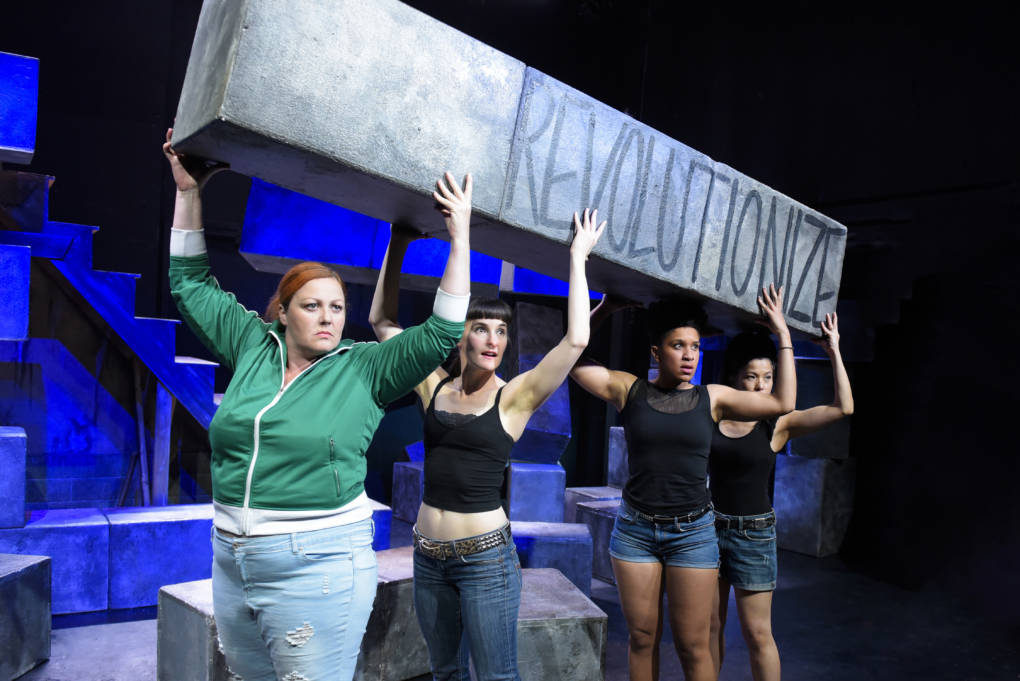
"caption": "'Revolt. She Said. Revolt Again.' cast members (from left) Cat Luedtke, Elissa Beth Stebbins, Leigh Rondon-Davis and Karla Acosta ",
"description": "'Revolt. She Said. Revolt Again.' cast members (from left) Cat Luedtke, Elissa Beth Stebbins, Leigh Rondon-Davis and Karla Acosta ",
"title": "'Revolt. She Said. Revolt Again.' cast members (from left) Cat Luedtke, Elissa Beth Stebbins, Leigh Rondon-Davis and Karla Acosta",
"credit": "Courtesy of Crowded Fire",
"status": "inherit",
"isLoading": false,
"fetchFailed": false
}
},
"audioPlayerReducer": {
"postId": "stream_live",
"isPaused": true,
"isPlaying": false,
"pfsActive": false,
"pledgeModalIsOpen": true,
"playerDrawerIsOpen": false,
"liveAudioPlayStartedAt": 0,
"liveAudioPlayContext": ""
},
"authorsReducer": {
"byline_arts_13827046": {
"type": "authors",
"id": "byline_arts_13827046",
"meta": {
"override": true
},
"slug": "byline_arts_13827046",
"name": "Bert Johnson",
"isLoading": false
},
"byline_arts_13827101": {
"type": "authors",
"id": "byline_arts_13827101",
"meta": {
"override": true
},
"slug": "byline_arts_13827101",
"name": "Sidney Madden",
"isLoading": false
},
"byline_arts_13827041": {
"type": "authors",
"id": "byline_arts_13827041",
"meta": {
"override": true
},
"slug": "byline_arts_13827041",
"name": "Hilarie Ashton",
"isLoading": false
},
"byline_arts_13826927": {
"type": "authors",
"id": "byline_arts_13826927",
"meta": {
"override": true
},
"slug": "byline_arts_13826927",
"name": "Emily Schwing",
"isLoading": false
},
"byline_arts_13826889": {
"type": "authors",
"id": "byline_arts_13826889",
"meta": {
"override": true
},
"slug": "byline_arts_13826889",
"name": "Beca Grimm",
"isLoading": false
},
"cmusiker": {
"type": "authors",
"id": "32",
"meta": {
"index": "authors_1716337520",
"id": "32",
"found": true
},
"name": "Cy Musiker",
"firstName": "Cy",
"lastName": "Musiker",
"slug": "cmusiker",
"email": "cmusiker@kqed.org",
"display_author_email": false,
"staff_mastheads": [],
"title": "KQED Contributor",
"bio": "Cy Musiker is a former co-host of The Do List and a former reporter covering the arts for KQED News and The California Report. He loves live performance, especially great theater, jazz, roots music, anything by Mahler. Cy has an MJ from UC Berkeley's School of Journalism, and got his BA from Hampshire College. His work has been recognized by the Society for Professional Journalists with their Sigma Delta Chi Award for Public Service in Journalism. When he can, Cy likes to swim in Tomales Bay, run with his dog in the East Bay Hills, and hike the Sierra.",
"avatar": "https://secure.gravatar.com/avatar/05eaba5c5696ce8f062e4ea2df428a43?s=600&d=blank&r=g",
"twitter": null,
"facebook": null,
"instagram": null,
"linkedin": null,
"sites": [
{
"site": "arts",
"roles": [
"Contributor",
"subscriber"
]
},
{
"site": "news",
"roles": [
"author"
]
},
{
"site": "bayareabites",
"roles": [
"contributor"
]
}
],
"headData": {
"title": "Cy Musiker | KQED",
"description": "KQED Contributor",
"ogImgSrc": "https://secure.gravatar.com/avatar/05eaba5c5696ce8f062e4ea2df428a43?s=600&d=blank&r=g",
"twImgSrc": "https://secure.gravatar.com/avatar/05eaba5c5696ce8f062e4ea2df428a43?s=600&d=blank&r=g"
},
"isLoading": false,
"link": "/author/cmusiker"
},
"kjones": {
"type": "authors",
"id": "93",
"meta": {
"index": "authors_1716337520",
"id": "93",
"found": true
},
"name": "Kevin L. Jones",
"firstName": "Kevin",
"lastName": "Jones",
"slug": "kjones",
"email": "kjones@kqed.org",
"display_author_email": false,
"staff_mastheads": [],
"title": null,
"bio": null,
"avatar": "https://secure.gravatar.com/avatar/12c65b5633ed39d0a59bb7f497eff645?s=600&d=blank&r=g",
"twitter": null,
"facebook": null,
"instagram": null,
"linkedin": null,
"sites": [
{
"site": "arts",
"roles": [
"subscriber"
]
},
{
"site": "styleguide",
"roles": [
"contributor"
]
},
{
"site": "artschool",
"roles": [
"subscriber"
]
},
{
"site": "news",
"roles": [
"subscriber"
]
},
{
"site": "pop",
"roles": [
"subscriber"
]
}
],
"headData": {
"title": "Kevin L. Jones | KQED",
"description": null,
"ogImgSrc": "https://secure.gravatar.com/avatar/12c65b5633ed39d0a59bb7f497eff645?s=600&d=blank&r=g",
"twImgSrc": "https://secure.gravatar.com/avatar/12c65b5633ed39d0a59bb7f497eff645?s=600&d=blank&r=g"
},
"isLoading": false,
"link": "/author/kjones"
},
"gmeline": {
"type": "authors",
"id": "185",
"meta": {
"index": "authors_1716337520",
"id": "185",
"found": true
},
"name": "Gabe Meline",
"firstName": "Gabe",
"lastName": "Meline",
"slug": "gmeline",
"email": "gmeline@kqed.org",
"display_author_email": true,
"staff_mastheads": [
"arts"
],
"title": "Senior Editor, KQED Arts & Culture",
"bio": "Gabe Meline entered journalism at age 15 making photocopied zines, and has since earned awards from the Edward R. Murrow Awards, the Society for Professional Journalists, the Online Journalism Awards, the Association of Alternative Newsweeklies and the California Newspaper Publishers Association. Prior to KQED, he was the editor of the \u003cem>North Bay Bohemian\u003c/em> and a touring musician. He lives with his wife and daughter in his hometown of Santa Rosa, CA.",
"avatar": "https://secure.gravatar.com/avatar/5bebe57be0d8bc2dd318934feb47299e2d2d10cba28d09d8d7afb389a2ce2bdd?s=600&d=blank&r=g",
"twitter": null,
"bluesky": null,
"facebook": null,
"instagram": null,
"linkedin": null,
"sites": [
{
"site": "",
"roles": [
"editor"
]
},
{
"site": "arts",
"roles": [
"administrator"
]
},
{
"site": "artschool",
"roles": [
"editor"
]
},
{
"site": "news",
"roles": [
"author"
]
},
{
"site": "pop",
"roles": [
"editor"
]
},
{
"site": "bayareabites",
"roles": [
"editor"
]
},
{
"site": "food",
"roles": [
"editor"
]
},
{
"site": "forum",
"roles": [
"administrator"
]
},
{
"site": "liveblog",
"roles": [
"editor"
]
},
{
"site": "hiphop",
"roles": [
"editor"
]
}
],
"headData": {
"title": "Gabe Meline | KQED",
"description": "Senior Editor, KQED Arts & Culture",
"ogImgSrc": "https://secure.gravatar.com/avatar/5bebe57be0d8bc2dd318934feb47299e2d2d10cba28d09d8d7afb389a2ce2bdd?s=600&d=blank&r=g",
"twImgSrc": "https://secure.gravatar.com/avatar/5bebe57be0d8bc2dd318934feb47299e2d2d10cba28d09d8d7afb389a2ce2bdd?s=600&d=blank&r=g"
},
"isLoading": false,
"link": "/author/gmeline"
},
"nvoynovskaya": {
"type": "authors",
"id": "11387",
"meta": {
"index": "authors_1716337520",
"id": "11387",
"found": true
},
"name": "Nastia Voynovskaya",
"firstName": "Nastia",
"lastName": "Voynovskaya",
"slug": "nvoynovskaya",
"email": "nvoynovskaya@kqed.org",
"display_author_email": false,
"staff_mastheads": [
"arts"
],
"title": "Editor and reporter",
"bio": "Nastia Voynovskaya is a reporter, editor and host at KQED Arts & Culture. She's been covering the arts in the Bay Area for over a decade, with a focus on music, queer culture, labor issues and grassroots organizing. She has edited KQED story series such as Trans Bay: A History of San Francisco's Gender-Diverse Community, and co-created KQED's Bay Area hip-hop history project, That's My Word. Nastia's work has been recognized by the Society of Professional Journalists and San Francisco Press Club. She regularly appears on podcasts and radio programs, including NPR's All Songs Considered, and hosts live events where music, culture and conversation meet.",
"avatar": "https://secure.gravatar.com/avatar/5025ee460e5a85d69ca20ea6c6f2f80d7e17795c828f61ea3aecfcd924e9042e?s=600&d=blank&r=g",
"twitter": null,
"bluesky": null,
"facebook": null,
"instagram": "https://www.instagram.com/nananastia/",
"linkedin": null,
"sites": [
{
"site": "",
"roles": [
"editor"
]
},
{
"site": "arts",
"roles": [
"administrator"
]
},
{
"site": "news",
"roles": [
"editor"
]
},
{
"site": "pop",
"roles": [
"administrator"
]
},
{
"site": "bayareabites",
"roles": [
"editor"
]
},
{
"site": "podcasts",
"roles": [
"editor"
]
},
{
"site": "hiphop",
"roles": [
"editor"
]
}
],
"headData": {
"title": "Nastia Voynovskaya | KQED",
"description": "Editor and reporter",
"ogImgSrc": "https://secure.gravatar.com/avatar/5025ee460e5a85d69ca20ea6c6f2f80d7e17795c828f61ea3aecfcd924e9042e?s=600&d=blank&r=g",
"twImgSrc": "https://secure.gravatar.com/avatar/5025ee460e5a85d69ca20ea6c6f2f80d7e17795c828f61ea3aecfcd924e9042e?s=600&d=blank&r=g"
},
"isLoading": false,
"link": "/author/nvoynovskaya"
}
},
"pagesReducer": {
"arts_category_music": {
"type": "terms",
"id": "arts_69",
"meta": {
"index": "terms_1716263798",
"site": "arts",
"id": "69",
"score": 10.85186
},
"featImg": null,
"name": "Music",
"description": null,
"taxonomy": "category",
"headData": {
"twImgId": null,
"twTitle": null,
"ogTitle": null,
"ogImgId": null,
"twDescription": null,
"description": null,
"title": "Music Archives | KQED Arts",
"ogDescription": null
},
"ttid": 70,
"slug": "music",
"isLoading": false,
"title": "Music",
"pageMeta": {
"site": "arts",
"WpPageTemplate": "page-topic-editorial",
"currentPage": 193
},
"blocks": [
{
"blockName": "kqed/post-list",
"attrs": {
"layout": "cardArticle2",
"query": "posts/arts?category=music",
"seeMore": false,
"paginated": true,
"page": 193
}
},
{
"blockName": "kqed/ad"
}
]
}
},
"pfsSessionReducer": {},
"postsReducer": {
"stream_live": {
"type": "live",
"id": "stream_live",
"audioUrl": "https://streams.kqed.org/kqedradio",
"title": "Live Stream",
"excerpt": "Live Stream information currently unavailable.",
"link": "/radio",
"featImg": "",
"label": {
"name": "KQED Live",
"link": "/"
}
},
"stream_kqedNewscast": {
"type": "posts",
"id": "stream_kqedNewscast",
"audioUrl": "https://www.kqed.org/.stream/anon/radio/RDnews/newscast.mp3?_=1",
"title": "KQED Newscast",
"featImg": "",
"label": {
"name": "88.5 FM",
"link": "/"
}
},
"arts_13827255": {
"type": "posts",
"id": "arts_13827255",
"meta": {
"index": "posts_1716263798",
"site": "arts",
"id": "13827255",
"score": null,
"sort": [
1521066228000
]
},
"parent": 0,
"labelTerm": {
"site": "arts",
"term": 140
},
"blocks": [],
"publishDate": 1521066228,
"format": "standard",
"title": "Giving the Drummer Some at a Rejuvenated Ivy Room",
"headTitle": "Giving the Drummer Some at a Rejuvenated Ivy Room | KQED",
"content": "\u003cp>Scott Amendola is a local treasure — a composer and bandleader who’s seemingly played with everyone. John Zorn and Nels Cline have collaborated with him, as well as regular local talent like Charlie Hunter and Wil Blades. Whenever you see Amendola’s name attached to a project, you can bet it’s going to be interesting.\u003c/p>\n\u003cp>So it’s no surprise Amendola’s gathering an intriguing group together for a couple of shows at the Ivy Room, including keyboardist Blades and sax players Skerik and Steve Berlin. Promoted as a sort of musical Mexican wrestling match, there’s no telling what combinations the four will take. Duos? Trios? Everyone wailing with each other? We’re gonna predict: all of the above.\u003c/p>\n\u003cp>For such a tiny bar in Albany, the Ivy Room has had something of a renaissance lately: the members of Green Day have been \u003ca href=\"http://thebaybridged.com/2018/03/12/photos-green-day-members-revealed-as-the-coverups-at-the-ivy-room/\" rel=\"noopener\" target=\"_blank\">playing cover sets\u003c/a> there, Jawbreaker \u003ca href=\"https://www.kqed.org/arts/13804539/jawbreaker-plays-first-show-in-21-years-video-photos-setlist\" rel=\"noopener\" target=\"_blank\">played their first show in 21 years\u003c/a> there, and their booking has been consistently compelling. That’s no more clear than with these two shows with the Amendola crew, 8pm and 10pm, on Saturday, March 31. \u003ca href=\"https://ivyroom.ticketfly.com/event/1643970-amendola-vs-blades-vs-skerik-albany/\" rel=\"noopener\" target=\"_blank\">Details here\u003c/a>. (For San Francisco folks, the same lineup falls into the Boom Boom Room on March 30; \u003ca href=\"http://boomboomtickets.com/event.cfm?cart&id=276319\" rel=\"noopener\" target=\"_blank\">details here\u003c/a>.) \u003c/p>\n\u003cp>[ad fullwidth]\u003c/p>\u003cp>\u003c/p>\n",
"stats": {
"hasVideo": false,
"hasChartOrMap": false,
"hasAudio": false,
"hasPolis": false,
"wordCount": 217,
"hasGoogleForm": false,
"hasGallery": false,
"hasHearkenModule": false,
"iframeSrcs": [],
"paragraphCount": 5
},
"modified": 1705028269,
"excerpt": "The jazz drummer blows into Albany's erstwhile dive bar with keyboardists, sax players, and members of Los Lobos in tow.",
"headData": {
"twImgId": "",
"twTitle": "",
"ogTitle": "",
"ogImgId": "",
"twDescription": "",
"description": "The jazz drummer blows into Albany's erstwhile dive bar with keyboardists, sax players, and members of Los Lobos in tow.",
"title": "Giving the Drummer Some at a Rejuvenated Ivy Room | KQED",
"ogDescription": "",
"schema": {
"@context": "https://schema.org",
"@type": "Article",
"headline": "Giving the Drummer Some at a Rejuvenated Ivy Room",
"datePublished": "2018-03-14T15:23:48-07:00",
"dateModified": "2024-01-11T18:57:49-08:00",
"image": "https://cdn.kqed.org/wp-content/uploads/2020/02/KQED-OG-Image@1x.png"
}
},
"guestAuthors": [],
"slug": "giving-the-drummer-some-at-a-rejuvenated-ivy-room",
"status": "publish",
"sticky": false,
"path": "/arts/13827255/giving-the-drummer-some-at-a-rejuvenated-ivy-room",
"audioTrackLength": null,
"parsedContent": [
{
"type": "contentString",
"content": "\u003cdiv class=\"post-body\">\u003cp>\u003cp>Scott Amendola is a local treasure — a composer and bandleader who’s seemingly played with everyone. John Zorn and Nels Cline have collaborated with him, as well as regular local talent like Charlie Hunter and Wil Blades. Whenever you see Amendola’s name attached to a project, you can bet it’s going to be interesting.\u003c/p>\n\u003cp>So it’s no surprise Amendola’s gathering an intriguing group together for a couple of shows at the Ivy Room, including keyboardist Blades and sax players Skerik and Steve Berlin. Promoted as a sort of musical Mexican wrestling match, there’s no telling what combinations the four will take. Duos? Trios? Everyone wailing with each other? We’re gonna predict: all of the above.\u003c/p>\n\u003cp>For such a tiny bar in Albany, the Ivy Room has had something of a renaissance lately: the members of Green Day have been \u003ca href=\"http://thebaybridged.com/2018/03/12/photos-green-day-members-revealed-as-the-coverups-at-the-ivy-room/\" rel=\"noopener\" target=\"_blank\">playing cover sets\u003c/a> there, Jawbreaker \u003ca href=\"https://www.kqed.org/arts/13804539/jawbreaker-plays-first-show-in-21-years-video-photos-setlist\" rel=\"noopener\" target=\"_blank\">played their first show in 21 years\u003c/a> there, and their booking has been consistently compelling. That’s no more clear than with these two shows with the Amendola crew, 8pm and 10pm, on Saturday, March 31. \u003ca href=\"https://ivyroom.ticketfly.com/event/1643970-amendola-vs-blades-vs-skerik-albany/\" rel=\"noopener\" target=\"_blank\">Details here\u003c/a>. (For San Francisco folks, the same lineup falls into the Boom Boom Room on March 30; \u003ca href=\"http://boomboomtickets.com/event.cfm?cart&id=276319\" rel=\"noopener\" target=\"_blank\">details here\u003c/a>.) \u003c/p>\n\u003cp>\u003c/p>\u003c/div>",
"attributes": {
"named": {},
"numeric": []
}
},
{
"type": "component",
"content": "",
"name": "ad",
"attributes": {
"named": {
"label": "fullwidth"
},
"numeric": [
"fullwidth"
]
}
},
{
"type": "contentString",
"content": "\u003cdiv class=\"post-body\">\u003cp>\u003c/p>\u003cp>\u003c/p>\n\u003c/div>\u003c/p>",
"attributes": {
"named": {},
"numeric": []
}
}
],
"link": "/arts/13827255/giving-the-drummer-some-at-a-rejuvenated-ivy-room",
"authors": [
"185"
],
"programs": [
"arts_140"
],
"categories": [
"arts_69"
],
"tags": [
"arts_1420",
"arts_6387",
"arts_596"
],
"featImg": "arts_13827257",
"label": "arts_140"
},
"arts_13827141": {
"type": "posts",
"id": "arts_13827141",
"meta": {
"index": "posts_1716263798",
"site": "arts",
"id": "13827141",
"score": null,
"sort": [
1521058297000
]
},
"parent": 0,
"labelTerm": {
"site": "arts"
},
"blocks": [],
"publishDate": 1521058297,
"format": "image",
"title": "Mistah F.A.B. Debuts New Space, New Plans for Dope Era",
"headTitle": "Mistah F.A.B. Debuts New Space, New Plans for Dope Era | KQED",
"content": "\u003cp>On a recent afternoon at his shop, Dope Era, Mistah F.A.B. is dressed in a backwards snapback and purple hoodie, giving an impassioned speech to a group of businessmen in suits.\u003c/p>\n\u003cp>“We can create a seminar that strictly focuses on youth — tomorrow’s Fortune 500 leaders — investing in the future of youth for financial literacy,” he exclaims as I walk in.\u003c/p>\n\u003cp>His enraptured audience of three nods, eagerly absorbing the knowledge. Dope Era may have recently moved from its low-key North Oakland location to a swanky new retail space on 20th and Broadway, the heart of downtown’s shopping district, but Mistah F.A.B. clearly hasn’t forgotten his former neighborhood.\u003c/p>\n\u003cp>“The average child of poverty, child of immigrants, their parents are not telling them, ‘Let’s start these businesses,'” he continues sagely. “We have to create the perception of possibility.”\u003c/p>\n\u003cp>Oration is an important part of Mistah F.A.B.’s art. As a rapper and pioneer of the hyphy movement, he’s known as Oakland’s freestyle king, one who spits clever bars for improbable lengths of time. His more formal speaking abilities — his persuasive gift of gab — have also attracted a loyal following that’s enabled his business success.\u003c/p>\n\u003cp>[ad fullwidth]\u003c/p>\n\u003cp>The old location of Dope Era, on 45th and Market Streets, was like a clubhouse for local residents, especially young people and aspiring musicians. Since opening in 2015, Mistah F.A.B.’s large personality kept business booming: He was in the store whenever he wasn’t traveling or in the studio, and he made himself available to nearly anyone who wanted his ear. Neighbors would stop in to hear his sermons about creating generational wealth for the black community; musicians came in to glean wisdom about the industry. Even kids would drop by to show off their report cards. And all of them regularly bought T-shirts and sweatsuits.\u003c/p>\n\u003cp>The store also became the headquarters of Mistah F.A.B.’s countless \u003ca href=\"https://www.mercurynews.com/2014/02/10/mayor-jean-quan-honors-oakland-rapper/\" target=\"_blank\" rel=\"noopener\">charitable endeavors\u003c/a> — Thanksgiving Turkey giveaways, school supply drives, taking kids to see \u003cem>Black Panther\u003c/em> — that have earned him a reputation as the man of the people over the past 15 years.\u003c/p>\n\u003cp>Though he’s had considerable industry success, with Platinum songwriting credits on hits like Chris Brown’s “Loyal,” Mistah F.A.B. says that interacting with everyday people “keeps me going, it keeps my spirit floating, man. I get life, I get energy that the people give. They bless you with the opportunity to be vibrant and remain relevant.”\u003c/p>\n\u003cfigure id=\"attachment_13827219\" class=\"wp-caption aligncenter\" style=\"max-width: 800px\">\u003cimg loading=\"lazy\" decoding=\"async\" class=\"size-medium wp-image-13827219\" src=\"https://ww2.kqed.org/arts/wp-content/uploads/sites/2/2018/03/dopeera1-800x535.jpg\" alt=\"Mistah F.A.B. talks to customers at Dope Era. \" width=\"800\" height=\"535\" srcset=\"https://cdn.kqed.org/wp-content/uploads/sites/2/2018/03/dopeera1-800x535.jpg 800w, https://cdn.kqed.org/wp-content/uploads/sites/2/2018/03/dopeera1-160x107.jpg 160w, https://cdn.kqed.org/wp-content/uploads/sites/2/2018/03/dopeera1-768x514.jpg 768w, https://cdn.kqed.org/wp-content/uploads/sites/2/2018/03/dopeera1-1020x683.jpg 1020w, https://cdn.kqed.org/wp-content/uploads/sites/2/2018/03/dopeera1.jpg 1920w, https://cdn.kqed.org/wp-content/uploads/sites/2/2018/03/dopeera1-1180x790.jpg 1180w, https://cdn.kqed.org/wp-content/uploads/sites/2/2018/03/dopeera1-960x643.jpg 960w, https://cdn.kqed.org/wp-content/uploads/sites/2/2018/03/dopeera1-240x161.jpg 240w, https://cdn.kqed.org/wp-content/uploads/sites/2/2018/03/dopeera1-375x251.jpg 375w, https://cdn.kqed.org/wp-content/uploads/sites/2/2018/03/dopeera1-520x348.jpg 520w\" sizes=\"(max-width: 800px) 100vw, 800px\">\u003cfigcaption class=\"wp-caption-text\">Mistah F.A.B. talks to customers at Dope Era. \u003ccite>(Nastia Voynovskaya)\u003c/cite>\u003c/figcaption>\u003c/figure>\n\u003cp>And yet doing business on 45th and Market didn’t come without stress. In April 2017, Mistah F.A.B. went on the record with KQED \u003ca href=\"https://www.kqed.org/arts/12982699/public-safety-or-racial-profiling-mistah-f-a-b-alleges-harassment-by-the-opd\" target=\"_blank\" rel=\"noopener\">alleging ongoing harassment by the Oakland Police Department\u003c/a>. Two weeks after the story ran, his store caught fire in an \u003ca href=\"https://www.kqed.org/arts/13082904/oakland-store-owned-by-mistah-f-a-b-damaged-in-fire\" target=\"_blank\" rel=\"noopener\">alleged case of arson\u003c/a>. The business quickly recovered, reopening with a new, bright yellow awning. But weeks before Mistah F.A.B. was set to move to the new Broadway location, tragedy struck again when \u003ca href=\"https://www.eastbaytimes.com/2018/02/08/oakland-police-id-fatal-shooting-victims/\" target=\"_blank\" rel=\"noopener\">a shooting\u003c/a> at the liquor store across the street took the life of Lash City Frost, a new rapper on Mistah F.A.B.’s label, Dope Era Music.\u003c/p>\n\u003cp>Dope Era’s new downtown store may alleviate some of that stress. But though he’s in a bigger, safer, more central location, Mistah F.A.B. isn’t relaxing quite yet. “It’s a new beginning, but there’s still so much more work to do,” he says. “You never get a chance to bask in the accomplishments. You celebrate them, appreciate them, but you have to move forward.”\u003c/p>\n\u003cp>Admittedly, the new location might not feel as intimate as his old store, where Mistah F.A.B. was able to barbecue outside, shoot music videos, and receive visits from celebrities like E-40 and DJ Esco without causing a stir.\u003c/p>\n\u003cp>“Of course I’m gonna miss that spot,” Mistah F.A.B. says. “That was a childhood dream of mine, to open up a business in my community. To have a store there — we used to help Ms. Harris clean up everyday, she owned a flower shop next to that store [when I was] growing up.”\u003c/p>\n\u003cp>When we talk, Mistah F.A.B. had just taken 20 schoolchildren to the movies the day prior. He talks about plans for art shows and listening parties, as well as continuing Music Mondays, his weekly music show-and-tell where new artists play their new tracks and network. Discussing the historic black-owned business Hat Guys, whose space Dope Era now occupies, he talks about creating a Dope Era franchise to create more employment opportunities for Oaklanders.\u003c/p>\n\u003cfigure id=\"attachment_13827220\" class=\"wp-caption aligncenter\" style=\"max-width: 800px\">\u003cimg loading=\"lazy\" decoding=\"async\" class=\"size-medium wp-image-13827220\" src=\"https://ww2.kqed.org/arts/wp-content/uploads/sites/2/2018/03/DSC_0839-800x535.jpg\" alt=\"Street signs at the new Dope Era store pay homage to Mistah F.A.B.'s old North Oakland neighborhood.\" width=\"800\" height=\"535\" srcset=\"https://cdn.kqed.org/wp-content/uploads/sites/2/2018/03/DSC_0839-800x535.jpg 800w, https://cdn.kqed.org/wp-content/uploads/sites/2/2018/03/DSC_0839-160x107.jpg 160w, https://cdn.kqed.org/wp-content/uploads/sites/2/2018/03/DSC_0839-768x514.jpg 768w, https://cdn.kqed.org/wp-content/uploads/sites/2/2018/03/DSC_0839-1020x683.jpg 1020w, https://cdn.kqed.org/wp-content/uploads/sites/2/2018/03/DSC_0839.jpg 1920w, https://cdn.kqed.org/wp-content/uploads/sites/2/2018/03/DSC_0839-1180x790.jpg 1180w, https://cdn.kqed.org/wp-content/uploads/sites/2/2018/03/DSC_0839-960x643.jpg 960w, https://cdn.kqed.org/wp-content/uploads/sites/2/2018/03/DSC_0839-240x161.jpg 240w, https://cdn.kqed.org/wp-content/uploads/sites/2/2018/03/DSC_0839-375x251.jpg 375w, https://cdn.kqed.org/wp-content/uploads/sites/2/2018/03/DSC_0839-520x348.jpg 520w\" sizes=\"(max-width: 800px) 100vw, 800px\">\u003cfigcaption class=\"wp-caption-text\">Street signs at the new Dope Era store pay homage to Mistah F.A.B.’s old North Oakland neighborhood. \u003ccite>(Nastia Voynovskaya)\u003c/cite>\u003c/figcaption>\u003c/figure>\n\u003cp>“Five years ago we were selling shirts out of the trunk of the car. Now, to be able to say five years later, we have a store on Broadway,” he says, “who knows where we’ll be in five years and how many stores we’ll open?”\u003c/p>\n\u003cp>And yet there’s still the clubhouse vibe. As we talk outside the shop, Mistah F.A.B. makes an effort to say hello to anyone who walks by — office workers, homeless people, city employees in yellow vests. “You look like a cool grape soda, Mistah F.A.B.,” one lady exclaims at his Barney-purple Dope Era sweatsuit as she rides by on her bike.\u003c/p>\n\u003cp>Mistah F.A.B. chats excitedly about his many other new projects. He just dropped \u003cem>Thug Tears\u003c/em>, his most candid and emotional album to date; he’s getting ready to release his first book of life advice, also called \u003cem>Dope Era\u003c/em>; and he has a new recurring music showcase at the downtown Oakland nightclub Complex called Oakland Live.\u003c/p>\n\u003cp>“I’ve always had mentors and watched people do things, and now for me to be able to sit in the driver’s seat and say, ‘I’m driving this car now, this is how we’re trying to get it,'” he says. “It’s slow steps, but that’s what I’m about, I’m about building the process.”\u003c/p>\n\u003cp>[ad floatright]\u003c/p>\n\u003cp>\u003cimg loading=\"lazy\" decoding=\"async\" class=\"aligncenter size-medium wp-image-12127869\" src=\"https://ww2.kqed.org/arts/wp-content/uploads/sites/2/2016/09/Q.Logo_.Break_-800x78.jpg\" alt=\"\" width=\"800\" height=\"78\" srcset=\"https://cdn.kqed.org/wp-content/uploads/sites/2/2016/09/Q.Logo_.Break_.jpg 800w, https://cdn.kqed.org/wp-content/uploads/sites/2/2016/09/Q.Logo_.Break_-400x39.jpg 400w, https://cdn.kqed.org/wp-content/uploads/sites/2/2016/09/Q.Logo_.Break_-768x75.jpg 768w\" sizes=\"(max-width: 800px) 100vw, 800px\">\u003c/p>\n\n",
"stats": {
"hasVideo": false,
"hasChartOrMap": false,
"hasAudio": false,
"hasPolis": false,
"wordCount": 1117,
"hasGoogleForm": false,
"hasGallery": false,
"hasHearkenModule": false,
"iframeSrcs": [],
"paragraphCount": 20
},
"modified": 1705028273,
"excerpt": "The Oakland rapper and entrepreneur recently moved his Dope Era store to a swanky, downtown Oakland location — and he says this is only the beginning. ",
"headData": {
"twImgId": "",
"twTitle": "",
"ogTitle": "",
"ogImgId": "",
"twDescription": "",
"description": "The Oakland rapper and entrepreneur recently moved his Dope Era store to a swanky, downtown Oakland location — and he says this is only the beginning. ",
"title": "Mistah F.A.B. Debuts New Space, New Plans for Dope Era | KQED",
"ogDescription": "",
"schema": {
"@context": "https://schema.org",
"@type": "Article",
"headline": "Mistah F.A.B. Debuts New Space, New Plans for Dope Era",
"datePublished": "2018-03-14T13:11:37-07:00",
"dateModified": "2024-01-11T18:57:53-08:00",
"image": "https://cdn.kqed.org/wp-content/uploads/2020/02/KQED-OG-Image@1x.png"
}
},
"guestAuthors": [],
"slug": "mistah-f-a-b-debuts-new-space-new-plans-for-dope-era",
"status": "publish",
"sticky": false,
"path": "/arts/13827141/mistah-f-a-b-debuts-new-space-new-plans-for-dope-era",
"audioTrackLength": null,
"parsedContent": [
{
"type": "contentString",
"content": "\u003cdiv class=\"post-body\">\u003cp>\u003cp>On a recent afternoon at his shop, Dope Era, Mistah F.A.B. is dressed in a backwards snapback and purple hoodie, giving an impassioned speech to a group of businessmen in suits.\u003c/p>\n\u003cp>“We can create a seminar that strictly focuses on youth — tomorrow’s Fortune 500 leaders — investing in the future of youth for financial literacy,” he exclaims as I walk in.\u003c/p>\n\u003cp>His enraptured audience of three nods, eagerly absorbing the knowledge. Dope Era may have recently moved from its low-key North Oakland location to a swanky new retail space on 20th and Broadway, the heart of downtown’s shopping district, but Mistah F.A.B. clearly hasn’t forgotten his former neighborhood.\u003c/p>\n\u003cp>“The average child of poverty, child of immigrants, their parents are not telling them, ‘Let’s start these businesses,'” he continues sagely. “We have to create the perception of possibility.”\u003c/p>\n\u003cp>Oration is an important part of Mistah F.A.B.’s art. As a rapper and pioneer of the hyphy movement, he’s known as Oakland’s freestyle king, one who spits clever bars for improbable lengths of time. His more formal speaking abilities — his persuasive gift of gab — have also attracted a loyal following that’s enabled his business success.\u003c/p>\n\u003cp>\u003c/p>\u003c/div>",
"attributes": {
"named": {},
"numeric": []
}
},
{
"type": "component",
"content": "",
"name": "ad",
"attributes": {
"named": {
"label": "fullwidth"
},
"numeric": [
"fullwidth"
]
}
},
{
"type": "contentString",
"content": "\u003cdiv class=\"post-body\">\u003cp>\u003c/p>\n\u003cp>The old location of Dope Era, on 45th and Market Streets, was like a clubhouse for local residents, especially young people and aspiring musicians. Since opening in 2015, Mistah F.A.B.’s large personality kept business booming: He was in the store whenever he wasn’t traveling or in the studio, and he made himself available to nearly anyone who wanted his ear. Neighbors would stop in to hear his sermons about creating generational wealth for the black community; musicians came in to glean wisdom about the industry. Even kids would drop by to show off their report cards. And all of them regularly bought T-shirts and sweatsuits.\u003c/p>\n\u003cp>The store also became the headquarters of Mistah F.A.B.’s countless \u003ca href=\"https://www.mercurynews.com/2014/02/10/mayor-jean-quan-honors-oakland-rapper/\" target=\"_blank\" rel=\"noopener\">charitable endeavors\u003c/a> — Thanksgiving Turkey giveaways, school supply drives, taking kids to see \u003cem>Black Panther\u003c/em> — that have earned him a reputation as the man of the people over the past 15 years.\u003c/p>\n\u003cp>Though he’s had considerable industry success, with Platinum songwriting credits on hits like Chris Brown’s “Loyal,” Mistah F.A.B. says that interacting with everyday people “keeps me going, it keeps my spirit floating, man. I get life, I get energy that the people give. They bless you with the opportunity to be vibrant and remain relevant.”\u003c/p>\n\u003cfigure id=\"attachment_13827219\" class=\"wp-caption aligncenter\" style=\"max-width: 800px\">\u003cimg loading=\"lazy\" decoding=\"async\" class=\"size-medium wp-image-13827219\" src=\"https://ww2.kqed.org/arts/wp-content/uploads/sites/2/2018/03/dopeera1-800x535.jpg\" alt=\"Mistah F.A.B. talks to customers at Dope Era. \" width=\"800\" height=\"535\" srcset=\"https://cdn.kqed.org/wp-content/uploads/sites/2/2018/03/dopeera1-800x535.jpg 800w, https://cdn.kqed.org/wp-content/uploads/sites/2/2018/03/dopeera1-160x107.jpg 160w, https://cdn.kqed.org/wp-content/uploads/sites/2/2018/03/dopeera1-768x514.jpg 768w, https://cdn.kqed.org/wp-content/uploads/sites/2/2018/03/dopeera1-1020x683.jpg 1020w, https://cdn.kqed.org/wp-content/uploads/sites/2/2018/03/dopeera1.jpg 1920w, https://cdn.kqed.org/wp-content/uploads/sites/2/2018/03/dopeera1-1180x790.jpg 1180w, https://cdn.kqed.org/wp-content/uploads/sites/2/2018/03/dopeera1-960x643.jpg 960w, https://cdn.kqed.org/wp-content/uploads/sites/2/2018/03/dopeera1-240x161.jpg 240w, https://cdn.kqed.org/wp-content/uploads/sites/2/2018/03/dopeera1-375x251.jpg 375w, https://cdn.kqed.org/wp-content/uploads/sites/2/2018/03/dopeera1-520x348.jpg 520w\" sizes=\"(max-width: 800px) 100vw, 800px\">\u003cfigcaption class=\"wp-caption-text\">Mistah F.A.B. talks to customers at Dope Era. \u003ccite>(Nastia Voynovskaya)\u003c/cite>\u003c/figcaption>\u003c/figure>\n\u003cp>And yet doing business on 45th and Market didn’t come without stress. In April 2017, Mistah F.A.B. went on the record with KQED \u003ca href=\"https://www.kqed.org/arts/12982699/public-safety-or-racial-profiling-mistah-f-a-b-alleges-harassment-by-the-opd\" target=\"_blank\" rel=\"noopener\">alleging ongoing harassment by the Oakland Police Department\u003c/a>. Two weeks after the story ran, his store caught fire in an \u003ca href=\"https://www.kqed.org/arts/13082904/oakland-store-owned-by-mistah-f-a-b-damaged-in-fire\" target=\"_blank\" rel=\"noopener\">alleged case of arson\u003c/a>. The business quickly recovered, reopening with a new, bright yellow awning. But weeks before Mistah F.A.B. was set to move to the new Broadway location, tragedy struck again when \u003ca href=\"https://www.eastbaytimes.com/2018/02/08/oakland-police-id-fatal-shooting-victims/\" target=\"_blank\" rel=\"noopener\">a shooting\u003c/a> at the liquor store across the street took the life of Lash City Frost, a new rapper on Mistah F.A.B.’s label, Dope Era Music.\u003c/p>\n\u003cp>Dope Era’s new downtown store may alleviate some of that stress. But though he’s in a bigger, safer, more central location, Mistah F.A.B. isn’t relaxing quite yet. “It’s a new beginning, but there’s still so much more work to do,” he says. “You never get a chance to bask in the accomplishments. You celebrate them, appreciate them, but you have to move forward.”\u003c/p>\n\u003cp>Admittedly, the new location might not feel as intimate as his old store, where Mistah F.A.B. was able to barbecue outside, shoot music videos, and receive visits from celebrities like E-40 and DJ Esco without causing a stir.\u003c/p>\n\u003cp>“Of course I’m gonna miss that spot,” Mistah F.A.B. says. “That was a childhood dream of mine, to open up a business in my community. To have a store there — we used to help Ms. Harris clean up everyday, she owned a flower shop next to that store [when I was] growing up.”\u003c/p>\n\u003cp>When we talk, Mistah F.A.B. had just taken 20 schoolchildren to the movies the day prior. He talks about plans for art shows and listening parties, as well as continuing Music Mondays, his weekly music show-and-tell where new artists play their new tracks and network. Discussing the historic black-owned business Hat Guys, whose space Dope Era now occupies, he talks about creating a Dope Era franchise to create more employment opportunities for Oaklanders.\u003c/p>\n\u003cfigure id=\"attachment_13827220\" class=\"wp-caption aligncenter\" style=\"max-width: 800px\">\u003cimg loading=\"lazy\" decoding=\"async\" class=\"size-medium wp-image-13827220\" src=\"https://ww2.kqed.org/arts/wp-content/uploads/sites/2/2018/03/DSC_0839-800x535.jpg\" alt=\"Street signs at the new Dope Era store pay homage to Mistah F.A.B.'s old North Oakland neighborhood.\" width=\"800\" height=\"535\" srcset=\"https://cdn.kqed.org/wp-content/uploads/sites/2/2018/03/DSC_0839-800x535.jpg 800w, https://cdn.kqed.org/wp-content/uploads/sites/2/2018/03/DSC_0839-160x107.jpg 160w, https://cdn.kqed.org/wp-content/uploads/sites/2/2018/03/DSC_0839-768x514.jpg 768w, https://cdn.kqed.org/wp-content/uploads/sites/2/2018/03/DSC_0839-1020x683.jpg 1020w, https://cdn.kqed.org/wp-content/uploads/sites/2/2018/03/DSC_0839.jpg 1920w, https://cdn.kqed.org/wp-content/uploads/sites/2/2018/03/DSC_0839-1180x790.jpg 1180w, https://cdn.kqed.org/wp-content/uploads/sites/2/2018/03/DSC_0839-960x643.jpg 960w, https://cdn.kqed.org/wp-content/uploads/sites/2/2018/03/DSC_0839-240x161.jpg 240w, https://cdn.kqed.org/wp-content/uploads/sites/2/2018/03/DSC_0839-375x251.jpg 375w, https://cdn.kqed.org/wp-content/uploads/sites/2/2018/03/DSC_0839-520x348.jpg 520w\" sizes=\"(max-width: 800px) 100vw, 800px\">\u003cfigcaption class=\"wp-caption-text\">Street signs at the new Dope Era store pay homage to Mistah F.A.B.’s old North Oakland neighborhood. \u003ccite>(Nastia Voynovskaya)\u003c/cite>\u003c/figcaption>\u003c/figure>\n\u003cp>“Five years ago we were selling shirts out of the trunk of the car. Now, to be able to say five years later, we have a store on Broadway,” he says, “who knows where we’ll be in five years and how many stores we’ll open?”\u003c/p>\n\u003cp>And yet there’s still the clubhouse vibe. As we talk outside the shop, Mistah F.A.B. makes an effort to say hello to anyone who walks by — office workers, homeless people, city employees in yellow vests. “You look like a cool grape soda, Mistah F.A.B.,” one lady exclaims at his Barney-purple Dope Era sweatsuit as she rides by on her bike.\u003c/p>\n\u003cp>Mistah F.A.B. chats excitedly about his many other new projects. He just dropped \u003cem>Thug Tears\u003c/em>, his most candid and emotional album to date; he’s getting ready to release his first book of life advice, also called \u003cem>Dope Era\u003c/em>; and he has a new recurring music showcase at the downtown Oakland nightclub Complex called Oakland Live.\u003c/p>\n\u003cp>“I’ve always had mentors and watched people do things, and now for me to be able to sit in the driver’s seat and say, ‘I’m driving this car now, this is how we’re trying to get it,'” he says. “It’s slow steps, but that’s what I’m about, I’m about building the process.”\u003c/p>\n\u003cp>\u003c/p>\u003c/div>",
"attributes": {
"named": {},
"numeric": []
}
},
{
"type": "component",
"content": "",
"name": "ad",
"attributes": {
"named": {
"label": "floatright"
},
"numeric": [
"floatright"
]
}
},
{
"type": "contentString",
"content": "\u003cdiv class=\"post-body\">\u003cp>\u003c/p>\n\u003cp>\u003cimg loading=\"lazy\" decoding=\"async\" class=\"aligncenter size-medium wp-image-12127869\" src=\"https://ww2.kqed.org/arts/wp-content/uploads/sites/2/2016/09/Q.Logo_.Break_-800x78.jpg\" alt=\"\" width=\"800\" height=\"78\" srcset=\"https://cdn.kqed.org/wp-content/uploads/sites/2/2016/09/Q.Logo_.Break_.jpg 800w, https://cdn.kqed.org/wp-content/uploads/sites/2/2016/09/Q.Logo_.Break_-400x39.jpg 400w, https://cdn.kqed.org/wp-content/uploads/sites/2/2016/09/Q.Logo_.Break_-768x75.jpg 768w\" sizes=\"(max-width: 800px) 100vw, 800px\">\u003c/p>\n\n\u003c/div>\u003c/p>",
"attributes": {
"named": {},
"numeric": []
}
}
],
"link": "/arts/13827141/mistah-f-a-b-debuts-new-space-new-plans-for-dope-era",
"authors": [
"11387"
],
"categories": [
"arts_69",
"arts_235"
],
"tags": [
"arts_1118",
"arts_831",
"arts_1768",
"arts_596"
],
"featImg": "arts_13827218",
"label": "arts"
},
"arts_13827046": {
"type": "posts",
"id": "arts_13827046",
"meta": {
"index": "posts_1716263798",
"site": "arts",
"id": "13827046",
"score": null,
"sort": [
1521039605000
]
},
"parent": 0,
"labelTerm": {
"site": "arts"
},
"blocks": [],
"publishDate": 1521039605,
"format": "image",
"title": "Six Months After the Storm, Puerto Rican Musicians Search for Solutions",
"headTitle": "Six Months After the Storm, Puerto Rican Musicians Search for Solutions | KQED",
"content": "\u003cp>When Hurricane María hit Puerto Rico in late September, Eduardo Alegría was in his San Juan apartment with his roommate, two dogs, and some freaked out neighbors, anxiously preparing to ride out the storm.\u003c/p>\n\u003cp>“The expectation was one of the worst things,” recalls Alegría, who fronts the experimental pop outfit \u003ca href=\"https://soundcloud.com/alegriarampante/tracks\" target=\"_blank\" rel=\"noopener\">Alegría Rampante\u003c/a>, in a recent interview with KQED Arts. He’d remembered living through the destruction of Hurricane Georges, which struck the island in 1998. María was worse.\u003c/p>\n\u003cp>“This was much bigger. This was sort of like a monster hurricane,” he says, recalling how the storm’s destructive forces stripped away Puerto Rico’s lush foliage, brutally altering the landscape. “It looked like the island had been burned to a crisp.”\u003c/p>\n\u003cp>Somehow, Alegría’s building was spared, but the fear he felt that day stays with him, he says. “It’s still a nightmare,” Alegría admits. In Spanish, the word for hurricane is \u003cem>huracán\u003c/em>, but there’s another word for storm that locals use to describe María: \u003cem>tormenta\u003c/em>.\u003c/p>\n\u003cfigure id=\"attachment_13827124\" class=\"wp-caption aligncenter\" style=\"max-width: 800px\">\u003cimg loading=\"lazy\" decoding=\"async\" class=\"size-medium wp-image-13827124\" src=\"https://ww2.kqed.org/arts/wp-content/uploads/sites/2/2018/03/20180207_Aguada_Credit_BertJohnson-13-800x533.jpg\" alt=\"Residents of Aguada, Puerto Rico, stand in line for food aid at a FEMA distribution center on February 7, 2018. Local officials, including police, distribute supplies provided by FEMA once a week.\" width=\"800\" height=\"533\" srcset=\"https://cdn.kqed.org/wp-content/uploads/sites/2/2018/03/20180207_Aguada_Credit_BertJohnson-13-800x533.jpg 800w, https://cdn.kqed.org/wp-content/uploads/sites/2/2018/03/20180207_Aguada_Credit_BertJohnson-13-160x107.jpg 160w, https://cdn.kqed.org/wp-content/uploads/sites/2/2018/03/20180207_Aguada_Credit_BertJohnson-13-768x512.jpg 768w, https://cdn.kqed.org/wp-content/uploads/sites/2/2018/03/20180207_Aguada_Credit_BertJohnson-13-1020x680.jpg 1020w, https://cdn.kqed.org/wp-content/uploads/sites/2/2018/03/20180207_Aguada_Credit_BertJohnson-13.jpg 1920w, https://cdn.kqed.org/wp-content/uploads/sites/2/2018/03/20180207_Aguada_Credit_BertJohnson-13-1180x787.jpg 1180w, https://cdn.kqed.org/wp-content/uploads/sites/2/2018/03/20180207_Aguada_Credit_BertJohnson-13-960x640.jpg 960w, https://cdn.kqed.org/wp-content/uploads/sites/2/2018/03/20180207_Aguada_Credit_BertJohnson-13-240x160.jpg 240w, https://cdn.kqed.org/wp-content/uploads/sites/2/2018/03/20180207_Aguada_Credit_BertJohnson-13-375x250.jpg 375w, https://cdn.kqed.org/wp-content/uploads/sites/2/2018/03/20180207_Aguada_Credit_BertJohnson-13-520x347.jpg 520w\" sizes=\"(max-width: 800px) 100vw, 800px\">\u003cfigcaption class=\"wp-caption-text\">Residents of Aguada, Puerto Rico stand in line for food aid at a FEMA distribution center on February 7, 2018. Local officials, including police, distribute supplies provided by FEMA once a week. \u003ccite>(Bert Johnson)\u003c/cite>\u003c/figcaption>\u003c/figure>\n\u003cp>For Alegría and other underground artists in Puerto Rico, \u003ca href=\"https://www.treasury.gov/connect/blog/Documents/Puerto_Ricos_fiscal_challenges.pdf\" target=\"_blank\" rel=\"noopener\">recession and a contracting economy\u003c/a> were already making things more difficult by the time Hurricane María hit. Concerts were paying less, and none of the indie artists he knows could afford to have managers anymore. But now, Alegría says, “It’s always been hard, but it somehow feels harder. Can we even keep doing this?”\u003c/p>\n\u003cp>[ad fullwidth]\u003c/p>\n\u003cp>Six months after the hurricane, Puerto Rico faces a staggering list of challenges: \u003ca href=\"https://www.nytimes.com/interactive/2016/business/dealbook/puerto-rico-debt-crisis-explained.html\" target=\"_blank\" rel=\"noopener\">governmental debt\u003c/a>, austerity measures, and what many call \u003ca href=\"http://nymag.com/daily/intelligencer/2018/02/trumps-failure-in-puerto-rico-was-even-worse-than-we-knew.html\" target=\"_blank\" rel=\"noopener\">inadequate support\u003c/a> from the Trump administration. But Puerto Ricans, both on the island and in the mainland U.S., have organized and supported one another. And independent musicians, though they face their own economic challenges, have been key to that effort.\u003c/p>\n\u003cp>Through fundraisers, awareness campaigns, and direct outreach, Puerto Rican artists like Alegría are working to build a brighter, more just future for the island.\u003c/p>\n\u003cfigure id=\"attachment_13827131\" class=\"wp-caption aligncenter\" style=\"max-width: 800px\">\u003cimg loading=\"lazy\" decoding=\"async\" class=\"size-medium wp-image-13827131\" src=\"https://ww2.kqed.org/arts/wp-content/uploads/sites/2/2018/03/20180208_SanJuan_Credit_BertJohnson-8-800x533.jpg\" alt=\"): A toppled tree in Old San Juan that’s been painted with the Puerto Rican flag. Signs of storm damage are evident across the island, including the island’s capital.\" width=\"800\" height=\"533\" srcset=\"https://cdn.kqed.org/wp-content/uploads/sites/2/2018/03/20180208_SanJuan_Credit_BertJohnson-8-800x533.jpg 800w, https://cdn.kqed.org/wp-content/uploads/sites/2/2018/03/20180208_SanJuan_Credit_BertJohnson-8-160x107.jpg 160w, https://cdn.kqed.org/wp-content/uploads/sites/2/2018/03/20180208_SanJuan_Credit_BertJohnson-8-768x512.jpg 768w, https://cdn.kqed.org/wp-content/uploads/sites/2/2018/03/20180208_SanJuan_Credit_BertJohnson-8-1020x680.jpg 1020w, https://cdn.kqed.org/wp-content/uploads/sites/2/2018/03/20180208_SanJuan_Credit_BertJohnson-8.jpg 1920w, https://cdn.kqed.org/wp-content/uploads/sites/2/2018/03/20180208_SanJuan_Credit_BertJohnson-8-1180x787.jpg 1180w, https://cdn.kqed.org/wp-content/uploads/sites/2/2018/03/20180208_SanJuan_Credit_BertJohnson-8-960x640.jpg 960w, https://cdn.kqed.org/wp-content/uploads/sites/2/2018/03/20180208_SanJuan_Credit_BertJohnson-8-240x160.jpg 240w, https://cdn.kqed.org/wp-content/uploads/sites/2/2018/03/20180208_SanJuan_Credit_BertJohnson-8-375x250.jpg 375w, https://cdn.kqed.org/wp-content/uploads/sites/2/2018/03/20180208_SanJuan_Credit_BertJohnson-8-520x347.jpg 520w\" sizes=\"(max-width: 800px) 100vw, 800px\">\u003cfigcaption class=\"wp-caption-text\">A toppled tree in Old San Juan that’s been painted with the Puerto Rican flag. Signs of storm damage are evident across the island, including the island’s capital. \u003ccite>(Bert Johnson)\u003c/cite>\u003c/figcaption>\u003c/figure>\n\u003ch2>A Grassroots Recovery\u003c/h2>\n\u003cp>When Oakland musician \u003ca href=\"https://mariajosemontijo.bandcamp.com/\" target=\"_blank\" rel=\"noopener\">María José Montijo\u003c/a> returned to San Juan in January, she was shocked at how Hurricane María had changed her hometown.\u003c/p>\n\u003cp>“There’s a lot of pockets — even in the metropolitan area where things are a little bit more normalized — that don’t have electricity,” she recalls. Most of the traffic lights were still dead, causing confusion on the roads. “Driving is super insane and scary,” she adds.\u003c/p>\n\u003cp>A licensed acupuncturist and harp player, Montijo calls herself “a healer that makes music in her spare time.” Before her trip, she’d raised money and helped relief efforts from her Bay Area home; \u003ca href=\"https://www.kqed.org/arts/13813342/after-the-hurricane-a-puerto-rican-musician-uses-her-harp-to-heal\" target=\"_blank\" rel=\"noopener\">her concerts\u003c/a> brought in around $4,000 to buy critical supplies like water filters and solar lights. Once on the island, she volunteered with radical healthcare organizations like \u003ca href=\"https://www.facebook.com/saludacupunturapr/\" target=\"_blank\" rel=\"noopener\">Salud y Acupuntura Para el Pueblo\u003c/a>, which runs street clinics for community members.\u003c/p>\n\u003cfigure id=\"attachment_13827125\" class=\"wp-caption aligncenter\" style=\"max-width: 800px\">\u003cimg loading=\"lazy\" decoding=\"async\" class=\"wp-image-13827125 size-medium\" src=\"https://ww2.kqed.org/arts/wp-content/uploads/sites/2/2018/03/28945265_1708409499223529_2002481280_o-800x422.jpg\" alt=\"Oakland musician María José Montijo administers acupuncture to hurricane survivors in Ponce, Puerto Rico. \" width=\"800\" height=\"422\" srcset=\"https://cdn.kqed.org/wp-content/uploads/sites/2/2018/03/28945265_1708409499223529_2002481280_o-800x422.jpg 800w, https://cdn.kqed.org/wp-content/uploads/sites/2/2018/03/28945265_1708409499223529_2002481280_o-160x84.jpg 160w, https://cdn.kqed.org/wp-content/uploads/sites/2/2018/03/28945265_1708409499223529_2002481280_o-768x405.jpg 768w, https://cdn.kqed.org/wp-content/uploads/sites/2/2018/03/28945265_1708409499223529_2002481280_o-1020x538.jpg 1020w, https://cdn.kqed.org/wp-content/uploads/sites/2/2018/03/28945265_1708409499223529_2002481280_o.jpg 1920w, https://cdn.kqed.org/wp-content/uploads/sites/2/2018/03/28945265_1708409499223529_2002481280_o-1180x623.jpg 1180w, https://cdn.kqed.org/wp-content/uploads/sites/2/2018/03/28945265_1708409499223529_2002481280_o-960x507.jpg 960w, https://cdn.kqed.org/wp-content/uploads/sites/2/2018/03/28945265_1708409499223529_2002481280_o-240x127.jpg 240w, https://cdn.kqed.org/wp-content/uploads/sites/2/2018/03/28945265_1708409499223529_2002481280_o-375x198.jpg 375w, https://cdn.kqed.org/wp-content/uploads/sites/2/2018/03/28945265_1708409499223529_2002481280_o-520x274.jpg 520w\" sizes=\"(max-width: 800px) 100vw, 800px\">\u003cfigcaption class=\"wp-caption-text\">Oakland musician María José Montijo administers acupuncture to hurricane survivors in Ponce, Puerto Rico. \u003ccite>(Courtesy of María José Montijo)\u003c/cite>\u003c/figcaption>\u003c/figure>\n\u003cp>But the surprises weren’t all bad, and Montijo was encouraged by the grassroots recovery efforts on the island. “Strangely enough, it was a great trip,” she says. “I felt very inspired by people coming together since day one to help each other out, because the help never came from the government.”\u003c/p>\n\u003cp>Montijo refers to federal and local recovery efforts widely criticized for their inadequacy and marred by scandal. In February, FEMA announced that it would end emergency food and water aid, then retracted the statement after receiving \u003ca href=\"https://www.npr.org/2018/01/31/582056547/lawmakers-respond-to-fema-puerto-rico-cutoff\" target=\"_blank\" rel=\"noopener\">pushback from lawmakers from both parties\u003c/a>. And Puerto Rican officials have been accused of \u003ca href=\"https://www.kqed.org/news/11650250/the-california-report-1860\" target=\"_blank\" rel=\"noopener\">intentionally causing delays\u003c/a> in the reconstruction of the island’s electrical grid so they can build the case for selling it off.\u003c/p>\n\u003cfigure id=\"attachment_13827126\" class=\"wp-caption alignright\" style=\"max-width: 695px\">\u003cimg loading=\"lazy\" decoding=\"async\" class=\"wp-image-13827126 size-full\" src=\"https://ww2.kqed.org/arts/wp-content/uploads/sites/2/2018/03/28907815_1708416062556206_2064486802_n.jpg\" alt=\"María José Montijo (center left) with bomba musicians La Familia Cepeda at a street festival in San Sebastián, Puerto Rico.\" width=\"695\" height=\"753\" srcset=\"https://cdn.kqed.org/wp-content/uploads/sites/2/2018/03/28907815_1708416062556206_2064486802_n.jpg 695w, https://cdn.kqed.org/wp-content/uploads/sites/2/2018/03/28907815_1708416062556206_2064486802_n-160x173.jpg 160w, https://cdn.kqed.org/wp-content/uploads/sites/2/2018/03/28907815_1708416062556206_2064486802_n-240x260.jpg 240w, https://cdn.kqed.org/wp-content/uploads/sites/2/2018/03/28907815_1708416062556206_2064486802_n-375x406.jpg 375w, https://cdn.kqed.org/wp-content/uploads/sites/2/2018/03/28907815_1708416062556206_2064486802_n-520x563.jpg 520w\" sizes=\"(max-width: 695px) 100vw, 695px\">\u003cfigcaption class=\"wp-caption-text\">María José Montijo (center left) with bomba musicians Jesus, Mario, and Carlos of La Familia Cepeda at Las Fiestas de la Calle San Sebastian, the Saint Sebastian Street Festival, in Old San Juan. \u003ccite>(Courtesy of María José Montijo)\u003c/cite>\u003c/figcaption>\u003c/figure>\n\u003cp>Montijo joins a growing number of Puerto Rican-born indie musicians on the U.S. mainland who are helping the island in the face of government inaction. Among those is singer \u003ca href=\"https://www.anicordero.net/\" target=\"_blank\" rel=\"noopener\">Ani Cordero\u003c/a>, who helped spearhead an emergency relief fund from her home in Brooklyn. Along with Raquel Berrios of electronic indie duo \u003ca href=\"https://www.youtube.com/watch?v=OJ6WgRiqoO4\" target=\"_blank\" rel=\"noopener\">Buscabulla\u003c/a>, Cordero founded the \u003ca href=\"https://www.primafund.org/\" target=\"_blank\" rel=\"noopener\">PRIMA Fund\u003c/a>, which offers $500 emergency micro-grants to independent artists on the island.\u003c/p>\n\u003cp>In the storm’s immediate aftermath came a stressful two-week period when communication between the island and the mainland U.S. was completely cut off, Cordero remembers. “All the stateside Boricuas, we were not in touch with our families in a major way for the first time ever,” she says.\u003c/p>\n\u003cp>Once she regained contact, Cordero reached out to her friend Alfredo Richner, editor-in-chief for the arts and culture blog \u003ca href=\"http://puertoricoindie.com/\" target=\"_blank\" rel=\"noopener\">Puerto Rico Indie\u003c/a>. Richner told her that independent artists were struggling to make ends meet. “Within three weeks of the hurricane, people were packing their bags because all the gigs were cancelled, studios were closed, there was no income coming in,” she says.\u003c/p>\n\u003cp>For indie artists, even a temporary lapse of income can spell disaster, and the need for steady work drew many people to the mainland. But that pressure to leave is nothing new: Decades of out-migration have made the Puerto Rican diaspora larger than the population of Puerto Rico itself. (Approximately 5 million \u003cem>Puertorriqueñxs\u003c/em> live in the mainland U.S., according to a recent Pew study, compared to around 3.4 million on the island.) That imbalance is still growing as people continue to leave Puerto Rico in search of opportunity, with an estimated \u003ca href=\"http://www.jacksonville.com/business/metro/2018-01-02/florida-has-handled-nearly-300000-puerto-rican-refugees-hurricane-maria\" target=\"_blank\" rel=\"noopener\">300,000 people\u003c/a> flocking to Florida alone since Hurricane María.\u003c/p>\n\u003cfigure id=\"attachment_13827132\" class=\"wp-caption aligncenter\" style=\"max-width: 800px\">\u003cimg loading=\"lazy\" decoding=\"async\" class=\"size-medium wp-image-13827132\" src=\"https://ww2.kqed.org/arts/wp-content/uploads/sites/2/2018/03/20180208_EasternCoast_Credit_BertJohnson-35-800x533.jpg\" alt=\"An immobilized garbage truck at a beachside resort in Punta Santiago, Puerto Rico. Tourism, an important sector in the Puerto Rican economy, has been slow to recover in the wake of Hurricane María.\" width=\"800\" height=\"533\" srcset=\"https://cdn.kqed.org/wp-content/uploads/sites/2/2018/03/20180208_EasternCoast_Credit_BertJohnson-35-800x533.jpg 800w, https://cdn.kqed.org/wp-content/uploads/sites/2/2018/03/20180208_EasternCoast_Credit_BertJohnson-35-160x107.jpg 160w, https://cdn.kqed.org/wp-content/uploads/sites/2/2018/03/20180208_EasternCoast_Credit_BertJohnson-35-768x512.jpg 768w, https://cdn.kqed.org/wp-content/uploads/sites/2/2018/03/20180208_EasternCoast_Credit_BertJohnson-35-1020x680.jpg 1020w, https://cdn.kqed.org/wp-content/uploads/sites/2/2018/03/20180208_EasternCoast_Credit_BertJohnson-35.jpg 1920w, https://cdn.kqed.org/wp-content/uploads/sites/2/2018/03/20180208_EasternCoast_Credit_BertJohnson-35-1180x787.jpg 1180w, https://cdn.kqed.org/wp-content/uploads/sites/2/2018/03/20180208_EasternCoast_Credit_BertJohnson-35-960x640.jpg 960w, https://cdn.kqed.org/wp-content/uploads/sites/2/2018/03/20180208_EasternCoast_Credit_BertJohnson-35-240x160.jpg 240w, https://cdn.kqed.org/wp-content/uploads/sites/2/2018/03/20180208_EasternCoast_Credit_BertJohnson-35-375x250.jpg 375w, https://cdn.kqed.org/wp-content/uploads/sites/2/2018/03/20180208_EasternCoast_Credit_BertJohnson-35-520x347.jpg 520w\" sizes=\"(max-width: 800px) 100vw, 800px\">\u003cfigcaption class=\"wp-caption-text\">An immobilized garbage truck at a beachside resort in Punta Santiago, Puerto Rico. Tourism, an important sector in the Puerto Rican economy, has been slow to recover in the wake of Hurricane María. \u003ccite>(Bert Johnson)\u003c/cite>\u003c/figcaption>\u003c/figure>\n\u003cp>As for PRIMA Fund’s micro-grants, Cordero says she and her cofounder Raquel Berrios don’t intend them to be a cure-all — but they have been a boon for independent artists who were already struggling before the storm. “Five hundred dollars is not going to permanently change somebody’s life, but it’s rent for a lot of people, or groceries for a lot of people,” she says.\u003c/p>\n\u003cfigure id=\"attachment_13827134\" class=\"wp-caption aligncenter\" style=\"max-width: 800px\">\u003cimg loading=\"lazy\" decoding=\"async\" class=\"size-medium wp-image-13827134\" src=\"https://ww2.kqed.org/arts/wp-content/uploads/sites/2/2018/03/20180222_Santurce_Credit_BertJohnson-11-800x533.jpg\" alt=\"An empty Health Department building on Avenida Juan Ponce de León in San Juan, photographed on February 12, 2018. Many buildings have been left empty in the capitol city due to the twin crises of the government debt crisis and natural disaster.\" width=\"800\" height=\"533\" srcset=\"https://cdn.kqed.org/wp-content/uploads/sites/2/2018/03/20180222_Santurce_Credit_BertJohnson-11-800x533.jpg 800w, https://cdn.kqed.org/wp-content/uploads/sites/2/2018/03/20180222_Santurce_Credit_BertJohnson-11-160x107.jpg 160w, https://cdn.kqed.org/wp-content/uploads/sites/2/2018/03/20180222_Santurce_Credit_BertJohnson-11-768x512.jpg 768w, https://cdn.kqed.org/wp-content/uploads/sites/2/2018/03/20180222_Santurce_Credit_BertJohnson-11-1020x680.jpg 1020w, https://cdn.kqed.org/wp-content/uploads/sites/2/2018/03/20180222_Santurce_Credit_BertJohnson-11.jpg 1920w, https://cdn.kqed.org/wp-content/uploads/sites/2/2018/03/20180222_Santurce_Credit_BertJohnson-11-1180x787.jpg 1180w, https://cdn.kqed.org/wp-content/uploads/sites/2/2018/03/20180222_Santurce_Credit_BertJohnson-11-960x640.jpg 960w, https://cdn.kqed.org/wp-content/uploads/sites/2/2018/03/20180222_Santurce_Credit_BertJohnson-11-240x160.jpg 240w, https://cdn.kqed.org/wp-content/uploads/sites/2/2018/03/20180222_Santurce_Credit_BertJohnson-11-375x250.jpg 375w, https://cdn.kqed.org/wp-content/uploads/sites/2/2018/03/20180222_Santurce_Credit_BertJohnson-11-520x347.jpg 520w\" sizes=\"(max-width: 800px) 100vw, 800px\">\u003cfigcaption class=\"wp-caption-text\">An empty Health Department building on Avenida Juan Ponce de León in San Juan, photographed on February 12, 2018. Many buildings have been left empty in the capitol city due to the twin crises of the government debt crisis and natural disaster. \u003ccite>(Bert Johnson)\u003c/cite>\u003c/figcaption>\u003c/figure>\n\u003cp>Beyond the money itself, the true value of the PRIMA Fund lies in the encouragement it provides to the creative community, Cordero says. “That’s been the biggest gift of the fund, that somebody cares about the work that [these artists] are doing and values it and wants to support it,” she explains, adding that she hopes the fund will set the foundation for a more durable network for artists and their supporters.\u003c/p>\n\u003cp>“The diaspora has really risen up to the call of action and to support the self-organizing movement that’s happening in Puerto Rico,” says Montijo. “Out of need, because the aid is lacking.”\u003c/p>\n\u003ch2>‘We Have Our Work Cut Out For Us’\u003c/h2>\n\u003cp>On a balmy evening in February, Otura Mun takes a break from reassembling his home studio on a narrow street in San Juan to meet with KQED Arts. He lives in a low-slung house, its walls covered in crowded bookshelves, stacks of records, and images of the orichás, the spirits who make up the Yoruba pantheon of deities. Across the street, people spill out of an open-air bar blasting the latest reggaetón hits, interrupting the eerie quiet that still haunts many parts of the city.\u003c/p>\n\u003cp>Mun, who was born in Indiana but moved to Puerto Rico nineteen years ago, leads the Afro-Caribbean futurist ensemble \u003ca href=\"http://www.ife-music.com/\" target=\"_blank\" rel=\"noopener\">ÌFÉ\u003c/a>. In addition to being a DJ and percussionist, he’s a priest in the Yoruba faith, the Nigerian religion that combined with Catholicism and indigenous spiritual practices to create \u003cem>santería\u003c/em>, a tradition still widely practiced on the island. He was away from Puerto Rico when Hurricane María hit, raising money and booking international tour dates. A few days after returning, he got to work rebuilding his studio so that he and his bandmates could start rehearsing again.\u003c/p>\n\u003cfigure id=\"attachment_13827130\" class=\"wp-caption aligncenter\" style=\"max-width: 800px\">\u003cimg loading=\"lazy\" decoding=\"async\" class=\"size-medium wp-image-13827130\" src=\"https://ww2.kqed.org/arts/wp-content/uploads/sites/2/2018/03/20180208_EasternCoast_Credit_BertJohnson-22-800x533.jpg\" alt=\"A damaged home in Yabucoa, Puerto Rico.\" width=\"800\" height=\"533\" srcset=\"https://cdn.kqed.org/wp-content/uploads/sites/2/2018/03/20180208_EasternCoast_Credit_BertJohnson-22-800x533.jpg 800w, https://cdn.kqed.org/wp-content/uploads/sites/2/2018/03/20180208_EasternCoast_Credit_BertJohnson-22-160x107.jpg 160w, https://cdn.kqed.org/wp-content/uploads/sites/2/2018/03/20180208_EasternCoast_Credit_BertJohnson-22-768x512.jpg 768w, https://cdn.kqed.org/wp-content/uploads/sites/2/2018/03/20180208_EasternCoast_Credit_BertJohnson-22-1020x680.jpg 1020w, https://cdn.kqed.org/wp-content/uploads/sites/2/2018/03/20180208_EasternCoast_Credit_BertJohnson-22.jpg 1920w, https://cdn.kqed.org/wp-content/uploads/sites/2/2018/03/20180208_EasternCoast_Credit_BertJohnson-22-1180x787.jpg 1180w, https://cdn.kqed.org/wp-content/uploads/sites/2/2018/03/20180208_EasternCoast_Credit_BertJohnson-22-960x640.jpg 960w, https://cdn.kqed.org/wp-content/uploads/sites/2/2018/03/20180208_EasternCoast_Credit_BertJohnson-22-240x160.jpg 240w, https://cdn.kqed.org/wp-content/uploads/sites/2/2018/03/20180208_EasternCoast_Credit_BertJohnson-22-375x250.jpg 375w, https://cdn.kqed.org/wp-content/uploads/sites/2/2018/03/20180208_EasternCoast_Credit_BertJohnson-22-520x347.jpg 520w\" sizes=\"(max-width: 800px) 100vw, 800px\">\u003cfigcaption class=\"wp-caption-text\">A damaged home in Yabucoa, Puerto Rico. \u003ccite>(Bert Johnson)\u003c/cite>\u003c/figcaption>\u003c/figure>\n\u003cp>In Puerto Rico, Mun explained, influential indie artists like Eduardo Alegría regularly get passed over for opportunities for mainstream acts. And while Mun has busily promoted ÌFÉ to the wider world, his bandmates on the island have seen their lives and income interrupted by the storms. “I don’t know what I can do personally, other than make sure the people that have chosen to work with this project have a future,” he says. “We have our work cut out for us.”\u003c/p>\n\u003cp>Independent artists in Puerto Rico often internalize the lopsided relationship between the island and the mainland, Mun explains, assuming they have to move to New York or Los Angeles if they want to build a successful career. “Artistic or brain drain was a problem in Puerto Rico before the hurricane,” he says. Now that musicians have lost several months of income to cancelled shows and recording delays, the pressure to leave is greater than ever.\u003c/p>\n\u003cfigure id=\"attachment_13827135\" class=\"wp-caption aligncenter\" style=\"max-width: 800px\">\u003cimg loading=\"lazy\" decoding=\"async\" class=\"size-medium wp-image-13827135\" src=\"https://ww2.kqed.org/arts/wp-content/uploads/sites/2/2018/03/20180222_Santurce_Credit_BertJohnson-10-800x533.jpg\" alt=\"Grafitti on the steps of a high school in San Juan reads, “Harvard University wants smart Puerto Ricans.” Out-migration of Puerto Ricans, or “brain drain,” is a long-standing problem that has been accelerated in the wake of Hurricane María. Independent artists are especially vulnerable since shows and recording studios have been slow to recover.\" width=\"800\" height=\"533\" srcset=\"https://cdn.kqed.org/wp-content/uploads/sites/2/2018/03/20180222_Santurce_Credit_BertJohnson-10-800x533.jpg 800w, https://cdn.kqed.org/wp-content/uploads/sites/2/2018/03/20180222_Santurce_Credit_BertJohnson-10-160x107.jpg 160w, https://cdn.kqed.org/wp-content/uploads/sites/2/2018/03/20180222_Santurce_Credit_BertJohnson-10-768x512.jpg 768w, https://cdn.kqed.org/wp-content/uploads/sites/2/2018/03/20180222_Santurce_Credit_BertJohnson-10-1020x680.jpg 1020w, https://cdn.kqed.org/wp-content/uploads/sites/2/2018/03/20180222_Santurce_Credit_BertJohnson-10.jpg 1920w, https://cdn.kqed.org/wp-content/uploads/sites/2/2018/03/20180222_Santurce_Credit_BertJohnson-10-1180x787.jpg 1180w, https://cdn.kqed.org/wp-content/uploads/sites/2/2018/03/20180222_Santurce_Credit_BertJohnson-10-960x640.jpg 960w, https://cdn.kqed.org/wp-content/uploads/sites/2/2018/03/20180222_Santurce_Credit_BertJohnson-10-240x160.jpg 240w, https://cdn.kqed.org/wp-content/uploads/sites/2/2018/03/20180222_Santurce_Credit_BertJohnson-10-375x250.jpg 375w, https://cdn.kqed.org/wp-content/uploads/sites/2/2018/03/20180222_Santurce_Credit_BertJohnson-10-520x347.jpg 520w\" sizes=\"(max-width: 800px) 100vw, 800px\">\u003cfigcaption class=\"wp-caption-text\">Grafitti on the steps of a high school in San Juan reads, “Harvard University wants smart Puerto Ricans.” Out-migration of Puerto Ricans, or “brain drain,” is a long-standing problem that has been accelerated in the wake of Hurricane María. Independent artists are especially vulnerable since shows and recording studios have been slow to recover. \u003ccite>(Bert Johnson)\u003c/cite>\u003c/figcaption>\u003c/figure>\n\u003cp>Sofía Córdova, an interdisciplinary artist and musician born in Puerto Rico, has kept busy helping relief efforts from her home in Oakland. Her band XUXA SANTAMARIA donated the \u003ca href=\"https://www.instagram.com/p/Bcskv6Vj6G-/?taken-by=hi_res_mami\" target=\"_blank\" rel=\"noopener\">proceeds from a recent release\u003c/a> to the \u003ca href=\"https://www.fondoderesilienciapuertorico.org/donate/\" target=\"_blank\" rel=\"noopener\">Puerto Rico Resiliency Fund\u003c/a> and the \u003ca href=\"http://mariafund.org/\" target=\"_blank\" rel=\"noopener\">María Fund\u003c/a>. She says there’s a troubling imbalance in mainstream appetites for Puerto Rican artists like Luis Fonsi, Daddy Yankee, and Ozuna, showing most mainland residents’ poor understanding of the island. “The way the world consumes reggaetón and pop exports like ‘Despacito,’ for example, is to a degree that is totally incongruent with the dividends people back home get for their cultural labor,” she writes in an email to KQED Arts.\u003c/p>\n\u003cp>But Córdova also celebrates the success of “Despacito,” which dominated international charts even while the island struggled. “Encountering this song in its ubiquity post-hurricane has felt so different,” she admits. “Its fatuous lyrics and reductive production melted into something new and sparkly, something that united me, my island, and the diaspora in ways that are ineffable and like, very profound.”\u003c/p>\n\u003cfigure id=\"attachment_13827136\" class=\"wp-caption aligncenter\" style=\"max-width: 800px\">\u003cimg loading=\"lazy\" decoding=\"async\" class=\"size-medium wp-image-13827136\" src=\"https://ww2.kqed.org/arts/wp-content/uploads/sites/2/2018/03/20180313_SofiaCordova_Credit_BertJohnson-3-800x533.jpg\" alt=\"Oakland-based, Puerto Rican-born musician Sofía Córdova raised money for hurricane relief with her recent release. \" width=\"800\" height=\"533\" srcset=\"https://cdn.kqed.org/wp-content/uploads/sites/2/2018/03/20180313_SofiaCordova_Credit_BertJohnson-3-800x533.jpg 800w, https://cdn.kqed.org/wp-content/uploads/sites/2/2018/03/20180313_SofiaCordova_Credit_BertJohnson-3-160x107.jpg 160w, https://cdn.kqed.org/wp-content/uploads/sites/2/2018/03/20180313_SofiaCordova_Credit_BertJohnson-3-768x512.jpg 768w, https://cdn.kqed.org/wp-content/uploads/sites/2/2018/03/20180313_SofiaCordova_Credit_BertJohnson-3-1020x680.jpg 1020w, https://cdn.kqed.org/wp-content/uploads/sites/2/2018/03/20180313_SofiaCordova_Credit_BertJohnson-3.jpg 1920w, https://cdn.kqed.org/wp-content/uploads/sites/2/2018/03/20180313_SofiaCordova_Credit_BertJohnson-3-1180x787.jpg 1180w, https://cdn.kqed.org/wp-content/uploads/sites/2/2018/03/20180313_SofiaCordova_Credit_BertJohnson-3-960x640.jpg 960w, https://cdn.kqed.org/wp-content/uploads/sites/2/2018/03/20180313_SofiaCordova_Credit_BertJohnson-3-240x160.jpg 240w, https://cdn.kqed.org/wp-content/uploads/sites/2/2018/03/20180313_SofiaCordova_Credit_BertJohnson-3-375x250.jpg 375w, https://cdn.kqed.org/wp-content/uploads/sites/2/2018/03/20180313_SofiaCordova_Credit_BertJohnson-3-520x347.jpg 520w\" sizes=\"(max-width: 800px) 100vw, 800px\">\u003cfigcaption class=\"wp-caption-text\">Oakland-based, Puerto Rican-born musician Sofía Córdova raised money for hurricane relief with her recent release. \u003ccite>(Bert Johnson)\u003c/cite>\u003c/figcaption>\u003c/figure>\n\u003cp>According to Córdova, tenuous recovery efforts and general ignorance of the problems afflicting Puerto Rico stem from the colonial relationship between the island and the mainland U.S. “Americans do not want to reckon with their daily lives being built on colony just like they don’t want to reckon with their daily lives being built on slavery,” she says.\u003c/p>\n\u003cp>Ani Cordero echoes her assessment, criticizing the federal government’s delayed response to the crisis. “We’re being treated terribly as a colonized people,” she says.\u003c/p>\n\u003cp>But while Hurricanes Irma and María have brought significant challenges to Puerto Rico, some artists are optimistic that international attention to the crisis has created an opportunity for recognition. “There’s a light on Puerto Rico right now, because people are out here and the storm was brutal,” Otura Mun says. “The storm gives us some exposure that I think we didn’t have before, and the opportunity to realize that our voices are important and people do care what’s going on out here.”\u003c/p>\n\u003cfigure id=\"attachment_13827137\" class=\"wp-caption aligncenter\" style=\"max-width: 800px\">\u003cimg loading=\"lazy\" decoding=\"async\" class=\"size-medium wp-image-13827137\" src=\"https://ww2.kqed.org/arts/wp-content/uploads/sites/2/2018/03/20180222_Santurce_Credit_BertJohnson-1-800x533.jpg\" alt=\"A mural in Santurce, a neighborhood of San Juan that serves as a hub for the independent music and arts scene.\" width=\"800\" height=\"533\" srcset=\"https://cdn.kqed.org/wp-content/uploads/sites/2/2018/03/20180222_Santurce_Credit_BertJohnson-1-800x533.jpg 800w, https://cdn.kqed.org/wp-content/uploads/sites/2/2018/03/20180222_Santurce_Credit_BertJohnson-1-160x107.jpg 160w, https://cdn.kqed.org/wp-content/uploads/sites/2/2018/03/20180222_Santurce_Credit_BertJohnson-1-768x512.jpg 768w, https://cdn.kqed.org/wp-content/uploads/sites/2/2018/03/20180222_Santurce_Credit_BertJohnson-1-1020x680.jpg 1020w, https://cdn.kqed.org/wp-content/uploads/sites/2/2018/03/20180222_Santurce_Credit_BertJohnson-1.jpg 1920w, https://cdn.kqed.org/wp-content/uploads/sites/2/2018/03/20180222_Santurce_Credit_BertJohnson-1-1180x787.jpg 1180w, https://cdn.kqed.org/wp-content/uploads/sites/2/2018/03/20180222_Santurce_Credit_BertJohnson-1-960x640.jpg 960w, https://cdn.kqed.org/wp-content/uploads/sites/2/2018/03/20180222_Santurce_Credit_BertJohnson-1-240x160.jpg 240w, https://cdn.kqed.org/wp-content/uploads/sites/2/2018/03/20180222_Santurce_Credit_BertJohnson-1-375x250.jpg 375w, https://cdn.kqed.org/wp-content/uploads/sites/2/2018/03/20180222_Santurce_Credit_BertJohnson-1-520x347.jpg 520w\" sizes=\"(max-width: 800px) 100vw, 800px\">\u003cfigcaption class=\"wp-caption-text\">A mural in Santurce, a neighborhood of San Juan that serves as a hub for the independent music and arts scene. \u003ccite>(Bert Johnson)\u003c/cite>\u003c/figcaption>\u003c/figure>\n\u003cp>Meanwhile, many Puerto Ricans continue to wait for the lights to come back on. Six months after the storms, \u003ca href=\"https://www.npr.org/2018/03/07/591681107/6-months-after-hurricanes-11-percent-of-puerto-rico-is-still-without-power\" target=\"_blank\" rel=\"noopener\">11 percent of the island still has no power\u003c/a>, and the next hurricane season begins in June. Funding for recovery efforts is in limbo, too. The U.S. Treasury Department recently reduced a promised disaster relief loan, which still hasn’t been disbursed to the Puerto Rican government, from \u003ca href=\"https://www.cbsnews.com/news/puerto-rico-says-treasury-abruptly-cutting-4-7-billion-relief-loan-to-2-billion/\" target=\"_blank\" rel=\"noopener\">$4.7 billion to just $2 billion\u003c/a> without explanation.\u003c/p>\n\u003cp>Sadly, for Eduardo Alegría, none of this comes as a surprise. “It was really evident for a lot of us that we were gonna be hit with a lot of hardcore, cruel, insensitive measures, and that’s how it’s been.”\u003c/p>\n\u003cp>But even amid the crisis, María José Montijo believes there’s an opportunity for the people of Puerto Rico to rebuild their own communities in ways they see fit. Artists, she says, have a crucial role to play in this transformation.\u003c/p>\n\u003cp>“I really appreciate artists that have more visibility that are using their platforms to convey the messages that are going to make changes in people,” she says, “Changes that will affect us in creating a better and more just future.”\u003c/p>\n\u003cp>[ad floatright]\u003c/p>\n\u003cp>\u003cimg loading=\"lazy\" decoding=\"async\" class=\"aligncenter size-medium wp-image-12127869\" src=\"https://ww2.kqed.org/arts/wp-content/uploads/sites/2/2016/09/Q.Logo_.Break_-800x78.jpg\" alt=\"\" width=\"800\" height=\"78\" srcset=\"https://cdn.kqed.org/wp-content/uploads/sites/2/2016/09/Q.Logo_.Break_.jpg 800w, https://cdn.kqed.org/wp-content/uploads/sites/2/2016/09/Q.Logo_.Break_-400x39.jpg 400w, https://cdn.kqed.org/wp-content/uploads/sites/2/2016/09/Q.Logo_.Break_-768x75.jpg 768w\" sizes=\"(max-width: 800px) 100vw, 800px\">\u003c/p>\n\n",
"stats": {
"hasVideo": false,
"hasChartOrMap": false,
"hasAudio": false,
"hasPolis": false,
"wordCount": 2465,
"hasGoogleForm": false,
"hasGallery": false,
"hasHearkenModule": false,
"iframeSrcs": [],
"paragraphCount": 35
},
"modified": 1705028276,
"excerpt": "Puerto Rican musicians, from San Juan to Oakland, lead efforts for healing for the island.",
"headData": {
"twImgId": "",
"twTitle": "",
"ogTitle": "",
"ogImgId": "",
"twDescription": "",
"description": "Puerto Rican musicians, from San Juan to Oakland, lead efforts for healing for the island.",
"title": "Six Months After the Storm, Puerto Rican Musicians Search for Solutions | KQED",
"ogDescription": "",
"schema": {
"@context": "https://schema.org",
"@type": "Article",
"headline": "Six Months After the Storm, Puerto Rican Musicians Search for Solutions",
"datePublished": "2018-03-14T08:00:05-07:00",
"dateModified": "2024-01-11T18:57:56-08:00",
"image": "https://cdn.kqed.org/wp-content/uploads/2020/02/KQED-OG-Image@1x.png"
}
},
"guestAuthors": [],
"slug": "six-months-after-the-storm-puerto-rican-musicians-search-for-solutions",
"status": "publish",
"nprByline": "Bert Johnson",
"sticky": false,
"path": "/arts/13827046/six-months-after-the-storm-puerto-rican-musicians-search-for-solutions",
"audioTrackLength": null,
"parsedContent": [
{
"type": "contentString",
"content": "\u003cdiv class=\"post-body\">\u003cp>\u003cp>When Hurricane María hit Puerto Rico in late September, Eduardo Alegría was in his San Juan apartment with his roommate, two dogs, and some freaked out neighbors, anxiously preparing to ride out the storm.\u003c/p>\n\u003cp>“The expectation was one of the worst things,” recalls Alegría, who fronts the experimental pop outfit \u003ca href=\"https://soundcloud.com/alegriarampante/tracks\" target=\"_blank\" rel=\"noopener\">Alegría Rampante\u003c/a>, in a recent interview with KQED Arts. He’d remembered living through the destruction of Hurricane Georges, which struck the island in 1998. María was worse.\u003c/p>\n\u003cp>“This was much bigger. This was sort of like a monster hurricane,” he says, recalling how the storm’s destructive forces stripped away Puerto Rico’s lush foliage, brutally altering the landscape. “It looked like the island had been burned to a crisp.”\u003c/p>\n\u003cp>Somehow, Alegría’s building was spared, but the fear he felt that day stays with him, he says. “It’s still a nightmare,” Alegría admits. In Spanish, the word for hurricane is \u003cem>huracán\u003c/em>, but there’s another word for storm that locals use to describe María: \u003cem>tormenta\u003c/em>.\u003c/p>\n\u003cfigure id=\"attachment_13827124\" class=\"wp-caption aligncenter\" style=\"max-width: 800px\">\u003cimg loading=\"lazy\" decoding=\"async\" class=\"size-medium wp-image-13827124\" src=\"https://ww2.kqed.org/arts/wp-content/uploads/sites/2/2018/03/20180207_Aguada_Credit_BertJohnson-13-800x533.jpg\" alt=\"Residents of Aguada, Puerto Rico, stand in line for food aid at a FEMA distribution center on February 7, 2018. Local officials, including police, distribute supplies provided by FEMA once a week.\" width=\"800\" height=\"533\" srcset=\"https://cdn.kqed.org/wp-content/uploads/sites/2/2018/03/20180207_Aguada_Credit_BertJohnson-13-800x533.jpg 800w, https://cdn.kqed.org/wp-content/uploads/sites/2/2018/03/20180207_Aguada_Credit_BertJohnson-13-160x107.jpg 160w, https://cdn.kqed.org/wp-content/uploads/sites/2/2018/03/20180207_Aguada_Credit_BertJohnson-13-768x512.jpg 768w, https://cdn.kqed.org/wp-content/uploads/sites/2/2018/03/20180207_Aguada_Credit_BertJohnson-13-1020x680.jpg 1020w, https://cdn.kqed.org/wp-content/uploads/sites/2/2018/03/20180207_Aguada_Credit_BertJohnson-13.jpg 1920w, https://cdn.kqed.org/wp-content/uploads/sites/2/2018/03/20180207_Aguada_Credit_BertJohnson-13-1180x787.jpg 1180w, https://cdn.kqed.org/wp-content/uploads/sites/2/2018/03/20180207_Aguada_Credit_BertJohnson-13-960x640.jpg 960w, https://cdn.kqed.org/wp-content/uploads/sites/2/2018/03/20180207_Aguada_Credit_BertJohnson-13-240x160.jpg 240w, https://cdn.kqed.org/wp-content/uploads/sites/2/2018/03/20180207_Aguada_Credit_BertJohnson-13-375x250.jpg 375w, https://cdn.kqed.org/wp-content/uploads/sites/2/2018/03/20180207_Aguada_Credit_BertJohnson-13-520x347.jpg 520w\" sizes=\"(max-width: 800px) 100vw, 800px\">\u003cfigcaption class=\"wp-caption-text\">Residents of Aguada, Puerto Rico stand in line for food aid at a FEMA distribution center on February 7, 2018. Local officials, including police, distribute supplies provided by FEMA once a week. \u003ccite>(Bert Johnson)\u003c/cite>\u003c/figcaption>\u003c/figure>\n\u003cp>For Alegría and other underground artists in Puerto Rico, \u003ca href=\"https://www.treasury.gov/connect/blog/Documents/Puerto_Ricos_fiscal_challenges.pdf\" target=\"_blank\" rel=\"noopener\">recession and a contracting economy\u003c/a> were already making things more difficult by the time Hurricane María hit. Concerts were paying less, and none of the indie artists he knows could afford to have managers anymore. But now, Alegría says, “It’s always been hard, but it somehow feels harder. Can we even keep doing this?”\u003c/p>\n\u003cp>\u003c/p>\u003c/div>",
"attributes": {
"named": {},
"numeric": []
}
},
{
"type": "component",
"content": "",
"name": "ad",
"attributes": {
"named": {
"label": "fullwidth"
},
"numeric": [
"fullwidth"
]
}
},
{
"type": "contentString",
"content": "\u003cdiv class=\"post-body\">\u003cp>\u003c/p>\n\u003cp>Six months after the hurricane, Puerto Rico faces a staggering list of challenges: \u003ca href=\"https://www.nytimes.com/interactive/2016/business/dealbook/puerto-rico-debt-crisis-explained.html\" target=\"_blank\" rel=\"noopener\">governmental debt\u003c/a>, austerity measures, and what many call \u003ca href=\"http://nymag.com/daily/intelligencer/2018/02/trumps-failure-in-puerto-rico-was-even-worse-than-we-knew.html\" target=\"_blank\" rel=\"noopener\">inadequate support\u003c/a> from the Trump administration. But Puerto Ricans, both on the island and in the mainland U.S., have organized and supported one another. And independent musicians, though they face their own economic challenges, have been key to that effort.\u003c/p>\n\u003cp>Through fundraisers, awareness campaigns, and direct outreach, Puerto Rican artists like Alegría are working to build a brighter, more just future for the island.\u003c/p>\n\u003cfigure id=\"attachment_13827131\" class=\"wp-caption aligncenter\" style=\"max-width: 800px\">\u003cimg loading=\"lazy\" decoding=\"async\" class=\"size-medium wp-image-13827131\" src=\"https://ww2.kqed.org/arts/wp-content/uploads/sites/2/2018/03/20180208_SanJuan_Credit_BertJohnson-8-800x533.jpg\" alt=\"): A toppled tree in Old San Juan that’s been painted with the Puerto Rican flag. Signs of storm damage are evident across the island, including the island’s capital.\" width=\"800\" height=\"533\" srcset=\"https://cdn.kqed.org/wp-content/uploads/sites/2/2018/03/20180208_SanJuan_Credit_BertJohnson-8-800x533.jpg 800w, https://cdn.kqed.org/wp-content/uploads/sites/2/2018/03/20180208_SanJuan_Credit_BertJohnson-8-160x107.jpg 160w, https://cdn.kqed.org/wp-content/uploads/sites/2/2018/03/20180208_SanJuan_Credit_BertJohnson-8-768x512.jpg 768w, https://cdn.kqed.org/wp-content/uploads/sites/2/2018/03/20180208_SanJuan_Credit_BertJohnson-8-1020x680.jpg 1020w, https://cdn.kqed.org/wp-content/uploads/sites/2/2018/03/20180208_SanJuan_Credit_BertJohnson-8.jpg 1920w, https://cdn.kqed.org/wp-content/uploads/sites/2/2018/03/20180208_SanJuan_Credit_BertJohnson-8-1180x787.jpg 1180w, https://cdn.kqed.org/wp-content/uploads/sites/2/2018/03/20180208_SanJuan_Credit_BertJohnson-8-960x640.jpg 960w, https://cdn.kqed.org/wp-content/uploads/sites/2/2018/03/20180208_SanJuan_Credit_BertJohnson-8-240x160.jpg 240w, https://cdn.kqed.org/wp-content/uploads/sites/2/2018/03/20180208_SanJuan_Credit_BertJohnson-8-375x250.jpg 375w, https://cdn.kqed.org/wp-content/uploads/sites/2/2018/03/20180208_SanJuan_Credit_BertJohnson-8-520x347.jpg 520w\" sizes=\"(max-width: 800px) 100vw, 800px\">\u003cfigcaption class=\"wp-caption-text\">A toppled tree in Old San Juan that’s been painted with the Puerto Rican flag. Signs of storm damage are evident across the island, including the island’s capital. \u003ccite>(Bert Johnson)\u003c/cite>\u003c/figcaption>\u003c/figure>\n\u003ch2>A Grassroots Recovery\u003c/h2>\n\u003cp>When Oakland musician \u003ca href=\"https://mariajosemontijo.bandcamp.com/\" target=\"_blank\" rel=\"noopener\">María José Montijo\u003c/a> returned to San Juan in January, she was shocked at how Hurricane María had changed her hometown.\u003c/p>\n\u003cp>“There’s a lot of pockets — even in the metropolitan area where things are a little bit more normalized — that don’t have electricity,” she recalls. Most of the traffic lights were still dead, causing confusion on the roads. “Driving is super insane and scary,” she adds.\u003c/p>\n\u003cp>A licensed acupuncturist and harp player, Montijo calls herself “a healer that makes music in her spare time.” Before her trip, she’d raised money and helped relief efforts from her Bay Area home; \u003ca href=\"https://www.kqed.org/arts/13813342/after-the-hurricane-a-puerto-rican-musician-uses-her-harp-to-heal\" target=\"_blank\" rel=\"noopener\">her concerts\u003c/a> brought in around $4,000 to buy critical supplies like water filters and solar lights. Once on the island, she volunteered with radical healthcare organizations like \u003ca href=\"https://www.facebook.com/saludacupunturapr/\" target=\"_blank\" rel=\"noopener\">Salud y Acupuntura Para el Pueblo\u003c/a>, which runs street clinics for community members.\u003c/p>\n\u003cfigure id=\"attachment_13827125\" class=\"wp-caption aligncenter\" style=\"max-width: 800px\">\u003cimg loading=\"lazy\" decoding=\"async\" class=\"wp-image-13827125 size-medium\" src=\"https://ww2.kqed.org/arts/wp-content/uploads/sites/2/2018/03/28945265_1708409499223529_2002481280_o-800x422.jpg\" alt=\"Oakland musician María José Montijo administers acupuncture to hurricane survivors in Ponce, Puerto Rico. \" width=\"800\" height=\"422\" srcset=\"https://cdn.kqed.org/wp-content/uploads/sites/2/2018/03/28945265_1708409499223529_2002481280_o-800x422.jpg 800w, https://cdn.kqed.org/wp-content/uploads/sites/2/2018/03/28945265_1708409499223529_2002481280_o-160x84.jpg 160w, https://cdn.kqed.org/wp-content/uploads/sites/2/2018/03/28945265_1708409499223529_2002481280_o-768x405.jpg 768w, https://cdn.kqed.org/wp-content/uploads/sites/2/2018/03/28945265_1708409499223529_2002481280_o-1020x538.jpg 1020w, https://cdn.kqed.org/wp-content/uploads/sites/2/2018/03/28945265_1708409499223529_2002481280_o.jpg 1920w, https://cdn.kqed.org/wp-content/uploads/sites/2/2018/03/28945265_1708409499223529_2002481280_o-1180x623.jpg 1180w, https://cdn.kqed.org/wp-content/uploads/sites/2/2018/03/28945265_1708409499223529_2002481280_o-960x507.jpg 960w, https://cdn.kqed.org/wp-content/uploads/sites/2/2018/03/28945265_1708409499223529_2002481280_o-240x127.jpg 240w, https://cdn.kqed.org/wp-content/uploads/sites/2/2018/03/28945265_1708409499223529_2002481280_o-375x198.jpg 375w, https://cdn.kqed.org/wp-content/uploads/sites/2/2018/03/28945265_1708409499223529_2002481280_o-520x274.jpg 520w\" sizes=\"(max-width: 800px) 100vw, 800px\">\u003cfigcaption class=\"wp-caption-text\">Oakland musician María José Montijo administers acupuncture to hurricane survivors in Ponce, Puerto Rico. \u003ccite>(Courtesy of María José Montijo)\u003c/cite>\u003c/figcaption>\u003c/figure>\n\u003cp>But the surprises weren’t all bad, and Montijo was encouraged by the grassroots recovery efforts on the island. “Strangely enough, it was a great trip,” she says. “I felt very inspired by people coming together since day one to help each other out, because the help never came from the government.”\u003c/p>\n\u003cp>Montijo refers to federal and local recovery efforts widely criticized for their inadequacy and marred by scandal. In February, FEMA announced that it would end emergency food and water aid, then retracted the statement after receiving \u003ca href=\"https://www.npr.org/2018/01/31/582056547/lawmakers-respond-to-fema-puerto-rico-cutoff\" target=\"_blank\" rel=\"noopener\">pushback from lawmakers from both parties\u003c/a>. And Puerto Rican officials have been accused of \u003ca href=\"https://www.kqed.org/news/11650250/the-california-report-1860\" target=\"_blank\" rel=\"noopener\">intentionally causing delays\u003c/a> in the reconstruction of the island’s electrical grid so they can build the case for selling it off.\u003c/p>\n\u003cfigure id=\"attachment_13827126\" class=\"wp-caption alignright\" style=\"max-width: 695px\">\u003cimg loading=\"lazy\" decoding=\"async\" class=\"wp-image-13827126 size-full\" src=\"https://ww2.kqed.org/arts/wp-content/uploads/sites/2/2018/03/28907815_1708416062556206_2064486802_n.jpg\" alt=\"María José Montijo (center left) with bomba musicians La Familia Cepeda at a street festival in San Sebastián, Puerto Rico.\" width=\"695\" height=\"753\" srcset=\"https://cdn.kqed.org/wp-content/uploads/sites/2/2018/03/28907815_1708416062556206_2064486802_n.jpg 695w, https://cdn.kqed.org/wp-content/uploads/sites/2/2018/03/28907815_1708416062556206_2064486802_n-160x173.jpg 160w, https://cdn.kqed.org/wp-content/uploads/sites/2/2018/03/28907815_1708416062556206_2064486802_n-240x260.jpg 240w, https://cdn.kqed.org/wp-content/uploads/sites/2/2018/03/28907815_1708416062556206_2064486802_n-375x406.jpg 375w, https://cdn.kqed.org/wp-content/uploads/sites/2/2018/03/28907815_1708416062556206_2064486802_n-520x563.jpg 520w\" sizes=\"(max-width: 695px) 100vw, 695px\">\u003cfigcaption class=\"wp-caption-text\">María José Montijo (center left) with bomba musicians Jesus, Mario, and Carlos of La Familia Cepeda at Las Fiestas de la Calle San Sebastian, the Saint Sebastian Street Festival, in Old San Juan. \u003ccite>(Courtesy of María José Montijo)\u003c/cite>\u003c/figcaption>\u003c/figure>\n\u003cp>Montijo joins a growing number of Puerto Rican-born indie musicians on the U.S. mainland who are helping the island in the face of government inaction. Among those is singer \u003ca href=\"https://www.anicordero.net/\" target=\"_blank\" rel=\"noopener\">Ani Cordero\u003c/a>, who helped spearhead an emergency relief fund from her home in Brooklyn. Along with Raquel Berrios of electronic indie duo \u003ca href=\"https://www.youtube.com/watch?v=OJ6WgRiqoO4\" target=\"_blank\" rel=\"noopener\">Buscabulla\u003c/a>, Cordero founded the \u003ca href=\"https://www.primafund.org/\" target=\"_blank\" rel=\"noopener\">PRIMA Fund\u003c/a>, which offers $500 emergency micro-grants to independent artists on the island.\u003c/p>\n\u003cp>In the storm’s immediate aftermath came a stressful two-week period when communication between the island and the mainland U.S. was completely cut off, Cordero remembers. “All the stateside Boricuas, we were not in touch with our families in a major way for the first time ever,” she says.\u003c/p>\n\u003cp>Once she regained contact, Cordero reached out to her friend Alfredo Richner, editor-in-chief for the arts and culture blog \u003ca href=\"http://puertoricoindie.com/\" target=\"_blank\" rel=\"noopener\">Puerto Rico Indie\u003c/a>. Richner told her that independent artists were struggling to make ends meet. “Within three weeks of the hurricane, people were packing their bags because all the gigs were cancelled, studios were closed, there was no income coming in,” she says.\u003c/p>\n\u003cp>For indie artists, even a temporary lapse of income can spell disaster, and the need for steady work drew many people to the mainland. But that pressure to leave is nothing new: Decades of out-migration have made the Puerto Rican diaspora larger than the population of Puerto Rico itself. (Approximately 5 million \u003cem>Puertorriqueñxs\u003c/em> live in the mainland U.S., according to a recent Pew study, compared to around 3.4 million on the island.) That imbalance is still growing as people continue to leave Puerto Rico in search of opportunity, with an estimated \u003ca href=\"http://www.jacksonville.com/business/metro/2018-01-02/florida-has-handled-nearly-300000-puerto-rican-refugees-hurricane-maria\" target=\"_blank\" rel=\"noopener\">300,000 people\u003c/a> flocking to Florida alone since Hurricane María.\u003c/p>\n\u003cfigure id=\"attachment_13827132\" class=\"wp-caption aligncenter\" style=\"max-width: 800px\">\u003cimg loading=\"lazy\" decoding=\"async\" class=\"size-medium wp-image-13827132\" src=\"https://ww2.kqed.org/arts/wp-content/uploads/sites/2/2018/03/20180208_EasternCoast_Credit_BertJohnson-35-800x533.jpg\" alt=\"An immobilized garbage truck at a beachside resort in Punta Santiago, Puerto Rico. Tourism, an important sector in the Puerto Rican economy, has been slow to recover in the wake of Hurricane María.\" width=\"800\" height=\"533\" srcset=\"https://cdn.kqed.org/wp-content/uploads/sites/2/2018/03/20180208_EasternCoast_Credit_BertJohnson-35-800x533.jpg 800w, https://cdn.kqed.org/wp-content/uploads/sites/2/2018/03/20180208_EasternCoast_Credit_BertJohnson-35-160x107.jpg 160w, https://cdn.kqed.org/wp-content/uploads/sites/2/2018/03/20180208_EasternCoast_Credit_BertJohnson-35-768x512.jpg 768w, https://cdn.kqed.org/wp-content/uploads/sites/2/2018/03/20180208_EasternCoast_Credit_BertJohnson-35-1020x680.jpg 1020w, https://cdn.kqed.org/wp-content/uploads/sites/2/2018/03/20180208_EasternCoast_Credit_BertJohnson-35.jpg 1920w, https://cdn.kqed.org/wp-content/uploads/sites/2/2018/03/20180208_EasternCoast_Credit_BertJohnson-35-1180x787.jpg 1180w, https://cdn.kqed.org/wp-content/uploads/sites/2/2018/03/20180208_EasternCoast_Credit_BertJohnson-35-960x640.jpg 960w, https://cdn.kqed.org/wp-content/uploads/sites/2/2018/03/20180208_EasternCoast_Credit_BertJohnson-35-240x160.jpg 240w, https://cdn.kqed.org/wp-content/uploads/sites/2/2018/03/20180208_EasternCoast_Credit_BertJohnson-35-375x250.jpg 375w, https://cdn.kqed.org/wp-content/uploads/sites/2/2018/03/20180208_EasternCoast_Credit_BertJohnson-35-520x347.jpg 520w\" sizes=\"(max-width: 800px) 100vw, 800px\">\u003cfigcaption class=\"wp-caption-text\">An immobilized garbage truck at a beachside resort in Punta Santiago, Puerto Rico. Tourism, an important sector in the Puerto Rican economy, has been slow to recover in the wake of Hurricane María. \u003ccite>(Bert Johnson)\u003c/cite>\u003c/figcaption>\u003c/figure>\n\u003cp>As for PRIMA Fund’s micro-grants, Cordero says she and her cofounder Raquel Berrios don’t intend them to be a cure-all — but they have been a boon for independent artists who were already struggling before the storm. “Five hundred dollars is not going to permanently change somebody’s life, but it’s rent for a lot of people, or groceries for a lot of people,” she says.\u003c/p>\n\u003cfigure id=\"attachment_13827134\" class=\"wp-caption aligncenter\" style=\"max-width: 800px\">\u003cimg loading=\"lazy\" decoding=\"async\" class=\"size-medium wp-image-13827134\" src=\"https://ww2.kqed.org/arts/wp-content/uploads/sites/2/2018/03/20180222_Santurce_Credit_BertJohnson-11-800x533.jpg\" alt=\"An empty Health Department building on Avenida Juan Ponce de León in San Juan, photographed on February 12, 2018. Many buildings have been left empty in the capitol city due to the twin crises of the government debt crisis and natural disaster.\" width=\"800\" height=\"533\" srcset=\"https://cdn.kqed.org/wp-content/uploads/sites/2/2018/03/20180222_Santurce_Credit_BertJohnson-11-800x533.jpg 800w, https://cdn.kqed.org/wp-content/uploads/sites/2/2018/03/20180222_Santurce_Credit_BertJohnson-11-160x107.jpg 160w, https://cdn.kqed.org/wp-content/uploads/sites/2/2018/03/20180222_Santurce_Credit_BertJohnson-11-768x512.jpg 768w, https://cdn.kqed.org/wp-content/uploads/sites/2/2018/03/20180222_Santurce_Credit_BertJohnson-11-1020x680.jpg 1020w, https://cdn.kqed.org/wp-content/uploads/sites/2/2018/03/20180222_Santurce_Credit_BertJohnson-11.jpg 1920w, https://cdn.kqed.org/wp-content/uploads/sites/2/2018/03/20180222_Santurce_Credit_BertJohnson-11-1180x787.jpg 1180w, https://cdn.kqed.org/wp-content/uploads/sites/2/2018/03/20180222_Santurce_Credit_BertJohnson-11-960x640.jpg 960w, https://cdn.kqed.org/wp-content/uploads/sites/2/2018/03/20180222_Santurce_Credit_BertJohnson-11-240x160.jpg 240w, https://cdn.kqed.org/wp-content/uploads/sites/2/2018/03/20180222_Santurce_Credit_BertJohnson-11-375x250.jpg 375w, https://cdn.kqed.org/wp-content/uploads/sites/2/2018/03/20180222_Santurce_Credit_BertJohnson-11-520x347.jpg 520w\" sizes=\"(max-width: 800px) 100vw, 800px\">\u003cfigcaption class=\"wp-caption-text\">An empty Health Department building on Avenida Juan Ponce de León in San Juan, photographed on February 12, 2018. Many buildings have been left empty in the capitol city due to the twin crises of the government debt crisis and natural disaster. \u003ccite>(Bert Johnson)\u003c/cite>\u003c/figcaption>\u003c/figure>\n\u003cp>Beyond the money itself, the true value of the PRIMA Fund lies in the encouragement it provides to the creative community, Cordero says. “That’s been the biggest gift of the fund, that somebody cares about the work that [these artists] are doing and values it and wants to support it,” she explains, adding that she hopes the fund will set the foundation for a more durable network for artists and their supporters.\u003c/p>\n\u003cp>“The diaspora has really risen up to the call of action and to support the self-organizing movement that’s happening in Puerto Rico,” says Montijo. “Out of need, because the aid is lacking.”\u003c/p>\n\u003ch2>‘We Have Our Work Cut Out For Us’\u003c/h2>\n\u003cp>On a balmy evening in February, Otura Mun takes a break from reassembling his home studio on a narrow street in San Juan to meet with KQED Arts. He lives in a low-slung house, its walls covered in crowded bookshelves, stacks of records, and images of the orichás, the spirits who make up the Yoruba pantheon of deities. Across the street, people spill out of an open-air bar blasting the latest reggaetón hits, interrupting the eerie quiet that still haunts many parts of the city.\u003c/p>\n\u003cp>Mun, who was born in Indiana but moved to Puerto Rico nineteen years ago, leads the Afro-Caribbean futurist ensemble \u003ca href=\"http://www.ife-music.com/\" target=\"_blank\" rel=\"noopener\">ÌFÉ\u003c/a>. In addition to being a DJ and percussionist, he’s a priest in the Yoruba faith, the Nigerian religion that combined with Catholicism and indigenous spiritual practices to create \u003cem>santería\u003c/em>, a tradition still widely practiced on the island. He was away from Puerto Rico when Hurricane María hit, raising money and booking international tour dates. A few days after returning, he got to work rebuilding his studio so that he and his bandmates could start rehearsing again.\u003c/p>\n\u003cfigure id=\"attachment_13827130\" class=\"wp-caption aligncenter\" style=\"max-width: 800px\">\u003cimg loading=\"lazy\" decoding=\"async\" class=\"size-medium wp-image-13827130\" src=\"https://ww2.kqed.org/arts/wp-content/uploads/sites/2/2018/03/20180208_EasternCoast_Credit_BertJohnson-22-800x533.jpg\" alt=\"A damaged home in Yabucoa, Puerto Rico.\" width=\"800\" height=\"533\" srcset=\"https://cdn.kqed.org/wp-content/uploads/sites/2/2018/03/20180208_EasternCoast_Credit_BertJohnson-22-800x533.jpg 800w, https://cdn.kqed.org/wp-content/uploads/sites/2/2018/03/20180208_EasternCoast_Credit_BertJohnson-22-160x107.jpg 160w, https://cdn.kqed.org/wp-content/uploads/sites/2/2018/03/20180208_EasternCoast_Credit_BertJohnson-22-768x512.jpg 768w, https://cdn.kqed.org/wp-content/uploads/sites/2/2018/03/20180208_EasternCoast_Credit_BertJohnson-22-1020x680.jpg 1020w, https://cdn.kqed.org/wp-content/uploads/sites/2/2018/03/20180208_EasternCoast_Credit_BertJohnson-22.jpg 1920w, https://cdn.kqed.org/wp-content/uploads/sites/2/2018/03/20180208_EasternCoast_Credit_BertJohnson-22-1180x787.jpg 1180w, https://cdn.kqed.org/wp-content/uploads/sites/2/2018/03/20180208_EasternCoast_Credit_BertJohnson-22-960x640.jpg 960w, https://cdn.kqed.org/wp-content/uploads/sites/2/2018/03/20180208_EasternCoast_Credit_BertJohnson-22-240x160.jpg 240w, https://cdn.kqed.org/wp-content/uploads/sites/2/2018/03/20180208_EasternCoast_Credit_BertJohnson-22-375x250.jpg 375w, https://cdn.kqed.org/wp-content/uploads/sites/2/2018/03/20180208_EasternCoast_Credit_BertJohnson-22-520x347.jpg 520w\" sizes=\"(max-width: 800px) 100vw, 800px\">\u003cfigcaption class=\"wp-caption-text\">A damaged home in Yabucoa, Puerto Rico. \u003ccite>(Bert Johnson)\u003c/cite>\u003c/figcaption>\u003c/figure>\n\u003cp>In Puerto Rico, Mun explained, influential indie artists like Eduardo Alegría regularly get passed over for opportunities for mainstream acts. And while Mun has busily promoted ÌFÉ to the wider world, his bandmates on the island have seen their lives and income interrupted by the storms. “I don’t know what I can do personally, other than make sure the people that have chosen to work with this project have a future,” he says. “We have our work cut out for us.”\u003c/p>\n\u003cp>Independent artists in Puerto Rico often internalize the lopsided relationship between the island and the mainland, Mun explains, assuming they have to move to New York or Los Angeles if they want to build a successful career. “Artistic or brain drain was a problem in Puerto Rico before the hurricane,” he says. Now that musicians have lost several months of income to cancelled shows and recording delays, the pressure to leave is greater than ever.\u003c/p>\n\u003cfigure id=\"attachment_13827135\" class=\"wp-caption aligncenter\" style=\"max-width: 800px\">\u003cimg loading=\"lazy\" decoding=\"async\" class=\"size-medium wp-image-13827135\" src=\"https://ww2.kqed.org/arts/wp-content/uploads/sites/2/2018/03/20180222_Santurce_Credit_BertJohnson-10-800x533.jpg\" alt=\"Grafitti on the steps of a high school in San Juan reads, “Harvard University wants smart Puerto Ricans.” Out-migration of Puerto Ricans, or “brain drain,” is a long-standing problem that has been accelerated in the wake of Hurricane María. Independent artists are especially vulnerable since shows and recording studios have been slow to recover.\" width=\"800\" height=\"533\" srcset=\"https://cdn.kqed.org/wp-content/uploads/sites/2/2018/03/20180222_Santurce_Credit_BertJohnson-10-800x533.jpg 800w, https://cdn.kqed.org/wp-content/uploads/sites/2/2018/03/20180222_Santurce_Credit_BertJohnson-10-160x107.jpg 160w, https://cdn.kqed.org/wp-content/uploads/sites/2/2018/03/20180222_Santurce_Credit_BertJohnson-10-768x512.jpg 768w, https://cdn.kqed.org/wp-content/uploads/sites/2/2018/03/20180222_Santurce_Credit_BertJohnson-10-1020x680.jpg 1020w, https://cdn.kqed.org/wp-content/uploads/sites/2/2018/03/20180222_Santurce_Credit_BertJohnson-10.jpg 1920w, https://cdn.kqed.org/wp-content/uploads/sites/2/2018/03/20180222_Santurce_Credit_BertJohnson-10-1180x787.jpg 1180w, https://cdn.kqed.org/wp-content/uploads/sites/2/2018/03/20180222_Santurce_Credit_BertJohnson-10-960x640.jpg 960w, https://cdn.kqed.org/wp-content/uploads/sites/2/2018/03/20180222_Santurce_Credit_BertJohnson-10-240x160.jpg 240w, https://cdn.kqed.org/wp-content/uploads/sites/2/2018/03/20180222_Santurce_Credit_BertJohnson-10-375x250.jpg 375w, https://cdn.kqed.org/wp-content/uploads/sites/2/2018/03/20180222_Santurce_Credit_BertJohnson-10-520x347.jpg 520w\" sizes=\"(max-width: 800px) 100vw, 800px\">\u003cfigcaption class=\"wp-caption-text\">Grafitti on the steps of a high school in San Juan reads, “Harvard University wants smart Puerto Ricans.” Out-migration of Puerto Ricans, or “brain drain,” is a long-standing problem that has been accelerated in the wake of Hurricane María. Independent artists are especially vulnerable since shows and recording studios have been slow to recover. \u003ccite>(Bert Johnson)\u003c/cite>\u003c/figcaption>\u003c/figure>\n\u003cp>Sofía Córdova, an interdisciplinary artist and musician born in Puerto Rico, has kept busy helping relief efforts from her home in Oakland. Her band XUXA SANTAMARIA donated the \u003ca href=\"https://www.instagram.com/p/Bcskv6Vj6G-/?taken-by=hi_res_mami\" target=\"_blank\" rel=\"noopener\">proceeds from a recent release\u003c/a> to the \u003ca href=\"https://www.fondoderesilienciapuertorico.org/donate/\" target=\"_blank\" rel=\"noopener\">Puerto Rico Resiliency Fund\u003c/a> and the \u003ca href=\"http://mariafund.org/\" target=\"_blank\" rel=\"noopener\">María Fund\u003c/a>. She says there’s a troubling imbalance in mainstream appetites for Puerto Rican artists like Luis Fonsi, Daddy Yankee, and Ozuna, showing most mainland residents’ poor understanding of the island. “The way the world consumes reggaetón and pop exports like ‘Despacito,’ for example, is to a degree that is totally incongruent with the dividends people back home get for their cultural labor,” she writes in an email to KQED Arts.\u003c/p>\n\u003cp>But Córdova also celebrates the success of “Despacito,” which dominated international charts even while the island struggled. “Encountering this song in its ubiquity post-hurricane has felt so different,” she admits. “Its fatuous lyrics and reductive production melted into something new and sparkly, something that united me, my island, and the diaspora in ways that are ineffable and like, very profound.”\u003c/p>\n\u003cfigure id=\"attachment_13827136\" class=\"wp-caption aligncenter\" style=\"max-width: 800px\">\u003cimg loading=\"lazy\" decoding=\"async\" class=\"size-medium wp-image-13827136\" src=\"https://ww2.kqed.org/arts/wp-content/uploads/sites/2/2018/03/20180313_SofiaCordova_Credit_BertJohnson-3-800x533.jpg\" alt=\"Oakland-based, Puerto Rican-born musician Sofía Córdova raised money for hurricane relief with her recent release. \" width=\"800\" height=\"533\" srcset=\"https://cdn.kqed.org/wp-content/uploads/sites/2/2018/03/20180313_SofiaCordova_Credit_BertJohnson-3-800x533.jpg 800w, https://cdn.kqed.org/wp-content/uploads/sites/2/2018/03/20180313_SofiaCordova_Credit_BertJohnson-3-160x107.jpg 160w, https://cdn.kqed.org/wp-content/uploads/sites/2/2018/03/20180313_SofiaCordova_Credit_BertJohnson-3-768x512.jpg 768w, https://cdn.kqed.org/wp-content/uploads/sites/2/2018/03/20180313_SofiaCordova_Credit_BertJohnson-3-1020x680.jpg 1020w, https://cdn.kqed.org/wp-content/uploads/sites/2/2018/03/20180313_SofiaCordova_Credit_BertJohnson-3.jpg 1920w, https://cdn.kqed.org/wp-content/uploads/sites/2/2018/03/20180313_SofiaCordova_Credit_BertJohnson-3-1180x787.jpg 1180w, https://cdn.kqed.org/wp-content/uploads/sites/2/2018/03/20180313_SofiaCordova_Credit_BertJohnson-3-960x640.jpg 960w, https://cdn.kqed.org/wp-content/uploads/sites/2/2018/03/20180313_SofiaCordova_Credit_BertJohnson-3-240x160.jpg 240w, https://cdn.kqed.org/wp-content/uploads/sites/2/2018/03/20180313_SofiaCordova_Credit_BertJohnson-3-375x250.jpg 375w, https://cdn.kqed.org/wp-content/uploads/sites/2/2018/03/20180313_SofiaCordova_Credit_BertJohnson-3-520x347.jpg 520w\" sizes=\"(max-width: 800px) 100vw, 800px\">\u003cfigcaption class=\"wp-caption-text\">Oakland-based, Puerto Rican-born musician Sofía Córdova raised money for hurricane relief with her recent release. \u003ccite>(Bert Johnson)\u003c/cite>\u003c/figcaption>\u003c/figure>\n\u003cp>According to Córdova, tenuous recovery efforts and general ignorance of the problems afflicting Puerto Rico stem from the colonial relationship between the island and the mainland U.S. “Americans do not want to reckon with their daily lives being built on colony just like they don’t want to reckon with their daily lives being built on slavery,” she says.\u003c/p>\n\u003cp>Ani Cordero echoes her assessment, criticizing the federal government’s delayed response to the crisis. “We’re being treated terribly as a colonized people,” she says.\u003c/p>\n\u003cp>But while Hurricanes Irma and María have brought significant challenges to Puerto Rico, some artists are optimistic that international attention to the crisis has created an opportunity for recognition. “There’s a light on Puerto Rico right now, because people are out here and the storm was brutal,” Otura Mun says. “The storm gives us some exposure that I think we didn’t have before, and the opportunity to realize that our voices are important and people do care what’s going on out here.”\u003c/p>\n\u003cfigure id=\"attachment_13827137\" class=\"wp-caption aligncenter\" style=\"max-width: 800px\">\u003cimg loading=\"lazy\" decoding=\"async\" class=\"size-medium wp-image-13827137\" src=\"https://ww2.kqed.org/arts/wp-content/uploads/sites/2/2018/03/20180222_Santurce_Credit_BertJohnson-1-800x533.jpg\" alt=\"A mural in Santurce, a neighborhood of San Juan that serves as a hub for the independent music and arts scene.\" width=\"800\" height=\"533\" srcset=\"https://cdn.kqed.org/wp-content/uploads/sites/2/2018/03/20180222_Santurce_Credit_BertJohnson-1-800x533.jpg 800w, https://cdn.kqed.org/wp-content/uploads/sites/2/2018/03/20180222_Santurce_Credit_BertJohnson-1-160x107.jpg 160w, https://cdn.kqed.org/wp-content/uploads/sites/2/2018/03/20180222_Santurce_Credit_BertJohnson-1-768x512.jpg 768w, https://cdn.kqed.org/wp-content/uploads/sites/2/2018/03/20180222_Santurce_Credit_BertJohnson-1-1020x680.jpg 1020w, https://cdn.kqed.org/wp-content/uploads/sites/2/2018/03/20180222_Santurce_Credit_BertJohnson-1.jpg 1920w, https://cdn.kqed.org/wp-content/uploads/sites/2/2018/03/20180222_Santurce_Credit_BertJohnson-1-1180x787.jpg 1180w, https://cdn.kqed.org/wp-content/uploads/sites/2/2018/03/20180222_Santurce_Credit_BertJohnson-1-960x640.jpg 960w, https://cdn.kqed.org/wp-content/uploads/sites/2/2018/03/20180222_Santurce_Credit_BertJohnson-1-240x160.jpg 240w, https://cdn.kqed.org/wp-content/uploads/sites/2/2018/03/20180222_Santurce_Credit_BertJohnson-1-375x250.jpg 375w, https://cdn.kqed.org/wp-content/uploads/sites/2/2018/03/20180222_Santurce_Credit_BertJohnson-1-520x347.jpg 520w\" sizes=\"(max-width: 800px) 100vw, 800px\">\u003cfigcaption class=\"wp-caption-text\">A mural in Santurce, a neighborhood of San Juan that serves as a hub for the independent music and arts scene. \u003ccite>(Bert Johnson)\u003c/cite>\u003c/figcaption>\u003c/figure>\n\u003cp>Meanwhile, many Puerto Ricans continue to wait for the lights to come back on. Six months after the storms, \u003ca href=\"https://www.npr.org/2018/03/07/591681107/6-months-after-hurricanes-11-percent-of-puerto-rico-is-still-without-power\" target=\"_blank\" rel=\"noopener\">11 percent of the island still has no power\u003c/a>, and the next hurricane season begins in June. Funding for recovery efforts is in limbo, too. The U.S. Treasury Department recently reduced a promised disaster relief loan, which still hasn’t been disbursed to the Puerto Rican government, from \u003ca href=\"https://www.cbsnews.com/news/puerto-rico-says-treasury-abruptly-cutting-4-7-billion-relief-loan-to-2-billion/\" target=\"_blank\" rel=\"noopener\">$4.7 billion to just $2 billion\u003c/a> without explanation.\u003c/p>\n\u003cp>Sadly, for Eduardo Alegría, none of this comes as a surprise. “It was really evident for a lot of us that we were gonna be hit with a lot of hardcore, cruel, insensitive measures, and that’s how it’s been.”\u003c/p>\n\u003cp>But even amid the crisis, María José Montijo believes there’s an opportunity for the people of Puerto Rico to rebuild their own communities in ways they see fit. Artists, she says, have a crucial role to play in this transformation.\u003c/p>\n\u003cp>“I really appreciate artists that have more visibility that are using their platforms to convey the messages that are going to make changes in people,” she says, “Changes that will affect us in creating a better and more just future.”\u003c/p>\n\u003cp>\u003c/p>\u003c/div>",
"attributes": {
"named": {},
"numeric": []
}
},
{
"type": "component",
"content": "",
"name": "ad",
"attributes": {
"named": {
"label": "floatright"
},
"numeric": [
"floatright"
]
}
},
{
"type": "contentString",
"content": "\u003cdiv class=\"post-body\">\u003cp>\u003c/p>\n\u003cp>\u003cimg loading=\"lazy\" decoding=\"async\" class=\"aligncenter size-medium wp-image-12127869\" src=\"https://ww2.kqed.org/arts/wp-content/uploads/sites/2/2016/09/Q.Logo_.Break_-800x78.jpg\" alt=\"\" width=\"800\" height=\"78\" srcset=\"https://cdn.kqed.org/wp-content/uploads/sites/2/2016/09/Q.Logo_.Break_.jpg 800w, https://cdn.kqed.org/wp-content/uploads/sites/2/2016/09/Q.Logo_.Break_-400x39.jpg 400w, https://cdn.kqed.org/wp-content/uploads/sites/2/2016/09/Q.Logo_.Break_-768x75.jpg 768w\" sizes=\"(max-width: 800px) 100vw, 800px\">\u003c/p>\n\n\u003c/div>\u003c/p>",
"attributes": {
"named": {},
"numeric": []
}
}
],
"link": "/arts/13827046/six-months-after-the-storm-puerto-rican-musicians-search-for-solutions",
"authors": [
"byline_arts_13827046"
],
"categories": [
"arts_69",
"arts_235"
],
"tags": [
"arts_1501",
"arts_1118",
"arts_596",
"arts_4244"
],
"featImg": "arts_13827123",
"label": "arts"
},
"arts_13827101": {
"type": "posts",
"id": "arts_13827101",
"meta": {
"index": "posts_1716263798",
"site": "arts",
"id": "13827101",
"score": null,
"sort": [
1520963648000
]
},
"parent": 0,
"labelTerm": {
"site": "arts",
"term": 137
},
"blocks": [],
"publishDate": 1520963648,
"format": "standard",
"title": "Craig Mack, Hit Rapper with 'Flava In Ya Ear,' Dead at 47",
"headTitle": "Craig Mack, Hit Rapper with ‘Flava In Ya Ear,’ Dead at 47 | KQED",
"content": "\u003cp>Craig Mack, the rapper best known for the classic ’90s single “Flava In Ya Ear,” has died. Richard Harvey of the Colleton County Coroner’s office confirmed to NPR Music that Mack died in his home near Walterboro, S.C., around 9 p.m. on March 12, of natural causes. He was 47.\u003c/p>\n\u003cp>Mack initially released \u003ca href=\"https://www.youtube.com/watch?v=vCn7nVOV4wM\" target=\"_blank\" rel=\"noopener\">music\u003c/a> under the moniker MC EZ in the late 1980s. But it was Mack’s Grammy-\u003ca href=\"https://www.grammy.com/grammys/artists/craig-mack\" target=\"_blank\" rel=\"noopener\">nominated\u003c/a>, platinum-\u003ca href=\"https://www.riaa.com/gold-platinum/?tab_active=default-award&se=craig+mack#search_section\" target=\"_blank\" rel=\"noopener\">selling\u003c/a> 1994 song “\u003ca href=\"https://www.youtube.com/watch?v=PMbELEUfmIA\" target=\"_blank\" rel=\"noopener\">Flava In Ya Ear\u003c/a>” that made his name. The song was the first single released by Sean Combs’ then-fledgling record label Bad Boy Entertainment. Propelled by the hit, Mack released his debut album, \u003cem>Project Funk da World, \u003c/em>in September, 1994 — another track from the record, “Get Down” also received gold certification, along with the album itself. After that success, Mack left Bad Boy to release his sophomore album, \u003cem>Operation: Get Down\u003c/em>, in 1997. \u003c/p>\n\u003cp>https://www.youtube.com/watch?v=GNFqMx0gY7I\u003c/p>\n\u003cp>Mack subsequently retreated from music, maintaining a quiet life in South Carolina. There, Mack joined the Overcomer Ministry, a congregation led by \u003ca href=\"https://news.google.com/newspapers?id=TD8sAAAAIBAJ&sjid=tc4EAAAAIBAJ&pg=5774,4735557&dq=brother+stair&hl=en\" target=\"_blank\" rel=\"noopener\">controversial\u003c/a> evangelist \u003ca href=\"http://blackchristiannews.com/2017/12/south-carolina-radio-evangelist-r-g-stair-arrested-following-sex-assault-allegations-amid-ongoing-fbi-probe/\" target=\"_blank\" rel=\"noopener\">Ralph Gordon Stair\u003c/a>, who was \u003ca href=\"https://www.postandcourier.com/news/women-at-south-carolina-religious-compound-say-preacher-sexually-assaulted/article_6aeb443e-da86-11e7-bf7a-2779c1133934.html\" target=\"_blank\" rel=\"noopener\">charged this past December\u003c/a> with a litany of offenses, including three counts of criminal sexual conduct. A \u003ca href=\"https://www.youtube.com/watch?v=dR1IEw-a7Qw&feature=youtu.be\" target=\"_blank\" rel=\"noopener\">video\u003c/a> which surfaced around 2012 shows Stair beginning an introduction by proclaiming: “Crack Mack is dead! We have somebody who \u003cem>used\u003c/em>\u003cstrong> \u003c/strong>to be Craig Mack — and he didn’t join [our church], God joined \u003cem>him.”\u003c/em> Afterwards, Mack addresses the congregation, responding to Stair’s question of what he used to “do” out in the world by answering: “Wickedness.”\u003c/p>\n\u003cp>Easy Mo Bee, the producer behind “Flava In Ya Ear,” shared on social media that he last talked to the rapper on the phone about three months ago. Bee wrote:\u003c/p>\n\u003cblockquote>\n\u003cp>“Most of the call was me trying to persuade him to start making music again. He felt like after giving his life to God that maybe he shouldn’t rap again,” Easy Mo Bee \u003ca href=\"https://www.instagram.com/p/BgQO4j8HRfI/\">wrote\u003c/a> on Instagram. “I begged him and explained to him that he had every right to still praise God through his music. I told him that as long as it was genuine and not a blasphemous gimmick, he could still reach souls and spread his message. Finally, he gave in and said ‘Ok Mo Bee, i’ll do it.’ I sent him 5 or 6 tracks and then I never heard back from him. I made a follow-up call and still no Craig. Maybe he knew he was about to die but just didn’t want to tell me … I pray that today he has finally made it into the Kingdom Of Heaven because that’s all that mattered to him.”\u003c/p>\n\u003c/blockquote>\n\u003cdiv class=\"fullattribution\">Copyright 2018 NPR. To see more, visit http://www.npr.org/.\u003cimg decoding=\"async\" src=\"https://www.google-analytics.com/__utm.gif?utmac=UA-5828686-4&utmdt=Craig+Mack%2C+Hit+Rapper+With+%27Flava+In+Ya+Ear%2C%27+Dead+At+47&utme=8(APIKey)9(MDAxOTAwOTE4MDEyMTkxMDAzNjczZDljZA004)\">\u003c/div>\n\u003cp>[ad fullwidth]\u003c/p>\u003cp>\u003c/p>\n",
"stats": {
"hasVideo": true,
"hasChartOrMap": false,
"hasAudio": false,
"hasPolis": false,
"wordCount": 494,
"hasGoogleForm": false,
"hasGallery": false,
"hasHearkenModule": false,
"iframeSrcs": [],
"paragraphCount": 7
},
"modified": 1705028279,
"excerpt": "The rapper, who turned away from his early success for a life of seclusion and religion, died on March 12 at his home in South Carolina.",
"headData": {
"twImgId": "",
"twTitle": "",
"ogTitle": "",
"ogImgId": "",
"twDescription": "",
"description": "The rapper, who turned away from his early success for a life of seclusion and religion, died on March 12 at his home in South Carolina.",
"title": "Craig Mack, Hit Rapper with 'Flava In Ya Ear,' Dead at 47 | KQED",
"ogDescription": "",
"schema": {
"@context": "https://schema.org",
"@type": "Article",
"headline": "Craig Mack, Hit Rapper with 'Flava In Ya Ear,' Dead at 47",
"datePublished": "2018-03-13T10:54:08-07:00",
"dateModified": "2024-01-11T18:57:59-08:00",
"image": "https://cdn.kqed.org/wp-content/uploads/2020/02/KQED-OG-Image@1x.png"
}
},
"guestAuthors": [],
"slug": "craig-mack-hit-rapper-with-flava-in-ya-ear-dead-at-47",
"status": "publish",
"nprApiLink": "http://api.npr.org/query?id=593101814&apiKey=MDAxOTAwOTE4MDEyMTkxMDAzNjczZDljZA004",
"nprByline": "Sidney Madden",
"nprStoryDate": "Tue, 13 Mar 2018 10:38:05 -0400",
"nprLastModifiedDate": "Tue, 13 Mar 2018 11:52:27 -0400",
"sticky": false,
"nprHtmlLink": "https://www.npr.org/sections/therecord/2018/03/13/593101814/craig-mack-hit-rapper-with-flava-in-ya-ear-dead-at-47?ft=nprml&f=593101814",
"nprImageAgency": "FilmMagic",
"nprImageCredit": "Shareif Ziyadat",
"nprStoryId": "593101814",
"nprRetrievedStory": "1",
"nprPubDate": "Tue, 13 Mar 2018 11:52:00 -0400",
"path": "/arts/13827101/craig-mack-hit-rapper-with-flava-in-ya-ear-dead-at-47",
"audioTrackLength": null,
"parsedContent": [
{
"type": "contentString",
"content": "\u003cdiv class=\"post-body\">\u003cp>\u003cp>Craig Mack, the rapper best known for the classic ’90s single “Flava In Ya Ear,” has died. Richard Harvey of the Colleton County Coroner’s office confirmed to NPR Music that Mack died in his home near Walterboro, S.C., around 9 p.m. on March 12, of natural causes. He was 47.\u003c/p>\n\u003cp>Mack initially released \u003ca href=\"https://www.youtube.com/watch?v=vCn7nVOV4wM\" target=\"_blank\" rel=\"noopener\">music\u003c/a> under the moniker MC EZ in the late 1980s. But it was Mack’s Grammy-\u003ca href=\"https://www.grammy.com/grammys/artists/craig-mack\" target=\"_blank\" rel=\"noopener\">nominated\u003c/a>, platinum-\u003ca href=\"https://www.riaa.com/gold-platinum/?tab_active=default-award&se=craig+mack#search_section\" target=\"_blank\" rel=\"noopener\">selling\u003c/a> 1994 song “\u003ca href=\"https://www.youtube.com/watch?v=PMbELEUfmIA\" target=\"_blank\" rel=\"noopener\">Flava In Ya Ear\u003c/a>” that made his name. The song was the first single released by Sean Combs’ then-fledgling record label Bad Boy Entertainment. Propelled by the hit, Mack released his debut album, \u003cem>Project Funk da World, \u003c/em>in September, 1994 — another track from the record, “Get Down” also received gold certification, along with the album itself. After that success, Mack left Bad Boy to release his sophomore album, \u003cem>Operation: Get Down\u003c/em>, in 1997. \u003c/p>\u003c/p>\u003cp>\u003cspan class='utils-parseShortcode-shortcodes-__youtubeShortcode__embedYoutube'>\n \u003cspan class='utils-parseShortcode-shortcodes-__youtubeShortcode__embedYoutubeInside'>\n \u003ciframe\n loading='lazy'\n class='utils-parseShortcode-shortcodes-__youtubeShortcode__youtubePlayer'\n type='text/html'\n src='//www.youtube.com/embed/GNFqMx0gY7I'\n title='//www.youtube.com/embed/GNFqMx0gY7I'\n allowfullscreen='true'\n style='border:0;'>\u003c/iframe>\n \u003c/span>\n \u003c/span>\u003c/p>\u003cp>\u003cp>Mack subsequently retreated from music, maintaining a quiet life in South Carolina. There, Mack joined the Overcomer Ministry, a congregation led by \u003ca href=\"https://news.google.com/newspapers?id=TD8sAAAAIBAJ&sjid=tc4EAAAAIBAJ&pg=5774,4735557&dq=brother+stair&hl=en\" target=\"_blank\" rel=\"noopener\">controversial\u003c/a> evangelist \u003ca href=\"http://blackchristiannews.com/2017/12/south-carolina-radio-evangelist-r-g-stair-arrested-following-sex-assault-allegations-amid-ongoing-fbi-probe/\" target=\"_blank\" rel=\"noopener\">Ralph Gordon Stair\u003c/a>, who was \u003ca href=\"https://www.postandcourier.com/news/women-at-south-carolina-religious-compound-say-preacher-sexually-assaulted/article_6aeb443e-da86-11e7-bf7a-2779c1133934.html\" target=\"_blank\" rel=\"noopener\">charged this past December\u003c/a> with a litany of offenses, including three counts of criminal sexual conduct. A \u003ca href=\"https://www.youtube.com/watch?v=dR1IEw-a7Qw&feature=youtu.be\" target=\"_blank\" rel=\"noopener\">video\u003c/a> which surfaced around 2012 shows Stair beginning an introduction by proclaiming: “Crack Mack is dead! We have somebody who \u003cem>used\u003c/em>\u003cstrong> \u003c/strong>to be Craig Mack — and he didn’t join [our church], God joined \u003cem>him.”\u003c/em> Afterwards, Mack addresses the congregation, responding to Stair’s question of what he used to “do” out in the world by answering: “Wickedness.”\u003c/p>\n\u003cp>Easy Mo Bee, the producer behind “Flava In Ya Ear,” shared on social media that he last talked to the rapper on the phone about three months ago. Bee wrote:\u003c/p>\n\u003cblockquote>\n\u003cp>“Most of the call was me trying to persuade him to start making music again. He felt like after giving his life to God that maybe he shouldn’t rap again,” Easy Mo Bee \u003ca href=\"https://www.instagram.com/p/BgQO4j8HRfI/\">wrote\u003c/a> on Instagram. “I begged him and explained to him that he had every right to still praise God through his music. I told him that as long as it was genuine and not a blasphemous gimmick, he could still reach souls and spread his message. Finally, he gave in and said ‘Ok Mo Bee, i’ll do it.’ I sent him 5 or 6 tracks and then I never heard back from him. I made a follow-up call and still no Craig. Maybe he knew he was about to die but just didn’t want to tell me … I pray that today he has finally made it into the Kingdom Of Heaven because that’s all that mattered to him.”\u003c/p>\n\u003c/blockquote>\n\u003cdiv class=\"fullattribution\">Copyright 2018 NPR. To see more, visit http://www.npr.org/.\u003cimg decoding=\"async\" src=\"https://www.google-analytics.com/__utm.gif?utmac=UA-5828686-4&utmdt=Craig+Mack%2C+Hit+Rapper+With+%27Flava+In+Ya+Ear%2C%27+Dead+At+47&utme=8(APIKey)9(MDAxOTAwOTE4MDEyMTkxMDAzNjczZDljZA004)\">\u003c/div>\n\u003cp>\u003c/p>\u003c/div>",
"attributes": {
"named": {},
"numeric": []
}
},
{
"type": "component",
"content": "",
"name": "ad",
"attributes": {
"named": {
"label": "fullwidth"
},
"numeric": [
"fullwidth"
]
}
},
{
"type": "contentString",
"content": "\u003cdiv class=\"post-body\">\u003cp>\u003c/p>\u003cp>\u003c/p>\n\u003c/div>\u003c/p>",
"attributes": {
"named": {},
"numeric": []
}
}
],
"link": "/arts/13827101/craig-mack-hit-rapper-with-flava-in-ya-ear-dead-at-47",
"authors": [
"byline_arts_13827101"
],
"categories": [
"arts_69",
"arts_235"
],
"tags": [
"arts_1448",
"arts_1091"
],
"affiliates": [
"arts_137"
],
"featImg": "arts_13827102",
"label": "arts_137"
},
"arts_13826840": {
"type": "posts",
"id": "arts_13826840",
"meta": {
"index": "posts_1716263798",
"site": "arts",
"id": "13826840",
"score": null,
"sort": [
1520953256000
]
},
"parent": 0,
"labelTerm": {
"site": "arts",
"term": 140
},
"blocks": [],
"publishDate": 1520953256,
"format": "standard",
"title": "Mutek Brings Next-Level Electronic Music and Interactive Art to San Francisco",
"headTitle": "Mutek Brings Next-Level Electronic Music and Interactive Art to San Francisco | KQED",
"content": "\u003cp>\u003ca href=\"http://www.mutek.org/en/sanfrancisco/2018\" target=\"_blank\" rel=\"noopener\">Mutek\u003c/a> has a cult following among electronic music enthusiasts with a taste for the experimental. The festival, founded in Montreal nearly two decades ago, is also a mainstay in Mexico City, Barcelona, and Buenos Aires, and also recently debuted in Tokyo and Dubai. This May, it’s making its (long overdue) trip stateside May 3-6 in San Francisco — which seems like a natural fit for its eclectic programming at the nexus of art, music, and tech.\u003c/p>\n\u003cp>San Francisco has had a thriving underground electronic music scene since the rave era of the ’90s, but fans and artists often complain that it doesn’t get the same level of recognition as cities like New York. That could change with the arrival of this internationally acclaimed electronic music platform, the inaugural San Francisco event of which features many local artists alongside big names.\u003c/p>\n\u003cp>https://youtu.be/WYBgysU_rlo\u003c/p>\n\u003cp>In addition to veteran ambient producer \u003ca href=\"http://sunblind.net/\" target=\"_blank\" rel=\"noopener\">Tim Hecker\u003c/a> and Detroit techno pioneer \u003ca href=\"https://www.youtube.com/watch?v=WYBgysU_rlo\" target=\"_blank\" rel=\"noopener\">Derrick May\u003c/a>, artists to look forward to include \u003ca href=\"https://soundcloud.com/russellelbutler\" target=\"_blank\" rel=\"noopener\">Russell E.L. Butler\u003c/a>, an Oakland-based producer of vibrant, textural club music; \u003ca href=\"https://watkinspeacock.bandcamp.com/\" target=\"_blank\" rel=\"noopener\">Watkins / Peacock\u003c/a>, a new improvisational trance duo featuring Oakland composer \u003ca href=\"https://www.kqed.org/arts/13819256/tell-em-about-the-dream-kronos-quartet-explores-moment-mlk-went-off-script\" target=\"_blank\" rel=\"noopener\">Zachary James Watkins\u003c/a> of \u003ca href=\"https://www.kqed.org/arts/11864342/the-time-traversing-sound-of-oaklands-black-spirituals\" target=\"_blank\" rel=\"noopener\">Black Spirituals\u003c/a>; and San Francisco producer \u003ca href=\"https://soundcloud.com/anitserk\" target=\"_blank\" rel=\"noopener\">Christina Chatfield\u003c/a>, who works with ambient sounds and a techno backbeat.\u003c/p>\n\u003cp>Mutek’s program of events includes dance parties, audiovisual performances, workshops, and interactive art experiences across nine Bay Area venues including Bimbo’s, the Midway, Heron Arts, Gray Area and more. More details and tickets can be found \u003ca href=\"http://www.mutek.org/en/sanfrancisco/2018\" target=\"_blank\" rel=\"noopener\">here\u003c/a>.\u003c/p>\n\u003cp>[ad fullwidth]\u003c/p>\n\u003cp>\u003c/p>\n\u003cp>\u003cimg loading=\"lazy\" decoding=\"async\" class=\"aligncenter size-medium wp-image-12127869\" src=\"https://ww2.kqed.org/arts/wp-content/uploads/sites/2/2016/09/Q.Logo_.Break_-800x78.jpg\" alt=\"\" width=\"800\" height=\"78\" srcset=\"https://cdn.kqed.org/wp-content/uploads/sites/2/2016/09/Q.Logo_.Break_.jpg 800w, https://cdn.kqed.org/wp-content/uploads/sites/2/2016/09/Q.Logo_.Break_-400x39.jpg 400w, https://cdn.kqed.org/wp-content/uploads/sites/2/2016/09/Q.Logo_.Break_-768x75.jpg 768w\" sizes=\"(max-width: 800px) 100vw, 800px\">\u003c/p>\n\n",
"stats": {
"hasVideo": false,
"hasChartOrMap": false,
"hasAudio": false,
"hasPolis": false,
"wordCount": 257,
"hasGoogleForm": false,
"hasGallery": false,
"hasHearkenModule": false,
"iframeSrcs": [],
"paragraphCount": 7
},
"modified": 1705028280,
"excerpt": "The cutting-edge, Montreal-based festival makes its stateside debut with an eclectic lineup of veteran producers and emerging local artists. ",
"headData": {
"twImgId": "",
"twTitle": "",
"ogTitle": "",
"ogImgId": "",
"twDescription": "",
"description": "The cutting-edge, Montreal-based festival makes its stateside debut with an eclectic lineup of veteran producers and emerging local artists. ",
"title": "Mutek Brings Next-Level Electronic Music and Interactive Art to San Francisco | KQED",
"ogDescription": "",
"schema": {
"@context": "https://schema.org",
"@type": "Article",
"headline": "Mutek Brings Next-Level Electronic Music and Interactive Art to San Francisco",
"datePublished": "2018-03-13T08:00:56-07:00",
"dateModified": "2024-01-11T18:58:00-08:00",
"image": "https://cdn.kqed.org/wp-content/uploads/2020/02/KQED-OG-Image@1x.png"
}
},
"guestAuthors": [],
"slug": "mutek-brings-next-level-electronic-music-and-interactive-art-to-san-francisco",
"status": "publish",
"sticky": false,
"path": "/arts/13826840/mutek-brings-next-level-electronic-music-and-interactive-art-to-san-francisco",
"audioTrackLength": null,
"parsedContent": [
{
"type": "contentString",
"content": "\u003cdiv class=\"post-body\">\u003cp>\u003cp>\u003ca href=\"http://www.mutek.org/en/sanfrancisco/2018\" target=\"_blank\" rel=\"noopener\">Mutek\u003c/a> has a cult following among electronic music enthusiasts with a taste for the experimental. The festival, founded in Montreal nearly two decades ago, is also a mainstay in Mexico City, Barcelona, and Buenos Aires, and also recently debuted in Tokyo and Dubai. This May, it’s making its (long overdue) trip stateside May 3-6 in San Francisco — which seems like a natural fit for its eclectic programming at the nexus of art, music, and tech.\u003c/p>\n\u003cp>San Francisco has had a thriving underground electronic music scene since the rave era of the ’90s, but fans and artists often complain that it doesn’t get the same level of recognition as cities like New York. That could change with the arrival of this internationally acclaimed electronic music platform, the inaugural San Francisco event of which features many local artists alongside big names.\u003c/p>\u003c/p>\u003cp>\u003cspan class='utils-parseShortcode-shortcodes-__youtubeShortcode__embedYoutube'>\n \u003cspan class='utils-parseShortcode-shortcodes-__youtubeShortcode__embedYoutubeInside'>\n \u003ciframe\n loading='lazy'\n class='utils-parseShortcode-shortcodes-__youtubeShortcode__youtubePlayer'\n type='text/html'\n src='//www.youtube.com/embed/WYBgysU_rlo'\n title='//www.youtube.com/embed/WYBgysU_rlo'\n allowfullscreen='true'\n style='border:0;'>\u003c/iframe>\n \u003c/span>\n \u003c/span>\u003c/p>\u003cp>\u003cp>In addition to veteran ambient producer \u003ca href=\"http://sunblind.net/\" target=\"_blank\" rel=\"noopener\">Tim Hecker\u003c/a> and Detroit techno pioneer \u003ca href=\"https://www.youtube.com/watch?v=WYBgysU_rlo\" target=\"_blank\" rel=\"noopener\">Derrick May\u003c/a>, artists to look forward to include \u003ca href=\"https://soundcloud.com/russellelbutler\" target=\"_blank\" rel=\"noopener\">Russell E.L. Butler\u003c/a>, an Oakland-based producer of vibrant, textural club music; \u003ca href=\"https://watkinspeacock.bandcamp.com/\" target=\"_blank\" rel=\"noopener\">Watkins / Peacock\u003c/a>, a new improvisational trance duo featuring Oakland composer \u003ca href=\"https://www.kqed.org/arts/13819256/tell-em-about-the-dream-kronos-quartet-explores-moment-mlk-went-off-script\" target=\"_blank\" rel=\"noopener\">Zachary James Watkins\u003c/a> of \u003ca href=\"https://www.kqed.org/arts/11864342/the-time-traversing-sound-of-oaklands-black-spirituals\" target=\"_blank\" rel=\"noopener\">Black Spirituals\u003c/a>; and San Francisco producer \u003ca href=\"https://soundcloud.com/anitserk\" target=\"_blank\" rel=\"noopener\">Christina Chatfield\u003c/a>, who works with ambient sounds and a techno backbeat.\u003c/p>\n\u003cp>Mutek’s program of events includes dance parties, audiovisual performances, workshops, and interactive art experiences across nine Bay Area venues including Bimbo’s, the Midway, Heron Arts, Gray Area and more. More details and tickets can be found \u003ca href=\"http://www.mutek.org/en/sanfrancisco/2018\" target=\"_blank\" rel=\"noopener\">here\u003c/a>.\u003c/p>\n\u003cp>\u003c/p>\u003c/div>",
"attributes": {
"named": {},
"numeric": []
}
},
{
"type": "component",
"content": "",
"name": "ad",
"attributes": {
"named": {
"label": "fullwidth"
},
"numeric": [
"fullwidth"
]
}
},
{
"type": "contentString",
"content": "\u003cdiv class=\"post-body\">\u003cp>\u003c/p>\n\u003cp>\u003c/p>\n\u003cp>\u003cimg loading=\"lazy\" decoding=\"async\" class=\"aligncenter size-medium wp-image-12127869\" src=\"https://ww2.kqed.org/arts/wp-content/uploads/sites/2/2016/09/Q.Logo_.Break_-800x78.jpg\" alt=\"\" width=\"800\" height=\"78\" srcset=\"https://cdn.kqed.org/wp-content/uploads/sites/2/2016/09/Q.Logo_.Break_.jpg 800w, https://cdn.kqed.org/wp-content/uploads/sites/2/2016/09/Q.Logo_.Break_-400x39.jpg 400w, https://cdn.kqed.org/wp-content/uploads/sites/2/2016/09/Q.Logo_.Break_-768x75.jpg 768w\" sizes=\"(max-width: 800px) 100vw, 800px\">\u003c/p>\n\n\u003c/div>\u003c/p>",
"attributes": {
"named": {},
"numeric": []
}
}
],
"link": "/arts/13826840/mutek-brings-next-level-electronic-music-and-interactive-art-to-san-francisco",
"authors": [
"11387"
],
"programs": [
"arts_140"
],
"categories": [
"arts_69"
],
"tags": [
"arts_1501",
"arts_1118",
"arts_596"
],
"featImg": "arts_13827047",
"label": "arts_140"
},
"arts_13827041": {
"type": "posts",
"id": "arts_13827041",
"meta": {
"index": "posts_1716263798",
"site": "arts",
"id": "13827041",
"score": null,
"sort": [
1520888588000
]
},
"parent": 0,
"labelTerm": {
"site": "arts",
"term": 137
},
"blocks": [],
"publishDate": 1520888588,
"format": "standard",
"title": "It's Time to Recognize the Ronettes as Rock and Roll Pioneers",
"headTitle": "It’s Time to Recognize the Ronettes as Rock and Roll Pioneers | KQED",
"content": "\u003cp>On Sept. 28, 1963, \u003ca href=\"https://www.npr.org/artists/15396360/the-ronettes\" target=\"_blank\" rel=\"noopener\">The Ronettes\u003c/a> performed on Dick Clark’s \u003cem>American Bandstand\u003c/em>. In \u003ca href=\"https://www.youtube.com/watch?v=IgWVis3_wPM\">the video\u003c/a>, the curtain parts to reveal the three singers dressed in identical long-sleeved pencil dresses, their hair partially swept up in the same half-bouffant that would become part of their signature style. They sway their hips and arms awkwardly to the opening bars of “Be My Baby,” and then Ronnie Spector, standing on the left, opens her mouth. When the camera zooms in, we see her embellishing the lyrics with gestures as she sings them: She points to an unseen audience member on the line “\u003cem>so\u003c/em> \u003cem>proud\u003c/em> of me” and cocks her head with a quick Monroe-esque pout on “\u003cem>turn\u003c/em> their heads.” \u003c/p>\n\u003cp>The micro-movements in the performance — swaying hips, lightly moving hands — were typical of the kind of directions 1960s girl groups received from their mostly male managers and producers, stemming from the polished synchrony of doo-wop singers. On the surface, The Ronettes look like teen girls who have been coached to move in unison and smile for the cameras — part of the reason The Ronettes are often classified as a quintessential pop group. \u003c/p>\n\u003cp>But classifying The Ronettes’ sound as pop leans too heavily on the contents of the lyrics they sang (which they didn’t write) and the instrumental layer behind their voices (which they didn’t produce). If we focused instead on the way The Ronettes’ vocal and visual choices moved the band away from the pristine expectations of tone and clarity (to say nothing of obedience) that characterize ’60s pop girl groups, we could see them laying out a sneaky version of rock and roll disguised as pop. Through the way the group constructed its sound and look, The Ronettes embodied proto-rock transgressions, as their heavy eyeliner, poufed hair and natural New York accents all hint at. The lines between sonic genres are often more permeable than listeners allow, especially as rock was forming, and The Ronettes exposed and maneuvered those malleable boundaries.\u003c/p>\n\u003cp>The group’s debut album, \u003cem>Presenting the Fabulous Ronettes Featuring Veronica\u003c/em>, was released in 1964, when Veronica “Ronnie” Bennett, her sister Estelle Bennett and their cousin Nedra Talley were all in their teens. Their only studio album, \u003cem>Presenting\u003c/em>… collected singles from the previous year, including “Be My Baby.” Five of its twelve tracks had made it to the U.S. \u003cem>Billboard \u003c/em>charts: “Be My Baby” (#2), “Walking in the Rain” (#23), “Baby I Love You” (#24), “Do I Love You?” (#34) and “(The Best Part Of) Breakin’ Up” (#39). In addition to producing the album, Phil Spector wrote or co-wrote all but two of the songs.\u003c/p>\n\u003cp>Their musical transgression centers on Ronnie Spector’s voice, which prefigures the more free, less restrained style that (male) rock vocals would take up in the next couple of years — gravel rather than velvet, and untrained rather than classically molded. Her bombastic ways of singing — from rehearsing in the bathroom to making the sound booth a feminine-only space, to allowing her natural accent to ring true — pushed back against producer Phil Spector’s Svengali-like control.\u003c/p>\n\u003cp>[ad fullwidth]\u003c/p>\n\u003cp>One of Ronnie Spector’s most rock and roll vocal choices was all about taking up space. She spent three days recording her vocals for “Be My Baby,” and her shyness as well as her sense of sound quality influenced her preparation: “I’d do all my vocal rehearsals in the studio’s ladies room,” she says in her memoir, \u003cem>Be My Baby: How I Survived Mascara, Miniskirts, and Madness or My Life as a Fabulous Ronette \u003c/em>(1990), “because I loved the sound I got in there. People talk about how great the echo chamber was in Gold Star, but they never heard the sound in the ladies room.”\u003c/p>\n\u003cp>By finding refuge in the bathroom, she managed to carve out her own space and her own creative process in one of the most famous and demanding recording studios in the world at the time. Men (including Phil Spector and sound engineer Larry Levine) told Ronnie when to stop and start, and controlled the way the music, the beats and the depth of the sound interacted with her voice. But the architecture and quality of \u003cem>her\u003c/em> sound, and the way her body and breath worked to produce it, were hers alone. This space, as Spector describes it, contained only her; men, the supposed arbiters of the developing rock and roll sound, explicitly weren’t allowed in. The rootedness of rock in phallic guitars and loud, bulky drums ignores the way in which feminism itself — asserting a right to one’s own body and voice despite the impositions of powerful men — is in line with rock’s ethos of autonomy.\u003c/p>\n\u003cp>The way The Ronettes constructed their image against the grain of demureness expected of women is part of this rock rebellion, too. Teenage girls in the early 1960s, and especially Black teenage girls, were often expected to be demure and docile. Pop music was meant to signify good behavior, acceptable for family listening around the living room record player. Rock, however — even in its early stages — was sinuous and loud and full of entendre and hidden or suppressed stories. Black artists pioneered the sound and the freedom of rock and roll at the height of American segregation. Despite the rockist focus given to white male artists like \u003ca href=\"https://www.npr.org/artists/15624007/elvis-presley\">Elvis\u003c/a>, Buddy Holly and \u003ca href=\"https://www.npr.org/artists/15229570/the-beatles\">The Beatles\u003c/a>, none of them would have existed without \u003ca href=\"https://www.npr.org/artists/15131582/chuck-berry\">Chuck Berry\u003c/a>, \u003ca href=\"https://www.npr.org/artists/15783449/sister-rosetta-tharpe\">Sister Rosetta Tharpe\u003c/a> or Little Richard. The Ronettes’ bad girl look, with piled hair and heavy eyeliner, pushed aside the demureness of their uniform outfits and synchronized movements and pushed back against these gendered expectations, blurring genre lines and signaling a certain kind of refusal to submit.\u003c/p>\n\u003cp>In her memoir, Spector recounts how The Ronettes tweaked their appearance almost in real time backstage at Brooklyn’s Fox Theater, starting in 1962. “Sitting around for hours on end in our dressing room at the Brooklyn Fox, we had plenty of time to work on our look:” darkening eyeliner, ratting hair, and layering mascara, she explains. The Ronettes also had help from their fans, who signaled buy-in for their visual rebellion; the audience loved it, Spector remembers, and their adoration impacted the look. “The louder they applauded, the more mascara we put on the next time,” she writes. “We didn’t have a hit record to grab their attention, so we had to make an impression with our style. None of it was planned out; we just took the look we were born with and extended it… Of course, we exaggerated [the look] on stage, because everything on stage has to be bigger than life.”\u003c/p>\n\u003cp> These rock innovations formed the core of why The Ronettes were considered to be one of the “bad girl” girl groups, in stark contrast to groups like The Chiffons and The Shirelles. In Spector’s memoir, she admits she didn’t shy away from open sex appeal — as opposed to Doris Day’s or Judy Garland’s demureness. “We weren’t afraid to be hot. That was our gimmick,” she says. “When we saw The Shirelles walk on stage with their wide party dresses, we went in the opposite direction and squeezed our bodies into the tightest skirts we could find. Then we’d get out on stage and hike them up to show our legs even more.” Even as The Ronettes were considered pop, the “bad girl” perception shows how rock elements were being allowed into pop in subtle ways. The “bad girl” image Spector and her bandmates crafted pushed the image of what a teenage girl should look like into powerful, quasi-drag territory.\u003c/p>\n\u003cp>Much of the critical discourse about the album, and about The Ronettes in general, misses a crucial fact: Spector herself repeatedly refers to the music she made as rock, not as pop or, really, as anything else stereotypically “girly.” In her memoir, she marked out the interplay of softness and grit that the Ronettes exemplified:\u003c/p>\n\u003cblockquote>\n\u003cp>“[“Be My Baby”] is a rock and roll classic…[It] was a tough record, but it had a sweet side to it, just like the Ronettes. It was the kind of song a street kid would like. And a lot of them did. After that record, the Ronettes were bigger than ever with the kids on the street.”\u003c/p>\n\u003c/blockquote>\n\u003cp>Interestingly, her explanation of the transgressive side of The Ronettes’ look has an undercurrent of “good girl” values as well: “We may have looked like street girls, but I think the audience could tell that under all that makeup, we were really just three innocent teenagers,” she writes. “And I think they liked that combination. The girls loved us because we were different — we followed our own style and didn’t care what anybody thought. And the boys liked us for obvious reasons. The Ronettes were what the girls wanted to be, and what the guys dreamed about.” They offered a rock sensibility to teens that didn’t tread too far past what society expected, marking out a quiet rebellion in a restrictive context, not unlike the one their teenage girl fans navigated.\u003c/p>\n\u003cp>[ad floatright]\u003c/p>\n\u003cp>The masculinized story of control and credit that characterizes the Wall of Sound, and Phil Spector’s over-emphasized role in crafting it, has resolutely left out the voices of the women \u003cem>making\u003c/em> the most interesting part of the sound. The innovation history tends to remember is on Spector’s part, rather than on the part of the singers he worked with; The Ronettes, in particular, had their rock and roll sensibilities railroaded out of their image by the importance placed on Spector’s production. Listening to The Ronettes as rock allows us to hear their rebellion and their humanity much more sharply than we hear Phil Spector’s influence. (It’s still there, of course, but it takes a step back.) In the \u003cem>Bandstand \u003c/em>video, Ronnie Spector’s voice, with her Spanish Harlem accent, cuts through the layers of drums and jangles of the Wall of Sound arrangement. Her facial expressions add an extra layer of sass. Rather than doing exactly what’s expected of her, she’s subtly shifting the terms of acceptable, modest femininity, rebelling just like a rock star. \u003c/p>\n\u003cdiv class=\"fullattribution\">Copyright 2018 NPR. To see more, visit http://www.npr.org/.\u003cimg decoding=\"async\" src=\"https://www.google-analytics.com/__utm.gif?utmac=UA-5828686-4&utmdt=It%27s+Time+To+Recognize+The+Ronettes+As+Rock+And+Roll+Pioneers&utme=8(APIKey)9(MDAxOTAwOTE4MDEyMTkxMDAzNjczZDljZA004)\">\u003c/div>\n\n",
"stats": {
"hasVideo": false,
"hasChartOrMap": false,
"hasAudio": false,
"hasPolis": false,
"wordCount": 1830,
"hasGoogleForm": false,
"hasGallery": false,
"hasHearkenModule": false,
"iframeSrcs": [],
"paragraphCount": 16
},
"modified": 1705028284,
"excerpt": "History tends to remember some innovations over others — and The Ronettes, in particular, have been remembered as pop singers, with their rock and roll sensibilities railroaded out of their image.",
"headData": {
"twImgId": "",
"twTitle": "",
"ogTitle": "",
"ogImgId": "",
"twDescription": "",
"description": "History tends to remember some innovations over others — and The Ronettes, in particular, have been remembered as pop singers, with their rock and roll sensibilities railroaded out of their image.",
"title": "It's Time to Recognize the Ronettes as Rock and Roll Pioneers | KQED",
"ogDescription": "",
"schema": {
"@context": "https://schema.org",
"@type": "Article",
"headline": "It's Time to Recognize the Ronettes as Rock and Roll Pioneers",
"datePublished": "2018-03-12T14:03:08-07:00",
"dateModified": "2024-01-11T18:58:04-08:00",
"image": "https://cdn.kqed.org/wp-content/uploads/2020/02/KQED-OG-Image@1x.png"
}
},
"guestAuthors": [],
"slug": "its-time-to-recognize-the-ronettes-as-rock-and-roll-pioneers",
"status": "publish",
"nprApiLink": "http://api.npr.org/query?id=590891692&apiKey=MDAxOTAwOTE4MDEyMTkxMDAzNjczZDljZA004",
"nprByline": "Hilarie Ashton",
"nprStoryDate": "Mon, 12 Mar 2018 10:00:36 -0400",
"nprLastModifiedDate": "Mon, 12 Mar 2018 10:00:36 -0400",
"sticky": false,
"nprHtmlLink": "https://www.npr.org/2018/03/12/590891692/its-time-to-recognize-the-ronettes-as-rock-and-roll-pioneers?ft=nprml&f=590891692",
"nprImageAgency": "Getty Images",
"nprImageCredit": "Fred Mott",
"nprStoryId": "590891692",
"nprRetrievedStory": "1",
"nprPubDate": "Mon, 12 Mar 2018 10:00:00 -0400",
"path": "/arts/13827041/its-time-to-recognize-the-ronettes-as-rock-and-roll-pioneers",
"audioTrackLength": null,
"parsedContent": [
{
"type": "contentString",
"content": "\u003cdiv class=\"post-body\">\u003cp>\u003cp>On Sept. 28, 1963, \u003ca href=\"https://www.npr.org/artists/15396360/the-ronettes\" target=\"_blank\" rel=\"noopener\">The Ronettes\u003c/a> performed on Dick Clark’s \u003cem>American Bandstand\u003c/em>. In \u003ca href=\"https://www.youtube.com/watch?v=IgWVis3_wPM\">the video\u003c/a>, the curtain parts to reveal the three singers dressed in identical long-sleeved pencil dresses, their hair partially swept up in the same half-bouffant that would become part of their signature style. They sway their hips and arms awkwardly to the opening bars of “Be My Baby,” and then Ronnie Spector, standing on the left, opens her mouth. When the camera zooms in, we see her embellishing the lyrics with gestures as she sings them: She points to an unseen audience member on the line “\u003cem>so\u003c/em> \u003cem>proud\u003c/em> of me” and cocks her head with a quick Monroe-esque pout on “\u003cem>turn\u003c/em> their heads.” \u003c/p>\n\u003cp>The micro-movements in the performance — swaying hips, lightly moving hands — were typical of the kind of directions 1960s girl groups received from their mostly male managers and producers, stemming from the polished synchrony of doo-wop singers. On the surface, The Ronettes look like teen girls who have been coached to move in unison and smile for the cameras — part of the reason The Ronettes are often classified as a quintessential pop group. \u003c/p>\n\u003cp>But classifying The Ronettes’ sound as pop leans too heavily on the contents of the lyrics they sang (which they didn’t write) and the instrumental layer behind their voices (which they didn’t produce). If we focused instead on the way The Ronettes’ vocal and visual choices moved the band away from the pristine expectations of tone and clarity (to say nothing of obedience) that characterize ’60s pop girl groups, we could see them laying out a sneaky version of rock and roll disguised as pop. Through the way the group constructed its sound and look, The Ronettes embodied proto-rock transgressions, as their heavy eyeliner, poufed hair and natural New York accents all hint at. The lines between sonic genres are often more permeable than listeners allow, especially as rock was forming, and The Ronettes exposed and maneuvered those malleable boundaries.\u003c/p>\n\u003cp>The group’s debut album, \u003cem>Presenting the Fabulous Ronettes Featuring Veronica\u003c/em>, was released in 1964, when Veronica “Ronnie” Bennett, her sister Estelle Bennett and their cousin Nedra Talley were all in their teens. Their only studio album, \u003cem>Presenting\u003c/em>… collected singles from the previous year, including “Be My Baby.” Five of its twelve tracks had made it to the U.S. \u003cem>Billboard \u003c/em>charts: “Be My Baby” (#2), “Walking in the Rain” (#23), “Baby I Love You” (#24), “Do I Love You?” (#34) and “(The Best Part Of) Breakin’ Up” (#39). In addition to producing the album, Phil Spector wrote or co-wrote all but two of the songs.\u003c/p>\n\u003cp>Their musical transgression centers on Ronnie Spector’s voice, which prefigures the more free, less restrained style that (male) rock vocals would take up in the next couple of years — gravel rather than velvet, and untrained rather than classically molded. Her bombastic ways of singing — from rehearsing in the bathroom to making the sound booth a feminine-only space, to allowing her natural accent to ring true — pushed back against producer Phil Spector’s Svengali-like control.\u003c/p>\n\u003cp>\u003c/p>\u003c/div>",
"attributes": {
"named": {},
"numeric": []
}
},
{
"type": "component",
"content": "",
"name": "ad",
"attributes": {
"named": {
"label": "fullwidth"
},
"numeric": [
"fullwidth"
]
}
},
{
"type": "contentString",
"content": "\u003cdiv class=\"post-body\">\u003cp>\u003c/p>\n\u003cp>One of Ronnie Spector’s most rock and roll vocal choices was all about taking up space. She spent three days recording her vocals for “Be My Baby,” and her shyness as well as her sense of sound quality influenced her preparation: “I’d do all my vocal rehearsals in the studio’s ladies room,” she says in her memoir, \u003cem>Be My Baby: How I Survived Mascara, Miniskirts, and Madness or My Life as a Fabulous Ronette \u003c/em>(1990), “because I loved the sound I got in there. People talk about how great the echo chamber was in Gold Star, but they never heard the sound in the ladies room.”\u003c/p>\n\u003cp>By finding refuge in the bathroom, she managed to carve out her own space and her own creative process in one of the most famous and demanding recording studios in the world at the time. Men (including Phil Spector and sound engineer Larry Levine) told Ronnie when to stop and start, and controlled the way the music, the beats and the depth of the sound interacted with her voice. But the architecture and quality of \u003cem>her\u003c/em> sound, and the way her body and breath worked to produce it, were hers alone. This space, as Spector describes it, contained only her; men, the supposed arbiters of the developing rock and roll sound, explicitly weren’t allowed in. The rootedness of rock in phallic guitars and loud, bulky drums ignores the way in which feminism itself — asserting a right to one’s own body and voice despite the impositions of powerful men — is in line with rock’s ethos of autonomy.\u003c/p>\n\u003cp>The way The Ronettes constructed their image against the grain of demureness expected of women is part of this rock rebellion, too. Teenage girls in the early 1960s, and especially Black teenage girls, were often expected to be demure and docile. Pop music was meant to signify good behavior, acceptable for family listening around the living room record player. Rock, however — even in its early stages — was sinuous and loud and full of entendre and hidden or suppressed stories. Black artists pioneered the sound and the freedom of rock and roll at the height of American segregation. Despite the rockist focus given to white male artists like \u003ca href=\"https://www.npr.org/artists/15624007/elvis-presley\">Elvis\u003c/a>, Buddy Holly and \u003ca href=\"https://www.npr.org/artists/15229570/the-beatles\">The Beatles\u003c/a>, none of them would have existed without \u003ca href=\"https://www.npr.org/artists/15131582/chuck-berry\">Chuck Berry\u003c/a>, \u003ca href=\"https://www.npr.org/artists/15783449/sister-rosetta-tharpe\">Sister Rosetta Tharpe\u003c/a> or Little Richard. The Ronettes’ bad girl look, with piled hair and heavy eyeliner, pushed aside the demureness of their uniform outfits and synchronized movements and pushed back against these gendered expectations, blurring genre lines and signaling a certain kind of refusal to submit.\u003c/p>\n\u003cp>In her memoir, Spector recounts how The Ronettes tweaked their appearance almost in real time backstage at Brooklyn’s Fox Theater, starting in 1962. “Sitting around for hours on end in our dressing room at the Brooklyn Fox, we had plenty of time to work on our look:” darkening eyeliner, ratting hair, and layering mascara, she explains. The Ronettes also had help from their fans, who signaled buy-in for their visual rebellion; the audience loved it, Spector remembers, and their adoration impacted the look. “The louder they applauded, the more mascara we put on the next time,” she writes. “We didn’t have a hit record to grab their attention, so we had to make an impression with our style. None of it was planned out; we just took the look we were born with and extended it… Of course, we exaggerated [the look] on stage, because everything on stage has to be bigger than life.”\u003c/p>\n\u003cp> These rock innovations formed the core of why The Ronettes were considered to be one of the “bad girl” girl groups, in stark contrast to groups like The Chiffons and The Shirelles. In Spector’s memoir, she admits she didn’t shy away from open sex appeal — as opposed to Doris Day’s or Judy Garland’s demureness. “We weren’t afraid to be hot. That was our gimmick,” she says. “When we saw The Shirelles walk on stage with their wide party dresses, we went in the opposite direction and squeezed our bodies into the tightest skirts we could find. Then we’d get out on stage and hike them up to show our legs even more.” Even as The Ronettes were considered pop, the “bad girl” perception shows how rock elements were being allowed into pop in subtle ways. The “bad girl” image Spector and her bandmates crafted pushed the image of what a teenage girl should look like into powerful, quasi-drag territory.\u003c/p>\n\u003cp>Much of the critical discourse about the album, and about The Ronettes in general, misses a crucial fact: Spector herself repeatedly refers to the music she made as rock, not as pop or, really, as anything else stereotypically “girly.” In her memoir, she marked out the interplay of softness and grit that the Ronettes exemplified:\u003c/p>\n\u003cblockquote>\n\u003cp>“[“Be My Baby”] is a rock and roll classic…[It] was a tough record, but it had a sweet side to it, just like the Ronettes. It was the kind of song a street kid would like. And a lot of them did. After that record, the Ronettes were bigger than ever with the kids on the street.”\u003c/p>\n\u003c/blockquote>\n\u003cp>Interestingly, her explanation of the transgressive side of The Ronettes’ look has an undercurrent of “good girl” values as well: “We may have looked like street girls, but I think the audience could tell that under all that makeup, we were really just three innocent teenagers,” she writes. “And I think they liked that combination. The girls loved us because we were different — we followed our own style and didn’t care what anybody thought. And the boys liked us for obvious reasons. The Ronettes were what the girls wanted to be, and what the guys dreamed about.” They offered a rock sensibility to teens that didn’t tread too far past what society expected, marking out a quiet rebellion in a restrictive context, not unlike the one their teenage girl fans navigated.\u003c/p>\n\u003cp>\u003c/p>\u003c/div>",
"attributes": {
"named": {},
"numeric": []
}
},
{
"type": "component",
"content": "",
"name": "ad",
"attributes": {
"named": {
"label": "floatright"
},
"numeric": [
"floatright"
]
}
},
{
"type": "contentString",
"content": "\u003cdiv class=\"post-body\">\u003cp>\u003c/p>\n\u003cp>The masculinized story of control and credit that characterizes the Wall of Sound, and Phil Spector’s over-emphasized role in crafting it, has resolutely left out the voices of the women \u003cem>making\u003c/em> the most interesting part of the sound. The innovation history tends to remember is on Spector’s part, rather than on the part of the singers he worked with; The Ronettes, in particular, had their rock and roll sensibilities railroaded out of their image by the importance placed on Spector’s production. Listening to The Ronettes as rock allows us to hear their rebellion and their humanity much more sharply than we hear Phil Spector’s influence. (It’s still there, of course, but it takes a step back.) In the \u003cem>Bandstand \u003c/em>video, Ronnie Spector’s voice, with her Spanish Harlem accent, cuts through the layers of drums and jangles of the Wall of Sound arrangement. Her facial expressions add an extra layer of sass. Rather than doing exactly what’s expected of her, she’s subtly shifting the terms of acceptable, modest femininity, rebelling just like a rock star. \u003c/p>\n\u003cdiv class=\"fullattribution\">Copyright 2018 NPR. To see more, visit http://www.npr.org/.\u003cimg decoding=\"async\" src=\"https://www.google-analytics.com/__utm.gif?utmac=UA-5828686-4&utmdt=It%27s+Time+To+Recognize+The+Ronettes+As+Rock+And+Roll+Pioneers&utme=8(APIKey)9(MDAxOTAwOTE4MDEyMTkxMDAzNjczZDljZA004)\">\u003c/div>\n\n\u003c/div>\u003c/p>",
"attributes": {
"named": {},
"numeric": []
}
}
],
"link": "/arts/13827041/its-time-to-recognize-the-ronettes-as-rock-and-roll-pioneers",
"authors": [
"byline_arts_13827041"
],
"categories": [
"arts_69"
],
"tags": [
"arts_596"
],
"affiliates": [
"arts_137"
],
"featImg": "arts_13827042",
"label": "arts_137"
},
"arts_13826943": {
"type": "posts",
"id": "arts_13826943",
"meta": {
"index": "posts_1716263798",
"site": "arts",
"id": "13826943",
"score": null,
"sort": [
1520876565000
]
},
"parent": 0,
"labelTerm": {
"site": "arts"
},
"blocks": [],
"publishDate": 1520876565,
"format": "image",
"title": "Ticket Alert: Beyoncé and Jay-Z in Santa Clara",
"headTitle": "Ticket Alert: Beyoncé and Jay-Z in Santa Clara | KQED",
"content": "\u003cp>Nothing Beyoncé and Jay-Z do is an accident. After Bey’s audiovisual album \u003cem>Lemonade\u003c/em> sparked rumors of Jay-Z cheating in 2016, fans were left to wonder about the state of their favorite power couple’s marriage. Jay clued them in with last year’s \u003cem>4:44\u003c/em>, a hyper-confessional release that detailed his struggles with infidelity and how the couple overcame them.\u003c/p>\n\u003cp>Both albums topped charts and left fans and critics wanting more. But other than in song, Beyoncé and Jay-Z famously remained tight-lipped about their personal business, leaving fans desperately analyzing every public appearance and Instagram post.\u003c/p>\n\u003cp>Now, the saga’s next chapter plays out on Beyoncé and Jay-Z’s just-announced On the Run Tour II, or ‘\u003ca href=\"https://www1.ticketmaster.com/jayz-and-beyonce-otr-ii-santa-clara-california-09-29-2018/event/1C0054688C6B43AF?artistid=781009&\" target=\"_blank\" rel=\"noopener\">OTRII\u003c/a>,’ whose title nods at the couple’s On the Run tour from 2014.\u003c/p>\n\u003cp>https://youtu.be/uouJWnfCjeo\u003c/p>\n\u003cp>OTRII hits Levi’s Stadium in Santa Clara on \u003ca href=\"https://www1.ticketmaster.com/jayz-and-beyonce-otr-ii-santa-clara-california-09-29-2018/event/1C0054688C6B43AF?artistid=781009&\" target=\"_blank\" rel=\"noopener\">Sept. 29\u003c/a>, and there are a few ways to get tickets before they go on sale to the general public on Mar. 19. On Mar. 14, there’s a Beyhive fan presale at 9am; you can register for it \u003ca href=\"https://www.beyonce.com/presale/\" target=\"_blank\" rel=\"noopener\">here\u003c/a>. Ticketmaster’s Official Platinum and VIP presales start on Mar. 14 at 9am also.\u003c/p>\n\u003cp>[ad fullwidth]\u003c/p>\n\u003cp>The Citi Cardmember presale starts on Mar. 14 at noon (you must purchase tickets with a Citi card), and Live Nation has a presale on their app and website on Mar. 16 at 9am with the code “ENCORE.”\u003c/p>\n\u003cp>\u003c/p>\n\u003cp>\u003cimg loading=\"lazy\" decoding=\"async\" class=\"aligncenter size-medium wp-image-12127869\" src=\"https://ww2.kqed.org/arts/wp-content/uploads/sites/2/2016/09/Q.Logo_.Break_-800x78.jpg\" alt=\"\" width=\"800\" height=\"78\" srcset=\"https://cdn.kqed.org/wp-content/uploads/sites/2/2016/09/Q.Logo_.Break_.jpg 800w, https://cdn.kqed.org/wp-content/uploads/sites/2/2016/09/Q.Logo_.Break_-400x39.jpg 400w, https://cdn.kqed.org/wp-content/uploads/sites/2/2016/09/Q.Logo_.Break_-768x75.jpg 768w\" sizes=\"(max-width: 800px) 100vw, 800px\">\u003c/p>\n\n",
"stats": {
"hasVideo": false,
"hasChartOrMap": false,
"hasAudio": false,
"hasPolis": false,
"wordCount": 261,
"hasGoogleForm": false,
"hasGallery": false,
"hasHearkenModule": false,
"iframeSrcs": [],
"paragraphCount": 8
},
"modified": 1705028287,
"excerpt": "We've got presale codes and other early ticket options for the power couple's Sept. 29 show at Levi's Stadium. ",
"headData": {
"twImgId": "",
"twTitle": "",
"ogTitle": "",
"ogImgId": "",
"twDescription": "",
"description": "We've got presale codes and other early ticket options for the power couple's Sept. 29 show at Levi's Stadium. ",
"title": "Ticket Alert: Beyoncé and Jay-Z in Santa Clara | KQED",
"ogDescription": "",
"schema": {
"@context": "https://schema.org",
"@type": "Article",
"headline": "Ticket Alert: Beyoncé and Jay-Z in Santa Clara",
"datePublished": "2018-03-12T10:42:45-07:00",
"dateModified": "2024-01-11T18:58:07-08:00",
"image": "https://cdn.kqed.org/wp-content/uploads/2020/02/KQED-OG-Image@1x.png"
}
},
"guestAuthors": [],
"slug": "ticket-alert-beyonce-and-jay-z-in-santa-clara",
"status": "publish",
"sticky": false,
"path": "/arts/13826943/ticket-alert-beyonce-and-jay-z-in-santa-clara",
"audioTrackLength": null,
"parsedContent": [
{
"type": "contentString",
"content": "\u003cdiv class=\"post-body\">\u003cp>\u003cp>Nothing Beyoncé and Jay-Z do is an accident. After Bey’s audiovisual album \u003cem>Lemonade\u003c/em> sparked rumors of Jay-Z cheating in 2016, fans were left to wonder about the state of their favorite power couple’s marriage. Jay clued them in with last year’s \u003cem>4:44\u003c/em>, a hyper-confessional release that detailed his struggles with infidelity and how the couple overcame them.\u003c/p>\n\u003cp>Both albums topped charts and left fans and critics wanting more. But other than in song, Beyoncé and Jay-Z famously remained tight-lipped about their personal business, leaving fans desperately analyzing every public appearance and Instagram post.\u003c/p>\n\u003cp>Now, the saga’s next chapter plays out on Beyoncé and Jay-Z’s just-announced On the Run Tour II, or ‘\u003ca href=\"https://www1.ticketmaster.com/jayz-and-beyonce-otr-ii-santa-clara-california-09-29-2018/event/1C0054688C6B43AF?artistid=781009&\" target=\"_blank\" rel=\"noopener\">OTRII\u003c/a>,’ whose title nods at the couple’s On the Run tour from 2014.\u003c/p>\u003c/p>\u003cp>\u003cspan class='utils-parseShortcode-shortcodes-__youtubeShortcode__embedYoutube'>\n \u003cspan class='utils-parseShortcode-shortcodes-__youtubeShortcode__embedYoutubeInside'>\n \u003ciframe\n loading='lazy'\n class='utils-parseShortcode-shortcodes-__youtubeShortcode__youtubePlayer'\n type='text/html'\n src='//www.youtube.com/embed/uouJWnfCjeo'\n title='//www.youtube.com/embed/uouJWnfCjeo'\n allowfullscreen='true'\n style='border:0;'>\u003c/iframe>\n \u003c/span>\n \u003c/span>\u003c/p>\u003cp>\u003cp>OTRII hits Levi’s Stadium in Santa Clara on \u003ca href=\"https://www1.ticketmaster.com/jayz-and-beyonce-otr-ii-santa-clara-california-09-29-2018/event/1C0054688C6B43AF?artistid=781009&\" target=\"_blank\" rel=\"noopener\">Sept. 29\u003c/a>, and there are a few ways to get tickets before they go on sale to the general public on Mar. 19. On Mar. 14, there’s a Beyhive fan presale at 9am; you can register for it \u003ca href=\"https://www.beyonce.com/presale/\" target=\"_blank\" rel=\"noopener\">here\u003c/a>. Ticketmaster’s Official Platinum and VIP presales start on Mar. 14 at 9am also.\u003c/p>\n\u003cp>\u003c/p>\u003c/div>",
"attributes": {
"named": {},
"numeric": []
}
},
{
"type": "component",
"content": "",
"name": "ad",
"attributes": {
"named": {
"label": "fullwidth"
},
"numeric": [
"fullwidth"
]
}
},
{
"type": "contentString",
"content": "\u003cdiv class=\"post-body\">\u003cp>\u003c/p>\n\u003cp>The Citi Cardmember presale starts on Mar. 14 at noon (you must purchase tickets with a Citi card), and Live Nation has a presale on their app and website on Mar. 16 at 9am with the code “ENCORE.”\u003c/p>\n\u003cp>\u003c/p>\n\u003cp>\u003cimg loading=\"lazy\" decoding=\"async\" class=\"aligncenter size-medium wp-image-12127869\" src=\"https://ww2.kqed.org/arts/wp-content/uploads/sites/2/2016/09/Q.Logo_.Break_-800x78.jpg\" alt=\"\" width=\"800\" height=\"78\" srcset=\"https://cdn.kqed.org/wp-content/uploads/sites/2/2016/09/Q.Logo_.Break_.jpg 800w, https://cdn.kqed.org/wp-content/uploads/sites/2/2016/09/Q.Logo_.Break_-400x39.jpg 400w, https://cdn.kqed.org/wp-content/uploads/sites/2/2016/09/Q.Logo_.Break_-768x75.jpg 768w\" sizes=\"(max-width: 800px) 100vw, 800px\">\u003c/p>\n\n\u003c/div>\u003c/p>",
"attributes": {
"named": {},
"numeric": []
}
}
],
"link": "/arts/13826943/ticket-alert-beyonce-and-jay-z-in-santa-clara",
"authors": [
"11387"
],
"categories": [
"arts_69",
"arts_235"
],
"tags": [
"arts_1686",
"arts_1118",
"arts_3070",
"arts_596",
"arts_700"
],
"featImg": "arts_13826954",
"label": "arts"
},
"arts_13826927": {
"type": "posts",
"id": "arts_13826927",
"meta": {
"index": "posts_1716263798",
"site": "arts",
"id": "13826927",
"score": null,
"sort": [
1520870111000
]
},
"parent": 0,
"labelTerm": {
"site": "arts",
"term": 137
},
"blocks": [],
"publishDate": 1520870111,
"format": "standard",
"title": "An Indigenous Language is Stayin' Alive in a Karaoke Contest",
"headTitle": "An Indigenous Language is Stayin’ Alive in a Karaoke Contest | KQED",
"content": "\u003cp>If you were a teenage girl in 1997 you’d probably recognize the song “Everybody” by the Backstreet Boys. But if you heard it in the Salish language, would you still be able to sing along?\u003c/p>\n\u003cp>Keegan Heron can. He translated the song into Salish and performed it this week for the annual Salish Karaoke contest in Spokane, Wash. He’s only been studying the indigenous language for about nine months.\u003c/p>\n\u003cp>“There’s a lot of words that I didn’t know two weeks ago,” he says. \u003c/p>\n\u003cp>Heron teaches preschool on the Flathead Indian Reservation in Montana. \u003c/p>\n\u003cp>“I work with 4 and 5-year-olds,” he says. “I’m trying to teach them Salish, and so I need to learn first before I can teach them.”\u003c/p>\n\u003cp>[ad fullwidth]\u003c/p>\n\u003cp>By the end of his karaoke routine Heron was confidently dancing his way across the front of the stage, waving his arms and shouting, “everybody dance!” in Salish to an audience of at least 500 people. (He won second place.)\u003c/p>\n\u003cp>Salish is considered “critically endangered” by the United Nations Educational, Scientific and Cultural Organization.\u003c/p>\n\u003cp>Two-hundred and fifty years ago, thousands of indigenous people spoke a dialect of Salish. Today, in the part of the Northwest from about Spokane to Missoula, around 300 to 400 people speak it fluently.\u003c/p>\n\u003cp>Natalia Garza wants to become one of them. She took third place for her Salish performance of “Dreams,” by Fleetwood Mac. Garza moved to Washington state from Mexico and decided to learn Salish three years ago. \u003c/p>\n\u003cp>“It’s not something that you learn in books,” Garza says. “It does not stay in a classroom.”\u003c/p>\n\u003cp>In the 1870s, Native American children were forced into boarding schools, where they could only speak English. Elders fluent in Salish passed away and there were fewer and fewer people speaking it.\u003c/p>\n\u003cp>To a newbie, Salish seems complicated. It has many new letters; one looks like an upside down “w,” and there are lots of apostrophes. Speakers have to close parts of their throats and move their mouth and lips to make certain sounds. To win the karaoke contest — like the ensemble who performed “My Girl” — you have to show off those skills.\u003c/p>\n\u003cp>Grahm Wiley-Camacho has been speaking a dialect of Salish since childhood — he learned at home from his mother — and now he teaches Salish full time in Spokane. He’s judged the karaoke contest in the past and says it has a specific scoring rubric.\u003c/p>\n\u003cp>“There’s audience response and the showmanship piece of it, and then there’s your singing ability,” he says. “Then the fourth category is how much language did you use; how complex was your language?”\u003c/p>\n\u003cp>As a full-time teacher, Wiley-Camacho uses singing in his classroom to give students more confidence and a wider vocabulary. Eventually some of those students might find their way to the stage on karaoke night. \u003c/p>\n\u003cp>For almost a decade, contest organizer JR Bluff has been up there. This year he dressed as Elvis, and he swung his hips just like the music legend, to the sound of “Hound Dog.”\u003c/p>\n\u003cp>Bluff is a member of the Kalispel tribe and runs its language program. For him, celebrating good times — and the Salish language — are at the heart of the karaoke contest.\u003c/p>\n\u003cp>\u003c/p>\n\u003cp>“It’s fun to be crazy, but to me it’s celebrating,” he smiled. “We’re celebrating, we’re speaking it. It’s fun.” \u003c/p>\n\u003cdiv class=\"fullattribution\">Copyright 2018 Northwest News Network. To see more, visit \u003ca href=\"http://www.nwnewsnetwork.org/\">Northwest News Network\u003c/a>.\u003cimg decoding=\"async\" src=\"https://www.google-analytics.com/__utm.gif?utmac=UA-5828686-4&utmdt=An+Indigenous+Language+Is+Stayin%27+Alive+In+A+Karaoke+Contest&utme=8(APIKey)9(MDAxOTAwOTE4MDEyMTkxMDAzNjczZDljZA004)\">\u003c/div>\n\n",
"stats": {
"hasVideo": false,
"hasChartOrMap": false,
"hasAudio": false,
"hasPolis": false,
"wordCount": 632,
"hasGoogleForm": false,
"hasGallery": false,
"hasHearkenModule": false,
"iframeSrcs": [],
"paragraphCount": 20
},
"modified": 1705028288,
"excerpt": "Native American tribal members in the Pacific Northwest host an annual karaoke contest to keep their indigenous language, Salish, alive.",
"headData": {
"twImgId": "",
"twTitle": "",
"ogTitle": "",
"ogImgId": "",
"twDescription": "",
"description": "Native American tribal members in the Pacific Northwest host an annual karaoke contest to keep their indigenous language, Salish, alive.",
"title": "An Indigenous Language is Stayin' Alive in a Karaoke Contest | KQED",
"ogDescription": "",
"schema": {
"@context": "https://schema.org",
"@type": "Article",
"headline": "An Indigenous Language is Stayin' Alive in a Karaoke Contest",
"datePublished": "2018-03-12T08:55:11-07:00",
"dateModified": "2024-01-11T18:58:08-08:00",
"image": "https://cdn.kqed.org/wp-content/uploads/2020/02/KQED-OG-Image@1x.png"
}
},
"guestAuthors": [],
"slug": "an-indigenous-language-is-stayin-alive-in-a-karaoke-contest",
"status": "publish",
"nprApiLink": "http://api.npr.org/query?id=592450719&apiKey=MDAxOTAwOTE4MDEyMTkxMDAzNjczZDljZA004",
"nprStoryDate": "Sat, 10 Mar 2018 18:12:52 -0500",
"nprLastModifiedDate": "Sun, 11 Mar 2018 19:48:14 -0400",
"nprHtmlLink": "https://www.npr.org/2018/03/10/592450719/an-indigenous-language-is-stayin-alive-in-a-karaoke-contest?ft=nprml&f=592450719",
"nprAudio": "https://ondemand.npr.org/anon.npr-mp3/npr/atc/2018/03/20180310_atc_an_indigenous_language_is_stayin_alive_in_a_karaoke_contest.mp3?orgId=1146&topicId=1048&d=237&p=2&story=592450719&ft=nprml&f=592450719",
"nprImageAgency": "Northwest News Network",
"nprAudioM3u": "http://api.npr.org/m3u/1592647835-dbcc76.m3u?orgId=1146&topicId=1048&d=237&p=2&story=592450719&ft=nprml&f=592450719",
"nprStoryId": "592450719",
"nprByline": "Emily Schwing",
"sticky": false,
"nprImageCredit": "Emily Schwing",
"nprRetrievedStory": "1",
"nprPubDate": "Sun, 11 Mar 2018 19:48:00 -0400",
"path": "/arts/13826927/an-indigenous-language-is-stayin-alive-in-a-karaoke-contest",
"audioUrl": "https://ondemand.npr.org/anon.npr-mp3/npr/atc/2018/03/20180310_atc_an_indigenous_language_is_stayin_alive_in_a_karaoke_contest.mp3?orgId=1146&topicId=1048&d=237&p=2&story=592450719&ft=nprml&f=592450719",
"audioTrackLength": null,
"parsedContent": [
{
"type": "contentString",
"content": "\u003cdiv class=\"post-body\">\u003cp>\u003cp>If you were a teenage girl in 1997 you’d probably recognize the song “Everybody” by the Backstreet Boys. But if you heard it in the Salish language, would you still be able to sing along?\u003c/p>\n\u003cp>Keegan Heron can. He translated the song into Salish and performed it this week for the annual Salish Karaoke contest in Spokane, Wash. He’s only been studying the indigenous language for about nine months.\u003c/p>\n\u003cp>“There’s a lot of words that I didn’t know two weeks ago,” he says. \u003c/p>\n\u003cp>Heron teaches preschool on the Flathead Indian Reservation in Montana. \u003c/p>\n\u003cp>“I work with 4 and 5-year-olds,” he says. “I’m trying to teach them Salish, and so I need to learn first before I can teach them.”\u003c/p>\n\u003cp>\u003c/p>\u003c/div>",
"attributes": {
"named": {},
"numeric": []
}
},
{
"type": "component",
"content": "",
"name": "ad",
"attributes": {
"named": {
"label": "fullwidth"
},
"numeric": [
"fullwidth"
]
}
},
{
"type": "contentString",
"content": "\u003cdiv class=\"post-body\">\u003cp>\u003c/p>\n\u003cp>By the end of his karaoke routine Heron was confidently dancing his way across the front of the stage, waving his arms and shouting, “everybody dance!” in Salish to an audience of at least 500 people. (He won second place.)\u003c/p>\n\u003cp>Salish is considered “critically endangered” by the United Nations Educational, Scientific and Cultural Organization.\u003c/p>\n\u003cp>Two-hundred and fifty years ago, thousands of indigenous people spoke a dialect of Salish. Today, in the part of the Northwest from about Spokane to Missoula, around 300 to 400 people speak it fluently.\u003c/p>\n\u003cp>Natalia Garza wants to become one of them. She took third place for her Salish performance of “Dreams,” by Fleetwood Mac. Garza moved to Washington state from Mexico and decided to learn Salish three years ago. \u003c/p>\n\u003cp>“It’s not something that you learn in books,” Garza says. “It does not stay in a classroom.”\u003c/p>\n\u003cp>In the 1870s, Native American children were forced into boarding schools, where they could only speak English. Elders fluent in Salish passed away and there were fewer and fewer people speaking it.\u003c/p>\n\u003cp>To a newbie, Salish seems complicated. It has many new letters; one looks like an upside down “w,” and there are lots of apostrophes. Speakers have to close parts of their throats and move their mouth and lips to make certain sounds. To win the karaoke contest — like the ensemble who performed “My Girl” — you have to show off those skills.\u003c/p>\n\u003cp>Grahm Wiley-Camacho has been speaking a dialect of Salish since childhood — he learned at home from his mother — and now he teaches Salish full time in Spokane. He’s judged the karaoke contest in the past and says it has a specific scoring rubric.\u003c/p>\n\u003cp>“There’s audience response and the showmanship piece of it, and then there’s your singing ability,” he says. “Then the fourth category is how much language did you use; how complex was your language?”\u003c/p>\n\u003cp>As a full-time teacher, Wiley-Camacho uses singing in his classroom to give students more confidence and a wider vocabulary. Eventually some of those students might find their way to the stage on karaoke night. \u003c/p>\n\u003cp>For almost a decade, contest organizer JR Bluff has been up there. This year he dressed as Elvis, and he swung his hips just like the music legend, to the sound of “Hound Dog.”\u003c/p>\n\u003cp>Bluff is a member of the Kalispel tribe and runs its language program. For him, celebrating good times — and the Salish language — are at the heart of the karaoke contest.\u003c/p>\n\u003cp>\u003c/p>\n\u003cp>“It’s fun to be crazy, but to me it’s celebrating,” he smiled. “We’re celebrating, we’re speaking it. It’s fun.” \u003c/p>\n\u003cdiv class=\"fullattribution\">Copyright 2018 Northwest News Network. To see more, visit \u003ca href=\"http://www.nwnewsnetwork.org/\">Northwest News Network\u003c/a>.\u003cimg decoding=\"async\" src=\"https://www.google-analytics.com/__utm.gif?utmac=UA-5828686-4&utmdt=An+Indigenous+Language+Is+Stayin%27+Alive+In+A+Karaoke+Contest&utme=8(APIKey)9(MDAxOTAwOTE4MDEyMTkxMDAzNjczZDljZA004)\">\u003c/div>\n\n\u003c/div>\u003c/p>",
"attributes": {
"named": {},
"numeric": []
}
}
],
"link": "/arts/13826927/an-indigenous-language-is-stayin-alive-in-a-karaoke-contest",
"authors": [
"byline_arts_13826927"
],
"categories": [
"arts_69",
"arts_235"
],
"tags": [
"arts_1448",
"arts_1118",
"arts_596"
],
"affiliates": [
"arts_137"
],
"featImg": "arts_13826928",
"label": "arts_137"
},
"arts_13826889": {
"type": "posts",
"id": "arts_13826889",
"meta": {
"index": "posts_1716263798",
"site": "arts",
"id": "13826889",
"score": null,
"sort": [
1520697601000
]
},
"parent": 0,
"labelTerm": {
"site": "arts",
"term": 137
},
"blocks": [],
"publishDate": 1520697601,
"format": "standard",
"title": "A Tale of Friendship and Luck (But Not Pecs), Propelled By 'The Room'",
"headTitle": "A Tale of Friendship and Luck (But Not Pecs), Propelled By ‘The Room’ | KQED",
"content": "\u003cp>Bands \u003ca href=\"https://www.google.com/url?q=http://www.nme.com/photos/50-stories-behind-band-names-you-probably-don-t-know-1406319&sa=D&ust=1520536788401000&usg=AFQjCNEWjsvjJgPxN57qXdctP04PRaving\" target=\"_blank\" rel=\"noopener\">lift\u003c/a> their names from all sorts of bizarre places — \u003ca href=\"https://www.npr.org/artists/16002572/vampire-weekend\" target=\"_blank\" rel=\"noopener\">abandoned vampire movie scripts\u003c/a>, \u003ca href=\"https://www.npr.org/artists/16699158/fall-out-boy\" target=\"_blank\" rel=\"noopener\">extremely obscure characters from \u003cem>The Simpsons\u003c/em>\u003c/a>. For its part, the Kyoto-based duo of \u003ca href=\"http://www.wearenicelegs.com/\" target=\"_blank\" rel=\"noopener\">Nice Legs\u003c/a> is an homage to a throwaway line from “the worst movie ever made,” \u003cem>The Room\u003c/em>, and a typically stilted little romantic \u003ca href=\"https://theroomscriptblog.files.wordpress.com/2016/04/the-room-original-script-by-tommy-wiseau.pdf\" target=\"_blank\" rel=\"noopener\">scene\u003c/a> between leading man Johnny (Tommy Wiseau) and his girlfriend, Lisa (Juliette Danielle):\u003c/p>\n\u003cblockquote>\n\u003cp>\u003cem>JOHNNY\u003c/em>\u003c/p>\n\u003cp>\u003cem>You have nice legs. \u003c/em>\u003c/p>\n\u003cp>\u003cem>(HE’S MUMBLING.) \u003c/em>\u003c/p>\n\u003cp>\u003cem>LISA\u003c/em>\u003c/p>\n\u003cp>\u003cem>(LISA IS TAPPING HIS SHOULDER.) \u003c/em>\u003c/p>\n\u003cp>\u003cem>You have nice pecs. \u003c/em>\u003c/p>\n\u003c/blockquote>\n\u003cp>“I always thought it was really funny because it was very awkward just watching him talk to his girlfriend saying, ‘You have nice legs,'” Greg Sestero, who played Wiseau’s friend Mark in the film, tells NPR Music. “To me, his gesture of his hands to his hair is pretty funny. [The line] stood out to me, as well.”\u003c/p>\n\u003cp>Nice Legs’ band name is a particularly dedicated reflection of \u003cem>The Room\u003c/em>‘s status as a newly minted cult classic, fueled by the film’s mesmerizingly deficient directing, acting and plotting. But aside from its odd tone, at its heart lies the strangely heartwarming/disturbing friendship between Johnny and Mark, which worked, in part, because of the Wiseau and Sistero’s real-life friendship. Their on-screen chemistry — if you care to call it that — is now being revisited in a new two-volume film, \u003cem>Best F(r)iends, \u003c/em>directed by Justin MacGregor.\u003c/p>\n\u003cp>When Nice Legs heard about the onscreen reunion, they sensed an opportunity.\u003c/p>\n\u003cp>“Basically, we saw that a new Tommy and Greg film was in production,” band member Mark Lentz tells NPR Music. “Then we dug around until we found the email of the production company.” From there, he lobbed an email into the abyss. For six months, nothing but radio silence. Then: “They responded out of the blue asking to work with us,” he says. “We took it as a good sign they opened the email with, ‘Oh hai, Mark!'”\u003c/p>\n\u003cp>[ad fullwidth]\u003c/p>\n\u003cp>Sestero and the producers heard a solid, dreamy fit in the music, so the film executives obliged the cheerful outfit and handed over an early cut, resulting in the galloping “Mighty Three” and the sinister “End” being featured in the trailer for the film.\u003c/p>\n\u003cp>https://www.youtube.com/watch?v=OTu9N40E_MI\u003c/p>\n\u003cp>“I think their voice is unique and different,” Sestero says. “It goes beyond obviously liking \u003cem>The Room\u003c/em> and [naming] a band after \u003cem>The Room\u003c/em>. I think their songs fit in the mood of the film and I think they have a great edge to them, which helps the film. You could have a band that’s called You’re Tearing Me Apart or other stuff, [and] it’s unusable. But, luckily for us, their songs really were the right quality.”\u003c/p>\n\u003cp>Nice Legs’ homage wasn’t only to \u003cem>The Room\u003c/em>‘s practically avant-garde awkwardness: Lentz and his collaborator Lauren E. Walker saw a bit of themselves in Wiseau and Sestero’s friendship, too.\u003c/p>\n\u003cp>“We are also quirky weirdos living on a dream,” Walker says. Lentz and Walker were born a month apart in the same Little Rock, Arkansas hospital. A patchwork series of events led the two to meet for the first time in, of all places, a DIY art space in South Korea, where they formed Nice Legs in 2014. When Lentz got a job offer, the two made good on a blood oath to keep the band together, so they relocated to Kyoto, where they now both live as roommates. \u003c/p>\n\u003cp>“Like Tommy and Greg’s famed meeting [in a San Francisco acting class], it sort of feels like destiny brought us together,” she adds. “As far as our relationship, I think it’s similar to Tommy and Greg’s in that we try to make up for our individual weaknesses by working together and playing on our strengths as a unit, and the chemistry of our friendship.” \u003c/p>\n\u003cp>\u003cem>Best F(r)iends\u003c/em> dives deeper into Wiseau and Sestero’s unique bond, within the form of L.A. noir. The trailer — dark colors, a brooding tone, a couple scarlet lines spelling out tumultuous waters ahead — is accompanied by Nice Legs’ “Mighty Three,” almost surfy in its downcast guitar licks beneath both men repeating the phrase “friendship before money.” \u003c/p>\n\u003cp>The whole situation is already, appropriately, meta as hell; it’s about two guys, by said two guys, partially soundtracked (Daniel Platzman from Imagine Dragons did the official score) by two people who named their band after the very same two guys.\u003c/p>\n\u003cp>\u003c/p>\n\u003cp>“I’m really glad we didn’t go with Nice Pecs,” Lentz says. “Now \u003cem>that\u003c/em> would be strange.” \u003c/p>\n\u003cdiv class=\"fullattribution\">Copyright 2018 NPR. To see more, visit http://www.npr.org/.\u003cimg decoding=\"async\" src=\"https://www.google-analytics.com/__utm.gif?utmac=UA-5828686-4&utmdt=A+Tale+Of+Friendship+And+Luck+%28But+Not+Pecs%29%2C+Propelled+By+%27The+Room%27&utme=8(APIKey)9(MDAxOTAwOTE4MDEyMTkxMDAzNjczZDljZA004)\">\u003c/div>\n\n",
"stats": {
"hasVideo": true,
"hasChartOrMap": false,
"hasAudio": false,
"hasPolis": false,
"wordCount": 840,
"hasGoogleForm": false,
"hasGallery": false,
"hasHearkenModule": false,
"iframeSrcs": [],
"paragraphCount": 21
},
"modified": 1705028291,
"excerpt": "For the Kyoto-based, Alabama-born duo of Nice Legs, its band name was more than just an homage to \u003cem>The Room \u003c/em>-- it was an homage to friendship that ended up yielding a sorta-lucky break.",
"headData": {
"twImgId": "",
"twTitle": "",
"ogTitle": "",
"ogImgId": "",
"twDescription": "",
"description": "For the Kyoto-based, Alabama-born duo of Nice Legs, its band name was more than just an homage to The Room -- it was an homage to friendship that ended up yielding a sorta-lucky break.",
"title": "A Tale of Friendship and Luck (But Not Pecs), Propelled By 'The Room' | KQED",
"ogDescription": "",
"schema": {
"@context": "https://schema.org",
"@type": "Article",
"headline": "A Tale of Friendship and Luck (But Not Pecs), Propelled By 'The Room'",
"datePublished": "2018-03-10T08:00:01-08:00",
"dateModified": "2024-01-11T18:58:11-08:00",
"image": "https://cdn.kqed.org/wp-content/uploads/2020/02/KQED-OG-Image@1x.png"
}
},
"guestAuthors": [],
"slug": "a-tale-of-friendship-and-luck-but-not-pecs-propelled-by-the-room",
"status": "publish",
"nprApiLink": "http://api.npr.org/query?id=592261394&apiKey=MDAxOTAwOTE4MDEyMTkxMDAzNjczZDljZA004",
"nprByline": "Beca Grimm",
"nprStoryDate": "Fri, 09 Mar 2018 12:55:05 -0500",
"nprLastModifiedDate": "Fri, 09 Mar 2018 14:56:33 -0500",
"sticky": false,
"nprHtmlLink": "https://www.npr.org/sections/therecord/2018/03/09/592261394/a-tale-of-friendship-and-luck-but-not-pecs-propelled-by-the-room?ft=nprml&f=592261394",
"nprImageAgency": "Getty Images",
"nprImageCredit": "Rich Fury",
"nprStoryId": "592261394",
"nprRetrievedStory": "1",
"nprPubDate": "Fri, 09 Mar 2018 14:56:00 -0500",
"path": "/arts/13826889/a-tale-of-friendship-and-luck-but-not-pecs-propelled-by-the-room",
"audioTrackLength": null,
"parsedContent": [
{
"type": "contentString",
"content": "\u003cdiv class=\"post-body\">\u003cp>\u003cp>Bands \u003ca href=\"https://www.google.com/url?q=http://www.nme.com/photos/50-stories-behind-band-names-you-probably-don-t-know-1406319&sa=D&ust=1520536788401000&usg=AFQjCNEWjsvjJgPxN57qXdctP04PRaving\" target=\"_blank\" rel=\"noopener\">lift\u003c/a> their names from all sorts of bizarre places — \u003ca href=\"https://www.npr.org/artists/16002572/vampire-weekend\" target=\"_blank\" rel=\"noopener\">abandoned vampire movie scripts\u003c/a>, \u003ca href=\"https://www.npr.org/artists/16699158/fall-out-boy\" target=\"_blank\" rel=\"noopener\">extremely obscure characters from \u003cem>The Simpsons\u003c/em>\u003c/a>. For its part, the Kyoto-based duo of \u003ca href=\"http://www.wearenicelegs.com/\" target=\"_blank\" rel=\"noopener\">Nice Legs\u003c/a> is an homage to a throwaway line from “the worst movie ever made,” \u003cem>The Room\u003c/em>, and a typically stilted little romantic \u003ca href=\"https://theroomscriptblog.files.wordpress.com/2016/04/the-room-original-script-by-tommy-wiseau.pdf\" target=\"_blank\" rel=\"noopener\">scene\u003c/a> between leading man Johnny (Tommy Wiseau) and his girlfriend, Lisa (Juliette Danielle):\u003c/p>\n\u003cblockquote>\n\u003cp>\u003cem>JOHNNY\u003c/em>\u003c/p>\n\u003cp>\u003cem>You have nice legs. \u003c/em>\u003c/p>\n\u003cp>\u003cem>(HE’S MUMBLING.) \u003c/em>\u003c/p>\n\u003cp>\u003cem>LISA\u003c/em>\u003c/p>\n\u003cp>\u003cem>(LISA IS TAPPING HIS SHOULDER.) \u003c/em>\u003c/p>\n\u003cp>\u003cem>You have nice pecs. \u003c/em>\u003c/p>\n\u003c/blockquote>\n\u003cp>“I always thought it was really funny because it was very awkward just watching him talk to his girlfriend saying, ‘You have nice legs,'” Greg Sestero, who played Wiseau’s friend Mark in the film, tells NPR Music. “To me, his gesture of his hands to his hair is pretty funny. [The line] stood out to me, as well.”\u003c/p>\n\u003cp>Nice Legs’ band name is a particularly dedicated reflection of \u003cem>The Room\u003c/em>‘s status as a newly minted cult classic, fueled by the film’s mesmerizingly deficient directing, acting and plotting. But aside from its odd tone, at its heart lies the strangely heartwarming/disturbing friendship between Johnny and Mark, which worked, in part, because of the Wiseau and Sistero’s real-life friendship. Their on-screen chemistry — if you care to call it that — is now being revisited in a new two-volume film, \u003cem>Best F(r)iends, \u003c/em>directed by Justin MacGregor.\u003c/p>\n\u003cp>When Nice Legs heard about the onscreen reunion, they sensed an opportunity.\u003c/p>\n\u003cp>“Basically, we saw that a new Tommy and Greg film was in production,” band member Mark Lentz tells NPR Music. “Then we dug around until we found the email of the production company.” From there, he lobbed an email into the abyss. For six months, nothing but radio silence. Then: “They responded out of the blue asking to work with us,” he says. “We took it as a good sign they opened the email with, ‘Oh hai, Mark!'”\u003c/p>\n\u003cp>\u003c/p>\u003c/div>",
"attributes": {
"named": {},
"numeric": []
}
},
{
"type": "component",
"content": "",
"name": "ad",
"attributes": {
"named": {
"label": "fullwidth"
},
"numeric": [
"fullwidth"
]
}
},
{
"type": "contentString",
"content": "\u003cdiv class=\"post-body\">\u003cp>\u003c/p>\n\u003cp>Sestero and the producers heard a solid, dreamy fit in the music, so the film executives obliged the cheerful outfit and handed over an early cut, resulting in the galloping “Mighty Three” and the sinister “End” being featured in the trailer for the film.\u003c/p>\u003c/p>\u003cp>\u003cspan class='utils-parseShortcode-shortcodes-__youtubeShortcode__embedYoutube'>\n \u003cspan class='utils-parseShortcode-shortcodes-__youtubeShortcode__embedYoutubeInside'>\n \u003ciframe\n loading='lazy'\n class='utils-parseShortcode-shortcodes-__youtubeShortcode__youtubePlayer'\n type='text/html'\n src='//www.youtube.com/embed/OTu9N40E_MI'\n title='//www.youtube.com/embed/OTu9N40E_MI'\n allowfullscreen='true'\n style='border:0;'>\u003c/iframe>\n \u003c/span>\n \u003c/span>\u003c/p>\u003cp>\u003cp>“I think their voice is unique and different,” Sestero says. “It goes beyond obviously liking \u003cem>The Room\u003c/em> and [naming] a band after \u003cem>The Room\u003c/em>. I think their songs fit in the mood of the film and I think they have a great edge to them, which helps the film. You could have a band that’s called You’re Tearing Me Apart or other stuff, [and] it’s unusable. But, luckily for us, their songs really were the right quality.”\u003c/p>\n\u003cp>Nice Legs’ homage wasn’t only to \u003cem>The Room\u003c/em>‘s practically avant-garde awkwardness: Lentz and his collaborator Lauren E. Walker saw a bit of themselves in Wiseau and Sestero’s friendship, too.\u003c/p>\n\u003cp>“We are also quirky weirdos living on a dream,” Walker says. Lentz and Walker were born a month apart in the same Little Rock, Arkansas hospital. A patchwork series of events led the two to meet for the first time in, of all places, a DIY art space in South Korea, where they formed Nice Legs in 2014. When Lentz got a job offer, the two made good on a blood oath to keep the band together, so they relocated to Kyoto, where they now both live as roommates. \u003c/p>\n\u003cp>“Like Tommy and Greg’s famed meeting [in a San Francisco acting class], it sort of feels like destiny brought us together,” she adds. “As far as our relationship, I think it’s similar to Tommy and Greg’s in that we try to make up for our individual weaknesses by working together and playing on our strengths as a unit, and the chemistry of our friendship.” \u003c/p>\n\u003cp>\u003cem>Best F(r)iends\u003c/em> dives deeper into Wiseau and Sestero’s unique bond, within the form of L.A. noir. The trailer — dark colors, a brooding tone, a couple scarlet lines spelling out tumultuous waters ahead — is accompanied by Nice Legs’ “Mighty Three,” almost surfy in its downcast guitar licks beneath both men repeating the phrase “friendship before money.” \u003c/p>\n\u003cp>The whole situation is already, appropriately, meta as hell; it’s about two guys, by said two guys, partially soundtracked (Daniel Platzman from Imagine Dragons did the official score) by two people who named their band after the very same two guys.\u003c/p>\n\u003cp>\u003c/p>\n\u003cp>“I’m really glad we didn’t go with Nice Pecs,” Lentz says. “Now \u003cem>that\u003c/em> would be strange.” \u003c/p>\n\u003cdiv class=\"fullattribution\">Copyright 2018 NPR. To see more, visit http://www.npr.org/.\u003cimg decoding=\"async\" src=\"https://www.google-analytics.com/__utm.gif?utmac=UA-5828686-4&utmdt=A+Tale+Of+Friendship+And+Luck+%28But+Not+Pecs%29%2C+Propelled+By+%27The+Room%27&utme=8(APIKey)9(MDAxOTAwOTE4MDEyMTkxMDAzNjczZDljZA004)\">\u003c/div>\n\n\u003c/div>\u003c/p>",
"attributes": {
"named": {},
"numeric": []
}
}
],
"link": "/arts/13826889/a-tale-of-friendship-and-luck-but-not-pecs-propelled-by-the-room",
"authors": [
"byline_arts_13826889"
],
"categories": [
"arts_74",
"arts_69"
],
"tags": [
"arts_1118",
"arts_596"
],
"affiliates": [
"arts_137"
],
"featImg": "arts_13826890",
"label": "arts_137"
},
"arts_13826724": {
"type": "posts",
"id": "arts_13826724",
"meta": {
"index": "posts_1716263798",
"site": "arts",
"id": "13826724",
"score": null,
"sort": [
1520615315000
]
},
"guestAuthors": [],
"slug": "remembering-annie-southworth-booster-for-san-franciscos-rock-scene",
"title": "Remembering Annie Southworth, Booster for San Francisco's Rock Scene",
"publishDate": 1520615315,
"format": "image",
"headTitle": "Remembering Annie Southworth, Booster for San Francisco’s Rock Scene | KQED",
"labelTerm": {
"site": "arts"
},
"content": "\u003cp>Annie Southworth, a beloved local music promoter and tireless advocate for the Bay Area’s artistic underground, died last week after a long, public bout with breast cancer. She was 48.\u003c/p>\n\u003cp>Before her disease made it impossible to work, she promoted shows in San Francisco for two decades, focusing her efforts on supporting up-and-coming bands. She spent years as a talent buyer for Noise Pop, and booked shows at venues such as the Rite Spot and 12 Galaxies. She also worked as an agent for several bands, and is credited with boosting the careers of groups like Thee Oh Sees, The Dodos and the Fresh and Onlys.\u003c/p>\n\u003cp>“[Annie] had a great ear and an even bigger heart,” local talent booker Tony Bedard said. “Her work positively impacted a lot of people’s lives and, most importantly, made San Francisco a fun and exciting place to live.”\u003c/p>\n\u003cp>Born in 1969 and adopted as an infant, Southworth came to the Bay Area from the midwest at a young age, first to San Jose and later to Santa Cruz. Childhood friend Kim Howard says Southworth’s love of show business came early. As children, the two friends performed with a local dance troupe called the Lee Dancers, “a small outfit run by an extraordinarily large woman who sat in a folding chair and stomped her cane to the music as she instructed us,” according to Howard. When the two friends weren’t at practice or dance recitals, they played at a neighbor’s house, where the budding performers had free reign.\u003c/p>\n\u003cfigure id=\"attachment_13826741\" class=\"wp-caption alignright\" style=\"max-width: 800px\">\u003cimg loading=\"lazy\" decoding=\"async\" src=\"https://ww2.kqed.org/arts/wp-content/uploads/sites/2/2018/03/Annie-2nd-Grade-with-Mrs.-Lees-class-800x621.jpg\" alt=\"Annie Southworth (center) in 2nd Grade\" width=\"800\" height=\"621\" class=\"size-medium wp-image-13826741\" srcset=\"https://cdn.kqed.org/wp-content/uploads/sites/2/2018/03/Annie-2nd-Grade-with-Mrs.-Lees-class-800x621.jpg 800w, https://cdn.kqed.org/wp-content/uploads/sites/2/2018/03/Annie-2nd-Grade-with-Mrs.-Lees-class-160x124.jpg 160w, https://cdn.kqed.org/wp-content/uploads/sites/2/2018/03/Annie-2nd-Grade-with-Mrs.-Lees-class-768x596.jpg 768w, https://cdn.kqed.org/wp-content/uploads/sites/2/2018/03/Annie-2nd-Grade-with-Mrs.-Lees-class-1020x792.jpg 1020w, https://cdn.kqed.org/wp-content/uploads/sites/2/2018/03/Annie-2nd-Grade-with-Mrs.-Lees-class-960x746.jpg 960w, https://cdn.kqed.org/wp-content/uploads/sites/2/2018/03/Annie-2nd-Grade-with-Mrs.-Lees-class-240x186.jpg 240w, https://cdn.kqed.org/wp-content/uploads/sites/2/2018/03/Annie-2nd-Grade-with-Mrs.-Lees-class-375x291.jpg 375w, https://cdn.kqed.org/wp-content/uploads/sites/2/2018/03/Annie-2nd-Grade-with-Mrs.-Lees-class-520x404.jpg 520w, https://cdn.kqed.org/wp-content/uploads/sites/2/2018/03/Annie-2nd-Grade-with-Mrs.-Lees-class.jpg 1101w\" sizes=\"(max-width: 800px) 100vw, 800px\">\u003cfigcaption class=\"wp-caption-text\">Annie Southworth (center) in 2nd Grade \u003ccite>(Courtesy of Gina Privitere)\u003c/cite>\u003c/figcaption>\u003c/figure>\n\u003cp>“I have many memories of spending weekends making up plays and dressing in costume, singing and pretending to be various characters,” Howard wrote in an email.\u003c/p>\n\u003cp>[ad fullwidth]\u003c/p>\n\u003cp>Then Southworth moved to Santa Cruz when she was 11. Howard met up with Southworth again when they were both in high school, and Howard says Southworth had become “so effing cool” she was intimidating.\u003c/p>\n\u003cp>“Her braided hair was bleached from all the sun, she wore surfer clothes and Doc Martens, and she rode a skateboard better than the guys,” Howard wrote. “She took me to a party and knew everyone and wasn’t afraid of anything — it was as if it was HER party. I would learn later that pretty much any party Annie attended WAS her party.” \u003c/p>\n\u003ch2>The Acid Cabaret\u003c/h2>\n\u003cp>By the early ’90s, Southworth lived in San Francisco, and was a regular at local shows and hangouts like the Cassanova Lounge. Her first big entree in show promotion came near the end of the decade, when she started \u003ca href=\"http://www.yaylove.com/happyfun/ass_cab/index.htm\" rel=\"noopener\" target=\"_blank\">the Acid Cabaret\u003c/a> with friend Stephen De Zordo. The event, which De Zrodo hosted as his alter ego “Partyball,” was a “\u003ca href=\"https://www.sfgate.com/music/article/Buzz-Town-hits-New-York-City-and-finds-much-of-2774690.php\" rel=\"noopener\" target=\"_blank\">debacherous, chaotic\u003c/a>” free-form variety show held at venues like the Rite Spot. Southworth co-hosted and handled much of the work behind the scenes. The cabaret went on for years in San Francisco, and in the 2000s it became a popular event at Burning Man. \u003c/p>\n\u003cfigure id=\"attachment_13826745\" class=\"wp-caption alignright\" style=\"max-width: 800px\">\u003cimg loading=\"lazy\" decoding=\"async\" src=\"https://ww2.kqed.org/arts/wp-content/uploads/sites/2/2018/03/IMG_0355-800x1692.jpg\" alt=\"Poster for Acid Cabaret at Burning Man, 2004\" width=\"800\" height=\"1692\" class=\"size-medium wp-image-13826745\" srcset=\"https://cdn.kqed.org/wp-content/uploads/sites/2/2018/03/IMG_0355-800x1692.jpg 800w, https://cdn.kqed.org/wp-content/uploads/sites/2/2018/03/IMG_0355-160x338.jpg 160w, https://cdn.kqed.org/wp-content/uploads/sites/2/2018/03/IMG_0355-768x1625.jpg 768w, https://cdn.kqed.org/wp-content/uploads/sites/2/2018/03/IMG_0355-1020x2158.jpg 1020w, https://cdn.kqed.org/wp-content/uploads/sites/2/2018/03/IMG_0355-1180x2496.jpg 1180w, https://cdn.kqed.org/wp-content/uploads/sites/2/2018/03/IMG_0355-960x2031.jpg 960w, https://cdn.kqed.org/wp-content/uploads/sites/2/2018/03/IMG_0355-240x508.jpg 240w, https://cdn.kqed.org/wp-content/uploads/sites/2/2018/03/IMG_0355-375x793.jpg 375w, https://cdn.kqed.org/wp-content/uploads/sites/2/2018/03/IMG_0355-520x1100.jpg 520w, https://cdn.kqed.org/wp-content/uploads/sites/2/2018/03/IMG_0355.jpg 968w\" sizes=\"(max-width: 800px) 100vw, 800px\">\u003cfigcaption class=\"wp-caption-text\">Poster for Acid Cabaret at Burning Man, 2004 \u003ccite>(Courtesy of Gina Privitere)\u003c/cite>\u003c/figcaption>\u003c/figure>\n\u003cp>“For Acid Cabaret at the 2002 Burning Man, we built a fully-functioning, large-tented theater with seats, lights, PA system, a stage, and an upright piano. We opened for business every night for a week, providing hours of impromptu performances of stellar, mind-blowing quality,” Bedard said. “The camp had a reputation and drew in people from all over the festival.”\u003c/p>\n\u003cp>That same year, Southworth, Bedard and others made a TV version of the Acid Cabaret called \u003ci>ACTV\u003c/i> for public access television, which featured several of the cabaret’s best acts. \u003c/p>\n\u003cp>Around the same time, Southworth expanded her promotional work beyond Acid Cabaret to booking shows at the Rite Spot and the 12 Galaxies. Justin Frahm of the acoustic metal cover band Crystal Methestopholes said he learned early why Southworth was a good promoter when she asked him to play her birthday at the newly-opened Hemlock and his band hesitated.\u003c/p>\n\u003cp>“Hesitation was futile, of course, as Annie had that way about her: that mixture of joviality, intimidation, exuberance, and sternness. Of course we would play it, and play it we did,” Frahm said on Facebook. \u003c/p>\n\u003ch2>A Friend to Bands\u003c/h2>\n\u003cp>By the early ’00s, Southworth was acting as an agent for local groups. Southworth had an incredible eye for talent, according to Noise Pop general manager Dawson Ludwig, who said she “had some of the best ears the festival has seen.”\u003c/p>\n\u003cp>Many of the bands she represented saw success. Southworth worked with the Dodos, the Dirty Ghosts and Kelley Stoltz, all of whom received her help at critical career junctions.\u003c/p>\n\u003cp>“Annie Southworth, thanks for being the only person who came to my first show in Paris. For 1,000 other hangs at concerts, and laughs, political discussions and the many glasses of rosé in the wee small hours at the Rite Spot,” Stoltz wrote on Facebook after Southworth’s death. \u003c/p>\n\u003cp>But the band Southworth was most known for representing was Thee Oh Sees, the spastic, psycho-boogie-rock juggernaut helmed by former San Franciscan John Dwyer. Southworth became their agent early in the band’s career, taking over the “thankless job” from Dwyer when he couldn’t keep up with the workload.\u003c/p>\n\u003cfigure id=\"attachment_13826786\" class=\"wp-caption aligncenter\" style=\"max-width: 800px\">\u003cimg loading=\"lazy\" decoding=\"async\" src=\"https://ww2.kqed.org/arts/wp-content/uploads/sites/2/2018/03/Coachella2010-800x600.jpg\" alt=\"Southworth and Panache Booking founder Michelle Cable at Coachella 2010\" width=\"800\" height=\"600\" class=\"size-medium wp-image-13826786\" srcset=\"https://cdn.kqed.org/wp-content/uploads/sites/2/2018/03/Coachella2010-800x600.jpg 800w, https://cdn.kqed.org/wp-content/uploads/sites/2/2018/03/Coachella2010-160x120.jpg 160w, https://cdn.kqed.org/wp-content/uploads/sites/2/2018/03/Coachella2010-768x576.jpg 768w, https://cdn.kqed.org/wp-content/uploads/sites/2/2018/03/Coachella2010-1020x765.jpg 1020w, https://cdn.kqed.org/wp-content/uploads/sites/2/2018/03/Coachella2010-1920x1440.jpg 1920w, https://cdn.kqed.org/wp-content/uploads/sites/2/2018/03/Coachella2010-1180x885.jpg 1180w, https://cdn.kqed.org/wp-content/uploads/sites/2/2018/03/Coachella2010-960x720.jpg 960w, https://cdn.kqed.org/wp-content/uploads/sites/2/2018/03/Coachella2010-240x180.jpg 240w, https://cdn.kqed.org/wp-content/uploads/sites/2/2018/03/Coachella2010-375x281.jpg 375w, https://cdn.kqed.org/wp-content/uploads/sites/2/2018/03/Coachella2010-520x390.jpg 520w, https://cdn.kqed.org/wp-content/uploads/sites/2/2018/03/Coachella2010.jpg 2048w\" sizes=\"(max-width: 800px) 100vw, 800px\">\u003cfigcaption class=\"wp-caption-text\">Southworth and Panache Booking founder Michelle Cable at Coachella 2010 \u003ccite>(Courtesy of Michelle Cable)\u003c/cite>\u003c/figcaption>\u003c/figure>\n\u003cp>That’s when everything changed for the band, says Brigid Dawson, former singer of Thee Oh Sees and Southworth’s longtime friend. While Dwyer did well booking their tours, Dawson said it was Southworth’s work that allowed the members of Thee Oh Sees to quit their jobs and focus on the group exclusively.\u003c/p>\n\u003cp>“Once we had Annie fighting in our corner, we saw a big change right away,” Dawson said. “I don’t think John knew his worth as a player or our worth as a band, and I think it was really easy for Annie to take that over and fight for us.”\u003c/p>\n\u003cp>In 2008, Southworth decided to part ways with Leafy Green booking and join forces with her old friend Michelle Cable, who had talent agency called Panache Booking that was just starting out. Looking back, Cable describes the moment as “monumental,” as Southworth brought her bands and her years of experience to the upstart company.\u003c/p>\n\u003cp>“Annie wasn’t some 21-year-old kid. She was an empowered woman,” Cable said. “That really helped me get confident in what I was doing.”\u003c/p>\n\u003cp>Loyal to Southworth, Thee Oh Sees moved to Panache and become one of the agency’s flagship groups. Southworth helped \u003ca href=\"http://www.panacherock.com/artists/\" rel=\"noopener\" target=\"_blank\">Panache\u003c/a> become the agency it is today, with groups like Ty Segall, Mac DeMarco and U.S. Girls on its roster.\u003c/p>\n\u003cfigure id=\"attachment_13826793\" class=\"wp-caption aligncenter\" style=\"max-width: 800px\">\u003cimg loading=\"lazy\" decoding=\"async\" src=\"https://ww2.kqed.org/arts/wp-content/uploads/sites/2/2018/03/IMG_0039-800x530.jpg\" alt=\"Annie Southworth at a 2017 wedding in Mexico\" width=\"800\" height=\"530\" class=\"size-medium wp-image-13826793\" srcset=\"https://cdn.kqed.org/wp-content/uploads/sites/2/2018/03/IMG_0039-800x530.jpg 800w, https://cdn.kqed.org/wp-content/uploads/sites/2/2018/03/IMG_0039-160x106.jpg 160w, https://cdn.kqed.org/wp-content/uploads/sites/2/2018/03/IMG_0039-768x509.jpg 768w, https://cdn.kqed.org/wp-content/uploads/sites/2/2018/03/IMG_0039-1020x676.jpg 1020w, https://cdn.kqed.org/wp-content/uploads/sites/2/2018/03/IMG_0039.jpg 1920w, https://cdn.kqed.org/wp-content/uploads/sites/2/2018/03/IMG_0039-1180x782.jpg 1180w, https://cdn.kqed.org/wp-content/uploads/sites/2/2018/03/IMG_0039-960x637.jpg 960w, https://cdn.kqed.org/wp-content/uploads/sites/2/2018/03/IMG_0039-240x159.jpg 240w, https://cdn.kqed.org/wp-content/uploads/sites/2/2018/03/IMG_0039-375x249.jpg 375w, https://cdn.kqed.org/wp-content/uploads/sites/2/2018/03/IMG_0039-520x345.jpg 520w\" sizes=\"(max-width: 800px) 100vw, 800px\">\u003cfigcaption class=\"wp-caption-text\">Annie Southworth at a 2017 wedding in Mexico \u003ccite>(Gina Privitere)\u003c/cite>\u003c/figcaption>\u003c/figure>\n\u003ch2>Battle With Cancer\u003c/h2>\n\u003cp>Dwyer says that Southworth revealed her breast cancer diagnosis to him while they were in customs at an airport in Iceland. \u003c/p>\n\u003cp>There’s “never a good time, really” to learn that a friend has cancer, Dwyer wrote in an email. “But that was rough.”\u003c/p>\n\u003cp>Southworth had learned of her cancer months before, but held off on chemotherapy until after her Iceland trip. She planned the vacation with her young niece McKenzie, later described as “like a daughter to her,” so she didn’t cancel. \u003c/p>\n\u003cp>“She never seemed to freak out about how things would turn out,” said close friend Gina Privitere. \u003c/p>\n\u003cp>When she came back and underwent treatment, she realized she couldn’t live on her own anymore. The treatment meant she had to move from her cherished San Francisco to Chico and live with her parents.\u003c/p>\n\u003cp>https://www.instagram.com/p/BcwJorVh7sO\u003c/p>\n\u003cp>Southworth posted regularly on social media about her battle with cancer and all that it entailed — losing her hair, having an appreciation for marijuana and the anxiety she felt when at the doctor’s office. Though outgoing, Southworth was a private person who let few really know her, and yet she was like an open book with her treatment. She also advocated heavily for women to be vigilant about their mammograms. \u003c/p>\n\u003cp>“Annie’s openness about her treatment was touching and helped me personally,” artist and cancer survivor Janelle Hessig said. “We had planned to have a bald headed dinner at Farmhouse Thai when she was able.”\u003c/p>\n\u003cp>But in November of last year, Southworth learned her cancer had spread to her lungs, liver and brain. She posted the news on \u003ca href=\"https://www.facebook.com/anniesouth/posts/10154942062552026\" rel=\"noopener\" target=\"_blank\">social media\u003c/a>, adding that she was still grateful for the life she had.\u003c/p>\n\u003cp>“I know it’s harsh news, but if you can believe it I’m beyond thankful for all the love, care and support my friends and family have afforded me. Every well wish helps, as does every good vibe,” Southworth wrote. \u003c/p>\n\u003cfigure id=\"attachment_13826819\" class=\"wp-caption aligncenter\" style=\"max-width: 800px\">\u003cimg loading=\"lazy\" decoding=\"async\" src=\"https://ww2.kqed.org/arts/wp-content/uploads/sites/2/2018/03/annieFARM-800x533.jpg\" alt=\"Annie Southworth, 2008\" width=\"800\" height=\"533\" class=\"size-medium wp-image-13826819\" srcset=\"https://cdn.kqed.org/wp-content/uploads/sites/2/2018/03/annieFARM-800x533.jpg 800w, https://cdn.kqed.org/wp-content/uploads/sites/2/2018/03/annieFARM-160x107.jpg 160w, https://cdn.kqed.org/wp-content/uploads/sites/2/2018/03/annieFARM-768x512.jpg 768w, https://cdn.kqed.org/wp-content/uploads/sites/2/2018/03/annieFARM-1020x680.jpg 1020w, https://cdn.kqed.org/wp-content/uploads/sites/2/2018/03/annieFARM-1920x1280.jpg 1920w, https://cdn.kqed.org/wp-content/uploads/sites/2/2018/03/annieFARM-1180x787.jpg 1180w, https://cdn.kqed.org/wp-content/uploads/sites/2/2018/03/annieFARM-960x640.jpg 960w, https://cdn.kqed.org/wp-content/uploads/sites/2/2018/03/annieFARM-240x160.jpg 240w, https://cdn.kqed.org/wp-content/uploads/sites/2/2018/03/annieFARM-375x250.jpg 375w, https://cdn.kqed.org/wp-content/uploads/sites/2/2018/03/annieFARM-520x347.jpg 520w, https://cdn.kqed.org/wp-content/uploads/sites/2/2018/03/annieFARM.jpg 2048w\" sizes=\"(max-width: 800px) 100vw, 800px\">\u003cfigcaption class=\"wp-caption-text\">Annie Southworth, 2008 \u003ccite>(Anthony Bedard)\u003c/cite>\u003c/figcaption>\u003c/figure>\n\u003cp>Friends and family bought plane tickets to fulfill her wish for one last vacation in Palm Springs, but she became too sick to go. By the end of February, Southworth was in hospice in Chico. She died, surrounded by her family, on Feb. 27. \u003c/p>\n\u003cp>“My dear friend Annie left us last night, after an heroic battle with cancer. She was an absolute holy terror of a human being, simultaneously warm, generous, hilarious, mischievous, adventurous, and, at all times, full of a vigor that inspired me, and many others, to walk out into the world, and demand it be held to a higher standard,” friend Alexander Johnson \u003ca href=\"https://www.facebook.com/alexander.johnson.336/posts/10214059384711527\" rel=\"noopener\" target=\"_blank\">wrote on Facebook\u003c/a> on the day of Southworth’s death. \u003c/p>\n\u003cp>“I’ve never met a person with a life force as strong as Annie Southworth, and I’m certain I never will again.” \u003c/p>\n\u003cp>\u003cimg loading=\"lazy\" decoding=\"async\" src=\"https://ww2.kqed.org/arts/wp-content/uploads/sites/2/2016/09/Q.Logo_.Break_-800x78.jpg\" alt=\"\" width=\"800\" height=\"78\" class=\"aligncenter size-medium wp-image-12127869\" srcset=\"https://cdn.kqed.org/wp-content/uploads/sites/2/2016/09/Q.Logo_.Break_.jpg 800w, https://cdn.kqed.org/wp-content/uploads/sites/2/2016/09/Q.Logo_.Break_-400x39.jpg 400w, https://cdn.kqed.org/wp-content/uploads/sites/2/2016/09/Q.Logo_.Break_-768x75.jpg 768w\" sizes=\"(max-width: 800px) 100vw, 800px\">\u003c/p>\n\u003cp>[ad floatright]\u003c/p>\n\u003cp>\u003cem>Annie Southworth’s family plans to hold a private memorial. The Rite Spot, where Southworth used to work, is hosting a memorial fundraiser — the first of several planned — on March 16, from 7pm to close. \u003ca href=\"http://www.ritespotcafe.net/calendar.php\" rel=\"noopener\" target=\"_blank\">Details are here\u003c/a>.\u003c/em>\u003c/p>\n\n",
"blocks": [],
"excerpt": "Annie Southworth died from breast cancer last week, leaving a legacy of being at the center of wild times in San Francisco's underground rock scene.",
"status": "publish",
"parent": 0,
"modified": 1726706661,
"stats": {
"hasAudio": false,
"hasVideo": false,
"hasChartOrMap": false,
"iframeSrcs": [],
"hasGoogleForm": false,
"hasGallery": false,
"hasHearkenModule": false,
"hasPolis": false,
"paragraphCount": 37,
"wordCount": 1736
},
"headData": {
"title": "Remembering Annie Southworth, Booster for San Francisco's Rock Scene | KQED",
"description": "Annie Southworth died from breast cancer last week, leaving a legacy of being at the center of wild times in San Francisco's underground rock scene.",
"ogTitle": "",
"ogDescription": "",
"ogImgId": "",
"twTitle": "",
"twDescription": "",
"twImgId": "",
"schema": {
"@context": "https://schema.org",
"@type": "Article",
"headline": "Remembering Annie Southworth, Booster for San Francisco's Rock Scene",
"datePublished": "2018-03-09T09:08:35-08:00",
"dateModified": "2024-09-18T17:44:21-07:00",
"image": "https://cdn.kqed.org/wp-content/uploads/2020/02/KQED-OG-Image@1x.png"
}
},
"sticky": false,
"path": "/arts/13826724/remembering-annie-southworth-booster-for-san-franciscos-rock-scene",
"audioTrackLength": null,
"parsedContent": [
{
"type": "contentString",
"content": "\u003cdiv class=\"post-body\">\u003cp>\u003cp>Annie Southworth, a beloved local music promoter and tireless advocate for the Bay Area’s artistic underground, died last week after a long, public bout with breast cancer. She was 48.\u003c/p>\n\u003cp>Before her disease made it impossible to work, she promoted shows in San Francisco for two decades, focusing her efforts on supporting up-and-coming bands. She spent years as a talent buyer for Noise Pop, and booked shows at venues such as the Rite Spot and 12 Galaxies. She also worked as an agent for several bands, and is credited with boosting the careers of groups like Thee Oh Sees, The Dodos and the Fresh and Onlys.\u003c/p>\n\u003cp>“[Annie] had a great ear and an even bigger heart,” local talent booker Tony Bedard said. “Her work positively impacted a lot of people’s lives and, most importantly, made San Francisco a fun and exciting place to live.”\u003c/p>\n\u003cp>Born in 1969 and adopted as an infant, Southworth came to the Bay Area from the midwest at a young age, first to San Jose and later to Santa Cruz. Childhood friend Kim Howard says Southworth’s love of show business came early. As children, the two friends performed with a local dance troupe called the Lee Dancers, “a small outfit run by an extraordinarily large woman who sat in a folding chair and stomped her cane to the music as she instructed us,” according to Howard. When the two friends weren’t at practice or dance recitals, they played at a neighbor’s house, where the budding performers had free reign.\u003c/p>\n\u003cfigure id=\"attachment_13826741\" class=\"wp-caption alignright\" style=\"max-width: 800px\">\u003cimg loading=\"lazy\" decoding=\"async\" src=\"https://ww2.kqed.org/arts/wp-content/uploads/sites/2/2018/03/Annie-2nd-Grade-with-Mrs.-Lees-class-800x621.jpg\" alt=\"Annie Southworth (center) in 2nd Grade\" width=\"800\" height=\"621\" class=\"size-medium wp-image-13826741\" srcset=\"https://cdn.kqed.org/wp-content/uploads/sites/2/2018/03/Annie-2nd-Grade-with-Mrs.-Lees-class-800x621.jpg 800w, https://cdn.kqed.org/wp-content/uploads/sites/2/2018/03/Annie-2nd-Grade-with-Mrs.-Lees-class-160x124.jpg 160w, https://cdn.kqed.org/wp-content/uploads/sites/2/2018/03/Annie-2nd-Grade-with-Mrs.-Lees-class-768x596.jpg 768w, https://cdn.kqed.org/wp-content/uploads/sites/2/2018/03/Annie-2nd-Grade-with-Mrs.-Lees-class-1020x792.jpg 1020w, https://cdn.kqed.org/wp-content/uploads/sites/2/2018/03/Annie-2nd-Grade-with-Mrs.-Lees-class-960x746.jpg 960w, https://cdn.kqed.org/wp-content/uploads/sites/2/2018/03/Annie-2nd-Grade-with-Mrs.-Lees-class-240x186.jpg 240w, https://cdn.kqed.org/wp-content/uploads/sites/2/2018/03/Annie-2nd-Grade-with-Mrs.-Lees-class-375x291.jpg 375w, https://cdn.kqed.org/wp-content/uploads/sites/2/2018/03/Annie-2nd-Grade-with-Mrs.-Lees-class-520x404.jpg 520w, https://cdn.kqed.org/wp-content/uploads/sites/2/2018/03/Annie-2nd-Grade-with-Mrs.-Lees-class.jpg 1101w\" sizes=\"(max-width: 800px) 100vw, 800px\">\u003cfigcaption class=\"wp-caption-text\">Annie Southworth (center) in 2nd Grade \u003ccite>(Courtesy of Gina Privitere)\u003c/cite>\u003c/figcaption>\u003c/figure>\n\u003cp>“I have many memories of spending weekends making up plays and dressing in costume, singing and pretending to be various characters,” Howard wrote in an email.\u003c/p>\n\u003cp>\u003c/p>\u003c/div>",
"attributes": {
"named": {},
"numeric": []
}
},
{
"type": "component",
"content": "",
"name": "ad",
"attributes": {
"named": {
"label": "fullwidth"
},
"numeric": [
"fullwidth"
]
}
},
{
"type": "contentString",
"content": "\u003cdiv class=\"post-body\">\u003cp>\u003c/p>\n\u003cp>Then Southworth moved to Santa Cruz when she was 11. Howard met up with Southworth again when they were both in high school, and Howard says Southworth had become “so effing cool” she was intimidating.\u003c/p>\n\u003cp>“Her braided hair was bleached from all the sun, she wore surfer clothes and Doc Martens, and she rode a skateboard better than the guys,” Howard wrote. “She took me to a party and knew everyone and wasn’t afraid of anything — it was as if it was HER party. I would learn later that pretty much any party Annie attended WAS her party.” \u003c/p>\n\u003ch2>The Acid Cabaret\u003c/h2>\n\u003cp>By the early ’90s, Southworth lived in San Francisco, and was a regular at local shows and hangouts like the Cassanova Lounge. Her first big entree in show promotion came near the end of the decade, when she started \u003ca href=\"http://www.yaylove.com/happyfun/ass_cab/index.htm\" rel=\"noopener\" target=\"_blank\">the Acid Cabaret\u003c/a> with friend Stephen De Zordo. The event, which De Zrodo hosted as his alter ego “Partyball,” was a “\u003ca href=\"https://www.sfgate.com/music/article/Buzz-Town-hits-New-York-City-and-finds-much-of-2774690.php\" rel=\"noopener\" target=\"_blank\">debacherous, chaotic\u003c/a>” free-form variety show held at venues like the Rite Spot. Southworth co-hosted and handled much of the work behind the scenes. The cabaret went on for years in San Francisco, and in the 2000s it became a popular event at Burning Man. \u003c/p>\n\u003cfigure id=\"attachment_13826745\" class=\"wp-caption alignright\" style=\"max-width: 800px\">\u003cimg loading=\"lazy\" decoding=\"async\" src=\"https://ww2.kqed.org/arts/wp-content/uploads/sites/2/2018/03/IMG_0355-800x1692.jpg\" alt=\"Poster for Acid Cabaret at Burning Man, 2004\" width=\"800\" height=\"1692\" class=\"size-medium wp-image-13826745\" srcset=\"https://cdn.kqed.org/wp-content/uploads/sites/2/2018/03/IMG_0355-800x1692.jpg 800w, https://cdn.kqed.org/wp-content/uploads/sites/2/2018/03/IMG_0355-160x338.jpg 160w, https://cdn.kqed.org/wp-content/uploads/sites/2/2018/03/IMG_0355-768x1625.jpg 768w, https://cdn.kqed.org/wp-content/uploads/sites/2/2018/03/IMG_0355-1020x2158.jpg 1020w, https://cdn.kqed.org/wp-content/uploads/sites/2/2018/03/IMG_0355-1180x2496.jpg 1180w, https://cdn.kqed.org/wp-content/uploads/sites/2/2018/03/IMG_0355-960x2031.jpg 960w, https://cdn.kqed.org/wp-content/uploads/sites/2/2018/03/IMG_0355-240x508.jpg 240w, https://cdn.kqed.org/wp-content/uploads/sites/2/2018/03/IMG_0355-375x793.jpg 375w, https://cdn.kqed.org/wp-content/uploads/sites/2/2018/03/IMG_0355-520x1100.jpg 520w, https://cdn.kqed.org/wp-content/uploads/sites/2/2018/03/IMG_0355.jpg 968w\" sizes=\"(max-width: 800px) 100vw, 800px\">\u003cfigcaption class=\"wp-caption-text\">Poster for Acid Cabaret at Burning Man, 2004 \u003ccite>(Courtesy of Gina Privitere)\u003c/cite>\u003c/figcaption>\u003c/figure>\n\u003cp>“For Acid Cabaret at the 2002 Burning Man, we built a fully-functioning, large-tented theater with seats, lights, PA system, a stage, and an upright piano. We opened for business every night for a week, providing hours of impromptu performances of stellar, mind-blowing quality,” Bedard said. “The camp had a reputation and drew in people from all over the festival.”\u003c/p>\n\u003cp>That same year, Southworth, Bedard and others made a TV version of the Acid Cabaret called \u003ci>ACTV\u003c/i> for public access television, which featured several of the cabaret’s best acts. \u003c/p>\n\u003cp>Around the same time, Southworth expanded her promotional work beyond Acid Cabaret to booking shows at the Rite Spot and the 12 Galaxies. Justin Frahm of the acoustic metal cover band Crystal Methestopholes said he learned early why Southworth was a good promoter when she asked him to play her birthday at the newly-opened Hemlock and his band hesitated.\u003c/p>\n\u003cp>“Hesitation was futile, of course, as Annie had that way about her: that mixture of joviality, intimidation, exuberance, and sternness. Of course we would play it, and play it we did,” Frahm said on Facebook. \u003c/p>\n\u003ch2>A Friend to Bands\u003c/h2>\n\u003cp>By the early ’00s, Southworth was acting as an agent for local groups. Southworth had an incredible eye for talent, according to Noise Pop general manager Dawson Ludwig, who said she “had some of the best ears the festival has seen.”\u003c/p>\n\u003cp>Many of the bands she represented saw success. Southworth worked with the Dodos, the Dirty Ghosts and Kelley Stoltz, all of whom received her help at critical career junctions.\u003c/p>\n\u003cp>“Annie Southworth, thanks for being the only person who came to my first show in Paris. For 1,000 other hangs at concerts, and laughs, political discussions and the many glasses of rosé in the wee small hours at the Rite Spot,” Stoltz wrote on Facebook after Southworth’s death. \u003c/p>\n\u003cp>But the band Southworth was most known for representing was Thee Oh Sees, the spastic, psycho-boogie-rock juggernaut helmed by former San Franciscan John Dwyer. Southworth became their agent early in the band’s career, taking over the “thankless job” from Dwyer when he couldn’t keep up with the workload.\u003c/p>\n\u003cfigure id=\"attachment_13826786\" class=\"wp-caption aligncenter\" style=\"max-width: 800px\">\u003cimg loading=\"lazy\" decoding=\"async\" src=\"https://ww2.kqed.org/arts/wp-content/uploads/sites/2/2018/03/Coachella2010-800x600.jpg\" alt=\"Southworth and Panache Booking founder Michelle Cable at Coachella 2010\" width=\"800\" height=\"600\" class=\"size-medium wp-image-13826786\" srcset=\"https://cdn.kqed.org/wp-content/uploads/sites/2/2018/03/Coachella2010-800x600.jpg 800w, https://cdn.kqed.org/wp-content/uploads/sites/2/2018/03/Coachella2010-160x120.jpg 160w, https://cdn.kqed.org/wp-content/uploads/sites/2/2018/03/Coachella2010-768x576.jpg 768w, https://cdn.kqed.org/wp-content/uploads/sites/2/2018/03/Coachella2010-1020x765.jpg 1020w, https://cdn.kqed.org/wp-content/uploads/sites/2/2018/03/Coachella2010-1920x1440.jpg 1920w, https://cdn.kqed.org/wp-content/uploads/sites/2/2018/03/Coachella2010-1180x885.jpg 1180w, https://cdn.kqed.org/wp-content/uploads/sites/2/2018/03/Coachella2010-960x720.jpg 960w, https://cdn.kqed.org/wp-content/uploads/sites/2/2018/03/Coachella2010-240x180.jpg 240w, https://cdn.kqed.org/wp-content/uploads/sites/2/2018/03/Coachella2010-375x281.jpg 375w, https://cdn.kqed.org/wp-content/uploads/sites/2/2018/03/Coachella2010-520x390.jpg 520w, https://cdn.kqed.org/wp-content/uploads/sites/2/2018/03/Coachella2010.jpg 2048w\" sizes=\"(max-width: 800px) 100vw, 800px\">\u003cfigcaption class=\"wp-caption-text\">Southworth and Panache Booking founder Michelle Cable at Coachella 2010 \u003ccite>(Courtesy of Michelle Cable)\u003c/cite>\u003c/figcaption>\u003c/figure>\n\u003cp>That’s when everything changed for the band, says Brigid Dawson, former singer of Thee Oh Sees and Southworth’s longtime friend. While Dwyer did well booking their tours, Dawson said it was Southworth’s work that allowed the members of Thee Oh Sees to quit their jobs and focus on the group exclusively.\u003c/p>\n\u003cp>“Once we had Annie fighting in our corner, we saw a big change right away,” Dawson said. “I don’t think John knew his worth as a player or our worth as a band, and I think it was really easy for Annie to take that over and fight for us.”\u003c/p>\n\u003cp>In 2008, Southworth decided to part ways with Leafy Green booking and join forces with her old friend Michelle Cable, who had talent agency called Panache Booking that was just starting out. Looking back, Cable describes the moment as “monumental,” as Southworth brought her bands and her years of experience to the upstart company.\u003c/p>\n\u003cp>“Annie wasn’t some 21-year-old kid. She was an empowered woman,” Cable said. “That really helped me get confident in what I was doing.”\u003c/p>\n\u003cp>Loyal to Southworth, Thee Oh Sees moved to Panache and become one of the agency’s flagship groups. Southworth helped \u003ca href=\"http://www.panacherock.com/artists/\" rel=\"noopener\" target=\"_blank\">Panache\u003c/a> become the agency it is today, with groups like Ty Segall, Mac DeMarco and U.S. Girls on its roster.\u003c/p>\n\u003cfigure id=\"attachment_13826793\" class=\"wp-caption aligncenter\" style=\"max-width: 800px\">\u003cimg loading=\"lazy\" decoding=\"async\" src=\"https://ww2.kqed.org/arts/wp-content/uploads/sites/2/2018/03/IMG_0039-800x530.jpg\" alt=\"Annie Southworth at a 2017 wedding in Mexico\" width=\"800\" height=\"530\" class=\"size-medium wp-image-13826793\" srcset=\"https://cdn.kqed.org/wp-content/uploads/sites/2/2018/03/IMG_0039-800x530.jpg 800w, https://cdn.kqed.org/wp-content/uploads/sites/2/2018/03/IMG_0039-160x106.jpg 160w, https://cdn.kqed.org/wp-content/uploads/sites/2/2018/03/IMG_0039-768x509.jpg 768w, https://cdn.kqed.org/wp-content/uploads/sites/2/2018/03/IMG_0039-1020x676.jpg 1020w, https://cdn.kqed.org/wp-content/uploads/sites/2/2018/03/IMG_0039.jpg 1920w, https://cdn.kqed.org/wp-content/uploads/sites/2/2018/03/IMG_0039-1180x782.jpg 1180w, https://cdn.kqed.org/wp-content/uploads/sites/2/2018/03/IMG_0039-960x637.jpg 960w, https://cdn.kqed.org/wp-content/uploads/sites/2/2018/03/IMG_0039-240x159.jpg 240w, https://cdn.kqed.org/wp-content/uploads/sites/2/2018/03/IMG_0039-375x249.jpg 375w, https://cdn.kqed.org/wp-content/uploads/sites/2/2018/03/IMG_0039-520x345.jpg 520w\" sizes=\"(max-width: 800px) 100vw, 800px\">\u003cfigcaption class=\"wp-caption-text\">Annie Southworth at a 2017 wedding in Mexico \u003ccite>(Gina Privitere)\u003c/cite>\u003c/figcaption>\u003c/figure>\n\u003ch2>Battle With Cancer\u003c/h2>\n\u003cp>Dwyer says that Southworth revealed her breast cancer diagnosis to him while they were in customs at an airport in Iceland. \u003c/p>\n\u003cp>There’s “never a good time, really” to learn that a friend has cancer, Dwyer wrote in an email. “But that was rough.”\u003c/p>\n\u003cp>Southworth had learned of her cancer months before, but held off on chemotherapy until after her Iceland trip. She planned the vacation with her young niece McKenzie, later described as “like a daughter to her,” so she didn’t cancel. \u003c/p>\n\u003cp>“She never seemed to freak out about how things would turn out,” said close friend Gina Privitere. \u003c/p>\n\u003cp>When she came back and underwent treatment, she realized she couldn’t live on her own anymore. The treatment meant she had to move from her cherished San Francisco to Chico and live with her parents.\u003c/p>\u003c/p>\u003c/div>",
"attributes": {
"named": {},
"numeric": []
}
},
{
"type": "component",
"content": "",
"name": "instagramLink",
"attributes": {
"named": {
"instagramUrl": "https://www.instagram.com/p/BcwJorVh7sO"
},
"numeric": []
}
},
{
"type": "contentString",
"content": "\u003cdiv class=\"post-body\">\u003cp>\u003cp>Southworth posted regularly on social media about her battle with cancer and all that it entailed — losing her hair, having an appreciation for marijuana and the anxiety she felt when at the doctor’s office. Though outgoing, Southworth was a private person who let few really know her, and yet she was like an open book with her treatment. She also advocated heavily for women to be vigilant about their mammograms. \u003c/p>\n\u003cp>“Annie’s openness about her treatment was touching and helped me personally,” artist and cancer survivor Janelle Hessig said. “We had planned to have a bald headed dinner at Farmhouse Thai when she was able.”\u003c/p>\n\u003cp>But in November of last year, Southworth learned her cancer had spread to her lungs, liver and brain. She posted the news on \u003ca href=\"https://www.facebook.com/anniesouth/posts/10154942062552026\" rel=\"noopener\" target=\"_blank\">social media\u003c/a>, adding that she was still grateful for the life she had.\u003c/p>\n\u003cp>“I know it’s harsh news, but if you can believe it I’m beyond thankful for all the love, care and support my friends and family have afforded me. Every well wish helps, as does every good vibe,” Southworth wrote. \u003c/p>\n\u003cfigure id=\"attachment_13826819\" class=\"wp-caption aligncenter\" style=\"max-width: 800px\">\u003cimg loading=\"lazy\" decoding=\"async\" src=\"https://ww2.kqed.org/arts/wp-content/uploads/sites/2/2018/03/annieFARM-800x533.jpg\" alt=\"Annie Southworth, 2008\" width=\"800\" height=\"533\" class=\"size-medium wp-image-13826819\" srcset=\"https://cdn.kqed.org/wp-content/uploads/sites/2/2018/03/annieFARM-800x533.jpg 800w, https://cdn.kqed.org/wp-content/uploads/sites/2/2018/03/annieFARM-160x107.jpg 160w, https://cdn.kqed.org/wp-content/uploads/sites/2/2018/03/annieFARM-768x512.jpg 768w, https://cdn.kqed.org/wp-content/uploads/sites/2/2018/03/annieFARM-1020x680.jpg 1020w, https://cdn.kqed.org/wp-content/uploads/sites/2/2018/03/annieFARM-1920x1280.jpg 1920w, https://cdn.kqed.org/wp-content/uploads/sites/2/2018/03/annieFARM-1180x787.jpg 1180w, https://cdn.kqed.org/wp-content/uploads/sites/2/2018/03/annieFARM-960x640.jpg 960w, https://cdn.kqed.org/wp-content/uploads/sites/2/2018/03/annieFARM-240x160.jpg 240w, https://cdn.kqed.org/wp-content/uploads/sites/2/2018/03/annieFARM-375x250.jpg 375w, https://cdn.kqed.org/wp-content/uploads/sites/2/2018/03/annieFARM-520x347.jpg 520w, https://cdn.kqed.org/wp-content/uploads/sites/2/2018/03/annieFARM.jpg 2048w\" sizes=\"(max-width: 800px) 100vw, 800px\">\u003cfigcaption class=\"wp-caption-text\">Annie Southworth, 2008 \u003ccite>(Anthony Bedard)\u003c/cite>\u003c/figcaption>\u003c/figure>\n\u003cp>Friends and family bought plane tickets to fulfill her wish for one last vacation in Palm Springs, but she became too sick to go. By the end of February, Southworth was in hospice in Chico. She died, surrounded by her family, on Feb. 27. \u003c/p>\n\u003cp>“My dear friend Annie left us last night, after an heroic battle with cancer. She was an absolute holy terror of a human being, simultaneously warm, generous, hilarious, mischievous, adventurous, and, at all times, full of a vigor that inspired me, and many others, to walk out into the world, and demand it be held to a higher standard,” friend Alexander Johnson \u003ca href=\"https://www.facebook.com/alexander.johnson.336/posts/10214059384711527\" rel=\"noopener\" target=\"_blank\">wrote on Facebook\u003c/a> on the day of Southworth’s death. \u003c/p>\n\u003cp>“I’ve never met a person with a life force as strong as Annie Southworth, and I’m certain I never will again.” \u003c/p>\n\u003cp>\u003cimg loading=\"lazy\" decoding=\"async\" src=\"https://ww2.kqed.org/arts/wp-content/uploads/sites/2/2016/09/Q.Logo_.Break_-800x78.jpg\" alt=\"\" width=\"800\" height=\"78\" class=\"aligncenter size-medium wp-image-12127869\" srcset=\"https://cdn.kqed.org/wp-content/uploads/sites/2/2016/09/Q.Logo_.Break_.jpg 800w, https://cdn.kqed.org/wp-content/uploads/sites/2/2016/09/Q.Logo_.Break_-400x39.jpg 400w, https://cdn.kqed.org/wp-content/uploads/sites/2/2016/09/Q.Logo_.Break_-768x75.jpg 768w\" sizes=\"(max-width: 800px) 100vw, 800px\">\u003c/p>\n\u003cp>\u003c/p>\u003c/div>",
"attributes": {
"named": {},
"numeric": []
}
},
{
"type": "component",
"content": "",
"name": "ad",
"attributes": {
"named": {
"label": "floatright"
},
"numeric": [
"floatright"
]
}
},
{
"type": "contentString",
"content": "\u003cdiv class=\"post-body\">\u003cp>\u003c/p>\n\u003cp>\u003cem>Annie Southworth’s family plans to hold a private memorial. The Rite Spot, where Southworth used to work, is hosting a memorial fundraiser — the first of several planned — on March 16, from 7pm to close. \u003ca href=\"http://www.ritespotcafe.net/calendar.php\" rel=\"noopener\" target=\"_blank\">Details are here\u003c/a>.\u003c/em>\u003c/p>\n\n\u003c/div>\u003c/p>",
"attributes": {
"named": {},
"numeric": []
}
}
],
"link": "/arts/13826724/remembering-annie-southworth-booster-for-san-franciscos-rock-scene",
"authors": [
"93"
],
"categories": [
"arts_69",
"arts_235"
],
"tags": [
"arts_1448",
"arts_1118",
"arts_21788",
"arts_596"
],
"featImg": "arts_13826727",
"label": "arts"
},
"arts_13826726": {
"type": "posts",
"id": "arts_13826726",
"meta": {
"index": "posts_1716263798",
"site": "arts",
"id": "13826726",
"score": null,
"sort": [
1520550727000
]
},
"parent": 0,
"labelTerm": {
"site": "arts",
"term": 140
},
"blocks": [],
"publishDate": 1520550727,
"format": "standard",
"title": "An All-Women Hip-Hop Panel, Plus a Genre-Bending Music Showcase",
"headTitle": "An All-Women Hip-Hop Panel, Plus a Genre-Bending Music Showcase | KQED",
"content": "\u003cp>The San Francisco non-profit \u003ca href=\"https://www.womensaudiomission.org/\" target=\"_blank\" rel=\"noopener\">Women’s Audio Mission\u003c/a> continues its free concert series, Local Sirens, at the Rickshaw Stop on March 13, and this time it’s handing over the mic to female hip-hop artists.\u003c/p>\n\u003cp>The evening begins with a panel about women in hip-hop, moderated by WAM founder and veteran audio engineer Terri Winston. It features \u003ca href=\"https://www.kqed.org/arts/13078404/rocky-riveras-round-we-go-is-a-call-to-action-and-a-reminder-weve-been-here-before\" target=\"_blank\" rel=\"noopener\">Rocky Rivera\u003c/a>, a feminist MC who got her start as a music journalist at \u003cem>Rolling Stone\u003c/em>; Chhoti Maa, a rapper and activist who created a vital platform for female artists with her annual party, \u003ca href=\"https://www.eastbayexpress.com/oakland/madlines-on-the-brujas-you-couldnt-kill/Content?oid=4572403\" target=\"_blank\" rel=\"noopener\">The Brujas You Couldn’t Kill\u003c/a>; and Versoul (aka \u003ca href=\"https://www.eastbayexpress.com/oakland/babii-cris-becoming-fearless/Content?oid=4765159\" target=\"_blank\" rel=\"noopener\">Babii Cris\u003c/a>), a fierce rapper and producer with an empowering message.\u003c/p>\n\u003cp>https://youtu.be/SW2KUk0IC7g\u003c/p>\n\u003cp>Versoul and Rocky Rivera will perform after the panel. And rounding out the evening will be sets from the wistful, indie pop singer Rose Droll and \u003ca href=\"https://www.eastbayexpress.com/oakland/krystle-ahmadyars-long-journey-home/Content?oid=4536304\" target=\"_blank\" rel=\"noopener\">Ruby Mountain\u003c/a>, a versatile Oakland singer and multi-instrumentalist whose music takes inspiration from her Afghan and Mexican roots. It should be an eclectic evening, and best of all, it’s free.\u003c/p>\n\u003cp>\u003cimg loading=\"lazy\" decoding=\"async\" class=\"aligncenter size-medium wp-image-12127869\" src=\"https://ww2.kqed.org/arts/wp-content/uploads/sites/2/2016/09/Q.Logo_.Break_-800x78.jpg\" alt=\"\" width=\"800\" height=\"78\" srcset=\"https://cdn.kqed.org/wp-content/uploads/sites/2/2016/09/Q.Logo_.Break_.jpg 800w, https://cdn.kqed.org/wp-content/uploads/sites/2/2016/09/Q.Logo_.Break_-400x39.jpg 400w, https://cdn.kqed.org/wp-content/uploads/sites/2/2016/09/Q.Logo_.Break_-768x75.jpg 768w\" sizes=\"(max-width: 800px) 100vw, 800px\">\u003c/p>\n\u003cp>[ad fullwidth]\u003c/p>\n\u003cp>\u003c/p>\n\u003cp>\u003cem>More information and tickets for Local Sirens can be found \u003ca href=\"https://www.eventbrite.com/e/wam-presents-local-sirens-rocky-rivera-versoul-rose-droll-ruby-mountain-tickets-41635978332\" target=\"_blank\" rel=\"noopener\">here\u003c/a>.\u003c/em>\u003c/p>\n\n",
"stats": {
"hasVideo": false,
"hasChartOrMap": false,
"hasAudio": false,
"hasPolis": false,
"wordCount": 193,
"hasGoogleForm": false,
"hasGallery": false,
"hasHearkenModule": false,
"iframeSrcs": [],
"paragraphCount": 7
},
"modified": 1705028304,
"excerpt": "Women's Audio Mission's latest Local Sirens showcase features Rocky Rivera, Rose Droll, and more. ",
"headData": {
"twImgId": "",
"twTitle": "",
"ogTitle": "",
"ogImgId": "",
"twDescription": "",
"description": "Women's Audio Mission's latest Local Sirens showcase features Rocky Rivera, Rose Droll, and more. ",
"title": "An All-Women Hip-Hop Panel, Plus a Genre-Bending Music Showcase | KQED",
"ogDescription": "",
"schema": {
"@context": "https://schema.org",
"@type": "Article",
"headline": "An All-Women Hip-Hop Panel, Plus a Genre-Bending Music Showcase",
"datePublished": "2018-03-08T15:12:07-08:00",
"dateModified": "2024-01-11T18:58:24-08:00",
"image": "https://cdn.kqed.org/wp-content/uploads/2020/02/KQED-OG-Image@1x.png"
}
},
"guestAuthors": [],
"slug": "an-all-women-hip-hop-panel-plus-a-genre-bending-music-showcase",
"status": "publish",
"sticky": false,
"path": "/arts/13826726/an-all-women-hip-hop-panel-plus-a-genre-bending-music-showcase",
"audioTrackLength": null,
"parsedContent": [
{
"type": "contentString",
"content": "\u003cdiv class=\"post-body\">\u003cp>\u003cp>The San Francisco non-profit \u003ca href=\"https://www.womensaudiomission.org/\" target=\"_blank\" rel=\"noopener\">Women’s Audio Mission\u003c/a> continues its free concert series, Local Sirens, at the Rickshaw Stop on March 13, and this time it’s handing over the mic to female hip-hop artists.\u003c/p>\n\u003cp>The evening begins with a panel about women in hip-hop, moderated by WAM founder and veteran audio engineer Terri Winston. It features \u003ca href=\"https://www.kqed.org/arts/13078404/rocky-riveras-round-we-go-is-a-call-to-action-and-a-reminder-weve-been-here-before\" target=\"_blank\" rel=\"noopener\">Rocky Rivera\u003c/a>, a feminist MC who got her start as a music journalist at \u003cem>Rolling Stone\u003c/em>; Chhoti Maa, a rapper and activist who created a vital platform for female artists with her annual party, \u003ca href=\"https://www.eastbayexpress.com/oakland/madlines-on-the-brujas-you-couldnt-kill/Content?oid=4572403\" target=\"_blank\" rel=\"noopener\">The Brujas You Couldn’t Kill\u003c/a>; and Versoul (aka \u003ca href=\"https://www.eastbayexpress.com/oakland/babii-cris-becoming-fearless/Content?oid=4765159\" target=\"_blank\" rel=\"noopener\">Babii Cris\u003c/a>), a fierce rapper and producer with an empowering message.\u003c/p>\u003c/p>\u003cp>\u003cspan class='utils-parseShortcode-shortcodes-__youtubeShortcode__embedYoutube'>\n \u003cspan class='utils-parseShortcode-shortcodes-__youtubeShortcode__embedYoutubeInside'>\n \u003ciframe\n loading='lazy'\n class='utils-parseShortcode-shortcodes-__youtubeShortcode__youtubePlayer'\n type='text/html'\n src='//www.youtube.com/embed/SW2KUk0IC7g'\n title='//www.youtube.com/embed/SW2KUk0IC7g'\n allowfullscreen='true'\n style='border:0;'>\u003c/iframe>\n \u003c/span>\n \u003c/span>\u003c/p>\u003cp>\u003cp>Versoul and Rocky Rivera will perform after the panel. And rounding out the evening will be sets from the wistful, indie pop singer Rose Droll and \u003ca href=\"https://www.eastbayexpress.com/oakland/krystle-ahmadyars-long-journey-home/Content?oid=4536304\" target=\"_blank\" rel=\"noopener\">Ruby Mountain\u003c/a>, a versatile Oakland singer and multi-instrumentalist whose music takes inspiration from her Afghan and Mexican roots. It should be an eclectic evening, and best of all, it’s free.\u003c/p>\n\u003cp>\u003cimg loading=\"lazy\" decoding=\"async\" class=\"aligncenter size-medium wp-image-12127869\" src=\"https://ww2.kqed.org/arts/wp-content/uploads/sites/2/2016/09/Q.Logo_.Break_-800x78.jpg\" alt=\"\" width=\"800\" height=\"78\" srcset=\"https://cdn.kqed.org/wp-content/uploads/sites/2/2016/09/Q.Logo_.Break_.jpg 800w, https://cdn.kqed.org/wp-content/uploads/sites/2/2016/09/Q.Logo_.Break_-400x39.jpg 400w, https://cdn.kqed.org/wp-content/uploads/sites/2/2016/09/Q.Logo_.Break_-768x75.jpg 768w\" sizes=\"(max-width: 800px) 100vw, 800px\">\u003c/p>\n\u003cp>\u003c/p>\u003c/div>",
"attributes": {
"named": {},
"numeric": []
}
},
{
"type": "component",
"content": "",
"name": "ad",
"attributes": {
"named": {
"label": "fullwidth"
},
"numeric": [
"fullwidth"
]
}
},
{
"type": "contentString",
"content": "\u003cdiv class=\"post-body\">\u003cp>\u003c/p>\n\u003cp>\u003c/p>\n\u003cp>\u003cem>More information and tickets for Local Sirens can be found \u003ca href=\"https://www.eventbrite.com/e/wam-presents-local-sirens-rocky-rivera-versoul-rose-droll-ruby-mountain-tickets-41635978332\" target=\"_blank\" rel=\"noopener\">here\u003c/a>.\u003c/em>\u003c/p>\n\n\u003c/div>\u003c/p>",
"attributes": {
"named": {},
"numeric": []
}
}
],
"link": "/arts/13826726/an-all-women-hip-hop-panel-plus-a-genre-bending-music-showcase",
"authors": [
"11387"
],
"programs": [
"arts_140"
],
"categories": [
"arts_69"
],
"tags": [
"arts_4219",
"arts_1334",
"arts_3448"
],
"featImg": "arts_13826732",
"label": "arts_140"
},
"arts_13826363": {
"type": "posts",
"id": "arts_13826363",
"meta": {
"index": "posts_1716263798",
"site": "arts",
"id": "13826363",
"score": null,
"sort": [
1520472962000
]
},
"guestAuthors": [],
"slug": "on-the-air-cy-and-a-lans-do-list-picks-for-march-9-2018",
"title": "On the Air: Cy and A-lan's Do List Picks for March 9, 2018",
"publishDate": 1520472962,
"format": "audio",
"headTitle": "On the Air: Cy and A-lan’s Do List Picks for March 9, 2018 | KQED",
"labelTerm": {
"term": 140,
"site": "arts"
},
"content": "\u003cp>My co-host this week is A-lan Holt, a playwright and co-director for the Center for Diversity in the Arts at Stanford. To no one’s surprise, we talked about the plays we’re most excited about at Bay Area theaters. But there’s lots of music on the show too, including a new violin concerto by film score master Danny Elfman and tropical rocker Hollie Cook. Check it out.\u003c/p>\n\u003cp>\u003cstrong>March 10: \u003c/strong>\u003ca href=\"https://www.kqed.org/arts/13826532/the-whip-smart-folk-music-of-henry-jamison\" target=\"_blank\" rel=\"noopener\">Vermont folkie Henry Jamison’s tells eloquent love stories in song.\u003c/a>\u003c/p>\n\u003cp>\u003cstrong>Feb. 16-April 7: \u003c/strong>\u003ca href=\"https://www.kqed.org/news/11650964/bay-area-artist-retrieves-missing-young-black-women\" target=\"_blank\" rel=\"noopener\">Kenyatta A. C. Hinkle’s smokey portraits work to rescue the victims of sex trafficking. \u003c/a>\u003c/p>\n\u003cp>\u003cstrong>March 1-24: \u003c/strong>\u003ca href=\"https://www.kqed.org/arts/13826571/tearing-down-the-patriarchy-in-crowded-fires-revolt-she-said-revolt-again\" target=\"_blank\" rel=\"noopener\">The women in Crowded Fire Theater’s production \u003cstrong>of \u003c/strong>\u003cem>Revolt. She Said. Revolt Again.\u003c/em> tear down the patriarchy\u003c/a>\u003c/p>\n\u003cp>\u003cstrong>March 9-11: \u003c/strong>\u003ca href=\"https://www.kqed.org/arts/13826595/the-marsh-offers-a-theater-alternative-to-march-madness\" target=\"_blank\" rel=\"noopener\">Theater with brackets in ‘Marsh Madness ‘at The Marsh Theater.\u003c/a>\u003c/p>\n\u003cp>[ad fullwidth]\u003c/p>\n\u003cp>\u003cstrong>March 16-31:\u003c/strong> \u003ca href=\"http://www.ubuntutheaterproject.com/dance/\" target=\"_blank\" rel=\"noopener\">The Ubuntu Theater Project offers the West Coast premiere of Oakland native Marcus Gardley’s memory play \u003cem>Dance of the Holy Ghosts.\u003c/em>\u003c/a>\u003c/p>\n\u003cp>\u003cstrong>March 10 and 11\u003c/strong>: \u003ca href=\"https://www.kqed.org/arts/13826509/danny-elfmans-genre-defying-music-at-stanford\" target=\"_blank\" rel=\"noopener\">The Stanford Symphony features the genre hopping music of Danny Elfman.\u003c/a>\u003c/p>\n\u003cp>\u003cstrong>March 28:\u003c/strong> \u003ca href=\"https://www.kqed.org/arts/13826399/luscious-tropical-pop-from-hollie-cook\" target=\"_blank\" rel=\"noopener\">The luscious “tropical pop” of singer Hollie Cook.\u003c/a>\u003c/p>\n\u003cp>\u003cstrong>SHOUTOUTS: \u003c/strong>\u003c/p>\n\u003cp>\u003cstrong>March 16\u003c/strong>: \u003ca href=\"https://www.ncco.org/concert-tickets/2017-2018-season/zurichchamberorchestra\" target=\"_blank\" rel=\"noopener\">The New Century Chamber Orchestra teams up with the Zurich Chamber Orchestra under Daniel Hope, music director for both ensembles. \u003c/a>\u003c/p>\n\u003cp>\u003c/p>\n\u003cp>\u003cstrong>March 15: \u003c/strong>\u003ca href=\"https://www.brava.org/all-events/2017/11/20/so-soul-san-francisco-black-art-salon-f3gh9-b8t68\" target=\"_blank\" rel=\"noopener\">Brava in the Mission continues its salon series with a discussion by choreographer Amara Tabor Smith, director Ellen Sebastian Chang, multi-media artist Alexa C. Burell (aka LEXAGON), and somatic scholar Amber McZeal \u003c/a>\u003c/p>\n\u003cfigure id=\"attachment_13818818\" class=\"wp-caption alignright\" style=\"max-width: 800px\">\u003cimg loading=\"lazy\" decoding=\"async\" class=\"size-medium wp-image-13818818\" src=\"https://ww2.kqed.org/arts/wp-content/uploads/sites/2/2018/01/Image-uploaded-from-iOS-1-e1515621156507-800x461.jpg\" alt=\"Do List co-hosts A-lan Holt and Cy Musiker\" width=\"800\" height=\"461\" srcset=\"https://cdn.kqed.org/wp-content/uploads/sites/2/2018/01/Image-uploaded-from-iOS-1-e1515621156507-800x461.jpg 800w, https://cdn.kqed.org/wp-content/uploads/sites/2/2018/01/Image-uploaded-from-iOS-1-e1515621156507-160x92.jpg 160w, https://cdn.kqed.org/wp-content/uploads/sites/2/2018/01/Image-uploaded-from-iOS-1-e1515621156507-768x442.jpg 768w, https://cdn.kqed.org/wp-content/uploads/sites/2/2018/01/Image-uploaded-from-iOS-1-e1515621156507-1020x587.jpg 1020w, https://cdn.kqed.org/wp-content/uploads/sites/2/2018/01/Image-uploaded-from-iOS-1-e1515621156507-1920x1105.jpg 1920w, https://cdn.kqed.org/wp-content/uploads/sites/2/2018/01/Image-uploaded-from-iOS-1-e1515621156507-1180x679.jpg 1180w, https://cdn.kqed.org/wp-content/uploads/sites/2/2018/01/Image-uploaded-from-iOS-1-e1515621156507-960x553.jpg 960w, https://cdn.kqed.org/wp-content/uploads/sites/2/2018/01/Image-uploaded-from-iOS-1-e1515621156507-240x138.jpg 240w, https://cdn.kqed.org/wp-content/uploads/sites/2/2018/01/Image-uploaded-from-iOS-1-e1515621156507-375x216.jpg 375w, https://cdn.kqed.org/wp-content/uploads/sites/2/2018/01/Image-uploaded-from-iOS-1-e1515621156507-520x299.jpg 520w, https://cdn.kqed.org/wp-content/uploads/sites/2/2018/01/Image-uploaded-from-iOS-1-e1515621156507.jpg 2001w\" sizes=\"(max-width: 800px) 100vw, 800px\">\u003cfigcaption class=\"wp-caption-text\">Do List co-hosts A-lan Holt and Cy Musiker \u003ccite>(Photo: Nastia Voynovskaya/KQED)\u003c/cite>\u003c/figcaption>\u003c/figure>\n\n",
"blocks": [],
"excerpt": "KQED's Cy Musiker and A-lan Holt find the best Bay Area shows on The Do List",
"status": "publish",
"parent": 0,
"modified": 1726701118,
"stats": {
"hasAudio": false,
"hasVideo": false,
"hasChartOrMap": false,
"iframeSrcs": [],
"hasGoogleForm": false,
"hasGallery": false,
"hasHearkenModule": false,
"hasPolis": false,
"paragraphCount": 13,
"wordCount": 285
},
"headData": {
"title": "On the Air: Cy and A-lan's Do List Picks for March 9, 2018 | KQED",
"description": "KQED's Cy Musiker and A-lan Holt find the best Bay Area shows on The Do List",
"ogTitle": "",
"ogDescription": "",
"ogImgId": "",
"twTitle": "",
"twDescription": "",
"twImgId": "",
"schema": {
"@context": "https://schema.org",
"@type": "Article",
"headline": "On the Air: Cy and A-lan's Do List Picks for March 9, 2018",
"datePublished": "2018-03-07T17:36:02-08:00",
"dateModified": "2024-09-18T16:11:58-07:00",
"image": "https://cdn.kqed.org/wp-content/uploads/2020/02/KQED-OG-Image@1x.png"
}
},
"audioUrl": "https://www.kqed.org/.stream/anon/radio/thedolist/2018/03/TDL20180309.mp3",
"sticky": false,
"path": "/arts/13826363/on-the-air-cy-and-a-lans-do-list-picks-for-march-9-2018",
"audioTrackLength": null,
"parsedContent": [
{
"type": "contentString",
"content": "\u003cdiv class=\"post-body\">\u003cp>\u003cp>My co-host this week is A-lan Holt, a playwright and co-director for the Center for Diversity in the Arts at Stanford. To no one’s surprise, we talked about the plays we’re most excited about at Bay Area theaters. But there’s lots of music on the show too, including a new violin concerto by film score master Danny Elfman and tropical rocker Hollie Cook. Check it out.\u003c/p>\n\u003cp>\u003cstrong>March 10: \u003c/strong>\u003ca href=\"https://www.kqed.org/arts/13826532/the-whip-smart-folk-music-of-henry-jamison\" target=\"_blank\" rel=\"noopener\">Vermont folkie Henry Jamison’s tells eloquent love stories in song.\u003c/a>\u003c/p>\n\u003cp>\u003cstrong>Feb. 16-April 7: \u003c/strong>\u003ca href=\"https://www.kqed.org/news/11650964/bay-area-artist-retrieves-missing-young-black-women\" target=\"_blank\" rel=\"noopener\">Kenyatta A. C. Hinkle’s smokey portraits work to rescue the victims of sex trafficking. \u003c/a>\u003c/p>\n\u003cp>\u003cstrong>March 1-24: \u003c/strong>\u003ca href=\"https://www.kqed.org/arts/13826571/tearing-down-the-patriarchy-in-crowded-fires-revolt-she-said-revolt-again\" target=\"_blank\" rel=\"noopener\">The women in Crowded Fire Theater’s production \u003cstrong>of \u003c/strong>\u003cem>Revolt. She Said. Revolt Again.\u003c/em> tear down the patriarchy\u003c/a>\u003c/p>\n\u003cp>\u003cstrong>March 9-11: \u003c/strong>\u003ca href=\"https://www.kqed.org/arts/13826595/the-marsh-offers-a-theater-alternative-to-march-madness\" target=\"_blank\" rel=\"noopener\">Theater with brackets in ‘Marsh Madness ‘at The Marsh Theater.\u003c/a>\u003c/p>\n\u003cp>\u003c/p>\u003c/div>",
"attributes": {
"named": {},
"numeric": []
}
},
{
"type": "component",
"content": "",
"name": "ad",
"attributes": {
"named": {
"label": "fullwidth"
},
"numeric": [
"fullwidth"
]
}
},
{
"type": "contentString",
"content": "\u003cdiv class=\"post-body\">\u003cp>\u003c/p>\n\u003cp>\u003cstrong>March 16-31:\u003c/strong> \u003ca href=\"http://www.ubuntutheaterproject.com/dance/\" target=\"_blank\" rel=\"noopener\">The Ubuntu Theater Project offers the West Coast premiere of Oakland native Marcus Gardley’s memory play \u003cem>Dance of the Holy Ghosts.\u003c/em>\u003c/a>\u003c/p>\n\u003cp>\u003cstrong>March 10 and 11\u003c/strong>: \u003ca href=\"https://www.kqed.org/arts/13826509/danny-elfmans-genre-defying-music-at-stanford\" target=\"_blank\" rel=\"noopener\">The Stanford Symphony features the genre hopping music of Danny Elfman.\u003c/a>\u003c/p>\n\u003cp>\u003cstrong>March 28:\u003c/strong> \u003ca href=\"https://www.kqed.org/arts/13826399/luscious-tropical-pop-from-hollie-cook\" target=\"_blank\" rel=\"noopener\">The luscious “tropical pop” of singer Hollie Cook.\u003c/a>\u003c/p>\n\u003cp>\u003cstrong>SHOUTOUTS: \u003c/strong>\u003c/p>\n\u003cp>\u003cstrong>March 16\u003c/strong>: \u003ca href=\"https://www.ncco.org/concert-tickets/2017-2018-season/zurichchamberorchestra\" target=\"_blank\" rel=\"noopener\">The New Century Chamber Orchestra teams up with the Zurich Chamber Orchestra under Daniel Hope, music director for both ensembles. \u003c/a>\u003c/p>\n\u003cp>\u003c/p>\n\u003cp>\u003cstrong>March 15: \u003c/strong>\u003ca href=\"https://www.brava.org/all-events/2017/11/20/so-soul-san-francisco-black-art-salon-f3gh9-b8t68\" target=\"_blank\" rel=\"noopener\">Brava in the Mission continues its salon series with a discussion by choreographer Amara Tabor Smith, director Ellen Sebastian Chang, multi-media artist Alexa C. Burell (aka LEXAGON), and somatic scholar Amber McZeal \u003c/a>\u003c/p>\n\u003cfigure id=\"attachment_13818818\" class=\"wp-caption alignright\" style=\"max-width: 800px\">\u003cimg loading=\"lazy\" decoding=\"async\" class=\"size-medium wp-image-13818818\" src=\"https://ww2.kqed.org/arts/wp-content/uploads/sites/2/2018/01/Image-uploaded-from-iOS-1-e1515621156507-800x461.jpg\" alt=\"Do List co-hosts A-lan Holt and Cy Musiker\" width=\"800\" height=\"461\" srcset=\"https://cdn.kqed.org/wp-content/uploads/sites/2/2018/01/Image-uploaded-from-iOS-1-e1515621156507-800x461.jpg 800w, https://cdn.kqed.org/wp-content/uploads/sites/2/2018/01/Image-uploaded-from-iOS-1-e1515621156507-160x92.jpg 160w, https://cdn.kqed.org/wp-content/uploads/sites/2/2018/01/Image-uploaded-from-iOS-1-e1515621156507-768x442.jpg 768w, https://cdn.kqed.org/wp-content/uploads/sites/2/2018/01/Image-uploaded-from-iOS-1-e1515621156507-1020x587.jpg 1020w, https://cdn.kqed.org/wp-content/uploads/sites/2/2018/01/Image-uploaded-from-iOS-1-e1515621156507-1920x1105.jpg 1920w, https://cdn.kqed.org/wp-content/uploads/sites/2/2018/01/Image-uploaded-from-iOS-1-e1515621156507-1180x679.jpg 1180w, https://cdn.kqed.org/wp-content/uploads/sites/2/2018/01/Image-uploaded-from-iOS-1-e1515621156507-960x553.jpg 960w, https://cdn.kqed.org/wp-content/uploads/sites/2/2018/01/Image-uploaded-from-iOS-1-e1515621156507-240x138.jpg 240w, https://cdn.kqed.org/wp-content/uploads/sites/2/2018/01/Image-uploaded-from-iOS-1-e1515621156507-375x216.jpg 375w, https://cdn.kqed.org/wp-content/uploads/sites/2/2018/01/Image-uploaded-from-iOS-1-e1515621156507-520x299.jpg 520w, https://cdn.kqed.org/wp-content/uploads/sites/2/2018/01/Image-uploaded-from-iOS-1-e1515621156507.jpg 2001w\" sizes=\"(max-width: 800px) 100vw, 800px\">\u003cfigcaption class=\"wp-caption-text\">Do List co-hosts A-lan Holt and Cy Musiker \u003ccite>(Photo: Nastia Voynovskaya/KQED)\u003c/cite>\u003c/figcaption>\u003c/figure>\n\n\u003c/div>\u003c/p>",
"attributes": {
"named": {},
"numeric": []
}
}
],
"link": "/arts/13826363/on-the-air-cy-and-a-lans-do-list-picks-for-march-9-2018",
"authors": [
"32"
],
"programs": [
"arts_140"
],
"categories": [
"arts_69",
"arts_967"
],
"tags": [
"arts_15393",
"arts_1185",
"arts_879",
"arts_1118",
"arts_1006",
"arts_6387",
"arts_596",
"arts_4193",
"arts_4028",
"arts_1111",
"arts_4190",
"arts_626",
"arts_1072",
"arts_3879"
],
"featImg": "arts_13826647",
"label": "arts_140"
}
},
"podcastsReducer": {
"isFetching": false,
"fetchFailed": false,
"hasFetched": false,
"podcasts": {}
},
"radioProgramsReducer": {
"isFetching": false,
"fetchFailed": false,
"hasFetched": false,
"radioPrograms": {}
},
"radioSearchSegmentsReducer": {},
"programsReducer": {
"all-things-considered": {
"id": "all-things-considered",
"title": "All Things Considered",
"info": "Every weekday, \u003cem>All Things Considered\u003c/em> hosts Robert Siegel, Audie Cornish, Ari Shapiro, and Kelly McEvers present the program's trademark mix of news, interviews, commentaries, reviews, and offbeat features. Michel Martin hosts on the weekends.",
"airtime": "MON-FRI 1pm-2pm, 4:30pm-6:30pm\u003cbr />SAT-SUN 5pm-6pm",
"imageSrc": "https://cdn.kqed.org/wp-content/uploads/2024/04/All-Things-Considered-Podcast-Tile-360x360-1.jpg",
"officialWebsiteLink": "https://www.npr.org/programs/all-things-considered/",
"meta": {
"site": "news",
"source": "npr"
},
"link": "/radio/program/all-things-considered"
},
"american-suburb-podcast": {
"id": "american-suburb-podcast",
"title": "American Suburb: The Podcast",
"tagline": "The flip side of gentrification, told through one town",
"info": "Gentrification is changing cities across America, forcing people from neighborhoods they have long called home. Call them the displaced. Now those priced out of the Bay Area are looking for a better life in an unlikely place. American Suburb follows this migration to one California town along the Delta, 45 miles from San Francisco. But is this once sleepy suburb ready for them?",
"imageSrc": "https://cdn.kqed.org/wp-content/uploads/2024/04/American-Suburb-Podcast-Tile-703x703-1.jpg",
"officialWebsiteLink": "/news/series/american-suburb-podcast",
"meta": {
"site": "news",
"source": "kqed",
"order": 19
},
"link": "/news/series/american-suburb-podcast/",
"subscribe": {
"npr": "https://rpb3r.app.goo.gl/RBrW",
"apple": "https://itunes.apple.com/WebObjects/MZStore.woa/wa/viewPodcast?mt=2&id=1287748328",
"tuneIn": "https://tunein.com/radio/American-Suburb-p1086805/",
"rss": "https://ww2.kqed.org/news/series/american-suburb-podcast/feed/podcast",
"google": "https://podcasts.google.com/feed/aHR0cHM6Ly9mZWVkcy5tZWdhcGhvbmUuZm0vS1FJTkMzMDExODgxNjA5"
}
},
"baycurious": {
"id": "baycurious",
"title": "Bay Curious",
"tagline": "Exploring the Bay Area, one question at a time",
"info": "KQED’s new podcast, Bay Curious, gets to the bottom of the mysteries — both profound and peculiar — that give the Bay Area its unique identity. And we’ll do it with your help! You ask the questions. You decide what Bay Curious investigates. And you join us on the journey to find the answers.",
"imageSrc": "https://cdn.kqed.org/wp-content/uploads/2024/04/Bay-Curious-Podcast-Tile-703x703-1.jpg",
"imageAlt": "KQED Bay Curious",
"officialWebsiteLink": "/news/series/baycurious",
"meta": {
"site": "news",
"source": "kqed",
"order": 3
},
"link": "/podcasts/baycurious",
"subscribe": {
"apple": "https://podcasts.apple.com/us/podcast/bay-curious/id1172473406",
"npr": "https://www.npr.org/podcasts/500557090/bay-curious",
"rss": "https://ww2.kqed.org/news/category/bay-curious-podcast/feed/podcast",
"amazon": "https://music.amazon.com/podcasts/9a90d476-aa04-455d-9a4c-0871ed6216d4/bay-curious",
"stitcher": "https://www.stitcher.com/podcast/kqed/bay-curious",
"spotify": "https://open.spotify.com/show/6O76IdmhixfijmhTZLIJ8k"
}
},
"bbc-world-service": {
"id": "bbc-world-service",
"title": "BBC World Service",
"info": "The day's top stories from BBC News compiled twice daily in the week, once at weekends.",
"airtime": "MON-FRI 9pm-10pm, TUE-FRI 1am-2am",
"imageSrc": "https://cdn.kqed.org/wp-content/uploads/2024/04/BBC-World-Service-Podcast-Tile-360x360-1.jpg",
"officialWebsiteLink": "https://www.bbc.co.uk/sounds/play/live:bbc_world_service",
"meta": {
"site": "news",
"source": "BBC World Service"
},
"link": "/radio/program/bbc-world-service",
"subscribe": {
"apple": "https://itunes.apple.com/us/podcast/global-news-podcast/id135067274?mt=2",
"tuneIn": "https://tunein.com/radio/BBC-World-Service-p455581/",
"rss": "https://podcasts.files.bbci.co.uk/p02nq0gn.rss"
}
},
"californiareport": {
"id": "californiareport",
"title": "The California Report",
"tagline": "California, day by day",
"info": "KQED’s statewide radio news program providing daily coverage of issues, trends and public policy decisions.",
"imageSrc": "https://cdn.kqed.org/wp-content/uploads/2024/04/The-California-Report-Podcast-Tile-703x703-1.jpg",
"imageAlt": "KQED The California Report",
"officialWebsiteLink": "/californiareport",
"meta": {
"site": "news",
"source": "kqed",
"order": 8
},
"link": "/californiareport",
"subscribe": {
"apple": "https://podcasts.apple.com/us/podcast/kqeds-the-california-report/id79681292",
"amazon": "https://music.amazon.com/podcasts/26099305-72af-4542-9dde-ac1807fe36d5/kqed-s-the-california-report",
"npr": "https://www.npr.org/podcasts/432285393/the-california-report",
"stitcher": "https://www.stitcher.com/podcast/kqedfm-kqeds-the-california-report-podcast-8838",
"rss": "https://ww2.kqed.org/news/tag/tcram/feed/podcast"
}
},
"californiareportmagazine": {
"id": "californiareportmagazine",
"title": "The California Report Magazine",
"tagline": "Your state, your stories",
"info": "Every week, The California Report Magazine takes you on a road trip for the ears: to visit the places and meet the people who make California unique. The in-depth storytelling podcast from the California Report.",
"airtime": "FRI 4:30pm-5pm, 6:30pm-7pm, 11pm-11:30pm",
"imageSrc": "https://cdn.kqed.org/wp-content/uploads/2024/04/The-California-Report-Magazine-Podcast-Tile-703x703-1.jpg",
"imageAlt": "KQED The California Report Magazine",
"officialWebsiteLink": "/californiareportmagazine",
"meta": {
"site": "news",
"source": "kqed",
"order": 10
},
"link": "/californiareportmagazine",
"subscribe": {
"apple": "https://podcasts.apple.com/us/podcast/the-california-report-magazine/id1314750545",
"google": "https://podcasts.google.com/feed/aHR0cHM6Ly9mZWVkcy5tZWdhcGhvbmUuZm0vS1FJTkM3NjkwNjk1OTAz",
"npr": "https://www.npr.org/podcasts/564733126/the-california-report-magazine",
"stitcher": "https://www.stitcher.com/podcast/kqed/the-california-report-magazine",
"rss": "https://ww2.kqed.org/news/tag/tcrmag/feed/podcast"
}
},
"city-arts": {
"id": "city-arts",
"title": "City Arts & Lectures",
"info": "A one-hour radio program to hear celebrated writers, artists and thinkers address contemporary ideas and values, often discussing the creative process. Please note: tapes or transcripts are not available",
"imageSrc": "https://ww2.kqed.org/radio/wp-content/uploads/sites/50/2018/05/cityartsandlecture-300x300.jpg",
"officialWebsiteLink": "https://www.cityarts.net/",
"airtime": "SUN 1pm-2pm, TUE 10pm, WED 1am",
"meta": {
"site": "news",
"source": "City Arts & Lectures"
},
"link": "https://www.cityarts.net",
"subscribe": {
"tuneIn": "https://tunein.com/radio/City-Arts-and-Lectures-p692/",
"rss": "https://www.cityarts.net/feed/"
}
},
"closealltabs": {
"id": "closealltabs",
"title": "Close All Tabs",
"tagline": "Your irreverent guide to the trends redefining our world",
"info": "Close All Tabs breaks down how digital culture shapes our world through thoughtful insights and irreverent humor.",
"imageSrc": "https://cdn.kqed.org/wp-content/uploads/2025/02/CAT_2_Tile-scaled.jpg",
"imageAlt": "KQED Close All Tabs",
"officialWebsiteLink": "/podcasts/closealltabs",
"meta": {
"site": "news",
"source": "kqed",
"order": 1
},
"link": "/podcasts/closealltabs",
"subscribe": {
"apple": "https://podcasts.apple.com/us/podcast/close-all-tabs/id214663465",
"rss": "https://feeds.megaphone.fm/KQINC6993880386",
"amazon": "https://music.amazon.com/podcasts/92d9d4ac-67a3-4eed-b10a-fb45d45b1ef2/close-all-tabs",
"spotify": "https://open.spotify.com/show/6LAJFHnGK1pYXYzv6SIol6?si=deb0cae19813417c"
}
},
"code-switch-life-kit": {
"id": "code-switch-life-kit",
"title": "Code Switch / Life Kit",
"info": "\u003cem>Code Switch\u003c/em>, which listeners will hear in the first part of the hour, has fearless and much-needed conversations about race. Hosted by journalists of color, the show tackles the subject of race head-on, exploring how it impacts every part of society — from politics and pop culture to history, sports and more.\u003cbr />\u003cbr />\u003cem>Life Kit\u003c/em>, which will be in the second part of the hour, guides you through spaces and feelings no one prepares you for — from finances to mental health, from workplace microaggressions to imposter syndrome, from relationships to parenting. The show features experts with real world experience and shares their knowledge. Because everyone needs a little help being human.\u003cbr />\u003cbr />\u003ca href=\"https://www.npr.org/podcasts/510312/codeswitch\">\u003cem>Code Switch\u003c/em> offical site and podcast\u003c/a>\u003cbr />\u003ca href=\"https://www.npr.org/lifekit\">\u003cem>Life Kit\u003c/em> offical site and podcast\u003c/a>\u003cbr />",
"airtime": "SUN 9pm-10pm",
"imageSrc": "https://cdn.kqed.org/wp-content/uploads/2024/04/Code-Switch-Life-Kit-Podcast-Tile-360x360-1.jpg",
"meta": {
"site": "radio",
"source": "npr"
},
"link": "/radio/program/code-switch-life-kit",
"subscribe": {
"apple": "https://podcasts.apple.com/podcast/1112190608?mt=2&at=11l79Y&ct=nprdirectory",
"google": "https://podcasts.google.com/feed/aHR0cHM6Ly93d3cubnByLm9yZy9yc3MvcG9kY2FzdC5waHA_aWQ9NTEwMzEy",
"spotify": "https://open.spotify.com/show/3bExJ9JQpkwNhoHvaIIuyV",
"rss": "https://feeds.npr.org/510312/podcast.xml"
}
},
"commonwealth-club": {
"id": "commonwealth-club",
"title": "Commonwealth Club of California Podcast",
"info": "The Commonwealth Club of California is the nation's oldest and largest public affairs forum. As a non-partisan forum, The Club brings to the public airwaves diverse viewpoints on important topics. The Club's weekly radio broadcast - the oldest in the U.S., dating back to 1924 - is carried across the nation on public radio stations and is now podcasting. Our website archive features audio of our recent programs, as well as selected speeches from our long and distinguished history. This podcast feed is usually updated twice a week and is always un-edited.",
"airtime": "THU 10pm, FRI 1am",
"imageSrc": "https://cdn.kqed.org/wp-content/uploads/2024/04/Commonwealth-Club-Podcast-Tile-360x360-1.jpg",
"officialWebsiteLink": "https://www.commonwealthclub.org/podcasts",
"meta": {
"site": "news",
"source": "Commonwealth Club of California"
},
"link": "/radio/program/commonwealth-club",
"subscribe": {
"apple": "https://itunes.apple.com/us/podcast/commonwealth-club-of-california-podcast/id976334034?mt=2",
"google": "https://podcasts.google.com/feed/aHR0cDovL3d3dy5jb21tb253ZWFsdGhjbHViLm9yZy9hdWRpby9wb2RjYXN0L3dlZWtseS54bWw",
"tuneIn": "https://tunein.com/radio/Commonwealth-Club-of-California-p1060/"
}
},
"forum": {
"id": "forum",
"title": "Forum",
"tagline": "The conversation starts here",
"info": "KQED’s live call-in program discussing local, state, national and international issues, as well as in-depth interviews.",
"airtime": "MON-FRI 9am-11am, 10pm-11pm",
"imageSrc": "https://cdn.kqed.org/wp-content/uploads/2024/04/Forum-Podcast-Tile-703x703-1.jpg",
"imageAlt": "KQED Forum with Mina Kim and Alexis Madrigal",
"officialWebsiteLink": "/forum",
"meta": {
"site": "news",
"source": "kqed",
"order": 9
},
"link": "/forum",
"subscribe": {
"apple": "https://podcasts.apple.com/us/podcast/kqeds-forum/id73329719",
"google": "https://podcasts.google.com/feed/aHR0cHM6Ly9mZWVkcy5tZWdhcGhvbmUuZm0vS1FJTkM5NTU3MzgxNjMz",
"npr": "https://www.npr.org/podcasts/432307980/forum",
"stitcher": "https://www.stitcher.com/podcast/kqedfm-kqeds-forum-podcast",
"rss": "https://feeds.megaphone.fm/KQINC9557381633"
}
},
"freakonomics-radio": {
"id": "freakonomics-radio",
"title": "Freakonomics Radio",
"info": "Freakonomics Radio is a one-hour award-winning podcast and public-radio project hosted by Stephen Dubner, with co-author Steve Levitt as a regular guest. It is produced in partnership with WNYC.",
"imageSrc": "https://ww2.kqed.org/news/wp-content/uploads/sites/10/2018/05/freakonomicsRadio.png",
"officialWebsiteLink": "http://freakonomics.com/",
"airtime": "SUN 1am-2am, SAT 3pm-4pm",
"meta": {
"site": "radio",
"source": "WNYC"
},
"link": "/radio/program/freakonomics-radio",
"subscribe": {
"npr": "https://rpb3r.app.goo.gl/4s8b",
"apple": "https://itunes.apple.com/us/podcast/freakonomics-radio/id354668519",
"tuneIn": "https://tunein.com/podcasts/WNYC-Podcasts/Freakonomics-Radio-p272293/",
"rss": "https://feeds.feedburner.com/freakonomicsradio"
}
},
"fresh-air": {
"id": "fresh-air",
"title": "Fresh Air",
"info": "Hosted by Terry Gross, \u003cem>Fresh Air from WHYY\u003c/em> is the Peabody Award-winning weekday magazine of contemporary arts and issues. One of public radio's most popular programs, Fresh Air features intimate conversations with today's biggest luminaries.",
"airtime": "MON-FRI 7pm-8pm",
"imageSrc": "https://cdn.kqed.org/wp-content/uploads/2024/04/Fresh-Air-Podcast-Tile-360x360-1.jpg",
"officialWebsiteLink": "https://www.npr.org/programs/fresh-air/",
"meta": {
"site": "radio",
"source": "npr"
},
"link": "/radio/program/fresh-air",
"subscribe": {
"npr": "https://rpb3r.app.goo.gl/4s8b",
"apple": "https://itunes.apple.com/WebObjects/MZStore.woa/wa/viewPodcast?s=143441&mt=2&id=214089682&at=11l79Y&ct=nprdirectory",
"tuneIn": "https://tunein.com/radio/Fresh-Air-p17/",
"rss": "https://feeds.npr.org/381444908/podcast.xml"
}
},
"here-and-now": {
"id": "here-and-now",
"title": "Here & Now",
"info": "A live production of NPR and WBUR Boston, in collaboration with stations across the country, Here & Now reflects the fluid world of news as it's happening in the middle of the day, with timely, in-depth news, interviews and conversation. Hosted by Robin Young, Jeremy Hobson and Tonya Mosley.",
"airtime": "MON-THU 11am-12pm",
"imageSrc": "https://cdn.kqed.org/wp-content/uploads/2024/04/Here-And-Now-Podcast-Tile-360x360-1.jpg",
"officialWebsiteLink": "http://www.wbur.org/hereandnow",
"meta": {
"site": "news",
"source": "npr"
},
"link": "/radio/program/here-and-now",
"subsdcribe": {
"apple": "https://itunes.apple.com/WebObjects/MZStore.woa/wa/viewPodcast?mt=2&id=426698661",
"tuneIn": "https://tunein.com/radio/Here--Now-p211/",
"rss": "https://feeds.npr.org/510051/podcast.xml"
}
},
"hidden-brain": {
"id": "hidden-brain",
"title": "Hidden Brain",
"info": "Shankar Vedantam uses science and storytelling to reveal the unconscious patterns that drive human behavior, shape our choices and direct our relationships.",
"imageSrc": "https://ww2.kqed.org/radio/wp-content/uploads/sites/50/2018/05/hiddenbrain.jpg",
"officialWebsiteLink": "https://www.npr.org/series/423302056/hidden-brain",
"airtime": "SUN 7pm-8pm",
"meta": {
"site": "news",
"source": "NPR"
},
"link": "/radio/program/hidden-brain",
"subscribe": {
"apple": "https://itunes.apple.com/us/podcast/hidden-brain/id1028908750?mt=2",
"tuneIn": "https://tunein.com/podcasts/Science-Podcasts/Hidden-Brain-p787503/",
"rss": "https://feeds.npr.org/510308/podcast.xml"
}
},
"how-i-built-this": {
"id": "how-i-built-this",
"title": "How I Built This with Guy Raz",
"info": "Guy Raz dives into the stories behind some of the world's best known companies. How I Built This weaves a narrative journey about innovators, entrepreneurs and idealists—and the movements they built.",
"imageSrc": "https://ww2.kqed.org/news/wp-content/uploads/sites/10/2018/05/howIBuiltThis.png",
"officialWebsiteLink": "https://www.npr.org/podcasts/510313/how-i-built-this",
"airtime": "SUN 7:30pm-8pm",
"meta": {
"site": "news",
"source": "npr"
},
"link": "/radio/program/how-i-built-this",
"subscribe": {
"npr": "https://rpb3r.app.goo.gl/3zxy",
"apple": "https://itunes.apple.com/us/podcast/how-i-built-this-with-guy-raz/id1150510297?mt=2",
"tuneIn": "https://tunein.com/podcasts/Arts--Culture-Podcasts/How-I-Built-This-p910896/",
"rss": "https://feeds.npr.org/510313/podcast.xml"
}
},
"hyphenacion": {
"id": "hyphenacion",
"title": "Hyphenación",
"tagline": "Where conversation and cultura meet",
"info": "What kind of no sabo word is Hyphenación? For us, it’s about living within a hyphenation. Like being a third-gen Mexican-American from the Texas border now living that Bay Area Chicano life. Like Xorje! Each week we bring together a couple of hyphenated Latinos to talk all about personal life choices: family, careers, relationships, belonging … everything is on the table. ",
"imageSrc": "https://cdn.kqed.org/wp-content/uploads/2025/03/Hyphenacion_FinalAssets_PodcastTile.png",
"imageAlt": "KQED Hyphenación",
"officialWebsiteLink": "/podcasts/hyphenacion",
"meta": {
"site": "news",
"source": "kqed",
"order": 15
},
"link": "/podcasts/hyphenacion",
"subscribe": {
"apple": "https://podcasts.apple.com/us/podcast/hyphenaci%C3%B3n/id1191591838",
"spotify": "https://open.spotify.com/show/2p3Fifq96nw9BPcmFdIq0o?si=39209f7b25774f38",
"youtube": "https://www.youtube.com/c/kqedarts",
"amazon": "https://music.amazon.com/podcasts/6c3dd23c-93fb-4aab-97ba-1725fa6315f1/hyphenaci%C3%B3n",
"rss": "https://feeds.megaphone.fm/KQINC2275451163"
}
},
"jerrybrown": {
"id": "jerrybrown",
"title": "The Political Mind of Jerry Brown",
"tagline": "Lessons from a lifetime in politics",
"info": "The Political Mind of Jerry Brown brings listeners the wisdom of the former Governor, Mayor, and presidential candidate. Scott Shafer interviewed Brown for more than 40 hours, covering the former governor's life and half-century in the political game – and Brown has some lessons he'd like to share. ",
"imageSrc": "https://cdn.kqed.org/wp-content/uploads/2024/04/The-Political-Mind-of-Jerry-Brown-Podcast-Tile-703x703-1.jpg",
"imageAlt": "KQED The Political Mind of Jerry Brown",
"officialWebsiteLink": "/podcasts/jerrybrown",
"meta": {
"site": "news",
"source": "kqed",
"order": 18
},
"link": "/podcasts/jerrybrown",
"subscribe": {
"npr": "https://www.npr.org/podcasts/790253322/the-political-mind-of-jerry-brown",
"apple": "https://itunes.apple.com/us/podcast/id1492194549",
"rss": "https://ww2.kqed.org/news/series/jerrybrown/feed/podcast/",
"tuneIn": "http://tun.in/pjGcK",
"stitcher": "https://www.stitcher.com/podcast/kqed/the-political-mind-of-jerry-brown",
"spotify": "https://open.spotify.com/show/54C1dmuyFyKMFttY6X2j6r?si=K8SgRCoISNK6ZbjpXrX5-w",
"amazon": "https://music.amazon.com/podcasts/44420f75-3b0e-4301-ab3b-16da6b09e543/the-political-mind-of-jerry-brown"
}
},
"latino-usa": {
"id": "latino-usa",
"title": "Latino USA",
"airtime": "MON 1am-2am, SUN 6pm-7pm",
"info": "Latino USA, the radio journal of news and culture, is the only national, English-language radio program produced from a Latino perspective.",
"imageSrc": "https://ww2.kqed.org/radio/wp-content/uploads/sites/50/2018/04/latinoUsa.jpg",
"officialWebsiteLink": "http://latinousa.org/",
"meta": {
"site": "news",
"source": "npr"
},
"link": "/radio/program/latino-usa",
"subscribe": {
"npr": "https://rpb3r.app.goo.gl/xtTd",
"apple": "https://itunes.apple.com/WebObjects/MZStore.woa/wa/viewPodcast?s=143441&mt=2&id=79681317&at=11l79Y&ct=nprdirectory",
"tuneIn": "https://tunein.com/radio/Latino-USA-p621/",
"rss": "https://feeds.npr.org/510016/podcast.xml"
}
},
"marketplace": {
"id": "marketplace",
"title": "Marketplace",
"info": "Our flagship program, helmed by Kai Ryssdal, examines what the day in money delivered, through stories, conversations, newsworthy numbers and more. Updated Monday through Friday at about 3:30 p.m. PT.",
"airtime": "MON-FRI 4pm-4:30pm, MON-WED 6:30pm-7pm",
"imageSrc": "https://cdn.kqed.org/wp-content/uploads/2024/04/Marketplace-Podcast-Tile-360x360-1.jpg",
"officialWebsiteLink": "https://www.marketplace.org/",
"meta": {
"site": "news",
"source": "American Public Media"
},
"link": "/radio/program/marketplace",
"subscribe": {
"apple": "https://itunes.apple.com/WebObjects/MZStore.woa/wa/viewPodcast?s=143441&mt=2&id=201853034&at=11l79Y&ct=nprdirectory",
"tuneIn": "https://tunein.com/radio/APM-Marketplace-p88/",
"rss": "https://feeds.publicradio.org/public_feeds/marketplace-pm/rss/rss"
}
},
"masters-of-scale": {
"id": "masters-of-scale",
"title": "Masters of Scale",
"info": "Masters of Scale is an original podcast in which LinkedIn co-founder and Greylock Partner Reid Hoffman sets out to describe and prove theories that explain how great entrepreneurs take their companies from zero to a gazillion in ingenious fashion.",
"airtime": "Every other Wednesday June 12 through October 16 at 8pm (repeats Thursdays at 2am)",
"imageSrc": "https://cdn.kqed.org/wp-content/uploads/2024/04/Masters-of-Scale-Podcast-Tile-360x360-1.jpg",
"officialWebsiteLink": "https://mastersofscale.com/",
"meta": {
"site": "radio",
"source": "WaitWhat"
},
"link": "/radio/program/masters-of-scale",
"subscribe": {
"apple": "http://mastersofscale.app.link/",
"rss": "https://rss.art19.com/masters-of-scale"
}
},
"mindshift": {
"id": "mindshift",
"title": "MindShift",
"tagline": "A podcast about the future of learning and how we raise our kids",
"info": "The MindShift podcast explores the innovations in education that are shaping how kids learn. Hosts Ki Sung and Katrina Schwartz introduce listeners to educators, researchers, parents and students who are developing effective ways to improve how kids learn. We cover topics like how fed-up administrators are developing surprising tactics to deal with classroom disruptions; how listening to podcasts are helping kids develop reading skills; the consequences of overparenting; and why interdisciplinary learning can engage students on all ends of the traditional achievement spectrum. This podcast is part of the MindShift education site, a division of KQED News. KQED is an NPR/PBS member station based in San Francisco. You can also visit the MindShift website for episodes and supplemental blog posts or tweet us \u003ca href=\"https://twitter.com/MindShiftKQED\">@MindShiftKQED\u003c/a> or visit us at \u003ca href=\"/mindshift\">MindShift.KQED.org\u003c/a>",
"imageSrc": "https://cdn.kqed.org/wp-content/uploads/2024/04/Mindshift-Podcast-Tile-703x703-1.jpg",
"imageAlt": "KQED MindShift: How We Will Learn",
"officialWebsiteLink": "/mindshift/",
"meta": {
"site": "news",
"source": "kqed",
"order": 12
},
"link": "/podcasts/mindshift",
"subscribe": {
"apple": "https://podcasts.apple.com/us/podcast/mindshift-podcast/id1078765985",
"google": "https://podcasts.google.com/feed/aHR0cHM6Ly9mZWVkcy5tZWdhcGhvbmUuZm0vS1FJTkM1NzY0NjAwNDI5",
"npr": "https://www.npr.org/podcasts/464615685/mind-shift-podcast",
"stitcher": "https://www.stitcher.com/podcast/kqed/stories-teachers-share",
"spotify": "https://open.spotify.com/show/0MxSpNYZKNprFLCl7eEtyx"
}
},
"morning-edition": {
"id": "morning-edition",
"title": "Morning Edition",
"info": "\u003cem>Morning Edition\u003c/em> takes listeners around the country and the world with multi-faceted stories and commentaries every weekday. Hosts Steve Inskeep, David Greene and Rachel Martin bring you the latest breaking news and features to prepare you for the day.",
"airtime": "MON-FRI 3am-9am",
"imageSrc": "https://cdn.kqed.org/wp-content/uploads/2024/04/Morning-Edition-Podcast-Tile-360x360-1.jpg",
"officialWebsiteLink": "https://www.npr.org/programs/morning-edition/",
"meta": {
"site": "news",
"source": "npr"
},
"link": "/radio/program/morning-edition"
},
"onourwatch": {
"id": "onourwatch",
"title": "On Our Watch",
"tagline": "Deeply-reported investigative journalism",
"info": "For decades, the process for how police police themselves has been inconsistent – if not opaque. In some states, like California, these proceedings were completely hidden. After a new police transparency law unsealed scores of internal affairs files, our reporters set out to examine these cases and the shadow world of police discipline. On Our Watch brings listeners into the rooms where officers are questioned and witnesses are interrogated to find out who this system is really protecting. Is it the officers, or the public they've sworn to serve?",
"imageSrc": "https://cdn.kqed.org/wp-content/uploads/2024/04/On-Our-Watch-Podcast-Tile-703x703-1.jpg",
"imageAlt": "On Our Watch from NPR and KQED",
"officialWebsiteLink": "/podcasts/onourwatch",
"meta": {
"site": "news",
"source": "kqed",
"order": 11
},
"link": "/podcasts/onourwatch",
"subscribe": {
"apple": "https://podcasts.apple.com/podcast/id1567098962",
"google": "https://podcasts.google.com/feed/aHR0cHM6Ly9mZWVkcy5ucHIub3JnLzUxMDM2MC9wb2RjYXN0LnhtbD9zYz1nb29nbGVwb2RjYXN0cw",
"npr": "https://rpb3r.app.goo.gl/onourwatch",
"spotify": "https://open.spotify.com/show/0OLWoyizopu6tY1XiuX70x",
"tuneIn": "https://tunein.com/radio/On-Our-Watch-p1436229/",
"stitcher": "https://www.stitcher.com/show/on-our-watch",
"rss": "https://feeds.npr.org/510360/podcast.xml"
}
},
"on-the-media": {
"id": "on-the-media",
"title": "On The Media",
"info": "Our weekly podcast explores how the media 'sausage' is made, casts an incisive eye on fluctuations in the marketplace of ideas, and examines threats to the freedom of information and expression in America and abroad. For one hour a week, the show tries to lift the veil from the process of \"making media,\" especially news media, because it's through that lens that we see the world and the world sees us",
"airtime": "SUN 2pm-3pm, MON 12am-1am",
"imageSrc": "https://ww2.kqed.org/radio/wp-content/uploads/sites/50/2018/04/onTheMedia.png",
"officialWebsiteLink": "https://www.wnycstudios.org/shows/otm",
"meta": {
"site": "news",
"source": "wnyc"
},
"link": "/radio/program/on-the-media",
"subscribe": {
"apple": "https://itunes.apple.com/us/podcast/on-the-media/id73330715?mt=2",
"tuneIn": "https://tunein.com/radio/On-the-Media-p69/",
"rss": "http://feeds.wnyc.org/onthemedia"
}
},
"pbs-newshour": {
"id": "pbs-newshour",
"title": "PBS NewsHour",
"info": "Analysis, background reports and updates from the PBS NewsHour putting today's news in context.",
"airtime": "MON-FRI 3pm-4pm",
"imageSrc": "https://cdn.kqed.org/wp-content/uploads/2024/04/PBS-News-Hour-Podcast-Tile-360x360-1.jpg",
"officialWebsiteLink": "https://www.pbs.org/newshour/",
"meta": {
"site": "news",
"source": "pbs"
},
"link": "/radio/program/pbs-newshour",
"subscribe": {
"apple": "https://itunes.apple.com/us/podcast/pbs-newshour-full-show/id394432287?mt=2",
"tuneIn": "https://tunein.com/radio/PBS-NewsHour---Full-Show-p425698/",
"rss": "https://www.pbs.org/newshour/feeds/rss/podcasts/show"
}
},
"perspectives": {
"id": "perspectives",
"title": "Perspectives",
"tagline": "KQED's series of daily listener commentaries since 1991",
"info": "KQED's series of daily listener commentaries since 1991.",
"imageSrc": "https://cdn.kqed.org/wp-content/uploads/2025/01/Perspectives_Tile_Final.jpg",
"imageAlt": "KQED Perspectives",
"officialWebsiteLink": "/perspectives/",
"meta": {
"site": "radio",
"source": "kqed",
"order": 14
},
"link": "/perspectives",
"subscribe": {
"apple": "https://podcasts.apple.com/us/podcast/id73801135",
"npr": "https://www.npr.org/podcasts/432309616/perspectives",
"rss": "https://ww2.kqed.org/perspectives/category/perspectives/feed/",
"google": "https://podcasts.google.com/feed/aHR0cHM6Ly93dzIua3FlZC5vcmcvcGVyc3BlY3RpdmVzL2NhdGVnb3J5L3BlcnNwZWN0aXZlcy9mZWVkLw"
}
},
"planet-money": {
"id": "planet-money",
"title": "Planet Money",
"info": "The economy explained. Imagine you could call up a friend and say, Meet me at the bar and tell me what's going on with the economy. Now imagine that's actually a fun evening.",
"airtime": "SUN 3pm-4pm",
"imageSrc": "https://ww2.kqed.org/radio/wp-content/uploads/sites/50/2018/04/planetmoney.jpg",
"officialWebsiteLink": "https://www.npr.org/sections/money/",
"meta": {
"site": "news",
"source": "npr"
},
"link": "/radio/program/planet-money",
"subscribe": {
"npr": "https://rpb3r.app.goo.gl/M4f5",
"apple": "https://itunes.apple.com/us/podcast/planet-money/id290783428?mt=2",
"tuneIn": "https://tunein.com/podcasts/Business--Economics-Podcasts/Planet-Money-p164680/",
"rss": "https://feeds.npr.org/510289/podcast.xml"
}
},
"politicalbreakdown": {
"id": "politicalbreakdown",
"title": "Political Breakdown",
"tagline": "Politics from a personal perspective",
"info": "Political Breakdown is a new series that explores the political intersection of California and the nation. Each week hosts Scott Shafer and Marisa Lagos are joined with a new special guest to unpack politics -- with personality — and offer an insider’s glimpse at how politics happens.",
"airtime": "THU 6:30pm-7pm",
"imageSrc": "https://cdn.kqed.org/wp-content/uploads/2024/04/Political-Breakdown-2024-Podcast-Tile-703x703-1.jpg",
"imageAlt": "KQED Political Breakdown",
"officialWebsiteLink": "/podcasts/politicalbreakdown",
"meta": {
"site": "radio",
"source": "kqed",
"order": 5
},
"link": "/podcasts/politicalbreakdown",
"subscribe": {
"apple": "https://podcasts.apple.com/us/podcast/political-breakdown/id1327641087",
"amazon": "https://music.amazon.com/podcasts/e0c2d153-ad36-4c8d-901d-f1da6a724824/political-breakdown",
"npr": "https://www.npr.org/podcasts/572155894/political-breakdown",
"stitcher": "https://www.stitcher.com/podcast/kqed/political-breakdown",
"spotify": "https://open.spotify.com/show/07RVyIjIdk2WDuVehvBMoN",
"rss": "https://ww2.kqed.org/news/tag/political-breakdown/feed/podcast"
}
},
"possible": {
"id": "possible",
"title": "Possible",
"info": "Possible is hosted by entrepreneur Reid Hoffman and writer Aria Finger. Together in Possible, Hoffman and Finger lead enlightening discussions about building a brighter collective future. The show features interviews with visionary guests like Trevor Noah, Sam Altman and Janette Sadik-Khan. Possible paints an optimistic portrait of the world we can create through science, policy, business, art and our shared humanity. It asks: What if everything goes right for once? How can we get there? Each episode also includes a short fiction story generated by advanced AI GPT-4, serving as a thought-provoking springboard to speculate how humanity could leverage technology for good.",
"airtime": "SUN 2pm",
"imageSrc": "https://cdn.kqed.org/wp-content/uploads/2024/04/Possible-Podcast-Tile-360x360-1.jpg",
"officialWebsiteLink": "https://www.possible.fm/",
"meta": {
"site": "news",
"source": "Possible"
},
"link": "/radio/program/possible",
"subscribe": {
"apple": "https://podcasts.apple.com/us/podcast/possible/id1677184070",
"spotify": "https://open.spotify.com/show/730YpdUSNlMyPQwNnyjp4k"
}
},
"pri-the-world": {
"id": "pri-the-world",
"title": "PRI's The World: Latest Edition",
"info": "Each weekday, host Marco Werman and his team of producers bring you the world's most interesting stories in an hour of radio that reminds us just how small our planet really is.",
"airtime": "MON-FRI 2pm-3pm",
"imageSrc": "https://cdn.kqed.org/wp-content/uploads/2024/04/The-World-Podcast-Tile-360x360-1.jpg",
"officialWebsiteLink": "https://www.pri.org/programs/the-world",
"meta": {
"site": "news",
"source": "PRI"
},
"link": "/radio/program/pri-the-world",
"subscribe": {
"apple": "https://itunes.apple.com/us/podcast/pris-the-world-latest-edition/id278196007?mt=2",
"tuneIn": "https://tunein.com/podcasts/News--Politics-Podcasts/PRIs-The-World-p24/",
"rss": "http://feeds.feedburner.com/pri/theworld"
}
},
"radiolab": {
"id": "radiolab",
"title": "Radiolab",
"info": "A two-time Peabody Award-winner, Radiolab is an investigation told through sounds and stories, and centered around one big idea. In the Radiolab world, information sounds like music and science and culture collide. Hosted by Jad Abumrad and Robert Krulwich, the show is designed for listeners who demand skepticism, but appreciate wonder. WNYC Studios is the producer of other leading podcasts including Freakonomics Radio, Death, Sex & Money, On the Media and many more.",
"airtime": "SUN 12am-1am, SAT 2pm-3pm",
"imageSrc": "https://ww2.kqed.org/radio/wp-content/uploads/sites/50/2018/04/radiolab1400.png",
"officialWebsiteLink": "https://www.wnycstudios.org/shows/radiolab/",
"meta": {
"site": "science",
"source": "WNYC"
},
"link": "/radio/program/radiolab",
"subscribe": {
"apple": "https://itunes.apple.com/us/podcast/radiolab/id152249110?mt=2",
"tuneIn": "https://tunein.com/radio/RadioLab-p68032/",
"rss": "https://feeds.wnyc.org/radiolab"
}
},
"reveal": {
"id": "reveal",
"title": "Reveal",
"info": "Created by The Center for Investigative Reporting and PRX, Reveal is public radios first one-hour weekly radio show and podcast dedicated to investigative reporting. Credible, fact based and without a partisan agenda, Reveal combines the power and artistry of driveway moment storytelling with data-rich reporting on critically important issues. The result is stories that inform and inspire, arming our listeners with information to right injustices, hold the powerful accountable and improve lives.Reveal is hosted by Al Letson and showcases the award-winning work of CIR and newsrooms large and small across the nation. In a radio and podcast market crowded with choices, Reveal focuses on important and often surprising stories that illuminate the world for our listeners.",
"airtime": "SAT 4pm-5pm",
"imageSrc": "https://ww2.kqed.org/radio/wp-content/uploads/sites/50/2018/04/reveal300px.png",
"officialWebsiteLink": "https://www.revealnews.org/episodes/",
"meta": {
"site": "news",
"source": "npr"
},
"link": "/radio/program/reveal",
"subscribe": {
"apple": "https://itunes.apple.com/us/podcast/reveal/id886009669",
"tuneIn": "https://tunein.com/radio/Reveal-p679597/",
"rss": "http://feeds.revealradio.org/revealpodcast"
}
},
"rightnowish": {
"id": "rightnowish",
"title": "Rightnowish",
"tagline": "Art is where you find it",
"info": "Rightnowish digs into life in the Bay Area right now… ish. Journalist Pendarvis Harshaw takes us to galleries painted on the sides of liquor stores in West Oakland. We'll dance in warehouses in the Bayview, make smoothies with kids in South Berkeley, and listen to classical music in a 1984 Cutlass Supreme in Richmond. Every week, Pen talks to movers and shakers about how the Bay Area shapes what they create, and how they shape the place we call home.",
"imageSrc": "https://cdn.kqed.org/wp-content/uploads/2024/04/Rightnowish-Podcast-Tile-500x500-1.jpg",
"imageAlt": "KQED Rightnowish with Pendarvis Harshaw",
"officialWebsiteLink": "/podcasts/rightnowish",
"meta": {
"site": "arts",
"source": "kqed",
"order": 16
},
"link": "/podcasts/rightnowish",
"subscribe": {
"npr": "https://www.npr.org/podcasts/721590300/rightnowish",
"rss": "https://ww2.kqed.org/arts/programs/rightnowish/feed/podcast",
"apple": "https://podcasts.apple.com/us/podcast/rightnowish/id1482187648",
"stitcher": "https://www.stitcher.com/podcast/kqed/rightnowish",
"google": "https://podcasts.google.com/feed/aHR0cHM6Ly9mZWVkcy5tZWdhcGhvbmUuZm0vS1FJTkMxMjU5MTY3NDc4",
"spotify": "https://open.spotify.com/show/7kEJuafTzTVan7B78ttz1I"
}
},
"science-friday": {
"id": "science-friday",
"title": "Science Friday",
"info": "Science Friday is a weekly science talk show, broadcast live over public radio stations nationwide. Each week, the show focuses on science topics that are in the news and tries to bring an educated, balanced discussion to bear on the scientific issues at hand. Panels of expert guests join host Ira Flatow, a veteran science journalist, to discuss science and to take questions from listeners during the call-in portion of the program.",
"airtime": "FRI 11am-1pm",
"imageSrc": "https://cdn.kqed.org/wp-content/uploads/2024/04/Science-Friday-Podcast-Tile-360x360-1.jpg",
"officialWebsiteLink": "https://www.wnycstudios.org/shows/science-friday",
"meta": {
"site": "news",
"source": "npr"
},
"link": "/radio/program/science-friday",
"subscribe": {
"apple": "https://itunes.apple.com/WebObjects/MZStore.woa/wa/viewPodcast?s=143441&mt=2&id=73329284&at=11l79Y&ct=nprdirectory",
"tuneIn": "https://tunein.com/radio/Science-Friday-p394/",
"rss": "http://feeds.wnyc.org/science-friday"
}
},
"snap-judgment": {
"id": "snap-judgment",
"title": "Snap Judgment",
"tagline": "Real stories with killer beats",
"info": "The Snap Judgment radio show and podcast mixes real stories with killer beats to produce cinematic, dramatic radio. Snap's musical brand of storytelling dares listeners to see the world through the eyes of another. This is storytelling... with a BEAT!! Snap first aired on public radio stations nationwide in July 2010. Today, Snap Judgment airs on over 450 public radio stations and is brought to the airwaves by KQED & PRX.",
"airtime": "SAT 1pm-2pm, 9pm-10pm",
"imageSrc": "https://cdn.kqed.org/wp-content/uploads/2024/05/Snap-Judgment-Podcast-Tile-703x703-1.jpg",
"imageAlt": "KQED Snap Judgment",
"officialWebsiteLink": "https://snapjudgment.org",
"meta": {
"site": "arts",
"source": "kqed",
"order": 4
},
"link": "https://snapjudgment.org",
"subscribe": {
"apple": "https://podcasts.apple.com/us/podcast/snap-judgment/id283657561",
"npr": "https://www.npr.org/podcasts/449018144/snap-judgment",
"stitcher": "https://www.pandora.com/podcast/snap-judgment/PC:241?source=stitcher-sunset",
"spotify": "https://open.spotify.com/show/3Cct7ZWmxHNAtLgBTqjC5v",
"rss": "https://snap.feed.snapjudgment.org/"
}
},
"soldout": {
"id": "soldout",
"title": "SOLD OUT: Rethinking Housing in America",
"tagline": "A new future for housing",
"info": "Sold Out: Rethinking Housing in America",
"imageSrc": "https://cdn.kqed.org/wp-content/uploads/2024/04/Sold-Out-Podcast-Tile-703x703-1.jpg",
"imageAlt": "KQED Sold Out: Rethinking Housing in America",
"officialWebsiteLink": "/podcasts/soldout",
"meta": {
"site": "news",
"source": "kqed",
"order": 13
},
"link": "/podcasts/soldout",
"subscribe": {
"npr": "https://www.npr.org/podcasts/911586047/s-o-l-d-o-u-t-a-new-future-for-housing",
"apple": "https://podcasts.apple.com/us/podcast/introducing-sold-out-rethinking-housing-in-america/id1531354937",
"rss": "https://feeds.megaphone.fm/soldout",
"spotify": "https://open.spotify.com/show/38dTBSk2ISFoPiyYNoKn1X",
"stitcher": "https://www.stitcher.com/podcast/kqed/sold-out-rethinking-housing-in-america",
"tunein": "https://tunein.com/radio/SOLD-OUT-Rethinking-Housing-in-America-p1365871/"
}
},
"spooked": {
"id": "spooked",
"title": "Spooked",
"tagline": "True-life supernatural stories",
"info": "",
"imageSrc": "https://cdn.kqed.org/wp-content/uploads/2024/10/Spooked-Podcast-Tile-703x703-1.jpg",
"imageAlt": "KQED Spooked",
"officialWebsiteLink": "https://spookedpodcast.org/",
"meta": {
"site": "news",
"source": "kqed",
"order": 7
},
"link": "https://spookedpodcast.org/",
"subscribe": {
"apple": "https://podcasts.apple.com/us/podcast/spooked/id1279361017",
"npr": "https://www.npr.org/podcasts/549547848/snap-judgment-presents-spooked",
"spotify": "https://open.spotify.com/show/76571Rfl3m7PLJQZKQIGCT",
"rss": "https://feeds.simplecast.com/TBotaapn"
}
},
"tech-nation": {
"id": "tech-nation",
"title": "Tech Nation Radio Podcast",
"info": "Tech Nation is a weekly public radio program, hosted by Dr. Moira Gunn. Founded in 1993, it has grown from a simple interview show to a multi-faceted production, featuring conversations with noted technology and science leaders, and a weekly science and technology-related commentary.",
"airtime": "FRI 10pm",
"imageSrc": "https://cdn.kqed.org/wp-content/uploads/2024/04/Tech-Nation-Radio-Podcast-Tile-360x360-1.jpg",
"officialWebsiteLink": "http://technation.podomatic.com/",
"meta": {
"site": "science",
"source": "Tech Nation Media"
},
"link": "/radio/program/tech-nation",
"subscribe": {
"rss": "https://technation.podomatic.com/rss2.xml"
}
},
"ted-radio-hour": {
"id": "ted-radio-hour",
"title": "TED Radio Hour",
"info": "The TED Radio Hour is a journey through fascinating ideas, astonishing inventions, fresh approaches to old problems, and new ways to think and create.",
"airtime": "SUN 3pm-4pm, SAT 10pm-11pm",
"imageSrc": "https://ww2.kqed.org/radio/wp-content/uploads/sites/50/2018/04/tedRadioHour.jpg",
"officialWebsiteLink": "https://www.npr.org/programs/ted-radio-hour/?showDate=2018-06-22",
"meta": {
"site": "news",
"source": "npr"
},
"link": "/radio/program/ted-radio-hour",
"subscribe": {
"npr": "https://rpb3r.app.goo.gl/8vsS",
"apple": "https://itunes.apple.com/WebObjects/MZStore.woa/wa/viewPodcast?s=143441&mt=2&id=523121474&at=11l79Y&ct=nprdirectory",
"tuneIn": "https://tunein.com/radio/TED-Radio-Hour-p418021/",
"rss": "https://feeds.npr.org/510298/podcast.xml"
}
},
"thebay": {
"id": "thebay",
"title": "The Bay",
"tagline": "Local news to keep you rooted",
"info": "Host Devin Katayama walks you through the biggest story of the day with reporters and newsmakers.",
"imageSrc": "https://cdn.kqed.org/wp-content/uploads/2024/04/The-Bay-Podcast-Tile-703x703-1.jpg",
"imageAlt": "KQED The Bay",
"officialWebsiteLink": "/podcasts/thebay",
"meta": {
"site": "radio",
"source": "kqed",
"order": 2
},
"link": "/podcasts/thebay",
"subscribe": {
"apple": "https://podcasts.apple.com/us/podcast/the-bay/id1350043452",
"amazon": "https://music.amazon.com/podcasts/d800ea4c-7a2c-42f2-b861-edaf78a5db0b/the-bay",
"npr": "https://www.npr.org/podcasts/586725995/the-bay",
"stitcher": "https://www.stitcher.com/podcast/kqed/the-bay",
"spotify": "https://open.spotify.com/show/4BIKBKIujizLHlIlBNaAqQ",
"rss": "https://feeds.megaphone.fm/KQINC8259786327"
}
},
"thelatest": {
"id": "thelatest",
"title": "The Latest",
"tagline": "Trusted local news in real time",
"info": "",
"imageSrc": "https://cdn.kqed.org/wp-content/uploads/2025/05/The-Latest-2025-Podcast-Tile-703x703-1.jpg",
"imageAlt": "KQED The Latest",
"officialWebsiteLink": "/thelatest",
"meta": {
"site": "news",
"source": "kqed",
"order": 6
},
"link": "/thelatest",
"subscribe": {
"apple": "https://podcasts.apple.com/us/podcast/the-latest-from-kqed/id1197721799",
"npr": "https://www.npr.org/podcasts/1257949365/the-latest-from-k-q-e-d",
"spotify": "https://open.spotify.com/show/5KIIXMgM9GTi5AepwOYvIZ?si=bd3053fec7244dba",
"rss": "https://feeds.megaphone.fm/KQINC9137121918"
}
},
"theleap": {
"id": "theleap",
"title": "The Leap",
"tagline": "What if you closed your eyes, and jumped?",
"info": "Stories about people making dramatic, risky changes, told by award-winning public radio reporter Judy Campbell.",
"imageSrc": "https://cdn.kqed.org/wp-content/uploads/2024/04/The-Leap-Podcast-Tile-703x703-1.jpg",
"imageAlt": "KQED The Leap",
"officialWebsiteLink": "/podcasts/theleap",
"meta": {
"site": "news",
"source": "kqed",
"order": 17
},
"link": "/podcasts/theleap",
"subscribe": {
"apple": "https://podcasts.apple.com/us/podcast/the-leap/id1046668171",
"npr": "https://www.npr.org/podcasts/447248267/the-leap",
"stitcher": "https://www.stitcher.com/podcast/kqed/the-leap",
"spotify": "https://open.spotify.com/show/3sSlVHHzU0ytLwuGs1SD1U",
"rss": "https://ww2.kqed.org/news/programs/the-leap/feed/podcast"
}
},
"the-moth-radio-hour": {
"id": "the-moth-radio-hour",
"title": "The Moth Radio Hour",
"info": "Since its launch in 1997, The Moth has presented thousands of true stories, told live and without notes, to standing-room-only crowds worldwide. Moth storytellers stand alone, under a spotlight, with only a microphone and a roomful of strangers. The storyteller and the audience embark on a high-wire act of shared experience which is both terrifying and exhilarating. Since 2008, The Moth podcast has featured many of our favorite stories told live on Moth stages around the country. For information on all of our programs and live events, visit themoth.org.",
"airtime": "SAT 8pm-9pm and SUN 11am-12pm",
"imageSrc": "https://ww2.kqed.org/radio/wp-content/uploads/sites/50/2018/04/theMoth.jpg",
"officialWebsiteLink": "https://themoth.org/",
"meta": {
"site": "arts",
"source": "prx"
},
"link": "/radio/program/the-moth-radio-hour",
"subscribe": {
"apple": "https://itunes.apple.com/us/podcast/the-moth-podcast/id275699983?mt=2",
"tuneIn": "https://tunein.com/radio/The-Moth-p273888/",
"rss": "http://feeds.themoth.org/themothpodcast"
}
},
"the-new-yorker-radio-hour": {
"id": "the-new-yorker-radio-hour",
"title": "The New Yorker Radio Hour",
"info": "The New Yorker Radio Hour is a weekly program presented by the magazine's editor, David Remnick, and produced by WNYC Studios and The New Yorker. Each episode features a diverse mix of interviews, profiles, storytelling, and an occasional burst of humor inspired by the magazine, and shaped by its writers, artists, and editors. This isn't a radio version of a magazine, but something all its own, reflecting the rich possibilities of audio storytelling and conversation. Theme music for the show was composed and performed by Merrill Garbus of tUnE-YArDs.",
"airtime": "SAT 10am-11am",
"imageSrc": "https://cdn.kqed.org/wp-content/uploads/2024/04/The-New-Yorker-Podcast-Tile-360x360-1.jpg",
"officialWebsiteLink": "https://www.wnycstudios.org/shows/tnyradiohour",
"meta": {
"site": "arts",
"source": "WNYC"
},
"link": "/radio/program/the-new-yorker-radio-hour",
"subscribe": {
"apple": "https://itunes.apple.com/us/podcast/id1050430296",
"tuneIn": "https://tunein.com/podcasts/WNYC-Podcasts/New-Yorker-Radio-Hour-p803804/",
"rss": "https://feeds.feedburner.com/newyorkerradiohour"
}
},
"the-sam-sanders-show": {
"id": "the-sam-sanders-show",
"title": "The Sam Sanders Show",
"info": "One of public radio's most dynamic voices, Sam Sanders helped launch The NPR Politics Podcast and hosted NPR's hit show It's Been A Minute. Now, the award-winning host returns with something brand new, The Sam Sanders Show. Every week, Sam Sanders and friends dig into the culture that shapes our lives: what's driving the biggest trends, how artists really think, and even the memes you can't stop scrolling past. Sam is beloved for his way of unpacking the world and bringing you up close to fresh currents and engaging conversations. The Sam Sanders Show is smart, funny and always a good time.",
"airtime": "FRI 12-1pm AND SAT 11am-12pm",
"imageSrc": "https://cdn.kqed.org/wp-content/uploads/2025/11/The-Sam-Sanders-Show-Podcast-Tile-400x400-1.jpg",
"officialWebsiteLink": "https://www.kcrw.com/shows/the-sam-sanders-show/latest",
"meta": {
"site": "arts",
"source": "KCRW"
},
"link": "https://www.kcrw.com/shows/the-sam-sanders-show/latest",
"subscribe": {
"rss": "https://feed.cdnstream1.com/zjb/feed/download/ac/28/59/ac28594c-e1d0-4231-8728-61865cdc80e8.xml"
}
},
"the-splendid-table": {
"id": "the-splendid-table",
"title": "The Splendid Table",
"info": "\u003cem>The Splendid Table\u003c/em> hosts our nation's conversations about cooking, sustainability and food culture.",
"imageSrc": "https://cdn.kqed.org/wp-content/uploads/2024/04/The-Splendid-Table-Podcast-Tile-360x360-1.jpg",
"officialWebsiteLink": "https://www.splendidtable.org/",
"airtime": "SUN 10-11 pm",
"meta": {
"site": "radio",
"source": "npr"
},
"link": "/radio/program/the-splendid-table"
},
"this-american-life": {
"id": "this-american-life",
"title": "This American Life",
"info": "This American Life is a weekly public radio show, heard by 2.2 million people on more than 500 stations. Another 2.5 million people download the weekly podcast. It is hosted by Ira Glass, produced in collaboration with Chicago Public Media, delivered to stations by PRX The Public Radio Exchange, and has won all of the major broadcasting awards.",
"airtime": "SAT 12pm-1pm, 7pm-8pm",
"imageSrc": "https://ww2.kqed.org/radio/wp-content/uploads/sites/50/2018/04/thisAmericanLife.png",
"officialWebsiteLink": "https://www.thisamericanlife.org/",
"meta": {
"site": "news",
"source": "wbez"
},
"link": "/radio/program/this-american-life",
"subscribe": {
"apple": "https://itunes.apple.com/WebObjects/MZStore.woa/wa/viewPodcast?s=143441&mt=2&id=201671138&at=11l79Y&ct=nprdirectory",
"rss": "https://www.thisamericanlife.org/podcast/rss.xml"
}
},
"tinydeskradio": {
"id": "tinydeskradio",
"title": "Tiny Desk Radio",
"info": "We're bringing the best of Tiny Desk to the airwaves, only on public radio.",
"airtime": "SUN 8pm and SAT 9pm",
"imageSrc": "https://cdn.kqed.org/wp-content/uploads/2025/04/300x300-For-Member-Station-Logo-Tiny-Desk-Radio-@2x.png",
"officialWebsiteLink": "https://www.npr.org/series/g-s1-52030/tiny-desk-radio",
"meta": {
"site": "news",
"source": "npr"
},
"link": "/radio/program/tinydeskradio",
"subscribe": {
"rss": "https://feeds.npr.org/g-s1-52030/rss.xml"
}
},
"wait-wait-dont-tell-me": {
"id": "wait-wait-dont-tell-me",
"title": "Wait Wait... Don't Tell Me!",
"info": "Peter Sagal and Bill Kurtis host the weekly NPR News quiz show alongside some of the best and brightest news and entertainment personalities.",
"airtime": "SUN 10am-11am, SAT 11am-12pm, SAT 6pm-7pm",
"imageSrc": "https://cdn.kqed.org/wp-content/uploads/2024/04/Wait-Wait-Podcast-Tile-300x300-1.jpg",
"officialWebsiteLink": "https://www.npr.org/programs/wait-wait-dont-tell-me/",
"meta": {
"site": "news",
"source": "npr"
},
"link": "/radio/program/wait-wait-dont-tell-me",
"subscribe": {
"npr": "https://rpb3r.app.goo.gl/Xogv",
"apple": "https://itunes.apple.com/WebObjects/MZStore.woa/wa/viewPodcast?s=143441&mt=2&id=121493804&at=11l79Y&ct=nprdirectory",
"tuneIn": "https://tunein.com/radio/Wait-Wait-Dont-Tell-Me-p46/",
"rss": "https://feeds.npr.org/344098539/podcast.xml"
}
},
"weekend-edition-saturday": {
"id": "weekend-edition-saturday",
"title": "Weekend Edition Saturday",
"info": "Weekend Edition Saturday wraps up the week's news and offers a mix of analysis and features on a wide range of topics, including arts, sports, entertainment, and human interest stories. The two-hour program is hosted by NPR's Peabody Award-winning Scott Simon.",
"airtime": "SAT 5am-10am",
"imageSrc": "https://cdn.kqed.org/wp-content/uploads/2024/04/Weekend-Edition-Podcast-Tile-360x360-1.jpg",
"officialWebsiteLink": "https://www.npr.org/programs/weekend-edition-saturday/",
"meta": {
"site": "news",
"source": "npr"
},
"link": "/radio/program/weekend-edition-saturday"
},
"weekend-edition-sunday": {
"id": "weekend-edition-sunday",
"title": "Weekend Edition Sunday",
"info": "Weekend Edition Sunday features interviews with newsmakers, artists, scientists, politicians, musicians, writers, theologians and historians. The program has covered news events from Nelson Mandela's 1990 release from a South African prison to the capture of Saddam Hussein.",
"airtime": "SUN 5am-10am",
"imageSrc": "https://cdn.kqed.org/wp-content/uploads/2024/04/Weekend-Edition-Podcast-Tile-360x360-1.jpg",
"officialWebsiteLink": "https://www.npr.org/programs/weekend-edition-sunday/",
"meta": {
"site": "news",
"source": "npr"
},
"link": "/radio/program/weekend-edition-sunday"
}
},
"racesReducer": {},
"racesGenElectionReducer": {},
"racesGenElection2026Reducer": {},
"racesGenElection2026PresidentialReducer": {},
"radioSchedulesReducer": {},
"listsReducer": {
"posts/arts?category=music": {
"isFetching": false,
"latestQuery": {
"from": 2304,
"size": 12
},
"vitalsOnly": false,
"totalRequested": 12,
"isLoading": false,
"isLoadingMore": true,
"total": {
"value": 4934,
"relation": "eq"
},
"items": [
"arts_13827255",
"arts_13827141",
"arts_13827046",
"arts_13827101",
"arts_13826840",
"arts_13827041",
"arts_13826943",
"arts_13826927",
"arts_13826889",
"arts_13826724",
"arts_13826726",
"arts_13826363"
],
"complete": true
}
},
"recallGuideReducer": {
"intros": {},
"policy": {},
"candidates": {}
},
"savedArticleReducer": {
"articles": [],
"status": {}
},
"newslettersReducer": {
"isFetching": false,
"fetchFailed": false,
"hasFetched": false,
"newsletters": {},
"isSubscribing": false,
"isUnsubscribing": false,
"subscribedNewsletters": {}
},
"termsReducer": {
"about": {
"name": "About",
"type": "terms",
"id": "about",
"slug": "about",
"link": "/about",
"taxonomy": "site"
},
"arts": {
"name": "Arts & Culture",
"grouping": [
"arts",
"pop",
"trulyca"
],
"description": "KQED Arts provides daily in-depth coverage of the Bay Area's music, art, film, performing arts, literature and arts news, as well as cultural commentary and criticism.",
"type": "terms",
"id": "arts",
"slug": "arts",
"link": "/arts",
"taxonomy": "site"
},
"artschool": {
"name": "Art School",
"parent": "arts",
"type": "terms",
"id": "artschool",
"slug": "artschool",
"link": "/artschool",
"taxonomy": "site"
},
"bayareabites": {
"name": "KQED food",
"grouping": [
"food",
"bayareabites",
"checkplease"
],
"parent": "food",
"type": "terms",
"id": "bayareabites",
"slug": "bayareabites",
"link": "/food",
"taxonomy": "site"
},
"bayareahiphop": {
"name": "Bay Area Hiphop",
"type": "terms",
"id": "bayareahiphop",
"slug": "bayareahiphop",
"link": "/bayareahiphop",
"taxonomy": "site"
},
"campaign21": {
"name": "Campaign 21",
"type": "terms",
"id": "campaign21",
"slug": "campaign21",
"link": "/campaign21",
"taxonomy": "site"
},
"careers": {
"name": "Careers",
"type": "terms",
"id": "careers",
"slug": "careers",
"link": "/careers",
"taxonomy": "site"
},
"checkplease": {
"name": "KQED food",
"grouping": [
"food",
"bayareabites",
"checkplease"
],
"parent": "food",
"type": "terms",
"id": "checkplease",
"slug": "checkplease",
"link": "/food",
"taxonomy": "site"
},
"education": {
"name": "Education",
"grouping": [
"education"
],
"type": "terms",
"id": "education",
"slug": "education",
"link": "/education",
"taxonomy": "site"
},
"elections": {
"name": "Elections",
"type": "terms",
"id": "elections",
"slug": "elections",
"link": "/elections",
"taxonomy": "site"
},
"events": {
"name": "Events",
"type": "terms",
"id": "events",
"slug": "events",
"link": "/events",
"taxonomy": "site"
},
"event": {
"name": "Event",
"alias": "events",
"type": "terms",
"id": "event",
"slug": "event",
"link": "/event",
"taxonomy": "site"
},
"filmschoolshorts": {
"name": "Film School Shorts",
"type": "terms",
"id": "filmschoolshorts",
"slug": "filmschoolshorts",
"link": "/filmschoolshorts",
"taxonomy": "site"
},
"food": {
"name": "KQED food",
"grouping": [
"food",
"bayareabites",
"checkplease"
],
"type": "terms",
"id": "food",
"slug": "food",
"link": "/food",
"taxonomy": "site"
},
"forum": {
"name": "Forum",
"relatedContentQuery": "posts/forum?",
"parent": "news",
"type": "terms",
"id": "forum",
"slug": "forum",
"link": "/forum",
"taxonomy": "site"
},
"futureofyou": {
"name": "Future of You",
"grouping": [
"science",
"futureofyou"
],
"parent": "science",
"type": "terms",
"id": "futureofyou",
"slug": "futureofyou",
"link": "/futureofyou",
"taxonomy": "site"
},
"jpepinheart": {
"name": "KQED food",
"relatedContentQuery": "posts/food,bayareabites,checkplease",
"parent": "food",
"type": "terms",
"id": "jpepinheart",
"slug": "jpepinheart",
"link": "/food",
"taxonomy": "site"
},
"liveblog": {
"name": "Live Blog",
"type": "terms",
"id": "liveblog",
"slug": "liveblog",
"link": "/liveblog",
"taxonomy": "site"
},
"livetv": {
"name": "Live TV",
"parent": "tv",
"type": "terms",
"id": "livetv",
"slug": "livetv",
"link": "/livetv",
"taxonomy": "site"
},
"lowdown": {
"name": "The Lowdown",
"relatedContentQuery": "posts/lowdown?",
"parent": "news",
"type": "terms",
"id": "lowdown",
"slug": "lowdown",
"link": "/lowdown",
"taxonomy": "site"
},
"mindshift": {
"name": "Mindshift",
"parent": "news",
"description": "MindShift explores the future of education by highlighting the innovative – and sometimes counterintuitive – ways educators and parents are helping all children succeed.",
"type": "terms",
"id": "mindshift",
"slug": "mindshift",
"link": "/mindshift",
"taxonomy": "site"
},
"news": {
"name": "News",
"grouping": [
"news",
"forum"
],
"type": "terms",
"id": "news",
"slug": "news",
"link": "/news",
"taxonomy": "site"
},
"newsletters": {
"name": "newsletters",
"type": "terms",
"id": "newsletters",
"slug": "newsletters",
"link": "/newsletters",
"taxonomy": "site"
},
"perspectives": {
"name": "Perspectives",
"parent": "radio",
"type": "terms",
"id": "perspectives",
"slug": "perspectives",
"link": "/perspectives",
"taxonomy": "site"
},
"podcasts": {
"name": "Podcasts",
"type": "terms",
"id": "podcasts",
"slug": "podcasts",
"link": "/podcasts",
"taxonomy": "site"
},
"pop": {
"name": "Pop",
"parent": "arts",
"type": "terms",
"id": "pop",
"slug": "pop",
"link": "/pop",
"taxonomy": "site"
},
"pressroom": {
"name": "Pressroom",
"type": "terms",
"id": "pressroom",
"slug": "pressroom",
"link": "/pressroom",
"taxonomy": "site"
},
"quest": {
"name": "Quest",
"parent": "science",
"type": "terms",
"id": "quest",
"slug": "quest",
"link": "/quest",
"taxonomy": "site"
},
"radio": {
"name": "Radio",
"grouping": [
"forum",
"perspectives"
],
"description": "Listen to KQED Public Radio – home of Forum and The California Report – on 88.5 FM in San Francisco, 89.3 FM in Sacramento, 88.3 FM in Santa Rosa and 88.1 FM in Martinez.",
"type": "terms",
"id": "radio",
"slug": "radio",
"link": "/radio",
"taxonomy": "site"
},
"root": {
"name": "KQED",
"image": "https://ww2.kqed.org/app/uploads/2020/02/KQED-OG-Image@1x.png",
"imageWidth": 1200,
"imageHeight": 630,
"headData": {
"title": "KQED | News, Radio, Podcasts, TV | Public Media for Northern California",
"description": "KQED provides public radio, television, and independent reporting on issues that matter to the Bay Area. We’re the NPR and PBS member station for Northern California."
},
"type": "terms",
"id": "root",
"slug": "root",
"link": "/root",
"taxonomy": "site"
},
"science": {
"name": "Science",
"grouping": [
"science",
"futureofyou"
],
"description": "KQED Science brings you award-winning science and environment coverage from the Bay Area and beyond.",
"type": "terms",
"id": "science",
"slug": "science",
"link": "/science",
"taxonomy": "site"
},
"stateofhealth": {
"name": "State of Health",
"parent": "science",
"type": "terms",
"id": "stateofhealth",
"slug": "stateofhealth",
"link": "/stateofhealth",
"taxonomy": "site"
},
"support": {
"name": "Support",
"type": "terms",
"id": "support",
"slug": "support",
"link": "/support",
"taxonomy": "site"
},
"thedolist": {
"name": "The Do List",
"parent": "arts",
"type": "terms",
"id": "thedolist",
"slug": "thedolist",
"link": "/thedolist",
"taxonomy": "site"
},
"trulyca": {
"name": "Truly CA",
"grouping": [
"arts",
"pop",
"trulyca"
],
"parent": "arts",
"type": "terms",
"id": "trulyca",
"slug": "trulyca",
"link": "/trulyca",
"taxonomy": "site"
},
"tv": {
"name": "TV",
"type": "terms",
"id": "tv",
"slug": "tv",
"link": "/tv",
"taxonomy": "site"
},
"voterguide": {
"name": "Voter Guide",
"parent": "elections",
"alias": "elections",
"type": "terms",
"id": "voterguide",
"slug": "voterguide",
"link": "/voterguide",
"taxonomy": "site"
},
"guiaelectoral": {
"name": "Guia Electoral",
"parent": "elections",
"alias": "elections",
"type": "terms",
"id": "guiaelectoral",
"slug": "guiaelectoral",
"link": "/guiaelectoral",
"taxonomy": "site"
},
"arts_category_music": {
"isLoading": true
},
"arts_69": {
"type": "terms",
"id": "arts_69",
"meta": {
"index": "terms_1716263798",
"site": "arts",
"id": "69",
"found": true
},
"relationships": {},
"featImg": null,
"name": "Music",
"description": null,
"taxonomy": "category",
"headData": {
"twImgId": null,
"twTitle": null,
"ogTitle": null,
"ogImgId": null,
"twDescription": null,
"description": null,
"title": "Music Archives | KQED Arts",
"ogDescription": null
},
"ttid": 70,
"slug": "music",
"isLoading": false,
"link": "/arts/category/music"
},
"arts_140": {
"type": "terms",
"id": "arts_140",
"meta": {
"index": "terms_1716263798",
"site": "arts",
"id": "140",
"found": true
},
"relationships": {},
"name": "The Do List",
"slug": "the-do-list",
"taxonomy": "program",
"description": null,
"featImg": "https://cdn.kqed.org/wp-content/uploads/sites/2/2015/11/The-Do-LIst-logo-2014-horizontal-015.png",
"headData": {
"title": "The Do List Archives | KQED Arts",
"description": null,
"ogTitle": null,
"ogDescription": null,
"ogImgId": null,
"twTitle": null,
"twDescription": null,
"twImgId": null
},
"ttid": 141,
"isLoading": false,
"link": "/arts/program/the-do-list"
},
"arts_1420": {
"type": "terms",
"id": "arts_1420",
"meta": {
"index": "terms_1716263798",
"site": "arts",
"id": "1420",
"found": true
},
"relationships": {},
"featImg": null,
"name": "jazz",
"description": null,
"taxonomy": "tag",
"headData": {
"twImgId": null,
"twTitle": null,
"ogTitle": null,
"ogImgId": null,
"twDescription": null,
"description": null,
"title": "jazz Archives | KQED Arts",
"ogDescription": null
},
"ttid": 1432,
"slug": "jazz",
"isLoading": false,
"link": "/arts/tag/jazz"
},
"arts_6387": {
"type": "terms",
"id": "arts_6387",
"meta": {
"index": "terms_1716263798",
"site": "arts",
"id": "6387",
"found": true
},
"relationships": {},
"featImg": null,
"name": "music venues",
"description": null,
"taxonomy": "tag",
"headData": {
"twImgId": null,
"twTitle": null,
"ogTitle": null,
"ogImgId": null,
"twDescription": null,
"description": null,
"title": "music venues Archives | KQED Arts",
"ogDescription": null
},
"ttid": 6399,
"slug": "music-venues",
"isLoading": false,
"link": "/arts/tag/music-venues"
},
"arts_596": {
"type": "terms",
"id": "arts_596",
"meta": {
"index": "terms_1716263798",
"site": "arts",
"id": "596",
"found": true
},
"relationships": {},
"featImg": null,
"name": "ntv",
"description": null,
"taxonomy": "tag",
"headData": {
"twImgId": null,
"twTitle": null,
"ogTitle": null,
"ogImgId": null,
"twDescription": null,
"description": null,
"title": "ntv Archives | KQED Arts",
"ogDescription": null
},
"ttid": 602,
"slug": "ntv",
"isLoading": false,
"link": "/arts/tag/ntv"
},
"arts_235": {
"type": "terms",
"id": "arts_235",
"meta": {
"index": "terms_1716263798",
"site": "arts",
"id": "235",
"found": true
},
"relationships": {},
"featImg": null,
"name": "News",
"description": null,
"taxonomy": "category",
"headData": {
"twImgId": null,
"twTitle": null,
"ogTitle": null,
"ogImgId": null,
"twDescription": null,
"description": null,
"title": "News Archives | KQED Arts",
"ogDescription": null
},
"ttid": 236,
"slug": "news",
"isLoading": false,
"link": "/arts/category/news"
},
"arts_1118": {
"type": "terms",
"id": "arts_1118",
"meta": {
"index": "terms_1716263798",
"site": "arts",
"id": "1118",
"found": true
},
"relationships": {},
"featImg": null,
"name": "featured",
"description": null,
"taxonomy": "tag",
"headData": {
"twImgId": null,
"twTitle": null,
"ogTitle": null,
"ogImgId": null,
"twDescription": null,
"description": null,
"title": "featured Archives | KQED Arts",
"ogDescription": null
},
"ttid": 1135,
"slug": "featured",
"isLoading": false,
"link": "/arts/tag/featured"
},
"arts_831": {
"type": "terms",
"id": "arts_831",
"meta": {
"index": "terms_1716263798",
"site": "arts",
"id": "831",
"found": true
},
"relationships": {},
"featImg": null,
"name": "Hip Hop",
"description": null,
"taxonomy": "tag",
"headData": {
"twImgId": null,
"twTitle": null,
"socialTitle": "Fresh Off the Streets: Get Amped by the Bay's Hottest Hip-Hop Stories",
"ogTitle": null,
"ogImgId": null,
"twDescription": null,
"description": "Discover rising stars, hidden gems, and live events that'll keep your head nodding. Find your next favorite local hip hop artist right here.",
"metaRobotsNoIndex": "index",
"title": "Fresh Off the Streets: Get Amped by the Bay's Hottest Hip-Hop Stories",
"ogDescription": null
},
"ttid": 849,
"slug": "hip-hop",
"isLoading": false,
"link": "/arts/tag/hip-hop"
},
"arts_1768": {
"type": "terms",
"id": "arts_1768",
"meta": {
"index": "terms_1716263798",
"site": "arts",
"id": "1768",
"found": true
},
"relationships": {},
"featImg": null,
"name": "mistah fab",
"description": null,
"taxonomy": "tag",
"headData": {
"twImgId": null,
"twTitle": null,
"ogTitle": null,
"ogImgId": null,
"twDescription": null,
"description": null,
"title": "mistah fab Archives | KQED Arts",
"ogDescription": null
},
"ttid": 1780,
"slug": "mistah-fab",
"isLoading": false,
"link": "/arts/tag/mistah-fab"
},
"arts_1501": {
"type": "terms",
"id": "arts_1501",
"meta": {
"index": "terms_1716263798",
"site": "arts",
"id": "1501",
"found": true
},
"relationships": {},
"featImg": null,
"name": "electronic music",
"description": null,
"taxonomy": "tag",
"headData": {
"twImgId": null,
"twTitle": null,
"ogTitle": null,
"ogImgId": null,
"twDescription": null,
"description": null,
"title": "electronic music Archives | KQED Arts",
"ogDescription": null
},
"ttid": 1513,
"slug": "electronic-music",
"isLoading": false,
"link": "/arts/tag/electronic-music"
},
"arts_4244": {
"type": "terms",
"id": "arts_4244",
"meta": {
"index": "terms_1716263798",
"site": "arts",
"id": "4244",
"found": true
},
"relationships": {},
"featImg": null,
"name": "Puerto Rico",
"description": null,
"taxonomy": "tag",
"headData": {
"twImgId": null,
"twTitle": null,
"ogTitle": null,
"ogImgId": null,
"twDescription": null,
"description": null,
"title": "Puerto Rico Archives | KQED Arts",
"ogDescription": null
},
"ttid": 4256,
"slug": "puerto-rico",
"isLoading": false,
"link": "/arts/tag/puerto-rico"
},
"arts_1448": {
"type": "terms",
"id": "arts_1448",
"meta": {
"index": "terms_1716263798",
"site": "arts",
"id": "1448",
"found": true
},
"relationships": {},
"featImg": null,
"name": "art wire",
"description": null,
"taxonomy": "tag",
"headData": {
"twImgId": null,
"twTitle": null,
"ogTitle": null,
"ogImgId": null,
"twDescription": null,
"description": null,
"title": "art wire Archives | KQED Arts",
"ogDescription": null
},
"ttid": 1460,
"slug": "art-wire",
"isLoading": false,
"link": "/arts/tag/art-wire"
},
"arts_1091": {
"type": "terms",
"id": "arts_1091",
"meta": {
"index": "terms_1716263798",
"site": "arts",
"id": "1091",
"found": true
},
"relationships": {},
"featImg": null,
"name": "obit",
"description": null,
"taxonomy": "tag",
"headData": {
"twImgId": null,
"twTitle": null,
"ogTitle": null,
"ogImgId": null,
"twDescription": null,
"description": null,
"title": "obit Archives | KQED Arts",
"ogDescription": null
},
"ttid": 1108,
"slug": "obit",
"isLoading": false,
"link": "/arts/tag/obit"
},
"arts_137": {
"type": "terms",
"id": "arts_137",
"meta": {
"index": "terms_1716263798",
"site": "arts",
"id": "137",
"found": true
},
"relationships": {},
"featImg": "https://ww2.kqed.org/app/uploads/sites/2/2014/04/logo-npr-lg1.png",
"name": "NPR",
"description": null,
"taxonomy": "affiliate",
"headData": {
"twImgId": null,
"twTitle": null,
"ogTitle": null,
"ogImgId": null,
"twDescription": null,
"description": null,
"title": "NPR Archives | KQED Arts",
"ogDescription": null
},
"ttid": 138,
"slug": "npr",
"isLoading": false,
"link": "/arts/affiliate/npr"
},
"arts_1686": {
"type": "terms",
"id": "arts_1686",
"meta": {
"index": "terms_1716263798",
"site": "arts",
"id": "1686",
"found": true
},
"relationships": {},
"featImg": null,
"name": "beyonce",
"description": null,
"taxonomy": "tag",
"headData": {
"twImgId": null,
"twTitle": null,
"ogTitle": null,
"ogImgId": null,
"twDescription": null,
"description": null,
"title": "beyonce Archives | KQED Arts",
"ogDescription": null
},
"ttid": 1698,
"slug": "beyonce",
"isLoading": false,
"link": "/arts/tag/beyonce"
},
"arts_3070": {
"type": "terms",
"id": "arts_3070",
"meta": {
"index": "terms_1716263798",
"site": "arts",
"id": "3070",
"found": true
},
"relationships": {},
"featImg": null,
"name": "Jay Z",
"description": null,
"taxonomy": "tag",
"headData": {
"twImgId": null,
"twTitle": null,
"ogTitle": null,
"ogImgId": null,
"twDescription": null,
"description": null,
"title": "Jay Z Archives | KQED Arts",
"ogDescription": null
},
"ttid": 3082,
"slug": "jay-z",
"isLoading": false,
"link": "/arts/tag/jay-z"
},
"arts_700": {
"type": "terms",
"id": "arts_700",
"meta": {
"index": "terms_1716263798",
"site": "arts",
"id": "700",
"found": true
},
"relationships": {},
"featImg": null,
"name": "ticket alert",
"description": null,
"taxonomy": "tag",
"headData": {
"twImgId": null,
"twTitle": null,
"ogTitle": null,
"ogImgId": null,
"twDescription": null,
"description": null,
"title": "ticket alert Archives | KQED Arts",
"ogDescription": null
},
"ttid": 711,
"slug": "ticket-alert",
"isLoading": false,
"link": "/arts/tag/ticket-alert"
},
"arts_74": {
"type": "terms",
"id": "arts_74",
"meta": {
"index": "terms_1716263798",
"site": "arts",
"id": "74",
"found": true
},
"relationships": {},
"featImg": null,
"name": "Movies",
"description": null,
"taxonomy": "category",
"headData": {
"twImgId": null,
"twTitle": null,
"ogTitle": null,
"ogImgId": null,
"twDescription": null,
"description": null,
"title": "Movies Archives | KQED Arts",
"ogDescription": null
},
"ttid": 75,
"slug": "movies",
"isLoading": false,
"link": "/arts/category/movies"
},
"arts_21788": {
"type": "terms",
"id": "arts_21788",
"meta": {
"index": "terms_1716263798",
"site": "arts",
"id": "21788",
"found": true
},
"relationships": {},
"featImg": null,
"name": "indie rock",
"description": null,
"taxonomy": "tag",
"headData": {
"twImgId": null,
"twTitle": null,
"ogTitle": null,
"ogImgId": null,
"twDescription": null,
"description": null,
"title": "indie rock Archives | KQED Arts",
"ogDescription": null
},
"ttid": 21800,
"slug": "indie-rock",
"isLoading": false,
"link": "/arts/tag/indie-rock"
},
"arts_4219": {
"type": "terms",
"id": "arts_4219",
"meta": {
"index": "terms_1716263798",
"site": "arts",
"id": "4219",
"found": true
},
"relationships": {},
"featImg": null,
"name": "rocky rivera",
"description": null,
"taxonomy": "tag",
"headData": {
"twImgId": null,
"twTitle": null,
"ogTitle": null,
"ogImgId": null,
"twDescription": null,
"description": null,
"title": "rocky rivera Archives | KQED Arts",
"ogDescription": null
},
"ttid": 4231,
"slug": "rocky-rivera",
"isLoading": false,
"link": "/arts/tag/rocky-rivera"
},
"arts_1334": {
"type": "terms",
"id": "arts_1334",
"meta": {
"index": "terms_1716263798",
"site": "arts",
"id": "1334",
"found": true
},
"relationships": {},
"featImg": null,
"name": "the do list",
"description": null,
"taxonomy": "tag",
"headData": {
"twImgId": null,
"twTitle": null,
"ogTitle": null,
"ogImgId": null,
"twDescription": null,
"description": null,
"title": "the do list Archives | KQED Arts",
"ogDescription": null
},
"ttid": 1346,
"slug": "the-do-list",
"isLoading": false,
"link": "/arts/tag/the-do-list"
},
"arts_3448": {
"type": "terms",
"id": "arts_3448",
"meta": {
"index": "terms_1716263798",
"site": "arts",
"id": "3448",
"found": true
},
"relationships": {},
"featImg": null,
"name": "women's audio mission",
"description": null,
"taxonomy": "tag",
"headData": {
"twImgId": null,
"twTitle": null,
"ogTitle": null,
"ogImgId": null,
"twDescription": null,
"description": null,
"title": "women's audio mission Archives | KQED Arts",
"ogDescription": null
},
"ttid": 3460,
"slug": "womens-audio-mission",
"isLoading": false,
"link": "/arts/tag/womens-audio-mission"
},
"arts_967": {
"type": "terms",
"id": "arts_967",
"meta": {
"index": "terms_1716263798",
"site": "arts",
"id": "967",
"found": true
},
"relationships": {},
"featImg": null,
"name": "Theater",
"description": null,
"taxonomy": "category",
"headData": {
"twImgId": null,
"twTitle": null,
"ogTitle": null,
"ogImgId": null,
"twDescription": null,
"description": null,
"title": "Theater Archives | KQED Arts",
"ogDescription": null
},
"ttid": 985,
"slug": "theater",
"isLoading": false,
"link": "/arts/category/theater"
},
"arts_15393": {
"type": "terms",
"id": "arts_15393",
"meta": {
"index": "terms_1716263798",
"site": "arts",
"id": "15393",
"found": true
},
"relationships": {},
"featImg": null,
"name": "classical",
"description": null,
"taxonomy": "tag",
"headData": {
"twImgId": null,
"twTitle": null,
"ogTitle": null,
"ogImgId": null,
"twDescription": null,
"description": null,
"title": "classical Archives | KQED Arts",
"ogDescription": null
},
"ttid": 15405,
"slug": "classical",
"isLoading": false,
"link": "/arts/tag/classical"
},
"arts_1185": {
"type": "terms",
"id": "arts_1185",
"meta": {
"index": "terms_1716263798",
"site": "arts",
"id": "1185",
"found": true
},
"relationships": {},
"featImg": null,
"name": "Crowded Fire",
"description": null,
"taxonomy": "tag",
"headData": {
"twImgId": null,
"twTitle": null,
"ogTitle": null,
"ogImgId": null,
"twDescription": null,
"description": null,
"title": "Crowded Fire Archives | KQED Arts",
"ogDescription": null
},
"ttid": 1197,
"slug": "crowded-fire",
"isLoading": false,
"link": "/arts/tag/crowded-fire"
},
"arts_879": {
"type": "terms",
"id": "arts_879",
"meta": {
"index": "terms_1716263798",
"site": "arts",
"id": "879",
"found": true
},
"relationships": {},
"featImg": null,
"name": "dance",
"description": "Covering dance events in the Bay Area and more.",
"taxonomy": "tag",
"headData": {
"twImgId": null,
"twTitle": null,
"ogTitle": null,
"ogImgId": null,
"twDescription": null,
"description": "Covering dance events in the Bay Area and more.",
"title": "dance Archives | KQED Arts",
"ogDescription": null
},
"ttid": 897,
"slug": "dance",
"isLoading": false,
"link": "/arts/tag/dance"
},
"arts_1006": {
"type": "terms",
"id": "arts_1006",
"meta": {
"index": "terms_1716263798",
"site": "arts",
"id": "1006",
"found": true
},
"relationships": {},
"featImg": null,
"name": "guide",
"description": null,
"taxonomy": "tag",
"headData": {
"twImgId": null,
"twTitle": null,
"ogTitle": null,
"ogImgId": null,
"twDescription": null,
"description": null,
"title": "guide Archives | KQED Arts",
"ogDescription": null
},
"ttid": 1023,
"slug": "guide",
"isLoading": false,
"link": "/arts/tag/guide"
},
"arts_4193": {
"type": "terms",
"id": "arts_4193",
"meta": {
"index": "terms_1716263798",
"site": "arts",
"id": "4193",
"found": true
},
"relationships": {},
"featImg": null,
"name": "Oingo Boingo",
"description": null,
"taxonomy": "tag",
"headData": {
"twImgId": null,
"twTitle": null,
"ogTitle": null,
"ogImgId": null,
"twDescription": null,
"description": null,
"title": "Oingo Boingo Archives | KQED Arts",
"ogDescription": null
},
"ttid": 4205,
"slug": "oingo-boingo",
"isLoading": false,
"link": "/arts/tag/oingo-boingo"
},
"arts_4028": {
"type": "terms",
"id": "arts_4028",
"meta": {
"index": "terms_1716263798",
"site": "arts",
"id": "4028",
"found": true
},
"relationships": {},
"featImg": null,
"name": "rebecca novick",
"description": null,
"taxonomy": "tag",
"headData": {
"twImgId": null,
"twTitle": null,
"ogTitle": null,
"ogImgId": null,
"twDescription": null,
"description": null,
"title": "rebecca novick Archives | KQED Arts",
"ogDescription": null
},
"ttid": 4040,
"slug": "rebecca-novick",
"isLoading": false,
"link": "/arts/tag/rebecca-novick"
},
"arts_1111": {
"type": "terms",
"id": "arts_1111",
"meta": {
"index": "terms_1716263798",
"site": "arts",
"id": "1111",
"found": true
},
"relationships": {},
"featImg": null,
"name": "The Independent",
"description": null,
"taxonomy": "tag",
"headData": {
"twImgId": null,
"twTitle": null,
"ogTitle": null,
"ogImgId": null,
"twDescription": null,
"description": null,
"title": "The Independent Archives | KQED Arts",
"ogDescription": null
},
"ttid": 1128,
"slug": "the-independent",
"isLoading": false,
"link": "/arts/tag/the-independent"
},
"arts_4190": {
"type": "terms",
"id": "arts_4190",
"meta": {
"index": "terms_1716263798",
"site": "arts",
"id": "4190",
"found": true
},
"relationships": {},
"featImg": null,
"name": "The Simpsons",
"description": null,
"taxonomy": "tag",
"headData": {
"twImgId": null,
"twTitle": null,
"ogTitle": null,
"ogImgId": null,
"twDescription": null,
"description": null,
"title": "The Simpsons Archives | KQED Arts",
"ogDescription": null
},
"ttid": 4202,
"slug": "the-simpsons",
"isLoading": false,
"link": "/arts/tag/the-simpsons"
},
"arts_626": {
"type": "terms",
"id": "arts_626",
"meta": {
"index": "terms_1716263798",
"site": "arts",
"id": "626",
"found": true
},
"relationships": {},
"featImg": null,
"name": "the-do-list-featured",
"description": null,
"taxonomy": "tag",
"headData": {
"twImgId": null,
"twTitle": null,
"ogTitle": null,
"ogImgId": null,
"twDescription": null,
"description": null,
"title": "the-do-list-featured Archives | KQED Arts",
"ogDescription": null
},
"ttid": 634,
"slug": "the-do-list-featured",
"isLoading": false,
"link": "/arts/tag/the-do-list-featured"
},
"arts_1072": {
"type": "terms",
"id": "arts_1072",
"meta": {
"index": "terms_1716263798",
"site": "arts",
"id": "1072",
"found": true
},
"relationships": {},
"featImg": null,
"name": "theater",
"description": null,
"taxonomy": "tag",
"headData": {
"twImgId": null,
"twTitle": null,
"ogTitle": null,
"ogImgId": null,
"twDescription": null,
"description": null,
"title": "theater Archives | KQED Arts",
"ogDescription": null
},
"ttid": 1089,
"slug": "theater",
"isLoading": false,
"link": "/arts/tag/theater"
},
"arts_3879": {
"type": "terms",
"id": "arts_3879",
"meta": {
"index": "terms_1716263798",
"site": "arts",
"id": "3879",
"found": true
},
"relationships": {},
"featImg": null,
"name": "Ubuntu Theater Project",
"description": null,
"taxonomy": "tag",
"headData": {
"twImgId": null,
"twTitle": null,
"ogTitle": null,
"ogImgId": null,
"twDescription": null,
"description": null,
"title": "Ubuntu Theater Project Archives | KQED Arts",
"ogDescription": null
},
"ttid": 3891,
"slug": "ubuntu-theater-project",
"isLoading": false,
"link": "/arts/tag/ubuntu-theater-project"
}
},
"userPermissionsReducer": {
"wpLoggedIn": false
},
"eventsReducer": {},
"fssReducer": {},
"tvDailyScheduleReducer": {},
"tvWeeklyScheduleReducer": {},
"tvPrimetimeScheduleReducer": {},
"tvMonthlyScheduleReducer": {},
"userAccountReducer": {
"user": {
"email": null,
"emailStatus": "EMAIL_UNVALIDATED",
"loggedStatus": "LOGGED_OUT",
"loggingChecked": false,
"articles": [],
"firstName": null,
"lastName": null,
"phoneNumber": null,
"fetchingMembership": false,
"membershipError": false,
"memberships": [
{
"id": null,
"startDate": null,
"firstName": null,
"lastName": null,
"familyNumber": null,
"memberNumber": null,
"memberSince": null,
"expirationDate": null,
"pfsEligible": false,
"isSustaining": false,
"membershipLevel": "Prospect",
"membershipStatus": "Non Member",
"lastGiftDate": null,
"renewalDate": null,
"lastDonationAmount": null
}
]
},
"authModal": {
"isOpen": false,
"view": "LANDING_VIEW"
},
"error": null
},
"youthMediaReducer": {},
"checkPleaseReducer": {
"filterData": {
"region": {
"key": "Restaurant Region",
"filters": [
"Any Region"
]
},
"cuisine": {
"key": "Restaurant Cuisine",
"filters": [
"Any Cuisine"
]
}
},
"restaurantDataById": {},
"restaurantIdsSorted": [],
"error": null
},
"userAgentReducer": {
"userAgent": "Mozilla/5.0 AppleWebKit/537.36 (KHTML, like Gecko; compatible; ClaudeBot/1.0; +claudebot@anthropic.com)",
"isBot": true
},
"requestOutcomesReducer": {
"notFound": []
}
}