window.__IS_SSR__=true
window.__INITIAL_STATE__={
"attachmentsReducer": {
"audio_0": {
"type": "attachments",
"id": "audio_0",
"imgSizes": {
"kqedFullSize": {
"file": "https://ww2.kqed.org/news/wp-content/themes/KQED-unified/img/audio_bgs/background0.jpg"
}
}
},
"audio_1": {
"type": "attachments",
"id": "audio_1",
"imgSizes": {
"kqedFullSize": {
"file": "https://ww2.kqed.org/news/wp-content/themes/KQED-unified/img/audio_bgs/background1.jpg"
}
}
},
"audio_2": {
"type": "attachments",
"id": "audio_2",
"imgSizes": {
"kqedFullSize": {
"file": "https://ww2.kqed.org/news/wp-content/themes/KQED-unified/img/audio_bgs/background2.jpg"
}
}
},
"audio_3": {
"type": "attachments",
"id": "audio_3",
"imgSizes": {
"kqedFullSize": {
"file": "https://ww2.kqed.org/news/wp-content/themes/KQED-unified/img/audio_bgs/background3.jpg"
}
}
},
"audio_4": {
"type": "attachments",
"id": "audio_4",
"imgSizes": {
"kqedFullSize": {
"file": "https://ww2.kqed.org/news/wp-content/themes/KQED-unified/img/audio_bgs/background4.jpg"
}
}
},
"placeholder": {
"type": "attachments",
"id": "placeholder",
"imgSizes": {
"thumbnail": {
"file": "https://cdn.kqed.org/wp-content/uploads/2024/12/KQED-Default-Image-816638274-2000x1333-1-160x107.jpg",
"width": 160,
"height": 107,
"mimeType": "image/jpeg"
},
"medium": {
"file": "https://cdn.kqed.org/wp-content/uploads/2024/12/KQED-Default-Image-816638274-2000x1333-1-800x533.jpg",
"width": 800,
"height": 533,
"mimeType": "image/jpeg"
},
"medium_large": {
"file": "https://cdn.kqed.org/wp-content/uploads/2024/12/KQED-Default-Image-816638274-2000x1333-1-768x512.jpg",
"width": 768,
"height": 512,
"mimeType": "image/jpeg"
},
"large": {
"file": "https://cdn.kqed.org/wp-content/uploads/2024/12/KQED-Default-Image-816638274-2000x1333-1-1020x680.jpg",
"width": 1020,
"height": 680,
"mimeType": "image/jpeg"
},
"1536x1536": {
"file": "https://cdn.kqed.org/wp-content/uploads/2024/12/KQED-Default-Image-816638274-2000x1333-1-1536x1024.jpg",
"width": 1536,
"height": 1024,
"mimeType": "image/jpeg"
},
"fd-lrg": {
"file": "https://cdn.kqed.org/wp-content/uploads/2024/12/KQED-Default-Image-816638274-2000x1333-1-1536x1024.jpg",
"width": 1536,
"height": 1024,
"mimeType": "image/jpeg"
},
"fd-med": {
"file": "https://cdn.kqed.org/wp-content/uploads/2024/12/KQED-Default-Image-816638274-2000x1333-1-1020x680.jpg",
"width": 1020,
"height": 680,
"mimeType": "image/jpeg"
},
"fd-sm": {
"file": "https://cdn.kqed.org/wp-content/uploads/2024/12/KQED-Default-Image-816638274-2000x1333-1-800x533.jpg",
"width": 800,
"height": 533,
"mimeType": "image/jpeg"
},
"post-thumbnail": {
"file": "https://cdn.kqed.org/wp-content/uploads/2024/12/KQED-Default-Image-816638274-2000x1333-1-672x372.jpg",
"width": 672,
"height": 372,
"mimeType": "image/jpeg"
},
"twentyfourteen-full-width": {
"file": "https://cdn.kqed.org/wp-content/uploads/2024/12/KQED-Default-Image-816638274-2000x1333-1-1038x576.jpg",
"width": 1038,
"height": 576,
"mimeType": "image/jpeg"
},
"xxsmall": {
"file": "https://cdn.kqed.org/wp-content/uploads/2024/12/KQED-Default-Image-816638274-2000x1333-1-160x107.jpg",
"width": 160,
"height": 107,
"mimeType": "image/jpeg"
},
"xsmall": {
"file": "https://cdn.kqed.org/wp-content/uploads/2024/12/KQED-Default-Image-816638274-2000x1333-1-672x372.jpg",
"width": 672,
"height": 372,
"mimeType": "image/jpeg"
},
"small": {
"file": "https://cdn.kqed.org/wp-content/uploads/2024/12/KQED-Default-Image-816638274-2000x1333-1-672x372.jpg",
"width": 672,
"height": 372,
"mimeType": "image/jpeg"
},
"xlarge": {
"file": "https://cdn.kqed.org/wp-content/uploads/2024/12/KQED-Default-Image-816638274-2000x1333-1-1020x680.jpg",
"width": 1020,
"height": 680,
"mimeType": "image/jpeg"
},
"full-width": {
"file": "https://cdn.kqed.org/wp-content/uploads/2024/12/KQED-Default-Image-816638274-2000x1333-1-1920x1280.jpg",
"width": 1920,
"height": 1280,
"mimeType": "image/jpeg"
},
"guest-author-32": {
"file": "https://cdn.kqed.org/wp-content/uploads/2025/01/KQED-Default-Image-816638274-1333x1333-1-160x160.jpg",
"width": 32,
"height": 32,
"mimeType": "image/jpeg"
},
"guest-author-50": {
"file": "https://cdn.kqed.org/wp-content/uploads/2025/01/KQED-Default-Image-816638274-1333x1333-1-160x160.jpg",
"width": 50,
"height": 50,
"mimeType": "image/jpeg"
},
"guest-author-64": {
"file": "https://cdn.kqed.org/wp-content/uploads/2025/01/KQED-Default-Image-816638274-1333x1333-1-160x160.jpg",
"width": 64,
"height": 64,
"mimeType": "image/jpeg"
},
"guest-author-96": {
"file": "https://cdn.kqed.org/wp-content/uploads/2025/01/KQED-Default-Image-816638274-1333x1333-1-160x160.jpg",
"width": 96,
"height": 96,
"mimeType": "image/jpeg"
},
"guest-author-128": {
"file": "https://cdn.kqed.org/wp-content/uploads/2025/01/KQED-Default-Image-816638274-1333x1333-1-160x160.jpg",
"width": 128,
"height": 128,
"mimeType": "image/jpeg"
},
"detail": {
"file": "https://cdn.kqed.org/wp-content/uploads/2025/01/KQED-Default-Image-816638274-1333x1333-1-160x160.jpg",
"width": 160,
"height": 160,
"mimeType": "image/jpeg"
},
"kqedFullSize": {
"file": "https://cdn.kqed.org/wp-content/uploads/2024/12/KQED-Default-Image-816638274-2000x1333-1.jpg",
"width": 2000,
"height": 1333
}
}
},
"arts_13834266": {
"type": "attachments",
"id": "arts_13834266",
"meta": {
"index": "attachments_1716263798",
"site": "arts",
"id": "13834266",
"found": true
},
"parent": 13834264,
"imgSizes": {
"small": {
"file": "https://ww2.kqed.org/app/uploads/sites/2/2018/06/Clarence-Fountain-520x293.jpg",
"width": 520,
"mimeType": "image/jpeg",
"height": 293
},
"twentyfourteen-full-width": {
"file": "https://ww2.kqed.org/app/uploads/sites/2/2018/06/Clarence-Fountain-1038x576.jpg",
"width": 1038,
"mimeType": "image/jpeg",
"height": 576
},
"thumbnail": {
"file": "https://ww2.kqed.org/app/uploads/sites/2/2018/06/Clarence-Fountain-160x90.jpg",
"width": 160,
"mimeType": "image/jpeg",
"height": 90
},
"fd-sm": {
"file": "https://ww2.kqed.org/app/uploads/sites/2/2018/06/Clarence-Fountain-960x540.jpg",
"width": 960,
"mimeType": "image/jpeg",
"height": 540
},
"post-thumbnail": {
"file": "https://ww2.kqed.org/app/uploads/sites/2/2018/06/Clarence-Fountain-672x372.jpg",
"width": 672,
"mimeType": "image/jpeg",
"height": 372
},
"xsmall": {
"file": "https://ww2.kqed.org/app/uploads/sites/2/2018/06/Clarence-Fountain-375x211.jpg",
"width": 375,
"mimeType": "image/jpeg",
"height": 211
},
"kqedFullSize": {
"file": "https://ww2.kqed.org/app/uploads/sites/2/2018/06/Clarence-Fountain.jpg",
"width": 1920,
"height": 1080
},
"large": {
"file": "https://ww2.kqed.org/app/uploads/sites/2/2018/06/Clarence-Fountain-1020x574.jpg",
"width": 1020,
"mimeType": "image/jpeg",
"height": 574
},
"xlarge": {
"file": "https://ww2.kqed.org/app/uploads/sites/2/2018/06/Clarence-Fountain-1180x664.jpg",
"width": 1180,
"mimeType": "image/jpeg",
"height": 664
},
"complete_open_graph": {
"file": "https://ww2.kqed.org/app/uploads/sites/2/2018/06/Clarence-Fountain-1200x675.jpg",
"width": 1200,
"mimeType": "image/jpeg",
"height": 675
},
"guest-author-50": {
"file": "https://ww2.kqed.org/app/uploads/sites/2/2018/06/Clarence-Fountain-50x50.jpg",
"width": 50,
"mimeType": "image/jpeg",
"height": 50
},
"guest-author-96": {
"file": "https://ww2.kqed.org/app/uploads/sites/2/2018/06/Clarence-Fountain-96x96.jpg",
"width": 96,
"mimeType": "image/jpeg",
"height": 96
},
"medium": {
"file": "https://ww2.kqed.org/app/uploads/sites/2/2018/06/Clarence-Fountain-800x450.jpg",
"width": 800,
"mimeType": "image/jpeg",
"height": 450
},
"guest-author-64": {
"file": "https://ww2.kqed.org/app/uploads/sites/2/2018/06/Clarence-Fountain-64x64.jpg",
"width": 64,
"mimeType": "image/jpeg",
"height": 64
},
"guest-author-32": {
"file": "https://ww2.kqed.org/app/uploads/sites/2/2018/06/Clarence-Fountain-32x32.jpg",
"width": 32,
"mimeType": "image/jpeg",
"height": 32
},
"fd-lrg": {
"file": "https://ww2.kqed.org/app/uploads/sites/2/2018/06/Clarence-Fountain-1920x1080.jpg",
"width": 1920,
"mimeType": "image/jpeg",
"height": 1080
},
"fd-med": {
"file": "https://ww2.kqed.org/app/uploads/sites/2/2018/06/Clarence-Fountain-1180x664.jpg",
"width": 1180,
"mimeType": "image/jpeg",
"height": 664
},
"full-width": {
"file": "https://ww2.kqed.org/app/uploads/sites/2/2018/06/Clarence-Fountain-1920x1080.jpg",
"width": 1920,
"mimeType": "image/jpeg",
"height": 1080
},
"detail": {
"file": "https://ww2.kqed.org/app/uploads/sites/2/2018/06/Clarence-Fountain-150x150.jpg",
"width": 150,
"mimeType": "image/jpeg",
"height": 150
},
"medium_large": {
"file": "https://ww2.kqed.org/app/uploads/sites/2/2018/06/Clarence-Fountain-768x432.jpg",
"width": 768,
"mimeType": "image/jpeg",
"height": 432
},
"guest-author-128": {
"file": "https://ww2.kqed.org/app/uploads/sites/2/2018/06/Clarence-Fountain-128x128.jpg",
"width": 128,
"mimeType": "image/jpeg",
"height": 128
},
"xxsmall": {
"file": "https://ww2.kqed.org/app/uploads/sites/2/2018/06/Clarence-Fountain-240x135.jpg",
"width": 240,
"mimeType": "image/jpeg",
"height": 135
}
},
"publishDate": 1528138643,
"modified": 1528138678,
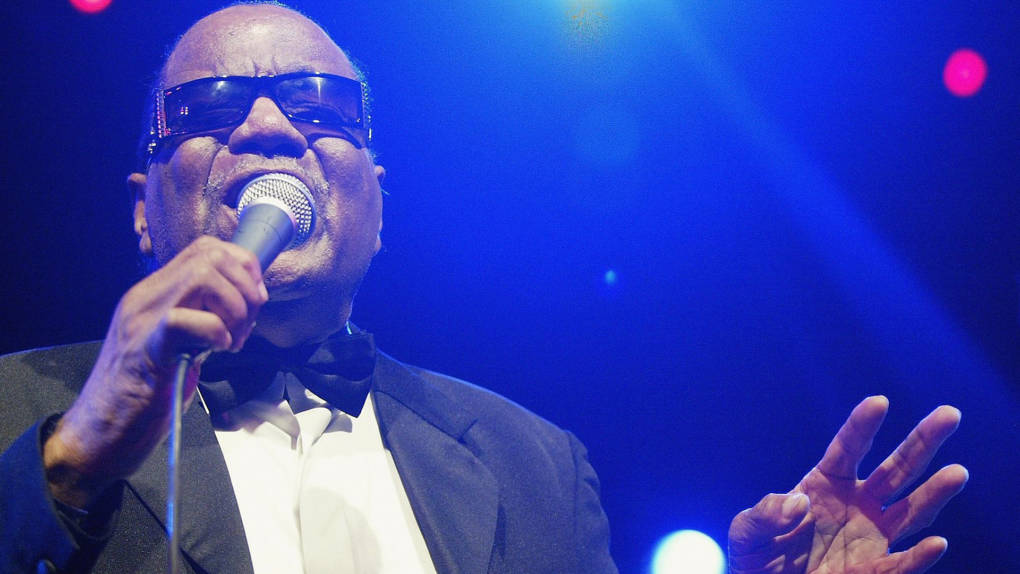
"caption": "The Blind Boys of Alabama's Clarence Fountain performs during the 17th Annual East Coast International Blues and Roots Music Festival April 16, 2006 in Byron Bay, Australia. ",
"description": "The Blind Boys of Alabama's Clarence Fountain performs during the 17th Annual East Coast International Blues and Roots Music Festival April 16, 2006 in Byron Bay, Australia. ",
"title": "East Coast International Blues & Roots Festival",
"credit": "James Green/Getty Images",
"status": "inherit",
"isLoading": false,
"fetchFailed": false
},
"arts_13834194": {
"type": "attachments",
"id": "arts_13834194",
"meta": {
"index": "attachments_1716263798",
"site": "arts",
"id": "13834194",
"found": true
},
"parent": 13834185,
"imgSizes": {
"small": {
"file": "https://ww2.kqed.org/app/uploads/sites/2/2018/06/tpain-520x293.jpg",
"width": 520,
"mimeType": "image/jpeg",
"height": 293
},
"twentyfourteen-full-width": {
"file": "https://ww2.kqed.org/app/uploads/sites/2/2018/06/tpain-1038x576.jpg",
"width": 1038,
"mimeType": "image/jpeg",
"height": 576
},
"thumbnail": {
"file": "https://ww2.kqed.org/app/uploads/sites/2/2018/06/tpain-160x90.jpg",
"width": 160,
"mimeType": "image/jpeg",
"height": 90
},
"fd-sm": {
"file": "https://ww2.kqed.org/app/uploads/sites/2/2018/06/tpain-960x540.jpg",
"width": 960,
"mimeType": "image/jpeg",
"height": 540
},
"post-thumbnail": {
"file": "https://ww2.kqed.org/app/uploads/sites/2/2018/06/tpain-672x372.jpg",
"width": 672,
"mimeType": "image/jpeg",
"height": 372
},
"xsmall": {
"file": "https://ww2.kqed.org/app/uploads/sites/2/2018/06/tpain-375x211.jpg",
"width": 375,
"mimeType": "image/jpeg",
"height": 211
},
"kqedFullSize": {
"file": "https://ww2.kqed.org/app/uploads/sites/2/2018/06/tpain.jpg",
"width": 2048,
"height": 1152
},
"large": {
"file": "https://ww2.kqed.org/app/uploads/sites/2/2018/06/tpain-1020x574.jpg",
"width": 1020,
"mimeType": "image/jpeg",
"height": 574
},
"xlarge": {
"file": "https://ww2.kqed.org/app/uploads/sites/2/2018/06/tpain-1180x664.jpg",
"width": 1180,
"mimeType": "image/jpeg",
"height": 664
},
"complete_open_graph": {
"file": "https://ww2.kqed.org/app/uploads/sites/2/2018/06/tpain-1200x675.jpg",
"width": 1200,
"mimeType": "image/jpeg",
"height": 675
},
"guest-author-50": {
"file": "https://ww2.kqed.org/app/uploads/sites/2/2018/06/tpain-50x50.jpg",
"width": 50,
"mimeType": "image/jpeg",
"height": 50
},
"guest-author-96": {
"file": "https://ww2.kqed.org/app/uploads/sites/2/2018/06/tpain-96x96.jpg",
"width": 96,
"mimeType": "image/jpeg",
"height": 96
},
"medium": {
"file": "https://ww2.kqed.org/app/uploads/sites/2/2018/06/tpain-800x450.jpg",
"width": 800,
"mimeType": "image/jpeg",
"height": 450
},
"guest-author-64": {
"file": "https://ww2.kqed.org/app/uploads/sites/2/2018/06/tpain-64x64.jpg",
"width": 64,
"mimeType": "image/jpeg",
"height": 64
},
"guest-author-32": {
"file": "https://ww2.kqed.org/app/uploads/sites/2/2018/06/tpain-32x32.jpg",
"width": 32,
"mimeType": "image/jpeg",
"height": 32
},
"fd-lrg": {
"file": "https://ww2.kqed.org/app/uploads/sites/2/2018/06/tpain-1920x1080.jpg",
"width": 1920,
"mimeType": "image/jpeg",
"height": 1080
},
"fd-med": {
"file": "https://ww2.kqed.org/app/uploads/sites/2/2018/06/tpain-1180x664.jpg",
"width": 1180,
"mimeType": "image/jpeg",
"height": 664
},
"full-width": {
"file": "https://ww2.kqed.org/app/uploads/sites/2/2018/06/tpain-1920x1080.jpg",
"width": 1920,
"mimeType": "image/jpeg",
"height": 1080
},
"detail": {
"file": "https://ww2.kqed.org/app/uploads/sites/2/2018/06/tpain-150x150.jpg",
"width": 150,
"mimeType": "image/jpeg",
"height": 150
},
"medium_large": {
"file": "https://ww2.kqed.org/app/uploads/sites/2/2018/06/tpain-768x432.jpg",
"width": 768,
"mimeType": "image/jpeg",
"height": 432
},
"guest-author-128": {
"file": "https://ww2.kqed.org/app/uploads/sites/2/2018/06/tpain-128x128.jpg",
"width": 128,
"mimeType": "image/jpeg",
"height": 128
},
"xxsmall": {
"file": "https://ww2.kqed.org/app/uploads/sites/2/2018/06/tpain-240x135.jpg",
"width": 240,
"mimeType": "image/jpeg",
"height": 135
}
},
"publishDate": 1527962129,
"modified": 1527962301,
"caption": "T-Pain performs at Clusterfest on June 1 at Bill Graham Civic Auditorium. ",
"description": "T-Pain performs at Clusterfest on June 1. ",
"title": "tpain",
"credit": "Nastia Voynovskaya",
"status": "inherit",
"isLoading": false,
"fetchFailed": false
},
"arts_13834171": {
"type": "attachments",
"id": "arts_13834171",
"meta": {
"index": "attachments_1716263798",
"site": "arts",
"id": "13834171",
"found": true
},
"parent": 13834170,
"imgSizes": {
"small": {
"file": "https://ww2.kqed.org/app/uploads/sites/2/2018/06/tin-poverty-10s_custom-3756e2a13ca60a4cc4b70bdcb99343bf8d637a38-520x220.png",
"width": 520,
"mimeType": "image/png",
"height": 220
},
"twentyfourteen-full-width": {
"file": "https://ww2.kqed.org/app/uploads/sites/2/2018/06/tin-poverty-10s_custom-3756e2a13ca60a4cc4b70bdcb99343bf8d637a38-1038x576.png",
"width": 1038,
"mimeType": "image/png",
"height": 576
},
"thumbnail": {
"file": "https://ww2.kqed.org/app/uploads/sites/2/2018/06/tin-poverty-10s_custom-3756e2a13ca60a4cc4b70bdcb99343bf8d637a38-160x68.png",
"width": 160,
"mimeType": "image/png",
"height": 68
},
"fd-sm": {
"file": "https://ww2.kqed.org/app/uploads/sites/2/2018/06/tin-poverty-10s_custom-3756e2a13ca60a4cc4b70bdcb99343bf8d637a38-960x407.png",
"width": 960,
"mimeType": "image/png",
"height": 407
},
"post-thumbnail": {
"file": "https://ww2.kqed.org/app/uploads/sites/2/2018/06/tin-poverty-10s_custom-3756e2a13ca60a4cc4b70bdcb99343bf8d637a38-672x372.png",
"width": 672,
"mimeType": "image/png",
"height": 372
},
"xsmall": {
"file": "https://ww2.kqed.org/app/uploads/sites/2/2018/06/tin-poverty-10s_custom-3756e2a13ca60a4cc4b70bdcb99343bf8d637a38-375x159.png",
"width": 375,
"mimeType": "image/png",
"height": 159
},
"kqedFullSize": {
"file": "https://ww2.kqed.org/app/uploads/sites/2/2018/06/tin-poverty-10s_custom-3756e2a13ca60a4cc4b70bdcb99343bf8d637a38.png",
"width": 1511,
"height": 640
},
"large": {
"file": "https://ww2.kqed.org/app/uploads/sites/2/2018/06/tin-poverty-10s_custom-3756e2a13ca60a4cc4b70bdcb99343bf8d637a38-1020x432.png",
"width": 1020,
"mimeType": "image/png",
"height": 432
},
"xlarge": {
"file": "https://ww2.kqed.org/app/uploads/sites/2/2018/06/tin-poverty-10s_custom-3756e2a13ca60a4cc4b70bdcb99343bf8d637a38-1180x500.png",
"width": 1180,
"mimeType": "image/png",
"height": 500
},
"complete_open_graph": {
"file": "https://ww2.kqed.org/app/uploads/sites/2/2018/06/tin-poverty-10s_custom-3756e2a13ca60a4cc4b70bdcb99343bf8d637a38-1200x508.png",
"width": 1200,
"mimeType": "image/png",
"height": 508
},
"guest-author-50": {
"file": "https://ww2.kqed.org/app/uploads/sites/2/2018/06/tin-poverty-10s_custom-3756e2a13ca60a4cc4b70bdcb99343bf8d637a38-50x50.png",
"width": 50,
"mimeType": "image/png",
"height": 50
},
"guest-author-96": {
"file": "https://ww2.kqed.org/app/uploads/sites/2/2018/06/tin-poverty-10s_custom-3756e2a13ca60a4cc4b70bdcb99343bf8d637a38-96x96.png",
"width": 96,
"mimeType": "image/png",
"height": 96
},
"medium": {
"file": "https://ww2.kqed.org/app/uploads/sites/2/2018/06/tin-poverty-10s_custom-3756e2a13ca60a4cc4b70bdcb99343bf8d637a38-800x339.png",
"width": 800,
"mimeType": "image/png",
"height": 339
},
"guest-author-64": {
"file": "https://ww2.kqed.org/app/uploads/sites/2/2018/06/tin-poverty-10s_custom-3756e2a13ca60a4cc4b70bdcb99343bf8d637a38-64x64.png",
"width": 64,
"mimeType": "image/png",
"height": 64
},
"guest-author-32": {
"file": "https://ww2.kqed.org/app/uploads/sites/2/2018/06/tin-poverty-10s_custom-3756e2a13ca60a4cc4b70bdcb99343bf8d637a38-32x32.png",
"width": 32,
"mimeType": "image/png",
"height": 32
},
"fd-med": {
"file": "https://ww2.kqed.org/app/uploads/sites/2/2018/06/tin-poverty-10s_custom-3756e2a13ca60a4cc4b70bdcb99343bf8d637a38-1180x500.png",
"width": 1180,
"mimeType": "image/png",
"height": 500
},
"detail": {
"file": "https://ww2.kqed.org/app/uploads/sites/2/2018/06/tin-poverty-10s_custom-3756e2a13ca60a4cc4b70bdcb99343bf8d637a38-150x150.png",
"width": 150,
"mimeType": "image/png",
"height": 150
},
"medium_large": {
"file": "https://ww2.kqed.org/app/uploads/sites/2/2018/06/tin-poverty-10s_custom-3756e2a13ca60a4cc4b70bdcb99343bf8d637a38-768x325.png",
"width": 768,
"mimeType": "image/png",
"height": 325
},
"guest-author-128": {
"file": "https://ww2.kqed.org/app/uploads/sites/2/2018/06/tin-poverty-10s_custom-3756e2a13ca60a4cc4b70bdcb99343bf8d637a38-128x128.png",
"width": 128,
"mimeType": "image/png",
"height": 128
},
"xxsmall": {
"file": "https://ww2.kqed.org/app/uploads/sites/2/2018/06/tin-poverty-10s_custom-3756e2a13ca60a4cc4b70bdcb99343bf8d637a38-240x102.png",
"width": 240,
"mimeType": "image/png",
"height": 102
}
},
"publishDate": 1527898948,
"modified": 1527898948,
"caption": null,
"description": null,
"title": "Falz with boombox.",
"credit": null,
"status": "inherit",
"isLoading": false,
"fetchFailed": false
},
"arts_13834114": {
"type": "attachments",
"id": "arts_13834114",
"meta": {
"index": "attachments_1716263798",
"site": "arts",
"id": "13834114",
"found": true
},
"parent": 13834039,
"imgSizes": {
"small": {
"file": "https://ww2.kqed.org/app/uploads/sites/2/2018/05/HSG.TranscendenceTheatreCo-520x293.jpg",
"width": 520,
"mimeType": "image/jpeg",
"height": 293
},
"twentyfourteen-full-width": {
"file": "https://ww2.kqed.org/app/uploads/sites/2/2018/05/HSG.TranscendenceTheatreCo-1038x576.jpg",
"width": 1038,
"mimeType": "image/jpeg",
"height": 576
},
"thumbnail": {
"file": "https://ww2.kqed.org/app/uploads/sites/2/2018/05/HSG.TranscendenceTheatreCo-160x90.jpg",
"width": 160,
"mimeType": "image/jpeg",
"height": 90
},
"fd-sm": {
"file": "https://ww2.kqed.org/app/uploads/sites/2/2018/05/HSG.TranscendenceTheatreCo-960x540.jpg",
"width": 960,
"mimeType": "image/jpeg",
"height": 540
},
"post-thumbnail": {
"file": "https://ww2.kqed.org/app/uploads/sites/2/2018/05/HSG.TranscendenceTheatreCo-672x372.jpg",
"width": 672,
"mimeType": "image/jpeg",
"height": 372
},
"xsmall": {
"file": "https://ww2.kqed.org/app/uploads/sites/2/2018/05/HSG.TranscendenceTheatreCo-375x211.jpg",
"width": 375,
"mimeType": "image/jpeg",
"height": 211
},
"kqedFullSize": {
"file": "https://ww2.kqed.org/app/uploads/sites/2/2018/05/HSG.TranscendenceTheatreCo.jpg",
"width": 1120,
"height": 630
},
"large": {
"file": "https://ww2.kqed.org/app/uploads/sites/2/2018/05/HSG.TranscendenceTheatreCo-1020x574.jpg",
"width": 1020,
"mimeType": "image/jpeg",
"height": 574
},
"guest-author-50": {
"file": "https://ww2.kqed.org/app/uploads/sites/2/2018/05/HSG.TranscendenceTheatreCo-50x50.jpg",
"width": 50,
"mimeType": "image/jpeg",
"height": 50
},
"guest-author-96": {
"file": "https://ww2.kqed.org/app/uploads/sites/2/2018/05/HSG.TranscendenceTheatreCo-96x96.jpg",
"width": 96,
"mimeType": "image/jpeg",
"height": 96
},
"medium": {
"file": "https://ww2.kqed.org/app/uploads/sites/2/2018/05/HSG.TranscendenceTheatreCo-800x450.jpg",
"width": 800,
"mimeType": "image/jpeg",
"height": 450
},
"guest-author-64": {
"file": "https://ww2.kqed.org/app/uploads/sites/2/2018/05/HSG.TranscendenceTheatreCo-64x64.jpg",
"width": 64,
"mimeType": "image/jpeg",
"height": 64
},
"guest-author-32": {
"file": "https://ww2.kqed.org/app/uploads/sites/2/2018/05/HSG.TranscendenceTheatreCo-32x32.jpg",
"width": 32,
"mimeType": "image/jpeg",
"height": 32
},
"detail": {
"file": "https://ww2.kqed.org/app/uploads/sites/2/2018/05/HSG.TranscendenceTheatreCo-150x150.jpg",
"width": 150,
"mimeType": "image/jpeg",
"height": 150
},
"medium_large": {
"file": "https://ww2.kqed.org/app/uploads/sites/2/2018/05/HSG.TranscendenceTheatreCo-768x432.jpg",
"width": 768,
"mimeType": "image/jpeg",
"height": 432
},
"guest-author-128": {
"file": "https://ww2.kqed.org/app/uploads/sites/2/2018/05/HSG.TranscendenceTheatreCo-128x128.jpg",
"width": 128,
"mimeType": "image/jpeg",
"height": 128
},
"xxsmall": {
"file": "https://ww2.kqed.org/app/uploads/sites/2/2018/05/HSG.TranscendenceTheatreCo-240x135.jpg",
"width": 240,
"mimeType": "image/jpeg",
"height": 135
}
},
"publishDate": 1527875506,
"modified": 1528355818,
"caption": "The setting at Transcendence Theatre Co.'s 'Broadway Under the Stars' at Jack London State Park.",
"description": "The setting at Transcendence Theatre Co.'s 'Broadway Under the Stars' at Jack London State Park.",
"title": "HSG.TranscendenceTheatreCo",
"credit": "Courtesy Transcendence Theatre Co.",
"status": "inherit",
"isLoading": false,
"fetchFailed": false
},
"arts_13834095": {
"type": "attachments",
"id": "arts_13834095",
"meta": {
"index": "attachments_1716263798",
"site": "arts",
"id": "13834095",
"found": true
},
"parent": 13834093,
"imgSizes": {
"small": {
"file": "https://ww2.kqed.org/app/uploads/sites/2/2018/06/kanye-west-ye-album-cover-1527857034-compressed-520x293.jpg",
"width": 520,
"mimeType": "image/jpeg",
"height": 293
},
"thumbnail": {
"file": "https://ww2.kqed.org/app/uploads/sites/2/2018/06/kanye-west-ye-album-cover-1527857034-compressed-160x90.jpg",
"width": 160,
"mimeType": "image/jpeg",
"height": 90
},
"xsmall": {
"file": "https://ww2.kqed.org/app/uploads/sites/2/2018/06/kanye-west-ye-album-cover-1527857034-compressed-375x211.jpg",
"width": 375,
"mimeType": "image/jpeg",
"height": 211
},
"kqedFullSize": {
"file": "https://ww2.kqed.org/app/uploads/sites/2/2018/06/kanye-west-ye-album-cover-1527857034-compressed.jpg",
"width": 620,
"height": 349
},
"guest-author-50": {
"file": "https://ww2.kqed.org/app/uploads/sites/2/2018/06/kanye-west-ye-album-cover-1527857034-compressed-50x50.jpg",
"width": 50,
"mimeType": "image/jpeg",
"height": 50
},
"guest-author-96": {
"file": "https://ww2.kqed.org/app/uploads/sites/2/2018/06/kanye-west-ye-album-cover-1527857034-compressed-96x96.jpg",
"width": 96,
"mimeType": "image/jpeg",
"height": 96
},
"guest-author-64": {
"file": "https://ww2.kqed.org/app/uploads/sites/2/2018/06/kanye-west-ye-album-cover-1527857034-compressed-64x64.jpg",
"width": 64,
"mimeType": "image/jpeg",
"height": 64
},
"detail": {
"file": "https://ww2.kqed.org/app/uploads/sites/2/2018/06/kanye-west-ye-album-cover-1527857034-compressed-150x150.jpg",
"width": 150,
"mimeType": "image/jpeg",
"height": 150
},
"guest-author-32": {
"file": "https://ww2.kqed.org/app/uploads/sites/2/2018/06/kanye-west-ye-album-cover-1527857034-compressed-32x32.jpg",
"width": 32,
"mimeType": "image/jpeg",
"height": 32
},
"guest-author-128": {
"file": "https://ww2.kqed.org/app/uploads/sites/2/2018/06/kanye-west-ye-album-cover-1527857034-compressed-128x128.jpg",
"width": 128,
"mimeType": "image/jpeg",
"height": 128
},
"xxsmall": {
"file": "https://ww2.kqed.org/app/uploads/sites/2/2018/06/kanye-west-ye-album-cover-1527857034-compressed-240x135.jpg",
"width": 240,
"mimeType": "image/jpeg",
"height": 135
}
},
"publishDate": 1527869372,
"modified": 1527869401,
"caption": "Album art from Kanye West's 'Ye.'",
"description": null,
"title": "kanye-west-ye-album-cover-1527857034-compressed",
"credit": null,
"status": "inherit",
"isLoading": false,
"fetchFailed": false
},
"arts_13834074": {
"type": "attachments",
"id": "arts_13834074",
"meta": {
"index": "attachments_1716263798",
"site": "arts",
"id": "13834074",
"found": true
},
"parent": 13834071,
"imgSizes": {
"small": {
"file": "https://ww2.kqed.org/app/uploads/sites/2/2018/05/Kanye.MAIN_-520x293.jpg",
"width": 520,
"mimeType": "image/jpeg",
"height": 293
},
"twentyfourteen-full-width": {
"file": "https://ww2.kqed.org/app/uploads/sites/2/2018/05/Kanye.MAIN_-1038x576.jpg",
"width": 1038,
"mimeType": "image/jpeg",
"height": 576
},
"thumbnail": {
"file": "https://ww2.kqed.org/app/uploads/sites/2/2018/05/Kanye.MAIN_-160x90.jpg",
"width": 160,
"mimeType": "image/jpeg",
"height": 90
},
"fd-sm": {
"file": "https://ww2.kqed.org/app/uploads/sites/2/2018/05/Kanye.MAIN_-960x540.jpg",
"width": 960,
"mimeType": "image/jpeg",
"height": 540
},
"post-thumbnail": {
"file": "https://ww2.kqed.org/app/uploads/sites/2/2018/05/Kanye.MAIN_-672x372.jpg",
"width": 672,
"mimeType": "image/jpeg",
"height": 372
},
"xsmall": {
"file": "https://ww2.kqed.org/app/uploads/sites/2/2018/05/Kanye.MAIN_-375x211.jpg",
"width": 375,
"mimeType": "image/jpeg",
"height": 211
},
"kqedFullSize": {
"file": "https://ww2.kqed.org/app/uploads/sites/2/2018/05/Kanye.MAIN_.jpg",
"width": 1100,
"height": 619
},
"large": {
"file": "https://ww2.kqed.org/app/uploads/sites/2/2018/05/Kanye.MAIN_-1020x574.jpg",
"width": 1020,
"mimeType": "image/jpeg",
"height": 574
},
"guest-author-50": {
"file": "https://ww2.kqed.org/app/uploads/sites/2/2018/05/Kanye.MAIN_-50x50.jpg",
"width": 50,
"mimeType": "image/jpeg",
"height": 50
},
"guest-author-96": {
"file": "https://ww2.kqed.org/app/uploads/sites/2/2018/05/Kanye.MAIN_-96x96.jpg",
"width": 96,
"mimeType": "image/jpeg",
"height": 96
},
"medium": {
"file": "https://ww2.kqed.org/app/uploads/sites/2/2018/05/Kanye.MAIN_-800x450.jpg",
"width": 800,
"mimeType": "image/jpeg",
"height": 450
},
"guest-author-64": {
"file": "https://ww2.kqed.org/app/uploads/sites/2/2018/05/Kanye.MAIN_-64x64.jpg",
"width": 64,
"mimeType": "image/jpeg",
"height": 64
},
"guest-author-32": {
"file": "https://ww2.kqed.org/app/uploads/sites/2/2018/05/Kanye.MAIN_-32x32.jpg",
"width": 32,
"mimeType": "image/jpeg",
"height": 32
},
"detail": {
"file": "https://ww2.kqed.org/app/uploads/sites/2/2018/05/Kanye.MAIN_-150x150.jpg",
"width": 150,
"mimeType": "image/jpeg",
"height": 150
},
"medium_large": {
"file": "https://ww2.kqed.org/app/uploads/sites/2/2018/05/Kanye.MAIN_-768x432.jpg",
"width": 768,
"mimeType": "image/jpeg",
"height": 432
},
"guest-author-128": {
"file": "https://ww2.kqed.org/app/uploads/sites/2/2018/05/Kanye.MAIN_-128x128.jpg",
"width": 128,
"mimeType": "image/jpeg",
"height": 128
},
"xxsmall": {
"file": "https://ww2.kqed.org/app/uploads/sites/2/2018/05/Kanye.MAIN_-240x135.jpg",
"width": 240,
"mimeType": "image/jpeg",
"height": 135
}
},
"publishDate": 1527835739,
"modified": 1527835784,
"caption": "Kanye West, with wife Kim Kardashian West, premieres his new album 'YE' at a listening party in Jackson Hole, Wyoming.",
"description": "Kanye West, with wife Kim Kardashian West, premieres his new album 'YE' at a listening party in Jackson Hole, Wyoming.",
"title": "Kanye.MAIN",
"credit": "via WAV",
"status": "inherit",
"isLoading": false,
"fetchFailed": false
},
"arts_10885347": {
"type": "attachments",
"id": "arts_10885347",
"meta": {
"index": "attachments_1716263798",
"site": "arts",
"id": "10885347",
"found": true
},
"parent": 10885260,
"imgSizes": {
"thumbnail": {
"file": "https://ww2.kqed.org/app/uploads/sites/2/2015/08/Tower-of-Power-400x259.jpg",
"width": 400,
"mimeType": "image/jpeg",
"height": 259
},
"post-thumbnail": {
"file": "https://ww2.kqed.org/app/uploads/sites/2/2015/08/Tower-of-Power-672x372.jpg",
"width": 672,
"mimeType": "image/jpeg",
"height": 372
},
"kqedFullSize": {
"file": "https://ww2.kqed.org/app/uploads/sites/2/2015/08/Tower-of-Power.jpg",
"width": 800,
"height": 517
},
"guest-author-96": {
"file": "https://ww2.kqed.org/app/uploads/sites/2/2015/08/Tower-of-Power-96x96.jpg",
"width": 96,
"mimeType": "image/jpeg",
"height": 96
},
"medium": {
"file": "https://ww2.kqed.org/app/uploads/sites/2/2015/08/Tower-of-Power-800x517.jpg",
"width": 800,
"mimeType": "image/jpeg",
"height": 517
},
"guest-author-64": {
"file": "https://ww2.kqed.org/app/uploads/sites/2/2015/08/Tower-of-Power-64x64.jpg",
"width": 64,
"mimeType": "image/jpeg",
"height": 64
},
"detail": {
"file": "https://ww2.kqed.org/app/uploads/sites/2/2015/08/Tower-of-Power-75x75.jpg",
"width": 75,
"mimeType": "image/jpeg",
"height": 75
},
"guest-author-32": {
"file": "https://ww2.kqed.org/app/uploads/sites/2/2015/08/Tower-of-Power-32x32.jpg",
"width": 32,
"mimeType": "image/jpeg",
"height": 32
},
"guest-author-128": {
"file": "https://ww2.kqed.org/app/uploads/sites/2/2015/08/Tower-of-Power-128x128.jpg",
"width": 128,
"mimeType": "image/jpeg",
"height": 128
}
},
"publishDate": 1439058539,
"modified": 1439058715,
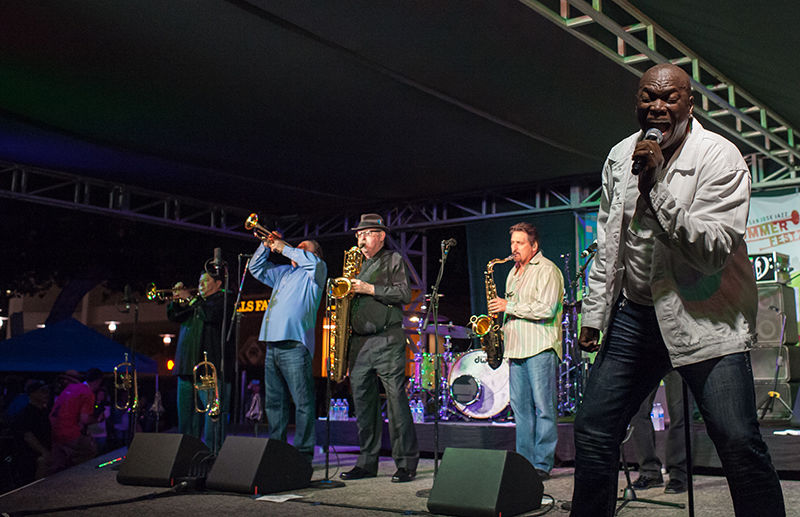
"caption": "Tower of Power at San Jose Jazz’s Summer Fest",
"description": "Tower of Power at San Jose Jazz’s Summer Fest",
"title": "Tower of Power",
"credit": "Courtesy of San Jose Jazz ",
"status": "inherit",
"isLoading": false,
"fetchFailed": false
},
"arts_13834001": {
"type": "attachments",
"id": "arts_13834001",
"meta": {
"index": "attachments_1716263798",
"site": "arts",
"id": "13834001",
"found": true
},
"parent": 13834000,
"imgSizes": {
"small": {
"file": "https://ww2.kqed.org/app/uploads/sites/2/2018/05/blackthoughtthumb4_preview_wide-3078ac61eb2b9d47cbe69474974032a502cc4434-520x292.jpe",
"width": 520,
"mimeType": "image/jpeg",
"height": 292
},
"twentyfourteen-full-width": {
"file": "https://ww2.kqed.org/app/uploads/sites/2/2018/05/blackthoughtthumb4_preview_wide-3078ac61eb2b9d47cbe69474974032a502cc4434-1038x576.jpe",
"width": 1038,
"mimeType": "image/jpeg",
"height": 576
},
"thumbnail": {
"file": "https://ww2.kqed.org/app/uploads/sites/2/2018/05/blackthoughtthumb4_preview_wide-3078ac61eb2b9d47cbe69474974032a502cc4434-160x90.jpe",
"width": 160,
"mimeType": "image/jpeg",
"height": 90
},
"fd-sm": {
"file": "https://ww2.kqed.org/app/uploads/sites/2/2018/05/blackthoughtthumb4_preview_wide-3078ac61eb2b9d47cbe69474974032a502cc4434-960x540.jpe",
"width": 960,
"mimeType": "image/jpeg",
"height": 540
},
"post-thumbnail": {
"file": "https://ww2.kqed.org/app/uploads/sites/2/2018/05/blackthoughtthumb4_preview_wide-3078ac61eb2b9d47cbe69474974032a502cc4434-672x372.jpe",
"width": 672,
"mimeType": "image/jpeg",
"height": 372
},
"xsmall": {
"file": "https://ww2.kqed.org/app/uploads/sites/2/2018/05/blackthoughtthumb4_preview_wide-3078ac61eb2b9d47cbe69474974032a502cc4434-375x211.jpe",
"width": 375,
"mimeType": "image/jpeg",
"height": 211
},
"kqedFullSize": {
"file": "https://ww2.kqed.org/app/uploads/sites/2/2018/05/blackthoughtthumb4_preview_wide-3078ac61eb2b9d47cbe69474974032a502cc4434.jpe",
"width": 1597,
"height": 898
},
"large": {
"file": "https://ww2.kqed.org/app/uploads/sites/2/2018/05/blackthoughtthumb4_preview_wide-3078ac61eb2b9d47cbe69474974032a502cc4434-1020x574.jpe",
"width": 1020,
"mimeType": "image/jpeg",
"height": 574
},
"xlarge": {
"file": "https://ww2.kqed.org/app/uploads/sites/2/2018/05/blackthoughtthumb4_preview_wide-3078ac61eb2b9d47cbe69474974032a502cc4434-1180x664.jpe",
"width": 1180,
"mimeType": "image/jpeg",
"height": 664
},
"complete_open_graph": {
"file": "https://ww2.kqed.org/app/uploads/sites/2/2018/05/blackthoughtthumb4_preview_wide-3078ac61eb2b9d47cbe69474974032a502cc4434-1200x675.jpe",
"width": 1200,
"mimeType": "image/jpeg",
"height": 675
},
"guest-author-50": {
"file": "https://ww2.kqed.org/app/uploads/sites/2/2018/05/blackthoughtthumb4_preview_wide-3078ac61eb2b9d47cbe69474974032a502cc4434-50x50.jpe",
"width": 50,
"mimeType": "image/jpeg",
"height": 50
},
"guest-author-96": {
"file": "https://ww2.kqed.org/app/uploads/sites/2/2018/05/blackthoughtthumb4_preview_wide-3078ac61eb2b9d47cbe69474974032a502cc4434-96x96.jpe",
"width": 96,
"mimeType": "image/jpeg",
"height": 96
},
"medium": {
"file": "https://ww2.kqed.org/app/uploads/sites/2/2018/05/blackthoughtthumb4_preview_wide-3078ac61eb2b9d47cbe69474974032a502cc4434-800x450.jpe",
"width": 800,
"mimeType": "image/jpeg",
"height": 450
},
"guest-author-64": {
"file": "https://ww2.kqed.org/app/uploads/sites/2/2018/05/blackthoughtthumb4_preview_wide-3078ac61eb2b9d47cbe69474974032a502cc4434-64x64.jpe",
"width": 64,
"mimeType": "image/jpeg",
"height": 64
},
"guest-author-32": {
"file": "https://ww2.kqed.org/app/uploads/sites/2/2018/05/blackthoughtthumb4_preview_wide-3078ac61eb2b9d47cbe69474974032a502cc4434-32x32.jpe",
"width": 32,
"mimeType": "image/jpeg",
"height": 32
},
"fd-med": {
"file": "https://ww2.kqed.org/app/uploads/sites/2/2018/05/blackthoughtthumb4_preview_wide-3078ac61eb2b9d47cbe69474974032a502cc4434-1180x664.jpe",
"width": 1180,
"mimeType": "image/jpeg",
"height": 664
},
"detail": {
"file": "https://ww2.kqed.org/app/uploads/sites/2/2018/05/blackthoughtthumb4_preview_wide-3078ac61eb2b9d47cbe69474974032a502cc4434-150x150.jpe",
"width": 150,
"mimeType": "image/jpeg",
"height": 150
},
"medium_large": {
"file": "https://ww2.kqed.org/app/uploads/sites/2/2018/05/blackthoughtthumb4_preview_wide-3078ac61eb2b9d47cbe69474974032a502cc4434-768x432.jpe",
"width": 768,
"mimeType": "image/jpeg",
"height": 432
},
"guest-author-128": {
"file": "https://ww2.kqed.org/app/uploads/sites/2/2018/05/blackthoughtthumb4_preview_wide-3078ac61eb2b9d47cbe69474974032a502cc4434-128x128.jpe",
"width": 128,
"mimeType": "image/jpeg",
"height": 128
},
"xxsmall": {
"file": "https://ww2.kqed.org/app/uploads/sites/2/2018/05/blackthoughtthumb4_preview_wide-3078ac61eb2b9d47cbe69474974032a502cc4434-240x135.jpe",
"width": 240,
"mimeType": "image/jpeg",
"height": 135
}
},
"publishDate": 1527803864,
"modified": 1527803864,
"caption": null,
"description": "Black Thought of The Roots is ready for his close-up with the release of \u003cem>Streams Of Thought, Vol. 1.</em",
"title": "Black Thought of The Roots is ready for his close-up with the release of Streams Of Thought, Vol. 1.",
"credit": null,
"status": "inherit",
"isLoading": false,
"fetchFailed": false
},
"arts_13833974": {
"type": "attachments",
"id": "arts_13833974",
"meta": {
"index": "attachments_1716263798",
"site": "arts",
"id": "13833974",
"found": true
},
"parent": 13833973,
"imgSizes": {
"small": {
"file": "https://ww2.kqed.org/app/uploads/sites/2/2018/05/gettyimages-961820978-fb988fde3e3d82861d516646b2cb2cc72558a61a-520x390.jpg",
"width": 520,
"mimeType": "image/jpeg",
"height": 390
},
"twentyfourteen-full-width": {
"file": "https://ww2.kqed.org/app/uploads/sites/2/2018/05/gettyimages-961820978-fb988fde3e3d82861d516646b2cb2cc72558a61a-904x576.jpg",
"width": 904,
"mimeType": "image/jpeg",
"height": 576
},
"thumbnail": {
"file": "https://ww2.kqed.org/app/uploads/sites/2/2018/05/gettyimages-961820978-fb988fde3e3d82861d516646b2cb2cc72558a61a-160x120.jpg",
"width": 160,
"mimeType": "image/jpeg",
"height": 120
},
"post-thumbnail": {
"file": "https://ww2.kqed.org/app/uploads/sites/2/2018/05/gettyimages-961820978-fb988fde3e3d82861d516646b2cb2cc72558a61a-672x372.jpg",
"width": 672,
"mimeType": "image/jpeg",
"height": 372
},
"xsmall": {
"file": "https://ww2.kqed.org/app/uploads/sites/2/2018/05/gettyimages-961820978-fb988fde3e3d82861d516646b2cb2cc72558a61a-375x281.jpg",
"width": 375,
"mimeType": "image/jpeg",
"height": 281
},
"kqedFullSize": {
"file": "https://ww2.kqed.org/app/uploads/sites/2/2018/05/gettyimages-961820978-fb988fde3e3d82861d516646b2cb2cc72558a61a.jpg",
"width": 904,
"height": 678
},
"guest-author-50": {
"file": "https://ww2.kqed.org/app/uploads/sites/2/2018/05/gettyimages-961820978-fb988fde3e3d82861d516646b2cb2cc72558a61a-50x50.jpg",
"width": 50,
"mimeType": "image/jpeg",
"height": 50
},
"guest-author-96": {
"file": "https://ww2.kqed.org/app/uploads/sites/2/2018/05/gettyimages-961820978-fb988fde3e3d82861d516646b2cb2cc72558a61a-96x96.jpg",
"width": 96,
"mimeType": "image/jpeg",
"height": 96
},
"medium": {
"file": "https://ww2.kqed.org/app/uploads/sites/2/2018/05/gettyimages-961820978-fb988fde3e3d82861d516646b2cb2cc72558a61a-800x600.jpg",
"width": 800,
"mimeType": "image/jpeg",
"height": 600
},
"guest-author-64": {
"file": "https://ww2.kqed.org/app/uploads/sites/2/2018/05/gettyimages-961820978-fb988fde3e3d82861d516646b2cb2cc72558a61a-64x64.jpg",
"width": 64,
"mimeType": "image/jpeg",
"height": 64
},
"guest-author-32": {
"file": "https://ww2.kqed.org/app/uploads/sites/2/2018/05/gettyimages-961820978-fb988fde3e3d82861d516646b2cb2cc72558a61a-32x32.jpg",
"width": 32,
"mimeType": "image/jpeg",
"height": 32
},
"detail": {
"file": "https://ww2.kqed.org/app/uploads/sites/2/2018/05/gettyimages-961820978-fb988fde3e3d82861d516646b2cb2cc72558a61a-150x150.jpg",
"width": 150,
"mimeType": "image/jpeg",
"height": 150
},
"medium_large": {
"file": "https://ww2.kqed.org/app/uploads/sites/2/2018/05/gettyimages-961820978-fb988fde3e3d82861d516646b2cb2cc72558a61a-768x576.jpg",
"width": 768,
"mimeType": "image/jpeg",
"height": 576
},
"guest-author-128": {
"file": "https://ww2.kqed.org/app/uploads/sites/2/2018/05/gettyimages-961820978-fb988fde3e3d82861d516646b2cb2cc72558a61a-128x128.jpg",
"width": 128,
"mimeType": "image/jpeg",
"height": 128
},
"xxsmall": {
"file": "https://ww2.kqed.org/app/uploads/sites/2/2018/05/gettyimages-961820978-fb988fde3e3d82861d516646b2cb2cc72558a61a-240x180.jpg",
"width": 240,
"mimeType": "image/jpeg",
"height": 180
}
},
"publishDate": 1527791744,
"modified": 1527792305,
"caption": "The court ruled that Kesha's counterclaims were in part \"speculative, contradicted by her own allegations that she had continued performing under the agreements.\"",
"description": "The court ruled that Kesha's counterclaims were in part \"speculative, contradicted by her own allegations that she had continued performing under the agreements.\"",
"title": "The court ruled that Kesha's counterclaims were in part \"speculative, contradicted by her own allegations that she had continued performing under the agreements.\"",
"credit": "Axelle/Bauer-Griffin/FilmMagic/Getty Images",
"status": "inherit",
"isLoading": false,
"fetchFailed": false
},
"arts_13833857": {
"type": "attachments",
"id": "arts_13833857",
"meta": {
"index": "attachments_1716263798",
"site": "arts",
"id": "13833857",
"found": true
},
"parent": 13833817,
"imgSizes": {
"small": {
"file": "https://ww2.kqed.org/app/uploads/sites/2/2018/05/08-e1527720308667-520x292.jpg",
"width": 520,
"mimeType": "image/jpeg",
"height": 292
},
"twentyfourteen-full-width": {
"file": "https://ww2.kqed.org/app/uploads/sites/2/2018/05/08-e1527720308667-1038x576.jpg",
"width": 1038,
"mimeType": "image/jpeg",
"height": 576
},
"thumbnail": {
"file": "https://ww2.kqed.org/app/uploads/sites/2/2018/05/08-e1527720308667-160x90.jpg",
"width": 160,
"mimeType": "image/jpeg",
"height": 90
},
"fd-sm": {
"file": "https://ww2.kqed.org/app/uploads/sites/2/2018/05/08-e1527720308667-960x540.jpg",
"width": 960,
"mimeType": "image/jpeg",
"height": 540
},
"post-thumbnail": {
"file": "https://ww2.kqed.org/app/uploads/sites/2/2018/05/08-e1527720308667-672x372.jpg",
"width": 672,
"mimeType": "image/jpeg",
"height": 372
},
"xsmall": {
"file": "https://ww2.kqed.org/app/uploads/sites/2/2018/05/08-e1527720308667-375x211.jpg",
"width": 375,
"mimeType": "image/jpeg",
"height": 211
},
"kqedFullSize": {
"file": "https://ww2.kqed.org/app/uploads/sites/2/2018/05/08-e1527720308667.jpg",
"width": 1300,
"height": 731
},
"large": {
"file": "https://ww2.kqed.org/app/uploads/sites/2/2018/05/08-e1527720308667-1020x574.jpg",
"width": 1020,
"mimeType": "image/jpeg",
"height": 574
},
"xlarge": {
"file": "https://ww2.kqed.org/app/uploads/sites/2/2018/05/08-e1527720308667-1180x664.jpg",
"width": 1180,
"mimeType": "image/jpeg",
"height": 664
},
"complete_open_graph": {
"file": "https://ww2.kqed.org/app/uploads/sites/2/2018/05/08-e1527720308667-1200x675.jpg",
"width": 1200,
"mimeType": "image/jpeg",
"height": 675
},
"guest-author-50": {
"file": "https://ww2.kqed.org/app/uploads/sites/2/2018/05/08-e1527720308667-50x50.jpg",
"width": 50,
"mimeType": "image/jpeg",
"height": 50
},
"guest-author-96": {
"file": "https://ww2.kqed.org/app/uploads/sites/2/2018/05/08-e1527720308667-96x96.jpg",
"width": 96,
"mimeType": "image/jpeg",
"height": 96
},
"medium": {
"file": "https://ww2.kqed.org/app/uploads/sites/2/2018/05/08-e1527720308667-800x450.jpg",
"width": 800,
"mimeType": "image/jpeg",
"height": 450
},
"guest-author-64": {
"file": "https://ww2.kqed.org/app/uploads/sites/2/2018/05/08-e1527720308667-64x64.jpg",
"width": 64,
"mimeType": "image/jpeg",
"height": 64
},
"guest-author-32": {
"file": "https://ww2.kqed.org/app/uploads/sites/2/2018/05/08-e1527720308667-32x32.jpg",
"width": 32,
"mimeType": "image/jpeg",
"height": 32
},
"fd-med": {
"file": "https://ww2.kqed.org/app/uploads/sites/2/2018/05/08-e1527720308667-1180x664.jpg",
"width": 1180,
"mimeType": "image/jpeg",
"height": 664
},
"detail": {
"file": "https://ww2.kqed.org/app/uploads/sites/2/2018/05/08-e1527720308667-150x150.jpg",
"width": 150,
"mimeType": "image/jpeg",
"height": 150
},
"medium_large": {
"file": "https://ww2.kqed.org/app/uploads/sites/2/2018/05/08-e1527720308667-768x432.jpg",
"width": 768,
"mimeType": "image/jpeg",
"height": 432
},
"guest-author-128": {
"file": "https://ww2.kqed.org/app/uploads/sites/2/2018/05/08-e1527720308667-128x128.jpg",
"width": 128,
"mimeType": "image/jpeg",
"height": 128
},
"xxsmall": {
"file": "https://ww2.kqed.org/app/uploads/sites/2/2018/05/08-e1527720308667-240x135.jpg",
"width": 240,
"mimeType": "image/jpeg",
"height": 135
}
},
"publishDate": 1527720181,
"modified": 1527720444,
"caption": "19-year-old Prince captured outside of Schmitt Music in Minneapolis on the eve of releasing his first album 'For You.'",
"description": "19-year-old Prince captured outside of Schmitt Music in Minneapolis on the eve of releasing his first album 'For You.'",
"title": "19-year-old Prince captured outside of Schmitt Music in Minneapolis on the eve of releasing his first album 'For You.'",
"credit": "Robert Whitman",
"status": "inherit",
"isLoading": false,
"fetchFailed": false
},
"arts_13833902": {
"type": "attachments",
"id": "arts_13833902",
"meta": {
"index": "attachments_1716263798",
"site": "arts",
"id": "13833902",
"found": true
},
"parent": 13833850,
"imgSizes": {
"small": {
"file": "https://ww2.kqed.org/app/uploads/sites/2/2018/05/AhmadJamal-520x293.jpg",
"width": 520,
"mimeType": "image/jpeg",
"height": 293
},
"twentyfourteen-full-width": {
"file": "https://ww2.kqed.org/app/uploads/sites/2/2018/05/AhmadJamal-1038x576.jpg",
"width": 1038,
"mimeType": "image/jpeg",
"height": 576
},
"thumbnail": {
"file": "https://ww2.kqed.org/app/uploads/sites/2/2018/05/AhmadJamal-160x90.jpg",
"width": 160,
"mimeType": "image/jpeg",
"height": 90
},
"fd-sm": {
"file": "https://ww2.kqed.org/app/uploads/sites/2/2018/05/AhmadJamal-960x540.jpg",
"width": 960,
"mimeType": "image/jpeg",
"height": 540
},
"post-thumbnail": {
"file": "https://ww2.kqed.org/app/uploads/sites/2/2018/05/AhmadJamal-672x372.jpg",
"width": 672,
"mimeType": "image/jpeg",
"height": 372
},
"xsmall": {
"file": "https://ww2.kqed.org/app/uploads/sites/2/2018/05/AhmadJamal-375x211.jpg",
"width": 375,
"mimeType": "image/jpeg",
"height": 211
},
"kqedFullSize": {
"file": "https://ww2.kqed.org/app/uploads/sites/2/2018/05/AhmadJamal.jpg",
"width": 1440,
"height": 810
},
"large": {
"file": "https://ww2.kqed.org/app/uploads/sites/2/2018/05/AhmadJamal-1020x574.jpg",
"width": 1020,
"mimeType": "image/jpeg",
"height": 574
},
"xlarge": {
"file": "https://ww2.kqed.org/app/uploads/sites/2/2018/05/AhmadJamal-1180x664.jpg",
"width": 1180,
"mimeType": "image/jpeg",
"height": 664
},
"complete_open_graph": {
"file": "https://ww2.kqed.org/app/uploads/sites/2/2018/05/AhmadJamal-1200x675.jpg",
"width": 1200,
"mimeType": "image/jpeg",
"height": 675
},
"guest-author-50": {
"file": "https://ww2.kqed.org/app/uploads/sites/2/2018/05/AhmadJamal-50x50.jpg",
"width": 50,
"mimeType": "image/jpeg",
"height": 50
},
"guest-author-96": {
"file": "https://ww2.kqed.org/app/uploads/sites/2/2018/05/AhmadJamal-96x96.jpg",
"width": 96,
"mimeType": "image/jpeg",
"height": 96
},
"medium": {
"file": "https://ww2.kqed.org/app/uploads/sites/2/2018/05/AhmadJamal-800x450.jpg",
"width": 800,
"mimeType": "image/jpeg",
"height": 450
},
"guest-author-64": {
"file": "https://ww2.kqed.org/app/uploads/sites/2/2018/05/AhmadJamal-64x64.jpg",
"width": 64,
"mimeType": "image/jpeg",
"height": 64
},
"guest-author-32": {
"file": "https://ww2.kqed.org/app/uploads/sites/2/2018/05/AhmadJamal-32x32.jpg",
"width": 32,
"mimeType": "image/jpeg",
"height": 32
},
"fd-med": {
"file": "https://ww2.kqed.org/app/uploads/sites/2/2018/05/AhmadJamal-1180x664.jpg",
"width": 1180,
"mimeType": "image/jpeg",
"height": 664
},
"detail": {
"file": "https://ww2.kqed.org/app/uploads/sites/2/2018/05/AhmadJamal-150x150.jpg",
"width": 150,
"mimeType": "image/jpeg",
"height": 150
},
"medium_large": {
"file": "https://ww2.kqed.org/app/uploads/sites/2/2018/05/AhmadJamal-768x432.jpg",
"width": 768,
"mimeType": "image/jpeg",
"height": 432
},
"guest-author-128": {
"file": "https://ww2.kqed.org/app/uploads/sites/2/2018/05/AhmadJamal-128x128.jpg",
"width": 128,
"mimeType": "image/jpeg",
"height": 128
},
"xxsmall": {
"file": "https://ww2.kqed.org/app/uploads/sites/2/2018/05/AhmadJamal-240x135.jpg",
"width": 240,
"mimeType": "image/jpeg",
"height": 135
}
},
"publishDate": 1527730076,
"modified": 1527730104,
"caption": "Ahmad Jamal.",
"description": "Ahmad Jamal.",
"title": "AhmadJamal",
"credit": "Courtesy SFJAZZ",
"status": "inherit",
"isLoading": false,
"fetchFailed": false
},
"arts_10829647": {
"type": "attachments",
"id": "arts_10829647",
"meta": {
"index": "attachments_1716263798",
"site": "arts",
"id": "10829647",
"found": true
},
"parent": 10829382,
"imgSizes": {
"twentyfourteen-full-width": {
"file": "https://ww2.kqed.org/app/uploads/sites/2/2015/07/Fat-Mike-e1436914583413-1038x576.jpg",
"width": 1038,
"mimeType": "image/jpeg",
"height": 576
},
"thumbnail": {
"file": "https://ww2.kqed.org/app/uploads/sites/2/2015/07/Fat-Mike-e1436914583413-400x226.jpg",
"width": 400,
"mimeType": "image/jpeg",
"height": 226
},
"fd-sm": {
"file": "https://ww2.kqed.org/app/uploads/sites/2/2015/07/Fat-Mike-e1436914583413-960x542.jpg",
"width": 960,
"mimeType": "image/jpeg",
"height": 542
},
"post-thumbnail": {
"file": "https://ww2.kqed.org/app/uploads/sites/2/2015/07/Fat-Mike-e1436914583413-672x372.jpg",
"width": 672,
"mimeType": "image/jpeg",
"height": 372
},
"kqedFullSize": {
"file": "https://ww2.kqed.org/app/uploads/sites/2/2015/07/Fat-Mike-e1436914583413.jpg",
"width": 2929,
"height": 1653
},
"large": {
"file": "https://ww2.kqed.org/app/uploads/sites/2/2015/07/Fat-Mike-e1436914583413-1180x666.jpg",
"width": 1180,
"mimeType": "image/jpeg",
"height": 666
},
"guest-author-96": {
"file": "https://ww2.kqed.org/app/uploads/sites/2/2015/07/Fat-Mike-e1436914583413-96x96.jpg",
"width": 96,
"mimeType": "image/jpeg",
"height": 96
},
"medium": {
"file": "https://ww2.kqed.org/app/uploads/sites/2/2015/07/Fat-Mike-e1436914583413-800x451.jpg",
"width": 800,
"mimeType": "image/jpeg",
"height": 451
},
"guest-author-64": {
"file": "https://ww2.kqed.org/app/uploads/sites/2/2015/07/Fat-Mike-e1436914583413-64x64.jpg",
"width": 64,
"mimeType": "image/jpeg",
"height": 64
},
"guest-author-32": {
"file": "https://ww2.kqed.org/app/uploads/sites/2/2015/07/Fat-Mike-e1436914583413-32x32.jpg",
"width": 32,
"mimeType": "image/jpeg",
"height": 32
},
"fd-med": {
"file": "https://ww2.kqed.org/app/uploads/sites/2/2015/07/Fat-Mike-e1436914583413-1180x666.jpg",
"width": 1180,
"mimeType": "image/jpeg",
"height": 666
},
"detail": {
"file": "https://ww2.kqed.org/app/uploads/sites/2/2015/07/Fat-Mike-e1436914583413-75x75.jpg",
"width": 75,
"mimeType": "image/jpeg",
"height": 75
},
"guest-author-128": {
"file": "https://ww2.kqed.org/app/uploads/sites/2/2015/07/Fat-Mike-e1436914583413-128x128.jpg",
"width": 128,
"mimeType": "image/jpeg",
"height": 128
}
},
"publishDate": 1436517442,
"modified": 1527709924,
"caption": "Fat Mike of NOFX ",
"description": "Fat Mike of NOFX ",
"title": "US band NOFX performs on",
"credit": "Nanna Kreutzmann/AFP/Getty Images",
"status": "inherit",
"isLoading": false,
"fetchFailed": false
}
},
"audioPlayerReducer": {
"postId": "stream_live",
"isPaused": true,
"isPlaying": false,
"pfsActive": false,
"pledgeModalIsOpen": true,
"playerDrawerIsOpen": false,
"liveAudioPlayStartedAt": 0,
"liveAudioPlayContext": ""
},
"authorsReducer": {
"byline_arts_13834264": {
"type": "authors",
"id": "byline_arts_13834264",
"meta": {
"override": true
},
"slug": "byline_arts_13834264",
"name": "Associated Press",
"isLoading": false
},
"byline_arts_13834170": {
"type": "authors",
"id": "byline_arts_13834170",
"meta": {
"override": true
},
"slug": "byline_arts_13834170",
"name": "Linus Unah",
"isLoading": false
},
"byline_arts_13834000": {
"type": "authors",
"id": "byline_arts_13834000",
"meta": {
"override": true
},
"slug": "byline_arts_13834000",
"name": "Rodney Carmichael",
"isLoading": false
},
"byline_arts_13833973": {
"type": "authors",
"id": "byline_arts_13833973",
"meta": {
"override": true
},
"slug": "byline_arts_13833973",
"name": "Anastasia Tsioulcas",
"isLoading": false
},
"kjones": {
"type": "authors",
"id": "93",
"meta": {
"index": "authors_1716337520",
"id": "93",
"found": true
},
"name": "Kevin L. Jones",
"firstName": "Kevin",
"lastName": "Jones",
"slug": "kjones",
"email": "kjones@kqed.org",
"display_author_email": false,
"staff_mastheads": [],
"title": null,
"bio": null,
"avatar": "https://secure.gravatar.com/avatar/12c65b5633ed39d0a59bb7f497eff645?s=600&d=blank&r=g",
"twitter": null,
"facebook": null,
"instagram": null,
"linkedin": null,
"sites": [
{
"site": "arts",
"roles": [
"subscriber"
]
},
{
"site": "styleguide",
"roles": [
"contributor"
]
},
{
"site": "artschool",
"roles": [
"subscriber"
]
},
{
"site": "news",
"roles": [
"subscriber"
]
},
{
"site": "pop",
"roles": [
"subscriber"
]
}
],
"headData": {
"title": "Kevin L. Jones | KQED",
"description": null,
"ogImgSrc": "https://secure.gravatar.com/avatar/12c65b5633ed39d0a59bb7f497eff645?s=600&d=blank&r=g",
"twImgSrc": "https://secure.gravatar.com/avatar/12c65b5633ed39d0a59bb7f497eff645?s=600&d=blank&r=g"
},
"isLoading": false,
"link": "/author/kjones"
},
"gmeline": {
"type": "authors",
"id": "185",
"meta": {
"index": "authors_1716337520",
"id": "185",
"found": true
},
"name": "Gabe Meline",
"firstName": "Gabe",
"lastName": "Meline",
"slug": "gmeline",
"email": "gmeline@kqed.org",
"display_author_email": true,
"staff_mastheads": [
"arts"
],
"title": "Senior Editor, KQED Arts & Culture",
"bio": "Gabe Meline entered journalism at age 15 making photocopied zines, and has since earned awards from the Edward R. Murrow Awards, the Society for Professional Journalists, the Online Journalism Awards, the Association of Alternative Newsweeklies and the California Newspaper Publishers Association. Prior to KQED, he was the editor of the \u003cem>North Bay Bohemian\u003c/em> and a touring musician. He lives with his wife and daughter in his hometown of Santa Rosa, CA.",
"avatar": "https://secure.gravatar.com/avatar/5bebe57be0d8bc2dd318934feb47299e2d2d10cba28d09d8d7afb389a2ce2bdd?s=600&d=blank&r=g",
"twitter": null,
"bluesky": null,
"facebook": null,
"instagram": null,
"linkedin": null,
"sites": [
{
"site": "",
"roles": [
"editor"
]
},
{
"site": "arts",
"roles": [
"administrator"
]
},
{
"site": "artschool",
"roles": [
"editor"
]
},
{
"site": "news",
"roles": [
"author"
]
},
{
"site": "pop",
"roles": [
"editor"
]
},
{
"site": "bayareabites",
"roles": [
"editor"
]
},
{
"site": "food",
"roles": [
"editor"
]
},
{
"site": "forum",
"roles": [
"administrator"
]
},
{
"site": "liveblog",
"roles": [
"editor"
]
},
{
"site": "hiphop",
"roles": [
"editor"
]
}
],
"headData": {
"title": "Gabe Meline | KQED",
"description": "Senior Editor, KQED Arts & Culture",
"ogImgSrc": "https://secure.gravatar.com/avatar/5bebe57be0d8bc2dd318934feb47299e2d2d10cba28d09d8d7afb389a2ce2bdd?s=600&d=blank&r=g",
"twImgSrc": "https://secure.gravatar.com/avatar/5bebe57be0d8bc2dd318934feb47299e2d2d10cba28d09d8d7afb389a2ce2bdd?s=600&d=blank&r=g"
},
"isLoading": false,
"link": "/author/gmeline"
},
"nvoynovskaya": {
"type": "authors",
"id": "11387",
"meta": {
"index": "authors_1716337520",
"id": "11387",
"found": true
},
"name": "Nastia Voynovskaya",
"firstName": "Nastia",
"lastName": "Voynovskaya",
"slug": "nvoynovskaya",
"email": "nvoynovskaya@kqed.org",
"display_author_email": false,
"staff_mastheads": [
"arts"
],
"title": "Editor and reporter",
"bio": "Nastia Voynovskaya is a reporter, editor and host at KQED Arts & Culture. She's been covering the arts in the Bay Area for over a decade, with a focus on music, queer culture, labor issues and grassroots organizing. She has edited KQED story series such as Trans Bay: A History of San Francisco's Gender-Diverse Community, and co-created KQED's Bay Area hip-hop history project, That's My Word. Nastia's work has been recognized by the Society of Professional Journalists and San Francisco Press Club. She regularly appears on podcasts and radio programs, including NPR's All Songs Considered, and hosts live events where music, culture and conversation meet.",
"avatar": "https://secure.gravatar.com/avatar/5025ee460e5a85d69ca20ea6c6f2f80d7e17795c828f61ea3aecfcd924e9042e?s=600&d=blank&r=g",
"twitter": null,
"bluesky": null,
"facebook": null,
"instagram": "https://www.instagram.com/nananastia/",
"linkedin": null,
"sites": [
{
"site": "",
"roles": [
"editor"
]
},
{
"site": "arts",
"roles": [
"administrator"
]
},
{
"site": "news",
"roles": [
"editor"
]
},
{
"site": "pop",
"roles": [
"administrator"
]
},
{
"site": "bayareabites",
"roles": [
"editor"
]
},
{
"site": "podcasts",
"roles": [
"editor"
]
},
{
"site": "hiphop",
"roles": [
"editor"
]
}
],
"headData": {
"title": "Nastia Voynovskaya | KQED",
"description": "Editor and reporter",
"ogImgSrc": "https://secure.gravatar.com/avatar/5025ee460e5a85d69ca20ea6c6f2f80d7e17795c828f61ea3aecfcd924e9042e?s=600&d=blank&r=g",
"twImgSrc": "https://secure.gravatar.com/avatar/5025ee460e5a85d69ca20ea6c6f2f80d7e17795c828f61ea3aecfcd924e9042e?s=600&d=blank&r=g"
},
"isLoading": false,
"link": "/author/nvoynovskaya"
}
},
"pagesReducer": {
"arts_category_music": {
"type": "terms",
"id": "arts_69",
"meta": {
"index": "terms_1716263798",
"site": "arts",
"id": "69",
"score": 10.851903
},
"featImg": null,
"name": "Music",
"description": null,
"taxonomy": "category",
"headData": {
"twImgId": null,
"twTitle": null,
"ogTitle": null,
"ogImgId": null,
"twDescription": null,
"description": null,
"title": "Music Archives | KQED Arts",
"ogDescription": null
},
"ttid": 70,
"slug": "music",
"isLoading": false,
"title": "Music",
"pageMeta": {
"site": "arts",
"WpPageTemplate": "page-topic-editorial",
"currentPage": 181
},
"blocks": [
{
"blockName": "kqed/post-list",
"attrs": {
"layout": "cardArticle2",
"query": "posts/arts?category=music",
"seeMore": false,
"paginated": true,
"page": 181
}
},
{
"blockName": "kqed/ad"
}
]
}
},
"pfsSessionReducer": {},
"postsReducer": {
"stream_live": {
"type": "live",
"id": "stream_live",
"audioUrl": "https://streams.kqed.org/kqedradio",
"title": "Live Stream",
"excerpt": "Live Stream information currently unavailable.",
"link": "/radio",
"featImg": "",
"label": {
"name": "KQED Live",
"link": "/"
}
},
"stream_kqedNewscast": {
"type": "posts",
"id": "stream_kqedNewscast",
"audioUrl": "https://www.kqed.org/.stream/anon/radio/RDnews/newscast.mp3?_=1",
"title": "KQED Newscast",
"featImg": "",
"label": {
"name": "88.5 FM",
"link": "/"
}
},
"arts_13834264": {
"type": "posts",
"id": "arts_13834264",
"meta": {
"index": "posts_1716263798",
"site": "arts",
"id": "13834264",
"score": null,
"sort": [
1528138745000
]
},
"parent": 0,
"labelTerm": {
"site": "arts"
},
"blocks": [],
"publishDate": 1528138745,
"format": "standard",
"title": "Clarence Fountain, Co-Founder of Blind Boys of Alabama, Dies",
"headTitle": "Clarence Fountain, Co-Founder of Blind Boys of Alabama, Dies | KQED",
"content": "\u003cp>A founding member of the Grammy-winning gospel group the Blind Boys of Alabama has died. Clarence Fountain was 88.\u003c/p>\n\u003cp>Fountain died Sunday in a hospital in Baton Rouge, Louisiana, where he had been taken Friday, manager Charles Driebe of Atlanta said in an email Monday.\u003c/p>\n\u003cp>The group won four Grammys, a Grammy Lifetime Achievement Award and a National Endowment for the Arts National Heritage Fellowship, and were members of the Gospel Music Hall of Fame.\u003c/p>\n\u003cp>Fountain is survived by his wife, Barbara. The family planned a private viewing Monday at their church, with a public funeral Tuesday at a larger church, which had not yet been chosen, Driebe wrote.\u003c/p>\n\u003cp>Fountain stopped touring with the group in 2007 because of complications from diabetes, but sang on their 2017 album, \u003cem>Almost Home\u003c/em>,”according a statement from Driebe’s Blind Ambition Management. It said the album grew out of the realization that only Fountain, the group’s longtime leader, and its current leader, Jimmy Carter, remained of the original members.\u003c/p>\n\u003cp>[ad fullwidth]\u003c/p>\n\u003cp>“These men were both raised as blind, African American males in the Deep South during the Jim Crow years, and they were sent to a school where the expectation for them was to one day make brooms or mops for a living,” Driebe said. “But they’ve transcended all that. The arc of their lives and of the band reflects the arc of a lot of changes in American society, and we wanted to find a way to capture their experiences in songs.”\u003c/p>\n\u003cp>Fountain and friends started their first singing group as students at the Alabama Institute for the Negro Deaf and Blind in Talladega, where Fountain was enrolled when he was 8. The Happy Land Jubilee Singers sneaked off campus to sing for soldiers at a nearby training camp.\u003c/p>\n\u003cp>“Buoyed by the praise (and money) they received, the group left the school in 1944 while still in their teens,” Driebe wrote in the news release about Fountain’s death.\u003c/p>\n\u003cp>They were still called the Happy Land Jubilee Singers when they had their first hit single in 1948, “I Can See Everybody’s Mother But Mine.”\u003c/p>\n\u003cp>The name they used for the rest of their careers came from a double billing later in 1948 with another group of blind singers, the Jackson Harmoneers — an event promoted as a battle between the Five Blind Boys of Alabama and the Five Blind Boys of Mississippi.\u003c/p>\n\u003cp>“The crowd loved us, the name stuck, and things took off for us,” Fountain said, as quoted in the news release.\u003cbr>\nAfter a series of concerts with the Jackson Harmoneers, he said, Ray Charles’s manager offered a big touring deal if they would cross over to other genres. “There was no way we were going to go pop or rock,” Fountain said. “Who needed it? Our bellies were full, we had no headaches, we were happy. At least I was happy, singing real gospel.”\u003c/p>\n\u003cp>They signed with Specialty Records in 1953, but left after five years because of more pressure to sing secular music. They sang in 1960s benefits for the Rev. Martin Luther King Jr., and kept singing hard-driving gospel, even as it became less popular.\u003c/p>\n\u003cp>They won national acclaim in 1983 for the Off-Broadway stage production of Gospel at Colonus, an adaptation of Sophocles’ tragedy Oedipus at Colonus set in a black Pentecostal church. Morgan Freeman played young Oedipus, and the Blind Boys sang the part of the blinded Oedipus. The play received two OBIE awards and was nominated for a Pulitzer Prize and a Tony Award.\u003c/p>\n\u003cp>The group’s first Grammy nomination came in 1992, and they won their first Grammy for best traditional gospel album in 2001 with \u003cem>Spirit of the Century\u003c/em>, their first release with Peter Gabriel’s Real World Records.\u003c/p>\n\u003cp>They won Grammys in 2002, 2003 and 2004 for \u003cem>Higher Ground\u003c/em>, \u003cem>Go Tell It on the Mountain\u003c/em> and There Will Be A Light, the last a collaboration with Ben Harper. The lifetime achievement came in 2009. They recorded with artists including Lou Reed, Bonnie Raitt, Tom Waits, k.d.lang, Justin Vernon of Bon Iver, Susan Tedeschi, Aaron Neville and Mavis Staples.\u003c/p>\n\u003cp>\u003c/p>\n\u003cp>Driebe quoted Fountain: “My theory is do something good in the end and that will close out your longevity. After that, you can go on home and sit down.”\u003c/p>\n\n",
"stats": {
"hasVideo": false,
"hasChartOrMap": false,
"hasAudio": false,
"hasPolis": false,
"wordCount": 750,
"hasGoogleForm": false,
"hasGallery": false,
"hasHearkenModule": false,
"iframeSrcs": [],
"paragraphCount": 18
},
"modified": 1705027705,
"excerpt": "A founding member of the Grammy-winning gospel group, Fountain died Sunday in a hospital in Baton Rouge, Louisiana.",
"headData": {
"twImgId": "",
"twTitle": "",
"ogTitle": "",
"ogImgId": "",
"twDescription": "",
"description": "A founding member of the Grammy-winning gospel group, Fountain died Sunday in a hospital in Baton Rouge, Louisiana.",
"title": "Clarence Fountain, Co-Founder of Blind Boys of Alabama, Dies | KQED",
"ogDescription": "",
"schema": {
"@context": "https://schema.org",
"@type": "Article",
"headline": "Clarence Fountain, Co-Founder of Blind Boys of Alabama, Dies",
"datePublished": "2018-06-04T11:59:05-07:00",
"dateModified": "2024-01-11T18:48:25-08:00",
"image": "https://cdn.kqed.org/wp-content/uploads/2020/02/KQED-OG-Image@1x.png"
}
},
"guestAuthors": [],
"slug": "clarence-fountain-co-founder-of-blind-boys-of-alabama-dies",
"status": "publish",
"nprByline": "Associated Press",
"sticky": false,
"path": "/arts/13834264/clarence-fountain-co-founder-of-blind-boys-of-alabama-dies",
"audioTrackLength": null,
"parsedContent": [
{
"type": "contentString",
"content": "\u003cdiv class=\"post-body\">\u003cp>\u003cp>A founding member of the Grammy-winning gospel group the Blind Boys of Alabama has died. Clarence Fountain was 88.\u003c/p>\n\u003cp>Fountain died Sunday in a hospital in Baton Rouge, Louisiana, where he had been taken Friday, manager Charles Driebe of Atlanta said in an email Monday.\u003c/p>\n\u003cp>The group won four Grammys, a Grammy Lifetime Achievement Award and a National Endowment for the Arts National Heritage Fellowship, and were members of the Gospel Music Hall of Fame.\u003c/p>\n\u003cp>Fountain is survived by his wife, Barbara. The family planned a private viewing Monday at their church, with a public funeral Tuesday at a larger church, which had not yet been chosen, Driebe wrote.\u003c/p>\n\u003cp>Fountain stopped touring with the group in 2007 because of complications from diabetes, but sang on their 2017 album, \u003cem>Almost Home\u003c/em>,”according a statement from Driebe’s Blind Ambition Management. It said the album grew out of the realization that only Fountain, the group’s longtime leader, and its current leader, Jimmy Carter, remained of the original members.\u003c/p>\n\u003cp>\u003c/p>\u003c/div>",
"attributes": {
"named": {},
"numeric": []
}
},
{
"type": "component",
"content": "",
"name": "ad",
"attributes": {
"named": {
"label": "fullwidth"
},
"numeric": [
"fullwidth"
]
}
},
{
"type": "contentString",
"content": "\u003cdiv class=\"post-body\">\u003cp>\u003c/p>\n\u003cp>“These men were both raised as blind, African American males in the Deep South during the Jim Crow years, and they were sent to a school where the expectation for them was to one day make brooms or mops for a living,” Driebe said. “But they’ve transcended all that. The arc of their lives and of the band reflects the arc of a lot of changes in American society, and we wanted to find a way to capture their experiences in songs.”\u003c/p>\n\u003cp>Fountain and friends started their first singing group as students at the Alabama Institute for the Negro Deaf and Blind in Talladega, where Fountain was enrolled when he was 8. The Happy Land Jubilee Singers sneaked off campus to sing for soldiers at a nearby training camp.\u003c/p>\n\u003cp>“Buoyed by the praise (and money) they received, the group left the school in 1944 while still in their teens,” Driebe wrote in the news release about Fountain’s death.\u003c/p>\n\u003cp>They were still called the Happy Land Jubilee Singers when they had their first hit single in 1948, “I Can See Everybody’s Mother But Mine.”\u003c/p>\n\u003cp>The name they used for the rest of their careers came from a double billing later in 1948 with another group of blind singers, the Jackson Harmoneers — an event promoted as a battle between the Five Blind Boys of Alabama and the Five Blind Boys of Mississippi.\u003c/p>\n\u003cp>“The crowd loved us, the name stuck, and things took off for us,” Fountain said, as quoted in the news release.\u003cbr>\nAfter a series of concerts with the Jackson Harmoneers, he said, Ray Charles’s manager offered a big touring deal if they would cross over to other genres. “There was no way we were going to go pop or rock,” Fountain said. “Who needed it? Our bellies were full, we had no headaches, we were happy. At least I was happy, singing real gospel.”\u003c/p>\n\u003cp>They signed with Specialty Records in 1953, but left after five years because of more pressure to sing secular music. They sang in 1960s benefits for the Rev. Martin Luther King Jr., and kept singing hard-driving gospel, even as it became less popular.\u003c/p>\n\u003cp>They won national acclaim in 1983 for the Off-Broadway stage production of Gospel at Colonus, an adaptation of Sophocles’ tragedy Oedipus at Colonus set in a black Pentecostal church. Morgan Freeman played young Oedipus, and the Blind Boys sang the part of the blinded Oedipus. The play received two OBIE awards and was nominated for a Pulitzer Prize and a Tony Award.\u003c/p>\n\u003cp>The group’s first Grammy nomination came in 1992, and they won their first Grammy for best traditional gospel album in 2001 with \u003cem>Spirit of the Century\u003c/em>, their first release with Peter Gabriel’s Real World Records.\u003c/p>\n\u003cp>They won Grammys in 2002, 2003 and 2004 for \u003cem>Higher Ground\u003c/em>, \u003cem>Go Tell It on the Mountain\u003c/em> and There Will Be A Light, the last a collaboration with Ben Harper. The lifetime achievement came in 2009. They recorded with artists including Lou Reed, Bonnie Raitt, Tom Waits, k.d.lang, Justin Vernon of Bon Iver, Susan Tedeschi, Aaron Neville and Mavis Staples.\u003c/p>\n\u003cp>\u003c/p>\n\u003cp>Driebe quoted Fountain: “My theory is do something good in the end and that will close out your longevity. After that, you can go on home and sit down.”\u003c/p>\n\n\u003c/div>\u003c/p>",
"attributes": {
"named": {},
"numeric": []
}
}
],
"link": "/arts/13834264/clarence-fountain-co-founder-of-blind-boys-of-alabama-dies",
"authors": [
"byline_arts_13834264"
],
"categories": [
"arts_69",
"arts_235"
],
"tags": [
"arts_3277",
"arts_596",
"arts_1091"
],
"featImg": "arts_13834266",
"label": "arts"
},
"arts_13834185": {
"type": "posts",
"id": "arts_13834185",
"meta": {
"index": "posts_1716263798",
"site": "arts",
"id": "13834185",
"score": null,
"sort": [
1527966159000
]
},
"parent": 0,
"labelTerm": {
"site": "arts"
},
"blocks": [],
"publishDate": 1527966159,
"format": "standard",
"title": "T-Pain Proves He's No Joke at Comedy Central's Clusterfest",
"headTitle": "T-Pain Proves He’s No Joke at Comedy Central’s Clusterfest | KQED",
"content": "\u003cp>On its surface, “T-Pain performing at a comedy festival” might sound like a joke about the \u003ca href=\"https://www.youtube.com/watch?v=z7gcOTlS60M\" target=\"_blank\" rel=\"noopener\">Auto-Tune king\u003c/a>‘s long-fought reputation as an artist no one should take seriously.\u003c/p>\n\u003cp>But on Friday night at Comedy Central’s \u003ca href=\"https://www.clusterfest.com/\" target=\"_blank\" rel=\"noopener\">Clusterfest\u003c/a>, currently taking over San Francisco’s Civic Center, T-Pain took a risk and came out on top, delivering an uncomplicated display of joy at a time when looking detached is fashionable and \u003ca href=\"https://www.kqed.org/arts/13834093/is-ye-ok-kanyes-new-album-leaves-more-questions-than-answers\" target=\"_blank\" rel=\"noopener\">trolling is currency\u003c/a>. And he left the audience beaming.\u003c/p>\n\u003cp>T-Pain moonwalked to “Blame It” and wound his hips to “Cyclone,” dreads swinging and grills gleaming. He was silly and effusive, cracking up the crowd. And although he was surrounded by comedians, T-Pain—who was previously \u003ca href=\"https://www.newyorker.com/culture/culture-desk/the-sadness-of-t-pain\" target=\"_blank\" rel=\"noopener\">laughed out of hip-hop\u003c/a> during a late-2000s backlash against Auto-Tune—proved that he’s no joke. In fact, he brought the house down with impressive showmanship and musical skill at Bill Graham Civic Auditorium.\u003c/p>\n\u003cp>It wasn’t without its initial hitches. T-Pain’s set was originally scheduled for 5:30pm, a half-hour after festival doors opened—which seemed beneath him as someone with 12 Top 10 Billboard hits and two No. 1 singles. Most fans had yet to pass security at his original showtime. Clusterfest apparently heard the feedback loud and clear, and rescheduled his set for 11:30pm.\u003c/p>\n\u003cp>“‘Since earlier today, I’ve been asking my wife, ‘People gonna come if I do it later?’” he joked with the audience. “I really didn’t think anybody would show up to this sh-t.”\u003c/p>\n\u003cp>[ad fullwidth]\u003c/p>\n\u003cp>But show up they did—Bill Graham, which holds 8,500, looked nearly at capacity, even though T-Pain’s set went into the late hours of overtime.\u003c/p>\n\u003cp>https://twitter.com/nananastia/status/1002822660454150144\u003c/p>\n\u003cp>T-Pain seemed much more on top of his game than\u003ca href=\"https://www.sfchronicle.com/music/article/At-beginning-of-acoustic-tour-rapper-12254695.php\" target=\"_blank\" rel=\"noopener\"> his 2017 acoustic concert in San Francisco\u003c/a>, when he was late and not at his vocal best. Even though T-Pain was riding on a comeback arc following a viral \u003ca href=\"https://www.youtube.com/watch?v=CIjXUg1s5gc\" target=\"_blank\" rel=\"noopener\">NPR Tiny Desk Concert\u003c/a> video that demonstrated his impressive vocal chops sans Auto-Tune, his show at the Independent fell flat.\u003c/p>\n\u003cp>But Friday night at Clusterfest, the self-proclaimed “rappa ternt sanga” seemed much more at ease now that he has nothing to prove. The Auto-Tune backlash has long faded. And a quick glance at the current Hot 100 reveals that detractors like Jay-Z (whose fans once shouted “f-ck T-Pain” at concerts) were on the wrong side of history, and that T-Pain is a pioneer of the digitized rap-singing that chart-toppers like Migos and Lil Yachty now practice.\u003c/p>\n\u003cp>Despite previous ridicule, T-Pain didn’t just seem like he was in on the joke at Clusterfest: he seemed \u003cem>above\u003c/em> the joke, working his sense of humor to elevate his set above simple nostalgia.\u003c/p>\n\u003cp>https://twitter.com/nananastia/status/1002821794422591488\u003c/p>\n\u003cp>His performance was impressively taut, and he fit the majority of his big hits into 35 minutes while managing to get in plenty of jokes and even some multimedia, starting his set with a documentary-style selfie cam video about his set-time debacle. As he performed sweet-talking hits like “Buy U a Drank” and “Can’t Believe It,” he seemed genuinely joyous, hamming it up while showing off fancy footwork.\u003c/p>\n\u003cp>The millennial audience, most of whom were in high school when T-Pain reigned the Billboard charts, gleefully screamed along to the lyrics. Large 3D-graphics of well-endowed dancers and lowriders bathed T-Pain in a \u003cem>Miami Vice\u003c/em> glow of teals, aquas and pinks. He also often went off script with soulful vocal runs, dazzling the crowd.\u003c/p>\n\u003cp>\u003c/p>\n\u003cp>On Friday night, with dancing, singing and comedy, T-Pain proved to be a classic triple threat of entertainment.\u003c/p>\n\n",
"stats": {
"hasVideo": false,
"hasChartOrMap": false,
"hasAudio": false,
"hasPolis": false,
"wordCount": 672,
"hasGoogleForm": false,
"hasGallery": false,
"hasHearkenModule": false,
"iframeSrcs": [],
"paragraphCount": 14
},
"modified": 1705027711,
"excerpt": "T-Pain delivered an uncomplicated display of joy at a time when looking detached is fashionable and trolling is currency.",
"headData": {
"twImgId": "",
"twTitle": "",
"ogTitle": "",
"ogImgId": "",
"twDescription": "",
"description": "T-Pain delivered an uncomplicated display of joy at a time when looking detached is fashionable and trolling is currency.",
"title": "T-Pain Proves He's No Joke at Comedy Central's Clusterfest | KQED",
"ogDescription": "",
"schema": {
"@context": "https://schema.org",
"@type": "Article",
"headline": "T-Pain Proves He's No Joke at Comedy Central's Clusterfest",
"datePublished": "2018-06-02T12:02:39-07:00",
"dateModified": "2024-01-11T18:48:31-08:00",
"image": "https://cdn.kqed.org/wp-content/uploads/2020/02/KQED-OG-Image@1x.png"
}
},
"guestAuthors": [],
"slug": "t-pain-proves-hes-no-joke-at-comedy-centrals-clusterfest",
"status": "publish",
"sticky": false,
"path": "/arts/13834185/t-pain-proves-hes-no-joke-at-comedy-centrals-clusterfest",
"audioTrackLength": null,
"parsedContent": [
{
"type": "contentString",
"content": "\u003cdiv class=\"post-body\">\u003cp>\u003cp>On its surface, “T-Pain performing at a comedy festival” might sound like a joke about the \u003ca href=\"https://www.youtube.com/watch?v=z7gcOTlS60M\" target=\"_blank\" rel=\"noopener\">Auto-Tune king\u003c/a>‘s long-fought reputation as an artist no one should take seriously.\u003c/p>\n\u003cp>But on Friday night at Comedy Central’s \u003ca href=\"https://www.clusterfest.com/\" target=\"_blank\" rel=\"noopener\">Clusterfest\u003c/a>, currently taking over San Francisco’s Civic Center, T-Pain took a risk and came out on top, delivering an uncomplicated display of joy at a time when looking detached is fashionable and \u003ca href=\"https://www.kqed.org/arts/13834093/is-ye-ok-kanyes-new-album-leaves-more-questions-than-answers\" target=\"_blank\" rel=\"noopener\">trolling is currency\u003c/a>. And he left the audience beaming.\u003c/p>\n\u003cp>T-Pain moonwalked to “Blame It” and wound his hips to “Cyclone,” dreads swinging and grills gleaming. He was silly and effusive, cracking up the crowd. And although he was surrounded by comedians, T-Pain—who was previously \u003ca href=\"https://www.newyorker.com/culture/culture-desk/the-sadness-of-t-pain\" target=\"_blank\" rel=\"noopener\">laughed out of hip-hop\u003c/a> during a late-2000s backlash against Auto-Tune—proved that he’s no joke. In fact, he brought the house down with impressive showmanship and musical skill at Bill Graham Civic Auditorium.\u003c/p>\n\u003cp>It wasn’t without its initial hitches. T-Pain’s set was originally scheduled for 5:30pm, a half-hour after festival doors opened—which seemed beneath him as someone with 12 Top 10 Billboard hits and two No. 1 singles. Most fans had yet to pass security at his original showtime. Clusterfest apparently heard the feedback loud and clear, and rescheduled his set for 11:30pm.\u003c/p>\n\u003cp>“‘Since earlier today, I’ve been asking my wife, ‘People gonna come if I do it later?’” he joked with the audience. “I really didn’t think anybody would show up to this sh-t.”\u003c/p>\n\u003cp>\u003c/p>\u003c/div>",
"attributes": {
"named": {},
"numeric": []
}
},
{
"type": "component",
"content": "",
"name": "ad",
"attributes": {
"named": {
"label": "fullwidth"
},
"numeric": [
"fullwidth"
]
}
},
{
"type": "contentString",
"content": "\u003cdiv class=\"post-body\">\u003cp>\u003c/p>\n\u003cp>But show up they did—Bill Graham, which holds 8,500, looked nearly at capacity, even though T-Pain’s set went into the late hours of overtime.\u003c/p>\u003c/p>\u003c/div>",
"attributes": {
"named": {},
"numeric": []
}
},
{
"type": "component",
"content": "",
"name": "singleTwitterStatus",
"attributes": {
"named": {
"id": "1002822660454150144"
},
"numeric": []
}
},
{
"type": "contentString",
"content": "\u003cdiv class=\"post-body\">\u003cp>\n\u003cp>T-Pain seemed much more on top of his game than\u003ca href=\"https://www.sfchronicle.com/music/article/At-beginning-of-acoustic-tour-rapper-12254695.php\" target=\"_blank\" rel=\"noopener\"> his 2017 acoustic concert in San Francisco\u003c/a>, when he was late and not at his vocal best. Even though T-Pain was riding on a comeback arc following a viral \u003ca href=\"https://www.youtube.com/watch?v=CIjXUg1s5gc\" target=\"_blank\" rel=\"noopener\">NPR Tiny Desk Concert\u003c/a> video that demonstrated his impressive vocal chops sans Auto-Tune, his show at the Independent fell flat.\u003c/p>\n\u003cp>But Friday night at Clusterfest, the self-proclaimed “rappa ternt sanga” seemed much more at ease now that he has nothing to prove. The Auto-Tune backlash has long faded. And a quick glance at the current Hot 100 reveals that detractors like Jay-Z (whose fans once shouted “f-ck T-Pain” at concerts) were on the wrong side of history, and that T-Pain is a pioneer of the digitized rap-singing that chart-toppers like Migos and Lil Yachty now practice.\u003c/p>\n\u003cp>Despite previous ridicule, T-Pain didn’t just seem like he was in on the joke at Clusterfest: he seemed \u003cem>above\u003c/em> the joke, working his sense of humor to elevate his set above simple nostalgia.\u003c/p>\u003c/p>\u003c/div>",
"attributes": {
"named": {},
"numeric": []
}
},
{
"type": "component",
"content": "",
"name": "singleTwitterStatus",
"attributes": {
"named": {
"id": "1002821794422591488"
},
"numeric": []
}
},
{
"type": "contentString",
"content": "\u003cdiv class=\"post-body\">\u003cp>\n\u003cp>His performance was impressively taut, and he fit the majority of his big hits into 35 minutes while managing to get in plenty of jokes and even some multimedia, starting his set with a documentary-style selfie cam video about his set-time debacle. As he performed sweet-talking hits like “Buy U a Drank” and “Can’t Believe It,” he seemed genuinely joyous, hamming it up while showing off fancy footwork.\u003c/p>\n\u003cp>The millennial audience, most of whom were in high school when T-Pain reigned the Billboard charts, gleefully screamed along to the lyrics. Large 3D-graphics of well-endowed dancers and lowriders bathed T-Pain in a \u003cem>Miami Vice\u003c/em> glow of teals, aquas and pinks. He also often went off script with soulful vocal runs, dazzling the crowd.\u003c/p>\n\u003cp>\u003c/p>\n\u003cp>On Friday night, with dancing, singing and comedy, T-Pain proved to be a classic triple threat of entertainment.\u003c/p>\n\n\u003c/div>\u003c/p>",
"attributes": {
"named": {},
"numeric": []
}
}
],
"link": "/arts/13834185/t-pain-proves-hes-no-joke-at-comedy-centrals-clusterfest",
"authors": [
"11387"
],
"categories": [
"arts_69",
"arts_235"
],
"tags": [
"arts_1867",
"arts_549",
"arts_1118",
"arts_596",
"arts_769"
],
"featImg": "arts_13834194",
"label": "arts"
},
"arts_13834170": {
"type": "posts",
"id": "arts_13834170",
"meta": {
"index": "posts_1716263798",
"site": "arts",
"id": "13834170",
"score": null,
"sort": [
1527963176000
]
},
"guestAuthors": [],
"slug": "nigerian-rapper-goes-viral-with-his-take-on-this-is-america",
"title": "Nigerian Rapper Goes Viral With His Take On 'This Is America'",
"publishDate": 1527963176,
"format": "aside",
"headTitle": "Nigerian Rapper Goes Viral With His Take On ‘This Is America’ | KQED",
"labelTerm": {
"term": 137,
"site": "arts"
},
"content": "\u003cp>https://youtu.be/UW_xEqCWrm0\u003c/p>\n\u003cp>Last week, a Nigerian rapper released his own version of Childish Gambino’s hit song and music video “This Is America.”\u003c/p>\n\u003cp>It’s called “This Is Nigeria” and was written and performed by lawyer-turned-musician Falz The Bahd Guy. Like the hugely popular Donald Glover song and video (Gambino is his stage name), the Nigerian version looks at harsh everyday realities.\u003c/p>\n\u003cp>In “This Is America,” the issues include gun violence, racism and the distraction of viral entertainment and social media. Falz’s lyrics and visuals touch on some of Nigeria’s major problems: poor electricity supply, drug addiction and government corruption. The video even features veiled Muslim girls to allude to Boko Haram’s abductions of schoolgirls in the northeast.\u003c/p>\n\u003cp>Falz performs in pidgin English, a blend of English and local languages that is widely spoken in West Africa. The chorus says:\u003c/p>\n\u003cp>[ad fullwidth]\u003c/p>\n\u003cp>“This is Nigeria.\u003cbr>\nNever-ending recession-o\u003cbr>\nWhere looters are killers and stealers are still contesting election-o.\u003cbr>\nPolitician wey steal some billion and billion e no dey go prison-o.”\u003c/p>\n\u003cp>Released on May 25, just four days before the 19th anniversary of democracy in the West African nation, the three-minute video has been viewed on YouTube 2.9 million times. The hashtag \u003ca href=\"https://twitter.com/hashtag/thisisnigeria\">#ThisIsNigeria\u003c/a> has generated tens of thousands of tweets. And the song has captured the attention of the American rapper Diddy, who reposted “This Is Nigeria” \u003ca href=\"https://www.instagram.com/p/BjSNt8hFLkO/?hl=en&taken-by=diddy\">on his Instagram account\u003c/a>, where it currently has an additional 2.2 million views.\u003c/p>\n\u003cp>Falz, whose real name is Folarin Falana, is not new to social commentary. His music often reflects the views of his father, \u003ca href=\"https://en.wikipedia.org/wiki/Femi_Falana\">Femi Falana\u003c/a>, a popular Nigerian lawyer and human rights activist. Falz’s previous songs “Child of the World,” “Confirm” and “Wehdone Sir” tackle sexual harassment, Internet fraud and the rise of \u003ca href=\"http://www.pulse.ng/bi/lifestyle/these-african-millionaires-pastors-are-living-like-superstars-id7861633.html\">wealthy megachurch pastors\u003c/a>.\u003c/p>\n\u003cp>For a non-Nigerian, the scenes in the video may be a bit hard to figure out at times. Here’s a guide to some of the references and meanings:\u003c/p>\n\u003ch3>Colonialism [0:10]\u003c/h3>\n\u003cfigure id=\"attachment_13834183\" class=\"wp-caption aligncenter\" style=\"max-width: 800px\">\u003cimg loading=\"lazy\" decoding=\"async\" class=\"size-medium wp-image-13834183\" src=\"https://ww2.kqed.org/arts/wp-content/uploads/sites/2/2018/06/tin-poverty-10s_custom-3756e2a13ca60a4cc4b70bdcb99343bf8d637a38-s800-c85-800x338.png\" alt=\"\" width=\"800\" height=\"338\" srcset=\"https://cdn.kqed.org/wp-content/uploads/sites/2/2018/06/tin-poverty-10s_custom-3756e2a13ca60a4cc4b70bdcb99343bf8d637a38-s800-c85.png 800w, https://cdn.kqed.org/wp-content/uploads/sites/2/2018/06/tin-poverty-10s_custom-3756e2a13ca60a4cc4b70bdcb99343bf8d637a38-s800-c85-160x68.png 160w, https://cdn.kqed.org/wp-content/uploads/sites/2/2018/06/tin-poverty-10s_custom-3756e2a13ca60a4cc4b70bdcb99343bf8d637a38-s800-c85-768x324.png 768w, https://cdn.kqed.org/wp-content/uploads/sites/2/2018/06/tin-poverty-10s_custom-3756e2a13ca60a4cc4b70bdcb99343bf8d637a38-s800-c85-240x101.png 240w, https://cdn.kqed.org/wp-content/uploads/sites/2/2018/06/tin-poverty-10s_custom-3756e2a13ca60a4cc4b70bdcb99343bf8d637a38-s800-c85-375x158.png 375w, https://cdn.kqed.org/wp-content/uploads/sites/2/2018/06/tin-poverty-10s_custom-3756e2a13ca60a4cc4b70bdcb99343bf8d637a38-s800-c85-520x220.png 520w\" sizes=\"(max-width: 800px) 100vw, 800px\">\u003cfigcaption class=\"wp-caption-text\">FalzVEVO via YouTube/Screen grab by NPR\u003c/figcaption>\u003c/figure>\n\u003cp>The video begins with Falz clutching a boombox to his ear. The radio plays a clip from a speech delivered by his father, Falana, who is criticizing the Nigerian government: “… The medical facilities are poor. We operate a predatory neo-colonial capitalist system.” Falana speaks often on these issues on the radio.\u003c/p>\n\u003ch3>Herders vs. farmers [00:30]\u003c/h3>\n\u003cp>A machete-wielding man, dressed as a herdsman, simulates an attack on a blindfolded man. “Fulani herdsmen still dey slaughter, carry people dey massacre,” Falz says.\u003c/p>\n\u003cp>The scene refers to the country’s simmering conflict between herders, many from the Fulani ethnic group, and farming communities. Since 2011, both sides have been embroiled in clashes \u003ca href=\"https://www.npr.org/sections/goatsandsoda/2017/12/12/569913821/why-its-now-a-crime-to-let-cattle-graze-freely-in-2-nigerian-states\">that have claimed more than 2,000 lives, \u003c/a>according to Brussels-based think tank the International Crisis Group.\u003c/p>\n\u003ch3>Money-eating snake [1:09]\u003c/h3>\n\u003cfigure id=\"attachment_13834182\" class=\"wp-caption aligncenter\" style=\"max-width: 800px\">\u003cimg loading=\"lazy\" decoding=\"async\" class=\"size-medium wp-image-13834182\" src=\"https://ww2.kqed.org/arts/wp-content/uploads/sites/2/2018/06/tin-money-eating-snake-1m7s_custom-059fde4ebaa8ef0571ebd2a89f65059a3df9970f-s800-c85-800x334.png\" alt=\"\" width=\"800\" height=\"334\" srcset=\"https://cdn.kqed.org/wp-content/uploads/sites/2/2018/06/tin-money-eating-snake-1m7s_custom-059fde4ebaa8ef0571ebd2a89f65059a3df9970f-s800-c85.png 800w, https://cdn.kqed.org/wp-content/uploads/sites/2/2018/06/tin-money-eating-snake-1m7s_custom-059fde4ebaa8ef0571ebd2a89f65059a3df9970f-s800-c85-160x67.png 160w, https://cdn.kqed.org/wp-content/uploads/sites/2/2018/06/tin-money-eating-snake-1m7s_custom-059fde4ebaa8ef0571ebd2a89f65059a3df9970f-s800-c85-768x321.png 768w, https://cdn.kqed.org/wp-content/uploads/sites/2/2018/06/tin-money-eating-snake-1m7s_custom-059fde4ebaa8ef0571ebd2a89f65059a3df9970f-s800-c85-240x100.png 240w, https://cdn.kqed.org/wp-content/uploads/sites/2/2018/06/tin-money-eating-snake-1m7s_custom-059fde4ebaa8ef0571ebd2a89f65059a3df9970f-s800-c85-375x157.png 375w, https://cdn.kqed.org/wp-content/uploads/sites/2/2018/06/tin-money-eating-snake-1m7s_custom-059fde4ebaa8ef0571ebd2a89f65059a3df9970f-s800-c85-520x217.png 520w\" sizes=\"(max-width: 800px) 100vw, 800px\">\u003cfigcaption class=\"wp-caption-text\">FalzVEVO via YouTube/Screen grab by NPR\u003c/figcaption>\u003c/figure>\n\u003cp>A woman picks up wads of colorful notes on the ground as a snake emerges from a half calabash melon to eat up the money. It’s a reference to \u003ca href=\"https://www.cnn.com/2018/02/13/africa/nigerias-snake-swallows-100000/index.html\">a story from February\u003c/a>: Philomena Chieshe, a sales clerk of Nigeria’s exam board, the Joint Admission and Matriculation Board, claimed that a snake ate 36 million naira ($100,000) from her office. Falz makes a joke about this story: “Where that Madam Philomena?” he asks, “money vanish for your office, 36 mily, you say na animal.”\u003c/p>\n\u003ch3>Drug addiction [1:10]\u003c/h3>\n\u003cp>In the video, Falz shows a young Nigerian disembarking from a bus with a bottle of cough syrup in one hand. Last month, Nigeria’s health ministry banned cough syrup with codeine after a BBC \u003ca href=\"http://www.bbc.com/news/world-africa-43982302\">investigation \u003c/a>revealed the role of the syrup in Nigeria’s addiction epidemic.\u003c/p>\n\u003ch3>Corruption [1:17]\u003c/h3>\n\u003cp>Falz makes several references to corruption, calling out politicians who have been accused of stealing from the government. By many accounts, corruption is one of Nigeria’s biggest problems. According to a U.N. report, roughly \u003ca href=\"https://www.unodc.org/documents/data-and-analysis/Crime-statistics/Nigeria/Corruption_Nigeria_2017_07_31_web.pdf\">$4.6 billion is spent on bribes\u003c/a> in Nigeria each year. This part of the video struck a chord with Kingsley Moghalu, former deputy governor of Nigeria’s central bank and presidential aspirant, who, after quoting the lyrics, called for a “new kind of leadership.”\u003c/p>\n\u003cp>https://twitter.com/MoghaluKingsley/status/1000430557124317190\u003c/p>\n\u003ch3>Boko Haram [1:22]\u003c/h3>\n\u003cfigure id=\"attachment_13834179\" class=\"wp-caption aligncenter\" style=\"max-width: 800px\">\u003cimg loading=\"lazy\" decoding=\"async\" class=\"size-medium wp-image-13834179\" src=\"https://ww2.kqed.org/arts/wp-content/uploads/sites/2/2018/06/tin-boko-harm-dance-2m_custom-1675c425e804ee20daacd94f820d860ce49188bf-s800-c85-800x339.png\" alt=\"\" width=\"800\" height=\"339\" srcset=\"https://cdn.kqed.org/wp-content/uploads/sites/2/2018/06/tin-boko-harm-dance-2m_custom-1675c425e804ee20daacd94f820d860ce49188bf-s800-c85.png 800w, https://cdn.kqed.org/wp-content/uploads/sites/2/2018/06/tin-boko-harm-dance-2m_custom-1675c425e804ee20daacd94f820d860ce49188bf-s800-c85-160x68.png 160w, https://cdn.kqed.org/wp-content/uploads/sites/2/2018/06/tin-boko-harm-dance-2m_custom-1675c425e804ee20daacd94f820d860ce49188bf-s800-c85-768x325.png 768w, https://cdn.kqed.org/wp-content/uploads/sites/2/2018/06/tin-boko-harm-dance-2m_custom-1675c425e804ee20daacd94f820d860ce49188bf-s800-c85-240x102.png 240w, https://cdn.kqed.org/wp-content/uploads/sites/2/2018/06/tin-boko-harm-dance-2m_custom-1675c425e804ee20daacd94f820d860ce49188bf-s800-c85-375x159.png 375w, https://cdn.kqed.org/wp-content/uploads/sites/2/2018/06/tin-boko-harm-dance-2m_custom-1675c425e804ee20daacd94f820d860ce49188bf-s800-c85-520x220.png 520w\" sizes=\"(max-width: 800px) 100vw, 800px\">\u003cfigcaption class=\"wp-caption-text\">Falz with Boko Haram\u003cbr>(FalzVEVO via YouTube/Screen grab by NPR)\u003c/figcaption>\u003c/figure>\n\u003cp>Falz is joined by four veiled Muslim schoolgirls, who depict the young women in Nigeria’s northeastern region where the radical group Boko Haram operates. Boko Haram militants came into the limelight in April 2014 when they kidnapped more than 270 schoolgirls from the town of Chibok.\u003c/p>\n\u003cp>In February, a splinter group of Boko Haram abducted 110 girls from an all-girls boarding school in the town of Dapchi in northeastern Nigeria’s Yobe state.\u003c/p>\n\u003cp>The girls are performing the \u003ca href=\"http://www.pulse.ng/gist/pop-culture/shaku-shaku-the-new-street-dance-style-we-should-all-learn-in-2018-id7799976.html\">shaku shaku dance\u003c/a>, a street dance that became popular in Nigeria this year. A similar scene is represented in Glover’s “This Is America”: amid violence and chaos, students perform dances that have gone viral on the Internet. In Glover’s video, critics say the scene illustrates people’s tendency to get distracted by viral entertainment instead of focusing on social issues.\u003c/p>\n\u003ch3>Unethical preachers [1:47]\u003c/h3>\n\u003cfigure id=\"attachment_13834181\" class=\"wp-caption aligncenter\" style=\"max-width: 800px\">\u003cimg loading=\"lazy\" decoding=\"async\" class=\"size-medium wp-image-13834181\" src=\"https://ww2.kqed.org/arts/wp-content/uploads/sites/2/2018/06/tin-dishonest-preachers-1m49s_custom-daea7038106e5f8f0118555123911e5985d97e46-s800-c85-800x301.png\" alt=\"\" width=\"800\" height=\"301\" srcset=\"https://cdn.kqed.org/wp-content/uploads/sites/2/2018/06/tin-dishonest-preachers-1m49s_custom-daea7038106e5f8f0118555123911e5985d97e46-s800-c85.png 800w, https://cdn.kqed.org/wp-content/uploads/sites/2/2018/06/tin-dishonest-preachers-1m49s_custom-daea7038106e5f8f0118555123911e5985d97e46-s800-c85-160x60.png 160w, https://cdn.kqed.org/wp-content/uploads/sites/2/2018/06/tin-dishonest-preachers-1m49s_custom-daea7038106e5f8f0118555123911e5985d97e46-s800-c85-768x289.png 768w, https://cdn.kqed.org/wp-content/uploads/sites/2/2018/06/tin-dishonest-preachers-1m49s_custom-daea7038106e5f8f0118555123911e5985d97e46-s800-c85-240x90.png 240w, https://cdn.kqed.org/wp-content/uploads/sites/2/2018/06/tin-dishonest-preachers-1m49s_custom-daea7038106e5f8f0118555123911e5985d97e46-s800-c85-375x141.png 375w, https://cdn.kqed.org/wp-content/uploads/sites/2/2018/06/tin-dishonest-preachers-1m49s_custom-daea7038106e5f8f0118555123911e5985d97e46-s800-c85-520x196.png 520w\" sizes=\"(max-width: 800px) 100vw, 800px\">\u003cfigcaption class=\"wp-caption-text\">FalzVEVO via YouTube/Screen grab by NPR\u003c/figcaption>\u003c/figure>\n\u003cp>A young woman in a white garment is surrounded by a small group of people praying for her. In previous songs, Falz has criticized religious figures for money-making schemes. In “This is Nigeria,” Falz gets angrier: “Pastor put his hand in the breast of his member, he is pulling the demon out,” he raps. In April 2017, a Nigerian televangelist named Tim Omotoso was arrested and \u003ca href=\"https://citizen.co.za/news/south-africa/1927417/1case-against-nigerian-sex-pastor-transferred-to-port-elizabeth-high-court/\">charged with trafficking\u003c/a> more than 30 girls and women from various branches of his church, and allegedly sexually exploiting them.\u003c/p>\n\u003ch3>Erratic electricity [1:51]\u003c/h3>\n\u003cp>Falz worries that there is “no electricity daily o.” Nigerians often complain about this problem.\u003c/p>\n\u003ch3>Lazy youth [1:54]\u003c/h3>\n\u003cp>When President Muhammadu Buhari got a chance to speak at a Commonwealth Business Forum in Westminster on April, he said “a lot of” young Nigerians “sit and do nothing” and expect everything for free, including housing, health care and education. This attracted a backlash on social media, with young Nigerians using the hashtag #LazyNigerianYouth to fire back at the president. Falz’s rap defies the president’s assessment: “people working multiple jobs and dem talk sey we lazy o.”\u003c/p>\n\u003ch3>Internet fraud [2:14]\u003c/h3>\n\u003cp>Falz throws a jab at Nigerian fraudsters who try to con people into sending them money via the Internet. Known as Yahoo Boys, some pretend to be beautiful women online and get into romantic relationships in order to con people into sending money; others use malware to control systems and compromise emails. The stereotypical Yahoo Boy drives a fast car and flaunts his wealth.\u003c/p>\n\u003cp>The Nigerian pop star has been vocal about his dislike for society’s acceptance of ill-gotten wealth. In the song, he criticizes society for acting like these fraudulent schemes are “so cool.”\u003c/p>\n\u003ch3>Police brutality [2:30]\u003c/h3>\n\u003cfigure id=\"attachment_13834184\" class=\"wp-caption aligncenter\" style=\"max-width: 800px\">\u003cimg loading=\"lazy\" decoding=\"async\" class=\"size-medium wp-image-13834184\" src=\"https://ww2.kqed.org/arts/wp-content/uploads/sites/2/2018/06/tin-sars-2m37s_custom-b2a66ea4bcd07597624b92de4257df8aaae5a590-s800-c85-800x303.png\" alt=\"\" width=\"800\" height=\"303\" srcset=\"https://cdn.kqed.org/wp-content/uploads/sites/2/2018/06/tin-sars-2m37s_custom-b2a66ea4bcd07597624b92de4257df8aaae5a590-s800-c85.png 800w, https://cdn.kqed.org/wp-content/uploads/sites/2/2018/06/tin-sars-2m37s_custom-b2a66ea4bcd07597624b92de4257df8aaae5a590-s800-c85-160x61.png 160w, https://cdn.kqed.org/wp-content/uploads/sites/2/2018/06/tin-sars-2m37s_custom-b2a66ea4bcd07597624b92de4257df8aaae5a590-s800-c85-768x291.png 768w, https://cdn.kqed.org/wp-content/uploads/sites/2/2018/06/tin-sars-2m37s_custom-b2a66ea4bcd07597624b92de4257df8aaae5a590-s800-c85-240x91.png 240w, https://cdn.kqed.org/wp-content/uploads/sites/2/2018/06/tin-sars-2m37s_custom-b2a66ea4bcd07597624b92de4257df8aaae5a590-s800-c85-375x142.png 375w, https://cdn.kqed.org/wp-content/uploads/sites/2/2018/06/tin-sars-2m37s_custom-b2a66ea4bcd07597624b92de4257df8aaae5a590-s800-c85-520x197.png 520w\" sizes=\"(max-width: 800px) 100vw, 800px\">\u003cfigcaption class=\"wp-caption-text\">FalzVEVO via YouTube/Screen grab by NPR\u003c/figcaption>\u003c/figure>\n\u003cp> \u003c/p>\n\u003cp>In this scene, officers from the Special Anti-Robbery Squad (SARS), a unit of the Nigerian police, arrest three university students only to free one of them upon receiving a bribe from his wealthy father. Two SARS officers hit and kick one of the students.\u003c/p>\n\u003cp>According \u003ca href=\"https://www.amnesty.org/en/documents/afr44/4868/2016/en/\">a report from Amnesty International\u003c/a> in 2016, SARS has been cited for accepting bribes as well as engaging in extortion, torture and degrading treatment of detainees in their custody. In December 2017, using the hashtag #EndSARS on social media, Nigerians \u003ca href=\"https://www.vanguardngr.com/2017/12/anti-sars-campaign-ig-orders-investigation-anti-robbery-squad/\">strongly called for an end to the brutality\u003c/a> meted out by SARS. In response, the Inspector General of Police Ibrahim Idris ordered an investigation of the anti-robbery squad.\u003c/p>\n\u003ch3>“I mean transmission” [3:00]\u003c/h3>\n\u003cp>\u003cimg loading=\"lazy\" decoding=\"async\" class=\"aligncenter size-medium wp-image-13834196\" src=\"https://ww2.kqed.org/arts/wp-content/uploads/sites/2/2018/06/tin-transmission-3m_custom-7668288260174f54fd81ba2a0735a8f06fb4fe27-s800-c85-800x304.png\" alt=\"\" width=\"800\" height=\"304\" srcset=\"https://cdn.kqed.org/wp-content/uploads/sites/2/2018/06/tin-transmission-3m_custom-7668288260174f54fd81ba2a0735a8f06fb4fe27-s800-c85.png 800w, https://cdn.kqed.org/wp-content/uploads/sites/2/2018/06/tin-transmission-3m_custom-7668288260174f54fd81ba2a0735a8f06fb4fe27-s800-c85-160x61.png 160w, https://cdn.kqed.org/wp-content/uploads/sites/2/2018/06/tin-transmission-3m_custom-7668288260174f54fd81ba2a0735a8f06fb4fe27-s800-c85-768x292.png 768w, https://cdn.kqed.org/wp-content/uploads/sites/2/2018/06/tin-transmission-3m_custom-7668288260174f54fd81ba2a0735a8f06fb4fe27-s800-c85-240x91.png 240w, https://cdn.kqed.org/wp-content/uploads/sites/2/2018/06/tin-transmission-3m_custom-7668288260174f54fd81ba2a0735a8f06fb4fe27-s800-c85-375x143.png 375w, https://cdn.kqed.org/wp-content/uploads/sites/2/2018/06/tin-transmission-3m_custom-7668288260174f54fd81ba2a0735a8f06fb4fe27-s800-c85-520x198.png 520w\" sizes=\"(max-width: 800px) 100vw, 800px\">\u003c/p>\n\u003cp>This scene is a parody of a \u003ca href=\"https://www.thecable.ng/trending-video-mean-transmission-transmissionigp-struggles-read-speech\">popular video\u003c/a> from mid-May in which police chief Idris delivered a speech but ended up saying the word “transmission” over and over, rendering his talk nonsensical.\u003c/p>\n\u003ch3>The reaction …\u003c/h3>\n\u003cp>Some Nigerians are critical of the video.\u003c/p>\n\u003cp>https://twitter.com/AbiolaAwosika1/status/1000594961316876290\u003c/p>\n\u003cp>But many are praising the song.\u003c/p>\n\u003cp>https://twitter.com/obyezeks/status/1000414042433998849\u003c/p>\n\u003cp>https://twitter.com/Thereal_TommyB/status/1000131143247826944\u003c/p>\n\u003cp>“I love the song,” Ezichi Ogbu, a senior at the University of Nigeria, says with a smile. “Everything about Falz’s ‘This is Nigeria’ depicts the ills affecting our society. He is serving as a voice of the people on the street, and he did this so well by creating certain situations on the background that tell the story better and in clear terms.”\u003c/p>\n\u003cp>“It’s a State of the Union address delivered just a few days to Democracy Day,” says \u003ca href=\"https://www.theguardian.com/profile/eromo-egbejule\">Eromo Egbejule \u003c/a>a Nigerian writer, journalist and West African editor of \u003cem>The Africa Report\u003c/em>. “This is instructive socio-political commentary in a time where only a few bother with socially conscious music. The message has been delivered and right on time.”\u003c/p>\n\u003cp>Cultural critics like Joey Akan, a music journalist based in Lagos, \u003ca href=\"https://www.cnn.com/2018/05/28/africa/falz-this-is-nigeria-video-analysis/index.html\">are drawing parallels\u003c/a> between Falz and Afrobeat pioneer Fela Kuti.\u003c/p>\n\u003cp>Until his death in 1997, Kuti also used music to criticize military dictators, corruption and other social problems. But his frankness and acerbic criticism came with consequences: He was arrested on several occasions, jailed and beaten by soldiers.\u003c/p>\n\u003cp>If anything like that were to happen to Falz, some of his fans say they’ll have his back.\u003c/p>\n\u003cp>https://twitter.com/segalink/status/1000518855159177222\u003c/p>\n\u003cp>[ad floatright]\u003c/p>\n\u003cp>\u003cem>Linus Unah is a freelance journalist covering global health, conflict, agriculture and technology in Nigeria. Find him \u003c/em>\u003ca href=\"https://twitter.com/linusunah?lang=en\">\u003cem>@linusunah\u003c/em>\u003c/a>\u003cem>.\u003c/em>\u003c/p>\n\u003cdiv class=\"fullattribution\">Copyright 2018 NPR. To see more, visit http://www.npr.org/.\u003cimg decoding=\"async\" src=\"https://www.google-analytics.com/__utm.gif?utmac=UA-5828686-4&utmdt=Nigerian+Rapper+Goes+Viral+With+His+Take+On+%27This+Is+America%27&utme=8(APIKey)9(MDAxOTAwOTE4MDEyMTkxMDAzNjczZDljZA004)\">\u003c/div>\n\n",
"blocks": [],
"excerpt": "Called \"This Is Nigeria,\" the music video by rapper Falz sheds light on the country's most pressing issues, from unemployed youth to unreliable electricity. Here's a handy guide to his references.",
"status": "publish",
"parent": 0,
"modified": 1726771101,
"stats": {
"hasAudio": false,
"hasVideo": false,
"hasChartOrMap": false,
"iframeSrcs": [],
"hasGoogleForm": false,
"hasGallery": false,
"hasHearkenModule": false,
"hasPolis": false,
"paragraphCount": 36,
"wordCount": 1694
},
"headData": {
"title": "Nigerian Rapper Goes Viral With His Take On 'This Is America' | KQED",
"description": "Called "This Is Nigeria," the music video by rapper Falz sheds light on the country's most pressing issues, from unemployed youth to unreliable electricity. Here's a handy guide to his references.",
"ogTitle": "",
"ogDescription": "",
"ogImgId": "",
"twTitle": "",
"twDescription": "",
"twImgId": "",
"schema": {
"@context": "https://schema.org",
"@type": "Article",
"headline": "Nigerian Rapper Goes Viral With His Take On 'This Is America'",
"datePublished": "2018-06-02T11:12:56-07:00",
"dateModified": "2024-09-19T11:38:21-07:00",
"image": "https://cdn.kqed.org/wp-content/uploads/2020/02/KQED-OG-Image@1x.png"
}
},
"sticky": false,
"nprByline": "Linus Unah",
"nprImageAgency": "FalzVEVO via YouTube/Screen grab by NPR",
"nprStoryId": "615805868",
"nprApiLink": "http://api.npr.org/query?id=615805868&apiKey=MDAxOTAwOTE4MDEyMTkxMDAzNjczZDljZA004",
"nprHtmlLink": "https://www.npr.org/sections/goatsandsoda/2018/06/01/615805868/a-nigerian-rappers-take-on-donald-glover-s-this-is-america?ft=nprml&f=615805868",
"nprRetrievedStory": "1",
"nprPubDate": "Fri, 01 Jun 2018 13:38:00 -0400",
"nprStoryDate": "Fri, 01 Jun 2018 12:18:00 -0400",
"nprLastModifiedDate": "Fri, 01 Jun 2018 13:38:27 -0400",
"excludeFromSiteSearch": "Include",
"showOnAuthorArchivePages": "No",
"articleAge": "0",
"path": "/arts/13834170/nigerian-rapper-goes-viral-with-his-take-on-this-is-america",
"audioTrackLength": null,
"parsedContent": [
{
"type": "contentString",
"content": "\u003cdiv class=\"post-body\">\u003cp>\u003c/p>\u003cp>\u003cspan class='utils-parseShortcode-shortcodes-__youtubeShortcode__embedYoutube'>\n \u003cspan class='utils-parseShortcode-shortcodes-__youtubeShortcode__embedYoutubeInside'>\n \u003ciframe\n loading='lazy'\n class='utils-parseShortcode-shortcodes-__youtubeShortcode__youtubePlayer'\n type='text/html'\n src='//www.youtube.com/embed/UW_xEqCWrm0'\n title='//www.youtube.com/embed/UW_xEqCWrm0'\n allowfullscreen='true'\n style='border:0;'>\u003c/iframe>\n \u003c/span>\n \u003c/span>\u003c/p>\u003cp>\u003cp>Last week, a Nigerian rapper released his own version of Childish Gambino’s hit song and music video “This Is America.”\u003c/p>\n\u003cp>It’s called “This Is Nigeria” and was written and performed by lawyer-turned-musician Falz The Bahd Guy. Like the hugely popular Donald Glover song and video (Gambino is his stage name), the Nigerian version looks at harsh everyday realities.\u003c/p>\n\u003cp>In “This Is America,” the issues include gun violence, racism and the distraction of viral entertainment and social media. Falz’s lyrics and visuals touch on some of Nigeria’s major problems: poor electricity supply, drug addiction and government corruption. The video even features veiled Muslim girls to allude to Boko Haram’s abductions of schoolgirls in the northeast.\u003c/p>\n\u003cp>Falz performs in pidgin English, a blend of English and local languages that is widely spoken in West Africa. The chorus says:\u003c/p>\n\u003cp>\u003c/p>\u003c/div>",
"attributes": {
"named": {},
"numeric": []
}
},
{
"type": "component",
"content": "",
"name": "ad",
"attributes": {
"named": {
"label": "fullwidth"
},
"numeric": [
"fullwidth"
]
}
},
{
"type": "contentString",
"content": "\u003cdiv class=\"post-body\">\u003cp>\u003c/p>\n\u003cp>“This is Nigeria.\u003cbr>\nNever-ending recession-o\u003cbr>\nWhere looters are killers and stealers are still contesting election-o.\u003cbr>\nPolitician wey steal some billion and billion e no dey go prison-o.”\u003c/p>\n\u003cp>Released on May 25, just four days before the 19th anniversary of democracy in the West African nation, the three-minute video has been viewed on YouTube 2.9 million times. The hashtag \u003ca href=\"https://twitter.com/hashtag/thisisnigeria\">#ThisIsNigeria\u003c/a> has generated tens of thousands of tweets. And the song has captured the attention of the American rapper Diddy, who reposted “This Is Nigeria” \u003ca href=\"https://www.instagram.com/p/BjSNt8hFLkO/?hl=en&taken-by=diddy\">on his Instagram account\u003c/a>, where it currently has an additional 2.2 million views.\u003c/p>\n\u003cp>Falz, whose real name is Folarin Falana, is not new to social commentary. His music often reflects the views of his father, \u003ca href=\"https://en.wikipedia.org/wiki/Femi_Falana\">Femi Falana\u003c/a>, a popular Nigerian lawyer and human rights activist. Falz’s previous songs “Child of the World,” “Confirm” and “Wehdone Sir” tackle sexual harassment, Internet fraud and the rise of \u003ca href=\"http://www.pulse.ng/bi/lifestyle/these-african-millionaires-pastors-are-living-like-superstars-id7861633.html\">wealthy megachurch pastors\u003c/a>.\u003c/p>\n\u003cp>For a non-Nigerian, the scenes in the video may be a bit hard to figure out at times. Here’s a guide to some of the references and meanings:\u003c/p>\n\u003ch3>Colonialism [0:10]\u003c/h3>\n\u003cfigure id=\"attachment_13834183\" class=\"wp-caption aligncenter\" style=\"max-width: 800px\">\u003cimg loading=\"lazy\" decoding=\"async\" class=\"size-medium wp-image-13834183\" src=\"https://ww2.kqed.org/arts/wp-content/uploads/sites/2/2018/06/tin-poverty-10s_custom-3756e2a13ca60a4cc4b70bdcb99343bf8d637a38-s800-c85-800x338.png\" alt=\"\" width=\"800\" height=\"338\" srcset=\"https://cdn.kqed.org/wp-content/uploads/sites/2/2018/06/tin-poverty-10s_custom-3756e2a13ca60a4cc4b70bdcb99343bf8d637a38-s800-c85.png 800w, https://cdn.kqed.org/wp-content/uploads/sites/2/2018/06/tin-poverty-10s_custom-3756e2a13ca60a4cc4b70bdcb99343bf8d637a38-s800-c85-160x68.png 160w, https://cdn.kqed.org/wp-content/uploads/sites/2/2018/06/tin-poverty-10s_custom-3756e2a13ca60a4cc4b70bdcb99343bf8d637a38-s800-c85-768x324.png 768w, https://cdn.kqed.org/wp-content/uploads/sites/2/2018/06/tin-poverty-10s_custom-3756e2a13ca60a4cc4b70bdcb99343bf8d637a38-s800-c85-240x101.png 240w, https://cdn.kqed.org/wp-content/uploads/sites/2/2018/06/tin-poverty-10s_custom-3756e2a13ca60a4cc4b70bdcb99343bf8d637a38-s800-c85-375x158.png 375w, https://cdn.kqed.org/wp-content/uploads/sites/2/2018/06/tin-poverty-10s_custom-3756e2a13ca60a4cc4b70bdcb99343bf8d637a38-s800-c85-520x220.png 520w\" sizes=\"(max-width: 800px) 100vw, 800px\">\u003cfigcaption class=\"wp-caption-text\">FalzVEVO via YouTube/Screen grab by NPR\u003c/figcaption>\u003c/figure>\n\u003cp>The video begins with Falz clutching a boombox to his ear. The radio plays a clip from a speech delivered by his father, Falana, who is criticizing the Nigerian government: “… The medical facilities are poor. We operate a predatory neo-colonial capitalist system.” Falana speaks often on these issues on the radio.\u003c/p>\n\u003ch3>Herders vs. farmers [00:30]\u003c/h3>\n\u003cp>A machete-wielding man, dressed as a herdsman, simulates an attack on a blindfolded man. “Fulani herdsmen still dey slaughter, carry people dey massacre,” Falz says.\u003c/p>\n\u003cp>The scene refers to the country’s simmering conflict between herders, many from the Fulani ethnic group, and farming communities. Since 2011, both sides have been embroiled in clashes \u003ca href=\"https://www.npr.org/sections/goatsandsoda/2017/12/12/569913821/why-its-now-a-crime-to-let-cattle-graze-freely-in-2-nigerian-states\">that have claimed more than 2,000 lives, \u003c/a>according to Brussels-based think tank the International Crisis Group.\u003c/p>\n\u003ch3>Money-eating snake [1:09]\u003c/h3>\n\u003cfigure id=\"attachment_13834182\" class=\"wp-caption aligncenter\" style=\"max-width: 800px\">\u003cimg loading=\"lazy\" decoding=\"async\" class=\"size-medium wp-image-13834182\" src=\"https://ww2.kqed.org/arts/wp-content/uploads/sites/2/2018/06/tin-money-eating-snake-1m7s_custom-059fde4ebaa8ef0571ebd2a89f65059a3df9970f-s800-c85-800x334.png\" alt=\"\" width=\"800\" height=\"334\" srcset=\"https://cdn.kqed.org/wp-content/uploads/sites/2/2018/06/tin-money-eating-snake-1m7s_custom-059fde4ebaa8ef0571ebd2a89f65059a3df9970f-s800-c85.png 800w, https://cdn.kqed.org/wp-content/uploads/sites/2/2018/06/tin-money-eating-snake-1m7s_custom-059fde4ebaa8ef0571ebd2a89f65059a3df9970f-s800-c85-160x67.png 160w, https://cdn.kqed.org/wp-content/uploads/sites/2/2018/06/tin-money-eating-snake-1m7s_custom-059fde4ebaa8ef0571ebd2a89f65059a3df9970f-s800-c85-768x321.png 768w, https://cdn.kqed.org/wp-content/uploads/sites/2/2018/06/tin-money-eating-snake-1m7s_custom-059fde4ebaa8ef0571ebd2a89f65059a3df9970f-s800-c85-240x100.png 240w, https://cdn.kqed.org/wp-content/uploads/sites/2/2018/06/tin-money-eating-snake-1m7s_custom-059fde4ebaa8ef0571ebd2a89f65059a3df9970f-s800-c85-375x157.png 375w, https://cdn.kqed.org/wp-content/uploads/sites/2/2018/06/tin-money-eating-snake-1m7s_custom-059fde4ebaa8ef0571ebd2a89f65059a3df9970f-s800-c85-520x217.png 520w\" sizes=\"(max-width: 800px) 100vw, 800px\">\u003cfigcaption class=\"wp-caption-text\">FalzVEVO via YouTube/Screen grab by NPR\u003c/figcaption>\u003c/figure>\n\u003cp>A woman picks up wads of colorful notes on the ground as a snake emerges from a half calabash melon to eat up the money. It’s a reference to \u003ca href=\"https://www.cnn.com/2018/02/13/africa/nigerias-snake-swallows-100000/index.html\">a story from February\u003c/a>: Philomena Chieshe, a sales clerk of Nigeria’s exam board, the Joint Admission and Matriculation Board, claimed that a snake ate 36 million naira ($100,000) from her office. Falz makes a joke about this story: “Where that Madam Philomena?” he asks, “money vanish for your office, 36 mily, you say na animal.”\u003c/p>\n\u003ch3>Drug addiction [1:10]\u003c/h3>\n\u003cp>In the video, Falz shows a young Nigerian disembarking from a bus with a bottle of cough syrup in one hand. Last month, Nigeria’s health ministry banned cough syrup with codeine after a BBC \u003ca href=\"http://www.bbc.com/news/world-africa-43982302\">investigation \u003c/a>revealed the role of the syrup in Nigeria’s addiction epidemic.\u003c/p>\n\u003ch3>Corruption [1:17]\u003c/h3>\n\u003cp>Falz makes several references to corruption, calling out politicians who have been accused of stealing from the government. By many accounts, corruption is one of Nigeria’s biggest problems. According to a U.N. report, roughly \u003ca href=\"https://www.unodc.org/documents/data-and-analysis/Crime-statistics/Nigeria/Corruption_Nigeria_2017_07_31_web.pdf\">$4.6 billion is spent on bribes\u003c/a> in Nigeria each year. This part of the video struck a chord with Kingsley Moghalu, former deputy governor of Nigeria’s central bank and presidential aspirant, who, after quoting the lyrics, called for a “new kind of leadership.”\u003c/p>\u003c/p>\u003c/div>",
"attributes": {
"named": {},
"numeric": []
}
},
{
"type": "component",
"content": "",
"name": "singleTwitterStatus",
"attributes": {
"named": {
"id": "1000430557124317190"
},
"numeric": []
}
},
{
"type": "contentString",
"content": "\u003cdiv class=\"post-body\">\u003cp>\n\u003ch3>Boko Haram [1:22]\u003c/h3>\n\u003cfigure id=\"attachment_13834179\" class=\"wp-caption aligncenter\" style=\"max-width: 800px\">\u003cimg loading=\"lazy\" decoding=\"async\" class=\"size-medium wp-image-13834179\" src=\"https://ww2.kqed.org/arts/wp-content/uploads/sites/2/2018/06/tin-boko-harm-dance-2m_custom-1675c425e804ee20daacd94f820d860ce49188bf-s800-c85-800x339.png\" alt=\"\" width=\"800\" height=\"339\" srcset=\"https://cdn.kqed.org/wp-content/uploads/sites/2/2018/06/tin-boko-harm-dance-2m_custom-1675c425e804ee20daacd94f820d860ce49188bf-s800-c85.png 800w, https://cdn.kqed.org/wp-content/uploads/sites/2/2018/06/tin-boko-harm-dance-2m_custom-1675c425e804ee20daacd94f820d860ce49188bf-s800-c85-160x68.png 160w, https://cdn.kqed.org/wp-content/uploads/sites/2/2018/06/tin-boko-harm-dance-2m_custom-1675c425e804ee20daacd94f820d860ce49188bf-s800-c85-768x325.png 768w, https://cdn.kqed.org/wp-content/uploads/sites/2/2018/06/tin-boko-harm-dance-2m_custom-1675c425e804ee20daacd94f820d860ce49188bf-s800-c85-240x102.png 240w, https://cdn.kqed.org/wp-content/uploads/sites/2/2018/06/tin-boko-harm-dance-2m_custom-1675c425e804ee20daacd94f820d860ce49188bf-s800-c85-375x159.png 375w, https://cdn.kqed.org/wp-content/uploads/sites/2/2018/06/tin-boko-harm-dance-2m_custom-1675c425e804ee20daacd94f820d860ce49188bf-s800-c85-520x220.png 520w\" sizes=\"(max-width: 800px) 100vw, 800px\">\u003cfigcaption class=\"wp-caption-text\">Falz with Boko Haram\u003cbr>(FalzVEVO via YouTube/Screen grab by NPR)\u003c/figcaption>\u003c/figure>\n\u003cp>Falz is joined by four veiled Muslim schoolgirls, who depict the young women in Nigeria’s northeastern region where the radical group Boko Haram operates. Boko Haram militants came into the limelight in April 2014 when they kidnapped more than 270 schoolgirls from the town of Chibok.\u003c/p>\n\u003cp>In February, a splinter group of Boko Haram abducted 110 girls from an all-girls boarding school in the town of Dapchi in northeastern Nigeria’s Yobe state.\u003c/p>\n\u003cp>The girls are performing the \u003ca href=\"http://www.pulse.ng/gist/pop-culture/shaku-shaku-the-new-street-dance-style-we-should-all-learn-in-2018-id7799976.html\">shaku shaku dance\u003c/a>, a street dance that became popular in Nigeria this year. A similar scene is represented in Glover’s “This Is America”: amid violence and chaos, students perform dances that have gone viral on the Internet. In Glover’s video, critics say the scene illustrates people’s tendency to get distracted by viral entertainment instead of focusing on social issues.\u003c/p>\n\u003ch3>Unethical preachers [1:47]\u003c/h3>\n\u003cfigure id=\"attachment_13834181\" class=\"wp-caption aligncenter\" style=\"max-width: 800px\">\u003cimg loading=\"lazy\" decoding=\"async\" class=\"size-medium wp-image-13834181\" src=\"https://ww2.kqed.org/arts/wp-content/uploads/sites/2/2018/06/tin-dishonest-preachers-1m49s_custom-daea7038106e5f8f0118555123911e5985d97e46-s800-c85-800x301.png\" alt=\"\" width=\"800\" height=\"301\" srcset=\"https://cdn.kqed.org/wp-content/uploads/sites/2/2018/06/tin-dishonest-preachers-1m49s_custom-daea7038106e5f8f0118555123911e5985d97e46-s800-c85.png 800w, https://cdn.kqed.org/wp-content/uploads/sites/2/2018/06/tin-dishonest-preachers-1m49s_custom-daea7038106e5f8f0118555123911e5985d97e46-s800-c85-160x60.png 160w, https://cdn.kqed.org/wp-content/uploads/sites/2/2018/06/tin-dishonest-preachers-1m49s_custom-daea7038106e5f8f0118555123911e5985d97e46-s800-c85-768x289.png 768w, https://cdn.kqed.org/wp-content/uploads/sites/2/2018/06/tin-dishonest-preachers-1m49s_custom-daea7038106e5f8f0118555123911e5985d97e46-s800-c85-240x90.png 240w, https://cdn.kqed.org/wp-content/uploads/sites/2/2018/06/tin-dishonest-preachers-1m49s_custom-daea7038106e5f8f0118555123911e5985d97e46-s800-c85-375x141.png 375w, https://cdn.kqed.org/wp-content/uploads/sites/2/2018/06/tin-dishonest-preachers-1m49s_custom-daea7038106e5f8f0118555123911e5985d97e46-s800-c85-520x196.png 520w\" sizes=\"(max-width: 800px) 100vw, 800px\">\u003cfigcaption class=\"wp-caption-text\">FalzVEVO via YouTube/Screen grab by NPR\u003c/figcaption>\u003c/figure>\n\u003cp>A young woman in a white garment is surrounded by a small group of people praying for her. In previous songs, Falz has criticized religious figures for money-making schemes. In “This is Nigeria,” Falz gets angrier: “Pastor put his hand in the breast of his member, he is pulling the demon out,” he raps. In April 2017, a Nigerian televangelist named Tim Omotoso was arrested and \u003ca href=\"https://citizen.co.za/news/south-africa/1927417/1case-against-nigerian-sex-pastor-transferred-to-port-elizabeth-high-court/\">charged with trafficking\u003c/a> more than 30 girls and women from various branches of his church, and allegedly sexually exploiting them.\u003c/p>\n\u003ch3>Erratic electricity [1:51]\u003c/h3>\n\u003cp>Falz worries that there is “no electricity daily o.” Nigerians often complain about this problem.\u003c/p>\n\u003ch3>Lazy youth [1:54]\u003c/h3>\n\u003cp>When President Muhammadu Buhari got a chance to speak at a Commonwealth Business Forum in Westminster on April, he said “a lot of” young Nigerians “sit and do nothing” and expect everything for free, including housing, health care and education. This attracted a backlash on social media, with young Nigerians using the hashtag #LazyNigerianYouth to fire back at the president. Falz’s rap defies the president’s assessment: “people working multiple jobs and dem talk sey we lazy o.”\u003c/p>\n\u003ch3>Internet fraud [2:14]\u003c/h3>\n\u003cp>Falz throws a jab at Nigerian fraudsters who try to con people into sending them money via the Internet. Known as Yahoo Boys, some pretend to be beautiful women online and get into romantic relationships in order to con people into sending money; others use malware to control systems and compromise emails. The stereotypical Yahoo Boy drives a fast car and flaunts his wealth.\u003c/p>\n\u003cp>The Nigerian pop star has been vocal about his dislike for society’s acceptance of ill-gotten wealth. In the song, he criticizes society for acting like these fraudulent schemes are “so cool.”\u003c/p>\n\u003ch3>Police brutality [2:30]\u003c/h3>\n\u003cfigure id=\"attachment_13834184\" class=\"wp-caption aligncenter\" style=\"max-width: 800px\">\u003cimg loading=\"lazy\" decoding=\"async\" class=\"size-medium wp-image-13834184\" src=\"https://ww2.kqed.org/arts/wp-content/uploads/sites/2/2018/06/tin-sars-2m37s_custom-b2a66ea4bcd07597624b92de4257df8aaae5a590-s800-c85-800x303.png\" alt=\"\" width=\"800\" height=\"303\" srcset=\"https://cdn.kqed.org/wp-content/uploads/sites/2/2018/06/tin-sars-2m37s_custom-b2a66ea4bcd07597624b92de4257df8aaae5a590-s800-c85.png 800w, https://cdn.kqed.org/wp-content/uploads/sites/2/2018/06/tin-sars-2m37s_custom-b2a66ea4bcd07597624b92de4257df8aaae5a590-s800-c85-160x61.png 160w, https://cdn.kqed.org/wp-content/uploads/sites/2/2018/06/tin-sars-2m37s_custom-b2a66ea4bcd07597624b92de4257df8aaae5a590-s800-c85-768x291.png 768w, https://cdn.kqed.org/wp-content/uploads/sites/2/2018/06/tin-sars-2m37s_custom-b2a66ea4bcd07597624b92de4257df8aaae5a590-s800-c85-240x91.png 240w, https://cdn.kqed.org/wp-content/uploads/sites/2/2018/06/tin-sars-2m37s_custom-b2a66ea4bcd07597624b92de4257df8aaae5a590-s800-c85-375x142.png 375w, https://cdn.kqed.org/wp-content/uploads/sites/2/2018/06/tin-sars-2m37s_custom-b2a66ea4bcd07597624b92de4257df8aaae5a590-s800-c85-520x197.png 520w\" sizes=\"(max-width: 800px) 100vw, 800px\">\u003cfigcaption class=\"wp-caption-text\">FalzVEVO via YouTube/Screen grab by NPR\u003c/figcaption>\u003c/figure>\n\u003cp> \u003c/p>\n\u003cp>In this scene, officers from the Special Anti-Robbery Squad (SARS), a unit of the Nigerian police, arrest three university students only to free one of them upon receiving a bribe from his wealthy father. Two SARS officers hit and kick one of the students.\u003c/p>\n\u003cp>According \u003ca href=\"https://www.amnesty.org/en/documents/afr44/4868/2016/en/\">a report from Amnesty International\u003c/a> in 2016, SARS has been cited for accepting bribes as well as engaging in extortion, torture and degrading treatment of detainees in their custody. In December 2017, using the hashtag #EndSARS on social media, Nigerians \u003ca href=\"https://www.vanguardngr.com/2017/12/anti-sars-campaign-ig-orders-investigation-anti-robbery-squad/\">strongly called for an end to the brutality\u003c/a> meted out by SARS. In response, the Inspector General of Police Ibrahim Idris ordered an investigation of the anti-robbery squad.\u003c/p>\n\u003ch3>“I mean transmission” [3:00]\u003c/h3>\n\u003cp>\u003cimg loading=\"lazy\" decoding=\"async\" class=\"aligncenter size-medium wp-image-13834196\" src=\"https://ww2.kqed.org/arts/wp-content/uploads/sites/2/2018/06/tin-transmission-3m_custom-7668288260174f54fd81ba2a0735a8f06fb4fe27-s800-c85-800x304.png\" alt=\"\" width=\"800\" height=\"304\" srcset=\"https://cdn.kqed.org/wp-content/uploads/sites/2/2018/06/tin-transmission-3m_custom-7668288260174f54fd81ba2a0735a8f06fb4fe27-s800-c85.png 800w, https://cdn.kqed.org/wp-content/uploads/sites/2/2018/06/tin-transmission-3m_custom-7668288260174f54fd81ba2a0735a8f06fb4fe27-s800-c85-160x61.png 160w, https://cdn.kqed.org/wp-content/uploads/sites/2/2018/06/tin-transmission-3m_custom-7668288260174f54fd81ba2a0735a8f06fb4fe27-s800-c85-768x292.png 768w, https://cdn.kqed.org/wp-content/uploads/sites/2/2018/06/tin-transmission-3m_custom-7668288260174f54fd81ba2a0735a8f06fb4fe27-s800-c85-240x91.png 240w, https://cdn.kqed.org/wp-content/uploads/sites/2/2018/06/tin-transmission-3m_custom-7668288260174f54fd81ba2a0735a8f06fb4fe27-s800-c85-375x143.png 375w, https://cdn.kqed.org/wp-content/uploads/sites/2/2018/06/tin-transmission-3m_custom-7668288260174f54fd81ba2a0735a8f06fb4fe27-s800-c85-520x198.png 520w\" sizes=\"(max-width: 800px) 100vw, 800px\">\u003c/p>\n\u003cp>This scene is a parody of a \u003ca href=\"https://www.thecable.ng/trending-video-mean-transmission-transmissionigp-struggles-read-speech\">popular video\u003c/a> from mid-May in which police chief Idris delivered a speech but ended up saying the word “transmission” over and over, rendering his talk nonsensical.\u003c/p>\n\u003ch3>The reaction …\u003c/h3>\n\u003cp>Some Nigerians are critical of the video.\u003c/p>\u003c/p>\u003c/div>",
"attributes": {
"named": {},
"numeric": []
}
},
{
"type": "component",
"content": "",
"name": "singleTwitterStatus",
"attributes": {
"named": {
"id": "1000594961316876290"
},
"numeric": []
}
},
{
"type": "contentString",
"content": "\u003cdiv class=\"post-body\">\u003cp>\n\u003cp>But many are praising the song.\u003c/p>\u003c/p>\u003c/div>",
"attributes": {
"named": {},
"numeric": []
}
},
{
"type": "component",
"content": "",
"name": "singleTwitterStatus",
"attributes": {
"named": {
"id": "1000414042433998849"
},
"numeric": []
}
},
{
"type": "contentString",
"content": "\u003cdiv class=\"post-body\">\u003cp>\u003c/p>\u003c/div>",
"attributes": {
"named": {},
"numeric": []
}
},
{
"type": "component",
"content": "",
"name": "singleTwitterStatus",
"attributes": {
"named": {
"id": "1000131143247826944"
},
"numeric": []
}
},
{
"type": "contentString",
"content": "\u003cdiv class=\"post-body\">\u003cp>\n\u003cp>“I love the song,” Ezichi Ogbu, a senior at the University of Nigeria, says with a smile. “Everything about Falz’s ‘This is Nigeria’ depicts the ills affecting our society. He is serving as a voice of the people on the street, and he did this so well by creating certain situations on the background that tell the story better and in clear terms.”\u003c/p>\n\u003cp>“It’s a State of the Union address delivered just a few days to Democracy Day,” says \u003ca href=\"https://www.theguardian.com/profile/eromo-egbejule\">Eromo Egbejule \u003c/a>a Nigerian writer, journalist and West African editor of \u003cem>The Africa Report\u003c/em>. “This is instructive socio-political commentary in a time where only a few bother with socially conscious music. The message has been delivered and right on time.”\u003c/p>\n\u003cp>Cultural critics like Joey Akan, a music journalist based in Lagos, \u003ca href=\"https://www.cnn.com/2018/05/28/africa/falz-this-is-nigeria-video-analysis/index.html\">are drawing parallels\u003c/a> between Falz and Afrobeat pioneer Fela Kuti.\u003c/p>\n\u003cp>Until his death in 1997, Kuti also used music to criticize military dictators, corruption and other social problems. But his frankness and acerbic criticism came with consequences: He was arrested on several occasions, jailed and beaten by soldiers.\u003c/p>\n\u003cp>If anything like that were to happen to Falz, some of his fans say they’ll have his back.\u003c/p>\u003c/p>\u003c/div>",
"attributes": {
"named": {},
"numeric": []
}
},
{
"type": "component",
"content": "",
"name": "singleTwitterStatus",
"attributes": {
"named": {
"id": "1000518855159177222"
},
"numeric": []
}
},
{
"type": "contentString",
"content": "\u003cdiv class=\"post-body\">\u003cp>\n\u003cp>\u003c/p>\u003c/div>",
"attributes": {
"named": {},
"numeric": []
}
},
{
"type": "component",
"content": "",
"name": "ad",
"attributes": {
"named": {
"label": "floatright"
},
"numeric": [
"floatright"
]
}
},
{
"type": "contentString",
"content": "\u003cdiv class=\"post-body\">\u003cp>\u003c/p>\n\u003cp>\u003cem>Linus Unah is a freelance journalist covering global health, conflict, agriculture and technology in Nigeria. Find him \u003c/em>\u003ca href=\"https://twitter.com/linusunah?lang=en\">\u003cem>@linusunah\u003c/em>\u003c/a>\u003cem>.\u003c/em>\u003c/p>\n\u003cdiv class=\"fullattribution\">Copyright 2018 NPR. To see more, visit http://www.npr.org/.\u003cimg decoding=\"async\" src=\"https://www.google-analytics.com/__utm.gif?utmac=UA-5828686-4&utmdt=Nigerian+Rapper+Goes+Viral+With+His+Take+On+%27This+Is+America%27&utme=8(APIKey)9(MDAxOTAwOTE4MDEyMTkxMDAzNjczZDljZA004)\">\u003c/div>\n\n\u003c/div>\u003c/p>",
"attributes": {
"named": {},
"numeric": []
}
}
],
"link": "/arts/13834170/nigerian-rapper-goes-viral-with-his-take-on-this-is-america",
"authors": [
"byline_arts_13834170"
],
"categories": [
"arts_2303",
"arts_69",
"arts_235"
],
"tags": [
"arts_2767",
"arts_1377"
],
"affiliates": [
"arts_137"
],
"featImg": "arts_13834171",
"label": "arts_137"
},
"arts_13834039": {
"type": "posts",
"id": "arts_13834039",
"meta": {
"index": "posts_1716263798",
"site": "arts",
"id": "13834039",
"score": null,
"sort": [
1527879655000
]
},
"guestAuthors": [],
"slug": "summer-in-the-north-bay-outdoor-music-free-festivals-and-picturesque-events",
"title": "Summer in the North Bay: Outdoor Music, Free Festivals, and Picturesque Events",
"publishDate": 1527879655,
"format": "standard",
"headTitle": "Summer in the North Bay: Outdoor Music, Free Festivals, and Picturesque Events | KQED",
"labelTerm": {
"site": "arts"
},
"content": "\u003cp>\u003ca href=\"https://www.kqed.org/arts/series/summer-guide-2018\">\u003cimg loading=\"lazy\" decoding=\"async\" src=\"https://ww2.kqed.org/arts/wp-content/uploads/sites/2/2018/05/HotSummer_300x300px.jpg\" alt=\"\" width=\"300\" height=\"300\" class=\"alignright size-full wp-image-13832925\" srcset=\"https://cdn.kqed.org/wp-content/uploads/sites/2/2018/05/HotSummer_300x300px.jpg 300w, https://cdn.kqed.org/wp-content/uploads/sites/2/2018/05/HotSummer_300x300px-160x160.jpg 160w, https://cdn.kqed.org/wp-content/uploads/sites/2/2018/05/HotSummer_300x300px-240x240.jpg 240w, https://cdn.kqed.org/wp-content/uploads/sites/2/2018/05/HotSummer_300x300px-32x32.jpg 32w, https://cdn.kqed.org/wp-content/uploads/sites/2/2018/05/HotSummer_300x300px-50x50.jpg 50w, https://cdn.kqed.org/wp-content/uploads/sites/2/2018/05/HotSummer_300x300px-64x64.jpg 64w, https://cdn.kqed.org/wp-content/uploads/sites/2/2018/05/HotSummer_300x300px-96x96.jpg 96w, https://cdn.kqed.org/wp-content/uploads/sites/2/2018/05/HotSummer_300x300px-128x128.jpg 128w, https://cdn.kqed.org/wp-content/uploads/sites/2/2018/05/HotSummer_300x300px-150x150.jpg 150w\" sizes=\"(max-width: 300px) 100vw, 300px\">\u003c/a>\u003cbr>\nIf there’s one thing the North Bay is good at, it’s free outdoor festivals. A full seven of the below ten suggestions fit that bill, so if you’re packing for a day trip, a lawn chair, blanket and sunscreen will probably come with you. Luckily, the recent fires haven’t put a damper on summertime in Sonoma County, so click through for more details and enjoy a weekend north of the bridge. \u003c/p>\n\u003cp>\u003c/p>\n\u003chr>\n\u003cp>\u003c/p>\n\u003cdiv class=\"callout noborder\">\n\u003cfigure id=\"attachment_13834051\" class=\"wp-caption alignleft\" style=\"max-width: 800px\">\u003cimg loading=\"lazy\" decoding=\"async\" src=\"https://ww2.kqed.org/arts/wp-content/uploads/sites/2/2018/05/HSG.Lagunitas-800x572.jpg\" alt=\"Crowd during show at Lagunitas Brewery \" width=\"800\" height=\"572\" class=\"size-medium wp-image-13834051\" srcset=\"https://cdn.kqed.org/wp-content/uploads/sites/2/2018/05/HSG.Lagunitas.jpg 800w, https://cdn.kqed.org/wp-content/uploads/sites/2/2018/05/HSG.Lagunitas-160x114.jpg 160w, https://cdn.kqed.org/wp-content/uploads/sites/2/2018/05/HSG.Lagunitas-768x549.jpg 768w, https://cdn.kqed.org/wp-content/uploads/sites/2/2018/05/HSG.Lagunitas-240x172.jpg 240w, https://cdn.kqed.org/wp-content/uploads/sites/2/2018/05/HSG.Lagunitas-375x268.jpg 375w, https://cdn.kqed.org/wp-content/uploads/sites/2/2018/05/HSG.Lagunitas-520x372.jpg 520w\" sizes=\"(max-width: 800px) 100vw, 800px\">\u003cfigcaption class=\"wp-caption-text\">Crowd during show at Lagunitas Brewery \u003ccite>(Courtesy of Lagunitas Brewery)\u003c/cite>\u003c/figcaption>\u003c/figure>\n\u003ch2>Live at Lagunitas\u003c/h2>\n\u003cp>June 12 – Oct. 2\u003cbr>\nLagunitas Brewing Co., Petaluma\u003cbr>\n\u003ca href=\"https://lagunitas.com/music-amphitheater\" rel=\"noopener\" target=\"_blank\">More Information\u003c/a>\u003cbr>\nSeeing a band who’d normally play the Fillmore in a small, 300-capacity outdoor amphitheater is tempting enough for most music fans. But when the tickets are free? That changes it to “pretty much all music fans,” which is why you’ll want to be quick on the mouse-click if you’re hoping to check out a show at the venerable Petaluma brewery. Tickets are offered three weeks in advance of each show in the season, and this year includes tUnE-yArDs, M. Ward, James McMurtry, Fantastic Negrito and more. The sound is always great and the vibe — well, let’s just say the Lagunitas crew doesn’t limit their mood enhancers to beer.\n\u003c/p>\u003c/div>\n\u003cp>\u003c/p>\n\u003chr>\n\u003cp>\u003c/p>\n\u003cfigure id=\"attachment_13834054\" class=\"wp-caption alignleft\" style=\"max-width: 354px\">\u003cimg loading=\"lazy\" decoding=\"async\" src=\"https://ww2.kqed.org/arts/wp-content/uploads/sites/2/2018/05/HSG.KRSHBackyard.jpg\" alt=\"KRSH DJ Bill Bowker talks with attendees at a Krush Backyard Concert.\" width=\"354\" height=\"253\" class=\"size-medium wp-image-13834054\" srcset=\"https://cdn.kqed.org/wp-content/uploads/sites/2/2018/05/HSG.KRSHBackyard.jpg 354w, https://cdn.kqed.org/wp-content/uploads/sites/2/2018/05/HSG.KRSHBackyard-160x114.jpg 160w, https://cdn.kqed.org/wp-content/uploads/sites/2/2018/05/HSG.KRSHBackyard-240x172.jpg 240w\" sizes=\"(max-width: 354px) 100vw, 354px\">\u003cfigcaption class=\"wp-caption-text\">KRSH DJ Bill Bowker talks with attendees at a Krush Backyard Concert. \u003ccite>(Courtesy of Krush)\u003c/cite>\u003c/figcaption>\u003c/figure>\n\u003ch2>Krush Backyard Concerts\u003c/h2>\n\u003cp>May 31 – Sept. 6\u003cbr>\nKRSH Studios, Santa Rosa\u003cbr>\n\u003ca href=\"http://www.krsh.com/2018/04/26/backyard-concerts-2018/\" rel=\"noopener\" target=\"_blank\">More Information\u003c/a>\u003cbr>\nThey just do things differently in Sonoma County. Whereas in San Francisco, radio stations host huge showcases at the Shoreline Amphitheater or the Oracle Arena, Santa Rosa’s popular station The Krush (95.9-FM) host its favorite acts playing in the studio backyard — which is to say, the grassy area behind a cluster of old-time railroad train cars, from which the DJs broadcast. Blankets, babies and beer are are welcome, and this year’s free series includes a blues night with Wee Willie Walker, a reggae night with Sol Horizon, a rockabilly night with Jinx Jones and more. \u003c/p>\n\u003cp>[ad fullwidth]\u003c/p>\n\u003cp>\u003c/p>\n\u003chr>\n\u003cp>\u003c/p>\n\u003cfigure id=\"attachment_13834061\" class=\"wp-caption alignleft\" style=\"max-width: 672px\">\u003cimg loading=\"lazy\" decoding=\"async\" src=\"https://ww2.kqed.org/arts/wp-content/uploads/sites/2/2018/05/HSG.TuesdaysinthePlaza.jpg\" alt=\"Roy Rogers and his band kick off the 2018 season for Tuesdays in the Plaza.\" width=\"672\" height=\"480\" class=\"size-medium wp-image-13834061\" srcset=\"https://cdn.kqed.org/wp-content/uploads/sites/2/2018/05/HSG.TuesdaysinthePlaza.jpg 672w, https://cdn.kqed.org/wp-content/uploads/sites/2/2018/05/HSG.TuesdaysinthePlaza-160x114.jpg 160w, https://cdn.kqed.org/wp-content/uploads/sites/2/2018/05/HSG.TuesdaysinthePlaza-240x171.jpg 240w, https://cdn.kqed.org/wp-content/uploads/sites/2/2018/05/HSG.TuesdaysinthePlaza-375x268.jpg 375w, https://cdn.kqed.org/wp-content/uploads/sites/2/2018/05/HSG.TuesdaysinthePlaza-520x371.jpg 520w\" sizes=\"(max-width: 672px) 100vw, 672px\">\u003cfigcaption class=\"wp-caption-text\">Roy Rogers and his band kick off the 2018 season for Tuesdays in the Plaza. \u003ccite>(Courtesy of Tuesdays in the Plaza)\u003c/cite>\u003c/figcaption>\u003c/figure>\n\u003ch2>Tuesdays in the Plaza\u003c/h2>\n\u003cp>May 29 – Aug. 28\u003cbr>\nHealdsburg Plaza, Healdsburg\u003cbr>\n\u003ca href=\"https://www.ci.healdsburg.ca.us/335/Summer-Concert-Series\" rel=\"noopener\" target=\"_blank\">More Information\u003c/a>\u003cbr>\nI’ll never forget the time Chuck Prophet played on the Healdsburg Plaza and, scanning the crowd full of fine summer dresses and Louboutin heels, referred to the scene as “Beverly Hills-burg.” Indeed, regulars to this free outdoor series set up their tables with wine and cheese, and begin mingling hours before the music begins — so you’ll want to get there early. It pays off in killer music, which this year includes Con Brio, Royal Jelly Jive, Charlie Musselwhite, John Santos and more, all free. And, with wine flowing, people do sometimes jump in the fountain and dance in the water.\u003c/p>\n\u003cp>\u003c/p>\n\u003chr>\n\u003cp>\u003c/p>\n\u003cfigure id=\"attachment_13834048\" class=\"wp-caption alignleft\" style=\"max-width: 800px\">\u003cimg loading=\"lazy\" decoding=\"async\" src=\"https://ww2.kqed.org/arts/wp-content/uploads/sites/2/2018/05/HSG.SonomaCountyPride.AlecM_-800x572.jpg\" alt=\"Alec Mapa is the 2018 Grand Marshal for a newly relocated Sonoma County Pride parade.\" width=\"800\" height=\"572\" class=\"size-medium wp-image-13834048\" srcset=\"https://cdn.kqed.org/wp-content/uploads/sites/2/2018/05/HSG.SonomaCountyPride.AlecM_.jpg 800w, https://cdn.kqed.org/wp-content/uploads/sites/2/2018/05/HSG.SonomaCountyPride.AlecM_-160x114.jpg 160w, https://cdn.kqed.org/wp-content/uploads/sites/2/2018/05/HSG.SonomaCountyPride.AlecM_-768x549.jpg 768w, https://cdn.kqed.org/wp-content/uploads/sites/2/2018/05/HSG.SonomaCountyPride.AlecM_-240x172.jpg 240w, https://cdn.kqed.org/wp-content/uploads/sites/2/2018/05/HSG.SonomaCountyPride.AlecM_-375x268.jpg 375w, https://cdn.kqed.org/wp-content/uploads/sites/2/2018/05/HSG.SonomaCountyPride.AlecM_-520x372.jpg 520w\" sizes=\"(max-width: 800px) 100vw, 800px\">\u003cfigcaption class=\"wp-caption-text\">Alec Mapa is the 2018 Grand Marshal for a newly relocated Sonoma County Pride parade. \u003ccite>(Courtesy of Sonoma County Pride )\u003c/cite>\u003c/figcaption>\u003c/figure>\n\u003ch2>Sonoma County Pride Festival\u003c/h2>\n\u003cp>June 2\u003cbr>\nCourthouse Square and surrounding venues, Santa Rosa\u003cbr>\n\u003ca href=\"https://www.sonomacountypride.org/\" rel=\"noopener\" target=\"_blank\">More Information\u003c/a>\u003cbr>\nSonoma County’s Pride celebration makes its official move back to Santa Rosa this year, leaving some residents of Guerneville feeling betrayed. After all, it was Guerneville — historically the most gay-friendly city in Sonoma County — who stepped up to host the parade and festivities when a home was needed 10 years ago. But this year’s new location stands to host a larger crowd, who will be treated to grand marshal Alec Mapa, music from Wrabel and Jason Maek & Zaena, a fashion show, a drag afterparty, DJs, a film series, a kid’s zone and more, all within a one-block radius. There’s no way to make up for Guerneville’s inherently wild verve, it’s true, but a bigger celebration will have to suffice. \u003c/p>\n\u003cp>\u003c/p>\n\u003chr>\n\u003cp>\u003c/p>\n\u003cfigure id=\"attachment_13834055\" class=\"wp-caption alignleft\" style=\"max-width: 800px\">\u003cimg loading=\"lazy\" decoding=\"async\" src=\"https://ww2.kqed.org/arts/wp-content/uploads/sites/2/2018/05/HSG.BroadwayUndertheStars-800x522.jpg\" alt=\"Now in its fifth year, 'Broadway Under the Stars' benefits Jack London State Park.\" width=\"800\" height=\"522\" class=\"size-medium wp-image-13834055\" srcset=\"https://cdn.kqed.org/wp-content/uploads/sites/2/2018/05/HSG.BroadwayUndertheStars.jpg 800w, https://cdn.kqed.org/wp-content/uploads/sites/2/2018/05/HSG.BroadwayUndertheStars-160x104.jpg 160w, https://cdn.kqed.org/wp-content/uploads/sites/2/2018/05/HSG.BroadwayUndertheStars-768x501.jpg 768w, https://cdn.kqed.org/wp-content/uploads/sites/2/2018/05/HSG.BroadwayUndertheStars-240x157.jpg 240w, https://cdn.kqed.org/wp-content/uploads/sites/2/2018/05/HSG.BroadwayUndertheStars-375x245.jpg 375w, https://cdn.kqed.org/wp-content/uploads/sites/2/2018/05/HSG.BroadwayUndertheStars-520x339.jpg 520w\" sizes=\"(max-width: 800px) 100vw, 800px\">\u003cfigcaption class=\"wp-caption-text\">Now in its fifth year, ‘Broadway Under the Stars’ benefits Jack London State Park. \u003ccite>(Courtesy of 'Broadway Under the Stars' )\u003c/cite>\u003c/figcaption>\u003c/figure>\n\u003ch2>Broadway Under the Stars\u003c/h2>\n\u003cp>June 15 – Sept. 9\u003cbr>\nJack London State Park, Glen Ellen\u003cbr>\n\u003ca href=\"https://transcendencetheatre.org/\" rel=\"noopener\" target=\"_blank\">More Information\u003c/a>\u003cbr>\nThe idea here is simple: take a bunch of Broadway professionals from New York, bring them to the Bay Area for the off-season in the summer, throw together revues of best-loved songs from musical theatre, and present them amidst the stone ruins of a former winery in Jack London State Park. The scenery here is picturesque, the performers bring obvious quality, and the productions are consistently entertaining and not afraid to poke fun at the usual stuffy seriousness of the theatre. The topper? Over the past five years, the company has donated over a quarter million dollars to the state park to help keep it running. This one’s a favorite.\u003c/p>\n\u003cp>\u003c/p>\n\u003chr>\n\u003cp>\u003c/p>\n\u003cfigure id=\"attachment_13834059\" class=\"wp-caption alignleft\" style=\"max-width: 720px\">\u003cimg loading=\"lazy\" decoding=\"async\" src=\"https://ww2.kqed.org/arts/wp-content/uploads/sites/2/2018/05/HSG.RailroadSquareMusicFest.jpg\" alt=\"Even a babies get into the action at the Railroad Square Musical Festival.\" width=\"720\" height=\"480\" class=\"size-medium wp-image-13834059\" srcset=\"https://cdn.kqed.org/wp-content/uploads/sites/2/2018/05/HSG.RailroadSquareMusicFest.jpg 720w, https://cdn.kqed.org/wp-content/uploads/sites/2/2018/05/HSG.RailroadSquareMusicFest-160x107.jpg 160w, https://cdn.kqed.org/wp-content/uploads/sites/2/2018/05/HSG.RailroadSquareMusicFest-240x160.jpg 240w, https://cdn.kqed.org/wp-content/uploads/sites/2/2018/05/HSG.RailroadSquareMusicFest-375x250.jpg 375w, https://cdn.kqed.org/wp-content/uploads/sites/2/2018/05/HSG.RailroadSquareMusicFest-520x347.jpg 520w\" sizes=\"(max-width: 720px) 100vw, 720px\">\u003cfigcaption class=\"wp-caption-text\">Even a babies get into the action at the Railroad Square Musical Festival. \u003ccite>(Courtesy of Railroad Square Musical Festival)\u003c/cite>\u003c/figcaption>\u003c/figure>\n\u003ch2>Railroad Square Music Festival\u003c/h2>\n\u003cp>June 10\u003cbr>\nRailroad Square, Santa Rosa\u003cbr>\n\u003ca href=\"http://www.railroadsquaremusicfestival.com/\" rel=\"noopener\" target=\"_blank\">More Information\u003c/a>\u003cbr>\nOver the years, Railroad Square has played host to Alfred Hitchcock (parts of \u003cem>Shadow of a Doubt\u003c/em> were filmed there), Steve Martin (\u003cem>Cheaper by the Dozen\u003c/em>), Thomas Edison and Henry Ford (visiting by train) and, recently, several outdoor festivals of the steampunk / Burning Man variety. This one’s all over the map, including jazz (Eki Shola), punk (Gender Trash), African (Onye & the Messengers), reggae (Sol Horizon) and country (Frankie Boots). More than 20 acts total fill multiple stages, it’s free, and this year, attendees even have a fresh new transportation option in the form of the SMART Train, which disembarks just steps from the main stage. \u003c/p>\n\u003cp>\u003c/p>\n\u003chr>\n\u003cp>\u003c/p>\n\u003cfigure id=\"attachment_13834045\" class=\"wp-caption alignleft\" style=\"max-width: 800px\">\u003cimg loading=\"lazy\" decoding=\"async\" src=\"https://ww2.kqed.org/arts/wp-content/uploads/sites/2/2018/05/HSG.RivertownRevival-800x572.jpg\" alt=\"\" width=\"800\" height=\"572\" class=\"size-medium wp-image-13834045\" srcset=\"https://cdn.kqed.org/wp-content/uploads/sites/2/2018/05/HSG.RivertownRevival.jpg 800w, https://cdn.kqed.org/wp-content/uploads/sites/2/2018/05/HSG.RivertownRevival-160x114.jpg 160w, https://cdn.kqed.org/wp-content/uploads/sites/2/2018/05/HSG.RivertownRevival-768x549.jpg 768w, https://cdn.kqed.org/wp-content/uploads/sites/2/2018/05/HSG.RivertownRevival-240x172.jpg 240w, https://cdn.kqed.org/wp-content/uploads/sites/2/2018/05/HSG.RivertownRevival-375x268.jpg 375w, https://cdn.kqed.org/wp-content/uploads/sites/2/2018/05/HSG.RivertownRevival-520x372.jpg 520w\" sizes=\"(max-width: 800px) 100vw, 800px\">\u003cfigcaption class=\"wp-caption-text\">The ‘Traveling Spectacular’ stage at the Rivertown Revival. \u003ccite>(Courtesy of Traveling Spectacular)\u003c/cite>\u003c/figcaption>\u003c/figure>\n\u003ch2>Rivertown Revival\u003c/h2>\n\u003cp>July 14\u003cbr>\nSteamer Landing Park, Petaluma\u003cbr>\n\u003ca href=\"http://www.rivertownrevival.com/\" rel=\"noopener\" target=\"_blank\">More Information\u003c/a>\u003cbr>\nThe boat races along the Petaluma Slough are just the tip of the daylong fun at this colorful, old-timey free festival. Part steampunk, part country, the day’s activities include live music from local folk and bluegrass bands, plenty of food and drink, public sculpture along the long, winding entrance, the “Traveling Spectacular” stage (pictured) and, if you’re feeling frisky, a hilltop gazebo for impromptu wedding ceremonies. Make sure to get your Instagram photo ops in the giant blue chair or along the old Ghirardelli barn, and yes, root for your favorite decorated boat as it floats in the water below. Take it from us: there’s much shade here, so a parasol or large hat are recommended. \u003c/p>\n\u003cp>\u003c/p>\n\u003chr>\n\u003cp>\u003c/p>\n\u003cfigure id=\"attachment_13834044\" class=\"wp-caption alignleft\" style=\"max-width: 800px\">\u003cimg loading=\"lazy\" decoding=\"async\" src=\"https://ww2.kqed.org/arts/wp-content/uploads/sites/2/2018/05/HSG.Shakespeare-800x572.jpg\" alt=\"This year marks your last chance to see Shakespeare in the Cannery.\" width=\"800\" height=\"572\" class=\"size-medium wp-image-13834044\" srcset=\"https://cdn.kqed.org/wp-content/uploads/sites/2/2018/05/HSG.Shakespeare.jpg 800w, https://cdn.kqed.org/wp-content/uploads/sites/2/2018/05/HSG.Shakespeare-160x114.jpg 160w, https://cdn.kqed.org/wp-content/uploads/sites/2/2018/05/HSG.Shakespeare-768x549.jpg 768w, https://cdn.kqed.org/wp-content/uploads/sites/2/2018/05/HSG.Shakespeare-240x172.jpg 240w, https://cdn.kqed.org/wp-content/uploads/sites/2/2018/05/HSG.Shakespeare-375x268.jpg 375w, https://cdn.kqed.org/wp-content/uploads/sites/2/2018/05/HSG.Shakespeare-520x372.jpg 520w\" sizes=\"(max-width: 800px) 100vw, 800px\">\u003cfigcaption class=\"wp-caption-text\">This year marks your last chance to see Shakespeare in the Cannery. \u003ccite>(Courtesy of Shakespeare in the Cannery)\u003c/cite>\u003c/figcaption>\u003c/figure>\n\u003ch2>Shakespeare in the Cannery\u003c/h2>\n\u003cp>July 13 – Aug. 5\u003cbr>\nHistoric Cannery, Santa Rosa\u003cbr>\n\u003ca href=\"https://www.shakespeareinthecannery.com/\" rel=\"noopener\" target=\"_blank\">More Information\u003c/a>\u003cbr>\nOutdoor Shakespeare is a summer tradition all over the world, but Santa Rosa’s version comes with a twist: it’s presented inside the skeleton of the old CalPack Plant No. 5, a large brick warehouse just across from the brand-new SMART Train station. Once a fruit-packing plant that attracted hundreds of Italian immigrants to the west end of the city, the building has of late housed works by the world’s most famous playwright, presented by the nearby Arlene Francis Center. For its fifth and final year, the offerings move up to the modern day with \u003cem>Shakespeare in Love\u003c/em>. Bring your own blanket or lawn chair, some fromage and vino, and bid farewell to the theater in this one-of-a-kind setting.\u003cbr>\n\u003c/p>\n\u003chr>\n\u003cp>\u003c/p>\n\u003cfigure id=\"attachment_13834046\" class=\"wp-caption alignleft\" style=\"max-width: 800px\">\u003cimg loading=\"lazy\" decoding=\"async\" src=\"https://ww2.kqed.org/arts/wp-content/uploads/sites/2/2018/05/HSG.Porchfest-800x572.jpg\" alt=\"The Howell Mountain Boys perform at Napa's Porchfest.\" width=\"800\" height=\"572\" class=\"size-medium wp-image-13834046\" srcset=\"https://cdn.kqed.org/wp-content/uploads/sites/2/2018/05/HSG.Porchfest.jpg 800w, https://cdn.kqed.org/wp-content/uploads/sites/2/2018/05/HSG.Porchfest-160x114.jpg 160w, https://cdn.kqed.org/wp-content/uploads/sites/2/2018/05/HSG.Porchfest-768x549.jpg 768w, https://cdn.kqed.org/wp-content/uploads/sites/2/2018/05/HSG.Porchfest-240x172.jpg 240w, https://cdn.kqed.org/wp-content/uploads/sites/2/2018/05/HSG.Porchfest-375x268.jpg 375w, https://cdn.kqed.org/wp-content/uploads/sites/2/2018/05/HSG.Porchfest-520x372.jpg 520w\" sizes=\"(max-width: 800px) 100vw, 800px\">\u003cfigcaption class=\"wp-caption-text\">The Howell Mountain Boys perform at Napa’s Porchfest. \u003ccite>(Mitchell Glotzer Photography)\u003c/cite>\u003c/figcaption>\u003c/figure>\n\u003ch2>Porchfest\u003c/h2>\n\u003cp>July 29\u003cbr>\nThroughout Downtown Napa\u003cbr>\n\u003ca href=\"https://napaporchfest.org/attend-napa-porchfest\" rel=\"noopener\" target=\"_blank\">More Information\u003c/a>\u003cbr>\nThe idea is so perfect, it’s surprising no one thought of it sooner. At Porchfest, bands don’t go on tour… the fans do. On bikes, that is. Or skateboards, wagons, Big Wheels, by feet — however one chooses to hop from front porch to front porch, upon which local bands perform at houses all over town. Performers are not confirmed at press time, but it historically includes Napa musicians of mostly acoustic styles, like folk, jazz and country. Napa’s old Victorians provide picturesque backdrops, there’s an element of voyeurism in staring into people’s yards, and you can come and go as you please depending on the band. A fun, free way to see the town.\u003cbr>\n\u003c/p>\n\u003chr>\n\u003cp>[ad floatright]\u003c/p>\n\u003cp>\u003c/p>\n\u003cdiv class=\"callout noborder\">\n\u003cfigure id=\"attachment_13834060\" class=\"wp-caption alignleft\" style=\"max-width: 300px\">\u003cimg loading=\"lazy\" decoding=\"async\" src=\"https://ww2.kqed.org/arts/wp-content/uploads/sites/2/2018/05/HSG.HealdsburgJazz.jpg\" alt=\"Zakir Hussain, Charles Lloyd and Eric Harland at the Healdsburg Jazz Festival.\" width=\"300\" height=\"220\" class=\"size-medium wp-image-13834060\" srcset=\"https://cdn.kqed.org/wp-content/uploads/sites/2/2018/05/HSG.HealdsburgJazz.jpg 300w, https://cdn.kqed.org/wp-content/uploads/sites/2/2018/05/HSG.HealdsburgJazz-160x117.jpg 160w, https://cdn.kqed.org/wp-content/uploads/sites/2/2018/05/HSG.HealdsburgJazz-240x176.jpg 240w\" sizes=\"(max-width: 300px) 100vw, 300px\">\u003cfigcaption class=\"wp-caption-text\">Zakir Hussain, Charles Lloyd and Eric Harland at the Healdsburg Jazz Festival. \u003ccite>(Gabe Meline/KQED)\u003c/cite>\u003c/figcaption>\u003c/figure>\n\u003ch2>Healdsburg Jazz Festival\u003c/h2>\n\u003cp>June 1–10\u003cbr>\nVarious venues in Healdsburg and Santa Rosa\u003cbr>\n\u003ca href=\"http://www.healdsburgjazzfestival.org/\" rel=\"noopener\" target=\"_blank\">More Information\u003c/a>\u003cbr>\nThe Healdsburg Jazz Festival was founded when the small town was better known for farming equipment and dive bars than boutiques and wineries. But now, marking its 20th anniversary, the festival has retained its homegrown feel while still pulling in jazz’s biggest names. This year’s lineup includes concerts by Ravi Coltrane, Charles Lloyd, Dave Holland, Bill Frisell, George Cables, Fred Hersch, and many others. Returning to his hometown is local-boy-makes-good guitar phenomenon Julian Lage, and there’s even a special tribute to festival favorite Geri Allen, who died this past year. Venues include hotel lobbies, schools, old movie theaters and wineries.\n\u003c/p>\u003c/div>\n\n",
"blocks": [],
"excerpt": "If there's one thing the North Bay is good at, it's free outdoor festivals.",
"status": "publish",
"parent": 0,
"modified": 1726702748,
"stats": {
"hasAudio": false,
"hasVideo": false,
"hasChartOrMap": false,
"iframeSrcs": [],
"hasGoogleForm": false,
"hasGallery": false,
"hasHearkenModule": false,
"hasPolis": false,
"paragraphCount": 31,
"wordCount": 1569
},
"headData": {
"title": "Summer in the North Bay: Outdoor Music, Free Festivals, and Picturesque Events | KQED",
"description": "If there's one thing the North Bay is good at, it's free outdoor festivals.",
"ogTitle": "",
"ogDescription": "",
"ogImgId": "",
"twTitle": "",
"twDescription": "",
"twImgId": "",
"schema": {
"@context": "https://schema.org",
"@type": "Article",
"headline": "Summer in the North Bay: Outdoor Music, Free Festivals, and Picturesque Events",
"datePublished": "2018-06-01T12:00:55-07:00",
"dateModified": "2024-09-18T16:39:08-07:00",
"image": "https://cdn.kqed.org/wp-content/uploads/2020/02/KQED-OG-Image@1x.png"
}
},
"sticky": false,
"path": "/arts/13834039/summer-in-the-north-bay-outdoor-music-free-festivals-and-picturesque-events",
"audioTrackLength": null,
"parsedContent": [
{
"type": "contentString",
"content": "\u003cdiv class=\"post-body\">\u003cp>\u003cp>\u003ca href=\"https://www.kqed.org/arts/series/summer-guide-2018\">\u003cimg loading=\"lazy\" decoding=\"async\" src=\"https://ww2.kqed.org/arts/wp-content/uploads/sites/2/2018/05/HotSummer_300x300px.jpg\" alt=\"\" width=\"300\" height=\"300\" class=\"alignright size-full wp-image-13832925\" srcset=\"https://cdn.kqed.org/wp-content/uploads/sites/2/2018/05/HotSummer_300x300px.jpg 300w, https://cdn.kqed.org/wp-content/uploads/sites/2/2018/05/HotSummer_300x300px-160x160.jpg 160w, https://cdn.kqed.org/wp-content/uploads/sites/2/2018/05/HotSummer_300x300px-240x240.jpg 240w, https://cdn.kqed.org/wp-content/uploads/sites/2/2018/05/HotSummer_300x300px-32x32.jpg 32w, https://cdn.kqed.org/wp-content/uploads/sites/2/2018/05/HotSummer_300x300px-50x50.jpg 50w, https://cdn.kqed.org/wp-content/uploads/sites/2/2018/05/HotSummer_300x300px-64x64.jpg 64w, https://cdn.kqed.org/wp-content/uploads/sites/2/2018/05/HotSummer_300x300px-96x96.jpg 96w, https://cdn.kqed.org/wp-content/uploads/sites/2/2018/05/HotSummer_300x300px-128x128.jpg 128w, https://cdn.kqed.org/wp-content/uploads/sites/2/2018/05/HotSummer_300x300px-150x150.jpg 150w\" sizes=\"(max-width: 300px) 100vw, 300px\">\u003c/a>\u003cbr>\nIf there’s one thing the North Bay is good at, it’s free outdoor festivals. A full seven of the below ten suggestions fit that bill, so if you’re packing for a day trip, a lawn chair, blanket and sunscreen will probably come with you. Luckily, the recent fires haven’t put a damper on summertime in Sonoma County, so click through for more details and enjoy a weekend north of the bridge. \u003c/p>\n\u003cp>\u003c/p>\n\u003chr>\n\u003cp>\u003c/p>\n\u003cdiv class=\"callout noborder\">\n\u003cfigure id=\"attachment_13834051\" class=\"wp-caption alignleft\" style=\"max-width: 800px\">\u003cimg loading=\"lazy\" decoding=\"async\" src=\"https://ww2.kqed.org/arts/wp-content/uploads/sites/2/2018/05/HSG.Lagunitas-800x572.jpg\" alt=\"Crowd during show at Lagunitas Brewery \" width=\"800\" height=\"572\" class=\"size-medium wp-image-13834051\" srcset=\"https://cdn.kqed.org/wp-content/uploads/sites/2/2018/05/HSG.Lagunitas.jpg 800w, https://cdn.kqed.org/wp-content/uploads/sites/2/2018/05/HSG.Lagunitas-160x114.jpg 160w, https://cdn.kqed.org/wp-content/uploads/sites/2/2018/05/HSG.Lagunitas-768x549.jpg 768w, https://cdn.kqed.org/wp-content/uploads/sites/2/2018/05/HSG.Lagunitas-240x172.jpg 240w, https://cdn.kqed.org/wp-content/uploads/sites/2/2018/05/HSG.Lagunitas-375x268.jpg 375w, https://cdn.kqed.org/wp-content/uploads/sites/2/2018/05/HSG.Lagunitas-520x372.jpg 520w\" sizes=\"(max-width: 800px) 100vw, 800px\">\u003cfigcaption class=\"wp-caption-text\">Crowd during show at Lagunitas Brewery \u003ccite>(Courtesy of Lagunitas Brewery)\u003c/cite>\u003c/figcaption>\u003c/figure>\n\u003ch2>Live at Lagunitas\u003c/h2>\n\u003cp>June 12 – Oct. 2\u003cbr>\nLagunitas Brewing Co., Petaluma\u003cbr>\n\u003ca href=\"https://lagunitas.com/music-amphitheater\" rel=\"noopener\" target=\"_blank\">More Information\u003c/a>\u003cbr>\nSeeing a band who’d normally play the Fillmore in a small, 300-capacity outdoor amphitheater is tempting enough for most music fans. But when the tickets are free? That changes it to “pretty much all music fans,” which is why you’ll want to be quick on the mouse-click if you’re hoping to check out a show at the venerable Petaluma brewery. Tickets are offered three weeks in advance of each show in the season, and this year includes tUnE-yArDs, M. Ward, James McMurtry, Fantastic Negrito and more. The sound is always great and the vibe — well, let’s just say the Lagunitas crew doesn’t limit their mood enhancers to beer.\n\u003c/p>\u003c/div>\n\u003cp>\u003c/p>\n\u003chr>\n\u003cp>\u003c/p>\n\u003cfigure id=\"attachment_13834054\" class=\"wp-caption alignleft\" style=\"max-width: 354px\">\u003cimg loading=\"lazy\" decoding=\"async\" src=\"https://ww2.kqed.org/arts/wp-content/uploads/sites/2/2018/05/HSG.KRSHBackyard.jpg\" alt=\"KRSH DJ Bill Bowker talks with attendees at a Krush Backyard Concert.\" width=\"354\" height=\"253\" class=\"size-medium wp-image-13834054\" srcset=\"https://cdn.kqed.org/wp-content/uploads/sites/2/2018/05/HSG.KRSHBackyard.jpg 354w, https://cdn.kqed.org/wp-content/uploads/sites/2/2018/05/HSG.KRSHBackyard-160x114.jpg 160w, https://cdn.kqed.org/wp-content/uploads/sites/2/2018/05/HSG.KRSHBackyard-240x172.jpg 240w\" sizes=\"(max-width: 354px) 100vw, 354px\">\u003cfigcaption class=\"wp-caption-text\">KRSH DJ Bill Bowker talks with attendees at a Krush Backyard Concert. \u003ccite>(Courtesy of Krush)\u003c/cite>\u003c/figcaption>\u003c/figure>\n\u003ch2>Krush Backyard Concerts\u003c/h2>\n\u003cp>May 31 – Sept. 6\u003cbr>\nKRSH Studios, Santa Rosa\u003cbr>\n\u003ca href=\"http://www.krsh.com/2018/04/26/backyard-concerts-2018/\" rel=\"noopener\" target=\"_blank\">More Information\u003c/a>\u003cbr>\nThey just do things differently in Sonoma County. Whereas in San Francisco, radio stations host huge showcases at the Shoreline Amphitheater or the Oracle Arena, Santa Rosa’s popular station The Krush (95.9-FM) host its favorite acts playing in the studio backyard — which is to say, the grassy area behind a cluster of old-time railroad train cars, from which the DJs broadcast. Blankets, babies and beer are are welcome, and this year’s free series includes a blues night with Wee Willie Walker, a reggae night with Sol Horizon, a rockabilly night with Jinx Jones and more. \u003c/p>\n\u003cp>\u003c/p>\u003c/div>",
"attributes": {
"named": {},
"numeric": []
}
},
{
"type": "component",
"content": "",
"name": "ad",
"attributes": {
"named": {
"label": "fullwidth"
},
"numeric": [
"fullwidth"
]
}
},
{
"type": "contentString",
"content": "\u003cdiv class=\"post-body\">\u003cp>\u003c/p>\n\u003cp>\u003c/p>\n\u003chr>\n\u003cp>\u003c/p>\n\u003cfigure id=\"attachment_13834061\" class=\"wp-caption alignleft\" style=\"max-width: 672px\">\u003cimg loading=\"lazy\" decoding=\"async\" src=\"https://ww2.kqed.org/arts/wp-content/uploads/sites/2/2018/05/HSG.TuesdaysinthePlaza.jpg\" alt=\"Roy Rogers and his band kick off the 2018 season for Tuesdays in the Plaza.\" width=\"672\" height=\"480\" class=\"size-medium wp-image-13834061\" srcset=\"https://cdn.kqed.org/wp-content/uploads/sites/2/2018/05/HSG.TuesdaysinthePlaza.jpg 672w, https://cdn.kqed.org/wp-content/uploads/sites/2/2018/05/HSG.TuesdaysinthePlaza-160x114.jpg 160w, https://cdn.kqed.org/wp-content/uploads/sites/2/2018/05/HSG.TuesdaysinthePlaza-240x171.jpg 240w, https://cdn.kqed.org/wp-content/uploads/sites/2/2018/05/HSG.TuesdaysinthePlaza-375x268.jpg 375w, https://cdn.kqed.org/wp-content/uploads/sites/2/2018/05/HSG.TuesdaysinthePlaza-520x371.jpg 520w\" sizes=\"(max-width: 672px) 100vw, 672px\">\u003cfigcaption class=\"wp-caption-text\">Roy Rogers and his band kick off the 2018 season for Tuesdays in the Plaza. \u003ccite>(Courtesy of Tuesdays in the Plaza)\u003c/cite>\u003c/figcaption>\u003c/figure>\n\u003ch2>Tuesdays in the Plaza\u003c/h2>\n\u003cp>May 29 – Aug. 28\u003cbr>\nHealdsburg Plaza, Healdsburg\u003cbr>\n\u003ca href=\"https://www.ci.healdsburg.ca.us/335/Summer-Concert-Series\" rel=\"noopener\" target=\"_blank\">More Information\u003c/a>\u003cbr>\nI’ll never forget the time Chuck Prophet played on the Healdsburg Plaza and, scanning the crowd full of fine summer dresses and Louboutin heels, referred to the scene as “Beverly Hills-burg.” Indeed, regulars to this free outdoor series set up their tables with wine and cheese, and begin mingling hours before the music begins — so you’ll want to get there early. It pays off in killer music, which this year includes Con Brio, Royal Jelly Jive, Charlie Musselwhite, John Santos and more, all free. And, with wine flowing, people do sometimes jump in the fountain and dance in the water.\u003c/p>\n\u003cp>\u003c/p>\n\u003chr>\n\u003cp>\u003c/p>\n\u003cfigure id=\"attachment_13834048\" class=\"wp-caption alignleft\" style=\"max-width: 800px\">\u003cimg loading=\"lazy\" decoding=\"async\" src=\"https://ww2.kqed.org/arts/wp-content/uploads/sites/2/2018/05/HSG.SonomaCountyPride.AlecM_-800x572.jpg\" alt=\"Alec Mapa is the 2018 Grand Marshal for a newly relocated Sonoma County Pride parade.\" width=\"800\" height=\"572\" class=\"size-medium wp-image-13834048\" srcset=\"https://cdn.kqed.org/wp-content/uploads/sites/2/2018/05/HSG.SonomaCountyPride.AlecM_.jpg 800w, https://cdn.kqed.org/wp-content/uploads/sites/2/2018/05/HSG.SonomaCountyPride.AlecM_-160x114.jpg 160w, https://cdn.kqed.org/wp-content/uploads/sites/2/2018/05/HSG.SonomaCountyPride.AlecM_-768x549.jpg 768w, https://cdn.kqed.org/wp-content/uploads/sites/2/2018/05/HSG.SonomaCountyPride.AlecM_-240x172.jpg 240w, https://cdn.kqed.org/wp-content/uploads/sites/2/2018/05/HSG.SonomaCountyPride.AlecM_-375x268.jpg 375w, https://cdn.kqed.org/wp-content/uploads/sites/2/2018/05/HSG.SonomaCountyPride.AlecM_-520x372.jpg 520w\" sizes=\"(max-width: 800px) 100vw, 800px\">\u003cfigcaption class=\"wp-caption-text\">Alec Mapa is the 2018 Grand Marshal for a newly relocated Sonoma County Pride parade. \u003ccite>(Courtesy of Sonoma County Pride )\u003c/cite>\u003c/figcaption>\u003c/figure>\n\u003ch2>Sonoma County Pride Festival\u003c/h2>\n\u003cp>June 2\u003cbr>\nCourthouse Square and surrounding venues, Santa Rosa\u003cbr>\n\u003ca href=\"https://www.sonomacountypride.org/\" rel=\"noopener\" target=\"_blank\">More Information\u003c/a>\u003cbr>\nSonoma County’s Pride celebration makes its official move back to Santa Rosa this year, leaving some residents of Guerneville feeling betrayed. After all, it was Guerneville — historically the most gay-friendly city in Sonoma County — who stepped up to host the parade and festivities when a home was needed 10 years ago. But this year’s new location stands to host a larger crowd, who will be treated to grand marshal Alec Mapa, music from Wrabel and Jason Maek & Zaena, a fashion show, a drag afterparty, DJs, a film series, a kid’s zone and more, all within a one-block radius. There’s no way to make up for Guerneville’s inherently wild verve, it’s true, but a bigger celebration will have to suffice. \u003c/p>\n\u003cp>\u003c/p>\n\u003chr>\n\u003cp>\u003c/p>\n\u003cfigure id=\"attachment_13834055\" class=\"wp-caption alignleft\" style=\"max-width: 800px\">\u003cimg loading=\"lazy\" decoding=\"async\" src=\"https://ww2.kqed.org/arts/wp-content/uploads/sites/2/2018/05/HSG.BroadwayUndertheStars-800x522.jpg\" alt=\"Now in its fifth year, 'Broadway Under the Stars' benefits Jack London State Park.\" width=\"800\" height=\"522\" class=\"size-medium wp-image-13834055\" srcset=\"https://cdn.kqed.org/wp-content/uploads/sites/2/2018/05/HSG.BroadwayUndertheStars.jpg 800w, https://cdn.kqed.org/wp-content/uploads/sites/2/2018/05/HSG.BroadwayUndertheStars-160x104.jpg 160w, https://cdn.kqed.org/wp-content/uploads/sites/2/2018/05/HSG.BroadwayUndertheStars-768x501.jpg 768w, https://cdn.kqed.org/wp-content/uploads/sites/2/2018/05/HSG.BroadwayUndertheStars-240x157.jpg 240w, https://cdn.kqed.org/wp-content/uploads/sites/2/2018/05/HSG.BroadwayUndertheStars-375x245.jpg 375w, https://cdn.kqed.org/wp-content/uploads/sites/2/2018/05/HSG.BroadwayUndertheStars-520x339.jpg 520w\" sizes=\"(max-width: 800px) 100vw, 800px\">\u003cfigcaption class=\"wp-caption-text\">Now in its fifth year, ‘Broadway Under the Stars’ benefits Jack London State Park. \u003ccite>(Courtesy of 'Broadway Under the Stars' )\u003c/cite>\u003c/figcaption>\u003c/figure>\n\u003ch2>Broadway Under the Stars\u003c/h2>\n\u003cp>June 15 – Sept. 9\u003cbr>\nJack London State Park, Glen Ellen\u003cbr>\n\u003ca href=\"https://transcendencetheatre.org/\" rel=\"noopener\" target=\"_blank\">More Information\u003c/a>\u003cbr>\nThe idea here is simple: take a bunch of Broadway professionals from New York, bring them to the Bay Area for the off-season in the summer, throw together revues of best-loved songs from musical theatre, and present them amidst the stone ruins of a former winery in Jack London State Park. The scenery here is picturesque, the performers bring obvious quality, and the productions are consistently entertaining and not afraid to poke fun at the usual stuffy seriousness of the theatre. The topper? Over the past five years, the company has donated over a quarter million dollars to the state park to help keep it running. This one’s a favorite.\u003c/p>\n\u003cp>\u003c/p>\n\u003chr>\n\u003cp>\u003c/p>\n\u003cfigure id=\"attachment_13834059\" class=\"wp-caption alignleft\" style=\"max-width: 720px\">\u003cimg loading=\"lazy\" decoding=\"async\" src=\"https://ww2.kqed.org/arts/wp-content/uploads/sites/2/2018/05/HSG.RailroadSquareMusicFest.jpg\" alt=\"Even a babies get into the action at the Railroad Square Musical Festival.\" width=\"720\" height=\"480\" class=\"size-medium wp-image-13834059\" srcset=\"https://cdn.kqed.org/wp-content/uploads/sites/2/2018/05/HSG.RailroadSquareMusicFest.jpg 720w, https://cdn.kqed.org/wp-content/uploads/sites/2/2018/05/HSG.RailroadSquareMusicFest-160x107.jpg 160w, https://cdn.kqed.org/wp-content/uploads/sites/2/2018/05/HSG.RailroadSquareMusicFest-240x160.jpg 240w, https://cdn.kqed.org/wp-content/uploads/sites/2/2018/05/HSG.RailroadSquareMusicFest-375x250.jpg 375w, https://cdn.kqed.org/wp-content/uploads/sites/2/2018/05/HSG.RailroadSquareMusicFest-520x347.jpg 520w\" sizes=\"(max-width: 720px) 100vw, 720px\">\u003cfigcaption class=\"wp-caption-text\">Even a babies get into the action at the Railroad Square Musical Festival. \u003ccite>(Courtesy of Railroad Square Musical Festival)\u003c/cite>\u003c/figcaption>\u003c/figure>\n\u003ch2>Railroad Square Music Festival\u003c/h2>\n\u003cp>June 10\u003cbr>\nRailroad Square, Santa Rosa\u003cbr>\n\u003ca href=\"http://www.railroadsquaremusicfestival.com/\" rel=\"noopener\" target=\"_blank\">More Information\u003c/a>\u003cbr>\nOver the years, Railroad Square has played host to Alfred Hitchcock (parts of \u003cem>Shadow of a Doubt\u003c/em> were filmed there), Steve Martin (\u003cem>Cheaper by the Dozen\u003c/em>), Thomas Edison and Henry Ford (visiting by train) and, recently, several outdoor festivals of the steampunk / Burning Man variety. This one’s all over the map, including jazz (Eki Shola), punk (Gender Trash), African (Onye & the Messengers), reggae (Sol Horizon) and country (Frankie Boots). More than 20 acts total fill multiple stages, it’s free, and this year, attendees even have a fresh new transportation option in the form of the SMART Train, which disembarks just steps from the main stage. \u003c/p>\n\u003cp>\u003c/p>\n\u003chr>\n\u003cp>\u003c/p>\n\u003cfigure id=\"attachment_13834045\" class=\"wp-caption alignleft\" style=\"max-width: 800px\">\u003cimg loading=\"lazy\" decoding=\"async\" src=\"https://ww2.kqed.org/arts/wp-content/uploads/sites/2/2018/05/HSG.RivertownRevival-800x572.jpg\" alt=\"\" width=\"800\" height=\"572\" class=\"size-medium wp-image-13834045\" srcset=\"https://cdn.kqed.org/wp-content/uploads/sites/2/2018/05/HSG.RivertownRevival.jpg 800w, https://cdn.kqed.org/wp-content/uploads/sites/2/2018/05/HSG.RivertownRevival-160x114.jpg 160w, https://cdn.kqed.org/wp-content/uploads/sites/2/2018/05/HSG.RivertownRevival-768x549.jpg 768w, https://cdn.kqed.org/wp-content/uploads/sites/2/2018/05/HSG.RivertownRevival-240x172.jpg 240w, https://cdn.kqed.org/wp-content/uploads/sites/2/2018/05/HSG.RivertownRevival-375x268.jpg 375w, https://cdn.kqed.org/wp-content/uploads/sites/2/2018/05/HSG.RivertownRevival-520x372.jpg 520w\" sizes=\"(max-width: 800px) 100vw, 800px\">\u003cfigcaption class=\"wp-caption-text\">The ‘Traveling Spectacular’ stage at the Rivertown Revival. \u003ccite>(Courtesy of Traveling Spectacular)\u003c/cite>\u003c/figcaption>\u003c/figure>\n\u003ch2>Rivertown Revival\u003c/h2>\n\u003cp>July 14\u003cbr>\nSteamer Landing Park, Petaluma\u003cbr>\n\u003ca href=\"http://www.rivertownrevival.com/\" rel=\"noopener\" target=\"_blank\">More Information\u003c/a>\u003cbr>\nThe boat races along the Petaluma Slough are just the tip of the daylong fun at this colorful, old-timey free festival. Part steampunk, part country, the day’s activities include live music from local folk and bluegrass bands, plenty of food and drink, public sculpture along the long, winding entrance, the “Traveling Spectacular” stage (pictured) and, if you’re feeling frisky, a hilltop gazebo for impromptu wedding ceremonies. Make sure to get your Instagram photo ops in the giant blue chair or along the old Ghirardelli barn, and yes, root for your favorite decorated boat as it floats in the water below. Take it from us: there’s much shade here, so a parasol or large hat are recommended. \u003c/p>\n\u003cp>\u003c/p>\n\u003chr>\n\u003cp>\u003c/p>\n\u003cfigure id=\"attachment_13834044\" class=\"wp-caption alignleft\" style=\"max-width: 800px\">\u003cimg loading=\"lazy\" decoding=\"async\" src=\"https://ww2.kqed.org/arts/wp-content/uploads/sites/2/2018/05/HSG.Shakespeare-800x572.jpg\" alt=\"This year marks your last chance to see Shakespeare in the Cannery.\" width=\"800\" height=\"572\" class=\"size-medium wp-image-13834044\" srcset=\"https://cdn.kqed.org/wp-content/uploads/sites/2/2018/05/HSG.Shakespeare.jpg 800w, https://cdn.kqed.org/wp-content/uploads/sites/2/2018/05/HSG.Shakespeare-160x114.jpg 160w, https://cdn.kqed.org/wp-content/uploads/sites/2/2018/05/HSG.Shakespeare-768x549.jpg 768w, https://cdn.kqed.org/wp-content/uploads/sites/2/2018/05/HSG.Shakespeare-240x172.jpg 240w, https://cdn.kqed.org/wp-content/uploads/sites/2/2018/05/HSG.Shakespeare-375x268.jpg 375w, https://cdn.kqed.org/wp-content/uploads/sites/2/2018/05/HSG.Shakespeare-520x372.jpg 520w\" sizes=\"(max-width: 800px) 100vw, 800px\">\u003cfigcaption class=\"wp-caption-text\">This year marks your last chance to see Shakespeare in the Cannery. \u003ccite>(Courtesy of Shakespeare in the Cannery)\u003c/cite>\u003c/figcaption>\u003c/figure>\n\u003ch2>Shakespeare in the Cannery\u003c/h2>\n\u003cp>July 13 – Aug. 5\u003cbr>\nHistoric Cannery, Santa Rosa\u003cbr>\n\u003ca href=\"https://www.shakespeareinthecannery.com/\" rel=\"noopener\" target=\"_blank\">More Information\u003c/a>\u003cbr>\nOutdoor Shakespeare is a summer tradition all over the world, but Santa Rosa’s version comes with a twist: it’s presented inside the skeleton of the old CalPack Plant No. 5, a large brick warehouse just across from the brand-new SMART Train station. Once a fruit-packing plant that attracted hundreds of Italian immigrants to the west end of the city, the building has of late housed works by the world’s most famous playwright, presented by the nearby Arlene Francis Center. For its fifth and final year, the offerings move up to the modern day with \u003cem>Shakespeare in Love\u003c/em>. Bring your own blanket or lawn chair, some fromage and vino, and bid farewell to the theater in this one-of-a-kind setting.\u003cbr>\n\u003c/p>\n\u003chr>\n\u003cp>\u003c/p>\n\u003cfigure id=\"attachment_13834046\" class=\"wp-caption alignleft\" style=\"max-width: 800px\">\u003cimg loading=\"lazy\" decoding=\"async\" src=\"https://ww2.kqed.org/arts/wp-content/uploads/sites/2/2018/05/HSG.Porchfest-800x572.jpg\" alt=\"The Howell Mountain Boys perform at Napa's Porchfest.\" width=\"800\" height=\"572\" class=\"size-medium wp-image-13834046\" srcset=\"https://cdn.kqed.org/wp-content/uploads/sites/2/2018/05/HSG.Porchfest.jpg 800w, https://cdn.kqed.org/wp-content/uploads/sites/2/2018/05/HSG.Porchfest-160x114.jpg 160w, https://cdn.kqed.org/wp-content/uploads/sites/2/2018/05/HSG.Porchfest-768x549.jpg 768w, https://cdn.kqed.org/wp-content/uploads/sites/2/2018/05/HSG.Porchfest-240x172.jpg 240w, https://cdn.kqed.org/wp-content/uploads/sites/2/2018/05/HSG.Porchfest-375x268.jpg 375w, https://cdn.kqed.org/wp-content/uploads/sites/2/2018/05/HSG.Porchfest-520x372.jpg 520w\" sizes=\"(max-width: 800px) 100vw, 800px\">\u003cfigcaption class=\"wp-caption-text\">The Howell Mountain Boys perform at Napa’s Porchfest. \u003ccite>(Mitchell Glotzer Photography)\u003c/cite>\u003c/figcaption>\u003c/figure>\n\u003ch2>Porchfest\u003c/h2>\n\u003cp>July 29\u003cbr>\nThroughout Downtown Napa\u003cbr>\n\u003ca href=\"https://napaporchfest.org/attend-napa-porchfest\" rel=\"noopener\" target=\"_blank\">More Information\u003c/a>\u003cbr>\nThe idea is so perfect, it’s surprising no one thought of it sooner. At Porchfest, bands don’t go on tour… the fans do. On bikes, that is. Or skateboards, wagons, Big Wheels, by feet — however one chooses to hop from front porch to front porch, upon which local bands perform at houses all over town. Performers are not confirmed at press time, but it historically includes Napa musicians of mostly acoustic styles, like folk, jazz and country. Napa’s old Victorians provide picturesque backdrops, there’s an element of voyeurism in staring into people’s yards, and you can come and go as you please depending on the band. A fun, free way to see the town.\u003cbr>\n\u003c/p>\n\u003chr>\n\u003cp>\u003c/p>\u003c/div>",
"attributes": {
"named": {},
"numeric": []
}
},
{
"type": "component",
"content": "",
"name": "ad",
"attributes": {
"named": {
"label": "floatright"
},
"numeric": [
"floatright"
]
}
},
{
"type": "contentString",
"content": "\u003cdiv class=\"post-body\">\u003cp>\u003c/p>\n\u003cp>\u003c/p>\n\u003cdiv class=\"callout noborder\">\n\u003cfigure id=\"attachment_13834060\" class=\"wp-caption alignleft\" style=\"max-width: 300px\">\u003cimg loading=\"lazy\" decoding=\"async\" src=\"https://ww2.kqed.org/arts/wp-content/uploads/sites/2/2018/05/HSG.HealdsburgJazz.jpg\" alt=\"Zakir Hussain, Charles Lloyd and Eric Harland at the Healdsburg Jazz Festival.\" width=\"300\" height=\"220\" class=\"size-medium wp-image-13834060\" srcset=\"https://cdn.kqed.org/wp-content/uploads/sites/2/2018/05/HSG.HealdsburgJazz.jpg 300w, https://cdn.kqed.org/wp-content/uploads/sites/2/2018/05/HSG.HealdsburgJazz-160x117.jpg 160w, https://cdn.kqed.org/wp-content/uploads/sites/2/2018/05/HSG.HealdsburgJazz-240x176.jpg 240w\" sizes=\"(max-width: 300px) 100vw, 300px\">\u003cfigcaption class=\"wp-caption-text\">Zakir Hussain, Charles Lloyd and Eric Harland at the Healdsburg Jazz Festival. \u003ccite>(Gabe Meline/KQED)\u003c/cite>\u003c/figcaption>\u003c/figure>\n\u003ch2>Healdsburg Jazz Festival\u003c/h2>\n\u003cp>June 1–10\u003cbr>\nVarious venues in Healdsburg and Santa Rosa\u003cbr>\n\u003ca href=\"http://www.healdsburgjazzfestival.org/\" rel=\"noopener\" target=\"_blank\">More Information\u003c/a>\u003cbr>\nThe Healdsburg Jazz Festival was founded when the small town was better known for farming equipment and dive bars than boutiques and wineries. But now, marking its 20th anniversary, the festival has retained its homegrown feel while still pulling in jazz’s biggest names. This year’s lineup includes concerts by Ravi Coltrane, Charles Lloyd, Dave Holland, Bill Frisell, George Cables, Fred Hersch, and many others. Returning to his hometown is local-boy-makes-good guitar phenomenon Julian Lage, and there’s even a special tribute to festival favorite Geri Allen, who died this past year. Venues include hotel lobbies, schools, old movie theaters and wineries.\n\u003c/p>\u003c/div>\n\n\u003c/div>\u003c/p>",
"attributes": {
"named": {},
"numeric": []
}
}
],
"link": "/arts/13834039/summer-in-the-north-bay-outdoor-music-free-festivals-and-picturesque-events",
"authors": [
"185"
],
"categories": [
"arts_1",
"arts_69",
"arts_967"
],
"tags": [
"arts_1118",
"arts_1006",
"arts_1420",
"arts_596",
"arts_12987"
],
"featImg": "arts_13834114",
"label": "arts"
},
"arts_13834093": {
"type": "posts",
"id": "arts_13834093",
"meta": {
"index": "posts_1716263798",
"site": "arts",
"id": "13834093",
"score": null,
"sort": [
1527872112000
]
},
"parent": 0,
"labelTerm": {
"site": "arts"
},
"blocks": [],
"publishDate": 1527872112,
"format": "standard",
"title": "Is 'ye' OK? On Kanye's New Album, It's Hard to Tell",
"headTitle": "Is ‘ye’ OK? On Kanye’s New Album, It’s Hard to Tell | KQED",
"content": "\u003cp>In another life, we might be talking about how Kanye West’s new album, \u003cem>ye\u003c/em>, helps destigmatize mental illness. The cover, an iPhone snapshot of a Wyoming mountain range, reads “I hate being Bi-Polar its awesome” in a digital scrawl. And the lyrics, in many ways, see Kanye shedding his shame around bipolar disorder. On “Yikes,” he raps that “sh-t could get frightening, menacing,” but ends the track with the victorious declaration: “That’s my bipolar sh-t, n-gga what? / That’s my superpower, ain’t no disability.”\u003c/p>\n\u003cp>A top-tier artist candidly opening up about the peaks and valleys of his mental illness could have opened widespread, necessary conversations around mental health, much like Kurt Cobain did in 1995.\u003c/p>\n\u003cp>But this is Kanye in 2018, when just weeks ago he declared his love for Trump and opined that slavery was a choice. And though we should empathize with his mental illness, and applaud his ability to address it honestly in his music, no amount of soulful production, choral interludes and John Legend and Kid Cudi features can obscure the fact that Kanye—and \u003cem>ye\u003c/em>—harbor some seriously retrograde views.\u003c/p>\n\u003cp>https://www.instagram.com/p/BjStylcFldW/?taken-by=kimkardashian\u003c/p>\n\u003cp>Kanye West has always been unfiltered and self-indulgent, and these qualities have only magnified the more time he spends inside the Kardashian bubble of wealth and privilege. (\u003ca href=\"https://twitter.com/JstnMchl/status/1002382384858320896\" target=\"_blank\" rel=\"noopener\">Some fans joked\u003c/a>, referencing \u003cem>Get Out\u003c/em>, about Kanye’s motivations for sending so many people of color to a ranch in middle-of-nowhere Wyoming for the listening party.)\u003c/p>\n\u003cp>[ad fullwidth]\u003c/p>\n\u003cp>On “Yikes,” a Kanye track at its most elemental, with pounding 808s and a faint vocal sample, Kanye is at his most trollish, making a #MeToo pun to say that he’s praying for Russell Simmons, who “got #MeToo’d.” “Thinkin’ what if that happened to me too / Then I’m on E! News,” raps Kanye, in one of the most selfish and chauvinistic takes one could have about a movement against sexual assault.\u003c/p>\n\u003cp>Perplexingly, on “Violent Crimes,” a song dedicated to four-year-old North West, Kanye raps about how men are “pimps and players” and prays that his daughter will never grow curves like her mom. Wouldn’t a world where people are held accountable for sexual assault, a.k.a. what the #MeToo movement is trying to accomplish, mitigate some of Kanye’s concerns? Instead, he fails to put two-and-two together, and raps obsessively about his daughters not-even-yet-budding sexuality, wishing she grows up to be like Nicki—but “no menage.” She’s four. Why even take it there, invoking a sex act?\u003c/p>\n\u003cfigure id=\"attachment_13834074\" class=\"wp-caption aligncenter\" style=\"max-width: 800px\">\u003cimg loading=\"lazy\" decoding=\"async\" class=\"size-medium wp-image-13834074\" src=\"https://ww2.kqed.org/arts/wp-content/uploads/sites/2/2018/05/Kanye.MAIN_-800x450.jpg\" alt=\"Kanye West, with wife Kim Kardashian West, premieres his new album 'YE' at a listening party in Jackson Hole, Wyoming.\" width=\"800\" height=\"450\" srcset=\"https://cdn.kqed.org/wp-content/uploads/sites/2/2018/05/Kanye.MAIN_-800x450.jpg 800w, https://cdn.kqed.org/wp-content/uploads/sites/2/2018/05/Kanye.MAIN_-160x90.jpg 160w, https://cdn.kqed.org/wp-content/uploads/sites/2/2018/05/Kanye.MAIN_-768x432.jpg 768w, https://cdn.kqed.org/wp-content/uploads/sites/2/2018/05/Kanye.MAIN_-1020x574.jpg 1020w, https://cdn.kqed.org/wp-content/uploads/sites/2/2018/05/Kanye.MAIN_-960x540.jpg 960w, https://cdn.kqed.org/wp-content/uploads/sites/2/2018/05/Kanye.MAIN_-240x135.jpg 240w, https://cdn.kqed.org/wp-content/uploads/sites/2/2018/05/Kanye.MAIN_-375x211.jpg 375w, https://cdn.kqed.org/wp-content/uploads/sites/2/2018/05/Kanye.MAIN_-520x293.jpg 520w, https://cdn.kqed.org/wp-content/uploads/sites/2/2018/05/Kanye.MAIN_.jpg 1100w\" sizes=\"(max-width: 800px) 100vw, 800px\">\u003cfigcaption class=\"wp-caption-text\">Kanye West, with wife Kim Kardashian West, premieres his new album ‘YE’ at a listening party in Jackson Hole, Wyoming. \u003ccite>(via WAV)\u003c/cite>\u003c/figcaption>\u003c/figure>\n\u003cp>The album opens, disturbingly, with “I Thought About Killing You.” “Today I thought about killing you, premeditated murder / You’d only care enough to kill somebody you love / The most beautiful thoughts are always inside the darkest,” he raps, ostensibly, about Kim Kardashian. While Kanye appears to be indulging a dark, twisted fantasy, the reality that over half of killings of American women are related to intimate partner violence makes the lines \u003cem>too real\u003c/em> for women who know this to be true.\u003c/p>\n\u003cp>\u003cem>Ye\u003c/em> leaves us with more questions than answers. But Kanye has, sadly, reminded us of this: that in dealing with trolls, one should remove the expectation of sincerity. He mentions the slavery comment but instead of explaining himself, he brags about being on 50 blogs and ultimately makes it about Kim and their marriage. Kanye doesn’t seem to care that he denigrated hundreds of years of black resistance and glossed over some of the worst human rights abuses in human history. Like the Kardashians and even Trump, he unabashedly exploits the media hype machine, and he’s probably laughing on his way to the bank in Wyoming right now.\u003c/p>\n\u003cp>Throughout y\u003cem>e\u003c/em>, Kanye mentions a cornucopia of recreational drugs: coke, 2CB, DMT. Indulging in these substances, plunging into his depressive lows, soaring on astronomical highs—the new album’s lyrics ultimately leave listeners asking, is Kanye OK? On “Ghost Town,” a soaring track with gauzy instrumental layers, the lyrics conflate self-harm and freedom: “We’re still the kids we used to be, yeah, yeah / I put my hand on a stove, to see if I still bleed / Yeah, and nothing hurts anymore, I feel kinda free.” Is this true freedom, or an illusion bolstered by drugs, money and a cadre of yes-men who seem to greenlight Kanye’s most problematic ideas?\u003c/p>\n\u003cp>\u003c/p>\n\u003cp>Despite some reckoning with his bipolar disorder, \u003cem>ye \u003c/em>continues to troll. It doesn’t go deep enough to become Kanye’s “mature” record, like Jay-Z’s \u003cem>4:44\u003c/em>. Instead, Kanye seems perfectly happy being an \u003cem>enfant terrible\u003c/em> and making a spectacle of himself rather than leaving us with something profound.\u003c/p>\n\n",
"stats": {
"hasVideo": false,
"hasChartOrMap": false,
"hasAudio": false,
"hasPolis": false,
"wordCount": 878,
"hasGoogleForm": false,
"hasGallery": false,
"hasHearkenModule": false,
"iframeSrcs": [],
"paragraphCount": 12
},
"modified": 1705027718,
"excerpt": "'Ye' is a missed opportunity for a conversation about mental health; instead, Kanye indulges his most retrograde views. ",
"headData": {
"twImgId": "",
"twTitle": "",
"ogTitle": "",
"ogImgId": "",
"twDescription": "",
"description": "'Ye' is a missed opportunity for a conversation about mental health; instead, Kanye indulges his most retrograde views. ",
"title": "Is 'ye' OK? On Kanye's New Album, It's Hard to Tell | KQED",
"ogDescription": "",
"schema": {
"@context": "https://schema.org",
"@type": "Article",
"headline": "Is 'ye' OK? On Kanye's New Album, It's Hard to Tell",
"datePublished": "2018-06-01T09:55:12-07:00",
"dateModified": "2024-01-11T18:48:38-08:00",
"image": "https://cdn.kqed.org/wp-content/uploads/2020/02/KQED-OG-Image@1x.png"
}
},
"guestAuthors": [],
"slug": "is-ye-ok-on-kanyes-new-album-mental-health",
"status": "publish",
"sticky": false,
"WpOldSlug": "is-ye-ok-kanyes-new-album-leaves-more-questions-than-answers",
"path": "/arts/13834093/is-ye-ok-on-kanyes-new-album-mental-health",
"audioTrackLength": null,
"parsedContent": [
{
"type": "contentString",
"content": "\u003cdiv class=\"post-body\">\u003cp>\u003cp>In another life, we might be talking about how Kanye West’s new album, \u003cem>ye\u003c/em>, helps destigmatize mental illness. The cover, an iPhone snapshot of a Wyoming mountain range, reads “I hate being Bi-Polar its awesome” in a digital scrawl. And the lyrics, in many ways, see Kanye shedding his shame around bipolar disorder. On “Yikes,” he raps that “sh-t could get frightening, menacing,” but ends the track with the victorious declaration: “That’s my bipolar sh-t, n-gga what? / That’s my superpower, ain’t no disability.”\u003c/p>\n\u003cp>A top-tier artist candidly opening up about the peaks and valleys of his mental illness could have opened widespread, necessary conversations around mental health, much like Kurt Cobain did in 1995.\u003c/p>\n\u003cp>But this is Kanye in 2018, when just weeks ago he declared his love for Trump and opined that slavery was a choice. And though we should empathize with his mental illness, and applaud his ability to address it honestly in his music, no amount of soulful production, choral interludes and John Legend and Kid Cudi features can obscure the fact that Kanye—and \u003cem>ye\u003c/em>—harbor some seriously retrograde views.\u003c/p>\u003c/p>\u003c/div>",
"attributes": {
"named": {},
"numeric": []
}
},
{
"type": "component",
"content": "",
"name": "instagramLink",
"attributes": {
"named": {
"instagramUrl": "https://www.instagram.com/p/BjStylcFldW/?taken-by=kimkardashian"
},
"numeric": []
}
},
{
"type": "contentString",
"content": "\u003cdiv class=\"post-body\">\u003cp>\u003cp>Kanye West has always been unfiltered and self-indulgent, and these qualities have only magnified the more time he spends inside the Kardashian bubble of wealth and privilege. (\u003ca href=\"https://twitter.com/JstnMchl/status/1002382384858320896\" target=\"_blank\" rel=\"noopener\">Some fans joked\u003c/a>, referencing \u003cem>Get Out\u003c/em>, about Kanye’s motivations for sending so many people of color to a ranch in middle-of-nowhere Wyoming for the listening party.)\u003c/p>\n\u003cp>\u003c/p>\u003c/div>",
"attributes": {
"named": {},
"numeric": []
}
},
{
"type": "component",
"content": "",
"name": "ad",
"attributes": {
"named": {
"label": "fullwidth"
},
"numeric": [
"fullwidth"
]
}
},
{
"type": "contentString",
"content": "\u003cdiv class=\"post-body\">\u003cp>\u003c/p>\n\u003cp>On “Yikes,” a Kanye track at its most elemental, with pounding 808s and a faint vocal sample, Kanye is at his most trollish, making a #MeToo pun to say that he’s praying for Russell Simmons, who “got #MeToo’d.” “Thinkin’ what if that happened to me too / Then I’m on E! News,” raps Kanye, in one of the most selfish and chauvinistic takes one could have about a movement against sexual assault.\u003c/p>\n\u003cp>Perplexingly, on “Violent Crimes,” a song dedicated to four-year-old North West, Kanye raps about how men are “pimps and players” and prays that his daughter will never grow curves like her mom. Wouldn’t a world where people are held accountable for sexual assault, a.k.a. what the #MeToo movement is trying to accomplish, mitigate some of Kanye’s concerns? Instead, he fails to put two-and-two together, and raps obsessively about his daughters not-even-yet-budding sexuality, wishing she grows up to be like Nicki—but “no menage.” She’s four. Why even take it there, invoking a sex act?\u003c/p>\n\u003cfigure id=\"attachment_13834074\" class=\"wp-caption aligncenter\" style=\"max-width: 800px\">\u003cimg loading=\"lazy\" decoding=\"async\" class=\"size-medium wp-image-13834074\" src=\"https://ww2.kqed.org/arts/wp-content/uploads/sites/2/2018/05/Kanye.MAIN_-800x450.jpg\" alt=\"Kanye West, with wife Kim Kardashian West, premieres his new album 'YE' at a listening party in Jackson Hole, Wyoming.\" width=\"800\" height=\"450\" srcset=\"https://cdn.kqed.org/wp-content/uploads/sites/2/2018/05/Kanye.MAIN_-800x450.jpg 800w, https://cdn.kqed.org/wp-content/uploads/sites/2/2018/05/Kanye.MAIN_-160x90.jpg 160w, https://cdn.kqed.org/wp-content/uploads/sites/2/2018/05/Kanye.MAIN_-768x432.jpg 768w, https://cdn.kqed.org/wp-content/uploads/sites/2/2018/05/Kanye.MAIN_-1020x574.jpg 1020w, https://cdn.kqed.org/wp-content/uploads/sites/2/2018/05/Kanye.MAIN_-960x540.jpg 960w, https://cdn.kqed.org/wp-content/uploads/sites/2/2018/05/Kanye.MAIN_-240x135.jpg 240w, https://cdn.kqed.org/wp-content/uploads/sites/2/2018/05/Kanye.MAIN_-375x211.jpg 375w, https://cdn.kqed.org/wp-content/uploads/sites/2/2018/05/Kanye.MAIN_-520x293.jpg 520w, https://cdn.kqed.org/wp-content/uploads/sites/2/2018/05/Kanye.MAIN_.jpg 1100w\" sizes=\"(max-width: 800px) 100vw, 800px\">\u003cfigcaption class=\"wp-caption-text\">Kanye West, with wife Kim Kardashian West, premieres his new album ‘YE’ at a listening party in Jackson Hole, Wyoming. \u003ccite>(via WAV)\u003c/cite>\u003c/figcaption>\u003c/figure>\n\u003cp>The album opens, disturbingly, with “I Thought About Killing You.” “Today I thought about killing you, premeditated murder / You’d only care enough to kill somebody you love / The most beautiful thoughts are always inside the darkest,” he raps, ostensibly, about Kim Kardashian. While Kanye appears to be indulging a dark, twisted fantasy, the reality that over half of killings of American women are related to intimate partner violence makes the lines \u003cem>too real\u003c/em> for women who know this to be true.\u003c/p>\n\u003cp>\u003cem>Ye\u003c/em> leaves us with more questions than answers. But Kanye has, sadly, reminded us of this: that in dealing with trolls, one should remove the expectation of sincerity. He mentions the slavery comment but instead of explaining himself, he brags about being on 50 blogs and ultimately makes it about Kim and their marriage. Kanye doesn’t seem to care that he denigrated hundreds of years of black resistance and glossed over some of the worst human rights abuses in human history. Like the Kardashians and even Trump, he unabashedly exploits the media hype machine, and he’s probably laughing on his way to the bank in Wyoming right now.\u003c/p>\n\u003cp>Throughout y\u003cem>e\u003c/em>, Kanye mentions a cornucopia of recreational drugs: coke, 2CB, DMT. Indulging in these substances, plunging into his depressive lows, soaring on astronomical highs—the new album’s lyrics ultimately leave listeners asking, is Kanye OK? On “Ghost Town,” a soaring track with gauzy instrumental layers, the lyrics conflate self-harm and freedom: “We’re still the kids we used to be, yeah, yeah / I put my hand on a stove, to see if I still bleed / Yeah, and nothing hurts anymore, I feel kinda free.” Is this true freedom, or an illusion bolstered by drugs, money and a cadre of yes-men who seem to greenlight Kanye’s most problematic ideas?\u003c/p>\n\u003cp>\u003c/p>\n\u003cp>Despite some reckoning with his bipolar disorder, \u003cem>ye \u003c/em>continues to troll. It doesn’t go deep enough to become Kanye’s “mature” record, like Jay-Z’s \u003cem>4:44\u003c/em>. Instead, Kanye seems perfectly happy being an \u003cem>enfant terrible\u003c/em> and making a spectacle of himself rather than leaving us with something profound.\u003c/p>\n\n\u003c/div>\u003c/p>",
"attributes": {
"named": {},
"numeric": []
}
}
],
"link": "/arts/13834093/is-ye-ok-on-kanyes-new-album-mental-health",
"authors": [
"11387"
],
"categories": [
"arts_69"
],
"tags": [
"arts_1118",
"arts_2291",
"arts_596",
"arts_769",
"arts_5026"
],
"featImg": "arts_13834095",
"label": "arts"
},
"arts_13834071": {
"type": "posts",
"id": "arts_13834071",
"meta": {
"index": "posts_1716263798",
"site": "arts",
"id": "13834071",
"score": null,
"sort": [
1527837187000
]
},
"parent": 0,
"labelTerm": {
"site": "arts"
},
"blocks": [],
"publishDate": 1527837187,
"format": "standard",
"title": "Kanye's New Album Isn't a (Total) Mess: Here Are 5 Quick Takeaways",
"headTitle": "Kanye’s New Album Isn’t a (Total) Mess: Here Are 5 Quick Takeaways | KQED",
"content": "\u003cp>Look, just \u003cem>thinking\u003c/em> about Kanye can be exhausting, let alone writing about him, so bear with me and just believe me when I say this:\u003c/p>\n\u003cp>Kanye West’s new album, \u003cem>ye\u003c/em>, is not a total and complete mess.\u003c/p>\n\u003cp>Premiered in the middle of nowhere in Jackson Hole, Wyoming, on Thursday night to a crowd of journalists, “influencers” (ugh) and friends and fellow rappers, the album that Chris Rock introduced \u003ca href=\"https://twitter.com/delwilliams/status/1002396515233656832\" rel=\"noopener\" target=\"_blank\">around the campfire\u003c/a> as \u003cem>ye\u003c/em> isn’t the grand \u003ca href=\"https://twitter.com/Snowcone965/status/991695769714479104\" rel=\"noopener\" target=\"_blank\">Andy Kaufman “just kidding about all that Trump stuff” reveal\u003c/a> that some were hoping for, nor is it an ugly, scattered double-down on his recent logic-challenged statements.\u003c/p>\n\u003cfigure id=\"attachment_13834076\" class=\"wp-caption aligncenter\" style=\"max-width: 800px\">\u003cimg loading=\"lazy\" decoding=\"async\" src=\"https://ww2.kqed.org/arts/wp-content/uploads/sites/2/2018/05/Kanye.Crowd2_-800x450.jpg\" alt=\"Kanye West premieres his new album 'YE' at a listening party in Jackson Hole, Wyoming.\" width=\"800\" height=\"450\" class=\"size-medium wp-image-13834076\" srcset=\"https://cdn.kqed.org/wp-content/uploads/sites/2/2018/05/Kanye.Crowd2_-800x450.jpg 800w, https://cdn.kqed.org/wp-content/uploads/sites/2/2018/05/Kanye.Crowd2_-160x90.jpg 160w, https://cdn.kqed.org/wp-content/uploads/sites/2/2018/05/Kanye.Crowd2_-768x432.jpg 768w, https://cdn.kqed.org/wp-content/uploads/sites/2/2018/05/Kanye.Crowd2_-1020x574.jpg 1020w, https://cdn.kqed.org/wp-content/uploads/sites/2/2018/05/Kanye.Crowd2_-960x540.jpg 960w, https://cdn.kqed.org/wp-content/uploads/sites/2/2018/05/Kanye.Crowd2_-240x135.jpg 240w, https://cdn.kqed.org/wp-content/uploads/sites/2/2018/05/Kanye.Crowd2_-375x211.jpg 375w, https://cdn.kqed.org/wp-content/uploads/sites/2/2018/05/Kanye.Crowd2_-520x293.jpg 520w, https://cdn.kqed.org/wp-content/uploads/sites/2/2018/05/Kanye.Crowd2_.jpg 1100w\" sizes=\"(max-width: 800px) 100vw, 800px\">\u003cfigcaption class=\"wp-caption-text\">Kanye West premieres his new album ‘ye’ at a listening party in Jackson Hole, Wyoming. \u003ccite>(via WAV)\u003c/cite>\u003c/figcaption>\u003c/figure>\n\u003cp>Kanye’s new album is, essentially, a by-the-numbers Kanye album. It’s \u003ca href=\"https://www.kqed.org/arts/11319452/a-letter-from-san-fran-to-kanye-west-cc-everybody\" rel=\"noopener\" target=\"_blank\">better than the homemade wreck that was \u003cem>The Life of Pablo\u003c/em>\u003c/a>. That may be because, mercifully, it’s only seven songs long.\u003c/p>\n\u003cp>Here are the five biggest takeaways.\u003c/p>\n\u003ch3>1. The album moves from dark to light.\u003c/h3>\n\u003cp>I mean, it starts off with Kanye wanting to kill Kim Kardashian. He doesn’t say his wife’s name, but in context it’s clear: “I think about killing myself, and I love myself way more than I love you, so / Today I thought about killing you / Premeditated murder.” The next track deals with bipolar disorder (which he calls a “superpower… ain’t no disability”), psychedelic drugs like DMT, scaring himself, and going off meds. But by the end of the record, after expressing gratitude to his wife for getting him through the rough patch, the climax comes: “And nothing hurts anymore / I feel kinda free.”\u003c/p>\n\u003ch3>2. Kanye is still obsessed with himself.\u003c/h3>\n\u003cp> You knew this already, but it reaches new heights on \u003cem>ye\u003c/em>, with self-referential lines about “How, Sway?!,” his recent appearance on TMZ, his verbal diarrhea about slavery being a choice. His fascination with Trump comes through in lyrical references to Stormy Daniels and North Korea. Regarding his recent controversies, he says, “Now I’m on fifty blogs gettin’ fifty calls / My wife callin’, screamin’, said we ’bout to lose it all.” \u003c/p>\n\u003cfigure id=\"attachment_13834077\" class=\"wp-caption aligncenter\" style=\"max-width: 800px\">\u003cimg loading=\"lazy\" decoding=\"async\" src=\"https://ww2.kqed.org/arts/wp-content/uploads/sites/2/2018/05/Kanye.Kim_-800x444.jpg\" alt=\"Kanye West, with wife Kim Kardashian West, premieres his new album 'YE' at a listening party in Jackson Hole, Wyoming.\" width=\"800\" height=\"444\" class=\"size-medium wp-image-13834077\" srcset=\"https://cdn.kqed.org/wp-content/uploads/sites/2/2018/05/Kanye.Kim_.jpg 800w, https://cdn.kqed.org/wp-content/uploads/sites/2/2018/05/Kanye.Kim_-160x89.jpg 160w, https://cdn.kqed.org/wp-content/uploads/sites/2/2018/05/Kanye.Kim_-768x426.jpg 768w, https://cdn.kqed.org/wp-content/uploads/sites/2/2018/05/Kanye.Kim_-672x372.jpg 672w, https://cdn.kqed.org/wp-content/uploads/sites/2/2018/05/Kanye.Kim_-240x133.jpg 240w, https://cdn.kqed.org/wp-content/uploads/sites/2/2018/05/Kanye.Kim_-375x208.jpg 375w, https://cdn.kqed.org/wp-content/uploads/sites/2/2018/05/Kanye.Kim_-520x289.jpg 520w\" sizes=\"(max-width: 800px) 100vw, 800px\">\u003cfigcaption class=\"wp-caption-text\">Kanye West, with wife Kim Kardashian West, premieres his new album ‘ye’ at a listening party in Jackson Hole, Wyoming. \u003ccite>(via WAV)\u003c/cite>\u003c/figcaption>\u003c/figure>\n\u003ch3>3. Kanye is still a child.\u003c/h3>\n\u003cp> Behold, “All Mine,” which is basically the full-length song version of that dumb line from “Father Stretch My Hands” about a model who bleaches \u003cem>a certain place\u003c/em>. Did you know that to get a genie out of a bottle, you have to rub yourself? Did you know that in order to stare at a woman’s breasts, you have to focus on two things at once? Did you \u003cem>further\u003c/em> know that Kanye likes to think about other women he could be having sex with besides his wife? All of this and more (and by “more,” I mean very, very dumb puns about cum) can be yours in this song, which apparently was written by a 12-year-old.\u003c/p>\n\u003ch3>4. Kanye still has a damaged relationship with women.\u003c/h3>\n\u003cp> This is big, because the narrative on this album is going to be, in many sectors, “THIS IS KANYE’S GROWING UP ALBUM.” He is, to be sure, very grateful to one woman—Kim—for getting him through a rough patch. Closing out “Wouldn’t Leave,” he says, “For every damn female that stuck with what they do through the best times, through the worst times / This for you.” The next song has Charlie Wilson singing, over and over, “Make no mistake girl / I still love you.”\u003c/p>\n\u003cp>[ad fullwidth]\u003c/p>\n\u003cp>But loving one woman and having a better relationship with all women are two vastly different things. On the last song, Kanye reflects, “Now I see women as somethin’ to nurture, not somethin’ to conquer,” clearly speaking only about his daughter, before wishing that she, uh… never grows breasts?! “I pray your body’s draped more like mine and not like your mommy’s,” he says, continuing later, “I pray that you don’t get it all at once / curves under your dress.” Speaking of praying, Kanye is praying for Russell Simmons, “‘Cause he got #MeToo’d.” Elsewhere: bragging about how many girls he’s taken to get boob jobs, seeing women as a “food court” where he can get a “sample,” and \u003cem>oh god this is all just so boring and dull\u003c/em> so I’ll stop.\u003c/p>\n\u003cfigure id=\"attachment_13834075\" class=\"wp-caption aligncenter\" style=\"max-width: 800px\">\u003cimg loading=\"lazy\" decoding=\"async\" src=\"https://ww2.kqed.org/arts/wp-content/uploads/sites/2/2018/05/Kanye.Crowd_-800x447.jpg\" alt=\"Kanye West premieres his new album 'YE' at a listening party in Jackson Hole, Wyoming.\" width=\"800\" height=\"447\" class=\"size-medium wp-image-13834075\" srcset=\"https://cdn.kqed.org/wp-content/uploads/sites/2/2018/05/Kanye.Crowd_.jpg 800w, https://cdn.kqed.org/wp-content/uploads/sites/2/2018/05/Kanye.Crowd_-160x89.jpg 160w, https://cdn.kqed.org/wp-content/uploads/sites/2/2018/05/Kanye.Crowd_-768x429.jpg 768w, https://cdn.kqed.org/wp-content/uploads/sites/2/2018/05/Kanye.Crowd_-240x134.jpg 240w, https://cdn.kqed.org/wp-content/uploads/sites/2/2018/05/Kanye.Crowd_-375x210.jpg 375w, https://cdn.kqed.org/wp-content/uploads/sites/2/2018/05/Kanye.Crowd_-520x291.jpg 520w\" sizes=\"(max-width: 800px) 100vw, 800px\">\u003cfigcaption class=\"wp-caption-text\">Kanye West premieres his new album ‘ye’ at a listening party in Jackson Hole, Wyoming. \u003ccite>(via WAV)\u003c/cite>\u003c/figcaption>\u003c/figure>\n\u003ch3>5. There is one truly great-ass song on this Kanye West album.\u003c/h3>\n\u003cp>The album’s musical and emotional climax, “Ghost Town” features Kid Cudi, Chance the Rapper, 070 Shake, and is a complete and total summertime anthem of liberation. Kanye’s always been skilled at taking Western classical chord progressions to new places, and here, he interpolates them against the intro of an old piano spiritual with the lyric “Someday I will wear the starry crown.” The melody is triumphant, and no one with a beating heart could fail to feel elation for the guy, with all his issues, at the highpoint in the song: “We’re still the kids we used to be / I put my hand on the stove to see if I still bleed, yeah / \u003cstrong>And nothing hurts anymore, I feel kinda free\u003c/strong>.” If Kanye had any sense, he’d make this the last song on the album, ’cause nothing can follow it.\u003c/p>\n\u003cp> \u003c/p>\n\u003cp>\u003cem>‘ye’ is out on June 1.\u003c/em>\u003c/p>\n\u003cp>\u003c/p>\n\u003cp>\u003cimg loading=\"lazy\" decoding=\"async\" src=\"https://ww2.kqed.org/arts/wp-content/uploads/sites/2/2016/09/Q.Logo_.Break_-800x78.jpg\" alt=\"\" width=\"800\" height=\"78\" class=\"aligncenter size-medium wp-image-12127869\" srcset=\"https://cdn.kqed.org/wp-content/uploads/sites/2/2016/09/Q.Logo_.Break_.jpg 800w, https://cdn.kqed.org/wp-content/uploads/sites/2/2016/09/Q.Logo_.Break_-400x39.jpg 400w, https://cdn.kqed.org/wp-content/uploads/sites/2/2016/09/Q.Logo_.Break_-768x75.jpg 768w\" sizes=\"(max-width: 800px) 100vw, 800px\">\u003c/p>\n\n",
"stats": {
"hasVideo": false,
"hasChartOrMap": false,
"hasAudio": false,
"hasPolis": false,
"wordCount": 1012,
"hasGoogleForm": false,
"hasGallery": false,
"hasHearkenModule": false,
"iframeSrcs": [],
"paragraphCount": 15
},
"modified": 1705027725,
"excerpt": "On 'YE,' Kanye references Stormy Daniels, TMZ, bipolar disorder, #MeToo, slavery as a choice, and lots of sex. It's not a complete failure. ",
"headData": {
"twImgId": "",
"twTitle": "",
"ogTitle": "",
"ogImgId": "",
"twDescription": "",
"description": "On 'YE,' Kanye references Stormy Daniels, TMZ, bipolar disorder, #MeToo, slavery as a choice, and lots of sex. It's not a complete failure. ",
"title": "Kanye's New Album Isn't a (Total) Mess: Here Are 5 Quick Takeaways | KQED",
"ogDescription": "",
"schema": {
"@context": "https://schema.org",
"@type": "Article",
"headline": "Kanye's New Album Isn't a (Total) Mess: Here Are 5 Quick Takeaways",
"datePublished": "2018-06-01T00:13:07-07:00",
"dateModified": "2024-01-11T18:48:45-08:00",
"image": "https://cdn.kqed.org/wp-content/uploads/2020/02/KQED-OG-Image@1x.png"
}
},
"guestAuthors": [],
"slug": "kanyes-new-album-isnt-a-total-mess-here-are-5-quick-takeaways",
"status": "publish",
"sticky": false,
"path": "/arts/13834071/kanyes-new-album-isnt-a-total-mess-here-are-5-quick-takeaways",
"audioTrackLength": null,
"parsedContent": [
{
"type": "contentString",
"content": "\u003cdiv class=\"post-body\">\u003cp>\u003cp>Look, just \u003cem>thinking\u003c/em> about Kanye can be exhausting, let alone writing about him, so bear with me and just believe me when I say this:\u003c/p>\n\u003cp>Kanye West’s new album, \u003cem>ye\u003c/em>, is not a total and complete mess.\u003c/p>\n\u003cp>Premiered in the middle of nowhere in Jackson Hole, Wyoming, on Thursday night to a crowd of journalists, “influencers” (ugh) and friends and fellow rappers, the album that Chris Rock introduced \u003ca href=\"https://twitter.com/delwilliams/status/1002396515233656832\" rel=\"noopener\" target=\"_blank\">around the campfire\u003c/a> as \u003cem>ye\u003c/em> isn’t the grand \u003ca href=\"https://twitter.com/Snowcone965/status/991695769714479104\" rel=\"noopener\" target=\"_blank\">Andy Kaufman “just kidding about all that Trump stuff” reveal\u003c/a> that some were hoping for, nor is it an ugly, scattered double-down on his recent logic-challenged statements.\u003c/p>\n\u003cfigure id=\"attachment_13834076\" class=\"wp-caption aligncenter\" style=\"max-width: 800px\">\u003cimg loading=\"lazy\" decoding=\"async\" src=\"https://ww2.kqed.org/arts/wp-content/uploads/sites/2/2018/05/Kanye.Crowd2_-800x450.jpg\" alt=\"Kanye West premieres his new album 'YE' at a listening party in Jackson Hole, Wyoming.\" width=\"800\" height=\"450\" class=\"size-medium wp-image-13834076\" srcset=\"https://cdn.kqed.org/wp-content/uploads/sites/2/2018/05/Kanye.Crowd2_-800x450.jpg 800w, https://cdn.kqed.org/wp-content/uploads/sites/2/2018/05/Kanye.Crowd2_-160x90.jpg 160w, https://cdn.kqed.org/wp-content/uploads/sites/2/2018/05/Kanye.Crowd2_-768x432.jpg 768w, https://cdn.kqed.org/wp-content/uploads/sites/2/2018/05/Kanye.Crowd2_-1020x574.jpg 1020w, https://cdn.kqed.org/wp-content/uploads/sites/2/2018/05/Kanye.Crowd2_-960x540.jpg 960w, https://cdn.kqed.org/wp-content/uploads/sites/2/2018/05/Kanye.Crowd2_-240x135.jpg 240w, https://cdn.kqed.org/wp-content/uploads/sites/2/2018/05/Kanye.Crowd2_-375x211.jpg 375w, https://cdn.kqed.org/wp-content/uploads/sites/2/2018/05/Kanye.Crowd2_-520x293.jpg 520w, https://cdn.kqed.org/wp-content/uploads/sites/2/2018/05/Kanye.Crowd2_.jpg 1100w\" sizes=\"(max-width: 800px) 100vw, 800px\">\u003cfigcaption class=\"wp-caption-text\">Kanye West premieres his new album ‘ye’ at a listening party in Jackson Hole, Wyoming. \u003ccite>(via WAV)\u003c/cite>\u003c/figcaption>\u003c/figure>\n\u003cp>Kanye’s new album is, essentially, a by-the-numbers Kanye album. It’s \u003ca href=\"https://www.kqed.org/arts/11319452/a-letter-from-san-fran-to-kanye-west-cc-everybody\" rel=\"noopener\" target=\"_blank\">better than the homemade wreck that was \u003cem>The Life of Pablo\u003c/em>\u003c/a>. That may be because, mercifully, it’s only seven songs long.\u003c/p>\n\u003cp>Here are the five biggest takeaways.\u003c/p>\n\u003ch3>1. The album moves from dark to light.\u003c/h3>\n\u003cp>I mean, it starts off with Kanye wanting to kill Kim Kardashian. He doesn’t say his wife’s name, but in context it’s clear: “I think about killing myself, and I love myself way more than I love you, so / Today I thought about killing you / Premeditated murder.” The next track deals with bipolar disorder (which he calls a “superpower… ain’t no disability”), psychedelic drugs like DMT, scaring himself, and going off meds. But by the end of the record, after expressing gratitude to his wife for getting him through the rough patch, the climax comes: “And nothing hurts anymore / I feel kinda free.”\u003c/p>\n\u003ch3>2. Kanye is still obsessed with himself.\u003c/h3>\n\u003cp> You knew this already, but it reaches new heights on \u003cem>ye\u003c/em>, with self-referential lines about “How, Sway?!,” his recent appearance on TMZ, his verbal diarrhea about slavery being a choice. His fascination with Trump comes through in lyrical references to Stormy Daniels and North Korea. Regarding his recent controversies, he says, “Now I’m on fifty blogs gettin’ fifty calls / My wife callin’, screamin’, said we ’bout to lose it all.” \u003c/p>\n\u003cfigure id=\"attachment_13834077\" class=\"wp-caption aligncenter\" style=\"max-width: 800px\">\u003cimg loading=\"lazy\" decoding=\"async\" src=\"https://ww2.kqed.org/arts/wp-content/uploads/sites/2/2018/05/Kanye.Kim_-800x444.jpg\" alt=\"Kanye West, with wife Kim Kardashian West, premieres his new album 'YE' at a listening party in Jackson Hole, Wyoming.\" width=\"800\" height=\"444\" class=\"size-medium wp-image-13834077\" srcset=\"https://cdn.kqed.org/wp-content/uploads/sites/2/2018/05/Kanye.Kim_.jpg 800w, https://cdn.kqed.org/wp-content/uploads/sites/2/2018/05/Kanye.Kim_-160x89.jpg 160w, https://cdn.kqed.org/wp-content/uploads/sites/2/2018/05/Kanye.Kim_-768x426.jpg 768w, https://cdn.kqed.org/wp-content/uploads/sites/2/2018/05/Kanye.Kim_-672x372.jpg 672w, https://cdn.kqed.org/wp-content/uploads/sites/2/2018/05/Kanye.Kim_-240x133.jpg 240w, https://cdn.kqed.org/wp-content/uploads/sites/2/2018/05/Kanye.Kim_-375x208.jpg 375w, https://cdn.kqed.org/wp-content/uploads/sites/2/2018/05/Kanye.Kim_-520x289.jpg 520w\" sizes=\"(max-width: 800px) 100vw, 800px\">\u003cfigcaption class=\"wp-caption-text\">Kanye West, with wife Kim Kardashian West, premieres his new album ‘ye’ at a listening party in Jackson Hole, Wyoming. \u003ccite>(via WAV)\u003c/cite>\u003c/figcaption>\u003c/figure>\n\u003ch3>3. Kanye is still a child.\u003c/h3>\n\u003cp> Behold, “All Mine,” which is basically the full-length song version of that dumb line from “Father Stretch My Hands” about a model who bleaches \u003cem>a certain place\u003c/em>. Did you know that to get a genie out of a bottle, you have to rub yourself? Did you know that in order to stare at a woman’s breasts, you have to focus on two things at once? Did you \u003cem>further\u003c/em> know that Kanye likes to think about other women he could be having sex with besides his wife? All of this and more (and by “more,” I mean very, very dumb puns about cum) can be yours in this song, which apparently was written by a 12-year-old.\u003c/p>\n\u003ch3>4. Kanye still has a damaged relationship with women.\u003c/h3>\n\u003cp> This is big, because the narrative on this album is going to be, in many sectors, “THIS IS KANYE’S GROWING UP ALBUM.” He is, to be sure, very grateful to one woman—Kim—for getting him through a rough patch. Closing out “Wouldn’t Leave,” he says, “For every damn female that stuck with what they do through the best times, through the worst times / This for you.” The next song has Charlie Wilson singing, over and over, “Make no mistake girl / I still love you.”\u003c/p>\n\u003cp>\u003c/p>\u003c/div>",
"attributes": {
"named": {},
"numeric": []
}
},
{
"type": "component",
"content": "",
"name": "ad",
"attributes": {
"named": {
"label": "fullwidth"
},
"numeric": [
"fullwidth"
]
}
},
{
"type": "contentString",
"content": "\u003cdiv class=\"post-body\">\u003cp>\u003c/p>\n\u003cp>But loving one woman and having a better relationship with all women are two vastly different things. On the last song, Kanye reflects, “Now I see women as somethin’ to nurture, not somethin’ to conquer,” clearly speaking only about his daughter, before wishing that she, uh… never grows breasts?! “I pray your body’s draped more like mine and not like your mommy’s,” he says, continuing later, “I pray that you don’t get it all at once / curves under your dress.” Speaking of praying, Kanye is praying for Russell Simmons, “‘Cause he got #MeToo’d.” Elsewhere: bragging about how many girls he’s taken to get boob jobs, seeing women as a “food court” where he can get a “sample,” and \u003cem>oh god this is all just so boring and dull\u003c/em> so I’ll stop.\u003c/p>\n\u003cfigure id=\"attachment_13834075\" class=\"wp-caption aligncenter\" style=\"max-width: 800px\">\u003cimg loading=\"lazy\" decoding=\"async\" src=\"https://ww2.kqed.org/arts/wp-content/uploads/sites/2/2018/05/Kanye.Crowd_-800x447.jpg\" alt=\"Kanye West premieres his new album 'YE' at a listening party in Jackson Hole, Wyoming.\" width=\"800\" height=\"447\" class=\"size-medium wp-image-13834075\" srcset=\"https://cdn.kqed.org/wp-content/uploads/sites/2/2018/05/Kanye.Crowd_.jpg 800w, https://cdn.kqed.org/wp-content/uploads/sites/2/2018/05/Kanye.Crowd_-160x89.jpg 160w, https://cdn.kqed.org/wp-content/uploads/sites/2/2018/05/Kanye.Crowd_-768x429.jpg 768w, https://cdn.kqed.org/wp-content/uploads/sites/2/2018/05/Kanye.Crowd_-240x134.jpg 240w, https://cdn.kqed.org/wp-content/uploads/sites/2/2018/05/Kanye.Crowd_-375x210.jpg 375w, https://cdn.kqed.org/wp-content/uploads/sites/2/2018/05/Kanye.Crowd_-520x291.jpg 520w\" sizes=\"(max-width: 800px) 100vw, 800px\">\u003cfigcaption class=\"wp-caption-text\">Kanye West premieres his new album ‘ye’ at a listening party in Jackson Hole, Wyoming. \u003ccite>(via WAV)\u003c/cite>\u003c/figcaption>\u003c/figure>\n\u003ch3>5. There is one truly great-ass song on this Kanye West album.\u003c/h3>\n\u003cp>The album’s musical and emotional climax, “Ghost Town” features Kid Cudi, Chance the Rapper, 070 Shake, and is a complete and total summertime anthem of liberation. Kanye’s always been skilled at taking Western classical chord progressions to new places, and here, he interpolates them against the intro of an old piano spiritual with the lyric “Someday I will wear the starry crown.” The melody is triumphant, and no one with a beating heart could fail to feel elation for the guy, with all his issues, at the highpoint in the song: “We’re still the kids we used to be / I put my hand on the stove to see if I still bleed, yeah / \u003cstrong>And nothing hurts anymore, I feel kinda free\u003c/strong>.” If Kanye had any sense, he’d make this the last song on the album, ’cause nothing can follow it.\u003c/p>\n\u003cp> \u003c/p>\n\u003cp>\u003cem>‘ye’ is out on June 1.\u003c/em>\u003c/p>\n\u003cp>\u003c/p>\n\u003cp>\u003cimg loading=\"lazy\" decoding=\"async\" src=\"https://ww2.kqed.org/arts/wp-content/uploads/sites/2/2016/09/Q.Logo_.Break_-800x78.jpg\" alt=\"\" width=\"800\" height=\"78\" class=\"aligncenter size-medium wp-image-12127869\" srcset=\"https://cdn.kqed.org/wp-content/uploads/sites/2/2016/09/Q.Logo_.Break_.jpg 800w, https://cdn.kqed.org/wp-content/uploads/sites/2/2016/09/Q.Logo_.Break_-400x39.jpg 400w, https://cdn.kqed.org/wp-content/uploads/sites/2/2016/09/Q.Logo_.Break_-768x75.jpg 768w\" sizes=\"(max-width: 800px) 100vw, 800px\">\u003c/p>\n\n\u003c/div>\u003c/p>",
"attributes": {
"named": {},
"numeric": []
}
}
],
"link": "/arts/13834071/kanyes-new-album-isnt-a-total-mess-here-are-5-quick-takeaways",
"authors": [
"185"
],
"categories": [
"arts_69"
],
"tags": [
"arts_1118",
"arts_2291",
"arts_596",
"arts_769",
"arts_5026"
],
"featImg": "arts_13834074",
"label": "arts"
},
"arts_13834056": {
"type": "posts",
"id": "arts_13834056",
"meta": {
"index": "posts_1716263798",
"site": "arts",
"id": "13834056",
"score": null,
"sort": [
1527814499000
]
},
"guestAuthors": [],
"slug": "oakland-declares-may-31-tower-of-power-day",
"title": "Oakland Declares May 31 'Tower of Power Day'",
"publishDate": 1527814499,
"format": "standard",
"headTitle": "Oakland Declares May 31 ‘Tower of Power Day’ | KQED",
"labelTerm": {
"site": "arts"
},
"content": "\u003cp>Tower of Power, the pioneering Oakland funk and R&B band, have been around for a half-century, but they still sing “You’re Still a Young Man” with as much gusto as when they wrote it in 1972.\u003c/p>\n\u003cp>On Wednesday, the City of Oakland honored the influential ensemble by declaring May 31 Tower of Power Day at a ceremony in Frank Ogawa Plaza in front of about 100 fans. The band came up with fellow Oaklanders Sly and the Family Stone in the ’70s and became known for their “Oakland sound,” notable for its dynamic horn section. Over the years, Tower of Power’s horn players have worked with heavy-hitting artists like Elton John, Phish and Santana.\u003c/p>\n\u003cp>https://twitter.com/ljfernandez/status/1002238747201519617\u003c/p>\n\u003cp>“Oakland has always been the background of our lives and certainly of our music,” said Emilio Castillo at the ceremony, as reported by \u003ca href=\"https://twitter.com/SovernNation/status/1002265689015500800\" target=\"_blank\" rel=\"noopener\">\u003cem>East Bay Times\u003c/em>\u003c/a>. “We wound up traveling the world and promoting the Oakland Sound, and it turned out to be one of the wisest decisions we ever made.”\u003c/p>\n\u003cp>https://twitter.com/SovernNation/status/1002265689015500800\u003c/p>\n\u003cp>[ad fullwidth]\u003c/p>\n\u003cp>\u003c/p>\n\u003cp>Though the lineup has changed over the years and some band members have moved away (founders Emilio Castillo lives in Los Angeles and Stephen “Doc” Kupka is in Phoenix), Tower of Power regularly plays at Oakland venues like Yoshi’s in Jack London Square. Their next gig is at the \u003ca href=\"http://thefoxoakland.com/events/tower-of-power\" target=\"_blank\" rel=\"noopener\">Fox Theater\u003c/a> on June 2.\u003c/p>\n\n",
"blocks": [],
"excerpt": "Mayor Libby Schaaf celebrated the influential funk and R&B band with a day in their honor.",
"status": "publish",
"parent": 0,
"modified": 1726705069,
"stats": {
"hasAudio": false,
"hasVideo": false,
"hasChartOrMap": false,
"iframeSrcs": [],
"hasGoogleForm": false,
"hasGallery": false,
"hasHearkenModule": false,
"hasPolis": false,
"paragraphCount": 6,
"wordCount": 255
},
"headData": {
"title": "Oakland Declares May 31 'Tower of Power Day' | KQED",
"description": "Mayor Libby Schaaf celebrated the influential funk and R&B band with a day in their honor.",
"ogTitle": "",
"ogDescription": "",
"ogImgId": "",
"twTitle": "",
"twDescription": "",
"twImgId": "",
"schema": {
"@context": "https://schema.org",
"@type": "Article",
"headline": "Oakland Declares May 31 'Tower of Power Day'",
"datePublished": "2018-05-31T17:54:59-07:00",
"dateModified": "2024-09-18T17:17:49-07:00",
"image": "https://cdn.kqed.org/wp-content/uploads/2020/02/KQED-OG-Image@1x.png"
}
},
"sticky": false,
"path": "/arts/13834056/oakland-declares-may-31-tower-of-power-day",
"audioTrackLength": null,
"parsedContent": [
{
"type": "contentString",
"content": "\u003cdiv class=\"post-body\">\u003cp>\u003cp>Tower of Power, the pioneering Oakland funk and R&B band, have been around for a half-century, but they still sing “You’re Still a Young Man” with as much gusto as when they wrote it in 1972.\u003c/p>\n\u003cp>On Wednesday, the City of Oakland honored the influential ensemble by declaring May 31 Tower of Power Day at a ceremony in Frank Ogawa Plaza in front of about 100 fans. The band came up with fellow Oaklanders Sly and the Family Stone in the ’70s and became known for their “Oakland sound,” notable for its dynamic horn section. Over the years, Tower of Power’s horn players have worked with heavy-hitting artists like Elton John, Phish and Santana.\u003c/p>\u003c/p>\u003c/div>",
"attributes": {
"named": {},
"numeric": []
}
},
{
"type": "component",
"content": "",
"name": "singleTwitterStatus",
"attributes": {
"named": {
"id": "1002238747201519617"
},
"numeric": []
}
},
{
"type": "contentString",
"content": "\u003cdiv class=\"post-body\">\u003cp>\n\u003cp>“Oakland has always been the background of our lives and certainly of our music,” said Emilio Castillo at the ceremony, as reported by \u003ca href=\"https://twitter.com/SovernNation/status/1002265689015500800\" target=\"_blank\" rel=\"noopener\">\u003cem>East Bay Times\u003c/em>\u003c/a>. “We wound up traveling the world and promoting the Oakland Sound, and it turned out to be one of the wisest decisions we ever made.”\u003c/p>\u003c/p>\u003c/div>",
"attributes": {
"named": {},
"numeric": []
}
},
{
"type": "component",
"content": "",
"name": "singleTwitterStatus",
"attributes": {
"named": {
"id": "1002265689015500800"
},
"numeric": []
}
},
{
"type": "contentString",
"content": "\u003cdiv class=\"post-body\">\u003cp>\n\u003cp>\u003c/p>\u003c/div>",
"attributes": {
"named": {},
"numeric": []
}
},
{
"type": "component",
"content": "",
"name": "ad",
"attributes": {
"named": {
"label": "fullwidth"
},
"numeric": [
"fullwidth"
]
}
},
{
"type": "contentString",
"content": "\u003cdiv class=\"post-body\">\u003cp>\u003c/p>\n\u003cp>\u003c/p>\n\u003cp>Though the lineup has changed over the years and some band members have moved away (founders Emilio Castillo lives in Los Angeles and Stephen “Doc” Kupka is in Phoenix), Tower of Power regularly plays at Oakland venues like Yoshi’s in Jack London Square. Their next gig is at the \u003ca href=\"http://thefoxoakland.com/events/tower-of-power\" target=\"_blank\" rel=\"noopener\">Fox Theater\u003c/a> on June 2.\u003c/p>\n\n\u003c/div>\u003c/p>",
"attributes": {
"named": {},
"numeric": []
}
}
],
"link": "/arts/13834056/oakland-declares-may-31-tower-of-power-day",
"authors": [
"11387"
],
"categories": [
"arts_69",
"arts_235"
],
"tags": [
"arts_1118",
"arts_596",
"arts_1624"
],
"featImg": "arts_10885347",
"label": "arts"
},
"arts_13834000": {
"type": "posts",
"id": "arts_13834000",
"meta": {
"index": "posts_1716263798",
"site": "arts",
"id": "13834000",
"score": null,
"sort": [
1527808007000
]
},
"guestAuthors": [],
"slug": "between-the-world-and-black-thought",
"title": "Between the World and Black Thought",
"publishDate": 1527808007,
"format": "aside",
"headTitle": "Between the World and Black Thought | KQED",
"labelTerm": {
"term": 137,
"site": "arts"
},
"content": "\u003cp>\u003c!-- iframe plugin v.4.3 wordpress.org/plugins/iframe/ -->\u003cbr>\n\u003ciframe loading=\"lazy\" width=\"800\" height=\"450\" src=\"https://www.npr.org/templates/event/embeddedVideo.php?storyId=615752582&mediaId=615791546\" frameborder=\"0\" scrolling=\"no\" class=\"iframe-class\">\u003c/iframe>\u003c/p>\n\u003cp>Black Thought rarely unmasks.\u003c/p>\n\u003cp>Not even in our in-depth interview, which lasted more than an hour, did he remove the shades that enable him to observe the world — and reflect a bit of its pain – while concealing his own. Yet the story he shared of personal trauma and transcendence reveals so much more.\u003c/p>\n\u003cp>His moniker, Black Thought, has always been a double-entendre that felt like it belonged to all of us for the way it communicates a collective angst and rage, darkness and genius. For the South Philly-bred co-founder of The Roots, born Tariq Trotter, that nuance is equally reflected in his life and rhymes. It’s lent him a depth and duality rare in this age. To find his equal, one almost must look beyond the confines of rap.\u003c/p>\n\u003cp>Onstage at Washington D.C.’s Kennedy Center in April at a dramatic stage reading of Ta-Nehisi Coates’ book \u003cem>Between the World and Me\u003c/em>, Black Thought delivered a gripping remix of his \u003ca href=\"https://www.youtube.com/watch?v=M8DxO-66jrA\">Harvard University freestyle\u003c/a> at the climactic high point of the performance:\u003c/p>\n\u003cp>[ad fullwidth]\u003c/p>\n\u003cp>\u003cem>Black as oblivion\u003c/em>\u003cbr>\n\u003cem>Black as obsidian\u003c/em>\u003cbr>\n\u003cem>Black as the sky at midnight ante meridian\u003c/em>\u003cbr>\n\u003cem>I am black as a portrait with Diddy, 2Pac and Biggie in\u003c/em>\u003cbr>\n\u003cem>Black as the influence on the culture we living in\u003c/em>\u003c/p>\n\u003cp>When Coates took the stage near the program’s conclusion, the celebrated chronicler of contemporary black American life paused first to pay respect to his literary peer. Looking over at the bearded and brimmed Black Thought, Coates nodded and told the crowd, “I wish I wrote them Thought verses. I’d trade this whole book for that, man.”\u003c/p>\n\u003cp>It was a huge accolade from one clear-eyed realist to another.\u003c/p>\n\u003cp>Black Thought’s been basking in overdue props lately. The viral \u003ca href=\"https://www.npr.org/sections/therecord/2017/12/15/571088054/heres-why-black-thoughts-10-minute-freestyle-is-so-remarkable\">Hot 97 freestyle\u003c/a> that sent the Internet into a tizzy six months ago made him something of an anomaly — a hip-hop vet, 30 years into his career, finally recognized for being at the top of his game.\u003c/p>\n\u003cp>Now, with the release of his first side project, \u003cem>Streams of Thought Vol. 1\u003c/em> (produced by 9th Wonder and The Soul Council), he’s further emerging from the shadows. It’s a new reckoning for an artful dodger who’s always excelled at drawing complex illustrations while disappearing into his own canvas, but he stops short of calling \u003cem>Streams of Thought\u003c/em> a solo project. For Black Thought, the appeal of a collaborative series featuring a rotating cast of producers is less about hogging the spotlight than delivering stream-of-consciousness flows without the meticulous plotting associated with The Roots’ high-concept approach.\u003c/p>\n\u003cp>But there’s a bigger reveal behind Black Thought’s album release, and it drove our conversation, which took place in Manhattan in April. By 16, he’d lost both parents and found his life’s calling. It became his saving grace. At 46, he’s beginning to unmask in music and life. And it feels like the self-professed introvert is honing in on another growth spurt, 30 years later.\u003c/p>\n\u003cp>There’s a line from \u003cem>Between the World and Me\u003c/em> in which Coates writes to his son, “Part of me thinks that your very vulnerability brings you closer to the meaning of life.” After a career spent processing all our angst and pain, Black Thought is finding comfort with baring open to the world his whole soul.\u003c/p>\n\u003chr>\n\u003ch3>\u003cstrong>Interview Highlights\u003c/strong>\u003c/h3>\n\u003cp>\u003cstrong>Black Thought on Ta-Nehisi Coates saying he’d trade \u003c/strong>\u003cstrong>\u003cem>Between the World and Me\u003c/em>\u003c/strong>\u003cstrong> for Black Thought’s verses\u003c/strong>\u003c/p>\n\u003cp>For me it lent a certain sort of validity to what I’m doing, what I’ve been doing. We communicate via social media and had been doing so for the past couple of years. But we met in person earlier in the week at the same sort of event at the Apollo, and it was there that he kind of revealed to me that during that time in his life when he was still trying to become a writer and trying to be a writer, that my style of writing on a particular record — I think it was the \u003cem>Things Fall Apart\u003c/em> album — was what he was kind of modeling his style of writing after. He was trying to capture a similar voice. So I was super-impressed by that and I just felt like it was a moment in which things had sort of come full circle. Because I’ve definitely been inspired by the book and by his writing. So, to come to the realization that my work inspired the work that, in turn, re-inspired — it was just a dope sort of revelation.\u003c/p>\n\u003cp>\u003cstrong>On learning later in life of his father’s connections to the Philly Black Mafia\u003c/strong>\u003c/p>\n\u003cp>I was, I want to say, 6 or 7 or so when I really began to realize my father was murdered. But as far back as I can remember I’d always known that he had passed away. Even now, I continue to just acquire little tidbits of information. I might run into somebody on the street who’s like, “I’m a big fan. By the way, I was a good friend of your father’s.” And they’ll give me some information, something that I may not have ever known about my father in the way he was. Just because it was the ’70s at the time that I lost my father — there wasn’t as much documentation. There were a couple stories, like newspaper clippings, that were around the time that his body was found. But this is the era of microfiche as opposed to just being able to Google what had taken place. There have been some books that have come out over the years about the Philly Black Mafia, or an organization called Black Brothers, Inc. And just information that has come out in more recent years about a particular mosque in Philly, Mosque No. 12 in the Philadelphia Islamic community at that time, that has shed a little bit more light on my father and what his sort of dealings were — one side of what his dealings were. But there’s still very much that remains a mystery to me, even to this day.\u003c/p>\n\u003cp>\u003cstrong>On the harsh reality of losing his mother as a teenager\u003c/strong>\u003c/p>\n\u003cp>Knowing that she was a fighter, I know that she put up as much of a fight as she could. But we lost her. No one had heard from her for about three or four days, which seemed strange. She would go on binges; she would disappear sometimes for 24 hours, maybe 48 hours at a time. But when you start hitting three days, four days, it’s like, what’s up. And the sad part about growing up where I did and when I did is, when you haven’t heard from someone for a couple of days, the first thing we do instinctively is start the search. We start with the hospitals and then we start with the jails and then we start, you know, beyond that it’s the morgue, you know what I mean. So as we expanded our search, my mother was found to have been in the morgue. And it was it was crazy. Our gut told us that we had found her, but she wasn’t identifiable. We had to identify her by some old dental records. So it was crazy, it was messy, and we couldn’t have an open-casket funeral. The worst that you could expect is the end that she met.”\u003c/p>\n\u003cp>\u003cstrong>On using art to heal personal tragedy\u003c/strong>\u003c/p>\n\u003cp>For me, the arts has always been sort of my saving grace. The moments in life that I cherish most were those brief moments when I would get to escape: either like mentally I would get to escape, because I would be deep in the creative process, or physically — I would leave the neighborhood for a little bit to go to art class on Saturday mornings, or in the summertime my mom would sign me up for art camp, and that took place out in the middle of Fairmount Park in Philly. So just those little small pockets of getting away from the neighborhood gave me just a different perspective when I returned. Yeah, it’s always been, for me, about the arts.\u003c/p>\n\u003cp>\u003cstrong>On overcoming his early doubts about The Roots\u003c/strong>\u003c/p>\n\u003cp>We had reached a point during that time where it was like, ahh, maybe this isn’t the best idea. Maybe live instrumentation with me rapping over it wasn’t the best plan. There weren’t very many other artists who were doing that at the time and, I don’t know, sometimes you second-guess yourself. You, know you think, “Well, I think I should just get a DJ, because that would be a better format within which to showcase my skills.” I felt like the band at the time, like just how cumbersome the instruments were — a huge upright bass and then Questlove, you know, a big dude on the drums — I felt like that was all taking away, sort of, from the focus on me. That being said, we took it to the streets sort of as a last resort — like, “Well, let’s just go and see if this works out.”\u003c/p>\n\u003cp>\u003cstrong>On the overwhelming response to his Hot 97 freestyle\u003c/strong>\u003c/p>\n\u003cp>The art of lyricism is now in its greatest decline. That’s why it’s like, somebody comes out and you drop some bars of substance, it’s like it’s amazing. It’s like a unicorn. But, you know, I come from a school. People who have known me for years, they were less than impressed. Like, “I’ve seen you do better.” You know what I mean? They pick out little mistakes: “Oh, you faltered here. This syllable came out weird.” And that’s cool, you know what I’m saying — because that’s how they know me. But I feel like the standard, like the bar right now, is particularly low. So I’m continually trying to raise the bar.”\u003c/p>\n\u003cp>\u003cstrong>On putting off solo pursuits for years out of obligation to The Roots as a collective\u003c/strong>\u003c/p>\n\u003cp>It’s always been about the greater good of our organization for me. All those solo efforts that I’ve announced, it breathes new life into the awareness of me as an artist. The Roots brand always has to be maintained, and we’re just at a place now where prime-time TV affords us a different sort of visibility and I’m able to kind of take a step back and focus on some of the other creative energy that I still need to get out. None of this is my solo album. It’s just a chance to see me in a different light doing a different thing.\u003c/p>\n\u003cp>\u003cstrong>On whether his rap moniker, Black Thought, is too black for TV\u003c/strong>\u003c/p>\n\u003cp>It has presented \u003cem>some\u003c/em> internal conflict, and the way I address it is just maintaining that separatism. The fact that Jimmy refers to me only as Tariq on prime-time television is right on par with me making a conscious effort to be more vulnerable and show more vulnerability and to be more human and to be more accessible to my audience. In the beginning, I stopped wearing sunglasses and everything. When we started the show, that was short-lived. But yeah, I was trying to just be more transparent in that way. I feel like Black Thought is a name that has so much meaning and depth, not only to me but to my fans, that it’s something that I wanted to hold onto a little bit tighter. At the onset of late night with Jimmy Fallon when it was like, “What are we going to refer to you guys as?” I don’t know, I chose to [be] Tariq.\u003c/p>\n\u003cp>\u003cstrong>On frequently being mistaken for Rick Ross\u003c/strong>\u003c/p>\n\u003cp>[ad floatright]\u003c/p>\n\u003cp>Something that is funny, that I use sometimes if I’m doing comedy, is the fact that I’m now often mistaken for the rapper Rick Ross. And I don’t know that I’ve ever corrected anyone — like I’ve never said, “No no, I’m not Rick Ross, I’m Black Thought from The Roots.” Sometimes little kids come up to me shaking: “You mind if I take a picture?” And I’ll take a picture and I’ll hear one whisper to the other: ‘I \u003cem>love \u003c/em>Rick Ross.” Or someone will come up to me on the street, you know, and say “bawse.” Just a couple weeks ago I went to Puerto Rico to do a benefit concert down there. I arrived at the hotel, the doorman came and opened the car door and I stepped out, and dude was talking and I just heard him — in broken English because he had, like, a Spanish accent — I heard him, just, “\u003cem>Welcome, Mr. Ross\u003c/em>.” I’d rather not correct them. I let people have that moment, because for them it’s just as special. I don’t say, “No, no. It’s me, the dude from The Roots.” But sometimes I’ve had people come in [and] talk to me for you know five, seven, 10 minutes about how I’ve impacted their lives and, you know, how important my music has been. And I might start to assume that they recognize me. And then they’ll get to the end and it’s like, you know, ‘Thank you, Rick.”\u003c/p>\n\u003cdiv class=\"fullattribution\">Copyright 2018 NPR. To see more, visit http://www.npr.org/.\u003cimg decoding=\"async\" src=\"https://www.google-analytics.com/__utm.gif?utmac=UA-5828686-4&utmdt=Between+The+World+And+Black+Thought&utme=8(APIKey)9(MDAxOTAwOTE4MDEyMTkxMDAzNjczZDljZA004)\">\u003c/div>\n\n",
"blocks": [],
"excerpt": "On the eve of his first solo release, 'Streams Of Thought, Vol. 1,' The Roots' lead sheds light on his darkest inspiration and expanding vulnerability.",
"status": "publish",
"parent": 0,
"modified": 1726771103,
"stats": {
"hasAudio": false,
"hasVideo": false,
"hasChartOrMap": true,
"iframeSrcs": [
"https://www.npr.org/templates/event/embeddedVideo.php"
],
"hasGoogleForm": false,
"hasGallery": false,
"hasHearkenModule": false,
"hasPolis": false,
"paragraphCount": 32,
"wordCount": 2393
},
"headData": {
"title": "Between the World and Black Thought | KQED",
"description": "On the eve of his first solo release, 'Streams Of Thought, Vol. 1,' The Roots' lead sheds light on his darkest inspiration and expanding vulnerability.",
"ogTitle": "",
"ogDescription": "",
"ogImgId": "",
"twTitle": "",
"twDescription": "",
"twImgId": "",
"schema": {
"@context": "https://schema.org",
"@type": "Article",
"headline": "Between the World and Black Thought",
"datePublished": "2018-05-31T16:06:47-07:00",
"dateModified": "2024-09-19T11:38:23-07:00",
"image": "https://cdn.kqed.org/wp-content/uploads/2020/02/KQED-OG-Image@1x.png"
}
},
"sticky": false,
"nprImageCredit": "Nickolai Hammar",
"nprByline": "Rodney Carmichael",
"nprImageAgency": "NPR",
"nprStoryId": "615752582",
"nprApiLink": "http://api.npr.org/query?id=615752582&apiKey=MDAxOTAwOTE4MDEyMTkxMDAzNjczZDljZA004",
"nprHtmlLink": "https://www.npr.org/2018/05/31/615752582/black-thought-the-roots-interview?ft=nprml&f=615752582",
"nprRetrievedStory": "1",
"nprPubDate": "Thu, 31 May 2018 15:11:00 -0400",
"nprStoryDate": "Thu, 31 May 2018 12:23:00 -0400",
"nprLastModifiedDate": "Thu, 31 May 2018 15:11:17 -0400",
"path": "/arts/13834000/between-the-world-and-black-thought",
"audioTrackLength": null,
"parsedContent": [
{
"type": "contentString",
"content": "\u003cdiv class=\"post-body\">\u003cp>\u003cp>\u003c!-- iframe plugin v.4.3 wordpress.org/plugins/iframe/ -->\u003cbr>\n\u003ciframe loading=\"lazy\" width=\"800\" height=\"450\" src=\"https://www.npr.org/templates/event/embeddedVideo.php?storyId=615752582&mediaId=615791546\" frameborder=\"0\" scrolling=\"no\" class=\"iframe-class\">\u003c/iframe>\u003c/p>\n\u003cp>Black Thought rarely unmasks.\u003c/p>\n\u003cp>Not even in our in-depth interview, which lasted more than an hour, did he remove the shades that enable him to observe the world — and reflect a bit of its pain – while concealing his own. Yet the story he shared of personal trauma and transcendence reveals so much more.\u003c/p>\n\u003cp>His moniker, Black Thought, has always been a double-entendre that felt like it belonged to all of us for the way it communicates a collective angst and rage, darkness and genius. For the South Philly-bred co-founder of The Roots, born Tariq Trotter, that nuance is equally reflected in his life and rhymes. It’s lent him a depth and duality rare in this age. To find his equal, one almost must look beyond the confines of rap.\u003c/p>\n\u003cp>Onstage at Washington D.C.’s Kennedy Center in April at a dramatic stage reading of Ta-Nehisi Coates’ book \u003cem>Between the World and Me\u003c/em>, Black Thought delivered a gripping remix of his \u003ca href=\"https://www.youtube.com/watch?v=M8DxO-66jrA\">Harvard University freestyle\u003c/a> at the climactic high point of the performance:\u003c/p>\n\u003cp>\u003c/p>\u003c/div>",
"attributes": {
"named": {},
"numeric": []
}
},
{
"type": "component",
"content": "",
"name": "ad",
"attributes": {
"named": {
"label": "fullwidth"
},
"numeric": [
"fullwidth"
]
}
},
{
"type": "contentString",
"content": "\u003cdiv class=\"post-body\">\u003cp>\u003c/p>\n\u003cp>\u003cem>Black as oblivion\u003c/em>\u003cbr>\n\u003cem>Black as obsidian\u003c/em>\u003cbr>\n\u003cem>Black as the sky at midnight ante meridian\u003c/em>\u003cbr>\n\u003cem>I am black as a portrait with Diddy, 2Pac and Biggie in\u003c/em>\u003cbr>\n\u003cem>Black as the influence on the culture we living in\u003c/em>\u003c/p>\n\u003cp>When Coates took the stage near the program’s conclusion, the celebrated chronicler of contemporary black American life paused first to pay respect to his literary peer. Looking over at the bearded and brimmed Black Thought, Coates nodded and told the crowd, “I wish I wrote them Thought verses. I’d trade this whole book for that, man.”\u003c/p>\n\u003cp>It was a huge accolade from one clear-eyed realist to another.\u003c/p>\n\u003cp>Black Thought’s been basking in overdue props lately. The viral \u003ca href=\"https://www.npr.org/sections/therecord/2017/12/15/571088054/heres-why-black-thoughts-10-minute-freestyle-is-so-remarkable\">Hot 97 freestyle\u003c/a> that sent the Internet into a tizzy six months ago made him something of an anomaly — a hip-hop vet, 30 years into his career, finally recognized for being at the top of his game.\u003c/p>\n\u003cp>Now, with the release of his first side project, \u003cem>Streams of Thought Vol. 1\u003c/em> (produced by 9th Wonder and The Soul Council), he’s further emerging from the shadows. It’s a new reckoning for an artful dodger who’s always excelled at drawing complex illustrations while disappearing into his own canvas, but he stops short of calling \u003cem>Streams of Thought\u003c/em> a solo project. For Black Thought, the appeal of a collaborative series featuring a rotating cast of producers is less about hogging the spotlight than delivering stream-of-consciousness flows without the meticulous plotting associated with The Roots’ high-concept approach.\u003c/p>\n\u003cp>But there’s a bigger reveal behind Black Thought’s album release, and it drove our conversation, which took place in Manhattan in April. By 16, he’d lost both parents and found his life’s calling. It became his saving grace. At 46, he’s beginning to unmask in music and life. And it feels like the self-professed introvert is honing in on another growth spurt, 30 years later.\u003c/p>\n\u003cp>There’s a line from \u003cem>Between the World and Me\u003c/em> in which Coates writes to his son, “Part of me thinks that your very vulnerability brings you closer to the meaning of life.” After a career spent processing all our angst and pain, Black Thought is finding comfort with baring open to the world his whole soul.\u003c/p>\n\u003chr>\n\u003ch3>\u003cstrong>Interview Highlights\u003c/strong>\u003c/h3>\n\u003cp>\u003cstrong>Black Thought on Ta-Nehisi Coates saying he’d trade \u003c/strong>\u003cstrong>\u003cem>Between the World and Me\u003c/em>\u003c/strong>\u003cstrong> for Black Thought’s verses\u003c/strong>\u003c/p>\n\u003cp>For me it lent a certain sort of validity to what I’m doing, what I’ve been doing. We communicate via social media and had been doing so for the past couple of years. But we met in person earlier in the week at the same sort of event at the Apollo, and it was there that he kind of revealed to me that during that time in his life when he was still trying to become a writer and trying to be a writer, that my style of writing on a particular record — I think it was the \u003cem>Things Fall Apart\u003c/em> album — was what he was kind of modeling his style of writing after. He was trying to capture a similar voice. So I was super-impressed by that and I just felt like it was a moment in which things had sort of come full circle. Because I’ve definitely been inspired by the book and by his writing. So, to come to the realization that my work inspired the work that, in turn, re-inspired — it was just a dope sort of revelation.\u003c/p>\n\u003cp>\u003cstrong>On learning later in life of his father’s connections to the Philly Black Mafia\u003c/strong>\u003c/p>\n\u003cp>I was, I want to say, 6 or 7 or so when I really began to realize my father was murdered. But as far back as I can remember I’d always known that he had passed away. Even now, I continue to just acquire little tidbits of information. I might run into somebody on the street who’s like, “I’m a big fan. By the way, I was a good friend of your father’s.” And they’ll give me some information, something that I may not have ever known about my father in the way he was. Just because it was the ’70s at the time that I lost my father — there wasn’t as much documentation. There were a couple stories, like newspaper clippings, that were around the time that his body was found. But this is the era of microfiche as opposed to just being able to Google what had taken place. There have been some books that have come out over the years about the Philly Black Mafia, or an organization called Black Brothers, Inc. And just information that has come out in more recent years about a particular mosque in Philly, Mosque No. 12 in the Philadelphia Islamic community at that time, that has shed a little bit more light on my father and what his sort of dealings were — one side of what his dealings were. But there’s still very much that remains a mystery to me, even to this day.\u003c/p>\n\u003cp>\u003cstrong>On the harsh reality of losing his mother as a teenager\u003c/strong>\u003c/p>\n\u003cp>Knowing that she was a fighter, I know that she put up as much of a fight as she could. But we lost her. No one had heard from her for about three or four days, which seemed strange. She would go on binges; she would disappear sometimes for 24 hours, maybe 48 hours at a time. But when you start hitting three days, four days, it’s like, what’s up. And the sad part about growing up where I did and when I did is, when you haven’t heard from someone for a couple of days, the first thing we do instinctively is start the search. We start with the hospitals and then we start with the jails and then we start, you know, beyond that it’s the morgue, you know what I mean. So as we expanded our search, my mother was found to have been in the morgue. And it was it was crazy. Our gut told us that we had found her, but she wasn’t identifiable. We had to identify her by some old dental records. So it was crazy, it was messy, and we couldn’t have an open-casket funeral. The worst that you could expect is the end that she met.”\u003c/p>\n\u003cp>\u003cstrong>On using art to heal personal tragedy\u003c/strong>\u003c/p>\n\u003cp>For me, the arts has always been sort of my saving grace. The moments in life that I cherish most were those brief moments when I would get to escape: either like mentally I would get to escape, because I would be deep in the creative process, or physically — I would leave the neighborhood for a little bit to go to art class on Saturday mornings, or in the summertime my mom would sign me up for art camp, and that took place out in the middle of Fairmount Park in Philly. So just those little small pockets of getting away from the neighborhood gave me just a different perspective when I returned. Yeah, it’s always been, for me, about the arts.\u003c/p>\n\u003cp>\u003cstrong>On overcoming his early doubts about The Roots\u003c/strong>\u003c/p>\n\u003cp>We had reached a point during that time where it was like, ahh, maybe this isn’t the best idea. Maybe live instrumentation with me rapping over it wasn’t the best plan. There weren’t very many other artists who were doing that at the time and, I don’t know, sometimes you second-guess yourself. You, know you think, “Well, I think I should just get a DJ, because that would be a better format within which to showcase my skills.” I felt like the band at the time, like just how cumbersome the instruments were — a huge upright bass and then Questlove, you know, a big dude on the drums — I felt like that was all taking away, sort of, from the focus on me. That being said, we took it to the streets sort of as a last resort — like, “Well, let’s just go and see if this works out.”\u003c/p>\n\u003cp>\u003cstrong>On the overwhelming response to his Hot 97 freestyle\u003c/strong>\u003c/p>\n\u003cp>The art of lyricism is now in its greatest decline. That’s why it’s like, somebody comes out and you drop some bars of substance, it’s like it’s amazing. It’s like a unicorn. But, you know, I come from a school. People who have known me for years, they were less than impressed. Like, “I’ve seen you do better.” You know what I mean? They pick out little mistakes: “Oh, you faltered here. This syllable came out weird.” And that’s cool, you know what I’m saying — because that’s how they know me. But I feel like the standard, like the bar right now, is particularly low. So I’m continually trying to raise the bar.”\u003c/p>\n\u003cp>\u003cstrong>On putting off solo pursuits for years out of obligation to The Roots as a collective\u003c/strong>\u003c/p>\n\u003cp>It’s always been about the greater good of our organization for me. All those solo efforts that I’ve announced, it breathes new life into the awareness of me as an artist. The Roots brand always has to be maintained, and we’re just at a place now where prime-time TV affords us a different sort of visibility and I’m able to kind of take a step back and focus on some of the other creative energy that I still need to get out. None of this is my solo album. It’s just a chance to see me in a different light doing a different thing.\u003c/p>\n\u003cp>\u003cstrong>On whether his rap moniker, Black Thought, is too black for TV\u003c/strong>\u003c/p>\n\u003cp>It has presented \u003cem>some\u003c/em> internal conflict, and the way I address it is just maintaining that separatism. The fact that Jimmy refers to me only as Tariq on prime-time television is right on par with me making a conscious effort to be more vulnerable and show more vulnerability and to be more human and to be more accessible to my audience. In the beginning, I stopped wearing sunglasses and everything. When we started the show, that was short-lived. But yeah, I was trying to just be more transparent in that way. I feel like Black Thought is a name that has so much meaning and depth, not only to me but to my fans, that it’s something that I wanted to hold onto a little bit tighter. At the onset of late night with Jimmy Fallon when it was like, “What are we going to refer to you guys as?” I don’t know, I chose to [be] Tariq.\u003c/p>\n\u003cp>\u003cstrong>On frequently being mistaken for Rick Ross\u003c/strong>\u003c/p>\n\u003cp>\u003c/p>\u003c/div>",
"attributes": {
"named": {},
"numeric": []
}
},
{
"type": "component",
"content": "",
"name": "ad",
"attributes": {
"named": {
"label": "floatright"
},
"numeric": [
"floatright"
]
}
},
{
"type": "contentString",
"content": "\u003cdiv class=\"post-body\">\u003cp>\u003c/p>\n\u003cp>Something that is funny, that I use sometimes if I’m doing comedy, is the fact that I’m now often mistaken for the rapper Rick Ross. And I don’t know that I’ve ever corrected anyone — like I’ve never said, “No no, I’m not Rick Ross, I’m Black Thought from The Roots.” Sometimes little kids come up to me shaking: “You mind if I take a picture?” And I’ll take a picture and I’ll hear one whisper to the other: ‘I \u003cem>love \u003c/em>Rick Ross.” Or someone will come up to me on the street, you know, and say “bawse.” Just a couple weeks ago I went to Puerto Rico to do a benefit concert down there. I arrived at the hotel, the doorman came and opened the car door and I stepped out, and dude was talking and I just heard him — in broken English because he had, like, a Spanish accent — I heard him, just, “\u003cem>Welcome, Mr. Ross\u003c/em>.” I’d rather not correct them. I let people have that moment, because for them it’s just as special. I don’t say, “No, no. It’s me, the dude from The Roots.” But sometimes I’ve had people come in [and] talk to me for you know five, seven, 10 minutes about how I’ve impacted their lives and, you know, how important my music has been. And I might start to assume that they recognize me. And then they’ll get to the end and it’s like, you know, ‘Thank you, Rick.”\u003c/p>\n\u003cdiv class=\"fullattribution\">Copyright 2018 NPR. To see more, visit http://www.npr.org/.\u003cimg decoding=\"async\" src=\"https://www.google-analytics.com/__utm.gif?utmac=UA-5828686-4&utmdt=Between+The+World+And+Black+Thought&utme=8(APIKey)9(MDAxOTAwOTE4MDEyMTkxMDAzNjczZDljZA004)\">\u003c/div>\n\n\u003c/div>\u003c/p>",
"attributes": {
"named": {},
"numeric": []
}
}
],
"link": "/arts/13834000/between-the-world-and-black-thought",
"authors": [
"byline_arts_13834000"
],
"categories": [
"arts_69",
"arts_235",
"arts_75"
],
"tags": [
"arts_1377"
],
"affiliates": [
"arts_137"
],
"featImg": "arts_13834001",
"label": "arts_137"
},
"arts_13833973": {
"type": "posts",
"id": "arts_13833973",
"meta": {
"index": "posts_1716263798",
"site": "arts",
"id": "13833973",
"score": null,
"sort": [
1527792420000
]
},
"parent": 0,
"labelTerm": {
"site": "arts",
"term": 137
},
"blocks": [],
"publishDate": 1527792420,
"format": "standard",
"title": "Kesha Loses Appeal to Break Deals with Dr. Luke",
"headTitle": "Kesha Loses Appeal to Break Deals with Dr. Luke | KQED",
"content": "\u003cp>Singer Kesha has lost the latest round in her long-standing and acrimonious legal battle with producer Dr. Luke, which began with a suit filed in California in October 2014 accusing him of drugging and raping her.\u003c/p>\n\u003cp>On Tuesday, the New York State Supreme Court in Manhattan ruled that the singer cannot pursue a countersuit aiming to void her business contracts with Dr. Luke, born Lukasz Gottwald.\u003c/p>\n\u003cp>At every point thus far, Kesha has either lost in court or has dropped her claims. Requests for comment from the attorneys representing Kesha and Dr. Luke were not immediately returned.\u003c/p>\n\u003cp>The appeal Kesha lost this week was in response to a New York suit filed by Dr. Luke in October 2016, accusing her of \u003ca href=\"https://www.nytimes.com/2016/10/22/arts/music/kesha-dr-luke-lawsuit.html\" target=\"_blank\" rel=\"noopener\">defamation\u003c/a> and breach of contract; he asserted that her rape and abuse allegations were rooted in bitter contract renegotiations.\u003c/p>\n\u003cp>In Tuesday’s decision, the court ruled that Kesha’s appeal was “palpably insufficient and devoid of merit” and that her counterclaims were in part “speculative, contradicted by her own allegations that she had continued performing under the agreements.”\u003c/p>\n\u003cp>[ad fullwidth]\u003c/p>\n\u003cp>Dr. Luke first signed the singer in 2005, when she was 18 years old.\u003c/p>\n\u003cp>Kesha’s original suit, filed in Los Angeles County Superior Court, accused Dr. Luke of sexual assault and battery, sexual harassment, gender violence, civil harassment, unfair business, and intentional and negligent infliction of emotional distress.\u003c/p>\n\u003cp>Dr. Luke denied Kesha’s allegations and countersued the singer for defamation.\u003c/p>\n\u003cp>In February 2015, the singer (born Kesha Rose Sebert) filed an injunction, asking to be let out of her recording contract with Dr. Luke’s label, Kemosabe, a label imprint owned by Sony Music Entertainment. Four months later, she amended her injunction request, charging that SME was aware of the alleged abuse against her and also knew about other alleged victims of Dr. Luke. She also submitted a motion asking for the New York litigation to be put on pause so that her case in California could continue; Dr. Luke filed an opposing motion, which he was granted.\u003c/p>\n\u003cp>A year later, Kesha’s injunction to to be released from her Sony contract was denied. Afterwards, fans and fellow artists publicly \u003ca href=\"https://www.npr.org/2016/02/23/467819740/-freekesha-puts-a-legal-battle-in-a-public-spotlight\" target=\"_blank\" rel=\"noopener\">rallied\u003c/a> to her side, including Lady Gaga and Kelly Clarkson. Dr. Luke had also worked closely with Clarkson, producing such smashes for her as “Since U Been Gone” and “My Life Would Suck Without You.” In an interview with Australian radio station \u003ca href=\"http://www.kiis1065.com.au/entertainment/entertainment-news/kelly-clarkson-slams-dr-luke-after-kesha-rape-scandal\" target=\"_blank\" rel=\"noopener\">KIIS 1065\u003c/a>, Clarkson asserted\u003cstrong> \u003c/strong>that she had only worked with him because she had been “literally … \u003ca href=\"http://www.latimes.com/entertainment/music/posts/la-et-ms-kelly-clarkson-dr-luke-demeaning-20160307-story.html\" target=\"_blank\" rel=\"noopener\">blackmailed\u003c/a>” by her label, RCA, another subsidiary of SME.\u003c/p>\n\u003cp>In April 2016, all of Kesha’s abuse claims in New York were \u003ca href=\"https://www.npr.org/2016/04/07/473416748/pop-star-kesha-loses-court-battle-against-producer-dr-luke\">dismissed\u003c/a> by Manhattan State Supreme Court Justice Shirley Werner Kornreich, who also ruled in Tuesday’s decision.\u003c/p>\n\u003cp>In August 2016, \u003cem>Vanity Fair \u003c/em>\u003ca href=\"https://www.vanityfair.com/style/2016/08/kesha-ties-revealed-judge-sony-music\" target=\"_blank\" rel=\"noopener\">reported\u003c/a> that Kornreich is married to Ed Kornreich, a lawyer and partner in the firm Proskauer Rose, which has represented SME. (Proskauer Rose was also \u003ca href=\"https://www.wnyc.org/story/investigation-harassment-nypr-finds/\" target=\"_blank\" rel=\"noopener\">brought in\u003c/a> by member station New York Public Radio to conduct an investigation regarding allegations of sexual harassment and inappropriate behavior; the firm \u003ca href=\"https://media.wnyc.org/media/resources/2018/Apr/24/Proskauer_Report_to_the_NYPR_Board_of_Trustees_April_2018.pdf\" target=\"_blank\" rel=\"noopener\">released\u003c/a> its findings last month.) In response, Kornreich said that her husband’s specialty within the large firm is health care and that their relationship is \u003ca href=\"https://pagesix.com/2016/12/08/judge-blasts-keshas-legal-team-for-trying-to-discredit-her/\" target=\"_blank\" rel=\"noopener\">irrelevant\u003c/a> to Kesha’s case.\u003c/p>\n\u003cp>In that 2016 decision, Kornreich \u003ca href=\"https://www.npr.org/sections/thetwo-way/2016/04/06/473284900/judge-dismisses-keshas-hate-crime-claims-against-producer-dr-luke\" target=\"_blank\" rel=\"noopener\">threw out\u003c/a> Kesha’s claims of hate crimes and human rights abuses, ruling that Dr. Luke’s alleged abuses occurred “outside New York and beyond the legal time limit,” adding that “every rape is not a gender-motivated hate crime.”\u003c/p>\n\u003cp>\u003c/p>\n\u003cp>In August 2016, Kesha dropped all her charges against the producer in California. In January 2017, she filed a request to amend her New York lawsuit to include claims that Dr. Luke’s companies Prescription and KMI failed to report or pay her royalties, writing: “You can get a divorce from an abusive spouse. You can dissolve a partnership if the relationship becomes irreconcilable. The same opportunity — to be liberated from the physical, emotional, and financial bondage of a destructive relationship — should be available to a recording artist.” Kornreich denied that request in March 2017. \u003c/p>\n\u003cdiv class=\"fullattribution\">Copyright 2018 NPR. To see more, visit http://www.npr.org/.\u003cimg decoding=\"async\" src=\"https://www.google-analytics.com/__utm.gif?utmac=UA-5828686-4&utmdt=Kesha+Loses+Appeal+To+Break+Deals+With+Dr.+Luke&utme=8(APIKey)9(MDAxOTAwOTE4MDEyMTkxMDAzNjczZDljZA004)\">\u003c/div>\n\n",
"stats": {
"hasVideo": false,
"hasChartOrMap": false,
"hasAudio": false,
"hasPolis": false,
"wordCount": 727,
"hasGoogleForm": false,
"hasGallery": false,
"hasHearkenModule": false,
"iframeSrcs": [],
"paragraphCount": 16
},
"modified": 1705027731,
"excerpt": "An appeals court in New York ruled on Tuesday that the singer, who says that the producer raped her and was abusive, cannot dissolve their business partnership through a countersuit.",
"headData": {
"twImgId": "",
"twTitle": "",
"ogTitle": "",
"ogImgId": "",
"twDescription": "",
"description": "An appeals court in New York ruled on Tuesday that the singer, who says that the producer raped her and was abusive, cannot dissolve their business partnership through a countersuit.",
"title": "Kesha Loses Appeal to Break Deals with Dr. Luke | KQED",
"ogDescription": "",
"schema": {
"@context": "https://schema.org",
"@type": "Article",
"headline": "Kesha Loses Appeal to Break Deals with Dr. Luke",
"datePublished": "2018-05-31T11:47:00-07:00",
"dateModified": "2024-01-11T18:48:51-08:00",
"image": "https://cdn.kqed.org/wp-content/uploads/2020/02/KQED-OG-Image@1x.png"
}
},
"guestAuthors": [],
"slug": "kesha-loses-appeal-to-break-deals-with-dr-luke",
"status": "publish",
"nprApiLink": "http://api.npr.org/query?id=615433776&apiKey=MDAxOTAwOTE4MDEyMTkxMDAzNjczZDljZA004",
"nprByline": "Anastasia Tsioulcas",
"nprStoryDate": "Wed, 30 May 2018 14:08:00 -0400",
"nprLastModifiedDate": "Wed, 30 May 2018 16:08:07 -0400",
"sticky": false,
"nprHtmlLink": "https://www.npr.org/sections/therecord/2018/05/30/615433776/kesha-loses-appeal-to-break-deals-with-dr-luke?ft=nprml&f=615433776",
"nprImageAgency": "FilmMagic/Getty Images",
"nprImageCredit": "Axelle/Bauer-Griffin",
"nprStoryId": "615433776",
"nprRetrievedStory": "1",
"nprPubDate": "Wed, 30 May 2018 16:07:00 -0400",
"path": "/arts/13833973/kesha-loses-appeal-to-break-deals-with-dr-luke",
"audioTrackLength": null,
"parsedContent": [
{
"type": "contentString",
"content": "\u003cdiv class=\"post-body\">\u003cp>\u003cp>Singer Kesha has lost the latest round in her long-standing and acrimonious legal battle with producer Dr. Luke, which began with a suit filed in California in October 2014 accusing him of drugging and raping her.\u003c/p>\n\u003cp>On Tuesday, the New York State Supreme Court in Manhattan ruled that the singer cannot pursue a countersuit aiming to void her business contracts with Dr. Luke, born Lukasz Gottwald.\u003c/p>\n\u003cp>At every point thus far, Kesha has either lost in court or has dropped her claims. Requests for comment from the attorneys representing Kesha and Dr. Luke were not immediately returned.\u003c/p>\n\u003cp>The appeal Kesha lost this week was in response to a New York suit filed by Dr. Luke in October 2016, accusing her of \u003ca href=\"https://www.nytimes.com/2016/10/22/arts/music/kesha-dr-luke-lawsuit.html\" target=\"_blank\" rel=\"noopener\">defamation\u003c/a> and breach of contract; he asserted that her rape and abuse allegations were rooted in bitter contract renegotiations.\u003c/p>\n\u003cp>In Tuesday’s decision, the court ruled that Kesha’s appeal was “palpably insufficient and devoid of merit” and that her counterclaims were in part “speculative, contradicted by her own allegations that she had continued performing under the agreements.”\u003c/p>\n\u003cp>\u003c/p>\u003c/div>",
"attributes": {
"named": {},
"numeric": []
}
},
{
"type": "component",
"content": "",
"name": "ad",
"attributes": {
"named": {
"label": "fullwidth"
},
"numeric": [
"fullwidth"
]
}
},
{
"type": "contentString",
"content": "\u003cdiv class=\"post-body\">\u003cp>\u003c/p>\n\u003cp>Dr. Luke first signed the singer in 2005, when she was 18 years old.\u003c/p>\n\u003cp>Kesha’s original suit, filed in Los Angeles County Superior Court, accused Dr. Luke of sexual assault and battery, sexual harassment, gender violence, civil harassment, unfair business, and intentional and negligent infliction of emotional distress.\u003c/p>\n\u003cp>Dr. Luke denied Kesha’s allegations and countersued the singer for defamation.\u003c/p>\n\u003cp>In February 2015, the singer (born Kesha Rose Sebert) filed an injunction, asking to be let out of her recording contract with Dr. Luke’s label, Kemosabe, a label imprint owned by Sony Music Entertainment. Four months later, she amended her injunction request, charging that SME was aware of the alleged abuse against her and also knew about other alleged victims of Dr. Luke. She also submitted a motion asking for the New York litigation to be put on pause so that her case in California could continue; Dr. Luke filed an opposing motion, which he was granted.\u003c/p>\n\u003cp>A year later, Kesha’s injunction to to be released from her Sony contract was denied. Afterwards, fans and fellow artists publicly \u003ca href=\"https://www.npr.org/2016/02/23/467819740/-freekesha-puts-a-legal-battle-in-a-public-spotlight\" target=\"_blank\" rel=\"noopener\">rallied\u003c/a> to her side, including Lady Gaga and Kelly Clarkson. Dr. Luke had also worked closely with Clarkson, producing such smashes for her as “Since U Been Gone” and “My Life Would Suck Without You.” In an interview with Australian radio station \u003ca href=\"http://www.kiis1065.com.au/entertainment/entertainment-news/kelly-clarkson-slams-dr-luke-after-kesha-rape-scandal\" target=\"_blank\" rel=\"noopener\">KIIS 1065\u003c/a>, Clarkson asserted\u003cstrong> \u003c/strong>that she had only worked with him because she had been “literally … \u003ca href=\"http://www.latimes.com/entertainment/music/posts/la-et-ms-kelly-clarkson-dr-luke-demeaning-20160307-story.html\" target=\"_blank\" rel=\"noopener\">blackmailed\u003c/a>” by her label, RCA, another subsidiary of SME.\u003c/p>\n\u003cp>In April 2016, all of Kesha’s abuse claims in New York were \u003ca href=\"https://www.npr.org/2016/04/07/473416748/pop-star-kesha-loses-court-battle-against-producer-dr-luke\">dismissed\u003c/a> by Manhattan State Supreme Court Justice Shirley Werner Kornreich, who also ruled in Tuesday’s decision.\u003c/p>\n\u003cp>In August 2016, \u003cem>Vanity Fair \u003c/em>\u003ca href=\"https://www.vanityfair.com/style/2016/08/kesha-ties-revealed-judge-sony-music\" target=\"_blank\" rel=\"noopener\">reported\u003c/a> that Kornreich is married to Ed Kornreich, a lawyer and partner in the firm Proskauer Rose, which has represented SME. (Proskauer Rose was also \u003ca href=\"https://www.wnyc.org/story/investigation-harassment-nypr-finds/\" target=\"_blank\" rel=\"noopener\">brought in\u003c/a> by member station New York Public Radio to conduct an investigation regarding allegations of sexual harassment and inappropriate behavior; the firm \u003ca href=\"https://media.wnyc.org/media/resources/2018/Apr/24/Proskauer_Report_to_the_NYPR_Board_of_Trustees_April_2018.pdf\" target=\"_blank\" rel=\"noopener\">released\u003c/a> its findings last month.) In response, Kornreich said that her husband’s specialty within the large firm is health care and that their relationship is \u003ca href=\"https://pagesix.com/2016/12/08/judge-blasts-keshas-legal-team-for-trying-to-discredit-her/\" target=\"_blank\" rel=\"noopener\">irrelevant\u003c/a> to Kesha’s case.\u003c/p>\n\u003cp>In that 2016 decision, Kornreich \u003ca href=\"https://www.npr.org/sections/thetwo-way/2016/04/06/473284900/judge-dismisses-keshas-hate-crime-claims-against-producer-dr-luke\" target=\"_blank\" rel=\"noopener\">threw out\u003c/a> Kesha’s claims of hate crimes and human rights abuses, ruling that Dr. Luke’s alleged abuses occurred “outside New York and beyond the legal time limit,” adding that “every rape is not a gender-motivated hate crime.”\u003c/p>\n\u003cp>\u003c/p>\n\u003cp>In August 2016, Kesha dropped all her charges against the producer in California. In January 2017, she filed a request to amend her New York lawsuit to include claims that Dr. Luke’s companies Prescription and KMI failed to report or pay her royalties, writing: “You can get a divorce from an abusive spouse. You can dissolve a partnership if the relationship becomes irreconcilable. The same opportunity — to be liberated from the physical, emotional, and financial bondage of a destructive relationship — should be available to a recording artist.” Kornreich denied that request in March 2017. \u003c/p>\n\u003cdiv class=\"fullattribution\">Copyright 2018 NPR. To see more, visit http://www.npr.org/.\u003cimg decoding=\"async\" src=\"https://www.google-analytics.com/__utm.gif?utmac=UA-5828686-4&utmdt=Kesha+Loses+Appeal+To+Break+Deals+With+Dr.+Luke&utme=8(APIKey)9(MDAxOTAwOTE4MDEyMTkxMDAzNjczZDljZA004)\">\u003c/div>\n\n\u003c/div>\u003c/p>",
"attributes": {
"named": {},
"numeric": []
}
}
],
"link": "/arts/13833973/kesha-loses-appeal-to-break-deals-with-dr-luke",
"authors": [
"byline_arts_13833973"
],
"categories": [
"arts_69",
"arts_235"
],
"tags": [
"arts_1448",
"arts_596"
],
"affiliates": [
"arts_137"
],
"featImg": "arts_13833974",
"label": "arts_137"
},
"arts_13833817": {
"type": "posts",
"id": "arts_13833817",
"meta": {
"index": "posts_1716263798",
"site": "arts",
"id": "13833817",
"score": null,
"sort": [
1527732059000
]
},
"parent": 0,
"labelTerm": {
"site": "arts",
"term": 140
},
"blocks": [],
"publishDate": 1527732059,
"format": "standard",
"title": "Prince, Before the Fame, Shown in New Photo Exhibition",
"headTitle": "Prince, Before the Fame, Shown in New Photo Exhibition | KQED",
"content": "\u003cp>Prince recorded his debut album \u003cem>For You\u003c/em> over 40 years ago at the Record Plant in Sausalito. By all accounts, he clashed with the producer hired by the record label throughout the recording and mixing—establishing himself as one with a dedicated musical vision right out of the gate. \u003c/p>\n\u003cp>https://www.youtube.com/watch?v=B0Rqc5uQJ_k\u003c/p>\n\u003cp>Now, the photographer hired by the record label exhibits a small exhibit of photographs of Prince, some never before seen, at a new gallery called Family Affair in the Lower Haight. These images of Prince, at just 19 years old, reveal so much about him as an artist and personality. He’s determined, he’s dripping with style, but he hasn’t yet been touched by fame, and it shows.\u003c/p>\n\u003cp>The photographer, Robert Whitman, gave us a glimpse into what it was like to document the unknown Minneapolis musician in 1977.\u003c/p>\n\u003cp>“He was very very shy,” Whitman said. “I was pretty wild and crazy at the time. We just wanted to make some cool pictures together. When we were shooting on the street I was screaming and, you know, he’s kind of shy and he didn’t want the whole world to know what he’s up to. But everybody on the street stopped and looked, and he was annoyed, but I got a lot of interesting expressions from him. And then at one point he just turned around and gave me the finger.”\u003c/p>\n\u003cp>[ad fullwidth]\u003c/p>\n\u003cp>Always an original, Prince ultimately decided to use his own photographer for the album—but these images of him are some of our favorites.\u003c/p>\n\u003cp>\u003c/p>\n\u003cp>\u003cem>Prince: Pre-Fame\u003c/em> is up at Family Affair gallery on Haight Street, right next to Groove Merchant records, with a grand opening on Thursday, June 7 (Prince’s birthday) and running through July 7. \u003ca href=\"https://www.eventbrite.com/e/prince-pre-fame-gallery-opening-tickets-46543054529\" rel=\"noopener\" target=\"_blank\">Details here\u003c/a>.\u003c/p>\n\n",
"stats": {
"hasVideo": true,
"hasChartOrMap": false,
"hasAudio": false,
"hasPolis": false,
"wordCount": 316,
"hasGoogleForm": false,
"hasGallery": false,
"hasHearkenModule": false,
"iframeSrcs": [],
"paragraphCount": 8
},
"modified": 1705027740,
"excerpt": "These early images of Prince, at just 19 years old, reveal the musician's determination and confidence.",
"headData": {
"twImgId": "",
"twTitle": "",
"ogTitle": "",
"ogImgId": "",
"twDescription": "",
"description": "These early images of Prince, at just 19 years old, reveal the musician's determination and confidence.",
"title": "Prince, Before the Fame, Shown in New Photo Exhibition | KQED",
"ogDescription": "",
"schema": {
"@context": "https://schema.org",
"@type": "Article",
"headline": "Prince, Before the Fame, Shown in New Photo Exhibition",
"datePublished": "2018-05-30T19:00:59-07:00",
"dateModified": "2024-01-11T18:49:00-08:00",
"image": "https://cdn.kqed.org/wp-content/uploads/2020/02/KQED-OG-Image@1x.png"
}
},
"guestAuthors": [],
"slug": "prince-before-the-fame-shown-in-new-photo-exhibition",
"status": "publish",
"sticky": false,
"path": "/arts/13833817/prince-before-the-fame-shown-in-new-photo-exhibition",
"audioTrackLength": null,
"parsedContent": [
{
"type": "contentString",
"content": "\u003cdiv class=\"post-body\">\u003cp>\u003cp>Prince recorded his debut album \u003cem>For You\u003c/em> over 40 years ago at the Record Plant in Sausalito. By all accounts, he clashed with the producer hired by the record label throughout the recording and mixing—establishing himself as one with a dedicated musical vision right out of the gate. \u003c/p>\u003c/p>\u003cp>\u003cspan class='utils-parseShortcode-shortcodes-__youtubeShortcode__embedYoutube'>\n \u003cspan class='utils-parseShortcode-shortcodes-__youtubeShortcode__embedYoutubeInside'>\n \u003ciframe\n loading='lazy'\n class='utils-parseShortcode-shortcodes-__youtubeShortcode__youtubePlayer'\n type='text/html'\n src='//www.youtube.com/embed/B0Rqc5uQJ_k'\n title='//www.youtube.com/embed/B0Rqc5uQJ_k'\n allowfullscreen='true'\n style='border:0;'>\u003c/iframe>\n \u003c/span>\n \u003c/span>\u003c/p>\u003cp>\u003cp>Now, the photographer hired by the record label exhibits a small exhibit of photographs of Prince, some never before seen, at a new gallery called Family Affair in the Lower Haight. These images of Prince, at just 19 years old, reveal so much about him as an artist and personality. He’s determined, he’s dripping with style, but he hasn’t yet been touched by fame, and it shows.\u003c/p>\n\u003cp>The photographer, Robert Whitman, gave us a glimpse into what it was like to document the unknown Minneapolis musician in 1977.\u003c/p>\n\u003cp>“He was very very shy,” Whitman said. “I was pretty wild and crazy at the time. We just wanted to make some cool pictures together. When we were shooting on the street I was screaming and, you know, he’s kind of shy and he didn’t want the whole world to know what he’s up to. But everybody on the street stopped and looked, and he was annoyed, but I got a lot of interesting expressions from him. And then at one point he just turned around and gave me the finger.”\u003c/p>\n\u003cp>\u003c/p>\u003c/div>",
"attributes": {
"named": {},
"numeric": []
}
},
{
"type": "component",
"content": "",
"name": "ad",
"attributes": {
"named": {
"label": "fullwidth"
},
"numeric": [
"fullwidth"
]
}
},
{
"type": "contentString",
"content": "\u003cdiv class=\"post-body\">\u003cp>\u003c/p>\n\u003cp>Always an original, Prince ultimately decided to use his own photographer for the album—but these images of him are some of our favorites.\u003c/p>\n\u003cp>\u003c/p>\n\u003cp>\u003cem>Prince: Pre-Fame\u003c/em> is up at Family Affair gallery on Haight Street, right next to Groove Merchant records, with a grand opening on Thursday, June 7 (Prince’s birthday) and running through July 7. \u003ca href=\"https://www.eventbrite.com/e/prince-pre-fame-gallery-opening-tickets-46543054529\" rel=\"noopener\" target=\"_blank\">Details here\u003c/a>.\u003c/p>\n\n\u003c/div>\u003c/p>",
"attributes": {
"named": {},
"numeric": []
}
}
],
"link": "/arts/13833817/prince-before-the-fame-shown-in-new-photo-exhibition",
"authors": [
"185"
],
"programs": [
"arts_140"
],
"categories": [
"arts_69",
"arts_70"
],
"tags": [
"arts_3649",
"arts_596",
"arts_822",
"arts_1424",
"arts_1146"
],
"featImg": "arts_13833857",
"label": "arts_140"
},
"arts_13833850": {
"type": "posts",
"id": "arts_13833850",
"meta": {
"index": "posts_1716263798",
"site": "arts",
"id": "13833850",
"score": null,
"sort": [
1527730183000
]
},
"parent": 0,
"labelTerm": {
"site": "arts",
"term": 140
},
"blocks": [],
"publishDate": 1527730183,
"format": "standard",
"title": "You Can't Stop Jazz Legend Ahmad Jamal",
"headTitle": "You Can’t Stop Jazz Legend Ahmad Jamal | KQED",
"content": "\u003cp>How many pianists from the golden era of jazz are still alive—and still selling out concert halls? \u003c/p>\n\u003cp>There may be just one: Ahmad Jamal, who, now that Sonny Rollins has retired from performing, is one of the last giants of the 1950s jazz scene still on the road. And he’s always so inventive. If I see one of his records in the bin that I’ve never seen before, I usually give it a shot. Maybe it’ll be his bouncy bop style from the ’50s, or a swampy electric piano from the ’70s—but he consistently draws me in to his ideas. (A personal favorite? \u003cem>At the Pershing\u003c/em>.)\u003c/p>\n\u003cp>Jamal took a break from performing these past few years, but he obviously couldn’t stay away for long. He returns to the stage on Wednesday, June 6, at Davies Symphony Hall in San Francisco. \u003ca href=\"https://www.sfjazz.org/tickets/productions/ahmad-jamal/\" rel=\"noopener\" target=\"_blank\">Details here\u003c/a>.\u003c/p>\n\u003cp>[ad fullwidth]\u003c/p>\u003cp>\u003c/p>\n",
"stats": {
"hasVideo": false,
"hasChartOrMap": false,
"hasAudio": false,
"hasPolis": false,
"wordCount": 158,
"hasGoogleForm": false,
"hasGallery": false,
"hasHearkenModule": false,
"iframeSrcs": [],
"paragraphCount": 5
},
"modified": 1705027743,
"excerpt": "Jamal took a break from performing these past few years, but he obviously couldn't stay away for long.",
"headData": {
"twImgId": "",
"twTitle": "",
"ogTitle": "",
"ogImgId": "",
"twDescription": "",
"description": "Jamal took a break from performing these past few years, but he obviously couldn't stay away for long.",
"title": "You Can't Stop Jazz Legend Ahmad Jamal | KQED",
"ogDescription": "",
"schema": {
"@context": "https://schema.org",
"@type": "Article",
"headline": "You Can't Stop Jazz Legend Ahmad Jamal",
"datePublished": "2018-05-30T18:29:43-07:00",
"dateModified": "2024-01-11T18:49:03-08:00",
"image": "https://cdn.kqed.org/wp-content/uploads/2020/02/KQED-OG-Image@1x.png"
}
},
"guestAuthors": [],
"slug": "you-cant-stop-jazz-legend-ahmad-jamal",
"status": "publish",
"sticky": false,
"path": "/arts/13833850/you-cant-stop-jazz-legend-ahmad-jamal",
"audioTrackLength": null,
"parsedContent": [
{
"type": "contentString",
"content": "\u003cdiv class=\"post-body\">\u003cp>\u003cp>How many pianists from the golden era of jazz are still alive—and still selling out concert halls? \u003c/p>\n\u003cp>There may be just one: Ahmad Jamal, who, now that Sonny Rollins has retired from performing, is one of the last giants of the 1950s jazz scene still on the road. And he’s always so inventive. If I see one of his records in the bin that I’ve never seen before, I usually give it a shot. Maybe it’ll be his bouncy bop style from the ’50s, or a swampy electric piano from the ’70s—but he consistently draws me in to his ideas. (A personal favorite? \u003cem>At the Pershing\u003c/em>.)\u003c/p>\n\u003cp>Jamal took a break from performing these past few years, but he obviously couldn’t stay away for long. He returns to the stage on Wednesday, June 6, at Davies Symphony Hall in San Francisco. \u003ca href=\"https://www.sfjazz.org/tickets/productions/ahmad-jamal/\" rel=\"noopener\" target=\"_blank\">Details here\u003c/a>.\u003c/p>\n\u003cp>\u003c/p>\u003c/div>",
"attributes": {
"named": {},
"numeric": []
}
},
{
"type": "component",
"content": "",
"name": "ad",
"attributes": {
"named": {
"label": "fullwidth"
},
"numeric": [
"fullwidth"
]
}
},
{
"type": "contentString",
"content": "\u003cdiv class=\"post-body\">\u003cp>\u003c/p>\u003cp>\u003c/p>\n\u003c/div>\u003c/p>",
"attributes": {
"named": {},
"numeric": []
}
}
],
"link": "/arts/13833850/you-cant-stop-jazz-legend-ahmad-jamal",
"authors": [
"185"
],
"programs": [
"arts_140"
],
"categories": [
"arts_69"
],
"tags": [
"arts_1420",
"arts_596",
"arts_1146",
"arts_2048"
],
"featImg": "arts_13833902",
"label": "arts_140"
},
"arts_13833821": {
"type": "posts",
"id": "arts_13833821",
"meta": {
"index": "posts_1716263798",
"site": "arts",
"id": "13833821",
"score": null,
"sort": [
1527714149000
]
},
"guestAuthors": [],
"slug": "nofxs-fat-mike-under-fire-for-tasteless-joke-about-las-vegas-massacre",
"title": "NOFX's Fat Mike Under Fire for Tasteless Joke About Las Vegas Massacre",
"publishDate": 1527714149,
"format": "standard",
"headTitle": "NOFX’s Fat Mike Under Fire for Tasteless Joke About Las Vegas Massacre | KQED",
"labelTerm": {
"site": "arts"
},
"content": "\u003cp>\u003cb>UPDATE:\u003c/b> Stone Brewing, the San Diego brewery that produces NOFX’s “Punk in Drublic” beer and the music festival of the same name, announced Wednesday that it was severing ties with the band. In a statement to \u003ca href=\"https://theblast.com/nofx-stone-sponsor-cuts-ties-las-vegas-shooting/\" rel=\"noopener\" target=\"_blank\">the Blast\u003c/a>, a company representative wrote:\u003c/p>\n\u003cblockquote>\u003cp>We at Stone Brewing are aware of NOFX’s insensitive and indefensible statements this past weekend. As a result, we are severing all our ties with NOFX, including festival sponsorship and the production of our collaboration beer.\u003c/p>\u003c/blockquote>\n\u003cp>\u003cb>Original Story:\u003c/b>\u003c/p>\n\u003cp>“Fat” Mike Burkett, frontman for San Francisco punk band NOFX and co-founder of Fat Wreck Chords, is at the center of growing internet firestorm after he made a joke about the Las Vegas massacre during a concert Sunday.\u003c/p>\n\u003cp>After finishing a song during NOFX’s headlining set at the Punk Rock Bowling & Music festival in downtown Las Vegas, Burkett bantered about being shot for playing a song about Muslims. That lead into an offensive riff about country bands being shot while playing in Las Vegas — a reference to the shooting at the Route 91 Harvest Music Festival in October of last year that killed 58 people, the deadliest mass shooting in U.S. history.\u003c/p>\n\u003cp>“I mean that sucked, but at least they were country fans and not punk rock fans,” Burkett said. After the audience recoiled, he added, “Did I offend somebody? I can’t f**king believe it.” \u003c/p>\n\u003cp>[ad fullwidth]\u003c/p>\n\u003cp>\u003c!-- iframe plugin v.4.3 wordpress.org/plugins/iframe/ -->\u003cbr>\n\u003ciframe loading=\"lazy\" src=\"//cdnapisec.kaltura.com/p/591531/sp/59153100/embedIframeJs/uiconf_id/6740162/partner_id/591531?iframeembed=true&playerId=kaltura-player-9999999999-20911395868828064&entry_id=0_tffakjt0\" width=\"800\" height=\"450\" frameborder=\"0\" scrolling=\"yes\" class=\"iframe-class\">\u003c/iframe>\u003c/p>\n\u003cp>A video of the exchange has since been shared by \u003ca href=\"http://www.tmz.com/2018/05/30/nofx-vegas-massacre-country-fans-punk-joke/\" rel=\"noopener\" target=\"_blank\">TMZ\u003c/a> and \u003ca href=\"https://www.spin.com/2018/05/nofx-shooting-country-fans-punk-fans-vegas/\" rel=\"noopener\" target=\"_blank\">other outlets\u003c/a>, as well as by conservative pundits like Laura Loomer.\u003c/p>\n\u003cp>“NOFX thought it would be ‘hilarious’ to joke about the October 1 shootings while on stage in Las Vegas,” representatives from the Dave and Mahoney Morning Show, a Las Vegas radio program, \u003ca href=\"https://www.facebook.com/DaveAndMahoney/videos/1812106465479253/\" rel=\"noopener\" target=\"_blank\">posted on Facebook\u003c/a>. “This is disgusting and callous. We will never support anything involving this band ever again.”\u003c/p>\n\u003cp>Fans of NOFX, meanwhile, have long known that being offensive is part of Burkett’s brand. No issue is off-limits for the band, be it \u003ca href=\"https://www.youtube.com/watch?v=ji_AZqgdMrg\" rel=\"noopener\" target=\"_blank\">racism\u003c/a> or even bestiality (adults can search for the cover of NOFX’s \u003ci>Heavy Petting Zoo\u003c/i> for an example). \u003c/p>\n\u003cp>\u003c/p>\n\u003cp>“I’m scared of \u003cem>not\u003c/em> offending anyone, that would be terrible,” Fat Mike said on the \u003ca href=\"https://noisey.vice.com/en_uk/article/rq4de5/this-interview-with-fat-mike-is-ridiculous-even-by-fat-mike-standards\" rel=\"noopener\" target=\"_blank\">\u003ci>Going Off Track\u003c/i> podcast\u003c/a> in 2014. “Punk rock’s supposed to be offensive and make them think about stuff differently.” \u003c/p>\n\n",
"blocks": [],
"excerpt": "NOFX's Fat Mike was widely criticized after he made an offensive comment about the Las Vegas massacre while playing there Sunday.",
"status": "publish",
"parent": 0,
"modified": 1726705082,
"stats": {
"hasAudio": false,
"hasVideo": false,
"hasChartOrMap": true,
"iframeSrcs": [
"//cdnapisec.kaltura.com/p/591531/sp/59153100/embedIframeJs/uiconf_id/6740162/partner_id/591531"
],
"hasGoogleForm": false,
"hasGallery": false,
"hasHearkenModule": false,
"hasPolis": false,
"paragraphCount": 13,
"wordCount": 416
},
"headData": {
"title": "NOFX's Fat Mike Under Fire for Tasteless Joke About Las Vegas Massacre | KQED",
"description": "NOFX's Fat Mike was widely criticized after he made an offensive comment about the Las Vegas massacre while playing there Sunday.",
"ogTitle": "",
"ogDescription": "",
"ogImgId": "",
"twTitle": "",
"twDescription": "",
"twImgId": "",
"schema": {
"@context": "https://schema.org",
"@type": "Article",
"headline": "NOFX's Fat Mike Under Fire for Tasteless Joke About Las Vegas Massacre",
"datePublished": "2018-05-30T14:02:29-07:00",
"dateModified": "2024-09-18T17:18:02-07:00",
"image": "https://cdn.kqed.org/wp-content/uploads/2020/02/KQED-OG-Image@1x.png"
}
},
"sticky": false,
"path": "/arts/13833821/nofxs-fat-mike-under-fire-for-tasteless-joke-about-las-vegas-massacre",
"audioTrackLength": null,
"parsedContent": [
{
"type": "contentString",
"content": "\u003cdiv class=\"post-body\">\u003cp>\u003cp>\u003cb>UPDATE:\u003c/b> Stone Brewing, the San Diego brewery that produces NOFX’s “Punk in Drublic” beer and the music festival of the same name, announced Wednesday that it was severing ties with the band. In a statement to \u003ca href=\"https://theblast.com/nofx-stone-sponsor-cuts-ties-las-vegas-shooting/\" rel=\"noopener\" target=\"_blank\">the Blast\u003c/a>, a company representative wrote:\u003c/p>\n\u003cblockquote>\u003cp>We at Stone Brewing are aware of NOFX’s insensitive and indefensible statements this past weekend. As a result, we are severing all our ties with NOFX, including festival sponsorship and the production of our collaboration beer.\u003c/p>\u003c/blockquote>\n\u003cp>\u003cb>Original Story:\u003c/b>\u003c/p>\n\u003cp>“Fat” Mike Burkett, frontman for San Francisco punk band NOFX and co-founder of Fat Wreck Chords, is at the center of growing internet firestorm after he made a joke about the Las Vegas massacre during a concert Sunday.\u003c/p>\n\u003cp>After finishing a song during NOFX’s headlining set at the Punk Rock Bowling & Music festival in downtown Las Vegas, Burkett bantered about being shot for playing a song about Muslims. That lead into an offensive riff about country bands being shot while playing in Las Vegas — a reference to the shooting at the Route 91 Harvest Music Festival in October of last year that killed 58 people, the deadliest mass shooting in U.S. history.\u003c/p>\n\u003cp>“I mean that sucked, but at least they were country fans and not punk rock fans,” Burkett said. After the audience recoiled, he added, “Did I offend somebody? I can’t f**king believe it.” \u003c/p>\n\u003cp>\u003c/p>\u003c/div>",
"attributes": {
"named": {},
"numeric": []
}
},
{
"type": "component",
"content": "",
"name": "ad",
"attributes": {
"named": {
"label": "fullwidth"
},
"numeric": [
"fullwidth"
]
}
},
{
"type": "contentString",
"content": "\u003cdiv class=\"post-body\">\u003cp>\u003c/p>\n\u003cp>\u003c!-- iframe plugin v.4.3 wordpress.org/plugins/iframe/ -->\u003cbr>\n\u003ciframe loading=\"lazy\" src=\"//cdnapisec.kaltura.com/p/591531/sp/59153100/embedIframeJs/uiconf_id/6740162/partner_id/591531?iframeembed=true&playerId=kaltura-player-9999999999-20911395868828064&entry_id=0_tffakjt0\" width=\"800\" height=\"450\" frameborder=\"0\" scrolling=\"yes\" class=\"iframe-class\">\u003c/iframe>\u003c/p>\n\u003cp>A video of the exchange has since been shared by \u003ca href=\"http://www.tmz.com/2018/05/30/nofx-vegas-massacre-country-fans-punk-joke/\" rel=\"noopener\" target=\"_blank\">TMZ\u003c/a> and \u003ca href=\"https://www.spin.com/2018/05/nofx-shooting-country-fans-punk-fans-vegas/\" rel=\"noopener\" target=\"_blank\">other outlets\u003c/a>, as well as by conservative pundits like Laura Loomer.\u003c/p>\n\u003cp>“NOFX thought it would be ‘hilarious’ to joke about the October 1 shootings while on stage in Las Vegas,” representatives from the Dave and Mahoney Morning Show, a Las Vegas radio program, \u003ca href=\"https://www.facebook.com/DaveAndMahoney/videos/1812106465479253/\" rel=\"noopener\" target=\"_blank\">posted on Facebook\u003c/a>. “This is disgusting and callous. We will never support anything involving this band ever again.”\u003c/p>\n\u003cp>Fans of NOFX, meanwhile, have long known that being offensive is part of Burkett’s brand. No issue is off-limits for the band, be it \u003ca href=\"https://www.youtube.com/watch?v=ji_AZqgdMrg\" rel=\"noopener\" target=\"_blank\">racism\u003c/a> or even bestiality (adults can search for the cover of NOFX’s \u003ci>Heavy Petting Zoo\u003c/i> for an example). \u003c/p>\n\u003cp>\u003c/p>\n\u003cp>“I’m scared of \u003cem>not\u003c/em> offending anyone, that would be terrible,” Fat Mike said on the \u003ca href=\"https://noisey.vice.com/en_uk/article/rq4de5/this-interview-with-fat-mike-is-ridiculous-even-by-fat-mike-standards\" rel=\"noopener\" target=\"_blank\">\u003ci>Going Off Track\u003c/i> podcast\u003c/a> in 2014. “Punk rock’s supposed to be offensive and make them think about stuff differently.” \u003c/p>\n\n\u003c/div>\u003c/p>",
"attributes": {
"named": {},
"numeric": []
}
}
],
"link": "/arts/13833821/nofxs-fat-mike-under-fire-for-tasteless-joke-about-las-vegas-massacre",
"authors": [
"93"
],
"categories": [
"arts_69",
"arts_235"
],
"tags": [
"arts_1448",
"arts_596",
"arts_913"
],
"featImg": "arts_10829647",
"label": "arts"
}
},
"podcastsReducer": {
"isFetching": false,
"fetchFailed": false,
"hasFetched": false,
"podcasts": {}
},
"radioProgramsReducer": {
"isFetching": false,
"fetchFailed": false,
"hasFetched": false,
"radioPrograms": {}
},
"radioSearchSegmentsReducer": {},
"programsReducer": {
"all-things-considered": {
"id": "all-things-considered",
"title": "All Things Considered",
"info": "Every weekday, \u003cem>All Things Considered\u003c/em> hosts Robert Siegel, Audie Cornish, Ari Shapiro, and Kelly McEvers present the program's trademark mix of news, interviews, commentaries, reviews, and offbeat features. Michel Martin hosts on the weekends.",
"airtime": "MON-FRI 1pm-2pm, 4:30pm-6:30pm\u003cbr />SAT-SUN 5pm-6pm",
"imageSrc": "https://cdn.kqed.org/wp-content/uploads/2024/04/All-Things-Considered-Podcast-Tile-360x360-1.jpg",
"officialWebsiteLink": "https://www.npr.org/programs/all-things-considered/",
"meta": {
"site": "news",
"source": "npr"
},
"link": "/radio/program/all-things-considered"
},
"american-suburb-podcast": {
"id": "american-suburb-podcast",
"title": "American Suburb: The Podcast",
"tagline": "The flip side of gentrification, told through one town",
"info": "Gentrification is changing cities across America, forcing people from neighborhoods they have long called home. Call them the displaced. Now those priced out of the Bay Area are looking for a better life in an unlikely place. American Suburb follows this migration to one California town along the Delta, 45 miles from San Francisco. But is this once sleepy suburb ready for them?",
"imageSrc": "https://cdn.kqed.org/wp-content/uploads/2024/04/American-Suburb-Podcast-Tile-703x703-1.jpg",
"officialWebsiteLink": "/news/series/american-suburb-podcast",
"meta": {
"site": "news",
"source": "kqed",
"order": 19
},
"link": "/news/series/american-suburb-podcast/",
"subscribe": {
"npr": "https://rpb3r.app.goo.gl/RBrW",
"apple": "https://itunes.apple.com/WebObjects/MZStore.woa/wa/viewPodcast?mt=2&id=1287748328",
"tuneIn": "https://tunein.com/radio/American-Suburb-p1086805/",
"rss": "https://ww2.kqed.org/news/series/american-suburb-podcast/feed/podcast",
"google": "https://podcasts.google.com/feed/aHR0cHM6Ly9mZWVkcy5tZWdhcGhvbmUuZm0vS1FJTkMzMDExODgxNjA5"
}
},
"baycurious": {
"id": "baycurious",
"title": "Bay Curious",
"tagline": "Exploring the Bay Area, one question at a time",
"info": "KQED’s new podcast, Bay Curious, gets to the bottom of the mysteries — both profound and peculiar — that give the Bay Area its unique identity. And we’ll do it with your help! You ask the questions. You decide what Bay Curious investigates. And you join us on the journey to find the answers.",
"imageSrc": "https://cdn.kqed.org/wp-content/uploads/2024/04/Bay-Curious-Podcast-Tile-703x703-1.jpg",
"imageAlt": "KQED Bay Curious",
"officialWebsiteLink": "/news/series/baycurious",
"meta": {
"site": "news",
"source": "kqed",
"order": 3
},
"link": "/podcasts/baycurious",
"subscribe": {
"apple": "https://podcasts.apple.com/us/podcast/bay-curious/id1172473406",
"npr": "https://www.npr.org/podcasts/500557090/bay-curious",
"rss": "https://ww2.kqed.org/news/category/bay-curious-podcast/feed/podcast",
"amazon": "https://music.amazon.com/podcasts/9a90d476-aa04-455d-9a4c-0871ed6216d4/bay-curious",
"stitcher": "https://www.stitcher.com/podcast/kqed/bay-curious",
"spotify": "https://open.spotify.com/show/6O76IdmhixfijmhTZLIJ8k"
}
},
"bbc-world-service": {
"id": "bbc-world-service",
"title": "BBC World Service",
"info": "The day's top stories from BBC News compiled twice daily in the week, once at weekends.",
"airtime": "MON-FRI 9pm-10pm, TUE-FRI 1am-2am",
"imageSrc": "https://cdn.kqed.org/wp-content/uploads/2024/04/BBC-World-Service-Podcast-Tile-360x360-1.jpg",
"officialWebsiteLink": "https://www.bbc.co.uk/sounds/play/live:bbc_world_service",
"meta": {
"site": "news",
"source": "BBC World Service"
},
"link": "/radio/program/bbc-world-service",
"subscribe": {
"apple": "https://itunes.apple.com/us/podcast/global-news-podcast/id135067274?mt=2",
"tuneIn": "https://tunein.com/radio/BBC-World-Service-p455581/",
"rss": "https://podcasts.files.bbci.co.uk/p02nq0gn.rss"
}
},
"californiareport": {
"id": "californiareport",
"title": "The California Report",
"tagline": "California, day by day",
"info": "KQED’s statewide radio news program providing daily coverage of issues, trends and public policy decisions.",
"imageSrc": "https://cdn.kqed.org/wp-content/uploads/2024/04/The-California-Report-Podcast-Tile-703x703-1.jpg",
"imageAlt": "KQED The California Report",
"officialWebsiteLink": "/californiareport",
"meta": {
"site": "news",
"source": "kqed",
"order": 8
},
"link": "/californiareport",
"subscribe": {
"apple": "https://podcasts.apple.com/us/podcast/kqeds-the-california-report/id79681292",
"amazon": "https://music.amazon.com/podcasts/26099305-72af-4542-9dde-ac1807fe36d5/kqed-s-the-california-report",
"npr": "https://www.npr.org/podcasts/432285393/the-california-report",
"stitcher": "https://www.stitcher.com/podcast/kqedfm-kqeds-the-california-report-podcast-8838",
"rss": "https://ww2.kqed.org/news/tag/tcram/feed/podcast"
}
},
"californiareportmagazine": {
"id": "californiareportmagazine",
"title": "The California Report Magazine",
"tagline": "Your state, your stories",
"info": "Every week, The California Report Magazine takes you on a road trip for the ears: to visit the places and meet the people who make California unique. The in-depth storytelling podcast from the California Report.",
"airtime": "FRI 4:30pm-5pm, 6:30pm-7pm, 11pm-11:30pm",
"imageSrc": "https://cdn.kqed.org/wp-content/uploads/2024/04/The-California-Report-Magazine-Podcast-Tile-703x703-1.jpg",
"imageAlt": "KQED The California Report Magazine",
"officialWebsiteLink": "/californiareportmagazine",
"meta": {
"site": "news",
"source": "kqed",
"order": 10
},
"link": "/californiareportmagazine",
"subscribe": {
"apple": "https://podcasts.apple.com/us/podcast/the-california-report-magazine/id1314750545",
"google": "https://podcasts.google.com/feed/aHR0cHM6Ly9mZWVkcy5tZWdhcGhvbmUuZm0vS1FJTkM3NjkwNjk1OTAz",
"npr": "https://www.npr.org/podcasts/564733126/the-california-report-magazine",
"stitcher": "https://www.stitcher.com/podcast/kqed/the-california-report-magazine",
"rss": "https://ww2.kqed.org/news/tag/tcrmag/feed/podcast"
}
},
"city-arts": {
"id": "city-arts",
"title": "City Arts & Lectures",
"info": "A one-hour radio program to hear celebrated writers, artists and thinkers address contemporary ideas and values, often discussing the creative process. Please note: tapes or transcripts are not available",
"imageSrc": "https://ww2.kqed.org/radio/wp-content/uploads/sites/50/2018/05/cityartsandlecture-300x300.jpg",
"officialWebsiteLink": "https://www.cityarts.net/",
"airtime": "SUN 1pm-2pm, TUE 10pm, WED 1am",
"meta": {
"site": "news",
"source": "City Arts & Lectures"
},
"link": "https://www.cityarts.net",
"subscribe": {
"tuneIn": "https://tunein.com/radio/City-Arts-and-Lectures-p692/",
"rss": "https://www.cityarts.net/feed/"
}
},
"closealltabs": {
"id": "closealltabs",
"title": "Close All Tabs",
"tagline": "Your irreverent guide to the trends redefining our world",
"info": "Close All Tabs breaks down how digital culture shapes our world through thoughtful insights and irreverent humor.",
"imageSrc": "https://cdn.kqed.org/wp-content/uploads/2025/02/CAT_2_Tile-scaled.jpg",
"imageAlt": "KQED Close All Tabs",
"officialWebsiteLink": "/podcasts/closealltabs",
"meta": {
"site": "news",
"source": "kqed",
"order": 1
},
"link": "/podcasts/closealltabs",
"subscribe": {
"apple": "https://podcasts.apple.com/us/podcast/close-all-tabs/id214663465",
"rss": "https://feeds.megaphone.fm/KQINC6993880386",
"amazon": "https://music.amazon.com/podcasts/92d9d4ac-67a3-4eed-b10a-fb45d45b1ef2/close-all-tabs",
"spotify": "https://open.spotify.com/show/6LAJFHnGK1pYXYzv6SIol6?si=deb0cae19813417c"
}
},
"code-switch-life-kit": {
"id": "code-switch-life-kit",
"title": "Code Switch / Life Kit",
"info": "\u003cem>Code Switch\u003c/em>, which listeners will hear in the first part of the hour, has fearless and much-needed conversations about race. Hosted by journalists of color, the show tackles the subject of race head-on, exploring how it impacts every part of society — from politics and pop culture to history, sports and more.\u003cbr />\u003cbr />\u003cem>Life Kit\u003c/em>, which will be in the second part of the hour, guides you through spaces and feelings no one prepares you for — from finances to mental health, from workplace microaggressions to imposter syndrome, from relationships to parenting. The show features experts with real world experience and shares their knowledge. Because everyone needs a little help being human.\u003cbr />\u003cbr />\u003ca href=\"https://www.npr.org/podcasts/510312/codeswitch\">\u003cem>Code Switch\u003c/em> offical site and podcast\u003c/a>\u003cbr />\u003ca href=\"https://www.npr.org/lifekit\">\u003cem>Life Kit\u003c/em> offical site and podcast\u003c/a>\u003cbr />",
"airtime": "SUN 9pm-10pm",
"imageSrc": "https://cdn.kqed.org/wp-content/uploads/2024/04/Code-Switch-Life-Kit-Podcast-Tile-360x360-1.jpg",
"meta": {
"site": "radio",
"source": "npr"
},
"link": "/radio/program/code-switch-life-kit",
"subscribe": {
"apple": "https://podcasts.apple.com/podcast/1112190608?mt=2&at=11l79Y&ct=nprdirectory",
"google": "https://podcasts.google.com/feed/aHR0cHM6Ly93d3cubnByLm9yZy9yc3MvcG9kY2FzdC5waHA_aWQ9NTEwMzEy",
"spotify": "https://open.spotify.com/show/3bExJ9JQpkwNhoHvaIIuyV",
"rss": "https://feeds.npr.org/510312/podcast.xml"
}
},
"commonwealth-club": {
"id": "commonwealth-club",
"title": "Commonwealth Club of California Podcast",
"info": "The Commonwealth Club of California is the nation's oldest and largest public affairs forum. As a non-partisan forum, The Club brings to the public airwaves diverse viewpoints on important topics. The Club's weekly radio broadcast - the oldest in the U.S., dating back to 1924 - is carried across the nation on public radio stations and is now podcasting. Our website archive features audio of our recent programs, as well as selected speeches from our long and distinguished history. This podcast feed is usually updated twice a week and is always un-edited.",
"airtime": "THU 10pm, FRI 1am",
"imageSrc": "https://cdn.kqed.org/wp-content/uploads/2024/04/Commonwealth-Club-Podcast-Tile-360x360-1.jpg",
"officialWebsiteLink": "https://www.commonwealthclub.org/podcasts",
"meta": {
"site": "news",
"source": "Commonwealth Club of California"
},
"link": "/radio/program/commonwealth-club",
"subscribe": {
"apple": "https://itunes.apple.com/us/podcast/commonwealth-club-of-california-podcast/id976334034?mt=2",
"google": "https://podcasts.google.com/feed/aHR0cDovL3d3dy5jb21tb253ZWFsdGhjbHViLm9yZy9hdWRpby9wb2RjYXN0L3dlZWtseS54bWw",
"tuneIn": "https://tunein.com/radio/Commonwealth-Club-of-California-p1060/"
}
},
"forum": {
"id": "forum",
"title": "Forum",
"tagline": "The conversation starts here",
"info": "KQED’s live call-in program discussing local, state, national and international issues, as well as in-depth interviews.",
"airtime": "MON-FRI 9am-11am, 10pm-11pm",
"imageSrc": "https://cdn.kqed.org/wp-content/uploads/2024/04/Forum-Podcast-Tile-703x703-1.jpg",
"imageAlt": "KQED Forum with Mina Kim and Alexis Madrigal",
"officialWebsiteLink": "/forum",
"meta": {
"site": "news",
"source": "kqed",
"order": 9
},
"link": "/forum",
"subscribe": {
"apple": "https://podcasts.apple.com/us/podcast/kqeds-forum/id73329719",
"google": "https://podcasts.google.com/feed/aHR0cHM6Ly9mZWVkcy5tZWdhcGhvbmUuZm0vS1FJTkM5NTU3MzgxNjMz",
"npr": "https://www.npr.org/podcasts/432307980/forum",
"stitcher": "https://www.stitcher.com/podcast/kqedfm-kqeds-forum-podcast",
"rss": "https://feeds.megaphone.fm/KQINC9557381633"
}
},
"freakonomics-radio": {
"id": "freakonomics-radio",
"title": "Freakonomics Radio",
"info": "Freakonomics Radio is a one-hour award-winning podcast and public-radio project hosted by Stephen Dubner, with co-author Steve Levitt as a regular guest. It is produced in partnership with WNYC.",
"imageSrc": "https://ww2.kqed.org/news/wp-content/uploads/sites/10/2018/05/freakonomicsRadio.png",
"officialWebsiteLink": "http://freakonomics.com/",
"airtime": "SUN 1am-2am, SAT 3pm-4pm",
"meta": {
"site": "radio",
"source": "WNYC"
},
"link": "/radio/program/freakonomics-radio",
"subscribe": {
"npr": "https://rpb3r.app.goo.gl/4s8b",
"apple": "https://itunes.apple.com/us/podcast/freakonomics-radio/id354668519",
"tuneIn": "https://tunein.com/podcasts/WNYC-Podcasts/Freakonomics-Radio-p272293/",
"rss": "https://feeds.feedburner.com/freakonomicsradio"
}
},
"fresh-air": {
"id": "fresh-air",
"title": "Fresh Air",
"info": "Hosted by Terry Gross, \u003cem>Fresh Air from WHYY\u003c/em> is the Peabody Award-winning weekday magazine of contemporary arts and issues. One of public radio's most popular programs, Fresh Air features intimate conversations with today's biggest luminaries.",
"airtime": "MON-FRI 7pm-8pm",
"imageSrc": "https://cdn.kqed.org/wp-content/uploads/2024/04/Fresh-Air-Podcast-Tile-360x360-1.jpg",
"officialWebsiteLink": "https://www.npr.org/programs/fresh-air/",
"meta": {
"site": "radio",
"source": "npr"
},
"link": "/radio/program/fresh-air",
"subscribe": {
"npr": "https://rpb3r.app.goo.gl/4s8b",
"apple": "https://itunes.apple.com/WebObjects/MZStore.woa/wa/viewPodcast?s=143441&mt=2&id=214089682&at=11l79Y&ct=nprdirectory",
"tuneIn": "https://tunein.com/radio/Fresh-Air-p17/",
"rss": "https://feeds.npr.org/381444908/podcast.xml"
}
},
"here-and-now": {
"id": "here-and-now",
"title": "Here & Now",
"info": "A live production of NPR and WBUR Boston, in collaboration with stations across the country, Here & Now reflects the fluid world of news as it's happening in the middle of the day, with timely, in-depth news, interviews and conversation. Hosted by Robin Young, Jeremy Hobson and Tonya Mosley.",
"airtime": "MON-THU 11am-12pm",
"imageSrc": "https://cdn.kqed.org/wp-content/uploads/2024/04/Here-And-Now-Podcast-Tile-360x360-1.jpg",
"officialWebsiteLink": "http://www.wbur.org/hereandnow",
"meta": {
"site": "news",
"source": "npr"
},
"link": "/radio/program/here-and-now",
"subsdcribe": {
"apple": "https://itunes.apple.com/WebObjects/MZStore.woa/wa/viewPodcast?mt=2&id=426698661",
"tuneIn": "https://tunein.com/radio/Here--Now-p211/",
"rss": "https://feeds.npr.org/510051/podcast.xml"
}
},
"hidden-brain": {
"id": "hidden-brain",
"title": "Hidden Brain",
"info": "Shankar Vedantam uses science and storytelling to reveal the unconscious patterns that drive human behavior, shape our choices and direct our relationships.",
"imageSrc": "https://ww2.kqed.org/radio/wp-content/uploads/sites/50/2018/05/hiddenbrain.jpg",
"officialWebsiteLink": "https://www.npr.org/series/423302056/hidden-brain",
"airtime": "SUN 7pm-8pm",
"meta": {
"site": "news",
"source": "NPR"
},
"link": "/radio/program/hidden-brain",
"subscribe": {
"apple": "https://itunes.apple.com/us/podcast/hidden-brain/id1028908750?mt=2",
"tuneIn": "https://tunein.com/podcasts/Science-Podcasts/Hidden-Brain-p787503/",
"rss": "https://feeds.npr.org/510308/podcast.xml"
}
},
"how-i-built-this": {
"id": "how-i-built-this",
"title": "How I Built This with Guy Raz",
"info": "Guy Raz dives into the stories behind some of the world's best known companies. How I Built This weaves a narrative journey about innovators, entrepreneurs and idealists—and the movements they built.",
"imageSrc": "https://ww2.kqed.org/news/wp-content/uploads/sites/10/2018/05/howIBuiltThis.png",
"officialWebsiteLink": "https://www.npr.org/podcasts/510313/how-i-built-this",
"airtime": "SUN 7:30pm-8pm",
"meta": {
"site": "news",
"source": "npr"
},
"link": "/radio/program/how-i-built-this",
"subscribe": {
"npr": "https://rpb3r.app.goo.gl/3zxy",
"apple": "https://itunes.apple.com/us/podcast/how-i-built-this-with-guy-raz/id1150510297?mt=2",
"tuneIn": "https://tunein.com/podcasts/Arts--Culture-Podcasts/How-I-Built-This-p910896/",
"rss": "https://feeds.npr.org/510313/podcast.xml"
}
},
"hyphenacion": {
"id": "hyphenacion",
"title": "Hyphenación",
"tagline": "Where conversation and cultura meet",
"info": "What kind of no sabo word is Hyphenación? For us, it’s about living within a hyphenation. Like being a third-gen Mexican-American from the Texas border now living that Bay Area Chicano life. Like Xorje! Each week we bring together a couple of hyphenated Latinos to talk all about personal life choices: family, careers, relationships, belonging … everything is on the table. ",
"imageSrc": "https://cdn.kqed.org/wp-content/uploads/2025/03/Hyphenacion_FinalAssets_PodcastTile.png",
"imageAlt": "KQED Hyphenación",
"officialWebsiteLink": "/podcasts/hyphenacion",
"meta": {
"site": "news",
"source": "kqed",
"order": 15
},
"link": "/podcasts/hyphenacion",
"subscribe": {
"apple": "https://podcasts.apple.com/us/podcast/hyphenaci%C3%B3n/id1191591838",
"spotify": "https://open.spotify.com/show/2p3Fifq96nw9BPcmFdIq0o?si=39209f7b25774f38",
"youtube": "https://www.youtube.com/c/kqedarts",
"amazon": "https://music.amazon.com/podcasts/6c3dd23c-93fb-4aab-97ba-1725fa6315f1/hyphenaci%C3%B3n",
"rss": "https://feeds.megaphone.fm/KQINC2275451163"
}
},
"jerrybrown": {
"id": "jerrybrown",
"title": "The Political Mind of Jerry Brown",
"tagline": "Lessons from a lifetime in politics",
"info": "The Political Mind of Jerry Brown brings listeners the wisdom of the former Governor, Mayor, and presidential candidate. Scott Shafer interviewed Brown for more than 40 hours, covering the former governor's life and half-century in the political game – and Brown has some lessons he'd like to share. ",
"imageSrc": "https://cdn.kqed.org/wp-content/uploads/2024/04/The-Political-Mind-of-Jerry-Brown-Podcast-Tile-703x703-1.jpg",
"imageAlt": "KQED The Political Mind of Jerry Brown",
"officialWebsiteLink": "/podcasts/jerrybrown",
"meta": {
"site": "news",
"source": "kqed",
"order": 18
},
"link": "/podcasts/jerrybrown",
"subscribe": {
"npr": "https://www.npr.org/podcasts/790253322/the-political-mind-of-jerry-brown",
"apple": "https://itunes.apple.com/us/podcast/id1492194549",
"rss": "https://ww2.kqed.org/news/series/jerrybrown/feed/podcast/",
"tuneIn": "http://tun.in/pjGcK",
"stitcher": "https://www.stitcher.com/podcast/kqed/the-political-mind-of-jerry-brown",
"spotify": "https://open.spotify.com/show/54C1dmuyFyKMFttY6X2j6r?si=K8SgRCoISNK6ZbjpXrX5-w",
"amazon": "https://music.amazon.com/podcasts/44420f75-3b0e-4301-ab3b-16da6b09e543/the-political-mind-of-jerry-brown"
}
},
"latino-usa": {
"id": "latino-usa",
"title": "Latino USA",
"airtime": "MON 1am-2am, SUN 6pm-7pm",
"info": "Latino USA, the radio journal of news and culture, is the only national, English-language radio program produced from a Latino perspective.",
"imageSrc": "https://ww2.kqed.org/radio/wp-content/uploads/sites/50/2018/04/latinoUsa.jpg",
"officialWebsiteLink": "http://latinousa.org/",
"meta": {
"site": "news",
"source": "npr"
},
"link": "/radio/program/latino-usa",
"subscribe": {
"npr": "https://rpb3r.app.goo.gl/xtTd",
"apple": "https://itunes.apple.com/WebObjects/MZStore.woa/wa/viewPodcast?s=143441&mt=2&id=79681317&at=11l79Y&ct=nprdirectory",
"tuneIn": "https://tunein.com/radio/Latino-USA-p621/",
"rss": "https://feeds.npr.org/510016/podcast.xml"
}
},
"marketplace": {
"id": "marketplace",
"title": "Marketplace",
"info": "Our flagship program, helmed by Kai Ryssdal, examines what the day in money delivered, through stories, conversations, newsworthy numbers and more. Updated Monday through Friday at about 3:30 p.m. PT.",
"airtime": "MON-FRI 4pm-4:30pm, MON-WED 6:30pm-7pm",
"imageSrc": "https://cdn.kqed.org/wp-content/uploads/2024/04/Marketplace-Podcast-Tile-360x360-1.jpg",
"officialWebsiteLink": "https://www.marketplace.org/",
"meta": {
"site": "news",
"source": "American Public Media"
},
"link": "/radio/program/marketplace",
"subscribe": {
"apple": "https://itunes.apple.com/WebObjects/MZStore.woa/wa/viewPodcast?s=143441&mt=2&id=201853034&at=11l79Y&ct=nprdirectory",
"tuneIn": "https://tunein.com/radio/APM-Marketplace-p88/",
"rss": "https://feeds.publicradio.org/public_feeds/marketplace-pm/rss/rss"
}
},
"masters-of-scale": {
"id": "masters-of-scale",
"title": "Masters of Scale",
"info": "Masters of Scale is an original podcast in which LinkedIn co-founder and Greylock Partner Reid Hoffman sets out to describe and prove theories that explain how great entrepreneurs take their companies from zero to a gazillion in ingenious fashion.",
"airtime": "Every other Wednesday June 12 through October 16 at 8pm (repeats Thursdays at 2am)",
"imageSrc": "https://cdn.kqed.org/wp-content/uploads/2024/04/Masters-of-Scale-Podcast-Tile-360x360-1.jpg",
"officialWebsiteLink": "https://mastersofscale.com/",
"meta": {
"site": "radio",
"source": "WaitWhat"
},
"link": "/radio/program/masters-of-scale",
"subscribe": {
"apple": "http://mastersofscale.app.link/",
"rss": "https://rss.art19.com/masters-of-scale"
}
},
"mindshift": {
"id": "mindshift",
"title": "MindShift",
"tagline": "A podcast about the future of learning and how we raise our kids",
"info": "The MindShift podcast explores the innovations in education that are shaping how kids learn. Hosts Ki Sung and Katrina Schwartz introduce listeners to educators, researchers, parents and students who are developing effective ways to improve how kids learn. We cover topics like how fed-up administrators are developing surprising tactics to deal with classroom disruptions; how listening to podcasts are helping kids develop reading skills; the consequences of overparenting; and why interdisciplinary learning can engage students on all ends of the traditional achievement spectrum. This podcast is part of the MindShift education site, a division of KQED News. KQED is an NPR/PBS member station based in San Francisco. You can also visit the MindShift website for episodes and supplemental blog posts or tweet us \u003ca href=\"https://twitter.com/MindShiftKQED\">@MindShiftKQED\u003c/a> or visit us at \u003ca href=\"/mindshift\">MindShift.KQED.org\u003c/a>",
"imageSrc": "https://cdn.kqed.org/wp-content/uploads/2024/04/Mindshift-Podcast-Tile-703x703-1.jpg",
"imageAlt": "KQED MindShift: How We Will Learn",
"officialWebsiteLink": "/mindshift/",
"meta": {
"site": "news",
"source": "kqed",
"order": 12
},
"link": "/podcasts/mindshift",
"subscribe": {
"apple": "https://podcasts.apple.com/us/podcast/mindshift-podcast/id1078765985",
"google": "https://podcasts.google.com/feed/aHR0cHM6Ly9mZWVkcy5tZWdhcGhvbmUuZm0vS1FJTkM1NzY0NjAwNDI5",
"npr": "https://www.npr.org/podcasts/464615685/mind-shift-podcast",
"stitcher": "https://www.stitcher.com/podcast/kqed/stories-teachers-share",
"spotify": "https://open.spotify.com/show/0MxSpNYZKNprFLCl7eEtyx"
}
},
"morning-edition": {
"id": "morning-edition",
"title": "Morning Edition",
"info": "\u003cem>Morning Edition\u003c/em> takes listeners around the country and the world with multi-faceted stories and commentaries every weekday. Hosts Steve Inskeep, David Greene and Rachel Martin bring you the latest breaking news and features to prepare you for the day.",
"airtime": "MON-FRI 3am-9am",
"imageSrc": "https://cdn.kqed.org/wp-content/uploads/2024/04/Morning-Edition-Podcast-Tile-360x360-1.jpg",
"officialWebsiteLink": "https://www.npr.org/programs/morning-edition/",
"meta": {
"site": "news",
"source": "npr"
},
"link": "/radio/program/morning-edition"
},
"onourwatch": {
"id": "onourwatch",
"title": "On Our Watch",
"tagline": "Deeply-reported investigative journalism",
"info": "For decades, the process for how police police themselves has been inconsistent – if not opaque. In some states, like California, these proceedings were completely hidden. After a new police transparency law unsealed scores of internal affairs files, our reporters set out to examine these cases and the shadow world of police discipline. On Our Watch brings listeners into the rooms where officers are questioned and witnesses are interrogated to find out who this system is really protecting. Is it the officers, or the public they've sworn to serve?",
"imageSrc": "https://cdn.kqed.org/wp-content/uploads/2024/04/On-Our-Watch-Podcast-Tile-703x703-1.jpg",
"imageAlt": "On Our Watch from NPR and KQED",
"officialWebsiteLink": "/podcasts/onourwatch",
"meta": {
"site": "news",
"source": "kqed",
"order": 11
},
"link": "/podcasts/onourwatch",
"subscribe": {
"apple": "https://podcasts.apple.com/podcast/id1567098962",
"google": "https://podcasts.google.com/feed/aHR0cHM6Ly9mZWVkcy5ucHIub3JnLzUxMDM2MC9wb2RjYXN0LnhtbD9zYz1nb29nbGVwb2RjYXN0cw",
"npr": "https://rpb3r.app.goo.gl/onourwatch",
"spotify": "https://open.spotify.com/show/0OLWoyizopu6tY1XiuX70x",
"tuneIn": "https://tunein.com/radio/On-Our-Watch-p1436229/",
"stitcher": "https://www.stitcher.com/show/on-our-watch",
"rss": "https://feeds.npr.org/510360/podcast.xml"
}
},
"on-the-media": {
"id": "on-the-media",
"title": "On The Media",
"info": "Our weekly podcast explores how the media 'sausage' is made, casts an incisive eye on fluctuations in the marketplace of ideas, and examines threats to the freedom of information and expression in America and abroad. For one hour a week, the show tries to lift the veil from the process of \"making media,\" especially news media, because it's through that lens that we see the world and the world sees us",
"airtime": "SUN 2pm-3pm, MON 12am-1am",
"imageSrc": "https://ww2.kqed.org/radio/wp-content/uploads/sites/50/2018/04/onTheMedia.png",
"officialWebsiteLink": "https://www.wnycstudios.org/shows/otm",
"meta": {
"site": "news",
"source": "wnyc"
},
"link": "/radio/program/on-the-media",
"subscribe": {
"apple": "https://itunes.apple.com/us/podcast/on-the-media/id73330715?mt=2",
"tuneIn": "https://tunein.com/radio/On-the-Media-p69/",
"rss": "http://feeds.wnyc.org/onthemedia"
}
},
"pbs-newshour": {
"id": "pbs-newshour",
"title": "PBS NewsHour",
"info": "Analysis, background reports and updates from the PBS NewsHour putting today's news in context.",
"airtime": "MON-FRI 3pm-4pm",
"imageSrc": "https://cdn.kqed.org/wp-content/uploads/2024/04/PBS-News-Hour-Podcast-Tile-360x360-1.jpg",
"officialWebsiteLink": "https://www.pbs.org/newshour/",
"meta": {
"site": "news",
"source": "pbs"
},
"link": "/radio/program/pbs-newshour",
"subscribe": {
"apple": "https://itunes.apple.com/us/podcast/pbs-newshour-full-show/id394432287?mt=2",
"tuneIn": "https://tunein.com/radio/PBS-NewsHour---Full-Show-p425698/",
"rss": "https://www.pbs.org/newshour/feeds/rss/podcasts/show"
}
},
"perspectives": {
"id": "perspectives",
"title": "Perspectives",
"tagline": "KQED's series of daily listener commentaries since 1991",
"info": "KQED's series of daily listener commentaries since 1991.",
"imageSrc": "https://cdn.kqed.org/wp-content/uploads/2025/01/Perspectives_Tile_Final.jpg",
"imageAlt": "KQED Perspectives",
"officialWebsiteLink": "/perspectives/",
"meta": {
"site": "radio",
"source": "kqed",
"order": 14
},
"link": "/perspectives",
"subscribe": {
"apple": "https://podcasts.apple.com/us/podcast/id73801135",
"npr": "https://www.npr.org/podcasts/432309616/perspectives",
"rss": "https://ww2.kqed.org/perspectives/category/perspectives/feed/",
"google": "https://podcasts.google.com/feed/aHR0cHM6Ly93dzIua3FlZC5vcmcvcGVyc3BlY3RpdmVzL2NhdGVnb3J5L3BlcnNwZWN0aXZlcy9mZWVkLw"
}
},
"planet-money": {
"id": "planet-money",
"title": "Planet Money",
"info": "The economy explained. Imagine you could call up a friend and say, Meet me at the bar and tell me what's going on with the economy. Now imagine that's actually a fun evening.",
"airtime": "SUN 3pm-4pm",
"imageSrc": "https://ww2.kqed.org/radio/wp-content/uploads/sites/50/2018/04/planetmoney.jpg",
"officialWebsiteLink": "https://www.npr.org/sections/money/",
"meta": {
"site": "news",
"source": "npr"
},
"link": "/radio/program/planet-money",
"subscribe": {
"npr": "https://rpb3r.app.goo.gl/M4f5",
"apple": "https://itunes.apple.com/us/podcast/planet-money/id290783428?mt=2",
"tuneIn": "https://tunein.com/podcasts/Business--Economics-Podcasts/Planet-Money-p164680/",
"rss": "https://feeds.npr.org/510289/podcast.xml"
}
},
"politicalbreakdown": {
"id": "politicalbreakdown",
"title": "Political Breakdown",
"tagline": "Politics from a personal perspective",
"info": "Political Breakdown is a new series that explores the political intersection of California and the nation. Each week hosts Scott Shafer and Marisa Lagos are joined with a new special guest to unpack politics -- with personality — and offer an insider’s glimpse at how politics happens.",
"airtime": "THU 6:30pm-7pm",
"imageSrc": "https://cdn.kqed.org/wp-content/uploads/2024/04/Political-Breakdown-2024-Podcast-Tile-703x703-1.jpg",
"imageAlt": "KQED Political Breakdown",
"officialWebsiteLink": "/podcasts/politicalbreakdown",
"meta": {
"site": "radio",
"source": "kqed",
"order": 5
},
"link": "/podcasts/politicalbreakdown",
"subscribe": {
"apple": "https://podcasts.apple.com/us/podcast/political-breakdown/id1327641087",
"amazon": "https://music.amazon.com/podcasts/e0c2d153-ad36-4c8d-901d-f1da6a724824/political-breakdown",
"npr": "https://www.npr.org/podcasts/572155894/political-breakdown",
"stitcher": "https://www.stitcher.com/podcast/kqed/political-breakdown",
"spotify": "https://open.spotify.com/show/07RVyIjIdk2WDuVehvBMoN",
"rss": "https://ww2.kqed.org/news/tag/political-breakdown/feed/podcast"
}
},
"possible": {
"id": "possible",
"title": "Possible",
"info": "Possible is hosted by entrepreneur Reid Hoffman and writer Aria Finger. Together in Possible, Hoffman and Finger lead enlightening discussions about building a brighter collective future. The show features interviews with visionary guests like Trevor Noah, Sam Altman and Janette Sadik-Khan. Possible paints an optimistic portrait of the world we can create through science, policy, business, art and our shared humanity. It asks: What if everything goes right for once? How can we get there? Each episode also includes a short fiction story generated by advanced AI GPT-4, serving as a thought-provoking springboard to speculate how humanity could leverage technology for good.",
"airtime": "SUN 2pm",
"imageSrc": "https://cdn.kqed.org/wp-content/uploads/2024/04/Possible-Podcast-Tile-360x360-1.jpg",
"officialWebsiteLink": "https://www.possible.fm/",
"meta": {
"site": "news",
"source": "Possible"
},
"link": "/radio/program/possible",
"subscribe": {
"apple": "https://podcasts.apple.com/us/podcast/possible/id1677184070",
"spotify": "https://open.spotify.com/show/730YpdUSNlMyPQwNnyjp4k"
}
},
"pri-the-world": {
"id": "pri-the-world",
"title": "PRI's The World: Latest Edition",
"info": "Each weekday, host Marco Werman and his team of producers bring you the world's most interesting stories in an hour of radio that reminds us just how small our planet really is.",
"airtime": "MON-FRI 2pm-3pm",
"imageSrc": "https://cdn.kqed.org/wp-content/uploads/2024/04/The-World-Podcast-Tile-360x360-1.jpg",
"officialWebsiteLink": "https://www.pri.org/programs/the-world",
"meta": {
"site": "news",
"source": "PRI"
},
"link": "/radio/program/pri-the-world",
"subscribe": {
"apple": "https://itunes.apple.com/us/podcast/pris-the-world-latest-edition/id278196007?mt=2",
"tuneIn": "https://tunein.com/podcasts/News--Politics-Podcasts/PRIs-The-World-p24/",
"rss": "http://feeds.feedburner.com/pri/theworld"
}
},
"radiolab": {
"id": "radiolab",
"title": "Radiolab",
"info": "A two-time Peabody Award-winner, Radiolab is an investigation told through sounds and stories, and centered around one big idea. In the Radiolab world, information sounds like music and science and culture collide. Hosted by Jad Abumrad and Robert Krulwich, the show is designed for listeners who demand skepticism, but appreciate wonder. WNYC Studios is the producer of other leading podcasts including Freakonomics Radio, Death, Sex & Money, On the Media and many more.",
"airtime": "SUN 12am-1am, SAT 2pm-3pm",
"imageSrc": "https://ww2.kqed.org/radio/wp-content/uploads/sites/50/2018/04/radiolab1400.png",
"officialWebsiteLink": "https://www.wnycstudios.org/shows/radiolab/",
"meta": {
"site": "science",
"source": "WNYC"
},
"link": "/radio/program/radiolab",
"subscribe": {
"apple": "https://itunes.apple.com/us/podcast/radiolab/id152249110?mt=2",
"tuneIn": "https://tunein.com/radio/RadioLab-p68032/",
"rss": "https://feeds.wnyc.org/radiolab"
}
},
"reveal": {
"id": "reveal",
"title": "Reveal",
"info": "Created by The Center for Investigative Reporting and PRX, Reveal is public radios first one-hour weekly radio show and podcast dedicated to investigative reporting. Credible, fact based and without a partisan agenda, Reveal combines the power and artistry of driveway moment storytelling with data-rich reporting on critically important issues. The result is stories that inform and inspire, arming our listeners with information to right injustices, hold the powerful accountable and improve lives.Reveal is hosted by Al Letson and showcases the award-winning work of CIR and newsrooms large and small across the nation. In a radio and podcast market crowded with choices, Reveal focuses on important and often surprising stories that illuminate the world for our listeners.",
"airtime": "SAT 4pm-5pm",
"imageSrc": "https://ww2.kqed.org/radio/wp-content/uploads/sites/50/2018/04/reveal300px.png",
"officialWebsiteLink": "https://www.revealnews.org/episodes/",
"meta": {
"site": "news",
"source": "npr"
},
"link": "/radio/program/reveal",
"subscribe": {
"apple": "https://itunes.apple.com/us/podcast/reveal/id886009669",
"tuneIn": "https://tunein.com/radio/Reveal-p679597/",
"rss": "http://feeds.revealradio.org/revealpodcast"
}
},
"rightnowish": {
"id": "rightnowish",
"title": "Rightnowish",
"tagline": "Art is where you find it",
"info": "Rightnowish digs into life in the Bay Area right now… ish. Journalist Pendarvis Harshaw takes us to galleries painted on the sides of liquor stores in West Oakland. We'll dance in warehouses in the Bayview, make smoothies with kids in South Berkeley, and listen to classical music in a 1984 Cutlass Supreme in Richmond. Every week, Pen talks to movers and shakers about how the Bay Area shapes what they create, and how they shape the place we call home.",
"imageSrc": "https://cdn.kqed.org/wp-content/uploads/2024/04/Rightnowish-Podcast-Tile-500x500-1.jpg",
"imageAlt": "KQED Rightnowish with Pendarvis Harshaw",
"officialWebsiteLink": "/podcasts/rightnowish",
"meta": {
"site": "arts",
"source": "kqed",
"order": 16
},
"link": "/podcasts/rightnowish",
"subscribe": {
"npr": "https://www.npr.org/podcasts/721590300/rightnowish",
"rss": "https://ww2.kqed.org/arts/programs/rightnowish/feed/podcast",
"apple": "https://podcasts.apple.com/us/podcast/rightnowish/id1482187648",
"stitcher": "https://www.stitcher.com/podcast/kqed/rightnowish",
"google": "https://podcasts.google.com/feed/aHR0cHM6Ly9mZWVkcy5tZWdhcGhvbmUuZm0vS1FJTkMxMjU5MTY3NDc4",
"spotify": "https://open.spotify.com/show/7kEJuafTzTVan7B78ttz1I"
}
},
"science-friday": {
"id": "science-friday",
"title": "Science Friday",
"info": "Science Friday is a weekly science talk show, broadcast live over public radio stations nationwide. Each week, the show focuses on science topics that are in the news and tries to bring an educated, balanced discussion to bear on the scientific issues at hand. Panels of expert guests join host Ira Flatow, a veteran science journalist, to discuss science and to take questions from listeners during the call-in portion of the program.",
"airtime": "FRI 11am-1pm",
"imageSrc": "https://cdn.kqed.org/wp-content/uploads/2024/04/Science-Friday-Podcast-Tile-360x360-1.jpg",
"officialWebsiteLink": "https://www.wnycstudios.org/shows/science-friday",
"meta": {
"site": "news",
"source": "npr"
},
"link": "/radio/program/science-friday",
"subscribe": {
"apple": "https://itunes.apple.com/WebObjects/MZStore.woa/wa/viewPodcast?s=143441&mt=2&id=73329284&at=11l79Y&ct=nprdirectory",
"tuneIn": "https://tunein.com/radio/Science-Friday-p394/",
"rss": "http://feeds.wnyc.org/science-friday"
}
},
"snap-judgment": {
"id": "snap-judgment",
"title": "Snap Judgment",
"tagline": "Real stories with killer beats",
"info": "The Snap Judgment radio show and podcast mixes real stories with killer beats to produce cinematic, dramatic radio. Snap's musical brand of storytelling dares listeners to see the world through the eyes of another. This is storytelling... with a BEAT!! Snap first aired on public radio stations nationwide in July 2010. Today, Snap Judgment airs on over 450 public radio stations and is brought to the airwaves by KQED & PRX.",
"airtime": "SAT 1pm-2pm, 9pm-10pm",
"imageSrc": "https://cdn.kqed.org/wp-content/uploads/2024/05/Snap-Judgment-Podcast-Tile-703x703-1.jpg",
"imageAlt": "KQED Snap Judgment",
"officialWebsiteLink": "https://snapjudgment.org",
"meta": {
"site": "arts",
"source": "kqed",
"order": 4
},
"link": "https://snapjudgment.org",
"subscribe": {
"apple": "https://podcasts.apple.com/us/podcast/snap-judgment/id283657561",
"npr": "https://www.npr.org/podcasts/449018144/snap-judgment",
"stitcher": "https://www.pandora.com/podcast/snap-judgment/PC:241?source=stitcher-sunset",
"spotify": "https://open.spotify.com/show/3Cct7ZWmxHNAtLgBTqjC5v",
"rss": "https://snap.feed.snapjudgment.org/"
}
},
"soldout": {
"id": "soldout",
"title": "SOLD OUT: Rethinking Housing in America",
"tagline": "A new future for housing",
"info": "Sold Out: Rethinking Housing in America",
"imageSrc": "https://cdn.kqed.org/wp-content/uploads/2024/04/Sold-Out-Podcast-Tile-703x703-1.jpg",
"imageAlt": "KQED Sold Out: Rethinking Housing in America",
"officialWebsiteLink": "/podcasts/soldout",
"meta": {
"site": "news",
"source": "kqed",
"order": 13
},
"link": "/podcasts/soldout",
"subscribe": {
"npr": "https://www.npr.org/podcasts/911586047/s-o-l-d-o-u-t-a-new-future-for-housing",
"apple": "https://podcasts.apple.com/us/podcast/introducing-sold-out-rethinking-housing-in-america/id1531354937",
"rss": "https://feeds.megaphone.fm/soldout",
"spotify": "https://open.spotify.com/show/38dTBSk2ISFoPiyYNoKn1X",
"stitcher": "https://www.stitcher.com/podcast/kqed/sold-out-rethinking-housing-in-america",
"tunein": "https://tunein.com/radio/SOLD-OUT-Rethinking-Housing-in-America-p1365871/"
}
},
"spooked": {
"id": "spooked",
"title": "Spooked",
"tagline": "True-life supernatural stories",
"info": "",
"imageSrc": "https://cdn.kqed.org/wp-content/uploads/2024/10/Spooked-Podcast-Tile-703x703-1.jpg",
"imageAlt": "KQED Spooked",
"officialWebsiteLink": "https://spookedpodcast.org/",
"meta": {
"site": "news",
"source": "kqed",
"order": 7
},
"link": "https://spookedpodcast.org/",
"subscribe": {
"apple": "https://podcasts.apple.com/us/podcast/spooked/id1279361017",
"npr": "https://www.npr.org/podcasts/549547848/snap-judgment-presents-spooked",
"spotify": "https://open.spotify.com/show/76571Rfl3m7PLJQZKQIGCT",
"rss": "https://feeds.simplecast.com/TBotaapn"
}
},
"tech-nation": {
"id": "tech-nation",
"title": "Tech Nation Radio Podcast",
"info": "Tech Nation is a weekly public radio program, hosted by Dr. Moira Gunn. Founded in 1993, it has grown from a simple interview show to a multi-faceted production, featuring conversations with noted technology and science leaders, and a weekly science and technology-related commentary.",
"airtime": "FRI 10pm",
"imageSrc": "https://cdn.kqed.org/wp-content/uploads/2024/04/Tech-Nation-Radio-Podcast-Tile-360x360-1.jpg",
"officialWebsiteLink": "http://technation.podomatic.com/",
"meta": {
"site": "science",
"source": "Tech Nation Media"
},
"link": "/radio/program/tech-nation",
"subscribe": {
"rss": "https://technation.podomatic.com/rss2.xml"
}
},
"ted-radio-hour": {
"id": "ted-radio-hour",
"title": "TED Radio Hour",
"info": "The TED Radio Hour is a journey through fascinating ideas, astonishing inventions, fresh approaches to old problems, and new ways to think and create.",
"airtime": "SUN 3pm-4pm, SAT 10pm-11pm",
"imageSrc": "https://ww2.kqed.org/radio/wp-content/uploads/sites/50/2018/04/tedRadioHour.jpg",
"officialWebsiteLink": "https://www.npr.org/programs/ted-radio-hour/?showDate=2018-06-22",
"meta": {
"site": "news",
"source": "npr"
},
"link": "/radio/program/ted-radio-hour",
"subscribe": {
"npr": "https://rpb3r.app.goo.gl/8vsS",
"apple": "https://itunes.apple.com/WebObjects/MZStore.woa/wa/viewPodcast?s=143441&mt=2&id=523121474&at=11l79Y&ct=nprdirectory",
"tuneIn": "https://tunein.com/radio/TED-Radio-Hour-p418021/",
"rss": "https://feeds.npr.org/510298/podcast.xml"
}
},
"thebay": {
"id": "thebay",
"title": "The Bay",
"tagline": "Local news to keep you rooted",
"info": "Host Devin Katayama walks you through the biggest story of the day with reporters and newsmakers.",
"imageSrc": "https://cdn.kqed.org/wp-content/uploads/2024/04/The-Bay-Podcast-Tile-703x703-1.jpg",
"imageAlt": "KQED The Bay",
"officialWebsiteLink": "/podcasts/thebay",
"meta": {
"site": "radio",
"source": "kqed",
"order": 2
},
"link": "/podcasts/thebay",
"subscribe": {
"apple": "https://podcasts.apple.com/us/podcast/the-bay/id1350043452",
"amazon": "https://music.amazon.com/podcasts/d800ea4c-7a2c-42f2-b861-edaf78a5db0b/the-bay",
"npr": "https://www.npr.org/podcasts/586725995/the-bay",
"stitcher": "https://www.stitcher.com/podcast/kqed/the-bay",
"spotify": "https://open.spotify.com/show/4BIKBKIujizLHlIlBNaAqQ",
"rss": "https://feeds.megaphone.fm/KQINC8259786327"
}
},
"thelatest": {
"id": "thelatest",
"title": "The Latest",
"tagline": "Trusted local news in real time",
"info": "",
"imageSrc": "https://cdn.kqed.org/wp-content/uploads/2025/05/The-Latest-2025-Podcast-Tile-703x703-1.jpg",
"imageAlt": "KQED The Latest",
"officialWebsiteLink": "/thelatest",
"meta": {
"site": "news",
"source": "kqed",
"order": 6
},
"link": "/thelatest",
"subscribe": {
"apple": "https://podcasts.apple.com/us/podcast/the-latest-from-kqed/id1197721799",
"npr": "https://www.npr.org/podcasts/1257949365/the-latest-from-k-q-e-d",
"spotify": "https://open.spotify.com/show/5KIIXMgM9GTi5AepwOYvIZ?si=bd3053fec7244dba",
"rss": "https://feeds.megaphone.fm/KQINC9137121918"
}
},
"theleap": {
"id": "theleap",
"title": "The Leap",
"tagline": "What if you closed your eyes, and jumped?",
"info": "Stories about people making dramatic, risky changes, told by award-winning public radio reporter Judy Campbell.",
"imageSrc": "https://cdn.kqed.org/wp-content/uploads/2024/04/The-Leap-Podcast-Tile-703x703-1.jpg",
"imageAlt": "KQED The Leap",
"officialWebsiteLink": "/podcasts/theleap",
"meta": {
"site": "news",
"source": "kqed",
"order": 17
},
"link": "/podcasts/theleap",
"subscribe": {
"apple": "https://podcasts.apple.com/us/podcast/the-leap/id1046668171",
"npr": "https://www.npr.org/podcasts/447248267/the-leap",
"stitcher": "https://www.stitcher.com/podcast/kqed/the-leap",
"spotify": "https://open.spotify.com/show/3sSlVHHzU0ytLwuGs1SD1U",
"rss": "https://ww2.kqed.org/news/programs/the-leap/feed/podcast"
}
},
"the-moth-radio-hour": {
"id": "the-moth-radio-hour",
"title": "The Moth Radio Hour",
"info": "Since its launch in 1997, The Moth has presented thousands of true stories, told live and without notes, to standing-room-only crowds worldwide. Moth storytellers stand alone, under a spotlight, with only a microphone and a roomful of strangers. The storyteller and the audience embark on a high-wire act of shared experience which is both terrifying and exhilarating. Since 2008, The Moth podcast has featured many of our favorite stories told live on Moth stages around the country. For information on all of our programs and live events, visit themoth.org.",
"airtime": "SAT 8pm-9pm and SUN 11am-12pm",
"imageSrc": "https://ww2.kqed.org/radio/wp-content/uploads/sites/50/2018/04/theMoth.jpg",
"officialWebsiteLink": "https://themoth.org/",
"meta": {
"site": "arts",
"source": "prx"
},
"link": "/radio/program/the-moth-radio-hour",
"subscribe": {
"apple": "https://itunes.apple.com/us/podcast/the-moth-podcast/id275699983?mt=2",
"tuneIn": "https://tunein.com/radio/The-Moth-p273888/",
"rss": "http://feeds.themoth.org/themothpodcast"
}
},
"the-new-yorker-radio-hour": {
"id": "the-new-yorker-radio-hour",
"title": "The New Yorker Radio Hour",
"info": "The New Yorker Radio Hour is a weekly program presented by the magazine's editor, David Remnick, and produced by WNYC Studios and The New Yorker. Each episode features a diverse mix of interviews, profiles, storytelling, and an occasional burst of humor inspired by the magazine, and shaped by its writers, artists, and editors. This isn't a radio version of a magazine, but something all its own, reflecting the rich possibilities of audio storytelling and conversation. Theme music for the show was composed and performed by Merrill Garbus of tUnE-YArDs.",
"airtime": "SAT 10am-11am",
"imageSrc": "https://cdn.kqed.org/wp-content/uploads/2024/04/The-New-Yorker-Podcast-Tile-360x360-1.jpg",
"officialWebsiteLink": "https://www.wnycstudios.org/shows/tnyradiohour",
"meta": {
"site": "arts",
"source": "WNYC"
},
"link": "/radio/program/the-new-yorker-radio-hour",
"subscribe": {
"apple": "https://itunes.apple.com/us/podcast/id1050430296",
"tuneIn": "https://tunein.com/podcasts/WNYC-Podcasts/New-Yorker-Radio-Hour-p803804/",
"rss": "https://feeds.feedburner.com/newyorkerradiohour"
}
},
"the-sam-sanders-show": {
"id": "the-sam-sanders-show",
"title": "The Sam Sanders Show",
"info": "One of public radio's most dynamic voices, Sam Sanders helped launch The NPR Politics Podcast and hosted NPR's hit show It's Been A Minute. Now, the award-winning host returns with something brand new, The Sam Sanders Show. Every week, Sam Sanders and friends dig into the culture that shapes our lives: what's driving the biggest trends, how artists really think, and even the memes you can't stop scrolling past. Sam is beloved for his way of unpacking the world and bringing you up close to fresh currents and engaging conversations. The Sam Sanders Show is smart, funny and always a good time.",
"airtime": "FRI 12-1pm AND SAT 11am-12pm",
"imageSrc": "https://cdn.kqed.org/wp-content/uploads/2025/11/The-Sam-Sanders-Show-Podcast-Tile-400x400-1.jpg",
"officialWebsiteLink": "https://www.kcrw.com/shows/the-sam-sanders-show/latest",
"meta": {
"site": "arts",
"source": "KCRW"
},
"link": "https://www.kcrw.com/shows/the-sam-sanders-show/latest",
"subscribe": {
"rss": "https://feed.cdnstream1.com/zjb/feed/download/ac/28/59/ac28594c-e1d0-4231-8728-61865cdc80e8.xml"
}
},
"the-splendid-table": {
"id": "the-splendid-table",
"title": "The Splendid Table",
"info": "\u003cem>The Splendid Table\u003c/em> hosts our nation's conversations about cooking, sustainability and food culture.",
"imageSrc": "https://cdn.kqed.org/wp-content/uploads/2024/04/The-Splendid-Table-Podcast-Tile-360x360-1.jpg",
"officialWebsiteLink": "https://www.splendidtable.org/",
"airtime": "SUN 10-11 pm",
"meta": {
"site": "radio",
"source": "npr"
},
"link": "/radio/program/the-splendid-table"
},
"this-american-life": {
"id": "this-american-life",
"title": "This American Life",
"info": "This American Life is a weekly public radio show, heard by 2.2 million people on more than 500 stations. Another 2.5 million people download the weekly podcast. It is hosted by Ira Glass, produced in collaboration with Chicago Public Media, delivered to stations by PRX The Public Radio Exchange, and has won all of the major broadcasting awards.",
"airtime": "SAT 12pm-1pm, 7pm-8pm",
"imageSrc": "https://ww2.kqed.org/radio/wp-content/uploads/sites/50/2018/04/thisAmericanLife.png",
"officialWebsiteLink": "https://www.thisamericanlife.org/",
"meta": {
"site": "news",
"source": "wbez"
},
"link": "/radio/program/this-american-life",
"subscribe": {
"apple": "https://itunes.apple.com/WebObjects/MZStore.woa/wa/viewPodcast?s=143441&mt=2&id=201671138&at=11l79Y&ct=nprdirectory",
"rss": "https://www.thisamericanlife.org/podcast/rss.xml"
}
},
"tinydeskradio": {
"id": "tinydeskradio",
"title": "Tiny Desk Radio",
"info": "We're bringing the best of Tiny Desk to the airwaves, only on public radio.",
"airtime": "SUN 8pm and SAT 9pm",
"imageSrc": "https://cdn.kqed.org/wp-content/uploads/2025/04/300x300-For-Member-Station-Logo-Tiny-Desk-Radio-@2x.png",
"officialWebsiteLink": "https://www.npr.org/series/g-s1-52030/tiny-desk-radio",
"meta": {
"site": "news",
"source": "npr"
},
"link": "/radio/program/tinydeskradio",
"subscribe": {
"rss": "https://feeds.npr.org/g-s1-52030/rss.xml"
}
},
"wait-wait-dont-tell-me": {
"id": "wait-wait-dont-tell-me",
"title": "Wait Wait... Don't Tell Me!",
"info": "Peter Sagal and Bill Kurtis host the weekly NPR News quiz show alongside some of the best and brightest news and entertainment personalities.",
"airtime": "SUN 10am-11am, SAT 11am-12pm, SAT 6pm-7pm",
"imageSrc": "https://cdn.kqed.org/wp-content/uploads/2024/04/Wait-Wait-Podcast-Tile-300x300-1.jpg",
"officialWebsiteLink": "https://www.npr.org/programs/wait-wait-dont-tell-me/",
"meta": {
"site": "news",
"source": "npr"
},
"link": "/radio/program/wait-wait-dont-tell-me",
"subscribe": {
"npr": "https://rpb3r.app.goo.gl/Xogv",
"apple": "https://itunes.apple.com/WebObjects/MZStore.woa/wa/viewPodcast?s=143441&mt=2&id=121493804&at=11l79Y&ct=nprdirectory",
"tuneIn": "https://tunein.com/radio/Wait-Wait-Dont-Tell-Me-p46/",
"rss": "https://feeds.npr.org/344098539/podcast.xml"
}
},
"weekend-edition-saturday": {
"id": "weekend-edition-saturday",
"title": "Weekend Edition Saturday",
"info": "Weekend Edition Saturday wraps up the week's news and offers a mix of analysis and features on a wide range of topics, including arts, sports, entertainment, and human interest stories. The two-hour program is hosted by NPR's Peabody Award-winning Scott Simon.",
"airtime": "SAT 5am-10am",
"imageSrc": "https://cdn.kqed.org/wp-content/uploads/2024/04/Weekend-Edition-Podcast-Tile-360x360-1.jpg",
"officialWebsiteLink": "https://www.npr.org/programs/weekend-edition-saturday/",
"meta": {
"site": "news",
"source": "npr"
},
"link": "/radio/program/weekend-edition-saturday"
},
"weekend-edition-sunday": {
"id": "weekend-edition-sunday",
"title": "Weekend Edition Sunday",
"info": "Weekend Edition Sunday features interviews with newsmakers, artists, scientists, politicians, musicians, writers, theologians and historians. The program has covered news events from Nelson Mandela's 1990 release from a South African prison to the capture of Saddam Hussein.",
"airtime": "SUN 5am-10am",
"imageSrc": "https://cdn.kqed.org/wp-content/uploads/2024/04/Weekend-Edition-Podcast-Tile-360x360-1.jpg",
"officialWebsiteLink": "https://www.npr.org/programs/weekend-edition-sunday/",
"meta": {
"site": "news",
"source": "npr"
},
"link": "/radio/program/weekend-edition-sunday"
}
},
"racesReducer": {},
"racesGenElectionReducer": {},
"racesGenElection2026Reducer": {},
"racesGenElection2026PresidentialReducer": {},
"radioSchedulesReducer": {},
"listsReducer": {
"posts/arts?category=music": {
"isFetching": false,
"latestQuery": {
"from": 2160,
"size": 12
},
"vitalsOnly": false,
"totalRequested": 12,
"isLoading": false,
"isLoadingMore": true,
"total": {
"value": 4934,
"relation": "eq"
},
"items": [
"arts_13834264",
"arts_13834185",
"arts_13834170",
"arts_13834039",
"arts_13834093",
"arts_13834071",
"arts_13834056",
"arts_13834000",
"arts_13833973",
"arts_13833817",
"arts_13833850",
"arts_13833821"
],
"complete": true
}
},
"recallGuideReducer": {
"intros": {},
"policy": {},
"candidates": {}
},
"savedArticleReducer": {
"articles": [],
"status": {}
},
"newslettersReducer": {
"isFetching": false,
"fetchFailed": false,
"hasFetched": false,
"newsletters": {},
"isSubscribing": false,
"isUnsubscribing": false,
"subscribedNewsletters": {}
},
"termsReducer": {
"about": {
"name": "About",
"type": "terms",
"id": "about",
"slug": "about",
"link": "/about",
"taxonomy": "site"
},
"arts": {
"name": "Arts & Culture",
"grouping": [
"arts",
"pop",
"trulyca"
],
"description": "KQED Arts provides daily in-depth coverage of the Bay Area's music, art, film, performing arts, literature and arts news, as well as cultural commentary and criticism.",
"type": "terms",
"id": "arts",
"slug": "arts",
"link": "/arts",
"taxonomy": "site"
},
"artschool": {
"name": "Art School",
"parent": "arts",
"type": "terms",
"id": "artschool",
"slug": "artschool",
"link": "/artschool",
"taxonomy": "site"
},
"bayareabites": {
"name": "KQED food",
"grouping": [
"food",
"bayareabites",
"checkplease"
],
"parent": "food",
"type": "terms",
"id": "bayareabites",
"slug": "bayareabites",
"link": "/food",
"taxonomy": "site"
},
"bayareahiphop": {
"name": "Bay Area Hiphop",
"type": "terms",
"id": "bayareahiphop",
"slug": "bayareahiphop",
"link": "/bayareahiphop",
"taxonomy": "site"
},
"campaign21": {
"name": "Campaign 21",
"type": "terms",
"id": "campaign21",
"slug": "campaign21",
"link": "/campaign21",
"taxonomy": "site"
},
"careers": {
"name": "Careers",
"type": "terms",
"id": "careers",
"slug": "careers",
"link": "/careers",
"taxonomy": "site"
},
"checkplease": {
"name": "KQED food",
"grouping": [
"food",
"bayareabites",
"checkplease"
],
"parent": "food",
"type": "terms",
"id": "checkplease",
"slug": "checkplease",
"link": "/food",
"taxonomy": "site"
},
"education": {
"name": "Education",
"grouping": [
"education"
],
"type": "terms",
"id": "education",
"slug": "education",
"link": "/education",
"taxonomy": "site"
},
"elections": {
"name": "Elections",
"type": "terms",
"id": "elections",
"slug": "elections",
"link": "/elections",
"taxonomy": "site"
},
"events": {
"name": "Events",
"type": "terms",
"id": "events",
"slug": "events",
"link": "/events",
"taxonomy": "site"
},
"event": {
"name": "Event",
"alias": "events",
"type": "terms",
"id": "event",
"slug": "event",
"link": "/event",
"taxonomy": "site"
},
"filmschoolshorts": {
"name": "Film School Shorts",
"type": "terms",
"id": "filmschoolshorts",
"slug": "filmschoolshorts",
"link": "/filmschoolshorts",
"taxonomy": "site"
},
"food": {
"name": "KQED food",
"grouping": [
"food",
"bayareabites",
"checkplease"
],
"type": "terms",
"id": "food",
"slug": "food",
"link": "/food",
"taxonomy": "site"
},
"forum": {
"name": "Forum",
"relatedContentQuery": "posts/forum?",
"parent": "news",
"type": "terms",
"id": "forum",
"slug": "forum",
"link": "/forum",
"taxonomy": "site"
},
"futureofyou": {
"name": "Future of You",
"grouping": [
"science",
"futureofyou"
],
"parent": "science",
"type": "terms",
"id": "futureofyou",
"slug": "futureofyou",
"link": "/futureofyou",
"taxonomy": "site"
},
"jpepinheart": {
"name": "KQED food",
"relatedContentQuery": "posts/food,bayareabites,checkplease",
"parent": "food",
"type": "terms",
"id": "jpepinheart",
"slug": "jpepinheart",
"link": "/food",
"taxonomy": "site"
},
"liveblog": {
"name": "Live Blog",
"type": "terms",
"id": "liveblog",
"slug": "liveblog",
"link": "/liveblog",
"taxonomy": "site"
},
"livetv": {
"name": "Live TV",
"parent": "tv",
"type": "terms",
"id": "livetv",
"slug": "livetv",
"link": "/livetv",
"taxonomy": "site"
},
"lowdown": {
"name": "The Lowdown",
"relatedContentQuery": "posts/lowdown?",
"parent": "news",
"type": "terms",
"id": "lowdown",
"slug": "lowdown",
"link": "/lowdown",
"taxonomy": "site"
},
"mindshift": {
"name": "Mindshift",
"parent": "news",
"description": "MindShift explores the future of education by highlighting the innovative – and sometimes counterintuitive – ways educators and parents are helping all children succeed.",
"type": "terms",
"id": "mindshift",
"slug": "mindshift",
"link": "/mindshift",
"taxonomy": "site"
},
"news": {
"name": "News",
"grouping": [
"news",
"forum"
],
"type": "terms",
"id": "news",
"slug": "news",
"link": "/news",
"taxonomy": "site"
},
"newsletters": {
"name": "newsletters",
"type": "terms",
"id": "newsletters",
"slug": "newsletters",
"link": "/newsletters",
"taxonomy": "site"
},
"perspectives": {
"name": "Perspectives",
"parent": "radio",
"type": "terms",
"id": "perspectives",
"slug": "perspectives",
"link": "/perspectives",
"taxonomy": "site"
},
"podcasts": {
"name": "Podcasts",
"type": "terms",
"id": "podcasts",
"slug": "podcasts",
"link": "/podcasts",
"taxonomy": "site"
},
"pop": {
"name": "Pop",
"parent": "arts",
"type": "terms",
"id": "pop",
"slug": "pop",
"link": "/pop",
"taxonomy": "site"
},
"pressroom": {
"name": "Pressroom",
"type": "terms",
"id": "pressroom",
"slug": "pressroom",
"link": "/pressroom",
"taxonomy": "site"
},
"quest": {
"name": "Quest",
"parent": "science",
"type": "terms",
"id": "quest",
"slug": "quest",
"link": "/quest",
"taxonomy": "site"
},
"radio": {
"name": "Radio",
"grouping": [
"forum",
"perspectives"
],
"description": "Listen to KQED Public Radio – home of Forum and The California Report – on 88.5 FM in San Francisco, 89.3 FM in Sacramento, 88.3 FM in Santa Rosa and 88.1 FM in Martinez.",
"type": "terms",
"id": "radio",
"slug": "radio",
"link": "/radio",
"taxonomy": "site"
},
"root": {
"name": "KQED",
"image": "https://ww2.kqed.org/app/uploads/2020/02/KQED-OG-Image@1x.png",
"imageWidth": 1200,
"imageHeight": 630,
"headData": {
"title": "KQED | News, Radio, Podcasts, TV | Public Media for Northern California",
"description": "KQED provides public radio, television, and independent reporting on issues that matter to the Bay Area. We’re the NPR and PBS member station for Northern California."
},
"type": "terms",
"id": "root",
"slug": "root",
"link": "/root",
"taxonomy": "site"
},
"science": {
"name": "Science",
"grouping": [
"science",
"futureofyou"
],
"description": "KQED Science brings you award-winning science and environment coverage from the Bay Area and beyond.",
"type": "terms",
"id": "science",
"slug": "science",
"link": "/science",
"taxonomy": "site"
},
"stateofhealth": {
"name": "State of Health",
"parent": "science",
"type": "terms",
"id": "stateofhealth",
"slug": "stateofhealth",
"link": "/stateofhealth",
"taxonomy": "site"
},
"support": {
"name": "Support",
"type": "terms",
"id": "support",
"slug": "support",
"link": "/support",
"taxonomy": "site"
},
"thedolist": {
"name": "The Do List",
"parent": "arts",
"type": "terms",
"id": "thedolist",
"slug": "thedolist",
"link": "/thedolist",
"taxonomy": "site"
},
"trulyca": {
"name": "Truly CA",
"grouping": [
"arts",
"pop",
"trulyca"
],
"parent": "arts",
"type": "terms",
"id": "trulyca",
"slug": "trulyca",
"link": "/trulyca",
"taxonomy": "site"
},
"tv": {
"name": "TV",
"type": "terms",
"id": "tv",
"slug": "tv",
"link": "/tv",
"taxonomy": "site"
},
"voterguide": {
"name": "Voter Guide",
"parent": "elections",
"alias": "elections",
"type": "terms",
"id": "voterguide",
"slug": "voterguide",
"link": "/voterguide",
"taxonomy": "site"
},
"guiaelectoral": {
"name": "Guia Electoral",
"parent": "elections",
"alias": "elections",
"type": "terms",
"id": "guiaelectoral",
"slug": "guiaelectoral",
"link": "/guiaelectoral",
"taxonomy": "site"
},
"arts_category_music": {
"isLoading": true
},
"arts_69": {
"type": "terms",
"id": "arts_69",
"meta": {
"index": "terms_1716263798",
"site": "arts",
"id": "69",
"found": true
},
"relationships": {},
"featImg": null,
"name": "Music",
"description": null,
"taxonomy": "category",
"headData": {
"twImgId": null,
"twTitle": null,
"ogTitle": null,
"ogImgId": null,
"twDescription": null,
"description": null,
"title": "Music Archives | KQED Arts",
"ogDescription": null
},
"ttid": 70,
"slug": "music",
"isLoading": false,
"link": "/arts/category/music"
},
"arts_235": {
"type": "terms",
"id": "arts_235",
"meta": {
"index": "terms_1716263798",
"site": "arts",
"id": "235",
"found": true
},
"relationships": {},
"featImg": null,
"name": "News",
"description": null,
"taxonomy": "category",
"headData": {
"twImgId": null,
"twTitle": null,
"ogTitle": null,
"ogImgId": null,
"twDescription": null,
"description": null,
"title": "News Archives | KQED Arts",
"ogDescription": null
},
"ttid": 236,
"slug": "news",
"isLoading": false,
"link": "/arts/category/news"
},
"arts_3277": {
"type": "terms",
"id": "arts_3277",
"meta": {
"index": "terms_1716263798",
"site": "arts",
"id": "3277",
"found": true
},
"relationships": {},
"featImg": null,
"name": "Gospel",
"description": null,
"taxonomy": "tag",
"headData": {
"twImgId": null,
"twTitle": null,
"ogTitle": null,
"ogImgId": null,
"twDescription": null,
"description": null,
"title": "Gospel Archives | KQED Arts",
"ogDescription": null
},
"ttid": 3289,
"slug": "gospel",
"isLoading": false,
"link": "/arts/tag/gospel"
},
"arts_596": {
"type": "terms",
"id": "arts_596",
"meta": {
"index": "terms_1716263798",
"site": "arts",
"id": "596",
"found": true
},
"relationships": {},
"featImg": null,
"name": "ntv",
"description": null,
"taxonomy": "tag",
"headData": {
"twImgId": null,
"twTitle": null,
"ogTitle": null,
"ogImgId": null,
"twDescription": null,
"description": null,
"title": "ntv Archives | KQED Arts",
"ogDescription": null
},
"ttid": 602,
"slug": "ntv",
"isLoading": false,
"link": "/arts/tag/ntv"
},
"arts_1091": {
"type": "terms",
"id": "arts_1091",
"meta": {
"index": "terms_1716263798",
"site": "arts",
"id": "1091",
"found": true
},
"relationships": {},
"featImg": null,
"name": "obit",
"description": null,
"taxonomy": "tag",
"headData": {
"twImgId": null,
"twTitle": null,
"ogTitle": null,
"ogImgId": null,
"twDescription": null,
"description": null,
"title": "obit Archives | KQED Arts",
"ogDescription": null
},
"ttid": 1108,
"slug": "obit",
"isLoading": false,
"link": "/arts/tag/obit"
},
"arts_1867": {
"type": "terms",
"id": "arts_1867",
"meta": {
"index": "terms_1716263798",
"site": "arts",
"id": "1867",
"found": true
},
"relationships": {},
"featImg": null,
"name": "Clusterfest",
"description": null,
"taxonomy": "tag",
"headData": {
"twImgId": null,
"twTitle": null,
"ogTitle": null,
"ogImgId": null,
"twDescription": null,
"description": null,
"title": "Clusterfest Archives | KQED Arts",
"ogDescription": null
},
"ttid": 1879,
"slug": "clusterfest",
"isLoading": false,
"link": "/arts/tag/clusterfest"
},
"arts_549": {
"type": "terms",
"id": "arts_549",
"meta": {
"index": "terms_1716263798",
"site": "arts",
"id": "549",
"found": true
},
"relationships": {},
"featImg": null,
"name": "comedy",
"description": null,
"taxonomy": "tag",
"headData": {
"twImgId": null,
"twTitle": null,
"ogTitle": null,
"ogImgId": null,
"twDescription": null,
"description": null,
"title": "comedy Archives | KQED Arts",
"ogDescription": null
},
"ttid": 550,
"slug": "comedy",
"isLoading": false,
"link": "/arts/tag/comedy"
},
"arts_1118": {
"type": "terms",
"id": "arts_1118",
"meta": {
"index": "terms_1716263798",
"site": "arts",
"id": "1118",
"found": true
},
"relationships": {},
"featImg": null,
"name": "featured",
"description": null,
"taxonomy": "tag",
"headData": {
"twImgId": null,
"twTitle": null,
"ogTitle": null,
"ogImgId": null,
"twDescription": null,
"description": null,
"title": "featured Archives | KQED Arts",
"ogDescription": null
},
"ttid": 1135,
"slug": "featured",
"isLoading": false,
"link": "/arts/tag/featured"
},
"arts_769": {
"type": "terms",
"id": "arts_769",
"meta": {
"index": "terms_1716263798",
"site": "arts",
"id": "769",
"found": true
},
"relationships": {},
"featImg": null,
"name": "review",
"description": null,
"taxonomy": "tag",
"headData": {
"twImgId": null,
"twTitle": null,
"ogTitle": null,
"ogImgId": null,
"twDescription": null,
"description": null,
"title": "review Archives | KQED Arts",
"ogDescription": null
},
"ttid": 787,
"slug": "review",
"isLoading": false,
"link": "/arts/tag/review"
},
"arts_2303": {
"type": "terms",
"id": "arts_2303",
"meta": {
"index": "terms_1716263798",
"site": "arts",
"id": "2303",
"found": true
},
"relationships": {},
"featImg": null,
"name": "Commentary",
"description": null,
"taxonomy": "category",
"headData": {
"twImgId": null,
"twTitle": null,
"ogTitle": null,
"ogImgId": null,
"twDescription": null,
"description": null,
"title": "Commentary Archives | KQED Arts",
"ogDescription": null
},
"ttid": 2315,
"slug": "commentary",
"isLoading": false,
"link": "/arts/category/commentary"
},
"arts_2767": {
"type": "terms",
"id": "arts_2767",
"meta": {
"index": "terms_1716263798",
"site": "arts",
"id": "2767",
"found": true
},
"relationships": {},
"featImg": null,
"name": "commentary",
"description": null,
"taxonomy": "tag",
"headData": {
"twImgId": null,
"twTitle": null,
"ogTitle": null,
"ogImgId": null,
"twDescription": null,
"description": null,
"title": "commentary Archives | KQED Arts",
"ogDescription": null
},
"ttid": 2779,
"slug": "commentary",
"isLoading": false,
"link": "/arts/tag/commentary"
},
"arts_1377": {
"type": "terms",
"id": "arts_1377",
"meta": {
"index": "terms_1716263798",
"site": "arts",
"id": "1377",
"found": true
},
"relationships": {},
"featImg": null,
"name": "NPR",
"description": null,
"taxonomy": "tag",
"headData": {
"twImgId": null,
"twTitle": null,
"ogTitle": null,
"ogImgId": null,
"twDescription": null,
"description": null,
"title": "NPR Archives | KQED Arts",
"ogDescription": null
},
"ttid": 1389,
"slug": "npr",
"isLoading": false,
"link": "/arts/tag/npr"
},
"arts_137": {
"type": "terms",
"id": "arts_137",
"meta": {
"index": "terms_1716263798",
"site": "arts",
"id": "137",
"found": true
},
"relationships": {},
"featImg": "https://ww2.kqed.org/app/uploads/sites/2/2014/04/logo-npr-lg1.png",
"name": "NPR",
"description": null,
"taxonomy": "affiliate",
"headData": {
"twImgId": null,
"twTitle": null,
"ogTitle": null,
"ogImgId": null,
"twDescription": null,
"description": null,
"title": "NPR Archives | KQED Arts",
"ogDescription": null
},
"ttid": 138,
"slug": "npr",
"isLoading": false,
"link": "/arts/affiliate/npr"
},
"arts_1": {
"type": "terms",
"id": "arts_1",
"meta": {
"index": "terms_1716263798",
"site": "arts",
"id": "1",
"found": true
},
"relationships": {},
"featImg": null,
"name": "Arts",
"description": null,
"taxonomy": "category",
"headData": {
"twImgId": null,
"twTitle": null,
"ogTitle": null,
"ogImgId": null,
"twDescription": null,
"description": null,
"title": "Arts Archives | KQED Arts",
"ogDescription": null
},
"ttid": 1,
"slug": "arts",
"isLoading": false,
"link": "/arts/category/arts"
},
"arts_967": {
"type": "terms",
"id": "arts_967",
"meta": {
"index": "terms_1716263798",
"site": "arts",
"id": "967",
"found": true
},
"relationships": {},
"featImg": null,
"name": "Theater",
"description": null,
"taxonomy": "category",
"headData": {
"twImgId": null,
"twTitle": null,
"ogTitle": null,
"ogImgId": null,
"twDescription": null,
"description": null,
"title": "Theater Archives | KQED Arts",
"ogDescription": null
},
"ttid": 985,
"slug": "theater",
"isLoading": false,
"link": "/arts/category/theater"
},
"arts_1006": {
"type": "terms",
"id": "arts_1006",
"meta": {
"index": "terms_1716263798",
"site": "arts",
"id": "1006",
"found": true
},
"relationships": {},
"featImg": null,
"name": "guide",
"description": null,
"taxonomy": "tag",
"headData": {
"twImgId": null,
"twTitle": null,
"ogTitle": null,
"ogImgId": null,
"twDescription": null,
"description": null,
"title": "guide Archives | KQED Arts",
"ogDescription": null
},
"ttid": 1023,
"slug": "guide",
"isLoading": false,
"link": "/arts/tag/guide"
},
"arts_1420": {
"type": "terms",
"id": "arts_1420",
"meta": {
"index": "terms_1716263798",
"site": "arts",
"id": "1420",
"found": true
},
"relationships": {},
"featImg": null,
"name": "jazz",
"description": null,
"taxonomy": "tag",
"headData": {
"twImgId": null,
"twTitle": null,
"ogTitle": null,
"ogImgId": null,
"twDescription": null,
"description": null,
"title": "jazz Archives | KQED Arts",
"ogDescription": null
},
"ttid": 1432,
"slug": "jazz",
"isLoading": false,
"link": "/arts/tag/jazz"
},
"arts_12987": {
"type": "terms",
"id": "arts_12987",
"meta": {
"index": "terms_1716263798",
"site": "arts",
"id": "12987",
"found": true
},
"relationships": {},
"featImg": null,
"name": "radio",
"description": null,
"taxonomy": "tag",
"headData": {
"twImgId": null,
"twTitle": null,
"ogTitle": null,
"ogImgId": null,
"twDescription": null,
"description": null,
"title": "radio Archives | KQED Arts",
"ogDescription": null
},
"ttid": 12999,
"slug": "radio",
"isLoading": false,
"link": "/arts/tag/radio"
},
"arts_2291": {
"type": "terms",
"id": "arts_2291",
"meta": {
"index": "terms_1716263798",
"site": "arts",
"id": "2291",
"found": true
},
"relationships": {},
"featImg": null,
"name": "kanye west",
"description": null,
"taxonomy": "tag",
"headData": {
"twImgId": null,
"twTitle": null,
"ogTitle": null,
"ogImgId": null,
"twDescription": null,
"description": null,
"title": "kanye west Archives | KQED Arts",
"ogDescription": null
},
"ttid": 2303,
"slug": "kanye-west",
"isLoading": false,
"link": "/arts/tag/kanye-west"
},
"arts_5026": {
"type": "terms",
"id": "arts_5026",
"meta": {
"index": "terms_1716263798",
"site": "arts",
"id": "5026",
"found": true
},
"relationships": {},
"featImg": null,
"name": "ye",
"description": null,
"taxonomy": "tag",
"headData": {
"twImgId": null,
"twTitle": null,
"ogTitle": null,
"ogImgId": null,
"twDescription": null,
"description": null,
"title": "ye Archives | KQED Arts",
"ogDescription": null
},
"ttid": 5038,
"slug": "ye",
"isLoading": false,
"link": "/arts/tag/ye"
},
"arts_1624": {
"type": "terms",
"id": "arts_1624",
"meta": {
"index": "terms_1716263798",
"site": "arts",
"id": "1624",
"found": true
},
"relationships": {},
"featImg": null,
"name": "Tower of Power",
"description": null,
"taxonomy": "tag",
"headData": {
"twImgId": null,
"twTitle": null,
"ogTitle": null,
"ogImgId": null,
"twDescription": null,
"description": null,
"title": "Tower of Power Archives | KQED Arts",
"ogDescription": null
},
"ttid": 1636,
"slug": "tower-of-power",
"isLoading": false,
"link": "/arts/tag/tower-of-power"
},
"arts_75": {
"type": "terms",
"id": "arts_75",
"meta": {
"index": "terms_1716263798",
"site": "arts",
"id": "75",
"found": true
},
"relationships": {},
"featImg": null,
"name": "Pop Culture",
"description": null,
"taxonomy": "category",
"headData": {
"twImgId": null,
"twTitle": null,
"ogTitle": null,
"ogImgId": null,
"twDescription": null,
"description": null,
"title": "Pop Culture Archives | KQED Arts",
"ogDescription": null
},
"ttid": 76,
"slug": "popculture",
"isLoading": false,
"link": "/arts/category/popculture"
},
"arts_1448": {
"type": "terms",
"id": "arts_1448",
"meta": {
"index": "terms_1716263798",
"site": "arts",
"id": "1448",
"found": true
},
"relationships": {},
"featImg": null,
"name": "art wire",
"description": null,
"taxonomy": "tag",
"headData": {
"twImgId": null,
"twTitle": null,
"ogTitle": null,
"ogImgId": null,
"twDescription": null,
"description": null,
"title": "art wire Archives | KQED Arts",
"ogDescription": null
},
"ttid": 1460,
"slug": "art-wire",
"isLoading": false,
"link": "/arts/tag/art-wire"
},
"arts_140": {
"type": "terms",
"id": "arts_140",
"meta": {
"index": "terms_1716263798",
"site": "arts",
"id": "140",
"found": true
},
"relationships": {},
"name": "The Do List",
"slug": "the-do-list",
"taxonomy": "program",
"description": null,
"featImg": "https://cdn.kqed.org/wp-content/uploads/sites/2/2015/11/The-Do-LIst-logo-2014-horizontal-015.png",
"headData": {
"title": "The Do List Archives | KQED Arts",
"description": null,
"ogTitle": null,
"ogDescription": null,
"ogImgId": null,
"twTitle": null,
"twDescription": null,
"twImgId": null
},
"ttid": 141,
"isLoading": false,
"link": "/arts/program/the-do-list"
},
"arts_70": {
"type": "terms",
"id": "arts_70",
"meta": {
"index": "terms_1716263798",
"site": "arts",
"id": "70",
"found": true
},
"relationships": {},
"featImg": null,
"name": "Visual Arts",
"description": null,
"taxonomy": "category",
"headData": {
"twImgId": null,
"twTitle": null,
"ogTitle": null,
"ogImgId": null,
"twDescription": null,
"description": null,
"title": "Visual Arts Archives | KQED Arts",
"ogDescription": null
},
"ttid": 71,
"slug": "visualarts",
"isLoading": false,
"link": "/arts/category/visualarts"
},
"arts_3649": {
"type": "terms",
"id": "arts_3649",
"meta": {
"index": "terms_1716263798",
"site": "arts",
"id": "3649",
"found": true
},
"relationships": {},
"featImg": null,
"name": "galleries",
"description": null,
"taxonomy": "tag",
"headData": {
"twImgId": null,
"twTitle": null,
"ogTitle": null,
"ogImgId": null,
"twDescription": null,
"description": null,
"title": "galleries Archives | KQED Arts",
"ogDescription": null
},
"ttid": 3661,
"slug": "galleries",
"isLoading": false,
"link": "/arts/tag/galleries"
},
"arts_822": {
"type": "terms",
"id": "arts_822",
"meta": {
"index": "terms_1716263798",
"site": "arts",
"id": "822",
"found": true
},
"relationships": {},
"featImg": null,
"name": "photography",
"description": null,
"taxonomy": "tag",
"headData": {
"twImgId": null,
"twTitle": null,
"ogTitle": null,
"ogImgId": null,
"twDescription": null,
"description": null,
"title": "photography Archives | KQED Arts",
"ogDescription": null
},
"ttid": 840,
"slug": "photography",
"isLoading": false,
"link": "/arts/tag/photography"
},
"arts_1424": {
"type": "terms",
"id": "arts_1424",
"meta": {
"index": "terms_1716263798",
"site": "arts",
"id": "1424",
"found": true
},
"relationships": {},
"featImg": null,
"name": "Prince",
"description": null,
"taxonomy": "tag",
"headData": {
"twImgId": null,
"twTitle": null,
"ogTitle": null,
"ogImgId": null,
"twDescription": null,
"description": null,
"title": "Prince Archives | KQED Arts",
"ogDescription": null
},
"ttid": 1436,
"slug": "prince",
"isLoading": false,
"link": "/arts/tag/prince"
},
"arts_1146": {
"type": "terms",
"id": "arts_1146",
"meta": {
"index": "terms_1716263798",
"site": "arts",
"id": "1146",
"found": true
},
"relationships": {},
"featImg": null,
"name": "San Francisco",
"description": null,
"taxonomy": "tag",
"headData": {
"twImgId": null,
"twTitle": null,
"ogTitle": null,
"ogImgId": null,
"twDescription": null,
"description": null,
"title": "San Francisco Archives | KQED Arts",
"ogDescription": null
},
"ttid": 701,
"slug": "san-francisco",
"isLoading": false,
"link": "/arts/tag/san-francisco"
},
"arts_2048": {
"type": "terms",
"id": "arts_2048",
"meta": {
"index": "terms_1716263798",
"site": "arts",
"id": "2048",
"found": true
},
"relationships": {},
"featImg": null,
"name": "SFJAZZ",
"description": null,
"taxonomy": "tag",
"headData": {
"twImgId": null,
"twTitle": null,
"ogTitle": null,
"ogImgId": null,
"twDescription": null,
"description": null,
"title": "SFJAZZ Archives | KQED Arts",
"ogDescription": null
},
"ttid": 2060,
"slug": "sfjazz",
"isLoading": false,
"link": "/arts/tag/sfjazz"
},
"arts_913": {
"type": "terms",
"id": "arts_913",
"meta": {
"index": "terms_1716263798",
"site": "arts",
"id": "913",
"found": true
},
"relationships": {},
"featImg": null,
"name": "punk",
"description": null,
"taxonomy": "tag",
"headData": {
"twImgId": null,
"twTitle": null,
"ogTitle": null,
"ogImgId": null,
"twDescription": null,
"description": null,
"title": "punk Archives | KQED Arts",
"ogDescription": null
},
"ttid": 931,
"slug": "punk",
"isLoading": false,
"link": "/arts/tag/punk"
}
},
"userPermissionsReducer": {
"wpLoggedIn": false
},
"eventsReducer": {},
"fssReducer": {},
"tvDailyScheduleReducer": {},
"tvWeeklyScheduleReducer": {},
"tvPrimetimeScheduleReducer": {},
"tvMonthlyScheduleReducer": {},
"userAccountReducer": {
"user": {
"email": null,
"emailStatus": "EMAIL_UNVALIDATED",
"loggedStatus": "LOGGED_OUT",
"loggingChecked": false,
"articles": [],
"firstName": null,
"lastName": null,
"phoneNumber": null,
"fetchingMembership": false,
"membershipError": false,
"memberships": [
{
"id": null,
"startDate": null,
"firstName": null,
"lastName": null,
"familyNumber": null,
"memberNumber": null,
"memberSince": null,
"expirationDate": null,
"pfsEligible": false,
"isSustaining": false,
"membershipLevel": "Prospect",
"membershipStatus": "Non Member",
"lastGiftDate": null,
"renewalDate": null,
"lastDonationAmount": null
}
]
},
"authModal": {
"isOpen": false,
"view": "LANDING_VIEW"
},
"error": null
},
"youthMediaReducer": {},
"checkPleaseReducer": {
"filterData": {
"region": {
"key": "Restaurant Region",
"filters": [
"Any Region"
]
},
"cuisine": {
"key": "Restaurant Cuisine",
"filters": [
"Any Cuisine"
]
}
},
"restaurantDataById": {},
"restaurantIdsSorted": [],
"error": null
},
"userAgentReducer": {
"userAgent": "Mozilla/5.0 AppleWebKit/537.36 (KHTML, like Gecko; compatible; ClaudeBot/1.0; +claudebot@anthropic.com)",
"isBot": true
},
"requestOutcomesReducer": {
"notFound": []
}
}