window.__IS_SSR__=true
window.__INITIAL_STATE__={
"attachmentsReducer": {
"audio_0": {
"type": "attachments",
"id": "audio_0",
"imgSizes": {
"kqedFullSize": {
"file": "https://ww2.kqed.org/news/wp-content/themes/KQED-unified/img/audio_bgs/background0.jpg"
}
}
},
"audio_1": {
"type": "attachments",
"id": "audio_1",
"imgSizes": {
"kqedFullSize": {
"file": "https://ww2.kqed.org/news/wp-content/themes/KQED-unified/img/audio_bgs/background1.jpg"
}
}
},
"audio_2": {
"type": "attachments",
"id": "audio_2",
"imgSizes": {
"kqedFullSize": {
"file": "https://ww2.kqed.org/news/wp-content/themes/KQED-unified/img/audio_bgs/background2.jpg"
}
}
},
"audio_3": {
"type": "attachments",
"id": "audio_3",
"imgSizes": {
"kqedFullSize": {
"file": "https://ww2.kqed.org/news/wp-content/themes/KQED-unified/img/audio_bgs/background3.jpg"
}
}
},
"audio_4": {
"type": "attachments",
"id": "audio_4",
"imgSizes": {
"kqedFullSize": {
"file": "https://ww2.kqed.org/news/wp-content/themes/KQED-unified/img/audio_bgs/background4.jpg"
}
}
},
"placeholder": {
"type": "attachments",
"id": "placeholder",
"imgSizes": {
"thumbnail": {
"file": "https://cdn.kqed.org/wp-content/uploads/2024/12/KQED-Default-Image-816638274-2000x1333-1-160x107.jpg",
"width": 160,
"height": 107,
"mimeType": "image/jpeg"
},
"medium": {
"file": "https://cdn.kqed.org/wp-content/uploads/2024/12/KQED-Default-Image-816638274-2000x1333-1-800x533.jpg",
"width": 800,
"height": 533,
"mimeType": "image/jpeg"
},
"medium_large": {
"file": "https://cdn.kqed.org/wp-content/uploads/2024/12/KQED-Default-Image-816638274-2000x1333-1-768x512.jpg",
"width": 768,
"height": 512,
"mimeType": "image/jpeg"
},
"large": {
"file": "https://cdn.kqed.org/wp-content/uploads/2024/12/KQED-Default-Image-816638274-2000x1333-1-1020x680.jpg",
"width": 1020,
"height": 680,
"mimeType": "image/jpeg"
},
"1536x1536": {
"file": "https://cdn.kqed.org/wp-content/uploads/2024/12/KQED-Default-Image-816638274-2000x1333-1-1536x1024.jpg",
"width": 1536,
"height": 1024,
"mimeType": "image/jpeg"
},
"fd-lrg": {
"file": "https://cdn.kqed.org/wp-content/uploads/2024/12/KQED-Default-Image-816638274-2000x1333-1-1536x1024.jpg",
"width": 1536,
"height": 1024,
"mimeType": "image/jpeg"
},
"fd-med": {
"file": "https://cdn.kqed.org/wp-content/uploads/2024/12/KQED-Default-Image-816638274-2000x1333-1-1020x680.jpg",
"width": 1020,
"height": 680,
"mimeType": "image/jpeg"
},
"fd-sm": {
"file": "https://cdn.kqed.org/wp-content/uploads/2024/12/KQED-Default-Image-816638274-2000x1333-1-800x533.jpg",
"width": 800,
"height": 533,
"mimeType": "image/jpeg"
},
"post-thumbnail": {
"file": "https://cdn.kqed.org/wp-content/uploads/2024/12/KQED-Default-Image-816638274-2000x1333-1-672x372.jpg",
"width": 672,
"height": 372,
"mimeType": "image/jpeg"
},
"twentyfourteen-full-width": {
"file": "https://cdn.kqed.org/wp-content/uploads/2024/12/KQED-Default-Image-816638274-2000x1333-1-1038x576.jpg",
"width": 1038,
"height": 576,
"mimeType": "image/jpeg"
},
"xxsmall": {
"file": "https://cdn.kqed.org/wp-content/uploads/2024/12/KQED-Default-Image-816638274-2000x1333-1-160x107.jpg",
"width": 160,
"height": 107,
"mimeType": "image/jpeg"
},
"xsmall": {
"file": "https://cdn.kqed.org/wp-content/uploads/2024/12/KQED-Default-Image-816638274-2000x1333-1-672x372.jpg",
"width": 672,
"height": 372,
"mimeType": "image/jpeg"
},
"small": {
"file": "https://cdn.kqed.org/wp-content/uploads/2024/12/KQED-Default-Image-816638274-2000x1333-1-672x372.jpg",
"width": 672,
"height": 372,
"mimeType": "image/jpeg"
},
"xlarge": {
"file": "https://cdn.kqed.org/wp-content/uploads/2024/12/KQED-Default-Image-816638274-2000x1333-1-1020x680.jpg",
"width": 1020,
"height": 680,
"mimeType": "image/jpeg"
},
"full-width": {
"file": "https://cdn.kqed.org/wp-content/uploads/2024/12/KQED-Default-Image-816638274-2000x1333-1-1920x1280.jpg",
"width": 1920,
"height": 1280,
"mimeType": "image/jpeg"
},
"guest-author-32": {
"file": "https://cdn.kqed.org/wp-content/uploads/2025/01/KQED-Default-Image-816638274-1333x1333-1-160x160.jpg",
"width": 32,
"height": 32,
"mimeType": "image/jpeg"
},
"guest-author-50": {
"file": "https://cdn.kqed.org/wp-content/uploads/2025/01/KQED-Default-Image-816638274-1333x1333-1-160x160.jpg",
"width": 50,
"height": 50,
"mimeType": "image/jpeg"
},
"guest-author-64": {
"file": "https://cdn.kqed.org/wp-content/uploads/2025/01/KQED-Default-Image-816638274-1333x1333-1-160x160.jpg",
"width": 64,
"height": 64,
"mimeType": "image/jpeg"
},
"guest-author-96": {
"file": "https://cdn.kqed.org/wp-content/uploads/2025/01/KQED-Default-Image-816638274-1333x1333-1-160x160.jpg",
"width": 96,
"height": 96,
"mimeType": "image/jpeg"
},
"guest-author-128": {
"file": "https://cdn.kqed.org/wp-content/uploads/2025/01/KQED-Default-Image-816638274-1333x1333-1-160x160.jpg",
"width": 128,
"height": 128,
"mimeType": "image/jpeg"
},
"detail": {
"file": "https://cdn.kqed.org/wp-content/uploads/2025/01/KQED-Default-Image-816638274-1333x1333-1-160x160.jpg",
"width": 160,
"height": 160,
"mimeType": "image/jpeg"
},
"kqedFullSize": {
"file": "https://cdn.kqed.org/wp-content/uploads/2024/12/KQED-Default-Image-816638274-2000x1333-1.jpg",
"width": 2000,
"height": 1333
}
}
},
"arts_13850489": {
"type": "attachments",
"id": "arts_13850489",
"meta": {
"index": "attachments_1716263798",
"site": "arts",
"id": "13850489",
"found": true
},
"parent": 13850458,
"imgSizes": {
"twentyfourteen-full-width": {
"file": "https://ww2.kqed.org/app/uploads/sites/2/2019/02/GettyImages-1097571910-1038x576.jpg",
"width": 1038,
"mimeType": "image/jpeg",
"height": 576
},
"thumbnail": {
"file": "https://ww2.kqed.org/app/uploads/sites/2/2019/02/GettyImages-1097571910-160x90.jpg",
"width": 160,
"mimeType": "image/jpeg",
"height": 90
},
"post-thumbnail": {
"file": "https://ww2.kqed.org/app/uploads/sites/2/2019/02/GettyImages-1097571910-672x372.jpg",
"width": 672,
"mimeType": "image/jpeg",
"height": 372
},
"kqedFullSize": {
"file": "https://ww2.kqed.org/app/uploads/sites/2/2019/02/GettyImages-1097571910.jpg",
"width": 2048,
"height": 1152
},
"large": {
"file": "https://ww2.kqed.org/app/uploads/sites/2/2019/02/GettyImages-1097571910-1020x574.jpg",
"width": 1020,
"mimeType": "image/jpeg",
"height": 574
},
"complete_open_graph": {
"file": "https://ww2.kqed.org/app/uploads/sites/2/2019/02/GettyImages-1097571910-1200x675.jpg",
"width": 1200,
"mimeType": "image/jpeg",
"height": 675
},
"guest-author-50": {
"file": "https://ww2.kqed.org/app/uploads/sites/2/2019/02/GettyImages-1097571910-50x50.jpg",
"width": 50,
"mimeType": "image/jpeg",
"height": 50
},
"guest-author-96": {
"file": "https://ww2.kqed.org/app/uploads/sites/2/2019/02/GettyImages-1097571910-96x96.jpg",
"width": 96,
"mimeType": "image/jpeg",
"height": 96
},
"medium": {
"file": "https://ww2.kqed.org/app/uploads/sites/2/2019/02/GettyImages-1097571910-800x450.jpg",
"width": 800,
"mimeType": "image/jpeg",
"height": 450
},
"guest-author-64": {
"file": "https://ww2.kqed.org/app/uploads/sites/2/2019/02/GettyImages-1097571910-64x64.jpg",
"width": 64,
"mimeType": "image/jpeg",
"height": 64
},
"guest-author-32": {
"file": "https://ww2.kqed.org/app/uploads/sites/2/2019/02/GettyImages-1097571910-32x32.jpg",
"width": 32,
"mimeType": "image/jpeg",
"height": 32
},
"full-width": {
"file": "https://ww2.kqed.org/app/uploads/sites/2/2019/02/GettyImages-1097571910-1920x1080.jpg",
"width": 1920,
"mimeType": "image/jpeg",
"height": 1080
},
"detail": {
"file": "https://ww2.kqed.org/app/uploads/sites/2/2019/02/GettyImages-1097571910-150x150.jpg",
"width": 150,
"mimeType": "image/jpeg",
"height": 150
},
"medium_large": {
"file": "https://ww2.kqed.org/app/uploads/sites/2/2019/02/GettyImages-1097571910-768x432.jpg",
"width": 768,
"mimeType": "image/jpeg",
"height": 432
},
"guest-author-128": {
"file": "https://ww2.kqed.org/app/uploads/sites/2/2019/02/GettyImages-1097571910-128x128.jpg",
"width": 128,
"mimeType": "image/jpeg",
"height": 128
}
},
"publishDate": 1549852449,
"modified": 1549852490,
"caption": "H.E.R. performs onstage during the 61st Annual GRAMMY Awards at Staples Center on February 10, 2019 in Los Angeles, California. ",
"description": "H.E.R. performs onstage during the 61st Annual GRAMMY Awards at Staples Center on February 10, 2019 in Los Angeles, California. ",
"title": "61st Annual GRAMMY Awards - Inside",
"credit": "Kevin Winter/Getty Images for The Recording Academy)",
"status": "inherit",
"isLoading": false,
"fetchFailed": false
},
"arts_13850453": {
"type": "attachments",
"id": "arts_13850453",
"meta": {
"index": "attachments_1716263798",
"site": "arts",
"id": "13850453",
"found": true
},
"parent": 13850449,
"imgSizes": {
"twentyfourteen-full-width": {
"file": "https://ww2.kqed.org/app/uploads/sites/2/2019/02/cardijanelleGettyImages-911528778-1038x576.jpg",
"width": 1038,
"mimeType": "image/jpeg",
"height": 576
},
"thumbnail": {
"file": "https://ww2.kqed.org/app/uploads/sites/2/2019/02/cardijanelleGettyImages-911528778-160x95.jpg",
"width": 160,
"mimeType": "image/jpeg",
"height": 95
},
"post-thumbnail": {
"file": "https://ww2.kqed.org/app/uploads/sites/2/2019/02/cardijanelleGettyImages-911528778-672x372.jpg",
"width": 672,
"mimeType": "image/jpeg",
"height": 372
},
"kqedFullSize": {
"file": "https://ww2.kqed.org/app/uploads/sites/2/2019/02/cardijanelleGettyImages-911528778.jpg",
"width": 1920,
"height": 1140
},
"large": {
"file": "https://ww2.kqed.org/app/uploads/sites/2/2019/02/cardijanelleGettyImages-911528778-1020x606.jpg",
"width": 1020,
"mimeType": "image/jpeg",
"height": 606
},
"complete_open_graph": {
"file": "https://ww2.kqed.org/app/uploads/sites/2/2019/02/cardijanelleGettyImages-911528778-1200x713.jpg",
"width": 1200,
"mimeType": "image/jpeg",
"height": 713
},
"guest-author-50": {
"file": "https://ww2.kqed.org/app/uploads/sites/2/2019/02/cardijanelleGettyImages-911528778-50x50.jpg",
"width": 50,
"mimeType": "image/jpeg",
"height": 50
},
"guest-author-96": {
"file": "https://ww2.kqed.org/app/uploads/sites/2/2019/02/cardijanelleGettyImages-911528778-96x96.jpg",
"width": 96,
"mimeType": "image/jpeg",
"height": 96
},
"medium": {
"file": "https://ww2.kqed.org/app/uploads/sites/2/2019/02/cardijanelleGettyImages-911528778-800x475.jpg",
"width": 800,
"mimeType": "image/jpeg",
"height": 475
},
"guest-author-64": {
"file": "https://ww2.kqed.org/app/uploads/sites/2/2019/02/cardijanelleGettyImages-911528778-64x64.jpg",
"width": 64,
"mimeType": "image/jpeg",
"height": 64
},
"guest-author-32": {
"file": "https://ww2.kqed.org/app/uploads/sites/2/2019/02/cardijanelleGettyImages-911528778-32x32.jpg",
"width": 32,
"mimeType": "image/jpeg",
"height": 32
},
"full-width": {
"file": "https://ww2.kqed.org/app/uploads/sites/2/2019/02/cardijanelleGettyImages-911528778-1920x1140.jpg",
"width": 1920,
"mimeType": "image/jpeg",
"height": 1140
},
"detail": {
"file": "https://ww2.kqed.org/app/uploads/sites/2/2019/02/cardijanelleGettyImages-911528778-150x150.jpg",
"width": 150,
"mimeType": "image/jpeg",
"height": 150
},
"medium_large": {
"file": "https://ww2.kqed.org/app/uploads/sites/2/2019/02/cardijanelleGettyImages-911528778-768x456.jpg",
"width": 768,
"mimeType": "image/jpeg",
"height": 456
},
"guest-author-128": {
"file": "https://ww2.kqed.org/app/uploads/sites/2/2019/02/cardijanelleGettyImages-911528778-128x128.jpg",
"width": 128,
"mimeType": "image/jpeg",
"height": 128
}
},
"publishDate": 1549830188,
"modified": 1549830217,
"caption": "Recording artists Cardi B and Janelle Monae attend the 60th Annual GRAMMY Awards at Madison Square Garden on January 28, 2018 in New York City. ",
"description": "Recording artists Cardi B and Janelle Monae attend the 60th Annual GRAMMY Awards at Madison Square Garden on January 28, 2018 in New York City. ",
"title": "cardijanelleGettyImages-911528778",
"credit": "Christopher Polk/Getty Images for NARAS",
"status": "inherit",
"isLoading": false,
"fetchFailed": false
},
"arts_13850447": {
"type": "attachments",
"id": "arts_13850447",
"meta": {
"index": "attachments_1716263798",
"site": "arts",
"id": "13850447",
"found": true
},
"parent": 13850444,
"imgSizes": {
"twentyfourteen-full-width": {
"file": "https://ww2.kqed.org/app/uploads/sites/2/2019/02/GettyImages-1069266766-1038x576.jpg",
"width": 1038,
"mimeType": "image/jpeg",
"height": 576
},
"thumbnail": {
"file": "https://ww2.kqed.org/app/uploads/sites/2/2019/02/GettyImages-1069266766-160x106.jpg",
"width": 160,
"mimeType": "image/jpeg",
"height": 106
},
"post-thumbnail": {
"file": "https://ww2.kqed.org/app/uploads/sites/2/2019/02/GettyImages-1069266766-672x372.jpg",
"width": 672,
"mimeType": "image/jpeg",
"height": 372
},
"kqedFullSize": {
"file": "https://ww2.kqed.org/app/uploads/sites/2/2019/02/GettyImages-1069266766-e1549829775858.jpg",
"width": 1920,
"height": 1276
},
"large": {
"file": "https://ww2.kqed.org/app/uploads/sites/2/2019/02/GettyImages-1069266766-1020x678.jpg",
"width": 1020,
"mimeType": "image/jpeg",
"height": 678
},
"complete_open_graph": {
"file": "https://ww2.kqed.org/app/uploads/sites/2/2019/02/GettyImages-1069266766-1200x798.jpg",
"width": 1200,
"mimeType": "image/jpeg",
"height": 798
},
"guest-author-50": {
"file": "https://ww2.kqed.org/app/uploads/sites/2/2019/02/GettyImages-1069266766-50x50.jpg",
"width": 50,
"mimeType": "image/jpeg",
"height": 50
},
"guest-author-96": {
"file": "https://ww2.kqed.org/app/uploads/sites/2/2019/02/GettyImages-1069266766-96x96.jpg",
"width": 96,
"mimeType": "image/jpeg",
"height": 96
},
"medium": {
"file": "https://ww2.kqed.org/app/uploads/sites/2/2019/02/GettyImages-1069266766-800x532.jpg",
"width": 800,
"mimeType": "image/jpeg",
"height": 532
},
"guest-author-64": {
"file": "https://ww2.kqed.org/app/uploads/sites/2/2019/02/GettyImages-1069266766-64x64.jpg",
"width": 64,
"mimeType": "image/jpeg",
"height": 64
},
"guest-author-32": {
"file": "https://ww2.kqed.org/app/uploads/sites/2/2019/02/GettyImages-1069266766-32x32.jpg",
"width": 32,
"mimeType": "image/jpeg",
"height": 32
},
"full-width": {
"file": "https://ww2.kqed.org/app/uploads/sites/2/2019/02/GettyImages-1069266766-1920x1276.jpg",
"width": 1920,
"mimeType": "image/jpeg",
"height": 1276
},
"detail": {
"file": "https://ww2.kqed.org/app/uploads/sites/2/2019/02/GettyImages-1069266766-150x150.jpg",
"width": 150,
"mimeType": "image/jpeg",
"height": 150
},
"medium_large": {
"file": "https://ww2.kqed.org/app/uploads/sites/2/2019/02/GettyImages-1069266766-768x510.jpg",
"width": 768,
"mimeType": "image/jpeg",
"height": 510
},
"guest-author-128": {
"file": "https://ww2.kqed.org/app/uploads/sites/2/2019/02/GettyImages-1069266766-128x128.jpg",
"width": 128,
"mimeType": "image/jpeg",
"height": 128
}
},
"publishDate": 1549829740,
"modified": 1549829817,
"caption": "On Thursday, pop star Ariana Grande, who's up for two awards — announced on Twitter that she won't even attend the ceremony.",
"description": "On Thursday, pop star Ariana Grande, who's up for two awards — announced on Twitter that she won't even attend the ceremony.",
"title": "On Thursday, pop star Ariana Grande, who's up for two awards — announced on Twitter that she won't even attend the ceremony.",
"credit": "Theo Wargo/Getty Images",
"status": "inherit",
"isLoading": false,
"fetchFailed": false
},
"news_11724854": {
"type": "attachments",
"id": "news_11724854",
"meta": {
"index": "attachments_1716263798",
"site": "news",
"id": "11724854",
"found": true
},
"parent": 11723524,
"imgSizes": {
"twentyfourteen-full-width": {
"file": "https://ww2.kqed.org/app/uploads/sites/10/2019/02/ArtLaboe-1038x576.jpg",
"width": 1038,
"mimeType": "image/jpeg",
"height": 576
},
"thumbnail": {
"file": "https://ww2.kqed.org/app/uploads/sites/10/2019/02/ArtLaboe-160x140.jpg",
"width": 160,
"mimeType": "image/jpeg",
"height": 140
},
"post-thumbnail": {
"file": "https://ww2.kqed.org/app/uploads/sites/10/2019/02/ArtLaboe-672x372.jpg",
"width": 672,
"mimeType": "image/jpeg",
"height": 372
},
"kqedFullSize": {
"file": "https://ww2.kqed.org/app/uploads/sites/10/2019/02/ArtLaboe.jpg",
"width": 1118,
"height": 980
},
"large": {
"file": "https://ww2.kqed.org/app/uploads/sites/10/2019/02/ArtLaboe-1020x894.jpg",
"width": 1020,
"mimeType": "image/jpeg",
"height": 894
},
"guest-author-50": {
"file": "https://ww2.kqed.org/app/uploads/sites/10/2019/02/ArtLaboe-50x50.jpg",
"width": 50,
"mimeType": "image/jpeg",
"height": 50
},
"guest-author-96": {
"file": "https://ww2.kqed.org/app/uploads/sites/10/2019/02/ArtLaboe-96x96.jpg",
"width": 96,
"mimeType": "image/jpeg",
"height": 96
},
"medium": {
"file": "https://ww2.kqed.org/app/uploads/sites/10/2019/02/ArtLaboe-800x701.jpg",
"width": 800,
"mimeType": "image/jpeg",
"height": 701
},
"guest-author-64": {
"file": "https://ww2.kqed.org/app/uploads/sites/10/2019/02/ArtLaboe-64x64.jpg",
"width": 64,
"mimeType": "image/jpeg",
"height": 64
},
"detail": {
"file": "https://ww2.kqed.org/app/uploads/sites/10/2019/02/ArtLaboe-150x150.jpg",
"width": 150,
"mimeType": "image/jpeg",
"height": 150
},
"guest-author-32": {
"file": "https://ww2.kqed.org/app/uploads/sites/10/2019/02/ArtLaboe-32x32.jpg",
"width": 32,
"mimeType": "image/jpeg",
"height": 32
},
"guest-author-128": {
"file": "https://ww2.kqed.org/app/uploads/sites/10/2019/02/ArtLaboe-128x128.jpg",
"width": 128,
"mimeType": "image/jpeg",
"height": 128
}
},
"publishDate": 1549669129,
"modified": 1666394368,
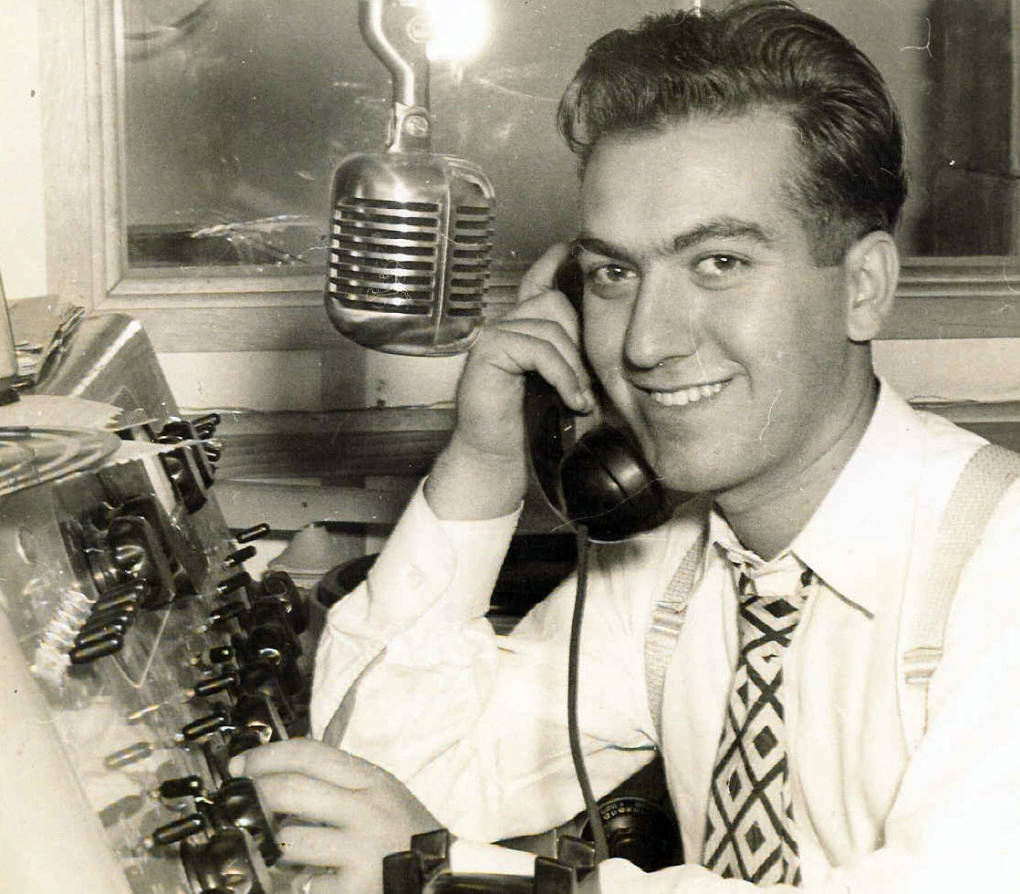
"caption": "Art Laboe on the air at KPMO, circa 1945.",
"description": "Art Laboe on the air at KPMO, circa 1945.",
"title": "ArtLaboe",
"credit": "Courtesy of Art Laboe",
"status": "inherit",
"altTag": "Art Laboe on the air at KPMO, circa 1945.",
"isLoading": false,
"fetchFailed": false
},
"arts_13850410": {
"type": "attachments",
"id": "arts_13850410",
"meta": {
"index": "attachments_1716263798",
"site": "arts",
"id": "13850410",
"found": true
},
"parent": 13850181,
"imgSizes": {
"thumbnail": {
"file": "https://ww2.kqed.org/app/uploads/sites/2/2019/02/Tilson-Thomas-Michael-c-Kristin-Loken-160x90.jpg",
"width": 160,
"mimeType": "image/jpeg",
"height": 90
},
"post-thumbnail": {
"file": "https://ww2.kqed.org/app/uploads/sites/2/2019/02/Tilson-Thomas-Michael-c-Kristin-Loken-672x372.jpg",
"width": 672,
"mimeType": "image/jpeg",
"height": 372
},
"kqedFullSize": {
"file": "https://ww2.kqed.org/app/uploads/sites/2/2019/02/Tilson-Thomas-Michael-c-Kristin-Loken.jpg",
"width": 800,
"height": 450
},
"guest-author-50": {
"file": "https://ww2.kqed.org/app/uploads/sites/2/2019/02/Tilson-Thomas-Michael-c-Kristin-Loken-50x50.jpg",
"width": 50,
"mimeType": "image/jpeg",
"height": 50
},
"guest-author-96": {
"file": "https://ww2.kqed.org/app/uploads/sites/2/2019/02/Tilson-Thomas-Michael-c-Kristin-Loken-96x96.jpg",
"width": 96,
"mimeType": "image/jpeg",
"height": 96
},
"medium": {
"file": "https://ww2.kqed.org/app/uploads/sites/2/2019/02/Tilson-Thomas-Michael-c-Kristin-Loken-800x450.jpg",
"width": 800,
"mimeType": "image/jpeg",
"height": 450
},
"guest-author-64": {
"file": "https://ww2.kqed.org/app/uploads/sites/2/2019/02/Tilson-Thomas-Michael-c-Kristin-Loken-64x64.jpg",
"width": 64,
"mimeType": "image/jpeg",
"height": 64
},
"detail": {
"file": "https://ww2.kqed.org/app/uploads/sites/2/2019/02/Tilson-Thomas-Michael-c-Kristin-Loken-150x150.jpg",
"width": 150,
"mimeType": "image/jpeg",
"height": 150
},
"guest-author-32": {
"file": "https://ww2.kqed.org/app/uploads/sites/2/2019/02/Tilson-Thomas-Michael-c-Kristin-Loken-32x32.jpg",
"width": 32,
"mimeType": "image/jpeg",
"height": 32
},
"medium_large": {
"file": "https://ww2.kqed.org/app/uploads/sites/2/2019/02/Tilson-Thomas-Michael-c-Kristin-Loken-768x432.jpg",
"width": 768,
"mimeType": "image/jpeg",
"height": 432
},
"guest-author-128": {
"file": "https://ww2.kqed.org/app/uploads/sites/2/2019/02/Tilson-Thomas-Michael-c-Kristin-Loken-128x128.jpg",
"width": 128,
"mimeType": "image/jpeg",
"height": 128
}
},
"publishDate": 1549657507,
"modified": 1549657546,
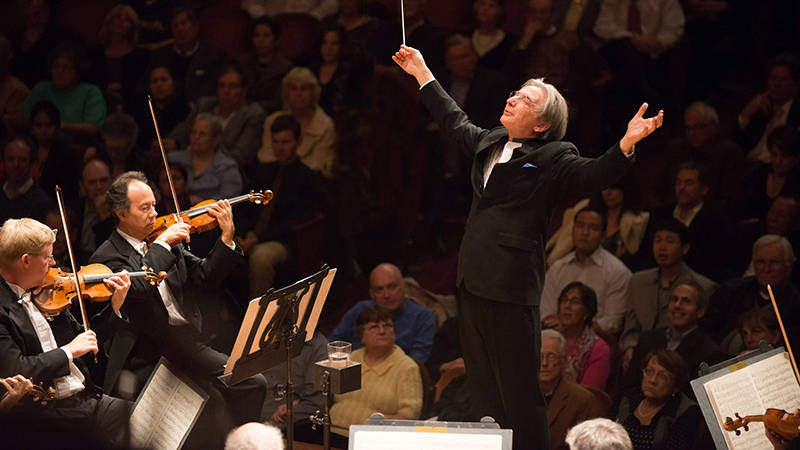
"caption": "San Franciso Symphony music director Michael Tilson Thomas. ",
"description": "San Franciso Symphony music director Michael Tilson Thomas. ",
"title": "Tilson-Thomas-Michael-c-Kristin-Loken",
"credit": "Kristin Loken",
"status": "inherit",
"isLoading": false,
"fetchFailed": false
},
"arts_13849509": {
"type": "attachments",
"id": "arts_13849509",
"meta": {
"index": "attachments_1716263798",
"site": "arts",
"id": "13849509",
"found": true
},
"parent": 13849409,
"imgSizes": {
"twentyfourteen-full-width": {
"file": "https://ww2.kqed.org/app/uploads/sites/2/2019/01/IMG_5206-1038x576.jpg",
"width": 1038,
"mimeType": "image/jpeg",
"height": 576
},
"thumbnail": {
"file": "https://ww2.kqed.org/app/uploads/sites/2/2019/01/IMG_5206-160x90.jpg",
"width": 160,
"mimeType": "image/jpeg",
"height": 90
},
"post-thumbnail": {
"file": "https://ww2.kqed.org/app/uploads/sites/2/2019/01/IMG_5206-672x372.jpg",
"width": 672,
"mimeType": "image/jpeg",
"height": 372
},
"kqedFullSize": {
"file": "https://ww2.kqed.org/app/uploads/sites/2/2019/01/IMG_5206.jpg",
"width": 1080,
"height": 608
},
"large": {
"file": "https://ww2.kqed.org/app/uploads/sites/2/2019/01/IMG_5206-1020x574.jpg",
"width": 1020,
"mimeType": "image/jpeg",
"height": 574
},
"guest-author-50": {
"file": "https://ww2.kqed.org/app/uploads/sites/2/2019/01/IMG_5206-50x50.jpg",
"width": 50,
"mimeType": "image/jpeg",
"height": 50
},
"guest-author-96": {
"file": "https://ww2.kqed.org/app/uploads/sites/2/2019/01/IMG_5206-96x96.jpg",
"width": 96,
"mimeType": "image/jpeg",
"height": 96
},
"medium": {
"file": "https://ww2.kqed.org/app/uploads/sites/2/2019/01/IMG_5206-800x450.jpg",
"width": 800,
"mimeType": "image/jpeg",
"height": 450
},
"guest-author-64": {
"file": "https://ww2.kqed.org/app/uploads/sites/2/2019/01/IMG_5206-64x64.jpg",
"width": 64,
"mimeType": "image/jpeg",
"height": 64
},
"guest-author-32": {
"file": "https://ww2.kqed.org/app/uploads/sites/2/2019/01/IMG_5206-32x32.jpg",
"width": 32,
"mimeType": "image/jpeg",
"height": 32
},
"detail": {
"file": "https://ww2.kqed.org/app/uploads/sites/2/2019/01/IMG_5206-150x150.jpg",
"width": 150,
"mimeType": "image/jpeg",
"height": 150
},
"medium_large": {
"file": "https://ww2.kqed.org/app/uploads/sites/2/2019/01/IMG_5206-768x432.jpg",
"width": 768,
"mimeType": "image/jpeg",
"height": 432
},
"guest-author-128": {
"file": "https://ww2.kqed.org/app/uploads/sites/2/2019/01/IMG_5206-128x128.jpg",
"width": 128,
"mimeType": "image/jpeg",
"height": 128
}
},
"publishDate": 1548658011,
"modified": 1555018218,
"caption": "Rapper Keak Da Sneak worries that California correctional facilities have little compassion for inmates with disabilities. ",
"description": "Rapper Keak Da Sneak worries that California correctional facilities have little compassion for inmates with disabilities. ",
"title": "IMG_5206",
"credit": "Joel Galvan",
"status": "inherit",
"isLoading": false,
"fetchFailed": false
},
"arts_13813442": {
"type": "attachments",
"id": "arts_13813442",
"meta": {
"index": "attachments_1716263798",
"site": "arts",
"id": "13813442",
"found": true
},
"parent": 13813433,
"imgSizes": {
"small": {
"file": "https://ww2.kqed.org/app/uploads/sites/2/2017/11/Lizzo-e1509578146475-520x294.jpg",
"width": 520,
"mimeType": "image/jpeg",
"height": 294
},
"twentyfourteen-full-width": {
"file": "https://ww2.kqed.org/app/uploads/sites/2/2017/11/Lizzo-e1509578146475-1038x576.jpg",
"width": 1038,
"mimeType": "image/jpeg",
"height": 576
},
"thumbnail": {
"file": "https://ww2.kqed.org/app/uploads/sites/2/2017/11/Lizzo-e1509578146475-160x90.jpg",
"width": 160,
"mimeType": "image/jpeg",
"height": 90
},
"fd-sm": {
"file": "https://ww2.kqed.org/app/uploads/sites/2/2017/11/Lizzo-e1509578146475-960x542.jpg",
"width": 960,
"mimeType": "image/jpeg",
"height": 542
},
"post-thumbnail": {
"file": "https://ww2.kqed.org/app/uploads/sites/2/2017/11/Lizzo-e1509578146475-672x372.jpg",
"width": 672,
"mimeType": "image/jpeg",
"height": 372
},
"xsmall": {
"file": "https://ww2.kqed.org/app/uploads/sites/2/2017/11/Lizzo-e1509578146475-375x212.jpg",
"width": 375,
"mimeType": "image/jpeg",
"height": 212
},
"kqedFullSize": {
"file": "https://ww2.kqed.org/app/uploads/sites/2/2017/11/Lizzo-e1509578146475.jpg",
"width": 1375,
"height": 777
},
"large": {
"file": "https://ww2.kqed.org/app/uploads/sites/2/2017/11/Lizzo-e1509578146475-1020x576.jpg",
"width": 1020,
"mimeType": "image/jpeg",
"height": 576
},
"xlarge": {
"file": "https://ww2.kqed.org/app/uploads/sites/2/2017/11/Lizzo-e1509578146475-1180x667.jpg",
"width": 1180,
"mimeType": "image/jpeg",
"height": 667
},
"guest-author-50": {
"file": "https://ww2.kqed.org/app/uploads/sites/2/2017/11/Lizzo-e1509578146475-50x50.jpg",
"width": 50,
"mimeType": "image/jpeg",
"height": 50
},
"guest-author-96": {
"file": "https://ww2.kqed.org/app/uploads/sites/2/2017/11/Lizzo-e1509578146475-96x96.jpg",
"width": 96,
"mimeType": "image/jpeg",
"height": 96
},
"medium": {
"file": "https://ww2.kqed.org/app/uploads/sites/2/2017/11/Lizzo-e1509578146475-800x452.jpg",
"width": 800,
"mimeType": "image/jpeg",
"height": 452
},
"guest-author-64": {
"file": "https://ww2.kqed.org/app/uploads/sites/2/2017/11/Lizzo-e1509578146475-64x64.jpg",
"width": 64,
"mimeType": "image/jpeg",
"height": 64
},
"guest-author-32": {
"file": "https://ww2.kqed.org/app/uploads/sites/2/2017/11/Lizzo-e1509578146475-32x32.jpg",
"width": 32,
"mimeType": "image/jpeg",
"height": 32
},
"fd-med": {
"file": "https://ww2.kqed.org/app/uploads/sites/2/2017/11/Lizzo-e1509578146475-1180x667.jpg",
"width": 1180,
"mimeType": "image/jpeg",
"height": 667
},
"detail": {
"file": "https://ww2.kqed.org/app/uploads/sites/2/2017/11/Lizzo-e1509578146475-150x150.jpg",
"width": 150,
"mimeType": "image/jpeg",
"height": 150
},
"medium_large": {
"file": "https://ww2.kqed.org/app/uploads/sites/2/2017/11/Lizzo-e1509578146475-768x434.jpg",
"width": 768,
"mimeType": "image/jpeg",
"height": 434
},
"guest-author-128": {
"file": "https://ww2.kqed.org/app/uploads/sites/2/2017/11/Lizzo-e1509578146475-128x128.jpg",
"width": 128,
"mimeType": "image/jpeg",
"height": 128
},
"xxsmall": {
"file": "https://ww2.kqed.org/app/uploads/sites/2/2017/11/Lizzo-e1509578146475-240x136.jpg",
"width": 240,
"mimeType": "image/jpeg",
"height": 136
}
},
"publishDate": 1509578103,
"modified": 1549506788,
"caption": "Singer Lizzo.",
"description": "Singer Lizzo",
"title": "Singer Lizzo",
"credit": "Photo: Courtesy of Atlantic Records",
"status": "inherit",
"isLoading": false,
"fetchFailed": false
},
"arts_13850276": {
"type": "attachments",
"id": "arts_13850276",
"meta": {
"index": "attachments_1716263798",
"site": "arts",
"id": "13850276",
"found": true
},
"parent": 13850266,
"imgSizes": {
"twentyfourteen-full-width": {
"file": "https://ww2.kqed.org/app/uploads/sites/2/2019/02/IMG-0780-1038x576.jpg",
"width": 1038,
"mimeType": "image/jpeg",
"height": 576
},
"thumbnail": {
"file": "https://ww2.kqed.org/app/uploads/sites/2/2019/02/IMG-0780-160x120.jpg",
"width": 160,
"mimeType": "image/jpeg",
"height": 120
},
"post-thumbnail": {
"file": "https://ww2.kqed.org/app/uploads/sites/2/2019/02/IMG-0780-672x372.jpg",
"width": 672,
"mimeType": "image/jpeg",
"height": 372
},
"kqedFullSize": {
"file": "https://ww2.kqed.org/app/uploads/sites/2/2019/02/IMG-0780.jpg",
"width": 2048,
"height": 1536
},
"large": {
"file": "https://ww2.kqed.org/app/uploads/sites/2/2019/02/IMG-0780-1020x765.jpg",
"width": 1020,
"mimeType": "image/jpeg",
"height": 765
},
"complete_open_graph": {
"file": "https://ww2.kqed.org/app/uploads/sites/2/2019/02/IMG-0780-1200x900.jpg",
"width": 1200,
"mimeType": "image/jpeg",
"height": 900
},
"guest-author-50": {
"file": "https://ww2.kqed.org/app/uploads/sites/2/2019/02/IMG-0780-50x50.jpg",
"width": 50,
"mimeType": "image/jpeg",
"height": 50
},
"guest-author-96": {
"file": "https://ww2.kqed.org/app/uploads/sites/2/2019/02/IMG-0780-96x96.jpg",
"width": 96,
"mimeType": "image/jpeg",
"height": 96
},
"medium": {
"file": "https://ww2.kqed.org/app/uploads/sites/2/2019/02/IMG-0780-800x600.jpg",
"width": 800,
"mimeType": "image/jpeg",
"height": 600
},
"guest-author-64": {
"file": "https://ww2.kqed.org/app/uploads/sites/2/2019/02/IMG-0780-64x64.jpg",
"width": 64,
"mimeType": "image/jpeg",
"height": 64
},
"guest-author-32": {
"file": "https://ww2.kqed.org/app/uploads/sites/2/2019/02/IMG-0780-32x32.jpg",
"width": 32,
"mimeType": "image/jpeg",
"height": 32
},
"full-width": {
"file": "https://ww2.kqed.org/app/uploads/sites/2/2019/02/IMG-0780-1920x1440.jpg",
"width": 1920,
"mimeType": "image/jpeg",
"height": 1440
},
"detail": {
"file": "https://ww2.kqed.org/app/uploads/sites/2/2019/02/IMG-0780-150x150.jpg",
"width": 150,
"mimeType": "image/jpeg",
"height": 150
},
"medium_large": {
"file": "https://ww2.kqed.org/app/uploads/sites/2/2019/02/IMG-0780-768x576.jpg",
"width": 768,
"mimeType": "image/jpeg",
"height": 576
},
"guest-author-128": {
"file": "https://ww2.kqed.org/app/uploads/sites/2/2019/02/IMG-0780-128x128.jpg",
"width": 128,
"mimeType": "image/jpeg",
"height": 128
}
},
"publishDate": 1549486667,
"modified": 1549486754,
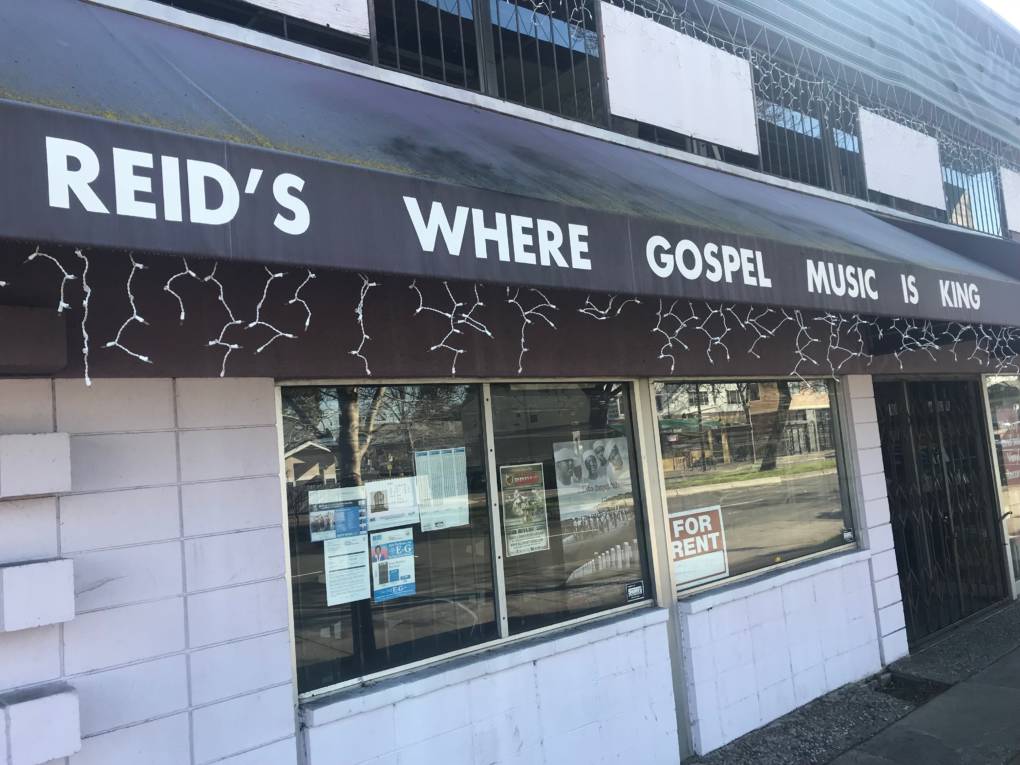
"caption": "Reid's Records, reportedly the state's oldest record shop, opened in 1945 to serve the East Bay's swelling black community.",
"description": "Reid's Records, reportedly the state's oldest record shop, opened in 1945 to serve the East Bay's swelling black community.",
"title": "Reid's Records, reportedly the state's oldest record shop, opened in 1945 to serve the East Bay's swelling black community.",
"credit": "Sam Lefebvre/KQED",
"status": "inherit",
"isLoading": false,
"fetchFailed": false
},
"arts_13846930": {
"type": "attachments",
"id": "arts_13846930",
"meta": {
"index": "attachments_1716263798",
"site": "arts",
"id": "13846930",
"found": true
},
"parent": 13846754,
"imgSizes": {
"twentyfourteen-full-width": {
"file": "https://ww2.kqed.org/app/uploads/sites/2/2018/12/Great_American_Music_Hall_April_1976-789x576.jpg",
"width": 789,
"mimeType": "image/jpeg",
"height": 576
},
"thumbnail": {
"file": "https://ww2.kqed.org/app/uploads/sites/2/2018/12/Great_American_Music_Hall_April_1976-160x137.jpg",
"width": 160,
"mimeType": "image/jpeg",
"height": 137
},
"post-thumbnail": {
"file": "https://ww2.kqed.org/app/uploads/sites/2/2018/12/Great_American_Music_Hall_April_1976-672x372.jpg",
"width": 672,
"mimeType": "image/jpeg",
"height": 372
},
"kqedFullSize": {
"file": "https://ww2.kqed.org/app/uploads/sites/2/2018/12/Great_American_Music_Hall_April_1976.jpg",
"width": 789,
"height": 675
},
"guest-author-50": {
"file": "https://ww2.kqed.org/app/uploads/sites/2/2018/12/Great_American_Music_Hall_April_1976-50x50.jpg",
"width": 50,
"mimeType": "image/jpeg",
"height": 50
},
"guest-author-96": {
"file": "https://ww2.kqed.org/app/uploads/sites/2/2018/12/Great_American_Music_Hall_April_1976-96x96.jpg",
"width": 96,
"mimeType": "image/jpeg",
"height": 96
},
"guest-author-64": {
"file": "https://ww2.kqed.org/app/uploads/sites/2/2018/12/Great_American_Music_Hall_April_1976-64x64.jpg",
"width": 64,
"mimeType": "image/jpeg",
"height": 64
},
"detail": {
"file": "https://ww2.kqed.org/app/uploads/sites/2/2018/12/Great_American_Music_Hall_April_1976-150x150.jpg",
"width": 150,
"mimeType": "image/jpeg",
"height": 150
},
"guest-author-32": {
"file": "https://ww2.kqed.org/app/uploads/sites/2/2018/12/Great_American_Music_Hall_April_1976-32x32.jpg",
"width": 32,
"mimeType": "image/jpeg",
"height": 32
},
"medium_large": {
"file": "https://ww2.kqed.org/app/uploads/sites/2/2018/12/Great_American_Music_Hall_April_1976-768x657.jpg",
"width": 768,
"mimeType": "image/jpeg",
"height": 657
},
"guest-author-128": {
"file": "https://ww2.kqed.org/app/uploads/sites/2/2018/12/Great_American_Music_Hall_April_1976-128x128.jpg",
"width": 128,
"mimeType": "image/jpeg",
"height": 128
}
},
"publishDate": 1544553265,
"modified": 1549425464,
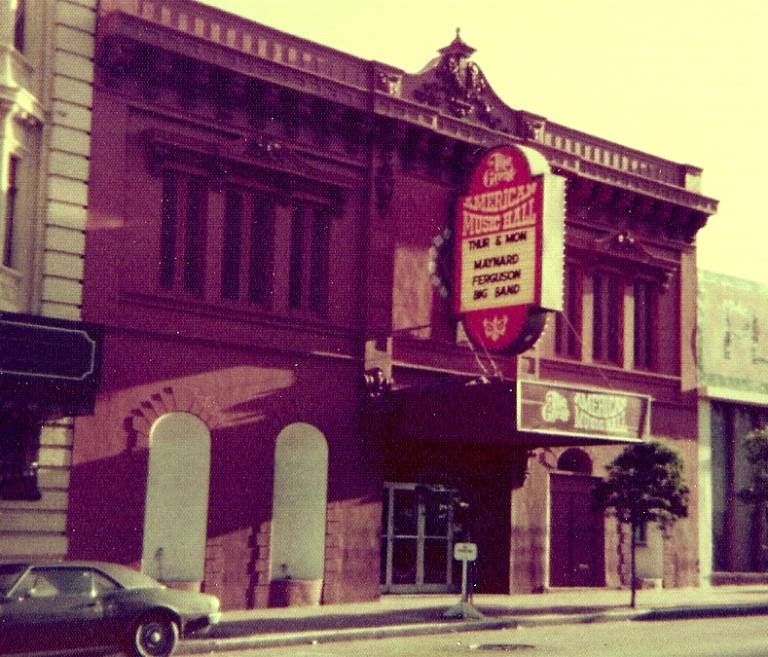
"caption": "In 2017 Goldenvoice assumed control of booking at the Great American Music Hall, seen here in the 1970s.",
"description": "In 2017 Goldenvoice assumed control of booking at the Great American Music Hall, seen here in the 1970s.",
"title": "Great_American_Music_Hall_(April_1976)",
"credit": "Wikimedia Commons",
"status": "inherit",
"isLoading": false,
"fetchFailed": false
},
"arts_13850149": {
"type": "attachments",
"id": "arts_13850149",
"meta": {
"index": "attachments_1716263798",
"site": "arts",
"id": "13850149",
"found": true
},
"parent": 13850142,
"imgSizes": {
"twentyfourteen-full-width": {
"file": "https://ww2.kqed.org/app/uploads/sites/2/2019/02/Phife-1920-GettyImages-845033990-1038x576.jpg",
"width": 1038,
"mimeType": "image/jpeg",
"height": 576
},
"thumbnail": {
"file": "https://ww2.kqed.org/app/uploads/sites/2/2019/02/Phife-1920-GettyImages-845033990-160x107.jpg",
"width": 160,
"mimeType": "image/jpeg",
"height": 107
},
"post-thumbnail": {
"file": "https://ww2.kqed.org/app/uploads/sites/2/2019/02/Phife-1920-GettyImages-845033990-672x372.jpg",
"width": 672,
"mimeType": "image/jpeg",
"height": 372
},
"kqedFullSize": {
"file": "https://ww2.kqed.org/app/uploads/sites/2/2019/02/Phife-1920-GettyImages-845033990.jpg",
"width": 1920,
"height": 1278
},
"large": {
"file": "https://ww2.kqed.org/app/uploads/sites/2/2019/02/Phife-1920-GettyImages-845033990-1020x679.jpg",
"width": 1020,
"mimeType": "image/jpeg",
"height": 679
},
"complete_open_graph": {
"file": "https://ww2.kqed.org/app/uploads/sites/2/2019/02/Phife-1920-GettyImages-845033990-1200x799.jpg",
"width": 1200,
"mimeType": "image/jpeg",
"height": 799
},
"guest-author-50": {
"file": "https://ww2.kqed.org/app/uploads/sites/2/2019/02/Phife-1920-GettyImages-845033990-50x50.jpg",
"width": 50,
"mimeType": "image/jpeg",
"height": 50
},
"guest-author-96": {
"file": "https://ww2.kqed.org/app/uploads/sites/2/2019/02/Phife-1920-GettyImages-845033990-96x96.jpg",
"width": 96,
"mimeType": "image/jpeg",
"height": 96
},
"medium": {
"file": "https://ww2.kqed.org/app/uploads/sites/2/2019/02/Phife-1920-GettyImages-845033990-800x533.jpg",
"width": 800,
"mimeType": "image/jpeg",
"height": 533
},
"guest-author-64": {
"file": "https://ww2.kqed.org/app/uploads/sites/2/2019/02/Phife-1920-GettyImages-845033990-64x64.jpg",
"width": 64,
"mimeType": "image/jpeg",
"height": 64
},
"guest-author-32": {
"file": "https://ww2.kqed.org/app/uploads/sites/2/2019/02/Phife-1920-GettyImages-845033990-32x32.jpg",
"width": 32,
"mimeType": "image/jpeg",
"height": 32
},
"full-width": {
"file": "https://ww2.kqed.org/app/uploads/sites/2/2019/02/Phife-1920-GettyImages-845033990-1920x1278.jpg",
"width": 1920,
"mimeType": "image/jpeg",
"height": 1278
},
"detail": {
"file": "https://ww2.kqed.org/app/uploads/sites/2/2019/02/Phife-1920-GettyImages-845033990-150x150.jpg",
"width": 150,
"mimeType": "image/jpeg",
"height": 150
},
"medium_large": {
"file": "https://ww2.kqed.org/app/uploads/sites/2/2019/02/Phife-1920-GettyImages-845033990-768x511.jpg",
"width": 768,
"mimeType": "image/jpeg",
"height": 511
},
"guest-author-128": {
"file": "https://ww2.kqed.org/app/uploads/sites/2/2019/02/Phife-1920-GettyImages-845033990-128x128.jpg",
"width": 128,
"mimeType": "image/jpeg",
"height": 128
}
},
"publishDate": 1549400086,
"modified": 1549400109,
"caption": "The late Phife Dawg is displayed on the back of Jarobi White's jacket as A Tribe Called Quest perform their last ever UK show as headlining act on The Castle stage on Day 3 of Bestival at Lulworth Castle on September 9, 2017 in Wareham, England.",
"description": null,
"title": "Phife-1920-GettyImages-845033990",
"credit": "Tabatha Fireman/Getty Images",
"status": "inherit",
"isLoading": false,
"fetchFailed": false
},
"arts_13850169": {
"type": "attachments",
"id": "arts_13850169",
"meta": {
"index": "attachments_1716263798",
"site": "arts",
"id": "13850169",
"found": true
},
"parent": 13849948,
"imgSizes": {
"twentyfourteen-full-width": {
"file": "https://ww2.kqed.org/app/uploads/sites/2/2019/02/LoFiction-1038x576.jpg",
"width": 1038,
"mimeType": "image/jpeg",
"height": 576
},
"thumbnail": {
"file": "https://ww2.kqed.org/app/uploads/sites/2/2019/02/LoFiction-160x90.jpg",
"width": 160,
"mimeType": "image/jpeg",
"height": 90
},
"post-thumbnail": {
"file": "https://ww2.kqed.org/app/uploads/sites/2/2019/02/LoFiction-672x372.jpg",
"width": 672,
"mimeType": "image/jpeg",
"height": 372
},
"kqedFullSize": {
"file": "https://ww2.kqed.org/app/uploads/sites/2/2019/02/LoFiction.jpg",
"width": 2000,
"height": 1124
},
"large": {
"file": "https://ww2.kqed.org/app/uploads/sites/2/2019/02/LoFiction-1020x573.jpg",
"width": 1020,
"mimeType": "image/jpeg",
"height": 573
},
"complete_open_graph": {
"file": "https://ww2.kqed.org/app/uploads/sites/2/2019/02/LoFiction-1200x674.jpg",
"width": 1200,
"mimeType": "image/jpeg",
"height": 674
},
"guest-author-50": {
"file": "https://ww2.kqed.org/app/uploads/sites/2/2019/02/LoFiction-50x50.jpg",
"width": 50,
"mimeType": "image/jpeg",
"height": 50
},
"guest-author-96": {
"file": "https://ww2.kqed.org/app/uploads/sites/2/2019/02/LoFiction-96x96.jpg",
"width": 96,
"mimeType": "image/jpeg",
"height": 96
},
"medium": {
"file": "https://ww2.kqed.org/app/uploads/sites/2/2019/02/LoFiction-800x450.jpg",
"width": 800,
"mimeType": "image/jpeg",
"height": 450
},
"guest-author-64": {
"file": "https://ww2.kqed.org/app/uploads/sites/2/2019/02/LoFiction-64x64.jpg",
"width": 64,
"mimeType": "image/jpeg",
"height": 64
},
"guest-author-32": {
"file": "https://ww2.kqed.org/app/uploads/sites/2/2019/02/LoFiction-32x32.jpg",
"width": 32,
"mimeType": "image/jpeg",
"height": 32
},
"full-width": {
"file": "https://ww2.kqed.org/app/uploads/sites/2/2019/02/LoFiction-1920x1079.jpg",
"width": 1920,
"mimeType": "image/jpeg",
"height": 1079
},
"detail": {
"file": "https://ww2.kqed.org/app/uploads/sites/2/2019/02/LoFiction-150x150.jpg",
"width": 150,
"mimeType": "image/jpeg",
"height": 150
},
"medium_large": {
"file": "https://ww2.kqed.org/app/uploads/sites/2/2019/02/LoFiction-768x432.jpg",
"width": 768,
"mimeType": "image/jpeg",
"height": 432
},
"guest-author-128": {
"file": "https://ww2.kqed.org/app/uploads/sites/2/2019/02/LoFiction-128x128.jpg",
"width": 128,
"mimeType": "image/jpeg",
"height": 128
}
},
"publishDate": 1549408409,
"modified": 1549408409,
"caption": null,
"description": null,
"title": "LoFiction",
"credit": null,
"status": "inherit",
"isLoading": false,
"fetchFailed": false
},
"arts_11174531": {
"type": "attachments",
"id": "arts_11174531",
"meta": {
"index": "attachments_1716263798",
"site": "arts",
"id": "11174531",
"found": true
},
"parent": 11174415,
"imgSizes": {
"twentyfourteen-full-width": {
"file": "https://ww2.kqed.org/app/uploads/sites/2/2015/12/ReSoundA1200-1038x576.jpg",
"width": 1038,
"mimeType": "image/jpeg",
"height": 576
},
"thumbnail": {
"file": "https://ww2.kqed.org/app/uploads/sites/2/2015/12/ReSoundA1200-400x267.jpg",
"width": 400,
"mimeType": "image/jpeg",
"height": 267
},
"fd-sm": {
"file": "https://ww2.kqed.org/app/uploads/sites/2/2015/12/ReSoundA1200-960x640.jpg",
"width": 960,
"mimeType": "image/jpeg",
"height": 640
},
"post-thumbnail": {
"file": "https://ww2.kqed.org/app/uploads/sites/2/2015/12/ReSoundA1200-672x372.jpg",
"width": 672,
"mimeType": "image/jpeg",
"height": 372
},
"kqedFullSize": {
"file": "https://ww2.kqed.org/app/uploads/sites/2/2015/12/ReSoundA1200.jpg",
"width": 1200,
"height": 800
},
"large": {
"file": "https://ww2.kqed.org/app/uploads/sites/2/2015/12/ReSoundA1200-1180x787.jpg",
"width": 1180,
"mimeType": "image/jpeg",
"height": 787
},
"guest-author-96": {
"file": "https://ww2.kqed.org/app/uploads/sites/2/2015/12/ReSoundA1200-96x96.jpg",
"width": 96,
"mimeType": "image/jpeg",
"height": 96
},
"medium": {
"file": "https://ww2.kqed.org/app/uploads/sites/2/2015/12/ReSoundA1200-800x533.jpg",
"width": 800,
"mimeType": "image/jpeg",
"height": 533
},
"guest-author-64": {
"file": "https://ww2.kqed.org/app/uploads/sites/2/2015/12/ReSoundA1200-64x64.jpg",
"width": 64,
"mimeType": "image/jpeg",
"height": 64
},
"guest-author-32": {
"file": "https://ww2.kqed.org/app/uploads/sites/2/2015/12/ReSoundA1200-32x32.jpg",
"width": 32,
"mimeType": "image/jpeg",
"height": 32
},
"fd-med": {
"file": "https://ww2.kqed.org/app/uploads/sites/2/2015/12/ReSoundA1200-1180x787.jpg",
"width": 1180,
"mimeType": "image/jpeg",
"height": 787
},
"detail": {
"file": "https://ww2.kqed.org/app/uploads/sites/2/2015/12/ReSoundA1200-75x75.jpg",
"width": 75,
"mimeType": "image/jpeg",
"height": 75
},
"medium_large": {
"file": "https://ww2.kqed.org/app/uploads/sites/2/2015/12/ReSoundA1200-768x512.jpg",
"width": 768,
"mimeType": "image/jpeg",
"height": 512
},
"guest-author-128": {
"file": "https://ww2.kqed.org/app/uploads/sites/2/2015/12/ReSoundA1200-128x128.jpg",
"width": 128,
"mimeType": "image/jpeg",
"height": 128
}
},
"publishDate": 1450490061,
"modified": 1549326209,
"caption": "An old munitions storage building on Mare Island, where Re:Sound concerts take place.",
"description": "An old munitions storage building on Mare Island, where Re:Sound concerts take place.",
"title": "ReSoundA1200",
"credit": "Photo: Lakshmi Sarah/KQED",
"status": "inherit",
"isLoading": false,
"fetchFailed": false
}
},
"audioPlayerReducer": {
"postId": "stream_live",
"isPaused": true,
"isPlaying": false,
"pfsActive": false,
"pledgeModalIsOpen": true,
"playerDrawerIsOpen": false,
"liveAudioPlayStartedAt": 0,
"liveAudioPlayContext": ""
},
"authorsReducer": {
"byline_arts_13850449": {
"type": "authors",
"id": "byline_arts_13850449",
"meta": {
"override": true
},
"slug": "byline_arts_13850449",
"name": "Stephen Thompson",
"isLoading": false
},
"byline_arts_13850444": {
"type": "authors",
"id": "byline_arts_13850444",
"meta": {
"override": true
},
"slug": "byline_arts_13850444",
"name": "Anastasia Tsioulcas",
"isLoading": false
},
"byline_arts_13850142": {
"type": "authors",
"id": "byline_arts_13850142",
"meta": {
"override": true
},
"slug": "byline_arts_13850142",
"name": "Lily Meyer",
"isLoading": false
},
"shotchkiss": {
"type": "authors",
"id": "61",
"meta": {
"index": "authors_1716337520",
"id": "61",
"found": true
},
"name": "Sarah Hotchkiss",
"firstName": "Sarah",
"lastName": "Hotchkiss",
"slug": "shotchkiss",
"email": "shotchkiss@kqed.org",
"display_author_email": true,
"staff_mastheads": [
"arts"
],
"title": "Senior Editor",
"bio": "Sarah Hotchkiss is a San Francisco \u003ca href=\"http://www.sarahhotchkiss.com\">artist\u003c/a> and arts writer. In 2019, she received the Dorothea & Leo Rabkin Foundation grant for visual art journalism and in 2020 she received a Society of Professional Journalists, Northern California award for excellence in arts and culture reporting.",
"avatar": "https://secure.gravatar.com/avatar/bc662df144b3d27fd8b1b6f1c2a420d34e91e53154d411bb7ad353cc8b6cea8d?s=600&d=blank&r=g",
"twitter": null,
"bluesky": null,
"facebook": null,
"instagram": null,
"linkedin": null,
"sites": [
{
"site": "",
"roles": [
"editor"
]
},
{
"site": "arts",
"roles": [
"Contributor",
"administrator"
]
},
{
"site": "artschool",
"roles": [
"administrator"
]
},
{
"site": "news",
"roles": [
"editor"
]
},
{
"site": "pop",
"roles": [
"administrator"
]
},
{
"site": "bayareabites",
"roles": [
"editor"
]
},
{
"site": "spark",
"roles": [
"editor"
]
},
{
"site": "checkplease",
"roles": [
"editor"
]
}
],
"headData": {
"title": "Sarah Hotchkiss | KQED",
"description": "Senior Editor",
"ogImgSrc": "https://secure.gravatar.com/avatar/bc662df144b3d27fd8b1b6f1c2a420d34e91e53154d411bb7ad353cc8b6cea8d?s=600&d=blank&r=g",
"twImgSrc": "https://secure.gravatar.com/avatar/bc662df144b3d27fd8b1b6f1c2a420d34e91e53154d411bb7ad353cc8b6cea8d?s=600&d=blank&r=g"
},
"isLoading": false,
"link": "/author/shotchkiss"
},
"gmeline": {
"type": "authors",
"id": "185",
"meta": {
"index": "authors_1716337520",
"id": "185",
"found": true
},
"name": "Gabe Meline",
"firstName": "Gabe",
"lastName": "Meline",
"slug": "gmeline",
"email": "gmeline@kqed.org",
"display_author_email": true,
"staff_mastheads": [
"arts"
],
"title": "Senior Editor, KQED Arts & Culture",
"bio": "Gabe Meline entered journalism at age 15 making photocopied zines, and has since earned awards from the Edward R. Murrow Awards, the Society for Professional Journalists, the Online Journalism Awards, the Association of Alternative Newsweeklies and the California Newspaper Publishers Association. Prior to KQED, he was the editor of the \u003cem>North Bay Bohemian\u003c/em> and a touring musician. He lives with his wife and daughter in his hometown of Santa Rosa, CA.",
"avatar": "https://secure.gravatar.com/avatar/5bebe57be0d8bc2dd318934feb47299e2d2d10cba28d09d8d7afb389a2ce2bdd?s=600&d=blank&r=g",
"twitter": null,
"bluesky": null,
"facebook": null,
"instagram": null,
"linkedin": null,
"sites": [
{
"site": "",
"roles": [
"editor"
]
},
{
"site": "arts",
"roles": [
"administrator"
]
},
{
"site": "artschool",
"roles": [
"editor"
]
},
{
"site": "news",
"roles": [
"author"
]
},
{
"site": "pop",
"roles": [
"editor"
]
},
{
"site": "bayareabites",
"roles": [
"editor"
]
},
{
"site": "food",
"roles": [
"editor"
]
},
{
"site": "forum",
"roles": [
"administrator"
]
},
{
"site": "liveblog",
"roles": [
"editor"
]
},
{
"site": "hiphop",
"roles": [
"editor"
]
}
],
"headData": {
"title": "Gabe Meline | KQED",
"description": "Senior Editor, KQED Arts & Culture",
"ogImgSrc": "https://secure.gravatar.com/avatar/5bebe57be0d8bc2dd318934feb47299e2d2d10cba28d09d8d7afb389a2ce2bdd?s=600&d=blank&r=g",
"twImgSrc": "https://secure.gravatar.com/avatar/5bebe57be0d8bc2dd318934feb47299e2d2d10cba28d09d8d7afb389a2ce2bdd?s=600&d=blank&r=g"
},
"isLoading": false,
"link": "/author/gmeline"
},
"sasha-khokha": {
"type": "authors",
"id": "254",
"meta": {
"index": "authors_1716337520",
"id": "254",
"found": true
},
"name": "Sasha Khokha",
"firstName": "Sasha",
"lastName": "Khokha",
"slug": "sasha-khokha",
"email": "skhokha@kqed.org",
"display_author_email": true,
"staff_mastheads": [
"news"
],
"title": "Host, The California Report Magazine",
"bio": "Sasha Khokha is the host of \u003cem>The California Report's \u003c/em> weekly magazine program, which takes listeners on sound-rich excursions to meet the people that make the Golden State unique -- through audio documentaries and long-form stories. As \u003cem>The California Report's\u003c/em> Central Valley Bureau Chief based in Fresno for nearly a dozen years, Sasha brought the lives and concerns of rural Californians to listeners around the state. Her reporting helped expose the hidden price immigrant women janitors and farmworkers may pay to keep their jobs: sexual assault at work. It inspired two new California laws to protect them from sexual harassment. She was a key member of the reporting team for the Frontline film \u003cem>Rape on the Night Shift, \u003c/em>which was nominated for two national Emmys. Sasha has also won a national Edward R. Murrow and a national PRNDI award for investigative reporting, as well as multiple prizes from the Society for Professional Journalists. Sasha is a proud alum of the UC Berkeley Graduate School of Journalism and Brown University and a member of the South Asian Journalists Association.",
"avatar": "https://secure.gravatar.com/avatar/e4b5e1541aaeea2aa356aa1fb2a68950?s=600&d=blank&r=g",
"twitter": "KQEDSashaKhokha",
"facebook": null,
"instagram": null,
"linkedin": null,
"sites": [
{
"site": "news",
"roles": [
"editor"
]
},
{
"site": "stateofhealth",
"roles": [
"author"
]
},
{
"site": "science",
"roles": [
"author"
]
},
{
"site": "quest",
"roles": [
"subscriber"
]
}
],
"headData": {
"title": "Sasha Khokha | KQED",
"description": "Host, The California Report Magazine",
"ogImgSrc": "https://secure.gravatar.com/avatar/e4b5e1541aaeea2aa356aa1fb2a68950?s=600&d=blank&r=g",
"twImgSrc": "https://secure.gravatar.com/avatar/e4b5e1541aaeea2aa356aa1fb2a68950?s=600&d=blank&r=g"
},
"isLoading": false,
"link": "/author/sasha-khokha"
},
"slefebvre": {
"type": "authors",
"id": "11091",
"meta": {
"index": "authors_1716337520",
"id": "11091",
"found": true
},
"name": "Sam Lefebvre",
"firstName": "Sam",
"lastName": "Lefebvre",
"slug": "slefebvre",
"email": "sdlefebvre@gmail.com",
"display_author_email": false,
"staff_mastheads": [],
"title": "KQED Contributor",
"bio": "Sam Lefebvre is an award-winning reporter at KQED Arts. He has worked as an editor and columnist at the \u003cem>East Bay Express\u003c/em>, \u003cem>SF Weekly \u003c/em>and Impose Magazine, and his journalism and criticism has appeared in \u003cem>The New York Times\u003c/em>, the Guardian and Pitchfork.",
"avatar": "https://secure.gravatar.com/avatar/49d39b42930b77fb13784ddd9fa63fe780666b71bf289368509dba576b64e69b?s=600&d=blank&r=g",
"twitter": "Lefebvre_Sam",
"bluesky": null,
"facebook": null,
"instagram": null,
"linkedin": null,
"sites": [
{
"site": "arts",
"roles": [
"subscriber"
]
},
{
"site": "news",
"roles": [
"author"
]
}
],
"headData": {
"title": "Sam Lefebvre | KQED",
"description": "KQED Contributor",
"ogImgSrc": "https://secure.gravatar.com/avatar/49d39b42930b77fb13784ddd9fa63fe780666b71bf289368509dba576b64e69b?s=600&d=blank&r=g",
"twImgSrc": "https://secure.gravatar.com/avatar/49d39b42930b77fb13784ddd9fa63fe780666b71bf289368509dba576b64e69b?s=600&d=blank&r=g"
},
"isLoading": false,
"link": "/author/slefebvre"
},
"nvoynovskaya": {
"type": "authors",
"id": "11387",
"meta": {
"index": "authors_1716337520",
"id": "11387",
"found": true
},
"name": "Nastia Voynovskaya",
"firstName": "Nastia",
"lastName": "Voynovskaya",
"slug": "nvoynovskaya",
"email": "nvoynovskaya@kqed.org",
"display_author_email": false,
"staff_mastheads": [
"arts"
],
"title": "Editor and reporter",
"bio": "Nastia Voynovskaya is a reporter, editor and host at KQED Arts & Culture. She's been covering the arts in the Bay Area for over a decade, with a focus on music, queer culture, labor issues and grassroots organizing. She has edited KQED story series such as Trans Bay: A History of San Francisco's Gender-Diverse Community, and co-created KQED's Bay Area hip-hop history project, That's My Word. Nastia's work has been recognized by the Society of Professional Journalists and San Francisco Press Club. She regularly appears on podcasts and radio programs, including NPR's All Songs Considered, and hosts live events where music, culture and conversation meet.",
"avatar": "https://secure.gravatar.com/avatar/5025ee460e5a85d69ca20ea6c6f2f80d7e17795c828f61ea3aecfcd924e9042e?s=600&d=blank&r=g",
"twitter": null,
"bluesky": null,
"facebook": null,
"instagram": "https://www.instagram.com/nananastia/",
"linkedin": null,
"sites": [
{
"site": "",
"roles": [
"editor"
]
},
{
"site": "arts",
"roles": [
"administrator"
]
},
{
"site": "news",
"roles": [
"editor"
]
},
{
"site": "pop",
"roles": [
"administrator"
]
},
{
"site": "bayareabites",
"roles": [
"editor"
]
},
{
"site": "podcasts",
"roles": [
"editor"
]
},
{
"site": "hiphop",
"roles": [
"editor"
]
}
],
"headData": {
"title": "Nastia Voynovskaya | KQED",
"description": "Editor and reporter",
"ogImgSrc": "https://secure.gravatar.com/avatar/5025ee460e5a85d69ca20ea6c6f2f80d7e17795c828f61ea3aecfcd924e9042e?s=600&d=blank&r=g",
"twImgSrc": "https://secure.gravatar.com/avatar/5025ee460e5a85d69ca20ea6c6f2f80d7e17795c828f61ea3aecfcd924e9042e?s=600&d=blank&r=g"
},
"isLoading": false,
"link": "/author/nvoynovskaya"
},
"ogpenn": {
"type": "authors",
"id": "11491",
"meta": {
"index": "authors_1716337520",
"id": "11491",
"found": true
},
"name": "Pendarvis Harshaw",
"firstName": "Pendarvis",
"lastName": "Harshaw",
"slug": "ogpenn",
"email": "ogpenn@gmail.com",
"display_author_email": false,
"staff_mastheads": [
"arts"
],
"title": "Community Engagement Reporter",
"bio": "Pendarvis Harshaw is an educator, host and writer with KQED Arts.",
"avatar": "https://secure.gravatar.com/avatar/972b77ee8e3f346ae2b00622661187fbfabd059b5693bbdc1475ea7a722fd4cd?s=600&d=blank&r=g",
"twitter": null,
"bluesky": null,
"facebook": null,
"instagram": "ogpenn",
"linkedin": null,
"sites": [
{
"site": "arts",
"roles": [
"administrator"
]
},
{
"site": "news",
"roles": [
"editor"
]
},
{
"site": "bayareabites",
"roles": [
"author"
]
},
{
"site": "hiphop",
"roles": [
"editor"
]
}
],
"headData": {
"title": "Pendarvis Harshaw | KQED",
"description": "Community Engagement Reporter",
"ogImgSrc": "https://secure.gravatar.com/avatar/972b77ee8e3f346ae2b00622661187fbfabd059b5693bbdc1475ea7a722fd4cd?s=600&d=blank&r=g",
"twImgSrc": "https://secure.gravatar.com/avatar/972b77ee8e3f346ae2b00622661187fbfabd059b5693bbdc1475ea7a722fd4cd?s=600&d=blank&r=g"
},
"isLoading": false,
"link": "/author/ogpenn"
}
},
"pagesReducer": {
"arts_category_music": {
"type": "terms",
"id": "arts_69",
"meta": {
"index": "terms_1716263798",
"site": "arts",
"id": "69",
"score": 10.85186
},
"featImg": null,
"name": "Music",
"description": null,
"taxonomy": "category",
"headData": {
"twImgId": null,
"twTitle": null,
"ogTitle": null,
"ogImgId": null,
"twDescription": null,
"description": null,
"title": "Music Archives | KQED Arts",
"ogDescription": null
},
"ttid": 70,
"slug": "music",
"isLoading": false,
"title": "Music",
"pageMeta": {
"site": "arts",
"WpPageTemplate": "page-topic-editorial",
"currentPage": 158
},
"blocks": [
{
"blockName": "kqed/post-list",
"attrs": {
"layout": "cardArticle2",
"query": "posts/arts?category=music",
"seeMore": false,
"paginated": true,
"page": 158
}
},
{
"blockName": "kqed/ad"
}
]
}
},
"pfsSessionReducer": {},
"postsReducer": {
"stream_live": {
"type": "live",
"id": "stream_live",
"audioUrl": "https://streams.kqed.org/kqedradio",
"title": "Live Stream",
"excerpt": "Live Stream information currently unavailable.",
"link": "/radio",
"featImg": "",
"label": {
"name": "KQED Live",
"link": "/"
}
},
"stream_kqedNewscast": {
"type": "posts",
"id": "stream_kqedNewscast",
"audioUrl": "https://www.kqed.org/.stream/anon/radio/RDnews/newscast.mp3?_=1",
"title": "KQED Newscast",
"featImg": "",
"label": {
"name": "88.5 FM",
"link": "/"
}
},
"arts_13850458": {
"type": "posts",
"id": "arts_13850458",
"meta": {
"index": "posts_1716263798",
"site": "arts",
"id": "13850458",
"score": null,
"sort": [
1549852703000
]
},
"parent": 0,
"labelTerm": {
"site": "arts"
},
"blocks": [],
"publishDate": 1549852703,
"format": "image",
"title": "Bay Area Artists H.E.R., Fantastic Negrito and More Win Grammys",
"headTitle": "Bay Area Artists H.E.R., Fantastic Negrito and More Win Grammys | KQED",
"content": "\u003cp>There were over two dozen Bay Area nominees at the 2019 Grammys—most of them in blues, jazz, classical and other categories you won’t see on TV. The seven awards Bay Area artists took home attest to the breadth and diversity of the region’s creative scenes.\u003c/p>\n\u003cp>Vallejo-raised singer \u003cstrong>H.E.R.\u003c/strong> won Best R&B Performance for “\u003ca href=\"https://www.youtube.com/watch?v=hKgl5-lkT8U\" target=\"_blank\" rel=\"noopener\">Best Part\u003c/a>” with Daniel Caesar and Best R&B Album for her self-titled 2017 project. On stage at the Staples Center, where the ceremony took place, her performance of the cathartic love song “\u003ca href=\"https://youtu.be/ya0LhdgXiaQ\" target=\"_blank\" rel=\"noopener\">Hard Place\u003c/a>” represented a full-circle moment: H.E.R. made her industry debut when she covered Alicia Keys on the \u003cem>Today Show \u003c/em>at 12 years old, and at the Grammys, Alicia Keys introduced her on stage with enthusiastic praise: “She’s completely in charge of her sound and creative process, and that’s what makes her next.”\u003c/p>\n\u003cp>Oakland blues luminary \u003cstrong>Fantastic Negrito\u003c/strong> took home the award for Best Contemporary Blues Album for his \u003ca href=\"https://open.spotify.com/album/0w1G67UUZQzMHsqO9cAZ06\" target=\"_blank\" rel=\"noopener\">\u003cem>Please Don’t Be Dead\u003c/em>\u003c/a>, a roots rock, blues and funk record that optimistically delivers a defiant message of survival. \u003cstrong>High on Fire\u003c/strong>, a veteran Oakland metal band, won Best Metal Performance for their high-intensity album \u003ca href=\"https://www.youtube.com/watch?v=op9E1fhyV2Y\" target=\"_blank\" rel=\"noopener\">\u003cem>Electric Messiah\u003c/em>\u003c/a>, a tribute to the late Lemmy Kilmister from pioneering hard rock band Motörhead. [contextly_sidebar id=”aegPM1aJbUGHg4rZKoumubHB9GeydshH”]\u003c/p>\n\u003cp>Forward-thinking string ensemble \u003cstrong>Kronos Quartet\u003c/strong> won for Best Chamber Music/Small Ensemble Performance for their moody, surreal collaborative album \u003ca href=\"https://www.npr.org/2018/02/08/584036854/first-listen-laurie-anderson-kronos-quartet-landfall\" target=\"_blank\" rel=\"noopener\">\u003cem>Landfall\u003c/em>\u003c/a> with interdisciplinary artist Laurie Anderson, who was the resident artistic director at SFJazz in 2018. Composer \u003cstrong>Mason Bates \u003c/strong>took home Best Opera Recording for \u003ca href=\"https://www.kqed.org/news/11572666/silicon-valley-composer-transforms-steve-jobs-life-story-into-opera\" target=\"_blank\" rel=\"noopener\">\u003cem>The (R)evolution of Steve Jobs\u003c/em>\u003c/a>, an opera about the Apple founder coming to San Francisco Opera in the 2019-2020 season. (It debuted with the Santa Fe Opera in 2017). And engineer \u003cstrong>Shawn Murphy\u003c/strong> won Best Engineered Classical Album for his work on Boston Symphony Orchestra’s Shostakovich Symphonies Nos. 4 and 11. [contextly_sidebar id=”PG9gW2jdmBWy0PpW48bRxfJQiBjMY5BC”]\u003c/p>\n\u003cp>\u003cem>This post has been updated to reflect H.E.R.’s Best R&B Album win.\u003c/em>\u003c/p>\n\u003cp>[ad fullwidth]\u003c/p>\u003cp>\u003c/p>\n",
"stats": {
"hasVideo": false,
"hasChartOrMap": false,
"hasAudio": false,
"hasPolis": false,
"wordCount": 372,
"hasGoogleForm": false,
"hasGallery": false,
"hasHearkenModule": false,
"iframeSrcs": [],
"paragraphCount": 7
},
"modified": 1705026624,
"excerpt": "The complete list of Bay Area winners at the 61st Grammy Awards. ",
"headData": {
"twImgId": "",
"twTitle": "",
"ogTitle": "",
"ogImgId": "",
"twDescription": "",
"description": "The complete list of Bay Area winners at the 61st Grammy Awards. ",
"title": "Bay Area Artists H.E.R., Fantastic Negrito and More Win Grammys | KQED",
"ogDescription": "",
"schema": {
"@context": "https://schema.org",
"@type": "Article",
"headline": "Bay Area Artists H.E.R., Fantastic Negrito and More Win Grammys",
"datePublished": "2019-02-10T18:38:23-08:00",
"dateModified": "2024-01-11T18:30:24-08:00",
"image": "https://cdn.kqed.org/wp-content/uploads/2020/02/KQED-OG-Image@1x.png"
}
},
"guestAuthors": [],
"slug": "bay-area-artists-h-e-r-fantastic-negrito-and-more-win-grammys",
"status": "publish",
"sticky": false,
"path": "/arts/13850458/bay-area-artists-h-e-r-fantastic-negrito-and-more-win-grammys",
"audioTrackLength": null,
"parsedContent": [
{
"type": "contentString",
"content": "\u003cdiv class=\"post-body\">\u003cp>\u003cp>There were over two dozen Bay Area nominees at the 2019 Grammys—most of them in blues, jazz, classical and other categories you won’t see on TV. The seven awards Bay Area artists took home attest to the breadth and diversity of the region’s creative scenes.\u003c/p>\n\u003cp>Vallejo-raised singer \u003cstrong>H.E.R.\u003c/strong> won Best R&B Performance for “\u003ca href=\"https://www.youtube.com/watch?v=hKgl5-lkT8U\" target=\"_blank\" rel=\"noopener\">Best Part\u003c/a>” with Daniel Caesar and Best R&B Album for her self-titled 2017 project. On stage at the Staples Center, where the ceremony took place, her performance of the cathartic love song “\u003ca href=\"https://youtu.be/ya0LhdgXiaQ\" target=\"_blank\" rel=\"noopener\">Hard Place\u003c/a>” represented a full-circle moment: H.E.R. made her industry debut when she covered Alicia Keys on the \u003cem>Today Show \u003c/em>at 12 years old, and at the Grammys, Alicia Keys introduced her on stage with enthusiastic praise: “She’s completely in charge of her sound and creative process, and that’s what makes her next.”\u003c/p>\n\u003cp>Oakland blues luminary \u003cstrong>Fantastic Negrito\u003c/strong> took home the award for Best Contemporary Blues Album for his \u003ca href=\"https://open.spotify.com/album/0w1G67UUZQzMHsqO9cAZ06\" target=\"_blank\" rel=\"noopener\">\u003cem>Please Don’t Be Dead\u003c/em>\u003c/a>, a roots rock, blues and funk record that optimistically delivers a defiant message of survival. \u003cstrong>High on Fire\u003c/strong>, a veteran Oakland metal band, won Best Metal Performance for their high-intensity album \u003ca href=\"https://www.youtube.com/watch?v=op9E1fhyV2Y\" target=\"_blank\" rel=\"noopener\">\u003cem>Electric Messiah\u003c/em>\u003c/a>, a tribute to the late Lemmy Kilmister from pioneering hard rock band Motörhead. \u003c/p>\u003cp>\u003c/p>\u003cp>\u003c/p>\n\u003cp>Forward-thinking string ensemble \u003cstrong>Kronos Quartet\u003c/strong> won for Best Chamber Music/Small Ensemble Performance for their moody, surreal collaborative album \u003ca href=\"https://www.npr.org/2018/02/08/584036854/first-listen-laurie-anderson-kronos-quartet-landfall\" target=\"_blank\" rel=\"noopener\">\u003cem>Landfall\u003c/em>\u003c/a> with interdisciplinary artist Laurie Anderson, who was the resident artistic director at SFJazz in 2018. Composer \u003cstrong>Mason Bates \u003c/strong>took home Best Opera Recording for \u003ca href=\"https://www.kqed.org/news/11572666/silicon-valley-composer-transforms-steve-jobs-life-story-into-opera\" target=\"_blank\" rel=\"noopener\">\u003cem>The (R)evolution of Steve Jobs\u003c/em>\u003c/a>, an opera about the Apple founder coming to San Francisco Opera in the 2019-2020 season. (It debuted with the Santa Fe Opera in 2017). And engineer \u003cstrong>Shawn Murphy\u003c/strong> won Best Engineered Classical Album for his work on Boston Symphony Orchestra’s Shostakovich Symphonies Nos. 4 and 11. \u003c/p>\u003cp>\u003c/p>\u003cp>\u003c/p>\n\u003cp>\u003cem>This post has been updated to reflect H.E.R.’s Best R&B Album win.\u003c/em>\u003c/p>\n\u003cp>\u003c/p>\u003c/div>",
"attributes": {
"named": {},
"numeric": []
}
},
{
"type": "component",
"content": "",
"name": "ad",
"attributes": {
"named": {
"label": "fullwidth"
},
"numeric": [
"fullwidth"
]
}
},
{
"type": "contentString",
"content": "\u003cdiv class=\"post-body\">\u003cp>\u003c/p>\u003cp>\u003c/p>\n\u003c/div>\u003c/p>",
"attributes": {
"named": {},
"numeric": []
}
}
],
"link": "/arts/13850458/bay-area-artists-h-e-r-fantastic-negrito-and-more-win-grammys",
"authors": [
"11387"
],
"categories": [
"arts_69",
"arts_235"
],
"tags": [
"arts_9943",
"arts_15393",
"arts_1588",
"arts_1118",
"arts_6187",
"arts_2244",
"arts_763"
],
"featImg": "arts_13850489",
"label": "arts"
},
"arts_13850449": {
"type": "posts",
"id": "arts_13850449",
"meta": {
"index": "posts_1716263798",
"site": "arts",
"id": "13850449",
"score": null,
"sort": [
1549830326000
]
},
"parent": 0,
"labelTerm": {
"site": "arts"
},
"blocks": [],
"publishDate": 1549830326,
"format": "standard",
"title": "2019 Grammy Awards: Predictions And Considerations",
"headTitle": "2019 Grammy Awards: Predictions And Considerations | KQED",
"content": "\u003cp>Whatever you think of the Grammy Awards, they do provide an intriguing snapshot of how the music industry wishes to see itself — particularly in terms of its chosen standard-bearers. In one three-and-a-half-hour flurry of awards and performances, you’ll get a cross-genre infomercial and, if you curate your Twitter feed right, an evening-long feast of social-media jokes and commentary.\u003c/p>\n\u003cp>By the end of the night, you may well find yourself shouting your own strongly worded opinions from the virtual mountaintop. But for now, we can only take a few educated stabs at the joys and outrages that await. Here are five storylines to watch as Music’s Biggest Night™ approaches.\u003c/p>\n\u003cp>[contextly_sidebar id=”7eUtSw3O3ZIIvJQn4I0q51c5u0YGVq7R”]\u003c/p>\n\u003cp>\u003cstrong>1) So many nominees. \u003c/strong>The Grammys’ four biggest categories — album of the year, song of the year, record of the year and best new artist — have traditionally been a hash of oddly matched genres, with pop, rock, hip-hop, R&B, country and jazz artists vying for only five nomination slots. This year, the hash naturally remains, but the number of slots has increased from five to eight to accommodate more diversity among the nominees.\u003c/p>\n\u003cp>This year’s nominations bear that out; in album of the year, for example, Cardi B, Brandi Carlile, Drake, H.E.R., Post Malone, Janelle Monáe, Kacey Musgraves and the \u003cem>Black Panther\u003c/em> soundtrack are all in contention. Record of the year will go to a song by either Cardi B; Carlile; Childish Gambino; Drake; Lady Gaga and Bradley Cooper; Kendrick Lamar and SZA; or Zedd, Maren Morris and Grey. (Here’s \u003ca href=\"https://www.npr.org/2018/12/07/674493226/kendrick-lamar-female-nominees-lead-major-grammy-nominations\">a fuller rundown\u003c/a> of this year’s nominees.)\u003c/p>\n\u003cp>[ad fullwidth]\u003c/p>\n\u003cp>The clutter of names makes gaming out winners trickier than ever. Vote-splitting among similar artists and genres could be a major factor. For example, rootsy singers Brandi Carlile and Kacey Musgraves might siphon off each other’s album of the year votes, leaving an open lane for… it’s hard to tell, really. Monáe’s \u003cem>Dirty Computer\u003c/em> was adored by critics, \u003cem>Black Panther\u003c/em> was a commercial juggernaut spearheaded by Kendrick Lamar (who’s due after a few high-profile snubs in the category), Cardi B dominated both the 2018 pop charts and the cultural conversation. And so on.\u003c/p>\n\u003cp>Traditionally, the Grammys have skewed toward safe and/or legacy artists in the major categories, as evidenced by a quarter-century’s worth of album of the year wins for the likes of Tony Bennett, Celine Dion, Steely Dan, U2, Herbie Hancock, Mumford & Sons, Adele (over Beyoncé’s \u003cem>Lemonade\u003c/em>!), Beck (over Beyoncé’s \u003cem>Beyoncé\u003c/em>!), Taylor Swift (over Kendrick Lamar’s \u003cem>To Pimp a Butterfly\u003c/em>!), Bruno Mars (over Kendrick Lamar’s \u003cem>DAMN.\u003c/em>!) and so on. Before this year, Beyoncé, Kendrick Lamar and Kanye West have been nominated in the album of the year category three times apiece, and each has come up empty. Generally speaking, hip-hop has fared poorly in the category over the years — Eminem is also 0-for-3 — so a win for Cardi B, Drake or \u003cem>Black Panther\u003c/em> would represent a notable shift. (A win for Monáe would qualify, as well.)\u003c/p>\n\u003cp>\u003cstrong>2) “Women need to step up.”\u003c/strong> A year ago, Grammys president Neil Portnow spoke those five profoundly stupid words, shoving both loafers straight into his gullet as he opined on what turned out to be a heavily male-dominated slate of Grammy winners. (To refresh your memory on that controversy, here’s some of Anastasia Tsioulcas’ indispensable reporting, from last \u003ca href=\"https://www.npr.org/sections/therecord/2018/02/06/583464118/women-in-the-music-industry-call-for-evolution-at-the-grammys\">February\u003c/a> and \u003ca href=\"https://www.npr.org/2018/11/19/669324103/seeking-greater-diversity-grammy-organization-alters-its-rules-for-membership\">November\u003c/a>.)\u003c/p>\n\u003cp>The Recording Academy — the voting body that chooses each year’s Grammy winners — has attempted to broaden and diversify its membership since last year’s debacle, when best new artist winner Alessia Cara was the only woman to pick up her own Grammy during the night’s Bruno Mars-intensive telecast. Portnow announced last year that he will step down this summer, and the Grammys have a history of pivoting immediately after public-relations fiascoes. (See: Kendrick Lamar winning heavily in the hip-hop categories after getting swept by Macklemore in 2014, or Metallica dominating the heavy-metal category after losing to Jethro Tull in 1989.) How and whether those correctives translate to the actual awards this year is and will remain a major Grammy storyline this year.\u003c/p>\n\u003cp>\u003cstrong>3) Whither on-stage activism?\u003c/strong> In 2018, against a backdrop of sexual-misconduct allegations in the entertainment industry (and more wide-ranging objections to Donald Trump and his administration), the Grammys mostly stayed muted, politically speaking. With Alicia Keys replacing genial James Corden, the host’s commentary could certainly get bolder and more cutting this time around. (The name of former Keys collaborator R. Kelly might pop up, for example.) And several of the scheduled A-list performers — the increasingly outspoken Cardi B, for one, as well as Monáe, among others — are unlikely to keep their musical contributions entirely commentary-free.\u003c/p>\n\u003cp>\u003cstrong>4) Which moments will resonate?\u003c/strong> Last year’s Grammys were pretty limp overall, but they still served up a few tableaux that dominated “The Conversation” for a handful of minutes. Kesha’s powerful, choir-backed “Praying” stood out, as did Kendrick Lamar’s show-opening performance. (And remember how they kept trotting out Sting for some reason?)\u003c/p>\n\u003cp>This year, in addition to the aforementioned Cardi B and Monáe, announced performers include Camila Cabello, Brandi Carlile, Miley Cyrus, Dan + Shay, H.E.R., Little Big Town, Post Malone, Ricky Martin, Shawn Mendes, Maren Morris, Kacey Musgraves, Red Hot Chili Peppers, Diana Ross, Chloe x Halle, Lady Gaga, Mark Ronson, Travis Scott, Dua Lipa and St. Vincent, and Yolanda Adams, Fantasia and Andra Day. It’s hard to predict which performers will pop — some artists share the stage and wind up getting far less face time than others — but Cyrus and Gaga have a long history of using awards-show performances to get people talking.\u003c/p>\n\u003cp>\u003cstrong>5) Who, if anyone, will sweep?\u003c/strong> Last year’s telecast was a slog of repeat winners (hello again, Bruno Mars! back already, Chris Stapleton?), as well as prominent shutouts (Jay-Z famously went 0-for-8, SZA went 0-for-5, “Despacito” went 0-for-3, and so on). The Grammys often dole out their trophies in bunches — remember those photos of \u003ca href=\"https://www.gettyimages.com/detail/news-photo/norah-jones-holds-her-five-awards-backstage-at-the-45th-news-photo/97327714\">Norah Jones clutching a giant pile of statuettes\u003c/a> she’d just won? — so we might get a sense of a dominant night early on. Likeliest future pile-clutchers? Cardi B, Kacey Musgraves and Janelle Monáe are all beyond plausible, but don’t be surprised by a string of big wins for Brandi Carlile, a solid dark horse for a Recording Academy that loves sturdy veteran artists.\u003c/p>\n\u003cp>[ad floatright]\u003c/p>\n\u003cp>\u003cem>The 2019 Grammy Awards will air Sunday, Feb. 10 at 8 p.m. ET on CBS.\u003c/em>\u003c/p>\n\u003cdiv class=\"fullattribution\">Copyright 2019 \u003ca href=\"https://www.npr.org\" target=\"_blank\" rel=\"noopener\">NPR\u003c/a>.\u003c/div>\n\n",
"stats": {
"hasVideo": false,
"hasChartOrMap": false,
"hasAudio": false,
"hasPolis": false,
"wordCount": 1191,
"hasGoogleForm": false,
"hasGallery": false,
"hasHearkenModule": false,
"iframeSrcs": [],
"paragraphCount": 16
},
"modified": 1705026625,
"excerpt": "On Sunday night, social media will overflow with commentary on the night's winners, snubs and baffling moments. But for now, we can take a few educated stabs at the headlines and outrages that await.",
"headData": {
"twImgId": "",
"twTitle": "",
"ogTitle": "",
"ogImgId": "",
"twDescription": "",
"description": "On Sunday night, social media will overflow with commentary on the night's winners, snubs and baffling moments. But for now, we can take a few educated stabs at the headlines and outrages that await.",
"title": "2019 Grammy Awards: Predictions And Considerations | KQED",
"ogDescription": "",
"schema": {
"@context": "https://schema.org",
"@type": "Article",
"headline": "2019 Grammy Awards: Predictions And Considerations",
"datePublished": "2019-02-10T12:25:26-08:00",
"dateModified": "2024-01-11T18:30:25-08:00",
"image": "https://cdn.kqed.org/wp-content/uploads/2020/02/KQED-OG-Image@1x.png"
}
},
"guestAuthors": [],
"slug": "2019-grammy-awards-predictions-and-considerations",
"status": "publish",
"nprApiLink": "http://api.npr.org/query?id=691361193&apiKey=MDAxOTAwOTE4MDEyMTkxMDAzNjczZDljZA004",
"nprByline": "Stephen Thompson",
"nprStoryDate": "Thu, 07 Feb 2019 09:00:19 -0500",
"nprLastModifiedDate": "Thu, 07 Feb 2019 09:00:19 -0500",
"sticky": false,
"nprHtmlLink": "https://www.npr.org/2019/02/07/691361193/2019-grammy-awards-predictions-and-considerations?ft=nprml&f=691361193",
"nprImageAgency": "Getty Images for NARAS",
"nprImageCredit": "Kevin Winter",
"nprStoryId": "691361193",
"nprRetrievedStory": "1",
"nprPubDate": "Thu, 07 Feb 2019 09:00:00 -0500",
"path": "/arts/13850449/2019-grammy-awards-predictions-and-considerations",
"audioTrackLength": null,
"parsedContent": [
{
"type": "contentString",
"content": "\u003cdiv class=\"post-body\">\u003cp>\u003cp>Whatever you think of the Grammy Awards, they do provide an intriguing snapshot of how the music industry wishes to see itself — particularly in terms of its chosen standard-bearers. In one three-and-a-half-hour flurry of awards and performances, you’ll get a cross-genre infomercial and, if you curate your Twitter feed right, an evening-long feast of social-media jokes and commentary.\u003c/p>\n\u003cp>By the end of the night, you may well find yourself shouting your own strongly worded opinions from the virtual mountaintop. But for now, we can only take a few educated stabs at the joys and outrages that await. Here are five storylines to watch as Music’s Biggest Night™ approaches.\u003c/p>\n\u003cp>\u003c/p>\u003cp>\u003c/p>\u003cp>\u003c/p>\n\u003cp>\u003cstrong>1) So many nominees. \u003c/strong>The Grammys’ four biggest categories — album of the year, song of the year, record of the year and best new artist — have traditionally been a hash of oddly matched genres, with pop, rock, hip-hop, R&B, country and jazz artists vying for only five nomination slots. This year, the hash naturally remains, but the number of slots has increased from five to eight to accommodate more diversity among the nominees.\u003c/p>\n\u003cp>This year’s nominations bear that out; in album of the year, for example, Cardi B, Brandi Carlile, Drake, H.E.R., Post Malone, Janelle Monáe, Kacey Musgraves and the \u003cem>Black Panther\u003c/em> soundtrack are all in contention. Record of the year will go to a song by either Cardi B; Carlile; Childish Gambino; Drake; Lady Gaga and Bradley Cooper; Kendrick Lamar and SZA; or Zedd, Maren Morris and Grey. (Here’s \u003ca href=\"https://www.npr.org/2018/12/07/674493226/kendrick-lamar-female-nominees-lead-major-grammy-nominations\">a fuller rundown\u003c/a> of this year’s nominees.)\u003c/p>\n\u003cp>\u003c/p>\u003c/div>",
"attributes": {
"named": {},
"numeric": []
}
},
{
"type": "component",
"content": "",
"name": "ad",
"attributes": {
"named": {
"label": "fullwidth"
},
"numeric": [
"fullwidth"
]
}
},
{
"type": "contentString",
"content": "\u003cdiv class=\"post-body\">\u003cp>\u003c/p>\n\u003cp>The clutter of names makes gaming out winners trickier than ever. Vote-splitting among similar artists and genres could be a major factor. For example, rootsy singers Brandi Carlile and Kacey Musgraves might siphon off each other’s album of the year votes, leaving an open lane for… it’s hard to tell, really. Monáe’s \u003cem>Dirty Computer\u003c/em> was adored by critics, \u003cem>Black Panther\u003c/em> was a commercial juggernaut spearheaded by Kendrick Lamar (who’s due after a few high-profile snubs in the category), Cardi B dominated both the 2018 pop charts and the cultural conversation. And so on.\u003c/p>\n\u003cp>Traditionally, the Grammys have skewed toward safe and/or legacy artists in the major categories, as evidenced by a quarter-century’s worth of album of the year wins for the likes of Tony Bennett, Celine Dion, Steely Dan, U2, Herbie Hancock, Mumford & Sons, Adele (over Beyoncé’s \u003cem>Lemonade\u003c/em>!), Beck (over Beyoncé’s \u003cem>Beyoncé\u003c/em>!), Taylor Swift (over Kendrick Lamar’s \u003cem>To Pimp a Butterfly\u003c/em>!), Bruno Mars (over Kendrick Lamar’s \u003cem>DAMN.\u003c/em>!) and so on. Before this year, Beyoncé, Kendrick Lamar and Kanye West have been nominated in the album of the year category three times apiece, and each has come up empty. Generally speaking, hip-hop has fared poorly in the category over the years — Eminem is also 0-for-3 — so a win for Cardi B, Drake or \u003cem>Black Panther\u003c/em> would represent a notable shift. (A win for Monáe would qualify, as well.)\u003c/p>\n\u003cp>\u003cstrong>2) “Women need to step up.”\u003c/strong> A year ago, Grammys president Neil Portnow spoke those five profoundly stupid words, shoving both loafers straight into his gullet as he opined on what turned out to be a heavily male-dominated slate of Grammy winners. (To refresh your memory on that controversy, here’s some of Anastasia Tsioulcas’ indispensable reporting, from last \u003ca href=\"https://www.npr.org/sections/therecord/2018/02/06/583464118/women-in-the-music-industry-call-for-evolution-at-the-grammys\">February\u003c/a> and \u003ca href=\"https://www.npr.org/2018/11/19/669324103/seeking-greater-diversity-grammy-organization-alters-its-rules-for-membership\">November\u003c/a>.)\u003c/p>\n\u003cp>The Recording Academy — the voting body that chooses each year’s Grammy winners — has attempted to broaden and diversify its membership since last year’s debacle, when best new artist winner Alessia Cara was the only woman to pick up her own Grammy during the night’s Bruno Mars-intensive telecast. Portnow announced last year that he will step down this summer, and the Grammys have a history of pivoting immediately after public-relations fiascoes. (See: Kendrick Lamar winning heavily in the hip-hop categories after getting swept by Macklemore in 2014, or Metallica dominating the heavy-metal category after losing to Jethro Tull in 1989.) How and whether those correctives translate to the actual awards this year is and will remain a major Grammy storyline this year.\u003c/p>\n\u003cp>\u003cstrong>3) Whither on-stage activism?\u003c/strong> In 2018, against a backdrop of sexual-misconduct allegations in the entertainment industry (and more wide-ranging objections to Donald Trump and his administration), the Grammys mostly stayed muted, politically speaking. With Alicia Keys replacing genial James Corden, the host’s commentary could certainly get bolder and more cutting this time around. (The name of former Keys collaborator R. Kelly might pop up, for example.) And several of the scheduled A-list performers — the increasingly outspoken Cardi B, for one, as well as Monáe, among others — are unlikely to keep their musical contributions entirely commentary-free.\u003c/p>\n\u003cp>\u003cstrong>4) Which moments will resonate?\u003c/strong> Last year’s Grammys were pretty limp overall, but they still served up a few tableaux that dominated “The Conversation” for a handful of minutes. Kesha’s powerful, choir-backed “Praying” stood out, as did Kendrick Lamar’s show-opening performance. (And remember how they kept trotting out Sting for some reason?)\u003c/p>\n\u003cp>This year, in addition to the aforementioned Cardi B and Monáe, announced performers include Camila Cabello, Brandi Carlile, Miley Cyrus, Dan + Shay, H.E.R., Little Big Town, Post Malone, Ricky Martin, Shawn Mendes, Maren Morris, Kacey Musgraves, Red Hot Chili Peppers, Diana Ross, Chloe x Halle, Lady Gaga, Mark Ronson, Travis Scott, Dua Lipa and St. Vincent, and Yolanda Adams, Fantasia and Andra Day. It’s hard to predict which performers will pop — some artists share the stage and wind up getting far less face time than others — but Cyrus and Gaga have a long history of using awards-show performances to get people talking.\u003c/p>\n\u003cp>\u003cstrong>5) Who, if anyone, will sweep?\u003c/strong> Last year’s telecast was a slog of repeat winners (hello again, Bruno Mars! back already, Chris Stapleton?), as well as prominent shutouts (Jay-Z famously went 0-for-8, SZA went 0-for-5, “Despacito” went 0-for-3, and so on). The Grammys often dole out their trophies in bunches — remember those photos of \u003ca href=\"https://www.gettyimages.com/detail/news-photo/norah-jones-holds-her-five-awards-backstage-at-the-45th-news-photo/97327714\">Norah Jones clutching a giant pile of statuettes\u003c/a> she’d just won? — so we might get a sense of a dominant night early on. Likeliest future pile-clutchers? Cardi B, Kacey Musgraves and Janelle Monáe are all beyond plausible, but don’t be surprised by a string of big wins for Brandi Carlile, a solid dark horse for a Recording Academy that loves sturdy veteran artists.\u003c/p>\n\u003cp>\u003c/p>\u003c/div>",
"attributes": {
"named": {},
"numeric": []
}
},
{
"type": "component",
"content": "",
"name": "ad",
"attributes": {
"named": {
"label": "floatright"
},
"numeric": [
"floatright"
]
}
},
{
"type": "contentString",
"content": "\u003cdiv class=\"post-body\">\u003cp>\u003c/p>\n\u003cp>\u003cem>The 2019 Grammy Awards will air Sunday, Feb. 10 at 8 p.m. ET on CBS.\u003c/em>\u003c/p>\n\u003cdiv class=\"fullattribution\">Copyright 2019 \u003ca href=\"https://www.npr.org\" target=\"_blank\" rel=\"noopener\">NPR\u003c/a>.\u003c/div>\n\n\u003c/div>\u003c/p>",
"attributes": {
"named": {},
"numeric": []
}
}
],
"link": "/arts/13850449/2019-grammy-awards-predictions-and-considerations",
"authors": [
"byline_arts_13850449"
],
"categories": [
"arts_69",
"arts_235",
"arts_75"
],
"tags": [
"arts_6475",
"arts_6226",
"arts_1685",
"arts_4001",
"arts_746",
"arts_1377"
],
"featImg": "arts_13850453",
"label": "arts"
},
"arts_13850444": {
"type": "posts",
"id": "arts_13850444",
"meta": {
"index": "posts_1716263798",
"site": "arts",
"id": "13850444",
"score": null,
"sort": [
1549829894000
]
},
"guestAuthors": [],
"slug": "a-year-after-the-metoo-grammys-women-are-still-missing-in-music",
"title": "A Year After The #MeToo Grammys, Women Are Still Missing In Music",
"publishDate": 1549829894,
"format": "standard",
"headTitle": "A Year After The #MeToo Grammys, Women Are Still Missing In Music | KQED",
"labelTerm": {
"term": 137,
"site": "arts"
},
"content": "\u003cp>Winners of this year’s Grammy Awards will be announced Sunday, Feb. 10. It’s been a year since outrage erupted in the music business after Neil Portnow, president and CEO of the Recording Academy, the organization which gives out the Grammys, said in an interview that women should \u003ca href=\"https://www.npr.org/sections/therecord/2018/02/06/583464118/women-in-the-music-industry-call-for-evolution-at-the-grammys\">“step up”\u003c/a> if they wanted to be recognized in the music industry.\u003c/p>\n\u003cp>In the days and weeks that followed, there was a \u003ca href=\"https://www.npr.org/sections/therecord/2018/02/09/584506881/music-industry-men-join-cry-to-change-the-recording-academy\">volley\u003c/a> of calls for Portnow’s resignation, and for changes in the Grammy process. But gender inequality issues in the music business go far beyond one awards show.\u003c/p>\n\u003cp>The road to this year’s Grammy Awards show has been bumpy. On Thursday, pop star \u003ca href=\"https://www.npr.org/artists/522184181/ariana-grande\">Ariana Grande\u003c/a>, who’s up for two awards — announced on \u003ca href=\"https://twitter.com/ArianaGrande/status/1093627013762506752\">Twitter\u003c/a> that she won’t even attend the ceremony. She’d been slated to perform — but the show’s producers reportedly insisted that they would choose her set list. She wanted to make the decision. The show’s producer, Ken Ehrlich, reportedly told the AP on Thursday that the singer “felt it was \u003ca href=\"https://www.apnews.com/404b3a97ff434d919be6efc0e95fe859\">too late\u003c/a> for her to pull something together.”\u003c/p>\n\u003cp>Grande quickly fired back, accusing Ehrlich of \u003ca href=\"https://twitter.com/ArianaGrande/status/1093627215600734208\">lying\u003c/a>. In a series of tweets, she wrote: “i can pull together a performance over night and you know that, Ken. it was when my creativity & self expression was stifled by you, that i decided not to attend… i \u003ca href=\"https://twitter.com/ArianaGrande/status/1093627572598988800\">offered\u003c/a> 3 different songs.”\u003c/p>\n\u003cp>The Grande situation echoes a similar situation last year, when \u003ca href=\"https://www.npr.org/artists/227790178/lorde\">Lorde\u003c/a>, who was the one female nominee for Album of the Year, was not allowed to perform solo. That was one of the catalysts that led to Neil Portnow’s “step up” comments. Portnow, who has headed the Recording Academy since 2002, \u003ca href=\"https://www.npr.org/sections/therecord/2018/06/01/615889769/grammy-president-neil-portnow-to-step-down-in-2019\">announced\u003c/a> last May that he will be stepping down this July when his contract expires; he declined NPR’s request for an interview.\u003c/p>\n\u003cp>[ad fullwidth]\u003c/p>\n\u003cp>[contextly_sidebar id=”t8etDcRbbLTJXHKZNhPcwnJgySNqGQo6″]\u003c/p>\n\u003cp>Melinda Newman, West Coast editor of \u003cem>Billboard\u003c/em>, says that the Recording Academy is just part of a larger issue. “They don’t have any jurisdiction,” Newman observes. “They don’t put out content. They don’t make records themselves. So in some ways, a lot of the hue and cry that we’re seeing from Neil Portnow’s remarks really are reflective of just the general music industry and the lack of diversity in the general music industry.”\u003c/p>\n\u003cp>The numbers bear Newman’s argument out: Women are missing in popular music.\u003c/p>\n\u003cp>“They only represent about 21 percent of all artists,” notes Stacy L. Smith, the founder and director of the \u003ca href=\"https://annenberg.usc.edu/research/aii\">Annenberg Inclusion Initiative\u003c/a> at the University of Southern California. Earlier this week, her team released its \u003ca href=\"http://assets.uscannenberg.org/docs/aii-inclusion-recording-studio-2019.pdf\">second annual report\u003c/a> about the percentage of women working in the music industry, based on the Billboard Hot 100.\u003c/p>\n\u003cp>“Twenty three percent of the 700 songs in our sample had one of 10 male songwriters attached to them,” Smith continues. “So, culturally we’re allowing 10 men to set the norms — that really doesn’t represent the world that we live in.”\u003c/p>\n\u003cp>Smith says that lack of women’s voices really shapes pop music. “It directly translates to what is being told or communicated to audiences,” she continues, “about norms, about lived experiences — and we’re seeing females shut out from this process.”\u003c/p>\n\u003cp>Since the Annenberg researchers released its initial report last year, not much has changed in terms of the numbers of women working in the music business; Smith calls this year’s findings a “rinse and repeat” of the team’s 2018 report.\u003c/p>\n\u003cp>Katherine Pieper, another Annenberg researcher, says the group also interviewed women about working in music as part of its 2019 report. She notes that this same team has also studied the film business — an industry that has had some of its \u003ca href=\"https://www.npr.org/tags/570698249/-metoo\">#MeToo \u003c/a>and gender disparity issues quite publicly aired.\u003c/p>\n\u003cp>“We interviewed both female directors and executives in the film industry who were knowledgeable about the process of hiring female directors,” Pieper says. “We asked them some similar questions about the barriers facing female directors, and why there were so few women working behind the camera. And the answers that we heard there were very different. We heard a lot about the need to finance a film, and the difficulty that women had getting the resources to make their movies. We heard about women’s ambition, and the difficulty of networking.”\u003c/p>\n\u003cp>Pieper says that the music business is faring much worse than Hollywood.\u003c/p>\n\u003cp>“In this study of the music industry,” Pieper continues, “we heard much more about the lack of attention paid to women’s contributions and the way that they were treated in the studio. This was a very different set of barriers. They were hit on. They were the object of innuendo, they felt personally unsafe in certain situations. Oftentimes, their contributions were ignored, or not acknowledged — even dismissed by the people they were working with.”\u003c/p>\n\u003cp>[contextly_sidebar id=”yxpgSCGyiC4nabq0crlkOFAA7UG9opqV”]\u003c/p>\n\u003cp>The Grammy organization is hoping that it can emerge from last year’s condemnations as a leader. \u003ca href=\"https://buckleyfirm.com/people/tina-tchen\">Tina Tchen\u003c/a> is a co-founder of the Time’s Up Legal Defense Fund and was Michelle Obama’s chief of staff. Last spring, the Recording Academy asked Tchen to \u003ca href=\"https://www.npr.org/sections/therecord/2018/03/06/591213252/times-up-leader-tina-tchen-to-head-recording-academy-s-diversity-task-force\">lead its new task force\u003c/a> for inclusion and diversity.\u003c/p>\n\u003cp>Tchen is well aware that the music industry stats for women are abysmal.\u003c/p>\n\u003cp>“Of producers in the music industry, only two percent are women,” she says. “Of engineers in the music industry, only three percent are women. It’s the 21st Century, and we’re talking about in these key roles in the music industry.”\u003c/p>\n\u003cp>So, earlier this month, the Recording Academy announced a new program: It’s asking any business or individual who hires record producers or engineers to consider at least two women for any project. The initiative already has over 300 signatories; artists who have pledged to participate include Cardi B, Post Malone, Pharrell Williams … and Ariana Grande.\u003c/p>\n\u003cp>“We thought this was an important first step,” Tchen says. “Through this initiative, we really gave everybody something to do that’s really concrete, and is really going to make a difference.”\u003c/p>\n\u003cp>And though it’s a start, Tchen says, bigger shifts are going to much more time to achieve.\u003c/p>\n\u003cp>“We have taken decades, if not millennia, to get in this position with respect to how women advance in our broader culture, not just in this industry,” Tchen notes. “So it’s going to take us a lot more than one year to solve this issue.”\u003c/p>\n\u003cp>The Recording Academy has taken certain other concrete steps to repair the Grammy Awards as well, including attempting to expand the \u003ca href=\"https://www.npr.org/2018/11/19/669324103/seeking-greater-diversity-grammy-organization-alters-its-rules-for-membership\">diversity of its membership\u003c/a> and taking the number of possible nominees in its top four categories — Album of the Year, Record of the Year, Song of the Year and Best New Artist — from five to eight slots.\u003c/p>\n\u003cp>That last move has already paid dividends: five out of the eight nominees who could win Album of the Year on Sunday are \u003ca href=\"https://www.npr.org/2018/12/07/674493226/kendrick-lamar-female-nominees-lead-major-grammy-nominations\">women\u003c/a>, and female artists also form the majority of nominees in the Best New Artist category.\u003c/p>\n\u003cp>[ad floatright]\u003c/p>\n\u003cp>\u003c!-- iframe plugin v.4.3 wordpress.org/plugins/iframe/ -->\u003cbr>\n\u003ciframe loading=\"lazy\" src=\"https://www.npr.org/player/embed/692671099/692823703\" width=\"100%\" height=\"290\" frameborder=\"0\" scrolling=\"no\" class=\"iframe-class\">\u003c/iframe>\u003c/p>\n\u003cdiv class=\"fullattribution\">Copyright 2019 \u003ca href=\"https://www.npr.org\" target=\"_blank\" rel=\"noopener\">NPR\u003c/a>.\u003c/div>\n\n",
"blocks": [],
"excerpt": "After last year's Grammys, the president of the Recording Academy said that women needed to \"step up\" in the business. Women and men in the business pushed back, but what's actually changed?",
"status": "publish",
"parent": 0,
"modified": 1782406610,
"stats": {
"hasAudio": false,
"hasVideo": false,
"hasChartOrMap": false,
"iframeSrcs": [],
"hasGoogleForm": false,
"hasGallery": false,
"hasHearkenModule": false,
"hasPolis": false,
"paragraphCount": 29,
"wordCount": 1275
},
"headData": {
"title": "A Year After The #MeToo Grammys, Women Are Still Missing In Music | KQED",
"description": "After last year's Grammys, the president of the Recording Academy said that women needed to "step up" in the business. Women and men in the business pushed back, but what's actually changed?",
"ogTitle": "",
"ogDescription": "",
"ogImgId": "",
"twTitle": "",
"twDescription": "",
"twImgId": "",
"schema": {
"@context": "https://schema.org",
"@type": "Article",
"headline": "A Year After The #MeToo Grammys, Women Are Still Missing In Music",
"datePublished": "2019-02-10T12:18:14-08:00",
"dateModified": "2026-06-25T09:56:50-07:00",
"image": "https://cdn.kqed.org/wp-content/uploads/2020/02/KQED-OG-Image@1x.png"
}
},
"primaryCategory": {
"termId": 69,
"slug": "music",
"name": "Music"
},
"sticky": false,
"nprImageCredit": "Don Emmert",
"nprByline": "Anastasia Tsioulcas",
"nprImageAgency": "AFP/Getty Images",
"nprStoryId": "692671099",
"nprApiLink": "http://api.npr.org/query?id=692671099&apiKey=MDAxOTAwOTE4MDEyMTkxMDAzNjczZDljZA004",
"nprHtmlLink": "https://www.npr.org/2019/02/08/692671099/a-year-after-the-metoo-grammys-women-are-still-missing-in-music?ft=nprml&f=692671099",
"nprRetrievedStory": "1",
"nprPubDate": "Fri, 08 Feb 2019 19:53:00 -0500",
"nprStoryDate": "Fri, 08 Feb 2019 13:30:00 -0500",
"nprLastModifiedDate": "Fri, 08 Feb 2019 19:06:28 -0500",
"nprAudio": "https://ondemand.npr.org/anon.npr-mp3/npr/atc/2019/02/20190208_atc_a_year_after_the_metoo_grammys_women_are_still_missing_in_music.mp3?orgId=1&topicId=1106&aggIds=5185410&d=248&p=2&story=692671099&ft=nprml&f=692671099",
"nprAudioM3u": "http://api.npr.org/m3u/1692823703-b852fa.m3u?orgId=1&topicId=1106&aggIds=5185410&d=248&p=2&story=692671099&ft=nprml&f=692671099",
"audioTrackLength": 248,
"path": "/arts/13850444/a-year-after-the-metoo-grammys-women-are-still-missing-in-music",
"audioUrl": "https://ondemand.npr.org/anon.npr-mp3/npr/atc/2019/02/20190208_atc_a_year_after_the_metoo_grammys_women_are_still_missing_in_music.mp3?orgId=1&topicId=1106&aggIds=5185410&d=248&p=2&story=692671099&ft=nprml&f=692671099",
"parsedContent": [
{
"type": "contentString",
"content": "\u003cdiv class=\"post-body\">\u003cp>\u003cp>Winners of this year’s Grammy Awards will be announced Sunday, Feb. 10. It’s been a year since outrage erupted in the music business after Neil Portnow, president and CEO of the Recording Academy, the organization which gives out the Grammys, said in an interview that women should \u003ca href=\"https://www.npr.org/sections/therecord/2018/02/06/583464118/women-in-the-music-industry-call-for-evolution-at-the-grammys\">“step up”\u003c/a> if they wanted to be recognized in the music industry.\u003c/p>\n\u003cp>In the days and weeks that followed, there was a \u003ca href=\"https://www.npr.org/sections/therecord/2018/02/09/584506881/music-industry-men-join-cry-to-change-the-recording-academy\">volley\u003c/a> of calls for Portnow’s resignation, and for changes in the Grammy process. But gender inequality issues in the music business go far beyond one awards show.\u003c/p>\n\u003cp>The road to this year’s Grammy Awards show has been bumpy. On Thursday, pop star \u003ca href=\"https://www.npr.org/artists/522184181/ariana-grande\">Ariana Grande\u003c/a>, who’s up for two awards — announced on \u003ca href=\"https://twitter.com/ArianaGrande/status/1093627013762506752\">Twitter\u003c/a> that she won’t even attend the ceremony. She’d been slated to perform — but the show’s producers reportedly insisted that they would choose her set list. She wanted to make the decision. The show’s producer, Ken Ehrlich, reportedly told the AP on Thursday that the singer “felt it was \u003ca href=\"https://www.apnews.com/404b3a97ff434d919be6efc0e95fe859\">too late\u003c/a> for her to pull something together.”\u003c/p>\n\u003cp>Grande quickly fired back, accusing Ehrlich of \u003ca href=\"https://twitter.com/ArianaGrande/status/1093627215600734208\">lying\u003c/a>. In a series of tweets, she wrote: “i can pull together a performance over night and you know that, Ken. it was when my creativity & self expression was stifled by you, that i decided not to attend… i \u003ca href=\"https://twitter.com/ArianaGrande/status/1093627572598988800\">offered\u003c/a> 3 different songs.”\u003c/p>\n\u003cp>The Grande situation echoes a similar situation last year, when \u003ca href=\"https://www.npr.org/artists/227790178/lorde\">Lorde\u003c/a>, who was the one female nominee for Album of the Year, was not allowed to perform solo. That was one of the catalysts that led to Neil Portnow’s “step up” comments. Portnow, who has headed the Recording Academy since 2002, \u003ca href=\"https://www.npr.org/sections/therecord/2018/06/01/615889769/grammy-president-neil-portnow-to-step-down-in-2019\">announced\u003c/a> last May that he will be stepping down this July when his contract expires; he declined NPR’s request for an interview.\u003c/p>\n\u003cp>\u003c/p>\u003c/div>",
"attributes": {
"named": {},
"numeric": []
}
},
{
"type": "component",
"content": "",
"name": "ad",
"attributes": {
"named": {
"label": "fullwidth"
},
"numeric": [
"fullwidth"
]
}
},
{
"type": "contentString",
"content": "\u003cdiv class=\"post-body\">\u003cp>\u003c/p>\n\u003cp>\u003c/p>\u003cp>\u003c/p>\u003cp>\u003c/p>\n\u003cp>Melinda Newman, West Coast editor of \u003cem>Billboard\u003c/em>, says that the Recording Academy is just part of a larger issue. “They don’t have any jurisdiction,” Newman observes. “They don’t put out content. They don’t make records themselves. So in some ways, a lot of the hue and cry that we’re seeing from Neil Portnow’s remarks really are reflective of just the general music industry and the lack of diversity in the general music industry.”\u003c/p>\n\u003cp>The numbers bear Newman’s argument out: Women are missing in popular music.\u003c/p>\n\u003cp>“They only represent about 21 percent of all artists,” notes Stacy L. Smith, the founder and director of the \u003ca href=\"https://annenberg.usc.edu/research/aii\">Annenberg Inclusion Initiative\u003c/a> at the University of Southern California. Earlier this week, her team released its \u003ca href=\"http://assets.uscannenberg.org/docs/aii-inclusion-recording-studio-2019.pdf\">second annual report\u003c/a> about the percentage of women working in the music industry, based on the Billboard Hot 100.\u003c/p>\n\u003cp>“Twenty three percent of the 700 songs in our sample had one of 10 male songwriters attached to them,” Smith continues. “So, culturally we’re allowing 10 men to set the norms — that really doesn’t represent the world that we live in.”\u003c/p>\n\u003cp>Smith says that lack of women’s voices really shapes pop music. “It directly translates to what is being told or communicated to audiences,” she continues, “about norms, about lived experiences — and we’re seeing females shut out from this process.”\u003c/p>\n\u003cp>Since the Annenberg researchers released its initial report last year, not much has changed in terms of the numbers of women working in the music business; Smith calls this year’s findings a “rinse and repeat” of the team’s 2018 report.\u003c/p>\n\u003cp>Katherine Pieper, another Annenberg researcher, says the group also interviewed women about working in music as part of its 2019 report. She notes that this same team has also studied the film business — an industry that has had some of its \u003ca href=\"https://www.npr.org/tags/570698249/-metoo\">#MeToo \u003c/a>and gender disparity issues quite publicly aired.\u003c/p>\n\u003cp>“We interviewed both female directors and executives in the film industry who were knowledgeable about the process of hiring female directors,” Pieper says. “We asked them some similar questions about the barriers facing female directors, and why there were so few women working behind the camera. And the answers that we heard there were very different. We heard a lot about the need to finance a film, and the difficulty that women had getting the resources to make their movies. We heard about women’s ambition, and the difficulty of networking.”\u003c/p>\n\u003cp>Pieper says that the music business is faring much worse than Hollywood.\u003c/p>\n\u003cp>“In this study of the music industry,” Pieper continues, “we heard much more about the lack of attention paid to women’s contributions and the way that they were treated in the studio. This was a very different set of barriers. They were hit on. They were the object of innuendo, they felt personally unsafe in certain situations. Oftentimes, their contributions were ignored, or not acknowledged — even dismissed by the people they were working with.”\u003c/p>\n\u003cp>\u003c/p>\u003cp>\u003c/p>\u003cp>\u003c/p>\n\u003cp>The Grammy organization is hoping that it can emerge from last year’s condemnations as a leader. \u003ca href=\"https://buckleyfirm.com/people/tina-tchen\">Tina Tchen\u003c/a> is a co-founder of the Time’s Up Legal Defense Fund and was Michelle Obama’s chief of staff. Last spring, the Recording Academy asked Tchen to \u003ca href=\"https://www.npr.org/sections/therecord/2018/03/06/591213252/times-up-leader-tina-tchen-to-head-recording-academy-s-diversity-task-force\">lead its new task force\u003c/a> for inclusion and diversity.\u003c/p>\n\u003cp>Tchen is well aware that the music industry stats for women are abysmal.\u003c/p>\n\u003cp>“Of producers in the music industry, only two percent are women,” she says. “Of engineers in the music industry, only three percent are women. It’s the 21st Century, and we’re talking about in these key roles in the music industry.”\u003c/p>\n\u003cp>So, earlier this month, the Recording Academy announced a new program: It’s asking any business or individual who hires record producers or engineers to consider at least two women for any project. The initiative already has over 300 signatories; artists who have pledged to participate include Cardi B, Post Malone, Pharrell Williams … and Ariana Grande.\u003c/p>\n\u003cp>“We thought this was an important first step,” Tchen says. “Through this initiative, we really gave everybody something to do that’s really concrete, and is really going to make a difference.”\u003c/p>\n\u003cp>And though it’s a start, Tchen says, bigger shifts are going to much more time to achieve.\u003c/p>\n\u003cp>“We have taken decades, if not millennia, to get in this position with respect to how women advance in our broader culture, not just in this industry,” Tchen notes. “So it’s going to take us a lot more than one year to solve this issue.”\u003c/p>\n\u003cp>The Recording Academy has taken certain other concrete steps to repair the Grammy Awards as well, including attempting to expand the \u003ca href=\"https://www.npr.org/2018/11/19/669324103/seeking-greater-diversity-grammy-organization-alters-its-rules-for-membership\">diversity of its membership\u003c/a> and taking the number of possible nominees in its top four categories — Album of the Year, Record of the Year, Song of the Year and Best New Artist — from five to eight slots.\u003c/p>\n\u003cp>That last move has already paid dividends: five out of the eight nominees who could win Album of the Year on Sunday are \u003ca href=\"https://www.npr.org/2018/12/07/674493226/kendrick-lamar-female-nominees-lead-major-grammy-nominations\">women\u003c/a>, and female artists also form the majority of nominees in the Best New Artist category.\u003c/p>\n\u003cp>\u003c/p>\u003c/div>",
"attributes": {
"named": {},
"numeric": []
}
},
{
"type": "component",
"content": "",
"name": "ad",
"attributes": {
"named": {
"label": "floatright"
},
"numeric": [
"floatright"
]
}
},
{
"type": "contentString",
"content": "\u003cdiv class=\"post-body\">\u003cp>\u003c/p>\n\u003cp>\u003c!-- iframe plugin v.4.3 wordpress.org/plugins/iframe/ -->\u003cbr>\n\u003ciframe loading=\"lazy\" src=\"https://www.npr.org/player/embed/692671099/692823703\" width=\"100%\" height=\"290\" frameborder=\"0\" scrolling=\"no\" class=\"iframe-class\">\u003c/iframe>\u003c/p>\n\u003cdiv class=\"fullattribution\">Copyright 2019 \u003ca href=\"https://www.npr.org\" target=\"_blank\" rel=\"noopener\">NPR\u003c/a>.\u003c/div>\n\n\u003c/div>\u003c/p>",
"attributes": {
"named": {},
"numeric": []
}
}
],
"link": "/arts/13850444/a-year-after-the-metoo-grammys-women-are-still-missing-in-music",
"authors": [
"byline_arts_13850444"
],
"categories": [
"arts_69",
"arts_235"
],
"tags": [
"arts_2798",
"arts_6475",
"arts_1118",
"arts_1685",
"arts_596",
"arts_6012"
],
"affiliates": [
"arts_137"
],
"featImg": "arts_13850447",
"label": "arts_137"
},
"news_11723524": {
"type": "posts",
"id": "news_11723524",
"meta": {
"index": "posts_1716263798",
"site": "news",
"id": "11723524",
"score": null,
"sort": [
1666386057000
]
},
"parent": 0,
"labelTerm": {
"site": "news",
"term": 72
},
"blocks": [],
"publishDate": 1666386057,
"format": "audio",
"disqusTitle": "A Tribute to a California DJ Who Connected Lovers on the Air for 80 Years",
"title": "A Tribute to a California DJ Who Connected Lovers on the Air for 80 Years",
"headTitle": "The California Report | KQED News",
"content": "\u003cp>Art Laboe, widely credited as the first DJ to play rock and roll on the West Coast, died earlier this month in Palm Springs at the age of 97, after a broadcasting career spanning some 80 years. He coined the term \"oldies but goodies,\" and his beloved radio show drew a racially diverse audience from across California and beyond. California Report Magazine host Sasha Khokha got a chance to interview him for a 2019 story. This week, we're reprising that piece as a tribute to Laboe. Listen to the story in the audio link above.\u003c/p>\n\u003cp>\u003cstrong>Original story, Feb. 8, 2019:\u003cbr>\n\u003c/strong>[dropcap]I[/dropcap] never knew who Art Laboe was, or what he meant to so many Californians, until I moved to Fresno, and started dating someone who grew up on Laboe's music. We would drive on country roads lined with orange groves and tune into Laboe's Sunday radio show, where people from all over the state would send in lovey-dovey dedications to each other. And then there was Laboe's signature on-air smooch into the microphone.\u003c/p>\n\u003cp>My now-husband Karl was a low-rider growing up, cruising in his Nissan mini-truck with tinted windows, custom-painted graphics on the side and a booming stereo. He would blast Laboe's show, which played songs by artists like Rick James, Teena Marie, Tierra and the Temptations — from the 12-inch woofers, while waxing his car and cleaning the custom spoke wheels with a toothbrush.\u003c/p>\n\u003cp>By the time I met Karl, he had moved away from the low-rider lifestyle, but not Art Laboe, or the love songs. He's one of generations of Californians — especially Chicanos and Latinx folks — who've grown up on Laboe's music, first listening as their grandparents did.\u003c/p>\n\u003cfigure id=\"attachment_11723560\" class=\"wp-caption aligncenter\" style=\"max-width: 800px\">\u003cimg class=\"size-medium wp-image-11723560\" src=\"https://ww2.kqed.org/news/wp-content/uploads/sites/10/2019/02/RS35135_1947-circa-Art-Laboe-in-KCMJ-Palm-Springs-studio-qut-800x958.jpg\" alt=\"\" width=\"800\" height=\"958\" srcset=\"https://ww2.kqed.org/app/uploads/sites/10/2019/02/RS35135_1947-circa-Art-Laboe-in-KCMJ-Palm-Springs-studio-qut-800x958.jpg 800w, https://ww2.kqed.org/app/uploads/sites/10/2019/02/RS35135_1947-circa-Art-Laboe-in-KCMJ-Palm-Springs-studio-qut-160x192.jpg 160w, https://ww2.kqed.org/app/uploads/sites/10/2019/02/RS35135_1947-circa-Art-Laboe-in-KCMJ-Palm-Springs-studio-qut-1020x1221.jpg 1020w, https://ww2.kqed.org/app/uploads/sites/10/2019/02/RS35135_1947-circa-Art-Laboe-in-KCMJ-Palm-Springs-studio-qut-1002x1200.jpg 1002w, https://ww2.kqed.org/app/uploads/sites/10/2019/02/RS35135_1947-circa-Art-Laboe-in-KCMJ-Palm-Springs-studio-qut.jpg 1920w\" sizes=\"(max-width: 800px) 100vw, 800px\">\u003cfigcaption class=\"wp-caption-text\">Art Laboe developed a radio persona that was daring and rebellious for its time. Here he broadcasts from the Palm Springs studios of KCMJ in 1946 while getting a haircut. \u003ccite>(Courtesy of Art Laboe)\u003c/cite>\u003c/figcaption>\u003c/figure>\n\u003cp>After all, Laboe has been spinning oldies and love songs since 1943. He coined the term “oldies but goodies” and was one of the first DJs on the West Coast to play rock 'n' roll.\u003c/p>\n\u003cp>[ad fullwidth]\u003c/p>\n\u003cp>He still takes to the airwaves from a Palm Springs studio six nights a week from 7 p.m. to midnight, hosting \u003ca href=\"https://www.facebook.com/ArtLaboeConnection/\" target=\"_blank\" rel=\"noopener noreferrer\">The Art Laboe Connection\u003c/a> — a show broadcast on more than a dozen stations across California.\u003c/p>\n\u003cp>\u003cem>Watch a tribute to Art Laboe produced by videographer Bryan Mendez:\u003c/em>\u003cbr>\nhttps://www.youtube.com/watch?v=jx6zqCY8GMU\u003c/p>\n\u003cp>Laboe spends hours every day playing songs that are about the heart.\u003c/p>\n\u003cp>“Love is a powerful medicine, whether you’re falling in love, or out of love,” he says.\u003c/p>\n\u003ch3>Connecting loved ones, in and out of prison\u003c/h3>\n\u003cp>These days, many of those calling in with regular dedications have loved ones in prison.\u003c/p>\n\u003cp>\"He's just an amazing DJ. I would listen to him until my last breath,\" says longtime listener Rosie Morales, of Sylmar.\u003c/p>\n\u003cfigure id=\"attachment_11723897\" class=\"wp-caption alignright\" style=\"max-width: 351px\">\u003cimg class=\" wp-image-11723897\" src=\"https://ww2.kqed.org/news/wp-content/uploads/sites/10/2019/02/RS35166_DSCF7495-1-qut-800x531.jpg\" alt=\"\" width=\"351\" height=\"233\" srcset=\"https://ww2.kqed.org/app/uploads/sites/10/2019/02/RS35166_DSCF7495-1-qut-800x531.jpg 800w, https://ww2.kqed.org/app/uploads/sites/10/2019/02/RS35166_DSCF7495-1-qut-160x106.jpg 160w, https://ww2.kqed.org/app/uploads/sites/10/2019/02/RS35166_DSCF7495-1-qut-1020x677.jpg 1020w, https://ww2.kqed.org/app/uploads/sites/10/2019/02/RS35166_DSCF7495-1-qut-1200x797.jpg 1200w, https://ww2.kqed.org/app/uploads/sites/10/2019/02/RS35166_DSCF7495-1-qut.jpg 1920w\" sizes=\"(max-width: 351px) 100vw, 351px\">\u003cfigcaption class=\"wp-caption-text\">Art Laboe receives thousands of letters from incarcerated people each year. Some envelopes contain a week's work of dedications for their loved ones. \u003ccite>(Bryan Mendez/KQED)\u003c/cite>\u003c/figcaption>\u003c/figure>\n\u003cp>She calls in every single day with a dedication to her husband Scrappy, who's serving a life sentence in Kern Valley State Prison in Delano. She can't call her husband directly right now, because he's in solitary confinement. But she can hear Laboe smooch kisses sent by her husband into his microphone.\u003c/p>\n\u003cp>\"He's able to communicate to our loved ones when we can't,\" Morales says. \"He brings that spark into relationships.\"\u003c/p>\n\u003cp>“They’re there, man and wife, every night, man and wife, doing it to each other, dedications,\" Laboe laughs. \"Conjugal, but not conjugal.\"\u003c/p>\n\u003cp>Some incarcerated people send in a week's worth of dedications to their spouses or lovers, with a different love song for each day of the week.\u003c/p>\n\u003cfigure id=\"attachment_11723729\" class=\"wp-caption alignnone\" style=\"max-width: 800px\">\u003cimg class=\"size-medium wp-image-11723729\" src=\"https://ww2.kqed.org/news/wp-content/uploads/sites/10/2019/02/RS35147_2018_1211_185557001-qut-800x450.jpg\" alt=\"\" width=\"800\" height=\"450\" srcset=\"https://ww2.kqed.org/app/uploads/sites/10/2019/02/RS35147_2018_1211_185557001-qut-800x450.jpg 800w, https://ww2.kqed.org/app/uploads/sites/10/2019/02/RS35147_2018_1211_185557001-qut-160x90.jpg 160w, https://ww2.kqed.org/app/uploads/sites/10/2019/02/RS35147_2018_1211_185557001-qut-1020x574.jpg 1020w, https://ww2.kqed.org/app/uploads/sites/10/2019/02/RS35147_2018_1211_185557001-qut-1200x675.jpg 1200w, https://ww2.kqed.org/app/uploads/sites/10/2019/02/RS35147_2018_1211_185557001-qut.jpg 1920w\" sizes=\"(max-width: 800px) 100vw, 800px\">\u003cfigcaption class=\"wp-caption-text\">Art Laboe has been spinning love songs for 75 years. \u003ccite>(Bryan Mendez/KQED)\u003c/cite>\u003c/figcaption>\u003c/figure>\n\u003cp>\"Art’s so concerned about the prisoners, because for every person that's inside there can be 10 or 20 family members on the outside affected by that person being in jail,\" says his longtime audio engineer, Joanna Morones, who answers phones to take dedications.\u003c/p>\n\u003cp>\"He really caters to that family dynamic, you know, and connecting them. We're told every night, ‘I can't go visit him. I won't be able to go see him for two weeks, but I can talk to him on the radio.’ The guys in prison sit there and wait to hear their wives’ voice on the radio,\" Morones says.\u003c/p>\n\u003ch3>Getting his start — thanks to the WWII draft\u003c/h3>\n\u003cp>Laboe's obsession with radio started when he was eight years old, when his sister sent his parents what he called \"this box that talked.\" He set up a ham radio station in his bedroom at age 14, broadcasting to his neighbors.\u003c/p>\n\u003cp>When he was 18, he walked into radio station KSAN in San Francisco and asked for a job.\u003c/p>\n\u003cp>He had no real experience, and he hadn’t yet honed his rich baritone. But he did have one thing: a radio operator’s license.\u003c/p>\n\u003cp>The station had lost its engineers to the draft — this was World War II. The manager offered him a job on the spot. As long as he changed his last name, which the manager thought sounded \"too ethnic\" for the airwaves in 1943.\u003c/p>\n\u003cp>So Art Egnoian — the son of Armenian immigrants — took the name of the station’s receptionist and became Art Laboe.\u003c/p>\n\u003cfigure id=\"attachment_11723557\" class=\"wp-caption aligncenter\" style=\"max-width: 768px\">\u003cimg class=\"size-full wp-image-11723557\" src=\"https://ww2.kqed.org/news/wp-content/uploads/sites/10/2019/02/RS35134_1945-KPMO-Art-Laboe-w-Eddie-Rodriquez-s-qut.jpg\" alt=\"\" width=\"768\" height=\"936\" srcset=\"https://ww2.kqed.org/app/uploads/sites/10/2019/02/RS35134_1945-KPMO-Art-Laboe-w-Eddie-Rodriquez-s-qut.jpg 768w, https://ww2.kqed.org/app/uploads/sites/10/2019/02/RS35134_1945-KPMO-Art-Laboe-w-Eddie-Rodriquez-s-qut-160x195.jpg 160w\" sizes=\"(max-width: 768px) 100vw, 768px\">\u003cfigcaption class=\"wp-caption-text\">Laboe claims to have invented the on-air dedication, where listeners write or call in to send music and love notes to each other on the air. Here he reads dedications with Eddie Rodriguez in 1945, at radio station KPMO in Pomona. \u003ccite>(Courtesy of Art Laboe)\u003c/cite>\u003c/figcaption>\u003c/figure>\n\u003cp>But his music, and his fan base, have never been whitewashed. Laboe has built a huge fan base, starting with the teenagers who attended his live concerts or dances back in the 1950s. He made a name for himself hosting rock 'n' roll concerts in the Los Angeles suburb of El Monte, pioneering racially integrated, all-ages dance parties with live bands.\u003c/p>\n\u003cp>\"I can do some nice talking in Armenian. But I can do almost that good in Spanish, too,\" Laboe smiles. \"I’m happy that [our concerts and shows appeal to] everybody. If you come to one of our concerts, you’ll see a mixture, a complete mixture of what we have in California.\"\u003c/p>\n\u003cfigure id=\"attachment_11723561\" class=\"wp-caption aligncenter\" style=\"max-width: 800px\">\u003cimg class=\"size-medium wp-image-11723561\" src=\"https://ww2.kqed.org/news/wp-content/uploads/sites/10/2019/02/RS35138_1958-Art-Laboe-KPOP-broadcast-event-s-qut-800x570.jpg\" alt=\"Laboe pioneered live broadcast events, talking to listeners from drive-ins and concert halls, and sometimes even pulling stunts like trying to get a lion to roar into his microphone.\" width=\"800\" height=\"570\" srcset=\"https://ww2.kqed.org/app/uploads/sites/10/2019/02/RS35138_1958-Art-Laboe-KPOP-broadcast-event-s-qut-800x570.jpg 800w, https://ww2.kqed.org/app/uploads/sites/10/2019/02/RS35138_1958-Art-Laboe-KPOP-broadcast-event-s-qut-160x114.jpg 160w, https://ww2.kqed.org/app/uploads/sites/10/2019/02/RS35138_1958-Art-Laboe-KPOP-broadcast-event-s-qut-1020x726.jpg 1020w, https://ww2.kqed.org/app/uploads/sites/10/2019/02/RS35138_1958-Art-Laboe-KPOP-broadcast-event-s-qut.jpg 1024w\" sizes=\"(max-width: 800px) 100vw, 800px\">\u003cfigcaption class=\"wp-caption-text\">Laboe pioneered live broadcast events, talking to listeners from drive-ins and concert halls, and sometimes even pulling stunts like trying to get a lion to roar into his microphone. \u003ccite>(Courtesy of Art Laboe)\u003c/cite>\u003c/figcaption>\u003c/figure>\n\u003cp>At 94, Laboe is still hosting live shows across California and the west, wearing his signature bedazzled track suit and a sparkly bowler hat.\u003c/p>\n\u003cp>Laboe says he knows people his age always say this kind of thing, but he is nostalgic for the old days — a time when people used to have a little more kindness for each other.\u003c/p>\n\u003cp>[ad floatright]\u003c/p>\n\u003cp>“It would be good if we had a little bit more of what we used to have in the world,\" Laboe says. \"Nevertheless, people are people and they still have the same basic wants and needs. Everyone is capable of love and affection, if they could just have a little bit more of it for each other.\"\u003c/p>\n\n",
"disqusIdentifier": "11723524 https://ww2.kqed.org/news/?p=11723524",
"disqusUrl": "https://ww2.kqed.org/news/2022/10/21/at-93-this-california-dj-is-still-connecting-loved-ones-on-the-air/",
"stats": {
"hasVideo": false,
"hasChartOrMap": false,
"hasAudio": false,
"hasPolis": false,
"wordCount": 1271,
"hasGoogleForm": false,
"hasGallery": false,
"hasHearkenModule": false,
"iframeSrcs": [],
"paragraphCount": 29
},
"modified": 1666394636,
"excerpt": "Widely credited as the first DJ to play rock and roll on the West Coast, Art Laboe died earlier this month in Palm Springs at the age of 97, after a broadcasting career spanning some 80 years.",
"headData": {
"twImgId": "",
"twTitle": "",
"ogTitle": "",
"ogImgId": "",
"twDescription": "",
"description": "Widely credited as the first DJ to play rock and roll on the West Coast, Art Laboe died earlier this month in Palm Springs at the age of 97, after a broadcasting career spanning some 80 years.",
"title": "A Tribute to a California DJ Who Connected Lovers on the Air for 80 Years | KQED",
"ogDescription": "",
"schema": {
"@context": "https://schema.org",
"@type": "NewsArticle",
"headline": "A Tribute to a California DJ Who Connected Lovers on the Air for 80 Years",
"datePublished": "2022-10-21T14:00:57-07:00",
"dateModified": "2022-10-21T16:23:56-07:00",
"image": "https://cdn.kqed.org/wp-content/uploads/2020/02/KQED-OG-Image@1x.png",
"isAccessibleForFree": "True",
"publisher": {
"@type": "NewsMediaOrganization",
"@id": "https://www.kqed.org/#organization",
"name": "KQED",
"logo": "https://cdn.kqed.org/wp-content/uploads/2020/02/KQED-OG-Image@1x.png",
"url": "https://www.kqed.org",
"sameAs": [
"https://www.facebook.com/KQED",
"https://twitter.com/KQED",
"https://www.instagram.com/kqed/",
"https://www.tiktok.com/@kqedofficial",
"https://www.linkedin.com/company/kqed",
"https://www.youtube.com/channel/UCeC0IOo7i1P_61zVUWbJ4nw"
]
}
}
},
"guestAuthors": [],
"slug": "at-93-this-california-dj-is-still-connecting-loved-ones-on-the-air",
"status": "publish",
"audioUrl": "https://traffic.omny.fm/d/clips/0af137ef-751e-4b19-a055-aaef00d2d578/ffca7e9f-6831-41c5-bcaf-aaef00f5a073/0716a279-1155-4286-bc81-ab620003dba0/audio.mp3",
"excludeFromSiteSearch": "Include",
"audioTrackLength": 690,
"path": "/news/11723524/at-93-this-california-dj-is-still-connecting-loved-ones-on-the-air",
"audioDuration": 705000,
"parsedContent": [
{
"type": "contentString",
"content": "\u003cdiv class=\"post-body\">\u003cp>\u003cp>Art Laboe, widely credited as the first DJ to play rock and roll on the West Coast, died earlier this month in Palm Springs at the age of 97, after a broadcasting career spanning some 80 years. He coined the term \"oldies but goodies,\" and his beloved radio show drew a racially diverse audience from across California and beyond. California Report Magazine host Sasha Khokha got a chance to interview him for a 2019 story. This week, we're reprising that piece as a tribute to Laboe. Listen to the story in the audio link above.\u003c/p>\n\u003cp>\u003cstrong>Original story, Feb. 8, 2019:\u003cbr>\n\u003c/strong>\u003c/p>\u003cp>\u003cspan class=\"utils-parseShortcode-shortcodes-__dropcapShortcode__dropcap\">I\u003c/span>\u003c/p>\u003cp> never knew who Art Laboe was, or what he meant to so many Californians, until I moved to Fresno, and started dating someone who grew up on Laboe's music. We would drive on country roads lined with orange groves and tune into Laboe's Sunday radio show, where people from all over the state would send in lovey-dovey dedications to each other. And then there was Laboe's signature on-air smooch into the microphone.\u003c/p>\n\u003cp>My now-husband Karl was a low-rider growing up, cruising in his Nissan mini-truck with tinted windows, custom-painted graphics on the side and a booming stereo. He would blast Laboe's show, which played songs by artists like Rick James, Teena Marie, Tierra and the Temptations — from the 12-inch woofers, while waxing his car and cleaning the custom spoke wheels with a toothbrush.\u003c/p>\n\u003cp>By the time I met Karl, he had moved away from the low-rider lifestyle, but not Art Laboe, or the love songs. He's one of generations of Californians — especially Chicanos and Latinx folks — who've grown up on Laboe's music, first listening as their grandparents did.\u003c/p>\n\u003cfigure id=\"attachment_11723560\" class=\"wp-caption aligncenter\" style=\"max-width: 800px\">\u003cimg class=\"size-medium wp-image-11723560\" src=\"https://ww2.kqed.org/news/wp-content/uploads/sites/10/2019/02/RS35135_1947-circa-Art-Laboe-in-KCMJ-Palm-Springs-studio-qut-800x958.jpg\" alt=\"\" width=\"800\" height=\"958\" srcset=\"https://ww2.kqed.org/app/uploads/sites/10/2019/02/RS35135_1947-circa-Art-Laboe-in-KCMJ-Palm-Springs-studio-qut-800x958.jpg 800w, https://ww2.kqed.org/app/uploads/sites/10/2019/02/RS35135_1947-circa-Art-Laboe-in-KCMJ-Palm-Springs-studio-qut-160x192.jpg 160w, https://ww2.kqed.org/app/uploads/sites/10/2019/02/RS35135_1947-circa-Art-Laboe-in-KCMJ-Palm-Springs-studio-qut-1020x1221.jpg 1020w, https://ww2.kqed.org/app/uploads/sites/10/2019/02/RS35135_1947-circa-Art-Laboe-in-KCMJ-Palm-Springs-studio-qut-1002x1200.jpg 1002w, https://ww2.kqed.org/app/uploads/sites/10/2019/02/RS35135_1947-circa-Art-Laboe-in-KCMJ-Palm-Springs-studio-qut.jpg 1920w\" sizes=\"(max-width: 800px) 100vw, 800px\">\u003cfigcaption class=\"wp-caption-text\">Art Laboe developed a radio persona that was daring and rebellious for its time. Here he broadcasts from the Palm Springs studios of KCMJ in 1946 while getting a haircut. \u003ccite>(Courtesy of Art Laboe)\u003c/cite>\u003c/figcaption>\u003c/figure>\n\u003cp>After all, Laboe has been spinning oldies and love songs since 1943. He coined the term “oldies but goodies” and was one of the first DJs on the West Coast to play rock 'n' roll.\u003c/p>\n\u003cp>\u003c/p>\u003c/div>",
"attributes": {
"named": {},
"numeric": []
}
},
{
"type": "component",
"content": "",
"name": "ad",
"attributes": {
"named": {
"label": "fullwidth"
},
"numeric": [
"fullwidth"
]
}
},
{
"type": "contentString",
"content": "\u003cdiv class=\"post-body\">\u003cp>\u003c/p>\n\u003cp>He still takes to the airwaves from a Palm Springs studio six nights a week from 7 p.m. to midnight, hosting \u003ca href=\"https://www.facebook.com/ArtLaboeConnection/\" target=\"_blank\" rel=\"noopener noreferrer\">The Art Laboe Connection\u003c/a> — a show broadcast on more than a dozen stations across California.\u003c/p>\n\u003cp>\u003cem>Watch a tribute to Art Laboe produced by videographer Bryan Mendez:\u003c/em>\u003cbr>\u003c/p>\u003cp>\u003cspan class='utils-parseShortcode-shortcodes-__youtubeShortcode__embedYoutube'>\n \u003cspan class='utils-parseShortcode-shortcodes-__youtubeShortcode__embedYoutubeInside'>\n \u003ciframe\n loading='lazy'\n class='utils-parseShortcode-shortcodes-__youtubeShortcode__youtubePlayer'\n type='text/html'\n src='//www.youtube.com/embed/jx6zqCY8GMU'\n title='//www.youtube.com/embed/jx6zqCY8GMU'\n allowfullscreen='true'\n style='border:0;'>\u003c/iframe>\n \u003c/span>\n \u003c/span>\u003c/p>\u003cp>\u003cp>Laboe spends hours every day playing songs that are about the heart.\u003c/p>\n\u003cp>“Love is a powerful medicine, whether you’re falling in love, or out of love,” he says.\u003c/p>\n\u003ch3>Connecting loved ones, in and out of prison\u003c/h3>\n\u003cp>These days, many of those calling in with regular dedications have loved ones in prison.\u003c/p>\n\u003cp>\"He's just an amazing DJ. I would listen to him until my last breath,\" says longtime listener Rosie Morales, of Sylmar.\u003c/p>\n\u003cfigure id=\"attachment_11723897\" class=\"wp-caption alignright\" style=\"max-width: 351px\">\u003cimg class=\" wp-image-11723897\" src=\"https://ww2.kqed.org/news/wp-content/uploads/sites/10/2019/02/RS35166_DSCF7495-1-qut-800x531.jpg\" alt=\"\" width=\"351\" height=\"233\" srcset=\"https://ww2.kqed.org/app/uploads/sites/10/2019/02/RS35166_DSCF7495-1-qut-800x531.jpg 800w, https://ww2.kqed.org/app/uploads/sites/10/2019/02/RS35166_DSCF7495-1-qut-160x106.jpg 160w, https://ww2.kqed.org/app/uploads/sites/10/2019/02/RS35166_DSCF7495-1-qut-1020x677.jpg 1020w, https://ww2.kqed.org/app/uploads/sites/10/2019/02/RS35166_DSCF7495-1-qut-1200x797.jpg 1200w, https://ww2.kqed.org/app/uploads/sites/10/2019/02/RS35166_DSCF7495-1-qut.jpg 1920w\" sizes=\"(max-width: 351px) 100vw, 351px\">\u003cfigcaption class=\"wp-caption-text\">Art Laboe receives thousands of letters from incarcerated people each year. Some envelopes contain a week's work of dedications for their loved ones. \u003ccite>(Bryan Mendez/KQED)\u003c/cite>\u003c/figcaption>\u003c/figure>\n\u003cp>She calls in every single day with a dedication to her husband Scrappy, who's serving a life sentence in Kern Valley State Prison in Delano. She can't call her husband directly right now, because he's in solitary confinement. But she can hear Laboe smooch kisses sent by her husband into his microphone.\u003c/p>\n\u003cp>\"He's able to communicate to our loved ones when we can't,\" Morales says. \"He brings that spark into relationships.\"\u003c/p>\n\u003cp>“They’re there, man and wife, every night, man and wife, doing it to each other, dedications,\" Laboe laughs. \"Conjugal, but not conjugal.\"\u003c/p>\n\u003cp>Some incarcerated people send in a week's worth of dedications to their spouses or lovers, with a different love song for each day of the week.\u003c/p>\n\u003cfigure id=\"attachment_11723729\" class=\"wp-caption alignnone\" style=\"max-width: 800px\">\u003cimg class=\"size-medium wp-image-11723729\" src=\"https://ww2.kqed.org/news/wp-content/uploads/sites/10/2019/02/RS35147_2018_1211_185557001-qut-800x450.jpg\" alt=\"\" width=\"800\" height=\"450\" srcset=\"https://ww2.kqed.org/app/uploads/sites/10/2019/02/RS35147_2018_1211_185557001-qut-800x450.jpg 800w, https://ww2.kqed.org/app/uploads/sites/10/2019/02/RS35147_2018_1211_185557001-qut-160x90.jpg 160w, https://ww2.kqed.org/app/uploads/sites/10/2019/02/RS35147_2018_1211_185557001-qut-1020x574.jpg 1020w, https://ww2.kqed.org/app/uploads/sites/10/2019/02/RS35147_2018_1211_185557001-qut-1200x675.jpg 1200w, https://ww2.kqed.org/app/uploads/sites/10/2019/02/RS35147_2018_1211_185557001-qut.jpg 1920w\" sizes=\"(max-width: 800px) 100vw, 800px\">\u003cfigcaption class=\"wp-caption-text\">Art Laboe has been spinning love songs for 75 years. \u003ccite>(Bryan Mendez/KQED)\u003c/cite>\u003c/figcaption>\u003c/figure>\n\u003cp>\"Art’s so concerned about the prisoners, because for every person that's inside there can be 10 or 20 family members on the outside affected by that person being in jail,\" says his longtime audio engineer, Joanna Morones, who answers phones to take dedications.\u003c/p>\n\u003cp>\"He really caters to that family dynamic, you know, and connecting them. We're told every night, ‘I can't go visit him. I won't be able to go see him for two weeks, but I can talk to him on the radio.’ The guys in prison sit there and wait to hear their wives’ voice on the radio,\" Morones says.\u003c/p>\n\u003ch3>Getting his start — thanks to the WWII draft\u003c/h3>\n\u003cp>Laboe's obsession with radio started when he was eight years old, when his sister sent his parents what he called \"this box that talked.\" He set up a ham radio station in his bedroom at age 14, broadcasting to his neighbors.\u003c/p>\n\u003cp>When he was 18, he walked into radio station KSAN in San Francisco and asked for a job.\u003c/p>\n\u003cp>He had no real experience, and he hadn’t yet honed his rich baritone. But he did have one thing: a radio operator’s license.\u003c/p>\n\u003cp>The station had lost its engineers to the draft — this was World War II. The manager offered him a job on the spot. As long as he changed his last name, which the manager thought sounded \"too ethnic\" for the airwaves in 1943.\u003c/p>\n\u003cp>So Art Egnoian — the son of Armenian immigrants — took the name of the station’s receptionist and became Art Laboe.\u003c/p>\n\u003cfigure id=\"attachment_11723557\" class=\"wp-caption aligncenter\" style=\"max-width: 768px\">\u003cimg class=\"size-full wp-image-11723557\" src=\"https://ww2.kqed.org/news/wp-content/uploads/sites/10/2019/02/RS35134_1945-KPMO-Art-Laboe-w-Eddie-Rodriquez-s-qut.jpg\" alt=\"\" width=\"768\" height=\"936\" srcset=\"https://ww2.kqed.org/app/uploads/sites/10/2019/02/RS35134_1945-KPMO-Art-Laboe-w-Eddie-Rodriquez-s-qut.jpg 768w, https://ww2.kqed.org/app/uploads/sites/10/2019/02/RS35134_1945-KPMO-Art-Laboe-w-Eddie-Rodriquez-s-qut-160x195.jpg 160w\" sizes=\"(max-width: 768px) 100vw, 768px\">\u003cfigcaption class=\"wp-caption-text\">Laboe claims to have invented the on-air dedication, where listeners write or call in to send music and love notes to each other on the air. Here he reads dedications with Eddie Rodriguez in 1945, at radio station KPMO in Pomona. \u003ccite>(Courtesy of Art Laboe)\u003c/cite>\u003c/figcaption>\u003c/figure>\n\u003cp>But his music, and his fan base, have never been whitewashed. Laboe has built a huge fan base, starting with the teenagers who attended his live concerts or dances back in the 1950s. He made a name for himself hosting rock 'n' roll concerts in the Los Angeles suburb of El Monte, pioneering racially integrated, all-ages dance parties with live bands.\u003c/p>\n\u003cp>\"I can do some nice talking in Armenian. But I can do almost that good in Spanish, too,\" Laboe smiles. \"I’m happy that [our concerts and shows appeal to] everybody. If you come to one of our concerts, you’ll see a mixture, a complete mixture of what we have in California.\"\u003c/p>\n\u003cfigure id=\"attachment_11723561\" class=\"wp-caption aligncenter\" style=\"max-width: 800px\">\u003cimg class=\"size-medium wp-image-11723561\" src=\"https://ww2.kqed.org/news/wp-content/uploads/sites/10/2019/02/RS35138_1958-Art-Laboe-KPOP-broadcast-event-s-qut-800x570.jpg\" alt=\"Laboe pioneered live broadcast events, talking to listeners from drive-ins and concert halls, and sometimes even pulling stunts like trying to get a lion to roar into his microphone.\" width=\"800\" height=\"570\" srcset=\"https://ww2.kqed.org/app/uploads/sites/10/2019/02/RS35138_1958-Art-Laboe-KPOP-broadcast-event-s-qut-800x570.jpg 800w, https://ww2.kqed.org/app/uploads/sites/10/2019/02/RS35138_1958-Art-Laboe-KPOP-broadcast-event-s-qut-160x114.jpg 160w, https://ww2.kqed.org/app/uploads/sites/10/2019/02/RS35138_1958-Art-Laboe-KPOP-broadcast-event-s-qut-1020x726.jpg 1020w, https://ww2.kqed.org/app/uploads/sites/10/2019/02/RS35138_1958-Art-Laboe-KPOP-broadcast-event-s-qut.jpg 1024w\" sizes=\"(max-width: 800px) 100vw, 800px\">\u003cfigcaption class=\"wp-caption-text\">Laboe pioneered live broadcast events, talking to listeners from drive-ins and concert halls, and sometimes even pulling stunts like trying to get a lion to roar into his microphone. \u003ccite>(Courtesy of Art Laboe)\u003c/cite>\u003c/figcaption>\u003c/figure>\n\u003cp>At 94, Laboe is still hosting live shows across California and the west, wearing his signature bedazzled track suit and a sparkly bowler hat.\u003c/p>\n\u003cp>Laboe says he knows people his age always say this kind of thing, but he is nostalgic for the old days — a time when people used to have a little more kindness for each other.\u003c/p>\n\u003cp>\u003c/p>\u003c/div>",
"attributes": {
"named": {},
"numeric": []
}
},
{
"type": "component",
"content": "",
"name": "ad",
"attributes": {
"named": {
"label": "floatright"
},
"numeric": [
"floatright"
]
}
},
{
"type": "contentString",
"content": "\u003cdiv class=\"post-body\">\u003cp>\u003c/p>\n\u003cp>“It would be good if we had a little bit more of what we used to have in the world,\" Laboe says. \"Nevertheless, people are people and they still have the same basic wants and needs. Everyone is capable of love and affection, if they could just have a little bit more of it for each other.\"\u003c/p>\n\n\u003c/div>\u003c/p>",
"attributes": {
"named": {},
"numeric": []
}
}
],
"link": "/news/11723524/at-93-this-california-dj-is-still-connecting-loved-ones-on-the-air",
"authors": [
"254"
],
"programs": [
"news_72"
],
"categories": [
"news_223",
"news_8"
],
"tags": [
"news_4",
"news_20856",
"news_1425",
"news_20086",
"news_20219",
"news_21795"
],
"featImg": "news_11724854",
"label": "news_72"
},
"arts_13850181": {
"type": "posts",
"id": "arts_13850181",
"meta": {
"index": "posts_1716263798",
"site": "arts",
"id": "13850181",
"score": null,
"sort": [
1549660345000
]
},
"parent": 0,
"labelTerm": {
"site": "arts"
},
"blocks": [],
"publishDate": 1549660345,
"format": "standard",
"title": "The Bay Area Grammy Nominees You Won't See on TV",
"headTitle": "The Bay Area Grammy Nominees You Won’t See on TV | KQED",
"content": "\u003cp>The best of the best have recorded Robert Schumann’s Symphonies Nos. 1–4, including world-renowned ensembles such as Herbert von Karajan conducting the Berlin Philharmonic and Leonard Bernstein leading the New York Philharmonic. So how can an orchestra possibly re-imagine a piece of music that’s been performed since the mid-19th century, let alone render that performance original enough to be worthy of a Grammy nomination in 2019?\u003c/p>\n\u003cp>“In this traditional literature that we record, there’s certainly no point in recording it in these times unless you have something unique to say about it,” says Jack Vad, a producer and engineer who collaborated with outgoing music director Michael Tilson Thomas on the San Francisco Symphony’s recordings of Schumann’s symphonies. The double-disc set \u003cem>Schumann: Symphonies Nos. 1–4\u003c/em> (SFS Media), recorded in Davies Symphony Hall and released on the symphony’s own label, is up for Best Orchestral Performance at the 61st Grammy Awards this Sunday.\u003c/p>\n\u003cp>“The differences in interpretation that are exemplified in this particular set are ones that reflect a more nuanced, more sensitive and more intimate feeling about these pieces,” Vad tells me. “I think when you get to that level of subtlety, all of a sudden you find things that are a bit different. It’s easy to be loud and it’s easy to be quiet and simple, but there are a whole lot of other things in between.”\u003c/p>\n\u003cp>https://youtu.be/DnSQlqBmW-8\u003c/p>\n\u003cp>Admittedly, like most people, I’ve always been more into to the pop performances and celebrity drama at the Grammy Awards (like Ariana Grande \u003ca href=\"https://www.elle.com/culture/celebrities/a26242352/ariana-grande-grammy-producer-lying-tweets/\" target=\"_blank\" rel=\"noopener\">beefing\u003c/a> with Grammy producer Ken Ehlrich this year). But there are dozens of Grammy categories—in classical, opera, jazz, metal and blues—that don’t get televised. This year’s awards feature two dozen-plus Bay Area nominees that you won’t see on TV this weekend, and close to half of those \u003ca href=\"https://www.grammy.com/grammys/news/2019-grammy-awards-complete-nominations-list\" target=\"_blank\" rel=\"noopener\">nominees\u003c/a>, including MTT and the San Francisco Symphony, are in the classical and opera categories.\u003c/p>\n\u003cp>[ad fullwidth]\u003c/p>\n\u003cp>Mason Bates’ tech-inspired opera \u003ca href=\"https://www.kqed.org/news/11572666/silicon-valley-composer-transforms-steve-jobs-life-story-into-opera\" target=\"_blank\" rel=\"noopener\">\u003cem>The (R)evolution of Steve Jobs\u003c/em>\u003c/a> is a hot contender for Best Opera Recording, Best Engineered Classical Album and Best Contemporary Classical Composition. \u003ca href=\"https://www.kqed.org/arts/12731274/why-john-adams-wont-write-an-opera-about-president-trump\" target=\"_blank\" rel=\"noopener\">John Adams\u003c/a> is up for Best Opera Recording for \u003cem>Doctor Atomic\u003c/em>, which premiered at San Francisco Opera. Conductor \u003cspan style=\"font-weight: 400\">Constantine Orbelian and producer Vilius Keras, both locals, could take home the Best Opera Recording award for their work on Verdi’s \u003cem>Rigoletto\u003c/em> with the Kaunas City Symphony Orchestra and the Men Of The Kaunas State Choir. And in Contemporary Classical Composition, Bates competes against fellow Bay Area composer Jake Heggie, who is nominated for his farcical meta-opera \u003cem>Great Scott\u003c/em>. [contextly_sidebar id=”ig9G0wxIy1dWqoj9EcuVkxnUgGBvOhCv”]\u003c/span>\u003c/p>\n\u003cp>“I think getting this far does reflect a whole village,” says Bates of reaching Grammy-level contention. “There’s the singers, who are amazing, and obviously there’s the recording engineers. And then there’s the music and libretto—and that is the anchor of it all—but it all has to work together.”\u003c/p>\n\u003cp>San Francisco’s \u003ca href=\"https://www.kqed.org/arts/13819256/tell-em-about-the-dream-kronos-quartet-explores-moment-mlk-went-off-script\" target=\"_blank\" rel=\"noopener\">Kronos Quartet\u003c/a>, one of the country’s most boundary-pushing string ensembles, is in the running for Best Chamber Music/Small Ensemble Performance with \u003cem>Landfall\u003c/em>, the moody and surrealist album they recorded with musician and performance artist Laurie Anderson. And veteran Bay Area engineers Keith O. Johnson and Sean Royce Martin are up for Best Engineered Classical Album for their work on the Dallas Winds’ \u003cem>John Williams at the Movies\u003c/em>, competing against fellow local engineer Shawn Murphy, who worked on Andris Nelsons and Boston Symphony Orchestra’s rendition of Shostakovich’s Symphonies Nos. 4 and 11. [contextly_sidebar id=”4Pg74aEbfe4miG4RHq29kG5LfUbaA8YR”]\u003c/p>\n\u003cp>“[The recordings] that have merit—it’s a lot more than technical do-how,” says Keith O. Johnson, explaining that engineering the Dallas Winds’ renditions of Williams’ classic theme songs for \u003cem>Superman\u003c/em> and \u003cem>Star Wars\u003c/em> required creative decision-making such as knowing when to emphasize a soloist or re-position the listener’s vantage point from the audience to the orchestra pit. “[The Recording Academy] is interested in performance, emotions, feelings, drama, staging—the kinds of things that make a recording something special to listen to.”\u003c/p>\n\u003cp>https://youtu.be/ddTQmLyfbqo\u003c/p>\n\u003cp>Although the Grammys aren’t quite as prestigious in the classical music world as the Pulitzer Prize—and, according to industry insiders, don’t make a big difference in sales—some critics argue that the Grammys’ emphasis on contemporary and historical works alike reward orchestras for taking risks.\u003c/p>\n\u003cp>“These days, the classical Grammys are much more closely linked to live orchestral performance than they’ve been for quite some time,” writes Anne Midgette for \u003cem>\u003ca href=\"https://www.washingtonpost.com/entertainment/music/orchestras-dont-get-record-deals-any-more-the-grammys-show-a-silver-lining/2019/02/07/161ebcc4-2990-11e9-b011-d8500644dc98_story.html?noredirect=on&utm_term=.12e0fceb1a00\" target=\"_blank\" rel=\"noopener\">The Washington Post\u003c/a>\u003c/em>. “That’s because most orchestral recordings these days are made during performances, and are issued, in many cases, on orchestras’ own in-house labels. Recording, increasingly, is part of an orchestra’s mandate. And since, as we’ve seen, recordings tend to feature different repertoire than standard subscription programs, this trend of recording concerts for release is contributing, slowly but surely, to a perceptible broadening of the orchestral repertoire.”\u003c/p>\n\u003cp>Though the winners of the classical and opera categories won’t be seen on TV this Sunday at the Grammys, it’s heartening to know that the Bay Area’s forward-thinking classical music talent is recognized on such a mainstream platform.\u003c/p>\n\u003cp>As Kronos Quartet’s David Harrington jokes: “\u003cem>Landfall\u003c/em> for \u003ca href=\"https://www.grammy.com/grammys/news/album-year-nominees-revealed-2019-grammy-awards\" target=\"_blank\" rel=\"noopener\">Album of the Year\u003c/a>!”\u003c/p>\n\u003cp>\u003cimg loading=\"lazy\" decoding=\"async\" class=\"aligncenter size-medium wp-image-12127869\" src=\"https://ww2.kqed.org/arts/wp-content/uploads/sites/2/2016/09/Q.Logo_.Break_-800x78.jpg\" alt=\"\" width=\"800\" height=\"78\" srcset=\"https://cdn.kqed.org/wp-content/uploads/sites/2/2016/09/Q.Logo_.Break_.jpg 800w, https://cdn.kqed.org/wp-content/uploads/sites/2/2016/09/Q.Logo_.Break_-400x39.jpg 400w, https://cdn.kqed.org/wp-content/uploads/sites/2/2016/09/Q.Logo_.Break_-768x75.jpg 768w\" sizes=\"(max-width: 800px) 100vw, 800px\">\u003c/p>\n\u003cp>\u003c/p>\n\u003cp> \u003c/p>\n\n",
"stats": {
"hasVideo": false,
"hasChartOrMap": false,
"hasAudio": false,
"hasPolis": false,
"wordCount": 979,
"hasGoogleForm": false,
"hasGallery": false,
"hasHearkenModule": false,
"iframeSrcs": [],
"paragraphCount": 15
},
"modified": 1705026630,
"excerpt": "What makes a Grammy-worthy classical performance? Bay Area nominees weigh in. ",
"headData": {
"twImgId": "",
"twTitle": "",
"ogTitle": "",
"ogImgId": "",
"twDescription": "",
"description": "What makes a Grammy-worthy classical performance? Bay Area nominees weigh in. ",
"title": "The Bay Area Grammy Nominees You Won't See on TV | KQED",
"ogDescription": "",
"schema": {
"@context": "https://schema.org",
"@type": "Article",
"headline": "The Bay Area Grammy Nominees You Won't See on TV",
"datePublished": "2019-02-08T13:12:25-08:00",
"dateModified": "2024-01-11T18:30:30-08:00",
"image": "https://cdn.kqed.org/wp-content/uploads/2020/02/KQED-OG-Image@1x.png"
}
},
"guestAuthors": [],
"slug": "the-bay-area-grammy-nominees-you-wont-see-on-tv",
"status": "publish",
"sticky": false,
"path": "/arts/13850181/the-bay-area-grammy-nominees-you-wont-see-on-tv",
"audioTrackLength": null,
"parsedContent": [
{
"type": "contentString",
"content": "\u003cdiv class=\"post-body\">\u003cp>\u003cp>The best of the best have recorded Robert Schumann’s Symphonies Nos. 1–4, including world-renowned ensembles such as Herbert von Karajan conducting the Berlin Philharmonic and Leonard Bernstein leading the New York Philharmonic. So how can an orchestra possibly re-imagine a piece of music that’s been performed since the mid-19th century, let alone render that performance original enough to be worthy of a Grammy nomination in 2019?\u003c/p>\n\u003cp>“In this traditional literature that we record, there’s certainly no point in recording it in these times unless you have something unique to say about it,” says Jack Vad, a producer and engineer who collaborated with outgoing music director Michael Tilson Thomas on the San Francisco Symphony’s recordings of Schumann’s symphonies. The double-disc set \u003cem>Schumann: Symphonies Nos. 1–4\u003c/em> (SFS Media), recorded in Davies Symphony Hall and released on the symphony’s own label, is up for Best Orchestral Performance at the 61st Grammy Awards this Sunday.\u003c/p>\n\u003cp>“The differences in interpretation that are exemplified in this particular set are ones that reflect a more nuanced, more sensitive and more intimate feeling about these pieces,” Vad tells me. “I think when you get to that level of subtlety, all of a sudden you find things that are a bit different. It’s easy to be loud and it’s easy to be quiet and simple, but there are a whole lot of other things in between.”\u003c/p>\u003c/p>\u003cp>\u003cspan class='utils-parseShortcode-shortcodes-__youtubeShortcode__embedYoutube'>\n \u003cspan class='utils-parseShortcode-shortcodes-__youtubeShortcode__embedYoutubeInside'>\n \u003ciframe\n loading='lazy'\n class='utils-parseShortcode-shortcodes-__youtubeShortcode__youtubePlayer'\n type='text/html'\n src='//www.youtube.com/embed/DnSQlqBmW-8'\n title='//www.youtube.com/embed/DnSQlqBmW-8'\n allowfullscreen='true'\n style='border:0;'>\u003c/iframe>\n \u003c/span>\n \u003c/span>\u003c/p>\u003cp>\u003cp>Admittedly, like most people, I’ve always been more into to the pop performances and celebrity drama at the Grammy Awards (like Ariana Grande \u003ca href=\"https://www.elle.com/culture/celebrities/a26242352/ariana-grande-grammy-producer-lying-tweets/\" target=\"_blank\" rel=\"noopener\">beefing\u003c/a> with Grammy producer Ken Ehlrich this year). But there are dozens of Grammy categories—in classical, opera, jazz, metal and blues—that don’t get televised. This year’s awards feature two dozen-plus Bay Area nominees that you won’t see on TV this weekend, and close to half of those \u003ca href=\"https://www.grammy.com/grammys/news/2019-grammy-awards-complete-nominations-list\" target=\"_blank\" rel=\"noopener\">nominees\u003c/a>, including MTT and the San Francisco Symphony, are in the classical and opera categories.\u003c/p>\n\u003cp>\u003c/p>\u003c/div>",
"attributes": {
"named": {},
"numeric": []
}
},
{
"type": "component",
"content": "",
"name": "ad",
"attributes": {
"named": {
"label": "fullwidth"
},
"numeric": [
"fullwidth"
]
}
},
{
"type": "contentString",
"content": "\u003cdiv class=\"post-body\">\u003cp>\u003c/p>\n\u003cp>Mason Bates’ tech-inspired opera \u003ca href=\"https://www.kqed.org/news/11572666/silicon-valley-composer-transforms-steve-jobs-life-story-into-opera\" target=\"_blank\" rel=\"noopener\">\u003cem>The (R)evolution of Steve Jobs\u003c/em>\u003c/a> is a hot contender for Best Opera Recording, Best Engineered Classical Album and Best Contemporary Classical Composition. \u003ca href=\"https://www.kqed.org/arts/12731274/why-john-adams-wont-write-an-opera-about-president-trump\" target=\"_blank\" rel=\"noopener\">John Adams\u003c/a> is up for Best Opera Recording for \u003cem>Doctor Atomic\u003c/em>, which premiered at San Francisco Opera. Conductor \u003cspan style=\"font-weight: 400\">Constantine Orbelian and producer Vilius Keras, both locals, could take home the Best Opera Recording award for their work on Verdi’s \u003cem>Rigoletto\u003c/em> with the Kaunas City Symphony Orchestra and the Men Of The Kaunas State Choir. And in Contemporary Classical Composition, Bates competes against fellow Bay Area composer Jake Heggie, who is nominated for his farcical meta-opera \u003cem>Great Scott\u003c/em>. \u003c/p>\u003cp>\u003c/p>\u003cp>\u003c/span>\u003c/p>\n\u003cp>“I think getting this far does reflect a whole village,” says Bates of reaching Grammy-level contention. “There’s the singers, who are amazing, and obviously there’s the recording engineers. And then there’s the music and libretto—and that is the anchor of it all—but it all has to work together.”\u003c/p>\n\u003cp>San Francisco’s \u003ca href=\"https://www.kqed.org/arts/13819256/tell-em-about-the-dream-kronos-quartet-explores-moment-mlk-went-off-script\" target=\"_blank\" rel=\"noopener\">Kronos Quartet\u003c/a>, one of the country’s most boundary-pushing string ensembles, is in the running for Best Chamber Music/Small Ensemble Performance with \u003cem>Landfall\u003c/em>, the moody and surrealist album they recorded with musician and performance artist Laurie Anderson. And veteran Bay Area engineers Keith O. Johnson and Sean Royce Martin are up for Best Engineered Classical Album for their work on the Dallas Winds’ \u003cem>John Williams at the Movies\u003c/em>, competing against fellow local engineer Shawn Murphy, who worked on Andris Nelsons and Boston Symphony Orchestra’s rendition of Shostakovich’s Symphonies Nos. 4 and 11. \u003c/p>\u003cp>\u003c/p>\u003cp>\u003c/p>\n\u003cp>“[The recordings] that have merit—it’s a lot more than technical do-how,” says Keith O. Johnson, explaining that engineering the Dallas Winds’ renditions of Williams’ classic theme songs for \u003cem>Superman\u003c/em> and \u003cem>Star Wars\u003c/em> required creative decision-making such as knowing when to emphasize a soloist or re-position the listener’s vantage point from the audience to the orchestra pit. “[The Recording Academy] is interested in performance, emotions, feelings, drama, staging—the kinds of things that make a recording something special to listen to.”\u003c/p>\u003c/p>\u003cp>\u003cspan class='utils-parseShortcode-shortcodes-__youtubeShortcode__embedYoutube'>\n \u003cspan class='utils-parseShortcode-shortcodes-__youtubeShortcode__embedYoutubeInside'>\n \u003ciframe\n loading='lazy'\n class='utils-parseShortcode-shortcodes-__youtubeShortcode__youtubePlayer'\n type='text/html'\n src='//www.youtube.com/embed/ddTQmLyfbqo'\n title='//www.youtube.com/embed/ddTQmLyfbqo'\n allowfullscreen='true'\n style='border:0;'>\u003c/iframe>\n \u003c/span>\n \u003c/span>\u003c/p>\u003cp>\u003cp>Although the Grammys aren’t quite as prestigious in the classical music world as the Pulitzer Prize—and, according to industry insiders, don’t make a big difference in sales—some critics argue that the Grammys’ emphasis on contemporary and historical works alike reward orchestras for taking risks.\u003c/p>\n\u003cp>“These days, the classical Grammys are much more closely linked to live orchestral performance than they’ve been for quite some time,” writes Anne Midgette for \u003cem>\u003ca href=\"https://www.washingtonpost.com/entertainment/music/orchestras-dont-get-record-deals-any-more-the-grammys-show-a-silver-lining/2019/02/07/161ebcc4-2990-11e9-b011-d8500644dc98_story.html?noredirect=on&utm_term=.12e0fceb1a00\" target=\"_blank\" rel=\"noopener\">The Washington Post\u003c/a>\u003c/em>. “That’s because most orchestral recordings these days are made during performances, and are issued, in many cases, on orchestras’ own in-house labels. Recording, increasingly, is part of an orchestra’s mandate. And since, as we’ve seen, recordings tend to feature different repertoire than standard subscription programs, this trend of recording concerts for release is contributing, slowly but surely, to a perceptible broadening of the orchestral repertoire.”\u003c/p>\n\u003cp>Though the winners of the classical and opera categories won’t be seen on TV this Sunday at the Grammys, it’s heartening to know that the Bay Area’s forward-thinking classical music talent is recognized on such a mainstream platform.\u003c/p>\n\u003cp>As Kronos Quartet’s David Harrington jokes: “\u003cem>Landfall\u003c/em> for \u003ca href=\"https://www.grammy.com/grammys/news/album-year-nominees-revealed-2019-grammy-awards\" target=\"_blank\" rel=\"noopener\">Album of the Year\u003c/a>!”\u003c/p>\n\u003cp>\u003cimg loading=\"lazy\" decoding=\"async\" class=\"aligncenter size-medium wp-image-12127869\" src=\"https://ww2.kqed.org/arts/wp-content/uploads/sites/2/2016/09/Q.Logo_.Break_-800x78.jpg\" alt=\"\" width=\"800\" height=\"78\" srcset=\"https://cdn.kqed.org/wp-content/uploads/sites/2/2016/09/Q.Logo_.Break_.jpg 800w, https://cdn.kqed.org/wp-content/uploads/sites/2/2016/09/Q.Logo_.Break_-400x39.jpg 400w, https://cdn.kqed.org/wp-content/uploads/sites/2/2016/09/Q.Logo_.Break_-768x75.jpg 768w\" sizes=\"(max-width: 800px) 100vw, 800px\">\u003c/p>\n\u003cp>\u003c/p>\n\u003cp> \u003c/p>\n\n\u003c/div>\u003c/p>",
"attributes": {
"named": {},
"numeric": []
}
}
],
"link": "/arts/13850181/the-bay-area-grammy-nominees-you-wont-see-on-tv",
"authors": [
"11387"
],
"categories": [
"arts_69"
],
"tags": [
"arts_9943",
"arts_15393",
"arts_1118",
"arts_2244",
"arts_596",
"arts_1367"
],
"featImg": "arts_13850410",
"label": "arts"
},
"arts_13850378": {
"type": "posts",
"id": "arts_13850378",
"meta": {
"index": "posts_1716263798",
"site": "arts",
"id": "13850378",
"score": null,
"sort": [
1549584381000
]
},
"parent": 0,
"labelTerm": {
"site": "arts"
},
"blocks": [],
"publishDate": 1549584381,
"format": "aside",
"title": "Keak Da Sneak Prison Sentence Delayed; Other Options Remain a Possibility",
"headTitle": "Keak Da Sneak Prison Sentence Delayed; Other Options Remain a Possibility | KQED",
"content": "\u003cfigure id=\"attachment_13849510\" class=\"wp-caption alignright\" style=\"max-width: 800px\">\u003cimg loading=\"lazy\" decoding=\"async\" class=\"size-medium wp-image-13849510\" src=\"https://ww2.kqed.org/arts/wp-content/uploads/sites/2/2019/01/IMG_5205-800x1197.jpg\" alt=\"Rapper Keak Da Sneak says that California correctional facilities have little compassion for inmates with disabilities.\" width=\"800\" height=\"1197\" srcset=\"https://cdn.kqed.org/wp-content/uploads/sites/2/2019/01/IMG_5205-800x1197.jpg 800w, https://cdn.kqed.org/wp-content/uploads/sites/2/2019/01/IMG_5205-160x239.jpg 160w, https://cdn.kqed.org/wp-content/uploads/sites/2/2019/01/IMG_5205-768x1149.jpg 768w, https://cdn.kqed.org/wp-content/uploads/sites/2/2019/01/IMG_5205-1020x1526.jpg 1020w, https://cdn.kqed.org/wp-content/uploads/sites/2/2019/01/IMG_5205-802x1200.jpg 802w, https://cdn.kqed.org/wp-content/uploads/sites/2/2019/01/IMG_5205.jpg 1080w\" sizes=\"(max-width: 800px) 100vw, 800px\">\u003cfigcaption class=\"wp-caption-text\">Rapper Keak Da Sneak says that California correctional facilities have little compassion for inmates with disabilities. \u003ccite>(Joel Galvan)\u003c/cite>\u003c/figcaption>\u003c/figure>\n\u003cp>Bay Area rap star Keak Da Sneak has caught a break from prison—for now.\u003c/p>\n\u003cp>Keak da Sneak was scheduled to begin a prison sentence in California’s Amador County earlier today, Feb. 7. But at his hearing, Judge J.S. Hermanson granted the “Super Hyphy” rapper an additional 60 days due to his medical condition. His new sentencing date is April 11.\u003c/p>\n\u003cp>Last week, KQED \u003ca href=\"https://www.kqed.org/arts/13849409/keak-da-sneak-heads-to-prison-no-compassion-for-disabilities-he-says\" target=\"_blank\" rel=\"noopener\">first reported\u003c/a> that Keak Da Sneak, a longtime fixture in Bay Area hip-hop, awaited a 16-month sentence in California state prison for possession of a firearm is a convicted felon. In an exclusive interview, Keak, whose real name is Charles Kente Williams, said that though California law prohibits him from owning a gun due to his criminal record, he took it upon himself to carry one for protection after surviving a shooting in Oakland in January 2017.\u003c/p>\n\u003cp>The criminal case against Williams began in March 2017 after a police officer searched his car at a gas station in Amador County and found the gun. As the case was ongoing, Williams’ health took a drastic turn for the worse. In August of that year, he was the victim of another shooting in Richmond. The incident left him in critical condition, and he now uses a wheelchair full-time, as well as a catheter and colostomy bag. A nurse comes to his house three times a week to clean his bed sores, which can lead to a dangerous infection if not cared for properly. [contextly_sidebar id=”YIUAUZvMN0J60n2f0nipIYPh9CJhf2QY”]\u003c/p>\n\u003cp>Because of the severity of his medical condition, Williams is lobbying for an alternative sentence of house arrest instead of prison time. According to disability rights experts, not all California state prisons are ADA accessible, and even fewer can accommodate an inmate who requires regular medical care for a chronic condition. The California Department of Corrections and Rehabilitation’s medical system has been \u003ca href=\"https://en.wikipedia.org/wiki/Plata_v._Schwarzenegger\" target=\"_blank\" rel=\"noopener\">under federal oversight\u003c/a> since 2006, when a federal court ruled it unconstitutionally inadequate.\u003c/p>\n\u003cp>[ad fullwidth]\u003c/p>\n\u003cp>“Am I gonna get the treatment I’m getting out here? I don’t think so,” Williams said last week. “I’ve been to jail with people who were sick and really doing bad, and the guards and deputies didn’t care about them at all. They came and beat on them because they were pushing the button like, ‘I need help, I need help.'”\u003c/p>\n\u003cp>After KQED broke the story, popular hip-hop publications like \u003cem>Vibe\u003c/em> and \u003cem>XXL\u003c/em> as well as several TV news stations helped draw national attention to Williams’ case. Prominent activists like Shaun King retweeted KQED’s story, and Bay Area rap stars like \u003ca href=\"https://twitter.com/E40/status/1091456244961820672\" target=\"_blank\" rel=\"noopener\">E-40\u003c/a> and \u003ca href=\"https://www.instagram.com/p/BtUH5YThFMx/\" target=\"_blank\" rel=\"noopener\">Mistah F.A.B.\u003c/a> shared their support on social media. A \u003ca href=\"https://www.change.org/p/alternative-sentencing-instead-of-prison-for-disabled-rapper-keak-da-sneak\" target=\"_blank\" rel=\"noopener\">Change.org petition\u003c/a> asking for alternative sentencing has over 43,491 signatures and counting.\u003c/p>\n\u003cp>In a phone call, Williams’ manager Chris Thomas said that the extensive media coverage as well as testimony from Williams’ doctor helped sway the judge’s decision. Thomas sees the 60-day extension as a positive sign, but says that Williams’ legal team will continue to fight for alternative sentencing.\u003c/p>\n\u003cp>\u003c/p>\n\u003cp>\u003cem>This story is developing. We’ll update it when we learn more. \u003c/em>\u003c/p>\n\n",
"stats": {
"hasVideo": false,
"hasChartOrMap": false,
"hasAudio": false,
"hasPolis": false,
"wordCount": 575,
"hasGoogleForm": false,
"hasGallery": false,
"hasHearkenModule": false,
"iframeSrcs": [],
"paragraphCount": 11
},
"modified": 1705026633,
"excerpt": "The rap star must now turn himself in on April 11—and he'll continue to lobby for house arrest due to his disabilities.",
"headData": {
"twImgId": "",
"twTitle": "",
"ogTitle": "",
"ogImgId": "",
"twDescription": "",
"description": "The rap star must now turn himself in on April 11—and he'll continue to lobby for house arrest due to his disabilities.",
"title": "Keak Da Sneak Prison Sentence Delayed; Other Options Remain a Possibility | KQED",
"ogDescription": "",
"schema": {
"@context": "https://schema.org",
"@type": "Article",
"headline": "Keak Da Sneak Prison Sentence Delayed; Other Options Remain a Possibility",
"datePublished": "2019-02-07T16:06:21-08:00",
"dateModified": "2024-01-11T18:30:33-08:00",
"image": "https://cdn.kqed.org/wp-content/uploads/2020/02/KQED-OG-Image@1x.png"
}
},
"guestAuthors": [],
"slug": "keak-da-sneak-prison-sentence-delayed-other-options-remain-a-possibility",
"status": "publish",
"sticky": false,
"path": "/arts/13850378/keak-da-sneak-prison-sentence-delayed-other-options-remain-a-possibility",
"audioTrackLength": null,
"parsedContent": [
{
"type": "contentString",
"content": "\u003cdiv class=\"post-body\">\u003cp>\u003cfigure id=\"attachment_13849510\" class=\"wp-caption alignright\" style=\"max-width: 800px\">\u003cimg loading=\"lazy\" decoding=\"async\" class=\"size-medium wp-image-13849510\" src=\"https://ww2.kqed.org/arts/wp-content/uploads/sites/2/2019/01/IMG_5205-800x1197.jpg\" alt=\"Rapper Keak Da Sneak says that California correctional facilities have little compassion for inmates with disabilities.\" width=\"800\" height=\"1197\" srcset=\"https://cdn.kqed.org/wp-content/uploads/sites/2/2019/01/IMG_5205-800x1197.jpg 800w, https://cdn.kqed.org/wp-content/uploads/sites/2/2019/01/IMG_5205-160x239.jpg 160w, https://cdn.kqed.org/wp-content/uploads/sites/2/2019/01/IMG_5205-768x1149.jpg 768w, https://cdn.kqed.org/wp-content/uploads/sites/2/2019/01/IMG_5205-1020x1526.jpg 1020w, https://cdn.kqed.org/wp-content/uploads/sites/2/2019/01/IMG_5205-802x1200.jpg 802w, https://cdn.kqed.org/wp-content/uploads/sites/2/2019/01/IMG_5205.jpg 1080w\" sizes=\"(max-width: 800px) 100vw, 800px\">\u003cfigcaption class=\"wp-caption-text\">Rapper Keak Da Sneak says that California correctional facilities have little compassion for inmates with disabilities. \u003ccite>(Joel Galvan)\u003c/cite>\u003c/figcaption>\u003c/figure>\n\u003cp>Bay Area rap star Keak Da Sneak has caught a break from prison—for now.\u003c/p>\n\u003cp>Keak da Sneak was scheduled to begin a prison sentence in California’s Amador County earlier today, Feb. 7. But at his hearing, Judge J.S. Hermanson granted the “Super Hyphy” rapper an additional 60 days due to his medical condition. His new sentencing date is April 11.\u003c/p>\n\u003cp>Last week, KQED \u003ca href=\"https://www.kqed.org/arts/13849409/keak-da-sneak-heads-to-prison-no-compassion-for-disabilities-he-says\" target=\"_blank\" rel=\"noopener\">first reported\u003c/a> that Keak Da Sneak, a longtime fixture in Bay Area hip-hop, awaited a 16-month sentence in California state prison for possession of a firearm is a convicted felon. In an exclusive interview, Keak, whose real name is Charles Kente Williams, said that though California law prohibits him from owning a gun due to his criminal record, he took it upon himself to carry one for protection after surviving a shooting in Oakland in January 2017.\u003c/p>\n\u003cp>The criminal case against Williams began in March 2017 after a police officer searched his car at a gas station in Amador County and found the gun. As the case was ongoing, Williams’ health took a drastic turn for the worse. In August of that year, he was the victim of another shooting in Richmond. The incident left him in critical condition, and he now uses a wheelchair full-time, as well as a catheter and colostomy bag. A nurse comes to his house three times a week to clean his bed sores, which can lead to a dangerous infection if not cared for properly. \u003c/p>\u003cp>\u003c/p>\u003cp>\u003c/p>\n\u003cp>Because of the severity of his medical condition, Williams is lobbying for an alternative sentence of house arrest instead of prison time. According to disability rights experts, not all California state prisons are ADA accessible, and even fewer can accommodate an inmate who requires regular medical care for a chronic condition. The California Department of Corrections and Rehabilitation’s medical system has been \u003ca href=\"https://en.wikipedia.org/wiki/Plata_v._Schwarzenegger\" target=\"_blank\" rel=\"noopener\">under federal oversight\u003c/a> since 2006, when a federal court ruled it unconstitutionally inadequate.\u003c/p>\n\u003cp>\u003c/p>\u003c/div>",
"attributes": {
"named": {},
"numeric": []
}
},
{
"type": "component",
"content": "",
"name": "ad",
"attributes": {
"named": {
"label": "fullwidth"
},
"numeric": [
"fullwidth"
]
}
},
{
"type": "contentString",
"content": "\u003cdiv class=\"post-body\">\u003cp>\u003c/p>\n\u003cp>“Am I gonna get the treatment I’m getting out here? I don’t think so,” Williams said last week. “I’ve been to jail with people who were sick and really doing bad, and the guards and deputies didn’t care about them at all. They came and beat on them because they were pushing the button like, ‘I need help, I need help.'”\u003c/p>\n\u003cp>After KQED broke the story, popular hip-hop publications like \u003cem>Vibe\u003c/em> and \u003cem>XXL\u003c/em> as well as several TV news stations helped draw national attention to Williams’ case. Prominent activists like Shaun King retweeted KQED’s story, and Bay Area rap stars like \u003ca href=\"https://twitter.com/E40/status/1091456244961820672\" target=\"_blank\" rel=\"noopener\">E-40\u003c/a> and \u003ca href=\"https://www.instagram.com/p/BtUH5YThFMx/\" target=\"_blank\" rel=\"noopener\">Mistah F.A.B.\u003c/a> shared their support on social media. A \u003ca href=\"https://www.change.org/p/alternative-sentencing-instead-of-prison-for-disabled-rapper-keak-da-sneak\" target=\"_blank\" rel=\"noopener\">Change.org petition\u003c/a> asking for alternative sentencing has over 43,491 signatures and counting.\u003c/p>\n\u003cp>In a phone call, Williams’ manager Chris Thomas said that the extensive media coverage as well as testimony from Williams’ doctor helped sway the judge’s decision. Thomas sees the 60-day extension as a positive sign, but says that Williams’ legal team will continue to fight for alternative sentencing.\u003c/p>\n\u003cp>\u003c/p>\n\u003cp>\u003cem>This story is developing. We’ll update it when we learn more. \u003c/em>\u003c/p>\n\n\u003c/div>\u003c/p>",
"attributes": {
"named": {},
"numeric": []
}
}
],
"link": "/arts/13850378/keak-da-sneak-prison-sentence-delayed-other-options-remain-a-possibility",
"authors": [
"11387"
],
"categories": [
"arts_69",
"arts_235"
],
"tags": [
"arts_1118",
"arts_2173",
"arts_596",
"arts_1526"
],
"featImg": "arts_13849509",
"label": "arts"
},
"arts_13850323": {
"type": "posts",
"id": "arts_13850323",
"meta": {
"index": "posts_1716263798",
"site": "arts",
"id": "13850323",
"score": null,
"sort": [
1549507132000
]
},
"parent": 0,
"labelTerm": {
"site": "arts",
"term": 140
},
"blocks": [],
"publishDate": 1549507132,
"format": "standard",
"title": "Ticket Alert: Lizzo at the Warfield",
"headTitle": "Ticket Alert: Lizzo at the Warfield | KQED",
"content": "\u003cp>If you’re on the search for Lizzo tickets, chances are you discovered the glory of Lizzo through the “\u003ca href=\"https://twitter.com/lizzo/status/1053517705037471744?lang=en\" rel=\"noopener\" target=\"_blank\">play the flute and hit the shoot\u003c/a>” tweet heard ’round the world.\u003c/p>\n\u003cp>But if you’ve heard even ten seconds of Lizzo’s latest bop, “\u003ca href=\"https://www.kqed.org/arts/13848113/lizzo-serves-up-some-fresh-pressed-80s-inspired-juice\" rel=\"noopener\" target=\"_blank\">Juice\u003c/a>,” you know that Lizzo is more than a viral fad. Simply put, the onetime Prince collaborator and \u003cem>RuPaul’s Drag Race\u003c/em> judge is here to take over the world. \u003c/p>\n\u003cp>Lizzo plays the Warfield in San Francisco on April 24, and \u003ca href=\"https://www.axs.com/events/368711/lizzo-tickets?x=x\" rel=\"noopener\" target=\"_blank\">tickets go on sale\u003c/a> to the general public on Friday, Feb. 8, at 10am. But don’t be left in the dust. \u003ca href=\"https://www.axs.com/events/368711/lizzo-tickets?x=x\" rel=\"noopener\" target=\"_blank\">Presale tickets\u003c/a> go up Thursday, Feb. 7, at 10am, and the presale code is GVLOVESYOU.\u003c/p>\n\u003cp>Be \u003ca href=\"https://www.axs.com/events/368711/lizzo-tickets?x=x\">quick with the click here at 10am\u003c/a>, use the code GVLOVESYOU, and you’re in.\u003c/p>\n\u003cp>[ad fullwidth]\u003c/p>\u003cp>\u003c/p>\n",
"stats": {
"hasVideo": false,
"hasChartOrMap": false,
"hasAudio": false,
"hasPolis": false,
"wordCount": 151,
"hasGoogleForm": false,
"hasGallery": false,
"hasHearkenModule": false,
"iframeSrcs": [],
"paragraphCount": 6
},
"modified": 1705026640,
"excerpt": "The almighty Lizzo plays San Francisco on April 24, and we've got the presale code for you.",
"headData": {
"twImgId": "",
"twTitle": "",
"ogTitle": "",
"ogImgId": "",
"twDescription": "",
"description": "The almighty Lizzo plays San Francisco on April 24, and we've got the presale code for you.",
"title": "Ticket Alert: Lizzo at the Warfield | KQED",
"ogDescription": "",
"schema": {
"@context": "https://schema.org",
"@type": "Article",
"headline": "Ticket Alert: Lizzo at the Warfield",
"datePublished": "2019-02-06T18:38:52-08:00",
"dateModified": "2024-01-11T18:30:40-08:00",
"image": "https://cdn.kqed.org/wp-content/uploads/2020/02/KQED-OG-Image@1x.png"
}
},
"guestAuthors": [],
"slug": "ticket-alert-lizzo-at-the-warfield",
"status": "publish",
"sticky": false,
"path": "/arts/13850323/ticket-alert-lizzo-at-the-warfield",
"audioTrackLength": null,
"parsedContent": [
{
"type": "contentString",
"content": "\u003cdiv class=\"post-body\">\u003cp>\u003cp>If you’re on the search for Lizzo tickets, chances are you discovered the glory of Lizzo through the “\u003ca href=\"https://twitter.com/lizzo/status/1053517705037471744?lang=en\" rel=\"noopener\" target=\"_blank\">play the flute and hit the shoot\u003c/a>” tweet heard ’round the world.\u003c/p>\n\u003cp>But if you’ve heard even ten seconds of Lizzo’s latest bop, “\u003ca href=\"https://www.kqed.org/arts/13848113/lizzo-serves-up-some-fresh-pressed-80s-inspired-juice\" rel=\"noopener\" target=\"_blank\">Juice\u003c/a>,” you know that Lizzo is more than a viral fad. Simply put, the onetime Prince collaborator and \u003cem>RuPaul’s Drag Race\u003c/em> judge is here to take over the world. \u003c/p>\n\u003cp>Lizzo plays the Warfield in San Francisco on April 24, and \u003ca href=\"https://www.axs.com/events/368711/lizzo-tickets?x=x\" rel=\"noopener\" target=\"_blank\">tickets go on sale\u003c/a> to the general public on Friday, Feb. 8, at 10am. But don’t be left in the dust. \u003ca href=\"https://www.axs.com/events/368711/lizzo-tickets?x=x\" rel=\"noopener\" target=\"_blank\">Presale tickets\u003c/a> go up Thursday, Feb. 7, at 10am, and the presale code is GVLOVESYOU.\u003c/p>\n\u003cp>Be \u003ca href=\"https://www.axs.com/events/368711/lizzo-tickets?x=x\">quick with the click here at 10am\u003c/a>, use the code GVLOVESYOU, and you’re in.\u003c/p>\n\u003cp>\u003c/p>\u003c/div>",
"attributes": {
"named": {},
"numeric": []
}
},
{
"type": "component",
"content": "",
"name": "ad",
"attributes": {
"named": {
"label": "fullwidth"
},
"numeric": [
"fullwidth"
]
}
},
{
"type": "contentString",
"content": "\u003cdiv class=\"post-body\">\u003cp>\u003c/p>\u003cp>\u003c/p>\n\u003c/div>\u003c/p>",
"attributes": {
"named": {},
"numeric": []
}
}
],
"link": "/arts/13850323/ticket-alert-lizzo-at-the-warfield",
"authors": [
"185"
],
"programs": [
"arts_140"
],
"categories": [
"arts_69"
],
"tags": [
"arts_596"
],
"featImg": "arts_13813442",
"label": "arts_140"
},
"arts_13850266": {
"type": "posts",
"id": "arts_13850266",
"meta": {
"index": "posts_1716263798",
"site": "arts",
"id": "13850266",
"score": null,
"sort": [
1549489316000
]
},
"guestAuthors": [],
"slug": "reids-records-berkeley-gospel-mainstay-to-close-after-75-years",
"title": "Reid's Records, Berkeley Gospel Mainstay, to Close After 75 Years",
"publishDate": 1549489316,
"format": "standard",
"headTitle": "Reid’s Records, Berkeley Gospel Mainstay, to Close After 75 Years | KQED",
"labelTerm": {
"site": "arts"
},
"content": "\u003cp>Reid’s Records, a one-stop shop for the gospel experience, will close after 75 years of family-owned business in October, Berkeleyside \u003ca href=\"https://www.berkeleyside.com/2019/02/05/reids-records-californias-oldest-record-shop-to-close-in-the-fall\">reported\u003c/a> Tuesday. \u003c/p>\n\u003cp>The southwest Berkeley store, reportedly the state’s oldest record shop, opened on Sacramento Street in 1945 to serve the East Bay’s swelling black community. Diara Reid, daughter of the founders Mel and Betty, blamed gentrification and black depopulation for Reid’s diminishing clientele, adding “no one buys CDs anymore.” \u003c/p>\n\u003cp>Reid’s was closed when a reporter visited during regular store hours Wednesday morning, a “For Rent” sign posted in the window of the two-story building. Choir robes hung on a rack behind the security gate, and a hopeful customer waited more than 30 minutes before driving away. \u003c/p>\n\u003cfigure id=\"attachment_13850286\" class=\"wp-caption aligncenter\" style=\"max-width: 800px\">\u003cimg loading=\"lazy\" decoding=\"async\" src=\"https://ww2.kqed.org/arts/wp-content/uploads/sites/2/2019/02/Mel.Aretha-800x636.jpg\" alt=\"Reid's Records cofounder Mel Reid with a young Aretha Franklin.\" width=\"800\" height=\"636\" class=\"size-medium wp-image-13850286\" srcset=\"https://cdn.kqed.org/wp-content/uploads/sites/2/2019/02/Mel.Aretha-800x636.jpg 800w, https://cdn.kqed.org/wp-content/uploads/sites/2/2019/02/Mel.Aretha-160x127.jpg 160w, https://cdn.kqed.org/wp-content/uploads/sites/2/2019/02/Mel.Aretha-768x611.jpg 768w, https://cdn.kqed.org/wp-content/uploads/sites/2/2019/02/Mel.Aretha-1020x811.jpg 1020w, https://cdn.kqed.org/wp-content/uploads/sites/2/2019/02/Mel.Aretha-1200x954.jpg 1200w, https://cdn.kqed.org/wp-content/uploads/sites/2/2019/02/Mel.Aretha.jpg 1901w\" sizes=\"(max-width: 800px) 100vw, 800px\">\u003cfigcaption class=\"wp-caption-text\">Mel Reid with a young Aretha Franklin. \u003ccite>(Reid's Records)\u003c/cite>\u003c/figcaption>\u003c/figure>\n\u003cp>Reid’s, as East Bay blues and jazz scribe Lee Hildebrand has \u003ca href=\"http://geoffreyslive.com/acknowledging/a-history-of-reids-records/\">written\u003c/a>, opened in the emerging market of what was then called “race music.” \u003c/p>\n\u003cp>In the 1950s Mel and his uncle Paul Reid partnered to promote gospel concerts at the Oakland Auditorium (later named for industrialist Henry J. Kaiser), presenting stars such as James Cleveland, The Staple Singers and the Rev. C.L. Franklin, whose revue included his teenage daughter, Aretha Franklin. \u003c/p>\n\u003cp>[ad fullwidth]\u003c/p>\n\u003cp>[contextly_sidebar id=”lCEwS3PBLnlGyiWfQ4VZBFKIhDgVl3VG”]\u003c/p>\n\u003cp>The business struggled in the late 1970s, with Mel resorting to selling items such as posters and water pipes. Betty, who’d by then remarried, returned to run the store. By the 1980s, she refocused the selection on gospel, even making the news for refusing to stock hip-hop.\u003c/p>\n\u003cp>Diara has run the shop since the 1990s. In recent years she presented gospel concerts in Richmond, but found a much cooler reception than her father did in the 1950s. “The African-American community we served for 75 years doesn’t exist here anymore,” she told Berkeleyside.\u003c/p>\n\u003cp>\u003c/p>\n\u003cp>Mel died in 1988. Betty Reid Soskin, 97, is today \u003ca href=\"https://www.kqed.org/forum/201506101000/americas-oldest-park-ranger-brings-history-to-life-at-richmonds-rosie-the-riveter-park\">known\u003c/a> as the country’s oldest Park Ranger. Last year she published a memoir, \u003cem>Sign My Name to Freedom\u003c/em>. \u003c/p>\n\n",
"blocks": [],
"excerpt": "The East Bay soul and R&B institution, now a specialty shop for gospel music, plans to close in October.",
"status": "publish",
"parent": 0,
"modified": 1726704776,
"stats": {
"hasAudio": false,
"hasVideo": false,
"hasChartOrMap": false,
"iframeSrcs": [],
"hasGoogleForm": false,
"hasGallery": false,
"hasHearkenModule": false,
"hasPolis": false,
"paragraphCount": 11,
"wordCount": 357
},
"headData": {
"title": "Reid's Records, Berkeley Gospel Mainstay, to Close After 75 Years | KQED",
"description": "The East Bay soul and R&B institution, now a specialty shop for gospel music, plans to close in October.",
"ogTitle": "",
"ogDescription": "",
"ogImgId": "",
"twTitle": "",
"twDescription": "",
"twImgId": "",
"schema": {
"@context": "https://schema.org",
"@type": "Article",
"headline": "Reid's Records, Berkeley Gospel Mainstay, to Close After 75 Years",
"datePublished": "2019-02-06T13:41:56-08:00",
"dateModified": "2024-09-18T17:12:56-07:00",
"image": "https://cdn.kqed.org/wp-content/uploads/2020/02/KQED-OG-Image@1x.png"
}
},
"sticky": false,
"path": "/arts/13850266/reids-records-berkeley-gospel-mainstay-to-close-after-75-years",
"audioTrackLength": null,
"parsedContent": [
{
"type": "contentString",
"content": "\u003cdiv class=\"post-body\">\u003cp>\u003cp>Reid’s Records, a one-stop shop for the gospel experience, will close after 75 years of family-owned business in October, Berkeleyside \u003ca href=\"https://www.berkeleyside.com/2019/02/05/reids-records-californias-oldest-record-shop-to-close-in-the-fall\">reported\u003c/a> Tuesday. \u003c/p>\n\u003cp>The southwest Berkeley store, reportedly the state’s oldest record shop, opened on Sacramento Street in 1945 to serve the East Bay’s swelling black community. Diara Reid, daughter of the founders Mel and Betty, blamed gentrification and black depopulation for Reid’s diminishing clientele, adding “no one buys CDs anymore.” \u003c/p>\n\u003cp>Reid’s was closed when a reporter visited during regular store hours Wednesday morning, a “For Rent” sign posted in the window of the two-story building. Choir robes hung on a rack behind the security gate, and a hopeful customer waited more than 30 minutes before driving away. \u003c/p>\n\u003cfigure id=\"attachment_13850286\" class=\"wp-caption aligncenter\" style=\"max-width: 800px\">\u003cimg loading=\"lazy\" decoding=\"async\" src=\"https://ww2.kqed.org/arts/wp-content/uploads/sites/2/2019/02/Mel.Aretha-800x636.jpg\" alt=\"Reid's Records cofounder Mel Reid with a young Aretha Franklin.\" width=\"800\" height=\"636\" class=\"size-medium wp-image-13850286\" srcset=\"https://cdn.kqed.org/wp-content/uploads/sites/2/2019/02/Mel.Aretha-800x636.jpg 800w, https://cdn.kqed.org/wp-content/uploads/sites/2/2019/02/Mel.Aretha-160x127.jpg 160w, https://cdn.kqed.org/wp-content/uploads/sites/2/2019/02/Mel.Aretha-768x611.jpg 768w, https://cdn.kqed.org/wp-content/uploads/sites/2/2019/02/Mel.Aretha-1020x811.jpg 1020w, https://cdn.kqed.org/wp-content/uploads/sites/2/2019/02/Mel.Aretha-1200x954.jpg 1200w, https://cdn.kqed.org/wp-content/uploads/sites/2/2019/02/Mel.Aretha.jpg 1901w\" sizes=\"(max-width: 800px) 100vw, 800px\">\u003cfigcaption class=\"wp-caption-text\">Mel Reid with a young Aretha Franklin. \u003ccite>(Reid's Records)\u003c/cite>\u003c/figcaption>\u003c/figure>\n\u003cp>Reid’s, as East Bay blues and jazz scribe Lee Hildebrand has \u003ca href=\"http://geoffreyslive.com/acknowledging/a-history-of-reids-records/\">written\u003c/a>, opened in the emerging market of what was then called “race music.” \u003c/p>\n\u003cp>In the 1950s Mel and his uncle Paul Reid partnered to promote gospel concerts at the Oakland Auditorium (later named for industrialist Henry J. Kaiser), presenting stars such as James Cleveland, The Staple Singers and the Rev. C.L. Franklin, whose revue included his teenage daughter, Aretha Franklin. \u003c/p>\n\u003cp>\u003c/p>\u003c/div>",
"attributes": {
"named": {},
"numeric": []
}
},
{
"type": "component",
"content": "",
"name": "ad",
"attributes": {
"named": {
"label": "fullwidth"
},
"numeric": [
"fullwidth"
]
}
},
{
"type": "contentString",
"content": "\u003cdiv class=\"post-body\">\u003cp>\u003c/p>\n\u003cp>\u003c/p>\u003cp>\u003c/p>\u003cp>\u003c/p>\n\u003cp>The business struggled in the late 1970s, with Mel resorting to selling items such as posters and water pipes. Betty, who’d by then remarried, returned to run the store. By the 1980s, she refocused the selection on gospel, even making the news for refusing to stock hip-hop.\u003c/p>\n\u003cp>Diara has run the shop since the 1990s. In recent years she presented gospel concerts in Richmond, but found a much cooler reception than her father did in the 1950s. “The African-American community we served for 75 years doesn’t exist here anymore,” she told Berkeleyside.\u003c/p>\n\u003cp>\u003c/p>\n\u003cp>Mel died in 1988. Betty Reid Soskin, 97, is today \u003ca href=\"https://www.kqed.org/forum/201506101000/americas-oldest-park-ranger-brings-history-to-life-at-richmonds-rosie-the-riveter-park\">known\u003c/a> as the country’s oldest Park Ranger. Last year she published a memoir, \u003cem>Sign My Name to Freedom\u003c/em>. \u003c/p>\n\n\u003c/div>\u003c/p>",
"attributes": {
"named": {},
"numeric": []
}
}
],
"link": "/arts/13850266/reids-records-berkeley-gospel-mainstay-to-close-after-75-years",
"authors": [
"11091"
],
"categories": [
"arts_69",
"arts_235"
],
"tags": [
"arts_1270",
"arts_1118",
"arts_1332",
"arts_3277",
"arts_746",
"arts_596"
],
"featImg": "arts_13850276",
"label": "arts"
},
"arts_13850185": {
"type": "posts",
"id": "arts_13850185",
"meta": {
"index": "posts_1716263798",
"site": "arts",
"id": "13850185",
"score": null,
"sort": [
1549472430000
]
},
"parent": 0,
"labelTerm": {
"site": "arts"
},
"blocks": [],
"publishDate": 1549472430,
"format": "audio",
"title": "Slim’s, Great American Music Hall Workers Axed as Goldenvoice Expands",
"headTitle": "Slim’s, Great American Music Hall Workers Axed as Goldenvoice Expands | KQED",
"content": "\u003cp>In 1988, Bill Graham’s former assistant Queenie Taylor hired Tanya Pinkerton to help publicize events and distribute concert listings for a new venue called Slim’s. In 2000, when Slim’s acquired the Great American Music Hall, Pinkerton gladly added the historic venue to her client list.\u003c/p>\n\u003cp>But a year after Slim’s and the Great American Music Hall inked a booking agreement with corporate promoter Goldenvoice, Pinkerton was recently told her work is redundant.\u003c/p>\n\u003cp>She was let go in January, shortly after manager Dana Smith and promoter Tracey Buck were also laid off. Goldenvoice, Pinkerton was told by email, already had concert listings covered. “What’s funny is, after 30 years I decided to increase my price, by about $15 a month,” she said. “So finally I got the chutzpah to ask for a raise, and I was fired instead.”\u003c/p>\n\u003cp>The layoffs came one year after Slim’s and GAMH, for years considered two of the city’s flagship independent venues, \u003ca href=\"https://www.eastbayexpress.com/oakland/will-corporations-ruin-live-music-in-the-bay-area/Content?oid=14129707\" target=\"_blank\" rel=\"noopener\">outsourced booking\u003c/a> to Goldenvoice, the Coachella promoter that, like competitor Live Nation, has dramatically expanded in the Bay Area. [contextly_sidebar id=”M02WlLvasLOY4Nr5liulnoTByM8DUWqb”]\u003c/p>\n\u003cp>Based in Los Angeles, Goldenvoice first entered San Francisco when it \u003ca href=\"https://www.sfgate.com/bayarea/article/Battle-of-the-Bay-Area-concert-promoters-3278473.php\" target=\"_blank\" rel=\"noopener\">took over\u003c/a> the Warfield and the Regency Ballroom in 2008. Last year, it launched the Blurry Vision music festival in Oakland. Recently the company also announced a concert series at Stanford University’s Frost Amphitheater. With Slim’s and GAMH, Goldenvoice now runs concert promotions at every level—from a small club to a large festival—in the Bay Area.\u003c/p>\n\u003cp>[ad fullwidth]\u003c/p>\n\u003cp>The company is not without controversy. AEG, Goldenvoice’s parent company, is owned by Philip Anschutz, a multibillionaire conservative philanthropist with \u003ca href=\"https://pitchfork.com/news/coachella-co-owners-latest-charitable-filing-shows-deep-anti-lgbtq-ties/\" target=\"_blank\" rel=\"noopener\">an anti-LGBTQ record\u003c/a>. Corporate saturation of the local concert market is also detrimental, critics say, to a healthy local scene of independent venues and promoters, as well as local bands and fans.\u003c/p>\n\u003cp>Jamie Zawinski, the owner of Slim’s neighbor DNA Lounge, is among the local music industry figures sounding the alarm about Goldenvoice and Live Nation. In response to the Slim’s and GAMH partnership, he wrote a \u003ca href=\"https://www.kqed.org/arts/13846754/in-2018-corporate-monotony-seized-san-francisco-music-venues\">widely shared blog post\u003c/a> arguing that the companies’ expansive concert and ticketing holdings are monopolistic and “bad for our culture as a whole.”\u003c/p>\n\u003cfigure id=\"attachment_13846954\" class=\"wp-caption aligncenter\" style=\"max-width: 800px\">\u003cimg loading=\"lazy\" decoding=\"async\" class=\"size-medium wp-image-13846954\" src=\"https://ww2.kqed.org/arts/wp-content/uploads/sites/2/2018/12/JamieZ.dna_2-800x450.jpg\" alt=\"Jamie Zawinski, the owner of DNA Lounge, wrote a blog post about corporate promoters' expansion in San Francisco.\" width=\"800\" height=\"450\" srcset=\"https://cdn.kqed.org/wp-content/uploads/sites/2/2018/12/JamieZ.dna_2-800x450.jpg 800w, https://cdn.kqed.org/wp-content/uploads/sites/2/2018/12/JamieZ.dna_2-160x90.jpg 160w, https://cdn.kqed.org/wp-content/uploads/sites/2/2018/12/JamieZ.dna_2-768x432.jpg 768w, https://cdn.kqed.org/wp-content/uploads/sites/2/2018/12/JamieZ.dna_2-1020x574.jpg 1020w, https://cdn.kqed.org/wp-content/uploads/sites/2/2018/12/JamieZ.dna_2-1200x675.jpg 1200w, https://cdn.kqed.org/wp-content/uploads/sites/2/2018/12/JamieZ.dna_2.jpg 1920w\" sizes=\"(max-width: 800px) 100vw, 800px\">\u003cfigcaption class=\"wp-caption-text\">Jamie Zawinski, the owner of DNA Lounge, wrote a blog post about corporate promoters’ expansion in San Francisco. \u003ccite>(Sam Lefebvre/KQED)\u003c/cite>\u003c/figcaption>\u003c/figure>\n\u003cp>Pinkerton likened her relationship with Slim’s and GAMH workers to a familial bond, calling them friends and a steady source of referrals. It was a tight-knit operation that \u003ca href=\"http://www.ampthemag.com/the-real/dawn-holliday-im-not-retiring-im-resisting/\" target=\"_blank\" rel=\"noopener\">until 2017\u003c/a> was overseen by talent buyer Dawn Holliday, who last year \u003ca href=\"https://www.eastbayexpress.com/oakland/will-corporations-ruin-live-music-in-the-bay-area/Content?oid=14129707&showFullText=true\">called\u003c/a> the Goldenvoice partnership a “great source of sadness.”\u003c/p>\n\u003cp>Since Goldenvoice took over the calendars, venue management left its SoMa office. Anthony Bedard, the junior talent buyer and longtime Hemlock Tavern booker, was let go early last year. The most recent layoffs, according to Pinkerton, reflect Goldenvoice’s regional workers taking on more promotions and marketing duties for the venues.\u003c/p>\n\u003cp>Pinkerton said Buck and Smith, who declined to be interviewed, were laid off Monday, Jan. 7, and cleared out that day. The next Tuesday, Pinkerton received an email from Kent Jamieson, the venues’ new general manager, saying the partnership with Goldenvoice made her company, Bay Area Entertainment Listings, a “redundancy.” [contextly_sidebar id=”PK16JBKPiZNgDb9e5ewQLNLkdKFK9QEA”]\u003c/p>\n\u003cp>“It was crappy,” she said. “After 30 years I would’ve liked to have been told in person.”\u003c/p>\n\u003cp>Jamieson declined to discuss the cutbacks, calling the layoffs “unfortunate decisions.” Previously the manager of long-running punk band NOFX, Jamieson said the venue owners, a group including Boz Scaggs, hired him last year. “I was brought on separate from Goldenvoice,” he said.\u003c/p>\n\u003cp>Scaggs, the famed musician and songwriter who founded Slim’s, appears to be stepping back from the venues himself. In a 2017 document he was listed as the sole director of his company, Big Billy Inc. But his name doesn’t appear on the corporation’s most recent statement of information, which lists directors Jamieson plus David Fortune and Alexander Levy.\u003c/p>\n\u003cp>Pinkerton said she still has plenty of clients, and added that losing Slim’s and GAMH gives her more time to spend with her husband during his second bout with cancer. She also stressed her sympathy for Buck and Harrison.\u003c/p>\n\u003cp>\u003c/p>\n\u003cp>“They were professionals,” she said. “They were also warm and kind people, which is rare these days in the music business.”\u003c/p>\n\n",
"stats": {
"hasVideo": false,
"hasChartOrMap": false,
"hasAudio": false,
"hasPolis": false,
"wordCount": 781,
"hasGoogleForm": false,
"hasGallery": false,
"hasHearkenModule": false,
"iframeSrcs": [],
"paragraphCount": 17
},
"modified": 1705026646,
"excerpt": "The Los Angeles-based concert giant pushes further into the Bay Area—while laying off more workers at local venues.",
"headData": {
"twImgId": "",
"twTitle": "",
"ogTitle": "",
"ogImgId": "",
"twDescription": "",
"description": "The Los Angeles-based concert giant pushes further into the Bay Area—while laying off more workers at local venues.",
"title": "Slim’s, Great American Music Hall Workers Axed as Goldenvoice Expands | KQED",
"ogDescription": "",
"schema": {
"@context": "https://schema.org",
"@type": "Article",
"headline": "Slim’s, Great American Music Hall Workers Axed as Goldenvoice Expands",
"datePublished": "2019-02-06T09:00:30-08:00",
"dateModified": "2024-01-11T18:30:46-08:00",
"image": "https://cdn.kqed.org/wp-content/uploads/2020/02/KQED-OG-Image@1x.png"
}
},
"guestAuthors": [],
"slug": "slims-great-american-music-hall-workers-axed-as-goldenvoice-expands",
"status": "publish",
"audioUrl": "https://od1.kqed.org/anon.kqed/radio/thebay/2019/03/LocalMusicFINAL1.mp3",
"sticky": false,
"path": "/arts/13850185/slims-great-american-music-hall-workers-axed-as-goldenvoice-expands",
"audioTrackLength": null,
"parsedContent": [
{
"type": "contentString",
"content": "\u003cdiv class=\"post-body\">\u003cp>\u003cp>In 1988, Bill Graham’s former assistant Queenie Taylor hired Tanya Pinkerton to help publicize events and distribute concert listings for a new venue called Slim’s. In 2000, when Slim’s acquired the Great American Music Hall, Pinkerton gladly added the historic venue to her client list.\u003c/p>\n\u003cp>But a year after Slim’s and the Great American Music Hall inked a booking agreement with corporate promoter Goldenvoice, Pinkerton was recently told her work is redundant.\u003c/p>\n\u003cp>She was let go in January, shortly after manager Dana Smith and promoter Tracey Buck were also laid off. Goldenvoice, Pinkerton was told by email, already had concert listings covered. “What’s funny is, after 30 years I decided to increase my price, by about $15 a month,” she said. “So finally I got the chutzpah to ask for a raise, and I was fired instead.”\u003c/p>\n\u003cp>The layoffs came one year after Slim’s and GAMH, for years considered two of the city’s flagship independent venues, \u003ca href=\"https://www.eastbayexpress.com/oakland/will-corporations-ruin-live-music-in-the-bay-area/Content?oid=14129707\" target=\"_blank\" rel=\"noopener\">outsourced booking\u003c/a> to Goldenvoice, the Coachella promoter that, like competitor Live Nation, has dramatically expanded in the Bay Area. \u003c/p>\u003cp>\u003c/p>\u003cp>\u003c/p>\n\u003cp>Based in Los Angeles, Goldenvoice first entered San Francisco when it \u003ca href=\"https://www.sfgate.com/bayarea/article/Battle-of-the-Bay-Area-concert-promoters-3278473.php\" target=\"_blank\" rel=\"noopener\">took over\u003c/a> the Warfield and the Regency Ballroom in 2008. Last year, it launched the Blurry Vision music festival in Oakland. Recently the company also announced a concert series at Stanford University’s Frost Amphitheater. With Slim’s and GAMH, Goldenvoice now runs concert promotions at every level—from a small club to a large festival—in the Bay Area.\u003c/p>\n\u003cp>\u003c/p>\u003c/div>",
"attributes": {
"named": {},
"numeric": []
}
},
{
"type": "component",
"content": "",
"name": "ad",
"attributes": {
"named": {
"label": "fullwidth"
},
"numeric": [
"fullwidth"
]
}
},
{
"type": "contentString",
"content": "\u003cdiv class=\"post-body\">\u003cp>\u003c/p>\n\u003cp>The company is not without controversy. AEG, Goldenvoice’s parent company, is owned by Philip Anschutz, a multibillionaire conservative philanthropist with \u003ca href=\"https://pitchfork.com/news/coachella-co-owners-latest-charitable-filing-shows-deep-anti-lgbtq-ties/\" target=\"_blank\" rel=\"noopener\">an anti-LGBTQ record\u003c/a>. Corporate saturation of the local concert market is also detrimental, critics say, to a healthy local scene of independent venues and promoters, as well as local bands and fans.\u003c/p>\n\u003cp>Jamie Zawinski, the owner of Slim’s neighbor DNA Lounge, is among the local music industry figures sounding the alarm about Goldenvoice and Live Nation. In response to the Slim’s and GAMH partnership, he wrote a \u003ca href=\"https://www.kqed.org/arts/13846754/in-2018-corporate-monotony-seized-san-francisco-music-venues\">widely shared blog post\u003c/a> arguing that the companies’ expansive concert and ticketing holdings are monopolistic and “bad for our culture as a whole.”\u003c/p>\n\u003cfigure id=\"attachment_13846954\" class=\"wp-caption aligncenter\" style=\"max-width: 800px\">\u003cimg loading=\"lazy\" decoding=\"async\" class=\"size-medium wp-image-13846954\" src=\"https://ww2.kqed.org/arts/wp-content/uploads/sites/2/2018/12/JamieZ.dna_2-800x450.jpg\" alt=\"Jamie Zawinski, the owner of DNA Lounge, wrote a blog post about corporate promoters' expansion in San Francisco.\" width=\"800\" height=\"450\" srcset=\"https://cdn.kqed.org/wp-content/uploads/sites/2/2018/12/JamieZ.dna_2-800x450.jpg 800w, https://cdn.kqed.org/wp-content/uploads/sites/2/2018/12/JamieZ.dna_2-160x90.jpg 160w, https://cdn.kqed.org/wp-content/uploads/sites/2/2018/12/JamieZ.dna_2-768x432.jpg 768w, https://cdn.kqed.org/wp-content/uploads/sites/2/2018/12/JamieZ.dna_2-1020x574.jpg 1020w, https://cdn.kqed.org/wp-content/uploads/sites/2/2018/12/JamieZ.dna_2-1200x675.jpg 1200w, https://cdn.kqed.org/wp-content/uploads/sites/2/2018/12/JamieZ.dna_2.jpg 1920w\" sizes=\"(max-width: 800px) 100vw, 800px\">\u003cfigcaption class=\"wp-caption-text\">Jamie Zawinski, the owner of DNA Lounge, wrote a blog post about corporate promoters’ expansion in San Francisco. \u003ccite>(Sam Lefebvre/KQED)\u003c/cite>\u003c/figcaption>\u003c/figure>\n\u003cp>Pinkerton likened her relationship with Slim’s and GAMH workers to a familial bond, calling them friends and a steady source of referrals. It was a tight-knit operation that \u003ca href=\"http://www.ampthemag.com/the-real/dawn-holliday-im-not-retiring-im-resisting/\" target=\"_blank\" rel=\"noopener\">until 2017\u003c/a> was overseen by talent buyer Dawn Holliday, who last year \u003ca href=\"https://www.eastbayexpress.com/oakland/will-corporations-ruin-live-music-in-the-bay-area/Content?oid=14129707&showFullText=true\">called\u003c/a> the Goldenvoice partnership a “great source of sadness.”\u003c/p>\n\u003cp>Since Goldenvoice took over the calendars, venue management left its SoMa office. Anthony Bedard, the junior talent buyer and longtime Hemlock Tavern booker, was let go early last year. The most recent layoffs, according to Pinkerton, reflect Goldenvoice’s regional workers taking on more promotions and marketing duties for the venues.\u003c/p>\n\u003cp>Pinkerton said Buck and Smith, who declined to be interviewed, were laid off Monday, Jan. 7, and cleared out that day. The next Tuesday, Pinkerton received an email from Kent Jamieson, the venues’ new general manager, saying the partnership with Goldenvoice made her company, Bay Area Entertainment Listings, a “redundancy.” \u003c/p>\u003cp>\u003c/p>\u003cp>\u003c/p>\n\u003cp>“It was crappy,” she said. “After 30 years I would’ve liked to have been told in person.”\u003c/p>\n\u003cp>Jamieson declined to discuss the cutbacks, calling the layoffs “unfortunate decisions.” Previously the manager of long-running punk band NOFX, Jamieson said the venue owners, a group including Boz Scaggs, hired him last year. “I was brought on separate from Goldenvoice,” he said.\u003c/p>\n\u003cp>Scaggs, the famed musician and songwriter who founded Slim’s, appears to be stepping back from the venues himself. In a 2017 document he was listed as the sole director of his company, Big Billy Inc. But his name doesn’t appear on the corporation’s most recent statement of information, which lists directors Jamieson plus David Fortune and Alexander Levy.\u003c/p>\n\u003cp>Pinkerton said she still has plenty of clients, and added that losing Slim’s and GAMH gives her more time to spend with her husband during his second bout with cancer. She also stressed her sympathy for Buck and Harrison.\u003c/p>\n\u003cp>\u003c/p>\n\u003cp>“They were professionals,” she said. “They were also warm and kind people, which is rare these days in the music business.”\u003c/p>\n\n\u003c/div>\u003c/p>",
"attributes": {
"named": {},
"numeric": []
}
}
],
"link": "/arts/13850185/slims-great-american-music-hall-workers-axed-as-goldenvoice-expands",
"authors": [
"11091"
],
"categories": [
"arts_69",
"arts_235"
],
"tags": [
"arts_1118",
"arts_3875",
"arts_2187",
"arts_3219",
"arts_6387",
"arts_746",
"arts_1146",
"arts_3278"
],
"featImg": "arts_13846930",
"label": "arts"
},
"arts_13850142": {
"type": "posts",
"id": "arts_13850142",
"meta": {
"index": "posts_1716263798",
"site": "arts",
"id": "13850142",
"score": null,
"sort": [
1549400144000
]
},
"guestAuthors": [],
"slug": "in-go-ahead-in-the-rain-the-love-for-a-tribe-called-quest-is-infectious",
"title": "In 'Go Ahead In The Rain,' The Love For A Tribe Called Quest Is Infectious",
"publishDate": 1549400144,
"format": "standard",
"headTitle": "In ‘Go Ahead In The Rain,’ The Love For A Tribe Called Quest Is Infectious | KQED",
"labelTerm": {
"term": 137,
"site": "arts"
},
"content": "\u003cp>Like any good origin story, poet and critic Hanif Abdurraqib’s \u003cem>Go Ahead in the Rain: Notes to a Tribe Called Quest\u003c/em> begins \u003cem>in the beginning: \u003c/em>“In the beginning, somewhere south of anywhere I come from, lips pressed the edge of a horn…. In the beginning before the beginning, there were drums, and hymns, and a people carried here.”\u003c/p>\n\u003cfigure id=\"attachment_13850148\" class=\"wp-caption alignright\" style=\"max-width: 300px\">\u003cimg loading=\"lazy\" decoding=\"async\" class=\"wp-image-13850148 size-full\" src=\"https://ww2.kqed.org/arts/wp-content/uploads/sites/2/2019/02/abdurraqib_7200_cvr.png\" alt=\"'Go Ahead in the Rain: Notes to a Tribe Called Quest' by Hanif Abdurraqib\" width=\"300\" height=\"409\" srcset=\"https://cdn.kqed.org/wp-content/uploads/sites/2/2019/02/abdurraqib_7200_cvr.png 300w, https://cdn.kqed.org/wp-content/uploads/sites/2/2019/02/abdurraqib_7200_cvr-160x218.png 160w\" sizes=\"(max-width: 300px) 100vw, 300px\">\u003cfigcaption class=\"wp-caption-text\">‘Go Ahead in the Rain: Notes to a Tribe Called Quest’ by Hanif Abdurraqib\u003c/figcaption>\u003c/figure>\n\u003cp>Abdurraqib unspools history from here, carrying the reader through centuries of African-American music-making in a capacious few pages that end with the 1990 release of A Tribe Called Quest’s first album, \u003cem>People’s Instinctive Travels and the Paths of Rhythm\u003c/em>.\u003c/p>\n\u003cp>\u003cem>Go Ahead in the Rain \u003c/em>is at once an extended critical essay, a hip-hop history, and a series of love letters to A Tribe Called Quest, and particularly to the group’s two star MCs, Q-Tip and Phife Dawg. In his two previous books, \u003cem>The Crown Ain’t Worth Much \u003c/em>and \u003cem>They Can’t Kill Us Until They Kill Us\u003c/em>, Abdurraqib demonstrated his expertise at compressing massive emotions into minimal space. Here, he takes that skill up yet another notch. He has a seemingly limitless capacity to share what moves him, which means that to read \u003cem>Go Ahead in the Rain\u003c/em>, you don’t need to be a Tribe Called Quest fan: Abdurraqib will make you one. His love for the group is infectious, even when it breaks his heart.\u003c/p>\n\u003cp>[contextly_sidebar id=”mSFh9cXrIsdfUVtAj1opXnxe9aFsfPMl”]\u003c/p>\n\u003cp>The story of A Tribe Called Quest is, from a certain vantage, heartbreaking. From most, it’s mythic. Childhood friends Q-Tip and Phife Dawg began rapping as high schoolers in Queens, using music “as a bridge to each other.” By the time they were 25, they had become one of hip-hop’s greatest groups. They rooted their sound in jazz like few rappers before them, creating a sound that both honored and transformed the past. They were crucial members of the Afrocentric hip-hop collective Native Tongues, and Q-Tip and producer Ali Shaheed Muhammad became two-thirds of The Ummah, a production collective that made songs for Janet Jackson, Whitney Houston, and many more. Meanwhile, their own albums made them undisputed stars.\u003c/p>\n\u003cp>[ad fullwidth]\u003c/p>\n\u003cp>But Q-Tip overshadowed Phife Dawg, and tensions between the two rose until 1999, when A Tribe Called Quest released their fifth album and then broke up. When the group reunited in 2016, Phife Dawg was suffering from the diabetes that had long plagued him — on \u003cem>Midnight Marauders\u003c/em>, Tribe’s third album, he rapped, “When’s the last time you heard a funky diabetic?” — and before A Tribe Called Quest’s final album came out, Phife was dead.\u003c/p>\n\u003cp>[contextly_sidebar id=”0mPsHAzxO82dniZHQCvtkMBjwccrfA51″]\u003c/p>\n\u003cp>Abdurraqib does not shy from his sadness over the group’s breakup or Phife Dawg’s death, but \u003cem>Go Ahead in the Rain \u003c/em>is not a sad book. Instead, it’s steeped in gratitude and joy. Abdurraqib celebrates Tribe’s invocation of jazz, their “rap music for our parents and theirs [that] left the door open wide enough for anyone to sneak through.” He weaves his own memories of A Tribe Called Quest with the group’s history, imbuing music history with empathy and locating his past self in music history. A particular standout on that front is the third chapter, in which Abdurraqib moves smoothly from his own teenage friendships to how he imagines it felt to be in Native Tongues. “The thing about Native Tongues,” he concludes, “is that they were like my crew, or potentially your crew. They were uncool enough to define a new type of cool on their own terms… The Native Tongues briefly built a world in which they knew themselves as each other’s people.”\u003c/p>\n\u003cp>\u003cem>Potentially your crew \u003c/em>is the key to that passage, and to Abdurraqib’s critical approach. Without fail or hesitation, he invites the reader into the text. Even his deepest dives into history and technique have a come-with-me spirit. Take his chapter on production, which he roots equally in technique and philosophy. When A Tribe Called Quest emerged, hip-hop beats were made through the painstaking process of sampling other songs’ rhythms and riffs. In \u003cem>Black Noise\u003c/em>, her seminal study of rap music, Tricia Rose used Tribe to demonstrate the power of sampling: “A Tribe Called Quest’s ‘Verses from the Abstract’ features Ron Carter on bass but the hip hop drum lines completely recontextualize Carter’s jazz sound.” To Abdurraqib, Tribe’s production did more than recontextualize. He calls it “the art of resurrection,” and he admires it with all his huge heart. In a letter to Q-Tip, he writes, “I love the sample as you love the sample, Tip — for how it can be extracted from the past and stretched over a sound reaching for the future.”\u003c/p>\n\u003cp>[contextly_sidebar id=”OMS8qNWxkgDsSQcgIZhuO9sFhmyUwzj0″]\u003c/p>\n\u003cp>You don’t need to be a Tribe Called Quest fan to read \u003cem>Go Ahead in the Rain\u003c/em>, and I envy the reader who comes to their music through Abdurraqib’s prose, but this is not (or not only) a book for beginners. I have been listening to A Tribe Called Quest my whole musically conscious life, and yet \u003cem>Go Ahead in the Rain \u003c/em>made their records sound new. Listening to \u003cem>People’s Instinctive Travels \u003c/em>now, I hear the introduction to “After Hours” as a warm cavern of sound. The first bars of “Push It Along” glitter like geodes.\u003c/p>\n\u003cp>\u003c/p>\n\u003cp>This comes from deepened knowledge and understanding, but it also comes from absorbing Abdurraqib’s love, which reinvigorated my own. This, too, is a way of reaching for the future: to write about music so beautifully and intelligently that readers are moved to love it, or reminded to love it more.\u003c/p>\n\u003cdiv class=\"fullattribution\">Copyright 2019 NPR. To see more, visit \u003ca href=\"https://www.npr.org\" target=\"_blank\" rel=\"noopener\">NPR.org\u003c/a>.\u003cimg decoding=\"async\" src=\"https://www.google-analytics.com/__utm.gif?utmac=UA-5828686-4&utmdt=In+%27Go+Ahead+In+The+Rain%2C%27+The+Love+For+A+Tribe+Called+Quest+Is+Infectious&utme=8(APIKey)9(MDAxOTAwOTE4MDEyMTkxMDAzNjczZDljZA004)\">\u003c/div>\n\n",
"blocks": [],
"excerpt": "Author Hanif Abdurraqib has a seemingly limitless capacity to share what moves him and to invite the reader in: His love for these music-makers is contagious, even when it breaks his heart.",
"status": "publish",
"parent": 0,
"modified": 1726767383,
"stats": {
"hasAudio": false,
"hasVideo": false,
"hasChartOrMap": false,
"iframeSrcs": [],
"hasGoogleForm": false,
"hasGallery": false,
"hasHearkenModule": false,
"hasPolis": false,
"paragraphCount": 14,
"wordCount": 1038
},
"headData": {
"title": "In 'Go Ahead In The Rain,' The Love For A Tribe Called Quest Is Infectious | KQED",
"description": "Author Hanif Abdurraqib has a seemingly limitless capacity to share what moves him and to invite the reader in: His love for these music-makers is contagious, even when it breaks his heart.",
"ogTitle": "",
"ogDescription": "",
"ogImgId": "",
"twTitle": "",
"twDescription": "",
"twImgId": "",
"schema": {
"@context": "https://schema.org",
"@type": "Article",
"headline": "In 'Go Ahead In The Rain,' The Love For A Tribe Called Quest Is Infectious",
"datePublished": "2019-02-05T12:55:44-08:00",
"dateModified": "2024-09-19T10:36:23-07:00",
"image": "https://cdn.kqed.org/wp-content/uploads/2020/02/KQED-OG-Image@1x.png"
}
},
"sticky": false,
"nprImageCredit": "Rob Carr",
"nprByline": "Lily Meyer",
"nprImageAgency": "AP",
"nprStoryId": "691293961",
"nprApiLink": "http://api.npr.org/query?id=691293961&apiKey=MDAxOTAwOTE4MDEyMTkxMDAzNjczZDljZA004",
"nprHtmlLink": "https://www.npr.org/2019/02/05/691293961/in-go-ahead-in-the-rain-the-love-for-a-tribe-called-quest-is-infectious?ft=nprml&f=691293961",
"nprRetrievedStory": "1",
"nprPubDate": "Tue, 05 Feb 2019 06:01:00 -0500",
"nprStoryDate": "Tue, 05 Feb 2019 06:01:12 -0500",
"nprLastModifiedDate": "Tue, 05 Feb 2019 06:01:12 -0500",
"path": "/arts/13850142/in-go-ahead-in-the-rain-the-love-for-a-tribe-called-quest-is-infectious",
"audioTrackLength": null,
"parsedContent": [
{
"type": "contentString",
"content": "\u003cdiv class=\"post-body\">\u003cp>\u003cp>Like any good origin story, poet and critic Hanif Abdurraqib’s \u003cem>Go Ahead in the Rain: Notes to a Tribe Called Quest\u003c/em> begins \u003cem>in the beginning: \u003c/em>“In the beginning, somewhere south of anywhere I come from, lips pressed the edge of a horn…. In the beginning before the beginning, there were drums, and hymns, and a people carried here.”\u003c/p>\n\u003cfigure id=\"attachment_13850148\" class=\"wp-caption alignright\" style=\"max-width: 300px\">\u003cimg loading=\"lazy\" decoding=\"async\" class=\"wp-image-13850148 size-full\" src=\"https://ww2.kqed.org/arts/wp-content/uploads/sites/2/2019/02/abdurraqib_7200_cvr.png\" alt=\"'Go Ahead in the Rain: Notes to a Tribe Called Quest' by Hanif Abdurraqib\" width=\"300\" height=\"409\" srcset=\"https://cdn.kqed.org/wp-content/uploads/sites/2/2019/02/abdurraqib_7200_cvr.png 300w, https://cdn.kqed.org/wp-content/uploads/sites/2/2019/02/abdurraqib_7200_cvr-160x218.png 160w\" sizes=\"(max-width: 300px) 100vw, 300px\">\u003cfigcaption class=\"wp-caption-text\">‘Go Ahead in the Rain: Notes to a Tribe Called Quest’ by Hanif Abdurraqib\u003c/figcaption>\u003c/figure>\n\u003cp>Abdurraqib unspools history from here, carrying the reader through centuries of African-American music-making in a capacious few pages that end with the 1990 release of A Tribe Called Quest’s first album, \u003cem>People’s Instinctive Travels and the Paths of Rhythm\u003c/em>.\u003c/p>\n\u003cp>\u003cem>Go Ahead in the Rain \u003c/em>is at once an extended critical essay, a hip-hop history, and a series of love letters to A Tribe Called Quest, and particularly to the group’s two star MCs, Q-Tip and Phife Dawg. In his two previous books, \u003cem>The Crown Ain’t Worth Much \u003c/em>and \u003cem>They Can’t Kill Us Until They Kill Us\u003c/em>, Abdurraqib demonstrated his expertise at compressing massive emotions into minimal space. Here, he takes that skill up yet another notch. He has a seemingly limitless capacity to share what moves him, which means that to read \u003cem>Go Ahead in the Rain\u003c/em>, you don’t need to be a Tribe Called Quest fan: Abdurraqib will make you one. His love for the group is infectious, even when it breaks his heart.\u003c/p>\n\u003cp>\u003c/p>\u003cp>\u003c/p>\u003cp>\u003c/p>\n\u003cp>The story of A Tribe Called Quest is, from a certain vantage, heartbreaking. From most, it’s mythic. Childhood friends Q-Tip and Phife Dawg began rapping as high schoolers in Queens, using music “as a bridge to each other.” By the time they were 25, they had become one of hip-hop’s greatest groups. They rooted their sound in jazz like few rappers before them, creating a sound that both honored and transformed the past. They were crucial members of the Afrocentric hip-hop collective Native Tongues, and Q-Tip and producer Ali Shaheed Muhammad became two-thirds of The Ummah, a production collective that made songs for Janet Jackson, Whitney Houston, and many more. Meanwhile, their own albums made them undisputed stars.\u003c/p>\n\u003cp>\u003c/p>\u003c/div>",
"attributes": {
"named": {},
"numeric": []
}
},
{
"type": "component",
"content": "",
"name": "ad",
"attributes": {
"named": {
"label": "fullwidth"
},
"numeric": [
"fullwidth"
]
}
},
{
"type": "contentString",
"content": "\u003cdiv class=\"post-body\">\u003cp>\u003c/p>\n\u003cp>But Q-Tip overshadowed Phife Dawg, and tensions between the two rose until 1999, when A Tribe Called Quest released their fifth album and then broke up. When the group reunited in 2016, Phife Dawg was suffering from the diabetes that had long plagued him — on \u003cem>Midnight Marauders\u003c/em>, Tribe’s third album, he rapped, “When’s the last time you heard a funky diabetic?” — and before A Tribe Called Quest’s final album came out, Phife was dead.\u003c/p>\n\u003cp>\u003c/p>\u003cp>\u003c/p>\u003cp>\u003c/p>\n\u003cp>Abdurraqib does not shy from his sadness over the group’s breakup or Phife Dawg’s death, but \u003cem>Go Ahead in the Rain \u003c/em>is not a sad book. Instead, it’s steeped in gratitude and joy. Abdurraqib celebrates Tribe’s invocation of jazz, their “rap music for our parents and theirs [that] left the door open wide enough for anyone to sneak through.” He weaves his own memories of A Tribe Called Quest with the group’s history, imbuing music history with empathy and locating his past self in music history. A particular standout on that front is the third chapter, in which Abdurraqib moves smoothly from his own teenage friendships to how he imagines it felt to be in Native Tongues. “The thing about Native Tongues,” he concludes, “is that they were like my crew, or potentially your crew. They were uncool enough to define a new type of cool on their own terms… The Native Tongues briefly built a world in which they knew themselves as each other’s people.”\u003c/p>\n\u003cp>\u003cem>Potentially your crew \u003c/em>is the key to that passage, and to Abdurraqib’s critical approach. Without fail or hesitation, he invites the reader into the text. Even his deepest dives into history and technique have a come-with-me spirit. Take his chapter on production, which he roots equally in technique and philosophy. When A Tribe Called Quest emerged, hip-hop beats were made through the painstaking process of sampling other songs’ rhythms and riffs. In \u003cem>Black Noise\u003c/em>, her seminal study of rap music, Tricia Rose used Tribe to demonstrate the power of sampling: “A Tribe Called Quest’s ‘Verses from the Abstract’ features Ron Carter on bass but the hip hop drum lines completely recontextualize Carter’s jazz sound.” To Abdurraqib, Tribe’s production did more than recontextualize. He calls it “the art of resurrection,” and he admires it with all his huge heart. In a letter to Q-Tip, he writes, “I love the sample as you love the sample, Tip — for how it can be extracted from the past and stretched over a sound reaching for the future.”\u003c/p>\n\u003cp>\u003c/p>\u003cp>\u003c/p>\u003cp>\u003c/p>\n\u003cp>You don’t need to be a Tribe Called Quest fan to read \u003cem>Go Ahead in the Rain\u003c/em>, and I envy the reader who comes to their music through Abdurraqib’s prose, but this is not (or not only) a book for beginners. I have been listening to A Tribe Called Quest my whole musically conscious life, and yet \u003cem>Go Ahead in the Rain \u003c/em>made their records sound new. Listening to \u003cem>People’s Instinctive Travels \u003c/em>now, I hear the introduction to “After Hours” as a warm cavern of sound. The first bars of “Push It Along” glitter like geodes.\u003c/p>\n\u003cp>\u003c/p>\n\u003cp>This comes from deepened knowledge and understanding, but it also comes from absorbing Abdurraqib’s love, which reinvigorated my own. This, too, is a way of reaching for the future: to write about music so beautifully and intelligently that readers are moved to love it, or reminded to love it more.\u003c/p>\n\u003cdiv class=\"fullattribution\">Copyright 2019 NPR. To see more, visit \u003ca href=\"https://www.npr.org\" target=\"_blank\" rel=\"noopener\">NPR.org\u003c/a>.\u003cimg decoding=\"async\" src=\"https://www.google-analytics.com/__utm.gif?utmac=UA-5828686-4&utmdt=In+%27Go+Ahead+In+The+Rain%2C%27+The+Love+For+A+Tribe+Called+Quest+Is+Infectious&utme=8(APIKey)9(MDAxOTAwOTE4MDEyMTkxMDAzNjczZDljZA004)\">\u003c/div>\n\n\u003c/div>\u003c/p>",
"attributes": {
"named": {},
"numeric": []
}
}
],
"link": "/arts/13850142/in-go-ahead-in-the-rain-the-love-for-a-tribe-called-quest-is-infectious",
"authors": [
"byline_arts_13850142"
],
"categories": [
"arts_73",
"arts_69"
],
"tags": [
"arts_6475",
"arts_831",
"arts_596"
],
"affiliates": [
"arts_137"
],
"featImg": "arts_13850149",
"label": "arts_137"
},
"arts_13849948": {
"type": "posts",
"id": "arts_13849948",
"meta": {
"index": "posts_1716263798",
"site": "arts",
"id": "13849948",
"score": null,
"sort": [
1549396843000
]
},
"parent": 0,
"labelTerm": {
"site": "arts"
},
"blocks": [],
"publishDate": 1549396843,
"format": "standard",
"title": "Lo-Fiction Chases That Bag Through East Oakland",
"headTitle": "Lo-Fiction Chases That Bag Through East Oakland | KQED",
"content": "\u003cp>I’ve always felt like chasing the bag is an endless pursuit. And evidently, I’m not alone.\u003c/p>\n\u003cp>Oakland hip-hop collective \u003ca href=\"https://www.instagram.com/lofiction/?hl=en\" target=\"_blank\" rel=\"noopener\">Lo-Fiction\u003c/a>‘s new video, “\u003ca href=\"https://www.youtube.com/watch?v=47wQA1GuHvc&feature=youtu.be\">Nike Check\u003c/a>,” illustrates the permanent pursuit of the purse. As a canvas bag of money floats through the streets, the group’s seven members race after it, always out of reach. It’s simple and effective, and the best part: it didn’t cost them too much to make.\u003c/p>\n\u003cp>“We got a sack, some string from my grandma’s sewing kit, and tied it to my girlfriend’s car,” Nimsins, one of the group’s MCs, told me during a phone call. “We just wanted to make it realistic, and do what we normally do.”\u003c/p>\n\u003cp>Maybe that’s what caught my eye—it’s kind of normal. It also looks like it was fun to make. As Nimsins said, “We put the filmmaker in the trunk, and we made it work.”\u003c/p>\n\u003cp>https://youtu.be/47wQA1GuHvc\u003c/p>\n\u003cp>[ad fullwidth]\u003c/p>\n\u003cp>\u003ca href=\"https://www.instagram.com/ericbui/\">Eric Bui\u003c/a>, the filmmaker in the trunk, is originally from Tracy. He’s lived in Oakland for about four years, during which he’s worked with Nimsins on a couple of videos.\u003c/p>\n\u003cp>“I’m happy they came up this idea,” Bui told me during a phone call. “It’s a reality, especially within the music industry—and they’re making light of it. They’re making fun of it while doing it: literally chasing the bag.”\u003c/p>\n\u003cp>Due to having so many takes, the video was a workout for Lo-Fiction, who ran on and off for several hours. Bui, at 25 years old, is just a bit older than the Lo-Fiction crew—the members are all in their early 20s—but he’s appreciated seeing their growth.\u003c/p>\n\u003cp>“Shout out and respect to those kids,” Bui tells me. “I respect their craft, their sound and their whole aesthetic,” noting that their sampling, beats and structure as a collective are reminiscent of another East Oakland group—Hieroglyphics.\u003c/p>\n\u003cfigure id=\"attachment_13850024\" class=\"wp-caption alignnone\" style=\"max-width: 800px\">\u003cimg loading=\"lazy\" decoding=\"async\" class=\"size-medium wp-image-13850024\" src=\"https://ww2.kqed.org/arts/wp-content/uploads/sites/2/2019/02/IMG_1203-800x449.jpg\" alt=\"The bag we all chase. (Screen grab from the Nike Check video)\" width=\"800\" height=\"449\">\u003cfigcaption class=\"wp-caption-text\">The bag we all chase. (Screen grab from the Nike Check video)\u003c/figcaption>\u003c/figure>\n\u003cp>Along with Nimsins, the group consists of Keese Sama, SemCity Chris, Esosa, Jafari, Giahni, and Jamal. About a year ago they released a cassette mixtape, \u003cem>Lo-Fiction and Friends Vol. 1\u003c/em>, and last month they sidestepped conventional nightclubs for \u003ca href=\"https://www.instagram.com/p/BstlZ9RFhu2/\" target=\"_blank\" rel=\"noopener\">a show\u003c/a> at Berkeley punk warehouse 924 Gilman. All of them grew up together, mostly in East Oakland’s Seminary neighborhood; Sem-City, as some call it.\u003c/p>\n\u003cp>“Every time we shoot videos, we just see people we know, and people just jump in the video,” Nimsins said. “Something about East Oakland, people don’t do a lot of filming out here. People were just jumping in, and driving the cars behind us. Little kids even got in it!”\u003c/p>\n\u003cp>Before he got off the phone, Nimsins told me that although the video has a relatively low view count thus far, the support from friends and family has been great.\u003c/p>\n\u003cp>\u003c/p>\n\u003cp>The way I see it, it has the potential to go a lot further—because while the video is hella local, the concept is truly universal.\u003c/p>\n\n",
"stats": {
"hasVideo": false,
"hasChartOrMap": false,
"hasAudio": false,
"hasPolis": false,
"wordCount": 561,
"hasGoogleForm": false,
"hasGallery": false,
"hasHearkenModule": false,
"iframeSrcs": [],
"paragraphCount": 14
},
"modified": 1705026653,
"excerpt": "The East Oakland hip-hop collective's new video is simple yet effective.",
"headData": {
"twImgId": "",
"twTitle": "",
"ogTitle": "",
"ogImgId": "",
"twDescription": "",
"description": "The East Oakland hip-hop collective's new video is simple yet effective.",
"title": "Lo-Fiction Chases That Bag Through East Oakland | KQED",
"ogDescription": "",
"schema": {
"@context": "https://schema.org",
"@type": "Article",
"headline": "Lo-Fiction Chases That Bag Through East Oakland",
"datePublished": "2019-02-05T12:00:43-08:00",
"dateModified": "2024-01-11T18:30:53-08:00",
"image": "https://cdn.kqed.org/wp-content/uploads/2020/02/KQED-OG-Image@1x.png"
}
},
"guestAuthors": [],
"slug": "lo-fiction-chases-that-bag-through-east-oakland",
"status": "publish",
"sticky": false,
"path": "/arts/13849948/lo-fiction-chases-that-bag-through-east-oakland",
"audioTrackLength": null,
"parsedContent": [
{
"type": "contentString",
"content": "\u003cdiv class=\"post-body\">\u003cp>\u003cp>I’ve always felt like chasing the bag is an endless pursuit. And evidently, I’m not alone.\u003c/p>\n\u003cp>Oakland hip-hop collective \u003ca href=\"https://www.instagram.com/lofiction/?hl=en\" target=\"_blank\" rel=\"noopener\">Lo-Fiction\u003c/a>‘s new video, “\u003ca href=\"https://www.youtube.com/watch?v=47wQA1GuHvc&feature=youtu.be\">Nike Check\u003c/a>,” illustrates the permanent pursuit of the purse. As a canvas bag of money floats through the streets, the group’s seven members race after it, always out of reach. It’s simple and effective, and the best part: it didn’t cost them too much to make.\u003c/p>\n\u003cp>“We got a sack, some string from my grandma’s sewing kit, and tied it to my girlfriend’s car,” Nimsins, one of the group’s MCs, told me during a phone call. “We just wanted to make it realistic, and do what we normally do.”\u003c/p>\n\u003cp>Maybe that’s what caught my eye—it’s kind of normal. It also looks like it was fun to make. As Nimsins said, “We put the filmmaker in the trunk, and we made it work.”\u003c/p>\u003c/p>\u003cp>\u003cspan class='utils-parseShortcode-shortcodes-__youtubeShortcode__embedYoutube'>\n \u003cspan class='utils-parseShortcode-shortcodes-__youtubeShortcode__embedYoutubeInside'>\n \u003ciframe\n loading='lazy'\n class='utils-parseShortcode-shortcodes-__youtubeShortcode__youtubePlayer'\n type='text/html'\n src='//www.youtube.com/embed/47wQA1GuHvc'\n title='//www.youtube.com/embed/47wQA1GuHvc'\n allowfullscreen='true'\n style='border:0;'>\u003c/iframe>\n \u003c/span>\n \u003c/span>\u003c/p>\u003cp>\u003cp>\u003c/p>\u003c/div>",
"attributes": {
"named": {},
"numeric": []
}
},
{
"type": "component",
"content": "",
"name": "ad",
"attributes": {
"named": {
"label": "fullwidth"
},
"numeric": [
"fullwidth"
]
}
},
{
"type": "contentString",
"content": "\u003cdiv class=\"post-body\">\u003cp>\u003c/p>\n\u003cp>\u003ca href=\"https://www.instagram.com/ericbui/\">Eric Bui\u003c/a>, the filmmaker in the trunk, is originally from Tracy. He’s lived in Oakland for about four years, during which he’s worked with Nimsins on a couple of videos.\u003c/p>\n\u003cp>“I’m happy they came up this idea,” Bui told me during a phone call. “It’s a reality, especially within the music industry—and they’re making light of it. They’re making fun of it while doing it: literally chasing the bag.”\u003c/p>\n\u003cp>Due to having so many takes, the video was a workout for Lo-Fiction, who ran on and off for several hours. Bui, at 25 years old, is just a bit older than the Lo-Fiction crew—the members are all in their early 20s—but he’s appreciated seeing their growth.\u003c/p>\n\u003cp>“Shout out and respect to those kids,” Bui tells me. “I respect their craft, their sound and their whole aesthetic,” noting that their sampling, beats and structure as a collective are reminiscent of another East Oakland group—Hieroglyphics.\u003c/p>\n\u003cfigure id=\"attachment_13850024\" class=\"wp-caption alignnone\" style=\"max-width: 800px\">\u003cimg loading=\"lazy\" decoding=\"async\" class=\"size-medium wp-image-13850024\" src=\"https://ww2.kqed.org/arts/wp-content/uploads/sites/2/2019/02/IMG_1203-800x449.jpg\" alt=\"The bag we all chase. (Screen grab from the Nike Check video)\" width=\"800\" height=\"449\">\u003cfigcaption class=\"wp-caption-text\">The bag we all chase. (Screen grab from the Nike Check video)\u003c/figcaption>\u003c/figure>\n\u003cp>Along with Nimsins, the group consists of Keese Sama, SemCity Chris, Esosa, Jafari, Giahni, and Jamal. About a year ago they released a cassette mixtape, \u003cem>Lo-Fiction and Friends Vol. 1\u003c/em>, and last month they sidestepped conventional nightclubs for \u003ca href=\"https://www.instagram.com/p/BstlZ9RFhu2/\" target=\"_blank\" rel=\"noopener\">a show\u003c/a> at Berkeley punk warehouse 924 Gilman. All of them grew up together, mostly in East Oakland’s Seminary neighborhood; Sem-City, as some call it.\u003c/p>\n\u003cp>“Every time we shoot videos, we just see people we know, and people just jump in the video,” Nimsins said. “Something about East Oakland, people don’t do a lot of filming out here. People were just jumping in, and driving the cars behind us. Little kids even got in it!”\u003c/p>\n\u003cp>Before he got off the phone, Nimsins told me that although the video has a relatively low view count thus far, the support from friends and family has been great.\u003c/p>\n\u003cp>\u003c/p>\n\u003cp>The way I see it, it has the potential to go a lot further—because while the video is hella local, the concept is truly universal.\u003c/p>\n\n\u003c/div>\u003c/p>",
"attributes": {
"named": {},
"numeric": []
}
}
],
"link": "/arts/13849948/lo-fiction-chases-that-bag-through-east-oakland",
"authors": [
"11491"
],
"categories": [
"arts_69"
],
"tags": [
"arts_928",
"arts_5016",
"arts_1118",
"arts_2284",
"arts_831",
"arts_596",
"arts_2356",
"arts_974"
],
"featImg": "arts_13850169",
"label": "arts"
},
"arts_13850128": {
"type": "posts",
"id": "arts_13850128",
"meta": {
"index": "posts_1716263798",
"site": "arts",
"id": "13850128",
"score": null,
"sort": [
1549382455000
]
},
"parent": 0,
"labelTerm": {
"site": "arts",
"term": 140
},
"blocks": [],
"publishDate": 1549382455,
"format": "standard",
"title": "Soaring Birds and Soaring Sounds Converge on Mare Island for 'Migration'",
"headTitle": "Soaring Birds and Soaring Sounds Converge on Mare Island for ‘Migration’ | KQED",
"content": "\u003cp>It’s not every day you get to read the phrases “bird migration,” “experimental music” and “decommissioned Navy base” in the same sentence, but here we go!\u003c/p>\n\u003cp>Coinciding with the \u003ca href=\"http://www.sfbayflywayfestival.com/San_Francisco_Bay_Flyway_Festival_2019/San_Francisco_Bay_Flyway_Festival_Home_Welcome.html\" target=\"_blank\" rel=\"noopener\">2019 San Francisco Bay Flyway Festival\u003c/a>, an annual weekend-long celebration of shorebird, duck, geese and hawk migration through the Bay, the experimental music series \u003ca href=\"http://www.re-sound.net/\" target=\"_blank\" rel=\"noopener\">Re:Sound\u003c/a> returns for its fourth year of super-resonant concerts on Saturday, Feb. 9.\u003c/p>\n\u003cp>[contextly_sidebar id=”qgQEXHs5sp9T0G1nOPT8v2MqTrIEDPsz”]\u003c/p>\n\u003cp>Re:Sound is the brainchild of Jen Boyd, herself a Vallejo-based sound artist, who began organizing performances in A-168, a former munitions storage magazine in the Mare Island Shoreline Heritage Preserve, in February 2015. The concerts take place in a concrete building in the middle of a 215-acre park at the southern end of the island, across the Napa River from Vallejo. Re:Sound brings experimental and abstracted sound into conversation with a forgotten, extremely echoey space (there’s a six-second reverb in the concrete building), and the surrounding natural environment.\u003c/p>\n\u003cp>Every year, the Flyway Festival \u003ca href=\"https://www.timesheraldonline.com/2018/02/10/thousands-flock-to-2018-flyway-festival/\" rel=\"noopener\" target=\"_blank\">draws thousands\u003c/a> to Mare Island—casual nature lovers and professional birders alike. And if our own KQED Arts contributor Lakshmi Sarah \u003ca href=\"https://www.kqed.org/arts/11350207/migrating-through-experimental-sound-and-samosas-on-mare-island\" rel=\"noopener\" target=\"_blank\">is any judge\u003c/a>, Re:Sound is likewise for all audiences.\u003c/p>\n\u003cfigure id=\"attachment_11174532\" class=\"wp-caption aligncenter\" style=\"max-width: 1200px\">\u003cimg loading=\"lazy\" decoding=\"async\" src=\"https://ww2.kqed.org/arts/wp-content/uploads/sites/2/2015/12/ReSoundB1200.jpg\" alt=\"The interior, resounding space of the Re:Sound building.\" width=\"1200\" height=\"800\" class=\"size-full wp-image-11174532\" srcset=\"https://cdn.kqed.org/wp-content/uploads/sites/2/2015/12/ReSoundB1200.jpg 1200w, https://cdn.kqed.org/wp-content/uploads/sites/2/2015/12/ReSoundB1200-400x267.jpg 400w, https://cdn.kqed.org/wp-content/uploads/sites/2/2015/12/ReSoundB1200-800x533.jpg 800w, https://cdn.kqed.org/wp-content/uploads/sites/2/2015/12/ReSoundB1200-768x512.jpg 768w, https://cdn.kqed.org/wp-content/uploads/sites/2/2015/12/ReSoundB1200-1180x787.jpg 1180w, https://cdn.kqed.org/wp-content/uploads/sites/2/2015/12/ReSoundB1200-960x640.jpg 960w\" sizes=\"(max-width: 1200px) 100vw, 1200px\">\u003cfigcaption class=\"wp-caption-text\">The interior, resounding space of the Re:Sound building. \u003ccite>(Photo: Lakshmi Sarah/KQED)\u003c/cite>\u003c/figcaption>\u003c/figure>\n\u003cp>Which is all to say, do not be intimidated when composers Manfred Werder and Michael Pisaro are described in the Feb. 9 “Migrations” program as “members of the \u003ca href=\"https://en.wikipedia.org/wiki/Wandelweiser\" rel=\"noopener\" target=\"_blank\">international Wandelweiser collective\u003c/a>,” and you have no idea what the international Wandelweiser collective is. Rounding out the bill is Oakland-based electroacoustic duo OMMO (Julie Moon and Adria Otte), whose collaboration began as a way to investigate the complexities and histories of the Korean diaspora—and both artists’ place in it.\u003c/p>\n\u003cp>[ad fullwidth]\u003c/p>\n\u003cp>Come for the ethereal, abstracted sounds, stay for the epic display of wildlife in motion.\u003c/p>\n\u003cp>\u003cimg loading=\"lazy\" decoding=\"async\" src=\"https://ww2.kqed.org/arts/wp-content/uploads/sites/2/2016/09/Q.Logo_.Break_.jpg\" alt=\"\" width=\"800\" height=\"78\" class=\"aligncenter size-full wp-image-12127869\" srcset=\"https://cdn.kqed.org/wp-content/uploads/sites/2/2016/09/Q.Logo_.Break_.jpg 800w, https://cdn.kqed.org/wp-content/uploads/sites/2/2016/09/Q.Logo_.Break_-400x39.jpg 400w, https://cdn.kqed.org/wp-content/uploads/sites/2/2016/09/Q.Logo_.Break_-768x75.jpg 768w\" sizes=\"(max-width: 800px) 100vw, 800px\">\u003c/p>\n\u003cp>\u003ci>Re:Sound Migration takes place Saturday, Feb. 9 at (doors at 3:30pm, sound at 4pm) in Magazine A-168 at Azuar Ave and Mercado Ct, Vallejo. Tickets are $10–15 sliding scale. \u003ca href=\"http://www.re-sound.net/new-events-1/2019/2/9/resound-migration\" rel=\"noopener\" target=\"_blank\">Details here\u003c/a>.\u003c/i>\u003c/p>\n\u003cp>\u003c/p>\n\n",
"stats": {
"hasVideo": false,
"hasChartOrMap": false,
"hasAudio": false,
"hasPolis": false,
"wordCount": 366,
"hasGoogleForm": false,
"hasGallery": false,
"hasHearkenModule": false,
"iframeSrcs": [],
"paragraphCount": 11
},
"modified": 1705026654,
"excerpt": "In Re:Sound, experimental sound performances coincide with the annual migration of over 1 million shorebirds through San Francisco Bay.",
"headData": {
"twImgId": "",
"twTitle": "",
"ogTitle": "",
"ogImgId": "",
"twDescription": "",
"description": "In Re:Sound, experimental sound performances coincide with the annual migration of over 1 million shorebirds through San Francisco Bay.",
"title": "Soaring Birds and Soaring Sounds Converge on Mare Island for 'Migration' | KQED",
"ogDescription": "",
"schema": {
"@context": "https://schema.org",
"@type": "Article",
"headline": "Soaring Birds and Soaring Sounds Converge on Mare Island for 'Migration'",
"datePublished": "2019-02-05T08:00:55-08:00",
"dateModified": "2024-01-11T18:30:54-08:00",
"image": "https://cdn.kqed.org/wp-content/uploads/2020/02/KQED-OG-Image@1x.png"
}
},
"guestAuthors": [],
"slug": "soaring-birds-and-soaring-sounds-converge-on-mare-island-for-migration",
"status": "publish",
"sticky": false,
"path": "/arts/13850128/soaring-birds-and-soaring-sounds-converge-on-mare-island-for-migration",
"audioTrackLength": null,
"parsedContent": [
{
"type": "contentString",
"content": "\u003cdiv class=\"post-body\">\u003cp>\u003cp>It’s not every day you get to read the phrases “bird migration,” “experimental music” and “decommissioned Navy base” in the same sentence, but here we go!\u003c/p>\n\u003cp>Coinciding with the \u003ca href=\"http://www.sfbayflywayfestival.com/San_Francisco_Bay_Flyway_Festival_2019/San_Francisco_Bay_Flyway_Festival_Home_Welcome.html\" target=\"_blank\" rel=\"noopener\">2019 San Francisco Bay Flyway Festival\u003c/a>, an annual weekend-long celebration of shorebird, duck, geese and hawk migration through the Bay, the experimental music series \u003ca href=\"http://www.re-sound.net/\" target=\"_blank\" rel=\"noopener\">Re:Sound\u003c/a> returns for its fourth year of super-resonant concerts on Saturday, Feb. 9.\u003c/p>\n\u003cp>\u003c/p>\u003cp>\u003c/p>\u003cp>\u003c/p>\n\u003cp>Re:Sound is the brainchild of Jen Boyd, herself a Vallejo-based sound artist, who began organizing performances in A-168, a former munitions storage magazine in the Mare Island Shoreline Heritage Preserve, in February 2015. The concerts take place in a concrete building in the middle of a 215-acre park at the southern end of the island, across the Napa River from Vallejo. Re:Sound brings experimental and abstracted sound into conversation with a forgotten, extremely echoey space (there’s a six-second reverb in the concrete building), and the surrounding natural environment.\u003c/p>\n\u003cp>Every year, the Flyway Festival \u003ca href=\"https://www.timesheraldonline.com/2018/02/10/thousands-flock-to-2018-flyway-festival/\" rel=\"noopener\" target=\"_blank\">draws thousands\u003c/a> to Mare Island—casual nature lovers and professional birders alike. And if our own KQED Arts contributor Lakshmi Sarah \u003ca href=\"https://www.kqed.org/arts/11350207/migrating-through-experimental-sound-and-samosas-on-mare-island\" rel=\"noopener\" target=\"_blank\">is any judge\u003c/a>, Re:Sound is likewise for all audiences.\u003c/p>\n\u003cfigure id=\"attachment_11174532\" class=\"wp-caption aligncenter\" style=\"max-width: 1200px\">\u003cimg loading=\"lazy\" decoding=\"async\" src=\"https://ww2.kqed.org/arts/wp-content/uploads/sites/2/2015/12/ReSoundB1200.jpg\" alt=\"The interior, resounding space of the Re:Sound building.\" width=\"1200\" height=\"800\" class=\"size-full wp-image-11174532\" srcset=\"https://cdn.kqed.org/wp-content/uploads/sites/2/2015/12/ReSoundB1200.jpg 1200w, https://cdn.kqed.org/wp-content/uploads/sites/2/2015/12/ReSoundB1200-400x267.jpg 400w, https://cdn.kqed.org/wp-content/uploads/sites/2/2015/12/ReSoundB1200-800x533.jpg 800w, https://cdn.kqed.org/wp-content/uploads/sites/2/2015/12/ReSoundB1200-768x512.jpg 768w, https://cdn.kqed.org/wp-content/uploads/sites/2/2015/12/ReSoundB1200-1180x787.jpg 1180w, https://cdn.kqed.org/wp-content/uploads/sites/2/2015/12/ReSoundB1200-960x640.jpg 960w\" sizes=\"(max-width: 1200px) 100vw, 1200px\">\u003cfigcaption class=\"wp-caption-text\">The interior, resounding space of the Re:Sound building. \u003ccite>(Photo: Lakshmi Sarah/KQED)\u003c/cite>\u003c/figcaption>\u003c/figure>\n\u003cp>Which is all to say, do not be intimidated when composers Manfred Werder and Michael Pisaro are described in the Feb. 9 “Migrations” program as “members of the \u003ca href=\"https://en.wikipedia.org/wiki/Wandelweiser\" rel=\"noopener\" target=\"_blank\">international Wandelweiser collective\u003c/a>,” and you have no idea what the international Wandelweiser collective is. Rounding out the bill is Oakland-based electroacoustic duo OMMO (Julie Moon and Adria Otte), whose collaboration began as a way to investigate the complexities and histories of the Korean diaspora—and both artists’ place in it.\u003c/p>\n\u003cp>\u003c/p>\u003c/div>",
"attributes": {
"named": {},
"numeric": []
}
},
{
"type": "component",
"content": "",
"name": "ad",
"attributes": {
"named": {
"label": "fullwidth"
},
"numeric": [
"fullwidth"
]
}
},
{
"type": "contentString",
"content": "\u003cdiv class=\"post-body\">\u003cp>\u003c/p>\n\u003cp>Come for the ethereal, abstracted sounds, stay for the epic display of wildlife in motion.\u003c/p>\n\u003cp>\u003cimg loading=\"lazy\" decoding=\"async\" src=\"https://ww2.kqed.org/arts/wp-content/uploads/sites/2/2016/09/Q.Logo_.Break_.jpg\" alt=\"\" width=\"800\" height=\"78\" class=\"aligncenter size-full wp-image-12127869\" srcset=\"https://cdn.kqed.org/wp-content/uploads/sites/2/2016/09/Q.Logo_.Break_.jpg 800w, https://cdn.kqed.org/wp-content/uploads/sites/2/2016/09/Q.Logo_.Break_-400x39.jpg 400w, https://cdn.kqed.org/wp-content/uploads/sites/2/2016/09/Q.Logo_.Break_-768x75.jpg 768w\" sizes=\"(max-width: 800px) 100vw, 800px\">\u003c/p>\n\u003cp>\u003ci>Re:Sound Migration takes place Saturday, Feb. 9 at (doors at 3:30pm, sound at 4pm) in Magazine A-168 at Azuar Ave and Mercado Ct, Vallejo. Tickets are $10–15 sliding scale. \u003ca href=\"http://www.re-sound.net/new-events-1/2019/2/9/resound-migration\" rel=\"noopener\" target=\"_blank\">Details here\u003c/a>.\u003c/i>\u003c/p>\n\u003cp>\u003c/p>\n\n\u003c/div>\u003c/p>",
"attributes": {
"named": {},
"numeric": []
}
}
],
"link": "/arts/13850128/soaring-birds-and-soaring-sounds-converge-on-mare-island-for-migration",
"authors": [
"61"
],
"programs": [
"arts_140"
],
"categories": [
"arts_69"
],
"tags": [
"arts_3607",
"arts_1118",
"arts_1006",
"arts_596",
"arts_3800"
],
"featImg": "arts_11174531",
"label": "arts_140"
}
},
"podcastsReducer": {
"isFetching": false,
"fetchFailed": false,
"hasFetched": false,
"podcasts": {}
},
"radioProgramsReducer": {
"isFetching": false,
"fetchFailed": false,
"hasFetched": false,
"radioPrograms": {}
},
"radioSearchSegmentsReducer": {},
"programsReducer": {
"all-things-considered": {
"id": "all-things-considered",
"title": "All Things Considered",
"info": "Every weekday, \u003cem>All Things Considered\u003c/em> hosts Robert Siegel, Audie Cornish, Ari Shapiro, and Kelly McEvers present the program's trademark mix of news, interviews, commentaries, reviews, and offbeat features. Michel Martin hosts on the weekends.",
"airtime": "MON-FRI 1pm-2pm, 4:30pm-6:30pm\u003cbr />SAT-SUN 5pm-6pm",
"imageSrc": "https://cdn.kqed.org/wp-content/uploads/2024/04/All-Things-Considered-Podcast-Tile-360x360-1.jpg",
"officialWebsiteLink": "https://www.npr.org/programs/all-things-considered/",
"meta": {
"site": "news",
"source": "npr"
},
"link": "/radio/program/all-things-considered"
},
"american-suburb-podcast": {
"id": "american-suburb-podcast",
"title": "American Suburb: The Podcast",
"tagline": "The flip side of gentrification, told through one town",
"info": "Gentrification is changing cities across America, forcing people from neighborhoods they have long called home. Call them the displaced. Now those priced out of the Bay Area are looking for a better life in an unlikely place. American Suburb follows this migration to one California town along the Delta, 45 miles from San Francisco. But is this once sleepy suburb ready for them?",
"imageSrc": "https://cdn.kqed.org/wp-content/uploads/2024/04/American-Suburb-Podcast-Tile-703x703-1.jpg",
"officialWebsiteLink": "/news/series/american-suburb-podcast",
"meta": {
"site": "news",
"source": "kqed",
"order": 19
},
"link": "/news/series/american-suburb-podcast/",
"subscribe": {
"npr": "https://rpb3r.app.goo.gl/RBrW",
"apple": "https://itunes.apple.com/WebObjects/MZStore.woa/wa/viewPodcast?mt=2&id=1287748328",
"tuneIn": "https://tunein.com/radio/American-Suburb-p1086805/",
"rss": "https://ww2.kqed.org/news/series/american-suburb-podcast/feed/podcast",
"google": "https://podcasts.google.com/feed/aHR0cHM6Ly9mZWVkcy5tZWdhcGhvbmUuZm0vS1FJTkMzMDExODgxNjA5"
}
},
"baycurious": {
"id": "baycurious",
"title": "Bay Curious",
"tagline": "Exploring the Bay Area, one question at a time",
"info": "KQED’s new podcast, Bay Curious, gets to the bottom of the mysteries — both profound and peculiar — that give the Bay Area its unique identity. And we’ll do it with your help! You ask the questions. You decide what Bay Curious investigates. And you join us on the journey to find the answers.",
"imageSrc": "https://cdn.kqed.org/wp-content/uploads/2024/04/Bay-Curious-Podcast-Tile-703x703-1.jpg",
"imageAlt": "KQED Bay Curious",
"officialWebsiteLink": "/news/series/baycurious",
"meta": {
"site": "news",
"source": "kqed",
"order": 3
},
"link": "/podcasts/baycurious",
"subscribe": {
"apple": "https://podcasts.apple.com/us/podcast/bay-curious/id1172473406",
"npr": "https://www.npr.org/podcasts/500557090/bay-curious",
"rss": "https://ww2.kqed.org/news/category/bay-curious-podcast/feed/podcast",
"amazon": "https://music.amazon.com/podcasts/9a90d476-aa04-455d-9a4c-0871ed6216d4/bay-curious",
"stitcher": "https://www.stitcher.com/podcast/kqed/bay-curious",
"spotify": "https://open.spotify.com/show/6O76IdmhixfijmhTZLIJ8k"
}
},
"bbc-world-service": {
"id": "bbc-world-service",
"title": "BBC World Service",
"info": "The day's top stories from BBC News compiled twice daily in the week, once at weekends.",
"airtime": "MON-FRI 9pm-10pm, TUE-FRI 1am-2am",
"imageSrc": "https://cdn.kqed.org/wp-content/uploads/2024/04/BBC-World-Service-Podcast-Tile-360x360-1.jpg",
"officialWebsiteLink": "https://www.bbc.co.uk/sounds/play/live:bbc_world_service",
"meta": {
"site": "news",
"source": "BBC World Service"
},
"link": "/radio/program/bbc-world-service",
"subscribe": {
"apple": "https://itunes.apple.com/us/podcast/global-news-podcast/id135067274?mt=2",
"tuneIn": "https://tunein.com/radio/BBC-World-Service-p455581/",
"rss": "https://podcasts.files.bbci.co.uk/p02nq0gn.rss"
}
},
"californiareport": {
"id": "californiareport",
"title": "The California Report",
"tagline": "California, day by day",
"info": "KQED’s statewide radio news program providing daily coverage of issues, trends and public policy decisions.",
"imageSrc": "https://cdn.kqed.org/wp-content/uploads/2024/04/The-California-Report-Podcast-Tile-703x703-1.jpg",
"imageAlt": "KQED The California Report",
"officialWebsiteLink": "/californiareport",
"meta": {
"site": "news",
"source": "kqed",
"order": 8
},
"link": "/californiareport",
"subscribe": {
"apple": "https://podcasts.apple.com/us/podcast/kqeds-the-california-report/id79681292",
"amazon": "https://music.amazon.com/podcasts/26099305-72af-4542-9dde-ac1807fe36d5/kqed-s-the-california-report",
"npr": "https://www.npr.org/podcasts/432285393/the-california-report",
"stitcher": "https://www.stitcher.com/podcast/kqedfm-kqeds-the-california-report-podcast-8838",
"rss": "https://ww2.kqed.org/news/tag/tcram/feed/podcast"
}
},
"californiareportmagazine": {
"id": "californiareportmagazine",
"title": "The California Report Magazine",
"tagline": "Your state, your stories",
"info": "Every week, The California Report Magazine takes you on a road trip for the ears: to visit the places and meet the people who make California unique. The in-depth storytelling podcast from the California Report.",
"airtime": "FRI 4:30pm-5pm, 6:30pm-7pm, 11pm-11:30pm",
"imageSrc": "https://cdn.kqed.org/wp-content/uploads/2024/04/The-California-Report-Magazine-Podcast-Tile-703x703-1.jpg",
"imageAlt": "KQED The California Report Magazine",
"officialWebsiteLink": "/californiareportmagazine",
"meta": {
"site": "news",
"source": "kqed",
"order": 10
},
"link": "/californiareportmagazine",
"subscribe": {
"apple": "https://podcasts.apple.com/us/podcast/the-california-report-magazine/id1314750545",
"google": "https://podcasts.google.com/feed/aHR0cHM6Ly9mZWVkcy5tZWdhcGhvbmUuZm0vS1FJTkM3NjkwNjk1OTAz",
"npr": "https://www.npr.org/podcasts/564733126/the-california-report-magazine",
"stitcher": "https://www.stitcher.com/podcast/kqed/the-california-report-magazine",
"rss": "https://ww2.kqed.org/news/tag/tcrmag/feed/podcast"
}
},
"city-arts": {
"id": "city-arts",
"title": "City Arts & Lectures",
"info": "A one-hour radio program to hear celebrated writers, artists and thinkers address contemporary ideas and values, often discussing the creative process. Please note: tapes or transcripts are not available",
"imageSrc": "https://ww2.kqed.org/radio/wp-content/uploads/sites/50/2018/05/cityartsandlecture-300x300.jpg",
"officialWebsiteLink": "https://www.cityarts.net/",
"airtime": "SUN 1pm-2pm, TUE 10pm, WED 1am",
"meta": {
"site": "news",
"source": "City Arts & Lectures"
},
"link": "https://www.cityarts.net",
"subscribe": {
"tuneIn": "https://tunein.com/radio/City-Arts-and-Lectures-p692/",
"rss": "https://www.cityarts.net/feed/"
}
},
"closealltabs": {
"id": "closealltabs",
"title": "Close All Tabs",
"tagline": "Your irreverent guide to the trends redefining our world",
"info": "Close All Tabs breaks down how digital culture shapes our world through thoughtful insights and irreverent humor.",
"imageSrc": "https://cdn.kqed.org/wp-content/uploads/2025/02/CAT_2_Tile-scaled.jpg",
"imageAlt": "KQED Close All Tabs",
"officialWebsiteLink": "/podcasts/closealltabs",
"meta": {
"site": "news",
"source": "kqed",
"order": 1
},
"link": "/podcasts/closealltabs",
"subscribe": {
"apple": "https://podcasts.apple.com/us/podcast/close-all-tabs/id214663465",
"rss": "https://feeds.megaphone.fm/KQINC6993880386",
"amazon": "https://music.amazon.com/podcasts/92d9d4ac-67a3-4eed-b10a-fb45d45b1ef2/close-all-tabs",
"spotify": "https://open.spotify.com/show/6LAJFHnGK1pYXYzv6SIol6?si=deb0cae19813417c"
}
},
"code-switch-life-kit": {
"id": "code-switch-life-kit",
"title": "Code Switch / Life Kit",
"info": "\u003cem>Code Switch\u003c/em>, which listeners will hear in the first part of the hour, has fearless and much-needed conversations about race. Hosted by journalists of color, the show tackles the subject of race head-on, exploring how it impacts every part of society — from politics and pop culture to history, sports and more.\u003cbr />\u003cbr />\u003cem>Life Kit\u003c/em>, which will be in the second part of the hour, guides you through spaces and feelings no one prepares you for — from finances to mental health, from workplace microaggressions to imposter syndrome, from relationships to parenting. The show features experts with real world experience and shares their knowledge. Because everyone needs a little help being human.\u003cbr />\u003cbr />\u003ca href=\"https://www.npr.org/podcasts/510312/codeswitch\">\u003cem>Code Switch\u003c/em> offical site and podcast\u003c/a>\u003cbr />\u003ca href=\"https://www.npr.org/lifekit\">\u003cem>Life Kit\u003c/em> offical site and podcast\u003c/a>\u003cbr />",
"airtime": "SUN 9pm-10pm",
"imageSrc": "https://cdn.kqed.org/wp-content/uploads/2024/04/Code-Switch-Life-Kit-Podcast-Tile-360x360-1.jpg",
"meta": {
"site": "radio",
"source": "npr"
},
"link": "/radio/program/code-switch-life-kit",
"subscribe": {
"apple": "https://podcasts.apple.com/podcast/1112190608?mt=2&at=11l79Y&ct=nprdirectory",
"google": "https://podcasts.google.com/feed/aHR0cHM6Ly93d3cubnByLm9yZy9yc3MvcG9kY2FzdC5waHA_aWQ9NTEwMzEy",
"spotify": "https://open.spotify.com/show/3bExJ9JQpkwNhoHvaIIuyV",
"rss": "https://feeds.npr.org/510312/podcast.xml"
}
},
"commonwealth-club": {
"id": "commonwealth-club",
"title": "Commonwealth Club of California Podcast",
"info": "The Commonwealth Club of California is the nation's oldest and largest public affairs forum. As a non-partisan forum, The Club brings to the public airwaves diverse viewpoints on important topics. The Club's weekly radio broadcast - the oldest in the U.S., dating back to 1924 - is carried across the nation on public radio stations and is now podcasting. Our website archive features audio of our recent programs, as well as selected speeches from our long and distinguished history. This podcast feed is usually updated twice a week and is always un-edited.",
"airtime": "THU 10pm, FRI 1am",
"imageSrc": "https://cdn.kqed.org/wp-content/uploads/2024/04/Commonwealth-Club-Podcast-Tile-360x360-1.jpg",
"officialWebsiteLink": "https://www.commonwealthclub.org/podcasts",
"meta": {
"site": "news",
"source": "Commonwealth Club of California"
},
"link": "/radio/program/commonwealth-club",
"subscribe": {
"apple": "https://itunes.apple.com/us/podcast/commonwealth-club-of-california-podcast/id976334034?mt=2",
"google": "https://podcasts.google.com/feed/aHR0cDovL3d3dy5jb21tb253ZWFsdGhjbHViLm9yZy9hdWRpby9wb2RjYXN0L3dlZWtseS54bWw",
"tuneIn": "https://tunein.com/radio/Commonwealth-Club-of-California-p1060/"
}
},
"forum": {
"id": "forum",
"title": "Forum",
"tagline": "The conversation starts here",
"info": "KQED’s live call-in program discussing local, state, national and international issues, as well as in-depth interviews.",
"airtime": "MON-FRI 9am-11am, 10pm-11pm",
"imageSrc": "https://cdn.kqed.org/wp-content/uploads/2024/04/Forum-Podcast-Tile-703x703-1.jpg",
"imageAlt": "KQED Forum with Mina Kim and Alexis Madrigal",
"officialWebsiteLink": "/forum",
"meta": {
"site": "news",
"source": "kqed",
"order": 9
},
"link": "/forum",
"subscribe": {
"apple": "https://podcasts.apple.com/us/podcast/kqeds-forum/id73329719",
"google": "https://podcasts.google.com/feed/aHR0cHM6Ly9mZWVkcy5tZWdhcGhvbmUuZm0vS1FJTkM5NTU3MzgxNjMz",
"npr": "https://www.npr.org/podcasts/432307980/forum",
"stitcher": "https://www.stitcher.com/podcast/kqedfm-kqeds-forum-podcast",
"rss": "https://feeds.megaphone.fm/KQINC9557381633"
}
},
"freakonomics-radio": {
"id": "freakonomics-radio",
"title": "Freakonomics Radio",
"info": "Freakonomics Radio is a one-hour award-winning podcast and public-radio project hosted by Stephen Dubner, with co-author Steve Levitt as a regular guest. It is produced in partnership with WNYC.",
"imageSrc": "https://ww2.kqed.org/news/wp-content/uploads/sites/10/2018/05/freakonomicsRadio.png",
"officialWebsiteLink": "http://freakonomics.com/",
"airtime": "SUN 1am-2am, SAT 3pm-4pm",
"meta": {
"site": "radio",
"source": "WNYC"
},
"link": "/radio/program/freakonomics-radio",
"subscribe": {
"npr": "https://rpb3r.app.goo.gl/4s8b",
"apple": "https://itunes.apple.com/us/podcast/freakonomics-radio/id354668519",
"tuneIn": "https://tunein.com/podcasts/WNYC-Podcasts/Freakonomics-Radio-p272293/",
"rss": "https://feeds.feedburner.com/freakonomicsradio"
}
},
"fresh-air": {
"id": "fresh-air",
"title": "Fresh Air",
"info": "Hosted by Terry Gross, \u003cem>Fresh Air from WHYY\u003c/em> is the Peabody Award-winning weekday magazine of contemporary arts and issues. One of public radio's most popular programs, Fresh Air features intimate conversations with today's biggest luminaries.",
"airtime": "MON-FRI 7pm-8pm",
"imageSrc": "https://cdn.kqed.org/wp-content/uploads/2024/04/Fresh-Air-Podcast-Tile-360x360-1.jpg",
"officialWebsiteLink": "https://www.npr.org/programs/fresh-air/",
"meta": {
"site": "radio",
"source": "npr"
},
"link": "/radio/program/fresh-air",
"subscribe": {
"npr": "https://rpb3r.app.goo.gl/4s8b",
"apple": "https://itunes.apple.com/WebObjects/MZStore.woa/wa/viewPodcast?s=143441&mt=2&id=214089682&at=11l79Y&ct=nprdirectory",
"tuneIn": "https://tunein.com/radio/Fresh-Air-p17/",
"rss": "https://feeds.npr.org/381444908/podcast.xml"
}
},
"here-and-now": {
"id": "here-and-now",
"title": "Here & Now",
"info": "A live production of NPR and WBUR Boston, in collaboration with stations across the country, Here & Now reflects the fluid world of news as it's happening in the middle of the day, with timely, in-depth news, interviews and conversation. Hosted by Robin Young, Jeremy Hobson and Tonya Mosley.",
"airtime": "MON-THU 11am-12pm",
"imageSrc": "https://cdn.kqed.org/wp-content/uploads/2024/04/Here-And-Now-Podcast-Tile-360x360-1.jpg",
"officialWebsiteLink": "http://www.wbur.org/hereandnow",
"meta": {
"site": "news",
"source": "npr"
},
"link": "/radio/program/here-and-now",
"subsdcribe": {
"apple": "https://itunes.apple.com/WebObjects/MZStore.woa/wa/viewPodcast?mt=2&id=426698661",
"tuneIn": "https://tunein.com/radio/Here--Now-p211/",
"rss": "https://feeds.npr.org/510051/podcast.xml"
}
},
"hidden-brain": {
"id": "hidden-brain",
"title": "Hidden Brain",
"info": "Shankar Vedantam uses science and storytelling to reveal the unconscious patterns that drive human behavior, shape our choices and direct our relationships.",
"imageSrc": "https://ww2.kqed.org/radio/wp-content/uploads/sites/50/2018/05/hiddenbrain.jpg",
"officialWebsiteLink": "https://www.npr.org/series/423302056/hidden-brain",
"airtime": "SUN 7pm-8pm",
"meta": {
"site": "news",
"source": "NPR"
},
"link": "/radio/program/hidden-brain",
"subscribe": {
"apple": "https://itunes.apple.com/us/podcast/hidden-brain/id1028908750?mt=2",
"tuneIn": "https://tunein.com/podcasts/Science-Podcasts/Hidden-Brain-p787503/",
"rss": "https://feeds.npr.org/510308/podcast.xml"
}
},
"how-i-built-this": {
"id": "how-i-built-this",
"title": "How I Built This with Guy Raz",
"info": "Guy Raz dives into the stories behind some of the world's best known companies. How I Built This weaves a narrative journey about innovators, entrepreneurs and idealists—and the movements they built.",
"imageSrc": "https://ww2.kqed.org/news/wp-content/uploads/sites/10/2018/05/howIBuiltThis.png",
"officialWebsiteLink": "https://www.npr.org/podcasts/510313/how-i-built-this",
"airtime": "SUN 7:30pm-8pm",
"meta": {
"site": "news",
"source": "npr"
},
"link": "/radio/program/how-i-built-this",
"subscribe": {
"npr": "https://rpb3r.app.goo.gl/3zxy",
"apple": "https://itunes.apple.com/us/podcast/how-i-built-this-with-guy-raz/id1150510297?mt=2",
"tuneIn": "https://tunein.com/podcasts/Arts--Culture-Podcasts/How-I-Built-This-p910896/",
"rss": "https://feeds.npr.org/510313/podcast.xml"
}
},
"hyphenacion": {
"id": "hyphenacion",
"title": "Hyphenación",
"tagline": "Where conversation and cultura meet",
"info": "What kind of no sabo word is Hyphenación? For us, it’s about living within a hyphenation. Like being a third-gen Mexican-American from the Texas border now living that Bay Area Chicano life. Like Xorje! Each week we bring together a couple of hyphenated Latinos to talk all about personal life choices: family, careers, relationships, belonging … everything is on the table. ",
"imageSrc": "https://cdn.kqed.org/wp-content/uploads/2025/03/Hyphenacion_FinalAssets_PodcastTile.png",
"imageAlt": "KQED Hyphenación",
"officialWebsiteLink": "/podcasts/hyphenacion",
"meta": {
"site": "news",
"source": "kqed",
"order": 15
},
"link": "/podcasts/hyphenacion",
"subscribe": {
"apple": "https://podcasts.apple.com/us/podcast/hyphenaci%C3%B3n/id1191591838",
"spotify": "https://open.spotify.com/show/2p3Fifq96nw9BPcmFdIq0o?si=39209f7b25774f38",
"youtube": "https://www.youtube.com/c/kqedarts",
"amazon": "https://music.amazon.com/podcasts/6c3dd23c-93fb-4aab-97ba-1725fa6315f1/hyphenaci%C3%B3n",
"rss": "https://feeds.megaphone.fm/KQINC2275451163"
}
},
"jerrybrown": {
"id": "jerrybrown",
"title": "The Political Mind of Jerry Brown",
"tagline": "Lessons from a lifetime in politics",
"info": "The Political Mind of Jerry Brown brings listeners the wisdom of the former Governor, Mayor, and presidential candidate. Scott Shafer interviewed Brown for more than 40 hours, covering the former governor's life and half-century in the political game – and Brown has some lessons he'd like to share. ",
"imageSrc": "https://cdn.kqed.org/wp-content/uploads/2024/04/The-Political-Mind-of-Jerry-Brown-Podcast-Tile-703x703-1.jpg",
"imageAlt": "KQED The Political Mind of Jerry Brown",
"officialWebsiteLink": "/podcasts/jerrybrown",
"meta": {
"site": "news",
"source": "kqed",
"order": 18
},
"link": "/podcasts/jerrybrown",
"subscribe": {
"npr": "https://www.npr.org/podcasts/790253322/the-political-mind-of-jerry-brown",
"apple": "https://itunes.apple.com/us/podcast/id1492194549",
"rss": "https://ww2.kqed.org/news/series/jerrybrown/feed/podcast/",
"tuneIn": "http://tun.in/pjGcK",
"stitcher": "https://www.stitcher.com/podcast/kqed/the-political-mind-of-jerry-brown",
"spotify": "https://open.spotify.com/show/54C1dmuyFyKMFttY6X2j6r?si=K8SgRCoISNK6ZbjpXrX5-w",
"amazon": "https://music.amazon.com/podcasts/44420f75-3b0e-4301-ab3b-16da6b09e543/the-political-mind-of-jerry-brown"
}
},
"latino-usa": {
"id": "latino-usa",
"title": "Latino USA",
"airtime": "MON 1am-2am, SUN 6pm-7pm",
"info": "Latino USA, the radio journal of news and culture, is the only national, English-language radio program produced from a Latino perspective.",
"imageSrc": "https://ww2.kqed.org/radio/wp-content/uploads/sites/50/2018/04/latinoUsa.jpg",
"officialWebsiteLink": "http://latinousa.org/",
"meta": {
"site": "news",
"source": "npr"
},
"link": "/radio/program/latino-usa",
"subscribe": {
"npr": "https://rpb3r.app.goo.gl/xtTd",
"apple": "https://itunes.apple.com/WebObjects/MZStore.woa/wa/viewPodcast?s=143441&mt=2&id=79681317&at=11l79Y&ct=nprdirectory",
"tuneIn": "https://tunein.com/radio/Latino-USA-p621/",
"rss": "https://feeds.npr.org/510016/podcast.xml"
}
},
"marketplace": {
"id": "marketplace",
"title": "Marketplace",
"info": "Our flagship program, helmed by Kai Ryssdal, examines what the day in money delivered, through stories, conversations, newsworthy numbers and more. Updated Monday through Friday at about 3:30 p.m. PT.",
"airtime": "MON-FRI 4pm-4:30pm, MON-WED 6:30pm-7pm",
"imageSrc": "https://cdn.kqed.org/wp-content/uploads/2024/04/Marketplace-Podcast-Tile-360x360-1.jpg",
"officialWebsiteLink": "https://www.marketplace.org/",
"meta": {
"site": "news",
"source": "American Public Media"
},
"link": "/radio/program/marketplace",
"subscribe": {
"apple": "https://itunes.apple.com/WebObjects/MZStore.woa/wa/viewPodcast?s=143441&mt=2&id=201853034&at=11l79Y&ct=nprdirectory",
"tuneIn": "https://tunein.com/radio/APM-Marketplace-p88/",
"rss": "https://feeds.publicradio.org/public_feeds/marketplace-pm/rss/rss"
}
},
"masters-of-scale": {
"id": "masters-of-scale",
"title": "Masters of Scale",
"info": "Masters of Scale is an original podcast in which LinkedIn co-founder and Greylock Partner Reid Hoffman sets out to describe and prove theories that explain how great entrepreneurs take their companies from zero to a gazillion in ingenious fashion.",
"airtime": "Every other Wednesday June 12 through October 16 at 8pm (repeats Thursdays at 2am)",
"imageSrc": "https://cdn.kqed.org/wp-content/uploads/2024/04/Masters-of-Scale-Podcast-Tile-360x360-1.jpg",
"officialWebsiteLink": "https://mastersofscale.com/",
"meta": {
"site": "radio",
"source": "WaitWhat"
},
"link": "/radio/program/masters-of-scale",
"subscribe": {
"apple": "http://mastersofscale.app.link/",
"rss": "https://rss.art19.com/masters-of-scale"
}
},
"mindshift": {
"id": "mindshift",
"title": "MindShift",
"tagline": "A podcast about the future of learning and how we raise our kids",
"info": "The MindShift podcast explores the innovations in education that are shaping how kids learn. Hosts Ki Sung and Katrina Schwartz introduce listeners to educators, researchers, parents and students who are developing effective ways to improve how kids learn. We cover topics like how fed-up administrators are developing surprising tactics to deal with classroom disruptions; how listening to podcasts are helping kids develop reading skills; the consequences of overparenting; and why interdisciplinary learning can engage students on all ends of the traditional achievement spectrum. This podcast is part of the MindShift education site, a division of KQED News. KQED is an NPR/PBS member station based in San Francisco. You can also visit the MindShift website for episodes and supplemental blog posts or tweet us \u003ca href=\"https://twitter.com/MindShiftKQED\">@MindShiftKQED\u003c/a> or visit us at \u003ca href=\"/mindshift\">MindShift.KQED.org\u003c/a>",
"imageSrc": "https://cdn.kqed.org/wp-content/uploads/2024/04/Mindshift-Podcast-Tile-703x703-1.jpg",
"imageAlt": "KQED MindShift: How We Will Learn",
"officialWebsiteLink": "/mindshift/",
"meta": {
"site": "news",
"source": "kqed",
"order": 12
},
"link": "/podcasts/mindshift",
"subscribe": {
"apple": "https://podcasts.apple.com/us/podcast/mindshift-podcast/id1078765985",
"google": "https://podcasts.google.com/feed/aHR0cHM6Ly9mZWVkcy5tZWdhcGhvbmUuZm0vS1FJTkM1NzY0NjAwNDI5",
"npr": "https://www.npr.org/podcasts/464615685/mind-shift-podcast",
"stitcher": "https://www.stitcher.com/podcast/kqed/stories-teachers-share",
"spotify": "https://open.spotify.com/show/0MxSpNYZKNprFLCl7eEtyx"
}
},
"morning-edition": {
"id": "morning-edition",
"title": "Morning Edition",
"info": "\u003cem>Morning Edition\u003c/em> takes listeners around the country and the world with multi-faceted stories and commentaries every weekday. Hosts Steve Inskeep, David Greene and Rachel Martin bring you the latest breaking news and features to prepare you for the day.",
"airtime": "MON-FRI 3am-9am",
"imageSrc": "https://cdn.kqed.org/wp-content/uploads/2024/04/Morning-Edition-Podcast-Tile-360x360-1.jpg",
"officialWebsiteLink": "https://www.npr.org/programs/morning-edition/",
"meta": {
"site": "news",
"source": "npr"
},
"link": "/radio/program/morning-edition"
},
"onourwatch": {
"id": "onourwatch",
"title": "On Our Watch",
"tagline": "Deeply-reported investigative journalism",
"info": "For decades, the process for how police police themselves has been inconsistent – if not opaque. In some states, like California, these proceedings were completely hidden. After a new police transparency law unsealed scores of internal affairs files, our reporters set out to examine these cases and the shadow world of police discipline. On Our Watch brings listeners into the rooms where officers are questioned and witnesses are interrogated to find out who this system is really protecting. Is it the officers, or the public they've sworn to serve?",
"imageSrc": "https://cdn.kqed.org/wp-content/uploads/2024/04/On-Our-Watch-Podcast-Tile-703x703-1.jpg",
"imageAlt": "On Our Watch from NPR and KQED",
"officialWebsiteLink": "/podcasts/onourwatch",
"meta": {
"site": "news",
"source": "kqed",
"order": 11
},
"link": "/podcasts/onourwatch",
"subscribe": {
"apple": "https://podcasts.apple.com/podcast/id1567098962",
"google": "https://podcasts.google.com/feed/aHR0cHM6Ly9mZWVkcy5ucHIub3JnLzUxMDM2MC9wb2RjYXN0LnhtbD9zYz1nb29nbGVwb2RjYXN0cw",
"npr": "https://rpb3r.app.goo.gl/onourwatch",
"spotify": "https://open.spotify.com/show/0OLWoyizopu6tY1XiuX70x",
"tuneIn": "https://tunein.com/radio/On-Our-Watch-p1436229/",
"stitcher": "https://www.stitcher.com/show/on-our-watch",
"rss": "https://feeds.npr.org/510360/podcast.xml"
}
},
"on-the-media": {
"id": "on-the-media",
"title": "On The Media",
"info": "Our weekly podcast explores how the media 'sausage' is made, casts an incisive eye on fluctuations in the marketplace of ideas, and examines threats to the freedom of information and expression in America and abroad. For one hour a week, the show tries to lift the veil from the process of \"making media,\" especially news media, because it's through that lens that we see the world and the world sees us",
"airtime": "SUN 2pm-3pm, MON 12am-1am",
"imageSrc": "https://ww2.kqed.org/radio/wp-content/uploads/sites/50/2018/04/onTheMedia.png",
"officialWebsiteLink": "https://www.wnycstudios.org/shows/otm",
"meta": {
"site": "news",
"source": "wnyc"
},
"link": "/radio/program/on-the-media",
"subscribe": {
"apple": "https://itunes.apple.com/us/podcast/on-the-media/id73330715?mt=2",
"tuneIn": "https://tunein.com/radio/On-the-Media-p69/",
"rss": "http://feeds.wnyc.org/onthemedia"
}
},
"pbs-newshour": {
"id": "pbs-newshour",
"title": "PBS NewsHour",
"info": "Analysis, background reports and updates from the PBS NewsHour putting today's news in context.",
"airtime": "MON-FRI 3pm-4pm",
"imageSrc": "https://cdn.kqed.org/wp-content/uploads/2024/04/PBS-News-Hour-Podcast-Tile-360x360-1.jpg",
"officialWebsiteLink": "https://www.pbs.org/newshour/",
"meta": {
"site": "news",
"source": "pbs"
},
"link": "/radio/program/pbs-newshour",
"subscribe": {
"apple": "https://itunes.apple.com/us/podcast/pbs-newshour-full-show/id394432287?mt=2",
"tuneIn": "https://tunein.com/radio/PBS-NewsHour---Full-Show-p425698/",
"rss": "https://www.pbs.org/newshour/feeds/rss/podcasts/show"
}
},
"perspectives": {
"id": "perspectives",
"title": "Perspectives",
"tagline": "KQED's series of daily listener commentaries since 1991",
"info": "KQED's series of daily listener commentaries since 1991.",
"imageSrc": "https://cdn.kqed.org/wp-content/uploads/2025/01/Perspectives_Tile_Final.jpg",
"imageAlt": "KQED Perspectives",
"officialWebsiteLink": "/perspectives/",
"meta": {
"site": "radio",
"source": "kqed",
"order": 14
},
"link": "/perspectives",
"subscribe": {
"apple": "https://podcasts.apple.com/us/podcast/id73801135",
"npr": "https://www.npr.org/podcasts/432309616/perspectives",
"rss": "https://ww2.kqed.org/perspectives/category/perspectives/feed/",
"google": "https://podcasts.google.com/feed/aHR0cHM6Ly93dzIua3FlZC5vcmcvcGVyc3BlY3RpdmVzL2NhdGVnb3J5L3BlcnNwZWN0aXZlcy9mZWVkLw"
}
},
"planet-money": {
"id": "planet-money",
"title": "Planet Money",
"info": "The economy explained. Imagine you could call up a friend and say, Meet me at the bar and tell me what's going on with the economy. Now imagine that's actually a fun evening.",
"airtime": "SUN 3pm-4pm",
"imageSrc": "https://ww2.kqed.org/radio/wp-content/uploads/sites/50/2018/04/planetmoney.jpg",
"officialWebsiteLink": "https://www.npr.org/sections/money/",
"meta": {
"site": "news",
"source": "npr"
},
"link": "/radio/program/planet-money",
"subscribe": {
"npr": "https://rpb3r.app.goo.gl/M4f5",
"apple": "https://itunes.apple.com/us/podcast/planet-money/id290783428?mt=2",
"tuneIn": "https://tunein.com/podcasts/Business--Economics-Podcasts/Planet-Money-p164680/",
"rss": "https://feeds.npr.org/510289/podcast.xml"
}
},
"politicalbreakdown": {
"id": "politicalbreakdown",
"title": "Political Breakdown",
"tagline": "Politics from a personal perspective",
"info": "Political Breakdown is a new series that explores the political intersection of California and the nation. Each week hosts Scott Shafer and Marisa Lagos are joined with a new special guest to unpack politics -- with personality — and offer an insider’s glimpse at how politics happens.",
"airtime": "THU 6:30pm-7pm",
"imageSrc": "https://cdn.kqed.org/wp-content/uploads/2024/04/Political-Breakdown-2024-Podcast-Tile-703x703-1.jpg",
"imageAlt": "KQED Political Breakdown",
"officialWebsiteLink": "/podcasts/politicalbreakdown",
"meta": {
"site": "radio",
"source": "kqed",
"order": 5
},
"link": "/podcasts/politicalbreakdown",
"subscribe": {
"apple": "https://podcasts.apple.com/us/podcast/political-breakdown/id1327641087",
"amazon": "https://music.amazon.com/podcasts/e0c2d153-ad36-4c8d-901d-f1da6a724824/political-breakdown",
"npr": "https://www.npr.org/podcasts/572155894/political-breakdown",
"stitcher": "https://www.stitcher.com/podcast/kqed/political-breakdown",
"spotify": "https://open.spotify.com/show/07RVyIjIdk2WDuVehvBMoN",
"rss": "https://ww2.kqed.org/news/tag/political-breakdown/feed/podcast"
}
},
"possible": {
"id": "possible",
"title": "Possible",
"info": "Possible is hosted by entrepreneur Reid Hoffman and writer Aria Finger. Together in Possible, Hoffman and Finger lead enlightening discussions about building a brighter collective future. The show features interviews with visionary guests like Trevor Noah, Sam Altman and Janette Sadik-Khan. Possible paints an optimistic portrait of the world we can create through science, policy, business, art and our shared humanity. It asks: What if everything goes right for once? How can we get there? Each episode also includes a short fiction story generated by advanced AI GPT-4, serving as a thought-provoking springboard to speculate how humanity could leverage technology for good.",
"airtime": "SUN 2pm",
"imageSrc": "https://cdn.kqed.org/wp-content/uploads/2024/04/Possible-Podcast-Tile-360x360-1.jpg",
"officialWebsiteLink": "https://www.possible.fm/",
"meta": {
"site": "news",
"source": "Possible"
},
"link": "/radio/program/possible",
"subscribe": {
"apple": "https://podcasts.apple.com/us/podcast/possible/id1677184070",
"spotify": "https://open.spotify.com/show/730YpdUSNlMyPQwNnyjp4k"
}
},
"pri-the-world": {
"id": "pri-the-world",
"title": "PRI's The World: Latest Edition",
"info": "Each weekday, host Marco Werman and his team of producers bring you the world's most interesting stories in an hour of radio that reminds us just how small our planet really is.",
"airtime": "MON-FRI 2pm-3pm",
"imageSrc": "https://cdn.kqed.org/wp-content/uploads/2024/04/The-World-Podcast-Tile-360x360-1.jpg",
"officialWebsiteLink": "https://www.pri.org/programs/the-world",
"meta": {
"site": "news",
"source": "PRI"
},
"link": "/radio/program/pri-the-world",
"subscribe": {
"apple": "https://itunes.apple.com/us/podcast/pris-the-world-latest-edition/id278196007?mt=2",
"tuneIn": "https://tunein.com/podcasts/News--Politics-Podcasts/PRIs-The-World-p24/",
"rss": "http://feeds.feedburner.com/pri/theworld"
}
},
"radiolab": {
"id": "radiolab",
"title": "Radiolab",
"info": "A two-time Peabody Award-winner, Radiolab is an investigation told through sounds and stories, and centered around one big idea. In the Radiolab world, information sounds like music and science and culture collide. Hosted by Jad Abumrad and Robert Krulwich, the show is designed for listeners who demand skepticism, but appreciate wonder. WNYC Studios is the producer of other leading podcasts including Freakonomics Radio, Death, Sex & Money, On the Media and many more.",
"airtime": "SUN 12am-1am, SAT 2pm-3pm",
"imageSrc": "https://ww2.kqed.org/radio/wp-content/uploads/sites/50/2018/04/radiolab1400.png",
"officialWebsiteLink": "https://www.wnycstudios.org/shows/radiolab/",
"meta": {
"site": "science",
"source": "WNYC"
},
"link": "/radio/program/radiolab",
"subscribe": {
"apple": "https://itunes.apple.com/us/podcast/radiolab/id152249110?mt=2",
"tuneIn": "https://tunein.com/radio/RadioLab-p68032/",
"rss": "https://feeds.wnyc.org/radiolab"
}
},
"reveal": {
"id": "reveal",
"title": "Reveal",
"info": "Created by The Center for Investigative Reporting and PRX, Reveal is public radios first one-hour weekly radio show and podcast dedicated to investigative reporting. Credible, fact based and without a partisan agenda, Reveal combines the power and artistry of driveway moment storytelling with data-rich reporting on critically important issues. The result is stories that inform and inspire, arming our listeners with information to right injustices, hold the powerful accountable and improve lives.Reveal is hosted by Al Letson and showcases the award-winning work of CIR and newsrooms large and small across the nation. In a radio and podcast market crowded with choices, Reveal focuses on important and often surprising stories that illuminate the world for our listeners.",
"airtime": "SAT 4pm-5pm",
"imageSrc": "https://ww2.kqed.org/radio/wp-content/uploads/sites/50/2018/04/reveal300px.png",
"officialWebsiteLink": "https://www.revealnews.org/episodes/",
"meta": {
"site": "news",
"source": "npr"
},
"link": "/radio/program/reveal",
"subscribe": {
"apple": "https://itunes.apple.com/us/podcast/reveal/id886009669",
"tuneIn": "https://tunein.com/radio/Reveal-p679597/",
"rss": "http://feeds.revealradio.org/revealpodcast"
}
},
"rightnowish": {
"id": "rightnowish",
"title": "Rightnowish",
"tagline": "Art is where you find it",
"info": "Rightnowish digs into life in the Bay Area right now… ish. Journalist Pendarvis Harshaw takes us to galleries painted on the sides of liquor stores in West Oakland. We'll dance in warehouses in the Bayview, make smoothies with kids in South Berkeley, and listen to classical music in a 1984 Cutlass Supreme in Richmond. Every week, Pen talks to movers and shakers about how the Bay Area shapes what they create, and how they shape the place we call home.",
"imageSrc": "https://cdn.kqed.org/wp-content/uploads/2024/04/Rightnowish-Podcast-Tile-500x500-1.jpg",
"imageAlt": "KQED Rightnowish with Pendarvis Harshaw",
"officialWebsiteLink": "/podcasts/rightnowish",
"meta": {
"site": "arts",
"source": "kqed",
"order": 16
},
"link": "/podcasts/rightnowish",
"subscribe": {
"npr": "https://www.npr.org/podcasts/721590300/rightnowish",
"rss": "https://ww2.kqed.org/arts/programs/rightnowish/feed/podcast",
"apple": "https://podcasts.apple.com/us/podcast/rightnowish/id1482187648",
"stitcher": "https://www.stitcher.com/podcast/kqed/rightnowish",
"google": "https://podcasts.google.com/feed/aHR0cHM6Ly9mZWVkcy5tZWdhcGhvbmUuZm0vS1FJTkMxMjU5MTY3NDc4",
"spotify": "https://open.spotify.com/show/7kEJuafTzTVan7B78ttz1I"
}
},
"science-friday": {
"id": "science-friday",
"title": "Science Friday",
"info": "Science Friday is a weekly science talk show, broadcast live over public radio stations nationwide. Each week, the show focuses on science topics that are in the news and tries to bring an educated, balanced discussion to bear on the scientific issues at hand. Panels of expert guests join host Ira Flatow, a veteran science journalist, to discuss science and to take questions from listeners during the call-in portion of the program.",
"airtime": "FRI 11am-1pm",
"imageSrc": "https://cdn.kqed.org/wp-content/uploads/2024/04/Science-Friday-Podcast-Tile-360x360-1.jpg",
"officialWebsiteLink": "https://www.wnycstudios.org/shows/science-friday",
"meta": {
"site": "news",
"source": "npr"
},
"link": "/radio/program/science-friday",
"subscribe": {
"apple": "https://itunes.apple.com/WebObjects/MZStore.woa/wa/viewPodcast?s=143441&mt=2&id=73329284&at=11l79Y&ct=nprdirectory",
"tuneIn": "https://tunein.com/radio/Science-Friday-p394/",
"rss": "http://feeds.wnyc.org/science-friday"
}
},
"snap-judgment": {
"id": "snap-judgment",
"title": "Snap Judgment",
"tagline": "Real stories with killer beats",
"info": "The Snap Judgment radio show and podcast mixes real stories with killer beats to produce cinematic, dramatic radio. Snap's musical brand of storytelling dares listeners to see the world through the eyes of another. This is storytelling... with a BEAT!! Snap first aired on public radio stations nationwide in July 2010. Today, Snap Judgment airs on over 450 public radio stations and is brought to the airwaves by KQED & PRX.",
"airtime": "SAT 1pm-2pm, 9pm-10pm",
"imageSrc": "https://cdn.kqed.org/wp-content/uploads/2024/05/Snap-Judgment-Podcast-Tile-703x703-1.jpg",
"imageAlt": "KQED Snap Judgment",
"officialWebsiteLink": "https://snapjudgment.org",
"meta": {
"site": "arts",
"source": "kqed",
"order": 4
},
"link": "https://snapjudgment.org",
"subscribe": {
"apple": "https://podcasts.apple.com/us/podcast/snap-judgment/id283657561",
"npr": "https://www.npr.org/podcasts/449018144/snap-judgment",
"stitcher": "https://www.pandora.com/podcast/snap-judgment/PC:241?source=stitcher-sunset",
"spotify": "https://open.spotify.com/show/3Cct7ZWmxHNAtLgBTqjC5v",
"rss": "https://snap.feed.snapjudgment.org/"
}
},
"soldout": {
"id": "soldout",
"title": "SOLD OUT: Rethinking Housing in America",
"tagline": "A new future for housing",
"info": "Sold Out: Rethinking Housing in America",
"imageSrc": "https://cdn.kqed.org/wp-content/uploads/2024/04/Sold-Out-Podcast-Tile-703x703-1.jpg",
"imageAlt": "KQED Sold Out: Rethinking Housing in America",
"officialWebsiteLink": "/podcasts/soldout",
"meta": {
"site": "news",
"source": "kqed",
"order": 13
},
"link": "/podcasts/soldout",
"subscribe": {
"npr": "https://www.npr.org/podcasts/911586047/s-o-l-d-o-u-t-a-new-future-for-housing",
"apple": "https://podcasts.apple.com/us/podcast/introducing-sold-out-rethinking-housing-in-america/id1531354937",
"rss": "https://feeds.megaphone.fm/soldout",
"spotify": "https://open.spotify.com/show/38dTBSk2ISFoPiyYNoKn1X",
"stitcher": "https://www.stitcher.com/podcast/kqed/sold-out-rethinking-housing-in-america",
"tunein": "https://tunein.com/radio/SOLD-OUT-Rethinking-Housing-in-America-p1365871/"
}
},
"spooked": {
"id": "spooked",
"title": "Spooked",
"tagline": "True-life supernatural stories",
"info": "",
"imageSrc": "https://cdn.kqed.org/wp-content/uploads/2024/10/Spooked-Podcast-Tile-703x703-1.jpg",
"imageAlt": "KQED Spooked",
"officialWebsiteLink": "https://spookedpodcast.org/",
"meta": {
"site": "news",
"source": "kqed",
"order": 7
},
"link": "https://spookedpodcast.org/",
"subscribe": {
"apple": "https://podcasts.apple.com/us/podcast/spooked/id1279361017",
"npr": "https://www.npr.org/podcasts/549547848/snap-judgment-presents-spooked",
"spotify": "https://open.spotify.com/show/76571Rfl3m7PLJQZKQIGCT",
"rss": "https://feeds.simplecast.com/TBotaapn"
}
},
"tech-nation": {
"id": "tech-nation",
"title": "Tech Nation Radio Podcast",
"info": "Tech Nation is a weekly public radio program, hosted by Dr. Moira Gunn. Founded in 1993, it has grown from a simple interview show to a multi-faceted production, featuring conversations with noted technology and science leaders, and a weekly science and technology-related commentary.",
"airtime": "FRI 10pm",
"imageSrc": "https://cdn.kqed.org/wp-content/uploads/2024/04/Tech-Nation-Radio-Podcast-Tile-360x360-1.jpg",
"officialWebsiteLink": "http://technation.podomatic.com/",
"meta": {
"site": "science",
"source": "Tech Nation Media"
},
"link": "/radio/program/tech-nation",
"subscribe": {
"rss": "https://technation.podomatic.com/rss2.xml"
}
},
"ted-radio-hour": {
"id": "ted-radio-hour",
"title": "TED Radio Hour",
"info": "The TED Radio Hour is a journey through fascinating ideas, astonishing inventions, fresh approaches to old problems, and new ways to think and create.",
"airtime": "SUN 3pm-4pm, SAT 10pm-11pm",
"imageSrc": "https://ww2.kqed.org/radio/wp-content/uploads/sites/50/2018/04/tedRadioHour.jpg",
"officialWebsiteLink": "https://www.npr.org/programs/ted-radio-hour/?showDate=2018-06-22",
"meta": {
"site": "news",
"source": "npr"
},
"link": "/radio/program/ted-radio-hour",
"subscribe": {
"npr": "https://rpb3r.app.goo.gl/8vsS",
"apple": "https://itunes.apple.com/WebObjects/MZStore.woa/wa/viewPodcast?s=143441&mt=2&id=523121474&at=11l79Y&ct=nprdirectory",
"tuneIn": "https://tunein.com/radio/TED-Radio-Hour-p418021/",
"rss": "https://feeds.npr.org/510298/podcast.xml"
}
},
"thebay": {
"id": "thebay",
"title": "The Bay",
"tagline": "Local news to keep you rooted",
"info": "Host Devin Katayama walks you through the biggest story of the day with reporters and newsmakers.",
"imageSrc": "https://cdn.kqed.org/wp-content/uploads/2024/04/The-Bay-Podcast-Tile-703x703-1.jpg",
"imageAlt": "KQED The Bay",
"officialWebsiteLink": "/podcasts/thebay",
"meta": {
"site": "radio",
"source": "kqed",
"order": 2
},
"link": "/podcasts/thebay",
"subscribe": {
"apple": "https://podcasts.apple.com/us/podcast/the-bay/id1350043452",
"amazon": "https://music.amazon.com/podcasts/d800ea4c-7a2c-42f2-b861-edaf78a5db0b/the-bay",
"npr": "https://www.npr.org/podcasts/586725995/the-bay",
"stitcher": "https://www.stitcher.com/podcast/kqed/the-bay",
"spotify": "https://open.spotify.com/show/4BIKBKIujizLHlIlBNaAqQ",
"rss": "https://feeds.megaphone.fm/KQINC8259786327"
}
},
"thelatest": {
"id": "thelatest",
"title": "The Latest",
"tagline": "Trusted local news in real time",
"info": "",
"imageSrc": "https://cdn.kqed.org/wp-content/uploads/2025/05/The-Latest-2025-Podcast-Tile-703x703-1.jpg",
"imageAlt": "KQED The Latest",
"officialWebsiteLink": "/thelatest",
"meta": {
"site": "news",
"source": "kqed",
"order": 6
},
"link": "/thelatest",
"subscribe": {
"apple": "https://podcasts.apple.com/us/podcast/the-latest-from-kqed/id1197721799",
"npr": "https://www.npr.org/podcasts/1257949365/the-latest-from-k-q-e-d",
"spotify": "https://open.spotify.com/show/5KIIXMgM9GTi5AepwOYvIZ?si=bd3053fec7244dba",
"rss": "https://feeds.megaphone.fm/KQINC9137121918"
}
},
"theleap": {
"id": "theleap",
"title": "The Leap",
"tagline": "What if you closed your eyes, and jumped?",
"info": "Stories about people making dramatic, risky changes, told by award-winning public radio reporter Judy Campbell.",
"imageSrc": "https://cdn.kqed.org/wp-content/uploads/2024/04/The-Leap-Podcast-Tile-703x703-1.jpg",
"imageAlt": "KQED The Leap",
"officialWebsiteLink": "/podcasts/theleap",
"meta": {
"site": "news",
"source": "kqed",
"order": 17
},
"link": "/podcasts/theleap",
"subscribe": {
"apple": "https://podcasts.apple.com/us/podcast/the-leap/id1046668171",
"npr": "https://www.npr.org/podcasts/447248267/the-leap",
"stitcher": "https://www.stitcher.com/podcast/kqed/the-leap",
"spotify": "https://open.spotify.com/show/3sSlVHHzU0ytLwuGs1SD1U",
"rss": "https://ww2.kqed.org/news/programs/the-leap/feed/podcast"
}
},
"the-moth-radio-hour": {
"id": "the-moth-radio-hour",
"title": "The Moth Radio Hour",
"info": "Since its launch in 1997, The Moth has presented thousands of true stories, told live and without notes, to standing-room-only crowds worldwide. Moth storytellers stand alone, under a spotlight, with only a microphone and a roomful of strangers. The storyteller and the audience embark on a high-wire act of shared experience which is both terrifying and exhilarating. Since 2008, The Moth podcast has featured many of our favorite stories told live on Moth stages around the country. For information on all of our programs and live events, visit themoth.org.",
"airtime": "SAT 8pm-9pm and SUN 11am-12pm",
"imageSrc": "https://ww2.kqed.org/radio/wp-content/uploads/sites/50/2018/04/theMoth.jpg",
"officialWebsiteLink": "https://themoth.org/",
"meta": {
"site": "arts",
"source": "prx"
},
"link": "/radio/program/the-moth-radio-hour",
"subscribe": {
"apple": "https://itunes.apple.com/us/podcast/the-moth-podcast/id275699983?mt=2",
"tuneIn": "https://tunein.com/radio/The-Moth-p273888/",
"rss": "http://feeds.themoth.org/themothpodcast"
}
},
"the-new-yorker-radio-hour": {
"id": "the-new-yorker-radio-hour",
"title": "The New Yorker Radio Hour",
"info": "The New Yorker Radio Hour is a weekly program presented by the magazine's editor, David Remnick, and produced by WNYC Studios and The New Yorker. Each episode features a diverse mix of interviews, profiles, storytelling, and an occasional burst of humor inspired by the magazine, and shaped by its writers, artists, and editors. This isn't a radio version of a magazine, but something all its own, reflecting the rich possibilities of audio storytelling and conversation. Theme music for the show was composed and performed by Merrill Garbus of tUnE-YArDs.",
"airtime": "SAT 10am-11am",
"imageSrc": "https://cdn.kqed.org/wp-content/uploads/2024/04/The-New-Yorker-Podcast-Tile-360x360-1.jpg",
"officialWebsiteLink": "https://www.wnycstudios.org/shows/tnyradiohour",
"meta": {
"site": "arts",
"source": "WNYC"
},
"link": "/radio/program/the-new-yorker-radio-hour",
"subscribe": {
"apple": "https://itunes.apple.com/us/podcast/id1050430296",
"tuneIn": "https://tunein.com/podcasts/WNYC-Podcasts/New-Yorker-Radio-Hour-p803804/",
"rss": "https://feeds.feedburner.com/newyorkerradiohour"
}
},
"the-sam-sanders-show": {
"id": "the-sam-sanders-show",
"title": "The Sam Sanders Show",
"info": "One of public radio's most dynamic voices, Sam Sanders helped launch The NPR Politics Podcast and hosted NPR's hit show It's Been A Minute. Now, the award-winning host returns with something brand new, The Sam Sanders Show. Every week, Sam Sanders and friends dig into the culture that shapes our lives: what's driving the biggest trends, how artists really think, and even the memes you can't stop scrolling past. Sam is beloved for his way of unpacking the world and bringing you up close to fresh currents and engaging conversations. The Sam Sanders Show is smart, funny and always a good time.",
"airtime": "FRI 12-1pm AND SAT 11am-12pm",
"imageSrc": "https://cdn.kqed.org/wp-content/uploads/2025/11/The-Sam-Sanders-Show-Podcast-Tile-400x400-1.jpg",
"officialWebsiteLink": "https://www.kcrw.com/shows/the-sam-sanders-show/latest",
"meta": {
"site": "arts",
"source": "KCRW"
},
"link": "https://www.kcrw.com/shows/the-sam-sanders-show/latest",
"subscribe": {
"rss": "https://feed.cdnstream1.com/zjb/feed/download/ac/28/59/ac28594c-e1d0-4231-8728-61865cdc80e8.xml"
}
},
"the-splendid-table": {
"id": "the-splendid-table",
"title": "The Splendid Table",
"info": "\u003cem>The Splendid Table\u003c/em> hosts our nation's conversations about cooking, sustainability and food culture.",
"imageSrc": "https://cdn.kqed.org/wp-content/uploads/2024/04/The-Splendid-Table-Podcast-Tile-360x360-1.jpg",
"officialWebsiteLink": "https://www.splendidtable.org/",
"airtime": "SUN 10-11 pm",
"meta": {
"site": "radio",
"source": "npr"
},
"link": "/radio/program/the-splendid-table"
},
"this-american-life": {
"id": "this-american-life",
"title": "This American Life",
"info": "This American Life is a weekly public radio show, heard by 2.2 million people on more than 500 stations. Another 2.5 million people download the weekly podcast. It is hosted by Ira Glass, produced in collaboration with Chicago Public Media, delivered to stations by PRX The Public Radio Exchange, and has won all of the major broadcasting awards.",
"airtime": "SAT 12pm-1pm, 7pm-8pm",
"imageSrc": "https://ww2.kqed.org/radio/wp-content/uploads/sites/50/2018/04/thisAmericanLife.png",
"officialWebsiteLink": "https://www.thisamericanlife.org/",
"meta": {
"site": "news",
"source": "wbez"
},
"link": "/radio/program/this-american-life",
"subscribe": {
"apple": "https://itunes.apple.com/WebObjects/MZStore.woa/wa/viewPodcast?s=143441&mt=2&id=201671138&at=11l79Y&ct=nprdirectory",
"rss": "https://www.thisamericanlife.org/podcast/rss.xml"
}
},
"tinydeskradio": {
"id": "tinydeskradio",
"title": "Tiny Desk Radio",
"info": "We're bringing the best of Tiny Desk to the airwaves, only on public radio.",
"airtime": "SUN 8pm and SAT 9pm",
"imageSrc": "https://cdn.kqed.org/wp-content/uploads/2025/04/300x300-For-Member-Station-Logo-Tiny-Desk-Radio-@2x.png",
"officialWebsiteLink": "https://www.npr.org/series/g-s1-52030/tiny-desk-radio",
"meta": {
"site": "news",
"source": "npr"
},
"link": "/radio/program/tinydeskradio",
"subscribe": {
"rss": "https://feeds.npr.org/g-s1-52030/rss.xml"
}
},
"wait-wait-dont-tell-me": {
"id": "wait-wait-dont-tell-me",
"title": "Wait Wait... Don't Tell Me!",
"info": "Peter Sagal and Bill Kurtis host the weekly NPR News quiz show alongside some of the best and brightest news and entertainment personalities.",
"airtime": "SUN 10am-11am, SAT 11am-12pm, SAT 6pm-7pm",
"imageSrc": "https://cdn.kqed.org/wp-content/uploads/2024/04/Wait-Wait-Podcast-Tile-300x300-1.jpg",
"officialWebsiteLink": "https://www.npr.org/programs/wait-wait-dont-tell-me/",
"meta": {
"site": "news",
"source": "npr"
},
"link": "/radio/program/wait-wait-dont-tell-me",
"subscribe": {
"npr": "https://rpb3r.app.goo.gl/Xogv",
"apple": "https://itunes.apple.com/WebObjects/MZStore.woa/wa/viewPodcast?s=143441&mt=2&id=121493804&at=11l79Y&ct=nprdirectory",
"tuneIn": "https://tunein.com/radio/Wait-Wait-Dont-Tell-Me-p46/",
"rss": "https://feeds.npr.org/344098539/podcast.xml"
}
},
"weekend-edition-saturday": {
"id": "weekend-edition-saturday",
"title": "Weekend Edition Saturday",
"info": "Weekend Edition Saturday wraps up the week's news and offers a mix of analysis and features on a wide range of topics, including arts, sports, entertainment, and human interest stories. The two-hour program is hosted by NPR's Peabody Award-winning Scott Simon.",
"airtime": "SAT 5am-10am",
"imageSrc": "https://cdn.kqed.org/wp-content/uploads/2024/04/Weekend-Edition-Podcast-Tile-360x360-1.jpg",
"officialWebsiteLink": "https://www.npr.org/programs/weekend-edition-saturday/",
"meta": {
"site": "news",
"source": "npr"
},
"link": "/radio/program/weekend-edition-saturday"
},
"weekend-edition-sunday": {
"id": "weekend-edition-sunday",
"title": "Weekend Edition Sunday",
"info": "Weekend Edition Sunday features interviews with newsmakers, artists, scientists, politicians, musicians, writers, theologians and historians. The program has covered news events from Nelson Mandela's 1990 release from a South African prison to the capture of Saddam Hussein.",
"airtime": "SUN 5am-10am",
"imageSrc": "https://cdn.kqed.org/wp-content/uploads/2024/04/Weekend-Edition-Podcast-Tile-360x360-1.jpg",
"officialWebsiteLink": "https://www.npr.org/programs/weekend-edition-sunday/",
"meta": {
"site": "news",
"source": "npr"
},
"link": "/radio/program/weekend-edition-sunday"
}
},
"racesReducer": {},
"racesGenElectionReducer": {},
"racesGenElection2026Reducer": {},
"racesGenElection2026PresidentialReducer": {},
"radioSchedulesReducer": {},
"listsReducer": {
"posts/arts?category=music": {
"isFetching": false,
"latestQuery": {
"from": 1884,
"size": 12
},
"vitalsOnly": false,
"totalRequested": 12,
"isLoading": false,
"isLoadingMore": true,
"total": {
"value": 4933,
"relation": "eq"
},
"items": [
"arts_13850458",
"arts_13850449",
"arts_13850444",
"news_11723524",
"arts_13850181",
"arts_13850378",
"arts_13850323",
"arts_13850266",
"arts_13850185",
"arts_13850142",
"arts_13849948",
"arts_13850128"
],
"complete": true
}
},
"recallGuideReducer": {
"intros": {},
"policy": {},
"candidates": {}
},
"savedArticleReducer": {
"articles": [],
"status": {}
},
"newslettersReducer": {
"isFetching": false,
"fetchFailed": false,
"hasFetched": false,
"newsletters": {},
"isSubscribing": false,
"isUnsubscribing": false,
"subscribedNewsletters": {}
},
"termsReducer": {
"about": {
"name": "About",
"type": "terms",
"id": "about",
"slug": "about",
"link": "/about",
"taxonomy": "site"
},
"arts": {
"name": "Arts & Culture",
"grouping": [
"arts",
"pop",
"trulyca"
],
"description": "KQED Arts provides daily in-depth coverage of the Bay Area's music, art, film, performing arts, literature and arts news, as well as cultural commentary and criticism.",
"type": "terms",
"id": "arts",
"slug": "arts",
"link": "/arts",
"taxonomy": "site"
},
"artschool": {
"name": "Art School",
"parent": "arts",
"type": "terms",
"id": "artschool",
"slug": "artschool",
"link": "/artschool",
"taxonomy": "site"
},
"bayareabites": {
"name": "KQED food",
"grouping": [
"food",
"bayareabites",
"checkplease"
],
"parent": "food",
"type": "terms",
"id": "bayareabites",
"slug": "bayareabites",
"link": "/food",
"taxonomy": "site"
},
"bayareahiphop": {
"name": "Bay Area Hiphop",
"type": "terms",
"id": "bayareahiphop",
"slug": "bayareahiphop",
"link": "/bayareahiphop",
"taxonomy": "site"
},
"campaign21": {
"name": "Campaign 21",
"type": "terms",
"id": "campaign21",
"slug": "campaign21",
"link": "/campaign21",
"taxonomy": "site"
},
"careers": {
"name": "Careers",
"type": "terms",
"id": "careers",
"slug": "careers",
"link": "/careers",
"taxonomy": "site"
},
"checkplease": {
"name": "KQED food",
"grouping": [
"food",
"bayareabites",
"checkplease"
],
"parent": "food",
"type": "terms",
"id": "checkplease",
"slug": "checkplease",
"link": "/food",
"taxonomy": "site"
},
"education": {
"name": "Education",
"grouping": [
"education"
],
"type": "terms",
"id": "education",
"slug": "education",
"link": "/education",
"taxonomy": "site"
},
"elections": {
"name": "Elections",
"type": "terms",
"id": "elections",
"slug": "elections",
"link": "/elections",
"taxonomy": "site"
},
"events": {
"name": "Events",
"type": "terms",
"id": "events",
"slug": "events",
"link": "/events",
"taxonomy": "site"
},
"event": {
"name": "Event",
"alias": "events",
"type": "terms",
"id": "event",
"slug": "event",
"link": "/event",
"taxonomy": "site"
},
"filmschoolshorts": {
"name": "Film School Shorts",
"type": "terms",
"id": "filmschoolshorts",
"slug": "filmschoolshorts",
"link": "/filmschoolshorts",
"taxonomy": "site"
},
"food": {
"name": "KQED food",
"grouping": [
"food",
"bayareabites",
"checkplease"
],
"type": "terms",
"id": "food",
"slug": "food",
"link": "/food",
"taxonomy": "site"
},
"forum": {
"name": "Forum",
"relatedContentQuery": "posts/forum?",
"parent": "news",
"type": "terms",
"id": "forum",
"slug": "forum",
"link": "/forum",
"taxonomy": "site"
},
"futureofyou": {
"name": "Future of You",
"grouping": [
"science",
"futureofyou"
],
"parent": "science",
"type": "terms",
"id": "futureofyou",
"slug": "futureofyou",
"link": "/futureofyou",
"taxonomy": "site"
},
"jpepinheart": {
"name": "KQED food",
"relatedContentQuery": "posts/food,bayareabites,checkplease",
"parent": "food",
"type": "terms",
"id": "jpepinheart",
"slug": "jpepinheart",
"link": "/food",
"taxonomy": "site"
},
"liveblog": {
"name": "Live Blog",
"type": "terms",
"id": "liveblog",
"slug": "liveblog",
"link": "/liveblog",
"taxonomy": "site"
},
"livetv": {
"name": "Live TV",
"parent": "tv",
"type": "terms",
"id": "livetv",
"slug": "livetv",
"link": "/livetv",
"taxonomy": "site"
},
"lowdown": {
"name": "The Lowdown",
"relatedContentQuery": "posts/lowdown?",
"parent": "news",
"type": "terms",
"id": "lowdown",
"slug": "lowdown",
"link": "/lowdown",
"taxonomy": "site"
},
"mindshift": {
"name": "Mindshift",
"parent": "news",
"description": "MindShift explores the future of education by highlighting the innovative – and sometimes counterintuitive – ways educators and parents are helping all children succeed.",
"type": "terms",
"id": "mindshift",
"slug": "mindshift",
"link": "/mindshift",
"taxonomy": "site"
},
"news": {
"name": "News",
"grouping": [
"news",
"forum"
],
"type": "terms",
"id": "news",
"slug": "news",
"link": "/news",
"taxonomy": "site"
},
"newsletters": {
"name": "newsletters",
"type": "terms",
"id": "newsletters",
"slug": "newsletters",
"link": "/newsletters",
"taxonomy": "site"
},
"perspectives": {
"name": "Perspectives",
"parent": "radio",
"type": "terms",
"id": "perspectives",
"slug": "perspectives",
"link": "/perspectives",
"taxonomy": "site"
},
"podcasts": {
"name": "Podcasts",
"type": "terms",
"id": "podcasts",
"slug": "podcasts",
"link": "/podcasts",
"taxonomy": "site"
},
"pop": {
"name": "Pop",
"parent": "arts",
"type": "terms",
"id": "pop",
"slug": "pop",
"link": "/pop",
"taxonomy": "site"
},
"pressroom": {
"name": "Pressroom",
"type": "terms",
"id": "pressroom",
"slug": "pressroom",
"link": "/pressroom",
"taxonomy": "site"
},
"quest": {
"name": "Quest",
"parent": "science",
"type": "terms",
"id": "quest",
"slug": "quest",
"link": "/quest",
"taxonomy": "site"
},
"radio": {
"name": "Radio",
"grouping": [
"forum",
"perspectives"
],
"description": "Listen to KQED Public Radio – home of Forum and The California Report – on 88.5 FM in San Francisco, 89.3 FM in Sacramento, 88.3 FM in Santa Rosa and 88.1 FM in Martinez.",
"type": "terms",
"id": "radio",
"slug": "radio",
"link": "/radio",
"taxonomy": "site"
},
"root": {
"name": "KQED",
"image": "https://ww2.kqed.org/app/uploads/2020/02/KQED-OG-Image@1x.png",
"imageWidth": 1200,
"imageHeight": 630,
"headData": {
"title": "KQED | News, Radio, Podcasts, TV | Public Media for Northern California",
"description": "KQED provides public radio, television, and independent reporting on issues that matter to the Bay Area. We’re the NPR and PBS member station for Northern California."
},
"type": "terms",
"id": "root",
"slug": "root",
"link": "/root",
"taxonomy": "site"
},
"science": {
"name": "Science",
"grouping": [
"science",
"futureofyou"
],
"description": "KQED Science brings you award-winning science and environment coverage from the Bay Area and beyond.",
"type": "terms",
"id": "science",
"slug": "science",
"link": "/science",
"taxonomy": "site"
},
"stateofhealth": {
"name": "State of Health",
"parent": "science",
"type": "terms",
"id": "stateofhealth",
"slug": "stateofhealth",
"link": "/stateofhealth",
"taxonomy": "site"
},
"support": {
"name": "Support",
"type": "terms",
"id": "support",
"slug": "support",
"link": "/support",
"taxonomy": "site"
},
"thedolist": {
"name": "The Do List",
"parent": "arts",
"type": "terms",
"id": "thedolist",
"slug": "thedolist",
"link": "/thedolist",
"taxonomy": "site"
},
"trulyca": {
"name": "Truly CA",
"grouping": [
"arts",
"pop",
"trulyca"
],
"parent": "arts",
"type": "terms",
"id": "trulyca",
"slug": "trulyca",
"link": "/trulyca",
"taxonomy": "site"
},
"tv": {
"name": "TV",
"type": "terms",
"id": "tv",
"slug": "tv",
"link": "/tv",
"taxonomy": "site"
},
"voterguide": {
"name": "Voter Guide",
"parent": "elections",
"alias": "elections",
"type": "terms",
"id": "voterguide",
"slug": "voterguide",
"link": "/voterguide",
"taxonomy": "site"
},
"guiaelectoral": {
"name": "Guia Electoral",
"parent": "elections",
"alias": "elections",
"type": "terms",
"id": "guiaelectoral",
"slug": "guiaelectoral",
"link": "/guiaelectoral",
"taxonomy": "site"
},
"arts_category_music": {
"isLoading": true
},
"arts_69": {
"type": "terms",
"id": "arts_69",
"meta": {
"index": "terms_1716263798",
"site": "arts",
"id": "69",
"found": true
},
"relationships": {},
"featImg": null,
"name": "Music",
"description": null,
"taxonomy": "category",
"headData": {
"twImgId": null,
"twTitle": null,
"ogTitle": null,
"ogImgId": null,
"twDescription": null,
"description": null,
"title": "Music Archives | KQED Arts",
"ogDescription": null
},
"ttid": 70,
"slug": "music",
"isLoading": false,
"link": "/arts/category/music"
},
"arts_235": {
"type": "terms",
"id": "arts_235",
"meta": {
"index": "terms_1716263798",
"site": "arts",
"id": "235",
"found": true
},
"relationships": {},
"featImg": null,
"name": "News",
"description": null,
"taxonomy": "category",
"headData": {
"twImgId": null,
"twTitle": null,
"ogTitle": null,
"ogImgId": null,
"twDescription": null,
"description": null,
"title": "News Archives | KQED Arts",
"ogDescription": null
},
"ttid": 236,
"slug": "news",
"isLoading": false,
"link": "/arts/category/news"
},
"arts_9943": {
"type": "terms",
"id": "arts_9943",
"meta": {
"index": "terms_1716263798",
"site": "arts",
"id": "9943",
"found": true
},
"relationships": {},
"featImg": null,
"name": "Awards",
"description": null,
"taxonomy": "tag",
"headData": {
"twImgId": null,
"twTitle": null,
"ogTitle": null,
"ogImgId": null,
"twDescription": null,
"description": null,
"title": "Awards Archives | KQED Arts",
"ogDescription": null
},
"ttid": 9955,
"slug": "awards",
"isLoading": false,
"link": "/arts/tag/awards"
},
"arts_15393": {
"type": "terms",
"id": "arts_15393",
"meta": {
"index": "terms_1716263798",
"site": "arts",
"id": "15393",
"found": true
},
"relationships": {},
"featImg": null,
"name": "classical",
"description": null,
"taxonomy": "tag",
"headData": {
"twImgId": null,
"twTitle": null,
"ogTitle": null,
"ogImgId": null,
"twDescription": null,
"description": null,
"title": "classical Archives | KQED Arts",
"ogDescription": null
},
"ttid": 15405,
"slug": "classical",
"isLoading": false,
"link": "/arts/tag/classical"
},
"arts_1588": {
"type": "terms",
"id": "arts_1588",
"meta": {
"index": "terms_1716263798",
"site": "arts",
"id": "1588",
"found": true
},
"relationships": {},
"name": "Fantastic Negrito",
"slug": "fantastic-negrito",
"taxonomy": "tag",
"description": null,
"featImg": null,
"headData": {
"title": "Fantastic Negrito | KQED Arts",
"description": null,
"ogTitle": null,
"ogDescription": null,
"ogImgId": null,
"twTitle": null,
"twDescription": null,
"twImgId": null
},
"ttid": 1600,
"isLoading": false,
"link": "/arts/tag/fantastic-negrito"
},
"arts_1118": {
"type": "terms",
"id": "arts_1118",
"meta": {
"index": "terms_1716263798",
"site": "arts",
"id": "1118",
"found": true
},
"relationships": {},
"featImg": null,
"name": "featured",
"description": null,
"taxonomy": "tag",
"headData": {
"twImgId": null,
"twTitle": null,
"ogTitle": null,
"ogImgId": null,
"twDescription": null,
"description": null,
"title": "featured Archives | KQED Arts",
"ogDescription": null
},
"ttid": 1135,
"slug": "featured",
"isLoading": false,
"link": "/arts/tag/featured"
},
"arts_6187": {
"type": "terms",
"id": "arts_6187",
"meta": {
"index": "terms_1716263798",
"site": "arts",
"id": "6187",
"found": true
},
"relationships": {},
"featImg": null,
"name": "h.e.r.",
"description": null,
"taxonomy": "tag",
"headData": {
"twImgId": null,
"twTitle": null,
"ogTitle": null,
"ogImgId": null,
"twDescription": null,
"description": null,
"title": "h.e.r. Archives | KQED Arts",
"ogDescription": null
},
"ttid": 6199,
"slug": "h-e-r",
"isLoading": false,
"link": "/arts/tag/h-e-r"
},
"arts_2244": {
"type": "terms",
"id": "arts_2244",
"meta": {
"index": "terms_1716263798",
"site": "arts",
"id": "2244",
"found": true
},
"relationships": {},
"featImg": null,
"name": "Kronos Quartet",
"description": null,
"taxonomy": "tag",
"headData": {
"twImgId": null,
"twTitle": null,
"ogTitle": null,
"ogImgId": null,
"twDescription": null,
"description": null,
"title": "Kronos Quartet Archives | KQED Arts",
"ogDescription": null
},
"ttid": 2256,
"slug": "kronos-quartet",
"isLoading": false,
"link": "/arts/tag/kronos-quartet"
},
"arts_763": {
"type": "terms",
"id": "arts_763",
"meta": {
"index": "terms_1716263798",
"site": "arts",
"id": "763",
"found": true
},
"relationships": {},
"featImg": null,
"name": "Opera",
"description": null,
"taxonomy": "tag",
"headData": {
"twImgId": null,
"twTitle": null,
"ogTitle": null,
"ogImgId": null,
"twDescription": null,
"description": null,
"title": "Opera Archives | KQED Arts",
"ogDescription": null
},
"ttid": 781,
"slug": "opera",
"isLoading": false,
"link": "/arts/tag/opera"
},
"arts_75": {
"type": "terms",
"id": "arts_75",
"meta": {
"index": "terms_1716263798",
"site": "arts",
"id": "75",
"found": true
},
"relationships": {},
"featImg": null,
"name": "Pop Culture",
"description": null,
"taxonomy": "category",
"headData": {
"twImgId": null,
"twTitle": null,
"ogTitle": null,
"ogImgId": null,
"twDescription": null,
"description": null,
"title": "Pop Culture Archives | KQED Arts",
"ogDescription": null
},
"ttid": 76,
"slug": "popculture",
"isLoading": false,
"link": "/arts/category/popculture"
},
"arts_6475": {
"type": "terms",
"id": "arts_6475",
"meta": {
"index": "terms_1716263798",
"site": "arts",
"id": "6475",
"found": true
},
"relationships": {},
"featImg": null,
"name": "artspop",
"description": null,
"taxonomy": "tag",
"headData": {
"twImgId": null,
"twTitle": null,
"ogTitle": null,
"ogImgId": null,
"twDescription": null,
"description": null,
"title": "artspop Archives | KQED Arts",
"ogDescription": null
},
"ttid": 6487,
"slug": "artspop",
"isLoading": false,
"link": "/arts/tag/artspop"
},
"arts_6226": {
"type": "terms",
"id": "arts_6226",
"meta": {
"index": "terms_1716263798",
"site": "arts",
"id": "6226",
"found": true
},
"relationships": {},
"featImg": null,
"name": "cardi b",
"description": null,
"taxonomy": "tag",
"headData": {
"twImgId": null,
"twTitle": null,
"ogTitle": null,
"ogImgId": null,
"twDescription": null,
"description": null,
"title": "cardi b Archives | KQED Arts",
"ogDescription": null
},
"ttid": 6238,
"slug": "cardi-b",
"isLoading": false,
"link": "/arts/tag/cardi-b"
},
"arts_1685": {
"type": "terms",
"id": "arts_1685",
"meta": {
"index": "terms_1716263798",
"site": "arts",
"id": "1685",
"found": true
},
"relationships": {},
"featImg": null,
"name": "grammys",
"description": null,
"taxonomy": "tag",
"headData": {
"twImgId": null,
"twTitle": null,
"ogTitle": null,
"ogImgId": null,
"twDescription": null,
"description": null,
"title": "grammys Archives | KQED Arts",
"ogDescription": null
},
"ttid": 1697,
"slug": "grammys",
"isLoading": false,
"link": "/arts/tag/grammys"
},
"arts_4001": {
"type": "terms",
"id": "arts_4001",
"meta": {
"index": "terms_1716263798",
"site": "arts",
"id": "4001",
"found": true
},
"relationships": {},
"featImg": null,
"name": "janelle monae",
"description": null,
"taxonomy": "tag",
"headData": {
"twImgId": null,
"twTitle": null,
"ogTitle": null,
"ogImgId": null,
"twDescription": null,
"description": null,
"title": "janelle monae Archives | KQED Arts",
"ogDescription": null
},
"ttid": 4013,
"slug": "janelle-monae",
"isLoading": false,
"link": "/arts/tag/janelle-monae"
},
"arts_746": {
"type": "terms",
"id": "arts_746",
"meta": {
"index": "terms_1716263798",
"site": "arts",
"id": "746",
"found": true
},
"relationships": {},
"featImg": null,
"name": "news",
"description": null,
"taxonomy": "tag",
"headData": {
"twImgId": null,
"twTitle": null,
"ogTitle": null,
"ogImgId": null,
"twDescription": null,
"description": null,
"title": "news Archives | KQED Arts",
"ogDescription": null
},
"ttid": 764,
"slug": "news-2",
"isLoading": false,
"link": "/arts/tag/news-2"
},
"arts_1377": {
"type": "terms",
"id": "arts_1377",
"meta": {
"index": "terms_1716263798",
"site": "arts",
"id": "1377",
"found": true
},
"relationships": {},
"featImg": null,
"name": "NPR",
"description": null,
"taxonomy": "tag",
"headData": {
"twImgId": null,
"twTitle": null,
"ogTitle": null,
"ogImgId": null,
"twDescription": null,
"description": null,
"title": "NPR Archives | KQED Arts",
"ogDescription": null
},
"ttid": 1389,
"slug": "npr",
"isLoading": false,
"link": "/arts/tag/npr"
},
"arts_2798": {
"type": "terms",
"id": "arts_2798",
"meta": {
"index": "terms_1716263798",
"site": "arts",
"id": "2798",
"found": true
},
"relationships": {},
"name": "#MeToo",
"slug": "metoo",
"taxonomy": "tag",
"description": null,
"featImg": null,
"headData": {
"title": "#MeToo | KQED Arts",
"description": null,
"ogTitle": null,
"ogDescription": null,
"ogImgId": null,
"twTitle": null,
"twDescription": null,
"twImgId": null
},
"ttid": 2810,
"isLoading": false,
"link": "/arts/tag/metoo"
},
"arts_596": {
"type": "terms",
"id": "arts_596",
"meta": {
"index": "terms_1716263798",
"site": "arts",
"id": "596",
"found": true
},
"relationships": {},
"featImg": null,
"name": "ntv",
"description": null,
"taxonomy": "tag",
"headData": {
"twImgId": null,
"twTitle": null,
"ogTitle": null,
"ogImgId": null,
"twDescription": null,
"description": null,
"title": "ntv Archives | KQED Arts",
"ogDescription": null
},
"ttid": 602,
"slug": "ntv",
"isLoading": false,
"link": "/arts/tag/ntv"
},
"arts_6012": {
"type": "terms",
"id": "arts_6012",
"meta": {
"index": "terms_1716263798",
"site": "arts",
"id": "6012",
"found": true
},
"relationships": {},
"featImg": null,
"name": "pop music",
"description": null,
"taxonomy": "tag",
"headData": {
"twImgId": null,
"twTitle": null,
"ogTitle": null,
"ogImgId": null,
"twDescription": null,
"description": null,
"title": "pop music Archives | KQED Arts",
"ogDescription": null
},
"ttid": 6024,
"slug": "pop-music",
"isLoading": false,
"link": "/arts/tag/pop-music"
},
"arts_137": {
"type": "terms",
"id": "arts_137",
"meta": {
"index": "terms_1716263798",
"site": "arts",
"id": "137",
"found": true
},
"relationships": {},
"featImg": "https://ww2.kqed.org/app/uploads/sites/2/2014/04/logo-npr-lg1.png",
"name": "NPR",
"description": null,
"taxonomy": "affiliate",
"headData": {
"twImgId": null,
"twTitle": null,
"ogTitle": null,
"ogImgId": null,
"twDescription": null,
"description": null,
"title": "NPR Archives | KQED Arts",
"ogDescription": null
},
"ttid": 138,
"slug": "npr",
"isLoading": false,
"link": "/arts/affiliate/npr"
},
"news_72": {
"type": "terms",
"id": "news_72",
"meta": {
"index": "terms_1716263798",
"site": "news",
"id": "72",
"found": true
},
"relationships": {},
"featImg": "https://ww2.kqed.org/app/uploads/sites/10/2014/10/TCR-2-Logo-Web-Banners-03.png",
"name": "The California Report",
"description": null,
"taxonomy": "program",
"headData": {
"twImgId": null,
"twTitle": null,
"ogTitle": null,
"ogImgId": null,
"twDescription": null,
"description": null,
"title": "The California Report Archives | KQED News",
"ogDescription": null
},
"ttid": 6969,
"slug": "the-california-report",
"isLoading": false,
"link": "/news/program/the-california-report"
},
"news_223": {
"type": "terms",
"id": "news_223",
"meta": {
"index": "terms_1716263798",
"site": "news",
"id": "223",
"found": true
},
"relationships": {},
"featImg": null,
"name": "Arts and Culture",
"description": null,
"taxonomy": "category",
"headData": {
"twImgId": null,
"twTitle": null,
"ogTitle": null,
"ogImgId": null,
"twDescription": null,
"description": null,
"title": "Arts and Culture Archives | KQED News",
"ogDescription": null
},
"ttid": 231,
"slug": "arts-and-culture",
"isLoading": false,
"link": "/news/category/arts-and-culture"
},
"news_8": {
"type": "terms",
"id": "news_8",
"meta": {
"index": "terms_1716263798",
"site": "news",
"id": "8",
"found": true
},
"relationships": {},
"featImg": null,
"name": "News",
"description": null,
"taxonomy": "category",
"headData": {
"twImgId": null,
"twTitle": null,
"ogTitle": null,
"ogImgId": null,
"twDescription": null,
"description": null,
"title": "News Archives | KQED News",
"ogDescription": null
},
"ttid": 8,
"slug": "news",
"isLoading": false,
"link": "/news/category/news"
},
"news_4": {
"type": "terms",
"id": "news_4",
"meta": {
"index": "terms_1716263798",
"site": "news",
"id": "4",
"found": true
},
"relationships": {},
"featImg": null,
"name": "los angeles",
"description": null,
"taxonomy": "tag",
"headData": {
"twImgId": null,
"twTitle": null,
"ogTitle": null,
"ogImgId": null,
"twDescription": null,
"description": null,
"title": "los angeles Archives | KQED News",
"ogDescription": null
},
"ttid": 4,
"slug": "los-angeles",
"isLoading": false,
"link": "/news/tag/los-angeles"
},
"news_20856": {
"type": "terms",
"id": "news_20856",
"meta": {
"index": "terms_1716263798",
"site": "news",
"id": "20856",
"found": true
},
"relationships": {},
"featImg": null,
"name": "Love",
"description": null,
"taxonomy": "tag",
"headData": {
"twImgId": null,
"twTitle": null,
"ogTitle": null,
"ogImgId": null,
"twDescription": null,
"description": null,
"title": "Love Archives | KQED News",
"ogDescription": null
},
"ttid": 20873,
"slug": "love",
"isLoading": false,
"link": "/news/tag/love"
},
"news_1425": {
"type": "terms",
"id": "news_1425",
"meta": {
"index": "terms_1716263798",
"site": "news",
"id": "1425",
"found": true
},
"relationships": {},
"featImg": null,
"name": "music",
"description": null,
"taxonomy": "tag",
"headData": {
"twImgId": null,
"twTitle": null,
"ogTitle": null,
"ogImgId": null,
"twDescription": null,
"description": null,
"title": "music Archives | KQED News",
"ogDescription": null
},
"ttid": 1437,
"slug": "music",
"isLoading": false,
"link": "/news/tag/music"
},
"news_20086": {
"type": "terms",
"id": "news_20086",
"meta": {
"index": "terms_1716263798",
"site": "news",
"id": "20086",
"found": true
},
"relationships": {},
"featImg": null,
"name": "Palm Springs",
"description": null,
"taxonomy": "tag",
"headData": {
"twImgId": null,
"twTitle": null,
"ogTitle": null,
"ogImgId": null,
"twDescription": null,
"description": null,
"title": "Palm Springs Archives | KQED News",
"ogDescription": null
},
"ttid": 20103,
"slug": "palm-springs",
"isLoading": false,
"link": "/news/tag/palm-springs"
},
"news_20219": {
"type": "terms",
"id": "news_20219",
"meta": {
"index": "terms_1716263798",
"site": "news",
"id": "20219",
"found": true
},
"relationships": {},
"featImg": null,
"name": "race",
"description": null,
"taxonomy": "tag",
"headData": {
"twImgId": null,
"twTitle": null,
"ogTitle": null,
"ogImgId": null,
"twDescription": null,
"description": null,
"title": "race Archives | KQED News",
"ogDescription": null
},
"ttid": 20236,
"slug": "race",
"isLoading": false,
"link": "/news/tag/race"
},
"news_21795": {
"type": "terms",
"id": "news_21795",
"meta": {
"index": "terms_1716263798",
"site": "news",
"id": "21795",
"found": true
},
"relationships": {},
"featImg": null,
"name": "Radio",
"description": null,
"taxonomy": "tag",
"headData": {
"twImgId": null,
"twTitle": null,
"ogTitle": null,
"ogImgId": null,
"twDescription": null,
"description": null,
"title": "Radio Archives | KQED News",
"ogDescription": null
},
"ttid": 21812,
"slug": "radio",
"isLoading": false,
"link": "/news/tag/radio"
},
"arts_1367": {
"type": "terms",
"id": "arts_1367",
"meta": {
"index": "terms_1716263798",
"site": "arts",
"id": "1367",
"found": true
},
"relationships": {},
"featImg": null,
"name": "San Francisco Symphony",
"description": null,
"taxonomy": "tag",
"headData": {
"twImgId": null,
"twTitle": null,
"ogTitle": null,
"ogImgId": null,
"twDescription": null,
"description": null,
"title": "San Francisco Symphony Archives | KQED Arts",
"ogDescription": null
},
"ttid": 1379,
"slug": "san-francisco-symphony",
"isLoading": false,
"link": "/arts/tag/san-francisco-symphony"
},
"arts_2173": {
"type": "terms",
"id": "arts_2173",
"meta": {
"index": "terms_1716263798",
"site": "arts",
"id": "2173",
"found": true
},
"relationships": {},
"featImg": null,
"name": "keak da sneak",
"description": null,
"taxonomy": "tag",
"headData": {
"twImgId": null,
"twTitle": null,
"ogTitle": null,
"ogImgId": null,
"twDescription": null,
"description": null,
"title": "keak da sneak Archives | KQED Arts",
"ogDescription": null
},
"ttid": 2185,
"slug": "keak-da-sneak",
"isLoading": false,
"link": "/arts/tag/keak-da-sneak"
},
"arts_1526": {
"type": "terms",
"id": "arts_1526",
"meta": {
"index": "terms_1716263798",
"site": "arts",
"id": "1526",
"found": true
},
"relationships": {},
"featImg": null,
"name": "prison",
"description": null,
"taxonomy": "tag",
"headData": {
"twImgId": null,
"twTitle": null,
"ogTitle": null,
"ogImgId": null,
"twDescription": null,
"description": null,
"title": "prison Archives | KQED Arts",
"ogDescription": null
},
"ttid": 1538,
"slug": "prison",
"isLoading": false,
"link": "/arts/tag/prison"
},
"arts_140": {
"type": "terms",
"id": "arts_140",
"meta": {
"index": "terms_1716263798",
"site": "arts",
"id": "140",
"found": true
},
"relationships": {},
"name": "The Do List",
"slug": "the-do-list",
"taxonomy": "program",
"description": null,
"featImg": "https://cdn.kqed.org/wp-content/uploads/sites/2/2015/11/The-Do-LIst-logo-2014-horizontal-015.png",
"headData": {
"title": "The Do List Archives | KQED Arts",
"description": null,
"ogTitle": null,
"ogDescription": null,
"ogImgId": null,
"twTitle": null,
"twDescription": null,
"twImgId": null
},
"ttid": 141,
"isLoading": false,
"link": "/arts/program/the-do-list"
},
"arts_1270": {
"type": "terms",
"id": "arts_1270",
"meta": {
"index": "terms_1716263798",
"site": "arts",
"id": "1270",
"found": true
},
"relationships": {},
"featImg": null,
"name": "Berkeley",
"description": null,
"taxonomy": "tag",
"headData": {
"twImgId": null,
"twTitle": null,
"ogTitle": null,
"ogImgId": null,
"twDescription": null,
"description": null,
"title": "Berkeley Archives | KQED Arts",
"ogDescription": null
},
"ttid": 1282,
"slug": "berkeley",
"isLoading": false,
"link": "/arts/tag/berkeley"
},
"arts_1332": {
"type": "terms",
"id": "arts_1332",
"meta": {
"index": "terms_1716263798",
"site": "arts",
"id": "1332",
"found": true
},
"relationships": {},
"featImg": null,
"name": "gentrification",
"description": null,
"taxonomy": "tag",
"headData": {
"twImgId": null,
"twTitle": null,
"ogTitle": null,
"ogImgId": null,
"twDescription": null,
"description": null,
"title": "gentrification Archives | KQED Arts",
"ogDescription": null
},
"ttid": 1344,
"slug": "gentrification",
"isLoading": false,
"link": "/arts/tag/gentrification"
},
"arts_3277": {
"type": "terms",
"id": "arts_3277",
"meta": {
"index": "terms_1716263798",
"site": "arts",
"id": "3277",
"found": true
},
"relationships": {},
"featImg": null,
"name": "Gospel",
"description": null,
"taxonomy": "tag",
"headData": {
"twImgId": null,
"twTitle": null,
"ogTitle": null,
"ogImgId": null,
"twDescription": null,
"description": null,
"title": "Gospel Archives | KQED Arts",
"ogDescription": null
},
"ttid": 3289,
"slug": "gospel",
"isLoading": false,
"link": "/arts/tag/gospel"
},
"arts_3875": {
"type": "terms",
"id": "arts_3875",
"meta": {
"index": "terms_1716263798",
"site": "arts",
"id": "3875",
"found": true
},
"relationships": {},
"featImg": null,
"name": "Goldenvoice",
"description": null,
"taxonomy": "tag",
"headData": {
"twImgId": null,
"twTitle": null,
"ogTitle": null,
"ogImgId": null,
"twDescription": null,
"description": null,
"title": "Goldenvoice Archives | KQED Arts",
"ogDescription": null
},
"ttid": 3887,
"slug": "goldenvoice",
"isLoading": false,
"link": "/arts/tag/goldenvoice"
},
"arts_2187": {
"type": "terms",
"id": "arts_2187",
"meta": {
"index": "terms_1716263798",
"site": "arts",
"id": "2187",
"found": true
},
"relationships": {},
"featImg": null,
"name": "Great American Music Hall",
"description": null,
"taxonomy": "tag",
"headData": {
"twImgId": null,
"twTitle": null,
"ogTitle": null,
"ogImgId": null,
"twDescription": null,
"description": null,
"title": "Great American Music Hall Archives | KQED Arts",
"ogDescription": null
},
"ttid": 2199,
"slug": "great-american-music-hall",
"isLoading": false,
"link": "/arts/tag/great-american-music-hall"
},
"arts_3219": {
"type": "terms",
"id": "arts_3219",
"meta": {
"index": "terms_1716263798",
"site": "arts",
"id": "3219",
"found": true
},
"relationships": {},
"featImg": null,
"name": "Live Nation",
"description": null,
"taxonomy": "tag",
"headData": {
"twImgId": null,
"twTitle": null,
"ogTitle": null,
"ogImgId": null,
"twDescription": null,
"description": null,
"title": "Live Nation Archives | KQED Arts",
"ogDescription": null
},
"ttid": 3231,
"slug": "live-nation",
"isLoading": false,
"link": "/arts/tag/live-nation"
},
"arts_6387": {
"type": "terms",
"id": "arts_6387",
"meta": {
"index": "terms_1716263798",
"site": "arts",
"id": "6387",
"found": true
},
"relationships": {},
"featImg": null,
"name": "music venues",
"description": null,
"taxonomy": "tag",
"headData": {
"twImgId": null,
"twTitle": null,
"ogTitle": null,
"ogImgId": null,
"twDescription": null,
"description": null,
"title": "music venues Archives | KQED Arts",
"ogDescription": null
},
"ttid": 6399,
"slug": "music-venues",
"isLoading": false,
"link": "/arts/tag/music-venues"
},
"arts_1146": {
"type": "terms",
"id": "arts_1146",
"meta": {
"index": "terms_1716263798",
"site": "arts",
"id": "1146",
"found": true
},
"relationships": {},
"featImg": null,
"name": "San Francisco",
"description": null,
"taxonomy": "tag",
"headData": {
"twImgId": null,
"twTitle": null,
"ogTitle": null,
"ogImgId": null,
"twDescription": null,
"description": null,
"title": "San Francisco Archives | KQED Arts",
"ogDescription": null
},
"ttid": 701,
"slug": "san-francisco",
"isLoading": false,
"link": "/arts/tag/san-francisco"
},
"arts_3278": {
"type": "terms",
"id": "arts_3278",
"meta": {
"index": "terms_1716263798",
"site": "arts",
"id": "3278",
"found": true
},
"relationships": {},
"featImg": null,
"name": "Slim's",
"description": null,
"taxonomy": "tag",
"headData": {
"twImgId": null,
"twTitle": null,
"ogTitle": null,
"ogImgId": null,
"twDescription": null,
"description": null,
"title": "Slim's Archives | KQED Arts",
"ogDescription": null
},
"ttid": 3290,
"slug": "slims",
"isLoading": false,
"link": "/arts/tag/slims"
},
"arts_73": {
"type": "terms",
"id": "arts_73",
"meta": {
"index": "terms_1716263798",
"site": "arts",
"id": "73",
"found": true
},
"relationships": {},
"featImg": null,
"name": "Books",
"description": null,
"taxonomy": "category",
"headData": {
"twImgId": null,
"twTitle": null,
"ogTitle": null,
"ogImgId": null,
"twDescription": null,
"description": null,
"title": "Books Archives | KQED Arts",
"ogDescription": null
},
"ttid": 74,
"slug": "literature",
"isLoading": false,
"link": "/arts/category/literature"
},
"arts_831": {
"type": "terms",
"id": "arts_831",
"meta": {
"index": "terms_1716263798",
"site": "arts",
"id": "831",
"found": true
},
"relationships": {},
"featImg": null,
"name": "Hip Hop",
"description": null,
"taxonomy": "tag",
"headData": {
"twImgId": null,
"twTitle": null,
"socialTitle": "Fresh Off the Streets: Get Amped by the Bay's Hottest Hip-Hop Stories",
"ogTitle": null,
"ogImgId": null,
"twDescription": null,
"description": "Discover rising stars, hidden gems, and live events that'll keep your head nodding. Find your next favorite local hip hop artist right here.",
"metaRobotsNoIndex": "index",
"title": "Fresh Off the Streets: Get Amped by the Bay's Hottest Hip-Hop Stories",
"ogDescription": null
},
"ttid": 849,
"slug": "hip-hop",
"isLoading": false,
"link": "/arts/tag/hip-hop"
},
"arts_928": {
"type": "terms",
"id": "arts_928",
"meta": {
"index": "terms_1716263798",
"site": "arts",
"id": "928",
"found": true
},
"relationships": {},
"featImg": null,
"name": "books",
"description": null,
"taxonomy": "tag",
"headData": {
"twImgId": null,
"twTitle": null,
"ogTitle": null,
"ogImgId": null,
"twDescription": null,
"description": null,
"title": "books Archives | KQED Arts",
"ogDescription": null
},
"ttid": 946,
"slug": "books",
"isLoading": false,
"link": "/arts/tag/books"
},
"arts_5016": {
"type": "terms",
"id": "arts_5016",
"meta": {
"index": "terms_1716263798",
"site": "arts",
"id": "5016",
"found": true
},
"relationships": {},
"featImg": null,
"name": "east oakland",
"description": null,
"taxonomy": "tag",
"headData": {
"twImgId": null,
"twTitle": null,
"ogTitle": null,
"ogImgId": null,
"twDescription": null,
"description": null,
"title": "east oakland Archives | KQED Arts",
"ogDescription": null
},
"ttid": 5028,
"slug": "east-oakland",
"isLoading": false,
"link": "/arts/tag/east-oakland"
},
"arts_2284": {
"type": "terms",
"id": "arts_2284",
"meta": {
"index": "terms_1716263798",
"site": "arts",
"id": "2284",
"found": true
},
"relationships": {},
"featImg": null,
"name": "Hieroglyphics",
"description": null,
"taxonomy": "tag",
"headData": {
"twImgId": null,
"twTitle": null,
"ogTitle": null,
"ogImgId": null,
"twDescription": null,
"description": null,
"title": "Hieroglyphics Archives | KQED Arts",
"ogDescription": null
},
"ttid": 2296,
"slug": "hieroglyphics",
"isLoading": false,
"link": "/arts/tag/hieroglyphics"
},
"arts_2356": {
"type": "terms",
"id": "arts_2356",
"meta": {
"index": "terms_1716263798",
"site": "arts",
"id": "2356",
"found": true
},
"relationships": {},
"featImg": null,
"name": "ogpenn",
"description": null,
"taxonomy": "tag",
"headData": {
"twImgId": null,
"twTitle": null,
"ogTitle": null,
"ogImgId": null,
"twDescription": null,
"description": null,
"title": "ogpenn Archives | KQED Arts",
"ogDescription": null
},
"ttid": 2368,
"slug": "ogpenn",
"isLoading": false,
"link": "/arts/tag/ogpenn"
},
"arts_974": {
"type": "terms",
"id": "arts_974",
"meta": {
"index": "terms_1716263798",
"site": "arts",
"id": "974",
"found": true
},
"relationships": {},
"featImg": null,
"name": "rap",
"description": null,
"taxonomy": "tag",
"headData": {
"twImgId": null,
"twTitle": null,
"ogTitle": null,
"ogImgId": null,
"twDescription": null,
"description": null,
"title": "rap Archives | KQED Arts",
"ogDescription": null
},
"ttid": 992,
"slug": "rap",
"isLoading": false,
"link": "/arts/tag/rap"
},
"arts_3607": {
"type": "terms",
"id": "arts_3607",
"meta": {
"index": "terms_1716263798",
"site": "arts",
"id": "3607",
"found": true
},
"relationships": {},
"featImg": null,
"name": "experimental music",
"description": null,
"taxonomy": "tag",
"headData": {
"twImgId": null,
"twTitle": null,
"ogTitle": null,
"ogImgId": null,
"twDescription": null,
"description": null,
"title": "experimental music Archives | KQED Arts",
"ogDescription": null
},
"ttid": 3619,
"slug": "experimental-music",
"isLoading": false,
"link": "/arts/tag/experimental-music"
},
"arts_1006": {
"type": "terms",
"id": "arts_1006",
"meta": {
"index": "terms_1716263798",
"site": "arts",
"id": "1006",
"found": true
},
"relationships": {},
"featImg": null,
"name": "guide",
"description": null,
"taxonomy": "tag",
"headData": {
"twImgId": null,
"twTitle": null,
"ogTitle": null,
"ogImgId": null,
"twDescription": null,
"description": null,
"title": "guide Archives | KQED Arts",
"ogDescription": null
},
"ttid": 1023,
"slug": "guide",
"isLoading": false,
"link": "/arts/tag/guide"
},
"arts_3800": {
"type": "terms",
"id": "arts_3800",
"meta": {
"index": "terms_1716263798",
"site": "arts",
"id": "3800",
"found": true
},
"relationships": {},
"featImg": null,
"name": "vallejo",
"description": null,
"taxonomy": "tag",
"headData": {
"twImgId": null,
"twTitle": null,
"ogTitle": null,
"ogImgId": null,
"twDescription": null,
"description": null,
"title": "vallejo Archives | KQED Arts",
"ogDescription": null
},
"ttid": 3812,
"slug": "vallejo",
"isLoading": false,
"link": "/arts/tag/vallejo"
}
},
"userPermissionsReducer": {
"wpLoggedIn": false
},
"eventsReducer": {},
"fssReducer": {},
"tvDailyScheduleReducer": {},
"tvWeeklyScheduleReducer": {},
"tvPrimetimeScheduleReducer": {},
"tvMonthlyScheduleReducer": {},
"userAccountReducer": {
"user": {
"email": null,
"emailStatus": "EMAIL_UNVALIDATED",
"loggedStatus": "LOGGED_OUT",
"loggingChecked": false,
"articles": [],
"firstName": null,
"lastName": null,
"phoneNumber": null,
"fetchingMembership": false,
"membershipError": false,
"memberships": [
{
"id": null,
"startDate": null,
"firstName": null,
"lastName": null,
"familyNumber": null,
"memberNumber": null,
"memberSince": null,
"expirationDate": null,
"pfsEligible": false,
"isSustaining": false,
"membershipLevel": "Prospect",
"membershipStatus": "Non Member",
"lastGiftDate": null,
"renewalDate": null,
"lastDonationAmount": null
}
]
},
"authModal": {
"isOpen": false,
"view": "LANDING_VIEW"
},
"error": null
},
"youthMediaReducer": {},
"checkPleaseReducer": {
"filterData": {
"region": {
"key": "Restaurant Region",
"filters": [
"Any Region"
]
},
"cuisine": {
"key": "Restaurant Cuisine",
"filters": [
"Any Cuisine"
]
}
},
"restaurantDataById": {},
"restaurantIdsSorted": [],
"error": null
},
"userAgentReducer": {
"userAgent": "Mozilla/5.0 AppleWebKit/537.36 (KHTML, like Gecko; compatible; ClaudeBot/1.0; +claudebot@anthropic.com)",
"isBot": true
},
"requestOutcomesReducer": {
"notFound": []
}
}