window.__IS_SSR__=true
window.__INITIAL_STATE__={
"attachmentsReducer": {
"audio_0": {
"type": "attachments",
"id": "audio_0",
"imgSizes": {
"kqedFullSize": {
"file": "https://ww2.kqed.org/news/wp-content/themes/KQED-unified/img/audio_bgs/background0.jpg"
}
}
},
"audio_1": {
"type": "attachments",
"id": "audio_1",
"imgSizes": {
"kqedFullSize": {
"file": "https://ww2.kqed.org/news/wp-content/themes/KQED-unified/img/audio_bgs/background1.jpg"
}
}
},
"audio_2": {
"type": "attachments",
"id": "audio_2",
"imgSizes": {
"kqedFullSize": {
"file": "https://ww2.kqed.org/news/wp-content/themes/KQED-unified/img/audio_bgs/background2.jpg"
}
}
},
"audio_3": {
"type": "attachments",
"id": "audio_3",
"imgSizes": {
"kqedFullSize": {
"file": "https://ww2.kqed.org/news/wp-content/themes/KQED-unified/img/audio_bgs/background3.jpg"
}
}
},
"audio_4": {
"type": "attachments",
"id": "audio_4",
"imgSizes": {
"kqedFullSize": {
"file": "https://ww2.kqed.org/news/wp-content/themes/KQED-unified/img/audio_bgs/background4.jpg"
}
}
},
"placeholder": {
"type": "attachments",
"id": "placeholder",
"imgSizes": {
"thumbnail": {
"file": "https://cdn.kqed.org/wp-content/uploads/2024/12/KQED-Default-Image-816638274-2000x1333-1-160x107.jpg",
"width": 160,
"height": 107,
"mimeType": "image/jpeg"
},
"medium": {
"file": "https://cdn.kqed.org/wp-content/uploads/2024/12/KQED-Default-Image-816638274-2000x1333-1-800x533.jpg",
"width": 800,
"height": 533,
"mimeType": "image/jpeg"
},
"medium_large": {
"file": "https://cdn.kqed.org/wp-content/uploads/2024/12/KQED-Default-Image-816638274-2000x1333-1-768x512.jpg",
"width": 768,
"height": 512,
"mimeType": "image/jpeg"
},
"large": {
"file": "https://cdn.kqed.org/wp-content/uploads/2024/12/KQED-Default-Image-816638274-2000x1333-1-1020x680.jpg",
"width": 1020,
"height": 680,
"mimeType": "image/jpeg"
},
"1536x1536": {
"file": "https://cdn.kqed.org/wp-content/uploads/2024/12/KQED-Default-Image-816638274-2000x1333-1-1536x1024.jpg",
"width": 1536,
"height": 1024,
"mimeType": "image/jpeg"
},
"fd-lrg": {
"file": "https://cdn.kqed.org/wp-content/uploads/2024/12/KQED-Default-Image-816638274-2000x1333-1-1536x1024.jpg",
"width": 1536,
"height": 1024,
"mimeType": "image/jpeg"
},
"fd-med": {
"file": "https://cdn.kqed.org/wp-content/uploads/2024/12/KQED-Default-Image-816638274-2000x1333-1-1020x680.jpg",
"width": 1020,
"height": 680,
"mimeType": "image/jpeg"
},
"fd-sm": {
"file": "https://cdn.kqed.org/wp-content/uploads/2024/12/KQED-Default-Image-816638274-2000x1333-1-800x533.jpg",
"width": 800,
"height": 533,
"mimeType": "image/jpeg"
},
"post-thumbnail": {
"file": "https://cdn.kqed.org/wp-content/uploads/2024/12/KQED-Default-Image-816638274-2000x1333-1-672x372.jpg",
"width": 672,
"height": 372,
"mimeType": "image/jpeg"
},
"twentyfourteen-full-width": {
"file": "https://cdn.kqed.org/wp-content/uploads/2024/12/KQED-Default-Image-816638274-2000x1333-1-1038x576.jpg",
"width": 1038,
"height": 576,
"mimeType": "image/jpeg"
},
"xxsmall": {
"file": "https://cdn.kqed.org/wp-content/uploads/2024/12/KQED-Default-Image-816638274-2000x1333-1-160x107.jpg",
"width": 160,
"height": 107,
"mimeType": "image/jpeg"
},
"xsmall": {
"file": "https://cdn.kqed.org/wp-content/uploads/2024/12/KQED-Default-Image-816638274-2000x1333-1-672x372.jpg",
"width": 672,
"height": 372,
"mimeType": "image/jpeg"
},
"small": {
"file": "https://cdn.kqed.org/wp-content/uploads/2024/12/KQED-Default-Image-816638274-2000x1333-1-672x372.jpg",
"width": 672,
"height": 372,
"mimeType": "image/jpeg"
},
"xlarge": {
"file": "https://cdn.kqed.org/wp-content/uploads/2024/12/KQED-Default-Image-816638274-2000x1333-1-1020x680.jpg",
"width": 1020,
"height": 680,
"mimeType": "image/jpeg"
},
"full-width": {
"file": "https://cdn.kqed.org/wp-content/uploads/2024/12/KQED-Default-Image-816638274-2000x1333-1-1920x1280.jpg",
"width": 1920,
"height": 1280,
"mimeType": "image/jpeg"
},
"guest-author-32": {
"file": "https://cdn.kqed.org/wp-content/uploads/2025/01/KQED-Default-Image-816638274-1333x1333-1-160x160.jpg",
"width": 32,
"height": 32,
"mimeType": "image/jpeg"
},
"guest-author-50": {
"file": "https://cdn.kqed.org/wp-content/uploads/2025/01/KQED-Default-Image-816638274-1333x1333-1-160x160.jpg",
"width": 50,
"height": 50,
"mimeType": "image/jpeg"
},
"guest-author-64": {
"file": "https://cdn.kqed.org/wp-content/uploads/2025/01/KQED-Default-Image-816638274-1333x1333-1-160x160.jpg",
"width": 64,
"height": 64,
"mimeType": "image/jpeg"
},
"guest-author-96": {
"file": "https://cdn.kqed.org/wp-content/uploads/2025/01/KQED-Default-Image-816638274-1333x1333-1-160x160.jpg",
"width": 96,
"height": 96,
"mimeType": "image/jpeg"
},
"guest-author-128": {
"file": "https://cdn.kqed.org/wp-content/uploads/2025/01/KQED-Default-Image-816638274-1333x1333-1-160x160.jpg",
"width": 128,
"height": 128,
"mimeType": "image/jpeg"
},
"detail": {
"file": "https://cdn.kqed.org/wp-content/uploads/2025/01/KQED-Default-Image-816638274-1333x1333-1-160x160.jpg",
"width": 160,
"height": 160,
"mimeType": "image/jpeg"
},
"kqedFullSize": {
"file": "https://cdn.kqed.org/wp-content/uploads/2024/12/KQED-Default-Image-816638274-2000x1333-1.jpg",
"width": 2000,
"height": 1333
}
}
},
"arts_13853058": {
"type": "attachments",
"id": "arts_13853058",
"meta": {
"index": "attachments_1716263798",
"site": "arts",
"id": "13853058",
"found": true
},
"parent": 13853056,
"imgSizes": {
"thumbnail": {
"file": "https://ww2.kqed.org/app/uploads/sites/2/2019/03/Merwin.CopperCanyonPress-160x100.jpg",
"width": 160,
"mimeType": "image/jpeg",
"height": 100
},
"post-thumbnail": {
"file": "https://ww2.kqed.org/app/uploads/sites/2/2019/03/Merwin.CopperCanyonPress-672x372.jpg",
"width": 672,
"mimeType": "image/jpeg",
"height": 372
},
"kqedFullSize": {
"file": "https://ww2.kqed.org/app/uploads/sites/2/2019/03/Merwin.CopperCanyonPress.jpg",
"width": 800,
"height": 500
},
"guest-author-50": {
"file": "https://ww2.kqed.org/app/uploads/sites/2/2019/03/Merwin.CopperCanyonPress-50x50.jpg",
"width": 50,
"mimeType": "image/jpeg",
"height": 50
},
"guest-author-96": {
"file": "https://ww2.kqed.org/app/uploads/sites/2/2019/03/Merwin.CopperCanyonPress-96x96.jpg",
"width": 96,
"mimeType": "image/jpeg",
"height": 96
},
"medium": {
"file": "https://ww2.kqed.org/app/uploads/sites/2/2019/03/Merwin.CopperCanyonPress-800x500.jpg",
"width": 800,
"mimeType": "image/jpeg",
"height": 500
},
"guest-author-64": {
"file": "https://ww2.kqed.org/app/uploads/sites/2/2019/03/Merwin.CopperCanyonPress-64x64.jpg",
"width": 64,
"mimeType": "image/jpeg",
"height": 64
},
"guest-author-32": {
"file": "https://ww2.kqed.org/app/uploads/sites/2/2019/03/Merwin.CopperCanyonPress-32x32.jpg",
"width": 32,
"mimeType": "image/jpeg",
"height": 32
},
"medium_large": {
"file": "https://ww2.kqed.org/app/uploads/sites/2/2019/03/Merwin.CopperCanyonPress-768x480.jpg",
"width": 768,
"mimeType": "image/jpeg",
"height": 480
},
"guest-author-128": {
"file": "https://ww2.kqed.org/app/uploads/sites/2/2019/03/Merwin.CopperCanyonPress-128x128.jpg",
"width": 128,
"mimeType": "image/jpeg",
"height": 128
}
},
"publishDate": 1552685605,
"modified": 1552685657,
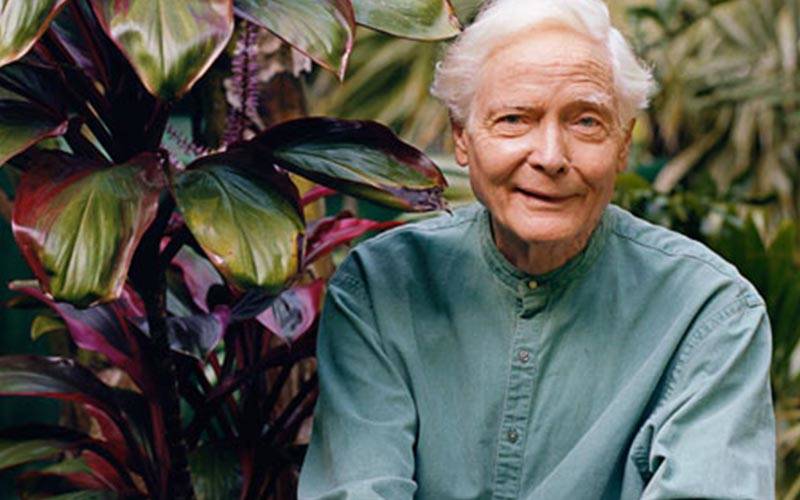
"caption": "W.S. Merwin, who died Friday at age 91.",
"description": "W.S. Merwin, who died Friday at age 91.",
"title": "Merwin.CopperCanyonPress",
"credit": "Copper Canyon Press/NPR",
"status": "inherit",
"isLoading": false,
"fetchFailed": false
},
"arts_13852886": {
"type": "attachments",
"id": "arts_13852886",
"meta": {
"index": "attachments_1716263798",
"site": "arts",
"id": "13852886",
"found": true
},
"parent": 13852873,
"imgSizes": {
"thumbnail": {
"file": "https://ww2.kqed.org/app/uploads/sites/2/2019/03/ruby-ray-sid-vicious-160x109.jpg",
"width": 160,
"mimeType": "image/jpeg",
"height": 109
},
"post-thumbnail": {
"file": "https://ww2.kqed.org/app/uploads/sites/2/2019/03/ruby-ray-sid-vicious-642x372.jpg",
"width": 642,
"mimeType": "image/jpeg",
"height": 372
},
"kqedFullSize": {
"file": "https://ww2.kqed.org/app/uploads/sites/2/2019/03/ruby-ray-sid-vicious.jpg",
"width": 642,
"height": 439
},
"guest-author-50": {
"file": "https://ww2.kqed.org/app/uploads/sites/2/2019/03/ruby-ray-sid-vicious-50x50.jpg",
"width": 50,
"mimeType": "image/jpeg",
"height": 50
},
"guest-author-96": {
"file": "https://ww2.kqed.org/app/uploads/sites/2/2019/03/ruby-ray-sid-vicious-96x96.jpg",
"width": 96,
"mimeType": "image/jpeg",
"height": 96
},
"guest-author-64": {
"file": "https://ww2.kqed.org/app/uploads/sites/2/2019/03/ruby-ray-sid-vicious-64x64.jpg",
"width": 64,
"mimeType": "image/jpeg",
"height": 64
},
"guest-author-32": {
"file": "https://ww2.kqed.org/app/uploads/sites/2/2019/03/ruby-ray-sid-vicious-32x32.jpg",
"width": 32,
"mimeType": "image/jpeg",
"height": 32
},
"guest-author-128": {
"file": "https://ww2.kqed.org/app/uploads/sites/2/2019/03/ruby-ray-sid-vicious-128x128.jpg",
"width": 128,
"mimeType": "image/jpeg",
"height": 128
}
},
"publishDate": 1552509790,
"modified": 1552509804,
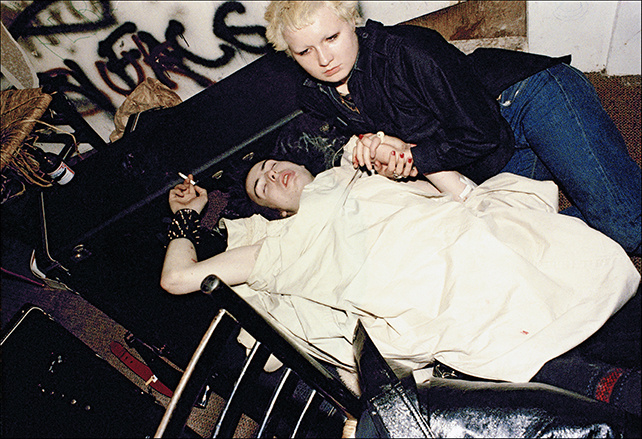
"caption": "Ruby Ray photographed Sex Pistols bassist Sid Vicious backstage at the Mabuhay Gardens.",
"description": "Ruby Ray photographed Sex Pistols bassist Sid Vicious backstage at the Mabuhay Gardens.",
"title": "Ruby Ray photographed Sex Pistols bassist Sid Vicious backstage at the Mabuhay Gardens.",
"credit": "Ruby Ray",
"status": "inherit",
"isLoading": false,
"fetchFailed": false
},
"arts_13852670": {
"type": "attachments",
"id": "arts_13852670",
"meta": {
"index": "attachments_1716263798",
"site": "arts",
"id": "13852670",
"found": true
},
"parent": 13852669,
"imgSizes": {
"twentyfourteen-full-width": {
"file": "https://ww2.kqed.org/app/uploads/sites/2/2019/03/themoonwithin-7bc64fd612d5d5c6f204c390019a7fde5749d7e8-1038x576.jpg",
"width": 1038,
"mimeType": "image/jpeg",
"height": 576
},
"thumbnail": {
"file": "https://ww2.kqed.org/app/uploads/sites/2/2019/03/themoonwithin-7bc64fd612d5d5c6f204c390019a7fde5749d7e8-160x120.jpg",
"width": 160,
"mimeType": "image/jpeg",
"height": 120
},
"post-thumbnail": {
"file": "https://ww2.kqed.org/app/uploads/sites/2/2019/03/themoonwithin-7bc64fd612d5d5c6f204c390019a7fde5749d7e8-672x372.jpg",
"width": 672,
"mimeType": "image/jpeg",
"height": 372
},
"kqedFullSize": {
"file": "https://ww2.kqed.org/app/uploads/sites/2/2019/03/themoonwithin-7bc64fd612d5d5c6f204c390019a7fde5749d7e8.jpg",
"width": 1098,
"height": 823
},
"large": {
"file": "https://ww2.kqed.org/app/uploads/sites/2/2019/03/themoonwithin-7bc64fd612d5d5c6f204c390019a7fde5749d7e8-1020x765.jpg",
"width": 1020,
"mimeType": "image/jpeg",
"height": 765
},
"guest-author-50": {
"file": "https://ww2.kqed.org/app/uploads/sites/2/2019/03/themoonwithin-7bc64fd612d5d5c6f204c390019a7fde5749d7e8-50x50.jpg",
"width": 50,
"mimeType": "image/jpeg",
"height": 50
},
"guest-author-96": {
"file": "https://ww2.kqed.org/app/uploads/sites/2/2019/03/themoonwithin-7bc64fd612d5d5c6f204c390019a7fde5749d7e8-96x96.jpg",
"width": 96,
"mimeType": "image/jpeg",
"height": 96
},
"medium": {
"file": "https://ww2.kqed.org/app/uploads/sites/2/2019/03/themoonwithin-7bc64fd612d5d5c6f204c390019a7fde5749d7e8-800x600.jpg",
"width": 800,
"mimeType": "image/jpeg",
"height": 600
},
"guest-author-64": {
"file": "https://ww2.kqed.org/app/uploads/sites/2/2019/03/themoonwithin-7bc64fd612d5d5c6f204c390019a7fde5749d7e8-64x64.jpg",
"width": 64,
"mimeType": "image/jpeg",
"height": 64
},
"guest-author-32": {
"file": "https://ww2.kqed.org/app/uploads/sites/2/2019/03/themoonwithin-7bc64fd612d5d5c6f204c390019a7fde5749d7e8-32x32.jpg",
"width": 32,
"mimeType": "image/jpeg",
"height": 32
},
"medium_large": {
"file": "https://ww2.kqed.org/app/uploads/sites/2/2019/03/themoonwithin-7bc64fd612d5d5c6f204c390019a7fde5749d7e8-768x576.jpg",
"width": 768,
"mimeType": "image/jpeg",
"height": 576
},
"guest-author-128": {
"file": "https://ww2.kqed.org/app/uploads/sites/2/2019/03/themoonwithin-7bc64fd612d5d5c6f204c390019a7fde5749d7e8-128x128.jpg",
"width": 128,
"mimeType": "image/jpeg",
"height": 128
}
},
"publishDate": 1552327070,
"modified": 1552327070,
"caption": null,
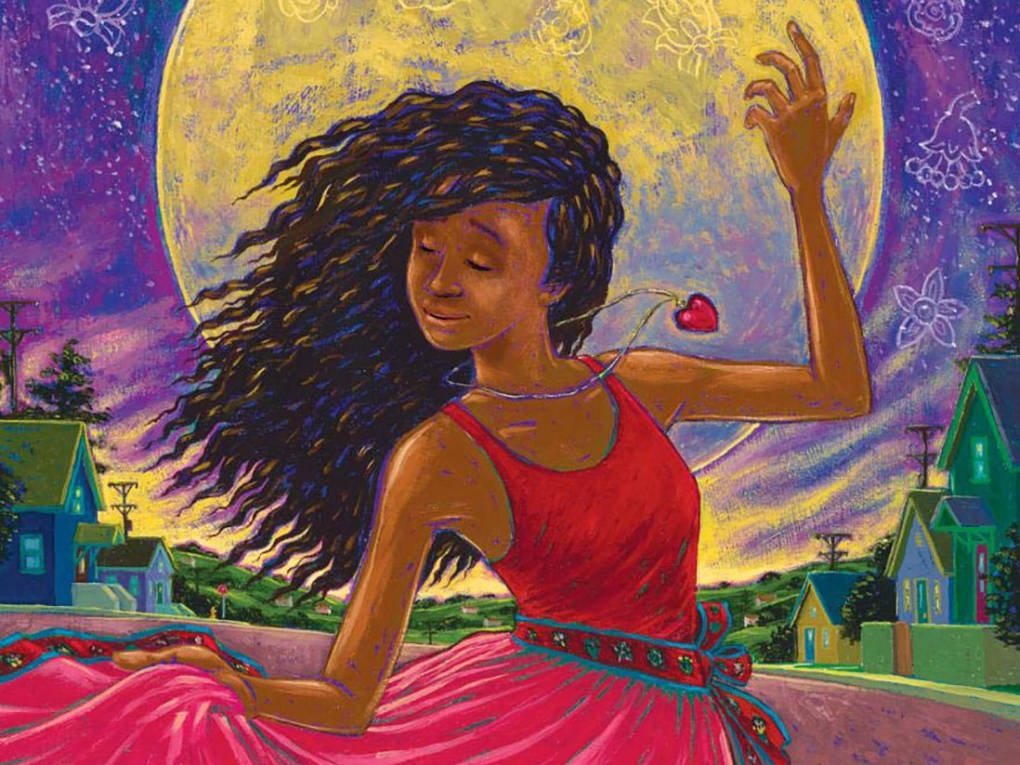
"description": "\u003cem>The Moon Within\u003c/em> by Aida Salazar",
"title": "The Moon Within by Aida Salazar",
"credit": null,
"status": "inherit",
"isLoading": false,
"fetchFailed": false
},
"arts_13852265": {
"type": "attachments",
"id": "arts_13852265",
"meta": {
"index": "attachments_1716263798",
"site": "arts",
"id": "13852265",
"found": true
},
"parent": 13852203,
"imgSizes": {
"thumbnail": {
"file": "https://ww2.kqed.org/app/uploads/sites/2/2019/03/BrianFies-160x90.jpg",
"width": 160,
"mimeType": "image/jpeg",
"height": 90
},
"post-thumbnail": {
"file": "https://ww2.kqed.org/app/uploads/sites/2/2019/03/BrianFies-672x372.jpg",
"width": 672,
"mimeType": "image/jpeg",
"height": 372
},
"kqedFullSize": {
"file": "https://ww2.kqed.org/app/uploads/sites/2/2019/03/BrianFies.jpg",
"width": 800,
"height": 450
},
"guest-author-50": {
"file": "https://ww2.kqed.org/app/uploads/sites/2/2019/03/BrianFies-50x50.jpg",
"width": 50,
"mimeType": "image/jpeg",
"height": 50
},
"guest-author-96": {
"file": "https://ww2.kqed.org/app/uploads/sites/2/2019/03/BrianFies-96x96.jpg",
"width": 96,
"mimeType": "image/jpeg",
"height": 96
},
"medium": {
"file": "https://ww2.kqed.org/app/uploads/sites/2/2019/03/BrianFies-800x450.jpg",
"width": 800,
"mimeType": "image/jpeg",
"height": 450
},
"guest-author-64": {
"file": "https://ww2.kqed.org/app/uploads/sites/2/2019/03/BrianFies-64x64.jpg",
"width": 64,
"mimeType": "image/jpeg",
"height": 64
},
"guest-author-32": {
"file": "https://ww2.kqed.org/app/uploads/sites/2/2019/03/BrianFies-32x32.jpg",
"width": 32,
"mimeType": "image/jpeg",
"height": 32
},
"medium_large": {
"file": "https://ww2.kqed.org/app/uploads/sites/2/2019/03/BrianFies-768x432.jpg",
"width": 768,
"mimeType": "image/jpeg",
"height": 432
},
"guest-author-128": {
"file": "https://ww2.kqed.org/app/uploads/sites/2/2019/03/BrianFies-128x128.jpg",
"width": 128,
"mimeType": "image/jpeg",
"height": 128
}
},
"publishDate": 1551745208,
"modified": 1551745256,
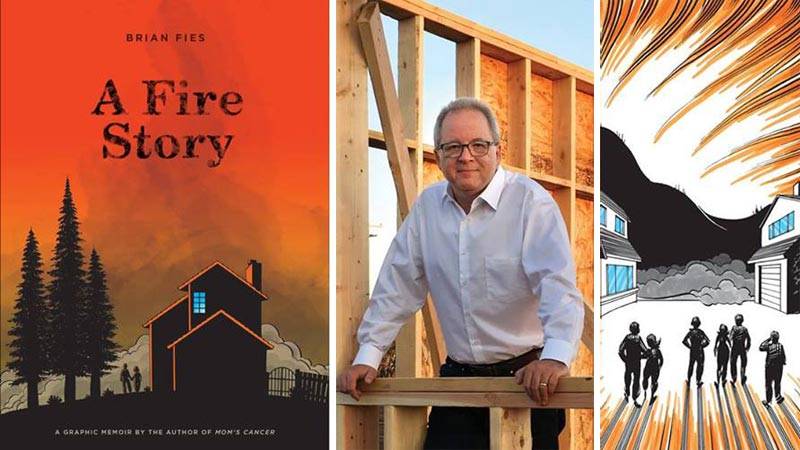
"caption": "Brian Fies' 'A Fire Story' is released March 5, with a launch event in Santa Rosa on March 9.",
"description": "Brian Fies' 'A Fire Story' is released March 5, with a launch event in Santa Rosa on March 9.",
"title": "BrianFies",
"credit": null,
"status": "inherit",
"isLoading": false,
"fetchFailed": false
},
"arts_13851397": {
"type": "attachments",
"id": "arts_13851397",
"meta": {
"index": "attachments_1716263798",
"site": "arts",
"id": "13851397",
"found": true
},
"parent": 13851390,
"imgSizes": {
"twentyfourteen-full-width": {
"file": "https://ww2.kqed.org/app/uploads/sites/2/2019/02/Booklandia-1-1038x576.jpg",
"width": 1038,
"mimeType": "image/jpeg",
"height": 576
},
"thumbnail": {
"file": "https://ww2.kqed.org/app/uploads/sites/2/2019/02/Booklandia-1-160x90.jpg",
"width": 160,
"mimeType": "image/jpeg",
"height": 90
},
"post-thumbnail": {
"file": "https://ww2.kqed.org/app/uploads/sites/2/2019/02/Booklandia-1-672x372.jpg",
"width": 672,
"mimeType": "image/jpeg",
"height": 372
},
"kqedFullSize": {
"file": "https://ww2.kqed.org/app/uploads/sites/2/2019/02/Booklandia-1.jpg",
"width": 1920,
"height": 1080
},
"large": {
"file": "https://ww2.kqed.org/app/uploads/sites/2/2019/02/Booklandia-1-1020x574.jpg",
"width": 1020,
"mimeType": "image/jpeg",
"height": 574
},
"complete_open_graph": {
"file": "https://ww2.kqed.org/app/uploads/sites/2/2019/02/Booklandia-1-1200x675.jpg",
"width": 1200,
"mimeType": "image/jpeg",
"height": 675
},
"guest-author-50": {
"file": "https://ww2.kqed.org/app/uploads/sites/2/2019/02/Booklandia-1-50x50.jpg",
"width": 50,
"mimeType": "image/jpeg",
"height": 50
},
"guest-author-96": {
"file": "https://ww2.kqed.org/app/uploads/sites/2/2019/02/Booklandia-1-96x96.jpg",
"width": 96,
"mimeType": "image/jpeg",
"height": 96
},
"medium": {
"file": "https://ww2.kqed.org/app/uploads/sites/2/2019/02/Booklandia-1-800x450.jpg",
"width": 800,
"mimeType": "image/jpeg",
"height": 450
},
"guest-author-64": {
"file": "https://ww2.kqed.org/app/uploads/sites/2/2019/02/Booklandia-1-64x64.jpg",
"width": 64,
"mimeType": "image/jpeg",
"height": 64
},
"guest-author-32": {
"file": "https://ww2.kqed.org/app/uploads/sites/2/2019/02/Booklandia-1-32x32.jpg",
"width": 32,
"mimeType": "image/jpeg",
"height": 32
},
"full-width": {
"file": "https://ww2.kqed.org/app/uploads/sites/2/2019/02/Booklandia-1-1920x1080.jpg",
"width": 1920,
"mimeType": "image/jpeg",
"height": 1080
},
"detail": {
"file": "https://ww2.kqed.org/app/uploads/sites/2/2019/02/Booklandia-1-150x150.jpg",
"width": 150,
"mimeType": "image/jpeg",
"height": 150
},
"medium_large": {
"file": "https://ww2.kqed.org/app/uploads/sites/2/2019/02/Booklandia-1-768x432.jpg",
"width": 768,
"mimeType": "image/jpeg",
"height": 432
},
"guest-author-128": {
"file": "https://ww2.kqed.org/app/uploads/sites/2/2019/02/Booklandia-1-128x128.jpg",
"width": 128,
"mimeType": "image/jpeg",
"height": 128
}
},
"publishDate": 1550798957,
"modified": 1550799205,
"caption": "Oakland's Maceo Cabrera Estevez founded the subscription service Booklandia with the intention of helping bilingual families find high-quality, Spanish-language children's books.",
"description": "Oakland's Maceo Cabrera Estevez founded the subscription service Booklandia with the intention of helping bilingual families find high-quality Spanish-language children's books.",
"title": "Booklandia -1",
"credit": "Azucena Rasilla ",
"status": "inherit",
"isLoading": false,
"fetchFailed": false
},
"arts_13850945": {
"type": "attachments",
"id": "arts_13850945",
"meta": {
"index": "attachments_1716263798",
"site": "arts",
"id": "13850945",
"found": true
},
"parent": 13850940,
"imgSizes": {
"twentyfourteen-full-width": {
"file": "https://ww2.kqed.org/app/uploads/sites/2/2019/02/GettyImages-540629162-1038x576.jpg",
"width": 1038,
"mimeType": "image/jpeg",
"height": 576
},
"thumbnail": {
"file": "https://ww2.kqed.org/app/uploads/sites/2/2019/02/GettyImages-540629162-160x90.jpg",
"width": 160,
"mimeType": "image/jpeg",
"height": 90
},
"post-thumbnail": {
"file": "https://ww2.kqed.org/app/uploads/sites/2/2019/02/GettyImages-540629162-672x372.jpg",
"width": 672,
"mimeType": "image/jpeg",
"height": 372
},
"kqedFullSize": {
"file": "https://ww2.kqed.org/app/uploads/sites/2/2019/02/GettyImages-540629162.jpg",
"width": 1920,
"height": 1080
},
"large": {
"file": "https://ww2.kqed.org/app/uploads/sites/2/2019/02/GettyImages-540629162-1020x574.jpg",
"width": 1020,
"mimeType": "image/jpeg",
"height": 574
},
"complete_open_graph": {
"file": "https://ww2.kqed.org/app/uploads/sites/2/2019/02/GettyImages-540629162-1200x675.jpg",
"width": 1200,
"mimeType": "image/jpeg",
"height": 675
},
"guest-author-50": {
"file": "https://ww2.kqed.org/app/uploads/sites/2/2019/02/GettyImages-540629162-50x50.jpg",
"width": 50,
"mimeType": "image/jpeg",
"height": 50
},
"guest-author-96": {
"file": "https://ww2.kqed.org/app/uploads/sites/2/2019/02/GettyImages-540629162-96x96.jpg",
"width": 96,
"mimeType": "image/jpeg",
"height": 96
},
"medium": {
"file": "https://ww2.kqed.org/app/uploads/sites/2/2019/02/GettyImages-540629162-800x450.jpg",
"width": 800,
"mimeType": "image/jpeg",
"height": 450
},
"guest-author-64": {
"file": "https://ww2.kqed.org/app/uploads/sites/2/2019/02/GettyImages-540629162-64x64.jpg",
"width": 64,
"mimeType": "image/jpeg",
"height": 64
},
"guest-author-32": {
"file": "https://ww2.kqed.org/app/uploads/sites/2/2019/02/GettyImages-540629162-32x32.jpg",
"width": 32,
"mimeType": "image/jpeg",
"height": 32
},
"full-width": {
"file": "https://ww2.kqed.org/app/uploads/sites/2/2019/02/GettyImages-540629162-1920x1080.jpg",
"width": 1920,
"mimeType": "image/jpeg",
"height": 1080
},
"detail": {
"file": "https://ww2.kqed.org/app/uploads/sites/2/2019/02/GettyImages-540629162-150x150.jpg",
"width": 150,
"mimeType": "image/jpeg",
"height": 150
},
"medium_large": {
"file": "https://ww2.kqed.org/app/uploads/sites/2/2019/02/GettyImages-540629162-768x432.jpg",
"width": 768,
"mimeType": "image/jpeg",
"height": 432
},
"guest-author-128": {
"file": "https://ww2.kqed.org/app/uploads/sites/2/2019/02/GettyImages-540629162-128x128.jpg",
"width": 128,
"mimeType": "image/jpeg",
"height": 128
}
},
"publishDate": 1550269868,
"modified": 1550269948,
"caption": "Toni Morrison attends Art & Social Activism, a discussion on Broadway with Ta-Nehisi Coates, Toni Morrison and Sonia Sanchez on June 15, 2016 in New York City. ",
"description": "Toni Morrison attends Art & Social Activism, a discussion on Broadway with Ta-Nehisi Coates, Toni Morrison and Sonia Sanchez on June 15, 2016 in New York City. ",
"title": "Art & Social Activism, a Discussion on Broadway With Ta-Nehisi Coates, Toni Morrison and Sonia Sanchez",
"credit": "Craig Barritt/Getty Images for The Stella Adler Studio of Acting",
"status": "inherit",
"isLoading": false,
"fetchFailed": false
},
"arts_13850547": {
"type": "attachments",
"id": "arts_13850547",
"meta": {
"index": "attachments_1716263798",
"site": "arts",
"id": "13850547",
"found": true
},
"parent": 13850545,
"imgSizes": {
"twentyfourteen-full-width": {
"file": "https://ww2.kqed.org/app/uploads/sites/2/2019/02/angel-island-hospital-41d593-1600-1038x576.jpg",
"width": 1038,
"mimeType": "image/jpeg",
"height": 576
},
"thumbnail": {
"file": "https://ww2.kqed.org/app/uploads/sites/2/2019/02/angel-island-hospital-41d593-1600-160x90.jpg",
"width": 160,
"mimeType": "image/jpeg",
"height": 90
},
"post-thumbnail": {
"file": "https://ww2.kqed.org/app/uploads/sites/2/2019/02/angel-island-hospital-41d593-1600-672x372.jpg",
"width": 672,
"mimeType": "image/jpeg",
"height": 372
},
"kqedFullSize": {
"file": "https://ww2.kqed.org/app/uploads/sites/2/2019/02/angel-island-hospital-41d593-1600.jpg",
"width": 1261,
"height": 709
},
"large": {
"file": "https://ww2.kqed.org/app/uploads/sites/2/2019/02/angel-island-hospital-41d593-1600-1020x573.jpg",
"width": 1020,
"mimeType": "image/jpeg",
"height": 573
},
"complete_open_graph": {
"file": "https://ww2.kqed.org/app/uploads/sites/2/2019/02/angel-island-hospital-41d593-1600-1200x675.jpg",
"width": 1200,
"mimeType": "image/jpeg",
"height": 675
},
"guest-author-50": {
"file": "https://ww2.kqed.org/app/uploads/sites/2/2019/02/angel-island-hospital-41d593-1600-50x50.jpg",
"width": 50,
"mimeType": "image/jpeg",
"height": 50
},
"guest-author-96": {
"file": "https://ww2.kqed.org/app/uploads/sites/2/2019/02/angel-island-hospital-41d593-1600-96x96.jpg",
"width": 96,
"mimeType": "image/jpeg",
"height": 96
},
"medium": {
"file": "https://ww2.kqed.org/app/uploads/sites/2/2019/02/angel-island-hospital-41d593-1600-800x450.jpg",
"width": 800,
"mimeType": "image/jpeg",
"height": 450
},
"guest-author-64": {
"file": "https://ww2.kqed.org/app/uploads/sites/2/2019/02/angel-island-hospital-41d593-1600-64x64.jpg",
"width": 64,
"mimeType": "image/jpeg",
"height": 64
},
"guest-author-32": {
"file": "https://ww2.kqed.org/app/uploads/sites/2/2019/02/angel-island-hospital-41d593-1600-32x32.jpg",
"width": 32,
"mimeType": "image/jpeg",
"height": 32
},
"detail": {
"file": "https://ww2.kqed.org/app/uploads/sites/2/2019/02/angel-island-hospital-41d593-1600-150x150.jpg",
"width": 150,
"mimeType": "image/jpeg",
"height": 150
},
"medium_large": {
"file": "https://ww2.kqed.org/app/uploads/sites/2/2019/02/angel-island-hospital-41d593-1600-768x432.jpg",
"width": 768,
"mimeType": "image/jpeg",
"height": 432
},
"guest-author-128": {
"file": "https://ww2.kqed.org/app/uploads/sites/2/2019/02/angel-island-hospital-41d593-1600-128x128.jpg",
"width": 128,
"mimeType": "image/jpeg",
"height": 128
}
},
"publishDate": 1549913474,
"modified": 1549913521,
"caption": "Chinese immigrants on Angel Island in 1923.",
"description": "Chinese immigrants on Angel Island in 1923.",
"title": "angel-island-hospital-41d593-1600",
"credit": "The U.S. National Archives",
"status": "inherit",
"isLoading": false,
"fetchFailed": false
},
"arts_13850161": {
"type": "attachments",
"id": "arts_13850161",
"meta": {
"index": "attachments_1716263798",
"site": "arts",
"id": "13850161",
"found": true
},
"parent": 13850152,
"imgSizes": {
"twentyfourteen-full-width": {
"file": "https://ww2.kqed.org/app/uploads/sites/2/2019/02/death-prefers-blondes-1038x576.jpg",
"width": 1038,
"mimeType": "image/jpeg",
"height": 576
},
"thumbnail": {
"file": "https://ww2.kqed.org/app/uploads/sites/2/2019/02/death-prefers-blondes-160x90.jpg",
"width": 160,
"mimeType": "image/jpeg",
"height": 90
},
"post-thumbnail": {
"file": "https://ww2.kqed.org/app/uploads/sites/2/2019/02/death-prefers-blondes-672x372.jpg",
"width": 672,
"mimeType": "image/jpeg",
"height": 372
},
"kqedFullSize": {
"file": "https://ww2.kqed.org/app/uploads/sites/2/2019/02/death-prefers-blondes.jpg",
"width": 1650,
"height": 928
},
"large": {
"file": "https://ww2.kqed.org/app/uploads/sites/2/2019/02/death-prefers-blondes-1020x574.jpg",
"width": 1020,
"mimeType": "image/jpeg",
"height": 574
},
"complete_open_graph": {
"file": "https://ww2.kqed.org/app/uploads/sites/2/2019/02/death-prefers-blondes-1200x675.jpg",
"width": 1200,
"mimeType": "image/jpeg",
"height": 675
},
"guest-author-50": {
"file": "https://ww2.kqed.org/app/uploads/sites/2/2019/02/death-prefers-blondes-50x50.jpg",
"width": 50,
"mimeType": "image/jpeg",
"height": 50
},
"guest-author-96": {
"file": "https://ww2.kqed.org/app/uploads/sites/2/2019/02/death-prefers-blondes-96x96.jpg",
"width": 96,
"mimeType": "image/jpeg",
"height": 96
},
"medium": {
"file": "https://ww2.kqed.org/app/uploads/sites/2/2019/02/death-prefers-blondes-800x450.jpg",
"width": 800,
"mimeType": "image/jpeg",
"height": 450
},
"guest-author-64": {
"file": "https://ww2.kqed.org/app/uploads/sites/2/2019/02/death-prefers-blondes-64x64.jpg",
"width": 64,
"mimeType": "image/jpeg",
"height": 64
},
"guest-author-32": {
"file": "https://ww2.kqed.org/app/uploads/sites/2/2019/02/death-prefers-blondes-32x32.jpg",
"width": 32,
"mimeType": "image/jpeg",
"height": 32
},
"detail": {
"file": "https://ww2.kqed.org/app/uploads/sites/2/2019/02/death-prefers-blondes-150x150.jpg",
"width": 150,
"mimeType": "image/jpeg",
"height": 150
},
"medium_large": {
"file": "https://ww2.kqed.org/app/uploads/sites/2/2019/02/death-prefers-blondes-768x432.jpg",
"width": 768,
"mimeType": "image/jpeg",
"height": 432
},
"guest-author-128": {
"file": "https://ww2.kqed.org/app/uploads/sites/2/2019/02/death-prefers-blondes-128x128.jpg",
"width": 128,
"mimeType": "image/jpeg",
"height": 128
}
},
"publishDate": 1549407396,
"modified": 1549407426,
"caption": "'Death Prefers Blondes' by Caleb Roehrig",
"description": null,
"title": "814qhyxj7tl",
"credit": null,
"status": "inherit",
"isLoading": false,
"fetchFailed": false
},
"arts_13850149": {
"type": "attachments",
"id": "arts_13850149",
"meta": {
"index": "attachments_1716263798",
"site": "arts",
"id": "13850149",
"found": true
},
"parent": 13850142,
"imgSizes": {
"twentyfourteen-full-width": {
"file": "https://ww2.kqed.org/app/uploads/sites/2/2019/02/Phife-1920-GettyImages-845033990-1038x576.jpg",
"width": 1038,
"mimeType": "image/jpeg",
"height": 576
},
"thumbnail": {
"file": "https://ww2.kqed.org/app/uploads/sites/2/2019/02/Phife-1920-GettyImages-845033990-160x107.jpg",
"width": 160,
"mimeType": "image/jpeg",
"height": 107
},
"post-thumbnail": {
"file": "https://ww2.kqed.org/app/uploads/sites/2/2019/02/Phife-1920-GettyImages-845033990-672x372.jpg",
"width": 672,
"mimeType": "image/jpeg",
"height": 372
},
"kqedFullSize": {
"file": "https://ww2.kqed.org/app/uploads/sites/2/2019/02/Phife-1920-GettyImages-845033990.jpg",
"width": 1920,
"height": 1278
},
"large": {
"file": "https://ww2.kqed.org/app/uploads/sites/2/2019/02/Phife-1920-GettyImages-845033990-1020x679.jpg",
"width": 1020,
"mimeType": "image/jpeg",
"height": 679
},
"complete_open_graph": {
"file": "https://ww2.kqed.org/app/uploads/sites/2/2019/02/Phife-1920-GettyImages-845033990-1200x799.jpg",
"width": 1200,
"mimeType": "image/jpeg",
"height": 799
},
"guest-author-50": {
"file": "https://ww2.kqed.org/app/uploads/sites/2/2019/02/Phife-1920-GettyImages-845033990-50x50.jpg",
"width": 50,
"mimeType": "image/jpeg",
"height": 50
},
"guest-author-96": {
"file": "https://ww2.kqed.org/app/uploads/sites/2/2019/02/Phife-1920-GettyImages-845033990-96x96.jpg",
"width": 96,
"mimeType": "image/jpeg",
"height": 96
},
"medium": {
"file": "https://ww2.kqed.org/app/uploads/sites/2/2019/02/Phife-1920-GettyImages-845033990-800x533.jpg",
"width": 800,
"mimeType": "image/jpeg",
"height": 533
},
"guest-author-64": {
"file": "https://ww2.kqed.org/app/uploads/sites/2/2019/02/Phife-1920-GettyImages-845033990-64x64.jpg",
"width": 64,
"mimeType": "image/jpeg",
"height": 64
},
"guest-author-32": {
"file": "https://ww2.kqed.org/app/uploads/sites/2/2019/02/Phife-1920-GettyImages-845033990-32x32.jpg",
"width": 32,
"mimeType": "image/jpeg",
"height": 32
},
"full-width": {
"file": "https://ww2.kqed.org/app/uploads/sites/2/2019/02/Phife-1920-GettyImages-845033990-1920x1278.jpg",
"width": 1920,
"mimeType": "image/jpeg",
"height": 1278
},
"detail": {
"file": "https://ww2.kqed.org/app/uploads/sites/2/2019/02/Phife-1920-GettyImages-845033990-150x150.jpg",
"width": 150,
"mimeType": "image/jpeg",
"height": 150
},
"medium_large": {
"file": "https://ww2.kqed.org/app/uploads/sites/2/2019/02/Phife-1920-GettyImages-845033990-768x511.jpg",
"width": 768,
"mimeType": "image/jpeg",
"height": 511
},
"guest-author-128": {
"file": "https://ww2.kqed.org/app/uploads/sites/2/2019/02/Phife-1920-GettyImages-845033990-128x128.jpg",
"width": 128,
"mimeType": "image/jpeg",
"height": 128
}
},
"publishDate": 1549400086,
"modified": 1549400109,
"caption": "The late Phife Dawg is displayed on the back of Jarobi White's jacket as A Tribe Called Quest perform their last ever UK show as headlining act on The Castle stage on Day 3 of Bestival at Lulworth Castle on September 9, 2017 in Wareham, England.",
"description": null,
"title": "Phife-1920-GettyImages-845033990",
"credit": "Tabatha Fireman/Getty Images",
"status": "inherit",
"isLoading": false,
"fetchFailed": false
},
"arts_13849239": {
"type": "attachments",
"id": "arts_13849239",
"meta": {
"index": "attachments_1716263798",
"site": "arts",
"id": "13849239",
"found": true
},
"parent": 13849151,
"imgSizes": {
"twentyfourteen-full-width": {
"file": "https://ww2.kqed.org/app/uploads/sites/2/2019/01/StVincent.Coachella-1038x576.jpg",
"width": 1038,
"mimeType": "image/jpeg",
"height": 576
},
"thumbnail": {
"file": "https://ww2.kqed.org/app/uploads/sites/2/2019/01/StVincent.Coachella-160x90.jpg",
"width": 160,
"mimeType": "image/jpeg",
"height": 90
},
"post-thumbnail": {
"file": "https://ww2.kqed.org/app/uploads/sites/2/2019/01/StVincent.Coachella-672x372.jpg",
"width": 672,
"mimeType": "image/jpeg",
"height": 372
},
"kqedFullSize": {
"file": "https://ww2.kqed.org/app/uploads/sites/2/2019/01/StVincent.Coachella.jpg",
"width": 1920,
"height": 1080
},
"large": {
"file": "https://ww2.kqed.org/app/uploads/sites/2/2019/01/StVincent.Coachella-1020x574.jpg",
"width": 1020,
"mimeType": "image/jpeg",
"height": 574
},
"complete_open_graph": {
"file": "https://ww2.kqed.org/app/uploads/sites/2/2019/01/StVincent.Coachella-1200x675.jpg",
"width": 1200,
"mimeType": "image/jpeg",
"height": 675
},
"guest-author-50": {
"file": "https://ww2.kqed.org/app/uploads/sites/2/2019/01/StVincent.Coachella-50x50.jpg",
"width": 50,
"mimeType": "image/jpeg",
"height": 50
},
"guest-author-96": {
"file": "https://ww2.kqed.org/app/uploads/sites/2/2019/01/StVincent.Coachella-96x96.jpg",
"width": 96,
"mimeType": "image/jpeg",
"height": 96
},
"medium": {
"file": "https://ww2.kqed.org/app/uploads/sites/2/2019/01/StVincent.Coachella-800x450.jpg",
"width": 800,
"mimeType": "image/jpeg",
"height": 450
},
"guest-author-64": {
"file": "https://ww2.kqed.org/app/uploads/sites/2/2019/01/StVincent.Coachella-64x64.jpg",
"width": 64,
"mimeType": "image/jpeg",
"height": 64
},
"guest-author-32": {
"file": "https://ww2.kqed.org/app/uploads/sites/2/2019/01/StVincent.Coachella-32x32.jpg",
"width": 32,
"mimeType": "image/jpeg",
"height": 32
},
"full-width": {
"file": "https://ww2.kqed.org/app/uploads/sites/2/2019/01/StVincent.Coachella-1920x1080.jpg",
"width": 1920,
"mimeType": "image/jpeg",
"height": 1080
},
"detail": {
"file": "https://ww2.kqed.org/app/uploads/sites/2/2019/01/StVincent.Coachella-150x150.jpg",
"width": 150,
"mimeType": "image/jpeg",
"height": 150
},
"medium_large": {
"file": "https://ww2.kqed.org/app/uploads/sites/2/2019/01/StVincent.Coachella-768x432.jpg",
"width": 768,
"mimeType": "image/jpeg",
"height": 432
},
"guest-author-128": {
"file": "https://ww2.kqed.org/app/uploads/sites/2/2019/01/StVincent.Coachella-128x128.jpg",
"width": 128,
"mimeType": "image/jpeg",
"height": 128
}
},
"publishDate": 1548207006,
"modified": 1548207083,
"caption": "St. Vincent performs onstage at Coachella on April 20, 2018.",
"description": "St. Vincent performs onstage at Coachella on April 20, 2018.",
"title": "StVincent.Coachella",
"credit": "Rich Fury/Getty Images for Coachella",
"status": "inherit",
"isLoading": false,
"fetchFailed": false
},
"arts_13837237": {
"type": "attachments",
"id": "arts_13837237",
"meta": {
"index": "attachments_1716263798",
"site": "arts",
"id": "13837237",
"found": true
},
"parent": 13837184,
"imgSizes": {
"small": {
"file": "https://ww2.kqed.org/app/uploads/sites/2/2018/07/002Blindspotting_002_C-520x280.jpg",
"width": 520,
"mimeType": "image/jpeg",
"height": 280
},
"twentyfourteen-full-width": {
"file": "https://ww2.kqed.org/app/uploads/sites/2/2018/07/002Blindspotting_002_C-1038x576.jpg",
"width": 1038,
"mimeType": "image/jpeg",
"height": 576
},
"thumbnail": {
"file": "https://ww2.kqed.org/app/uploads/sites/2/2018/07/002Blindspotting_002_C-160x86.jpg",
"width": 160,
"mimeType": "image/jpeg",
"height": 86
},
"fd-sm": {
"file": "https://ww2.kqed.org/app/uploads/sites/2/2018/07/002Blindspotting_002_C-960x517.jpg",
"width": 960,
"mimeType": "image/jpeg",
"height": 517
},
"post-thumbnail": {
"file": "https://ww2.kqed.org/app/uploads/sites/2/2018/07/002Blindspotting_002_C-672x372.jpg",
"width": 672,
"mimeType": "image/jpeg",
"height": 372
},
"xsmall": {
"file": "https://ww2.kqed.org/app/uploads/sites/2/2018/07/002Blindspotting_002_C-375x202.jpg",
"width": 375,
"mimeType": "image/jpeg",
"height": 202
},
"kqedFullSize": {
"file": "https://ww2.kqed.org/app/uploads/sites/2/2018/07/002Blindspotting_002_C.jpg",
"width": 1920,
"height": 1034
},
"large": {
"file": "https://ww2.kqed.org/app/uploads/sites/2/2018/07/002Blindspotting_002_C-1020x549.jpg",
"width": 1020,
"mimeType": "image/jpeg",
"height": 549
},
"xlarge": {
"file": "https://ww2.kqed.org/app/uploads/sites/2/2018/07/002Blindspotting_002_C-1180x635.jpg",
"width": 1180,
"mimeType": "image/jpeg",
"height": 635
},
"complete_open_graph": {
"file": "https://ww2.kqed.org/app/uploads/sites/2/2018/07/002Blindspotting_002_C-1200x646.jpg",
"width": 1200,
"mimeType": "image/jpeg",
"height": 646
},
"guest-author-50": {
"file": "https://ww2.kqed.org/app/uploads/sites/2/2018/07/002Blindspotting_002_C-50x50.jpg",
"width": 50,
"mimeType": "image/jpeg",
"height": 50
},
"guest-author-96": {
"file": "https://ww2.kqed.org/app/uploads/sites/2/2018/07/002Blindspotting_002_C-96x96.jpg",
"width": 96,
"mimeType": "image/jpeg",
"height": 96
},
"medium": {
"file": "https://ww2.kqed.org/app/uploads/sites/2/2018/07/002Blindspotting_002_C-800x431.jpg",
"width": 800,
"mimeType": "image/jpeg",
"height": 431
},
"guest-author-64": {
"file": "https://ww2.kqed.org/app/uploads/sites/2/2018/07/002Blindspotting_002_C-64x64.jpg",
"width": 64,
"mimeType": "image/jpeg",
"height": 64
},
"guest-author-32": {
"file": "https://ww2.kqed.org/app/uploads/sites/2/2018/07/002Blindspotting_002_C-32x32.jpg",
"width": 32,
"mimeType": "image/jpeg",
"height": 32
},
"fd-lrg": {
"file": "https://ww2.kqed.org/app/uploads/sites/2/2018/07/002Blindspotting_002_C-1920x1034.jpg",
"width": 1920,
"mimeType": "image/jpeg",
"height": 1034
},
"fd-med": {
"file": "https://ww2.kqed.org/app/uploads/sites/2/2018/07/002Blindspotting_002_C-1180x635.jpg",
"width": 1180,
"mimeType": "image/jpeg",
"height": 635
},
"full-width": {
"file": "https://ww2.kqed.org/app/uploads/sites/2/2018/07/002Blindspotting_002_C-1920x1034.jpg",
"width": 1920,
"mimeType": "image/jpeg",
"height": 1034
},
"detail": {
"file": "https://ww2.kqed.org/app/uploads/sites/2/2018/07/002Blindspotting_002_C-150x150.jpg",
"width": 150,
"mimeType": "image/jpeg",
"height": 150
},
"medium_large": {
"file": "https://ww2.kqed.org/app/uploads/sites/2/2018/07/002Blindspotting_002_C-768x414.jpg",
"width": 768,
"mimeType": "image/jpeg",
"height": 414
},
"guest-author-128": {
"file": "https://ww2.kqed.org/app/uploads/sites/2/2018/07/002Blindspotting_002_C-128x128.jpg",
"width": 128,
"mimeType": "image/jpeg",
"height": 128
},
"xxsmall": {
"file": "https://ww2.kqed.org/app/uploads/sites/2/2018/07/002Blindspotting_002_C-240x129.jpg",
"width": 240,
"mimeType": "image/jpeg",
"height": 129
}
},
"publishDate": 1531849708,
"modified": 1531849791,
"caption": "Rafael Casal as Miles, Daveed Diggs as Collin and Jon Chaffin as Dez in 'Blindspotting.'",
"description": "Rafael Casal as Miles, Daveed Diggs as Collin and Jon Chaffin as Dez in 'Blindspotting.'",
"title": "002Blindspotting_002_C",
"credit": "Ariel Nava",
"status": "inherit",
"isLoading": false,
"fetchFailed": false
},
"arts_13846063": {
"type": "attachments",
"id": "arts_13846063",
"meta": {
"index": "attachments_1716263798",
"site": "arts",
"id": "13846063",
"found": true
},
"parent": 13846060,
"imgSizes": {
"twentyfourteen-full-width": {
"file": "https://ww2.kqed.org/app/uploads/sites/2/2018/11/BrontezIshmael-1038x576.jpg",
"width": 1038,
"mimeType": "image/jpeg",
"height": 576
},
"thumbnail": {
"file": "https://ww2.kqed.org/app/uploads/sites/2/2018/11/BrontezIshmael-160x90.jpg",
"width": 160,
"mimeType": "image/jpeg",
"height": 90
},
"post-thumbnail": {
"file": "https://ww2.kqed.org/app/uploads/sites/2/2018/11/BrontezIshmael-672x372.jpg",
"width": 672,
"mimeType": "image/jpeg",
"height": 372
},
"kqedFullSize": {
"file": "https://ww2.kqed.org/app/uploads/sites/2/2018/11/BrontezIshmael.jpg",
"width": 1333,
"height": 750
},
"large": {
"file": "https://ww2.kqed.org/app/uploads/sites/2/2018/11/BrontezIshmael-1020x574.jpg",
"width": 1020,
"mimeType": "image/jpeg",
"height": 574
},
"complete_open_graph": {
"file": "https://ww2.kqed.org/app/uploads/sites/2/2018/11/BrontezIshmael-1200x675.jpg",
"width": 1200,
"mimeType": "image/jpeg",
"height": 675
},
"guest-author-50": {
"file": "https://ww2.kqed.org/app/uploads/sites/2/2018/11/BrontezIshmael-50x50.jpg",
"width": 50,
"mimeType": "image/jpeg",
"height": 50
},
"guest-author-96": {
"file": "https://ww2.kqed.org/app/uploads/sites/2/2018/11/BrontezIshmael-96x96.jpg",
"width": 96,
"mimeType": "image/jpeg",
"height": 96
},
"medium": {
"file": "https://ww2.kqed.org/app/uploads/sites/2/2018/11/BrontezIshmael-800x450.jpg",
"width": 800,
"mimeType": "image/jpeg",
"height": 450
},
"guest-author-64": {
"file": "https://ww2.kqed.org/app/uploads/sites/2/2018/11/BrontezIshmael-64x64.jpg",
"width": 64,
"mimeType": "image/jpeg",
"height": 64
},
"guest-author-32": {
"file": "https://ww2.kqed.org/app/uploads/sites/2/2018/11/BrontezIshmael-32x32.jpg",
"width": 32,
"mimeType": "image/jpeg",
"height": 32
},
"detail": {
"file": "https://ww2.kqed.org/app/uploads/sites/2/2018/11/BrontezIshmael-150x150.jpg",
"width": 150,
"mimeType": "image/jpeg",
"height": 150
},
"medium_large": {
"file": "https://ww2.kqed.org/app/uploads/sites/2/2018/11/BrontezIshmael-768x432.jpg",
"width": 768,
"mimeType": "image/jpeg",
"height": 432
},
"guest-author-128": {
"file": "https://ww2.kqed.org/app/uploads/sites/2/2018/11/BrontezIshmael-128x128.jpg",
"width": 128,
"mimeType": "image/jpeg",
"height": 128
}
},
"publishDate": 1543614263,
"modified": 1543614346,
"caption": "Bay Area writers Brontez Purnell and Ishmael Reed (L–R) are included today in the New York Times' 'Black Male Writers of Our Time' feature.",
"description": "Bay Area writers Brontez Purnell and Ishmael Reed (L–R) are included today in the New York Times' 'Black Male Writers of Our Time' feature.",
"title": "BrontezIshmael",
"credit": "Brontez by Boots Riley; Ishmael via Instagram",
"status": "inherit",
"isLoading": false,
"fetchFailed": false
}
},
"audioPlayerReducer": {
"postId": "stream_live",
"isPaused": true,
"isPlaying": false,
"pfsActive": false,
"pledgeModalIsOpen": true,
"playerDrawerIsOpen": false,
"liveAudioPlayStartedAt": 0,
"liveAudioPlayContext": ""
},
"authorsReducer": {
"byline_arts_13853056": {
"type": "authors",
"id": "byline_arts_13853056",
"meta": {
"override": true
},
"slug": "byline_arts_13853056",
"name": "JENNIFER KELLEHER and HILLEL ITALIE, Associated Press",
"isLoading": false
},
"byline_arts_13852669": {
"type": "authors",
"id": "byline_arts_13852669",
"meta": {
"override": true
},
"slug": "byline_arts_13852669",
"name": "Lulu Garcia-Navarro",
"isLoading": false
},
"byline_arts_13850940": {
"type": "authors",
"id": "byline_arts_13850940",
"meta": {
"override": true
},
"slug": "byline_arts_13850940",
"name": "Ericka Taylor",
"isLoading": false
},
"byline_arts_13850545": {
"type": "authors",
"id": "byline_arts_13850545",
"meta": {
"override": true
},
"slug": "byline_arts_13850545",
"name": "Brandon Yu",
"isLoading": false
},
"byline_arts_13850152": {
"type": "authors",
"id": "byline_arts_13850152",
"meta": {
"override": true
},
"slug": "byline_arts_13850152",
"name": "Caitlyn Paxson",
"isLoading": false
},
"byline_arts_13850142": {
"type": "authors",
"id": "byline_arts_13850142",
"meta": {
"override": true
},
"slug": "byline_arts_13850142",
"name": "Lily Meyer",
"isLoading": false
},
"gmeline": {
"type": "authors",
"id": "185",
"meta": {
"index": "authors_1716337520",
"id": "185",
"found": true
},
"name": "Gabe Meline",
"firstName": "Gabe",
"lastName": "Meline",
"slug": "gmeline",
"email": "gmeline@kqed.org",
"display_author_email": true,
"staff_mastheads": [
"arts"
],
"title": "Senior Editor, KQED Arts & Culture",
"bio": "Gabe Meline entered journalism at age 15 making photocopied zines, and has since earned awards from the Edward R. Murrow Awards, the Society for Professional Journalists, the Online Journalism Awards, the Association of Alternative Newsweeklies and the California Newspaper Publishers Association. Prior to KQED, he was the editor of the \u003cem>North Bay Bohemian\u003c/em> and a touring musician. He lives with his wife and daughter in his hometown of Santa Rosa, CA.",
"avatar": "https://secure.gravatar.com/avatar/5bebe57be0d8bc2dd318934feb47299e2d2d10cba28d09d8d7afb389a2ce2bdd?s=600&d=blank&r=g",
"twitter": null,
"bluesky": null,
"facebook": null,
"instagram": null,
"linkedin": null,
"sites": [
{
"site": "",
"roles": [
"editor"
]
},
{
"site": "arts",
"roles": [
"administrator"
]
},
{
"site": "artschool",
"roles": [
"editor"
]
},
{
"site": "news",
"roles": [
"author"
]
},
{
"site": "pop",
"roles": [
"editor"
]
},
{
"site": "bayareabites",
"roles": [
"editor"
]
},
{
"site": "food",
"roles": [
"editor"
]
},
{
"site": "forum",
"roles": [
"administrator"
]
},
{
"site": "liveblog",
"roles": [
"editor"
]
},
{
"site": "hiphop",
"roles": [
"editor"
]
}
],
"headData": {
"title": "Gabe Meline | KQED",
"description": "Senior Editor, KQED Arts & Culture",
"ogImgSrc": "https://secure.gravatar.com/avatar/5bebe57be0d8bc2dd318934feb47299e2d2d10cba28d09d8d7afb389a2ce2bdd?s=600&d=blank&r=g",
"twImgSrc": "https://secure.gravatar.com/avatar/5bebe57be0d8bc2dd318934feb47299e2d2d10cba28d09d8d7afb389a2ce2bdd?s=600&d=blank&r=g"
},
"isLoading": false,
"link": "/author/gmeline"
},
"slefebvre": {
"type": "authors",
"id": "11091",
"meta": {
"index": "authors_1716337520",
"id": "11091",
"found": true
},
"name": "Sam Lefebvre",
"firstName": "Sam",
"lastName": "Lefebvre",
"slug": "slefebvre",
"email": "sdlefebvre@gmail.com",
"display_author_email": false,
"staff_mastheads": [],
"title": "KQED Contributor",
"bio": "Sam Lefebvre is an award-winning reporter at KQED Arts. He has worked as an editor and columnist at the \u003cem>East Bay Express\u003c/em>, \u003cem>SF Weekly \u003c/em>and Impose Magazine, and his journalism and criticism has appeared in \u003cem>The New York Times\u003c/em>, the Guardian and Pitchfork.",
"avatar": "https://secure.gravatar.com/avatar/49d39b42930b77fb13784ddd9fa63fe780666b71bf289368509dba576b64e69b?s=600&d=blank&r=g",
"twitter": "Lefebvre_Sam",
"bluesky": null,
"facebook": null,
"instagram": null,
"linkedin": null,
"sites": [
{
"site": "arts",
"roles": [
"subscriber"
]
},
{
"site": "news",
"roles": [
"author"
]
}
],
"headData": {
"title": "Sam Lefebvre | KQED",
"description": "KQED Contributor",
"ogImgSrc": "https://secure.gravatar.com/avatar/49d39b42930b77fb13784ddd9fa63fe780666b71bf289368509dba576b64e69b?s=600&d=blank&r=g",
"twImgSrc": "https://secure.gravatar.com/avatar/49d39b42930b77fb13784ddd9fa63fe780666b71bf289368509dba576b64e69b?s=600&d=blank&r=g"
},
"isLoading": false,
"link": "/author/slefebvre"
},
"azucenarasilla": {
"type": "authors",
"id": "11624",
"meta": {
"index": "authors_1716337520",
"id": "11624",
"found": true
},
"name": "Azucena Rasilla",
"firstName": "Azucena",
"lastName": "Rasilla",
"slug": "azucenarasilla",
"email": "azucena.rasilla@gmail.com",
"display_author_email": false,
"staff_mastheads": [],
"title": null,
"bio": "Freelance Journalist I former East Bay Express I DM/email music/arts/culture tips that I can turn into stories I azucena.rasilla@gmail.com",
"avatar": "https://secure.gravatar.com/avatar/451ecba09a36b5e0f6fbb13210621eea?s=600&d=blank&r=g",
"twitter": "chroniclesofazu",
"facebook": null,
"instagram": null,
"linkedin": null,
"sites": [
{
"site": "arts",
"roles": [
"contributor"
]
},
{
"site": "bayareabites",
"roles": [
"contributor"
]
}
],
"headData": {
"title": "Azucena Rasilla | KQED",
"description": null,
"ogImgSrc": "https://secure.gravatar.com/avatar/451ecba09a36b5e0f6fbb13210621eea?s=600&d=blank&r=g",
"twImgSrc": "https://secure.gravatar.com/avatar/451ecba09a36b5e0f6fbb13210621eea?s=600&d=blank&r=g"
},
"isLoading": false,
"link": "/author/azucenarasilla"
}
},
"pagesReducer": {
"arts_category_literature": {
"type": "terms",
"id": "arts_73",
"meta": {
"index": "terms_1716263798",
"site": "arts",
"id": "73",
"score": 12.797771
},
"featImg": null,
"name": "Books",
"description": null,
"taxonomy": "category",
"headData": {
"twImgId": null,
"twTitle": null,
"ogTitle": null,
"ogImgId": null,
"twDescription": null,
"description": null,
"title": "Books Archives | KQED Arts",
"ogDescription": null
},
"ttid": 74,
"slug": "literature",
"isLoading": false,
"title": "Books",
"pageMeta": {
"site": "arts",
"WpPageTemplate": "page-topic-editorial",
"currentPage": 64
},
"blocks": [
{
"blockName": "kqed/post-list",
"attrs": {
"layout": "cardArticle2",
"query": "posts/arts?category=literature",
"seeMore": false,
"paginated": true,
"page": 64
}
},
{
"blockName": "kqed/ad"
}
]
}
},
"pfsSessionReducer": {},
"postsReducer": {
"stream_live": {
"type": "live",
"id": "stream_live",
"audioUrl": "https://streams.kqed.org/kqedradio",
"title": "Live Stream",
"excerpt": "Live Stream information currently unavailable.",
"link": "/radio",
"featImg": "",
"label": {
"name": "KQED Live",
"link": "/"
}
},
"stream_kqedNewscast": {
"type": "posts",
"id": "stream_kqedNewscast",
"audioUrl": "https://www.kqed.org/.stream/anon/radio/RDnews/newscast.mp3?_=1",
"title": "KQED Newscast",
"featImg": "",
"label": {
"name": "88.5 FM",
"link": "/"
}
},
"arts_13853056": {
"type": "posts",
"id": "arts_13853056",
"meta": {
"index": "posts_1716263798",
"site": "arts",
"id": "13853056",
"score": null,
"sort": [
1552685696000
]
},
"parent": 0,
"labelTerm": {
"site": "arts"
},
"blocks": [],
"publishDate": 1552685696,
"format": "standard",
"title": "W.S. Merwin, Prize-Winning Poet of Nature, Dies at 91",
"headTitle": "W.S. Merwin, Prize-Winning Poet of Nature, Dies at 91 | KQED",
"content": "\u003cp>W.S. Merwin, a prolific and versatile poetry master who evolved through a wide range of styles as he celebrated nature, condemned war and industrialism and reached for the elusive past, died Friday. He was 91.\u003c/p>\n\u003cp>A Pulitzer Prize winner and former U.S. poet laureate, Merwin completed more than 20 books, from early works inspired by myths and legends to fiery protests against environmental destruction and the conflict in Vietnam to late meditations on age and time.\u003c/p>\n\u003cp>He wrote rhymes and blank verse, a brief report on the month of January and a book-length story in verse about colonialism and the birth of modern Hawaii. Like his hero, Henry David Thoreau, he was inspired equally by reverence for the planet and anger against injustice.\u003c/p>\n\u003cp>He died in his sleep at his home on the Hawaiian island of Maui, according to publisher Copper Canyon Press and the Merwin Conservancy, which the poet founded.\u003c/p>\n\u003cp>“He is an artist with a very clear spiritual profile, and intellectual and moral consistency, which encompasses both his work and his life,” fellow poet Edward Hirsch once said of him.\u003c/p>\n\u003cp>[ad fullwidth]\u003c/p>\n\u003cp>Merwin received virtually every honor a poet could ask for — more, it turned out, than he desired.\u003c/p>\n\u003cp>Citing the Vietnam War, he declined a Pulitzer in 1971 for “The Carrier of Ladders,” saying that he was “too conscious of being an American to accept public congratulation with good grace, or to welcome it except as an occasion for expressing openly a shame which many Americans feel.”\u003c/p>\n\u003cp>He also rejected membership in the National Institute of Arts and Letters, now the American Academy of Arts and Letters, but changed his mind five years later, in 1977.\u003c/p>\n\u003cp>Among other awards he accepted: a National Book Award for “Migration” in 2005, a Pulitzer in 2009 for “The Shadow of Sirius,” and such lifetime achievement honors as the Tanning Prize, the Bollingen Prize and a gold medal from the arts academy. He was chosen the country’s poet laureate in 2010 and served a single one-year term.\u003c/p>\n\u003cp>The changes in his work were no more dramatic than the changes in his life, which spanned continents and religious faiths. The son of a Presbyterian minister, he was raised in the urban East during the Great Depression, spent years as a young man in France, Mexico, Spain and England and lived his final decades as a Buddhist in a solar-powered house he designed on an old pineapple plantation, surrounded by a rain forest, on the northeast coast of Maui.\u003c/p>\n\u003cp>“There was something incomplete about the world of streets and sidewalks and cement,” he told the Paris Review in 1986. “I remember walking in the streets of New York and New Jersey and telling myself, as a kind of reassurance, that the ground was really under there.”\u003c/p>\n\u003cp>William Stanley Merwin was born in New York City in 1927. He soon moved to Union City, New Jersey, living for years on a street now called “W.S. Merwin Way,” then to Scranton, Pennsylvania.\u003c/p>\n\u003cp>In a long, autobiographical poem, “Testimony,” he remembered his father as a weary, disappointed man, subsisting on “pinched salaries” and “traveling sick with some nameless illuminating ill.” His mother was orphaned early in life and grieved again when her baby, a boy she meant to name after her father, died “when he had scarcely wakened.”\u003c/p>\n\u003cp>In a household as grim as an abandoned parking lot, the way out was pointed by words, which seemed to float around Merwin like magic bubbles. He would try to memorize scripture he heard his father recite and fairy tales his mother toll him. By age 13, he was already composing hymns.\u003c/p>\n\u003cp>He received a scholarship from Princeton University, becoming the first family member to attend college, and began meeting some of the great poets of the present and future. Galway Kinnell was a classmate at Princeton, and John Berryman a teacher.\u003c/p>\n\u003cp>After graduating, he lived in Spain and tutored the son of Robert Graves. In London, he became close with Sylvia Plath and Ted Hughes and was torn by the collapse of their marriage. Merwin’s then-wife, Dido Merwin, would allege that Plath had a crush on him.\u003c/p>\n\u003cp>In Washington, D.C., when he was 18, Merwin had a memorable encounter with Ezra Pound, whom he visited at a psychiatric hospital. Pound urged Merwin to write 75 lines a day (advice he did not follow), warned him he didn’t have enough experience to write great poetry and advised him to learn another language as a way of better mastering English. Merwin would translate more than 20 books by other poets, from languages ranging from Sanskrit to Swedish.\u003c/p>\n\u003cp>Merwin’s promise was obvious. His first collection, “A Mask for Janus,” was selected by W.H. Auden for the coveted Yale Series of Younger Poets competition and was published in 1952. Throughout the 1950s, he wrote poems and plays, including a verse production of “Rumpelstiltskin.”\u003c/p>\n\u003cp>Times spent in Boston with Robert Lowell convinced him to concentrate on poetry, and by the end of the decade, he was regarded as a highly talented artist immersed in Old English literature, his verse likened by The New York Times to “a broad river flowing through peaceful land.”\u003c/p>\n\u003cp>Peace — the flow of the natural world — was a cause he actively defended. Near the end of World War II, he spent seven months under psychiatric care because he refused to undergo any duties that might lead to violence, which he had feared since the days his father would beat him.\u003c/p>\n\u003cp>By the early 1960s, he was marching against nuclear weapons and throwing off the rules of grammar as if they were a suit and tie, inspired by his “growing sense that punctuation alluded to an assumed allegiance to the rational protocol of written language.”\u003c/p>\n\u003cp>Meanwhile, Vietnam and urbanization darkened his vision. “I/can hear the blood crawling over the plains,” he wrote in “The Child.” In “The Crust,” the downfall of a tree is a metaphor for the severing of civilization:\u003c/p>\n\u003cblockquote>\u003cp>\nand with the tree\u003c/p>\n\u003cp>went all the lives in it\u003c/p>\n\u003cp>that slept in it ate in it\u003c/p>\n\u003cp>met in it believed in it\u003c/p>\u003c/blockquote>\n\u003cp>Merwin examined his own mind in “Plane” and found it “infinitely divided and hopeless/like a stockyard seen from above.” His poem “Presidents” was a roll call of dishonor, for “the president of shame,” ″the president of lies” and the “president of loyalty,” who “recommends blindness to the blind.” In “Sunset After Rain,” he concluded that “The darkness is cold/because the stars do not believe in each other.”\u003c/p>\n\u003cp>In the 1970s, he settled permanently in Hawaii and studied under the Zen Buddhist master Robert Aitken. Divorced years earlier from Dorothy Jeanne Ferry and from Dido Milroy, he married his third wife, Paula Schwartz, in a Buddhist ceremony in 1983. Paula died in 2017.\u003c/p>\n\u003cp>[ad floatright]\u003c/p>\n\u003cp>Merwin’s work became sparer, rooted in the Hawaiian landscape and his personal past — how it’s often forgotten, how it’s never understood at the moment it’s lived, how words themselves were imperfect bridges to lost time.\u003c/p>\n\n",
"stats": {
"hasVideo": false,
"hasChartOrMap": false,
"hasAudio": false,
"hasPolis": false,
"wordCount": 1252,
"hasGoogleForm": false,
"hasGallery": false,
"hasHearkenModule": false,
"iframeSrcs": [],
"paragraphCount": 31
},
"modified": 1705026481,
"excerpt": "The Pulitzer Prize winner and former U.S. poet laureate died in his sleep in Hawaii.",
"headData": {
"twImgId": "",
"twTitle": "",
"ogTitle": "",
"ogImgId": "",
"twDescription": "",
"description": "The Pulitzer Prize winner and former U.S. poet laureate died in his sleep in Hawaii.",
"title": "W.S. Merwin, Prize-Winning Poet of Nature, Dies at 91 | KQED",
"ogDescription": "",
"schema": {
"@context": "https://schema.org",
"@type": "Article",
"headline": "W.S. Merwin, Prize-Winning Poet of Nature, Dies at 91",
"datePublished": "2019-03-15T14:34:56-07:00",
"dateModified": "2024-01-11T18:28:01-08:00",
"image": "https://cdn.kqed.org/wp-content/uploads/2020/02/KQED-OG-Image@1x.png"
}
},
"guestAuthors": [],
"slug": "w-s-merwin-prize-winning-poet-of-nature-dies-at-91",
"status": "publish",
"nprByline": "JENNIFER KELLEHER and HILLEL ITALIE, Associated Press",
"sticky": false,
"path": "/arts/13853056/w-s-merwin-prize-winning-poet-of-nature-dies-at-91",
"audioTrackLength": null,
"parsedContent": [
{
"type": "contentString",
"content": "\u003cdiv class=\"post-body\">\u003cp>\u003cp>W.S. Merwin, a prolific and versatile poetry master who evolved through a wide range of styles as he celebrated nature, condemned war and industrialism and reached for the elusive past, died Friday. He was 91.\u003c/p>\n\u003cp>A Pulitzer Prize winner and former U.S. poet laureate, Merwin completed more than 20 books, from early works inspired by myths and legends to fiery protests against environmental destruction and the conflict in Vietnam to late meditations on age and time.\u003c/p>\n\u003cp>He wrote rhymes and blank verse, a brief report on the month of January and a book-length story in verse about colonialism and the birth of modern Hawaii. Like his hero, Henry David Thoreau, he was inspired equally by reverence for the planet and anger against injustice.\u003c/p>\n\u003cp>He died in his sleep at his home on the Hawaiian island of Maui, according to publisher Copper Canyon Press and the Merwin Conservancy, which the poet founded.\u003c/p>\n\u003cp>“He is an artist with a very clear spiritual profile, and intellectual and moral consistency, which encompasses both his work and his life,” fellow poet Edward Hirsch once said of him.\u003c/p>\n\u003cp>\u003c/p>\u003c/div>",
"attributes": {
"named": {},
"numeric": []
}
},
{
"type": "component",
"content": "",
"name": "ad",
"attributes": {
"named": {
"label": "fullwidth"
},
"numeric": [
"fullwidth"
]
}
},
{
"type": "contentString",
"content": "\u003cdiv class=\"post-body\">\u003cp>\u003c/p>\n\u003cp>Merwin received virtually every honor a poet could ask for — more, it turned out, than he desired.\u003c/p>\n\u003cp>Citing the Vietnam War, he declined a Pulitzer in 1971 for “The Carrier of Ladders,” saying that he was “too conscious of being an American to accept public congratulation with good grace, or to welcome it except as an occasion for expressing openly a shame which many Americans feel.”\u003c/p>\n\u003cp>He also rejected membership in the National Institute of Arts and Letters, now the American Academy of Arts and Letters, but changed his mind five years later, in 1977.\u003c/p>\n\u003cp>Among other awards he accepted: a National Book Award for “Migration” in 2005, a Pulitzer in 2009 for “The Shadow of Sirius,” and such lifetime achievement honors as the Tanning Prize, the Bollingen Prize and a gold medal from the arts academy. He was chosen the country’s poet laureate in 2010 and served a single one-year term.\u003c/p>\n\u003cp>The changes in his work were no more dramatic than the changes in his life, which spanned continents and religious faiths. The son of a Presbyterian minister, he was raised in the urban East during the Great Depression, spent years as a young man in France, Mexico, Spain and England and lived his final decades as a Buddhist in a solar-powered house he designed on an old pineapple plantation, surrounded by a rain forest, on the northeast coast of Maui.\u003c/p>\n\u003cp>“There was something incomplete about the world of streets and sidewalks and cement,” he told the Paris Review in 1986. “I remember walking in the streets of New York and New Jersey and telling myself, as a kind of reassurance, that the ground was really under there.”\u003c/p>\n\u003cp>William Stanley Merwin was born in New York City in 1927. He soon moved to Union City, New Jersey, living for years on a street now called “W.S. Merwin Way,” then to Scranton, Pennsylvania.\u003c/p>\n\u003cp>In a long, autobiographical poem, “Testimony,” he remembered his father as a weary, disappointed man, subsisting on “pinched salaries” and “traveling sick with some nameless illuminating ill.” His mother was orphaned early in life and grieved again when her baby, a boy she meant to name after her father, died “when he had scarcely wakened.”\u003c/p>\n\u003cp>In a household as grim as an abandoned parking lot, the way out was pointed by words, which seemed to float around Merwin like magic bubbles. He would try to memorize scripture he heard his father recite and fairy tales his mother toll him. By age 13, he was already composing hymns.\u003c/p>\n\u003cp>He received a scholarship from Princeton University, becoming the first family member to attend college, and began meeting some of the great poets of the present and future. Galway Kinnell was a classmate at Princeton, and John Berryman a teacher.\u003c/p>\n\u003cp>After graduating, he lived in Spain and tutored the son of Robert Graves. In London, he became close with Sylvia Plath and Ted Hughes and was torn by the collapse of their marriage. Merwin’s then-wife, Dido Merwin, would allege that Plath had a crush on him.\u003c/p>\n\u003cp>In Washington, D.C., when he was 18, Merwin had a memorable encounter with Ezra Pound, whom he visited at a psychiatric hospital. Pound urged Merwin to write 75 lines a day (advice he did not follow), warned him he didn’t have enough experience to write great poetry and advised him to learn another language as a way of better mastering English. Merwin would translate more than 20 books by other poets, from languages ranging from Sanskrit to Swedish.\u003c/p>\n\u003cp>Merwin’s promise was obvious. His first collection, “A Mask for Janus,” was selected by W.H. Auden for the coveted Yale Series of Younger Poets competition and was published in 1952. Throughout the 1950s, he wrote poems and plays, including a verse production of “Rumpelstiltskin.”\u003c/p>\n\u003cp>Times spent in Boston with Robert Lowell convinced him to concentrate on poetry, and by the end of the decade, he was regarded as a highly talented artist immersed in Old English literature, his verse likened by The New York Times to “a broad river flowing through peaceful land.”\u003c/p>\n\u003cp>Peace — the flow of the natural world — was a cause he actively defended. Near the end of World War II, he spent seven months under psychiatric care because he refused to undergo any duties that might lead to violence, which he had feared since the days his father would beat him.\u003c/p>\n\u003cp>By the early 1960s, he was marching against nuclear weapons and throwing off the rules of grammar as if they were a suit and tie, inspired by his “growing sense that punctuation alluded to an assumed allegiance to the rational protocol of written language.”\u003c/p>\n\u003cp>Meanwhile, Vietnam and urbanization darkened his vision. “I/can hear the blood crawling over the plains,” he wrote in “The Child.” In “The Crust,” the downfall of a tree is a metaphor for the severing of civilization:\u003c/p>\n\u003cblockquote>\u003cp>\nand with the tree\u003c/p>\n\u003cp>went all the lives in it\u003c/p>\n\u003cp>that slept in it ate in it\u003c/p>\n\u003cp>met in it believed in it\u003c/p>\u003c/blockquote>\n\u003cp>Merwin examined his own mind in “Plane” and found it “infinitely divided and hopeless/like a stockyard seen from above.” His poem “Presidents” was a roll call of dishonor, for “the president of shame,” ″the president of lies” and the “president of loyalty,” who “recommends blindness to the blind.” In “Sunset After Rain,” he concluded that “The darkness is cold/because the stars do not believe in each other.”\u003c/p>\n\u003cp>In the 1970s, he settled permanently in Hawaii and studied under the Zen Buddhist master Robert Aitken. Divorced years earlier from Dorothy Jeanne Ferry and from Dido Milroy, he married his third wife, Paula Schwartz, in a Buddhist ceremony in 1983. Paula died in 2017.\u003c/p>\n\u003cp>\u003c/p>\u003c/div>",
"attributes": {
"named": {},
"numeric": []
}
},
{
"type": "component",
"content": "",
"name": "ad",
"attributes": {
"named": {
"label": "floatright"
},
"numeric": [
"floatright"
]
}
},
{
"type": "contentString",
"content": "\u003cdiv class=\"post-body\">\u003cp>\u003c/p>\n\u003cp>Merwin’s work became sparer, rooted in the Hawaiian landscape and his personal past — how it’s often forgotten, how it’s never understood at the moment it’s lived, how words themselves were imperfect bridges to lost time.\u003c/p>\n\n\u003c/div>\u003c/p>",
"attributes": {
"named": {},
"numeric": []
}
}
],
"link": "/arts/13853056/w-s-merwin-prize-winning-poet-of-nature-dies-at-91",
"authors": [
"byline_arts_13853056"
],
"categories": [
"arts_73",
"arts_235"
],
"tags": [
"arts_596",
"arts_1496"
],
"featImg": "arts_13853058",
"label": "arts"
},
"arts_13852873": {
"type": "posts",
"id": "arts_13852873",
"meta": {
"index": "posts_1716263798",
"site": "arts",
"id": "13852873",
"score": null,
"sort": [
1552575630000
]
},
"parent": 0,
"labelTerm": {
"site": "arts",
"term": 140
},
"blocks": [],
"publishDate": 1552575630,
"format": "standard",
"title": "San Francisco Punk Photographer Ruby Ray Launches New Book at City Lights",
"headTitle": "San Francisco Punk Photographer Ruby Ray Launches New Book at City Lights | KQED",
"content": "\u003cp>The San Francisco punk scene of the late 1970s is perhaps remembered almost as well by its imagery and as by its recordings: Crime frontman \u003ca href=\"https://www.kqed.org/arts/13840626/johnny-strike-frontman-of-sf-punk-pioneers-crime-dead-at-70\" rel=\"noopener\" target=\"_blank\">Johnny Strike’s gaunt mug\u003c/a> against the wall at Powell Street BART station, or Sex Pistols bassist Sid Vicious splayed backstage at the Mabuhay Gardens on the cusp of his group’s dissolution. The latter photograph is by Ruby Ray, who chronicled the scene as a staffer at the groundbreaking fanzine \u003cem>Search & Destroy\u003c/em>.\u003c/p>\n\u003cp>Ray is among the first-wave San Francisco punk photographers to attract renewed interest and publication in recent years. In 2009, she showed prints at the San Francisco Public Library, gaining the attention of archival record label Super Viaduct, which published her first book, \u003cem>From the Edge of the World\u003c/em>, in 2013. In the book’s introduction, English rock critic Jon Savage called Ray’s photos “a record of a lost moment that is finally receiving the attention it was always due.” [contextly_sidebar id=”nla06NdxEuBNisCcTkWLuNK1ie1pqYdq”]\u003c/p>\n\u003cp>\u003cem>Kalifornia Kool: Photographs 1976-1982\u003c/em>, recently published by Swedish writer Carl Abrahamsson via Trapart, collects many of the same photographs as Ray’s earlier, out-of-print volume, but this hardbound, 200-page book also features unseen material. Abrahamsson and V. Vale, the \u003cem>Search & Destroy\u003c/em> publisher who gave Ray her first photo assignment (The Dils, who she photographed on a pile of rubble), wrote introductions.\u003c/p>\n\u003cp>Ray launches the book Thursday, March 28, at 7pm at \u003ca href=\"http://www.citylights.com/bookstore/?fa=event&event_id=3395\">City Lights Bookstore\u003c/a> in North Beach. \u003c/p>\n\u003cp>[ad fullwidth]\u003c/p>\u003cp>\u003c/p>\n",
"stats": {
"hasVideo": false,
"hasChartOrMap": false,
"hasAudio": false,
"hasPolis": false,
"wordCount": 257,
"hasGoogleForm": false,
"hasGallery": false,
"hasHearkenModule": false,
"iframeSrcs": [],
"paragraphCount": 6
},
"modified": 1705026485,
"excerpt": "Ray was a staff photographer at groundbreaking punk fanzine Search & Destroy. ",
"headData": {
"twImgId": "",
"twTitle": "",
"ogTitle": "",
"ogImgId": "",
"twDescription": "",
"description": "Ray was a staff photographer at groundbreaking punk fanzine Search & Destroy. ",
"title": "San Francisco Punk Photographer Ruby Ray Launches New Book at City Lights | KQED",
"ogDescription": "",
"schema": {
"@context": "https://schema.org",
"@type": "Article",
"headline": "San Francisco Punk Photographer Ruby Ray Launches New Book at City Lights",
"datePublished": "2019-03-14T08:00:30-07:00",
"dateModified": "2024-01-11T18:28:05-08:00",
"image": "https://cdn.kqed.org/wp-content/uploads/2020/02/KQED-OG-Image@1x.png"
}
},
"guestAuthors": [],
"slug": "san-francisco-punk-photographer-ruby-ray-launches-new-book-at-city-lights",
"status": "publish",
"sticky": false,
"path": "/arts/13852873/san-francisco-punk-photographer-ruby-ray-launches-new-book-at-city-lights",
"audioTrackLength": null,
"parsedContent": [
{
"type": "contentString",
"content": "\u003cdiv class=\"post-body\">\u003cp>\u003cp>The San Francisco punk scene of the late 1970s is perhaps remembered almost as well by its imagery and as by its recordings: Crime frontman \u003ca href=\"https://www.kqed.org/arts/13840626/johnny-strike-frontman-of-sf-punk-pioneers-crime-dead-at-70\" rel=\"noopener\" target=\"_blank\">Johnny Strike’s gaunt mug\u003c/a> against the wall at Powell Street BART station, or Sex Pistols bassist Sid Vicious splayed backstage at the Mabuhay Gardens on the cusp of his group’s dissolution. The latter photograph is by Ruby Ray, who chronicled the scene as a staffer at the groundbreaking fanzine \u003cem>Search & Destroy\u003c/em>.\u003c/p>\n\u003cp>Ray is among the first-wave San Francisco punk photographers to attract renewed interest and publication in recent years. In 2009, she showed prints at the San Francisco Public Library, gaining the attention of archival record label Super Viaduct, which published her first book, \u003cem>From the Edge of the World\u003c/em>, in 2013. In the book’s introduction, English rock critic Jon Savage called Ray’s photos “a record of a lost moment that is finally receiving the attention it was always due.” \u003c/p>\u003cp>\u003c/p>\u003cp>\u003c/p>\n\u003cp>\u003cem>Kalifornia Kool: Photographs 1976-1982\u003c/em>, recently published by Swedish writer Carl Abrahamsson via Trapart, collects many of the same photographs as Ray’s earlier, out-of-print volume, but this hardbound, 200-page book also features unseen material. Abrahamsson and V. Vale, the \u003cem>Search & Destroy\u003c/em> publisher who gave Ray her first photo assignment (The Dils, who she photographed on a pile of rubble), wrote introductions.\u003c/p>\n\u003cp>Ray launches the book Thursday, March 28, at 7pm at \u003ca href=\"http://www.citylights.com/bookstore/?fa=event&event_id=3395\">City Lights Bookstore\u003c/a> in North Beach. \u003c/p>\n\u003cp>\u003c/p>\u003c/div>",
"attributes": {
"named": {},
"numeric": []
}
},
{
"type": "component",
"content": "",
"name": "ad",
"attributes": {
"named": {
"label": "fullwidth"
},
"numeric": [
"fullwidth"
]
}
},
{
"type": "contentString",
"content": "\u003cdiv class=\"post-body\">\u003cp>\u003c/p>\u003cp>\u003c/p>\n\u003c/div>\u003c/p>",
"attributes": {
"named": {},
"numeric": []
}
}
],
"link": "/arts/13852873/san-francisco-punk-photographer-ruby-ray-launches-new-book-at-city-lights",
"authors": [
"11091"
],
"programs": [
"arts_140"
],
"categories": [
"arts_1",
"arts_73",
"arts_69"
],
"tags": [
"arts_2208",
"arts_822",
"arts_913",
"arts_1146",
"arts_1334"
],
"featImg": "arts_13852886",
"label": "arts_140"
},
"arts_13852669": {
"type": "posts",
"id": "arts_13852669",
"meta": {
"index": "posts_1716263798",
"site": "arts",
"id": "13852669",
"score": null,
"sort": [
1552328212000
]
},
"guestAuthors": [],
"slug": "menstruate-celebrate-new-novel-urges-girls-to-embrace-the-moon-within",
"title": "Menstruate? Celebrate! New Novel Urges Girls To Embrace 'The Moon Within'",
"publishDate": 1552328212,
"format": "aside",
"headTitle": "Menstruate? Celebrate! New Novel Urges Girls To Embrace ‘The Moon Within’ | KQED",
"labelTerm": {
"term": 137,
"site": "arts"
},
"content": "\u003cp>Given that approximately half of humanity menstruates at some point in their lives, Aida Salazar says it’s a real testament to the patriarchy that women feel shame or embarrassment about their periods.\u003c/p>\n\u003cfigure id=\"attachment_13852672\" class=\"wp-caption alignright\" style=\"max-width: 300px\">\u003cimg loading=\"lazy\" decoding=\"async\" class=\"size-full wp-image-13852672\" src=\"https://ww2.kqed.org/arts/wp-content/uploads/sites/2/2019/03/9781338283372_vert-21cddfa6076e2e96ad4416cc2903243f8a67399a-s300-c85.jpg\" alt=\"'The Moon Within' by Aida Salazar\" width=\"300\" height=\"408\" srcset=\"https://cdn.kqed.org/wp-content/uploads/sites/2/2019/03/9781338283372_vert-21cddfa6076e2e96ad4416cc2903243f8a67399a-s300-c85.jpg 300w, https://cdn.kqed.org/wp-content/uploads/sites/2/2019/03/9781338283372_vert-21cddfa6076e2e96ad4416cc2903243f8a67399a-s300-c85-160x218.jpg 160w\" sizes=\"(max-width: 300px) 100vw, 300px\">\u003cfigcaption class=\"wp-caption-text\">‘The Moon Within’ by Aida Salazar \u003ccite>(Aida Salazar)\u003c/cite>\u003c/figcaption>\u003c/figure>\n\u003cp>Salazar wanted better for her daughter’s generation, so she wrote \u003cem>The Moon Within, \u003c/em>a coming of age novel written in verse. The story centers around Celi Rivera, an 11-year-old girl growing up in Oakland, who is mortified that her mother wants to celebrate her first period with a moon ceremony.\u003c/p>\n\u003cp>Moon ceremonies date back to pre-colonial times, Salazar explains. Women across the Americas would gather to celebrate their bodies and their connection to the universe.\u003c/p>\n\u003cp>Salazar didn’t have a moon ceremony for her first period, but she did celebrate her daughter with one. “I wanted to reframe the conversation,” Salazar says. “I wanted to tell a different story to her.”\u003c/p>\n\u003cp>Salazar says she wrote \u003cem>The Moon Within \u003c/em>for her daughter, and her daughter’s generation … but she wrote it for someone else, too: “In some ways, I wrote it for myself, because I needed that kind of healing,” she says.\u003c/p>\n\u003cp>[ad fullwidth]\u003c/p>\n\u003cp>\u003c!-- iframe plugin v.4.3 wordpress.org/plugins/iframe/ -->\u003cbr>\n\u003ciframe loading=\"lazy\" src=\"https://www.npr.org/player/embed/701540827/701987132\" width=\"100%\" height=\"290\" frameborder=\"0\" scrolling=\"no\" class=\"iframe-class\">\u003c/iframe>\u003c/p>\n\u003chr>\n\u003ch3>Interview Highlights\u003c/h3>\n\u003cp>\u003cstrong>On her daughter’s moon ceremony\u003c/strong>\u003c/p>\n\u003cp>My daughter is a dancer and so she we invited her dance teachers, and we invited my sisters, and our family, and our chosen family as well. And we gathered beneath the full moon and we did many of the rituals that are described in the book. … There’s something very powerful about bringing intention to the understanding that we are connected to a cycle that is bigger than us.\u003c/p>\n\u003cp>\u003cstrong>On women feeling ashamed about menstruation \u003c/strong>\u003c/p>\n\u003cp>I wanted this book to be part of the movement to dismantle that — to take apart those notions, to reframe the idea that our menstruations are something dirty, or to be feared, or the “curse.”\u003c/p>\n\u003cp>I wanted to shed light on its power, and its beauty, and its really profound celebratory aspect. I think \u003cem>that’s\u003c/em> the way that we’re going to be able to change … those Puritanical and patriarchal views of menstruation. … I also wanted to reframe the way that we, as women, view our bodies, and how we teach our children to view their bodies: In a way that’s positive, in a way that’s celebratory — with reverence and respect and love.\u003c/p>\n\u003cp>[contextly_sidebar id=”gMIsoQ6WCgf0Q8rTFCIUE3dbnrk2PN9s”]\u003c/p>\n\u003cp>\u003cstrong>On the first time she read the Mayan poem “A Flower Song for Maidens Coming of Age,” which was written in 1440, and describes a moon ceremony\u003c/strong>\u003c/p>\n\u003cp>It really, really moved me profoundly. … Colonization basically eradicated all of our written documentation in the Americas, and we have very few fragments of knowledge. … All of our traditions have been passed down through word of mouth and also interpreted — which is a really powerful way to retain story on its own — but to have written documentation that women have been honoring the moon and celebrating their bodies, and their transitions, their milestones, in this way was such a blessing. I really felt like my ancestors were watching over and blessing this book.\u003c/p>\n\u003cp>\u003cstrong>On Celi’s gender-fluid best friend\u003c/strong>\u003c/p>\n\u003cp>I took my inspiration mostly from the pantheon. If we look at the [Meso-American] gods and goddesses, many of them were dual in nature. … Ōmeteōtl was the creator spirit and they were neither male or female but both — divine duality. And so I felt like this was an opportunity for us to remember — to rescue — some of this knowledge and be inspired to use it in a way that was compassionate and loving towards our gender expansive friends.\u003c/p>\n\u003cp>[contextly_sidebar id=”V6wjEnjJLrO7goz2kNtKbkOg2ZzmHJVS”]\u003c/p>\n\u003cp>\u003cstrong>On being a founding member of \u003c/strong>\u003ca href=\"https://www.lasmusasbooks.com/\">\u003cstrong>Las Musas\u003c/strong>\u003c/a>\u003cstrong>, a collective of women and non binary Latinx authors writing U.S. children’s literature\u003c/strong>\u003c/p>\n\u003cp>Las Musas is my heart and soul. … We’re seeing more and more Latinx people being published and … we wanted to come together as women and non binary people to make a claim that we are not only here, but that we are not in competition with one another. That there is enough space — and, in fact, we are so diverse that we need more space than what we’re given — to tell our stories. And that children in particular are ready and need what we have to bring to publishing and the book world.\u003c/p>\n\u003cp>\u003cstrong>On who she hopes will read \u003c/strong>\u003cstrong>\u003cem>The Moon Within\u003c/em>\u003c/strong>\u003c/p>\n\u003cp>I hope that it reaches boys, and girls, and gender-fluid children. I hope that it reaches the child that seeks to see themselves reflected in a book. I hope that it reaches the child who is ashamed of their menstruation or ashamed of who they are, [or] where their gender lies. I hope that it reaches children who need to feel empowered by the beauty of their bodies and the beauty of their own transformations.\u003c/p>\n\u003chr>\n\u003cp>\u003c/p>\n\u003cp>\u003cem>Audrey Nguyen, Sophia Boyd and Samantha Balaban produced and edited this interview for broadcast. Beth Novey adapted it for the Web.\u003c/em>\u003c/p>\n\u003cdiv class=\"fullattribution\">Copyright 2019 \u003ca href=\"https://www.npr.org\" target=\"_blank\" rel=\"noopener\">NPR\u003c/a>.\u003c/div>\n\n",
"blocks": [],
"excerpt": "Author Aida Salazar didn't want her daughter to feel ashamed about getting her period. \"I wanted to reframe the conversation,\" Salazar says. \"I wanted to tell a different story.\"",
"status": "publish",
"parent": 0,
"modified": 1726767217,
"stats": {
"hasAudio": false,
"hasVideo": false,
"hasChartOrMap": false,
"iframeSrcs": [],
"hasGoogleForm": false,
"hasGallery": false,
"hasHearkenModule": false,
"hasPolis": false,
"paragraphCount": 24,
"wordCount": 888
},
"headData": {
"title": "Menstruate? Celebrate! New Novel Urges Girls To Embrace 'The Moon Within' | KQED",
"description": "Author Aida Salazar didn't want her daughter to feel ashamed about getting her period. "I wanted to reframe the conversation," Salazar says. "I wanted to tell a different story."",
"ogTitle": "",
"ogDescription": "",
"ogImgId": "",
"twTitle": "",
"twDescription": "",
"twImgId": "",
"schema": {
"@context": "https://schema.org",
"@type": "Article",
"headline": "Menstruate? Celebrate! New Novel Urges Girls To Embrace 'The Moon Within'",
"datePublished": "2019-03-11T11:16:52-07:00",
"dateModified": "2024-09-19T10:33:37-07:00",
"image": "https://cdn.kqed.org/wp-content/uploads/2020/02/KQED-OG-Image@1x.png"
}
},
"sticky": false,
"nprByline": "Lulu Garcia-Navarro",
"nprImageAgency": "Arthur A. Levine Books",
"nprStoryId": "701540827",
"nprApiLink": "http://api.npr.org/query?id=701540827&apiKey=MDAxOTAwOTE4MDEyMTkxMDAzNjczZDljZA004",
"nprHtmlLink": "https://www.npr.org/2019/03/10/701540827/menstruate-celebrate-new-novel-urges-girls-to-embrace-the-moon-within?ft=nprml&f=701540827",
"nprRetrievedStory": "1",
"nprPubDate": "Sun, 10 Mar 2019 09:10:00 -0400",
"nprStoryDate": "Sun, 10 Mar 2019 08:11:00 -0400",
"nprLastModifiedDate": "Sun, 10 Mar 2019 09:10:59 -0400",
"nprAudio": "https://ondemand.npr.org/anon.npr-mp3/npr/wesun/2019/03/20190310_wesun_menstruate_celebrate_new_novel_urges_girls_to_embrace_the_moon_within_.mp3?orgId=1&topicId=1033&d=342&p=10&story=701540827&ft=nprml&f=701540827",
"nprAudioM3u": "http://api.npr.org/m3u/1701987132-3a2360.m3u?orgId=1&topicId=1033&d=342&p=10&story=701540827&ft=nprml&f=701540827",
"audioTrackLength": 342,
"path": "/arts/13852669/menstruate-celebrate-new-novel-urges-girls-to-embrace-the-moon-within",
"audioUrl": "https://ondemand.npr.org/anon.npr-mp3/npr/wesun/2019/03/20190310_wesun_menstruate_celebrate_new_novel_urges_girls_to_embrace_the_moon_within_.mp3?orgId=1&topicId=1033&d=342&p=10&story=701540827&ft=nprml&f=701540827",
"parsedContent": [
{
"type": "contentString",
"content": "\u003cdiv class=\"post-body\">\u003cp>\u003cp>Given that approximately half of humanity menstruates at some point in their lives, Aida Salazar says it’s a real testament to the patriarchy that women feel shame or embarrassment about their periods.\u003c/p>\n\u003cfigure id=\"attachment_13852672\" class=\"wp-caption alignright\" style=\"max-width: 300px\">\u003cimg loading=\"lazy\" decoding=\"async\" class=\"size-full wp-image-13852672\" src=\"https://ww2.kqed.org/arts/wp-content/uploads/sites/2/2019/03/9781338283372_vert-21cddfa6076e2e96ad4416cc2903243f8a67399a-s300-c85.jpg\" alt=\"'The Moon Within' by Aida Salazar\" width=\"300\" height=\"408\" srcset=\"https://cdn.kqed.org/wp-content/uploads/sites/2/2019/03/9781338283372_vert-21cddfa6076e2e96ad4416cc2903243f8a67399a-s300-c85.jpg 300w, https://cdn.kqed.org/wp-content/uploads/sites/2/2019/03/9781338283372_vert-21cddfa6076e2e96ad4416cc2903243f8a67399a-s300-c85-160x218.jpg 160w\" sizes=\"(max-width: 300px) 100vw, 300px\">\u003cfigcaption class=\"wp-caption-text\">‘The Moon Within’ by Aida Salazar \u003ccite>(Aida Salazar)\u003c/cite>\u003c/figcaption>\u003c/figure>\n\u003cp>Salazar wanted better for her daughter’s generation, so she wrote \u003cem>The Moon Within, \u003c/em>a coming of age novel written in verse. The story centers around Celi Rivera, an 11-year-old girl growing up in Oakland, who is mortified that her mother wants to celebrate her first period with a moon ceremony.\u003c/p>\n\u003cp>Moon ceremonies date back to pre-colonial times, Salazar explains. Women across the Americas would gather to celebrate their bodies and their connection to the universe.\u003c/p>\n\u003cp>Salazar didn’t have a moon ceremony for her first period, but she did celebrate her daughter with one. “I wanted to reframe the conversation,” Salazar says. “I wanted to tell a different story to her.”\u003c/p>\n\u003cp>Salazar says she wrote \u003cem>The Moon Within \u003c/em>for her daughter, and her daughter’s generation … but she wrote it for someone else, too: “In some ways, I wrote it for myself, because I needed that kind of healing,” she says.\u003c/p>\n\u003cp>\u003c/p>\u003c/div>",
"attributes": {
"named": {},
"numeric": []
}
},
{
"type": "component",
"content": "",
"name": "ad",
"attributes": {
"named": {
"label": "fullwidth"
},
"numeric": [
"fullwidth"
]
}
},
{
"type": "contentString",
"content": "\u003cdiv class=\"post-body\">\u003cp>\u003c/p>\n\u003cp>\u003c!-- iframe plugin v.4.3 wordpress.org/plugins/iframe/ -->\u003cbr>\n\u003ciframe loading=\"lazy\" src=\"https://www.npr.org/player/embed/701540827/701987132\" width=\"100%\" height=\"290\" frameborder=\"0\" scrolling=\"no\" class=\"iframe-class\">\u003c/iframe>\u003c/p>\n\u003chr>\n\u003ch3>Interview Highlights\u003c/h3>\n\u003cp>\u003cstrong>On her daughter’s moon ceremony\u003c/strong>\u003c/p>\n\u003cp>My daughter is a dancer and so she we invited her dance teachers, and we invited my sisters, and our family, and our chosen family as well. And we gathered beneath the full moon and we did many of the rituals that are described in the book. … There’s something very powerful about bringing intention to the understanding that we are connected to a cycle that is bigger than us.\u003c/p>\n\u003cp>\u003cstrong>On women feeling ashamed about menstruation \u003c/strong>\u003c/p>\n\u003cp>I wanted this book to be part of the movement to dismantle that — to take apart those notions, to reframe the idea that our menstruations are something dirty, or to be feared, or the “curse.”\u003c/p>\n\u003cp>I wanted to shed light on its power, and its beauty, and its really profound celebratory aspect. I think \u003cem>that’s\u003c/em> the way that we’re going to be able to change … those Puritanical and patriarchal views of menstruation. … I also wanted to reframe the way that we, as women, view our bodies, and how we teach our children to view their bodies: In a way that’s positive, in a way that’s celebratory — with reverence and respect and love.\u003c/p>\n\u003cp>\u003c/p>\u003cp>\u003c/p>\u003cp>\u003c/p>\n\u003cp>\u003cstrong>On the first time she read the Mayan poem “A Flower Song for Maidens Coming of Age,” which was written in 1440, and describes a moon ceremony\u003c/strong>\u003c/p>\n\u003cp>It really, really moved me profoundly. … Colonization basically eradicated all of our written documentation in the Americas, and we have very few fragments of knowledge. … All of our traditions have been passed down through word of mouth and also interpreted — which is a really powerful way to retain story on its own — but to have written documentation that women have been honoring the moon and celebrating their bodies, and their transitions, their milestones, in this way was such a blessing. I really felt like my ancestors were watching over and blessing this book.\u003c/p>\n\u003cp>\u003cstrong>On Celi’s gender-fluid best friend\u003c/strong>\u003c/p>\n\u003cp>I took my inspiration mostly from the pantheon. If we look at the [Meso-American] gods and goddesses, many of them were dual in nature. … Ōmeteōtl was the creator spirit and they were neither male or female but both — divine duality. And so I felt like this was an opportunity for us to remember — to rescue — some of this knowledge and be inspired to use it in a way that was compassionate and loving towards our gender expansive friends.\u003c/p>\n\u003cp>\u003c/p>\u003cp>\u003c/p>\u003cp>\u003c/p>\n\u003cp>\u003cstrong>On being a founding member of \u003c/strong>\u003ca href=\"https://www.lasmusasbooks.com/\">\u003cstrong>Las Musas\u003c/strong>\u003c/a>\u003cstrong>, a collective of women and non binary Latinx authors writing U.S. children’s literature\u003c/strong>\u003c/p>\n\u003cp>Las Musas is my heart and soul. … We’re seeing more and more Latinx people being published and … we wanted to come together as women and non binary people to make a claim that we are not only here, but that we are not in competition with one another. That there is enough space — and, in fact, we are so diverse that we need more space than what we’re given — to tell our stories. And that children in particular are ready and need what we have to bring to publishing and the book world.\u003c/p>\n\u003cp>\u003cstrong>On who she hopes will read \u003c/strong>\u003cstrong>\u003cem>The Moon Within\u003c/em>\u003c/strong>\u003c/p>\n\u003cp>I hope that it reaches boys, and girls, and gender-fluid children. I hope that it reaches the child that seeks to see themselves reflected in a book. I hope that it reaches the child who is ashamed of their menstruation or ashamed of who they are, [or] where their gender lies. I hope that it reaches children who need to feel empowered by the beauty of their bodies and the beauty of their own transformations.\u003c/p>\n\u003chr>\n\u003cp>\u003c/p>\n\u003cp>\u003cem>Audrey Nguyen, Sophia Boyd and Samantha Balaban produced and edited this interview for broadcast. Beth Novey adapted it for the Web.\u003c/em>\u003c/p>\n\u003cdiv class=\"fullattribution\">Copyright 2019 \u003ca href=\"https://www.npr.org\" target=\"_blank\" rel=\"noopener\">NPR\u003c/a>.\u003c/div>\n\n\u003c/div>\u003c/p>",
"attributes": {
"named": {},
"numeric": []
}
}
],
"link": "/arts/13852669/menstruate-celebrate-new-novel-urges-girls-to-embrace-the-moon-within",
"authors": [
"byline_arts_13852669"
],
"categories": [
"arts_73",
"arts_235"
],
"tags": [
"arts_928",
"arts_1118",
"arts_1962",
"arts_746",
"arts_1143",
"arts_4911"
],
"affiliates": [
"arts_137"
],
"featImg": "arts_13852670",
"label": "arts_137"
},
"arts_13852203": {
"type": "posts",
"id": "arts_13852203",
"meta": {
"index": "posts_1716263798",
"site": "arts",
"id": "13852203",
"score": null,
"sort": [
1551746186000
]
},
"parent": 0,
"labelTerm": {
"site": "arts",
"term": 140
},
"blocks": [],
"publishDate": 1551746186,
"format": "standard",
"title": "A Book Release for Santa Rosa Cartoonist Brian Fies and 'A Fire Story'",
"headTitle": "A Book Release for Santa Rosa Cartoonist Brian Fies and ‘A Fire Story’ | KQED",
"content": "\u003cp>Shortly after Santa Rosa cartoonist Brian Fies returned home on Oct. 9, 2017 to discover that his house and all his family’s possessions had vanished in the Tubbs Fire, he bought some markers at the drug store and began drawing his experience. He titled it \u003cem>A Fire Story\u003c/em>.\u003c/p>\n\u003cp>Through the format of comics, Fies perfectly captured the shock, anguish and heartbreak that thousands of others in the North Bay felt when they’d learned they, too, lost everything to the fire. A resulting KQED Arts video \u003ca href=\"https://www.facebook.com/watch/?v=1714786285260814\" rel=\"noopener\" target=\"_blank\">brought Fies’ comic to life\u003c/a>, garnering over 2 million views and a regional Emmy Award. \u003c/p>\n\u003cp>Fies and his wife are still rebuilding. And this weekend, he celebrates the release of \u003cem>A Fire Story\u003c/em>, the book, at the Schulz Museum in Santa Rosa. At 160 pages, \u003cem>A Fire Story\u003c/em> includes an expanded version of Fies’ original comic, as well as stories from his neighbors and other fire survivors. With a journalist’s acumen—Fies is a former newspaper reporter—and an eye and heart for the important stuff, Fies shouldn’t be surprised if he sees it on upcoming bestseller lists. \u003c/p>\n\u003cp>\u003cem>The book release for ‘A Fire Story’ gets underway on Saturday, March 9, at the Schulz Museum in Santa Rosa from 6–9pm. Free admission. \u003ca href=\"https://schulzmuseum.org/learn/calendar-of-events/?EventId=33247&eventscheduleid=236300\" rel=\"noopener\" target=\"_blank\">Details here\u003c/a>. \u003c/em>\u003c/p>\n\u003cp>[ad fullwidth]\u003c/p>\u003cp>\u003c/p>\n",
"stats": {
"hasVideo": false,
"hasChartOrMap": false,
"hasAudio": false,
"hasPolis": false,
"wordCount": 227,
"hasGoogleForm": false,
"hasGallery": false,
"hasHearkenModule": false,
"iframeSrcs": [],
"paragraphCount": 6
},
"modified": 1705026521,
"excerpt": "'A Fire Story' includes an expanded version of Fies' original comic, along with new stories from other fire survivors.",
"headData": {
"twImgId": "",
"twTitle": "",
"ogTitle": "",
"ogImgId": "",
"twDescription": "",
"description": "'A Fire Story' includes an expanded version of Fies' original comic, along with new stories from other fire survivors.",
"title": "A Book Release for Santa Rosa Cartoonist Brian Fies and 'A Fire Story' | KQED",
"ogDescription": "",
"schema": {
"@context": "https://schema.org",
"@type": "Article",
"headline": "A Book Release for Santa Rosa Cartoonist Brian Fies and 'A Fire Story'",
"datePublished": "2019-03-04T16:36:26-08:00",
"dateModified": "2024-01-11T18:28:41-08:00",
"image": "https://cdn.kqed.org/wp-content/uploads/2020/02/KQED-OG-Image@1x.png"
}
},
"guestAuthors": [],
"slug": "a-book-release-for-santa-rosa-cartoonist-brian-fies-and-a-fire-story",
"status": "publish",
"sticky": false,
"path": "/arts/13852203/a-book-release-for-santa-rosa-cartoonist-brian-fies-and-a-fire-story",
"audioTrackLength": null,
"parsedContent": [
{
"type": "contentString",
"content": "\u003cdiv class=\"post-body\">\u003cp>\u003cp>Shortly after Santa Rosa cartoonist Brian Fies returned home on Oct. 9, 2017 to discover that his house and all his family’s possessions had vanished in the Tubbs Fire, he bought some markers at the drug store and began drawing his experience. He titled it \u003cem>A Fire Story\u003c/em>.\u003c/p>\n\u003cp>Through the format of comics, Fies perfectly captured the shock, anguish and heartbreak that thousands of others in the North Bay felt when they’d learned they, too, lost everything to the fire. A resulting KQED Arts video \u003ca href=\"https://www.facebook.com/watch/?v=1714786285260814\" rel=\"noopener\" target=\"_blank\">brought Fies’ comic to life\u003c/a>, garnering over 2 million views and a regional Emmy Award. \u003c/p>\n\u003cp>Fies and his wife are still rebuilding. And this weekend, he celebrates the release of \u003cem>A Fire Story\u003c/em>, the book, at the Schulz Museum in Santa Rosa. At 160 pages, \u003cem>A Fire Story\u003c/em> includes an expanded version of Fies’ original comic, as well as stories from his neighbors and other fire survivors. With a journalist’s acumen—Fies is a former newspaper reporter—and an eye and heart for the important stuff, Fies shouldn’t be surprised if he sees it on upcoming bestseller lists. \u003c/p>\n\u003cp>\u003cem>The book release for ‘A Fire Story’ gets underway on Saturday, March 9, at the Schulz Museum in Santa Rosa from 6–9pm. Free admission. \u003ca href=\"https://schulzmuseum.org/learn/calendar-of-events/?EventId=33247&eventscheduleid=236300\" rel=\"noopener\" target=\"_blank\">Details here\u003c/a>. \u003c/em>\u003c/p>\n\u003cp>\u003c/p>\u003c/div>",
"attributes": {
"named": {},
"numeric": []
}
},
{
"type": "component",
"content": "",
"name": "ad",
"attributes": {
"named": {
"label": "fullwidth"
},
"numeric": [
"fullwidth"
]
}
},
{
"type": "contentString",
"content": "\u003cdiv class=\"post-body\">\u003cp>\u003c/p>\u003cp>\u003c/p>\n\u003c/div>\u003c/p>",
"attributes": {
"named": {},
"numeric": []
}
}
],
"link": "/arts/13852203/a-book-release-for-santa-rosa-cartoonist-brian-fies-and-a-fire-story",
"authors": [
"185"
],
"programs": [
"arts_140"
],
"categories": [
"arts_73",
"arts_70"
],
"tags": [
"arts_3022",
"arts_1942",
"arts_596",
"arts_1334"
],
"featImg": "arts_13852265",
"label": "arts_140"
},
"arts_13851390": {
"type": "posts",
"id": "arts_13851390",
"meta": {
"index": "posts_1716263798",
"site": "arts",
"id": "13851390",
"score": null,
"sort": [
1550800820000
]
},
"parent": 0,
"labelTerm": {
"site": "arts"
},
"blocks": [],
"publishDate": 1550800820,
"format": "image",
"title": "Oakland's Booklandia Brings a World of Bilingual Books to Families’ Doorsteps",
"headTitle": "Oakland’s Booklandia Brings a World of Bilingual Books to Families’ Doorsteps | KQED",
"content": "\u003cp>\u003cspan style=\"font-weight: 400\">Maceo Cabrera Estevez sits comfortably barefoot on her leather couch at home in East Oakland, just off of Seminary Avenue. A bookcase filled with children’s books takes up nearly an entire wall of her living room, making it the focal point of the cozy space. Estevez homeschools her children Omar and Azalea, eight and six, and her love of literature and eagerness to pass it on is immediately noticeable. \u003c/span>\u003c/p>\n\u003cp>\u003cspan style=\"font-weight: 400\">“I was the Avon lady of books, with children’s books,” an elated Estevez says of starting \u003ca href=\"https://booklandiabox.com/\" target=\"_blank\" rel=\"noopener noreferrer\">Booklandia\u003c/a>, a subscription box service that helps parents of bilingual kids—and those who want to learn Spanish—get access to quality books by Latinx writers mostly based in the United States. \u003c/span>\u003cspan style=\"font-weight: 400\">\u003cbr>\n\u003c/span>\u003cspan style=\"font-weight: 400\">\u003cbr>\n\u003c/span>\u003cspan style=\"font-weight: 400\">The name Booklandia alludes to a fairytale of sorts. In Spanish, the suffix “-landia” loosely translates to “the land of”—Disneyland becomes “Disneylandia,” for instance. Booklandia is, indeed, the magical world of Spanish-language and bilingual books in Oakland. “When you get books [from Booklandia], you’re going into a world,” Estevez says. “That’s what reading is about.”\u003c/span>\u003c/p>\n\u003cp>\u003cspan style=\"font-weight: 400\">Past Estevez’ kitchen (where the book subscription service got its start back in 2016), boxes of books by dozens of authors fill a storage room. “I did this as a service to families who are raising bilingual kids,” Estevez says. “It has been common conversation of people having a difficult time finding authentic literature.”\u003c/span>\u003c/p>\n\u003cp>\u003cspan style=\"font-weight: 400\">Making sure that Booklandia’s books represent a wide variety of Spanish-speaking communities has been a crucial part of Estevez’ business. She remembers getting a request from a biracial family in Spain looking for books that featured Black characters. “Her husband is African, and she wanted books that had Black children in them,” Estevez says of shipping a translation of \u003ca href=\"http://www.annamcquinn.com/\" target=\"_blank\" rel=\"noopener noreferrer\">Anna McQuinn’\u003c/a>s series, \u003c/span>\u003ci>\u003cspan style=\"font-weight: 400\">Lola, \u003c/span>\u003c/i>\u003cspan style=\"font-weight: 400\">all the way across the pond.\u003c/span>\u003c/p>\n\u003cp>\u003cspan style=\"font-weight: 400\">For Estevez, finding books that are not just translated but authored by Latinx writers is also essential. She mentions how, oftentimes, books originally written in English do not reflect Latinx culture and upbringings: the authenticity of Latinx identity isn’t there, and neither is the richness of Spanish vocabulary. One author she likes in particular is San Francisco native Monica Brown, whose book, \u003c/span>\u003ca href=\"https://www.penguinrandomhouse.com/books/203612/waiting-for-the-biblioburroesperando-el-biblioburro-by-monica-brown-illustrated-by-john-parra-translated-by-adriana-dominguez/9780553538793/\" target=\"_blank\" rel=\"noopener noreferrer\">\u003ci>\u003cspan style=\"font-weight: 400\">Esperando el Biblioburro\u003c/span>\u003c/i>\u003c/a>\u003cspan style=\"font-weight: 400\"> (\u003cem>Waiting for el Biblioburro\u003c/em>, or Library-on-a-Donkey), tells the real story of teacher and librarian \u003c/span>\u003ca href=\"https://www.youtube.com/watch?v=l7OR-0s4dwo\" target=\"_blank\" rel=\"noopener noreferrer\">\u003cspan style=\"font-weight: 400\">Luis Soriano Bohórquez\u003c/span>\u003c/a>\u003cspan style=\"font-weight: 400\">, who travels with his donkey through the valleys of rural Colombia to bring literature to kids in remote villages.\u003c/span>\u003c/p>\n\u003cfigure id=\"attachment_13851398\" class=\"wp-caption aligncenter\" style=\"max-width: 800px\">\u003cimg loading=\"lazy\" decoding=\"async\" class=\"size-medium wp-image-13851398\" src=\"https://ww2.kqed.org/arts/wp-content/uploads/sites/2/2019/02/Booklandia-2-800x531.jpg\" alt=\"A Booklandia subscription box featuring Robert Trujillo's 'Furquan's First Flat Top,' Eduardo Espada's 'Donde Esta El Coqui' and more.\" width=\"800\" height=\"531\" srcset=\"https://cdn.kqed.org/wp-content/uploads/sites/2/2019/02/Booklandia-2-800x531.jpg 800w, https://cdn.kqed.org/wp-content/uploads/sites/2/2019/02/Booklandia-2-160x106.jpg 160w, https://cdn.kqed.org/wp-content/uploads/sites/2/2019/02/Booklandia-2-768x510.jpg 768w, https://cdn.kqed.org/wp-content/uploads/sites/2/2019/02/Booklandia-2-1020x677.jpg 1020w, https://cdn.kqed.org/wp-content/uploads/sites/2/2019/02/Booklandia-2-1200x797.jpg 1200w, https://cdn.kqed.org/wp-content/uploads/sites/2/2019/02/Booklandia-2.jpg 1920w\" sizes=\"(max-width: 800px) 100vw, 800px\">\u003cfigcaption class=\"wp-caption-text\">A Booklandia subscription box featuring Robert Trujillo’s ‘Furquan’s First Flat Top,’ Eduardo Espada’s ‘Donde Esta El Coqui’ and more. \u003ccite>(Azucena Rasilla)\u003c/cite>\u003c/figcaption>\u003c/figure>\n\u003cp>\u003cspan style=\"font-weight: 400\">The desire to raise bilingual kids is nothing new: the \u003c/span>\u003ca href=\"https://www.cde.ca.gov/ds/sd/cb/cefelfacts.asp\" target=\"_blank\" rel=\"noopener noreferrer\">\u003cspan style=\"font-weight: 400\">California Department of Education\u003c/span>\u003c/a>\u003cspan style=\"font-weight: 400\"> reports that in the fall of 2017, roughly 42.3 percent of the state’s public school students spoke a language other than English at home. In recent years, bilingual education has become more commonplace. In 2016, Prop. 58 allowed schools to implement bilingual education according to students needs, repealing a decades-long ban.\u003c/span>\u003c/p>\n\u003cp>[ad fullwidth]\u003c/p>\n\u003cp>\u003cspan style=\"font-weight: 400\">Estevez collaborates with teachers across the Bay Area, furnishing their classrooms with bilingual books. One of those teachers is Margarita Garcia Villa, who teaches Spanish to K-5th grade Latinx, Black and Pacific Islander kids at an Aspire charter school in East Palo Alto. Villa found Booklandia through \u003ca href=\"https://www.instagram.com/booklandiabox/?hl=en\" target=\"_blank\" rel=\"noopener noreferrer\">Instagram\u003c/a>. “I like a lot of the title selections,” Villa says. “I was pleased that there’s a large selection of books that I can use for my read-out-loud in the classroom.”\u003c/span>\u003c/p>\n\u003cp>\u003cspan style=\"font-weight: 400\">“I like that [Booklandia] has different age ranges, and fiction versus non-fiction,” Villa continues. “It’s helpful to just go to one site to get them all.” For Villa, it’s also important to support local businesses rather than large corporations like Amazon. She hopes that as Booklandia grows, so will its diversity of books. \u003c/span>\u003c/p>\n\u003cp>\u003cspan style=\"font-weight: 400\">Getting books from countries other than the United States is next on Estevez’ priority list. The problem: books authored and printed in other countries tend to be a lot more expensive. Estevez hopes to buy the rights to publish international titles locally.\u003c/span>\u003c/p>\n\u003cp>https://www.instagram.com/p/BuCSJL8BG08/\u003c/p>\n\u003cp>\u003cspan style=\"font-weight: 400\">Another consideration of Estevez’ is ensuring that her book selection doesn’t enforce harmful stereotypes about race, gender, religion or sexuality. She’s frustrated by the lack of books by Afro-Latinx writers. “There’s a lot of anti-Blackness everywhere,” she says of not having enough books that feature Black characters. “As book sellers, we have to advocate for [representation].”\u003c/span>\u003c/p>\n\u003cp>\u003cspan style=\"font-weight: 400\">Booklandia’s subscription boxes range from $27.95 to $32.95, and Estevez is aware that not all families have the means for a monthly, bimonthly or quarterly subscription. She gives the option of a one-time purchase, and often sells at book fairs and pop-up events around the Bay Area. She also partnered with Jacky Hunter, the owner of \u003ca href=\"http://www.kellyscornerkids.com/\" target=\"_blank\" rel=\"noopener noreferrer\">Kelly’s Corner\u003c/a> in Oakland’s Laurel District. At the kids’ and women’s clothing store, Booklandia has a permanent nook.\u003c/span>\u003c/p>\n\u003cp>\u003cspan style=\"font-weight: 400\">Estevez wants Booklandia to be a welcoming place for native Spanish speakers and those who aren’t fluent alike. “There’s so many different ways to raise a bilingual family,” Estevez says. “There’s no right or wrong way. You have to find the way, and there are a lot of resources now that people didn’t have before. It’s important to keep the language alive.”\u003c/span>\u003c/p>\n\u003cp>\u003cimg loading=\"lazy\" decoding=\"async\" class=\"aligncenter size-medium wp-image-12127869\" src=\"https://ww2.kqed.org/arts/wp-content/uploads/sites/2/2016/09/Q.Logo_.Break_-800x78.jpg\" alt=\"\" width=\"800\" height=\"78\" srcset=\"https://cdn.kqed.org/wp-content/uploads/sites/2/2016/09/Q.Logo_.Break_.jpg 800w, https://cdn.kqed.org/wp-content/uploads/sites/2/2016/09/Q.Logo_.Break_-400x39.jpg 400w, https://cdn.kqed.org/wp-content/uploads/sites/2/2016/09/Q.Logo_.Break_-768x75.jpg 768w\" sizes=\"(max-width: 800px) 100vw, 800px\">\u003c/p>\n\u003cp>\u003c/p>\n\u003cp>\u003cem>\u003cspan style=\"font-weight: 400\">Booklandia will be at \u003c/span>\u003ca href=\"https://www.instagram.com/p/Bt4-wrABUFT/\" target=\"_blank\" rel=\"noopener noreferrer\">\u003cspan style=\"font-weight: 400\">Molcajete Dominguero\u003c/span>\u003c/a>\u003cspan style=\"font-weight: 400\"> in San Francisco on Feb. 24, and at the \u003c/span>\u003ca href=\"http://www.aidasalazar.com/events.html\" target=\"_blank\" rel=\"noopener noreferrer\">\u003cspan style=\"font-weight: 400\">book launch\u003c/span>\u003c/a>\u003cspan style=\"font-weight: 400\"> of Aida Salazar’s \u003c/span>\u003c/em>\u003cspan style=\"font-weight: 400\">The Moon Within\u003c/span>\u003cem>\u003cspan style=\"font-weight: 400\"> at the Oakland Public Library’s Dimond Branch on Feb. 26. \u003c/span>\u003c/em>\u003c/p>\n\n",
"stats": {
"hasVideo": false,
"hasChartOrMap": false,
"hasAudio": false,
"hasPolis": false,
"wordCount": 1013,
"hasGoogleForm": false,
"hasGallery": false,
"hasHearkenModule": false,
"iframeSrcs": [],
"paragraphCount": 16
},
"modified": 1705026564,
"excerpt": "Maceo Cabrera Estevez is on a mission to provide families and classrooms with diverse, Spanish-language books.",
"headData": {
"twImgId": "",
"twTitle": "",
"ogTitle": "",
"ogImgId": "",
"twDescription": "",
"description": "Maceo Cabrera Estevez is on a mission to provide families and classrooms with diverse, Spanish-language books.",
"title": "Oakland's Booklandia Brings a World of Bilingual Books to Families’ Doorsteps | KQED",
"ogDescription": "",
"schema": {
"@context": "https://schema.org",
"@type": "Article",
"headline": "Oakland's Booklandia Brings a World of Bilingual Books to Families’ Doorsteps",
"datePublished": "2019-02-21T18:00:20-08:00",
"dateModified": "2024-01-11T18:29:24-08:00",
"image": "https://cdn.kqed.org/wp-content/uploads/2020/02/KQED-OG-Image@1x.png"
}
},
"guestAuthors": [],
"slug": "oaklands-booklandia-brings-a-world-of-bilingual-books-to-families-doorsteps",
"status": "publish",
"sticky": false,
"path": "/arts/13851390/oaklands-booklandia-brings-a-world-of-bilingual-books-to-families-doorsteps",
"audioTrackLength": null,
"parsedContent": [
{
"type": "contentString",
"content": "\u003cdiv class=\"post-body\">\u003cp>\u003cp>\u003cspan style=\"font-weight: 400\">Maceo Cabrera Estevez sits comfortably barefoot on her leather couch at home in East Oakland, just off of Seminary Avenue. A bookcase filled with children’s books takes up nearly an entire wall of her living room, making it the focal point of the cozy space. Estevez homeschools her children Omar and Azalea, eight and six, and her love of literature and eagerness to pass it on is immediately noticeable. \u003c/span>\u003c/p>\n\u003cp>\u003cspan style=\"font-weight: 400\">“I was the Avon lady of books, with children’s books,” an elated Estevez says of starting \u003ca href=\"https://booklandiabox.com/\" target=\"_blank\" rel=\"noopener noreferrer\">Booklandia\u003c/a>, a subscription box service that helps parents of bilingual kids—and those who want to learn Spanish—get access to quality books by Latinx writers mostly based in the United States. \u003c/span>\u003cspan style=\"font-weight: 400\">\u003cbr>\n\u003c/span>\u003cspan style=\"font-weight: 400\">\u003cbr>\n\u003c/span>\u003cspan style=\"font-weight: 400\">The name Booklandia alludes to a fairytale of sorts. In Spanish, the suffix “-landia” loosely translates to “the land of”—Disneyland becomes “Disneylandia,” for instance. Booklandia is, indeed, the magical world of Spanish-language and bilingual books in Oakland. “When you get books [from Booklandia], you’re going into a world,” Estevez says. “That’s what reading is about.”\u003c/span>\u003c/p>\n\u003cp>\u003cspan style=\"font-weight: 400\">Past Estevez’ kitchen (where the book subscription service got its start back in 2016), boxes of books by dozens of authors fill a storage room. “I did this as a service to families who are raising bilingual kids,” Estevez says. “It has been common conversation of people having a difficult time finding authentic literature.”\u003c/span>\u003c/p>\n\u003cp>\u003cspan style=\"font-weight: 400\">Making sure that Booklandia’s books represent a wide variety of Spanish-speaking communities has been a crucial part of Estevez’ business. She remembers getting a request from a biracial family in Spain looking for books that featured Black characters. “Her husband is African, and she wanted books that had Black children in them,” Estevez says of shipping a translation of \u003ca href=\"http://www.annamcquinn.com/\" target=\"_blank\" rel=\"noopener noreferrer\">Anna McQuinn’\u003c/a>s series, \u003c/span>\u003ci>\u003cspan style=\"font-weight: 400\">Lola, \u003c/span>\u003c/i>\u003cspan style=\"font-weight: 400\">all the way across the pond.\u003c/span>\u003c/p>\n\u003cp>\u003cspan style=\"font-weight: 400\">For Estevez, finding books that are not just translated but authored by Latinx writers is also essential. She mentions how, oftentimes, books originally written in English do not reflect Latinx culture and upbringings: the authenticity of Latinx identity isn’t there, and neither is the richness of Spanish vocabulary. One author she likes in particular is San Francisco native Monica Brown, whose book, \u003c/span>\u003ca href=\"https://www.penguinrandomhouse.com/books/203612/waiting-for-the-biblioburroesperando-el-biblioburro-by-monica-brown-illustrated-by-john-parra-translated-by-adriana-dominguez/9780553538793/\" target=\"_blank\" rel=\"noopener noreferrer\">\u003ci>\u003cspan style=\"font-weight: 400\">Esperando el Biblioburro\u003c/span>\u003c/i>\u003c/a>\u003cspan style=\"font-weight: 400\"> (\u003cem>Waiting for el Biblioburro\u003c/em>, or Library-on-a-Donkey), tells the real story of teacher and librarian \u003c/span>\u003ca href=\"https://www.youtube.com/watch?v=l7OR-0s4dwo\" target=\"_blank\" rel=\"noopener noreferrer\">\u003cspan style=\"font-weight: 400\">Luis Soriano Bohórquez\u003c/span>\u003c/a>\u003cspan style=\"font-weight: 400\">, who travels with his donkey through the valleys of rural Colombia to bring literature to kids in remote villages.\u003c/span>\u003c/p>\n\u003cfigure id=\"attachment_13851398\" class=\"wp-caption aligncenter\" style=\"max-width: 800px\">\u003cimg loading=\"lazy\" decoding=\"async\" class=\"size-medium wp-image-13851398\" src=\"https://ww2.kqed.org/arts/wp-content/uploads/sites/2/2019/02/Booklandia-2-800x531.jpg\" alt=\"A Booklandia subscription box featuring Robert Trujillo's 'Furquan's First Flat Top,' Eduardo Espada's 'Donde Esta El Coqui' and more.\" width=\"800\" height=\"531\" srcset=\"https://cdn.kqed.org/wp-content/uploads/sites/2/2019/02/Booklandia-2-800x531.jpg 800w, https://cdn.kqed.org/wp-content/uploads/sites/2/2019/02/Booklandia-2-160x106.jpg 160w, https://cdn.kqed.org/wp-content/uploads/sites/2/2019/02/Booklandia-2-768x510.jpg 768w, https://cdn.kqed.org/wp-content/uploads/sites/2/2019/02/Booklandia-2-1020x677.jpg 1020w, https://cdn.kqed.org/wp-content/uploads/sites/2/2019/02/Booklandia-2-1200x797.jpg 1200w, https://cdn.kqed.org/wp-content/uploads/sites/2/2019/02/Booklandia-2.jpg 1920w\" sizes=\"(max-width: 800px) 100vw, 800px\">\u003cfigcaption class=\"wp-caption-text\">A Booklandia subscription box featuring Robert Trujillo’s ‘Furquan’s First Flat Top,’ Eduardo Espada’s ‘Donde Esta El Coqui’ and more. \u003ccite>(Azucena Rasilla)\u003c/cite>\u003c/figcaption>\u003c/figure>\n\u003cp>\u003cspan style=\"font-weight: 400\">The desire to raise bilingual kids is nothing new: the \u003c/span>\u003ca href=\"https://www.cde.ca.gov/ds/sd/cb/cefelfacts.asp\" target=\"_blank\" rel=\"noopener noreferrer\">\u003cspan style=\"font-weight: 400\">California Department of Education\u003c/span>\u003c/a>\u003cspan style=\"font-weight: 400\"> reports that in the fall of 2017, roughly 42.3 percent of the state’s public school students spoke a language other than English at home. In recent years, bilingual education has become more commonplace. In 2016, Prop. 58 allowed schools to implement bilingual education according to students needs, repealing a decades-long ban.\u003c/span>\u003c/p>\n\u003cp>\u003c/p>\u003c/div>",
"attributes": {
"named": {},
"numeric": []
}
},
{
"type": "component",
"content": "",
"name": "ad",
"attributes": {
"named": {
"label": "fullwidth"
},
"numeric": [
"fullwidth"
]
}
},
{
"type": "contentString",
"content": "\u003cdiv class=\"post-body\">\u003cp>\u003c/p>\n\u003cp>\u003cspan style=\"font-weight: 400\">Estevez collaborates with teachers across the Bay Area, furnishing their classrooms with bilingual books. One of those teachers is Margarita Garcia Villa, who teaches Spanish to K-5th grade Latinx, Black and Pacific Islander kids at an Aspire charter school in East Palo Alto. Villa found Booklandia through \u003ca href=\"https://www.instagram.com/booklandiabox/?hl=en\" target=\"_blank\" rel=\"noopener noreferrer\">Instagram\u003c/a>. “I like a lot of the title selections,” Villa says. “I was pleased that there’s a large selection of books that I can use for my read-out-loud in the classroom.”\u003c/span>\u003c/p>\n\u003cp>\u003cspan style=\"font-weight: 400\">“I like that [Booklandia] has different age ranges, and fiction versus non-fiction,” Villa continues. “It’s helpful to just go to one site to get them all.” For Villa, it’s also important to support local businesses rather than large corporations like Amazon. She hopes that as Booklandia grows, so will its diversity of books. \u003c/span>\u003c/p>\n\u003cp>\u003cspan style=\"font-weight: 400\">Getting books from countries other than the United States is next on Estevez’ priority list. The problem: books authored and printed in other countries tend to be a lot more expensive. Estevez hopes to buy the rights to publish international titles locally.\u003c/span>\u003c/p>\u003c/p>\u003c/div>",
"attributes": {
"named": {},
"numeric": []
}
},
{
"type": "component",
"content": "",
"name": "instagramLink",
"attributes": {
"named": {
"instagramUrl": "https://www.instagram.com/p/BuCSJL8BG08/"
},
"numeric": []
}
},
{
"type": "contentString",
"content": "\u003cdiv class=\"post-body\">\u003cp>\u003cp>\u003cspan style=\"font-weight: 400\">Another consideration of Estevez’ is ensuring that her book selection doesn’t enforce harmful stereotypes about race, gender, religion or sexuality. She’s frustrated by the lack of books by Afro-Latinx writers. “There’s a lot of anti-Blackness everywhere,” she says of not having enough books that feature Black characters. “As book sellers, we have to advocate for [representation].”\u003c/span>\u003c/p>\n\u003cp>\u003cspan style=\"font-weight: 400\">Booklandia’s subscription boxes range from $27.95 to $32.95, and Estevez is aware that not all families have the means for a monthly, bimonthly or quarterly subscription. She gives the option of a one-time purchase, and often sells at book fairs and pop-up events around the Bay Area. She also partnered with Jacky Hunter, the owner of \u003ca href=\"http://www.kellyscornerkids.com/\" target=\"_blank\" rel=\"noopener noreferrer\">Kelly’s Corner\u003c/a> in Oakland’s Laurel District. At the kids’ and women’s clothing store, Booklandia has a permanent nook.\u003c/span>\u003c/p>\n\u003cp>\u003cspan style=\"font-weight: 400\">Estevez wants Booklandia to be a welcoming place for native Spanish speakers and those who aren’t fluent alike. “There’s so many different ways to raise a bilingual family,” Estevez says. “There’s no right or wrong way. You have to find the way, and there are a lot of resources now that people didn’t have before. It’s important to keep the language alive.”\u003c/span>\u003c/p>\n\u003cp>\u003cimg loading=\"lazy\" decoding=\"async\" class=\"aligncenter size-medium wp-image-12127869\" src=\"https://ww2.kqed.org/arts/wp-content/uploads/sites/2/2016/09/Q.Logo_.Break_-800x78.jpg\" alt=\"\" width=\"800\" height=\"78\" srcset=\"https://cdn.kqed.org/wp-content/uploads/sites/2/2016/09/Q.Logo_.Break_.jpg 800w, https://cdn.kqed.org/wp-content/uploads/sites/2/2016/09/Q.Logo_.Break_-400x39.jpg 400w, https://cdn.kqed.org/wp-content/uploads/sites/2/2016/09/Q.Logo_.Break_-768x75.jpg 768w\" sizes=\"(max-width: 800px) 100vw, 800px\">\u003c/p>\n\u003cp>\u003c/p>\n\u003cp>\u003cem>\u003cspan style=\"font-weight: 400\">Booklandia will be at \u003c/span>\u003ca href=\"https://www.instagram.com/p/Bt4-wrABUFT/\" target=\"_blank\" rel=\"noopener noreferrer\">\u003cspan style=\"font-weight: 400\">Molcajete Dominguero\u003c/span>\u003c/a>\u003cspan style=\"font-weight: 400\"> in San Francisco on Feb. 24, and at the \u003c/span>\u003ca href=\"http://www.aidasalazar.com/events.html\" target=\"_blank\" rel=\"noopener noreferrer\">\u003cspan style=\"font-weight: 400\">book launch\u003c/span>\u003c/a>\u003cspan style=\"font-weight: 400\"> of Aida Salazar’s \u003c/span>\u003c/em>\u003cspan style=\"font-weight: 400\">The Moon Within\u003c/span>\u003cem>\u003cspan style=\"font-weight: 400\"> at the Oakland Public Library’s Dimond Branch on Feb. 26. \u003c/span>\u003c/em>\u003c/p>\n\n\u003c/div>\u003c/p>",
"attributes": {
"named": {},
"numeric": []
}
}
],
"link": "/arts/13851390/oaklands-booklandia-brings-a-world-of-bilingual-books-to-families-doorsteps",
"authors": [
"11624"
],
"categories": [
"arts_73"
],
"tags": [
"arts_1118",
"arts_930"
],
"featImg": "arts_13851397",
"label": "arts"
},
"arts_13850940": {
"type": "posts",
"id": "arts_13850940",
"meta": {
"index": "posts_1716263798",
"site": "arts",
"id": "13850940",
"score": null,
"sort": [
1550538021000
]
},
"parent": 0,
"labelTerm": {
"site": "arts",
"term": 137
},
"blocks": [],
"publishDate": 1550538021,
"format": "image",
"title": "Toni Morrison's 'Source Of Self-Regard' Speaks to Today's Political Moment",
"headTitle": "Toni Morrison’s ‘Source Of Self-Regard’ Speaks to Today’s Political Moment | KQED",
"content": "\u003cp>Even though the essays, speeches, and meditations in Toni Morrison’s most recent nonfiction collection were written over the course of four decades, \u003cem>The Source of Self-Regard\u003c/em> speaks to today’s social and political moment as directly as this morning’s headlines.\u003c/p>\n\u003cp>Morrison turns her penetrating analysis on the mass movement of people across the globe, foreigners and foreignness, and what it means to be “exiled in the place one belongs.” She takes on racism—in the media, society and American literature—and examines how, step by deliberate step, nations move towards “its succubus twin fascism.” Devotees should be happy to know that the Nobel laureate also delves into her own artistic process in addition to exploring the work of the painter Romare Bearden, theater director Peter Sellars, and writers ranging from Toni Cade Bambara to Chinua Achebe to Herman Melville. In short, you can expect virtually every entry in the collection, whether it was written in the 1970s or in this century, to feel strikingly relevant today.\u003c/p>\n\u003cfigure id=\"attachment_13850942\" class=\"wp-caption alignright\" style=\"max-width: 400px\">\u003cimg loading=\"lazy\" decoding=\"async\" class=\"size-full wp-image-13850942\" src=\"https://ww2.kqed.org/arts/wp-content/uploads/sites/2/2019/02/source-of-self-regard.jpg\" alt=\"'The Source of Self-Regard' by Toni Morrison. \" width=\"400\" height=\"596\" srcset=\"https://cdn.kqed.org/wp-content/uploads/sites/2/2019/02/source-of-self-regard.jpg 400w, https://cdn.kqed.org/wp-content/uploads/sites/2/2019/02/source-of-self-regard-160x238.jpg 160w\" sizes=\"(max-width: 400px) 100vw, 400px\">\u003cfigcaption class=\"wp-caption-text\">‘The Source of Self-Regard’ by Toni Morrison.\u003c/figcaption>\u003c/figure>\n\u003cp>Perhaps intentionally, the book’s structure helps underscore the timelessness of its pieces since the work is arranged by theme rather than chronology. The first of three parts is “The Foreigner’s Home,” which concerns itself with the threats of globalization and our unhelpful compulsion to demonize and ostracize the “other.” It opens with a moving prayer to those who died on Sept. 11 and, in its haunting power, is reminiscent of Morrison’s fiction.\u003c/p>\n\u003cp>The remaining sections also begin with recognitions of the dead, and a tender, self-reflexive tribute to Martin Luther King Jr. introduces the interlude, “Black Matter(s).” The primary focus on the interlude is the historical and current role of Africanism, a term Morrison uses to refer to white Americans’ “collective needs to allay internal fears and rationalize external exploitation… a fabricated brew of darkness, otherness, alarm and desire.”\u003c/p>\n\u003cp>A poignant eulogy to novelist and playwright James Baldwin opens the final part of the book, “God’s Language.” This section illuminates both Morrison’s work and the art of others, addresses the inevitability of cross-genre inspiration and examines the role of the artist in society. It should be noted, however, that the author’s central themes are so connected that each spans the entirety of the collection.\u003c/p>\n\u003cp>[ad fullwidth]\u003c/p>\n\u003cp>Memorials of a sort may begin each of the book’s sections, but Morrison ultimately is less concerned with acknowledging the dead than with presenting a call to action for the living. These are not frivolous pieces and Morrison has no interest in addressing mundane topics. As she puts it in “Hard, Lasting, and True,” a 2005 lecture at the University of Miami, “I believe it is silly, not to say irresponsible, to concern myself with lipstick… when there is a plague in the land.” Throughout the collection, just as in her fiction, Morrison tackles headfirst the weighty issues that have long troubled America’s conscience. (Of course, with reports of children sleeping in cages on our southern border, one can certainly argue that the nation’s conscience hasn’t been troubled nearly enough.) [contextly_sidebar id=”mapXTNJfq5C4nBXN4BOoMp769frXEOLQ”]\u003c/p>\n\u003cp>Some of the strongest entries in the collection challenge the seemingly eternal human compulsion to move towards separation rather than unity, to elevate superficial difference over shared humanity. Words from her 2009 convocation at Oberlin, “Home,” reverberate to the present day, as she observes that “[p]orous borders are understood in some quarters to be areas of threat and certain chaos, and whether real or imagined, enforced separation is posited as the solution.” Thanks to the breadth of the collection, it’s easy to see how this concern has long preoccupied her. At a symposium in 1976, more than 30 years earlier, she argues that racism, sexism and classicism are born of the same source—”a deplorable inability to project, to become the ‘other,’ to imagine her or him.”\u003c/p>\n\u003cp>This “intellectual flaw,” as Morrison characterizes it, is perhaps most evident in her 1990 lecture, “Black Matter(s),” included in the interlude of the same name. In all honesty, the entire section is profoundly insightful and includes provocative examinations of the black presence in American literature—and a fascinating consideration of Moby-Dick as an allegory for “whiteness idealized.” Yet it is the title lecture itself that is particularly compelling as it explores how “the rights of man, an organizing principle upon which the nation was founded, was inevitably, and especially, yoked to Africanism.”\u003c/p>\n\u003cp>Of course, to highlight every notable observation or intriguing thesis would be to write an entire, if smaller, book itself. There are few pages that don’t contain sentences that invite repeated reading, because of their stimulating content, and often because of Morrison’s trademark lyricism. Is it a collection worth reading? Undoubtedly.\u003c/p>\n\u003cp>If there are complaints to be made, they are few. For my part, I would have loved the inclusion of “Making America White Again,” an essay that appeared in The New Yorker after the 2016 presidential election. I could also imagine that, for some, recurring refrains could have been culled from the collection. (Others, like me, will be less concerned about repetition and will simply appreciate the opportunity to identify trends and preoccupations in Morrison’s work.) [contextly_sidebar id=”QNC7n2juHvR4N8YpeWykl0Imh3T27KkQ”]\u003c/p>\n\u003cp>That so much of the book is eerily timely doesn’t mean that our only response is to mourn our meager progress over the past 40 years. Morrison is anything but hopeless. She reminds us, in “The Future of Time,” that:\u003c/p>\n\u003cp>“[o]ur everyday lives may be laced with tragedy, glazed with frustration and want, but they are also capable of the fierce resistance to the dehumanization and trivialization that politico-cultural punditry and profit-driven media depend upon.”\u003c/p>\n\u003cp>Take those words as encouragement. In various ways throughout the collection she calls on us to do what she knows, what we should all know, is possible: “To lessen suffering, to know the truth and tell it, to raise the bar of humane expectation.”\u003c/p>\n\u003cp>\u003cimg loading=\"lazy\" decoding=\"async\" class=\"aligncenter size-medium wp-image-12127869\" src=\"https://ww2.kqed.org/arts/wp-content/uploads/sites/2/2016/09/Q.Logo_.Break_-800x78.jpg\" alt=\"\" width=\"800\" height=\"78\" srcset=\"https://cdn.kqed.org/wp-content/uploads/sites/2/2016/09/Q.Logo_.Break_.jpg 800w, https://cdn.kqed.org/wp-content/uploads/sites/2/2016/09/Q.Logo_.Break_-400x39.jpg 400w, https://cdn.kqed.org/wp-content/uploads/sites/2/2016/09/Q.Logo_.Break_-768x75.jpg 768w\" sizes=\"(max-width: 800px) 100vw, 800px\">\u003c/p>\n\u003cp>\u003cem>Ericka Taylor is the organizing director for DC Working Families and a freelance writer. Her work has appeared in Bloom, The Millions, and Willow Springs.\u003c/em>\u003c/p>\n\u003cp>[ad floatright]\u003c/p>\n\u003cp>Copyright 2019 \u003ca href=\"http://npr.org\" target=\"_blank\" rel=\"noopener\">NPR\u003c/a>.\u003c/p>\n\n",
"stats": {
"hasVideo": false,
"hasChartOrMap": false,
"hasAudio": false,
"hasPolis": false,
"wordCount": 1113,
"hasGoogleForm": false,
"hasGallery": false,
"hasHearkenModule": false,
"iframeSrcs": [],
"paragraphCount": 18
},
"modified": 1705026577,
"excerpt": "Morrison's speeches and essays, written over the course of 40 years, feel as fresh as this morning's headlines.",
"headData": {
"twImgId": "",
"twTitle": "",
"ogTitle": "",
"ogImgId": "",
"twDescription": "",
"description": "Morrison's speeches and essays, written over the course of 40 years, feel as fresh as this morning's headlines.",
"title": "Toni Morrison's 'Source Of Self-Regard' Speaks to Today's Political Moment | KQED",
"ogDescription": "",
"schema": {
"@context": "https://schema.org",
"@type": "Article",
"headline": "Toni Morrison's 'Source Of Self-Regard' Speaks to Today's Political Moment",
"datePublished": "2019-02-18T17:00:21-08:00",
"dateModified": "2024-01-11T18:29:37-08:00",
"image": "https://cdn.kqed.org/wp-content/uploads/2020/02/KQED-OG-Image@1x.png"
}
},
"guestAuthors": [],
"slug": "toni-morrisons-source-of-self-regard-speaks-to-todays-political-moment",
"status": "publish",
"nprByline": "Ericka Taylor",
"sticky": false,
"path": "/arts/13850940/toni-morrisons-source-of-self-regard-speaks-to-todays-political-moment",
"audioTrackLength": null,
"parsedContent": [
{
"type": "contentString",
"content": "\u003cdiv class=\"post-body\">\u003cp>\u003cp>Even though the essays, speeches, and meditations in Toni Morrison’s most recent nonfiction collection were written over the course of four decades, \u003cem>The Source of Self-Regard\u003c/em> speaks to today’s social and political moment as directly as this morning’s headlines.\u003c/p>\n\u003cp>Morrison turns her penetrating analysis on the mass movement of people across the globe, foreigners and foreignness, and what it means to be “exiled in the place one belongs.” She takes on racism—in the media, society and American literature—and examines how, step by deliberate step, nations move towards “its succubus twin fascism.” Devotees should be happy to know that the Nobel laureate also delves into her own artistic process in addition to exploring the work of the painter Romare Bearden, theater director Peter Sellars, and writers ranging from Toni Cade Bambara to Chinua Achebe to Herman Melville. In short, you can expect virtually every entry in the collection, whether it was written in the 1970s or in this century, to feel strikingly relevant today.\u003c/p>\n\u003cfigure id=\"attachment_13850942\" class=\"wp-caption alignright\" style=\"max-width: 400px\">\u003cimg loading=\"lazy\" decoding=\"async\" class=\"size-full wp-image-13850942\" src=\"https://ww2.kqed.org/arts/wp-content/uploads/sites/2/2019/02/source-of-self-regard.jpg\" alt=\"'The Source of Self-Regard' by Toni Morrison. \" width=\"400\" height=\"596\" srcset=\"https://cdn.kqed.org/wp-content/uploads/sites/2/2019/02/source-of-self-regard.jpg 400w, https://cdn.kqed.org/wp-content/uploads/sites/2/2019/02/source-of-self-regard-160x238.jpg 160w\" sizes=\"(max-width: 400px) 100vw, 400px\">\u003cfigcaption class=\"wp-caption-text\">‘The Source of Self-Regard’ by Toni Morrison.\u003c/figcaption>\u003c/figure>\n\u003cp>Perhaps intentionally, the book’s structure helps underscore the timelessness of its pieces since the work is arranged by theme rather than chronology. The first of three parts is “The Foreigner’s Home,” which concerns itself with the threats of globalization and our unhelpful compulsion to demonize and ostracize the “other.” It opens with a moving prayer to those who died on Sept. 11 and, in its haunting power, is reminiscent of Morrison’s fiction.\u003c/p>\n\u003cp>The remaining sections also begin with recognitions of the dead, and a tender, self-reflexive tribute to Martin Luther King Jr. introduces the interlude, “Black Matter(s).” The primary focus on the interlude is the historical and current role of Africanism, a term Morrison uses to refer to white Americans’ “collective needs to allay internal fears and rationalize external exploitation… a fabricated brew of darkness, otherness, alarm and desire.”\u003c/p>\n\u003cp>A poignant eulogy to novelist and playwright James Baldwin opens the final part of the book, “God’s Language.” This section illuminates both Morrison’s work and the art of others, addresses the inevitability of cross-genre inspiration and examines the role of the artist in society. It should be noted, however, that the author’s central themes are so connected that each spans the entirety of the collection.\u003c/p>\n\u003cp>\u003c/p>\u003c/div>",
"attributes": {
"named": {},
"numeric": []
}
},
{
"type": "component",
"content": "",
"name": "ad",
"attributes": {
"named": {
"label": "fullwidth"
},
"numeric": [
"fullwidth"
]
}
},
{
"type": "contentString",
"content": "\u003cdiv class=\"post-body\">\u003cp>\u003c/p>\n\u003cp>Memorials of a sort may begin each of the book’s sections, but Morrison ultimately is less concerned with acknowledging the dead than with presenting a call to action for the living. These are not frivolous pieces and Morrison has no interest in addressing mundane topics. As she puts it in “Hard, Lasting, and True,” a 2005 lecture at the University of Miami, “I believe it is silly, not to say irresponsible, to concern myself with lipstick… when there is a plague in the land.” Throughout the collection, just as in her fiction, Morrison tackles headfirst the weighty issues that have long troubled America’s conscience. (Of course, with reports of children sleeping in cages on our southern border, one can certainly argue that the nation’s conscience hasn’t been troubled nearly enough.) \u003c/p>\u003cp>\u003c/p>\u003cp>\u003c/p>\n\u003cp>Some of the strongest entries in the collection challenge the seemingly eternal human compulsion to move towards separation rather than unity, to elevate superficial difference over shared humanity. Words from her 2009 convocation at Oberlin, “Home,” reverberate to the present day, as she observes that “[p]orous borders are understood in some quarters to be areas of threat and certain chaos, and whether real or imagined, enforced separation is posited as the solution.” Thanks to the breadth of the collection, it’s easy to see how this concern has long preoccupied her. At a symposium in 1976, more than 30 years earlier, she argues that racism, sexism and classicism are born of the same source—”a deplorable inability to project, to become the ‘other,’ to imagine her or him.”\u003c/p>\n\u003cp>This “intellectual flaw,” as Morrison characterizes it, is perhaps most evident in her 1990 lecture, “Black Matter(s),” included in the interlude of the same name. In all honesty, the entire section is profoundly insightful and includes provocative examinations of the black presence in American literature—and a fascinating consideration of Moby-Dick as an allegory for “whiteness idealized.” Yet it is the title lecture itself that is particularly compelling as it explores how “the rights of man, an organizing principle upon which the nation was founded, was inevitably, and especially, yoked to Africanism.”\u003c/p>\n\u003cp>Of course, to highlight every notable observation or intriguing thesis would be to write an entire, if smaller, book itself. There are few pages that don’t contain sentences that invite repeated reading, because of their stimulating content, and often because of Morrison’s trademark lyricism. Is it a collection worth reading? Undoubtedly.\u003c/p>\n\u003cp>If there are complaints to be made, they are few. For my part, I would have loved the inclusion of “Making America White Again,” an essay that appeared in The New Yorker after the 2016 presidential election. I could also imagine that, for some, recurring refrains could have been culled from the collection. (Others, like me, will be less concerned about repetition and will simply appreciate the opportunity to identify trends and preoccupations in Morrison’s work.) \u003c/p>\u003cp>\u003c/p>\u003cp>\u003c/p>\n\u003cp>That so much of the book is eerily timely doesn’t mean that our only response is to mourn our meager progress over the past 40 years. Morrison is anything but hopeless. She reminds us, in “The Future of Time,” that:\u003c/p>\n\u003cp>“[o]ur everyday lives may be laced with tragedy, glazed with frustration and want, but they are also capable of the fierce resistance to the dehumanization and trivialization that politico-cultural punditry and profit-driven media depend upon.”\u003c/p>\n\u003cp>Take those words as encouragement. In various ways throughout the collection she calls on us to do what she knows, what we should all know, is possible: “To lessen suffering, to know the truth and tell it, to raise the bar of humane expectation.”\u003c/p>\n\u003cp>\u003cimg loading=\"lazy\" decoding=\"async\" class=\"aligncenter size-medium wp-image-12127869\" src=\"https://ww2.kqed.org/arts/wp-content/uploads/sites/2/2016/09/Q.Logo_.Break_-800x78.jpg\" alt=\"\" width=\"800\" height=\"78\" srcset=\"https://cdn.kqed.org/wp-content/uploads/sites/2/2016/09/Q.Logo_.Break_.jpg 800w, https://cdn.kqed.org/wp-content/uploads/sites/2/2016/09/Q.Logo_.Break_-400x39.jpg 400w, https://cdn.kqed.org/wp-content/uploads/sites/2/2016/09/Q.Logo_.Break_-768x75.jpg 768w\" sizes=\"(max-width: 800px) 100vw, 800px\">\u003c/p>\n\u003cp>\u003cem>Ericka Taylor is the organizing director for DC Working Families and a freelance writer. Her work has appeared in Bloom, The Millions, and Willow Springs.\u003c/em>\u003c/p>\n\u003cp>\u003c/p>\u003c/div>",
"attributes": {
"named": {},
"numeric": []
}
},
{
"type": "component",
"content": "",
"name": "ad",
"attributes": {
"named": {
"label": "floatright"
},
"numeric": [
"floatright"
]
}
},
{
"type": "contentString",
"content": "\u003cdiv class=\"post-body\">\u003cp>\u003c/p>\n\u003cp>Copyright 2019 \u003ca href=\"http://npr.org\" target=\"_blank\" rel=\"noopener\">NPR\u003c/a>.\u003c/p>\n\n\u003c/div>\u003c/p>",
"attributes": {
"named": {},
"numeric": []
}
}
],
"link": "/arts/13850940/toni-morrisons-source-of-self-regard-speaks-to-todays-political-moment",
"authors": [
"byline_arts_13850940"
],
"categories": [
"arts_73"
],
"tags": [
"arts_1118",
"arts_6394",
"arts_6713"
],
"affiliates": [
"arts_137"
],
"featImg": "arts_13850945",
"label": "arts_137"
},
"arts_13850545": {
"type": "posts",
"id": "arts_13850545",
"meta": {
"index": "posts_1716263798",
"site": "arts",
"id": "13850545",
"score": null,
"sort": [
1549926038000
]
},
"parent": 0,
"labelTerm": {
"site": "arts"
},
"blocks": [],
"publishDate": 1549926038,
"format": "standard",
"title": "Imprisoned Chinese Immigrants Etched Their Anguish Into Angel Island Walls",
"headTitle": "Imprisoned Chinese Immigrants Etched Their Anguish Into Angel Island Walls | KQED",
"content": "\u003cp>Growing up, \u003ca href=\"https://jeffreythomasleong.com/books/wild-geese-sorrow/\" target=\"_blank\" rel=\"noopener\">Jeffrey Thomas Leong\u003c/a> heard stories from his father, a Chinese immigrant who first traveled to San Francisco in 1920.\u003c/p>\n\u003cp>“Around the dinner table at night, he would tell us about his experiences growing up in China and coming to America,” says Leong, an East Bay poet and writer. “But he wouldn’t give us too much information. It would be little sketches.”\u003c/p>\n\u003cp>Those vague memories, which Leong recounts in the introduction to his book, \u003cem>Wild Geese Sorrow: The Chinese Wall Inscriptions at Angel Island\u003c/em>, included his father’s journey through \u003ca href=\"https://www.aiisf.org/history/\" target=\"_blank\" rel=\"noopener\">Angel Island\u003c/a>, where he passed interrogations at the immigration station while his travel companion was denied entry and ultimately deported.\u003c/p>\n\u003cp>Imprisoned upon arrival, the Chinese immigrants etched their anguish, literally, into the walls. In the “wood house” at Angel Island, men carved poems into its surfaces, many of which were preserved by putty that immigration officials plastered, ironically, to erase the detainees’ efforts. The inscriptions—desperately chronicling heartbreak with a certain visceral immediacy—serve as a remarkable testimony of a Chinese immigrant experience that has largely been forgotten along with the larger history of Angel Island’s immigration station.\u003c/p>\n\u003cp>In \u003cem>Wild Geese Sorrow\u003c/em>, Leong compiles 70 of the 200 or so identifiable poems written on the walls, including both the original text and his own translations.\u003c/p>\n\u003cfigure id=\"attachment_13850550\" class=\"wp-caption alignright\" style=\"max-width: 800px\">\u003cimg loading=\"lazy\" decoding=\"async\" class=\"size-medium wp-image-13850550\" src=\"https://ww2.kqed.org/arts/wp-content/uploads/sites/2/2019/02/Wild-Geese-Sorrow-Front-Cover-2-800x1199.jpg\" alt=\"Jeffrey Thomas Long's 'Wild Geese Sorrow: The Chinese Wall Inscriptions at Angel Island.'\" width=\"800\" height=\"1199\" srcset=\"https://cdn.kqed.org/wp-content/uploads/sites/2/2019/02/Wild-Geese-Sorrow-Front-Cover-2.jpg 800w, https://cdn.kqed.org/wp-content/uploads/sites/2/2019/02/Wild-Geese-Sorrow-Front-Cover-2-160x240.jpg 160w, https://cdn.kqed.org/wp-content/uploads/sites/2/2019/02/Wild-Geese-Sorrow-Front-Cover-2-768x1151.jpg 768w\" sizes=\"(max-width: 800px) 100vw, 800px\">\u003cfigcaption class=\"wp-caption-text\">Jeffrey Thomas Long’s ‘Wild Geese Sorrow: The Chinese Wall Inscriptions at Angel Island.’\u003c/figcaption>\u003c/figure>\n\u003cp>Between 1910 and 1940, when the immigration station was active, the Chinese Exclusion Act was still in effect. It was the first U.S. law of its kind, banning immigrants of Chinese descent. At Angel Island, some 175,000 Chinese immigrants were processed as officials attempted to detect “paper sons” hoping to circumvent the racist law by fabricating relations to American-settled relatives. Few were ultimately deported, but countless were interrogated and detained indefinitely in wooden barracks.\u003c/p>\n\u003cp>Why is this history so seldom discussed? “There’s still that kind of attitude about Asian history not [being] as important as European history,” Leong says. The harsh realities of immigration were additionally kept quiet within families themselves, much like in Leong’s own, due to the “level of silence around the trauma of that experience,” he adds. “There is a lot that’s unknown and will never be known, especially because that generation, many have passed on and there are few remaining. Those stories are very precious.”\u003c/p>\n\u003cp>The detainees wrote mostly anonymously, describing hopeless despair, desperate financial circumstances and the injustice of American “barbarians.” Some engravings are deeply poetic in their literary imagery. Some are cruder expressions of anxiety and personal history. Others include cutting revelations about migration, such as this poem: “Since ancient times, leaving home results / in worthless change. / From expeditions, how many men ever return?” Another reads: “I am born unlucky, of Chinese descent, / So I must endure humiliation and contain hatred…”\u003c/p>\n\u003cfigure id=\"attachment_13850561\" class=\"wp-caption aligncenter\" style=\"max-width: 800px\">\u003cimg loading=\"lazy\" decoding=\"async\" class=\"size-medium wp-image-13850561\" src=\"https://ww2.kqed.org/arts/wp-content/uploads/sites/2/2019/02/PICT4423a-800x450.jpg\" alt=\"Jeffrey Thomas Leong translated about 70 of the 200 legible poems engraved by immigrant detainees at Angel Island. \" width=\"800\" height=\"450\" srcset=\"https://cdn.kqed.org/wp-content/uploads/sites/2/2019/02/PICT4423a-800x450.jpg 800w, https://cdn.kqed.org/wp-content/uploads/sites/2/2019/02/PICT4423a-160x90.jpg 160w, https://cdn.kqed.org/wp-content/uploads/sites/2/2019/02/PICT4423a-768x432.jpg 768w, https://cdn.kqed.org/wp-content/uploads/sites/2/2019/02/PICT4423a-1020x574.jpg 1020w, https://cdn.kqed.org/wp-content/uploads/sites/2/2019/02/PICT4423a-1200x675.jpg 1200w, https://cdn.kqed.org/wp-content/uploads/sites/2/2019/02/PICT4423a.jpg 1920w\" sizes=\"(max-width: 800px) 100vw, 800px\">\u003cfigcaption class=\"wp-caption-text\">Jeffrey Thomas Leong translated about 70 of the 200 legible poems engraved by immigrant detainees at Angel Island. \u003ccite>(Jeffrey Thomas Leong)\u003c/cite>\u003c/figcaption>\u003c/figure>\n\u003cp>These messages from the past, of course, feel deeply pertinent to the country’s \u003ca href=\"https://www.kqed.org/news/11712226/almost-15000-migrant-children-now-held-at-nearly-full-shelters\" target=\"_blank\" rel=\"noopener\">current political and cultural battle\u003c/a> surrounding immigration, though Leong says he could never have imagined contemporary U.S. policies hewing so closely to the island’s history.\u003c/p>\n\u003cp>“People ask me in readings, during Q&A—did they separate the children from their parents at Angel Island?” Leong says. “Because of what’s going on now, that’s a logical question. And I tell them, the answer is no. At Angel Island, young children went with the mothers, and the teenage boys had to go into the men’s barracks.”\u003c/p>\n\u003cp>The Trump administration’s recent family separations at the border are startling, but also only the continuation of an age-old reality. “Human beings who are put in a situation where they’re held against their will and have no idea what their fate will be is something as old as Angel Island and obviously older in human history,” he says.\u003c/p>\n\u003cfigure id=\"attachment_13850563\" class=\"wp-caption aligncenter\" style=\"max-width: 800px\">\u003cimg loading=\"lazy\" decoding=\"async\" class=\"size-medium wp-image-13850563\" src=\"https://ww2.kqed.org/arts/wp-content/uploads/sites/2/2019/02/PICT4351-800x450.jpg\" alt=\"Engraved poetry at Angel Island.\" width=\"800\" height=\"450\" srcset=\"https://cdn.kqed.org/wp-content/uploads/sites/2/2019/02/PICT4351-800x450.jpg 800w, https://cdn.kqed.org/wp-content/uploads/sites/2/2019/02/PICT4351-160x90.jpg 160w, https://cdn.kqed.org/wp-content/uploads/sites/2/2019/02/PICT4351-768x432.jpg 768w, https://cdn.kqed.org/wp-content/uploads/sites/2/2019/02/PICT4351-1020x574.jpg 1020w, https://cdn.kqed.org/wp-content/uploads/sites/2/2019/02/PICT4351-1200x675.jpg 1200w, https://cdn.kqed.org/wp-content/uploads/sites/2/2019/02/PICT4351.jpg 1920w\" sizes=\"(max-width: 800px) 100vw, 800px\">\u003cfigcaption class=\"wp-caption-text\">Engraved poetry at Angel Island \u003ccite>(Jeffrey Thomas Leong)\u003c/cite>\u003c/figcaption>\u003c/figure>\n\u003cp>Yet \u003cem>Wild Geese Sorrow\u003c/em> does not stand solely as a relevant history lesson or as a remembrance of dehumanization and injustice. While the poems were carved in tragedy, they represent, for many detainees, the early memories of what often became a new life in America. Their words are a record of an immigrant community’s origins, rooted in perseverance in the face of daunting circumstances.\u003c/p>\n\u003cp>“The ultimate story I have to remind people: 95% of the people were able to land after their appeals and so on. Only about about 5% were deported. They are my parents, they are the forerunners of the Chinese American community,” Leong says. “They raised families and were successful, hard working people for the most part. That’s something to be proud of.”\u003c/p>\n\u003cp>\u003cimg loading=\"lazy\" decoding=\"async\" class=\"aligncenter size-medium wp-image-12127869\" src=\"https://ww2.kqed.org/arts/wp-content/uploads/sites/2/2016/09/Q.Logo_.Break_-800x78.jpg\" alt=\"\" width=\"800\" height=\"78\" srcset=\"https://cdn.kqed.org/wp-content/uploads/sites/2/2016/09/Q.Logo_.Break_.jpg 800w, https://cdn.kqed.org/wp-content/uploads/sites/2/2016/09/Q.Logo_.Break_-400x39.jpg 400w, https://cdn.kqed.org/wp-content/uploads/sites/2/2016/09/Q.Logo_.Break_-768x75.jpg 768w\" sizes=\"(max-width: 800px) 100vw, 800px\">\u003c/p>\n\u003cp>\u003cem>Jeffrey Thomas Leong reads from Wild Geese Sorrow at Green Apple Books on Feb. 12. Details \u003ca href=\"https://www.greenapplebooks.com/event/9th-ave-jeffrey-leong-chinese-wall-inscriptions-angel-island\" target=\"_blank\" rel=\"noopener\">here\u003c/a>.\u003c/em>\u003c/p>\n\u003cp>[ad fullwidth]\u003c/p>\n\u003cp>\u003c/p>\n",
"stats": {
"hasVideo": false,
"hasChartOrMap": false,
"hasAudio": false,
"hasPolis": false,
"wordCount": 870,
"hasGoogleForm": false,
"hasGallery": false,
"hasHearkenModule": false,
"iframeSrcs": [],
"paragraphCount": 17
},
"modified": 1705026618,
"excerpt": "Jeffrey Thomas Leong translates 20th-century Chinese immigrants' poems in his new book, 'Wild Geese Sorrow.'",
"headData": {
"twImgId": "",
"twTitle": "",
"ogTitle": "",
"ogImgId": "",
"twDescription": "",
"description": "Jeffrey Thomas Leong translates 20th-century Chinese immigrants' poems in his new book, 'Wild Geese Sorrow.'",
"title": "Imprisoned Chinese Immigrants Etched Their Anguish Into Angel Island Walls | KQED",
"ogDescription": "",
"schema": {
"@context": "https://schema.org",
"@type": "Article",
"headline": "Imprisoned Chinese Immigrants Etched Their Anguish Into Angel Island Walls",
"datePublished": "2019-02-11T15:00:38-08:00",
"dateModified": "2024-01-11T18:30:18-08:00",
"image": "https://cdn.kqed.org/wp-content/uploads/2020/02/KQED-OG-Image@1x.png"
}
},
"guestAuthors": [],
"slug": "imprisoned-chinese-immigrants-etched-their-anguish-into-angel-island-walls",
"status": "publish",
"nprByline": "Brandon Yu",
"sticky": false,
"path": "/arts/13850545/imprisoned-chinese-immigrants-etched-their-anguish-into-angel-island-walls",
"audioTrackLength": null,
"parsedContent": [
{
"type": "contentString",
"content": "\u003cdiv class=\"post-body\">\u003cp>\u003cp>Growing up, \u003ca href=\"https://jeffreythomasleong.com/books/wild-geese-sorrow/\" target=\"_blank\" rel=\"noopener\">Jeffrey Thomas Leong\u003c/a> heard stories from his father, a Chinese immigrant who first traveled to San Francisco in 1920.\u003c/p>\n\u003cp>“Around the dinner table at night, he would tell us about his experiences growing up in China and coming to America,” says Leong, an East Bay poet and writer. “But he wouldn’t give us too much information. It would be little sketches.”\u003c/p>\n\u003cp>Those vague memories, which Leong recounts in the introduction to his book, \u003cem>Wild Geese Sorrow: The Chinese Wall Inscriptions at Angel Island\u003c/em>, included his father’s journey through \u003ca href=\"https://www.aiisf.org/history/\" target=\"_blank\" rel=\"noopener\">Angel Island\u003c/a>, where he passed interrogations at the immigration station while his travel companion was denied entry and ultimately deported.\u003c/p>\n\u003cp>Imprisoned upon arrival, the Chinese immigrants etched their anguish, literally, into the walls. In the “wood house” at Angel Island, men carved poems into its surfaces, many of which were preserved by putty that immigration officials plastered, ironically, to erase the detainees’ efforts. The inscriptions—desperately chronicling heartbreak with a certain visceral immediacy—serve as a remarkable testimony of a Chinese immigrant experience that has largely been forgotten along with the larger history of Angel Island’s immigration station.\u003c/p>\n\u003cp>In \u003cem>Wild Geese Sorrow\u003c/em>, Leong compiles 70 of the 200 or so identifiable poems written on the walls, including both the original text and his own translations.\u003c/p>\n\u003cfigure id=\"attachment_13850550\" class=\"wp-caption alignright\" style=\"max-width: 800px\">\u003cimg loading=\"lazy\" decoding=\"async\" class=\"size-medium wp-image-13850550\" src=\"https://ww2.kqed.org/arts/wp-content/uploads/sites/2/2019/02/Wild-Geese-Sorrow-Front-Cover-2-800x1199.jpg\" alt=\"Jeffrey Thomas Long's 'Wild Geese Sorrow: The Chinese Wall Inscriptions at Angel Island.'\" width=\"800\" height=\"1199\" srcset=\"https://cdn.kqed.org/wp-content/uploads/sites/2/2019/02/Wild-Geese-Sorrow-Front-Cover-2.jpg 800w, https://cdn.kqed.org/wp-content/uploads/sites/2/2019/02/Wild-Geese-Sorrow-Front-Cover-2-160x240.jpg 160w, https://cdn.kqed.org/wp-content/uploads/sites/2/2019/02/Wild-Geese-Sorrow-Front-Cover-2-768x1151.jpg 768w\" sizes=\"(max-width: 800px) 100vw, 800px\">\u003cfigcaption class=\"wp-caption-text\">Jeffrey Thomas Long’s ‘Wild Geese Sorrow: The Chinese Wall Inscriptions at Angel Island.’\u003c/figcaption>\u003c/figure>\n\u003cp>Between 1910 and 1940, when the immigration station was active, the Chinese Exclusion Act was still in effect. It was the first U.S. law of its kind, banning immigrants of Chinese descent. At Angel Island, some 175,000 Chinese immigrants were processed as officials attempted to detect “paper sons” hoping to circumvent the racist law by fabricating relations to American-settled relatives. Few were ultimately deported, but countless were interrogated and detained indefinitely in wooden barracks.\u003c/p>\n\u003cp>Why is this history so seldom discussed? “There’s still that kind of attitude about Asian history not [being] as important as European history,” Leong says. The harsh realities of immigration were additionally kept quiet within families themselves, much like in Leong’s own, due to the “level of silence around the trauma of that experience,” he adds. “There is a lot that’s unknown and will never be known, especially because that generation, many have passed on and there are few remaining. Those stories are very precious.”\u003c/p>\n\u003cp>The detainees wrote mostly anonymously, describing hopeless despair, desperate financial circumstances and the injustice of American “barbarians.” Some engravings are deeply poetic in their literary imagery. Some are cruder expressions of anxiety and personal history. Others include cutting revelations about migration, such as this poem: “Since ancient times, leaving home results / in worthless change. / From expeditions, how many men ever return?” Another reads: “I am born unlucky, of Chinese descent, / So I must endure humiliation and contain hatred…”\u003c/p>\n\u003cfigure id=\"attachment_13850561\" class=\"wp-caption aligncenter\" style=\"max-width: 800px\">\u003cimg loading=\"lazy\" decoding=\"async\" class=\"size-medium wp-image-13850561\" src=\"https://ww2.kqed.org/arts/wp-content/uploads/sites/2/2019/02/PICT4423a-800x450.jpg\" alt=\"Jeffrey Thomas Leong translated about 70 of the 200 legible poems engraved by immigrant detainees at Angel Island. \" width=\"800\" height=\"450\" srcset=\"https://cdn.kqed.org/wp-content/uploads/sites/2/2019/02/PICT4423a-800x450.jpg 800w, https://cdn.kqed.org/wp-content/uploads/sites/2/2019/02/PICT4423a-160x90.jpg 160w, https://cdn.kqed.org/wp-content/uploads/sites/2/2019/02/PICT4423a-768x432.jpg 768w, https://cdn.kqed.org/wp-content/uploads/sites/2/2019/02/PICT4423a-1020x574.jpg 1020w, https://cdn.kqed.org/wp-content/uploads/sites/2/2019/02/PICT4423a-1200x675.jpg 1200w, https://cdn.kqed.org/wp-content/uploads/sites/2/2019/02/PICT4423a.jpg 1920w\" sizes=\"(max-width: 800px) 100vw, 800px\">\u003cfigcaption class=\"wp-caption-text\">Jeffrey Thomas Leong translated about 70 of the 200 legible poems engraved by immigrant detainees at Angel Island. \u003ccite>(Jeffrey Thomas Leong)\u003c/cite>\u003c/figcaption>\u003c/figure>\n\u003cp>These messages from the past, of course, feel deeply pertinent to the country’s \u003ca href=\"https://www.kqed.org/news/11712226/almost-15000-migrant-children-now-held-at-nearly-full-shelters\" target=\"_blank\" rel=\"noopener\">current political and cultural battle\u003c/a> surrounding immigration, though Leong says he could never have imagined contemporary U.S. policies hewing so closely to the island’s history.\u003c/p>\n\u003cp>“People ask me in readings, during Q&A—did they separate the children from their parents at Angel Island?” Leong says. “Because of what’s going on now, that’s a logical question. And I tell them, the answer is no. At Angel Island, young children went with the mothers, and the teenage boys had to go into the men’s barracks.”\u003c/p>\n\u003cp>The Trump administration’s recent family separations at the border are startling, but also only the continuation of an age-old reality. “Human beings who are put in a situation where they’re held against their will and have no idea what their fate will be is something as old as Angel Island and obviously older in human history,” he says.\u003c/p>\n\u003cfigure id=\"attachment_13850563\" class=\"wp-caption aligncenter\" style=\"max-width: 800px\">\u003cimg loading=\"lazy\" decoding=\"async\" class=\"size-medium wp-image-13850563\" src=\"https://ww2.kqed.org/arts/wp-content/uploads/sites/2/2019/02/PICT4351-800x450.jpg\" alt=\"Engraved poetry at Angel Island.\" width=\"800\" height=\"450\" srcset=\"https://cdn.kqed.org/wp-content/uploads/sites/2/2019/02/PICT4351-800x450.jpg 800w, https://cdn.kqed.org/wp-content/uploads/sites/2/2019/02/PICT4351-160x90.jpg 160w, https://cdn.kqed.org/wp-content/uploads/sites/2/2019/02/PICT4351-768x432.jpg 768w, https://cdn.kqed.org/wp-content/uploads/sites/2/2019/02/PICT4351-1020x574.jpg 1020w, https://cdn.kqed.org/wp-content/uploads/sites/2/2019/02/PICT4351-1200x675.jpg 1200w, https://cdn.kqed.org/wp-content/uploads/sites/2/2019/02/PICT4351.jpg 1920w\" sizes=\"(max-width: 800px) 100vw, 800px\">\u003cfigcaption class=\"wp-caption-text\">Engraved poetry at Angel Island \u003ccite>(Jeffrey Thomas Leong)\u003c/cite>\u003c/figcaption>\u003c/figure>\n\u003cp>Yet \u003cem>Wild Geese Sorrow\u003c/em> does not stand solely as a relevant history lesson or as a remembrance of dehumanization and injustice. While the poems were carved in tragedy, they represent, for many detainees, the early memories of what often became a new life in America. Their words are a record of an immigrant community’s origins, rooted in perseverance in the face of daunting circumstances.\u003c/p>\n\u003cp>“The ultimate story I have to remind people: 95% of the people were able to land after their appeals and so on. Only about about 5% were deported. They are my parents, they are the forerunners of the Chinese American community,” Leong says. “They raised families and were successful, hard working people for the most part. That’s something to be proud of.”\u003c/p>\n\u003cp>\u003cimg loading=\"lazy\" decoding=\"async\" class=\"aligncenter size-medium wp-image-12127869\" src=\"https://ww2.kqed.org/arts/wp-content/uploads/sites/2/2016/09/Q.Logo_.Break_-800x78.jpg\" alt=\"\" width=\"800\" height=\"78\" srcset=\"https://cdn.kqed.org/wp-content/uploads/sites/2/2016/09/Q.Logo_.Break_.jpg 800w, https://cdn.kqed.org/wp-content/uploads/sites/2/2016/09/Q.Logo_.Break_-400x39.jpg 400w, https://cdn.kqed.org/wp-content/uploads/sites/2/2016/09/Q.Logo_.Break_-768x75.jpg 768w\" sizes=\"(max-width: 800px) 100vw, 800px\">\u003c/p>\n\u003cp>\u003cem>Jeffrey Thomas Leong reads from Wild Geese Sorrow at Green Apple Books on Feb. 12. Details \u003ca href=\"https://www.greenapplebooks.com/event/9th-ave-jeffrey-leong-chinese-wall-inscriptions-angel-island\" target=\"_blank\" rel=\"noopener\">here\u003c/a>.\u003c/em>\u003c/p>\n\u003cp>\u003c/p>\u003c/div>",
"attributes": {
"named": {},
"numeric": []
}
},
{
"type": "component",
"content": "",
"name": "ad",
"attributes": {
"named": {
"label": "fullwidth"
},
"numeric": [
"fullwidth"
]
}
},
{
"type": "contentString",
"content": "\u003cdiv class=\"post-body\">\u003cp>\u003c/p>\n\u003cp>\u003c/p>\n\u003c/div>\u003c/p>",
"attributes": {
"named": {},
"numeric": []
}
}
],
"link": "/arts/13850545/imprisoned-chinese-immigrants-etched-their-anguish-into-angel-island-walls",
"authors": [
"byline_arts_13850545"
],
"categories": [
"arts_73",
"arts_235"
],
"tags": [
"arts_6660",
"arts_1118"
],
"featImg": "arts_13850547",
"label": "arts"
},
"arts_13850152": {
"type": "posts",
"id": "arts_13850152",
"meta": {
"index": "posts_1716263798",
"site": "arts",
"id": "13850152",
"score": null,
"sort": [
1549414810000
]
},
"parent": 0,
"labelTerm": {
"site": "arts",
"term": 137
},
"blocks": [],
"publishDate": 1549414810,
"format": "aside",
"title": "Teen Drag Queens Will Steal Your Heart In 'Death Prefers Blondes'",
"headTitle": "Teen Drag Queens Will Steal Your Heart In ‘Death Prefers Blondes’ | KQED",
"content": "\u003cfigure id=\"attachment_13850162\" class=\"wp-caption alignright\" style=\"max-width: 324px\">\u003cimg loading=\"lazy\" decoding=\"async\" class=\"size-full wp-image-13850162\" src=\"https://ww2.kqed.org/arts/wp-content/uploads/sites/2/2019/02/death-prefers-blondes-full.jpg\" alt=\"'Death Prefers Blondes' by Caleb Roehrig\" width=\"324\" height=\"499\" srcset=\"https://cdn.kqed.org/wp-content/uploads/sites/2/2019/02/death-prefers-blondes-full.jpg 324w, https://cdn.kqed.org/wp-content/uploads/sites/2/2019/02/death-prefers-blondes-full-160x246.jpg 160w\" sizes=\"(max-width: 324px) 100vw, 324px\">\u003cfigcaption class=\"wp-caption-text\">‘Death Prefers Blondes’ by Caleb Roehrig\u003c/figcaption>\u003c/figure>\n\u003cp>The library is open, and it’s time to read Caleb Roehrig’s new YA thriller, \u003cem>Death Prefers Blondes\u003c/em>.\u003c/p>\n\u003cp>Margo Manning is a wealthy teen socialite by day and a badass thief by night. Whether it’s rococo paintings at the Los Angeles Museum of Fine Art or the czarist diamond collection of a Russian mobster, no target is safe from Margo and her expert team of cat burglars. In addition to being very good at what they do, her crew has the benefit of knowing they’re the most fabulous thieves in the business—quite literally, because they pull off all their heists in drag!\u003c/p>\n\u003cp>Why would teen drag queens and a tabloid star choose a dangerous life of crime? For Margo, it’s mostly about being truly excellent at something outside of the view of her overbearing father. But for the queens, it’s life or death. Brothers Axel and Joaquin have a father in prison, a sick mother and a sea of debt. Leif’s homophobic parents no longer want to help him pay for the dance school that is his ticket to freedom, and Davon is desperate to get his addict drag mother away from their bad neighborhood and into rehab.\u003c/p>\n\u003cp>When a multi-million dollar heist comes their way, it seems like too good an opportunity to pass up. It could be the last job—the one that allows them all to close this chapter of their lives for good. But it turns out that this particular robbery has consequences they can’t shake. As one thing snowballs into the next, it becomes clear that the future of Margo’s family legacy is at stake—along with her life and the lives of everyone she loves. In order to protect them, she’ll have to orchestrate their biggest heist yet, stretching everyone’s abilities to the limit and risking everything they all hold dear.\u003c/p>\n\u003cp>If there’s one thing this genre requires, it’s a competent posse of deeply damaged human beings who are great at really specialized skills and terrible at life. Margo’s team certainly fits the bill, and whether they’re boosting cars, hiding in tight spaces or kickboxing with the enemy, it’s satisfying to see them take on the best laid security plans of the one percent. Likewise, the trials and tribulations the queens face in their daily lives feel believable and heartbreaking.\u003c/p>\n\u003cp>[ad fullwidth]\u003c/p>\n\u003cp>It’s a little harder to open up to Margo. She often comes across as the privileged rich kid that she is, and sometimes, early in the book, her motivations and woes feel a little petty alongside those of her team. What’s more, we’ve seen characters like her before in YA, so caring about her as much as the others required a bit of effort on my part as a reader.\u003c/p>\n\u003cp>It’s also a little hard to come to terms with the morality of her entangling the queens in what for her is—at least at the start—a lark. They need the money, and are desperate enough to do whatever it takes. She doesn’t, and to use a drag term, it feels a bit shady. She’s taking advantage of them in order to have the team she needs to do what she wants. They get something out of it, but she’s wealthy enough that she could also help them out of their difficulties though more legitimate, less dangerous means. There are moments where the book almost confronts this, but ultimately it’s brushed aside to make room for the plot, making it even more difficult for me to get behind Margo as a protagonist.\u003c/p>\n\u003cp>To be honest, I came here for the drag queens anyway. The best parts of the book are the windows into their lives as we get everyone’s point of view interspersed in the narrative. Axel ponders the fact that drag makes him feel invincible, and it’s a fascinating idea that an art which can provide emotional protection might also be used as a more literal armor and disguise in an action sequence. Rarely do I find myself wishing for a bit less of the female character and more of the boys, but that was the case here. More time in the minds of Axel and Devon (the two who regularly perform in drag outside of their heists) could have deepened this metaphor.\u003c/p>\n\u003cp>The book is juggling a lot, and the heists turn on a dime—enjoyable to follow, tense, exciting—it’s a fun ride and the plot zips along, pushing the stakes ever higher and revelling in all the glamor and danger of Margo’s double life and the general fabulousness of the queens. \u003cem>Death Prefers Blondes\u003c/em> delivers on its promise of a glitzy teen thriller, and I was feeling the fantasy.\u003c/p>\n\u003cp>\u003cimg loading=\"lazy\" decoding=\"async\" class=\"aligncenter size-medium wp-image-12127869\" src=\"https://ww2.kqed.org/arts/wp-content/uploads/sites/2/2016/09/Q.Logo_.Break_-800x78.jpg\" alt=\"\" width=\"800\" height=\"78\" srcset=\"https://cdn.kqed.org/wp-content/uploads/sites/2/2016/09/Q.Logo_.Break_.jpg 800w, https://cdn.kqed.org/wp-content/uploads/sites/2/2016/09/Q.Logo_.Break_-400x39.jpg 400w, https://cdn.kqed.org/wp-content/uploads/sites/2/2016/09/Q.Logo_.Break_-768x75.jpg 768w\" sizes=\"(max-width: 800px) 100vw, 800px\">\u003c/p>\n\u003cp>\u003cem>Caitlyn Paxson is a writer and performer. She is a regular reviewer for NPR Books and\u003c/em> \u003ca href=\"http://www.quillandquire.com/\">Quill & Quire\u003c/a>.\u003c/p>\n\u003cp>\u003c/p>\n\u003cp>Copyright 2019 NPR. To see more, visit \u003ca href=\"http://npr.org\" target=\"_blank\" rel=\"noopener\">NPR.org\u003c/a>.\u003cimg decoding=\"async\" src=\"https://www.google-analytics.com/__utm.gif?utmac=UA-5828686-4&utmdt=In+%27Go+Ahead+In+The+Rain%2C%27+The+Love+For+A+Tribe+Called+Quest+Is+Infectious&utme=8(APIKey)9(MDAxOTAwOTE4MDEyMTkxMDAzNjczZDljZA004)\">\u003c/p>\n\n",
"stats": {
"hasVideo": false,
"hasChartOrMap": false,
"hasAudio": false,
"hasPolis": false,
"wordCount": 886,
"hasGoogleForm": false,
"hasGallery": false,
"hasHearkenModule": false,
"iframeSrcs": [],
"paragraphCount": 14
},
"modified": 1705026647,
"excerpt": "Caleb Roehrig pulls off a fast-paced thriller about a band of thieves conducting heists in drag.",
"headData": {
"twImgId": "",
"twTitle": "",
"ogTitle": "",
"ogImgId": "",
"twDescription": "",
"description": "Caleb Roehrig pulls off a fast-paced thriller about a band of thieves conducting heists in drag.",
"title": "Teen Drag Queens Will Steal Your Heart In 'Death Prefers Blondes' | KQED",
"ogDescription": "",
"schema": {
"@context": "https://schema.org",
"@type": "Article",
"headline": "Teen Drag Queens Will Steal Your Heart In 'Death Prefers Blondes'",
"datePublished": "2019-02-05T17:00:10-08:00",
"dateModified": "2024-01-11T18:30:47-08:00",
"image": "https://cdn.kqed.org/wp-content/uploads/2020/02/KQED-OG-Image@1x.png"
}
},
"guestAuthors": [],
"slug": "teen-drag-queens-will-steal-your-heart-in-death-prefers-blondes",
"status": "publish",
"nprByline": "Caitlyn Paxson",
"sticky": false,
"path": "/arts/13850152/teen-drag-queens-will-steal-your-heart-in-death-prefers-blondes",
"audioTrackLength": null,
"parsedContent": [
{
"type": "contentString",
"content": "\u003cdiv class=\"post-body\">\u003cp>\u003cfigure id=\"attachment_13850162\" class=\"wp-caption alignright\" style=\"max-width: 324px\">\u003cimg loading=\"lazy\" decoding=\"async\" class=\"size-full wp-image-13850162\" src=\"https://ww2.kqed.org/arts/wp-content/uploads/sites/2/2019/02/death-prefers-blondes-full.jpg\" alt=\"'Death Prefers Blondes' by Caleb Roehrig\" width=\"324\" height=\"499\" srcset=\"https://cdn.kqed.org/wp-content/uploads/sites/2/2019/02/death-prefers-blondes-full.jpg 324w, https://cdn.kqed.org/wp-content/uploads/sites/2/2019/02/death-prefers-blondes-full-160x246.jpg 160w\" sizes=\"(max-width: 324px) 100vw, 324px\">\u003cfigcaption class=\"wp-caption-text\">‘Death Prefers Blondes’ by Caleb Roehrig\u003c/figcaption>\u003c/figure>\n\u003cp>The library is open, and it’s time to read Caleb Roehrig’s new YA thriller, \u003cem>Death Prefers Blondes\u003c/em>.\u003c/p>\n\u003cp>Margo Manning is a wealthy teen socialite by day and a badass thief by night. Whether it’s rococo paintings at the Los Angeles Museum of Fine Art or the czarist diamond collection of a Russian mobster, no target is safe from Margo and her expert team of cat burglars. In addition to being very good at what they do, her crew has the benefit of knowing they’re the most fabulous thieves in the business—quite literally, because they pull off all their heists in drag!\u003c/p>\n\u003cp>Why would teen drag queens and a tabloid star choose a dangerous life of crime? For Margo, it’s mostly about being truly excellent at something outside of the view of her overbearing father. But for the queens, it’s life or death. Brothers Axel and Joaquin have a father in prison, a sick mother and a sea of debt. Leif’s homophobic parents no longer want to help him pay for the dance school that is his ticket to freedom, and Davon is desperate to get his addict drag mother away from their bad neighborhood and into rehab.\u003c/p>\n\u003cp>When a multi-million dollar heist comes their way, it seems like too good an opportunity to pass up. It could be the last job—the one that allows them all to close this chapter of their lives for good. But it turns out that this particular robbery has consequences they can’t shake. As one thing snowballs into the next, it becomes clear that the future of Margo’s family legacy is at stake—along with her life and the lives of everyone she loves. In order to protect them, she’ll have to orchestrate their biggest heist yet, stretching everyone’s abilities to the limit and risking everything they all hold dear.\u003c/p>\n\u003cp>If there’s one thing this genre requires, it’s a competent posse of deeply damaged human beings who are great at really specialized skills and terrible at life. Margo’s team certainly fits the bill, and whether they’re boosting cars, hiding in tight spaces or kickboxing with the enemy, it’s satisfying to see them take on the best laid security plans of the one percent. Likewise, the trials and tribulations the queens face in their daily lives feel believable and heartbreaking.\u003c/p>\n\u003cp>\u003c/p>\u003c/div>",
"attributes": {
"named": {},
"numeric": []
}
},
{
"type": "component",
"content": "",
"name": "ad",
"attributes": {
"named": {
"label": "fullwidth"
},
"numeric": [
"fullwidth"
]
}
},
{
"type": "contentString",
"content": "\u003cdiv class=\"post-body\">\u003cp>\u003c/p>\n\u003cp>It’s a little harder to open up to Margo. She often comes across as the privileged rich kid that she is, and sometimes, early in the book, her motivations and woes feel a little petty alongside those of her team. What’s more, we’ve seen characters like her before in YA, so caring about her as much as the others required a bit of effort on my part as a reader.\u003c/p>\n\u003cp>It’s also a little hard to come to terms with the morality of her entangling the queens in what for her is—at least at the start—a lark. They need the money, and are desperate enough to do whatever it takes. She doesn’t, and to use a drag term, it feels a bit shady. She’s taking advantage of them in order to have the team she needs to do what she wants. They get something out of it, but she’s wealthy enough that she could also help them out of their difficulties though more legitimate, less dangerous means. There are moments where the book almost confronts this, but ultimately it’s brushed aside to make room for the plot, making it even more difficult for me to get behind Margo as a protagonist.\u003c/p>\n\u003cp>To be honest, I came here for the drag queens anyway. The best parts of the book are the windows into their lives as we get everyone’s point of view interspersed in the narrative. Axel ponders the fact that drag makes him feel invincible, and it’s a fascinating idea that an art which can provide emotional protection might also be used as a more literal armor and disguise in an action sequence. Rarely do I find myself wishing for a bit less of the female character and more of the boys, but that was the case here. More time in the minds of Axel and Devon (the two who regularly perform in drag outside of their heists) could have deepened this metaphor.\u003c/p>\n\u003cp>The book is juggling a lot, and the heists turn on a dime—enjoyable to follow, tense, exciting—it’s a fun ride and the plot zips along, pushing the stakes ever higher and revelling in all the glamor and danger of Margo’s double life and the general fabulousness of the queens. \u003cem>Death Prefers Blondes\u003c/em> delivers on its promise of a glitzy teen thriller, and I was feeling the fantasy.\u003c/p>\n\u003cp>\u003cimg loading=\"lazy\" decoding=\"async\" class=\"aligncenter size-medium wp-image-12127869\" src=\"https://ww2.kqed.org/arts/wp-content/uploads/sites/2/2016/09/Q.Logo_.Break_-800x78.jpg\" alt=\"\" width=\"800\" height=\"78\" srcset=\"https://cdn.kqed.org/wp-content/uploads/sites/2/2016/09/Q.Logo_.Break_.jpg 800w, https://cdn.kqed.org/wp-content/uploads/sites/2/2016/09/Q.Logo_.Break_-400x39.jpg 400w, https://cdn.kqed.org/wp-content/uploads/sites/2/2016/09/Q.Logo_.Break_-768x75.jpg 768w\" sizes=\"(max-width: 800px) 100vw, 800px\">\u003c/p>\n\u003cp>\u003cem>Caitlyn Paxson is a writer and performer. She is a regular reviewer for NPR Books and\u003c/em> \u003ca href=\"http://www.quillandquire.com/\">Quill & Quire\u003c/a>.\u003c/p>\n\u003cp>\u003c/p>\n\u003cp>Copyright 2019 NPR. To see more, visit \u003ca href=\"http://npr.org\" target=\"_blank\" rel=\"noopener\">NPR.org\u003c/a>.\u003cimg decoding=\"async\" src=\"https://www.google-analytics.com/__utm.gif?utmac=UA-5828686-4&utmdt=In+%27Go+Ahead+In+The+Rain%2C%27+The+Love+For+A+Tribe+Called+Quest+Is+Infectious&utme=8(APIKey)9(MDAxOTAwOTE4MDEyMTkxMDAzNjczZDljZA004)\">\u003c/p>\n\n\u003c/div>\u003c/p>",
"attributes": {
"named": {},
"numeric": []
}
}
],
"link": "/arts/13850152/teen-drag-queens-will-steal-your-heart-in-death-prefers-blondes",
"authors": [
"byline_arts_13850152"
],
"categories": [
"arts_73"
],
"tags": [
"arts_928",
"arts_1556",
"arts_1118"
],
"affiliates": [
"arts_137"
],
"featImg": "arts_13850161",
"label": "arts_137"
},
"arts_13850142": {
"type": "posts",
"id": "arts_13850142",
"meta": {
"index": "posts_1716263798",
"site": "arts",
"id": "13850142",
"score": null,
"sort": [
1549400144000
]
},
"guestAuthors": [],
"slug": "in-go-ahead-in-the-rain-the-love-for-a-tribe-called-quest-is-infectious",
"title": "In 'Go Ahead In The Rain,' The Love For A Tribe Called Quest Is Infectious",
"publishDate": 1549400144,
"format": "standard",
"headTitle": "In ‘Go Ahead In The Rain,’ The Love For A Tribe Called Quest Is Infectious | KQED",
"labelTerm": {
"term": 137,
"site": "arts"
},
"content": "\u003cp>Like any good origin story, poet and critic Hanif Abdurraqib’s \u003cem>Go Ahead in the Rain: Notes to a Tribe Called Quest\u003c/em> begins \u003cem>in the beginning: \u003c/em>“In the beginning, somewhere south of anywhere I come from, lips pressed the edge of a horn…. In the beginning before the beginning, there were drums, and hymns, and a people carried here.”\u003c/p>\n\u003cfigure id=\"attachment_13850148\" class=\"wp-caption alignright\" style=\"max-width: 300px\">\u003cimg loading=\"lazy\" decoding=\"async\" class=\"wp-image-13850148 size-full\" src=\"https://ww2.kqed.org/arts/wp-content/uploads/sites/2/2019/02/abdurraqib_7200_cvr.png\" alt=\"'Go Ahead in the Rain: Notes to a Tribe Called Quest' by Hanif Abdurraqib\" width=\"300\" height=\"409\" srcset=\"https://cdn.kqed.org/wp-content/uploads/sites/2/2019/02/abdurraqib_7200_cvr.png 300w, https://cdn.kqed.org/wp-content/uploads/sites/2/2019/02/abdurraqib_7200_cvr-160x218.png 160w\" sizes=\"(max-width: 300px) 100vw, 300px\">\u003cfigcaption class=\"wp-caption-text\">‘Go Ahead in the Rain: Notes to a Tribe Called Quest’ by Hanif Abdurraqib\u003c/figcaption>\u003c/figure>\n\u003cp>Abdurraqib unspools history from here, carrying the reader through centuries of African-American music-making in a capacious few pages that end with the 1990 release of A Tribe Called Quest’s first album, \u003cem>People’s Instinctive Travels and the Paths of Rhythm\u003c/em>.\u003c/p>\n\u003cp>\u003cem>Go Ahead in the Rain \u003c/em>is at once an extended critical essay, a hip-hop history, and a series of love letters to A Tribe Called Quest, and particularly to the group’s two star MCs, Q-Tip and Phife Dawg. In his two previous books, \u003cem>The Crown Ain’t Worth Much \u003c/em>and \u003cem>They Can’t Kill Us Until They Kill Us\u003c/em>, Abdurraqib demonstrated his expertise at compressing massive emotions into minimal space. Here, he takes that skill up yet another notch. He has a seemingly limitless capacity to share what moves him, which means that to read \u003cem>Go Ahead in the Rain\u003c/em>, you don’t need to be a Tribe Called Quest fan: Abdurraqib will make you one. His love for the group is infectious, even when it breaks his heart.\u003c/p>\n\u003cp>[contextly_sidebar id=”mSFh9cXrIsdfUVtAj1opXnxe9aFsfPMl”]\u003c/p>\n\u003cp>The story of A Tribe Called Quest is, from a certain vantage, heartbreaking. From most, it’s mythic. Childhood friends Q-Tip and Phife Dawg began rapping as high schoolers in Queens, using music “as a bridge to each other.” By the time they were 25, they had become one of hip-hop’s greatest groups. They rooted their sound in jazz like few rappers before them, creating a sound that both honored and transformed the past. They were crucial members of the Afrocentric hip-hop collective Native Tongues, and Q-Tip and producer Ali Shaheed Muhammad became two-thirds of The Ummah, a production collective that made songs for Janet Jackson, Whitney Houston, and many more. Meanwhile, their own albums made them undisputed stars.\u003c/p>\n\u003cp>[ad fullwidth]\u003c/p>\n\u003cp>But Q-Tip overshadowed Phife Dawg, and tensions between the two rose until 1999, when A Tribe Called Quest released their fifth album and then broke up. When the group reunited in 2016, Phife Dawg was suffering from the diabetes that had long plagued him — on \u003cem>Midnight Marauders\u003c/em>, Tribe’s third album, he rapped, “When’s the last time you heard a funky diabetic?” — and before A Tribe Called Quest’s final album came out, Phife was dead.\u003c/p>\n\u003cp>[contextly_sidebar id=”0mPsHAzxO82dniZHQCvtkMBjwccrfA51″]\u003c/p>\n\u003cp>Abdurraqib does not shy from his sadness over the group’s breakup or Phife Dawg’s death, but \u003cem>Go Ahead in the Rain \u003c/em>is not a sad book. Instead, it’s steeped in gratitude and joy. Abdurraqib celebrates Tribe’s invocation of jazz, their “rap music for our parents and theirs [that] left the door open wide enough for anyone to sneak through.” He weaves his own memories of A Tribe Called Quest with the group’s history, imbuing music history with empathy and locating his past self in music history. A particular standout on that front is the third chapter, in which Abdurraqib moves smoothly from his own teenage friendships to how he imagines it felt to be in Native Tongues. “The thing about Native Tongues,” he concludes, “is that they were like my crew, or potentially your crew. They were uncool enough to define a new type of cool on their own terms… The Native Tongues briefly built a world in which they knew themselves as each other’s people.”\u003c/p>\n\u003cp>\u003cem>Potentially your crew \u003c/em>is the key to that passage, and to Abdurraqib’s critical approach. Without fail or hesitation, he invites the reader into the text. Even his deepest dives into history and technique have a come-with-me spirit. Take his chapter on production, which he roots equally in technique and philosophy. When A Tribe Called Quest emerged, hip-hop beats were made through the painstaking process of sampling other songs’ rhythms and riffs. In \u003cem>Black Noise\u003c/em>, her seminal study of rap music, Tricia Rose used Tribe to demonstrate the power of sampling: “A Tribe Called Quest’s ‘Verses from the Abstract’ features Ron Carter on bass but the hip hop drum lines completely recontextualize Carter’s jazz sound.” To Abdurraqib, Tribe’s production did more than recontextualize. He calls it “the art of resurrection,” and he admires it with all his huge heart. In a letter to Q-Tip, he writes, “I love the sample as you love the sample, Tip — for how it can be extracted from the past and stretched over a sound reaching for the future.”\u003c/p>\n\u003cp>[contextly_sidebar id=”OMS8qNWxkgDsSQcgIZhuO9sFhmyUwzj0″]\u003c/p>\n\u003cp>You don’t need to be a Tribe Called Quest fan to read \u003cem>Go Ahead in the Rain\u003c/em>, and I envy the reader who comes to their music through Abdurraqib’s prose, but this is not (or not only) a book for beginners. I have been listening to A Tribe Called Quest my whole musically conscious life, and yet \u003cem>Go Ahead in the Rain \u003c/em>made their records sound new. Listening to \u003cem>People’s Instinctive Travels \u003c/em>now, I hear the introduction to “After Hours” as a warm cavern of sound. The first bars of “Push It Along” glitter like geodes.\u003c/p>\n\u003cp>\u003c/p>\n\u003cp>This comes from deepened knowledge and understanding, but it also comes from absorbing Abdurraqib’s love, which reinvigorated my own. This, too, is a way of reaching for the future: to write about music so beautifully and intelligently that readers are moved to love it, or reminded to love it more.\u003c/p>\n\u003cdiv class=\"fullattribution\">Copyright 2019 NPR. To see more, visit \u003ca href=\"https://www.npr.org\" target=\"_blank\" rel=\"noopener\">NPR.org\u003c/a>.\u003cimg decoding=\"async\" src=\"https://www.google-analytics.com/__utm.gif?utmac=UA-5828686-4&utmdt=In+%27Go+Ahead+In+The+Rain%2C%27+The+Love+For+A+Tribe+Called+Quest+Is+Infectious&utme=8(APIKey)9(MDAxOTAwOTE4MDEyMTkxMDAzNjczZDljZA004)\">\u003c/div>\n\n",
"blocks": [],
"excerpt": "Author Hanif Abdurraqib has a seemingly limitless capacity to share what moves him and to invite the reader in: His love for these music-makers is contagious, even when it breaks his heart.",
"status": "publish",
"parent": 0,
"modified": 1726767383,
"stats": {
"hasAudio": false,
"hasVideo": false,
"hasChartOrMap": false,
"iframeSrcs": [],
"hasGoogleForm": false,
"hasGallery": false,
"hasHearkenModule": false,
"hasPolis": false,
"paragraphCount": 14,
"wordCount": 1038
},
"headData": {
"title": "In 'Go Ahead In The Rain,' The Love For A Tribe Called Quest Is Infectious | KQED",
"description": "Author Hanif Abdurraqib has a seemingly limitless capacity to share what moves him and to invite the reader in: His love for these music-makers is contagious, even when it breaks his heart.",
"ogTitle": "",
"ogDescription": "",
"ogImgId": "",
"twTitle": "",
"twDescription": "",
"twImgId": "",
"schema": {
"@context": "https://schema.org",
"@type": "Article",
"headline": "In 'Go Ahead In The Rain,' The Love For A Tribe Called Quest Is Infectious",
"datePublished": "2019-02-05T12:55:44-08:00",
"dateModified": "2024-09-19T10:36:23-07:00",
"image": "https://cdn.kqed.org/wp-content/uploads/2020/02/KQED-OG-Image@1x.png"
}
},
"sticky": false,
"nprImageCredit": "Rob Carr",
"nprByline": "Lily Meyer",
"nprImageAgency": "AP",
"nprStoryId": "691293961",
"nprApiLink": "http://api.npr.org/query?id=691293961&apiKey=MDAxOTAwOTE4MDEyMTkxMDAzNjczZDljZA004",
"nprHtmlLink": "https://www.npr.org/2019/02/05/691293961/in-go-ahead-in-the-rain-the-love-for-a-tribe-called-quest-is-infectious?ft=nprml&f=691293961",
"nprRetrievedStory": "1",
"nprPubDate": "Tue, 05 Feb 2019 06:01:00 -0500",
"nprStoryDate": "Tue, 05 Feb 2019 06:01:12 -0500",
"nprLastModifiedDate": "Tue, 05 Feb 2019 06:01:12 -0500",
"path": "/arts/13850142/in-go-ahead-in-the-rain-the-love-for-a-tribe-called-quest-is-infectious",
"audioTrackLength": null,
"parsedContent": [
{
"type": "contentString",
"content": "\u003cdiv class=\"post-body\">\u003cp>\u003cp>Like any good origin story, poet and critic Hanif Abdurraqib’s \u003cem>Go Ahead in the Rain: Notes to a Tribe Called Quest\u003c/em> begins \u003cem>in the beginning: \u003c/em>“In the beginning, somewhere south of anywhere I come from, lips pressed the edge of a horn…. In the beginning before the beginning, there were drums, and hymns, and a people carried here.”\u003c/p>\n\u003cfigure id=\"attachment_13850148\" class=\"wp-caption alignright\" style=\"max-width: 300px\">\u003cimg loading=\"lazy\" decoding=\"async\" class=\"wp-image-13850148 size-full\" src=\"https://ww2.kqed.org/arts/wp-content/uploads/sites/2/2019/02/abdurraqib_7200_cvr.png\" alt=\"'Go Ahead in the Rain: Notes to a Tribe Called Quest' by Hanif Abdurraqib\" width=\"300\" height=\"409\" srcset=\"https://cdn.kqed.org/wp-content/uploads/sites/2/2019/02/abdurraqib_7200_cvr.png 300w, https://cdn.kqed.org/wp-content/uploads/sites/2/2019/02/abdurraqib_7200_cvr-160x218.png 160w\" sizes=\"(max-width: 300px) 100vw, 300px\">\u003cfigcaption class=\"wp-caption-text\">‘Go Ahead in the Rain: Notes to a Tribe Called Quest’ by Hanif Abdurraqib\u003c/figcaption>\u003c/figure>\n\u003cp>Abdurraqib unspools history from here, carrying the reader through centuries of African-American music-making in a capacious few pages that end with the 1990 release of A Tribe Called Quest’s first album, \u003cem>People’s Instinctive Travels and the Paths of Rhythm\u003c/em>.\u003c/p>\n\u003cp>\u003cem>Go Ahead in the Rain \u003c/em>is at once an extended critical essay, a hip-hop history, and a series of love letters to A Tribe Called Quest, and particularly to the group’s two star MCs, Q-Tip and Phife Dawg. In his two previous books, \u003cem>The Crown Ain’t Worth Much \u003c/em>and \u003cem>They Can’t Kill Us Until They Kill Us\u003c/em>, Abdurraqib demonstrated his expertise at compressing massive emotions into minimal space. Here, he takes that skill up yet another notch. He has a seemingly limitless capacity to share what moves him, which means that to read \u003cem>Go Ahead in the Rain\u003c/em>, you don’t need to be a Tribe Called Quest fan: Abdurraqib will make you one. His love for the group is infectious, even when it breaks his heart.\u003c/p>\n\u003cp>\u003c/p>\u003cp>\u003c/p>\u003cp>\u003c/p>\n\u003cp>The story of A Tribe Called Quest is, from a certain vantage, heartbreaking. From most, it’s mythic. Childhood friends Q-Tip and Phife Dawg began rapping as high schoolers in Queens, using music “as a bridge to each other.” By the time they were 25, they had become one of hip-hop’s greatest groups. They rooted their sound in jazz like few rappers before them, creating a sound that both honored and transformed the past. They were crucial members of the Afrocentric hip-hop collective Native Tongues, and Q-Tip and producer Ali Shaheed Muhammad became two-thirds of The Ummah, a production collective that made songs for Janet Jackson, Whitney Houston, and many more. Meanwhile, their own albums made them undisputed stars.\u003c/p>\n\u003cp>\u003c/p>\u003c/div>",
"attributes": {
"named": {},
"numeric": []
}
},
{
"type": "component",
"content": "",
"name": "ad",
"attributes": {
"named": {
"label": "fullwidth"
},
"numeric": [
"fullwidth"
]
}
},
{
"type": "contentString",
"content": "\u003cdiv class=\"post-body\">\u003cp>\u003c/p>\n\u003cp>But Q-Tip overshadowed Phife Dawg, and tensions between the two rose until 1999, when A Tribe Called Quest released their fifth album and then broke up. When the group reunited in 2016, Phife Dawg was suffering from the diabetes that had long plagued him — on \u003cem>Midnight Marauders\u003c/em>, Tribe’s third album, he rapped, “When’s the last time you heard a funky diabetic?” — and before A Tribe Called Quest’s final album came out, Phife was dead.\u003c/p>\n\u003cp>\u003c/p>\u003cp>\u003c/p>\u003cp>\u003c/p>\n\u003cp>Abdurraqib does not shy from his sadness over the group’s breakup or Phife Dawg’s death, but \u003cem>Go Ahead in the Rain \u003c/em>is not a sad book. Instead, it’s steeped in gratitude and joy. Abdurraqib celebrates Tribe’s invocation of jazz, their “rap music for our parents and theirs [that] left the door open wide enough for anyone to sneak through.” He weaves his own memories of A Tribe Called Quest with the group’s history, imbuing music history with empathy and locating his past self in music history. A particular standout on that front is the third chapter, in which Abdurraqib moves smoothly from his own teenage friendships to how he imagines it felt to be in Native Tongues. “The thing about Native Tongues,” he concludes, “is that they were like my crew, or potentially your crew. They were uncool enough to define a new type of cool on their own terms… The Native Tongues briefly built a world in which they knew themselves as each other’s people.”\u003c/p>\n\u003cp>\u003cem>Potentially your crew \u003c/em>is the key to that passage, and to Abdurraqib’s critical approach. Without fail or hesitation, he invites the reader into the text. Even his deepest dives into history and technique have a come-with-me spirit. Take his chapter on production, which he roots equally in technique and philosophy. When A Tribe Called Quest emerged, hip-hop beats were made through the painstaking process of sampling other songs’ rhythms and riffs. In \u003cem>Black Noise\u003c/em>, her seminal study of rap music, Tricia Rose used Tribe to demonstrate the power of sampling: “A Tribe Called Quest’s ‘Verses from the Abstract’ features Ron Carter on bass but the hip hop drum lines completely recontextualize Carter’s jazz sound.” To Abdurraqib, Tribe’s production did more than recontextualize. He calls it “the art of resurrection,” and he admires it with all his huge heart. In a letter to Q-Tip, he writes, “I love the sample as you love the sample, Tip — for how it can be extracted from the past and stretched over a sound reaching for the future.”\u003c/p>\n\u003cp>\u003c/p>\u003cp>\u003c/p>\u003cp>\u003c/p>\n\u003cp>You don’t need to be a Tribe Called Quest fan to read \u003cem>Go Ahead in the Rain\u003c/em>, and I envy the reader who comes to their music through Abdurraqib’s prose, but this is not (or not only) a book for beginners. I have been listening to A Tribe Called Quest my whole musically conscious life, and yet \u003cem>Go Ahead in the Rain \u003c/em>made their records sound new. Listening to \u003cem>People’s Instinctive Travels \u003c/em>now, I hear the introduction to “After Hours” as a warm cavern of sound. The first bars of “Push It Along” glitter like geodes.\u003c/p>\n\u003cp>\u003c/p>\n\u003cp>This comes from deepened knowledge and understanding, but it also comes from absorbing Abdurraqib’s love, which reinvigorated my own. This, too, is a way of reaching for the future: to write about music so beautifully and intelligently that readers are moved to love it, or reminded to love it more.\u003c/p>\n\u003cdiv class=\"fullattribution\">Copyright 2019 NPR. To see more, visit \u003ca href=\"https://www.npr.org\" target=\"_blank\" rel=\"noopener\">NPR.org\u003c/a>.\u003cimg decoding=\"async\" src=\"https://www.google-analytics.com/__utm.gif?utmac=UA-5828686-4&utmdt=In+%27Go+Ahead+In+The+Rain%2C%27+The+Love+For+A+Tribe+Called+Quest+Is+Infectious&utme=8(APIKey)9(MDAxOTAwOTE4MDEyMTkxMDAzNjczZDljZA004)\">\u003c/div>\n\n\u003c/div>\u003c/p>",
"attributes": {
"named": {},
"numeric": []
}
}
],
"link": "/arts/13850142/in-go-ahead-in-the-rain-the-love-for-a-tribe-called-quest-is-infectious",
"authors": [
"byline_arts_13850142"
],
"categories": [
"arts_73",
"arts_69"
],
"tags": [
"arts_6475",
"arts_831",
"arts_596"
],
"affiliates": [
"arts_137"
],
"featImg": "arts_13850149",
"label": "arts_137"
},
"arts_13849151": {
"type": "posts",
"id": "arts_13849151",
"meta": {
"index": "posts_1716263798",
"site": "arts",
"id": "13849151",
"score": null,
"sort": [
1548206196000
]
},
"parent": 0,
"labelTerm": {
"site": "arts"
},
"blocks": [],
"publishDate": 1548206196,
"format": "image",
"title": "Where Are the New Guitar Heroes?",
"headTitle": "Where Are the New Guitar Heroes? | KQED",
"content": "\u003cp>Patti Smith had just finished singing Bob Dylan’s “A Hard Rain’s a-Gonna Fall” at the Fillmore last week when she \u003ca href=\"https://youtu.be/wfXIujf4ddc?t=1h9m15s\" rel=\"noopener\" target=\"_blank\">turned the mic over\u003c/a> to her guitarist, Lenny Kaye. \u003c/p>\n\u003cp>“You know, for an old hippie like myself, playing the Fillmore is just about the greatest experience,” Kaye beamed. “We’re standing where \u003cem>John Cipollina\u003c/em> used to stand!”\u003c/p>\n\u003cp>I laughed. John Cipollina isn’t a household name like Carlos Santana or Jerry Garcia, both far more obvious choices to shout-out at the Fillmore. Cipollina was a guitarist’s guitarist, you might say, who etched himself into history with the band \u003ca href=\"https://www.youtube.com/watch?v=olnbwZxjcbI\" rel=\"noopener\" target=\"_blank\">Quicksilver Messenger Service\u003c/a>, and eventually joined the ranks of the Bay Area guitar hall of fame along with Jorma Kaukonen, East Bay Ray, Billie Joe Armstrong, Kirk Hammett and dozens of others. \u003c/p>\n\u003cp>But then I also wondered: could I name a Bay Area guitar hero from the last 10 years? Sure, I’d seen plenty more-then-competent guitarists in the past decade. But who among them attracted hysteria, or a devoted, hungry following? Was the electric guitar even an agent for such a thing anymore on a large scale?\u003c/p>\n\u003cp>Onstage, Lenny Kaye counted off the Avengers song “\u003ca href=\"https://www.youtube.com/watch?v=Nho42QE2jKE\" rel=\"noopener\" target=\"_blank\">The Amerikan in Me\u003c/a>,” dedicating it to the band’s James Wilsey, the Bay Area guitarist who \u003ca href=\"https://guitar.com/news/music-news/james-calvin-wilsey-guitarist-on-wicked-game-has-reportedly-passed-away/\" rel=\"noopener\" target=\"_blank\">died\u003c/a> last year. It was a sweet tribute. It was also from 1979. Forty years ago. The question remained.\u003c/p>\n\u003cp>[ad fullwidth]\u003c/p>\n\u003cp>Where are the Bay Area’s new guitar heroes?\u003c/p>\n\u003cp>\u003cimg loading=\"lazy\" decoding=\"async\" src=\"https://ww2.kqed.org/arts/wp-content/uploads/sites/2/2019/01/Guitar.Break_-800x78.jpg\" alt=\"\" width=\"800\" height=\"78\" class=\"aligncenter size-medium wp-image-13849223\" srcset=\"https://cdn.kqed.org/wp-content/uploads/sites/2/2019/01/Guitar.Break_.jpg 800w, https://cdn.kqed.org/wp-content/uploads/sites/2/2019/01/Guitar.Break_-160x16.jpg 160w, https://cdn.kqed.org/wp-content/uploads/sites/2/2019/01/Guitar.Break_-768x75.jpg 768w\" sizes=\"(max-width: 800px) 100vw, 800px\">\u003c/p>\n\u003cp>Ian S. Port knows a thing or two about guitar heroes. \u003cem>The Birth of Loud: Leo Fender, Les Paul, and the Guitar-Pioneering Rivalry That Shaped Rock ‘n’ Roll\u003c/em> (Scribner; $28) is his \u003ca href=\"https://www.simonandschuster.com/books/The-Birth-of-Loud/Ian-S-Port/9781501141652\" rel=\"noopener\" target=\"_blank\">352-page foray\u003c/a> into the genesis and evolution of an instrument he’s been in love with since age 10, when he brought home a Peavy Predator, his first electric guitar.\u003c/p>\n\u003cp>The heroes Port writes about, though, are the two men who developed the solid-body electric guitar and helped turn it into a totem of cool: Leo Fender and Les Paul. Reading their story of the origins of the electric guitar is like learning how the fountain pen was invented, or the telephone: an item of communication impossible to separate from its global reverberations.\u003c/p>\n\u003cfigure id=\"attachment_13849235\" class=\"wp-caption alignright\" style=\"max-width: 398px\">\u003cimg loading=\"lazy\" decoding=\"async\" src=\"https://ww2.kqed.org/arts/wp-content/uploads/sites/2/2019/01/BirthofLoud.jpg\" alt=\"'The Birth of Loud.'\" width=\"398\" height=\"600\" class=\"size-full wp-image-13849235\" srcset=\"https://cdn.kqed.org/wp-content/uploads/sites/2/2019/01/BirthofLoud.jpg 398w, https://cdn.kqed.org/wp-content/uploads/sites/2/2019/01/BirthofLoud-160x241.jpg 160w\" sizes=\"(max-width: 398px) 100vw, 398px\">\u003cfigcaption class=\"wp-caption-text\">‘The Birth of Loud.’\u003c/figcaption>\u003c/figure>\n\u003cp>And my, how those reverberations spread. In Port’s lyrical, evocative prose, \u003cem>The Birth of Loud\u003c/em> includes vivid scenes of Muddy Waters inventing Chicago blues, the Rolling Stones’ sex-drenched appearance on \u003cem>The T.A.M.I. Show\u003c/em>, Buddy Holly’s TV debut with Ed Sullivan, Bob Dylan going electric at Newport and more. Along the way, Fender and Paul hone their inventions to perfection, vie for endorsements from the hottest players, and engage in that age-old driver of American innovation: cutthroat competition.\u003c/p>\n\u003cp>When I talk to Port, though, and ask what was the biggest surprise he encountered in his research, his answer is telling. “Probably how far back the development of the instrument began, before rock ‘n’ roll,” he says. “How much it came out of the old world. Les and Leo didn’t even \u003cem>like\u003c/em> rock ‘n’ roll.”\u003c/p>\n\u003cp>It’s true. Les Paul played a \u003ca href=\"https://www.youtube.com/watch?v=xR5TJ_tginI\" rel=\"noopener\" target=\"_blank\">jazzy brand of instrumental pop\u003c/a> and backed Bing Crosby and the Andrews Sisters. Fender liked country music, and \u003cem>hated\u003c/em> distortion—his whole purpose for building an electric guitar was to get a cleaner tone. “So to have these longhairs come,” says Port, “and turn his precious amps up super loud to distort on purpose was completely foreign, and difficult for him.”\u003c/p>\n\u003cp>In other words, they wrestled with the generation gap. And now, in 2019, there’s a different generation gap, manifest in a sort of nervousness among older guitar enthusiasts.\u003c/p>\n\u003cp>Shortly after Port started working on \u003cem>The Birth of Loud\u003c/em>, the \u003cem>Washington Post\u003c/em> bluntly declared “\u003ca href=\"https://www.washingtonpost.com/graphics/2017/lifestyle/the-slow-secret-death-of-the-electric-guitar/\" rel=\"noopener\" target=\"_blank\">The Death of the Electric Guitar\u003c/a>,” adding to a parade of equally ominous articles. Some of the case evidence does \u003cem>seem\u003c/em> dire: Sales are down, Gibson Guitars went through bankruptcy last year, and rock \u003ca href=\"https://www.usatoday.com/story/life/music/2018/01/03/rap-overtakes-rock-most-popular-genre-among-music-fans-heres-why/990873001/\" rel=\"noopener\" target=\"_blank\">recently lost its decades-long dominance\u003c/a> on the sales charts to rap.\u003c/p>\n\u003cfigure id=\"attachment_13849236\" class=\"wp-caption alignright\" style=\"max-width: 400px\">\u003cimg loading=\"lazy\" decoding=\"async\" src=\"https://ww2.kqed.org/arts/wp-content/uploads/sites/2/2019/01/IanPort.jpg\" alt=\"Ian Port.\" width=\"400\" height=\"600\" class=\"size-full wp-image-13849236\" srcset=\"https://cdn.kqed.org/wp-content/uploads/sites/2/2019/01/IanPort.jpg 400w, https://cdn.kqed.org/wp-content/uploads/sites/2/2019/01/IanPort-160x240.jpg 160w\" sizes=\"(max-width: 400px) 100vw, 400px\">\u003cfigcaption class=\"wp-caption-text\">Ian Port. \u003ccite>(Scribner)\u003c/cite>\u003c/figcaption>\u003c/figure>\n\u003cp>Meanwhile, Port notices guitars virtually everywhere in chart-topping acts like Travis Scott, Beyoncé, Maroon 5, and Post Malone. Not to mention that guitars are making \u003ca href=\"https://www.rollingstone.com/music/music-news/guitars-are-getting-more-popular-so-why-do-we-think-theyre-dying-630446/\" rel=\"noopener\" target=\"_blank\">especially big waves in the hands of women or people of color\u003c/a>, brilliant players like like St. Vincent, Courtney Barnett, and Dev Hynes. They’re just not as elevated as, say, Joe Satriani. \u003c/p>\n\u003cp>“I see a particular conservatism in the classic-rock world, and especially the electric guitar world, an unwillingness to recognize the instrument when it appears in a context that’s different from how it had appeared,” he says. “There’s this mentality that if the guitar isn’t being used the way Slash used it, that it doesn’t count. And that’s totally ridiculous.”\u003c/p>\n\u003cp>No doubt, the icon of the shirtless dude reeling off a blazing guitar solo to a gaggle of worshipping fans is a relic in 2019. (“And hopefully, so is the sexism and misogyny that went behind all of that too,” Port says.) But maybe electric guitar innovation—in technical aspects as well as playing—likewise reached its apex long ago, too.\u003c/p>\n\u003cp>Take \u003cem>The Birth of Loud\u003c/em>‘s final chapter, which ends with Jimi Hendrix’s \u003ca href=\"https://www.youtube.com/watch?v=MwIymq0iTsw\" rel=\"noopener\" target=\"_blank\">searing rendition\u003c/a> of “The Star-Spangled Banner” at Woodstock, where “a simple technology, radio equipment screwed into a wood-shop project, had become a tool for the most personal and most public yearnings. Nothing could be at once louder, more vivid, more chaotic, more human,” Port writes.\u003c/p>\n\u003cp>The book’s epilogue then fast-forwards through the next four decades in 20 pages. It’s hard to top Hendrix.\u003c/p>\n\u003cp>\u003cimg loading=\"lazy\" decoding=\"async\" src=\"https://ww2.kqed.org/arts/wp-content/uploads/sites/2/2019/01/Guitar.Break_-800x78.jpg\" alt=\"\" width=\"800\" height=\"78\" class=\"aligncenter size-medium wp-image-13849223\" srcset=\"https://cdn.kqed.org/wp-content/uploads/sites/2/2019/01/Guitar.Break_.jpg 800w, https://cdn.kqed.org/wp-content/uploads/sites/2/2019/01/Guitar.Break_-160x16.jpg 160w, https://cdn.kqed.org/wp-content/uploads/sites/2/2019/01/Guitar.Break_-768x75.jpg 768w\" sizes=\"(max-width: 800px) 100vw, 800px\">\u003c/p>\n\u003cp>As the former music editor of \u003cem>SF Weekly\u003c/em>, Port knows how acute the electric-guitar crisis is in San Francisco. Practice spaces for loud rock bands \u003ca href=\"https://www.kqed.org/arts/13839604/moss-street-rehearsal-studio-tenants-evicted-by-luxury-realtor\" rel=\"noopener\" target=\"_blank\">are disappearing\u003c/a>, and garages with patient neighbors are rarer than ever. No one doubts gentrification’s effect on San Francisco’s music scene—Port himself has \u003ca href=\"https://longreads.com/2016/02/01/how-gentrification-affects-musicians/\" rel=\"noopener\" target=\"_blank\">written extensively\u003c/a> about it—but lesser acknowledged is its effect on the music itself. \u003c/p>\n\u003cp>Even as far as eight years ago, Port was already seeing so-called bedroom music take hold in San Francisco, “more softer-based or computer-based styles of musicmaking,” he explains. “Things that did not require the volume of a drum set and a loud guitar amplifier or three. You really need those post-industrial spaces for loud music to come together, and there really is no way for rock to be quiet; it’s antithetical to the whole idea.”\u003c/p>\n\u003cp>The switch to this does not necessarily preclude the growth of the electric guitar, Port maintains, since plugging a guitar directly into a computer or soundboard are increasingly common in the age of home recording software. But when I posit to him my original question, of the Bay Area and who its new guitar heroes are from the past 10 years, he, too, comes up short. \u003c/p>\n\u003cp>Later that night, though, I run into a neighbor of mine, who has a 7-year-old kid. Out of nowhere, he starts air-guitaring, and making the hopeful “Bunhhhhh-Buhhhh-Bunhhhhh” sounds so familiar to aspiring children bursting at the seams with a surplus of energy who’ve witnessed the power of rock ‘n’ roll. \u003c/p>\n\u003cp>\u003cem>Man\u003c/em>, I think to myself. \u003cem>When that kid gets his first Peavy Predator, watch out, world\u003c/em>.\u003c/p>\n\u003cp>\u003cimg loading=\"lazy\" decoding=\"async\" src=\"https://ww2.kqed.org/arts/wp-content/uploads/sites/2/2016/09/Q.Logo_.Break_-800x78.jpg\" alt=\"\" width=\"800\" height=\"78\" class=\"aligncenter size-medium wp-image-12127869\" srcset=\"https://cdn.kqed.org/wp-content/uploads/sites/2/2016/09/Q.Logo_.Break_.jpg 800w, https://cdn.kqed.org/wp-content/uploads/sites/2/2016/09/Q.Logo_.Break_-400x39.jpg 400w, https://cdn.kqed.org/wp-content/uploads/sites/2/2016/09/Q.Logo_.Break_-768x75.jpg 768w\" sizes=\"(max-width: 800px) 100vw, 800px\">\u003c/p>\n\u003cp>[ad floatright]\u003c/p>\n\u003cp>\u003cem>Ian S. Port reads from and discusses ‘The Birth of Loud’ on Wednesday, Jan. 23, at Booksmith in San Francisco. 7:30pm. \u003ca href=\"https://www.booksmith.com/event/booksmith-ian-s-port-birth-loud-leo-fender-les-paul-and-guitar-pioneering-rivalry-shaped-rock\" rel=\"noopener\" target=\"_blank\">Details here\u003c/a>. Listen to his interview on KQED’s Forum on Wednesday, Jan. 23 at 9:30am, or archived online \u003ca href=\"https://www.kqed.org/forum/2010101869296/the-rivalry-that-gave-rise-to-the-electric-guitar-and-a-revolutionary-sound\" rel=\"noopener\" target=\"_blank\">here\u003c/a>. \u003c/em>\u003c/p>\n\n",
"stats": {
"hasVideo": false,
"hasChartOrMap": false,
"hasAudio": false,
"hasPolis": false,
"wordCount": 1360,
"hasGoogleForm": false,
"hasGallery": false,
"hasHearkenModule": false,
"iframeSrcs": [],
"paragraphCount": 29
},
"modified": 1705026714,
"excerpt": "An engrossing new book about the innovations of Leo Fender and Les Paul raises the question.",
"headData": {
"twImgId": "",
"twTitle": "",
"ogTitle": "",
"ogImgId": "",
"twDescription": "",
"description": "An engrossing new book about the innovations of Leo Fender and Les Paul raises the question.",
"title": "Where Are the New Guitar Heroes? | KQED",
"ogDescription": "",
"schema": {
"@context": "https://schema.org",
"@type": "Article",
"headline": "Where Are the New Guitar Heroes?",
"datePublished": "2019-01-22T17:16:36-08:00",
"dateModified": "2024-01-11T18:31:54-08:00",
"image": "https://cdn.kqed.org/wp-content/uploads/2020/02/KQED-OG-Image@1x.png"
}
},
"guestAuthors": [],
"slug": "where-are-the-new-guitar-heroes",
"status": "publish",
"sticky": false,
"path": "/arts/13849151/where-are-the-new-guitar-heroes",
"audioTrackLength": null,
"parsedContent": [
{
"type": "contentString",
"content": "\u003cdiv class=\"post-body\">\u003cp>\u003cp>Patti Smith had just finished singing Bob Dylan’s “A Hard Rain’s a-Gonna Fall” at the Fillmore last week when she \u003ca href=\"https://youtu.be/wfXIujf4ddc?t=1h9m15s\" rel=\"noopener\" target=\"_blank\">turned the mic over\u003c/a> to her guitarist, Lenny Kaye. \u003c/p>\n\u003cp>“You know, for an old hippie like myself, playing the Fillmore is just about the greatest experience,” Kaye beamed. “We’re standing where \u003cem>John Cipollina\u003c/em> used to stand!”\u003c/p>\n\u003cp>I laughed. John Cipollina isn’t a household name like Carlos Santana or Jerry Garcia, both far more obvious choices to shout-out at the Fillmore. Cipollina was a guitarist’s guitarist, you might say, who etched himself into history with the band \u003ca href=\"https://www.youtube.com/watch?v=olnbwZxjcbI\" rel=\"noopener\" target=\"_blank\">Quicksilver Messenger Service\u003c/a>, and eventually joined the ranks of the Bay Area guitar hall of fame along with Jorma Kaukonen, East Bay Ray, Billie Joe Armstrong, Kirk Hammett and dozens of others. \u003c/p>\n\u003cp>But then I also wondered: could I name a Bay Area guitar hero from the last 10 years? Sure, I’d seen plenty more-then-competent guitarists in the past decade. But who among them attracted hysteria, or a devoted, hungry following? Was the electric guitar even an agent for such a thing anymore on a large scale?\u003c/p>\n\u003cp>Onstage, Lenny Kaye counted off the Avengers song “\u003ca href=\"https://www.youtube.com/watch?v=Nho42QE2jKE\" rel=\"noopener\" target=\"_blank\">The Amerikan in Me\u003c/a>,” dedicating it to the band’s James Wilsey, the Bay Area guitarist who \u003ca href=\"https://guitar.com/news/music-news/james-calvin-wilsey-guitarist-on-wicked-game-has-reportedly-passed-away/\" rel=\"noopener\" target=\"_blank\">died\u003c/a> last year. It was a sweet tribute. It was also from 1979. Forty years ago. The question remained.\u003c/p>\n\u003cp>\u003c/p>\u003c/div>",
"attributes": {
"named": {},
"numeric": []
}
},
{
"type": "component",
"content": "",
"name": "ad",
"attributes": {
"named": {
"label": "fullwidth"
},
"numeric": [
"fullwidth"
]
}
},
{
"type": "contentString",
"content": "\u003cdiv class=\"post-body\">\u003cp>\u003c/p>\n\u003cp>Where are the Bay Area’s new guitar heroes?\u003c/p>\n\u003cp>\u003cimg loading=\"lazy\" decoding=\"async\" src=\"https://ww2.kqed.org/arts/wp-content/uploads/sites/2/2019/01/Guitar.Break_-800x78.jpg\" alt=\"\" width=\"800\" height=\"78\" class=\"aligncenter size-medium wp-image-13849223\" srcset=\"https://cdn.kqed.org/wp-content/uploads/sites/2/2019/01/Guitar.Break_.jpg 800w, https://cdn.kqed.org/wp-content/uploads/sites/2/2019/01/Guitar.Break_-160x16.jpg 160w, https://cdn.kqed.org/wp-content/uploads/sites/2/2019/01/Guitar.Break_-768x75.jpg 768w\" sizes=\"(max-width: 800px) 100vw, 800px\">\u003c/p>\n\u003cp>Ian S. Port knows a thing or two about guitar heroes. \u003cem>The Birth of Loud: Leo Fender, Les Paul, and the Guitar-Pioneering Rivalry That Shaped Rock ‘n’ Roll\u003c/em> (Scribner; $28) is his \u003ca href=\"https://www.simonandschuster.com/books/The-Birth-of-Loud/Ian-S-Port/9781501141652\" rel=\"noopener\" target=\"_blank\">352-page foray\u003c/a> into the genesis and evolution of an instrument he’s been in love with since age 10, when he brought home a Peavy Predator, his first electric guitar.\u003c/p>\n\u003cp>The heroes Port writes about, though, are the two men who developed the solid-body electric guitar and helped turn it into a totem of cool: Leo Fender and Les Paul. Reading their story of the origins of the electric guitar is like learning how the fountain pen was invented, or the telephone: an item of communication impossible to separate from its global reverberations.\u003c/p>\n\u003cfigure id=\"attachment_13849235\" class=\"wp-caption alignright\" style=\"max-width: 398px\">\u003cimg loading=\"lazy\" decoding=\"async\" src=\"https://ww2.kqed.org/arts/wp-content/uploads/sites/2/2019/01/BirthofLoud.jpg\" alt=\"'The Birth of Loud.'\" width=\"398\" height=\"600\" class=\"size-full wp-image-13849235\" srcset=\"https://cdn.kqed.org/wp-content/uploads/sites/2/2019/01/BirthofLoud.jpg 398w, https://cdn.kqed.org/wp-content/uploads/sites/2/2019/01/BirthofLoud-160x241.jpg 160w\" sizes=\"(max-width: 398px) 100vw, 398px\">\u003cfigcaption class=\"wp-caption-text\">‘The Birth of Loud.’\u003c/figcaption>\u003c/figure>\n\u003cp>And my, how those reverberations spread. In Port’s lyrical, evocative prose, \u003cem>The Birth of Loud\u003c/em> includes vivid scenes of Muddy Waters inventing Chicago blues, the Rolling Stones’ sex-drenched appearance on \u003cem>The T.A.M.I. Show\u003c/em>, Buddy Holly’s TV debut with Ed Sullivan, Bob Dylan going electric at Newport and more. Along the way, Fender and Paul hone their inventions to perfection, vie for endorsements from the hottest players, and engage in that age-old driver of American innovation: cutthroat competition.\u003c/p>\n\u003cp>When I talk to Port, though, and ask what was the biggest surprise he encountered in his research, his answer is telling. “Probably how far back the development of the instrument began, before rock ‘n’ roll,” he says. “How much it came out of the old world. Les and Leo didn’t even \u003cem>like\u003c/em> rock ‘n’ roll.”\u003c/p>\n\u003cp>It’s true. Les Paul played a \u003ca href=\"https://www.youtube.com/watch?v=xR5TJ_tginI\" rel=\"noopener\" target=\"_blank\">jazzy brand of instrumental pop\u003c/a> and backed Bing Crosby and the Andrews Sisters. Fender liked country music, and \u003cem>hated\u003c/em> distortion—his whole purpose for building an electric guitar was to get a cleaner tone. “So to have these longhairs come,” says Port, “and turn his precious amps up super loud to distort on purpose was completely foreign, and difficult for him.”\u003c/p>\n\u003cp>In other words, they wrestled with the generation gap. And now, in 2019, there’s a different generation gap, manifest in a sort of nervousness among older guitar enthusiasts.\u003c/p>\n\u003cp>Shortly after Port started working on \u003cem>The Birth of Loud\u003c/em>, the \u003cem>Washington Post\u003c/em> bluntly declared “\u003ca href=\"https://www.washingtonpost.com/graphics/2017/lifestyle/the-slow-secret-death-of-the-electric-guitar/\" rel=\"noopener\" target=\"_blank\">The Death of the Electric Guitar\u003c/a>,” adding to a parade of equally ominous articles. Some of the case evidence does \u003cem>seem\u003c/em> dire: Sales are down, Gibson Guitars went through bankruptcy last year, and rock \u003ca href=\"https://www.usatoday.com/story/life/music/2018/01/03/rap-overtakes-rock-most-popular-genre-among-music-fans-heres-why/990873001/\" rel=\"noopener\" target=\"_blank\">recently lost its decades-long dominance\u003c/a> on the sales charts to rap.\u003c/p>\n\u003cfigure id=\"attachment_13849236\" class=\"wp-caption alignright\" style=\"max-width: 400px\">\u003cimg loading=\"lazy\" decoding=\"async\" src=\"https://ww2.kqed.org/arts/wp-content/uploads/sites/2/2019/01/IanPort.jpg\" alt=\"Ian Port.\" width=\"400\" height=\"600\" class=\"size-full wp-image-13849236\" srcset=\"https://cdn.kqed.org/wp-content/uploads/sites/2/2019/01/IanPort.jpg 400w, https://cdn.kqed.org/wp-content/uploads/sites/2/2019/01/IanPort-160x240.jpg 160w\" sizes=\"(max-width: 400px) 100vw, 400px\">\u003cfigcaption class=\"wp-caption-text\">Ian Port. \u003ccite>(Scribner)\u003c/cite>\u003c/figcaption>\u003c/figure>\n\u003cp>Meanwhile, Port notices guitars virtually everywhere in chart-topping acts like Travis Scott, Beyoncé, Maroon 5, and Post Malone. Not to mention that guitars are making \u003ca href=\"https://www.rollingstone.com/music/music-news/guitars-are-getting-more-popular-so-why-do-we-think-theyre-dying-630446/\" rel=\"noopener\" target=\"_blank\">especially big waves in the hands of women or people of color\u003c/a>, brilliant players like like St. Vincent, Courtney Barnett, and Dev Hynes. They’re just not as elevated as, say, Joe Satriani. \u003c/p>\n\u003cp>“I see a particular conservatism in the classic-rock world, and especially the electric guitar world, an unwillingness to recognize the instrument when it appears in a context that’s different from how it had appeared,” he says. “There’s this mentality that if the guitar isn’t being used the way Slash used it, that it doesn’t count. And that’s totally ridiculous.”\u003c/p>\n\u003cp>No doubt, the icon of the shirtless dude reeling off a blazing guitar solo to a gaggle of worshipping fans is a relic in 2019. (“And hopefully, so is the sexism and misogyny that went behind all of that too,” Port says.) But maybe electric guitar innovation—in technical aspects as well as playing—likewise reached its apex long ago, too.\u003c/p>\n\u003cp>Take \u003cem>The Birth of Loud\u003c/em>‘s final chapter, which ends with Jimi Hendrix’s \u003ca href=\"https://www.youtube.com/watch?v=MwIymq0iTsw\" rel=\"noopener\" target=\"_blank\">searing rendition\u003c/a> of “The Star-Spangled Banner” at Woodstock, where “a simple technology, radio equipment screwed into a wood-shop project, had become a tool for the most personal and most public yearnings. Nothing could be at once louder, more vivid, more chaotic, more human,” Port writes.\u003c/p>\n\u003cp>The book’s epilogue then fast-forwards through the next four decades in 20 pages. It’s hard to top Hendrix.\u003c/p>\n\u003cp>\u003cimg loading=\"lazy\" decoding=\"async\" src=\"https://ww2.kqed.org/arts/wp-content/uploads/sites/2/2019/01/Guitar.Break_-800x78.jpg\" alt=\"\" width=\"800\" height=\"78\" class=\"aligncenter size-medium wp-image-13849223\" srcset=\"https://cdn.kqed.org/wp-content/uploads/sites/2/2019/01/Guitar.Break_.jpg 800w, https://cdn.kqed.org/wp-content/uploads/sites/2/2019/01/Guitar.Break_-160x16.jpg 160w, https://cdn.kqed.org/wp-content/uploads/sites/2/2019/01/Guitar.Break_-768x75.jpg 768w\" sizes=\"(max-width: 800px) 100vw, 800px\">\u003c/p>\n\u003cp>As the former music editor of \u003cem>SF Weekly\u003c/em>, Port knows how acute the electric-guitar crisis is in San Francisco. Practice spaces for loud rock bands \u003ca href=\"https://www.kqed.org/arts/13839604/moss-street-rehearsal-studio-tenants-evicted-by-luxury-realtor\" rel=\"noopener\" target=\"_blank\">are disappearing\u003c/a>, and garages with patient neighbors are rarer than ever. No one doubts gentrification’s effect on San Francisco’s music scene—Port himself has \u003ca href=\"https://longreads.com/2016/02/01/how-gentrification-affects-musicians/\" rel=\"noopener\" target=\"_blank\">written extensively\u003c/a> about it—but lesser acknowledged is its effect on the music itself. \u003c/p>\n\u003cp>Even as far as eight years ago, Port was already seeing so-called bedroom music take hold in San Francisco, “more softer-based or computer-based styles of musicmaking,” he explains. “Things that did not require the volume of a drum set and a loud guitar amplifier or three. You really need those post-industrial spaces for loud music to come together, and there really is no way for rock to be quiet; it’s antithetical to the whole idea.”\u003c/p>\n\u003cp>The switch to this does not necessarily preclude the growth of the electric guitar, Port maintains, since plugging a guitar directly into a computer or soundboard are increasingly common in the age of home recording software. But when I posit to him my original question, of the Bay Area and who its new guitar heroes are from the past 10 years, he, too, comes up short. \u003c/p>\n\u003cp>Later that night, though, I run into a neighbor of mine, who has a 7-year-old kid. Out of nowhere, he starts air-guitaring, and making the hopeful “Bunhhhhh-Buhhhh-Bunhhhhh” sounds so familiar to aspiring children bursting at the seams with a surplus of energy who’ve witnessed the power of rock ‘n’ roll. \u003c/p>\n\u003cp>\u003cem>Man\u003c/em>, I think to myself. \u003cem>When that kid gets his first Peavy Predator, watch out, world\u003c/em>.\u003c/p>\n\u003cp>\u003cimg loading=\"lazy\" decoding=\"async\" src=\"https://ww2.kqed.org/arts/wp-content/uploads/sites/2/2016/09/Q.Logo_.Break_-800x78.jpg\" alt=\"\" width=\"800\" height=\"78\" class=\"aligncenter size-medium wp-image-12127869\" srcset=\"https://cdn.kqed.org/wp-content/uploads/sites/2/2016/09/Q.Logo_.Break_.jpg 800w, https://cdn.kqed.org/wp-content/uploads/sites/2/2016/09/Q.Logo_.Break_-400x39.jpg 400w, https://cdn.kqed.org/wp-content/uploads/sites/2/2016/09/Q.Logo_.Break_-768x75.jpg 768w\" sizes=\"(max-width: 800px) 100vw, 800px\">\u003c/p>\n\u003cp>\u003c/p>\u003c/div>",
"attributes": {
"named": {},
"numeric": []
}
},
{
"type": "component",
"content": "",
"name": "ad",
"attributes": {
"named": {
"label": "floatright"
},
"numeric": [
"floatright"
]
}
},
{
"type": "contentString",
"content": "\u003cdiv class=\"post-body\">\u003cp>\u003c/p>\n\u003cp>\u003cem>Ian S. Port reads from and discusses ‘The Birth of Loud’ on Wednesday, Jan. 23, at Booksmith in San Francisco. 7:30pm. \u003ca href=\"https://www.booksmith.com/event/booksmith-ian-s-port-birth-loud-leo-fender-les-paul-and-guitar-pioneering-rivalry-shaped-rock\" rel=\"noopener\" target=\"_blank\">Details here\u003c/a>. Listen to his interview on KQED’s Forum on Wednesday, Jan. 23 at 9:30am, or archived online \u003ca href=\"https://www.kqed.org/forum/2010101869296/the-rivalry-that-gave-rise-to-the-electric-guitar-and-a-revolutionary-sound\" rel=\"noopener\" target=\"_blank\">here\u003c/a>. \u003c/em>\u003c/p>\n\n\u003c/div>\u003c/p>",
"attributes": {
"named": {},
"numeric": []
}
}
],
"link": "/arts/13849151/where-are-the-new-guitar-heroes",
"authors": [
"185"
],
"categories": [
"arts_73",
"arts_69"
],
"tags": [
"arts_5426",
"arts_1118",
"arts_596"
],
"featImg": "arts_13849239",
"label": "arts"
},
"arts_13847716": {
"type": "posts",
"id": "arts_13847716",
"meta": {
"index": "posts_1716263798",
"site": "arts",
"id": "13847716",
"score": null,
"sort": [
1546026160000
]
},
"parent": 0,
"labelTerm": {
"site": "arts"
},
"blocks": [],
"publishDate": 1546026160,
"format": "standard",
"title": "Barack Obama Includes Bay Area Authors, Movies on Year-End List",
"headTitle": "Barack Obama Includes Bay Area Authors, Movies on Year-End List | KQED",
"content": "\u003cp>Former President Barack Obama continued a tradition of sharing his favorite books, films and music of the year Friday, including several works by artists from the Bay Area. \u003c/p>\n\u003cp>“It gives me a moment to pause and reflect on the year through the books, movies, and music that I found most thought-provoking, inspiring, or just plain loved,” he wrote in a Facebook post. “It also gives me a chance to highlight talented authors, artists, and storytellers – some who are household names and others who you may not have heard of before.” [contextly_sidebar id=”3hSiRLx6iX9S4ZbNYwE6IbbPJHTFlMvM”]\u003c/p>\n\u003cp>In the books section of the list, Obama included Tommy Orange’s debut novel \u003cem>There There\u003c/em>, which follows a cast of Native American characters as their lives converge on a powwow at the Oakland Coliseum; and Oakland-based \u003cem>Mother Jones\u003c/em> reporter Shane Bauer’s \u003cem>American Prison\u003c/em>, an account of his time working at a privately-run prison in Louisiana alongside the history of for-profit incarceration in the United States. \u003c/p>\n\u003cp>For movies, meanwhile, Obama plugged \u003cem>Blindspotting\u003c/em>, an Oakland-set and filmed tale of gentrification and police violence co-starring and written by \u003cem>Hamilton\u003c/em> star Daveed Diggs and spoken-word artist Rafael Casal. Ryan Coogler’s box-office smash \u003cem>Black Panther\u003c/em>, which begins and ends with scenes set in Oakland, also received Obama’s stamp of approval. [contextly_sidebar id=”8Eta5q50BLJiUZ7TQTyOAgSjm64mk2jG”]\u003c/p>\n\u003cp>Of the 22 songs on Obama’s list of favorite music, only Vallejo-raised H.E.R.’s R&B slow-burner “Could’ve Been” represents the Bay Area. As the singer reacted to Obama’s endorsement on Twitter, “Look mama I made it!”\u003c/p>\n\u003cp>Like the \u003ca href=\"https://www.kqed.org/arts/13846501/sorry-to-bother-you-blindspotting-shut-out-of-golden-globe-nominations\">Golden Globe nominations\u003c/a>, Oakland artist Boots Riley’s pro-labor comedy \u003cem>Sorry to Bother You\u003c/em> was shut out of Obama’s list. \u003c/p>\n\u003cp>Find Obama’s entire year-end list \u003ca href=\"https://www.facebook.com/barackobama/posts/10156393283416749?__tn__=K-R\">here\u003c/a>. \u003c/p>\n\u003cp>[vimeo 278727750 w=640 h=360]\u003c/p>\n\u003cp>[ad fullwidth]\u003c/p>\n\u003cp>[ad floatright]\u003c/p>\n",
"stats": {
"hasVideo": true,
"hasChartOrMap": false,
"hasAudio": false,
"hasPolis": false,
"wordCount": 333,
"hasGoogleForm": false,
"hasGallery": false,
"hasHearkenModule": false,
"iframeSrcs": [],
"paragraphCount": 10
},
"modified": 1705026819,
"excerpt": "The former president shared a year-end list including works by Tommy Orange and Daveed Diggs. ",
"headData": {
"twImgId": "",
"twTitle": "",
"ogTitle": "",
"ogImgId": "",
"twDescription": "",
"description": "The former president shared a year-end list including works by Tommy Orange and Daveed Diggs. ",
"title": "Barack Obama Includes Bay Area Authors, Movies on Year-End List | KQED",
"ogDescription": "",
"schema": {
"@context": "https://schema.org",
"@type": "Article",
"headline": "Barack Obama Includes Bay Area Authors, Movies on Year-End List",
"datePublished": "2018-12-28T11:42:40-08:00",
"dateModified": "2024-01-11T18:33:39-08:00",
"image": "https://cdn.kqed.org/wp-content/uploads/2020/02/KQED-OG-Image@1x.png"
}
},
"guestAuthors": [],
"slug": "barack-obama-includes-bay-area-authors-movies-on-year-end-list",
"status": "publish",
"sticky": false,
"path": "/arts/13847716/barack-obama-includes-bay-area-authors-movies-on-year-end-list",
"audioTrackLength": null,
"parsedContent": [
{
"type": "contentString",
"content": "\u003cdiv class=\"post-body\">\u003cp>\u003cp>Former President Barack Obama continued a tradition of sharing his favorite books, films and music of the year Friday, including several works by artists from the Bay Area. \u003c/p>\n\u003cp>“It gives me a moment to pause and reflect on the year through the books, movies, and music that I found most thought-provoking, inspiring, or just plain loved,” he wrote in a Facebook post. “It also gives me a chance to highlight talented authors, artists, and storytellers – some who are household names and others who you may not have heard of before.” \u003c/p>\u003cp>\u003c/p>\u003cp>\u003c/p>\n\u003cp>In the books section of the list, Obama included Tommy Orange’s debut novel \u003cem>There There\u003c/em>, which follows a cast of Native American characters as their lives converge on a powwow at the Oakland Coliseum; and Oakland-based \u003cem>Mother Jones\u003c/em> reporter Shane Bauer’s \u003cem>American Prison\u003c/em>, an account of his time working at a privately-run prison in Louisiana alongside the history of for-profit incarceration in the United States. \u003c/p>\n\u003cp>For movies, meanwhile, Obama plugged \u003cem>Blindspotting\u003c/em>, an Oakland-set and filmed tale of gentrification and police violence co-starring and written by \u003cem>Hamilton\u003c/em> star Daveed Diggs and spoken-word artist Rafael Casal. Ryan Coogler’s box-office smash \u003cem>Black Panther\u003c/em>, which begins and ends with scenes set in Oakland, also received Obama’s stamp of approval. \u003c/p>\u003cp>\u003c/p>\u003cp>\u003c/p>\n\u003cp>Of the 22 songs on Obama’s list of favorite music, only Vallejo-raised H.E.R.’s R&B slow-burner “Could’ve Been” represents the Bay Area. As the singer reacted to Obama’s endorsement on Twitter, “Look mama I made it!”\u003c/p>\n\u003cp>Like the \u003ca href=\"https://www.kqed.org/arts/13846501/sorry-to-bother-you-blindspotting-shut-out-of-golden-globe-nominations\">Golden Globe nominations\u003c/a>, Oakland artist Boots Riley’s pro-labor comedy \u003cem>Sorry to Bother You\u003c/em> was shut out of Obama’s list. \u003c/p>\n\u003cp>Find Obama’s entire year-end list \u003ca href=\"https://www.facebook.com/barackobama/posts/10156393283416749?__tn__=K-R\">here\u003c/a>. \u003c/p>\n\u003cp>\u003c/p>\u003c/div>",
"attributes": {
"named": {},
"numeric": []
}
},
{
"type": "component",
"content": "",
"name": "vimeo",
"attributes": {
"named": {
"w": "640",
"h": "360",
"label": "278727750"
},
"numeric": [
"278727750"
]
}
},
{
"type": "contentString",
"content": "\u003cdiv class=\"post-body\">\u003cp>\u003c/p>\n\u003cp>\u003c/p>\u003c/div>",
"attributes": {
"named": {},
"numeric": []
}
},
{
"type": "component",
"content": "",
"name": "ad",
"attributes": {
"named": {
"label": "fullwidth"
},
"numeric": [
"fullwidth"
]
}
},
{
"type": "contentString",
"content": "\u003cdiv class=\"post-body\">\u003cp>\u003c/p>\n\u003cp>\u003c/p>\u003c/div>",
"attributes": {
"named": {},
"numeric": []
}
},
{
"type": "component",
"content": "",
"name": "ad",
"attributes": {
"named": {
"label": "floatright"
},
"numeric": [
"floatright"
]
}
},
{
"type": "contentString",
"content": "\u003cdiv class=\"post-body\">\u003cp>\u003c/p>\n\u003c/div>\u003c/p>",
"attributes": {
"named": {},
"numeric": []
}
}
],
"link": "/arts/13847716/barack-obama-includes-bay-area-authors-movies-on-year-end-list",
"authors": [
"11091"
],
"categories": [
"arts_1",
"arts_73",
"arts_74",
"arts_69",
"arts_235"
],
"tags": [
"arts_3675",
"arts_3563",
"arts_2468",
"arts_928",
"arts_2467",
"arts_1118",
"arts_746",
"arts_596",
"arts_3961"
],
"featImg": "arts_13837237",
"label": "arts"
},
"arts_13846060": {
"type": "posts",
"id": "arts_13846060",
"meta": {
"index": "posts_1716263798",
"site": "arts",
"id": "13846060",
"score": null,
"sort": [
1543614481000
]
},
"guestAuthors": [],
"slug": "brontez-purnell-ishmael-reed-honored-in-new-york-times-feature",
"title": "NYT Names Brontez Purnell, Ishmael Reed Among Top Black Male Writers",
"publishDate": 1543614481,
"format": "standard",
"headTitle": "NYT Names Brontez Purnell, Ishmael Reed Among Top Black Male Writers | KQED",
"labelTerm": {
"site": "arts"
},
"content": "\u003cp>Bay Area writers Brontez Purnell and Ishmael Reed have been honored as part of a giant feature in the New York Times’ style magazine titled “\u003ca href=\"https://www.nytimes.com/interactive/2018/11/30/t-magazine/black-authors.html\" rel=\"noopener\" target=\"_blank\">Black Male Writers of Our Time\u003c/a>.”\u003c/p>\n\u003cp>With 32 writers both established and upcoming, the feature spread also includes creative direction by Oakland’s Boots Riley in a books-laden photo spread of suited-up black excellence. The list of writers honored also includes Rickey Laurentiis, Nathan Alan Davis, Brian Keith Jackson, Marcus Burke, James McBride and 25 others. \u003c/p>\n\u003cp>https://www.instagram.com/p/Bqz_-fOBT0Y/\u003c/p>\n\u003cp>Purnell, from Oakland, is the author of \u003cem>The Cruising Diaries\u003c/em>, \u003cem>Johnny Would You Love Me If My Dick Were Bigger\u003c/em>, and \u003cem>Since I Laid My Burden Down\u003c/em>. A member of the ’00s band Gravy Train!!!, he now fronts the punk band the Younger Lovers. In March, \u003ca href=\"https://www.theparisreview.org/blog/2018/03/21/2018-whiting-awards-brontez-purnell-fiction/\" rel=\"noopener\" target=\"_blank\">he won\u003c/a> the Whiting Award for fiction. \u003c/p>\n\u003cp>Reed moved to the Bay Area in 1970 after living in New York, where he co-founded the underground paper the \u003cem>East Village Other\u003c/em> and wrote the acclaimed novel \u003cem>Mumbo Jumbo\u003c/em>, among others. He taught at UC Berkeley for 25 years before moving to California College of the Arts. His collaborations with jazz musicians are plentiful; he was SFJAZZ’s poet laureate from 2012-2016.\u003c/p>\n\u003cp>[ad fullwidth]\u003c/p>\n\u003cp>\u003c/p>\n\u003cp>See the \u003cem>New York Times\u003c/em> feature \u003ca href=\"https://www.nytimes.com/interactive/2018/11/30/t-magazine/black-authors.html\" rel=\"noopener\" target=\"_blank\">here\u003c/a>. \u003c/p>\n\n",
"blocks": [],
"excerpt": "The Bay Area authors were chosen for a giant spread creative-directed by Boots Riley.",
"status": "publish",
"parent": 0,
"modified": 1726704827,
"stats": {
"hasAudio": false,
"hasVideo": false,
"hasChartOrMap": false,
"iframeSrcs": [],
"hasGoogleForm": false,
"hasGallery": false,
"hasHearkenModule": false,
"hasPolis": false,
"paragraphCount": 7,
"wordCount": 223
},
"headData": {
"title": "NYT Names Brontez Purnell, Ishmael Reed Among Top Black Male Writers | KQED",
"description": "The Bay Area authors were chosen for a giant spread creative-directed by Boots Riley.",
"ogTitle": "",
"ogDescription": "",
"ogImgId": "",
"twTitle": "",
"twDescription": "",
"twImgId": "",
"schema": {
"@context": "https://schema.org",
"@type": "Article",
"headline": "NYT Names Brontez Purnell, Ishmael Reed Among Top Black Male Writers",
"datePublished": "2018-11-30T13:48:01-08:00",
"dateModified": "2024-09-18T17:13:47-07:00",
"image": "https://cdn.kqed.org/wp-content/uploads/2020/02/KQED-OG-Image@1x.png"
}
},
"sticky": false,
"path": "/arts/13846060/brontez-purnell-ishmael-reed-honored-in-new-york-times-feature",
"audioTrackLength": null,
"parsedContent": [
{
"type": "contentString",
"content": "\u003cdiv class=\"post-body\">\u003cp>\u003cp>Bay Area writers Brontez Purnell and Ishmael Reed have been honored as part of a giant feature in the New York Times’ style magazine titled “\u003ca href=\"https://www.nytimes.com/interactive/2018/11/30/t-magazine/black-authors.html\" rel=\"noopener\" target=\"_blank\">Black Male Writers of Our Time\u003c/a>.”\u003c/p>\n\u003cp>With 32 writers both established and upcoming, the feature spread also includes creative direction by Oakland’s Boots Riley in a books-laden photo spread of suited-up black excellence. The list of writers honored also includes Rickey Laurentiis, Nathan Alan Davis, Brian Keith Jackson, Marcus Burke, James McBride and 25 others. \u003c/p>\u003c/p>\u003c/div>",
"attributes": {
"named": {},
"numeric": []
}
},
{
"type": "component",
"content": "",
"name": "instagramLink",
"attributes": {
"named": {
"instagramUrl": "https://www.instagram.com/p/Bqz_-fOBT0Y/"
},
"numeric": []
}
},
{
"type": "contentString",
"content": "\u003cdiv class=\"post-body\">\u003cp>\u003cp>Purnell, from Oakland, is the author of \u003cem>The Cruising Diaries\u003c/em>, \u003cem>Johnny Would You Love Me If My Dick Were Bigger\u003c/em>, and \u003cem>Since I Laid My Burden Down\u003c/em>. A member of the ’00s band Gravy Train!!!, he now fronts the punk band the Younger Lovers. In March, \u003ca href=\"https://www.theparisreview.org/blog/2018/03/21/2018-whiting-awards-brontez-purnell-fiction/\" rel=\"noopener\" target=\"_blank\">he won\u003c/a> the Whiting Award for fiction. \u003c/p>\n\u003cp>Reed moved to the Bay Area in 1970 after living in New York, where he co-founded the underground paper the \u003cem>East Village Other\u003c/em> and wrote the acclaimed novel \u003cem>Mumbo Jumbo\u003c/em>, among others. He taught at UC Berkeley for 25 years before moving to California College of the Arts. His collaborations with jazz musicians are plentiful; he was SFJAZZ’s poet laureate from 2012-2016.\u003c/p>\n\u003cp>\u003c/p>\u003c/div>",
"attributes": {
"named": {},
"numeric": []
}
},
{
"type": "component",
"content": "",
"name": "ad",
"attributes": {
"named": {
"label": "fullwidth"
},
"numeric": [
"fullwidth"
]
}
},
{
"type": "contentString",
"content": "\u003cdiv class=\"post-body\">\u003cp>\u003c/p>\n\u003cp>\u003c/p>\n\u003cp>See the \u003cem>New York Times\u003c/em> feature \u003ca href=\"https://www.nytimes.com/interactive/2018/11/30/t-magazine/black-authors.html\" rel=\"noopener\" target=\"_blank\">here\u003c/a>. \u003c/p>\n\n\u003c/div>\u003c/p>",
"attributes": {
"named": {},
"numeric": []
}
}
],
"link": "/arts/13846060/brontez-purnell-ishmael-reed-honored-in-new-york-times-feature",
"authors": [
"185"
],
"categories": [
"arts_73",
"arts_69",
"arts_235",
"arts_70"
],
"tags": [
"arts_1831",
"arts_6125",
"arts_596"
],
"featImg": "arts_13846063",
"label": "arts"
}
},
"podcastsReducer": {
"isFetching": false,
"fetchFailed": false,
"hasFetched": false,
"podcasts": {}
},
"radioProgramsReducer": {
"isFetching": false,
"fetchFailed": false,
"hasFetched": false,
"radioPrograms": {}
},
"radioSearchSegmentsReducer": {},
"programsReducer": {
"all-things-considered": {
"id": "all-things-considered",
"title": "All Things Considered",
"info": "Every weekday, \u003cem>All Things Considered\u003c/em> hosts Robert Siegel, Audie Cornish, Ari Shapiro, and Kelly McEvers present the program's trademark mix of news, interviews, commentaries, reviews, and offbeat features. Michel Martin hosts on the weekends.",
"airtime": "MON-FRI 1pm-2pm, 4:30pm-6:30pm\u003cbr />SAT-SUN 5pm-6pm",
"imageSrc": "https://cdn.kqed.org/wp-content/uploads/2024/04/All-Things-Considered-Podcast-Tile-360x360-1.jpg",
"officialWebsiteLink": "https://www.npr.org/programs/all-things-considered/",
"meta": {
"site": "news",
"source": "npr"
},
"link": "/radio/program/all-things-considered"
},
"american-suburb-podcast": {
"id": "american-suburb-podcast",
"title": "American Suburb: The Podcast",
"tagline": "The flip side of gentrification, told through one town",
"info": "Gentrification is changing cities across America, forcing people from neighborhoods they have long called home. Call them the displaced. Now those priced out of the Bay Area are looking for a better life in an unlikely place. American Suburb follows this migration to one California town along the Delta, 45 miles from San Francisco. But is this once sleepy suburb ready for them?",
"imageSrc": "https://cdn.kqed.org/wp-content/uploads/2024/04/American-Suburb-Podcast-Tile-703x703-1.jpg",
"officialWebsiteLink": "/news/series/american-suburb-podcast",
"meta": {
"site": "news",
"source": "kqed",
"order": 19
},
"link": "/news/series/american-suburb-podcast/",
"subscribe": {
"npr": "https://rpb3r.app.goo.gl/RBrW",
"apple": "https://itunes.apple.com/WebObjects/MZStore.woa/wa/viewPodcast?mt=2&id=1287748328",
"tuneIn": "https://tunein.com/radio/American-Suburb-p1086805/",
"rss": "https://ww2.kqed.org/news/series/american-suburb-podcast/feed/podcast",
"google": "https://podcasts.google.com/feed/aHR0cHM6Ly9mZWVkcy5tZWdhcGhvbmUuZm0vS1FJTkMzMDExODgxNjA5"
}
},
"baycurious": {
"id": "baycurious",
"title": "Bay Curious",
"tagline": "Exploring the Bay Area, one question at a time",
"info": "KQED’s new podcast, Bay Curious, gets to the bottom of the mysteries — both profound and peculiar — that give the Bay Area its unique identity. And we’ll do it with your help! You ask the questions. You decide what Bay Curious investigates. And you join us on the journey to find the answers.",
"imageSrc": "https://cdn.kqed.org/wp-content/uploads/2024/04/Bay-Curious-Podcast-Tile-703x703-1.jpg",
"imageAlt": "KQED Bay Curious",
"officialWebsiteLink": "/news/series/baycurious",
"meta": {
"site": "news",
"source": "kqed",
"order": 3
},
"link": "/podcasts/baycurious",
"subscribe": {
"apple": "https://podcasts.apple.com/us/podcast/bay-curious/id1172473406",
"npr": "https://www.npr.org/podcasts/500557090/bay-curious",
"rss": "https://ww2.kqed.org/news/category/bay-curious-podcast/feed/podcast",
"amazon": "https://music.amazon.com/podcasts/9a90d476-aa04-455d-9a4c-0871ed6216d4/bay-curious",
"stitcher": "https://www.stitcher.com/podcast/kqed/bay-curious",
"spotify": "https://open.spotify.com/show/6O76IdmhixfijmhTZLIJ8k"
}
},
"bbc-world-service": {
"id": "bbc-world-service",
"title": "BBC World Service",
"info": "The day's top stories from BBC News compiled twice daily in the week, once at weekends.",
"airtime": "MON-FRI 9pm-10pm, TUE-FRI 1am-2am",
"imageSrc": "https://cdn.kqed.org/wp-content/uploads/2024/04/BBC-World-Service-Podcast-Tile-360x360-1.jpg",
"officialWebsiteLink": "https://www.bbc.co.uk/sounds/play/live:bbc_world_service",
"meta": {
"site": "news",
"source": "BBC World Service"
},
"link": "/radio/program/bbc-world-service",
"subscribe": {
"apple": "https://itunes.apple.com/us/podcast/global-news-podcast/id135067274?mt=2",
"tuneIn": "https://tunein.com/radio/BBC-World-Service-p455581/",
"rss": "https://podcasts.files.bbci.co.uk/p02nq0gn.rss"
}
},
"californiareport": {
"id": "californiareport",
"title": "The California Report",
"tagline": "California, day by day",
"info": "KQED’s statewide radio news program providing daily coverage of issues, trends and public policy decisions.",
"imageSrc": "https://cdn.kqed.org/wp-content/uploads/2024/04/The-California-Report-Podcast-Tile-703x703-1.jpg",
"imageAlt": "KQED The California Report",
"officialWebsiteLink": "/californiareport",
"meta": {
"site": "news",
"source": "kqed",
"order": 8
},
"link": "/californiareport",
"subscribe": {
"apple": "https://podcasts.apple.com/us/podcast/kqeds-the-california-report/id79681292",
"amazon": "https://music.amazon.com/podcasts/26099305-72af-4542-9dde-ac1807fe36d5/kqed-s-the-california-report",
"npr": "https://www.npr.org/podcasts/432285393/the-california-report",
"stitcher": "https://www.stitcher.com/podcast/kqedfm-kqeds-the-california-report-podcast-8838",
"rss": "https://ww2.kqed.org/news/tag/tcram/feed/podcast"
}
},
"californiareportmagazine": {
"id": "californiareportmagazine",
"title": "The California Report Magazine",
"tagline": "Your state, your stories",
"info": "Every week, The California Report Magazine takes you on a road trip for the ears: to visit the places and meet the people who make California unique. The in-depth storytelling podcast from the California Report.",
"airtime": "FRI 4:30pm-5pm, 6:30pm-7pm, 11pm-11:30pm",
"imageSrc": "https://cdn.kqed.org/wp-content/uploads/2024/04/The-California-Report-Magazine-Podcast-Tile-703x703-1.jpg",
"imageAlt": "KQED The California Report Magazine",
"officialWebsiteLink": "/californiareportmagazine",
"meta": {
"site": "news",
"source": "kqed",
"order": 10
},
"link": "/californiareportmagazine",
"subscribe": {
"apple": "https://podcasts.apple.com/us/podcast/the-california-report-magazine/id1314750545",
"google": "https://podcasts.google.com/feed/aHR0cHM6Ly9mZWVkcy5tZWdhcGhvbmUuZm0vS1FJTkM3NjkwNjk1OTAz",
"npr": "https://www.npr.org/podcasts/564733126/the-california-report-magazine",
"stitcher": "https://www.stitcher.com/podcast/kqed/the-california-report-magazine",
"rss": "https://ww2.kqed.org/news/tag/tcrmag/feed/podcast"
}
},
"city-arts": {
"id": "city-arts",
"title": "City Arts & Lectures",
"info": "A one-hour radio program to hear celebrated writers, artists and thinkers address contemporary ideas and values, often discussing the creative process. Please note: tapes or transcripts are not available",
"imageSrc": "https://ww2.kqed.org/radio/wp-content/uploads/sites/50/2018/05/cityartsandlecture-300x300.jpg",
"officialWebsiteLink": "https://www.cityarts.net/",
"airtime": "SUN 1pm-2pm, TUE 10pm, WED 1am",
"meta": {
"site": "news",
"source": "City Arts & Lectures"
},
"link": "https://www.cityarts.net",
"subscribe": {
"tuneIn": "https://tunein.com/radio/City-Arts-and-Lectures-p692/",
"rss": "https://www.cityarts.net/feed/"
}
},
"closealltabs": {
"id": "closealltabs",
"title": "Close All Tabs",
"tagline": "Your irreverent guide to the trends redefining our world",
"info": "Close All Tabs breaks down how digital culture shapes our world through thoughtful insights and irreverent humor.",
"imageSrc": "https://cdn.kqed.org/wp-content/uploads/2025/02/CAT_2_Tile-scaled.jpg",
"imageAlt": "KQED Close All Tabs",
"officialWebsiteLink": "/podcasts/closealltabs",
"meta": {
"site": "news",
"source": "kqed",
"order": 1
},
"link": "/podcasts/closealltabs",
"subscribe": {
"apple": "https://podcasts.apple.com/us/podcast/close-all-tabs/id214663465",
"rss": "https://feeds.megaphone.fm/KQINC6993880386",
"amazon": "https://music.amazon.com/podcasts/92d9d4ac-67a3-4eed-b10a-fb45d45b1ef2/close-all-tabs",
"spotify": "https://open.spotify.com/show/6LAJFHnGK1pYXYzv6SIol6?si=deb0cae19813417c"
}
},
"code-switch-life-kit": {
"id": "code-switch-life-kit",
"title": "Code Switch / Life Kit",
"info": "\u003cem>Code Switch\u003c/em>, which listeners will hear in the first part of the hour, has fearless and much-needed conversations about race. Hosted by journalists of color, the show tackles the subject of race head-on, exploring how it impacts every part of society — from politics and pop culture to history, sports and more.\u003cbr />\u003cbr />\u003cem>Life Kit\u003c/em>, which will be in the second part of the hour, guides you through spaces and feelings no one prepares you for — from finances to mental health, from workplace microaggressions to imposter syndrome, from relationships to parenting. The show features experts with real world experience and shares their knowledge. Because everyone needs a little help being human.\u003cbr />\u003cbr />\u003ca href=\"https://www.npr.org/podcasts/510312/codeswitch\">\u003cem>Code Switch\u003c/em> offical site and podcast\u003c/a>\u003cbr />\u003ca href=\"https://www.npr.org/lifekit\">\u003cem>Life Kit\u003c/em> offical site and podcast\u003c/a>\u003cbr />",
"airtime": "SUN 9pm-10pm",
"imageSrc": "https://cdn.kqed.org/wp-content/uploads/2024/04/Code-Switch-Life-Kit-Podcast-Tile-360x360-1.jpg",
"meta": {
"site": "radio",
"source": "npr"
},
"link": "/radio/program/code-switch-life-kit",
"subscribe": {
"apple": "https://podcasts.apple.com/podcast/1112190608?mt=2&at=11l79Y&ct=nprdirectory",
"google": "https://podcasts.google.com/feed/aHR0cHM6Ly93d3cubnByLm9yZy9yc3MvcG9kY2FzdC5waHA_aWQ9NTEwMzEy",
"spotify": "https://open.spotify.com/show/3bExJ9JQpkwNhoHvaIIuyV",
"rss": "https://feeds.npr.org/510312/podcast.xml"
}
},
"commonwealth-club": {
"id": "commonwealth-club",
"title": "Commonwealth Club of California Podcast",
"info": "The Commonwealth Club of California is the nation's oldest and largest public affairs forum. As a non-partisan forum, The Club brings to the public airwaves diverse viewpoints on important topics. The Club's weekly radio broadcast - the oldest in the U.S., dating back to 1924 - is carried across the nation on public radio stations and is now podcasting. Our website archive features audio of our recent programs, as well as selected speeches from our long and distinguished history. This podcast feed is usually updated twice a week and is always un-edited.",
"airtime": "THU 10pm, FRI 1am",
"imageSrc": "https://cdn.kqed.org/wp-content/uploads/2024/04/Commonwealth-Club-Podcast-Tile-360x360-1.jpg",
"officialWebsiteLink": "https://www.commonwealthclub.org/podcasts",
"meta": {
"site": "news",
"source": "Commonwealth Club of California"
},
"link": "/radio/program/commonwealth-club",
"subscribe": {
"apple": "https://itunes.apple.com/us/podcast/commonwealth-club-of-california-podcast/id976334034?mt=2",
"google": "https://podcasts.google.com/feed/aHR0cDovL3d3dy5jb21tb253ZWFsdGhjbHViLm9yZy9hdWRpby9wb2RjYXN0L3dlZWtseS54bWw",
"tuneIn": "https://tunein.com/radio/Commonwealth-Club-of-California-p1060/"
}
},
"forum": {
"id": "forum",
"title": "Forum",
"tagline": "The conversation starts here",
"info": "KQED’s live call-in program discussing local, state, national and international issues, as well as in-depth interviews.",
"airtime": "MON-FRI 9am-11am, 10pm-11pm",
"imageSrc": "https://cdn.kqed.org/wp-content/uploads/2024/04/Forum-Podcast-Tile-703x703-1.jpg",
"imageAlt": "KQED Forum with Mina Kim and Alexis Madrigal",
"officialWebsiteLink": "/forum",
"meta": {
"site": "news",
"source": "kqed",
"order": 9
},
"link": "/forum",
"subscribe": {
"apple": "https://podcasts.apple.com/us/podcast/kqeds-forum/id73329719",
"google": "https://podcasts.google.com/feed/aHR0cHM6Ly9mZWVkcy5tZWdhcGhvbmUuZm0vS1FJTkM5NTU3MzgxNjMz",
"npr": "https://www.npr.org/podcasts/432307980/forum",
"stitcher": "https://www.stitcher.com/podcast/kqedfm-kqeds-forum-podcast",
"rss": "https://feeds.megaphone.fm/KQINC9557381633"
}
},
"freakonomics-radio": {
"id": "freakonomics-radio",
"title": "Freakonomics Radio",
"info": "Freakonomics Radio is a one-hour award-winning podcast and public-radio project hosted by Stephen Dubner, with co-author Steve Levitt as a regular guest. It is produced in partnership with WNYC.",
"imageSrc": "https://ww2.kqed.org/news/wp-content/uploads/sites/10/2018/05/freakonomicsRadio.png",
"officialWebsiteLink": "http://freakonomics.com/",
"airtime": "SUN 1am-2am, SAT 3pm-4pm",
"meta": {
"site": "radio",
"source": "WNYC"
},
"link": "/radio/program/freakonomics-radio",
"subscribe": {
"npr": "https://rpb3r.app.goo.gl/4s8b",
"apple": "https://itunes.apple.com/us/podcast/freakonomics-radio/id354668519",
"tuneIn": "https://tunein.com/podcasts/WNYC-Podcasts/Freakonomics-Radio-p272293/",
"rss": "https://feeds.feedburner.com/freakonomicsradio"
}
},
"fresh-air": {
"id": "fresh-air",
"title": "Fresh Air",
"info": "Hosted by Terry Gross, \u003cem>Fresh Air from WHYY\u003c/em> is the Peabody Award-winning weekday magazine of contemporary arts and issues. One of public radio's most popular programs, Fresh Air features intimate conversations with today's biggest luminaries.",
"airtime": "MON-FRI 7pm-8pm",
"imageSrc": "https://cdn.kqed.org/wp-content/uploads/2024/04/Fresh-Air-Podcast-Tile-360x360-1.jpg",
"officialWebsiteLink": "https://www.npr.org/programs/fresh-air/",
"meta": {
"site": "radio",
"source": "npr"
},
"link": "/radio/program/fresh-air",
"subscribe": {
"npr": "https://rpb3r.app.goo.gl/4s8b",
"apple": "https://itunes.apple.com/WebObjects/MZStore.woa/wa/viewPodcast?s=143441&mt=2&id=214089682&at=11l79Y&ct=nprdirectory",
"tuneIn": "https://tunein.com/radio/Fresh-Air-p17/",
"rss": "https://feeds.npr.org/381444908/podcast.xml"
}
},
"here-and-now": {
"id": "here-and-now",
"title": "Here & Now",
"info": "A live production of NPR and WBUR Boston, in collaboration with stations across the country, Here & Now reflects the fluid world of news as it's happening in the middle of the day, with timely, in-depth news, interviews and conversation. Hosted by Robin Young, Jeremy Hobson and Tonya Mosley.",
"airtime": "MON-THU 11am-12pm",
"imageSrc": "https://cdn.kqed.org/wp-content/uploads/2024/04/Here-And-Now-Podcast-Tile-360x360-1.jpg",
"officialWebsiteLink": "http://www.wbur.org/hereandnow",
"meta": {
"site": "news",
"source": "npr"
},
"link": "/radio/program/here-and-now",
"subsdcribe": {
"apple": "https://itunes.apple.com/WebObjects/MZStore.woa/wa/viewPodcast?mt=2&id=426698661",
"tuneIn": "https://tunein.com/radio/Here--Now-p211/",
"rss": "https://feeds.npr.org/510051/podcast.xml"
}
},
"hidden-brain": {
"id": "hidden-brain",
"title": "Hidden Brain",
"info": "Shankar Vedantam uses science and storytelling to reveal the unconscious patterns that drive human behavior, shape our choices and direct our relationships.",
"imageSrc": "https://ww2.kqed.org/radio/wp-content/uploads/sites/50/2018/05/hiddenbrain.jpg",
"officialWebsiteLink": "https://www.npr.org/series/423302056/hidden-brain",
"airtime": "SUN 7pm-8pm",
"meta": {
"site": "news",
"source": "NPR"
},
"link": "/radio/program/hidden-brain",
"subscribe": {
"apple": "https://itunes.apple.com/us/podcast/hidden-brain/id1028908750?mt=2",
"tuneIn": "https://tunein.com/podcasts/Science-Podcasts/Hidden-Brain-p787503/",
"rss": "https://feeds.npr.org/510308/podcast.xml"
}
},
"how-i-built-this": {
"id": "how-i-built-this",
"title": "How I Built This with Guy Raz",
"info": "Guy Raz dives into the stories behind some of the world's best known companies. How I Built This weaves a narrative journey about innovators, entrepreneurs and idealists—and the movements they built.",
"imageSrc": "https://ww2.kqed.org/news/wp-content/uploads/sites/10/2018/05/howIBuiltThis.png",
"officialWebsiteLink": "https://www.npr.org/podcasts/510313/how-i-built-this",
"airtime": "SUN 7:30pm-8pm",
"meta": {
"site": "news",
"source": "npr"
},
"link": "/radio/program/how-i-built-this",
"subscribe": {
"npr": "https://rpb3r.app.goo.gl/3zxy",
"apple": "https://itunes.apple.com/us/podcast/how-i-built-this-with-guy-raz/id1150510297?mt=2",
"tuneIn": "https://tunein.com/podcasts/Arts--Culture-Podcasts/How-I-Built-This-p910896/",
"rss": "https://feeds.npr.org/510313/podcast.xml"
}
},
"hyphenacion": {
"id": "hyphenacion",
"title": "Hyphenación",
"tagline": "Where conversation and cultura meet",
"info": "What kind of no sabo word is Hyphenación? For us, it’s about living within a hyphenation. Like being a third-gen Mexican-American from the Texas border now living that Bay Area Chicano life. Like Xorje! Each week we bring together a couple of hyphenated Latinos to talk all about personal life choices: family, careers, relationships, belonging … everything is on the table. ",
"imageSrc": "https://cdn.kqed.org/wp-content/uploads/2025/03/Hyphenacion_FinalAssets_PodcastTile.png",
"imageAlt": "KQED Hyphenación",
"officialWebsiteLink": "/podcasts/hyphenacion",
"meta": {
"site": "news",
"source": "kqed",
"order": 15
},
"link": "/podcasts/hyphenacion",
"subscribe": {
"apple": "https://podcasts.apple.com/us/podcast/hyphenaci%C3%B3n/id1191591838",
"spotify": "https://open.spotify.com/show/2p3Fifq96nw9BPcmFdIq0o?si=39209f7b25774f38",
"youtube": "https://www.youtube.com/c/kqedarts",
"amazon": "https://music.amazon.com/podcasts/6c3dd23c-93fb-4aab-97ba-1725fa6315f1/hyphenaci%C3%B3n",
"rss": "https://feeds.megaphone.fm/KQINC2275451163"
}
},
"jerrybrown": {
"id": "jerrybrown",
"title": "The Political Mind of Jerry Brown",
"tagline": "Lessons from a lifetime in politics",
"info": "The Political Mind of Jerry Brown brings listeners the wisdom of the former Governor, Mayor, and presidential candidate. Scott Shafer interviewed Brown for more than 40 hours, covering the former governor's life and half-century in the political game – and Brown has some lessons he'd like to share. ",
"imageSrc": "https://cdn.kqed.org/wp-content/uploads/2024/04/The-Political-Mind-of-Jerry-Brown-Podcast-Tile-703x703-1.jpg",
"imageAlt": "KQED The Political Mind of Jerry Brown",
"officialWebsiteLink": "/podcasts/jerrybrown",
"meta": {
"site": "news",
"source": "kqed",
"order": 18
},
"link": "/podcasts/jerrybrown",
"subscribe": {
"npr": "https://www.npr.org/podcasts/790253322/the-political-mind-of-jerry-brown",
"apple": "https://itunes.apple.com/us/podcast/id1492194549",
"rss": "https://ww2.kqed.org/news/series/jerrybrown/feed/podcast/",
"tuneIn": "http://tun.in/pjGcK",
"stitcher": "https://www.stitcher.com/podcast/kqed/the-political-mind-of-jerry-brown",
"spotify": "https://open.spotify.com/show/54C1dmuyFyKMFttY6X2j6r?si=K8SgRCoISNK6ZbjpXrX5-w",
"amazon": "https://music.amazon.com/podcasts/44420f75-3b0e-4301-ab3b-16da6b09e543/the-political-mind-of-jerry-brown"
}
},
"latino-usa": {
"id": "latino-usa",
"title": "Latino USA",
"airtime": "MON 1am-2am, SUN 6pm-7pm",
"info": "Latino USA, the radio journal of news and culture, is the only national, English-language radio program produced from a Latino perspective.",
"imageSrc": "https://ww2.kqed.org/radio/wp-content/uploads/sites/50/2018/04/latinoUsa.jpg",
"officialWebsiteLink": "http://latinousa.org/",
"meta": {
"site": "news",
"source": "npr"
},
"link": "/radio/program/latino-usa",
"subscribe": {
"npr": "https://rpb3r.app.goo.gl/xtTd",
"apple": "https://itunes.apple.com/WebObjects/MZStore.woa/wa/viewPodcast?s=143441&mt=2&id=79681317&at=11l79Y&ct=nprdirectory",
"tuneIn": "https://tunein.com/radio/Latino-USA-p621/",
"rss": "https://feeds.npr.org/510016/podcast.xml"
}
},
"marketplace": {
"id": "marketplace",
"title": "Marketplace",
"info": "Our flagship program, helmed by Kai Ryssdal, examines what the day in money delivered, through stories, conversations, newsworthy numbers and more. Updated Monday through Friday at about 3:30 p.m. PT.",
"airtime": "MON-FRI 4pm-4:30pm, MON-WED 6:30pm-7pm",
"imageSrc": "https://cdn.kqed.org/wp-content/uploads/2024/04/Marketplace-Podcast-Tile-360x360-1.jpg",
"officialWebsiteLink": "https://www.marketplace.org/",
"meta": {
"site": "news",
"source": "American Public Media"
},
"link": "/radio/program/marketplace",
"subscribe": {
"apple": "https://itunes.apple.com/WebObjects/MZStore.woa/wa/viewPodcast?s=143441&mt=2&id=201853034&at=11l79Y&ct=nprdirectory",
"tuneIn": "https://tunein.com/radio/APM-Marketplace-p88/",
"rss": "https://feeds.publicradio.org/public_feeds/marketplace-pm/rss/rss"
}
},
"masters-of-scale": {
"id": "masters-of-scale",
"title": "Masters of Scale",
"info": "Masters of Scale is an original podcast in which LinkedIn co-founder and Greylock Partner Reid Hoffman sets out to describe and prove theories that explain how great entrepreneurs take their companies from zero to a gazillion in ingenious fashion.",
"airtime": "Every other Wednesday June 12 through October 16 at 8pm (repeats Thursdays at 2am)",
"imageSrc": "https://cdn.kqed.org/wp-content/uploads/2024/04/Masters-of-Scale-Podcast-Tile-360x360-1.jpg",
"officialWebsiteLink": "https://mastersofscale.com/",
"meta": {
"site": "radio",
"source": "WaitWhat"
},
"link": "/radio/program/masters-of-scale",
"subscribe": {
"apple": "http://mastersofscale.app.link/",
"rss": "https://rss.art19.com/masters-of-scale"
}
},
"mindshift": {
"id": "mindshift",
"title": "MindShift",
"tagline": "A podcast about the future of learning and how we raise our kids",
"info": "The MindShift podcast explores the innovations in education that are shaping how kids learn. Hosts Ki Sung and Katrina Schwartz introduce listeners to educators, researchers, parents and students who are developing effective ways to improve how kids learn. We cover topics like how fed-up administrators are developing surprising tactics to deal with classroom disruptions; how listening to podcasts are helping kids develop reading skills; the consequences of overparenting; and why interdisciplinary learning can engage students on all ends of the traditional achievement spectrum. This podcast is part of the MindShift education site, a division of KQED News. KQED is an NPR/PBS member station based in San Francisco. You can also visit the MindShift website for episodes and supplemental blog posts or tweet us \u003ca href=\"https://twitter.com/MindShiftKQED\">@MindShiftKQED\u003c/a> or visit us at \u003ca href=\"/mindshift\">MindShift.KQED.org\u003c/a>",
"imageSrc": "https://cdn.kqed.org/wp-content/uploads/2024/04/Mindshift-Podcast-Tile-703x703-1.jpg",
"imageAlt": "KQED MindShift: How We Will Learn",
"officialWebsiteLink": "/mindshift/",
"meta": {
"site": "news",
"source": "kqed",
"order": 12
},
"link": "/podcasts/mindshift",
"subscribe": {
"apple": "https://podcasts.apple.com/us/podcast/mindshift-podcast/id1078765985",
"google": "https://podcasts.google.com/feed/aHR0cHM6Ly9mZWVkcy5tZWdhcGhvbmUuZm0vS1FJTkM1NzY0NjAwNDI5",
"npr": "https://www.npr.org/podcasts/464615685/mind-shift-podcast",
"stitcher": "https://www.stitcher.com/podcast/kqed/stories-teachers-share",
"spotify": "https://open.spotify.com/show/0MxSpNYZKNprFLCl7eEtyx"
}
},
"morning-edition": {
"id": "morning-edition",
"title": "Morning Edition",
"info": "\u003cem>Morning Edition\u003c/em> takes listeners around the country and the world with multi-faceted stories and commentaries every weekday. Hosts Steve Inskeep, David Greene and Rachel Martin bring you the latest breaking news and features to prepare you for the day.",
"airtime": "MON-FRI 3am-9am",
"imageSrc": "https://cdn.kqed.org/wp-content/uploads/2024/04/Morning-Edition-Podcast-Tile-360x360-1.jpg",
"officialWebsiteLink": "https://www.npr.org/programs/morning-edition/",
"meta": {
"site": "news",
"source": "npr"
},
"link": "/radio/program/morning-edition"
},
"onourwatch": {
"id": "onourwatch",
"title": "On Our Watch",
"tagline": "Deeply-reported investigative journalism",
"info": "For decades, the process for how police police themselves has been inconsistent – if not opaque. In some states, like California, these proceedings were completely hidden. After a new police transparency law unsealed scores of internal affairs files, our reporters set out to examine these cases and the shadow world of police discipline. On Our Watch brings listeners into the rooms where officers are questioned and witnesses are interrogated to find out who this system is really protecting. Is it the officers, or the public they've sworn to serve?",
"imageSrc": "https://cdn.kqed.org/wp-content/uploads/2024/04/On-Our-Watch-Podcast-Tile-703x703-1.jpg",
"imageAlt": "On Our Watch from NPR and KQED",
"officialWebsiteLink": "/podcasts/onourwatch",
"meta": {
"site": "news",
"source": "kqed",
"order": 11
},
"link": "/podcasts/onourwatch",
"subscribe": {
"apple": "https://podcasts.apple.com/podcast/id1567098962",
"google": "https://podcasts.google.com/feed/aHR0cHM6Ly9mZWVkcy5ucHIub3JnLzUxMDM2MC9wb2RjYXN0LnhtbD9zYz1nb29nbGVwb2RjYXN0cw",
"npr": "https://rpb3r.app.goo.gl/onourwatch",
"spotify": "https://open.spotify.com/show/0OLWoyizopu6tY1XiuX70x",
"tuneIn": "https://tunein.com/radio/On-Our-Watch-p1436229/",
"stitcher": "https://www.stitcher.com/show/on-our-watch",
"rss": "https://feeds.npr.org/510360/podcast.xml"
}
},
"on-the-media": {
"id": "on-the-media",
"title": "On The Media",
"info": "Our weekly podcast explores how the media 'sausage' is made, casts an incisive eye on fluctuations in the marketplace of ideas, and examines threats to the freedom of information and expression in America and abroad. For one hour a week, the show tries to lift the veil from the process of \"making media,\" especially news media, because it's through that lens that we see the world and the world sees us",
"airtime": "SUN 2pm-3pm, MON 12am-1am",
"imageSrc": "https://ww2.kqed.org/radio/wp-content/uploads/sites/50/2018/04/onTheMedia.png",
"officialWebsiteLink": "https://www.wnycstudios.org/shows/otm",
"meta": {
"site": "news",
"source": "wnyc"
},
"link": "/radio/program/on-the-media",
"subscribe": {
"apple": "https://itunes.apple.com/us/podcast/on-the-media/id73330715?mt=2",
"tuneIn": "https://tunein.com/radio/On-the-Media-p69/",
"rss": "http://feeds.wnyc.org/onthemedia"
}
},
"pbs-newshour": {
"id": "pbs-newshour",
"title": "PBS NewsHour",
"info": "Analysis, background reports and updates from the PBS NewsHour putting today's news in context.",
"airtime": "MON-FRI 3pm-4pm",
"imageSrc": "https://cdn.kqed.org/wp-content/uploads/2024/04/PBS-News-Hour-Podcast-Tile-360x360-1.jpg",
"officialWebsiteLink": "https://www.pbs.org/newshour/",
"meta": {
"site": "news",
"source": "pbs"
},
"link": "/radio/program/pbs-newshour",
"subscribe": {
"apple": "https://itunes.apple.com/us/podcast/pbs-newshour-full-show/id394432287?mt=2",
"tuneIn": "https://tunein.com/radio/PBS-NewsHour---Full-Show-p425698/",
"rss": "https://www.pbs.org/newshour/feeds/rss/podcasts/show"
}
},
"perspectives": {
"id": "perspectives",
"title": "Perspectives",
"tagline": "KQED's series of daily listener commentaries since 1991",
"info": "KQED's series of daily listener commentaries since 1991.",
"imageSrc": "https://cdn.kqed.org/wp-content/uploads/2025/01/Perspectives_Tile_Final.jpg",
"imageAlt": "KQED Perspectives",
"officialWebsiteLink": "/perspectives/",
"meta": {
"site": "radio",
"source": "kqed",
"order": 14
},
"link": "/perspectives",
"subscribe": {
"apple": "https://podcasts.apple.com/us/podcast/id73801135",
"npr": "https://www.npr.org/podcasts/432309616/perspectives",
"rss": "https://ww2.kqed.org/perspectives/category/perspectives/feed/",
"google": "https://podcasts.google.com/feed/aHR0cHM6Ly93dzIua3FlZC5vcmcvcGVyc3BlY3RpdmVzL2NhdGVnb3J5L3BlcnNwZWN0aXZlcy9mZWVkLw"
}
},
"planet-money": {
"id": "planet-money",
"title": "Planet Money",
"info": "The economy explained. Imagine you could call up a friend and say, Meet me at the bar and tell me what's going on with the economy. Now imagine that's actually a fun evening.",
"airtime": "SUN 3pm-4pm",
"imageSrc": "https://ww2.kqed.org/radio/wp-content/uploads/sites/50/2018/04/planetmoney.jpg",
"officialWebsiteLink": "https://www.npr.org/sections/money/",
"meta": {
"site": "news",
"source": "npr"
},
"link": "/radio/program/planet-money",
"subscribe": {
"npr": "https://rpb3r.app.goo.gl/M4f5",
"apple": "https://itunes.apple.com/us/podcast/planet-money/id290783428?mt=2",
"tuneIn": "https://tunein.com/podcasts/Business--Economics-Podcasts/Planet-Money-p164680/",
"rss": "https://feeds.npr.org/510289/podcast.xml"
}
},
"politicalbreakdown": {
"id": "politicalbreakdown",
"title": "Political Breakdown",
"tagline": "Politics from a personal perspective",
"info": "Political Breakdown is a new series that explores the political intersection of California and the nation. Each week hosts Scott Shafer and Marisa Lagos are joined with a new special guest to unpack politics -- with personality — and offer an insider’s glimpse at how politics happens.",
"airtime": "THU 6:30pm-7pm",
"imageSrc": "https://cdn.kqed.org/wp-content/uploads/2024/04/Political-Breakdown-2024-Podcast-Tile-703x703-1.jpg",
"imageAlt": "KQED Political Breakdown",
"officialWebsiteLink": "/podcasts/politicalbreakdown",
"meta": {
"site": "radio",
"source": "kqed",
"order": 5
},
"link": "/podcasts/politicalbreakdown",
"subscribe": {
"apple": "https://podcasts.apple.com/us/podcast/political-breakdown/id1327641087",
"amazon": "https://music.amazon.com/podcasts/e0c2d153-ad36-4c8d-901d-f1da6a724824/political-breakdown",
"npr": "https://www.npr.org/podcasts/572155894/political-breakdown",
"stitcher": "https://www.stitcher.com/podcast/kqed/political-breakdown",
"spotify": "https://open.spotify.com/show/07RVyIjIdk2WDuVehvBMoN",
"rss": "https://ww2.kqed.org/news/tag/political-breakdown/feed/podcast"
}
},
"possible": {
"id": "possible",
"title": "Possible",
"info": "Possible is hosted by entrepreneur Reid Hoffman and writer Aria Finger. Together in Possible, Hoffman and Finger lead enlightening discussions about building a brighter collective future. The show features interviews with visionary guests like Trevor Noah, Sam Altman and Janette Sadik-Khan. Possible paints an optimistic portrait of the world we can create through science, policy, business, art and our shared humanity. It asks: What if everything goes right for once? How can we get there? Each episode also includes a short fiction story generated by advanced AI GPT-4, serving as a thought-provoking springboard to speculate how humanity could leverage technology for good.",
"airtime": "SUN 2pm",
"imageSrc": "https://cdn.kqed.org/wp-content/uploads/2024/04/Possible-Podcast-Tile-360x360-1.jpg",
"officialWebsiteLink": "https://www.possible.fm/",
"meta": {
"site": "news",
"source": "Possible"
},
"link": "/radio/program/possible",
"subscribe": {
"apple": "https://podcasts.apple.com/us/podcast/possible/id1677184070",
"spotify": "https://open.spotify.com/show/730YpdUSNlMyPQwNnyjp4k"
}
},
"pri-the-world": {
"id": "pri-the-world",
"title": "PRI's The World: Latest Edition",
"info": "Each weekday, host Marco Werman and his team of producers bring you the world's most interesting stories in an hour of radio that reminds us just how small our planet really is.",
"airtime": "MON-FRI 2pm-3pm",
"imageSrc": "https://cdn.kqed.org/wp-content/uploads/2024/04/The-World-Podcast-Tile-360x360-1.jpg",
"officialWebsiteLink": "https://www.pri.org/programs/the-world",
"meta": {
"site": "news",
"source": "PRI"
},
"link": "/radio/program/pri-the-world",
"subscribe": {
"apple": "https://itunes.apple.com/us/podcast/pris-the-world-latest-edition/id278196007?mt=2",
"tuneIn": "https://tunein.com/podcasts/News--Politics-Podcasts/PRIs-The-World-p24/",
"rss": "http://feeds.feedburner.com/pri/theworld"
}
},
"radiolab": {
"id": "radiolab",
"title": "Radiolab",
"info": "A two-time Peabody Award-winner, Radiolab is an investigation told through sounds and stories, and centered around one big idea. In the Radiolab world, information sounds like music and science and culture collide. Hosted by Jad Abumrad and Robert Krulwich, the show is designed for listeners who demand skepticism, but appreciate wonder. WNYC Studios is the producer of other leading podcasts including Freakonomics Radio, Death, Sex & Money, On the Media and many more.",
"airtime": "SUN 12am-1am, SAT 2pm-3pm",
"imageSrc": "https://ww2.kqed.org/radio/wp-content/uploads/sites/50/2018/04/radiolab1400.png",
"officialWebsiteLink": "https://www.wnycstudios.org/shows/radiolab/",
"meta": {
"site": "science",
"source": "WNYC"
},
"link": "/radio/program/radiolab",
"subscribe": {
"apple": "https://itunes.apple.com/us/podcast/radiolab/id152249110?mt=2",
"tuneIn": "https://tunein.com/radio/RadioLab-p68032/",
"rss": "https://feeds.wnyc.org/radiolab"
}
},
"reveal": {
"id": "reveal",
"title": "Reveal",
"info": "Created by The Center for Investigative Reporting and PRX, Reveal is public radios first one-hour weekly radio show and podcast dedicated to investigative reporting. Credible, fact based and without a partisan agenda, Reveal combines the power and artistry of driveway moment storytelling with data-rich reporting on critically important issues. The result is stories that inform and inspire, arming our listeners with information to right injustices, hold the powerful accountable and improve lives.Reveal is hosted by Al Letson and showcases the award-winning work of CIR and newsrooms large and small across the nation. In a radio and podcast market crowded with choices, Reveal focuses on important and often surprising stories that illuminate the world for our listeners.",
"airtime": "SAT 4pm-5pm",
"imageSrc": "https://ww2.kqed.org/radio/wp-content/uploads/sites/50/2018/04/reveal300px.png",
"officialWebsiteLink": "https://www.revealnews.org/episodes/",
"meta": {
"site": "news",
"source": "npr"
},
"link": "/radio/program/reveal",
"subscribe": {
"apple": "https://itunes.apple.com/us/podcast/reveal/id886009669",
"tuneIn": "https://tunein.com/radio/Reveal-p679597/",
"rss": "http://feeds.revealradio.org/revealpodcast"
}
},
"rightnowish": {
"id": "rightnowish",
"title": "Rightnowish",
"tagline": "Art is where you find it",
"info": "Rightnowish digs into life in the Bay Area right now… ish. Journalist Pendarvis Harshaw takes us to galleries painted on the sides of liquor stores in West Oakland. We'll dance in warehouses in the Bayview, make smoothies with kids in South Berkeley, and listen to classical music in a 1984 Cutlass Supreme in Richmond. Every week, Pen talks to movers and shakers about how the Bay Area shapes what they create, and how they shape the place we call home.",
"imageSrc": "https://cdn.kqed.org/wp-content/uploads/2024/04/Rightnowish-Podcast-Tile-500x500-1.jpg",
"imageAlt": "KQED Rightnowish with Pendarvis Harshaw",
"officialWebsiteLink": "/podcasts/rightnowish",
"meta": {
"site": "arts",
"source": "kqed",
"order": 16
},
"link": "/podcasts/rightnowish",
"subscribe": {
"npr": "https://www.npr.org/podcasts/721590300/rightnowish",
"rss": "https://ww2.kqed.org/arts/programs/rightnowish/feed/podcast",
"apple": "https://podcasts.apple.com/us/podcast/rightnowish/id1482187648",
"stitcher": "https://www.stitcher.com/podcast/kqed/rightnowish",
"google": "https://podcasts.google.com/feed/aHR0cHM6Ly9mZWVkcy5tZWdhcGhvbmUuZm0vS1FJTkMxMjU5MTY3NDc4",
"spotify": "https://open.spotify.com/show/7kEJuafTzTVan7B78ttz1I"
}
},
"science-friday": {
"id": "science-friday",
"title": "Science Friday",
"info": "Science Friday is a weekly science talk show, broadcast live over public radio stations nationwide. Each week, the show focuses on science topics that are in the news and tries to bring an educated, balanced discussion to bear on the scientific issues at hand. Panels of expert guests join host Ira Flatow, a veteran science journalist, to discuss science and to take questions from listeners during the call-in portion of the program.",
"airtime": "FRI 11am-1pm",
"imageSrc": "https://cdn.kqed.org/wp-content/uploads/2024/04/Science-Friday-Podcast-Tile-360x360-1.jpg",
"officialWebsiteLink": "https://www.wnycstudios.org/shows/science-friday",
"meta": {
"site": "news",
"source": "npr"
},
"link": "/radio/program/science-friday",
"subscribe": {
"apple": "https://itunes.apple.com/WebObjects/MZStore.woa/wa/viewPodcast?s=143441&mt=2&id=73329284&at=11l79Y&ct=nprdirectory",
"tuneIn": "https://tunein.com/radio/Science-Friday-p394/",
"rss": "http://feeds.wnyc.org/science-friday"
}
},
"snap-judgment": {
"id": "snap-judgment",
"title": "Snap Judgment",
"tagline": "Real stories with killer beats",
"info": "The Snap Judgment radio show and podcast mixes real stories with killer beats to produce cinematic, dramatic radio. Snap's musical brand of storytelling dares listeners to see the world through the eyes of another. This is storytelling... with a BEAT!! Snap first aired on public radio stations nationwide in July 2010. Today, Snap Judgment airs on over 450 public radio stations and is brought to the airwaves by KQED & PRX.",
"airtime": "SAT 1pm-2pm, 9pm-10pm",
"imageSrc": "https://cdn.kqed.org/wp-content/uploads/2024/05/Snap-Judgment-Podcast-Tile-703x703-1.jpg",
"imageAlt": "KQED Snap Judgment",
"officialWebsiteLink": "https://snapjudgment.org",
"meta": {
"site": "arts",
"source": "kqed",
"order": 4
},
"link": "https://snapjudgment.org",
"subscribe": {
"apple": "https://podcasts.apple.com/us/podcast/snap-judgment/id283657561",
"npr": "https://www.npr.org/podcasts/449018144/snap-judgment",
"stitcher": "https://www.pandora.com/podcast/snap-judgment/PC:241?source=stitcher-sunset",
"spotify": "https://open.spotify.com/show/3Cct7ZWmxHNAtLgBTqjC5v",
"rss": "https://snap.feed.snapjudgment.org/"
}
},
"soldout": {
"id": "soldout",
"title": "SOLD OUT: Rethinking Housing in America",
"tagline": "A new future for housing",
"info": "Sold Out: Rethinking Housing in America",
"imageSrc": "https://cdn.kqed.org/wp-content/uploads/2024/04/Sold-Out-Podcast-Tile-703x703-1.jpg",
"imageAlt": "KQED Sold Out: Rethinking Housing in America",
"officialWebsiteLink": "/podcasts/soldout",
"meta": {
"site": "news",
"source": "kqed",
"order": 13
},
"link": "/podcasts/soldout",
"subscribe": {
"npr": "https://www.npr.org/podcasts/911586047/s-o-l-d-o-u-t-a-new-future-for-housing",
"apple": "https://podcasts.apple.com/us/podcast/introducing-sold-out-rethinking-housing-in-america/id1531354937",
"rss": "https://feeds.megaphone.fm/soldout",
"spotify": "https://open.spotify.com/show/38dTBSk2ISFoPiyYNoKn1X",
"stitcher": "https://www.stitcher.com/podcast/kqed/sold-out-rethinking-housing-in-america",
"tunein": "https://tunein.com/radio/SOLD-OUT-Rethinking-Housing-in-America-p1365871/"
}
},
"spooked": {
"id": "spooked",
"title": "Spooked",
"tagline": "True-life supernatural stories",
"info": "",
"imageSrc": "https://cdn.kqed.org/wp-content/uploads/2024/10/Spooked-Podcast-Tile-703x703-1.jpg",
"imageAlt": "KQED Spooked",
"officialWebsiteLink": "https://spookedpodcast.org/",
"meta": {
"site": "news",
"source": "kqed",
"order": 7
},
"link": "https://spookedpodcast.org/",
"subscribe": {
"apple": "https://podcasts.apple.com/us/podcast/spooked/id1279361017",
"npr": "https://www.npr.org/podcasts/549547848/snap-judgment-presents-spooked",
"spotify": "https://open.spotify.com/show/76571Rfl3m7PLJQZKQIGCT",
"rss": "https://feeds.simplecast.com/TBotaapn"
}
},
"tech-nation": {
"id": "tech-nation",
"title": "Tech Nation Radio Podcast",
"info": "Tech Nation is a weekly public radio program, hosted by Dr. Moira Gunn. Founded in 1993, it has grown from a simple interview show to a multi-faceted production, featuring conversations with noted technology and science leaders, and a weekly science and technology-related commentary.",
"airtime": "FRI 10pm",
"imageSrc": "https://cdn.kqed.org/wp-content/uploads/2024/04/Tech-Nation-Radio-Podcast-Tile-360x360-1.jpg",
"officialWebsiteLink": "http://technation.podomatic.com/",
"meta": {
"site": "science",
"source": "Tech Nation Media"
},
"link": "/radio/program/tech-nation",
"subscribe": {
"rss": "https://technation.podomatic.com/rss2.xml"
}
},
"ted-radio-hour": {
"id": "ted-radio-hour",
"title": "TED Radio Hour",
"info": "The TED Radio Hour is a journey through fascinating ideas, astonishing inventions, fresh approaches to old problems, and new ways to think and create.",
"airtime": "SUN 3pm-4pm, SAT 10pm-11pm",
"imageSrc": "https://ww2.kqed.org/radio/wp-content/uploads/sites/50/2018/04/tedRadioHour.jpg",
"officialWebsiteLink": "https://www.npr.org/programs/ted-radio-hour/?showDate=2018-06-22",
"meta": {
"site": "news",
"source": "npr"
},
"link": "/radio/program/ted-radio-hour",
"subscribe": {
"npr": "https://rpb3r.app.goo.gl/8vsS",
"apple": "https://itunes.apple.com/WebObjects/MZStore.woa/wa/viewPodcast?s=143441&mt=2&id=523121474&at=11l79Y&ct=nprdirectory",
"tuneIn": "https://tunein.com/radio/TED-Radio-Hour-p418021/",
"rss": "https://feeds.npr.org/510298/podcast.xml"
}
},
"thebay": {
"id": "thebay",
"title": "The Bay",
"tagline": "Local news to keep you rooted",
"info": "Host Devin Katayama walks you through the biggest story of the day with reporters and newsmakers.",
"imageSrc": "https://cdn.kqed.org/wp-content/uploads/2024/04/The-Bay-Podcast-Tile-703x703-1.jpg",
"imageAlt": "KQED The Bay",
"officialWebsiteLink": "/podcasts/thebay",
"meta": {
"site": "radio",
"source": "kqed",
"order": 2
},
"link": "/podcasts/thebay",
"subscribe": {
"apple": "https://podcasts.apple.com/us/podcast/the-bay/id1350043452",
"amazon": "https://music.amazon.com/podcasts/d800ea4c-7a2c-42f2-b861-edaf78a5db0b/the-bay",
"npr": "https://www.npr.org/podcasts/586725995/the-bay",
"stitcher": "https://www.stitcher.com/podcast/kqed/the-bay",
"spotify": "https://open.spotify.com/show/4BIKBKIujizLHlIlBNaAqQ",
"rss": "https://feeds.megaphone.fm/KQINC8259786327"
}
},
"thelatest": {
"id": "thelatest",
"title": "The Latest",
"tagline": "Trusted local news in real time",
"info": "",
"imageSrc": "https://cdn.kqed.org/wp-content/uploads/2025/05/The-Latest-2025-Podcast-Tile-703x703-1.jpg",
"imageAlt": "KQED The Latest",
"officialWebsiteLink": "/thelatest",
"meta": {
"site": "news",
"source": "kqed",
"order": 6
},
"link": "/thelatest",
"subscribe": {
"apple": "https://podcasts.apple.com/us/podcast/the-latest-from-kqed/id1197721799",
"npr": "https://www.npr.org/podcasts/1257949365/the-latest-from-k-q-e-d",
"spotify": "https://open.spotify.com/show/5KIIXMgM9GTi5AepwOYvIZ?si=bd3053fec7244dba",
"rss": "https://feeds.megaphone.fm/KQINC9137121918"
}
},
"theleap": {
"id": "theleap",
"title": "The Leap",
"tagline": "What if you closed your eyes, and jumped?",
"info": "Stories about people making dramatic, risky changes, told by award-winning public radio reporter Judy Campbell.",
"imageSrc": "https://cdn.kqed.org/wp-content/uploads/2024/04/The-Leap-Podcast-Tile-703x703-1.jpg",
"imageAlt": "KQED The Leap",
"officialWebsiteLink": "/podcasts/theleap",
"meta": {
"site": "news",
"source": "kqed",
"order": 17
},
"link": "/podcasts/theleap",
"subscribe": {
"apple": "https://podcasts.apple.com/us/podcast/the-leap/id1046668171",
"npr": "https://www.npr.org/podcasts/447248267/the-leap",
"stitcher": "https://www.stitcher.com/podcast/kqed/the-leap",
"spotify": "https://open.spotify.com/show/3sSlVHHzU0ytLwuGs1SD1U",
"rss": "https://ww2.kqed.org/news/programs/the-leap/feed/podcast"
}
},
"the-moth-radio-hour": {
"id": "the-moth-radio-hour",
"title": "The Moth Radio Hour",
"info": "Since its launch in 1997, The Moth has presented thousands of true stories, told live and without notes, to standing-room-only crowds worldwide. Moth storytellers stand alone, under a spotlight, with only a microphone and a roomful of strangers. The storyteller and the audience embark on a high-wire act of shared experience which is both terrifying and exhilarating. Since 2008, The Moth podcast has featured many of our favorite stories told live on Moth stages around the country. For information on all of our programs and live events, visit themoth.org.",
"airtime": "SAT 8pm-9pm and SUN 11am-12pm",
"imageSrc": "https://ww2.kqed.org/radio/wp-content/uploads/sites/50/2018/04/theMoth.jpg",
"officialWebsiteLink": "https://themoth.org/",
"meta": {
"site": "arts",
"source": "prx"
},
"link": "/radio/program/the-moth-radio-hour",
"subscribe": {
"apple": "https://itunes.apple.com/us/podcast/the-moth-podcast/id275699983?mt=2",
"tuneIn": "https://tunein.com/radio/The-Moth-p273888/",
"rss": "http://feeds.themoth.org/themothpodcast"
}
},
"the-new-yorker-radio-hour": {
"id": "the-new-yorker-radio-hour",
"title": "The New Yorker Radio Hour",
"info": "The New Yorker Radio Hour is a weekly program presented by the magazine's editor, David Remnick, and produced by WNYC Studios and The New Yorker. Each episode features a diverse mix of interviews, profiles, storytelling, and an occasional burst of humor inspired by the magazine, and shaped by its writers, artists, and editors. This isn't a radio version of a magazine, but something all its own, reflecting the rich possibilities of audio storytelling and conversation. Theme music for the show was composed and performed by Merrill Garbus of tUnE-YArDs.",
"airtime": "SAT 10am-11am",
"imageSrc": "https://cdn.kqed.org/wp-content/uploads/2024/04/The-New-Yorker-Podcast-Tile-360x360-1.jpg",
"officialWebsiteLink": "https://www.wnycstudios.org/shows/tnyradiohour",
"meta": {
"site": "arts",
"source": "WNYC"
},
"link": "/radio/program/the-new-yorker-radio-hour",
"subscribe": {
"apple": "https://itunes.apple.com/us/podcast/id1050430296",
"tuneIn": "https://tunein.com/podcasts/WNYC-Podcasts/New-Yorker-Radio-Hour-p803804/",
"rss": "https://feeds.feedburner.com/newyorkerradiohour"
}
},
"the-sam-sanders-show": {
"id": "the-sam-sanders-show",
"title": "The Sam Sanders Show",
"info": "One of public radio's most dynamic voices, Sam Sanders helped launch The NPR Politics Podcast and hosted NPR's hit show It's Been A Minute. Now, the award-winning host returns with something brand new, The Sam Sanders Show. Every week, Sam Sanders and friends dig into the culture that shapes our lives: what's driving the biggest trends, how artists really think, and even the memes you can't stop scrolling past. Sam is beloved for his way of unpacking the world and bringing you up close to fresh currents and engaging conversations. The Sam Sanders Show is smart, funny and always a good time.",
"airtime": "FRI 12-1pm AND SAT 11am-12pm",
"imageSrc": "https://cdn.kqed.org/wp-content/uploads/2025/11/The-Sam-Sanders-Show-Podcast-Tile-400x400-1.jpg",
"officialWebsiteLink": "https://www.kcrw.com/shows/the-sam-sanders-show/latest",
"meta": {
"site": "arts",
"source": "KCRW"
},
"link": "https://www.kcrw.com/shows/the-sam-sanders-show/latest",
"subscribe": {
"rss": "https://feed.cdnstream1.com/zjb/feed/download/ac/28/59/ac28594c-e1d0-4231-8728-61865cdc80e8.xml"
}
},
"the-splendid-table": {
"id": "the-splendid-table",
"title": "The Splendid Table",
"info": "\u003cem>The Splendid Table\u003c/em> hosts our nation's conversations about cooking, sustainability and food culture.",
"imageSrc": "https://cdn.kqed.org/wp-content/uploads/2024/04/The-Splendid-Table-Podcast-Tile-360x360-1.jpg",
"officialWebsiteLink": "https://www.splendidtable.org/",
"airtime": "SUN 10-11 pm",
"meta": {
"site": "radio",
"source": "npr"
},
"link": "/radio/program/the-splendid-table"
},
"this-american-life": {
"id": "this-american-life",
"title": "This American Life",
"info": "This American Life is a weekly public radio show, heard by 2.2 million people on more than 500 stations. Another 2.5 million people download the weekly podcast. It is hosted by Ira Glass, produced in collaboration with Chicago Public Media, delivered to stations by PRX The Public Radio Exchange, and has won all of the major broadcasting awards.",
"airtime": "SAT 12pm-1pm, 7pm-8pm",
"imageSrc": "https://ww2.kqed.org/radio/wp-content/uploads/sites/50/2018/04/thisAmericanLife.png",
"officialWebsiteLink": "https://www.thisamericanlife.org/",
"meta": {
"site": "news",
"source": "wbez"
},
"link": "/radio/program/this-american-life",
"subscribe": {
"apple": "https://itunes.apple.com/WebObjects/MZStore.woa/wa/viewPodcast?s=143441&mt=2&id=201671138&at=11l79Y&ct=nprdirectory",
"rss": "https://www.thisamericanlife.org/podcast/rss.xml"
}
},
"tinydeskradio": {
"id": "tinydeskradio",
"title": "Tiny Desk Radio",
"info": "We're bringing the best of Tiny Desk to the airwaves, only on public radio.",
"airtime": "SUN 8pm and SAT 9pm",
"imageSrc": "https://cdn.kqed.org/wp-content/uploads/2025/04/300x300-For-Member-Station-Logo-Tiny-Desk-Radio-@2x.png",
"officialWebsiteLink": "https://www.npr.org/series/g-s1-52030/tiny-desk-radio",
"meta": {
"site": "news",
"source": "npr"
},
"link": "/radio/program/tinydeskradio",
"subscribe": {
"rss": "https://feeds.npr.org/g-s1-52030/rss.xml"
}
},
"wait-wait-dont-tell-me": {
"id": "wait-wait-dont-tell-me",
"title": "Wait Wait... Don't Tell Me!",
"info": "Peter Sagal and Bill Kurtis host the weekly NPR News quiz show alongside some of the best and brightest news and entertainment personalities.",
"airtime": "SUN 10am-11am, SAT 11am-12pm, SAT 6pm-7pm",
"imageSrc": "https://cdn.kqed.org/wp-content/uploads/2024/04/Wait-Wait-Podcast-Tile-300x300-1.jpg",
"officialWebsiteLink": "https://www.npr.org/programs/wait-wait-dont-tell-me/",
"meta": {
"site": "news",
"source": "npr"
},
"link": "/radio/program/wait-wait-dont-tell-me",
"subscribe": {
"npr": "https://rpb3r.app.goo.gl/Xogv",
"apple": "https://itunes.apple.com/WebObjects/MZStore.woa/wa/viewPodcast?s=143441&mt=2&id=121493804&at=11l79Y&ct=nprdirectory",
"tuneIn": "https://tunein.com/radio/Wait-Wait-Dont-Tell-Me-p46/",
"rss": "https://feeds.npr.org/344098539/podcast.xml"
}
},
"weekend-edition-saturday": {
"id": "weekend-edition-saturday",
"title": "Weekend Edition Saturday",
"info": "Weekend Edition Saturday wraps up the week's news and offers a mix of analysis and features on a wide range of topics, including arts, sports, entertainment, and human interest stories. The two-hour program is hosted by NPR's Peabody Award-winning Scott Simon.",
"airtime": "SAT 5am-10am",
"imageSrc": "https://cdn.kqed.org/wp-content/uploads/2024/04/Weekend-Edition-Podcast-Tile-360x360-1.jpg",
"officialWebsiteLink": "https://www.npr.org/programs/weekend-edition-saturday/",
"meta": {
"site": "news",
"source": "npr"
},
"link": "/radio/program/weekend-edition-saturday"
},
"weekend-edition-sunday": {
"id": "weekend-edition-sunday",
"title": "Weekend Edition Sunday",
"info": "Weekend Edition Sunday features interviews with newsmakers, artists, scientists, politicians, musicians, writers, theologians and historians. The program has covered news events from Nelson Mandela's 1990 release from a South African prison to the capture of Saddam Hussein.",
"airtime": "SUN 5am-10am",
"imageSrc": "https://cdn.kqed.org/wp-content/uploads/2024/04/Weekend-Edition-Podcast-Tile-360x360-1.jpg",
"officialWebsiteLink": "https://www.npr.org/programs/weekend-edition-sunday/",
"meta": {
"site": "news",
"source": "npr"
},
"link": "/radio/program/weekend-edition-sunday"
}
},
"racesReducer": {},
"racesGenElectionReducer": {},
"racesGenElection2026Reducer": {},
"racesGenElection2026PresidentialReducer": {},
"radioSchedulesReducer": {},
"listsReducer": {
"posts/arts?category=literature": {
"isFetching": false,
"latestQuery": {
"from": 756,
"size": 12
},
"vitalsOnly": false,
"totalRequested": 12,
"isLoading": false,
"isLoadingMore": true,
"total": {
"value": 1928,
"relation": "eq"
},
"items": [
"arts_13853056",
"arts_13852873",
"arts_13852669",
"arts_13852203",
"arts_13851390",
"arts_13850940",
"arts_13850545",
"arts_13850152",
"arts_13850142",
"arts_13849151",
"arts_13847716",
"arts_13846060"
],
"complete": true
}
},
"recallGuideReducer": {
"intros": {},
"policy": {},
"candidates": {}
},
"savedArticleReducer": {
"articles": [],
"status": {}
},
"newslettersReducer": {
"isFetching": false,
"fetchFailed": false,
"hasFetched": false,
"newsletters": {},
"isSubscribing": false,
"isUnsubscribing": false,
"subscribedNewsletters": {}
},
"termsReducer": {
"about": {
"name": "About",
"type": "terms",
"id": "about",
"slug": "about",
"link": "/about",
"taxonomy": "site"
},
"arts": {
"name": "Arts & Culture",
"grouping": [
"arts",
"pop",
"trulyca"
],
"description": "KQED Arts provides daily in-depth coverage of the Bay Area's music, art, film, performing arts, literature and arts news, as well as cultural commentary and criticism.",
"type": "terms",
"id": "arts",
"slug": "arts",
"link": "/arts",
"taxonomy": "site"
},
"artschool": {
"name": "Art School",
"parent": "arts",
"type": "terms",
"id": "artschool",
"slug": "artschool",
"link": "/artschool",
"taxonomy": "site"
},
"bayareabites": {
"name": "KQED food",
"grouping": [
"food",
"bayareabites",
"checkplease"
],
"parent": "food",
"type": "terms",
"id": "bayareabites",
"slug": "bayareabites",
"link": "/food",
"taxonomy": "site"
},
"bayareahiphop": {
"name": "Bay Area Hiphop",
"type": "terms",
"id": "bayareahiphop",
"slug": "bayareahiphop",
"link": "/bayareahiphop",
"taxonomy": "site"
},
"campaign21": {
"name": "Campaign 21",
"type": "terms",
"id": "campaign21",
"slug": "campaign21",
"link": "/campaign21",
"taxonomy": "site"
},
"careers": {
"name": "Careers",
"type": "terms",
"id": "careers",
"slug": "careers",
"link": "/careers",
"taxonomy": "site"
},
"checkplease": {
"name": "KQED food",
"grouping": [
"food",
"bayareabites",
"checkplease"
],
"parent": "food",
"type": "terms",
"id": "checkplease",
"slug": "checkplease",
"link": "/food",
"taxonomy": "site"
},
"education": {
"name": "Education",
"grouping": [
"education"
],
"type": "terms",
"id": "education",
"slug": "education",
"link": "/education",
"taxonomy": "site"
},
"elections": {
"name": "Elections",
"type": "terms",
"id": "elections",
"slug": "elections",
"link": "/elections",
"taxonomy": "site"
},
"events": {
"name": "Events",
"type": "terms",
"id": "events",
"slug": "events",
"link": "/events",
"taxonomy": "site"
},
"event": {
"name": "Event",
"alias": "events",
"type": "terms",
"id": "event",
"slug": "event",
"link": "/event",
"taxonomy": "site"
},
"filmschoolshorts": {
"name": "Film School Shorts",
"type": "terms",
"id": "filmschoolshorts",
"slug": "filmschoolshorts",
"link": "/filmschoolshorts",
"taxonomy": "site"
},
"food": {
"name": "KQED food",
"grouping": [
"food",
"bayareabites",
"checkplease"
],
"type": "terms",
"id": "food",
"slug": "food",
"link": "/food",
"taxonomy": "site"
},
"forum": {
"name": "Forum",
"relatedContentQuery": "posts/forum?",
"parent": "news",
"type": "terms",
"id": "forum",
"slug": "forum",
"link": "/forum",
"taxonomy": "site"
},
"futureofyou": {
"name": "Future of You",
"grouping": [
"science",
"futureofyou"
],
"parent": "science",
"type": "terms",
"id": "futureofyou",
"slug": "futureofyou",
"link": "/futureofyou",
"taxonomy": "site"
},
"jpepinheart": {
"name": "KQED food",
"relatedContentQuery": "posts/food,bayareabites,checkplease",
"parent": "food",
"type": "terms",
"id": "jpepinheart",
"slug": "jpepinheart",
"link": "/food",
"taxonomy": "site"
},
"liveblog": {
"name": "Live Blog",
"type": "terms",
"id": "liveblog",
"slug": "liveblog",
"link": "/liveblog",
"taxonomy": "site"
},
"livetv": {
"name": "Live TV",
"parent": "tv",
"type": "terms",
"id": "livetv",
"slug": "livetv",
"link": "/livetv",
"taxonomy": "site"
},
"lowdown": {
"name": "The Lowdown",
"relatedContentQuery": "posts/lowdown?",
"parent": "news",
"type": "terms",
"id": "lowdown",
"slug": "lowdown",
"link": "/lowdown",
"taxonomy": "site"
},
"mindshift": {
"name": "Mindshift",
"parent": "news",
"description": "MindShift explores the future of education by highlighting the innovative – and sometimes counterintuitive – ways educators and parents are helping all children succeed.",
"type": "terms",
"id": "mindshift",
"slug": "mindshift",
"link": "/mindshift",
"taxonomy": "site"
},
"news": {
"name": "News",
"grouping": [
"news",
"forum"
],
"type": "terms",
"id": "news",
"slug": "news",
"link": "/news",
"taxonomy": "site"
},
"newsletters": {
"name": "newsletters",
"type": "terms",
"id": "newsletters",
"slug": "newsletters",
"link": "/newsletters",
"taxonomy": "site"
},
"perspectives": {
"name": "Perspectives",
"parent": "radio",
"type": "terms",
"id": "perspectives",
"slug": "perspectives",
"link": "/perspectives",
"taxonomy": "site"
},
"podcasts": {
"name": "Podcasts",
"type": "terms",
"id": "podcasts",
"slug": "podcasts",
"link": "/podcasts",
"taxonomy": "site"
},
"pop": {
"name": "Pop",
"parent": "arts",
"type": "terms",
"id": "pop",
"slug": "pop",
"link": "/pop",
"taxonomy": "site"
},
"pressroom": {
"name": "Pressroom",
"type": "terms",
"id": "pressroom",
"slug": "pressroom",
"link": "/pressroom",
"taxonomy": "site"
},
"quest": {
"name": "Quest",
"parent": "science",
"type": "terms",
"id": "quest",
"slug": "quest",
"link": "/quest",
"taxonomy": "site"
},
"radio": {
"name": "Radio",
"grouping": [
"forum",
"perspectives"
],
"description": "Listen to KQED Public Radio – home of Forum and The California Report – on 88.5 FM in San Francisco, 89.3 FM in Sacramento, 88.3 FM in Santa Rosa and 88.1 FM in Martinez.",
"type": "terms",
"id": "radio",
"slug": "radio",
"link": "/radio",
"taxonomy": "site"
},
"root": {
"name": "KQED",
"image": "https://ww2.kqed.org/app/uploads/2020/02/KQED-OG-Image@1x.png",
"imageWidth": 1200,
"imageHeight": 630,
"headData": {
"title": "KQED | News, Radio, Podcasts, TV | Public Media for Northern California",
"description": "KQED provides public radio, television, and independent reporting on issues that matter to the Bay Area. We’re the NPR and PBS member station for Northern California."
},
"type": "terms",
"id": "root",
"slug": "root",
"link": "/root",
"taxonomy": "site"
},
"science": {
"name": "Science",
"grouping": [
"science",
"futureofyou"
],
"description": "KQED Science brings you award-winning science and environment coverage from the Bay Area and beyond.",
"type": "terms",
"id": "science",
"slug": "science",
"link": "/science",
"taxonomy": "site"
},
"stateofhealth": {
"name": "State of Health",
"parent": "science",
"type": "terms",
"id": "stateofhealth",
"slug": "stateofhealth",
"link": "/stateofhealth",
"taxonomy": "site"
},
"support": {
"name": "Support",
"type": "terms",
"id": "support",
"slug": "support",
"link": "/support",
"taxonomy": "site"
},
"thedolist": {
"name": "The Do List",
"parent": "arts",
"type": "terms",
"id": "thedolist",
"slug": "thedolist",
"link": "/thedolist",
"taxonomy": "site"
},
"trulyca": {
"name": "Truly CA",
"grouping": [
"arts",
"pop",
"trulyca"
],
"parent": "arts",
"type": "terms",
"id": "trulyca",
"slug": "trulyca",
"link": "/trulyca",
"taxonomy": "site"
},
"tv": {
"name": "TV",
"type": "terms",
"id": "tv",
"slug": "tv",
"link": "/tv",
"taxonomy": "site"
},
"voterguide": {
"name": "Voter Guide",
"parent": "elections",
"alias": "elections",
"type": "terms",
"id": "voterguide",
"slug": "voterguide",
"link": "/voterguide",
"taxonomy": "site"
},
"guiaelectoral": {
"name": "Guia Electoral",
"parent": "elections",
"alias": "elections",
"type": "terms",
"id": "guiaelectoral",
"slug": "guiaelectoral",
"link": "/guiaelectoral",
"taxonomy": "site"
},
"arts_category_literature": {
"isLoading": true
},
"arts_73": {
"type": "terms",
"id": "arts_73",
"meta": {
"index": "terms_1716263798",
"site": "arts",
"id": "73",
"found": true
},
"relationships": {},
"featImg": null,
"name": "Books",
"description": null,
"taxonomy": "category",
"headData": {
"twImgId": null,
"twTitle": null,
"ogTitle": null,
"ogImgId": null,
"twDescription": null,
"description": null,
"title": "Books Archives | KQED Arts",
"ogDescription": null
},
"ttid": 74,
"slug": "literature",
"isLoading": false,
"link": "/arts/category/literature"
},
"arts_235": {
"type": "terms",
"id": "arts_235",
"meta": {
"index": "terms_1716263798",
"site": "arts",
"id": "235",
"found": true
},
"relationships": {},
"featImg": null,
"name": "News",
"description": null,
"taxonomy": "category",
"headData": {
"twImgId": null,
"twTitle": null,
"ogTitle": null,
"ogImgId": null,
"twDescription": null,
"description": null,
"title": "News Archives | KQED Arts",
"ogDescription": null
},
"ttid": 236,
"slug": "news",
"isLoading": false,
"link": "/arts/category/news"
},
"arts_596": {
"type": "terms",
"id": "arts_596",
"meta": {
"index": "terms_1716263798",
"site": "arts",
"id": "596",
"found": true
},
"relationships": {},
"featImg": null,
"name": "ntv",
"description": null,
"taxonomy": "tag",
"headData": {
"twImgId": null,
"twTitle": null,
"ogTitle": null,
"ogImgId": null,
"twDescription": null,
"description": null,
"title": "ntv Archives | KQED Arts",
"ogDescription": null
},
"ttid": 602,
"slug": "ntv",
"isLoading": false,
"link": "/arts/tag/ntv"
},
"arts_1496": {
"type": "terms",
"id": "arts_1496",
"meta": {
"index": "terms_1716263798",
"site": "arts",
"id": "1496",
"found": true
},
"relationships": {},
"featImg": null,
"name": "Poetry",
"description": null,
"taxonomy": "tag",
"headData": {
"twImgId": null,
"twTitle": null,
"ogTitle": null,
"ogImgId": null,
"twDescription": null,
"description": null,
"title": "Poetry Archives | KQED Arts",
"ogDescription": null
},
"ttid": 1508,
"slug": "poetry",
"isLoading": false,
"link": "/arts/tag/poetry"
},
"arts_140": {
"type": "terms",
"id": "arts_140",
"meta": {
"index": "terms_1716263798",
"site": "arts",
"id": "140",
"found": true
},
"relationships": {},
"name": "The Do List",
"slug": "the-do-list",
"taxonomy": "program",
"description": null,
"featImg": "https://cdn.kqed.org/wp-content/uploads/sites/2/2015/11/The-Do-LIst-logo-2014-horizontal-015.png",
"headData": {
"title": "The Do List Archives | KQED Arts",
"description": null,
"ogTitle": null,
"ogDescription": null,
"ogImgId": null,
"twTitle": null,
"twDescription": null,
"twImgId": null
},
"ttid": 141,
"isLoading": false,
"link": "/arts/program/the-do-list"
},
"arts_1": {
"type": "terms",
"id": "arts_1",
"meta": {
"index": "terms_1716263798",
"site": "arts",
"id": "1",
"found": true
},
"relationships": {},
"featImg": null,
"name": "Arts",
"description": null,
"taxonomy": "category",
"headData": {
"twImgId": null,
"twTitle": null,
"ogTitle": null,
"ogImgId": null,
"twDescription": null,
"description": null,
"title": "Arts Archives | KQED Arts",
"ogDescription": null
},
"ttid": 1,
"slug": "arts",
"isLoading": false,
"link": "/arts/category/arts"
},
"arts_69": {
"type": "terms",
"id": "arts_69",
"meta": {
"index": "terms_1716263798",
"site": "arts",
"id": "69",
"found": true
},
"relationships": {},
"featImg": null,
"name": "Music",
"description": null,
"taxonomy": "category",
"headData": {
"twImgId": null,
"twTitle": null,
"ogTitle": null,
"ogImgId": null,
"twDescription": null,
"description": null,
"title": "Music Archives | KQED Arts",
"ogDescription": null
},
"ttid": 70,
"slug": "music",
"isLoading": false,
"link": "/arts/category/music"
},
"arts_2208": {
"type": "terms",
"id": "arts_2208",
"meta": {
"index": "terms_1716263798",
"site": "arts",
"id": "2208",
"found": true
},
"relationships": {},
"featImg": null,
"name": "city lights",
"description": null,
"taxonomy": "tag",
"headData": {
"twImgId": null,
"twTitle": null,
"ogTitle": null,
"ogImgId": null,
"twDescription": null,
"description": null,
"title": "city lights Archives | KQED Arts",
"ogDescription": null
},
"ttid": 2220,
"slug": "city-lights",
"isLoading": false,
"link": "/arts/tag/city-lights"
},
"arts_822": {
"type": "terms",
"id": "arts_822",
"meta": {
"index": "terms_1716263798",
"site": "arts",
"id": "822",
"found": true
},
"relationships": {},
"featImg": null,
"name": "photography",
"description": null,
"taxonomy": "tag",
"headData": {
"twImgId": null,
"twTitle": null,
"ogTitle": null,
"ogImgId": null,
"twDescription": null,
"description": null,
"title": "photography Archives | KQED Arts",
"ogDescription": null
},
"ttid": 840,
"slug": "photography",
"isLoading": false,
"link": "/arts/tag/photography"
},
"arts_913": {
"type": "terms",
"id": "arts_913",
"meta": {
"index": "terms_1716263798",
"site": "arts",
"id": "913",
"found": true
},
"relationships": {},
"featImg": null,
"name": "punk",
"description": null,
"taxonomy": "tag",
"headData": {
"twImgId": null,
"twTitle": null,
"ogTitle": null,
"ogImgId": null,
"twDescription": null,
"description": null,
"title": "punk Archives | KQED Arts",
"ogDescription": null
},
"ttid": 931,
"slug": "punk",
"isLoading": false,
"link": "/arts/tag/punk"
},
"arts_1146": {
"type": "terms",
"id": "arts_1146",
"meta": {
"index": "terms_1716263798",
"site": "arts",
"id": "1146",
"found": true
},
"relationships": {},
"featImg": null,
"name": "San Francisco",
"description": null,
"taxonomy": "tag",
"headData": {
"twImgId": null,
"twTitle": null,
"ogTitle": null,
"ogImgId": null,
"twDescription": null,
"description": null,
"title": "San Francisco Archives | KQED Arts",
"ogDescription": null
},
"ttid": 701,
"slug": "san-francisco",
"isLoading": false,
"link": "/arts/tag/san-francisco"
},
"arts_1334": {
"type": "terms",
"id": "arts_1334",
"meta": {
"index": "terms_1716263798",
"site": "arts",
"id": "1334",
"found": true
},
"relationships": {},
"featImg": null,
"name": "the do list",
"description": null,
"taxonomy": "tag",
"headData": {
"twImgId": null,
"twTitle": null,
"ogTitle": null,
"ogImgId": null,
"twDescription": null,
"description": null,
"title": "the do list Archives | KQED Arts",
"ogDescription": null
},
"ttid": 1346,
"slug": "the-do-list",
"isLoading": false,
"link": "/arts/tag/the-do-list"
},
"arts_928": {
"type": "terms",
"id": "arts_928",
"meta": {
"index": "terms_1716263798",
"site": "arts",
"id": "928",
"found": true
},
"relationships": {},
"featImg": null,
"name": "books",
"description": null,
"taxonomy": "tag",
"headData": {
"twImgId": null,
"twTitle": null,
"ogTitle": null,
"ogImgId": null,
"twDescription": null,
"description": null,
"title": "books Archives | KQED Arts",
"ogDescription": null
},
"ttid": 946,
"slug": "books",
"isLoading": false,
"link": "/arts/tag/books"
},
"arts_1118": {
"type": "terms",
"id": "arts_1118",
"meta": {
"index": "terms_1716263798",
"site": "arts",
"id": "1118",
"found": true
},
"relationships": {},
"featImg": null,
"name": "featured",
"description": null,
"taxonomy": "tag",
"headData": {
"twImgId": null,
"twTitle": null,
"ogTitle": null,
"ogImgId": null,
"twDescription": null,
"description": null,
"title": "featured Archives | KQED Arts",
"ogDescription": null
},
"ttid": 1135,
"slug": "featured",
"isLoading": false,
"link": "/arts/tag/featured"
},
"arts_1962": {
"type": "terms",
"id": "arts_1962",
"meta": {
"index": "terms_1716263798",
"site": "arts",
"id": "1962",
"found": true
},
"relationships": {},
"featImg": null,
"name": "feminism",
"description": null,
"taxonomy": "tag",
"headData": {
"twImgId": null,
"twTitle": null,
"ogTitle": null,
"ogImgId": null,
"twDescription": null,
"description": null,
"title": "feminism Archives | KQED Arts",
"ogDescription": null
},
"ttid": 1974,
"slug": "feminism",
"isLoading": false,
"link": "/arts/tag/feminism"
},
"arts_746": {
"type": "terms",
"id": "arts_746",
"meta": {
"index": "terms_1716263798",
"site": "arts",
"id": "746",
"found": true
},
"relationships": {},
"featImg": null,
"name": "news",
"description": null,
"taxonomy": "tag",
"headData": {
"twImgId": null,
"twTitle": null,
"ogTitle": null,
"ogImgId": null,
"twDescription": null,
"description": null,
"title": "news Archives | KQED Arts",
"ogDescription": null
},
"ttid": 764,
"slug": "news-2",
"isLoading": false,
"link": "/arts/tag/news-2"
},
"arts_1143": {
"type": "terms",
"id": "arts_1143",
"meta": {
"index": "terms_1716263798",
"site": "arts",
"id": "1143",
"found": true
},
"relationships": {},
"featImg": null,
"name": "Oakland",
"description": null,
"taxonomy": "tag",
"headData": {
"twImgId": null,
"twTitle": null,
"ogTitle": null,
"ogImgId": null,
"twDescription": null,
"description": null,
"title": "Oakland Archives | KQED Arts",
"ogDescription": null
},
"ttid": 692,
"slug": "oakland",
"isLoading": false,
"link": "/arts/tag/oakland"
},
"arts_4911": {
"type": "terms",
"id": "arts_4911",
"meta": {
"index": "terms_1716263798",
"site": "arts",
"id": "4911",
"found": true
},
"relationships": {},
"featImg": null,
"name": "the great american read",
"description": null,
"taxonomy": "tag",
"headData": {
"twImgId": null,
"twTitle": null,
"ogTitle": null,
"ogImgId": null,
"twDescription": null,
"description": null,
"title": "the great american read Archives | KQED Arts",
"ogDescription": null
},
"ttid": 4923,
"slug": "the-great-american-read",
"isLoading": false,
"link": "/arts/tag/the-great-american-read"
},
"arts_137": {
"type": "terms",
"id": "arts_137",
"meta": {
"index": "terms_1716263798",
"site": "arts",
"id": "137",
"found": true
},
"relationships": {},
"featImg": "https://ww2.kqed.org/app/uploads/sites/2/2014/04/logo-npr-lg1.png",
"name": "NPR",
"description": null,
"taxonomy": "affiliate",
"headData": {
"twImgId": null,
"twTitle": null,
"ogTitle": null,
"ogImgId": null,
"twDescription": null,
"description": null,
"title": "NPR Archives | KQED Arts",
"ogDescription": null
},
"ttid": 138,
"slug": "npr",
"isLoading": false,
"link": "/arts/affiliate/npr"
},
"arts_70": {
"type": "terms",
"id": "arts_70",
"meta": {
"index": "terms_1716263798",
"site": "arts",
"id": "70",
"found": true
},
"relationships": {},
"featImg": null,
"name": "Visual Arts",
"description": null,
"taxonomy": "category",
"headData": {
"twImgId": null,
"twTitle": null,
"ogTitle": null,
"ogImgId": null,
"twDescription": null,
"description": null,
"title": "Visual Arts Archives | KQED Arts",
"ogDescription": null
},
"ttid": 71,
"slug": "visualarts",
"isLoading": false,
"link": "/arts/category/visualarts"
},
"arts_3022": {
"type": "terms",
"id": "arts_3022",
"meta": {
"index": "terms_1716263798",
"site": "arts",
"id": "3022",
"found": true
},
"relationships": {},
"featImg": null,
"name": "a fire story",
"description": null,
"taxonomy": "tag",
"headData": {
"twImgId": null,
"twTitle": null,
"ogTitle": null,
"ogImgId": null,
"twDescription": null,
"description": null,
"title": "a fire story Archives | KQED Arts",
"ogDescription": null
},
"ttid": 3034,
"slug": "a-fire-story",
"isLoading": false,
"link": "/arts/tag/a-fire-story"
},
"arts_1942": {
"type": "terms",
"id": "arts_1942",
"meta": {
"index": "terms_1716263798",
"site": "arts",
"id": "1942",
"found": true
},
"relationships": {},
"featImg": null,
"name": "comics",
"description": null,
"taxonomy": "tag",
"headData": {
"twImgId": null,
"twTitle": null,
"ogTitle": null,
"ogImgId": null,
"twDescription": null,
"description": null,
"title": "comics Archives | KQED Arts",
"ogDescription": null
},
"ttid": 1954,
"slug": "comics",
"isLoading": false,
"link": "/arts/tag/comics"
},
"arts_930": {
"type": "terms",
"id": "arts_930",
"meta": {
"index": "terms_1716263798",
"site": "arts",
"id": "930",
"found": true
},
"relationships": {},
"featImg": null,
"name": "kids",
"description": null,
"taxonomy": "tag",
"headData": {
"twImgId": null,
"twTitle": null,
"ogTitle": null,
"ogImgId": null,
"twDescription": null,
"description": null,
"title": "kids Archives | KQED Arts",
"ogDescription": null
},
"ttid": 948,
"slug": "kids",
"isLoading": false,
"link": "/arts/tag/kids"
},
"arts_6394": {
"type": "terms",
"id": "arts_6394",
"meta": {
"index": "terms_1716263798",
"site": "arts",
"id": "6394",
"found": true
},
"relationships": {},
"featImg": null,
"name": "feminist theory",
"description": null,
"taxonomy": "tag",
"headData": {
"twImgId": null,
"twTitle": null,
"ogTitle": null,
"ogImgId": null,
"twDescription": null,
"description": null,
"title": "feminist theory Archives | KQED Arts",
"ogDescription": null
},
"ttid": 6406,
"slug": "feminist-theory",
"isLoading": false,
"link": "/arts/tag/feminist-theory"
},
"arts_6713": {
"type": "terms",
"id": "arts_6713",
"meta": {
"index": "terms_1716263798",
"site": "arts",
"id": "6713",
"found": true
},
"relationships": {},
"featImg": null,
"name": "toni morrison",
"description": null,
"taxonomy": "tag",
"headData": {
"twImgId": null,
"twTitle": null,
"ogTitle": null,
"ogImgId": null,
"twDescription": null,
"description": null,
"title": "toni morrison Archives | KQED Arts",
"ogDescription": null
},
"ttid": 6725,
"slug": "toni-morrison",
"isLoading": false,
"link": "/arts/tag/toni-morrison"
},
"arts_6660": {
"type": "terms",
"id": "arts_6660",
"meta": {
"index": "terms_1716263798",
"site": "arts",
"id": "6660",
"found": true
},
"relationships": {},
"featImg": null,
"name": "bay area history",
"description": null,
"taxonomy": "tag",
"headData": {
"twImgId": null,
"twTitle": null,
"ogTitle": null,
"ogImgId": null,
"twDescription": null,
"description": null,
"title": "bay area history Archives | KQED Arts",
"ogDescription": null
},
"ttid": 6672,
"slug": "bay-area-history",
"isLoading": false,
"link": "/arts/tag/bay-area-history"
},
"arts_1556": {
"type": "terms",
"id": "arts_1556",
"meta": {
"index": "terms_1716263798",
"site": "arts",
"id": "1556",
"found": true
},
"relationships": {},
"featImg": null,
"name": "drag",
"description": null,
"taxonomy": "tag",
"headData": {
"twImgId": null,
"twTitle": null,
"ogTitle": null,
"ogImgId": null,
"twDescription": null,
"description": null,
"title": "drag Archives | KQED Arts",
"ogDescription": null
},
"ttid": 1568,
"slug": "drag",
"isLoading": false,
"link": "/arts/tag/drag"
},
"arts_6475": {
"type": "terms",
"id": "arts_6475",
"meta": {
"index": "terms_1716263798",
"site": "arts",
"id": "6475",
"found": true
},
"relationships": {},
"featImg": null,
"name": "artspop",
"description": null,
"taxonomy": "tag",
"headData": {
"twImgId": null,
"twTitle": null,
"ogTitle": null,
"ogImgId": null,
"twDescription": null,
"description": null,
"title": "artspop Archives | KQED Arts",
"ogDescription": null
},
"ttid": 6487,
"slug": "artspop",
"isLoading": false,
"link": "/arts/tag/artspop"
},
"arts_831": {
"type": "terms",
"id": "arts_831",
"meta": {
"index": "terms_1716263798",
"site": "arts",
"id": "831",
"found": true
},
"relationships": {},
"featImg": null,
"name": "Hip Hop",
"description": null,
"taxonomy": "tag",
"headData": {
"twImgId": null,
"twTitle": null,
"socialTitle": "Fresh Off the Streets: Get Amped by the Bay's Hottest Hip-Hop Stories",
"ogTitle": null,
"ogImgId": null,
"twDescription": null,
"description": "Discover rising stars, hidden gems, and live events that'll keep your head nodding. Find your next favorite local hip hop artist right here.",
"metaRobotsNoIndex": "index",
"title": "Fresh Off the Streets: Get Amped by the Bay's Hottest Hip-Hop Stories",
"ogDescription": null
},
"ttid": 849,
"slug": "hip-hop",
"isLoading": false,
"link": "/arts/tag/hip-hop"
},
"arts_5426": {
"type": "terms",
"id": "arts_5426",
"meta": {
"index": "terms_1716263798",
"site": "arts",
"id": "5426",
"found": true
},
"relationships": {},
"name": "1960s",
"slug": "1960s",
"taxonomy": "tag",
"description": null,
"featImg": null,
"headData": {
"title": "1960s | KQED Arts",
"description": null,
"ogTitle": null,
"ogDescription": null,
"ogImgId": null,
"twTitle": null,
"twDescription": null,
"twImgId": null
},
"ttid": 5438,
"isLoading": false,
"link": "/arts/tag/1960s"
},
"arts_74": {
"type": "terms",
"id": "arts_74",
"meta": {
"index": "terms_1716263798",
"site": "arts",
"id": "74",
"found": true
},
"relationships": {},
"featImg": null,
"name": "Movies",
"description": null,
"taxonomy": "category",
"headData": {
"twImgId": null,
"twTitle": null,
"ogTitle": null,
"ogImgId": null,
"twDescription": null,
"description": null,
"title": "Movies Archives | KQED Arts",
"ogDescription": null
},
"ttid": 75,
"slug": "movies",
"isLoading": false,
"link": "/arts/category/movies"
},
"arts_3675": {
"type": "terms",
"id": "arts_3675",
"meta": {
"index": "terms_1716263798",
"site": "arts",
"id": "3675",
"found": true
},
"relationships": {},
"featImg": null,
"name": "barack obama",
"description": null,
"taxonomy": "tag",
"headData": {
"twImgId": null,
"twTitle": null,
"ogTitle": null,
"ogImgId": null,
"twDescription": null,
"description": null,
"title": "barack obama Archives | KQED Arts",
"ogDescription": null
},
"ttid": 3687,
"slug": "barack-obama",
"isLoading": false,
"link": "/arts/tag/barack-obama"
},
"arts_3563": {
"type": "terms",
"id": "arts_3563",
"meta": {
"index": "terms_1716263798",
"site": "arts",
"id": "3563",
"found": true
},
"relationships": {},
"featImg": null,
"name": "Black Panther",
"description": null,
"taxonomy": "tag",
"headData": {
"twImgId": null,
"twTitle": null,
"ogTitle": null,
"ogImgId": null,
"twDescription": null,
"description": null,
"title": "Black Panther Archives | KQED Arts",
"ogDescription": null
},
"ttid": 3575,
"slug": "black-panther",
"isLoading": false,
"link": "/arts/tag/black-panther"
},
"arts_2468": {
"type": "terms",
"id": "arts_2468",
"meta": {
"index": "terms_1716263798",
"site": "arts",
"id": "2468",
"found": true
},
"relationships": {},
"featImg": null,
"name": "blindspotting",
"description": null,
"taxonomy": "tag",
"headData": {
"twImgId": null,
"twTitle": null,
"ogTitle": null,
"ogImgId": null,
"twDescription": null,
"description": null,
"title": "blindspotting Archives | KQED Arts",
"ogDescription": null
},
"ttid": 2480,
"slug": "blindspotting",
"isLoading": false,
"link": "/arts/tag/blindspotting"
},
"arts_2467": {
"type": "terms",
"id": "arts_2467",
"meta": {
"index": "terms_1716263798",
"site": "arts",
"id": "2467",
"found": true
},
"relationships": {},
"featImg": null,
"name": "daveed diggs",
"description": null,
"taxonomy": "tag",
"headData": {
"twImgId": null,
"twTitle": null,
"ogTitle": null,
"ogImgId": null,
"twDescription": null,
"description": null,
"title": "daveed diggs Archives | KQED Arts",
"ogDescription": null
},
"ttid": 2479,
"slug": "daveed-diggs",
"isLoading": false,
"link": "/arts/tag/daveed-diggs"
},
"arts_3961": {
"type": "terms",
"id": "arts_3961",
"meta": {
"index": "terms_1716263798",
"site": "arts",
"id": "3961",
"found": true
},
"relationships": {},
"featImg": null,
"name": "Ryan Coogler",
"description": null,
"taxonomy": "tag",
"headData": {
"twImgId": null,
"twTitle": null,
"ogTitle": null,
"ogImgId": null,
"twDescription": null,
"description": null,
"title": "Ryan Coogler Archives | KQED Arts",
"ogDescription": null
},
"ttid": 3973,
"slug": "ryan-coogler",
"isLoading": false,
"link": "/arts/tag/ryan-coogler"
},
"arts_1831": {
"type": "terms",
"id": "arts_1831",
"meta": {
"index": "terms_1716263798",
"site": "arts",
"id": "1831",
"found": true
},
"relationships": {},
"featImg": null,
"name": "brontez purnell",
"description": null,
"taxonomy": "tag",
"headData": {
"twImgId": null,
"twTitle": null,
"ogTitle": null,
"ogImgId": null,
"twDescription": null,
"description": null,
"title": "brontez purnell Archives | KQED Arts",
"ogDescription": null
},
"ttid": 1843,
"slug": "brontez-purnell",
"isLoading": false,
"link": "/arts/tag/brontez-purnell"
},
"arts_6125": {
"type": "terms",
"id": "arts_6125",
"meta": {
"index": "terms_1716263798",
"site": "arts",
"id": "6125",
"found": true
},
"relationships": {},
"featImg": null,
"name": "new york times",
"description": null,
"taxonomy": "tag",
"headData": {
"twImgId": null,
"twTitle": null,
"ogTitle": null,
"ogImgId": null,
"twDescription": null,
"description": null,
"title": "new york times Archives | KQED Arts",
"ogDescription": null
},
"ttid": 6137,
"slug": "new-york-times",
"isLoading": false,
"link": "/arts/tag/new-york-times"
}
},
"userPermissionsReducer": {
"wpLoggedIn": false
},
"eventsReducer": {},
"fssReducer": {},
"tvDailyScheduleReducer": {},
"tvWeeklyScheduleReducer": {},
"tvPrimetimeScheduleReducer": {},
"tvMonthlyScheduleReducer": {},
"userAccountReducer": {
"user": {
"email": null,
"emailStatus": "EMAIL_UNVALIDATED",
"loggedStatus": "LOGGED_OUT",
"loggingChecked": false,
"articles": [],
"firstName": null,
"lastName": null,
"phoneNumber": null,
"fetchingMembership": false,
"membershipError": false,
"memberships": [
{
"id": null,
"startDate": null,
"firstName": null,
"lastName": null,
"familyNumber": null,
"memberNumber": null,
"memberSince": null,
"expirationDate": null,
"pfsEligible": false,
"isSustaining": false,
"membershipLevel": "Prospect",
"membershipStatus": "Non Member",
"lastGiftDate": null,
"renewalDate": null,
"lastDonationAmount": null
}
]
},
"authModal": {
"isOpen": false,
"view": "LANDING_VIEW"
},
"error": null
},
"youthMediaReducer": {},
"checkPleaseReducer": {
"filterData": {
"region": {
"key": "Restaurant Region",
"filters": [
"Any Region"
]
},
"cuisine": {
"key": "Restaurant Cuisine",
"filters": [
"Any Cuisine"
]
}
},
"restaurantDataById": {},
"restaurantIdsSorted": [],
"error": null
},
"userAgentReducer": {
"userAgent": "Mozilla/5.0 AppleWebKit/537.36 (KHTML, like Gecko; compatible; ClaudeBot/1.0; +claudebot@anthropic.com)",
"isBot": true
},
"requestOutcomesReducer": {
"notFound": []
}
}