window.__IS_SSR__=true
window.__INITIAL_STATE__={
"attachmentsReducer": {
"audio_0": {
"type": "attachments",
"id": "audio_0",
"imgSizes": {
"kqedFullSize": {
"file": "https://ww2.kqed.org/news/wp-content/themes/KQED-unified/img/audio_bgs/background0.jpg"
}
}
},
"audio_1": {
"type": "attachments",
"id": "audio_1",
"imgSizes": {
"kqedFullSize": {
"file": "https://ww2.kqed.org/news/wp-content/themes/KQED-unified/img/audio_bgs/background1.jpg"
}
}
},
"audio_2": {
"type": "attachments",
"id": "audio_2",
"imgSizes": {
"kqedFullSize": {
"file": "https://ww2.kqed.org/news/wp-content/themes/KQED-unified/img/audio_bgs/background2.jpg"
}
}
},
"audio_3": {
"type": "attachments",
"id": "audio_3",
"imgSizes": {
"kqedFullSize": {
"file": "https://ww2.kqed.org/news/wp-content/themes/KQED-unified/img/audio_bgs/background3.jpg"
}
}
},
"audio_4": {
"type": "attachments",
"id": "audio_4",
"imgSizes": {
"kqedFullSize": {
"file": "https://ww2.kqed.org/news/wp-content/themes/KQED-unified/img/audio_bgs/background4.jpg"
}
}
},
"placeholder": {
"type": "attachments",
"id": "placeholder",
"imgSizes": {
"thumbnail": {
"file": "https://cdn.kqed.org/wp-content/uploads/2024/12/KQED-Default-Image-816638274-2000x1333-1-160x107.jpg",
"width": 160,
"height": 107,
"mimeType": "image/jpeg"
},
"medium": {
"file": "https://cdn.kqed.org/wp-content/uploads/2024/12/KQED-Default-Image-816638274-2000x1333-1-800x533.jpg",
"width": 800,
"height": 533,
"mimeType": "image/jpeg"
},
"medium_large": {
"file": "https://cdn.kqed.org/wp-content/uploads/2024/12/KQED-Default-Image-816638274-2000x1333-1-768x512.jpg",
"width": 768,
"height": 512,
"mimeType": "image/jpeg"
},
"large": {
"file": "https://cdn.kqed.org/wp-content/uploads/2024/12/KQED-Default-Image-816638274-2000x1333-1-1020x680.jpg",
"width": 1020,
"height": 680,
"mimeType": "image/jpeg"
},
"1536x1536": {
"file": "https://cdn.kqed.org/wp-content/uploads/2024/12/KQED-Default-Image-816638274-2000x1333-1-1536x1024.jpg",
"width": 1536,
"height": 1024,
"mimeType": "image/jpeg"
},
"fd-lrg": {
"file": "https://cdn.kqed.org/wp-content/uploads/2024/12/KQED-Default-Image-816638274-2000x1333-1-1536x1024.jpg",
"width": 1536,
"height": 1024,
"mimeType": "image/jpeg"
},
"fd-med": {
"file": "https://cdn.kqed.org/wp-content/uploads/2024/12/KQED-Default-Image-816638274-2000x1333-1-1020x680.jpg",
"width": 1020,
"height": 680,
"mimeType": "image/jpeg"
},
"fd-sm": {
"file": "https://cdn.kqed.org/wp-content/uploads/2024/12/KQED-Default-Image-816638274-2000x1333-1-800x533.jpg",
"width": 800,
"height": 533,
"mimeType": "image/jpeg"
},
"post-thumbnail": {
"file": "https://cdn.kqed.org/wp-content/uploads/2024/12/KQED-Default-Image-816638274-2000x1333-1-672x372.jpg",
"width": 672,
"height": 372,
"mimeType": "image/jpeg"
},
"twentyfourteen-full-width": {
"file": "https://cdn.kqed.org/wp-content/uploads/2024/12/KQED-Default-Image-816638274-2000x1333-1-1038x576.jpg",
"width": 1038,
"height": 576,
"mimeType": "image/jpeg"
},
"xxsmall": {
"file": "https://cdn.kqed.org/wp-content/uploads/2024/12/KQED-Default-Image-816638274-2000x1333-1-160x107.jpg",
"width": 160,
"height": 107,
"mimeType": "image/jpeg"
},
"xsmall": {
"file": "https://cdn.kqed.org/wp-content/uploads/2024/12/KQED-Default-Image-816638274-2000x1333-1-672x372.jpg",
"width": 672,
"height": 372,
"mimeType": "image/jpeg"
},
"small": {
"file": "https://cdn.kqed.org/wp-content/uploads/2024/12/KQED-Default-Image-816638274-2000x1333-1-672x372.jpg",
"width": 672,
"height": 372,
"mimeType": "image/jpeg"
},
"xlarge": {
"file": "https://cdn.kqed.org/wp-content/uploads/2024/12/KQED-Default-Image-816638274-2000x1333-1-1020x680.jpg",
"width": 1020,
"height": 680,
"mimeType": "image/jpeg"
},
"full-width": {
"file": "https://cdn.kqed.org/wp-content/uploads/2024/12/KQED-Default-Image-816638274-2000x1333-1-1920x1280.jpg",
"width": 1920,
"height": 1280,
"mimeType": "image/jpeg"
},
"guest-author-32": {
"file": "https://cdn.kqed.org/wp-content/uploads/2025/01/KQED-Default-Image-816638274-1333x1333-1-160x160.jpg",
"width": 32,
"height": 32,
"mimeType": "image/jpeg"
},
"guest-author-50": {
"file": "https://cdn.kqed.org/wp-content/uploads/2025/01/KQED-Default-Image-816638274-1333x1333-1-160x160.jpg",
"width": 50,
"height": 50,
"mimeType": "image/jpeg"
},
"guest-author-64": {
"file": "https://cdn.kqed.org/wp-content/uploads/2025/01/KQED-Default-Image-816638274-1333x1333-1-160x160.jpg",
"width": 64,
"height": 64,
"mimeType": "image/jpeg"
},
"guest-author-96": {
"file": "https://cdn.kqed.org/wp-content/uploads/2025/01/KQED-Default-Image-816638274-1333x1333-1-160x160.jpg",
"width": 96,
"height": 96,
"mimeType": "image/jpeg"
},
"guest-author-128": {
"file": "https://cdn.kqed.org/wp-content/uploads/2025/01/KQED-Default-Image-816638274-1333x1333-1-160x160.jpg",
"width": 128,
"height": 128,
"mimeType": "image/jpeg"
},
"detail": {
"file": "https://cdn.kqed.org/wp-content/uploads/2025/01/KQED-Default-Image-816638274-1333x1333-1-160x160.jpg",
"width": 160,
"height": 160,
"mimeType": "image/jpeg"
},
"kqedFullSize": {
"file": "https://cdn.kqed.org/wp-content/uploads/2024/12/KQED-Default-Image-816638274-2000x1333-1.jpg",
"width": 2000,
"height": 1333
}
}
},
"arts_13938559": {
"type": "attachments",
"id": "arts_13938559",
"meta": {
"index": "attachments_1716263798",
"site": "arts",
"id": "13938559",
"found": true
},
"parent": 0,
"imgSizes": {
"twentyfourteen-full-width": {
"file": "https://ww2.kqed.org/app/uploads/sites/2/2023/11/231104-ImpeccableStyleJenay-12-BL-qut-1038x576.jpg",
"width": 1038,
"mimeType": "image/jpeg",
"height": 576
},
"thumbnail": {
"file": "https://ww2.kqed.org/app/uploads/sites/2/2023/11/231104-ImpeccableStyleJenay-12-BL-qut-160x107.jpg",
"width": 160,
"mimeType": "image/jpeg",
"height": 107
},
"post-thumbnail": {
"file": "https://ww2.kqed.org/app/uploads/sites/2/2023/11/231104-ImpeccableStyleJenay-12-BL-qut-672x372.jpg",
"width": 672,
"mimeType": "image/jpeg",
"height": 372
},
"kqedFullSize": {
"file": "https://ww2.kqed.org/app/uploads/sites/2/2023/11/231104-ImpeccableStyleJenay-12-BL-qut.jpg",
"width": 1920,
"height": 1280
},
"large": {
"file": "https://ww2.kqed.org/app/uploads/sites/2/2023/11/231104-ImpeccableStyleJenay-12-BL-qut-1020x680.jpg",
"width": 1020,
"mimeType": "image/jpeg",
"height": 680
},
"1536x1536": {
"file": "https://ww2.kqed.org/app/uploads/sites/2/2023/11/231104-ImpeccableStyleJenay-12-BL-qut-1536x1024.jpg",
"width": 1536,
"mimeType": "image/jpeg",
"height": 1024
},
"medium": {
"file": "https://ww2.kqed.org/app/uploads/sites/2/2023/11/231104-ImpeccableStyleJenay-12-BL-qut-800x533.jpg",
"width": 800,
"mimeType": "image/jpeg",
"height": 533
},
"medium_large": {
"file": "https://ww2.kqed.org/app/uploads/sites/2/2023/11/231104-ImpeccableStyleJenay-12-BL-qut-768x512.jpg",
"width": 768,
"mimeType": "image/jpeg",
"height": 512
}
},
"publishDate": 1701135741,
"modified": 1701188427,
"caption": "Jenay Hatchell sits in Joaquin Miller Park in Oakland on Nov. 4, 2023. ",
"description": "She is wearing pants designed by Graham Payton (@sterrepeyton), a shirt and skirt by Maya Avery (@insigniamsa), nails by @nailsby_saby, Savage x Fenty gloves, and a Gucci bag.",
"title": "231104-ImpeccableStyleJenay-12-BL-qut",
"credit": "Beth LaBerge/KQED",
"status": "inherit",
"altTag": "A Black woman in a red top tips her sunglasses down her face with both hands",
"isLoading": false,
"fetchFailed": false
},
"arts_13936615": {
"type": "attachments",
"id": "arts_13936615",
"meta": {
"index": "attachments_1716263798",
"site": "arts",
"id": "13936615",
"found": true
},
"parent": 13936614,
"imgSizes": {
"twentyfourteen-full-width": {
"file": "https://ww2.kqed.org/app/uploads/sites/2/2023/10/GettyImages-86099026-1038x576.jpg",
"width": 1038,
"mimeType": "image/jpeg",
"height": 576
},
"thumbnail": {
"file": "https://ww2.kqed.org/app/uploads/sites/2/2023/10/GettyImages-86099026-160x108.jpg",
"width": 160,
"mimeType": "image/jpeg",
"height": 108
},
"post-thumbnail": {
"file": "https://ww2.kqed.org/app/uploads/sites/2/2023/10/GettyImages-86099026-672x372.jpg",
"width": 672,
"mimeType": "image/jpeg",
"height": 372
},
"kqedFullSize": {
"file": "https://ww2.kqed.org/app/uploads/sites/2/2023/10/GettyImages-86099026-scaled.jpg",
"width": 2560,
"height": 1724
},
"2048x2048": {
"file": "https://ww2.kqed.org/app/uploads/sites/2/2023/10/GettyImages-86099026-2048x1379.jpg",
"width": 2048,
"mimeType": "image/jpeg",
"height": 1379
},
"large": {
"file": "https://ww2.kqed.org/app/uploads/sites/2/2023/10/GettyImages-86099026-1020x687.jpg",
"width": 1020,
"mimeType": "image/jpeg",
"height": 687
},
"1536x1536": {
"file": "https://ww2.kqed.org/app/uploads/sites/2/2023/10/GettyImages-86099026-1536x1034.jpg",
"width": 1536,
"mimeType": "image/jpeg",
"height": 1034
},
"full-width": {
"file": "https://ww2.kqed.org/app/uploads/sites/2/2023/10/GettyImages-86099026-1920x1293.jpg",
"width": 1920,
"mimeType": "image/jpeg",
"height": 1293
},
"medium": {
"file": "https://ww2.kqed.org/app/uploads/sites/2/2023/10/GettyImages-86099026-800x539.jpg",
"width": 800,
"mimeType": "image/jpeg",
"height": 539
},
"medium_large": {
"file": "https://ww2.kqed.org/app/uploads/sites/2/2023/10/GettyImages-86099026-768x517.jpg",
"width": 768,
"mimeType": "image/jpeg",
"height": 517
}
},
"publishDate": 1697600736,
"modified": 1697600875,
"caption": "Dolly Parton, August 1978.",
"description": null,
"title": "Dolly Parton, August 1978.",
"credit": "Richard E. Aaron/ Redferns",
"status": "inherit",
"altTag": "A beautiful white woman with blonde coiffed hair and a hair wrap smiles warmly in side profile.",
"isLoading": false,
"fetchFailed": false
},
"arts_13936557": {
"type": "attachments",
"id": "arts_13936557",
"meta": {
"index": "attachments_1716263798",
"site": "arts",
"id": "13936557",
"found": true
},
"parent": 13936528,
"imgSizes": {
"twentyfourteen-full-width": {
"file": "https://ww2.kqed.org/app/uploads/sites/2/2023/10/20230924-Akintune-Ahmad-010-JY-qut-1038x576.jpg",
"width": 1038,
"mimeType": "image/jpeg",
"height": 576
},
"thumbnail": {
"file": "https://ww2.kqed.org/app/uploads/sites/2/2023/10/20230924-Akintune-Ahmad-010-JY-qut-160x107.jpg",
"width": 160,
"mimeType": "image/jpeg",
"height": 107
},
"post-thumbnail": {
"file": "https://ww2.kqed.org/app/uploads/sites/2/2023/10/20230924-Akintune-Ahmad-010-JY-qut-672x372.jpg",
"width": 672,
"mimeType": "image/jpeg",
"height": 372
},
"kqedFullSize": {
"file": "https://ww2.kqed.org/app/uploads/sites/2/2023/10/20230924-Akintune-Ahmad-010-JY-qut.jpg",
"width": 1920,
"height": 1280
},
"large": {
"file": "https://ww2.kqed.org/app/uploads/sites/2/2023/10/20230924-Akintune-Ahmad-010-JY-qut-1020x680.jpg",
"width": 1020,
"mimeType": "image/jpeg",
"height": 680
},
"1536x1536": {
"file": "https://ww2.kqed.org/app/uploads/sites/2/2023/10/20230924-Akintune-Ahmad-010-JY-qut-1536x1024.jpg",
"width": 1536,
"mimeType": "image/jpeg",
"height": 1024
},
"medium": {
"file": "https://ww2.kqed.org/app/uploads/sites/2/2023/10/20230924-Akintune-Ahmad-010-JY-qut-800x533.jpg",
"width": 800,
"mimeType": "image/jpeg",
"height": 533
},
"medium_large": {
"file": "https://ww2.kqed.org/app/uploads/sites/2/2023/10/20230924-Akintune-Ahmad-010-JY-qut-768x512.jpg",
"width": 768,
"mimeType": "image/jpeg",
"height": 512
}
},
"publishDate": 1697570943,
"modified": 1697571039,
"caption": "Akintunde Ahmad sits for a portrait at Kinfolx in Oakland, Calif. on Sunday, Sept. 24, 2023. Ahmad is the co-founder of Kinfolx as well as the creator of clothing brand Ade Dehye.",
"description": null,
"title": "Akintune Ahmad",
"credit": "Juliana Yamada for KQED",
"status": "inherit",
"altTag": null,
"isLoading": false,
"fetchFailed": false
},
"arts_13936444": {
"type": "attachments",
"id": "arts_13936444",
"meta": {
"index": "attachments_1716263798",
"site": "arts",
"id": "13936444",
"found": true
},
"parent": 13936406,
"imgSizes": {
"twentyfourteen-full-width": {
"file": "https://ww2.kqed.org/app/uploads/sites/2/2023/10/PesoPluma.MAIN_-1038x576.jpg",
"width": 1038,
"mimeType": "image/jpeg",
"height": 576
},
"thumbnail": {
"file": "https://ww2.kqed.org/app/uploads/sites/2/2023/10/PesoPluma.MAIN_-160x90.jpg",
"width": 160,
"mimeType": "image/jpeg",
"height": 90
},
"post-thumbnail": {
"file": "https://ww2.kqed.org/app/uploads/sites/2/2023/10/PesoPluma.MAIN_-672x372.jpg",
"width": 672,
"mimeType": "image/jpeg",
"height": 372
},
"kqedFullSize": {
"file": "https://ww2.kqed.org/app/uploads/sites/2/2023/10/PesoPluma.MAIN_.jpg",
"width": 1920,
"height": 1080
},
"large": {
"file": "https://ww2.kqed.org/app/uploads/sites/2/2023/10/PesoPluma.MAIN_-1020x574.jpg",
"width": 1020,
"mimeType": "image/jpeg",
"height": 574
},
"1536x1536": {
"file": "https://ww2.kqed.org/app/uploads/sites/2/2023/10/PesoPluma.MAIN_-1536x864.jpg",
"width": 1536,
"mimeType": "image/jpeg",
"height": 864
},
"medium": {
"file": "https://ww2.kqed.org/app/uploads/sites/2/2023/10/PesoPluma.MAIN_-800x450.jpg",
"width": 800,
"mimeType": "image/jpeg",
"height": 450
},
"medium_large": {
"file": "https://ww2.kqed.org/app/uploads/sites/2/2023/10/PesoPluma.MAIN_-768x432.jpg",
"width": 768,
"mimeType": "image/jpeg",
"height": 432
}
},
"publishDate": 1697307739,
"modified": 1697307801,
"caption": "Yunuel Enriquez attends her first concert at SAP Center on Friday, Oct. 13, 2023.",
"description": null,
"title": "PesoPluma.MAIN",
"credit": "Estefany Gonzalez for KQED",
"status": "inherit",
"altTag": "A young woman with gold hoop earrings, tight necklace and painted nails looks to the right outside a concert arena",
"isLoading": false,
"fetchFailed": false
},
"arts_13934093": {
"type": "attachments",
"id": "arts_13934093",
"meta": {
"index": "attachments_1716263798",
"site": "arts",
"id": "13934093",
"found": true
},
"parent": 13934081,
"imgSizes": {
"twentyfourteen-full-width": {
"file": "https://ww2.kqed.org/app/uploads/sites/2/2023/08/230830-BeyonceFans-14-BL-1038x576.jpg",
"width": 1038,
"mimeType": "image/jpeg",
"height": 576
},
"thumbnail": {
"file": "https://ww2.kqed.org/app/uploads/sites/2/2023/08/230830-BeyonceFans-14-BL-160x107.jpg",
"width": 160,
"mimeType": "image/jpeg",
"height": 107
},
"post-thumbnail": {
"file": "https://ww2.kqed.org/app/uploads/sites/2/2023/08/230830-BeyonceFans-14-BL-672x372.jpg",
"width": 672,
"mimeType": "image/jpeg",
"height": 372
},
"kqedFullSize": {
"file": "https://ww2.kqed.org/app/uploads/sites/2/2023/08/230830-BeyonceFans-14-BL.jpg",
"width": 1920,
"height": 1280
},
"large": {
"file": "https://ww2.kqed.org/app/uploads/sites/2/2023/08/230830-BeyonceFans-14-BL-1020x680.jpg",
"width": 1020,
"mimeType": "image/jpeg",
"height": 680
},
"1536x1536": {
"file": "https://ww2.kqed.org/app/uploads/sites/2/2023/08/230830-BeyonceFans-14-BL-1536x1024.jpg",
"width": 1536,
"mimeType": "image/jpeg",
"height": 1024
},
"medium": {
"file": "https://ww2.kqed.org/app/uploads/sites/2/2023/08/230830-BeyonceFans-14-BL-800x533.jpg",
"width": 800,
"mimeType": "image/jpeg",
"height": 533
},
"medium_large": {
"file": "https://ww2.kqed.org/app/uploads/sites/2/2023/08/230830-BeyonceFans-14-BL-768x512.jpg",
"width": 768,
"mimeType": "image/jpeg",
"height": 512
}
},
"publishDate": 1693501077,
"modified": 1693511652,
"caption": "Tyler Brown (left) and her mother Stephanie Brown, from Sacramento, walk into the Beyoncé concert at Levi's Stadium in Santa Clara on Aug. 30, 2023. ‘I like how authentic it is,’ Tyler says of ‘Renaissance.’ ‘It’s like it’s an album for everybody.’ Stephanie drew her outfit inspiration from a very specific shade of pink described in Beyoncé’s song ‘Cozy.’",
"description": null,
"title": "230830-BeyonceFans-14-BL",
"credit": "Beth LaBerge/KQED",
"status": "inherit",
"altTag": "Two women walk across the street, smiling, with a group of people behind them.",
"isLoading": false,
"fetchFailed": false
},
"arts_13933952": {
"type": "attachments",
"id": "arts_13933952",
"meta": {
"index": "attachments_1716263798",
"site": "arts",
"id": "13933952",
"found": true
},
"parent": 0,
"imgSizes": {
"twentyfourteen-full-width": {
"file": "https://ww2.kqed.org/app/uploads/sites/2/2023/08/RS68310_20230826-BonPop-01-JY-1-KQED-1038x576.jpg",
"width": 1038,
"mimeType": "image/jpeg",
"height": 576
},
"thumbnail": {
"file": "https://ww2.kqed.org/app/uploads/sites/2/2023/08/RS68310_20230826-BonPop-01-JY-1-KQED-160x107.jpg",
"width": 160,
"mimeType": "image/jpeg",
"height": 107
},
"post-thumbnail": {
"file": "https://ww2.kqed.org/app/uploads/sites/2/2023/08/RS68310_20230826-BonPop-01-JY-1-KQED-672x372.jpg",
"width": 672,
"mimeType": "image/jpeg",
"height": 372
},
"kqedFullSize": {
"file": "https://ww2.kqed.org/app/uploads/sites/2/2023/08/RS68310_20230826-BonPop-01-JY-1-KQED.jpg",
"width": 2000,
"height": 1333
},
"large": {
"file": "https://ww2.kqed.org/app/uploads/sites/2/2023/08/RS68310_20230826-BonPop-01-JY-1-KQED-1020x680.jpg",
"width": 1020,
"mimeType": "image/jpeg",
"height": 680
},
"1536x1536": {
"file": "https://ww2.kqed.org/app/uploads/sites/2/2023/08/RS68310_20230826-BonPop-01-JY-1-KQED-1536x1024.jpg",
"width": 1536,
"mimeType": "image/jpeg",
"height": 1024
},
"full-width": {
"file": "https://ww2.kqed.org/app/uploads/sites/2/2023/08/RS68310_20230826-BonPop-01-JY-1-KQED-1920x1280.jpg",
"width": 1920,
"mimeType": "image/jpeg",
"height": 1280
},
"medium": {
"file": "https://ww2.kqed.org/app/uploads/sites/2/2023/08/RS68310_20230826-BonPop-01-JY-1-KQED-800x533.jpg",
"width": 800,
"mimeType": "image/jpeg",
"height": 533
},
"medium_large": {
"file": "https://ww2.kqed.org/app/uploads/sites/2/2023/08/RS68310_20230826-BonPop-01-JY-1-KQED-768x512.jpg",
"width": 768,
"mimeType": "image/jpeg",
"height": 512
}
},
"publishDate": 1693147254,
"modified": 1693147591,
"caption": "Linus Lancaster (left) and Mari Lancaster (center) dance at KOHO’s BonPop Obon in the Japantown Peace Plaza in San Francisco on Saturday, August 26, 2023. The Lancasters are frequent Obon participants.",
"description": null,
"title": "RS68310_20230826-BonPop-01-JY-1-KQED",
"credit": "Juliana Yamada/KQED",
"status": "inherit",
"altTag": "Linus Lancaster (left) and Mari Lancaster (center) dance at KOHO’s BonPop Obon in the Japantown Peace Plaza in San Francisco on Saturday, August 26, 2023. The Lancasters are frequent Obon participants.",
"isLoading": false,
"fetchFailed": false
},
"arts_13933468": {
"type": "attachments",
"id": "arts_13933468",
"meta": {
"index": "attachments_1716263798",
"site": "arts",
"id": "13933468",
"found": true
},
"parent": 13933436,
"imgSizes": {
"twentyfourteen-full-width": {
"file": "https://ww2.kqed.org/app/uploads/sites/2/2023/08/RS67971_20230815-CottonSheep-43-JY-qut-1038x576.jpg",
"width": 1038,
"mimeType": "image/jpeg",
"height": 576
},
"thumbnail": {
"file": "https://ww2.kqed.org/app/uploads/sites/2/2023/08/RS67971_20230815-CottonSheep-43-JY-qut-160x107.jpg",
"width": 160,
"mimeType": "image/jpeg",
"height": 107
},
"post-thumbnail": {
"file": "https://ww2.kqed.org/app/uploads/sites/2/2023/08/RS67971_20230815-CottonSheep-43-JY-qut-672x372.jpg",
"width": 672,
"mimeType": "image/jpeg",
"height": 372
},
"kqedFullSize": {
"file": "https://ww2.kqed.org/app/uploads/sites/2/2023/08/RS67971_20230815-CottonSheep-43-JY-qut.jpg",
"width": 1920,
"height": 1280
},
"large": {
"file": "https://ww2.kqed.org/app/uploads/sites/2/2023/08/RS67971_20230815-CottonSheep-43-JY-qut-1020x680.jpg",
"width": 1020,
"mimeType": "image/jpeg",
"height": 680
},
"1536x1536": {
"file": "https://ww2.kqed.org/app/uploads/sites/2/2023/08/RS67971_20230815-CottonSheep-43-JY-qut-1536x1024.jpg",
"width": 1536,
"mimeType": "image/jpeg",
"height": 1024
},
"medium": {
"file": "https://ww2.kqed.org/app/uploads/sites/2/2023/08/RS67971_20230815-CottonSheep-43-JY-qut-800x533.jpg",
"width": 800,
"mimeType": "image/jpeg",
"height": 533
},
"medium_large": {
"file": "https://ww2.kqed.org/app/uploads/sites/2/2023/08/RS67971_20230815-CottonSheep-43-JY-qut-768x512.jpg",
"width": 768,
"mimeType": "image/jpeg",
"height": 512
}
},
"publishDate": 1692376281,
"modified": 1692377298,
"caption": "Rue Critchfield wraps a gift at his family’s store, Cotton Sheep in San Francisco on Tuesday, August 15, 2023.",
"description": null,
"title": "RS67971_20230815-CottonSheep-43-JY-qut",
"credit": "Juliana Yamada/KQED",
"status": "inherit",
"altTag": null,
"isLoading": false,
"fetchFailed": false
},
"arts_13932874": {
"type": "attachments",
"id": "arts_13932874",
"meta": {
"index": "attachments_1716263798",
"site": "arts",
"id": "13932874",
"found": true
},
"parent": 13932870,
"imgSizes": {
"twentyfourteen-full-width": {
"file": "https://ww2.kqed.org/app/uploads/sites/2/2023/08/RS67254_230725-SophiaMittyRightnowish-13-BL-qut-1038x576.jpg",
"width": 1038,
"mimeType": "image/jpeg",
"height": 576
},
"thumbnail": {
"file": "https://ww2.kqed.org/app/uploads/sites/2/2023/08/RS67254_230725-SophiaMittyRightnowish-13-BL-qut-160x107.jpg",
"width": 160,
"mimeType": "image/jpeg",
"height": 107
},
"post-thumbnail": {
"file": "https://ww2.kqed.org/app/uploads/sites/2/2023/08/RS67254_230725-SophiaMittyRightnowish-13-BL-qut-672x372.jpg",
"width": 672,
"mimeType": "image/jpeg",
"height": 372
},
"kqedFullSize": {
"file": "https://ww2.kqed.org/app/uploads/sites/2/2023/08/RS67254_230725-SophiaMittyRightnowish-13-BL-qut.jpg",
"width": 1920,
"height": 1280
},
"large": {
"file": "https://ww2.kqed.org/app/uploads/sites/2/2023/08/RS67254_230725-SophiaMittyRightnowish-13-BL-qut-1020x680.jpg",
"width": 1020,
"mimeType": "image/jpeg",
"height": 680
},
"1536x1536": {
"file": "https://ww2.kqed.org/app/uploads/sites/2/2023/08/RS67254_230725-SophiaMittyRightnowish-13-BL-qut-1536x1024.jpg",
"width": 1536,
"mimeType": "image/jpeg",
"height": 1024
},
"medium": {
"file": "https://ww2.kqed.org/app/uploads/sites/2/2023/08/RS67254_230725-SophiaMittyRightnowish-13-BL-qut-800x533.jpg",
"width": 800,
"mimeType": "image/jpeg",
"height": 533
},
"medium_large": {
"file": "https://ww2.kqed.org/app/uploads/sites/2/2023/08/RS67254_230725-SophiaMittyRightnowish-13-BL-qut-768x512.jpg",
"width": 768,
"mimeType": "image/jpeg",
"height": 512
}
},
"publishDate": 1691623018,
"modified": 1691623626,
"caption": "Clothing and pattern maker Sophia Mitty poses for a portrait in her studio she calls \"Sew City\" and \"The Stu\" for short. ",
"description": null,
"title": "RS67254_230725-SophiaMittyRightnowish-13-BL-qut",
"credit": "Beth LaBerge/KQED",
"status": "inherit",
"altTag": "A woman wearing a black jacket with embroidered seagull and lowrider poses. in the backdrop is a sewing machine.",
"isLoading": false,
"fetchFailed": false
},
"arts_13931707": {
"type": "attachments",
"id": "arts_13931707",
"meta": {
"index": "attachments_1716263798",
"site": "arts",
"id": "13931707",
"found": true
},
"parent": 13931705,
"imgSizes": {
"twentyfourteen-full-width": {
"file": "https://ww2.kqed.org/app/uploads/sites/2/2023/07/GettyImages-1550442602-scaled-e1689612477146-1038x576.jpg",
"width": 1038,
"mimeType": "image/jpeg",
"height": 576
},
"thumbnail": {
"file": "https://ww2.kqed.org/app/uploads/sites/2/2023/07/GettyImages-1550442602-scaled-e1689612477146-160x107.jpg",
"width": 160,
"mimeType": "image/jpeg",
"height": 107
},
"post-thumbnail": {
"file": "https://ww2.kqed.org/app/uploads/sites/2/2023/07/GettyImages-1550442602-scaled-e1689612477146-672x372.jpg",
"width": 672,
"mimeType": "image/jpeg",
"height": 372
},
"kqedFullSize": {
"file": "https://ww2.kqed.org/app/uploads/sites/2/2023/07/GettyImages-1550442602-scaled-e1689612477146.jpg",
"width": 1920,
"height": 1280
},
"2048x2048": {
"file": "https://ww2.kqed.org/app/uploads/sites/2/2023/07/GettyImages-1550442602-2048x1365.jpg",
"width": 2048,
"mimeType": "image/jpeg",
"height": 1365
},
"large": {
"file": "https://ww2.kqed.org/app/uploads/sites/2/2023/07/GettyImages-1550442602-scaled-e1689612477146-1020x680.jpg",
"width": 1020,
"mimeType": "image/jpeg",
"height": 680
},
"1536x1536": {
"file": "https://ww2.kqed.org/app/uploads/sites/2/2023/07/GettyImages-1550442602-scaled-e1689612477146-1536x1024.jpg",
"width": 1536,
"mimeType": "image/jpeg",
"height": 1024
},
"full-width": {
"file": "https://ww2.kqed.org/app/uploads/sites/2/2023/07/GettyImages-1550442602-1920x1280.jpg",
"width": 1920,
"mimeType": "image/jpeg",
"height": 1280
},
"medium": {
"file": "https://ww2.kqed.org/app/uploads/sites/2/2023/07/GettyImages-1550442602-scaled-e1689612477146-800x533.jpg",
"width": 800,
"mimeType": "image/jpeg",
"height": 533
},
"medium_large": {
"file": "https://ww2.kqed.org/app/uploads/sites/2/2023/07/GettyImages-1550442602-scaled-e1689612477146-768x512.jpg",
"width": 768,
"mimeType": "image/jpeg",
"height": 512
}
},
"publishDate": 1689612458,
"modified": 1689612607,
"caption": "Princess Diana's historic, beloved black sheep jumper goes on view alongside Buckingham Palace letters at Sotheby's on July 17, 2023 in London.",
"description": null,
"title": "Princess Diana's historic, beloved black sheep jumper goes on view alongside Buckingham Palace letters at Sotheby's on July 17, 2023 in London.",
"credit": "Tristan Fewings/Getty Images for Sotheby's",
"status": "inherit",
"altTag": "A red sweater covered with rows of white sheep, with a single black sheep, hangs inside a perspex box, mounted a wall next to a photo of Princess Diana wearing the sweater at an outdoor event. A woman stands to the left gazing at both.",
"isLoading": false,
"fetchFailed": false
},
"arts_13929530": {
"type": "attachments",
"id": "arts_13929530",
"meta": {
"index": "attachments_1716263798",
"site": "arts",
"id": "13929530",
"found": true
},
"parent": 13929529,
"imgSizes": {
"twentyfourteen-full-width": {
"file": "https://ww2.kqed.org/app/uploads/sites/2/2023/05/jeans-1038x576.jpg",
"width": 1038,
"mimeType": "image/jpeg",
"height": 576
},
"thumbnail": {
"file": "https://ww2.kqed.org/app/uploads/sites/2/2023/05/jeans-160x120.jpg",
"width": 160,
"mimeType": "image/jpeg",
"height": 120
},
"post-thumbnail": {
"file": "https://ww2.kqed.org/app/uploads/sites/2/2023/05/jeans-672x372.jpg",
"width": 672,
"mimeType": "image/jpeg",
"height": 372
},
"kqedFullSize": {
"file": "https://ww2.kqed.org/app/uploads/sites/2/2023/05/jeans.jpg",
"width": 1999,
"height": 1500
},
"large": {
"file": "https://ww2.kqed.org/app/uploads/sites/2/2023/05/jeans-1020x765.jpg",
"width": 1020,
"mimeType": "image/jpeg",
"height": 765
},
"1536x1536": {
"file": "https://ww2.kqed.org/app/uploads/sites/2/2023/05/jeans-1536x1153.jpg",
"width": 1536,
"mimeType": "image/jpeg",
"height": 1153
},
"full-width": {
"file": "https://ww2.kqed.org/app/uploads/sites/2/2023/05/jeans-1920x1441.jpg",
"width": 1920,
"mimeType": "image/jpeg",
"height": 1441
},
"medium": {
"file": "https://ww2.kqed.org/app/uploads/sites/2/2023/05/jeans-800x600.jpg",
"width": 800,
"mimeType": "image/jpeg",
"height": 600
},
"medium_large": {
"file": "https://ww2.kqed.org/app/uploads/sites/2/2023/05/jeans-768x576.jpg",
"width": 768,
"mimeType": "image/jpeg",
"height": 576
}
},
"publishDate": 1684866071,
"modified": 1684866219,
"caption": "Jeans that have been restored by Paolo Cui using the ancient Japanese technique of sashiko. Cui's work is part of the Levi's 501 Experience at the Armory in San Francisco. ",
"description": null,
"title": "jeans",
"credit": "Idle Worship/Instagram",
"status": "inherit",
"altTag": null,
"isLoading": false,
"fetchFailed": false
},
"arts_13928535": {
"type": "attachments",
"id": "arts_13928535",
"meta": {
"index": "attachments_1716263798",
"site": "arts",
"id": "13928535",
"found": true
},
"parent": 13928464,
"imgSizes": {
"twentyfourteen-full-width": {
"file": "https://ww2.kqed.org/app/uploads/sites/2/2023/05/Lagerfeld.MAIN_-1-1024x576.jpg",
"width": 1024,
"mimeType": "image/jpeg",
"height": 576
},
"thumbnail": {
"file": "https://ww2.kqed.org/app/uploads/sites/2/2023/05/Lagerfeld.MAIN_-1-160x107.jpg",
"width": 160,
"mimeType": "image/jpeg",
"height": 107
},
"post-thumbnail": {
"file": "https://ww2.kqed.org/app/uploads/sites/2/2023/05/Lagerfeld.MAIN_-1-672x372.jpg",
"width": 672,
"mimeType": "image/jpeg",
"height": 372
},
"kqedFullSize": {
"file": "https://ww2.kqed.org/app/uploads/sites/2/2023/05/Lagerfeld.MAIN_-1.jpg",
"width": 1024,
"height": 683
},
"large": {
"file": "https://ww2.kqed.org/app/uploads/sites/2/2023/05/Lagerfeld.MAIN_-1-1020x680.jpg",
"width": 1020,
"mimeType": "image/jpeg",
"height": 680
},
"medium": {
"file": "https://ww2.kqed.org/app/uploads/sites/2/2023/05/Lagerfeld.MAIN_-1-800x534.jpg",
"width": 800,
"mimeType": "image/jpeg",
"height": 534
},
"medium_large": {
"file": "https://ww2.kqed.org/app/uploads/sites/2/2023/05/Lagerfeld.MAIN_-1-768x512.jpg",
"width": 768,
"mimeType": "image/jpeg",
"height": 512
}
},
"publishDate": 1682994520,
"modified": 1682994694,
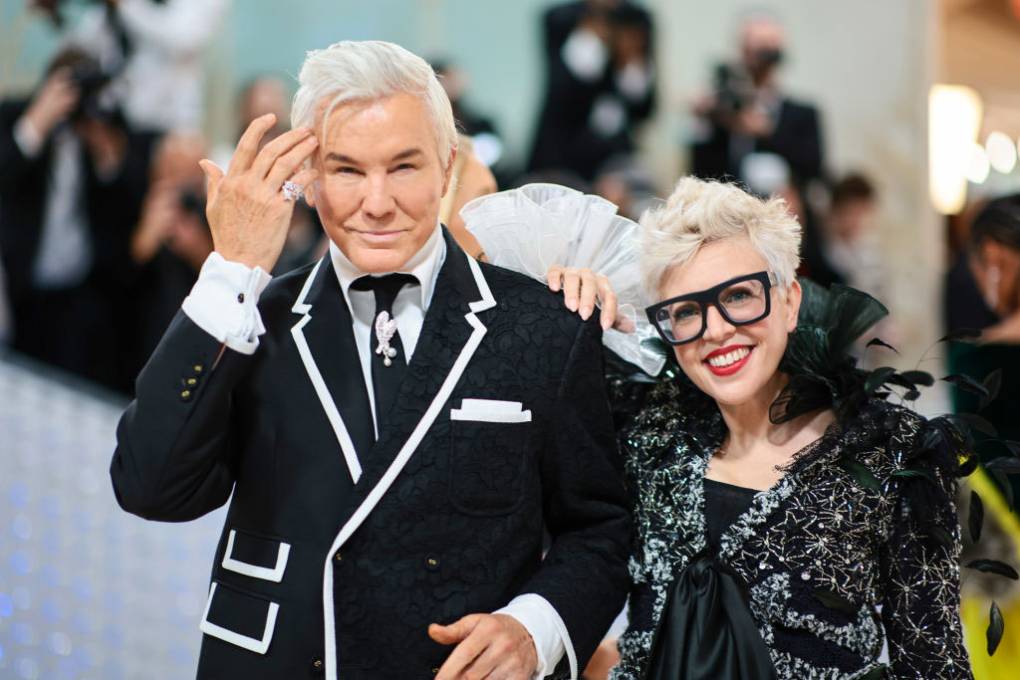
"caption": "Imagine wanting to transform yourself into Karl Lagerfeld — and then make your wife Catherine Martin his accessory. Interesting choice, Baz Luhrmann! ",
"description": null,
"title": "Lagerfeld.MAIN",
"credit": "Dimitrios Kambouris/Getty Images for The Met Museum/Vogue",
"status": "inherit",
"altTag": "A man with white hair and a black-and-white suit with a woman in black wardrobe and glasses.",
"isLoading": false,
"fetchFailed": false
},
"arts_13926492": {
"type": "attachments",
"id": "arts_13926492",
"meta": {
"index": "attachments_1716263798",
"site": "arts",
"id": "13926492",
"found": true
},
"parent": 13926491,
"imgSizes": {
"twentyfourteen-full-width": {
"file": "https://ww2.kqed.org/app/uploads/sites/2/2023/03/TramiCron_ChopsticksAlley_byCherriLakey-1038x576.jpg",
"width": 1038,
"mimeType": "image/jpeg",
"height": 576
},
"thumbnail": {
"file": "https://ww2.kqed.org/app/uploads/sites/2/2023/03/TramiCron_ChopsticksAlley_byCherriLakey-160x108.jpg",
"width": 160,
"mimeType": "image/jpeg",
"height": 108
},
"post-thumbnail": {
"file": "https://ww2.kqed.org/app/uploads/sites/2/2023/03/TramiCron_ChopsticksAlley_byCherriLakey-672x372.jpg",
"width": 672,
"mimeType": "image/jpeg",
"height": 372
},
"kqedFullSize": {
"file": "https://ww2.kqed.org/app/uploads/sites/2/2023/03/TramiCron_ChopsticksAlley_byCherriLakey-scaled.jpg",
"width": 2560,
"height": 1723
},
"2048x2048": {
"file": "https://ww2.kqed.org/app/uploads/sites/2/2023/03/TramiCron_ChopsticksAlley_byCherriLakey-2048x1378.jpg",
"width": 2048,
"mimeType": "image/jpeg",
"height": 1378
},
"large": {
"file": "https://ww2.kqed.org/app/uploads/sites/2/2023/03/TramiCron_ChopsticksAlley_byCherriLakey-1020x686.jpg",
"width": 1020,
"mimeType": "image/jpeg",
"height": 686
},
"1536x1536": {
"file": "https://ww2.kqed.org/app/uploads/sites/2/2023/03/TramiCron_ChopsticksAlley_byCherriLakey-1536x1034.jpg",
"width": 1536,
"mimeType": "image/jpeg",
"height": 1034
},
"full-width": {
"file": "https://ww2.kqed.org/app/uploads/sites/2/2023/03/TramiCron_ChopsticksAlley_byCherriLakey-1920x1292.jpg",
"width": 1920,
"mimeType": "image/jpeg",
"height": 1292
},
"medium": {
"file": "https://ww2.kqed.org/app/uploads/sites/2/2023/03/TramiCron_ChopsticksAlley_byCherriLakey-800x538.jpg",
"width": 800,
"mimeType": "image/jpeg",
"height": 538
},
"medium_large": {
"file": "https://ww2.kqed.org/app/uploads/sites/2/2023/03/TramiCron_ChopsticksAlley_byCherriLakey-768x517.jpg",
"width": 768,
"mimeType": "image/jpeg",
"height": 517
}
},
"publishDate": 1679287732,
"modified": 1679531919,
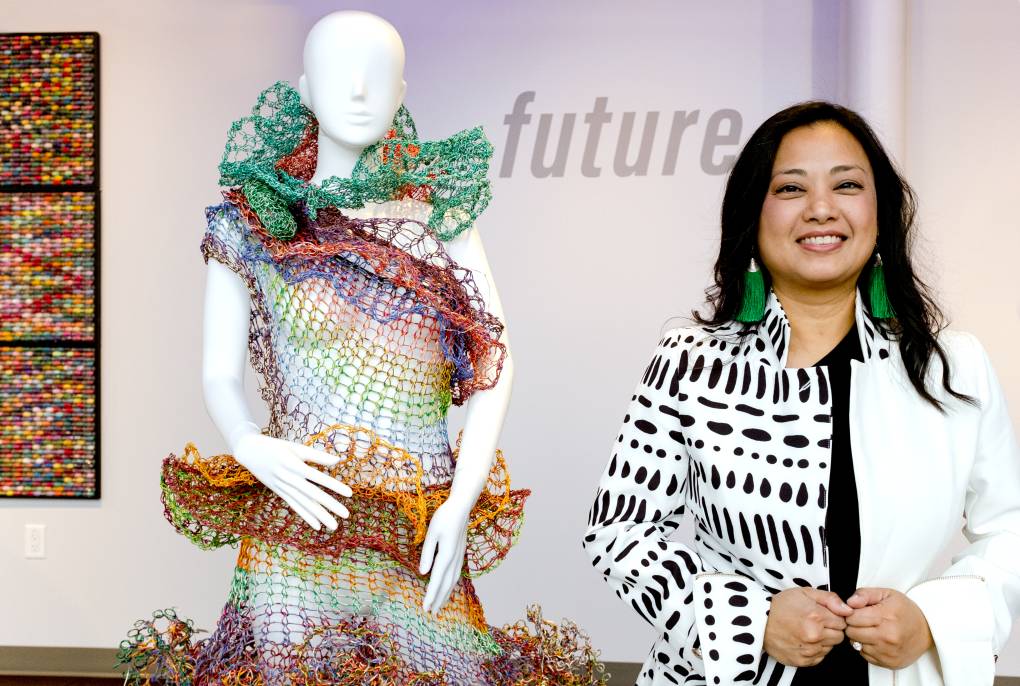
"caption": "Chopsticks Alley founder Trami Cron pictured with dress by Tuan Tran.",
"description": null,
"title": "TramiCron_ChopsticksAlley_byCherriLakey",
"credit": "Cherri Lakey",
"status": "inherit",
"altTag": "A smiling Asian woman stands next to a mannequin in a netting dress",
"isLoading": false,
"fetchFailed": false
}
},
"audioPlayerReducer": {
"postId": "stream_live",
"isPaused": true,
"isPlaying": false,
"pfsActive": false,
"pledgeModalIsOpen": true,
"playerDrawerIsOpen": false,
"liveAudioPlayStartedAt": 0,
"liveAudioPlayContext": ""
},
"authorsReducer": {
"byline_arts_13936614": {
"type": "authors",
"id": "byline_arts_13936614",
"meta": {
"override": true
},
"slug": "byline_arts_13936614",
"name": "Mae Anderson, Associated Press",
"isLoading": false
},
"byline_arts_13936528": {
"type": "authors",
"id": "byline_arts_13936528",
"meta": {
"override": true
},
"slug": "byline_arts_13936528",
"name": "Dario McCarty",
"isLoading": false
},
"byline_arts_13933436": {
"type": "authors",
"id": "byline_arts_13933436",
"meta": {
"override": true
},
"slug": "byline_arts_13933436",
"name": "Dario McCarty",
"isLoading": false
},
"byline_arts_13931705": {
"type": "authors",
"id": "byline_arts_13931705",
"meta": {
"override": true
},
"slug": "byline_arts_13931705",
"name": "Associated Press Staff",
"isLoading": false
},
"clakey": {
"type": "authors",
"id": "191",
"meta": {
"index": "authors_1716337520",
"id": "191",
"found": true
},
"name": "Cherri Lakey",
"firstName": "Cherri",
"lastName": "Lakey",
"slug": "clakey",
"email": "cherri@galleryad.com",
"display_author_email": false,
"staff_mastheads": [],
"title": "KQED Contributor",
"bio": "Co-owner/curator of urban contemporary art and culture gallery \u003ca href=\"http://www.galleryAD.com\">ANNO DOMINI\u003c/a> // the second coming of Art & Design and producer of a bunch of other cool projects with partner \u003ca href=\"http://ww2.kqed.org/arts/author/beder/\" target=\"_blank\">Brian Eder.\u003c/a> \u003ca href=\"https://twitter.com/astrogirl\">Follow @astrogirl\u003c/a>\r\n// ",
"avatar": "https://secure.gravatar.com/avatar/29642fbd8e9eef623a3f07213c5b739fbbfe7e1efe98571b1093fabcaade6f08?s=600&d=blank&r=g",
"twitter": null,
"bluesky": null,
"facebook": null,
"instagram": null,
"linkedin": null,
"sites": [
{
"site": "arts",
"roles": [
"subscriber"
]
}
],
"headData": {
"title": "Cherri Lakey | KQED",
"description": "KQED Contributor",
"ogImgSrc": "https://secure.gravatar.com/avatar/29642fbd8e9eef623a3f07213c5b739fbbfe7e1efe98571b1093fabcaade6f08?s=600&d=blank&r=g",
"twImgSrc": "https://secure.gravatar.com/avatar/29642fbd8e9eef623a3f07213c5b739fbbfe7e1efe98571b1093fabcaade6f08?s=600&d=blank&r=g"
},
"isLoading": false,
"link": "/author/clakey"
},
"ralexandra": {
"type": "authors",
"id": "11242",
"meta": {
"index": "authors_1716337520",
"id": "11242",
"found": true
},
"name": "Rae Alexandra",
"firstName": "Rae",
"lastName": "Alexandra",
"slug": "ralexandra",
"email": "ralexandra@kqed.org",
"display_author_email": true,
"staff_mastheads": [],
"title": "Reporter/Producer",
"bio": "Rae Alexandra is a Reporter/Producer for KQED Arts & Culture, and the creator/author of the \u003ca href=\"https://www.kqed.org/arts/program/rebel-girls-from-bay-area-history\">Rebel Girls From Bay Area History\u003c/a> and \u003ca href=\"https://www.kqed.org/bizarrebayarea\">Bizarre Bay Area\u003c/a> series. Her debut book, \u003ca href=\"https://citylights.com/politics-current-events-history/unsung-heroines35-women-who-changed/\">Unsung Heroines: 35 Women Who Changed the Bay Area\u003c/a> was published by City Lights in March 2026. In 2023, Rae was awarded an SPJ Excellence in Journalism Award for Arts & Culture. Rae was born and raised in Wales and subsequently — even after two decades in Northern California — still uses phrases that regularly baffle her coworkers.",
"avatar": "https://secure.gravatar.com/avatar/edfee8176c80cc0a382b051190f5341997df378a934a5774dcb0977732dfd401?s=600&d=blank&r=g",
"twitter": null,
"bluesky": null,
"facebook": null,
"instagram": null,
"linkedin": null,
"sites": [
{
"site": "arts",
"roles": [
"subscriber"
]
},
{
"site": "news",
"roles": [
"subscriber"
]
},
{
"site": "pop",
"roles": [
"subscriber"
]
},
{
"site": "bayareabites",
"roles": [
"subscriber"
]
},
{
"site": "science",
"roles": [
"subscriber"
]
}
],
"headData": {
"title": "Rae Alexandra | KQED",
"description": "Reporter/Producer",
"ogImgSrc": "https://secure.gravatar.com/avatar/edfee8176c80cc0a382b051190f5341997df378a934a5774dcb0977732dfd401?s=600&d=blank&r=g",
"twImgSrc": "https://secure.gravatar.com/avatar/edfee8176c80cc0a382b051190f5341997df378a934a5774dcb0977732dfd401?s=600&d=blank&r=g"
},
"isLoading": false,
"link": "/author/ralexandra"
},
"egonzalez": {
"type": "authors",
"id": "11384",
"meta": {
"index": "authors_1716337520",
"id": "11384",
"found": true
},
"name": "Estefany Gonzalez",
"firstName": "Estefany",
"lastName": "Gonzalez",
"slug": "egonzalez",
"email": "estefancy@gmail.com",
"display_author_email": false,
"staff_mastheads": [],
"title": "KQED Contributor",
"bio": "Estefany is a contributing photographer at KQED.",
"avatar": "https://secure.gravatar.com/avatar/31ed90a4cd60f9435d6f170329b6cbb7?s=600&d=blank&r=g",
"twitter": null,
"facebook": null,
"instagram": "https://www.instagram.com/estefancy/",
"linkedin": null,
"sites": [
{
"site": "arts",
"roles": [
"author"
]
},
{
"site": "news",
"roles": [
"author"
]
}
],
"headData": {
"title": "Estefany Gonzalez | KQED",
"description": "KQED Contributor",
"ogImgSrc": "https://secure.gravatar.com/avatar/31ed90a4cd60f9435d6f170329b6cbb7?s=600&d=blank&r=g",
"twImgSrc": "https://secure.gravatar.com/avatar/31ed90a4cd60f9435d6f170329b6cbb7?s=600&d=blank&r=g"
},
"isLoading": false,
"link": "/author/egonzalez"
},
"mmedina": {
"type": "authors",
"id": "11528",
"meta": {
"index": "authors_1716337520",
"id": "11528",
"found": true
},
"name": "Marisol Medina-Cadena",
"firstName": "Marisol",
"lastName": "Medina-Cadena",
"slug": "mmedina",
"email": "mmedina@KQED.org",
"display_author_email": true,
"staff_mastheads": [],
"title": "Producer, Rightnowish Podcast",
"bio": "Marisol Medina-Cadena is a radio reporter and podcast producer. Before working at KQED, she produced for PBS member station, KCET, in Los Angeles. In 2017, Marisol won an Emmy Award for her work on the televised documentary, \u003cem>City Rising\u003c/em>, examining California's affordable housing crisis and the historical roots of gentrification.",
"avatar": "https://secure.gravatar.com/avatar/6c3db46a1cabb5e1fe9a365b5f4e681e?s=600&d=blank&r=g",
"twitter": "marisolreports",
"facebook": null,
"instagram": null,
"linkedin": null,
"sites": [
{
"site": "arts",
"roles": []
},
{
"site": "news",
"roles": [
"edit_others_posts"
]
}
],
"headData": {
"title": "Marisol Medina-Cadena | KQED",
"description": "Producer, Rightnowish Podcast",
"ogImgSrc": "https://secure.gravatar.com/avatar/6c3db46a1cabb5e1fe9a365b5f4e681e?s=600&d=blank&r=g",
"twImgSrc": "https://secure.gravatar.com/avatar/6c3db46a1cabb5e1fe9a365b5f4e681e?s=600&d=blank&r=g"
},
"isLoading": false,
"link": "/author/mmedina"
},
"blaberge": {
"type": "authors",
"id": "11667",
"meta": {
"index": "authors_1716337520",
"id": "11667",
"found": true
},
"name": "Beth LaBerge",
"firstName": "Beth",
"lastName": "LaBerge",
"slug": "blaberge",
"email": "blaberge@KQED.org",
"display_author_email": true,
"staff_mastheads": [
"news"
],
"title": "Photographer, News",
"bio": "Beth LaBerge is a visual journalist for \u003ca href=\"https://www.kqed.org/news\">KQED News\u003c/a>.",
"avatar": "https://secure.gravatar.com/avatar/ce49ecd7a1306685637b45a1f6f5dedfc4ae9481966eb596fea5160466dd6319?s=600&d=blank&r=g",
"twitter": null,
"bluesky": null,
"facebook": null,
"instagram": "https://www.instagram.com/bethlaberge/",
"linkedin": null,
"sites": [
{
"site": "arts",
"roles": [
"editor",
"manage_categories"
]
},
{
"site": "news",
"roles": [
"editor",
"edit_plugins",
"manage_categories"
]
},
{
"site": "science",
"roles": [
"editor",
"contributor",
"author",
"manage_categories"
]
},
{
"site": "perspectives",
"roles": [
"editor"
]
},
{
"site": "liveblog",
"roles": [
"editor"
]
}
],
"headData": {
"title": "Beth LaBerge | KQED",
"description": "Photographer, News",
"ogImgSrc": "https://secure.gravatar.com/avatar/ce49ecd7a1306685637b45a1f6f5dedfc4ae9481966eb596fea5160466dd6319?s=600&d=blank&r=g",
"twImgSrc": "https://secure.gravatar.com/avatar/ce49ecd7a1306685637b45a1f6f5dedfc4ae9481966eb596fea5160466dd6319?s=600&d=blank&r=g"
},
"isLoading": false,
"link": "/author/blaberge"
},
"achazaro": {
"type": "authors",
"id": "11748",
"meta": {
"index": "authors_1716337520",
"id": "11748",
"found": true
},
"name": "Alan Chazaro",
"firstName": "Alan",
"lastName": "Chazaro",
"slug": "achazaro",
"email": "agchazaro@gmail.com",
"display_author_email": true,
"staff_mastheads": [],
"title": "Food Writer and Reporter",
"bio": "Alan Chazaro is the author of \u003cem>This Is Not a Frank Ocean Cover Album\u003c/em> (Black Lawrence Press, 2019), \u003cem>Piñata Theory\u003c/em> (Black Lawrence Press, 2020), and \u003cem>Notes from the Eastern Span of the Bay Bridge\u003c/em> (Ghost City Press, 2021). He is a graduate of June Jordan’s Poetry for the People program at UC Berkeley and a former Lawrence Ferlinghetti Fellow at the University of San Francisco. He writes about sports, food, art, music, education, and culture while repping the Bay on \u003ca href=\"https://twitter.com/alan_chazaro\">Twitter\u003c/a> and \u003ca href=\"https://www.instagram.com/alan_chazaro/?hl=en\">Instagram\u003c/a> at @alan_chazaro.",
"avatar": "https://secure.gravatar.com/avatar/ea8b6dd970fc5c29e7a188e7d5861df7?s=600&d=blank&r=g",
"twitter": "alan_chazaro",
"facebook": null,
"instagram": null,
"linkedin": null,
"sites": [
{
"site": "arts",
"roles": [
"contributor"
]
},
{
"site": "news",
"roles": [
"editor"
]
}
],
"headData": {
"title": "Alan Chazaro | KQED",
"description": "Food Writer and Reporter",
"ogImgSrc": "https://secure.gravatar.com/avatar/ea8b6dd970fc5c29e7a188e7d5861df7?s=600&d=blank&r=g",
"twImgSrc": "https://secure.gravatar.com/avatar/ea8b6dd970fc5c29e7a188e7d5861df7?s=600&d=blank&r=g"
},
"isLoading": false,
"link": "/author/achazaro"
},
"nkhan": {
"type": "authors",
"id": "11867",
"meta": {
"index": "authors_1716337520",
"id": "11867",
"found": true
},
"name": "Nisa Khan",
"firstName": "Nisa",
"lastName": "Khan",
"slug": "nkhan",
"email": "nkhan@kqed.org",
"display_author_email": false,
"staff_mastheads": [],
"title": "KQED Contributor",
"bio": "Nisa Khan is a reporter for KQED's Audience News Desk. She was formerly a data reporter at Michigan Radio. She earned a Bachelor of Science in Information from the University of Michigan and a Master of Arts in Communication from Stanford University.",
"avatar": "https://secure.gravatar.com/avatar/8720459eef081ff64582b3506b124d58523e80e120704a0cbd9892533c914991?s=600&d=blank&r=g",
"twitter": "mnisakhan",
"bluesky": null,
"facebook": null,
"instagram": null,
"linkedin": null,
"sites": [
{
"site": "arts",
"roles": [
"editor"
]
},
{
"site": "news",
"roles": [
"editor"
]
},
{
"site": "science",
"roles": [
"editor",
"author"
]
},
{
"site": "forum",
"roles": [
"editor"
]
},
{
"site": "liveblog",
"roles": [
"contributor"
]
}
],
"headData": {
"title": "Nisa Khan | KQED",
"description": "KQED Contributor",
"ogImgSrc": "https://secure.gravatar.com/avatar/8720459eef081ff64582b3506b124d58523e80e120704a0cbd9892533c914991?s=600&d=blank&r=g",
"twImgSrc": "https://secure.gravatar.com/avatar/8720459eef081ff64582b3506b124d58523e80e120704a0cbd9892533c914991?s=600&d=blank&r=g"
},
"isLoading": false,
"link": "/author/nkhan"
},
"omayeda": {
"type": "authors",
"id": "11872",
"meta": {
"index": "authors_1716337520",
"id": "11872",
"found": true
},
"name": "Olivia Cruz Mayeda",
"firstName": "Olivia Cruz",
"lastName": "Mayeda",
"slug": "omayeda",
"email": "omayeda@kqed.org",
"display_author_email": false,
"staff_mastheads": [],
"title": "Reporter",
"bio": "Olivia Cruz Mayeda is a journalist covering style, culture and reparations in the Bay Area, a place that has been home to her family for over 100 years. Her writing has also appeared in the \u003cem>San Francisco Chronicle\u003c/em> and \u003cem>El Tecolote\u003c/em>.",
"avatar": "https://secure.gravatar.com/avatar/a8c0baa30219ce1071a9474f4c14141f?s=600&d=blank&r=g",
"twitter": null,
"facebook": null,
"instagram": null,
"linkedin": null,
"sites": [
{
"site": "arts",
"roles": [
"contributor"
]
}
],
"headData": {
"title": "Olivia Cruz Mayeda | KQED",
"description": "Reporter",
"ogImgSrc": "https://secure.gravatar.com/avatar/a8c0baa30219ce1071a9474f4c14141f?s=600&d=blank&r=g",
"twImgSrc": "https://secure.gravatar.com/avatar/a8c0baa30219ce1071a9474f4c14141f?s=600&d=blank&r=g"
},
"isLoading": false,
"link": "/author/omayeda"
},
"xolivares": {
"type": "authors",
"id": "11874",
"meta": {
"index": "authors_1716337520",
"id": "11874",
"found": true
},
"name": "Xorje Olivares",
"firstName": "Xorje",
"lastName": "Olivares",
"slug": "xolivares",
"email": "xolivares@kqed.org",
"display_author_email": false,
"staff_mastheads": [],
"title": "KQED Contributor",
"bio": "Xorje Olivares is KQED's senior producer/editor for podcast development. He previously was a supervising producer at Lemonada Media and also spent 10 years as both an on-air personality and live producer for SiriusXM Radio. His written work has been published in Vice, Rolling Stone and Teen Vogue, among others. You can find him on Twitter and Instagram at @xorjeo.",
"avatar": "https://secure.gravatar.com/avatar/46b74ed252c58ca227b0f680d27b3731?s=600&d=blank&r=g",
"twitter": null,
"facebook": null,
"instagram": null,
"linkedin": null,
"sites": [
{
"site": "arts",
"roles": []
}
],
"headData": {
"title": "Xorje Olivares | KQED",
"description": "KQED Contributor",
"ogImgSrc": "https://secure.gravatar.com/avatar/46b74ed252c58ca227b0f680d27b3731?s=600&d=blank&r=g",
"twImgSrc": "https://secure.gravatar.com/avatar/46b74ed252c58ca227b0f680d27b3731?s=600&d=blank&r=g"
},
"isLoading": false,
"link": "/author/xolivares"
},
"pabarca": {
"type": "authors",
"id": "11882",
"meta": {
"index": "authors_1716337520",
"id": "11882",
"found": true
},
"name": "Paloma Abarca",
"firstName": "Paloma",
"lastName": "Abarca",
"slug": "pabarca",
"email": "pabarca@kqed.org",
"display_author_email": true,
"staff_mastheads": [],
"title": "KQED Contributor",
"bio": "Paloma Yaritza Abarca is a Live Event Producer and Digital Creator for KQED Live, our multiplatform live events program. She focuses on amplifying LGBTQIA and BIPOC voices and developing opportunities to showcase the diversity of the Bay's culture and history. She's produced three successful Latinx events: Hella Caffeinated con Pan, The Special: Vegan Food con Sazón, and Reclaiming Curanderismo, and was previously the Latinx Engagement Producer with KQED's Audience Development team. Paloma was a writer and Lead Content Specialist for the Dance Music Media and News company, EDM Maniac, has produced stories for KALW's award-winning news magazine Crosscurrents, and ran San Francisco State's events venue, The Depot.",
"avatar": "https://secure.gravatar.com/avatar/90ff14b6bdb2e86dc89f8cf0d6beeecd?s=600&d=blank&r=g",
"twitter": null,
"facebook": null,
"instagram": null,
"linkedin": null,
"sites": [
{
"site": "arts",
"roles": [
"contributor"
]
}
],
"headData": {
"title": "Paloma Abarca | KQED",
"description": "KQED Contributor",
"ogImgSrc": "https://secure.gravatar.com/avatar/90ff14b6bdb2e86dc89f8cf0d6beeecd?s=600&d=blank&r=g",
"twImgSrc": "https://secure.gravatar.com/avatar/90ff14b6bdb2e86dc89f8cf0d6beeecd?s=600&d=blank&r=g"
},
"isLoading": false,
"link": "/author/pabarca"
}
},
"pagesReducer": {
"arts_category_design": {
"type": "terms",
"id": "arts_76",
"meta": {
"index": "terms_1716263798",
"site": "arts",
"id": "76",
"score": 12.560116
},
"featImg": null,
"name": "Fashion/Design",
"description": null,
"taxonomy": "category",
"headData": {
"twImgId": null,
"twTitle": null,
"ogTitle": null,
"ogImgId": null,
"twDescription": null,
"description": null,
"title": "Fashion/Design Archives | KQED Arts",
"ogDescription": null
},
"ttid": 77,
"slug": "design",
"isLoading": false,
"title": "Fashion/Design",
"pageMeta": {
"site": "arts",
"WpPageTemplate": "page-topic-editorial",
"currentPage": 7
},
"blocks": [
{
"blockName": "kqed/post-list",
"attrs": {
"layout": "cardArticle2",
"query": "posts/arts?category=design",
"seeMore": false,
"paginated": true,
"page": 7
}
},
{
"blockName": "kqed/ad"
}
]
}
},
"pfsSessionReducer": {},
"postsReducer": {
"stream_live": {
"type": "live",
"id": "stream_live",
"audioUrl": "https://streams.kqed.org/kqedradio",
"title": "Live Stream",
"excerpt": "Live Stream information currently unavailable.",
"link": "/radio",
"featImg": "",
"label": {
"name": "KQED Live",
"link": "/"
}
},
"stream_kqedNewscast": {
"type": "posts",
"id": "stream_kqedNewscast",
"audioUrl": "https://www.kqed.org/.stream/anon/radio/RDnews/newscast.mp3?_=1",
"title": "KQED Newscast",
"featImg": "",
"label": {
"name": "88.5 FM",
"link": "/"
}
},
"arts_13938519": {
"type": "posts",
"id": "arts_13938519",
"meta": {
"index": "posts_1716263798",
"site": "arts",
"id": "13938519",
"score": null,
"sort": [
1701189570000
]
},
"guestAuthors": [],
"slug": "bay-area-fashion-locals-impeccable-style",
"title": "5 Bay Area Locals With Impeccable Style",
"publishDate": 1701189570,
"format": "standard",
"headTitle": "5 Bay Area Locals With Impeccable Style | KQED",
"labelTerm": {
"site": "arts"
},
"content": "\u003cp>The Bay Area doesn’t have a formal fashion scene, but it’s not hard to find people who know the difference between throwing on clothes and putting together a thoughtful, self-expressive look — and we all know impeccable style when we see it.\u003c/p>\n\u003cp>While Aritzia and Patagonia still color many of our streets’ lackluster shades of predictable, these five Bay Area locals dress with a point of view. Here are their looks, how they describe their approaches to self-presentation and their thoughts on style in a region that’s so often dismissed as lacking any.\u003c/p>\n\u003cfigure id=\"attachment_13938558\" class=\"wp-caption aligncenter\" style=\"max-width: 1920px\">\u003cimg loading=\"lazy\" decoding=\"async\" class=\"size-full wp-image-13938558\" src=\"https://ww2.kqed.org/app/uploads/sites/2/2023/11/231104-ImpeccableStyleJenay-20-BL.jpg\" alt=\"Diptych of a full-body shot of woman in red top and layered pants/skirt and close-up of ornate nails\" width=\"1920\" height=\"862\" srcset=\"https://cdn.kqed.org/wp-content/uploads/sites/2/2023/11/231104-ImpeccableStyleJenay-20-BL.jpg 1920w, https://cdn.kqed.org/wp-content/uploads/sites/2/2023/11/231104-ImpeccableStyleJenay-20-BL-800x359.jpg 800w, https://cdn.kqed.org/wp-content/uploads/sites/2/2023/11/231104-ImpeccableStyleJenay-20-BL-1020x458.jpg 1020w, https://cdn.kqed.org/wp-content/uploads/sites/2/2023/11/231104-ImpeccableStyleJenay-20-BL-160x72.jpg 160w, https://cdn.kqed.org/wp-content/uploads/sites/2/2023/11/231104-ImpeccableStyleJenay-20-BL-768x345.jpg 768w, https://cdn.kqed.org/wp-content/uploads/sites/2/2023/11/231104-ImpeccableStyleJenay-20-BL-1536x690.jpg 1536w\" sizes=\"(max-width: 1920px) 100vw, 1920px\">\u003cfigcaption class=\"wp-caption-text\">Jenay Hatchell wears pants designed by Graham Payton (@sterrepeyton), a shirt and skirt by Maya Avery (@insigniamsa), nails by @nailsby_saby, Savage X Fenty gloves, and a Gucci bag. \u003ccite>(Beth LaBerge/KQED)\u003c/cite>\u003c/figcaption>\u003c/figure>\n\u003ch2>Jenay Hatchell, 23: ‘Bold, Versatile & Authentic’\u003c/h2>\n\u003cp>Art and politics are inextricable, says Jenay Hatchell, who wears black, red, green and white in homage to the Palestinian flag and the pan-African flag.\u003c/p>\n\u003cp>“Right now I’ve just been thinking heavily about how the struggles of Black and Brown kids in Oakland are tied to the struggles of people everywhere,” Hatchell says, “especially the struggles of Palestinian children and the struggles of children in the Congo and Sudan.”\u003c/p>\n\u003cp>A culture of making is a big part of Bay Area style for Hatchell, who also proudly wears jewelry and clothing made by friends and friends of friends. Clothes are a rich dimension for self-expression, including remembrance, says Hatchell, who wears an A’s hat adorned with the number 9 to commemorate her friend Justin Ross who passed earlier this year.\u003c/p>\n\u003cfigure id=\"attachment_13938530\" class=\"wp-caption aligncenter\" style=\"max-width: 1920px\">\u003cimg loading=\"lazy\" decoding=\"async\" class=\"size-full wp-image-13938530\" src=\"https://ww2.kqed.org/app/uploads/sites/2/2023/11/231104-ImpeccableStyleJenay-18-BL-qut.jpg\" alt=\"Black woman in black A's cap and red top stands among trees\" width=\"1920\" height=\"1280\" srcset=\"https://cdn.kqed.org/wp-content/uploads/sites/2/2023/11/231104-ImpeccableStyleJenay-18-BL-qut.jpg 1920w, https://cdn.kqed.org/wp-content/uploads/sites/2/2023/11/231104-ImpeccableStyleJenay-18-BL-qut-800x533.jpg 800w, https://cdn.kqed.org/wp-content/uploads/sites/2/2023/11/231104-ImpeccableStyleJenay-18-BL-qut-1020x680.jpg 1020w, https://cdn.kqed.org/wp-content/uploads/sites/2/2023/11/231104-ImpeccableStyleJenay-18-BL-qut-160x107.jpg 160w, https://cdn.kqed.org/wp-content/uploads/sites/2/2023/11/231104-ImpeccableStyleJenay-18-BL-qut-768x512.jpg 768w, https://cdn.kqed.org/wp-content/uploads/sites/2/2023/11/231104-ImpeccableStyleJenay-18-BL-qut-1536x1024.jpg 1536w\" sizes=\"(max-width: 1920px) 100vw, 1920px\">\u003cfigcaption class=\"wp-caption-text\">Jenay Hatchell in Joaquin Miller Park. \u003ccite>(Beth LaBerge/KQED)\u003c/cite>\u003c/figcaption>\u003c/figure>\n\u003cp>But the lifelong East Oaklander has noticed that some Bay Area residents conflate cool with money.\u003c/p>\n\u003cp>[ad fullwidth]\u003c/p>\n\u003cp>“Bay Area style at its worst is this flexing culture of just throwing together a whole bunch of expensive brands to look cool, but not putting any thought into what you’re actually wearing,” Hatchell says.\u003c/p>\n\u003cp>Bay Area style at its best, though, happens when people dress themselves with care and creativity, not necessarily with big price tags, she says.\u003c/p>\n\u003cp>“People wear things differently than you might expect, like mixing patterns, a lot of bright colors, jewelry — and not necessarily jewelry that’s super flashy,” she explains. “We make street fashion and comfortable fashion very unique to the point where it kind of looks like we’re dressed up.”\u003c/p>\n\u003cp>\u003cb>The details:\u003c/b> \u003ci>red tank by Maya Avery, knit skirt by Maya Avery, Savage X Fenty fingerless gloves, hand-painted jeans by Graham Peyton with graphic line work, A’s hat, silver chains outfitted by Hatchell with a red earring from dipsandcoils, wire bracelet with pearls, wire coil bracelet, watch gifted to Hatchell by her mom, silver hoops by Urban Outfitters.\u003c/i>\u003c/p>\n\u003cfigure id=\"attachment_13938534\" class=\"wp-caption aligncenter\" style=\"max-width: 1920px\">\u003cimg loading=\"lazy\" decoding=\"async\" class=\"size-full wp-image-13938534\" src=\"https://ww2.kqed.org/app/uploads/sites/2/2023/11/231026-ImpeccableStyleTerri-26-BL-qut.jpg\" alt=\"Asian woman in sunglasses, embroidered hat and bat-shaped earrings smiles in profile\" width=\"1920\" height=\"1280\" srcset=\"https://cdn.kqed.org/wp-content/uploads/sites/2/2023/11/231026-ImpeccableStyleTerri-26-BL-qut.jpg 1920w, https://cdn.kqed.org/wp-content/uploads/sites/2/2023/11/231026-ImpeccableStyleTerri-26-BL-qut-800x533.jpg 800w, https://cdn.kqed.org/wp-content/uploads/sites/2/2023/11/231026-ImpeccableStyleTerri-26-BL-qut-1020x680.jpg 1020w, https://cdn.kqed.org/wp-content/uploads/sites/2/2023/11/231026-ImpeccableStyleTerri-26-BL-qut-160x107.jpg 160w, https://cdn.kqed.org/wp-content/uploads/sites/2/2023/11/231026-ImpeccableStyleTerri-26-BL-qut-768x512.jpg 768w, https://cdn.kqed.org/wp-content/uploads/sites/2/2023/11/231026-ImpeccableStyleTerri-26-BL-qut-1536x1024.jpg 1536w\" sizes=\"(max-width: 1920px) 100vw, 1920px\">\u003cfigcaption class=\"wp-caption-text\">Terri Wong poses for a portrait in her backyard in San Francisco on Oct. 26, 2023. \u003ccite>(Beth LaBerge/KQED)\u003c/cite>\u003c/figcaption>\u003c/figure>\n\u003ch2>Terri Wong, 68: ‘Colorful, Eclectic & Asian’\u003c/h2>\n\u003cp>For vintage heads who like to reinvent older pieces, Terri Wong is a sort of virtuosa whose main complaint about Bay Area style is a lack of color — a deficiency she makes up for in her own ensembles. The former opera singer pairs vibrant vintage textiles that reflect her Chinese heritage with contemporary pleated garments and accessories.\u003c/p>\n\u003cp>“My sense of style is 80% vintage and maybe 20% contemporary,” Wong says. “I learned from my grandmother — she was a phenomenal seamstress.”\u003c/p>\n\u003cp>A bright side of regional style for Wong is an unapologetic sense of individuality among those folks who do lean into dressing up, which she embodies wholeheartedly.\u003c/p>\n\u003cfigure id=\"attachment_13938536\" class=\"wp-caption aligncenter\" style=\"max-width: 1920px\">\u003cimg loading=\"lazy\" decoding=\"async\" class=\"size-full wp-image-13938536\" src=\"https://ww2.kqed.org/app/uploads/sites/2/2023/11/231026-ImpeccableStyleTerri-18-BL-qut.jpg\" alt=\"Asian woman in fuchsia flowered hat holds parasol and smiles\" width=\"1920\" height=\"1280\" srcset=\"https://cdn.kqed.org/wp-content/uploads/sites/2/2023/11/231026-ImpeccableStyleTerri-18-BL-qut.jpg 1920w, https://cdn.kqed.org/wp-content/uploads/sites/2/2023/11/231026-ImpeccableStyleTerri-18-BL-qut-800x533.jpg 800w, https://cdn.kqed.org/wp-content/uploads/sites/2/2023/11/231026-ImpeccableStyleTerri-18-BL-qut-1020x680.jpg 1020w, https://cdn.kqed.org/wp-content/uploads/sites/2/2023/11/231026-ImpeccableStyleTerri-18-BL-qut-160x107.jpg 160w, https://cdn.kqed.org/wp-content/uploads/sites/2/2023/11/231026-ImpeccableStyleTerri-18-BL-qut-768x512.jpg 768w, https://cdn.kqed.org/wp-content/uploads/sites/2/2023/11/231026-ImpeccableStyleTerri-18-BL-qut-1536x1024.jpg 1536w\" sizes=\"(max-width: 1920px) 100vw, 1920px\">\u003cfigcaption class=\"wp-caption-text\">Terri Wong near her home in San Francisco. \u003ccite>(Beth LaBerge/KQED)\u003c/cite>\u003c/figcaption>\u003c/figure>\n\u003cp>Wong’s outfits are elaborate and whimsical — and they’re not meant to impress anyone, she says. Her vintage collection, though, is impressive in and of itself, which includes 200 ornate children’s hats.\u003c/p>\n\u003cp>\u003cb>The details:\u003c/b> \u003ci>capelet knitted by Wong, Issey Miyake cobalt blue top, Ann Taylor pants, jade bangles, bat earrings, and an antique child’s hat with bat details.\u003c/i>\u003c/p>\n\u003cfigure id=\"attachment_13938540\" class=\"wp-caption aligncenter\" style=\"max-width: 1920px\">\u003cimg loading=\"lazy\" decoding=\"async\" class=\"size-full wp-image-13938540\" src=\"https://ww2.kqed.org/app/uploads/sites/2/2023/11/231109-ImpeccableStyleNamixtulu-05-BL-qut.jpg\" alt=\"Diptych with full-body shot of young woman and close-up of French-tip nails.\" width=\"1920\" height=\"866\" srcset=\"https://cdn.kqed.org/wp-content/uploads/sites/2/2023/11/231109-ImpeccableStyleNamixtulu-05-BL-qut.jpg 1920w, https://cdn.kqed.org/wp-content/uploads/sites/2/2023/11/231109-ImpeccableStyleNamixtulu-05-BL-qut-800x361.jpg 800w, https://cdn.kqed.org/wp-content/uploads/sites/2/2023/11/231109-ImpeccableStyleNamixtulu-05-BL-qut-1020x460.jpg 1020w, https://cdn.kqed.org/wp-content/uploads/sites/2/2023/11/231109-ImpeccableStyleNamixtulu-05-BL-qut-160x72.jpg 160w, https://cdn.kqed.org/wp-content/uploads/sites/2/2023/11/231109-ImpeccableStyleNamixtulu-05-BL-qut-768x346.jpg 768w, https://cdn.kqed.org/wp-content/uploads/sites/2/2023/11/231109-ImpeccableStyleNamixtulu-05-BL-qut-1536x693.jpg 1536w\" sizes=\"(max-width: 1920px) 100vw, 1920px\">\u003cfigcaption class=\"wp-caption-text\">Left: Namixtu’lú’ Esteva poses for a portrait in her backyard in Oakland on Nov. 9, 2023. Right: Esteva shows her nails and jewelry. \u003ccite>(Beth LaBerge/KQED)\u003c/cite>\u003c/figcaption>\u003c/figure>\n\u003ch2>Namixtu’lú’ Esteva, 19: ‘Balanced, Unique & Playful’\u003c/h2>\n\u003cp>Namixtu’lú’ Esteva’s style is constantly evolving and shifting between conventional ideas of femininity and masculinity, she says. Esteva also credits her godmothers — in true godmotherly fashion — for helping her elevate and root her looks in her Native identity.\u003c/p>\n\u003cp>“[I’m] definitely influenced by my Indigenous culture,” Esteva says. “So a lot of the jewelry or things I accessorize with I grew up wearing from Oaxaca or from other parts of Mexico.”\u003c/p>\n\u003cp>Esteva leans towards baggier clothes on the spectrum of silhouettes and cites a pair of overalls as one of her most beloved items; they’re comfortable and go with everything. And her favorite part of Bay Area style is the influence of Black and Brown Bay Area culture.\u003c/p>\n\u003cfigure id=\"attachment_13938543\" class=\"wp-caption aligncenter\" style=\"max-width: 1920px\">\u003cimg loading=\"lazy\" decoding=\"async\" class=\"size-full wp-image-13938543\" src=\"https://ww2.kqed.org/app/uploads/sites/2/2023/11/231109-ImpeccableStyleNamixtulu-04-BL-qut.jpg\" alt=\"Young woman with green feathers in hair and hoop earrings smiles\" width=\"1920\" height=\"1280\" srcset=\"https://cdn.kqed.org/wp-content/uploads/sites/2/2023/11/231109-ImpeccableStyleNamixtulu-04-BL-qut.jpg 1920w, https://cdn.kqed.org/wp-content/uploads/sites/2/2023/11/231109-ImpeccableStyleNamixtulu-04-BL-qut-800x533.jpg 800w, https://cdn.kqed.org/wp-content/uploads/sites/2/2023/11/231109-ImpeccableStyleNamixtulu-04-BL-qut-1020x680.jpg 1020w, https://cdn.kqed.org/wp-content/uploads/sites/2/2023/11/231109-ImpeccableStyleNamixtulu-04-BL-qut-160x107.jpg 160w, https://cdn.kqed.org/wp-content/uploads/sites/2/2023/11/231109-ImpeccableStyleNamixtulu-04-BL-qut-768x512.jpg 768w, https://cdn.kqed.org/wp-content/uploads/sites/2/2023/11/231109-ImpeccableStyleNamixtulu-04-BL-qut-1536x1024.jpg 1536w\" sizes=\"(max-width: 1920px) 100vw, 1920px\">\u003cfigcaption class=\"wp-caption-text\">Namixtu’lú’ Esteva poses for a portrait in her backyard in Oakland. \u003ccite>(Beth LaBerge/KQED)\u003c/cite>\u003c/figcaption>\u003c/figure>\n\u003cp>“That’s like streetwear, but also cultural streetwear and things that embody hyphy like Mac Dre and Too Short,” she says.\u003c/p>\n\u003cp>Esteva especially loves the dialogue around wardrobes in the Bay and how willing people are to give each other advice on how to dress and where to get clothes.\u003c/p>\n\u003cp>The flipside of that is something Esteva doesn’t care for, which is gatekeeping: when people are secretive about where they find good deals and cool looks.\u003c/p>\n\u003cp>\u003cb>The details:\u003c/b> \u003ci>ceremonial macaw feathers, black tank top, flared blue jeans, floral Native scarf worn as a belt, black Adidas sneakers with snake charms, gold bamboo hoops, gold bracelet, French tip acrylic nails, Tonantzin/Virgen de Guadalupe arm tattoo, nameplate necklace, Virgen de Guadalupe necklace.\u003c/i>\u003c/p>\n\u003cfigure id=\"attachment_13938556\" class=\"wp-caption aligncenter\" style=\"max-width: 1920px\">\u003cimg loading=\"lazy\" decoding=\"async\" class=\"size-full wp-image-13938556\" src=\"https://ww2.kqed.org/app/uploads/sites/2/2023/11/231103-ImpeccableStyleRaymond-07-BL-qut.jpg\" alt=\"Older Black man leans against post in patterned vest over button-down shirt and tie\" width=\"1920\" height=\"1280\" srcset=\"https://cdn.kqed.org/wp-content/uploads/sites/2/2023/11/231103-ImpeccableStyleRaymond-07-BL-qut.jpg 1920w, https://cdn.kqed.org/wp-content/uploads/sites/2/2023/11/231103-ImpeccableStyleRaymond-07-BL-qut-800x533.jpg 800w, https://cdn.kqed.org/wp-content/uploads/sites/2/2023/11/231103-ImpeccableStyleRaymond-07-BL-qut-1020x680.jpg 1020w, https://cdn.kqed.org/wp-content/uploads/sites/2/2023/11/231103-ImpeccableStyleRaymond-07-BL-qut-160x107.jpg 160w, https://cdn.kqed.org/wp-content/uploads/sites/2/2023/11/231103-ImpeccableStyleRaymond-07-BL-qut-768x512.jpg 768w, https://cdn.kqed.org/wp-content/uploads/sites/2/2023/11/231103-ImpeccableStyleRaymond-07-BL-qut-1536x1024.jpg 1536w\" sizes=\"(max-width: 1920px) 100vw, 1920px\">\u003cfigcaption class=\"wp-caption-text\">Raymond Holbert stands in the doorway of his home in Berkeley on Nov. 3, 2023. \u003ccite>(Beth LaBerge/KQED)\u003c/cite>\u003c/figcaption>\u003c/figure>\n\u003ch2>Raymond Holbert, 78: ‘Collage, Seasonal & Experience’\u003c/h2>\n\u003cp>Raymond Holbert is a “die-hard” for dyeing his own clothes. The Berkeley resident makes batches of coral, mint or robin-egg blue dyes to transform white garments he finds all over the Bay Area.\u003c/p>\n\u003cp>In his playful yet classic silhouettes, the fashion photographer says he finds harmony. And a big part of that is feeling good in what you wear no matter your age or sensibility.\u003c/p>\n\u003cp>“You can see them come together as you dress,” he says of his approach to combining elements. “It’s like an arts store or a buffet of sorts.”\u003c/p>\n\u003cfigure id=\"attachment_13938547\" class=\"wp-caption aligncenter\" style=\"max-width: 1920px\">\u003cimg loading=\"lazy\" decoding=\"async\" class=\"size-full wp-image-13938547\" src=\"https://ww2.kqed.org/app/uploads/sites/2/2023/11/231103-ImpeccableStyleRaymond-17-BL.jpg\" alt=\"\" width=\"1920\" height=\"879\" srcset=\"https://cdn.kqed.org/wp-content/uploads/sites/2/2023/11/231103-ImpeccableStyleRaymond-17-BL.jpg 1920w, https://cdn.kqed.org/wp-content/uploads/sites/2/2023/11/231103-ImpeccableStyleRaymond-17-BL-800x366.jpg 800w, https://cdn.kqed.org/wp-content/uploads/sites/2/2023/11/231103-ImpeccableStyleRaymond-17-BL-1020x467.jpg 1020w, https://cdn.kqed.org/wp-content/uploads/sites/2/2023/11/231103-ImpeccableStyleRaymond-17-BL-160x73.jpg 160w, https://cdn.kqed.org/wp-content/uploads/sites/2/2023/11/231103-ImpeccableStyleRaymond-17-BL-768x352.jpg 768w, https://cdn.kqed.org/wp-content/uploads/sites/2/2023/11/231103-ImpeccableStyleRaymond-17-BL-1536x703.jpg 1536w\" sizes=\"(max-width: 1920px) 100vw, 1920px\">\u003cfigcaption class=\"wp-caption-text\">Left: Raymond Holbert stands in his backyard in Berkeley on Nov. 3, 2023. Right: Holbert holds a tie he sewed buttons onto. \u003ccite>(Beth LaBerge/KQED)\u003c/cite>\u003c/figcaption>\u003c/figure>\n\u003cp>Bay Area weather never gets cold enough to wear his beloved outerwear, though, Holbert laments.\u003c/p>\n\u003cp>On style broadly, Holbert celebrates the expansiveness of how different people dress themselves in a way that transcends gender too.\u003c/p>\n\u003cp>“What I liked about style in the Bay Area is that you’re encouraged by that mixture — one of the greatest mixtures [of people] I’ve ever seen in my life,” he says. “It’s like an open market for everyone.”\u003c/p>\n\u003cp>\u003cb>The details:\u003c/b> \u003ci>moon-faced stud earrings, Marine dress shirt, chocolate-colored tie with buttons sewn on by Holbert, black Yves Saint Laurent vest in a multicolored frog print, lime green corduroy pants, avocado socks and two-tone dress shoes.\u003c/i>\u003c/p>\n\u003cfigure id=\"attachment_13938551\" class=\"wp-caption aligncenter\" style=\"max-width: 1920px\">\u003cimg loading=\"lazy\" decoding=\"async\" class=\"size-full wp-image-13938551\" src=\"https://ww2.kqed.org/app/uploads/sites/2/2023/11/231107-ImpeccableStyleJason-04-BL-qut.jpg\" alt=\"Person with short dark hair stands with one foot raised and arms out to show off skirts and jacket, smiling looking down\" width=\"1920\" height=\"1280\" srcset=\"https://cdn.kqed.org/wp-content/uploads/sites/2/2023/11/231107-ImpeccableStyleJason-04-BL-qut.jpg 1920w, https://cdn.kqed.org/wp-content/uploads/sites/2/2023/11/231107-ImpeccableStyleJason-04-BL-qut-800x533.jpg 800w, https://cdn.kqed.org/wp-content/uploads/sites/2/2023/11/231107-ImpeccableStyleJason-04-BL-qut-1020x680.jpg 1020w, https://cdn.kqed.org/wp-content/uploads/sites/2/2023/11/231107-ImpeccableStyleJason-04-BL-qut-160x107.jpg 160w, https://cdn.kqed.org/wp-content/uploads/sites/2/2023/11/231107-ImpeccableStyleJason-04-BL-qut-768x512.jpg 768w, https://cdn.kqed.org/wp-content/uploads/sites/2/2023/11/231107-ImpeccableStyleJason-04-BL-qut-1536x1024.jpg 1536w\" sizes=\"(max-width: 1920px) 100vw, 1920px\">\u003cfigcaption class=\"wp-caption-text\">Jason Mai poses for a portrait in the Mission District in San Francisco on Nov. 7, 2023. \u003ccite>(Beth LaBerge/KQED)\u003c/cite>\u003c/figcaption>\u003c/figure>\n\u003ch2>Jason Mai, 28: ‘Slow, Intentional & Personal’\u003c/h2>\n\u003cp>Jason Mai thinks a lot about what ethical clothing really means. Their critique of style in the Bay lands on corporate babble about ethics and sustainability that don’t ultimately hold water for Mai. They call this pitfall “the culture of conscious capitalism.”\u003c/p>\n\u003cp>“I’m thinking about these SF fashion companies like Everlane, Rothy’s, Reformation, Stitch Fix — all those companies that co-opt radical language like transparency, ethics,” they say.\u003c/p>\n\u003cp>So Mai makes a point to be deliberate in how they dress, considering versatility and sustainability when they shop, but also how true brands actually are to their professed values.\u003c/p>\n\u003cp>Visually, Mai’s sense of style is “all over the map,” they say.\u003c/p>\n\u003cfigure id=\"attachment_13938553\" class=\"wp-caption aligncenter\" style=\"max-width: 1920px\">\u003cimg loading=\"lazy\" decoding=\"async\" class=\"size-full wp-image-13938553\" src=\"https://ww2.kqed.org/app/uploads/sites/2/2023/11/231107-ImpeccableStyleJason-03-BL-qut.jpg\" alt=\"Legs-down shot of layers of gray, black and gray skirts with white socks and black loafters\" width=\"1920\" height=\"1280\" srcset=\"https://cdn.kqed.org/wp-content/uploads/sites/2/2023/11/231107-ImpeccableStyleJason-03-BL-qut.jpg 1920w, https://cdn.kqed.org/wp-content/uploads/sites/2/2023/11/231107-ImpeccableStyleJason-03-BL-qut-800x533.jpg 800w, https://cdn.kqed.org/wp-content/uploads/sites/2/2023/11/231107-ImpeccableStyleJason-03-BL-qut-1020x680.jpg 1020w, https://cdn.kqed.org/wp-content/uploads/sites/2/2023/11/231107-ImpeccableStyleJason-03-BL-qut-160x107.jpg 160w, https://cdn.kqed.org/wp-content/uploads/sites/2/2023/11/231107-ImpeccableStyleJason-03-BL-qut-768x512.jpg 768w, https://cdn.kqed.org/wp-content/uploads/sites/2/2023/11/231107-ImpeccableStyleJason-03-BL-qut-1536x1024.jpg 1536w\" sizes=\"(max-width: 1920px) 100vw, 1920px\">\u003cfigcaption class=\"wp-caption-text\">Jason Mai with three layers of skirts in the Mission District in San Francisco. \u003ccite>(Beth LaBerge/KQED)\u003c/cite>\u003c/figcaption>\u003c/figure>\n\u003cp>“I can be preppy one day, all black and avant garde the other day, or in a hoodie and T-shirt the next,” they laugh.\u003c/p>\n\u003cp>Mai’s style depends on their mood at any given moment, but a highlight of their look is a glorious feast of textures — layers of pleats, folds and ruffles.\u003c/p>\n\u003cp>“I’m referencing my own history, my own memories and my own experience,” Mai says. “And I like to dabble in different aesthetics.”\u003c/p>\n\u003cp>[ad floatright]\u003c/p>\n\u003cp>\u003cb>The details:\u003c/b> \u003ci>silk blend blazer by Jil Sander, white button-down, black tie, brown and black plaid miniskirt, taffeta blend skirt with a bubble hem, checkered skirt with ruffles, white tube socks, black loafers, silver flower earrings, ring by Soft Good studio inscribed with Mai’s last name. \u003c/i>\u003c/p>\n\n",
"blocks": [],
"excerpt": "We hear from an intergenerational mix of people on the best aspects of Bay Area style — and the worst.",
"status": "publish",
"parent": 0,
"modified": 1726757540,
"stats": {
"hasAudio": false,
"hasVideo": false,
"hasChartOrMap": false,
"iframeSrcs": [],
"hasGoogleForm": false,
"hasGallery": false,
"hasHearkenModule": false,
"hasPolis": false,
"paragraphCount": 39,
"wordCount": 1611
},
"headData": {
"title": "5 Bay Area Locals With Impeccable Style | KQED",
"description": "We hear from an intergenerational mix of people on the best aspects of Bay Area style — and the worst.",
"ogTitle": "",
"ogDescription": "",
"ogImgId": "",
"twTitle": "",
"twDescription": "",
"twImgId": "",
"schema": {
"@context": "https://schema.org",
"@type": "Article",
"headline": "5 Bay Area Locals With Impeccable Style",
"datePublished": "2023-11-28T08:39:30-08:00",
"dateModified": "2024-09-19T07:52:20-07:00",
"image": "https://cdn.kqed.org/wp-content/uploads/2020/02/KQED-OG-Image@1x.png"
}
},
"sticky": false,
"templateType": "standard",
"featuredImageType": "standard",
"excludeFromSiteSearch": "Include",
"articleAge": "0",
"path": "/arts/13938519/bay-area-fashion-locals-impeccable-style",
"audioTrackLength": null,
"parsedContent": [
{
"type": "contentString",
"content": "\u003cdiv class=\"post-body\">\u003cp>\u003cp>The Bay Area doesn’t have a formal fashion scene, but it’s not hard to find people who know the difference between throwing on clothes and putting together a thoughtful, self-expressive look — and we all know impeccable style when we see it.\u003c/p>\n\u003cp>While Aritzia and Patagonia still color many of our streets’ lackluster shades of predictable, these five Bay Area locals dress with a point of view. Here are their looks, how they describe their approaches to self-presentation and their thoughts on style in a region that’s so often dismissed as lacking any.\u003c/p>\n\u003cfigure id=\"attachment_13938558\" class=\"wp-caption aligncenter\" style=\"max-width: 1920px\">\u003cimg loading=\"lazy\" decoding=\"async\" class=\"size-full wp-image-13938558\" src=\"https://ww2.kqed.org/app/uploads/sites/2/2023/11/231104-ImpeccableStyleJenay-20-BL.jpg\" alt=\"Diptych of a full-body shot of woman in red top and layered pants/skirt and close-up of ornate nails\" width=\"1920\" height=\"862\" srcset=\"https://cdn.kqed.org/wp-content/uploads/sites/2/2023/11/231104-ImpeccableStyleJenay-20-BL.jpg 1920w, https://cdn.kqed.org/wp-content/uploads/sites/2/2023/11/231104-ImpeccableStyleJenay-20-BL-800x359.jpg 800w, https://cdn.kqed.org/wp-content/uploads/sites/2/2023/11/231104-ImpeccableStyleJenay-20-BL-1020x458.jpg 1020w, https://cdn.kqed.org/wp-content/uploads/sites/2/2023/11/231104-ImpeccableStyleJenay-20-BL-160x72.jpg 160w, https://cdn.kqed.org/wp-content/uploads/sites/2/2023/11/231104-ImpeccableStyleJenay-20-BL-768x345.jpg 768w, https://cdn.kqed.org/wp-content/uploads/sites/2/2023/11/231104-ImpeccableStyleJenay-20-BL-1536x690.jpg 1536w\" sizes=\"(max-width: 1920px) 100vw, 1920px\">\u003cfigcaption class=\"wp-caption-text\">Jenay Hatchell wears pants designed by Graham Payton (@sterrepeyton), a shirt and skirt by Maya Avery (@insigniamsa), nails by @nailsby_saby, Savage X Fenty gloves, and a Gucci bag. \u003ccite>(Beth LaBerge/KQED)\u003c/cite>\u003c/figcaption>\u003c/figure>\n\u003ch2>Jenay Hatchell, 23: ‘Bold, Versatile & Authentic’\u003c/h2>\n\u003cp>Art and politics are inextricable, says Jenay Hatchell, who wears black, red, green and white in homage to the Palestinian flag and the pan-African flag.\u003c/p>\n\u003cp>“Right now I’ve just been thinking heavily about how the struggles of Black and Brown kids in Oakland are tied to the struggles of people everywhere,” Hatchell says, “especially the struggles of Palestinian children and the struggles of children in the Congo and Sudan.”\u003c/p>\n\u003cp>A culture of making is a big part of Bay Area style for Hatchell, who also proudly wears jewelry and clothing made by friends and friends of friends. Clothes are a rich dimension for self-expression, including remembrance, says Hatchell, who wears an A’s hat adorned with the number 9 to commemorate her friend Justin Ross who passed earlier this year.\u003c/p>\n\u003cfigure id=\"attachment_13938530\" class=\"wp-caption aligncenter\" style=\"max-width: 1920px\">\u003cimg loading=\"lazy\" decoding=\"async\" class=\"size-full wp-image-13938530\" src=\"https://ww2.kqed.org/app/uploads/sites/2/2023/11/231104-ImpeccableStyleJenay-18-BL-qut.jpg\" alt=\"Black woman in black A's cap and red top stands among trees\" width=\"1920\" height=\"1280\" srcset=\"https://cdn.kqed.org/wp-content/uploads/sites/2/2023/11/231104-ImpeccableStyleJenay-18-BL-qut.jpg 1920w, https://cdn.kqed.org/wp-content/uploads/sites/2/2023/11/231104-ImpeccableStyleJenay-18-BL-qut-800x533.jpg 800w, https://cdn.kqed.org/wp-content/uploads/sites/2/2023/11/231104-ImpeccableStyleJenay-18-BL-qut-1020x680.jpg 1020w, https://cdn.kqed.org/wp-content/uploads/sites/2/2023/11/231104-ImpeccableStyleJenay-18-BL-qut-160x107.jpg 160w, https://cdn.kqed.org/wp-content/uploads/sites/2/2023/11/231104-ImpeccableStyleJenay-18-BL-qut-768x512.jpg 768w, https://cdn.kqed.org/wp-content/uploads/sites/2/2023/11/231104-ImpeccableStyleJenay-18-BL-qut-1536x1024.jpg 1536w\" sizes=\"(max-width: 1920px) 100vw, 1920px\">\u003cfigcaption class=\"wp-caption-text\">Jenay Hatchell in Joaquin Miller Park. \u003ccite>(Beth LaBerge/KQED)\u003c/cite>\u003c/figcaption>\u003c/figure>\n\u003cp>But the lifelong East Oaklander has noticed that some Bay Area residents conflate cool with money.\u003c/p>\n\u003cp>\u003c/p>\u003c/div>",
"attributes": {
"named": {},
"numeric": []
}
},
{
"type": "component",
"content": "",
"name": "ad",
"attributes": {
"named": {
"label": "fullwidth"
},
"numeric": [
"fullwidth"
]
}
},
{
"type": "contentString",
"content": "\u003cdiv class=\"post-body\">\u003cp>\u003c/p>\n\u003cp>“Bay Area style at its worst is this flexing culture of just throwing together a whole bunch of expensive brands to look cool, but not putting any thought into what you’re actually wearing,” Hatchell says.\u003c/p>\n\u003cp>Bay Area style at its best, though, happens when people dress themselves with care and creativity, not necessarily with big price tags, she says.\u003c/p>\n\u003cp>“People wear things differently than you might expect, like mixing patterns, a lot of bright colors, jewelry — and not necessarily jewelry that’s super flashy,” she explains. “We make street fashion and comfortable fashion very unique to the point where it kind of looks like we’re dressed up.”\u003c/p>\n\u003cp>\u003cb>The details:\u003c/b> \u003ci>red tank by Maya Avery, knit skirt by Maya Avery, Savage X Fenty fingerless gloves, hand-painted jeans by Graham Peyton with graphic line work, A’s hat, silver chains outfitted by Hatchell with a red earring from dipsandcoils, wire bracelet with pearls, wire coil bracelet, watch gifted to Hatchell by her mom, silver hoops by Urban Outfitters.\u003c/i>\u003c/p>\n\u003cfigure id=\"attachment_13938534\" class=\"wp-caption aligncenter\" style=\"max-width: 1920px\">\u003cimg loading=\"lazy\" decoding=\"async\" class=\"size-full wp-image-13938534\" src=\"https://ww2.kqed.org/app/uploads/sites/2/2023/11/231026-ImpeccableStyleTerri-26-BL-qut.jpg\" alt=\"Asian woman in sunglasses, embroidered hat and bat-shaped earrings smiles in profile\" width=\"1920\" height=\"1280\" srcset=\"https://cdn.kqed.org/wp-content/uploads/sites/2/2023/11/231026-ImpeccableStyleTerri-26-BL-qut.jpg 1920w, https://cdn.kqed.org/wp-content/uploads/sites/2/2023/11/231026-ImpeccableStyleTerri-26-BL-qut-800x533.jpg 800w, https://cdn.kqed.org/wp-content/uploads/sites/2/2023/11/231026-ImpeccableStyleTerri-26-BL-qut-1020x680.jpg 1020w, https://cdn.kqed.org/wp-content/uploads/sites/2/2023/11/231026-ImpeccableStyleTerri-26-BL-qut-160x107.jpg 160w, https://cdn.kqed.org/wp-content/uploads/sites/2/2023/11/231026-ImpeccableStyleTerri-26-BL-qut-768x512.jpg 768w, https://cdn.kqed.org/wp-content/uploads/sites/2/2023/11/231026-ImpeccableStyleTerri-26-BL-qut-1536x1024.jpg 1536w\" sizes=\"(max-width: 1920px) 100vw, 1920px\">\u003cfigcaption class=\"wp-caption-text\">Terri Wong poses for a portrait in her backyard in San Francisco on Oct. 26, 2023. \u003ccite>(Beth LaBerge/KQED)\u003c/cite>\u003c/figcaption>\u003c/figure>\n\u003ch2>Terri Wong, 68: ‘Colorful, Eclectic & Asian’\u003c/h2>\n\u003cp>For vintage heads who like to reinvent older pieces, Terri Wong is a sort of virtuosa whose main complaint about Bay Area style is a lack of color — a deficiency she makes up for in her own ensembles. The former opera singer pairs vibrant vintage textiles that reflect her Chinese heritage with contemporary pleated garments and accessories.\u003c/p>\n\u003cp>“My sense of style is 80% vintage and maybe 20% contemporary,” Wong says. “I learned from my grandmother — she was a phenomenal seamstress.”\u003c/p>\n\u003cp>A bright side of regional style for Wong is an unapologetic sense of individuality among those folks who do lean into dressing up, which she embodies wholeheartedly.\u003c/p>\n\u003cfigure id=\"attachment_13938536\" class=\"wp-caption aligncenter\" style=\"max-width: 1920px\">\u003cimg loading=\"lazy\" decoding=\"async\" class=\"size-full wp-image-13938536\" src=\"https://ww2.kqed.org/app/uploads/sites/2/2023/11/231026-ImpeccableStyleTerri-18-BL-qut.jpg\" alt=\"Asian woman in fuchsia flowered hat holds parasol and smiles\" width=\"1920\" height=\"1280\" srcset=\"https://cdn.kqed.org/wp-content/uploads/sites/2/2023/11/231026-ImpeccableStyleTerri-18-BL-qut.jpg 1920w, https://cdn.kqed.org/wp-content/uploads/sites/2/2023/11/231026-ImpeccableStyleTerri-18-BL-qut-800x533.jpg 800w, https://cdn.kqed.org/wp-content/uploads/sites/2/2023/11/231026-ImpeccableStyleTerri-18-BL-qut-1020x680.jpg 1020w, https://cdn.kqed.org/wp-content/uploads/sites/2/2023/11/231026-ImpeccableStyleTerri-18-BL-qut-160x107.jpg 160w, https://cdn.kqed.org/wp-content/uploads/sites/2/2023/11/231026-ImpeccableStyleTerri-18-BL-qut-768x512.jpg 768w, https://cdn.kqed.org/wp-content/uploads/sites/2/2023/11/231026-ImpeccableStyleTerri-18-BL-qut-1536x1024.jpg 1536w\" sizes=\"(max-width: 1920px) 100vw, 1920px\">\u003cfigcaption class=\"wp-caption-text\">Terri Wong near her home in San Francisco. \u003ccite>(Beth LaBerge/KQED)\u003c/cite>\u003c/figcaption>\u003c/figure>\n\u003cp>Wong’s outfits are elaborate and whimsical — and they’re not meant to impress anyone, she says. Her vintage collection, though, is impressive in and of itself, which includes 200 ornate children’s hats.\u003c/p>\n\u003cp>\u003cb>The details:\u003c/b> \u003ci>capelet knitted by Wong, Issey Miyake cobalt blue top, Ann Taylor pants, jade bangles, bat earrings, and an antique child’s hat with bat details.\u003c/i>\u003c/p>\n\u003cfigure id=\"attachment_13938540\" class=\"wp-caption aligncenter\" style=\"max-width: 1920px\">\u003cimg loading=\"lazy\" decoding=\"async\" class=\"size-full wp-image-13938540\" src=\"https://ww2.kqed.org/app/uploads/sites/2/2023/11/231109-ImpeccableStyleNamixtulu-05-BL-qut.jpg\" alt=\"Diptych with full-body shot of young woman and close-up of French-tip nails.\" width=\"1920\" height=\"866\" srcset=\"https://cdn.kqed.org/wp-content/uploads/sites/2/2023/11/231109-ImpeccableStyleNamixtulu-05-BL-qut.jpg 1920w, https://cdn.kqed.org/wp-content/uploads/sites/2/2023/11/231109-ImpeccableStyleNamixtulu-05-BL-qut-800x361.jpg 800w, https://cdn.kqed.org/wp-content/uploads/sites/2/2023/11/231109-ImpeccableStyleNamixtulu-05-BL-qut-1020x460.jpg 1020w, https://cdn.kqed.org/wp-content/uploads/sites/2/2023/11/231109-ImpeccableStyleNamixtulu-05-BL-qut-160x72.jpg 160w, https://cdn.kqed.org/wp-content/uploads/sites/2/2023/11/231109-ImpeccableStyleNamixtulu-05-BL-qut-768x346.jpg 768w, https://cdn.kqed.org/wp-content/uploads/sites/2/2023/11/231109-ImpeccableStyleNamixtulu-05-BL-qut-1536x693.jpg 1536w\" sizes=\"(max-width: 1920px) 100vw, 1920px\">\u003cfigcaption class=\"wp-caption-text\">Left: Namixtu’lú’ Esteva poses for a portrait in her backyard in Oakland on Nov. 9, 2023. Right: Esteva shows her nails and jewelry. \u003ccite>(Beth LaBerge/KQED)\u003c/cite>\u003c/figcaption>\u003c/figure>\n\u003ch2>Namixtu’lú’ Esteva, 19: ‘Balanced, Unique & Playful’\u003c/h2>\n\u003cp>Namixtu’lú’ Esteva’s style is constantly evolving and shifting between conventional ideas of femininity and masculinity, she says. Esteva also credits her godmothers — in true godmotherly fashion — for helping her elevate and root her looks in her Native identity.\u003c/p>\n\u003cp>“[I’m] definitely influenced by my Indigenous culture,” Esteva says. “So a lot of the jewelry or things I accessorize with I grew up wearing from Oaxaca or from other parts of Mexico.”\u003c/p>\n\u003cp>Esteva leans towards baggier clothes on the spectrum of silhouettes and cites a pair of overalls as one of her most beloved items; they’re comfortable and go with everything. And her favorite part of Bay Area style is the influence of Black and Brown Bay Area culture.\u003c/p>\n\u003cfigure id=\"attachment_13938543\" class=\"wp-caption aligncenter\" style=\"max-width: 1920px\">\u003cimg loading=\"lazy\" decoding=\"async\" class=\"size-full wp-image-13938543\" src=\"https://ww2.kqed.org/app/uploads/sites/2/2023/11/231109-ImpeccableStyleNamixtulu-04-BL-qut.jpg\" alt=\"Young woman with green feathers in hair and hoop earrings smiles\" width=\"1920\" height=\"1280\" srcset=\"https://cdn.kqed.org/wp-content/uploads/sites/2/2023/11/231109-ImpeccableStyleNamixtulu-04-BL-qut.jpg 1920w, https://cdn.kqed.org/wp-content/uploads/sites/2/2023/11/231109-ImpeccableStyleNamixtulu-04-BL-qut-800x533.jpg 800w, https://cdn.kqed.org/wp-content/uploads/sites/2/2023/11/231109-ImpeccableStyleNamixtulu-04-BL-qut-1020x680.jpg 1020w, https://cdn.kqed.org/wp-content/uploads/sites/2/2023/11/231109-ImpeccableStyleNamixtulu-04-BL-qut-160x107.jpg 160w, https://cdn.kqed.org/wp-content/uploads/sites/2/2023/11/231109-ImpeccableStyleNamixtulu-04-BL-qut-768x512.jpg 768w, https://cdn.kqed.org/wp-content/uploads/sites/2/2023/11/231109-ImpeccableStyleNamixtulu-04-BL-qut-1536x1024.jpg 1536w\" sizes=\"(max-width: 1920px) 100vw, 1920px\">\u003cfigcaption class=\"wp-caption-text\">Namixtu’lú’ Esteva poses for a portrait in her backyard in Oakland. \u003ccite>(Beth LaBerge/KQED)\u003c/cite>\u003c/figcaption>\u003c/figure>\n\u003cp>“That’s like streetwear, but also cultural streetwear and things that embody hyphy like Mac Dre and Too Short,” she says.\u003c/p>\n\u003cp>Esteva especially loves the dialogue around wardrobes in the Bay and how willing people are to give each other advice on how to dress and where to get clothes.\u003c/p>\n\u003cp>The flipside of that is something Esteva doesn’t care for, which is gatekeeping: when people are secretive about where they find good deals and cool looks.\u003c/p>\n\u003cp>\u003cb>The details:\u003c/b> \u003ci>ceremonial macaw feathers, black tank top, flared blue jeans, floral Native scarf worn as a belt, black Adidas sneakers with snake charms, gold bamboo hoops, gold bracelet, French tip acrylic nails, Tonantzin/Virgen de Guadalupe arm tattoo, nameplate necklace, Virgen de Guadalupe necklace.\u003c/i>\u003c/p>\n\u003cfigure id=\"attachment_13938556\" class=\"wp-caption aligncenter\" style=\"max-width: 1920px\">\u003cimg loading=\"lazy\" decoding=\"async\" class=\"size-full wp-image-13938556\" src=\"https://ww2.kqed.org/app/uploads/sites/2/2023/11/231103-ImpeccableStyleRaymond-07-BL-qut.jpg\" alt=\"Older Black man leans against post in patterned vest over button-down shirt and tie\" width=\"1920\" height=\"1280\" srcset=\"https://cdn.kqed.org/wp-content/uploads/sites/2/2023/11/231103-ImpeccableStyleRaymond-07-BL-qut.jpg 1920w, https://cdn.kqed.org/wp-content/uploads/sites/2/2023/11/231103-ImpeccableStyleRaymond-07-BL-qut-800x533.jpg 800w, https://cdn.kqed.org/wp-content/uploads/sites/2/2023/11/231103-ImpeccableStyleRaymond-07-BL-qut-1020x680.jpg 1020w, https://cdn.kqed.org/wp-content/uploads/sites/2/2023/11/231103-ImpeccableStyleRaymond-07-BL-qut-160x107.jpg 160w, https://cdn.kqed.org/wp-content/uploads/sites/2/2023/11/231103-ImpeccableStyleRaymond-07-BL-qut-768x512.jpg 768w, https://cdn.kqed.org/wp-content/uploads/sites/2/2023/11/231103-ImpeccableStyleRaymond-07-BL-qut-1536x1024.jpg 1536w\" sizes=\"(max-width: 1920px) 100vw, 1920px\">\u003cfigcaption class=\"wp-caption-text\">Raymond Holbert stands in the doorway of his home in Berkeley on Nov. 3, 2023. \u003ccite>(Beth LaBerge/KQED)\u003c/cite>\u003c/figcaption>\u003c/figure>\n\u003ch2>Raymond Holbert, 78: ‘Collage, Seasonal & Experience’\u003c/h2>\n\u003cp>Raymond Holbert is a “die-hard” for dyeing his own clothes. The Berkeley resident makes batches of coral, mint or robin-egg blue dyes to transform white garments he finds all over the Bay Area.\u003c/p>\n\u003cp>In his playful yet classic silhouettes, the fashion photographer says he finds harmony. And a big part of that is feeling good in what you wear no matter your age or sensibility.\u003c/p>\n\u003cp>“You can see them come together as you dress,” he says of his approach to combining elements. “It’s like an arts store or a buffet of sorts.”\u003c/p>\n\u003cfigure id=\"attachment_13938547\" class=\"wp-caption aligncenter\" style=\"max-width: 1920px\">\u003cimg loading=\"lazy\" decoding=\"async\" class=\"size-full wp-image-13938547\" src=\"https://ww2.kqed.org/app/uploads/sites/2/2023/11/231103-ImpeccableStyleRaymond-17-BL.jpg\" alt=\"\" width=\"1920\" height=\"879\" srcset=\"https://cdn.kqed.org/wp-content/uploads/sites/2/2023/11/231103-ImpeccableStyleRaymond-17-BL.jpg 1920w, https://cdn.kqed.org/wp-content/uploads/sites/2/2023/11/231103-ImpeccableStyleRaymond-17-BL-800x366.jpg 800w, https://cdn.kqed.org/wp-content/uploads/sites/2/2023/11/231103-ImpeccableStyleRaymond-17-BL-1020x467.jpg 1020w, https://cdn.kqed.org/wp-content/uploads/sites/2/2023/11/231103-ImpeccableStyleRaymond-17-BL-160x73.jpg 160w, https://cdn.kqed.org/wp-content/uploads/sites/2/2023/11/231103-ImpeccableStyleRaymond-17-BL-768x352.jpg 768w, https://cdn.kqed.org/wp-content/uploads/sites/2/2023/11/231103-ImpeccableStyleRaymond-17-BL-1536x703.jpg 1536w\" sizes=\"(max-width: 1920px) 100vw, 1920px\">\u003cfigcaption class=\"wp-caption-text\">Left: Raymond Holbert stands in his backyard in Berkeley on Nov. 3, 2023. Right: Holbert holds a tie he sewed buttons onto. \u003ccite>(Beth LaBerge/KQED)\u003c/cite>\u003c/figcaption>\u003c/figure>\n\u003cp>Bay Area weather never gets cold enough to wear his beloved outerwear, though, Holbert laments.\u003c/p>\n\u003cp>On style broadly, Holbert celebrates the expansiveness of how different people dress themselves in a way that transcends gender too.\u003c/p>\n\u003cp>“What I liked about style in the Bay Area is that you’re encouraged by that mixture — one of the greatest mixtures [of people] I’ve ever seen in my life,” he says. “It’s like an open market for everyone.”\u003c/p>\n\u003cp>\u003cb>The details:\u003c/b> \u003ci>moon-faced stud earrings, Marine dress shirt, chocolate-colored tie with buttons sewn on by Holbert, black Yves Saint Laurent vest in a multicolored frog print, lime green corduroy pants, avocado socks and two-tone dress shoes.\u003c/i>\u003c/p>\n\u003cfigure id=\"attachment_13938551\" class=\"wp-caption aligncenter\" style=\"max-width: 1920px\">\u003cimg loading=\"lazy\" decoding=\"async\" class=\"size-full wp-image-13938551\" src=\"https://ww2.kqed.org/app/uploads/sites/2/2023/11/231107-ImpeccableStyleJason-04-BL-qut.jpg\" alt=\"Person with short dark hair stands with one foot raised and arms out to show off skirts and jacket, smiling looking down\" width=\"1920\" height=\"1280\" srcset=\"https://cdn.kqed.org/wp-content/uploads/sites/2/2023/11/231107-ImpeccableStyleJason-04-BL-qut.jpg 1920w, https://cdn.kqed.org/wp-content/uploads/sites/2/2023/11/231107-ImpeccableStyleJason-04-BL-qut-800x533.jpg 800w, https://cdn.kqed.org/wp-content/uploads/sites/2/2023/11/231107-ImpeccableStyleJason-04-BL-qut-1020x680.jpg 1020w, https://cdn.kqed.org/wp-content/uploads/sites/2/2023/11/231107-ImpeccableStyleJason-04-BL-qut-160x107.jpg 160w, https://cdn.kqed.org/wp-content/uploads/sites/2/2023/11/231107-ImpeccableStyleJason-04-BL-qut-768x512.jpg 768w, https://cdn.kqed.org/wp-content/uploads/sites/2/2023/11/231107-ImpeccableStyleJason-04-BL-qut-1536x1024.jpg 1536w\" sizes=\"(max-width: 1920px) 100vw, 1920px\">\u003cfigcaption class=\"wp-caption-text\">Jason Mai poses for a portrait in the Mission District in San Francisco on Nov. 7, 2023. \u003ccite>(Beth LaBerge/KQED)\u003c/cite>\u003c/figcaption>\u003c/figure>\n\u003ch2>Jason Mai, 28: ‘Slow, Intentional & Personal’\u003c/h2>\n\u003cp>Jason Mai thinks a lot about what ethical clothing really means. Their critique of style in the Bay lands on corporate babble about ethics and sustainability that don’t ultimately hold water for Mai. They call this pitfall “the culture of conscious capitalism.”\u003c/p>\n\u003cp>“I’m thinking about these SF fashion companies like Everlane, Rothy’s, Reformation, Stitch Fix — all those companies that co-opt radical language like transparency, ethics,” they say.\u003c/p>\n\u003cp>So Mai makes a point to be deliberate in how they dress, considering versatility and sustainability when they shop, but also how true brands actually are to their professed values.\u003c/p>\n\u003cp>Visually, Mai’s sense of style is “all over the map,” they say.\u003c/p>\n\u003cfigure id=\"attachment_13938553\" class=\"wp-caption aligncenter\" style=\"max-width: 1920px\">\u003cimg loading=\"lazy\" decoding=\"async\" class=\"size-full wp-image-13938553\" src=\"https://ww2.kqed.org/app/uploads/sites/2/2023/11/231107-ImpeccableStyleJason-03-BL-qut.jpg\" alt=\"Legs-down shot of layers of gray, black and gray skirts with white socks and black loafters\" width=\"1920\" height=\"1280\" srcset=\"https://cdn.kqed.org/wp-content/uploads/sites/2/2023/11/231107-ImpeccableStyleJason-03-BL-qut.jpg 1920w, https://cdn.kqed.org/wp-content/uploads/sites/2/2023/11/231107-ImpeccableStyleJason-03-BL-qut-800x533.jpg 800w, https://cdn.kqed.org/wp-content/uploads/sites/2/2023/11/231107-ImpeccableStyleJason-03-BL-qut-1020x680.jpg 1020w, https://cdn.kqed.org/wp-content/uploads/sites/2/2023/11/231107-ImpeccableStyleJason-03-BL-qut-160x107.jpg 160w, https://cdn.kqed.org/wp-content/uploads/sites/2/2023/11/231107-ImpeccableStyleJason-03-BL-qut-768x512.jpg 768w, https://cdn.kqed.org/wp-content/uploads/sites/2/2023/11/231107-ImpeccableStyleJason-03-BL-qut-1536x1024.jpg 1536w\" sizes=\"(max-width: 1920px) 100vw, 1920px\">\u003cfigcaption class=\"wp-caption-text\">Jason Mai with three layers of skirts in the Mission District in San Francisco. \u003ccite>(Beth LaBerge/KQED)\u003c/cite>\u003c/figcaption>\u003c/figure>\n\u003cp>“I can be preppy one day, all black and avant garde the other day, or in a hoodie and T-shirt the next,” they laugh.\u003c/p>\n\u003cp>Mai’s style depends on their mood at any given moment, but a highlight of their look is a glorious feast of textures — layers of pleats, folds and ruffles.\u003c/p>\n\u003cp>“I’m referencing my own history, my own memories and my own experience,” Mai says. “And I like to dabble in different aesthetics.”\u003c/p>\n\u003cp>\u003c/p>\u003c/div>",
"attributes": {
"named": {},
"numeric": []
}
},
{
"type": "component",
"content": "",
"name": "ad",
"attributes": {
"named": {
"label": "floatright"
},
"numeric": [
"floatright"
]
}
},
{
"type": "contentString",
"content": "\u003cdiv class=\"post-body\">\u003cp>\u003c/p>\n\u003cp>\u003cb>The details:\u003c/b> \u003ci>silk blend blazer by Jil Sander, white button-down, black tie, brown and black plaid miniskirt, taffeta blend skirt with a bubble hem, checkered skirt with ruffles, white tube socks, black loafers, silver flower earrings, ring by Soft Good studio inscribed with Mai’s last name. \u003c/i>\u003c/p>\n\n\u003c/div>\u003c/p>",
"attributes": {
"named": {},
"numeric": []
}
}
],
"link": "/arts/13938519/bay-area-fashion-locals-impeccable-style",
"authors": [
"11872"
],
"categories": [
"arts_1",
"arts_76",
"arts_235"
],
"tags": [
"arts_12241",
"arts_10342",
"arts_1696",
"arts_10278",
"arts_21953"
],
"featImg": "arts_13938559",
"label": "arts"
},
"arts_13936614": {
"type": "posts",
"id": "arts_13936614",
"meta": {
"index": "posts_1716263798",
"site": "arts",
"id": "13936614",
"score": null,
"sort": [
1697649008000
]
},
"parent": 0,
"labelTerm": {
"site": "arts",
"term": 140
},
"blocks": [],
"publishDate": 1697649008,
"format": "standard",
"title": "Dolly Parton’s New Book Takes Us ‘Behind the Seams’ of Her Life in Rhinestones",
"headTitle": "Dolly Parton’s New Book Takes Us ‘Behind the Seams’ of Her Life in Rhinestones | KQED",
"content": "\u003cp>Dolly Parton’s iconic look — big hair, big heels and tight low-cut dresses covered in rhinestones or beads — is a big part of her lasting appeal, nearly as important as her vast catalogue of country ballads and bangers that made her a star.\u003c/p>\n\u003cp>[aside postid='arts_13889581']In \u003cem>Behind the Seams: My Life in Rhinestones\u003c/em>, Parton takes fans on a detailed tour through her closet, filled with 450 vivid photos of decades of sparkly dresses, jumpsuits, jeans and even wigs, which she started wearing early in her career.\u003c/p>\n\u003cp>She chronicles how she always knew she wanted a maximalist, flashy look, and stayed true to her personal style despite seemingly endless objections by her father, managers and others who always wanted her to “tone it down.”\u003c/p>\n\u003cfigure id=\"attachment_13936616\" class=\"wp-caption aligncenter\" style=\"max-width: 974px\">\u003cimg loading=\"lazy\" decoding=\"async\" class=\"size-full wp-image-13936616\" src=\"https://ww2.kqed.org/app/uploads/sites/2/2023/10/Screen-Shot-2023-10-17-at-8.40.28-PM.png\" alt=\"A pink book cover with a flamboyant blonde woman wearing a white sparkly gown.\" width=\"974\" height=\"1344\" srcset=\"https://cdn.kqed.org/wp-content/uploads/sites/2/2023/10/Screen-Shot-2023-10-17-at-8.40.28-PM.png 974w, https://cdn.kqed.org/wp-content/uploads/sites/2/2023/10/Screen-Shot-2023-10-17-at-8.40.28-PM-800x1104.png 800w, https://cdn.kqed.org/wp-content/uploads/sites/2/2023/10/Screen-Shot-2023-10-17-at-8.40.28-PM-160x221.png 160w, https://cdn.kqed.org/wp-content/uploads/sites/2/2023/10/Screen-Shot-2023-10-17-at-8.40.28-PM-768x1060.png 768w\" sizes=\"(max-width: 974px) 100vw, 974px\">\u003cfigcaption class=\"wp-caption-text\">‘Behind the Seams: My Life in Rhinestones’ by Dolly Parton with Holly George-Warren. \u003ccite>(Ten Speed Press via AP)\u003c/cite>\u003c/figcaption>\u003c/figure>\n\u003cp>“From early on I loved the big hair and makeup, the long nails, the high heels, the flashy clothes,” she writes. “But believe it or not, I had to fight for that look.”\u003c/p>\n\u003cp>[aside postid='arts_13922004']Starting with replicas of Dolly’s “Coat of Many Colors,” based on her famous song about a coat her mother made her, Dolly gives a tour of how her style evolved through the decades, from the country costumes she wore as the “girl singer” on \u003cem>The Porter Wagoner Show\u003c/em> in the late 1960s and early 1970s, to the jumpsuits she wore during her rising solo career and the flashy rhinestone-studded gowns and outfits she wore making it big in Hollywood movies like \u003cem>9 to 5\u003c/em> and \u003cem>Rhinestone\u003c/em>.\u003c/p>\n\u003cp>[ad fullwidth]\u003c/p>\n\u003cp>The book is a joint effort with her niece, Rebecca Seaver, and music journalist Holly George-Warren. It includes profiles and remembrances from her favorite designers, makeup artists and stylists and others that help put together Parton’s famous look. And fans can get a glimpse of some of Parton’s outfits at an accompanying exhibit at Lipscomb University in Nashville Oct. 31-Dec. 9.\u003c/p>\n\u003cp>\u003cimg loading=\"lazy\" decoding=\"async\" class=\"aligncenter size-medium wp-image-12127869\" src=\"https://ww2.kqed.org/arts/wp-content/uploads/sites/2/2016/09/Q.Logo_.Break_-800x78.jpg\" alt=\"\" width=\"800\" height=\"78\" srcset=\"https://cdn.kqed.org/wp-content/uploads/sites/2/2016/09/Q.Logo_.Break_.jpg 800w, https://cdn.kqed.org/wp-content/uploads/sites/2/2016/09/Q.Logo_.Break_-400x39.jpg 400w, https://cdn.kqed.org/wp-content/uploads/sites/2/2016/09/Q.Logo_.Break_-768x75.jpg 768w\" sizes=\"(max-width: 800px) 100vw, 800px\">\u003c/p>\n\u003cp>\u003c/p>\n\u003cp>\u003cem>‘Behind the Seams: My Life in Rhinestones’ by Dolly Parton with Holly George-Warren is out now.\u003c/em>\u003c/p>\n\n",
"stats": {
"hasVideo": false,
"hasChartOrMap": false,
"hasAudio": false,
"hasPolis": false,
"wordCount": 372,
"hasGoogleForm": false,
"hasGallery": false,
"hasHearkenModule": false,
"iframeSrcs": [],
"paragraphCount": 10
},
"modified": 1705003217,
"excerpt": "Parton has always stayed true to her personal style despite early objections from managers who wanted her to tone it down.",
"headData": {
"twImgId": "",
"twTitle": "",
"ogTitle": "",
"ogImgId": "",
"twDescription": "",
"description": "Parton has always stayed true to her personal style despite early objections from managers who wanted her to tone it down.",
"title": "Dolly Parton’s New Book Takes Us ‘Behind the Seams’ of Her Life in Rhinestones | KQED",
"ogDescription": "",
"schema": {
"@context": "https://schema.org",
"@type": "Article",
"headline": "Dolly Parton’s New Book Takes Us ‘Behind the Seams’ of Her Life in Rhinestones",
"datePublished": "2023-10-18T10:10:08-07:00",
"dateModified": "2024-01-11T12:00:17-08:00",
"image": "https://cdn.kqed.org/wp-content/uploads/2020/02/KQED-OG-Image@1x.png"
}
},
"guestAuthors": [],
"slug": "dolly-parton-book-review-behind-the-seams-my-life-in-rhinestones",
"status": "publish",
"templateType": "standard",
"nprByline": "Mae Anderson, Associated Press",
"excludeFromSiteSearch": "Include",
"featuredImageType": "standard",
"sticky": false,
"showOnAuthorArchivePages": "No",
"articleAge": "0",
"path": "/arts/13936614/dolly-parton-book-review-behind-the-seams-my-life-in-rhinestones",
"audioTrackLength": null,
"parsedContent": [
{
"type": "contentString",
"content": "\u003cdiv class=\"post-body\">\u003cp>\u003cp>Dolly Parton’s iconic look — big hair, big heels and tight low-cut dresses covered in rhinestones or beads — is a big part of her lasting appeal, nearly as important as her vast catalogue of country ballads and bangers that made her a star.\u003c/p>\n\u003cp>\u003c/p>\u003c/div>",
"attributes": {
"named": {},
"numeric": []
}
},
{
"type": "component",
"content": "",
"name": "aside",
"attributes": {
"named": {
"postid": "arts_13889581",
"label": ""
},
"numeric": []
}
},
{
"type": "contentString",
"content": "\u003cdiv class=\"post-body\">\u003cp>In \u003cem>Behind the Seams: My Life in Rhinestones\u003c/em>, Parton takes fans on a detailed tour through her closet, filled with 450 vivid photos of decades of sparkly dresses, jumpsuits, jeans and even wigs, which she started wearing early in her career.\u003c/p>\n\u003cp>She chronicles how she always knew she wanted a maximalist, flashy look, and stayed true to her personal style despite seemingly endless objections by her father, managers and others who always wanted her to “tone it down.”\u003c/p>\n\u003cfigure id=\"attachment_13936616\" class=\"wp-caption aligncenter\" style=\"max-width: 974px\">\u003cimg loading=\"lazy\" decoding=\"async\" class=\"size-full wp-image-13936616\" src=\"https://ww2.kqed.org/app/uploads/sites/2/2023/10/Screen-Shot-2023-10-17-at-8.40.28-PM.png\" alt=\"A pink book cover with a flamboyant blonde woman wearing a white sparkly gown.\" width=\"974\" height=\"1344\" srcset=\"https://cdn.kqed.org/wp-content/uploads/sites/2/2023/10/Screen-Shot-2023-10-17-at-8.40.28-PM.png 974w, https://cdn.kqed.org/wp-content/uploads/sites/2/2023/10/Screen-Shot-2023-10-17-at-8.40.28-PM-800x1104.png 800w, https://cdn.kqed.org/wp-content/uploads/sites/2/2023/10/Screen-Shot-2023-10-17-at-8.40.28-PM-160x221.png 160w, https://cdn.kqed.org/wp-content/uploads/sites/2/2023/10/Screen-Shot-2023-10-17-at-8.40.28-PM-768x1060.png 768w\" sizes=\"(max-width: 974px) 100vw, 974px\">\u003cfigcaption class=\"wp-caption-text\">‘Behind the Seams: My Life in Rhinestones’ by Dolly Parton with Holly George-Warren. \u003ccite>(Ten Speed Press via AP)\u003c/cite>\u003c/figcaption>\u003c/figure>\n\u003cp>“From early on I loved the big hair and makeup, the long nails, the high heels, the flashy clothes,” she writes. “But believe it or not, I had to fight for that look.”\u003c/p>\n\u003cp>\u003c/p>\u003c/div>",
"attributes": {
"named": {},
"numeric": []
}
},
{
"type": "component",
"content": "",
"name": "aside",
"attributes": {
"named": {
"postid": "arts_13922004",
"label": ""
},
"numeric": []
}
},
{
"type": "contentString",
"content": "\u003cdiv class=\"post-body\">\u003cp>Starting with replicas of Dolly’s “Coat of Many Colors,” based on her famous song about a coat her mother made her, Dolly gives a tour of how her style evolved through the decades, from the country costumes she wore as the “girl singer” on \u003cem>The Porter Wagoner Show\u003c/em> in the late 1960s and early 1970s, to the jumpsuits she wore during her rising solo career and the flashy rhinestone-studded gowns and outfits she wore making it big in Hollywood movies like \u003cem>9 to 5\u003c/em> and \u003cem>Rhinestone\u003c/em>.\u003c/p>\n\u003cp>\u003c/p>\u003c/div>",
"attributes": {
"named": {},
"numeric": []
}
},
{
"type": "component",
"content": "",
"name": "ad",
"attributes": {
"named": {
"label": "fullwidth"
},
"numeric": [
"fullwidth"
]
}
},
{
"type": "contentString",
"content": "\u003cdiv class=\"post-body\">\u003cp>\u003c/p>\n\u003cp>The book is a joint effort with her niece, Rebecca Seaver, and music journalist Holly George-Warren. It includes profiles and remembrances from her favorite designers, makeup artists and stylists and others that help put together Parton’s famous look. And fans can get a glimpse of some of Parton’s outfits at an accompanying exhibit at Lipscomb University in Nashville Oct. 31-Dec. 9.\u003c/p>\n\u003cp>\u003cimg loading=\"lazy\" decoding=\"async\" class=\"aligncenter size-medium wp-image-12127869\" src=\"https://ww2.kqed.org/arts/wp-content/uploads/sites/2/2016/09/Q.Logo_.Break_-800x78.jpg\" alt=\"\" width=\"800\" height=\"78\" srcset=\"https://cdn.kqed.org/wp-content/uploads/sites/2/2016/09/Q.Logo_.Break_.jpg 800w, https://cdn.kqed.org/wp-content/uploads/sites/2/2016/09/Q.Logo_.Break_-400x39.jpg 400w, https://cdn.kqed.org/wp-content/uploads/sites/2/2016/09/Q.Logo_.Break_-768x75.jpg 768w\" sizes=\"(max-width: 800px) 100vw, 800px\">\u003c/p>\n\u003cp>\u003c/p>\n\u003cp>\u003cem>‘Behind the Seams: My Life in Rhinestones’ by Dolly Parton with Holly George-Warren is out now.\u003c/em>\u003c/p>\n\n\u003c/div>\u003c/p>",
"attributes": {
"named": {},
"numeric": []
}
}
],
"link": "/arts/13936614/dolly-parton-book-review-behind-the-seams-my-life-in-rhinestones",
"authors": [
"byline_arts_13936614"
],
"programs": [
"arts_140"
],
"categories": [
"arts_1",
"arts_73",
"arts_76",
"arts_75"
],
"tags": [
"arts_7534",
"arts_4088",
"arts_585"
],
"featImg": "arts_13936615",
"label": "arts_140"
},
"arts_13936528": {
"type": "posts",
"id": "arts_13936528",
"meta": {
"index": "posts_1716263798",
"site": "arts",
"id": "13936528",
"score": null,
"sort": [
1697575260000
]
},
"guestAuthors": [],
"slug": "ade-dehye-akintunde-ahmad-kinfolx-oakland-style-week",
"title": "Ade Dehye's Sustainable Streetwear Is a Star of Oakland Style Week",
"publishDate": 1697575260,
"format": "standard",
"headTitle": "Ade Dehye’s Sustainable Streetwear Is a Star of Oakland Style Week | KQED",
"labelTerm": {
"site": "arts"
},
"content": "\u003cp>“The things I work on, I’m passionate about,” \u003ca href=\"https://www.akintundeahmad.com/\">Akintunde Ahmad\u003c/a> tells me over the phone. “So it’s never a burden or a chore.”\u003c/p>\n\u003cp>Ahmad, who has a bachelor’s degree in sociology from Yale and a master’s in journalism from Columbia, is a writer, journalist, documentarian and co-founder of the Oakland cafe and community space \u003ca href=\"https://www.instagram.com/kinfolxoak/?hl=en\">Kinfolx\u003c/a>. He’s also the founder of the ethically and sustainably made-in-Ghana clothing brand \u003ca href=\"https://adedehye.com/\">Ade Dehye\u003c/a>, which has been worn by \u003ca href=\"https://www.sfchronicle.com/sports/warriors/article/That-Steph-Curry-tunnel-walk-shirt-It-was-17244577.php\">Steph Curry\u003c/a>, Andre Iguodala and Common. Some might consider the word “multi-hyphenate” cliche, but if anyone deserves the title, it’s this 27-year-old creative from East Oakland.\u003c/p>\n\u003cp>When I catch up with Ahmad, he’s in Los Angeles and recently wrapped up work on \u003cem>Anthem\u003c/em>, a Hulu documentary he helped produce about American music. He tells me the temporary move has been a great opportunity to explore new markets for Ade Dehye, but that he’ll return to Oakland for Ade Dehye’s \u003ca href=\"https://www.eventbrite.com/e/style-wars-streetwear-runway-show-sneaker-competition-tickets-729789890207?aff=oddtdtcreator\">Oct. 20 runway show\u003c/a> at Oakland Style Lab for \u003ca href=\"https://www.visitoakland.com/oakland-style/\">Oakland Style Week\u003c/a>, which gets underway October 18-22.\u003c/p>\n\u003cp>https://www.instagram.com/reel/Cf7sLD6pr0U/?utm_source=ig_web_copy_link&igshid=MzRlODBiNWFlZA==\u003c/p>\n\u003cp>The idea for Ade Dehye first came to Ahmad when he spent a semester abroad in Ghana during college.\u003c/p>\n\u003cp>[ad fullwidth]\u003c/p>\n\u003cp>“I’d never been interested in fashion before, but in Ghana I started going to fabric markets and seeing tons of new textiles. There’s so many tailors there — so any clothing I could think of I could get made,” says Ahmad. “So I just started making garments.”\u003c/p>\n\u003cp>Ahmad began experimenting with all types of West African textiles, such as fugu (hand-woven in the upper Western region of Ghana) and bogolan mudcloth (hand-spun and -dyed in Mali) to create brightly patterned coats and overshirts shimmering with color.\u003c/p>\n\u003cp>“I’d mix the indigenous textile with urban, streetwear silhouettes in order to create items that I, or the folks in my community, would want to wear,” says Ahmad.\u003c/p>\n\u003cfigure id=\"attachment_13935411\" class=\"wp-caption aligncenter\" style=\"max-width: 1920px\">\u003cimg loading=\"lazy\" decoding=\"async\" class=\"size-full wp-image-13935411\" src=\"https://ww2.kqed.org/app/uploads/sites/2/2023/09/20230924-Akintune-Ahmad-014-JY-KQED.jpg\" alt=\"A close-up shot of Akintunde Ahmad as he opens his overshirt to show the design on his T-shirt.\" width=\"1920\" height=\"1280\" srcset=\"https://cdn.kqed.org/wp-content/uploads/sites/2/2023/09/20230924-Akintune-Ahmad-014-JY-KQED.jpg 1920w, https://cdn.kqed.org/wp-content/uploads/sites/2/2023/09/20230924-Akintune-Ahmad-014-JY-KQED-800x533.jpg 800w, https://cdn.kqed.org/wp-content/uploads/sites/2/2023/09/20230924-Akintune-Ahmad-014-JY-KQED-1020x680.jpg 1020w, https://cdn.kqed.org/wp-content/uploads/sites/2/2023/09/20230924-Akintune-Ahmad-014-JY-KQED-160x107.jpg 160w, https://cdn.kqed.org/wp-content/uploads/sites/2/2023/09/20230924-Akintune-Ahmad-014-JY-KQED-768x512.jpg 768w, https://cdn.kqed.org/wp-content/uploads/sites/2/2023/09/20230924-Akintune-Ahmad-014-JY-KQED-1536x1024.jpg 1536w\" sizes=\"(max-width: 1920px) 100vw, 1920px\">\u003cfigcaption class=\"wp-caption-text\">Akintunde Ahmad wears an Ade Dehye overshirt and t-shirt featuring Ghanian President Kwame Nkrumah at Kinfolx in Oakland, Calif. on Sunday, Sept. 24, 2023. \u003ccite>(Juliana Yamada for KQED)\u003c/cite>\u003c/figcaption>\u003c/figure>\n\u003cp>When Ahmad wore his new clothes, friends repeatedly complimented him. He realized he’d created something special. But it wouldn’t be until 2019, once he’d graduated and saved up money, that he could start his brand.\u003c/p>\n\u003cp>“At the time, I spoke with my friend Awurama out there who runs the brand \u003ca href=\"https://threadedtribes.com/\">Threaded Tribes\u003c/a>,” says Ahmad. “She linked me with the production team she uses and that’s how things started.”\u003c/p>\n\u003cp>The Accra-based production team Ahmad opted for is small-scale. Every step is human-powered: Fabrics and textiles are hand-woven, and the cut-and-sew process is done by hand. Any dyes used are natural, and any screenprints done by hand.\u003c/p>\n\u003cp>“I wanted to build a social enterprise,” says Ahmad. “If it was just about money, it would’ve been easier to go to China. But I wanted to have an impact, to build sustainably in Ghana.”\u003c/p>\n\u003cp>One reason Ahmad prioritized sustainability is the clothing waste crisis in Ghana. Every week, \u003ca href=\"https://www.theguardian.com/global-development/2023/jun/05/yvette-yaa-konadu-tetteh-how-ghana-became-fast-fashions-dumping-ground\">15 million items\u003c/a> of secondhand clothing are shipped to Ghana from the United States, Australia and the United Kingdom. \u003ca href=\"https://www.reuters.com/lifestyle/ghanas-vintage-enthusiasts-give-new-life-western-clothing-waste-2022-12-28/\">Roughly 40%\u003c/a> of what is shipped to Ghana, however, is unusable and ends up in landfills — a percentage that’s constantly rising with the \u003ca href=\"https://goodonyou.eco/what-is-fast-fashion/\">growth of fast fashion\u003c/a>.\u003c/p>\n\u003cp>“The quality of what’s sent over is continually decreasing, both in actual construction quality and in the overall condition of the clothes,” says Ahmad. “So they end up in massive landfills like Korle Lagoon.”\u003c/p>\n\u003cp>Beyond sustainability, that his garments are ethically made is also critical to Ahmad. He says production workers are paid livable wages, and he frequently visits to verify that working conditions are safe.\u003c/p>\n\u003cp>“Africa has been exploited since the Berlin Conference of 1854,” says Ahmad. “I’m not in the business of exploiting folks. Especially not when we can all win together.”\u003c/p>\n\u003cp>https://www.instagram.com/p/Ctaa0mIxksp/?img_index=1\u003c/p>\n\u003cp>Exploitation on the continent is not the only trend Ahmad’s brand hopes to help disrupt — he also hopes it will help challenge the acute Eurocentrism of high fashion.\u003c/p>\n\u003cp>“Of any demographic, Black people spend the highest percentage of their income on luxury goods,” says Ahmad. “But high fashion is dominated by European fashion houses that haven’t traditionally cared about Black people. I want to highlight through [Ade Dehye] that there are Black-owned alternatives.”\u003c/p>\n\u003cp>For Ahmad, creating a strong Black-owned alternative is deeper than merely allowing for more racial representation in the industry.\u003c/p>\n\u003cp>“By spending on Black-owned brands, you’re spending with someone who’s more likely to spend or reinvest with others in the Black community. That economic flow in turn creates better opportunities and resources. That’s the bigger picture I hope folks understand. It’s not just about race — it’s about communities, economic power, and allowing for more.”\u003c/p>\n\u003cp>This hope to empower and strengthen his community is also what drives Ahmad’s work with the cafe and event space Kinfolx.\u003c/p>\n\u003cp>The idea for Kinfolx spawned when Ahmad and his close friend Creighton Davis struggled to find Black-owned businesses where they could meet to discuss community issues. It’s no surprise, Ahmad says: Since 1990, through gentrification and displacement, Oakland’s Black population has almost halved. [aside postid='arts_13933436']\u003c/p>\n\u003cp>“It’s weird being downtown in a city you’ve grown up and done so much in — only to now get judged on appearance when you go in somewhere,” says Ahmad. “So we wanted to create a space where it’s apparent that Black and brown people are valued.”\u003c/p>\n\u003cp>Kinfolx frequently hosts community events, like live music or game nights. The space is also entirely furnished by Black-owned businesses. The walls showcase art by Black artists, the bar serves wines from Black-owned wineries and even the toilets in the bathroom are from a Black-owned company.\u003c/p>\n\u003cfigure id=\"attachment_13936566\" class=\"wp-caption aligncenter\" style=\"max-width: 2560px\">\u003cimg loading=\"lazy\" decoding=\"async\" class=\"size-full wp-image-13936566\" src=\"https://ww2.kqed.org/app/uploads/sites/2/2023/10/TAKAIKINFOLX080623-154-scaled.jpg\" alt=\"An engaged crowd of 20-30 people, mostly young Black creative types, gathers around the speakers inside a well-lit wine bar.\" width=\"2560\" height=\"1706\" srcset=\"https://cdn.kqed.org/wp-content/uploads/sites/2/2023/10/TAKAIKINFOLX080623-154-scaled.jpg 2560w, https://cdn.kqed.org/wp-content/uploads/sites/2/2023/10/TAKAIKINFOLX080623-154-800x533.jpg 800w, https://cdn.kqed.org/wp-content/uploads/sites/2/2023/10/TAKAIKINFOLX080623-154-1020x680.jpg 1020w, https://cdn.kqed.org/wp-content/uploads/sites/2/2023/10/TAKAIKINFOLX080623-154-160x107.jpg 160w, https://cdn.kqed.org/wp-content/uploads/sites/2/2023/10/TAKAIKINFOLX080623-154-768x512.jpg 768w, https://cdn.kqed.org/wp-content/uploads/sites/2/2023/10/TAKAIKINFOLX080623-154-1536x1024.jpg 1536w, https://cdn.kqed.org/wp-content/uploads/sites/2/2023/10/TAKAIKINFOLX080623-154-2048x1365.jpg 2048w, https://cdn.kqed.org/wp-content/uploads/sites/2/2023/10/TAKAIKINFOLX080623-154-1920x1280.jpg 1920w\" sizes=\"(max-width: 2560px) 100vw, 2560px\">\u003cfigcaption class=\"wp-caption-text\">In Augusty 2023, UDay Studios held an event at Kinfolx featuring filmmakers Boots Riley and Cheryl Dunye. \u003ccite>(Wallah Umoja )\u003c/cite>\u003c/figcaption>\u003c/figure>\n\u003cp>“Some people say ‘I won’t work with Black folks because they don’t do things right,’” says Ahmad. “But our success shows there’s no excuse. If we’re doing it, why can’t you?”\u003c/p>\n\u003cp>Ahmad and I are nearing the end of our conversation, so I can’t help but ask: For someone whose accomplished so much across so many fields, what does he want to do next?\u003c/p>\n\u003cp>“I want to create resources and videos that’ll encourage people to build with folks that have been overlooked and exploited,” he says. “I also want Ade Dehye to become a household name, and I want to show folks we got there by doing it the right way.”\u003c/p>\n\u003cp>He pauses reflectively. “Oh yeah, and of course — I want to enjoy. Just enjoy the ride.”\u003c/p>\n\u003cp>\u003cimg loading=\"lazy\" decoding=\"async\" class=\"aligncenter size-full wp-image-12127869\" src=\"https://ww2.kqed.org/app/uploads/sites/2/2016/09/Q.Logo_.Break_.jpg\" alt=\"\" width=\"800\" height=\"78\" srcset=\"https://cdn.kqed.org/wp-content/uploads/sites/2/2016/09/Q.Logo_.Break_.jpg 800w, https://cdn.kqed.org/wp-content/uploads/sites/2/2016/09/Q.Logo_.Break_-400x39.jpg 400w, https://cdn.kqed.org/wp-content/uploads/sites/2/2016/09/Q.Logo_.Break_-768x75.jpg 768w\" sizes=\"(max-width: 800px) 100vw, 800px\">\u003c/p>\n\u003cp>\u003cem>Ade Dehye is featured in the \u003ca href=\"https://www.eventbrite.com/e/style-wars-streetwear-runway-show-sneaker-competition-tickets-729789890207?aff=oddtdtcreator\">Style Wars: Streetwear Runway Show\u003c/a> on Oct. 20 at Oakland Style Lab as part of \u003ca href=\"https://www.instagram.com/oaklandstyleweek/\">Oakland Style Week\u003c/a>. \u003c/em>\u003c/p>\n\u003cp>[ad floatright]\u003c/p>\n\u003cp>\u003cem>\u003cstrong>Correction, Oct. 18, 2023: \u003c/strong>\u003c/em>\u003cem>A previous version of this article stated that Akintunde Ahmad is of Ghanaian heritage. He is not. \u003c/em>\u003c/p>\n\n",
"blocks": [],
"excerpt": "Steph Curry and Andre Iguodala both wear the homegrown brand, which is made from hand-crafted Ghanaian textiles. ",
"status": "publish",
"parent": 0,
"modified": 1726757690,
"stats": {
"hasAudio": false,
"hasVideo": false,
"hasChartOrMap": false,
"iframeSrcs": [],
"hasGoogleForm": false,
"hasGallery": false,
"hasHearkenModule": false,
"hasPolis": false,
"paragraphCount": 32,
"wordCount": 1306
},
"headData": {
"title": "Ade Dehye's Sustainable Streetwear Is a Star of Oakland Style Week | KQED",
"description": "Steph Curry and Andre Iguodala both wear the homegrown brand, which is made from hand-crafted Ghanaian textiles. ",
"ogTitle": "",
"ogDescription": "",
"ogImgId": "",
"twTitle": "",
"twDescription": "",
"twImgId": "",
"socialTitle": "Ade Dehye's Sustainable Streetwear Is a Star of Oakland Style Week %%page%% %%sep%% KQED",
"schema": {
"@context": "https://schema.org",
"@type": "Article",
"headline": "Ade Dehye's Sustainable Streetwear Is a Star of Oakland Style Week",
"datePublished": "2023-10-17T13:41:00-07:00",
"dateModified": "2024-09-19T07:54:50-07:00",
"image": "https://cdn.kqed.org/wp-content/uploads/2020/02/KQED-OG-Image@1x.png"
}
},
"sticky": false,
"nprByline": "Dario McCarty",
"templateType": "standard",
"featuredImageType": "standard",
"excludeFromSiteSearch": "Include",
"showOnAuthorArchivePages": "No",
"articleAge": "0",
"path": "/arts/13936528/ade-dehye-akintunde-ahmad-kinfolx-oakland-style-week",
"audioTrackLength": null,
"parsedContent": [
{
"type": "contentString",
"content": "\u003cdiv class=\"post-body\">\u003cp>\u003cp>“The things I work on, I’m passionate about,” \u003ca href=\"https://www.akintundeahmad.com/\">Akintunde Ahmad\u003c/a> tells me over the phone. “So it’s never a burden or a chore.”\u003c/p>\n\u003cp>Ahmad, who has a bachelor’s degree in sociology from Yale and a master’s in journalism from Columbia, is a writer, journalist, documentarian and co-founder of the Oakland cafe and community space \u003ca href=\"https://www.instagram.com/kinfolxoak/?hl=en\">Kinfolx\u003c/a>. He’s also the founder of the ethically and sustainably made-in-Ghana clothing brand \u003ca href=\"https://adedehye.com/\">Ade Dehye\u003c/a>, which has been worn by \u003ca href=\"https://www.sfchronicle.com/sports/warriors/article/That-Steph-Curry-tunnel-walk-shirt-It-was-17244577.php\">Steph Curry\u003c/a>, Andre Iguodala and Common. Some might consider the word “multi-hyphenate” cliche, but if anyone deserves the title, it’s this 27-year-old creative from East Oakland.\u003c/p>\n\u003cp>When I catch up with Ahmad, he’s in Los Angeles and recently wrapped up work on \u003cem>Anthem\u003c/em>, a Hulu documentary he helped produce about American music. He tells me the temporary move has been a great opportunity to explore new markets for Ade Dehye, but that he’ll return to Oakland for Ade Dehye’s \u003ca href=\"https://www.eventbrite.com/e/style-wars-streetwear-runway-show-sneaker-competition-tickets-729789890207?aff=oddtdtcreator\">Oct. 20 runway show\u003c/a> at Oakland Style Lab for \u003ca href=\"https://www.visitoakland.com/oakland-style/\">Oakland Style Week\u003c/a>, which gets underway October 18-22.\u003c/p>\u003c/p>\u003c/div>",
"attributes": {
"named": {},
"numeric": []
}
},
{
"type": "component",
"content": "",
"name": "instagramLink",
"attributes": {
"named": {
"instagramUrl": "https://www.instagram.com/reel/Cf7sLD6pr0U/?utm_source=ig_web_copy_link&igshid=MzRlODBiNWFlZA=="
},
"numeric": []
}
},
{
"type": "contentString",
"content": "\u003cdiv class=\"post-body\">\u003cp>\u003cp>The idea for Ade Dehye first came to Ahmad when he spent a semester abroad in Ghana during college.\u003c/p>\n\u003cp>\u003c/p>\u003c/div>",
"attributes": {
"named": {},
"numeric": []
}
},
{
"type": "component",
"content": "",
"name": "ad",
"attributes": {
"named": {
"label": "fullwidth"
},
"numeric": [
"fullwidth"
]
}
},
{
"type": "contentString",
"content": "\u003cdiv class=\"post-body\">\u003cp>\u003c/p>\n\u003cp>“I’d never been interested in fashion before, but in Ghana I started going to fabric markets and seeing tons of new textiles. There’s so many tailors there — so any clothing I could think of I could get made,” says Ahmad. “So I just started making garments.”\u003c/p>\n\u003cp>Ahmad began experimenting with all types of West African textiles, such as fugu (hand-woven in the upper Western region of Ghana) and bogolan mudcloth (hand-spun and -dyed in Mali) to create brightly patterned coats and overshirts shimmering with color.\u003c/p>\n\u003cp>“I’d mix the indigenous textile with urban, streetwear silhouettes in order to create items that I, or the folks in my community, would want to wear,” says Ahmad.\u003c/p>\n\u003cfigure id=\"attachment_13935411\" class=\"wp-caption aligncenter\" style=\"max-width: 1920px\">\u003cimg loading=\"lazy\" decoding=\"async\" class=\"size-full wp-image-13935411\" src=\"https://ww2.kqed.org/app/uploads/sites/2/2023/09/20230924-Akintune-Ahmad-014-JY-KQED.jpg\" alt=\"A close-up shot of Akintunde Ahmad as he opens his overshirt to show the design on his T-shirt.\" width=\"1920\" height=\"1280\" srcset=\"https://cdn.kqed.org/wp-content/uploads/sites/2/2023/09/20230924-Akintune-Ahmad-014-JY-KQED.jpg 1920w, https://cdn.kqed.org/wp-content/uploads/sites/2/2023/09/20230924-Akintune-Ahmad-014-JY-KQED-800x533.jpg 800w, https://cdn.kqed.org/wp-content/uploads/sites/2/2023/09/20230924-Akintune-Ahmad-014-JY-KQED-1020x680.jpg 1020w, https://cdn.kqed.org/wp-content/uploads/sites/2/2023/09/20230924-Akintune-Ahmad-014-JY-KQED-160x107.jpg 160w, https://cdn.kqed.org/wp-content/uploads/sites/2/2023/09/20230924-Akintune-Ahmad-014-JY-KQED-768x512.jpg 768w, https://cdn.kqed.org/wp-content/uploads/sites/2/2023/09/20230924-Akintune-Ahmad-014-JY-KQED-1536x1024.jpg 1536w\" sizes=\"(max-width: 1920px) 100vw, 1920px\">\u003cfigcaption class=\"wp-caption-text\">Akintunde Ahmad wears an Ade Dehye overshirt and t-shirt featuring Ghanian President Kwame Nkrumah at Kinfolx in Oakland, Calif. on Sunday, Sept. 24, 2023. \u003ccite>(Juliana Yamada for KQED)\u003c/cite>\u003c/figcaption>\u003c/figure>\n\u003cp>When Ahmad wore his new clothes, friends repeatedly complimented him. He realized he’d created something special. But it wouldn’t be until 2019, once he’d graduated and saved up money, that he could start his brand.\u003c/p>\n\u003cp>“At the time, I spoke with my friend Awurama out there who runs the brand \u003ca href=\"https://threadedtribes.com/\">Threaded Tribes\u003c/a>,” says Ahmad. “She linked me with the production team she uses and that’s how things started.”\u003c/p>\n\u003cp>The Accra-based production team Ahmad opted for is small-scale. Every step is human-powered: Fabrics and textiles are hand-woven, and the cut-and-sew process is done by hand. Any dyes used are natural, and any screenprints done by hand.\u003c/p>\n\u003cp>“I wanted to build a social enterprise,” says Ahmad. “If it was just about money, it would’ve been easier to go to China. But I wanted to have an impact, to build sustainably in Ghana.”\u003c/p>\n\u003cp>One reason Ahmad prioritized sustainability is the clothing waste crisis in Ghana. Every week, \u003ca href=\"https://www.theguardian.com/global-development/2023/jun/05/yvette-yaa-konadu-tetteh-how-ghana-became-fast-fashions-dumping-ground\">15 million items\u003c/a> of secondhand clothing are shipped to Ghana from the United States, Australia and the United Kingdom. \u003ca href=\"https://www.reuters.com/lifestyle/ghanas-vintage-enthusiasts-give-new-life-western-clothing-waste-2022-12-28/\">Roughly 40%\u003c/a> of what is shipped to Ghana, however, is unusable and ends up in landfills — a percentage that’s constantly rising with the \u003ca href=\"https://goodonyou.eco/what-is-fast-fashion/\">growth of fast fashion\u003c/a>.\u003c/p>\n\u003cp>“The quality of what’s sent over is continually decreasing, both in actual construction quality and in the overall condition of the clothes,” says Ahmad. “So they end up in massive landfills like Korle Lagoon.”\u003c/p>\n\u003cp>Beyond sustainability, that his garments are ethically made is also critical to Ahmad. He says production workers are paid livable wages, and he frequently visits to verify that working conditions are safe.\u003c/p>\n\u003cp>“Africa has been exploited since the Berlin Conference of 1854,” says Ahmad. “I’m not in the business of exploiting folks. Especially not when we can all win together.”\u003c/p>\u003c/p>\u003c/div>",
"attributes": {
"named": {},
"numeric": []
}
},
{
"type": "component",
"content": "",
"name": "instagramLink",
"attributes": {
"named": {
"instagramUrl": "https://www.instagram.com/p/Ctaa0mIxksp/?img_index=1"
},
"numeric": []
}
},
{
"type": "contentString",
"content": "\u003cdiv class=\"post-body\">\u003cp>\u003cp>Exploitation on the continent is not the only trend Ahmad’s brand hopes to help disrupt — he also hopes it will help challenge the acute Eurocentrism of high fashion.\u003c/p>\n\u003cp>“Of any demographic, Black people spend the highest percentage of their income on luxury goods,” says Ahmad. “But high fashion is dominated by European fashion houses that haven’t traditionally cared about Black people. I want to highlight through [Ade Dehye] that there are Black-owned alternatives.”\u003c/p>\n\u003cp>For Ahmad, creating a strong Black-owned alternative is deeper than merely allowing for more racial representation in the industry.\u003c/p>\n\u003cp>“By spending on Black-owned brands, you’re spending with someone who’s more likely to spend or reinvest with others in the Black community. That economic flow in turn creates better opportunities and resources. That’s the bigger picture I hope folks understand. It’s not just about race — it’s about communities, economic power, and allowing for more.”\u003c/p>\n\u003cp>This hope to empower and strengthen his community is also what drives Ahmad’s work with the cafe and event space Kinfolx.\u003c/p>\n\u003cp>The idea for Kinfolx spawned when Ahmad and his close friend Creighton Davis struggled to find Black-owned businesses where they could meet to discuss community issues. It’s no surprise, Ahmad says: Since 1990, through gentrification and displacement, Oakland’s Black population has almost halved. \u003c/p>\u003c/div>",
"attributes": {
"named": {},
"numeric": []
}
},
{
"type": "component",
"content": "",
"name": "aside",
"attributes": {
"named": {
"postid": "arts_13933436",
"label": ""
},
"numeric": []
}
},
{
"type": "contentString",
"content": "\u003cdiv class=\"post-body\">\u003cp>\u003c/p>\n\u003cp>“It’s weird being downtown in a city you’ve grown up and done so much in — only to now get judged on appearance when you go in somewhere,” says Ahmad. “So we wanted to create a space where it’s apparent that Black and brown people are valued.”\u003c/p>\n\u003cp>Kinfolx frequently hosts community events, like live music or game nights. The space is also entirely furnished by Black-owned businesses. The walls showcase art by Black artists, the bar serves wines from Black-owned wineries and even the toilets in the bathroom are from a Black-owned company.\u003c/p>\n\u003cfigure id=\"attachment_13936566\" class=\"wp-caption aligncenter\" style=\"max-width: 2560px\">\u003cimg loading=\"lazy\" decoding=\"async\" class=\"size-full wp-image-13936566\" src=\"https://ww2.kqed.org/app/uploads/sites/2/2023/10/TAKAIKINFOLX080623-154-scaled.jpg\" alt=\"An engaged crowd of 20-30 people, mostly young Black creative types, gathers around the speakers inside a well-lit wine bar.\" width=\"2560\" height=\"1706\" srcset=\"https://cdn.kqed.org/wp-content/uploads/sites/2/2023/10/TAKAIKINFOLX080623-154-scaled.jpg 2560w, https://cdn.kqed.org/wp-content/uploads/sites/2/2023/10/TAKAIKINFOLX080623-154-800x533.jpg 800w, https://cdn.kqed.org/wp-content/uploads/sites/2/2023/10/TAKAIKINFOLX080623-154-1020x680.jpg 1020w, https://cdn.kqed.org/wp-content/uploads/sites/2/2023/10/TAKAIKINFOLX080623-154-160x107.jpg 160w, https://cdn.kqed.org/wp-content/uploads/sites/2/2023/10/TAKAIKINFOLX080623-154-768x512.jpg 768w, https://cdn.kqed.org/wp-content/uploads/sites/2/2023/10/TAKAIKINFOLX080623-154-1536x1024.jpg 1536w, https://cdn.kqed.org/wp-content/uploads/sites/2/2023/10/TAKAIKINFOLX080623-154-2048x1365.jpg 2048w, https://cdn.kqed.org/wp-content/uploads/sites/2/2023/10/TAKAIKINFOLX080623-154-1920x1280.jpg 1920w\" sizes=\"(max-width: 2560px) 100vw, 2560px\">\u003cfigcaption class=\"wp-caption-text\">In Augusty 2023, UDay Studios held an event at Kinfolx featuring filmmakers Boots Riley and Cheryl Dunye. \u003ccite>(Wallah Umoja )\u003c/cite>\u003c/figcaption>\u003c/figure>\n\u003cp>“Some people say ‘I won’t work with Black folks because they don’t do things right,’” says Ahmad. “But our success shows there’s no excuse. If we’re doing it, why can’t you?”\u003c/p>\n\u003cp>Ahmad and I are nearing the end of our conversation, so I can’t help but ask: For someone whose accomplished so much across so many fields, what does he want to do next?\u003c/p>\n\u003cp>“I want to create resources and videos that’ll encourage people to build with folks that have been overlooked and exploited,” he says. “I also want Ade Dehye to become a household name, and I want to show folks we got there by doing it the right way.”\u003c/p>\n\u003cp>He pauses reflectively. “Oh yeah, and of course — I want to enjoy. Just enjoy the ride.”\u003c/p>\n\u003cp>\u003cimg loading=\"lazy\" decoding=\"async\" class=\"aligncenter size-full wp-image-12127869\" src=\"https://ww2.kqed.org/app/uploads/sites/2/2016/09/Q.Logo_.Break_.jpg\" alt=\"\" width=\"800\" height=\"78\" srcset=\"https://cdn.kqed.org/wp-content/uploads/sites/2/2016/09/Q.Logo_.Break_.jpg 800w, https://cdn.kqed.org/wp-content/uploads/sites/2/2016/09/Q.Logo_.Break_-400x39.jpg 400w, https://cdn.kqed.org/wp-content/uploads/sites/2/2016/09/Q.Logo_.Break_-768x75.jpg 768w\" sizes=\"(max-width: 800px) 100vw, 800px\">\u003c/p>\n\u003cp>\u003cem>Ade Dehye is featured in the \u003ca href=\"https://www.eventbrite.com/e/style-wars-streetwear-runway-show-sneaker-competition-tickets-729789890207?aff=oddtdtcreator\">Style Wars: Streetwear Runway Show\u003c/a> on Oct. 20 at Oakland Style Lab as part of \u003ca href=\"https://www.instagram.com/oaklandstyleweek/\">Oakland Style Week\u003c/a>. \u003c/em>\u003c/p>\n\u003cp>\u003c/p>\u003c/div>",
"attributes": {
"named": {},
"numeric": []
}
},
{
"type": "component",
"content": "",
"name": "ad",
"attributes": {
"named": {
"label": "floatright"
},
"numeric": [
"floatright"
]
}
},
{
"type": "contentString",
"content": "\u003cdiv class=\"post-body\">\u003cp>\u003c/p>\n\u003cp>\u003cem>\u003cstrong>Correction, Oct. 18, 2023: \u003c/strong>\u003c/em>\u003cem>A previous version of this article stated that Akintunde Ahmad is of Ghanaian heritage. He is not. \u003c/em>\u003c/p>\n\n\u003c/div>\u003c/p>",
"attributes": {
"named": {},
"numeric": []
}
}
],
"link": "/arts/13936528/ade-dehye-akintunde-ahmad-kinfolx-oakland-style-week",
"authors": [
"byline_arts_13936528"
],
"categories": [
"arts_1",
"arts_76"
],
"tags": [
"arts_1696",
"arts_10278",
"arts_4506"
],
"featImg": "arts_13936557",
"label": "arts"
},
"arts_13936406": {
"type": "posts",
"id": "arts_13936406",
"meta": {
"index": "posts_1716263798",
"site": "arts",
"id": "13936406",
"score": null,
"sort": [
1697309528000
]
},
"parent": 0,
"labelTerm": {
"site": "arts"
},
"blocks": [],
"publishDate": 1697309528,
"format": "standard",
"title": "PHOTOS: Peso Pluma Fans in San Jose Show Up in Style for Mexican Superstar’s Tour",
"headTitle": "PHOTOS: Peso Pluma Fans in San Jose Show Up in Style for Mexican Superstar’s Tour | KQED",
"content": "\u003cp>Friday the 13th in San Jose was far from ordinary at the SAP Center, where an eerie, oversized, purple-and-pink spider on the street greeted \u003ca href=\"https://www.kqed.org/news/11963875/peso-pluma-san-jose-parking-schedule\">Peso Pluma\u003c/a>’s devoted fans for his anticipated return to The Bay.\u003c/p>\n\u003cp>Born Hassan Emilio Kabande Laija in Guadalajara, Mexico, the 24-year-old is a prominent figure in the surging Mexican corridos scene, ignited by hits like “La Bebe” with \u003ca href=\"https://www.billboard.com/music/latin/yng-lvcas-peso-pluma-la-bebe-remix-hot-100-interview-1235315184/\">Yng Lvcas\u003c/a> and a collaboration with the Mexican-American group \u003ca href=\"https://variety.com/2023/music/news/peso-pluma-eslabon-armado-ella-baila-sola-global-song-summer-spotify-1235702519/\">Eslabon Armado\u003c/a> on “Ella Baila Sola” — which made history as the first \u003ca href=\"https://www.billboard.com/t/regional-mexican/\">regional Mexican track\u003c/a> to reach the top five on the all-genre chart.\u003c/p>\n\u003cfigure id=\"attachment_13936442\" class=\"wp-caption aligncenter\" style=\"max-width: 1920px\">\u003cimg loading=\"lazy\" decoding=\"async\" src=\"https://ww2.kqed.org/app/uploads/sites/2/2023/10/231013_PesoPluma_EG-53.jpg\" alt=\"\" width=\"1920\" height=\"1280\" class=\"size-full wp-image-13936442\" srcset=\"https://cdn.kqed.org/wp-content/uploads/sites/2/2023/10/231013_PesoPluma_EG-53.jpg 1920w, https://cdn.kqed.org/wp-content/uploads/sites/2/2023/10/231013_PesoPluma_EG-53-800x533.jpg 800w, https://cdn.kqed.org/wp-content/uploads/sites/2/2023/10/231013_PesoPluma_EG-53-1020x680.jpg 1020w, https://cdn.kqed.org/wp-content/uploads/sites/2/2023/10/231013_PesoPluma_EG-53-160x107.jpg 160w, https://cdn.kqed.org/wp-content/uploads/sites/2/2023/10/231013_PesoPluma_EG-53-768x512.jpg 768w, https://cdn.kqed.org/wp-content/uploads/sites/2/2023/10/231013_PesoPluma_EG-53-1536x1024.jpg 1536w\" sizes=\"(max-width: 1920px) 100vw, 1920px\">\u003cfigcaption class=\"wp-caption-text\">Peso Pluma performs at the SAP Center on Friday, Oct. 13, 2023. \u003ccite>(Estefany Gonzalez for KQED)\u003c/cite>\u003c/figcaption>\u003c/figure>\n\u003cp>Peso Pluma teased his set with a pre-recorded video of each of his band members sharing what Peso Pluma meant to them: family, companionship, a lifestyle. Then came a black-and-white countdown projected onto a white stage curtain, displaying spiders crawling downward, as if into the crowd. As soon as the curtain dropped, the young artist was greeted with screams.\u003c/p>\n\u003cp>[aside postID='arts_13936015']With his full band in tow, Peso Pluma didn’t just offer music; he provided a unique, high-energy experience for fans and aspiring Latinx artists alike. \u003c/p>\n\u003cp>Concert attendees showed their style, ranging from ski masks inspired by Peso Pluma himself to sombreros, all-black outfits and an outpouring of Mexican pride. KQED’s Paloma Abarca and photographer Estefany Gonzalez were there to capture the artist’s far-reaching impact.\u003cem>—Paloma Abarca\u003c/em>\u003c/p>\n\u003cfigure id=\"attachment_13936416\" class=\"wp-caption aligncenter\" style=\"max-width: 1920px\">\u003cimg loading=\"lazy\" decoding=\"async\" src=\"https://ww2.kqed.org/app/uploads/sites/2/2023/10/231013_PesoPluma_EG-14.jpg\" alt=\"\" width=\"1920\" height=\"1280\" class=\"size-full wp-image-13936416\" srcset=\"https://cdn.kqed.org/wp-content/uploads/sites/2/2023/10/231013_PesoPluma_EG-14.jpg 1920w, https://cdn.kqed.org/wp-content/uploads/sites/2/2023/10/231013_PesoPluma_EG-14-800x533.jpg 800w, https://cdn.kqed.org/wp-content/uploads/sites/2/2023/10/231013_PesoPluma_EG-14-1020x680.jpg 1020w, https://cdn.kqed.org/wp-content/uploads/sites/2/2023/10/231013_PesoPluma_EG-14-160x107.jpg 160w, https://cdn.kqed.org/wp-content/uploads/sites/2/2023/10/231013_PesoPluma_EG-14-768x512.jpg 768w, https://cdn.kqed.org/wp-content/uploads/sites/2/2023/10/231013_PesoPluma_EG-14-1536x1024.jpg 1536w\" sizes=\"(max-width: 1920px) 100vw, 1920px\">\u003cfigcaption class=\"wp-caption-text\">Isael Altamirano (left) and Santi Ochoa sport matching haircuts to Peso Pluma’s Doble P tour at the SAP Center on Friday, Oct. 13, 2023. \u003ccite>(Estefany Gonzalez for KQED)\u003c/cite>\u003c/figcaption>\u003c/figure>\n\u003cfigure id=\"attachment_13936433\" class=\"wp-caption aligncenter\" style=\"max-width: 1920px\">\u003cimg loading=\"lazy\" decoding=\"async\" src=\"https://ww2.kqed.org/app/uploads/sites/2/2023/10/231013_PesoPluma_EG-44.jpg\" alt=\"\" width=\"1920\" height=\"1280\" class=\"size-full wp-image-13936433\" srcset=\"https://cdn.kqed.org/wp-content/uploads/sites/2/2023/10/231013_PesoPluma_EG-44.jpg 1920w, https://cdn.kqed.org/wp-content/uploads/sites/2/2023/10/231013_PesoPluma_EG-44-800x533.jpg 800w, https://cdn.kqed.org/wp-content/uploads/sites/2/2023/10/231013_PesoPluma_EG-44-1020x680.jpg 1020w, https://cdn.kqed.org/wp-content/uploads/sites/2/2023/10/231013_PesoPluma_EG-44-160x107.jpg 160w, https://cdn.kqed.org/wp-content/uploads/sites/2/2023/10/231013_PesoPluma_EG-44-768x512.jpg 768w, https://cdn.kqed.org/wp-content/uploads/sites/2/2023/10/231013_PesoPluma_EG-44-1536x1024.jpg 1536w\" sizes=\"(max-width: 1920px) 100vw, 1920px\">\u003cfigcaption class=\"wp-caption-text\">Brenda Gomez wears custom nails to the Peso Pluma concert at SAP Center on Friday, Oct. 13, 2023. \u003ccite>(Estefany Gonzalez for KQED)\u003c/cite>\u003c/figcaption>\u003c/figure>\n\u003cfigure id=\"attachment_13936414\" class=\"wp-caption aligncenter\" style=\"max-width: 1920px\">\u003cimg loading=\"lazy\" decoding=\"async\" src=\"https://ww2.kqed.org/app/uploads/sites/2/2023/10/231013_PesoPluma_EG-10.jpg\" alt=\"\" width=\"1920\" height=\"1280\" class=\"size-full wp-image-13936414\" srcset=\"https://cdn.kqed.org/wp-content/uploads/sites/2/2023/10/231013_PesoPluma_EG-10.jpg 1920w, https://cdn.kqed.org/wp-content/uploads/sites/2/2023/10/231013_PesoPluma_EG-10-800x533.jpg 800w, https://cdn.kqed.org/wp-content/uploads/sites/2/2023/10/231013_PesoPluma_EG-10-1020x680.jpg 1020w, https://cdn.kqed.org/wp-content/uploads/sites/2/2023/10/231013_PesoPluma_EG-10-160x107.jpg 160w, https://cdn.kqed.org/wp-content/uploads/sites/2/2023/10/231013_PesoPluma_EG-10-768x512.jpg 768w, https://cdn.kqed.org/wp-content/uploads/sites/2/2023/10/231013_PesoPluma_EG-10-1536x1024.jpg 1536w\" sizes=\"(max-width: 1920px) 100vw, 1920px\">\u003cfigcaption class=\"wp-caption-text\">Oscar Rojas (left) and Betsy Luna pose pose for a portrait with the Mexican flag outside the SAP Center on Friday, Oct. 13, 2023. The two are very proud of their Mexican heritage. ‘Mexicanos al el 100 por ciento,’ Rojas said. \u003ccite>(Estefany Gonzalez for KQED)\u003c/cite>\u003c/figcaption>\u003c/figure>\n\u003cfigure id=\"attachment_13936436\" class=\"wp-caption aligncenter\" style=\"max-width: 1920px\">\u003cimg loading=\"lazy\" decoding=\"async\" src=\"https://ww2.kqed.org/app/uploads/sites/2/2023/10/231013_PesoPluma_EG-59.jpg\" alt=\"\" width=\"1920\" height=\"1280\" class=\"size-full wp-image-13936436\" srcset=\"https://cdn.kqed.org/wp-content/uploads/sites/2/2023/10/231013_PesoPluma_EG-59.jpg 1920w, https://cdn.kqed.org/wp-content/uploads/sites/2/2023/10/231013_PesoPluma_EG-59-800x533.jpg 800w, https://cdn.kqed.org/wp-content/uploads/sites/2/2023/10/231013_PesoPluma_EG-59-1020x680.jpg 1020w, https://cdn.kqed.org/wp-content/uploads/sites/2/2023/10/231013_PesoPluma_EG-59-160x107.jpg 160w, https://cdn.kqed.org/wp-content/uploads/sites/2/2023/10/231013_PesoPluma_EG-59-768x512.jpg 768w, https://cdn.kqed.org/wp-content/uploads/sites/2/2023/10/231013_PesoPluma_EG-59-1536x1024.jpg 1536w\" sizes=\"(max-width: 1920px) 100vw, 1920px\">\u003cfigcaption class=\"wp-caption-text\">Peso Pluma performs at the SAP Center on Friday, Oct. 13, 2023. \u003ccite>(Estefany Gonzalez for KQED)\u003c/cite>\u003c/figcaption>\u003c/figure>\n\u003cfigure id=\"attachment_13936427\" class=\"wp-caption aligncenter\" style=\"max-width: 853px\">\u003cimg loading=\"lazy\" decoding=\"async\" src=\"https://ww2.kqed.org/app/uploads/sites/2/2023/10/231013_PesoPluma_EG-30.jpg\" alt=\"\" width=\"853\" height=\"1280\" class=\"size-full wp-image-13936427\" srcset=\"https://cdn.kqed.org/wp-content/uploads/sites/2/2023/10/231013_PesoPluma_EG-30.jpg 853w, https://cdn.kqed.org/wp-content/uploads/sites/2/2023/10/231013_PesoPluma_EG-30-800x1200.jpg 800w, https://cdn.kqed.org/wp-content/uploads/sites/2/2023/10/231013_PesoPluma_EG-30-160x240.jpg 160w, https://cdn.kqed.org/wp-content/uploads/sites/2/2023/10/231013_PesoPluma_EG-30-768x1152.jpg 768w\" sizes=\"(max-width: 853px) 100vw, 853px\">\u003cfigcaption class=\"wp-caption-text\">Ángeles Acevedo wears sparkly jersey and cowboy boots to the Peso Pluma concert at SAP Center on Friday, Oct. 13, 2023. \u003ccite>(Estefany Gonzalez for KQED)\u003c/cite>\u003c/figcaption>\u003c/figure>\n\u003cfigure id=\"attachment_13936413\" class=\"wp-caption aligncenter\" style=\"max-width: 1920px\">\u003cimg loading=\"lazy\" decoding=\"async\" src=\"https://ww2.kqed.org/app/uploads/sites/2/2023/10/231013_PesoPluma_EG-8.jpg\" alt=\"\" width=\"1920\" height=\"1280\" class=\"size-full wp-image-13936413\" srcset=\"https://cdn.kqed.org/wp-content/uploads/sites/2/2023/10/231013_PesoPluma_EG-8.jpg 1920w, https://cdn.kqed.org/wp-content/uploads/sites/2/2023/10/231013_PesoPluma_EG-8-800x533.jpg 800w, https://cdn.kqed.org/wp-content/uploads/sites/2/2023/10/231013_PesoPluma_EG-8-1020x680.jpg 1020w, https://cdn.kqed.org/wp-content/uploads/sites/2/2023/10/231013_PesoPluma_EG-8-160x107.jpg 160w, https://cdn.kqed.org/wp-content/uploads/sites/2/2023/10/231013_PesoPluma_EG-8-768x512.jpg 768w, https://cdn.kqed.org/wp-content/uploads/sites/2/2023/10/231013_PesoPluma_EG-8-1536x1024.jpg 1536w\" sizes=\"(max-width: 1920px) 100vw, 1920px\">\u003cfigcaption class=\"wp-caption-text\">Marlen Martinez (left) and Eduardo Martinez pose for a portrait outside the SAP Center on Friday, Oct. 13, 2023. \u003ccite>(Estefany Gonzalez for KQED)\u003c/cite>\u003c/figcaption>\u003c/figure>\n\u003cfigure id=\"attachment_13936429\" class=\"wp-caption aligncenter\" style=\"max-width: 1920px\">\u003cimg loading=\"lazy\" decoding=\"async\" src=\"https://ww2.kqed.org/app/uploads/sites/2/2023/10/231013_PesoPluma_EG-35.jpg\" alt=\"\" width=\"1920\" height=\"1280\" class=\"size-full wp-image-13936429\" srcset=\"https://cdn.kqed.org/wp-content/uploads/sites/2/2023/10/231013_PesoPluma_EG-35.jpg 1920w, https://cdn.kqed.org/wp-content/uploads/sites/2/2023/10/231013_PesoPluma_EG-35-800x533.jpg 800w, https://cdn.kqed.org/wp-content/uploads/sites/2/2023/10/231013_PesoPluma_EG-35-1020x680.jpg 1020w, https://cdn.kqed.org/wp-content/uploads/sites/2/2023/10/231013_PesoPluma_EG-35-160x107.jpg 160w, https://cdn.kqed.org/wp-content/uploads/sites/2/2023/10/231013_PesoPluma_EG-35-768x512.jpg 768w, https://cdn.kqed.org/wp-content/uploads/sites/2/2023/10/231013_PesoPluma_EG-35-1536x1024.jpg 1536w\" sizes=\"(max-width: 1920px) 100vw, 1920px\">\u003cfigcaption class=\"wp-caption-text\">Jose Plata wears a ski mask, an accessory often worn by Peso Pluma, to SAP Center on Friday, Oct. 13, 2023. \u003ccite>(Estefany Gonzalez for KQED)\u003c/cite>\u003c/figcaption>\u003c/figure>\n\u003cfigure id=\"attachment_13936434\" class=\"wp-caption aligncenter\" style=\"max-width: 1920px\">\u003cimg loading=\"lazy\" decoding=\"async\" src=\"https://ww2.kqed.org/app/uploads/sites/2/2023/10/231013_PesoPluma_EG-46.jpg\" alt=\"\" width=\"1920\" height=\"1280\" class=\"size-full wp-image-13936434\" srcset=\"https://cdn.kqed.org/wp-content/uploads/sites/2/2023/10/231013_PesoPluma_EG-46.jpg 1920w, https://cdn.kqed.org/wp-content/uploads/sites/2/2023/10/231013_PesoPluma_EG-46-800x533.jpg 800w, https://cdn.kqed.org/wp-content/uploads/sites/2/2023/10/231013_PesoPluma_EG-46-1020x680.jpg 1020w, https://cdn.kqed.org/wp-content/uploads/sites/2/2023/10/231013_PesoPluma_EG-46-160x107.jpg 160w, https://cdn.kqed.org/wp-content/uploads/sites/2/2023/10/231013_PesoPluma_EG-46-768x512.jpg 768w, https://cdn.kqed.org/wp-content/uploads/sites/2/2023/10/231013_PesoPluma_EG-46-1536x1024.jpg 1536w\" sizes=\"(max-width: 1920px) 100vw, 1920px\">\u003cfigcaption class=\"wp-caption-text\">Yeni Mota (right) and daughter Ashlyn Mota wear matching outfits to the Peso Pluma concert at SAP Center on Friday, Oct. 13, 2023. \u003ccite>(Estefany Gonzalez for KQED)\u003c/cite>\u003c/figcaption>\u003c/figure>\n\u003cfigure id=\"attachment_13936437\" class=\"wp-caption aligncenter\" style=\"max-width: 1920px\">\u003cimg loading=\"lazy\" decoding=\"async\" src=\"https://ww2.kqed.org/app/uploads/sites/2/2023/10/231013_PesoPluma_EG-78.jpg\" alt=\"\" width=\"1920\" height=\"1280\" class=\"size-full wp-image-13936437\" srcset=\"https://cdn.kqed.org/wp-content/uploads/sites/2/2023/10/231013_PesoPluma_EG-78.jpg 1920w, https://cdn.kqed.org/wp-content/uploads/sites/2/2023/10/231013_PesoPluma_EG-78-800x533.jpg 800w, https://cdn.kqed.org/wp-content/uploads/sites/2/2023/10/231013_PesoPluma_EG-78-1020x680.jpg 1020w, https://cdn.kqed.org/wp-content/uploads/sites/2/2023/10/231013_PesoPluma_EG-78-160x107.jpg 160w, https://cdn.kqed.org/wp-content/uploads/sites/2/2023/10/231013_PesoPluma_EG-78-768x512.jpg 768w, https://cdn.kqed.org/wp-content/uploads/sites/2/2023/10/231013_PesoPluma_EG-78-1536x1024.jpg 1536w\" sizes=\"(max-width: 1920px) 100vw, 1920px\">\u003cfigcaption class=\"wp-caption-text\">Peso Pluma performs at the SAP Center on Friday, Oct. 13, 2023. \u003ccite>(Estefany Gonzalez for KQED)\u003c/cite>\u003c/figcaption>\u003c/figure>\n\u003cfigure id=\"attachment_13936424\" class=\"wp-caption aligncenter\" style=\"max-width: 1920px\">\u003cimg loading=\"lazy\" decoding=\"async\" src=\"https://ww2.kqed.org/app/uploads/sites/2/2023/10/231013_PesoPluma_EG-23.jpg\" alt=\"\" width=\"1920\" height=\"1280\" class=\"size-full wp-image-13936424\" srcset=\"https://cdn.kqed.org/wp-content/uploads/sites/2/2023/10/231013_PesoPluma_EG-23.jpg 1920w, https://cdn.kqed.org/wp-content/uploads/sites/2/2023/10/231013_PesoPluma_EG-23-800x533.jpg 800w, https://cdn.kqed.org/wp-content/uploads/sites/2/2023/10/231013_PesoPluma_EG-23-1020x680.jpg 1020w, https://cdn.kqed.org/wp-content/uploads/sites/2/2023/10/231013_PesoPluma_EG-23-160x107.jpg 160w, https://cdn.kqed.org/wp-content/uploads/sites/2/2023/10/231013_PesoPluma_EG-23-768x512.jpg 768w, https://cdn.kqed.org/wp-content/uploads/sites/2/2023/10/231013_PesoPluma_EG-23-1536x1024.jpg 1536w\" sizes=\"(max-width: 1920px) 100vw, 1920px\">\u003cfigcaption class=\"wp-caption-text\">José Rodríguez poses for a portrait outside the SAP Center on Friday, Oct. 13, 2023. \u003ccite>(Estefany Gonzalez for KQED)\u003c/cite>\u003c/figcaption>\u003c/figure>\n\u003cfigure id=\"attachment_13936431\" class=\"wp-caption aligncenter\" style=\"max-width: 1920px\">\u003cimg loading=\"lazy\" decoding=\"async\" src=\"https://ww2.kqed.org/app/uploads/sites/2/2023/10/231013_PesoPluma_EG-41.jpg\" alt=\"\" width=\"1920\" height=\"1280\" class=\"size-full wp-image-13936431\" srcset=\"https://cdn.kqed.org/wp-content/uploads/sites/2/2023/10/231013_PesoPluma_EG-41.jpg 1920w, https://cdn.kqed.org/wp-content/uploads/sites/2/2023/10/231013_PesoPluma_EG-41-800x533.jpg 800w, https://cdn.kqed.org/wp-content/uploads/sites/2/2023/10/231013_PesoPluma_EG-41-1020x680.jpg 1020w, https://cdn.kqed.org/wp-content/uploads/sites/2/2023/10/231013_PesoPluma_EG-41-160x107.jpg 160w, https://cdn.kqed.org/wp-content/uploads/sites/2/2023/10/231013_PesoPluma_EG-41-768x512.jpg 768w, https://cdn.kqed.org/wp-content/uploads/sites/2/2023/10/231013_PesoPluma_EG-41-1536x1024.jpg 1536w\" sizes=\"(max-width: 1920px) 100vw, 1920px\">\u003cfigcaption class=\"wp-caption-text\">Jazmin Sigala (left) and Isabel Perez pose for portrait outside the SAP Center on Friday, Oct. 13, 2023. \u003ccite>(Estefany Gonzalez for KQED)\u003c/cite>\u003c/figcaption>\u003c/figure>\n\u003cfigure id=\"attachment_13936412\" class=\"wp-caption aligncenter\" style=\"max-width: 853px\">\u003cimg loading=\"lazy\" decoding=\"async\" src=\"https://ww2.kqed.org/app/uploads/sites/2/2023/10/231013_PesoPluma_EG-6.jpg\" alt=\"\" width=\"853\" height=\"1280\" class=\"size-full wp-image-13936412\" srcset=\"https://cdn.kqed.org/wp-content/uploads/sites/2/2023/10/231013_PesoPluma_EG-6.jpg 853w, https://cdn.kqed.org/wp-content/uploads/sites/2/2023/10/231013_PesoPluma_EG-6-800x1200.jpg 800w, https://cdn.kqed.org/wp-content/uploads/sites/2/2023/10/231013_PesoPluma_EG-6-160x240.jpg 160w, https://cdn.kqed.org/wp-content/uploads/sites/2/2023/10/231013_PesoPluma_EG-6-768x1152.jpg 768w\" sizes=\"(max-width: 853px) 100vw, 853px\">\u003cfigcaption class=\"wp-caption-text\">Zaira Cortez wears a spider necklace to Peso Pluma concert at SAP Center on Friday, Oct. 13, 2023. \u003ccite>(Estefany Gonzalez for KQED)\u003c/cite>\u003c/figcaption>\u003c/figure>\n\u003cfigure id=\"attachment_13936440\" class=\"wp-caption aligncenter\" style=\"max-width: 1920px\">\u003cimg loading=\"lazy\" decoding=\"async\" src=\"https://ww2.kqed.org/app/uploads/sites/2/2023/10/231013_PesoPluma_EG-32.jpg\" alt=\"\" width=\"1920\" height=\"1280\" class=\"size-full wp-image-13936440\" srcset=\"https://cdn.kqed.org/wp-content/uploads/sites/2/2023/10/231013_PesoPluma_EG-32.jpg 1920w, https://cdn.kqed.org/wp-content/uploads/sites/2/2023/10/231013_PesoPluma_EG-32-800x533.jpg 800w, https://cdn.kqed.org/wp-content/uploads/sites/2/2023/10/231013_PesoPluma_EG-32-1020x680.jpg 1020w, https://cdn.kqed.org/wp-content/uploads/sites/2/2023/10/231013_PesoPluma_EG-32-160x107.jpg 160w, https://cdn.kqed.org/wp-content/uploads/sites/2/2023/10/231013_PesoPluma_EG-32-768x512.jpg 768w, https://cdn.kqed.org/wp-content/uploads/sites/2/2023/10/231013_PesoPluma_EG-32-1536x1024.jpg 1536w\" sizes=\"(max-width: 1920px) 100vw, 1920px\">\u003cfigcaption class=\"wp-caption-text\">Peso Pluma concert attendees arrive to the SAP Center via Eco City Cycles on Friday, Oct. 13, 2023. \u003ccite>(Estefany Gonzalez for KQED)\u003c/cite>\u003c/figcaption>\u003c/figure>\n\u003cfigure id=\"attachment_13936438\" class=\"wp-caption aligncenter\" style=\"max-width: 1920px\">\u003cimg loading=\"lazy\" decoding=\"async\" src=\"https://ww2.kqed.org/app/uploads/sites/2/2023/10/231013_PesoPluma_EG-82.jpg\" alt=\"\" width=\"1920\" height=\"1280\" class=\"size-full wp-image-13936438\" srcset=\"https://cdn.kqed.org/wp-content/uploads/sites/2/2023/10/231013_PesoPluma_EG-82.jpg 1920w, https://cdn.kqed.org/wp-content/uploads/sites/2/2023/10/231013_PesoPluma_EG-82-800x533.jpg 800w, https://cdn.kqed.org/wp-content/uploads/sites/2/2023/10/231013_PesoPluma_EG-82-1020x680.jpg 1020w, https://cdn.kqed.org/wp-content/uploads/sites/2/2023/10/231013_PesoPluma_EG-82-160x107.jpg 160w, https://cdn.kqed.org/wp-content/uploads/sites/2/2023/10/231013_PesoPluma_EG-82-768x512.jpg 768w, https://cdn.kqed.org/wp-content/uploads/sites/2/2023/10/231013_PesoPluma_EG-82-1536x1024.jpg 1536w\" sizes=\"(max-width: 1920px) 100vw, 1920px\">\u003cfigcaption class=\"wp-caption-text\">Peso Pluma performs at the SAP Center on Friday, Oct. 13, 2023. \u003ccite>(Estefany Gonzalez for KQED)\u003c/cite>\u003c/figcaption>\u003c/figure>\n\u003cfigure id=\"attachment_13936425\" class=\"wp-caption aligncenter\" style=\"max-width: 1920px\">\u003cimg loading=\"lazy\" decoding=\"async\" src=\"https://ww2.kqed.org/app/uploads/sites/2/2023/10/231013_PesoPluma_EG-27.jpg\" alt=\"\" width=\"1920\" height=\"1280\" class=\"size-full wp-image-13936425\" srcset=\"https://cdn.kqed.org/wp-content/uploads/sites/2/2023/10/231013_PesoPluma_EG-27.jpg 1920w, https://cdn.kqed.org/wp-content/uploads/sites/2/2023/10/231013_PesoPluma_EG-27-800x533.jpg 800w, https://cdn.kqed.org/wp-content/uploads/sites/2/2023/10/231013_PesoPluma_EG-27-1020x680.jpg 1020w, https://cdn.kqed.org/wp-content/uploads/sites/2/2023/10/231013_PesoPluma_EG-27-160x107.jpg 160w, https://cdn.kqed.org/wp-content/uploads/sites/2/2023/10/231013_PesoPluma_EG-27-768x512.jpg 768w, https://cdn.kqed.org/wp-content/uploads/sites/2/2023/10/231013_PesoPluma_EG-27-1536x1024.jpg 1536w\" sizes=\"(max-width: 1920px) 100vw, 1920px\">\u003cfigcaption class=\"wp-caption-text\">Sisters Cristina Ledezma (left) and Sade Ledezma wear matching shirts to the Peso Pluma concert at SAP Center on Friday, Oct. 13, 2023. \u003ccite>(Estefany Gonzalez for KQED)\u003c/cite>\u003c/figcaption>\u003c/figure>\n\u003cfigure id=\"attachment_13936408\" class=\"wp-caption aligncenter\" style=\"max-width: 1920px\">\u003cimg loading=\"lazy\" decoding=\"async\" src=\"https://ww2.kqed.org/app/uploads/sites/2/2023/10/231013_PesoPluma_EG-1.jpg\" alt=\"\" width=\"1920\" height=\"1280\" class=\"size-full wp-image-13936408\" srcset=\"https://cdn.kqed.org/wp-content/uploads/sites/2/2023/10/231013_PesoPluma_EG-1.jpg 1920w, https://cdn.kqed.org/wp-content/uploads/sites/2/2023/10/231013_PesoPluma_EG-1-800x533.jpg 800w, https://cdn.kqed.org/wp-content/uploads/sites/2/2023/10/231013_PesoPluma_EG-1-1020x680.jpg 1020w, https://cdn.kqed.org/wp-content/uploads/sites/2/2023/10/231013_PesoPluma_EG-1-160x107.jpg 160w, https://cdn.kqed.org/wp-content/uploads/sites/2/2023/10/231013_PesoPluma_EG-1-768x512.jpg 768w, https://cdn.kqed.org/wp-content/uploads/sites/2/2023/10/231013_PesoPluma_EG-1-1536x1024.jpg 1536w\" sizes=\"(max-width: 1920px) 100vw, 1920px\">\u003cfigcaption class=\"wp-caption-text\">Magy Hernández and her children Aylin Hernández and Adrian Hernández pose for a portrait next to a spider installation at the SAP Center on Friday, Oct. 13, 2023. The three traveled from Chicago to attend the Peso Pluma concert. \u003ccite>(Estefany Gonzalez for KQED)\u003c/cite>\u003c/figcaption>\u003c/figure>\n\u003cfigure id=\"attachment_13936415\" class=\"wp-caption aligncenter\" style=\"max-width: 1920px\">\u003cimg loading=\"lazy\" decoding=\"async\" src=\"https://ww2.kqed.org/app/uploads/sites/2/2023/10/231013_PesoPluma_EG-11.jpg\" alt=\"\" width=\"1920\" height=\"1280\" class=\"size-full wp-image-13936415\" srcset=\"https://cdn.kqed.org/wp-content/uploads/sites/2/2023/10/231013_PesoPluma_EG-11.jpg 1920w, https://cdn.kqed.org/wp-content/uploads/sites/2/2023/10/231013_PesoPluma_EG-11-800x533.jpg 800w, https://cdn.kqed.org/wp-content/uploads/sites/2/2023/10/231013_PesoPluma_EG-11-1020x680.jpg 1020w, https://cdn.kqed.org/wp-content/uploads/sites/2/2023/10/231013_PesoPluma_EG-11-160x107.jpg 160w, https://cdn.kqed.org/wp-content/uploads/sites/2/2023/10/231013_PesoPluma_EG-11-768x512.jpg 768w, https://cdn.kqed.org/wp-content/uploads/sites/2/2023/10/231013_PesoPluma_EG-11-1536x1024.jpg 1536w\" sizes=\"(max-width: 1920px) 100vw, 1920px\">\u003cfigcaption class=\"wp-caption-text\">Braulio Ochoa poses for a portrait next to a spider installation at the SAP Center on Friday, Oct. 13, 2023. \u003ccite>(Estefany Gonzalez for KQED)\u003c/cite>\u003c/figcaption>\u003c/figure>\n\u003cp>[ad fullwidth]\u003c/p>\u003cp>\u003c/p>\n",
"stats": {
"hasVideo": false,
"hasChartOrMap": false,
"hasAudio": false,
"hasPolis": false,
"wordCount": 703,
"hasGoogleForm": false,
"hasGallery": false,
"hasHearkenModule": false,
"iframeSrcs": [],
"paragraphCount": 7
},
"modified": 1705003234,
"excerpt": "A sea of black outfits, sombreros and Mexican pride greeted Peso Pluma's Doble P tour at San Jose's SAP Center.",
"headData": {
"twImgId": "arts_13936444",
"twTitle": "PHOTOS: Peso Pluma Fans in San Jose Show Up in Style",
"socialTitle": "PHOTOS: Peso Pluma Fans in San Jose Show Up In Style for Doble P Tour %%page%% %%sep%% KQED",
"ogTitle": "PHOTOS: Peso Pluma Fans in San Jose Show Up in Style",
"ogImgId": "arts_13936444",
"twDescription": "",
"description": "A sea of black outfits, sombreros and Mexican pride greeted corridos star Peso Pluma at San Jose's SAP Center.",
"socialDescription": "A sea of black outfits, sombreros and Mexican pride greeted corridos star Peso Pluma at San Jose's SAP Center.",
"title": "PHOTOS: Peso Pluma Fans in San Jose Show Up In Style for Doble P Tour | KQED",
"ogDescription": "",
"schema": {
"@context": "https://schema.org",
"@type": "Article",
"headline": "PHOTOS: Peso Pluma Fans in San Jose Show Up in Style for Mexican Superstar’s Tour",
"datePublished": "2023-10-14T11:52:08-07:00",
"dateModified": "2024-01-11T12:00:34-08:00",
"image": "https://cdn.kqed.org/wp-content/uploads/2020/02/KQED-OG-Image@1x.png"
}
},
"guestAuthors": [],
"slug": "peso-pluma-photos-fans-san-jose",
"status": "publish",
"templateType": "standard",
"excludeFromSiteSearch": "Include",
"featuredImageType": "standard",
"sticky": false,
"articleAge": "0",
"path": "/arts/13936406/peso-pluma-photos-fans-san-jose",
"audioTrackLength": null,
"parsedContent": [
{
"type": "contentString",
"content": "\u003cdiv class=\"post-body\">\u003cp>\u003cp>Friday the 13th in San Jose was far from ordinary at the SAP Center, where an eerie, oversized, purple-and-pink spider on the street greeted \u003ca href=\"https://www.kqed.org/news/11963875/peso-pluma-san-jose-parking-schedule\">Peso Pluma\u003c/a>’s devoted fans for his anticipated return to The Bay.\u003c/p>\n\u003cp>Born Hassan Emilio Kabande Laija in Guadalajara, Mexico, the 24-year-old is a prominent figure in the surging Mexican corridos scene, ignited by hits like “La Bebe” with \u003ca href=\"https://www.billboard.com/music/latin/yng-lvcas-peso-pluma-la-bebe-remix-hot-100-interview-1235315184/\">Yng Lvcas\u003c/a> and a collaboration with the Mexican-American group \u003ca href=\"https://variety.com/2023/music/news/peso-pluma-eslabon-armado-ella-baila-sola-global-song-summer-spotify-1235702519/\">Eslabon Armado\u003c/a> on “Ella Baila Sola” — which made history as the first \u003ca href=\"https://www.billboard.com/t/regional-mexican/\">regional Mexican track\u003c/a> to reach the top five on the all-genre chart.\u003c/p>\n\u003cfigure id=\"attachment_13936442\" class=\"wp-caption aligncenter\" style=\"max-width: 1920px\">\u003cimg loading=\"lazy\" decoding=\"async\" src=\"https://ww2.kqed.org/app/uploads/sites/2/2023/10/231013_PesoPluma_EG-53.jpg\" alt=\"\" width=\"1920\" height=\"1280\" class=\"size-full wp-image-13936442\" srcset=\"https://cdn.kqed.org/wp-content/uploads/sites/2/2023/10/231013_PesoPluma_EG-53.jpg 1920w, https://cdn.kqed.org/wp-content/uploads/sites/2/2023/10/231013_PesoPluma_EG-53-800x533.jpg 800w, https://cdn.kqed.org/wp-content/uploads/sites/2/2023/10/231013_PesoPluma_EG-53-1020x680.jpg 1020w, https://cdn.kqed.org/wp-content/uploads/sites/2/2023/10/231013_PesoPluma_EG-53-160x107.jpg 160w, https://cdn.kqed.org/wp-content/uploads/sites/2/2023/10/231013_PesoPluma_EG-53-768x512.jpg 768w, https://cdn.kqed.org/wp-content/uploads/sites/2/2023/10/231013_PesoPluma_EG-53-1536x1024.jpg 1536w\" sizes=\"(max-width: 1920px) 100vw, 1920px\">\u003cfigcaption class=\"wp-caption-text\">Peso Pluma performs at the SAP Center on Friday, Oct. 13, 2023. \u003ccite>(Estefany Gonzalez for KQED)\u003c/cite>\u003c/figcaption>\u003c/figure>\n\u003cp>Peso Pluma teased his set with a pre-recorded video of each of his band members sharing what Peso Pluma meant to them: family, companionship, a lifestyle. Then came a black-and-white countdown projected onto a white stage curtain, displaying spiders crawling downward, as if into the crowd. As soon as the curtain dropped, the young artist was greeted with screams.\u003c/p>\n\u003cp>\u003c/p>\u003c/div>",
"attributes": {
"named": {},
"numeric": []
}
},
{
"type": "component",
"content": "",
"name": "aside",
"attributes": {
"named": {
"postid": "arts_13936015",
"label": ""
},
"numeric": []
}
},
{
"type": "contentString",
"content": "\u003cdiv class=\"post-body\">\u003cp>With his full band in tow, Peso Pluma didn’t just offer music; he provided a unique, high-energy experience for fans and aspiring Latinx artists alike. \u003c/p>\n\u003cp>Concert attendees showed their style, ranging from ski masks inspired by Peso Pluma himself to sombreros, all-black outfits and an outpouring of Mexican pride. KQED’s Paloma Abarca and photographer Estefany Gonzalez were there to capture the artist’s far-reaching impact.\u003cem>—Paloma Abarca\u003c/em>\u003c/p>\n\u003cfigure id=\"attachment_13936416\" class=\"wp-caption aligncenter\" style=\"max-width: 1920px\">\u003cimg loading=\"lazy\" decoding=\"async\" src=\"https://ww2.kqed.org/app/uploads/sites/2/2023/10/231013_PesoPluma_EG-14.jpg\" alt=\"\" width=\"1920\" height=\"1280\" class=\"size-full wp-image-13936416\" srcset=\"https://cdn.kqed.org/wp-content/uploads/sites/2/2023/10/231013_PesoPluma_EG-14.jpg 1920w, https://cdn.kqed.org/wp-content/uploads/sites/2/2023/10/231013_PesoPluma_EG-14-800x533.jpg 800w, https://cdn.kqed.org/wp-content/uploads/sites/2/2023/10/231013_PesoPluma_EG-14-1020x680.jpg 1020w, https://cdn.kqed.org/wp-content/uploads/sites/2/2023/10/231013_PesoPluma_EG-14-160x107.jpg 160w, https://cdn.kqed.org/wp-content/uploads/sites/2/2023/10/231013_PesoPluma_EG-14-768x512.jpg 768w, https://cdn.kqed.org/wp-content/uploads/sites/2/2023/10/231013_PesoPluma_EG-14-1536x1024.jpg 1536w\" sizes=\"(max-width: 1920px) 100vw, 1920px\">\u003cfigcaption class=\"wp-caption-text\">Isael Altamirano (left) and Santi Ochoa sport matching haircuts to Peso Pluma’s Doble P tour at the SAP Center on Friday, Oct. 13, 2023. \u003ccite>(Estefany Gonzalez for KQED)\u003c/cite>\u003c/figcaption>\u003c/figure>\n\u003cfigure id=\"attachment_13936433\" class=\"wp-caption aligncenter\" style=\"max-width: 1920px\">\u003cimg loading=\"lazy\" decoding=\"async\" src=\"https://ww2.kqed.org/app/uploads/sites/2/2023/10/231013_PesoPluma_EG-44.jpg\" alt=\"\" width=\"1920\" height=\"1280\" class=\"size-full wp-image-13936433\" srcset=\"https://cdn.kqed.org/wp-content/uploads/sites/2/2023/10/231013_PesoPluma_EG-44.jpg 1920w, https://cdn.kqed.org/wp-content/uploads/sites/2/2023/10/231013_PesoPluma_EG-44-800x533.jpg 800w, https://cdn.kqed.org/wp-content/uploads/sites/2/2023/10/231013_PesoPluma_EG-44-1020x680.jpg 1020w, https://cdn.kqed.org/wp-content/uploads/sites/2/2023/10/231013_PesoPluma_EG-44-160x107.jpg 160w, https://cdn.kqed.org/wp-content/uploads/sites/2/2023/10/231013_PesoPluma_EG-44-768x512.jpg 768w, https://cdn.kqed.org/wp-content/uploads/sites/2/2023/10/231013_PesoPluma_EG-44-1536x1024.jpg 1536w\" sizes=\"(max-width: 1920px) 100vw, 1920px\">\u003cfigcaption class=\"wp-caption-text\">Brenda Gomez wears custom nails to the Peso Pluma concert at SAP Center on Friday, Oct. 13, 2023. \u003ccite>(Estefany Gonzalez for KQED)\u003c/cite>\u003c/figcaption>\u003c/figure>\n\u003cfigure id=\"attachment_13936414\" class=\"wp-caption aligncenter\" style=\"max-width: 1920px\">\u003cimg loading=\"lazy\" decoding=\"async\" src=\"https://ww2.kqed.org/app/uploads/sites/2/2023/10/231013_PesoPluma_EG-10.jpg\" alt=\"\" width=\"1920\" height=\"1280\" class=\"size-full wp-image-13936414\" srcset=\"https://cdn.kqed.org/wp-content/uploads/sites/2/2023/10/231013_PesoPluma_EG-10.jpg 1920w, https://cdn.kqed.org/wp-content/uploads/sites/2/2023/10/231013_PesoPluma_EG-10-800x533.jpg 800w, https://cdn.kqed.org/wp-content/uploads/sites/2/2023/10/231013_PesoPluma_EG-10-1020x680.jpg 1020w, https://cdn.kqed.org/wp-content/uploads/sites/2/2023/10/231013_PesoPluma_EG-10-160x107.jpg 160w, https://cdn.kqed.org/wp-content/uploads/sites/2/2023/10/231013_PesoPluma_EG-10-768x512.jpg 768w, https://cdn.kqed.org/wp-content/uploads/sites/2/2023/10/231013_PesoPluma_EG-10-1536x1024.jpg 1536w\" sizes=\"(max-width: 1920px) 100vw, 1920px\">\u003cfigcaption class=\"wp-caption-text\">Oscar Rojas (left) and Betsy Luna pose pose for a portrait with the Mexican flag outside the SAP Center on Friday, Oct. 13, 2023. The two are very proud of their Mexican heritage. ‘Mexicanos al el 100 por ciento,’ Rojas said. \u003ccite>(Estefany Gonzalez for KQED)\u003c/cite>\u003c/figcaption>\u003c/figure>\n\u003cfigure id=\"attachment_13936436\" class=\"wp-caption aligncenter\" style=\"max-width: 1920px\">\u003cimg loading=\"lazy\" decoding=\"async\" src=\"https://ww2.kqed.org/app/uploads/sites/2/2023/10/231013_PesoPluma_EG-59.jpg\" alt=\"\" width=\"1920\" height=\"1280\" class=\"size-full wp-image-13936436\" srcset=\"https://cdn.kqed.org/wp-content/uploads/sites/2/2023/10/231013_PesoPluma_EG-59.jpg 1920w, https://cdn.kqed.org/wp-content/uploads/sites/2/2023/10/231013_PesoPluma_EG-59-800x533.jpg 800w, https://cdn.kqed.org/wp-content/uploads/sites/2/2023/10/231013_PesoPluma_EG-59-1020x680.jpg 1020w, https://cdn.kqed.org/wp-content/uploads/sites/2/2023/10/231013_PesoPluma_EG-59-160x107.jpg 160w, https://cdn.kqed.org/wp-content/uploads/sites/2/2023/10/231013_PesoPluma_EG-59-768x512.jpg 768w, https://cdn.kqed.org/wp-content/uploads/sites/2/2023/10/231013_PesoPluma_EG-59-1536x1024.jpg 1536w\" sizes=\"(max-width: 1920px) 100vw, 1920px\">\u003cfigcaption class=\"wp-caption-text\">Peso Pluma performs at the SAP Center on Friday, Oct. 13, 2023. \u003ccite>(Estefany Gonzalez for KQED)\u003c/cite>\u003c/figcaption>\u003c/figure>\n\u003cfigure id=\"attachment_13936427\" class=\"wp-caption aligncenter\" style=\"max-width: 853px\">\u003cimg loading=\"lazy\" decoding=\"async\" src=\"https://ww2.kqed.org/app/uploads/sites/2/2023/10/231013_PesoPluma_EG-30.jpg\" alt=\"\" width=\"853\" height=\"1280\" class=\"size-full wp-image-13936427\" srcset=\"https://cdn.kqed.org/wp-content/uploads/sites/2/2023/10/231013_PesoPluma_EG-30.jpg 853w, https://cdn.kqed.org/wp-content/uploads/sites/2/2023/10/231013_PesoPluma_EG-30-800x1200.jpg 800w, https://cdn.kqed.org/wp-content/uploads/sites/2/2023/10/231013_PesoPluma_EG-30-160x240.jpg 160w, https://cdn.kqed.org/wp-content/uploads/sites/2/2023/10/231013_PesoPluma_EG-30-768x1152.jpg 768w\" sizes=\"(max-width: 853px) 100vw, 853px\">\u003cfigcaption class=\"wp-caption-text\">Ángeles Acevedo wears sparkly jersey and cowboy boots to the Peso Pluma concert at SAP Center on Friday, Oct. 13, 2023. \u003ccite>(Estefany Gonzalez for KQED)\u003c/cite>\u003c/figcaption>\u003c/figure>\n\u003cfigure id=\"attachment_13936413\" class=\"wp-caption aligncenter\" style=\"max-width: 1920px\">\u003cimg loading=\"lazy\" decoding=\"async\" src=\"https://ww2.kqed.org/app/uploads/sites/2/2023/10/231013_PesoPluma_EG-8.jpg\" alt=\"\" width=\"1920\" height=\"1280\" class=\"size-full wp-image-13936413\" srcset=\"https://cdn.kqed.org/wp-content/uploads/sites/2/2023/10/231013_PesoPluma_EG-8.jpg 1920w, https://cdn.kqed.org/wp-content/uploads/sites/2/2023/10/231013_PesoPluma_EG-8-800x533.jpg 800w, https://cdn.kqed.org/wp-content/uploads/sites/2/2023/10/231013_PesoPluma_EG-8-1020x680.jpg 1020w, https://cdn.kqed.org/wp-content/uploads/sites/2/2023/10/231013_PesoPluma_EG-8-160x107.jpg 160w, https://cdn.kqed.org/wp-content/uploads/sites/2/2023/10/231013_PesoPluma_EG-8-768x512.jpg 768w, https://cdn.kqed.org/wp-content/uploads/sites/2/2023/10/231013_PesoPluma_EG-8-1536x1024.jpg 1536w\" sizes=\"(max-width: 1920px) 100vw, 1920px\">\u003cfigcaption class=\"wp-caption-text\">Marlen Martinez (left) and Eduardo Martinez pose for a portrait outside the SAP Center on Friday, Oct. 13, 2023. \u003ccite>(Estefany Gonzalez for KQED)\u003c/cite>\u003c/figcaption>\u003c/figure>\n\u003cfigure id=\"attachment_13936429\" class=\"wp-caption aligncenter\" style=\"max-width: 1920px\">\u003cimg loading=\"lazy\" decoding=\"async\" src=\"https://ww2.kqed.org/app/uploads/sites/2/2023/10/231013_PesoPluma_EG-35.jpg\" alt=\"\" width=\"1920\" height=\"1280\" class=\"size-full wp-image-13936429\" srcset=\"https://cdn.kqed.org/wp-content/uploads/sites/2/2023/10/231013_PesoPluma_EG-35.jpg 1920w, https://cdn.kqed.org/wp-content/uploads/sites/2/2023/10/231013_PesoPluma_EG-35-800x533.jpg 800w, https://cdn.kqed.org/wp-content/uploads/sites/2/2023/10/231013_PesoPluma_EG-35-1020x680.jpg 1020w, https://cdn.kqed.org/wp-content/uploads/sites/2/2023/10/231013_PesoPluma_EG-35-160x107.jpg 160w, https://cdn.kqed.org/wp-content/uploads/sites/2/2023/10/231013_PesoPluma_EG-35-768x512.jpg 768w, https://cdn.kqed.org/wp-content/uploads/sites/2/2023/10/231013_PesoPluma_EG-35-1536x1024.jpg 1536w\" sizes=\"(max-width: 1920px) 100vw, 1920px\">\u003cfigcaption class=\"wp-caption-text\">Jose Plata wears a ski mask, an accessory often worn by Peso Pluma, to SAP Center on Friday, Oct. 13, 2023. \u003ccite>(Estefany Gonzalez for KQED)\u003c/cite>\u003c/figcaption>\u003c/figure>\n\u003cfigure id=\"attachment_13936434\" class=\"wp-caption aligncenter\" style=\"max-width: 1920px\">\u003cimg loading=\"lazy\" decoding=\"async\" src=\"https://ww2.kqed.org/app/uploads/sites/2/2023/10/231013_PesoPluma_EG-46.jpg\" alt=\"\" width=\"1920\" height=\"1280\" class=\"size-full wp-image-13936434\" srcset=\"https://cdn.kqed.org/wp-content/uploads/sites/2/2023/10/231013_PesoPluma_EG-46.jpg 1920w, https://cdn.kqed.org/wp-content/uploads/sites/2/2023/10/231013_PesoPluma_EG-46-800x533.jpg 800w, https://cdn.kqed.org/wp-content/uploads/sites/2/2023/10/231013_PesoPluma_EG-46-1020x680.jpg 1020w, https://cdn.kqed.org/wp-content/uploads/sites/2/2023/10/231013_PesoPluma_EG-46-160x107.jpg 160w, https://cdn.kqed.org/wp-content/uploads/sites/2/2023/10/231013_PesoPluma_EG-46-768x512.jpg 768w, https://cdn.kqed.org/wp-content/uploads/sites/2/2023/10/231013_PesoPluma_EG-46-1536x1024.jpg 1536w\" sizes=\"(max-width: 1920px) 100vw, 1920px\">\u003cfigcaption class=\"wp-caption-text\">Yeni Mota (right) and daughter Ashlyn Mota wear matching outfits to the Peso Pluma concert at SAP Center on Friday, Oct. 13, 2023. \u003ccite>(Estefany Gonzalez for KQED)\u003c/cite>\u003c/figcaption>\u003c/figure>\n\u003cfigure id=\"attachment_13936437\" class=\"wp-caption aligncenter\" style=\"max-width: 1920px\">\u003cimg loading=\"lazy\" decoding=\"async\" src=\"https://ww2.kqed.org/app/uploads/sites/2/2023/10/231013_PesoPluma_EG-78.jpg\" alt=\"\" width=\"1920\" height=\"1280\" class=\"size-full wp-image-13936437\" srcset=\"https://cdn.kqed.org/wp-content/uploads/sites/2/2023/10/231013_PesoPluma_EG-78.jpg 1920w, https://cdn.kqed.org/wp-content/uploads/sites/2/2023/10/231013_PesoPluma_EG-78-800x533.jpg 800w, https://cdn.kqed.org/wp-content/uploads/sites/2/2023/10/231013_PesoPluma_EG-78-1020x680.jpg 1020w, https://cdn.kqed.org/wp-content/uploads/sites/2/2023/10/231013_PesoPluma_EG-78-160x107.jpg 160w, https://cdn.kqed.org/wp-content/uploads/sites/2/2023/10/231013_PesoPluma_EG-78-768x512.jpg 768w, https://cdn.kqed.org/wp-content/uploads/sites/2/2023/10/231013_PesoPluma_EG-78-1536x1024.jpg 1536w\" sizes=\"(max-width: 1920px) 100vw, 1920px\">\u003cfigcaption class=\"wp-caption-text\">Peso Pluma performs at the SAP Center on Friday, Oct. 13, 2023. \u003ccite>(Estefany Gonzalez for KQED)\u003c/cite>\u003c/figcaption>\u003c/figure>\n\u003cfigure id=\"attachment_13936424\" class=\"wp-caption aligncenter\" style=\"max-width: 1920px\">\u003cimg loading=\"lazy\" decoding=\"async\" src=\"https://ww2.kqed.org/app/uploads/sites/2/2023/10/231013_PesoPluma_EG-23.jpg\" alt=\"\" width=\"1920\" height=\"1280\" class=\"size-full wp-image-13936424\" srcset=\"https://cdn.kqed.org/wp-content/uploads/sites/2/2023/10/231013_PesoPluma_EG-23.jpg 1920w, https://cdn.kqed.org/wp-content/uploads/sites/2/2023/10/231013_PesoPluma_EG-23-800x533.jpg 800w, https://cdn.kqed.org/wp-content/uploads/sites/2/2023/10/231013_PesoPluma_EG-23-1020x680.jpg 1020w, https://cdn.kqed.org/wp-content/uploads/sites/2/2023/10/231013_PesoPluma_EG-23-160x107.jpg 160w, https://cdn.kqed.org/wp-content/uploads/sites/2/2023/10/231013_PesoPluma_EG-23-768x512.jpg 768w, https://cdn.kqed.org/wp-content/uploads/sites/2/2023/10/231013_PesoPluma_EG-23-1536x1024.jpg 1536w\" sizes=\"(max-width: 1920px) 100vw, 1920px\">\u003cfigcaption class=\"wp-caption-text\">José Rodríguez poses for a portrait outside the SAP Center on Friday, Oct. 13, 2023. \u003ccite>(Estefany Gonzalez for KQED)\u003c/cite>\u003c/figcaption>\u003c/figure>\n\u003cfigure id=\"attachment_13936431\" class=\"wp-caption aligncenter\" style=\"max-width: 1920px\">\u003cimg loading=\"lazy\" decoding=\"async\" src=\"https://ww2.kqed.org/app/uploads/sites/2/2023/10/231013_PesoPluma_EG-41.jpg\" alt=\"\" width=\"1920\" height=\"1280\" class=\"size-full wp-image-13936431\" srcset=\"https://cdn.kqed.org/wp-content/uploads/sites/2/2023/10/231013_PesoPluma_EG-41.jpg 1920w, https://cdn.kqed.org/wp-content/uploads/sites/2/2023/10/231013_PesoPluma_EG-41-800x533.jpg 800w, https://cdn.kqed.org/wp-content/uploads/sites/2/2023/10/231013_PesoPluma_EG-41-1020x680.jpg 1020w, https://cdn.kqed.org/wp-content/uploads/sites/2/2023/10/231013_PesoPluma_EG-41-160x107.jpg 160w, https://cdn.kqed.org/wp-content/uploads/sites/2/2023/10/231013_PesoPluma_EG-41-768x512.jpg 768w, https://cdn.kqed.org/wp-content/uploads/sites/2/2023/10/231013_PesoPluma_EG-41-1536x1024.jpg 1536w\" sizes=\"(max-width: 1920px) 100vw, 1920px\">\u003cfigcaption class=\"wp-caption-text\">Jazmin Sigala (left) and Isabel Perez pose for portrait outside the SAP Center on Friday, Oct. 13, 2023. \u003ccite>(Estefany Gonzalez for KQED)\u003c/cite>\u003c/figcaption>\u003c/figure>\n\u003cfigure id=\"attachment_13936412\" class=\"wp-caption aligncenter\" style=\"max-width: 853px\">\u003cimg loading=\"lazy\" decoding=\"async\" src=\"https://ww2.kqed.org/app/uploads/sites/2/2023/10/231013_PesoPluma_EG-6.jpg\" alt=\"\" width=\"853\" height=\"1280\" class=\"size-full wp-image-13936412\" srcset=\"https://cdn.kqed.org/wp-content/uploads/sites/2/2023/10/231013_PesoPluma_EG-6.jpg 853w, https://cdn.kqed.org/wp-content/uploads/sites/2/2023/10/231013_PesoPluma_EG-6-800x1200.jpg 800w, https://cdn.kqed.org/wp-content/uploads/sites/2/2023/10/231013_PesoPluma_EG-6-160x240.jpg 160w, https://cdn.kqed.org/wp-content/uploads/sites/2/2023/10/231013_PesoPluma_EG-6-768x1152.jpg 768w\" sizes=\"(max-width: 853px) 100vw, 853px\">\u003cfigcaption class=\"wp-caption-text\">Zaira Cortez wears a spider necklace to Peso Pluma concert at SAP Center on Friday, Oct. 13, 2023. \u003ccite>(Estefany Gonzalez for KQED)\u003c/cite>\u003c/figcaption>\u003c/figure>\n\u003cfigure id=\"attachment_13936440\" class=\"wp-caption aligncenter\" style=\"max-width: 1920px\">\u003cimg loading=\"lazy\" decoding=\"async\" src=\"https://ww2.kqed.org/app/uploads/sites/2/2023/10/231013_PesoPluma_EG-32.jpg\" alt=\"\" width=\"1920\" height=\"1280\" class=\"size-full wp-image-13936440\" srcset=\"https://cdn.kqed.org/wp-content/uploads/sites/2/2023/10/231013_PesoPluma_EG-32.jpg 1920w, https://cdn.kqed.org/wp-content/uploads/sites/2/2023/10/231013_PesoPluma_EG-32-800x533.jpg 800w, https://cdn.kqed.org/wp-content/uploads/sites/2/2023/10/231013_PesoPluma_EG-32-1020x680.jpg 1020w, https://cdn.kqed.org/wp-content/uploads/sites/2/2023/10/231013_PesoPluma_EG-32-160x107.jpg 160w, https://cdn.kqed.org/wp-content/uploads/sites/2/2023/10/231013_PesoPluma_EG-32-768x512.jpg 768w, https://cdn.kqed.org/wp-content/uploads/sites/2/2023/10/231013_PesoPluma_EG-32-1536x1024.jpg 1536w\" sizes=\"(max-width: 1920px) 100vw, 1920px\">\u003cfigcaption class=\"wp-caption-text\">Peso Pluma concert attendees arrive to the SAP Center via Eco City Cycles on Friday, Oct. 13, 2023. \u003ccite>(Estefany Gonzalez for KQED)\u003c/cite>\u003c/figcaption>\u003c/figure>\n\u003cfigure id=\"attachment_13936438\" class=\"wp-caption aligncenter\" style=\"max-width: 1920px\">\u003cimg loading=\"lazy\" decoding=\"async\" src=\"https://ww2.kqed.org/app/uploads/sites/2/2023/10/231013_PesoPluma_EG-82.jpg\" alt=\"\" width=\"1920\" height=\"1280\" class=\"size-full wp-image-13936438\" srcset=\"https://cdn.kqed.org/wp-content/uploads/sites/2/2023/10/231013_PesoPluma_EG-82.jpg 1920w, https://cdn.kqed.org/wp-content/uploads/sites/2/2023/10/231013_PesoPluma_EG-82-800x533.jpg 800w, https://cdn.kqed.org/wp-content/uploads/sites/2/2023/10/231013_PesoPluma_EG-82-1020x680.jpg 1020w, https://cdn.kqed.org/wp-content/uploads/sites/2/2023/10/231013_PesoPluma_EG-82-160x107.jpg 160w, https://cdn.kqed.org/wp-content/uploads/sites/2/2023/10/231013_PesoPluma_EG-82-768x512.jpg 768w, https://cdn.kqed.org/wp-content/uploads/sites/2/2023/10/231013_PesoPluma_EG-82-1536x1024.jpg 1536w\" sizes=\"(max-width: 1920px) 100vw, 1920px\">\u003cfigcaption class=\"wp-caption-text\">Peso Pluma performs at the SAP Center on Friday, Oct. 13, 2023. \u003ccite>(Estefany Gonzalez for KQED)\u003c/cite>\u003c/figcaption>\u003c/figure>\n\u003cfigure id=\"attachment_13936425\" class=\"wp-caption aligncenter\" style=\"max-width: 1920px\">\u003cimg loading=\"lazy\" decoding=\"async\" src=\"https://ww2.kqed.org/app/uploads/sites/2/2023/10/231013_PesoPluma_EG-27.jpg\" alt=\"\" width=\"1920\" height=\"1280\" class=\"size-full wp-image-13936425\" srcset=\"https://cdn.kqed.org/wp-content/uploads/sites/2/2023/10/231013_PesoPluma_EG-27.jpg 1920w, https://cdn.kqed.org/wp-content/uploads/sites/2/2023/10/231013_PesoPluma_EG-27-800x533.jpg 800w, https://cdn.kqed.org/wp-content/uploads/sites/2/2023/10/231013_PesoPluma_EG-27-1020x680.jpg 1020w, https://cdn.kqed.org/wp-content/uploads/sites/2/2023/10/231013_PesoPluma_EG-27-160x107.jpg 160w, https://cdn.kqed.org/wp-content/uploads/sites/2/2023/10/231013_PesoPluma_EG-27-768x512.jpg 768w, https://cdn.kqed.org/wp-content/uploads/sites/2/2023/10/231013_PesoPluma_EG-27-1536x1024.jpg 1536w\" sizes=\"(max-width: 1920px) 100vw, 1920px\">\u003cfigcaption class=\"wp-caption-text\">Sisters Cristina Ledezma (left) and Sade Ledezma wear matching shirts to the Peso Pluma concert at SAP Center on Friday, Oct. 13, 2023. \u003ccite>(Estefany Gonzalez for KQED)\u003c/cite>\u003c/figcaption>\u003c/figure>\n\u003cfigure id=\"attachment_13936408\" class=\"wp-caption aligncenter\" style=\"max-width: 1920px\">\u003cimg loading=\"lazy\" decoding=\"async\" src=\"https://ww2.kqed.org/app/uploads/sites/2/2023/10/231013_PesoPluma_EG-1.jpg\" alt=\"\" width=\"1920\" height=\"1280\" class=\"size-full wp-image-13936408\" srcset=\"https://cdn.kqed.org/wp-content/uploads/sites/2/2023/10/231013_PesoPluma_EG-1.jpg 1920w, https://cdn.kqed.org/wp-content/uploads/sites/2/2023/10/231013_PesoPluma_EG-1-800x533.jpg 800w, https://cdn.kqed.org/wp-content/uploads/sites/2/2023/10/231013_PesoPluma_EG-1-1020x680.jpg 1020w, https://cdn.kqed.org/wp-content/uploads/sites/2/2023/10/231013_PesoPluma_EG-1-160x107.jpg 160w, https://cdn.kqed.org/wp-content/uploads/sites/2/2023/10/231013_PesoPluma_EG-1-768x512.jpg 768w, https://cdn.kqed.org/wp-content/uploads/sites/2/2023/10/231013_PesoPluma_EG-1-1536x1024.jpg 1536w\" sizes=\"(max-width: 1920px) 100vw, 1920px\">\u003cfigcaption class=\"wp-caption-text\">Magy Hernández and her children Aylin Hernández and Adrian Hernández pose for a portrait next to a spider installation at the SAP Center on Friday, Oct. 13, 2023. The three traveled from Chicago to attend the Peso Pluma concert. \u003ccite>(Estefany Gonzalez for KQED)\u003c/cite>\u003c/figcaption>\u003c/figure>\n\u003cfigure id=\"attachment_13936415\" class=\"wp-caption aligncenter\" style=\"max-width: 1920px\">\u003cimg loading=\"lazy\" decoding=\"async\" src=\"https://ww2.kqed.org/app/uploads/sites/2/2023/10/231013_PesoPluma_EG-11.jpg\" alt=\"\" width=\"1920\" height=\"1280\" class=\"size-full wp-image-13936415\" srcset=\"https://cdn.kqed.org/wp-content/uploads/sites/2/2023/10/231013_PesoPluma_EG-11.jpg 1920w, https://cdn.kqed.org/wp-content/uploads/sites/2/2023/10/231013_PesoPluma_EG-11-800x533.jpg 800w, https://cdn.kqed.org/wp-content/uploads/sites/2/2023/10/231013_PesoPluma_EG-11-1020x680.jpg 1020w, https://cdn.kqed.org/wp-content/uploads/sites/2/2023/10/231013_PesoPluma_EG-11-160x107.jpg 160w, https://cdn.kqed.org/wp-content/uploads/sites/2/2023/10/231013_PesoPluma_EG-11-768x512.jpg 768w, https://cdn.kqed.org/wp-content/uploads/sites/2/2023/10/231013_PesoPluma_EG-11-1536x1024.jpg 1536w\" sizes=\"(max-width: 1920px) 100vw, 1920px\">\u003cfigcaption class=\"wp-caption-text\">Braulio Ochoa poses for a portrait next to a spider installation at the SAP Center on Friday, Oct. 13, 2023. \u003ccite>(Estefany Gonzalez for KQED)\u003c/cite>\u003c/figcaption>\u003c/figure>\n\u003cp>\u003c/p>\u003c/div>",
"attributes": {
"named": {},
"numeric": []
}
},
{
"type": "component",
"content": "",
"name": "ad",
"attributes": {
"named": {
"label": "fullwidth"
},
"numeric": [
"fullwidth"
]
}
},
{
"type": "contentString",
"content": "\u003cdiv class=\"post-body\">\u003cp>\u003c/p>\u003cp>\u003c/p>\n\u003c/div>\u003c/p>",
"attributes": {
"named": {},
"numeric": []
}
}
],
"link": "/arts/13936406/peso-pluma-photos-fans-san-jose",
"authors": [
"11384",
"11882"
],
"categories": [
"arts_1",
"arts_76",
"arts_69",
"arts_235"
],
"tags": [
"arts_10342",
"arts_10278",
"arts_2519",
"arts_822",
"arts_1084",
"arts_21604"
],
"featImg": "arts_13936444",
"label": "arts"
},
"arts_13934081": {
"type": "posts",
"id": "arts_13934081",
"meta": {
"index": "posts_1716263798",
"site": "arts",
"id": "13934081",
"score": null,
"sort": [
1693512152000
]
},
"guestAuthors": [],
"slug": "beyonce-renaissance-levis-stadium-photos-fashion",
"title": "Welcome to the House of Chrome: The Bay Area BeyHive Don Their Best Silver Fashion",
"publishDate": 1693512152,
"format": "standard",
"headTitle": "Welcome to the House of Chrome: The Bay Area BeyHive Don Their Best Silver Fashion | KQED",
"labelTerm": {
"site": "arts"
},
"content": "\u003cp>Under \u003ca href=\"https://www.kqed.org/science/1984120/heres-when-to-see-the-rare-super-blue-moon-2023\">the super rare blue moon\u003c/a>, thousands of members of the BeyHive gathered in Levi’s Stadium to watch the Queen perform the hits from her critically acclaimed, dance music tribute album \u003cem>Renaissance\u003c/em> for three dazzling hours.\u003c/p>\n\u003cp>[aside postID='arts_13934154']Beyoncé specifically requested her fans dress in their best silver fits for the last leg of the tour to celebrate Virgo season — her astrological sign.\u003c/p>\n\u003cp>“We’ll surround ourselves in a shimmering human disco ball each night,” she \u003ca href=\"https://twitter.com/BeyLegion/status/1694199294629191852\">wrote in a post\u003c/a>. “Everybody mirroring each other’s joy. Virgo season together in the House of Chrome.”\u003c/p>\n\u003cp>Despite some telling KQED they had to scramble last-minute to fulfill Beyoncé’s birthday wish, fans did not disappoint. They donned glimmering cowboy hats, HEATED fans and opulent headpieces, all vibrating with excitement to \u003ca href=\"https://www.kqed.org/arts/13934154/beyonce-review-levis-stadium-2023-renaissance-world-tour\">celebrate the album that honors queer dance and house music\u003c/a>.\u003c/p>\n\u003cfigure id=\"attachment_13934142\" class=\"wp-caption aligncenter\" style=\"max-width: 1920px\">\u003cimg loading=\"lazy\" decoding=\"async\" class=\"size-full wp-image-13934142\" src=\"https://ww2.kqed.org/app/uploads/sites/2/2023/08/230830-ISlayFanCrop.jpg\" alt=\"Left: A person holds a fan and wears a silver harness. Right: A person wears silver sequined cowboy boots and black leather pants.\" width=\"1920\" height=\"627\" srcset=\"https://cdn.kqed.org/wp-content/uploads/sites/2/2023/08/230830-ISlayFanCrop.jpg 1920w, https://cdn.kqed.org/wp-content/uploads/sites/2/2023/08/230830-ISlayFanCrop-800x261.jpg 800w, https://cdn.kqed.org/wp-content/uploads/sites/2/2023/08/230830-ISlayFanCrop-1020x333.jpg 1020w, https://cdn.kqed.org/wp-content/uploads/sites/2/2023/08/230830-ISlayFanCrop-160x52.jpg 160w, https://cdn.kqed.org/wp-content/uploads/sites/2/2023/08/230830-ISlayFanCrop-768x251.jpg 768w, https://cdn.kqed.org/wp-content/uploads/sites/2/2023/08/230830-ISlayFanCrop-1536x502.jpg 1536w\" sizes=\"(max-width: 1920px) 100vw, 1920px\">\u003cfigcaption class=\"wp-caption-text\">Left: Sebaztian Pardo from Hayward arrives with friends for Beyoncé at Levi’s Stadium in Santa Clara on Aug. 30, 2023. Right: Pardo wears sequined cowboy boots. \u003ccite>(Beth LaBerge/KQED)\u003c/cite>\u003c/figcaption>\u003c/figure>\n\u003cp>“She actually invests into that culture, understands it, and then does an album that honors the culture,” said Sebaztian Pardo on the walk to the stadium.\u003c/p>\n\u003cp>He said \u003cem>Renaissance\u003c/em> shows Beyoncé’s expertise and versatility, along with her ability “to blend into another genre without appropriating it.”\u003c/p>\n\u003cfigure id=\"attachment_13934141\" class=\"wp-caption aligncenter\" style=\"max-width: 1920px\">\u003cimg loading=\"lazy\" decoding=\"async\" class=\"size-full wp-image-13934141\" src=\"https://ww2.kqed.org/app/uploads/sites/2/2023/08/230830-GoldHeadPieceCrop.jpg\" alt=\"A woman wears a gold headpiece, a N95 face mask, and a white dress in a parking lot.\" width=\"1920\" height=\"627\" srcset=\"https://cdn.kqed.org/wp-content/uploads/sites/2/2023/08/230830-GoldHeadPieceCrop.jpg 1920w, https://cdn.kqed.org/wp-content/uploads/sites/2/2023/08/230830-GoldHeadPieceCrop-800x261.jpg 800w, https://cdn.kqed.org/wp-content/uploads/sites/2/2023/08/230830-GoldHeadPieceCrop-1020x333.jpg 1020w, https://cdn.kqed.org/wp-content/uploads/sites/2/2023/08/230830-GoldHeadPieceCrop-160x52.jpg 160w, https://cdn.kqed.org/wp-content/uploads/sites/2/2023/08/230830-GoldHeadPieceCrop-768x251.jpg 768w, https://cdn.kqed.org/wp-content/uploads/sites/2/2023/08/230830-GoldHeadPieceCrop-1536x502.jpg 1536w\" sizes=\"(max-width: 1920px) 100vw, 1920px\">\u003cfigcaption class=\"wp-caption-text\">Left: Keiki Leni, from East Palo Alto, wears a gold headpiece. Right: Leni shows the earrings she styled into her hair. \u003ccite>(Beth LaBerge/KQED)\u003c/cite>\u003c/figcaption>\u003c/figure>\n\u003cp>Keiki Leni poses outside of Levi’s Stadium, with gold in her hair.\u003c/p>\n\u003cp>“Growing up, I always see Black women putting earrings in their hair and stuff like that,” she said. “And I was like, ‘I love it.’ My fashion and my style and everything – it comes from Black women. And I love the \u003cem>Renaissance\u003c/em> tour because Beyoncé uses her platform for Black LBGTQIA+ and she’s very inclusive. And that’s why we here and we are showing out.”\u003c/p>\n\u003cp>Leni’s favorite song off the album is “Thique.”\u003c/p>\n\u003cp>\u003c!-- iframe plugin v.4.3 wordpress.org/plugins/iframe/ -->\u003cbr>\n\u003ciframe style=\"border-radius:12px\" src=\"https://open.spotify.com/embed/track/1LCm0lFnEsxR2oPqyHLGX9?utm_source=generator&theme=0\" width=\"100%\" height=\"152\" frameborder=\"0\" allowfullscreen allow=\"autoplay; clipboard-write; encrypted-media; fullscreen; picture-in-picture\" loading=\"lazy\" scrolling=\"yes\" class=\"iframe-class\">\u003c/iframe>\u003c/p>\n\u003cfigure id=\"attachment_13934092\" class=\"wp-caption aligncenter\" style=\"max-width: 1920px\">\u003cimg loading=\"lazy\" decoding=\"async\" class=\"size-full wp-image-13934092\" src=\"https://ww2.kqed.org/app/uploads/sites/2/2023/08/230830-BeyonceFans-07-BL.jpg\" alt=\"A woman stands in sunset light wearing a black cowboy hat with rhinestone strands hanging around the brim.\" width=\"1920\" height=\"1280\" srcset=\"https://cdn.kqed.org/wp-content/uploads/sites/2/2023/08/230830-BeyonceFans-07-BL.jpg 1920w, https://cdn.kqed.org/wp-content/uploads/sites/2/2023/08/230830-BeyonceFans-07-BL-800x533.jpg 800w, https://cdn.kqed.org/wp-content/uploads/sites/2/2023/08/230830-BeyonceFans-07-BL-1020x680.jpg 1020w, https://cdn.kqed.org/wp-content/uploads/sites/2/2023/08/230830-BeyonceFans-07-BL-160x107.jpg 160w, https://cdn.kqed.org/wp-content/uploads/sites/2/2023/08/230830-BeyonceFans-07-BL-768x512.jpg 768w, https://cdn.kqed.org/wp-content/uploads/sites/2/2023/08/230830-BeyonceFans-07-BL-1536x1024.jpg 1536w\" sizes=\"(max-width: 1920px) 100vw, 1920px\">\u003cfigcaption class=\"wp-caption-text\">Naomi Wright, from Redwood City, wears silver and black. \u003ccite>(Beth LaBerge/KQED)\u003c/cite>\u003c/figcaption>\u003c/figure>\n\u003cp>With a fringe cowboy hat, Naomi Wright said, “I feel like a \u003cem>Renaissance\u003c/em> cowgirl. I feel like a mistress of the manor, and ready to party.”\u003c/p>\n\u003cp>She said Beyoncé’s album represents liberation and individuality.\u003c/p>\n\u003cp>“It makes you feel \u003cem>free\u003c/em>,” she said.\u003c/p>\n\u003cfigure id=\"attachment_13934084\" class=\"wp-caption aligncenter\" style=\"max-width: 1920px\">\u003cimg loading=\"lazy\" decoding=\"async\" class=\"size-full wp-image-13934084\" src=\"https://ww2.kqed.org/app/uploads/sites/2/2023/08/230830-BeyonceFans-01-BL.jpg\" alt=\"A woman rides a bicycle pedicab wearing a sequined top and silver sequined cowboy hat.\" width=\"1920\" height=\"1280\" srcset=\"https://cdn.kqed.org/wp-content/uploads/sites/2/2023/08/230830-BeyonceFans-01-BL.jpg 1920w, https://cdn.kqed.org/wp-content/uploads/sites/2/2023/08/230830-BeyonceFans-01-BL-800x533.jpg 800w, https://cdn.kqed.org/wp-content/uploads/sites/2/2023/08/230830-BeyonceFans-01-BL-1020x680.jpg 1020w, https://cdn.kqed.org/wp-content/uploads/sites/2/2023/08/230830-BeyonceFans-01-BL-160x107.jpg 160w, https://cdn.kqed.org/wp-content/uploads/sites/2/2023/08/230830-BeyonceFans-01-BL-768x512.jpg 768w, https://cdn.kqed.org/wp-content/uploads/sites/2/2023/08/230830-BeyonceFans-01-BL-1536x1024.jpg 1536w\" sizes=\"(max-width: 1920px) 100vw, 1920px\">\u003cfigcaption class=\"wp-caption-text\">Jeannette Arnold, owner of Eco City Bikes in San José, drives a pedicab for Beyoncé fans. \u003ccite>(Beth LaBerge/KQED)\u003c/cite>\u003c/figcaption>\u003c/figure>\n\u003cp>Jeannette Arnold was outside the parameters of Levi’s Stadium too, looking for anyone who needed a ride to the venue, her cart blasting Beyoncé hits. She is with Eco City Cycle and has been pedicabbing since 2011. In fact, she has been cycling at Levi’s Stadium since its very first game.\u003c/p>\n\u003cp>“I get to be part of the party no matter what the event is. Whether it’s a concert, a football game,” Arnold said. “People are almost always really excited to be on a pedicab … It’s so fun that I get paid to be part of that experience.”\u003c/p>\n\u003cfigure id=\"attachment_13934140\" class=\"wp-caption aligncenter\" style=\"max-width: 1920px\">\u003cimg loading=\"lazy\" decoding=\"async\" class=\"size-full wp-image-13934140\" src=\"https://ww2.kqed.org/app/uploads/sites/2/2023/08/230830-DiscoBallCrop.jpg\" alt=\"Left: A person wears a disco ball on their head with a white sequined body suit. Right: A person wears sequined platform shoes while holding a disco ball.\" width=\"1920\" height=\"626\" srcset=\"https://cdn.kqed.org/wp-content/uploads/sites/2/2023/08/230830-DiscoBallCrop.jpg 1920w, https://cdn.kqed.org/wp-content/uploads/sites/2/2023/08/230830-DiscoBallCrop-800x261.jpg 800w, https://cdn.kqed.org/wp-content/uploads/sites/2/2023/08/230830-DiscoBallCrop-1020x333.jpg 1020w, https://cdn.kqed.org/wp-content/uploads/sites/2/2023/08/230830-DiscoBallCrop-160x52.jpg 160w, https://cdn.kqed.org/wp-content/uploads/sites/2/2023/08/230830-DiscoBallCrop-768x250.jpg 768w, https://cdn.kqed.org/wp-content/uploads/sites/2/2023/08/230830-DiscoBallCrop-1536x501.jpg 1536w\" sizes=\"(max-width: 1920px) 100vw, 1920px\">\u003cfigcaption class=\"wp-caption-text\">Left: West Walker, also known as the Disco Cowboy of San Francisco and ‘Wild West,’ kicks a sequined boot into the air before getting in line for Beyoncé. Right: Walker holds his disco ball headpiece. \u003ccite>(Beth LaBerge/KQED)\u003c/cite>\u003c/figcaption>\u003c/figure>\n\u003cp>West Walter’s disco ball head was actually a regular part of their attire — they said they’re known for being the Disco Cowboy of San Francisco, where they produce \u003ca href=\"https://www.instagram.com/wild.west.sf/\">a queer disco party called Wild West\u003c/a>.\u003c/p>\n\u003cp>“At that event, I’m able to really celebrate queer joy,” Walter said. “And that’s what I think tonight is all about, is the ability to be able to share queer joy and to be able to just come into a space like this where there’s this many people and to like literally be able to be your most authentic self. It’s so incredibly rare. And so that’s what I think tonight is truly going to be all about.”\u003c/p>\n\u003cp>Walter’s favorite song off the album is “Summer Renaissance.”\u003c/p>\n\u003cfigure id=\"attachment_13934099\" class=\"wp-caption aligncenter\" style=\"max-width: 1920px\">\u003cimg loading=\"lazy\" decoding=\"async\" class=\"size-full wp-image-13934099\" src=\"https://ww2.kqed.org/app/uploads/sites/2/2023/08/230830-BeyonceFans-23-BL.jpg\" alt=\"A man wears a black jacket and black cowboy hat with silver circular and triangular rhinestones.\" width=\"1920\" height=\"1280\" srcset=\"https://cdn.kqed.org/wp-content/uploads/sites/2/2023/08/230830-BeyonceFans-23-BL.jpg 1920w, https://cdn.kqed.org/wp-content/uploads/sites/2/2023/08/230830-BeyonceFans-23-BL-800x533.jpg 800w, https://cdn.kqed.org/wp-content/uploads/sites/2/2023/08/230830-BeyonceFans-23-BL-1020x680.jpg 1020w, https://cdn.kqed.org/wp-content/uploads/sites/2/2023/08/230830-BeyonceFans-23-BL-160x107.jpg 160w, https://cdn.kqed.org/wp-content/uploads/sites/2/2023/08/230830-BeyonceFans-23-BL-768x512.jpg 768w, https://cdn.kqed.org/wp-content/uploads/sites/2/2023/08/230830-BeyonceFans-23-BL-1536x1024.jpg 1536w\" sizes=\"(max-width: 1920px) 100vw, 1920px\">\u003cfigcaption class=\"wp-caption-text\">Sergio Skinner, from Stockton, wears a rhinestoned jacket. \u003ccite>(Beth LaBerge/KQED)\u003c/cite>\u003c/figcaption>\u003c/figure>\n\u003cp>Sergio Skinner’s favorite song is “America Has a Problem.” When asked why, he replied, laughing afterwards, “Because America has a problem.”\u003c/p>\n\u003cp>\u003c!-- iframe plugin v.4.3 wordpress.org/plugins/iframe/ -->\u003cbr>\n\u003ciframe style=\"border-radius:12px\" src=\"https://open.spotify.com/embed/track/2XMAWynSTIst5KmLSv0Npf?utm_source=generator&theme=0\" width=\"100%\" height=\"152\" frameborder=\"0\" allowfullscreen allow=\"autoplay; clipboard-write; encrypted-media; fullscreen; picture-in-picture\" loading=\"lazy\" scrolling=\"yes\" class=\"iframe-class\">\u003c/iframe>\u003c/p>\n\u003cfigure id=\"attachment_13934100\" class=\"wp-caption aligncenter\" style=\"max-width: 1920px\">\u003cimg loading=\"lazy\" decoding=\"async\" class=\"size-full wp-image-13934100\" src=\"https://ww2.kqed.org/app/uploads/sites/2/2023/08/230830-BeyonceFans-24-BL.jpg\" alt=\"Two people wearing black and silver clothing embrace in front of a stadium entrance.\" width=\"1920\" height=\"1280\" srcset=\"https://cdn.kqed.org/wp-content/uploads/sites/2/2023/08/230830-BeyonceFans-24-BL.jpg 1920w, https://cdn.kqed.org/wp-content/uploads/sites/2/2023/08/230830-BeyonceFans-24-BL-800x533.jpg 800w, https://cdn.kqed.org/wp-content/uploads/sites/2/2023/08/230830-BeyonceFans-24-BL-1020x680.jpg 1020w, https://cdn.kqed.org/wp-content/uploads/sites/2/2023/08/230830-BeyonceFans-24-BL-160x107.jpg 160w, https://cdn.kqed.org/wp-content/uploads/sites/2/2023/08/230830-BeyonceFans-24-BL-768x512.jpg 768w, https://cdn.kqed.org/wp-content/uploads/sites/2/2023/08/230830-BeyonceFans-24-BL-1536x1024.jpg 1536w\" sizes=\"(max-width: 1920px) 100vw, 1920px\">\u003cfigcaption class=\"wp-caption-text\">Sergio Skinner (left), from Stockton, and Nathaniel Gillus embrace. \u003ccite>(Beth LaBerge/KQED)\u003c/cite>\u003c/figcaption>\u003c/figure>\n\u003cfigure id=\"attachment_13934143\" class=\"wp-caption aligncenter\" style=\"max-width: 1920px\">\u003cimg loading=\"lazy\" decoding=\"async\" class=\"size-full wp-image-13934143\" src=\"https://ww2.kqed.org/app/uploads/sites/2/2023/08/230830-NailsCrop.jpg\" alt=\"On the left: A woman holds out her manicured nails. On the right: A woman wearing white with long rhinestone earrings looks at the camera.\" width=\"1920\" height=\"627\" srcset=\"https://cdn.kqed.org/wp-content/uploads/sites/2/2023/08/230830-NailsCrop.jpg 1920w, https://cdn.kqed.org/wp-content/uploads/sites/2/2023/08/230830-NailsCrop-800x261.jpg 800w, https://cdn.kqed.org/wp-content/uploads/sites/2/2023/08/230830-NailsCrop-1020x333.jpg 1020w, https://cdn.kqed.org/wp-content/uploads/sites/2/2023/08/230830-NailsCrop-160x52.jpg 160w, https://cdn.kqed.org/wp-content/uploads/sites/2/2023/08/230830-NailsCrop-768x251.jpg 768w, https://cdn.kqed.org/wp-content/uploads/sites/2/2023/08/230830-NailsCrop-1536x502.jpg 1536w\" sizes=\"(max-width: 1920px) 100vw, 1920px\">\u003cfigcaption class=\"wp-caption-text\">Left: Shikira Dupar wears all white with rhinestoned nails. Right: Dupar wears waterfall rhinestone earings. \u003ccite>(Beth LaBerge/KQED)\u003c/cite>\u003c/figcaption>\u003c/figure>\n\u003cp>Shikira Dupar said she wanted to look classy and sparkly for the \u003cem>Renaissance\u003c/em> concert, fitting into the silver and chrome theme.\u003c/p>\n\u003cp>“She’s just another artist that’s, like, on an M.J. level. And I just think she’s a phenomenal dancer. She’s a powerful singer,” Dupar said. “She seems like a wonderful person just outside of what we know her as being Beyoncé.”\u003c/p>\n\u003cfigure id=\"attachment_13934095\" class=\"wp-caption aligncenter\" style=\"max-width: 1920px\">\u003cimg loading=\"lazy\" decoding=\"async\" class=\"size-full wp-image-13934095\" src=\"https://ww2.kqed.org/app/uploads/sites/2/2023/08/230830-BeyonceFans-10-BL.jpg\" alt=\"Two women stand with their arms around one another smiling at the camera. The woman on the left wears a feathered top and silver pants, and the woman on the right wears a dress made of small circular mirros.\" width=\"1920\" height=\"1280\" srcset=\"https://cdn.kqed.org/wp-content/uploads/sites/2/2023/08/230830-BeyonceFans-10-BL.jpg 1920w, https://cdn.kqed.org/wp-content/uploads/sites/2/2023/08/230830-BeyonceFans-10-BL-800x533.jpg 800w, https://cdn.kqed.org/wp-content/uploads/sites/2/2023/08/230830-BeyonceFans-10-BL-1020x680.jpg 1020w, https://cdn.kqed.org/wp-content/uploads/sites/2/2023/08/230830-BeyonceFans-10-BL-160x107.jpg 160w, https://cdn.kqed.org/wp-content/uploads/sites/2/2023/08/230830-BeyonceFans-10-BL-768x512.jpg 768w, https://cdn.kqed.org/wp-content/uploads/sites/2/2023/08/230830-BeyonceFans-10-BL-1536x1024.jpg 1536w\" sizes=\"(max-width: 1920px) 100vw, 1920px\">\u003cfigcaption class=\"wp-caption-text\">Kylie (left) and Sara Eng wear silver and ‘Virgo’ necklaces. \u003ccite>(Beth LaBerge/KQED)\u003c/cite>\u003c/figcaption>\u003c/figure>\n\u003cp>Kylie and Sara Eng are both Virgos, with the necklaces to prove it. It felt like their birthday too, saying they “came to play.”\u003c/p>\n\u003cfigure id=\"attachment_13934098\" class=\"wp-caption aligncenter\" style=\"max-width: 1920px\">\u003cimg loading=\"lazy\" decoding=\"async\" class=\"size-full wp-image-13934098\" src=\"https://ww2.kqed.org/app/uploads/sites/2/2023/08/230830-BeyonceFans-19-BL.jpg\" alt=\"A woman wears a black cowboy hat, Beyonce t-shirt, silver skirt and silver boots with a fan fan while standing in a parking lot.\" width=\"1920\" height=\"1280\" srcset=\"https://cdn.kqed.org/wp-content/uploads/sites/2/2023/08/230830-BeyonceFans-19-BL.jpg 1920w, https://cdn.kqed.org/wp-content/uploads/sites/2/2023/08/230830-BeyonceFans-19-BL-800x533.jpg 800w, https://cdn.kqed.org/wp-content/uploads/sites/2/2023/08/230830-BeyonceFans-19-BL-1020x680.jpg 1020w, https://cdn.kqed.org/wp-content/uploads/sites/2/2023/08/230830-BeyonceFans-19-BL-160x107.jpg 160w, https://cdn.kqed.org/wp-content/uploads/sites/2/2023/08/230830-BeyonceFans-19-BL-768x512.jpg 768w, https://cdn.kqed.org/wp-content/uploads/sites/2/2023/08/230830-BeyonceFans-19-BL-1536x1024.jpg 1536w\" sizes=\"(max-width: 1920px) 100vw, 1920px\">\u003cfigcaption class=\"wp-caption-text\">Amelia Mina, from San Francisco, walks through the parking lot on the way to see Beyoncé. \u003ccite>(Beth LaBerge/KQED)\u003c/cite>\u003c/figcaption>\u003c/figure>\n\u003cp>Amelia Mina is a diehard Beyoncé fan, saying she was showing up for the queen.\u003c/p>\n\u003cp>Mina was at the front of the famous Beychella – Beyonce’s set at the 2018 Coachella, which is captured in \u003ca href=\"https://www.youtube.com/watch?v=GusEQ22vkGo&list=PLVc_YdN1KmT55SqcTpP5G7jjPV7XCSnsl\">the documentary \u003cem>Homecoming\u003c/em>\u003c/a>. (Mina said she tried to see if her head was captured in the shots of fans.)\u003c/p>\n\u003cp>“Oh, my God. It was insane,” she said, recalling the night. “I stayed there from 11:30 a.m. to 11:30 p.m. when she came on.”\u003c/p>\n\u003cp>Her favorite song from the album is “Cuff It.”\u003c/p>\n\u003cp>\u003c!-- iframe plugin v.4.3 wordpress.org/plugins/iframe/ -->\u003cbr>\n\u003ciframe style=\"border-radius:12px\" src=\"https://open.spotify.com/embed/track/1xzi1Jcr7mEi9K2RfzLOqS?utm_source=generator&theme=0\" width=\"100%\" height=\"152\" frameborder=\"0\" allowfullscreen allow=\"autoplay; clipboard-write; encrypted-media; fullscreen; picture-in-picture\" loading=\"lazy\" scrolling=\"yes\" class=\"iframe-class\">\u003c/iframe>\u003c/p>\n\u003cfigure id=\"attachment_13934108\" class=\"wp-caption aligncenter\" style=\"max-width: 1920px\">\u003cimg loading=\"lazy\" decoding=\"async\" class=\"size-full wp-image-13934108\" src=\"https://ww2.kqed.org/app/uploads/sites/2/2023/08/230830-BeyonceFans-25-BL.jpg\" alt=\"Two people smile facing the camera in white t-shirts and silver shorts.\" width=\"1920\" height=\"1280\" srcset=\"https://cdn.kqed.org/wp-content/uploads/sites/2/2023/08/230830-BeyonceFans-25-BL.jpg 1920w, https://cdn.kqed.org/wp-content/uploads/sites/2/2023/08/230830-BeyonceFans-25-BL-800x533.jpg 800w, https://cdn.kqed.org/wp-content/uploads/sites/2/2023/08/230830-BeyonceFans-25-BL-1020x680.jpg 1020w, https://cdn.kqed.org/wp-content/uploads/sites/2/2023/08/230830-BeyonceFans-25-BL-160x107.jpg 160w, https://cdn.kqed.org/wp-content/uploads/sites/2/2023/08/230830-BeyonceFans-25-BL-768x512.jpg 768w, https://cdn.kqed.org/wp-content/uploads/sites/2/2023/08/230830-BeyonceFans-25-BL-1536x1024.jpg 1536w\" sizes=\"(max-width: 1920px) 100vw, 1920px\">\u003cfigcaption class=\"wp-caption-text\">David (left) and Jimmy Eli-Chan wear shirts they bedazzled. \u003ccite>(Beth LaBerge/KQED)\u003c/cite>\u003c/figcaption>\u003c/figure>\n\u003cp>David Eli-Chan and Jimmy Eli-Chan got their shirts online – but they did add their own personal chrome touch, by bedazzling them.\u003c/p>\n\u003cfigure id=\"attachment_13934117\" class=\"wp-caption aligncenter\" style=\"max-width: 1920px\">\u003cimg loading=\"lazy\" decoding=\"async\" class=\"size-full wp-image-13934117\" src=\"https://ww2.kqed.org/app/uploads/sites/2/2023/08/230830-BeyonceFans-09-BL.jpg\" alt=\"Four people stand together wearing silver and black clothing.\" width=\"1920\" height=\"1280\" srcset=\"https://cdn.kqed.org/wp-content/uploads/sites/2/2023/08/230830-BeyonceFans-09-BL.jpg 1920w, https://cdn.kqed.org/wp-content/uploads/sites/2/2023/08/230830-BeyonceFans-09-BL-800x533.jpg 800w, https://cdn.kqed.org/wp-content/uploads/sites/2/2023/08/230830-BeyonceFans-09-BL-1020x680.jpg 1020w, https://cdn.kqed.org/wp-content/uploads/sites/2/2023/08/230830-BeyonceFans-09-BL-160x107.jpg 160w, https://cdn.kqed.org/wp-content/uploads/sites/2/2023/08/230830-BeyonceFans-09-BL-768x512.jpg 768w, https://cdn.kqed.org/wp-content/uploads/sites/2/2023/08/230830-BeyonceFans-09-BL-1536x1024.jpg 1536w\" sizes=\"(max-width: 1920px) 100vw, 1920px\">\u003cfigcaption class=\"wp-caption-text\">(From left) Levi Luna, Ian Nool, Justin Nool, and Greg Fiorina, from Oakland and San Jose, dress in silver and black. \u003ccite>(Beth LaBerge/KQED)\u003c/cite>\u003c/figcaption>\u003c/figure>\n\u003cp>Levi Luna, attending with Ian Nool, Justin Nool and Greg Fiorina, called \u003cem>Renaissance\u003c/em> Beyoncé’s love letter to queer people of color, queer joy “and giving recognition to the things that we hold near and dear.”\u003c/p>\n\u003cp>“It’s about us, through the lens of her lived experience,” Luna said.\u003c/p>\n\u003cp>\u003c!-- iframe plugin v.4.3 wordpress.org/plugins/iframe/ -->\u003cbr>\n\u003ciframe style=\"border-radius:12px\" src=\"https://open.spotify.com/embed/track/3HyR1j49TY5ACP2lseF1jx?utm_source=generator&theme=0\" width=\"100%\" height=\"152\" frameborder=\"0\" allowfullscreen allow=\"autoplay; clipboard-write; encrypted-media; fullscreen; picture-in-picture\" loading=\"lazy\" scrolling=\"yes\" class=\"iframe-class\">\u003c/iframe>\u003c/p>\n\u003cp>Ian Nool enjoys how Beyoncé honors her musical predecessors. “When I first heard [“Summer Renaissance”], it gave me chills … because I already know I feel loved by Donna Summer,” he said. “But when she took that sample from that track, I knew that this was the album that was to give me joy, give me something to get through this summer.”\u003c/p>\n\u003cp>“It really connected to our queer lived experience to that of yesteryear queers,” Luna added. “Like the disco queens of our predecessors, like the people who came before us, who paved the way.”\u003c/p>\n\u003cp>[ad fullwidth]\u003c/p>\n\u003cp>\u003cimg loading=\"lazy\" decoding=\"async\" class=\"aligncenter size-full wp-image-12127869\" src=\"https://ww2.kqed.org/app/uploads/sites/2/2016/09/Q.Logo_.Break_.jpg\" alt=\"\" width=\"800\" height=\"78\" srcset=\"https://cdn.kqed.org/wp-content/uploads/sites/2/2016/09/Q.Logo_.Break_.jpg 800w, https://cdn.kqed.org/wp-content/uploads/sites/2/2016/09/Q.Logo_.Break_-400x39.jpg 400w, https://cdn.kqed.org/wp-content/uploads/sites/2/2016/09/Q.Logo_.Break_-768x75.jpg 768w\" sizes=\"(max-width: 800px) 100vw, 800px\">\u003c/p>\n\u003cp>[ad floatright]\u003c/p>\n",
"blocks": [],
"excerpt": "The audience at Levi’s Stadium for Beyoncé’s Renaissance World Tour delivered on her wish for a ‘shimmering human disco ball.’",
"status": "publish",
"parent": 0,
"modified": 1718389955,
"stats": {
"hasAudio": false,
"hasVideo": false,
"hasChartOrMap": false,
"iframeSrcs": [],
"hasGoogleForm": false,
"hasGallery": false,
"hasHearkenModule": false,
"hasPolis": false,
"paragraphCount": 37,
"wordCount": 1274
},
"headData": {
"title": "Beyoncé’s Fans at Levi’s Stadium Wear Their Best Silver Fashion | KQED",
"description": "The audience at Levi’s Stadium for Beyoncé’s Renaissance World Tour delivered on her wish for a ‘shimmering human disco ball.’",
"ogTitle": "Welcome to the House of Chrome: The Bay Area BeyHive Don Their Best Silver Fashion",
"ogDescription": "",
"ogImgId": "",
"twTitle": "Welcome to the House of Chrome: The Bay Area BeyHive Don Their Best Silver Fashion",
"twDescription": "",
"twImgId": "",
"socialTitle": "Beyoncé’s Fans at Levi’s Stadium Wear Their Best Silver Fashion %%page%% %%sep%% KQED",
"schema": {
"@context": "https://schema.org",
"@type": "Article",
"headline": "Welcome to the House of Chrome: The Bay Area BeyHive Don Their Best Silver Fashion",
"datePublished": "2023-08-31T13:02:32-07:00",
"dateModified": "2024-06-14T11:32:35-07:00",
"image": "https://cdn.kqed.org/wp-content/uploads/2020/02/KQED-OG-Image@1x.png"
}
},
"sticky": false,
"templateType": "standard",
"featuredImageType": "standard",
"excludeFromSiteSearch": "Include",
"articleAge": "0",
"path": "/arts/13934081/beyonce-renaissance-levis-stadium-photos-fashion",
"audioTrackLength": null,
"parsedContent": [
{
"type": "contentString",
"content": "\u003cdiv class=\"post-body\">\u003cp>\u003cp>Under \u003ca href=\"https://www.kqed.org/science/1984120/heres-when-to-see-the-rare-super-blue-moon-2023\">the super rare blue moon\u003c/a>, thousands of members of the BeyHive gathered in Levi’s Stadium to watch the Queen perform the hits from her critically acclaimed, dance music tribute album \u003cem>Renaissance\u003c/em> for three dazzling hours.\u003c/p>\n\u003cp>\u003c/p>\u003c/div>",
"attributes": {
"named": {},
"numeric": []
}
},
{
"type": "component",
"content": "",
"name": "aside",
"attributes": {
"named": {
"postid": "arts_13934154",
"label": ""
},
"numeric": []
}
},
{
"type": "contentString",
"content": "\u003cdiv class=\"post-body\">\u003cp>Beyoncé specifically requested her fans dress in their best silver fits for the last leg of the tour to celebrate Virgo season — her astrological sign.\u003c/p>\n\u003cp>“We’ll surround ourselves in a shimmering human disco ball each night,” she \u003ca href=\"https://twitter.com/BeyLegion/status/1694199294629191852\">wrote in a post\u003c/a>. “Everybody mirroring each other’s joy. Virgo season together in the House of Chrome.”\u003c/p>\n\u003cp>Despite some telling KQED they had to scramble last-minute to fulfill Beyoncé’s birthday wish, fans did not disappoint. They donned glimmering cowboy hats, HEATED fans and opulent headpieces, all vibrating with excitement to \u003ca href=\"https://www.kqed.org/arts/13934154/beyonce-review-levis-stadium-2023-renaissance-world-tour\">celebrate the album that honors queer dance and house music\u003c/a>.\u003c/p>\n\u003cfigure id=\"attachment_13934142\" class=\"wp-caption aligncenter\" style=\"max-width: 1920px\">\u003cimg loading=\"lazy\" decoding=\"async\" class=\"size-full wp-image-13934142\" src=\"https://ww2.kqed.org/app/uploads/sites/2/2023/08/230830-ISlayFanCrop.jpg\" alt=\"Left: A person holds a fan and wears a silver harness. Right: A person wears silver sequined cowboy boots and black leather pants.\" width=\"1920\" height=\"627\" srcset=\"https://cdn.kqed.org/wp-content/uploads/sites/2/2023/08/230830-ISlayFanCrop.jpg 1920w, https://cdn.kqed.org/wp-content/uploads/sites/2/2023/08/230830-ISlayFanCrop-800x261.jpg 800w, https://cdn.kqed.org/wp-content/uploads/sites/2/2023/08/230830-ISlayFanCrop-1020x333.jpg 1020w, https://cdn.kqed.org/wp-content/uploads/sites/2/2023/08/230830-ISlayFanCrop-160x52.jpg 160w, https://cdn.kqed.org/wp-content/uploads/sites/2/2023/08/230830-ISlayFanCrop-768x251.jpg 768w, https://cdn.kqed.org/wp-content/uploads/sites/2/2023/08/230830-ISlayFanCrop-1536x502.jpg 1536w\" sizes=\"(max-width: 1920px) 100vw, 1920px\">\u003cfigcaption class=\"wp-caption-text\">Left: Sebaztian Pardo from Hayward arrives with friends for Beyoncé at Levi’s Stadium in Santa Clara on Aug. 30, 2023. Right: Pardo wears sequined cowboy boots. \u003ccite>(Beth LaBerge/KQED)\u003c/cite>\u003c/figcaption>\u003c/figure>\n\u003cp>“She actually invests into that culture, understands it, and then does an album that honors the culture,” said Sebaztian Pardo on the walk to the stadium.\u003c/p>\n\u003cp>He said \u003cem>Renaissance\u003c/em> shows Beyoncé’s expertise and versatility, along with her ability “to blend into another genre without appropriating it.”\u003c/p>\n\u003cfigure id=\"attachment_13934141\" class=\"wp-caption aligncenter\" style=\"max-width: 1920px\">\u003cimg loading=\"lazy\" decoding=\"async\" class=\"size-full wp-image-13934141\" src=\"https://ww2.kqed.org/app/uploads/sites/2/2023/08/230830-GoldHeadPieceCrop.jpg\" alt=\"A woman wears a gold headpiece, a N95 face mask, and a white dress in a parking lot.\" width=\"1920\" height=\"627\" srcset=\"https://cdn.kqed.org/wp-content/uploads/sites/2/2023/08/230830-GoldHeadPieceCrop.jpg 1920w, https://cdn.kqed.org/wp-content/uploads/sites/2/2023/08/230830-GoldHeadPieceCrop-800x261.jpg 800w, https://cdn.kqed.org/wp-content/uploads/sites/2/2023/08/230830-GoldHeadPieceCrop-1020x333.jpg 1020w, https://cdn.kqed.org/wp-content/uploads/sites/2/2023/08/230830-GoldHeadPieceCrop-160x52.jpg 160w, https://cdn.kqed.org/wp-content/uploads/sites/2/2023/08/230830-GoldHeadPieceCrop-768x251.jpg 768w, https://cdn.kqed.org/wp-content/uploads/sites/2/2023/08/230830-GoldHeadPieceCrop-1536x502.jpg 1536w\" sizes=\"(max-width: 1920px) 100vw, 1920px\">\u003cfigcaption class=\"wp-caption-text\">Left: Keiki Leni, from East Palo Alto, wears a gold headpiece. Right: Leni shows the earrings she styled into her hair. \u003ccite>(Beth LaBerge/KQED)\u003c/cite>\u003c/figcaption>\u003c/figure>\n\u003cp>Keiki Leni poses outside of Levi’s Stadium, with gold in her hair.\u003c/p>\n\u003cp>“Growing up, I always see Black women putting earrings in their hair and stuff like that,” she said. “And I was like, ‘I love it.’ My fashion and my style and everything – it comes from Black women. And I love the \u003cem>Renaissance\u003c/em> tour because Beyoncé uses her platform for Black LBGTQIA+ and she’s very inclusive. And that’s why we here and we are showing out.”\u003c/p>\n\u003cp>Leni’s favorite song off the album is “Thique.”\u003c/p>\n\u003cp>\u003c!-- iframe plugin v.4.3 wordpress.org/plugins/iframe/ -->\u003cbr>\n\u003ciframe style=\"border-radius:12px\" src=\"https://open.spotify.com/embed/track/1LCm0lFnEsxR2oPqyHLGX9?utm_source=generator&theme=0\" width=\"100%\" height=\"152\" frameborder=\"0\" allowfullscreen allow=\"autoplay; clipboard-write; encrypted-media; fullscreen; picture-in-picture\" loading=\"lazy\" scrolling=\"yes\" class=\"iframe-class\">\u003c/iframe>\u003c/p>\n\u003cfigure id=\"attachment_13934092\" class=\"wp-caption aligncenter\" style=\"max-width: 1920px\">\u003cimg loading=\"lazy\" decoding=\"async\" class=\"size-full wp-image-13934092\" src=\"https://ww2.kqed.org/app/uploads/sites/2/2023/08/230830-BeyonceFans-07-BL.jpg\" alt=\"A woman stands in sunset light wearing a black cowboy hat with rhinestone strands hanging around the brim.\" width=\"1920\" height=\"1280\" srcset=\"https://cdn.kqed.org/wp-content/uploads/sites/2/2023/08/230830-BeyonceFans-07-BL.jpg 1920w, https://cdn.kqed.org/wp-content/uploads/sites/2/2023/08/230830-BeyonceFans-07-BL-800x533.jpg 800w, https://cdn.kqed.org/wp-content/uploads/sites/2/2023/08/230830-BeyonceFans-07-BL-1020x680.jpg 1020w, https://cdn.kqed.org/wp-content/uploads/sites/2/2023/08/230830-BeyonceFans-07-BL-160x107.jpg 160w, https://cdn.kqed.org/wp-content/uploads/sites/2/2023/08/230830-BeyonceFans-07-BL-768x512.jpg 768w, https://cdn.kqed.org/wp-content/uploads/sites/2/2023/08/230830-BeyonceFans-07-BL-1536x1024.jpg 1536w\" sizes=\"(max-width: 1920px) 100vw, 1920px\">\u003cfigcaption class=\"wp-caption-text\">Naomi Wright, from Redwood City, wears silver and black. \u003ccite>(Beth LaBerge/KQED)\u003c/cite>\u003c/figcaption>\u003c/figure>\n\u003cp>With a fringe cowboy hat, Naomi Wright said, “I feel like a \u003cem>Renaissance\u003c/em> cowgirl. I feel like a mistress of the manor, and ready to party.”\u003c/p>\n\u003cp>She said Beyoncé’s album represents liberation and individuality.\u003c/p>\n\u003cp>“It makes you feel \u003cem>free\u003c/em>,” she said.\u003c/p>\n\u003cfigure id=\"attachment_13934084\" class=\"wp-caption aligncenter\" style=\"max-width: 1920px\">\u003cimg loading=\"lazy\" decoding=\"async\" class=\"size-full wp-image-13934084\" src=\"https://ww2.kqed.org/app/uploads/sites/2/2023/08/230830-BeyonceFans-01-BL.jpg\" alt=\"A woman rides a bicycle pedicab wearing a sequined top and silver sequined cowboy hat.\" width=\"1920\" height=\"1280\" srcset=\"https://cdn.kqed.org/wp-content/uploads/sites/2/2023/08/230830-BeyonceFans-01-BL.jpg 1920w, https://cdn.kqed.org/wp-content/uploads/sites/2/2023/08/230830-BeyonceFans-01-BL-800x533.jpg 800w, https://cdn.kqed.org/wp-content/uploads/sites/2/2023/08/230830-BeyonceFans-01-BL-1020x680.jpg 1020w, https://cdn.kqed.org/wp-content/uploads/sites/2/2023/08/230830-BeyonceFans-01-BL-160x107.jpg 160w, https://cdn.kqed.org/wp-content/uploads/sites/2/2023/08/230830-BeyonceFans-01-BL-768x512.jpg 768w, https://cdn.kqed.org/wp-content/uploads/sites/2/2023/08/230830-BeyonceFans-01-BL-1536x1024.jpg 1536w\" sizes=\"(max-width: 1920px) 100vw, 1920px\">\u003cfigcaption class=\"wp-caption-text\">Jeannette Arnold, owner of Eco City Bikes in San José, drives a pedicab for Beyoncé fans. \u003ccite>(Beth LaBerge/KQED)\u003c/cite>\u003c/figcaption>\u003c/figure>\n\u003cp>Jeannette Arnold was outside the parameters of Levi’s Stadium too, looking for anyone who needed a ride to the venue, her cart blasting Beyoncé hits. She is with Eco City Cycle and has been pedicabbing since 2011. In fact, she has been cycling at Levi’s Stadium since its very first game.\u003c/p>\n\u003cp>“I get to be part of the party no matter what the event is. Whether it’s a concert, a football game,” Arnold said. “People are almost always really excited to be on a pedicab … It’s so fun that I get paid to be part of that experience.”\u003c/p>\n\u003cfigure id=\"attachment_13934140\" class=\"wp-caption aligncenter\" style=\"max-width: 1920px\">\u003cimg loading=\"lazy\" decoding=\"async\" class=\"size-full wp-image-13934140\" src=\"https://ww2.kqed.org/app/uploads/sites/2/2023/08/230830-DiscoBallCrop.jpg\" alt=\"Left: A person wears a disco ball on their head with a white sequined body suit. Right: A person wears sequined platform shoes while holding a disco ball.\" width=\"1920\" height=\"626\" srcset=\"https://cdn.kqed.org/wp-content/uploads/sites/2/2023/08/230830-DiscoBallCrop.jpg 1920w, https://cdn.kqed.org/wp-content/uploads/sites/2/2023/08/230830-DiscoBallCrop-800x261.jpg 800w, https://cdn.kqed.org/wp-content/uploads/sites/2/2023/08/230830-DiscoBallCrop-1020x333.jpg 1020w, https://cdn.kqed.org/wp-content/uploads/sites/2/2023/08/230830-DiscoBallCrop-160x52.jpg 160w, https://cdn.kqed.org/wp-content/uploads/sites/2/2023/08/230830-DiscoBallCrop-768x250.jpg 768w, https://cdn.kqed.org/wp-content/uploads/sites/2/2023/08/230830-DiscoBallCrop-1536x501.jpg 1536w\" sizes=\"(max-width: 1920px) 100vw, 1920px\">\u003cfigcaption class=\"wp-caption-text\">Left: West Walker, also known as the Disco Cowboy of San Francisco and ‘Wild West,’ kicks a sequined boot into the air before getting in line for Beyoncé. Right: Walker holds his disco ball headpiece. \u003ccite>(Beth LaBerge/KQED)\u003c/cite>\u003c/figcaption>\u003c/figure>\n\u003cp>West Walter’s disco ball head was actually a regular part of their attire — they said they’re known for being the Disco Cowboy of San Francisco, where they produce \u003ca href=\"https://www.instagram.com/wild.west.sf/\">a queer disco party called Wild West\u003c/a>.\u003c/p>\n\u003cp>“At that event, I’m able to really celebrate queer joy,” Walter said. “And that’s what I think tonight is all about, is the ability to be able to share queer joy and to be able to just come into a space like this where there’s this many people and to like literally be able to be your most authentic self. It’s so incredibly rare. And so that’s what I think tonight is truly going to be all about.”\u003c/p>\n\u003cp>Walter’s favorite song off the album is “Summer Renaissance.”\u003c/p>\n\u003cfigure id=\"attachment_13934099\" class=\"wp-caption aligncenter\" style=\"max-width: 1920px\">\u003cimg loading=\"lazy\" decoding=\"async\" class=\"size-full wp-image-13934099\" src=\"https://ww2.kqed.org/app/uploads/sites/2/2023/08/230830-BeyonceFans-23-BL.jpg\" alt=\"A man wears a black jacket and black cowboy hat with silver circular and triangular rhinestones.\" width=\"1920\" height=\"1280\" srcset=\"https://cdn.kqed.org/wp-content/uploads/sites/2/2023/08/230830-BeyonceFans-23-BL.jpg 1920w, https://cdn.kqed.org/wp-content/uploads/sites/2/2023/08/230830-BeyonceFans-23-BL-800x533.jpg 800w, https://cdn.kqed.org/wp-content/uploads/sites/2/2023/08/230830-BeyonceFans-23-BL-1020x680.jpg 1020w, https://cdn.kqed.org/wp-content/uploads/sites/2/2023/08/230830-BeyonceFans-23-BL-160x107.jpg 160w, https://cdn.kqed.org/wp-content/uploads/sites/2/2023/08/230830-BeyonceFans-23-BL-768x512.jpg 768w, https://cdn.kqed.org/wp-content/uploads/sites/2/2023/08/230830-BeyonceFans-23-BL-1536x1024.jpg 1536w\" sizes=\"(max-width: 1920px) 100vw, 1920px\">\u003cfigcaption class=\"wp-caption-text\">Sergio Skinner, from Stockton, wears a rhinestoned jacket. \u003ccite>(Beth LaBerge/KQED)\u003c/cite>\u003c/figcaption>\u003c/figure>\n\u003cp>Sergio Skinner’s favorite song is “America Has a Problem.” When asked why, he replied, laughing afterwards, “Because America has a problem.”\u003c/p>\n\u003cp>\u003c!-- iframe plugin v.4.3 wordpress.org/plugins/iframe/ -->\u003cbr>\n\u003ciframe style=\"border-radius:12px\" src=\"https://open.spotify.com/embed/track/2XMAWynSTIst5KmLSv0Npf?utm_source=generator&theme=0\" width=\"100%\" height=\"152\" frameborder=\"0\" allowfullscreen allow=\"autoplay; clipboard-write; encrypted-media; fullscreen; picture-in-picture\" loading=\"lazy\" scrolling=\"yes\" class=\"iframe-class\">\u003c/iframe>\u003c/p>\n\u003cfigure id=\"attachment_13934100\" class=\"wp-caption aligncenter\" style=\"max-width: 1920px\">\u003cimg loading=\"lazy\" decoding=\"async\" class=\"size-full wp-image-13934100\" src=\"https://ww2.kqed.org/app/uploads/sites/2/2023/08/230830-BeyonceFans-24-BL.jpg\" alt=\"Two people wearing black and silver clothing embrace in front of a stadium entrance.\" width=\"1920\" height=\"1280\" srcset=\"https://cdn.kqed.org/wp-content/uploads/sites/2/2023/08/230830-BeyonceFans-24-BL.jpg 1920w, https://cdn.kqed.org/wp-content/uploads/sites/2/2023/08/230830-BeyonceFans-24-BL-800x533.jpg 800w, https://cdn.kqed.org/wp-content/uploads/sites/2/2023/08/230830-BeyonceFans-24-BL-1020x680.jpg 1020w, https://cdn.kqed.org/wp-content/uploads/sites/2/2023/08/230830-BeyonceFans-24-BL-160x107.jpg 160w, https://cdn.kqed.org/wp-content/uploads/sites/2/2023/08/230830-BeyonceFans-24-BL-768x512.jpg 768w, https://cdn.kqed.org/wp-content/uploads/sites/2/2023/08/230830-BeyonceFans-24-BL-1536x1024.jpg 1536w\" sizes=\"(max-width: 1920px) 100vw, 1920px\">\u003cfigcaption class=\"wp-caption-text\">Sergio Skinner (left), from Stockton, and Nathaniel Gillus embrace. \u003ccite>(Beth LaBerge/KQED)\u003c/cite>\u003c/figcaption>\u003c/figure>\n\u003cfigure id=\"attachment_13934143\" class=\"wp-caption aligncenter\" style=\"max-width: 1920px\">\u003cimg loading=\"lazy\" decoding=\"async\" class=\"size-full wp-image-13934143\" src=\"https://ww2.kqed.org/app/uploads/sites/2/2023/08/230830-NailsCrop.jpg\" alt=\"On the left: A woman holds out her manicured nails. On the right: A woman wearing white with long rhinestone earrings looks at the camera.\" width=\"1920\" height=\"627\" srcset=\"https://cdn.kqed.org/wp-content/uploads/sites/2/2023/08/230830-NailsCrop.jpg 1920w, https://cdn.kqed.org/wp-content/uploads/sites/2/2023/08/230830-NailsCrop-800x261.jpg 800w, https://cdn.kqed.org/wp-content/uploads/sites/2/2023/08/230830-NailsCrop-1020x333.jpg 1020w, https://cdn.kqed.org/wp-content/uploads/sites/2/2023/08/230830-NailsCrop-160x52.jpg 160w, https://cdn.kqed.org/wp-content/uploads/sites/2/2023/08/230830-NailsCrop-768x251.jpg 768w, https://cdn.kqed.org/wp-content/uploads/sites/2/2023/08/230830-NailsCrop-1536x502.jpg 1536w\" sizes=\"(max-width: 1920px) 100vw, 1920px\">\u003cfigcaption class=\"wp-caption-text\">Left: Shikira Dupar wears all white with rhinestoned nails. Right: Dupar wears waterfall rhinestone earings. \u003ccite>(Beth LaBerge/KQED)\u003c/cite>\u003c/figcaption>\u003c/figure>\n\u003cp>Shikira Dupar said she wanted to look classy and sparkly for the \u003cem>Renaissance\u003c/em> concert, fitting into the silver and chrome theme.\u003c/p>\n\u003cp>“She’s just another artist that’s, like, on an M.J. level. And I just think she’s a phenomenal dancer. She’s a powerful singer,” Dupar said. “She seems like a wonderful person just outside of what we know her as being Beyoncé.”\u003c/p>\n\u003cfigure id=\"attachment_13934095\" class=\"wp-caption aligncenter\" style=\"max-width: 1920px\">\u003cimg loading=\"lazy\" decoding=\"async\" class=\"size-full wp-image-13934095\" src=\"https://ww2.kqed.org/app/uploads/sites/2/2023/08/230830-BeyonceFans-10-BL.jpg\" alt=\"Two women stand with their arms around one another smiling at the camera. The woman on the left wears a feathered top and silver pants, and the woman on the right wears a dress made of small circular mirros.\" width=\"1920\" height=\"1280\" srcset=\"https://cdn.kqed.org/wp-content/uploads/sites/2/2023/08/230830-BeyonceFans-10-BL.jpg 1920w, https://cdn.kqed.org/wp-content/uploads/sites/2/2023/08/230830-BeyonceFans-10-BL-800x533.jpg 800w, https://cdn.kqed.org/wp-content/uploads/sites/2/2023/08/230830-BeyonceFans-10-BL-1020x680.jpg 1020w, https://cdn.kqed.org/wp-content/uploads/sites/2/2023/08/230830-BeyonceFans-10-BL-160x107.jpg 160w, https://cdn.kqed.org/wp-content/uploads/sites/2/2023/08/230830-BeyonceFans-10-BL-768x512.jpg 768w, https://cdn.kqed.org/wp-content/uploads/sites/2/2023/08/230830-BeyonceFans-10-BL-1536x1024.jpg 1536w\" sizes=\"(max-width: 1920px) 100vw, 1920px\">\u003cfigcaption class=\"wp-caption-text\">Kylie (left) and Sara Eng wear silver and ‘Virgo’ necklaces. \u003ccite>(Beth LaBerge/KQED)\u003c/cite>\u003c/figcaption>\u003c/figure>\n\u003cp>Kylie and Sara Eng are both Virgos, with the necklaces to prove it. It felt like their birthday too, saying they “came to play.”\u003c/p>\n\u003cfigure id=\"attachment_13934098\" class=\"wp-caption aligncenter\" style=\"max-width: 1920px\">\u003cimg loading=\"lazy\" decoding=\"async\" class=\"size-full wp-image-13934098\" src=\"https://ww2.kqed.org/app/uploads/sites/2/2023/08/230830-BeyonceFans-19-BL.jpg\" alt=\"A woman wears a black cowboy hat, Beyonce t-shirt, silver skirt and silver boots with a fan fan while standing in a parking lot.\" width=\"1920\" height=\"1280\" srcset=\"https://cdn.kqed.org/wp-content/uploads/sites/2/2023/08/230830-BeyonceFans-19-BL.jpg 1920w, https://cdn.kqed.org/wp-content/uploads/sites/2/2023/08/230830-BeyonceFans-19-BL-800x533.jpg 800w, https://cdn.kqed.org/wp-content/uploads/sites/2/2023/08/230830-BeyonceFans-19-BL-1020x680.jpg 1020w, https://cdn.kqed.org/wp-content/uploads/sites/2/2023/08/230830-BeyonceFans-19-BL-160x107.jpg 160w, https://cdn.kqed.org/wp-content/uploads/sites/2/2023/08/230830-BeyonceFans-19-BL-768x512.jpg 768w, https://cdn.kqed.org/wp-content/uploads/sites/2/2023/08/230830-BeyonceFans-19-BL-1536x1024.jpg 1536w\" sizes=\"(max-width: 1920px) 100vw, 1920px\">\u003cfigcaption class=\"wp-caption-text\">Amelia Mina, from San Francisco, walks through the parking lot on the way to see Beyoncé. \u003ccite>(Beth LaBerge/KQED)\u003c/cite>\u003c/figcaption>\u003c/figure>\n\u003cp>Amelia Mina is a diehard Beyoncé fan, saying she was showing up for the queen.\u003c/p>\n\u003cp>Mina was at the front of the famous Beychella – Beyonce’s set at the 2018 Coachella, which is captured in \u003ca href=\"https://www.youtube.com/watch?v=GusEQ22vkGo&list=PLVc_YdN1KmT55SqcTpP5G7jjPV7XCSnsl\">the documentary \u003cem>Homecoming\u003c/em>\u003c/a>. (Mina said she tried to see if her head was captured in the shots of fans.)\u003c/p>\n\u003cp>“Oh, my God. It was insane,” she said, recalling the night. “I stayed there from 11:30 a.m. to 11:30 p.m. when she came on.”\u003c/p>\n\u003cp>Her favorite song from the album is “Cuff It.”\u003c/p>\n\u003cp>\u003c!-- iframe plugin v.4.3 wordpress.org/plugins/iframe/ -->\u003cbr>\n\u003ciframe style=\"border-radius:12px\" src=\"https://open.spotify.com/embed/track/1xzi1Jcr7mEi9K2RfzLOqS?utm_source=generator&theme=0\" width=\"100%\" height=\"152\" frameborder=\"0\" allowfullscreen allow=\"autoplay; clipboard-write; encrypted-media; fullscreen; picture-in-picture\" loading=\"lazy\" scrolling=\"yes\" class=\"iframe-class\">\u003c/iframe>\u003c/p>\n\u003cfigure id=\"attachment_13934108\" class=\"wp-caption aligncenter\" style=\"max-width: 1920px\">\u003cimg loading=\"lazy\" decoding=\"async\" class=\"size-full wp-image-13934108\" src=\"https://ww2.kqed.org/app/uploads/sites/2/2023/08/230830-BeyonceFans-25-BL.jpg\" alt=\"Two people smile facing the camera in white t-shirts and silver shorts.\" width=\"1920\" height=\"1280\" srcset=\"https://cdn.kqed.org/wp-content/uploads/sites/2/2023/08/230830-BeyonceFans-25-BL.jpg 1920w, https://cdn.kqed.org/wp-content/uploads/sites/2/2023/08/230830-BeyonceFans-25-BL-800x533.jpg 800w, https://cdn.kqed.org/wp-content/uploads/sites/2/2023/08/230830-BeyonceFans-25-BL-1020x680.jpg 1020w, https://cdn.kqed.org/wp-content/uploads/sites/2/2023/08/230830-BeyonceFans-25-BL-160x107.jpg 160w, https://cdn.kqed.org/wp-content/uploads/sites/2/2023/08/230830-BeyonceFans-25-BL-768x512.jpg 768w, https://cdn.kqed.org/wp-content/uploads/sites/2/2023/08/230830-BeyonceFans-25-BL-1536x1024.jpg 1536w\" sizes=\"(max-width: 1920px) 100vw, 1920px\">\u003cfigcaption class=\"wp-caption-text\">David (left) and Jimmy Eli-Chan wear shirts they bedazzled. \u003ccite>(Beth LaBerge/KQED)\u003c/cite>\u003c/figcaption>\u003c/figure>\n\u003cp>David Eli-Chan and Jimmy Eli-Chan got their shirts online – but they did add their own personal chrome touch, by bedazzling them.\u003c/p>\n\u003cfigure id=\"attachment_13934117\" class=\"wp-caption aligncenter\" style=\"max-width: 1920px\">\u003cimg loading=\"lazy\" decoding=\"async\" class=\"size-full wp-image-13934117\" src=\"https://ww2.kqed.org/app/uploads/sites/2/2023/08/230830-BeyonceFans-09-BL.jpg\" alt=\"Four people stand together wearing silver and black clothing.\" width=\"1920\" height=\"1280\" srcset=\"https://cdn.kqed.org/wp-content/uploads/sites/2/2023/08/230830-BeyonceFans-09-BL.jpg 1920w, https://cdn.kqed.org/wp-content/uploads/sites/2/2023/08/230830-BeyonceFans-09-BL-800x533.jpg 800w, https://cdn.kqed.org/wp-content/uploads/sites/2/2023/08/230830-BeyonceFans-09-BL-1020x680.jpg 1020w, https://cdn.kqed.org/wp-content/uploads/sites/2/2023/08/230830-BeyonceFans-09-BL-160x107.jpg 160w, https://cdn.kqed.org/wp-content/uploads/sites/2/2023/08/230830-BeyonceFans-09-BL-768x512.jpg 768w, https://cdn.kqed.org/wp-content/uploads/sites/2/2023/08/230830-BeyonceFans-09-BL-1536x1024.jpg 1536w\" sizes=\"(max-width: 1920px) 100vw, 1920px\">\u003cfigcaption class=\"wp-caption-text\">(From left) Levi Luna, Ian Nool, Justin Nool, and Greg Fiorina, from Oakland and San Jose, dress in silver and black. \u003ccite>(Beth LaBerge/KQED)\u003c/cite>\u003c/figcaption>\u003c/figure>\n\u003cp>Levi Luna, attending with Ian Nool, Justin Nool and Greg Fiorina, called \u003cem>Renaissance\u003c/em> Beyoncé’s love letter to queer people of color, queer joy “and giving recognition to the things that we hold near and dear.”\u003c/p>\n\u003cp>“It’s about us, through the lens of her lived experience,” Luna said.\u003c/p>\n\u003cp>\u003c!-- iframe plugin v.4.3 wordpress.org/plugins/iframe/ -->\u003cbr>\n\u003ciframe style=\"border-radius:12px\" src=\"https://open.spotify.com/embed/track/3HyR1j49TY5ACP2lseF1jx?utm_source=generator&theme=0\" width=\"100%\" height=\"152\" frameborder=\"0\" allowfullscreen allow=\"autoplay; clipboard-write; encrypted-media; fullscreen; picture-in-picture\" loading=\"lazy\" scrolling=\"yes\" class=\"iframe-class\">\u003c/iframe>\u003c/p>\n\u003cp>Ian Nool enjoys how Beyoncé honors her musical predecessors. “When I first heard [“Summer Renaissance”], it gave me chills … because I already know I feel loved by Donna Summer,” he said. “But when she took that sample from that track, I knew that this was the album that was to give me joy, give me something to get through this summer.”\u003c/p>\n\u003cp>“It really connected to our queer lived experience to that of yesteryear queers,” Luna added. “Like the disco queens of our predecessors, like the people who came before us, who paved the way.”\u003c/p>\n\u003cp>\u003c/p>\u003c/div>",
"attributes": {
"named": {},
"numeric": []
}
},
{
"type": "component",
"content": "",
"name": "ad",
"attributes": {
"named": {
"label": "fullwidth"
},
"numeric": [
"fullwidth"
]
}
},
{
"type": "contentString",
"content": "\u003cdiv class=\"post-body\">\u003cp>\u003c/p>\n\u003cp>\u003cimg loading=\"lazy\" decoding=\"async\" class=\"aligncenter size-full wp-image-12127869\" src=\"https://ww2.kqed.org/app/uploads/sites/2/2016/09/Q.Logo_.Break_.jpg\" alt=\"\" width=\"800\" height=\"78\" srcset=\"https://cdn.kqed.org/wp-content/uploads/sites/2/2016/09/Q.Logo_.Break_.jpg 800w, https://cdn.kqed.org/wp-content/uploads/sites/2/2016/09/Q.Logo_.Break_-400x39.jpg 400w, https://cdn.kqed.org/wp-content/uploads/sites/2/2016/09/Q.Logo_.Break_-768x75.jpg 768w\" sizes=\"(max-width: 800px) 100vw, 800px\">\u003c/p>\n\u003cp>\u003c/p>\u003c/div>",
"attributes": {
"named": {},
"numeric": []
}
},
{
"type": "component",
"content": "",
"name": "ad",
"attributes": {
"named": {
"label": "floatright"
},
"numeric": [
"floatright"
]
}
},
{
"type": "contentString",
"content": "\u003cdiv class=\"post-body\">\u003cp>\u003c/p>\n\u003c/div>\u003c/p>",
"attributes": {
"named": {},
"numeric": []
}
}
],
"link": "/arts/13934081/beyonce-renaissance-levis-stadium-photos-fashion",
"authors": [
"11667",
"11867"
],
"categories": [
"arts_1",
"arts_76",
"arts_69",
"arts_235"
],
"tags": [
"arts_1686",
"arts_1696",
"arts_10278",
"arts_822"
],
"featImg": "arts_13934093",
"label": "arts"
},
"arts_13933965": {
"type": "posts",
"id": "arts_13933965",
"meta": {
"index": "posts_1716263798",
"site": "arts",
"id": "13933965",
"score": null,
"sort": [
1693157219000
]
},
"guestAuthors": [],
"slug": "obon-japantown-bonpop-koho-san-francisco",
"title": "An Ancestral Celebration in Japantown — With a Twist",
"publishDate": 1693157219,
"format": "standard",
"headTitle": "An Ancestral Celebration in Japantown — With a Twist | KQED",
"labelTerm": {
"site": "arts"
},
"content": "\u003cp>As a child, Laura Miyano celebrated Obon with her family in Sacramento County by wearing a pink kimono with red and black stripes, passed down by her mother. There were prayers, traditional songs, rehearsed dances and great uncles who drank whiskey and smoked cigars. \u003c/p>\n\u003cp>On Saturday, Miyano’s 12-year-old daughter Maile wore the same kimono, albeit at a slightly different Obon celebration in San Francisco’s Japantown known as BonPOP, which Miyano helped organize. \u003c/p>\n\u003cfigure id=\"attachment_13933957\" class=\"wp-caption aligncenter\" style=\"max-width: 2000px\">\u003cimg loading=\"lazy\" decoding=\"async\" src=\"https://ww2.kqed.org/app/uploads/sites/2/2023/08/RS68331_20230826-BonPop-26-JY-10-KQED.jpg\" alt=\"Buddhist Church members Chiemi Silver and her mom Nanayo Silver help 11-year-old Maile Bellet dress in her grandmother’s kimono before KOHO’s BonPop Obon Festival in the Japantown East Mall in San Francisco on Saturday, August 26, 2023.\" width=\"2000\" height=\"1333\" class=\"size-full wp-image-13933957\" srcset=\"https://cdn.kqed.org/wp-content/uploads/sites/2/2023/08/RS68331_20230826-BonPop-26-JY-10-KQED.jpg 2000w, https://cdn.kqed.org/wp-content/uploads/sites/2/2023/08/RS68331_20230826-BonPop-26-JY-10-KQED-800x533.jpg 800w, https://cdn.kqed.org/wp-content/uploads/sites/2/2023/08/RS68331_20230826-BonPop-26-JY-10-KQED-1020x680.jpg 1020w, https://cdn.kqed.org/wp-content/uploads/sites/2/2023/08/RS68331_20230826-BonPop-26-JY-10-KQED-160x107.jpg 160w, https://cdn.kqed.org/wp-content/uploads/sites/2/2023/08/RS68331_20230826-BonPop-26-JY-10-KQED-768x512.jpg 768w, https://cdn.kqed.org/wp-content/uploads/sites/2/2023/08/RS68331_20230826-BonPop-26-JY-10-KQED-1536x1024.jpg 1536w, https://cdn.kqed.org/wp-content/uploads/sites/2/2023/08/RS68331_20230826-BonPop-26-JY-10-KQED-1920x1280.jpg 1920w\" sizes=\"(max-width: 2000px) 100vw, 2000px\">\u003cfigcaption class=\"wp-caption-text\">Buddhist Church members Chiemi Silver and her mom Nanayo Silver help 11-year-old Maile Bellet dress in her grandmother’s kimono before KOHO’s BonPop Obon Festival in the Japantown East Mall in San Francisco on Saturday, August 26, 2023. \u003ccite>(Juliana Yamada/KQED)\u003c/cite>\u003c/figcaption>\u003c/figure>\n\u003cp>“Our Obon reminds me of the one from when I was a kid, but, you know, it’s a bunch of aunties,” Miyano laughed. “We were like, ‘Let’s get everyone involved and make it fun!’”\u003c/p>\n\u003cp>Under Japantown’s Peace Pagoda and a setting sun, Miyano, her family and a large crowd of community members honored the ancestors with dancing and singing, but also pop songs and a fashion contest that “remixed” traditional Japanese yukata with contemporary pieces like sneakers.\u003c/p>\n\u003cp>“We want young people to learn traditional dances and the meaning of Obon, but to put their own spin on it,” she said.\u003c/p>\n\u003cfigure id=\"attachment_13933964\" class=\"wp-caption aligncenter\" style=\"max-width: 2000px\">\u003cimg loading=\"lazy\" decoding=\"async\" src=\"https://ww2.kqed.org/app/uploads/sites/2/2023/08/RS68372_20230826-BonPop-69-JY-2-KQED.jpg\" alt=\"KOHO founder Susie Kagami speaks on stage during KOHO’s BonPop Obon in the Japantown Peace Plaza in San Francisco on Saturday, August 26, 2023. This is KOHO’s second year holding Obon in Japantown, a traditional Japanese holiday that honors one’s ancestors.\" width=\"2000\" height=\"1333\" class=\"size-full wp-image-13933964\" srcset=\"https://cdn.kqed.org/wp-content/uploads/sites/2/2023/08/RS68372_20230826-BonPop-69-JY-2-KQED.jpg 2000w, https://cdn.kqed.org/wp-content/uploads/sites/2/2023/08/RS68372_20230826-BonPop-69-JY-2-KQED-800x533.jpg 800w, https://cdn.kqed.org/wp-content/uploads/sites/2/2023/08/RS68372_20230826-BonPop-69-JY-2-KQED-1020x680.jpg 1020w, https://cdn.kqed.org/wp-content/uploads/sites/2/2023/08/RS68372_20230826-BonPop-69-JY-2-KQED-160x107.jpg 160w, https://cdn.kqed.org/wp-content/uploads/sites/2/2023/08/RS68372_20230826-BonPop-69-JY-2-KQED-768x512.jpg 768w, https://cdn.kqed.org/wp-content/uploads/sites/2/2023/08/RS68372_20230826-BonPop-69-JY-2-KQED-1536x1024.jpg 1536w, https://cdn.kqed.org/wp-content/uploads/sites/2/2023/08/RS68372_20230826-BonPop-69-JY-2-KQED-1920x1280.jpg 1920w\" sizes=\"(max-width: 2000px) 100vw, 2000px\">\u003cfigcaption class=\"wp-caption-text\">KOHO founder Susie Kagami speaks on stage during KOHO’s BonPop Obon in the Japantown Peace Plaza in San Francisco on Saturday, August 26, 2023. This is KOHO’s second year holding Obon in Japantown, a traditional Japanese holiday that honors one’s ancestors. \u003ccite>(Juliana Yamada/KQED)\u003c/cite>\u003c/figcaption>\u003c/figure>\n\u003cp>Under the stewardship of Susie Kagami, the Executive Director of KOHO SF, BonPOP aims to put a modern twist on the over 500-year-old Japanese holiday, when people all over Japan return to their familial villages to honor their ancestors. The hope is to reconnect young people with their culture by welcoming creative expression into an age-old tradition, says Kagami, who wore a floral yukata gathered above her knees — leather cowboy boots on full display.\u003c/p>\n\u003cp>[ad fullwidth]\u003c/p>\n\u003cp>“A lot of folks in the younger generation are starting to question their roots, and we should have a place for them to do that,” Kagami said.\u003c/p>\n\u003cfigure id=\"attachment_13933962\" class=\"wp-caption aligncenter\" style=\"max-width: 2000px\">\u003cimg loading=\"lazy\" decoding=\"async\" src=\"https://ww2.kqed.org/app/uploads/sites/2/2023/08/RS68361_20230826-BonPop-60-JY-7-KQED.jpg\" alt=\"Japantown Task Force intern Kanata Chatana dances at KOHO’s BonPop Obon in the Japantown Peace Plaza in San Francisco on Saturday, August 26, 2023.\" width=\"2000\" height=\"1333\" class=\"size-full wp-image-13933962\" srcset=\"https://cdn.kqed.org/wp-content/uploads/sites/2/2023/08/RS68361_20230826-BonPop-60-JY-7-KQED.jpg 2000w, https://cdn.kqed.org/wp-content/uploads/sites/2/2023/08/RS68361_20230826-BonPop-60-JY-7-KQED-800x533.jpg 800w, https://cdn.kqed.org/wp-content/uploads/sites/2/2023/08/RS68361_20230826-BonPop-60-JY-7-KQED-1020x680.jpg 1020w, https://cdn.kqed.org/wp-content/uploads/sites/2/2023/08/RS68361_20230826-BonPop-60-JY-7-KQED-160x107.jpg 160w, https://cdn.kqed.org/wp-content/uploads/sites/2/2023/08/RS68361_20230826-BonPop-60-JY-7-KQED-768x512.jpg 768w, https://cdn.kqed.org/wp-content/uploads/sites/2/2023/08/RS68361_20230826-BonPop-60-JY-7-KQED-1536x1024.jpg 1536w, https://cdn.kqed.org/wp-content/uploads/sites/2/2023/08/RS68361_20230826-BonPop-60-JY-7-KQED-1920x1280.jpg 1920w\" sizes=\"(max-width: 2000px) 100vw, 2000px\">\u003cfigcaption class=\"wp-caption-text\">Japantown Task Force intern Kanata Chatana dances at KOHO’s BonPop Obon in the Japantown Peace Plaza in San Francisco on Saturday, August 26, 2023. \u003ccite>(Juliana Yamada/KQED)\u003c/cite>\u003c/figcaption>\u003c/figure>\n\u003cp>As dancers and elders got dressed in their yukatas, Eryn Kimura, a KOHO advisory board member alongside Miyano, reflected on how a history of displacement has weighed heavily on the Bay Area’s Japanese American community.\u003c/p>\n\u003cp>“That piece is always going to be looming, that lack of self-determination and ownership over your own space,” Kimura said. “And there’s also joy and something special about folks coming together and having these cultural events to anchor and soundboard their identity.”\u003c/p>\n\u003cfigure id=\"attachment_13933955\" class=\"wp-caption aligncenter\" style=\"max-width: 2000px\">\u003cimg loading=\"lazy\" decoding=\"async\" src=\"https://ww2.kqed.org/app/uploads/sites/2/2023/08/RS68317_20230826-BonPop-12-JY-9-KQED.jpg\" alt=\"Karen Kai (left) and Keyana Stevens (right) stand on stage after winning the Yukata remix contest at KOHO’s BonPop Obon in the Japantown Peace Plaza in San Francisco on Saturday, August 26, 2023. Stevens created her outfit herself upon learning about the contest.\" width=\"2000\" height=\"1333\" class=\"size-full wp-image-13933955\" srcset=\"https://cdn.kqed.org/wp-content/uploads/sites/2/2023/08/RS68317_20230826-BonPop-12-JY-9-KQED.jpg 2000w, https://cdn.kqed.org/wp-content/uploads/sites/2/2023/08/RS68317_20230826-BonPop-12-JY-9-KQED-800x533.jpg 800w, https://cdn.kqed.org/wp-content/uploads/sites/2/2023/08/RS68317_20230826-BonPop-12-JY-9-KQED-1020x680.jpg 1020w, https://cdn.kqed.org/wp-content/uploads/sites/2/2023/08/RS68317_20230826-BonPop-12-JY-9-KQED-160x107.jpg 160w, https://cdn.kqed.org/wp-content/uploads/sites/2/2023/08/RS68317_20230826-BonPop-12-JY-9-KQED-768x512.jpg 768w, https://cdn.kqed.org/wp-content/uploads/sites/2/2023/08/RS68317_20230826-BonPop-12-JY-9-KQED-1536x1024.jpg 1536w, https://cdn.kqed.org/wp-content/uploads/sites/2/2023/08/RS68317_20230826-BonPop-12-JY-9-KQED-1920x1280.jpg 1920w\" sizes=\"(max-width: 2000px) 100vw, 2000px\">\u003cfigcaption class=\"wp-caption-text\">Karen Kai (left) and Keyana Stevens (right) stand on stage after winning the Yukata remix contest at KOHO’s BonPop Obon in the Japantown Peace Plaza in San Francisco on Saturday, August 26, 2023. Stevens created her outfit herself upon learning about the contest. \u003ccite>(Juliana Yamada/KQED)\u003c/cite>\u003c/figcaption>\u003c/figure>\n\u003cp>Born and raised in San Francisco, Kenny Okakagi, 27, got involved with BonPOP through his clothing boutique shop in the Japantown mall called Chameleon Vintage.\u003c/p>\n\u003cp>“With Japanese Incarceration and Urban Renewal, not a lot of us live in Japantown anymore,” said Okagaki, who now lives in Oakland. “This event that brings people back to Japantown — and brings in new people, too — is a really beautiful thing.” \u003c/p>\n\u003cp>\u003c/p>\n\u003cp>\u003cstrong>\u003cem>More photos below.\u003c/em> \u003c/strong>\u003c/p>\n\u003chr>\n\u003cfigure id=\"attachment_13933953\" class=\"wp-caption aligncenter\" style=\"max-width: 2000px\">\u003cimg loading=\"lazy\" decoding=\"async\" src=\"https://ww2.kqed.org/app/uploads/sites/2/2023/08/RS68313_20230826-BonPop-08-JY-3-KQED.jpg\" alt=\"Buddhist Church member Aaron Lum carries his 7-year-old son Kazuhito Jue on his shoulders while dancing during KOHO’s BonPop Obon in the Japantown Peace Plaza in San Francisco on Saturday, August 26, 2023.\" width=\"2000\" height=\"1333\" class=\"size-full wp-image-13933953\" srcset=\"https://cdn.kqed.org/wp-content/uploads/sites/2/2023/08/RS68313_20230826-BonPop-08-JY-3-KQED.jpg 2000w, https://cdn.kqed.org/wp-content/uploads/sites/2/2023/08/RS68313_20230826-BonPop-08-JY-3-KQED-800x533.jpg 800w, https://cdn.kqed.org/wp-content/uploads/sites/2/2023/08/RS68313_20230826-BonPop-08-JY-3-KQED-1020x680.jpg 1020w, https://cdn.kqed.org/wp-content/uploads/sites/2/2023/08/RS68313_20230826-BonPop-08-JY-3-KQED-160x107.jpg 160w, https://cdn.kqed.org/wp-content/uploads/sites/2/2023/08/RS68313_20230826-BonPop-08-JY-3-KQED-768x512.jpg 768w, https://cdn.kqed.org/wp-content/uploads/sites/2/2023/08/RS68313_20230826-BonPop-08-JY-3-KQED-1536x1024.jpg 1536w, https://cdn.kqed.org/wp-content/uploads/sites/2/2023/08/RS68313_20230826-BonPop-08-JY-3-KQED-1920x1280.jpg 1920w\" sizes=\"(max-width: 2000px) 100vw, 2000px\">\u003cfigcaption class=\"wp-caption-text\">Buddhist Church member Aaron Lum carries his 7-year-old son Kazuhito Jue on his shoulders while dancing during KOHO’s BonPop Obon in the Japantown Peace Plaza in San Francisco on Saturday, August 26, 2023. \u003ccite>(Juliana Yamada/KQED)\u003c/cite>\u003c/figcaption>\u003c/figure>\n\u003cfigure id=\"attachment_13933963\" class=\"wp-caption aligncenter\" style=\"max-width: 2000px\">\u003cimg loading=\"lazy\" decoding=\"async\" src=\"https://ww2.kqed.org/app/uploads/sites/2/2023/08/RS68367_20230826-BonPop-66-JY-5-KQED.jpg\" alt=\"KOHO volunteers Eli Pehwan (left) and Khan Chu (right) hang memorial lanterns in the Japantown Peace Plaza during KOHO’s BonPop Obon in San Francisco on Saturday, August 26, 2023. This is KOHO’s second year holding Obon in Japantown, a traditional Japanese holiday that honors one’s ancestors.\" width=\"2000\" height=\"1333\" class=\"size-full wp-image-13933963\" srcset=\"https://cdn.kqed.org/wp-content/uploads/sites/2/2023/08/RS68367_20230826-BonPop-66-JY-5-KQED.jpg 2000w, https://cdn.kqed.org/wp-content/uploads/sites/2/2023/08/RS68367_20230826-BonPop-66-JY-5-KQED-800x533.jpg 800w, https://cdn.kqed.org/wp-content/uploads/sites/2/2023/08/RS68367_20230826-BonPop-66-JY-5-KQED-1020x680.jpg 1020w, https://cdn.kqed.org/wp-content/uploads/sites/2/2023/08/RS68367_20230826-BonPop-66-JY-5-KQED-160x107.jpg 160w, https://cdn.kqed.org/wp-content/uploads/sites/2/2023/08/RS68367_20230826-BonPop-66-JY-5-KQED-768x512.jpg 768w, https://cdn.kqed.org/wp-content/uploads/sites/2/2023/08/RS68367_20230826-BonPop-66-JY-5-KQED-1536x1024.jpg 1536w, https://cdn.kqed.org/wp-content/uploads/sites/2/2023/08/RS68367_20230826-BonPop-66-JY-5-KQED-1920x1280.jpg 1920w\" sizes=\"(max-width: 2000px) 100vw, 2000px\">\u003cfigcaption class=\"wp-caption-text\">KOHO volunteers Eli Pehwan (left) and Khan Chu (right) hang memorial lanterns in the Japantown Peace Plaza during KOHO’s BonPop Obon in San Francisco on Saturday, August 26, 2023. This is KOHO’s second year holding Obon in Japantown, a traditional Japanese holiday that honors one’s ancestors. \u003ccite>(Juliana Yamada/KQED)\u003c/cite>\u003c/figcaption>\u003c/figure>\n\u003cfigure id=\"attachment_13933954\" class=\"wp-caption aligncenter\" style=\"max-width: 2000px\">\u003cimg loading=\"lazy\" decoding=\"async\" src=\"https://ww2.kqed.org/app/uploads/sites/2/2023/08/RS68314_20230826-BonPop-09-JY-8-KQED.jpg\" alt=\"Buddhist Church dance leader Karen Kai demonstrates an Obon dance at KOHO’s BonPop Obon in the Japantown Peace Plaza in San Francisco on Saturday, August 26, 2023.\" width=\"2000\" height=\"1333\" class=\"size-full wp-image-13933954\" srcset=\"https://cdn.kqed.org/wp-content/uploads/sites/2/2023/08/RS68314_20230826-BonPop-09-JY-8-KQED.jpg 2000w, https://cdn.kqed.org/wp-content/uploads/sites/2/2023/08/RS68314_20230826-BonPop-09-JY-8-KQED-800x533.jpg 800w, https://cdn.kqed.org/wp-content/uploads/sites/2/2023/08/RS68314_20230826-BonPop-09-JY-8-KQED-1020x680.jpg 1020w, https://cdn.kqed.org/wp-content/uploads/sites/2/2023/08/RS68314_20230826-BonPop-09-JY-8-KQED-160x107.jpg 160w, https://cdn.kqed.org/wp-content/uploads/sites/2/2023/08/RS68314_20230826-BonPop-09-JY-8-KQED-768x512.jpg 768w, https://cdn.kqed.org/wp-content/uploads/sites/2/2023/08/RS68314_20230826-BonPop-09-JY-8-KQED-1536x1024.jpg 1536w, https://cdn.kqed.org/wp-content/uploads/sites/2/2023/08/RS68314_20230826-BonPop-09-JY-8-KQED-1920x1280.jpg 1920w\" sizes=\"(max-width: 2000px) 100vw, 2000px\">\u003cfigcaption class=\"wp-caption-text\">Buddhist Church dance leader Karen Kai demonstrates an Obon dance at KOHO’s BonPop Obon in the Japantown Peace Plaza in San Francisco on Saturday, August 26, 2023. \u003ccite>(Juliana Yamada/KQED)\u003c/cite>\u003c/figcaption>\u003c/figure>\n\u003cfigure id=\"attachment_13933959\" class=\"wp-caption aligncenter\" style=\"max-width: 2000px\">\u003cimg loading=\"lazy\" decoding=\"async\" src=\"https://ww2.kqed.org/app/uploads/sites/2/2023/08/RS68343_20230826-BonPop-44-JY-4-KQED.jpg\" alt=\"Spectators watch Obon dancing at KOHO’s BonPop Obon in the Japantown Peace Plaza in San Francisco on Saturday, August 26, 2023. This is KOHO’s second year holding Obon in Japantown, a traditional Japanese holiday that honors one’s ancestors.\" width=\"2000\" height=\"1333\" class=\"size-full wp-image-13933959\" srcset=\"https://cdn.kqed.org/wp-content/uploads/sites/2/2023/08/RS68343_20230826-BonPop-44-JY-4-KQED.jpg 2000w, https://cdn.kqed.org/wp-content/uploads/sites/2/2023/08/RS68343_20230826-BonPop-44-JY-4-KQED-800x533.jpg 800w, https://cdn.kqed.org/wp-content/uploads/sites/2/2023/08/RS68343_20230826-BonPop-44-JY-4-KQED-1020x680.jpg 1020w, https://cdn.kqed.org/wp-content/uploads/sites/2/2023/08/RS68343_20230826-BonPop-44-JY-4-KQED-160x107.jpg 160w, https://cdn.kqed.org/wp-content/uploads/sites/2/2023/08/RS68343_20230826-BonPop-44-JY-4-KQED-768x512.jpg 768w, https://cdn.kqed.org/wp-content/uploads/sites/2/2023/08/RS68343_20230826-BonPop-44-JY-4-KQED-1536x1024.jpg 1536w, https://cdn.kqed.org/wp-content/uploads/sites/2/2023/08/RS68343_20230826-BonPop-44-JY-4-KQED-1920x1280.jpg 1920w\" sizes=\"(max-width: 2000px) 100vw, 2000px\">\u003cfigcaption class=\"wp-caption-text\">Spectators watch Obon dancing at KOHO’s BonPop Obon in the Japantown Peace Plaza in San Francisco on Saturday, August 26, 2023. This is KOHO’s second year holding Obon in Japantown, a traditional Japanese holiday that honors one’s ancestors. \u003ccite>(Juliana Yamada/KQED)\u003c/cite>\u003c/figcaption>\u003c/figure>\n\u003cfigure id=\"attachment_13933961\" class=\"wp-caption aligncenter\" style=\"max-width: 2000px\">\u003cimg loading=\"lazy\" decoding=\"async\" src=\"https://ww2.kqed.org/app/uploads/sites/2/2023/08/RS68353_20230826-BonPop-50-JY-6-KQED.jpg\" alt=\"GenRyu Arts founder Melody Takata plays taiko during KOHO’s BonPop Obon in the Japantown Peace Plaza in San Francisco on Saturday, August 26, 2023. This is KOHO’s second year holding Obon in Japantown, a traditional Japanese holiday that honors one’s ancestors.\" width=\"2000\" height=\"1333\" class=\"size-full wp-image-13933961\" srcset=\"https://cdn.kqed.org/wp-content/uploads/sites/2/2023/08/RS68353_20230826-BonPop-50-JY-6-KQED.jpg 2000w, https://cdn.kqed.org/wp-content/uploads/sites/2/2023/08/RS68353_20230826-BonPop-50-JY-6-KQED-800x533.jpg 800w, https://cdn.kqed.org/wp-content/uploads/sites/2/2023/08/RS68353_20230826-BonPop-50-JY-6-KQED-1020x680.jpg 1020w, https://cdn.kqed.org/wp-content/uploads/sites/2/2023/08/RS68353_20230826-BonPop-50-JY-6-KQED-160x107.jpg 160w, https://cdn.kqed.org/wp-content/uploads/sites/2/2023/08/RS68353_20230826-BonPop-50-JY-6-KQED-768x512.jpg 768w, https://cdn.kqed.org/wp-content/uploads/sites/2/2023/08/RS68353_20230826-BonPop-50-JY-6-KQED-1536x1024.jpg 1536w, https://cdn.kqed.org/wp-content/uploads/sites/2/2023/08/RS68353_20230826-BonPop-50-JY-6-KQED-1920x1280.jpg 1920w\" sizes=\"(max-width: 2000px) 100vw, 2000px\">\u003cfigcaption class=\"wp-caption-text\">GenRyu Arts founder Melody Takata plays taiko during KOHO’s BonPop Obon in the Japantown Peace Plaza in San Francisco on Saturday, August 26, 2023. This is KOHO’s second year holding Obon in Japantown, a traditional Japanese holiday that honors one’s ancestors. \u003ccite>(Juliana Yamada/KQED)\u003c/cite>\u003c/figcaption>\u003c/figure>\n\u003cfigure id=\"attachment_13933958\" class=\"wp-caption aligncenter\" style=\"max-width: 2000px\">\u003cimg loading=\"lazy\" decoding=\"async\" src=\"https://ww2.kqed.org/app/uploads/sites/2/2023/08/RS68341_20230826-BonPop-36-JY-11-KQED.jpg\" alt=\"People dance in KOHO’s BonPop Obon in the Japantown Peace Plaza in San Francisco on Saturday, August 26, 2023. This is KOHO’s second year holding Obon in Japantown, a traditional Japanese holiday that honors one’s ancestors.\" width=\"2000\" height=\"1333\" class=\"size-full wp-image-13933958\" srcset=\"https://cdn.kqed.org/wp-content/uploads/sites/2/2023/08/RS68341_20230826-BonPop-36-JY-11-KQED.jpg 2000w, https://cdn.kqed.org/wp-content/uploads/sites/2/2023/08/RS68341_20230826-BonPop-36-JY-11-KQED-800x533.jpg 800w, https://cdn.kqed.org/wp-content/uploads/sites/2/2023/08/RS68341_20230826-BonPop-36-JY-11-KQED-1020x680.jpg 1020w, https://cdn.kqed.org/wp-content/uploads/sites/2/2023/08/RS68341_20230826-BonPop-36-JY-11-KQED-160x107.jpg 160w, https://cdn.kqed.org/wp-content/uploads/sites/2/2023/08/RS68341_20230826-BonPop-36-JY-11-KQED-768x512.jpg 768w, https://cdn.kqed.org/wp-content/uploads/sites/2/2023/08/RS68341_20230826-BonPop-36-JY-11-KQED-1536x1024.jpg 1536w, https://cdn.kqed.org/wp-content/uploads/sites/2/2023/08/RS68341_20230826-BonPop-36-JY-11-KQED-1920x1280.jpg 1920w\" sizes=\"(max-width: 2000px) 100vw, 2000px\">\u003cfigcaption class=\"wp-caption-text\">People dance in KOHO’s BonPop Obon in the Japantown Peace Plaza in San Francisco on Saturday, August 26, 2023. This is KOHO’s second year holding Obon in Japantown, a traditional Japanese holiday that honors one’s ancestors. \u003ccite>(Juliana Yamada/KQED)\u003c/cite>\u003c/figcaption>\u003c/figure>\n\u003cfigure id=\"attachment_13933960\" class=\"wp-caption aligncenter\" style=\"max-width: 2000px\">\u003cimg loading=\"lazy\" decoding=\"async\" src=\"https://ww2.kqed.org/app/uploads/sites/2/2023/08/RS68348_20230826-BonPop-45-JY-13-KQED.jpg\" alt=\"People dance in KOHO’s BonPop Obon in the Japantown Peace Plaza in San Francisco on Saturday, August 26, 2023. This is KOHO’s second year holding Obon in Japantown, a traditional Japanese holiday that honors one’s ancestors.\" width=\"2000\" height=\"1333\" class=\"size-full wp-image-13933960\" srcset=\"https://cdn.kqed.org/wp-content/uploads/sites/2/2023/08/RS68348_20230826-BonPop-45-JY-13-KQED.jpg 2000w, https://cdn.kqed.org/wp-content/uploads/sites/2/2023/08/RS68348_20230826-BonPop-45-JY-13-KQED-800x533.jpg 800w, https://cdn.kqed.org/wp-content/uploads/sites/2/2023/08/RS68348_20230826-BonPop-45-JY-13-KQED-1020x680.jpg 1020w, https://cdn.kqed.org/wp-content/uploads/sites/2/2023/08/RS68348_20230826-BonPop-45-JY-13-KQED-160x107.jpg 160w, https://cdn.kqed.org/wp-content/uploads/sites/2/2023/08/RS68348_20230826-BonPop-45-JY-13-KQED-768x512.jpg 768w, https://cdn.kqed.org/wp-content/uploads/sites/2/2023/08/RS68348_20230826-BonPop-45-JY-13-KQED-1536x1024.jpg 1536w, https://cdn.kqed.org/wp-content/uploads/sites/2/2023/08/RS68348_20230826-BonPop-45-JY-13-KQED-1920x1280.jpg 1920w\" sizes=\"(max-width: 2000px) 100vw, 2000px\">\u003cfigcaption class=\"wp-caption-text\">People dance in KOHO’s BonPop Obon in the Japantown Peace Plaza in San Francisco on Saturday, August 26, 2023. This is KOHO’s second year holding Obon in Japantown, a traditional Japanese holiday that honors one’s ancestors. \u003ccite>(Juliana Yamada/KQED)\u003c/cite>\u003c/figcaption>\u003c/figure>\n\u003cfigure id=\"attachment_13933956\" class=\"wp-caption aligncenter\" style=\"max-width: 2000px\">\u003cimg loading=\"lazy\" decoding=\"async\" src=\"https://ww2.kqed.org/app/uploads/sites/2/2023/08/RS68320_20230826-BonPop-15-JY-12-KQED.jpg\" alt=\"Buddhist Church dance leader Talia Low (center) demonstrates an Obon dance at KOHO’s BonPop Obon in the Japantown Peace Plaza in San Francisco on Saturday, August 26, 2023.\" width=\"2000\" height=\"1333\" class=\"size-full wp-image-13933956\" srcset=\"https://cdn.kqed.org/wp-content/uploads/sites/2/2023/08/RS68320_20230826-BonPop-15-JY-12-KQED.jpg 2000w, https://cdn.kqed.org/wp-content/uploads/sites/2/2023/08/RS68320_20230826-BonPop-15-JY-12-KQED-800x533.jpg 800w, https://cdn.kqed.org/wp-content/uploads/sites/2/2023/08/RS68320_20230826-BonPop-15-JY-12-KQED-1020x680.jpg 1020w, https://cdn.kqed.org/wp-content/uploads/sites/2/2023/08/RS68320_20230826-BonPop-15-JY-12-KQED-160x107.jpg 160w, https://cdn.kqed.org/wp-content/uploads/sites/2/2023/08/RS68320_20230826-BonPop-15-JY-12-KQED-768x512.jpg 768w, https://cdn.kqed.org/wp-content/uploads/sites/2/2023/08/RS68320_20230826-BonPop-15-JY-12-KQED-1536x1024.jpg 1536w, https://cdn.kqed.org/wp-content/uploads/sites/2/2023/08/RS68320_20230826-BonPop-15-JY-12-KQED-1920x1280.jpg 1920w\" sizes=\"(max-width: 2000px) 100vw, 2000px\">\u003cfigcaption class=\"wp-caption-text\">Buddhist Church dance leader Talia Low (center) demonstrates an Obon dance at KOHO’s BonPop Obon in the Japantown Peace Plaza in San Francisco on Saturday, August 26, 2023. \u003ccite>(Juliana Yamada/KQED)\u003c/cite>\u003c/figcaption>\u003c/figure>\n\n",
"blocks": [],
"excerpt": "As Japanese Americans celebrate Obon in the Bay Area, one J-Town organization invites change. ",
"status": "publish",
"parent": 0,
"modified": 1726757849,
"stats": {
"hasAudio": false,
"hasVideo": false,
"hasChartOrMap": false,
"iframeSrcs": [],
"hasGoogleForm": false,
"hasGallery": false,
"hasHearkenModule": false,
"hasPolis": false,
"paragraphCount": 14,
"wordCount": 984
},
"headData": {
"title": "PHOTOS: BonPOP Obon Celebration, Japantown San Francisco | KQED",
"description": "As Japanese Americans celebrate Obon in the Bay Area, KOHO SF invites change to the ancestral celebration.",
"ogTitle": "An Ancestral Celebration in Japantown — With a Twist",
"ogDescription": "As Japanese Americans celebrate Obon in the Bay Area, one J-Town organization invites change.",
"ogImgId": "",
"twTitle": "An Ancestral Celebration in Japantown — With a Twist",
"twDescription": "As Japanese Americans celebrate Obon in the Bay Area, one J-Town organization invites change.",
"twImgId": "",
"socialTitle": "PHOTOS: BonPOP Obon Celebration, Japantown San Francisco%%page%% %%sep%% KQED",
"socialDescription": "As Japanese Americans celebrate Obon in the Bay Area, KOHO SF invites change to the ancestral celebration.",
"schema": {
"@context": "https://schema.org",
"@type": "Article",
"headline": "An Ancestral Celebration in Japantown — With a Twist",
"datePublished": "2023-08-27T10:26:59-07:00",
"dateModified": "2024-09-19T07:57:29-07:00",
"image": "https://cdn.kqed.org/wp-content/uploads/2020/02/KQED-OG-Image@1x.png"
}
},
"sticky": false,
"templateType": "standard",
"featuredImageType": "standard",
"excludeFromSiteSearch": "Include",
"articleAge": "0",
"path": "/arts/13933965/obon-japantown-bonpop-koho-san-francisco",
"audioTrackLength": null,
"parsedContent": [
{
"type": "contentString",
"content": "\u003cdiv class=\"post-body\">\u003cp>\u003cp>As a child, Laura Miyano celebrated Obon with her family in Sacramento County by wearing a pink kimono with red and black stripes, passed down by her mother. There were prayers, traditional songs, rehearsed dances and great uncles who drank whiskey and smoked cigars. \u003c/p>\n\u003cp>On Saturday, Miyano’s 12-year-old daughter Maile wore the same kimono, albeit at a slightly different Obon celebration in San Francisco’s Japantown known as BonPOP, which Miyano helped organize. \u003c/p>\n\u003cfigure id=\"attachment_13933957\" class=\"wp-caption aligncenter\" style=\"max-width: 2000px\">\u003cimg loading=\"lazy\" decoding=\"async\" src=\"https://ww2.kqed.org/app/uploads/sites/2/2023/08/RS68331_20230826-BonPop-26-JY-10-KQED.jpg\" alt=\"Buddhist Church members Chiemi Silver and her mom Nanayo Silver help 11-year-old Maile Bellet dress in her grandmother’s kimono before KOHO’s BonPop Obon Festival in the Japantown East Mall in San Francisco on Saturday, August 26, 2023.\" width=\"2000\" height=\"1333\" class=\"size-full wp-image-13933957\" srcset=\"https://cdn.kqed.org/wp-content/uploads/sites/2/2023/08/RS68331_20230826-BonPop-26-JY-10-KQED.jpg 2000w, https://cdn.kqed.org/wp-content/uploads/sites/2/2023/08/RS68331_20230826-BonPop-26-JY-10-KQED-800x533.jpg 800w, https://cdn.kqed.org/wp-content/uploads/sites/2/2023/08/RS68331_20230826-BonPop-26-JY-10-KQED-1020x680.jpg 1020w, https://cdn.kqed.org/wp-content/uploads/sites/2/2023/08/RS68331_20230826-BonPop-26-JY-10-KQED-160x107.jpg 160w, https://cdn.kqed.org/wp-content/uploads/sites/2/2023/08/RS68331_20230826-BonPop-26-JY-10-KQED-768x512.jpg 768w, https://cdn.kqed.org/wp-content/uploads/sites/2/2023/08/RS68331_20230826-BonPop-26-JY-10-KQED-1536x1024.jpg 1536w, https://cdn.kqed.org/wp-content/uploads/sites/2/2023/08/RS68331_20230826-BonPop-26-JY-10-KQED-1920x1280.jpg 1920w\" sizes=\"(max-width: 2000px) 100vw, 2000px\">\u003cfigcaption class=\"wp-caption-text\">Buddhist Church members Chiemi Silver and her mom Nanayo Silver help 11-year-old Maile Bellet dress in her grandmother’s kimono before KOHO’s BonPop Obon Festival in the Japantown East Mall in San Francisco on Saturday, August 26, 2023. \u003ccite>(Juliana Yamada/KQED)\u003c/cite>\u003c/figcaption>\u003c/figure>\n\u003cp>“Our Obon reminds me of the one from when I was a kid, but, you know, it’s a bunch of aunties,” Miyano laughed. “We were like, ‘Let’s get everyone involved and make it fun!’”\u003c/p>\n\u003cp>Under Japantown’s Peace Pagoda and a setting sun, Miyano, her family and a large crowd of community members honored the ancestors with dancing and singing, but also pop songs and a fashion contest that “remixed” traditional Japanese yukata with contemporary pieces like sneakers.\u003c/p>\n\u003cp>“We want young people to learn traditional dances and the meaning of Obon, but to put their own spin on it,” she said.\u003c/p>\n\u003cfigure id=\"attachment_13933964\" class=\"wp-caption aligncenter\" style=\"max-width: 2000px\">\u003cimg loading=\"lazy\" decoding=\"async\" src=\"https://ww2.kqed.org/app/uploads/sites/2/2023/08/RS68372_20230826-BonPop-69-JY-2-KQED.jpg\" alt=\"KOHO founder Susie Kagami speaks on stage during KOHO’s BonPop Obon in the Japantown Peace Plaza in San Francisco on Saturday, August 26, 2023. This is KOHO’s second year holding Obon in Japantown, a traditional Japanese holiday that honors one’s ancestors.\" width=\"2000\" height=\"1333\" class=\"size-full wp-image-13933964\" srcset=\"https://cdn.kqed.org/wp-content/uploads/sites/2/2023/08/RS68372_20230826-BonPop-69-JY-2-KQED.jpg 2000w, https://cdn.kqed.org/wp-content/uploads/sites/2/2023/08/RS68372_20230826-BonPop-69-JY-2-KQED-800x533.jpg 800w, https://cdn.kqed.org/wp-content/uploads/sites/2/2023/08/RS68372_20230826-BonPop-69-JY-2-KQED-1020x680.jpg 1020w, https://cdn.kqed.org/wp-content/uploads/sites/2/2023/08/RS68372_20230826-BonPop-69-JY-2-KQED-160x107.jpg 160w, https://cdn.kqed.org/wp-content/uploads/sites/2/2023/08/RS68372_20230826-BonPop-69-JY-2-KQED-768x512.jpg 768w, https://cdn.kqed.org/wp-content/uploads/sites/2/2023/08/RS68372_20230826-BonPop-69-JY-2-KQED-1536x1024.jpg 1536w, https://cdn.kqed.org/wp-content/uploads/sites/2/2023/08/RS68372_20230826-BonPop-69-JY-2-KQED-1920x1280.jpg 1920w\" sizes=\"(max-width: 2000px) 100vw, 2000px\">\u003cfigcaption class=\"wp-caption-text\">KOHO founder Susie Kagami speaks on stage during KOHO’s BonPop Obon in the Japantown Peace Plaza in San Francisco on Saturday, August 26, 2023. This is KOHO’s second year holding Obon in Japantown, a traditional Japanese holiday that honors one’s ancestors. \u003ccite>(Juliana Yamada/KQED)\u003c/cite>\u003c/figcaption>\u003c/figure>\n\u003cp>Under the stewardship of Susie Kagami, the Executive Director of KOHO SF, BonPOP aims to put a modern twist on the over 500-year-old Japanese holiday, when people all over Japan return to their familial villages to honor their ancestors. The hope is to reconnect young people with their culture by welcoming creative expression into an age-old tradition, says Kagami, who wore a floral yukata gathered above her knees — leather cowboy boots on full display.\u003c/p>\n\u003cp>\u003c/p>\u003c/div>",
"attributes": {
"named": {},
"numeric": []
}
},
{
"type": "component",
"content": "",
"name": "ad",
"attributes": {
"named": {
"label": "fullwidth"
},
"numeric": [
"fullwidth"
]
}
},
{
"type": "contentString",
"content": "\u003cdiv class=\"post-body\">\u003cp>\u003c/p>\n\u003cp>“A lot of folks in the younger generation are starting to question their roots, and we should have a place for them to do that,” Kagami said.\u003c/p>\n\u003cfigure id=\"attachment_13933962\" class=\"wp-caption aligncenter\" style=\"max-width: 2000px\">\u003cimg loading=\"lazy\" decoding=\"async\" src=\"https://ww2.kqed.org/app/uploads/sites/2/2023/08/RS68361_20230826-BonPop-60-JY-7-KQED.jpg\" alt=\"Japantown Task Force intern Kanata Chatana dances at KOHO’s BonPop Obon in the Japantown Peace Plaza in San Francisco on Saturday, August 26, 2023.\" width=\"2000\" height=\"1333\" class=\"size-full wp-image-13933962\" srcset=\"https://cdn.kqed.org/wp-content/uploads/sites/2/2023/08/RS68361_20230826-BonPop-60-JY-7-KQED.jpg 2000w, https://cdn.kqed.org/wp-content/uploads/sites/2/2023/08/RS68361_20230826-BonPop-60-JY-7-KQED-800x533.jpg 800w, https://cdn.kqed.org/wp-content/uploads/sites/2/2023/08/RS68361_20230826-BonPop-60-JY-7-KQED-1020x680.jpg 1020w, https://cdn.kqed.org/wp-content/uploads/sites/2/2023/08/RS68361_20230826-BonPop-60-JY-7-KQED-160x107.jpg 160w, https://cdn.kqed.org/wp-content/uploads/sites/2/2023/08/RS68361_20230826-BonPop-60-JY-7-KQED-768x512.jpg 768w, https://cdn.kqed.org/wp-content/uploads/sites/2/2023/08/RS68361_20230826-BonPop-60-JY-7-KQED-1536x1024.jpg 1536w, https://cdn.kqed.org/wp-content/uploads/sites/2/2023/08/RS68361_20230826-BonPop-60-JY-7-KQED-1920x1280.jpg 1920w\" sizes=\"(max-width: 2000px) 100vw, 2000px\">\u003cfigcaption class=\"wp-caption-text\">Japantown Task Force intern Kanata Chatana dances at KOHO’s BonPop Obon in the Japantown Peace Plaza in San Francisco on Saturday, August 26, 2023. \u003ccite>(Juliana Yamada/KQED)\u003c/cite>\u003c/figcaption>\u003c/figure>\n\u003cp>As dancers and elders got dressed in their yukatas, Eryn Kimura, a KOHO advisory board member alongside Miyano, reflected on how a history of displacement has weighed heavily on the Bay Area’s Japanese American community.\u003c/p>\n\u003cp>“That piece is always going to be looming, that lack of self-determination and ownership over your own space,” Kimura said. “And there’s also joy and something special about folks coming together and having these cultural events to anchor and soundboard their identity.”\u003c/p>\n\u003cfigure id=\"attachment_13933955\" class=\"wp-caption aligncenter\" style=\"max-width: 2000px\">\u003cimg loading=\"lazy\" decoding=\"async\" src=\"https://ww2.kqed.org/app/uploads/sites/2/2023/08/RS68317_20230826-BonPop-12-JY-9-KQED.jpg\" alt=\"Karen Kai (left) and Keyana Stevens (right) stand on stage after winning the Yukata remix contest at KOHO’s BonPop Obon in the Japantown Peace Plaza in San Francisco on Saturday, August 26, 2023. Stevens created her outfit herself upon learning about the contest.\" width=\"2000\" height=\"1333\" class=\"size-full wp-image-13933955\" srcset=\"https://cdn.kqed.org/wp-content/uploads/sites/2/2023/08/RS68317_20230826-BonPop-12-JY-9-KQED.jpg 2000w, https://cdn.kqed.org/wp-content/uploads/sites/2/2023/08/RS68317_20230826-BonPop-12-JY-9-KQED-800x533.jpg 800w, https://cdn.kqed.org/wp-content/uploads/sites/2/2023/08/RS68317_20230826-BonPop-12-JY-9-KQED-1020x680.jpg 1020w, https://cdn.kqed.org/wp-content/uploads/sites/2/2023/08/RS68317_20230826-BonPop-12-JY-9-KQED-160x107.jpg 160w, https://cdn.kqed.org/wp-content/uploads/sites/2/2023/08/RS68317_20230826-BonPop-12-JY-9-KQED-768x512.jpg 768w, https://cdn.kqed.org/wp-content/uploads/sites/2/2023/08/RS68317_20230826-BonPop-12-JY-9-KQED-1536x1024.jpg 1536w, https://cdn.kqed.org/wp-content/uploads/sites/2/2023/08/RS68317_20230826-BonPop-12-JY-9-KQED-1920x1280.jpg 1920w\" sizes=\"(max-width: 2000px) 100vw, 2000px\">\u003cfigcaption class=\"wp-caption-text\">Karen Kai (left) and Keyana Stevens (right) stand on stage after winning the Yukata remix contest at KOHO’s BonPop Obon in the Japantown Peace Plaza in San Francisco on Saturday, August 26, 2023. Stevens created her outfit herself upon learning about the contest. \u003ccite>(Juliana Yamada/KQED)\u003c/cite>\u003c/figcaption>\u003c/figure>\n\u003cp>Born and raised in San Francisco, Kenny Okakagi, 27, got involved with BonPOP through his clothing boutique shop in the Japantown mall called Chameleon Vintage.\u003c/p>\n\u003cp>“With Japanese Incarceration and Urban Renewal, not a lot of us live in Japantown anymore,” said Okagaki, who now lives in Oakland. “This event that brings people back to Japantown — and brings in new people, too — is a really beautiful thing.” \u003c/p>\n\u003cp>\u003c/p>\n\u003cp>\u003cstrong>\u003cem>More photos below.\u003c/em> \u003c/strong>\u003c/p>\n\u003chr>\n\u003cfigure id=\"attachment_13933953\" class=\"wp-caption aligncenter\" style=\"max-width: 2000px\">\u003cimg loading=\"lazy\" decoding=\"async\" src=\"https://ww2.kqed.org/app/uploads/sites/2/2023/08/RS68313_20230826-BonPop-08-JY-3-KQED.jpg\" alt=\"Buddhist Church member Aaron Lum carries his 7-year-old son Kazuhito Jue on his shoulders while dancing during KOHO’s BonPop Obon in the Japantown Peace Plaza in San Francisco on Saturday, August 26, 2023.\" width=\"2000\" height=\"1333\" class=\"size-full wp-image-13933953\" srcset=\"https://cdn.kqed.org/wp-content/uploads/sites/2/2023/08/RS68313_20230826-BonPop-08-JY-3-KQED.jpg 2000w, https://cdn.kqed.org/wp-content/uploads/sites/2/2023/08/RS68313_20230826-BonPop-08-JY-3-KQED-800x533.jpg 800w, https://cdn.kqed.org/wp-content/uploads/sites/2/2023/08/RS68313_20230826-BonPop-08-JY-3-KQED-1020x680.jpg 1020w, https://cdn.kqed.org/wp-content/uploads/sites/2/2023/08/RS68313_20230826-BonPop-08-JY-3-KQED-160x107.jpg 160w, https://cdn.kqed.org/wp-content/uploads/sites/2/2023/08/RS68313_20230826-BonPop-08-JY-3-KQED-768x512.jpg 768w, https://cdn.kqed.org/wp-content/uploads/sites/2/2023/08/RS68313_20230826-BonPop-08-JY-3-KQED-1536x1024.jpg 1536w, https://cdn.kqed.org/wp-content/uploads/sites/2/2023/08/RS68313_20230826-BonPop-08-JY-3-KQED-1920x1280.jpg 1920w\" sizes=\"(max-width: 2000px) 100vw, 2000px\">\u003cfigcaption class=\"wp-caption-text\">Buddhist Church member Aaron Lum carries his 7-year-old son Kazuhito Jue on his shoulders while dancing during KOHO’s BonPop Obon in the Japantown Peace Plaza in San Francisco on Saturday, August 26, 2023. \u003ccite>(Juliana Yamada/KQED)\u003c/cite>\u003c/figcaption>\u003c/figure>\n\u003cfigure id=\"attachment_13933963\" class=\"wp-caption aligncenter\" style=\"max-width: 2000px\">\u003cimg loading=\"lazy\" decoding=\"async\" src=\"https://ww2.kqed.org/app/uploads/sites/2/2023/08/RS68367_20230826-BonPop-66-JY-5-KQED.jpg\" alt=\"KOHO volunteers Eli Pehwan (left) and Khan Chu (right) hang memorial lanterns in the Japantown Peace Plaza during KOHO’s BonPop Obon in San Francisco on Saturday, August 26, 2023. This is KOHO’s second year holding Obon in Japantown, a traditional Japanese holiday that honors one’s ancestors.\" width=\"2000\" height=\"1333\" class=\"size-full wp-image-13933963\" srcset=\"https://cdn.kqed.org/wp-content/uploads/sites/2/2023/08/RS68367_20230826-BonPop-66-JY-5-KQED.jpg 2000w, https://cdn.kqed.org/wp-content/uploads/sites/2/2023/08/RS68367_20230826-BonPop-66-JY-5-KQED-800x533.jpg 800w, https://cdn.kqed.org/wp-content/uploads/sites/2/2023/08/RS68367_20230826-BonPop-66-JY-5-KQED-1020x680.jpg 1020w, https://cdn.kqed.org/wp-content/uploads/sites/2/2023/08/RS68367_20230826-BonPop-66-JY-5-KQED-160x107.jpg 160w, https://cdn.kqed.org/wp-content/uploads/sites/2/2023/08/RS68367_20230826-BonPop-66-JY-5-KQED-768x512.jpg 768w, https://cdn.kqed.org/wp-content/uploads/sites/2/2023/08/RS68367_20230826-BonPop-66-JY-5-KQED-1536x1024.jpg 1536w, https://cdn.kqed.org/wp-content/uploads/sites/2/2023/08/RS68367_20230826-BonPop-66-JY-5-KQED-1920x1280.jpg 1920w\" sizes=\"(max-width: 2000px) 100vw, 2000px\">\u003cfigcaption class=\"wp-caption-text\">KOHO volunteers Eli Pehwan (left) and Khan Chu (right) hang memorial lanterns in the Japantown Peace Plaza during KOHO’s BonPop Obon in San Francisco on Saturday, August 26, 2023. This is KOHO’s second year holding Obon in Japantown, a traditional Japanese holiday that honors one’s ancestors. \u003ccite>(Juliana Yamada/KQED)\u003c/cite>\u003c/figcaption>\u003c/figure>\n\u003cfigure id=\"attachment_13933954\" class=\"wp-caption aligncenter\" style=\"max-width: 2000px\">\u003cimg loading=\"lazy\" decoding=\"async\" src=\"https://ww2.kqed.org/app/uploads/sites/2/2023/08/RS68314_20230826-BonPop-09-JY-8-KQED.jpg\" alt=\"Buddhist Church dance leader Karen Kai demonstrates an Obon dance at KOHO’s BonPop Obon in the Japantown Peace Plaza in San Francisco on Saturday, August 26, 2023.\" width=\"2000\" height=\"1333\" class=\"size-full wp-image-13933954\" srcset=\"https://cdn.kqed.org/wp-content/uploads/sites/2/2023/08/RS68314_20230826-BonPop-09-JY-8-KQED.jpg 2000w, https://cdn.kqed.org/wp-content/uploads/sites/2/2023/08/RS68314_20230826-BonPop-09-JY-8-KQED-800x533.jpg 800w, https://cdn.kqed.org/wp-content/uploads/sites/2/2023/08/RS68314_20230826-BonPop-09-JY-8-KQED-1020x680.jpg 1020w, https://cdn.kqed.org/wp-content/uploads/sites/2/2023/08/RS68314_20230826-BonPop-09-JY-8-KQED-160x107.jpg 160w, https://cdn.kqed.org/wp-content/uploads/sites/2/2023/08/RS68314_20230826-BonPop-09-JY-8-KQED-768x512.jpg 768w, https://cdn.kqed.org/wp-content/uploads/sites/2/2023/08/RS68314_20230826-BonPop-09-JY-8-KQED-1536x1024.jpg 1536w, https://cdn.kqed.org/wp-content/uploads/sites/2/2023/08/RS68314_20230826-BonPop-09-JY-8-KQED-1920x1280.jpg 1920w\" sizes=\"(max-width: 2000px) 100vw, 2000px\">\u003cfigcaption class=\"wp-caption-text\">Buddhist Church dance leader Karen Kai demonstrates an Obon dance at KOHO’s BonPop Obon in the Japantown Peace Plaza in San Francisco on Saturday, August 26, 2023. \u003ccite>(Juliana Yamada/KQED)\u003c/cite>\u003c/figcaption>\u003c/figure>\n\u003cfigure id=\"attachment_13933959\" class=\"wp-caption aligncenter\" style=\"max-width: 2000px\">\u003cimg loading=\"lazy\" decoding=\"async\" src=\"https://ww2.kqed.org/app/uploads/sites/2/2023/08/RS68343_20230826-BonPop-44-JY-4-KQED.jpg\" alt=\"Spectators watch Obon dancing at KOHO’s BonPop Obon in the Japantown Peace Plaza in San Francisco on Saturday, August 26, 2023. This is KOHO’s second year holding Obon in Japantown, a traditional Japanese holiday that honors one’s ancestors.\" width=\"2000\" height=\"1333\" class=\"size-full wp-image-13933959\" srcset=\"https://cdn.kqed.org/wp-content/uploads/sites/2/2023/08/RS68343_20230826-BonPop-44-JY-4-KQED.jpg 2000w, https://cdn.kqed.org/wp-content/uploads/sites/2/2023/08/RS68343_20230826-BonPop-44-JY-4-KQED-800x533.jpg 800w, https://cdn.kqed.org/wp-content/uploads/sites/2/2023/08/RS68343_20230826-BonPop-44-JY-4-KQED-1020x680.jpg 1020w, https://cdn.kqed.org/wp-content/uploads/sites/2/2023/08/RS68343_20230826-BonPop-44-JY-4-KQED-160x107.jpg 160w, https://cdn.kqed.org/wp-content/uploads/sites/2/2023/08/RS68343_20230826-BonPop-44-JY-4-KQED-768x512.jpg 768w, https://cdn.kqed.org/wp-content/uploads/sites/2/2023/08/RS68343_20230826-BonPop-44-JY-4-KQED-1536x1024.jpg 1536w, https://cdn.kqed.org/wp-content/uploads/sites/2/2023/08/RS68343_20230826-BonPop-44-JY-4-KQED-1920x1280.jpg 1920w\" sizes=\"(max-width: 2000px) 100vw, 2000px\">\u003cfigcaption class=\"wp-caption-text\">Spectators watch Obon dancing at KOHO’s BonPop Obon in the Japantown Peace Plaza in San Francisco on Saturday, August 26, 2023. This is KOHO’s second year holding Obon in Japantown, a traditional Japanese holiday that honors one’s ancestors. \u003ccite>(Juliana Yamada/KQED)\u003c/cite>\u003c/figcaption>\u003c/figure>\n\u003cfigure id=\"attachment_13933961\" class=\"wp-caption aligncenter\" style=\"max-width: 2000px\">\u003cimg loading=\"lazy\" decoding=\"async\" src=\"https://ww2.kqed.org/app/uploads/sites/2/2023/08/RS68353_20230826-BonPop-50-JY-6-KQED.jpg\" alt=\"GenRyu Arts founder Melody Takata plays taiko during KOHO’s BonPop Obon in the Japantown Peace Plaza in San Francisco on Saturday, August 26, 2023. This is KOHO’s second year holding Obon in Japantown, a traditional Japanese holiday that honors one’s ancestors.\" width=\"2000\" height=\"1333\" class=\"size-full wp-image-13933961\" srcset=\"https://cdn.kqed.org/wp-content/uploads/sites/2/2023/08/RS68353_20230826-BonPop-50-JY-6-KQED.jpg 2000w, https://cdn.kqed.org/wp-content/uploads/sites/2/2023/08/RS68353_20230826-BonPop-50-JY-6-KQED-800x533.jpg 800w, https://cdn.kqed.org/wp-content/uploads/sites/2/2023/08/RS68353_20230826-BonPop-50-JY-6-KQED-1020x680.jpg 1020w, https://cdn.kqed.org/wp-content/uploads/sites/2/2023/08/RS68353_20230826-BonPop-50-JY-6-KQED-160x107.jpg 160w, https://cdn.kqed.org/wp-content/uploads/sites/2/2023/08/RS68353_20230826-BonPop-50-JY-6-KQED-768x512.jpg 768w, https://cdn.kqed.org/wp-content/uploads/sites/2/2023/08/RS68353_20230826-BonPop-50-JY-6-KQED-1536x1024.jpg 1536w, https://cdn.kqed.org/wp-content/uploads/sites/2/2023/08/RS68353_20230826-BonPop-50-JY-6-KQED-1920x1280.jpg 1920w\" sizes=\"(max-width: 2000px) 100vw, 2000px\">\u003cfigcaption class=\"wp-caption-text\">GenRyu Arts founder Melody Takata plays taiko during KOHO’s BonPop Obon in the Japantown Peace Plaza in San Francisco on Saturday, August 26, 2023. This is KOHO’s second year holding Obon in Japantown, a traditional Japanese holiday that honors one’s ancestors. \u003ccite>(Juliana Yamada/KQED)\u003c/cite>\u003c/figcaption>\u003c/figure>\n\u003cfigure id=\"attachment_13933958\" class=\"wp-caption aligncenter\" style=\"max-width: 2000px\">\u003cimg loading=\"lazy\" decoding=\"async\" src=\"https://ww2.kqed.org/app/uploads/sites/2/2023/08/RS68341_20230826-BonPop-36-JY-11-KQED.jpg\" alt=\"People dance in KOHO’s BonPop Obon in the Japantown Peace Plaza in San Francisco on Saturday, August 26, 2023. This is KOHO’s second year holding Obon in Japantown, a traditional Japanese holiday that honors one’s ancestors.\" width=\"2000\" height=\"1333\" class=\"size-full wp-image-13933958\" srcset=\"https://cdn.kqed.org/wp-content/uploads/sites/2/2023/08/RS68341_20230826-BonPop-36-JY-11-KQED.jpg 2000w, https://cdn.kqed.org/wp-content/uploads/sites/2/2023/08/RS68341_20230826-BonPop-36-JY-11-KQED-800x533.jpg 800w, https://cdn.kqed.org/wp-content/uploads/sites/2/2023/08/RS68341_20230826-BonPop-36-JY-11-KQED-1020x680.jpg 1020w, https://cdn.kqed.org/wp-content/uploads/sites/2/2023/08/RS68341_20230826-BonPop-36-JY-11-KQED-160x107.jpg 160w, https://cdn.kqed.org/wp-content/uploads/sites/2/2023/08/RS68341_20230826-BonPop-36-JY-11-KQED-768x512.jpg 768w, https://cdn.kqed.org/wp-content/uploads/sites/2/2023/08/RS68341_20230826-BonPop-36-JY-11-KQED-1536x1024.jpg 1536w, https://cdn.kqed.org/wp-content/uploads/sites/2/2023/08/RS68341_20230826-BonPop-36-JY-11-KQED-1920x1280.jpg 1920w\" sizes=\"(max-width: 2000px) 100vw, 2000px\">\u003cfigcaption class=\"wp-caption-text\">People dance in KOHO’s BonPop Obon in the Japantown Peace Plaza in San Francisco on Saturday, August 26, 2023. This is KOHO’s second year holding Obon in Japantown, a traditional Japanese holiday that honors one’s ancestors. \u003ccite>(Juliana Yamada/KQED)\u003c/cite>\u003c/figcaption>\u003c/figure>\n\u003cfigure id=\"attachment_13933960\" class=\"wp-caption aligncenter\" style=\"max-width: 2000px\">\u003cimg loading=\"lazy\" decoding=\"async\" src=\"https://ww2.kqed.org/app/uploads/sites/2/2023/08/RS68348_20230826-BonPop-45-JY-13-KQED.jpg\" alt=\"People dance in KOHO’s BonPop Obon in the Japantown Peace Plaza in San Francisco on Saturday, August 26, 2023. This is KOHO’s second year holding Obon in Japantown, a traditional Japanese holiday that honors one’s ancestors.\" width=\"2000\" height=\"1333\" class=\"size-full wp-image-13933960\" srcset=\"https://cdn.kqed.org/wp-content/uploads/sites/2/2023/08/RS68348_20230826-BonPop-45-JY-13-KQED.jpg 2000w, https://cdn.kqed.org/wp-content/uploads/sites/2/2023/08/RS68348_20230826-BonPop-45-JY-13-KQED-800x533.jpg 800w, https://cdn.kqed.org/wp-content/uploads/sites/2/2023/08/RS68348_20230826-BonPop-45-JY-13-KQED-1020x680.jpg 1020w, https://cdn.kqed.org/wp-content/uploads/sites/2/2023/08/RS68348_20230826-BonPop-45-JY-13-KQED-160x107.jpg 160w, https://cdn.kqed.org/wp-content/uploads/sites/2/2023/08/RS68348_20230826-BonPop-45-JY-13-KQED-768x512.jpg 768w, https://cdn.kqed.org/wp-content/uploads/sites/2/2023/08/RS68348_20230826-BonPop-45-JY-13-KQED-1536x1024.jpg 1536w, https://cdn.kqed.org/wp-content/uploads/sites/2/2023/08/RS68348_20230826-BonPop-45-JY-13-KQED-1920x1280.jpg 1920w\" sizes=\"(max-width: 2000px) 100vw, 2000px\">\u003cfigcaption class=\"wp-caption-text\">People dance in KOHO’s BonPop Obon in the Japantown Peace Plaza in San Francisco on Saturday, August 26, 2023. This is KOHO’s second year holding Obon in Japantown, a traditional Japanese holiday that honors one’s ancestors. \u003ccite>(Juliana Yamada/KQED)\u003c/cite>\u003c/figcaption>\u003c/figure>\n\u003cfigure id=\"attachment_13933956\" class=\"wp-caption aligncenter\" style=\"max-width: 2000px\">\u003cimg loading=\"lazy\" decoding=\"async\" src=\"https://ww2.kqed.org/app/uploads/sites/2/2023/08/RS68320_20230826-BonPop-15-JY-12-KQED.jpg\" alt=\"Buddhist Church dance leader Talia Low (center) demonstrates an Obon dance at KOHO’s BonPop Obon in the Japantown Peace Plaza in San Francisco on Saturday, August 26, 2023.\" width=\"2000\" height=\"1333\" class=\"size-full wp-image-13933956\" srcset=\"https://cdn.kqed.org/wp-content/uploads/sites/2/2023/08/RS68320_20230826-BonPop-15-JY-12-KQED.jpg 2000w, https://cdn.kqed.org/wp-content/uploads/sites/2/2023/08/RS68320_20230826-BonPop-15-JY-12-KQED-800x533.jpg 800w, https://cdn.kqed.org/wp-content/uploads/sites/2/2023/08/RS68320_20230826-BonPop-15-JY-12-KQED-1020x680.jpg 1020w, https://cdn.kqed.org/wp-content/uploads/sites/2/2023/08/RS68320_20230826-BonPop-15-JY-12-KQED-160x107.jpg 160w, https://cdn.kqed.org/wp-content/uploads/sites/2/2023/08/RS68320_20230826-BonPop-15-JY-12-KQED-768x512.jpg 768w, https://cdn.kqed.org/wp-content/uploads/sites/2/2023/08/RS68320_20230826-BonPop-15-JY-12-KQED-1536x1024.jpg 1536w, https://cdn.kqed.org/wp-content/uploads/sites/2/2023/08/RS68320_20230826-BonPop-15-JY-12-KQED-1920x1280.jpg 1920w\" sizes=\"(max-width: 2000px) 100vw, 2000px\">\u003cfigcaption class=\"wp-caption-text\">Buddhist Church dance leader Talia Low (center) demonstrates an Obon dance at KOHO’s BonPop Obon in the Japantown Peace Plaza in San Francisco on Saturday, August 26, 2023. \u003ccite>(Juliana Yamada/KQED)\u003c/cite>\u003c/figcaption>\u003c/figure>\n\n\u003c/div>\u003c/p>",
"attributes": {
"named": {},
"numeric": []
}
}
],
"link": "/arts/13933965/obon-japantown-bonpop-koho-san-francisco",
"authors": [
"11872"
],
"categories": [
"arts_1",
"arts_76",
"arts_235"
],
"tags": [
"arts_10278",
"arts_14294",
"arts_1146"
],
"featImg": "arts_13933952",
"label": "arts"
},
"arts_13933436": {
"type": "posts",
"id": "arts_13933436",
"meta": {
"index": "posts_1716263798",
"site": "arts",
"id": "13933436",
"score": null,
"sort": [
1692379592000
]
},
"parent": 0,
"labelTerm": {
"site": "arts"
},
"blocks": [],
"publishDate": 1692379592,
"format": "standard",
"title": "How a San Francisco Family Helped Bring Japanese Denim to the U.S.",
"headTitle": "How a San Francisco Family Helped Bring Japanese Denim to the U.S. | KQED",
"content": "\u003cp>Japanese denim brand Kapital has a global following that includes \u003ca href=\"https://www.reddit.com/r/asaprocky/comments/1336c87/kapital_japanese_brand/\">A$AP Rocky\u003c/a> and Oklahoma City Thunder point guard \u003ca href=\"https://pausemag.co.uk/2021/03/spotted-shai-gilgeous-alexander-in-kapital-patchwork-zeal/\">Shai Gilgeous-Alexander\u003c/a> — so what makes it so special?\u003c/p>\n\u003cp>Thirtytwo-year-old Rue Critchfield explains it to me as we sit on a wooden staircase in the back patio of \u003ca href=\"https://cottonsheep.com/\">Cotton Sheep\u003c/a>, the San Francisco boutique he helps manage with his mother Eiko Mizuhara, sister Aria Mizuhara and father Victor Critchfield. Their store has carried the brand since 2004 and was the first in the United States to do so.\u003c/p>\n\u003cp>“The machines [Kapital] uses to create denim are the old looms that Americans used to use. You have to literally watch over them, they don’t just crank out rolls of fabric at the speed that modern machines do,” Rue tells me. “And they use real Japanese indigo. Sometimes it’s even the plant version, not the chemicalized dye.”\u003c/p>\n\u003cp>“We’re probably the one store where we encourage customers to touch everything,” he adds. “So you can feel the quality.”\u003c/p>\n\u003cfigure id=\"attachment_13933467\" class=\"wp-caption aligncenter\" style=\"max-width: 800px\">\u003cimg loading=\"lazy\" decoding=\"async\" class=\"size-medium wp-image-13933467\" src=\"https://ww2.kqed.org/app/uploads/sites/2/2023/08/RS67966_20230815-CottonSheep-38-JY-qut-800x533.jpg\" alt=\"A 32-year-old Asian American man in glasses sits in front of a display of high-end Japanese denim.\" width=\"800\" height=\"533\" srcset=\"https://cdn.kqed.org/wp-content/uploads/sites/2/2023/08/RS67966_20230815-CottonSheep-38-JY-qut-800x533.jpg 800w, https://cdn.kqed.org/wp-content/uploads/sites/2/2023/08/RS67966_20230815-CottonSheep-38-JY-qut-1020x680.jpg 1020w, https://cdn.kqed.org/wp-content/uploads/sites/2/2023/08/RS67966_20230815-CottonSheep-38-JY-qut-160x107.jpg 160w, https://cdn.kqed.org/wp-content/uploads/sites/2/2023/08/RS67966_20230815-CottonSheep-38-JY-qut-768x512.jpg 768w, https://cdn.kqed.org/wp-content/uploads/sites/2/2023/08/RS67966_20230815-CottonSheep-38-JY-qut-1536x1024.jpg 1536w, https://cdn.kqed.org/wp-content/uploads/sites/2/2023/08/RS67966_20230815-CottonSheep-38-JY-qut.jpg 1920w\" sizes=\"(max-width: 800px) 100vw, 800px\">\u003cfigcaption class=\"wp-caption-text\">Rue Critchfield sits for a portrait inside his family’s business, Cotton Sheep, in San Francisco on Tuesday, August 15, 2023. \u003ccite>(Juliana Yamada/KQED)\u003c/cite>\u003c/figcaption>\u003c/figure>\n\u003cp>Rue speaks with a gentle and understanding tone. He’s wearing a pair of canvas-colored Kapital carpenter pants (he tells me some pairs from the brand have been in his closet since high school), and his dad’s worn-in denim chore coat. It’s vintage, from years ago when his dad was a picker.\u003c/p>\n\u003cp>[ad fullwidth]\u003c/p>\n\u003cp>“When I was three, my parents bought a van and traveled through America buying vintage sneakers and Levi’s from thrift stores and flea markets to ship to Japan after they realized the Japanese market was crazy for American vintage,” explains Rue. “I remember I had maybe eight VHS tapes I’d watch on repeat on a tiny portable TV in the back of the van while my parents were picking.”\u003c/p>\n\u003cp>After a few years of this, Eiko and Victor decided to open Cotton Sheep. Eiko studied fashion at the Mode Gakuen in Nagoya, Japan, and worked as a stylist for TV companies in Tokyo in her youth. With the couple’s experience as pickers, it seemed like a natural next step.\u003c/p>\n\u003cp>“I think this sensibility of importing from one culture to the other, in order to provide things that one country has that the other wants, comes from my parent’s picking days,” Rue says. “This store is just a reversal of that.”\u003c/p>\n\u003cfigure id=\"attachment_13933264\" class=\"wp-caption aligncenter\" style=\"max-width: 800px\">\u003cimg loading=\"lazy\" decoding=\"async\" class=\"size-medium wp-image-13933264\" src=\"https://ww2.kqed.org/app/uploads/sites/2/2023/08/RS67975_20230815-CottonSheep-46-JY-KQED-800x533.jpg\" alt=\"Two people wearing hats looks at wares in a modern-looking clothing store.\" width=\"800\" height=\"533\" srcset=\"https://cdn.kqed.org/wp-content/uploads/sites/2/2023/08/RS67975_20230815-CottonSheep-46-JY-KQED-800x533.jpg 800w, https://cdn.kqed.org/wp-content/uploads/sites/2/2023/08/RS67975_20230815-CottonSheep-46-JY-KQED-1020x680.jpg 1020w, https://cdn.kqed.org/wp-content/uploads/sites/2/2023/08/RS67975_20230815-CottonSheep-46-JY-KQED-160x107.jpg 160w, https://cdn.kqed.org/wp-content/uploads/sites/2/2023/08/RS67975_20230815-CottonSheep-46-JY-KQED-768x512.jpg 768w, https://cdn.kqed.org/wp-content/uploads/sites/2/2023/08/RS67975_20230815-CottonSheep-46-JY-KQED-1536x1024.jpg 1536w, https://cdn.kqed.org/wp-content/uploads/sites/2/2023/08/RS67975_20230815-CottonSheep-46-JY-KQED-1920x1280.jpg 1920w, https://cdn.kqed.org/wp-content/uploads/sites/2/2023/08/RS67975_20230815-CottonSheep-46-JY-KQED.jpg 2000w\" sizes=\"(max-width: 800px) 100vw, 800px\">\u003cfigcaption class=\"wp-caption-text\">Employee Marco Verdin (right) helps Benny Raygoza (left) shop for bandanas at Cotton Sheep in San Francisco on August 15, 2023. Cotton Sheep imports denim and cotton items from Japan. \u003ccite>(Juliana Yamada/KQED)\u003c/cite>\u003c/figcaption>\u003c/figure>\n\u003cp>Cotton Sheep’s racks are jumbled with tweed coats, patchwork pants, patterned denim, silver jewelry and colorful side-bags from Kapital, Japanese bag-making company Porter, and Japanese jewelry designer Masato. It’s busy, in the way a vintage shop would be. The interior is covered by wood paneling that gives the feeling of a cozy wood cabin. The design of it, Rue tells me, is completely Eiko’s own.\u003c/p>\n\u003cp>“She had this vision: ‘I want California mixed with Georgia O’Keeffe’s home,” says Rue. “She got these big redwood slabs and flew in two Japanese carpenters. She housed them while they built it.”\u003c/p>\n\u003cp>Although Cotton Sheep is now known for being the first store states-side to carry Kapital, becoming a stockist for the brand wasn’t easy.\u003c/p>\n\u003cp>“When my mom first approached Kapital, they actually refused. They said, ‘We’ve never sold out of the country — we don’t know how it’ll be received or how you’ll style it,’” says Rue.\u003c/p>\n\u003cp>Stylistically, Kapital’s clothing features psychedelic patchwork, asymmetric and exaggerated cuts, and traditional Japanese denim-making techniques — like \u003cem>sashiko\u003c/em> stitching and \u003cem>boro\u003c/em> distressing — that the U.S. hadn’t seen prior.\u003c/p>\n\u003cfigure id=\"attachment_13933466\" class=\"wp-caption aligncenter\" style=\"max-width: 800px\">\u003cimg loading=\"lazy\" decoding=\"async\" class=\"size-medium wp-image-13933466\" src=\"https://ww2.kqed.org/app/uploads/sites/2/2023/08/RS67395_20230728-CottonSheep-19-JY-qut-800x533.jpg\" alt=\"\" width=\"800\" height=\"533\" srcset=\"https://cdn.kqed.org/wp-content/uploads/sites/2/2023/08/RS67395_20230728-CottonSheep-19-JY-qut-800x533.jpg 800w, https://cdn.kqed.org/wp-content/uploads/sites/2/2023/08/RS67395_20230728-CottonSheep-19-JY-qut-1020x680.jpg 1020w, https://cdn.kqed.org/wp-content/uploads/sites/2/2023/08/RS67395_20230728-CottonSheep-19-JY-qut-160x107.jpg 160w, https://cdn.kqed.org/wp-content/uploads/sites/2/2023/08/RS67395_20230728-CottonSheep-19-JY-qut-768x512.jpg 768w, https://cdn.kqed.org/wp-content/uploads/sites/2/2023/08/RS67395_20230728-CottonSheep-19-JY-qut-1536x1024.jpg 1536w, https://cdn.kqed.org/wp-content/uploads/sites/2/2023/08/RS67395_20230728-CottonSheep-19-JY-qut.jpg 1920w\" sizes=\"(max-width: 800px) 100vw, 800px\">\u003cfigcaption class=\"wp-caption-text\">Clothes hang on the walls at Cotton Sheep in San Francisco on Friday, July 28, 2023. Cotton Sheep’s merchandise consists of imported Japanese cotton and denim. \u003ccite>(Juliana Yamada/KQED)\u003c/cite>\u003c/figcaption>\u003c/figure>\n\u003cp>Still, Eiko wasn’t discouraged. After several asks, she negotiated a trip to Kapital’s showroom to just look at the clothes without buying.\u003c/p>\n\u003cp>“Most buyers are rushing during showroom time — they’re throwing things, not taking care. But my mom would button and fold everything nicely again after looking,” says Rue. “So Kiro [Hirata], Kapital’s owner, he’s observing and says, ‘If it’s her, I trust her. Let’s give it a shot — let’s make her our first international buyer.’”\u003c/p>\n\u003cp>Cotton Sheep found success early, but as Rue notes, it mostly carried what Eiko specialized in: womenswear. That is, until Rue graduated from nearby UC Berkeley and began working at the family store full-time.\u003c/p>\n\u003cp>“When I started ten years ago, we had maybe a three-foot-wide section of menswear,” says Rue. “Eventually, I convinced my mom to let me go to showrooms in Japan to bring more, and I started curating the men’s side. It’s funny — now that’s most of what we carry.”\u003c/p>\n\u003cfigure id=\"attachment_13933470\" class=\"wp-caption aligncenter\" style=\"max-width: 800px\">\u003cimg loading=\"lazy\" decoding=\"async\" class=\"size-medium wp-image-13933470\" src=\"https://ww2.kqed.org/app/uploads/sites/2/2023/08/RS67979_20230815-CottonSheep-51-JY-qut-800x533.jpg\" alt=\"\" width=\"800\" height=\"533\" srcset=\"https://cdn.kqed.org/wp-content/uploads/sites/2/2023/08/RS67979_20230815-CottonSheep-51-JY-qut-800x533.jpg 800w, https://cdn.kqed.org/wp-content/uploads/sites/2/2023/08/RS67979_20230815-CottonSheep-51-JY-qut-1020x680.jpg 1020w, https://cdn.kqed.org/wp-content/uploads/sites/2/2023/08/RS67979_20230815-CottonSheep-51-JY-qut-160x107.jpg 160w, https://cdn.kqed.org/wp-content/uploads/sites/2/2023/08/RS67979_20230815-CottonSheep-51-JY-qut-768x512.jpg 768w, https://cdn.kqed.org/wp-content/uploads/sites/2/2023/08/RS67979_20230815-CottonSheep-51-JY-qut-1536x1024.jpg 1536w, https://cdn.kqed.org/wp-content/uploads/sites/2/2023/08/RS67979_20230815-CottonSheep-51-JY-qut.jpg 1920w\" sizes=\"(max-width: 800px) 100vw, 800px\">\u003cfigcaption class=\"wp-caption-text\">Adrian Vicente (center) browses at Cotton Sheep with his friends in San Francisco on Tuesday, August 15, 2023. \u003ccite>(Juliana Yamada/KQED)\u003c/cite>\u003c/figcaption>\u003c/figure>\n\u003cp>This is one benefit of the store being family-owned: It evolves each time one of the family members steps in to help manage it, as it did when Rue’s 26-year-old sister Aria took the helm for a period a few years back.\u003c/p>\n\u003cp>“Aria connected our store — which before had an older clientele — to her aesthetic that appeals to the younger generation who are almost more hypebeast-y,” says Rue. He pauses to laugh: “I remember my mom was so confused. ‘Who are these kids coming in with all this cash? How are they buying $1,000 jackets?’”\u003c/p>\n\u003cp>Being family-owned also means the family gets to have more intimate relationships with their customers — who include local fashion enthusiasts like San Francisco \u003ca href=\"https://www.instagram.com/p/CrhSaLZpD2A/\">rap star Larry June\u003c/a>.\u003c/p>\n\u003cfigure id=\"attachment_13933469\" class=\"wp-caption aligncenter\" style=\"max-width: 800px\">\u003cimg loading=\"lazy\" decoding=\"async\" class=\"size-medium wp-image-13933469\" src=\"https://ww2.kqed.org/app/uploads/sites/2/2023/08/RS67972_20230815-CottonSheep-44-JY-qut-800x533.jpg\" alt=\"A close-up shot of a gift box filled with high-end denim. \" width=\"800\" height=\"533\" srcset=\"https://cdn.kqed.org/wp-content/uploads/sites/2/2023/08/RS67972_20230815-CottonSheep-44-JY-qut-800x533.jpg 800w, https://cdn.kqed.org/wp-content/uploads/sites/2/2023/08/RS67972_20230815-CottonSheep-44-JY-qut-1020x680.jpg 1020w, https://cdn.kqed.org/wp-content/uploads/sites/2/2023/08/RS67972_20230815-CottonSheep-44-JY-qut-160x107.jpg 160w, https://cdn.kqed.org/wp-content/uploads/sites/2/2023/08/RS67972_20230815-CottonSheep-44-JY-qut-768x512.jpg 768w, https://cdn.kqed.org/wp-content/uploads/sites/2/2023/08/RS67972_20230815-CottonSheep-44-JY-qut-1536x1024.jpg 1536w, https://cdn.kqed.org/wp-content/uploads/sites/2/2023/08/RS67972_20230815-CottonSheep-44-JY-qut.jpg 1920w\" sizes=\"(max-width: 800px) 100vw, 800px\">\u003cfigcaption class=\"wp-caption-text\">Rue Critchfield wraps a gift at his family’s store, Cotton Sheep in San Francisco on Tuesday, August 15, 2023. \u003ccite>(Juliana Yamada/KQED)\u003c/cite>\u003c/figcaption>\u003c/figure>\n\u003cp>“I’ve got customers I’ve sold to for 10 years. I know everything they own,” says Rue. “Sometimes during a showroom, I’ll text one of my customers like, ‘Hey, there’s some crazy stuff coming in — would this interest you?’ It’s very personal.”\u003c/p>\n\u003cp>Perhaps most importantly of all — considering father-son duo Toshikiyo and Kiro Hirata run Kapital — being family-owned might be what allowed Cotton Sheep to become the brand’s first international stockist in the first place.\u003c/p>\n\u003cp>“I think they saw we weren’t a corporation,” says Rue. “I believe they don’t want their products to go to just whoever.” [aside postid='arts_13932870']\u003c/p>\n\u003cp>If being family-owned has one downside, though, it’s the matter of succession. What will become of the store as they age? At least for now, Rue remains unconcerned.\u003c/p>\n\u003cp>“We can’t all work here forever. But how can you sell something so precious like this?” says Rue. “It’ll be interesting to see what happens, but for the time being nothing will change. And that’s exciting.”\u003c/p>\n\u003cp>\u003cimg loading=\"lazy\" decoding=\"async\" class=\"aligncenter size-medium wp-image-12127869\" src=\"https://ww2.kqed.org/app/uploads/sites/2/2016/09/Q.Logo_.Break_-800x78.jpg\" alt=\"\" width=\"800\" height=\"78\" srcset=\"https://cdn.kqed.org/wp-content/uploads/sites/2/2016/09/Q.Logo_.Break_.jpg 800w, https://cdn.kqed.org/wp-content/uploads/sites/2/2016/09/Q.Logo_.Break_-400x39.jpg 400w, https://cdn.kqed.org/wp-content/uploads/sites/2/2016/09/Q.Logo_.Break_-768x75.jpg 768w\" sizes=\"(max-width: 800px) 100vw, 800px\">\u003c/p>\n\u003cp>[ad floatright]\u003c/p>\n\u003cp>\u003cem>\u003ca href=\"https://cottonsheep.com/\">Cotton Sheep\u003c/a> is located at 572 Hayes St., San Francisco. \u003c/em>\u003c/p>\n\n",
"stats": {
"hasVideo": false,
"hasChartOrMap": false,
"hasAudio": false,
"hasPolis": false,
"wordCount": 1328,
"hasGoogleForm": false,
"hasGallery": false,
"hasHearkenModule": false,
"iframeSrcs": [],
"paragraphCount": 29
},
"modified": 1705005134,
"excerpt": "Hayes Valley’s Cotton Sheep stocks rare brands, and counts rap star Larry June among its clients.",
"headData": {
"twImgId": "",
"twTitle": "",
"ogTitle": "",
"ogImgId": "",
"twDescription": "",
"description": "Hayes Valley’s Cotton Sheep stocks rare brands, and counts rap star Larry June among its clients.",
"title": "How a San Francisco Family Helped Bring Japanese Denim to the U.S. | KQED",
"ogDescription": "",
"schema": {
"@context": "https://schema.org",
"@type": "Article",
"headline": "How a San Francisco Family Helped Bring Japanese Denim to the U.S.",
"datePublished": "2023-08-18T10:26:32-07:00",
"dateModified": "2024-01-11T12:32:14-08:00",
"image": "https://cdn.kqed.org/wp-content/uploads/2020/02/KQED-OG-Image@1x.png"
}
},
"guestAuthors": [],
"slug": "cotton-sheep-san-francisco-fashion-japanese-denim-kapital",
"status": "publish",
"templateType": "standard",
"nprByline": "Dario McCarty",
"excludeFromSiteSearch": "Include",
"featuredImageType": "standard",
"sticky": false,
"showOnAuthorArchivePages": "No",
"articleAge": "0",
"path": "/arts/13933436/cotton-sheep-san-francisco-fashion-japanese-denim-kapital",
"audioTrackLength": null,
"parsedContent": [
{
"type": "contentString",
"content": "\u003cdiv class=\"post-body\">\u003cp>\u003cp>Japanese denim brand Kapital has a global following that includes \u003ca href=\"https://www.reddit.com/r/asaprocky/comments/1336c87/kapital_japanese_brand/\">A$AP Rocky\u003c/a> and Oklahoma City Thunder point guard \u003ca href=\"https://pausemag.co.uk/2021/03/spotted-shai-gilgeous-alexander-in-kapital-patchwork-zeal/\">Shai Gilgeous-Alexander\u003c/a> — so what makes it so special?\u003c/p>\n\u003cp>Thirtytwo-year-old Rue Critchfield explains it to me as we sit on a wooden staircase in the back patio of \u003ca href=\"https://cottonsheep.com/\">Cotton Sheep\u003c/a>, the San Francisco boutique he helps manage with his mother Eiko Mizuhara, sister Aria Mizuhara and father Victor Critchfield. Their store has carried the brand since 2004 and was the first in the United States to do so.\u003c/p>\n\u003cp>“The machines [Kapital] uses to create denim are the old looms that Americans used to use. You have to literally watch over them, they don’t just crank out rolls of fabric at the speed that modern machines do,” Rue tells me. “And they use real Japanese indigo. Sometimes it’s even the plant version, not the chemicalized dye.”\u003c/p>\n\u003cp>“We’re probably the one store where we encourage customers to touch everything,” he adds. “So you can feel the quality.”\u003c/p>\n\u003cfigure id=\"attachment_13933467\" class=\"wp-caption aligncenter\" style=\"max-width: 800px\">\u003cimg loading=\"lazy\" decoding=\"async\" class=\"size-medium wp-image-13933467\" src=\"https://ww2.kqed.org/app/uploads/sites/2/2023/08/RS67966_20230815-CottonSheep-38-JY-qut-800x533.jpg\" alt=\"A 32-year-old Asian American man in glasses sits in front of a display of high-end Japanese denim.\" width=\"800\" height=\"533\" srcset=\"https://cdn.kqed.org/wp-content/uploads/sites/2/2023/08/RS67966_20230815-CottonSheep-38-JY-qut-800x533.jpg 800w, https://cdn.kqed.org/wp-content/uploads/sites/2/2023/08/RS67966_20230815-CottonSheep-38-JY-qut-1020x680.jpg 1020w, https://cdn.kqed.org/wp-content/uploads/sites/2/2023/08/RS67966_20230815-CottonSheep-38-JY-qut-160x107.jpg 160w, https://cdn.kqed.org/wp-content/uploads/sites/2/2023/08/RS67966_20230815-CottonSheep-38-JY-qut-768x512.jpg 768w, https://cdn.kqed.org/wp-content/uploads/sites/2/2023/08/RS67966_20230815-CottonSheep-38-JY-qut-1536x1024.jpg 1536w, https://cdn.kqed.org/wp-content/uploads/sites/2/2023/08/RS67966_20230815-CottonSheep-38-JY-qut.jpg 1920w\" sizes=\"(max-width: 800px) 100vw, 800px\">\u003cfigcaption class=\"wp-caption-text\">Rue Critchfield sits for a portrait inside his family’s business, Cotton Sheep, in San Francisco on Tuesday, August 15, 2023. \u003ccite>(Juliana Yamada/KQED)\u003c/cite>\u003c/figcaption>\u003c/figure>\n\u003cp>Rue speaks with a gentle and understanding tone. He’s wearing a pair of canvas-colored Kapital carpenter pants (he tells me some pairs from the brand have been in his closet since high school), and his dad’s worn-in denim chore coat. It’s vintage, from years ago when his dad was a picker.\u003c/p>\n\u003cp>\u003c/p>\u003c/div>",
"attributes": {
"named": {},
"numeric": []
}
},
{
"type": "component",
"content": "",
"name": "ad",
"attributes": {
"named": {
"label": "fullwidth"
},
"numeric": [
"fullwidth"
]
}
},
{
"type": "contentString",
"content": "\u003cdiv class=\"post-body\">\u003cp>\u003c/p>\n\u003cp>“When I was three, my parents bought a van and traveled through America buying vintage sneakers and Levi’s from thrift stores and flea markets to ship to Japan after they realized the Japanese market was crazy for American vintage,” explains Rue. “I remember I had maybe eight VHS tapes I’d watch on repeat on a tiny portable TV in the back of the van while my parents were picking.”\u003c/p>\n\u003cp>After a few years of this, Eiko and Victor decided to open Cotton Sheep. Eiko studied fashion at the Mode Gakuen in Nagoya, Japan, and worked as a stylist for TV companies in Tokyo in her youth. With the couple’s experience as pickers, it seemed like a natural next step.\u003c/p>\n\u003cp>“I think this sensibility of importing from one culture to the other, in order to provide things that one country has that the other wants, comes from my parent’s picking days,” Rue says. “This store is just a reversal of that.”\u003c/p>\n\u003cfigure id=\"attachment_13933264\" class=\"wp-caption aligncenter\" style=\"max-width: 800px\">\u003cimg loading=\"lazy\" decoding=\"async\" class=\"size-medium wp-image-13933264\" src=\"https://ww2.kqed.org/app/uploads/sites/2/2023/08/RS67975_20230815-CottonSheep-46-JY-KQED-800x533.jpg\" alt=\"Two people wearing hats looks at wares in a modern-looking clothing store.\" width=\"800\" height=\"533\" srcset=\"https://cdn.kqed.org/wp-content/uploads/sites/2/2023/08/RS67975_20230815-CottonSheep-46-JY-KQED-800x533.jpg 800w, https://cdn.kqed.org/wp-content/uploads/sites/2/2023/08/RS67975_20230815-CottonSheep-46-JY-KQED-1020x680.jpg 1020w, https://cdn.kqed.org/wp-content/uploads/sites/2/2023/08/RS67975_20230815-CottonSheep-46-JY-KQED-160x107.jpg 160w, https://cdn.kqed.org/wp-content/uploads/sites/2/2023/08/RS67975_20230815-CottonSheep-46-JY-KQED-768x512.jpg 768w, https://cdn.kqed.org/wp-content/uploads/sites/2/2023/08/RS67975_20230815-CottonSheep-46-JY-KQED-1536x1024.jpg 1536w, https://cdn.kqed.org/wp-content/uploads/sites/2/2023/08/RS67975_20230815-CottonSheep-46-JY-KQED-1920x1280.jpg 1920w, https://cdn.kqed.org/wp-content/uploads/sites/2/2023/08/RS67975_20230815-CottonSheep-46-JY-KQED.jpg 2000w\" sizes=\"(max-width: 800px) 100vw, 800px\">\u003cfigcaption class=\"wp-caption-text\">Employee Marco Verdin (right) helps Benny Raygoza (left) shop for bandanas at Cotton Sheep in San Francisco on August 15, 2023. Cotton Sheep imports denim and cotton items from Japan. \u003ccite>(Juliana Yamada/KQED)\u003c/cite>\u003c/figcaption>\u003c/figure>\n\u003cp>Cotton Sheep’s racks are jumbled with tweed coats, patchwork pants, patterned denim, silver jewelry and colorful side-bags from Kapital, Japanese bag-making company Porter, and Japanese jewelry designer Masato. It’s busy, in the way a vintage shop would be. The interior is covered by wood paneling that gives the feeling of a cozy wood cabin. The design of it, Rue tells me, is completely Eiko’s own.\u003c/p>\n\u003cp>“She had this vision: ‘I want California mixed with Georgia O’Keeffe’s home,” says Rue. “She got these big redwood slabs and flew in two Japanese carpenters. She housed them while they built it.”\u003c/p>\n\u003cp>Although Cotton Sheep is now known for being the first store states-side to carry Kapital, becoming a stockist for the brand wasn’t easy.\u003c/p>\n\u003cp>“When my mom first approached Kapital, they actually refused. They said, ‘We’ve never sold out of the country — we don’t know how it’ll be received or how you’ll style it,’” says Rue.\u003c/p>\n\u003cp>Stylistically, Kapital’s clothing features psychedelic patchwork, asymmetric and exaggerated cuts, and traditional Japanese denim-making techniques — like \u003cem>sashiko\u003c/em> stitching and \u003cem>boro\u003c/em> distressing — that the U.S. hadn’t seen prior.\u003c/p>\n\u003cfigure id=\"attachment_13933466\" class=\"wp-caption aligncenter\" style=\"max-width: 800px\">\u003cimg loading=\"lazy\" decoding=\"async\" class=\"size-medium wp-image-13933466\" src=\"https://ww2.kqed.org/app/uploads/sites/2/2023/08/RS67395_20230728-CottonSheep-19-JY-qut-800x533.jpg\" alt=\"\" width=\"800\" height=\"533\" srcset=\"https://cdn.kqed.org/wp-content/uploads/sites/2/2023/08/RS67395_20230728-CottonSheep-19-JY-qut-800x533.jpg 800w, https://cdn.kqed.org/wp-content/uploads/sites/2/2023/08/RS67395_20230728-CottonSheep-19-JY-qut-1020x680.jpg 1020w, https://cdn.kqed.org/wp-content/uploads/sites/2/2023/08/RS67395_20230728-CottonSheep-19-JY-qut-160x107.jpg 160w, https://cdn.kqed.org/wp-content/uploads/sites/2/2023/08/RS67395_20230728-CottonSheep-19-JY-qut-768x512.jpg 768w, https://cdn.kqed.org/wp-content/uploads/sites/2/2023/08/RS67395_20230728-CottonSheep-19-JY-qut-1536x1024.jpg 1536w, https://cdn.kqed.org/wp-content/uploads/sites/2/2023/08/RS67395_20230728-CottonSheep-19-JY-qut.jpg 1920w\" sizes=\"(max-width: 800px) 100vw, 800px\">\u003cfigcaption class=\"wp-caption-text\">Clothes hang on the walls at Cotton Sheep in San Francisco on Friday, July 28, 2023. Cotton Sheep’s merchandise consists of imported Japanese cotton and denim. \u003ccite>(Juliana Yamada/KQED)\u003c/cite>\u003c/figcaption>\u003c/figure>\n\u003cp>Still, Eiko wasn’t discouraged. After several asks, she negotiated a trip to Kapital’s showroom to just look at the clothes without buying.\u003c/p>\n\u003cp>“Most buyers are rushing during showroom time — they’re throwing things, not taking care. But my mom would button and fold everything nicely again after looking,” says Rue. “So Kiro [Hirata], Kapital’s owner, he’s observing and says, ‘If it’s her, I trust her. Let’s give it a shot — let’s make her our first international buyer.’”\u003c/p>\n\u003cp>Cotton Sheep found success early, but as Rue notes, it mostly carried what Eiko specialized in: womenswear. That is, until Rue graduated from nearby UC Berkeley and began working at the family store full-time.\u003c/p>\n\u003cp>“When I started ten years ago, we had maybe a three-foot-wide section of menswear,” says Rue. “Eventually, I convinced my mom to let me go to showrooms in Japan to bring more, and I started curating the men’s side. It’s funny — now that’s most of what we carry.”\u003c/p>\n\u003cfigure id=\"attachment_13933470\" class=\"wp-caption aligncenter\" style=\"max-width: 800px\">\u003cimg loading=\"lazy\" decoding=\"async\" class=\"size-medium wp-image-13933470\" src=\"https://ww2.kqed.org/app/uploads/sites/2/2023/08/RS67979_20230815-CottonSheep-51-JY-qut-800x533.jpg\" alt=\"\" width=\"800\" height=\"533\" srcset=\"https://cdn.kqed.org/wp-content/uploads/sites/2/2023/08/RS67979_20230815-CottonSheep-51-JY-qut-800x533.jpg 800w, https://cdn.kqed.org/wp-content/uploads/sites/2/2023/08/RS67979_20230815-CottonSheep-51-JY-qut-1020x680.jpg 1020w, https://cdn.kqed.org/wp-content/uploads/sites/2/2023/08/RS67979_20230815-CottonSheep-51-JY-qut-160x107.jpg 160w, https://cdn.kqed.org/wp-content/uploads/sites/2/2023/08/RS67979_20230815-CottonSheep-51-JY-qut-768x512.jpg 768w, https://cdn.kqed.org/wp-content/uploads/sites/2/2023/08/RS67979_20230815-CottonSheep-51-JY-qut-1536x1024.jpg 1536w, https://cdn.kqed.org/wp-content/uploads/sites/2/2023/08/RS67979_20230815-CottonSheep-51-JY-qut.jpg 1920w\" sizes=\"(max-width: 800px) 100vw, 800px\">\u003cfigcaption class=\"wp-caption-text\">Adrian Vicente (center) browses at Cotton Sheep with his friends in San Francisco on Tuesday, August 15, 2023. \u003ccite>(Juliana Yamada/KQED)\u003c/cite>\u003c/figcaption>\u003c/figure>\n\u003cp>This is one benefit of the store being family-owned: It evolves each time one of the family members steps in to help manage it, as it did when Rue’s 26-year-old sister Aria took the helm for a period a few years back.\u003c/p>\n\u003cp>“Aria connected our store — which before had an older clientele — to her aesthetic that appeals to the younger generation who are almost more hypebeast-y,” says Rue. He pauses to laugh: “I remember my mom was so confused. ‘Who are these kids coming in with all this cash? How are they buying $1,000 jackets?’”\u003c/p>\n\u003cp>Being family-owned also means the family gets to have more intimate relationships with their customers — who include local fashion enthusiasts like San Francisco \u003ca href=\"https://www.instagram.com/p/CrhSaLZpD2A/\">rap star Larry June\u003c/a>.\u003c/p>\n\u003cfigure id=\"attachment_13933469\" class=\"wp-caption aligncenter\" style=\"max-width: 800px\">\u003cimg loading=\"lazy\" decoding=\"async\" class=\"size-medium wp-image-13933469\" src=\"https://ww2.kqed.org/app/uploads/sites/2/2023/08/RS67972_20230815-CottonSheep-44-JY-qut-800x533.jpg\" alt=\"A close-up shot of a gift box filled with high-end denim. \" width=\"800\" height=\"533\" srcset=\"https://cdn.kqed.org/wp-content/uploads/sites/2/2023/08/RS67972_20230815-CottonSheep-44-JY-qut-800x533.jpg 800w, https://cdn.kqed.org/wp-content/uploads/sites/2/2023/08/RS67972_20230815-CottonSheep-44-JY-qut-1020x680.jpg 1020w, https://cdn.kqed.org/wp-content/uploads/sites/2/2023/08/RS67972_20230815-CottonSheep-44-JY-qut-160x107.jpg 160w, https://cdn.kqed.org/wp-content/uploads/sites/2/2023/08/RS67972_20230815-CottonSheep-44-JY-qut-768x512.jpg 768w, https://cdn.kqed.org/wp-content/uploads/sites/2/2023/08/RS67972_20230815-CottonSheep-44-JY-qut-1536x1024.jpg 1536w, https://cdn.kqed.org/wp-content/uploads/sites/2/2023/08/RS67972_20230815-CottonSheep-44-JY-qut.jpg 1920w\" sizes=\"(max-width: 800px) 100vw, 800px\">\u003cfigcaption class=\"wp-caption-text\">Rue Critchfield wraps a gift at his family’s store, Cotton Sheep in San Francisco on Tuesday, August 15, 2023. \u003ccite>(Juliana Yamada/KQED)\u003c/cite>\u003c/figcaption>\u003c/figure>\n\u003cp>“I’ve got customers I’ve sold to for 10 years. I know everything they own,” says Rue. “Sometimes during a showroom, I’ll text one of my customers like, ‘Hey, there’s some crazy stuff coming in — would this interest you?’ It’s very personal.”\u003c/p>\n\u003cp>Perhaps most importantly of all — considering father-son duo Toshikiyo and Kiro Hirata run Kapital — being family-owned might be what allowed Cotton Sheep to become the brand’s first international stockist in the first place.\u003c/p>\n\u003cp>“I think they saw we weren’t a corporation,” says Rue. “I believe they don’t want their products to go to just whoever.” \u003c/p>\u003c/div>",
"attributes": {
"named": {},
"numeric": []
}
},
{
"type": "component",
"content": "",
"name": "aside",
"attributes": {
"named": {
"postid": "arts_13932870",
"label": ""
},
"numeric": []
}
},
{
"type": "contentString",
"content": "\u003cdiv class=\"post-body\">\u003cp>\u003c/p>\n\u003cp>If being family-owned has one downside, though, it’s the matter of succession. What will become of the store as they age? At least for now, Rue remains unconcerned.\u003c/p>\n\u003cp>“We can’t all work here forever. But how can you sell something so precious like this?” says Rue. “It’ll be interesting to see what happens, but for the time being nothing will change. And that’s exciting.”\u003c/p>\n\u003cp>\u003cimg loading=\"lazy\" decoding=\"async\" class=\"aligncenter size-medium wp-image-12127869\" src=\"https://ww2.kqed.org/app/uploads/sites/2/2016/09/Q.Logo_.Break_-800x78.jpg\" alt=\"\" width=\"800\" height=\"78\" srcset=\"https://cdn.kqed.org/wp-content/uploads/sites/2/2016/09/Q.Logo_.Break_.jpg 800w, https://cdn.kqed.org/wp-content/uploads/sites/2/2016/09/Q.Logo_.Break_-400x39.jpg 400w, https://cdn.kqed.org/wp-content/uploads/sites/2/2016/09/Q.Logo_.Break_-768x75.jpg 768w\" sizes=\"(max-width: 800px) 100vw, 800px\">\u003c/p>\n\u003cp>\u003c/p>\u003c/div>",
"attributes": {
"named": {},
"numeric": []
}
},
{
"type": "component",
"content": "",
"name": "ad",
"attributes": {
"named": {
"label": "floatright"
},
"numeric": [
"floatright"
]
}
},
{
"type": "contentString",
"content": "\u003cdiv class=\"post-body\">\u003cp>\u003c/p>\n\u003cp>\u003cem>\u003ca href=\"https://cottonsheep.com/\">Cotton Sheep\u003c/a> is located at 572 Hayes St., San Francisco. \u003c/em>\u003c/p>\n\n\u003c/div>\u003c/p>",
"attributes": {
"named": {},
"numeric": []
}
}
],
"link": "/arts/13933436/cotton-sheep-san-francisco-fashion-japanese-denim-kapital",
"authors": [
"byline_arts_13933436"
],
"categories": [
"arts_1",
"arts_76"
],
"tags": [
"arts_1696",
"arts_10278",
"arts_1146"
],
"featImg": "arts_13933468",
"label": "arts"
},
"arts_13932870": {
"type": "posts",
"id": "arts_13932870",
"meta": {
"index": "posts_1716263798",
"site": "arts",
"id": "13932870",
"score": null,
"sort": [
1691748026000
]
},
"guestAuthors": [],
"slug": "adorned-sophia-mitty-stitches-her-pride-for-the-415",
"title": "Adorned: Sophia Mitty Stitches Her Pride for the 415",
"publishDate": 1691748026,
"format": "audio",
"headTitle": "Adorned: Sophia Mitty Stitches Her Pride for the 415 | KQED",
"labelTerm": {
"term": 8720,
"site": "arts"
},
"content": "\u003cp>\u003ca href=\"#episode-transcript\">\u003ci>\u003cspan style=\"font-weight: 400\">View the full episode transcript.\u003c/span>\u003c/i>\u003c/a>\u003c/p>\n\u003cp>When \u003ca href=\"https://www.instagram.com/sophiamitty/?hl=en\">Sophia Mitty\u003c/a> first started to sew, she was making it work from her bedroom. She’d place a wooden board on top of her bed as a makeshift table in order to cut out patterns. Nowadays, Mitty has her own work space to really spread out and create. Located in South San Francisco, her studio complete with heavy duty industrial sewing machines, affectionately dubbed “Sew City” (or “The Stu” for short) is a playground of color.\u003c/p>\n\u003cfigure id=\"attachment_13932878\" class=\"wp-caption alignnone\" style=\"max-width: 800px\">\u003cimg loading=\"lazy\" decoding=\"async\" class=\"size-medium wp-image-13932878\" src=\"https://ww2.kqed.org/app/uploads/sites/2/2023/08/RS67285_230725-SophiaMittyRightnowish-22-BL-qut-800x533.jpg\" alt=\"\" width=\"800\" height=\"533\" srcset=\"https://cdn.kqed.org/wp-content/uploads/sites/2/2023/08/RS67285_230725-SophiaMittyRightnowish-22-BL-qut-800x533.jpg 800w, https://cdn.kqed.org/wp-content/uploads/sites/2/2023/08/RS67285_230725-SophiaMittyRightnowish-22-BL-qut-1020x680.jpg 1020w, https://cdn.kqed.org/wp-content/uploads/sites/2/2023/08/RS67285_230725-SophiaMittyRightnowish-22-BL-qut-160x107.jpg 160w, https://cdn.kqed.org/wp-content/uploads/sites/2/2023/08/RS67285_230725-SophiaMittyRightnowish-22-BL-qut-768x512.jpg 768w, https://cdn.kqed.org/wp-content/uploads/sites/2/2023/08/RS67285_230725-SophiaMittyRightnowish-22-BL-qut-1536x1024.jpg 1536w, https://cdn.kqed.org/wp-content/uploads/sites/2/2023/08/RS67285_230725-SophiaMittyRightnowish-22-BL-qut.jpg 1920w\" sizes=\"(max-width: 800px) 100vw, 800px\">\u003cfigcaption class=\"wp-caption-text\">Fabric lines a shelf at the shop of clothing maker Sophia Mitty in South San Francisco. \u003ccite>(Beth LaBerge/KQED)\u003c/cite>\u003c/figcaption>\u003c/figure>\n\u003cp>Goofy tchotchkes and other knick knacks line the studio’s beams and sewing tables, creating mini rainbows. There’s so much to look at! In one corner there’s a shelf with vibrant retro fabrics, and across from that are peg boards with large spools of thread organized by hue. All the sewing chairs have bright fuzzy covers with big googly eyes on them- very much giving PeeWee Herman’s Playhouse. “I’m just always chasing color, basically, trying to figure out ways to get it in my life,” says the San Francisco bred artist.\u003c/p>\n\u003cfigure id=\"attachment_13932875\" class=\"wp-caption aligncenter\" style=\"max-width: 800px\">\u003cimg loading=\"lazy\" decoding=\"async\" class=\"wp-image-13932875 size-medium\" src=\"https://ww2.kqed.org/app/uploads/sites/2/2023/08/RS67287_230725-SophiaMittyRightnowish-24-BL-qut-800x533.jpg\" alt=\"Sketches of outfits and fabric samples for future designs. \" width=\"800\" height=\"533\" srcset=\"https://cdn.kqed.org/wp-content/uploads/sites/2/2023/08/RS67287_230725-SophiaMittyRightnowish-24-BL-qut-800x533.jpg 800w, https://cdn.kqed.org/wp-content/uploads/sites/2/2023/08/RS67287_230725-SophiaMittyRightnowish-24-BL-qut-1020x680.jpg 1020w, https://cdn.kqed.org/wp-content/uploads/sites/2/2023/08/RS67287_230725-SophiaMittyRightnowish-24-BL-qut-160x107.jpg 160w, https://cdn.kqed.org/wp-content/uploads/sites/2/2023/08/RS67287_230725-SophiaMittyRightnowish-24-BL-qut-768x512.jpg 768w, https://cdn.kqed.org/wp-content/uploads/sites/2/2023/08/RS67287_230725-SophiaMittyRightnowish-24-BL-qut-1536x1024.jpg 1536w, https://cdn.kqed.org/wp-content/uploads/sites/2/2023/08/RS67287_230725-SophiaMittyRightnowish-24-BL-qut.jpg 1920w\" sizes=\"(max-width: 800px) 100vw, 800px\">\u003cfigcaption class=\"wp-caption-text\">Sophia Mitty dyes her fabrics and makes patterns of jackets and pants that pay homage to San Francisco, preserving stories of the city that are fleeting due to gentrification. \u003ccite>(Beth LaBerge/KQED)\u003c/cite>\u003c/figcaption>\u003c/figure>\n\u003cp>In foggy frisco, where gray skies are plentiful, Mitty’s colorful hand-dyed and painted garments pop. Her line of denim jackets and utility pants for femmes offer classic and clean silhouettes with a funky twist. They come in shades like tangerine, cherry red, kiwi green, even earthy pigments like rust. Marbled patterns are options too. “I use clothing as therapy, as a way to set the mood of the day. It’s the easiest way to change your everyday life or make some kind of difference.”\u003c/p>\n\u003cfigure id=\"attachment_13932873\" class=\"wp-caption alignright\" style=\"max-width: 800px\">\u003cimg loading=\"lazy\" decoding=\"async\" class=\"wp-image-13932873 size-medium\" src=\"https://ww2.kqed.org/app/uploads/sites/2/2023/08/RS67257_230725-SophiaMittyRightnowish-12-BL-qut-800x533.jpg\" alt=\"\" width=\"800\" height=\"533\" srcset=\"https://cdn.kqed.org/wp-content/uploads/sites/2/2023/08/RS67257_230725-SophiaMittyRightnowish-12-BL-qut-800x533.jpg 800w, https://cdn.kqed.org/wp-content/uploads/sites/2/2023/08/RS67257_230725-SophiaMittyRightnowish-12-BL-qut-1020x680.jpg 1020w, https://cdn.kqed.org/wp-content/uploads/sites/2/2023/08/RS67257_230725-SophiaMittyRightnowish-12-BL-qut-160x107.jpg 160w, https://cdn.kqed.org/wp-content/uploads/sites/2/2023/08/RS67257_230725-SophiaMittyRightnowish-12-BL-qut-768x512.jpg 768w, https://cdn.kqed.org/wp-content/uploads/sites/2/2023/08/RS67257_230725-SophiaMittyRightnowish-12-BL-qut-1536x1024.jpg 1536w, https://cdn.kqed.org/wp-content/uploads/sites/2/2023/08/RS67257_230725-SophiaMittyRightnowish-12-BL-qut.jpg 1920w\" sizes=\"(max-width: 800px) 100vw, 800px\">\u003cfigcaption class=\"wp-caption-text\">Clothing and pattern maker Sophia Mitty pulls out a jacket she made with a Doggie Diner design.\u003c/figcaption>\u003c/figure>\n\u003cp>While the clothing industry is infamous for creating waste, Mitty prioritizes sustainability. She’ll often source fabric remnants from \u003ca href=\"https://www.scrap-sf.org/home\">SCRAP\u003c/a> (a creative reuse warehouse in the Bayview) and upcycle them into tops and bottoms. “When I started, I was mostly making zero waste sets. So I’d get a roll of fabric for a dollar, then have to keep using the fabric until it’s gone. If I still have extra, I’d make a top, hat or something.”\u003c/p>\n\u003cp>Aside from the rich color palette, Mitty’s clothes are often embellished with chain stitched embroidery. For a \u003ca href=\"https://somarts.org/muniraisedme-virtual/\">recent exhibition\u003c/a> at SOMArts, she created a series of embroidered jackets and tops that paid homage to the San Francisco that raised her. Memories of eating at \u003ca href=\"https://www.doggiediner.info/\">Doggie Dinner\u003c/a> in the Sunset, buying hauls of clothes in the Mission at the inexpensive \u003ca href=\"https://missionlocal.org/2017/03/thrift-town-on-mission-shutters-after-45-years/\">Thrift Town\u003c/a>, and Muni rides across town are woven into Mitty’s garments. [aside tag ='adorned' label= 'More From the Adorned Series' num='5']In this way, her clothes tell stories. They chronicle the love and heartbreak of what it means to remain in a city that is rapidly gentrifying.\u003c/p>\n\u003cp>Sunday August 13th, Mitty will be vending some of these embroidered jackets along with other “Mitsfits” (her line of tops and bottoms) at the \u003ca href=\"https://www.instagram.com/suckaflea/\">Sucka Flea Market\u003c/a> on 18th and Valencia in the Mission. Each garment is a one of one, so no two pants or jackets are the same.\u003c/p>\n\u003cp>On this episode of Rightnowish, clothing maker Sophia Mitty talks about stitching her pride for the 415, how color therapy influences her wardrobe, and why leaning into goofiness can help us dress for joy.\u003c/p>\n\u003cfigure id=\"attachment_13932872\" class=\"wp-caption aligncenter\" style=\"max-width: 800px\">\u003cimg loading=\"lazy\" decoding=\"async\" class=\"size-medium wp-image-13932872\" src=\"https://ww2.kqed.org/app/uploads/sites/2/2023/08/RS67252_230725-SophiaMittyRightnowish-06-BL-qut-800x533.jpg\" alt=\"A woman with long wavy hair looks downward as she stitches white fabric with an industrial sewing machine. Colorful garments on a rack hang in the background.\" width=\"800\" height=\"533\" srcset=\"https://cdn.kqed.org/wp-content/uploads/sites/2/2023/08/RS67252_230725-SophiaMittyRightnowish-06-BL-qut-800x533.jpg 800w, https://cdn.kqed.org/wp-content/uploads/sites/2/2023/08/RS67252_230725-SophiaMittyRightnowish-06-BL-qut-1020x680.jpg 1020w, https://cdn.kqed.org/wp-content/uploads/sites/2/2023/08/RS67252_230725-SophiaMittyRightnowish-06-BL-qut-160x107.jpg 160w, https://cdn.kqed.org/wp-content/uploads/sites/2/2023/08/RS67252_230725-SophiaMittyRightnowish-06-BL-qut-768x512.jpg 768w, https://cdn.kqed.org/wp-content/uploads/sites/2/2023/08/RS67252_230725-SophiaMittyRightnowish-06-BL-qut-1536x1024.jpg 1536w, https://cdn.kqed.org/wp-content/uploads/sites/2/2023/08/RS67252_230725-SophiaMittyRightnowish-06-BL-qut.jpg 1920w\" sizes=\"(max-width: 800px) 100vw, 800px\">\u003cfigcaption class=\"wp-caption-text\">Clothing and pattern maker Sophia Mitty sews in her shop in South San Francisco. \u003ccite>(Beth LaBerge/KQED)\u003c/cite>\u003c/figcaption>\u003c/figure>\n\u003cp>\u003c!-- iframe plugin v.4.3 wordpress.org/plugins/iframe/ -->\u003cbr>\n\u003ciframe loading=\"lazy\" frameborder=\"0\" height=\"200\" scrolling=\"no\" src=\"https://playlist.megaphone.fm/?e=KQINC4525424937&light=true\" width=\"100%\" class=\"iframe-class\">\u003c/iframe>\u003c/p>\n\u003ch2 id=\"episode-transcript\">Episode Transcript\u003c/h2>\n\u003cp>\u003ci>\u003cspan style=\"font-weight: 400\">[sound of cross stitch sewing machine ] \u003c/span>\u003c/i>\u003c/p>\n\u003cp>\u003cb>Sophia Mitty, Guest:\u003c/b>\u003cspan style=\"font-weight: 400\"> Yeah. It’s basically you can draw with thread. But it’s pretty labor intensive. But I like it because it lasts forever, as you know, when it’s on the fabric. \u003c/span>\u003c/p>\n\u003cp>\u003ci>\u003cspan style=\"font-weight: 400\">[sound of cross stitch sewing machine ] \u003c/span>\u003c/i>\u003c/p>\n\u003cp>\u003ci>\u003cspan style=\"font-weight: 400\">[Music] \u003c/span>\u003c/i>\u003c/p>\n\u003cp>\u003cb>Marisol Medina-Cadena, Host: \u003c/b>\u003cspan style=\"font-weight: 400\">Hey friends, today on Rightnowish, we’re hanging out in the studio of clothing maker, Sophia Mitty. “The Stu” as she calls it is where she creates her line of utility pants and denim jackets. \u003c/span>\u003c/p>\n\u003cp>\u003cspan style=\"font-weight: 400\">It’s kind of like if a rainbow kind of just exploded in, like, a perfectly organized garage. \u003c/span>\u003c/p>\n\u003cp>\u003cb>Sophia Mitty:\u003c/b>\u003cspan style=\"font-weight: 400\"> Mhmm! That’s the vibe! [laughs] I’ve heard it’s like Pee Wee’s Playhouse or, like, the backstage of a theater… yeah i’ve heard a lot of weird stuff. [laughs] People come through the door and they’re like, “What is going on in here” \u003c/span>\u003c/p>\n\u003cp>\u003cb>Marisol Medina-Cadena: \u003c/b>\u003cspan style=\"font-weight: 400\">Her space is a wonderland of color! In one corner, there’s a shelf filled from top to bottom with bright vintage floral fabrics. Her thread and scissors are hung up on these peg boards organized by hue, kinda creating mini rainbows.\u003c/span>\u003c/p>\n\u003cp>\u003cspan style=\"font-weight: 400\">Plus she’s got a spray painted rainbow covering one wall with the phrase written, “Do it For the City”.The sewing chairs also got these funny googly eyes. There’s a lot going on in this space but it’s all really cute! You can’t help but feel inspired here. \u003c/span>\u003c/p>\n\u003cp>\u003cb>Sophia Mitty:\u003c/b>\u003cspan style=\"font-weight: 400\"> I use clothing as therapy, as a way to set the mood of the day. It’s the easiest way to change your everyday life or make some kind of difference.\u003c/span>\u003c/p>\n\u003cp>\u003ci>\u003cspan style=\"font-weight: 400\">[Music]\u003c/span>\u003c/i>\u003cb>\u003cbr>\n\u003c/b>\u003cb>\u003cbr>\n\u003c/b>\u003cb>Marisol Medina-Cadena: \u003c/b>\u003cspan style=\"font-weight: 400\">The clothes Sophia makes are classic silhouettes – boxy denim jackets and high waisted utility pants – the kind with deep pockets and straight legs that offer room and comfort around the thighs. But the colors are anything but simple, they really pop! And as a woman, it’s hard out here to buy pants that are sturdy, but colorful, functionable, but also cute and that’s what Sophia’s line is all about. \u003c/span>\u003c/p>\n\u003cp>\u003cb>Sophia Mitty:\u003c/b>\u003cspan style=\"font-weight: 400\"> Yeah so I make everything from scratch, so I also make the pattern. Like I draft the paper pattern, fit it adjust the.. all that, then sew the actual piece. So it is like a lot of, there’s a lot of parts to it [laughs] \u003c/span>\u003c/p>\n\u003cp>\u003cspan style=\"font-weight: 400\">This is probably the machine I use the most. It’s an industrial. So it’s made to, like, be used in factories and stuff. \u003c/span>\u003c/p>\n\u003cp>\u003ci>\u003cspan style=\"font-weight: 400\">[sewing machine sound effects] \u003c/span>\u003c/i>\u003c/p>\n\u003cp>\u003cb>Marisol Medina-Cadena:\u003c/b>\u003cspan style=\"font-weight: 400\"> In this episode we talk to Sophia about adorning ourselves through clothes, what stories our garments tell, and how colorful clothes can shift our mood and bring in some much needed playful energy. \u003c/span>\u003c/p>\n\u003cp>\u003cspan style=\"font-weight: 400\">I’m your host Marisol Medina-Cadena, go put on your flyest threads and stay with us. \u003c/span>\u003c/p>\n\u003cp>\u003ci>\u003cspan style=\"font-weight: 400\">[Music]\u003c/span>\u003c/i>\u003c/p>\n\u003cp>\u003cb>Marisol Medina-Cadena:\u003c/b> \u003cspan style=\"font-weight: 400\">Walk me through, like, how you approach dressing yourself.\u003c/span>\u003c/p>\n\u003cp>\u003cb>Sophia Mitty:\u003c/b>\u003cspan style=\"font-weight: 400\"> It’s about the weather for me mostly. And then also, like what I’m doing that day. So I’m one of those people that tries on like seven things and like I have a huge pile of clothes in my room. So it’s like it has to feel right. So there’s definitely a lot of emotion. \u003c/span>\u003c/p>\n\u003cp>\u003cspan style=\"font-weight: 400\">I’m a big pants person. I usually start with the pants and then go from there and the rest of it usually falls together. I have a lot of like fits that I’ve already, like figured out. So I have like things that I’ll default to. But yeah, I try to mix it up as much as I can. I also, I love wearing stuff that I just made that’s always the most fun, but I also have clothes that I’ve made like five years ago that I still wear all the time. And I think that’s cool.\u003c/span>\u003c/p>\n\u003cp>\u003cspan style=\"font-weight: 400\">Today is kind of a basic fit. I’m wearing these pants they’re… they’re like parrot tropical pants that I made. And just like a white shirt. I think the process of dressing is.. it’s like a ritual, and it’s a way to set your intentions for the day. \u003c/span>\u003c/p>\n\u003cp>\u003cb>Marisol Medina-Cadena: \u003c/b>\u003cspan style=\"font-weight: 400\">Since you’re wearing something you made, why don’t you tell us how you got into making clothes in the first place? \u003c/span>\u003ci>\u003cspan style=\"font-weight: 400\"> \u003c/span>\u003c/i>\u003c/p>\n\u003cp>\u003cb>Sophia Mitty: \u003c/b>\u003cspan style=\"font-weight: 400\">I got my first machine when I was 18, and I was probably about like 25, I’d say, when I started really getting into sewing. But yeah, I started making clothes because I could never find what I was looking for and I was always broke. So I started with, just like, the YouTube university style. Like, I definitely would take my clothes, trace them and make patterns like that, very experimental for a long time. Yeah, I started taking classes at City College. That’s really where I learned how to sew.\u003c/span>\u003c/p>\n\u003cp>\u003cspan style=\"font-weight: 400\">I basically got rid of all the clothes I had that I didn’t make, and I was like, I have to make all everything I wear all the time, in a way to like, force myself to learn everything. So basically I would just wear like these weird things that I made all the time. And I literally got rid of all the clothes in my closet to force myself to learn how to make everything. And it kind of worked. \u003c/span>\u003c/p>\n\u003cp>\u003cb>Marisol Medina-Cadena: \u003c/b>\u003cspan style=\"font-weight: 400\">Shopping, like you said, can be stressful because it’s like, this doesn’t fit me or like it’s a lot of emotions that come with shopping. But like when you’re able to craft your own thing, it’s like, “This is how I want it.” It’s not this like I need to conform to fit into this. \u003c/span>\u003c/p>\n\u003cp>\u003cb>Sophia Mitty: \u003c/b>\u003cb>\u003ci> \u003c/i>\u003c/b>\u003cspan style=\"font-weight: 400\">Yeah, it changes your mindset. It’s not like, what can I buy? Like what can I get? It’s like, what can I make? It’s… it feels different, like wearing stuff that you made and you know how it was made. I mean I do buy some basics sometimes like T-shirts and stuff like that, but I know how to make a T-shirt too. It’s like I could… I could technically not buy anything ever again. And that’s really exciting for me.\u003c/span>\u003c/p>\n\u003cp>\u003ci>\u003cspan style=\"font-weight: 400\">[Music]\u003c/span>\u003c/i>\u003c/p>\n\u003cp>\u003cb>Marisol Medina-Cadena: \u003c/b>\u003cspan style=\"font-weight: 400\">Sustainability is important to Sophia. She buys fabric from SCRAP, it’s this recycling art depot off of Bayshore Boulevard in San Francisco and she upcycles it into tops and bottoms. \u003c/span>\u003c/p>\n\u003cp>\u003cb>Sophia Mitty:\u003c/b>\u003cspan style=\"font-weight: 400\"> So this is like the fabric wall. And then I, like, thicker. I’m super into, like, twill and denim and stuff that’s more usable for like pants and stuff. But yeah, I really love patterns, especially like vintage patterns. \u003c/span>\u003c/p>\n\u003cp>\u003cb>Marisol Medina-Cadena:\u003c/b>\u003cspan style=\"font-weight: 400\"> Yeah, these are like very seventies color palettes, the florals. Yeah, you don’t… you don’t see fabric like that nowadays if you go. \u003c/span>\u003c/p>\n\u003cp>\u003cb>Sophia Mitty:\u003c/b> \u003cspan style=\"font-weight: 400\">I’m super obsessed with florals. Anytime I see, like, see a floral, I get it. And also fish. I really… These are like, all fish patterns. I’m a Pisces. So, you know, I got to collect the fish. For me, it’s either about the… either I really like the fabric and I’m like, I need to use this fabric or I’ve drawn something and I’m like, I need to make this happen. \u003c/span>\u003c/p>\n\u003cp>\u003cspan style=\"font-weight: 400\">I’m really obsessed with, like, storytelling through textiles. And if it’s possible to embed like, memories and stuff into fabric, which is kind of weird, but I think it’s possible.\u003c/span>\u003c/p>\n\u003cp>\u003cb>Marisol Medina-Cadena: \u003c/b>\u003cspan style=\"font-weight: 400\">Sophia has joined forces with other dope local artists and screen printers to design and print fabric. Like this one \u003c/span>\u003ca href=\"https://www.instagram.com/p/Chm5p91pX-O/?igshid=MzRlODBiNWFlZA==\">\u003cspan style=\"font-weight: 400\">pair of white pants\u003c/span>\u003c/a>\u003cspan style=\"font-weight: 400\"> she made for singer La Doña. \u003c/span>\u003c/p>\n\u003cp>\u003cspan style=\"font-weight: 400\">It’s got big blue roses printed on it. \u003c/span>\u003c/p>\n\u003cp>\u003ci>\u003cspan style=\"font-weight: 400\">[sounds of her going through the hanged items on rack] \u003c/span>\u003c/i>\u003c/p>\n\u003cp>\u003cb>Marisol Medina-Cadena: \u003c/b>\u003cspan style=\"font-weight: 400\">Sophia then proceeds to show me some of her works in progress that are hanging on the racks lining her studio. \u003c/span>\u003c/p>\n\u003cp>\u003cb>Sophia Mitty:\u003c/b>\u003cspan style=\"font-weight: 400\"> I really like the work pants style I’ve been kind of working on, but I feel like work pants are usually for the… the fit is for men. And I’ve been trying to work on pants that are more fitted for women, but also utilitarian. So they, the pockets are big, everything is baggy where it should be. Cause I feel like women’s pants are very constrictive. \u003c/span>\u003c/p>\n\u003cp>\u003cb>Marisol Medina-Cadena:\u003c/b>\u003cspan style=\"font-weight: 400\"> I really resonate with what you’re saying about work pants. Not always. Like, like they don’t make that for women. Like, all the work pants I’ve had to buy are, like, from the men’s departments, which doesn’t bug me, but it just makes figuring out the sizing really hard. Yeah, because the sizing doesn’t translate. And I just wish like women’s pants was more, uh, boxy…do you feel like the way to make to kind of just blur all of that is by making your own clothes? \u003c/span>\u003ci>\u003cspan style=\"font-weight: 400\"> \u003c/span>\u003c/i>\u003c/p>\n\u003cp>\u003cb>Sophia Mitty:\u003c/b>\u003cspan style=\"font-weight: 400\"> Yes\u003c/span>\u003ci>\u003cspan style=\"font-weight: 400\">, \u003c/span>\u003c/i>\u003cspan style=\"font-weight: 400\">I mean, with pants specifically, I think the pay off is the biggest. Just because trying to thrift pants is impossible. Buying pants like it’s also just like it’s a headache and it stresses me out. So just being… having that control over that little part of my life\u003c/span>\u003ci>\u003cspan style=\"font-weight: 400\">, \u003c/span>\u003c/i>\u003cspan style=\"font-weight: 400\">it helps me. I don’t know if I’m wearing bad, like, pants that don’t fit. It can like, ruin my whole day. Like it makes me so uncomfortable. I’m like, one of those people is like, super sensitive to, like, my senses. \u003c/span>\u003c/p>\n\u003cp>\u003cspan style=\"font-weight: 400\">These are kind of cool. These are like quilted checker. So like, I quilted the fabric first and then made the pants. But yeah, I’m super into trying to make pants that are just like as cool as the other parts of your clothes. I feel like people forget about pants. Oh, they’re just like, there’s jeans and that’s it. But that’s also like half your body and you can express a lot with your pants. \u003c/span>\u003c/p>\n\u003cp>\u003ci>\u003cspan style=\"font-weight: 400\">[Music]\u003c/span>\u003c/i>\u003c/p>\n\u003cp>\u003cb>Sophia Mitty: \u003c/b>\u003cspan style=\"font-weight: 400\">I think im a huge color person. And I think, like, I believe in color therapy, like trying to have as much color in my life as possible \u003c/span>\u003c/p>\n\u003cp>\u003cb>Marisol Medina-Cadena:\u003c/b>\u003cspan style=\"font-weight: 400\"> That’s why I’m really drawn to your clothes. Like you got indigo, tangerine, kiwi green pants. Like, that’s what I’m trying to get my closet to look like.\u003c/span>\u003c/p>\n\u003cp>\u003cb>Sophia Mitty:\u003c/b>\u003cspan style=\"font-weight: 400\"> Yeah, I do feel like overall clothes have become like they’ve tried to take all the color out. It’s like very neutral now. I’m just always chasing color. Basically, or like trying to figure out ways to put it, get it in my life. \u003c/span>\u003c/p>\n\u003cp>\u003cspan style=\"font-weight: 400\">But yeah, I have a lot of friends that are very expressive and they really showed me how how powerful it can be to just, like, do your own thing and express yourself fully. And I feel like a lot of people hold back a lot. And it’s really sad. Especially, I don’t know, I feel like the techies… They don’t have that much, like, expression. And it shows like shows in the city. You can feel it. It’s a different vibe. But yeah just trying to use your clothes as like a protest to the draining of color and expression and people of color too though, like all of it. I feel like it’s connected.\u003c/span>\u003c/p>\n\u003cp>\u003cb>Marisol Medina-Cadena: \u003c/b>\u003cspan style=\"font-weight: 400\">Sophia’s garments are not only reminders to take up space and be colorful through self expression but they are also about preserving Frisco culture and 415 pride. \u003c/span>\u003c/p>\n\u003cp>\u003ci>\u003cspan style=\"font-weight: 400\">[Music]\u003c/span>\u003c/i>\u003c/p>\n\u003cp>\u003cspan style=\"font-weight: 400\">This year she made a series of embroidered jackets and tops for an exhibit at SOMArts called “Muni Raised Me” These jackets are for sale now and on the racks back in her studio. She shows me one that has color blocks of orange, blue and red… \u003c/span>\u003c/p>\n\u003cp>\u003cb>Sophia Mitty: \u003c/b>\u003cspan style=\"font-weight: 400\">This one was one of my favorites. This is the Muni Raised me. I made this jacket for the show. So it has like the muni bus and it’s made of scraps from other projects…colors that I identify with the city, like orange and red. \u003c/span>\u003c/p>\n\u003cp>\u003cb>Marisol Medina-Cadena: \u003c/b>\u003cspan style=\"font-weight: 400\">Muni bus colors and the Giants. \u003c/span>\u003ci>\u003cspan style=\"font-weight: 400\"> \u003c/span>\u003c/i>\u003c/p>\n\u003cp>\u003cb>Sophia Mitty:\u003c/b>\u003cspan style=\"font-weight: 400\"> Old school Muni colors. Yeah. And the orange also. Just like poppies and monarch butterflies. Orange, I feel like is really strong and also red I really identify like with the Mission and just like, yeah, all that kind of culture.\u003c/span>\u003c/p>\n\u003cp>\u003cspan style=\"font-weight: 400\">Uh, what else we got in here? We got the Thrift Town. This is the Thrift Town one.\u003c/span>\u003c/p>\n\u003cp>\u003cb>Marisol Medina-Cadena: \u003c/b>\u003cb>\u003ci> \u003c/i>\u003c/b>\u003cspan style=\"font-weight: 400\">For folks who don’t know what\u003c/span> \u003cspan style=\"font-weight: 400\">Thrift Town was. Can you tell us?\u003c/span>\u003c/p>\n\u003cp>\u003cb>Sophia Mitty: \u003c/b>\u003cspan style=\"font-weight: 400\">Yeah, Thrift Town was basically, like, the best thrift store we had in the Mission. It was like, two stories, super big, very accessible. Like, everything was usually, like, under $10. So, yeah, I was raised. I went there like every Tuesday, I think, because they had some sale or something. Then there’s like other ones, this is like the Doggie Diner one. \u003c/span>\u003c/p>\n\u003cp>\u003cb>Marisol Medina-Cadena: \u003c/b>\u003cspan style=\"font-weight: 400\">Yess!! Doggie Diner is like this chain of Bay Area burger joints. And they had that iconic plastic. I don’t even know what it’s made out of, but these huge dogs with cute a** noses, hat funny hats. \u003c/span>\u003c/p>\n\u003cp>\u003cb>Sophia Mitty: \u003c/b>\u003cspan style=\"font-weight: 400\">Yeah they’re super cute. And I just think they’re goofy. And I think that’s a part of the city, too. Just like the goofiness.\u003c/span>\u003c/p>\n\u003cp>\u003cspan style=\"font-weight: 400\">My favorite part of making clothes is wearing them. That’s the fun part. Also, sewing is fun, but yeah, I really enjoy having it on the body. Feeling, you know what I mean? Where you get to, like, experience them. And that’s also where you learn a lot, I think as someone that, like, makes the actual pattern, the way it fits is really important. And you can’t really get good at it unless you’re wearing the clothes you make. So yeah, I think it’s an important part of the process. \u003c/span>\u003c/p>\n\u003cp>\u003cb>Marisol Medina-Cadena:\u003c/b>\u003cspan style=\"font-weight: 400\"> I think, like, our generation didn’t grow up with like, sewing offered in schools. \u003c/span>\u003cspan style=\"font-weight: 400\">\u003cbr>\n\u003c/span>\u003cspan style=\"font-weight: 400\">\u003cbr>\n\u003c/span>\u003cb>Sophia Mitty: \u003c/b>\u003cspan style=\"font-weight: 400\">Yeah. \u003c/span>\u003cspan style=\"font-weight: 400\">\u003cbr>\n\u003c/span>\u003cspan style=\"font-weight: 400\">\u003cbr>\n\u003c/span>\u003cb>Marisol Medina-Cadena:\u003c/b>\u003cspan style=\"font-weight: 400\"> And so to make go, to go out of your way and learn it, whether you learned it from someone or you’re just online, you know, like that’s a very active rebellion in my opinion. You know, because you’re like, “I’m taking charge of making my own clothes.” For you was it kind of like that… that radical act? \u003c/span>\u003c/p>\n\u003cp>\u003cb>Sophia Mitty:\u003c/b>\u003cspan style=\"font-weight: 400\"> The moment I realized that I could make my own clothes was very transformational. It was very freeing. It was like, it’s no longer about how much money you have. It’s about how… what you can do. And like that was really empowering for me because I always felt very, like, limited. I feel like you learn a lot about who you are as a person and what you want to create.\u003c/span>\u003c/p>\n\u003cp>\u003cb>Marisol Medina-Cadena: \u003c/b>\u003cspan style=\"font-weight: 400\">I know you’re teaching sewing now to high school students at Youth Art Exchange in the Excelsior. What’s it like watching them when they realize, like, “Yo, I’m capable of making something!”\u003c/span>\u003c/p>\n\u003cp>\u003cb>Sophia Mitty:\u003c/b>\u003cspan style=\"font-weight: 400\"> Yeah, that’s like, really why I got into sewing just for that moment of, like, where they realize that they can do it and that it’s, like, not as hard as they thought it was. Once you start, you just start making whatever you can. And I really just I love working with them because they’re so excited. Sometimes I forget why I’m doing it and then I realize I remember that “why” when I work with them.\u003c/span>\u003c/p>\n\u003cp>\u003ci>\u003cspan style=\"font-weight: 400\">[Music]\u003c/span>\u003c/i>\u003c/p>\n\u003cp>\u003cb>Marisol Medina-Cadena: \u003c/b>\u003cspan style=\"font-weight: 400\">Like it seems like you have a lot of fun with your closet. And so I’m wondering, how does it feel to see other people wear your garments, adorn themselves with your garments that you, like, put so much love and intention behind? \u003c/span>\u003ci>\u003cspan style=\"font-weight: 400\"> \u003c/span>\u003c/i>\u003c/p>\n\u003cp>\u003cb>Sophia Mitty:\u003c/b>\u003cspan style=\"font-weight: 400\"> Yeah, it’s always like the best feeling. I love seeing people wear the clothes that I make. It’s like the full circle moment. And especially when they’re, like, happy and comfortable and it’s like, I feel like I did what I needed to do. Um. But yeah, it’s always so, um, so beautiful to see. I be crying [giggles] \u003c/span>\u003c/p>\n\u003cp>\u003cb>Marisol Medina-Cadena: \u003c/b>\u003cspan style=\"font-weight: 400\">Do your garments have, like, tags on them? Like with your name? Yeah, cause they’re literally wearing your name!\u003c/span>\u003c/p>\n\u003cp>\u003cb>Sophia Mitty:\u003c/b>\u003ci>\u003cspan style=\"font-weight: 400\"> Yeah, \u003c/span>\u003c/i>\u003cspan style=\"font-weight: 400\">it’s like Mitsfits. My last name is Mitty. Um, yeh Mitsfits [giggles] \u003c/span>\u003c/p>\n\u003cp>\u003cb>Marisol Medina-Cadena:\u003c/b>\u003cspan style=\"font-weight: 400\"> I’m exploring this theme of adornment, because in my personal life, I’m just not feeling like my best self. Feeling a little disconnected. And I’m like, kind of searching for different tools at my disposal to, like, feel more playful, feel more alive, feel more goofy. Do you have any advice for how I could use clothes in that way? \u003c/span>\u003c/p>\n\u003cp>\u003cb>Sophia Mitty:\u003c/b>\u003cspan style=\"font-weight: 400\"> Trying things that you normally don’t is super powerful. I think it’s easy to get stuck in the same patterns with clothing where it’s like stuff that you’re used to wearing. But yeah, it can take a lot of confidence to wear stuff that’s kind of weird. But at the same time, I think that’s the stuff that’s the most beneficial to people as, like, as a development of self to do something not because you think someone thinks it’s cool, but because you think it’s cool is super important to style in general. \u003c/span>\u003c/p>\n\u003cp>\u003ci>\u003cspan style=\"font-weight: 400\">[Music]\u003c/span>\u003c/i>\u003c/p>\n\u003cp>\u003cb>Sophia Mitty:\u003c/b>\u003cspan style=\"font-weight: 400\"> If it triggers joy for you, like that, there’s something there that you should investigate and try to figure out or, you know, not take it so seriously. I feel like clothes, as you get older, people are just so serious about it all the time and it’s like it’s not! \u003c/span>\u003c/p>\n\u003cp>\u003cspan style=\"font-weight: 400\">It doesn’t have to be like that. I think it’s… it can be super fun, it can be weird.Um And that’s like, I like making clothes because I have the control over what fabrics and like, what cuts and stuff. So there’s literally no limit. It’s being able to tell a story without having to say anything. \u003c/span>\u003c/p>\n\u003cp>\u003cspan style=\"font-weight: 400\">I’m kind of a quiet person off the bat, but wearing certain clothes can help me feel comfortable and able to be who I really am I guess. I think it’s also just a way to show up in the world as what you want to see. \u003c/span>\u003c/p>\n\u003cp>\u003ci>\u003cspan style=\"font-weight: 400\">[Music]\u003c/span>\u003c/i>\u003c/p>\n\u003cp>\u003cb>Marisol Medina-Cadena: \u003c/b>\u003cspan style=\"font-weight: 400\">Ya know, talking to Sophia, I’m reminded about the time and care that my own mom put into making clothes for me. The sounds of the machines, the magic of taking a piece of fabric and turning it into a wearable garment. That transformation of regular materials into something with character and personality. Sophia’s work absolutely has both of those traits. \u003c/span>\u003c/p>\n\u003cp>\u003cspan style=\"font-weight: 400\">Huge thanks to Sophia Mitty for inviting me over to your studio to see your original clothes and all that goes into making them. It’s a lot! \u003c/span>\u003c/p>\n\u003cp>\u003cspan style=\"font-weight: 400\">If you’re interested in supporting Sophia’s work, she’ll actually be vending some of her pieces at the \u003c/span>\u003ca href=\"https://www.instagram.com/suckaflea/\">\u003cspan style=\"font-weight: 400\">Sucka Flea Market\u003c/span>\u003c/a>\u003cspan style=\"font-weight: 400\"> this coming Sunday on Valencia & 18th street in the Mission. You can also check out her clothes and order on Instagram \u003c/span>\u003ca href=\"https://www.instagram.com/sophiamitty/?hl=en\">\u003cspan style=\"font-weight: 400\">@sophiamitty.\u003c/span>\u003c/a>\u003cspan style=\"font-weight: 400\"> That’s spelled s-o-p-h-i-a-m-i-t-t-y. Thanks again, Sophia!\u003c/span>\u003c/p>\n\u003cp>\u003ci>\u003cspan style=\"font-weight: 400\">[Music]\u003c/span>\u003c/i>\u003c/p>\n\u003cp>\u003cspan style=\"font-weight: 400\">Now time to give thanks to the whole squad that makes this show possible. \u003c/span>\u003cspan style=\"font-weight: 400\">Xorje Olivares produced this episode. \u003c/span>\u003cspan style=\"font-weight: 400\">Chris Hambrick is our editor. \u003c/span>\u003cspan style=\"font-weight: 400\">Our engineer is Christopher Beale. \u003c/span>\u003c/p>\n\u003cp>\u003cspan style=\"font-weight: 400\">The Rightnowish team also includes Pendarvis Harshaw, Sheree Bishop, and Ryce Stoughtenborough. \u003c/span>\u003cspan style=\"font-weight: 400\">Additional support from Jen Chien, Katie Sprenger, Cesar Saldaña. and Holly Kernan.\u003c/span>\u003c/p>\n\u003cp>\u003cspan style=\"font-weight: 400\">I’m your host Marisol Medina-Cadena. Go out and wear what makes you feel fly. \u003c/span>\u003c/p>\n\u003cp>\u003cspan style=\"font-weight: 400\">Rightnowish is a KQED production.\u003c/span>\u003c/p>\n\u003cp>\u003cimg loading=\"lazy\" decoding=\"async\" class=\"aligncenter size-full wp-image-12127869\" src=\"https://ww2.kqed.org/app/uploads/sites/2/2016/09/Q.Logo_.Break_.jpg\" alt=\"\" width=\"800\" height=\"78\" srcset=\"https://cdn.kqed.org/wp-content/uploads/sites/2/2016/09/Q.Logo_.Break_.jpg 800w, https://cdn.kqed.org/wp-content/uploads/sites/2/2016/09/Q.Logo_.Break_-400x39.jpg 400w, https://cdn.kqed.org/wp-content/uploads/sites/2/2016/09/Q.Logo_.Break_-768x75.jpg 768w\" sizes=\"(max-width: 800px) 100vw, 800px\">\u003c/p>\n\u003cp>\u003cstrong>\u003cem>Rightnowish is an arts and culture podcast produced at KQED. Listen to it wherever you get your podcasts or click the play button at the top of this page and subscribe to the show on \u003ca href=\"https://www.npr.org/podcasts/721590300/rightnowish\">NPR One\u003c/a>, \u003ca href=\"https://open.spotify.com/show/7kEJuafTzTVan7B78ttz1I\">Spotify\u003c/a>, \u003ca href=\"https://podcasts.apple.com/us/podcast/rightnowish/id1482187648\">Apple Podcasts\u003c/a>, \u003ca href=\"https://tunein.com/podcasts/Arts--Culture-Podcasts/Rightnowish-p1258245/\">TuneIn\u003c/a>, \u003ca href=\"https://www.stitcher.com/podcast/kqed/rightnowish\">Stitcher\u003c/a> or wherever you get your podcasts. \u003c/em>\u003c/strong>\u003c/p>\n\u003cp>[ad fullwidth]=\u003c/p>\n\u003cp>[ad floatright]\u003c/p>\n",
"blocks": [],
"excerpt": "Clothing maker Sophia Mitty infuses her clothing line with color therapy.",
"status": "publish",
"parent": 0,
"modified": 1726757919,
"stats": {
"hasAudio": true,
"hasVideo": false,
"hasChartOrMap": false,
"iframeSrcs": [],
"hasGoogleForm": false,
"hasGallery": false,
"hasHearkenModule": false,
"hasPolis": false,
"paragraphCount": 94,
"wordCount": 4406
},
"headData": {
"title": "Adorned: Sophia Mitty Stitches Her Pride for the 415 | KQED",
"description": "Clothing maker Sophia Mitty talks about stitching her pride for the 415, how color therapy influences her wardrobe, and why leaning into goofiness can help us dress for joy.",
"ogTitle": "",
"ogDescription": "",
"ogImgId": "",
"twTitle": "",
"twDescription": "",
"twImgId": "",
"socialDescription": "Clothing maker Sophia Mitty talks about stitching her pride for the 415, how color therapy influences her wardrobe, and why leaning into goofiness can help us dress for joy.",
"schema": {
"@context": "https://schema.org",
"@type": "Article",
"headline": "Adorned: Sophia Mitty Stitches Her Pride for the 415",
"datePublished": "2023-08-11T03:00:26-07:00",
"dateModified": "2024-09-19T07:58:39-07:00",
"image": "https://cdn.kqed.org/wp-content/uploads/2020/02/KQED-OG-Image@1x.png"
}
},
"audioUrl": "https://www.podtrac.com/pts/redirect.mp3/chrt.fm/track/G6C7C3/traffic.megaphone.fm/KQINC4525424937.mp3?updated=1691713744",
"sticky": false,
"excludeFromSiteSearch": "Include",
"articleAge": "0",
"path": "/arts/13932870/adorned-sophia-mitty-stitches-her-pride-for-the-415",
"audioTrackLength": null,
"parsedContent": [
{
"type": "contentString",
"content": "\u003cdiv class=\"post-body\">\u003cp>\u003cp>\u003ca href=\"#episode-transcript\">\u003ci>\u003cspan style=\"font-weight: 400\">View the full episode transcript.\u003c/span>\u003c/i>\u003c/a>\u003c/p>\n\u003cp>When \u003ca href=\"https://www.instagram.com/sophiamitty/?hl=en\">Sophia Mitty\u003c/a> first started to sew, she was making it work from her bedroom. She’d place a wooden board on top of her bed as a makeshift table in order to cut out patterns. Nowadays, Mitty has her own work space to really spread out and create. Located in South San Francisco, her studio complete with heavy duty industrial sewing machines, affectionately dubbed “Sew City” (or “The Stu” for short) is a playground of color.\u003c/p>\n\u003cfigure id=\"attachment_13932878\" class=\"wp-caption alignnone\" style=\"max-width: 800px\">\u003cimg loading=\"lazy\" decoding=\"async\" class=\"size-medium wp-image-13932878\" src=\"https://ww2.kqed.org/app/uploads/sites/2/2023/08/RS67285_230725-SophiaMittyRightnowish-22-BL-qut-800x533.jpg\" alt=\"\" width=\"800\" height=\"533\" srcset=\"https://cdn.kqed.org/wp-content/uploads/sites/2/2023/08/RS67285_230725-SophiaMittyRightnowish-22-BL-qut-800x533.jpg 800w, https://cdn.kqed.org/wp-content/uploads/sites/2/2023/08/RS67285_230725-SophiaMittyRightnowish-22-BL-qut-1020x680.jpg 1020w, https://cdn.kqed.org/wp-content/uploads/sites/2/2023/08/RS67285_230725-SophiaMittyRightnowish-22-BL-qut-160x107.jpg 160w, https://cdn.kqed.org/wp-content/uploads/sites/2/2023/08/RS67285_230725-SophiaMittyRightnowish-22-BL-qut-768x512.jpg 768w, https://cdn.kqed.org/wp-content/uploads/sites/2/2023/08/RS67285_230725-SophiaMittyRightnowish-22-BL-qut-1536x1024.jpg 1536w, https://cdn.kqed.org/wp-content/uploads/sites/2/2023/08/RS67285_230725-SophiaMittyRightnowish-22-BL-qut.jpg 1920w\" sizes=\"(max-width: 800px) 100vw, 800px\">\u003cfigcaption class=\"wp-caption-text\">Fabric lines a shelf at the shop of clothing maker Sophia Mitty in South San Francisco. \u003ccite>(Beth LaBerge/KQED)\u003c/cite>\u003c/figcaption>\u003c/figure>\n\u003cp>Goofy tchotchkes and other knick knacks line the studio’s beams and sewing tables, creating mini rainbows. There’s so much to look at! In one corner there’s a shelf with vibrant retro fabrics, and across from that are peg boards with large spools of thread organized by hue. All the sewing chairs have bright fuzzy covers with big googly eyes on them- very much giving PeeWee Herman’s Playhouse. “I’m just always chasing color, basically, trying to figure out ways to get it in my life,” says the San Francisco bred artist.\u003c/p>\n\u003cfigure id=\"attachment_13932875\" class=\"wp-caption aligncenter\" style=\"max-width: 800px\">\u003cimg loading=\"lazy\" decoding=\"async\" class=\"wp-image-13932875 size-medium\" src=\"https://ww2.kqed.org/app/uploads/sites/2/2023/08/RS67287_230725-SophiaMittyRightnowish-24-BL-qut-800x533.jpg\" alt=\"Sketches of outfits and fabric samples for future designs. \" width=\"800\" height=\"533\" srcset=\"https://cdn.kqed.org/wp-content/uploads/sites/2/2023/08/RS67287_230725-SophiaMittyRightnowish-24-BL-qut-800x533.jpg 800w, https://cdn.kqed.org/wp-content/uploads/sites/2/2023/08/RS67287_230725-SophiaMittyRightnowish-24-BL-qut-1020x680.jpg 1020w, https://cdn.kqed.org/wp-content/uploads/sites/2/2023/08/RS67287_230725-SophiaMittyRightnowish-24-BL-qut-160x107.jpg 160w, https://cdn.kqed.org/wp-content/uploads/sites/2/2023/08/RS67287_230725-SophiaMittyRightnowish-24-BL-qut-768x512.jpg 768w, https://cdn.kqed.org/wp-content/uploads/sites/2/2023/08/RS67287_230725-SophiaMittyRightnowish-24-BL-qut-1536x1024.jpg 1536w, https://cdn.kqed.org/wp-content/uploads/sites/2/2023/08/RS67287_230725-SophiaMittyRightnowish-24-BL-qut.jpg 1920w\" sizes=\"(max-width: 800px) 100vw, 800px\">\u003cfigcaption class=\"wp-caption-text\">Sophia Mitty dyes her fabrics and makes patterns of jackets and pants that pay homage to San Francisco, preserving stories of the city that are fleeting due to gentrification. \u003ccite>(Beth LaBerge/KQED)\u003c/cite>\u003c/figcaption>\u003c/figure>\n\u003cp>In foggy frisco, where gray skies are plentiful, Mitty’s colorful hand-dyed and painted garments pop. Her line of denim jackets and utility pants for femmes offer classic and clean silhouettes with a funky twist. They come in shades like tangerine, cherry red, kiwi green, even earthy pigments like rust. Marbled patterns are options too. “I use clothing as therapy, as a way to set the mood of the day. It’s the easiest way to change your everyday life or make some kind of difference.”\u003c/p>\n\u003cfigure id=\"attachment_13932873\" class=\"wp-caption alignright\" style=\"max-width: 800px\">\u003cimg loading=\"lazy\" decoding=\"async\" class=\"wp-image-13932873 size-medium\" src=\"https://ww2.kqed.org/app/uploads/sites/2/2023/08/RS67257_230725-SophiaMittyRightnowish-12-BL-qut-800x533.jpg\" alt=\"\" width=\"800\" height=\"533\" srcset=\"https://cdn.kqed.org/wp-content/uploads/sites/2/2023/08/RS67257_230725-SophiaMittyRightnowish-12-BL-qut-800x533.jpg 800w, https://cdn.kqed.org/wp-content/uploads/sites/2/2023/08/RS67257_230725-SophiaMittyRightnowish-12-BL-qut-1020x680.jpg 1020w, https://cdn.kqed.org/wp-content/uploads/sites/2/2023/08/RS67257_230725-SophiaMittyRightnowish-12-BL-qut-160x107.jpg 160w, https://cdn.kqed.org/wp-content/uploads/sites/2/2023/08/RS67257_230725-SophiaMittyRightnowish-12-BL-qut-768x512.jpg 768w, https://cdn.kqed.org/wp-content/uploads/sites/2/2023/08/RS67257_230725-SophiaMittyRightnowish-12-BL-qut-1536x1024.jpg 1536w, https://cdn.kqed.org/wp-content/uploads/sites/2/2023/08/RS67257_230725-SophiaMittyRightnowish-12-BL-qut.jpg 1920w\" sizes=\"(max-width: 800px) 100vw, 800px\">\u003cfigcaption class=\"wp-caption-text\">Clothing and pattern maker Sophia Mitty pulls out a jacket she made with a Doggie Diner design.\u003c/figcaption>\u003c/figure>\n\u003cp>While the clothing industry is infamous for creating waste, Mitty prioritizes sustainability. She’ll often source fabric remnants from \u003ca href=\"https://www.scrap-sf.org/home\">SCRAP\u003c/a> (a creative reuse warehouse in the Bayview) and upcycle them into tops and bottoms. “When I started, I was mostly making zero waste sets. So I’d get a roll of fabric for a dollar, then have to keep using the fabric until it’s gone. If I still have extra, I’d make a top, hat or something.”\u003c/p>\n\u003cp>Aside from the rich color palette, Mitty’s clothes are often embellished with chain stitched embroidery. For a \u003ca href=\"https://somarts.org/muniraisedme-virtual/\">recent exhibition\u003c/a> at SOMArts, she created a series of embroidered jackets and tops that paid homage to the San Francisco that raised her. Memories of eating at \u003ca href=\"https://www.doggiediner.info/\">Doggie Dinner\u003c/a> in the Sunset, buying hauls of clothes in the Mission at the inexpensive \u003ca href=\"https://missionlocal.org/2017/03/thrift-town-on-mission-shutters-after-45-years/\">Thrift Town\u003c/a>, and Muni rides across town are woven into Mitty’s garments. \u003c/p>\u003c/div>",
"attributes": {
"named": {},
"numeric": []
}
},
{
"type": "component",
"content": "",
"name": "aside",
"attributes": {
"named": {
"tag": "adorned",
"label": "More From the Adorned Series ",
"num": "5"
},
"numeric": []
}
},
{
"type": "contentString",
"content": "\u003cdiv class=\"post-body\">\u003cp>In this way, her clothes tell stories. They chronicle the love and heartbreak of what it means to remain in a city that is rapidly gentrifying.\u003c/p>\n\u003cp>Sunday August 13th, Mitty will be vending some of these embroidered jackets along with other “Mitsfits” (her line of tops and bottoms) at the \u003ca href=\"https://www.instagram.com/suckaflea/\">Sucka Flea Market\u003c/a> on 18th and Valencia in the Mission. Each garment is a one of one, so no two pants or jackets are the same.\u003c/p>\n\u003cp>On this episode of Rightnowish, clothing maker Sophia Mitty talks about stitching her pride for the 415, how color therapy influences her wardrobe, and why leaning into goofiness can help us dress for joy.\u003c/p>\n\u003cfigure id=\"attachment_13932872\" class=\"wp-caption aligncenter\" style=\"max-width: 800px\">\u003cimg loading=\"lazy\" decoding=\"async\" class=\"size-medium wp-image-13932872\" src=\"https://ww2.kqed.org/app/uploads/sites/2/2023/08/RS67252_230725-SophiaMittyRightnowish-06-BL-qut-800x533.jpg\" alt=\"A woman with long wavy hair looks downward as she stitches white fabric with an industrial sewing machine. Colorful garments on a rack hang in the background.\" width=\"800\" height=\"533\" srcset=\"https://cdn.kqed.org/wp-content/uploads/sites/2/2023/08/RS67252_230725-SophiaMittyRightnowish-06-BL-qut-800x533.jpg 800w, https://cdn.kqed.org/wp-content/uploads/sites/2/2023/08/RS67252_230725-SophiaMittyRightnowish-06-BL-qut-1020x680.jpg 1020w, https://cdn.kqed.org/wp-content/uploads/sites/2/2023/08/RS67252_230725-SophiaMittyRightnowish-06-BL-qut-160x107.jpg 160w, https://cdn.kqed.org/wp-content/uploads/sites/2/2023/08/RS67252_230725-SophiaMittyRightnowish-06-BL-qut-768x512.jpg 768w, https://cdn.kqed.org/wp-content/uploads/sites/2/2023/08/RS67252_230725-SophiaMittyRightnowish-06-BL-qut-1536x1024.jpg 1536w, https://cdn.kqed.org/wp-content/uploads/sites/2/2023/08/RS67252_230725-SophiaMittyRightnowish-06-BL-qut.jpg 1920w\" sizes=\"(max-width: 800px) 100vw, 800px\">\u003cfigcaption class=\"wp-caption-text\">Clothing and pattern maker Sophia Mitty sews in her shop in South San Francisco. \u003ccite>(Beth LaBerge/KQED)\u003c/cite>\u003c/figcaption>\u003c/figure>\n\u003cp>\u003c!-- iframe plugin v.4.3 wordpress.org/plugins/iframe/ -->\u003cbr>\n\u003ciframe loading=\"lazy\" frameborder=\"0\" height=\"200\" scrolling=\"no\" src=\"https://playlist.megaphone.fm/?e=KQINC4525424937&light=true\" width=\"100%\" class=\"iframe-class\">\u003c/iframe>\u003c/div>",
"attributes": {
"named": {},
"numeric": []
}
},
{
"type": "contentString",
"content": "\u003cdiv class=\"post-content post-body\">\u003ch2 id=\"episode-transcript\">Episode Transcript\u003c/h2>\n\u003cp>\u003ci>\u003cspan style=\"font-weight: 400\">[sound of cross stitch sewing machine ] \u003c/span>\u003c/i>\u003c/p>\n\u003cp>\u003cb>Sophia Mitty, Guest:\u003c/b>\u003cspan style=\"font-weight: 400\"> Yeah. It’s basically you can draw with thread. But it’s pretty labor intensive. But I like it because it lasts forever, as you know, when it’s on the fabric. \u003c/span>\u003c/p>\n\u003cp>\u003ci>\u003cspan style=\"font-weight: 400\">[sound of cross stitch sewing machine ] \u003c/span>\u003c/i>\u003c/p>\n\u003cp>\u003ci>\u003cspan style=\"font-weight: 400\">[Music] \u003c/span>\u003c/i>\u003c/p>\n\u003cp>\u003cb>Marisol Medina-Cadena, Host: \u003c/b>\u003cspan style=\"font-weight: 400\">Hey friends, today on Rightnowish, we’re hanging out in the studio of clothing maker, Sophia Mitty. “The Stu” as she calls it is where she creates her line of utility pants and denim jackets. \u003c/span>\u003c/p>\n\u003cp>\u003cspan style=\"font-weight: 400\">It’s kind of like if a rainbow kind of just exploded in, like, a perfectly organized garage. \u003c/span>\u003c/p>\n\u003cp>\u003cb>Sophia Mitty:\u003c/b>\u003cspan style=\"font-weight: 400\"> Mhmm! That’s the vibe! [laughs] I’ve heard it’s like Pee Wee’s Playhouse or, like, the backstage of a theater… yeah i’ve heard a lot of weird stuff. [laughs] People come through the door and they’re like, “What is going on in here” \u003c/span>\u003c/p>\n\u003cp>\u003cb>Marisol Medina-Cadena: \u003c/b>\u003cspan style=\"font-weight: 400\">Her space is a wonderland of color! In one corner, there’s a shelf filled from top to bottom with bright vintage floral fabrics. Her thread and scissors are hung up on these peg boards organized by hue, kinda creating mini rainbows.\u003c/span>\u003c/p>\n\u003cp>\u003cspan style=\"font-weight: 400\">Plus she’s got a spray painted rainbow covering one wall with the phrase written, “Do it For the City”.The sewing chairs also got these funny googly eyes. There’s a lot going on in this space but it’s all really cute! You can’t help but feel inspired here. \u003c/span>\u003c/p>\n\u003cp>\u003cb>Sophia Mitty:\u003c/b>\u003cspan style=\"font-weight: 400\"> I use clothing as therapy, as a way to set the mood of the day. It’s the easiest way to change your everyday life or make some kind of difference.\u003c/span>\u003c/p>\n\u003cp>\u003ci>\u003cspan style=\"font-weight: 400\">[Music]\u003c/span>\u003c/i>\u003cb>\u003cbr>\n\u003c/b>\u003cb>\u003cbr>\n\u003c/b>\u003cb>Marisol Medina-Cadena: \u003c/b>\u003cspan style=\"font-weight: 400\">The clothes Sophia makes are classic silhouettes – boxy denim jackets and high waisted utility pants – the kind with deep pockets and straight legs that offer room and comfort around the thighs. But the colors are anything but simple, they really pop! And as a woman, it’s hard out here to buy pants that are sturdy, but colorful, functionable, but also cute and that’s what Sophia’s line is all about. \u003c/span>\u003c/p>\n\u003cp>\u003cb>Sophia Mitty:\u003c/b>\u003cspan style=\"font-weight: 400\"> Yeah so I make everything from scratch, so I also make the pattern. Like I draft the paper pattern, fit it adjust the.. all that, then sew the actual piece. So it is like a lot of, there’s a lot of parts to it [laughs] \u003c/span>\u003c/p>\n\u003cp>\u003cspan style=\"font-weight: 400\">This is probably the machine I use the most. It’s an industrial. So it’s made to, like, be used in factories and stuff. \u003c/span>\u003c/p>\n\u003cp>\u003ci>\u003cspan style=\"font-weight: 400\">[sewing machine sound effects] \u003c/span>\u003c/i>\u003c/p>\n\u003cp>\u003cb>Marisol Medina-Cadena:\u003c/b>\u003cspan style=\"font-weight: 400\"> In this episode we talk to Sophia about adorning ourselves through clothes, what stories our garments tell, and how colorful clothes can shift our mood and bring in some much needed playful energy. \u003c/span>\u003c/p>\n\u003cp>\u003cspan style=\"font-weight: 400\">I’m your host Marisol Medina-Cadena, go put on your flyest threads and stay with us. \u003c/span>\u003c/p>\n\u003cp>\u003ci>\u003cspan style=\"font-weight: 400\">[Music]\u003c/span>\u003c/i>\u003c/p>\n\u003cp>\u003cb>Marisol Medina-Cadena:\u003c/b> \u003cspan style=\"font-weight: 400\">Walk me through, like, how you approach dressing yourself.\u003c/span>\u003c/p>\n\u003cp>\u003cb>Sophia Mitty:\u003c/b>\u003cspan style=\"font-weight: 400\"> It’s about the weather for me mostly. And then also, like what I’m doing that day. So I’m one of those people that tries on like seven things and like I have a huge pile of clothes in my room. So it’s like it has to feel right. So there’s definitely a lot of emotion. \u003c/span>\u003c/p>\n\u003cp>\u003cspan style=\"font-weight: 400\">I’m a big pants person. I usually start with the pants and then go from there and the rest of it usually falls together. I have a lot of like fits that I’ve already, like figured out. So I have like things that I’ll default to. But yeah, I try to mix it up as much as I can. I also, I love wearing stuff that I just made that’s always the most fun, but I also have clothes that I’ve made like five years ago that I still wear all the time. And I think that’s cool.\u003c/span>\u003c/p>\n\u003cp>\u003cspan style=\"font-weight: 400\">Today is kind of a basic fit. I’m wearing these pants they’re… they’re like parrot tropical pants that I made. And just like a white shirt. I think the process of dressing is.. it’s like a ritual, and it’s a way to set your intentions for the day. \u003c/span>\u003c/p>\n\u003cp>\u003cb>Marisol Medina-Cadena: \u003c/b>\u003cspan style=\"font-weight: 400\">Since you’re wearing something you made, why don’t you tell us how you got into making clothes in the first place? \u003c/span>\u003ci>\u003cspan style=\"font-weight: 400\"> \u003c/span>\u003c/i>\u003c/p>\n\u003cp>\u003cb>Sophia Mitty: \u003c/b>\u003cspan style=\"font-weight: 400\">I got my first machine when I was 18, and I was probably about like 25, I’d say, when I started really getting into sewing. But yeah, I started making clothes because I could never find what I was looking for and I was always broke. So I started with, just like, the YouTube university style. Like, I definitely would take my clothes, trace them and make patterns like that, very experimental for a long time. Yeah, I started taking classes at City College. That’s really where I learned how to sew.\u003c/span>\u003c/p>\n\u003cp>\u003cspan style=\"font-weight: 400\">I basically got rid of all the clothes I had that I didn’t make, and I was like, I have to make all everything I wear all the time, in a way to like, force myself to learn everything. So basically I would just wear like these weird things that I made all the time. And I literally got rid of all the clothes in my closet to force myself to learn how to make everything. And it kind of worked. \u003c/span>\u003c/p>\n\u003cp>\u003cb>Marisol Medina-Cadena: \u003c/b>\u003cspan style=\"font-weight: 400\">Shopping, like you said, can be stressful because it’s like, this doesn’t fit me or like it’s a lot of emotions that come with shopping. But like when you’re able to craft your own thing, it’s like, “This is how I want it.” It’s not this like I need to conform to fit into this. \u003c/span>\u003c/p>\n\u003cp>\u003cb>Sophia Mitty: \u003c/b>\u003cb>\u003ci> \u003c/i>\u003c/b>\u003cspan style=\"font-weight: 400\">Yeah, it changes your mindset. It’s not like, what can I buy? Like what can I get? It’s like, what can I make? It’s… it feels different, like wearing stuff that you made and you know how it was made. I mean I do buy some basics sometimes like T-shirts and stuff like that, but I know how to make a T-shirt too. It’s like I could… I could technically not buy anything ever again. And that’s really exciting for me.\u003c/span>\u003c/p>\n\u003cp>\u003ci>\u003cspan style=\"font-weight: 400\">[Music]\u003c/span>\u003c/i>\u003c/p>\n\u003cp>\u003cb>Marisol Medina-Cadena: \u003c/b>\u003cspan style=\"font-weight: 400\">Sustainability is important to Sophia. She buys fabric from SCRAP, it’s this recycling art depot off of Bayshore Boulevard in San Francisco and she upcycles it into tops and bottoms. \u003c/span>\u003c/p>\n\u003cp>\u003cb>Sophia Mitty:\u003c/b>\u003cspan style=\"font-weight: 400\"> So this is like the fabric wall. And then I, like, thicker. I’m super into, like, twill and denim and stuff that’s more usable for like pants and stuff. But yeah, I really love patterns, especially like vintage patterns. \u003c/span>\u003c/p>\n\u003cp>\u003cb>Marisol Medina-Cadena:\u003c/b>\u003cspan style=\"font-weight: 400\"> Yeah, these are like very seventies color palettes, the florals. Yeah, you don’t… you don’t see fabric like that nowadays if you go. \u003c/span>\u003c/p>\n\u003cp>\u003cb>Sophia Mitty:\u003c/b> \u003cspan style=\"font-weight: 400\">I’m super obsessed with florals. Anytime I see, like, see a floral, I get it. And also fish. I really… These are like, all fish patterns. I’m a Pisces. So, you know, I got to collect the fish. For me, it’s either about the… either I really like the fabric and I’m like, I need to use this fabric or I’ve drawn something and I’m like, I need to make this happen. \u003c/span>\u003c/p>\n\u003cp>\u003cspan style=\"font-weight: 400\">I’m really obsessed with, like, storytelling through textiles. And if it’s possible to embed like, memories and stuff into fabric, which is kind of weird, but I think it’s possible.\u003c/span>\u003c/p>\n\u003cp>\u003cb>Marisol Medina-Cadena: \u003c/b>\u003cspan style=\"font-weight: 400\">Sophia has joined forces with other dope local artists and screen printers to design and print fabric. Like this one \u003c/span>\u003ca href=\"https://www.instagram.com/p/Chm5p91pX-O/?igshid=MzRlODBiNWFlZA==\">\u003cspan style=\"font-weight: 400\">pair of white pants\u003c/span>\u003c/a>\u003cspan style=\"font-weight: 400\"> she made for singer La Doña. \u003c/span>\u003c/p>\n\u003cp>\u003cspan style=\"font-weight: 400\">It’s got big blue roses printed on it. \u003c/span>\u003c/p>\n\u003cp>\u003ci>\u003cspan style=\"font-weight: 400\">[sounds of her going through the hanged items on rack] \u003c/span>\u003c/i>\u003c/p>\n\u003cp>\u003cb>Marisol Medina-Cadena: \u003c/b>\u003cspan style=\"font-weight: 400\">Sophia then proceeds to show me some of her works in progress that are hanging on the racks lining her studio. \u003c/span>\u003c/p>\n\u003cp>\u003cb>Sophia Mitty:\u003c/b>\u003cspan style=\"font-weight: 400\"> I really like the work pants style I’ve been kind of working on, but I feel like work pants are usually for the… the fit is for men. And I’ve been trying to work on pants that are more fitted for women, but also utilitarian. So they, the pockets are big, everything is baggy where it should be. Cause I feel like women’s pants are very constrictive. \u003c/span>\u003c/p>\n\u003cp>\u003cb>Marisol Medina-Cadena:\u003c/b>\u003cspan style=\"font-weight: 400\"> I really resonate with what you’re saying about work pants. Not always. Like, like they don’t make that for women. Like, all the work pants I’ve had to buy are, like, from the men’s departments, which doesn’t bug me, but it just makes figuring out the sizing really hard. Yeah, because the sizing doesn’t translate. And I just wish like women’s pants was more, uh, boxy…do you feel like the way to make to kind of just blur all of that is by making your own clothes? \u003c/span>\u003ci>\u003cspan style=\"font-weight: 400\"> \u003c/span>\u003c/i>\u003c/p>\n\u003cp>\u003cb>Sophia Mitty:\u003c/b>\u003cspan style=\"font-weight: 400\"> Yes\u003c/span>\u003ci>\u003cspan style=\"font-weight: 400\">, \u003c/span>\u003c/i>\u003cspan style=\"font-weight: 400\">I mean, with pants specifically, I think the pay off is the biggest. Just because trying to thrift pants is impossible. Buying pants like it’s also just like it’s a headache and it stresses me out. So just being… having that control over that little part of my life\u003c/span>\u003ci>\u003cspan style=\"font-weight: 400\">, \u003c/span>\u003c/i>\u003cspan style=\"font-weight: 400\">it helps me. I don’t know if I’m wearing bad, like, pants that don’t fit. It can like, ruin my whole day. Like it makes me so uncomfortable. I’m like, one of those people is like, super sensitive to, like, my senses. \u003c/span>\u003c/p>\n\u003cp>\u003cspan style=\"font-weight: 400\">These are kind of cool. These are like quilted checker. So like, I quilted the fabric first and then made the pants. But yeah, I’m super into trying to make pants that are just like as cool as the other parts of your clothes. I feel like people forget about pants. Oh, they’re just like, there’s jeans and that’s it. But that’s also like half your body and you can express a lot with your pants. \u003c/span>\u003c/p>\n\u003cp>\u003ci>\u003cspan style=\"font-weight: 400\">[Music]\u003c/span>\u003c/i>\u003c/p>\n\u003cp>\u003cb>Sophia Mitty: \u003c/b>\u003cspan style=\"font-weight: 400\">I think im a huge color person. And I think, like, I believe in color therapy, like trying to have as much color in my life as possible \u003c/span>\u003c/p>\n\u003cp>\u003cb>Marisol Medina-Cadena:\u003c/b>\u003cspan style=\"font-weight: 400\"> That’s why I’m really drawn to your clothes. Like you got indigo, tangerine, kiwi green pants. Like, that’s what I’m trying to get my closet to look like.\u003c/span>\u003c/p>\n\u003cp>\u003cb>Sophia Mitty:\u003c/b>\u003cspan style=\"font-weight: 400\"> Yeah, I do feel like overall clothes have become like they’ve tried to take all the color out. It’s like very neutral now. I’m just always chasing color. Basically, or like trying to figure out ways to put it, get it in my life. \u003c/span>\u003c/p>\n\u003cp>\u003cspan style=\"font-weight: 400\">But yeah, I have a lot of friends that are very expressive and they really showed me how how powerful it can be to just, like, do your own thing and express yourself fully. And I feel like a lot of people hold back a lot. And it’s really sad. Especially, I don’t know, I feel like the techies… They don’t have that much, like, expression. And it shows like shows in the city. You can feel it. It’s a different vibe. But yeah just trying to use your clothes as like a protest to the draining of color and expression and people of color too though, like all of it. I feel like it’s connected.\u003c/span>\u003c/p>\n\u003cp>\u003cb>Marisol Medina-Cadena: \u003c/b>\u003cspan style=\"font-weight: 400\">Sophia’s garments are not only reminders to take up space and be colorful through self expression but they are also about preserving Frisco culture and 415 pride. \u003c/span>\u003c/p>\n\u003cp>\u003ci>\u003cspan style=\"font-weight: 400\">[Music]\u003c/span>\u003c/i>\u003c/p>\n\u003cp>\u003cspan style=\"font-weight: 400\">This year she made a series of embroidered jackets and tops for an exhibit at SOMArts called “Muni Raised Me” These jackets are for sale now and on the racks back in her studio. She shows me one that has color blocks of orange, blue and red… \u003c/span>\u003c/p>\n\u003cp>\u003cb>Sophia Mitty: \u003c/b>\u003cspan style=\"font-weight: 400\">This one was one of my favorites. This is the Muni Raised me. I made this jacket for the show. So it has like the muni bus and it’s made of scraps from other projects…colors that I identify with the city, like orange and red. \u003c/span>\u003c/p>\n\u003cp>\u003cb>Marisol Medina-Cadena: \u003c/b>\u003cspan style=\"font-weight: 400\">Muni bus colors and the Giants. \u003c/span>\u003ci>\u003cspan style=\"font-weight: 400\"> \u003c/span>\u003c/i>\u003c/p>\n\u003cp>\u003cb>Sophia Mitty:\u003c/b>\u003cspan style=\"font-weight: 400\"> Old school Muni colors. Yeah. And the orange also. Just like poppies and monarch butterflies. Orange, I feel like is really strong and also red I really identify like with the Mission and just like, yeah, all that kind of culture.\u003c/span>\u003c/p>\n\u003cp>\u003cspan style=\"font-weight: 400\">Uh, what else we got in here? We got the Thrift Town. This is the Thrift Town one.\u003c/span>\u003c/p>\n\u003cp>\u003cb>Marisol Medina-Cadena: \u003c/b>\u003cb>\u003ci> \u003c/i>\u003c/b>\u003cspan style=\"font-weight: 400\">For folks who don’t know what\u003c/span> \u003cspan style=\"font-weight: 400\">Thrift Town was. Can you tell us?\u003c/span>\u003c/p>\n\u003cp>\u003cb>Sophia Mitty: \u003c/b>\u003cspan style=\"font-weight: 400\">Yeah, Thrift Town was basically, like, the best thrift store we had in the Mission. It was like, two stories, super big, very accessible. Like, everything was usually, like, under $10. So, yeah, I was raised. I went there like every Tuesday, I think, because they had some sale or something. Then there’s like other ones, this is like the Doggie Diner one. \u003c/span>\u003c/p>\n\u003cp>\u003cb>Marisol Medina-Cadena: \u003c/b>\u003cspan style=\"font-weight: 400\">Yess!! Doggie Diner is like this chain of Bay Area burger joints. And they had that iconic plastic. I don’t even know what it’s made out of, but these huge dogs with cute a** noses, hat funny hats. \u003c/span>\u003c/p>\n\u003cp>\u003cb>Sophia Mitty: \u003c/b>\u003cspan style=\"font-weight: 400\">Yeah they’re super cute. And I just think they’re goofy. And I think that’s a part of the city, too. Just like the goofiness.\u003c/span>\u003c/p>\n\u003cp>\u003cspan style=\"font-weight: 400\">My favorite part of making clothes is wearing them. That’s the fun part. Also, sewing is fun, but yeah, I really enjoy having it on the body. Feeling, you know what I mean? Where you get to, like, experience them. And that’s also where you learn a lot, I think as someone that, like, makes the actual pattern, the way it fits is really important. And you can’t really get good at it unless you’re wearing the clothes you make. So yeah, I think it’s an important part of the process. \u003c/span>\u003c/p>\n\u003cp>\u003cb>Marisol Medina-Cadena:\u003c/b>\u003cspan style=\"font-weight: 400\"> I think, like, our generation didn’t grow up with like, sewing offered in schools. \u003c/span>\u003cspan style=\"font-weight: 400\">\u003cbr>\n\u003c/span>\u003cspan style=\"font-weight: 400\">\u003cbr>\n\u003c/span>\u003cb>Sophia Mitty: \u003c/b>\u003cspan style=\"font-weight: 400\">Yeah. \u003c/span>\u003cspan style=\"font-weight: 400\">\u003cbr>\n\u003c/span>\u003cspan style=\"font-weight: 400\">\u003cbr>\n\u003c/span>\u003cb>Marisol Medina-Cadena:\u003c/b>\u003cspan style=\"font-weight: 400\"> And so to make go, to go out of your way and learn it, whether you learned it from someone or you’re just online, you know, like that’s a very active rebellion in my opinion. You know, because you’re like, “I’m taking charge of making my own clothes.” For you was it kind of like that… that radical act? \u003c/span>\u003c/p>\n\u003cp>\u003cb>Sophia Mitty:\u003c/b>\u003cspan style=\"font-weight: 400\"> The moment I realized that I could make my own clothes was very transformational. It was very freeing. It was like, it’s no longer about how much money you have. It’s about how… what you can do. And like that was really empowering for me because I always felt very, like, limited. I feel like you learn a lot about who you are as a person and what you want to create.\u003c/span>\u003c/p>\n\u003cp>\u003cb>Marisol Medina-Cadena: \u003c/b>\u003cspan style=\"font-weight: 400\">I know you’re teaching sewing now to high school students at Youth Art Exchange in the Excelsior. What’s it like watching them when they realize, like, “Yo, I’m capable of making something!”\u003c/span>\u003c/p>\n\u003cp>\u003cb>Sophia Mitty:\u003c/b>\u003cspan style=\"font-weight: 400\"> Yeah, that’s like, really why I got into sewing just for that moment of, like, where they realize that they can do it and that it’s, like, not as hard as they thought it was. Once you start, you just start making whatever you can. And I really just I love working with them because they’re so excited. Sometimes I forget why I’m doing it and then I realize I remember that “why” when I work with them.\u003c/span>\u003c/p>\n\u003cp>\u003ci>\u003cspan style=\"font-weight: 400\">[Music]\u003c/span>\u003c/i>\u003c/p>\n\u003cp>\u003cb>Marisol Medina-Cadena: \u003c/b>\u003cspan style=\"font-weight: 400\">Like it seems like you have a lot of fun with your closet. And so I’m wondering, how does it feel to see other people wear your garments, adorn themselves with your garments that you, like, put so much love and intention behind? \u003c/span>\u003ci>\u003cspan style=\"font-weight: 400\"> \u003c/span>\u003c/i>\u003c/p>\n\u003cp>\u003cb>Sophia Mitty:\u003c/b>\u003cspan style=\"font-weight: 400\"> Yeah, it’s always like the best feeling. I love seeing people wear the clothes that I make. It’s like the full circle moment. And especially when they’re, like, happy and comfortable and it’s like, I feel like I did what I needed to do. Um. But yeah, it’s always so, um, so beautiful to see. I be crying [giggles] \u003c/span>\u003c/p>\n\u003cp>\u003cb>Marisol Medina-Cadena: \u003c/b>\u003cspan style=\"font-weight: 400\">Do your garments have, like, tags on them? Like with your name? Yeah, cause they’re literally wearing your name!\u003c/span>\u003c/p>\n\u003cp>\u003cb>Sophia Mitty:\u003c/b>\u003ci>\u003cspan style=\"font-weight: 400\"> Yeah, \u003c/span>\u003c/i>\u003cspan style=\"font-weight: 400\">it’s like Mitsfits. My last name is Mitty. Um, yeh Mitsfits [giggles] \u003c/span>\u003c/p>\n\u003cp>\u003cb>Marisol Medina-Cadena:\u003c/b>\u003cspan style=\"font-weight: 400\"> I’m exploring this theme of adornment, because in my personal life, I’m just not feeling like my best self. Feeling a little disconnected. And I’m like, kind of searching for different tools at my disposal to, like, feel more playful, feel more alive, feel more goofy. Do you have any advice for how I could use clothes in that way? \u003c/span>\u003c/p>\n\u003cp>\u003cb>Sophia Mitty:\u003c/b>\u003cspan style=\"font-weight: 400\"> Trying things that you normally don’t is super powerful. I think it’s easy to get stuck in the same patterns with clothing where it’s like stuff that you’re used to wearing. But yeah, it can take a lot of confidence to wear stuff that’s kind of weird. But at the same time, I think that’s the stuff that’s the most beneficial to people as, like, as a development of self to do something not because you think someone thinks it’s cool, but because you think it’s cool is super important to style in general. \u003c/span>\u003c/p>\n\u003cp>\u003ci>\u003cspan style=\"font-weight: 400\">[Music]\u003c/span>\u003c/i>\u003c/p>\n\u003cp>\u003cb>Sophia Mitty:\u003c/b>\u003cspan style=\"font-weight: 400\"> If it triggers joy for you, like that, there’s something there that you should investigate and try to figure out or, you know, not take it so seriously. I feel like clothes, as you get older, people are just so serious about it all the time and it’s like it’s not! \u003c/span>\u003c/p>\n\u003cp>\u003cspan style=\"font-weight: 400\">It doesn’t have to be like that. I think it’s… it can be super fun, it can be weird.Um And that’s like, I like making clothes because I have the control over what fabrics and like, what cuts and stuff. So there’s literally no limit. It’s being able to tell a story without having to say anything. \u003c/span>\u003c/p>\n\u003cp>\u003cspan style=\"font-weight: 400\">I’m kind of a quiet person off the bat, but wearing certain clothes can help me feel comfortable and able to be who I really am I guess. I think it’s also just a way to show up in the world as what you want to see. \u003c/span>\u003c/p>\n\u003cp>\u003ci>\u003cspan style=\"font-weight: 400\">[Music]\u003c/span>\u003c/i>\u003c/p>\n\u003cp>\u003cb>Marisol Medina-Cadena: \u003c/b>\u003cspan style=\"font-weight: 400\">Ya know, talking to Sophia, I’m reminded about the time and care that my own mom put into making clothes for me. The sounds of the machines, the magic of taking a piece of fabric and turning it into a wearable garment. That transformation of regular materials into something with character and personality. Sophia’s work absolutely has both of those traits. \u003c/span>\u003c/p>\n\u003cp>\u003cspan style=\"font-weight: 400\">Huge thanks to Sophia Mitty for inviting me over to your studio to see your original clothes and all that goes into making them. It’s a lot! \u003c/span>\u003c/p>\n\u003cp>\u003cspan style=\"font-weight: 400\">If you’re interested in supporting Sophia’s work, she’ll actually be vending some of her pieces at the \u003c/span>\u003ca href=\"https://www.instagram.com/suckaflea/\">\u003cspan style=\"font-weight: 400\">Sucka Flea Market\u003c/span>\u003c/a>\u003cspan style=\"font-weight: 400\"> this coming Sunday on Valencia & 18th street in the Mission. You can also check out her clothes and order on Instagram \u003c/span>\u003ca href=\"https://www.instagram.com/sophiamitty/?hl=en\">\u003cspan style=\"font-weight: 400\">@sophiamitty.\u003c/span>\u003c/a>\u003cspan style=\"font-weight: 400\"> That’s spelled s-o-p-h-i-a-m-i-t-t-y. Thanks again, Sophia!\u003c/span>\u003c/p>\n\u003cp>\u003ci>\u003cspan style=\"font-weight: 400\">[Music]\u003c/span>\u003c/i>\u003c/p>\n\u003cp>\u003cspan style=\"font-weight: 400\">Now time to give thanks to the whole squad that makes this show possible. \u003c/span>\u003cspan style=\"font-weight: 400\">Xorje Olivares produced this episode. \u003c/span>\u003cspan style=\"font-weight: 400\">Chris Hambrick is our editor. \u003c/span>\u003cspan style=\"font-weight: 400\">Our engineer is Christopher Beale. \u003c/span>\u003c/p>\n\u003cp>\u003cspan style=\"font-weight: 400\">The Rightnowish team also includes Pendarvis Harshaw, Sheree Bishop, and Ryce Stoughtenborough. \u003c/span>\u003cspan style=\"font-weight: 400\">Additional support from Jen Chien, Katie Sprenger, Cesar Saldaña. and Holly Kernan.\u003c/span>\u003c/p>\n\u003cp>\u003cspan style=\"font-weight: 400\">I’m your host Marisol Medina-Cadena. Go out and wear what makes you feel fly. \u003c/span>\u003c/p>\n\u003cp>\u003cspan style=\"font-weight: 400\">Rightnowish is a KQED production.\u003c/span>\u003c/p>\n\u003cp>\u003cimg loading=\"lazy\" decoding=\"async\" class=\"aligncenter size-full wp-image-12127869\" src=\"https://ww2.kqed.org/app/uploads/sites/2/2016/09/Q.Logo_.Break_.jpg\" alt=\"\" width=\"800\" height=\"78\" srcset=\"https://cdn.kqed.org/wp-content/uploads/sites/2/2016/09/Q.Logo_.Break_.jpg 800w, https://cdn.kqed.org/wp-content/uploads/sites/2/2016/09/Q.Logo_.Break_-400x39.jpg 400w, https://cdn.kqed.org/wp-content/uploads/sites/2/2016/09/Q.Logo_.Break_-768x75.jpg 768w\" sizes=\"(max-width: 800px) 100vw, 800px\">\u003c/p>\n\u003cp>\u003cstrong>\u003cem>Rightnowish is an arts and culture podcast produced at KQED. Listen to it wherever you get your podcasts or click the play button at the top of this page and subscribe to the show on \u003ca href=\"https://www.npr.org/podcasts/721590300/rightnowish\">NPR One\u003c/a>, \u003ca href=\"https://open.spotify.com/show/7kEJuafTzTVan7B78ttz1I\">Spotify\u003c/a>, \u003ca href=\"https://podcasts.apple.com/us/podcast/rightnowish/id1482187648\">Apple Podcasts\u003c/a>, \u003ca href=\"https://tunein.com/podcasts/Arts--Culture-Podcasts/Rightnowish-p1258245/\">TuneIn\u003c/a>, \u003ca href=\"https://www.stitcher.com/podcast/kqed/rightnowish\">Stitcher\u003c/a> or wherever you get your podcasts. \u003c/em>\u003c/strong>\u003c/p>\n\u003cp>=\u003c/p>\n\u003cp>\u003c/p>\n\u003c/div>"
}
],
"link": "/arts/13932870/adorned-sophia-mitty-stitches-her-pride-for-the-415",
"authors": [
"11528",
"11874"
],
"programs": [
"arts_8720"
],
"categories": [
"arts_1",
"arts_76",
"arts_21759"
],
"tags": [
"arts_21358",
"arts_12241",
"arts_20650",
"arts_1696",
"arts_21377",
"arts_5253"
],
"featImg": "arts_13932874",
"label": "arts_8720"
},
"arts_13931705": {
"type": "posts",
"id": "arts_13931705",
"meta": {
"index": "posts_1716263798",
"site": "arts",
"id": "13931705",
"score": null,
"sort": [
1689612984000
]
},
"parent": 0,
"labelTerm": {
"site": "arts"
},
"blocks": [],
"publishDate": 1689612984,
"format": "standard",
"title": "Princess Diana’s Iconic Sheep Sweater Could Fetch at Least $50,000 at Auction",
"headTitle": "Princess Diana’s Iconic Sheep Sweater Could Fetch at Least $50,000 at Auction | KQED",
"content": "\u003cp>A red sweater adorned with a flock of sheep worn by the young Princess Diana is expected to sell for more than $50,000 at auction.\u003c/p>\n\u003cp>The playfully patterned wool jumper featuring a single black sheep amid a pattern of white ones headlines Sotheby’s online Fashion Icons sale in September.\u003c/p>\n\u003cp>[aside postid='arts_13918461']The 19-year-old Lady Diana Spencer was photographed in the garment at a polo match in June 1981, soon after her engagement to Prince Charles, who was then heir to the British throne.\u003c/p>\n\u003cp>Diana was already becoming a style icon — and one of the world’s most photographed women — and the moment gave a big boost to designers Sally Muir and Joanna Osborne, who made the sweater for their small knitwear label \u003ca href=\"https://warmandwonderful.com/\">Warm & Wonderful\u003c/a>.\u003c/p>\n\u003cp>A few weeks later, Muir and Osborne received an official letter from Buckingham Palace explaining that Diana had damaged the sweater and asking whether it could be repaired or replaced. The original was returned, showing damage to a sleeve the designers thought might have been caused by snagging on Diana’s diamond and sapphire engagement ring.\u003c/p>\n\u003cp>[ad fullwidth]\u003c/p>\n\u003cp>A new sweater was knitted and dispatched, and Diana was photographed wearing it with white jeans and a black ribbon tie at an event in 1983.\u003c/p>\n\u003cfigure id=\"attachment_13931706\" class=\"wp-caption aligncenter\" style=\"max-width: 800px\">\u003cimg loading=\"lazy\" decoding=\"async\" class=\"size-medium wp-image-13931706\" src=\"https://ww2.kqed.org/app/uploads/sites/2/2023/07/GettyImages-109346553-scaled-e1689612304213-800x531.jpg\" alt=\"Two women sit in the back row of the stands at a sporting event. Both are engaged in conversation and smiling. One wears a floral blouse, the other a sweater adorned with sheep.\" width=\"800\" height=\"531\" srcset=\"https://cdn.kqed.org/wp-content/uploads/sites/2/2023/07/GettyImages-109346553-scaled-e1689612304213-800x531.jpg 800w, https://cdn.kqed.org/wp-content/uploads/sites/2/2023/07/GettyImages-109346553-scaled-e1689612304213-1020x677.jpg 1020w, https://cdn.kqed.org/wp-content/uploads/sites/2/2023/07/GettyImages-109346553-scaled-e1689612304213-160x106.jpg 160w, https://cdn.kqed.org/wp-content/uploads/sites/2/2023/07/GettyImages-109346553-scaled-e1689612304213-768x510.jpg 768w, https://cdn.kqed.org/wp-content/uploads/sites/2/2023/07/GettyImages-109346553-scaled-e1689612304213-1536x1020.jpg 1536w, https://cdn.kqed.org/wp-content/uploads/sites/2/2023/07/GettyImages-109346553-scaled-e1689612304213.jpg 1920w\" sizes=\"(max-width: 800px) 100vw, 800px\">\u003cfigcaption class=\"wp-caption-text\">Diana, Princess of Wales with Sarah Ferguson at the Guard’s Polo Club, Windsor, June 1983. \u003ccite>(Georges De Keerle/Getty Images)\u003c/cite>\u003c/figcaption>\u003c/figure>\n\u003cp>Some have speculated Diana liked the “black sheep” pattern because she felt like an outsider in the royal family. Emma Corrin sported a replica as the young Diana in season four of \u003cem>The Crown\u003c/em>.\u003c/p>\n\u003cp>[aside postid='arts_13866072']Warm & Wonderful still makes a cotton version of the design, which sells for 190 pounds ($250). Osborne discovered the original lying forgotten in a box in an attic earlier this year.\u003c/p>\n\u003cp>Cynthia Houlton, Sotheby’s global head of fashion and accessories, said “this exceptional garment, meticulously preserved, carries the whispers of Princess Diana’s grace, charm, and her keen eye for fashion.”\u003c/p>\n\u003cp>The sweater, which has an estimated price of $50,000 to $80,000, will be on display at Sotheby’s New York showroom from Sept. 7-13. Online bidding opens Aug. 31 and runs to Sept. 14.\u003c/p>\n\u003cp>The record for a piece of Diana memorabilia is $604,800 for a Victor Edelstein-designed ballgown sold by Sotheby’s in January.\u003c/p>\n\u003cp>\u003c/p>\n\u003cp>\u003cem>Copyright 2023 Associated Press. To see more, \u003ca href=\"https://apnews.com/\" rel=\"noopener\">visit AP\u003c/a>.\u003c/em>\u003c/p>\n\n",
"stats": {
"hasVideo": false,
"hasChartOrMap": false,
"hasAudio": false,
"hasPolis": false,
"wordCount": 419,
"hasGoogleForm": false,
"hasGallery": false,
"hasHearkenModule": false,
"iframeSrcs": [],
"paragraphCount": 14
},
"modified": 1705005268,
"excerpt": "Some have speculated Diana liked the “black sheep” pattern because she felt like an outsider in the royal family.[aside postid='arts_13918461']",
"headData": {
"twImgId": "",
"twTitle": "Princess Diana’s Iconic Sheep Sweater Could Fetch at Least $50,000 at Auction",
"socialTitle": "Princess Diana’s Black Sheep Sweater is Heading to Sotheby's %%page%% %%sep%% KQED",
"ogTitle": "Princess Diana’s Iconic Sheep Sweater Could Fetch at Least $50,000 at Auction",
"ogImgId": "",
"twDescription": "",
"description": "Some have speculated Diana liked the “black sheep” pattern because she felt like an outsider in the royal family.",
"title": "Princess Diana’s Black Sheep Sweater is Heading to Sotheby's | KQED",
"ogDescription": "",
"schema": {
"@context": "https://schema.org",
"@type": "Article",
"headline": "Princess Diana’s Iconic Sheep Sweater Could Fetch at Least $50,000 at Auction",
"datePublished": "2023-07-17T09:56:24-07:00",
"dateModified": "2024-01-11T12:34:28-08:00",
"image": "https://cdn.kqed.org/wp-content/uploads/2020/02/KQED-OG-Image@1x.png"
}
},
"guestAuthors": [],
"slug": "princess-dianas-iconic-sheep-sweater-could-fetch-at-least-50000-at-auction",
"status": "publish",
"templateType": "standard",
"nprByline": "Associated Press Staff",
"excludeFromSiteSearch": "Include",
"featuredImageType": "standard",
"sticky": false,
"showOnAuthorArchivePages": "No",
"articleAge": "0",
"path": "/arts/13931705/princess-dianas-iconic-sheep-sweater-could-fetch-at-least-50000-at-auction",
"audioTrackLength": null,
"parsedContent": [
{
"type": "contentString",
"content": "\u003cdiv class=\"post-body\">\u003cp>\u003cp>A red sweater adorned with a flock of sheep worn by the young Princess Diana is expected to sell for more than $50,000 at auction.\u003c/p>\n\u003cp>The playfully patterned wool jumper featuring a single black sheep amid a pattern of white ones headlines Sotheby’s online Fashion Icons sale in September.\u003c/p>\n\u003cp>\u003c/p>\u003c/div>",
"attributes": {
"named": {},
"numeric": []
}
},
{
"type": "component",
"content": "",
"name": "aside",
"attributes": {
"named": {
"postid": "arts_13918461",
"label": ""
},
"numeric": []
}
},
{
"type": "contentString",
"content": "\u003cdiv class=\"post-body\">\u003cp>The 19-year-old Lady Diana Spencer was photographed in the garment at a polo match in June 1981, soon after her engagement to Prince Charles, who was then heir to the British throne.\u003c/p>\n\u003cp>Diana was already becoming a style icon — and one of the world’s most photographed women — and the moment gave a big boost to designers Sally Muir and Joanna Osborne, who made the sweater for their small knitwear label \u003ca href=\"https://warmandwonderful.com/\">Warm & Wonderful\u003c/a>.\u003c/p>\n\u003cp>A few weeks later, Muir and Osborne received an official letter from Buckingham Palace explaining that Diana had damaged the sweater and asking whether it could be repaired or replaced. The original was returned, showing damage to a sleeve the designers thought might have been caused by snagging on Diana’s diamond and sapphire engagement ring.\u003c/p>\n\u003cp>\u003c/p>\u003c/div>",
"attributes": {
"named": {},
"numeric": []
}
},
{
"type": "component",
"content": "",
"name": "ad",
"attributes": {
"named": {
"label": "fullwidth"
},
"numeric": [
"fullwidth"
]
}
},
{
"type": "contentString",
"content": "\u003cdiv class=\"post-body\">\u003cp>\u003c/p>\n\u003cp>A new sweater was knitted and dispatched, and Diana was photographed wearing it with white jeans and a black ribbon tie at an event in 1983.\u003c/p>\n\u003cfigure id=\"attachment_13931706\" class=\"wp-caption aligncenter\" style=\"max-width: 800px\">\u003cimg loading=\"lazy\" decoding=\"async\" class=\"size-medium wp-image-13931706\" src=\"https://ww2.kqed.org/app/uploads/sites/2/2023/07/GettyImages-109346553-scaled-e1689612304213-800x531.jpg\" alt=\"Two women sit in the back row of the stands at a sporting event. Both are engaged in conversation and smiling. One wears a floral blouse, the other a sweater adorned with sheep.\" width=\"800\" height=\"531\" srcset=\"https://cdn.kqed.org/wp-content/uploads/sites/2/2023/07/GettyImages-109346553-scaled-e1689612304213-800x531.jpg 800w, https://cdn.kqed.org/wp-content/uploads/sites/2/2023/07/GettyImages-109346553-scaled-e1689612304213-1020x677.jpg 1020w, https://cdn.kqed.org/wp-content/uploads/sites/2/2023/07/GettyImages-109346553-scaled-e1689612304213-160x106.jpg 160w, https://cdn.kqed.org/wp-content/uploads/sites/2/2023/07/GettyImages-109346553-scaled-e1689612304213-768x510.jpg 768w, https://cdn.kqed.org/wp-content/uploads/sites/2/2023/07/GettyImages-109346553-scaled-e1689612304213-1536x1020.jpg 1536w, https://cdn.kqed.org/wp-content/uploads/sites/2/2023/07/GettyImages-109346553-scaled-e1689612304213.jpg 1920w\" sizes=\"(max-width: 800px) 100vw, 800px\">\u003cfigcaption class=\"wp-caption-text\">Diana, Princess of Wales with Sarah Ferguson at the Guard’s Polo Club, Windsor, June 1983. \u003ccite>(Georges De Keerle/Getty Images)\u003c/cite>\u003c/figcaption>\u003c/figure>\n\u003cp>Some have speculated Diana liked the “black sheep” pattern because she felt like an outsider in the royal family. Emma Corrin sported a replica as the young Diana in season four of \u003cem>The Crown\u003c/em>.\u003c/p>\n\u003cp>\u003c/p>\u003c/div>",
"attributes": {
"named": {},
"numeric": []
}
},
{
"type": "component",
"content": "",
"name": "aside",
"attributes": {
"named": {
"postid": "arts_13866072",
"label": ""
},
"numeric": []
}
},
{
"type": "contentString",
"content": "\u003cdiv class=\"post-body\">\u003cp>Warm & Wonderful still makes a cotton version of the design, which sells for 190 pounds ($250). Osborne discovered the original lying forgotten in a box in an attic earlier this year.\u003c/p>\n\u003cp>Cynthia Houlton, Sotheby’s global head of fashion and accessories, said “this exceptional garment, meticulously preserved, carries the whispers of Princess Diana’s grace, charm, and her keen eye for fashion.”\u003c/p>\n\u003cp>The sweater, which has an estimated price of $50,000 to $80,000, will be on display at Sotheby’s New York showroom from Sept. 7-13. Online bidding opens Aug. 31 and runs to Sept. 14.\u003c/p>\n\u003cp>The record for a piece of Diana memorabilia is $604,800 for a Victor Edelstein-designed ballgown sold by Sotheby’s in January.\u003c/p>\n\u003cp>\u003c/p>\n\u003cp>\u003cem>Copyright 2023 Associated Press. To see more, \u003ca href=\"https://apnews.com/\" rel=\"noopener\">visit AP\u003c/a>.\u003c/em>\u003c/p>\n\n\u003c/div>\u003c/p>",
"attributes": {
"named": {},
"numeric": []
}
}
],
"link": "/arts/13931705/princess-dianas-iconic-sheep-sweater-could-fetch-at-least-50000-at-auction",
"authors": [
"byline_arts_13931705"
],
"categories": [
"arts_1",
"arts_76",
"arts_7862"
],
"tags": [
"arts_10744",
"arts_8583",
"arts_8126",
"arts_18212",
"arts_16122",
"arts_18570",
"arts_5292"
],
"featImg": "arts_13931707",
"label": "arts"
},
"arts_13929529": {
"type": "posts",
"id": "arts_13929529",
"meta": {
"index": "posts_1716263798",
"site": "arts",
"id": "13929529",
"score": null,
"sort": [
1684866421000
]
},
"parent": 0,
"labelTerm": {
"site": "arts",
"term": 140
},
"blocks": [],
"publishDate": 1684866421,
"format": "standard",
"title": "Sewing New Life Into Levi's Jeans",
"headTitle": "Sewing New Life Into Levi’s Jeans | KQED",
"content": "\u003cp>If I were asked to name some of San Francisco’s technological contributions, I’d probably cringe at the immediate examples: \u003ca href=\"https://theintercept.com/2023/01/10/tesla-crash-footage-autopilot/\">self-driving cars that cause pile-up crashes\u003c/a> on the Bay Bridge and an artificial intelligence platform that \u003ca href=\"https://www.kqed.org/arts/13928457/chatgpt-says-these-are-the-best-bay-area-rap-albums-of-all-time\">thinks Eazy-E is from the Bay Area\u003c/a>.\u003c/p>\n\u003cp>Yet, one of the dopest local innovations has nothing to do with computers or startups. It’s actually something much simpler, though equally revolutionary at the time, and with a massive worldwide impact: Levi’s blue denim jeans.\u003c/p>\n\u003cp>Yes, some longtime locals have never forgiven Levi’s for shifting production overseas and \u003ca href=\"https://www.sfgate.com/business/article/Levi-Strauss-buttoning-up-its-S-F-operations-2853739.php\">closing down its Valencia Street plant in 2002\u003c/a>, resulting in 100 people being laid off. Now, four blocks away, the company is looking to stitch up any damage.\u003c/p>\n\u003cp>The \u003ca href=\"https://www.levi.com/US/en_US/features/501experience\">501 Experience\u003c/a> is a 10-day pop-up with workshops, vendors, music and a 150-year retrospective on the influence of Levi’s jeans. The event includes a full-sized loom that can pump out customized jeans, live musicians and DJs, and a rotating cast of artisans and designers who embody the brand’s creative spirit.\u003c/p>\n\u003cp>One of those makers is \u003ca href=\"https://www.instagram.com/paocarisweat/\">Paolo Cui\u003c/a>, a Filipino San Franciscan whose independent clothing company, \u003ca href=\"https://www.instagram.com/idle.worship/\">Idle Worship\u003c/a>, specializes in dyeing clothes. In his spare time, Cui upcycles tattered jeans with Japanese techniques like sashiko — an ancient geometric quilting method for repairing ripped materials.\u003c/p>\n\u003cp>[ad fullwidth]\u003c/p>\n\u003cp>For Cui, working with Levi’s is a way to showcase his niche passion while leading workshops for others to learn about his craft and mission.\u003c/p>\n\u003cp>“It’s called visible mending,” Cui says about the art of repairing jeans. “It’s about giving new life to [fabric] that has been shredded. Repairing brings more years to materials that are old. It’s literally sustainable. It’s expressive. It’s custom. It’s one-of-one.”\u003c/p>\n\u003cp>Cui will have seven specially made jeans available as part of the pop-up with \u003ca href=\"https://www.instagram.com/silverlakemarket/\">Silverlake Market\u003c/a>, an LA-based outlet that offers vintage denim. Other vendors include \u003ca href=\"https://www.instagram.com/shoprelove/\">ReLove\u003c/a>, a Black-owned consignment shop in SF and Oakland, neighborhood food makers like \u003ca href=\"https://www.instagram.com/humphryslocombe/?hl=en\">Humphry Slocombe Ice Cream\u003c/a> and \u003ca href=\"https://www.instagram.com/vervecoffee/\">Verve Coffee Roasters\u003c/a>, and Ocean Beach outpost \u003ca href=\"https://www.instagram.com/tunnelrecords/\">Tunnel Records\u003c/a>.\u003c/p>\n\u003cp>Naturally, the iconic work pants with rivets and pockets, patented in San Francisco after the Gold Rush in 1873, are the event’s main focus. From Harvey Milk’s actual jeans to never-before-seen garments being made in real-time, the anniversary celebration is a reminder that San Francisco’s tech developments shouldn’t always be measured by the height of the Salesforce Tower or the algorithmic potency of an app; there are many creators here who are cutting edges with their hands, too.\u003c/p>\n\u003cp>“It’s something I really enjoy because it takes a long time to do. You can’t do it by machine really, and you can tell when it’s by hand,” says Cui. “If you’ve ever worn a pair of Levi’s, you should go to this exhibit. It’s like a full-circle thing.”\u003c/p>\n\u003cp>\u003cimg loading=\"lazy\" decoding=\"async\" class=\"aligncenter size-medium wp-image-12127869\" src=\"https://ww2.kqed.org/app/uploads/sites/2/2016/09/Q.Logo_.Break_-800x78.jpg\" alt=\"\" width=\"800\" height=\"78\" srcset=\"https://cdn.kqed.org/wp-content/uploads/sites/2/2016/09/Q.Logo_.Break_.jpg 800w, https://cdn.kqed.org/wp-content/uploads/sites/2/2016/09/Q.Logo_.Break_-400x39.jpg 400w, https://cdn.kqed.org/wp-content/uploads/sites/2/2016/09/Q.Logo_.Break_-768x75.jpg 768w\" sizes=\"(max-width: 800px) 100vw, 800px\">\u003c/p>\n\u003cp>\u003cem>The Levi’s 501 Experience runs daily through Saturday, May 27, at the Armory in San Francisco, with a closing performance on May 27 by Tommy Guerrero. Admission is free. \u003ca href=\"https://www.levi.com/US/en_US/features/501experience\">Details here\u003c/a>. \u003c/em>\u003c/p>\n\u003cp>\u003c/p>\n\u003cp>\u003cem>Idle Worship is \u003ca href=\"https://idle-worship.com/\">available online\u003c/a>. Cui also leads “Softwear Patch,” a denim sustainability and upcycling workshop, this summer in San Francisco. Check for \u003ca href=\"https://twitter.com/paocarisweat\">updates\u003c/a> on times and locations.\u003c/em>\u003c/p>\n\n",
"stats": {
"hasVideo": false,
"hasChartOrMap": false,
"hasAudio": false,
"hasPolis": false,
"wordCount": 597,
"hasGoogleForm": false,
"hasGallery": false,
"hasHearkenModule": false,
"iframeSrcs": [],
"paragraphCount": 15
},
"modified": 1705005466,
"excerpt": "At a Levi's retrospective pop-up in San Francisco, Paolo Cui uses the Japanese technique of sashiko to restore ripped and worn jeans. ",
"headData": {
"twImgId": "",
"twTitle": "",
"ogTitle": "",
"ogImgId": "",
"twDescription": "",
"description": "At a Levi's retrospective pop-up in San Francisco, Paolo Cui uses the Japanese technique of sashiko to restore ripped and worn jeans. ",
"title": "Sewing New Life Into Levi's Jeans | KQED",
"ogDescription": "",
"schema": {
"@context": "https://schema.org",
"@type": "Article",
"headline": "Sewing New Life Into Levi's Jeans",
"datePublished": "2023-05-23T11:27:01-07:00",
"dateModified": "2024-01-11T12:37:46-08:00",
"image": "https://cdn.kqed.org/wp-content/uploads/2020/02/KQED-OG-Image@1x.png"
}
},
"guestAuthors": [],
"slug": "sewing-new-life-into-levis-jeans",
"status": "publish",
"templateType": "standard",
"excludeFromSiteSearch": "Include",
"featuredImageType": "standard",
"sticky": false,
"articleAge": "0",
"path": "/arts/13929529/sewing-new-life-into-levis-jeans",
"audioTrackLength": null,
"parsedContent": [
{
"type": "contentString",
"content": "\u003cdiv class=\"post-body\">\u003cp>\u003cp>If I were asked to name some of San Francisco’s technological contributions, I’d probably cringe at the immediate examples: \u003ca href=\"https://theintercept.com/2023/01/10/tesla-crash-footage-autopilot/\">self-driving cars that cause pile-up crashes\u003c/a> on the Bay Bridge and an artificial intelligence platform that \u003ca href=\"https://www.kqed.org/arts/13928457/chatgpt-says-these-are-the-best-bay-area-rap-albums-of-all-time\">thinks Eazy-E is from the Bay Area\u003c/a>.\u003c/p>\n\u003cp>Yet, one of the dopest local innovations has nothing to do with computers or startups. It’s actually something much simpler, though equally revolutionary at the time, and with a massive worldwide impact: Levi’s blue denim jeans.\u003c/p>\n\u003cp>Yes, some longtime locals have never forgiven Levi’s for shifting production overseas and \u003ca href=\"https://www.sfgate.com/business/article/Levi-Strauss-buttoning-up-its-S-F-operations-2853739.php\">closing down its Valencia Street plant in 2002\u003c/a>, resulting in 100 people being laid off. Now, four blocks away, the company is looking to stitch up any damage.\u003c/p>\n\u003cp>The \u003ca href=\"https://www.levi.com/US/en_US/features/501experience\">501 Experience\u003c/a> is a 10-day pop-up with workshops, vendors, music and a 150-year retrospective on the influence of Levi’s jeans. The event includes a full-sized loom that can pump out customized jeans, live musicians and DJs, and a rotating cast of artisans and designers who embody the brand’s creative spirit.\u003c/p>\n\u003cp>One of those makers is \u003ca href=\"https://www.instagram.com/paocarisweat/\">Paolo Cui\u003c/a>, a Filipino San Franciscan whose independent clothing company, \u003ca href=\"https://www.instagram.com/idle.worship/\">Idle Worship\u003c/a>, specializes in dyeing clothes. In his spare time, Cui upcycles tattered jeans with Japanese techniques like sashiko — an ancient geometric quilting method for repairing ripped materials.\u003c/p>\n\u003cp>\u003c/p>\u003c/div>",
"attributes": {
"named": {},
"numeric": []
}
},
{
"type": "component",
"content": "",
"name": "ad",
"attributes": {
"named": {
"label": "fullwidth"
},
"numeric": [
"fullwidth"
]
}
},
{
"type": "contentString",
"content": "\u003cdiv class=\"post-body\">\u003cp>\u003c/p>\n\u003cp>For Cui, working with Levi’s is a way to showcase his niche passion while leading workshops for others to learn about his craft and mission.\u003c/p>\n\u003cp>“It’s called visible mending,” Cui says about the art of repairing jeans. “It’s about giving new life to [fabric] that has been shredded. Repairing brings more years to materials that are old. It’s literally sustainable. It’s expressive. It’s custom. It’s one-of-one.”\u003c/p>\n\u003cp>Cui will have seven specially made jeans available as part of the pop-up with \u003ca href=\"https://www.instagram.com/silverlakemarket/\">Silverlake Market\u003c/a>, an LA-based outlet that offers vintage denim. Other vendors include \u003ca href=\"https://www.instagram.com/shoprelove/\">ReLove\u003c/a>, a Black-owned consignment shop in SF and Oakland, neighborhood food makers like \u003ca href=\"https://www.instagram.com/humphryslocombe/?hl=en\">Humphry Slocombe Ice Cream\u003c/a> and \u003ca href=\"https://www.instagram.com/vervecoffee/\">Verve Coffee Roasters\u003c/a>, and Ocean Beach outpost \u003ca href=\"https://www.instagram.com/tunnelrecords/\">Tunnel Records\u003c/a>.\u003c/p>\n\u003cp>Naturally, the iconic work pants with rivets and pockets, patented in San Francisco after the Gold Rush in 1873, are the event’s main focus. From Harvey Milk’s actual jeans to never-before-seen garments being made in real-time, the anniversary celebration is a reminder that San Francisco’s tech developments shouldn’t always be measured by the height of the Salesforce Tower or the algorithmic potency of an app; there are many creators here who are cutting edges with their hands, too.\u003c/p>\n\u003cp>“It’s something I really enjoy because it takes a long time to do. You can’t do it by machine really, and you can tell when it’s by hand,” says Cui. “If you’ve ever worn a pair of Levi’s, you should go to this exhibit. It’s like a full-circle thing.”\u003c/p>\n\u003cp>\u003cimg loading=\"lazy\" decoding=\"async\" class=\"aligncenter size-medium wp-image-12127869\" src=\"https://ww2.kqed.org/app/uploads/sites/2/2016/09/Q.Logo_.Break_-800x78.jpg\" alt=\"\" width=\"800\" height=\"78\" srcset=\"https://cdn.kqed.org/wp-content/uploads/sites/2/2016/09/Q.Logo_.Break_.jpg 800w, https://cdn.kqed.org/wp-content/uploads/sites/2/2016/09/Q.Logo_.Break_-400x39.jpg 400w, https://cdn.kqed.org/wp-content/uploads/sites/2/2016/09/Q.Logo_.Break_-768x75.jpg 768w\" sizes=\"(max-width: 800px) 100vw, 800px\">\u003c/p>\n\u003cp>\u003cem>The Levi’s 501 Experience runs daily through Saturday, May 27, at the Armory in San Francisco, with a closing performance on May 27 by Tommy Guerrero. Admission is free. \u003ca href=\"https://www.levi.com/US/en_US/features/501experience\">Details here\u003c/a>. \u003c/em>\u003c/p>\n\u003cp>\u003c/p>\n\u003cp>\u003cem>Idle Worship is \u003ca href=\"https://idle-worship.com/\">available online\u003c/a>. Cui also leads “Softwear Patch,” a denim sustainability and upcycling workshop, this summer in San Francisco. Check for \u003ca href=\"https://twitter.com/paocarisweat\">updates\u003c/a> on times and locations.\u003c/em>\u003c/p>\n\n\u003c/div>\u003c/p>",
"attributes": {
"named": {},
"numeric": []
}
}
],
"link": "/arts/13929529/sewing-new-life-into-levis-jeans",
"authors": [
"11748"
],
"programs": [
"arts_140"
],
"categories": [
"arts_1",
"arts_76",
"arts_69",
"arts_70"
],
"tags": [
"arts_20650",
"arts_1257",
"arts_585"
],
"featImg": "arts_13929530",
"label": "arts_140"
},
"arts_13928464": {
"type": "posts",
"id": "arts_13928464",
"meta": {
"index": "posts_1716263798",
"site": "arts",
"id": "13928464",
"score": null,
"sort": [
1682994760000
]
},
"parent": 0,
"labelTerm": {
"site": "arts"
},
"blocks": [],
"publishDate": 1682994760,
"format": "standard",
"title": "It's Met Gala 2023! Let's All Pretend Karl Lagerfeld Was Cool!",
"headTitle": "It’s Met Gala 2023! Let’s All Pretend Karl Lagerfeld Was Cool! | KQED",
"content": "\u003cp>Oh, hey, look everybody! It’s the first Monday in May! That can mean only one thing: Celebrities trying to out-fashion each other on the Metropolitan Museum’s red carpet in New York. Except that this year’s Met Gala also happened to fall on \u003ca href=\"https://www.britannica.com/topic/May-Day-international-observance\">May Day\u003c/a> — a day traditionally dedicated to the workers of the world uniting and pushing back against the powers that be. (Somewhere, in the back of a limo, someone’s assistant was wearing Fruit of the Loom underwear in solidarity.)\u003c/p>\n\u003cp>[aside postid='arts_13912817']Also making the 2023 Met Gala even weirder this year? The damn theme: \u003cem>Karl Lagerfeld: A Line of Beauty\u003c/em>. Lagerfeld was a hateful little man who proudly wore his misogyny, fatphobia and \u003ca href=\"https://www.theguardian.com/fashion/2017/nov/13/karl-lagerfeld-sparks-outrage-over-migrant-holocaust-comments\">Islamaphobia\u003c/a> on his impeccably tailored sleeve. He also spent 36 years of his life working for Chanel — the fashion house founded by \u003ca href=\"https://www.pbs.org/wgbh/roadshow/stories/articles/2022/1/3/coco-chanel-fashion-designer-and-nazi-informant#:~:text=Gabrielle%20%E2%80%9CCoco%E2%80%9D%20Chanel%20was%20a,a%20Nazi%20sympathizer%20and%20informer.\">known Nazi sympathizer and secret agent, Coco Chanel\u003c/a>. Oh, and then there was that time in 2013 when \u003ca href=\"https://theweek.com/articles/493757/claudia-schiffers-blackface-photos-defensible\">he put Claudia Schiffer in blackface and an afro\u003c/a>. Hurray!\u003c/p>\n\u003cp>Is everyone feeling super awkward and uncomfortable yet? Like Kim Kardashian in that \u003ca href=\"https://www.wmagazine.com/story/kim-kardashian-met-gala-corset-mugler-mr-pearl\">very corseted Thierry Mugler dress\u003c/a> at 2019’s Met Gala? Good. Then let’s take a look at the fashion!\u003c/p>\n\u003ch2>Penélope Cruz and Dua Lipa\u003c/h2>\n\u003cfigure id=\"attachment_13928511\" class=\"wp-caption alignnone\" style=\"max-width: 800px\">\u003cimg loading=\"lazy\" decoding=\"async\" class=\"size-medium wp-image-13928511\" src=\"https://ww2.kqed.org/app/uploads/sites/2/2023/05/GettyImages-1486910904-scaled-e1682979054617-800x533.jpg\" alt=\"Two women with pale flawless skin and dark brown hair stand side by side. One is wearing a corseted white dress with black stitching. The other is a wearing a plunging, belted white dress with a transparent white hood.\" width=\"800\" height=\"533\" srcset=\"https://cdn.kqed.org/wp-content/uploads/sites/2/2023/05/GettyImages-1486910904-scaled-e1682979054617-800x533.jpg 800w, https://cdn.kqed.org/wp-content/uploads/sites/2/2023/05/GettyImages-1486910904-scaled-e1682979054617-1020x680.jpg 1020w, https://cdn.kqed.org/wp-content/uploads/sites/2/2023/05/GettyImages-1486910904-scaled-e1682979054617-160x107.jpg 160w, https://cdn.kqed.org/wp-content/uploads/sites/2/2023/05/GettyImages-1486910904-scaled-e1682979054617-768x512.jpg 768w, https://cdn.kqed.org/wp-content/uploads/sites/2/2023/05/GettyImages-1486910904-scaled-e1682979054617-1536x1024.jpg 1536w, https://cdn.kqed.org/wp-content/uploads/sites/2/2023/05/GettyImages-1486910904-scaled-e1682979054617.jpg 1920w\" sizes=\"(max-width: 800px) 100vw, 800px\">\u003cfigcaption class=\"wp-caption-text\">A nun and a milkmaid walk into a museum… \u003ccite>(Matt Winkelmeyer/MG23/Getty Images for The Met Museum/Vogue)\u003c/cite>\u003c/figcaption>\u003c/figure>\n\u003cp>Penélope Cruz arrived in a Chanel take on Elsa from \u003cem>Frozen,\u003c/em> while Dua Lipa donned 1992 Chanel that was giving fancy-ass milkmaid. Cruz is a mom of two and therefore a reminder of that time Lagerfeld told a journalist at \u003cem>Interview \u003c/em>magazine\u003cem>: “\u003c/em>You’re lucky because [your children] are very beautiful. \u003ca href=\"https://www.interviewmagazine.com/fashion/carine-roitfeld\">It would have been difficult to have an ugly daughter\u003c/a>.” He continued: “If I were a woman, I would love to have lots of kids. But for men, I don’t believe in it.”\u003c/p>\n\u003cp>Nice!\u003c/p>\n\u003ch2>Salma Hayek\u003c/h2>\n\u003cfigure id=\"attachment_13928518\" class=\"wp-caption aligncenter\" style=\"max-width: 800px\">\u003cimg loading=\"lazy\" decoding=\"async\" class=\"size-medium wp-image-13928518\" src=\"https://ww2.kqed.org/app/uploads/sites/2/2023/05/GettyImages-1486926230-scaled-e1682985176606-800x533.jpg\" alt=\"A striking movie star stands on a red carpet wearing a red, tiered gown and bodice, hand on her hip. Photographers are lined up behind her.\" width=\"800\" height=\"533\" srcset=\"https://cdn.kqed.org/wp-content/uploads/sites/2/2023/05/GettyImages-1486926230-scaled-e1682985176606-800x533.jpg 800w, https://cdn.kqed.org/wp-content/uploads/sites/2/2023/05/GettyImages-1486926230-scaled-e1682985176606-1020x680.jpg 1020w, https://cdn.kqed.org/wp-content/uploads/sites/2/2023/05/GettyImages-1486926230-scaled-e1682985176606-160x107.jpg 160w, https://cdn.kqed.org/wp-content/uploads/sites/2/2023/05/GettyImages-1486926230-scaled-e1682985176606-768x512.jpg 768w, https://cdn.kqed.org/wp-content/uploads/sites/2/2023/05/GettyImages-1486926230-scaled-e1682985176606-1536x1024.jpg 1536w, https://cdn.kqed.org/wp-content/uploads/sites/2/2023/05/GettyImages-1486926230-scaled-e1682985176606.jpg 1920w\" sizes=\"(max-width: 800px) 100vw, 800px\">\u003cfigcaption class=\"wp-caption-text\">Salma Hayek: 10 out of 10, no notes. \u003ccite>(Jamie McCarthy/Getty Images)\u003c/cite>\u003c/figcaption>\u003c/figure>\n\u003cp>The iconic actress provided a rare pop of color to the black and white-centric gala, in a stunning red, tiered, full-length gown and rubber bodice. For some reason — maybe because Hayek survived nightmarish harassment by Harvey Weinstein and \u003ca href=\"https://www.nytimes.com/interactive/2017/12/13/opinion/contributors/salma-hayek-harvey-weinstein.html?smid=tw-nytopinion&smtyp=cur&mtrref=t.co&assetType=opinion&mtrref=theplaylist.net&gwh=58685C1FA7FF98DAD582641F4BB2C2C9&gwt=pay&assetType=PAYWALL\">wrote a powerful essay about it\u003c/a>? — I can’t help but think about that time Karl Lagerfeld said he was “fed up” with the #MeToo movement.\u003c/p>\n\u003cp>[ad fullwidth]\u003c/p>\n\u003cp>“What shocks me most in all of this,” \u003ca href=\"https://www.hollywoodreporter.com/lifestyle/style/karl-lagerfeld-metoo-comments-you-don-t-want-your-pants-pulled-don-t-become-a-model-1102596/\">the designer said\u003c/a>, “are the starlets who have taken 20 years to remember what happened.”\u003c/p>\n\u003cp>Literally stunning!\u003c/p>\n\u003ch2>Cara Delevingne\u003c/h2>\n\u003cfigure id=\"attachment_13928520\" class=\"wp-caption aligncenter\" style=\"max-width: 800px\">\u003cimg loading=\"lazy\" decoding=\"async\" class=\"size-medium wp-image-13928520\" src=\"https://ww2.kqed.org/app/uploads/sites/2/2023/05/GettyImages-1486932554-scaled-e1682987052540-800x533.jpg\" alt=\"A white woman with cropped shaggy silver hair stands on a red carpet surrounded by photographers, fanning out a huge white cape from a mini dress. Her legs are covered with black leather sheaths.\" width=\"800\" height=\"533\" srcset=\"https://cdn.kqed.org/wp-content/uploads/sites/2/2023/05/GettyImages-1486932554-scaled-e1682987052540-800x533.jpg 800w, https://cdn.kqed.org/wp-content/uploads/sites/2/2023/05/GettyImages-1486932554-scaled-e1682987052540-1020x680.jpg 1020w, https://cdn.kqed.org/wp-content/uploads/sites/2/2023/05/GettyImages-1486932554-scaled-e1682987052540-160x107.jpg 160w, https://cdn.kqed.org/wp-content/uploads/sites/2/2023/05/GettyImages-1486932554-scaled-e1682987052540-768x512.jpg 768w, https://cdn.kqed.org/wp-content/uploads/sites/2/2023/05/GettyImages-1486932554-scaled-e1682987052540-1536x1024.jpg 1536w, https://cdn.kqed.org/wp-content/uploads/sites/2/2023/05/GettyImages-1486932554-scaled-e1682987052540.jpg 1920w\" sizes=\"(max-width: 800px) 100vw, 800px\">\u003cfigcaption class=\"wp-caption-text\">Cara Delevingne being di(la)vine at the 2023 Met Gala. \u003ccite>(Jamie McCarthy/Getty Images)\u003c/cite>\u003c/figcaption>\u003c/figure>\n\u003cp>Cara Delevingne is one of the most in-demand models in the world not just because of her looks, but because of her tough persona and assertive edge. I wonder if she remembers that time in 2018 when \u003ca href=\"https://www.hollywoodreporter.com/lifestyle/style/karl-lagerfeld-metoo-comments-you-don-t-want-your-pants-pulled-don-t-become-a-model-1102596/\">Karl Lagerfeld wanted models to stop speaking up for themselves\u003c/a>?\u003c/p>\n\u003cp>“I read somewhere that now you must ask a model if she is comfortable with posing,” Lagerfeld said. “It’s simply too much; from now on, as a designer, you can’t do anything. It’s unbelievable. If you don’t want your pants pulled about, don’t become a model. Join a nunnery. There’ll always be a place for you in the convent.”\u003c/p>\n\u003cp>Sensational!\u003c/p>\n\u003ch2>Cardi B\u003c/h2>\n\u003cfigure id=\"attachment_13928522\" class=\"wp-caption aligncenter\" style=\"max-width: 800px\">\u003cimg loading=\"lazy\" decoding=\"async\" class=\"size-medium wp-image-13928522\" src=\"https://ww2.kqed.org/app/uploads/sites/2/2023/05/GettyImages-1486936357-800x554.jpg\" alt=\"A Black woman wearing a dramatic black gown with white sleeveless collared shirt and black tie underneath, stands on the red carpet, gloved arms outstretched. She is wearing a long, straight, silver wig.\" width=\"800\" height=\"554\" srcset=\"https://cdn.kqed.org/wp-content/uploads/sites/2/2023/05/GettyImages-1486936357-800x554.jpg 800w, https://cdn.kqed.org/wp-content/uploads/sites/2/2023/05/GettyImages-1486936357-1020x707.jpg 1020w, https://cdn.kqed.org/wp-content/uploads/sites/2/2023/05/GettyImages-1486936357-160x111.jpg 160w, https://cdn.kqed.org/wp-content/uploads/sites/2/2023/05/GettyImages-1486936357-768x532.jpg 768w, https://cdn.kqed.org/wp-content/uploads/sites/2/2023/05/GettyImages-1486936357-1536x1064.jpg 1536w, https://cdn.kqed.org/wp-content/uploads/sites/2/2023/05/GettyImages-1486936357-2048x1419.jpg 2048w, https://cdn.kqed.org/wp-content/uploads/sites/2/2023/05/GettyImages-1486936357-1920x1330.jpg 1920w\" sizes=\"(max-width: 800px) 100vw, 800px\">\u003cfigcaption class=\"wp-caption-text\">Talented rapper and tattooed human, Cardi B. \u003ccite>(Matt Winkelmeyer/MG23/Getty Images for The Met Museum/Vogue)\u003c/cite>\u003c/figcaption>\u003c/figure>\n\u003cp>The rapper arrived in a bell-shaped gown paired with boss-lady collared shirt and black tie. Cardi’s silver wig was a nod to Lagerfeld’s own strange mane, which is super fun when you think about that time the designer said: “I think tattoos are horrible. It’s like living in a Pucci dress full-time.”\u003c/p>\n\u003cp>Hope you like Pucci, Cardi!\u003c/p>\n\u003ch2>Janelle Monáe\u003c/h2>\n\u003cfigure id=\"attachment_13928521\" class=\"wp-caption aligncenter\" style=\"max-width: 800px\">\u003cimg loading=\"lazy\" decoding=\"async\" class=\"size-medium wp-image-13928521\" src=\"https://ww2.kqed.org/app/uploads/sites/2/2023/05/GettyImages-1486933737-800x533.jpg\" alt=\"A Black woman wearing a stunned facial expression stands wearing an oversized conical black and white suit coat, held up by a wired underskirt.\" width=\"800\" height=\"533\" srcset=\"https://cdn.kqed.org/wp-content/uploads/sites/2/2023/05/GettyImages-1486933737-800x533.jpg 800w, https://cdn.kqed.org/wp-content/uploads/sites/2/2023/05/GettyImages-1486933737-1020x680.jpg 1020w, https://cdn.kqed.org/wp-content/uploads/sites/2/2023/05/GettyImages-1486933737-160x107.jpg 160w, https://cdn.kqed.org/wp-content/uploads/sites/2/2023/05/GettyImages-1486933737-768x512.jpg 768w, https://cdn.kqed.org/wp-content/uploads/sites/2/2023/05/GettyImages-1486933737-1536x1024.jpg 1536w, https://cdn.kqed.org/wp-content/uploads/sites/2/2023/05/GettyImages-1486933737-2048x1365.jpg 2048w, https://cdn.kqed.org/wp-content/uploads/sites/2/2023/05/GettyImages-1486933737-1920x1280.jpg 1920w\" sizes=\"(max-width: 800px) 100vw, 800px\">\u003cfigcaption class=\"wp-caption-text\">Janelle Monáe doing iconic weeble business. \u003ccite>(Dimitrios Kambouris/Getty Images for The Met Museum/Vogue)\u003c/cite>\u003c/figcaption>\u003c/figure>\n\u003cp>Janelle Monáe upped the theatricality with an avant-garde, oversized, conical-shaped, black and white coat that she later whipped off to reveal a structured, mesh underskirt. While there is zero evidence to support this theory, I am hoping this illusion of largeness was a nod to the time Karl Lagerfeld said: “The hole in social security, it’s also [because of] all the diseases caught by people who are too fat.”\u003c/p>\n\u003cp>Cool!\u003c/p>\n\u003ch2>David Byrne\u003c/h2>\n\u003cfigure id=\"attachment_13928512\" class=\"wp-caption aligncenter\" style=\"max-width: 800px\">\u003cimg loading=\"lazy\" decoding=\"async\" class=\"size-medium wp-image-13928512\" src=\"https://ww2.kqed.org/app/uploads/sites/2/2023/05/GettyImages-1486913679-800x533.jpg\" alt=\"A man in a crisp white suit and casual sneakers stands on a red carpet with a bicycle, smiling.\" width=\"800\" height=\"533\" srcset=\"https://cdn.kqed.org/wp-content/uploads/sites/2/2023/05/GettyImages-1486913679-800x533.jpg 800w, https://cdn.kqed.org/wp-content/uploads/sites/2/2023/05/GettyImages-1486913679-1020x680.jpg 1020w, https://cdn.kqed.org/wp-content/uploads/sites/2/2023/05/GettyImages-1486913679-160x107.jpg 160w, https://cdn.kqed.org/wp-content/uploads/sites/2/2023/05/GettyImages-1486913679-768x512.jpg 768w, https://cdn.kqed.org/wp-content/uploads/sites/2/2023/05/GettyImages-1486913679-1536x1024.jpg 1536w, https://cdn.kqed.org/wp-content/uploads/sites/2/2023/05/GettyImages-1486913679-2048x1365.jpg 2048w, https://cdn.kqed.org/wp-content/uploads/sites/2/2023/05/GettyImages-1486913679-1920x1280.jpg 1920w\" sizes=\"(max-width: 800px) 100vw, 800px\">\u003cfigcaption class=\"wp-caption-text\">David Byrne and his bicycle. \u003ccite>(Mike Coppola/Getty Images)\u003c/cite>\u003c/figcaption>\u003c/figure>\n\u003cp>Talking Heads legend David Byrne showed up in a crisp white suit with his bicycle — an excellent accessory, tailor-made to get grease all over your couture as you haul it up the stairs. Something about this striking look was reminiscent of the time Karl Lagerfeld declared: “\u003ca href=\"https://www.harpersbazaar.com/fashion/designers/a26405187/karl-lagerfeld-quotes/\">I hate intellectual conversation with intellectuals because I only care about my opinion\u003c/a>.”\u003c/p>\n\u003cp>Perfection!\u003c/p>\n\u003ch2>Lil Nas X\u003c/h2>\n\u003cfigure id=\"attachment_13928517\" class=\"wp-caption aligncenter\" style=\"max-width: 800px\">\u003cimg loading=\"lazy\" decoding=\"async\" class=\"size-medium wp-image-13928517\" src=\"https://ww2.kqed.org/app/uploads/sites/2/2023/05/GettyImages-1486925234-800x559.jpg\" alt=\"A man in silver body paint and crystal-encrusted face mask strikes a pose in front of a white curtain. He is wearing only a loin cloth.\" width=\"800\" height=\"559\" srcset=\"https://cdn.kqed.org/wp-content/uploads/sites/2/2023/05/GettyImages-1486925234-800x559.jpg 800w, https://cdn.kqed.org/wp-content/uploads/sites/2/2023/05/GettyImages-1486925234-1020x712.jpg 1020w, https://cdn.kqed.org/wp-content/uploads/sites/2/2023/05/GettyImages-1486925234-160x112.jpg 160w, https://cdn.kqed.org/wp-content/uploads/sites/2/2023/05/GettyImages-1486925234-768x536.jpg 768w, https://cdn.kqed.org/wp-content/uploads/sites/2/2023/05/GettyImages-1486925234-1536x1073.jpg 1536w, https://cdn.kqed.org/wp-content/uploads/sites/2/2023/05/GettyImages-1486925234-2048x1431.jpg 2048w, https://cdn.kqed.org/wp-content/uploads/sites/2/2023/05/GettyImages-1486925234-1920x1341.jpg 1920w\" sizes=\"(max-width: 800px) 100vw, 800px\">\u003cfigcaption class=\"wp-caption-text\">Lil Nas X in a typically understated silver ensemble. \u003ccite>(Matt Winkelmeyer/MG23/Getty Images for The Met Museum/Vogue)\u003c/cite>\u003c/figcaption>\u003c/figure>\n\u003cp>Lil Nas X showed up in a subtle silver number that emphasized his, uh, assets. Because of his status as a queer icon, it’s hard not to think about the time Karl Lagerfeld endorsed marriage equality on the runway, then immediately told everyone \u003ca href=\"https://www.theguardian.com/fashion/2013/jan/22/karl-lagerfeld-chanel-gay-marriage\">he was “less keen” on gay couples being allowed to adopt\u003c/a> children.\u003c/p>\n\u003cp>So awesome!\u003c/p>\n\u003ch2>Michaela Coel\u003c/h2>\n\u003cfigure id=\"attachment_13928516\" class=\"wp-caption aligncenter\" style=\"max-width: 800px\">\u003cimg loading=\"lazy\" decoding=\"async\" class=\"size-medium wp-image-13928516\" src=\"https://ww2.kqed.org/app/uploads/sites/2/2023/05/GettyImages-1486916795-scaled-e1682984031541-800x533.jpg\" alt=\"A beautiful black woman with feline features and cornrows wears a heavily beaded gold gown.\" width=\"800\" height=\"533\" srcset=\"https://cdn.kqed.org/wp-content/uploads/sites/2/2023/05/GettyImages-1486916795-scaled-e1682984031541-800x533.jpg 800w, https://cdn.kqed.org/wp-content/uploads/sites/2/2023/05/GettyImages-1486916795-scaled-e1682984031541-1020x680.jpg 1020w, https://cdn.kqed.org/wp-content/uploads/sites/2/2023/05/GettyImages-1486916795-scaled-e1682984031541-160x107.jpg 160w, https://cdn.kqed.org/wp-content/uploads/sites/2/2023/05/GettyImages-1486916795-scaled-e1682984031541-768x512.jpg 768w, https://cdn.kqed.org/wp-content/uploads/sites/2/2023/05/GettyImages-1486916795-scaled-e1682984031541-1536x1024.jpg 1536w, https://cdn.kqed.org/wp-content/uploads/sites/2/2023/05/GettyImages-1486916795-scaled-e1682984031541.jpg 1920w\" sizes=\"(max-width: 800px) 100vw, 800px\">\u003cfigcaption class=\"wp-caption-text\">A look so perfect, it would have rendered even Karl Lagerfeld speechless. \u003ccite>(Jamie McCarthy/Getty Images)\u003c/cite>\u003c/figcaption>\u003c/figure>\n\u003cp>Holy crap. Michaela Coel looked so dazzling, I briefly stopped thinking about what a troll Karl Lagerfeld was.\u003c/p>\n\u003cp>Thank you, Michaela Coel, for allowing me to not think about Karl Lagerfeld for three minutes.\u003c/p>\n\u003ch2>Gisele Bündchen\u003c/h2>\n\u003cfigure id=\"attachment_13928514\" class=\"wp-caption aligncenter\" style=\"max-width: 800px\">\u003cimg loading=\"lazy\" decoding=\"async\" class=\"size-medium wp-image-13928514\" src=\"https://ww2.kqed.org/app/uploads/sites/2/2023/05/GettyImages-1486917532-scaled-e1682982093446-800x570.jpg\" alt=\"A beautiful woman spins on the red carpet wearing a full-length crystal-beaded gown and a full length feather shrug.\" width=\"800\" height=\"570\" srcset=\"https://cdn.kqed.org/wp-content/uploads/sites/2/2023/05/GettyImages-1486917532-scaled-e1682982093446-800x570.jpg 800w, https://cdn.kqed.org/wp-content/uploads/sites/2/2023/05/GettyImages-1486917532-scaled-e1682982093446-1020x727.jpg 1020w, https://cdn.kqed.org/wp-content/uploads/sites/2/2023/05/GettyImages-1486917532-scaled-e1682982093446-160x114.jpg 160w, https://cdn.kqed.org/wp-content/uploads/sites/2/2023/05/GettyImages-1486917532-scaled-e1682982093446-768x548.jpg 768w, https://cdn.kqed.org/wp-content/uploads/sites/2/2023/05/GettyImages-1486917532-scaled-e1682982093446-1536x1095.jpg 1536w, https://cdn.kqed.org/wp-content/uploads/sites/2/2023/05/GettyImages-1486917532-scaled-e1682982093446.jpg 1920w\" sizes=\"(max-width: 800px) 100vw, 800px\">\u003cfigcaption class=\"wp-caption-text\">Gisele Bündchen wearing about 57,000 birds. \u003ccite>(Jamie McCarthy/Getty Images)\u003c/cite>\u003c/figcaption>\u003c/figure>\n\u003cp>Giselle had a sparkly, swan-inspired moment on the red carpet, spinning her full-length feather cape for awaiting photographers. It was hard to see all those feathers without recalling the time in 2009 when Karl Lagerfeld insisted on \u003ca href=\"http://fashion.telegraph.co.uk/news-features/TMG4075783/Karl-Lagerfeld-defends-fur-industry-saying-beasts-would-kill-us-if-we-didnt-kill-them.html\">giving his two cents about the use of animal products\u003c/a> in couture.\u003c/p>\n\u003cp>“In a meat-eating world, wearing leather for shoes and clothes and even handbags, the discussion of fur is childish.” He was also careful to note that the dead animals in question were merely “beasts who would kill us if they could.”\u003c/p>\n\u003cp>Screw you, fluffy animals!\u003c/p>\n\u003ch2>Lizzo and Jared Leto\u003c/h2>\n\u003cfigure id=\"attachment_13928519\" class=\"wp-caption aligncenter\" style=\"max-width: 800px\">\u003cimg loading=\"lazy\" decoding=\"async\" class=\"size-medium wp-image-13928519\" src=\"https://ww2.kqed.org/app/uploads/sites/2/2023/05/GettyImages-1486928126-scaled-e1682986187433-800x533.jpg\" alt=\"A plus-sized Black woman in a full-length black gown covered in strings of white pearls stands on a busy red carpet talking to someone in a giant fluffy cat costume.\" width=\"800\" height=\"533\" srcset=\"https://cdn.kqed.org/wp-content/uploads/sites/2/2023/05/GettyImages-1486928126-scaled-e1682986187433-800x533.jpg 800w, https://cdn.kqed.org/wp-content/uploads/sites/2/2023/05/GettyImages-1486928126-scaled-e1682986187433-1020x680.jpg 1020w, https://cdn.kqed.org/wp-content/uploads/sites/2/2023/05/GettyImages-1486928126-scaled-e1682986187433-160x107.jpg 160w, https://cdn.kqed.org/wp-content/uploads/sites/2/2023/05/GettyImages-1486928126-scaled-e1682986187433-768x512.jpg 768w, https://cdn.kqed.org/wp-content/uploads/sites/2/2023/05/GettyImages-1486928126-scaled-e1682986187433-1536x1024.jpg 1536w, https://cdn.kqed.org/wp-content/uploads/sites/2/2023/05/GettyImages-1486928126-scaled-e1682986187433.jpg 1920w\" sizes=\"(max-width: 800px) 100vw, 800px\">\u003cfigcaption class=\"wp-caption-text\">Jared Leto, dressed as Karl Lagerfeld’s cat Choupette, chats with Lizzo. \u003ccite>(Mike Coppola/Getty Images)\u003c/cite>\u003c/figcaption>\u003c/figure>\n\u003cp>I was super into watching Lizzo converse with a human-sized cat until I:\u003c/p>\n\u003cp>(a) found out that the cat costume was, in fact, inhabited by \u003ca href=\"https://www.kqed.org/arts/13865555/thirty-seconds-to-mars-jared-leto-started-a-cult-because-of-course-he-did\">human pretension factory Jared Leto\u003c/a>, and,\u003c/p>\n\u003cp>(b) remembered that time Karl Lagerfeld said of another plus-sized songstress, Adele: “She’s a little too fat but she has a beautiful face.” Later Lagerfeld implied that his unsolicited comments about her physique actually did Adele a favor. “After that,” he said, “she lost eight kilos [17.6 pounds] so I think the message was not that bad.”\u003c/p>\n\u003cp>Give me strength, Lord.\u003c/p>\n\u003ch2>Doja Cat\u003c/h2>\n\u003cfigure id=\"attachment_13928523\" class=\"wp-caption aligncenter\" style=\"max-width: 800px\">\u003cimg loading=\"lazy\" decoding=\"async\" class=\"size-medium wp-image-13928523\" src=\"https://ww2.kqed.org/app/uploads/sites/2/2023/05/GettyImages-1486937845-scaled-e1682989079658-800x533.jpg\" alt=\"A Black woman wearing face enhancements that make her look like a cat poses on the red carpet. She's wearing a silver gown with hood that has cat ear embellishments.\" width=\"800\" height=\"533\" srcset=\"https://cdn.kqed.org/wp-content/uploads/sites/2/2023/05/GettyImages-1486937845-scaled-e1682989079658-800x533.jpg 800w, https://cdn.kqed.org/wp-content/uploads/sites/2/2023/05/GettyImages-1486937845-scaled-e1682989079658-1020x680.jpg 1020w, https://cdn.kqed.org/wp-content/uploads/sites/2/2023/05/GettyImages-1486937845-scaled-e1682989079658-160x107.jpg 160w, https://cdn.kqed.org/wp-content/uploads/sites/2/2023/05/GettyImages-1486937845-scaled-e1682989079658-768x512.jpg 768w, https://cdn.kqed.org/wp-content/uploads/sites/2/2023/05/GettyImages-1486937845-scaled-e1682989079658-1536x1024.jpg 1536w, https://cdn.kqed.org/wp-content/uploads/sites/2/2023/05/GettyImages-1486937845-scaled-e1682989079658.jpg 1920w\" sizes=\"(max-width: 800px) 100vw, 800px\">\u003cfigcaption class=\"wp-caption-text\">Doja Cat = Literal cat now. Cool. \u003ccite>(Theo Wargo/Getty Images for Karl Lagerfeld)\u003c/cite>\u003c/figcaption>\u003c/figure>\n\u003cp>One time, offering unsolicited commentary about Lana Del Rey’s appearance, Karl Lagerfeld said: “In her photos, she is beautiful. Is she a construct with all her implants?”\u003c/p>\n\u003cp>How’s this for a construct, Karl? Doja Cat is an actual cat now.\u003c/p>\n\u003cp>Mic drop!\u003c/p>\n\u003ch2>Ashley Graham\u003c/h2>\n\u003cfigure id=\"attachment_13928515\" class=\"wp-caption aligncenter\" style=\"max-width: 800px\">\u003cimg loading=\"lazy\" decoding=\"async\" class=\"size-medium wp-image-13928515\" src=\"https://ww2.kqed.org/app/uploads/sites/2/2023/05/GettyImages-1486923634-800x593.jpg\" alt=\"A beautiful white woman wearing a tight fitting pink and black off-the-shoulder gown with embellishments around her ankles, hips and elbows to emphasize her curves.\" width=\"800\" height=\"593\" srcset=\"https://cdn.kqed.org/wp-content/uploads/sites/2/2023/05/GettyImages-1486923634-800x593.jpg 800w, https://cdn.kqed.org/wp-content/uploads/sites/2/2023/05/GettyImages-1486923634-1020x757.jpg 1020w, https://cdn.kqed.org/wp-content/uploads/sites/2/2023/05/GettyImages-1486923634-160x119.jpg 160w, https://cdn.kqed.org/wp-content/uploads/sites/2/2023/05/GettyImages-1486923634-768x570.jpg 768w, https://cdn.kqed.org/wp-content/uploads/sites/2/2023/05/GettyImages-1486923634-1536x1139.jpg 1536w, https://cdn.kqed.org/wp-content/uploads/sites/2/2023/05/GettyImages-1486923634-2048x1519.jpg 2048w, https://cdn.kqed.org/wp-content/uploads/sites/2/2023/05/GettyImages-1486923634-1920x1424.jpg 1920w\" sizes=\"(max-width: 800px) 100vw, 800px\">\u003cfigcaption class=\"wp-caption-text\">Ashley Graham in a stunning pink and black off-the-shoulder gown. \u003ccite>(Theo Wargo/Getty Images for Karl Lagerfeld)\u003c/cite>\u003c/figcaption>\u003c/figure>\n\u003cp>Body positivity leader and plus-sized model Ashley Graham was stunning in a figure-hugging gown with embellishments that served to emphasize her curves. One can’t help but wonder how Karl Lagerfeld would receive this look today, given his 2009 statement that: “\u003ca href=\"https://www.smh.com.au/lifestyle/fashion/no-one-wants-to-see-curvy-women-karl-lagerfeld-20091012-gskk.html\">No one wants to see curvy women\u003c/a>.”\u003c/p>\n\u003cp>Get outta here, you!\u003c/p>\n\u003cp>[ad floatright]\u003c/p>\n\u003cp>May next year’s theme be much, much easier to not think about.\u003c/p>\n\n",
"stats": {
"hasVideo": false,
"hasChartOrMap": false,
"hasAudio": false,
"hasPolis": false,
"wordCount": 1386,
"hasGoogleForm": false,
"hasGallery": false,
"hasHearkenModule": false,
"iframeSrcs": [],
"paragraphCount": 36
},
"modified": 1714692978,
"excerpt": "The most prestigious night in fashion pays homage to a guy who hated almost everyone and couldn't wait to talk about it. Stunning!",
"headData": {
"twImgId": "",
"twTitle": "",
"ogTitle": "",
"ogImgId": "",
"twDescription": "",
"description": "The most prestigious night in fashion pays homage to a guy who hated almost everyone and couldn't wait to talk about it. Stunning!",
"title": "It's Met Gala 2023! Let's All Pretend Karl Lagerfeld Was Cool! | KQED",
"ogDescription": "",
"schema": {
"@context": "https://schema.org",
"@type": "Article",
"headline": "It's Met Gala 2023! Let's All Pretend Karl Lagerfeld Was Cool!",
"datePublished": "2023-05-01T19:32:40-07:00",
"dateModified": "2024-05-02T16:36:18-07:00",
"image": "https://cdn.kqed.org/wp-content/uploads/2020/02/KQED-OG-Image@1x.png"
}
},
"guestAuthors": [],
"slug": "met-gala-2023-karl-lagerfeld-best-and-worst",
"status": "publish",
"templateType": "standard",
"excludeFromSiteSearch": "Include",
"featuredImageType": "standard",
"sticky": false,
"articleAge": "0",
"nprStoryId": "kqed-13928464",
"path": "/arts/13928464/met-gala-2023-karl-lagerfeld-best-and-worst",
"audioTrackLength": null,
"parsedContent": [
{
"type": "contentString",
"content": "\u003cdiv class=\"post-body\">\u003cp>\u003cp>Oh, hey, look everybody! It’s the first Monday in May! That can mean only one thing: Celebrities trying to out-fashion each other on the Metropolitan Museum’s red carpet in New York. Except that this year’s Met Gala also happened to fall on \u003ca href=\"https://www.britannica.com/topic/May-Day-international-observance\">May Day\u003c/a> — a day traditionally dedicated to the workers of the world uniting and pushing back against the powers that be. (Somewhere, in the back of a limo, someone’s assistant was wearing Fruit of the Loom underwear in solidarity.)\u003c/p>\n\u003cp>\u003c/p>\u003c/div>",
"attributes": {
"named": {},
"numeric": []
}
},
{
"type": "component",
"content": "",
"name": "aside",
"attributes": {
"named": {
"postid": "arts_13912817",
"label": ""
},
"numeric": []
}
},
{
"type": "contentString",
"content": "\u003cdiv class=\"post-body\">\u003cp>Also making the 2023 Met Gala even weirder this year? The damn theme: \u003cem>Karl Lagerfeld: A Line of Beauty\u003c/em>. Lagerfeld was a hateful little man who proudly wore his misogyny, fatphobia and \u003ca href=\"https://www.theguardian.com/fashion/2017/nov/13/karl-lagerfeld-sparks-outrage-over-migrant-holocaust-comments\">Islamaphobia\u003c/a> on his impeccably tailored sleeve. He also spent 36 years of his life working for Chanel — the fashion house founded by \u003ca href=\"https://www.pbs.org/wgbh/roadshow/stories/articles/2022/1/3/coco-chanel-fashion-designer-and-nazi-informant#:~:text=Gabrielle%20%E2%80%9CCoco%E2%80%9D%20Chanel%20was%20a,a%20Nazi%20sympathizer%20and%20informer.\">known Nazi sympathizer and secret agent, Coco Chanel\u003c/a>. Oh, and then there was that time in 2013 when \u003ca href=\"https://theweek.com/articles/493757/claudia-schiffers-blackface-photos-defensible\">he put Claudia Schiffer in blackface and an afro\u003c/a>. Hurray!\u003c/p>\n\u003cp>Is everyone feeling super awkward and uncomfortable yet? Like Kim Kardashian in that \u003ca href=\"https://www.wmagazine.com/story/kim-kardashian-met-gala-corset-mugler-mr-pearl\">very corseted Thierry Mugler dress\u003c/a> at 2019’s Met Gala? Good. Then let’s take a look at the fashion!\u003c/p>\n\u003ch2>Penélope Cruz and Dua Lipa\u003c/h2>\n\u003cfigure id=\"attachment_13928511\" class=\"wp-caption alignnone\" style=\"max-width: 800px\">\u003cimg loading=\"lazy\" decoding=\"async\" class=\"size-medium wp-image-13928511\" src=\"https://ww2.kqed.org/app/uploads/sites/2/2023/05/GettyImages-1486910904-scaled-e1682979054617-800x533.jpg\" alt=\"Two women with pale flawless skin and dark brown hair stand side by side. One is wearing a corseted white dress with black stitching. The other is a wearing a plunging, belted white dress with a transparent white hood.\" width=\"800\" height=\"533\" srcset=\"https://cdn.kqed.org/wp-content/uploads/sites/2/2023/05/GettyImages-1486910904-scaled-e1682979054617-800x533.jpg 800w, https://cdn.kqed.org/wp-content/uploads/sites/2/2023/05/GettyImages-1486910904-scaled-e1682979054617-1020x680.jpg 1020w, https://cdn.kqed.org/wp-content/uploads/sites/2/2023/05/GettyImages-1486910904-scaled-e1682979054617-160x107.jpg 160w, https://cdn.kqed.org/wp-content/uploads/sites/2/2023/05/GettyImages-1486910904-scaled-e1682979054617-768x512.jpg 768w, https://cdn.kqed.org/wp-content/uploads/sites/2/2023/05/GettyImages-1486910904-scaled-e1682979054617-1536x1024.jpg 1536w, https://cdn.kqed.org/wp-content/uploads/sites/2/2023/05/GettyImages-1486910904-scaled-e1682979054617.jpg 1920w\" sizes=\"(max-width: 800px) 100vw, 800px\">\u003cfigcaption class=\"wp-caption-text\">A nun and a milkmaid walk into a museum… \u003ccite>(Matt Winkelmeyer/MG23/Getty Images for The Met Museum/Vogue)\u003c/cite>\u003c/figcaption>\u003c/figure>\n\u003cp>Penélope Cruz arrived in a Chanel take on Elsa from \u003cem>Frozen,\u003c/em> while Dua Lipa donned 1992 Chanel that was giving fancy-ass milkmaid. Cruz is a mom of two and therefore a reminder of that time Lagerfeld told a journalist at \u003cem>Interview \u003c/em>magazine\u003cem>: “\u003c/em>You’re lucky because [your children] are very beautiful. \u003ca href=\"https://www.interviewmagazine.com/fashion/carine-roitfeld\">It would have been difficult to have an ugly daughter\u003c/a>.” He continued: “If I were a woman, I would love to have lots of kids. But for men, I don’t believe in it.”\u003c/p>\n\u003cp>Nice!\u003c/p>\n\u003ch2>Salma Hayek\u003c/h2>\n\u003cfigure id=\"attachment_13928518\" class=\"wp-caption aligncenter\" style=\"max-width: 800px\">\u003cimg loading=\"lazy\" decoding=\"async\" class=\"size-medium wp-image-13928518\" src=\"https://ww2.kqed.org/app/uploads/sites/2/2023/05/GettyImages-1486926230-scaled-e1682985176606-800x533.jpg\" alt=\"A striking movie star stands on a red carpet wearing a red, tiered gown and bodice, hand on her hip. Photographers are lined up behind her.\" width=\"800\" height=\"533\" srcset=\"https://cdn.kqed.org/wp-content/uploads/sites/2/2023/05/GettyImages-1486926230-scaled-e1682985176606-800x533.jpg 800w, https://cdn.kqed.org/wp-content/uploads/sites/2/2023/05/GettyImages-1486926230-scaled-e1682985176606-1020x680.jpg 1020w, https://cdn.kqed.org/wp-content/uploads/sites/2/2023/05/GettyImages-1486926230-scaled-e1682985176606-160x107.jpg 160w, https://cdn.kqed.org/wp-content/uploads/sites/2/2023/05/GettyImages-1486926230-scaled-e1682985176606-768x512.jpg 768w, https://cdn.kqed.org/wp-content/uploads/sites/2/2023/05/GettyImages-1486926230-scaled-e1682985176606-1536x1024.jpg 1536w, https://cdn.kqed.org/wp-content/uploads/sites/2/2023/05/GettyImages-1486926230-scaled-e1682985176606.jpg 1920w\" sizes=\"(max-width: 800px) 100vw, 800px\">\u003cfigcaption class=\"wp-caption-text\">Salma Hayek: 10 out of 10, no notes. \u003ccite>(Jamie McCarthy/Getty Images)\u003c/cite>\u003c/figcaption>\u003c/figure>\n\u003cp>The iconic actress provided a rare pop of color to the black and white-centric gala, in a stunning red, tiered, full-length gown and rubber bodice. For some reason — maybe because Hayek survived nightmarish harassment by Harvey Weinstein and \u003ca href=\"https://www.nytimes.com/interactive/2017/12/13/opinion/contributors/salma-hayek-harvey-weinstein.html?smid=tw-nytopinion&smtyp=cur&mtrref=t.co&assetType=opinion&mtrref=theplaylist.net&gwh=58685C1FA7FF98DAD582641F4BB2C2C9&gwt=pay&assetType=PAYWALL\">wrote a powerful essay about it\u003c/a>? — I can’t help but think about that time Karl Lagerfeld said he was “fed up” with the #MeToo movement.\u003c/p>\n\u003cp>\u003c/p>\u003c/div>",
"attributes": {
"named": {},
"numeric": []
}
},
{
"type": "component",
"content": "",
"name": "ad",
"attributes": {
"named": {
"label": "fullwidth"
},
"numeric": [
"fullwidth"
]
}
},
{
"type": "contentString",
"content": "\u003cdiv class=\"post-body\">\u003cp>\u003c/p>\n\u003cp>“What shocks me most in all of this,” \u003ca href=\"https://www.hollywoodreporter.com/lifestyle/style/karl-lagerfeld-metoo-comments-you-don-t-want-your-pants-pulled-don-t-become-a-model-1102596/\">the designer said\u003c/a>, “are the starlets who have taken 20 years to remember what happened.”\u003c/p>\n\u003cp>Literally stunning!\u003c/p>\n\u003ch2>Cara Delevingne\u003c/h2>\n\u003cfigure id=\"attachment_13928520\" class=\"wp-caption aligncenter\" style=\"max-width: 800px\">\u003cimg loading=\"lazy\" decoding=\"async\" class=\"size-medium wp-image-13928520\" src=\"https://ww2.kqed.org/app/uploads/sites/2/2023/05/GettyImages-1486932554-scaled-e1682987052540-800x533.jpg\" alt=\"A white woman with cropped shaggy silver hair stands on a red carpet surrounded by photographers, fanning out a huge white cape from a mini dress. Her legs are covered with black leather sheaths.\" width=\"800\" height=\"533\" srcset=\"https://cdn.kqed.org/wp-content/uploads/sites/2/2023/05/GettyImages-1486932554-scaled-e1682987052540-800x533.jpg 800w, https://cdn.kqed.org/wp-content/uploads/sites/2/2023/05/GettyImages-1486932554-scaled-e1682987052540-1020x680.jpg 1020w, https://cdn.kqed.org/wp-content/uploads/sites/2/2023/05/GettyImages-1486932554-scaled-e1682987052540-160x107.jpg 160w, https://cdn.kqed.org/wp-content/uploads/sites/2/2023/05/GettyImages-1486932554-scaled-e1682987052540-768x512.jpg 768w, https://cdn.kqed.org/wp-content/uploads/sites/2/2023/05/GettyImages-1486932554-scaled-e1682987052540-1536x1024.jpg 1536w, https://cdn.kqed.org/wp-content/uploads/sites/2/2023/05/GettyImages-1486932554-scaled-e1682987052540.jpg 1920w\" sizes=\"(max-width: 800px) 100vw, 800px\">\u003cfigcaption class=\"wp-caption-text\">Cara Delevingne being di(la)vine at the 2023 Met Gala. \u003ccite>(Jamie McCarthy/Getty Images)\u003c/cite>\u003c/figcaption>\u003c/figure>\n\u003cp>Cara Delevingne is one of the most in-demand models in the world not just because of her looks, but because of her tough persona and assertive edge. I wonder if she remembers that time in 2018 when \u003ca href=\"https://www.hollywoodreporter.com/lifestyle/style/karl-lagerfeld-metoo-comments-you-don-t-want-your-pants-pulled-don-t-become-a-model-1102596/\">Karl Lagerfeld wanted models to stop speaking up for themselves\u003c/a>?\u003c/p>\n\u003cp>“I read somewhere that now you must ask a model if she is comfortable with posing,” Lagerfeld said. “It’s simply too much; from now on, as a designer, you can’t do anything. It’s unbelievable. If you don’t want your pants pulled about, don’t become a model. Join a nunnery. There’ll always be a place for you in the convent.”\u003c/p>\n\u003cp>Sensational!\u003c/p>\n\u003ch2>Cardi B\u003c/h2>\n\u003cfigure id=\"attachment_13928522\" class=\"wp-caption aligncenter\" style=\"max-width: 800px\">\u003cimg loading=\"lazy\" decoding=\"async\" class=\"size-medium wp-image-13928522\" src=\"https://ww2.kqed.org/app/uploads/sites/2/2023/05/GettyImages-1486936357-800x554.jpg\" alt=\"A Black woman wearing a dramatic black gown with white sleeveless collared shirt and black tie underneath, stands on the red carpet, gloved arms outstretched. She is wearing a long, straight, silver wig.\" width=\"800\" height=\"554\" srcset=\"https://cdn.kqed.org/wp-content/uploads/sites/2/2023/05/GettyImages-1486936357-800x554.jpg 800w, https://cdn.kqed.org/wp-content/uploads/sites/2/2023/05/GettyImages-1486936357-1020x707.jpg 1020w, https://cdn.kqed.org/wp-content/uploads/sites/2/2023/05/GettyImages-1486936357-160x111.jpg 160w, https://cdn.kqed.org/wp-content/uploads/sites/2/2023/05/GettyImages-1486936357-768x532.jpg 768w, https://cdn.kqed.org/wp-content/uploads/sites/2/2023/05/GettyImages-1486936357-1536x1064.jpg 1536w, https://cdn.kqed.org/wp-content/uploads/sites/2/2023/05/GettyImages-1486936357-2048x1419.jpg 2048w, https://cdn.kqed.org/wp-content/uploads/sites/2/2023/05/GettyImages-1486936357-1920x1330.jpg 1920w\" sizes=\"(max-width: 800px) 100vw, 800px\">\u003cfigcaption class=\"wp-caption-text\">Talented rapper and tattooed human, Cardi B. \u003ccite>(Matt Winkelmeyer/MG23/Getty Images for The Met Museum/Vogue)\u003c/cite>\u003c/figcaption>\u003c/figure>\n\u003cp>The rapper arrived in a bell-shaped gown paired with boss-lady collared shirt and black tie. Cardi’s silver wig was a nod to Lagerfeld’s own strange mane, which is super fun when you think about that time the designer said: “I think tattoos are horrible. It’s like living in a Pucci dress full-time.”\u003c/p>\n\u003cp>Hope you like Pucci, Cardi!\u003c/p>\n\u003ch2>Janelle Monáe\u003c/h2>\n\u003cfigure id=\"attachment_13928521\" class=\"wp-caption aligncenter\" style=\"max-width: 800px\">\u003cimg loading=\"lazy\" decoding=\"async\" class=\"size-medium wp-image-13928521\" src=\"https://ww2.kqed.org/app/uploads/sites/2/2023/05/GettyImages-1486933737-800x533.jpg\" alt=\"A Black woman wearing a stunned facial expression stands wearing an oversized conical black and white suit coat, held up by a wired underskirt.\" width=\"800\" height=\"533\" srcset=\"https://cdn.kqed.org/wp-content/uploads/sites/2/2023/05/GettyImages-1486933737-800x533.jpg 800w, https://cdn.kqed.org/wp-content/uploads/sites/2/2023/05/GettyImages-1486933737-1020x680.jpg 1020w, https://cdn.kqed.org/wp-content/uploads/sites/2/2023/05/GettyImages-1486933737-160x107.jpg 160w, https://cdn.kqed.org/wp-content/uploads/sites/2/2023/05/GettyImages-1486933737-768x512.jpg 768w, https://cdn.kqed.org/wp-content/uploads/sites/2/2023/05/GettyImages-1486933737-1536x1024.jpg 1536w, https://cdn.kqed.org/wp-content/uploads/sites/2/2023/05/GettyImages-1486933737-2048x1365.jpg 2048w, https://cdn.kqed.org/wp-content/uploads/sites/2/2023/05/GettyImages-1486933737-1920x1280.jpg 1920w\" sizes=\"(max-width: 800px) 100vw, 800px\">\u003cfigcaption class=\"wp-caption-text\">Janelle Monáe doing iconic weeble business. \u003ccite>(Dimitrios Kambouris/Getty Images for The Met Museum/Vogue)\u003c/cite>\u003c/figcaption>\u003c/figure>\n\u003cp>Janelle Monáe upped the theatricality with an avant-garde, oversized, conical-shaped, black and white coat that she later whipped off to reveal a structured, mesh underskirt. While there is zero evidence to support this theory, I am hoping this illusion of largeness was a nod to the time Karl Lagerfeld said: “The hole in social security, it’s also [because of] all the diseases caught by people who are too fat.”\u003c/p>\n\u003cp>Cool!\u003c/p>\n\u003ch2>David Byrne\u003c/h2>\n\u003cfigure id=\"attachment_13928512\" class=\"wp-caption aligncenter\" style=\"max-width: 800px\">\u003cimg loading=\"lazy\" decoding=\"async\" class=\"size-medium wp-image-13928512\" src=\"https://ww2.kqed.org/app/uploads/sites/2/2023/05/GettyImages-1486913679-800x533.jpg\" alt=\"A man in a crisp white suit and casual sneakers stands on a red carpet with a bicycle, smiling.\" width=\"800\" height=\"533\" srcset=\"https://cdn.kqed.org/wp-content/uploads/sites/2/2023/05/GettyImages-1486913679-800x533.jpg 800w, https://cdn.kqed.org/wp-content/uploads/sites/2/2023/05/GettyImages-1486913679-1020x680.jpg 1020w, https://cdn.kqed.org/wp-content/uploads/sites/2/2023/05/GettyImages-1486913679-160x107.jpg 160w, https://cdn.kqed.org/wp-content/uploads/sites/2/2023/05/GettyImages-1486913679-768x512.jpg 768w, https://cdn.kqed.org/wp-content/uploads/sites/2/2023/05/GettyImages-1486913679-1536x1024.jpg 1536w, https://cdn.kqed.org/wp-content/uploads/sites/2/2023/05/GettyImages-1486913679-2048x1365.jpg 2048w, https://cdn.kqed.org/wp-content/uploads/sites/2/2023/05/GettyImages-1486913679-1920x1280.jpg 1920w\" sizes=\"(max-width: 800px) 100vw, 800px\">\u003cfigcaption class=\"wp-caption-text\">David Byrne and his bicycle. \u003ccite>(Mike Coppola/Getty Images)\u003c/cite>\u003c/figcaption>\u003c/figure>\n\u003cp>Talking Heads legend David Byrne showed up in a crisp white suit with his bicycle — an excellent accessory, tailor-made to get grease all over your couture as you haul it up the stairs. Something about this striking look was reminiscent of the time Karl Lagerfeld declared: “\u003ca href=\"https://www.harpersbazaar.com/fashion/designers/a26405187/karl-lagerfeld-quotes/\">I hate intellectual conversation with intellectuals because I only care about my opinion\u003c/a>.”\u003c/p>\n\u003cp>Perfection!\u003c/p>\n\u003ch2>Lil Nas X\u003c/h2>\n\u003cfigure id=\"attachment_13928517\" class=\"wp-caption aligncenter\" style=\"max-width: 800px\">\u003cimg loading=\"lazy\" decoding=\"async\" class=\"size-medium wp-image-13928517\" src=\"https://ww2.kqed.org/app/uploads/sites/2/2023/05/GettyImages-1486925234-800x559.jpg\" alt=\"A man in silver body paint and crystal-encrusted face mask strikes a pose in front of a white curtain. He is wearing only a loin cloth.\" width=\"800\" height=\"559\" srcset=\"https://cdn.kqed.org/wp-content/uploads/sites/2/2023/05/GettyImages-1486925234-800x559.jpg 800w, https://cdn.kqed.org/wp-content/uploads/sites/2/2023/05/GettyImages-1486925234-1020x712.jpg 1020w, https://cdn.kqed.org/wp-content/uploads/sites/2/2023/05/GettyImages-1486925234-160x112.jpg 160w, https://cdn.kqed.org/wp-content/uploads/sites/2/2023/05/GettyImages-1486925234-768x536.jpg 768w, https://cdn.kqed.org/wp-content/uploads/sites/2/2023/05/GettyImages-1486925234-1536x1073.jpg 1536w, https://cdn.kqed.org/wp-content/uploads/sites/2/2023/05/GettyImages-1486925234-2048x1431.jpg 2048w, https://cdn.kqed.org/wp-content/uploads/sites/2/2023/05/GettyImages-1486925234-1920x1341.jpg 1920w\" sizes=\"(max-width: 800px) 100vw, 800px\">\u003cfigcaption class=\"wp-caption-text\">Lil Nas X in a typically understated silver ensemble. \u003ccite>(Matt Winkelmeyer/MG23/Getty Images for The Met Museum/Vogue)\u003c/cite>\u003c/figcaption>\u003c/figure>\n\u003cp>Lil Nas X showed up in a subtle silver number that emphasized his, uh, assets. Because of his status as a queer icon, it’s hard not to think about the time Karl Lagerfeld endorsed marriage equality on the runway, then immediately told everyone \u003ca href=\"https://www.theguardian.com/fashion/2013/jan/22/karl-lagerfeld-chanel-gay-marriage\">he was “less keen” on gay couples being allowed to adopt\u003c/a> children.\u003c/p>\n\u003cp>So awesome!\u003c/p>\n\u003ch2>Michaela Coel\u003c/h2>\n\u003cfigure id=\"attachment_13928516\" class=\"wp-caption aligncenter\" style=\"max-width: 800px\">\u003cimg loading=\"lazy\" decoding=\"async\" class=\"size-medium wp-image-13928516\" src=\"https://ww2.kqed.org/app/uploads/sites/2/2023/05/GettyImages-1486916795-scaled-e1682984031541-800x533.jpg\" alt=\"A beautiful black woman with feline features and cornrows wears a heavily beaded gold gown.\" width=\"800\" height=\"533\" srcset=\"https://cdn.kqed.org/wp-content/uploads/sites/2/2023/05/GettyImages-1486916795-scaled-e1682984031541-800x533.jpg 800w, https://cdn.kqed.org/wp-content/uploads/sites/2/2023/05/GettyImages-1486916795-scaled-e1682984031541-1020x680.jpg 1020w, https://cdn.kqed.org/wp-content/uploads/sites/2/2023/05/GettyImages-1486916795-scaled-e1682984031541-160x107.jpg 160w, https://cdn.kqed.org/wp-content/uploads/sites/2/2023/05/GettyImages-1486916795-scaled-e1682984031541-768x512.jpg 768w, https://cdn.kqed.org/wp-content/uploads/sites/2/2023/05/GettyImages-1486916795-scaled-e1682984031541-1536x1024.jpg 1536w, https://cdn.kqed.org/wp-content/uploads/sites/2/2023/05/GettyImages-1486916795-scaled-e1682984031541.jpg 1920w\" sizes=\"(max-width: 800px) 100vw, 800px\">\u003cfigcaption class=\"wp-caption-text\">A look so perfect, it would have rendered even Karl Lagerfeld speechless. \u003ccite>(Jamie McCarthy/Getty Images)\u003c/cite>\u003c/figcaption>\u003c/figure>\n\u003cp>Holy crap. Michaela Coel looked so dazzling, I briefly stopped thinking about what a troll Karl Lagerfeld was.\u003c/p>\n\u003cp>Thank you, Michaela Coel, for allowing me to not think about Karl Lagerfeld for three minutes.\u003c/p>\n\u003ch2>Gisele Bündchen\u003c/h2>\n\u003cfigure id=\"attachment_13928514\" class=\"wp-caption aligncenter\" style=\"max-width: 800px\">\u003cimg loading=\"lazy\" decoding=\"async\" class=\"size-medium wp-image-13928514\" src=\"https://ww2.kqed.org/app/uploads/sites/2/2023/05/GettyImages-1486917532-scaled-e1682982093446-800x570.jpg\" alt=\"A beautiful woman spins on the red carpet wearing a full-length crystal-beaded gown and a full length feather shrug.\" width=\"800\" height=\"570\" srcset=\"https://cdn.kqed.org/wp-content/uploads/sites/2/2023/05/GettyImages-1486917532-scaled-e1682982093446-800x570.jpg 800w, https://cdn.kqed.org/wp-content/uploads/sites/2/2023/05/GettyImages-1486917532-scaled-e1682982093446-1020x727.jpg 1020w, https://cdn.kqed.org/wp-content/uploads/sites/2/2023/05/GettyImages-1486917532-scaled-e1682982093446-160x114.jpg 160w, https://cdn.kqed.org/wp-content/uploads/sites/2/2023/05/GettyImages-1486917532-scaled-e1682982093446-768x548.jpg 768w, https://cdn.kqed.org/wp-content/uploads/sites/2/2023/05/GettyImages-1486917532-scaled-e1682982093446-1536x1095.jpg 1536w, https://cdn.kqed.org/wp-content/uploads/sites/2/2023/05/GettyImages-1486917532-scaled-e1682982093446.jpg 1920w\" sizes=\"(max-width: 800px) 100vw, 800px\">\u003cfigcaption class=\"wp-caption-text\">Gisele Bündchen wearing about 57,000 birds. \u003ccite>(Jamie McCarthy/Getty Images)\u003c/cite>\u003c/figcaption>\u003c/figure>\n\u003cp>Giselle had a sparkly, swan-inspired moment on the red carpet, spinning her full-length feather cape for awaiting photographers. It was hard to see all those feathers without recalling the time in 2009 when Karl Lagerfeld insisted on \u003ca href=\"http://fashion.telegraph.co.uk/news-features/TMG4075783/Karl-Lagerfeld-defends-fur-industry-saying-beasts-would-kill-us-if-we-didnt-kill-them.html\">giving his two cents about the use of animal products\u003c/a> in couture.\u003c/p>\n\u003cp>“In a meat-eating world, wearing leather for shoes and clothes and even handbags, the discussion of fur is childish.” He was also careful to note that the dead animals in question were merely “beasts who would kill us if they could.”\u003c/p>\n\u003cp>Screw you, fluffy animals!\u003c/p>\n\u003ch2>Lizzo and Jared Leto\u003c/h2>\n\u003cfigure id=\"attachment_13928519\" class=\"wp-caption aligncenter\" style=\"max-width: 800px\">\u003cimg loading=\"lazy\" decoding=\"async\" class=\"size-medium wp-image-13928519\" src=\"https://ww2.kqed.org/app/uploads/sites/2/2023/05/GettyImages-1486928126-scaled-e1682986187433-800x533.jpg\" alt=\"A plus-sized Black woman in a full-length black gown covered in strings of white pearls stands on a busy red carpet talking to someone in a giant fluffy cat costume.\" width=\"800\" height=\"533\" srcset=\"https://cdn.kqed.org/wp-content/uploads/sites/2/2023/05/GettyImages-1486928126-scaled-e1682986187433-800x533.jpg 800w, https://cdn.kqed.org/wp-content/uploads/sites/2/2023/05/GettyImages-1486928126-scaled-e1682986187433-1020x680.jpg 1020w, https://cdn.kqed.org/wp-content/uploads/sites/2/2023/05/GettyImages-1486928126-scaled-e1682986187433-160x107.jpg 160w, https://cdn.kqed.org/wp-content/uploads/sites/2/2023/05/GettyImages-1486928126-scaled-e1682986187433-768x512.jpg 768w, https://cdn.kqed.org/wp-content/uploads/sites/2/2023/05/GettyImages-1486928126-scaled-e1682986187433-1536x1024.jpg 1536w, https://cdn.kqed.org/wp-content/uploads/sites/2/2023/05/GettyImages-1486928126-scaled-e1682986187433.jpg 1920w\" sizes=\"(max-width: 800px) 100vw, 800px\">\u003cfigcaption class=\"wp-caption-text\">Jared Leto, dressed as Karl Lagerfeld’s cat Choupette, chats with Lizzo. \u003ccite>(Mike Coppola/Getty Images)\u003c/cite>\u003c/figcaption>\u003c/figure>\n\u003cp>I was super into watching Lizzo converse with a human-sized cat until I:\u003c/p>\n\u003cp>(a) found out that the cat costume was, in fact, inhabited by \u003ca href=\"https://www.kqed.org/arts/13865555/thirty-seconds-to-mars-jared-leto-started-a-cult-because-of-course-he-did\">human pretension factory Jared Leto\u003c/a>, and,\u003c/p>\n\u003cp>(b) remembered that time Karl Lagerfeld said of another plus-sized songstress, Adele: “She’s a little too fat but she has a beautiful face.” Later Lagerfeld implied that his unsolicited comments about her physique actually did Adele a favor. “After that,” he said, “she lost eight kilos [17.6 pounds] so I think the message was not that bad.”\u003c/p>\n\u003cp>Give me strength, Lord.\u003c/p>\n\u003ch2>Doja Cat\u003c/h2>\n\u003cfigure id=\"attachment_13928523\" class=\"wp-caption aligncenter\" style=\"max-width: 800px\">\u003cimg loading=\"lazy\" decoding=\"async\" class=\"size-medium wp-image-13928523\" src=\"https://ww2.kqed.org/app/uploads/sites/2/2023/05/GettyImages-1486937845-scaled-e1682989079658-800x533.jpg\" alt=\"A Black woman wearing face enhancements that make her look like a cat poses on the red carpet. She's wearing a silver gown with hood that has cat ear embellishments.\" width=\"800\" height=\"533\" srcset=\"https://cdn.kqed.org/wp-content/uploads/sites/2/2023/05/GettyImages-1486937845-scaled-e1682989079658-800x533.jpg 800w, https://cdn.kqed.org/wp-content/uploads/sites/2/2023/05/GettyImages-1486937845-scaled-e1682989079658-1020x680.jpg 1020w, https://cdn.kqed.org/wp-content/uploads/sites/2/2023/05/GettyImages-1486937845-scaled-e1682989079658-160x107.jpg 160w, https://cdn.kqed.org/wp-content/uploads/sites/2/2023/05/GettyImages-1486937845-scaled-e1682989079658-768x512.jpg 768w, https://cdn.kqed.org/wp-content/uploads/sites/2/2023/05/GettyImages-1486937845-scaled-e1682989079658-1536x1024.jpg 1536w, https://cdn.kqed.org/wp-content/uploads/sites/2/2023/05/GettyImages-1486937845-scaled-e1682989079658.jpg 1920w\" sizes=\"(max-width: 800px) 100vw, 800px\">\u003cfigcaption class=\"wp-caption-text\">Doja Cat = Literal cat now. Cool. \u003ccite>(Theo Wargo/Getty Images for Karl Lagerfeld)\u003c/cite>\u003c/figcaption>\u003c/figure>\n\u003cp>One time, offering unsolicited commentary about Lana Del Rey’s appearance, Karl Lagerfeld said: “In her photos, she is beautiful. Is she a construct with all her implants?”\u003c/p>\n\u003cp>How’s this for a construct, Karl? Doja Cat is an actual cat now.\u003c/p>\n\u003cp>Mic drop!\u003c/p>\n\u003ch2>Ashley Graham\u003c/h2>\n\u003cfigure id=\"attachment_13928515\" class=\"wp-caption aligncenter\" style=\"max-width: 800px\">\u003cimg loading=\"lazy\" decoding=\"async\" class=\"size-medium wp-image-13928515\" src=\"https://ww2.kqed.org/app/uploads/sites/2/2023/05/GettyImages-1486923634-800x593.jpg\" alt=\"A beautiful white woman wearing a tight fitting pink and black off-the-shoulder gown with embellishments around her ankles, hips and elbows to emphasize her curves.\" width=\"800\" height=\"593\" srcset=\"https://cdn.kqed.org/wp-content/uploads/sites/2/2023/05/GettyImages-1486923634-800x593.jpg 800w, https://cdn.kqed.org/wp-content/uploads/sites/2/2023/05/GettyImages-1486923634-1020x757.jpg 1020w, https://cdn.kqed.org/wp-content/uploads/sites/2/2023/05/GettyImages-1486923634-160x119.jpg 160w, https://cdn.kqed.org/wp-content/uploads/sites/2/2023/05/GettyImages-1486923634-768x570.jpg 768w, https://cdn.kqed.org/wp-content/uploads/sites/2/2023/05/GettyImages-1486923634-1536x1139.jpg 1536w, https://cdn.kqed.org/wp-content/uploads/sites/2/2023/05/GettyImages-1486923634-2048x1519.jpg 2048w, https://cdn.kqed.org/wp-content/uploads/sites/2/2023/05/GettyImages-1486923634-1920x1424.jpg 1920w\" sizes=\"(max-width: 800px) 100vw, 800px\">\u003cfigcaption class=\"wp-caption-text\">Ashley Graham in a stunning pink and black off-the-shoulder gown. \u003ccite>(Theo Wargo/Getty Images for Karl Lagerfeld)\u003c/cite>\u003c/figcaption>\u003c/figure>\n\u003cp>Body positivity leader and plus-sized model Ashley Graham was stunning in a figure-hugging gown with embellishments that served to emphasize her curves. One can’t help but wonder how Karl Lagerfeld would receive this look today, given his 2009 statement that: “\u003ca href=\"https://www.smh.com.au/lifestyle/fashion/no-one-wants-to-see-curvy-women-karl-lagerfeld-20091012-gskk.html\">No one wants to see curvy women\u003c/a>.”\u003c/p>\n\u003cp>Get outta here, you!\u003c/p>\n\u003cp>\u003c/p>\u003c/div>",
"attributes": {
"named": {},
"numeric": []
}
},
{
"type": "component",
"content": "",
"name": "ad",
"attributes": {
"named": {
"label": "floatright"
},
"numeric": [
"floatright"
]
}
},
{
"type": "contentString",
"content": "\u003cdiv class=\"post-body\">\u003cp>\u003c/p>\n\u003cp>May next year’s theme be much, much easier to not think about.\u003c/p>\n\n\u003c/div>\u003c/p>",
"attributes": {
"named": {},
"numeric": []
}
}
],
"link": "/arts/13928464/met-gala-2023-karl-lagerfeld-best-and-worst",
"authors": [
"11242"
],
"categories": [
"arts_1",
"arts_2303",
"arts_76",
"arts_75"
],
"tags": [
"arts_6226",
"arts_12467",
"arts_10278",
"arts_4001",
"arts_7108",
"arts_2968",
"arts_22131",
"arts_6012"
],
"featImg": "arts_13928535",
"label": "arts"
},
"arts_13926491": {
"type": "posts",
"id": "arts_13926491",
"meta": {
"index": "posts_1716263798",
"site": "arts",
"id": "13926491",
"score": null,
"sort": [
1679677227000
]
},
"guestAuthors": [],
"slug": "san-jose-chopsticks-alley-gallery-southeast-asian-artists",
"title": "San José’s Chopsticks Alley Centers the Work of Southeast Asian Artists",
"publishDate": 1679677227,
"format": "standard",
"headTitle": "San José’s Chopsticks Alley Centers the Work of Southeast Asian Artists | KQED",
"labelTerm": {
"term": 140,
"site": "arts"
},
"content": "\u003cp>Behind the storefront windows of the former Zanotto’s grocery store in San José sits a new gallery with an elongated, narrow design — not unlike an alley. Its name, then, is fitting: Chopsticks Alley Gallery, which showcases the work of emerging and established Southeast Asian artists.\u003c/p>\n\u003cp>Inside, the current solo exhibition from Santa Rosa designer \u003ca href=\"https://www.instagram.com/tuantsf/\">Tuan Tran\u003c/a> features haute couture designs that fuse Vietnamese culture and recycled materials. Sculptures made from electrical wire echo the traditional weaves of fishing nets. A luminescent dress pays homage to powerful female warriors like \u003ca href=\"https://vietnamtrips.com/the-trung-sisters-of-vietnam\">the Trung Sisters\u003c/a>, who successfully rebelled against the Chinese Han in 40 A.D.\u003c/p>\n\u003cp>[aside postID='arts_13926203,arts_13923743' label='More from San José']In fact, each beautiful and skillfully crafted piece in \u003cem>Mẹ Earth: Past, Present, Future\u003c/em> tells a story of Vietnam’s rich heritage and the ingenuity of its people. It’s exactly the type of show that Trami Cron, the gallery’s founder and executive director, wants to see more of in San José.\u003c/p>\n\u003cp>Born to artistic parents in Saigon toward the end of the Vietnam War, Cron has taken an indirect path to organizing visual art exhibitions. “My mom was always worried about the ‘starving artist’ path for me and encouraged me towards medicine or law,” she explains.\u003c/p>\n\u003cp>Cron followed the corporate track for a few years, but ultimately left her job in pharmaceutical and medical device sales to pursue her own passions. She’s since become an important advocate for San José’s Southeast Asian residents, a demographic that makes up 18% of the city’s population.\u003c/p>\n\u003cp>[ad fullwidth]\u003c/p>\n\u003cp>Chopsticks Alley began as an online foodie group, which Cron formed to share Vietnamese recipes and to promote her 2016 book, \u003cem>\u003ca href=\"https://www.vietnameazy.com/\">VietnamEazy: A Novel About Mothers, Daughters and Food\u003c/a>\u003c/em>. Explaining the name, Cron notes that “alleys in Asia aren’t scary places like here. Alleys are where things happen; they are busy places where people get together over food, gamble, and do other fun stuff.”\u003c/p>\n\u003cp>As the group grew to 3,500 members, it expanded to include cook-offs, food contests to raise money for unhoused children, and a publication for young people to learn more about their Vietnamese culture.\u003c/p>\n\u003cfigure id=\"attachment_13926493\" class=\"wp-caption aligncenter\" style=\"max-width: 2560px\">\u003cimg loading=\"lazy\" decoding=\"async\" src=\"https://ww2.kqed.org/app/uploads/sites/2/2023/03/ChopsticksAlley_installationview_byCherriLakey-scaled.jpg\" alt=\"Sunny view of long gallery space with four mannequins in dresses\" width=\"2560\" height=\"1896\" class=\"size-full wp-image-13926493\" srcset=\"https://cdn.kqed.org/wp-content/uploads/sites/2/2023/03/ChopsticksAlley_installationview_byCherriLakey-scaled.jpg 2560w, https://cdn.kqed.org/wp-content/uploads/sites/2/2023/03/ChopsticksAlley_installationview_byCherriLakey-800x592.jpg 800w, https://cdn.kqed.org/wp-content/uploads/sites/2/2023/03/ChopsticksAlley_installationview_byCherriLakey-1020x755.jpg 1020w, https://cdn.kqed.org/wp-content/uploads/sites/2/2023/03/ChopsticksAlley_installationview_byCherriLakey-160x118.jpg 160w, https://cdn.kqed.org/wp-content/uploads/sites/2/2023/03/ChopsticksAlley_installationview_byCherriLakey-768x569.jpg 768w, https://cdn.kqed.org/wp-content/uploads/sites/2/2023/03/ChopsticksAlley_installationview_byCherriLakey-1536x1137.jpg 1536w, https://cdn.kqed.org/wp-content/uploads/sites/2/2023/03/ChopsticksAlley_installationview_byCherriLakey-2048x1517.jpg 2048w, https://cdn.kqed.org/wp-content/uploads/sites/2/2023/03/ChopsticksAlley_installationview_byCherriLakey-1920x1422.jpg 1920w\" sizes=\"(max-width: 2560px) 100vw, 2560px\">\u003cfigcaption class=\"wp-caption-text\">Installation view of ‘Mẹ Earth: Past, Present, Future’ at Chopsticks Alley. \u003ccite>(Cherri Lakey)\u003c/cite>\u003c/figcaption>\u003c/figure>\n\u003cp>Then, in 2016, Cron met with the San José Museum of Art, which had received a grant for a Vietnamese community outreach initiative. Cron quickly realized that Southeast Asian artists were underrepresented at the institution, and accepted a position as project coordinator. Since making the jump into visual arts, she has coordinated two exhibitions per year, in partnership with South Bay venues like ArtObject Gallery, Evergreen College and the Triton Museum.\u003c/p>\n\u003cp>“We just traveled to places, and in many ways it worked out because we brought our work to where the people are,” Cron recalls. “And because of those pop-up exhibits, people learned about us and already knew who we were when we opened this gallery.”\u003c/p>\n\u003cp>Cron’s curatorial vision for the Chopsticks Alley Gallery is to bring emerging artists together with established elders, bridging the generational gap in the Southeast Asian community. Cron believes that elders’ work is often overlooked or thought of as a hobby, while the younger generation is pushed away from their artistic passions towards careers in engineering and other practical fields.\u003c/p>\n\u003cfigure id=\"attachment_13926942\" class=\"wp-caption aligncenter\" style=\"max-width: 800px\">\u003cimg loading=\"lazy\" decoding=\"async\" src=\"https://ww2.kqed.org/app/uploads/sites/2/2023/03/Dragondetail_TuanTran_web_sq.jpg\" alt=\"Mesh origami-like sculpture of a dragon on shoulder of mannequin\" width=\"800\" height=\"800\" class=\"size-full wp-image-13926942\" srcset=\"https://cdn.kqed.org/wp-content/uploads/sites/2/2023/03/Dragondetail_TuanTran_web_sq.jpg 800w, https://cdn.kqed.org/wp-content/uploads/sites/2/2023/03/Dragondetail_TuanTran_web_sq-160x160.jpg 160w, https://cdn.kqed.org/wp-content/uploads/sites/2/2023/03/Dragondetail_TuanTran_web_sq-768x768.jpg 768w\" sizes=\"(max-width: 800px) 100vw, 800px\">\u003cfigcaption class=\"wp-caption-text\">A sculpted dragon detail on one of Tuan Tran’s dresses at Chopsticks Alley. \u003ccite>(Cherri Lakey)\u003c/cite>\u003c/figcaption>\u003c/figure>\n\u003cp>This de-emphasis on art leads to a lack of representation, Cron explains. “You get to see a lot of voices from other communities, but none from the Southeast Asian perspective — because we’re not allowed to make art,” she points out.\u003c/p>\n\u003cp>Additionally, Cron believes the generational gap in the Southeast Asian community has left its youth feeling distant from their culture and heritage. “I introduce the elders so that the young people know — ‘Look, we’ve always been here, we’ve always created art’ — and for the older folks to see how amazing the young people are,” she says.\u003c/p>\n\u003cp>Although the focus at Chopsticks Alley is on Southeast Asian artists, the gallery’s first exhibit, which opened Dec. 2, 2022, \u003cem>\u003ca href=\"https://www.chopsticksalleyart.org/xanh\">Xanh / Are you feeling blue?\u003c/a>\u003c/em>, included artists from the broader community — something Cron plans to do annually.\u003c/p>\n\u003cp>As the gallery continues to develop its program, Cron is committed to mentoring young art administrators who can stay with the gallery in leadership roles. She hopes to create a strong foundation for Chopsticks Alley before she seeks out her next passion project: mentoring women professionals in achieving work-life balance and overall well-being.\u003c/p>\n\u003cp>\u003cimg loading=\"lazy\" decoding=\"async\" class=\"aligncenter size-full wp-image-12127869\" src=\"https://ww2.kqed.org/app/uploads/sites/2/2016/09/Q.Logo_.Break_.jpg\" alt=\"\" width=\"800\" height=\"78\" srcset=\"https://cdn.kqed.org/wp-content/uploads/sites/2/2016/09/Q.Logo_.Break_.jpg 800w, https://cdn.kqed.org/wp-content/uploads/sites/2/2016/09/Q.Logo_.Break_-400x39.jpg 400w, https://cdn.kqed.org/wp-content/uploads/sites/2/2016/09/Q.Logo_.Break_-768x75.jpg 768w\" sizes=\"(max-width: 800px) 100vw, 800px\">\u003c/p>\n\u003cp>\u003c/p>\n\u003cp>\u003cem>‘Mẹ Earth: Past, Present, Future’ is on view through May 21, 2023. \u003ca href=\"https://www.chopsticksalleyart.org/\">Details here\u003c/a>.\u003c/em>\u003c/p>\n\n",
"blocks": [],
"excerpt": "Gallery director Trami Cron fosters cross-generational connections between artists — both emerging and established.",
"status": "publish",
"parent": 0,
"modified": 1726758849,
"stats": {
"hasAudio": false,
"hasVideo": false,
"hasChartOrMap": false,
"iframeSrcs": [],
"hasGoogleForm": false,
"hasGallery": false,
"hasHearkenModule": false,
"hasPolis": false,
"paragraphCount": 18,
"wordCount": 824
},
"headData": {
"title": "San José’s Chopsticks Alley Centers Southeast Asian Artists | KQED",
"description": "Gallery director Trami Cron fosters cross-generational connections between artists — both emerging and established.",
"ogTitle": "San José’s Chopsticks Alley Centers the Work of Southeast Asian Artists",
"ogDescription": "",
"ogImgId": "",
"twTitle": "San José’s Chopsticks Alley Centers the Work of Southeast Asian Artists",
"twDescription": "",
"twImgId": "",
"socialTitle": "San José’s Chopsticks Alley Centers Southeast Asian Artists %%page%% %%sep%% KQED",
"schema": {
"@context": "https://schema.org",
"@type": "Article",
"headline": "San José’s Chopsticks Alley Centers the Work of Southeast Asian Artists",
"datePublished": "2023-03-24T10:00:27-07:00",
"dateModified": "2024-09-19T08:14:09-07:00",
"image": "https://cdn.kqed.org/wp-content/uploads/2020/02/KQED-OG-Image@1x.png"
}
},
"sticky": false,
"templateType": "standard",
"featuredImageType": "standard",
"excludeFromSiteSearch": "Include",
"articleAge": "0",
"path": "/arts/13926491/san-jose-chopsticks-alley-gallery-southeast-asian-artists",
"audioTrackLength": null,
"parsedContent": [
{
"type": "contentString",
"content": "\u003cdiv class=\"post-body\">\u003cp>\u003cp>Behind the storefront windows of the former Zanotto’s grocery store in San José sits a new gallery with an elongated, narrow design — not unlike an alley. Its name, then, is fitting: Chopsticks Alley Gallery, which showcases the work of emerging and established Southeast Asian artists.\u003c/p>\n\u003cp>Inside, the current solo exhibition from Santa Rosa designer \u003ca href=\"https://www.instagram.com/tuantsf/\">Tuan Tran\u003c/a> features haute couture designs that fuse Vietnamese culture and recycled materials. Sculptures made from electrical wire echo the traditional weaves of fishing nets. A luminescent dress pays homage to powerful female warriors like \u003ca href=\"https://vietnamtrips.com/the-trung-sisters-of-vietnam\">the Trung Sisters\u003c/a>, who successfully rebelled against the Chinese Han in 40 A.D.\u003c/p>\n\u003cp>\u003c/p>\u003c/div>",
"attributes": {
"named": {},
"numeric": []
}
},
{
"type": "component",
"content": "",
"name": "aside",
"attributes": {
"named": {
"postid": "arts_13926203,arts_13923743",
"label": "More from San José "
},
"numeric": []
}
},
{
"type": "contentString",
"content": "\u003cdiv class=\"post-body\">\u003cp>In fact, each beautiful and skillfully crafted piece in \u003cem>Mẹ Earth: Past, Present, Future\u003c/em> tells a story of Vietnam’s rich heritage and the ingenuity of its people. It’s exactly the type of show that Trami Cron, the gallery’s founder and executive director, wants to see more of in San José.\u003c/p>\n\u003cp>Born to artistic parents in Saigon toward the end of the Vietnam War, Cron has taken an indirect path to organizing visual art exhibitions. “My mom was always worried about the ‘starving artist’ path for me and encouraged me towards medicine or law,” she explains.\u003c/p>\n\u003cp>Cron followed the corporate track for a few years, but ultimately left her job in pharmaceutical and medical device sales to pursue her own passions. She’s since become an important advocate for San José’s Southeast Asian residents, a demographic that makes up 18% of the city’s population.\u003c/p>\n\u003cp>\u003c/p>\u003c/div>",
"attributes": {
"named": {},
"numeric": []
}
},
{
"type": "component",
"content": "",
"name": "ad",
"attributes": {
"named": {
"label": "fullwidth"
},
"numeric": [
"fullwidth"
]
}
},
{
"type": "contentString",
"content": "\u003cdiv class=\"post-body\">\u003cp>\u003c/p>\n\u003cp>Chopsticks Alley began as an online foodie group, which Cron formed to share Vietnamese recipes and to promote her 2016 book, \u003cem>\u003ca href=\"https://www.vietnameazy.com/\">VietnamEazy: A Novel About Mothers, Daughters and Food\u003c/a>\u003c/em>. Explaining the name, Cron notes that “alleys in Asia aren’t scary places like here. Alleys are where things happen; they are busy places where people get together over food, gamble, and do other fun stuff.”\u003c/p>\n\u003cp>As the group grew to 3,500 members, it expanded to include cook-offs, food contests to raise money for unhoused children, and a publication for young people to learn more about their Vietnamese culture.\u003c/p>\n\u003cfigure id=\"attachment_13926493\" class=\"wp-caption aligncenter\" style=\"max-width: 2560px\">\u003cimg loading=\"lazy\" decoding=\"async\" src=\"https://ww2.kqed.org/app/uploads/sites/2/2023/03/ChopsticksAlley_installationview_byCherriLakey-scaled.jpg\" alt=\"Sunny view of long gallery space with four mannequins in dresses\" width=\"2560\" height=\"1896\" class=\"size-full wp-image-13926493\" srcset=\"https://cdn.kqed.org/wp-content/uploads/sites/2/2023/03/ChopsticksAlley_installationview_byCherriLakey-scaled.jpg 2560w, https://cdn.kqed.org/wp-content/uploads/sites/2/2023/03/ChopsticksAlley_installationview_byCherriLakey-800x592.jpg 800w, https://cdn.kqed.org/wp-content/uploads/sites/2/2023/03/ChopsticksAlley_installationview_byCherriLakey-1020x755.jpg 1020w, https://cdn.kqed.org/wp-content/uploads/sites/2/2023/03/ChopsticksAlley_installationview_byCherriLakey-160x118.jpg 160w, https://cdn.kqed.org/wp-content/uploads/sites/2/2023/03/ChopsticksAlley_installationview_byCherriLakey-768x569.jpg 768w, https://cdn.kqed.org/wp-content/uploads/sites/2/2023/03/ChopsticksAlley_installationview_byCherriLakey-1536x1137.jpg 1536w, https://cdn.kqed.org/wp-content/uploads/sites/2/2023/03/ChopsticksAlley_installationview_byCherriLakey-2048x1517.jpg 2048w, https://cdn.kqed.org/wp-content/uploads/sites/2/2023/03/ChopsticksAlley_installationview_byCherriLakey-1920x1422.jpg 1920w\" sizes=\"(max-width: 2560px) 100vw, 2560px\">\u003cfigcaption class=\"wp-caption-text\">Installation view of ‘Mẹ Earth: Past, Present, Future’ at Chopsticks Alley. \u003ccite>(Cherri Lakey)\u003c/cite>\u003c/figcaption>\u003c/figure>\n\u003cp>Then, in 2016, Cron met with the San José Museum of Art, which had received a grant for a Vietnamese community outreach initiative. Cron quickly realized that Southeast Asian artists were underrepresented at the institution, and accepted a position as project coordinator. Since making the jump into visual arts, she has coordinated two exhibitions per year, in partnership with South Bay venues like ArtObject Gallery, Evergreen College and the Triton Museum.\u003c/p>\n\u003cp>“We just traveled to places, and in many ways it worked out because we brought our work to where the people are,” Cron recalls. “And because of those pop-up exhibits, people learned about us and already knew who we were when we opened this gallery.”\u003c/p>\n\u003cp>Cron’s curatorial vision for the Chopsticks Alley Gallery is to bring emerging artists together with established elders, bridging the generational gap in the Southeast Asian community. Cron believes that elders’ work is often overlooked or thought of as a hobby, while the younger generation is pushed away from their artistic passions towards careers in engineering and other practical fields.\u003c/p>\n\u003cfigure id=\"attachment_13926942\" class=\"wp-caption aligncenter\" style=\"max-width: 800px\">\u003cimg loading=\"lazy\" decoding=\"async\" src=\"https://ww2.kqed.org/app/uploads/sites/2/2023/03/Dragondetail_TuanTran_web_sq.jpg\" alt=\"Mesh origami-like sculpture of a dragon on shoulder of mannequin\" width=\"800\" height=\"800\" class=\"size-full wp-image-13926942\" srcset=\"https://cdn.kqed.org/wp-content/uploads/sites/2/2023/03/Dragondetail_TuanTran_web_sq.jpg 800w, https://cdn.kqed.org/wp-content/uploads/sites/2/2023/03/Dragondetail_TuanTran_web_sq-160x160.jpg 160w, https://cdn.kqed.org/wp-content/uploads/sites/2/2023/03/Dragondetail_TuanTran_web_sq-768x768.jpg 768w\" sizes=\"(max-width: 800px) 100vw, 800px\">\u003cfigcaption class=\"wp-caption-text\">A sculpted dragon detail on one of Tuan Tran’s dresses at Chopsticks Alley. \u003ccite>(Cherri Lakey)\u003c/cite>\u003c/figcaption>\u003c/figure>\n\u003cp>This de-emphasis on art leads to a lack of representation, Cron explains. “You get to see a lot of voices from other communities, but none from the Southeast Asian perspective — because we’re not allowed to make art,” she points out.\u003c/p>\n\u003cp>Additionally, Cron believes the generational gap in the Southeast Asian community has left its youth feeling distant from their culture and heritage. “I introduce the elders so that the young people know — ‘Look, we’ve always been here, we’ve always created art’ — and for the older folks to see how amazing the young people are,” she says.\u003c/p>\n\u003cp>Although the focus at Chopsticks Alley is on Southeast Asian artists, the gallery’s first exhibit, which opened Dec. 2, 2022, \u003cem>\u003ca href=\"https://www.chopsticksalleyart.org/xanh\">Xanh / Are you feeling blue?\u003c/a>\u003c/em>, included artists from the broader community — something Cron plans to do annually.\u003c/p>\n\u003cp>As the gallery continues to develop its program, Cron is committed to mentoring young art administrators who can stay with the gallery in leadership roles. She hopes to create a strong foundation for Chopsticks Alley before she seeks out her next passion project: mentoring women professionals in achieving work-life balance and overall well-being.\u003c/p>\n\u003cp>\u003cimg loading=\"lazy\" decoding=\"async\" class=\"aligncenter size-full wp-image-12127869\" src=\"https://ww2.kqed.org/app/uploads/sites/2/2016/09/Q.Logo_.Break_.jpg\" alt=\"\" width=\"800\" height=\"78\" srcset=\"https://cdn.kqed.org/wp-content/uploads/sites/2/2016/09/Q.Logo_.Break_.jpg 800w, https://cdn.kqed.org/wp-content/uploads/sites/2/2016/09/Q.Logo_.Break_-400x39.jpg 400w, https://cdn.kqed.org/wp-content/uploads/sites/2/2016/09/Q.Logo_.Break_-768x75.jpg 768w\" sizes=\"(max-width: 800px) 100vw, 800px\">\u003c/p>\n\u003cp>\u003c/p>\n\u003cp>\u003cem>‘Mẹ Earth: Past, Present, Future’ is on view through May 21, 2023. \u003ca href=\"https://www.chopsticksalleyart.org/\">Details here\u003c/a>.\u003c/em>\u003c/p>\n\n\u003c/div>\u003c/p>",
"attributes": {
"named": {},
"numeric": []
}
}
],
"link": "/arts/13926491/san-jose-chopsticks-alley-gallery-southeast-asian-artists",
"authors": [
"191"
],
"programs": [
"arts_140"
],
"categories": [
"arts_1",
"arts_76",
"arts_70"
],
"tags": [
"arts_10278",
"arts_1084",
"arts_585"
],
"featImg": "arts_13926492",
"label": "arts_140"
}
},
"podcastsReducer": {
"isFetching": false,
"fetchFailed": false,
"hasFetched": false,
"podcasts": {}
},
"radioProgramsReducer": {
"isFetching": false,
"fetchFailed": false,
"hasFetched": false,
"radioPrograms": {}
},
"radioSearchSegmentsReducer": {},
"programsReducer": {
"all-things-considered": {
"id": "all-things-considered",
"title": "All Things Considered",
"info": "Every weekday, \u003cem>All Things Considered\u003c/em> hosts Robert Siegel, Audie Cornish, Ari Shapiro, and Kelly McEvers present the program's trademark mix of news, interviews, commentaries, reviews, and offbeat features. Michel Martin hosts on the weekends.",
"airtime": "MON-FRI 1pm-2pm, 4:30pm-6:30pm\u003cbr />SAT-SUN 5pm-6pm",
"imageSrc": "https://cdn.kqed.org/wp-content/uploads/2024/04/All-Things-Considered-Podcast-Tile-360x360-1.jpg",
"officialWebsiteLink": "https://www.npr.org/programs/all-things-considered/",
"meta": {
"site": "news",
"source": "npr"
},
"link": "/radio/program/all-things-considered"
},
"american-suburb-podcast": {
"id": "american-suburb-podcast",
"title": "American Suburb: The Podcast",
"tagline": "The flip side of gentrification, told through one town",
"info": "Gentrification is changing cities across America, forcing people from neighborhoods they have long called home. Call them the displaced. Now those priced out of the Bay Area are looking for a better life in an unlikely place. American Suburb follows this migration to one California town along the Delta, 45 miles from San Francisco. But is this once sleepy suburb ready for them?",
"imageSrc": "https://cdn.kqed.org/wp-content/uploads/2024/04/American-Suburb-Podcast-Tile-703x703-1.jpg",
"officialWebsiteLink": "/news/series/american-suburb-podcast",
"meta": {
"site": "news",
"source": "kqed",
"order": 19
},
"link": "/news/series/american-suburb-podcast/",
"subscribe": {
"npr": "https://rpb3r.app.goo.gl/RBrW",
"apple": "https://itunes.apple.com/WebObjects/MZStore.woa/wa/viewPodcast?mt=2&id=1287748328",
"tuneIn": "https://tunein.com/radio/American-Suburb-p1086805/",
"rss": "https://ww2.kqed.org/news/series/american-suburb-podcast/feed/podcast",
"google": "https://podcasts.google.com/feed/aHR0cHM6Ly9mZWVkcy5tZWdhcGhvbmUuZm0vS1FJTkMzMDExODgxNjA5"
}
},
"baycurious": {
"id": "baycurious",
"title": "Bay Curious",
"tagline": "Exploring the Bay Area, one question at a time",
"info": "KQED’s new podcast, Bay Curious, gets to the bottom of the mysteries — both profound and peculiar — that give the Bay Area its unique identity. And we’ll do it with your help! You ask the questions. You decide what Bay Curious investigates. And you join us on the journey to find the answers.",
"imageSrc": "https://cdn.kqed.org/wp-content/uploads/2024/04/Bay-Curious-Podcast-Tile-703x703-1.jpg",
"imageAlt": "KQED Bay Curious",
"officialWebsiteLink": "/news/series/baycurious",
"meta": {
"site": "news",
"source": "kqed",
"order": 3
},
"link": "/podcasts/baycurious",
"subscribe": {
"apple": "https://podcasts.apple.com/us/podcast/bay-curious/id1172473406",
"npr": "https://www.npr.org/podcasts/500557090/bay-curious",
"rss": "https://ww2.kqed.org/news/category/bay-curious-podcast/feed/podcast",
"amazon": "https://music.amazon.com/podcasts/9a90d476-aa04-455d-9a4c-0871ed6216d4/bay-curious",
"stitcher": "https://www.stitcher.com/podcast/kqed/bay-curious",
"spotify": "https://open.spotify.com/show/6O76IdmhixfijmhTZLIJ8k"
}
},
"bbc-world-service": {
"id": "bbc-world-service",
"title": "BBC World Service",
"info": "The day's top stories from BBC News compiled twice daily in the week, once at weekends.",
"airtime": "MON-FRI 9pm-10pm, TUE-FRI 1am-2am",
"imageSrc": "https://cdn.kqed.org/wp-content/uploads/2024/04/BBC-World-Service-Podcast-Tile-360x360-1.jpg",
"officialWebsiteLink": "https://www.bbc.co.uk/sounds/play/live:bbc_world_service",
"meta": {
"site": "news",
"source": "BBC World Service"
},
"link": "/radio/program/bbc-world-service",
"subscribe": {
"apple": "https://itunes.apple.com/us/podcast/global-news-podcast/id135067274?mt=2",
"tuneIn": "https://tunein.com/radio/BBC-World-Service-p455581/",
"rss": "https://podcasts.files.bbci.co.uk/p02nq0gn.rss"
}
},
"californiareport": {
"id": "californiareport",
"title": "The California Report",
"tagline": "California, day by day",
"info": "KQED’s statewide radio news program providing daily coverage of issues, trends and public policy decisions.",
"imageSrc": "https://cdn.kqed.org/wp-content/uploads/2024/04/The-California-Report-Podcast-Tile-703x703-1.jpg",
"imageAlt": "KQED The California Report",
"officialWebsiteLink": "/californiareport",
"meta": {
"site": "news",
"source": "kqed",
"order": 8
},
"link": "/californiareport",
"subscribe": {
"apple": "https://podcasts.apple.com/us/podcast/kqeds-the-california-report/id79681292",
"amazon": "https://music.amazon.com/podcasts/26099305-72af-4542-9dde-ac1807fe36d5/kqed-s-the-california-report",
"npr": "https://www.npr.org/podcasts/432285393/the-california-report",
"stitcher": "https://www.stitcher.com/podcast/kqedfm-kqeds-the-california-report-podcast-8838",
"rss": "https://ww2.kqed.org/news/tag/tcram/feed/podcast"
}
},
"californiareportmagazine": {
"id": "californiareportmagazine",
"title": "The California Report Magazine",
"tagline": "Your state, your stories",
"info": "Every week, The California Report Magazine takes you on a road trip for the ears: to visit the places and meet the people who make California unique. The in-depth storytelling podcast from the California Report.",
"airtime": "FRI 4:30pm-5pm, 6:30pm-7pm, 11pm-11:30pm",
"imageSrc": "https://cdn.kqed.org/wp-content/uploads/2024/04/The-California-Report-Magazine-Podcast-Tile-703x703-1.jpg",
"imageAlt": "KQED The California Report Magazine",
"officialWebsiteLink": "/californiareportmagazine",
"meta": {
"site": "news",
"source": "kqed",
"order": 10
},
"link": "/californiareportmagazine",
"subscribe": {
"apple": "https://podcasts.apple.com/us/podcast/the-california-report-magazine/id1314750545",
"google": "https://podcasts.google.com/feed/aHR0cHM6Ly9mZWVkcy5tZWdhcGhvbmUuZm0vS1FJTkM3NjkwNjk1OTAz",
"npr": "https://www.npr.org/podcasts/564733126/the-california-report-magazine",
"stitcher": "https://www.stitcher.com/podcast/kqed/the-california-report-magazine",
"rss": "https://ww2.kqed.org/news/tag/tcrmag/feed/podcast"
}
},
"city-arts": {
"id": "city-arts",
"title": "City Arts & Lectures",
"info": "A one-hour radio program to hear celebrated writers, artists and thinkers address contemporary ideas and values, often discussing the creative process. Please note: tapes or transcripts are not available",
"imageSrc": "https://ww2.kqed.org/radio/wp-content/uploads/sites/50/2018/05/cityartsandlecture-300x300.jpg",
"officialWebsiteLink": "https://www.cityarts.net/",
"airtime": "SUN 1pm-2pm, TUE 10pm, WED 1am",
"meta": {
"site": "news",
"source": "City Arts & Lectures"
},
"link": "https://www.cityarts.net",
"subscribe": {
"tuneIn": "https://tunein.com/radio/City-Arts-and-Lectures-p692/",
"rss": "https://www.cityarts.net/feed/"
}
},
"closealltabs": {
"id": "closealltabs",
"title": "Close All Tabs",
"tagline": "Your irreverent guide to the trends redefining our world",
"info": "Close All Tabs breaks down how digital culture shapes our world through thoughtful insights and irreverent humor.",
"imageSrc": "https://cdn.kqed.org/wp-content/uploads/2025/02/CAT_2_Tile-scaled.jpg",
"imageAlt": "KQED Close All Tabs",
"officialWebsiteLink": "/podcasts/closealltabs",
"meta": {
"site": "news",
"source": "kqed",
"order": 1
},
"link": "/podcasts/closealltabs",
"subscribe": {
"apple": "https://podcasts.apple.com/us/podcast/close-all-tabs/id214663465",
"rss": "https://feeds.megaphone.fm/KQINC6993880386",
"amazon": "https://music.amazon.com/podcasts/92d9d4ac-67a3-4eed-b10a-fb45d45b1ef2/close-all-tabs",
"spotify": "https://open.spotify.com/show/6LAJFHnGK1pYXYzv6SIol6?si=deb0cae19813417c"
}
},
"code-switch-life-kit": {
"id": "code-switch-life-kit",
"title": "Code Switch / Life Kit",
"info": "\u003cem>Code Switch\u003c/em>, which listeners will hear in the first part of the hour, has fearless and much-needed conversations about race. Hosted by journalists of color, the show tackles the subject of race head-on, exploring how it impacts every part of society — from politics and pop culture to history, sports and more.\u003cbr />\u003cbr />\u003cem>Life Kit\u003c/em>, which will be in the second part of the hour, guides you through spaces and feelings no one prepares you for — from finances to mental health, from workplace microaggressions to imposter syndrome, from relationships to parenting. The show features experts with real world experience and shares their knowledge. Because everyone needs a little help being human.\u003cbr />\u003cbr />\u003ca href=\"https://www.npr.org/podcasts/510312/codeswitch\">\u003cem>Code Switch\u003c/em> offical site and podcast\u003c/a>\u003cbr />\u003ca href=\"https://www.npr.org/lifekit\">\u003cem>Life Kit\u003c/em> offical site and podcast\u003c/a>\u003cbr />",
"airtime": "SUN 9pm-10pm",
"imageSrc": "https://cdn.kqed.org/wp-content/uploads/2024/04/Code-Switch-Life-Kit-Podcast-Tile-360x360-1.jpg",
"meta": {
"site": "radio",
"source": "npr"
},
"link": "/radio/program/code-switch-life-kit",
"subscribe": {
"apple": "https://podcasts.apple.com/podcast/1112190608?mt=2&at=11l79Y&ct=nprdirectory",
"google": "https://podcasts.google.com/feed/aHR0cHM6Ly93d3cubnByLm9yZy9yc3MvcG9kY2FzdC5waHA_aWQ9NTEwMzEy",
"spotify": "https://open.spotify.com/show/3bExJ9JQpkwNhoHvaIIuyV",
"rss": "https://feeds.npr.org/510312/podcast.xml"
}
},
"commonwealth-club": {
"id": "commonwealth-club",
"title": "Commonwealth Club of California Podcast",
"info": "The Commonwealth Club of California is the nation's oldest and largest public affairs forum. As a non-partisan forum, The Club brings to the public airwaves diverse viewpoints on important topics. The Club's weekly radio broadcast - the oldest in the U.S., dating back to 1924 - is carried across the nation on public radio stations and is now podcasting. Our website archive features audio of our recent programs, as well as selected speeches from our long and distinguished history. This podcast feed is usually updated twice a week and is always un-edited.",
"airtime": "THU 10pm, FRI 1am",
"imageSrc": "https://cdn.kqed.org/wp-content/uploads/2024/04/Commonwealth-Club-Podcast-Tile-360x360-1.jpg",
"officialWebsiteLink": "https://www.commonwealthclub.org/podcasts",
"meta": {
"site": "news",
"source": "Commonwealth Club of California"
},
"link": "/radio/program/commonwealth-club",
"subscribe": {
"apple": "https://itunes.apple.com/us/podcast/commonwealth-club-of-california-podcast/id976334034?mt=2",
"google": "https://podcasts.google.com/feed/aHR0cDovL3d3dy5jb21tb253ZWFsdGhjbHViLm9yZy9hdWRpby9wb2RjYXN0L3dlZWtseS54bWw",
"tuneIn": "https://tunein.com/radio/Commonwealth-Club-of-California-p1060/"
}
},
"forum": {
"id": "forum",
"title": "Forum",
"tagline": "The conversation starts here",
"info": "KQED’s live call-in program discussing local, state, national and international issues, as well as in-depth interviews.",
"airtime": "MON-FRI 9am-11am, 10pm-11pm",
"imageSrc": "https://cdn.kqed.org/wp-content/uploads/2024/04/Forum-Podcast-Tile-703x703-1.jpg",
"imageAlt": "KQED Forum with Mina Kim and Alexis Madrigal",
"officialWebsiteLink": "/forum",
"meta": {
"site": "news",
"source": "kqed",
"order": 9
},
"link": "/forum",
"subscribe": {
"apple": "https://podcasts.apple.com/us/podcast/kqeds-forum/id73329719",
"google": "https://podcasts.google.com/feed/aHR0cHM6Ly9mZWVkcy5tZWdhcGhvbmUuZm0vS1FJTkM5NTU3MzgxNjMz",
"npr": "https://www.npr.org/podcasts/432307980/forum",
"stitcher": "https://www.stitcher.com/podcast/kqedfm-kqeds-forum-podcast",
"rss": "https://feeds.megaphone.fm/KQINC9557381633"
}
},
"freakonomics-radio": {
"id": "freakonomics-radio",
"title": "Freakonomics Radio",
"info": "Freakonomics Radio is a one-hour award-winning podcast and public-radio project hosted by Stephen Dubner, with co-author Steve Levitt as a regular guest. It is produced in partnership with WNYC.",
"imageSrc": "https://ww2.kqed.org/news/wp-content/uploads/sites/10/2018/05/freakonomicsRadio.png",
"officialWebsiteLink": "http://freakonomics.com/",
"airtime": "SUN 1am-2am, SAT 3pm-4pm",
"meta": {
"site": "radio",
"source": "WNYC"
},
"link": "/radio/program/freakonomics-radio",
"subscribe": {
"npr": "https://rpb3r.app.goo.gl/4s8b",
"apple": "https://itunes.apple.com/us/podcast/freakonomics-radio/id354668519",
"tuneIn": "https://tunein.com/podcasts/WNYC-Podcasts/Freakonomics-Radio-p272293/",
"rss": "https://feeds.feedburner.com/freakonomicsradio"
}
},
"fresh-air": {
"id": "fresh-air",
"title": "Fresh Air",
"info": "Hosted by Terry Gross, \u003cem>Fresh Air from WHYY\u003c/em> is the Peabody Award-winning weekday magazine of contemporary arts and issues. One of public radio's most popular programs, Fresh Air features intimate conversations with today's biggest luminaries.",
"airtime": "MON-FRI 7pm-8pm",
"imageSrc": "https://cdn.kqed.org/wp-content/uploads/2024/04/Fresh-Air-Podcast-Tile-360x360-1.jpg",
"officialWebsiteLink": "https://www.npr.org/programs/fresh-air/",
"meta": {
"site": "radio",
"source": "npr"
},
"link": "/radio/program/fresh-air",
"subscribe": {
"npr": "https://rpb3r.app.goo.gl/4s8b",
"apple": "https://itunes.apple.com/WebObjects/MZStore.woa/wa/viewPodcast?s=143441&mt=2&id=214089682&at=11l79Y&ct=nprdirectory",
"tuneIn": "https://tunein.com/radio/Fresh-Air-p17/",
"rss": "https://feeds.npr.org/381444908/podcast.xml"
}
},
"here-and-now": {
"id": "here-and-now",
"title": "Here & Now",
"info": "A live production of NPR and WBUR Boston, in collaboration with stations across the country, Here & Now reflects the fluid world of news as it's happening in the middle of the day, with timely, in-depth news, interviews and conversation. Hosted by Robin Young, Jeremy Hobson and Tonya Mosley.",
"airtime": "MON-THU 11am-12pm",
"imageSrc": "https://cdn.kqed.org/wp-content/uploads/2024/04/Here-And-Now-Podcast-Tile-360x360-1.jpg",
"officialWebsiteLink": "http://www.wbur.org/hereandnow",
"meta": {
"site": "news",
"source": "npr"
},
"link": "/radio/program/here-and-now",
"subsdcribe": {
"apple": "https://itunes.apple.com/WebObjects/MZStore.woa/wa/viewPodcast?mt=2&id=426698661",
"tuneIn": "https://tunein.com/radio/Here--Now-p211/",
"rss": "https://feeds.npr.org/510051/podcast.xml"
}
},
"hidden-brain": {
"id": "hidden-brain",
"title": "Hidden Brain",
"info": "Shankar Vedantam uses science and storytelling to reveal the unconscious patterns that drive human behavior, shape our choices and direct our relationships.",
"imageSrc": "https://ww2.kqed.org/radio/wp-content/uploads/sites/50/2018/05/hiddenbrain.jpg",
"officialWebsiteLink": "https://www.npr.org/series/423302056/hidden-brain",
"airtime": "SUN 7pm-8pm",
"meta": {
"site": "news",
"source": "NPR"
},
"link": "/radio/program/hidden-brain",
"subscribe": {
"apple": "https://itunes.apple.com/us/podcast/hidden-brain/id1028908750?mt=2",
"tuneIn": "https://tunein.com/podcasts/Science-Podcasts/Hidden-Brain-p787503/",
"rss": "https://feeds.npr.org/510308/podcast.xml"
}
},
"how-i-built-this": {
"id": "how-i-built-this",
"title": "How I Built This with Guy Raz",
"info": "Guy Raz dives into the stories behind some of the world's best known companies. How I Built This weaves a narrative journey about innovators, entrepreneurs and idealists—and the movements they built.",
"imageSrc": "https://ww2.kqed.org/news/wp-content/uploads/sites/10/2018/05/howIBuiltThis.png",
"officialWebsiteLink": "https://www.npr.org/podcasts/510313/how-i-built-this",
"airtime": "SUN 7:30pm-8pm",
"meta": {
"site": "news",
"source": "npr"
},
"link": "/radio/program/how-i-built-this",
"subscribe": {
"npr": "https://rpb3r.app.goo.gl/3zxy",
"apple": "https://itunes.apple.com/us/podcast/how-i-built-this-with-guy-raz/id1150510297?mt=2",
"tuneIn": "https://tunein.com/podcasts/Arts--Culture-Podcasts/How-I-Built-This-p910896/",
"rss": "https://feeds.npr.org/510313/podcast.xml"
}
},
"hyphenacion": {
"id": "hyphenacion",
"title": "Hyphenación",
"tagline": "Where conversation and cultura meet",
"info": "What kind of no sabo word is Hyphenación? For us, it’s about living within a hyphenation. Like being a third-gen Mexican-American from the Texas border now living that Bay Area Chicano life. Like Xorje! Each week we bring together a couple of hyphenated Latinos to talk all about personal life choices: family, careers, relationships, belonging … everything is on the table. ",
"imageSrc": "https://cdn.kqed.org/wp-content/uploads/2025/03/Hyphenacion_FinalAssets_PodcastTile.png",
"imageAlt": "KQED Hyphenación",
"officialWebsiteLink": "/podcasts/hyphenacion",
"meta": {
"site": "news",
"source": "kqed",
"order": 15
},
"link": "/podcasts/hyphenacion",
"subscribe": {
"apple": "https://podcasts.apple.com/us/podcast/hyphenaci%C3%B3n/id1191591838",
"spotify": "https://open.spotify.com/show/2p3Fifq96nw9BPcmFdIq0o?si=39209f7b25774f38",
"youtube": "https://www.youtube.com/c/kqedarts",
"amazon": "https://music.amazon.com/podcasts/6c3dd23c-93fb-4aab-97ba-1725fa6315f1/hyphenaci%C3%B3n",
"rss": "https://feeds.megaphone.fm/KQINC2275451163"
}
},
"jerrybrown": {
"id": "jerrybrown",
"title": "The Political Mind of Jerry Brown",
"tagline": "Lessons from a lifetime in politics",
"info": "The Political Mind of Jerry Brown brings listeners the wisdom of the former Governor, Mayor, and presidential candidate. Scott Shafer interviewed Brown for more than 40 hours, covering the former governor's life and half-century in the political game – and Brown has some lessons he'd like to share. ",
"imageSrc": "https://cdn.kqed.org/wp-content/uploads/2024/04/The-Political-Mind-of-Jerry-Brown-Podcast-Tile-703x703-1.jpg",
"imageAlt": "KQED The Political Mind of Jerry Brown",
"officialWebsiteLink": "/podcasts/jerrybrown",
"meta": {
"site": "news",
"source": "kqed",
"order": 18
},
"link": "/podcasts/jerrybrown",
"subscribe": {
"npr": "https://www.npr.org/podcasts/790253322/the-political-mind-of-jerry-brown",
"apple": "https://itunes.apple.com/us/podcast/id1492194549",
"rss": "https://ww2.kqed.org/news/series/jerrybrown/feed/podcast/",
"tuneIn": "http://tun.in/pjGcK",
"stitcher": "https://www.stitcher.com/podcast/kqed/the-political-mind-of-jerry-brown",
"spotify": "https://open.spotify.com/show/54C1dmuyFyKMFttY6X2j6r?si=K8SgRCoISNK6ZbjpXrX5-w",
"amazon": "https://music.amazon.com/podcasts/44420f75-3b0e-4301-ab3b-16da6b09e543/the-political-mind-of-jerry-brown"
}
},
"latino-usa": {
"id": "latino-usa",
"title": "Latino USA",
"airtime": "MON 1am-2am, SUN 6pm-7pm",
"info": "Latino USA, the radio journal of news and culture, is the only national, English-language radio program produced from a Latino perspective.",
"imageSrc": "https://ww2.kqed.org/radio/wp-content/uploads/sites/50/2018/04/latinoUsa.jpg",
"officialWebsiteLink": "http://latinousa.org/",
"meta": {
"site": "news",
"source": "npr"
},
"link": "/radio/program/latino-usa",
"subscribe": {
"npr": "https://rpb3r.app.goo.gl/xtTd",
"apple": "https://itunes.apple.com/WebObjects/MZStore.woa/wa/viewPodcast?s=143441&mt=2&id=79681317&at=11l79Y&ct=nprdirectory",
"tuneIn": "https://tunein.com/radio/Latino-USA-p621/",
"rss": "https://feeds.npr.org/510016/podcast.xml"
}
},
"marketplace": {
"id": "marketplace",
"title": "Marketplace",
"info": "Our flagship program, helmed by Kai Ryssdal, examines what the day in money delivered, through stories, conversations, newsworthy numbers and more. Updated Monday through Friday at about 3:30 p.m. PT.",
"airtime": "MON-FRI 4pm-4:30pm, MON-WED 6:30pm-7pm",
"imageSrc": "https://cdn.kqed.org/wp-content/uploads/2024/04/Marketplace-Podcast-Tile-360x360-1.jpg",
"officialWebsiteLink": "https://www.marketplace.org/",
"meta": {
"site": "news",
"source": "American Public Media"
},
"link": "/radio/program/marketplace",
"subscribe": {
"apple": "https://itunes.apple.com/WebObjects/MZStore.woa/wa/viewPodcast?s=143441&mt=2&id=201853034&at=11l79Y&ct=nprdirectory",
"tuneIn": "https://tunein.com/radio/APM-Marketplace-p88/",
"rss": "https://feeds.publicradio.org/public_feeds/marketplace-pm/rss/rss"
}
},
"masters-of-scale": {
"id": "masters-of-scale",
"title": "Masters of Scale",
"info": "Masters of Scale is an original podcast in which LinkedIn co-founder and Greylock Partner Reid Hoffman sets out to describe and prove theories that explain how great entrepreneurs take their companies from zero to a gazillion in ingenious fashion.",
"airtime": "Every other Wednesday June 12 through October 16 at 8pm (repeats Thursdays at 2am)",
"imageSrc": "https://cdn.kqed.org/wp-content/uploads/2024/04/Masters-of-Scale-Podcast-Tile-360x360-1.jpg",
"officialWebsiteLink": "https://mastersofscale.com/",
"meta": {
"site": "radio",
"source": "WaitWhat"
},
"link": "/radio/program/masters-of-scale",
"subscribe": {
"apple": "http://mastersofscale.app.link/",
"rss": "https://rss.art19.com/masters-of-scale"
}
},
"mindshift": {
"id": "mindshift",
"title": "MindShift",
"tagline": "A podcast about the future of learning and how we raise our kids",
"info": "The MindShift podcast explores the innovations in education that are shaping how kids learn. Hosts Ki Sung and Katrina Schwartz introduce listeners to educators, researchers, parents and students who are developing effective ways to improve how kids learn. We cover topics like how fed-up administrators are developing surprising tactics to deal with classroom disruptions; how listening to podcasts are helping kids develop reading skills; the consequences of overparenting; and why interdisciplinary learning can engage students on all ends of the traditional achievement spectrum. This podcast is part of the MindShift education site, a division of KQED News. KQED is an NPR/PBS member station based in San Francisco. You can also visit the MindShift website for episodes and supplemental blog posts or tweet us \u003ca href=\"https://twitter.com/MindShiftKQED\">@MindShiftKQED\u003c/a> or visit us at \u003ca href=\"/mindshift\">MindShift.KQED.org\u003c/a>",
"imageSrc": "https://cdn.kqed.org/wp-content/uploads/2024/04/Mindshift-Podcast-Tile-703x703-1.jpg",
"imageAlt": "KQED MindShift: How We Will Learn",
"officialWebsiteLink": "/mindshift/",
"meta": {
"site": "news",
"source": "kqed",
"order": 12
},
"link": "/podcasts/mindshift",
"subscribe": {
"apple": "https://podcasts.apple.com/us/podcast/mindshift-podcast/id1078765985",
"google": "https://podcasts.google.com/feed/aHR0cHM6Ly9mZWVkcy5tZWdhcGhvbmUuZm0vS1FJTkM1NzY0NjAwNDI5",
"npr": "https://www.npr.org/podcasts/464615685/mind-shift-podcast",
"stitcher": "https://www.stitcher.com/podcast/kqed/stories-teachers-share",
"spotify": "https://open.spotify.com/show/0MxSpNYZKNprFLCl7eEtyx"
}
},
"morning-edition": {
"id": "morning-edition",
"title": "Morning Edition",
"info": "\u003cem>Morning Edition\u003c/em> takes listeners around the country and the world with multi-faceted stories and commentaries every weekday. Hosts Steve Inskeep, David Greene and Rachel Martin bring you the latest breaking news and features to prepare you for the day.",
"airtime": "MON-FRI 3am-9am",
"imageSrc": "https://cdn.kqed.org/wp-content/uploads/2024/04/Morning-Edition-Podcast-Tile-360x360-1.jpg",
"officialWebsiteLink": "https://www.npr.org/programs/morning-edition/",
"meta": {
"site": "news",
"source": "npr"
},
"link": "/radio/program/morning-edition"
},
"onourwatch": {
"id": "onourwatch",
"title": "On Our Watch",
"tagline": "Deeply-reported investigative journalism",
"info": "For decades, the process for how police police themselves has been inconsistent – if not opaque. In some states, like California, these proceedings were completely hidden. After a new police transparency law unsealed scores of internal affairs files, our reporters set out to examine these cases and the shadow world of police discipline. On Our Watch brings listeners into the rooms where officers are questioned and witnesses are interrogated to find out who this system is really protecting. Is it the officers, or the public they've sworn to serve?",
"imageSrc": "https://cdn.kqed.org/wp-content/uploads/2024/04/On-Our-Watch-Podcast-Tile-703x703-1.jpg",
"imageAlt": "On Our Watch from NPR and KQED",
"officialWebsiteLink": "/podcasts/onourwatch",
"meta": {
"site": "news",
"source": "kqed",
"order": 11
},
"link": "/podcasts/onourwatch",
"subscribe": {
"apple": "https://podcasts.apple.com/podcast/id1567098962",
"google": "https://podcasts.google.com/feed/aHR0cHM6Ly9mZWVkcy5ucHIub3JnLzUxMDM2MC9wb2RjYXN0LnhtbD9zYz1nb29nbGVwb2RjYXN0cw",
"npr": "https://rpb3r.app.goo.gl/onourwatch",
"spotify": "https://open.spotify.com/show/0OLWoyizopu6tY1XiuX70x",
"tuneIn": "https://tunein.com/radio/On-Our-Watch-p1436229/",
"stitcher": "https://www.stitcher.com/show/on-our-watch",
"rss": "https://feeds.npr.org/510360/podcast.xml"
}
},
"on-the-media": {
"id": "on-the-media",
"title": "On The Media",
"info": "Our weekly podcast explores how the media 'sausage' is made, casts an incisive eye on fluctuations in the marketplace of ideas, and examines threats to the freedom of information and expression in America and abroad. For one hour a week, the show tries to lift the veil from the process of \"making media,\" especially news media, because it's through that lens that we see the world and the world sees us",
"airtime": "SUN 2pm-3pm, MON 12am-1am",
"imageSrc": "https://ww2.kqed.org/radio/wp-content/uploads/sites/50/2018/04/onTheMedia.png",
"officialWebsiteLink": "https://www.wnycstudios.org/shows/otm",
"meta": {
"site": "news",
"source": "wnyc"
},
"link": "/radio/program/on-the-media",
"subscribe": {
"apple": "https://itunes.apple.com/us/podcast/on-the-media/id73330715?mt=2",
"tuneIn": "https://tunein.com/radio/On-the-Media-p69/",
"rss": "http://feeds.wnyc.org/onthemedia"
}
},
"pbs-newshour": {
"id": "pbs-newshour",
"title": "PBS NewsHour",
"info": "Analysis, background reports and updates from the PBS NewsHour putting today's news in context.",
"airtime": "MON-FRI 3pm-4pm",
"imageSrc": "https://cdn.kqed.org/wp-content/uploads/2024/04/PBS-News-Hour-Podcast-Tile-360x360-1.jpg",
"officialWebsiteLink": "https://www.pbs.org/newshour/",
"meta": {
"site": "news",
"source": "pbs"
},
"link": "/radio/program/pbs-newshour",
"subscribe": {
"apple": "https://itunes.apple.com/us/podcast/pbs-newshour-full-show/id394432287?mt=2",
"tuneIn": "https://tunein.com/radio/PBS-NewsHour---Full-Show-p425698/",
"rss": "https://www.pbs.org/newshour/feeds/rss/podcasts/show"
}
},
"perspectives": {
"id": "perspectives",
"title": "Perspectives",
"tagline": "KQED's series of daily listener commentaries since 1991",
"info": "KQED's series of daily listener commentaries since 1991.",
"imageSrc": "https://cdn.kqed.org/wp-content/uploads/2025/01/Perspectives_Tile_Final.jpg",
"imageAlt": "KQED Perspectives",
"officialWebsiteLink": "/perspectives/",
"meta": {
"site": "radio",
"source": "kqed",
"order": 14
},
"link": "/perspectives",
"subscribe": {
"apple": "https://podcasts.apple.com/us/podcast/id73801135",
"npr": "https://www.npr.org/podcasts/432309616/perspectives",
"rss": "https://ww2.kqed.org/perspectives/category/perspectives/feed/",
"google": "https://podcasts.google.com/feed/aHR0cHM6Ly93dzIua3FlZC5vcmcvcGVyc3BlY3RpdmVzL2NhdGVnb3J5L3BlcnNwZWN0aXZlcy9mZWVkLw"
}
},
"planet-money": {
"id": "planet-money",
"title": "Planet Money",
"info": "The economy explained. Imagine you could call up a friend and say, Meet me at the bar and tell me what's going on with the economy. Now imagine that's actually a fun evening.",
"airtime": "SUN 3pm-4pm",
"imageSrc": "https://ww2.kqed.org/radio/wp-content/uploads/sites/50/2018/04/planetmoney.jpg",
"officialWebsiteLink": "https://www.npr.org/sections/money/",
"meta": {
"site": "news",
"source": "npr"
},
"link": "/radio/program/planet-money",
"subscribe": {
"npr": "https://rpb3r.app.goo.gl/M4f5",
"apple": "https://itunes.apple.com/us/podcast/planet-money/id290783428?mt=2",
"tuneIn": "https://tunein.com/podcasts/Business--Economics-Podcasts/Planet-Money-p164680/",
"rss": "https://feeds.npr.org/510289/podcast.xml"
}
},
"politicalbreakdown": {
"id": "politicalbreakdown",
"title": "Political Breakdown",
"tagline": "Politics from a personal perspective",
"info": "Political Breakdown is a new series that explores the political intersection of California and the nation. Each week hosts Scott Shafer and Marisa Lagos are joined with a new special guest to unpack politics -- with personality — and offer an insider’s glimpse at how politics happens.",
"airtime": "THU 6:30pm-7pm",
"imageSrc": "https://cdn.kqed.org/wp-content/uploads/2024/04/Political-Breakdown-2024-Podcast-Tile-703x703-1.jpg",
"imageAlt": "KQED Political Breakdown",
"officialWebsiteLink": "/podcasts/politicalbreakdown",
"meta": {
"site": "radio",
"source": "kqed",
"order": 5
},
"link": "/podcasts/politicalbreakdown",
"subscribe": {
"apple": "https://podcasts.apple.com/us/podcast/political-breakdown/id1327641087",
"amazon": "https://music.amazon.com/podcasts/e0c2d153-ad36-4c8d-901d-f1da6a724824/political-breakdown",
"npr": "https://www.npr.org/podcasts/572155894/political-breakdown",
"stitcher": "https://www.stitcher.com/podcast/kqed/political-breakdown",
"spotify": "https://open.spotify.com/show/07RVyIjIdk2WDuVehvBMoN",
"rss": "https://ww2.kqed.org/news/tag/political-breakdown/feed/podcast"
}
},
"possible": {
"id": "possible",
"title": "Possible",
"info": "Possible is hosted by entrepreneur Reid Hoffman and writer Aria Finger. Together in Possible, Hoffman and Finger lead enlightening discussions about building a brighter collective future. The show features interviews with visionary guests like Trevor Noah, Sam Altman and Janette Sadik-Khan. Possible paints an optimistic portrait of the world we can create through science, policy, business, art and our shared humanity. It asks: What if everything goes right for once? How can we get there? Each episode also includes a short fiction story generated by advanced AI GPT-4, serving as a thought-provoking springboard to speculate how humanity could leverage technology for good.",
"airtime": "SUN 2pm",
"imageSrc": "https://cdn.kqed.org/wp-content/uploads/2024/04/Possible-Podcast-Tile-360x360-1.jpg",
"officialWebsiteLink": "https://www.possible.fm/",
"meta": {
"site": "news",
"source": "Possible"
},
"link": "/radio/program/possible",
"subscribe": {
"apple": "https://podcasts.apple.com/us/podcast/possible/id1677184070",
"spotify": "https://open.spotify.com/show/730YpdUSNlMyPQwNnyjp4k"
}
},
"pri-the-world": {
"id": "pri-the-world",
"title": "PRI's The World: Latest Edition",
"info": "Each weekday, host Marco Werman and his team of producers bring you the world's most interesting stories in an hour of radio that reminds us just how small our planet really is.",
"airtime": "MON-FRI 2pm-3pm",
"imageSrc": "https://cdn.kqed.org/wp-content/uploads/2024/04/The-World-Podcast-Tile-360x360-1.jpg",
"officialWebsiteLink": "https://www.pri.org/programs/the-world",
"meta": {
"site": "news",
"source": "PRI"
},
"link": "/radio/program/pri-the-world",
"subscribe": {
"apple": "https://itunes.apple.com/us/podcast/pris-the-world-latest-edition/id278196007?mt=2",
"tuneIn": "https://tunein.com/podcasts/News--Politics-Podcasts/PRIs-The-World-p24/",
"rss": "http://feeds.feedburner.com/pri/theworld"
}
},
"radiolab": {
"id": "radiolab",
"title": "Radiolab",
"info": "A two-time Peabody Award-winner, Radiolab is an investigation told through sounds and stories, and centered around one big idea. In the Radiolab world, information sounds like music and science and culture collide. Hosted by Jad Abumrad and Robert Krulwich, the show is designed for listeners who demand skepticism, but appreciate wonder. WNYC Studios is the producer of other leading podcasts including Freakonomics Radio, Death, Sex & Money, On the Media and many more.",
"airtime": "SUN 12am-1am, SAT 2pm-3pm",
"imageSrc": "https://ww2.kqed.org/radio/wp-content/uploads/sites/50/2018/04/radiolab1400.png",
"officialWebsiteLink": "https://www.wnycstudios.org/shows/radiolab/",
"meta": {
"site": "science",
"source": "WNYC"
},
"link": "/radio/program/radiolab",
"subscribe": {
"apple": "https://itunes.apple.com/us/podcast/radiolab/id152249110?mt=2",
"tuneIn": "https://tunein.com/radio/RadioLab-p68032/",
"rss": "https://feeds.wnyc.org/radiolab"
}
},
"reveal": {
"id": "reveal",
"title": "Reveal",
"info": "Created by The Center for Investigative Reporting and PRX, Reveal is public radios first one-hour weekly radio show and podcast dedicated to investigative reporting. Credible, fact based and without a partisan agenda, Reveal combines the power and artistry of driveway moment storytelling with data-rich reporting on critically important issues. The result is stories that inform and inspire, arming our listeners with information to right injustices, hold the powerful accountable and improve lives.Reveal is hosted by Al Letson and showcases the award-winning work of CIR and newsrooms large and small across the nation. In a radio and podcast market crowded with choices, Reveal focuses on important and often surprising stories that illuminate the world for our listeners.",
"airtime": "SAT 4pm-5pm",
"imageSrc": "https://ww2.kqed.org/radio/wp-content/uploads/sites/50/2018/04/reveal300px.png",
"officialWebsiteLink": "https://www.revealnews.org/episodes/",
"meta": {
"site": "news",
"source": "npr"
},
"link": "/radio/program/reveal",
"subscribe": {
"apple": "https://itunes.apple.com/us/podcast/reveal/id886009669",
"tuneIn": "https://tunein.com/radio/Reveal-p679597/",
"rss": "http://feeds.revealradio.org/revealpodcast"
}
},
"rightnowish": {
"id": "rightnowish",
"title": "Rightnowish",
"tagline": "Art is where you find it",
"info": "Rightnowish digs into life in the Bay Area right now… ish. Journalist Pendarvis Harshaw takes us to galleries painted on the sides of liquor stores in West Oakland. We'll dance in warehouses in the Bayview, make smoothies with kids in South Berkeley, and listen to classical music in a 1984 Cutlass Supreme in Richmond. Every week, Pen talks to movers and shakers about how the Bay Area shapes what they create, and how they shape the place we call home.",
"imageSrc": "https://cdn.kqed.org/wp-content/uploads/2024/04/Rightnowish-Podcast-Tile-500x500-1.jpg",
"imageAlt": "KQED Rightnowish with Pendarvis Harshaw",
"officialWebsiteLink": "/podcasts/rightnowish",
"meta": {
"site": "arts",
"source": "kqed",
"order": 16
},
"link": "/podcasts/rightnowish",
"subscribe": {
"npr": "https://www.npr.org/podcasts/721590300/rightnowish",
"rss": "https://ww2.kqed.org/arts/programs/rightnowish/feed/podcast",
"apple": "https://podcasts.apple.com/us/podcast/rightnowish/id1482187648",
"stitcher": "https://www.stitcher.com/podcast/kqed/rightnowish",
"google": "https://podcasts.google.com/feed/aHR0cHM6Ly9mZWVkcy5tZWdhcGhvbmUuZm0vS1FJTkMxMjU5MTY3NDc4",
"spotify": "https://open.spotify.com/show/7kEJuafTzTVan7B78ttz1I"
}
},
"science-friday": {
"id": "science-friday",
"title": "Science Friday",
"info": "Science Friday is a weekly science talk show, broadcast live over public radio stations nationwide. Each week, the show focuses on science topics that are in the news and tries to bring an educated, balanced discussion to bear on the scientific issues at hand. Panels of expert guests join host Ira Flatow, a veteran science journalist, to discuss science and to take questions from listeners during the call-in portion of the program.",
"airtime": "FRI 11am-1pm",
"imageSrc": "https://cdn.kqed.org/wp-content/uploads/2024/04/Science-Friday-Podcast-Tile-360x360-1.jpg",
"officialWebsiteLink": "https://www.wnycstudios.org/shows/science-friday",
"meta": {
"site": "news",
"source": "npr"
},
"link": "/radio/program/science-friday",
"subscribe": {
"apple": "https://itunes.apple.com/WebObjects/MZStore.woa/wa/viewPodcast?s=143441&mt=2&id=73329284&at=11l79Y&ct=nprdirectory",
"tuneIn": "https://tunein.com/radio/Science-Friday-p394/",
"rss": "http://feeds.wnyc.org/science-friday"
}
},
"snap-judgment": {
"id": "snap-judgment",
"title": "Snap Judgment",
"tagline": "Real stories with killer beats",
"info": "The Snap Judgment radio show and podcast mixes real stories with killer beats to produce cinematic, dramatic radio. Snap's musical brand of storytelling dares listeners to see the world through the eyes of another. This is storytelling... with a BEAT!! Snap first aired on public radio stations nationwide in July 2010. Today, Snap Judgment airs on over 450 public radio stations and is brought to the airwaves by KQED & PRX.",
"airtime": "SAT 1pm-2pm, 9pm-10pm",
"imageSrc": "https://cdn.kqed.org/wp-content/uploads/2024/05/Snap-Judgment-Podcast-Tile-703x703-1.jpg",
"imageAlt": "KQED Snap Judgment",
"officialWebsiteLink": "https://snapjudgment.org",
"meta": {
"site": "arts",
"source": "kqed",
"order": 4
},
"link": "https://snapjudgment.org",
"subscribe": {
"apple": "https://podcasts.apple.com/us/podcast/snap-judgment/id283657561",
"npr": "https://www.npr.org/podcasts/449018144/snap-judgment",
"stitcher": "https://www.pandora.com/podcast/snap-judgment/PC:241?source=stitcher-sunset",
"spotify": "https://open.spotify.com/show/3Cct7ZWmxHNAtLgBTqjC5v",
"rss": "https://snap.feed.snapjudgment.org/"
}
},
"soldout": {
"id": "soldout",
"title": "SOLD OUT: Rethinking Housing in America",
"tagline": "A new future for housing",
"info": "Sold Out: Rethinking Housing in America",
"imageSrc": "https://cdn.kqed.org/wp-content/uploads/2024/04/Sold-Out-Podcast-Tile-703x703-1.jpg",
"imageAlt": "KQED Sold Out: Rethinking Housing in America",
"officialWebsiteLink": "/podcasts/soldout",
"meta": {
"site": "news",
"source": "kqed",
"order": 13
},
"link": "/podcasts/soldout",
"subscribe": {
"npr": "https://www.npr.org/podcasts/911586047/s-o-l-d-o-u-t-a-new-future-for-housing",
"apple": "https://podcasts.apple.com/us/podcast/introducing-sold-out-rethinking-housing-in-america/id1531354937",
"rss": "https://feeds.megaphone.fm/soldout",
"spotify": "https://open.spotify.com/show/38dTBSk2ISFoPiyYNoKn1X",
"stitcher": "https://www.stitcher.com/podcast/kqed/sold-out-rethinking-housing-in-america",
"tunein": "https://tunein.com/radio/SOLD-OUT-Rethinking-Housing-in-America-p1365871/"
}
},
"spooked": {
"id": "spooked",
"title": "Spooked",
"tagline": "True-life supernatural stories",
"info": "",
"imageSrc": "https://cdn.kqed.org/wp-content/uploads/2024/10/Spooked-Podcast-Tile-703x703-1.jpg",
"imageAlt": "KQED Spooked",
"officialWebsiteLink": "https://spookedpodcast.org/",
"meta": {
"site": "news",
"source": "kqed",
"order": 7
},
"link": "https://spookedpodcast.org/",
"subscribe": {
"apple": "https://podcasts.apple.com/us/podcast/spooked/id1279361017",
"npr": "https://www.npr.org/podcasts/549547848/snap-judgment-presents-spooked",
"spotify": "https://open.spotify.com/show/76571Rfl3m7PLJQZKQIGCT",
"rss": "https://feeds.simplecast.com/TBotaapn"
}
},
"tech-nation": {
"id": "tech-nation",
"title": "Tech Nation Radio Podcast",
"info": "Tech Nation is a weekly public radio program, hosted by Dr. Moira Gunn. Founded in 1993, it has grown from a simple interview show to a multi-faceted production, featuring conversations with noted technology and science leaders, and a weekly science and technology-related commentary.",
"airtime": "FRI 10pm",
"imageSrc": "https://cdn.kqed.org/wp-content/uploads/2024/04/Tech-Nation-Radio-Podcast-Tile-360x360-1.jpg",
"officialWebsiteLink": "http://technation.podomatic.com/",
"meta": {
"site": "science",
"source": "Tech Nation Media"
},
"link": "/radio/program/tech-nation",
"subscribe": {
"rss": "https://technation.podomatic.com/rss2.xml"
}
},
"ted-radio-hour": {
"id": "ted-radio-hour",
"title": "TED Radio Hour",
"info": "The TED Radio Hour is a journey through fascinating ideas, astonishing inventions, fresh approaches to old problems, and new ways to think and create.",
"airtime": "SUN 3pm-4pm, SAT 10pm-11pm",
"imageSrc": "https://ww2.kqed.org/radio/wp-content/uploads/sites/50/2018/04/tedRadioHour.jpg",
"officialWebsiteLink": "https://www.npr.org/programs/ted-radio-hour/?showDate=2018-06-22",
"meta": {
"site": "news",
"source": "npr"
},
"link": "/radio/program/ted-radio-hour",
"subscribe": {
"npr": "https://rpb3r.app.goo.gl/8vsS",
"apple": "https://itunes.apple.com/WebObjects/MZStore.woa/wa/viewPodcast?s=143441&mt=2&id=523121474&at=11l79Y&ct=nprdirectory",
"tuneIn": "https://tunein.com/radio/TED-Radio-Hour-p418021/",
"rss": "https://feeds.npr.org/510298/podcast.xml"
}
},
"thebay": {
"id": "thebay",
"title": "The Bay",
"tagline": "Local news to keep you rooted",
"info": "Host Devin Katayama walks you through the biggest story of the day with reporters and newsmakers.",
"imageSrc": "https://cdn.kqed.org/wp-content/uploads/2024/04/The-Bay-Podcast-Tile-703x703-1.jpg",
"imageAlt": "KQED The Bay",
"officialWebsiteLink": "/podcasts/thebay",
"meta": {
"site": "radio",
"source": "kqed",
"order": 2
},
"link": "/podcasts/thebay",
"subscribe": {
"apple": "https://podcasts.apple.com/us/podcast/the-bay/id1350043452",
"amazon": "https://music.amazon.com/podcasts/d800ea4c-7a2c-42f2-b861-edaf78a5db0b/the-bay",
"npr": "https://www.npr.org/podcasts/586725995/the-bay",
"stitcher": "https://www.stitcher.com/podcast/kqed/the-bay",
"spotify": "https://open.spotify.com/show/4BIKBKIujizLHlIlBNaAqQ",
"rss": "https://feeds.megaphone.fm/KQINC8259786327"
}
},
"thelatest": {
"id": "thelatest",
"title": "The Latest",
"tagline": "Trusted local news in real time",
"info": "",
"imageSrc": "https://cdn.kqed.org/wp-content/uploads/2025/05/The-Latest-2025-Podcast-Tile-703x703-1.jpg",
"imageAlt": "KQED The Latest",
"officialWebsiteLink": "/thelatest",
"meta": {
"site": "news",
"source": "kqed",
"order": 6
},
"link": "/thelatest",
"subscribe": {
"apple": "https://podcasts.apple.com/us/podcast/the-latest-from-kqed/id1197721799",
"npr": "https://www.npr.org/podcasts/1257949365/the-latest-from-k-q-e-d",
"spotify": "https://open.spotify.com/show/5KIIXMgM9GTi5AepwOYvIZ?si=bd3053fec7244dba",
"rss": "https://feeds.megaphone.fm/KQINC9137121918"
}
},
"theleap": {
"id": "theleap",
"title": "The Leap",
"tagline": "What if you closed your eyes, and jumped?",
"info": "Stories about people making dramatic, risky changes, told by award-winning public radio reporter Judy Campbell.",
"imageSrc": "https://cdn.kqed.org/wp-content/uploads/2024/04/The-Leap-Podcast-Tile-703x703-1.jpg",
"imageAlt": "KQED The Leap",
"officialWebsiteLink": "/podcasts/theleap",
"meta": {
"site": "news",
"source": "kqed",
"order": 17
},
"link": "/podcasts/theleap",
"subscribe": {
"apple": "https://podcasts.apple.com/us/podcast/the-leap/id1046668171",
"npr": "https://www.npr.org/podcasts/447248267/the-leap",
"stitcher": "https://www.stitcher.com/podcast/kqed/the-leap",
"spotify": "https://open.spotify.com/show/3sSlVHHzU0ytLwuGs1SD1U",
"rss": "https://ww2.kqed.org/news/programs/the-leap/feed/podcast"
}
},
"the-moth-radio-hour": {
"id": "the-moth-radio-hour",
"title": "The Moth Radio Hour",
"info": "Since its launch in 1997, The Moth has presented thousands of true stories, told live and without notes, to standing-room-only crowds worldwide. Moth storytellers stand alone, under a spotlight, with only a microphone and a roomful of strangers. The storyteller and the audience embark on a high-wire act of shared experience which is both terrifying and exhilarating. Since 2008, The Moth podcast has featured many of our favorite stories told live on Moth stages around the country. For information on all of our programs and live events, visit themoth.org.",
"airtime": "SAT 8pm-9pm and SUN 11am-12pm",
"imageSrc": "https://ww2.kqed.org/radio/wp-content/uploads/sites/50/2018/04/theMoth.jpg",
"officialWebsiteLink": "https://themoth.org/",
"meta": {
"site": "arts",
"source": "prx"
},
"link": "/radio/program/the-moth-radio-hour",
"subscribe": {
"apple": "https://itunes.apple.com/us/podcast/the-moth-podcast/id275699983?mt=2",
"tuneIn": "https://tunein.com/radio/The-Moth-p273888/",
"rss": "http://feeds.themoth.org/themothpodcast"
}
},
"the-new-yorker-radio-hour": {
"id": "the-new-yorker-radio-hour",
"title": "The New Yorker Radio Hour",
"info": "The New Yorker Radio Hour is a weekly program presented by the magazine's editor, David Remnick, and produced by WNYC Studios and The New Yorker. Each episode features a diverse mix of interviews, profiles, storytelling, and an occasional burst of humor inspired by the magazine, and shaped by its writers, artists, and editors. This isn't a radio version of a magazine, but something all its own, reflecting the rich possibilities of audio storytelling and conversation. Theme music for the show was composed and performed by Merrill Garbus of tUnE-YArDs.",
"airtime": "SAT 10am-11am",
"imageSrc": "https://cdn.kqed.org/wp-content/uploads/2024/04/The-New-Yorker-Podcast-Tile-360x360-1.jpg",
"officialWebsiteLink": "https://www.wnycstudios.org/shows/tnyradiohour",
"meta": {
"site": "arts",
"source": "WNYC"
},
"link": "/radio/program/the-new-yorker-radio-hour",
"subscribe": {
"apple": "https://itunes.apple.com/us/podcast/id1050430296",
"tuneIn": "https://tunein.com/podcasts/WNYC-Podcasts/New-Yorker-Radio-Hour-p803804/",
"rss": "https://feeds.feedburner.com/newyorkerradiohour"
}
},
"the-sam-sanders-show": {
"id": "the-sam-sanders-show",
"title": "The Sam Sanders Show",
"info": "One of public radio's most dynamic voices, Sam Sanders helped launch The NPR Politics Podcast and hosted NPR's hit show It's Been A Minute. Now, the award-winning host returns with something brand new, The Sam Sanders Show. Every week, Sam Sanders and friends dig into the culture that shapes our lives: what's driving the biggest trends, how artists really think, and even the memes you can't stop scrolling past. Sam is beloved for his way of unpacking the world and bringing you up close to fresh currents and engaging conversations. The Sam Sanders Show is smart, funny and always a good time.",
"airtime": "FRI 12-1pm AND SAT 11am-12pm",
"imageSrc": "https://cdn.kqed.org/wp-content/uploads/2025/11/The-Sam-Sanders-Show-Podcast-Tile-400x400-1.jpg",
"officialWebsiteLink": "https://www.kcrw.com/shows/the-sam-sanders-show/latest",
"meta": {
"site": "arts",
"source": "KCRW"
},
"link": "https://www.kcrw.com/shows/the-sam-sanders-show/latest",
"subscribe": {
"rss": "https://feed.cdnstream1.com/zjb/feed/download/ac/28/59/ac28594c-e1d0-4231-8728-61865cdc80e8.xml"
}
},
"the-splendid-table": {
"id": "the-splendid-table",
"title": "The Splendid Table",
"info": "\u003cem>The Splendid Table\u003c/em> hosts our nation's conversations about cooking, sustainability and food culture.",
"imageSrc": "https://cdn.kqed.org/wp-content/uploads/2024/04/The-Splendid-Table-Podcast-Tile-360x360-1.jpg",
"officialWebsiteLink": "https://www.splendidtable.org/",
"airtime": "SUN 10-11 pm",
"meta": {
"site": "radio",
"source": "npr"
},
"link": "/radio/program/the-splendid-table"
},
"this-american-life": {
"id": "this-american-life",
"title": "This American Life",
"info": "This American Life is a weekly public radio show, heard by 2.2 million people on more than 500 stations. Another 2.5 million people download the weekly podcast. It is hosted by Ira Glass, produced in collaboration with Chicago Public Media, delivered to stations by PRX The Public Radio Exchange, and has won all of the major broadcasting awards.",
"airtime": "SAT 12pm-1pm, 7pm-8pm",
"imageSrc": "https://ww2.kqed.org/radio/wp-content/uploads/sites/50/2018/04/thisAmericanLife.png",
"officialWebsiteLink": "https://www.thisamericanlife.org/",
"meta": {
"site": "news",
"source": "wbez"
},
"link": "/radio/program/this-american-life",
"subscribe": {
"apple": "https://itunes.apple.com/WebObjects/MZStore.woa/wa/viewPodcast?s=143441&mt=2&id=201671138&at=11l79Y&ct=nprdirectory",
"rss": "https://www.thisamericanlife.org/podcast/rss.xml"
}
},
"tinydeskradio": {
"id": "tinydeskradio",
"title": "Tiny Desk Radio",
"info": "We're bringing the best of Tiny Desk to the airwaves, only on public radio.",
"airtime": "SUN 8pm and SAT 9pm",
"imageSrc": "https://cdn.kqed.org/wp-content/uploads/2025/04/300x300-For-Member-Station-Logo-Tiny-Desk-Radio-@2x.png",
"officialWebsiteLink": "https://www.npr.org/series/g-s1-52030/tiny-desk-radio",
"meta": {
"site": "news",
"source": "npr"
},
"link": "/radio/program/tinydeskradio",
"subscribe": {
"rss": "https://feeds.npr.org/g-s1-52030/rss.xml"
}
},
"wait-wait-dont-tell-me": {
"id": "wait-wait-dont-tell-me",
"title": "Wait Wait... Don't Tell Me!",
"info": "Peter Sagal and Bill Kurtis host the weekly NPR News quiz show alongside some of the best and brightest news and entertainment personalities.",
"airtime": "SUN 10am-11am, SAT 11am-12pm, SAT 6pm-7pm",
"imageSrc": "https://cdn.kqed.org/wp-content/uploads/2024/04/Wait-Wait-Podcast-Tile-300x300-1.jpg",
"officialWebsiteLink": "https://www.npr.org/programs/wait-wait-dont-tell-me/",
"meta": {
"site": "news",
"source": "npr"
},
"link": "/radio/program/wait-wait-dont-tell-me",
"subscribe": {
"npr": "https://rpb3r.app.goo.gl/Xogv",
"apple": "https://itunes.apple.com/WebObjects/MZStore.woa/wa/viewPodcast?s=143441&mt=2&id=121493804&at=11l79Y&ct=nprdirectory",
"tuneIn": "https://tunein.com/radio/Wait-Wait-Dont-Tell-Me-p46/",
"rss": "https://feeds.npr.org/344098539/podcast.xml"
}
},
"weekend-edition-saturday": {
"id": "weekend-edition-saturday",
"title": "Weekend Edition Saturday",
"info": "Weekend Edition Saturday wraps up the week's news and offers a mix of analysis and features on a wide range of topics, including arts, sports, entertainment, and human interest stories. The two-hour program is hosted by NPR's Peabody Award-winning Scott Simon.",
"airtime": "SAT 5am-10am",
"imageSrc": "https://cdn.kqed.org/wp-content/uploads/2024/04/Weekend-Edition-Podcast-Tile-360x360-1.jpg",
"officialWebsiteLink": "https://www.npr.org/programs/weekend-edition-saturday/",
"meta": {
"site": "news",
"source": "npr"
},
"link": "/radio/program/weekend-edition-saturday"
},
"weekend-edition-sunday": {
"id": "weekend-edition-sunday",
"title": "Weekend Edition Sunday",
"info": "Weekend Edition Sunday features interviews with newsmakers, artists, scientists, politicians, musicians, writers, theologians and historians. The program has covered news events from Nelson Mandela's 1990 release from a South African prison to the capture of Saddam Hussein.",
"airtime": "SUN 5am-10am",
"imageSrc": "https://cdn.kqed.org/wp-content/uploads/2024/04/Weekend-Edition-Podcast-Tile-360x360-1.jpg",
"officialWebsiteLink": "https://www.npr.org/programs/weekend-edition-sunday/",
"meta": {
"site": "news",
"source": "npr"
},
"link": "/radio/program/weekend-edition-sunday"
}
},
"racesReducer": {},
"racesGenElectionReducer": {},
"racesGenElection2026Reducer": {},
"radioSchedulesReducer": {},
"listsReducer": {
"posts/arts?category=design": {
"isFetching": false,
"latestQuery": {
"from": 72,
"size": 12
},
"vitalsOnly": false,
"totalRequested": 12,
"isLoading": false,
"isLoadingMore": true,
"total": {
"value": 226,
"relation": "eq"
},
"items": [
"arts_13938519",
"arts_13936614",
"arts_13936528",
"arts_13936406",
"arts_13934081",
"arts_13933965",
"arts_13933436",
"arts_13932870",
"arts_13931705",
"arts_13929529",
"arts_13928464",
"arts_13926491"
],
"complete": true
}
},
"recallGuideReducer": {
"intros": {},
"policy": {},
"candidates": {}
},
"savedArticleReducer": {
"articles": [],
"status": {}
},
"newslettersReducer": {
"isFetching": false,
"fetchFailed": false,
"hasFetched": false,
"newsletters": {},
"isSubscribing": false,
"isUnsubscribing": false,
"subscribedNewsletters": {}
},
"termsReducer": {
"about": {
"name": "About",
"type": "terms",
"id": "about",
"slug": "about",
"link": "/about",
"taxonomy": "site"
},
"arts": {
"name": "Arts & Culture",
"grouping": [
"arts",
"pop",
"trulyca"
],
"description": "KQED Arts provides daily in-depth coverage of the Bay Area's music, art, film, performing arts, literature and arts news, as well as cultural commentary and criticism.",
"type": "terms",
"id": "arts",
"slug": "arts",
"link": "/arts",
"taxonomy": "site"
},
"artschool": {
"name": "Art School",
"parent": "arts",
"type": "terms",
"id": "artschool",
"slug": "artschool",
"link": "/artschool",
"taxonomy": "site"
},
"bayareabites": {
"name": "KQED food",
"grouping": [
"food",
"bayareabites",
"checkplease"
],
"parent": "food",
"type": "terms",
"id": "bayareabites",
"slug": "bayareabites",
"link": "/food",
"taxonomy": "site"
},
"bayareahiphop": {
"name": "Bay Area Hiphop",
"type": "terms",
"id": "bayareahiphop",
"slug": "bayareahiphop",
"link": "/bayareahiphop",
"taxonomy": "site"
},
"campaign21": {
"name": "Campaign 21",
"type": "terms",
"id": "campaign21",
"slug": "campaign21",
"link": "/campaign21",
"taxonomy": "site"
},
"careers": {
"name": "Careers",
"type": "terms",
"id": "careers",
"slug": "careers",
"link": "/careers",
"taxonomy": "site"
},
"checkplease": {
"name": "KQED food",
"grouping": [
"food",
"bayareabites",
"checkplease"
],
"parent": "food",
"type": "terms",
"id": "checkplease",
"slug": "checkplease",
"link": "/food",
"taxonomy": "site"
},
"education": {
"name": "Education",
"grouping": [
"education"
],
"type": "terms",
"id": "education",
"slug": "education",
"link": "/education",
"taxonomy": "site"
},
"elections": {
"name": "Elections",
"type": "terms",
"id": "elections",
"slug": "elections",
"link": "/elections",
"taxonomy": "site"
},
"events": {
"name": "Events",
"type": "terms",
"id": "events",
"slug": "events",
"link": "/events",
"taxonomy": "site"
},
"event": {
"name": "Event",
"alias": "events",
"type": "terms",
"id": "event",
"slug": "event",
"link": "/event",
"taxonomy": "site"
},
"filmschoolshorts": {
"name": "Film School Shorts",
"type": "terms",
"id": "filmschoolshorts",
"slug": "filmschoolshorts",
"link": "/filmschoolshorts",
"taxonomy": "site"
},
"food": {
"name": "KQED food",
"grouping": [
"food",
"bayareabites",
"checkplease"
],
"type": "terms",
"id": "food",
"slug": "food",
"link": "/food",
"taxonomy": "site"
},
"forum": {
"name": "Forum",
"relatedContentQuery": "posts/forum?",
"parent": "news",
"type": "terms",
"id": "forum",
"slug": "forum",
"link": "/forum",
"taxonomy": "site"
},
"futureofyou": {
"name": "Future of You",
"grouping": [
"science",
"futureofyou"
],
"parent": "science",
"type": "terms",
"id": "futureofyou",
"slug": "futureofyou",
"link": "/futureofyou",
"taxonomy": "site"
},
"jpepinheart": {
"name": "KQED food",
"relatedContentQuery": "posts/food,bayareabites,checkplease",
"parent": "food",
"type": "terms",
"id": "jpepinheart",
"slug": "jpepinheart",
"link": "/food",
"taxonomy": "site"
},
"liveblog": {
"name": "Live Blog",
"type": "terms",
"id": "liveblog",
"slug": "liveblog",
"link": "/liveblog",
"taxonomy": "site"
},
"livetv": {
"name": "Live TV",
"parent": "tv",
"type": "terms",
"id": "livetv",
"slug": "livetv",
"link": "/livetv",
"taxonomy": "site"
},
"lowdown": {
"name": "The Lowdown",
"relatedContentQuery": "posts/lowdown?",
"parent": "news",
"type": "terms",
"id": "lowdown",
"slug": "lowdown",
"link": "/lowdown",
"taxonomy": "site"
},
"mindshift": {
"name": "Mindshift",
"parent": "news",
"description": "MindShift explores the future of education by highlighting the innovative – and sometimes counterintuitive – ways educators and parents are helping all children succeed.",
"type": "terms",
"id": "mindshift",
"slug": "mindshift",
"link": "/mindshift",
"taxonomy": "site"
},
"news": {
"name": "News",
"grouping": [
"news",
"forum"
],
"type": "terms",
"id": "news",
"slug": "news",
"link": "/news",
"taxonomy": "site"
},
"newsletters": {
"name": "newsletters",
"type": "terms",
"id": "newsletters",
"slug": "newsletters",
"link": "/newsletters",
"taxonomy": "site"
},
"perspectives": {
"name": "Perspectives",
"parent": "radio",
"type": "terms",
"id": "perspectives",
"slug": "perspectives",
"link": "/perspectives",
"taxonomy": "site"
},
"podcasts": {
"name": "Podcasts",
"type": "terms",
"id": "podcasts",
"slug": "podcasts",
"link": "/podcasts",
"taxonomy": "site"
},
"pop": {
"name": "Pop",
"parent": "arts",
"type": "terms",
"id": "pop",
"slug": "pop",
"link": "/pop",
"taxonomy": "site"
},
"pressroom": {
"name": "Pressroom",
"type": "terms",
"id": "pressroom",
"slug": "pressroom",
"link": "/pressroom",
"taxonomy": "site"
},
"quest": {
"name": "Quest",
"parent": "science",
"type": "terms",
"id": "quest",
"slug": "quest",
"link": "/quest",
"taxonomy": "site"
},
"radio": {
"name": "Radio",
"grouping": [
"forum",
"perspectives"
],
"description": "Listen to KQED Public Radio – home of Forum and The California Report – on 88.5 FM in San Francisco, 89.3 FM in Sacramento, 88.3 FM in Santa Rosa and 88.1 FM in Martinez.",
"type": "terms",
"id": "radio",
"slug": "radio",
"link": "/radio",
"taxonomy": "site"
},
"root": {
"name": "KQED",
"image": "https://ww2.kqed.org/app/uploads/2020/02/KQED-OG-Image@1x.png",
"imageWidth": 1200,
"imageHeight": 630,
"headData": {
"title": "KQED | News, Radio, Podcasts, TV | Public Media for Northern California",
"description": "KQED provides public radio, television, and independent reporting on issues that matter to the Bay Area. We’re the NPR and PBS member station for Northern California."
},
"type": "terms",
"id": "root",
"slug": "root",
"link": "/root",
"taxonomy": "site"
},
"science": {
"name": "Science",
"grouping": [
"science",
"futureofyou"
],
"description": "KQED Science brings you award-winning science and environment coverage from the Bay Area and beyond.",
"type": "terms",
"id": "science",
"slug": "science",
"link": "/science",
"taxonomy": "site"
},
"stateofhealth": {
"name": "State of Health",
"parent": "science",
"type": "terms",
"id": "stateofhealth",
"slug": "stateofhealth",
"link": "/stateofhealth",
"taxonomy": "site"
},
"support": {
"name": "Support",
"type": "terms",
"id": "support",
"slug": "support",
"link": "/support",
"taxonomy": "site"
},
"thedolist": {
"name": "The Do List",
"parent": "arts",
"type": "terms",
"id": "thedolist",
"slug": "thedolist",
"link": "/thedolist",
"taxonomy": "site"
},
"trulyca": {
"name": "Truly CA",
"grouping": [
"arts",
"pop",
"trulyca"
],
"parent": "arts",
"type": "terms",
"id": "trulyca",
"slug": "trulyca",
"link": "/trulyca",
"taxonomy": "site"
},
"tv": {
"name": "TV",
"type": "terms",
"id": "tv",
"slug": "tv",
"link": "/tv",
"taxonomy": "site"
},
"voterguide": {
"name": "Voter Guide",
"parent": "elections",
"alias": "elections",
"type": "terms",
"id": "voterguide",
"slug": "voterguide",
"link": "/voterguide",
"taxonomy": "site"
},
"guiaelectoral": {
"name": "Guia Electoral",
"parent": "elections",
"alias": "elections",
"type": "terms",
"id": "guiaelectoral",
"slug": "guiaelectoral",
"link": "/guiaelectoral",
"taxonomy": "site"
},
"arts_category_design": {
"isLoading": true
},
"arts_76": {
"type": "terms",
"id": "arts_76",
"meta": {
"index": "terms_1716263798",
"site": "arts",
"id": "76",
"found": true
},
"relationships": {},
"featImg": null,
"name": "Fashion/Design",
"description": null,
"taxonomy": "category",
"headData": {
"twImgId": null,
"twTitle": null,
"ogTitle": null,
"ogImgId": null,
"twDescription": null,
"description": null,
"title": "Fashion/Design Archives | KQED Arts",
"ogDescription": null
},
"ttid": 77,
"slug": "design",
"isLoading": false,
"link": "/arts/category/design"
},
"arts_1": {
"type": "terms",
"id": "arts_1",
"meta": {
"index": "terms_1716263798",
"site": "arts",
"id": "1",
"found": true
},
"relationships": {},
"featImg": null,
"name": "Arts",
"description": null,
"taxonomy": "category",
"headData": {
"twImgId": null,
"twTitle": null,
"ogTitle": null,
"ogImgId": null,
"twDescription": null,
"description": null,
"title": "Arts Archives | KQED Arts",
"ogDescription": null
},
"ttid": 1,
"slug": "arts",
"isLoading": false,
"link": "/arts/category/arts"
},
"arts_235": {
"type": "terms",
"id": "arts_235",
"meta": {
"index": "terms_1716263798",
"site": "arts",
"id": "235",
"found": true
},
"relationships": {},
"featImg": null,
"name": "News",
"description": null,
"taxonomy": "category",
"headData": {
"twImgId": null,
"twTitle": null,
"ogTitle": null,
"ogImgId": null,
"twDescription": null,
"description": null,
"title": "News Archives | KQED Arts",
"ogDescription": null
},
"ttid": 236,
"slug": "news",
"isLoading": false,
"link": "/arts/category/news"
},
"arts_12241": {
"type": "terms",
"id": "arts_12241",
"meta": {
"index": "terms_1716263798",
"site": "arts",
"id": "12241",
"found": true
},
"relationships": {},
"featImg": null,
"name": "Clothing",
"description": null,
"taxonomy": "tag",
"headData": {
"twImgId": null,
"twTitle": null,
"ogTitle": null,
"ogImgId": null,
"twDescription": null,
"description": null,
"title": "Clothing Archives | KQED Arts",
"ogDescription": null
},
"ttid": 12253,
"slug": "clothing",
"isLoading": false,
"link": "/arts/tag/clothing"
},
"arts_10342": {
"type": "terms",
"id": "arts_10342",
"meta": {
"index": "terms_1716263798",
"site": "arts",
"id": "10342",
"found": true
},
"relationships": {},
"featImg": null,
"name": "editorspick",
"description": null,
"taxonomy": "tag",
"headData": {
"twImgId": null,
"twTitle": null,
"ogTitle": null,
"ogImgId": null,
"twDescription": null,
"description": null,
"title": "editorspick Archives | KQED Arts",
"ogDescription": null
},
"ttid": 10354,
"slug": "editorspick",
"isLoading": false,
"link": "/arts/tag/editorspick"
},
"arts_1696": {
"type": "terms",
"id": "arts_1696",
"meta": {
"index": "terms_1716263798",
"site": "arts",
"id": "1696",
"found": true
},
"relationships": {},
"featImg": null,
"name": "fashion",
"description": null,
"taxonomy": "tag",
"headData": {
"twImgId": null,
"twTitle": null,
"ogTitle": null,
"ogImgId": null,
"twDescription": null,
"description": null,
"title": "fashion Archives | KQED Arts",
"ogDescription": null
},
"ttid": 1708,
"slug": "fashion",
"isLoading": false,
"link": "/arts/tag/fashion"
},
"arts_10278": {
"type": "terms",
"id": "arts_10278",
"meta": {
"index": "terms_1716263798",
"site": "arts",
"id": "10278",
"found": true
},
"relationships": {},
"featImg": null,
"name": "featured-arts",
"description": null,
"taxonomy": "tag",
"headData": {
"twImgId": null,
"twTitle": null,
"ogTitle": null,
"ogImgId": null,
"twDescription": null,
"description": null,
"title": "featured-arts Archives | KQED Arts",
"ogDescription": null
},
"ttid": 10290,
"slug": "featured-arts",
"isLoading": false,
"link": "/arts/tag/featured-arts"
},
"arts_21953": {
"type": "terms",
"id": "arts_21953",
"meta": {
"index": "terms_1716263798",
"site": "arts",
"id": "21953",
"found": true
},
"relationships": {},
"featImg": null,
"name": "Fit Check",
"description": null,
"taxonomy": "tag",
"headData": {
"twImgId": null,
"twTitle": null,
"ogTitle": null,
"ogImgId": null,
"twDescription": null,
"description": null,
"title": "Fit Check Archives | KQED Arts",
"ogDescription": null
},
"ttid": 21965,
"slug": "fit-check",
"isLoading": false,
"link": "/arts/tag/fit-check"
},
"arts_140": {
"type": "terms",
"id": "arts_140",
"meta": {
"index": "terms_1716263798",
"site": "arts",
"id": "140",
"found": true
},
"relationships": {},
"name": "The Do List",
"slug": "the-do-list",
"taxonomy": "program",
"description": null,
"featImg": "https://cdn.kqed.org/wp-content/uploads/sites/2/2015/11/The-Do-LIst-logo-2014-horizontal-015.png",
"headData": {
"title": "The Do List Archives | KQED Arts",
"description": null,
"ogTitle": null,
"ogDescription": null,
"ogImgId": null,
"twTitle": null,
"twDescription": null,
"twImgId": null
},
"ttid": 141,
"isLoading": false,
"link": "/arts/program/the-do-list"
},
"arts_73": {
"type": "terms",
"id": "arts_73",
"meta": {
"index": "terms_1716263798",
"site": "arts",
"id": "73",
"found": true
},
"relationships": {},
"featImg": null,
"name": "Books",
"description": null,
"taxonomy": "category",
"headData": {
"twImgId": null,
"twTitle": null,
"ogTitle": null,
"ogImgId": null,
"twDescription": null,
"description": null,
"title": "Books Archives | KQED Arts",
"ogDescription": null
},
"ttid": 74,
"slug": "literature",
"isLoading": false,
"link": "/arts/category/literature"
},
"arts_75": {
"type": "terms",
"id": "arts_75",
"meta": {
"index": "terms_1716263798",
"site": "arts",
"id": "75",
"found": true
},
"relationships": {},
"featImg": null,
"name": "Pop Culture",
"description": null,
"taxonomy": "category",
"headData": {
"twImgId": null,
"twTitle": null,
"ogTitle": null,
"ogImgId": null,
"twDescription": null,
"description": null,
"title": "Pop Culture Archives | KQED Arts",
"ogDescription": null
},
"ttid": 76,
"slug": "popculture",
"isLoading": false,
"link": "/arts/category/popculture"
},
"arts_7534": {
"type": "terms",
"id": "arts_7534",
"meta": {
"index": "terms_1716263798",
"site": "arts",
"id": "7534",
"found": true
},
"relationships": {},
"featImg": null,
"name": "country music",
"description": null,
"taxonomy": "tag",
"headData": {
"twImgId": null,
"twTitle": null,
"ogTitle": null,
"ogImgId": null,
"twDescription": null,
"description": null,
"title": "country music Archives | KQED Arts",
"ogDescription": null
},
"ttid": 7546,
"slug": "country-music",
"isLoading": false,
"link": "/arts/tag/country-music"
},
"arts_4088": {
"type": "terms",
"id": "arts_4088",
"meta": {
"index": "terms_1716263798",
"site": "arts",
"id": "4088",
"found": true
},
"relationships": {},
"name": "Dolly Parton",
"slug": "dolly-parton",
"taxonomy": "tag",
"description": null,
"featImg": null,
"headData": {
"title": "Dolly Parton | KQED Arts",
"description": null,
"ogTitle": null,
"ogDescription": null,
"ogImgId": null,
"twTitle": null,
"twDescription": null,
"twImgId": null
},
"ttid": 4100,
"isLoading": false,
"link": "/arts/tag/dolly-parton"
},
"arts_585": {
"type": "terms",
"id": "arts_585",
"meta": {
"index": "terms_1716263798",
"site": "arts",
"id": "585",
"found": true
},
"relationships": {},
"featImg": null,
"name": "thedolist",
"description": null,
"taxonomy": "tag",
"headData": {
"twImgId": null,
"twTitle": null,
"ogTitle": null,
"ogImgId": null,
"twDescription": null,
"description": null,
"title": "thedolist Archives | KQED Arts",
"ogDescription": null
},
"ttid": 590,
"slug": "thedolist",
"isLoading": false,
"link": "/arts/tag/thedolist"
},
"arts_4506": {
"type": "terms",
"id": "arts_4506",
"meta": {
"index": "terms_1716263798",
"site": "arts",
"id": "4506",
"found": true
},
"relationships": {},
"featImg": null,
"name": "Sports",
"description": null,
"taxonomy": "tag",
"headData": {
"twImgId": null,
"twTitle": null,
"ogTitle": null,
"ogImgId": null,
"twDescription": null,
"description": null,
"title": "Sports Archives | KQED Arts",
"ogDescription": null
},
"ttid": 4518,
"slug": "sports",
"isLoading": false,
"link": "/arts/tag/sports"
},
"arts_69": {
"type": "terms",
"id": "arts_69",
"meta": {
"index": "terms_1716263798",
"site": "arts",
"id": "69",
"found": true
},
"relationships": {},
"featImg": null,
"name": "Music",
"description": null,
"taxonomy": "category",
"headData": {
"twImgId": null,
"twTitle": null,
"ogTitle": null,
"ogImgId": null,
"twDescription": null,
"description": null,
"title": "Music Archives | KQED Arts",
"ogDescription": null
},
"ttid": 70,
"slug": "music",
"isLoading": false,
"link": "/arts/category/music"
},
"arts_2519": {
"type": "terms",
"id": "arts_2519",
"meta": {
"index": "terms_1716263798",
"site": "arts",
"id": "2519",
"found": true
},
"relationships": {},
"featImg": null,
"name": "Latin music",
"description": null,
"taxonomy": "tag",
"headData": {
"twImgId": null,
"twTitle": null,
"ogTitle": null,
"ogImgId": null,
"twDescription": null,
"description": null,
"title": "Latin music Archives | KQED Arts",
"ogDescription": null
},
"ttid": 2531,
"slug": "latin-music",
"isLoading": false,
"link": "/arts/tag/latin-music"
},
"arts_822": {
"type": "terms",
"id": "arts_822",
"meta": {
"index": "terms_1716263798",
"site": "arts",
"id": "822",
"found": true
},
"relationships": {},
"featImg": null,
"name": "photography",
"description": null,
"taxonomy": "tag",
"headData": {
"twImgId": null,
"twTitle": null,
"ogTitle": null,
"ogImgId": null,
"twDescription": null,
"description": null,
"title": "photography Archives | KQED Arts",
"ogDescription": null
},
"ttid": 840,
"slug": "photography",
"isLoading": false,
"link": "/arts/tag/photography"
},
"arts_1084": {
"type": "terms",
"id": "arts_1084",
"meta": {
"index": "terms_1716263798",
"site": "arts",
"id": "1084",
"found": true
},
"relationships": {},
"featImg": null,
"name": "San Jose",
"description": null,
"taxonomy": "tag",
"headData": {
"twImgId": null,
"twTitle": null,
"ogTitle": null,
"ogImgId": null,
"twDescription": null,
"description": null,
"title": "San Jose Archives | KQED Arts",
"ogDescription": null
},
"ttid": 1101,
"slug": "san-jose",
"isLoading": false,
"link": "/arts/tag/san-jose"
},
"arts_21604": {
"type": "terms",
"id": "arts_21604",
"meta": {
"index": "terms_1716263798",
"site": "arts",
"id": "21604",
"found": true
},
"relationships": {},
"featImg": null,
"name": "sap center",
"description": null,
"taxonomy": "tag",
"headData": {
"twImgId": null,
"twTitle": null,
"ogTitle": null,
"ogImgId": null,
"twDescription": null,
"description": null,
"title": "sap center Archives | KQED Arts",
"ogDescription": null
},
"ttid": 21616,
"slug": "sap-center",
"isLoading": false,
"link": "/arts/tag/sap-center"
},
"arts_1686": {
"type": "terms",
"id": "arts_1686",
"meta": {
"index": "terms_1716263798",
"site": "arts",
"id": "1686",
"found": true
},
"relationships": {},
"featImg": null,
"name": "beyonce",
"description": null,
"taxonomy": "tag",
"headData": {
"twImgId": null,
"twTitle": null,
"ogTitle": null,
"ogImgId": null,
"twDescription": null,
"description": null,
"title": "beyonce Archives | KQED Arts",
"ogDescription": null
},
"ttid": 1698,
"slug": "beyonce",
"isLoading": false,
"link": "/arts/tag/beyonce"
},
"arts_14294": {
"type": "terms",
"id": "arts_14294",
"meta": {
"index": "terms_1716263798",
"site": "arts",
"id": "14294",
"found": true
},
"relationships": {},
"featImg": null,
"name": "japantown",
"description": null,
"taxonomy": "tag",
"headData": {
"twImgId": null,
"twTitle": null,
"ogTitle": null,
"ogImgId": null,
"twDescription": null,
"description": null,
"title": "japantown Archives | KQED Arts",
"ogDescription": null
},
"ttid": 14306,
"slug": "japantown",
"isLoading": false,
"link": "/arts/tag/japantown"
},
"arts_1146": {
"type": "terms",
"id": "arts_1146",
"meta": {
"index": "terms_1716263798",
"site": "arts",
"id": "1146",
"found": true
},
"relationships": {},
"featImg": null,
"name": "San Francisco",
"description": null,
"taxonomy": "tag",
"headData": {
"twImgId": null,
"twTitle": null,
"ogTitle": null,
"ogImgId": null,
"twDescription": null,
"description": null,
"title": "San Francisco Archives | KQED Arts",
"ogDescription": null
},
"ttid": 701,
"slug": "san-francisco",
"isLoading": false,
"link": "/arts/tag/san-francisco"
},
"arts_8720": {
"type": "terms",
"id": "arts_8720",
"meta": {
"index": "terms_1716263798",
"site": "arts",
"id": "8720",
"found": true
},
"relationships": {},
"featImg": null,
"name": "Rightnowish",
"description": null,
"taxonomy": "program",
"headData": {
"twImgId": null,
"twTitle": null,
"ogTitle": null,
"ogImgId": null,
"twDescription": null,
"description": null,
"title": "Rightnowish Archives | KQED Arts",
"ogDescription": null
},
"ttid": 8732,
"slug": "rightnowish",
"isLoading": false,
"link": "/arts/program/rightnowish"
},
"arts_21759": {
"type": "terms",
"id": "arts_21759",
"meta": {
"index": "terms_1716263798",
"site": "arts",
"id": "21759",
"found": true
},
"relationships": {},
"featImg": null,
"name": "Podcast",
"description": null,
"taxonomy": "category",
"headData": {
"twImgId": null,
"twTitle": null,
"ogTitle": null,
"ogImgId": null,
"twDescription": null,
"description": null,
"title": "Podcast Archives | KQED Arts",
"ogDescription": null
},
"ttid": 21771,
"slug": "podcast",
"isLoading": false,
"link": "/arts/category/podcast"
},
"arts_21358": {
"type": "terms",
"id": "arts_21358",
"meta": {
"index": "terms_1716263798",
"site": "arts",
"id": "21358",
"found": true
},
"relationships": {},
"featImg": null,
"name": "#adorned",
"description": null,
"taxonomy": "tag",
"headData": {
"twImgId": null,
"twTitle": null,
"ogTitle": null,
"ogImgId": null,
"twDescription": null,
"description": null,
"title": "#adorned Archives | KQED Arts",
"ogDescription": null
},
"ttid": 21370,
"slug": "adorned",
"isLoading": false,
"link": "/arts/tag/adorned"
},
"arts_20650": {
"type": "terms",
"id": "arts_20650",
"meta": {
"index": "terms_1716263798",
"site": "arts",
"id": "20650",
"found": true
},
"relationships": {},
"featImg": null,
"name": "denim",
"description": null,
"taxonomy": "tag",
"headData": {
"twImgId": null,
"twTitle": null,
"ogTitle": null,
"ogImgId": null,
"twDescription": null,
"description": null,
"title": "denim Archives | KQED Arts",
"ogDescription": null
},
"ttid": 20662,
"slug": "denim",
"isLoading": false,
"link": "/arts/tag/denim"
},
"arts_21377": {
"type": "terms",
"id": "arts_21377",
"meta": {
"index": "terms_1716263798",
"site": "arts",
"id": "21377",
"found": true
},
"relationships": {},
"featImg": null,
"name": "Sophia Mitty",
"description": null,
"taxonomy": "tag",
"headData": {
"twImgId": null,
"twTitle": null,
"ogTitle": null,
"ogImgId": null,
"twDescription": null,
"description": null,
"title": "Sophia Mitty Archives | KQED Arts",
"ogDescription": null
},
"ttid": 21389,
"slug": "sophia-mitty",
"isLoading": false,
"link": "/arts/tag/sophia-mitty"
},
"arts_5253": {
"type": "terms",
"id": "arts_5253",
"meta": {
"index": "terms_1716263798",
"site": "arts",
"id": "5253",
"found": true
},
"relationships": {},
"featImg": null,
"name": "textile art",
"description": null,
"taxonomy": "tag",
"headData": {
"twImgId": null,
"twTitle": null,
"ogTitle": null,
"ogImgId": null,
"twDescription": null,
"description": null,
"title": "textile art Archives | KQED Arts",
"ogDescription": null
},
"ttid": 5265,
"slug": "textile-art",
"isLoading": false,
"link": "/arts/tag/textile-art"
},
"arts_7862": {
"type": "terms",
"id": "arts_7862",
"meta": {
"index": "terms_1716263798",
"site": "arts",
"id": "7862",
"found": true
},
"relationships": {},
"featImg": null,
"name": "History",
"description": null,
"taxonomy": "category",
"headData": {
"twImgId": null,
"twTitle": null,
"ogTitle": null,
"ogImgId": null,
"twDescription": null,
"description": null,
"title": "History Archives | KQED Arts",
"ogDescription": null
},
"ttid": 7874,
"slug": "history",
"isLoading": false,
"link": "/arts/category/history"
},
"arts_10744": {
"type": "terms",
"id": "arts_10744",
"meta": {
"index": "terms_1716263798",
"site": "arts",
"id": "10744",
"found": true
},
"relationships": {},
"featImg": null,
"name": "auction",
"description": null,
"taxonomy": "tag",
"headData": {
"twImgId": null,
"twTitle": null,
"ogTitle": null,
"ogImgId": null,
"twDescription": null,
"description": null,
"title": "auction Archives | KQED Arts",
"ogDescription": null
},
"ttid": 10756,
"slug": "auction",
"isLoading": false,
"link": "/arts/tag/auction"
},
"arts_8583": {
"type": "terms",
"id": "arts_8583",
"meta": {
"index": "terms_1716263798",
"site": "arts",
"id": "8583",
"found": true
},
"relationships": {},
"featImg": null,
"name": "Princess Diana",
"description": null,
"taxonomy": "tag",
"headData": {
"twImgId": null,
"twTitle": null,
"ogTitle": null,
"ogImgId": null,
"twDescription": null,
"description": null,
"title": "Princess Diana Archives | KQED Arts",
"ogDescription": null
},
"ttid": 8595,
"slug": "princess-diana",
"isLoading": false,
"link": "/arts/tag/princess-diana"
},
"arts_8126": {
"type": "terms",
"id": "arts_8126",
"meta": {
"index": "terms_1716263798",
"site": "arts",
"id": "8126",
"found": true
},
"relationships": {},
"featImg": null,
"name": "royal family",
"description": null,
"taxonomy": "tag",
"headData": {
"twImgId": null,
"twTitle": null,
"ogTitle": null,
"ogImgId": null,
"twDescription": null,
"description": null,
"title": "royal family Archives | KQED Arts",
"ogDescription": null
},
"ttid": 8138,
"slug": "royal-family",
"isLoading": false,
"link": "/arts/tag/royal-family"
},
"arts_18212": {
"type": "terms",
"id": "arts_18212",
"meta": {
"index": "terms_1716263798",
"site": "arts",
"id": "18212",
"found": true
},
"relationships": {},
"featImg": null,
"name": "royalty",
"description": null,
"taxonomy": "tag",
"headData": {
"twImgId": null,
"twTitle": null,
"ogTitle": null,
"ogImgId": null,
"twDescription": null,
"description": null,
"title": "royalty Archives | KQED Arts",
"ogDescription": null
},
"ttid": 18224,
"slug": "royalty",
"isLoading": false,
"link": "/arts/tag/royalty"
},
"arts_16122": {
"type": "terms",
"id": "arts_16122",
"meta": {
"index": "terms_1716263798",
"site": "arts",
"id": "16122",
"found": true
},
"relationships": {},
"featImg": null,
"name": "Sotheby's",
"description": null,
"taxonomy": "tag",
"headData": {
"twImgId": null,
"twTitle": null,
"ogTitle": null,
"ogImgId": null,
"twDescription": null,
"description": null,
"title": "Sotheby's Archives | KQED Arts",
"ogDescription": null
},
"ttid": 16134,
"slug": "sothebys",
"isLoading": false,
"link": "/arts/tag/sothebys"
},
"arts_18570": {
"type": "terms",
"id": "arts_18570",
"meta": {
"index": "terms_1716263798",
"site": "arts",
"id": "18570",
"found": true
},
"relationships": {},
"featImg": null,
"name": "the royals",
"description": null,
"taxonomy": "tag",
"headData": {
"twImgId": null,
"twTitle": null,
"ogTitle": null,
"ogImgId": null,
"twDescription": null,
"description": null,
"title": "the royals Archives | KQED Arts",
"ogDescription": null
},
"ttid": 18582,
"slug": "the-royals",
"isLoading": false,
"link": "/arts/tag/the-royals"
},
"arts_5292": {
"type": "terms",
"id": "arts_5292",
"meta": {
"index": "terms_1716263798",
"site": "arts",
"id": "5292",
"found": true
},
"relationships": {},
"featImg": null,
"name": "uk",
"description": null,
"taxonomy": "tag",
"headData": {
"twImgId": null,
"twTitle": null,
"ogTitle": null,
"ogImgId": null,
"twDescription": null,
"description": null,
"title": "uk Archives | KQED Arts",
"ogDescription": null
},
"ttid": 5304,
"slug": "uk",
"isLoading": false,
"link": "/arts/tag/uk"
},
"arts_70": {
"type": "terms",
"id": "arts_70",
"meta": {
"index": "terms_1716263798",
"site": "arts",
"id": "70",
"found": true
},
"relationships": {},
"featImg": null,
"name": "Visual Arts",
"description": null,
"taxonomy": "category",
"headData": {
"twImgId": null,
"twTitle": null,
"ogTitle": null,
"ogImgId": null,
"twDescription": null,
"description": null,
"title": "Visual Arts Archives | KQED Arts",
"ogDescription": null
},
"ttid": 71,
"slug": "visualarts",
"isLoading": false,
"link": "/arts/category/visualarts"
},
"arts_1257": {
"type": "terms",
"id": "arts_1257",
"meta": {
"index": "terms_1716263798",
"site": "arts",
"id": "1257",
"found": true
},
"relationships": {},
"featImg": null,
"name": "Mission District",
"description": null,
"taxonomy": "tag",
"headData": {
"twImgId": null,
"twTitle": null,
"ogTitle": null,
"ogImgId": null,
"twDescription": null,
"description": null,
"title": "Mission District Archives | KQED Arts",
"ogDescription": null
},
"ttid": 1269,
"slug": "mission-district",
"isLoading": false,
"link": "/arts/tag/mission-district"
},
"arts_2303": {
"type": "terms",
"id": "arts_2303",
"meta": {
"index": "terms_1716263798",
"site": "arts",
"id": "2303",
"found": true
},
"relationships": {},
"featImg": null,
"name": "Commentary",
"description": null,
"taxonomy": "category",
"headData": {
"twImgId": null,
"twTitle": null,
"ogTitle": null,
"ogImgId": null,
"twDescription": null,
"description": null,
"title": "Commentary Archives | KQED Arts",
"ogDescription": null
},
"ttid": 2315,
"slug": "commentary",
"isLoading": false,
"link": "/arts/category/commentary"
},
"arts_6226": {
"type": "terms",
"id": "arts_6226",
"meta": {
"index": "terms_1716263798",
"site": "arts",
"id": "6226",
"found": true
},
"relationships": {},
"featImg": null,
"name": "cardi b",
"description": null,
"taxonomy": "tag",
"headData": {
"twImgId": null,
"twTitle": null,
"ogTitle": null,
"ogImgId": null,
"twDescription": null,
"description": null,
"title": "cardi b Archives | KQED Arts",
"ogDescription": null
},
"ttid": 6238,
"slug": "cardi-b",
"isLoading": false,
"link": "/arts/tag/cardi-b"
},
"arts_12467": {
"type": "terms",
"id": "arts_12467",
"meta": {
"index": "terms_1716263798",
"site": "arts",
"id": "12467",
"found": true
},
"relationships": {},
"featImg": null,
"name": "David Byrne",
"description": null,
"taxonomy": "tag",
"headData": {
"twImgId": null,
"twTitle": null,
"ogTitle": null,
"ogImgId": null,
"twDescription": null,
"description": null,
"title": "David Byrne Archives | KQED Arts",
"ogDescription": null
},
"ttid": 12479,
"slug": "david-byrne",
"isLoading": false,
"link": "/arts/tag/david-byrne"
},
"arts_4001": {
"type": "terms",
"id": "arts_4001",
"meta": {
"index": "terms_1716263798",
"site": "arts",
"id": "4001",
"found": true
},
"relationships": {},
"featImg": null,
"name": "janelle monae",
"description": null,
"taxonomy": "tag",
"headData": {
"twImgId": null,
"twTitle": null,
"ogTitle": null,
"ogImgId": null,
"twDescription": null,
"description": null,
"title": "janelle monae Archives | KQED Arts",
"ogDescription": null
},
"ttid": 4013,
"slug": "janelle-monae",
"isLoading": false,
"link": "/arts/tag/janelle-monae"
},
"arts_7108": {
"type": "terms",
"id": "arts_7108",
"meta": {
"index": "terms_1716263798",
"site": "arts",
"id": "7108",
"found": true
},
"relationships": {},
"featImg": null,
"name": "lil nas x",
"description": null,
"taxonomy": "tag",
"headData": {
"twImgId": null,
"twTitle": null,
"ogTitle": null,
"ogImgId": null,
"twDescription": null,
"description": null,
"title": "lil nas x Archives | KQED Arts",
"ogDescription": null
},
"ttid": 7120,
"slug": "lil-nas-x",
"isLoading": false,
"link": "/arts/tag/lil-nas-x"
},
"arts_2968": {
"type": "terms",
"id": "arts_2968",
"meta": {
"index": "terms_1716263798",
"site": "arts",
"id": "2968",
"found": true
},
"relationships": {},
"featImg": null,
"name": "Lizzo",
"description": null,
"taxonomy": "tag",
"headData": {
"twImgId": null,
"twTitle": null,
"ogTitle": null,
"ogImgId": null,
"twDescription": null,
"description": null,
"title": "Lizzo Archives | KQED Arts",
"ogDescription": null
},
"ttid": 2980,
"slug": "lizzo",
"isLoading": false,
"link": "/arts/tag/lizzo"
},
"arts_22131": {
"type": "terms",
"id": "arts_22131",
"meta": {
"index": "terms_1716263798",
"site": "arts",
"id": "22131",
"found": true
},
"relationships": {},
"featImg": null,
"name": "Met Gala",
"description": null,
"taxonomy": "tag",
"headData": {
"twImgId": null,
"twTitle": null,
"ogTitle": null,
"ogImgId": null,
"twDescription": null,
"description": null,
"title": "Met Gala Archives | KQED Arts",
"ogDescription": null
},
"ttid": 22143,
"slug": "met-gala",
"isLoading": false,
"link": "/arts/tag/met-gala"
},
"arts_6012": {
"type": "terms",
"id": "arts_6012",
"meta": {
"index": "terms_1716263798",
"site": "arts",
"id": "6012",
"found": true
},
"relationships": {},
"featImg": null,
"name": "pop music",
"description": null,
"taxonomy": "tag",
"headData": {
"twImgId": null,
"twTitle": null,
"ogTitle": null,
"ogImgId": null,
"twDescription": null,
"description": null,
"title": "pop music Archives | KQED Arts",
"ogDescription": null
},
"ttid": 6024,
"slug": "pop-music",
"isLoading": false,
"link": "/arts/tag/pop-music"
}
},
"userPermissionsReducer": {
"wpLoggedIn": false
},
"eventsReducer": {},
"fssReducer": {},
"tvDailyScheduleReducer": {},
"tvWeeklyScheduleReducer": {},
"tvPrimetimeScheduleReducer": {},
"tvMonthlyScheduleReducer": {},
"userAccountReducer": {
"user": {
"email": null,
"emailStatus": "EMAIL_UNVALIDATED",
"loggedStatus": "LOGGED_OUT",
"loggingChecked": false,
"articles": [],
"firstName": null,
"lastName": null,
"phoneNumber": null,
"fetchingMembership": false,
"membershipError": false,
"memberships": [
{
"id": null,
"startDate": null,
"firstName": null,
"lastName": null,
"familyNumber": null,
"memberNumber": null,
"memberSince": null,
"expirationDate": null,
"pfsEligible": false,
"isSustaining": false,
"membershipLevel": "Prospect",
"membershipStatus": "Non Member",
"lastGiftDate": null,
"renewalDate": null,
"lastDonationAmount": null
}
]
},
"authModal": {
"isOpen": false,
"view": "LANDING_VIEW"
},
"error": null
},
"youthMediaReducer": {},
"checkPleaseReducer": {
"filterData": {
"region": {
"key": "Restaurant Region",
"filters": [
"Any Region"
]
},
"cuisine": {
"key": "Restaurant Cuisine",
"filters": [
"Any Cuisine"
]
}
},
"restaurantDataById": {},
"restaurantIdsSorted": [],
"error": null
},
"userAgentReducer": {
"userAgent": "Mozilla/5.0 AppleWebKit/537.36 (KHTML, like Gecko; compatible; ClaudeBot/1.0; +claudebot@anthropic.com)",
"isBot": true
},
"requestOutcomesReducer": {
"notFound": []
}
}