window.__IS_SSR__=true
window.__INITIAL_STATE__={
"attachmentsReducer": {
"audio_0": {
"type": "attachments",
"id": "audio_0",
"imgSizes": {
"kqedFullSize": {
"file": "https://ww2.kqed.org/news/wp-content/themes/KQED-unified/img/audio_bgs/background0.jpg"
}
}
},
"audio_1": {
"type": "attachments",
"id": "audio_1",
"imgSizes": {
"kqedFullSize": {
"file": "https://ww2.kqed.org/news/wp-content/themes/KQED-unified/img/audio_bgs/background1.jpg"
}
}
},
"audio_2": {
"type": "attachments",
"id": "audio_2",
"imgSizes": {
"kqedFullSize": {
"file": "https://ww2.kqed.org/news/wp-content/themes/KQED-unified/img/audio_bgs/background2.jpg"
}
}
},
"audio_3": {
"type": "attachments",
"id": "audio_3",
"imgSizes": {
"kqedFullSize": {
"file": "https://ww2.kqed.org/news/wp-content/themes/KQED-unified/img/audio_bgs/background3.jpg"
}
}
},
"audio_4": {
"type": "attachments",
"id": "audio_4",
"imgSizes": {
"kqedFullSize": {
"file": "https://ww2.kqed.org/news/wp-content/themes/KQED-unified/img/audio_bgs/background4.jpg"
}
}
},
"placeholder": {
"type": "attachments",
"id": "placeholder",
"imgSizes": {
"thumbnail": {
"file": "https://cdn.kqed.org/wp-content/uploads/2024/12/KQED-Default-Image-816638274-2000x1333-1-160x107.jpg",
"width": 160,
"height": 107,
"mimeType": "image/jpeg"
},
"medium": {
"file": "https://cdn.kqed.org/wp-content/uploads/2024/12/KQED-Default-Image-816638274-2000x1333-1-800x533.jpg",
"width": 800,
"height": 533,
"mimeType": "image/jpeg"
},
"medium_large": {
"file": "https://cdn.kqed.org/wp-content/uploads/2024/12/KQED-Default-Image-816638274-2000x1333-1-768x512.jpg",
"width": 768,
"height": 512,
"mimeType": "image/jpeg"
},
"large": {
"file": "https://cdn.kqed.org/wp-content/uploads/2024/12/KQED-Default-Image-816638274-2000x1333-1-1020x680.jpg",
"width": 1020,
"height": 680,
"mimeType": "image/jpeg"
},
"1536x1536": {
"file": "https://cdn.kqed.org/wp-content/uploads/2024/12/KQED-Default-Image-816638274-2000x1333-1-1536x1024.jpg",
"width": 1536,
"height": 1024,
"mimeType": "image/jpeg"
},
"fd-lrg": {
"file": "https://cdn.kqed.org/wp-content/uploads/2024/12/KQED-Default-Image-816638274-2000x1333-1-1536x1024.jpg",
"width": 1536,
"height": 1024,
"mimeType": "image/jpeg"
},
"fd-med": {
"file": "https://cdn.kqed.org/wp-content/uploads/2024/12/KQED-Default-Image-816638274-2000x1333-1-1020x680.jpg",
"width": 1020,
"height": 680,
"mimeType": "image/jpeg"
},
"fd-sm": {
"file": "https://cdn.kqed.org/wp-content/uploads/2024/12/KQED-Default-Image-816638274-2000x1333-1-800x533.jpg",
"width": 800,
"height": 533,
"mimeType": "image/jpeg"
},
"post-thumbnail": {
"file": "https://cdn.kqed.org/wp-content/uploads/2024/12/KQED-Default-Image-816638274-2000x1333-1-672x372.jpg",
"width": 672,
"height": 372,
"mimeType": "image/jpeg"
},
"twentyfourteen-full-width": {
"file": "https://cdn.kqed.org/wp-content/uploads/2024/12/KQED-Default-Image-816638274-2000x1333-1-1038x576.jpg",
"width": 1038,
"height": 576,
"mimeType": "image/jpeg"
},
"xxsmall": {
"file": "https://cdn.kqed.org/wp-content/uploads/2024/12/KQED-Default-Image-816638274-2000x1333-1-160x107.jpg",
"width": 160,
"height": 107,
"mimeType": "image/jpeg"
},
"xsmall": {
"file": "https://cdn.kqed.org/wp-content/uploads/2024/12/KQED-Default-Image-816638274-2000x1333-1-672x372.jpg",
"width": 672,
"height": 372,
"mimeType": "image/jpeg"
},
"small": {
"file": "https://cdn.kqed.org/wp-content/uploads/2024/12/KQED-Default-Image-816638274-2000x1333-1-672x372.jpg",
"width": 672,
"height": 372,
"mimeType": "image/jpeg"
},
"xlarge": {
"file": "https://cdn.kqed.org/wp-content/uploads/2024/12/KQED-Default-Image-816638274-2000x1333-1-1020x680.jpg",
"width": 1020,
"height": 680,
"mimeType": "image/jpeg"
},
"full-width": {
"file": "https://cdn.kqed.org/wp-content/uploads/2024/12/KQED-Default-Image-816638274-2000x1333-1-1920x1280.jpg",
"width": 1920,
"height": 1280,
"mimeType": "image/jpeg"
},
"guest-author-32": {
"file": "https://cdn.kqed.org/wp-content/uploads/2025/01/KQED-Default-Image-816638274-1333x1333-1-160x160.jpg",
"width": 32,
"height": 32,
"mimeType": "image/jpeg"
},
"guest-author-50": {
"file": "https://cdn.kqed.org/wp-content/uploads/2025/01/KQED-Default-Image-816638274-1333x1333-1-160x160.jpg",
"width": 50,
"height": 50,
"mimeType": "image/jpeg"
},
"guest-author-64": {
"file": "https://cdn.kqed.org/wp-content/uploads/2025/01/KQED-Default-Image-816638274-1333x1333-1-160x160.jpg",
"width": 64,
"height": 64,
"mimeType": "image/jpeg"
},
"guest-author-96": {
"file": "https://cdn.kqed.org/wp-content/uploads/2025/01/KQED-Default-Image-816638274-1333x1333-1-160x160.jpg",
"width": 96,
"height": 96,
"mimeType": "image/jpeg"
},
"guest-author-128": {
"file": "https://cdn.kqed.org/wp-content/uploads/2025/01/KQED-Default-Image-816638274-1333x1333-1-160x160.jpg",
"width": 128,
"height": 128,
"mimeType": "image/jpeg"
},
"detail": {
"file": "https://cdn.kqed.org/wp-content/uploads/2025/01/KQED-Default-Image-816638274-1333x1333-1-160x160.jpg",
"width": 160,
"height": 160,
"mimeType": "image/jpeg"
},
"kqedFullSize": {
"file": "https://cdn.kqed.org/wp-content/uploads/2024/12/KQED-Default-Image-816638274-2000x1333-1.jpg",
"width": 2000,
"height": 1333
}
}
},
"arts_13953815": {
"type": "attachments",
"id": "arts_13953815",
"meta": {
"index": "attachments_1716263798",
"site": "arts",
"id": "13953815",
"found": true
},
"parent": 13953777,
"imgSizes": {
"twentyfourteen-full-width": {
"file": "https://cdn.kqed.org/wp-content/uploads/sites/2/2024/03/GettyImages-2074742985-1038x576.jpg",
"width": 1038,
"mimeType": "image/jpeg",
"height": 576
},
"thumbnail": {
"file": "https://cdn.kqed.org/wp-content/uploads/sites/2/2024/03/GettyImages-2074742985-160x107.jpg",
"width": 160,
"mimeType": "image/jpeg",
"height": 107
},
"post-thumbnail": {
"file": "https://cdn.kqed.org/wp-content/uploads/sites/2/2024/03/GettyImages-2074742985-672x372.jpg",
"width": 672,
"mimeType": "image/jpeg",
"height": 372
},
"kqedFullSize": {
"file": "https://cdn.kqed.org/wp-content/uploads/sites/2/2024/03/GettyImages-2074742985-scaled.jpg",
"width": 2560,
"height": 1707
},
"2048x2048": {
"file": "https://cdn.kqed.org/wp-content/uploads/sites/2/2024/03/GettyImages-2074742985-2048x1365.jpg",
"width": 2048,
"mimeType": "image/jpeg",
"height": 1365
},
"large": {
"file": "https://cdn.kqed.org/wp-content/uploads/sites/2/2024/03/GettyImages-2074742985-1020x680.jpg",
"width": 1020,
"mimeType": "image/jpeg",
"height": 680
},
"1536x1536": {
"file": "https://cdn.kqed.org/wp-content/uploads/sites/2/2024/03/GettyImages-2074742985-1536x1024.jpg",
"width": 1536,
"mimeType": "image/jpeg",
"height": 1024
},
"full-width": {
"file": "https://cdn.kqed.org/wp-content/uploads/sites/2/2024/03/GettyImages-2074742985-1920x1280.jpg",
"width": 1920,
"mimeType": "image/jpeg",
"height": 1280
},
"medium": {
"file": "https://cdn.kqed.org/wp-content/uploads/sites/2/2024/03/GettyImages-2074742985-800x533.jpg",
"width": 800,
"mimeType": "image/jpeg",
"height": 533
},
"medium_large": {
"file": "https://cdn.kqed.org/wp-content/uploads/sites/2/2024/03/GettyImages-2074742985-768x512.jpg",
"width": 768,
"mimeType": "image/jpeg",
"height": 512
}
},
"publishDate": 1710128478,
"modified": 1710128542,
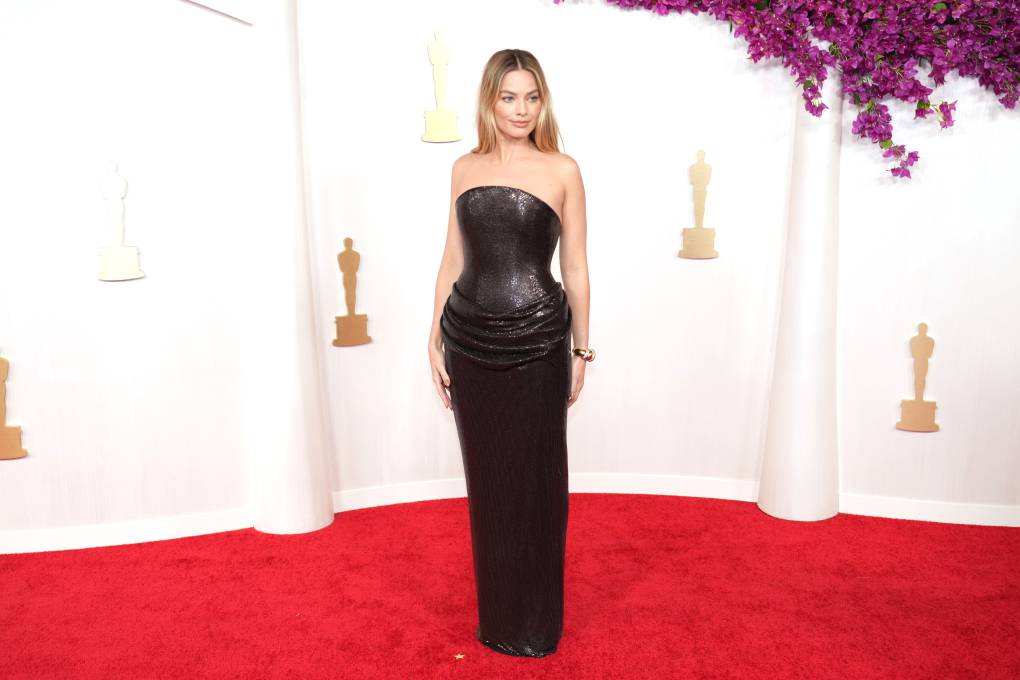
"caption": "Margot Robbie.",
"description": null,
"title": "Margot Robbie.",
"credit": "Jeff Kravitz/ FilmMagic",
"status": "inherit",
"altTag": "A blond white woman wearing a tight black sequined full length strapless gown.",
"isLoading": false,
"fetchFailed": false
},
"arts_13953755": {
"type": "attachments",
"id": "arts_13953755",
"meta": {
"index": "attachments_1716263798",
"site": "arts",
"id": "13953755",
"found": true
},
"parent": 13953754,
"imgSizes": {
"twentyfourteen-full-width": {
"file": "https://cdn.kqed.org/wp-content/uploads/sites/2/2024/03/untitled-design-51-_wide-ab3282364c10bfed48604f66420289341eb493ff-1-1038x576.jpg",
"width": 1038,
"mimeType": "image/jpeg",
"height": 576
},
"thumbnail": {
"file": "https://cdn.kqed.org/wp-content/uploads/sites/2/2024/03/untitled-design-51-_wide-ab3282364c10bfed48604f66420289341eb493ff-1-160x90.jpg",
"width": 160,
"mimeType": "image/jpeg",
"height": 90
},
"post-thumbnail": {
"file": "https://cdn.kqed.org/wp-content/uploads/sites/2/2024/03/untitled-design-51-_wide-ab3282364c10bfed48604f66420289341eb493ff-1-672x372.jpg",
"width": 672,
"mimeType": "image/jpeg",
"height": 372
},
"kqedFullSize": {
"file": "https://cdn.kqed.org/wp-content/uploads/sites/2/2024/03/untitled-design-51-_wide-ab3282364c10bfed48604f66420289341eb493ff-1.jpg",
"width": 1917,
"height": 1078
},
"large": {
"file": "https://cdn.kqed.org/wp-content/uploads/sites/2/2024/03/untitled-design-51-_wide-ab3282364c10bfed48604f66420289341eb493ff-1-1020x574.jpg",
"width": 1020,
"mimeType": "image/jpeg",
"height": 574
},
"1536x1536": {
"file": "https://cdn.kqed.org/wp-content/uploads/sites/2/2024/03/untitled-design-51-_wide-ab3282364c10bfed48604f66420289341eb493ff-1-1536x864.jpg",
"width": 1536,
"mimeType": "image/jpeg",
"height": 864
},
"medium": {
"file": "https://cdn.kqed.org/wp-content/uploads/sites/2/2024/03/untitled-design-51-_wide-ab3282364c10bfed48604f66420289341eb493ff-1-800x450.jpg",
"width": 800,
"mimeType": "image/jpeg",
"height": 450
},
"medium_large": {
"file": "https://cdn.kqed.org/wp-content/uploads/sites/2/2024/03/untitled-design-51-_wide-ab3282364c10bfed48604f66420289341eb493ff-1-768x432.jpg",
"width": 768,
"mimeType": "image/jpeg",
"height": 432
}
},
"publishDate": 1709928395,
"modified": 1709930977,
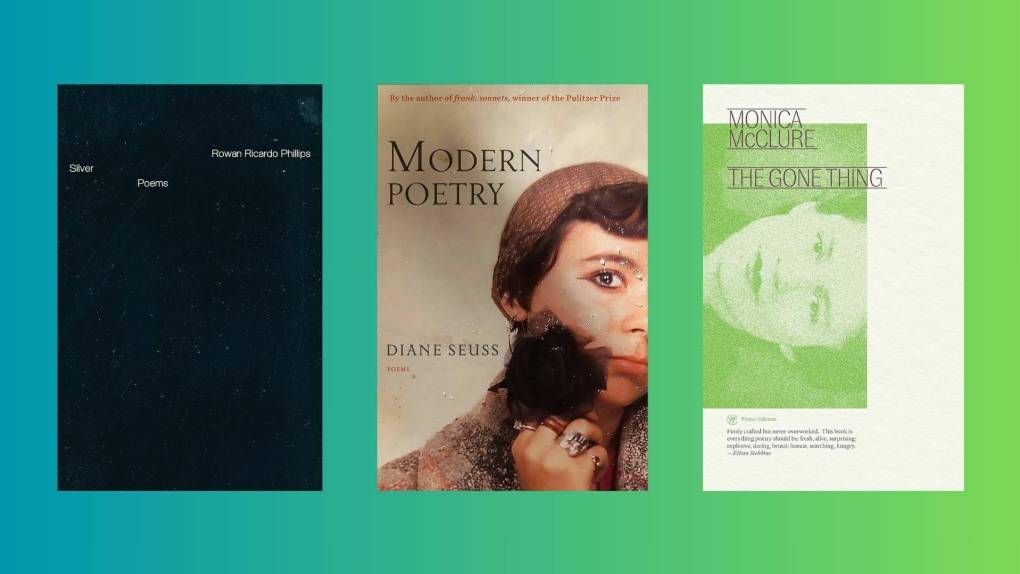
"caption": "Covers of ‘Silver,’ ‘Modern Poetry’ and ‘The Gone Thing.’",
"description": null,
"title": "Covers of ‘Silver,’ ‘Modern Poetry’ and ‘The Gone Thing.’",
"credit": "NPR",
"status": "inherit",
"altTag": "Three book covers, arranged in a line.",
"isLoading": false,
"fetchFailed": false
},
"arts_13953736": {
"type": "attachments",
"id": "arts_13953736",
"meta": {
"index": "attachments_1716263798",
"site": "arts",
"id": "13953736",
"found": true
},
"parent": 13953735,
"imgSizes": {
"twentyfourteen-full-width": {
"file": "https://cdn.kqed.org/wp-content/uploads/sites/2/2024/03/gettyimages-1913169783_custom-9770a633de00f3ab2a93b8eafc5a7059f49d2d82-1038x576.jpg",
"width": 1038,
"mimeType": "image/jpeg",
"height": 576
},
"thumbnail": {
"file": "https://cdn.kqed.org/wp-content/uploads/sites/2/2024/03/gettyimages-1913169783_custom-9770a633de00f3ab2a93b8eafc5a7059f49d2d82-160x107.jpg",
"width": 160,
"mimeType": "image/jpeg",
"height": 107
},
"post-thumbnail": {
"file": "https://cdn.kqed.org/wp-content/uploads/sites/2/2024/03/gettyimages-1913169783_custom-9770a633de00f3ab2a93b8eafc5a7059f49d2d82-672x372.jpg",
"width": 672,
"mimeType": "image/jpeg",
"height": 372
},
"kqedFullSize": {
"file": "https://cdn.kqed.org/wp-content/uploads/sites/2/2024/03/gettyimages-1913169783_custom-9770a633de00f3ab2a93b8eafc5a7059f49d2d82-scaled-e1709923436167.jpg",
"width": 1920,
"height": 1279
},
"2048x2048": {
"file": "https://cdn.kqed.org/wp-content/uploads/sites/2/2024/03/gettyimages-1913169783_custom-9770a633de00f3ab2a93b8eafc5a7059f49d2d82-2048x1364.jpg",
"width": 2048,
"mimeType": "image/jpeg",
"height": 1364
},
"large": {
"file": "https://cdn.kqed.org/wp-content/uploads/sites/2/2024/03/gettyimages-1913169783_custom-9770a633de00f3ab2a93b8eafc5a7059f49d2d82-1020x679.jpg",
"width": 1020,
"mimeType": "image/jpeg",
"height": 679
},
"1536x1536": {
"file": "https://cdn.kqed.org/wp-content/uploads/sites/2/2024/03/gettyimages-1913169783_custom-9770a633de00f3ab2a93b8eafc5a7059f49d2d82-1536x1023.jpg",
"width": 1536,
"mimeType": "image/jpeg",
"height": 1023
},
"full-width": {
"file": "https://cdn.kqed.org/wp-content/uploads/sites/2/2024/03/gettyimages-1913169783_custom-9770a633de00f3ab2a93b8eafc5a7059f49d2d82-1920x1279.jpg",
"width": 1920,
"mimeType": "image/jpeg",
"height": 1279
},
"medium": {
"file": "https://cdn.kqed.org/wp-content/uploads/sites/2/2024/03/gettyimages-1913169783_custom-9770a633de00f3ab2a93b8eafc5a7059f49d2d82-800x533.jpg",
"width": 800,
"mimeType": "image/jpeg",
"height": 533
},
"medium_large": {
"file": "https://cdn.kqed.org/wp-content/uploads/sites/2/2024/03/gettyimages-1913169783_custom-9770a633de00f3ab2a93b8eafc5a7059f49d2d82-768x512.jpg",
"width": 768,
"mimeType": "image/jpeg",
"height": 512
}
},
"publishDate": 1709922323,
"modified": 1709923489,
"caption": "An Oscar statue at the Ray Dolby Ballroom in Los Angeles on Jan. 9, 2024.",
"description": null,
"title": "An Oscar statue at the Ray Dolby Ballroom in Los Angeles on Jan. 9, 2024.",
"credit": "ROBYN BECK/ AFP via Getty Images",
"status": "inherit",
"altTag": "An Oscars statue in close up.",
"isLoading": false,
"fetchFailed": false
},
"arts_13953487": {
"type": "attachments",
"id": "arts_13953487",
"meta": {
"index": "attachments_1716263798",
"site": "arts",
"id": "13953487",
"found": true
},
"parent": 13953486,
"imgSizes": {
"twentyfourteen-full-width": {
"file": "https://cdn.kqed.org/wp-content/uploads/sites/2/2024/03/5grid-template-normal-square-043b16471fdb7cf50022d6617dab384107062a01-1038x576.jpg",
"width": 1038,
"mimeType": "image/jpeg",
"height": 576
},
"thumbnail": {
"file": "https://cdn.kqed.org/wp-content/uploads/sites/2/2024/03/5grid-template-normal-square-043b16471fdb7cf50022d6617dab384107062a01-160x120.jpg",
"width": 160,
"mimeType": "image/jpeg",
"height": 120
},
"post-thumbnail": {
"file": "https://cdn.kqed.org/wp-content/uploads/sites/2/2024/03/5grid-template-normal-square-043b16471fdb7cf50022d6617dab384107062a01-672x372.jpg",
"width": 672,
"mimeType": "image/jpeg",
"height": 372
},
"kqedFullSize": {
"file": "https://cdn.kqed.org/wp-content/uploads/sites/2/2024/03/5grid-template-normal-square-043b16471fdb7cf50022d6617dab384107062a01.jpg",
"width": 1438,
"height": 1078
},
"large": {
"file": "https://cdn.kqed.org/wp-content/uploads/sites/2/2024/03/5grid-template-normal-square-043b16471fdb7cf50022d6617dab384107062a01-1020x765.jpg",
"width": 1020,
"mimeType": "image/jpeg",
"height": 765
},
"medium": {
"file": "https://cdn.kqed.org/wp-content/uploads/sites/2/2024/03/5grid-template-normal-square-043b16471fdb7cf50022d6617dab384107062a01-800x600.jpg",
"width": 800,
"mimeType": "image/jpeg",
"height": 600
},
"medium_large": {
"file": "https://cdn.kqed.org/wp-content/uploads/sites/2/2024/03/5grid-template-normal-square-043b16471fdb7cf50022d6617dab384107062a01-768x576.jpg",
"width": 768,
"mimeType": "image/jpeg",
"height": 576
}
},
"publishDate": 1709748677,
"modified": 1709750608,
"caption": "The songwriters who could take home the Best Song Oscar include (clockwise from upper left) Billie Eilish, Mark Ronson, Scott George, Diane Warren and Jon Batiste.",
"description": null,
"title": "The songwriters who could take home the Best Song Oscar include (clockwise from upper left) Billie Eilish, Mark Ronson, Scott George, Diane Warren and Jon Batiste.",
"credit": "Getty Images",
"status": "inherit",
"altTag": "Five separate photos of two women and three men, arranged into two rows.",
"isLoading": false,
"fetchFailed": false
},
"arts_13953372": {
"type": "attachments",
"id": "arts_13953372",
"meta": {
"index": "attachments_1716263798",
"site": "arts",
"id": "13953372",
"found": true
},
"parent": 13953371,
"imgSizes": {
"twentyfourteen-full-width": {
"file": "https://cdn.kqed.org/wp-content/uploads/sites/2/2024/03/untitled-design-49-_custom-ba7158e90214132269e4a2496a6338fe1c9dc7ca-707x576.jpg",
"width": 707,
"mimeType": "image/jpeg",
"height": 576
},
"thumbnail": {
"file": "https://cdn.kqed.org/wp-content/uploads/sites/2/2024/03/untitled-design-49-_custom-ba7158e90214132269e4a2496a6338fe1c9dc7ca-160x221.jpg",
"width": 160,
"mimeType": "image/jpeg",
"height": 221
},
"post-thumbnail": {
"file": "https://cdn.kqed.org/wp-content/uploads/sites/2/2024/03/untitled-design-49-_custom-ba7158e90214132269e4a2496a6338fe1c9dc7ca-672x372.jpg",
"width": 672,
"mimeType": "image/jpeg",
"height": 372
},
"kqedFullSize": {
"file": "https://cdn.kqed.org/wp-content/uploads/sites/2/2024/03/untitled-design-49-_custom-ba7158e90214132269e4a2496a6338fe1c9dc7ca.jpg",
"width": 707,
"height": 975
}
},
"publishDate": 1709597008,
"modified": 1709597008,
"caption": null,
"description": null,
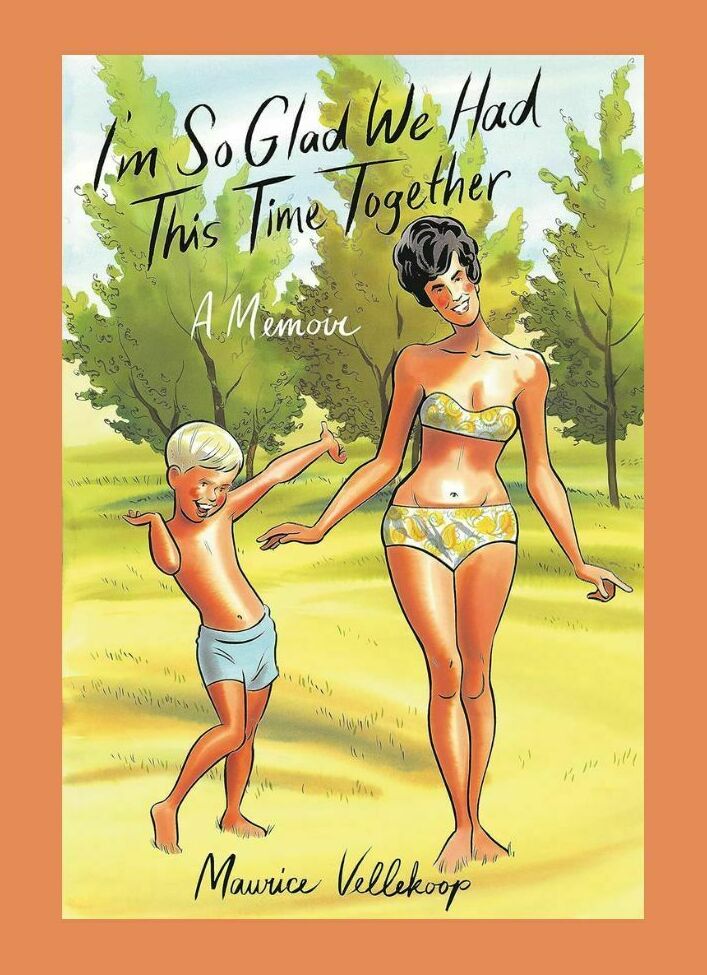
"title": "Cover of I'm So Glad We Had This Time Together",
"credit": null,
"status": "inherit",
"altTag": null,
"isLoading": false,
"fetchFailed": false
},
"arts_13953244": {
"type": "attachments",
"id": "arts_13953244",
"meta": {
"index": "attachments_1716263798",
"site": "arts",
"id": "13953244",
"found": true
},
"parent": 13953243,
"imgSizes": {
"twentyfourteen-full-width": {
"file": "https://cdn.kqed.org/wp-content/uploads/sites/2/2024/02/gettyimages-3178775_custom-479b6d703fdec5fdfcb1dc7e526b327f65180a51-1038x576.jpg",
"width": 1038,
"mimeType": "image/jpeg",
"height": 576
},
"thumbnail": {
"file": "https://cdn.kqed.org/wp-content/uploads/sites/2/2024/02/gettyimages-3178775_custom-479b6d703fdec5fdfcb1dc7e526b327f65180a51-160x117.jpg",
"width": 160,
"mimeType": "image/jpeg",
"height": 117
},
"post-thumbnail": {
"file": "https://cdn.kqed.org/wp-content/uploads/sites/2/2024/02/gettyimages-3178775_custom-479b6d703fdec5fdfcb1dc7e526b327f65180a51-672x372.jpg",
"width": 672,
"mimeType": "image/jpeg",
"height": 372
},
"kqedFullSize": {
"file": "https://cdn.kqed.org/wp-content/uploads/sites/2/2024/02/gettyimages-3178775_custom-479b6d703fdec5fdfcb1dc7e526b327f65180a51-scaled.jpg",
"width": 2560,
"height": 1874
},
"2048x2048": {
"file": "https://cdn.kqed.org/wp-content/uploads/sites/2/2024/02/gettyimages-3178775_custom-479b6d703fdec5fdfcb1dc7e526b327f65180a51-2048x1499.jpg",
"width": 2048,
"mimeType": "image/jpeg",
"height": 1499
},
"large": {
"file": "https://cdn.kqed.org/wp-content/uploads/sites/2/2024/02/gettyimages-3178775_custom-479b6d703fdec5fdfcb1dc7e526b327f65180a51-1020x747.jpg",
"width": 1020,
"mimeType": "image/jpeg",
"height": 747
},
"1536x1536": {
"file": "https://cdn.kqed.org/wp-content/uploads/sites/2/2024/02/gettyimages-3178775_custom-479b6d703fdec5fdfcb1dc7e526b327f65180a51-1536x1124.jpg",
"width": 1536,
"mimeType": "image/jpeg",
"height": 1124
},
"full-width": {
"file": "https://cdn.kqed.org/wp-content/uploads/sites/2/2024/02/gettyimages-3178775_custom-479b6d703fdec5fdfcb1dc7e526b327f65180a51-1920x1405.jpg",
"width": 1920,
"mimeType": "image/jpeg",
"height": 1405
},
"medium": {
"file": "https://cdn.kqed.org/wp-content/uploads/sites/2/2024/02/gettyimages-3178775_custom-479b6d703fdec5fdfcb1dc7e526b327f65180a51-800x586.jpg",
"width": 800,
"mimeType": "image/jpeg",
"height": 586
},
"medium_large": {
"file": "https://cdn.kqed.org/wp-content/uploads/sites/2/2024/02/gettyimages-3178775_custom-479b6d703fdec5fdfcb1dc7e526b327f65180a51-768x562.jpg",
"width": 768,
"mimeType": "image/jpeg",
"height": 562
}
},
"publishDate": 1709250738,
"modified": 1709250738,
"caption": null,
"description": null,
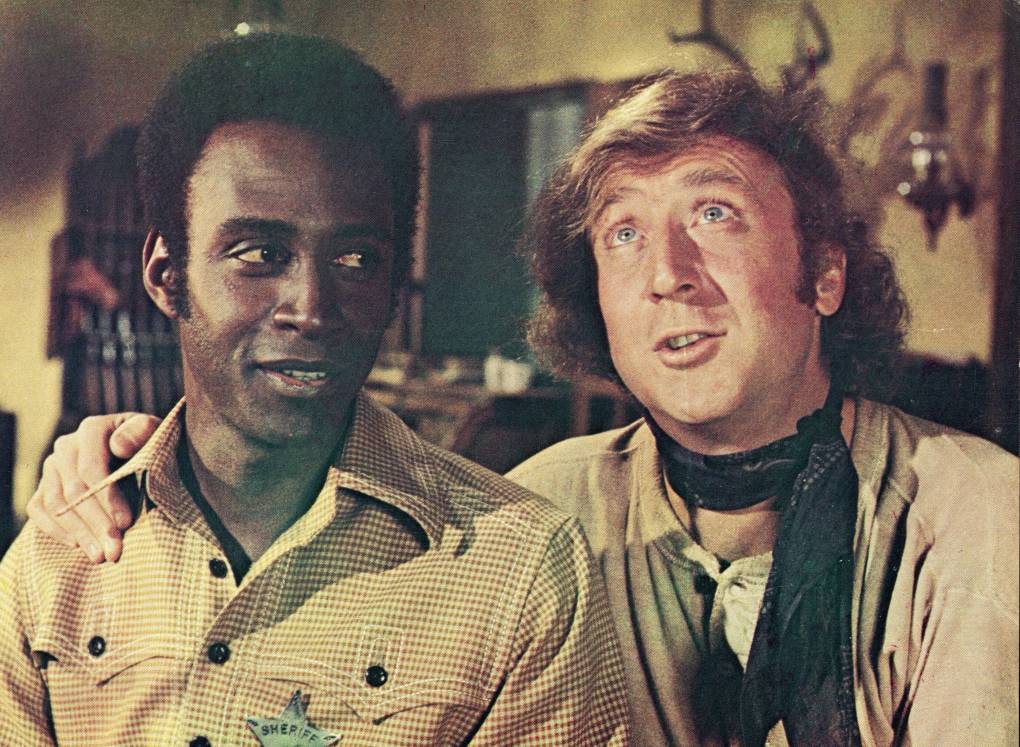
"title": "Mel Brooks' satirical Western Blazing Saddles got mixed reviews when it opened in February 1974, but it became the year's biggest box office hit. Above, Cleavon Little, left, as Sheriff Bart and Gene Wilder as the Waco Kid.",
"credit": null,
"status": "inherit",
"altTag": null,
"isLoading": false,
"fetchFailed": false
},
"arts_13953208": {
"type": "attachments",
"id": "arts_13953208",
"meta": {
"index": "attachments_1716263798",
"site": "arts",
"id": "13953208",
"found": true
},
"parent": 13953207,
"imgSizes": {
"twentyfourteen-full-width": {
"file": "https://cdn.kqed.org/wp-content/uploads/sites/2/2024/02/girl-scout-cookies-delicious-a2bc7c424caedc66bf218724532f3662ff2218ad-1038x576.jpg",
"width": 1038,
"mimeType": "image/jpeg",
"height": 576
},
"thumbnail": {
"file": "https://cdn.kqed.org/wp-content/uploads/sites/2/2024/02/girl-scout-cookies-delicious-a2bc7c424caedc66bf218724532f3662ff2218ad-160x120.jpg",
"width": 160,
"mimeType": "image/jpeg",
"height": 120
},
"post-thumbnail": {
"file": "https://cdn.kqed.org/wp-content/uploads/sites/2/2024/02/girl-scout-cookies-delicious-a2bc7c424caedc66bf218724532f3662ff2218ad-672x372.jpg",
"width": 672,
"mimeType": "image/jpeg",
"height": 372
},
"kqedFullSize": {
"file": "https://cdn.kqed.org/wp-content/uploads/sites/2/2024/02/girl-scout-cookies-delicious-a2bc7c424caedc66bf218724532f3662ff2218ad-scaled-e1709233030120.jpg",
"width": 1920,
"height": 1440
},
"2048x2048": {
"file": "https://cdn.kqed.org/wp-content/uploads/sites/2/2024/02/girl-scout-cookies-delicious-a2bc7c424caedc66bf218724532f3662ff2218ad-2048x1536.jpg",
"width": 2048,
"mimeType": "image/jpeg",
"height": 1536
},
"large": {
"file": "https://cdn.kqed.org/wp-content/uploads/sites/2/2024/02/girl-scout-cookies-delicious-a2bc7c424caedc66bf218724532f3662ff2218ad-1020x765.jpg",
"width": 1020,
"mimeType": "image/jpeg",
"height": 765
},
"1536x1536": {
"file": "https://cdn.kqed.org/wp-content/uploads/sites/2/2024/02/girl-scout-cookies-delicious-a2bc7c424caedc66bf218724532f3662ff2218ad-1536x1152.jpg",
"width": 1536,
"mimeType": "image/jpeg",
"height": 1152
},
"full-width": {
"file": "https://cdn.kqed.org/wp-content/uploads/sites/2/2024/02/girl-scout-cookies-delicious-a2bc7c424caedc66bf218724532f3662ff2218ad-1920x1440.jpg",
"width": 1920,
"mimeType": "image/jpeg",
"height": 1440
},
"medium": {
"file": "https://cdn.kqed.org/wp-content/uploads/sites/2/2024/02/girl-scout-cookies-delicious-a2bc7c424caedc66bf218724532f3662ff2218ad-800x600.jpg",
"width": 800,
"mimeType": "image/jpeg",
"height": 600
},
"medium_large": {
"file": "https://cdn.kqed.org/wp-content/uploads/sites/2/2024/02/girl-scout-cookies-delicious-a2bc7c424caedc66bf218724532f3662ff2218ad-768x576.jpg",
"width": 768,
"mimeType": "image/jpeg",
"height": 576
}
},
"publishDate": 1709230141,
"modified": 1709233105,
"caption": "Thin Mints and Samoas are perennial best-selling Girl Scout Cookies, but Adventurefuls, Lemon-ups and Do-si-Do cookies also have diehard fans.",
"description": null,
"title": "Thin Mints and Samoas are perennial best-selling Girl Scout Cookies, but Adventurefuls, Lemon-ups and Do-si-Do cookies also have diehard fans.",
"credit": "Bill Chappell/ NPR",
"status": "inherit",
"altTag": "A plate of a variety of cookies sits surrounded by different Girl Scouts Cookie boxes.",
"isLoading": false,
"fetchFailed": false
},
"arts_13953128": {
"type": "attachments",
"id": "arts_13953128",
"meta": {
"index": "attachments_1716263798",
"site": "arts",
"id": "13953128",
"found": true
},
"parent": 13953127,
"imgSizes": {
"twentyfourteen-full-width": {
"file": "https://cdn.kqed.org/wp-content/uploads/sites/2/2024/02/1784132_13752b-285c0fd43b0b140c4225a4e1ee5b698d3344130e-1038x576.jpg",
"width": 1038,
"mimeType": "image/jpeg",
"height": 576
},
"thumbnail": {
"file": "https://cdn.kqed.org/wp-content/uploads/sites/2/2024/02/1784132_13752b-285c0fd43b0b140c4225a4e1ee5b698d3344130e-160x120.jpg",
"width": 160,
"mimeType": "image/jpeg",
"height": 120
},
"post-thumbnail": {
"file": "https://cdn.kqed.org/wp-content/uploads/sites/2/2024/02/1784132_13752b-285c0fd43b0b140c4225a4e1ee5b698d3344130e-672x372.jpg",
"width": 672,
"mimeType": "image/jpeg",
"height": 372
},
"kqedFullSize": {
"file": "https://cdn.kqed.org/wp-content/uploads/sites/2/2024/02/1784132_13752b-285c0fd43b0b140c4225a4e1ee5b698d3344130e-scaled.jpg",
"width": 2560,
"height": 1920
},
"2048x2048": {
"file": "https://cdn.kqed.org/wp-content/uploads/sites/2/2024/02/1784132_13752b-285c0fd43b0b140c4225a4e1ee5b698d3344130e-2048x1536.jpg",
"width": 2048,
"mimeType": "image/jpeg",
"height": 1536
},
"large": {
"file": "https://cdn.kqed.org/wp-content/uploads/sites/2/2024/02/1784132_13752b-285c0fd43b0b140c4225a4e1ee5b698d3344130e-1020x765.jpg",
"width": 1020,
"mimeType": "image/jpeg",
"height": 765
},
"1536x1536": {
"file": "https://cdn.kqed.org/wp-content/uploads/sites/2/2024/02/1784132_13752b-285c0fd43b0b140c4225a4e1ee5b698d3344130e-1536x1152.jpg",
"width": 1536,
"mimeType": "image/jpeg",
"height": 1152
},
"full-width": {
"file": "https://cdn.kqed.org/wp-content/uploads/sites/2/2024/02/1784132_13752b-285c0fd43b0b140c4225a4e1ee5b698d3344130e-1920x1440.jpg",
"width": 1920,
"mimeType": "image/jpeg",
"height": 1440
},
"medium": {
"file": "https://cdn.kqed.org/wp-content/uploads/sites/2/2024/02/1784132_13752b-285c0fd43b0b140c4225a4e1ee5b698d3344130e-800x600.jpg",
"width": 800,
"mimeType": "image/jpeg",
"height": 600
},
"medium_large": {
"file": "https://cdn.kqed.org/wp-content/uploads/sites/2/2024/02/1784132_13752b-285c0fd43b0b140c4225a4e1ee5b698d3344130e-768x576.jpg",
"width": 768,
"mimeType": "image/jpeg",
"height": 576
}
},
"publishDate": 1709145334,
"modified": 1709146395,
"caption": "Carrie Preston stars an an astute but unconventional attorney in ‘Elsbeth.’",
"description": null,
"title": "Carrie Preston stars an an astute but unconventional attorney in ‘Elsbeth.’",
"credit": "Elizabeth Fisher/ CBS",
"status": "inherit",
"altTag": "A sidewalk scattered with police officers. A colorfully dressed woman peers in front of them, playfully.",
"isLoading": false,
"fetchFailed": false
},
"arts_13953067": {
"type": "attachments",
"id": "arts_13953067",
"meta": {
"index": "attachments_1716263798",
"site": "arts",
"id": "13953067",
"found": true
},
"title": "Anna Sawai plays translator Toda Mariko in the new FX series ‘Shōgun.’",
"publishDate": 1709059677,
"status": "inherit",
"parent": 13953066,
"modified": 1721236317,
"caption": "Anna Sawai plays translator Toda Mariko in the FX series ‘Shōgun.’",
"credit": "Katie Yu/FX",
"altTag": "A Japanese woman in traditional clothing.",
"description": null,
"imgSizes": {
"medium": {
"file": "https://cdn.kqed.org/wp-content/uploads/sites/2/2024/02/shogun_101_03553r_wide-3ee8032a997e03fad8e52899361787846a53636a-800x450.jpg",
"width": 800,
"height": 450,
"mimeType": "image/jpeg"
},
"large": {
"file": "https://cdn.kqed.org/wp-content/uploads/sites/2/2024/02/shogun_101_03553r_wide-3ee8032a997e03fad8e52899361787846a53636a-1020x574.jpg",
"width": 1020,
"height": 574,
"mimeType": "image/jpeg"
},
"thumbnail": {
"file": "https://cdn.kqed.org/wp-content/uploads/sites/2/2024/02/shogun_101_03553r_wide-3ee8032a997e03fad8e52899361787846a53636a-160x90.jpg",
"width": 160,
"height": 90,
"mimeType": "image/jpeg"
},
"medium_large": {
"file": "https://cdn.kqed.org/wp-content/uploads/sites/2/2024/02/shogun_101_03553r_wide-3ee8032a997e03fad8e52899361787846a53636a-768x432.jpg",
"width": 768,
"height": 432,
"mimeType": "image/jpeg"
},
"1536x1536": {
"file": "https://cdn.kqed.org/wp-content/uploads/sites/2/2024/02/shogun_101_03553r_wide-3ee8032a997e03fad8e52899361787846a53636a-1536x864.jpg",
"width": 1536,
"height": 864,
"mimeType": "image/jpeg"
},
"2048x2048": {
"file": "https://cdn.kqed.org/wp-content/uploads/sites/2/2024/02/shogun_101_03553r_wide-3ee8032a997e03fad8e52899361787846a53636a-2048x1152.jpg",
"width": 2048,
"height": 1152,
"mimeType": "image/jpeg"
},
"post-thumbnail": {
"file": "https://cdn.kqed.org/wp-content/uploads/sites/2/2024/02/shogun_101_03553r_wide-3ee8032a997e03fad8e52899361787846a53636a-672x372.jpg",
"width": 672,
"height": 372,
"mimeType": "image/jpeg"
},
"twentyfourteen-full-width": {
"file": "https://cdn.kqed.org/wp-content/uploads/sites/2/2024/02/shogun_101_03553r_wide-3ee8032a997e03fad8e52899361787846a53636a-1038x576.jpg",
"width": 1038,
"height": 576,
"mimeType": "image/jpeg"
},
"full-width": {
"file": "https://cdn.kqed.org/wp-content/uploads/sites/2/2024/02/shogun_101_03553r_wide-3ee8032a997e03fad8e52899361787846a53636a-1920x1080.jpg",
"width": 1920,
"height": 1080,
"mimeType": "image/jpeg"
},
"kqedFullSize": {
"file": "https://cdn.kqed.org/wp-content/uploads/sites/2/2024/02/shogun_101_03553r_wide-3ee8032a997e03fad8e52899361787846a53636a-scaled-e1709060077101.jpg",
"width": 1920,
"height": 1080
}
},
"isLoading": false,
"fetchFailed": false
},
"arts_13953001": {
"type": "attachments",
"id": "arts_13953001",
"meta": {
"index": "attachments_1716263798",
"site": "arts",
"id": "13953001",
"found": true
},
"parent": 13953000,
"imgSizes": {
"twentyfourteen-full-width": {
"file": "https://cdn.kqed.org/wp-content/uploads/sites/2/2024/02/twd-michonne-4_custom-f116e784398bbc218fd4bafe88b2f9681ee1b510-1038x576.jpe",
"width": 1038,
"mimeType": "image/jpeg",
"height": 576
},
"thumbnail": {
"file": "https://cdn.kqed.org/wp-content/uploads/sites/2/2024/02/twd-michonne-4_custom-f116e784398bbc218fd4bafe88b2f9681ee1b510-160x107.jpe",
"width": 160,
"mimeType": "image/jpeg",
"height": 107
},
"post-thumbnail": {
"file": "https://cdn.kqed.org/wp-content/uploads/sites/2/2024/02/twd-michonne-4_custom-f116e784398bbc218fd4bafe88b2f9681ee1b510-672x372.jpe",
"width": 672,
"mimeType": "image/jpeg",
"height": 372
},
"kqedFullSize": {
"file": "https://cdn.kqed.org/wp-content/uploads/sites/2/2024/02/twd-michonne-4_custom-f116e784398bbc218fd4bafe88b2f9681ee1b510-scaled-e1708974883616.jpe",
"width": 1920,
"height": 1279
},
"2048x2048": {
"file": "https://cdn.kqed.org/wp-content/uploads/sites/2/2024/02/twd-michonne-4_custom-f116e784398bbc218fd4bafe88b2f9681ee1b510-2048x1364.jpe",
"width": 2048,
"mimeType": "image/jpeg",
"height": 1364
},
"large": {
"file": "https://cdn.kqed.org/wp-content/uploads/sites/2/2024/02/twd-michonne-4_custom-f116e784398bbc218fd4bafe88b2f9681ee1b510-1020x679.jpe",
"width": 1020,
"mimeType": "image/jpeg",
"height": 679
},
"1536x1536": {
"file": "https://cdn.kqed.org/wp-content/uploads/sites/2/2024/02/twd-michonne-4_custom-f116e784398bbc218fd4bafe88b2f9681ee1b510-1536x1023.jpe",
"width": 1536,
"mimeType": "image/jpeg",
"height": 1023
},
"full-width": {
"file": "https://cdn.kqed.org/wp-content/uploads/sites/2/2024/02/twd-michonne-4_custom-f116e784398bbc218fd4bafe88b2f9681ee1b510-1920x1279.jpe",
"width": 1920,
"mimeType": "image/jpeg",
"height": 1279
},
"medium": {
"file": "https://cdn.kqed.org/wp-content/uploads/sites/2/2024/02/twd-michonne-4_custom-f116e784398bbc218fd4bafe88b2f9681ee1b510-800x533.jpe",
"width": 800,
"mimeType": "image/jpeg",
"height": 533
},
"medium_large": {
"file": "https://cdn.kqed.org/wp-content/uploads/sites/2/2024/02/twd-michonne-4_custom-f116e784398bbc218fd4bafe88b2f9681ee1b510-768x511.jpe",
"width": 768,
"mimeType": "image/jpeg",
"height": 511
}
},
"publishDate": 1708972900,
"modified": 1708974955,
"caption": "Danai Gurira as Michonne on ‘The Walking Dead: The Ones Who Live.’",
"description": null,
"title": "Danai Gurira as Michonne on ‘The Walking Dead: The Ones Who Live.’",
"credit": "AMC",
"status": "inherit",
"altTag": "Close up of a Black woman with long dreadlocks looks ahead, frowning.",
"isLoading": false,
"fetchFailed": false
},
"arts_13952948": {
"type": "attachments",
"id": "arts_13952948",
"meta": {
"index": "attachments_1716263798",
"site": "arts",
"id": "13952948",
"found": true
},
"parent": 13952947,
"imgSizes": {
"twentyfourteen-full-width": {
"file": "https://cdn.kqed.org/wp-content/uploads/sites/2/2024/02/sinopia-img_7735-entre-e-de-port_custom-e2b2864172188122a14e6438013b0ccfe6eb3da1-1038x576.jpg",
"width": 1038,
"mimeType": "image/jpeg",
"height": 576
},
"thumbnail": {
"file": "https://cdn.kqed.org/wp-content/uploads/sites/2/2024/02/sinopia-img_7735-entre-e-de-port_custom-e2b2864172188122a14e6438013b0ccfe6eb3da1-160x131.jpg",
"width": 160,
"mimeType": "image/jpeg",
"height": 131
},
"post-thumbnail": {
"file": "https://cdn.kqed.org/wp-content/uploads/sites/2/2024/02/sinopia-img_7735-entre-e-de-port_custom-e2b2864172188122a14e6438013b0ccfe6eb3da1-672x372.jpg",
"width": 672,
"mimeType": "image/jpeg",
"height": 372
},
"kqedFullSize": {
"file": "https://cdn.kqed.org/wp-content/uploads/sites/2/2024/02/sinopia-img_7735-entre-e-de-port_custom-e2b2864172188122a14e6438013b0ccfe6eb3da1-scaled-e1708730022292.jpg",
"width": 1920,
"height": 1569
},
"2048x2048": {
"file": "https://cdn.kqed.org/wp-content/uploads/sites/2/2024/02/sinopia-img_7735-entre-e-de-port_custom-e2b2864172188122a14e6438013b0ccfe6eb3da1-2048x1673.jpg",
"width": 2048,
"mimeType": "image/jpeg",
"height": 1673
},
"large": {
"file": "https://cdn.kqed.org/wp-content/uploads/sites/2/2024/02/sinopia-img_7735-entre-e-de-port_custom-e2b2864172188122a14e6438013b0ccfe6eb3da1-1020x833.jpg",
"width": 1020,
"mimeType": "image/jpeg",
"height": 833
},
"1536x1536": {
"file": "https://cdn.kqed.org/wp-content/uploads/sites/2/2024/02/sinopia-img_7735-entre-e-de-port_custom-e2b2864172188122a14e6438013b0ccfe6eb3da1-1536x1255.jpg",
"width": 1536,
"mimeType": "image/jpeg",
"height": 1255
},
"full-width": {
"file": "https://cdn.kqed.org/wp-content/uploads/sites/2/2024/02/sinopia-img_7735-entre-e-de-port_custom-e2b2864172188122a14e6438013b0ccfe6eb3da1-1920x1569.jpg",
"width": 1920,
"mimeType": "image/jpeg",
"height": 1569
},
"medium": {
"file": "https://cdn.kqed.org/wp-content/uploads/sites/2/2024/02/sinopia-img_7735-entre-e-de-port_custom-e2b2864172188122a14e6438013b0ccfe6eb3da1-800x654.jpg",
"width": 800,
"mimeType": "image/jpeg",
"height": 654
},
"medium_large": {
"file": "https://cdn.kqed.org/wp-content/uploads/sites/2/2024/02/sinopia-img_7735-entre-e-de-port_custom-e2b2864172188122a14e6438013b0ccfe6eb3da1-768x628.jpg",
"width": 768,
"mimeType": "image/jpeg",
"height": 628
}
},
"publishDate": 1708729169,
"modified": 1708730134,
"caption": "‘Entrée du Port’ (Entrance to the Port), a previously unknown mural discovered at Paul Cezanne's childhood home in Aix-en-Provence.",
"description": null,
"title": "‘Entrée du Port’ (Entrance to the Port), a previously unknown mural discovered at Paul Cezanne's childhood home in Aix-en-Provence.",
"credit": "Ville d'Aix-en-Provence/ Philippe Biolatto",
"status": "inherit",
"altTag": "An unfinished white wall with a partial view of a wall painting of sky and buildings behind it.",
"isLoading": false,
"fetchFailed": false
},
"arts_13952692": {
"type": "attachments",
"id": "arts_13952692",
"meta": {
"index": "attachments_1716263798",
"site": "arts",
"id": "13952692",
"found": true
},
"parent": 13952691,
"imgSizes": {
"twentyfourteen-full-width": {
"file": "https://cdn.kqed.org/wp-content/uploads/sites/2/2024/02/constellation_photo_010103_wide-0d1173a8fef811df8e6413d6f13ede965df3ac0f-1038x576.jpg",
"width": 1038,
"mimeType": "image/jpeg",
"height": 576
},
"thumbnail": {
"file": "https://cdn.kqed.org/wp-content/uploads/sites/2/2024/02/constellation_photo_010103_wide-0d1173a8fef811df8e6413d6f13ede965df3ac0f-160x90.jpg",
"width": 160,
"mimeType": "image/jpeg",
"height": 90
},
"post-thumbnail": {
"file": "https://cdn.kqed.org/wp-content/uploads/sites/2/2024/02/constellation_photo_010103_wide-0d1173a8fef811df8e6413d6f13ede965df3ac0f-672x372.jpg",
"width": 672,
"mimeType": "image/jpeg",
"height": 372
},
"kqedFullSize": {
"file": "https://cdn.kqed.org/wp-content/uploads/sites/2/2024/02/constellation_photo_010103_wide-0d1173a8fef811df8e6413d6f13ede965df3ac0f-scaled-e1708544687937.jpg",
"width": 1920,
"height": 1080
},
"2048x2048": {
"file": "https://cdn.kqed.org/wp-content/uploads/sites/2/2024/02/constellation_photo_010103_wide-0d1173a8fef811df8e6413d6f13ede965df3ac0f-2048x1152.jpg",
"width": 2048,
"mimeType": "image/jpeg",
"height": 1152
},
"large": {
"file": "https://cdn.kqed.org/wp-content/uploads/sites/2/2024/02/constellation_photo_010103_wide-0d1173a8fef811df8e6413d6f13ede965df3ac0f-1020x574.jpg",
"width": 1020,
"mimeType": "image/jpeg",
"height": 574
},
"1536x1536": {
"file": "https://cdn.kqed.org/wp-content/uploads/sites/2/2024/02/constellation_photo_010103_wide-0d1173a8fef811df8e6413d6f13ede965df3ac0f-1536x864.jpg",
"width": 1536,
"mimeType": "image/jpeg",
"height": 864
},
"full-width": {
"file": "https://cdn.kqed.org/wp-content/uploads/sites/2/2024/02/constellation_photo_010103_wide-0d1173a8fef811df8e6413d6f13ede965df3ac0f-1920x1080.jpg",
"width": 1920,
"mimeType": "image/jpeg",
"height": 1080
},
"medium": {
"file": "https://cdn.kqed.org/wp-content/uploads/sites/2/2024/02/constellation_photo_010103_wide-0d1173a8fef811df8e6413d6f13ede965df3ac0f-800x450.jpg",
"width": 800,
"mimeType": "image/jpeg",
"height": 450
},
"medium_large": {
"file": "https://cdn.kqed.org/wp-content/uploads/sites/2/2024/02/constellation_photo_010103_wide-0d1173a8fef811df8e6413d6f13ede965df3ac0f-768x432.jpg",
"width": 768,
"mimeType": "image/jpeg",
"height": 432
}
},
"publishDate": 1708543399,
"modified": 1708544753,
"caption": "Noomi Rapace plays an astronaut on the International Space Station in new Apple TV+ series ‘Constellation.’",
"description": null,
"title": "Noomi Rapace plays an astronaut on the International Space Station in new Apple TV+ series ‘Constellation.’",
"credit": "Apple TV+",
"status": "inherit",
"altTag": "A woman peers out from inside a very large astronaut suit.",
"isLoading": false,
"fetchFailed": false
}
},
"audioPlayerReducer": {
"postId": "stream_live",
"isPaused": true,
"isPlaying": false,
"pfsActive": false,
"pledgeModalIsOpen": true,
"playerDrawerIsOpen": false,
"liveAudioPlayStartedAt": 0,
"liveAudioPlayContext": ""
},
"authorsReducer": {
"byline_arts_13953777": {
"type": "authors",
"id": "byline_arts_13953777",
"meta": {
"override": true
},
"slug": "byline_arts_13953777",
"name": "Mhari Shaw",
"isLoading": false
},
"byline_arts_13953754": {
"type": "authors",
"id": "byline_arts_13953754",
"meta": {
"override": true
},
"slug": "byline_arts_13953754",
"name": "Craig Morgan Teicher",
"isLoading": false
},
"byline_arts_13953735": {
"type": "authors",
"id": "byline_arts_13953735",
"meta": {
"override": true
},
"slug": "byline_arts_13953735",
"name": "Bob Mondello",
"isLoading": false
},
"byline_arts_13953486": {
"type": "authors",
"id": "byline_arts_13953486",
"meta": {
"override": true
},
"slug": "byline_arts_13953486",
"name": "Stephen Thompson",
"isLoading": false
},
"byline_arts_13953371": {
"type": "authors",
"id": "byline_arts_13953371",
"meta": {
"override": true
},
"slug": "byline_arts_13953371",
"name": "Tahneer Oksman",
"isLoading": false
},
"byline_arts_13953243": {
"type": "authors",
"id": "byline_arts_13953243",
"meta": {
"override": true
},
"slug": "byline_arts_13953243",
"name": "Bob Mondello",
"isLoading": false
},
"byline_arts_13953207": {
"type": "authors",
"id": "byline_arts_13953207",
"meta": {
"override": true
},
"slug": "byline_arts_13953207",
"name": "Bill Chappell",
"isLoading": false
},
"byline_arts_13953127": {
"type": "authors",
"id": "byline_arts_13953127",
"meta": {
"override": true
},
"slug": "byline_arts_13953127",
"name": "David Bianculli",
"isLoading": false
},
"byline_arts_13953066": {
"type": "authors",
"id": "byline_arts_13953066",
"meta": {
"override": true
},
"slug": "byline_arts_13953066",
"name": "David Bianculli",
"isLoading": false
},
"byline_arts_13953000": {
"type": "authors",
"id": "byline_arts_13953000",
"meta": {
"override": true
},
"slug": "byline_arts_13953000",
"name": "Eric Deggans",
"isLoading": false
},
"byline_arts_13952947": {
"type": "authors",
"id": "byline_arts_13952947",
"meta": {
"override": true
},
"slug": "byline_arts_13952947",
"name": "Chloe Veltman",
"isLoading": false
},
"byline_arts_13952691": {
"type": "authors",
"id": "byline_arts_13952691",
"meta": {
"override": true
},
"slug": "byline_arts_13952691",
"name": "David Bianculli",
"isLoading": false
}
},
"pagesReducer": {
"arts_affiliate_npr": {
"type": "terms",
"id": "arts_137",
"meta": {
"index": "terms_1716263798",
"site": "arts",
"id": "137",
"score": 14.257333
},
"featImg": "https://ww2.kqed.org/app/uploads/sites/2/2014/04/logo-npr-lg1.png",
"name": "NPR",
"description": null,
"taxonomy": "affiliate",
"headData": {
"twImgId": null,
"twTitle": null,
"ogTitle": null,
"ogImgId": null,
"twDescription": null,
"description": null,
"title": "NPR Archives | KQED Arts",
"ogDescription": null
},
"ttid": 138,
"slug": "npr",
"isLoading": false,
"title": "NPR",
"pageMeta": {
"site": "arts",
"WpPageTemplate": "page-topic-editorial",
"currentPage": 31
},
"blocks": [
{
"blockName": "kqed/post-list",
"attrs": {
"layout": "cardArticle2",
"query": "posts/arts?affiliate=npr",
"seeMore": false,
"paginated": true,
"page": 31
}
},
{
"blockName": "kqed/ad"
}
]
}
},
"pfsSessionReducer": {},
"postsReducer": {
"stream_live": {
"type": "live",
"id": "stream_live",
"audioUrl": "https://streams.kqed.org/kqedradio",
"title": "Live Stream",
"excerpt": "Live Stream information currently unavailable.",
"link": "/radio",
"featImg": "",
"label": {
"name": "KQED Live",
"link": "/"
}
},
"stream_kqedNewscast": {
"type": "posts",
"id": "stream_kqedNewscast",
"audioUrl": "https://www.kqed.org/.stream/anon/radio/RDnews/newscast.mp3?_=1",
"title": "KQED Newscast",
"featImg": "",
"label": {
"name": "88.5 FM",
"link": "/"
}
},
"arts_13953777": {
"type": "posts",
"id": "arts_13953777",
"meta": {
"index": "posts_1716263798",
"site": "arts",
"id": "13953777",
"score": null,
"sort": [
1710127095000
]
},
"parent": 0,
"labelTerm": {
"site": "arts",
"term": 137
},
"blocks": [],
"publishDate": 1710127095,
"format": "standard",
"title": "Red Carpet Looks From the 2024 Oscars",
"headTitle": "Red Carpet Looks From the 2024 Oscars | KQED",
"content": "\u003cp>This year’s show started an hour earlier, at 4 p.m. at the Dolby Theatre in Los Angeles with Jimmy Kimmel hosting. This was Kimmel’s fourth time hosting the show, his first time being back in 2017.\u003c/p>\n\u003cp>Some of the top nominations included \u003cem>Oppenheimer\u003c/em> with 13 nominations and \u003cem>Killers of the Flower Moon\u003c/em> ties \u003cem>Poor Things\u003c/em> with 10. Two of the performances tonight were an ode to \u003cem>Barbie\u003c/em> with Ryan Gosling singing “I’m Just Ken” and Billie Eilish and Finneas O’Connell performing “What Was I Made For.”\u003c/p>\n\u003cp>Here are some of the most memorable red carpet looks from the evening.\u003c/p>\n\u003cfigure id=\"attachment_13953778\" class=\"wp-caption aligncenter\" style=\"max-width: 1686px\">\u003cimg loading=\"lazy\" decoding=\"async\" class=\"size-full wp-image-13953778\" src=\"https://cdn.kqed.org/wp-content/uploads/sites/2/2024/03/gettyimages-2074307241_custom-0ef79334839986465e1b7b305ff5c29d656ebb99-scaled.jpg\" alt=\"An Indigenous woman wears a strapless purple gown and jewels.\" width=\"1686\" height=\"2560\" srcset=\"https://cdn.kqed.org/wp-content/uploads/sites/2/2024/03/gettyimages-2074307241_custom-0ef79334839986465e1b7b305ff5c29d656ebb99-scaled.jpg 1686w, https://cdn.kqed.org/wp-content/uploads/sites/2/2024/03/gettyimages-2074307241_custom-0ef79334839986465e1b7b305ff5c29d656ebb99-800x1215.jpg 800w, https://cdn.kqed.org/wp-content/uploads/sites/2/2024/03/gettyimages-2074307241_custom-0ef79334839986465e1b7b305ff5c29d656ebb99-1020x1549.jpg 1020w, https://cdn.kqed.org/wp-content/uploads/sites/2/2024/03/gettyimages-2074307241_custom-0ef79334839986465e1b7b305ff5c29d656ebb99-160x243.jpg 160w, https://cdn.kqed.org/wp-content/uploads/sites/2/2024/03/gettyimages-2074307241_custom-0ef79334839986465e1b7b305ff5c29d656ebb99-768x1166.jpg 768w, https://cdn.kqed.org/wp-content/uploads/sites/2/2024/03/gettyimages-2074307241_custom-0ef79334839986465e1b7b305ff5c29d656ebb99-1012x1536.jpg 1012w, https://cdn.kqed.org/wp-content/uploads/sites/2/2024/03/gettyimages-2074307241_custom-0ef79334839986465e1b7b305ff5c29d656ebb99-1349x2048.jpg 1349w, https://cdn.kqed.org/wp-content/uploads/sites/2/2024/03/gettyimages-2074307241_custom-0ef79334839986465e1b7b305ff5c29d656ebb99-1920x2915.jpg 1920w\" sizes=\"(max-width: 1686px) 100vw, 1686px\">\u003cfigcaption class=\"wp-caption-text\">Lily Gladstone. \u003ccite>(Aliah Anderson/ Getty Images)\u003c/cite>\u003c/figcaption>\u003c/figure>\n\u003cfigure id=\"attachment_13953779\" class=\"wp-caption aligncenter\" style=\"max-width: 1703px\">\u003cimg loading=\"lazy\" decoding=\"async\" class=\"size-full wp-image-13953779\" src=\"https://cdn.kqed.org/wp-content/uploads/sites/2/2024/03/gettyimages-2074219825_custom-0668992d9006a0dbf6d68e52b402983fe8faa176-scaled.jpg\" alt=\"A white woman in a strapless white gown with a large padded frill around her waist.\" width=\"1703\" height=\"2560\" srcset=\"https://cdn.kqed.org/wp-content/uploads/sites/2/2024/03/gettyimages-2074219825_custom-0668992d9006a0dbf6d68e52b402983fe8faa176-scaled.jpg 1703w, https://cdn.kqed.org/wp-content/uploads/sites/2/2024/03/gettyimages-2074219825_custom-0668992d9006a0dbf6d68e52b402983fe8faa176-800x1202.jpg 800w, https://cdn.kqed.org/wp-content/uploads/sites/2/2024/03/gettyimages-2074219825_custom-0668992d9006a0dbf6d68e52b402983fe8faa176-1020x1533.jpg 1020w, https://cdn.kqed.org/wp-content/uploads/sites/2/2024/03/gettyimages-2074219825_custom-0668992d9006a0dbf6d68e52b402983fe8faa176-160x240.jpg 160w, https://cdn.kqed.org/wp-content/uploads/sites/2/2024/03/gettyimages-2074219825_custom-0668992d9006a0dbf6d68e52b402983fe8faa176-768x1154.jpg 768w, https://cdn.kqed.org/wp-content/uploads/sites/2/2024/03/gettyimages-2074219825_custom-0668992d9006a0dbf6d68e52b402983fe8faa176-1022x1536.jpg 1022w, https://cdn.kqed.org/wp-content/uploads/sites/2/2024/03/gettyimages-2074219825_custom-0668992d9006a0dbf6d68e52b402983fe8faa176-1363x2048.jpg 1363w, https://cdn.kqed.org/wp-content/uploads/sites/2/2024/03/gettyimages-2074219825_custom-0668992d9006a0dbf6d68e52b402983fe8faa176-1920x2886.jpg 1920w\" sizes=\"(max-width: 1703px) 100vw, 1703px\">\u003cfigcaption class=\"wp-caption-text\">Emma Stone. \u003ccite>(Mike Coppola/ Getty Images)\u003c/cite>\u003c/figcaption>\u003c/figure>\n\u003cfigure id=\"attachment_13953780\" class=\"wp-caption aligncenter\" style=\"max-width: 1725px\">\u003cimg loading=\"lazy\" decoding=\"async\" class=\"size-full wp-image-13953780\" src=\"https://cdn.kqed.org/wp-content/uploads/sites/2/2024/03/gettyimages-2074251252_custom-7c3f44802ec973e8a6cd8516bbcbf983798680d4-scaled.jpg\" alt=\"A white blond man stands stands, wearing a black suit and shirt that's unbuttoned to the middle of his chest.\" width=\"1725\" height=\"2560\" srcset=\"https://cdn.kqed.org/wp-content/uploads/sites/2/2024/03/gettyimages-2074251252_custom-7c3f44802ec973e8a6cd8516bbcbf983798680d4-scaled.jpg 1725w, https://cdn.kqed.org/wp-content/uploads/sites/2/2024/03/gettyimages-2074251252_custom-7c3f44802ec973e8a6cd8516bbcbf983798680d4-800x1187.jpg 800w, https://cdn.kqed.org/wp-content/uploads/sites/2/2024/03/gettyimages-2074251252_custom-7c3f44802ec973e8a6cd8516bbcbf983798680d4-1020x1513.jpg 1020w, https://cdn.kqed.org/wp-content/uploads/sites/2/2024/03/gettyimages-2074251252_custom-7c3f44802ec973e8a6cd8516bbcbf983798680d4-160x237.jpg 160w, https://cdn.kqed.org/wp-content/uploads/sites/2/2024/03/gettyimages-2074251252_custom-7c3f44802ec973e8a6cd8516bbcbf983798680d4-768x1139.jpg 768w, https://cdn.kqed.org/wp-content/uploads/sites/2/2024/03/gettyimages-2074251252_custom-7c3f44802ec973e8a6cd8516bbcbf983798680d4-1035x1536.jpg 1035w, https://cdn.kqed.org/wp-content/uploads/sites/2/2024/03/gettyimages-2074251252_custom-7c3f44802ec973e8a6cd8516bbcbf983798680d4-1380x2048.jpg 1380w, https://cdn.kqed.org/wp-content/uploads/sites/2/2024/03/gettyimages-2074251252_custom-7c3f44802ec973e8a6cd8516bbcbf983798680d4-1920x2849.jpg 1920w\" sizes=\"(max-width: 1725px) 100vw, 1725px\">\u003cfigcaption class=\"wp-caption-text\">Ryan Gosling. \u003ccite>(Aliah Anderson/ Getty Images)\u003c/cite>\u003c/figcaption>\u003c/figure>\n\u003cfigure id=\"attachment_13953781\" class=\"wp-caption aligncenter\" style=\"max-width: 1705px\">\u003cimg loading=\"lazy\" decoding=\"async\" class=\"size-full wp-image-13953781\" src=\"https://cdn.kqed.org/wp-content/uploads/sites/2/2024/03/gettyimages-2074307223_custom-72c666057775b2d3e0c9f72b8ddafc12ea793e8c-scaled.jpg\" alt=\"A white woman with blond hair wears a strapless polka dotted gown and matching wrap.\" width=\"1705\" height=\"2560\" srcset=\"https://cdn.kqed.org/wp-content/uploads/sites/2/2024/03/gettyimages-2074307223_custom-72c666057775b2d3e0c9f72b8ddafc12ea793e8c-scaled.jpg 1705w, https://cdn.kqed.org/wp-content/uploads/sites/2/2024/03/gettyimages-2074307223_custom-72c666057775b2d3e0c9f72b8ddafc12ea793e8c-800x1201.jpg 800w, https://cdn.kqed.org/wp-content/uploads/sites/2/2024/03/gettyimages-2074307223_custom-72c666057775b2d3e0c9f72b8ddafc12ea793e8c-1020x1531.jpg 1020w, https://cdn.kqed.org/wp-content/uploads/sites/2/2024/03/gettyimages-2074307223_custom-72c666057775b2d3e0c9f72b8ddafc12ea793e8c-160x240.jpg 160w, https://cdn.kqed.org/wp-content/uploads/sites/2/2024/03/gettyimages-2074307223_custom-72c666057775b2d3e0c9f72b8ddafc12ea793e8c-768x1153.jpg 768w, https://cdn.kqed.org/wp-content/uploads/sites/2/2024/03/gettyimages-2074307223_custom-72c666057775b2d3e0c9f72b8ddafc12ea793e8c-1023x1536.jpg 1023w, https://cdn.kqed.org/wp-content/uploads/sites/2/2024/03/gettyimages-2074307223_custom-72c666057775b2d3e0c9f72b8ddafc12ea793e8c-1364x2048.jpg 1364w, https://cdn.kqed.org/wp-content/uploads/sites/2/2024/03/gettyimages-2074307223_custom-72c666057775b2d3e0c9f72b8ddafc12ea793e8c-1920x2883.jpg 1920w\" sizes=\"(max-width: 1705px) 100vw, 1705px\">\u003cfigcaption class=\"wp-caption-text\">Jennifer Lawrence. \u003ccite>(Aliah Anderson/ Getty Images)\u003c/cite>\u003c/figcaption>\u003c/figure>\n\u003cfigure id=\"attachment_13953782\" class=\"wp-caption aligncenter\" style=\"max-width: 1710px\">\u003cimg loading=\"lazy\" decoding=\"async\" class=\"size-full wp-image-13953782\" src=\"https://cdn.kqed.org/wp-content/uploads/sites/2/2024/03/gettyimages-2074313207_custom-707b70f3407660504ddd37b0bbad51e282e4f9a8-scaled.jpg\" alt=\"A young, very slender Black woman stands poised, wering a grey strapless gown with pink floral details.\" width=\"1710\" height=\"2560\" srcset=\"https://cdn.kqed.org/wp-content/uploads/sites/2/2024/03/gettyimages-2074313207_custom-707b70f3407660504ddd37b0bbad51e282e4f9a8-scaled.jpg 1710w, https://cdn.kqed.org/wp-content/uploads/sites/2/2024/03/gettyimages-2074313207_custom-707b70f3407660504ddd37b0bbad51e282e4f9a8-800x1198.jpg 800w, https://cdn.kqed.org/wp-content/uploads/sites/2/2024/03/gettyimages-2074313207_custom-707b70f3407660504ddd37b0bbad51e282e4f9a8-1020x1527.jpg 1020w, https://cdn.kqed.org/wp-content/uploads/sites/2/2024/03/gettyimages-2074313207_custom-707b70f3407660504ddd37b0bbad51e282e4f9a8-160x240.jpg 160w, https://cdn.kqed.org/wp-content/uploads/sites/2/2024/03/gettyimages-2074313207_custom-707b70f3407660504ddd37b0bbad51e282e4f9a8-768x1150.jpg 768w, https://cdn.kqed.org/wp-content/uploads/sites/2/2024/03/gettyimages-2074313207_custom-707b70f3407660504ddd37b0bbad51e282e4f9a8-1026x1536.jpg 1026w, https://cdn.kqed.org/wp-content/uploads/sites/2/2024/03/gettyimages-2074313207_custom-707b70f3407660504ddd37b0bbad51e282e4f9a8-1368x2048.jpg 1368w, https://cdn.kqed.org/wp-content/uploads/sites/2/2024/03/gettyimages-2074313207_custom-707b70f3407660504ddd37b0bbad51e282e4f9a8-1920x2874.jpg 1920w\" sizes=\"(max-width: 1710px) 100vw, 1710px\">\u003cfigcaption class=\"wp-caption-text\">Zendaya. \u003ccite>(Mike Coppola/ Getty Images)\u003c/cite>\u003c/figcaption>\u003c/figure>\n\u003cfigure id=\"attachment_13953783\" class=\"wp-caption aligncenter\" style=\"max-width: 1952px\">\u003cimg loading=\"lazy\" decoding=\"async\" class=\"size-full wp-image-13953783\" src=\"https://cdn.kqed.org/wp-content/uploads/sites/2/2024/03/gettyimages-2074245383_custom-3b034ff2e21fa3f376a3106fefc91e7079aa1f58-scaled.jpg\" alt=\"An Indigenous man with long braided hair stands poised wearing a black suit and shirt and a turquoise bolo tie.\" width=\"1952\" height=\"2560\" srcset=\"https://cdn.kqed.org/wp-content/uploads/sites/2/2024/03/gettyimages-2074245383_custom-3b034ff2e21fa3f376a3106fefc91e7079aa1f58-scaled.jpg 1952w, https://cdn.kqed.org/wp-content/uploads/sites/2/2024/03/gettyimages-2074245383_custom-3b034ff2e21fa3f376a3106fefc91e7079aa1f58-800x1049.jpg 800w, https://cdn.kqed.org/wp-content/uploads/sites/2/2024/03/gettyimages-2074245383_custom-3b034ff2e21fa3f376a3106fefc91e7079aa1f58-1020x1338.jpg 1020w, https://cdn.kqed.org/wp-content/uploads/sites/2/2024/03/gettyimages-2074245383_custom-3b034ff2e21fa3f376a3106fefc91e7079aa1f58-160x210.jpg 160w, https://cdn.kqed.org/wp-content/uploads/sites/2/2024/03/gettyimages-2074245383_custom-3b034ff2e21fa3f376a3106fefc91e7079aa1f58-768x1007.jpg 768w, https://cdn.kqed.org/wp-content/uploads/sites/2/2024/03/gettyimages-2074245383_custom-3b034ff2e21fa3f376a3106fefc91e7079aa1f58-1171x1536.jpg 1171w, https://cdn.kqed.org/wp-content/uploads/sites/2/2024/03/gettyimages-2074245383_custom-3b034ff2e21fa3f376a3106fefc91e7079aa1f58-1561x2048.jpg 1561w, https://cdn.kqed.org/wp-content/uploads/sites/2/2024/03/gettyimages-2074245383_custom-3b034ff2e21fa3f376a3106fefc91e7079aa1f58-1920x2519.jpg 1920w\" sizes=\"(max-width: 1952px) 100vw, 1952px\">\u003cfigcaption class=\"wp-caption-text\">William Belleau. \u003ccite>(Arturo Holmes/ Getty Images)\u003c/cite>\u003c/figcaption>\u003c/figure>\n\u003cfigure id=\"attachment_13953784\" class=\"wp-caption aligncenter\" style=\"max-width: 1703px\">\u003cimg loading=\"lazy\" decoding=\"async\" class=\"size-full wp-image-13953784\" src=\"https://cdn.kqed.org/wp-content/uploads/sites/2/2024/03/gettyimages-2074225577_custom-ea41ca7105410c33fe38192fdc46f84328f4c2f7-scaled.jpg\" alt=\"A white woman wearing a structured white tightly fitted gown.\" width=\"1703\" height=\"2560\" srcset=\"https://cdn.kqed.org/wp-content/uploads/sites/2/2024/03/gettyimages-2074225577_custom-ea41ca7105410c33fe38192fdc46f84328f4c2f7-scaled.jpg 1703w, https://cdn.kqed.org/wp-content/uploads/sites/2/2024/03/gettyimages-2074225577_custom-ea41ca7105410c33fe38192fdc46f84328f4c2f7-800x1202.jpg 800w, https://cdn.kqed.org/wp-content/uploads/sites/2/2024/03/gettyimages-2074225577_custom-ea41ca7105410c33fe38192fdc46f84328f4c2f7-1020x1533.jpg 1020w, https://cdn.kqed.org/wp-content/uploads/sites/2/2024/03/gettyimages-2074225577_custom-ea41ca7105410c33fe38192fdc46f84328f4c2f7-160x240.jpg 160w, https://cdn.kqed.org/wp-content/uploads/sites/2/2024/03/gettyimages-2074225577_custom-ea41ca7105410c33fe38192fdc46f84328f4c2f7-768x1154.jpg 768w, https://cdn.kqed.org/wp-content/uploads/sites/2/2024/03/gettyimages-2074225577_custom-ea41ca7105410c33fe38192fdc46f84328f4c2f7-1022x1536.jpg 1022w, https://cdn.kqed.org/wp-content/uploads/sites/2/2024/03/gettyimages-2074225577_custom-ea41ca7105410c33fe38192fdc46f84328f4c2f7-1363x2048.jpg 1363w, https://cdn.kqed.org/wp-content/uploads/sites/2/2024/03/gettyimages-2074225577_custom-ea41ca7105410c33fe38192fdc46f84328f4c2f7-1920x2886.jpg 1920w\" sizes=\"(max-width: 1703px) 100vw, 1703px\">\u003cfigcaption class=\"wp-caption-text\">Emily Blunt. \u003ccite>(Mike Coppola/ Getty Images)\u003c/cite>\u003c/figcaption>\u003c/figure>\n\u003cfigure id=\"attachment_13953785\" class=\"wp-caption aligncenter\" style=\"max-width: 1756px\">\u003cimg loading=\"lazy\" decoding=\"async\" class=\"size-full wp-image-13953785\" src=\"https://cdn.kqed.org/wp-content/uploads/sites/2/2024/03/gettyimages-2074324275_custom-95bd38307d3dacf2ae413401982b85a9242cad53-scaled.jpg\" alt=\"A dainty white woman with blond hair wears a tight pink strapless dress with a huge, puffy pink wrap.\" width=\"1756\" height=\"2560\" srcset=\"https://cdn.kqed.org/wp-content/uploads/sites/2/2024/03/gettyimages-2074324275_custom-95bd38307d3dacf2ae413401982b85a9242cad53-scaled.jpg 1756w, https://cdn.kqed.org/wp-content/uploads/sites/2/2024/03/gettyimages-2074324275_custom-95bd38307d3dacf2ae413401982b85a9242cad53-800x1167.jpg 800w, https://cdn.kqed.org/wp-content/uploads/sites/2/2024/03/gettyimages-2074324275_custom-95bd38307d3dacf2ae413401982b85a9242cad53-1020x1487.jpg 1020w, https://cdn.kqed.org/wp-content/uploads/sites/2/2024/03/gettyimages-2074324275_custom-95bd38307d3dacf2ae413401982b85a9242cad53-160x233.jpg 160w, https://cdn.kqed.org/wp-content/uploads/sites/2/2024/03/gettyimages-2074324275_custom-95bd38307d3dacf2ae413401982b85a9242cad53-768x1120.jpg 768w, https://cdn.kqed.org/wp-content/uploads/sites/2/2024/03/gettyimages-2074324275_custom-95bd38307d3dacf2ae413401982b85a9242cad53-1053x1536.jpg 1053w, https://cdn.kqed.org/wp-content/uploads/sites/2/2024/03/gettyimages-2074324275_custom-95bd38307d3dacf2ae413401982b85a9242cad53-1404x2048.jpg 1404w, https://cdn.kqed.org/wp-content/uploads/sites/2/2024/03/gettyimages-2074324275_custom-95bd38307d3dacf2ae413401982b85a9242cad53-1920x2800.jpg 1920w\" sizes=\"(max-width: 1756px) 100vw, 1756px\">\u003cfigcaption class=\"wp-caption-text\">Ariana Grande. \u003ccite>(Marleen Moise/ Getty Images)\u003c/cite>\u003c/figcaption>\u003c/figure>\n\u003cfigure id=\"attachment_13953786\" class=\"wp-caption aligncenter\" style=\"max-width: 1702px\">\u003cimg loading=\"lazy\" decoding=\"async\" class=\"size-full wp-image-13953786\" src=\"https://cdn.kqed.org/wp-content/uploads/sites/2/2024/03/gettyimages-2074212895_custom-8246268a2bcb334cc74d32cfcea09b5aeb7bc003-scaled.jpg\" alt=\"A curvy Black woman stands wearing a strapless black gown with high leg slit.\" width=\"1702\" height=\"2560\" srcset=\"https://cdn.kqed.org/wp-content/uploads/sites/2/2024/03/gettyimages-2074212895_custom-8246268a2bcb334cc74d32cfcea09b5aeb7bc003-scaled.jpg 1702w, https://cdn.kqed.org/wp-content/uploads/sites/2/2024/03/gettyimages-2074212895_custom-8246268a2bcb334cc74d32cfcea09b5aeb7bc003-800x1204.jpg 800w, https://cdn.kqed.org/wp-content/uploads/sites/2/2024/03/gettyimages-2074212895_custom-8246268a2bcb334cc74d32cfcea09b5aeb7bc003-1020x1534.jpg 1020w, https://cdn.kqed.org/wp-content/uploads/sites/2/2024/03/gettyimages-2074212895_custom-8246268a2bcb334cc74d32cfcea09b5aeb7bc003-160x241.jpg 160w, https://cdn.kqed.org/wp-content/uploads/sites/2/2024/03/gettyimages-2074212895_custom-8246268a2bcb334cc74d32cfcea09b5aeb7bc003-768x1155.jpg 768w, https://cdn.kqed.org/wp-content/uploads/sites/2/2024/03/gettyimages-2074212895_custom-8246268a2bcb334cc74d32cfcea09b5aeb7bc003-1021x1536.jpg 1021w, https://cdn.kqed.org/wp-content/uploads/sites/2/2024/03/gettyimages-2074212895_custom-8246268a2bcb334cc74d32cfcea09b5aeb7bc003-1361x2048.jpg 1361w, https://cdn.kqed.org/wp-content/uploads/sites/2/2024/03/gettyimages-2074212895_custom-8246268a2bcb334cc74d32cfcea09b5aeb7bc003-1920x2888.jpg 1920w\" sizes=\"(max-width: 1702px) 100vw, 1702px\">\u003cfigcaption class=\"wp-caption-text\">Danielle Brooks. \u003ccite>(Aliah Anderson/ Getty Images)\u003c/cite>\u003c/figcaption>\u003c/figure>\n\u003cfigure id=\"attachment_13953787\" class=\"wp-caption aligncenter\" style=\"max-width: 1651px\">\u003cimg loading=\"lazy\" decoding=\"async\" class=\"size-full wp-image-13953787\" src=\"https://cdn.kqed.org/wp-content/uploads/sites/2/2024/03/gettyimages-2074183463_custom-d9b7b640a45991f34cdd845eacd034944f924c96-scaled.jpg\" alt=\"A Latina with short dark hair wearing a structured, sequined pink gown, \" width=\"1651\" height=\"2560\" srcset=\"https://cdn.kqed.org/wp-content/uploads/sites/2/2024/03/gettyimages-2074183463_custom-d9b7b640a45991f34cdd845eacd034944f924c96-scaled.jpg 1651w, https://cdn.kqed.org/wp-content/uploads/sites/2/2024/03/gettyimages-2074183463_custom-d9b7b640a45991f34cdd845eacd034944f924c96-800x1240.jpg 800w, https://cdn.kqed.org/wp-content/uploads/sites/2/2024/03/gettyimages-2074183463_custom-d9b7b640a45991f34cdd845eacd034944f924c96-1020x1581.jpg 1020w, https://cdn.kqed.org/wp-content/uploads/sites/2/2024/03/gettyimages-2074183463_custom-d9b7b640a45991f34cdd845eacd034944f924c96-160x248.jpg 160w, https://cdn.kqed.org/wp-content/uploads/sites/2/2024/03/gettyimages-2074183463_custom-d9b7b640a45991f34cdd845eacd034944f924c96-768x1191.jpg 768w, https://cdn.kqed.org/wp-content/uploads/sites/2/2024/03/gettyimages-2074183463_custom-d9b7b640a45991f34cdd845eacd034944f924c96-991x1536.jpg 991w, https://cdn.kqed.org/wp-content/uploads/sites/2/2024/03/gettyimages-2074183463_custom-d9b7b640a45991f34cdd845eacd034944f924c96-1321x2048.jpg 1321w, https://cdn.kqed.org/wp-content/uploads/sites/2/2024/03/gettyimages-2074183463_custom-d9b7b640a45991f34cdd845eacd034944f924c96-1920x2977.jpg 1920w\" sizes=\"(max-width: 1651px) 100vw, 1651px\">\u003cfigcaption class=\"wp-caption-text\">America Ferrera. \u003ccite>(Marleen Moise/ Getty Images)\u003c/cite>\u003c/figcaption>\u003c/figure>\n\u003cfigure id=\"attachment_13953788\" class=\"wp-caption aligncenter\" style=\"max-width: 1752px\">\u003cimg loading=\"lazy\" decoding=\"async\" class=\"size-full wp-image-13953788\" src=\"https://cdn.kqed.org/wp-content/uploads/sites/2/2024/03/gettyimages-2066791258_custom-63856b99ddf8beb6bfc3a05bfc3e9fb207f3929c-scaled.jpg\" alt=\"A bald Black man wearing glasses and a neat grey beard gestures on a red carpet. He's wearing a tuxedo.\" width=\"1752\" height=\"2560\" srcset=\"https://cdn.kqed.org/wp-content/uploads/sites/2/2024/03/gettyimages-2066791258_custom-63856b99ddf8beb6bfc3a05bfc3e9fb207f3929c-scaled.jpg 1752w, https://cdn.kqed.org/wp-content/uploads/sites/2/2024/03/gettyimages-2066791258_custom-63856b99ddf8beb6bfc3a05bfc3e9fb207f3929c-800x1169.jpg 800w, https://cdn.kqed.org/wp-content/uploads/sites/2/2024/03/gettyimages-2066791258_custom-63856b99ddf8beb6bfc3a05bfc3e9fb207f3929c-1020x1490.jpg 1020w, https://cdn.kqed.org/wp-content/uploads/sites/2/2024/03/gettyimages-2066791258_custom-63856b99ddf8beb6bfc3a05bfc3e9fb207f3929c-160x234.jpg 160w, https://cdn.kqed.org/wp-content/uploads/sites/2/2024/03/gettyimages-2066791258_custom-63856b99ddf8beb6bfc3a05bfc3e9fb207f3929c-768x1122.jpg 768w, https://cdn.kqed.org/wp-content/uploads/sites/2/2024/03/gettyimages-2066791258_custom-63856b99ddf8beb6bfc3a05bfc3e9fb207f3929c-1051x1536.jpg 1051w, https://cdn.kqed.org/wp-content/uploads/sites/2/2024/03/gettyimages-2066791258_custom-63856b99ddf8beb6bfc3a05bfc3e9fb207f3929c-1402x2048.jpg 1402w, https://cdn.kqed.org/wp-content/uploads/sites/2/2024/03/gettyimages-2066791258_custom-63856b99ddf8beb6bfc3a05bfc3e9fb207f3929c-1920x2805.jpg 1920w\" sizes=\"(max-width: 1752px) 100vw, 1752px\">\u003cfigcaption class=\"wp-caption-text\">Jeffrey Wright. \u003ccite>(DAVID SWANSON/ AFP via Getty Images)\u003c/cite>\u003c/figcaption>\u003c/figure>\n\u003cfigure id=\"attachment_13953789\" class=\"wp-caption aligncenter\" style=\"max-width: 1912px\">\u003cimg loading=\"lazy\" decoding=\"async\" class=\"size-full wp-image-13953789\" src=\"https://cdn.kqed.org/wp-content/uploads/sites/2/2024/03/gettyimages-2074183985_custom-bb2c4d60d39bd7f8a60d248a7e672199ca471358-scaled.jpg\" alt=\"A young white woman with long black hair wears a formal white shirt, black jacket and tweed skirt.\" width=\"1912\" height=\"2560\" srcset=\"https://cdn.kqed.org/wp-content/uploads/sites/2/2024/03/gettyimages-2074183985_custom-bb2c4d60d39bd7f8a60d248a7e672199ca471358-scaled.jpg 1912w, https://cdn.kqed.org/wp-content/uploads/sites/2/2024/03/gettyimages-2074183985_custom-bb2c4d60d39bd7f8a60d248a7e672199ca471358-800x1071.jpg 800w, https://cdn.kqed.org/wp-content/uploads/sites/2/2024/03/gettyimages-2074183985_custom-bb2c4d60d39bd7f8a60d248a7e672199ca471358-1020x1365.jpg 1020w, https://cdn.kqed.org/wp-content/uploads/sites/2/2024/03/gettyimages-2074183985_custom-bb2c4d60d39bd7f8a60d248a7e672199ca471358-160x214.jpg 160w, https://cdn.kqed.org/wp-content/uploads/sites/2/2024/03/gettyimages-2074183985_custom-bb2c4d60d39bd7f8a60d248a7e672199ca471358-768x1028.jpg 768w, https://cdn.kqed.org/wp-content/uploads/sites/2/2024/03/gettyimages-2074183985_custom-bb2c4d60d39bd7f8a60d248a7e672199ca471358-1147x1536.jpg 1147w, https://cdn.kqed.org/wp-content/uploads/sites/2/2024/03/gettyimages-2074183985_custom-bb2c4d60d39bd7f8a60d248a7e672199ca471358-1530x2048.jpg 1530w, https://cdn.kqed.org/wp-content/uploads/sites/2/2024/03/gettyimages-2074183985_custom-bb2c4d60d39bd7f8a60d248a7e672199ca471358-1920x2570.jpg 1920w\" sizes=\"(max-width: 1912px) 100vw, 1912px\">\u003cfigcaption class=\"wp-caption-text\">Billie Eilish. \u003ccite>(Marleen Moise/ Getty Images)\u003c/cite>\u003c/figcaption>\u003c/figure>\n\u003cfigure id=\"attachment_13953790\" class=\"wp-caption aligncenter\" style=\"max-width: 1703px\">\u003cimg loading=\"lazy\" decoding=\"async\" class=\"size-full wp-image-13953790\" src=\"https://cdn.kqed.org/wp-content/uploads/sites/2/2024/03/gettyimages-2074195470_custom-396a09ca42b52cf233ccceb1cda5733bf7ccf69a-scaled.jpg\" alt=\"A bald Black woman with septum piercing strikes a pose in a green evening gown with large shoulder detailing.\" width=\"1703\" height=\"2560\" srcset=\"https://cdn.kqed.org/wp-content/uploads/sites/2/2024/03/gettyimages-2074195470_custom-396a09ca42b52cf233ccceb1cda5733bf7ccf69a-scaled.jpg 1703w, https://cdn.kqed.org/wp-content/uploads/sites/2/2024/03/gettyimages-2074195470_custom-396a09ca42b52cf233ccceb1cda5733bf7ccf69a-800x1203.jpg 800w, https://cdn.kqed.org/wp-content/uploads/sites/2/2024/03/gettyimages-2074195470_custom-396a09ca42b52cf233ccceb1cda5733bf7ccf69a-1020x1533.jpg 1020w, https://cdn.kqed.org/wp-content/uploads/sites/2/2024/03/gettyimages-2074195470_custom-396a09ca42b52cf233ccceb1cda5733bf7ccf69a-160x241.jpg 160w, https://cdn.kqed.org/wp-content/uploads/sites/2/2024/03/gettyimages-2074195470_custom-396a09ca42b52cf233ccceb1cda5733bf7ccf69a-768x1154.jpg 768w, https://cdn.kqed.org/wp-content/uploads/sites/2/2024/03/gettyimages-2074195470_custom-396a09ca42b52cf233ccceb1cda5733bf7ccf69a-1022x1536.jpg 1022w, https://cdn.kqed.org/wp-content/uploads/sites/2/2024/03/gettyimages-2074195470_custom-396a09ca42b52cf233ccceb1cda5733bf7ccf69a-1362x2048.jpg 1362w, https://cdn.kqed.org/wp-content/uploads/sites/2/2024/03/gettyimages-2074195470_custom-396a09ca42b52cf233ccceb1cda5733bf7ccf69a-1920x2886.jpg 1920w\" sizes=\"(max-width: 1703px) 100vw, 1703px\">\u003cfigcaption class=\"wp-caption-text\">Cynthia Erivo. \u003ccite>(Mike Coppola/ Getty Images)\u003c/cite>\u003c/figcaption>\u003c/figure>\n\u003cfigure id=\"attachment_13953791\" class=\"wp-caption aligncenter\" style=\"max-width: 1712px\">\u003cimg loading=\"lazy\" decoding=\"async\" class=\"size-full wp-image-13953791\" src=\"https://cdn.kqed.org/wp-content/uploads/sites/2/2024/03/gettyimages-2074168286_custom-ed9edb22134677e0aae6d2b132d00c13280f226f-scaled.jpg\" alt=\"An Asian woman in a black suit stands with an Asian man in a bergundy tuxedo. They are both gesturing to the camera.\" width=\"1712\" height=\"2560\" srcset=\"https://cdn.kqed.org/wp-content/uploads/sites/2/2024/03/gettyimages-2074168286_custom-ed9edb22134677e0aae6d2b132d00c13280f226f-scaled.jpg 1712w, https://cdn.kqed.org/wp-content/uploads/sites/2/2024/03/gettyimages-2074168286_custom-ed9edb22134677e0aae6d2b132d00c13280f226f-800x1196.jpg 800w, https://cdn.kqed.org/wp-content/uploads/sites/2/2024/03/gettyimages-2074168286_custom-ed9edb22134677e0aae6d2b132d00c13280f226f-1020x1525.jpg 1020w, https://cdn.kqed.org/wp-content/uploads/sites/2/2024/03/gettyimages-2074168286_custom-ed9edb22134677e0aae6d2b132d00c13280f226f-160x239.jpg 160w, https://cdn.kqed.org/wp-content/uploads/sites/2/2024/03/gettyimages-2074168286_custom-ed9edb22134677e0aae6d2b132d00c13280f226f-768x1149.jpg 768w, https://cdn.kqed.org/wp-content/uploads/sites/2/2024/03/gettyimages-2074168286_custom-ed9edb22134677e0aae6d2b132d00c13280f226f-1027x1536.jpg 1027w, https://cdn.kqed.org/wp-content/uploads/sites/2/2024/03/gettyimages-2074168286_custom-ed9edb22134677e0aae6d2b132d00c13280f226f-1369x2048.jpg 1369w, https://cdn.kqed.org/wp-content/uploads/sites/2/2024/03/gettyimages-2074168286_custom-ed9edb22134677e0aae6d2b132d00c13280f226f-1920x2871.jpg 1920w\" sizes=\"(max-width: 1712px) 100vw, 1712px\">\u003cfigcaption class=\"wp-caption-text\">Echo Quan and Ke Huy Quan. \u003ccite>(Mike Coppola/ Getty Images)\u003c/cite>\u003c/figcaption>\u003c/figure>\n\u003cfigure id=\"attachment_13953792\" class=\"wp-caption aligncenter\" style=\"max-width: 1785px\">\u003cimg loading=\"lazy\" decoding=\"async\" class=\"size-full wp-image-13953792\" src=\"https://cdn.kqed.org/wp-content/uploads/sites/2/2024/03/gettyimages-20741229751_custom-dfd597af78adbaed93b177832dea08458712b543-scaled.jpg\" alt=\"A Latina poses in a tight, off the shoulder gown.\" width=\"1785\" height=\"2560\" srcset=\"https://cdn.kqed.org/wp-content/uploads/sites/2/2024/03/gettyimages-20741229751_custom-dfd597af78adbaed93b177832dea08458712b543-scaled.jpg 1785w, https://cdn.kqed.org/wp-content/uploads/sites/2/2024/03/gettyimages-20741229751_custom-dfd597af78adbaed93b177832dea08458712b543-800x1147.jpg 800w, https://cdn.kqed.org/wp-content/uploads/sites/2/2024/03/gettyimages-20741229751_custom-dfd597af78adbaed93b177832dea08458712b543-1020x1463.jpg 1020w, https://cdn.kqed.org/wp-content/uploads/sites/2/2024/03/gettyimages-20741229751_custom-dfd597af78adbaed93b177832dea08458712b543-160x229.jpg 160w, https://cdn.kqed.org/wp-content/uploads/sites/2/2024/03/gettyimages-20741229751_custom-dfd597af78adbaed93b177832dea08458712b543-768x1101.jpg 768w, https://cdn.kqed.org/wp-content/uploads/sites/2/2024/03/gettyimages-20741229751_custom-dfd597af78adbaed93b177832dea08458712b543-1071x1536.jpg 1071w, https://cdn.kqed.org/wp-content/uploads/sites/2/2024/03/gettyimages-20741229751_custom-dfd597af78adbaed93b177832dea08458712b543-1428x2048.jpg 1428w, https://cdn.kqed.org/wp-content/uploads/sites/2/2024/03/gettyimages-20741229751_custom-dfd597af78adbaed93b177832dea08458712b543-1920x2753.jpg 1920w\" sizes=\"(max-width: 1785px) 100vw, 1785px\">\u003cfigcaption class=\"wp-caption-text\">Eva Longoria. \u003ccite>(JC Olivera/ Getty Images)\u003c/cite>\u003c/figcaption>\u003c/figure>\n\u003cfigure id=\"attachment_13953793\" class=\"wp-caption aligncenter\" style=\"max-width: 1701px\">\u003cimg loading=\"lazy\" decoding=\"async\" class=\"size-full wp-image-13953793\" src=\"https://cdn.kqed.org/wp-content/uploads/sites/2/2024/03/gettyimages-2074150646_custom-415a02065026cc2a94aea8992215b84e5e864c15-scaled.jpg\" alt=\"Two white women stand on a red carpet wearing sunglasses. One wears a Black suit with exaggerated pink cuffs. The other wears long floral skirt and military jacket.\" width=\"1701\" height=\"2560\" srcset=\"https://cdn.kqed.org/wp-content/uploads/sites/2/2024/03/gettyimages-2074150646_custom-415a02065026cc2a94aea8992215b84e5e864c15-scaled.jpg 1701w, https://cdn.kqed.org/wp-content/uploads/sites/2/2024/03/gettyimages-2074150646_custom-415a02065026cc2a94aea8992215b84e5e864c15-800x1204.jpg 800w, https://cdn.kqed.org/wp-content/uploads/sites/2/2024/03/gettyimages-2074150646_custom-415a02065026cc2a94aea8992215b84e5e864c15-1020x1535.jpg 1020w, https://cdn.kqed.org/wp-content/uploads/sites/2/2024/03/gettyimages-2074150646_custom-415a02065026cc2a94aea8992215b84e5e864c15-160x241.jpg 160w, https://cdn.kqed.org/wp-content/uploads/sites/2/2024/03/gettyimages-2074150646_custom-415a02065026cc2a94aea8992215b84e5e864c15-768x1156.jpg 768w, https://cdn.kqed.org/wp-content/uploads/sites/2/2024/03/gettyimages-2074150646_custom-415a02065026cc2a94aea8992215b84e5e864c15-1021x1536.jpg 1021w, https://cdn.kqed.org/wp-content/uploads/sites/2/2024/03/gettyimages-2074150646_custom-415a02065026cc2a94aea8992215b84e5e864c15-1361x2048.jpg 1361w, https://cdn.kqed.org/wp-content/uploads/sites/2/2024/03/gettyimages-2074150646_custom-415a02065026cc2a94aea8992215b84e5e864c15-1920x2889.jpg 1920w\" sizes=\"(max-width: 1701px) 100vw, 1701px\">\u003cfigcaption class=\"wp-caption-text\">Sarah Greenwood and Katie Spencer. \u003ccite>(Mike Coppola/ Getty Images)\u003c/cite>\u003c/figcaption>\u003c/figure>\n\u003cfigure id=\"attachment_13953794\" class=\"wp-caption aligncenter\" style=\"max-width: 1637px\">\u003cimg loading=\"lazy\" decoding=\"async\" class=\"size-full wp-image-13953794\" src=\"https://cdn.kqed.org/wp-content/uploads/sites/2/2024/03/gettyimages-2074136611_custom-561b9f9ca6a7a97854b96a9809145f17599673d4-scaled.jpg\" alt=\"A Black woman wears a plunging black sequined gown. \" width=\"1637\" height=\"2560\" srcset=\"https://cdn.kqed.org/wp-content/uploads/sites/2/2024/03/gettyimages-2074136611_custom-561b9f9ca6a7a97854b96a9809145f17599673d4-scaled.jpg 1637w, https://cdn.kqed.org/wp-content/uploads/sites/2/2024/03/gettyimages-2074136611_custom-561b9f9ca6a7a97854b96a9809145f17599673d4-800x1251.jpg 800w, https://cdn.kqed.org/wp-content/uploads/sites/2/2024/03/gettyimages-2074136611_custom-561b9f9ca6a7a97854b96a9809145f17599673d4-1020x1595.jpg 1020w, https://cdn.kqed.org/wp-content/uploads/sites/2/2024/03/gettyimages-2074136611_custom-561b9f9ca6a7a97854b96a9809145f17599673d4-160x250.jpg 160w, https://cdn.kqed.org/wp-content/uploads/sites/2/2024/03/gettyimages-2074136611_custom-561b9f9ca6a7a97854b96a9809145f17599673d4-768x1201.jpg 768w, https://cdn.kqed.org/wp-content/uploads/sites/2/2024/03/gettyimages-2074136611_custom-561b9f9ca6a7a97854b96a9809145f17599673d4-982x1536.jpg 982w, https://cdn.kqed.org/wp-content/uploads/sites/2/2024/03/gettyimages-2074136611_custom-561b9f9ca6a7a97854b96a9809145f17599673d4-1310x2048.jpg 1310w, https://cdn.kqed.org/wp-content/uploads/sites/2/2024/03/gettyimages-2074136611_custom-561b9f9ca6a7a97854b96a9809145f17599673d4-1920x3002.jpg 1920w\" sizes=\"(max-width: 1637px) 100vw, 1637px\">\u003cfigcaption class=\"wp-caption-text\">Issa Rae. \u003ccite>(Mike Coppola/ Getty Images)\u003c/cite>\u003c/figcaption>\u003c/figure>\n\u003cfigure id=\"attachment_13953795\" class=\"wp-caption aligncenter\" style=\"max-width: 1920px\">\u003cimg loading=\"lazy\" decoding=\"async\" class=\"size-full wp-image-13953795\" src=\"https://cdn.kqed.org/wp-content/uploads/sites/2/2024/03/gettyimages-2074174000-b717372a0097c20dd956163bd74a77cf817071c5-scaled-e1710126732401.jpg\" alt=\"A white woman wearing a flowing pale blue gown with chiffon wrap.\" width=\"1920\" height=\"1440\">\u003cfigcaption class=\"wp-caption-text\">Hailee Steinfeld. \u003ccite>(Mike Coppola/ Getty Images)\u003c/cite>\u003c/figcaption>\u003c/figure>\n\u003cfigure id=\"attachment_13953796\" class=\"wp-caption aligncenter\" style=\"max-width: 1696px\">\u003cimg loading=\"lazy\" decoding=\"async\" class=\"size-full wp-image-13953796\" src=\"https://cdn.kqed.org/wp-content/uploads/sites/2/2024/03/gettyimages-2074143400-_custom-b95546877cf83f5ed7e6085a0a8d64baa4ca0ae7-scaled.jpg\" alt=\"A black man in a black suit and white tie poses next to a life size Oscar statue.\" width=\"1696\" height=\"2560\" srcset=\"https://cdn.kqed.org/wp-content/uploads/sites/2/2024/03/gettyimages-2074143400-_custom-b95546877cf83f5ed7e6085a0a8d64baa4ca0ae7-scaled.jpg 1696w, https://cdn.kqed.org/wp-content/uploads/sites/2/2024/03/gettyimages-2074143400-_custom-b95546877cf83f5ed7e6085a0a8d64baa4ca0ae7-800x1207.jpg 800w, https://cdn.kqed.org/wp-content/uploads/sites/2/2024/03/gettyimages-2074143400-_custom-b95546877cf83f5ed7e6085a0a8d64baa4ca0ae7-1020x1539.jpg 1020w, https://cdn.kqed.org/wp-content/uploads/sites/2/2024/03/gettyimages-2074143400-_custom-b95546877cf83f5ed7e6085a0a8d64baa4ca0ae7-160x241.jpg 160w, https://cdn.kqed.org/wp-content/uploads/sites/2/2024/03/gettyimages-2074143400-_custom-b95546877cf83f5ed7e6085a0a8d64baa4ca0ae7-768x1159.jpg 768w, https://cdn.kqed.org/wp-content/uploads/sites/2/2024/03/gettyimages-2074143400-_custom-b95546877cf83f5ed7e6085a0a8d64baa4ca0ae7-1018x1536.jpg 1018w, https://cdn.kqed.org/wp-content/uploads/sites/2/2024/03/gettyimages-2074143400-_custom-b95546877cf83f5ed7e6085a0a8d64baa4ca0ae7-1357x2048.jpg 1357w, https://cdn.kqed.org/wp-content/uploads/sites/2/2024/03/gettyimages-2074143400-_custom-b95546877cf83f5ed7e6085a0a8d64baa4ca0ae7-1920x2897.jpg 1920w\" sizes=\"(max-width: 1696px) 100vw, 1696px\">\u003cfigcaption class=\"wp-caption-text\">Colman Domingo. \u003ccite>(Arturo Holmes/ Getty Images)\u003c/cite>\u003c/figcaption>\u003c/figure>\n\u003cfigure id=\"attachment_13953797\" class=\"wp-caption aligncenter\" style=\"max-width: 1708px\">\u003cimg loading=\"lazy\" decoding=\"async\" class=\"size-full wp-image-13953797\" src=\"https://cdn.kqed.org/wp-content/uploads/sites/2/2024/03/gettyimages-2074101102_custom-27f3caec1ddadd7685c819fe77ce3f18ed6e0683-scaled.jpg\" alt=\"A pale white woman wears a tight off the shoulder gown with exaggerated wide angles on the chest.\" width=\"1708\" height=\"2560\" srcset=\"https://cdn.kqed.org/wp-content/uploads/sites/2/2024/03/gettyimages-2074101102_custom-27f3caec1ddadd7685c819fe77ce3f18ed6e0683-scaled.jpg 1708w, https://cdn.kqed.org/wp-content/uploads/sites/2/2024/03/gettyimages-2074101102_custom-27f3caec1ddadd7685c819fe77ce3f18ed6e0683-800x1199.jpg 800w, https://cdn.kqed.org/wp-content/uploads/sites/2/2024/03/gettyimages-2074101102_custom-27f3caec1ddadd7685c819fe77ce3f18ed6e0683-1020x1528.jpg 1020w, https://cdn.kqed.org/wp-content/uploads/sites/2/2024/03/gettyimages-2074101102_custom-27f3caec1ddadd7685c819fe77ce3f18ed6e0683-160x240.jpg 160w, https://cdn.kqed.org/wp-content/uploads/sites/2/2024/03/gettyimages-2074101102_custom-27f3caec1ddadd7685c819fe77ce3f18ed6e0683-768x1151.jpg 768w, https://cdn.kqed.org/wp-content/uploads/sites/2/2024/03/gettyimages-2074101102_custom-27f3caec1ddadd7685c819fe77ce3f18ed6e0683-1025x1536.jpg 1025w, https://cdn.kqed.org/wp-content/uploads/sites/2/2024/03/gettyimages-2074101102_custom-27f3caec1ddadd7685c819fe77ce3f18ed6e0683-1367x2048.jpg 1367w, https://cdn.kqed.org/wp-content/uploads/sites/2/2024/03/gettyimages-2074101102_custom-27f3caec1ddadd7685c819fe77ce3f18ed6e0683-1920x2877.jpg 1920w\" sizes=\"(max-width: 1708px) 100vw, 1708px\">\u003cfigcaption class=\"wp-caption-text\">Sandra Hüller. \u003ccite>(Marleen Moise/ Getty Images)\u003c/cite>\u003c/figcaption>\u003c/figure>\n\u003cfigure id=\"attachment_13953798\" class=\"wp-caption aligncenter\" style=\"max-width: 1708px\">\u003cimg loading=\"lazy\" decoding=\"async\" class=\"size-full wp-image-13953798\" src=\"https://cdn.kqed.org/wp-content/uploads/sites/2/2024/03/gettyimages-2074118751_custom-7f8dd79f57be70960d113c67901104d0c4cfe800-scaled.jpg\" alt=\"A Black woman in a silver gown with structured peplum holds hands with a Black man in a tuxedo with white jacket and black lapel.\" width=\"1708\" height=\"2560\" srcset=\"https://cdn.kqed.org/wp-content/uploads/sites/2/2024/03/gettyimages-2074118751_custom-7f8dd79f57be70960d113c67901104d0c4cfe800-scaled.jpg 1708w, https://cdn.kqed.org/wp-content/uploads/sites/2/2024/03/gettyimages-2074118751_custom-7f8dd79f57be70960d113c67901104d0c4cfe800-800x1199.jpg 800w, https://cdn.kqed.org/wp-content/uploads/sites/2/2024/03/gettyimages-2074118751_custom-7f8dd79f57be70960d113c67901104d0c4cfe800-1020x1528.jpg 1020w, https://cdn.kqed.org/wp-content/uploads/sites/2/2024/03/gettyimages-2074118751_custom-7f8dd79f57be70960d113c67901104d0c4cfe800-160x240.jpg 160w, https://cdn.kqed.org/wp-content/uploads/sites/2/2024/03/gettyimages-2074118751_custom-7f8dd79f57be70960d113c67901104d0c4cfe800-768x1151.jpg 768w, https://cdn.kqed.org/wp-content/uploads/sites/2/2024/03/gettyimages-2074118751_custom-7f8dd79f57be70960d113c67901104d0c4cfe800-1025x1536.jpg 1025w, https://cdn.kqed.org/wp-content/uploads/sites/2/2024/03/gettyimages-2074118751_custom-7f8dd79f57be70960d113c67901104d0c4cfe800-1367x2048.jpg 1367w, https://cdn.kqed.org/wp-content/uploads/sites/2/2024/03/gettyimages-2074118751_custom-7f8dd79f57be70960d113c67901104d0c4cfe800-1920x2877.jpg 1920w\" sizes=\"(max-width: 1708px) 100vw, 1708px\">\u003cfigcaption class=\"wp-caption-text\">Gabrielle Union-Wade and Dwyane Wade. \u003ccite>(Mike Coppola/ Getty Images)\u003c/cite>\u003c/figcaption>\u003c/figure>\n\u003cfigure id=\"attachment_13953799\" class=\"wp-caption aligncenter\" style=\"max-width: 1706px\">\u003cimg loading=\"lazy\" decoding=\"async\" class=\"size-full wp-image-13953799\" src=\"https://cdn.kqed.org/wp-content/uploads/sites/2/2024/03/gettyimages-2074063763_custom-4864d7a94d00449ad0bf6af546411e23192eaf02-scaled.jpg\" alt=\"A pregnant woman wearing a black form fitting, long sleeved, high necked gown.\" width=\"1706\" height=\"2560\" srcset=\"https://cdn.kqed.org/wp-content/uploads/sites/2/2024/03/gettyimages-2074063763_custom-4864d7a94d00449ad0bf6af546411e23192eaf02-scaled.jpg 1706w, https://cdn.kqed.org/wp-content/uploads/sites/2/2024/03/gettyimages-2074063763_custom-4864d7a94d00449ad0bf6af546411e23192eaf02-800x1200.jpg 800w, https://cdn.kqed.org/wp-content/uploads/sites/2/2024/03/gettyimages-2074063763_custom-4864d7a94d00449ad0bf6af546411e23192eaf02-1020x1530.jpg 1020w, https://cdn.kqed.org/wp-content/uploads/sites/2/2024/03/gettyimages-2074063763_custom-4864d7a94d00449ad0bf6af546411e23192eaf02-160x240.jpg 160w, https://cdn.kqed.org/wp-content/uploads/sites/2/2024/03/gettyimages-2074063763_custom-4864d7a94d00449ad0bf6af546411e23192eaf02-768x1152.jpg 768w, https://cdn.kqed.org/wp-content/uploads/sites/2/2024/03/gettyimages-2074063763_custom-4864d7a94d00449ad0bf6af546411e23192eaf02-1024x1536.jpg 1024w, https://cdn.kqed.org/wp-content/uploads/sites/2/2024/03/gettyimages-2074063763_custom-4864d7a94d00449ad0bf6af546411e23192eaf02-1365x2048.jpg 1365w, https://cdn.kqed.org/wp-content/uploads/sites/2/2024/03/gettyimages-2074063763_custom-4864d7a94d00449ad0bf6af546411e23192eaf02-1920x2881.jpg 1920w\" sizes=\"(max-width: 1706px) 100vw, 1706px\">\u003cfigcaption class=\"wp-caption-text\">Vanessa Hudgens. \u003ccite>(Emma McIntyre/ Getty Images)\u003c/cite>\u003c/figcaption>\u003c/figure>\n\u003cfigure id=\"attachment_13953800\" class=\"wp-caption aligncenter\" style=\"max-width: 1712px\">\u003cimg loading=\"lazy\" decoding=\"async\" class=\"size-full wp-image-13953800\" src=\"https://cdn.kqed.org/wp-content/uploads/sites/2/2024/03/gettyimages-2074009476_custom-c9463585c109d448bb93ead0f33b452f12bd2b55-scaled.jpg\" alt=\"A slight man stands on a red carpet wearing black shirt and cornflower blue suit.\" width=\"1712\" height=\"2560\" srcset=\"https://cdn.kqed.org/wp-content/uploads/sites/2/2024/03/gettyimages-2074009476_custom-c9463585c109d448bb93ead0f33b452f12bd2b55-scaled.jpg 1712w, https://cdn.kqed.org/wp-content/uploads/sites/2/2024/03/gettyimages-2074009476_custom-c9463585c109d448bb93ead0f33b452f12bd2b55-800x1196.jpg 800w, https://cdn.kqed.org/wp-content/uploads/sites/2/2024/03/gettyimages-2074009476_custom-c9463585c109d448bb93ead0f33b452f12bd2b55-1020x1525.jpg 1020w, https://cdn.kqed.org/wp-content/uploads/sites/2/2024/03/gettyimages-2074009476_custom-c9463585c109d448bb93ead0f33b452f12bd2b55-160x239.jpg 160w, https://cdn.kqed.org/wp-content/uploads/sites/2/2024/03/gettyimages-2074009476_custom-c9463585c109d448bb93ead0f33b452f12bd2b55-768x1149.jpg 768w, https://cdn.kqed.org/wp-content/uploads/sites/2/2024/03/gettyimages-2074009476_custom-c9463585c109d448bb93ead0f33b452f12bd2b55-1027x1536.jpg 1027w, https://cdn.kqed.org/wp-content/uploads/sites/2/2024/03/gettyimages-2074009476_custom-c9463585c109d448bb93ead0f33b452f12bd2b55-1369x2048.jpg 1369w, https://cdn.kqed.org/wp-content/uploads/sites/2/2024/03/gettyimages-2074009476_custom-c9463585c109d448bb93ead0f33b452f12bd2b55-1920x2871.jpg 1920w\" sizes=\"(max-width: 1712px) 100vw, 1712px\">\u003cfigcaption class=\"wp-caption-text\">Taylor Zakhar Perez. \u003ccite>(Marleen Moise/ Getty Images)\u003c/cite>\u003c/figcaption>\u003c/figure>\n\u003cfigure id=\"attachment_13953801\" class=\"wp-caption aligncenter\" style=\"max-width: 1719px\">\u003cimg loading=\"lazy\" decoding=\"async\" class=\"size-full wp-image-13953801\" src=\"https://cdn.kqed.org/wp-content/uploads/sites/2/2024/03/gettyimages-2074101623_custom-da0b82738f5a974247301d902cfe6bcbc10e8f5e-scaled.jpg\" alt=\"A striking Asian person with dark hair poses, hands on hips, in a red gown with very large skirts.\" width=\"1719\" height=\"2560\" srcset=\"https://cdn.kqed.org/wp-content/uploads/sites/2/2024/03/gettyimages-2074101623_custom-da0b82738f5a974247301d902cfe6bcbc10e8f5e-scaled.jpg 1719w, https://cdn.kqed.org/wp-content/uploads/sites/2/2024/03/gettyimages-2074101623_custom-da0b82738f5a974247301d902cfe6bcbc10e8f5e-800x1192.jpg 800w, https://cdn.kqed.org/wp-content/uploads/sites/2/2024/03/gettyimages-2074101623_custom-da0b82738f5a974247301d902cfe6bcbc10e8f5e-1020x1519.jpg 1020w, https://cdn.kqed.org/wp-content/uploads/sites/2/2024/03/gettyimages-2074101623_custom-da0b82738f5a974247301d902cfe6bcbc10e8f5e-160x238.jpg 160w, https://cdn.kqed.org/wp-content/uploads/sites/2/2024/03/gettyimages-2074101623_custom-da0b82738f5a974247301d902cfe6bcbc10e8f5e-768x1144.jpg 768w, https://cdn.kqed.org/wp-content/uploads/sites/2/2024/03/gettyimages-2074101623_custom-da0b82738f5a974247301d902cfe6bcbc10e8f5e-1031x1536.jpg 1031w, https://cdn.kqed.org/wp-content/uploads/sites/2/2024/03/gettyimages-2074101623_custom-da0b82738f5a974247301d902cfe6bcbc10e8f5e-1375x2048.jpg 1375w, https://cdn.kqed.org/wp-content/uploads/sites/2/2024/03/gettyimages-2074101623_custom-da0b82738f5a974247301d902cfe6bcbc10e8f5e-1920x2860.jpg 1920w\" sizes=\"(max-width: 1719px) 100vw, 1719px\">\u003cfigcaption class=\"wp-caption-text\">Eugene Lee Yang. \u003ccite>(Marleen Moise/ Getty Images)\u003c/cite>\u003c/figcaption>\u003c/figure>\n\u003cfigure id=\"attachment_13953802\" class=\"wp-caption aligncenter\" style=\"max-width: 1700px\">\u003cimg loading=\"lazy\" decoding=\"async\" class=\"size-full wp-image-13953802\" src=\"https://cdn.kqed.org/wp-content/uploads/sites/2/2024/03/gettyimages-2074022001_custom-cf4c7a3ef3c2c2455815f53bd62dad4ed80ab382-scaled.jpg\" alt=\"A Black man in a tuxedo smiles warmly.\" width=\"1700\" height=\"2560\" srcset=\"https://cdn.kqed.org/wp-content/uploads/sites/2/2024/03/gettyimages-2074022001_custom-cf4c7a3ef3c2c2455815f53bd62dad4ed80ab382-scaled.jpg 1700w, https://cdn.kqed.org/wp-content/uploads/sites/2/2024/03/gettyimages-2074022001_custom-cf4c7a3ef3c2c2455815f53bd62dad4ed80ab382-800x1205.jpg 800w, https://cdn.kqed.org/wp-content/uploads/sites/2/2024/03/gettyimages-2074022001_custom-cf4c7a3ef3c2c2455815f53bd62dad4ed80ab382-1020x1536.jpg 1020w, https://cdn.kqed.org/wp-content/uploads/sites/2/2024/03/gettyimages-2074022001_custom-cf4c7a3ef3c2c2455815f53bd62dad4ed80ab382-160x241.jpg 160w, https://cdn.kqed.org/wp-content/uploads/sites/2/2024/03/gettyimages-2074022001_custom-cf4c7a3ef3c2c2455815f53bd62dad4ed80ab382-768x1157.jpg 768w, https://cdn.kqed.org/wp-content/uploads/sites/2/2024/03/gettyimages-2074022001_custom-cf4c7a3ef3c2c2455815f53bd62dad4ed80ab382-1360x2048.jpg 1360w, https://cdn.kqed.org/wp-content/uploads/sites/2/2024/03/gettyimages-2074022001_custom-cf4c7a3ef3c2c2455815f53bd62dad4ed80ab382-1920x2892.jpg 1920w\" sizes=\"(max-width: 1700px) 100vw, 1700px\">\u003cfigcaption class=\"wp-caption-text\">Keith David. \u003ccite>(Mike Coppola/ Getty Images)\u003c/cite>\u003c/figcaption>\u003c/figure>\n\u003cfigure id=\"attachment_13953803\" class=\"wp-caption aligncenter\" style=\"max-width: 1703px\">\u003cimg loading=\"lazy\" decoding=\"async\" class=\"size-full wp-image-13953803\" src=\"https://cdn.kqed.org/wp-content/uploads/sites/2/2024/03/gettyimages-2074008405_custom-893619b700e44ea9aed8903e912cd11018fd1d83-scaled.jpg\" alt=\"A South Asian woman wears a Black and white gown with high leg slit.\" width=\"1703\" height=\"2560\" srcset=\"https://cdn.kqed.org/wp-content/uploads/sites/2/2024/03/gettyimages-2074008405_custom-893619b700e44ea9aed8903e912cd11018fd1d83-scaled.jpg 1703w, https://cdn.kqed.org/wp-content/uploads/sites/2/2024/03/gettyimages-2074008405_custom-893619b700e44ea9aed8903e912cd11018fd1d83-800x1202.jpg 800w, https://cdn.kqed.org/wp-content/uploads/sites/2/2024/03/gettyimages-2074008405_custom-893619b700e44ea9aed8903e912cd11018fd1d83-1020x1533.jpg 1020w, https://cdn.kqed.org/wp-content/uploads/sites/2/2024/03/gettyimages-2074008405_custom-893619b700e44ea9aed8903e912cd11018fd1d83-160x240.jpg 160w, https://cdn.kqed.org/wp-content/uploads/sites/2/2024/03/gettyimages-2074008405_custom-893619b700e44ea9aed8903e912cd11018fd1d83-768x1154.jpg 768w, https://cdn.kqed.org/wp-content/uploads/sites/2/2024/03/gettyimages-2074008405_custom-893619b700e44ea9aed8903e912cd11018fd1d83-1022x1536.jpg 1022w, https://cdn.kqed.org/wp-content/uploads/sites/2/2024/03/gettyimages-2074008405_custom-893619b700e44ea9aed8903e912cd11018fd1d83-1363x2048.jpg 1363w, https://cdn.kqed.org/wp-content/uploads/sites/2/2024/03/gettyimages-2074008405_custom-893619b700e44ea9aed8903e912cd11018fd1d83-1920x2886.jpg 1920w\" sizes=\"(max-width: 1703px) 100vw, 1703px\">\u003cfigcaption class=\"wp-caption-text\">Maitreyi Ramakrishnan. \u003ccite>(Marleen Moise/ Getty Images)\u003c/cite>\u003c/figcaption>\u003c/figure>\n\u003cfigure id=\"attachment_13953804\" class=\"wp-caption aligncenter\" style=\"max-width: 1705px\">\u003cimg loading=\"lazy\" decoding=\"async\" class=\"size-full wp-image-13953804\" src=\"https://cdn.kqed.org/wp-content/uploads/sites/2/2024/03/gettyimages-2073959497_custom-75fd83aaabaffb0baa30ff6f9ee10034a270e8ef-scaled.jpg\" alt=\"A Black woman wears a gown with white bodice and black skirts with long black gloves.\" width=\"1705\" height=\"2560\" srcset=\"https://cdn.kqed.org/wp-content/uploads/sites/2/2024/03/gettyimages-2073959497_custom-75fd83aaabaffb0baa30ff6f9ee10034a270e8ef-scaled.jpg 1705w, https://cdn.kqed.org/wp-content/uploads/sites/2/2024/03/gettyimages-2073959497_custom-75fd83aaabaffb0baa30ff6f9ee10034a270e8ef-800x1201.jpg 800w, https://cdn.kqed.org/wp-content/uploads/sites/2/2024/03/gettyimages-2073959497_custom-75fd83aaabaffb0baa30ff6f9ee10034a270e8ef-1020x1532.jpg 1020w, https://cdn.kqed.org/wp-content/uploads/sites/2/2024/03/gettyimages-2073959497_custom-75fd83aaabaffb0baa30ff6f9ee10034a270e8ef-160x240.jpg 160w, https://cdn.kqed.org/wp-content/uploads/sites/2/2024/03/gettyimages-2073959497_custom-75fd83aaabaffb0baa30ff6f9ee10034a270e8ef-768x1153.jpg 768w, https://cdn.kqed.org/wp-content/uploads/sites/2/2024/03/gettyimages-2073959497_custom-75fd83aaabaffb0baa30ff6f9ee10034a270e8ef-1023x1536.jpg 1023w, https://cdn.kqed.org/wp-content/uploads/sites/2/2024/03/gettyimages-2073959497_custom-75fd83aaabaffb0baa30ff6f9ee10034a270e8ef-1364x2048.jpg 1364w, https://cdn.kqed.org/wp-content/uploads/sites/2/2024/03/gettyimages-2073959497_custom-75fd83aaabaffb0baa30ff6f9ee10034a270e8ef-1920x2883.jpg 1920w\" sizes=\"(max-width: 1705px) 100vw, 1705px\">\u003cfigcaption class=\"wp-caption-text\">Erika Alexander. \u003ccite>(Mike Coppola/ Getty Images)\u003c/cite>\u003c/figcaption>\u003c/figure>\n\u003cfigure id=\"attachment_13953805\" class=\"wp-caption aligncenter\" style=\"max-width: 1710px\">\u003cimg loading=\"lazy\" decoding=\"async\" class=\"size-full wp-image-13953805\" src=\"https://cdn.kqed.org/wp-content/uploads/sites/2/2024/03/gettyimages-2074065403_custom-689f882683fa7585b92a3429d9570b715c3fe574-scaled.jpg\" alt=\"An Asian woman with hand on hip wears a soft pink gown. \" width=\"1710\" height=\"2560\" srcset=\"https://cdn.kqed.org/wp-content/uploads/sites/2/2024/03/gettyimages-2074065403_custom-689f882683fa7585b92a3429d9570b715c3fe574-scaled.jpg 1710w, https://cdn.kqed.org/wp-content/uploads/sites/2/2024/03/gettyimages-2074065403_custom-689f882683fa7585b92a3429d9570b715c3fe574-800x1198.jpg 800w, https://cdn.kqed.org/wp-content/uploads/sites/2/2024/03/gettyimages-2074065403_custom-689f882683fa7585b92a3429d9570b715c3fe574-1020x1527.jpg 1020w, https://cdn.kqed.org/wp-content/uploads/sites/2/2024/03/gettyimages-2074065403_custom-689f882683fa7585b92a3429d9570b715c3fe574-160x240.jpg 160w, https://cdn.kqed.org/wp-content/uploads/sites/2/2024/03/gettyimages-2074065403_custom-689f882683fa7585b92a3429d9570b715c3fe574-768x1150.jpg 768w, https://cdn.kqed.org/wp-content/uploads/sites/2/2024/03/gettyimages-2074065403_custom-689f882683fa7585b92a3429d9570b715c3fe574-1026x1536.jpg 1026w, https://cdn.kqed.org/wp-content/uploads/sites/2/2024/03/gettyimages-2074065403_custom-689f882683fa7585b92a3429d9570b715c3fe574-1368x2048.jpg 1368w, https://cdn.kqed.org/wp-content/uploads/sites/2/2024/03/gettyimages-2074065403_custom-689f882683fa7585b92a3429d9570b715c3fe574-1920x2874.jpg 1920w\" sizes=\"(max-width: 1710px) 100vw, 1710px\">\u003cfigcaption class=\"wp-caption-text\">Leah Lewis. \u003ccite>(Emma McIntyre/ Getty Images)\u003c/cite>\u003c/figcaption>\u003c/figure>\n\u003cfigure id=\"attachment_13953812\" class=\"wp-caption aligncenter\" style=\"max-width: 970px\">\u003cimg loading=\"lazy\" decoding=\"async\" class=\"size-full wp-image-13953812\" src=\"https://cdn.kqed.org/wp-content/uploads/sites/2/2024/03/Screen-Shot-2024-03-10-at-8.31.03-PM.png\" alt=\"A woman with short dark hair stands wearing a black shirt and suit with red detailing on the lapels.\" width=\"970\" height=\"1418\" srcset=\"https://cdn.kqed.org/wp-content/uploads/sites/2/2024/03/Screen-Shot-2024-03-10-at-8.31.03-PM.png 970w, https://cdn.kqed.org/wp-content/uploads/sites/2/2024/03/Screen-Shot-2024-03-10-at-8.31.03-PM-800x1169.png 800w, https://cdn.kqed.org/wp-content/uploads/sites/2/2024/03/Screen-Shot-2024-03-10-at-8.31.03-PM-160x234.png 160w, https://cdn.kqed.org/wp-content/uploads/sites/2/2024/03/Screen-Shot-2024-03-10-at-8.31.03-PM-768x1123.png 768w\" sizes=\"(max-width: 970px) 100vw, 970px\">\u003cfigcaption class=\"wp-caption-text\">Diane Warren. \u003ccite>(Arturo Holmes/ Getty Images)\u003c/cite>\u003c/figcaption>\u003c/figure>\n\u003cfigure id=\"attachment_13953814\" class=\"wp-caption aligncenter\" style=\"max-width: 1920px\">\u003cimg loading=\"lazy\" decoding=\"async\" class=\"size-full wp-image-13953814\" src=\"https://cdn.kqed.org/wp-content/uploads/sites/2/2024/03/GettyImages-2074533233-scaled-e1710128297727.jpg\" alt=\"A white man and an Asian man, both wearing tuxedos gesture wildly next to two elderly Asian women, both wearing dark sunglasses and flamboyant suits.\" width=\"1920\" height=\"1331\">\u003cfigcaption class=\"wp-caption-text\">Sean Wang, Zhang Li Hua, Sam Davis and Yi Yan Fuei. \u003ccite>(Aliah Anderson/ Getty Images)\u003c/cite>\u003c/figcaption>\u003c/figure>\n\u003cdiv class=\"fullattribution\">\u003cem>Copyright 2024 NPR. To see more, \u003ca href=\"https://www.npr.org\">visit NPR\u003c/a>.\u003cimg decoding=\"async\" src=\"https://www.google-analytics.com/__utm.gif?utmac=UA-5828686-4&utmdt=Red+carpet+looks+from+the+2024+Oscars&utme=8(APIKey)9(MDAxOTAwOTE4MDEyMTkxMDAzNjczZDljZA004)\">\u003c/em>\u003c/div>\n\u003cp>[ad fullwidth]\u003c/p>\u003cp>\u003c/p>\n",
"stats": {
"hasVideo": false,
"hasChartOrMap": false,
"hasAudio": false,
"hasPolis": false,
"wordCount": 327,
"hasGoogleForm": false,
"hasGallery": false,
"hasHearkenModule": false,
"iframeSrcs": [],
"paragraphCount": 5
},
"modified": 1710128814,
"excerpt": "Check out the most memorable ensembles from Hollywood’s biggest night.",
"headData": {
"twImgId": "",
"twTitle": "Red Carpet Looks From the 2024 Oscars",
"socialTitle": "Oscars Red Carpet 2024: Best Dressed %%page%% %%sep%% KQED",
"ogTitle": "Red Carpet Looks From the 2024 Oscars",
"ogImgId": "",
"twDescription": "",
"description": "Check out the most memorable ensembles from Hollywood’s biggest night.",
"title": "Oscars Red Carpet 2024: Best Dressed | KQED",
"ogDescription": "",
"schema": {
"@context": "https://schema.org",
"@type": "Article",
"headline": "Red Carpet Looks From the 2024 Oscars",
"datePublished": "2024-03-10T20:18:15-07:00",
"dateModified": "2024-03-10T20:46:54-07:00",
"image": "https://cdn.kqed.org/wp-content/uploads/2020/02/KQED-OG-Image@1x.png"
}
},
"guestAuthors": [],
"slug": "best-red-carpet-fashion-2024-oscars-96th-academy-awards",
"status": "publish",
"nprApiLink": "http://api.npr.org/query?id=1237289115&apiKey=MDAxOTAwOTE4MDEyMTkxMDAzNjczZDljZA004",
"templateType": "standard",
"nprStoryDate": "Sun, 10 Mar 2024 16:45:20 -0400",
"excludeFromSiteSearch": "Include",
"nprLastModifiedDate": "Sun, 10 Mar 2024 19:10:12 -0400",
"featuredImageType": "standard",
"nprHtmlLink": "https://www.npr.org/sections/pictureshow/2024/03/10/1237289115/red-carpet-looks-from-the-2024-oscars?ft=nprml&f=1237289115",
"nprStoryId": "1237289115",
"nprByline": "Mhari Shaw",
"sticky": false,
"showOnAuthorArchivePages": "No",
"articleAge": "0",
"nprRetrievedStory": "1",
"nprPubDate": "Sun, 10 Mar 2024 19:10:00 -0400",
"path": "/arts/13953777/best-red-carpet-fashion-2024-oscars-96th-academy-awards",
"audioTrackLength": null,
"parsedContent": [
{
"type": "contentString",
"content": "\u003cdiv class=\"post-body\">\u003cp>\u003cp>This year’s show started an hour earlier, at 4 p.m. at the Dolby Theatre in Los Angeles with Jimmy Kimmel hosting. This was Kimmel’s fourth time hosting the show, his first time being back in 2017.\u003c/p>\n\u003cp>Some of the top nominations included \u003cem>Oppenheimer\u003c/em> with 13 nominations and \u003cem>Killers of the Flower Moon\u003c/em> ties \u003cem>Poor Things\u003c/em> with 10. Two of the performances tonight were an ode to \u003cem>Barbie\u003c/em> with Ryan Gosling singing “I’m Just Ken” and Billie Eilish and Finneas O’Connell performing “What Was I Made For.”\u003c/p>\n\u003cp>Here are some of the most memorable red carpet looks from the evening.\u003c/p>\n\u003cfigure id=\"attachment_13953778\" class=\"wp-caption aligncenter\" style=\"max-width: 1686px\">\u003cimg loading=\"lazy\" decoding=\"async\" class=\"size-full wp-image-13953778\" src=\"https://cdn.kqed.org/wp-content/uploads/sites/2/2024/03/gettyimages-2074307241_custom-0ef79334839986465e1b7b305ff5c29d656ebb99-scaled.jpg\" alt=\"An Indigenous woman wears a strapless purple gown and jewels.\" width=\"1686\" height=\"2560\" srcset=\"https://cdn.kqed.org/wp-content/uploads/sites/2/2024/03/gettyimages-2074307241_custom-0ef79334839986465e1b7b305ff5c29d656ebb99-scaled.jpg 1686w, https://cdn.kqed.org/wp-content/uploads/sites/2/2024/03/gettyimages-2074307241_custom-0ef79334839986465e1b7b305ff5c29d656ebb99-800x1215.jpg 800w, https://cdn.kqed.org/wp-content/uploads/sites/2/2024/03/gettyimages-2074307241_custom-0ef79334839986465e1b7b305ff5c29d656ebb99-1020x1549.jpg 1020w, https://cdn.kqed.org/wp-content/uploads/sites/2/2024/03/gettyimages-2074307241_custom-0ef79334839986465e1b7b305ff5c29d656ebb99-160x243.jpg 160w, https://cdn.kqed.org/wp-content/uploads/sites/2/2024/03/gettyimages-2074307241_custom-0ef79334839986465e1b7b305ff5c29d656ebb99-768x1166.jpg 768w, https://cdn.kqed.org/wp-content/uploads/sites/2/2024/03/gettyimages-2074307241_custom-0ef79334839986465e1b7b305ff5c29d656ebb99-1012x1536.jpg 1012w, https://cdn.kqed.org/wp-content/uploads/sites/2/2024/03/gettyimages-2074307241_custom-0ef79334839986465e1b7b305ff5c29d656ebb99-1349x2048.jpg 1349w, https://cdn.kqed.org/wp-content/uploads/sites/2/2024/03/gettyimages-2074307241_custom-0ef79334839986465e1b7b305ff5c29d656ebb99-1920x2915.jpg 1920w\" sizes=\"(max-width: 1686px) 100vw, 1686px\">\u003cfigcaption class=\"wp-caption-text\">Lily Gladstone. \u003ccite>(Aliah Anderson/ Getty Images)\u003c/cite>\u003c/figcaption>\u003c/figure>\n\u003cfigure id=\"attachment_13953779\" class=\"wp-caption aligncenter\" style=\"max-width: 1703px\">\u003cimg loading=\"lazy\" decoding=\"async\" class=\"size-full wp-image-13953779\" src=\"https://cdn.kqed.org/wp-content/uploads/sites/2/2024/03/gettyimages-2074219825_custom-0668992d9006a0dbf6d68e52b402983fe8faa176-scaled.jpg\" alt=\"A white woman in a strapless white gown with a large padded frill around her waist.\" width=\"1703\" height=\"2560\" srcset=\"https://cdn.kqed.org/wp-content/uploads/sites/2/2024/03/gettyimages-2074219825_custom-0668992d9006a0dbf6d68e52b402983fe8faa176-scaled.jpg 1703w, https://cdn.kqed.org/wp-content/uploads/sites/2/2024/03/gettyimages-2074219825_custom-0668992d9006a0dbf6d68e52b402983fe8faa176-800x1202.jpg 800w, https://cdn.kqed.org/wp-content/uploads/sites/2/2024/03/gettyimages-2074219825_custom-0668992d9006a0dbf6d68e52b402983fe8faa176-1020x1533.jpg 1020w, https://cdn.kqed.org/wp-content/uploads/sites/2/2024/03/gettyimages-2074219825_custom-0668992d9006a0dbf6d68e52b402983fe8faa176-160x240.jpg 160w, https://cdn.kqed.org/wp-content/uploads/sites/2/2024/03/gettyimages-2074219825_custom-0668992d9006a0dbf6d68e52b402983fe8faa176-768x1154.jpg 768w, https://cdn.kqed.org/wp-content/uploads/sites/2/2024/03/gettyimages-2074219825_custom-0668992d9006a0dbf6d68e52b402983fe8faa176-1022x1536.jpg 1022w, https://cdn.kqed.org/wp-content/uploads/sites/2/2024/03/gettyimages-2074219825_custom-0668992d9006a0dbf6d68e52b402983fe8faa176-1363x2048.jpg 1363w, https://cdn.kqed.org/wp-content/uploads/sites/2/2024/03/gettyimages-2074219825_custom-0668992d9006a0dbf6d68e52b402983fe8faa176-1920x2886.jpg 1920w\" sizes=\"(max-width: 1703px) 100vw, 1703px\">\u003cfigcaption class=\"wp-caption-text\">Emma Stone. \u003ccite>(Mike Coppola/ Getty Images)\u003c/cite>\u003c/figcaption>\u003c/figure>\n\u003cfigure id=\"attachment_13953780\" class=\"wp-caption aligncenter\" style=\"max-width: 1725px\">\u003cimg loading=\"lazy\" decoding=\"async\" class=\"size-full wp-image-13953780\" src=\"https://cdn.kqed.org/wp-content/uploads/sites/2/2024/03/gettyimages-2074251252_custom-7c3f44802ec973e8a6cd8516bbcbf983798680d4-scaled.jpg\" alt=\"A white blond man stands stands, wearing a black suit and shirt that's unbuttoned to the middle of his chest.\" width=\"1725\" height=\"2560\" srcset=\"https://cdn.kqed.org/wp-content/uploads/sites/2/2024/03/gettyimages-2074251252_custom-7c3f44802ec973e8a6cd8516bbcbf983798680d4-scaled.jpg 1725w, https://cdn.kqed.org/wp-content/uploads/sites/2/2024/03/gettyimages-2074251252_custom-7c3f44802ec973e8a6cd8516bbcbf983798680d4-800x1187.jpg 800w, https://cdn.kqed.org/wp-content/uploads/sites/2/2024/03/gettyimages-2074251252_custom-7c3f44802ec973e8a6cd8516bbcbf983798680d4-1020x1513.jpg 1020w, https://cdn.kqed.org/wp-content/uploads/sites/2/2024/03/gettyimages-2074251252_custom-7c3f44802ec973e8a6cd8516bbcbf983798680d4-160x237.jpg 160w, https://cdn.kqed.org/wp-content/uploads/sites/2/2024/03/gettyimages-2074251252_custom-7c3f44802ec973e8a6cd8516bbcbf983798680d4-768x1139.jpg 768w, https://cdn.kqed.org/wp-content/uploads/sites/2/2024/03/gettyimages-2074251252_custom-7c3f44802ec973e8a6cd8516bbcbf983798680d4-1035x1536.jpg 1035w, https://cdn.kqed.org/wp-content/uploads/sites/2/2024/03/gettyimages-2074251252_custom-7c3f44802ec973e8a6cd8516bbcbf983798680d4-1380x2048.jpg 1380w, https://cdn.kqed.org/wp-content/uploads/sites/2/2024/03/gettyimages-2074251252_custom-7c3f44802ec973e8a6cd8516bbcbf983798680d4-1920x2849.jpg 1920w\" sizes=\"(max-width: 1725px) 100vw, 1725px\">\u003cfigcaption class=\"wp-caption-text\">Ryan Gosling. \u003ccite>(Aliah Anderson/ Getty Images)\u003c/cite>\u003c/figcaption>\u003c/figure>\n\u003cfigure id=\"attachment_13953781\" class=\"wp-caption aligncenter\" style=\"max-width: 1705px\">\u003cimg loading=\"lazy\" decoding=\"async\" class=\"size-full wp-image-13953781\" src=\"https://cdn.kqed.org/wp-content/uploads/sites/2/2024/03/gettyimages-2074307223_custom-72c666057775b2d3e0c9f72b8ddafc12ea793e8c-scaled.jpg\" alt=\"A white woman with blond hair wears a strapless polka dotted gown and matching wrap.\" width=\"1705\" height=\"2560\" srcset=\"https://cdn.kqed.org/wp-content/uploads/sites/2/2024/03/gettyimages-2074307223_custom-72c666057775b2d3e0c9f72b8ddafc12ea793e8c-scaled.jpg 1705w, https://cdn.kqed.org/wp-content/uploads/sites/2/2024/03/gettyimages-2074307223_custom-72c666057775b2d3e0c9f72b8ddafc12ea793e8c-800x1201.jpg 800w, https://cdn.kqed.org/wp-content/uploads/sites/2/2024/03/gettyimages-2074307223_custom-72c666057775b2d3e0c9f72b8ddafc12ea793e8c-1020x1531.jpg 1020w, https://cdn.kqed.org/wp-content/uploads/sites/2/2024/03/gettyimages-2074307223_custom-72c666057775b2d3e0c9f72b8ddafc12ea793e8c-160x240.jpg 160w, https://cdn.kqed.org/wp-content/uploads/sites/2/2024/03/gettyimages-2074307223_custom-72c666057775b2d3e0c9f72b8ddafc12ea793e8c-768x1153.jpg 768w, https://cdn.kqed.org/wp-content/uploads/sites/2/2024/03/gettyimages-2074307223_custom-72c666057775b2d3e0c9f72b8ddafc12ea793e8c-1023x1536.jpg 1023w, https://cdn.kqed.org/wp-content/uploads/sites/2/2024/03/gettyimages-2074307223_custom-72c666057775b2d3e0c9f72b8ddafc12ea793e8c-1364x2048.jpg 1364w, https://cdn.kqed.org/wp-content/uploads/sites/2/2024/03/gettyimages-2074307223_custom-72c666057775b2d3e0c9f72b8ddafc12ea793e8c-1920x2883.jpg 1920w\" sizes=\"(max-width: 1705px) 100vw, 1705px\">\u003cfigcaption class=\"wp-caption-text\">Jennifer Lawrence. \u003ccite>(Aliah Anderson/ Getty Images)\u003c/cite>\u003c/figcaption>\u003c/figure>\n\u003cfigure id=\"attachment_13953782\" class=\"wp-caption aligncenter\" style=\"max-width: 1710px\">\u003cimg loading=\"lazy\" decoding=\"async\" class=\"size-full wp-image-13953782\" src=\"https://cdn.kqed.org/wp-content/uploads/sites/2/2024/03/gettyimages-2074313207_custom-707b70f3407660504ddd37b0bbad51e282e4f9a8-scaled.jpg\" alt=\"A young, very slender Black woman stands poised, wering a grey strapless gown with pink floral details.\" width=\"1710\" height=\"2560\" srcset=\"https://cdn.kqed.org/wp-content/uploads/sites/2/2024/03/gettyimages-2074313207_custom-707b70f3407660504ddd37b0bbad51e282e4f9a8-scaled.jpg 1710w, https://cdn.kqed.org/wp-content/uploads/sites/2/2024/03/gettyimages-2074313207_custom-707b70f3407660504ddd37b0bbad51e282e4f9a8-800x1198.jpg 800w, https://cdn.kqed.org/wp-content/uploads/sites/2/2024/03/gettyimages-2074313207_custom-707b70f3407660504ddd37b0bbad51e282e4f9a8-1020x1527.jpg 1020w, https://cdn.kqed.org/wp-content/uploads/sites/2/2024/03/gettyimages-2074313207_custom-707b70f3407660504ddd37b0bbad51e282e4f9a8-160x240.jpg 160w, https://cdn.kqed.org/wp-content/uploads/sites/2/2024/03/gettyimages-2074313207_custom-707b70f3407660504ddd37b0bbad51e282e4f9a8-768x1150.jpg 768w, https://cdn.kqed.org/wp-content/uploads/sites/2/2024/03/gettyimages-2074313207_custom-707b70f3407660504ddd37b0bbad51e282e4f9a8-1026x1536.jpg 1026w, https://cdn.kqed.org/wp-content/uploads/sites/2/2024/03/gettyimages-2074313207_custom-707b70f3407660504ddd37b0bbad51e282e4f9a8-1368x2048.jpg 1368w, https://cdn.kqed.org/wp-content/uploads/sites/2/2024/03/gettyimages-2074313207_custom-707b70f3407660504ddd37b0bbad51e282e4f9a8-1920x2874.jpg 1920w\" sizes=\"(max-width: 1710px) 100vw, 1710px\">\u003cfigcaption class=\"wp-caption-text\">Zendaya. \u003ccite>(Mike Coppola/ Getty Images)\u003c/cite>\u003c/figcaption>\u003c/figure>\n\u003cfigure id=\"attachment_13953783\" class=\"wp-caption aligncenter\" style=\"max-width: 1952px\">\u003cimg loading=\"lazy\" decoding=\"async\" class=\"size-full wp-image-13953783\" src=\"https://cdn.kqed.org/wp-content/uploads/sites/2/2024/03/gettyimages-2074245383_custom-3b034ff2e21fa3f376a3106fefc91e7079aa1f58-scaled.jpg\" alt=\"An Indigenous man with long braided hair stands poised wearing a black suit and shirt and a turquoise bolo tie.\" width=\"1952\" height=\"2560\" srcset=\"https://cdn.kqed.org/wp-content/uploads/sites/2/2024/03/gettyimages-2074245383_custom-3b034ff2e21fa3f376a3106fefc91e7079aa1f58-scaled.jpg 1952w, https://cdn.kqed.org/wp-content/uploads/sites/2/2024/03/gettyimages-2074245383_custom-3b034ff2e21fa3f376a3106fefc91e7079aa1f58-800x1049.jpg 800w, https://cdn.kqed.org/wp-content/uploads/sites/2/2024/03/gettyimages-2074245383_custom-3b034ff2e21fa3f376a3106fefc91e7079aa1f58-1020x1338.jpg 1020w, https://cdn.kqed.org/wp-content/uploads/sites/2/2024/03/gettyimages-2074245383_custom-3b034ff2e21fa3f376a3106fefc91e7079aa1f58-160x210.jpg 160w, https://cdn.kqed.org/wp-content/uploads/sites/2/2024/03/gettyimages-2074245383_custom-3b034ff2e21fa3f376a3106fefc91e7079aa1f58-768x1007.jpg 768w, https://cdn.kqed.org/wp-content/uploads/sites/2/2024/03/gettyimages-2074245383_custom-3b034ff2e21fa3f376a3106fefc91e7079aa1f58-1171x1536.jpg 1171w, https://cdn.kqed.org/wp-content/uploads/sites/2/2024/03/gettyimages-2074245383_custom-3b034ff2e21fa3f376a3106fefc91e7079aa1f58-1561x2048.jpg 1561w, https://cdn.kqed.org/wp-content/uploads/sites/2/2024/03/gettyimages-2074245383_custom-3b034ff2e21fa3f376a3106fefc91e7079aa1f58-1920x2519.jpg 1920w\" sizes=\"(max-width: 1952px) 100vw, 1952px\">\u003cfigcaption class=\"wp-caption-text\">William Belleau. \u003ccite>(Arturo Holmes/ Getty Images)\u003c/cite>\u003c/figcaption>\u003c/figure>\n\u003cfigure id=\"attachment_13953784\" class=\"wp-caption aligncenter\" style=\"max-width: 1703px\">\u003cimg loading=\"lazy\" decoding=\"async\" class=\"size-full wp-image-13953784\" src=\"https://cdn.kqed.org/wp-content/uploads/sites/2/2024/03/gettyimages-2074225577_custom-ea41ca7105410c33fe38192fdc46f84328f4c2f7-scaled.jpg\" alt=\"A white woman wearing a structured white tightly fitted gown.\" width=\"1703\" height=\"2560\" srcset=\"https://cdn.kqed.org/wp-content/uploads/sites/2/2024/03/gettyimages-2074225577_custom-ea41ca7105410c33fe38192fdc46f84328f4c2f7-scaled.jpg 1703w, https://cdn.kqed.org/wp-content/uploads/sites/2/2024/03/gettyimages-2074225577_custom-ea41ca7105410c33fe38192fdc46f84328f4c2f7-800x1202.jpg 800w, https://cdn.kqed.org/wp-content/uploads/sites/2/2024/03/gettyimages-2074225577_custom-ea41ca7105410c33fe38192fdc46f84328f4c2f7-1020x1533.jpg 1020w, https://cdn.kqed.org/wp-content/uploads/sites/2/2024/03/gettyimages-2074225577_custom-ea41ca7105410c33fe38192fdc46f84328f4c2f7-160x240.jpg 160w, https://cdn.kqed.org/wp-content/uploads/sites/2/2024/03/gettyimages-2074225577_custom-ea41ca7105410c33fe38192fdc46f84328f4c2f7-768x1154.jpg 768w, https://cdn.kqed.org/wp-content/uploads/sites/2/2024/03/gettyimages-2074225577_custom-ea41ca7105410c33fe38192fdc46f84328f4c2f7-1022x1536.jpg 1022w, https://cdn.kqed.org/wp-content/uploads/sites/2/2024/03/gettyimages-2074225577_custom-ea41ca7105410c33fe38192fdc46f84328f4c2f7-1363x2048.jpg 1363w, https://cdn.kqed.org/wp-content/uploads/sites/2/2024/03/gettyimages-2074225577_custom-ea41ca7105410c33fe38192fdc46f84328f4c2f7-1920x2886.jpg 1920w\" sizes=\"(max-width: 1703px) 100vw, 1703px\">\u003cfigcaption class=\"wp-caption-text\">Emily Blunt. \u003ccite>(Mike Coppola/ Getty Images)\u003c/cite>\u003c/figcaption>\u003c/figure>\n\u003cfigure id=\"attachment_13953785\" class=\"wp-caption aligncenter\" style=\"max-width: 1756px\">\u003cimg loading=\"lazy\" decoding=\"async\" class=\"size-full wp-image-13953785\" src=\"https://cdn.kqed.org/wp-content/uploads/sites/2/2024/03/gettyimages-2074324275_custom-95bd38307d3dacf2ae413401982b85a9242cad53-scaled.jpg\" alt=\"A dainty white woman with blond hair wears a tight pink strapless dress with a huge, puffy pink wrap.\" width=\"1756\" height=\"2560\" srcset=\"https://cdn.kqed.org/wp-content/uploads/sites/2/2024/03/gettyimages-2074324275_custom-95bd38307d3dacf2ae413401982b85a9242cad53-scaled.jpg 1756w, https://cdn.kqed.org/wp-content/uploads/sites/2/2024/03/gettyimages-2074324275_custom-95bd38307d3dacf2ae413401982b85a9242cad53-800x1167.jpg 800w, https://cdn.kqed.org/wp-content/uploads/sites/2/2024/03/gettyimages-2074324275_custom-95bd38307d3dacf2ae413401982b85a9242cad53-1020x1487.jpg 1020w, https://cdn.kqed.org/wp-content/uploads/sites/2/2024/03/gettyimages-2074324275_custom-95bd38307d3dacf2ae413401982b85a9242cad53-160x233.jpg 160w, https://cdn.kqed.org/wp-content/uploads/sites/2/2024/03/gettyimages-2074324275_custom-95bd38307d3dacf2ae413401982b85a9242cad53-768x1120.jpg 768w, https://cdn.kqed.org/wp-content/uploads/sites/2/2024/03/gettyimages-2074324275_custom-95bd38307d3dacf2ae413401982b85a9242cad53-1053x1536.jpg 1053w, https://cdn.kqed.org/wp-content/uploads/sites/2/2024/03/gettyimages-2074324275_custom-95bd38307d3dacf2ae413401982b85a9242cad53-1404x2048.jpg 1404w, https://cdn.kqed.org/wp-content/uploads/sites/2/2024/03/gettyimages-2074324275_custom-95bd38307d3dacf2ae413401982b85a9242cad53-1920x2800.jpg 1920w\" sizes=\"(max-width: 1756px) 100vw, 1756px\">\u003cfigcaption class=\"wp-caption-text\">Ariana Grande. \u003ccite>(Marleen Moise/ Getty Images)\u003c/cite>\u003c/figcaption>\u003c/figure>\n\u003cfigure id=\"attachment_13953786\" class=\"wp-caption aligncenter\" style=\"max-width: 1702px\">\u003cimg loading=\"lazy\" decoding=\"async\" class=\"size-full wp-image-13953786\" src=\"https://cdn.kqed.org/wp-content/uploads/sites/2/2024/03/gettyimages-2074212895_custom-8246268a2bcb334cc74d32cfcea09b5aeb7bc003-scaled.jpg\" alt=\"A curvy Black woman stands wearing a strapless black gown with high leg slit.\" width=\"1702\" height=\"2560\" srcset=\"https://cdn.kqed.org/wp-content/uploads/sites/2/2024/03/gettyimages-2074212895_custom-8246268a2bcb334cc74d32cfcea09b5aeb7bc003-scaled.jpg 1702w, https://cdn.kqed.org/wp-content/uploads/sites/2/2024/03/gettyimages-2074212895_custom-8246268a2bcb334cc74d32cfcea09b5aeb7bc003-800x1204.jpg 800w, https://cdn.kqed.org/wp-content/uploads/sites/2/2024/03/gettyimages-2074212895_custom-8246268a2bcb334cc74d32cfcea09b5aeb7bc003-1020x1534.jpg 1020w, https://cdn.kqed.org/wp-content/uploads/sites/2/2024/03/gettyimages-2074212895_custom-8246268a2bcb334cc74d32cfcea09b5aeb7bc003-160x241.jpg 160w, https://cdn.kqed.org/wp-content/uploads/sites/2/2024/03/gettyimages-2074212895_custom-8246268a2bcb334cc74d32cfcea09b5aeb7bc003-768x1155.jpg 768w, https://cdn.kqed.org/wp-content/uploads/sites/2/2024/03/gettyimages-2074212895_custom-8246268a2bcb334cc74d32cfcea09b5aeb7bc003-1021x1536.jpg 1021w, https://cdn.kqed.org/wp-content/uploads/sites/2/2024/03/gettyimages-2074212895_custom-8246268a2bcb334cc74d32cfcea09b5aeb7bc003-1361x2048.jpg 1361w, https://cdn.kqed.org/wp-content/uploads/sites/2/2024/03/gettyimages-2074212895_custom-8246268a2bcb334cc74d32cfcea09b5aeb7bc003-1920x2888.jpg 1920w\" sizes=\"(max-width: 1702px) 100vw, 1702px\">\u003cfigcaption class=\"wp-caption-text\">Danielle Brooks. \u003ccite>(Aliah Anderson/ Getty Images)\u003c/cite>\u003c/figcaption>\u003c/figure>\n\u003cfigure id=\"attachment_13953787\" class=\"wp-caption aligncenter\" style=\"max-width: 1651px\">\u003cimg loading=\"lazy\" decoding=\"async\" class=\"size-full wp-image-13953787\" src=\"https://cdn.kqed.org/wp-content/uploads/sites/2/2024/03/gettyimages-2074183463_custom-d9b7b640a45991f34cdd845eacd034944f924c96-scaled.jpg\" alt=\"A Latina with short dark hair wearing a structured, sequined pink gown, \" width=\"1651\" height=\"2560\" srcset=\"https://cdn.kqed.org/wp-content/uploads/sites/2/2024/03/gettyimages-2074183463_custom-d9b7b640a45991f34cdd845eacd034944f924c96-scaled.jpg 1651w, https://cdn.kqed.org/wp-content/uploads/sites/2/2024/03/gettyimages-2074183463_custom-d9b7b640a45991f34cdd845eacd034944f924c96-800x1240.jpg 800w, https://cdn.kqed.org/wp-content/uploads/sites/2/2024/03/gettyimages-2074183463_custom-d9b7b640a45991f34cdd845eacd034944f924c96-1020x1581.jpg 1020w, https://cdn.kqed.org/wp-content/uploads/sites/2/2024/03/gettyimages-2074183463_custom-d9b7b640a45991f34cdd845eacd034944f924c96-160x248.jpg 160w, https://cdn.kqed.org/wp-content/uploads/sites/2/2024/03/gettyimages-2074183463_custom-d9b7b640a45991f34cdd845eacd034944f924c96-768x1191.jpg 768w, https://cdn.kqed.org/wp-content/uploads/sites/2/2024/03/gettyimages-2074183463_custom-d9b7b640a45991f34cdd845eacd034944f924c96-991x1536.jpg 991w, https://cdn.kqed.org/wp-content/uploads/sites/2/2024/03/gettyimages-2074183463_custom-d9b7b640a45991f34cdd845eacd034944f924c96-1321x2048.jpg 1321w, https://cdn.kqed.org/wp-content/uploads/sites/2/2024/03/gettyimages-2074183463_custom-d9b7b640a45991f34cdd845eacd034944f924c96-1920x2977.jpg 1920w\" sizes=\"(max-width: 1651px) 100vw, 1651px\">\u003cfigcaption class=\"wp-caption-text\">America Ferrera. \u003ccite>(Marleen Moise/ Getty Images)\u003c/cite>\u003c/figcaption>\u003c/figure>\n\u003cfigure id=\"attachment_13953788\" class=\"wp-caption aligncenter\" style=\"max-width: 1752px\">\u003cimg loading=\"lazy\" decoding=\"async\" class=\"size-full wp-image-13953788\" src=\"https://cdn.kqed.org/wp-content/uploads/sites/2/2024/03/gettyimages-2066791258_custom-63856b99ddf8beb6bfc3a05bfc3e9fb207f3929c-scaled.jpg\" alt=\"A bald Black man wearing glasses and a neat grey beard gestures on a red carpet. He's wearing a tuxedo.\" width=\"1752\" height=\"2560\" srcset=\"https://cdn.kqed.org/wp-content/uploads/sites/2/2024/03/gettyimages-2066791258_custom-63856b99ddf8beb6bfc3a05bfc3e9fb207f3929c-scaled.jpg 1752w, https://cdn.kqed.org/wp-content/uploads/sites/2/2024/03/gettyimages-2066791258_custom-63856b99ddf8beb6bfc3a05bfc3e9fb207f3929c-800x1169.jpg 800w, https://cdn.kqed.org/wp-content/uploads/sites/2/2024/03/gettyimages-2066791258_custom-63856b99ddf8beb6bfc3a05bfc3e9fb207f3929c-1020x1490.jpg 1020w, https://cdn.kqed.org/wp-content/uploads/sites/2/2024/03/gettyimages-2066791258_custom-63856b99ddf8beb6bfc3a05bfc3e9fb207f3929c-160x234.jpg 160w, https://cdn.kqed.org/wp-content/uploads/sites/2/2024/03/gettyimages-2066791258_custom-63856b99ddf8beb6bfc3a05bfc3e9fb207f3929c-768x1122.jpg 768w, https://cdn.kqed.org/wp-content/uploads/sites/2/2024/03/gettyimages-2066791258_custom-63856b99ddf8beb6bfc3a05bfc3e9fb207f3929c-1051x1536.jpg 1051w, https://cdn.kqed.org/wp-content/uploads/sites/2/2024/03/gettyimages-2066791258_custom-63856b99ddf8beb6bfc3a05bfc3e9fb207f3929c-1402x2048.jpg 1402w, https://cdn.kqed.org/wp-content/uploads/sites/2/2024/03/gettyimages-2066791258_custom-63856b99ddf8beb6bfc3a05bfc3e9fb207f3929c-1920x2805.jpg 1920w\" sizes=\"(max-width: 1752px) 100vw, 1752px\">\u003cfigcaption class=\"wp-caption-text\">Jeffrey Wright. \u003ccite>(DAVID SWANSON/ AFP via Getty Images)\u003c/cite>\u003c/figcaption>\u003c/figure>\n\u003cfigure id=\"attachment_13953789\" class=\"wp-caption aligncenter\" style=\"max-width: 1912px\">\u003cimg loading=\"lazy\" decoding=\"async\" class=\"size-full wp-image-13953789\" src=\"https://cdn.kqed.org/wp-content/uploads/sites/2/2024/03/gettyimages-2074183985_custom-bb2c4d60d39bd7f8a60d248a7e672199ca471358-scaled.jpg\" alt=\"A young white woman with long black hair wears a formal white shirt, black jacket and tweed skirt.\" width=\"1912\" height=\"2560\" srcset=\"https://cdn.kqed.org/wp-content/uploads/sites/2/2024/03/gettyimages-2074183985_custom-bb2c4d60d39bd7f8a60d248a7e672199ca471358-scaled.jpg 1912w, https://cdn.kqed.org/wp-content/uploads/sites/2/2024/03/gettyimages-2074183985_custom-bb2c4d60d39bd7f8a60d248a7e672199ca471358-800x1071.jpg 800w, https://cdn.kqed.org/wp-content/uploads/sites/2/2024/03/gettyimages-2074183985_custom-bb2c4d60d39bd7f8a60d248a7e672199ca471358-1020x1365.jpg 1020w, https://cdn.kqed.org/wp-content/uploads/sites/2/2024/03/gettyimages-2074183985_custom-bb2c4d60d39bd7f8a60d248a7e672199ca471358-160x214.jpg 160w, https://cdn.kqed.org/wp-content/uploads/sites/2/2024/03/gettyimages-2074183985_custom-bb2c4d60d39bd7f8a60d248a7e672199ca471358-768x1028.jpg 768w, https://cdn.kqed.org/wp-content/uploads/sites/2/2024/03/gettyimages-2074183985_custom-bb2c4d60d39bd7f8a60d248a7e672199ca471358-1147x1536.jpg 1147w, https://cdn.kqed.org/wp-content/uploads/sites/2/2024/03/gettyimages-2074183985_custom-bb2c4d60d39bd7f8a60d248a7e672199ca471358-1530x2048.jpg 1530w, https://cdn.kqed.org/wp-content/uploads/sites/2/2024/03/gettyimages-2074183985_custom-bb2c4d60d39bd7f8a60d248a7e672199ca471358-1920x2570.jpg 1920w\" sizes=\"(max-width: 1912px) 100vw, 1912px\">\u003cfigcaption class=\"wp-caption-text\">Billie Eilish. \u003ccite>(Marleen Moise/ Getty Images)\u003c/cite>\u003c/figcaption>\u003c/figure>\n\u003cfigure id=\"attachment_13953790\" class=\"wp-caption aligncenter\" style=\"max-width: 1703px\">\u003cimg loading=\"lazy\" decoding=\"async\" class=\"size-full wp-image-13953790\" src=\"https://cdn.kqed.org/wp-content/uploads/sites/2/2024/03/gettyimages-2074195470_custom-396a09ca42b52cf233ccceb1cda5733bf7ccf69a-scaled.jpg\" alt=\"A bald Black woman with septum piercing strikes a pose in a green evening gown with large shoulder detailing.\" width=\"1703\" height=\"2560\" srcset=\"https://cdn.kqed.org/wp-content/uploads/sites/2/2024/03/gettyimages-2074195470_custom-396a09ca42b52cf233ccceb1cda5733bf7ccf69a-scaled.jpg 1703w, https://cdn.kqed.org/wp-content/uploads/sites/2/2024/03/gettyimages-2074195470_custom-396a09ca42b52cf233ccceb1cda5733bf7ccf69a-800x1203.jpg 800w, https://cdn.kqed.org/wp-content/uploads/sites/2/2024/03/gettyimages-2074195470_custom-396a09ca42b52cf233ccceb1cda5733bf7ccf69a-1020x1533.jpg 1020w, https://cdn.kqed.org/wp-content/uploads/sites/2/2024/03/gettyimages-2074195470_custom-396a09ca42b52cf233ccceb1cda5733bf7ccf69a-160x241.jpg 160w, https://cdn.kqed.org/wp-content/uploads/sites/2/2024/03/gettyimages-2074195470_custom-396a09ca42b52cf233ccceb1cda5733bf7ccf69a-768x1154.jpg 768w, https://cdn.kqed.org/wp-content/uploads/sites/2/2024/03/gettyimages-2074195470_custom-396a09ca42b52cf233ccceb1cda5733bf7ccf69a-1022x1536.jpg 1022w, https://cdn.kqed.org/wp-content/uploads/sites/2/2024/03/gettyimages-2074195470_custom-396a09ca42b52cf233ccceb1cda5733bf7ccf69a-1362x2048.jpg 1362w, https://cdn.kqed.org/wp-content/uploads/sites/2/2024/03/gettyimages-2074195470_custom-396a09ca42b52cf233ccceb1cda5733bf7ccf69a-1920x2886.jpg 1920w\" sizes=\"(max-width: 1703px) 100vw, 1703px\">\u003cfigcaption class=\"wp-caption-text\">Cynthia Erivo. \u003ccite>(Mike Coppola/ Getty Images)\u003c/cite>\u003c/figcaption>\u003c/figure>\n\u003cfigure id=\"attachment_13953791\" class=\"wp-caption aligncenter\" style=\"max-width: 1712px\">\u003cimg loading=\"lazy\" decoding=\"async\" class=\"size-full wp-image-13953791\" src=\"https://cdn.kqed.org/wp-content/uploads/sites/2/2024/03/gettyimages-2074168286_custom-ed9edb22134677e0aae6d2b132d00c13280f226f-scaled.jpg\" alt=\"An Asian woman in a black suit stands with an Asian man in a bergundy tuxedo. They are both gesturing to the camera.\" width=\"1712\" height=\"2560\" srcset=\"https://cdn.kqed.org/wp-content/uploads/sites/2/2024/03/gettyimages-2074168286_custom-ed9edb22134677e0aae6d2b132d00c13280f226f-scaled.jpg 1712w, https://cdn.kqed.org/wp-content/uploads/sites/2/2024/03/gettyimages-2074168286_custom-ed9edb22134677e0aae6d2b132d00c13280f226f-800x1196.jpg 800w, https://cdn.kqed.org/wp-content/uploads/sites/2/2024/03/gettyimages-2074168286_custom-ed9edb22134677e0aae6d2b132d00c13280f226f-1020x1525.jpg 1020w, https://cdn.kqed.org/wp-content/uploads/sites/2/2024/03/gettyimages-2074168286_custom-ed9edb22134677e0aae6d2b132d00c13280f226f-160x239.jpg 160w, https://cdn.kqed.org/wp-content/uploads/sites/2/2024/03/gettyimages-2074168286_custom-ed9edb22134677e0aae6d2b132d00c13280f226f-768x1149.jpg 768w, https://cdn.kqed.org/wp-content/uploads/sites/2/2024/03/gettyimages-2074168286_custom-ed9edb22134677e0aae6d2b132d00c13280f226f-1027x1536.jpg 1027w, https://cdn.kqed.org/wp-content/uploads/sites/2/2024/03/gettyimages-2074168286_custom-ed9edb22134677e0aae6d2b132d00c13280f226f-1369x2048.jpg 1369w, https://cdn.kqed.org/wp-content/uploads/sites/2/2024/03/gettyimages-2074168286_custom-ed9edb22134677e0aae6d2b132d00c13280f226f-1920x2871.jpg 1920w\" sizes=\"(max-width: 1712px) 100vw, 1712px\">\u003cfigcaption class=\"wp-caption-text\">Echo Quan and Ke Huy Quan. \u003ccite>(Mike Coppola/ Getty Images)\u003c/cite>\u003c/figcaption>\u003c/figure>\n\u003cfigure id=\"attachment_13953792\" class=\"wp-caption aligncenter\" style=\"max-width: 1785px\">\u003cimg loading=\"lazy\" decoding=\"async\" class=\"size-full wp-image-13953792\" src=\"https://cdn.kqed.org/wp-content/uploads/sites/2/2024/03/gettyimages-20741229751_custom-dfd597af78adbaed93b177832dea08458712b543-scaled.jpg\" alt=\"A Latina poses in a tight, off the shoulder gown.\" width=\"1785\" height=\"2560\" srcset=\"https://cdn.kqed.org/wp-content/uploads/sites/2/2024/03/gettyimages-20741229751_custom-dfd597af78adbaed93b177832dea08458712b543-scaled.jpg 1785w, https://cdn.kqed.org/wp-content/uploads/sites/2/2024/03/gettyimages-20741229751_custom-dfd597af78adbaed93b177832dea08458712b543-800x1147.jpg 800w, https://cdn.kqed.org/wp-content/uploads/sites/2/2024/03/gettyimages-20741229751_custom-dfd597af78adbaed93b177832dea08458712b543-1020x1463.jpg 1020w, https://cdn.kqed.org/wp-content/uploads/sites/2/2024/03/gettyimages-20741229751_custom-dfd597af78adbaed93b177832dea08458712b543-160x229.jpg 160w, https://cdn.kqed.org/wp-content/uploads/sites/2/2024/03/gettyimages-20741229751_custom-dfd597af78adbaed93b177832dea08458712b543-768x1101.jpg 768w, https://cdn.kqed.org/wp-content/uploads/sites/2/2024/03/gettyimages-20741229751_custom-dfd597af78adbaed93b177832dea08458712b543-1071x1536.jpg 1071w, https://cdn.kqed.org/wp-content/uploads/sites/2/2024/03/gettyimages-20741229751_custom-dfd597af78adbaed93b177832dea08458712b543-1428x2048.jpg 1428w, https://cdn.kqed.org/wp-content/uploads/sites/2/2024/03/gettyimages-20741229751_custom-dfd597af78adbaed93b177832dea08458712b543-1920x2753.jpg 1920w\" sizes=\"(max-width: 1785px) 100vw, 1785px\">\u003cfigcaption class=\"wp-caption-text\">Eva Longoria. \u003ccite>(JC Olivera/ Getty Images)\u003c/cite>\u003c/figcaption>\u003c/figure>\n\u003cfigure id=\"attachment_13953793\" class=\"wp-caption aligncenter\" style=\"max-width: 1701px\">\u003cimg loading=\"lazy\" decoding=\"async\" class=\"size-full wp-image-13953793\" src=\"https://cdn.kqed.org/wp-content/uploads/sites/2/2024/03/gettyimages-2074150646_custom-415a02065026cc2a94aea8992215b84e5e864c15-scaled.jpg\" alt=\"Two white women stand on a red carpet wearing sunglasses. One wears a Black suit with exaggerated pink cuffs. The other wears long floral skirt and military jacket.\" width=\"1701\" height=\"2560\" srcset=\"https://cdn.kqed.org/wp-content/uploads/sites/2/2024/03/gettyimages-2074150646_custom-415a02065026cc2a94aea8992215b84e5e864c15-scaled.jpg 1701w, https://cdn.kqed.org/wp-content/uploads/sites/2/2024/03/gettyimages-2074150646_custom-415a02065026cc2a94aea8992215b84e5e864c15-800x1204.jpg 800w, https://cdn.kqed.org/wp-content/uploads/sites/2/2024/03/gettyimages-2074150646_custom-415a02065026cc2a94aea8992215b84e5e864c15-1020x1535.jpg 1020w, https://cdn.kqed.org/wp-content/uploads/sites/2/2024/03/gettyimages-2074150646_custom-415a02065026cc2a94aea8992215b84e5e864c15-160x241.jpg 160w, https://cdn.kqed.org/wp-content/uploads/sites/2/2024/03/gettyimages-2074150646_custom-415a02065026cc2a94aea8992215b84e5e864c15-768x1156.jpg 768w, https://cdn.kqed.org/wp-content/uploads/sites/2/2024/03/gettyimages-2074150646_custom-415a02065026cc2a94aea8992215b84e5e864c15-1021x1536.jpg 1021w, https://cdn.kqed.org/wp-content/uploads/sites/2/2024/03/gettyimages-2074150646_custom-415a02065026cc2a94aea8992215b84e5e864c15-1361x2048.jpg 1361w, https://cdn.kqed.org/wp-content/uploads/sites/2/2024/03/gettyimages-2074150646_custom-415a02065026cc2a94aea8992215b84e5e864c15-1920x2889.jpg 1920w\" sizes=\"(max-width: 1701px) 100vw, 1701px\">\u003cfigcaption class=\"wp-caption-text\">Sarah Greenwood and Katie Spencer. \u003ccite>(Mike Coppola/ Getty Images)\u003c/cite>\u003c/figcaption>\u003c/figure>\n\u003cfigure id=\"attachment_13953794\" class=\"wp-caption aligncenter\" style=\"max-width: 1637px\">\u003cimg loading=\"lazy\" decoding=\"async\" class=\"size-full wp-image-13953794\" src=\"https://cdn.kqed.org/wp-content/uploads/sites/2/2024/03/gettyimages-2074136611_custom-561b9f9ca6a7a97854b96a9809145f17599673d4-scaled.jpg\" alt=\"A Black woman wears a plunging black sequined gown. \" width=\"1637\" height=\"2560\" srcset=\"https://cdn.kqed.org/wp-content/uploads/sites/2/2024/03/gettyimages-2074136611_custom-561b9f9ca6a7a97854b96a9809145f17599673d4-scaled.jpg 1637w, https://cdn.kqed.org/wp-content/uploads/sites/2/2024/03/gettyimages-2074136611_custom-561b9f9ca6a7a97854b96a9809145f17599673d4-800x1251.jpg 800w, https://cdn.kqed.org/wp-content/uploads/sites/2/2024/03/gettyimages-2074136611_custom-561b9f9ca6a7a97854b96a9809145f17599673d4-1020x1595.jpg 1020w, https://cdn.kqed.org/wp-content/uploads/sites/2/2024/03/gettyimages-2074136611_custom-561b9f9ca6a7a97854b96a9809145f17599673d4-160x250.jpg 160w, https://cdn.kqed.org/wp-content/uploads/sites/2/2024/03/gettyimages-2074136611_custom-561b9f9ca6a7a97854b96a9809145f17599673d4-768x1201.jpg 768w, https://cdn.kqed.org/wp-content/uploads/sites/2/2024/03/gettyimages-2074136611_custom-561b9f9ca6a7a97854b96a9809145f17599673d4-982x1536.jpg 982w, https://cdn.kqed.org/wp-content/uploads/sites/2/2024/03/gettyimages-2074136611_custom-561b9f9ca6a7a97854b96a9809145f17599673d4-1310x2048.jpg 1310w, https://cdn.kqed.org/wp-content/uploads/sites/2/2024/03/gettyimages-2074136611_custom-561b9f9ca6a7a97854b96a9809145f17599673d4-1920x3002.jpg 1920w\" sizes=\"(max-width: 1637px) 100vw, 1637px\">\u003cfigcaption class=\"wp-caption-text\">Issa Rae. \u003ccite>(Mike Coppola/ Getty Images)\u003c/cite>\u003c/figcaption>\u003c/figure>\n\u003cfigure id=\"attachment_13953795\" class=\"wp-caption aligncenter\" style=\"max-width: 1920px\">\u003cimg loading=\"lazy\" decoding=\"async\" class=\"size-full wp-image-13953795\" src=\"https://cdn.kqed.org/wp-content/uploads/sites/2/2024/03/gettyimages-2074174000-b717372a0097c20dd956163bd74a77cf817071c5-scaled-e1710126732401.jpg\" alt=\"A white woman wearing a flowing pale blue gown with chiffon wrap.\" width=\"1920\" height=\"1440\">\u003cfigcaption class=\"wp-caption-text\">Hailee Steinfeld. \u003ccite>(Mike Coppola/ Getty Images)\u003c/cite>\u003c/figcaption>\u003c/figure>\n\u003cfigure id=\"attachment_13953796\" class=\"wp-caption aligncenter\" style=\"max-width: 1696px\">\u003cimg loading=\"lazy\" decoding=\"async\" class=\"size-full wp-image-13953796\" src=\"https://cdn.kqed.org/wp-content/uploads/sites/2/2024/03/gettyimages-2074143400-_custom-b95546877cf83f5ed7e6085a0a8d64baa4ca0ae7-scaled.jpg\" alt=\"A black man in a black suit and white tie poses next to a life size Oscar statue.\" width=\"1696\" height=\"2560\" srcset=\"https://cdn.kqed.org/wp-content/uploads/sites/2/2024/03/gettyimages-2074143400-_custom-b95546877cf83f5ed7e6085a0a8d64baa4ca0ae7-scaled.jpg 1696w, https://cdn.kqed.org/wp-content/uploads/sites/2/2024/03/gettyimages-2074143400-_custom-b95546877cf83f5ed7e6085a0a8d64baa4ca0ae7-800x1207.jpg 800w, https://cdn.kqed.org/wp-content/uploads/sites/2/2024/03/gettyimages-2074143400-_custom-b95546877cf83f5ed7e6085a0a8d64baa4ca0ae7-1020x1539.jpg 1020w, https://cdn.kqed.org/wp-content/uploads/sites/2/2024/03/gettyimages-2074143400-_custom-b95546877cf83f5ed7e6085a0a8d64baa4ca0ae7-160x241.jpg 160w, https://cdn.kqed.org/wp-content/uploads/sites/2/2024/03/gettyimages-2074143400-_custom-b95546877cf83f5ed7e6085a0a8d64baa4ca0ae7-768x1159.jpg 768w, https://cdn.kqed.org/wp-content/uploads/sites/2/2024/03/gettyimages-2074143400-_custom-b95546877cf83f5ed7e6085a0a8d64baa4ca0ae7-1018x1536.jpg 1018w, https://cdn.kqed.org/wp-content/uploads/sites/2/2024/03/gettyimages-2074143400-_custom-b95546877cf83f5ed7e6085a0a8d64baa4ca0ae7-1357x2048.jpg 1357w, https://cdn.kqed.org/wp-content/uploads/sites/2/2024/03/gettyimages-2074143400-_custom-b95546877cf83f5ed7e6085a0a8d64baa4ca0ae7-1920x2897.jpg 1920w\" sizes=\"(max-width: 1696px) 100vw, 1696px\">\u003cfigcaption class=\"wp-caption-text\">Colman Domingo. \u003ccite>(Arturo Holmes/ Getty Images)\u003c/cite>\u003c/figcaption>\u003c/figure>\n\u003cfigure id=\"attachment_13953797\" class=\"wp-caption aligncenter\" style=\"max-width: 1708px\">\u003cimg loading=\"lazy\" decoding=\"async\" class=\"size-full wp-image-13953797\" src=\"https://cdn.kqed.org/wp-content/uploads/sites/2/2024/03/gettyimages-2074101102_custom-27f3caec1ddadd7685c819fe77ce3f18ed6e0683-scaled.jpg\" alt=\"A pale white woman wears a tight off the shoulder gown with exaggerated wide angles on the chest.\" width=\"1708\" height=\"2560\" srcset=\"https://cdn.kqed.org/wp-content/uploads/sites/2/2024/03/gettyimages-2074101102_custom-27f3caec1ddadd7685c819fe77ce3f18ed6e0683-scaled.jpg 1708w, https://cdn.kqed.org/wp-content/uploads/sites/2/2024/03/gettyimages-2074101102_custom-27f3caec1ddadd7685c819fe77ce3f18ed6e0683-800x1199.jpg 800w, https://cdn.kqed.org/wp-content/uploads/sites/2/2024/03/gettyimages-2074101102_custom-27f3caec1ddadd7685c819fe77ce3f18ed6e0683-1020x1528.jpg 1020w, https://cdn.kqed.org/wp-content/uploads/sites/2/2024/03/gettyimages-2074101102_custom-27f3caec1ddadd7685c819fe77ce3f18ed6e0683-160x240.jpg 160w, https://cdn.kqed.org/wp-content/uploads/sites/2/2024/03/gettyimages-2074101102_custom-27f3caec1ddadd7685c819fe77ce3f18ed6e0683-768x1151.jpg 768w, https://cdn.kqed.org/wp-content/uploads/sites/2/2024/03/gettyimages-2074101102_custom-27f3caec1ddadd7685c819fe77ce3f18ed6e0683-1025x1536.jpg 1025w, https://cdn.kqed.org/wp-content/uploads/sites/2/2024/03/gettyimages-2074101102_custom-27f3caec1ddadd7685c819fe77ce3f18ed6e0683-1367x2048.jpg 1367w, https://cdn.kqed.org/wp-content/uploads/sites/2/2024/03/gettyimages-2074101102_custom-27f3caec1ddadd7685c819fe77ce3f18ed6e0683-1920x2877.jpg 1920w\" sizes=\"(max-width: 1708px) 100vw, 1708px\">\u003cfigcaption class=\"wp-caption-text\">Sandra Hüller. \u003ccite>(Marleen Moise/ Getty Images)\u003c/cite>\u003c/figcaption>\u003c/figure>\n\u003cfigure id=\"attachment_13953798\" class=\"wp-caption aligncenter\" style=\"max-width: 1708px\">\u003cimg loading=\"lazy\" decoding=\"async\" class=\"size-full wp-image-13953798\" src=\"https://cdn.kqed.org/wp-content/uploads/sites/2/2024/03/gettyimages-2074118751_custom-7f8dd79f57be70960d113c67901104d0c4cfe800-scaled.jpg\" alt=\"A Black woman in a silver gown with structured peplum holds hands with a Black man in a tuxedo with white jacket and black lapel.\" width=\"1708\" height=\"2560\" srcset=\"https://cdn.kqed.org/wp-content/uploads/sites/2/2024/03/gettyimages-2074118751_custom-7f8dd79f57be70960d113c67901104d0c4cfe800-scaled.jpg 1708w, https://cdn.kqed.org/wp-content/uploads/sites/2/2024/03/gettyimages-2074118751_custom-7f8dd79f57be70960d113c67901104d0c4cfe800-800x1199.jpg 800w, https://cdn.kqed.org/wp-content/uploads/sites/2/2024/03/gettyimages-2074118751_custom-7f8dd79f57be70960d113c67901104d0c4cfe800-1020x1528.jpg 1020w, https://cdn.kqed.org/wp-content/uploads/sites/2/2024/03/gettyimages-2074118751_custom-7f8dd79f57be70960d113c67901104d0c4cfe800-160x240.jpg 160w, https://cdn.kqed.org/wp-content/uploads/sites/2/2024/03/gettyimages-2074118751_custom-7f8dd79f57be70960d113c67901104d0c4cfe800-768x1151.jpg 768w, https://cdn.kqed.org/wp-content/uploads/sites/2/2024/03/gettyimages-2074118751_custom-7f8dd79f57be70960d113c67901104d0c4cfe800-1025x1536.jpg 1025w, https://cdn.kqed.org/wp-content/uploads/sites/2/2024/03/gettyimages-2074118751_custom-7f8dd79f57be70960d113c67901104d0c4cfe800-1367x2048.jpg 1367w, https://cdn.kqed.org/wp-content/uploads/sites/2/2024/03/gettyimages-2074118751_custom-7f8dd79f57be70960d113c67901104d0c4cfe800-1920x2877.jpg 1920w\" sizes=\"(max-width: 1708px) 100vw, 1708px\">\u003cfigcaption class=\"wp-caption-text\">Gabrielle Union-Wade and Dwyane Wade. \u003ccite>(Mike Coppola/ Getty Images)\u003c/cite>\u003c/figcaption>\u003c/figure>\n\u003cfigure id=\"attachment_13953799\" class=\"wp-caption aligncenter\" style=\"max-width: 1706px\">\u003cimg loading=\"lazy\" decoding=\"async\" class=\"size-full wp-image-13953799\" src=\"https://cdn.kqed.org/wp-content/uploads/sites/2/2024/03/gettyimages-2074063763_custom-4864d7a94d00449ad0bf6af546411e23192eaf02-scaled.jpg\" alt=\"A pregnant woman wearing a black form fitting, long sleeved, high necked gown.\" width=\"1706\" height=\"2560\" srcset=\"https://cdn.kqed.org/wp-content/uploads/sites/2/2024/03/gettyimages-2074063763_custom-4864d7a94d00449ad0bf6af546411e23192eaf02-scaled.jpg 1706w, https://cdn.kqed.org/wp-content/uploads/sites/2/2024/03/gettyimages-2074063763_custom-4864d7a94d00449ad0bf6af546411e23192eaf02-800x1200.jpg 800w, https://cdn.kqed.org/wp-content/uploads/sites/2/2024/03/gettyimages-2074063763_custom-4864d7a94d00449ad0bf6af546411e23192eaf02-1020x1530.jpg 1020w, https://cdn.kqed.org/wp-content/uploads/sites/2/2024/03/gettyimages-2074063763_custom-4864d7a94d00449ad0bf6af546411e23192eaf02-160x240.jpg 160w, https://cdn.kqed.org/wp-content/uploads/sites/2/2024/03/gettyimages-2074063763_custom-4864d7a94d00449ad0bf6af546411e23192eaf02-768x1152.jpg 768w, https://cdn.kqed.org/wp-content/uploads/sites/2/2024/03/gettyimages-2074063763_custom-4864d7a94d00449ad0bf6af546411e23192eaf02-1024x1536.jpg 1024w, https://cdn.kqed.org/wp-content/uploads/sites/2/2024/03/gettyimages-2074063763_custom-4864d7a94d00449ad0bf6af546411e23192eaf02-1365x2048.jpg 1365w, https://cdn.kqed.org/wp-content/uploads/sites/2/2024/03/gettyimages-2074063763_custom-4864d7a94d00449ad0bf6af546411e23192eaf02-1920x2881.jpg 1920w\" sizes=\"(max-width: 1706px) 100vw, 1706px\">\u003cfigcaption class=\"wp-caption-text\">Vanessa Hudgens. \u003ccite>(Emma McIntyre/ Getty Images)\u003c/cite>\u003c/figcaption>\u003c/figure>\n\u003cfigure id=\"attachment_13953800\" class=\"wp-caption aligncenter\" style=\"max-width: 1712px\">\u003cimg loading=\"lazy\" decoding=\"async\" class=\"size-full wp-image-13953800\" src=\"https://cdn.kqed.org/wp-content/uploads/sites/2/2024/03/gettyimages-2074009476_custom-c9463585c109d448bb93ead0f33b452f12bd2b55-scaled.jpg\" alt=\"A slight man stands on a red carpet wearing black shirt and cornflower blue suit.\" width=\"1712\" height=\"2560\" srcset=\"https://cdn.kqed.org/wp-content/uploads/sites/2/2024/03/gettyimages-2074009476_custom-c9463585c109d448bb93ead0f33b452f12bd2b55-scaled.jpg 1712w, https://cdn.kqed.org/wp-content/uploads/sites/2/2024/03/gettyimages-2074009476_custom-c9463585c109d448bb93ead0f33b452f12bd2b55-800x1196.jpg 800w, https://cdn.kqed.org/wp-content/uploads/sites/2/2024/03/gettyimages-2074009476_custom-c9463585c109d448bb93ead0f33b452f12bd2b55-1020x1525.jpg 1020w, https://cdn.kqed.org/wp-content/uploads/sites/2/2024/03/gettyimages-2074009476_custom-c9463585c109d448bb93ead0f33b452f12bd2b55-160x239.jpg 160w, https://cdn.kqed.org/wp-content/uploads/sites/2/2024/03/gettyimages-2074009476_custom-c9463585c109d448bb93ead0f33b452f12bd2b55-768x1149.jpg 768w, https://cdn.kqed.org/wp-content/uploads/sites/2/2024/03/gettyimages-2074009476_custom-c9463585c109d448bb93ead0f33b452f12bd2b55-1027x1536.jpg 1027w, https://cdn.kqed.org/wp-content/uploads/sites/2/2024/03/gettyimages-2074009476_custom-c9463585c109d448bb93ead0f33b452f12bd2b55-1369x2048.jpg 1369w, https://cdn.kqed.org/wp-content/uploads/sites/2/2024/03/gettyimages-2074009476_custom-c9463585c109d448bb93ead0f33b452f12bd2b55-1920x2871.jpg 1920w\" sizes=\"(max-width: 1712px) 100vw, 1712px\">\u003cfigcaption class=\"wp-caption-text\">Taylor Zakhar Perez. \u003ccite>(Marleen Moise/ Getty Images)\u003c/cite>\u003c/figcaption>\u003c/figure>\n\u003cfigure id=\"attachment_13953801\" class=\"wp-caption aligncenter\" style=\"max-width: 1719px\">\u003cimg loading=\"lazy\" decoding=\"async\" class=\"size-full wp-image-13953801\" src=\"https://cdn.kqed.org/wp-content/uploads/sites/2/2024/03/gettyimages-2074101623_custom-da0b82738f5a974247301d902cfe6bcbc10e8f5e-scaled.jpg\" alt=\"A striking Asian person with dark hair poses, hands on hips, in a red gown with very large skirts.\" width=\"1719\" height=\"2560\" srcset=\"https://cdn.kqed.org/wp-content/uploads/sites/2/2024/03/gettyimages-2074101623_custom-da0b82738f5a974247301d902cfe6bcbc10e8f5e-scaled.jpg 1719w, https://cdn.kqed.org/wp-content/uploads/sites/2/2024/03/gettyimages-2074101623_custom-da0b82738f5a974247301d902cfe6bcbc10e8f5e-800x1192.jpg 800w, https://cdn.kqed.org/wp-content/uploads/sites/2/2024/03/gettyimages-2074101623_custom-da0b82738f5a974247301d902cfe6bcbc10e8f5e-1020x1519.jpg 1020w, https://cdn.kqed.org/wp-content/uploads/sites/2/2024/03/gettyimages-2074101623_custom-da0b82738f5a974247301d902cfe6bcbc10e8f5e-160x238.jpg 160w, https://cdn.kqed.org/wp-content/uploads/sites/2/2024/03/gettyimages-2074101623_custom-da0b82738f5a974247301d902cfe6bcbc10e8f5e-768x1144.jpg 768w, https://cdn.kqed.org/wp-content/uploads/sites/2/2024/03/gettyimages-2074101623_custom-da0b82738f5a974247301d902cfe6bcbc10e8f5e-1031x1536.jpg 1031w, https://cdn.kqed.org/wp-content/uploads/sites/2/2024/03/gettyimages-2074101623_custom-da0b82738f5a974247301d902cfe6bcbc10e8f5e-1375x2048.jpg 1375w, https://cdn.kqed.org/wp-content/uploads/sites/2/2024/03/gettyimages-2074101623_custom-da0b82738f5a974247301d902cfe6bcbc10e8f5e-1920x2860.jpg 1920w\" sizes=\"(max-width: 1719px) 100vw, 1719px\">\u003cfigcaption class=\"wp-caption-text\">Eugene Lee Yang. \u003ccite>(Marleen Moise/ Getty Images)\u003c/cite>\u003c/figcaption>\u003c/figure>\n\u003cfigure id=\"attachment_13953802\" class=\"wp-caption aligncenter\" style=\"max-width: 1700px\">\u003cimg loading=\"lazy\" decoding=\"async\" class=\"size-full wp-image-13953802\" src=\"https://cdn.kqed.org/wp-content/uploads/sites/2/2024/03/gettyimages-2074022001_custom-cf4c7a3ef3c2c2455815f53bd62dad4ed80ab382-scaled.jpg\" alt=\"A Black man in a tuxedo smiles warmly.\" width=\"1700\" height=\"2560\" srcset=\"https://cdn.kqed.org/wp-content/uploads/sites/2/2024/03/gettyimages-2074022001_custom-cf4c7a3ef3c2c2455815f53bd62dad4ed80ab382-scaled.jpg 1700w, https://cdn.kqed.org/wp-content/uploads/sites/2/2024/03/gettyimages-2074022001_custom-cf4c7a3ef3c2c2455815f53bd62dad4ed80ab382-800x1205.jpg 800w, https://cdn.kqed.org/wp-content/uploads/sites/2/2024/03/gettyimages-2074022001_custom-cf4c7a3ef3c2c2455815f53bd62dad4ed80ab382-1020x1536.jpg 1020w, https://cdn.kqed.org/wp-content/uploads/sites/2/2024/03/gettyimages-2074022001_custom-cf4c7a3ef3c2c2455815f53bd62dad4ed80ab382-160x241.jpg 160w, https://cdn.kqed.org/wp-content/uploads/sites/2/2024/03/gettyimages-2074022001_custom-cf4c7a3ef3c2c2455815f53bd62dad4ed80ab382-768x1157.jpg 768w, https://cdn.kqed.org/wp-content/uploads/sites/2/2024/03/gettyimages-2074022001_custom-cf4c7a3ef3c2c2455815f53bd62dad4ed80ab382-1360x2048.jpg 1360w, https://cdn.kqed.org/wp-content/uploads/sites/2/2024/03/gettyimages-2074022001_custom-cf4c7a3ef3c2c2455815f53bd62dad4ed80ab382-1920x2892.jpg 1920w\" sizes=\"(max-width: 1700px) 100vw, 1700px\">\u003cfigcaption class=\"wp-caption-text\">Keith David. \u003ccite>(Mike Coppola/ Getty Images)\u003c/cite>\u003c/figcaption>\u003c/figure>\n\u003cfigure id=\"attachment_13953803\" class=\"wp-caption aligncenter\" style=\"max-width: 1703px\">\u003cimg loading=\"lazy\" decoding=\"async\" class=\"size-full wp-image-13953803\" src=\"https://cdn.kqed.org/wp-content/uploads/sites/2/2024/03/gettyimages-2074008405_custom-893619b700e44ea9aed8903e912cd11018fd1d83-scaled.jpg\" alt=\"A South Asian woman wears a Black and white gown with high leg slit.\" width=\"1703\" height=\"2560\" srcset=\"https://cdn.kqed.org/wp-content/uploads/sites/2/2024/03/gettyimages-2074008405_custom-893619b700e44ea9aed8903e912cd11018fd1d83-scaled.jpg 1703w, https://cdn.kqed.org/wp-content/uploads/sites/2/2024/03/gettyimages-2074008405_custom-893619b700e44ea9aed8903e912cd11018fd1d83-800x1202.jpg 800w, https://cdn.kqed.org/wp-content/uploads/sites/2/2024/03/gettyimages-2074008405_custom-893619b700e44ea9aed8903e912cd11018fd1d83-1020x1533.jpg 1020w, https://cdn.kqed.org/wp-content/uploads/sites/2/2024/03/gettyimages-2074008405_custom-893619b700e44ea9aed8903e912cd11018fd1d83-160x240.jpg 160w, https://cdn.kqed.org/wp-content/uploads/sites/2/2024/03/gettyimages-2074008405_custom-893619b700e44ea9aed8903e912cd11018fd1d83-768x1154.jpg 768w, https://cdn.kqed.org/wp-content/uploads/sites/2/2024/03/gettyimages-2074008405_custom-893619b700e44ea9aed8903e912cd11018fd1d83-1022x1536.jpg 1022w, https://cdn.kqed.org/wp-content/uploads/sites/2/2024/03/gettyimages-2074008405_custom-893619b700e44ea9aed8903e912cd11018fd1d83-1363x2048.jpg 1363w, https://cdn.kqed.org/wp-content/uploads/sites/2/2024/03/gettyimages-2074008405_custom-893619b700e44ea9aed8903e912cd11018fd1d83-1920x2886.jpg 1920w\" sizes=\"(max-width: 1703px) 100vw, 1703px\">\u003cfigcaption class=\"wp-caption-text\">Maitreyi Ramakrishnan. \u003ccite>(Marleen Moise/ Getty Images)\u003c/cite>\u003c/figcaption>\u003c/figure>\n\u003cfigure id=\"attachment_13953804\" class=\"wp-caption aligncenter\" style=\"max-width: 1705px\">\u003cimg loading=\"lazy\" decoding=\"async\" class=\"size-full wp-image-13953804\" src=\"https://cdn.kqed.org/wp-content/uploads/sites/2/2024/03/gettyimages-2073959497_custom-75fd83aaabaffb0baa30ff6f9ee10034a270e8ef-scaled.jpg\" alt=\"A Black woman wears a gown with white bodice and black skirts with long black gloves.\" width=\"1705\" height=\"2560\" srcset=\"https://cdn.kqed.org/wp-content/uploads/sites/2/2024/03/gettyimages-2073959497_custom-75fd83aaabaffb0baa30ff6f9ee10034a270e8ef-scaled.jpg 1705w, https://cdn.kqed.org/wp-content/uploads/sites/2/2024/03/gettyimages-2073959497_custom-75fd83aaabaffb0baa30ff6f9ee10034a270e8ef-800x1201.jpg 800w, https://cdn.kqed.org/wp-content/uploads/sites/2/2024/03/gettyimages-2073959497_custom-75fd83aaabaffb0baa30ff6f9ee10034a270e8ef-1020x1532.jpg 1020w, https://cdn.kqed.org/wp-content/uploads/sites/2/2024/03/gettyimages-2073959497_custom-75fd83aaabaffb0baa30ff6f9ee10034a270e8ef-160x240.jpg 160w, https://cdn.kqed.org/wp-content/uploads/sites/2/2024/03/gettyimages-2073959497_custom-75fd83aaabaffb0baa30ff6f9ee10034a270e8ef-768x1153.jpg 768w, https://cdn.kqed.org/wp-content/uploads/sites/2/2024/03/gettyimages-2073959497_custom-75fd83aaabaffb0baa30ff6f9ee10034a270e8ef-1023x1536.jpg 1023w, https://cdn.kqed.org/wp-content/uploads/sites/2/2024/03/gettyimages-2073959497_custom-75fd83aaabaffb0baa30ff6f9ee10034a270e8ef-1364x2048.jpg 1364w, https://cdn.kqed.org/wp-content/uploads/sites/2/2024/03/gettyimages-2073959497_custom-75fd83aaabaffb0baa30ff6f9ee10034a270e8ef-1920x2883.jpg 1920w\" sizes=\"(max-width: 1705px) 100vw, 1705px\">\u003cfigcaption class=\"wp-caption-text\">Erika Alexander. \u003ccite>(Mike Coppola/ Getty Images)\u003c/cite>\u003c/figcaption>\u003c/figure>\n\u003cfigure id=\"attachment_13953805\" class=\"wp-caption aligncenter\" style=\"max-width: 1710px\">\u003cimg loading=\"lazy\" decoding=\"async\" class=\"size-full wp-image-13953805\" src=\"https://cdn.kqed.org/wp-content/uploads/sites/2/2024/03/gettyimages-2074065403_custom-689f882683fa7585b92a3429d9570b715c3fe574-scaled.jpg\" alt=\"An Asian woman with hand on hip wears a soft pink gown. \" width=\"1710\" height=\"2560\" srcset=\"https://cdn.kqed.org/wp-content/uploads/sites/2/2024/03/gettyimages-2074065403_custom-689f882683fa7585b92a3429d9570b715c3fe574-scaled.jpg 1710w, https://cdn.kqed.org/wp-content/uploads/sites/2/2024/03/gettyimages-2074065403_custom-689f882683fa7585b92a3429d9570b715c3fe574-800x1198.jpg 800w, https://cdn.kqed.org/wp-content/uploads/sites/2/2024/03/gettyimages-2074065403_custom-689f882683fa7585b92a3429d9570b715c3fe574-1020x1527.jpg 1020w, https://cdn.kqed.org/wp-content/uploads/sites/2/2024/03/gettyimages-2074065403_custom-689f882683fa7585b92a3429d9570b715c3fe574-160x240.jpg 160w, https://cdn.kqed.org/wp-content/uploads/sites/2/2024/03/gettyimages-2074065403_custom-689f882683fa7585b92a3429d9570b715c3fe574-768x1150.jpg 768w, https://cdn.kqed.org/wp-content/uploads/sites/2/2024/03/gettyimages-2074065403_custom-689f882683fa7585b92a3429d9570b715c3fe574-1026x1536.jpg 1026w, https://cdn.kqed.org/wp-content/uploads/sites/2/2024/03/gettyimages-2074065403_custom-689f882683fa7585b92a3429d9570b715c3fe574-1368x2048.jpg 1368w, https://cdn.kqed.org/wp-content/uploads/sites/2/2024/03/gettyimages-2074065403_custom-689f882683fa7585b92a3429d9570b715c3fe574-1920x2874.jpg 1920w\" sizes=\"(max-width: 1710px) 100vw, 1710px\">\u003cfigcaption class=\"wp-caption-text\">Leah Lewis. \u003ccite>(Emma McIntyre/ Getty Images)\u003c/cite>\u003c/figcaption>\u003c/figure>\n\u003cfigure id=\"attachment_13953812\" class=\"wp-caption aligncenter\" style=\"max-width: 970px\">\u003cimg loading=\"lazy\" decoding=\"async\" class=\"size-full wp-image-13953812\" src=\"https://cdn.kqed.org/wp-content/uploads/sites/2/2024/03/Screen-Shot-2024-03-10-at-8.31.03-PM.png\" alt=\"A woman with short dark hair stands wearing a black shirt and suit with red detailing on the lapels.\" width=\"970\" height=\"1418\" srcset=\"https://cdn.kqed.org/wp-content/uploads/sites/2/2024/03/Screen-Shot-2024-03-10-at-8.31.03-PM.png 970w, https://cdn.kqed.org/wp-content/uploads/sites/2/2024/03/Screen-Shot-2024-03-10-at-8.31.03-PM-800x1169.png 800w, https://cdn.kqed.org/wp-content/uploads/sites/2/2024/03/Screen-Shot-2024-03-10-at-8.31.03-PM-160x234.png 160w, https://cdn.kqed.org/wp-content/uploads/sites/2/2024/03/Screen-Shot-2024-03-10-at-8.31.03-PM-768x1123.png 768w\" sizes=\"(max-width: 970px) 100vw, 970px\">\u003cfigcaption class=\"wp-caption-text\">Diane Warren. \u003ccite>(Arturo Holmes/ Getty Images)\u003c/cite>\u003c/figcaption>\u003c/figure>\n\u003cfigure id=\"attachment_13953814\" class=\"wp-caption aligncenter\" style=\"max-width: 1920px\">\u003cimg loading=\"lazy\" decoding=\"async\" class=\"size-full wp-image-13953814\" src=\"https://cdn.kqed.org/wp-content/uploads/sites/2/2024/03/GettyImages-2074533233-scaled-e1710128297727.jpg\" alt=\"A white man and an Asian man, both wearing tuxedos gesture wildly next to two elderly Asian women, both wearing dark sunglasses and flamboyant suits.\" width=\"1920\" height=\"1331\">\u003cfigcaption class=\"wp-caption-text\">Sean Wang, Zhang Li Hua, Sam Davis and Yi Yan Fuei. \u003ccite>(Aliah Anderson/ Getty Images)\u003c/cite>\u003c/figcaption>\u003c/figure>\n\u003cdiv class=\"fullattribution\">\u003cem>Copyright 2024 NPR. To see more, \u003ca href=\"https://www.npr.org\">visit NPR\u003c/a>.\u003cimg decoding=\"async\" src=\"https://www.google-analytics.com/__utm.gif?utmac=UA-5828686-4&utmdt=Red+carpet+looks+from+the+2024+Oscars&utme=8(APIKey)9(MDAxOTAwOTE4MDEyMTkxMDAzNjczZDljZA004)\">\u003c/em>\u003c/div>\n\u003cp>\u003c/p>\u003c/div>",
"attributes": {
"named": {},
"numeric": []
}
},
{
"type": "component",
"content": "",
"name": "ad",
"attributes": {
"named": {
"label": "fullwidth"
},
"numeric": [
"fullwidth"
]
}
},
{
"type": "contentString",
"content": "\u003cdiv class=\"post-body\">\u003cp>\u003c/p>\u003cp>\u003c/p>\n\u003c/div>\u003c/p>",
"attributes": {
"named": {},
"numeric": []
}
}
],
"link": "/arts/13953777/best-red-carpet-fashion-2024-oscars-96th-academy-awards",
"authors": [
"byline_arts_13953777"
],
"categories": [
"arts_1",
"arts_76",
"arts_74",
"arts_75"
],
"tags": [
"arts_3701",
"arts_8417",
"arts_10278",
"arts_8393",
"arts_3698"
],
"affiliates": [
"arts_137"
],
"featImg": "arts_13953815",
"label": "arts_137"
},
"arts_13953754": {
"type": "posts",
"id": "arts_13953754",
"meta": {
"index": "posts_1716263798",
"site": "arts",
"id": "13953754",
"score": null,
"sort": [
1709932374000
]
},
"parent": 0,
"labelTerm": {
"site": "arts",
"term": 140
},
"blocks": [],
"publishDate": 1709932374,
"format": "standard",
"title": "3 Collections Take the Poetic Measure of America in the Aftermath of the Pandemic",
"headTitle": "3 Collections Take the Poetic Measure of America in the Aftermath of the Pandemic | KQED",
"content": "\u003cp>Every time I write a book review lately, I seem to start by saying something like this: Here are three poets responding in different ways to this deeply terrifying time, when the personal and the political are utterly inextricable and life is everywhere at stake. This review is no different.\u003c/p>\n\u003cp>In their new collections, poets Monica McClure, Rowan Ricardo Phillips, and Diane Seuss are all taking the poetic measure of America in the aftermath of the pandemic, as the whole country suffers a tremendous crisis of faith in itself. Each of them offers poetry as, if not a solution, then a kind of truth-telling companion, a mirror with a real person on both sides of it.\u003c/p>\n\u003ch3>‘The Gone Thing’\u003c/h3>\n\u003cfigure id=\"attachment_13953760\" class=\"wp-caption aligncenter\" style=\"max-width: 806px\">\u003cimg loading=\"lazy\" decoding=\"async\" class=\"size-full wp-image-13953760\" src=\"https://cdn.kqed.org/wp-content/uploads/sites/2/2024/03/Screen-Shot-2024-03-08-at-1.03.52-PM.png\" alt=\"A book cover featuring a vintage photo of a woman's face turned on its side.\" width=\"806\" height=\"1206\" srcset=\"https://cdn.kqed.org/wp-content/uploads/sites/2/2024/03/Screen-Shot-2024-03-08-at-1.03.52-PM.png 806w, https://cdn.kqed.org/wp-content/uploads/sites/2/2024/03/Screen-Shot-2024-03-08-at-1.03.52-PM-800x1197.png 800w, https://cdn.kqed.org/wp-content/uploads/sites/2/2024/03/Screen-Shot-2024-03-08-at-1.03.52-PM-160x239.png 160w, https://cdn.kqed.org/wp-content/uploads/sites/2/2024/03/Screen-Shot-2024-03-08-at-1.03.52-PM-768x1149.png 768w\" sizes=\"(max-width: 806px) 100vw, 806px\">\u003cfigcaption class=\"wp-caption-text\">‘The Gone Thing’ by Monica McClure. \u003ccite>(Winter Editions)\u003c/cite>\u003c/figcaption>\u003c/figure>\n\u003cp>Monica McClure is one of my favorite contemporary poets. \u003cem>The Gone Thing\u003c/em>, her follow-up to \u003cem>Tender Data\u003c/em>, her mind-bending 2015 debut, is powered by the tension between seemingly contrary forces: money and poverty; the too-cool-for-you world of couture fashion and utter vulnerability; art and office life; motherhood and daughterhood. It’s a book about borders — the U.S. southern border, the borders between high and low culture, between McClure’s Mexican heritage and her cosmopolitan New York life, and between humor and dire seriousness. It’s all rolled into one slippery sensibility, equal parts social critique and personal excavation.\u003c/p>\n\u003cp>[aside postid='arts_13937655']With arresting simplicity, McClure paraphrases the basic message the United States has for immigrants: “It’s a crime to be born poor/ It’s treason to stay that way.” This double bind is presented in countless ways throughout the poems. “Nothing shocks me,” writes McClure in “Serving Many Masters,” a poem that tallies the costs of success in a society bent on keeping the poor poor and powerless: “Don’t get up if you’re not/ Ready to crawl.”\u003c/p>\n\u003cp>The poems also hint that a baby is on the horizon, and McClure tries to envision how to safely bring a child into such a fallen world, where “at best, I can do an interpretation of justice/ And hope it doesn’t go up in smoke.” How can one explain post-Trump America to a child who “will live/ Where people who are better than me/ Had their babies wrenched from their arms/ Scattered to the winds”?\u003c/p>\n\u003cp>[ad fullwidth]\u003c/p>\n\u003cp>McClure’s means of facing this entrapment is to reclaim the language, to ice it with biting humor, and to use it against itself, to defy categories, to be more than one thing at once: “You’re an earner/ as well as a mother You’re a midwife to conversations.,” she writes in the long title poem, which closes the book. We are in desperate need of those conversations — perhaps they’ll start here.\u003c/p>\n\u003ch3>‘Modern Poetry: Poems’\u003c/h3>\n\u003cfigure id=\"attachment_13953759\" class=\"wp-caption aligncenter\" style=\"max-width: 844px\">\u003cimg loading=\"lazy\" decoding=\"async\" class=\"size-full wp-image-13953759\" src=\"https://cdn.kqed.org/wp-content/uploads/sites/2/2024/03/Screen-Shot-2024-03-08-at-1.01.08-PM.png\" alt=\"A book cover depicting a close up on a woman's face, shoulder and hand.\" width=\"844\" height=\"1212\" srcset=\"https://cdn.kqed.org/wp-content/uploads/sites/2/2024/03/Screen-Shot-2024-03-08-at-1.01.08-PM.png 844w, https://cdn.kqed.org/wp-content/uploads/sites/2/2024/03/Screen-Shot-2024-03-08-at-1.01.08-PM-800x1149.png 800w, https://cdn.kqed.org/wp-content/uploads/sites/2/2024/03/Screen-Shot-2024-03-08-at-1.01.08-PM-160x230.png 160w, https://cdn.kqed.org/wp-content/uploads/sites/2/2024/03/Screen-Shot-2024-03-08-at-1.01.08-PM-768x1103.png 768w\" sizes=\"(max-width: 844px) 100vw, 844px\">\u003cfigcaption class=\"wp-caption-text\">‘Modern Poetry: Poems’ by Diane Seuss. \u003ccite>(Graywolf Press)\u003c/cite>\u003c/figcaption>\u003c/figure>\n\u003cp>“The danger/ of memory is going/ to it for respite,” writes Diana Seuss in “Weeds,” the best poem in her first collection following the Pulitzer-winning \u003cem>Frank\u003c/em>. On page after page, she asks: How can we bear to live in the present, given what a mess it is, but also avoid living in memory, which, she says, is a trap? Seuss, too, comes to poetry as a means of survival, though, for her, even retreating into poetry risks painting things with a false glimmer: “What luxury to think of milkweed cars/ and cookie jars and turning lights on in the dark.”\u003c/p>\n\u003cp>These extemporaneous poems reckon with the past, have their say, almost lightheartedly romping through meditations on whatever she feels like thinking about, often poetry and The Great Poets of the past (Gerard Manley Hopkins, Wallace Stevens, Theodore Roethke), but also the pandemic, love, and all the suffering that comes with it.\u003c/p>\n\u003cp>[aside postid='arts_13952372']In what amounts to a book-length origin story, Seuss explains how she became a poet, finding, if not beauty, then at least a sense of mission in repurposing the ugliness she encounters: “I could find some things repulsive and still/ require them for my project. My project/ was my life.” She takes us on a tour of “the desolate town where I was raised,” and where she became familiar with “that icky-sweet smell of a dead mouse in the wall.”\u003c/p>\n\u003cp>Like an off-beat Virgil, she tosses off gems of odd aphoristic wisdom (“Every town has a two-headed something”) and makes poetry more accessible by mixing in a bit of pop culture: “Keats made such a compact corpse/ Only five feet tall, shorter than Prince.” Finally, she wonders whether poetry is mostly a home for misfits: “What did modern poetry really mean? Maybe/ just fucked up.”\u003c/p>\n\u003cp>I am a late convert to the cult of Seuss, but came around forcefully to \u003cem>Frank\u003c/em> and the many ways it finds to explode the sonnet form while also taking advantage of its tradition and its argumentative powers. \u003cem>Modern Poetry\u003c/em> lacks the rigor of that book, as if to say it’s simply foolish to try to tame all this pain. I do think the box of the sonnet did something useful for Seuss’s poetry, organizing her improvisations. I miss that rigor, but maybe disorder is part of the message: “A cobbled mind,” she notes, “is not fatal.”\u003c/p>\n\u003ch3>‘Silver’\u003c/h3>\n\u003cfigure id=\"attachment_13953758\" class=\"wp-caption aligncenter\" style=\"max-width: 824px\">\u003cimg loading=\"lazy\" decoding=\"async\" class=\"size-full wp-image-13953758\" src=\"https://cdn.kqed.org/wp-content/uploads/sites/2/2024/03/Screen-Shot-2024-03-08-at-12.58.03-PM.png\" alt=\"A book cover depicting a dark night with tiny stars.\" width=\"824\" height=\"1214\" srcset=\"https://cdn.kqed.org/wp-content/uploads/sites/2/2024/03/Screen-Shot-2024-03-08-at-12.58.03-PM.png 824w, https://cdn.kqed.org/wp-content/uploads/sites/2/2024/03/Screen-Shot-2024-03-08-at-12.58.03-PM-800x1179.png 800w, https://cdn.kqed.org/wp-content/uploads/sites/2/2024/03/Screen-Shot-2024-03-08-at-12.58.03-PM-160x236.png 160w, https://cdn.kqed.org/wp-content/uploads/sites/2/2024/03/Screen-Shot-2024-03-08-at-12.58.03-PM-768x1131.png 768w\" sizes=\"(max-width: 824px) 100vw, 824px\">\u003cfigcaption class=\"wp-caption-text\">‘Silver’ by Rowan Ricardo Phillips. \u003ccite>(Farrar, Straus and Giroux)\u003c/cite>\u003c/figcaption>\u003c/figure>\n\u003cp>“No one is ever alone with their thoughts,” writes Rowan Ricardo Phillips in his fourth collection. To meet an increasingly isolating and terrifying era, Phillips retrenches in poetry, which, he claims, can be found everywhere. “The imagination hides in plain sight.” Poetry stands by us, ready, Phillips seems to say, to console us with the truth, whether or not we want to hear it.\u003c/p>\n\u003cp>Only poetry, Phillips suggests, can express the horrendous illogic of our moment, which may be “like real flowers in a field/ Of memes or a meme in a filed of real/ Flowers.” And when it fails as a stay against confusion, poetry holds our grief, stores the unresolved: “George Floyd’s face floats slightly out of focus/…/ Remember the heat,/ how it burns the back/ Of the throat as night screams his name through the flames.”\u003c/p>\n\u003cp>Of course, Phillips is not saying that everyone must become a poet in order to manage the hell of 2024. Poetry is, of course, a metaphor for a more creative, nuanced form of engagement — for the conversations all three of these poets are midwifing.\u003c/p>\n\u003cp>[ad floatright]\u003c/p>\n\u003cp>\u003cem>Craig Morgan Teicher is the author of several books, including \u003c/em>The Trembling Answers\u003cem>, which won the 2018 Lenore Marshall Poetry Prize from the Academy of American Poets, and the essay collection \u003c/em>We Begin in Gladness: How Poets Progress\u003cem>.\u003c/em>\u003c/p>\n\u003cdiv class=\"fullattribution\">\u003cem>Copyright 2024 NPR. To see more, \u003ca href=\"https://www.npr.org\">visit NPR\u003c/a>.\u003cimg decoding=\"async\" src=\"https://www.google-analytics.com/__utm.gif?utmac=UA-5828686-4&utmdt=3+collections+take+the+poetic+measure+of+America+in+the+aftermath+of+the+pandemic&utme=8(APIKey)9(MDAxOTAwOTE4MDEyMTkxMDAzNjczZDljZA004)\">\u003c/em>\u003c/div>\n\n",
"stats": {
"hasVideo": false,
"hasChartOrMap": false,
"hasAudio": false,
"hasPolis": false,
"wordCount": 1198,
"hasGoogleForm": false,
"hasGallery": false,
"hasHearkenModule": false,
"iframeSrcs": [],
"paragraphCount": 17
},
"modified": 1709932374,
"excerpt": "New collections ‘The Gone Thing,’ ‘Silver’ and ‘Modern Poetry’ each offer a mirror with a real person on both sides of it.",
"headData": {
"twImgId": "",
"twTitle": "3 Collections Take the Poetic Measure of America in the Aftermath of the Pandemic",
"socialTitle": "Best New Poetry Collections for Early 2024 %%page%% %%sep%% KQED",
"ogTitle": "3 Collections Take the Poetic Measure of America in the Aftermath of the Pandemic",
"ogImgId": "",
"twDescription": "",
"description": "New collections ‘The Gone Thing,’ ‘Silver’ and ‘Modern Poetry’ each offer a mirror with a real person on both sides of it.",
"title": "Best New Poetry Collections for Early 2024 | KQED",
"ogDescription": "",
"schema": {
"@context": "https://schema.org",
"@type": "Article",
"headline": "3 Collections Take the Poetic Measure of America in the Aftermath of the Pandemic",
"datePublished": "2024-03-08T13:12:54-08:00",
"dateModified": "2024-03-08T13:12:54-08:00",
"image": "https://cdn.kqed.org/wp-content/uploads/2020/02/KQED-OG-Image@1x.png"
}
},
"guestAuthors": [],
"slug": "new-poetry-collections-silver-modern-gone-thing-mcclure-seuss-phillips",
"status": "publish",
"nprApiLink": "http://api.npr.org/query?id=1234472527&apiKey=MDAxOTAwOTE4MDEyMTkxMDAzNjczZDljZA004",
"templateType": "standard",
"nprStoryDate": "Thu, 07 Mar 2024 13:21:00 -0500",
"excludeFromSiteSearch": "Include",
"nprLastModifiedDate": "Thu, 07 Mar 2024 13:57:26 -0500",
"featuredImageType": "standard",
"nprHtmlLink": "https://www.npr.org/2024/03/07/1234472527/poetry-monica-mcclure-gone-thing-rowan-ricardo-phillips-silver-diane-seuss?ft=nprml&f=1234472527",
"nprImageAgency": "NPR",
"nprStoryId": "1234472527",
"nprByline": "Craig Morgan Teicher",
"sticky": false,
"showOnAuthorArchivePages": "No",
"articleAge": "0",
"nprRetrievedStory": "1",
"nprPubDate": "Thu, 07 Mar 2024 13:57:00 -0500",
"path": "/arts/13953754/new-poetry-collections-silver-modern-gone-thing-mcclure-seuss-phillips",
"audioTrackLength": null,
"parsedContent": [
{
"type": "contentString",
"content": "\u003cdiv class=\"post-body\">\u003cp>\u003cp>Every time I write a book review lately, I seem to start by saying something like this: Here are three poets responding in different ways to this deeply terrifying time, when the personal and the political are utterly inextricable and life is everywhere at stake. This review is no different.\u003c/p>\n\u003cp>In their new collections, poets Monica McClure, Rowan Ricardo Phillips, and Diane Seuss are all taking the poetic measure of America in the aftermath of the pandemic, as the whole country suffers a tremendous crisis of faith in itself. Each of them offers poetry as, if not a solution, then a kind of truth-telling companion, a mirror with a real person on both sides of it.\u003c/p>\n\u003ch3>‘The Gone Thing’\u003c/h3>\n\u003cfigure id=\"attachment_13953760\" class=\"wp-caption aligncenter\" style=\"max-width: 806px\">\u003cimg loading=\"lazy\" decoding=\"async\" class=\"size-full wp-image-13953760\" src=\"https://cdn.kqed.org/wp-content/uploads/sites/2/2024/03/Screen-Shot-2024-03-08-at-1.03.52-PM.png\" alt=\"A book cover featuring a vintage photo of a woman's face turned on its side.\" width=\"806\" height=\"1206\" srcset=\"https://cdn.kqed.org/wp-content/uploads/sites/2/2024/03/Screen-Shot-2024-03-08-at-1.03.52-PM.png 806w, https://cdn.kqed.org/wp-content/uploads/sites/2/2024/03/Screen-Shot-2024-03-08-at-1.03.52-PM-800x1197.png 800w, https://cdn.kqed.org/wp-content/uploads/sites/2/2024/03/Screen-Shot-2024-03-08-at-1.03.52-PM-160x239.png 160w, https://cdn.kqed.org/wp-content/uploads/sites/2/2024/03/Screen-Shot-2024-03-08-at-1.03.52-PM-768x1149.png 768w\" sizes=\"(max-width: 806px) 100vw, 806px\">\u003cfigcaption class=\"wp-caption-text\">‘The Gone Thing’ by Monica McClure. \u003ccite>(Winter Editions)\u003c/cite>\u003c/figcaption>\u003c/figure>\n\u003cp>Monica McClure is one of my favorite contemporary poets. \u003cem>The Gone Thing\u003c/em>, her follow-up to \u003cem>Tender Data\u003c/em>, her mind-bending 2015 debut, is powered by the tension between seemingly contrary forces: money and poverty; the too-cool-for-you world of couture fashion and utter vulnerability; art and office life; motherhood and daughterhood. It’s a book about borders — the U.S. southern border, the borders between high and low culture, between McClure’s Mexican heritage and her cosmopolitan New York life, and between humor and dire seriousness. It’s all rolled into one slippery sensibility, equal parts social critique and personal excavation.\u003c/p>\n\u003cp>\u003c/p>\u003c/div>",
"attributes": {
"named": {},
"numeric": []
}
},
{
"type": "component",
"content": "",
"name": "aside",
"attributes": {
"named": {
"postid": "arts_13937655",
"label": ""
},
"numeric": []
}
},
{
"type": "contentString",
"content": "\u003cdiv class=\"post-body\">\u003cp>With arresting simplicity, McClure paraphrases the basic message the United States has for immigrants: “It’s a crime to be born poor/ It’s treason to stay that way.” This double bind is presented in countless ways throughout the poems. “Nothing shocks me,” writes McClure in “Serving Many Masters,” a poem that tallies the costs of success in a society bent on keeping the poor poor and powerless: “Don’t get up if you’re not/ Ready to crawl.”\u003c/p>\n\u003cp>The poems also hint that a baby is on the horizon, and McClure tries to envision how to safely bring a child into such a fallen world, where “at best, I can do an interpretation of justice/ And hope it doesn’t go up in smoke.” How can one explain post-Trump America to a child who “will live/ Where people who are better than me/ Had their babies wrenched from their arms/ Scattered to the winds”?\u003c/p>\n\u003cp>\u003c/p>\u003c/div>",
"attributes": {
"named": {},
"numeric": []
}
},
{
"type": "component",
"content": "",
"name": "ad",
"attributes": {
"named": {
"label": "fullwidth"
},
"numeric": [
"fullwidth"
]
}
},
{
"type": "contentString",
"content": "\u003cdiv class=\"post-body\">\u003cp>\u003c/p>\n\u003cp>McClure’s means of facing this entrapment is to reclaim the language, to ice it with biting humor, and to use it against itself, to defy categories, to be more than one thing at once: “You’re an earner/ as well as a mother You’re a midwife to conversations.,” she writes in the long title poem, which closes the book. We are in desperate need of those conversations — perhaps they’ll start here.\u003c/p>\n\u003ch3>‘Modern Poetry: Poems’\u003c/h3>\n\u003cfigure id=\"attachment_13953759\" class=\"wp-caption aligncenter\" style=\"max-width: 844px\">\u003cimg loading=\"lazy\" decoding=\"async\" class=\"size-full wp-image-13953759\" src=\"https://cdn.kqed.org/wp-content/uploads/sites/2/2024/03/Screen-Shot-2024-03-08-at-1.01.08-PM.png\" alt=\"A book cover depicting a close up on a woman's face, shoulder and hand.\" width=\"844\" height=\"1212\" srcset=\"https://cdn.kqed.org/wp-content/uploads/sites/2/2024/03/Screen-Shot-2024-03-08-at-1.01.08-PM.png 844w, https://cdn.kqed.org/wp-content/uploads/sites/2/2024/03/Screen-Shot-2024-03-08-at-1.01.08-PM-800x1149.png 800w, https://cdn.kqed.org/wp-content/uploads/sites/2/2024/03/Screen-Shot-2024-03-08-at-1.01.08-PM-160x230.png 160w, https://cdn.kqed.org/wp-content/uploads/sites/2/2024/03/Screen-Shot-2024-03-08-at-1.01.08-PM-768x1103.png 768w\" sizes=\"(max-width: 844px) 100vw, 844px\">\u003cfigcaption class=\"wp-caption-text\">‘Modern Poetry: Poems’ by Diane Seuss. \u003ccite>(Graywolf Press)\u003c/cite>\u003c/figcaption>\u003c/figure>\n\u003cp>“The danger/ of memory is going/ to it for respite,” writes Diana Seuss in “Weeds,” the best poem in her first collection following the Pulitzer-winning \u003cem>Frank\u003c/em>. On page after page, she asks: How can we bear to live in the present, given what a mess it is, but also avoid living in memory, which, she says, is a trap? Seuss, too, comes to poetry as a means of survival, though, for her, even retreating into poetry risks painting things with a false glimmer: “What luxury to think of milkweed cars/ and cookie jars and turning lights on in the dark.”\u003c/p>\n\u003cp>These extemporaneous poems reckon with the past, have their say, almost lightheartedly romping through meditations on whatever she feels like thinking about, often poetry and The Great Poets of the past (Gerard Manley Hopkins, Wallace Stevens, Theodore Roethke), but also the pandemic, love, and all the suffering that comes with it.\u003c/p>\n\u003cp>\u003c/p>\u003c/div>",
"attributes": {
"named": {},
"numeric": []
}
},
{
"type": "component",
"content": "",
"name": "aside",
"attributes": {
"named": {
"postid": "arts_13952372",
"label": ""
},
"numeric": []
}
},
{
"type": "contentString",
"content": "\u003cdiv class=\"post-body\">\u003cp>In what amounts to a book-length origin story, Seuss explains how she became a poet, finding, if not beauty, then at least a sense of mission in repurposing the ugliness she encounters: “I could find some things repulsive and still/ require them for my project. My project/ was my life.” She takes us on a tour of “the desolate town where I was raised,” and where she became familiar with “that icky-sweet smell of a dead mouse in the wall.”\u003c/p>\n\u003cp>Like an off-beat Virgil, she tosses off gems of odd aphoristic wisdom (“Every town has a two-headed something”) and makes poetry more accessible by mixing in a bit of pop culture: “Keats made such a compact corpse/ Only five feet tall, shorter than Prince.” Finally, she wonders whether poetry is mostly a home for misfits: “What did modern poetry really mean? Maybe/ just fucked up.”\u003c/p>\n\u003cp>I am a late convert to the cult of Seuss, but came around forcefully to \u003cem>Frank\u003c/em> and the many ways it finds to explode the sonnet form while also taking advantage of its tradition and its argumentative powers. \u003cem>Modern Poetry\u003c/em> lacks the rigor of that book, as if to say it’s simply foolish to try to tame all this pain. I do think the box of the sonnet did something useful for Seuss’s poetry, organizing her improvisations. I miss that rigor, but maybe disorder is part of the message: “A cobbled mind,” she notes, “is not fatal.”\u003c/p>\n\u003ch3>‘Silver’\u003c/h3>\n\u003cfigure id=\"attachment_13953758\" class=\"wp-caption aligncenter\" style=\"max-width: 824px\">\u003cimg loading=\"lazy\" decoding=\"async\" class=\"size-full wp-image-13953758\" src=\"https://cdn.kqed.org/wp-content/uploads/sites/2/2024/03/Screen-Shot-2024-03-08-at-12.58.03-PM.png\" alt=\"A book cover depicting a dark night with tiny stars.\" width=\"824\" height=\"1214\" srcset=\"https://cdn.kqed.org/wp-content/uploads/sites/2/2024/03/Screen-Shot-2024-03-08-at-12.58.03-PM.png 824w, https://cdn.kqed.org/wp-content/uploads/sites/2/2024/03/Screen-Shot-2024-03-08-at-12.58.03-PM-800x1179.png 800w, https://cdn.kqed.org/wp-content/uploads/sites/2/2024/03/Screen-Shot-2024-03-08-at-12.58.03-PM-160x236.png 160w, https://cdn.kqed.org/wp-content/uploads/sites/2/2024/03/Screen-Shot-2024-03-08-at-12.58.03-PM-768x1131.png 768w\" sizes=\"(max-width: 824px) 100vw, 824px\">\u003cfigcaption class=\"wp-caption-text\">‘Silver’ by Rowan Ricardo Phillips. \u003ccite>(Farrar, Straus and Giroux)\u003c/cite>\u003c/figcaption>\u003c/figure>\n\u003cp>“No one is ever alone with their thoughts,” writes Rowan Ricardo Phillips in his fourth collection. To meet an increasingly isolating and terrifying era, Phillips retrenches in poetry, which, he claims, can be found everywhere. “The imagination hides in plain sight.” Poetry stands by us, ready, Phillips seems to say, to console us with the truth, whether or not we want to hear it.\u003c/p>\n\u003cp>Only poetry, Phillips suggests, can express the horrendous illogic of our moment, which may be “like real flowers in a field/ Of memes or a meme in a filed of real/ Flowers.” And when it fails as a stay against confusion, poetry holds our grief, stores the unresolved: “George Floyd’s face floats slightly out of focus/…/ Remember the heat,/ how it burns the back/ Of the throat as night screams his name through the flames.”\u003c/p>\n\u003cp>Of course, Phillips is not saying that everyone must become a poet in order to manage the hell of 2024. Poetry is, of course, a metaphor for a more creative, nuanced form of engagement — for the conversations all three of these poets are midwifing.\u003c/p>\n\u003cp>\u003c/p>\u003c/div>",
"attributes": {
"named": {},
"numeric": []
}
},
{
"type": "component",
"content": "",
"name": "ad",
"attributes": {
"named": {
"label": "floatright"
},
"numeric": [
"floatright"
]
}
},
{
"type": "contentString",
"content": "\u003cdiv class=\"post-body\">\u003cp>\u003c/p>\n\u003cp>\u003cem>Craig Morgan Teicher is the author of several books, including \u003c/em>The Trembling Answers\u003cem>, which won the 2018 Lenore Marshall Poetry Prize from the Academy of American Poets, and the essay collection \u003c/em>We Begin in Gladness: How Poets Progress\u003cem>.\u003c/em>\u003c/p>\n\u003cdiv class=\"fullattribution\">\u003cem>Copyright 2024 NPR. To see more, \u003ca href=\"https://www.npr.org\">visit NPR\u003c/a>.\u003cimg decoding=\"async\" src=\"https://www.google-analytics.com/__utm.gif?utmac=UA-5828686-4&utmdt=3+collections+take+the+poetic+measure+of+America+in+the+aftermath+of+the+pandemic&utme=8(APIKey)9(MDAxOTAwOTE4MDEyMTkxMDAzNjczZDljZA004)\">\u003c/em>\u003c/div>\n\n\u003c/div>\u003c/p>",
"attributes": {
"named": {},
"numeric": []
}
}
],
"link": "/arts/13953754/new-poetry-collections-silver-modern-gone-thing-mcclure-seuss-phillips",
"authors": [
"byline_arts_13953754"
],
"programs": [
"arts_140"
],
"categories": [
"arts_1",
"arts_73"
],
"tags": [
"arts_1496",
"arts_769",
"arts_585"
],
"affiliates": [
"arts_137"
],
"featImg": "arts_13953755",
"label": "arts_140"
},
"arts_13953735": {
"type": "posts",
"id": "arts_13953735",
"meta": {
"index": "posts_1716263798",
"site": "arts",
"id": "13953735",
"score": null,
"sort": [
1709927419000
]
},
"parent": 0,
"labelTerm": {
"site": "arts",
"term": 137
},
"blocks": [],
"publishDate": 1709927419,
"format": "standard",
"title": "What to Expect at the Oscars: The Bomb, the Bombshell and the Possible Comeback",
"headTitle": "What to Expect at the Oscars: The Bomb, the Bombshell and the Possible Comeback | KQED",
"content": "\u003cp>\u003ca href=\"https://www.kqed.org/arts/13931677/barbenheimer-barbie-oppenheimer-box-office-greta-gerwig-christopher-nolan\">\u003cem>Barbenheimer\u003c/em>\u003c/a>‘s day is done. \u003ca href=\"https://www.kqed.org/arts/13931577/in-oppenheimer-christopher-nolan-builds-a-thrilling-serious-blockbuster-for-adults\">\u003cem>Oppenheimer\u003c/em>\u003c/a>‘s night is here.\u003c/p>\n\u003cp>At any rate, that is how awards season has been playing out in the lead-up to Sunday’s 96\u003csup>th\u003c/sup> Annual Academy Awards (on ABC at 4:00 p.m.).\u003c/p>\n\u003cp>Greta Gerwig’s living-doll of a \u003cem>Barbie\u003c/em> movie handily won the hot-pink vs. dark-brooding competition at the box office, \u003ca href=\"https://www.kqed.org/arts/13931981/greta-gerwig-box-office-record-female-directors\">raking in $1.4 billion as the year’s biggest smash\u003c/a> while also dominating the year’s memes and becoming the most successful woman-directed film in history.\u003c/p>\n\u003cp>Now though — if the Golden Globes, Critics Choice, BAFTA and Hollywood’s guild ceremonies are any indication — it will be \u003cem>Oppenheimer,\u003c/em> Christopher Nolan’s IMAX portrait of the father of the atom bomb, that’ll be raking in the gold statuettes.\u003c/p>\n\u003cfigure id=\"attachment_13931688\" class=\"wp-caption aligncenter\" style=\"max-width: 1804px\">\u003cimg loading=\"lazy\" decoding=\"async\" class=\"size-full wp-image-13931688\" src=\"https://cdn.kqed.org/wp-content/uploads/sites/2/2023/07/Screen-Shot-2023-07-14-at-2.25.30-PM.png\" alt=\"A Latina in a striking red dress, an attractive Asian man, a blond white woman, a smiling Black woman, a white man in a mint green suit and a white woman in a pink sequined cape and dress stand together in a line on a red carpet.\" width=\"1804\" height=\"1182\" srcset=\"https://cdn.kqed.org/wp-content/uploads/sites/2/2023/07/Screen-Shot-2023-07-14-at-2.25.30-PM.png 1804w, https://cdn.kqed.org/wp-content/uploads/sites/2/2023/07/Screen-Shot-2023-07-14-at-2.25.30-PM-800x524.png 800w, https://cdn.kqed.org/wp-content/uploads/sites/2/2023/07/Screen-Shot-2023-07-14-at-2.25.30-PM-1020x668.png 1020w, https://cdn.kqed.org/wp-content/uploads/sites/2/2023/07/Screen-Shot-2023-07-14-at-2.25.30-PM-160x105.png 160w, https://cdn.kqed.org/wp-content/uploads/sites/2/2023/07/Screen-Shot-2023-07-14-at-2.25.30-PM-768x503.png 768w, https://cdn.kqed.org/wp-content/uploads/sites/2/2023/07/Screen-Shot-2023-07-14-at-2.25.30-PM-1536x1006.png 1536w\" sizes=\"(max-width: 1804px) 100vw, 1804px\">\u003cfigcaption class=\"wp-caption-text\">The cast of ‘Barbie’ assembled in London with writer and director, Greta Gerwig. \u003ccite>(Warner Bros. Media)\u003c/cite>\u003c/figcaption>\u003c/figure>\n\u003ch3>Timing, diversity and (hopefully) more viewers\u003c/h3>\n\u003cp>Host Jimmy Kimmel will start the evening’s festivities at the Dolby Theater an hour earlier than usual, one of several strategies the Academy of Motion Picture Arts and Sciences is employing to lure TV viewers back to something approaching pre-pandemic (30 million+) levels. (The last three years have averaged less than half that.)\u003c/p>\n\u003cp>[ad fullwidth]\u003c/p>\n\u003cp>There’s reason for optimism: the biggest predictor of viewership has always been whether audiences have seen the nominees, and this year, with two of the most popular films of 2023 in the running for best picture, and with both of them and all their fellow nominees already available on streaming — the telecast is as well positioned as it has been in decades.\u003c/p>\n\u003cp>[aside postid='arts_13950821']In a new wrinkle, this year’s best picture nominees were required to fulfill at least two of four previously optional diversity-and-inclusion standards the Motion Picture Academy instituted after being stung by years of #OscarsSoWhite hashtags and a freshly minted #OscarsSoMale hashtag at its 2020 telecast.\u003c/p>\n\u003cp>The aim is to expand participation by historically under-represented groups on and off-screen. And while the standards aren’t particularly difficult to meet — of the 321 films eligible for Oscars, 265 qualified under the new requirements for Best Picture consideration — there is demonstrable diversity among nominees this year.\u003c/p>\n\u003cp>This could also be due to the Academy’s enlarged and broadened voting membership — almost 11,000 people (up from 6,261 in 2012) from 93 countries — with substantial increases in the percentage of women and persons of color over previous years.\u003c/p>\n\u003cp>Anecdotal evidence that this might be helping:\u003c/p>\n\u003cul>\n\u003cli>Four of the year’s best picture nominees (\u003cem>Killers of the Flower Moon, Anatomy of a Fall, Past Lives,\u003c/em> and \u003cem>Zone of Interest\u003c/em>) are at least partly not in English.\u003c/li>\n\u003c/ul>\n\u003cul>\n\u003cli>Seven of the 20 acting nominees are performers of color, with the best actress category already precedent-setting for the presence of Lily Gladstone, the first Native American acting nominee in Oscars history.\u003c/li>\n\u003c/ul>\n\u003cul>\n\u003cli>GLAAD \u003ca href=\"https://glaad.org/oscar-nominations-2024-colman-domingo-lily-gladstone-jodie-foster-make-history-nimona-billie-eilish-receive-nods-all-of-us-strangers-snubbed/\">issued a statement \u003c/a>praising the nominations of \u003cem>Rustin\u003c/em>‘s Colman Domingo and \u003cem>Nyad\u003c/em>‘s Jodie Foster as the first time two out LGBTQ actors have been nominated for playing LGBTQ characters (and real-life historical icons).\u003c/li>\n\u003c/ul>\n\u003cfigure id=\"attachment_13953737\" class=\"wp-caption aligncenter\" style=\"max-width: 1920px\">\u003cimg loading=\"lazy\" decoding=\"async\" class=\"size-full wp-image-13953737\" src=\"https://cdn.kqed.org/wp-content/uploads/sites/2/2024/03/djr-d2112b0529a55e310dd7720bbefba0c441a7ed7e-scaled-e1709923200118.jpg\" alt=\"A plus-sized Black woman in a red gown holds up a trophy.\" width=\"1920\" height=\"1440\">\u003cfigcaption class=\"wp-caption-text\">Da’Vine Joy Randolph keeps on winning. She’s nominated for a Best Supporting Actress Oscar for ‘The Holdovers.’ \u003ccite>(Amy Sussman/ Getty Images)\u003c/cite>\u003c/figcaption>\u003c/figure>\n\u003ch3>Hints for your Oscar Pool ballot\u003c/h3>\n\u003cp>And then, of course, there’s the horse race. The Oscars come at the tail end of a wave of awards ceremonies, some from groups with memberships that overlap with the Academy’s. And when a lot of those groups agree, as has happened this year, that can make the race feel less like a contest than a coronation.\u003c/p>\n\u003cp>[aside postid='arts_13953424']At this point, it would be actively startling if \u003cem>Oppenheimer (\u003c/em>which received 13 nominations) does not win the two big prizes — best picture and best director (Christopher Nolan) — likely along with best editing, best score, best cinematography, and possibly best supporting actor (Robert Downey Jr.). \u003ca href=\"https://www.npr.org/2024/02/27/1197955846/its-been-a-minute-davine-joy-randolph-oscars-matriarch\">Da’Vine Joy Randolph\u003c/a> has won every best supporting actress award on the circuit so far for her grieving cafeteria manager in the prep-school dramedy \u003cem>The Holdovers.\u003c/em>\u003c/p>\n\u003cp>Still, a goodly number of other awards appear up for grabs, including:\u003c/p>\n\u003cul>\n\u003cli>Best actress, where \u003cem>Flower Moon’s\u003c/em> reserved Lily Gladstone and \u003cem>Poor Things’\u003c/em> boisterous Emma Stone appear equally favored.\u003c/li>\n\u003c/ul>\n\u003cul>\n\u003cli>Best actor, where \u003cem>Oppenheimer’s\u003c/em> Cillian Murphy has been trading wins all awards season with \u003cem>The Holdovers’\u003c/em> Paul Giamatti.\u003c/li>\n\u003c/ul>\n\u003cul>\n\u003cli>Best animated feature, where \u003cem>Spider-Man: Across the Spider-Verse\u003c/em> and Hayao Miyazaki’s \u003cem>The Boy and the Heron\u003c/em> are perhaps a brush stroke apart in popularity.\u003c/li>\n\u003c/ul>\n\u003cp>All of which is to say, there’s still plenty of wriggle room on your Oscar pool ballot and reason to watch.\u003c/p>\n\u003cdiv class=\"fullattribution\">\u003cem>Copyright 2024 NPR. To see more, \u003ca href=\"https://www.npr.org\">visit NPR\u003c/a>.\u003cimg decoding=\"async\" src=\"https://www.google-analytics.com/__utm.gif?utmac=UA-5828686-4&utmdt=What+to+expect+at+the+Oscars%3A+The+bomb%2C+the+bombshell%2C+and+the+possible+comeback&utme=8(APIKey)9(MDAxOTAwOTE4MDEyMTkxMDAzNjczZDljZA004)\">\u003c/em>\u003c/div>\n\u003cp>\u003c/p>\n\u003cp>\u003cimg loading=\"lazy\" decoding=\"async\" class=\"aligncenter size-medium wp-image-12127869\" src=\"https://ww2.kqed.org/arts/wp-content/uploads/sites/2/2016/09/Q.Logo_.Break_-800x78.jpg\" alt=\"\" width=\"800\" height=\"78\" srcset=\"https://cdn.kqed.org/wp-content/uploads/sites/2/2016/09/Q.Logo_.Break_.jpg 800w, https://cdn.kqed.org/wp-content/uploads/sites/2/2016/09/Q.Logo_.Break_-400x39.jpg 400w, https://cdn.kqed.org/wp-content/uploads/sites/2/2016/09/Q.Logo_.Break_-768x75.jpg 768w\" sizes=\"(max-width: 800px) 100vw, 800px\">\u003c/p>\n\u003cdiv>\u003ci data-stringify-type=\"italic\">The 96th Academy Awards will take place on March 10, starting at 4 p.m. and will air live on ABC.\u003c/i>\u003c/div>\n\n",
"stats": {
"hasVideo": false,
"hasChartOrMap": false,
"hasAudio": false,
"hasPolis": false,
"wordCount": 855,
"hasGoogleForm": false,
"hasGallery": false,
"hasHearkenModule": false,
"iframeSrcs": [],
"paragraphCount": 17
},
"modified": 1709927725,
"excerpt": "The Academy hopes that more popular films, an earlier showtime and increased diversity will lead to higher viewership.",
"headData": {
"twImgId": "",
"twTitle": "What to Expect at the Oscars: The Bomb, the Bombshell and the Possible Comeback",
"socialTitle": "Oscars 2024: What to Expect From This Year’s Awards %%page%% %%sep%% KQED",
"ogTitle": "What to Expect at the Oscars: The Bomb, the Bombshell and the Possible Comeback",
"ogImgId": "",
"twDescription": "",
"description": "The Academy hopes that more popular films, an earlier showtime and increased diversity will lead to higher viewership.",
"title": "Oscars 2024: What to Expect From This Year’s Awards | KQED",
"ogDescription": "",
"schema": {
"@context": "https://schema.org",
"@type": "Article",
"headline": "What to Expect at the Oscars: The Bomb, the Bombshell and the Possible Comeback",
"datePublished": "2024-03-08T11:50:19-08:00",
"dateModified": "2024-03-08T11:55:25-08:00",
"image": "https://cdn.kqed.org/wp-content/uploads/2020/02/KQED-OG-Image@1x.png"
}
},
"guestAuthors": [],
"slug": "oscars-2024-who-will-win-oppenheimer-barbie-holdovers",
"status": "publish",
"nprApiLink": "http://api.npr.org/query?id=1232471974&apiKey=MDAxOTAwOTE4MDEyMTkxMDAzNjczZDljZA004",
"templateType": "standard",
"nprStoryDate": "Fri, 08 Mar 2024 10:04:34 -0500",
"excludeFromSiteSearch": "Include",
"nprLastModifiedDate": "Fri, 08 Mar 2024 10:04:34 -0500",
"featuredImageType": "standard",
"nprHtmlLink": "https://www.npr.org/2024/03/08/1232471974/what-to-expect-at-the-oscars-barbie-oppenheimer?ft=nprml&f=1232471974",
"nprImageAgency": "AFP via Getty Images",
"nprStoryId": "1232471974",
"nprByline": "Bob Mondello",
"sticky": false,
"nprImageCredit": "Robyn Beck",
"showOnAuthorArchivePages": "No",
"articleAge": "0",
"nprRetrievedStory": "1",
"nprPubDate": "Fri, 08 Mar 2024 10:04:00 -0500",
"path": "/arts/13953735/oscars-2024-who-will-win-oppenheimer-barbie-holdovers",
"audioTrackLength": null,
"parsedContent": [
{
"type": "contentString",
"content": "\u003cdiv class=\"post-body\">\u003cp>\u003cp>\u003ca href=\"https://www.kqed.org/arts/13931677/barbenheimer-barbie-oppenheimer-box-office-greta-gerwig-christopher-nolan\">\u003cem>Barbenheimer\u003c/em>\u003c/a>‘s day is done. \u003ca href=\"https://www.kqed.org/arts/13931577/in-oppenheimer-christopher-nolan-builds-a-thrilling-serious-blockbuster-for-adults\">\u003cem>Oppenheimer\u003c/em>\u003c/a>‘s night is here.\u003c/p>\n\u003cp>At any rate, that is how awards season has been playing out in the lead-up to Sunday’s 96\u003csup>th\u003c/sup> Annual Academy Awards (on ABC at 4:00 p.m.).\u003c/p>\n\u003cp>Greta Gerwig’s living-doll of a \u003cem>Barbie\u003c/em> movie handily won the hot-pink vs. dark-brooding competition at the box office, \u003ca href=\"https://www.kqed.org/arts/13931981/greta-gerwig-box-office-record-female-directors\">raking in $1.4 billion as the year’s biggest smash\u003c/a> while also dominating the year’s memes and becoming the most successful woman-directed film in history.\u003c/p>\n\u003cp>Now though — if the Golden Globes, Critics Choice, BAFTA and Hollywood’s guild ceremonies are any indication — it will be \u003cem>Oppenheimer,\u003c/em> Christopher Nolan’s IMAX portrait of the father of the atom bomb, that’ll be raking in the gold statuettes.\u003c/p>\n\u003cfigure id=\"attachment_13931688\" class=\"wp-caption aligncenter\" style=\"max-width: 1804px\">\u003cimg loading=\"lazy\" decoding=\"async\" class=\"size-full wp-image-13931688\" src=\"https://cdn.kqed.org/wp-content/uploads/sites/2/2023/07/Screen-Shot-2023-07-14-at-2.25.30-PM.png\" alt=\"A Latina in a striking red dress, an attractive Asian man, a blond white woman, a smiling Black woman, a white man in a mint green suit and a white woman in a pink sequined cape and dress stand together in a line on a red carpet.\" width=\"1804\" height=\"1182\" srcset=\"https://cdn.kqed.org/wp-content/uploads/sites/2/2023/07/Screen-Shot-2023-07-14-at-2.25.30-PM.png 1804w, https://cdn.kqed.org/wp-content/uploads/sites/2/2023/07/Screen-Shot-2023-07-14-at-2.25.30-PM-800x524.png 800w, https://cdn.kqed.org/wp-content/uploads/sites/2/2023/07/Screen-Shot-2023-07-14-at-2.25.30-PM-1020x668.png 1020w, https://cdn.kqed.org/wp-content/uploads/sites/2/2023/07/Screen-Shot-2023-07-14-at-2.25.30-PM-160x105.png 160w, https://cdn.kqed.org/wp-content/uploads/sites/2/2023/07/Screen-Shot-2023-07-14-at-2.25.30-PM-768x503.png 768w, https://cdn.kqed.org/wp-content/uploads/sites/2/2023/07/Screen-Shot-2023-07-14-at-2.25.30-PM-1536x1006.png 1536w\" sizes=\"(max-width: 1804px) 100vw, 1804px\">\u003cfigcaption class=\"wp-caption-text\">The cast of ‘Barbie’ assembled in London with writer and director, Greta Gerwig. \u003ccite>(Warner Bros. Media)\u003c/cite>\u003c/figcaption>\u003c/figure>\n\u003ch3>Timing, diversity and (hopefully) more viewers\u003c/h3>\n\u003cp>Host Jimmy Kimmel will start the evening’s festivities at the Dolby Theater an hour earlier than usual, one of several strategies the Academy of Motion Picture Arts and Sciences is employing to lure TV viewers back to something approaching pre-pandemic (30 million+) levels. (The last three years have averaged less than half that.)\u003c/p>\n\u003cp>\u003c/p>\u003c/div>",
"attributes": {
"named": {},
"numeric": []
}
},
{
"type": "component",
"content": "",
"name": "ad",
"attributes": {
"named": {
"label": "fullwidth"
},
"numeric": [
"fullwidth"
]
}
},
{
"type": "contentString",
"content": "\u003cdiv class=\"post-body\">\u003cp>\u003c/p>\n\u003cp>There’s reason for optimism: the biggest predictor of viewership has always been whether audiences have seen the nominees, and this year, with two of the most popular films of 2023 in the running for best picture, and with both of them and all their fellow nominees already available on streaming — the telecast is as well positioned as it has been in decades.\u003c/p>\n\u003cp>\u003c/p>\u003c/div>",
"attributes": {
"named": {},
"numeric": []
}
},
{
"type": "component",
"content": "",
"name": "aside",
"attributes": {
"named": {
"postid": "arts_13950821",
"label": ""
},
"numeric": []
}
},
{
"type": "contentString",
"content": "\u003cdiv class=\"post-body\">\u003cp>In a new wrinkle, this year’s best picture nominees were required to fulfill at least two of four previously optional diversity-and-inclusion standards the Motion Picture Academy instituted after being stung by years of #OscarsSoWhite hashtags and a freshly minted #OscarsSoMale hashtag at its 2020 telecast.\u003c/p>\n\u003cp>The aim is to expand participation by historically under-represented groups on and off-screen. And while the standards aren’t particularly difficult to meet — of the 321 films eligible for Oscars, 265 qualified under the new requirements for Best Picture consideration — there is demonstrable diversity among nominees this year.\u003c/p>\n\u003cp>This could also be due to the Academy’s enlarged and broadened voting membership — almost 11,000 people (up from 6,261 in 2012) from 93 countries — with substantial increases in the percentage of women and persons of color over previous years.\u003c/p>\n\u003cp>Anecdotal evidence that this might be helping:\u003c/p>\n\u003cul>\n\u003cli>Four of the year’s best picture nominees (\u003cem>Killers of the Flower Moon, Anatomy of a Fall, Past Lives,\u003c/em> and \u003cem>Zone of Interest\u003c/em>) are at least partly not in English.\u003c/li>\n\u003c/ul>\n\u003cul>\n\u003cli>Seven of the 20 acting nominees are performers of color, with the best actress category already precedent-setting for the presence of Lily Gladstone, the first Native American acting nominee in Oscars history.\u003c/li>\n\u003c/ul>\n\u003cul>\n\u003cli>GLAAD \u003ca href=\"https://glaad.org/oscar-nominations-2024-colman-domingo-lily-gladstone-jodie-foster-make-history-nimona-billie-eilish-receive-nods-all-of-us-strangers-snubbed/\">issued a statement \u003c/a>praising the nominations of \u003cem>Rustin\u003c/em>‘s Colman Domingo and \u003cem>Nyad\u003c/em>‘s Jodie Foster as the first time two out LGBTQ actors have been nominated for playing LGBTQ characters (and real-life historical icons).\u003c/li>\n\u003c/ul>\n\u003cfigure id=\"attachment_13953737\" class=\"wp-caption aligncenter\" style=\"max-width: 1920px\">\u003cimg loading=\"lazy\" decoding=\"async\" class=\"size-full wp-image-13953737\" src=\"https://cdn.kqed.org/wp-content/uploads/sites/2/2024/03/djr-d2112b0529a55e310dd7720bbefba0c441a7ed7e-scaled-e1709923200118.jpg\" alt=\"A plus-sized Black woman in a red gown holds up a trophy.\" width=\"1920\" height=\"1440\">\u003cfigcaption class=\"wp-caption-text\">Da’Vine Joy Randolph keeps on winning. She’s nominated for a Best Supporting Actress Oscar for ‘The Holdovers.’ \u003ccite>(Amy Sussman/ Getty Images)\u003c/cite>\u003c/figcaption>\u003c/figure>\n\u003ch3>Hints for your Oscar Pool ballot\u003c/h3>\n\u003cp>And then, of course, there’s the horse race. The Oscars come at the tail end of a wave of awards ceremonies, some from groups with memberships that overlap with the Academy’s. And when a lot of those groups agree, as has happened this year, that can make the race feel less like a contest than a coronation.\u003c/p>\n\u003cp>\u003c/p>\u003c/div>",
"attributes": {
"named": {},
"numeric": []
}
},
{
"type": "component",
"content": "",
"name": "aside",
"attributes": {
"named": {
"postid": "arts_13953424",
"label": ""
},
"numeric": []
}
},
{
"type": "contentString",
"content": "\u003cdiv class=\"post-body\">\u003cp>At this point, it would be actively startling if \u003cem>Oppenheimer (\u003c/em>which received 13 nominations) does not win the two big prizes — best picture and best director (Christopher Nolan) — likely along with best editing, best score, best cinematography, and possibly best supporting actor (Robert Downey Jr.). \u003ca href=\"https://www.npr.org/2024/02/27/1197955846/its-been-a-minute-davine-joy-randolph-oscars-matriarch\">Da’Vine Joy Randolph\u003c/a> has won every best supporting actress award on the circuit so far for her grieving cafeteria manager in the prep-school dramedy \u003cem>The Holdovers.\u003c/em>\u003c/p>\n\u003cp>Still, a goodly number of other awards appear up for grabs, including:\u003c/p>\n\u003cul>\n\u003cli>Best actress, where \u003cem>Flower Moon’s\u003c/em> reserved Lily Gladstone and \u003cem>Poor Things’\u003c/em> boisterous Emma Stone appear equally favored.\u003c/li>\n\u003c/ul>\n\u003cul>\n\u003cli>Best actor, where \u003cem>Oppenheimer’s\u003c/em> Cillian Murphy has been trading wins all awards season with \u003cem>The Holdovers’\u003c/em> Paul Giamatti.\u003c/li>\n\u003c/ul>\n\u003cul>\n\u003cli>Best animated feature, where \u003cem>Spider-Man: Across the Spider-Verse\u003c/em> and Hayao Miyazaki’s \u003cem>The Boy and the Heron\u003c/em> are perhaps a brush stroke apart in popularity.\u003c/li>\n\u003c/ul>\n\u003cp>All of which is to say, there’s still plenty of wriggle room on your Oscar pool ballot and reason to watch.\u003c/p>\n\u003cdiv class=\"fullattribution\">\u003cem>Copyright 2024 NPR. To see more, \u003ca href=\"https://www.npr.org\">visit NPR\u003c/a>.\u003cimg decoding=\"async\" src=\"https://www.google-analytics.com/__utm.gif?utmac=UA-5828686-4&utmdt=What+to+expect+at+the+Oscars%3A+The+bomb%2C+the+bombshell%2C+and+the+possible+comeback&utme=8(APIKey)9(MDAxOTAwOTE4MDEyMTkxMDAzNjczZDljZA004)\">\u003c/em>\u003c/div>\n\u003cp>\u003c/p>\n\u003cp>\u003cimg loading=\"lazy\" decoding=\"async\" class=\"aligncenter size-medium wp-image-12127869\" src=\"https://ww2.kqed.org/arts/wp-content/uploads/sites/2/2016/09/Q.Logo_.Break_-800x78.jpg\" alt=\"\" width=\"800\" height=\"78\" srcset=\"https://cdn.kqed.org/wp-content/uploads/sites/2/2016/09/Q.Logo_.Break_.jpg 800w, https://cdn.kqed.org/wp-content/uploads/sites/2/2016/09/Q.Logo_.Break_-400x39.jpg 400w, https://cdn.kqed.org/wp-content/uploads/sites/2/2016/09/Q.Logo_.Break_-768x75.jpg 768w\" sizes=\"(max-width: 800px) 100vw, 800px\">\u003c/p>\n\u003cdiv>\u003ci data-stringify-type=\"italic\">The 96th Academy Awards will take place on March 10, starting at 4 p.m. and will air live on ABC.\u003c/i>\u003c/div>\n\n\u003c/div>\u003c/p>",
"attributes": {
"named": {},
"numeric": []
}
}
],
"link": "/arts/13953735/oscars-2024-who-will-win-oppenheimer-barbie-holdovers",
"authors": [
"byline_arts_13953735"
],
"categories": [
"arts_1",
"arts_74",
"arts_75"
],
"tags": [
"arts_21823",
"arts_3701",
"arts_8417",
"arts_3698"
],
"affiliates": [
"arts_137"
],
"featImg": "arts_13953736",
"label": "arts_137"
},
"arts_13953486": {
"type": "posts",
"id": "arts_13953486",
"meta": {
"index": "posts_1716263798",
"site": "arts",
"id": "13953486",
"score": null,
"sort": [
1709751353000
]
},
"parent": 0,
"labelTerm": {
"site": "arts",
"term": 137
},
"blocks": [],
"publishDate": 1709751353,
"format": "standard",
"title": "The 2024 Oscars’ Best Original Song Nominees, Cruelly Ranked",
"headTitle": "The 2024 Oscars’ Best Original Song Nominees, Cruelly Ranked | KQED",
"content": "\u003cp>Given the commercial and awards dominance of \u003cem>Barbie\u003c/em>‘s soundtrack — which was, if you remember, the most-nominated album at this year’s Grammys — you’d be forgiven for thinking that this year’s race for the best original song Oscar boils down to Fun Barbie (Ryan Gosling’s “I’m Just Ken”) vs. Pensive Barbie (Billie Eilish’s “What Was I Made For?”). But the field has even more going for it than that, from a lovely Jon Batiste ballad to a moving piece by the Osage Tribal Singers to … well, the umpteenth nomination for songwriter Diane Warren, and even \u003cem>that\u003c/em> song isn’t terrible!\u003c/p>\n\u003cp>This is the sixth year I’ve ranked the nominated songs for NPR — here’s \u003ca href=\"https://www.npr.org/2023/03/06/1155451988/the-2023-oscars-best-original-song-nominees-cruelly-ranked\">2023\u003c/a>, \u003ca href=\"https://www.npr.org/2023/02/07/1083945317/the-2022-oscars-best-original-song-nominees-cruelly-ranked\">2022\u003c/a>, \u003ca href=\"https://www.npr.org/2021/04/21/987253460/the-2021-oscars-best-original-song-nominees-cruelly-ranked\">2021\u003c/a>, \u003ca href=\"https://www.npr.org/2020/02/07/803636380/the-2020-oscars-best-original-song-nominees-cruelly-ranked\">2020\u003c/a> and \u003ca href=\"https://www.npr.org/2019/02/23/697103948/the-2019-oscars-best-original-song-nominees-cruelly-ranked\">2019\u003c/a> — and this is one of the better fields all around. So let’s tee ’em up, in ascending order of quality.\u003c/p>\n\u003cp>\u003cstrong>5. “The Fire Inside,” \u003c/strong>\u003cem>\u003cstrong>Flamin’ Hot\u003c/strong>\u003c/em>\u003cstrong>, performed by Becky G (Diane Warren, songwriter)\u003c/strong>\u003c/p>\n\u003cp>It’s hard to devise new ways to say that a Diane Warren composition gets nominated in this category every single year, invariably at the expense of superior songs. She’s locked into an eternal paradox: enough institutional support for a seventh consecutive nomination (!!), never enough juice to win.\u003c/p>\n\u003cp>[aside postid='arts_13953424']So here we are, yet again, pondering Doomed Nomination No. 15 and thanking our lucky stars that “The Fire Inside” is actually … decent, as recent-vintage Diane Warren songs go. Lyrically, it’s just another slice of quasi-inspirational, nominally defiant boilerplate, dragged down by couplets that would cause a generative AI program to resign in embarrassment (“They will think they can stop you / But there’s no stopping you”). Rise, stand, fight, you got this, they can’t hold you back, blah blah blah, seriously, \u003cem>have ChatGPT and Diane Warren ever been seen in the same room together?\u003c/em>\u003c/p>\n\u003cp>[ad fullwidth]\u003c/p>\n\u003cp>Musically, “The Fire Inside” is an effervescent and thoroughly inoffensive trifle, brought home by a charismatic vocal from Becky G. As a whole, this is probably Warren’s best Oscar-nominated song since 2015’s “Til It Happens to You” (a Lady Gaga collaboration that should have beaten Sam Smith’s “Writing’s on the Wall”), which is at least saying something. Just, you know, not \u003cem>much\u003c/em>. Had \u003cem>Flamin’ Hot\u003c/em> never existed — and how sad it would have been for the world to be denied Eva Longoria’s sub-featherweight brand-fluffing biopic! — Warren would have just gotten nominated for “\u003ca href=\"https://www.youtube.com/watch?v=58BzTRqQt4Y\">Gonna Be You\u003c/a>” from \u003cem>80 for Brady\u003c/em>.\u003c/p>\n\u003cp>https://www.youtube.com/watch?v=COXSy3rp6Vc\u003c/p>\n\u003cp>\u003cstrong>4. “Wahzhazhe (A Song for My People),” \u003c/strong>\u003cem>\u003cstrong>Killers of the Flower Moon\u003c/strong>\u003c/em>\u003cstrong>, performed by Osage Tribal Singers (Scott George, songwriter)\u003c/strong>\u003c/p>\n\u003cp>Maybe I’m riding high on the thrill of not having to write about Diane Warren for another 12 months, but this is a strong field! Next up is “Wahzhazhe (A Song for My People),” which closes Martin Scorsese’s epic \u003cem>Killers of the Flower Moon\u003c/em> — and pointedly gives the Osage Nation the last word. An unconventional entry in a field typically reserved for English-language songs by well-known artists, “Wahzhazhe” had an unusual number of hurdles to clear in order to get nominated, starting with the fact that it had \u003ca href=\"https://www.billboard.com/music/awards/oscar-2024-nominations-music-best-original-song-score-1235604053/\">never been written down\u003c/a> prior to submission.\u003c/p>\n\u003cp>The first Native American nominated for best original song, songwriter Scott George crafted a rousing work that transcends its place in a movie’s closing credits: It’s a work of celebration that suits its moment in the film while speaking to the Osage Nation’s resilience in the face of systemic discrimination and murder. And it’ll surely sound terrific when performed on Oscar night, which is just one more reason among many to cheer its inclusion.\u003c/p>\n\u003cp>https://www.youtube.com/watch?v=nyWCr1ly4oc\u003c/p>\n\u003cp>\u003cstrong>3. “It Never Went Away,” \u003c/strong>\u003cem>\u003cstrong>American Symphony\u003c/strong>\u003c/em>\u003cstrong>, performed by Jon Batiste (Jon Batiste and Dan Wilson, songwriters)\u003c/strong>\u003c/p>\n\u003cp>\u003cem>American Symphony\u003c/em> documents 2021 Oscar winner Jon Batiste’s efforts to write a symphony while his wife, bestselling author Suleika Jaouad, battled leukemia. As documentaries go, it’s moving without being terribly revealing — which can also be said for the Oscar-nominated ballad that plays over the film’s closing credits. But the gorgeous piano line that propels “It Never Went Away” sure does hit hard, as Batiste serenades his wife in a lullaby of devotion.\u003c/p>\n\u003cp>Unlike so many Oscar-nominated closing-credits songs before it, “It Never Went Away” feels richly connected to the themes of the movie preceding it. The words Batiste sings aren’t exactly novel — “Thought I was a wise lad / When you plan, God laughs” — but the song as a whole beautifully captures the experience of love as an accumulation of hard-won moments, forged in shared sacrifice.\u003c/p>\n\u003cp>https://www.youtube.com/watch?v=27jnCQYRXLc\u003c/p>\n\u003cp>\u003cstrong>2. “I’m Just Ken,” \u003c/strong>\u003cem>\u003cstrong>Barbie\u003c/strong>\u003c/em>\u003cstrong>, performed by Ryan Gosling (Mark Ronson and Andrew Wyatt, songwriters)\u003c/strong>\u003c/p>\n\u003cp>It’s virtually impossible to choose which eligible \u003cem>Barbie\u003c/em> song most deserves this year’s Oscar: You could make a strong case for both nominated songs, as well as Dua Lipa’s effervescent “\u003ca href=\"https://www.youtube.com/watch?v=OiC1rgCPmUQ\">Dance the Night\u003c/a>,” which was shortlisted but missed the cut. (These days, Oscar rules stipulate that no more than two songs can be nominated from a single film.)\u003c/p>\n\u003cp>[aside postid='arts_13931753']So, seriously, think of Ryan Gosling’s wild, joke-dense “I’m Just Ken” as No. 1a more than No. 2 — though it does seem fitting that poor Ken would be relegated to second place yet again. Part inspirational battle anthem, \u003ca href=\"https://www.kqed.org/arts/13953424/film-critics-oscars-alternative-awards-best-movie-dog-stunt-cameo-song\">part dream ballet\u003c/a>, part ’80s power-ballad pastiche, “I’m Just Ken” soundtracks one of \u003cem>Barbie\u003c/em>‘s many key scenes, advancing the plot even as it dispenses catchphrases (“Can you feel the Kenergy?”) and asks the questions so many of us have asked of ourselves (“Am I not hot when I’m in my feelings?”).\u003c/p>\n\u003cp>Though “What Was I Made For?” remains this year’s likely winner, it wouldn’t be a massive shock if “I’m Just Ken” were to rise up and snatch the Oscar from its more somber \u003cem>Barbie\u003c/em> counterpart. The song pulls off a genuinely awesome feat: a grand and clever piece of comedic spectacle that is, among other superlatives, great at doing stuff. And, if you’re not grateful for “I’m Just Ken” now, just wait until it shows up to enliven a three-and-a-half-hour Oscars telecast.\u003c/p>\n\u003cp>https://www.youtube.com/watch?v=wwux9KiBMjE\u003c/p>\n\u003cp>\u003cstrong>1. “What Was I Made For?,” \u003c/strong>\u003cem>\u003cstrong>Barbie\u003c/strong>\u003c/em>\u003cstrong>, performed by Billie Eilish (Billie Eilish and Finneas O’Connell, songwriters)\u003c/strong>\u003c/p>\n\u003cp>I’m never going to fault anyone for choosing jokes over feelings, so you’re more than forgiven if you prefer “I’m Just Ken” to “What Was I Made For?” But, \u003cem>man\u003c/em>, this is a gorgeous song: melodically rich, a radiant vocal performance from Billie Eilish, a compelling way to magnify the pathos in \u003cem>Barbie\u003c/em>‘s story of self-awakening, and an actual chart hit to boot.\u003c/p>\n\u003cp>[aside postid='arts_13931981']It’s worth noting once again how often the Oscars’ best original song field gets dominated by songs that roll harmlessly over closing credits — and, more to the point, that fail to convey or reflect on what their films were trying to say. This season, only the Diane Warren song really falls short in that regard; though they play over their respective credits, “Wahzhazhe (A Song for My People)” could only come from \u003cem>Killers of the Flower Moon\u003c/em> and “It Never Went Away” could only come from \u003cem>American Symphony\u003c/em>. That’s a big step up from most years, which says nothing of how integral “I’m Just Ken” and “What Was I Made For?” are to \u003cem>Barbie\u003c/em>.\u003c/p>\n\u003cp>Last year’s Oscar field produced one of the best and most satisfying winners this category has ever produced in “\u003ca href=\"https://www.youtube.com/watch?v=OsU0CGZoV8E\">Naatu Naatu\u003c/a>” from \u003cem>RRR\u003c/em>. As long as Barbie gets its due this time around, we’re in for another all-timer.\u003c/p>\n\u003cp>[ad floatright]\u003c/p>\n\u003cp>https://www.youtube.com/watch?v=ML0zd8UAuq8\u003c/p>\n\u003cdiv class=\"fullattribution\">\u003cem>Copyright 2024 NPR. To see more, \u003ca href=\"https://www.npr.org\">visit NPR\u003c/a>.\u003cimg decoding=\"async\" src=\"https://www.google-analytics.com/__utm.gif?utmac=UA-5828686-4&utmdt=The+2024+Oscars%27+best+original+song+nominees%2C+cruelly+ranked&utme=8(APIKey)9(MDAxOTAwOTE4MDEyMTkxMDAzNjczZDljZA004)\">\u003c/em>\u003c/div>\n\n",
"stats": {
"hasVideo": true,
"hasChartOrMap": false,
"hasAudio": false,
"hasPolis": false,
"wordCount": 1477,
"hasGoogleForm": false,
"hasGallery": false,
"hasHearkenModule": false,
"iframeSrcs": [],
"paragraphCount": 22
},
"modified": 1709751353,
"excerpt": "Every nominee could’ve been from ‘Barbie’ this year and we’d have been fine with it.",
"headData": {
"twImgId": "",
"twTitle": "The 2024 Oscars’ Best Original Song Nominees, Cruelly Ranked",
"socialTitle": "Who Will Win the Best Song Oscar in 2024? %%page%% %%sep%% KQED",
"ogTitle": "The 2024 Oscars’ Best Original Song Nominees, Cruelly Ranked",
"ogImgId": "",
"twDescription": "",
"description": "Every nominee could’ve been from ‘Barbie’ this year and we’d have been fine with it.",
"title": "Who Will Win the Best Song Oscar in 2024? | KQED",
"ogDescription": "",
"schema": {
"@context": "https://schema.org",
"@type": "Article",
"headline": "The 2024 Oscars’ Best Original Song Nominees, Cruelly Ranked",
"datePublished": "2024-03-06T10:55:53-08:00",
"dateModified": "2024-03-06T10:55:53-08:00",
"image": "https://cdn.kqed.org/wp-content/uploads/2020/02/KQED-OG-Image@1x.png"
}
},
"guestAuthors": [],
"slug": "best-original-song-oscar-nominees-2024-academy-awards-music",
"status": "publish",
"nprApiLink": "http://api.npr.org/query?id=1235972242&apiKey=MDAxOTAwOTE4MDEyMTkxMDAzNjczZDljZA004",
"templateType": "standard",
"nprStoryDate": "Tue, 05 Mar 2024 11:59:13 -0500",
"excludeFromSiteSearch": "Include",
"nprLastModifiedDate": "Wed, 06 Mar 2024 11:28:10 -0500",
"featuredImageType": "standard",
"nprHtmlLink": "https://www.npr.org/2024/03/05/1235972242/the-2024-oscars-best-songs-ranked?ft=nprml&f=1235972242",
"nprImageAgency": "Getty Images",
"nprStoryId": "1235972242",
"nprByline": "Stephen Thompson",
"sticky": false,
"showOnAuthorArchivePages": "No",
"articleAge": "0",
"nprRetrievedStory": "1",
"nprPubDate": "Wed, 06 Mar 2024 11:28:00 -0500",
"path": "/arts/13953486/best-original-song-oscar-nominees-2024-academy-awards-music",
"audioTrackLength": null,
"parsedContent": [
{
"type": "contentString",
"content": "\u003cdiv class=\"post-body\">\u003cp>\u003cp>Given the commercial and awards dominance of \u003cem>Barbie\u003c/em>‘s soundtrack — which was, if you remember, the most-nominated album at this year’s Grammys — you’d be forgiven for thinking that this year’s race for the best original song Oscar boils down to Fun Barbie (Ryan Gosling’s “I’m Just Ken”) vs. Pensive Barbie (Billie Eilish’s “What Was I Made For?”). But the field has even more going for it than that, from a lovely Jon Batiste ballad to a moving piece by the Osage Tribal Singers to … well, the umpteenth nomination for songwriter Diane Warren, and even \u003cem>that\u003c/em> song isn’t terrible!\u003c/p>\n\u003cp>This is the sixth year I’ve ranked the nominated songs for NPR — here’s \u003ca href=\"https://www.npr.org/2023/03/06/1155451988/the-2023-oscars-best-original-song-nominees-cruelly-ranked\">2023\u003c/a>, \u003ca href=\"https://www.npr.org/2023/02/07/1083945317/the-2022-oscars-best-original-song-nominees-cruelly-ranked\">2022\u003c/a>, \u003ca href=\"https://www.npr.org/2021/04/21/987253460/the-2021-oscars-best-original-song-nominees-cruelly-ranked\">2021\u003c/a>, \u003ca href=\"https://www.npr.org/2020/02/07/803636380/the-2020-oscars-best-original-song-nominees-cruelly-ranked\">2020\u003c/a> and \u003ca href=\"https://www.npr.org/2019/02/23/697103948/the-2019-oscars-best-original-song-nominees-cruelly-ranked\">2019\u003c/a> — and this is one of the better fields all around. So let’s tee ’em up, in ascending order of quality.\u003c/p>\n\u003cp>\u003cstrong>5. “The Fire Inside,” \u003c/strong>\u003cem>\u003cstrong>Flamin’ Hot\u003c/strong>\u003c/em>\u003cstrong>, performed by Becky G (Diane Warren, songwriter)\u003c/strong>\u003c/p>\n\u003cp>It’s hard to devise new ways to say that a Diane Warren composition gets nominated in this category every single year, invariably at the expense of superior songs. She’s locked into an eternal paradox: enough institutional support for a seventh consecutive nomination (!!), never enough juice to win.\u003c/p>\n\u003cp>\u003c/p>\u003c/div>",
"attributes": {
"named": {},
"numeric": []
}
},
{
"type": "component",
"content": "",
"name": "aside",
"attributes": {
"named": {
"postid": "arts_13953424",
"label": ""
},
"numeric": []
}
},
{
"type": "contentString",
"content": "\u003cdiv class=\"post-body\">\u003cp>So here we are, yet again, pondering Doomed Nomination No. 15 and thanking our lucky stars that “The Fire Inside” is actually … decent, as recent-vintage Diane Warren songs go. Lyrically, it’s just another slice of quasi-inspirational, nominally defiant boilerplate, dragged down by couplets that would cause a generative AI program to resign in embarrassment (“They will think they can stop you / But there’s no stopping you”). Rise, stand, fight, you got this, they can’t hold you back, blah blah blah, seriously, \u003cem>have ChatGPT and Diane Warren ever been seen in the same room together?\u003c/em>\u003c/p>\n\u003cp>\u003c/p>\u003c/div>",
"attributes": {
"named": {},
"numeric": []
}
},
{
"type": "component",
"content": "",
"name": "ad",
"attributes": {
"named": {
"label": "fullwidth"
},
"numeric": [
"fullwidth"
]
}
},
{
"type": "contentString",
"content": "\u003cdiv class=\"post-body\">\u003cp>\u003c/p>\n\u003cp>Musically, “The Fire Inside” is an effervescent and thoroughly inoffensive trifle, brought home by a charismatic vocal from Becky G. As a whole, this is probably Warren’s best Oscar-nominated song since 2015’s “Til It Happens to You” (a Lady Gaga collaboration that should have beaten Sam Smith’s “Writing’s on the Wall”), which is at least saying something. Just, you know, not \u003cem>much\u003c/em>. Had \u003cem>Flamin’ Hot\u003c/em> never existed — and how sad it would have been for the world to be denied Eva Longoria’s sub-featherweight brand-fluffing biopic! — Warren would have just gotten nominated for “\u003ca href=\"https://www.youtube.com/watch?v=58BzTRqQt4Y\">Gonna Be You\u003c/a>” from \u003cem>80 for Brady\u003c/em>.\u003c/p>\u003c/p>\u003cp>\u003cspan class='utils-parseShortcode-shortcodes-__youtubeShortcode__embedYoutube'>\n \u003cspan class='utils-parseShortcode-shortcodes-__youtubeShortcode__embedYoutubeInside'>\n \u003ciframe\n loading='lazy'\n class='utils-parseShortcode-shortcodes-__youtubeShortcode__youtubePlayer'\n type='text/html'\n src='//www.youtube.com/embed/COXSy3rp6Vc'\n title='//www.youtube.com/embed/COXSy3rp6Vc'\n allowfullscreen='true'\n style='border:0;'>\u003c/iframe>\n \u003c/span>\n \u003c/span>\u003c/p>\u003cp>\u003cp>\u003cstrong>4. “Wahzhazhe (A Song for My People),” \u003c/strong>\u003cem>\u003cstrong>Killers of the Flower Moon\u003c/strong>\u003c/em>\u003cstrong>, performed by Osage Tribal Singers (Scott George, songwriter)\u003c/strong>\u003c/p>\n\u003cp>Maybe I’m riding high on the thrill of not having to write about Diane Warren for another 12 months, but this is a strong field! Next up is “Wahzhazhe (A Song for My People),” which closes Martin Scorsese’s epic \u003cem>Killers of the Flower Moon\u003c/em> — and pointedly gives the Osage Nation the last word. An unconventional entry in a field typically reserved for English-language songs by well-known artists, “Wahzhazhe” had an unusual number of hurdles to clear in order to get nominated, starting with the fact that it had \u003ca href=\"https://www.billboard.com/music/awards/oscar-2024-nominations-music-best-original-song-score-1235604053/\">never been written down\u003c/a> prior to submission.\u003c/p>\n\u003cp>The first Native American nominated for best original song, songwriter Scott George crafted a rousing work that transcends its place in a movie’s closing credits: It’s a work of celebration that suits its moment in the film while speaking to the Osage Nation’s resilience in the face of systemic discrimination and murder. And it’ll surely sound terrific when performed on Oscar night, which is just one more reason among many to cheer its inclusion.\u003c/p>\u003c/p>\u003cp>\u003cspan class='utils-parseShortcode-shortcodes-__youtubeShortcode__embedYoutube'>\n \u003cspan class='utils-parseShortcode-shortcodes-__youtubeShortcode__embedYoutubeInside'>\n \u003ciframe\n loading='lazy'\n class='utils-parseShortcode-shortcodes-__youtubeShortcode__youtubePlayer'\n type='text/html'\n src='//www.youtube.com/embed/nyWCr1ly4oc'\n title='//www.youtube.com/embed/nyWCr1ly4oc'\n allowfullscreen='true'\n style='border:0;'>\u003c/iframe>\n \u003c/span>\n \u003c/span>\u003c/p>\u003cp>\u003cp>\u003cstrong>3. “It Never Went Away,” \u003c/strong>\u003cem>\u003cstrong>American Symphony\u003c/strong>\u003c/em>\u003cstrong>, performed by Jon Batiste (Jon Batiste and Dan Wilson, songwriters)\u003c/strong>\u003c/p>\n\u003cp>\u003cem>American Symphony\u003c/em> documents 2021 Oscar winner Jon Batiste’s efforts to write a symphony while his wife, bestselling author Suleika Jaouad, battled leukemia. As documentaries go, it’s moving without being terribly revealing — which can also be said for the Oscar-nominated ballad that plays over the film’s closing credits. But the gorgeous piano line that propels “It Never Went Away” sure does hit hard, as Batiste serenades his wife in a lullaby of devotion.\u003c/p>\n\u003cp>Unlike so many Oscar-nominated closing-credits songs before it, “It Never Went Away” feels richly connected to the themes of the movie preceding it. The words Batiste sings aren’t exactly novel — “Thought I was a wise lad / When you plan, God laughs” — but the song as a whole beautifully captures the experience of love as an accumulation of hard-won moments, forged in shared sacrifice.\u003c/p>\u003c/p>\u003cp>\u003cspan class='utils-parseShortcode-shortcodes-__youtubeShortcode__embedYoutube'>\n \u003cspan class='utils-parseShortcode-shortcodes-__youtubeShortcode__embedYoutubeInside'>\n \u003ciframe\n loading='lazy'\n class='utils-parseShortcode-shortcodes-__youtubeShortcode__youtubePlayer'\n type='text/html'\n src='//www.youtube.com/embed/27jnCQYRXLc'\n title='//www.youtube.com/embed/27jnCQYRXLc'\n allowfullscreen='true'\n style='border:0;'>\u003c/iframe>\n \u003c/span>\n \u003c/span>\u003c/p>\u003cp>\u003cp>\u003cstrong>2. “I’m Just Ken,” \u003c/strong>\u003cem>\u003cstrong>Barbie\u003c/strong>\u003c/em>\u003cstrong>, performed by Ryan Gosling (Mark Ronson and Andrew Wyatt, songwriters)\u003c/strong>\u003c/p>\n\u003cp>It’s virtually impossible to choose which eligible \u003cem>Barbie\u003c/em> song most deserves this year’s Oscar: You could make a strong case for both nominated songs, as well as Dua Lipa’s effervescent “\u003ca href=\"https://www.youtube.com/watch?v=OiC1rgCPmUQ\">Dance the Night\u003c/a>,” which was shortlisted but missed the cut. (These days, Oscar rules stipulate that no more than two songs can be nominated from a single film.)\u003c/p>\n\u003cp>\u003c/p>\u003c/div>",
"attributes": {
"named": {},
"numeric": []
}
},
{
"type": "component",
"content": "",
"name": "aside",
"attributes": {
"named": {
"postid": "arts_13931753",
"label": ""
},
"numeric": []
}
},
{
"type": "contentString",
"content": "\u003cdiv class=\"post-body\">\u003cp>So, seriously, think of Ryan Gosling’s wild, joke-dense “I’m Just Ken” as No. 1a more than No. 2 — though it does seem fitting that poor Ken would be relegated to second place yet again. Part inspirational battle anthem, \u003ca href=\"https://www.kqed.org/arts/13953424/film-critics-oscars-alternative-awards-best-movie-dog-stunt-cameo-song\">part dream ballet\u003c/a>, part ’80s power-ballad pastiche, “I’m Just Ken” soundtracks one of \u003cem>Barbie\u003c/em>‘s many key scenes, advancing the plot even as it dispenses catchphrases (“Can you feel the Kenergy?”) and asks the questions so many of us have asked of ourselves (“Am I not hot when I’m in my feelings?”).\u003c/p>\n\u003cp>Though “What Was I Made For?” remains this year’s likely winner, it wouldn’t be a massive shock if “I’m Just Ken” were to rise up and snatch the Oscar from its more somber \u003cem>Barbie\u003c/em> counterpart. The song pulls off a genuinely awesome feat: a grand and clever piece of comedic spectacle that is, among other superlatives, great at doing stuff. And, if you’re not grateful for “I’m Just Ken” now, just wait until it shows up to enliven a three-and-a-half-hour Oscars telecast.\u003c/p>\u003c/p>\u003cp>\u003cspan class='utils-parseShortcode-shortcodes-__youtubeShortcode__embedYoutube'>\n \u003cspan class='utils-parseShortcode-shortcodes-__youtubeShortcode__embedYoutubeInside'>\n \u003ciframe\n loading='lazy'\n class='utils-parseShortcode-shortcodes-__youtubeShortcode__youtubePlayer'\n type='text/html'\n src='//www.youtube.com/embed/wwux9KiBMjE'\n title='//www.youtube.com/embed/wwux9KiBMjE'\n allowfullscreen='true'\n style='border:0;'>\u003c/iframe>\n \u003c/span>\n \u003c/span>\u003c/p>\u003cp>\u003cp>\u003cstrong>1. “What Was I Made For?,” \u003c/strong>\u003cem>\u003cstrong>Barbie\u003c/strong>\u003c/em>\u003cstrong>, performed by Billie Eilish (Billie Eilish and Finneas O’Connell, songwriters)\u003c/strong>\u003c/p>\n\u003cp>I’m never going to fault anyone for choosing jokes over feelings, so you’re more than forgiven if you prefer “I’m Just Ken” to “What Was I Made For?” But, \u003cem>man\u003c/em>, this is a gorgeous song: melodically rich, a radiant vocal performance from Billie Eilish, a compelling way to magnify the pathos in \u003cem>Barbie\u003c/em>‘s story of self-awakening, and an actual chart hit to boot.\u003c/p>\n\u003cp>\u003c/p>\u003c/div>",
"attributes": {
"named": {},
"numeric": []
}
},
{
"type": "component",
"content": "",
"name": "aside",
"attributes": {
"named": {
"postid": "arts_13931981",
"label": ""
},
"numeric": []
}
},
{
"type": "contentString",
"content": "\u003cdiv class=\"post-body\">\u003cp>It’s worth noting once again how often the Oscars’ best original song field gets dominated by songs that roll harmlessly over closing credits — and, more to the point, that fail to convey or reflect on what their films were trying to say. This season, only the Diane Warren song really falls short in that regard; though they play over their respective credits, “Wahzhazhe (A Song for My People)” could only come from \u003cem>Killers of the Flower Moon\u003c/em> and “It Never Went Away” could only come from \u003cem>American Symphony\u003c/em>. That’s a big step up from most years, which says nothing of how integral “I’m Just Ken” and “What Was I Made For?” are to \u003cem>Barbie\u003c/em>.\u003c/p>\n\u003cp>Last year’s Oscar field produced one of the best and most satisfying winners this category has ever produced in “\u003ca href=\"https://www.youtube.com/watch?v=OsU0CGZoV8E\">Naatu Naatu\u003c/a>” from \u003cem>RRR\u003c/em>. As long as Barbie gets its due this time around, we’re in for another all-timer.\u003c/p>\n\u003cp>\u003c/p>\u003c/div>",
"attributes": {
"named": {},
"numeric": []
}
},
{
"type": "component",
"content": "",
"name": "ad",
"attributes": {
"named": {
"label": "floatright"
},
"numeric": [
"floatright"
]
}
},
{
"type": "contentString",
"content": "\u003cdiv class=\"post-body\">\u003cp>\u003c/p>\u003c/p>\u003cp>\u003cspan class='utils-parseShortcode-shortcodes-__youtubeShortcode__embedYoutube'>\n \u003cspan class='utils-parseShortcode-shortcodes-__youtubeShortcode__embedYoutubeInside'>\n \u003ciframe\n loading='lazy'\n class='utils-parseShortcode-shortcodes-__youtubeShortcode__youtubePlayer'\n type='text/html'\n src='//www.youtube.com/embed/ML0zd8UAuq8'\n title='//www.youtube.com/embed/ML0zd8UAuq8'\n allowfullscreen='true'\n style='border:0;'>\u003c/iframe>\n \u003c/span>\n \u003c/span>\u003c/p>\u003cp>\u003cdiv class=\"fullattribution\">\u003cem>Copyright 2024 NPR. To see more, \u003ca href=\"https://www.npr.org\">visit NPR\u003c/a>.\u003cimg decoding=\"async\" src=\"https://www.google-analytics.com/__utm.gif?utmac=UA-5828686-4&utmdt=The+2024+Oscars%27+best+original+song+nominees%2C+cruelly+ranked&utme=8(APIKey)9(MDAxOTAwOTE4MDEyMTkxMDAzNjczZDljZA004)\">\u003c/em>\u003c/div>\n\n\u003c/div>\u003c/p>",
"attributes": {
"named": {},
"numeric": []
}
}
],
"link": "/arts/13953486/best-original-song-oscar-nominees-2024-academy-awards-music",
"authors": [
"byline_arts_13953486"
],
"categories": [
"arts_1",
"arts_74",
"arts_69",
"arts_75"
],
"tags": [
"arts_3701",
"arts_8417",
"arts_3698",
"arts_769",
"arts_1771"
],
"affiliates": [
"arts_137"
],
"featImg": "arts_13953487",
"label": "arts_137"
},
"arts_13953371": {
"type": "posts",
"id": "arts_13953371",
"meta": {
"index": "posts_1716263798",
"site": "arts",
"id": "13953371",
"score": null,
"sort": [
1709652959000
]
},
"guestAuthors": [],
"slug": "im-so-glad-we-had-this-time-together-memoir-graphic-novel-review-maurice",
"title": "A Man Fights Expectations in ‘I’m So Glad We Had This Time Together’",
"publishDate": 1709652959,
"format": "aside",
"headTitle": "A Man Fights Expectations in ‘I’m So Glad We Had This Time Together’ | KQED",
"labelTerm": {
"term": 140,
"site": "arts"
},
"content": "\u003cfigure id=\"attachment_13953378\" class=\"wp-caption aligncenter\" style=\"max-width: 852px\">\u003cimg loading=\"lazy\" decoding=\"async\" class=\"size-full wp-image-13953378\" src=\"https://cdn.kqed.org/wp-content/uploads/sites/2/2024/03/Screen-Shot-2024-03-04-at-4.17.17-PM.png\" alt=\"A book cover illustration shows a woman in a bikini and a small boy dancing next to her.\" width=\"852\" height=\"1212\" srcset=\"https://cdn.kqed.org/wp-content/uploads/sites/2/2024/03/Screen-Shot-2024-03-04-at-4.17.17-PM.png 852w, https://cdn.kqed.org/wp-content/uploads/sites/2/2024/03/Screen-Shot-2024-03-04-at-4.17.17-PM-800x1138.png 800w, https://cdn.kqed.org/wp-content/uploads/sites/2/2024/03/Screen-Shot-2024-03-04-at-4.17.17-PM-160x228.png 160w, https://cdn.kqed.org/wp-content/uploads/sites/2/2024/03/Screen-Shot-2024-03-04-at-4.17.17-PM-768x1093.png 768w\" sizes=\"auto, (max-width: 852px) 100vw, 852px\">\u003cfigcaption class=\"wp-caption-text\">‘I’m So Glad We Had This Time Together’ by Maurice Vellekoop. \u003ccite>(Pantheon)\u003c/cite>\u003c/figcaption>\u003c/figure>\n\u003cp>At one point far into Maurice Vellekoop’s operatic, nearly 500-page graphic memoir \u003cem>I’m So Glad We Had This Time Together\u003c/em>, he depicts himself at an art event in Toronto. He has donated his work to the silent auction and is now scoping out the scene, chatting up yet another handsome stranger in search of that elusive spark. “I thought you said you were an artist,” the man bitterly remarks, having just matched the artist to his art — presumably a comics illustration.\u003c/p>\n\u003cp>This moment is somewhat peripheral to the main storyline, included as a demonstration of the then 30-something-year-old’s long-delayed willingness to put himself out there on the dating scene. But in a way, it captures a concern even more essential to the book. This long, gorgeous, often rambunctious memoir is the story of a man’s search for a way out of the expectations that have kept him constrained for most of his life. Vellekoop will not remain unscathed by other people’s judgment and censure. In the end, though, this impressive book is the proclamation of an artist, in this case a cartoonist, finally staking out his claim.\u003c/p>\n\u003cfigure id=\"attachment_13953376\" class=\"wp-caption aligncenter\" style=\"max-width: 1292px\">\u003cimg loading=\"lazy\" decoding=\"async\" class=\"size-full wp-image-13953376\" src=\"https://cdn.kqed.org/wp-content/uploads/sites/2/2024/03/Screen-Shot-2024-03-04-at-4.11.23-PM.png\" alt=\"An illustration of a woman reading a book on a train, with a small boy curled up next to her.\" width=\"1292\" height=\"1288\" srcset=\"https://cdn.kqed.org/wp-content/uploads/sites/2/2024/03/Screen-Shot-2024-03-04-at-4.11.23-PM.png 1292w, https://cdn.kqed.org/wp-content/uploads/sites/2/2024/03/Screen-Shot-2024-03-04-at-4.11.23-PM-800x798.png 800w, https://cdn.kqed.org/wp-content/uploads/sites/2/2024/03/Screen-Shot-2024-03-04-at-4.11.23-PM-1020x1017.png 1020w, https://cdn.kqed.org/wp-content/uploads/sites/2/2024/03/Screen-Shot-2024-03-04-at-4.11.23-PM-160x160.png 160w, https://cdn.kqed.org/wp-content/uploads/sites/2/2024/03/Screen-Shot-2024-03-04-at-4.11.23-PM-768x766.png 768w\" sizes=\"auto, (max-width: 1292px) 100vw, 1292px\">\u003cfigcaption class=\"wp-caption-text\">A panel from Maurice Vellekoop’s ‘I’m So Glad We Had This Time Together.’ \u003ccite>(Maurice Vellekoop/ Pantheon)\u003c/cite>\u003c/figcaption>\u003c/figure>\n\u003cp>Divided into four sections tracking various throughlines from his life so far, Vellekoop opens his lavishly colored book of comics with scenes from early childhood. Born in 1964, young Maurice was the fourth and final sibling raised in the suburbs of Toronto by Dutch immigrant parents who were also avid members of the Christian Reformed Church. From his loving but complicated Mum and Dad, he developed an immediate, and passionate, connection with music and art. This working-class immigrant family displayed a Rembrandt in their living room. His mother made clothes for the entire family, also running a hair salon out of their basement. His father, an art and music lover, took him to see \u003cem>Fantasia \u003c/em>when he was a little boy. It was initially through the two of them, and his adored older sister, Ingrid, that many of his great loves — and, eventually, prodigious talents — were launched.\u003c/p>\n\u003cp>[aside postid='arts_13935619']But family life was also full of contradictions. Vellekoop’s father was subject to sudden, inexplicable rages. His mother could never reconcile the aesthetic tastes she shared with her youngest with her sense, particularly as he grew older, that his desires were not quite aligned with her adopted religious beliefs and cultural standards. “My Mum and I should have bonded over beauty,” the narrator mournfully reports, tracking one missed opportunity after another. First subtly — say, by substituting a marionette as a gift in lieu of a much-desired Barbie — later much more overtly, by handing her son religious pamphlets condemning homosexuality, Vellekoop’s mother, whom he adored, time and again makes her disapprovals known. As the boy ages into puberty, he battles his budding sexual desires alongside a longing to please his parents as well as a growing anxiety around peers who tease and also verbally abuse him.\u003c/p>\n\u003cfigure id=\"attachment_13953377\" class=\"wp-caption aligncenter\" style=\"max-width: 1280px\">\u003cimg loading=\"lazy\" decoding=\"async\" class=\"size-full wp-image-13953377\" src=\"https://cdn.kqed.org/wp-content/uploads/sites/2/2024/03/Screen-Shot-2024-03-04-at-4.14.23-PM.png\" alt=\"An illustration of a small boy crouched between book cases reading Cinderella.\" width=\"1280\" height=\"1276\" srcset=\"https://cdn.kqed.org/wp-content/uploads/sites/2/2024/03/Screen-Shot-2024-03-04-at-4.14.23-PM.png 1280w, https://cdn.kqed.org/wp-content/uploads/sites/2/2024/03/Screen-Shot-2024-03-04-at-4.14.23-PM-800x798.png 800w, https://cdn.kqed.org/wp-content/uploads/sites/2/2024/03/Screen-Shot-2024-03-04-at-4.14.23-PM-1020x1017.png 1020w, https://cdn.kqed.org/wp-content/uploads/sites/2/2024/03/Screen-Shot-2024-03-04-at-4.14.23-PM-160x160.png 160w, https://cdn.kqed.org/wp-content/uploads/sites/2/2024/03/Screen-Shot-2024-03-04-at-4.14.23-PM-768x766.png 768w\" sizes=\"auto, (max-width: 1280px) 100vw, 1280px\">\u003cfigcaption class=\"wp-caption-text\">A panel from Maurice Vellekoop’s ‘I’m So Glad We Had This Time Together.’ \u003ccite>(Maurice Vellekoop/ Pantheon)\u003c/cite>\u003c/figcaption>\u003c/figure>\n\u003cp>Armed from a young age with an ability to find beauty and connection in all manner of storytelling forms, from the so-called lowbrow to the most classical of works, Vellekoop packs his passages — from public high school and arts college into the post-collegiate Toronto scene and, later, travels to New York City — with all manner of references, from which he draws inspiration. As a child he falls in love, first with Disney films, then television. The shows he loves to watch include \u003cem>The Addams Family\u003c/em>, \u003cem>Tarzan\u003c/em> and \u003cem>The Carol Burnett Show — \u003c/em>the memoir’s title is drawn from the popular variety show’s closing song.\u003c/p>\n\u003cp>[ad fullwidth]\u003c/p>\n\u003cp>He derives pleasure, too, from other forms, like popular and avant garde cinema and theater, punk rock, comics, opera, painting, science fiction, literature, and more. These cultural and aesthetic touchstones become the foundations not only for the expertly rendered images and prose on display but also the important friendships that dominate his life, and sustain him. His successful art and illustration career, which takes off quickly after his graduation from the Ontario College of Art and Design, sees him globetrotting, publishing works in places like \u003cem>The New Yorker\u003c/em>, \u003cem>Vogue\u003c/em> and\u003cem> Rolling Stone.\u003c/em>\u003c/p>\n\u003cp>[aside postid='arts_13926136']Throughout, Vellekoop candidly depicts several violent and unprovoked attacks from strangers, his internalized shame, his struggles with depression, coming to terms with his sexual proclivities and finding a mate. He finds consolation and support, not only in the art he continually seeks out, and all that he creates, but also in the Toronto arts community, his straight female friendships and, eventually, a professional therapist. Alongside other evocative gay and queer cartoonists, from Howard Cruse and Alison Bechdel to Robert Kirby and Maia Kobabe, Vellekoop is invested in presenting the highs and lows of a life lived willfully resisting other people’s inconsistent, harmful attitudes.\u003c/p>\n\u003cp>There is, too, for Vellekoop, an eventual reconciliation of sorts with his mother. Though it is far from seamless, at long last she echoes a designation he has already gifted himself, many times over. On the phone, nearing the end of her life, in response to his own declarations of affection she tells him: “I love you too. My Maurice, my artist son.”\u003c/p>\n\u003cp>\u003c/p>\n\u003cp>\u003cem>Tahneer Oksman is a writer, teacher, and scholar specializing in memoir as well as graphic novels and comics. She lives in Brooklyn, NY.\u003c/em>\u003c/p>\n\u003cdiv class=\"fullattribution\">\u003cem>Copyright 2024 NPR. To see more, \u003ca href=\"https://www.npr.org\">visit NPR\u003c/a>.\u003cimg decoding=\"async\" src=\"https://www.google-analytics.com/__utm.gif?utmac=UA-5828686-4&utmdt=A+man+fights+expectations+in+%27I%27m+So+Glad+We+Had+This+Time+Together%27&utme=8(APIKey)9(MDAxOTAwOTE4MDEyMTkxMDAzNjczZDljZA004)\">\u003c/em>\u003c/div>\n\n",
"blocks": [],
"excerpt": "Maurice Vellekoop’s graphic memoir is an impressive presentation of a life lived resisting other people's harmful attitudes.",
"status": "publish",
"parent": 0,
"modified": 1769638125,
"stats": {
"hasAudio": false,
"hasVideo": false,
"hasChartOrMap": false,
"iframeSrcs": [],
"hasGoogleForm": false,
"hasGallery": false,
"hasHearkenModule": false,
"hasPolis": false,
"paragraphCount": 11,
"wordCount": 983
},
"headData": {
"title": "Graphic Novel Review: ‘I’m So Glad We Had This Time Together’ | KQED",
"description": "Maurice Vellekoop’s graphic memoir is an impressive presentation of a life lived resisting other people's harmful attitudes.",
"ogTitle": "A Man Fights Expectations in ‘I’m So Glad We Had This Time Together’",
"ogDescription": "",
"ogImgId": "",
"twTitle": "A Man Fights Expectations in ‘I’m So Glad We Had This Time Together’",
"twDescription": "",
"twImgId": "",
"socialTitle": "Graphic Novel Review: ‘I’m So Glad We Had This Time Together’ %%page%% %%sep%% KQED",
"schema": {
"@context": "https://schema.org",
"@type": "Article",
"headline": "A Man Fights Expectations in ‘I’m So Glad We Had This Time Together’",
"datePublished": "2024-03-05T07:35:59-08:00",
"dateModified": "2026-01-28T14:08:45-08:00",
"image": "https://cdn.kqed.org/wp-content/uploads/2020/02/KQED-OG-Image@1x.png"
}
},
"primaryCategory": {
"termId": 73,
"slug": "literature",
"name": "Books"
},
"sticky": false,
"nprByline": "Tahneer Oksman",
"nprImageAgency": "Pantheon",
"nprStoryId": "1234481007",
"nprApiLink": "http://api.npr.org/query?id=1234481007&apiKey=MDAxOTAwOTE4MDEyMTkxMDAzNjczZDljZA004",
"nprHtmlLink": "https://www.npr.org/2024/03/02/1234481007/maurice-vellekoop-im-so-glad-we-had-this-time-together-graphic-novel?ft=nprml&f=1234481007",
"nprRetrievedStory": "1",
"nprPubDate": "Sat, 02 Mar 2024 07:00:00 -0500",
"nprStoryDate": "Sat, 02 Mar 2024 07:00:12 -0500",
"nprLastModifiedDate": "Sat, 02 Mar 2024 07:00:12 -0500",
"templateType": "standard",
"featuredImageType": "standard",
"excludeFromSiteSearch": "Include",
"showOnAuthorArchivePages": "No",
"articleAge": "0",
"path": "/arts/13953371/im-so-glad-we-had-this-time-together-memoir-graphic-novel-review-maurice",
"audioTrackLength": null,
"parsedContent": [
{
"type": "contentString",
"content": "\u003cdiv class=\"post-body\">\u003cp>\u003cfigure id=\"attachment_13953378\" class=\"wp-caption aligncenter\" style=\"max-width: 852px\">\u003cimg loading=\"lazy\" decoding=\"async\" class=\"size-full wp-image-13953378\" src=\"https://cdn.kqed.org/wp-content/uploads/sites/2/2024/03/Screen-Shot-2024-03-04-at-4.17.17-PM.png\" alt=\"A book cover illustration shows a woman in a bikini and a small boy dancing next to her.\" width=\"852\" height=\"1212\" srcset=\"https://cdn.kqed.org/wp-content/uploads/sites/2/2024/03/Screen-Shot-2024-03-04-at-4.17.17-PM.png 852w, https://cdn.kqed.org/wp-content/uploads/sites/2/2024/03/Screen-Shot-2024-03-04-at-4.17.17-PM-800x1138.png 800w, https://cdn.kqed.org/wp-content/uploads/sites/2/2024/03/Screen-Shot-2024-03-04-at-4.17.17-PM-160x228.png 160w, https://cdn.kqed.org/wp-content/uploads/sites/2/2024/03/Screen-Shot-2024-03-04-at-4.17.17-PM-768x1093.png 768w\" sizes=\"auto, (max-width: 852px) 100vw, 852px\">\u003cfigcaption class=\"wp-caption-text\">‘I’m So Glad We Had This Time Together’ by Maurice Vellekoop. \u003ccite>(Pantheon)\u003c/cite>\u003c/figcaption>\u003c/figure>\n\u003cp>At one point far into Maurice Vellekoop’s operatic, nearly 500-page graphic memoir \u003cem>I’m So Glad We Had This Time Together\u003c/em>, he depicts himself at an art event in Toronto. He has donated his work to the silent auction and is now scoping out the scene, chatting up yet another handsome stranger in search of that elusive spark. “I thought you said you were an artist,” the man bitterly remarks, having just matched the artist to his art — presumably a comics illustration.\u003c/p>\n\u003cp>This moment is somewhat peripheral to the main storyline, included as a demonstration of the then 30-something-year-old’s long-delayed willingness to put himself out there on the dating scene. But in a way, it captures a concern even more essential to the book. This long, gorgeous, often rambunctious memoir is the story of a man’s search for a way out of the expectations that have kept him constrained for most of his life. Vellekoop will not remain unscathed by other people’s judgment and censure. In the end, though, this impressive book is the proclamation of an artist, in this case a cartoonist, finally staking out his claim.\u003c/p>\n\u003cfigure id=\"attachment_13953376\" class=\"wp-caption aligncenter\" style=\"max-width: 1292px\">\u003cimg loading=\"lazy\" decoding=\"async\" class=\"size-full wp-image-13953376\" src=\"https://cdn.kqed.org/wp-content/uploads/sites/2/2024/03/Screen-Shot-2024-03-04-at-4.11.23-PM.png\" alt=\"An illustration of a woman reading a book on a train, with a small boy curled up next to her.\" width=\"1292\" height=\"1288\" srcset=\"https://cdn.kqed.org/wp-content/uploads/sites/2/2024/03/Screen-Shot-2024-03-04-at-4.11.23-PM.png 1292w, https://cdn.kqed.org/wp-content/uploads/sites/2/2024/03/Screen-Shot-2024-03-04-at-4.11.23-PM-800x798.png 800w, https://cdn.kqed.org/wp-content/uploads/sites/2/2024/03/Screen-Shot-2024-03-04-at-4.11.23-PM-1020x1017.png 1020w, https://cdn.kqed.org/wp-content/uploads/sites/2/2024/03/Screen-Shot-2024-03-04-at-4.11.23-PM-160x160.png 160w, https://cdn.kqed.org/wp-content/uploads/sites/2/2024/03/Screen-Shot-2024-03-04-at-4.11.23-PM-768x766.png 768w\" sizes=\"auto, (max-width: 1292px) 100vw, 1292px\">\u003cfigcaption class=\"wp-caption-text\">A panel from Maurice Vellekoop’s ‘I’m So Glad We Had This Time Together.’ \u003ccite>(Maurice Vellekoop/ Pantheon)\u003c/cite>\u003c/figcaption>\u003c/figure>\n\u003cp>Divided into four sections tracking various throughlines from his life so far, Vellekoop opens his lavishly colored book of comics with scenes from early childhood. Born in 1964, young Maurice was the fourth and final sibling raised in the suburbs of Toronto by Dutch immigrant parents who were also avid members of the Christian Reformed Church. From his loving but complicated Mum and Dad, he developed an immediate, and passionate, connection with music and art. This working-class immigrant family displayed a Rembrandt in their living room. His mother made clothes for the entire family, also running a hair salon out of their basement. His father, an art and music lover, took him to see \u003cem>Fantasia \u003c/em>when he was a little boy. It was initially through the two of them, and his adored older sister, Ingrid, that many of his great loves — and, eventually, prodigious talents — were launched.\u003c/p>\n\u003cp>\u003c/p>\u003c/div>",
"attributes": {
"named": {},
"numeric": []
}
},
{
"type": "component",
"content": "",
"name": "aside",
"attributes": {
"named": {
"postid": "arts_13935619",
"label": ""
},
"numeric": []
}
},
{
"type": "contentString",
"content": "\u003cdiv class=\"post-body\">\u003cp>But family life was also full of contradictions. Vellekoop’s father was subject to sudden, inexplicable rages. His mother could never reconcile the aesthetic tastes she shared with her youngest with her sense, particularly as he grew older, that his desires were not quite aligned with her adopted religious beliefs and cultural standards. “My Mum and I should have bonded over beauty,” the narrator mournfully reports, tracking one missed opportunity after another. First subtly — say, by substituting a marionette as a gift in lieu of a much-desired Barbie — later much more overtly, by handing her son religious pamphlets condemning homosexuality, Vellekoop’s mother, whom he adored, time and again makes her disapprovals known. As the boy ages into puberty, he battles his budding sexual desires alongside a longing to please his parents as well as a growing anxiety around peers who tease and also verbally abuse him.\u003c/p>\n\u003cfigure id=\"attachment_13953377\" class=\"wp-caption aligncenter\" style=\"max-width: 1280px\">\u003cimg loading=\"lazy\" decoding=\"async\" class=\"size-full wp-image-13953377\" src=\"https://cdn.kqed.org/wp-content/uploads/sites/2/2024/03/Screen-Shot-2024-03-04-at-4.14.23-PM.png\" alt=\"An illustration of a small boy crouched between book cases reading Cinderella.\" width=\"1280\" height=\"1276\" srcset=\"https://cdn.kqed.org/wp-content/uploads/sites/2/2024/03/Screen-Shot-2024-03-04-at-4.14.23-PM.png 1280w, https://cdn.kqed.org/wp-content/uploads/sites/2/2024/03/Screen-Shot-2024-03-04-at-4.14.23-PM-800x798.png 800w, https://cdn.kqed.org/wp-content/uploads/sites/2/2024/03/Screen-Shot-2024-03-04-at-4.14.23-PM-1020x1017.png 1020w, https://cdn.kqed.org/wp-content/uploads/sites/2/2024/03/Screen-Shot-2024-03-04-at-4.14.23-PM-160x160.png 160w, https://cdn.kqed.org/wp-content/uploads/sites/2/2024/03/Screen-Shot-2024-03-04-at-4.14.23-PM-768x766.png 768w\" sizes=\"auto, (max-width: 1280px) 100vw, 1280px\">\u003cfigcaption class=\"wp-caption-text\">A panel from Maurice Vellekoop’s ‘I’m So Glad We Had This Time Together.’ \u003ccite>(Maurice Vellekoop/ Pantheon)\u003c/cite>\u003c/figcaption>\u003c/figure>\n\u003cp>Armed from a young age with an ability to find beauty and connection in all manner of storytelling forms, from the so-called lowbrow to the most classical of works, Vellekoop packs his passages — from public high school and arts college into the post-collegiate Toronto scene and, later, travels to New York City — with all manner of references, from which he draws inspiration. As a child he falls in love, first with Disney films, then television. The shows he loves to watch include \u003cem>The Addams Family\u003c/em>, \u003cem>Tarzan\u003c/em> and \u003cem>The Carol Burnett Show — \u003c/em>the memoir’s title is drawn from the popular variety show’s closing song.\u003c/p>\n\u003cp>\u003c/p>\u003c/div>",
"attributes": {
"named": {},
"numeric": []
}
},
{
"type": "component",
"content": "",
"name": "ad",
"attributes": {
"named": {
"label": "fullwidth"
},
"numeric": [
"fullwidth"
]
}
},
{
"type": "contentString",
"content": "\u003cdiv class=\"post-body\">\u003cp>\u003c/p>\n\u003cp>He derives pleasure, too, from other forms, like popular and avant garde cinema and theater, punk rock, comics, opera, painting, science fiction, literature, and more. These cultural and aesthetic touchstones become the foundations not only for the expertly rendered images and prose on display but also the important friendships that dominate his life, and sustain him. His successful art and illustration career, which takes off quickly after his graduation from the Ontario College of Art and Design, sees him globetrotting, publishing works in places like \u003cem>The New Yorker\u003c/em>, \u003cem>Vogue\u003c/em> and\u003cem> Rolling Stone.\u003c/em>\u003c/p>\n\u003cp>\u003c/p>\u003c/div>",
"attributes": {
"named": {},
"numeric": []
}
},
{
"type": "component",
"content": "",
"name": "aside",
"attributes": {
"named": {
"postid": "arts_13926136",
"label": ""
},
"numeric": []
}
},
{
"type": "contentString",
"content": "\u003cdiv class=\"post-body\">\u003cp>Throughout, Vellekoop candidly depicts several violent and unprovoked attacks from strangers, his internalized shame, his struggles with depression, coming to terms with his sexual proclivities and finding a mate. He finds consolation and support, not only in the art he continually seeks out, and all that he creates, but also in the Toronto arts community, his straight female friendships and, eventually, a professional therapist. Alongside other evocative gay and queer cartoonists, from Howard Cruse and Alison Bechdel to Robert Kirby and Maia Kobabe, Vellekoop is invested in presenting the highs and lows of a life lived willfully resisting other people’s inconsistent, harmful attitudes.\u003c/p>\n\u003cp>There is, too, for Vellekoop, an eventual reconciliation of sorts with his mother. Though it is far from seamless, at long last she echoes a designation he has already gifted himself, many times over. On the phone, nearing the end of her life, in response to his own declarations of affection she tells him: “I love you too. My Maurice, my artist son.”\u003c/p>\n\u003cp>\u003c/p>\n\u003cp>\u003cem>Tahneer Oksman is a writer, teacher, and scholar specializing in memoir as well as graphic novels and comics. She lives in Brooklyn, NY.\u003c/em>\u003c/p>\n\u003cdiv class=\"fullattribution\">\u003cem>Copyright 2024 NPR. To see more, \u003ca href=\"https://www.npr.org\">visit NPR\u003c/a>.\u003cimg decoding=\"async\" src=\"https://www.google-analytics.com/__utm.gif?utmac=UA-5828686-4&utmdt=A+man+fights+expectations+in+%27I%27m+So+Glad+We+Had+This+Time+Together%27&utme=8(APIKey)9(MDAxOTAwOTE4MDEyMTkxMDAzNjczZDljZA004)\">\u003c/em>\u003c/div>\n\n\u003c/div>\u003c/p>",
"attributes": {
"named": {},
"numeric": []
}
}
],
"link": "/arts/13953371/im-so-glad-we-had-this-time-together-memoir-graphic-novel-review-maurice",
"authors": [
"byline_arts_13953371"
],
"programs": [
"arts_140"
],
"categories": [
"arts_1",
"arts_73",
"arts_75"
],
"tags": [
"arts_10629",
"arts_9054",
"arts_769",
"arts_585"
],
"affiliates": [
"arts_137"
],
"featImg": "arts_13953372",
"label": "arts_140"
},
"arts_13953243": {
"type": "posts",
"id": "arts_13953243",
"meta": {
"index": "posts_1716263798",
"site": "arts",
"id": "13953243",
"score": null,
"sort": [
1709251603000
]
},
"parent": 0,
"labelTerm": {
"site": "arts",
"term": 137
},
"blocks": [],
"publishDate": 1709251603,
"format": "standard",
"title": "50 Years Ago, ‘Blazing Saddles’ Broke Wind — and Box Office Expectations",
"headTitle": "50 Years Ago, ‘Blazing Saddles’ Broke Wind — and Box Office Expectations | KQED",
"content": "\u003cp>Fifty years ago, \u003ca href=\"https://www.npr.org/2021/12/07/1061836388/mel-brooks-all-about-me\">Mel Brooks\u003c/a> released \u003cem>Blazing Saddles\u003c/em> to gales of laughter and a mighty roar of flatulence jokes.\u003c/p>\n\u003cp>Also to mixed reviews from harrumphing critics. \u003ca href=\"https://www.nytimes.com/1974/02/08/archives/screen-blazing-saddles-a-western-in-burlesque.html\">Typical \u003c/a>was Vincent Canby, whose New York Times review lamented the film’s “desperate, bone crushing efforts to be funny.”\u003c/p>\n\u003cp>The critics eventually came around, though it took a while. By the film’s 30th anniversary, NBC’s \u003cem>Today Show \u003c/em>was \u003ca href=\"https://www.today.com/popculture/blazing-saddles-still-has-big-laughs-wbna5263487\">acknowledging \u003c/a>that its laughs were in the service of a plot that “skewers just about every aspect of racial prejudice.”\u003c/p>\n\u003cp>[aside postid='arts_13939927']And in 2006, when NPR’s Linda Wertheimer reported that \u003cem>Blazing Saddles\u003c/em> was being added to the National Film Registry, she was clearly \u003ca href=\"https://www.npr.org/2006/12/30/6700144/blazing-saddles-makes-national-film-registry\">feigning incredulity\u003c/a>. “Who could have imagined a film featuring a bunch of cowboys sitting around the campfire, eating beans and breaking wind, to be enshrined in the Library of Congress?”\u003c/p>\n\u003cp>By then, of course, \u003cem>everyone\u003c/em> could imagine. Brooks had subsequently made a slew of genre-spoof classics (\u003cem>Young Frankenstein, Silent Movie, High Anxiety, Spaceballs, Robin Hood: Men in Tights\u003c/em>) and even riffed on history itself (\u003cem>History of the World: Part I\u003c/em>), not to mention the 2000 Year Old Man routines he created with \u003ca href=\"https://www.npr.org/2020/06/30/510434234/carl-reiner-actor-director-writer-producer-and-mensch-dies-at-98\">Carl Reiner\u003c/a>. The man was a legend.\u003c/p>\n\u003cp>[ad fullwidth]\u003c/p>\n\u003cp>But in 1974, he was significantly less well-known, having made a couple of mildly successful comedies (\u003cem>The Twelve Chairs\u003c/em> and \u003cem>The Producers\u003c/em>) and worked in\u003ca href=\"https://www.npr.org/2013/07/10/200755247/sid-caesar-who-got-laughs-without-politics-or-putdowns-dies-at-91\"> Sid Caesar\u003c/a>‘s joke-writer stable for TV. So what he was doing in this western parody got, in the words of another of that era’s funnymen, “no respect.”\u003c/p>\n\u003cp>https://www.youtube.com/watch?v=VKayG1TrfuE\u003c/p>\n\u003ch3>Upending Hollywood’s version of the Old West\u003c/h3>\n\u003cp>\u003cem>Blazing Saddles\u003c/em> starts out like many a Western before it: Big Sky country, a wide open prairie in the 1870s being tamed by a railroad. The foreman is white, his workers mostly African American, and he expects them to be singing as they sweat.\u003c/p>\n\u003cp>“When you were slaves you sang like birds,” he smirks. “How about a good ol’ n***** work song.”\u003c/p>\n\u003cp>Brooks worried about using the racial epithet I’ve just elided. But his co-screenwriter \u003ca href=\"https://www.npr.org/2014/12/11/369641000/richard-pryor-a-comedy-pioneer-who-was-always-whittling-on-dynamite\">Richard Pryor\u003c/a> insisted he use it — and use it often — consciously putting it the mouths of evil or unthinking characters, so that star Cleavon Little could comically mock or demolish them.\u003c/p>\n\u003cp>Which he does. Repeatedly. And hilariously.\u003c/p>\n\u003cp>[aside postid='arts_13907576']So, \u003cem>Blazing Saddles\u003c/em> is not really “like many a Western before it.” Brooks was upending Hollywood’s version of the Old West, much as \u003ca href=\"https://www.npr.org/2006/11/21/6520822/film-world-mourns-director-robert-altman\">Robert Altman\u003c/a>‘s dark, land-grab drama \u003cem>McCabe & Mrs. Miller\u003c/em> had, three years earlier. He just took a different tack. To set his comedy in motion, he had \u003ca href=\"https://www.npr.org/2008/05/30/90981454/comedic-actor-harvey-korman-dies-at-81\">Harvey Korman\u003c/a>‘s scheming politician come up with the idea of hiring a Black sheriff to scare the townsfolk of Rock Ridge away from their town, so he can buy it on the cheap before any of them learns the rail line will soon be coming through.\u003c/p>\n\u003cp>His ploy works. When Cleavon Little’s Sheriff Bart rides into view, they are indeed less than welcoming. But they are also less than bright — foiled in their plan to shoot their new sheriff, for instance, when he points his gun at his own head and takes \u003cem>himself\u003c/em> hostage.\u003c/p>\n\u003ch3>‘He’s like wet sauerkraut in my hands’\u003c/h3>\n\u003cp>Bart then teams up with \u003ca href=\"https://www.npr.org/2016/08/30/491944275/in-this-2005-interview-gene-wilder-explains-how-he-learned-to-get-laughs\">Gene Wilder\u003c/a>‘s Waco Kid, a hung-over gunslinger, at which point the film adopts the rhythms of a black/white buddy comedy. Until, that is, it turns into a spoof of \u003cem>The Blue Angel\u003c/em>, as Madeline Kahn’s seductress-for-hire Lili Von Shtupp croons a gloriously off-pitch “I’m Tired” and sets about seducing Sheriff Bart. “He’s like wet sauerkraut in my hands,” she purrs in an accent that suggests she got vocal coaching from both Marlene Dietrich and Elmer Fudd.\u003c/p>\n\u003cp>To satirize 1970s racial prejudice using 1870s characters, Brooks opted to become an equal-opportunity shredder of genres and conventions. A horse gets punched, as does an old lady. Even Busby Berkeley musicals come in for a brief ribbing when a brawl literally breaks the fourth wall and the cast crashes into a dance number on a nearby soundstage.\u003c/p>\n\u003cp>And of course, there’s that campfire scene: cowboys consuming pots of coffee and platefuls of baked beans, with predictable — though unusual for film — results.\u003c/p>\n\u003ch3>‘Bury it.’\u003c/h3>\n\u003cp>When studio executives first saw \u003cem>Blazing Saddles\u003c/em>, they were \u003cem>not\u003c/em> amused. One distributor \u003ca href=\"https://www.youtube.com/watch?v=uv7L6Hrlj58&t=99s\">suggested \u003c/a>they “bury it.” Others wanted rewrites. But Brooks’ \u003ca href=\"https://ew.com/article/2014/05/01/blazing-saddles-mel-brooks/\">contract gave him final cut\u003c/a>, and he flat-out refused to make changes.\u003c/p>\n\u003cp>So on Feb. 7, 1974, the studio opened the film as a test in three cities — NYC, LA, Chicago — considered the most likely to get Brooks’ Borscht Belt sense of humor. Critics were dismissive, but even the most negative reviews conceded that audiences were howling.\u003c/p>\n\u003cp>[aside postid='pop_107664']And word got around. By the time the weather had warmed, \u003cem>Blazing Saddles \u003c/em>was playing to long lines in suburban cinemas across the country.\u003c/p>\n\u003cp>It ended up the biggest box-office hit of 1974, seen by some 63 million moviegoers in North America (more than would, decades later, see \u003cem>any\u003c/em> of the \u003cem>Lord of the Rings\u003c/em> movies in U.S. theaters).\u003c/p>\n\u003cp>\u003c/p>\n\u003cp>\u003cem>Blazing Saddles\u003c/em> became, in short, a pop culture touchstone. And 50 years later, that’s what it remains.\u003c/p>\n\u003cdiv class=\"fullattribution\">\u003cem>Copyright 2024 NPR. To see more, \u003ca href=\"https://www.npr.org\">visit NPR\u003c/a>.\u003cimg decoding=\"async\" src=\"https://www.google-analytics.com/__utm.gif?utmac=UA-5828686-4&utmdt=50+years+ago%2C+%27Blazing+Saddles%27+broke+wind+%E2%80%94+and+box+office+expectations&utme=8(APIKey)9(MDAxOTAwOTE4MDEyMTkxMDAzNjczZDljZA004)\">\u003c/em>\u003c/div>\n\n",
"stats": {
"hasVideo": true,
"hasChartOrMap": false,
"hasAudio": false,
"hasPolis": false,
"wordCount": 949,
"hasGoogleForm": false,
"hasGallery": false,
"hasHearkenModule": false,
"iframeSrcs": [],
"paragraphCount": 22
},
"modified": 1709251603,
"excerpt": "In 1974, studio executives wanted to bury Mel Brooks' satirical Western. Audiences refused to let that happen.",
"headData": {
"twImgId": "",
"twTitle": "50 Years Ago, ‘Blazing Saddles’ Broke Wind — and Box Office Expectations",
"socialTitle": "‘Blazing Saddles’ at 50: The Mel Brooks Comedy Classic Endures %%page%% %%sep%% KQED",
"ogTitle": "50 Years Ago, ‘Blazing Saddles’ Broke Wind — and Box Office Expectations",
"ogImgId": "",
"twDescription": "",
"description": "In 1974, studio executives wanted to bury Mel Brooks' satirical Western. Audiences refused to let that happen.",
"title": "‘Blazing Saddles’ at 50: The Mel Brooks Comedy Classic Endures | KQED",
"ogDescription": "",
"schema": {
"@context": "https://schema.org",
"@type": "Article",
"headline": "50 Years Ago, ‘Blazing Saddles’ Broke Wind — and Box Office Expectations",
"datePublished": "2024-02-29T16:06:43-08:00",
"dateModified": "2024-02-29T16:06:43-08:00",
"image": "https://cdn.kqed.org/wp-content/uploads/2020/02/KQED-OG-Image@1x.png"
}
},
"guestAuthors": [],
"slug": "50-years-ago-blazing-saddles-broke-wind-and-box-office-expectations",
"status": "publish",
"nprApiLink": "http://api.npr.org/query?id=1234699365&apiKey=MDAxOTAwOTE4MDEyMTkxMDAzNjczZDljZA004",
"templateType": "standard",
"nprStoryDate": "Thu, 29 Feb 2024 14:00:54 -0500",
"excludeFromSiteSearch": "Include",
"nprLastModifiedDate": "Thu, 29 Feb 2024 14:00:54 -0500",
"featuredImageType": "standard",
"nprHtmlLink": "https://www.npr.org/2024/02/29/1234699365/blazing-saddles-mel-brooks?ft=nprml&f=1234699365",
"nprAudio": "https://play.podtrac.com/npr-191676894/ondemand.npr.org/anon.npr-mp3/npr/atc/2024/02/20240229_atc_50_years_ago_blazing_saddles_broke_wind_and_box_office_expectations.mp3?orgId=1&topicId=1045&d=273&p=2&story=1234699365&ft=nprml&f=1234699365",
"nprImageAgency": "Getty Images",
"nprAudioM3u": "http://api.npr.org/m3u/11234998901-8dd4dd.m3u?orgId=1&topicId=1045&d=273&p=2&story=1234699365&ft=nprml&f=1234699365",
"nprStoryId": "1234699365",
"nprByline": "Bob Mondello",
"sticky": false,
"nprImageCredit": "Warner Bros.",
"showOnAuthorArchivePages": "No",
"articleAge": "0",
"nprRetrievedStory": "1",
"nprPubDate": "Thu, 29 Feb 2024 17:57:00 -0500",
"path": "/arts/13953243/50-years-ago-blazing-saddles-broke-wind-and-box-office-expectations",
"audioUrl": "https://play.podtrac.com/npr-191676894/ondemand.npr.org/anon.npr-mp3/npr/atc/2024/02/20240229_atc_50_years_ago_blazing_saddles_broke_wind_and_box_office_expectations.mp3?orgId=1&topicId=1045&d=273&p=2&story=1234699365&ft=nprml&f=1234699365",
"audioTrackLength": null,
"parsedContent": [
{
"type": "contentString",
"content": "\u003cdiv class=\"post-body\">\u003cp>\u003cp>Fifty years ago, \u003ca href=\"https://www.npr.org/2021/12/07/1061836388/mel-brooks-all-about-me\">Mel Brooks\u003c/a> released \u003cem>Blazing Saddles\u003c/em> to gales of laughter and a mighty roar of flatulence jokes.\u003c/p>\n\u003cp>Also to mixed reviews from harrumphing critics. \u003ca href=\"https://www.nytimes.com/1974/02/08/archives/screen-blazing-saddles-a-western-in-burlesque.html\">Typical \u003c/a>was Vincent Canby, whose New York Times review lamented the film’s “desperate, bone crushing efforts to be funny.”\u003c/p>\n\u003cp>The critics eventually came around, though it took a while. By the film’s 30th anniversary, NBC’s \u003cem>Today Show \u003c/em>was \u003ca href=\"https://www.today.com/popculture/blazing-saddles-still-has-big-laughs-wbna5263487\">acknowledging \u003c/a>that its laughs were in the service of a plot that “skewers just about every aspect of racial prejudice.”\u003c/p>\n\u003cp>\u003c/p>\u003c/div>",
"attributes": {
"named": {},
"numeric": []
}
},
{
"type": "component",
"content": "",
"name": "aside",
"attributes": {
"named": {
"postid": "arts_13939927",
"label": ""
},
"numeric": []
}
},
{
"type": "contentString",
"content": "\u003cdiv class=\"post-body\">\u003cp>And in 2006, when NPR’s Linda Wertheimer reported that \u003cem>Blazing Saddles\u003c/em> was being added to the National Film Registry, she was clearly \u003ca href=\"https://www.npr.org/2006/12/30/6700144/blazing-saddles-makes-national-film-registry\">feigning incredulity\u003c/a>. “Who could have imagined a film featuring a bunch of cowboys sitting around the campfire, eating beans and breaking wind, to be enshrined in the Library of Congress?”\u003c/p>\n\u003cp>By then, of course, \u003cem>everyone\u003c/em> could imagine. Brooks had subsequently made a slew of genre-spoof classics (\u003cem>Young Frankenstein, Silent Movie, High Anxiety, Spaceballs, Robin Hood: Men in Tights\u003c/em>) and even riffed on history itself (\u003cem>History of the World: Part I\u003c/em>), not to mention the 2000 Year Old Man routines he created with \u003ca href=\"https://www.npr.org/2020/06/30/510434234/carl-reiner-actor-director-writer-producer-and-mensch-dies-at-98\">Carl Reiner\u003c/a>. The man was a legend.\u003c/p>\n\u003cp>\u003c/p>\u003c/div>",
"attributes": {
"named": {},
"numeric": []
}
},
{
"type": "component",
"content": "",
"name": "ad",
"attributes": {
"named": {
"label": "fullwidth"
},
"numeric": [
"fullwidth"
]
}
},
{
"type": "contentString",
"content": "\u003cdiv class=\"post-body\">\u003cp>\u003c/p>\n\u003cp>But in 1974, he was significantly less well-known, having made a couple of mildly successful comedies (\u003cem>The Twelve Chairs\u003c/em> and \u003cem>The Producers\u003c/em>) and worked in\u003ca href=\"https://www.npr.org/2013/07/10/200755247/sid-caesar-who-got-laughs-without-politics-or-putdowns-dies-at-91\"> Sid Caesar\u003c/a>‘s joke-writer stable for TV. So what he was doing in this western parody got, in the words of another of that era’s funnymen, “no respect.”\u003c/p>\u003c/p>\u003cp>\u003cspan class='utils-parseShortcode-shortcodes-__youtubeShortcode__embedYoutube'>\n \u003cspan class='utils-parseShortcode-shortcodes-__youtubeShortcode__embedYoutubeInside'>\n \u003ciframe\n loading='lazy'\n class='utils-parseShortcode-shortcodes-__youtubeShortcode__youtubePlayer'\n type='text/html'\n src='//www.youtube.com/embed/VKayG1TrfuE'\n title='//www.youtube.com/embed/VKayG1TrfuE'\n allowfullscreen='true'\n style='border:0;'>\u003c/iframe>\n \u003c/span>\n \u003c/span>\u003c/p>\u003cp>\u003ch3>Upending Hollywood’s version of the Old West\u003c/h3>\n\u003cp>\u003cem>Blazing Saddles\u003c/em> starts out like many a Western before it: Big Sky country, a wide open prairie in the 1870s being tamed by a railroad. The foreman is white, his workers mostly African American, and he expects them to be singing as they sweat.\u003c/p>\n\u003cp>“When you were slaves you sang like birds,” he smirks. “How about a good ol’ n***** work song.”\u003c/p>\n\u003cp>Brooks worried about using the racial epithet I’ve just elided. But his co-screenwriter \u003ca href=\"https://www.npr.org/2014/12/11/369641000/richard-pryor-a-comedy-pioneer-who-was-always-whittling-on-dynamite\">Richard Pryor\u003c/a> insisted he use it — and use it often — consciously putting it the mouths of evil or unthinking characters, so that star Cleavon Little could comically mock or demolish them.\u003c/p>\n\u003cp>Which he does. Repeatedly. And hilariously.\u003c/p>\n\u003cp>\u003c/p>\u003c/div>",
"attributes": {
"named": {},
"numeric": []
}
},
{
"type": "component",
"content": "",
"name": "aside",
"attributes": {
"named": {
"postid": "arts_13907576",
"label": ""
},
"numeric": []
}
},
{
"type": "contentString",
"content": "\u003cdiv class=\"post-body\">\u003cp>So, \u003cem>Blazing Saddles\u003c/em> is not really “like many a Western before it.” Brooks was upending Hollywood’s version of the Old West, much as \u003ca href=\"https://www.npr.org/2006/11/21/6520822/film-world-mourns-director-robert-altman\">Robert Altman\u003c/a>‘s dark, land-grab drama \u003cem>McCabe & Mrs. Miller\u003c/em> had, three years earlier. He just took a different tack. To set his comedy in motion, he had \u003ca href=\"https://www.npr.org/2008/05/30/90981454/comedic-actor-harvey-korman-dies-at-81\">Harvey Korman\u003c/a>‘s scheming politician come up with the idea of hiring a Black sheriff to scare the townsfolk of Rock Ridge away from their town, so he can buy it on the cheap before any of them learns the rail line will soon be coming through.\u003c/p>\n\u003cp>His ploy works. When Cleavon Little’s Sheriff Bart rides into view, they are indeed less than welcoming. But they are also less than bright — foiled in their plan to shoot their new sheriff, for instance, when he points his gun at his own head and takes \u003cem>himself\u003c/em> hostage.\u003c/p>\n\u003ch3>‘He’s like wet sauerkraut in my hands’\u003c/h3>\n\u003cp>Bart then teams up with \u003ca href=\"https://www.npr.org/2016/08/30/491944275/in-this-2005-interview-gene-wilder-explains-how-he-learned-to-get-laughs\">Gene Wilder\u003c/a>‘s Waco Kid, a hung-over gunslinger, at which point the film adopts the rhythms of a black/white buddy comedy. Until, that is, it turns into a spoof of \u003cem>The Blue Angel\u003c/em>, as Madeline Kahn’s seductress-for-hire Lili Von Shtupp croons a gloriously off-pitch “I’m Tired” and sets about seducing Sheriff Bart. “He’s like wet sauerkraut in my hands,” she purrs in an accent that suggests she got vocal coaching from both Marlene Dietrich and Elmer Fudd.\u003c/p>\n\u003cp>To satirize 1970s racial prejudice using 1870s characters, Brooks opted to become an equal-opportunity shredder of genres and conventions. A horse gets punched, as does an old lady. Even Busby Berkeley musicals come in for a brief ribbing when a brawl literally breaks the fourth wall and the cast crashes into a dance number on a nearby soundstage.\u003c/p>\n\u003cp>And of course, there’s that campfire scene: cowboys consuming pots of coffee and platefuls of baked beans, with predictable — though unusual for film — results.\u003c/p>\n\u003ch3>‘Bury it.’\u003c/h3>\n\u003cp>When studio executives first saw \u003cem>Blazing Saddles\u003c/em>, they were \u003cem>not\u003c/em> amused. One distributor \u003ca href=\"https://www.youtube.com/watch?v=uv7L6Hrlj58&t=99s\">suggested \u003c/a>they “bury it.” Others wanted rewrites. But Brooks’ \u003ca href=\"https://ew.com/article/2014/05/01/blazing-saddles-mel-brooks/\">contract gave him final cut\u003c/a>, and he flat-out refused to make changes.\u003c/p>\n\u003cp>So on Feb. 7, 1974, the studio opened the film as a test in three cities — NYC, LA, Chicago — considered the most likely to get Brooks’ Borscht Belt sense of humor. Critics were dismissive, but even the most negative reviews conceded that audiences were howling.\u003c/p>\n\u003cp>\u003c/p>\u003c/div>",
"attributes": {
"named": {},
"numeric": []
}
},
{
"type": "component",
"content": "",
"name": "aside",
"attributes": {
"named": {
"postid": "pop_107664",
"label": ""
},
"numeric": []
}
},
{
"type": "contentString",
"content": "\u003cdiv class=\"post-body\">\u003cp>And word got around. By the time the weather had warmed, \u003cem>Blazing Saddles \u003c/em>was playing to long lines in suburban cinemas across the country.\u003c/p>\n\u003cp>It ended up the biggest box-office hit of 1974, seen by some 63 million moviegoers in North America (more than would, decades later, see \u003cem>any\u003c/em> of the \u003cem>Lord of the Rings\u003c/em> movies in U.S. theaters).\u003c/p>\n\u003cp>\u003c/p>\n\u003cp>\u003cem>Blazing Saddles\u003c/em> became, in short, a pop culture touchstone. And 50 years later, that’s what it remains.\u003c/p>\n\u003cdiv class=\"fullattribution\">\u003cem>Copyright 2024 NPR. To see more, \u003ca href=\"https://www.npr.org\">visit NPR\u003c/a>.\u003cimg decoding=\"async\" src=\"https://www.google-analytics.com/__utm.gif?utmac=UA-5828686-4&utmdt=50+years+ago%2C+%27Blazing+Saddles%27+broke+wind+%E2%80%94+and+box+office+expectations&utme=8(APIKey)9(MDAxOTAwOTE4MDEyMTkxMDAzNjczZDljZA004)\">\u003c/em>\u003c/div>\n\n\u003c/div>\u003c/p>",
"attributes": {
"named": {},
"numeric": []
}
}
],
"link": "/arts/13953243/50-years-ago-blazing-saddles-broke-wind-and-box-office-expectations",
"authors": [
"byline_arts_13953243"
],
"categories": [
"arts_1",
"arts_74",
"arts_75"
],
"tags": [
"arts_21985",
"arts_21986",
"arts_549"
],
"affiliates": [
"arts_137"
],
"featImg": "arts_13953244",
"label": "arts_137"
},
"arts_13953207": {
"type": "posts",
"id": "arts_13953207",
"meta": {
"index": "posts_1716263798",
"site": "arts",
"id": "13953207",
"score": null,
"sort": [
1709233889000
]
},
"guestAuthors": [],
"slug": "girl-scout-cookies-behind-the-scenes-parents",
"title": "My Daughters Sold Girl Scout Cookies. Here’s what I Learned in the Thin Mint Trenches",
"publishDate": 1709233889,
"format": "standard",
"headTitle": "My Daughters Sold Girl Scout Cookies. Here’s what I Learned in the Thin Mint Trenches | KQED",
"labelTerm": {},
"content": "\u003cp>It’s 9:15 on a cold Monday morning, and six Girl Scout parents are giving full-on military op vibes.\u003c/p>\n\u003cp>Five moms and I are standing on a sidewalk, holding mugs of coffee and tea as we run through logistics. We have an action plan, and a goal: We’re picking up nearly 3,300 packages of cookies for our Girl Scout troop and taking them to our homes-turned-mini-warehouses.\u003c/p>\n\u003cp>“We’ll probably need a sort of Checkpoint Bravo, a place to regroup in case we get separated,” our cookie manager, Ali Ray Cavanaugh, says.\u003c/p>\n\u003cp>[aside postid='arts_13935114']Today, we’re part of the Girl Scouts Army. We’ll drive in a convoy across Washington, D.C., to a massive parking lot where our vehicles — two minivans, two Subarus and two SUVs — will be crammed with as many cookies as they can hold.\u003c/p>\n\u003cp>As a lifelong fan of Girl Scout Cookies but also a never-scout (a term no one, as far as I can tell, uses), I’m low-key buzzing at being let into the inner circle, where we’re relied on to Do The Thing. A successful run today means all the cookie promises our Daisies, Brownies and Juniors made will be kept, on schedule.\u003c/p>\n\u003cp>[ad fullwidth]\u003c/p>\n\u003cp>As we head out, I hold two not-necessarily conflicting ideas in my mind: I’m glad I can do this for my two daughters; and this is one way Girl Scouts outsources core functions to parent volunteers.\u003c/p>\n\u003ch3>Cookies rule everything around me\u003c/h3>\n\u003cfigure id=\"attachment_13953209\" class=\"wp-caption aligncenter\" style=\"max-width: 1920px\">\u003cimg loading=\"lazy\" decoding=\"async\" class=\"size-full wp-image-13953209\" src=\"https://cdn.kqed.org/wp-content/uploads/sites/2/2024/02/gs-thin-mints_wide-b48a65ec437ea3e64c85cdf5a91344c0ab16cf0d-scaled-e1709230743162.jpg\" alt=\"A man carries a pile of green and brown boxes to a vehicle, while a woman dressed for winter stands behind a wall of the same boxes.\" width=\"1920\" height=\"1080\">\u003cfigcaption class=\"wp-caption-text\">Cookie pickup day is a test of logistics for Girl Scout parents, who fill their cars with as many cookies as they can hold. \u003ccite>(Bill Chappell/ NPR)\u003c/cite>\u003c/figcaption>\u003c/figure>\n\u003cp>Our cookie pickup objective might sound fun, but we’re all about the mission. After all, this task requires at least three hours — and we’re taking time away from our (paying) jobs to do this (nonpaying) work.\u003c/p>\n\u003cp>We have a special group chat for this trip. When we get separated in traffic, we use Google Map pins and phone calls to ensure our team can recombine before entering the pickup zone. There, we join a snake of cars pulsing down a long incline into a huge lot, where we coil our way between 18-wheelers with trailers full of Thin Mints, Samoas and Adventurefuls.\u003c/p>\n\u003cp>[aside postid='arts_13940127']If you were picturing the Girl Scouts inner circle like a Wonka-like scene of Tagalong rainbows and Do-si-do stools, this ain’t it. It reminds me of large-scale relief efforts I’ve visited for NPR, where the sole objective is to distribute massive quantities of food. At this one delivery site, 170,000 packages of cookies are being dispersed.\u003c/p>\n\u003cp>“Last year, our Girl Scouts sold 4.4 million packages across the entire council” in the Washington, D.C., area, council chief financial officer, Jessica McClain, told me.\u003c/p>\n\u003cp>After picking up hundreds of cardboard cases, we hand-carry the precious cargo into cookie manager Cavanaugh’s large basement. From there, cookies are portioned out to Girl Scouts to deliver to their customers. Hundreds more boxes are earmarked for cookie booth sales.\u003c/p>\n\u003cp>Our houses are transformed into glorified cookie cupboards. Reader, as I write this story at home, four cases of cookies sit by my elbow.\u003c/p>\n\u003ch3>Girl Scout Cookies are a $1 billion industry\u003c/h3>\n\u003cfigure id=\"attachment_13953212\" class=\"wp-caption aligncenter\" style=\"max-width: 1920px\">\u003cimg loading=\"lazy\" decoding=\"async\" class=\"size-full wp-image-13953212\" src=\"https://cdn.kqed.org/wp-content/uploads/sites/2/2024/02/gs-cookie-line_wide-8a6ff20c194886799d972c98be7ad690e09b9491-scaled-e1709232740587.jpg\" alt=\"\" width=\"1920\" height=\"1080\">\u003cfigcaption class=\"wp-caption-text\">A line of cars stretches down into a parking lot where semitrailers are waiting to unload Girl Scout Cookies in Washington, D.C. \u003ccite>(Bill Chappell/ NPR)\u003c/cite>\u003c/figcaption>\u003c/figure>\n\u003cp>“The thing with these cookies is, they’re really good,” a Girl Scout dad told me, as we watched our daughters rake in money at a cookie booth.\u003c/p>\n\u003cp>In a normal year, the Girl Scouts of the United States of America will sell about 200 million boxes of cookies, as NPR’s Scott Horsley \u003ca href=\"https://www.npr.org/2023/10/11/1205245173/inflation-hitting-where-it-hurts-the-price-of-girl-scout-cookies-is-going-up\">reported last year\u003c/a>. The national organization \u003ca href=\"https://www.girlscouts.org/content/dam/girlscouts-gsusa/forms-and-documents/about-girl-scouts/research/GSUSA_Todays-Girls-Tomorrows-Entrepreneurs_The-Girl-Scout-Difference.pdf\">calls it\u003c/a> “the largest girl-led entrepreneurship program in the world,” with nearly 700,000 Girl Scouts participating.\u003c/p>\n\u003cp>You’ve probably heard about cookie prices going up. The vast majority of troops are now selling boxes for between $5 and $7. If the girls hit that 200 million mark this year, cookie revenue would eclipse $1 billion. So, I asked, how much do the girls see in profits?\u003c/p>\n\u003cp>“Last year, our troops earned over $4.5 million in proceeds,” McClain said.\u003c/p>\n\u003cp>For perspective, our council, Girl Scouts Nation’s Capital, is pretty large, she added, with about 4,000 troops.\u003c/p>\n\u003cp>In some ways, the Girl Scouts operates with top-down control of what are essentially local franchises. But the cookie-business aspect of the nonprofit is distributed pretty widely. To buy cookies in bulk, each council makes its own contract with one of the two big baking companies, ABC Bakers and Little Brownie Bakers — which in turn pay licensing fees to the national organization.\u003c/p>\n\u003cp>[aside postid='arts_13950436']The amount of proceeds each troop is able to keep varies. I asked McClain how it breaks down for our council.\u003c/p>\n\u003cp>“I would start with saying none of it goes to the national organization,” she said. “About 25% to 30% of the price goes to the troops themselves,” to use as they choose.\u003c/p>\n\u003cp>Another chunk goes to direct costs — the cookies themselves, and transportation.\u003c/p>\n\u003cp>“That can be up to about 40% with that piece of it,” McClain said.\u003c/p>\n\u003cp>Some money goes toward activities, she said: “We use about 10% of those funds to support the outdoor program for all of our Girl Scouts in our council.”\u003c/p>\n\u003cp>“There’s also about 14, 15% that goes to customer support,” such as technology underpinning the sales operation, she said.\u003c/p>\n\u003cp>Money also goes toward things like the rewards girls earn by hitting sales goals, and for operational costs.\u003c/p>\n\u003ch3>Parents are a multiskilled volunteer workforce\u003c/h3>\n\u003cfigure id=\"attachment_13953210\" class=\"wp-caption aligncenter\" style=\"max-width: 1920px\">\u003cimg loading=\"lazy\" decoding=\"async\" class=\"size-full wp-image-13953210\" src=\"https://cdn.kqed.org/wp-content/uploads/sites/2/2024/02/gs-trefoil-stack_wide-b6b309fcafe51f9158c783d89009f094f408cd0f-scaled-e1709232897960.jpg\" alt=\"Piles of blue and brown boxes sit next to a U-Haul truck.\" width=\"1920\" height=\"1080\">\u003cfigcaption class=\"wp-caption-text\">Volunteers load Trefoils and other Girl Scout Cookies at a huge parking lot near the RFK stadium in Washington, D.C. \u003ccite>(Bill Chappell/ NPR)\u003c/cite>\u003c/figcaption>\u003c/figure>\n\u003cp>The reality of Girl Scout Cookies may not be Wonka-like, but parents can be forgiven for feeling like Oompa Loompas — the hardworking cogs in a well-oiled machine.\u003c/p>\n\u003cp>Whatever a troop’s parents do for a living, Girl Scouts calls on them to hone a very specific set of skills, from making accurate sales projections (each troop is on the hook to pay for every cookie box they order) to managing spreadsheets and deliveries as late orders come in. Finally, they’ll reconcile a mix of cash, online orders and Venmo payments to ensure everything adds up.\u003c/p>\n\u003cp>[aside postid='arts_13951141']“We know it’s a lot of work. We know it is a heavy lift,” McClain told me, calling volunteers the lifeblood of the system.\u003c/p>\n\u003cp>Parents tout their kid’s online cookie store, sharing links on Facebook, in emails, at work — wherever a possible sale is lurking. They help girls sort the orders and make deliveries. They volunteer at cookie booths. Some, like me, also make surplus orders to cover all the folks who didn’t realize Girl Scout cookie season was coming. Those packages can go fast: When my girls brought about 25 boxes — or about $120 worth — of cookies to NPR’s headquarters, they sold out in 45 minutes.\u003c/p>\n\u003cp>All of this happens in parallel to the actual work of running the troop — setting up meetings and activities, ensuring the girls have the right materials, and planning what to do with the proceeds from cookie sales.\u003c/p>\n\u003ch3>So, why do parents do it?\u003c/h3>\n\u003cfigure id=\"attachment_13953211\" class=\"wp-caption aligncenter\" style=\"max-width: 1920px\">\u003cimg loading=\"lazy\" decoding=\"async\" class=\"size-full wp-image-13953211\" src=\"https://cdn.kqed.org/wp-content/uploads/sites/2/2024/02/2024-02-05t153910z_673457320_mt1usatoday22449417_rtrmadp_3_girl-scouts-provided-a-chance-for-the-love-local-crowd-to_wide-e3de932f4a9e5f65ad35f470c92a427c935b7783-scaled-e1709233147372.jpg\" alt=\"Cold parents and young people stand behind tables selling girl scouts cookies.\" width=\"1920\" height=\"1080\">\u003cfigcaption class=\"wp-caption-text\">Cookie booth sales like this one in Michigan let Girl Scouts (and their parents) broaden their customer base. \u003ccite>(Don Reid/ Coldwater Daily Report/ USA Today Network/ Reuters)\u003c/cite>\u003c/figcaption>\u003c/figure>\n\u003cp>First of all: I’m glad to be able to support my daughters’ troop, to put time and money toward their experience.\u003c/p>\n\u003cp>I enjoy learning what it’s all about, and seeing my daughters spend time with friends in their troop. As for the cookie program, the Girl Scouts traditionally emphasizes the business training — things like setting goals, making marketing and spending decisions, and being responsible and ethical.\u003c/p>\n\u003cp>“We’re trying to teach entrepreneurial skills,” McClain said.\u003c/p>\n\u003cp>[aside postid='arts_13953078']Then there are the rewards for their labor. While some parents I’ve talked to say they wish the kids got a bigger share of the revenue, our troop does get enough money to do special things. And while adults do a lot of work to make it happen, we’re fine with the girls deciding how to spend it — they usually hold a vote to decide on the best options.\u003c/p>\n\u003cp>If you ever visit a cookie booth and want to know where the girls’ money goes, just ask.\u003c/p>\n\u003cp>“We are raising money to go camping and horseback riding,” Eva Kelly, a junior in our troop, told me at our sale.\u003c/p>\n\u003cp>They also want to learn how to cook, my daughter Mattie added: “We’ve got to learn how to make basic meals while we’re camping.”\u003c/p>\n\u003cp>[ad floatright]\u003c/p>\n\u003cp>If all goes well, they’ll be at that camp this summer — and some Girl Scout parents will be able to take a break, as well.\u003c/p>\n\u003cdiv class=\"fullattribution\">\u003cem>Copyright 2024 NPR. To see more, \u003ca href=\"https://www.npr.org\">visit NPR\u003c/a>.\u003cimg decoding=\"async\" src=\"https://www.google-analytics.com/__utm.gif?utmac=UA-5828686-4&utmdt=My+daughters+sold+Girl+Scout+Cookies.+Here%27s+what+I+learned+in+the+Thin+Mint+trenches&utme=8(APIKey)9(MDAxOTAwOTE4MDEyMTkxMDAzNjczZDljZA004)\">\u003c/em>\u003c/div>\n\n",
"blocks": [],
"excerpt": "There are no Wonka-like Tagalong rainbows and Do-si-do stools — but parents can be forgiven for feeling like Oompa Loompas.",
"status": "publish",
"parent": 0,
"modified": 1726704648,
"stats": {
"hasAudio": false,
"hasVideo": false,
"hasChartOrMap": false,
"iframeSrcs": [],
"hasGoogleForm": false,
"hasGallery": false,
"hasHearkenModule": false,
"hasPolis": false,
"paragraphCount": 40,
"wordCount": 1594
},
"headData": {
"title": "Selling Girl Scout Cookies: Behind the Scenes | KQED",
"description": "There are no Wonka-like Tagalong rainbows and Do-si-do stools — but parents can be forgiven for feeling like Oompa Loompas.",
"ogTitle": "My Daughters Sold Girl Scout Cookies. Here’s what I Learned in the Thin Mint Trenches",
"ogDescription": "",
"ogImgId": "",
"twTitle": "My Daughters Sold Girl Scout Cookies. Here’s what I Learned in the Thin Mint Trenches",
"twDescription": "",
"twImgId": "",
"socialTitle": "Selling Girl Scout Cookies: Behind the Scenes %%page%% %%sep%% KQED",
"schema": {
"@context": "https://schema.org",
"@type": "Article",
"headline": "My Daughters Sold Girl Scout Cookies. Here’s what I Learned in the Thin Mint Trenches",
"datePublished": "2024-02-29T11:11:29-08:00",
"dateModified": "2024-09-18T17:10:48-07:00",
"image": "https://cdn.kqed.org/wp-content/uploads/2020/02/KQED-OG-Image@1x.png"
}
},
"source": "Food",
"sourceUrl": "https://www.kqed.org/food",
"sticky": false,
"nprImageCredit": "Bill Chappell",
"nprByline": "Bill Chappell",
"nprImageAgency": "NPR",
"nprStoryId": "1234163657",
"nprApiLink": "http://api.npr.org/query?id=1234163657&apiKey=MDAxOTAwOTE4MDEyMTkxMDAzNjczZDljZA004",
"nprHtmlLink": "https://www.npr.org/2024/02/29/1234163657/girl-scout-cookies-thin-mints-how-it-works?ft=nprml&f=1234163657",
"nprRetrievedStory": "1",
"nprPubDate": "Thu, 29 Feb 2024 09:36:00 -0500",
"nprStoryDate": "Thu, 29 Feb 2024 09:10:10 -0500",
"nprLastModifiedDate": "Thu, 29 Feb 2024 09:36:01 -0500",
"templateType": "standard",
"featuredImageType": "standard",
"excludeFromSiteSearch": "Include",
"showOnAuthorArchivePages": "No",
"articleAge": "0",
"path": "/arts/13953207/girl-scout-cookies-behind-the-scenes-parents",
"audioTrackLength": null,
"parsedContent": [
{
"type": "contentString",
"content": "\u003cdiv class=\"post-body\">\u003cp>\u003cp>It’s 9:15 on a cold Monday morning, and six Girl Scout parents are giving full-on military op vibes.\u003c/p>\n\u003cp>Five moms and I are standing on a sidewalk, holding mugs of coffee and tea as we run through logistics. We have an action plan, and a goal: We’re picking up nearly 3,300 packages of cookies for our Girl Scout troop and taking them to our homes-turned-mini-warehouses.\u003c/p>\n\u003cp>“We’ll probably need a sort of Checkpoint Bravo, a place to regroup in case we get separated,” our cookie manager, Ali Ray Cavanaugh, says.\u003c/p>\n\u003cp>\u003c/p>\u003c/div>",
"attributes": {
"named": {},
"numeric": []
}
},
{
"type": "component",
"content": "",
"name": "aside",
"attributes": {
"named": {
"postid": "arts_13935114",
"label": ""
},
"numeric": []
}
},
{
"type": "contentString",
"content": "\u003cdiv class=\"post-body\">\u003cp>Today, we’re part of the Girl Scouts Army. We’ll drive in a convoy across Washington, D.C., to a massive parking lot where our vehicles — two minivans, two Subarus and two SUVs — will be crammed with as many cookies as they can hold.\u003c/p>\n\u003cp>As a lifelong fan of Girl Scout Cookies but also a never-scout (a term no one, as far as I can tell, uses), I’m low-key buzzing at being let into the inner circle, where we’re relied on to Do The Thing. A successful run today means all the cookie promises our Daisies, Brownies and Juniors made will be kept, on schedule.\u003c/p>\n\u003cp>\u003c/p>\u003c/div>",
"attributes": {
"named": {},
"numeric": []
}
},
{
"type": "component",
"content": "",
"name": "ad",
"attributes": {
"named": {
"label": "fullwidth"
},
"numeric": [
"fullwidth"
]
}
},
{
"type": "contentString",
"content": "\u003cdiv class=\"post-body\">\u003cp>\u003c/p>\n\u003cp>As we head out, I hold two not-necessarily conflicting ideas in my mind: I’m glad I can do this for my two daughters; and this is one way Girl Scouts outsources core functions to parent volunteers.\u003c/p>\n\u003ch3>Cookies rule everything around me\u003c/h3>\n\u003cfigure id=\"attachment_13953209\" class=\"wp-caption aligncenter\" style=\"max-width: 1920px\">\u003cimg loading=\"lazy\" decoding=\"async\" class=\"size-full wp-image-13953209\" src=\"https://cdn.kqed.org/wp-content/uploads/sites/2/2024/02/gs-thin-mints_wide-b48a65ec437ea3e64c85cdf5a91344c0ab16cf0d-scaled-e1709230743162.jpg\" alt=\"A man carries a pile of green and brown boxes to a vehicle, while a woman dressed for winter stands behind a wall of the same boxes.\" width=\"1920\" height=\"1080\">\u003cfigcaption class=\"wp-caption-text\">Cookie pickup day is a test of logistics for Girl Scout parents, who fill their cars with as many cookies as they can hold. \u003ccite>(Bill Chappell/ NPR)\u003c/cite>\u003c/figcaption>\u003c/figure>\n\u003cp>Our cookie pickup objective might sound fun, but we’re all about the mission. After all, this task requires at least three hours — and we’re taking time away from our (paying) jobs to do this (nonpaying) work.\u003c/p>\n\u003cp>We have a special group chat for this trip. When we get separated in traffic, we use Google Map pins and phone calls to ensure our team can recombine before entering the pickup zone. There, we join a snake of cars pulsing down a long incline into a huge lot, where we coil our way between 18-wheelers with trailers full of Thin Mints, Samoas and Adventurefuls.\u003c/p>\n\u003cp>\u003c/p>\u003c/div>",
"attributes": {
"named": {},
"numeric": []
}
},
{
"type": "component",
"content": "",
"name": "aside",
"attributes": {
"named": {
"postid": "arts_13940127",
"label": ""
},
"numeric": []
}
},
{
"type": "contentString",
"content": "\u003cdiv class=\"post-body\">\u003cp>If you were picturing the Girl Scouts inner circle like a Wonka-like scene of Tagalong rainbows and Do-si-do stools, this ain’t it. It reminds me of large-scale relief efforts I’ve visited for NPR, where the sole objective is to distribute massive quantities of food. At this one delivery site, 170,000 packages of cookies are being dispersed.\u003c/p>\n\u003cp>“Last year, our Girl Scouts sold 4.4 million packages across the entire council” in the Washington, D.C., area, council chief financial officer, Jessica McClain, told me.\u003c/p>\n\u003cp>After picking up hundreds of cardboard cases, we hand-carry the precious cargo into cookie manager Cavanaugh’s large basement. From there, cookies are portioned out to Girl Scouts to deliver to their customers. Hundreds more boxes are earmarked for cookie booth sales.\u003c/p>\n\u003cp>Our houses are transformed into glorified cookie cupboards. Reader, as I write this story at home, four cases of cookies sit by my elbow.\u003c/p>\n\u003ch3>Girl Scout Cookies are a $1 billion industry\u003c/h3>\n\u003cfigure id=\"attachment_13953212\" class=\"wp-caption aligncenter\" style=\"max-width: 1920px\">\u003cimg loading=\"lazy\" decoding=\"async\" class=\"size-full wp-image-13953212\" src=\"https://cdn.kqed.org/wp-content/uploads/sites/2/2024/02/gs-cookie-line_wide-8a6ff20c194886799d972c98be7ad690e09b9491-scaled-e1709232740587.jpg\" alt=\"\" width=\"1920\" height=\"1080\">\u003cfigcaption class=\"wp-caption-text\">A line of cars stretches down into a parking lot where semitrailers are waiting to unload Girl Scout Cookies in Washington, D.C. \u003ccite>(Bill Chappell/ NPR)\u003c/cite>\u003c/figcaption>\u003c/figure>\n\u003cp>“The thing with these cookies is, they’re really good,” a Girl Scout dad told me, as we watched our daughters rake in money at a cookie booth.\u003c/p>\n\u003cp>In a normal year, the Girl Scouts of the United States of America will sell about 200 million boxes of cookies, as NPR’s Scott Horsley \u003ca href=\"https://www.npr.org/2023/10/11/1205245173/inflation-hitting-where-it-hurts-the-price-of-girl-scout-cookies-is-going-up\">reported last year\u003c/a>. The national organization \u003ca href=\"https://www.girlscouts.org/content/dam/girlscouts-gsusa/forms-and-documents/about-girl-scouts/research/GSUSA_Todays-Girls-Tomorrows-Entrepreneurs_The-Girl-Scout-Difference.pdf\">calls it\u003c/a> “the largest girl-led entrepreneurship program in the world,” with nearly 700,000 Girl Scouts participating.\u003c/p>\n\u003cp>You’ve probably heard about cookie prices going up. The vast majority of troops are now selling boxes for between $5 and $7. If the girls hit that 200 million mark this year, cookie revenue would eclipse $1 billion. So, I asked, how much do the girls see in profits?\u003c/p>\n\u003cp>“Last year, our troops earned over $4.5 million in proceeds,” McClain said.\u003c/p>\n\u003cp>For perspective, our council, Girl Scouts Nation’s Capital, is pretty large, she added, with about 4,000 troops.\u003c/p>\n\u003cp>In some ways, the Girl Scouts operates with top-down control of what are essentially local franchises. But the cookie-business aspect of the nonprofit is distributed pretty widely. To buy cookies in bulk, each council makes its own contract with one of the two big baking companies, ABC Bakers and Little Brownie Bakers — which in turn pay licensing fees to the national organization.\u003c/p>\n\u003cp>\u003c/p>\u003c/div>",
"attributes": {
"named": {},
"numeric": []
}
},
{
"type": "component",
"content": "",
"name": "aside",
"attributes": {
"named": {
"postid": "arts_13950436",
"label": ""
},
"numeric": []
}
},
{
"type": "contentString",
"content": "\u003cdiv class=\"post-body\">\u003cp>The amount of proceeds each troop is able to keep varies. I asked McClain how it breaks down for our council.\u003c/p>\n\u003cp>“I would start with saying none of it goes to the national organization,” she said. “About 25% to 30% of the price goes to the troops themselves,” to use as they choose.\u003c/p>\n\u003cp>Another chunk goes to direct costs — the cookies themselves, and transportation.\u003c/p>\n\u003cp>“That can be up to about 40% with that piece of it,” McClain said.\u003c/p>\n\u003cp>Some money goes toward activities, she said: “We use about 10% of those funds to support the outdoor program for all of our Girl Scouts in our council.”\u003c/p>\n\u003cp>“There’s also about 14, 15% that goes to customer support,” such as technology underpinning the sales operation, she said.\u003c/p>\n\u003cp>Money also goes toward things like the rewards girls earn by hitting sales goals, and for operational costs.\u003c/p>\n\u003ch3>Parents are a multiskilled volunteer workforce\u003c/h3>\n\u003cfigure id=\"attachment_13953210\" class=\"wp-caption aligncenter\" style=\"max-width: 1920px\">\u003cimg loading=\"lazy\" decoding=\"async\" class=\"size-full wp-image-13953210\" src=\"https://cdn.kqed.org/wp-content/uploads/sites/2/2024/02/gs-trefoil-stack_wide-b6b309fcafe51f9158c783d89009f094f408cd0f-scaled-e1709232897960.jpg\" alt=\"Piles of blue and brown boxes sit next to a U-Haul truck.\" width=\"1920\" height=\"1080\">\u003cfigcaption class=\"wp-caption-text\">Volunteers load Trefoils and other Girl Scout Cookies at a huge parking lot near the RFK stadium in Washington, D.C. \u003ccite>(Bill Chappell/ NPR)\u003c/cite>\u003c/figcaption>\u003c/figure>\n\u003cp>The reality of Girl Scout Cookies may not be Wonka-like, but parents can be forgiven for feeling like Oompa Loompas — the hardworking cogs in a well-oiled machine.\u003c/p>\n\u003cp>Whatever a troop’s parents do for a living, Girl Scouts calls on them to hone a very specific set of skills, from making accurate sales projections (each troop is on the hook to pay for every cookie box they order) to managing spreadsheets and deliveries as late orders come in. Finally, they’ll reconcile a mix of cash, online orders and Venmo payments to ensure everything adds up.\u003c/p>\n\u003cp>\u003c/p>\u003c/div>",
"attributes": {
"named": {},
"numeric": []
}
},
{
"type": "component",
"content": "",
"name": "aside",
"attributes": {
"named": {
"postid": "arts_13951141",
"label": ""
},
"numeric": []
}
},
{
"type": "contentString",
"content": "\u003cdiv class=\"post-body\">\u003cp>“We know it’s a lot of work. We know it is a heavy lift,” McClain told me, calling volunteers the lifeblood of the system.\u003c/p>\n\u003cp>Parents tout their kid’s online cookie store, sharing links on Facebook, in emails, at work — wherever a possible sale is lurking. They help girls sort the orders and make deliveries. They volunteer at cookie booths. Some, like me, also make surplus orders to cover all the folks who didn’t realize Girl Scout cookie season was coming. Those packages can go fast: When my girls brought about 25 boxes — or about $120 worth — of cookies to NPR’s headquarters, they sold out in 45 minutes.\u003c/p>\n\u003cp>All of this happens in parallel to the actual work of running the troop — setting up meetings and activities, ensuring the girls have the right materials, and planning what to do with the proceeds from cookie sales.\u003c/p>\n\u003ch3>So, why do parents do it?\u003c/h3>\n\u003cfigure id=\"attachment_13953211\" class=\"wp-caption aligncenter\" style=\"max-width: 1920px\">\u003cimg loading=\"lazy\" decoding=\"async\" class=\"size-full wp-image-13953211\" src=\"https://cdn.kqed.org/wp-content/uploads/sites/2/2024/02/2024-02-05t153910z_673457320_mt1usatoday22449417_rtrmadp_3_girl-scouts-provided-a-chance-for-the-love-local-crowd-to_wide-e3de932f4a9e5f65ad35f470c92a427c935b7783-scaled-e1709233147372.jpg\" alt=\"Cold parents and young people stand behind tables selling girl scouts cookies.\" width=\"1920\" height=\"1080\">\u003cfigcaption class=\"wp-caption-text\">Cookie booth sales like this one in Michigan let Girl Scouts (and their parents) broaden their customer base. \u003ccite>(Don Reid/ Coldwater Daily Report/ USA Today Network/ Reuters)\u003c/cite>\u003c/figcaption>\u003c/figure>\n\u003cp>First of all: I’m glad to be able to support my daughters’ troop, to put time and money toward their experience.\u003c/p>\n\u003cp>I enjoy learning what it’s all about, and seeing my daughters spend time with friends in their troop. As for the cookie program, the Girl Scouts traditionally emphasizes the business training — things like setting goals, making marketing and spending decisions, and being responsible and ethical.\u003c/p>\n\u003cp>“We’re trying to teach entrepreneurial skills,” McClain said.\u003c/p>\n\u003cp>\u003c/p>\u003c/div>",
"attributes": {
"named": {},
"numeric": []
}
},
{
"type": "component",
"content": "",
"name": "aside",
"attributes": {
"named": {
"postid": "arts_13953078",
"label": ""
},
"numeric": []
}
},
{
"type": "contentString",
"content": "\u003cdiv class=\"post-body\">\u003cp>Then there are the rewards for their labor. While some parents I’ve talked to say they wish the kids got a bigger share of the revenue, our troop does get enough money to do special things. And while adults do a lot of work to make it happen, we’re fine with the girls deciding how to spend it — they usually hold a vote to decide on the best options.\u003c/p>\n\u003cp>If you ever visit a cookie booth and want to know where the girls’ money goes, just ask.\u003c/p>\n\u003cp>“We are raising money to go camping and horseback riding,” Eva Kelly, a junior in our troop, told me at our sale.\u003c/p>\n\u003cp>They also want to learn how to cook, my daughter Mattie added: “We’ve got to learn how to make basic meals while we’re camping.”\u003c/p>\n\u003cp>\u003c/p>\u003c/div>",
"attributes": {
"named": {},
"numeric": []
}
},
{
"type": "component",
"content": "",
"name": "ad",
"attributes": {
"named": {
"label": "floatright"
},
"numeric": [
"floatright"
]
}
},
{
"type": "contentString",
"content": "\u003cdiv class=\"post-body\">\u003cp>\u003c/p>\n\u003cp>If all goes well, they’ll be at that camp this summer — and some Girl Scout parents will be able to take a break, as well.\u003c/p>\n\u003cdiv class=\"fullattribution\">\u003cem>Copyright 2024 NPR. To see more, \u003ca href=\"https://www.npr.org\">visit NPR\u003c/a>.\u003cimg decoding=\"async\" src=\"https://www.google-analytics.com/__utm.gif?utmac=UA-5828686-4&utmdt=My+daughters+sold+Girl+Scout+Cookies.+Here%27s+what+I+learned+in+the+Thin+Mint+trenches&utme=8(APIKey)9(MDAxOTAwOTE4MDEyMTkxMDAzNjczZDljZA004)\">\u003c/em>\u003c/div>\n\n\u003c/div>\u003c/p>",
"attributes": {
"named": {},
"numeric": []
}
}
],
"link": "/arts/13953207/girl-scout-cookies-behind-the-scenes-parents",
"authors": [
"byline_arts_13953207"
],
"categories": [
"arts_1",
"arts_12276"
],
"tags": [
"arts_17208",
"arts_930",
"arts_21932"
],
"affiliates": [
"arts_137"
],
"featImg": "arts_13953208",
"label": "source_arts_13953207"
},
"arts_13953127": {
"type": "posts",
"id": "arts_13953127",
"meta": {
"index": "posts_1716263798",
"site": "arts",
"id": "13953127",
"score": null,
"sort": [
1709146614000
]
},
"parent": 0,
"labelTerm": {
"site": "arts",
"term": 137
},
"blocks": [],
"publishDate": 1709146614,
"format": "standard",
"title": "In the Mood for a Sweet, Off-Beat Murder Mystery? ‘Elsbeth’ Is on the Case",
"headTitle": "In the Mood for a Sweet, Off-Beat Murder Mystery? ‘Elsbeth’ Is on the Case | KQED",
"content": "\u003cp>Carrie Preston won an Emmy Award in 2013, as outstanding guest actress, for her portrayal of a seemingly scatter-brained lawyer on the CBS series \u003cem>The Good Wife\u003c/em>\u003cem>. \u003c/em>Her character, Elsbeth Tascioni, really \u003cem>was \u003c/em>a character. Her conversations tended to derail into unexpected directions. Her questions never seemed to follow any logical path, but they always had a purpose — and she was keenly, almost uncomfortably, observant.\u003c/p>\n\u003cp>Michelle and Robert King, the writing team that created \u003cem>The Good Wife\u003c/em> to showcase the talent of Julianna Margulies, quickly recognized Preston’s Elsbeth as a valuable supporting player. She appeared in six of the seven seasons of\u003cem> The Good Wife, \u003c/em>and won her Emmy there.\u003c/p>\n\u003cp>[aside postid='arts_13953000']Then she returned as the same character in \u003ca href=\"https://www.npr.org/2017/02/19/516137854/the-good-fight-offers-edgier-version-of-the-good-wife-in-series-debut\">\u003cem>The Good Fight\u003c/em>\u003c/a>\u003cem>, \u003c/em>which the Kings wrote as a sequel series starring Christine Baranski. And now, there’s a third series, this time bringing Preston front and center. It’s called \u003cem>Elsbeth\u003c/em>, and all 10 episodes have been written by co-creators Michelle and Robert King, with him directing the premiere episode.\u003c/p>\n\u003cp>So what are they up to this time? They’ve transplanted Elsbeth from Chicago to New York City, where she’s been hired to officially observe, and secretly investigate, some of the police there. In her new job, she’s given so much latitude, she even can serve as an ad-hoc murder investigator.\u003c/p>\n\u003cp>\u003cem>Elsbeth\u003c/em>, the series, is structured like \u003ca href=\"https://www.kqed.org/arts/13924192/no-lie-natasha-lyonne-is-unforgettable-in-poker-face\">\u003cem>Poker Face\u003c/em>\u003c/a>, or, even more obviously, \u003cem>Columbo\u003c/em>. I’ve previewed three episodes, and each begins with viewers seeing the murderer commit the crime … and then, and only then, does Elsbeth enter the crime scene and start putting the puzzle pieces together.\u003c/p>\n\u003cp>[ad fullwidth]\u003c/p>\n\u003cp>https://www.youtube.com/watch?v=1J-fCrWcF14\u003c/p>\n\u003cp>As with \u003cem>Columbo\u003c/em>, each episode features a prominent guest star as the killer of the week. For the premiere episode of \u003cem>Elsbeth \u003c/em>— no spoiler alerts here, because the murder is shown in the opening moments — Stephen Moyer from \u003ca href=\"https://www.kqed.org/arts/96643/summer_is_coming_true_blood_season_5\">\u003cem>True Blood\u003c/em>\u003c/a> is the special guest star. He plays an acting teacher and director who has found a way to dispose of his much younger former student and lover, by making it look like suicide. When Elsbeth arrives at the victim’s apartment, she ignores the dead body and heads straight for the bathroom — where she pokes around until a detective notices her and objects.\u003c/p>\n\u003cp>The police aren’t sure what to make of her, of course. \u003ca href=\"https://www.npr.org/sections/ablogsupreme/2011/07/04/137607222/wendell-pierce-everyones-favorite-fake-trombone-player\">Wendell Pierce\u003c/a>, that wonderful actor from \u003ca href=\"https://www.npr.org/2022/08/05/1115935761/20-years-later-the-wire-still-enthralls\">\u003cem>The Wire\u003c/em>\u003c/a>, plays Capt. Wagner, who is exasperated one moment, impressed the next — which is how everyone reacted to Elsbeth way back on \u003cem>The Good Wife.\u003c/em> Carra Patterson plays Kaya Blanke, an officer who soon becomes a friend as well as a colleague.\u003c/p>\n\u003cp>[aside postid='arts_13952420']But as with \u003cem>Columbo\u003c/em>, the most important dynamic is between the investigator and the killer. Elsbeth, like Columbo, is persistent and underestimated. But where Columbo kept his theories close to his vest, or his raincoat, Elsbeth almost delights in revealing her hole cards, to unsettle her prime suspect. Preston and Moyer worked together on HBO’s \u003cem>True Blood, \u003c/em>and it’s fun to see them together again here — this time as adversaries.\u003c/p>\n\u003cp>Other episodes shown to critics feature, as the murderers of the week, Jane Krakowski from \u003ca href=\"https://www.kqed.org/pop/96840/now-is-definitely-the-time-to-re-watch-30-rock\">\u003cem>30 Rock\u003c/em>\u003c/a> and Jesse Tyler Ferguson from \u003cem>Modern Family\u003c/em>\u003cem>. \u003c/em>Both of them bring a playful energy, sparring with Preston’s Elsbeth — and she really sparkles, with and without them, and carries the series with ease.\u003c/p>\n\u003cp>\u003c/p>\n\u003cp>Also, the show’s New York locations add even more to the flavor, and the enjoyment. All together, they make \u003cem>Elsbeth \u003c/em>an undeniable throwback to an earlier TV era. But so is P\u003cem>oker Face, \u003c/em>which I love for many of the same reasons: Great leading role; delightful guest stars; decent, clever mysteries that are solved by the end of each episode. And in an era where so much TV is so dark and depressing, \u003cem>Elsbeth \u003c/em>stands out as a sweet, happy little treat.\u003c/p>\n\u003cdiv class=\"fullattribution\">\u003cem>Copyright 2024 Fresh Air. To see more, visit \u003ca href=\"http://www.npr.org/programs/fresh-air/\">Fresh Air\u003c/a>.\u003cimg decoding=\"async\" src=\"https://www.google-analytics.com/__utm.gif?utmac=UA-5828686-4&utmdt=In+the+mood+for+a+sweet%2C+off-beat+murder+mystery%3F+%27Elsbeth%27+is+on+the+case&utme=8(APIKey)9(MDAxOTAwOTE4MDEyMTkxMDAzNjczZDljZA004)\">\u003c/em>\u003c/div>\n\n",
"stats": {
"hasVideo": true,
"hasChartOrMap": false,
"hasAudio": false,
"hasPolis": false,
"wordCount": 689,
"hasGoogleForm": false,
"hasGallery": false,
"hasHearkenModule": false,
"iframeSrcs": [],
"paragraphCount": 12
},
"modified": 1709146614,
"excerpt": "Carrie Preston revives her eccentric ‘Good Wife’ character in a new CBS series full of fun guest stars and clever mysteries.",
"headData": {
"twImgId": "",
"twTitle": "In the Mood for a Sweet, Off-Beat Murder Mystery? ‘Elsbeth’ Is on the Case",
"socialTitle": "‘Elsbeth’ Review: An Old Character Shines in New CBS Show %%page%% %%sep%% KQED",
"ogTitle": "In the Mood for a Sweet, Off-Beat Murder Mystery? ‘Elsbeth’ Is on the Case",
"ogImgId": "",
"twDescription": "",
"description": "Carrie Preston revives her eccentric ‘Good Wife’ character in a new CBS series full of fun guest stars and clever mysteries.",
"title": "‘Elsbeth’ Review: An Old Character Shines in New CBS Show | KQED",
"ogDescription": "",
"schema": {
"@context": "https://schema.org",
"@type": "Article",
"headline": "In the Mood for a Sweet, Off-Beat Murder Mystery? ‘Elsbeth’ Is on the Case",
"datePublished": "2024-02-28T10:56:54-08:00",
"dateModified": "2024-02-28T10:56:54-08:00",
"image": "https://cdn.kqed.org/wp-content/uploads/2020/02/KQED-OG-Image@1x.png"
}
},
"guestAuthors": [],
"slug": "elsbeth-cbs-review-good-wife-murder-mystery",
"status": "publish",
"nprApiLink": "http://api.npr.org/query?id=1234210203&apiKey=MDAxOTAwOTE4MDEyMTkxMDAzNjczZDljZA004",
"templateType": "standard",
"nprStoryDate": "Wed, 28 Feb 2024 12:47:02 -0500",
"excludeFromSiteSearch": "Include",
"nprLastModifiedDate": "Wed, 28 Feb 2024 12:47:02 -0500",
"featuredImageType": "standard",
"nprHtmlLink": "https://www.npr.org/2024/02/28/1234210203/elsbeth-review-carrie-preston?ft=nprml&f=1234210203",
"nprImageAgency": "CBS",
"nprStoryId": "1234210203",
"nprByline": "David Bianculli",
"sticky": false,
"nprImageCredit": "Elizabeth Fisher",
"showOnAuthorArchivePages": "No",
"articleAge": "0",
"nprRetrievedStory": "1",
"nprPubDate": "Wed, 28 Feb 2024 12:47:00 -0500",
"path": "/arts/13953127/elsbeth-cbs-review-good-wife-murder-mystery",
"audioTrackLength": null,
"parsedContent": [
{
"type": "contentString",
"content": "\u003cdiv class=\"post-body\">\u003cp>\u003cp>Carrie Preston won an Emmy Award in 2013, as outstanding guest actress, for her portrayal of a seemingly scatter-brained lawyer on the CBS series \u003cem>The Good Wife\u003c/em>\u003cem>. \u003c/em>Her character, Elsbeth Tascioni, really \u003cem>was \u003c/em>a character. Her conversations tended to derail into unexpected directions. Her questions never seemed to follow any logical path, but they always had a purpose — and she was keenly, almost uncomfortably, observant.\u003c/p>\n\u003cp>Michelle and Robert King, the writing team that created \u003cem>The Good Wife\u003c/em> to showcase the talent of Julianna Margulies, quickly recognized Preston’s Elsbeth as a valuable supporting player. She appeared in six of the seven seasons of\u003cem> The Good Wife, \u003c/em>and won her Emmy there.\u003c/p>\n\u003cp>\u003c/p>\u003c/div>",
"attributes": {
"named": {},
"numeric": []
}
},
{
"type": "component",
"content": "",
"name": "aside",
"attributes": {
"named": {
"postid": "arts_13953000",
"label": ""
},
"numeric": []
}
},
{
"type": "contentString",
"content": "\u003cdiv class=\"post-body\">\u003cp>Then she returned as the same character in \u003ca href=\"https://www.npr.org/2017/02/19/516137854/the-good-fight-offers-edgier-version-of-the-good-wife-in-series-debut\">\u003cem>The Good Fight\u003c/em>\u003c/a>\u003cem>, \u003c/em>which the Kings wrote as a sequel series starring Christine Baranski. And now, there’s a third series, this time bringing Preston front and center. It’s called \u003cem>Elsbeth\u003c/em>, and all 10 episodes have been written by co-creators Michelle and Robert King, with him directing the premiere episode.\u003c/p>\n\u003cp>So what are they up to this time? They’ve transplanted Elsbeth from Chicago to New York City, where she’s been hired to officially observe, and secretly investigate, some of the police there. In her new job, she’s given so much latitude, she even can serve as an ad-hoc murder investigator.\u003c/p>\n\u003cp>\u003cem>Elsbeth\u003c/em>, the series, is structured like \u003ca href=\"https://www.kqed.org/arts/13924192/no-lie-natasha-lyonne-is-unforgettable-in-poker-face\">\u003cem>Poker Face\u003c/em>\u003c/a>, or, even more obviously, \u003cem>Columbo\u003c/em>. I’ve previewed three episodes, and each begins with viewers seeing the murderer commit the crime … and then, and only then, does Elsbeth enter the crime scene and start putting the puzzle pieces together.\u003c/p>\n\u003cp>\u003c/p>\u003c/div>",
"attributes": {
"named": {},
"numeric": []
}
},
{
"type": "component",
"content": "",
"name": "ad",
"attributes": {
"named": {
"label": "fullwidth"
},
"numeric": [
"fullwidth"
]
}
},
{
"type": "contentString",
"content": "\u003cdiv class=\"post-body\">\u003cp>\u003c/p>\u003c/p>\u003cp>\u003cspan class='utils-parseShortcode-shortcodes-__youtubeShortcode__embedYoutube'>\n \u003cspan class='utils-parseShortcode-shortcodes-__youtubeShortcode__embedYoutubeInside'>\n \u003ciframe\n loading='lazy'\n class='utils-parseShortcode-shortcodes-__youtubeShortcode__youtubePlayer'\n type='text/html'\n src='//www.youtube.com/embed/1J-fCrWcF14'\n title='//www.youtube.com/embed/1J-fCrWcF14'\n allowfullscreen='true'\n style='border:0;'>\u003c/iframe>\n \u003c/span>\n \u003c/span>\u003c/p>\u003cp>\u003cp>As with \u003cem>Columbo\u003c/em>, each episode features a prominent guest star as the killer of the week. For the premiere episode of \u003cem>Elsbeth \u003c/em>— no spoiler alerts here, because the murder is shown in the opening moments — Stephen Moyer from \u003ca href=\"https://www.kqed.org/arts/96643/summer_is_coming_true_blood_season_5\">\u003cem>True Blood\u003c/em>\u003c/a> is the special guest star. He plays an acting teacher and director who has found a way to dispose of his much younger former student and lover, by making it look like suicide. When Elsbeth arrives at the victim’s apartment, she ignores the dead body and heads straight for the bathroom — where she pokes around until a detective notices her and objects.\u003c/p>\n\u003cp>The police aren’t sure what to make of her, of course. \u003ca href=\"https://www.npr.org/sections/ablogsupreme/2011/07/04/137607222/wendell-pierce-everyones-favorite-fake-trombone-player\">Wendell Pierce\u003c/a>, that wonderful actor from \u003ca href=\"https://www.npr.org/2022/08/05/1115935761/20-years-later-the-wire-still-enthralls\">\u003cem>The Wire\u003c/em>\u003c/a>, plays Capt. Wagner, who is exasperated one moment, impressed the next — which is how everyone reacted to Elsbeth way back on \u003cem>The Good Wife.\u003c/em> Carra Patterson plays Kaya Blanke, an officer who soon becomes a friend as well as a colleague.\u003c/p>\n\u003cp>\u003c/p>\u003c/div>",
"attributes": {
"named": {},
"numeric": []
}
},
{
"type": "component",
"content": "",
"name": "aside",
"attributes": {
"named": {
"postid": "arts_13952420",
"label": ""
},
"numeric": []
}
},
{
"type": "contentString",
"content": "\u003cdiv class=\"post-body\">\u003cp>But as with \u003cem>Columbo\u003c/em>, the most important dynamic is between the investigator and the killer. Elsbeth, like Columbo, is persistent and underestimated. But where Columbo kept his theories close to his vest, or his raincoat, Elsbeth almost delights in revealing her hole cards, to unsettle her prime suspect. Preston and Moyer worked together on HBO’s \u003cem>True Blood, \u003c/em>and it’s fun to see them together again here — this time as adversaries.\u003c/p>\n\u003cp>Other episodes shown to critics feature, as the murderers of the week, Jane Krakowski from \u003ca href=\"https://www.kqed.org/pop/96840/now-is-definitely-the-time-to-re-watch-30-rock\">\u003cem>30 Rock\u003c/em>\u003c/a> and Jesse Tyler Ferguson from \u003cem>Modern Family\u003c/em>\u003cem>. \u003c/em>Both of them bring a playful energy, sparring with Preston’s Elsbeth — and she really sparkles, with and without them, and carries the series with ease.\u003c/p>\n\u003cp>\u003c/p>\n\u003cp>Also, the show’s New York locations add even more to the flavor, and the enjoyment. All together, they make \u003cem>Elsbeth \u003c/em>an undeniable throwback to an earlier TV era. But so is P\u003cem>oker Face, \u003c/em>which I love for many of the same reasons: Great leading role; delightful guest stars; decent, clever mysteries that are solved by the end of each episode. And in an era where so much TV is so dark and depressing, \u003cem>Elsbeth \u003c/em>stands out as a sweet, happy little treat.\u003c/p>\n\u003cdiv class=\"fullattribution\">\u003cem>Copyright 2024 Fresh Air. To see more, visit \u003ca href=\"http://www.npr.org/programs/fresh-air/\">Fresh Air\u003c/a>.\u003cimg decoding=\"async\" src=\"https://www.google-analytics.com/__utm.gif?utmac=UA-5828686-4&utmdt=In+the+mood+for+a+sweet%2C+off-beat+murder+mystery%3F+%27Elsbeth%27+is+on+the+case&utme=8(APIKey)9(MDAxOTAwOTE4MDEyMTkxMDAzNjczZDljZA004)\">\u003c/em>\u003c/div>\n\n\u003c/div>\u003c/p>",
"attributes": {
"named": {},
"numeric": []
}
}
],
"link": "/arts/13953127/elsbeth-cbs-review-good-wife-murder-mystery",
"authors": [
"byline_arts_13953127"
],
"categories": [
"arts_1",
"arts_75",
"arts_990"
],
"tags": [
"arts_8481",
"arts_10157",
"arts_769",
"arts_585"
],
"affiliates": [
"arts_137"
],
"featImg": "arts_13953128",
"label": "arts_137"
},
"arts_13953066": {
"type": "posts",
"id": "arts_13953066",
"meta": {
"index": "posts_1716263798",
"site": "arts",
"id": "13953066",
"score": null,
"sort": [
1709060752000
]
},
"parent": 0,
"labelTerm": {
"site": "arts",
"term": 140
},
"blocks": [],
"publishDate": 1709060752,
"format": "standard",
"title": "Sex, Violence, ‘Game of Thrones’-Style Power Grabs — the New ‘Shōgun’ Has it All",
"headTitle": "Sex, Violence, ‘Game of Thrones’-Style Power Grabs — the New ‘Shōgun’ Has it All | KQED",
"content": "\u003cp>The original \u003cem>Shōgun\u003c/em>, on NBC, aired in 1980, when miniseries were the hottest things on television. ABC’s \u003cem>Roots \u003c/em>had broken all ratings records just three years before — and three years later, the star of \u003cem>Shōgun\u003c/em>, Richard Chamberlain, would score another massive miniseries hit with ABC’s \u003ca href=\"https://www.npr.org/2014/03/06/286876905/for-a-sheltered-teen-thorn-birds-was-a-much-needed-eye-opener\">\u003cem>The Thorn Birds\u003c/em>\u003c/a>\u003cem>. \u003c/em>\u003c/p>\n\u003cp>Even then, adapting James Clavell’s sprawling story of an English sea pilot’s adventures in Japan in the year 1600, was quite a gamble. The original version avoided subtitles, for the most part, to reflect the confusion the newly arrived pilot, John Blackthorne, felt when encountering Japanese culture and its people.\u003c/p>\n\u003cp>[aside postid='arts_13953000']Except for occasional narration by Orson Welles, who sometimes threw in some radio-style acting by interpreting what a warlord was saying, most viewers in 1980 were as clueless as the sailor in the story. Eventually, things became a bit clearer when one of the Japanese rulers, Lord Toranaga, appointed a trusted translator: Lady Mariko, to whom the pilot became increasingly, and dangerously, attracted.\u003c/p>\n\u003cp>Part of the great appeal of that miniseries was the powerful performance by Toshiro Mifune as Toranaga. Foreign film fans at the time knew him as the star of the original \u003cem>Seven Samurai. \u003c/em>But the chemistry between Chamberlain as Blackthorne, and the Japanese actor Yoko Shimada as his translator Mariko, was a big part of it, too.\u003c/p>\n\u003cp>This new, 10-part interpretation of \u003cem>Shōgun\u003c/em>, adapted for TV by the married writing team of Rachel Kondo and Justin Marks, uses subtitles throughout — a choice that makes the narrative more immediately understandable. It also focuses just as strongly, and just as effectively, on the same three central figures.\u003c/p>\n\u003cp>[ad fullwidth]\u003c/p>\n\u003cp>Lord Toranaga is played by Hiroyuki Sanada, who’s so imposing that even his silences are powerful. The translator, Lady Mariko, is played by Anna Sawai, who brings to her character even more strength, mystery and charisma than in the 1980 version. And instead of the matinee-idol-handsome Chamberlain as pilot Blackthorne, we have Cosmo Jarvis — an actor who looks more ruggedly handsome, and sounds a lot like Richard Burton. It takes a while for the three characters, and actors, to share the screen — but when they finally do, it’s entrancing.\u003c/p>\n\u003cp>https://www.youtube.com/watch?v=yAN5uspO_hk\u003c/p>\n\u003cp>This new \u003cem>Shōgun \u003c/em>has other strong performances as well, but they’re not the only things that make this 2024 version so successful. Special and visual effects have improved exponentially in the almost 45 years since the original \u003cem>Shōgun \u003c/em>was televised, and it shows here: Every storm at sea, every battle scene and, especially, every earthquake is rendered with excitement and credibility.\u003c/p>\n\u003cp>And finally, there’s the overarching story, which has Toranaga employing Blackthorne as his secret weapon in a deadly civil war. The power grabs among the five rulers are like the hostilities in \u003ca href=\"https://www.npr.org/series/1041961732/game-of-thrones-recaps\">\u003cem>The Game of Thrones\u003c/em>\u003c/a> — except instead of a Red Wedding, there’s a Crimson Sky.\u003c/p>\n\u003cp>[aside postid='arts_13952691']I went back and rewatched the original \u003cem>Shōgun\u003c/em> to see if it holds up. It does. But the several directors who worked on \u003cem>Shōgun \u003c/em>for FX deliver a new version that looks much more stunning. It’s sexier, more violent, and even more thought-provoking and illuminating than the original … all of which, in this context, are meant as compliments.\u003c/p>\n\u003cp>\u003c/p>\n\u003cp>The first two episodes of \u003cem>Shōgun \u003c/em>are televised on FX opening night, and streamed the next day on Hulu, with the remaining episodes presented weekly. Don’t miss it: With this \u003cem>Shōgun\u003c/em>, as with the original, the TV miniseries is alive and well.\u003c/p>\n\u003cdiv class=\"fullattribution\">\u003cem>Copyright 2024 Fresh Air. To see more, visit \u003ca href=\"http://www.npr.org/programs/fresh-air/\">Fresh Air\u003c/a>.\u003cimg decoding=\"async\" src=\"https://www.google-analytics.com/__utm.gif?utmac=UA-5828686-4&utmdt=Sex%2C+violence%2C+%27Game+of+Thrones%27-style+power+grabs+%E2%80%94+the+new+%27Sh%C5%8Dgun%27+has+it+all+&utme=8(APIKey)9(MDAxOTAwOTE4MDEyMTkxMDAzNjczZDljZA004)\">\u003c/em>\u003c/div>\n\n",
"stats": {
"hasVideo": true,
"hasChartOrMap": false,
"hasAudio": false,
"hasPolis": false,
"wordCount": 638,
"hasGoogleForm": false,
"hasGallery": false,
"hasHearkenModule": false,
"iframeSrcs": [],
"paragraphCount": 12
},
"modified": 1709060752,
"excerpt": "FX’s remake is even more thought-provoking than the 1980 ‘Shōgun’ miniseries about an English sea pilot’s adventures in Japan. ",
"headData": {
"twImgId": "",
"twTitle": "Sex, Violence, ‘Game of Thrones’-Style Power Grabs — the New ‘Shōgun’ Has it All",
"socialTitle": "‘Shōgun’ Review: Sex, Violence and Power Grabs Galore %%page%% %%sep%% KQED",
"ogTitle": "Sex, Violence, ‘Game of Thrones’-Style Power Grabs — the New ‘Shōgun’ Has it All",
"ogImgId": "",
"twDescription": "",
"description": "FX’s remake is even more thought-provoking than the 1980 ‘Shōgun’ miniseries about an English sea pilot’s adventures in Japan. ",
"title": "‘Shōgun’ Review: Sex, Violence and Power Grabs Galore | KQED",
"ogDescription": "",
"schema": {
"@context": "https://schema.org",
"@type": "Article",
"headline": "Sex, Violence, ‘Game of Thrones’-Style Power Grabs — the New ‘Shōgun’ Has it All",
"datePublished": "2024-02-27T11:05:52-08:00",
"dateModified": "2024-02-27T11:05:52-08:00",
"image": "https://cdn.kqed.org/wp-content/uploads/2020/02/KQED-OG-Image@1x.png"
}
},
"guestAuthors": [],
"slug": "new-shogun-series-review-fx-james-clavell",
"status": "publish",
"nprApiLink": "http://api.npr.org/query?id=1233992898&apiKey=MDAxOTAwOTE4MDEyMTkxMDAzNjczZDljZA004",
"templateType": "standard",
"nprStoryDate": "Tue, 27 Feb 2024 13:17:36 -0500",
"excludeFromSiteSearch": "Include",
"nprLastModifiedDate": "Tue, 27 Feb 2024 13:17:50 -0500",
"featuredImageType": "standard",
"nprHtmlLink": "https://www.npr.org/2024/02/27/1233992898/shogun-review-fx?ft=nprml&f=1233992898",
"nprAudio": "https://play.podtrac.com/npr-1069977606/ondemand.npr.org/anon.npr-mp3/npr/fa/2024/02/20240227_fa_b91eced5-937d-4e91-a8fb-ed0d9c8e8feb.mp3?orgId=427869011&topicId=1163&d=412&p=13&story=1233992898&ft=nprml&f=1233992898",
"nprImageAgency": "FX",
"nprAudioM3u": "http://api.npr.org/m3u/11234232746-cbebab.m3u?orgId=427869011&topicId=1163&d=412&p=13&story=1233992898&ft=nprml&f=1233992898",
"nprStoryId": "1233992898",
"nprByline": "David Bianculli",
"sticky": false,
"nprImageCredit": "Katie Yu",
"showOnAuthorArchivePages": "No",
"articleAge": "0",
"nprRetrievedStory": "1",
"nprPubDate": "Tue, 27 Feb 2024 13:24:00 -0500",
"path": "/arts/13953066/new-shogun-series-review-fx-james-clavell",
"audioUrl": "https://play.podtrac.com/npr-1069977606/ondemand.npr.org/anon.npr-mp3/npr/fa/2024/02/20240227_fa_b91eced5-937d-4e91-a8fb-ed0d9c8e8feb.mp3?orgId=427869011&topicId=1163&d=412&p=13&story=1233992898&ft=nprml&f=1233992898",
"audioTrackLength": null,
"parsedContent": [
{
"type": "contentString",
"content": "\u003cdiv class=\"post-body\">\u003cp>\u003cp>The original \u003cem>Shōgun\u003c/em>, on NBC, aired in 1980, when miniseries were the hottest things on television. ABC’s \u003cem>Roots \u003c/em>had broken all ratings records just three years before — and three years later, the star of \u003cem>Shōgun\u003c/em>, Richard Chamberlain, would score another massive miniseries hit with ABC’s \u003ca href=\"https://www.npr.org/2014/03/06/286876905/for-a-sheltered-teen-thorn-birds-was-a-much-needed-eye-opener\">\u003cem>The Thorn Birds\u003c/em>\u003c/a>\u003cem>. \u003c/em>\u003c/p>\n\u003cp>Even then, adapting James Clavell’s sprawling story of an English sea pilot’s adventures in Japan in the year 1600, was quite a gamble. The original version avoided subtitles, for the most part, to reflect the confusion the newly arrived pilot, John Blackthorne, felt when encountering Japanese culture and its people.\u003c/p>\n\u003cp>\u003c/p>\u003c/div>",
"attributes": {
"named": {},
"numeric": []
}
},
{
"type": "component",
"content": "",
"name": "aside",
"attributes": {
"named": {
"postid": "arts_13953000",
"label": ""
},
"numeric": []
}
},
{
"type": "contentString",
"content": "\u003cdiv class=\"post-body\">\u003cp>Except for occasional narration by Orson Welles, who sometimes threw in some radio-style acting by interpreting what a warlord was saying, most viewers in 1980 were as clueless as the sailor in the story. Eventually, things became a bit clearer when one of the Japanese rulers, Lord Toranaga, appointed a trusted translator: Lady Mariko, to whom the pilot became increasingly, and dangerously, attracted.\u003c/p>\n\u003cp>Part of the great appeal of that miniseries was the powerful performance by Toshiro Mifune as Toranaga. Foreign film fans at the time knew him as the star of the original \u003cem>Seven Samurai. \u003c/em>But the chemistry between Chamberlain as Blackthorne, and the Japanese actor Yoko Shimada as his translator Mariko, was a big part of it, too.\u003c/p>\n\u003cp>This new, 10-part interpretation of \u003cem>Shōgun\u003c/em>, adapted for TV by the married writing team of Rachel Kondo and Justin Marks, uses subtitles throughout — a choice that makes the narrative more immediately understandable. It also focuses just as strongly, and just as effectively, on the same three central figures.\u003c/p>\n\u003cp>\u003c/p>\u003c/div>",
"attributes": {
"named": {},
"numeric": []
}
},
{
"type": "component",
"content": "",
"name": "ad",
"attributes": {
"named": {
"label": "fullwidth"
},
"numeric": [
"fullwidth"
]
}
},
{
"type": "contentString",
"content": "\u003cdiv class=\"post-body\">\u003cp>\u003c/p>\n\u003cp>Lord Toranaga is played by Hiroyuki Sanada, who’s so imposing that even his silences are powerful. The translator, Lady Mariko, is played by Anna Sawai, who brings to her character even more strength, mystery and charisma than in the 1980 version. And instead of the matinee-idol-handsome Chamberlain as pilot Blackthorne, we have Cosmo Jarvis — an actor who looks more ruggedly handsome, and sounds a lot like Richard Burton. It takes a while for the three characters, and actors, to share the screen — but when they finally do, it’s entrancing.\u003c/p>\u003c/p>\u003cp>\u003cspan class='utils-parseShortcode-shortcodes-__youtubeShortcode__embedYoutube'>\n \u003cspan class='utils-parseShortcode-shortcodes-__youtubeShortcode__embedYoutubeInside'>\n \u003ciframe\n loading='lazy'\n class='utils-parseShortcode-shortcodes-__youtubeShortcode__youtubePlayer'\n type='text/html'\n src='//www.youtube.com/embed/yAN5uspO_hk'\n title='//www.youtube.com/embed/yAN5uspO_hk'\n allowfullscreen='true'\n style='border:0;'>\u003c/iframe>\n \u003c/span>\n \u003c/span>\u003c/p>\u003cp>\u003cp>This new \u003cem>Shōgun \u003c/em>has other strong performances as well, but they’re not the only things that make this 2024 version so successful. Special and visual effects have improved exponentially in the almost 45 years since the original \u003cem>Shōgun \u003c/em>was televised, and it shows here: Every storm at sea, every battle scene and, especially, every earthquake is rendered with excitement and credibility.\u003c/p>\n\u003cp>And finally, there’s the overarching story, which has Toranaga employing Blackthorne as his secret weapon in a deadly civil war. The power grabs among the five rulers are like the hostilities in \u003ca href=\"https://www.npr.org/series/1041961732/game-of-thrones-recaps\">\u003cem>The Game of Thrones\u003c/em>\u003c/a> — except instead of a Red Wedding, there’s a Crimson Sky.\u003c/p>\n\u003cp>\u003c/p>\u003c/div>",
"attributes": {
"named": {},
"numeric": []
}
},
{
"type": "component",
"content": "",
"name": "aside",
"attributes": {
"named": {
"postid": "arts_13952691",
"label": ""
},
"numeric": []
}
},
{
"type": "contentString",
"content": "\u003cdiv class=\"post-body\">\u003cp>I went back and rewatched the original \u003cem>Shōgun\u003c/em> to see if it holds up. It does. But the several directors who worked on \u003cem>Shōgun \u003c/em>for FX deliver a new version that looks much more stunning. It’s sexier, more violent, and even more thought-provoking and illuminating than the original … all of which, in this context, are meant as compliments.\u003c/p>\n\u003cp>\u003c/p>\n\u003cp>The first two episodes of \u003cem>Shōgun \u003c/em>are televised on FX opening night, and streamed the next day on Hulu, with the remaining episodes presented weekly. Don’t miss it: With this \u003cem>Shōgun\u003c/em>, as with the original, the TV miniseries is alive and well.\u003c/p>\n\u003cdiv class=\"fullattribution\">\u003cem>Copyright 2024 Fresh Air. To see more, visit \u003ca href=\"http://www.npr.org/programs/fresh-air/\">Fresh Air\u003c/a>.\u003cimg decoding=\"async\" src=\"https://www.google-analytics.com/__utm.gif?utmac=UA-5828686-4&utmdt=Sex%2C+violence%2C+%27Game+of+Thrones%27-style+power+grabs+%E2%80%94+the+new+%27Sh%C5%8Dgun%27+has+it+all+&utme=8(APIKey)9(MDAxOTAwOTE4MDEyMTkxMDAzNjczZDljZA004)\">\u003c/em>\u003c/div>\n\n\u003c/div>\u003c/p>",
"attributes": {
"named": {},
"numeric": []
}
}
],
"link": "/arts/13953066/new-shogun-series-review-fx-james-clavell",
"authors": [
"byline_arts_13953066"
],
"programs": [
"arts_140"
],
"categories": [
"arts_1",
"arts_75",
"arts_990"
],
"tags": [
"arts_8237",
"arts_2627",
"arts_585"
],
"affiliates": [
"arts_137"
],
"featImg": "arts_13953067",
"label": "arts_140"
},
"arts_13953000": {
"type": "posts",
"id": "arts_13953000",
"meta": {
"index": "posts_1716263798",
"site": "arts",
"id": "13953000",
"score": null,
"sort": [
1708975752000
]
},
"parent": 0,
"labelTerm": {
"site": "arts",
"term": 137
},
"blocks": [],
"publishDate": 1708975752,
"format": "standard",
"title": "Returning Characters Revive ‘The Walking Dead’ in ‘The Ones Who Live’",
"headTitle": "Returning Characters Revive ‘The Walking Dead’ in ‘The Ones Who Live’ | KQED",
"content": "\u003cp>Nestled in a Burbank office filled with comic books, framed movie posters, \u003cem>Walking Dead\u003c/em> memorabilia and a life-size replica of Han Solo frozen in Carbonite looming over his desk, Scott Gimple knows what some of you are thinking.\u003c/p>\n\u003cp>As Chief Content Officer of the \u003cem>Walking Dead \u003c/em>franchise and showrunner for its newest spinoff series, \u003cem>The Walking Dead: The Ones Who Live\u003c/em>, Gimple realizes some folks — like the critic from NPR who came to quiz him on the new show — understand several people who watched the original zombie drama have stopped keeping up with it all.\u003c/p>\n\u003cp>And even though \u003cem>The Ones Who Live\u003c/em> is centered on two of the show’s most popular characters — husband and wife team Rick Grimes and Michonne — many of us skeptics wonder: Will a new audience show up for the latest iteration of a franchise nearly 14 years old?\u003c/p>\n\u003cp>“Well, things change,” says Gimple, who has the air of a mild-mannered comics nerd. “There was a short moment in the culture [where people reacted to] Taylor Swift; they would roll their eyes and [say she’s] singing about her ex-boyfriend again. Then people kind of understood what she was doing … I’m not saying anybody’s rolling their eyes at us, but I’m saying if you’re around long enough, things go in cycles.”\u003c/p>\n\u003cp>https://www.youtube.com/watch?v=cN6_lMcYFKY\u003c/p>\n\u003ch3>Moving from film to TV series\u003c/h3>\n\u003cp>Though it debuted Sunday as a TV program,\u003cem> The Ones Who Live\u003c/em> was originally planned \u003ca href=\"https://www.nytimes.com/2018/11/04/arts/television/andrew-lincoln-the-walking-dead.html\">as a series of films\u003c/a> back when Andrew Lincoln, who plays earnest hero Rick Grimes, left the mothership show in 2018. Danai Gurira, a co-star in the \u003cem>Black Panther\u003c/em> movies who plays sword-wielding warrior Michonne, \u003ca href=\"https://www.latimes.com/entertainment-arts/tv/story/2020-03-22/danai-gurira-the-walking-dead-michonne-goodbye#:~:text=Her%20departure%20also%20marked%20the,a%20Tony%20Award%20in%202016.\">departed in 2020 from the show\u003c/a>, which wrapped up in 2022.\u003c/p>\n\u003cp>[ad fullwidth]\u003c/p>\n\u003cp>“Scott Gimple and I had an exit strategy [for me] from season four or five,” says Lincoln, who spoke to me with Gurira in a longer interview that will air in an upcoming episode of KCRW’s show \u003cem>The Business\u003c/em>. He didn’t actually leave \u003cem>The Walking Dead \u003c/em>until its ninth season, worn down by months spent shooting the show far away from his family in England.\u003c/p>\n\u003cp>[aside postid='pop_97900']“I could tell he was near the end of his time on the show … but I also knew he loved it, and he loved working with the people,” Gimple says. “So I started to talk to him, saying…you can go, but that doesn’t mean we have to be done telling stories. We can tell stories in a way that fits with the life you need to lead. And that’s what happened.”\u003c/p>\n\u003cp>Rick Grimes had always been the earnest, beating heart of \u003cem>The Walking Dead \u003c/em>series, as he fell in love with Michonne and they led a band of survivors. Onscreen, Rick was shown blowing up a bridge to save his friends and family, leaving them to believe he died, though Michonne eventually went searching for him.\u003c/p>\n\u003cfigure id=\"attachment_13953002\" class=\"wp-caption aligncenter\" style=\"max-width: 1920px\">\u003cimg loading=\"lazy\" decoding=\"async\" class=\"size-full wp-image-13953002\" src=\"https://cdn.kqed.org/wp-content/uploads/sites/2/2024/02/twd-rick-grimes-4_custom-bdb6d67582862db286b8974deb6b7c76bdefe2c2-e1708974785249.jpe\" alt=\"A disheveled man sits exhausted against a brick wall. He is spattered with blood.\" width=\"1920\" height=\"1279\">\u003cfigcaption class=\"wp-caption-text\">Andrew Lincoln as Rick Grimes on ‘The Walking Dead: The Ones Who Live.’ \u003ccite>(AMC)\u003c/cite>\u003c/figcaption>\u003c/figure>\n\u003cp>He was whisked away in a mysterious black helicopter, leaving open the question of when and how he might resurface — and what else it might reveal about\u003cem> The Walking Dead\u003c/em>‘s post-apocalyptic universe when he returned. But a changing industry meant that, by the time they could create something to continue the story, doing it as a movie wasn’t in the cards.\u003c/p>\n\u003cp>“We realized after COVID and a few delays that actually the best way to deliver this was a love story with, you know, the love of [his] life,” Lincoln adds. “And it felt better and more satisfying to do it over six hours rather than two [in a movie].”\u003c/p>\n\u003ch3>Creating a spin off for a changed industry\u003c/h3>\n\u003cp>What’s changed for \u003cem>The Walking Dead\u003c/em> and AMC is that the audience for traditional cable channels has plummeted as the TV industry turns toward streaming. According to \u003cem>The Hollywood Reporter\u003c/em>, \u003cem>The Walking Dead\u003c/em> \u003ca href=\"https://www.hollywoodreporter.com/tv/tv-news/walking-dead-by-the-numbers-ratings-amc-1235265635/\">hit its ratings high \u003c/a>with the debut of its fifth season in 2014, which drew more than 17 million viewers. In contrast, the show’s 90-minute finale in 2022 drew just over 3 million viewers, though it set viewership records for AMC’s streaming service, according to \u003ca href=\"https://www.amcnetworks.com/press-releases/the-walking-dead-series-finale-becomes-the-most-watched-single-episode-of-television-in-the-history-of-amc-and-drives-the-platforms-most-viewed-day-ever/#:~:text=In%20Nielsen%20live%2B3%20ratings,percent%20from%20the%20previous%20episode.\">a release from the company\u003c/a>.\u003c/p>\n\u003cp>[aside postid='pop_104118']Suggest to AMC executives that a number of fans may have just given up on watching the original show over its run, and they note the two spinoff series \u003cem>Dead City\u003c/em> and \u003cem>Daryl Dixon\u003c/em> \u003ca href=\"https://www.amcnetworks.com/press-releases/the-walking-dead-daryl-dixon-becomes-1-most-viewed-premiere-and-season-in-amc-history/#:~:text=In%20linear%20viewership%2C%20the%20fourth,and%20392k%20adults%2025%2D54.\">were among cable’s top performers\u003c/a> in key demographics during 2023.\u003c/p>\n\u003cp>“I think the nature of television has changed so much over the years that those numbers from 2014, 2015, I don’t know if they exist anywhere anymore,” Gurira says. “It’s still actually a very successful franchise within its realm … It kind of keeps proving itself worthy to keep being explored.”\u003c/p>\n\u003cfigure id=\"attachment_13953005\" class=\"wp-caption aligncenter\" style=\"max-width: 1798px\">\u003cimg loading=\"lazy\" decoding=\"async\" class=\"size-full wp-image-13953005\" src=\"https://cdn.kqed.org/wp-content/uploads/sites/2/2024/02/twd-terry-oquin_custom-93a3e847123d6a8dcf88c928aab78da5103d60bf.jpe\" alt=\"Close up side profile of a white bald man with grey stubble.\" width=\"1798\" height=\"1232\" srcset=\"https://cdn.kqed.org/wp-content/uploads/sites/2/2024/02/twd-terry-oquin_custom-93a3e847123d6a8dcf88c928aab78da5103d60bf.jpe 1798w, https://cdn.kqed.org/wp-content/uploads/sites/2/2024/02/twd-terry-oquin_custom-93a3e847123d6a8dcf88c928aab78da5103d60bf-800x548.jpe 800w, https://cdn.kqed.org/wp-content/uploads/sites/2/2024/02/twd-terry-oquin_custom-93a3e847123d6a8dcf88c928aab78da5103d60bf-1020x699.jpe 1020w, https://cdn.kqed.org/wp-content/uploads/sites/2/2024/02/twd-terry-oquin_custom-93a3e847123d6a8dcf88c928aab78da5103d60bf-160x110.jpe 160w, https://cdn.kqed.org/wp-content/uploads/sites/2/2024/02/twd-terry-oquin_custom-93a3e847123d6a8dcf88c928aab78da5103d60bf-768x526.jpe 768w, https://cdn.kqed.org/wp-content/uploads/sites/2/2024/02/twd-terry-oquin_custom-93a3e847123d6a8dcf88c928aab78da5103d60bf-1536x1052.jpe 1536w\" sizes=\"(max-width: 1798px) 100vw, 1798px\">\u003cfigcaption class=\"wp-caption-text\">In ‘The Walking Dead: The Ones Who Live,’ Terry O’Quinn plays Beale, the Major General of the Civic Republic Military. \u003ccite>(AMC)\u003c/cite>\u003c/figcaption>\u003c/figure>\n\u003cp>\u003cem>The Ones Who Live\u003c/em> accomplishes that by leaping ahead years from Rick’s fateful moment on the bridge. It turns out he was brought to a secret city that hides its existence by making sure visitors never leave. Inside the walls, people live free from the violence and horror of a world ravaged by flesh-eating “walkers” (no one really uses the word zombie in the \u003cem>Walking Dead\u003c/em> universe).\u003c/p>\n\u003cp>But they’re protected by an army of sorts called the Civic Republic Military, which goes to brutal lengths to keep their secrets. For a long time, Rick, desperate to return to Michonne, keeps trying — and failing — to escape.\u003c/p>\n\u003cp>“It gets more complex when the question is, ‘Who will you become to save someone you love or something you love?'” Gimple says. “That’s when people, I think, are even more apt to sacrifice their humanity.”\u003c/p>\n\u003ch3>Working with his stars to shape the story\u003c/h3>\n\u003cp>Gimple worked closely with his stars, Lincoln and Gurira, to create the story and edit episodes after they filmed. Both stars also serve as executive producers and are listed as co-creators of the show with Gimple. Gurira, a \u003ca href=\"https://www.newyorktheatreguide.com/theatre-news/interviews/interview-with-eclipsed-playwright-danai-gurira\">Tony-nominated playwright\u003c/a>, wrote the series’ fourth episode.\u003c/p>\n\u003cp>Helping with editing required Lincoln to do something he hadn’t done in 30 years as an actor: watch footage of his own performances.\u003c/p>\n\u003cp>[aside postid='pop_102007']“It wasn’t the most pleasant of experiences,” Lincoln says, chuckling. (I reminded him when I interviewed him publicly for \u003ca href=\"https://youtu.be/tvqVBNgGMSs?si=a9I38jIobXrSzR66&t=91\">a panel on the show convened by Smithsonian Associates\u003c/a> in 2016; he covered his eyes and ears as clips from the program played.)\u003c/p>\n\u003cp>“I watched it with one eye closed and sort of felt a bit queasy,” he adds. “And then I was able to do one scene with both eyes. And eventually, it was the strength of the other performances that I was able to tune into and get some objective perspective on the thing.”\u003c/p>\n\u003cp>Gimple says learning to watch his own performances ultimately seemed to be good for Lincoln. “In the process, he was able to get some separation between Andy and Rick,” the showrunner adds. “He was watching Rick. And when that was locked, we were off and running because he made major contributions.”\u003c/p>\n\u003cfigure id=\"attachment_13953004\" class=\"wp-caption aligncenter\" style=\"max-width: 2048px\">\u003cimg loading=\"lazy\" decoding=\"async\" class=\"size-full wp-image-13953004\" src=\"https://cdn.kqed.org/wp-content/uploads/sites/2/2024/02/twd-walkers_wide-0445eb997f718cd99cea28966074c3c633bcb5ad.jpe\" alt=\"Movie image of a zombie with rotting face. It is wearing a military cap.\" width=\"2048\" height=\"1152\" srcset=\"https://cdn.kqed.org/wp-content/uploads/sites/2/2024/02/twd-walkers_wide-0445eb997f718cd99cea28966074c3c633bcb5ad.jpe 2048w, https://cdn.kqed.org/wp-content/uploads/sites/2/2024/02/twd-walkers_wide-0445eb997f718cd99cea28966074c3c633bcb5ad-800x450.jpe 800w, https://cdn.kqed.org/wp-content/uploads/sites/2/2024/02/twd-walkers_wide-0445eb997f718cd99cea28966074c3c633bcb5ad-1020x574.jpe 1020w, https://cdn.kqed.org/wp-content/uploads/sites/2/2024/02/twd-walkers_wide-0445eb997f718cd99cea28966074c3c633bcb5ad-160x90.jpe 160w, https://cdn.kqed.org/wp-content/uploads/sites/2/2024/02/twd-walkers_wide-0445eb997f718cd99cea28966074c3c633bcb5ad-768x432.jpe 768w, https://cdn.kqed.org/wp-content/uploads/sites/2/2024/02/twd-walkers_wide-0445eb997f718cd99cea28966074c3c633bcb5ad-1536x864.jpe 1536w, https://cdn.kqed.org/wp-content/uploads/sites/2/2024/02/twd-walkers_wide-0445eb997f718cd99cea28966074c3c633bcb5ad-1920x1080.jpe 1920w\" sizes=\"(max-width: 2048px) 100vw, 2048px\">\u003cfigcaption class=\"wp-caption-text\">A “walker” from the series ‘The Walking Dead: The Ones Who Live.’ \u003ccite>(AMC)\u003c/cite>\u003c/figcaption>\u003c/figure>\n\u003cp>Gimple was a showrunner for the original series for several seasons before becoming Chief Content Officer in 2018. Though one spin off, \u003cem>Fear the Walking Dead\u003c/em>, was already going by then, he’s shepherded five other spinoffs of the show, which now are an important part of AMC’s strategy, including two other series which have taken popular characters from the original and placed them in new locations: \u003cem>The Walking Dead: Dead City\u003c/em> (New York) and \u003cem>The Walking Dead: Daryl Dixon\u003c/em> (France).\u003c/p>\n\u003cp>Dan McDermott, president of entertainment for AMC Networks and AMC Studios, compares \u003cem>The Walking Dead\u003c/em> universe to the Marvel Cinematic Universe or the fictional worlds containing the \u003cem>Star Trek\u003c/em> and \u003cem>Star Wars\u003c/em> TV shows and films. He referenced Robert Kirkman, co-creator of the graphic novel on which the TV shows are based, who also serves as an executive producer on the original series.\u003c/p>\n\u003cp>[aside postid='arts_13952691']“The way Robert Kirkman designed this story from the beginning was it’s a walker apocalypse that never ends,” McDermott adds, noting AMC is also hoping to build a similar network of programs around characters and stories created by novelists Anne Rice and Tony Hillerman. “Our job, as stewards of this universe, is: How do we continue to tell stories in this universe that don’t feel repetitive, redundant, overdone and can be … revolutionary.”\u003c/p>\n\u003cp>Critics may say the franchise has struggled with exactly what McDermott wants to avoid. But it’s obvious AMC has a lot riding on the success of the \u003cem>Walking Dead \u003c/em>spinoffs, especially \u003cem>The Ones Who Live\u003c/em>, which brings together two characters fans have been waiting years to see together onscreen again.\u003c/p>\n\u003cp>Regardless of what skeptics may say, it is also true that \u003cem>The Walking Dead\u003c/em> is arguably one of the most successful franchises in cable TV history, outlasting more acclaimed AMC shows like \u003cem>Mad Men, Breaking Bad\u003c/em> and \u003cem>Better Call Saul\u003c/em>.\u003c/p>\n\u003cp>[ad floatright]\u003c/p>\n\u003cp>“There’s a certain timelessness to TV now,” Gimple says. “Back in the past, you would have a shelf of DVDs [with episodes of TV shows]. We’re now trying to fill up that virtual shelf, both for people who love the show and maybe for people who, you know, stumbled into that corner of the house and … pulled one down. And, hopefully, they will want to keep pulling them down.”\u003c/p>\n\u003cdiv class=\"fullattribution\">\u003cem>Copyright 2024 NPR. To see more, \u003ca href=\"https://www.npr.org\">visit NPR\u003c/a>.\u003cimg decoding=\"async\" src=\"https://www.google-analytics.com/__utm.gif?utmac=UA-5828686-4&utmdt=Returning+characters+revive+%27The+Walking+Dead%27+in+%27The+Ones+Who+Live%27&utme=8(APIKey)9(MDAxOTAwOTE4MDEyMTkxMDAzNjczZDljZA004)\">\u003c/em>\u003c/div>\n\n",
"stats": {
"hasVideo": true,
"hasChartOrMap": false,
"hasAudio": false,
"hasPolis": false,
"wordCount": 1721,
"hasGoogleForm": false,
"hasGallery": false,
"hasHearkenModule": false,
"iframeSrcs": [],
"paragraphCount": 29
},
"modified": 1708976776,
"excerpt": "Danai Gurira and Andrew Lincoln are back as Michonne and Rick Grimes. But will a new audience still show up?",
"headData": {
"twImgId": "",
"twTitle": "Returning Characters Revive ‘The Walking Dead’ in ‘The Ones Who Live’",
"socialTitle": "‘The Ones Who Live’ Is a ’Walking Dead’ Spin Off Worth Watching %%page%% %%sep%% KQED",
"ogTitle": "Returning Characters Revive ‘The Walking Dead’ in ‘The Ones Who Live’",
"ogImgId": "",
"twDescription": "",
"description": "Danai Gurira and Andrew Lincoln are back as Michonne and Rick Grimes. But will a new audience still show up?",
"title": "‘The Ones Who Live’ Is a ’Walking Dead’ Spin Off Worth Watching | KQED",
"ogDescription": "",
"schema": {
"@context": "https://schema.org",
"@type": "Article",
"headline": "Returning Characters Revive ‘The Walking Dead’ in ‘The Ones Who Live’",
"datePublished": "2024-02-26T11:29:12-08:00",
"dateModified": "2024-02-26T11:46:16-08:00",
"image": "https://cdn.kqed.org/wp-content/uploads/2020/02/KQED-OG-Image@1x.png"
}
},
"guestAuthors": [],
"slug": "walking-dead-the-ones-who-live-amc-richonne-lincoln-gurira",
"status": "publish",
"nprApiLink": "http://api.npr.org/query?id=1233827237&apiKey=MDAxOTAwOTE4MDEyMTkxMDAzNjczZDljZA004",
"templateType": "standard",
"nprStoryDate": "Mon, 26 Feb 2024 11:56:50 -0500",
"excludeFromSiteSearch": "Include",
"nprLastModifiedDate": "Mon, 26 Feb 2024 12:00:32 -0500",
"featuredImageType": "standard",
"nprHtmlLink": "https://www.npr.org/2024/02/26/1233827237/the-walking-dead-the-ones-who-live-review?ft=nprml&f=1233827237",
"nprAudio": "https://play.podtrac.com/npr-1069977606/ondemand.npr.org/anon.npr-mp3/npr/wesat/2024/02/20240224_wesat_review_-_the_ones_who_live.mp3?orgId=1&topicId=1163&d=228&story=1233827237&ft=nprml&f=1233827237",
"nprImageAgency": "AMC",
"nprAudioM3u": "http://api.npr.org/m3u/11233925716-22c29d.m3u?orgId=1&topicId=1163&d=228&story=1233827237&ft=nprml&f=1233827237",
"nprStoryId": "1233827237",
"nprByline": "Eric Deggans",
"sticky": false,
"showOnAuthorArchivePages": "No",
"articleAge": "0",
"nprRetrievedStory": "1",
"nprPubDate": "Mon, 26 Feb 2024 12:00:00 -0500",
"path": "/arts/13953000/walking-dead-the-ones-who-live-amc-richonne-lincoln-gurira",
"audioUrl": "https://play.podtrac.com/npr-1069977606/ondemand.npr.org/anon.npr-mp3/npr/wesat/2024/02/20240224_wesat_review_-_the_ones_who_live.mp3?orgId=1&topicId=1163&d=228&story=1233827237&ft=nprml&f=1233827237",
"audioTrackLength": null,
"parsedContent": [
{
"type": "contentString",
"content": "\u003cdiv class=\"post-body\">\u003cp>\u003cp>Nestled in a Burbank office filled with comic books, framed movie posters, \u003cem>Walking Dead\u003c/em> memorabilia and a life-size replica of Han Solo frozen in Carbonite looming over his desk, Scott Gimple knows what some of you are thinking.\u003c/p>\n\u003cp>As Chief Content Officer of the \u003cem>Walking Dead \u003c/em>franchise and showrunner for its newest spinoff series, \u003cem>The Walking Dead: The Ones Who Live\u003c/em>, Gimple realizes some folks — like the critic from NPR who came to quiz him on the new show — understand several people who watched the original zombie drama have stopped keeping up with it all.\u003c/p>\n\u003cp>And even though \u003cem>The Ones Who Live\u003c/em> is centered on two of the show’s most popular characters — husband and wife team Rick Grimes and Michonne — many of us skeptics wonder: Will a new audience show up for the latest iteration of a franchise nearly 14 years old?\u003c/p>\n\u003cp>“Well, things change,” says Gimple, who has the air of a mild-mannered comics nerd. “There was a short moment in the culture [where people reacted to] Taylor Swift; they would roll their eyes and [say she’s] singing about her ex-boyfriend again. Then people kind of understood what she was doing … I’m not saying anybody’s rolling their eyes at us, but I’m saying if you’re around long enough, things go in cycles.”\u003c/p>\u003c/p>\u003cp>\u003cspan class='utils-parseShortcode-shortcodes-__youtubeShortcode__embedYoutube'>\n \u003cspan class='utils-parseShortcode-shortcodes-__youtubeShortcode__embedYoutubeInside'>\n \u003ciframe\n loading='lazy'\n class='utils-parseShortcode-shortcodes-__youtubeShortcode__youtubePlayer'\n type='text/html'\n src='//www.youtube.com/embed/cN6_lMcYFKY'\n title='//www.youtube.com/embed/cN6_lMcYFKY'\n allowfullscreen='true'\n style='border:0;'>\u003c/iframe>\n \u003c/span>\n \u003c/span>\u003c/p>\u003cp>\u003ch3>Moving from film to TV series\u003c/h3>\n\u003cp>Though it debuted Sunday as a TV program,\u003cem> The Ones Who Live\u003c/em> was originally planned \u003ca href=\"https://www.nytimes.com/2018/11/04/arts/television/andrew-lincoln-the-walking-dead.html\">as a series of films\u003c/a> back when Andrew Lincoln, who plays earnest hero Rick Grimes, left the mothership show in 2018. Danai Gurira, a co-star in the \u003cem>Black Panther\u003c/em> movies who plays sword-wielding warrior Michonne, \u003ca href=\"https://www.latimes.com/entertainment-arts/tv/story/2020-03-22/danai-gurira-the-walking-dead-michonne-goodbye#:~:text=Her%20departure%20also%20marked%20the,a%20Tony%20Award%20in%202016.\">departed in 2020 from the show\u003c/a>, which wrapped up in 2022.\u003c/p>\n\u003cp>\u003c/p>\u003c/div>",
"attributes": {
"named": {},
"numeric": []
}
},
{
"type": "component",
"content": "",
"name": "ad",
"attributes": {
"named": {
"label": "fullwidth"
},
"numeric": [
"fullwidth"
]
}
},
{
"type": "contentString",
"content": "\u003cdiv class=\"post-body\">\u003cp>\u003c/p>\n\u003cp>“Scott Gimple and I had an exit strategy [for me] from season four or five,” says Lincoln, who spoke to me with Gurira in a longer interview that will air in an upcoming episode of KCRW’s show \u003cem>The Business\u003c/em>. He didn’t actually leave \u003cem>The Walking Dead \u003c/em>until its ninth season, worn down by months spent shooting the show far away from his family in England.\u003c/p>\n\u003cp>\u003c/p>\u003c/div>",
"attributes": {
"named": {},
"numeric": []
}
},
{
"type": "component",
"content": "",
"name": "aside",
"attributes": {
"named": {
"postid": "pop_97900",
"label": ""
},
"numeric": []
}
},
{
"type": "contentString",
"content": "\u003cdiv class=\"post-body\">\u003cp>“I could tell he was near the end of his time on the show … but I also knew he loved it, and he loved working with the people,” Gimple says. “So I started to talk to him, saying…you can go, but that doesn’t mean we have to be done telling stories. We can tell stories in a way that fits with the life you need to lead. And that’s what happened.”\u003c/p>\n\u003cp>Rick Grimes had always been the earnest, beating heart of \u003cem>The Walking Dead \u003c/em>series, as he fell in love with Michonne and they led a band of survivors. Onscreen, Rick was shown blowing up a bridge to save his friends and family, leaving them to believe he died, though Michonne eventually went searching for him.\u003c/p>\n\u003cfigure id=\"attachment_13953002\" class=\"wp-caption aligncenter\" style=\"max-width: 1920px\">\u003cimg loading=\"lazy\" decoding=\"async\" class=\"size-full wp-image-13953002\" src=\"https://cdn.kqed.org/wp-content/uploads/sites/2/2024/02/twd-rick-grimes-4_custom-bdb6d67582862db286b8974deb6b7c76bdefe2c2-e1708974785249.jpe\" alt=\"A disheveled man sits exhausted against a brick wall. He is spattered with blood.\" width=\"1920\" height=\"1279\">\u003cfigcaption class=\"wp-caption-text\">Andrew Lincoln as Rick Grimes on ‘The Walking Dead: The Ones Who Live.’ \u003ccite>(AMC)\u003c/cite>\u003c/figcaption>\u003c/figure>\n\u003cp>He was whisked away in a mysterious black helicopter, leaving open the question of when and how he might resurface — and what else it might reveal about\u003cem> The Walking Dead\u003c/em>‘s post-apocalyptic universe when he returned. But a changing industry meant that, by the time they could create something to continue the story, doing it as a movie wasn’t in the cards.\u003c/p>\n\u003cp>“We realized after COVID and a few delays that actually the best way to deliver this was a love story with, you know, the love of [his] life,” Lincoln adds. “And it felt better and more satisfying to do it over six hours rather than two [in a movie].”\u003c/p>\n\u003ch3>Creating a spin off for a changed industry\u003c/h3>\n\u003cp>What’s changed for \u003cem>The Walking Dead\u003c/em> and AMC is that the audience for traditional cable channels has plummeted as the TV industry turns toward streaming. According to \u003cem>The Hollywood Reporter\u003c/em>, \u003cem>The Walking Dead\u003c/em> \u003ca href=\"https://www.hollywoodreporter.com/tv/tv-news/walking-dead-by-the-numbers-ratings-amc-1235265635/\">hit its ratings high \u003c/a>with the debut of its fifth season in 2014, which drew more than 17 million viewers. In contrast, the show’s 90-minute finale in 2022 drew just over 3 million viewers, though it set viewership records for AMC’s streaming service, according to \u003ca href=\"https://www.amcnetworks.com/press-releases/the-walking-dead-series-finale-becomes-the-most-watched-single-episode-of-television-in-the-history-of-amc-and-drives-the-platforms-most-viewed-day-ever/#:~:text=In%20Nielsen%20live%2B3%20ratings,percent%20from%20the%20previous%20episode.\">a release from the company\u003c/a>.\u003c/p>\n\u003cp>\u003c/p>\u003c/div>",
"attributes": {
"named": {},
"numeric": []
}
},
{
"type": "component",
"content": "",
"name": "aside",
"attributes": {
"named": {
"postid": "pop_104118",
"label": ""
},
"numeric": []
}
},
{
"type": "contentString",
"content": "\u003cdiv class=\"post-body\">\u003cp>Suggest to AMC executives that a number of fans may have just given up on watching the original show over its run, and they note the two spinoff series \u003cem>Dead City\u003c/em> and \u003cem>Daryl Dixon\u003c/em> \u003ca href=\"https://www.amcnetworks.com/press-releases/the-walking-dead-daryl-dixon-becomes-1-most-viewed-premiere-and-season-in-amc-history/#:~:text=In%20linear%20viewership%2C%20the%20fourth,and%20392k%20adults%2025%2D54.\">were among cable’s top performers\u003c/a> in key demographics during 2023.\u003c/p>\n\u003cp>“I think the nature of television has changed so much over the years that those numbers from 2014, 2015, I don’t know if they exist anywhere anymore,” Gurira says. “It’s still actually a very successful franchise within its realm … It kind of keeps proving itself worthy to keep being explored.”\u003c/p>\n\u003cfigure id=\"attachment_13953005\" class=\"wp-caption aligncenter\" style=\"max-width: 1798px\">\u003cimg loading=\"lazy\" decoding=\"async\" class=\"size-full wp-image-13953005\" src=\"https://cdn.kqed.org/wp-content/uploads/sites/2/2024/02/twd-terry-oquin_custom-93a3e847123d6a8dcf88c928aab78da5103d60bf.jpe\" alt=\"Close up side profile of a white bald man with grey stubble.\" width=\"1798\" height=\"1232\" srcset=\"https://cdn.kqed.org/wp-content/uploads/sites/2/2024/02/twd-terry-oquin_custom-93a3e847123d6a8dcf88c928aab78da5103d60bf.jpe 1798w, https://cdn.kqed.org/wp-content/uploads/sites/2/2024/02/twd-terry-oquin_custom-93a3e847123d6a8dcf88c928aab78da5103d60bf-800x548.jpe 800w, https://cdn.kqed.org/wp-content/uploads/sites/2/2024/02/twd-terry-oquin_custom-93a3e847123d6a8dcf88c928aab78da5103d60bf-1020x699.jpe 1020w, https://cdn.kqed.org/wp-content/uploads/sites/2/2024/02/twd-terry-oquin_custom-93a3e847123d6a8dcf88c928aab78da5103d60bf-160x110.jpe 160w, https://cdn.kqed.org/wp-content/uploads/sites/2/2024/02/twd-terry-oquin_custom-93a3e847123d6a8dcf88c928aab78da5103d60bf-768x526.jpe 768w, https://cdn.kqed.org/wp-content/uploads/sites/2/2024/02/twd-terry-oquin_custom-93a3e847123d6a8dcf88c928aab78da5103d60bf-1536x1052.jpe 1536w\" sizes=\"(max-width: 1798px) 100vw, 1798px\">\u003cfigcaption class=\"wp-caption-text\">In ‘The Walking Dead: The Ones Who Live,’ Terry O’Quinn plays Beale, the Major General of the Civic Republic Military. \u003ccite>(AMC)\u003c/cite>\u003c/figcaption>\u003c/figure>\n\u003cp>\u003cem>The Ones Who Live\u003c/em> accomplishes that by leaping ahead years from Rick’s fateful moment on the bridge. It turns out he was brought to a secret city that hides its existence by making sure visitors never leave. Inside the walls, people live free from the violence and horror of a world ravaged by flesh-eating “walkers” (no one really uses the word zombie in the \u003cem>Walking Dead\u003c/em> universe).\u003c/p>\n\u003cp>But they’re protected by an army of sorts called the Civic Republic Military, which goes to brutal lengths to keep their secrets. For a long time, Rick, desperate to return to Michonne, keeps trying — and failing — to escape.\u003c/p>\n\u003cp>“It gets more complex when the question is, ‘Who will you become to save someone you love or something you love?'” Gimple says. “That’s when people, I think, are even more apt to sacrifice their humanity.”\u003c/p>\n\u003ch3>Working with his stars to shape the story\u003c/h3>\n\u003cp>Gimple worked closely with his stars, Lincoln and Gurira, to create the story and edit episodes after they filmed. Both stars also serve as executive producers and are listed as co-creators of the show with Gimple. Gurira, a \u003ca href=\"https://www.newyorktheatreguide.com/theatre-news/interviews/interview-with-eclipsed-playwright-danai-gurira\">Tony-nominated playwright\u003c/a>, wrote the series’ fourth episode.\u003c/p>\n\u003cp>Helping with editing required Lincoln to do something he hadn’t done in 30 years as an actor: watch footage of his own performances.\u003c/p>\n\u003cp>\u003c/p>\u003c/div>",
"attributes": {
"named": {},
"numeric": []
}
},
{
"type": "component",
"content": "",
"name": "aside",
"attributes": {
"named": {
"postid": "pop_102007",
"label": ""
},
"numeric": []
}
},
{
"type": "contentString",
"content": "\u003cdiv class=\"post-body\">\u003cp>“It wasn’t the most pleasant of experiences,” Lincoln says, chuckling. (I reminded him when I interviewed him publicly for \u003ca href=\"https://youtu.be/tvqVBNgGMSs?si=a9I38jIobXrSzR66&t=91\">a panel on the show convened by Smithsonian Associates\u003c/a> in 2016; he covered his eyes and ears as clips from the program played.)\u003c/p>\n\u003cp>“I watched it with one eye closed and sort of felt a bit queasy,” he adds. “And then I was able to do one scene with both eyes. And eventually, it was the strength of the other performances that I was able to tune into and get some objective perspective on the thing.”\u003c/p>\n\u003cp>Gimple says learning to watch his own performances ultimately seemed to be good for Lincoln. “In the process, he was able to get some separation between Andy and Rick,” the showrunner adds. “He was watching Rick. And when that was locked, we were off and running because he made major contributions.”\u003c/p>\n\u003cfigure id=\"attachment_13953004\" class=\"wp-caption aligncenter\" style=\"max-width: 2048px\">\u003cimg loading=\"lazy\" decoding=\"async\" class=\"size-full wp-image-13953004\" src=\"https://cdn.kqed.org/wp-content/uploads/sites/2/2024/02/twd-walkers_wide-0445eb997f718cd99cea28966074c3c633bcb5ad.jpe\" alt=\"Movie image of a zombie with rotting face. It is wearing a military cap.\" width=\"2048\" height=\"1152\" srcset=\"https://cdn.kqed.org/wp-content/uploads/sites/2/2024/02/twd-walkers_wide-0445eb997f718cd99cea28966074c3c633bcb5ad.jpe 2048w, https://cdn.kqed.org/wp-content/uploads/sites/2/2024/02/twd-walkers_wide-0445eb997f718cd99cea28966074c3c633bcb5ad-800x450.jpe 800w, https://cdn.kqed.org/wp-content/uploads/sites/2/2024/02/twd-walkers_wide-0445eb997f718cd99cea28966074c3c633bcb5ad-1020x574.jpe 1020w, https://cdn.kqed.org/wp-content/uploads/sites/2/2024/02/twd-walkers_wide-0445eb997f718cd99cea28966074c3c633bcb5ad-160x90.jpe 160w, https://cdn.kqed.org/wp-content/uploads/sites/2/2024/02/twd-walkers_wide-0445eb997f718cd99cea28966074c3c633bcb5ad-768x432.jpe 768w, https://cdn.kqed.org/wp-content/uploads/sites/2/2024/02/twd-walkers_wide-0445eb997f718cd99cea28966074c3c633bcb5ad-1536x864.jpe 1536w, https://cdn.kqed.org/wp-content/uploads/sites/2/2024/02/twd-walkers_wide-0445eb997f718cd99cea28966074c3c633bcb5ad-1920x1080.jpe 1920w\" sizes=\"(max-width: 2048px) 100vw, 2048px\">\u003cfigcaption class=\"wp-caption-text\">A “walker” from the series ‘The Walking Dead: The Ones Who Live.’ \u003ccite>(AMC)\u003c/cite>\u003c/figcaption>\u003c/figure>\n\u003cp>Gimple was a showrunner for the original series for several seasons before becoming Chief Content Officer in 2018. Though one spin off, \u003cem>Fear the Walking Dead\u003c/em>, was already going by then, he’s shepherded five other spinoffs of the show, which now are an important part of AMC’s strategy, including two other series which have taken popular characters from the original and placed them in new locations: \u003cem>The Walking Dead: Dead City\u003c/em> (New York) and \u003cem>The Walking Dead: Daryl Dixon\u003c/em> (France).\u003c/p>\n\u003cp>Dan McDermott, president of entertainment for AMC Networks and AMC Studios, compares \u003cem>The Walking Dead\u003c/em> universe to the Marvel Cinematic Universe or the fictional worlds containing the \u003cem>Star Trek\u003c/em> and \u003cem>Star Wars\u003c/em> TV shows and films. He referenced Robert Kirkman, co-creator of the graphic novel on which the TV shows are based, who also serves as an executive producer on the original series.\u003c/p>\n\u003cp>\u003c/p>\u003c/div>",
"attributes": {
"named": {},
"numeric": []
}
},
{
"type": "component",
"content": "",
"name": "aside",
"attributes": {
"named": {
"postid": "arts_13952691",
"label": ""
},
"numeric": []
}
},
{
"type": "contentString",
"content": "\u003cdiv class=\"post-body\">\u003cp>“The way Robert Kirkman designed this story from the beginning was it’s a walker apocalypse that never ends,” McDermott adds, noting AMC is also hoping to build a similar network of programs around characters and stories created by novelists Anne Rice and Tony Hillerman. “Our job, as stewards of this universe, is: How do we continue to tell stories in this universe that don’t feel repetitive, redundant, overdone and can be … revolutionary.”\u003c/p>\n\u003cp>Critics may say the franchise has struggled with exactly what McDermott wants to avoid. But it’s obvious AMC has a lot riding on the success of the \u003cem>Walking Dead \u003c/em>spinoffs, especially \u003cem>The Ones Who Live\u003c/em>, which brings together two characters fans have been waiting years to see together onscreen again.\u003c/p>\n\u003cp>Regardless of what skeptics may say, it is also true that \u003cem>The Walking Dead\u003c/em> is arguably one of the most successful franchises in cable TV history, outlasting more acclaimed AMC shows like \u003cem>Mad Men, Breaking Bad\u003c/em> and \u003cem>Better Call Saul\u003c/em>.\u003c/p>\n\u003cp>\u003c/p>\u003c/div>",
"attributes": {
"named": {},
"numeric": []
}
},
{
"type": "component",
"content": "",
"name": "ad",
"attributes": {
"named": {
"label": "floatright"
},
"numeric": [
"floatright"
]
}
},
{
"type": "contentString",
"content": "\u003cdiv class=\"post-body\">\u003cp>\u003c/p>\n\u003cp>“There’s a certain timelessness to TV now,” Gimple says. “Back in the past, you would have a shelf of DVDs [with episodes of TV shows]. We’re now trying to fill up that virtual shelf, both for people who love the show and maybe for people who, you know, stumbled into that corner of the house and … pulled one down. And, hopefully, they will want to keep pulling them down.”\u003c/p>\n\u003cdiv class=\"fullattribution\">\u003cem>Copyright 2024 NPR. To see more, \u003ca href=\"https://www.npr.org\">visit NPR\u003c/a>.\u003cimg decoding=\"async\" src=\"https://www.google-analytics.com/__utm.gif?utmac=UA-5828686-4&utmdt=Returning+characters+revive+%27The+Walking+Dead%27+in+%27The+Ones+Who+Live%27&utme=8(APIKey)9(MDAxOTAwOTE4MDEyMTkxMDAzNjczZDljZA004)\">\u003c/em>\u003c/div>\n\n\u003c/div>\u003c/p>",
"attributes": {
"named": {},
"numeric": []
}
}
],
"link": "/arts/13953000/walking-dead-the-ones-who-live-amc-richonne-lincoln-gurira",
"authors": [
"byline_arts_13953000"
],
"categories": [
"arts_1",
"arts_75",
"arts_990"
],
"tags": [
"arts_21977",
"arts_3797",
"arts_585"
],
"affiliates": [
"arts_137"
],
"featImg": "arts_13953001",
"label": "arts_137"
},
"arts_13952947": {
"type": "posts",
"id": "arts_13952947",
"meta": {
"index": "posts_1716263798",
"site": "arts",
"id": "13952947",
"score": null,
"sort": [
1708730837000
]
},
"parent": 0,
"labelTerm": {
"site": "arts",
"term": 137
},
"blocks": [],
"publishDate": 1708730837,
"format": "standard",
"title": "Cézanne Seascape Mural Discovered at Artist’s Childhood Home",
"headTitle": "Cézanne Seascape Mural Discovered at Artist’s Childhood Home | KQED",
"content": "\u003cp>A mural by Paul Cézanne has been discovered at the artist’s family home, \u003ca href=\"https://www.cezanne-en-provence.com/en/the-cezanne-sites/bastide-du-jas-de-bouffan/\">Bastide du Jas de Bouffan\u003c/a>, in Aix-en-Provence, France.\u003c/p>\n\u003cp>The previously unknown large-scale artwork by the great Post-Impressionist painter, which experts are referring to as \u003cem>Entrée du port (Entrance to the Port)\u003c/em>, is in poor condition. It was hidden under layers of wallpaper, plaster and paint. But despite the gaping hole at its center, the composition clearly depicts a harbor scene with boats and buildings set against a streaked white and blue sky.\u003c/p>\n\u003cp>[aside postid='arts_13951379']Contractors uncovered the artwork during renovations at Bastide du Jas de Bouffan last August in preparation for upcoming celebrations centering on Cézanne’s connection to Aix.\u003c/p>\n\u003cp>In an interview with NPR, Cézanne scholar Mary Tompkins Lewis said she learned about the discovery as part of a small group of experts who visited the property last September. “We were just thunderstruck,” Tompkins Lewis said. “It was a very exciting moment.”\u003c/p>\n\u003cp>However, local authorities in Aix only officially announced the find earlier this month. “We were sworn to secrecy,” Tompkins Lewis said.\u003c/p>\n\u003cfigure id=\"attachment_13952952\" class=\"wp-caption aligncenter\" style=\"max-width: 1920px\">\u003cimg loading=\"lazy\" decoding=\"async\" class=\"size-full wp-image-13952952\" src=\"https://cdn.kqed.org/wp-content/uploads/sites/2/2024/02/GettyImages-1345189538-scaled-e1708730283779.jpg\" alt=\"An elderly man with white beard in a suit sits in front of a painting of people and trees.\" width=\"1920\" height=\"1504\">\u003cfigcaption class=\"wp-caption-text\">Paul Cézanne in his studio in Les Lauves, 1904. \u003ccite>(Fine Art Images/ Heritage Images via Getty Images/ Private Collection, Émile Bernard, 1868-1941)\u003c/cite>\u003c/figcaption>\u003c/figure>\n\u003cp>According to the \u003ca href=\"https://www.societe-cezanne.fr/\">Société Paul Cézanne\u003c/a> (Paul Cézanne Association), the composition is one of 14 artworks (counting works in fragments) discovered on the walls of the Grand Salon at the Cézanne family home. The artist’s father purchased the property in 1859 and allowed his son to experiment liberally in the space with his brushes and paints over the decade.\u003c/p>\n\u003cp>[ad fullwidth]\u003c/p>\n\u003cp>The young man took the opportunity to test his skills by imitating the works of other painters including the French artists Gustave Courbet and Nicolas Lancret, and the Dutch artist Jacob van Ruisdael.\u003c/p>\n\u003cp>“The artwork expands our understanding of how the artist developed his style,” said Tompkins Lewis, noting the probable influence of Claude-Joseph Vernet, an 18th-century French painter well known for his harbor scenes, on Cézanne’s \u003cem>Entrée du port\u003c/em>. “We really see him grow up from a provincial painter trying to please his father to this young rebellious artist who would take on the world in Paris.”\u003c/p>\n\u003cp>[aside postid='arts_13952460']In an interview with NPR, Société Paul Cézanne president Denis Coutagne said the other Cézanne murals discovered on the walls of the salon were removed from the property over the years. These works are now housed in various institutions around the world, such as the Musée d’Orsay in Paris, France; the Nakata Museum in Onomichi, Japan; and the Chrysler Museum of Art in Norfolk, Va.\u003c/p>\n\u003cp>But Coutagne said the fate of \u003cem>Entrée du port\u003c/em> will be different.\u003c/p>\n\u003cp>\u003c/p>\n\u003cp>“This mural that we discovered, we’re going to leave it; we’re going to keep it there,” Coutagne said. “It’s the result of continuous restoration work on the Grand Salon, with a view to its reopening in 2025.”\u003c/p>\n\u003cdiv class=\"fullattribution\">\u003cem>Copyright 2024 NPR. To see more, visit \u003ca href=\"https://www.npr.org\">NPR\u003c/a>.\u003cimg decoding=\"async\" src=\"https://www.google-analytics.com/__utm.gif?utmac=UA-5828686-4&utmdt=Cezanne+seascape+mural+discovered+at+artist%27s+childhood+home&utme=8(APIKey)9(MDAxOTAwOTE4MDEyMTkxMDAzNjczZDljZA004)\">\u003c/em>\u003c/div>\n\n",
"stats": {
"hasVideo": false,
"hasChartOrMap": false,
"hasAudio": false,
"hasPolis": false,
"wordCount": 555,
"hasGoogleForm": false,
"hasGallery": false,
"hasHearkenModule": false,
"iframeSrcs": [],
"paragraphCount": 13
},
"modified": 1713289211,
"excerpt": "The previously unknown artwork discovered in Aix-en-Provence, France, expands knowledge of the artist's development. ",
"headData": {
"twImgId": "",
"twTitle": "Cézanne Seascape Mural Discovered at Artist’s Childhood Home",
"socialTitle": "Cézanne Mural Discovered at Childhood Home in France %%page%% %%sep%% KQED",
"ogTitle": "Cézanne Seascape Mural Discovered at Artist’s Childhood Home",
"ogImgId": "",
"twDescription": "",
"description": "The previously unknown artwork discovered in Aix-en-Provence, France, expands knowledge of the artist's development. ",
"title": "Cézanne Mural Discovered at Childhood Home in France | KQED",
"ogDescription": "",
"schema": {
"@context": "https://schema.org",
"@type": "Article",
"headline": "Cézanne Seascape Mural Discovered at Artist’s Childhood Home",
"datePublished": "2024-02-23T15:27:17-08:00",
"dateModified": "2024-04-16T10:40:11-07:00",
"image": "https://cdn.kqed.org/wp-content/uploads/2020/02/KQED-OG-Image@1x.png"
}
},
"guestAuthors": [],
"slug": "cezanne-seascape-mural-discovered-at-artists-childhood-home",
"status": "publish",
"nprApiLink": "http://api.npr.org/query?id=1233296339&apiKey=MDAxOTAwOTE4MDEyMTkxMDAzNjczZDljZA004",
"templateType": "standard",
"nprStoryDate": "Fri, 23 Feb 2024 13:02:35 -0500",
"excludeFromSiteSearch": "Include",
"nprLastModifiedDate": "Fri, 23 Feb 2024 13:42:16 -0500",
"featuredImageType": "standard",
"nprHtmlLink": "https://www.npr.org/2024/02/23/1233296339/cezanne-seascape-mural-discovered-at-artists-childhood-home?ft=nprml&f=1233296339",
"nprImageAgency": "Ville d'Aix-en-Provence / Philippe Biolatto",
"nprStoryId": "1233296339",
"nprByline": "Chloe Veltman",
"sticky": false,
"showOnAuthorArchivePages": "No",
"articleAge": "0",
"nprRetrievedStory": "1",
"nprPubDate": "Fri, 23 Feb 2024 13:42:00 -0500",
"path": "/arts/13952947/cezanne-seascape-mural-discovered-at-artists-childhood-home",
"audioTrackLength": null,
"parsedContent": [
{
"type": "contentString",
"content": "\u003cdiv class=\"post-body\">\u003cp>\u003cp>A mural by Paul Cézanne has been discovered at the artist’s family home, \u003ca href=\"https://www.cezanne-en-provence.com/en/the-cezanne-sites/bastide-du-jas-de-bouffan/\">Bastide du Jas de Bouffan\u003c/a>, in Aix-en-Provence, France.\u003c/p>\n\u003cp>The previously unknown large-scale artwork by the great Post-Impressionist painter, which experts are referring to as \u003cem>Entrée du port (Entrance to the Port)\u003c/em>, is in poor condition. It was hidden under layers of wallpaper, plaster and paint. But despite the gaping hole at its center, the composition clearly depicts a harbor scene with boats and buildings set against a streaked white and blue sky.\u003c/p>\n\u003cp>\u003c/p>\u003c/div>",
"attributes": {
"named": {},
"numeric": []
}
},
{
"type": "component",
"content": "",
"name": "aside",
"attributes": {
"named": {
"postid": "arts_13951379",
"label": ""
},
"numeric": []
}
},
{
"type": "contentString",
"content": "\u003cdiv class=\"post-body\">\u003cp>Contractors uncovered the artwork during renovations at Bastide du Jas de Bouffan last August in preparation for upcoming celebrations centering on Cézanne’s connection to Aix.\u003c/p>\n\u003cp>In an interview with NPR, Cézanne scholar Mary Tompkins Lewis said she learned about the discovery as part of a small group of experts who visited the property last September. “We were just thunderstruck,” Tompkins Lewis said. “It was a very exciting moment.”\u003c/p>\n\u003cp>However, local authorities in Aix only officially announced the find earlier this month. “We were sworn to secrecy,” Tompkins Lewis said.\u003c/p>\n\u003cfigure id=\"attachment_13952952\" class=\"wp-caption aligncenter\" style=\"max-width: 1920px\">\u003cimg loading=\"lazy\" decoding=\"async\" class=\"size-full wp-image-13952952\" src=\"https://cdn.kqed.org/wp-content/uploads/sites/2/2024/02/GettyImages-1345189538-scaled-e1708730283779.jpg\" alt=\"An elderly man with white beard in a suit sits in front of a painting of people and trees.\" width=\"1920\" height=\"1504\">\u003cfigcaption class=\"wp-caption-text\">Paul Cézanne in his studio in Les Lauves, 1904. \u003ccite>(Fine Art Images/ Heritage Images via Getty Images/ Private Collection, Émile Bernard, 1868-1941)\u003c/cite>\u003c/figcaption>\u003c/figure>\n\u003cp>According to the \u003ca href=\"https://www.societe-cezanne.fr/\">Société Paul Cézanne\u003c/a> (Paul Cézanne Association), the composition is one of 14 artworks (counting works in fragments) discovered on the walls of the Grand Salon at the Cézanne family home. The artist’s father purchased the property in 1859 and allowed his son to experiment liberally in the space with his brushes and paints over the decade.\u003c/p>\n\u003cp>\u003c/p>\u003c/div>",
"attributes": {
"named": {},
"numeric": []
}
},
{
"type": "component",
"content": "",
"name": "ad",
"attributes": {
"named": {
"label": "fullwidth"
},
"numeric": [
"fullwidth"
]
}
},
{
"type": "contentString",
"content": "\u003cdiv class=\"post-body\">\u003cp>\u003c/p>\n\u003cp>The young man took the opportunity to test his skills by imitating the works of other painters including the French artists Gustave Courbet and Nicolas Lancret, and the Dutch artist Jacob van Ruisdael.\u003c/p>\n\u003cp>“The artwork expands our understanding of how the artist developed his style,” said Tompkins Lewis, noting the probable influence of Claude-Joseph Vernet, an 18th-century French painter well known for his harbor scenes, on Cézanne’s \u003cem>Entrée du port\u003c/em>. “We really see him grow up from a provincial painter trying to please his father to this young rebellious artist who would take on the world in Paris.”\u003c/p>\n\u003cp>\u003c/p>\u003c/div>",
"attributes": {
"named": {},
"numeric": []
}
},
{
"type": "component",
"content": "",
"name": "aside",
"attributes": {
"named": {
"postid": "arts_13952460",
"label": ""
},
"numeric": []
}
},
{
"type": "contentString",
"content": "\u003cdiv class=\"post-body\">\u003cp>In an interview with NPR, Société Paul Cézanne president Denis Coutagne said the other Cézanne murals discovered on the walls of the salon were removed from the property over the years. These works are now housed in various institutions around the world, such as the Musée d’Orsay in Paris, France; the Nakata Museum in Onomichi, Japan; and the Chrysler Museum of Art in Norfolk, Va.\u003c/p>\n\u003cp>But Coutagne said the fate of \u003cem>Entrée du port\u003c/em> will be different.\u003c/p>\n\u003cp>\u003c/p>\n\u003cp>“This mural that we discovered, we’re going to leave it; we’re going to keep it there,” Coutagne said. “It’s the result of continuous restoration work on the Grand Salon, with a view to its reopening in 2025.”\u003c/p>\n\u003cdiv class=\"fullattribution\">\u003cem>Copyright 2024 NPR. To see more, visit \u003ca href=\"https://www.npr.org\">NPR\u003c/a>.\u003cimg decoding=\"async\" src=\"https://www.google-analytics.com/__utm.gif?utmac=UA-5828686-4&utmdt=Cezanne+seascape+mural+discovered+at+artist%27s+childhood+home&utme=8(APIKey)9(MDAxOTAwOTE4MDEyMTkxMDAzNjczZDljZA004)\">\u003c/em>\u003c/div>\n\n\u003c/div>\u003c/p>",
"attributes": {
"named": {},
"numeric": []
}
}
],
"link": "/arts/13952947/cezanne-seascape-mural-discovered-at-artists-childhood-home",
"authors": [
"byline_arts_13952947"
],
"categories": [
"arts_1"
],
"tags": [
"arts_10443",
"arts_1737",
"arts_901"
],
"affiliates": [
"arts_137"
],
"featImg": "arts_13952948",
"label": "arts_137"
},
"arts_13952691": {
"type": "posts",
"id": "arts_13952691",
"meta": {
"index": "posts_1716263798",
"site": "arts",
"id": "13952691",
"score": null,
"sort": [
1708547758000
]
},
"parent": 0,
"labelTerm": {
"site": "arts",
"term": 140
},
"blocks": [],
"publishDate": 1708547758,
"format": "standard",
"title": "In ‘Constellation,’ Disaster Follows an Astronaut Back to Earth",
"headTitle": "In ‘Constellation,’ Disaster Follows an Astronaut Back to Earth | KQED",
"content": "\u003cp>\u003cem>Constellation,\u003c/em> the new drama series streaming on Apple TV+, starts in outer space, with an astronaut struggling to survive, and return safely to Earth, after things go horribly wrong.\u003c/p>\n\u003cp>This has long been familiar film territory, from the orbital collision in \u003cem>Apollo 13 \u003c/em>and the deadly stowaway in \u003cem>Alien, \u003c/em>to the twisting perceptions of reality in \u003cem>Gravity\u003c/em>. \u003cem>Constellation\u003c/em>, created and written by former \u003ca href=\"https://www.kqed.org/pop/92372/the-13th-doctor-who-is-a-woman-but-the-show-has-had-female-pioneers-from-the-very-beginning\">\u003cem>Doctor Who\u003c/em>\u003c/a> writer Peter Harness, borrows a bit from all of those. It’s a very tricky story to follow — but in the end, and by the end, it’s a very moving one.\u003c/p>\n\u003cp>[aside postid='arts_13940132']In \u003cem>Constellation\u003c/em>, the International Space Station, with a handful of astronauts aboard, is in orbit when it collides with an unidentified object, crippling most of the onboard systems. That’s the \u003cem>Apollo 13 \u003c/em>part. An emergency evacuation leaves a single astronaut waiting behind to repair and pilot the craft, while time, space and memory seem to shift — as does reality itself. That’s what Sandra Bullock’s astronaut went through in \u003cem>Gravity\u003c/em>. And finally, there’s something mysterious and otherworldly on board — something potentially lethal. So there’s \u003cem>Alien\u003c/em>, sort of.\u003c/p>\n\u003cp>But in \u003cem>Constellation\u003c/em>, while the spacebound scenes are thrilling and creepy, there’s less frantic action in this series overall, and more underlying tension. It’s a slow build, and takes several episodes to establish what may or may not be really going on here. But the clues make more sense as you go along, and the more you watch this \u003cem>Constellation\u003c/em>, the more profound and disturbing it becomes.\u003c/p>\n\u003cp>Noomi Rapace, from a previous outer-space thriller, \u003cem>Prometheus\u003c/em>, stars here. She plays Jo Ericsson, an astronaut on the space station who, in an early scene, is communicating with her 10-year-old daughter, Alice, who’s back on Earth. The daughter, Alice, is played by twin actresses, Rosie and Davina Coleman, who rotate in the role. That’s somehow fitting, because, after a while, Jo begins to suspect that her daughter isn’t the same little girl she left behind.\u003c/p>\n\u003cp>[ad fullwidth]\u003c/p>\n\u003cp>Jo isn’t the only one with suspicions or identity issues. Jonathan Banks from \u003ca href=\"https://www.kqed.org/pop/109545/before-the-breaking-bad-movie-8-theories-about-the-fate-of-jesse-pinkman\">\u003cem>Breaking Bad\u003c/em>\u003c/a> co-stars as a former astronaut named Henry Caldera, who’s now a scientist with a top-secret experiment aboard the endangered space station. At times, he acts like two different people, and there may be a reason. Psychologists in the space program believe that both Jo and Henry suffer from “high altitude psychosis,” which explains — to them — the astronauts’ post-mission bouts of confusion, memory loss and paranoia.\u003c/p>\n\u003cp>https://www.youtube.com/watch?v=4dAaLbsQSzI\u003c/p>\n\u003cp>Complicated? Absolutely. Over the eight installments of \u003cem>Constellation, \u003c/em>perspectives change. Stories change. Even people change. Scenes that look one way, and mean one thing, in episode one are turned inside out when they return in episode six or seven.\u003c/p>\n\u003cp>[aside postid='arts_13952684']It’s a story full of unreliable narrators, and a TV show where the images are more important and revealing than the dialogue. And because the visuals are crucial throughout, the directors of this series are crucial, too. Oliver Hirschbiegel and Joseph Cedar direct the later episodes, stunningly, but the mood and look are established in the all-important first ones by Michelle MacLaren, who directed some of the most brilliant episodes of \u003cem>Breaking Bad\u003c/em> and \u003cem>\u003ca href=\"https://www.kqed.org/arts/13915943/better-call-saul-might-be-the-greatest-of-all-time-if-it-can-stick-the-landing\">Better Call Saul\u003c/a>. \u003c/em>\u003c/p>\n\u003cp>\u003c/p>\n\u003cp>Watching \u003cem>Constellation \u003c/em>takes commitment, patience and attention, but you’ll be rewarded for that effort with a haunting story that, at its center, is about the love between a mother and a daughter. It really touched me. At least it did in \u003cem>this\u003c/em> universe.\u003c/p>\n\u003cdiv class=\"fullattribution\">\u003cem>Copyright 2024 Fresh Air. To see more, visit \u003ca href=\"http://www.npr.org/programs/fresh-air/\">Fresh Air\u003c/a>.\u003cimg decoding=\"async\" src=\"https://www.google-analytics.com/__utm.gif?utmac=UA-5828686-4&utmdt=Disaster+follows+an+astronaut+back+to+Earth+in+the+thriller+%27Constellation%27&utme=8(APIKey)9(MDAxOTAwOTE4MDEyMTkxMDAzNjczZDljZA004)\">\u003c/em>\u003cbr>\n\u003cimg loading=\"lazy\" decoding=\"async\" class=\"aligncenter size-medium wp-image-12127869\" src=\"https://ww2.kqed.org/arts/wp-content/uploads/sites/2/2016/09/Q.Logo_.Break_-800x78.jpg\" alt=\"\" width=\"800\" height=\"78\" srcset=\"https://cdn.kqed.org/wp-content/uploads/sites/2/2016/09/Q.Logo_.Break_.jpg 800w, https://cdn.kqed.org/wp-content/uploads/sites/2/2016/09/Q.Logo_.Break_-400x39.jpg 400w, https://cdn.kqed.org/wp-content/uploads/sites/2/2016/09/Q.Logo_.Break_-768x75.jpg 768w\" sizes=\"(max-width: 800px) 100vw, 800px\">\n\u003cdiv>\u003cem>‘Constellation’ is available to stream on Apple TV+ from Feb. 21, 2024.\u003c/em>\u003c/div>\n\u003c/div>\n\n",
"stats": {
"hasVideo": true,
"hasChartOrMap": false,
"hasAudio": false,
"hasPolis": false,
"wordCount": 648,
"hasGoogleForm": false,
"hasGallery": false,
"hasHearkenModule": false,
"iframeSrcs": [],
"paragraphCount": 11
},
"modified": 1708545167,
"excerpt": "The new Apple TV+ series is a haunting story that, at its center, is about the love between a mother and a daughter.",
"headData": {
"twImgId": "",
"twTitle": "In ‘Constellation,’ Disaster Follows an Astronaut Back to Earth",
"socialTitle": "New Apple TV+ Show ‘Constellation’ is Surprisingly Moving Sci-Fi %%page%% %%sep%% KQED",
"ogTitle": "In ‘Constellation,’ Disaster Follows an Astronaut Back to Earth",
"ogImgId": "",
"twDescription": "",
"description": "The new Apple TV+ series is a haunting story that, at its center, is about the love between a mother and a daughter.",
"title": "New Apple TV+ Show ‘Constellation’ is Surprisingly Moving Sci-Fi | KQED",
"ogDescription": "",
"schema": {
"@context": "https://schema.org",
"@type": "Article",
"headline": "In ‘Constellation,’ Disaster Follows an Astronaut Back to Earth",
"datePublished": "2024-02-21T12:35:58-08:00",
"dateModified": "2024-02-21T11:52:47-08:00",
"image": "https://cdn.kqed.org/wp-content/uploads/2020/02/KQED-OG-Image@1x.png"
}
},
"guestAuthors": [],
"slug": "in-constellation-disaster-follows-an-astronaut-back-to-earth",
"status": "publish",
"nprApiLink": "http://api.npr.org/query?id=1232664419&apiKey=MDAxOTAwOTE4MDEyMTkxMDAzNjczZDljZA004",
"templateType": "standard",
"nprStoryDate": "Wed, 21 Feb 2024 13:40:32 -0500",
"excludeFromSiteSearch": "Include",
"nprLastModifiedDate": "Wed, 21 Feb 2024 13:43:45 -0500",
"featuredImageType": "standard",
"nprHtmlLink": "https://www.npr.org/2024/02/21/1232664419/constellation-review-noomi-rapace?ft=nprml&f=1232664419",
"nprAudio": "https://play.podtrac.com/npr-1069977606/ondemand.npr.org/anon.npr-mp3/npr/fa/2024/02/20240221_fa_1127ff85-aa85-4914-8e12-62bc30aa19d3.mp3?orgId=427869011&topicId=1163&d=483&p=13&story=1232664419&ft=nprml&f=1232664419",
"nprImageAgency": "Apple TV+",
"nprAudioM3u": "http://api.npr.org/m3u/11232945087-b926a1.m3u?orgId=427869011&topicId=1163&d=483&p=13&story=1232664419&ft=nprml&f=1232664419",
"nprStoryId": "1232664419",
"nprByline": "David Bianculli",
"sticky": false,
"showOnAuthorArchivePages": "No",
"articleAge": "0",
"nprRetrievedStory": "1",
"nprPubDate": "Wed, 21 Feb 2024 13:47:00 -0500",
"path": "/arts/13952691/in-constellation-disaster-follows-an-astronaut-back-to-earth",
"audioUrl": "https://play.podtrac.com/npr-1069977606/ondemand.npr.org/anon.npr-mp3/npr/fa/2024/02/20240221_fa_1127ff85-aa85-4914-8e12-62bc30aa19d3.mp3?orgId=427869011&topicId=1163&d=483&p=13&story=1232664419&ft=nprml&f=1232664419",
"audioTrackLength": null,
"parsedContent": [
{
"type": "contentString",
"content": "\u003cdiv class=\"post-body\">\u003cp>\u003cp>\u003cem>Constellation,\u003c/em> the new drama series streaming on Apple TV+, starts in outer space, with an astronaut struggling to survive, and return safely to Earth, after things go horribly wrong.\u003c/p>\n\u003cp>This has long been familiar film territory, from the orbital collision in \u003cem>Apollo 13 \u003c/em>and the deadly stowaway in \u003cem>Alien, \u003c/em>to the twisting perceptions of reality in \u003cem>Gravity\u003c/em>. \u003cem>Constellation\u003c/em>, created and written by former \u003ca href=\"https://www.kqed.org/pop/92372/the-13th-doctor-who-is-a-woman-but-the-show-has-had-female-pioneers-from-the-very-beginning\">\u003cem>Doctor Who\u003c/em>\u003c/a> writer Peter Harness, borrows a bit from all of those. It’s a very tricky story to follow — but in the end, and by the end, it’s a very moving one.\u003c/p>\n\u003cp>\u003c/p>\u003c/div>",
"attributes": {
"named": {},
"numeric": []
}
},
{
"type": "component",
"content": "",
"name": "aside",
"attributes": {
"named": {
"postid": "arts_13940132",
"label": ""
},
"numeric": []
}
},
{
"type": "contentString",
"content": "\u003cdiv class=\"post-body\">\u003cp>In \u003cem>Constellation\u003c/em>, the International Space Station, with a handful of astronauts aboard, is in orbit when it collides with an unidentified object, crippling most of the onboard systems. That’s the \u003cem>Apollo 13 \u003c/em>part. An emergency evacuation leaves a single astronaut waiting behind to repair and pilot the craft, while time, space and memory seem to shift — as does reality itself. That’s what Sandra Bullock’s astronaut went through in \u003cem>Gravity\u003c/em>. And finally, there’s something mysterious and otherworldly on board — something potentially lethal. So there’s \u003cem>Alien\u003c/em>, sort of.\u003c/p>\n\u003cp>But in \u003cem>Constellation\u003c/em>, while the spacebound scenes are thrilling and creepy, there’s less frantic action in this series overall, and more underlying tension. It’s a slow build, and takes several episodes to establish what may or may not be really going on here. But the clues make more sense as you go along, and the more you watch this \u003cem>Constellation\u003c/em>, the more profound and disturbing it becomes.\u003c/p>\n\u003cp>Noomi Rapace, from a previous outer-space thriller, \u003cem>Prometheus\u003c/em>, stars here. She plays Jo Ericsson, an astronaut on the space station who, in an early scene, is communicating with her 10-year-old daughter, Alice, who’s back on Earth. The daughter, Alice, is played by twin actresses, Rosie and Davina Coleman, who rotate in the role. That’s somehow fitting, because, after a while, Jo begins to suspect that her daughter isn’t the same little girl she left behind.\u003c/p>\n\u003cp>\u003c/p>\u003c/div>",
"attributes": {
"named": {},
"numeric": []
}
},
{
"type": "component",
"content": "",
"name": "ad",
"attributes": {
"named": {
"label": "fullwidth"
},
"numeric": [
"fullwidth"
]
}
},
{
"type": "contentString",
"content": "\u003cdiv class=\"post-body\">\u003cp>\u003c/p>\n\u003cp>Jo isn’t the only one with suspicions or identity issues. Jonathan Banks from \u003ca href=\"https://www.kqed.org/pop/109545/before-the-breaking-bad-movie-8-theories-about-the-fate-of-jesse-pinkman\">\u003cem>Breaking Bad\u003c/em>\u003c/a> co-stars as a former astronaut named Henry Caldera, who’s now a scientist with a top-secret experiment aboard the endangered space station. At times, he acts like two different people, and there may be a reason. Psychologists in the space program believe that both Jo and Henry suffer from “high altitude psychosis,” which explains — to them — the astronauts’ post-mission bouts of confusion, memory loss and paranoia.\u003c/p>\u003c/p>\u003cp>\u003cspan class='utils-parseShortcode-shortcodes-__youtubeShortcode__embedYoutube'>\n \u003cspan class='utils-parseShortcode-shortcodes-__youtubeShortcode__embedYoutubeInside'>\n \u003ciframe\n loading='lazy'\n class='utils-parseShortcode-shortcodes-__youtubeShortcode__youtubePlayer'\n type='text/html'\n src='//www.youtube.com/embed/4dAaLbsQSzI'\n title='//www.youtube.com/embed/4dAaLbsQSzI'\n allowfullscreen='true'\n style='border:0;'>\u003c/iframe>\n \u003c/span>\n \u003c/span>\u003c/p>\u003cp>\u003cp>Complicated? Absolutely. Over the eight installments of \u003cem>Constellation, \u003c/em>perspectives change. Stories change. Even people change. Scenes that look one way, and mean one thing, in episode one are turned inside out when they return in episode six or seven.\u003c/p>\n\u003cp>\u003c/p>\u003c/div>",
"attributes": {
"named": {},
"numeric": []
}
},
{
"type": "component",
"content": "",
"name": "aside",
"attributes": {
"named": {
"postid": "arts_13952684",
"label": ""
},
"numeric": []
}
},
{
"type": "contentString",
"content": "\u003cdiv class=\"post-body\">\u003cp>It’s a story full of unreliable narrators, and a TV show where the images are more important and revealing than the dialogue. And because the visuals are crucial throughout, the directors of this series are crucial, too. Oliver Hirschbiegel and Joseph Cedar direct the later episodes, stunningly, but the mood and look are established in the all-important first ones by Michelle MacLaren, who directed some of the most brilliant episodes of \u003cem>Breaking Bad\u003c/em> and \u003cem>\u003ca href=\"https://www.kqed.org/arts/13915943/better-call-saul-might-be-the-greatest-of-all-time-if-it-can-stick-the-landing\">Better Call Saul\u003c/a>. \u003c/em>\u003c/p>\n\u003cp>\u003c/p>\n\u003cp>Watching \u003cem>Constellation \u003c/em>takes commitment, patience and attention, but you’ll be rewarded for that effort with a haunting story that, at its center, is about the love between a mother and a daughter. It really touched me. At least it did in \u003cem>this\u003c/em> universe.\u003c/p>\n\u003cdiv class=\"fullattribution\">\u003cem>Copyright 2024 Fresh Air. To see more, visit \u003ca href=\"http://www.npr.org/programs/fresh-air/\">Fresh Air\u003c/a>.\u003cimg decoding=\"async\" src=\"https://www.google-analytics.com/__utm.gif?utmac=UA-5828686-4&utmdt=Disaster+follows+an+astronaut+back+to+Earth+in+the+thriller+%27Constellation%27&utme=8(APIKey)9(MDAxOTAwOTE4MDEyMTkxMDAzNjczZDljZA004)\">\u003c/em>\u003cbr>\n\u003cimg loading=\"lazy\" decoding=\"async\" class=\"aligncenter size-medium wp-image-12127869\" src=\"https://ww2.kqed.org/arts/wp-content/uploads/sites/2/2016/09/Q.Logo_.Break_-800x78.jpg\" alt=\"\" width=\"800\" height=\"78\" srcset=\"https://cdn.kqed.org/wp-content/uploads/sites/2/2016/09/Q.Logo_.Break_.jpg 800w, https://cdn.kqed.org/wp-content/uploads/sites/2/2016/09/Q.Logo_.Break_-400x39.jpg 400w, https://cdn.kqed.org/wp-content/uploads/sites/2/2016/09/Q.Logo_.Break_-768x75.jpg 768w\" sizes=\"(max-width: 800px) 100vw, 800px\">\n\u003cdiv>\u003cem>‘Constellation’ is available to stream on Apple TV+ from Feb. 21, 2024.\u003c/em>\u003c/div>\n\u003c/div>\n\n\u003c/div>\u003c/p>",
"attributes": {
"named": {},
"numeric": []
}
}
],
"link": "/arts/13952691/in-constellation-disaster-follows-an-astronaut-back-to-earth",
"authors": [
"byline_arts_13952691"
],
"programs": [
"arts_140"
],
"categories": [
"arts_1",
"arts_75",
"arts_990"
],
"tags": [
"arts_9222",
"arts_769",
"arts_3797",
"arts_585"
],
"affiliates": [
"arts_137"
],
"featImg": "arts_13952692",
"label": "arts_140"
}
},
"podcastsReducer": {
"isFetching": false,
"fetchFailed": false,
"hasFetched": false,
"podcasts": {}
},
"radioProgramsReducer": {
"isFetching": false,
"fetchFailed": false,
"hasFetched": false,
"radioPrograms": {}
},
"radioSearchSegmentsReducer": {},
"programsReducer": {
"all-things-considered": {
"id": "all-things-considered",
"title": "All Things Considered",
"info": "Every weekday, \u003cem>All Things Considered\u003c/em> hosts Robert Siegel, Audie Cornish, Ari Shapiro, and Kelly McEvers present the program's trademark mix of news, interviews, commentaries, reviews, and offbeat features. Michel Martin hosts on the weekends.",
"airtime": "MON-FRI 1pm-2pm, 4:30pm-6:30pm\u003cbr />SAT-SUN 5pm-6pm",
"imageSrc": "https://cdn.kqed.org/wp-content/uploads/2024/04/All-Things-Considered-Podcast-Tile-360x360-1.jpg",
"officialWebsiteLink": "https://www.npr.org/programs/all-things-considered/",
"meta": {
"site": "news",
"source": "npr"
},
"link": "/radio/program/all-things-considered"
},
"american-suburb-podcast": {
"id": "american-suburb-podcast",
"title": "American Suburb: The Podcast",
"tagline": "The flip side of gentrification, told through one town",
"info": "Gentrification is changing cities across America, forcing people from neighborhoods they have long called home. Call them the displaced. Now those priced out of the Bay Area are looking for a better life in an unlikely place. American Suburb follows this migration to one California town along the Delta, 45 miles from San Francisco. But is this once sleepy suburb ready for them?",
"imageSrc": "https://cdn.kqed.org/wp-content/uploads/2024/04/American-Suburb-Podcast-Tile-703x703-1.jpg",
"officialWebsiteLink": "/news/series/american-suburb-podcast",
"meta": {
"site": "news",
"source": "kqed",
"order": 19
},
"link": "/news/series/american-suburb-podcast/",
"subscribe": {
"npr": "https://rpb3r.app.goo.gl/RBrW",
"apple": "https://itunes.apple.com/WebObjects/MZStore.woa/wa/viewPodcast?mt=2&id=1287748328",
"tuneIn": "https://tunein.com/radio/American-Suburb-p1086805/",
"rss": "https://ww2.kqed.org/news/series/american-suburb-podcast/feed/podcast",
"google": "https://podcasts.google.com/feed/aHR0cHM6Ly9mZWVkcy5tZWdhcGhvbmUuZm0vS1FJTkMzMDExODgxNjA5"
}
},
"baycurious": {
"id": "baycurious",
"title": "Bay Curious",
"tagline": "Exploring the Bay Area, one question at a time",
"info": "KQED’s new podcast, Bay Curious, gets to the bottom of the mysteries — both profound and peculiar — that give the Bay Area its unique identity. And we’ll do it with your help! You ask the questions. You decide what Bay Curious investigates. And you join us on the journey to find the answers.",
"imageSrc": "https://cdn.kqed.org/wp-content/uploads/2024/04/Bay-Curious-Podcast-Tile-703x703-1.jpg",
"imageAlt": "KQED Bay Curious",
"officialWebsiteLink": "/news/series/baycurious",
"meta": {
"site": "news",
"source": "kqed",
"order": 3
},
"link": "/podcasts/baycurious",
"subscribe": {
"apple": "https://podcasts.apple.com/us/podcast/bay-curious/id1172473406",
"npr": "https://www.npr.org/podcasts/500557090/bay-curious",
"rss": "https://ww2.kqed.org/news/category/bay-curious-podcast/feed/podcast",
"amazon": "https://music.amazon.com/podcasts/9a90d476-aa04-455d-9a4c-0871ed6216d4/bay-curious",
"stitcher": "https://www.stitcher.com/podcast/kqed/bay-curious",
"spotify": "https://open.spotify.com/show/6O76IdmhixfijmhTZLIJ8k"
}
},
"bbc-world-service": {
"id": "bbc-world-service",
"title": "BBC World Service",
"info": "The day's top stories from BBC News compiled twice daily in the week, once at weekends.",
"airtime": "MON-FRI 9pm-10pm, TUE-FRI 1am-2am",
"imageSrc": "https://cdn.kqed.org/wp-content/uploads/2024/04/BBC-World-Service-Podcast-Tile-360x360-1.jpg",
"officialWebsiteLink": "https://www.bbc.co.uk/sounds/play/live:bbc_world_service",
"meta": {
"site": "news",
"source": "BBC World Service"
},
"link": "/radio/program/bbc-world-service",
"subscribe": {
"apple": "https://itunes.apple.com/us/podcast/global-news-podcast/id135067274?mt=2",
"tuneIn": "https://tunein.com/radio/BBC-World-Service-p455581/",
"rss": "https://podcasts.files.bbci.co.uk/p02nq0gn.rss"
}
},
"californiareport": {
"id": "californiareport",
"title": "The California Report",
"tagline": "California, day by day",
"info": "KQED’s statewide radio news program providing daily coverage of issues, trends and public policy decisions.",
"imageSrc": "https://cdn.kqed.org/wp-content/uploads/2024/04/The-California-Report-Podcast-Tile-703x703-1.jpg",
"imageAlt": "KQED The California Report",
"officialWebsiteLink": "/californiareport",
"meta": {
"site": "news",
"source": "kqed",
"order": 8
},
"link": "/californiareport",
"subscribe": {
"apple": "https://podcasts.apple.com/us/podcast/kqeds-the-california-report/id79681292",
"amazon": "https://music.amazon.com/podcasts/26099305-72af-4542-9dde-ac1807fe36d5/kqed-s-the-california-report",
"npr": "https://www.npr.org/podcasts/432285393/the-california-report",
"stitcher": "https://www.stitcher.com/podcast/kqedfm-kqeds-the-california-report-podcast-8838",
"rss": "https://ww2.kqed.org/news/tag/tcram/feed/podcast"
}
},
"californiareportmagazine": {
"id": "californiareportmagazine",
"title": "The California Report Magazine",
"tagline": "Your state, your stories",
"info": "Every week, The California Report Magazine takes you on a road trip for the ears: to visit the places and meet the people who make California unique. The in-depth storytelling podcast from the California Report.",
"airtime": "FRI 4:30pm-5pm, 6:30pm-7pm, 11pm-11:30pm",
"imageSrc": "https://cdn.kqed.org/wp-content/uploads/2024/04/The-California-Report-Magazine-Podcast-Tile-703x703-1.jpg",
"imageAlt": "KQED The California Report Magazine",
"officialWebsiteLink": "/californiareportmagazine",
"meta": {
"site": "news",
"source": "kqed",
"order": 10
},
"link": "/californiareportmagazine",
"subscribe": {
"apple": "https://podcasts.apple.com/us/podcast/the-california-report-magazine/id1314750545",
"google": "https://podcasts.google.com/feed/aHR0cHM6Ly9mZWVkcy5tZWdhcGhvbmUuZm0vS1FJTkM3NjkwNjk1OTAz",
"npr": "https://www.npr.org/podcasts/564733126/the-california-report-magazine",
"stitcher": "https://www.stitcher.com/podcast/kqed/the-california-report-magazine",
"rss": "https://ww2.kqed.org/news/tag/tcrmag/feed/podcast"
}
},
"city-arts": {
"id": "city-arts",
"title": "City Arts & Lectures",
"info": "A one-hour radio program to hear celebrated writers, artists and thinkers address contemporary ideas and values, often discussing the creative process. Please note: tapes or transcripts are not available",
"imageSrc": "https://ww2.kqed.org/radio/wp-content/uploads/sites/50/2018/05/cityartsandlecture-300x300.jpg",
"officialWebsiteLink": "https://www.cityarts.net/",
"airtime": "SUN 1pm-2pm, TUE 10pm, WED 1am",
"meta": {
"site": "news",
"source": "City Arts & Lectures"
},
"link": "https://www.cityarts.net",
"subscribe": {
"tuneIn": "https://tunein.com/radio/City-Arts-and-Lectures-p692/",
"rss": "https://www.cityarts.net/feed/"
}
},
"closealltabs": {
"id": "closealltabs",
"title": "Close All Tabs",
"tagline": "Your irreverent guide to the trends redefining our world",
"info": "Close All Tabs breaks down how digital culture shapes our world through thoughtful insights and irreverent humor.",
"imageSrc": "https://cdn.kqed.org/wp-content/uploads/2025/02/CAT_2_Tile-scaled.jpg",
"imageAlt": "KQED Close All Tabs",
"officialWebsiteLink": "/podcasts/closealltabs",
"meta": {
"site": "news",
"source": "kqed",
"order": 1
},
"link": "/podcasts/closealltabs",
"subscribe": {
"apple": "https://podcasts.apple.com/us/podcast/close-all-tabs/id214663465",
"rss": "https://feeds.megaphone.fm/KQINC6993880386",
"amazon": "https://music.amazon.com/podcasts/92d9d4ac-67a3-4eed-b10a-fb45d45b1ef2/close-all-tabs",
"spotify": "https://open.spotify.com/show/6LAJFHnGK1pYXYzv6SIol6?si=deb0cae19813417c"
}
},
"code-switch-life-kit": {
"id": "code-switch-life-kit",
"title": "Code Switch / Life Kit",
"info": "\u003cem>Code Switch\u003c/em>, which listeners will hear in the first part of the hour, has fearless and much-needed conversations about race. Hosted by journalists of color, the show tackles the subject of race head-on, exploring how it impacts every part of society — from politics and pop culture to history, sports and more.\u003cbr />\u003cbr />\u003cem>Life Kit\u003c/em>, which will be in the second part of the hour, guides you through spaces and feelings no one prepares you for — from finances to mental health, from workplace microaggressions to imposter syndrome, from relationships to parenting. The show features experts with real world experience and shares their knowledge. Because everyone needs a little help being human.\u003cbr />\u003cbr />\u003ca href=\"https://www.npr.org/podcasts/510312/codeswitch\">\u003cem>Code Switch\u003c/em> offical site and podcast\u003c/a>\u003cbr />\u003ca href=\"https://www.npr.org/lifekit\">\u003cem>Life Kit\u003c/em> offical site and podcast\u003c/a>\u003cbr />",
"airtime": "SUN 9pm-10pm",
"imageSrc": "https://cdn.kqed.org/wp-content/uploads/2024/04/Code-Switch-Life-Kit-Podcast-Tile-360x360-1.jpg",
"meta": {
"site": "radio",
"source": "npr"
},
"link": "/radio/program/code-switch-life-kit",
"subscribe": {
"apple": "https://podcasts.apple.com/podcast/1112190608?mt=2&at=11l79Y&ct=nprdirectory",
"google": "https://podcasts.google.com/feed/aHR0cHM6Ly93d3cubnByLm9yZy9yc3MvcG9kY2FzdC5waHA_aWQ9NTEwMzEy",
"spotify": "https://open.spotify.com/show/3bExJ9JQpkwNhoHvaIIuyV",
"rss": "https://feeds.npr.org/510312/podcast.xml"
}
},
"commonwealth-club": {
"id": "commonwealth-club",
"title": "Commonwealth Club of California Podcast",
"info": "The Commonwealth Club of California is the nation's oldest and largest public affairs forum. As a non-partisan forum, The Club brings to the public airwaves diverse viewpoints on important topics. The Club's weekly radio broadcast - the oldest in the U.S., dating back to 1924 - is carried across the nation on public radio stations and is now podcasting. Our website archive features audio of our recent programs, as well as selected speeches from our long and distinguished history. This podcast feed is usually updated twice a week and is always un-edited.",
"airtime": "THU 10pm, FRI 1am",
"imageSrc": "https://cdn.kqed.org/wp-content/uploads/2024/04/Commonwealth-Club-Podcast-Tile-360x360-1.jpg",
"officialWebsiteLink": "https://www.commonwealthclub.org/podcasts",
"meta": {
"site": "news",
"source": "Commonwealth Club of California"
},
"link": "/radio/program/commonwealth-club",
"subscribe": {
"apple": "https://itunes.apple.com/us/podcast/commonwealth-club-of-california-podcast/id976334034?mt=2",
"google": "https://podcasts.google.com/feed/aHR0cDovL3d3dy5jb21tb253ZWFsdGhjbHViLm9yZy9hdWRpby9wb2RjYXN0L3dlZWtseS54bWw",
"tuneIn": "https://tunein.com/radio/Commonwealth-Club-of-California-p1060/"
}
},
"forum": {
"id": "forum",
"title": "Forum",
"tagline": "The conversation starts here",
"info": "KQED’s live call-in program discussing local, state, national and international issues, as well as in-depth interviews.",
"airtime": "MON-FRI 9am-11am, 10pm-11pm",
"imageSrc": "https://cdn.kqed.org/wp-content/uploads/2024/04/Forum-Podcast-Tile-703x703-1.jpg",
"imageAlt": "KQED Forum with Mina Kim and Alexis Madrigal",
"officialWebsiteLink": "/forum",
"meta": {
"site": "news",
"source": "kqed",
"order": 9
},
"link": "/forum",
"subscribe": {
"apple": "https://podcasts.apple.com/us/podcast/kqeds-forum/id73329719",
"google": "https://podcasts.google.com/feed/aHR0cHM6Ly9mZWVkcy5tZWdhcGhvbmUuZm0vS1FJTkM5NTU3MzgxNjMz",
"npr": "https://www.npr.org/podcasts/432307980/forum",
"stitcher": "https://www.stitcher.com/podcast/kqedfm-kqeds-forum-podcast",
"rss": "https://feeds.megaphone.fm/KQINC9557381633"
}
},
"freakonomics-radio": {
"id": "freakonomics-radio",
"title": "Freakonomics Radio",
"info": "Freakonomics Radio is a one-hour award-winning podcast and public-radio project hosted by Stephen Dubner, with co-author Steve Levitt as a regular guest. It is produced in partnership with WNYC.",
"imageSrc": "https://ww2.kqed.org/news/wp-content/uploads/sites/10/2018/05/freakonomicsRadio.png",
"officialWebsiteLink": "http://freakonomics.com/",
"airtime": "SUN 1am-2am, SAT 3pm-4pm",
"meta": {
"site": "radio",
"source": "WNYC"
},
"link": "/radio/program/freakonomics-radio",
"subscribe": {
"npr": "https://rpb3r.app.goo.gl/4s8b",
"apple": "https://itunes.apple.com/us/podcast/freakonomics-radio/id354668519",
"tuneIn": "https://tunein.com/podcasts/WNYC-Podcasts/Freakonomics-Radio-p272293/",
"rss": "https://feeds.feedburner.com/freakonomicsradio"
}
},
"fresh-air": {
"id": "fresh-air",
"title": "Fresh Air",
"info": "Hosted by Terry Gross, \u003cem>Fresh Air from WHYY\u003c/em> is the Peabody Award-winning weekday magazine of contemporary arts and issues. One of public radio's most popular programs, Fresh Air features intimate conversations with today's biggest luminaries.",
"airtime": "MON-FRI 7pm-8pm",
"imageSrc": "https://cdn.kqed.org/wp-content/uploads/2024/04/Fresh-Air-Podcast-Tile-360x360-1.jpg",
"officialWebsiteLink": "https://www.npr.org/programs/fresh-air/",
"meta": {
"site": "radio",
"source": "npr"
},
"link": "/radio/program/fresh-air",
"subscribe": {
"npr": "https://rpb3r.app.goo.gl/4s8b",
"apple": "https://itunes.apple.com/WebObjects/MZStore.woa/wa/viewPodcast?s=143441&mt=2&id=214089682&at=11l79Y&ct=nprdirectory",
"tuneIn": "https://tunein.com/radio/Fresh-Air-p17/",
"rss": "https://feeds.npr.org/381444908/podcast.xml"
}
},
"here-and-now": {
"id": "here-and-now",
"title": "Here & Now",
"info": "A live production of NPR and WBUR Boston, in collaboration with stations across the country, Here & Now reflects the fluid world of news as it's happening in the middle of the day, with timely, in-depth news, interviews and conversation. Hosted by Robin Young, Jeremy Hobson and Tonya Mosley.",
"airtime": "MON-THU 11am-12pm",
"imageSrc": "https://cdn.kqed.org/wp-content/uploads/2024/04/Here-And-Now-Podcast-Tile-360x360-1.jpg",
"officialWebsiteLink": "http://www.wbur.org/hereandnow",
"meta": {
"site": "news",
"source": "npr"
},
"link": "/radio/program/here-and-now",
"subsdcribe": {
"apple": "https://itunes.apple.com/WebObjects/MZStore.woa/wa/viewPodcast?mt=2&id=426698661",
"tuneIn": "https://tunein.com/radio/Here--Now-p211/",
"rss": "https://feeds.npr.org/510051/podcast.xml"
}
},
"hidden-brain": {
"id": "hidden-brain",
"title": "Hidden Brain",
"info": "Shankar Vedantam uses science and storytelling to reveal the unconscious patterns that drive human behavior, shape our choices and direct our relationships.",
"imageSrc": "https://ww2.kqed.org/radio/wp-content/uploads/sites/50/2018/05/hiddenbrain.jpg",
"officialWebsiteLink": "https://www.npr.org/series/423302056/hidden-brain",
"airtime": "SUN 7pm-8pm",
"meta": {
"site": "news",
"source": "NPR"
},
"link": "/radio/program/hidden-brain",
"subscribe": {
"apple": "https://itunes.apple.com/us/podcast/hidden-brain/id1028908750?mt=2",
"tuneIn": "https://tunein.com/podcasts/Science-Podcasts/Hidden-Brain-p787503/",
"rss": "https://feeds.npr.org/510308/podcast.xml"
}
},
"how-i-built-this": {
"id": "how-i-built-this",
"title": "How I Built This with Guy Raz",
"info": "Guy Raz dives into the stories behind some of the world's best known companies. How I Built This weaves a narrative journey about innovators, entrepreneurs and idealists—and the movements they built.",
"imageSrc": "https://ww2.kqed.org/news/wp-content/uploads/sites/10/2018/05/howIBuiltThis.png",
"officialWebsiteLink": "https://www.npr.org/podcasts/510313/how-i-built-this",
"airtime": "SUN 7:30pm-8pm",
"meta": {
"site": "news",
"source": "npr"
},
"link": "/radio/program/how-i-built-this",
"subscribe": {
"npr": "https://rpb3r.app.goo.gl/3zxy",
"apple": "https://itunes.apple.com/us/podcast/how-i-built-this-with-guy-raz/id1150510297?mt=2",
"tuneIn": "https://tunein.com/podcasts/Arts--Culture-Podcasts/How-I-Built-This-p910896/",
"rss": "https://feeds.npr.org/510313/podcast.xml"
}
},
"hyphenacion": {
"id": "hyphenacion",
"title": "Hyphenación",
"tagline": "Where conversation and cultura meet",
"info": "What kind of no sabo word is Hyphenación? For us, it’s about living within a hyphenation. Like being a third-gen Mexican-American from the Texas border now living that Bay Area Chicano life. Like Xorje! Each week we bring together a couple of hyphenated Latinos to talk all about personal life choices: family, careers, relationships, belonging … everything is on the table. ",
"imageSrc": "https://cdn.kqed.org/wp-content/uploads/2025/03/Hyphenacion_FinalAssets_PodcastTile.png",
"imageAlt": "KQED Hyphenación",
"officialWebsiteLink": "/podcasts/hyphenacion",
"meta": {
"site": "news",
"source": "kqed",
"order": 15
},
"link": "/podcasts/hyphenacion",
"subscribe": {
"apple": "https://podcasts.apple.com/us/podcast/hyphenaci%C3%B3n/id1191591838",
"spotify": "https://open.spotify.com/show/2p3Fifq96nw9BPcmFdIq0o?si=39209f7b25774f38",
"youtube": "https://www.youtube.com/c/kqedarts",
"amazon": "https://music.amazon.com/podcasts/6c3dd23c-93fb-4aab-97ba-1725fa6315f1/hyphenaci%C3%B3n",
"rss": "https://feeds.megaphone.fm/KQINC2275451163"
}
},
"jerrybrown": {
"id": "jerrybrown",
"title": "The Political Mind of Jerry Brown",
"tagline": "Lessons from a lifetime in politics",
"info": "The Political Mind of Jerry Brown brings listeners the wisdom of the former Governor, Mayor, and presidential candidate. Scott Shafer interviewed Brown for more than 40 hours, covering the former governor's life and half-century in the political game – and Brown has some lessons he'd like to share. ",
"imageSrc": "https://cdn.kqed.org/wp-content/uploads/2024/04/The-Political-Mind-of-Jerry-Brown-Podcast-Tile-703x703-1.jpg",
"imageAlt": "KQED The Political Mind of Jerry Brown",
"officialWebsiteLink": "/podcasts/jerrybrown",
"meta": {
"site": "news",
"source": "kqed",
"order": 18
},
"link": "/podcasts/jerrybrown",
"subscribe": {
"npr": "https://www.npr.org/podcasts/790253322/the-political-mind-of-jerry-brown",
"apple": "https://itunes.apple.com/us/podcast/id1492194549",
"rss": "https://ww2.kqed.org/news/series/jerrybrown/feed/podcast/",
"tuneIn": "http://tun.in/pjGcK",
"stitcher": "https://www.stitcher.com/podcast/kqed/the-political-mind-of-jerry-brown",
"spotify": "https://open.spotify.com/show/54C1dmuyFyKMFttY6X2j6r?si=K8SgRCoISNK6ZbjpXrX5-w",
"amazon": "https://music.amazon.com/podcasts/44420f75-3b0e-4301-ab3b-16da6b09e543/the-political-mind-of-jerry-brown"
}
},
"latino-usa": {
"id": "latino-usa",
"title": "Latino USA",
"airtime": "MON 1am-2am, SUN 6pm-7pm",
"info": "Latino USA, the radio journal of news and culture, is the only national, English-language radio program produced from a Latino perspective.",
"imageSrc": "https://ww2.kqed.org/radio/wp-content/uploads/sites/50/2018/04/latinoUsa.jpg",
"officialWebsiteLink": "http://latinousa.org/",
"meta": {
"site": "news",
"source": "npr"
},
"link": "/radio/program/latino-usa",
"subscribe": {
"npr": "https://rpb3r.app.goo.gl/xtTd",
"apple": "https://itunes.apple.com/WebObjects/MZStore.woa/wa/viewPodcast?s=143441&mt=2&id=79681317&at=11l79Y&ct=nprdirectory",
"tuneIn": "https://tunein.com/radio/Latino-USA-p621/",
"rss": "https://feeds.npr.org/510016/podcast.xml"
}
},
"marketplace": {
"id": "marketplace",
"title": "Marketplace",
"info": "Our flagship program, helmed by Kai Ryssdal, examines what the day in money delivered, through stories, conversations, newsworthy numbers and more. Updated Monday through Friday at about 3:30 p.m. PT.",
"airtime": "MON-FRI 4pm-4:30pm, MON-WED 6:30pm-7pm",
"imageSrc": "https://cdn.kqed.org/wp-content/uploads/2024/04/Marketplace-Podcast-Tile-360x360-1.jpg",
"officialWebsiteLink": "https://www.marketplace.org/",
"meta": {
"site": "news",
"source": "American Public Media"
},
"link": "/radio/program/marketplace",
"subscribe": {
"apple": "https://itunes.apple.com/WebObjects/MZStore.woa/wa/viewPodcast?s=143441&mt=2&id=201853034&at=11l79Y&ct=nprdirectory",
"tuneIn": "https://tunein.com/radio/APM-Marketplace-p88/",
"rss": "https://feeds.publicradio.org/public_feeds/marketplace-pm/rss/rss"
}
},
"masters-of-scale": {
"id": "masters-of-scale",
"title": "Masters of Scale",
"info": "Masters of Scale is an original podcast in which LinkedIn co-founder and Greylock Partner Reid Hoffman sets out to describe and prove theories that explain how great entrepreneurs take their companies from zero to a gazillion in ingenious fashion.",
"airtime": "Every other Wednesday June 12 through October 16 at 8pm (repeats Thursdays at 2am)",
"imageSrc": "https://cdn.kqed.org/wp-content/uploads/2024/04/Masters-of-Scale-Podcast-Tile-360x360-1.jpg",
"officialWebsiteLink": "https://mastersofscale.com/",
"meta": {
"site": "radio",
"source": "WaitWhat"
},
"link": "/radio/program/masters-of-scale",
"subscribe": {
"apple": "http://mastersofscale.app.link/",
"rss": "https://rss.art19.com/masters-of-scale"
}
},
"mindshift": {
"id": "mindshift",
"title": "MindShift",
"tagline": "A podcast about the future of learning and how we raise our kids",
"info": "The MindShift podcast explores the innovations in education that are shaping how kids learn. Hosts Ki Sung and Katrina Schwartz introduce listeners to educators, researchers, parents and students who are developing effective ways to improve how kids learn. We cover topics like how fed-up administrators are developing surprising tactics to deal with classroom disruptions; how listening to podcasts are helping kids develop reading skills; the consequences of overparenting; and why interdisciplinary learning can engage students on all ends of the traditional achievement spectrum. This podcast is part of the MindShift education site, a division of KQED News. KQED is an NPR/PBS member station based in San Francisco. You can also visit the MindShift website for episodes and supplemental blog posts or tweet us \u003ca href=\"https://twitter.com/MindShiftKQED\">@MindShiftKQED\u003c/a> or visit us at \u003ca href=\"/mindshift\">MindShift.KQED.org\u003c/a>",
"imageSrc": "https://cdn.kqed.org/wp-content/uploads/2024/04/Mindshift-Podcast-Tile-703x703-1.jpg",
"imageAlt": "KQED MindShift: How We Will Learn",
"officialWebsiteLink": "/mindshift/",
"meta": {
"site": "news",
"source": "kqed",
"order": 12
},
"link": "/podcasts/mindshift",
"subscribe": {
"apple": "https://podcasts.apple.com/us/podcast/mindshift-podcast/id1078765985",
"google": "https://podcasts.google.com/feed/aHR0cHM6Ly9mZWVkcy5tZWdhcGhvbmUuZm0vS1FJTkM1NzY0NjAwNDI5",
"npr": "https://www.npr.org/podcasts/464615685/mind-shift-podcast",
"stitcher": "https://www.stitcher.com/podcast/kqed/stories-teachers-share",
"spotify": "https://open.spotify.com/show/0MxSpNYZKNprFLCl7eEtyx"
}
},
"morning-edition": {
"id": "morning-edition",
"title": "Morning Edition",
"info": "\u003cem>Morning Edition\u003c/em> takes listeners around the country and the world with multi-faceted stories and commentaries every weekday. Hosts Steve Inskeep, David Greene and Rachel Martin bring you the latest breaking news and features to prepare you for the day.",
"airtime": "MON-FRI 3am-9am",
"imageSrc": "https://cdn.kqed.org/wp-content/uploads/2024/04/Morning-Edition-Podcast-Tile-360x360-1.jpg",
"officialWebsiteLink": "https://www.npr.org/programs/morning-edition/",
"meta": {
"site": "news",
"source": "npr"
},
"link": "/radio/program/morning-edition"
},
"onourwatch": {
"id": "onourwatch",
"title": "On Our Watch",
"tagline": "Deeply-reported investigative journalism",
"info": "For decades, the process for how police police themselves has been inconsistent – if not opaque. In some states, like California, these proceedings were completely hidden. After a new police transparency law unsealed scores of internal affairs files, our reporters set out to examine these cases and the shadow world of police discipline. On Our Watch brings listeners into the rooms where officers are questioned and witnesses are interrogated to find out who this system is really protecting. Is it the officers, or the public they've sworn to serve?",
"imageSrc": "https://cdn.kqed.org/wp-content/uploads/2024/04/On-Our-Watch-Podcast-Tile-703x703-1.jpg",
"imageAlt": "On Our Watch from NPR and KQED",
"officialWebsiteLink": "/podcasts/onourwatch",
"meta": {
"site": "news",
"source": "kqed",
"order": 11
},
"link": "/podcasts/onourwatch",
"subscribe": {
"apple": "https://podcasts.apple.com/podcast/id1567098962",
"google": "https://podcasts.google.com/feed/aHR0cHM6Ly9mZWVkcy5ucHIub3JnLzUxMDM2MC9wb2RjYXN0LnhtbD9zYz1nb29nbGVwb2RjYXN0cw",
"npr": "https://rpb3r.app.goo.gl/onourwatch",
"spotify": "https://open.spotify.com/show/0OLWoyizopu6tY1XiuX70x",
"tuneIn": "https://tunein.com/radio/On-Our-Watch-p1436229/",
"stitcher": "https://www.stitcher.com/show/on-our-watch",
"rss": "https://feeds.npr.org/510360/podcast.xml"
}
},
"on-the-media": {
"id": "on-the-media",
"title": "On The Media",
"info": "Our weekly podcast explores how the media 'sausage' is made, casts an incisive eye on fluctuations in the marketplace of ideas, and examines threats to the freedom of information and expression in America and abroad. For one hour a week, the show tries to lift the veil from the process of \"making media,\" especially news media, because it's through that lens that we see the world and the world sees us",
"airtime": "SUN 2pm-3pm, MON 12am-1am",
"imageSrc": "https://ww2.kqed.org/radio/wp-content/uploads/sites/50/2018/04/onTheMedia.png",
"officialWebsiteLink": "https://www.wnycstudios.org/shows/otm",
"meta": {
"site": "news",
"source": "wnyc"
},
"link": "/radio/program/on-the-media",
"subscribe": {
"apple": "https://itunes.apple.com/us/podcast/on-the-media/id73330715?mt=2",
"tuneIn": "https://tunein.com/radio/On-the-Media-p69/",
"rss": "http://feeds.wnyc.org/onthemedia"
}
},
"pbs-newshour": {
"id": "pbs-newshour",
"title": "PBS NewsHour",
"info": "Analysis, background reports and updates from the PBS NewsHour putting today's news in context.",
"airtime": "MON-FRI 3pm-4pm",
"imageSrc": "https://cdn.kqed.org/wp-content/uploads/2024/04/PBS-News-Hour-Podcast-Tile-360x360-1.jpg",
"officialWebsiteLink": "https://www.pbs.org/newshour/",
"meta": {
"site": "news",
"source": "pbs"
},
"link": "/radio/program/pbs-newshour",
"subscribe": {
"apple": "https://itunes.apple.com/us/podcast/pbs-newshour-full-show/id394432287?mt=2",
"tuneIn": "https://tunein.com/radio/PBS-NewsHour---Full-Show-p425698/",
"rss": "https://www.pbs.org/newshour/feeds/rss/podcasts/show"
}
},
"perspectives": {
"id": "perspectives",
"title": "Perspectives",
"tagline": "KQED's series of daily listener commentaries since 1991",
"info": "KQED's series of daily listener commentaries since 1991.",
"imageSrc": "https://cdn.kqed.org/wp-content/uploads/2025/01/Perspectives_Tile_Final.jpg",
"imageAlt": "KQED Perspectives",
"officialWebsiteLink": "/perspectives/",
"meta": {
"site": "radio",
"source": "kqed",
"order": 14
},
"link": "/perspectives",
"subscribe": {
"apple": "https://podcasts.apple.com/us/podcast/id73801135",
"npr": "https://www.npr.org/podcasts/432309616/perspectives",
"rss": "https://ww2.kqed.org/perspectives/category/perspectives/feed/",
"google": "https://podcasts.google.com/feed/aHR0cHM6Ly93dzIua3FlZC5vcmcvcGVyc3BlY3RpdmVzL2NhdGVnb3J5L3BlcnNwZWN0aXZlcy9mZWVkLw"
}
},
"planet-money": {
"id": "planet-money",
"title": "Planet Money",
"info": "The economy explained. Imagine you could call up a friend and say, Meet me at the bar and tell me what's going on with the economy. Now imagine that's actually a fun evening.",
"airtime": "SUN 3pm-4pm",
"imageSrc": "https://ww2.kqed.org/radio/wp-content/uploads/sites/50/2018/04/planetmoney.jpg",
"officialWebsiteLink": "https://www.npr.org/sections/money/",
"meta": {
"site": "news",
"source": "npr"
},
"link": "/radio/program/planet-money",
"subscribe": {
"npr": "https://rpb3r.app.goo.gl/M4f5",
"apple": "https://itunes.apple.com/us/podcast/planet-money/id290783428?mt=2",
"tuneIn": "https://tunein.com/podcasts/Business--Economics-Podcasts/Planet-Money-p164680/",
"rss": "https://feeds.npr.org/510289/podcast.xml"
}
},
"politicalbreakdown": {
"id": "politicalbreakdown",
"title": "Political Breakdown",
"tagline": "Politics from a personal perspective",
"info": "Political Breakdown is a new series that explores the political intersection of California and the nation. Each week hosts Scott Shafer and Marisa Lagos are joined with a new special guest to unpack politics -- with personality — and offer an insider’s glimpse at how politics happens.",
"airtime": "THU 6:30pm-7pm",
"imageSrc": "https://cdn.kqed.org/wp-content/uploads/2024/04/Political-Breakdown-2024-Podcast-Tile-703x703-1.jpg",
"imageAlt": "KQED Political Breakdown",
"officialWebsiteLink": "/podcasts/politicalbreakdown",
"meta": {
"site": "radio",
"source": "kqed",
"order": 5
},
"link": "/podcasts/politicalbreakdown",
"subscribe": {
"apple": "https://podcasts.apple.com/us/podcast/political-breakdown/id1327641087",
"amazon": "https://music.amazon.com/podcasts/e0c2d153-ad36-4c8d-901d-f1da6a724824/political-breakdown",
"npr": "https://www.npr.org/podcasts/572155894/political-breakdown",
"stitcher": "https://www.stitcher.com/podcast/kqed/political-breakdown",
"spotify": "https://open.spotify.com/show/07RVyIjIdk2WDuVehvBMoN",
"rss": "https://ww2.kqed.org/news/tag/political-breakdown/feed/podcast"
}
},
"possible": {
"id": "possible",
"title": "Possible",
"info": "Possible is hosted by entrepreneur Reid Hoffman and writer Aria Finger. Together in Possible, Hoffman and Finger lead enlightening discussions about building a brighter collective future. The show features interviews with visionary guests like Trevor Noah, Sam Altman and Janette Sadik-Khan. Possible paints an optimistic portrait of the world we can create through science, policy, business, art and our shared humanity. It asks: What if everything goes right for once? How can we get there? Each episode also includes a short fiction story generated by advanced AI GPT-4, serving as a thought-provoking springboard to speculate how humanity could leverage technology for good.",
"airtime": "SUN 2pm",
"imageSrc": "https://cdn.kqed.org/wp-content/uploads/2024/04/Possible-Podcast-Tile-360x360-1.jpg",
"officialWebsiteLink": "https://www.possible.fm/",
"meta": {
"site": "news",
"source": "Possible"
},
"link": "/radio/program/possible",
"subscribe": {
"apple": "https://podcasts.apple.com/us/podcast/possible/id1677184070",
"spotify": "https://open.spotify.com/show/730YpdUSNlMyPQwNnyjp4k"
}
},
"pri-the-world": {
"id": "pri-the-world",
"title": "PRI's The World: Latest Edition",
"info": "Each weekday, host Marco Werman and his team of producers bring you the world's most interesting stories in an hour of radio that reminds us just how small our planet really is.",
"airtime": "MON-FRI 2pm-3pm",
"imageSrc": "https://cdn.kqed.org/wp-content/uploads/2024/04/The-World-Podcast-Tile-360x360-1.jpg",
"officialWebsiteLink": "https://www.pri.org/programs/the-world",
"meta": {
"site": "news",
"source": "PRI"
},
"link": "/radio/program/pri-the-world",
"subscribe": {
"apple": "https://itunes.apple.com/us/podcast/pris-the-world-latest-edition/id278196007?mt=2",
"tuneIn": "https://tunein.com/podcasts/News--Politics-Podcasts/PRIs-The-World-p24/",
"rss": "http://feeds.feedburner.com/pri/theworld"
}
},
"radiolab": {
"id": "radiolab",
"title": "Radiolab",
"info": "A two-time Peabody Award-winner, Radiolab is an investigation told through sounds and stories, and centered around one big idea. In the Radiolab world, information sounds like music and science and culture collide. Hosted by Jad Abumrad and Robert Krulwich, the show is designed for listeners who demand skepticism, but appreciate wonder. WNYC Studios is the producer of other leading podcasts including Freakonomics Radio, Death, Sex & Money, On the Media and many more.",
"airtime": "SUN 12am-1am, SAT 2pm-3pm",
"imageSrc": "https://ww2.kqed.org/radio/wp-content/uploads/sites/50/2018/04/radiolab1400.png",
"officialWebsiteLink": "https://www.wnycstudios.org/shows/radiolab/",
"meta": {
"site": "science",
"source": "WNYC"
},
"link": "/radio/program/radiolab",
"subscribe": {
"apple": "https://itunes.apple.com/us/podcast/radiolab/id152249110?mt=2",
"tuneIn": "https://tunein.com/radio/RadioLab-p68032/",
"rss": "https://feeds.wnyc.org/radiolab"
}
},
"reveal": {
"id": "reveal",
"title": "Reveal",
"info": "Created by The Center for Investigative Reporting and PRX, Reveal is public radios first one-hour weekly radio show and podcast dedicated to investigative reporting. Credible, fact based and without a partisan agenda, Reveal combines the power and artistry of driveway moment storytelling with data-rich reporting on critically important issues. The result is stories that inform and inspire, arming our listeners with information to right injustices, hold the powerful accountable and improve lives.Reveal is hosted by Al Letson and showcases the award-winning work of CIR and newsrooms large and small across the nation. In a radio and podcast market crowded with choices, Reveal focuses on important and often surprising stories that illuminate the world for our listeners.",
"airtime": "SAT 4pm-5pm",
"imageSrc": "https://ww2.kqed.org/radio/wp-content/uploads/sites/50/2018/04/reveal300px.png",
"officialWebsiteLink": "https://www.revealnews.org/episodes/",
"meta": {
"site": "news",
"source": "npr"
},
"link": "/radio/program/reveal",
"subscribe": {
"apple": "https://itunes.apple.com/us/podcast/reveal/id886009669",
"tuneIn": "https://tunein.com/radio/Reveal-p679597/",
"rss": "http://feeds.revealradio.org/revealpodcast"
}
},
"rightnowish": {
"id": "rightnowish",
"title": "Rightnowish",
"tagline": "Art is where you find it",
"info": "Rightnowish digs into life in the Bay Area right now… ish. Journalist Pendarvis Harshaw takes us to galleries painted on the sides of liquor stores in West Oakland. We'll dance in warehouses in the Bayview, make smoothies with kids in South Berkeley, and listen to classical music in a 1984 Cutlass Supreme in Richmond. Every week, Pen talks to movers and shakers about how the Bay Area shapes what they create, and how they shape the place we call home.",
"imageSrc": "https://cdn.kqed.org/wp-content/uploads/2024/04/Rightnowish-Podcast-Tile-500x500-1.jpg",
"imageAlt": "KQED Rightnowish with Pendarvis Harshaw",
"officialWebsiteLink": "/podcasts/rightnowish",
"meta": {
"site": "arts",
"source": "kqed",
"order": 16
},
"link": "/podcasts/rightnowish",
"subscribe": {
"npr": "https://www.npr.org/podcasts/721590300/rightnowish",
"rss": "https://ww2.kqed.org/arts/programs/rightnowish/feed/podcast",
"apple": "https://podcasts.apple.com/us/podcast/rightnowish/id1482187648",
"stitcher": "https://www.stitcher.com/podcast/kqed/rightnowish",
"google": "https://podcasts.google.com/feed/aHR0cHM6Ly9mZWVkcy5tZWdhcGhvbmUuZm0vS1FJTkMxMjU5MTY3NDc4",
"spotify": "https://open.spotify.com/show/7kEJuafTzTVan7B78ttz1I"
}
},
"science-friday": {
"id": "science-friday",
"title": "Science Friday",
"info": "Science Friday is a weekly science talk show, broadcast live over public radio stations nationwide. Each week, the show focuses on science topics that are in the news and tries to bring an educated, balanced discussion to bear on the scientific issues at hand. Panels of expert guests join host Ira Flatow, a veteran science journalist, to discuss science and to take questions from listeners during the call-in portion of the program.",
"airtime": "FRI 11am-1pm",
"imageSrc": "https://cdn.kqed.org/wp-content/uploads/2024/04/Science-Friday-Podcast-Tile-360x360-1.jpg",
"officialWebsiteLink": "https://www.wnycstudios.org/shows/science-friday",
"meta": {
"site": "news",
"source": "npr"
},
"link": "/radio/program/science-friday",
"subscribe": {
"apple": "https://itunes.apple.com/WebObjects/MZStore.woa/wa/viewPodcast?s=143441&mt=2&id=73329284&at=11l79Y&ct=nprdirectory",
"tuneIn": "https://tunein.com/radio/Science-Friday-p394/",
"rss": "http://feeds.wnyc.org/science-friday"
}
},
"snap-judgment": {
"id": "snap-judgment",
"title": "Snap Judgment",
"tagline": "Real stories with killer beats",
"info": "The Snap Judgment radio show and podcast mixes real stories with killer beats to produce cinematic, dramatic radio. Snap's musical brand of storytelling dares listeners to see the world through the eyes of another. This is storytelling... with a BEAT!! Snap first aired on public radio stations nationwide in July 2010. Today, Snap Judgment airs on over 450 public radio stations and is brought to the airwaves by KQED & PRX.",
"airtime": "SAT 1pm-2pm, 9pm-10pm",
"imageSrc": "https://cdn.kqed.org/wp-content/uploads/2024/05/Snap-Judgment-Podcast-Tile-703x703-1.jpg",
"imageAlt": "KQED Snap Judgment",
"officialWebsiteLink": "https://snapjudgment.org",
"meta": {
"site": "arts",
"source": "kqed",
"order": 4
},
"link": "https://snapjudgment.org",
"subscribe": {
"apple": "https://podcasts.apple.com/us/podcast/snap-judgment/id283657561",
"npr": "https://www.npr.org/podcasts/449018144/snap-judgment",
"stitcher": "https://www.pandora.com/podcast/snap-judgment/PC:241?source=stitcher-sunset",
"spotify": "https://open.spotify.com/show/3Cct7ZWmxHNAtLgBTqjC5v",
"rss": "https://snap.feed.snapjudgment.org/"
}
},
"soldout": {
"id": "soldout",
"title": "SOLD OUT: Rethinking Housing in America",
"tagline": "A new future for housing",
"info": "Sold Out: Rethinking Housing in America",
"imageSrc": "https://cdn.kqed.org/wp-content/uploads/2024/04/Sold-Out-Podcast-Tile-703x703-1.jpg",
"imageAlt": "KQED Sold Out: Rethinking Housing in America",
"officialWebsiteLink": "/podcasts/soldout",
"meta": {
"site": "news",
"source": "kqed",
"order": 13
},
"link": "/podcasts/soldout",
"subscribe": {
"npr": "https://www.npr.org/podcasts/911586047/s-o-l-d-o-u-t-a-new-future-for-housing",
"apple": "https://podcasts.apple.com/us/podcast/introducing-sold-out-rethinking-housing-in-america/id1531354937",
"rss": "https://feeds.megaphone.fm/soldout",
"spotify": "https://open.spotify.com/show/38dTBSk2ISFoPiyYNoKn1X",
"stitcher": "https://www.stitcher.com/podcast/kqed/sold-out-rethinking-housing-in-america",
"tunein": "https://tunein.com/radio/SOLD-OUT-Rethinking-Housing-in-America-p1365871/"
}
},
"spooked": {
"id": "spooked",
"title": "Spooked",
"tagline": "True-life supernatural stories",
"info": "",
"imageSrc": "https://cdn.kqed.org/wp-content/uploads/2024/10/Spooked-Podcast-Tile-703x703-1.jpg",
"imageAlt": "KQED Spooked",
"officialWebsiteLink": "https://spookedpodcast.org/",
"meta": {
"site": "news",
"source": "kqed",
"order": 7
},
"link": "https://spookedpodcast.org/",
"subscribe": {
"apple": "https://podcasts.apple.com/us/podcast/spooked/id1279361017",
"npr": "https://www.npr.org/podcasts/549547848/snap-judgment-presents-spooked",
"spotify": "https://open.spotify.com/show/76571Rfl3m7PLJQZKQIGCT",
"rss": "https://feeds.simplecast.com/TBotaapn"
}
},
"tech-nation": {
"id": "tech-nation",
"title": "Tech Nation Radio Podcast",
"info": "Tech Nation is a weekly public radio program, hosted by Dr. Moira Gunn. Founded in 1993, it has grown from a simple interview show to a multi-faceted production, featuring conversations with noted technology and science leaders, and a weekly science and technology-related commentary.",
"airtime": "FRI 10pm",
"imageSrc": "https://cdn.kqed.org/wp-content/uploads/2024/04/Tech-Nation-Radio-Podcast-Tile-360x360-1.jpg",
"officialWebsiteLink": "http://technation.podomatic.com/",
"meta": {
"site": "science",
"source": "Tech Nation Media"
},
"link": "/radio/program/tech-nation",
"subscribe": {
"rss": "https://technation.podomatic.com/rss2.xml"
}
},
"ted-radio-hour": {
"id": "ted-radio-hour",
"title": "TED Radio Hour",
"info": "The TED Radio Hour is a journey through fascinating ideas, astonishing inventions, fresh approaches to old problems, and new ways to think and create.",
"airtime": "SUN 3pm-4pm, SAT 10pm-11pm",
"imageSrc": "https://ww2.kqed.org/radio/wp-content/uploads/sites/50/2018/04/tedRadioHour.jpg",
"officialWebsiteLink": "https://www.npr.org/programs/ted-radio-hour/?showDate=2018-06-22",
"meta": {
"site": "news",
"source": "npr"
},
"link": "/radio/program/ted-radio-hour",
"subscribe": {
"npr": "https://rpb3r.app.goo.gl/8vsS",
"apple": "https://itunes.apple.com/WebObjects/MZStore.woa/wa/viewPodcast?s=143441&mt=2&id=523121474&at=11l79Y&ct=nprdirectory",
"tuneIn": "https://tunein.com/radio/TED-Radio-Hour-p418021/",
"rss": "https://feeds.npr.org/510298/podcast.xml"
}
},
"thebay": {
"id": "thebay",
"title": "The Bay",
"tagline": "Local news to keep you rooted",
"info": "Host Devin Katayama walks you through the biggest story of the day with reporters and newsmakers.",
"imageSrc": "https://cdn.kqed.org/wp-content/uploads/2024/04/The-Bay-Podcast-Tile-703x703-1.jpg",
"imageAlt": "KQED The Bay",
"officialWebsiteLink": "/podcasts/thebay",
"meta": {
"site": "radio",
"source": "kqed",
"order": 2
},
"link": "/podcasts/thebay",
"subscribe": {
"apple": "https://podcasts.apple.com/us/podcast/the-bay/id1350043452",
"amazon": "https://music.amazon.com/podcasts/d800ea4c-7a2c-42f2-b861-edaf78a5db0b/the-bay",
"npr": "https://www.npr.org/podcasts/586725995/the-bay",
"stitcher": "https://www.stitcher.com/podcast/kqed/the-bay",
"spotify": "https://open.spotify.com/show/4BIKBKIujizLHlIlBNaAqQ",
"rss": "https://feeds.megaphone.fm/KQINC8259786327"
}
},
"thelatest": {
"id": "thelatest",
"title": "The Latest",
"tagline": "Trusted local news in real time",
"info": "",
"imageSrc": "https://cdn.kqed.org/wp-content/uploads/2025/05/The-Latest-2025-Podcast-Tile-703x703-1.jpg",
"imageAlt": "KQED The Latest",
"officialWebsiteLink": "/thelatest",
"meta": {
"site": "news",
"source": "kqed",
"order": 6
},
"link": "/thelatest",
"subscribe": {
"apple": "https://podcasts.apple.com/us/podcast/the-latest-from-kqed/id1197721799",
"npr": "https://www.npr.org/podcasts/1257949365/the-latest-from-k-q-e-d",
"spotify": "https://open.spotify.com/show/5KIIXMgM9GTi5AepwOYvIZ?si=bd3053fec7244dba",
"rss": "https://feeds.megaphone.fm/KQINC9137121918"
}
},
"theleap": {
"id": "theleap",
"title": "The Leap",
"tagline": "What if you closed your eyes, and jumped?",
"info": "Stories about people making dramatic, risky changes, told by award-winning public radio reporter Judy Campbell.",
"imageSrc": "https://cdn.kqed.org/wp-content/uploads/2024/04/The-Leap-Podcast-Tile-703x703-1.jpg",
"imageAlt": "KQED The Leap",
"officialWebsiteLink": "/podcasts/theleap",
"meta": {
"site": "news",
"source": "kqed",
"order": 17
},
"link": "/podcasts/theleap",
"subscribe": {
"apple": "https://podcasts.apple.com/us/podcast/the-leap/id1046668171",
"npr": "https://www.npr.org/podcasts/447248267/the-leap",
"stitcher": "https://www.stitcher.com/podcast/kqed/the-leap",
"spotify": "https://open.spotify.com/show/3sSlVHHzU0ytLwuGs1SD1U",
"rss": "https://ww2.kqed.org/news/programs/the-leap/feed/podcast"
}
},
"the-moth-radio-hour": {
"id": "the-moth-radio-hour",
"title": "The Moth Radio Hour",
"info": "Since its launch in 1997, The Moth has presented thousands of true stories, told live and without notes, to standing-room-only crowds worldwide. Moth storytellers stand alone, under a spotlight, with only a microphone and a roomful of strangers. The storyteller and the audience embark on a high-wire act of shared experience which is both terrifying and exhilarating. Since 2008, The Moth podcast has featured many of our favorite stories told live on Moth stages around the country. For information on all of our programs and live events, visit themoth.org.",
"airtime": "SAT 8pm-9pm and SUN 11am-12pm",
"imageSrc": "https://ww2.kqed.org/radio/wp-content/uploads/sites/50/2018/04/theMoth.jpg",
"officialWebsiteLink": "https://themoth.org/",
"meta": {
"site": "arts",
"source": "prx"
},
"link": "/radio/program/the-moth-radio-hour",
"subscribe": {
"apple": "https://itunes.apple.com/us/podcast/the-moth-podcast/id275699983?mt=2",
"tuneIn": "https://tunein.com/radio/The-Moth-p273888/",
"rss": "http://feeds.themoth.org/themothpodcast"
}
},
"the-new-yorker-radio-hour": {
"id": "the-new-yorker-radio-hour",
"title": "The New Yorker Radio Hour",
"info": "The New Yorker Radio Hour is a weekly program presented by the magazine's editor, David Remnick, and produced by WNYC Studios and The New Yorker. Each episode features a diverse mix of interviews, profiles, storytelling, and an occasional burst of humor inspired by the magazine, and shaped by its writers, artists, and editors. This isn't a radio version of a magazine, but something all its own, reflecting the rich possibilities of audio storytelling and conversation. Theme music for the show was composed and performed by Merrill Garbus of tUnE-YArDs.",
"airtime": "SAT 10am-11am",
"imageSrc": "https://cdn.kqed.org/wp-content/uploads/2024/04/The-New-Yorker-Podcast-Tile-360x360-1.jpg",
"officialWebsiteLink": "https://www.wnycstudios.org/shows/tnyradiohour",
"meta": {
"site": "arts",
"source": "WNYC"
},
"link": "/radio/program/the-new-yorker-radio-hour",
"subscribe": {
"apple": "https://itunes.apple.com/us/podcast/id1050430296",
"tuneIn": "https://tunein.com/podcasts/WNYC-Podcasts/New-Yorker-Radio-Hour-p803804/",
"rss": "https://feeds.feedburner.com/newyorkerradiohour"
}
},
"the-sam-sanders-show": {
"id": "the-sam-sanders-show",
"title": "The Sam Sanders Show",
"info": "One of public radio's most dynamic voices, Sam Sanders helped launch The NPR Politics Podcast and hosted NPR's hit show It's Been A Minute. Now, the award-winning host returns with something brand new, The Sam Sanders Show. Every week, Sam Sanders and friends dig into the culture that shapes our lives: what's driving the biggest trends, how artists really think, and even the memes you can't stop scrolling past. Sam is beloved for his way of unpacking the world and bringing you up close to fresh currents and engaging conversations. The Sam Sanders Show is smart, funny and always a good time.",
"airtime": "FRI 12-1pm AND SAT 11am-12pm",
"imageSrc": "https://cdn.kqed.org/wp-content/uploads/2025/11/The-Sam-Sanders-Show-Podcast-Tile-400x400-1.jpg",
"officialWebsiteLink": "https://www.kcrw.com/shows/the-sam-sanders-show/latest",
"meta": {
"site": "arts",
"source": "KCRW"
},
"link": "https://www.kcrw.com/shows/the-sam-sanders-show/latest",
"subscribe": {
"rss": "https://feed.cdnstream1.com/zjb/feed/download/ac/28/59/ac28594c-e1d0-4231-8728-61865cdc80e8.xml"
}
},
"the-splendid-table": {
"id": "the-splendid-table",
"title": "The Splendid Table",
"info": "\u003cem>The Splendid Table\u003c/em> hosts our nation's conversations about cooking, sustainability and food culture.",
"imageSrc": "https://cdn.kqed.org/wp-content/uploads/2024/04/The-Splendid-Table-Podcast-Tile-360x360-1.jpg",
"officialWebsiteLink": "https://www.splendidtable.org/",
"airtime": "SUN 10-11 pm",
"meta": {
"site": "radio",
"source": "npr"
},
"link": "/radio/program/the-splendid-table"
},
"this-american-life": {
"id": "this-american-life",
"title": "This American Life",
"info": "This American Life is a weekly public radio show, heard by 2.2 million people on more than 500 stations. Another 2.5 million people download the weekly podcast. It is hosted by Ira Glass, produced in collaboration with Chicago Public Media, delivered to stations by PRX The Public Radio Exchange, and has won all of the major broadcasting awards.",
"airtime": "SAT 12pm-1pm, 7pm-8pm",
"imageSrc": "https://ww2.kqed.org/radio/wp-content/uploads/sites/50/2018/04/thisAmericanLife.png",
"officialWebsiteLink": "https://www.thisamericanlife.org/",
"meta": {
"site": "news",
"source": "wbez"
},
"link": "/radio/program/this-american-life",
"subscribe": {
"apple": "https://itunes.apple.com/WebObjects/MZStore.woa/wa/viewPodcast?s=143441&mt=2&id=201671138&at=11l79Y&ct=nprdirectory",
"rss": "https://www.thisamericanlife.org/podcast/rss.xml"
}
},
"tinydeskradio": {
"id": "tinydeskradio",
"title": "Tiny Desk Radio",
"info": "We're bringing the best of Tiny Desk to the airwaves, only on public radio.",
"airtime": "SUN 8pm and SAT 9pm",
"imageSrc": "https://cdn.kqed.org/wp-content/uploads/2025/04/300x300-For-Member-Station-Logo-Tiny-Desk-Radio-@2x.png",
"officialWebsiteLink": "https://www.npr.org/series/g-s1-52030/tiny-desk-radio",
"meta": {
"site": "news",
"source": "npr"
},
"link": "/radio/program/tinydeskradio",
"subscribe": {
"rss": "https://feeds.npr.org/g-s1-52030/rss.xml"
}
},
"wait-wait-dont-tell-me": {
"id": "wait-wait-dont-tell-me",
"title": "Wait Wait... Don't Tell Me!",
"info": "Peter Sagal and Bill Kurtis host the weekly NPR News quiz show alongside some of the best and brightest news and entertainment personalities.",
"airtime": "SUN 10am-11am, SAT 11am-12pm, SAT 6pm-7pm",
"imageSrc": "https://cdn.kqed.org/wp-content/uploads/2024/04/Wait-Wait-Podcast-Tile-300x300-1.jpg",
"officialWebsiteLink": "https://www.npr.org/programs/wait-wait-dont-tell-me/",
"meta": {
"site": "news",
"source": "npr"
},
"link": "/radio/program/wait-wait-dont-tell-me",
"subscribe": {
"npr": "https://rpb3r.app.goo.gl/Xogv",
"apple": "https://itunes.apple.com/WebObjects/MZStore.woa/wa/viewPodcast?s=143441&mt=2&id=121493804&at=11l79Y&ct=nprdirectory",
"tuneIn": "https://tunein.com/radio/Wait-Wait-Dont-Tell-Me-p46/",
"rss": "https://feeds.npr.org/344098539/podcast.xml"
}
},
"weekend-edition-saturday": {
"id": "weekend-edition-saturday",
"title": "Weekend Edition Saturday",
"info": "Weekend Edition Saturday wraps up the week's news and offers a mix of analysis and features on a wide range of topics, including arts, sports, entertainment, and human interest stories. The two-hour program is hosted by NPR's Peabody Award-winning Scott Simon.",
"airtime": "SAT 5am-10am",
"imageSrc": "https://cdn.kqed.org/wp-content/uploads/2024/04/Weekend-Edition-Podcast-Tile-360x360-1.jpg",
"officialWebsiteLink": "https://www.npr.org/programs/weekend-edition-saturday/",
"meta": {
"site": "news",
"source": "npr"
},
"link": "/radio/program/weekend-edition-saturday"
},
"weekend-edition-sunday": {
"id": "weekend-edition-sunday",
"title": "Weekend Edition Sunday",
"info": "Weekend Edition Sunday features interviews with newsmakers, artists, scientists, politicians, musicians, writers, theologians and historians. The program has covered news events from Nelson Mandela's 1990 release from a South African prison to the capture of Saddam Hussein.",
"airtime": "SUN 5am-10am",
"imageSrc": "https://cdn.kqed.org/wp-content/uploads/2024/04/Weekend-Edition-Podcast-Tile-360x360-1.jpg",
"officialWebsiteLink": "https://www.npr.org/programs/weekend-edition-sunday/",
"meta": {
"site": "news",
"source": "npr"
},
"link": "/radio/program/weekend-edition-sunday"
}
},
"racesReducer": {},
"racesGenElectionReducer": {},
"racesGenElection2026Reducer": {},
"racesGenElection2026PresidentialReducer": {},
"radioSchedulesReducer": {},
"listsReducer": {
"posts/arts?affiliate=npr": {
"isFetching": false,
"latestQuery": {
"from": 360,
"size": 12
},
"vitalsOnly": false,
"totalRequested": 12,
"isLoading": false,
"isLoadingMore": true,
"total": {
"value": 2513,
"relation": "eq"
},
"items": [
"arts_13953777",
"arts_13953754",
"arts_13953735",
"arts_13953486",
"arts_13953371",
"arts_13953243",
"arts_13953207",
"arts_13953127",
"arts_13953066",
"arts_13953000",
"arts_13952947",
"arts_13952691"
],
"complete": true
}
},
"recallGuideReducer": {
"intros": {},
"policy": {},
"candidates": {}
},
"savedArticleReducer": {
"articles": [],
"status": {}
},
"newslettersReducer": {
"isFetching": false,
"fetchFailed": false,
"hasFetched": false,
"newsletters": {},
"isSubscribing": false,
"isUnsubscribing": false,
"subscribedNewsletters": {}
},
"termsReducer": {
"about": {
"name": "About",
"type": "terms",
"id": "about",
"slug": "about",
"link": "/about",
"taxonomy": "site"
},
"arts": {
"name": "Arts & Culture",
"grouping": [
"arts",
"pop",
"trulyca"
],
"description": "KQED Arts provides daily in-depth coverage of the Bay Area's music, art, film, performing arts, literature and arts news, as well as cultural commentary and criticism.",
"type": "terms",
"id": "arts",
"slug": "arts",
"link": "/arts",
"taxonomy": "site"
},
"artschool": {
"name": "Art School",
"parent": "arts",
"type": "terms",
"id": "artschool",
"slug": "artschool",
"link": "/artschool",
"taxonomy": "site"
},
"bayareabites": {
"name": "KQED food",
"grouping": [
"food",
"bayareabites",
"checkplease"
],
"parent": "food",
"type": "terms",
"id": "bayareabites",
"slug": "bayareabites",
"link": "/food",
"taxonomy": "site"
},
"bayareahiphop": {
"name": "Bay Area Hiphop",
"type": "terms",
"id": "bayareahiphop",
"slug": "bayareahiphop",
"link": "/bayareahiphop",
"taxonomy": "site"
},
"campaign21": {
"name": "Campaign 21",
"type": "terms",
"id": "campaign21",
"slug": "campaign21",
"link": "/campaign21",
"taxonomy": "site"
},
"careers": {
"name": "Careers",
"type": "terms",
"id": "careers",
"slug": "careers",
"link": "/careers",
"taxonomy": "site"
},
"checkplease": {
"name": "KQED food",
"grouping": [
"food",
"bayareabites",
"checkplease"
],
"parent": "food",
"type": "terms",
"id": "checkplease",
"slug": "checkplease",
"link": "/food",
"taxonomy": "site"
},
"education": {
"name": "Education",
"grouping": [
"education"
],
"type": "terms",
"id": "education",
"slug": "education",
"link": "/education",
"taxonomy": "site"
},
"elections": {
"name": "Elections",
"type": "terms",
"id": "elections",
"slug": "elections",
"link": "/elections",
"taxonomy": "site"
},
"events": {
"name": "Events",
"type": "terms",
"id": "events",
"slug": "events",
"link": "/events",
"taxonomy": "site"
},
"event": {
"name": "Event",
"alias": "events",
"type": "terms",
"id": "event",
"slug": "event",
"link": "/event",
"taxonomy": "site"
},
"filmschoolshorts": {
"name": "Film School Shorts",
"type": "terms",
"id": "filmschoolshorts",
"slug": "filmschoolshorts",
"link": "/filmschoolshorts",
"taxonomy": "site"
},
"food": {
"name": "KQED food",
"grouping": [
"food",
"bayareabites",
"checkplease"
],
"type": "terms",
"id": "food",
"slug": "food",
"link": "/food",
"taxonomy": "site"
},
"forum": {
"name": "Forum",
"relatedContentQuery": "posts/forum?",
"parent": "news",
"type": "terms",
"id": "forum",
"slug": "forum",
"link": "/forum",
"taxonomy": "site"
},
"futureofyou": {
"name": "Future of You",
"grouping": [
"science",
"futureofyou"
],
"parent": "science",
"type": "terms",
"id": "futureofyou",
"slug": "futureofyou",
"link": "/futureofyou",
"taxonomy": "site"
},
"jpepinheart": {
"name": "KQED food",
"relatedContentQuery": "posts/food,bayareabites,checkplease",
"parent": "food",
"type": "terms",
"id": "jpepinheart",
"slug": "jpepinheart",
"link": "/food",
"taxonomy": "site"
},
"liveblog": {
"name": "Live Blog",
"type": "terms",
"id": "liveblog",
"slug": "liveblog",
"link": "/liveblog",
"taxonomy": "site"
},
"livetv": {
"name": "Live TV",
"parent": "tv",
"type": "terms",
"id": "livetv",
"slug": "livetv",
"link": "/livetv",
"taxonomy": "site"
},
"lowdown": {
"name": "The Lowdown",
"relatedContentQuery": "posts/lowdown?",
"parent": "news",
"type": "terms",
"id": "lowdown",
"slug": "lowdown",
"link": "/lowdown",
"taxonomy": "site"
},
"mindshift": {
"name": "Mindshift",
"parent": "news",
"description": "MindShift explores the future of education by highlighting the innovative – and sometimes counterintuitive – ways educators and parents are helping all children succeed.",
"type": "terms",
"id": "mindshift",
"slug": "mindshift",
"link": "/mindshift",
"taxonomy": "site"
},
"news": {
"name": "News",
"grouping": [
"news",
"forum"
],
"type": "terms",
"id": "news",
"slug": "news",
"link": "/news",
"taxonomy": "site"
},
"newsletters": {
"name": "newsletters",
"type": "terms",
"id": "newsletters",
"slug": "newsletters",
"link": "/newsletters",
"taxonomy": "site"
},
"perspectives": {
"name": "Perspectives",
"parent": "radio",
"type": "terms",
"id": "perspectives",
"slug": "perspectives",
"link": "/perspectives",
"taxonomy": "site"
},
"podcasts": {
"name": "Podcasts",
"type": "terms",
"id": "podcasts",
"slug": "podcasts",
"link": "/podcasts",
"taxonomy": "site"
},
"pop": {
"name": "Pop",
"parent": "arts",
"type": "terms",
"id": "pop",
"slug": "pop",
"link": "/pop",
"taxonomy": "site"
},
"pressroom": {
"name": "Pressroom",
"type": "terms",
"id": "pressroom",
"slug": "pressroom",
"link": "/pressroom",
"taxonomy": "site"
},
"quest": {
"name": "Quest",
"parent": "science",
"type": "terms",
"id": "quest",
"slug": "quest",
"link": "/quest",
"taxonomy": "site"
},
"radio": {
"name": "Radio",
"grouping": [
"forum",
"perspectives"
],
"description": "Listen to KQED Public Radio – home of Forum and The California Report – on 88.5 FM in San Francisco, 89.3 FM in Sacramento, 88.3 FM in Santa Rosa and 88.1 FM in Martinez.",
"type": "terms",
"id": "radio",
"slug": "radio",
"link": "/radio",
"taxonomy": "site"
},
"root": {
"name": "KQED",
"image": "https://ww2.kqed.org/app/uploads/2020/02/KQED-OG-Image@1x.png",
"imageWidth": 1200,
"imageHeight": 630,
"headData": {
"title": "KQED | News, Radio, Podcasts, TV | Public Media for Northern California",
"description": "KQED provides public radio, television, and independent reporting on issues that matter to the Bay Area. We’re the NPR and PBS member station for Northern California."
},
"type": "terms",
"id": "root",
"slug": "root",
"link": "/root",
"taxonomy": "site"
},
"science": {
"name": "Science",
"grouping": [
"science",
"futureofyou"
],
"description": "KQED Science brings you award-winning science and environment coverage from the Bay Area and beyond.",
"type": "terms",
"id": "science",
"slug": "science",
"link": "/science",
"taxonomy": "site"
},
"stateofhealth": {
"name": "State of Health",
"parent": "science",
"type": "terms",
"id": "stateofhealth",
"slug": "stateofhealth",
"link": "/stateofhealth",
"taxonomy": "site"
},
"support": {
"name": "Support",
"type": "terms",
"id": "support",
"slug": "support",
"link": "/support",
"taxonomy": "site"
},
"thedolist": {
"name": "The Do List",
"parent": "arts",
"type": "terms",
"id": "thedolist",
"slug": "thedolist",
"link": "/thedolist",
"taxonomy": "site"
},
"trulyca": {
"name": "Truly CA",
"grouping": [
"arts",
"pop",
"trulyca"
],
"parent": "arts",
"type": "terms",
"id": "trulyca",
"slug": "trulyca",
"link": "/trulyca",
"taxonomy": "site"
},
"tv": {
"name": "TV",
"type": "terms",
"id": "tv",
"slug": "tv",
"link": "/tv",
"taxonomy": "site"
},
"voterguide": {
"name": "Voter Guide",
"parent": "elections",
"alias": "elections",
"type": "terms",
"id": "voterguide",
"slug": "voterguide",
"link": "/voterguide",
"taxonomy": "site"
},
"guiaelectoral": {
"name": "Guia Electoral",
"parent": "elections",
"alias": "elections",
"type": "terms",
"id": "guiaelectoral",
"slug": "guiaelectoral",
"link": "/guiaelectoral",
"taxonomy": "site"
},
"arts_affiliate_npr": {
"isLoading": true
},
"arts_137": {
"type": "terms",
"id": "arts_137",
"meta": {
"index": "terms_1716263798",
"site": "arts",
"id": "137",
"found": true
},
"relationships": {},
"featImg": "https://ww2.kqed.org/app/uploads/sites/2/2014/04/logo-npr-lg1.png",
"name": "NPR",
"description": null,
"taxonomy": "affiliate",
"headData": {
"twImgId": null,
"twTitle": null,
"ogTitle": null,
"ogImgId": null,
"twDescription": null,
"description": null,
"title": "NPR Archives | KQED Arts",
"ogDescription": null
},
"ttid": 138,
"slug": "npr",
"isLoading": false,
"link": "/arts/affiliate/npr"
},
"source_arts_13953207": {
"type": "terms",
"id": "source_arts_13953207",
"meta": {
"override": true
},
"name": "Food",
"link": "https://www.kqed.org/food",
"isLoading": false
},
"arts_1": {
"type": "terms",
"id": "arts_1",
"meta": {
"index": "terms_1716263798",
"site": "arts",
"id": "1",
"found": true
},
"relationships": {},
"featImg": null,
"name": "Arts",
"description": null,
"taxonomy": "category",
"headData": {
"twImgId": null,
"twTitle": null,
"ogTitle": null,
"ogImgId": null,
"twDescription": null,
"description": null,
"title": "Arts Archives | KQED Arts",
"ogDescription": null
},
"ttid": 1,
"slug": "arts",
"isLoading": false,
"link": "/arts/category/arts"
},
"arts_76": {
"type": "terms",
"id": "arts_76",
"meta": {
"index": "terms_1716263798",
"site": "arts",
"id": "76",
"found": true
},
"relationships": {},
"featImg": null,
"name": "Fashion/Design",
"description": null,
"taxonomy": "category",
"headData": {
"twImgId": null,
"twTitle": null,
"ogTitle": null,
"ogImgId": null,
"twDescription": null,
"description": null,
"title": "Fashion/Design Archives | KQED Arts",
"ogDescription": null
},
"ttid": 77,
"slug": "design",
"isLoading": false,
"link": "/arts/category/design"
},
"arts_74": {
"type": "terms",
"id": "arts_74",
"meta": {
"index": "terms_1716263798",
"site": "arts",
"id": "74",
"found": true
},
"relationships": {},
"featImg": null,
"name": "Movies",
"description": null,
"taxonomy": "category",
"headData": {
"twImgId": null,
"twTitle": null,
"ogTitle": null,
"ogImgId": null,
"twDescription": null,
"description": null,
"title": "Movies Archives | KQED Arts",
"ogDescription": null
},
"ttid": 75,
"slug": "movies",
"isLoading": false,
"link": "/arts/category/movies"
},
"arts_75": {
"type": "terms",
"id": "arts_75",
"meta": {
"index": "terms_1716263798",
"site": "arts",
"id": "75",
"found": true
},
"relationships": {},
"featImg": null,
"name": "Pop Culture",
"description": null,
"taxonomy": "category",
"headData": {
"twImgId": null,
"twTitle": null,
"ogTitle": null,
"ogImgId": null,
"twDescription": null,
"description": null,
"title": "Pop Culture Archives | KQED Arts",
"ogDescription": null
},
"ttid": 76,
"slug": "popculture",
"isLoading": false,
"link": "/arts/category/popculture"
},
"arts_3701": {
"type": "terms",
"id": "arts_3701",
"meta": {
"index": "terms_1716263798",
"site": "arts",
"id": "3701",
"found": true
},
"relationships": {},
"featImg": null,
"name": "academy awards",
"description": null,
"taxonomy": "tag",
"headData": {
"twImgId": null,
"twTitle": null,
"ogTitle": null,
"ogImgId": null,
"twDescription": null,
"description": null,
"title": "academy awards Archives | KQED Arts",
"ogDescription": null
},
"ttid": 3713,
"slug": "academy-awards",
"isLoading": false,
"link": "/arts/tag/academy-awards"
},
"arts_8417": {
"type": "terms",
"id": "arts_8417",
"meta": {
"index": "terms_1716263798",
"site": "arts",
"id": "8417",
"found": true
},
"relationships": {},
"featImg": null,
"name": "awards shows",
"description": null,
"taxonomy": "tag",
"headData": {
"twImgId": null,
"twTitle": null,
"ogTitle": null,
"ogImgId": null,
"twDescription": null,
"description": null,
"title": "awards shows Archives | KQED Arts",
"ogDescription": null
},
"ttid": 8429,
"slug": "awards-shows",
"isLoading": false,
"link": "/arts/tag/awards-shows"
},
"arts_10278": {
"type": "terms",
"id": "arts_10278",
"meta": {
"index": "terms_1716263798",
"site": "arts",
"id": "10278",
"found": true
},
"relationships": {},
"featImg": null,
"name": "featured-arts",
"description": null,
"taxonomy": "tag",
"headData": {
"twImgId": null,
"twTitle": null,
"ogTitle": null,
"ogImgId": null,
"twDescription": null,
"description": null,
"title": "featured-arts Archives | KQED Arts",
"ogDescription": null
},
"ttid": 10290,
"slug": "featured-arts",
"isLoading": false,
"link": "/arts/tag/featured-arts"
},
"arts_8393": {
"type": "terms",
"id": "arts_8393",
"meta": {
"index": "terms_1716263798",
"site": "arts",
"id": "8393",
"found": true
},
"relationships": {},
"featImg": null,
"name": "hollywood",
"description": null,
"taxonomy": "tag",
"headData": {
"twImgId": null,
"twTitle": null,
"ogTitle": null,
"ogImgId": null,
"twDescription": null,
"description": null,
"title": "hollywood Archives | KQED Arts",
"ogDescription": null
},
"ttid": 8405,
"slug": "hollywood",
"isLoading": false,
"link": "/arts/tag/hollywood"
},
"arts_3698": {
"type": "terms",
"id": "arts_3698",
"meta": {
"index": "terms_1716263798",
"site": "arts",
"id": "3698",
"found": true
},
"relationships": {},
"featImg": null,
"name": "oscars",
"description": null,
"taxonomy": "tag",
"headData": {
"twImgId": null,
"twTitle": null,
"ogTitle": null,
"ogImgId": null,
"twDescription": null,
"description": null,
"title": "oscars Archives | KQED Arts",
"ogDescription": null
},
"ttid": 3710,
"slug": "oscars",
"isLoading": false,
"link": "/arts/tag/oscars"
},
"arts_140": {
"type": "terms",
"id": "arts_140",
"meta": {
"index": "terms_1716263798",
"site": "arts",
"id": "140",
"found": true
},
"relationships": {},
"name": "The Do List",
"slug": "the-do-list",
"taxonomy": "program",
"description": null,
"featImg": "https://cdn.kqed.org/wp-content/uploads/sites/2/2015/11/The-Do-LIst-logo-2014-horizontal-015.png",
"headData": {
"title": "The Do List Archives | KQED Arts",
"description": null,
"ogTitle": null,
"ogDescription": null,
"ogImgId": null,
"twTitle": null,
"twDescription": null,
"twImgId": null
},
"ttid": 141,
"isLoading": false,
"link": "/arts/program/the-do-list"
},
"arts_73": {
"type": "terms",
"id": "arts_73",
"meta": {
"index": "terms_1716263798",
"site": "arts",
"id": "73",
"found": true
},
"relationships": {},
"featImg": null,
"name": "Books",
"description": null,
"taxonomy": "category",
"headData": {
"twImgId": null,
"twTitle": null,
"ogTitle": null,
"ogImgId": null,
"twDescription": null,
"description": null,
"title": "Books Archives | KQED Arts",
"ogDescription": null
},
"ttid": 74,
"slug": "literature",
"isLoading": false,
"link": "/arts/category/literature"
},
"arts_1496": {
"type": "terms",
"id": "arts_1496",
"meta": {
"index": "terms_1716263798",
"site": "arts",
"id": "1496",
"found": true
},
"relationships": {},
"featImg": null,
"name": "Poetry",
"description": null,
"taxonomy": "tag",
"headData": {
"twImgId": null,
"twTitle": null,
"ogTitle": null,
"ogImgId": null,
"twDescription": null,
"description": null,
"title": "Poetry Archives | KQED Arts",
"ogDescription": null
},
"ttid": 1508,
"slug": "poetry",
"isLoading": false,
"link": "/arts/tag/poetry"
},
"arts_769": {
"type": "terms",
"id": "arts_769",
"meta": {
"index": "terms_1716263798",
"site": "arts",
"id": "769",
"found": true
},
"relationships": {},
"featImg": null,
"name": "review",
"description": null,
"taxonomy": "tag",
"headData": {
"twImgId": null,
"twTitle": null,
"ogTitle": null,
"ogImgId": null,
"twDescription": null,
"description": null,
"title": "review Archives | KQED Arts",
"ogDescription": null
},
"ttid": 787,
"slug": "review",
"isLoading": false,
"link": "/arts/tag/review"
},
"arts_585": {
"type": "terms",
"id": "arts_585",
"meta": {
"index": "terms_1716263798",
"site": "arts",
"id": "585",
"found": true
},
"relationships": {},
"featImg": null,
"name": "thedolist",
"description": null,
"taxonomy": "tag",
"headData": {
"twImgId": null,
"twTitle": null,
"ogTitle": null,
"ogImgId": null,
"twDescription": null,
"description": null,
"title": "thedolist Archives | KQED Arts",
"ogDescription": null
},
"ttid": 590,
"slug": "thedolist",
"isLoading": false,
"link": "/arts/tag/thedolist"
},
"arts_21823": {
"type": "terms",
"id": "arts_21823",
"meta": {
"index": "terms_1716263798",
"site": "arts",
"id": "21823",
"found": true
},
"relationships": {},
"featImg": null,
"name": "2024",
"description": null,
"taxonomy": "tag",
"headData": {
"twImgId": null,
"twTitle": null,
"ogTitle": null,
"ogImgId": null,
"twDescription": null,
"description": null,
"title": "2024 Archives | KQED Arts",
"ogDescription": null
},
"ttid": 21835,
"slug": "2024",
"isLoading": false,
"link": "/arts/tag/2024"
},
"arts_69": {
"type": "terms",
"id": "arts_69",
"meta": {
"index": "terms_1716263798",
"site": "arts",
"id": "69",
"found": true
},
"relationships": {},
"featImg": null,
"name": "Music",
"description": null,
"taxonomy": "category",
"headData": {
"twImgId": null,
"twTitle": null,
"ogTitle": null,
"ogImgId": null,
"twDescription": null,
"description": null,
"title": "Music Archives | KQED Arts",
"ogDescription": null
},
"ttid": 70,
"slug": "music",
"isLoading": false,
"link": "/arts/category/music"
},
"arts_1771": {
"type": "terms",
"id": "arts_1771",
"meta": {
"index": "terms_1716263798",
"site": "arts",
"id": "1771",
"found": true
},
"relationships": {},
"featImg": null,
"name": "soundtracks",
"description": null,
"taxonomy": "tag",
"headData": {
"twImgId": null,
"twTitle": null,
"ogTitle": null,
"ogImgId": null,
"twDescription": null,
"description": null,
"title": "soundtracks Archives | KQED Arts",
"ogDescription": null
},
"ttid": 1783,
"slug": "soundtracks",
"isLoading": false,
"link": "/arts/tag/soundtracks"
},
"arts_10629": {
"type": "terms",
"id": "arts_10629",
"meta": {
"index": "terms_1716263798",
"site": "arts",
"id": "10629",
"found": true
},
"relationships": {},
"name": "Graphic Novels",
"slug": "graphic-novels",
"taxonomy": "tag",
"description": null,
"featImg": null,
"headData": {
"title": "Graphic Novels | KQED Arts",
"description": null,
"ogTitle": null,
"ogDescription": null,
"ogImgId": null,
"twTitle": null,
"twDescription": null,
"twImgId": null
},
"ttid": 10641,
"isLoading": false,
"link": "/arts/tag/graphic-novels"
},
"arts_9054": {
"type": "terms",
"id": "arts_9054",
"meta": {
"index": "terms_1716263798",
"site": "arts",
"id": "9054",
"found": true
},
"relationships": {},
"featImg": null,
"name": "memoir",
"description": null,
"taxonomy": "tag",
"headData": {
"twImgId": null,
"twTitle": null,
"ogTitle": null,
"ogImgId": null,
"twDescription": null,
"description": null,
"title": "memoir Archives | KQED Arts",
"ogDescription": null
},
"ttid": 9066,
"slug": "memoir",
"isLoading": false,
"link": "/arts/tag/memoir"
},
"arts_21985": {
"type": "terms",
"id": "arts_21985",
"meta": {
"index": "terms_1716263798",
"site": "arts",
"id": "21985",
"found": true
},
"relationships": {},
"featImg": null,
"name": "anniversary",
"description": null,
"taxonomy": "tag",
"headData": {
"twImgId": null,
"twTitle": null,
"ogTitle": null,
"ogImgId": null,
"twDescription": null,
"description": null,
"title": "anniversary Archives | KQED Arts",
"ogDescription": null
},
"ttid": 21997,
"slug": "anniversary",
"isLoading": false,
"link": "/arts/tag/anniversary"
},
"arts_21986": {
"type": "terms",
"id": "arts_21986",
"meta": {
"index": "terms_1716263798",
"site": "arts",
"id": "21986",
"found": true
},
"relationships": {},
"featImg": null,
"name": "classic movie",
"description": null,
"taxonomy": "tag",
"headData": {
"twImgId": null,
"twTitle": null,
"ogTitle": null,
"ogImgId": null,
"twDescription": null,
"description": null,
"title": "classic movie Archives | KQED Arts",
"ogDescription": null
},
"ttid": 21998,
"slug": "classic-movie",
"isLoading": false,
"link": "/arts/tag/classic-movie"
},
"arts_549": {
"type": "terms",
"id": "arts_549",
"meta": {
"index": "terms_1716263798",
"site": "arts",
"id": "549",
"found": true
},
"relationships": {},
"featImg": null,
"name": "comedy",
"description": null,
"taxonomy": "tag",
"headData": {
"twImgId": null,
"twTitle": null,
"ogTitle": null,
"ogImgId": null,
"twDescription": null,
"description": null,
"title": "comedy Archives | KQED Arts",
"ogDescription": null
},
"ttid": 550,
"slug": "comedy",
"isLoading": false,
"link": "/arts/tag/comedy"
},
"arts_12276": {
"type": "terms",
"id": "arts_12276",
"meta": {
"index": "terms_1716263798",
"site": "arts",
"id": "12276",
"found": true
},
"relationships": {},
"featImg": null,
"name": "Food",
"description": null,
"taxonomy": "category",
"headData": {
"twImgId": null,
"twTitle": null,
"ogTitle": null,
"ogImgId": null,
"twDescription": null,
"description": "Explore the Bay Area culinary scene through KQED's food stories, recipes, dining experiences, and stories from the diverse tastemakers that define the Bay's cuisines.",
"title": "Bay Area Food Archives, Articles, News, and Reviews | KQED",
"ogDescription": null
},
"ttid": 12288,
"slug": "food",
"isLoading": false,
"link": "/arts/category/food"
},
"arts_17208": {
"type": "terms",
"id": "arts_17208",
"meta": {
"index": "terms_1716263798",
"site": "arts",
"id": "17208",
"found": true
},
"relationships": {},
"featImg": null,
"name": "cookies",
"description": null,
"taxonomy": "tag",
"headData": {
"twImgId": null,
"twTitle": null,
"ogTitle": null,
"ogImgId": null,
"twDescription": null,
"description": null,
"title": "cookies Archives | KQED Arts",
"ogDescription": null
},
"ttid": 17220,
"slug": "cookies",
"isLoading": false,
"link": "/arts/tag/cookies"
},
"arts_930": {
"type": "terms",
"id": "arts_930",
"meta": {
"index": "terms_1716263798",
"site": "arts",
"id": "930",
"found": true
},
"relationships": {},
"featImg": null,
"name": "kids",
"description": null,
"taxonomy": "tag",
"headData": {
"twImgId": null,
"twTitle": null,
"ogTitle": null,
"ogImgId": null,
"twDescription": null,
"description": null,
"title": "kids Archives | KQED Arts",
"ogDescription": null
},
"ttid": 948,
"slug": "kids",
"isLoading": false,
"link": "/arts/tag/kids"
},
"arts_21932": {
"type": "terms",
"id": "arts_21932",
"meta": {
"index": "terms_1716263798",
"site": "arts",
"id": "21932",
"found": true
},
"relationships": {},
"featImg": null,
"name": "snacks",
"description": null,
"taxonomy": "tag",
"headData": {
"twImgId": null,
"twTitle": null,
"ogTitle": null,
"ogImgId": null,
"twDescription": null,
"description": null,
"title": "snacks Archives | KQED Arts",
"ogDescription": null
},
"ttid": 21944,
"slug": "snacks",
"isLoading": false,
"link": "/arts/tag/snacks"
},
"arts_990": {
"type": "terms",
"id": "arts_990",
"meta": {
"index": "terms_1716263798",
"site": "arts",
"id": "990",
"found": true
},
"relationships": {},
"featImg": null,
"name": "TV",
"description": null,
"taxonomy": "category",
"headData": {
"twImgId": null,
"twTitle": null,
"ogTitle": null,
"ogImgId": null,
"twDescription": null,
"description": null,
"title": "TV Archives | KQED Arts",
"ogDescription": null
},
"ttid": 1008,
"slug": "tv",
"isLoading": false,
"link": "/arts/category/tv"
},
"arts_8481": {
"type": "terms",
"id": "arts_8481",
"meta": {
"index": "terms_1716263798",
"site": "arts",
"id": "8481",
"found": true
},
"relationships": {},
"featImg": null,
"name": "CBS",
"description": null,
"taxonomy": "tag",
"headData": {
"twImgId": null,
"twTitle": null,
"ogTitle": null,
"ogImgId": null,
"twDescription": null,
"description": null,
"title": "CBS Archives | KQED Arts",
"ogDescription": null
},
"ttid": 8493,
"slug": "cbs",
"isLoading": false,
"link": "/arts/tag/cbs"
},
"arts_10157": {
"type": "terms",
"id": "arts_10157",
"meta": {
"index": "terms_1716263798",
"site": "arts",
"id": "10157",
"found": true
},
"relationships": {},
"featImg": null,
"name": "mystery",
"description": null,
"taxonomy": "tag",
"headData": {
"twImgId": null,
"twTitle": null,
"ogTitle": null,
"ogImgId": null,
"twDescription": null,
"description": null,
"title": "mystery Archives | KQED Arts",
"ogDescription": null
},
"ttid": 10169,
"slug": "mystery",
"isLoading": false,
"link": "/arts/tag/mystery"
},
"arts_8237": {
"type": "terms",
"id": "arts_8237",
"meta": {
"index": "terms_1716263798",
"site": "arts",
"id": "8237",
"found": true
},
"relationships": {},
"featImg": null,
"name": "FX",
"description": null,
"taxonomy": "tag",
"headData": {
"twImgId": null,
"twTitle": null,
"ogTitle": null,
"ogImgId": null,
"twDescription": null,
"description": null,
"title": "FX Archives | KQED Arts",
"ogDescription": null
},
"ttid": 8249,
"slug": "fx",
"isLoading": false,
"link": "/arts/tag/fx"
},
"arts_2627": {
"type": "terms",
"id": "arts_2627",
"meta": {
"index": "terms_1716263798",
"site": "arts",
"id": "2627",
"found": true
},
"relationships": {},
"featImg": null,
"name": "japan",
"description": null,
"taxonomy": "tag",
"headData": {
"twImgId": null,
"twTitle": null,
"ogTitle": null,
"ogImgId": null,
"twDescription": null,
"description": null,
"title": "japan Archives | KQED Arts",
"ogDescription": null
},
"ttid": 2639,
"slug": "japan",
"isLoading": false,
"link": "/arts/tag/japan"
},
"arts_21977": {
"type": "terms",
"id": "arts_21977",
"meta": {
"index": "terms_1716263798",
"site": "arts",
"id": "21977",
"found": true
},
"relationships": {},
"featImg": null,
"name": "AMC",
"description": null,
"taxonomy": "tag",
"headData": {
"twImgId": null,
"twTitle": null,
"ogTitle": null,
"ogImgId": null,
"twDescription": null,
"description": null,
"title": "AMC Archives | KQED Arts",
"ogDescription": null
},
"ttid": 21989,
"slug": "amc",
"isLoading": false,
"link": "/arts/tag/amc"
},
"arts_3797": {
"type": "terms",
"id": "arts_3797",
"meta": {
"index": "terms_1716263798",
"site": "arts",
"id": "3797",
"found": true
},
"relationships": {},
"featImg": null,
"name": "sci-fi",
"description": null,
"taxonomy": "tag",
"headData": {
"twImgId": null,
"twTitle": null,
"ogTitle": null,
"ogImgId": null,
"twDescription": null,
"description": null,
"title": "sci-fi Archives | KQED Arts",
"ogDescription": null
},
"ttid": 3809,
"slug": "sci-fi",
"isLoading": false,
"link": "/arts/tag/sci-fi"
},
"arts_10443": {
"type": "terms",
"id": "arts_10443",
"meta": {
"index": "terms_1716263798",
"site": "arts",
"id": "10443",
"found": true
},
"relationships": {},
"featImg": null,
"name": "France",
"description": null,
"taxonomy": "tag",
"headData": {
"twImgId": null,
"twTitle": null,
"ogTitle": null,
"ogImgId": null,
"twDescription": null,
"description": null,
"title": "France Archives | KQED Arts",
"ogDescription": null
},
"ttid": 10455,
"slug": "france",
"isLoading": false,
"link": "/arts/tag/france"
},
"arts_1737": {
"type": "terms",
"id": "arts_1737",
"meta": {
"index": "terms_1716263798",
"site": "arts",
"id": "1737",
"found": true
},
"relationships": {},
"featImg": null,
"name": "murals",
"description": null,
"taxonomy": "tag",
"headData": {
"twImgId": null,
"twTitle": null,
"ogTitle": null,
"ogImgId": null,
"twDescription": null,
"description": null,
"title": "murals Archives | KQED Arts",
"ogDescription": null
},
"ttid": 1749,
"slug": "murals",
"isLoading": false,
"link": "/arts/tag/murals"
},
"arts_901": {
"type": "terms",
"id": "arts_901",
"meta": {
"index": "terms_1716263798",
"site": "arts",
"id": "901",
"found": true
},
"relationships": {},
"featImg": null,
"name": "visual art",
"description": null,
"taxonomy": "tag",
"headData": {
"twImgId": null,
"twTitle": null,
"ogTitle": null,
"ogImgId": null,
"twDescription": null,
"description": null,
"title": "visual art Archives | KQED Arts",
"ogDescription": null
},
"ttid": 919,
"slug": "visual-art",
"isLoading": false,
"link": "/arts/tag/visual-art"
},
"arts_9222": {
"type": "terms",
"id": "arts_9222",
"meta": {
"index": "terms_1716263798",
"site": "arts",
"id": "9222",
"found": true
},
"relationships": {},
"featImg": null,
"name": "Apple TV+",
"description": null,
"taxonomy": "tag",
"headData": {
"twImgId": null,
"twTitle": null,
"ogTitle": null,
"ogImgId": null,
"twDescription": null,
"description": null,
"title": "Apple TV+ Archives | KQED Arts",
"ogDescription": null
},
"ttid": 9234,
"slug": "apple-tv",
"isLoading": false,
"link": "/arts/tag/apple-tv"
}
},
"userPermissionsReducer": {
"wpLoggedIn": false
},
"eventsReducer": {},
"fssReducer": {},
"tvDailyScheduleReducer": {},
"tvWeeklyScheduleReducer": {},
"tvPrimetimeScheduleReducer": {},
"tvMonthlyScheduleReducer": {},
"userAccountReducer": {
"user": {
"email": null,
"emailStatus": "EMAIL_UNVALIDATED",
"loggedStatus": "LOGGED_OUT",
"loggingChecked": false,
"articles": [],
"firstName": null,
"lastName": null,
"phoneNumber": null,
"fetchingMembership": false,
"membershipError": false,
"memberships": [
{
"id": null,
"startDate": null,
"firstName": null,
"lastName": null,
"familyNumber": null,
"memberNumber": null,
"memberSince": null,
"expirationDate": null,
"pfsEligible": false,
"isSustaining": false,
"membershipLevel": "Prospect",
"membershipStatus": "Non Member",
"lastGiftDate": null,
"renewalDate": null,
"lastDonationAmount": null
}
]
},
"authModal": {
"isOpen": false,
"view": "LANDING_VIEW"
},
"error": null
},
"youthMediaReducer": {},
"checkPleaseReducer": {
"filterData": {
"region": {
"key": "Restaurant Region",
"filters": [
"Any Region"
]
},
"cuisine": {
"key": "Restaurant Cuisine",
"filters": [
"Any Cuisine"
]
}
},
"restaurantDataById": {},
"restaurantIdsSorted": [],
"error": null
},
"userAgentReducer": {
"userAgent": "Mozilla/5.0 AppleWebKit/537.36 (KHTML, like Gecko; compatible; ClaudeBot/1.0; +claudebot@anthropic.com)",
"isBot": true
},
"requestOutcomesReducer": {
"notFound": []
}
}