window.__IS_SSR__=true
window.__INITIAL_STATE__={
"attachmentsReducer": {
"audio_0": {
"type": "attachments",
"id": "audio_0",
"imgSizes": {
"kqedFullSize": {
"file": "https://ww2.kqed.org/news/wp-content/themes/KQED-unified/img/audio_bgs/background0.jpg"
}
}
},
"audio_1": {
"type": "attachments",
"id": "audio_1",
"imgSizes": {
"kqedFullSize": {
"file": "https://ww2.kqed.org/news/wp-content/themes/KQED-unified/img/audio_bgs/background1.jpg"
}
}
},
"audio_2": {
"type": "attachments",
"id": "audio_2",
"imgSizes": {
"kqedFullSize": {
"file": "https://ww2.kqed.org/news/wp-content/themes/KQED-unified/img/audio_bgs/background2.jpg"
}
}
},
"audio_3": {
"type": "attachments",
"id": "audio_3",
"imgSizes": {
"kqedFullSize": {
"file": "https://ww2.kqed.org/news/wp-content/themes/KQED-unified/img/audio_bgs/background3.jpg"
}
}
},
"audio_4": {
"type": "attachments",
"id": "audio_4",
"imgSizes": {
"kqedFullSize": {
"file": "https://ww2.kqed.org/news/wp-content/themes/KQED-unified/img/audio_bgs/background4.jpg"
}
}
},
"placeholder": {
"type": "attachments",
"id": "placeholder",
"imgSizes": {
"thumbnail": {
"file": "https://cdn.kqed.org/wp-content/uploads/2024/12/KQED-Default-Image-816638274-2000x1333-1-160x107.jpg",
"width": 160,
"height": 107,
"mimeType": "image/jpeg"
},
"medium": {
"file": "https://cdn.kqed.org/wp-content/uploads/2024/12/KQED-Default-Image-816638274-2000x1333-1-800x533.jpg",
"width": 800,
"height": 533,
"mimeType": "image/jpeg"
},
"medium_large": {
"file": "https://cdn.kqed.org/wp-content/uploads/2024/12/KQED-Default-Image-816638274-2000x1333-1-768x512.jpg",
"width": 768,
"height": 512,
"mimeType": "image/jpeg"
},
"large": {
"file": "https://cdn.kqed.org/wp-content/uploads/2024/12/KQED-Default-Image-816638274-2000x1333-1-1020x680.jpg",
"width": 1020,
"height": 680,
"mimeType": "image/jpeg"
},
"1536x1536": {
"file": "https://cdn.kqed.org/wp-content/uploads/2024/12/KQED-Default-Image-816638274-2000x1333-1-1536x1024.jpg",
"width": 1536,
"height": 1024,
"mimeType": "image/jpeg"
},
"fd-lrg": {
"file": "https://cdn.kqed.org/wp-content/uploads/2024/12/KQED-Default-Image-816638274-2000x1333-1-1536x1024.jpg",
"width": 1536,
"height": 1024,
"mimeType": "image/jpeg"
},
"fd-med": {
"file": "https://cdn.kqed.org/wp-content/uploads/2024/12/KQED-Default-Image-816638274-2000x1333-1-1020x680.jpg",
"width": 1020,
"height": 680,
"mimeType": "image/jpeg"
},
"fd-sm": {
"file": "https://cdn.kqed.org/wp-content/uploads/2024/12/KQED-Default-Image-816638274-2000x1333-1-800x533.jpg",
"width": 800,
"height": 533,
"mimeType": "image/jpeg"
},
"post-thumbnail": {
"file": "https://cdn.kqed.org/wp-content/uploads/2024/12/KQED-Default-Image-816638274-2000x1333-1-672x372.jpg",
"width": 672,
"height": 372,
"mimeType": "image/jpeg"
},
"twentyfourteen-full-width": {
"file": "https://cdn.kqed.org/wp-content/uploads/2024/12/KQED-Default-Image-816638274-2000x1333-1-1038x576.jpg",
"width": 1038,
"height": 576,
"mimeType": "image/jpeg"
},
"xxsmall": {
"file": "https://cdn.kqed.org/wp-content/uploads/2024/12/KQED-Default-Image-816638274-2000x1333-1-160x107.jpg",
"width": 160,
"height": 107,
"mimeType": "image/jpeg"
},
"xsmall": {
"file": "https://cdn.kqed.org/wp-content/uploads/2024/12/KQED-Default-Image-816638274-2000x1333-1-672x372.jpg",
"width": 672,
"height": 372,
"mimeType": "image/jpeg"
},
"small": {
"file": "https://cdn.kqed.org/wp-content/uploads/2024/12/KQED-Default-Image-816638274-2000x1333-1-672x372.jpg",
"width": 672,
"height": 372,
"mimeType": "image/jpeg"
},
"xlarge": {
"file": "https://cdn.kqed.org/wp-content/uploads/2024/12/KQED-Default-Image-816638274-2000x1333-1-1020x680.jpg",
"width": 1020,
"height": 680,
"mimeType": "image/jpeg"
},
"full-width": {
"file": "https://cdn.kqed.org/wp-content/uploads/2024/12/KQED-Default-Image-816638274-2000x1333-1-1920x1280.jpg",
"width": 1920,
"height": 1280,
"mimeType": "image/jpeg"
},
"guest-author-32": {
"file": "https://cdn.kqed.org/wp-content/uploads/2025/01/KQED-Default-Image-816638274-1333x1333-1-160x160.jpg",
"width": 32,
"height": 32,
"mimeType": "image/jpeg"
},
"guest-author-50": {
"file": "https://cdn.kqed.org/wp-content/uploads/2025/01/KQED-Default-Image-816638274-1333x1333-1-160x160.jpg",
"width": 50,
"height": 50,
"mimeType": "image/jpeg"
},
"guest-author-64": {
"file": "https://cdn.kqed.org/wp-content/uploads/2025/01/KQED-Default-Image-816638274-1333x1333-1-160x160.jpg",
"width": 64,
"height": 64,
"mimeType": "image/jpeg"
},
"guest-author-96": {
"file": "https://cdn.kqed.org/wp-content/uploads/2025/01/KQED-Default-Image-816638274-1333x1333-1-160x160.jpg",
"width": 96,
"height": 96,
"mimeType": "image/jpeg"
},
"guest-author-128": {
"file": "https://cdn.kqed.org/wp-content/uploads/2025/01/KQED-Default-Image-816638274-1333x1333-1-160x160.jpg",
"width": 128,
"height": 128,
"mimeType": "image/jpeg"
},
"detail": {
"file": "https://cdn.kqed.org/wp-content/uploads/2025/01/KQED-Default-Image-816638274-1333x1333-1-160x160.jpg",
"width": 160,
"height": 160,
"mimeType": "image/jpeg"
},
"kqedFullSize": {
"file": "https://cdn.kqed.org/wp-content/uploads/2024/12/KQED-Default-Image-816638274-2000x1333-1.jpg",
"width": 2000,
"height": 1333
}
}
},
"arts_13969364": {
"type": "attachments",
"id": "arts_13969364",
"meta": {
"index": "attachments_1716263798",
"site": "arts",
"id": "13969364",
"found": true
},
"title": "scaredfig.jpg",
"publishDate": 1733951921,
"status": "inherit",
"parent": 13969363,
"modified": 1733952639,
"caption": "‘The Seed of the Sacred Fig.’",
"credit": "NEON",
"altTag": "Three women of middle eastern descent, and of different ages, stand close together in a room, looking concerned.",
"description": null,
"imgSizes": {
"medium": {
"file": "https://cdn.kqed.org/wp-content/uploads/sites/2/2024/12/scaredfig-800x450.jpeg",
"width": 800,
"height": 450,
"mimeType": "image/jpeg"
},
"large": {
"file": "https://cdn.kqed.org/wp-content/uploads/sites/2/2024/12/scaredfig-1020x574.jpeg",
"width": 1020,
"height": 574,
"mimeType": "image/jpeg"
},
"thumbnail": {
"file": "https://cdn.kqed.org/wp-content/uploads/sites/2/2024/12/scaredfig-160x90.jpeg",
"width": 160,
"height": 90,
"mimeType": "image/jpeg"
},
"medium_large": {
"file": "https://cdn.kqed.org/wp-content/uploads/sites/2/2024/12/scaredfig-768x432.jpeg",
"width": 768,
"height": 432,
"mimeType": "image/jpeg"
},
"post-thumbnail": {
"file": "https://cdn.kqed.org/wp-content/uploads/sites/2/2024/12/scaredfig-672x372.jpeg",
"width": 672,
"height": 372,
"mimeType": "image/jpeg"
},
"twentyfourteen-full-width": {
"file": "https://cdn.kqed.org/wp-content/uploads/sites/2/2024/12/scaredfig-1038x576.jpeg",
"width": 1038,
"height": 576,
"mimeType": "image/jpeg"
},
"kqedFullSize": {
"file": "https://cdn.kqed.org/wp-content/uploads/sites/2/2024/12/scaredfig.jpeg",
"width": 1083,
"height": 609
}
},
"isLoading": false,
"fetchFailed": false
},
"arts_13969283": {
"type": "attachments",
"id": "arts_13969283",
"meta": {
"index": "attachments_1716263798",
"site": "arts",
"id": "13969283",
"found": true
},
"title": "tv 2024",
"publishDate": 1733872556,
"status": "inherit",
"parent": 13969278,
"modified": 1733872702,
"caption": "Top Row (L-R): ‘Shōgun,’ ‘Hacks,’ ‘A Man on the Inside.’ Bottom row (L-R): ‘Baby Reindeer,’ ‘Quiet on Set: The Dark Side of Kids TV,’ ‘Disclaimer.’",
"credit": null,
"altTag": "Two rows of three images featuring different television characters from 2024.",
"description": null,
"imgSizes": {
"medium": {
"file": "https://cdn.kqed.org/wp-content/uploads/sites/2/2024/12/tv-2024-800x600.jpg",
"width": 800,
"height": 600,
"mimeType": "image/jpeg"
},
"large": {
"file": "https://cdn.kqed.org/wp-content/uploads/sites/2/2024/12/tv-2024-1020x765.jpg",
"width": 1020,
"height": 765,
"mimeType": "image/jpeg"
},
"thumbnail": {
"file": "https://cdn.kqed.org/wp-content/uploads/sites/2/2024/12/tv-2024-160x120.jpg",
"width": 160,
"height": 120,
"mimeType": "image/jpeg"
},
"medium_large": {
"file": "https://cdn.kqed.org/wp-content/uploads/sites/2/2024/12/tv-2024-768x576.jpg",
"width": 768,
"height": 576,
"mimeType": "image/jpeg"
},
"1536x1536": {
"file": "https://cdn.kqed.org/wp-content/uploads/sites/2/2024/12/tv-2024-1536x1152.jpg",
"width": 1536,
"height": 1152,
"mimeType": "image/jpeg"
},
"post-thumbnail": {
"file": "https://cdn.kqed.org/wp-content/uploads/sites/2/2024/12/tv-2024-672x372.jpg",
"width": 672,
"height": 372,
"mimeType": "image/jpeg"
},
"twentyfourteen-full-width": {
"file": "https://cdn.kqed.org/wp-content/uploads/sites/2/2024/12/tv-2024-1038x576.jpg",
"width": 1038,
"height": 576,
"mimeType": "image/jpeg"
},
"full-width": {
"file": "https://cdn.kqed.org/wp-content/uploads/sites/2/2024/12/tv-2024-1920x1440.jpg",
"width": 1920,
"height": 1440,
"mimeType": "image/jpeg"
},
"kqedFullSize": {
"file": "https://cdn.kqed.org/wp-content/uploads/sites/2/2024/12/tv-2024.jpg",
"width": 2000,
"height": 1500
}
},
"isLoading": false,
"fetchFailed": false
},
"arts_13969243": {
"type": "attachments",
"id": "arts_13969243",
"meta": {
"index": "attachments_1716263798",
"site": "arts",
"id": "13969243",
"found": true
},
"title": "PL-Raul-Urias_GabrielaOrtiz-RevolucionDiamantina-NoCopy-crop-fix.jpg",
"publishDate": 1733805259,
"status": "inherit",
"parent": 13969242,
"modified": 1733806930,
"caption": "The album ‘Revolución Diamantina,’ with Gustavo Dudamel conducting the Los Angeles Philharmonic, is devoted to the music of Mexican composer Gabriela Ortiz.",
"credit": "Cover art by Raul Urias/Platoon",
"altTag": "A psychedelic multi-colored illustration featuring stationary figures and the faces of performers.",
"description": null,
"imgSizes": {
"medium": {
"file": "https://cdn.kqed.org/wp-content/uploads/sites/2/2024/12/pl-raul-urias-gabrielaortiz-revoluciondiamantina-nocopy-crop-fix-800x592.jpeg",
"width": 800,
"height": 592,
"mimeType": "image/jpeg"
},
"large": {
"file": "https://cdn.kqed.org/wp-content/uploads/sites/2/2024/12/pl-raul-urias-gabrielaortiz-revoluciondiamantina-nocopy-crop-fix-1020x755.jpeg",
"width": 1020,
"height": 755,
"mimeType": "image/jpeg"
},
"thumbnail": {
"file": "https://cdn.kqed.org/wp-content/uploads/sites/2/2024/12/pl-raul-urias-gabrielaortiz-revoluciondiamantina-nocopy-crop-fix-160x118.jpeg",
"width": 160,
"height": 118,
"mimeType": "image/jpeg"
},
"medium_large": {
"file": "https://cdn.kqed.org/wp-content/uploads/sites/2/2024/12/pl-raul-urias-gabrielaortiz-revoluciondiamantina-nocopy-crop-fix-768x568.jpeg",
"width": 768,
"height": 568,
"mimeType": "image/jpeg"
},
"1536x1536": {
"file": "https://cdn.kqed.org/wp-content/uploads/sites/2/2024/12/pl-raul-urias-gabrielaortiz-revoluciondiamantina-nocopy-crop-fix-1536x1137.jpeg",
"width": 1536,
"height": 1137,
"mimeType": "image/jpeg"
},
"2048x2048": {
"file": "https://cdn.kqed.org/wp-content/uploads/sites/2/2024/12/pl-raul-urias-gabrielaortiz-revoluciondiamantina-nocopy-crop-fix-2048x1515.jpeg",
"width": 2048,
"height": 1515,
"mimeType": "image/jpeg"
},
"post-thumbnail": {
"file": "https://cdn.kqed.org/wp-content/uploads/sites/2/2024/12/pl-raul-urias-gabrielaortiz-revoluciondiamantina-nocopy-crop-fix-672x372.jpeg",
"width": 672,
"height": 372,
"mimeType": "image/jpeg"
},
"twentyfourteen-full-width": {
"file": "https://cdn.kqed.org/wp-content/uploads/sites/2/2024/12/pl-raul-urias-gabrielaortiz-revoluciondiamantina-nocopy-crop-fix-1038x576.jpeg",
"width": 1038,
"height": 576,
"mimeType": "image/jpeg"
},
"full-width": {
"file": "https://cdn.kqed.org/wp-content/uploads/sites/2/2024/12/pl-raul-urias-gabrielaortiz-revoluciondiamantina-nocopy-crop-fix-1920x1421.jpeg",
"width": 1920,
"height": 1421,
"mimeType": "image/jpeg"
},
"kqedFullSize": {
"file": "https://cdn.kqed.org/wp-content/uploads/sites/2/2024/12/pl-raul-urias-gabrielaortiz-revoluciondiamantina-nocopy-crop-fix-scaled-e1733806832789.jpeg",
"width": 1920,
"height": 1421
}
},
"isLoading": false,
"fetchFailed": false
},
"arts_13969237": {
"type": "attachments",
"id": "arts_13969237",
"meta": {
"index": "attachments_1716263798",
"site": "arts",
"id": "13969237",
"found": true
},
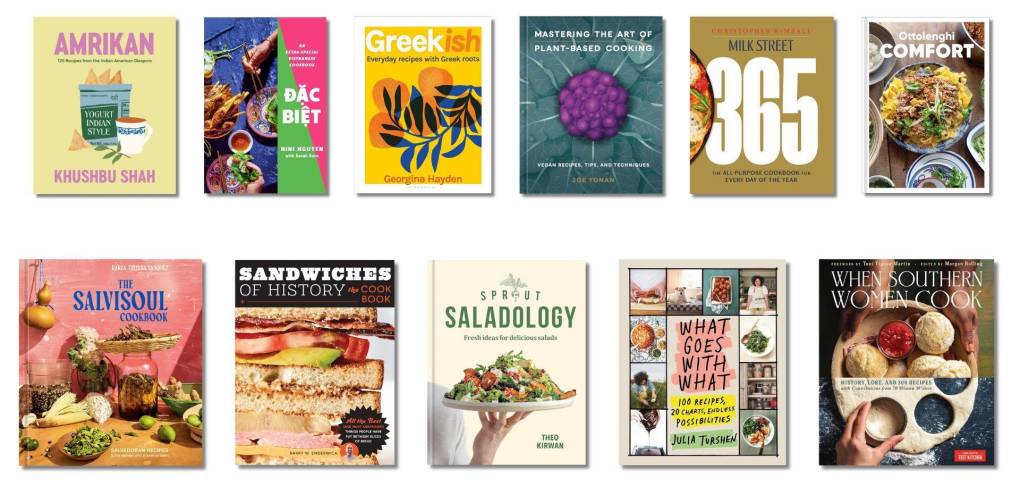
"title": "cookbook roundup pics (1).jpg",
"publishDate": 1733802524,
"status": "inherit",
"parent": 13969236,
"modified": 1733803231,
"caption": null,
"credit": "NPR",
"altTag": "11 cookbooks, laid out in two rows.",
"description": null,
"imgSizes": {
"medium": {
"file": "https://cdn.kqed.org/wp-content/uploads/sites/2/2024/12/cookbook-roundup-pics-1-800x388.jpeg",
"width": 800,
"height": 388,
"mimeType": "image/jpeg"
},
"large": {
"file": "https://cdn.kqed.org/wp-content/uploads/sites/2/2024/12/cookbook-roundup-pics-1-1020x495.jpeg",
"width": 1020,
"height": 495,
"mimeType": "image/jpeg"
},
"thumbnail": {
"file": "https://cdn.kqed.org/wp-content/uploads/sites/2/2024/12/cookbook-roundup-pics-1-160x78.jpeg",
"width": 160,
"height": 78,
"mimeType": "image/jpeg"
},
"medium_large": {
"file": "https://cdn.kqed.org/wp-content/uploads/sites/2/2024/12/cookbook-roundup-pics-1-768x372.jpeg",
"width": 768,
"height": 372,
"mimeType": "image/jpeg"
},
"1536x1536": {
"file": "https://cdn.kqed.org/wp-content/uploads/sites/2/2024/12/cookbook-roundup-pics-1-1536x745.jpeg",
"width": 1536,
"height": 745,
"mimeType": "image/jpeg"
},
"post-thumbnail": {
"file": "https://cdn.kqed.org/wp-content/uploads/sites/2/2024/12/cookbook-roundup-pics-1-672x372.jpeg",
"width": 672,
"height": 372,
"mimeType": "image/jpeg"
},
"twentyfourteen-full-width": {
"file": "https://cdn.kqed.org/wp-content/uploads/sites/2/2024/12/cookbook-roundup-pics-1-1038x576.jpeg",
"width": 1038,
"height": 576,
"mimeType": "image/jpeg"
},
"kqedFullSize": {
"file": "https://cdn.kqed.org/wp-content/uploads/sites/2/2024/12/cookbook-roundup-pics-1.jpeg",
"width": 1920,
"height": 931
}
},
"isLoading": false,
"fetchFailed": false
},
"arts_13969031": {
"type": "attachments",
"id": "arts_13969031",
"meta": {
"index": "attachments_1716263798",
"site": "arts",
"id": "13969031",
"found": true
},
"title": "child time",
"publishDate": 1733348393,
"status": "inherit",
"parent": 13969027,
"modified": 1733348436,
"caption": "‘Time of the Child’ by Niall Williams.",
"credit": "Bloomsbury Publishing",
"altTag": "A book cover featuring a landscape painting of a coast line and cloudy skies.",
"description": null,
"imgSizes": {
"medium": {
"file": "https://cdn.kqed.org/wp-content/uploads/sites/2/2024/12/child-time-1-800x514.png",
"width": 800,
"height": 514,
"mimeType": "image/png"
},
"large": {
"file": "https://cdn.kqed.org/wp-content/uploads/sites/2/2024/12/child-time-1-1020x655.png",
"width": 1020,
"height": 655,
"mimeType": "image/png"
},
"thumbnail": {
"file": "https://cdn.kqed.org/wp-content/uploads/sites/2/2024/12/child-time-1-160x103.png",
"width": 160,
"height": 103,
"mimeType": "image/png"
},
"medium_large": {
"file": "https://cdn.kqed.org/wp-content/uploads/sites/2/2024/12/child-time-1-768x493.png",
"width": 768,
"height": 493,
"mimeType": "image/png"
},
"1536x1536": {
"file": "https://cdn.kqed.org/wp-content/uploads/sites/2/2024/12/child-time-1-1536x986.png",
"width": 1536,
"height": 986,
"mimeType": "image/png"
},
"post-thumbnail": {
"file": "https://cdn.kqed.org/wp-content/uploads/sites/2/2024/12/child-time-1-672x372.png",
"width": 672,
"height": 372,
"mimeType": "image/png"
},
"twentyfourteen-full-width": {
"file": "https://cdn.kqed.org/wp-content/uploads/sites/2/2024/12/child-time-1-1038x576.png",
"width": 1038,
"height": 576,
"mimeType": "image/png"
},
"full-width": {
"file": "https://cdn.kqed.org/wp-content/uploads/sites/2/2024/12/child-time-1-1920x1233.png",
"width": 1920,
"height": 1233,
"mimeType": "image/png"
},
"kqedFullSize": {
"file": "https://cdn.kqed.org/wp-content/uploads/sites/2/2024/12/child-time-1.png",
"width": 2000,
"height": 1284
}
},
"isLoading": false,
"fetchFailed": false
},
"arts_13968836": {
"type": "attachments",
"id": "arts_13968836",
"meta": {
"index": "attachments_1716263798",
"site": "arts",
"id": "13968836",
"found": true
},
"title": "lohan christmas",
"publishDate": 1733165035,
"status": "inherit",
"parent": 13968835,
"modified": 1733167488,
"caption": "In Netflix’s ‘Our Little Secret,’ Lindsay Lohan plays Avery, a woman spending Christmas with her boyfriend's family — including her ex, who happens to be dating her boyfriend's sister.",
"credit": "Chuck Zlotnick/Netflix",
"altTag": "An attractive woman with long red hair stands at a store counter with a christmas tree behind her.",
"description": null,
"imgSizes": {
"medium": {
"file": "https://cdn.kqed.org/wp-content/uploads/sites/2/2024/11/ols-20240206-04574-r-800x533.jpeg",
"width": 800,
"height": 533,
"mimeType": "image/jpeg"
},
"large": {
"file": "https://cdn.kqed.org/wp-content/uploads/sites/2/2024/11/ols-20240206-04574-r-1020x680.jpeg",
"width": 1020,
"height": 680,
"mimeType": "image/jpeg"
},
"thumbnail": {
"file": "https://cdn.kqed.org/wp-content/uploads/sites/2/2024/11/ols-20240206-04574-r-160x107.jpeg",
"width": 160,
"height": 107,
"mimeType": "image/jpeg"
},
"medium_large": {
"file": "https://cdn.kqed.org/wp-content/uploads/sites/2/2024/11/ols-20240206-04574-r-768x512.jpeg",
"width": 768,
"height": 512,
"mimeType": "image/jpeg"
},
"1536x1536": {
"file": "https://cdn.kqed.org/wp-content/uploads/sites/2/2024/11/ols-20240206-04574-r-1536x1024.jpeg",
"width": 1536,
"height": 1024,
"mimeType": "image/jpeg"
},
"2048x2048": {
"file": "https://cdn.kqed.org/wp-content/uploads/sites/2/2024/11/ols-20240206-04574-r-2048x1365.jpeg",
"width": 2048,
"height": 1365,
"mimeType": "image/jpeg"
},
"post-thumbnail": {
"file": "https://cdn.kqed.org/wp-content/uploads/sites/2/2024/11/ols-20240206-04574-r-672x372.jpeg",
"width": 672,
"height": 372,
"mimeType": "image/jpeg"
},
"twentyfourteen-full-width": {
"file": "https://cdn.kqed.org/wp-content/uploads/sites/2/2024/11/ols-20240206-04574-r-1038x576.jpeg",
"width": 1038,
"height": 576,
"mimeType": "image/jpeg"
},
"full-width": {
"file": "https://cdn.kqed.org/wp-content/uploads/sites/2/2024/11/ols-20240206-04574-r-1920x1280.jpeg",
"width": 1920,
"height": 1280,
"mimeType": "image/jpeg"
},
"kqedFullSize": {
"file": "https://cdn.kqed.org/wp-content/uploads/sites/2/2024/11/ols-20240206-04574-r-scaled-e1733167412491.jpeg",
"width": 1920,
"height": 1280
}
},
"isLoading": false,
"fetchFailed": false
},
"arts_13968715": {
"type": "attachments",
"id": "arts_13968715",
"meta": {
"index": "attachments_1716263798",
"site": "arts",
"id": "13968715",
"found": true
},
"title": "cocktail time",
"publishDate": 1732667972,
"status": "inherit",
"parent": 13968712,
"modified": 1732668063,
"caption": "Is there a way to prevent the unpleasant symptoms that come with a heavy night of drinking? Experts weigh in on common hangover myths.",
"credit": "Photo illustration by Becky Harlan/NPR",
"altTag": "Four female friends make a toast at a party.",
"description": null,
"imgSizes": {
"medium": {
"file": "https://cdn.kqed.org/wp-content/uploads/sites/2/2024/11/cocktail-times-800x533.jpg",
"width": 800,
"height": 533,
"mimeType": "image/jpeg"
},
"large": {
"file": "https://cdn.kqed.org/wp-content/uploads/sites/2/2024/11/cocktail-times-1020x680.jpg",
"width": 1020,
"height": 680,
"mimeType": "image/jpeg"
},
"thumbnail": {
"file": "https://cdn.kqed.org/wp-content/uploads/sites/2/2024/11/cocktail-times-160x107.jpg",
"width": 160,
"height": 107,
"mimeType": "image/jpeg"
},
"medium_large": {
"file": "https://cdn.kqed.org/wp-content/uploads/sites/2/2024/11/cocktail-times-768x512.jpg",
"width": 768,
"height": 512,
"mimeType": "image/jpeg"
},
"1536x1536": {
"file": "https://cdn.kqed.org/wp-content/uploads/sites/2/2024/11/cocktail-times-1536x1024.jpg",
"width": 1536,
"height": 1024,
"mimeType": "image/jpeg"
},
"post-thumbnail": {
"file": "https://cdn.kqed.org/wp-content/uploads/sites/2/2024/11/cocktail-times-672x372.jpg",
"width": 672,
"height": 372,
"mimeType": "image/jpeg"
},
"twentyfourteen-full-width": {
"file": "https://cdn.kqed.org/wp-content/uploads/sites/2/2024/11/cocktail-times-1038x576.jpg",
"width": 1038,
"height": 576,
"mimeType": "image/jpeg"
},
"full-width": {
"file": "https://cdn.kqed.org/wp-content/uploads/sites/2/2024/11/cocktail-times-1920x1280.jpg",
"width": 1920,
"height": 1280,
"mimeType": "image/jpeg"
},
"kqedFullSize": {
"file": "https://cdn.kqed.org/wp-content/uploads/sites/2/2024/11/cocktail-times.jpg",
"width": 2000,
"height": 1333
}
},
"isLoading": false,
"fetchFailed": false
},
"arts_13968603": {
"type": "attachments",
"id": "arts_13968603",
"meta": {
"index": "attachments_1716263798",
"site": "arts",
"id": "13968603",
"found": true
},
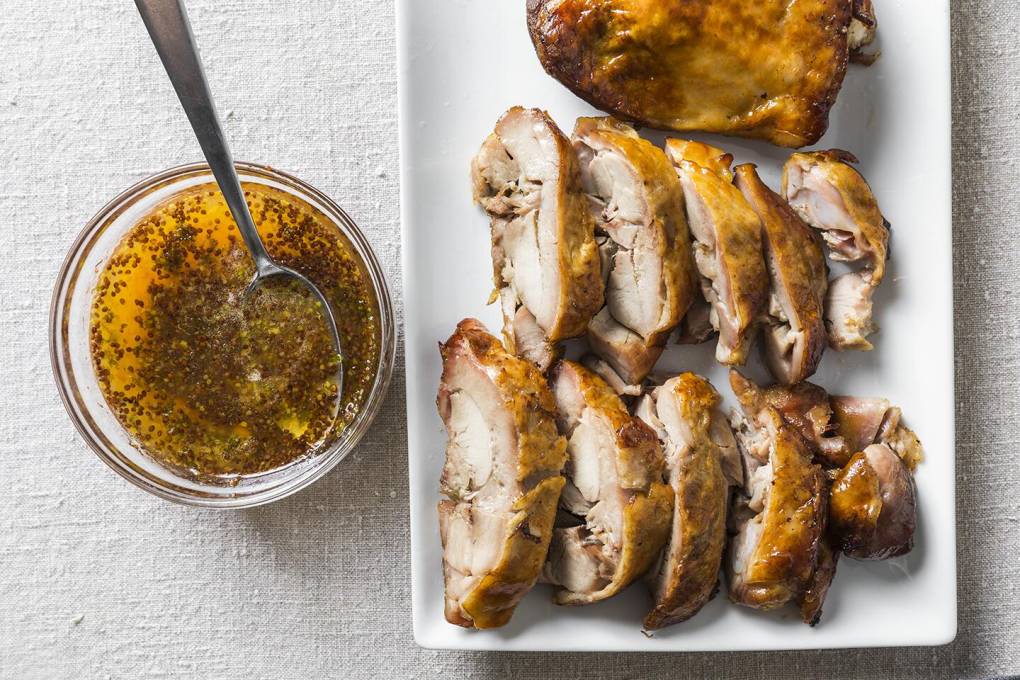
"title": "Turkey Thigh Confit",
"publishDate": 1732559377,
"status": "inherit",
"parent": 13968602,
"modified": 1732560016,
"caption": "Turkey Thigh Confit is a delicious main course that you can make well ahead of Thanksgiving.",
"credit": "Steve Klise/America's Test Kitchen",
"altTag": "Turkey Thigh Confit with Citrus-Mustard Sauce Styled Food Shot",
"description": null,
"imgSizes": {
"medium": {
"file": "https://cdn.kqed.org/wp-content/uploads/sites/2/2024/11/atk-turkey-800x533.jpeg",
"width": 800,
"height": 533,
"mimeType": "image/jpeg"
},
"large": {
"file": "https://cdn.kqed.org/wp-content/uploads/sites/2/2024/11/atk-turkey-1020x680.jpeg",
"width": 1020,
"height": 680,
"mimeType": "image/jpeg"
},
"thumbnail": {
"file": "https://cdn.kqed.org/wp-content/uploads/sites/2/2024/11/atk-turkey-160x107.jpeg",
"width": 160,
"height": 107,
"mimeType": "image/jpeg"
},
"medium_large": {
"file": "https://cdn.kqed.org/wp-content/uploads/sites/2/2024/11/atk-turkey-768x512.jpeg",
"width": 768,
"height": 512,
"mimeType": "image/jpeg"
},
"post-thumbnail": {
"file": "https://cdn.kqed.org/wp-content/uploads/sites/2/2024/11/atk-turkey-672x372.jpeg",
"width": 672,
"height": 372,
"mimeType": "image/jpeg"
},
"twentyfourteen-full-width": {
"file": "https://cdn.kqed.org/wp-content/uploads/sites/2/2024/11/atk-turkey-1038x576.jpeg",
"width": 1038,
"height": 576,
"mimeType": "image/jpeg"
},
"kqedFullSize": {
"file": "https://cdn.kqed.org/wp-content/uploads/sites/2/2024/11/atk-turkey.jpeg",
"width": 1440,
"height": 960
}
},
"isLoading": false,
"fetchFailed": false
},
"arts_13968351": {
"type": "attachments",
"id": "arts_13968351",
"meta": {
"index": "attachments_1716263798",
"site": "arts",
"id": "13968351",
"found": true
},
"title": "wicked, grande, erivo",
"publishDate": 1732048905,
"status": "inherit",
"parent": 13968348,
"modified": 1732049036,
"caption": "Galinda (Ariana Grande) and Elphaba (Cynthia Erivo) are opposites in every way, forced to room together at Shiz University in ‘Wicked.’",
"credit": "Giles Keyte/Universal Pictures",
"altTag": "A white blond woman dressed in pink rests her hand on the shoulder of a green woman dressed in black sitting at a vanity mirror.",
"description": null,
"imgSizes": {
"medium": {
"file": "https://cdn.kqed.org/wp-content/uploads/sites/2/2024/11/wicked-800x506.png",
"width": 800,
"height": 506,
"mimeType": "image/png"
},
"large": {
"file": "https://cdn.kqed.org/wp-content/uploads/sites/2/2024/11/wicked-1020x645.png",
"width": 1020,
"height": 645,
"mimeType": "image/png"
},
"thumbnail": {
"file": "https://cdn.kqed.org/wp-content/uploads/sites/2/2024/11/wicked-160x101.png",
"width": 160,
"height": 101,
"mimeType": "image/png"
},
"medium_large": {
"file": "https://cdn.kqed.org/wp-content/uploads/sites/2/2024/11/wicked-768x485.png",
"width": 768,
"height": 485,
"mimeType": "image/png"
},
"1536x1536": {
"file": "https://cdn.kqed.org/wp-content/uploads/sites/2/2024/11/wicked-1536x971.png",
"width": 1536,
"height": 971,
"mimeType": "image/png"
},
"post-thumbnail": {
"file": "https://cdn.kqed.org/wp-content/uploads/sites/2/2024/11/wicked-672x372.png",
"width": 672,
"height": 372,
"mimeType": "image/png"
},
"twentyfourteen-full-width": {
"file": "https://cdn.kqed.org/wp-content/uploads/sites/2/2024/11/wicked-1038x576.png",
"width": 1038,
"height": 576,
"mimeType": "image/png"
},
"full-width": {
"file": "https://cdn.kqed.org/wp-content/uploads/sites/2/2024/11/wicked-1920x1213.png",
"width": 1920,
"height": 1213,
"mimeType": "image/png"
},
"kqedFullSize": {
"file": "https://cdn.kqed.org/wp-content/uploads/sites/2/2024/11/wicked.png",
"width": 2000,
"height": 1264
}
},
"isLoading": false,
"fetchFailed": false
},
"arts_13968336": {
"type": "attachments",
"id": "arts_13968336",
"meta": {
"index": "attachments_1716263798",
"site": "arts",
"id": "13968336",
"found": true
},
"title": "Beyoncé iHeartRadio Music Awards",
"publishDate": 1732042498,
"status": "inherit",
"parent": 13968335,
"modified": 1732042867,
"caption": "Beyoncé at the iHeartRadio Music Awards on April 1, 2024 in Los Angeles.",
"credit": "Chris Pizzello/Invision/AP",
"altTag": "A Black woman with long white-blond hair tips her cowboy hat as she stands on stage holding a trophy. She is wearing all black.",
"description": null,
"imgSizes": {
"medium": {
"file": "https://cdn.kqed.org/wp-content/uploads/sites/2/2024/11/ap24316851527316-800x616.jpeg",
"width": 800,
"height": 616,
"mimeType": "image/jpeg"
},
"large": {
"file": "https://cdn.kqed.org/wp-content/uploads/sites/2/2024/11/ap24316851527316-1020x786.jpeg",
"width": 1020,
"height": 786,
"mimeType": "image/jpeg"
},
"thumbnail": {
"file": "https://cdn.kqed.org/wp-content/uploads/sites/2/2024/11/ap24316851527316-160x123.jpeg",
"width": 160,
"height": 123,
"mimeType": "image/jpeg"
},
"medium_large": {
"file": "https://cdn.kqed.org/wp-content/uploads/sites/2/2024/11/ap24316851527316-768x592.jpeg",
"width": 768,
"height": 592,
"mimeType": "image/jpeg"
},
"1536x1536": {
"file": "https://cdn.kqed.org/wp-content/uploads/sites/2/2024/11/ap24316851527316-1536x1183.jpeg",
"width": 1536,
"height": 1183,
"mimeType": "image/jpeg"
},
"2048x2048": {
"file": "https://cdn.kqed.org/wp-content/uploads/sites/2/2024/11/ap24316851527316-2048x1578.jpeg",
"width": 2048,
"height": 1578,
"mimeType": "image/jpeg"
},
"post-thumbnail": {
"file": "https://cdn.kqed.org/wp-content/uploads/sites/2/2024/11/ap24316851527316-672x372.jpeg",
"width": 672,
"height": 372,
"mimeType": "image/jpeg"
},
"twentyfourteen-full-width": {
"file": "https://cdn.kqed.org/wp-content/uploads/sites/2/2024/11/ap24316851527316-1038x576.jpeg",
"width": 1038,
"height": 576,
"mimeType": "image/jpeg"
},
"full-width": {
"file": "https://cdn.kqed.org/wp-content/uploads/sites/2/2024/11/ap24316851527316-1920x1479.jpeg",
"width": 1920,
"height": 1479,
"mimeType": "image/jpeg"
},
"kqedFullSize": {
"file": "https://cdn.kqed.org/wp-content/uploads/sites/2/2024/11/ap24316851527316.jpeg",
"width": 2438,
"height": 1878
}
},
"isLoading": false,
"fetchFailed": false
},
"arts_13968262": {
"type": "attachments",
"id": "arts_13968262",
"meta": {
"index": "attachments_1716263798",
"site": "arts",
"id": "13968262",
"found": true
},
"title": "Prue Leith shares tasty and easy-to-make recipes in her new cookbook, ‘Life's Too Short to Stuff A Mushroom’ — along with dozens of cooking hacks from her 65-year culinary career.",
"publishDate": 1731971436,
"status": "inherit",
"parent": 13968257,
"modified": 1731971563,
"caption": "Prue Leith shares tasty and easy-to-make recipes in her new cookbook, ‘Life's Too Short to Stuff A Mushroom’ — along with dozens of cooking hacks from her 65-year culinary career.",
"credit": "Ant Duncan/Carnival Publishing",
"altTag": "A senior woman sits at a kitchen table wearing a polka-dotted white jacket and colorful accessories. She is smiling. Mugs and a plate of croissants sit before her on the table.",
"description": null,
"imgSizes": {
"medium": {
"file": "https://cdn.kqed.org/wp-content/uploads/sites/2/2024/11/prue-main-800x513.png",
"width": 800,
"height": 513,
"mimeType": "image/png"
},
"large": {
"file": "https://cdn.kqed.org/wp-content/uploads/sites/2/2024/11/prue-main-1020x654.png",
"width": 1020,
"height": 654,
"mimeType": "image/png"
},
"thumbnail": {
"file": "https://cdn.kqed.org/wp-content/uploads/sites/2/2024/11/prue-main-160x103.png",
"width": 160,
"height": 103,
"mimeType": "image/png"
},
"medium_large": {
"file": "https://cdn.kqed.org/wp-content/uploads/sites/2/2024/11/prue-main-768x493.png",
"width": 768,
"height": 493,
"mimeType": "image/png"
},
"1536x1536": {
"file": "https://cdn.kqed.org/wp-content/uploads/sites/2/2024/11/prue-main-1536x985.png",
"width": 1536,
"height": 985,
"mimeType": "image/png"
},
"post-thumbnail": {
"file": "https://cdn.kqed.org/wp-content/uploads/sites/2/2024/11/prue-main-672x372.png",
"width": 672,
"height": 372,
"mimeType": "image/png"
},
"twentyfourteen-full-width": {
"file": "https://cdn.kqed.org/wp-content/uploads/sites/2/2024/11/prue-main-1038x576.png",
"width": 1038,
"height": 576,
"mimeType": "image/png"
},
"full-width": {
"file": "https://cdn.kqed.org/wp-content/uploads/sites/2/2024/11/prue-main-1920x1232.png",
"width": 1920,
"height": 1232,
"mimeType": "image/png"
},
"kqedFullSize": {
"file": "https://cdn.kqed.org/wp-content/uploads/sites/2/2024/11/prue-main.png",
"width": 2000,
"height": 1283
}
},
"isLoading": false,
"fetchFailed": false
},
"arts_13968229": {
"type": "attachments",
"id": "arts_13968229",
"meta": {
"index": "attachments_1716263798",
"site": "arts",
"id": "13968229",
"found": true
},
"title": "Eva Birthistle, left, Sharon Horgan, Sarah Greene and Eve Hewson in ‘Bad Sisters.’",
"publishDate": 1731955263,
"status": "inherit",
"parent": 13968228,
"modified": 1731956150,
"caption": "Eva Birthistle, left, Sharon Horgan, Sarah Greene and Eve Hewson in ‘Bad Sisters.’",
"credit": "Apple TV+",
"altTag": "Four white women dressed in black, one wearing an eye patch, stand in a line in the pews of a church.",
"description": null,
"imgSizes": {
"medium": {
"file": "https://cdn.kqed.org/wp-content/uploads/sites/2/2024/11/bad-sisters-photo-020304-800x533.jpeg",
"width": 800,
"height": 533,
"mimeType": "image/jpeg"
},
"large": {
"file": "https://cdn.kqed.org/wp-content/uploads/sites/2/2024/11/bad-sisters-photo-020304-1020x680.jpeg",
"width": 1020,
"height": 680,
"mimeType": "image/jpeg"
},
"thumbnail": {
"file": "https://cdn.kqed.org/wp-content/uploads/sites/2/2024/11/bad-sisters-photo-020304-160x107.jpeg",
"width": 160,
"height": 107,
"mimeType": "image/jpeg"
},
"medium_large": {
"file": "https://cdn.kqed.org/wp-content/uploads/sites/2/2024/11/bad-sisters-photo-020304-768x512.jpeg",
"width": 768,
"height": 512,
"mimeType": "image/jpeg"
},
"1536x1536": {
"file": "https://cdn.kqed.org/wp-content/uploads/sites/2/2024/11/bad-sisters-photo-020304-1536x1024.jpeg",
"width": 1536,
"height": 1024,
"mimeType": "image/jpeg"
},
"2048x2048": {
"file": "https://cdn.kqed.org/wp-content/uploads/sites/2/2024/11/bad-sisters-photo-020304-2048x1365.jpeg",
"width": 2048,
"height": 1365,
"mimeType": "image/jpeg"
},
"post-thumbnail": {
"file": "https://cdn.kqed.org/wp-content/uploads/sites/2/2024/11/bad-sisters-photo-020304-672x372.jpeg",
"width": 672,
"height": 372,
"mimeType": "image/jpeg"
},
"twentyfourteen-full-width": {
"file": "https://cdn.kqed.org/wp-content/uploads/sites/2/2024/11/bad-sisters-photo-020304-1038x576.jpeg",
"width": 1038,
"height": 576,
"mimeType": "image/jpeg"
},
"full-width": {
"file": "https://cdn.kqed.org/wp-content/uploads/sites/2/2024/11/bad-sisters-photo-020304-1920x1280.jpeg",
"width": 1920,
"height": 1280,
"mimeType": "image/jpeg"
},
"kqedFullSize": {
"file": "https://cdn.kqed.org/wp-content/uploads/sites/2/2024/11/bad-sisters-photo-020304-scaled-e1731956027669.jpeg",
"width": 1920,
"height": 1280
}
},
"isLoading": false,
"fetchFailed": false
}
},
"audioPlayerReducer": {
"postId": "stream_live",
"isPaused": true,
"isPlaying": false,
"pfsActive": false,
"pledgeModalIsOpen": true,
"playerDrawerIsOpen": false,
"liveAudioPlayStartedAt": 0,
"liveAudioPlayContext": ""
},
"authorsReducer": {
"byline_arts_13969363": {
"type": "authors",
"id": "byline_arts_13969363",
"meta": {
"override": true
},
"slug": "byline_arts_13969363",
"name": "Justin Chang, NPR",
"isLoading": false
},
"byline_arts_13969278": {
"type": "authors",
"id": "byline_arts_13969278",
"meta": {
"override": true
},
"slug": "byline_arts_13969278",
"name": "Eric Deggans, Aisha Harris, Linda Holmes, Bob Mondello, Glen Weldon, NPR",
"isLoading": false
},
"byline_arts_13969242": {
"type": "authors",
"id": "byline_arts_13969242",
"meta": {
"override": true
},
"slug": "byline_arts_13969242",
"name": "Tom Huizenga, NPR",
"isLoading": false
},
"byline_arts_13969236": {
"type": "authors",
"id": "byline_arts_13969236",
"meta": {
"override": true
},
"slug": "byline_arts_13969236",
"name": "Dhanika Pineda, NPR",
"isLoading": false
},
"byline_arts_13969027": {
"type": "authors",
"id": "byline_arts_13969027",
"meta": {
"override": true
},
"slug": "byline_arts_13969027",
"name": "Maureen Corrigan, NPR",
"isLoading": false
},
"byline_arts_13968835": {
"type": "authors",
"id": "byline_arts_13968835",
"meta": {
"override": true
},
"slug": "byline_arts_13968835",
"name": "Linda Holmes",
"isLoading": false
},
"byline_arts_13968712": {
"type": "authors",
"id": "byline_arts_13968712",
"meta": {
"override": true
},
"slug": "byline_arts_13968712",
"name": "Andee Tagle, NPR",
"isLoading": false
},
"byline_arts_13968602": {
"type": "authors",
"id": "byline_arts_13968602",
"meta": {
"override": true
},
"slug": "byline_arts_13968602",
"name": "Barry Gordemer, NPR",
"isLoading": false
},
"byline_arts_13968348": {
"type": "authors",
"id": "byline_arts_13968348",
"meta": {
"override": true
},
"slug": "byline_arts_13968348",
"name": "Aisha Harris, NPR",
"isLoading": false
},
"byline_arts_13968335": {
"type": "authors",
"id": "byline_arts_13968335",
"meta": {
"override": true
},
"slug": "byline_arts_13968335",
"name": "Ayana Archie, NPR",
"isLoading": false
},
"byline_arts_13968257": {
"type": "authors",
"id": "byline_arts_13968257",
"meta": {
"override": true
},
"slug": "byline_arts_13968257",
"name": "Marielle Segarra, NPR",
"isLoading": false
},
"byline_arts_13968228": {
"type": "authors",
"id": "byline_arts_13968228",
"meta": {
"override": true
},
"slug": "byline_arts_13968228",
"name": "Linda Holmes, NPR",
"isLoading": false
}
},
"pagesReducer": {
"arts_affiliate_npr": {
"type": "terms",
"id": "arts_137",
"meta": {
"index": "terms_1716263798",
"site": "arts",
"id": "137",
"score": 14.257248
},
"featImg": "https://ww2.kqed.org/app/uploads/sites/2/2014/04/logo-npr-lg1.png",
"name": "NPR",
"description": null,
"taxonomy": "affiliate",
"headData": {
"twImgId": null,
"twTitle": null,
"ogTitle": null,
"ogImgId": null,
"twDescription": null,
"description": null,
"title": "NPR Archives | KQED Arts",
"ogDescription": null
},
"ttid": 138,
"slug": "npr",
"isLoading": false,
"title": "NPR",
"pageMeta": {
"site": "arts",
"WpPageTemplate": "page-topic-editorial",
"currentPage": 20
},
"blocks": [
{
"blockName": "kqed/post-list",
"attrs": {
"layout": "cardArticle2",
"query": "posts/arts?affiliate=npr",
"seeMore": false,
"paginated": true,
"page": 20
}
},
{
"blockName": "kqed/ad"
}
]
}
},
"pfsSessionReducer": {},
"postsReducer": {
"stream_live": {
"type": "live",
"id": "stream_live",
"audioUrl": "https://streams.kqed.org/kqedradio",
"title": "Live Stream",
"excerpt": "Live Stream information currently unavailable.",
"link": "/radio",
"featImg": "",
"label": {
"name": "KQED Live",
"link": "/"
}
},
"stream_kqedNewscast": {
"type": "posts",
"id": "stream_kqedNewscast",
"audioUrl": "https://www.kqed.org/.stream/anon/radio/RDnews/newscast.mp3?_=1",
"title": "KQED Newscast",
"featImg": "",
"label": {
"name": "88.5 FM",
"link": "/"
}
},
"arts_13969363": {
"type": "posts",
"id": "arts_13969363",
"meta": {
"index": "posts_1716263798",
"site": "arts",
"id": "13969363",
"score": null,
"sort": [
1733953283000
]
},
"guestAuthors": [],
"slug": "the-seed-of-the-sacred-fig-movie-review-iran-authoritarian-regime-rasoulof",
"title": "Shot in Secret, ‘The Seed of the Sacred Fig’ Calls Out Iran’s Authoritarian Regime",
"publishDate": 1733953283,
"format": "standard",
"headTitle": "Shot in Secret, ‘The Seed of the Sacred Fig’ Calls Out Iran’s Authoritarian Regime | KQED",
"labelTerm": {
"term": 140,
"site": "arts"
},
"content": "\u003cp>In the nearly 20 years that I’ve been attending the Cannes Film Festival, I’ve rarely witnessed anything as emotional as I did last May, when the Iranian director \u003ca href=\"https://www.npr.org/2024/11/26/nx-s1-5163638/mohammad-rasoulof-iran-seed-of-sacred-fig\">Mohammad Rasoulof\u003c/a> arrived for the world premiere screening of his new movie, \u003cem>The Seed of the Sacred Fig\u003c/em>.\u003c/p>\n\u003cp>As he walked up the red carpeted steps and entered the theater to thunderous applause, Rasoulof didn’t look like a man who had been on the run just two weeks earlier. He fled his country after receiving an eight-year prison sentence — hardly the first time he’s run afoul of the government, which, since 2010, has frequently arrested him, jailed him and banned him from filmmaking. Like some of his other movies, \u003cem>The Seed of the Sacred Fig\u003c/em> was shot entirely in secret.\u003c/p>\n\u003cp>[aside postid='arts_13969167']That can’t have been easy to pull off, though in some ways, it makes a certain sense for a drama that’s all about the corrosive nature of secrets and lies. Misagh Zare plays a lawyer named Iman, who’s just been promoted to investigating judge, a job so dangerous that he’s been issued a gun for his protection.\u003c/p>\n\u003cp>Iman’s wife, Najmeh, played by Soheila Golestani, is excited about the news; with Iman’s higher salary, they can at last afford a bigger home. But they warn their two daughters — 21-year-old Rezvan and teenage Sana — that they must be irreproachable in their behavior, so as not to harm their father’s reputation. That means wearing the hijab in public, keeping a low profile on social media and not hanging out with the wrong people.\u003c/p>\n\u003cp>But Rezvan and Sana are both smart, observant and increasingly critical of their parents’ traditionalism, especially in light of the news. The story takes place in 2022, during the early days of the “\u003ca href=\"https://www.npr.org/2022/10/27/1131436766/kurdish-roots-iran-protest-slogan\">Woman, life, freedom” movement\u003c/a>. Those protests erupted after a 22-year-old \u003ca href=\"https://www.npr.org/2023/09/15/1199463066/iran-mahsa-amini-anniversary-women-rights-protests\">Kurdish Iranian woman\u003c/a> died in the custody of the morality police, which had arrested her for allegedly wearing a hijab improperly.\u003c/p>\n\u003cp>[ad fullwidth]\u003c/p>\n\u003cp>Rasoulof includes real-life footage of the protests and ensuing acts of police violence, giving the movie a jolt of documentary immediacy. But he also shows us how Iran’s social unrest impacts the family directly. When one of her friends is injured at a rally, Rezvan becomes increasingly supportive of the movement, to her parents’ chagrin. But even Iman has his doubts about the government he serves. He’s demoralized by his new job, which forces him to interrogate — and likely imprison — hundreds of protestors.\u003c/p>\n\u003cp>https://www.youtube.com/watch?v=TV3Sk2zwqK4\u003c/p>\n\u003cp>Rasoulof has never been shy about calling out Iran’s authoritarian regime, as he did in earlier movies like \u003cem>Manuscripts Don’t Burn\u003c/em> and \u003cem>There Is No Evil\u003c/em>. What makes \u003cem>The Seed of the Sacred Fig\u003c/em> so gripping over its nearly three-hour running time is how assuredly it blends domestic drama and topical thriller, the personal and the political.\u003c/p>\n\u003cp>The family home becomes a psychological war zone, where secrets fester behind closed doors and every character has something to hide. The actors are uniformly superb; I especially liked the nuanced sibling dynamic between Mahsa Rostami, as the sensitive, thoughtful older sister, and Setareh Maleki, as the slyer, more mischievous younger one. Rasoulof’s sympathies are clearly with them and the Woman, Life, Freedom protestors. But he also extends compassion to the parents, especially Iman, who, as Rezvan courageously points out, is too entrenched in the system to see that the system is wrong.\u003c/p>\n\u003cp>[aside postid='arts_13969006']Just as the family’s home is starting to feel unbearably claustrophobic, the movie shifts gears. There’s a sudden change in scenery, and after the slow-simmering suspense of the first half, Rasoulof pushes the drama into full-blown action-movie territory: there’s a high-speed car chase, an on-camera interrogation and, finally, a tense climax that suggests a showdown out of a classic Western.\u003c/p>\n\u003cp>It’s a bold stroke, and while not everyone will make the leap, I appreciate Rasoulof’s willingness to flex his genre muscles in service of a larger point. The family in this story isn’t just a family; it’s a kind of microcosm of middle class Iranian society, with deep rifts between people across genders and generations. Meaningful change may be possible, Rasoulof seems to be saying, but it will be inevitably painful and violent.\u003c/p>\n\u003cp>It’s a bleak conclusion, but it’s also suffused with a deep sense of mourning. Mohammad Rasoulof may have left Iran, but not once during this stunning movie is his love for his country ever in doubt.\u003c/p>\n\u003chr>\n\u003cp>\u003c/p>\n\u003cp>\u003cem>‘The Seed of the Sacred Fig’ is in theaters now.\u003c/em>\u003c/p>\n\n",
"blocks": [],
"excerpt": "Mohammad Rasoulof’s new film centers on a middle class family grappling with Iran's social unrest across generational lines.",
"status": "publish",
"parent": 0,
"modified": 1733953283,
"stats": {
"hasAudio": false,
"hasVideo": true,
"hasChartOrMap": false,
"iframeSrcs": [],
"hasGoogleForm": false,
"hasGallery": false,
"hasHearkenModule": false,
"hasPolis": false,
"paragraphCount": 14,
"wordCount": 822
},
"headData": {
"title": "Movie Review: ‘The Seed of the Sacred Fig’ | KQED",
"description": "Mohammad Rasoulof’s new film centers on a middle class family grappling with Iran's social unrest across generational lines.",
"ogTitle": "Shot in Secret, ‘The Seed of the Sacred Fig’ Calls Out Iran’s Authoritarian Regime",
"ogDescription": "",
"ogImgId": "",
"twTitle": "Shot in Secret, ‘The Seed of the Sacred Fig’ Calls Out Iran’s Authoritarian Regime",
"twDescription": "",
"twImgId": "",
"socialTitle": "Movie Review: ‘The Seed of the Sacred Fig’ %%page%% %%sep%% KQED",
"schema": {
"@context": "https://schema.org",
"@type": "Article",
"headline": "Shot in Secret, ‘The Seed of the Sacred Fig’ Calls Out Iran’s Authoritarian Regime",
"datePublished": "2024-12-11T13:41:23-08:00",
"dateModified": "2024-12-11T13:41:23-08:00",
"image": "https://cdn.kqed.org/wp-content/uploads/2020/02/KQED-OG-Image@1x.png"
}
},
"sticky": false,
"nprByline": "Justin Chang, NPR",
"nprStoryId": "nx-s1-5223531",
"nprHtmlLink": "https://www.npr.org/2024/12/11/nx-s1-5223531/the-seed-of-the-sacred-fig-review-iran",
"nprRetrievedStory": "1",
"nprPubDate": "2024-12-11T13:33:36.598-05:00",
"nprStoryDate": "2024-12-11T13:33:36.598-05:00",
"nprLastModifiedDate": "2024-12-11T15:45:06.936-05:00",
"nprAudio": "https://ondemand.npr.org/anon.npr-mp3/npr/fa/2024/12/20241211_fa_02.mp3?d=421028&e=nx-s1-5223531",
"templateType": "standard",
"featuredImageType": "standard",
"excludeFromSiteSearch": "Include",
"showOnAuthorArchivePages": "No",
"articleAge": "0",
"path": "/arts/13969363/the-seed-of-the-sacred-fig-movie-review-iran-authoritarian-regime-rasoulof",
"audioUrl": "https://ondemand.npr.org/anon.npr-mp3/npr/fa/2024/12/20241211_fa_02.mp3?d=421028&e=nx-s1-5223531",
"audioTrackLength": null,
"parsedContent": [
{
"type": "contentString",
"content": "\u003cdiv class=\"post-body\">\u003cp>\u003cp>In the nearly 20 years that I’ve been attending the Cannes Film Festival, I’ve rarely witnessed anything as emotional as I did last May, when the Iranian director \u003ca href=\"https://www.npr.org/2024/11/26/nx-s1-5163638/mohammad-rasoulof-iran-seed-of-sacred-fig\">Mohammad Rasoulof\u003c/a> arrived for the world premiere screening of his new movie, \u003cem>The Seed of the Sacred Fig\u003c/em>.\u003c/p>\n\u003cp>As he walked up the red carpeted steps and entered the theater to thunderous applause, Rasoulof didn’t look like a man who had been on the run just two weeks earlier. He fled his country after receiving an eight-year prison sentence — hardly the first time he’s run afoul of the government, which, since 2010, has frequently arrested him, jailed him and banned him from filmmaking. Like some of his other movies, \u003cem>The Seed of the Sacred Fig\u003c/em> was shot entirely in secret.\u003c/p>\n\u003cp>\u003c/p>\u003c/div>",
"attributes": {
"named": {},
"numeric": []
}
},
{
"type": "component",
"content": "",
"name": "aside",
"attributes": {
"named": {
"postid": "arts_13969167",
"label": ""
},
"numeric": []
}
},
{
"type": "contentString",
"content": "\u003cdiv class=\"post-body\">\u003cp>That can’t have been easy to pull off, though in some ways, it makes a certain sense for a drama that’s all about the corrosive nature of secrets and lies. Misagh Zare plays a lawyer named Iman, who’s just been promoted to investigating judge, a job so dangerous that he’s been issued a gun for his protection.\u003c/p>\n\u003cp>Iman’s wife, Najmeh, played by Soheila Golestani, is excited about the news; with Iman’s higher salary, they can at last afford a bigger home. But they warn their two daughters — 21-year-old Rezvan and teenage Sana — that they must be irreproachable in their behavior, so as not to harm their father’s reputation. That means wearing the hijab in public, keeping a low profile on social media and not hanging out with the wrong people.\u003c/p>\n\u003cp>But Rezvan and Sana are both smart, observant and increasingly critical of their parents’ traditionalism, especially in light of the news. The story takes place in 2022, during the early days of the “\u003ca href=\"https://www.npr.org/2022/10/27/1131436766/kurdish-roots-iran-protest-slogan\">Woman, life, freedom” movement\u003c/a>. Those protests erupted after a 22-year-old \u003ca href=\"https://www.npr.org/2023/09/15/1199463066/iran-mahsa-amini-anniversary-women-rights-protests\">Kurdish Iranian woman\u003c/a> died in the custody of the morality police, which had arrested her for allegedly wearing a hijab improperly.\u003c/p>\n\u003cp>\u003c/p>\u003c/div>",
"attributes": {
"named": {},
"numeric": []
}
},
{
"type": "component",
"content": "",
"name": "ad",
"attributes": {
"named": {
"label": "fullwidth"
},
"numeric": [
"fullwidth"
]
}
},
{
"type": "contentString",
"content": "\u003cdiv class=\"post-body\">\u003cp>\u003c/p>\n\u003cp>Rasoulof includes real-life footage of the protests and ensuing acts of police violence, giving the movie a jolt of documentary immediacy. But he also shows us how Iran’s social unrest impacts the family directly. When one of her friends is injured at a rally, Rezvan becomes increasingly supportive of the movement, to her parents’ chagrin. But even Iman has his doubts about the government he serves. He’s demoralized by his new job, which forces him to interrogate — and likely imprison — hundreds of protestors.\u003c/p>\u003c/p>\u003cp>\u003cspan class='utils-parseShortcode-shortcodes-__youtubeShortcode__embedYoutube'>\n \u003cspan class='utils-parseShortcode-shortcodes-__youtubeShortcode__embedYoutubeInside'>\n \u003ciframe\n loading='lazy'\n class='utils-parseShortcode-shortcodes-__youtubeShortcode__youtubePlayer'\n type='text/html'\n src='//www.youtube.com/embed/TV3Sk2zwqK4'\n title='//www.youtube.com/embed/TV3Sk2zwqK4'\n allowfullscreen='true'\n style='border:0;'>\u003c/iframe>\n \u003c/span>\n \u003c/span>\u003c/p>\u003cp>\u003cp>Rasoulof has never been shy about calling out Iran’s authoritarian regime, as he did in earlier movies like \u003cem>Manuscripts Don’t Burn\u003c/em> and \u003cem>There Is No Evil\u003c/em>. What makes \u003cem>The Seed of the Sacred Fig\u003c/em> so gripping over its nearly three-hour running time is how assuredly it blends domestic drama and topical thriller, the personal and the political.\u003c/p>\n\u003cp>The family home becomes a psychological war zone, where secrets fester behind closed doors and every character has something to hide. The actors are uniformly superb; I especially liked the nuanced sibling dynamic between Mahsa Rostami, as the sensitive, thoughtful older sister, and Setareh Maleki, as the slyer, more mischievous younger one. Rasoulof’s sympathies are clearly with them and the Woman, Life, Freedom protestors. But he also extends compassion to the parents, especially Iman, who, as Rezvan courageously points out, is too entrenched in the system to see that the system is wrong.\u003c/p>\n\u003cp>\u003c/p>\u003c/div>",
"attributes": {
"named": {},
"numeric": []
}
},
{
"type": "component",
"content": "",
"name": "aside",
"attributes": {
"named": {
"postid": "arts_13969006",
"label": ""
},
"numeric": []
}
},
{
"type": "contentString",
"content": "\u003cdiv class=\"post-body\">\u003cp>Just as the family’s home is starting to feel unbearably claustrophobic, the movie shifts gears. There’s a sudden change in scenery, and after the slow-simmering suspense of the first half, Rasoulof pushes the drama into full-blown action-movie territory: there’s a high-speed car chase, an on-camera interrogation and, finally, a tense climax that suggests a showdown out of a classic Western.\u003c/p>\n\u003cp>It’s a bold stroke, and while not everyone will make the leap, I appreciate Rasoulof’s willingness to flex his genre muscles in service of a larger point. The family in this story isn’t just a family; it’s a kind of microcosm of middle class Iranian society, with deep rifts between people across genders and generations. Meaningful change may be possible, Rasoulof seems to be saying, but it will be inevitably painful and violent.\u003c/p>\n\u003cp>It’s a bleak conclusion, but it’s also suffused with a deep sense of mourning. Mohammad Rasoulof may have left Iran, but not once during this stunning movie is his love for his country ever in doubt.\u003c/p>\n\u003chr>\n\u003cp>\u003c/p>\n\u003cp>\u003cem>‘The Seed of the Sacred Fig’ is in theaters now.\u003c/em>\u003c/p>\n\n\u003c/div>\u003c/p>",
"attributes": {
"named": {},
"numeric": []
}
}
],
"link": "/arts/13969363/the-seed-of-the-sacred-fig-movie-review-iran-authoritarian-regime-rasoulof",
"authors": [
"byline_arts_13969363"
],
"programs": [
"arts_140"
],
"categories": [
"arts_1",
"arts_74",
"arts_75",
"arts_22313"
],
"tags": [
"arts_8905",
"arts_1494",
"arts_769",
"arts_585"
],
"affiliates": [
"arts_137"
],
"featImg": "arts_13969364",
"label": "arts_140"
},
"arts_13969278": {
"type": "posts",
"id": "arts_13969278",
"meta": {
"index": "posts_1716263798",
"site": "arts",
"id": "13969278",
"score": null,
"sort": [
1733937302000
]
},
"guestAuthors": [],
"slug": "npr-best-tv-shows-of-2024-round-up",
"title": "The Best TV of 2024, As Chosen By NPR Critics",
"publishDate": 1733937302,
"format": "standard",
"headTitle": "The Best TV of 2024, As Chosen By NPR Critics | KQED",
"labelTerm": {
"term": 140,
"site": "arts"
},
"content": "\u003cp>If you’re in the mood to binge from the couch this holiday season, NPR critics have gathered together their favorite TV shows of 2024. Have at it!\u003c/p>\n\u003ch2>‘\u003ca href=\"https://www.kqed.org/arts/13956676/baby-reindeer-netflix-review-problematic-abuse-lgbt-queerness\">Baby Reindeer\u003c/a>’\u003c/h2>\n\u003cp>Star and creator Richard Gadd turned his autobiographical one-man-show into an affecting nightmare of a series about a delusional woman who stalks a bartender and terrible aspiring comic. Where it gets complicated is in the details, including the fact that Gadd’s character was sexually abused by a male mentor in ways that reverberate through his life, raising questions about his own actions and the long reach of trauma. On top of all that, a woman who says she inspired the show’s stalker character has sued. — Eric Deggans\u003c/p>\n\u003cp>\u003cem>Where: Netflix\u003c/em>\u003cbr>\n\u003cem>Genre: Drama\u003c/em>\u003c/p>\n\u003ch2>‘Interview with the Vampire’ Season 2\u003c/h2>\n\u003cp>AMC’s smart, thrilling and gratifyingly queer version of Anne Rice’s \u003cem>The Vampire Chronicles\u003c/em> improves on the books in ways large and small. Season 2 proved that while the chemistry between Louis (Jacob Anderson) and Lestat (Sam Reid) crackles, the show still works even when they’re apart. Credit the writers for finding new tensions between the cast to play with, especially Daniel (Eric Bogosian) and Armand (Assad Zaman), who each know more than they’re saying. — Glen Weldon\u003c/p>\n\u003cp>\u003cem>Where: AMC, Prime Video\u003c/em>\u003cbr>\n\u003cem>Genre: Drama, Horror and Thriller, Romance\u003c/em>\u003c/p>\n\u003cp>[ad fullwidth]\u003c/p>\n\u003cp>https://www.youtube.com/watch?v=R9pXbNz6Vbw&t=76s\u003c/p>\n\u003ch2>‘Agatha All Along’\u003c/h2>\n\u003cp>The best Marvel TV show (\u003ca href=\"https://www.kqed.org/arts/13891309/wandavision-the-next-era-of-the-mcu-will-be-televised\">\u003cem>WandaVision\u003c/em>\u003c/a>) got the best follow-up to date, as the great Kathryn Hahn reprised her role as the evil (or at least wildly self-involved) witch, Agatha Harkness. From the \u003cem>Mare of Easttown\u003c/em> parody that kicked off the season, to the brilliant and moving episode which sent Patti freaking LuPone’s Lilia ping-ponging through her own memories, AAA delivered a small, specific and highly idiosyncratic peek into one dark corner of the Marvel Universe. — Glen Weldon\u003c/p>\n\u003cp>\u003cem>Where: Disney+\u003c/em>\u003cbr>\n\u003cem>Genre: Comedy, Kid Friendly, Science Fiction and Fantasy\u003c/em>\u003c/p>\n\u003ch2>‘\u003ca href=\"https://www.kqed.org/arts/13955549/ripley-netflix-review-style-andrew-scott\">Ripley\u003c/a>’\u003c/h2>\n\u003cp>This new adaptation of Patricia Highsmith’s novel \u003cem>The Talented Mr. Ripley\u003c/em> relied on outstanding work from star Andrew Scott as well as stunning black-and-white cinematography. This is an older, darker Tom than the one Matt Damon played in 1999, but he’s just as frightening and manipulative. A stretch of almost 20 wordless minutes in the third episode that deals with the logistics of murder was one of the most inventive and darkly funny things I saw this year. — Linda Holmes\u003c/p>\n\u003cp>\u003cem>Where: Netflix\u003c/em>\u003cbr>\n\u003cem>Genre: Drama, Horror and Thriller\u003c/em>\u003c/p>\n\u003ch2>‘\u003ca href=\"https://www.kqed.org/arts/13964175/the-penguin-batman-spinoff-hbo-max-review-colin-farrell\">The Penguin\u003c/a>’\u003c/h2>\n\u003cp>On the surface, it’s still yet another Batman-without-Batman show. But spend even a few minutes with it, and it starts to reveal new, satisfying depths. The central performances of Colin Farrell (as mob underboss Oz Cobb) and Cristin Milioti (as the would-be head of a crime family) are given room to breathe, and complicate, and surprise. The world of Gotham is pulpy but psychologically complex in ways that have nothing to do with a weirdo who dresses up at night to punch crime in the face. — Glen Weldon\u003c/p>\n\u003cp>\u003cem>Where: Max, Video on demand\u003c/em>\u003cbr>\n\u003cem>Genre: Drama, Science Fiction and Fantasy\u003c/em>\u003c/p>\n\u003ch2>‘Photographer’\u003c/h2>\n\u003cp>For those tempted to dismiss \u003ca href=\"https://www.kqed.org/arts/tag/national-geographic\">National Geographic shows\u003c/a> as televised coffee table books, this series shatters those assumptions with revealing tales on the lives and work of seven astoundingly talented visual artists. My favorite story: Paul Nicklen, who was raised among Inuit people in the Arctic, and Cristina Mittermeier, who grew up in Mexico City and faced down racism and sexism throughout her career, have become a couple hailed as iconic ocean photographers, fooling oil rig workers to get crucial, breathtaking photos. — Eric Deggans\u003c/p>\n\u003cp>\u003cem>Where: Disney+, Hulu\u003c/em>\u003cbr>\n\u003cem>Genre: Biography, Documentary\u003c/em>\u003c/p>\n\u003cp>https://www.youtube.com/watch?v=WkL7cpG2UhE\u003c/p>\n\u003ch2>‘True Detective: Night Country’\u003c/h2>\n\u003cp>Rising above this anthology’s inconsistent history and some inexplicably ungrateful critiques from its creator, Nic Pizzolatto, director/showrunner Issa López crafted a brilliant fourth season centered on Indigenous culture and women, while tipping a hat to the origins of a notoriously male-centered franchise. López also gave us the spellbinding team of Jodie Foster and Kali Reis as two misanthropic officers forced to rely on each other in a way that was groundbreaking and indelible. — Eric Deggans\u003c/p>\n\u003cp>\u003cem>Where: Max, Video on demand\u003c/em>\u003cbr>\n\u003cem>Genre: Action, Drama, Horror and Thriller\u003c/em>\u003c/p>\n\u003ch2>‘\u003ca href=\"https://www.kqed.org/arts/13966481/disclaimer-tv-review-apple-tv-cate-blanchett-thriller-kevin-kline\">Disclaimer\u003c/a>’\u003c/h2>\n\u003cp>Cate Blanchett is dynamite as a woman who receives a mysterious self-published novel in the mail and realizes the story is based on a terrible memory she’s tried to forget. She struggles to keep the incident from resurfacing and destroying her life with her husband and son, while unbeknownst to her, the man who sent the book to her (Kevin Kline) closes in. The series explores the slipperiness of what’s true and false, and the notion that people live in different realities based on the information they have. — Linda Holmes\u003c/p>\n\u003cp>\u003cem>Where: Apple TV/Apple TV+\u003c/em>\u003cbr>\n\u003cem>Genre: Drama, Horror and Thriller\u003c/em>\u003c/p>\n\u003ch2>‘\u003ca href=\"https://www.kqed.org/arts/13958131/jerrod-carmichael-reality-show-hbo-max-series-analysis-cynthia\">Jerrod Carmichael Reality Show\u003c/a>’\u003c/h2>\n\u003cp>Any therapist worth their salt would strongly advise against coercing estranged family members to help process your childhood trauma for a prestige docuseries. But Jerrod Carmichael admits that the camera has always been his security blanket, and for that, we get this fascinating, maddening portrait of a Black queer artist who wants desperately to repair his familial relationships. It’s unclear whether this was good for Carmichael, but it just might have helped someone else watching at home. — Aisha Harris\u003c/p>\n\u003cp>\u003cem>Where: Max\u003c/em>\u003cbr>\n\u003cem>Genre: Biography, Documentary\u003c/em>\u003c/p>\n\u003ch2>‘\u003ca href=\"https://www.kqed.org/arts/13965841/industry-season-3-hbo-max-analysis-summary-soap-myhala-abela\">Industry\u003c/a>’ Season 3\u003c/h2>\n\u003cp>After bubbling under the radar, Mickey Down and Konrad Kay’s pulpy melodrama finally had its Brat moment, and it couldn’t have happened in a more bonkers season. The fictional investment bank Pierpoint faced rocky institutional challenges, while Gen Z upstarts Yas (Marisa Abela), Harper (Myha’la), and Robert (Harry Lawtey) all encountered death in a myriad of ways. In a show about strivers, there were obvious winners and losers; by the end of the season, it was less clear who, if anyone, maintained any semblance of a soul. — Aisha Harris\u003c/p>\n\u003cp>\u003cem>Where: Max\u003c/em>\u003cbr>\n\u003cem>Genre: Drama\u003c/em>\u003c/p>\n\u003cp>https://www.youtube.com/watch?v=yAN5uspO_hk&t=79s\u003c/p>\n\u003ch2>‘\u003ca href=\"https://www.kqed.org/arts/13953066/new-shogun-series-review-fx-james-clavell\">Shōgun\u003c/a>’\u003c/h2>\n\u003cp>This was the biggest swing the TV industry took this year: A sprawling series, set in feudal Japan, centered on the politics of the time, while de-centering the perspective of the British sailor at the heart of the James Clavell novel and 1980 miniseries. Thanks to towering performances from Anna Sawai and Hiroyuki Sanada, along with note-perfect work from an army of writers, artisans and technicians, \u003cem>Shōgun\u003c/em> is an affecting, landmark drama about duty, love, culture and changing times. — Eric Deggans\u003c/p>\n\u003cp>\u003cem>Where: FX, Hulu, Disney+\u003c/em>\u003cbr>\n\u003cem>Genre: Action, Drama, History\u003c/em>\u003c/p>\n\u003ch2>‘\u003ca href=\"https://www.kqed.org/pop/110589/what-we-do-in-the-shadows-puts-the-dead-in-deadpan\">What We Do in the Shadows\u003c/a>’ Season 6\u003c/h2>\n\u003cp>The funniest show on TV — \u003ca href=\"https://www.kqed.org/pop/tag/fx\">FX\u003c/a>’s vampire mockumentary — is going out with a bang, as the world’s most feckless vamps are seized with a renewed sense of purpose. Their new focus takes them variously into corporate America, monster-making, flailing attempts at world conquest and (shudder) the world of Airbnb. These characters aren’t the sort to learn and change, but the final season is making room for small moments of sweetness amid the ever-growing body count. — Glen Weldon\u003c/p>\n\u003cp>\u003cem>Where: FX, Hulu\u003c/em>\u003cbr>\n\u003cem>Genre: Comedy, Science Fiction and Fantasy, Horror and Thriller\u003c/em>\u003c/p>\n\u003ch2>‘\u003ca href=\"https://www.kqed.org/arts/13951374/mr-mrs-smith-are-back-so-are-the-fights-and-bewitching-on-screen-chemistry\">Mr. & Mrs. Smith\u003c/a>’\u003c/h2>\n\u003cp>\u003ca href=\"https://www.kqed.org/pop/tag/donald-glover\">Donald Glover\u003c/a> and Maya Erskine have developed distinct comic identities, including on their respective shows \u003cem>Atlanta\u003c/em> and \u003ca href=\"https://www.kqed.org/arts/13886663/pen15-is-back-and-girlhood-is-still-painfully-awkward\">\u003cem>PEN15\u003c/em>\u003c/a>. Here, they play a pair of spies who don’t know each other but are recruited for a project that sends them undercover, posing as a married couple. As they complete missions, a real relationship emerges, but it’s constantly imperiled by all that they don’t know about each other. A cool and sexy comedy-drama-thriller that’s delicious throughout. — Linda Holmes\u003c/p>\n\u003cp>\u003cem>Where: Prime Video\u003c/em>\u003cbr>\n\u003cem>Genre: Action, Comedy, Drama, Romance\u003c/em>\u003c/p>\n\u003ch2>‘Rachel Bloom: Death, Let Me Do My Special’\u003c/h2>\n\u003cp>The onset of the COVID-19 pandemic wasn’t all that long ago, but the passage of time can lend itself to forgetting or ignoring. Rachel Bloom’s poignant special is a necessary reminder that the scars from that period never fully disappear. In it, through humor and musical numbers (of course), and with a little help from a \u003cem>Crazy Ex-Girlfriend\u003c/em> co-star, she candidly addresses becoming a mother in the early days of lockdown and the sudden passing of her friend and collaborator Adam Schlesinger. — Aisha Harris\u003c/p>\n\u003cp>\u003cem>Where: Netflix\u003c/em>\u003cbr>\n\u003cem>Genre: Biography, Comedy, Drama, Music and Musicals\u003c/em>\u003c/p>\n\u003cp>https://www.youtube.com/watch?v=xhsVj_4ONoA\u003c/p>\n\u003ch2>‘A Man on the Inside’\u003c/h2>\n\u003cp>Michael Schur knows how to balance heartwarming comedy with sharp, irreverent observations, and this project is no different. Here he reteams up with his \u003ca href=\"https://www.kqed.org/pop/105436/what-the-good-place-has-taught-us-about-philosophy-and-life-so-far\">\u003cem>The Good Place\u003c/em>\u003c/a> star Ted Danson, who plays Charles, a lonely retired widower hired by a private investigator to be a mole at a senior living facility. Charles is meant to be on the hunt for stolen jewelry, but he befriends the quirky residents while learning to cope with aging and grief. Great cast (including Sally Struthers!), delightful, and moving. — Aisha Harris\u003c/p>\n\u003cp>\u003cem>Where: Netflix\u003c/em>\u003cbr>\n\u003cem>Genre: Comedy, Drama\u003c/em>\u003c/p>\n\u003ch2>‘Fantasmas’\u003c/h2>\n\u003cp>Gay hamsters. A cowgirl toilet. A litigious North Pole elf. \u003ca href=\"https://video.kqed.org/video/julio-torres-2024-vision-award-honoree-rolzwe/\">Julio Torres\u003c/a>’ comedy series \u003cem>Fantasmas\u003c/em> is ostensibly about his character’s search for an earring he lost at a NYC nightclub. But it’s also stuffed with absurd characters and situations that have no business cohering — that would, on any other show, fight for our attention. Not so here, because every aspect first passes through the filter of \u003ca href=\"https://www.kqed.org/arts/13952668/problemista-review-julio-torres-tilda-swinton-hasbro\">Torres’ comic sensibility\u003c/a>. Happily, that sensibility turns out to be an offbeat and idiosyncratic one. — Glen Weldon\u003c/p>\n\u003cp>\u003cem>Where: Max, Video on demand\u003c/em>\u003cbr>\n\u003cem>Genre: Comedy\u003c/em>\u003c/p>\n\u003ch2>‘Shrinking’ Season 2\u003c/h2>\n\u003cp>This affecting comedy moved beyond the simple pleasures of its first season, which unleashed ace players like Jessica Williams and Michael Urie while deftly leveraging Harrison Ford’s legendary crustiness. For Season 2, we got a potent take on forgiveness, as Jason Segel’s psychotherapist character meets the guy who killed his wife in a drunk driving accident, played by \u003ca href=\"https://www.kqed.org/arts/13929879/five-great-moments-from-the-ted-lasso-finale\">\u003cem>Ted Lasso\u003c/em>\u003c/a> alum Bret Goldstein. That doesn’t sound particularly sidesplitting, that’s true. But somehow, they found the funny to accompany the painful reach toward acceptance. — Eric Deggans\u003c/p>\n\u003cp>\u003cem>Where: Apple TV/Apple TV+\u003c/em>\u003cbr>\n\u003cem>Genre: Comedy\u003c/em>\u003c/p>\n\u003ch2>‘\u003ca href=\"https://www.kqed.org/arts/13938662/gary-oldman-had-free-rein-in-spy-thriller-slow-horses-now-back-for-season-3\">Slow Horses\u003c/a>’ Season 4\u003c/h2>\n\u003cp>No other series on TV can make as much out of a fart joke. But it’s not just the flatulence from Gary Oldman’s deliberately slovenly MI-5 agent Jackson Lamb that is so compelling; it’s how he uses that sloppiness to disguise his dedication to the misfit agents under his command, especially Jack Lowden’s River Cartwright. When River’s granddad, a magnetic Jonathan Pryce, is caught in crisis while suffering dementia, the only thing that could ratchet up the drama actually happens: Hugo Weaving appears as River’s toxic dad. — Eric Deggans\u003c/p>\n\u003cp>\u003cem>Where: Apple TV/Apple TV+\u003c/em>\u003cbr>\n\u003cem>Genre: Action, Drama, Horror and Thriller\u003c/em>\u003c/p>\n\u003cp>https://www.youtube.com/watch?v=V6jbU4jPru8&t=28s\u003c/p>\n\u003ch2>‘\u003ca href=\"https://www.kqed.org/arts/13954225/quiet-on-set-nickelodeon-abuse-documentary-dan-schneider-drake-bell-brian-peck\">Quiet on Set: The Dark Side of Kids TV\u003c/a>’\u003c/h2>\n\u003cp>It was inevitable that the flurry of documentaries revisiting ’90s pop culture would reach Nickelodeon’s kids TV empire. Investigation Discovery’s series explored allegations of toxic work environments fostered by superstar producer Dan Schneider on series like \u003cem>All That\u003c/em> and \u003cem>The Amanda Show\u003c/em>. It also sparked headlines as former \u003cem>Drake & Josh\u003c/em> star Drake Bell detailed the sexual abuse he suffered by a dialogue coach at the channel. (Schneider has since apologized for some behavior, but also denied other allegations and sued the series producers and Warner Bros. Discovery for defamation, claiming the show unfairly implies he was involved in abuse.) — Eric Deggans\u003c/p>\n\u003cp>\u003cem>Where: Max, Discovery+, Video on demand\u003c/em>\u003cbr>\n\u003cem>Genre: Documentary\u003c/em>\u003c/p>\n\u003ch2>‘\u003ca href=\"https://www.kqed.org/arts/13897119/a-comedic-generational-divide-gets-bridged-in-hbos-hacks\">Hacks\u003c/a>’ Season 3\u003c/h2>\n\u003cp>This may have been the strongest season yet of \u003cem>Hacks\u003c/em>, because it stepped away from the idea that Deborah (Jean Smart) and Ava (Hannah Einbinder) are constantly at war and made them — for now — allies and friends. The sharpness of the dialogue continues to delight, and the fact that both women are lovable and flawed (and less mean to each other) goes a long way. While a twist at the end of the season seems to risk a disappointing reset in their relationship, this show has earned the benefit of the doubt. — Linda Holmes\u003c/p>\n\u003cp>\u003cem>Where: Max\u003c/em>\u003cbr>\n\u003cem>Genre: Comedy\u003c/em>\u003c/p>\n\u003ch2>‘Fight Night: Million Dollar Heist’\u003c/h2>\n\u003cp>Pulling together a blaxploitation-inspired, gangster-fueled series with heavyweights like Terrence Howard, Taraji P. Henson, Don Cheadle, Samuel L. Jackson and Kevin Hart is an achievement. But using them to tell the true story of the dopest heist you never heard of — when powerful Black gangsters got robbed after watching a 1970 Muhammad Ali fight in Atlanta? With Jackson as a fire-breathing Black Godfather and Hart as a fast-talking hustler? That is pure, uncut TV genius. — Eric Deggans\u003c/p>\n\u003cp>\u003cem>Where: Peacock, Prime Video, Video on demand\u003c/em>\u003cbr>\n\u003cem>Genre: Action, Drama\u003c/em>\u003c/p>\n\u003ch2>‘\u003ca href=\"https://www.kqed.org/arts/13967594/the-diplomat-season-2-review-netflix-keri-russell\">The Diplomat\u003c/a>’ Season 2\u003c/h2>\n\u003cp>Set in a fantasy world where hyper-competent government officials fight disaster free of toxic partisan politics, Netflix’s series found new territory this year. \u003cem>West Wing\u003c/em> alum Allison Janney was a surprisingly sharp vice president, complicating efforts by Keri Russell’s no-nonsense ambassador to uncover a conspiracy inside the British government. With scene-stealing performances from Rory Kinnear as the U.K.’s insufferable prime minister, it all built to a diabolically transformative twist ending. — Eric Deggans\u003c/p>\n\u003cp>[ad floatright]\u003c/p>\n\u003cp>\u003cem>Where: Netflix\u003c/em>\u003cbr>\n\u003cem>Genre: Action, Drama, Horror and Thriller\u003c/em>\u003c/p>\n\n",
"blocks": [],
"excerpt": "Whether your favorite genre is documentary, comedy or drama, TV delivered this year.",
"status": "publish",
"parent": 0,
"modified": 1733937276,
"stats": {
"hasAudio": false,
"hasVideo": true,
"hasChartOrMap": false,
"iframeSrcs": [],
"hasGoogleForm": false,
"hasGallery": false,
"hasHearkenModule": false,
"hasPolis": false,
"paragraphCount": 47,
"wordCount": 2366
},
"headData": {
"title": "NPR’s Best TV Shows of 2024 | KQED",
"description": "Whether your favorite genre is documentary, comedy or drama, TV delivered this year.",
"ogTitle": "The Best TV of 2024, As Chosen By NPR Critics",
"ogDescription": "",
"ogImgId": "",
"twTitle": "The Best TV of 2024, As Chosen By NPR Critics",
"twDescription": "",
"twImgId": "",
"socialTitle": "NPR’s Best TV Shows of 2024 %%page%% %%sep%% KQED",
"schema": {
"@context": "https://schema.org",
"@type": "Article",
"headline": "The Best TV of 2024, As Chosen By NPR Critics",
"datePublished": "2024-12-11T09:15:02-08:00",
"dateModified": "2024-12-11T09:14:36-08:00",
"image": "https://cdn.kqed.org/wp-content/uploads/2020/02/KQED-OG-Image@1x.png"
}
},
"sticky": false,
"nprByline": "Eric Deggans, Aisha Harris, Linda Holmes, Bob Mondello, Glen Weldon, NPR",
"nprStoryId": "kqed-13969278",
"templateType": "standard",
"featuredImageType": "standard",
"excludeFromSiteSearch": "Include",
"showOnAuthorArchivePages": "No",
"articleAge": "0",
"path": "/arts/13969278/npr-best-tv-shows-of-2024-round-up",
"audioTrackLength": null,
"parsedContent": [
{
"type": "contentString",
"content": "\u003cdiv class=\"post-body\">\u003cp>\u003cp>If you’re in the mood to binge from the couch this holiday season, NPR critics have gathered together their favorite TV shows of 2024. Have at it!\u003c/p>\n\u003ch2>‘\u003ca href=\"https://www.kqed.org/arts/13956676/baby-reindeer-netflix-review-problematic-abuse-lgbt-queerness\">Baby Reindeer\u003c/a>’\u003c/h2>\n\u003cp>Star and creator Richard Gadd turned his autobiographical one-man-show into an affecting nightmare of a series about a delusional woman who stalks a bartender and terrible aspiring comic. Where it gets complicated is in the details, including the fact that Gadd’s character was sexually abused by a male mentor in ways that reverberate through his life, raising questions about his own actions and the long reach of trauma. On top of all that, a woman who says she inspired the show’s stalker character has sued. — Eric Deggans\u003c/p>\n\u003cp>\u003cem>Where: Netflix\u003c/em>\u003cbr>\n\u003cem>Genre: Drama\u003c/em>\u003c/p>\n\u003ch2>‘Interview with the Vampire’ Season 2\u003c/h2>\n\u003cp>AMC’s smart, thrilling and gratifyingly queer version of Anne Rice’s \u003cem>The Vampire Chronicles\u003c/em> improves on the books in ways large and small. Season 2 proved that while the chemistry between Louis (Jacob Anderson) and Lestat (Sam Reid) crackles, the show still works even when they’re apart. Credit the writers for finding new tensions between the cast to play with, especially Daniel (Eric Bogosian) and Armand (Assad Zaman), who each know more than they’re saying. — Glen Weldon\u003c/p>\n\u003cp>\u003cem>Where: AMC, Prime Video\u003c/em>\u003cbr>\n\u003cem>Genre: Drama, Horror and Thriller, Romance\u003c/em>\u003c/p>\n\u003cp>\u003c/p>\u003c/div>",
"attributes": {
"named": {},
"numeric": []
}
},
{
"type": "component",
"content": "",
"name": "ad",
"attributes": {
"named": {
"label": "fullwidth"
},
"numeric": [
"fullwidth"
]
}
},
{
"type": "contentString",
"content": "\u003cdiv class=\"post-body\">\u003cp>\u003c/p>\u003c/p>\u003cp>\u003cspan class='utils-parseShortcode-shortcodes-__youtubeShortcode__embedYoutube'>\n \u003cspan class='utils-parseShortcode-shortcodes-__youtubeShortcode__embedYoutubeInside'>\n \u003ciframe\n loading='lazy'\n class='utils-parseShortcode-shortcodes-__youtubeShortcode__youtubePlayer'\n type='text/html'\n src='//www.youtube.com/embed/R9pXbNz6Vbw'\n title='//www.youtube.com/embed/R9pXbNz6Vbw'\n allowfullscreen='true'\n style='border:0;'>\u003c/iframe>\n \u003c/span>\n \u003c/span>\u003c/p>\u003cp>\u003ch2>‘Agatha All Along’\u003c/h2>\n\u003cp>The best Marvel TV show (\u003ca href=\"https://www.kqed.org/arts/13891309/wandavision-the-next-era-of-the-mcu-will-be-televised\">\u003cem>WandaVision\u003c/em>\u003c/a>) got the best follow-up to date, as the great Kathryn Hahn reprised her role as the evil (or at least wildly self-involved) witch, Agatha Harkness. From the \u003cem>Mare of Easttown\u003c/em> parody that kicked off the season, to the brilliant and moving episode which sent Patti freaking LuPone’s Lilia ping-ponging through her own memories, AAA delivered a small, specific and highly idiosyncratic peek into one dark corner of the Marvel Universe. — Glen Weldon\u003c/p>\n\u003cp>\u003cem>Where: Disney+\u003c/em>\u003cbr>\n\u003cem>Genre: Comedy, Kid Friendly, Science Fiction and Fantasy\u003c/em>\u003c/p>\n\u003ch2>‘\u003ca href=\"https://www.kqed.org/arts/13955549/ripley-netflix-review-style-andrew-scott\">Ripley\u003c/a>’\u003c/h2>\n\u003cp>This new adaptation of Patricia Highsmith’s novel \u003cem>The Talented Mr. Ripley\u003c/em> relied on outstanding work from star Andrew Scott as well as stunning black-and-white cinematography. This is an older, darker Tom than the one Matt Damon played in 1999, but he’s just as frightening and manipulative. A stretch of almost 20 wordless minutes in the third episode that deals with the logistics of murder was one of the most inventive and darkly funny things I saw this year. — Linda Holmes\u003c/p>\n\u003cp>\u003cem>Where: Netflix\u003c/em>\u003cbr>\n\u003cem>Genre: Drama, Horror and Thriller\u003c/em>\u003c/p>\n\u003ch2>‘\u003ca href=\"https://www.kqed.org/arts/13964175/the-penguin-batman-spinoff-hbo-max-review-colin-farrell\">The Penguin\u003c/a>’\u003c/h2>\n\u003cp>On the surface, it’s still yet another Batman-without-Batman show. But spend even a few minutes with it, and it starts to reveal new, satisfying depths. The central performances of Colin Farrell (as mob underboss Oz Cobb) and Cristin Milioti (as the would-be head of a crime family) are given room to breathe, and complicate, and surprise. The world of Gotham is pulpy but psychologically complex in ways that have nothing to do with a weirdo who dresses up at night to punch crime in the face. — Glen Weldon\u003c/p>\n\u003cp>\u003cem>Where: Max, Video on demand\u003c/em>\u003cbr>\n\u003cem>Genre: Drama, Science Fiction and Fantasy\u003c/em>\u003c/p>\n\u003ch2>‘Photographer’\u003c/h2>\n\u003cp>For those tempted to dismiss \u003ca href=\"https://www.kqed.org/arts/tag/national-geographic\">National Geographic shows\u003c/a> as televised coffee table books, this series shatters those assumptions with revealing tales on the lives and work of seven astoundingly talented visual artists. My favorite story: Paul Nicklen, who was raised among Inuit people in the Arctic, and Cristina Mittermeier, who grew up in Mexico City and faced down racism and sexism throughout her career, have become a couple hailed as iconic ocean photographers, fooling oil rig workers to get crucial, breathtaking photos. — Eric Deggans\u003c/p>\n\u003cp>\u003cem>Where: Disney+, Hulu\u003c/em>\u003cbr>\n\u003cem>Genre: Biography, Documentary\u003c/em>\u003c/p>\u003c/p>\u003cp>\u003cspan class='utils-parseShortcode-shortcodes-__youtubeShortcode__embedYoutube'>\n \u003cspan class='utils-parseShortcode-shortcodes-__youtubeShortcode__embedYoutubeInside'>\n \u003ciframe\n loading='lazy'\n class='utils-parseShortcode-shortcodes-__youtubeShortcode__youtubePlayer'\n type='text/html'\n src='//www.youtube.com/embed/WkL7cpG2UhE'\n title='//www.youtube.com/embed/WkL7cpG2UhE'\n allowfullscreen='true'\n style='border:0;'>\u003c/iframe>\n \u003c/span>\n \u003c/span>\u003c/p>\u003cp>\u003ch2>‘True Detective: Night Country’\u003c/h2>\n\u003cp>Rising above this anthology’s inconsistent history and some inexplicably ungrateful critiques from its creator, Nic Pizzolatto, director/showrunner Issa López crafted a brilliant fourth season centered on Indigenous culture and women, while tipping a hat to the origins of a notoriously male-centered franchise. López also gave us the spellbinding team of Jodie Foster and Kali Reis as two misanthropic officers forced to rely on each other in a way that was groundbreaking and indelible. — Eric Deggans\u003c/p>\n\u003cp>\u003cem>Where: Max, Video on demand\u003c/em>\u003cbr>\n\u003cem>Genre: Action, Drama, Horror and Thriller\u003c/em>\u003c/p>\n\u003ch2>‘\u003ca href=\"https://www.kqed.org/arts/13966481/disclaimer-tv-review-apple-tv-cate-blanchett-thriller-kevin-kline\">Disclaimer\u003c/a>’\u003c/h2>\n\u003cp>Cate Blanchett is dynamite as a woman who receives a mysterious self-published novel in the mail and realizes the story is based on a terrible memory she’s tried to forget. She struggles to keep the incident from resurfacing and destroying her life with her husband and son, while unbeknownst to her, the man who sent the book to her (Kevin Kline) closes in. The series explores the slipperiness of what’s true and false, and the notion that people live in different realities based on the information they have. — Linda Holmes\u003c/p>\n\u003cp>\u003cem>Where: Apple TV/Apple TV+\u003c/em>\u003cbr>\n\u003cem>Genre: Drama, Horror and Thriller\u003c/em>\u003c/p>\n\u003ch2>‘\u003ca href=\"https://www.kqed.org/arts/13958131/jerrod-carmichael-reality-show-hbo-max-series-analysis-cynthia\">Jerrod Carmichael Reality Show\u003c/a>’\u003c/h2>\n\u003cp>Any therapist worth their salt would strongly advise against coercing estranged family members to help process your childhood trauma for a prestige docuseries. But Jerrod Carmichael admits that the camera has always been his security blanket, and for that, we get this fascinating, maddening portrait of a Black queer artist who wants desperately to repair his familial relationships. It’s unclear whether this was good for Carmichael, but it just might have helped someone else watching at home. — Aisha Harris\u003c/p>\n\u003cp>\u003cem>Where: Max\u003c/em>\u003cbr>\n\u003cem>Genre: Biography, Documentary\u003c/em>\u003c/p>\n\u003ch2>‘\u003ca href=\"https://www.kqed.org/arts/13965841/industry-season-3-hbo-max-analysis-summary-soap-myhala-abela\">Industry\u003c/a>’ Season 3\u003c/h2>\n\u003cp>After bubbling under the radar, Mickey Down and Konrad Kay’s pulpy melodrama finally had its Brat moment, and it couldn’t have happened in a more bonkers season. The fictional investment bank Pierpoint faced rocky institutional challenges, while Gen Z upstarts Yas (Marisa Abela), Harper (Myha’la), and Robert (Harry Lawtey) all encountered death in a myriad of ways. In a show about strivers, there were obvious winners and losers; by the end of the season, it was less clear who, if anyone, maintained any semblance of a soul. — Aisha Harris\u003c/p>\n\u003cp>\u003cem>Where: Max\u003c/em>\u003cbr>\n\u003cem>Genre: Drama\u003c/em>\u003c/p>\u003c/p>\u003cp>\u003cspan class='utils-parseShortcode-shortcodes-__youtubeShortcode__embedYoutube'>\n \u003cspan class='utils-parseShortcode-shortcodes-__youtubeShortcode__embedYoutubeInside'>\n \u003ciframe\n loading='lazy'\n class='utils-parseShortcode-shortcodes-__youtubeShortcode__youtubePlayer'\n type='text/html'\n src='//www.youtube.com/embed/yAN5uspO_hk'\n title='//www.youtube.com/embed/yAN5uspO_hk'\n allowfullscreen='true'\n style='border:0;'>\u003c/iframe>\n \u003c/span>\n \u003c/span>\u003c/p>\u003cp>\u003ch2>‘\u003ca href=\"https://www.kqed.org/arts/13953066/new-shogun-series-review-fx-james-clavell\">Shōgun\u003c/a>’\u003c/h2>\n\u003cp>This was the biggest swing the TV industry took this year: A sprawling series, set in feudal Japan, centered on the politics of the time, while de-centering the perspective of the British sailor at the heart of the James Clavell novel and 1980 miniseries. Thanks to towering performances from Anna Sawai and Hiroyuki Sanada, along with note-perfect work from an army of writers, artisans and technicians, \u003cem>Shōgun\u003c/em> is an affecting, landmark drama about duty, love, culture and changing times. — Eric Deggans\u003c/p>\n\u003cp>\u003cem>Where: FX, Hulu, Disney+\u003c/em>\u003cbr>\n\u003cem>Genre: Action, Drama, History\u003c/em>\u003c/p>\n\u003ch2>‘\u003ca href=\"https://www.kqed.org/pop/110589/what-we-do-in-the-shadows-puts-the-dead-in-deadpan\">What We Do in the Shadows\u003c/a>’ Season 6\u003c/h2>\n\u003cp>The funniest show on TV — \u003ca href=\"https://www.kqed.org/pop/tag/fx\">FX\u003c/a>’s vampire mockumentary — is going out with a bang, as the world’s most feckless vamps are seized with a renewed sense of purpose. Their new focus takes them variously into corporate America, monster-making, flailing attempts at world conquest and (shudder) the world of Airbnb. These characters aren’t the sort to learn and change, but the final season is making room for small moments of sweetness amid the ever-growing body count. — Glen Weldon\u003c/p>\n\u003cp>\u003cem>Where: FX, Hulu\u003c/em>\u003cbr>\n\u003cem>Genre: Comedy, Science Fiction and Fantasy, Horror and Thriller\u003c/em>\u003c/p>\n\u003ch2>‘\u003ca href=\"https://www.kqed.org/arts/13951374/mr-mrs-smith-are-back-so-are-the-fights-and-bewitching-on-screen-chemistry\">Mr. & Mrs. Smith\u003c/a>’\u003c/h2>\n\u003cp>\u003ca href=\"https://www.kqed.org/pop/tag/donald-glover\">Donald Glover\u003c/a> and Maya Erskine have developed distinct comic identities, including on their respective shows \u003cem>Atlanta\u003c/em> and \u003ca href=\"https://www.kqed.org/arts/13886663/pen15-is-back-and-girlhood-is-still-painfully-awkward\">\u003cem>PEN15\u003c/em>\u003c/a>. Here, they play a pair of spies who don’t know each other but are recruited for a project that sends them undercover, posing as a married couple. As they complete missions, a real relationship emerges, but it’s constantly imperiled by all that they don’t know about each other. A cool and sexy comedy-drama-thriller that’s delicious throughout. — Linda Holmes\u003c/p>\n\u003cp>\u003cem>Where: Prime Video\u003c/em>\u003cbr>\n\u003cem>Genre: Action, Comedy, Drama, Romance\u003c/em>\u003c/p>\n\u003ch2>‘Rachel Bloom: Death, Let Me Do My Special’\u003c/h2>\n\u003cp>The onset of the COVID-19 pandemic wasn’t all that long ago, but the passage of time can lend itself to forgetting or ignoring. Rachel Bloom’s poignant special is a necessary reminder that the scars from that period never fully disappear. In it, through humor and musical numbers (of course), and with a little help from a \u003cem>Crazy Ex-Girlfriend\u003c/em> co-star, she candidly addresses becoming a mother in the early days of lockdown and the sudden passing of her friend and collaborator Adam Schlesinger. — Aisha Harris\u003c/p>\n\u003cp>\u003cem>Where: Netflix\u003c/em>\u003cbr>\n\u003cem>Genre: Biography, Comedy, Drama, Music and Musicals\u003c/em>\u003c/p>\u003c/p>\u003cp>\u003cspan class='utils-parseShortcode-shortcodes-__youtubeShortcode__embedYoutube'>\n \u003cspan class='utils-parseShortcode-shortcodes-__youtubeShortcode__embedYoutubeInside'>\n \u003ciframe\n loading='lazy'\n class='utils-parseShortcode-shortcodes-__youtubeShortcode__youtubePlayer'\n type='text/html'\n src='//www.youtube.com/embed/xhsVj_4ONoA'\n title='//www.youtube.com/embed/xhsVj_4ONoA'\n allowfullscreen='true'\n style='border:0;'>\u003c/iframe>\n \u003c/span>\n \u003c/span>\u003c/p>\u003cp>\u003ch2>‘A Man on the Inside’\u003c/h2>\n\u003cp>Michael Schur knows how to balance heartwarming comedy with sharp, irreverent observations, and this project is no different. Here he reteams up with his \u003ca href=\"https://www.kqed.org/pop/105436/what-the-good-place-has-taught-us-about-philosophy-and-life-so-far\">\u003cem>The Good Place\u003c/em>\u003c/a> star Ted Danson, who plays Charles, a lonely retired widower hired by a private investigator to be a mole at a senior living facility. Charles is meant to be on the hunt for stolen jewelry, but he befriends the quirky residents while learning to cope with aging and grief. Great cast (including Sally Struthers!), delightful, and moving. — Aisha Harris\u003c/p>\n\u003cp>\u003cem>Where: Netflix\u003c/em>\u003cbr>\n\u003cem>Genre: Comedy, Drama\u003c/em>\u003c/p>\n\u003ch2>‘Fantasmas’\u003c/h2>\n\u003cp>Gay hamsters. A cowgirl toilet. A litigious North Pole elf. \u003ca href=\"https://video.kqed.org/video/julio-torres-2024-vision-award-honoree-rolzwe/\">Julio Torres\u003c/a>’ comedy series \u003cem>Fantasmas\u003c/em> is ostensibly about his character’s search for an earring he lost at a NYC nightclub. But it’s also stuffed with absurd characters and situations that have no business cohering — that would, on any other show, fight for our attention. Not so here, because every aspect first passes through the filter of \u003ca href=\"https://www.kqed.org/arts/13952668/problemista-review-julio-torres-tilda-swinton-hasbro\">Torres’ comic sensibility\u003c/a>. Happily, that sensibility turns out to be an offbeat and idiosyncratic one. — Glen Weldon\u003c/p>\n\u003cp>\u003cem>Where: Max, Video on demand\u003c/em>\u003cbr>\n\u003cem>Genre: Comedy\u003c/em>\u003c/p>\n\u003ch2>‘Shrinking’ Season 2\u003c/h2>\n\u003cp>This affecting comedy moved beyond the simple pleasures of its first season, which unleashed ace players like Jessica Williams and Michael Urie while deftly leveraging Harrison Ford’s legendary crustiness. For Season 2, we got a potent take on forgiveness, as Jason Segel’s psychotherapist character meets the guy who killed his wife in a drunk driving accident, played by \u003ca href=\"https://www.kqed.org/arts/13929879/five-great-moments-from-the-ted-lasso-finale\">\u003cem>Ted Lasso\u003c/em>\u003c/a> alum Bret Goldstein. That doesn’t sound particularly sidesplitting, that’s true. But somehow, they found the funny to accompany the painful reach toward acceptance. — Eric Deggans\u003c/p>\n\u003cp>\u003cem>Where: Apple TV/Apple TV+\u003c/em>\u003cbr>\n\u003cem>Genre: Comedy\u003c/em>\u003c/p>\n\u003ch2>‘\u003ca href=\"https://www.kqed.org/arts/13938662/gary-oldman-had-free-rein-in-spy-thriller-slow-horses-now-back-for-season-3\">Slow Horses\u003c/a>’ Season 4\u003c/h2>\n\u003cp>No other series on TV can make as much out of a fart joke. But it’s not just the flatulence from Gary Oldman’s deliberately slovenly MI-5 agent Jackson Lamb that is so compelling; it’s how he uses that sloppiness to disguise his dedication to the misfit agents under his command, especially Jack Lowden’s River Cartwright. When River’s granddad, a magnetic Jonathan Pryce, is caught in crisis while suffering dementia, the only thing that could ratchet up the drama actually happens: Hugo Weaving appears as River’s toxic dad. — Eric Deggans\u003c/p>\n\u003cp>\u003cem>Where: Apple TV/Apple TV+\u003c/em>\u003cbr>\n\u003cem>Genre: Action, Drama, Horror and Thriller\u003c/em>\u003c/p>\u003c/p>\u003cp>\u003cspan class='utils-parseShortcode-shortcodes-__youtubeShortcode__embedYoutube'>\n \u003cspan class='utils-parseShortcode-shortcodes-__youtubeShortcode__embedYoutubeInside'>\n \u003ciframe\n loading='lazy'\n class='utils-parseShortcode-shortcodes-__youtubeShortcode__youtubePlayer'\n type='text/html'\n src='//www.youtube.com/embed/V6jbU4jPru8'\n title='//www.youtube.com/embed/V6jbU4jPru8'\n allowfullscreen='true'\n style='border:0;'>\u003c/iframe>\n \u003c/span>\n \u003c/span>\u003c/p>\u003cp>\u003ch2>‘\u003ca href=\"https://www.kqed.org/arts/13954225/quiet-on-set-nickelodeon-abuse-documentary-dan-schneider-drake-bell-brian-peck\">Quiet on Set: The Dark Side of Kids TV\u003c/a>’\u003c/h2>\n\u003cp>It was inevitable that the flurry of documentaries revisiting ’90s pop culture would reach Nickelodeon’s kids TV empire. Investigation Discovery’s series explored allegations of toxic work environments fostered by superstar producer Dan Schneider on series like \u003cem>All That\u003c/em> and \u003cem>The Amanda Show\u003c/em>. It also sparked headlines as former \u003cem>Drake & Josh\u003c/em> star Drake Bell detailed the sexual abuse he suffered by a dialogue coach at the channel. (Schneider has since apologized for some behavior, but also denied other allegations and sued the series producers and Warner Bros. Discovery for defamation, claiming the show unfairly implies he was involved in abuse.) — Eric Deggans\u003c/p>\n\u003cp>\u003cem>Where: Max, Discovery+, Video on demand\u003c/em>\u003cbr>\n\u003cem>Genre: Documentary\u003c/em>\u003c/p>\n\u003ch2>‘\u003ca href=\"https://www.kqed.org/arts/13897119/a-comedic-generational-divide-gets-bridged-in-hbos-hacks\">Hacks\u003c/a>’ Season 3\u003c/h2>\n\u003cp>This may have been the strongest season yet of \u003cem>Hacks\u003c/em>, because it stepped away from the idea that Deborah (Jean Smart) and Ava (Hannah Einbinder) are constantly at war and made them — for now — allies and friends. The sharpness of the dialogue continues to delight, and the fact that both women are lovable and flawed (and less mean to each other) goes a long way. While a twist at the end of the season seems to risk a disappointing reset in their relationship, this show has earned the benefit of the doubt. — Linda Holmes\u003c/p>\n\u003cp>\u003cem>Where: Max\u003c/em>\u003cbr>\n\u003cem>Genre: Comedy\u003c/em>\u003c/p>\n\u003ch2>‘Fight Night: Million Dollar Heist’\u003c/h2>\n\u003cp>Pulling together a blaxploitation-inspired, gangster-fueled series with heavyweights like Terrence Howard, Taraji P. Henson, Don Cheadle, Samuel L. Jackson and Kevin Hart is an achievement. But using them to tell the true story of the dopest heist you never heard of — when powerful Black gangsters got robbed after watching a 1970 Muhammad Ali fight in Atlanta? With Jackson as a fire-breathing Black Godfather and Hart as a fast-talking hustler? That is pure, uncut TV genius. — Eric Deggans\u003c/p>\n\u003cp>\u003cem>Where: Peacock, Prime Video, Video on demand\u003c/em>\u003cbr>\n\u003cem>Genre: Action, Drama\u003c/em>\u003c/p>\n\u003ch2>‘\u003ca href=\"https://www.kqed.org/arts/13967594/the-diplomat-season-2-review-netflix-keri-russell\">The Diplomat\u003c/a>’ Season 2\u003c/h2>\n\u003cp>Set in a fantasy world where hyper-competent government officials fight disaster free of toxic partisan politics, Netflix’s series found new territory this year. \u003cem>West Wing\u003c/em> alum Allison Janney was a surprisingly sharp vice president, complicating efforts by Keri Russell’s no-nonsense ambassador to uncover a conspiracy inside the British government. With scene-stealing performances from Rory Kinnear as the U.K.’s insufferable prime minister, it all built to a diabolically transformative twist ending. — Eric Deggans\u003c/p>\n\u003cp>\u003c/p>\u003c/div>",
"attributes": {
"named": {},
"numeric": []
}
},
{
"type": "component",
"content": "",
"name": "ad",
"attributes": {
"named": {
"label": "floatright"
},
"numeric": [
"floatright"
]
}
},
{
"type": "contentString",
"content": "\u003cdiv class=\"post-body\">\u003cp>\u003c/p>\n\u003cp>\u003cem>Where: Netflix\u003c/em>\u003cbr>\n\u003cem>Genre: Action, Drama, Horror and Thriller\u003c/em>\u003c/p>\n\n\u003c/div>\u003c/p>",
"attributes": {
"named": {},
"numeric": []
}
}
],
"link": "/arts/13969278/npr-best-tv-shows-of-2024-round-up",
"authors": [
"byline_arts_13969278"
],
"programs": [
"arts_140"
],
"categories": [
"arts_1",
"arts_75",
"arts_22313",
"arts_990"
],
"tags": [
"arts_22377",
"arts_1006",
"arts_769",
"arts_585"
],
"affiliates": [
"arts_137"
],
"featImg": "arts_13969283",
"label": "arts_140"
},
"arts_13969242": {
"type": "posts",
"id": "arts_13969242",
"meta": {
"index": "posts_1716263798",
"site": "arts",
"id": "13969242",
"score": null,
"sort": [
1733862935000
]
},
"guestAuthors": [],
"slug": "the-10-best-classical-albums-of-2024",
"title": "The 10 Best Classical Albums of 2024",
"publishDate": 1733862935,
"format": "standard",
"headTitle": "The 10 Best Classical Albums of 2024 | KQED",
"labelTerm": {
"term": 137,
"site": "arts"
},
"content": "\u003cp>The year 2024 was an emotional roller coaster. Wars kept rampaging, a tortured election season further divided an already polarized nation and climate change served up the most scorching summer on record. Still, in the midst of the chaos, I found astonishing beauty in many places: Simone Biles’ performances at the Paris Olympics, the kaleidoscopic late-night aurora borealis light shows and in much soul-nourishing music that helped mitigate those low points in what remains a wild ride.\u003c/p>\n\u003cp>I witnessed astounding performances this year, too many to describe in total. The \u003ca href=\"https://www.npr.org/artists/16354188/berlin-philharmonic-orchestra\">Berlin Philharmonic\u003c/a> proved that \u003ca href=\"https://www.npr.org/artists/15033227/antonin-dvorak\">Dvorak\u003c/a>‘s Seventh Symphony is the jewel in his crown, while the Royal Concertgebouw Orchestra luxuriated in \u003ca href=\"https://www.npr.org/artists/15438778/sergey-rachmaninov\">Rachmaninoff\u003c/a>‘s Second. Pianist \u003ca href=\"https://www.npr.org/artists/112055562/marc-andre-hamelin\">Marc-André Hamelin\u003c/a> paid homage to the \u003ca href=\"https://www.npr.org/artists/90901153/charles-ives\">Charles Ives\u003c/a> sesquicentennial with an uncanny performance of the knuckle-twisting “Concord” Sonata, and the redoubtable Evgeny Kissin offered electrifying \u003ca href=\"https://www.npr.org/artists/15866095/sergey-prokofiev\">Prokofiev\u003c/a> and \u003ca href=\"https://www.npr.org/artists/15379968/frederic-chopin\">Chopin\u003c/a>. \u003ca href=\"https://www.npr.org/artists/89532661/meredith-monk\">Meredith Monk\u003c/a>, still spry in her 80s, danced and sang in her restorative theatre work \u003cem>Indra’s Net\u003c/em>. Soprano \u003ca href=\"https://www.npr.org/artists/940390176/julia-bullock\">Julia Bullock\u003c/a> delivered a diverse range of songs from \u003ca href=\"https://www.npr.org/artists/15193203/bob-dylan\">Bob Dylan\u003c/a> to \u003ca href=\"https://www.npr.org/artists/89529197/francis-poulenc\">Francis Poulenc\u003c/a> in recital, and took the lead in a colorful version of \u003ca href=\"https://www.npr.org/artists/14996733/john-adams\">John Adams\u003c/a>‘ \u003cem>El Niño\u003c/em> at the \u003ca href=\"https://www.npr.org/artists/869938581/metropolitan-opera\">Metropolitan Opera\u003c/a>. \u003ca href=\"https://www.npr.org/artists/15189623/sigur-r-s\">Sigur Rós\u003c/a> toured with a full orchestra. And then, there was the seamless blend of the \u003ca href=\"https://www.npr.org/artists/570269172/estonian-philharmonic-chamber-choir\">Estonian Philharmonic Chamber Choir\u003c/a>, pairing \u003ca href=\"https://www.npr.org/artists/91476506/giovanni-pierluigi-da-palestrina\">Palestrina\u003c/a> with \u003ca href=\"https://www.npr.org/artists/16070552/arvo-part\">Arvo Pärt\u003c/a> in an unforgettable evening in a small church.\u003c/p>\n\u003cp>[aside postid='arts_13967712']Naturally, not all of my favorite artists were touring this year, but many were in the studio, making terrific albums. The 10 recordings below, plus a few honorable mentions, kept my ears focused and delighted throughout the year. Opera singers Aigul Akhmetshina and \u003ca href=\"https://www.npr.org/artists/1050164280/emily-dangelo\">Emily D’Angelo\u003c/a> submitted two satisfying approaches — Akhmetshina releasing a standard arias album while D’Angelo filled hers mostly with folk and pop songs, imaginatively arranged.\u003c/p>\n\u003cp>Women composers, still too often overlooked in concert halls, have released amazing albums this year — a glittering symphonic tour-de-force from Mexico’s \u003ca href=\"https://www.npr.org/2024/10/04/nx-s1-5081260/the-borderless-music-of-gabriela-ortiz\">Gabriela Ortiz\u003c/a>, ethereal choral works by Lithuania’s Žibuoklė Martinaitytė and warm-hearted melodies for soloists and chamber orchestra from the Brit \u003ca href=\"https://www.npr.org/artists/884906471/anna-clyne\">Anna Clyne\u003c/a>. Lutenist Jakob Lindberg lowered my stubbornly high blood pressure, as did a shimmering ambient adventure from Christopher Rountree.\u003c/p>\n\u003cp>The albums below were sources of joy, introspection and hope for me this year. Perhaps they’ll do the same for you.\u003c/p>\n\u003cp>[ad fullwidth]\u003c/p>\n\u003cp>https://www.youtube.com/watch?v=rmnH7iFEYLk\u003c/p>\n\u003cp>\u003cspan style=\"font-size: 22px;font-weight: bold\">Gabriela Ortiz, \u003c/span>\u003cem style=\"font-size: 22px;font-weight: bold\">Revolución Diamantina\u003c/em>\u003c/p>\n\u003cp>\u003cstrong>For Those Who Like: \u003c/strong>Stravinsky, social justice, Mexico\u003c/p>\n\u003cp>\u003cstrong>The Story:\u003c/strong> With a colorful family history in her native Mexico — including a grandfather who worked as Pancho Villa’s physician and parents who founded a popular Latin American folk group — Gabriela Ortiz has slowly emerged as one of today’s must-hear composers. Luckily, hearing her is easier than ever, as she’s in residence this season at Carnegie Hall. Her luminous orchestral works have been championed by star conductor Gustavo Dudamel, who calls her one of the most talented composers in the world and leads the Los Angeles Philharmonic on this dazzling album.\u003c/p>\n\u003cp>\u003cstrong>The Music: \u003c/strong>Ortiz says \u003ca href=\"https://www.npr.org/2024/10/04/nx-s1-5081260/the-borderless-music-of-gabriela-ortiz\">music has no borders\u003c/a>, and she practices what she preaches. Her compositional voice is singular, but the jagged rhythms in Act IV of this politically charged ballet almost out-Stravinsky Stravinsky, just moments after oscillating figures in the winds channel John Adams. A Huichol folk melody from Mexico’s western Sierra Madres inspires the colorful symphonic showpiece \u003cem>Kauyumari\u003c/em>, and in \u003cem>Altar de Cuerda\u003c/em>, an atmospheric violin concerto played with precision and passion by Maria Dueñas, you might hear the ghosts of 20th century modernists György Ligeti and Olivier Messiaen. With this album, the distinctive, hardworking composer finally relishes the spotlight she has deserved for years.\u003c/p>\n\u003cp>https://www.youtube.com/watch?v=F3e0Nim9XuM\u003c/p>\n\u003ch3>Maya Beiser, \u003cem>Maya Beiser x Terry Riley: In C\u003c/em>\u003c/h3>\n\u003cp>\u003cstrong>For Those Who Like: \u003c/strong>Steve Reich, cellos, magic mushrooms\u003c/p>\n\u003cp>\u003cstrong>The Story:\u003c/strong> It’s pretty gutsy to take on a revered, pioneering piece of minimalism designed for a couple dozen people to play and reduce it to only a stack of cello loops and a pair of percussionists. But cellist Maya Beiser has triumphed, releasing one of the most groove-laden and listenable renditions of \u003ca href=\"https://www.kqed.org/arts/13967712/in-c-terry-riley-minimalism-music-history-maya-beiser\">\u003cem>In C\u003c/em>, Terry Riley\u003c/a>‘s enduring 60-year-old score. And it’s fitting that Beiser deploys loops for her version, given that the seeds of \u003cem>In C\u003c/em> were sown in Riley’s earlier experiments in cutting and looping tape.\u003c/p>\n\u003cp>\u003cstrong>The Music: \u003c/strong>Beiser’s vision is all about pulses, drones and the low C string of her instrument, which tends to ricochet off drummers Shane Shanahan and Matt Kilmer. She likes to unfurl long, singing cello lines over oscillating beats, creating grooves with the power to intoxicate or get you wired for an all-night road trip. In one section, she interleaves her voice with cello in a nod to the medieval vocal technique of hocketing. In another, she distorts her instrument and amps up the beat, creating a kind of headbanging grunge moment. Along the way, Beiser cuts the engine to provide a couple of calming rest stops.\u003c/p>\n\u003cp>https://www.youtube.com/watch?v=MBqsViTL1G8\u003c/p>\n\u003ch3>Emily D’Angelo, \u003cem>Freezing\u003c/em>\u003c/h3>\n\u003cp>\u003cstrong>For Those Who Like: \u003c/strong>June Tabor, Kathleen Ferrier, voluptuous voices\u003c/p>\n\u003cp>\u003cstrong>The Story: \u003c/strong>Emerging opera stars aren’t supposed to release albums stuffed with folk and pop songs, but the velvet-voiced Canadian mezzo-soprano has done just that, tossing off old British ballads and a Randy Newman number with supreme beauty and homespun confidence. She can sing Mozart and Rossini as well as anyone today, and never mind at all that she opened the Metropolitan Opera season this fall — her curious mind, smart curation and inherently gorgeous instrument are enough to render this decidedly non-operatic album essential listening.\u003c/p>\n\u003cp>\u003cstrong>The Music: \u003c/strong>Spanning five centuries, D’Angelo’s eclectic vocal mixtape ranges from \u003cem>Grounded\u003c/em>, the brand new opera written for her by Jeanine Tesori, to a song by Elizabethan gloom master John Dowland, to a synth-laden arrangement of the English ballad “Cold Blows the Wind,” inspired by \u003ca href=\"https://www.npr.org/artists/16518232/ween\">Ween\u003c/a>. The title track is a fresh take of a Philip Glass/Suzanne Vega collaboration that unleashes a molten electric guitar. The mood of \u003cem>Freezing\u003c/em> is wistful, lovelorn and a little chilly, but D’Angelo’s buttery, burgundy-colored voice, concise diction and luxurious phrasing is your warm fire to keep away the cold.\u003c/p>\n\u003cp>https://www.youtube.com/watch?v=4MkoTjjs1jg\u003c/p>\n\u003ch3>Christopher Rountree, \u003cem>3 BPM\u003c/em>\u003c/h3>\n\u003cp>\u003cstrong>For Those Who Like: \u003c/strong>Brian Eno, Julius Eastman, chill rooms\u003c/p>\n\u003cp>\u003cstrong>The Story:\u003c/strong> Composer-conductor Christopher Rountree is perhaps best known as the founder and leader of Wild Up, the Los Angeles-based new music outfit responsible for resuscitating (on four extraordinary albums) the lost music of Julius Eastman. This year, with help from his band, the piano duo Hocket and intrepid violist Nadia Sirota, Rountree released \u003cem>3 BPM\u003c/em>, a 28-minute safe haven for calming reflection. The music also serves as a lasting tribute to pianist and composer Sarah Gibson (one half of Hocket), \u003ca href=\"https://www.washingtonpost.com/obituaries/2024/07/19/sarah-gibson-composer-dead-obituary/\">who died\u003c/a> in July at 38 — a cruel gut punch to the new music community.\u003c/p>\n\u003cp>\u003cstrong>The Music: \u003c/strong>\u003cem>3 BPM \u003c/em>(three beats per minute) is a flight through tranquil spaces marked with little episodes of euphoria. Brian Eno’s ambient music may come to mind, and Eastman’s jubilance. But Rountree has crafted his own musical language here, one he’s called a musical framework for togetherness. A tolling piano and a whoosh of air usher us into the piece; by the time we reach our final stop with “Almanac,” a wheezy viola emerges and gently rolled piano chords bloom like a celestial portal opening, calling you to travel beyond yourself.\u003c/p>\n\u003cp>https://www.youtube.com/watch?v=8RkhxEiXLtw\u003c/p>\n\u003ch3>Experiential Orchestra, \u003cem>American Counterpoints\u003c/em>\u003c/h3>\n\u003cp>\u003cstrong>For those Who Like: \u003c/strong>Bartók, violin concertos, musical archeology\u003c/p>\n\u003cp>\u003cstrong>The Story: \u003c/strong>This long overdue release spotlights two singular Black American composers whose music had fallen into neglect. Julia Perry found success in the 1950s after her \u003cem>Stabat Mater\u003c/em> debuted and a Guggenheim Fellowship funded her study with Nadia Boulanger in Paris. But the 1960s brought health and financial problems, and when she died in 1979 her music was all but forgotten. Coleridge-Taylor Perkinson’s music was also overlooked until after his death in 2004. A versatile pianist who collaborated with Marvin Gaye and Max Roach, Perkinson composed in a variety of idioms for television, film and the concert hall. He co-founded an orchestra and was a key figure at the Center for Black Music Research at Chicago’s Columbia College.\u003c/p>\n\u003cp>\u003cstrong>The Music:\u003c/strong> The album is anchored by Perry’s austere, sometimes Bartók-leaning Violin Concerto from 1968, whose score was left in disarray. This newly reconstructed version receives a probing performance by soloist Curtis Stewart and the Experiential Orchestra. Perry’s experimental style emerges in the darkly hued \u003cem>Symphony in One Movement for Violas and Basses\u003c/em>, while an almost Copland-like freshness pervades her Prelude for Strings. Perkinson proves a formidable presence in his Sinfonietta No. 1, composed when he was all of 22, the opening movement of which elegantly weaves strands of baroque counterpoint that would make Handel jealous. Stewart gets down and gritty for Perkinson’s \u003cem>Louisiana Blues Strut: A Cakewalk\u003c/em>, which, in its slurred and syncopated lines, conjures Black music from before the Civil War.\u003c/p>\n\u003cp>https://www.youtube.com/watch?v=PiZftXoSL3o\u003c/p>\n\u003ch3>Žibuoklė Martinaitytė, \u003cem>Aletheia\u003c/em>\u003c/h3>\n\u003cp>\u003cstrong>For Those Who Like: \u003c/strong>Björk, Tanya Tagaq, choirs\u003c/p>\n\u003cp>\u003cstrong>The Story:\u003c/strong> Žibuoklė Martinaitytė, raised in Soviet-era Lithuania and now a denizen of New York, has emerged as a composer poised for maximum visibility. Those following her career understand her command of a symphony orchestra, via recordings released on the Finnish Ondine label. Her latest proves she may also be one of the leading choral composers of our time — a sonically shimmering album for unaccompanied chorus featuring magnificent performances by the Latvian Radio Choir, which continues to assert itself as perhaps the finest chorus singing today.\u003c/p>\n\u003cp>\u003cstrong>The Music:\u003c/strong> No actual words are sung on \u003cem>Aletheia\u003c/em>. Martinaitytė trusts in styles of vocalizing that communicate beyond language, not unlike Meredith Monk. The title track, composed during the onset of the war in Ukraine, gives voice to resilient people under siege in passages of bottled claustrophobia and joyous “whooping.” \u003cem>Chant des Voyelles\u003c/em>, where only vowels are sung, evokes clouds of heavenly synthesizers, radiant and breathtaking when the choir is in full cry. \u003cem>Ululations\u003c/em> is at once beautiful and terrifying, a symphonic weave of vocalizing that is halfway between howling and yodeling. In this complex music, the choir offers its signature unified blend of sounds, transparent and seemingly limitless in color and lighting.\u003c/p>\n\u003cp>https://www.youtube.com/watch?v=pNPYRprKQ6Q\u003c/p>\n\u003ch3>Anna Clyne, \u003cem>Shorthand\u003c/em>\u003c/h3>\n\u003cp>\u003cstrong>For Those Who Like: \u003c/strong>Yo-Yo Ma, strings, mandolins\u003c/p>\n\u003cp>\u003cstrong>The Story: \u003c/strong>In college, British composer Anna Clyne made a last-minute pivot from literature to music. She was already 20 when she took up her first formal composition lessons, and after she moved to New York in 2002, she spent time as a florist and even contemplated investment banking. It was a glowing email from Steve Reich, telling her she was “the real deal” after looking over one of her pieces, that helped Clyne’s career to fully blossom. Today, she’s one of the most commissioned composers, writing music that can be experimental — she’s developed software to shapeshift the sounds of individual instruments in live symphonic performances — but always unapologetically melodic.\u003c/p>\n\u003cp>\u003cstrong>The Music: \u003c/strong>Yo-Yo Ma’s burnished cello tone caresses the lachrymose theme of the title track, a miniature cello concerto inspired by Tolstoy’s quote that “Music is the shorthand of emotion.” Clyne isn’t afraid to spin opulent, wistful melodies, nowhere more so than in the album’s impassioned centerpiece, \u003cem>Within Her Arms\u003c/em>, an elegy for strings written in response to the death of her mother. Mandolinist Avi Avital twinkles, shreds and sweetly serenades in the concerto \u003cem>Three Sisters\u003c/em>, inspired by the stars in Orion’s belt. \u003cem>Prince of Clouds\u003c/em>, a sensuous double concerto for two violins, finds committed soloists in Colin Jacobsen and Pekka Kuusisto. And throughout, the New York-based orchestra The Knights plays the music like it was written just for them.\u003c/p>\n\u003cp>https://www.youtube.com/watch?v=Q3MFRRF189Q\u003c/p>\n\u003ch3>Aigul Akhmetshina, \u003cem>Aigul\u003c/em>\u003c/h3>\n\u003cp>\u003cstrong>For Those Who Like: \u003c/strong>Bizet’s \u003cem>Carmen\u003c/em>, the Republic of Bashkortostan, fresh opera stars\u003c/p>\n\u003cp>\u003cstrong>The Story: \u003c/strong>Mezzo-soprano Aigul Akhmetshina’s rise to fame reads like a fairy tale. Raised by a single mom in a rural village in Bashkortostan, she learned music on her grandfather’s accordion because space and finances precluded a piano in their small apartment. At just 14, she moved away to study, supporting herself by entertaining as a stilt walker and waiting tables. After being denied admission to a Moscow conservatory, and then suffering a debilitating car accident, she tossed all her singing awards in a box she labeled “Aigul’s Bulls***” and called it quits. But her teacher was persuasive. Akhmetshina rehabilitated her voice, landed in a young artists program in London (without speaking English) and, at 21, got her big break singing \u003cem>Carmen\u003c/em> at London’s storied Covent Garden.\u003c/p>\n\u003cp>\u003cstrong>The Music: \u003c/strong>Naturally, scenes from \u003cem>Carmen\u003c/em> dominate this debut album. Hearing her plush, aubergine-colored voice, coquettish and confident in the drama, one understands why she’s in top demand for the role. Better still are two arias from Massenet’s emotionally fraught \u003cem>Werther\u003c/em>. In the “Letter Scene,” where the character nervously reads letters from her troubled lover, you can hear a complex swirl of regret, fear and guilt in Akhmetshina’s voice. Selections from Bellini’s \u003cem>I Capuleti e I Montecchi\u003c/em> and Rossini’s \u003cem>La Cenerentola\u003c/em> and \u003cem>The Barber of Seville\u003c/em> show off her seamless agility throughout the registers, with ringing top notes and smoldering low ones. At 28, the young mezzo has a full career ahead, and opera fans will want to keep their ears open.\u003c/p>\n\u003cp>https://www.youtube.com/watch?v=spaekeaBiVE\u003c/p>\n\u003ch3>Jakob Lindberg, \u003cem>Robert De Visée: Theorbo Solos\u003c/em>\u003c/h3>\n\u003cp>\u003cstrong>For Those Who Like: \u003c/strong>guitars, Baroque elegance, quiet cups of tea\u003c/p>\n\u003cp>\u003cstrong>The Story:\u003c/strong> The French lutenist and composer Robert de Visée could often be found serenading his boss, Louis XIV, at his bedside. He also taught the monarch how to play the guitar. Fast forward about 300 years to the Swedish musician Jakob Lindberg, who as a teen picked up the guitar after hearing The Beatles, then turned to early music and studied in London. Now, in his early 70s, Lindberg is a lute magus who performs on his various instruments around the world.\u003c/p>\n\u003cp>\u003cstrong>The Music: \u003c/strong>In this collection of suites and pieces by de Visée, Lindberg deploys a particularly large theorbo — a member of the lute family, in this case a spectacular five-footer that boasts a kaleidoscope of colors and luxurious low bass strings. The “Musette” from the G-major suite offers a sparkling melody, steady bass line and strumming to imitate a bagpipe. But not all is delicate and rosy; deep pain is found in the low, thrumming strings in the “Tombeau” that de Visée wrote to mourn the deaths of his two daughters. This is an exquisite, quiet album for our very loud world.\u003c/p>\n\u003cp>https://www.youtube.com/watch?v=ZCbFcAG0jJY\u003c/p>\n\u003ch3>Timo Andres, \u003cem>The Blind Banister\u003c/em>\u003c/h3>\n\u003cp>\u003cstrong>For Those Who Like: \u003c/strong>Nico Muhly, piano concertos, Pulitzer finalists\u003c/p>\n\u003cp>\u003cstrong>The Story:\u003c/strong> Timo Andres, a thoughtful pianist-composer who turns 40 next year, has his agile fingers in many pies. Last year, he edited \u003cem>Philip Glass Piano Etudes\u003c/em>, a new edition of the music, which he performed in various venues. Earlier this year, his orchestrations graced the Sufjan Stevens-inspired Broadway show \u003cem>Illinoise\u003c/em>. And the title work of his third album, a piano concerto called \u003cem>The Blind Banister\u003c/em>, earned much-deserved street cred after it became a Pulitzer Prize finalist in 2016. This is the work’s recorded debut, with the composer as soloist and tailor-made accompaniment by the Metropolis Ensemble.\u003c/p>\n\u003cp>\u003cstrong>The Music: \u003c/strong>What goes up must come down in \u003cem>The Blind Banister\u003c/em>. The 20-minute concerto, inspired by Beethoven, presents a series of variations on a descending scale, which gets built up again, only to fall even harder — and lower on the keyboard — by the time warm string figures emerge in the coda. Often mesmerizing, \u003cem>Banister\u003c/em> is a beautiful journey that concludes with a satisfying jolt of release. \u003cem>Colorful History\u003c/em> is a darkly textured, cyclically driven solo piano work played by Andres, while \u003cem>Upstate Obscura\u003c/em>, a cello concerto, offers the attentive soloist Inbal Segev opportunities to soar at the top of her instrument’s register, chase themes in strings and winds and, finally, guide us through open spaces, pensive yet filled with promise.\u003c/p>\n\u003chr>\n\u003ch2>10 (Very) Honorable Mentions:\u003c/h2>\n\u003cp>\u003cstrong>Patricia Kopatchinskaja, Reto Bieri, Polina Leschenko:\u003c/strong> \u003cem>Take 3\u003c/em>\u003c/p>\n\u003cp>\u003cstrong>John Luther Adams:\u003c/strong> \u003cem>An Atlas of Deep Time\u003c/em> (South Dakota Symphony)\u003c/p>\n\u003cp>\u003cstrong>Yuja Wang:\u003c/strong> \u003cem>The\u003c/em> \u003cem>Vienna Recital\u003c/em>\u003c/p>\n\u003cp>\u003cstrong>Yunchan Lim:\u003c/strong> \u003cem>Chopin Etudes\u003c/em>\u003c/p>\n\u003cp>\u003cstrong>Christopher Cerrone:\u003c/strong> \u003cem>Beaufort Scales \u003c/em>(Lorelei Ensemble)\u003c/p>\n\u003cp>\u003cstrong>C.P.E. Bach:\u003c/strong> \u003cem>Symphonies — From Berlin to Hamburg\u003c/em> (Akademie fur Alte Musik Berlin)\u003c/p>\n\u003cp>\u003cstrong>Valentin Silvestrov:\u003c/strong> \u003cem>Postludium & Dedication\u003c/em> (Lithuanian National Symphony Orchestra)\u003c/p>\n\u003cp>\u003cstrong>Kurt Weill:\u003c/strong> \u003cem>The Kurt Weill Album\u003c/em> (Konzerthausorchester Berlin)\u003c/p>\n\u003cp>\u003cstrong>Danish String Quartet:\u003c/strong> \u003cem>Keel Road\u003c/em>\u003c/p>\n\u003cp>[ad floatright]\u003c/p>\n\u003cp>\u003cstrong>John Zorn:\u003c/strong> \u003cem>Hannigan Sings Zorn, Volume One\u003c/em> (Barbara Hannigan)\u003c/p>\n\n",
"blocks": [],
"excerpt": "Discover a wide range of this year’s most compelling classical music — delicate baroque suites and ambient adventures included.",
"status": "publish",
"parent": 0,
"modified": 1733807207,
"stats": {
"hasAudio": false,
"hasVideo": true,
"hasChartOrMap": false,
"iframeSrcs": [],
"hasGoogleForm": false,
"hasGallery": false,
"hasHearkenModule": false,
"hasPolis": false,
"paragraphCount": 48,
"wordCount": 2973
},
"headData": {
"title": "The 10 Best Classical Albums of 2024 | KQED",
"description": "Discover a wide range of this year’s most compelling classical music — delicate baroque suites and ambient adventures included.",
"ogTitle": "",
"ogDescription": "",
"ogImgId": "",
"twTitle": "",
"twDescription": "",
"twImgId": "",
"schema": {
"@context": "https://schema.org",
"@type": "Article",
"headline": "The 10 Best Classical Albums of 2024",
"datePublished": "2024-12-10T12:35:35-08:00",
"dateModified": "2024-12-09T21:06:47-08:00",
"image": "https://cdn.kqed.org/wp-content/uploads/2020/02/KQED-OG-Image@1x.png"
}
},
"sticky": false,
"nprByline": "Tom Huizenga, NPR",
"nprStoryId": "nx-s1-5220085",
"nprHtmlLink": "https://www.npr.org/2024/12/06/nx-s1-5220085/npr-best-classical-albums-2024",
"nprRetrievedStory": "1",
"nprPubDate": "2024-12-09T05:00:00-05:00",
"nprStoryDate": "2024-12-09T05:00:00-05:00",
"nprLastModifiedDate": "2024-12-09T10:46:58.447-05:00",
"templateType": "standard",
"featuredImageType": "standard",
"excludeFromSiteSearch": "Include",
"showOnAuthorArchivePages": "No",
"articleAge": "0",
"path": "/arts/13969242/the-10-best-classical-albums-of-2024",
"audioTrackLength": null,
"parsedContent": [
{
"type": "contentString",
"content": "\u003cdiv class=\"post-body\">\u003cp>\u003cp>The year 2024 was an emotional roller coaster. Wars kept rampaging, a tortured election season further divided an already polarized nation and climate change served up the most scorching summer on record. Still, in the midst of the chaos, I found astonishing beauty in many places: Simone Biles’ performances at the Paris Olympics, the kaleidoscopic late-night aurora borealis light shows and in much soul-nourishing music that helped mitigate those low points in what remains a wild ride.\u003c/p>\n\u003cp>I witnessed astounding performances this year, too many to describe in total. The \u003ca href=\"https://www.npr.org/artists/16354188/berlin-philharmonic-orchestra\">Berlin Philharmonic\u003c/a> proved that \u003ca href=\"https://www.npr.org/artists/15033227/antonin-dvorak\">Dvorak\u003c/a>‘s Seventh Symphony is the jewel in his crown, while the Royal Concertgebouw Orchestra luxuriated in \u003ca href=\"https://www.npr.org/artists/15438778/sergey-rachmaninov\">Rachmaninoff\u003c/a>‘s Second. Pianist \u003ca href=\"https://www.npr.org/artists/112055562/marc-andre-hamelin\">Marc-André Hamelin\u003c/a> paid homage to the \u003ca href=\"https://www.npr.org/artists/90901153/charles-ives\">Charles Ives\u003c/a> sesquicentennial with an uncanny performance of the knuckle-twisting “Concord” Sonata, and the redoubtable Evgeny Kissin offered electrifying \u003ca href=\"https://www.npr.org/artists/15866095/sergey-prokofiev\">Prokofiev\u003c/a> and \u003ca href=\"https://www.npr.org/artists/15379968/frederic-chopin\">Chopin\u003c/a>. \u003ca href=\"https://www.npr.org/artists/89532661/meredith-monk\">Meredith Monk\u003c/a>, still spry in her 80s, danced and sang in her restorative theatre work \u003cem>Indra’s Net\u003c/em>. Soprano \u003ca href=\"https://www.npr.org/artists/940390176/julia-bullock\">Julia Bullock\u003c/a> delivered a diverse range of songs from \u003ca href=\"https://www.npr.org/artists/15193203/bob-dylan\">Bob Dylan\u003c/a> to \u003ca href=\"https://www.npr.org/artists/89529197/francis-poulenc\">Francis Poulenc\u003c/a> in recital, and took the lead in a colorful version of \u003ca href=\"https://www.npr.org/artists/14996733/john-adams\">John Adams\u003c/a>‘ \u003cem>El Niño\u003c/em> at the \u003ca href=\"https://www.npr.org/artists/869938581/metropolitan-opera\">Metropolitan Opera\u003c/a>. \u003ca href=\"https://www.npr.org/artists/15189623/sigur-r-s\">Sigur Rós\u003c/a> toured with a full orchestra. And then, there was the seamless blend of the \u003ca href=\"https://www.npr.org/artists/570269172/estonian-philharmonic-chamber-choir\">Estonian Philharmonic Chamber Choir\u003c/a>, pairing \u003ca href=\"https://www.npr.org/artists/91476506/giovanni-pierluigi-da-palestrina\">Palestrina\u003c/a> with \u003ca href=\"https://www.npr.org/artists/16070552/arvo-part\">Arvo Pärt\u003c/a> in an unforgettable evening in a small church.\u003c/p>\n\u003cp>\u003c/p>\u003c/div>",
"attributes": {
"named": {},
"numeric": []
}
},
{
"type": "component",
"content": "",
"name": "aside",
"attributes": {
"named": {
"postid": "arts_13967712",
"label": ""
},
"numeric": []
}
},
{
"type": "contentString",
"content": "\u003cdiv class=\"post-body\">\u003cp>Naturally, not all of my favorite artists were touring this year, but many were in the studio, making terrific albums. The 10 recordings below, plus a few honorable mentions, kept my ears focused and delighted throughout the year. Opera singers Aigul Akhmetshina and \u003ca href=\"https://www.npr.org/artists/1050164280/emily-dangelo\">Emily D’Angelo\u003c/a> submitted two satisfying approaches — Akhmetshina releasing a standard arias album while D’Angelo filled hers mostly with folk and pop songs, imaginatively arranged.\u003c/p>\n\u003cp>Women composers, still too often overlooked in concert halls, have released amazing albums this year — a glittering symphonic tour-de-force from Mexico’s \u003ca href=\"https://www.npr.org/2024/10/04/nx-s1-5081260/the-borderless-music-of-gabriela-ortiz\">Gabriela Ortiz\u003c/a>, ethereal choral works by Lithuania’s Žibuoklė Martinaitytė and warm-hearted melodies for soloists and chamber orchestra from the Brit \u003ca href=\"https://www.npr.org/artists/884906471/anna-clyne\">Anna Clyne\u003c/a>. Lutenist Jakob Lindberg lowered my stubbornly high blood pressure, as did a shimmering ambient adventure from Christopher Rountree.\u003c/p>\n\u003cp>The albums below were sources of joy, introspection and hope for me this year. Perhaps they’ll do the same for you.\u003c/p>\n\u003cp>\u003c/p>\u003c/div>",
"attributes": {
"named": {},
"numeric": []
}
},
{
"type": "component",
"content": "",
"name": "ad",
"attributes": {
"named": {
"label": "fullwidth"
},
"numeric": [
"fullwidth"
]
}
},
{
"type": "contentString",
"content": "\u003cdiv class=\"post-body\">\u003cp>\u003c/p>\u003c/p>\u003cp>\u003cspan class='utils-parseShortcode-shortcodes-__youtubeShortcode__embedYoutube'>\n \u003cspan class='utils-parseShortcode-shortcodes-__youtubeShortcode__embedYoutubeInside'>\n \u003ciframe\n loading='lazy'\n class='utils-parseShortcode-shortcodes-__youtubeShortcode__youtubePlayer'\n type='text/html'\n src='//www.youtube.com/embed/rmnH7iFEYLk'\n title='//www.youtube.com/embed/rmnH7iFEYLk'\n allowfullscreen='true'\n style='border:0;'>\u003c/iframe>\n \u003c/span>\n \u003c/span>\u003c/p>\u003cp>\u003cp>\u003cspan style=\"font-size: 22px;font-weight: bold\">Gabriela Ortiz, \u003c/span>\u003cem style=\"font-size: 22px;font-weight: bold\">Revolución Diamantina\u003c/em>\u003c/p>\n\u003cp>\u003cstrong>For Those Who Like: \u003c/strong>Stravinsky, social justice, Mexico\u003c/p>\n\u003cp>\u003cstrong>The Story:\u003c/strong> With a colorful family history in her native Mexico — including a grandfather who worked as Pancho Villa’s physician and parents who founded a popular Latin American folk group — Gabriela Ortiz has slowly emerged as one of today’s must-hear composers. Luckily, hearing her is easier than ever, as she’s in residence this season at Carnegie Hall. Her luminous orchestral works have been championed by star conductor Gustavo Dudamel, who calls her one of the most talented composers in the world and leads the Los Angeles Philharmonic on this dazzling album.\u003c/p>\n\u003cp>\u003cstrong>The Music: \u003c/strong>Ortiz says \u003ca href=\"https://www.npr.org/2024/10/04/nx-s1-5081260/the-borderless-music-of-gabriela-ortiz\">music has no borders\u003c/a>, and she practices what she preaches. Her compositional voice is singular, but the jagged rhythms in Act IV of this politically charged ballet almost out-Stravinsky Stravinsky, just moments after oscillating figures in the winds channel John Adams. A Huichol folk melody from Mexico’s western Sierra Madres inspires the colorful symphonic showpiece \u003cem>Kauyumari\u003c/em>, and in \u003cem>Altar de Cuerda\u003c/em>, an atmospheric violin concerto played with precision and passion by Maria Dueñas, you might hear the ghosts of 20th century modernists György Ligeti and Olivier Messiaen. With this album, the distinctive, hardworking composer finally relishes the spotlight she has deserved for years.\u003c/p>\u003c/p>\u003cp>\u003cspan class='utils-parseShortcode-shortcodes-__youtubeShortcode__embedYoutube'>\n \u003cspan class='utils-parseShortcode-shortcodes-__youtubeShortcode__embedYoutubeInside'>\n \u003ciframe\n loading='lazy'\n class='utils-parseShortcode-shortcodes-__youtubeShortcode__youtubePlayer'\n type='text/html'\n src='//www.youtube.com/embed/F3e0Nim9XuM'\n title='//www.youtube.com/embed/F3e0Nim9XuM'\n allowfullscreen='true'\n style='border:0;'>\u003c/iframe>\n \u003c/span>\n \u003c/span>\u003c/p>\u003cp>\u003ch3>Maya Beiser, \u003cem>Maya Beiser x Terry Riley: In C\u003c/em>\u003c/h3>\n\u003cp>\u003cstrong>For Those Who Like: \u003c/strong>Steve Reich, cellos, magic mushrooms\u003c/p>\n\u003cp>\u003cstrong>The Story:\u003c/strong> It’s pretty gutsy to take on a revered, pioneering piece of minimalism designed for a couple dozen people to play and reduce it to only a stack of cello loops and a pair of percussionists. But cellist Maya Beiser has triumphed, releasing one of the most groove-laden and listenable renditions of \u003ca href=\"https://www.kqed.org/arts/13967712/in-c-terry-riley-minimalism-music-history-maya-beiser\">\u003cem>In C\u003c/em>, Terry Riley\u003c/a>‘s enduring 60-year-old score. And it’s fitting that Beiser deploys loops for her version, given that the seeds of \u003cem>In C\u003c/em> were sown in Riley’s earlier experiments in cutting and looping tape.\u003c/p>\n\u003cp>\u003cstrong>The Music: \u003c/strong>Beiser’s vision is all about pulses, drones and the low C string of her instrument, which tends to ricochet off drummers Shane Shanahan and Matt Kilmer. She likes to unfurl long, singing cello lines over oscillating beats, creating grooves with the power to intoxicate or get you wired for an all-night road trip. In one section, she interleaves her voice with cello in a nod to the medieval vocal technique of hocketing. In another, she distorts her instrument and amps up the beat, creating a kind of headbanging grunge moment. Along the way, Beiser cuts the engine to provide a couple of calming rest stops.\u003c/p>\u003c/p>\u003cp>\u003cspan class='utils-parseShortcode-shortcodes-__youtubeShortcode__embedYoutube'>\n \u003cspan class='utils-parseShortcode-shortcodes-__youtubeShortcode__embedYoutubeInside'>\n \u003ciframe\n loading='lazy'\n class='utils-parseShortcode-shortcodes-__youtubeShortcode__youtubePlayer'\n type='text/html'\n src='//www.youtube.com/embed/MBqsViTL1G8'\n title='//www.youtube.com/embed/MBqsViTL1G8'\n allowfullscreen='true'\n style='border:0;'>\u003c/iframe>\n \u003c/span>\n \u003c/span>\u003c/p>\u003cp>\u003ch3>Emily D’Angelo, \u003cem>Freezing\u003c/em>\u003c/h3>\n\u003cp>\u003cstrong>For Those Who Like: \u003c/strong>June Tabor, Kathleen Ferrier, voluptuous voices\u003c/p>\n\u003cp>\u003cstrong>The Story: \u003c/strong>Emerging opera stars aren’t supposed to release albums stuffed with folk and pop songs, but the velvet-voiced Canadian mezzo-soprano has done just that, tossing off old British ballads and a Randy Newman number with supreme beauty and homespun confidence. She can sing Mozart and Rossini as well as anyone today, and never mind at all that she opened the Metropolitan Opera season this fall — her curious mind, smart curation and inherently gorgeous instrument are enough to render this decidedly non-operatic album essential listening.\u003c/p>\n\u003cp>\u003cstrong>The Music: \u003c/strong>Spanning five centuries, D’Angelo’s eclectic vocal mixtape ranges from \u003cem>Grounded\u003c/em>, the brand new opera written for her by Jeanine Tesori, to a song by Elizabethan gloom master John Dowland, to a synth-laden arrangement of the English ballad “Cold Blows the Wind,” inspired by \u003ca href=\"https://www.npr.org/artists/16518232/ween\">Ween\u003c/a>. The title track is a fresh take of a Philip Glass/Suzanne Vega collaboration that unleashes a molten electric guitar. The mood of \u003cem>Freezing\u003c/em> is wistful, lovelorn and a little chilly, but D’Angelo’s buttery, burgundy-colored voice, concise diction and luxurious phrasing is your warm fire to keep away the cold.\u003c/p>\u003c/p>\u003cp>\u003cspan class='utils-parseShortcode-shortcodes-__youtubeShortcode__embedYoutube'>\n \u003cspan class='utils-parseShortcode-shortcodes-__youtubeShortcode__embedYoutubeInside'>\n \u003ciframe\n loading='lazy'\n class='utils-parseShortcode-shortcodes-__youtubeShortcode__youtubePlayer'\n type='text/html'\n src='//www.youtube.com/embed/4MkoTjjs1jg'\n title='//www.youtube.com/embed/4MkoTjjs1jg'\n allowfullscreen='true'\n style='border:0;'>\u003c/iframe>\n \u003c/span>\n \u003c/span>\u003c/p>\u003cp>\u003ch3>Christopher Rountree, \u003cem>3 BPM\u003c/em>\u003c/h3>\n\u003cp>\u003cstrong>For Those Who Like: \u003c/strong>Brian Eno, Julius Eastman, chill rooms\u003c/p>\n\u003cp>\u003cstrong>The Story:\u003c/strong> Composer-conductor Christopher Rountree is perhaps best known as the founder and leader of Wild Up, the Los Angeles-based new music outfit responsible for resuscitating (on four extraordinary albums) the lost music of Julius Eastman. This year, with help from his band, the piano duo Hocket and intrepid violist Nadia Sirota, Rountree released \u003cem>3 BPM\u003c/em>, a 28-minute safe haven for calming reflection. The music also serves as a lasting tribute to pianist and composer Sarah Gibson (one half of Hocket), \u003ca href=\"https://www.washingtonpost.com/obituaries/2024/07/19/sarah-gibson-composer-dead-obituary/\">who died\u003c/a> in July at 38 — a cruel gut punch to the new music community.\u003c/p>\n\u003cp>\u003cstrong>The Music: \u003c/strong>\u003cem>3 BPM \u003c/em>(three beats per minute) is a flight through tranquil spaces marked with little episodes of euphoria. Brian Eno’s ambient music may come to mind, and Eastman’s jubilance. But Rountree has crafted his own musical language here, one he’s called a musical framework for togetherness. A tolling piano and a whoosh of air usher us into the piece; by the time we reach our final stop with “Almanac,” a wheezy viola emerges and gently rolled piano chords bloom like a celestial portal opening, calling you to travel beyond yourself.\u003c/p>\u003c/p>\u003cp>\u003cspan class='utils-parseShortcode-shortcodes-__youtubeShortcode__embedYoutube'>\n \u003cspan class='utils-parseShortcode-shortcodes-__youtubeShortcode__embedYoutubeInside'>\n \u003ciframe\n loading='lazy'\n class='utils-parseShortcode-shortcodes-__youtubeShortcode__youtubePlayer'\n type='text/html'\n src='//www.youtube.com/embed/8RkhxEiXLtw'\n title='//www.youtube.com/embed/8RkhxEiXLtw'\n allowfullscreen='true'\n style='border:0;'>\u003c/iframe>\n \u003c/span>\n \u003c/span>\u003c/p>\u003cp>\u003ch3>Experiential Orchestra, \u003cem>American Counterpoints\u003c/em>\u003c/h3>\n\u003cp>\u003cstrong>For those Who Like: \u003c/strong>Bartók, violin concertos, musical archeology\u003c/p>\n\u003cp>\u003cstrong>The Story: \u003c/strong>This long overdue release spotlights two singular Black American composers whose music had fallen into neglect. Julia Perry found success in the 1950s after her \u003cem>Stabat Mater\u003c/em> debuted and a Guggenheim Fellowship funded her study with Nadia Boulanger in Paris. But the 1960s brought health and financial problems, and when she died in 1979 her music was all but forgotten. Coleridge-Taylor Perkinson’s music was also overlooked until after his death in 2004. A versatile pianist who collaborated with Marvin Gaye and Max Roach, Perkinson composed in a variety of idioms for television, film and the concert hall. He co-founded an orchestra and was a key figure at the Center for Black Music Research at Chicago’s Columbia College.\u003c/p>\n\u003cp>\u003cstrong>The Music:\u003c/strong> The album is anchored by Perry’s austere, sometimes Bartók-leaning Violin Concerto from 1968, whose score was left in disarray. This newly reconstructed version receives a probing performance by soloist Curtis Stewart and the Experiential Orchestra. Perry’s experimental style emerges in the darkly hued \u003cem>Symphony in One Movement for Violas and Basses\u003c/em>, while an almost Copland-like freshness pervades her Prelude for Strings. Perkinson proves a formidable presence in his Sinfonietta No. 1, composed when he was all of 22, the opening movement of which elegantly weaves strands of baroque counterpoint that would make Handel jealous. Stewart gets down and gritty for Perkinson’s \u003cem>Louisiana Blues Strut: A Cakewalk\u003c/em>, which, in its slurred and syncopated lines, conjures Black music from before the Civil War.\u003c/p>\u003c/p>\u003cp>\u003cspan class='utils-parseShortcode-shortcodes-__youtubeShortcode__embedYoutube'>\n \u003cspan class='utils-parseShortcode-shortcodes-__youtubeShortcode__embedYoutubeInside'>\n \u003ciframe\n loading='lazy'\n class='utils-parseShortcode-shortcodes-__youtubeShortcode__youtubePlayer'\n type='text/html'\n src='//www.youtube.com/embed/PiZftXoSL3o'\n title='//www.youtube.com/embed/PiZftXoSL3o'\n allowfullscreen='true'\n style='border:0;'>\u003c/iframe>\n \u003c/span>\n \u003c/span>\u003c/p>\u003cp>\u003ch3>Žibuoklė Martinaitytė, \u003cem>Aletheia\u003c/em>\u003c/h3>\n\u003cp>\u003cstrong>For Those Who Like: \u003c/strong>Björk, Tanya Tagaq, choirs\u003c/p>\n\u003cp>\u003cstrong>The Story:\u003c/strong> Žibuoklė Martinaitytė, raised in Soviet-era Lithuania and now a denizen of New York, has emerged as a composer poised for maximum visibility. Those following her career understand her command of a symphony orchestra, via recordings released on the Finnish Ondine label. Her latest proves she may also be one of the leading choral composers of our time — a sonically shimmering album for unaccompanied chorus featuring magnificent performances by the Latvian Radio Choir, which continues to assert itself as perhaps the finest chorus singing today.\u003c/p>\n\u003cp>\u003cstrong>The Music:\u003c/strong> No actual words are sung on \u003cem>Aletheia\u003c/em>. Martinaitytė trusts in styles of vocalizing that communicate beyond language, not unlike Meredith Monk. The title track, composed during the onset of the war in Ukraine, gives voice to resilient people under siege in passages of bottled claustrophobia and joyous “whooping.” \u003cem>Chant des Voyelles\u003c/em>, where only vowels are sung, evokes clouds of heavenly synthesizers, radiant and breathtaking when the choir is in full cry. \u003cem>Ululations\u003c/em> is at once beautiful and terrifying, a symphonic weave of vocalizing that is halfway between howling and yodeling. In this complex music, the choir offers its signature unified blend of sounds, transparent and seemingly limitless in color and lighting.\u003c/p>\u003c/p>\u003cp>\u003cspan class='utils-parseShortcode-shortcodes-__youtubeShortcode__embedYoutube'>\n \u003cspan class='utils-parseShortcode-shortcodes-__youtubeShortcode__embedYoutubeInside'>\n \u003ciframe\n loading='lazy'\n class='utils-parseShortcode-shortcodes-__youtubeShortcode__youtubePlayer'\n type='text/html'\n src='//www.youtube.com/embed/pNPYRprKQ6Q'\n title='//www.youtube.com/embed/pNPYRprKQ6Q'\n allowfullscreen='true'\n style='border:0;'>\u003c/iframe>\n \u003c/span>\n \u003c/span>\u003c/p>\u003cp>\u003ch3>Anna Clyne, \u003cem>Shorthand\u003c/em>\u003c/h3>\n\u003cp>\u003cstrong>For Those Who Like: \u003c/strong>Yo-Yo Ma, strings, mandolins\u003c/p>\n\u003cp>\u003cstrong>The Story: \u003c/strong>In college, British composer Anna Clyne made a last-minute pivot from literature to music. She was already 20 when she took up her first formal composition lessons, and after she moved to New York in 2002, she spent time as a florist and even contemplated investment banking. It was a glowing email from Steve Reich, telling her she was “the real deal” after looking over one of her pieces, that helped Clyne’s career to fully blossom. Today, she’s one of the most commissioned composers, writing music that can be experimental — she’s developed software to shapeshift the sounds of individual instruments in live symphonic performances — but always unapologetically melodic.\u003c/p>\n\u003cp>\u003cstrong>The Music: \u003c/strong>Yo-Yo Ma’s burnished cello tone caresses the lachrymose theme of the title track, a miniature cello concerto inspired by Tolstoy’s quote that “Music is the shorthand of emotion.” Clyne isn’t afraid to spin opulent, wistful melodies, nowhere more so than in the album’s impassioned centerpiece, \u003cem>Within Her Arms\u003c/em>, an elegy for strings written in response to the death of her mother. Mandolinist Avi Avital twinkles, shreds and sweetly serenades in the concerto \u003cem>Three Sisters\u003c/em>, inspired by the stars in Orion’s belt. \u003cem>Prince of Clouds\u003c/em>, a sensuous double concerto for two violins, finds committed soloists in Colin Jacobsen and Pekka Kuusisto. And throughout, the New York-based orchestra The Knights plays the music like it was written just for them.\u003c/p>\u003c/p>\u003cp>\u003cspan class='utils-parseShortcode-shortcodes-__youtubeShortcode__embedYoutube'>\n \u003cspan class='utils-parseShortcode-shortcodes-__youtubeShortcode__embedYoutubeInside'>\n \u003ciframe\n loading='lazy'\n class='utils-parseShortcode-shortcodes-__youtubeShortcode__youtubePlayer'\n type='text/html'\n src='//www.youtube.com/embed/Q3MFRRF189Q'\n title='//www.youtube.com/embed/Q3MFRRF189Q'\n allowfullscreen='true'\n style='border:0;'>\u003c/iframe>\n \u003c/span>\n \u003c/span>\u003c/p>\u003cp>\u003ch3>Aigul Akhmetshina, \u003cem>Aigul\u003c/em>\u003c/h3>\n\u003cp>\u003cstrong>For Those Who Like: \u003c/strong>Bizet’s \u003cem>Carmen\u003c/em>, the Republic of Bashkortostan, fresh opera stars\u003c/p>\n\u003cp>\u003cstrong>The Story: \u003c/strong>Mezzo-soprano Aigul Akhmetshina’s rise to fame reads like a fairy tale. Raised by a single mom in a rural village in Bashkortostan, she learned music on her grandfather’s accordion because space and finances precluded a piano in their small apartment. At just 14, she moved away to study, supporting herself by entertaining as a stilt walker and waiting tables. After being denied admission to a Moscow conservatory, and then suffering a debilitating car accident, she tossed all her singing awards in a box she labeled “Aigul’s Bulls***” and called it quits. But her teacher was persuasive. Akhmetshina rehabilitated her voice, landed in a young artists program in London (without speaking English) and, at 21, got her big break singing \u003cem>Carmen\u003c/em> at London’s storied Covent Garden.\u003c/p>\n\u003cp>\u003cstrong>The Music: \u003c/strong>Naturally, scenes from \u003cem>Carmen\u003c/em> dominate this debut album. Hearing her plush, aubergine-colored voice, coquettish and confident in the drama, one understands why she’s in top demand for the role. Better still are two arias from Massenet’s emotionally fraught \u003cem>Werther\u003c/em>. In the “Letter Scene,” where the character nervously reads letters from her troubled lover, you can hear a complex swirl of regret, fear and guilt in Akhmetshina’s voice. Selections from Bellini’s \u003cem>I Capuleti e I Montecchi\u003c/em> and Rossini’s \u003cem>La Cenerentola\u003c/em> and \u003cem>The Barber of Seville\u003c/em> show off her seamless agility throughout the registers, with ringing top notes and smoldering low ones. At 28, the young mezzo has a full career ahead, and opera fans will want to keep their ears open.\u003c/p>\u003c/p>\u003cp>\u003cspan class='utils-parseShortcode-shortcodes-__youtubeShortcode__embedYoutube'>\n \u003cspan class='utils-parseShortcode-shortcodes-__youtubeShortcode__embedYoutubeInside'>\n \u003ciframe\n loading='lazy'\n class='utils-parseShortcode-shortcodes-__youtubeShortcode__youtubePlayer'\n type='text/html'\n src='//www.youtube.com/embed/spaekeaBiVE'\n title='//www.youtube.com/embed/spaekeaBiVE'\n allowfullscreen='true'\n style='border:0;'>\u003c/iframe>\n \u003c/span>\n \u003c/span>\u003c/p>\u003cp>\u003ch3>Jakob Lindberg, \u003cem>Robert De Visée: Theorbo Solos\u003c/em>\u003c/h3>\n\u003cp>\u003cstrong>For Those Who Like: \u003c/strong>guitars, Baroque elegance, quiet cups of tea\u003c/p>\n\u003cp>\u003cstrong>The Story:\u003c/strong> The French lutenist and composer Robert de Visée could often be found serenading his boss, Louis XIV, at his bedside. He also taught the monarch how to play the guitar. Fast forward about 300 years to the Swedish musician Jakob Lindberg, who as a teen picked up the guitar after hearing The Beatles, then turned to early music and studied in London. Now, in his early 70s, Lindberg is a lute magus who performs on his various instruments around the world.\u003c/p>\n\u003cp>\u003cstrong>The Music: \u003c/strong>In this collection of suites and pieces by de Visée, Lindberg deploys a particularly large theorbo — a member of the lute family, in this case a spectacular five-footer that boasts a kaleidoscope of colors and luxurious low bass strings. The “Musette” from the G-major suite offers a sparkling melody, steady bass line and strumming to imitate a bagpipe. But not all is delicate and rosy; deep pain is found in the low, thrumming strings in the “Tombeau” that de Visée wrote to mourn the deaths of his two daughters. This is an exquisite, quiet album for our very loud world.\u003c/p>\u003c/p>\u003cp>\u003cspan class='utils-parseShortcode-shortcodes-__youtubeShortcode__embedYoutube'>\n \u003cspan class='utils-parseShortcode-shortcodes-__youtubeShortcode__embedYoutubeInside'>\n \u003ciframe\n loading='lazy'\n class='utils-parseShortcode-shortcodes-__youtubeShortcode__youtubePlayer'\n type='text/html'\n src='//www.youtube.com/embed/ZCbFcAG0jJY'\n title='//www.youtube.com/embed/ZCbFcAG0jJY'\n allowfullscreen='true'\n style='border:0;'>\u003c/iframe>\n \u003c/span>\n \u003c/span>\u003c/p>\u003cp>\u003ch3>Timo Andres, \u003cem>The Blind Banister\u003c/em>\u003c/h3>\n\u003cp>\u003cstrong>For Those Who Like: \u003c/strong>Nico Muhly, piano concertos, Pulitzer finalists\u003c/p>\n\u003cp>\u003cstrong>The Story:\u003c/strong> Timo Andres, a thoughtful pianist-composer who turns 40 next year, has his agile fingers in many pies. Last year, he edited \u003cem>Philip Glass Piano Etudes\u003c/em>, a new edition of the music, which he performed in various venues. Earlier this year, his orchestrations graced the Sufjan Stevens-inspired Broadway show \u003cem>Illinoise\u003c/em>. And the title work of his third album, a piano concerto called \u003cem>The Blind Banister\u003c/em>, earned much-deserved street cred after it became a Pulitzer Prize finalist in 2016. This is the work’s recorded debut, with the composer as soloist and tailor-made accompaniment by the Metropolis Ensemble.\u003c/p>\n\u003cp>\u003cstrong>The Music: \u003c/strong>What goes up must come down in \u003cem>The Blind Banister\u003c/em>. The 20-minute concerto, inspired by Beethoven, presents a series of variations on a descending scale, which gets built up again, only to fall even harder — and lower on the keyboard — by the time warm string figures emerge in the coda. Often mesmerizing, \u003cem>Banister\u003c/em> is a beautiful journey that concludes with a satisfying jolt of release. \u003cem>Colorful History\u003c/em> is a darkly textured, cyclically driven solo piano work played by Andres, while \u003cem>Upstate Obscura\u003c/em>, a cello concerto, offers the attentive soloist Inbal Segev opportunities to soar at the top of her instrument’s register, chase themes in strings and winds and, finally, guide us through open spaces, pensive yet filled with promise.\u003c/p>\n\u003chr>\n\u003ch2>10 (Very) Honorable Mentions:\u003c/h2>\n\u003cp>\u003cstrong>Patricia Kopatchinskaja, Reto Bieri, Polina Leschenko:\u003c/strong> \u003cem>Take 3\u003c/em>\u003c/p>\n\u003cp>\u003cstrong>John Luther Adams:\u003c/strong> \u003cem>An Atlas of Deep Time\u003c/em> (South Dakota Symphony)\u003c/p>\n\u003cp>\u003cstrong>Yuja Wang:\u003c/strong> \u003cem>The\u003c/em> \u003cem>Vienna Recital\u003c/em>\u003c/p>\n\u003cp>\u003cstrong>Yunchan Lim:\u003c/strong> \u003cem>Chopin Etudes\u003c/em>\u003c/p>\n\u003cp>\u003cstrong>Christopher Cerrone:\u003c/strong> \u003cem>Beaufort Scales \u003c/em>(Lorelei Ensemble)\u003c/p>\n\u003cp>\u003cstrong>C.P.E. Bach:\u003c/strong> \u003cem>Symphonies — From Berlin to Hamburg\u003c/em> (Akademie fur Alte Musik Berlin)\u003c/p>\n\u003cp>\u003cstrong>Valentin Silvestrov:\u003c/strong> \u003cem>Postludium & Dedication\u003c/em> (Lithuanian National Symphony Orchestra)\u003c/p>\n\u003cp>\u003cstrong>Kurt Weill:\u003c/strong> \u003cem>The Kurt Weill Album\u003c/em> (Konzerthausorchester Berlin)\u003c/p>\n\u003cp>\u003cstrong>Danish String Quartet:\u003c/strong> \u003cem>Keel Road\u003c/em>\u003c/p>\n\u003cp>\u003c/p>\u003c/div>",
"attributes": {
"named": {},
"numeric": []
}
},
{
"type": "component",
"content": "",
"name": "ad",
"attributes": {
"named": {
"label": "floatright"
},
"numeric": [
"floatright"
]
}
},
{
"type": "contentString",
"content": "\u003cdiv class=\"post-body\">\u003cp>\u003c/p>\n\u003cp>\u003cstrong>John Zorn:\u003c/strong> \u003cem>Hannigan Sings Zorn, Volume One\u003c/em> (Barbara Hannigan)\u003c/p>\n\n\u003c/div>\u003c/p>",
"attributes": {
"named": {},
"numeric": []
}
}
],
"link": "/arts/13969242/the-10-best-classical-albums-of-2024",
"authors": [
"byline_arts_13969242"
],
"categories": [
"arts_1",
"arts_69",
"arts_22313"
],
"tags": [
"arts_22377",
"arts_1312",
"arts_1006",
"arts_769",
"arts_585"
],
"affiliates": [
"arts_137"
],
"featImg": "arts_13969243",
"label": "arts_137"
},
"arts_13969236": {
"type": "posts",
"id": "arts_13969236",
"meta": {
"index": "posts_1716263798",
"site": "arts",
"id": "13969236",
"score": null,
"sort": [
1733843826000
]
},
"guestAuthors": [],
"slug": "11-best-cookbooks-from-2024-recommended-by-npr-staff",
"title": "Cooks We Love: 11 Cookbooks From 2024 Recommended by NPR Staff",
"publishDate": 1733843826,
"format": "standard",
"headTitle": "Cooks We Love: 11 Cookbooks From 2024 Recommended by NPR Staff | KQED",
"labelTerm": {},
"content": "\u003cp>NPR has an appetite for great recipes. Every year, when NPR staffers and critics offer their recommendations for \u003ca href=\"https://apps.npr.org/best-books/#view=covers&year=2024\">Books We Love\u003c/a> — NPR’s annual, year-end books guide — plenty of cookbooks get thrown into the mix. Here are 11 cookbooks with a broad array of recipes from (dare I say it?) Cooks We Love. If you’re hungry for more, head over to Books We Love for \u003ca href=\"https://apps.npr.org/best-books/#tags=cookbooks+%26+food&view=covers&year=2024\">NPR’s full menu of food recommendations for 2024. \u003c/a>\u003c/p>\n\u003chr>\n\u003cfigure class=\"wp-block-image size-large\">\u003cimg decoding=\"async\" class=\"aligncenter\" src=\"https://npr.brightspotcdn.com/dims3/default/strip/false/crop/966x1200+0+0/resize/1200/quality/75/format/jpeg/?url=http%3A%2F%2Fnpr-brightspot.s3.amazonaws.com%2Fa3%2Fab%2F91e7d8ae4a0c910a5c95c6b894f7%2Famrikan.jpg\">\u003cfigcaption>\u003ccite> (W. W. Norton & Company)\u003c/cite>\u003c/figcaption>\u003c/figure>\n\u003ch2>\u003cstrong>‘Amrikan: 125 Recipes from the Indian American Diaspora’ by Khushbu Shah\u003c/strong>\u003c/h2>\n\u003cp>\u003cem>Amrikan\u003c/em> is Khushbu Shah’s answer to “What is Indian food in America?” It’s a thoughtful celebration of adaptation: American influences on Indian foods, Indian influences on “American” foods and some untouched Indian classics.\u003c/p>\n\u003cp>This book was my introduction to Rajma — who knew that the humble kidney bean could be so swoon-worthy? I served it alongside the beautifully simple Cabbage Nu Shaak with some rice and yogurt, and the meal was a hit. I am also a convert of Shah’s Masala Deviled Eggs and Jaggery and Fennel Rice Krispie Treats. The photos are gorgeous and the recipes are concise and easy to follow, making this an inviting collection for a range of occasions. — \u003cem>Nicolette Khan, researcher and archivist, Research, Archives and Data Strategy\u003c/em>\u003c/p>\n\u003chr>\n\u003cfigure class=\"wp-block-image size-large\">\u003cimg decoding=\"async\" class=\"aligncenter\" src=\"https://npr.brightspotcdn.com/dims3/default/strip/false/crop/1043x1500+0+0/resize/1200/quality/75/format/jpeg/?url=http%3A%2F%2Fnpr-brightspot.s3.amazonaws.com%2Ffc%2F53%2F9a6f73b84b37836a9b1de0e68332%2Fdac-biet.jpg\">\u003cfigcaption>\u003ccite> (Knopf)\u003c/cite>\u003c/figcaption>\u003c/figure>\n\u003ch2>\u003cstrong>‘Đặc Biệt: An Extra-Special Vietnamese Cookbook’ by Nini Nguyen with Sarah Zorn\u003c/strong>\u003c/h2>\n\u003cp>According to New Orleans-based chef and teacher Nini Nguyen, “Đặc Biệt” translates loosely to “extra special,” a term that could also be applied to her first cookbook. In addition to the classics (pho, bánh cuón), Nguyen freely riffs on French and Vietnamese techniques and ingredients, as in the succulent and acidic Shaking Beef with Watercress Salad, or mouth-puckering, juicy Shrimp Caramelized with Tamarind. When you feel unadventurous, simple dishes like ginger-braised chicken and cabbage charred with garlic will do nicely. But chances are Nguyen will convince you, like me, to finally venture into shrimp paste territory. Don’t fear the fermented! — \u003ca href=\"https://www.tsusanchang.com/\">T. Susan Chang\u003c/a>\u003cem>, food writer\u003c/em>\u003c/p>\n\u003chr>\n\u003cfigure class=\"wp-block-image size-large\">\u003cimg decoding=\"async\" class=\"aligncenter\" src=\"https://npr.brightspotcdn.com/dims3/default/strip/false/crop/1167x1500+0+0/resize/1200/quality/75/format/jpeg/?url=http%3A%2F%2Fnpr-brightspot.s3.amazonaws.com%2Fb5%2F31%2Ffe221dc940c6b61591124aed97e2%2Fgreekish.jpg\">\u003cfigcaption>\u003ccite> (Bloomsbury Publishing)\u003c/cite>\u003c/figcaption>\u003c/figure>\n\u003ch2>\u003cstrong>‘Greekish: Everyday Recipes with Greek Roots’ by Georgina Hayden\u003c/strong>\u003c/h2>\n\u003cp>Not everyone who loves Greek food is lucky enough to have a Yiayia to teach them to hand-roll dolmas and work with phyllo dough. Fans of the cuisine also don’t necessarily have the time it takes to lovingly prepare specialty dishes that would typically take hours or even days to come together. Enter Georgina Hayden with a collection of recipes inspired by her Greek-Cypriot heritage, adapted for busy home cooks. The flavors and dishes manage to feel both classic and fresh, inspiring Tuesday night dinner options that will transport your family. — \u003cem>Tayla Burney, director, Network Programming and Production\u003c/em>\u003c/p>\n\u003chr>\n\u003cfigure class=\"wp-block-image size-large\">\u003cimg decoding=\"async\" class=\"aligncenter\" src=\"https://npr.brightspotcdn.com/dims3/default/strip/false/crop/1209x1500+0+0/resize/1200/quality/75/format/jpeg/?url=http%3A%2F%2Fnpr-brightspot.s3.amazonaws.com%2F89%2F12%2F448033184b7abf6807a31e516d86%2Fmastering-the-art-of-plant-based-cooking.jpg\">\u003cfigcaption>\u003ccite> (Ten Speed Press)\u003c/cite>\u003c/figcaption>\u003c/figure>\n\u003ch2>\u003cstrong>‘Mastering the Art of Plant-Based Cooking: Vegan Recipes, Tips, and Techniques’ by Joe Yonan\u003c/strong>\u003c/h2>\n\u003cp>\u003cem>Washington Post\u003c/em> food editor Joe Yonan has been marching in a plant-forward direction for years now, but his latest offering is definitive. Flavor-building details add dimension to basics like Spiced Roasted Tomato Soup and Crunchy Kale Chips “Your Way.” Reach for handfuls of fresh herbs for eerily crablike Lion’s Mane Mushroom Cakes; raid the spice cabinet for Avocado Salad with Dukkah Croutons and Harissa.\u003c/p>\n\u003cp>[ad fullwidth]\u003c/p>\n\u003cp>Bringing together two dozen vegan or vegetarian chefs and 300-plus recipes,\u003cem> Mastering the Art of Plant-Based Cooking\u003c/em> demonstrates once and for all that you needn’t sacrifice taste, texture or excitement in a vegan kitchen. — \u003ca href=\"https://www.tsusanchang.com/\">T. Susan Chang\u003c/a>, \u003cem>food writer\u003c/em>\u003c/p>\n\u003chr>\n\u003cfigure class=\"wp-block-image size-large\">\u003cimg decoding=\"async\" class=\"aligncenter\" src=\"https://npr.brightspotcdn.com/dims3/default/strip/false/crop/1219x1500+0+0/resize/1200/quality/75/format/jpeg/?url=http%3A%2F%2Fnpr-brightspot.s3.amazonaws.com%2F9c%2F55%2F750616054240969411f8d661655b%2Fmilk-street-365.jpg\">\u003cfigcaption>\u003ccite> (Voracious)\u003c/cite>\u003c/figcaption>\u003c/figure>\n\u003ch2>\u003cstrong>‘Milk Street 365: The All-Purpose Cookbook for Every Day of the Year’ by Christopher Kimball\u003c/strong>\u003c/h2>\n\u003cp>If you follow\u003cem> Milk Street Magazine\u003c/em> recipes, you’ll recognize the sweet spot: globally inspired, streamlined, about a dozen ingredients. You could cook for over a year from \u003cem>Milk Street 365 \u003c/em>without repeating yourself, and there isn’t a clinker in the bunch. Dry Fried Beef with Celery, Crisp Oven-Fried Cauliflower with Tahini-Yogurt Sauce, Coconut Curry Salmon, Turkey Herb-Mayo Parmesan Burgers: All are crowd-tested and most sail through weeknight prep in under an hour of active cooking time. Do you have, or know where to get, Thai basil, harissa, pomegranate molasses, poblano chiles? Then this one’s for you! — \u003ca href=\"https://www.tsusanchang.com/\">T. Susan Chang\u003c/a>, \u003cem>food writer\u003c/em>\u003c/p>\n\u003chr>\n\u003cfigure class=\"wp-block-image size-large\">\u003cimg decoding=\"async\" class=\"aligncenter\" src=\"https://npr.brightspotcdn.com/dims3/default/strip/false/crop/1090x1500+0+0/resize/1200/quality/75/format/jpeg/?url=http%3A%2F%2Fnpr-brightspot.s3.amazonaws.com%2Fb5%2F90%2F91b5538a41bb8c3f670e462bb864%2Fottolenghi-comfort.jpg\">\u003cfigcaption>\u003ccite> (Ten Speed Press)\u003c/cite>\u003c/figcaption>\u003c/figure>\n\u003ch2>\u003cstrong>‘Ottolenghi Comfort: A Cookbook by Yotam Ottolenghi’ with Helen Goh\u003c/strong>\u003c/h2>\n\u003cp>Many celebrity chefs who churn out a yearly cookbook experience a certain mission creep. Not so with Yotam Ottolenghi and his team, who continue to deliver provocative, doable recipes with virtuoso consistency. Slather Curry Leaf Dukkah Butter over your trusty weeknight roast chicken; sizzle some sage leaves and hazelnuts to adorn your orecchiette.\u003c/p>\n\u003cp>While Ottolenghi and his cohorts don’t shy away from some far-flung terminology (Carrot and Vadouvan Quickbread, Peanut \u003cem>Rayu, Tortang Talong\u003c/em> Omelet) thoughtful explanations and substitutions offer a glide path to efficient feasts that make the most of your most obscure pantry items. — \u003ca href=\"https://www.tsusanchang.com/\">T. Susan Chang\u003c/a>, \u003cem>food writer\u003c/em>\u003c/p>\n\u003chr>\n\u003cfigure class=\"wp-block-image size-large\">\u003cimg decoding=\"async\" class=\"aligncenter\" src=\"https://npr.brightspotcdn.com/dims3/default/strip/false/crop/1331x1500+0+0/resize/1200/quality/75/format/jpeg/?url=http%3A%2F%2Fnpr-brightspot.s3.amazonaws.com%2F2a%2Fbb%2Fec3ea8f045c6aecf834797258411%2Fthe-salvisoul-cookbook.jpg\">\u003cfigcaption>\u003ccite> (Ten Speed Press)\u003c/cite>\u003c/figcaption>\u003c/figure>\n\u003ch2>\u003cstrong>‘The SalviSoul Cookbook: Salvadoran Recipes and the Women Who Preserve Them’ by Karla Tatiana Vasquez\u003c/strong>\u003c/h2>\n\u003cp>Karla Tatiana Vasquez was born in El Salvador, but her family fled to Los Angeles because of war. Food became a way for her to stay connected to her culture. She began documenting recipes and stories of the women who preserve Salvadoran traditions. That work led to The SalviSoul Cookbook. It’s her tribute to El Salvador, its people and the diaspora. This is the first cookbook focused on Salvadoran food from a major U.S. publishing house. — \u003ca href=\"https://www.npr.org/people/706635122/milton-guevara\">Milton Guevara\u003c/a>, \u003cem>producer, \u003c/em>Morning Edition\u003c/p>\n\u003chr>\n\u003cfigure class=\"wp-block-image size-large\">\u003cimg decoding=\"async\" class=\"aligncenter\" src=\"https://npr.brightspotcdn.com/dims3/default/strip/false/crop/1167x1500+0+0/resize/1200/quality/75/format/jpeg/?url=http%3A%2F%2Fnpr-brightspot.s3.amazonaws.com%2F0e%2F07%2F6f7b31f84df3ae60696600a24810%2Fsandwiches-of-history.jpg\">\u003cfigcaption>\u003ccite> (Harvard Common Press)\u003c/cite>\u003c/figcaption>\u003c/figure>\n\u003ch2>\u003cstrong>‘Sandwiches of History: The Cookbook: All the Best (and Most Surprising) Things People Have Put Between Slices of Bread’ by Barry W. Enderwick\u003c/strong>\u003c/h2>\n\u003cp>On social media, Barry W. Enderwick, aka \u003ca href=\"https://www.instagram.com/sandwichesofhistory/?hl=en\">@sandwichesofhistory\u003c/a>, makes sandwiches from all sorts of historical sources, to mixed results. In this cookbook, he’s given us a range of 50+ recipes from the classic (Croque Monsieur) to the unexpected (Pineapple Cucumber). Each recipe includes the cookbook and year it came from (\u003cem>Beverages and Sandwiches for Your Husband’s Friends\u003c/em>, 1893, is a particularly delightful example), as well as some light historical context. Sometimes he offers us his signature “Plus Ups” — ways to make an OK sandwich great (often adding heat, spice, texture or contrast).\u003c/p>\n\u003cp>The book is chatty and accessible, offering coaching and encouragement the way you would to a friend. To borrow a phrase from him, I recommend you give this cookbook … a go. — \u003cem>Melissa Kuypers, audio engineering and operations manager, NPR West\u003c/em>\u003c/p>\n\u003chr>\n\u003cfigure class=\"wp-block-image size-large\">\u003cimg decoding=\"async\" class=\"aligncenter\" src=\"https://npr.brightspotcdn.com/dims3/default/strip/false/crop/1161x1500+0+0/resize/1200/quality/75/format/jpeg/?url=http%3A%2F%2Fnpr-brightspot.s3.amazonaws.com%2F6d%2F84%2Fc375a24144ad8d5458916b4b3e36%2Fsprout-co-saladology.jpg\">\u003cfigcaption>\u003ccite> (Mitchell Beazley)\u003c/cite>\u003c/figcaption>\u003c/figure>\n\u003ch2>\u003cstrong>‘Sprout & Co Saladology: Fresh Ideas for Delicious Salads’ by Theo Kirwan\u003c/strong>\u003c/h2>\n\u003cp>“I’d LOVE salad for dinner!” If you’re like me, you say it every summer — before traitorously throwing another slab of protein on the grill. Behold, a salad book for meat lovers! In \u003cem>Saladology\u003c/em>, restaurateur-farmer Theo Kirwan (who with his brother Jack runs Dublin’s Sprout & Co. franchise) assembles explosively flavored, globally inspired quasi-salads that stand alone as a meal: Shredded Chicken in Mala Sichuan Dressing, Vietnamese-Style Pork Meatballs with Rice Noodles and Lemon Grass Dressing, Smacked Cucumbers with Chili Crisp and Tahini, Miso Butter Bean Mash with Sauteed Leeks and Crispy Aromatics. A salad-esque splash of green appears in each, though lettuce is clearly optional. — \u003ca href=\"https://www.tsusanchang.com/\">T. Susan Chang\u003c/a>,\u003cem> food writer\u003c/em>\u003c/p>\n\u003chr>\n\u003cfigure class=\"wp-block-image size-large\">\u003cimg decoding=\"async\" class=\"aligncenter\" src=\"https://npr.brightspotcdn.com/dims3/default/strip/false/crop/1220x1500+0+0/resize/1200/quality/75/format/jpeg/?url=http%3A%2F%2Fnpr-brightspot.s3.amazonaws.com%2F99%2Fa1%2F23c2d8024a82b3a4d2b8d8be0471%2Fwhat-goes-with-what.jpg\">\u003cfigcaption>\u003ccite> (Flatiron Books)\u003c/cite>\u003c/figcaption>\u003c/figure>\n\u003ch2>\u003cstrong>‘What Goes with What: 100 Recipes, 20 Charts, Endless Possibilities’ by Julia Turshen\u003c/strong>\u003c/h2>\n\u003cp>\u003cem>What Goes With What\u003c/em> is the fifth accessible, unfussy cookbook from the highly organized brain of Julia Turshen. This time, each section begins with a formula and variations, in chart form. A great lettuce salad has a Base, a Crunchy Thing, a Rich Thing and a Dressing (e.g., chopped romaine, sliced pepperoncini, diced salami, pizzeria vinaigrette). Chicken-Zucchini Meatballs with Dill and Tahini (Meat + Binding + Seasoning + Sauce) light up the palate. The irony is, this book makes you feel so organized … you might just end up thinking you don’t need it. — \u003ca href=\"https://www.tsusanchang.com/\">T. Susan Chang\u003c/a>,\u003cem> food writer\u003c/em>\u003c/p>\n\u003chr>\n\u003cfigure class=\"wp-block-image size-large\">\u003cimg decoding=\"async\" class=\"aligncenter\" src=\"https://npr.brightspotcdn.com/dims3/default/strip/false/crop/1275x1500+0+0/resize/1200/quality/75/format/jpeg/?url=http%3A%2F%2Fnpr-brightspot.s3.amazonaws.com%2F75%2F34%2Fd0b0a5a0403db584bc9eea59c1bb%2Fwhen-southern-women-cook.jpg\">\u003cfigcaption>\u003ccite> (America’s Test Kitchen)\u003c/cite>\u003c/figcaption>\u003c/figure>\n\u003ch2>\u003cstrong>‘When Southern Women Cook: History, Lore, and 300 Recipes with Contributions from 70 Women Writers’ by America’s Test Kitchen\u003c/strong>\u003c/h2>\n\u003cp>This cookbook geek, and longtime Southern cook and eater, was thrilled to get this gorgeous tome from America’s Test Kitchen and the editors of \u003cem>Cook’s Country. \u003c/em>It’s a bible of Southern cuisine told via stories of remarkable women from the diverse cultures that make up the American South. Think chefs, farmers, seed savers, shrimpers, pitmasters, canning pioneers and even the queen of bootleggers!\u003c/p>\n\u003cp>I love reading about the roots of Southern classics like hoecakes, shrimp and grits, pimiento cheese and tamale pie. This will be a go-to in my kitchen. I’ve already tried the pickled shrimp recipe, a huge hit on my game day table. Next up — Sweet Potato Corn Bread with Ginger Honey Butter, just in time for the holidays. — \u003ca href=\"https://www.npr.org/people/2100438/debbie-elliott\">Debbie Elliott\u003c/a>, \u003cem>correspondent, National Desk\u003c/em>\u003c/p>\n\u003chr>\n\u003cp>[ad floatright]\u003c/p>\n\u003cp>\u003cstrong>\u003cem>This is just a fraction of the 350+ titles we included in Books We Love this year. \u003c/em>\u003c/strong>\u003ca href=\"https://apps.npr.org/best-books/#view=covers&year=2024\">\u003cstrong>\u003cem>Click here to check out this year’s titles, \u003c/em>\u003c/strong>\u003c/a>\u003cstrong>\u003cem>or browse nearly 4,000 books from the last 12 years.\u003c/em>\u003c/strong>\u003c/p>\n\u003cfigure class=\"wp-block-image size-large\">\u003cimg decoding=\"async\" src=\"https://npr.brightspotcdn.com/dims3/default/strip/false/crop/1934x1088+0+10/resize/1200/quality/75/format/jpeg/?url=http%3A%2F%2Fnpr-brightspot.s3.amazonaws.com%2F07%2Fac%2Ff6d903694d95aa8b0c5401ea6972%2F2024-books-we-love-covers.png\">\u003cfigcaption>\u003ccite> (NPR)\u003c/cite>\u003c/figcaption>\u003c/figure>\n\n",
"blocks": [],
"excerpt": "NPR has an appetite for great recipes. Here's a sampling of food favorites from 2024.",
"status": "publish",
"parent": 0,
"modified": 1733851082,
"stats": {
"hasAudio": false,
"hasVideo": false,
"hasChartOrMap": false,
"iframeSrcs": [],
"hasGoogleForm": false,
"hasGallery": false,
"hasHearkenModule": false,
"hasPolis": false,
"paragraphCount": 20,
"wordCount": 1621
},
"headData": {
"title": "11 of the Best Cookbooks From 2024 | KQED",
"description": "NPR has an appetite for great recipes. Here's a sampling of food favorites from 2024.",
"ogTitle": "Cooks We Love: 11 Cookbooks From 2024 Recommended by NPR Staff",
"ogDescription": "",
"ogImgId": "",
"twTitle": "Cooks We Love: 11 Cookbooks From 2024 Recommended by NPR Staff",
"twDescription": "",
"twImgId": "",
"socialTitle": "11 of the Best Cookbooks From 2024 %%page%% %%sep%% KQED",
"schema": {
"@context": "https://schema.org",
"@type": "Article",
"headline": "Cooks We Love: 11 Cookbooks From 2024 Recommended by NPR Staff",
"datePublished": "2024-12-10T07:17:06-08:00",
"dateModified": "2024-12-10T09:18:02-08:00",
"image": "https://cdn.kqed.org/wp-content/uploads/2020/02/KQED-OG-Image@1x.png"
}
},
"source": "Food",
"sourceUrl": "https://www.kqed.org/food",
"sticky": false,
"nprByline": "Dhanika Pineda, NPR",
"nprStoryId": "nx-s1-5168915",
"nprHtmlLink": "https://www.npr.org/2024/12/09/nx-s1-5168915/best-cookbooks-2024",
"nprRetrievedStory": "1",
"nprPubDate": "2024-12-09T08:00:00-05:00",
"nprStoryDate": "2024-12-09T08:00:00-05:00",
"nprLastModifiedDate": "2024-12-09T08:00:19.116-05:00",
"templateType": "standard",
"featuredImageType": "standard",
"excludeFromSiteSearch": "Include",
"showOnAuthorArchivePages": "No",
"articleAge": "0",
"path": "/arts/13969236/11-best-cookbooks-from-2024-recommended-by-npr-staff",
"audioTrackLength": null,
"parsedContent": [
{
"type": "contentString",
"content": "\u003cdiv class=\"post-body\">\u003cp>\u003cp>NPR has an appetite for great recipes. Every year, when NPR staffers and critics offer their recommendations for \u003ca href=\"https://apps.npr.org/best-books/#view=covers&year=2024\">Books We Love\u003c/a> — NPR’s annual, year-end books guide — plenty of cookbooks get thrown into the mix. Here are 11 cookbooks with a broad array of recipes from (dare I say it?) Cooks We Love. If you’re hungry for more, head over to Books We Love for \u003ca href=\"https://apps.npr.org/best-books/#tags=cookbooks+%26+food&view=covers&year=2024\">NPR’s full menu of food recommendations for 2024. \u003c/a>\u003c/p>\n\u003chr>\n\u003cfigure class=\"wp-block-image size-large\">\u003cimg decoding=\"async\" class=\"aligncenter\" src=\"https://npr.brightspotcdn.com/dims3/default/strip/false/crop/966x1200+0+0/resize/1200/quality/75/format/jpeg/?url=http%3A%2F%2Fnpr-brightspot.s3.amazonaws.com%2Fa3%2Fab%2F91e7d8ae4a0c910a5c95c6b894f7%2Famrikan.jpg\">\u003cfigcaption>\u003ccite> (W. W. Norton & Company)\u003c/cite>\u003c/figcaption>\u003c/figure>\n\u003ch2>\u003cstrong>‘Amrikan: 125 Recipes from the Indian American Diaspora’ by Khushbu Shah\u003c/strong>\u003c/h2>\n\u003cp>\u003cem>Amrikan\u003c/em> is Khushbu Shah’s answer to “What is Indian food in America?” It’s a thoughtful celebration of adaptation: American influences on Indian foods, Indian influences on “American” foods and some untouched Indian classics.\u003c/p>\n\u003cp>This book was my introduction to Rajma — who knew that the humble kidney bean could be so swoon-worthy? I served it alongside the beautifully simple Cabbage Nu Shaak with some rice and yogurt, and the meal was a hit. I am also a convert of Shah’s Masala Deviled Eggs and Jaggery and Fennel Rice Krispie Treats. The photos are gorgeous and the recipes are concise and easy to follow, making this an inviting collection for a range of occasions. — \u003cem>Nicolette Khan, researcher and archivist, Research, Archives and Data Strategy\u003c/em>\u003c/p>\n\u003chr>\n\u003cfigure class=\"wp-block-image size-large\">\u003cimg decoding=\"async\" class=\"aligncenter\" src=\"https://npr.brightspotcdn.com/dims3/default/strip/false/crop/1043x1500+0+0/resize/1200/quality/75/format/jpeg/?url=http%3A%2F%2Fnpr-brightspot.s3.amazonaws.com%2Ffc%2F53%2F9a6f73b84b37836a9b1de0e68332%2Fdac-biet.jpg\">\u003cfigcaption>\u003ccite> (Knopf)\u003c/cite>\u003c/figcaption>\u003c/figure>\n\u003ch2>\u003cstrong>‘Đặc Biệt: An Extra-Special Vietnamese Cookbook’ by Nini Nguyen with Sarah Zorn\u003c/strong>\u003c/h2>\n\u003cp>According to New Orleans-based chef and teacher Nini Nguyen, “Đặc Biệt” translates loosely to “extra special,” a term that could also be applied to her first cookbook. In addition to the classics (pho, bánh cuón), Nguyen freely riffs on French and Vietnamese techniques and ingredients, as in the succulent and acidic Shaking Beef with Watercress Salad, or mouth-puckering, juicy Shrimp Caramelized with Tamarind. When you feel unadventurous, simple dishes like ginger-braised chicken and cabbage charred with garlic will do nicely. But chances are Nguyen will convince you, like me, to finally venture into shrimp paste territory. Don’t fear the fermented! — \u003ca href=\"https://www.tsusanchang.com/\">T. Susan Chang\u003c/a>\u003cem>, food writer\u003c/em>\u003c/p>\n\u003chr>\n\u003cfigure class=\"wp-block-image size-large\">\u003cimg decoding=\"async\" class=\"aligncenter\" src=\"https://npr.brightspotcdn.com/dims3/default/strip/false/crop/1167x1500+0+0/resize/1200/quality/75/format/jpeg/?url=http%3A%2F%2Fnpr-brightspot.s3.amazonaws.com%2Fb5%2F31%2Ffe221dc940c6b61591124aed97e2%2Fgreekish.jpg\">\u003cfigcaption>\u003ccite> (Bloomsbury Publishing)\u003c/cite>\u003c/figcaption>\u003c/figure>\n\u003ch2>\u003cstrong>‘Greekish: Everyday Recipes with Greek Roots’ by Georgina Hayden\u003c/strong>\u003c/h2>\n\u003cp>Not everyone who loves Greek food is lucky enough to have a Yiayia to teach them to hand-roll dolmas and work with phyllo dough. Fans of the cuisine also don’t necessarily have the time it takes to lovingly prepare specialty dishes that would typically take hours or even days to come together. Enter Georgina Hayden with a collection of recipes inspired by her Greek-Cypriot heritage, adapted for busy home cooks. The flavors and dishes manage to feel both classic and fresh, inspiring Tuesday night dinner options that will transport your family. — \u003cem>Tayla Burney, director, Network Programming and Production\u003c/em>\u003c/p>\n\u003chr>\n\u003cfigure class=\"wp-block-image size-large\">\u003cimg decoding=\"async\" class=\"aligncenter\" src=\"https://npr.brightspotcdn.com/dims3/default/strip/false/crop/1209x1500+0+0/resize/1200/quality/75/format/jpeg/?url=http%3A%2F%2Fnpr-brightspot.s3.amazonaws.com%2F89%2F12%2F448033184b7abf6807a31e516d86%2Fmastering-the-art-of-plant-based-cooking.jpg\">\u003cfigcaption>\u003ccite> (Ten Speed Press)\u003c/cite>\u003c/figcaption>\u003c/figure>\n\u003ch2>\u003cstrong>‘Mastering the Art of Plant-Based Cooking: Vegan Recipes, Tips, and Techniques’ by Joe Yonan\u003c/strong>\u003c/h2>\n\u003cp>\u003cem>Washington Post\u003c/em> food editor Joe Yonan has been marching in a plant-forward direction for years now, but his latest offering is definitive. Flavor-building details add dimension to basics like Spiced Roasted Tomato Soup and Crunchy Kale Chips “Your Way.” Reach for handfuls of fresh herbs for eerily crablike Lion’s Mane Mushroom Cakes; raid the spice cabinet for Avocado Salad with Dukkah Croutons and Harissa.\u003c/p>\n\u003cp>\u003c/p>\u003c/div>",
"attributes": {
"named": {},
"numeric": []
}
},
{
"type": "component",
"content": "",
"name": "ad",
"attributes": {
"named": {
"label": "fullwidth"
},
"numeric": [
"fullwidth"
]
}
},
{
"type": "contentString",
"content": "\u003cdiv class=\"post-body\">\u003cp>\u003c/p>\n\u003cp>Bringing together two dozen vegan or vegetarian chefs and 300-plus recipes,\u003cem> Mastering the Art of Plant-Based Cooking\u003c/em> demonstrates once and for all that you needn’t sacrifice taste, texture or excitement in a vegan kitchen. — \u003ca href=\"https://www.tsusanchang.com/\">T. Susan Chang\u003c/a>, \u003cem>food writer\u003c/em>\u003c/p>\n\u003chr>\n\u003cfigure class=\"wp-block-image size-large\">\u003cimg decoding=\"async\" class=\"aligncenter\" src=\"https://npr.brightspotcdn.com/dims3/default/strip/false/crop/1219x1500+0+0/resize/1200/quality/75/format/jpeg/?url=http%3A%2F%2Fnpr-brightspot.s3.amazonaws.com%2F9c%2F55%2F750616054240969411f8d661655b%2Fmilk-street-365.jpg\">\u003cfigcaption>\u003ccite> (Voracious)\u003c/cite>\u003c/figcaption>\u003c/figure>\n\u003ch2>\u003cstrong>‘Milk Street 365: The All-Purpose Cookbook for Every Day of the Year’ by Christopher Kimball\u003c/strong>\u003c/h2>\n\u003cp>If you follow\u003cem> Milk Street Magazine\u003c/em> recipes, you’ll recognize the sweet spot: globally inspired, streamlined, about a dozen ingredients. You could cook for over a year from \u003cem>Milk Street 365 \u003c/em>without repeating yourself, and there isn’t a clinker in the bunch. Dry Fried Beef with Celery, Crisp Oven-Fried Cauliflower with Tahini-Yogurt Sauce, Coconut Curry Salmon, Turkey Herb-Mayo Parmesan Burgers: All are crowd-tested and most sail through weeknight prep in under an hour of active cooking time. Do you have, or know where to get, Thai basil, harissa, pomegranate molasses, poblano chiles? Then this one’s for you! — \u003ca href=\"https://www.tsusanchang.com/\">T. Susan Chang\u003c/a>, \u003cem>food writer\u003c/em>\u003c/p>\n\u003chr>\n\u003cfigure class=\"wp-block-image size-large\">\u003cimg decoding=\"async\" class=\"aligncenter\" src=\"https://npr.brightspotcdn.com/dims3/default/strip/false/crop/1090x1500+0+0/resize/1200/quality/75/format/jpeg/?url=http%3A%2F%2Fnpr-brightspot.s3.amazonaws.com%2Fb5%2F90%2F91b5538a41bb8c3f670e462bb864%2Fottolenghi-comfort.jpg\">\u003cfigcaption>\u003ccite> (Ten Speed Press)\u003c/cite>\u003c/figcaption>\u003c/figure>\n\u003ch2>\u003cstrong>‘Ottolenghi Comfort: A Cookbook by Yotam Ottolenghi’ with Helen Goh\u003c/strong>\u003c/h2>\n\u003cp>Many celebrity chefs who churn out a yearly cookbook experience a certain mission creep. Not so with Yotam Ottolenghi and his team, who continue to deliver provocative, doable recipes with virtuoso consistency. Slather Curry Leaf Dukkah Butter over your trusty weeknight roast chicken; sizzle some sage leaves and hazelnuts to adorn your orecchiette.\u003c/p>\n\u003cp>While Ottolenghi and his cohorts don’t shy away from some far-flung terminology (Carrot and Vadouvan Quickbread, Peanut \u003cem>Rayu, Tortang Talong\u003c/em> Omelet) thoughtful explanations and substitutions offer a glide path to efficient feasts that make the most of your most obscure pantry items. — \u003ca href=\"https://www.tsusanchang.com/\">T. Susan Chang\u003c/a>, \u003cem>food writer\u003c/em>\u003c/p>\n\u003chr>\n\u003cfigure class=\"wp-block-image size-large\">\u003cimg decoding=\"async\" class=\"aligncenter\" src=\"https://npr.brightspotcdn.com/dims3/default/strip/false/crop/1331x1500+0+0/resize/1200/quality/75/format/jpeg/?url=http%3A%2F%2Fnpr-brightspot.s3.amazonaws.com%2F2a%2Fbb%2Fec3ea8f045c6aecf834797258411%2Fthe-salvisoul-cookbook.jpg\">\u003cfigcaption>\u003ccite> (Ten Speed Press)\u003c/cite>\u003c/figcaption>\u003c/figure>\n\u003ch2>\u003cstrong>‘The SalviSoul Cookbook: Salvadoran Recipes and the Women Who Preserve Them’ by Karla Tatiana Vasquez\u003c/strong>\u003c/h2>\n\u003cp>Karla Tatiana Vasquez was born in El Salvador, but her family fled to Los Angeles because of war. Food became a way for her to stay connected to her culture. She began documenting recipes and stories of the women who preserve Salvadoran traditions. That work led to The SalviSoul Cookbook. It’s her tribute to El Salvador, its people and the diaspora. This is the first cookbook focused on Salvadoran food from a major U.S. publishing house. — \u003ca href=\"https://www.npr.org/people/706635122/milton-guevara\">Milton Guevara\u003c/a>, \u003cem>producer, \u003c/em>Morning Edition\u003c/p>\n\u003chr>\n\u003cfigure class=\"wp-block-image size-large\">\u003cimg decoding=\"async\" class=\"aligncenter\" src=\"https://npr.brightspotcdn.com/dims3/default/strip/false/crop/1167x1500+0+0/resize/1200/quality/75/format/jpeg/?url=http%3A%2F%2Fnpr-brightspot.s3.amazonaws.com%2F0e%2F07%2F6f7b31f84df3ae60696600a24810%2Fsandwiches-of-history.jpg\">\u003cfigcaption>\u003ccite> (Harvard Common Press)\u003c/cite>\u003c/figcaption>\u003c/figure>\n\u003ch2>\u003cstrong>‘Sandwiches of History: The Cookbook: All the Best (and Most Surprising) Things People Have Put Between Slices of Bread’ by Barry W. Enderwick\u003c/strong>\u003c/h2>\n\u003cp>On social media, Barry W. Enderwick, aka \u003ca href=\"https://www.instagram.com/sandwichesofhistory/?hl=en\">@sandwichesofhistory\u003c/a>, makes sandwiches from all sorts of historical sources, to mixed results. In this cookbook, he’s given us a range of 50+ recipes from the classic (Croque Monsieur) to the unexpected (Pineapple Cucumber). Each recipe includes the cookbook and year it came from (\u003cem>Beverages and Sandwiches for Your Husband’s Friends\u003c/em>, 1893, is a particularly delightful example), as well as some light historical context. Sometimes he offers us his signature “Plus Ups” — ways to make an OK sandwich great (often adding heat, spice, texture or contrast).\u003c/p>\n\u003cp>The book is chatty and accessible, offering coaching and encouragement the way you would to a friend. To borrow a phrase from him, I recommend you give this cookbook … a go. — \u003cem>Melissa Kuypers, audio engineering and operations manager, NPR West\u003c/em>\u003c/p>\n\u003chr>\n\u003cfigure class=\"wp-block-image size-large\">\u003cimg decoding=\"async\" class=\"aligncenter\" src=\"https://npr.brightspotcdn.com/dims3/default/strip/false/crop/1161x1500+0+0/resize/1200/quality/75/format/jpeg/?url=http%3A%2F%2Fnpr-brightspot.s3.amazonaws.com%2F6d%2F84%2Fc375a24144ad8d5458916b4b3e36%2Fsprout-co-saladology.jpg\">\u003cfigcaption>\u003ccite> (Mitchell Beazley)\u003c/cite>\u003c/figcaption>\u003c/figure>\n\u003ch2>\u003cstrong>‘Sprout & Co Saladology: Fresh Ideas for Delicious Salads’ by Theo Kirwan\u003c/strong>\u003c/h2>\n\u003cp>“I’d LOVE salad for dinner!” If you’re like me, you say it every summer — before traitorously throwing another slab of protein on the grill. Behold, a salad book for meat lovers! In \u003cem>Saladology\u003c/em>, restaurateur-farmer Theo Kirwan (who with his brother Jack runs Dublin’s Sprout & Co. franchise) assembles explosively flavored, globally inspired quasi-salads that stand alone as a meal: Shredded Chicken in Mala Sichuan Dressing, Vietnamese-Style Pork Meatballs with Rice Noodles and Lemon Grass Dressing, Smacked Cucumbers with Chili Crisp and Tahini, Miso Butter Bean Mash with Sauteed Leeks and Crispy Aromatics. A salad-esque splash of green appears in each, though lettuce is clearly optional. — \u003ca href=\"https://www.tsusanchang.com/\">T. Susan Chang\u003c/a>,\u003cem> food writer\u003c/em>\u003c/p>\n\u003chr>\n\u003cfigure class=\"wp-block-image size-large\">\u003cimg decoding=\"async\" class=\"aligncenter\" src=\"https://npr.brightspotcdn.com/dims3/default/strip/false/crop/1220x1500+0+0/resize/1200/quality/75/format/jpeg/?url=http%3A%2F%2Fnpr-brightspot.s3.amazonaws.com%2F99%2Fa1%2F23c2d8024a82b3a4d2b8d8be0471%2Fwhat-goes-with-what.jpg\">\u003cfigcaption>\u003ccite> (Flatiron Books)\u003c/cite>\u003c/figcaption>\u003c/figure>\n\u003ch2>\u003cstrong>‘What Goes with What: 100 Recipes, 20 Charts, Endless Possibilities’ by Julia Turshen\u003c/strong>\u003c/h2>\n\u003cp>\u003cem>What Goes With What\u003c/em> is the fifth accessible, unfussy cookbook from the highly organized brain of Julia Turshen. This time, each section begins with a formula and variations, in chart form. A great lettuce salad has a Base, a Crunchy Thing, a Rich Thing and a Dressing (e.g., chopped romaine, sliced pepperoncini, diced salami, pizzeria vinaigrette). Chicken-Zucchini Meatballs with Dill and Tahini (Meat + Binding + Seasoning + Sauce) light up the palate. The irony is, this book makes you feel so organized … you might just end up thinking you don’t need it. — \u003ca href=\"https://www.tsusanchang.com/\">T. Susan Chang\u003c/a>,\u003cem> food writer\u003c/em>\u003c/p>\n\u003chr>\n\u003cfigure class=\"wp-block-image size-large\">\u003cimg decoding=\"async\" class=\"aligncenter\" src=\"https://npr.brightspotcdn.com/dims3/default/strip/false/crop/1275x1500+0+0/resize/1200/quality/75/format/jpeg/?url=http%3A%2F%2Fnpr-brightspot.s3.amazonaws.com%2F75%2F34%2Fd0b0a5a0403db584bc9eea59c1bb%2Fwhen-southern-women-cook.jpg\">\u003cfigcaption>\u003ccite> (America’s Test Kitchen)\u003c/cite>\u003c/figcaption>\u003c/figure>\n\u003ch2>\u003cstrong>‘When Southern Women Cook: History, Lore, and 300 Recipes with Contributions from 70 Women Writers’ by America’s Test Kitchen\u003c/strong>\u003c/h2>\n\u003cp>This cookbook geek, and longtime Southern cook and eater, was thrilled to get this gorgeous tome from America’s Test Kitchen and the editors of \u003cem>Cook’s Country. \u003c/em>It’s a bible of Southern cuisine told via stories of remarkable women from the diverse cultures that make up the American South. Think chefs, farmers, seed savers, shrimpers, pitmasters, canning pioneers and even the queen of bootleggers!\u003c/p>\n\u003cp>I love reading about the roots of Southern classics like hoecakes, shrimp and grits, pimiento cheese and tamale pie. This will be a go-to in my kitchen. I’ve already tried the pickled shrimp recipe, a huge hit on my game day table. Next up — Sweet Potato Corn Bread with Ginger Honey Butter, just in time for the holidays. — \u003ca href=\"https://www.npr.org/people/2100438/debbie-elliott\">Debbie Elliott\u003c/a>, \u003cem>correspondent, National Desk\u003c/em>\u003c/p>\n\u003chr>\n\u003cp>\u003c/p>\u003c/div>",
"attributes": {
"named": {},
"numeric": []
}
},
{
"type": "component",
"content": "",
"name": "ad",
"attributes": {
"named": {
"label": "floatright"
},
"numeric": [
"floatright"
]
}
},
{
"type": "contentString",
"content": "\u003cdiv class=\"post-body\">\u003cp>\u003c/p>\n\u003cp>\u003cstrong>\u003cem>This is just a fraction of the 350+ titles we included in Books We Love this year. \u003c/em>\u003c/strong>\u003ca href=\"https://apps.npr.org/best-books/#view=covers&year=2024\">\u003cstrong>\u003cem>Click here to check out this year’s titles, \u003c/em>\u003c/strong>\u003c/a>\u003cstrong>\u003cem>or browse nearly 4,000 books from the last 12 years.\u003c/em>\u003c/strong>\u003c/p>\n\u003cfigure class=\"wp-block-image size-large\">\u003cimg decoding=\"async\" src=\"https://npr.brightspotcdn.com/dims3/default/strip/false/crop/1934x1088+0+10/resize/1200/quality/75/format/jpeg/?url=http%3A%2F%2Fnpr-brightspot.s3.amazonaws.com%2F07%2Fac%2Ff6d903694d95aa8b0c5401ea6972%2F2024-books-we-love-covers.png\">\u003cfigcaption>\u003ccite> (NPR)\u003c/cite>\u003c/figcaption>\u003c/figure>\n\n\u003c/div>\u003c/p>",
"attributes": {
"named": {},
"numeric": []
}
}
],
"link": "/arts/13969236/11-best-cookbooks-from-2024-recommended-by-npr-staff",
"authors": [
"byline_arts_13969236"
],
"programs": [
"arts_140"
],
"categories": [
"arts_1",
"arts_73",
"arts_12276",
"arts_22313"
],
"tags": [
"arts_21823",
"arts_22377",
"arts_1006",
"arts_769",
"arts_585"
],
"affiliates": [
"arts_137"
],
"featImg": "arts_13969237",
"label": "source_arts_13969236"
},
"arts_13969027": {
"type": "posts",
"id": "arts_13969027",
"meta": {
"index": "posts_1716263798",
"site": "arts",
"id": "13969027",
"score": null,
"sort": [
1733349782000
]
},
"guestAuthors": [],
"slug": "time-of-the-child-is-a-marvelous-blend-of-despair-and-redemption",
"title": "‘Time of the Child’ Is a Marvelous Blend of Despair and Redemption",
"publishDate": 1733349782,
"format": "aside",
"headTitle": "‘Time of the Child’ Is a Marvelous Blend of Despair and Redemption | KQED",
"labelTerm": {
"term": 140,
"site": "arts"
},
"content": "\u003cfigure id=\"attachment_13969030\" class=\"wp-caption aligncenter\" style=\"max-width: 1374px\">\u003cimg loading=\"lazy\" decoding=\"async\" class=\"size-full wp-image-13969030\" src=\"https://cdn.kqed.org/wp-content/uploads/sites/2/2024/12/child-time.png\" alt=\"A book cover featuring a landscape painting of a coast line and cloudy skies.\" width=\"1374\" height=\"2000\" srcset=\"https://cdn.kqed.org/wp-content/uploads/sites/2/2024/12/child-time.png 1374w, https://cdn.kqed.org/wp-content/uploads/sites/2/2024/12/child-time-800x1164.png 800w, https://cdn.kqed.org/wp-content/uploads/sites/2/2024/12/child-time-1020x1485.png 1020w, https://cdn.kqed.org/wp-content/uploads/sites/2/2024/12/child-time-160x233.png 160w, https://cdn.kqed.org/wp-content/uploads/sites/2/2024/12/child-time-768x1118.png 768w, https://cdn.kqed.org/wp-content/uploads/sites/2/2024/12/child-time-1055x1536.png 1055w\" sizes=\"(max-width: 1374px) 100vw, 1374px\">\u003cfigcaption class=\"wp-caption-text\">‘Time of the Child’ by Niall Williams. \u003ccite>(Bloomsbury Publishing)\u003c/cite>\u003c/figcaption>\u003c/figure>\n\u003cp>A village “on the western edge of a wet nowhere” populated by men who drink too much and women who smile too little. Throw in cows, an addled priest, an abandoned baby and a thick cloud cover of shame and you have the elements for a quintessential Irish story.\u003c/p>\n\u003cp>So quintessential, in fact, I’ve held off reading Niall Williams for a long time, despite hearing raves about his work. My skepticism, it turns out, was misplaced. I’ve just emerged from a Niall Williams binge with a belated appreciation for his writing, which invests specificity and life in characters and places easily reduced to clichés.\u003c/p>\n\u003cp>[aside postid='arts_13968936']\u003cem>Time of the Child \u003c/em>is Williams’ latest novel, a companion piece, rather than a sequel to, his 2019 novel, \u003cem>This Is Happiness. \u003c/em>Both books are set in the rural village of Faha — a town in the far west of Ireland whose inhabitants, we’re told, possess “the translucent flesh that came from living in an absolute humidity.”\u003c/p>\n\u003cp>\u003cem>Time of the Child\u003c/em> takes place in the weeks leading up to Christmas 1962 and opens — and closes — on a set piece of Mass at the parish church, where most of the village gathers. In between lies a story that feels, at once, realistic in its rough and comic everyday unfolding and mythic in its riffs on the grand themes of despair and spiritual redemption.\u003c/p>\n\u003cp>Jack Troy is the town doctor and central character here. He’s a melancholy contained man who, we’re told, “carrie[s] himself in a manner that [the townspeople of] Faha might have summarized as \u003cem>Not like us.\u003c/em>” Dr. Troy lost his wife and then the older woman he unexpectedly fell in love with, who’s now also dead. Keeping house for him is his 29-year-old daughter, Ronnie, the eldest of three sisters; the one who remained at home.\u003c/p>\n\u003cp>[ad fullwidth]\u003c/p>\n\u003cp>Ronnie, too, is a semi-enigma to the townspeople: Our narrator tells us that “Added to [her] reserve was not only the screened lives of all women in the parish at the time, but the marginal natures of all writers, for Ronnie Troy’s closest companion was her notebook.”\u003c/p>\n\u003cp>[aside postid='arts_13968840']Dr. Troy has become haunted by despair and by a particularly heartrending question: “\u003cem>Why does no one love my daughter?” \u003c/em>The answer, he fears, is his own glowering presence that may have repelled one especially promising suitor.\u003c/p>\n\u003cp>Inspired by what we’re told is a “mixed fuel of … brandy … [and] a parent’s fear of the unmade world after them,” Dr. Troy, uncharacteristically, resolves on a bizarre scheme to make things right. As the saying goes: “Man plans, God laughs.”\u003c/p>\n\u003cp>Instead of unfolding the Troy family narrative chronologically, Williams layers it on top of other simultaneous storylines, all of which are graced with language as bracing as salt spray from the chill Atlantic. We follow, for instance, the wanderings of Jude Quinlan, a 12-year-old “on the rope-bridge between man and boy.”\u003c/p>\n\u003cp>Jude’s father drinks and gambles and his mother, Mamie, possesses “the anxious look of one married to an instability.” Listen to how Williams moves fluidly from the mundane to the wider lens of the numinous in these snippets from an extended passage where Jude helps to unload a van full of Christmas toys for the town fair:\u003c/p>\n\u003cblockquote>\n\u003cdiv>\n\u003cp>There were toy soldiers, kits for flying gliders, … skittles in a net, balls, bats. … dolls of one expression but many dresses, …\u003c/p>\n\u003cp>For Jude, carrying everything from the van … was as close has he would get to handling any of these things. He had no resentment or bitterness. Rather, from nearness to the marvelous something rubbed off on him …\u003c/p>\n\u003cp>The other thing, the one that only occurred to him years later when he would recall what happened that day, was that what he was carrying out of the van that December morning was his childhood.\u003c/p>\n\u003c/div>\n\u003c/blockquote>\n\u003cp>[aside postid='arts_13968980']For those who believe in such phenomena, Jude will be the instrument for bringing a miracle — a Christmas miracle complete with a baby and a virginal mother, no less — into this story. The other miracle here is a literary one: \u003cem>Time of the Child\u003c/em> itself, which gives readers that singular experience of nearness to the marvelous.\u003c/p>\n\u003chr>\n\u003cp>\u003c/p>\n\u003cp>\u003cem>‘Time of the Child’ by Niall Williams is out now, via Bloomsbury Publishing.\u003c/em>\u003c/p>\n\n",
"blocks": [],
"excerpt": "Niall Williams' latest novel avoids cliché by investing specificity and life into his Irish characters and places.",
"status": "publish",
"parent": 0,
"modified": 1733349894,
"stats": {
"hasAudio": false,
"hasVideo": false,
"hasChartOrMap": false,
"iframeSrcs": [],
"hasGoogleForm": false,
"hasGallery": false,
"hasHearkenModule": false,
"hasPolis": false,
"paragraphCount": 17,
"wordCount": 780
},
"headData": {
"title": "Book Review: ‘Time of the Child’ by Niall Williams | KQED",
"description": "Niall Williams' latest novel avoids cliché by investing specificity and life into his Irish characters and places.",
"ogTitle": "‘Time of the Child’ Is a Marvelous Blend of Despair and Redemption",
"ogDescription": "",
"ogImgId": "",
"twTitle": "‘Time of the Child’ Is a Marvelous Blend of Despair and Redemption",
"twDescription": "",
"twImgId": "",
"socialTitle": "Book Review: ‘Time of the Child’ by Niall Williams %%page%% %%sep%% KQED",
"schema": {
"@context": "https://schema.org",
"@type": "Article",
"headline": "‘Time of the Child’ Is a Marvelous Blend of Despair and Redemption",
"datePublished": "2024-12-04T14:03:02-08:00",
"dateModified": "2024-12-04T14:04:54-08:00",
"image": "https://cdn.kqed.org/wp-content/uploads/2020/02/KQED-OG-Image@1x.png"
}
},
"sticky": false,
"nprByline": "Maureen Corrigan, NPR",
"nprStoryId": "nx-s1-5215711",
"nprHtmlLink": "https://www.npr.org/2024/12/04/nx-s1-5215711/niall-williams-time-of-the-child-review",
"nprRetrievedStory": "1",
"nprPubDate": "2024-12-04T12:28:45.597-05:00",
"nprStoryDate": "2024-12-04T12:28:45.597-05:00",
"nprLastModifiedDate": "2024-12-04T15:10:07.525-05:00",
"nprAudio": "https://ondemand.npr.org/anon.npr-mp3/npr/fa/2024/12/20241204_fa_fd7d5a03-4cea-42f7-9226-e65a6775d000.mp3?d=448000&e=nx-s1-5215711",
"templateType": "standard",
"featuredImageType": "standard",
"excludeFromSiteSearch": "Include",
"showOnAuthorArchivePages": "No",
"articleAge": "0",
"path": "/arts/13969027/time-of-the-child-is-a-marvelous-blend-of-despair-and-redemption",
"audioUrl": "https://ondemand.npr.org/anon.npr-mp3/npr/fa/2024/12/20241204_fa_fd7d5a03-4cea-42f7-9226-e65a6775d000.mp3?d=448000&e=nx-s1-5215711",
"audioTrackLength": null,
"parsedContent": [
{
"type": "contentString",
"content": "\u003cdiv class=\"post-body\">\u003cp>\u003cfigure id=\"attachment_13969030\" class=\"wp-caption aligncenter\" style=\"max-width: 1374px\">\u003cimg loading=\"lazy\" decoding=\"async\" class=\"size-full wp-image-13969030\" src=\"https://cdn.kqed.org/wp-content/uploads/sites/2/2024/12/child-time.png\" alt=\"A book cover featuring a landscape painting of a coast line and cloudy skies.\" width=\"1374\" height=\"2000\" srcset=\"https://cdn.kqed.org/wp-content/uploads/sites/2/2024/12/child-time.png 1374w, https://cdn.kqed.org/wp-content/uploads/sites/2/2024/12/child-time-800x1164.png 800w, https://cdn.kqed.org/wp-content/uploads/sites/2/2024/12/child-time-1020x1485.png 1020w, https://cdn.kqed.org/wp-content/uploads/sites/2/2024/12/child-time-160x233.png 160w, https://cdn.kqed.org/wp-content/uploads/sites/2/2024/12/child-time-768x1118.png 768w, https://cdn.kqed.org/wp-content/uploads/sites/2/2024/12/child-time-1055x1536.png 1055w\" sizes=\"(max-width: 1374px) 100vw, 1374px\">\u003cfigcaption class=\"wp-caption-text\">‘Time of the Child’ by Niall Williams. \u003ccite>(Bloomsbury Publishing)\u003c/cite>\u003c/figcaption>\u003c/figure>\n\u003cp>A village “on the western edge of a wet nowhere” populated by men who drink too much and women who smile too little. Throw in cows, an addled priest, an abandoned baby and a thick cloud cover of shame and you have the elements for a quintessential Irish story.\u003c/p>\n\u003cp>So quintessential, in fact, I’ve held off reading Niall Williams for a long time, despite hearing raves about his work. My skepticism, it turns out, was misplaced. I’ve just emerged from a Niall Williams binge with a belated appreciation for his writing, which invests specificity and life in characters and places easily reduced to clichés.\u003c/p>\n\u003cp>\u003c/p>\u003c/div>",
"attributes": {
"named": {},
"numeric": []
}
},
{
"type": "component",
"content": "",
"name": "aside",
"attributes": {
"named": {
"postid": "arts_13968936",
"label": ""
},
"numeric": []
}
},
{
"type": "contentString",
"content": "\u003cdiv class=\"post-body\">\u003cp>\u003cem>Time of the Child \u003c/em>is Williams’ latest novel, a companion piece, rather than a sequel to, his 2019 novel, \u003cem>This Is Happiness. \u003c/em>Both books are set in the rural village of Faha — a town in the far west of Ireland whose inhabitants, we’re told, possess “the translucent flesh that came from living in an absolute humidity.”\u003c/p>\n\u003cp>\u003cem>Time of the Child\u003c/em> takes place in the weeks leading up to Christmas 1962 and opens — and closes — on a set piece of Mass at the parish church, where most of the village gathers. In between lies a story that feels, at once, realistic in its rough and comic everyday unfolding and mythic in its riffs on the grand themes of despair and spiritual redemption.\u003c/p>\n\u003cp>Jack Troy is the town doctor and central character here. He’s a melancholy contained man who, we’re told, “carrie[s] himself in a manner that [the townspeople of] Faha might have summarized as \u003cem>Not like us.\u003c/em>” Dr. Troy lost his wife and then the older woman he unexpectedly fell in love with, who’s now also dead. Keeping house for him is his 29-year-old daughter, Ronnie, the eldest of three sisters; the one who remained at home.\u003c/p>\n\u003cp>\u003c/p>\u003c/div>",
"attributes": {
"named": {},
"numeric": []
}
},
{
"type": "component",
"content": "",
"name": "ad",
"attributes": {
"named": {
"label": "fullwidth"
},
"numeric": [
"fullwidth"
]
}
},
{
"type": "contentString",
"content": "\u003cdiv class=\"post-body\">\u003cp>\u003c/p>\n\u003cp>Ronnie, too, is a semi-enigma to the townspeople: Our narrator tells us that “Added to [her] reserve was not only the screened lives of all women in the parish at the time, but the marginal natures of all writers, for Ronnie Troy’s closest companion was her notebook.”\u003c/p>\n\u003cp>\u003c/p>\u003c/div>",
"attributes": {
"named": {},
"numeric": []
}
},
{
"type": "component",
"content": "",
"name": "aside",
"attributes": {
"named": {
"postid": "arts_13968840",
"label": ""
},
"numeric": []
}
},
{
"type": "contentString",
"content": "\u003cdiv class=\"post-body\">\u003cp>Dr. Troy has become haunted by despair and by a particularly heartrending question: “\u003cem>Why does no one love my daughter?” \u003c/em>The answer, he fears, is his own glowering presence that may have repelled one especially promising suitor.\u003c/p>\n\u003cp>Inspired by what we’re told is a “mixed fuel of … brandy … [and] a parent’s fear of the unmade world after them,” Dr. Troy, uncharacteristically, resolves on a bizarre scheme to make things right. As the saying goes: “Man plans, God laughs.”\u003c/p>\n\u003cp>Instead of unfolding the Troy family narrative chronologically, Williams layers it on top of other simultaneous storylines, all of which are graced with language as bracing as salt spray from the chill Atlantic. We follow, for instance, the wanderings of Jude Quinlan, a 12-year-old “on the rope-bridge between man and boy.”\u003c/p>\n\u003cp>Jude’s father drinks and gambles and his mother, Mamie, possesses “the anxious look of one married to an instability.” Listen to how Williams moves fluidly from the mundane to the wider lens of the numinous in these snippets from an extended passage where Jude helps to unload a van full of Christmas toys for the town fair:\u003c/p>\n\u003cblockquote>\n\u003cdiv>\n\u003cp>There were toy soldiers, kits for flying gliders, … skittles in a net, balls, bats. … dolls of one expression but many dresses, …\u003c/p>\n\u003cp>For Jude, carrying everything from the van … was as close has he would get to handling any of these things. He had no resentment or bitterness. Rather, from nearness to the marvelous something rubbed off on him …\u003c/p>\n\u003cp>The other thing, the one that only occurred to him years later when he would recall what happened that day, was that what he was carrying out of the van that December morning was his childhood.\u003c/p>\n\u003c/div>\n\u003c/blockquote>\n\u003cp>\u003c/p>\u003c/div>",
"attributes": {
"named": {},
"numeric": []
}
},
{
"type": "component",
"content": "",
"name": "aside",
"attributes": {
"named": {
"postid": "arts_13968980",
"label": ""
},
"numeric": []
}
},
{
"type": "contentString",
"content": "\u003cdiv class=\"post-body\">\u003cp>For those who believe in such phenomena, Jude will be the instrument for bringing a miracle — a Christmas miracle complete with a baby and a virginal mother, no less — into this story. The other miracle here is a literary one: \u003cem>Time of the Child\u003c/em> itself, which gives readers that singular experience of nearness to the marvelous.\u003c/p>\n\u003chr>\n\u003cp>\u003c/p>\n\u003cp>\u003cem>‘Time of the Child’ by Niall Williams is out now, via Bloomsbury Publishing.\u003c/em>\u003c/p>\n\n\u003c/div>\u003c/p>",
"attributes": {
"named": {},
"numeric": []
}
}
],
"link": "/arts/13969027/time-of-the-child-is-a-marvelous-blend-of-despair-and-redemption",
"authors": [
"byline_arts_13969027"
],
"programs": [
"arts_140"
],
"categories": [
"arts_1",
"arts_73",
"arts_75",
"arts_22313"
],
"tags": [
"arts_5221",
"arts_769",
"arts_585"
],
"affiliates": [
"arts_137"
],
"featImg": "arts_13969031",
"label": "arts_140"
},
"arts_13968835": {
"type": "posts",
"id": "arts_13968835",
"meta": {
"index": "posts_1716263798",
"site": "arts",
"id": "13968835",
"score": null,
"sort": [
1733168010000
]
},
"guestAuthors": [],
"slug": "best-2024-christmas-movies-hanukkah-hot-frosty-netflix-lifetime-hallmark",
"title": "Our 2024 Holiday Movie Guide, With Hanukkah, ‘Hot Frosty’ and All",
"publishDate": 1733168010,
"format": "standard",
"headTitle": "Our 2024 Holiday Movie Guide, With Hanukkah, ‘Hot Frosty’ and All | KQED",
"labelTerm": {
"term": 140,
"site": "arts"
},
"content": "\u003cp>As is tradition, we find ourselves once again in the heart of holiday movie season. This year’s installments include everything from a snowman who “comes to life,” shirtless Chad Michael Murray, Jack Black as Satan, and two Donna Kelce cameos. An exhaustive list would be prohibitive for both my editorial resources and your patience, but holiday movies are too dear to too many people to skip an update about what’s shaking in this particular glittery snow globe.\u003c/p>\n\u003cp>Here, we’ve broken down the highlights of the season, from the heavy-hitters to new franchise installments and goofy titles. There are casting surprises (like stars of \u003cem>The Office\u003c/em>), and Hanukkah movies on the way. Many of these TV movies are out as of Thanksgiving, but we’ve noted the premiere dates of those yet to come.\u003c/p>\n\u003cp>Let’s take a tour through some highlights.\u003c/p>\n\u003ch2>High-profile entries\u003c/h2>\n\u003cp>Every year, a few holiday TV movies poke their heads above the sea of films made for the die-hards — the people who can tell you off the tops of their heads exactly which frequent lead starred opposite Brandon Routh in \u003cem>The Nine Lives of Christmas\u003c/em> — and become known to the wider population.\u003c/p>\n\u003cp>(It was Kimberley Sustad, obviously. She’s not only been a great lead for Hallmark, but she’s now writing for them, too.)\u003c/p>\n\u003cp>[ad fullwidth]\u003c/p>\n\u003cp>Here are a few that may reach you even if you are not a close follower of this space. They lean toward Netflix, simply because of its size and reach, as well as the fact that Netflix makes fewer movies and makes a bigger deal out of each of them than some of the other providers.\u003c/p>\n\u003ch2>‘Hot Frosty’\u003c/h2>\n\u003cp>https://www.youtube.com/watch?v=Dmi794YO-0w\u003c/p>\n\u003cp>Social media may have given you the lowdown on \u003cem>Hot Frosty\u003c/em>, which ran for many days at the very top of Netflix’s list of hottest movies. But just in case: \u003cem>Hot Frosty \u003c/em>stars Lacey Chabert (of \u003cem>Party of Five\u003c/em>, \u003cem>Mean Girls\u003c/em>, and roughly 15 prior Christmas movies by my count) and Dustin Milligan (\u003cem>Schitt’s Creek\u003c/em>). She plays a woman who puts a magic scarf on a very realistic snowman who comes to life; he plays the “comes to life.”\u003c/p>\n\u003cp>What follows is a very, very silly — but fortunately self-aware — little comedy also starring Craig Robinson and Joe Lo Truglio (in a \u003cem>Brooklyn Nine-Nine\u003c/em> reunion) as local law enforcement. They are in pursuit of the snowman because they believe him to be a dangerous streaker. That’s right: a dangerous streaker. I mean, he did come to life without pants on.\u003c/p>\n\u003ch2>‘The Merry Gentlemen’\u003c/h2>\n\u003cp>https://www.youtube.com/watch?v=G80Q8-MJM1A\u003c/p>\n\u003cfigure class=\"wp-block-embed is-type-video\">\u003c/figure>\n\u003cp>Speaking of coming to life without pants on: I’ve always thought the holiday movie market needs more exotic dancers. Netflix comes through with \u003cem>The Merry Gentlemen\u003c/em>, in which Chad Michael Murray (of \u003cem>One Tree Hill\u003c/em>) and some other shirtless fellows save Christmas. He meets a woman, played by Britt Robertson, who wants desperately to save her parents’ struggling small music venue, The Rhythm Room (!).\u003c/p>\n\u003cp>She comes up with an idea: a PG-13 all-male revue featuring hot men she happens to know in her personal life. My favorite supporting Merry Gentleman: a local played by Maxwell Caulfield, who looked great in \u003cem>Grease 2 \u003c/em>when he was in his early 20s and looks great in this in his 60s. You go, Maxwell Caulfield. Don’t you let them touch your chest hair, either. (This, by the way, is the film that has dethroned \u003cem>Hot Frosty \u003c/em>atop the Netflix Top 10 list as of this writing.)\u003c/p>\n\u003ch2>‘Holiday Touchdown: A Chiefs Love Story’\u003c/h2>\n\u003cfigure class=\"wp-block-embed is-type-video\">\u003c/figure>\n\u003cp>https://www.youtube.com/watch?v=syuN4M-wa9s\u003c/p>\n\u003cp>When Hallmark announced \u003cem>Holiday Touchdown: A Chiefs Love Story \u003c/em>(Nov. 30) over the summer, it seemed perfectly clear that its intent was to capitalize on the whole Taylor Swift-and-Travis Kelce thing. And don’t get me wrong: That’s true. (Donna Kelce has a cameo — although hilariously, she also has one in Hallmark’s \u003cem>Christmas on Call\u003c/em>, which takes place in Philadelphia. No favoritism for Mama Kelce!) \u003cem>Holiday Touchdown\u003c/em> was also made as a partnership with the team, much like Hallmark partnerships that have existed in the past with locations like Dollywood (\u003cem>\u003ca href=\"https://www.hallmarkchannel.com/christmas-at-dollywood\">Christmas at Dollywood\u003c/a>\u003c/em>), the Plaza Hotel (\u003cem>\u003ca href=\"https://www.hallmarkchannel.com/christmas-at-the-plaza/about-christmas-at-the-plaza\">Christmas at the Plaza\u003c/a>\u003c/em>) and the Biltmore Estate (\u003cem>\u003ca href=\"https://www.hallmarkchannel.com/a-biltmore-christmas\">A Biltmore Christmas\u003c/a>\u003c/em>).\u003c/p>\n\u003cp>[aside postid='arts_13921477']But \u003cem>Holiday Touchdown\u003c/em> is not directly inspired by the Travis/Taylor story. It’s about a woman (Hunter King) whose family is obsessed with the Kansas City Chiefs, and they’re being considered as part of the team’s Fan Of The Year contest. (… Sure.) She meets a guy (Tyler Hynes) who works for the team and becomes the family’s handler for the contest while also falling for her (an enormous conflict of interest, tssk). There’s a magic hat (sure!), there are many (many many) Kansas City cameos and references, and there is an avalanche of Chiefs branding. This one might be a B for regular Hallmark-ers, but it’s an A for Kansas City locals and anybody who’s ever shared a sports team obsession with people they love.\u003c/p>\n\u003cp>And here’s the twist! There \u003cem>is\u003c/em> a movie that looks directly Travis/Taylor inspired, and it’s over on Lifetime. Called \u003cem>\u003ca href=\"https://play.mylifetime.com/movies/christmas-in-the-spotlight/preview-christmas-in-the-spotlight\">Christmas in the Spotlight\u003c/a>\u003c/em>, it is about a pop megastar and a football player — he’s just not a Chiefs player. Glad we could clear this up.\u003c/p>\n\u003ch2>‘Our Little Secret’\u003c/h2>\n\u003cfigure class=\"wp-block-embed is-type-video\">\u003c/figure>\n\u003cp>https://www.youtube.com/watch?v=fcc9G9PXTEE\u003c/p>\n\u003cp>Lindsay Lohan was very charming in last year’s \u003ca href=\"https://www.kqed.org/arts/13921477/lindsay-lohan-christmas-movie-netflix-falling-for-christmas\">\u003cem>Falling for Christmas \u003c/em>\u003c/a>on Netflix; this year, she’s back with \u003cem>Our Little Secret\u003c/em>, in which she plays a woman who goes to spend the holidays with the family of her new boyfriend and runs into — dun! — her old boyfriend, who’s dating her new boyfriend’s sister. Kristin Chenoweth has the time of her life as the prospective mother-in-law, and Lindsay Lohan is, yet again, a durably charismatic lead who’s still got her comedy chops.\u003c/p>\n\u003ch2>Franchises and sequels\u003c/h2>\n\u003cp>https://www.youtube.com/watch?v=IO2Vov72T3Q\u003c/p>\n\u003cp>You may remember 2022’s \u003cem>Three Wise Men and a Baby\u003c/em>, starring three of Hallmark’s top leading men — Andrew Walker, Tyler Hynes and Paul Campbell, or as I admit I knew them for a long time while thoroughly enjoying their work, “that one guy,” “that other guy,” and “oh sure that guy.”\u003c/p>\n\u003cp>[aside postid='arts_13939153']They were brothers stuck caring for a baby over the holidays. Naturally, we now get the sequel titled \u003cem>Three Wiser Men and a Boy\u003c/em>. This is mostly a straight-up family comedy; it’s one of several Hallmark is doing this year that are not really romcoms even if they have romance elements. And, driven by the charm of the three leads, it’s a lot of fun. (These stories are co-written by Campbell and … Kimberley Sustad!)\u003c/p>\n\u003cp>As a side note, it’s been interesting to see Hallmark lean into the popularity of their male leads, who, for a long time, were treated as largely interchangeable partners for higher-profile actresses. They’re even airing a reality show this year called \u003cem>Finding Mr. Christmas\u003c/em>, hosted by Jonathan Bennett, in which men compete for a spot in a Hallmark movie called \u003cem>Happy Howlidays\u003c/em>\u003cem>,\u003c/em> which will then air on Dec. 21.\u003c/p>\n\u003cp>https://www.youtube.com/watch?v=j94E_7uwYPI\u003c/p>\n\u003cfigure class=\"wp-block-embed is-type-video\">\u003c/figure>\n\u003cp>Also up: BET+’s \u003cem>Brewster’s Millions: Christmas \u003c/em>(Dec. 5), a sequel about the niece of Montgomery Brewster, played by Richard Pryor in the 1985 movie. Perhaps not the sequel we were expecting this year, but hey — long waits before stories get picked up again are the norm at this point.\u003c/p>\n\u003cp>We should also note a momentous franchise retirement: Between 2018 and 2023, Hallmark made the loosely connected films \u003cem>Time for Me to Come Home for Christmas\u003c/em>, \u003cem>Time for You to Come Home for Christmas\u003c/em>, \u003cem>Time for Him to Come Home for Christmas\u003c/em>, \u003cem>Time for Her to Come Home for Christmas\u003c/em>, \u003cem>Time for Them to Come Home for Christmas\u003c/em>, and \u003cem>Time for Us to Come Home for Christmas\u003c/em>. Perhaps owing to their exhaustion of the most familiar personal pronouns, they have seemingly completed this series.\u003c/p>\n\u003ch2>What is that title?\u003c/h2>\n\u003cp>Sometimes, the most enjoyable part of previewing holiday movies is looking ahead to the titles that will quite understandably make you wonder whether you are hallucinating — and then assuring you that you are not. Here are some of my favorite titles of 2024.\u003c/p>\n\u003ch2>\u003cstrong>\u003cem>A Very Merry Beauty Salon\u003cbr>\n\u003c/em>\u003c/strong>\u003cspan style=\"font-size: 16px;font-weight: 400\">Lifetime, Dec. 7\u003c/span>\u003c/h2>\n\u003cp>Tia Mowry plays a salon owner who is preparing for a charity ball, and she meets a dashing wine CEO, and what’s not to like about that?\u003c/p>\n\u003ch2>\u003cstrong>\u003cem>The Holiday Junkie\u003cbr>\n\u003c/em>\u003c/strong>\u003cspan style=\"font-size: 16px;font-weight: 400\">Lifetime, Dec. 14\u003c/span>\u003c/h2>\n\u003cp>Jennifer Love Hewitt co-wrote, directed and stars in this story about a woman who works with her mother as a decorator with a special fondness for Christmas. After her mom dies, she meets a Grinchy man who can perhaps help her deal with grief and also kissing.\u003c/p>\n\u003ch2>\u003cstrong>\u003cem>A ’90s Christmas\u003cbr>\n\u003c/em>\u003c/strong>\u003cspan style=\"font-size: 16px;font-weight: 400\">Hallmark, Nov. 29\u003c/span>\u003c/h2>\n\u003cp>I am deeply wounded by the suggestion that the ’90s are ready for their nostalgia run (I know, I know, you don’t have to tell me how the math plays out), but here we are. This one is about a woman who seemingly goes back to 1999 with the help of … an enchanted Uber? (The description says “a mysterious rideshare experience.” I think that means “enchanted Uber.”)\u003c/p>\n\u003ch2>Fun with casting\u003c/h2>\n\u003cp>https://www.youtube.com/watch?v=91L4X-XNBzU\u003c/p>\n\u003cfigure class=\"wp-block-embed is-type-video\">\u003c/figure>\n\u003cp>\u003cem>Confessions of a Christmas Letter \u003c/em>(Hallmark) is about a mom played by Angela Kinsey (of \u003cem>The Office\u003c/em>) who loves her family very much but struggles with her desire to write a competitively braggy Christmas letter about them. Her ultimate goal? To impress the man at the post office who keeps a “Hall of Fame” of Christmas letters. He is played by Brian Baumgartner (who played Kevin on \u003cem>The Office\u003c/em>). So she hires a novelist to spend two weeks writing one for her (uh, I am AVAILABLE FOR THIS GIG). While sparks do fly between said novelist and her daughter, this movie is mostly about this woman’s efforts to accept her imperfect family Christmas as the one that’s perfect for them.\u003c/p>\n\u003cp>\u003cem>Holiday Mismatch \u003c/em>(Hallmark) features two moms who don’t get along, who accidentally set up their adult children and then have to try to get them to break up. The moms are played by Beth Broderick and Caroline Rhea, who spent years playing the two aunts on \u003cem>Sabrina The Teenage Witch\u003c/em>.\u003c/p>\n\u003cp>https://www.youtube.com/watch?v=3n1GUmAhoTs\u003c/p>\n\u003cp>Something quite different: Jack Black’s holiday movie highlight up to this point might be, well, \u003cem>The Holiday\u003c/em>. But this season, on Paramount+, in \u003cem>Dear Santa\u003c/em>, he shows up as Satan (yep), after a kid’s misspelling accidentally summons the wrong higher power at Christmas. Also around for this one: Keegan-Michael Key and Post Malone. In some ways, it’s mostly surprising that Jack Black hasn’t played Satan before now.\u003c/p>\n\u003ch2>What about Hanukkah?\u003c/h2>\n\u003cp>https://www.youtube.com/watch?v=Tohd6NlQDXc\u003c/p>\n\u003cp>When the big purveyors of holiday movies do Hanukkah, the results can be mixed, to say the least. BUT. Hallmark made an excellent Hanukkah one last year called \u003cem>Round and Round\u003c/em>, so I have higher hopes for these entries than I used to. This year, Hallmark has two. One, called \u003cem>Leah’s Perfect Gift\u003c/em> (Dec. 8), is about a Jewish woman who loves Christmas (though she doesn’t celebrate it) and welcomes the chance to participate with her boyfriend’s family, only to find things are more complicated than they might seem. It sounds like a tough premise to get perfectly right, but also maybe like a chance for some interesting storytelling.\u003c/p>\n\u003cp>More straightforward-sounding is \u003cem>Hanukkah on the Rocks \u003c/em>(Dec. 13), in which a corporate lawyer ends up bartending for “quirky regulars” at a Chicago bar, goes on a quest for Hanukkah candles, and that’s about the size of that.\u003c/p>\n\u003ch2>Also of note\u003c/h2>\n\u003cp>Most Hallmark Christmas movies have until very recently had a pretty consistent soft-rom-com tone, but it feels like they’re starting to branch out a little. I enjoyed \u003cem>The Christmas Charade\u003c/em>, which is about a woman who gets wrapped up in a spy operation. It reminded me of ’80s shows I adored like \u003cem>Remington Steele\u003c/em>, where beautiful and well-dressed people have adventures while flirting. More of this, say I!\u003c/p>\n\u003cp>\u003cem>The 5-Year Christmas Party \u003c/em>(Hallmark) floats on the outstanding chemistry between Katie Findlay and Jordan Fisher, who play old friends who keep being tempted to make out all the time. It’s lovely and quite funny, and while I was watching this one, I had the thought: “It’s nice that women characters in Hallmark movies are sometimes allowed to have short hair now.”\u003c/p>\n\u003cfigure class=\"wp-block-embed is-type-video\">\u003c/figure>\n\u003cp>https://www.youtube.com/watch?v=6ooAi6la7xU\u003c/p>\n\u003cp>To say that Hallmark has a sketchy relationship with diversity is an understatement, but I liked \u003cem>Christmas with the Singhs\u003c/em>, which tries to engage with difference in a more straightforward way than their past TV movies. This one is about what it’s like to try to manage families with different holiday traditions when they’re joined by marriage.\u003c/p>\n\u003cp>https://www.youtube.com/watch?v=CdW5MdKk_-s\u003c/p>\n\u003cp>As a person with a long history of watching \u003cem>The Amazing Race\u003c/em>, I had a great time with \u003cem>Jingle Bell Run \u003c/em>(Hallmark), which follows two people thrown together on a team for what amounts to a Christmas-themed \u003cem>Amazing Race\u003c/em>. Obviously they fall in love, and it’s super-charming. It stars Ashley Williams and Andrew Walker, who are two of the bigger stars in the Hallmark firmament, and it even gently acknowledges once or twice that they’re getting older, which is very welcome. (I mean, it happens.)\u003c/p>\n\u003cp>[aside postid='arts_13922004']If you like Finland, or dogs, perhaps you’re up for \u003cem>The Finnish Line\u003c/em> (Hallmark, Dec. 1), which is about dogsledding. As a person who has parasocial relationships with many internet dogs, including some sled dogs, this spoke to me personally. (Although I don’t think its grasp on the realities of mushing is terribly firm.)\u003c/p>\n\u003cp>[ad floatright]\u003c/p>\n\u003cp>So grab a blanket, grab your cocoa, grab a snuggly person or pet or just your warmest sweater, and enjoy some of the standard and not-so-standard offerings of the holiday season.\u003c/p>\n\n",
"blocks": [],
"excerpt": "Strippers! Ex-boyfriends! And too many Kansas City Chiefs to mention. Here's a rundown of this year's seasonal TV offerings.",
"status": "publish",
"parent": 0,
"modified": 1733168010,
"stats": {
"hasAudio": false,
"hasVideo": true,
"hasChartOrMap": false,
"iframeSrcs": [],
"hasGoogleForm": false,
"hasGallery": false,
"hasHearkenModule": false,
"hasPolis": false,
"paragraphCount": 36,
"wordCount": 2508
},
"headData": {
"title": "The Best Holiday TV Movies of 2024 | KQED",
"description": "Strippers! Ex-boyfriends! And too many Kansas City Chiefs to mention. Here's a rundown of this year's seasonal TV offerings.",
"ogTitle": "Our 2024 Holiday Movie Guide, With Hanukkah, ‘Hot Frosty’ and All",
"ogDescription": "",
"ogImgId": "",
"twTitle": "Our 2024 Holiday Movie Guide, With Hanukkah, ‘Hot Frosty’ and All",
"twDescription": "",
"twImgId": "",
"socialTitle": "The Best Holiday TV Movies of 2024 %%page%% %%sep%% KQED",
"schema": {
"@context": "https://schema.org",
"@type": "Article",
"headline": "Our 2024 Holiday Movie Guide, With Hanukkah, ‘Hot Frosty’ and All",
"datePublished": "2024-12-02T11:33:30-08:00",
"dateModified": "2024-12-02T11:33:30-08:00",
"image": "https://cdn.kqed.org/wp-content/uploads/2020/02/KQED-OG-Image@1x.png"
}
},
"sticky": false,
"nprByline": "Linda Holmes",
"nprStoryId": "nx-s1-5199768",
"nprHtmlLink": "https://www.npr.org/2024/11/27/nx-s1-5199768/holiday-movie-guide",
"nprRetrievedStory": "1",
"nprPubDate": "2024-11-27T06:00:00-05:00",
"nprStoryDate": "2024-11-27T06:00:00-05:00",
"nprLastModifiedDate": "2024-12-01T11:35:37.436-05:00",
"nprAudio": "https://ondemand.npr.org/anon.npr-mp3/npr/wesat/2024/11/20241130_wesat_our_2024_holiday_movie_guide_has_you_covered_from_hanukkah_to_hot_frosty.mp3?size=5062784&d=316374&e=nx-s1-5199768",
"templateType": "standard",
"featuredImageType": "standard",
"excludeFromSiteSearch": "Include",
"showOnAuthorArchivePages": "No",
"articleAge": "0",
"path": "/arts/13968835/best-2024-christmas-movies-hanukkah-hot-frosty-netflix-lifetime-hallmark",
"audioUrl": "https://ondemand.npr.org/anon.npr-mp3/npr/wesat/2024/11/20241130_wesat_our_2024_holiday_movie_guide_has_you_covered_from_hanukkah_to_hot_frosty.mp3?size=5062784&d=316374&e=nx-s1-5199768",
"audioTrackLength": null,
"parsedContent": [
{
"type": "contentString",
"content": "\u003cdiv class=\"post-body\">\u003cp>\u003cp>As is tradition, we find ourselves once again in the heart of holiday movie season. This year’s installments include everything from a snowman who “comes to life,” shirtless Chad Michael Murray, Jack Black as Satan, and two Donna Kelce cameos. An exhaustive list would be prohibitive for both my editorial resources and your patience, but holiday movies are too dear to too many people to skip an update about what’s shaking in this particular glittery snow globe.\u003c/p>\n\u003cp>Here, we’ve broken down the highlights of the season, from the heavy-hitters to new franchise installments and goofy titles. There are casting surprises (like stars of \u003cem>The Office\u003c/em>), and Hanukkah movies on the way. Many of these TV movies are out as of Thanksgiving, but we’ve noted the premiere dates of those yet to come.\u003c/p>\n\u003cp>Let’s take a tour through some highlights.\u003c/p>\n\u003ch2>High-profile entries\u003c/h2>\n\u003cp>Every year, a few holiday TV movies poke their heads above the sea of films made for the die-hards — the people who can tell you off the tops of their heads exactly which frequent lead starred opposite Brandon Routh in \u003cem>The Nine Lives of Christmas\u003c/em> — and become known to the wider population.\u003c/p>\n\u003cp>(It was Kimberley Sustad, obviously. She’s not only been a great lead for Hallmark, but she’s now writing for them, too.)\u003c/p>\n\u003cp>\u003c/p>\u003c/div>",
"attributes": {
"named": {},
"numeric": []
}
},
{
"type": "component",
"content": "",
"name": "ad",
"attributes": {
"named": {
"label": "fullwidth"
},
"numeric": [
"fullwidth"
]
}
},
{
"type": "contentString",
"content": "\u003cdiv class=\"post-body\">\u003cp>\u003c/p>\n\u003cp>Here are a few that may reach you even if you are not a close follower of this space. They lean toward Netflix, simply because of its size and reach, as well as the fact that Netflix makes fewer movies and makes a bigger deal out of each of them than some of the other providers.\u003c/p>\n\u003ch2>‘Hot Frosty’\u003c/h2>\u003c/p>\u003cp>\u003cspan class='utils-parseShortcode-shortcodes-__youtubeShortcode__embedYoutube'>\n \u003cspan class='utils-parseShortcode-shortcodes-__youtubeShortcode__embedYoutubeInside'>\n \u003ciframe\n loading='lazy'\n class='utils-parseShortcode-shortcodes-__youtubeShortcode__youtubePlayer'\n type='text/html'\n src='//www.youtube.com/embed/Dmi794YO-0w'\n title='//www.youtube.com/embed/Dmi794YO-0w'\n allowfullscreen='true'\n style='border:0;'>\u003c/iframe>\n \u003c/span>\n \u003c/span>\u003c/p>\u003cp>\u003cp>Social media may have given you the lowdown on \u003cem>Hot Frosty\u003c/em>, which ran for many days at the very top of Netflix’s list of hottest movies. But just in case: \u003cem>Hot Frosty \u003c/em>stars Lacey Chabert (of \u003cem>Party of Five\u003c/em>, \u003cem>Mean Girls\u003c/em>, and roughly 15 prior Christmas movies by my count) and Dustin Milligan (\u003cem>Schitt’s Creek\u003c/em>). She plays a woman who puts a magic scarf on a very realistic snowman who comes to life; he plays the “comes to life.”\u003c/p>\n\u003cp>What follows is a very, very silly — but fortunately self-aware — little comedy also starring Craig Robinson and Joe Lo Truglio (in a \u003cem>Brooklyn Nine-Nine\u003c/em> reunion) as local law enforcement. They are in pursuit of the snowman because they believe him to be a dangerous streaker. That’s right: a dangerous streaker. I mean, he did come to life without pants on.\u003c/p>\n\u003ch2>‘The Merry Gentlemen’\u003c/h2>\u003c/p>\u003cp>\u003cspan class='utils-parseShortcode-shortcodes-__youtubeShortcode__embedYoutube'>\n \u003cspan class='utils-parseShortcode-shortcodes-__youtubeShortcode__embedYoutubeInside'>\n \u003ciframe\n loading='lazy'\n class='utils-parseShortcode-shortcodes-__youtubeShortcode__youtubePlayer'\n type='text/html'\n src='//www.youtube.com/embed/G80Q8-MJM1A'\n title='//www.youtube.com/embed/G80Q8-MJM1A'\n allowfullscreen='true'\n style='border:0;'>\u003c/iframe>\n \u003c/span>\n \u003c/span>\u003c/p>\u003cp>\u003cfigure class=\"wp-block-embed is-type-video\">\u003c/figure>\n\u003cp>Speaking of coming to life without pants on: I’ve always thought the holiday movie market needs more exotic dancers. Netflix comes through with \u003cem>The Merry Gentlemen\u003c/em>, in which Chad Michael Murray (of \u003cem>One Tree Hill\u003c/em>) and some other shirtless fellows save Christmas. He meets a woman, played by Britt Robertson, who wants desperately to save her parents’ struggling small music venue, The Rhythm Room (!).\u003c/p>\n\u003cp>She comes up with an idea: a PG-13 all-male revue featuring hot men she happens to know in her personal life. My favorite supporting Merry Gentleman: a local played by Maxwell Caulfield, who looked great in \u003cem>Grease 2 \u003c/em>when he was in his early 20s and looks great in this in his 60s. You go, Maxwell Caulfield. Don’t you let them touch your chest hair, either. (This, by the way, is the film that has dethroned \u003cem>Hot Frosty \u003c/em>atop the Netflix Top 10 list as of this writing.)\u003c/p>\n\u003ch2>‘Holiday Touchdown: A Chiefs Love Story’\u003c/h2>\n\u003cfigure class=\"wp-block-embed is-type-video\">\u003c/figure>\u003c/p>\u003cp>\u003cspan class='utils-parseShortcode-shortcodes-__youtubeShortcode__embedYoutube'>\n \u003cspan class='utils-parseShortcode-shortcodes-__youtubeShortcode__embedYoutubeInside'>\n \u003ciframe\n loading='lazy'\n class='utils-parseShortcode-shortcodes-__youtubeShortcode__youtubePlayer'\n type='text/html'\n src='//www.youtube.com/embed/syuN4M-wa9s'\n title='//www.youtube.com/embed/syuN4M-wa9s'\n allowfullscreen='true'\n style='border:0;'>\u003c/iframe>\n \u003c/span>\n \u003c/span>\u003c/p>\u003cp>\u003cp>When Hallmark announced \u003cem>Holiday Touchdown: A Chiefs Love Story \u003c/em>(Nov. 30) over the summer, it seemed perfectly clear that its intent was to capitalize on the whole Taylor Swift-and-Travis Kelce thing. And don’t get me wrong: That’s true. (Donna Kelce has a cameo — although hilariously, she also has one in Hallmark’s \u003cem>Christmas on Call\u003c/em>, which takes place in Philadelphia. No favoritism for Mama Kelce!) \u003cem>Holiday Touchdown\u003c/em> was also made as a partnership with the team, much like Hallmark partnerships that have existed in the past with locations like Dollywood (\u003cem>\u003ca href=\"https://www.hallmarkchannel.com/christmas-at-dollywood\">Christmas at Dollywood\u003c/a>\u003c/em>), the Plaza Hotel (\u003cem>\u003ca href=\"https://www.hallmarkchannel.com/christmas-at-the-plaza/about-christmas-at-the-plaza\">Christmas at the Plaza\u003c/a>\u003c/em>) and the Biltmore Estate (\u003cem>\u003ca href=\"https://www.hallmarkchannel.com/a-biltmore-christmas\">A Biltmore Christmas\u003c/a>\u003c/em>).\u003c/p>\n\u003cp>\u003c/p>\u003c/div>",
"attributes": {
"named": {},
"numeric": []
}
},
{
"type": "component",
"content": "",
"name": "aside",
"attributes": {
"named": {
"postid": "arts_13921477",
"label": ""
},
"numeric": []
}
},
{
"type": "contentString",
"content": "\u003cdiv class=\"post-body\">\u003cp>But \u003cem>Holiday Touchdown\u003c/em> is not directly inspired by the Travis/Taylor story. It’s about a woman (Hunter King) whose family is obsessed with the Kansas City Chiefs, and they’re being considered as part of the team’s Fan Of The Year contest. (… Sure.) She meets a guy (Tyler Hynes) who works for the team and becomes the family’s handler for the contest while also falling for her (an enormous conflict of interest, tssk). There’s a magic hat (sure!), there are many (many many) Kansas City cameos and references, and there is an avalanche of Chiefs branding. This one might be a B for regular Hallmark-ers, but it’s an A for Kansas City locals and anybody who’s ever shared a sports team obsession with people they love.\u003c/p>\n\u003cp>And here’s the twist! There \u003cem>is\u003c/em> a movie that looks directly Travis/Taylor inspired, and it’s over on Lifetime. Called \u003cem>\u003ca href=\"https://play.mylifetime.com/movies/christmas-in-the-spotlight/preview-christmas-in-the-spotlight\">Christmas in the Spotlight\u003c/a>\u003c/em>, it is about a pop megastar and a football player — he’s just not a Chiefs player. Glad we could clear this up.\u003c/p>\n\u003ch2>‘Our Little Secret’\u003c/h2>\n\u003cfigure class=\"wp-block-embed is-type-video\">\u003c/figure>\u003c/p>\u003cp>\u003cspan class='utils-parseShortcode-shortcodes-__youtubeShortcode__embedYoutube'>\n \u003cspan class='utils-parseShortcode-shortcodes-__youtubeShortcode__embedYoutubeInside'>\n \u003ciframe\n loading='lazy'\n class='utils-parseShortcode-shortcodes-__youtubeShortcode__youtubePlayer'\n type='text/html'\n src='//www.youtube.com/embed/fcc9G9PXTEE'\n title='//www.youtube.com/embed/fcc9G9PXTEE'\n allowfullscreen='true'\n style='border:0;'>\u003c/iframe>\n \u003c/span>\n \u003c/span>\u003c/p>\u003cp>\u003cp>Lindsay Lohan was very charming in last year’s \u003ca href=\"https://www.kqed.org/arts/13921477/lindsay-lohan-christmas-movie-netflix-falling-for-christmas\">\u003cem>Falling for Christmas \u003c/em>\u003c/a>on Netflix; this year, she’s back with \u003cem>Our Little Secret\u003c/em>, in which she plays a woman who goes to spend the holidays with the family of her new boyfriend and runs into — dun! — her old boyfriend, who’s dating her new boyfriend’s sister. Kristin Chenoweth has the time of her life as the prospective mother-in-law, and Lindsay Lohan is, yet again, a durably charismatic lead who’s still got her comedy chops.\u003c/p>\n\u003ch2>Franchises and sequels\u003c/h2>\u003c/p>\u003cp>\u003cspan class='utils-parseShortcode-shortcodes-__youtubeShortcode__embedYoutube'>\n \u003cspan class='utils-parseShortcode-shortcodes-__youtubeShortcode__embedYoutubeInside'>\n \u003ciframe\n loading='lazy'\n class='utils-parseShortcode-shortcodes-__youtubeShortcode__youtubePlayer'\n type='text/html'\n src='//www.youtube.com/embed/IO2Vov72T3Q'\n title='//www.youtube.com/embed/IO2Vov72T3Q'\n allowfullscreen='true'\n style='border:0;'>\u003c/iframe>\n \u003c/span>\n \u003c/span>\u003c/p>\u003cp>\u003cp>You may remember 2022’s \u003cem>Three Wise Men and a Baby\u003c/em>, starring three of Hallmark’s top leading men — Andrew Walker, Tyler Hynes and Paul Campbell, or as I admit I knew them for a long time while thoroughly enjoying their work, “that one guy,” “that other guy,” and “oh sure that guy.”\u003c/p>\n\u003cp>\u003c/p>\u003c/div>",
"attributes": {
"named": {},
"numeric": []
}
},
{
"type": "component",
"content": "",
"name": "aside",
"attributes": {
"named": {
"postid": "arts_13939153",
"label": ""
},
"numeric": []
}
},
{
"type": "contentString",
"content": "\u003cdiv class=\"post-body\">\u003cp>They were brothers stuck caring for a baby over the holidays. Naturally, we now get the sequel titled \u003cem>Three Wiser Men and a Boy\u003c/em>. This is mostly a straight-up family comedy; it’s one of several Hallmark is doing this year that are not really romcoms even if they have romance elements. And, driven by the charm of the three leads, it’s a lot of fun. (These stories are co-written by Campbell and … Kimberley Sustad!)\u003c/p>\n\u003cp>As a side note, it’s been interesting to see Hallmark lean into the popularity of their male leads, who, for a long time, were treated as largely interchangeable partners for higher-profile actresses. They’re even airing a reality show this year called \u003cem>Finding Mr. Christmas\u003c/em>, hosted by Jonathan Bennett, in which men compete for a spot in a Hallmark movie called \u003cem>Happy Howlidays\u003c/em>\u003cem>,\u003c/em> which will then air on Dec. 21.\u003c/p>\u003c/p>\u003cp>\u003cspan class='utils-parseShortcode-shortcodes-__youtubeShortcode__embedYoutube'>\n \u003cspan class='utils-parseShortcode-shortcodes-__youtubeShortcode__embedYoutubeInside'>\n \u003ciframe\n loading='lazy'\n class='utils-parseShortcode-shortcodes-__youtubeShortcode__youtubePlayer'\n type='text/html'\n src='//www.youtube.com/embed/j94E_7uwYPI'\n title='//www.youtube.com/embed/j94E_7uwYPI'\n allowfullscreen='true'\n style='border:0;'>\u003c/iframe>\n \u003c/span>\n \u003c/span>\u003c/p>\u003cp>\u003cfigure class=\"wp-block-embed is-type-video\">\u003c/figure>\n\u003cp>Also up: BET+’s \u003cem>Brewster’s Millions: Christmas \u003c/em>(Dec. 5), a sequel about the niece of Montgomery Brewster, played by Richard Pryor in the 1985 movie. Perhaps not the sequel we were expecting this year, but hey — long waits before stories get picked up again are the norm at this point.\u003c/p>\n\u003cp>We should also note a momentous franchise retirement: Between 2018 and 2023, Hallmark made the loosely connected films \u003cem>Time for Me to Come Home for Christmas\u003c/em>, \u003cem>Time for You to Come Home for Christmas\u003c/em>, \u003cem>Time for Him to Come Home for Christmas\u003c/em>, \u003cem>Time for Her to Come Home for Christmas\u003c/em>, \u003cem>Time for Them to Come Home for Christmas\u003c/em>, and \u003cem>Time for Us to Come Home for Christmas\u003c/em>. Perhaps owing to their exhaustion of the most familiar personal pronouns, they have seemingly completed this series.\u003c/p>\n\u003ch2>What is that title?\u003c/h2>\n\u003cp>Sometimes, the most enjoyable part of previewing holiday movies is looking ahead to the titles that will quite understandably make you wonder whether you are hallucinating — and then assuring you that you are not. Here are some of my favorite titles of 2024.\u003c/p>\n\u003ch2>\u003cstrong>\u003cem>A Very Merry Beauty Salon\u003cbr>\n\u003c/em>\u003c/strong>\u003cspan style=\"font-size: 16px;font-weight: 400\">Lifetime, Dec. 7\u003c/span>\u003c/h2>\n\u003cp>Tia Mowry plays a salon owner who is preparing for a charity ball, and she meets a dashing wine CEO, and what’s not to like about that?\u003c/p>\n\u003ch2>\u003cstrong>\u003cem>The Holiday Junkie\u003cbr>\n\u003c/em>\u003c/strong>\u003cspan style=\"font-size: 16px;font-weight: 400\">Lifetime, Dec. 14\u003c/span>\u003c/h2>\n\u003cp>Jennifer Love Hewitt co-wrote, directed and stars in this story about a woman who works with her mother as a decorator with a special fondness for Christmas. After her mom dies, she meets a Grinchy man who can perhaps help her deal with grief and also kissing.\u003c/p>\n\u003ch2>\u003cstrong>\u003cem>A ’90s Christmas\u003cbr>\n\u003c/em>\u003c/strong>\u003cspan style=\"font-size: 16px;font-weight: 400\">Hallmark, Nov. 29\u003c/span>\u003c/h2>\n\u003cp>I am deeply wounded by the suggestion that the ’90s are ready for their nostalgia run (I know, I know, you don’t have to tell me how the math plays out), but here we are. This one is about a woman who seemingly goes back to 1999 with the help of … an enchanted Uber? (The description says “a mysterious rideshare experience.” I think that means “enchanted Uber.”)\u003c/p>\n\u003ch2>Fun with casting\u003c/h2>\u003c/p>\u003cp>\u003cspan class='utils-parseShortcode-shortcodes-__youtubeShortcode__embedYoutube'>\n \u003cspan class='utils-parseShortcode-shortcodes-__youtubeShortcode__embedYoutubeInside'>\n \u003ciframe\n loading='lazy'\n class='utils-parseShortcode-shortcodes-__youtubeShortcode__youtubePlayer'\n type='text/html'\n src='//www.youtube.com/embed/91L4X-XNBzU'\n title='//www.youtube.com/embed/91L4X-XNBzU'\n allowfullscreen='true'\n style='border:0;'>\u003c/iframe>\n \u003c/span>\n \u003c/span>\u003c/p>\u003cp>\u003cfigure class=\"wp-block-embed is-type-video\">\u003c/figure>\n\u003cp>\u003cem>Confessions of a Christmas Letter \u003c/em>(Hallmark) is about a mom played by Angela Kinsey (of \u003cem>The Office\u003c/em>) who loves her family very much but struggles with her desire to write a competitively braggy Christmas letter about them. Her ultimate goal? To impress the man at the post office who keeps a “Hall of Fame” of Christmas letters. He is played by Brian Baumgartner (who played Kevin on \u003cem>The Office\u003c/em>). So she hires a novelist to spend two weeks writing one for her (uh, I am AVAILABLE FOR THIS GIG). While sparks do fly between said novelist and her daughter, this movie is mostly about this woman’s efforts to accept her imperfect family Christmas as the one that’s perfect for them.\u003c/p>\n\u003cp>\u003cem>Holiday Mismatch \u003c/em>(Hallmark) features two moms who don’t get along, who accidentally set up their adult children and then have to try to get them to break up. The moms are played by Beth Broderick and Caroline Rhea, who spent years playing the two aunts on \u003cem>Sabrina The Teenage Witch\u003c/em>.\u003c/p>\u003c/p>\u003cp>\u003cspan class='utils-parseShortcode-shortcodes-__youtubeShortcode__embedYoutube'>\n \u003cspan class='utils-parseShortcode-shortcodes-__youtubeShortcode__embedYoutubeInside'>\n \u003ciframe\n loading='lazy'\n class='utils-parseShortcode-shortcodes-__youtubeShortcode__youtubePlayer'\n type='text/html'\n src='//www.youtube.com/embed/3n1GUmAhoTs'\n title='//www.youtube.com/embed/3n1GUmAhoTs'\n allowfullscreen='true'\n style='border:0;'>\u003c/iframe>\n \u003c/span>\n \u003c/span>\u003c/p>\u003cp>\u003cp>Something quite different: Jack Black’s holiday movie highlight up to this point might be, well, \u003cem>The Holiday\u003c/em>. But this season, on Paramount+, in \u003cem>Dear Santa\u003c/em>, he shows up as Satan (yep), after a kid’s misspelling accidentally summons the wrong higher power at Christmas. Also around for this one: Keegan-Michael Key and Post Malone. In some ways, it’s mostly surprising that Jack Black hasn’t played Satan before now.\u003c/p>\n\u003ch2>What about Hanukkah?\u003c/h2>\u003c/p>\u003cp>\u003cspan class='utils-parseShortcode-shortcodes-__youtubeShortcode__embedYoutube'>\n \u003cspan class='utils-parseShortcode-shortcodes-__youtubeShortcode__embedYoutubeInside'>\n \u003ciframe\n loading='lazy'\n class='utils-parseShortcode-shortcodes-__youtubeShortcode__youtubePlayer'\n type='text/html'\n src='//www.youtube.com/embed/Tohd6NlQDXc'\n title='//www.youtube.com/embed/Tohd6NlQDXc'\n allowfullscreen='true'\n style='border:0;'>\u003c/iframe>\n \u003c/span>\n \u003c/span>\u003c/p>\u003cp>\u003cp>When the big purveyors of holiday movies do Hanukkah, the results can be mixed, to say the least. BUT. Hallmark made an excellent Hanukkah one last year called \u003cem>Round and Round\u003c/em>, so I have higher hopes for these entries than I used to. This year, Hallmark has two. One, called \u003cem>Leah’s Perfect Gift\u003c/em> (Dec. 8), is about a Jewish woman who loves Christmas (though she doesn’t celebrate it) and welcomes the chance to participate with her boyfriend’s family, only to find things are more complicated than they might seem. It sounds like a tough premise to get perfectly right, but also maybe like a chance for some interesting storytelling.\u003c/p>\n\u003cp>More straightforward-sounding is \u003cem>Hanukkah on the Rocks \u003c/em>(Dec. 13), in which a corporate lawyer ends up bartending for “quirky regulars” at a Chicago bar, goes on a quest for Hanukkah candles, and that’s about the size of that.\u003c/p>\n\u003ch2>Also of note\u003c/h2>\n\u003cp>Most Hallmark Christmas movies have until very recently had a pretty consistent soft-rom-com tone, but it feels like they’re starting to branch out a little. I enjoyed \u003cem>The Christmas Charade\u003c/em>, which is about a woman who gets wrapped up in a spy operation. It reminded me of ’80s shows I adored like \u003cem>Remington Steele\u003c/em>, where beautiful and well-dressed people have adventures while flirting. More of this, say I!\u003c/p>\n\u003cp>\u003cem>The 5-Year Christmas Party \u003c/em>(Hallmark) floats on the outstanding chemistry between Katie Findlay and Jordan Fisher, who play old friends who keep being tempted to make out all the time. It’s lovely and quite funny, and while I was watching this one, I had the thought: “It’s nice that women characters in Hallmark movies are sometimes allowed to have short hair now.”\u003c/p>\n\u003cfigure class=\"wp-block-embed is-type-video\">\u003c/figure>\u003c/p>\u003cp>\u003cspan class='utils-parseShortcode-shortcodes-__youtubeShortcode__embedYoutube'>\n \u003cspan class='utils-parseShortcode-shortcodes-__youtubeShortcode__embedYoutubeInside'>\n \u003ciframe\n loading='lazy'\n class='utils-parseShortcode-shortcodes-__youtubeShortcode__youtubePlayer'\n type='text/html'\n src='//www.youtube.com/embed/6ooAi6la7xU'\n title='//www.youtube.com/embed/6ooAi6la7xU'\n allowfullscreen='true'\n style='border:0;'>\u003c/iframe>\n \u003c/span>\n \u003c/span>\u003c/p>\u003cp>\u003cp>To say that Hallmark has a sketchy relationship with diversity is an understatement, but I liked \u003cem>Christmas with the Singhs\u003c/em>, which tries to engage with difference in a more straightforward way than their past TV movies. This one is about what it’s like to try to manage families with different holiday traditions when they’re joined by marriage.\u003c/p>\u003c/p>\u003cp>\u003cspan class='utils-parseShortcode-shortcodes-__youtubeShortcode__embedYoutube'>\n \u003cspan class='utils-parseShortcode-shortcodes-__youtubeShortcode__embedYoutubeInside'>\n \u003ciframe\n loading='lazy'\n class='utils-parseShortcode-shortcodes-__youtubeShortcode__youtubePlayer'\n type='text/html'\n src='//www.youtube.com/embed/CdW5MdKk_-s'\n title='//www.youtube.com/embed/CdW5MdKk_-s'\n allowfullscreen='true'\n style='border:0;'>\u003c/iframe>\n \u003c/span>\n \u003c/span>\u003c/p>\u003cp>\u003cp>As a person with a long history of watching \u003cem>The Amazing Race\u003c/em>, I had a great time with \u003cem>Jingle Bell Run \u003c/em>(Hallmark), which follows two people thrown together on a team for what amounts to a Christmas-themed \u003cem>Amazing Race\u003c/em>. Obviously they fall in love, and it’s super-charming. It stars Ashley Williams and Andrew Walker, who are two of the bigger stars in the Hallmark firmament, and it even gently acknowledges once or twice that they’re getting older, which is very welcome. (I mean, it happens.)\u003c/p>\n\u003cp>\u003c/p>\u003c/div>",
"attributes": {
"named": {},
"numeric": []
}
},
{
"type": "component",
"content": "",
"name": "aside",
"attributes": {
"named": {
"postid": "arts_13922004",
"label": ""
},
"numeric": []
}
},
{
"type": "contentString",
"content": "\u003cdiv class=\"post-body\">\u003cp>If you like Finland, or dogs, perhaps you’re up for \u003cem>The Finnish Line\u003c/em> (Hallmark, Dec. 1), which is about dogsledding. As a person who has parasocial relationships with many internet dogs, including some sled dogs, this spoke to me personally. (Although I don’t think its grasp on the realities of mushing is terribly firm.)\u003c/p>\n\u003cp>\u003c/p>\u003c/div>",
"attributes": {
"named": {},
"numeric": []
}
},
{
"type": "component",
"content": "",
"name": "ad",
"attributes": {
"named": {
"label": "floatright"
},
"numeric": [
"floatright"
]
}
},
{
"type": "contentString",
"content": "\u003cdiv class=\"post-body\">\u003cp>\u003c/p>\n\u003cp>So grab a blanket, grab your cocoa, grab a snuggly person or pet or just your warmest sweater, and enjoy some of the standard and not-so-standard offerings of the holiday season.\u003c/p>\n\n\u003c/div>\u003c/p>",
"attributes": {
"named": {},
"numeric": []
}
}
],
"link": "/arts/13968835/best-2024-christmas-movies-hanukkah-hot-frosty-netflix-lifetime-hallmark",
"authors": [
"byline_arts_13968835"
],
"programs": [
"arts_140"
],
"categories": [
"arts_1",
"arts_74",
"arts_75",
"arts_990"
],
"tags": [
"arts_3388",
"arts_3247",
"arts_18763",
"arts_585"
],
"affiliates": [
"arts_137"
],
"featImg": "arts_13968836",
"label": "arts_140"
},
"arts_13968712": {
"type": "posts",
"id": "arts_13968712",
"meta": {
"index": "posts_1716263798",
"site": "arts",
"id": "13968712",
"score": null,
"sort": [
1732729583000
]
},
"guestAuthors": [],
"slug": "myths-about-avoiding-hangovers-holiday-cocktails",
"title": "Beer Before Liquor? Busting 6 Popular Myths About Hangovers",
"publishDate": 1732729583,
"format": "standard",
"headTitle": "Beer Before Liquor? Busting 6 Popular Myths About Hangovers | KQED",
"labelTerm": {},
"content": "\u003cp>\u003ca href=\"https://www.kqed.org/news/11936480/the-science-behind-hangovers\">Hangover\u003c/a> cures are a dime a dozen. Guzzle a few raw eggs. Take an aspirin before bed. Chug a beer in the morning.\u003c/p>\n\u003cp>These remedies promise to banish some of the nasty symptoms that can come with drinking way too much alcohol: headache, nausea, vertigo, anxiety — or all of the above.\u003c/p>\n\u003cp>[aside postid='arts_13968478']But is there truth to any of these claims? Unfortunately, no, says Dr. \u003ca href=\"https://www.uhhospitals.org/doctors/Marino-Ryan-1275948648\">Ryan Marino\u003c/a>, a medical toxicologist and an emergency physician at University Hospitals Cleveland Medical Center. “I wish there was some magic drink everyone could have, but there isn’t.”\u003c/p>\n\u003cp>The only surefire way to prevent a hangover is to abstain from drinking, he says. And once you have a hangover, the only thing that will get you over it is time.\u003c/p>\n\u003cp>If you plan to drink alcohol and want to reduce potential symptoms, practice moderation, he says. That means limiting your alcohol intake to one drink a day or less for women, and two drinks a day or less for men, according to the Department of Health and Human Services.\u003c/p>\n\u003cp>[ad fullwidth]\u003c/p>\n\u003cp>Experts break down the science behind six common hangover myths — and explain how alcohol affects your body.\u003c/p>\n\u003cp>\u003cimg loading=\"lazy\" decoding=\"async\" class=\"aligncenter size-full wp-image-13968713\" src=\"https://cdn.kqed.org/wp-content/uploads/sites/2/2024/11/lk-hangover-anxiety-harlan-19-scaled.jpeg\" alt=\"A black hip flask stands before a very dark shadow.\" width=\"2560\" height=\"1707\" srcset=\"https://cdn.kqed.org/wp-content/uploads/sites/2/2024/11/lk-hangover-anxiety-harlan-19-scaled.jpeg 2560w, https://cdn.kqed.org/wp-content/uploads/sites/2/2024/11/lk-hangover-anxiety-harlan-19-800x533.jpeg 800w, https://cdn.kqed.org/wp-content/uploads/sites/2/2024/11/lk-hangover-anxiety-harlan-19-1020x680.jpeg 1020w, https://cdn.kqed.org/wp-content/uploads/sites/2/2024/11/lk-hangover-anxiety-harlan-19-160x107.jpeg 160w, https://cdn.kqed.org/wp-content/uploads/sites/2/2024/11/lk-hangover-anxiety-harlan-19-768x512.jpeg 768w, https://cdn.kqed.org/wp-content/uploads/sites/2/2024/11/lk-hangover-anxiety-harlan-19-1536x1024.jpeg 1536w, https://cdn.kqed.org/wp-content/uploads/sites/2/2024/11/lk-hangover-anxiety-harlan-19-2048x1365.jpeg 2048w, https://cdn.kqed.org/wp-content/uploads/sites/2/2024/11/lk-hangover-anxiety-harlan-19-1920x1280.jpeg 1920w\" sizes=\"(max-width: 2560px) 100vw, 2560px\">\u003c/p>\n\u003ch2>Myth: All hangovers are the same.\u003c/h2>\n\u003cp>The symptoms and severity of your hangover — like your alcohol tolerance — depends on many factors, says Marino. That includes age, weight, gender, ethnicity, family history, nutritional status, smoker status, mood, health conditions or whether you’re taking any medications.\u003c/p>\n\u003cp>[aside postid='arts_13968491']“Your hangover is going to be different from everyone else you know,” he says. For example, while one person might experience headaches and vomiting after just one drink, another might throw back whiskey gingers all night and wake up feeling tired but otherwise unscathed.\u003c/p>\n\u003cp>In fact, some people may not experience any symptoms. According to \u003ca href=\"https://pmc.ncbi.nlm.nih.gov/articles/PMC6761819/#:~:text=A%20survey%20by%20Harburg%20and,least%20some%20of%20the%20time.\">one study\u003c/a>, about 25% of people who drink to intoxication don’t have hangovers at all.\u003c/p>\n\u003cp>The length of hangovers can also vary. They can last 24 hours or longer depending on how much you drank, according to the National Institute on Alcohol Abuse and Alcoholism.\u003c/p>\n\u003ch2>Myth: You can prevent a hangover by drinking water or using hydration supplements.\u003c/h2>\n\u003cp>Alcohol increases urine production, so it’s true that dehydration can often contribute to the hurt of a hangover.\u003c/p>\n\u003cp>But that’s only one symptom of over-imbibing, says Marino. Drinking can cause inflammation, gastrointestinal irritation, disrupted sleep and low blood sugar. It also exposes you to acetaldehyde, a toxic byproduct produced when your body metabolizes alcohol, that can damage your cells and tissues.\u003c/p>\n\u003cp>Don’t expect products like sports drinks, vitamin-infused patches or hydration packets to work any miracles before or after a night on the town, says Marino. While they may keep you hydrated, they likely won’t address any other hangover symptoms.\u003c/p>\n\u003cp>But drinking water or other hydrating beverages during a night out is still a good idea, he says. It can help you practice moderation and remind you to space out your drinks.\u003c/p>\n\u003ch2>Myth: A “hair of the dog” can stop a hangover in its tracks.\u003c/h2>\n\u003cfigure class=\"wp-block-image size-large\">\u003cimg decoding=\"async\" src=\"https://npr.brightspotcdn.com/dims3/default/strip/false/crop/4500x3000+0+0/resize/1200/quality/75/format/jpeg/?url=http%3A%2F%2Fnpr-brightspot.s3.amazonaws.com%2F33%2F26%2F232a5ac44ae7b97b7fef052c180e%2Flk-dry-january-newsletter-harlan-3.jpg\" alt=\"Some people say that that consuming another drink will cure your hangover. In reality, you're just delaying any negative symptoms that may arise when the alcohol leaves your system, says Dr. Ryan Marino, a medical toxicologist and an emergency physician. \">\u003cfigcaption>Some people say that that consuming another drink will cure your hangover. In reality, you’re just delaying any negative symptoms that may arise when the alcohol leaves your system, says \u003ca href=\"https://www.uhhospitals.org/doctors/Marino-Ryan-1275948648\">Dr. Ryan Marino\u003c/a>, a medical toxicologist and an emergency physician.\u003cbr>\n\u003ccite> (Photo illustration by Becky Harlan | NPR)\u003c/cite>\u003c/figcaption>\u003c/figure>\n\u003cp>Some people think that a “hair of the dog,” an alcoholic beverage consumed the morning after a night of heavy drinking, can help cure a hangover.\u003c/p>\n\u003cp>It may offer some temporary relief by raising your alcohol levels and masking symptoms like jitteriness or anxiety, says Marino. “But your hangover is just going to be pushed down the road.”\u003c/p>\n\u003cp>[aside postid='arts_13968257']A hangover can be a mild form of alcohol withdrawal, according to the NIAAA. Hangover symptoms peak — and likely, feel their worst — when the body’s blood alcohol concentration returns to zero.\u003c/p>\n\u003cp>Eventually, that bloody mary you had at brunch will leave your system, and you’ll have to deal with the aftermath. You’re not doing yourself any favors by piling on, says Marino.\u003c/p>\n\u003ch2>Myth: Beer before liquor, never been sicker. Liquor before beer, in the clear.\u003c/h2>\n\u003cfigure class=\"wp-block-image size-large\">\u003cimg decoding=\"async\" src=\"https://npr.brightspotcdn.com/dims3/default/strip/false/crop/4500x3000+0+0/resize/1200/quality/75/format/jpeg/?url=http%3A%2F%2Fnpr-brightspot.s3.amazonaws.com%2F66%2F5e%2Fb9fb39c04623a123ee7d74884404%2Flk-dry-january-newsletter-harlan-4-copy.jpg\" alt=\"The severity of your hangover does not depend on the order of drinks you consume, says Marino.\">\u003cfigcaption>The severity of your hangover does not depend on the order of drinks you consume, says Marino. \u003ccite> (Photo Illustration by Becky Harlan | NPR)\u003c/cite>\u003c/figcaption>\u003c/figure>\n\u003cp>Some people swear by this adage. But in general, it’s not the order of alcohol that determines the severity of your hangover, says Marino. It’s how much you consume.\u003c/p>\n\u003cp>You’re likely to drink more alcohol in a shorter amount of time if you kick off your night with hard liquor, he says. It makes you inebriated faster — and you may feel inclined to drink more than you would slowly sipping a beer.\u003c/p>\n\u003cp>Some kinds of liquors may make hangovers more unpleasant. According to research, dark liquors like bourbon and brandy contain higher levels of congeners, or the chemicals produced during the fermentation process that give an alcohol its distinctive taste, smell and color. Generally speaking, \u003ca href=\"https://pmc.ncbi.nlm.nih.gov/articles/PMC3674844/\">the more congeners an alcohol has, the worse the hangover is likely to be\u003c/a>.\u003c/p>\n\u003ch2>Myth: Taking painkillers before bed can help you get ahead of hangover symptoms.\u003c/h2>\n\u003cp>While it’s a common practice to reach for over-the-counter pain relievers to try and minimize your headache in the morning, Marino says you could potentially do a lot more harm than good.\u003c/p>\n\u003cp>[aside postid='arts_13968600']Consuming just one alcoholic drink a day with non-steroidal anti-inflammatory drugs like Advil, Aleve or aspirin can increase your risk of gastrointestinal bleeding by 37%, \u003ca href=\"https://www.niaaa.nih.gov/health-professionals-communities/core-resource-on-alcohol/alcohol-medication-interactions-potentially-dangerous-mixes#:~:text=Combining%20them%20with%20alcohol%20significantly%20increases%20the%20risk.&text=Consuming%20up%20to%201%20drink,over%2Dthe%2Dcounter%20analgesic.\">\u003cu>according to the NIAAA.\u003c/u>\u003c/a>\u003c/p>\n\u003cp>When you combine alcohol with drugs containing acetaminophen, like Tylenol, you run the risk of liver damage, according to the NIAAA. Ingesting too much of one or both substances can be toxic to the liver. For that reason, the Food and Drug Administration advises against drinking when taking any medicine that includes acetaminophen.\u003c/p>\n\u003cp>If you’re taking any type of medication, proceed with caution, says Marino. \u003cstrong>“\u003c/strong>Even if your medication doesn’t have a label that says ‘Do not take with alcohol’, that doesn’t mean you can’t be affected.”\u003c/p>\n\u003ch2>Myth: Hangover symptoms are physical.\u003c/h2>\n\u003cfigure class=\"wp-block-image size-large\">\u003cimg decoding=\"async\" src=\"https://npr.brightspotcdn.com/dims3/default/strip/false/crop/4500x3000+0+0/resize/1200/quality/75/format/jpeg/?url=http%3A%2F%2Fnpr-brightspot.s3.amazonaws.com%2F2b%2Fc3%2Fdf7ad02e432c9b7ebd346e6db046%2Flk-dry-january-newsletter-harlan-2.jpg\" alt=\"While alcohol can initially have a calming effect, for many people it has the opposite effect once it starts to leave your system, says Dr. Nzinga Harrison, a physician specializing in psychiatry and addiction medicine.\">\u003cfigcaption>While alcohol can initially have a calming effect, for many people it has the opposite effect once it starts to leave your system, says \u003ca href=\"https://www.nzingaharrisonmd.com/\">Dr. Nzinga Harrison\u003c/a>, a physician specializing in psychiatry and addiction medicine. \u003ccite> (Photo illustration by Becky Harlan | NPR)\u003c/cite>\u003c/figcaption>\u003c/figure>\n\u003cp>It can also affect your mental health. Drinking too much can make you feel overwhelmed, irritated or on edge. And there’s a term for it that’s been trending on social media: “hangxiety.”\u003c/p>\n\u003cp>While alcohol can initially have a calming effect, your body can rebound as it leaves your system, causing a surge in adrenaline, a racing heartbeat or feelings of worry or stress, says \u003ca href=\"https://www.nzingaharrisonmd.com/\">Dr. Nzinga Harrison\u003c/a>, a physician specializing in psychiatry and addiction medicine.\u003c/p>\n\u003cp>It’s a tricky symptom to identify. You can experience hangxiety after even just one drink, says Harrison. And “it can come before physical symptoms or without physical symptoms at all.”\u003c/p>\n\u003cp>[aside postid='arts_13968602']To combat hangxiety, Harrison suggests doing activities to bring down your adrenaline levels, like mindfulness and meditation, and bring up your dopamine — like spending time with friends and getting lots of sunshine.\u003c/p>\n\u003cp>And while the only way to fully prevent hangxiety and hangovers is to abstain from alcohol, she says it helps to go into social situations in the best possible headspace. Before you go to that party, drink water, eat well and make sure you’re surrounded by people who make you feel positive and connected.\u003c/p>\n\u003cp>“All of that biologically and psychologically may not prevent the hangxiety entirely, but will decrease the severity of the hangxiety,” says Harrison.\u003c/p>\n\u003cp>\u003cem>A quick note: If alcohol is causing you stress or harm, seek medical advice. There are a variety of treatments, including counseling, medications and support groups, to help people who want to end that dependency. This includes Alcoholics Anonymous, which has helped countless people. This \u003c/em>\u003ca href=\"https://alcoholtreatment.niaaa.nih.gov/\">\u003cem>\u003cu>NIAAA guide\u003c/u>\u003c/em>\u003c/a>\u003cem> can help you find a program that’s right for you.\u003c/em>\u003c/p>\n\u003chr>\n\u003cp>\u003cem>The digital story was edited by Malaka Gharib. The visual producer is Beck Harlan.\u003c/em>\u003c/p>\n\u003cp>[ad floatright]\u003c/p>\n\u003cp>\u003cem>Want more Life Kit? Subscribe to our weekly newsletter and get expert advice on topics like money, relationships, health and more. \u003c/em>\u003ca href=\"https://www.npr.org/newsletter/life-kit\">\u003cem>Click here to subscribe now\u003c/em>\u003c/a>\u003cem>.\u003c/em>\u003c/p>\n\n",
"blocks": [],
"excerpt": "People have a lot of opinions about how to cure a hangover. Are any of them true? ",
"status": "publish",
"parent": 0,
"modified": 1733175710,
"stats": {
"hasAudio": false,
"hasVideo": false,
"hasChartOrMap": false,
"iframeSrcs": [],
"hasGoogleForm": false,
"hasGallery": false,
"hasHearkenModule": false,
"hasPolis": false,
"paragraphCount": 37,
"wordCount": 1443
},
"headData": {
"title": "6 Popular Myths About Hangovers and Trying to Avoid Them | KQED",
"description": "People have a lot of opinions about how to cure a hangover. Are any of them true? ",
"ogTitle": "Beer Before Liquor? Busting 6 Popular Myths About Hangovers",
"ogDescription": "",
"ogImgId": "",
"twTitle": "Beer Before Liquor? Busting 6 Popular Myths About Hangovers",
"twDescription": "",
"twImgId": "",
"socialTitle": "6 Popular Myths About Hangovers and Trying to Avoid Them%%page%% %%sep%% KQED",
"schema": {
"@context": "https://schema.org",
"@type": "Article",
"headline": "Beer Before Liquor? Busting 6 Popular Myths About Hangovers",
"datePublished": "2024-11-27T09:46:23-08:00",
"dateModified": "2024-12-02T13:41:50-08:00",
"image": "https://cdn.kqed.org/wp-content/uploads/2020/02/KQED-OG-Image@1x.png"
}
},
"source": "Food",
"sourceUrl": "https://www.kqed.org/food",
"sticky": false,
"nprByline": "Andee Tagle, NPR",
"nprStoryId": "g-s1-35893",
"nprHtmlLink": "https://www.npr.org/2024/11/26/g-s1-35893/beer-before-liquor-busting-6-popular-myths-about-hangovers",
"nprRetrievedStory": "1",
"nprPubDate": "2024-11-26T14:56:00.349-05:00",
"nprStoryDate": "2024-11-26T14:56:00.349-05:00",
"nprLastModifiedDate": "2024-11-26T16:02:43.824-05:00",
"nprAudio": "https://traffic.megaphone.fm/NPR4342887569.mp3",
"templateType": "standard",
"featuredImageType": "standard",
"excludeFromSiteSearch": "Include",
"showOnAuthorArchivePages": "No",
"articleAge": "0",
"path": "/arts/13968712/myths-about-avoiding-hangovers-holiday-cocktails",
"audioUrl": "https://traffic.megaphone.fm/NPR4342887569.mp3",
"audioTrackLength": null,
"parsedContent": [
{
"type": "contentString",
"content": "\u003cdiv class=\"post-body\">\u003cp>\u003cp>\u003ca href=\"https://www.kqed.org/news/11936480/the-science-behind-hangovers\">Hangover\u003c/a> cures are a dime a dozen. Guzzle a few raw eggs. Take an aspirin before bed. Chug a beer in the morning.\u003c/p>\n\u003cp>These remedies promise to banish some of the nasty symptoms that can come with drinking way too much alcohol: headache, nausea, vertigo, anxiety — or all of the above.\u003c/p>\n\u003cp>\u003c/p>\u003c/div>",
"attributes": {
"named": {},
"numeric": []
}
},
{
"type": "component",
"content": "",
"name": "aside",
"attributes": {
"named": {
"postid": "arts_13968478",
"label": ""
},
"numeric": []
}
},
{
"type": "contentString",
"content": "\u003cdiv class=\"post-body\">\u003cp>But is there truth to any of these claims? Unfortunately, no, says Dr. \u003ca href=\"https://www.uhhospitals.org/doctors/Marino-Ryan-1275948648\">Ryan Marino\u003c/a>, a medical toxicologist and an emergency physician at University Hospitals Cleveland Medical Center. “I wish there was some magic drink everyone could have, but there isn’t.”\u003c/p>\n\u003cp>The only surefire way to prevent a hangover is to abstain from drinking, he says. And once you have a hangover, the only thing that will get you over it is time.\u003c/p>\n\u003cp>If you plan to drink alcohol and want to reduce potential symptoms, practice moderation, he says. That means limiting your alcohol intake to one drink a day or less for women, and two drinks a day or less for men, according to the Department of Health and Human Services.\u003c/p>\n\u003cp>\u003c/p>\u003c/div>",
"attributes": {
"named": {},
"numeric": []
}
},
{
"type": "component",
"content": "",
"name": "ad",
"attributes": {
"named": {
"label": "fullwidth"
},
"numeric": [
"fullwidth"
]
}
},
{
"type": "contentString",
"content": "\u003cdiv class=\"post-body\">\u003cp>\u003c/p>\n\u003cp>Experts break down the science behind six common hangover myths — and explain how alcohol affects your body.\u003c/p>\n\u003cp>\u003cimg loading=\"lazy\" decoding=\"async\" class=\"aligncenter size-full wp-image-13968713\" src=\"https://cdn.kqed.org/wp-content/uploads/sites/2/2024/11/lk-hangover-anxiety-harlan-19-scaled.jpeg\" alt=\"A black hip flask stands before a very dark shadow.\" width=\"2560\" height=\"1707\" srcset=\"https://cdn.kqed.org/wp-content/uploads/sites/2/2024/11/lk-hangover-anxiety-harlan-19-scaled.jpeg 2560w, https://cdn.kqed.org/wp-content/uploads/sites/2/2024/11/lk-hangover-anxiety-harlan-19-800x533.jpeg 800w, https://cdn.kqed.org/wp-content/uploads/sites/2/2024/11/lk-hangover-anxiety-harlan-19-1020x680.jpeg 1020w, https://cdn.kqed.org/wp-content/uploads/sites/2/2024/11/lk-hangover-anxiety-harlan-19-160x107.jpeg 160w, https://cdn.kqed.org/wp-content/uploads/sites/2/2024/11/lk-hangover-anxiety-harlan-19-768x512.jpeg 768w, https://cdn.kqed.org/wp-content/uploads/sites/2/2024/11/lk-hangover-anxiety-harlan-19-1536x1024.jpeg 1536w, https://cdn.kqed.org/wp-content/uploads/sites/2/2024/11/lk-hangover-anxiety-harlan-19-2048x1365.jpeg 2048w, https://cdn.kqed.org/wp-content/uploads/sites/2/2024/11/lk-hangover-anxiety-harlan-19-1920x1280.jpeg 1920w\" sizes=\"(max-width: 2560px) 100vw, 2560px\">\u003c/p>\n\u003ch2>Myth: All hangovers are the same.\u003c/h2>\n\u003cp>The symptoms and severity of your hangover — like your alcohol tolerance — depends on many factors, says Marino. That includes age, weight, gender, ethnicity, family history, nutritional status, smoker status, mood, health conditions or whether you’re taking any medications.\u003c/p>\n\u003cp>\u003c/p>\u003c/div>",
"attributes": {
"named": {},
"numeric": []
}
},
{
"type": "component",
"content": "",
"name": "aside",
"attributes": {
"named": {
"postid": "arts_13968491",
"label": ""
},
"numeric": []
}
},
{
"type": "contentString",
"content": "\u003cdiv class=\"post-body\">\u003cp>“Your hangover is going to be different from everyone else you know,” he says. For example, while one person might experience headaches and vomiting after just one drink, another might throw back whiskey gingers all night and wake up feeling tired but otherwise unscathed.\u003c/p>\n\u003cp>In fact, some people may not experience any symptoms. According to \u003ca href=\"https://pmc.ncbi.nlm.nih.gov/articles/PMC6761819/#:~:text=A%20survey%20by%20Harburg%20and,least%20some%20of%20the%20time.\">one study\u003c/a>, about 25% of people who drink to intoxication don’t have hangovers at all.\u003c/p>\n\u003cp>The length of hangovers can also vary. They can last 24 hours or longer depending on how much you drank, according to the National Institute on Alcohol Abuse and Alcoholism.\u003c/p>\n\u003ch2>Myth: You can prevent a hangover by drinking water or using hydration supplements.\u003c/h2>\n\u003cp>Alcohol increases urine production, so it’s true that dehydration can often contribute to the hurt of a hangover.\u003c/p>\n\u003cp>But that’s only one symptom of over-imbibing, says Marino. Drinking can cause inflammation, gastrointestinal irritation, disrupted sleep and low blood sugar. It also exposes you to acetaldehyde, a toxic byproduct produced when your body metabolizes alcohol, that can damage your cells and tissues.\u003c/p>\n\u003cp>Don’t expect products like sports drinks, vitamin-infused patches or hydration packets to work any miracles before or after a night on the town, says Marino. While they may keep you hydrated, they likely won’t address any other hangover symptoms.\u003c/p>\n\u003cp>But drinking water or other hydrating beverages during a night out is still a good idea, he says. It can help you practice moderation and remind you to space out your drinks.\u003c/p>\n\u003ch2>Myth: A “hair of the dog” can stop a hangover in its tracks.\u003c/h2>\n\u003cfigure class=\"wp-block-image size-large\">\u003cimg decoding=\"async\" src=\"https://npr.brightspotcdn.com/dims3/default/strip/false/crop/4500x3000+0+0/resize/1200/quality/75/format/jpeg/?url=http%3A%2F%2Fnpr-brightspot.s3.amazonaws.com%2F33%2F26%2F232a5ac44ae7b97b7fef052c180e%2Flk-dry-january-newsletter-harlan-3.jpg\" alt=\"Some people say that that consuming another drink will cure your hangover. In reality, you're just delaying any negative symptoms that may arise when the alcohol leaves your system, says Dr. Ryan Marino, a medical toxicologist and an emergency physician. \">\u003cfigcaption>Some people say that that consuming another drink will cure your hangover. In reality, you’re just delaying any negative symptoms that may arise when the alcohol leaves your system, says \u003ca href=\"https://www.uhhospitals.org/doctors/Marino-Ryan-1275948648\">Dr. Ryan Marino\u003c/a>, a medical toxicologist and an emergency physician.\u003cbr>\n\u003ccite> (Photo illustration by Becky Harlan | NPR)\u003c/cite>\u003c/figcaption>\u003c/figure>\n\u003cp>Some people think that a “hair of the dog,” an alcoholic beverage consumed the morning after a night of heavy drinking, can help cure a hangover.\u003c/p>\n\u003cp>It may offer some temporary relief by raising your alcohol levels and masking symptoms like jitteriness or anxiety, says Marino. “But your hangover is just going to be pushed down the road.”\u003c/p>\n\u003cp>\u003c/p>\u003c/div>",
"attributes": {
"named": {},
"numeric": []
}
},
{
"type": "component",
"content": "",
"name": "aside",
"attributes": {
"named": {
"postid": "arts_13968257",
"label": ""
},
"numeric": []
}
},
{
"type": "contentString",
"content": "\u003cdiv class=\"post-body\">\u003cp>A hangover can be a mild form of alcohol withdrawal, according to the NIAAA. Hangover symptoms peak — and likely, feel their worst — when the body’s blood alcohol concentration returns to zero.\u003c/p>\n\u003cp>Eventually, that bloody mary you had at brunch will leave your system, and you’ll have to deal with the aftermath. You’re not doing yourself any favors by piling on, says Marino.\u003c/p>\n\u003ch2>Myth: Beer before liquor, never been sicker. Liquor before beer, in the clear.\u003c/h2>\n\u003cfigure class=\"wp-block-image size-large\">\u003cimg decoding=\"async\" src=\"https://npr.brightspotcdn.com/dims3/default/strip/false/crop/4500x3000+0+0/resize/1200/quality/75/format/jpeg/?url=http%3A%2F%2Fnpr-brightspot.s3.amazonaws.com%2F66%2F5e%2Fb9fb39c04623a123ee7d74884404%2Flk-dry-january-newsletter-harlan-4-copy.jpg\" alt=\"The severity of your hangover does not depend on the order of drinks you consume, says Marino.\">\u003cfigcaption>The severity of your hangover does not depend on the order of drinks you consume, says Marino. \u003ccite> (Photo Illustration by Becky Harlan | NPR)\u003c/cite>\u003c/figcaption>\u003c/figure>\n\u003cp>Some people swear by this adage. But in general, it’s not the order of alcohol that determines the severity of your hangover, says Marino. It’s how much you consume.\u003c/p>\n\u003cp>You’re likely to drink more alcohol in a shorter amount of time if you kick off your night with hard liquor, he says. It makes you inebriated faster — and you may feel inclined to drink more than you would slowly sipping a beer.\u003c/p>\n\u003cp>Some kinds of liquors may make hangovers more unpleasant. According to research, dark liquors like bourbon and brandy contain higher levels of congeners, or the chemicals produced during the fermentation process that give an alcohol its distinctive taste, smell and color. Generally speaking, \u003ca href=\"https://pmc.ncbi.nlm.nih.gov/articles/PMC3674844/\">the more congeners an alcohol has, the worse the hangover is likely to be\u003c/a>.\u003c/p>\n\u003ch2>Myth: Taking painkillers before bed can help you get ahead of hangover symptoms.\u003c/h2>\n\u003cp>While it’s a common practice to reach for over-the-counter pain relievers to try and minimize your headache in the morning, Marino says you could potentially do a lot more harm than good.\u003c/p>\n\u003cp>\u003c/p>\u003c/div>",
"attributes": {
"named": {},
"numeric": []
}
},
{
"type": "component",
"content": "",
"name": "aside",
"attributes": {
"named": {
"postid": "arts_13968600",
"label": ""
},
"numeric": []
}
},
{
"type": "contentString",
"content": "\u003cdiv class=\"post-body\">\u003cp>Consuming just one alcoholic drink a day with non-steroidal anti-inflammatory drugs like Advil, Aleve or aspirin can increase your risk of gastrointestinal bleeding by 37%, \u003ca href=\"https://www.niaaa.nih.gov/health-professionals-communities/core-resource-on-alcohol/alcohol-medication-interactions-potentially-dangerous-mixes#:~:text=Combining%20them%20with%20alcohol%20significantly%20increases%20the%20risk.&text=Consuming%20up%20to%201%20drink,over%2Dthe%2Dcounter%20analgesic.\">\u003cu>according to the NIAAA.\u003c/u>\u003c/a>\u003c/p>\n\u003cp>When you combine alcohol with drugs containing acetaminophen, like Tylenol, you run the risk of liver damage, according to the NIAAA. Ingesting too much of one or both substances can be toxic to the liver. For that reason, the Food and Drug Administration advises against drinking when taking any medicine that includes acetaminophen.\u003c/p>\n\u003cp>If you’re taking any type of medication, proceed with caution, says Marino. \u003cstrong>“\u003c/strong>Even if your medication doesn’t have a label that says ‘Do not take with alcohol’, that doesn’t mean you can’t be affected.”\u003c/p>\n\u003ch2>Myth: Hangover symptoms are physical.\u003c/h2>\n\u003cfigure class=\"wp-block-image size-large\">\u003cimg decoding=\"async\" src=\"https://npr.brightspotcdn.com/dims3/default/strip/false/crop/4500x3000+0+0/resize/1200/quality/75/format/jpeg/?url=http%3A%2F%2Fnpr-brightspot.s3.amazonaws.com%2F2b%2Fc3%2Fdf7ad02e432c9b7ebd346e6db046%2Flk-dry-january-newsletter-harlan-2.jpg\" alt=\"While alcohol can initially have a calming effect, for many people it has the opposite effect once it starts to leave your system, says Dr. Nzinga Harrison, a physician specializing in psychiatry and addiction medicine.\">\u003cfigcaption>While alcohol can initially have a calming effect, for many people it has the opposite effect once it starts to leave your system, says \u003ca href=\"https://www.nzingaharrisonmd.com/\">Dr. Nzinga Harrison\u003c/a>, a physician specializing in psychiatry and addiction medicine. \u003ccite> (Photo illustration by Becky Harlan | NPR)\u003c/cite>\u003c/figcaption>\u003c/figure>\n\u003cp>It can also affect your mental health. Drinking too much can make you feel overwhelmed, irritated or on edge. And there’s a term for it that’s been trending on social media: “hangxiety.”\u003c/p>\n\u003cp>While alcohol can initially have a calming effect, your body can rebound as it leaves your system, causing a surge in adrenaline, a racing heartbeat or feelings of worry or stress, says \u003ca href=\"https://www.nzingaharrisonmd.com/\">Dr. Nzinga Harrison\u003c/a>, a physician specializing in psychiatry and addiction medicine.\u003c/p>\n\u003cp>It’s a tricky symptom to identify. You can experience hangxiety after even just one drink, says Harrison. And “it can come before physical symptoms or without physical symptoms at all.”\u003c/p>\n\u003cp>\u003c/p>\u003c/div>",
"attributes": {
"named": {},
"numeric": []
}
},
{
"type": "component",
"content": "",
"name": "aside",
"attributes": {
"named": {
"postid": "arts_13968602",
"label": ""
},
"numeric": []
}
},
{
"type": "contentString",
"content": "\u003cdiv class=\"post-body\">\u003cp>To combat hangxiety, Harrison suggests doing activities to bring down your adrenaline levels, like mindfulness and meditation, and bring up your dopamine — like spending time with friends and getting lots of sunshine.\u003c/p>\n\u003cp>And while the only way to fully prevent hangxiety and hangovers is to abstain from alcohol, she says it helps to go into social situations in the best possible headspace. Before you go to that party, drink water, eat well and make sure you’re surrounded by people who make you feel positive and connected.\u003c/p>\n\u003cp>“All of that biologically and psychologically may not prevent the hangxiety entirely, but will decrease the severity of the hangxiety,” says Harrison.\u003c/p>\n\u003cp>\u003cem>A quick note: If alcohol is causing you stress or harm, seek medical advice. There are a variety of treatments, including counseling, medications and support groups, to help people who want to end that dependency. This includes Alcoholics Anonymous, which has helped countless people. This \u003c/em>\u003ca href=\"https://alcoholtreatment.niaaa.nih.gov/\">\u003cem>\u003cu>NIAAA guide\u003c/u>\u003c/em>\u003c/a>\u003cem> can help you find a program that’s right for you.\u003c/em>\u003c/p>\n\u003chr>\n\u003cp>\u003cem>The digital story was edited by Malaka Gharib. The visual producer is Beck Harlan.\u003c/em>\u003c/p>\n\u003cp>\u003c/p>\u003c/div>",
"attributes": {
"named": {},
"numeric": []
}
},
{
"type": "component",
"content": "",
"name": "ad",
"attributes": {
"named": {
"label": "floatright"
},
"numeric": [
"floatright"
]
}
},
{
"type": "contentString",
"content": "\u003cdiv class=\"post-body\">\u003cp>\u003c/p>\n\u003cp>\u003cem>Want more Life Kit? Subscribe to our weekly newsletter and get expert advice on topics like money, relationships, health and more. \u003c/em>\u003ca href=\"https://www.npr.org/newsletter/life-kit\">\u003cem>Click here to subscribe now\u003c/em>\u003c/a>\u003cem>.\u003c/em>\u003c/p>\n\n\u003c/div>\u003c/p>",
"attributes": {
"named": {},
"numeric": []
}
}
],
"link": "/arts/13968712/myths-about-avoiding-hangovers-holiday-cocktails",
"authors": [
"byline_arts_13968712"
],
"categories": [
"arts_1",
"arts_12276"
],
"tags": [
"arts_21742",
"arts_1297",
"arts_3247",
"arts_6062"
],
"affiliates": [
"arts_137"
],
"featImg": "arts_13968715",
"label": "source_arts_13968712"
},
"arts_13968602": {
"type": "posts",
"id": "arts_13968602",
"meta": {
"index": "posts_1716263798",
"site": "arts",
"id": "13968602",
"score": null,
"sort": [
1732565660000
]
},
"guestAuthors": [],
"slug": "easy-thanksgiving-recipes-to-prepare-in-advance-turkey-confit-gravy-dan-souza",
"title": "Tips From a Top Chef to Beat Holiday Cooking Stress",
"publishDate": 1732565660,
"format": "standard",
"headTitle": "Tips From a Top Chef to Beat Holiday Cooking Stress | KQED",
"labelTerm": {},
"content": "\u003cp>The recipe for a traditional Thanksgiving dinner includes a pinch of frenzy, a dash of angst and a sprinkle of panic. It’s a race against time to get everything baked, broiled, simmered and sautéed before friends and family arrive.\u003c/p>\n\u003cp>“I have an opinion on this that might be a bit controversial. You really shouldn’t be cooking on Thanksgiving,” Dan Souza, chief content officer for \u003cem>America’s Test Kitchen\u003c/em>, told A Martínez from NPR’s \u003cem>Morning Edition\u003c/em>.\u003c/p>\n\u003cp>[aside postid='arts_13968257']Souza’s tips aren’t about serving old food to your family and friends. For him, the key to a stress-free holiday meal is simply cooking in advance.\u003c/p>\n\u003cp>“I want to be clear, I’m not telling you to go order Thanksgiving from someone else and have it brought in. I want you to have home-cooked food. But the real key to Thanksgiving is making the meal ahead of time so [on Thanksgiving day] you’re in reheat mode. You’re only cooking maybe a couple things through and plating the rest. It can be very, very low stress,” Souza said.\u003c/p>\n\u003cp>Many dishes can be made days, even weeks early, without sacrificing taste, texture and enjoyment.\u003c/p>\n\u003cp>[ad fullwidth]\u003c/p>\n\u003cp>Here are some of his tips:\u003c/p>\n\u003ch2>\u003cstrong>Turkey\u003c/strong>\u003c/h2>\n\u003cp>“We have a fabulous recipe for \u003ca href=\"https://www.americastestkitchen.com/recipes/13314-turkey-thigh-confit-with-citrus-mustard-sauce\">turkey thigh confit\u003c/a>. You’re basically taking the dark meat and salting it. You’re letting it cure for a day, and then you’re slowly cooking it in fat, cooling it in that fat, and then storing it in the fridge. You can do this a week in advance and it continues to get better over that week. The same way a stew is a little bit better the next day in the fridge. It gets better. Day of [Thanksgiving] you’re taking it out and roasting it in a hot oven for 15 minutes. And that’s it.”\u003c/p>\n\u003ch2>\u003cstrong>Gravy\u003c/strong>\u003c/h2>\n\u003cp>“You can make your gravy at least a week ahead. And then [on Thanksgiving] day, all you’re doing is adding some drippings from your roasted turkey to sort-of bump up the flavor.”\u003c/p>\n\u003cfigure class=\"wp-block-image size-large\">\u003cimg decoding=\"async\" src=\"https://npr.brightspotcdn.com/dims3/default/strip/false/crop/1179x720+0+0/resize/1200/quality/75/format/jpeg/?url=http%3A%2F%2Fnpr-brightspot.s3.amazonaws.com%2Fa0%2F45%2Fad18c27042ef8432d238db2ed49e%2Fatk-salad.jpg\" alt=\"This kale salad can be made a day ahead of time and still taste fresh and delicious on Thanksgiving\">\u003cfigcaption>This kale salad can be made a day ahead of time and still taste fresh and delicious on Thanksgiving \u003cem>\u003ccite> (Beth Fuller/America’s Test Kitchen)\u003c/cite>\u003c/em>\u003c/figcaption>\u003c/figure>\n\u003ch2>\u003cstrong>Salad\u003c/strong>\u003c/h2>\n\u003cp>“We have a \u003ca href=\"https://www.americastestkitchen.com/recipes/15183-kale-salad-with-radishes-grapefruit-and-candied-pepitas\">kale salad\u003c/a> with a vinaigrette dressing that you can make the day before. The vinaigrette actually breaks down the kale a little bit, which is a really good thing. Kale is a sturdy, sturdy green. It’s not really meant for salads. But when you add the vinaigrette it’s better the next day.”\u003c/p>\n\u003ch2>\u003cstrong>Dinner Rolls\u003c/strong>\u003c/h2>\n\u003cp>“We have a recipe for \u003ca href=\"https://www.americastestkitchen.com/recipes/15184-make-way-ahead-dinner-rolls\">make-way-ahead dinner rolls\u003c/a>. We bake them almost all the way through, but they still look a little bit blonde. You can freeze them up to six weeks in advance.”\u003c/p>\n\u003cfigure class=\"wp-block-image size-large\">\u003cimg decoding=\"async\" src=\"https://npr.brightspotcdn.com/dims3/default/strip/false/crop/995x720+0+0/resize/1200/quality/75/format/jpeg/?url=http%3A%2F%2Fnpr-brightspot.s3.amazonaws.com%2Fc6%2F9e%2F99a0c9e2420ba76abdf41a4f8cf8%2Fatk-rolls.jpg\" alt=\"These dinner rolls can be prepared weeks in advance, frozen and then fluffed back to life on Thanksgiving day.\">\u003cfigcaption>These dinner rolls can be prepared weeks in advance, frozen and then fluffed back to life on Thanksgiving day. \u003ccite> (Carl Tremblay/America’s Test Kitchen)\u003c/cite>\u003c/figcaption>\u003c/figure>\n\u003cp>On Thanksgiving day, put them in the oven for 10 minutes and they brown up. Souza says they look and taste great.\u003c/p>\n\u003cp>Souza says if you plan ahead, you’ll spend most of Thanksgiving reheating instead of cooking.\u003c/p>\n\u003cp>“The turkey thigh confit takes 15 minutes, 10 minutes to reheat your gravy, 10 minutes to bake your rolls and you plate up your kale salad. All your pies are made ahead and you’re done.”\u003c/p>\n\u003cp>\u003c/p>\n\u003cp>And no one has to know how easy it was.\u003c/p>\n\n",
"blocks": [],
"excerpt": "Dan Souza, chief content officer for ‘America's Test Kitchen,’ says many Thanksgiving dishes can be made well in advance.",
"status": "publish",
"parent": 0,
"modified": 1732575856,
"stats": {
"hasAudio": false,
"hasVideo": false,
"hasChartOrMap": false,
"iframeSrcs": [],
"hasGoogleForm": false,
"hasGallery": false,
"hasHearkenModule": false,
"hasPolis": false,
"paragraphCount": 16,
"wordCount": 618
},
"headData": {
"title": "Delicious Recipes to Help Avoid Thanksgiving Stress | KQED",
"description": "Dan Souza, chief content officer for ‘America's Test Kitchen,’ says many Thanksgiving dishes can be made well in advance.",
"ogTitle": "Tips From a Top Chef to Beat Holiday Cooking Stress",
"ogDescription": "",
"ogImgId": "",
"twTitle": "Tips From a Top Chef to Beat Holiday Cooking Stress",
"twDescription": "",
"twImgId": "",
"socialTitle": "Delicious Recipes to Help Avoid Thanksgiving Stress %%page%% %%sep%% KQED",
"schema": {
"@context": "https://schema.org",
"@type": "Article",
"headline": "Tips From a Top Chef to Beat Holiday Cooking Stress",
"datePublished": "2024-11-25T12:14:20-08:00",
"dateModified": "2024-11-25T15:04:16-08:00",
"image": "https://cdn.kqed.org/wp-content/uploads/2020/02/KQED-OG-Image@1x.png"
}
},
"source": "Food",
"sourceUrl": "https://www.kqed.org/food",
"sticky": false,
"nprByline": "Barry Gordemer, NPR",
"nprStoryId": "nx-s1-5191684",
"nprHtmlLink": "https://www.npr.org/2024/11/25/nx-s1-5191684/tips-from-a-top-chef-to-beat-holiday-cooking-stress",
"nprRetrievedStory": "1",
"nprPubDate": "2024-11-25T05:00:00-05:00",
"nprStoryDate": "2024-11-25T05:00:00-05:00",
"nprLastModifiedDate": "2024-11-25T12:05:30.221-05:00",
"nprAudio": "https://ondemand.npr.org/anon.npr-mp3/npr/me/2024/11/20241125_me_make-ahead_thanksgiving.mp3?size=6571199&d=410658&e=nx-s1-5191684",
"templateType": "standard",
"featuredImageType": "standard",
"excludeFromSiteSearch": "Include",
"showOnAuthorArchivePages": "No",
"articleAge": "0",
"path": "/arts/13968602/easy-thanksgiving-recipes-to-prepare-in-advance-turkey-confit-gravy-dan-souza",
"audioUrl": "https://ondemand.npr.org/anon.npr-mp3/npr/me/2024/11/20241125_me_make-ahead_thanksgiving.mp3?size=6571199&d=410658&e=nx-s1-5191684",
"audioTrackLength": null,
"parsedContent": [
{
"type": "contentString",
"content": "\u003cdiv class=\"post-body\">\u003cp>\u003cp>The recipe for a traditional Thanksgiving dinner includes a pinch of frenzy, a dash of angst and a sprinkle of panic. It’s a race against time to get everything baked, broiled, simmered and sautéed before friends and family arrive.\u003c/p>\n\u003cp>“I have an opinion on this that might be a bit controversial. You really shouldn’t be cooking on Thanksgiving,” Dan Souza, chief content officer for \u003cem>America’s Test Kitchen\u003c/em>, told A Martínez from NPR’s \u003cem>Morning Edition\u003c/em>.\u003c/p>\n\u003cp>\u003c/p>\u003c/div>",
"attributes": {
"named": {},
"numeric": []
}
},
{
"type": "component",
"content": "",
"name": "aside",
"attributes": {
"named": {
"postid": "arts_13968257",
"label": ""
},
"numeric": []
}
},
{
"type": "contentString",
"content": "\u003cdiv class=\"post-body\">\u003cp>Souza’s tips aren’t about serving old food to your family and friends. For him, the key to a stress-free holiday meal is simply cooking in advance.\u003c/p>\n\u003cp>“I want to be clear, I’m not telling you to go order Thanksgiving from someone else and have it brought in. I want you to have home-cooked food. But the real key to Thanksgiving is making the meal ahead of time so [on Thanksgiving day] you’re in reheat mode. You’re only cooking maybe a couple things through and plating the rest. It can be very, very low stress,” Souza said.\u003c/p>\n\u003cp>Many dishes can be made days, even weeks early, without sacrificing taste, texture and enjoyment.\u003c/p>\n\u003cp>\u003c/p>\u003c/div>",
"attributes": {
"named": {},
"numeric": []
}
},
{
"type": "component",
"content": "",
"name": "ad",
"attributes": {
"named": {
"label": "fullwidth"
},
"numeric": [
"fullwidth"
]
}
},
{
"type": "contentString",
"content": "\u003cdiv class=\"post-body\">\u003cp>\u003c/p>\n\u003cp>Here are some of his tips:\u003c/p>\n\u003ch2>\u003cstrong>Turkey\u003c/strong>\u003c/h2>\n\u003cp>“We have a fabulous recipe for \u003ca href=\"https://www.americastestkitchen.com/recipes/13314-turkey-thigh-confit-with-citrus-mustard-sauce\">turkey thigh confit\u003c/a>. You’re basically taking the dark meat and salting it. You’re letting it cure for a day, and then you’re slowly cooking it in fat, cooling it in that fat, and then storing it in the fridge. You can do this a week in advance and it continues to get better over that week. The same way a stew is a little bit better the next day in the fridge. It gets better. Day of [Thanksgiving] you’re taking it out and roasting it in a hot oven for 15 minutes. And that’s it.”\u003c/p>\n\u003ch2>\u003cstrong>Gravy\u003c/strong>\u003c/h2>\n\u003cp>“You can make your gravy at least a week ahead. And then [on Thanksgiving] day, all you’re doing is adding some drippings from your roasted turkey to sort-of bump up the flavor.”\u003c/p>\n\u003cfigure class=\"wp-block-image size-large\">\u003cimg decoding=\"async\" src=\"https://npr.brightspotcdn.com/dims3/default/strip/false/crop/1179x720+0+0/resize/1200/quality/75/format/jpeg/?url=http%3A%2F%2Fnpr-brightspot.s3.amazonaws.com%2Fa0%2F45%2Fad18c27042ef8432d238db2ed49e%2Fatk-salad.jpg\" alt=\"This kale salad can be made a day ahead of time and still taste fresh and delicious on Thanksgiving\">\u003cfigcaption>This kale salad can be made a day ahead of time and still taste fresh and delicious on Thanksgiving \u003cem>\u003ccite> (Beth Fuller/America’s Test Kitchen)\u003c/cite>\u003c/em>\u003c/figcaption>\u003c/figure>\n\u003ch2>\u003cstrong>Salad\u003c/strong>\u003c/h2>\n\u003cp>“We have a \u003ca href=\"https://www.americastestkitchen.com/recipes/15183-kale-salad-with-radishes-grapefruit-and-candied-pepitas\">kale salad\u003c/a> with a vinaigrette dressing that you can make the day before. The vinaigrette actually breaks down the kale a little bit, which is a really good thing. Kale is a sturdy, sturdy green. It’s not really meant for salads. But when you add the vinaigrette it’s better the next day.”\u003c/p>\n\u003ch2>\u003cstrong>Dinner Rolls\u003c/strong>\u003c/h2>\n\u003cp>“We have a recipe for \u003ca href=\"https://www.americastestkitchen.com/recipes/15184-make-way-ahead-dinner-rolls\">make-way-ahead dinner rolls\u003c/a>. We bake them almost all the way through, but they still look a little bit blonde. You can freeze them up to six weeks in advance.”\u003c/p>\n\u003cfigure class=\"wp-block-image size-large\">\u003cimg decoding=\"async\" src=\"https://npr.brightspotcdn.com/dims3/default/strip/false/crop/995x720+0+0/resize/1200/quality/75/format/jpeg/?url=http%3A%2F%2Fnpr-brightspot.s3.amazonaws.com%2Fc6%2F9e%2F99a0c9e2420ba76abdf41a4f8cf8%2Fatk-rolls.jpg\" alt=\"These dinner rolls can be prepared weeks in advance, frozen and then fluffed back to life on Thanksgiving day.\">\u003cfigcaption>These dinner rolls can be prepared weeks in advance, frozen and then fluffed back to life on Thanksgiving day. \u003ccite> (Carl Tremblay/America’s Test Kitchen)\u003c/cite>\u003c/figcaption>\u003c/figure>\n\u003cp>On Thanksgiving day, put them in the oven for 10 minutes and they brown up. Souza says they look and taste great.\u003c/p>\n\u003cp>Souza says if you plan ahead, you’ll spend most of Thanksgiving reheating instead of cooking.\u003c/p>\n\u003cp>“The turkey thigh confit takes 15 minutes, 10 minutes to reheat your gravy, 10 minutes to bake your rolls and you plate up your kale salad. All your pies are made ahead and you’re done.”\u003c/p>\n\u003cp>\u003c/p>\n\u003cp>And no one has to know how easy it was.\u003c/p>\n\n\u003c/div>\u003c/p>",
"attributes": {
"named": {},
"numeric": []
}
}
],
"link": "/arts/13968602/easy-thanksgiving-recipes-to-prepare-in-advance-turkey-confit-gravy-dan-souza",
"authors": [
"byline_arts_13968602"
],
"categories": [
"arts_1",
"arts_12276"
],
"tags": [
"arts_21742",
"arts_1297",
"arts_3247",
"arts_22288",
"arts_6062"
],
"affiliates": [
"arts_137"
],
"featImg": "arts_13968603",
"label": "source_arts_13968602"
},
"arts_13968348": {
"type": "posts",
"id": "arts_13968348",
"meta": {
"index": "posts_1716263798",
"site": "arts",
"id": "13968348",
"score": null,
"sort": [
1732049641000
]
},
"guestAuthors": [],
"slug": "wicked-defies-gravity-if-not-time",
"title": "‘Wicked’ Defies Gravity, if Not Time",
"publishDate": 1732049641,
"format": "standard",
"headTitle": "‘Wicked’ Defies Gravity, if Not Time | KQED",
"labelTerm": {
"term": 140,
"site": "arts"
},
"content": "\u003cp>Goodness knows, it feels as if \u003ca href=\"https://video.kqed.org/video/cynthia-erivo-performs-days-of-wine-and-roses-u7ei8z/\">Cynthia Erivo\u003c/a> and \u003ca href=\"https://www.kqed.org/pop/tag/ariana-grande\">Ariana Grande\u003c/a> have been attached at the hip for the better part of this century, \u003ca href=\"https://www.huffpost.com/entry/ariana-grande-cynthia-erivo-crying_n_673776ade4b04e397bc671af\">crying\u003c/a> and bantering together while adorned in fabulous ensembles of green, black, and pink, the (un?)official colors of \u003cem>\u003ca href=\"https://video.kqed.org/video/reopening-wicked-3v8m0j/\">Wicked\u003c/a>.\u003c/em> The press tour and behind-the-scenes gossip accompanying Jon M. Chu’s long-awaited spectacular have been exhaustingly \u003cem>dramatique\u003c/em> — probably to be expected for the film adaptation of a Broadway musical juggernaut beloved by theater kids all over (I was one of them), and starring one of the era’s biggest pop stars.\u003c/p>\n\u003cp>[aside postid='pop_84656']Ultimately, it’s what lands on the screen that matters. And with regards to \u003cem>Wicked: Part 1 \u003c/em>many things are true at once: the excellent Erivo and Grande couldn’t have been better suited to play Elphaba, the Wicked Witch of the West, and Galinda, who goes on to become Glinda the Good Witch; the movie’s themes are evergreen and relevant; and whoever made the decision to divide the stage show into two separate movies deserves to be cursed by a spell from the book of the \u003ca href=\"https://wicked.fandom.com/wiki/Grimmerie\">Grimmerie\u003c/a>.\u003c/p>\n\u003cp>\u003cem>Wicked\u003c/em>, very loosely based on Gregory Maguire’s \u003cem>Wizard of Oz \u003c/em>revisionist novel \u003cem>Wicked: The Life and Times of the Wicked Witch of the West\u003c/em>, tells the origin story of Elphaba and how she became L. Frank Baum’s emblematic villain. She’s shunned by her father and ostracized by her peers for the mere fact of being born with abnormally green skin, and at a young age discovers that in response to their callousness, her rage manifests uncontrollably as a magic force from within. Years later, that ability comes to the attention of Madame Morrible (\u003ca href=\"https://www.kqed.org/arts/13926277/michelle-yeoh-called-out-sexism-in-hollywood-will-it-help-close-the-gender-gap\">Michelle Yeoh\u003c/a>), the no-nonsense headmistress of Shiz University, who eagerly takes Elphaba under her wing for private tutelage in sorcery.\u003c/p>\n\u003ch3>Two good friends, two best friends\u003c/h3>\n\u003cp>Elphaba is assigned to room with Galinda, the bubbly, supremely vain beauty queen who’s none too happy she now has to share her private suite with the school’s oddball. The two clash for all the expected reasons: if Elphaba’s whole vibe is “emo-goth girl who shops at Hot Topic circa 2003,” Galinda’s is “Barbie.” Galinda’s initially jealous that she herself doesn’t get to study with Madame Morrible. But soon enough, they become friends (best friends, even), just as Oz enters a period of social unrest.\u003c/p>\n\u003cp>https://www.youtube.com/watch?v=6COmYeLsz4c\u003c/p>\n\u003cp>[ad fullwidth]\u003c/p>\n\u003cp>There’s a lot to recommend here, particularly for fans of the show — the humor is punchy, Christopher Scott’s expressive choreography enhances the characterizations, and Paul Tazewell’s costume design details are perfection. But by far the standout of \u003cem>Wicked \u003c/em>is that central relationship between these two enemies-turned-friends. Erivo and Grande have the goods: both come from theater backgrounds (the former has won a Tony) but are also naturals on camera, and so they’re able to bring subtlety and grandiosity as needed. Even under the green makeup and against the backdrop of some hideously overwhelming CGI aesthetics, their chemistry is undeniable, whether they’re bickering during one of the show’s highlights, “What Is This Feeling?” or finding common ground during the show-stopping Act I finale “Denying Gravity.”\u003c/p>\n\u003cp>This is most palpable during the big Ozdust Ballroom sequence, in which Elphaba, once again ostracized by her classmates, defiantly reacts to their laughter with dance, and Galinda, feeling empathy for possibly the first time ever, joins her. It’s both the most musical theater-y thing that could happen in this most musical theater-y of shows, and gets at the essence of the show’s enduring appeal.\u003c/p>\n\u003ch3>A timely allegory — to a tune\u003c/h3>\n\u003cp>Meanwhile, the show’s other central concern is striking to take in at this moment. Gregory Maguire’s 1995 book is a sprawling, bleak meditation on the nature of good vs. evil, and what it means to resist or give over into fascist movements. Oz is a world where animals have evolved to be just as intelligent as humans, with the ability to talk and live just as humans do, though they’ve long faced discrimination for doing so. (In the movie Elphaba’s beloved professor Dr. Dillamond is a goat voiced by Peter Dinklage.) The paternalistic, self-anointed Wizard (Jeff Goldblum, at his Goldblum-iest) is intent on stripping Oz’s animals of their autonomy and rights, and using Elphaba’s powers to do so.\u003c/p>\n\u003cp>[aside postid='arts_13968135']The musical, both on stage and screen, is a significantly diluted and altogether different take on Maguire’s novel. But its parallels to our real world — currently marked by calls for mass deportations, the erosion of abortion rights; etc. — are still unmistakably apparent to anyone reading today’s news.\u003c/p>\n\u003cp>The allegories of minority persecution are rendered even more palpable by casting Erivo, a Black woman, in the role as Wicked Witch of the West. (To date, only one Black actress has played her in an onstage production full-time: Alexia Khadime, in London’s West End over a decade ago.) By coding the outcast-turned-political agitator as Black — her hair is in microbraids, and save for the green makeup, Erivo’s facial features are fully visible — the realities of the world we live in are inescapable.\u003c/p>\n\u003cp>“Her green skin is an outward manifestation of her twisted nature!” a character proclaims to the people of Oz at one point, riling them up to position Elphaba as the common enemy. Arguing that her skin — who she is — is reason enough to demonize her: It isn’t altogether different from, say, \u003ca href=\"https://www.npr.org/2024/10/02/1202966831/haitian-immigrants\">recent rhetoric used to target Haitian immigrants in Ohio\u003c/a>.\u003c/p>\n\u003cfigure class=\"wp-block-image size-large\">\u003cimg decoding=\"async\" src=\"https://npr.brightspotcdn.com/dims3/default/strip/false/crop/7952x5304+0+0/resize/1200/quality/75/format/jpeg/?url=http%3A%2F%2Fnpr-brightspot.s3.amazonaws.com%2F30%2Fdc%2F57c15206467f8940cbd45fe9076e%2F2551-d031-00223r.jpg\" alt=\"Jonathan Bailey dances through life as Prince Fiyero as Boq (Ethan Slater) watches on.\">\u003cfigcaption>Jonathan Bailey dances through life as Prince Fiyero as Boq (Ethan Slater) watches on. \u003ccite> (Giles Keyte | Universal Pictures)\u003c/cite>\u003c/figcaption>\u003c/figure>\n\u003cp>For all its virtues and relevance, however, it’s curious that in this two-hour-41-minute adaptation of \u003cem>the first act\u003c/em> of the show — longer, it should be noted, than the entire stage production without intermission — little of substance was added to justify making this affair a two-parter.\u003c/p>\n\u003cp>[aside postid='arts_13968236']Chu and screenwriters Winnie Holzman and Dana Fox stay quite faithful to the source material (which Holzman also wrote) and there are no new songs to go alongside all of composer Stephen Schwartz’s original ones. (Reportedly Part 2 will have some new songs, which may be for the best considering Act 2’s numbers suffer in comparison to the stacked first half.) There are few attempts to incorporate more of Maguire’s excessive lore from the book, and other secondary characters, like Elphaba’s younger sister Nessarose (Marissa Bode) and romantic interest Fiyero (Jonathan Bailey) aren’t fleshed out any more than they are in show.\u003c/p>\n\u003cp>The result is a movie that, while pleasant and occasionally moving, concludes with its apex (“Defying Gravity”) which also happens to be a cliffhanger. It’s an unusually and exceedingly peculiar state — both complete and incomplete at the same time. The feeling isn’t quite loathing, exactly. But it is a bit tiresome, especially since it likely means we have to expect yet another full year of a \u003cem>Wicked \u003c/em>press tour. Like its predecessor, it’s an imperfect production that has a lot of heart and brains. If it only had the courage to tell a complete story in a reasonable amount of time.\u003c/p>\n\u003chr>\n\u003cp>[ad floatright]\u003c/p>\n\u003cp>\u003cem>‘Wicked’ is released nationwide on Nov. 22, 2024.\u003c/em>\u003c/p>\n\n",
"blocks": [],
"excerpt": "The much-hyped movie adaptation brings a pop superstar and Tony winner together for career-high performances.",
"status": "publish",
"parent": 0,
"modified": 1732049864,
"stats": {
"hasAudio": false,
"hasVideo": true,
"hasChartOrMap": false,
"iframeSrcs": [],
"hasGoogleForm": false,
"hasGallery": false,
"hasHearkenModule": false,
"hasPolis": false,
"paragraphCount": 16,
"wordCount": 1309
},
"headData": {
"title": "Movie Review: ‘Wicked’ Soars With Star Chemistry | KQED",
"description": "The much-hyped movie adaptation brings a pop superstar and Tony winner together for career-high performances.",
"ogTitle": "‘Wicked’ Defies Gravity, if Not Time",
"ogDescription": "",
"ogImgId": "",
"twTitle": "‘Wicked’ Defies Gravity, if Not Time",
"twDescription": "",
"twImgId": "",
"socialTitle": "Movie Review: ‘Wicked’ Soars With Star Chemistry %%page%% %%sep%% KQED",
"schema": {
"@context": "https://schema.org",
"@type": "Article",
"headline": "‘Wicked’ Defies Gravity, if Not Time",
"datePublished": "2024-11-19T12:54:01-08:00",
"dateModified": "2024-11-19T12:57:44-08:00",
"image": "https://cdn.kqed.org/wp-content/uploads/2020/02/KQED-OG-Image@1x.png"
}
},
"sticky": false,
"nprByline": "Aisha Harris, NPR",
"nprStoryId": "nx-s1-5175607",
"nprHtmlLink": "https://www.npr.org/2024/11/19/nx-s1-5175607/wicked-movie-review-ariana-grande-cynthia-erivo",
"nprRetrievedStory": "1",
"nprPubDate": "2024-11-19T15:01:00-05:00",
"nprStoryDate": "2024-11-19T15:01:00-05:00",
"nprLastModifiedDate": "2024-11-19T15:01:05.43-05:00",
"templateType": "standard",
"featuredImageType": "standard",
"excludeFromSiteSearch": "Include",
"showOnAuthorArchivePages": "No",
"articleAge": "0",
"path": "/arts/13968348/wicked-defies-gravity-if-not-time",
"audioTrackLength": null,
"parsedContent": [
{
"type": "contentString",
"content": "\u003cdiv class=\"post-body\">\u003cp>\u003cp>Goodness knows, it feels as if \u003ca href=\"https://video.kqed.org/video/cynthia-erivo-performs-days-of-wine-and-roses-u7ei8z/\">Cynthia Erivo\u003c/a> and \u003ca href=\"https://www.kqed.org/pop/tag/ariana-grande\">Ariana Grande\u003c/a> have been attached at the hip for the better part of this century, \u003ca href=\"https://www.huffpost.com/entry/ariana-grande-cynthia-erivo-crying_n_673776ade4b04e397bc671af\">crying\u003c/a> and bantering together while adorned in fabulous ensembles of green, black, and pink, the (un?)official colors of \u003cem>\u003ca href=\"https://video.kqed.org/video/reopening-wicked-3v8m0j/\">Wicked\u003c/a>.\u003c/em> The press tour and behind-the-scenes gossip accompanying Jon M. Chu’s long-awaited spectacular have been exhaustingly \u003cem>dramatique\u003c/em> — probably to be expected for the film adaptation of a Broadway musical juggernaut beloved by theater kids all over (I was one of them), and starring one of the era’s biggest pop stars.\u003c/p>\n\u003cp>\u003c/p>\u003c/div>",
"attributes": {
"named": {},
"numeric": []
}
},
{
"type": "component",
"content": "",
"name": "aside",
"attributes": {
"named": {
"postid": "pop_84656",
"label": ""
},
"numeric": []
}
},
{
"type": "contentString",
"content": "\u003cdiv class=\"post-body\">\u003cp>Ultimately, it’s what lands on the screen that matters. And with regards to \u003cem>Wicked: Part 1 \u003c/em>many things are true at once: the excellent Erivo and Grande couldn’t have been better suited to play Elphaba, the Wicked Witch of the West, and Galinda, who goes on to become Glinda the Good Witch; the movie’s themes are evergreen and relevant; and whoever made the decision to divide the stage show into two separate movies deserves to be cursed by a spell from the book of the \u003ca href=\"https://wicked.fandom.com/wiki/Grimmerie\">Grimmerie\u003c/a>.\u003c/p>\n\u003cp>\u003cem>Wicked\u003c/em>, very loosely based on Gregory Maguire’s \u003cem>Wizard of Oz \u003c/em>revisionist novel \u003cem>Wicked: The Life and Times of the Wicked Witch of the West\u003c/em>, tells the origin story of Elphaba and how she became L. Frank Baum’s emblematic villain. She’s shunned by her father and ostracized by her peers for the mere fact of being born with abnormally green skin, and at a young age discovers that in response to their callousness, her rage manifests uncontrollably as a magic force from within. Years later, that ability comes to the attention of Madame Morrible (\u003ca href=\"https://www.kqed.org/arts/13926277/michelle-yeoh-called-out-sexism-in-hollywood-will-it-help-close-the-gender-gap\">Michelle Yeoh\u003c/a>), the no-nonsense headmistress of Shiz University, who eagerly takes Elphaba under her wing for private tutelage in sorcery.\u003c/p>\n\u003ch3>Two good friends, two best friends\u003c/h3>\n\u003cp>Elphaba is assigned to room with Galinda, the bubbly, supremely vain beauty queen who’s none too happy she now has to share her private suite with the school’s oddball. The two clash for all the expected reasons: if Elphaba’s whole vibe is “emo-goth girl who shops at Hot Topic circa 2003,” Galinda’s is “Barbie.” Galinda’s initially jealous that she herself doesn’t get to study with Madame Morrible. But soon enough, they become friends (best friends, even), just as Oz enters a period of social unrest.\u003c/p>\u003c/p>\u003cp>\u003cspan class='utils-parseShortcode-shortcodes-__youtubeShortcode__embedYoutube'>\n \u003cspan class='utils-parseShortcode-shortcodes-__youtubeShortcode__embedYoutubeInside'>\n \u003ciframe\n loading='lazy'\n class='utils-parseShortcode-shortcodes-__youtubeShortcode__youtubePlayer'\n type='text/html'\n src='//www.youtube.com/embed/6COmYeLsz4c'\n title='//www.youtube.com/embed/6COmYeLsz4c'\n allowfullscreen='true'\n style='border:0;'>\u003c/iframe>\n \u003c/span>\n \u003c/span>\u003c/p>\u003cp>\u003cp>\u003c/p>\u003c/div>",
"attributes": {
"named": {},
"numeric": []
}
},
{
"type": "component",
"content": "",
"name": "ad",
"attributes": {
"named": {
"label": "fullwidth"
},
"numeric": [
"fullwidth"
]
}
},
{
"type": "contentString",
"content": "\u003cdiv class=\"post-body\">\u003cp>\u003c/p>\n\u003cp>There’s a lot to recommend here, particularly for fans of the show — the humor is punchy, Christopher Scott’s expressive choreography enhances the characterizations, and Paul Tazewell’s costume design details are perfection. But by far the standout of \u003cem>Wicked \u003c/em>is that central relationship between these two enemies-turned-friends. Erivo and Grande have the goods: both come from theater backgrounds (the former has won a Tony) but are also naturals on camera, and so they’re able to bring subtlety and grandiosity as needed. Even under the green makeup and against the backdrop of some hideously overwhelming CGI aesthetics, their chemistry is undeniable, whether they’re bickering during one of the show’s highlights, “What Is This Feeling?” or finding common ground during the show-stopping Act I finale “Denying Gravity.”\u003c/p>\n\u003cp>This is most palpable during the big Ozdust Ballroom sequence, in which Elphaba, once again ostracized by her classmates, defiantly reacts to their laughter with dance, and Galinda, feeling empathy for possibly the first time ever, joins her. It’s both the most musical theater-y thing that could happen in this most musical theater-y of shows, and gets at the essence of the show’s enduring appeal.\u003c/p>\n\u003ch3>A timely allegory — to a tune\u003c/h3>\n\u003cp>Meanwhile, the show’s other central concern is striking to take in at this moment. Gregory Maguire’s 1995 book is a sprawling, bleak meditation on the nature of good vs. evil, and what it means to resist or give over into fascist movements. Oz is a world where animals have evolved to be just as intelligent as humans, with the ability to talk and live just as humans do, though they’ve long faced discrimination for doing so. (In the movie Elphaba’s beloved professor Dr. Dillamond is a goat voiced by Peter Dinklage.) The paternalistic, self-anointed Wizard (Jeff Goldblum, at his Goldblum-iest) is intent on stripping Oz’s animals of their autonomy and rights, and using Elphaba’s powers to do so.\u003c/p>\n\u003cp>\u003c/p>\u003c/div>",
"attributes": {
"named": {},
"numeric": []
}
},
{
"type": "component",
"content": "",
"name": "aside",
"attributes": {
"named": {
"postid": "arts_13968135",
"label": ""
},
"numeric": []
}
},
{
"type": "contentString",
"content": "\u003cdiv class=\"post-body\">\u003cp>The musical, both on stage and screen, is a significantly diluted and altogether different take on Maguire’s novel. But its parallels to our real world — currently marked by calls for mass deportations, the erosion of abortion rights; etc. — are still unmistakably apparent to anyone reading today’s news.\u003c/p>\n\u003cp>The allegories of minority persecution are rendered even more palpable by casting Erivo, a Black woman, in the role as Wicked Witch of the West. (To date, only one Black actress has played her in an onstage production full-time: Alexia Khadime, in London’s West End over a decade ago.) By coding the outcast-turned-political agitator as Black — her hair is in microbraids, and save for the green makeup, Erivo’s facial features are fully visible — the realities of the world we live in are inescapable.\u003c/p>\n\u003cp>“Her green skin is an outward manifestation of her twisted nature!” a character proclaims to the people of Oz at one point, riling them up to position Elphaba as the common enemy. Arguing that her skin — who she is — is reason enough to demonize her: It isn’t altogether different from, say, \u003ca href=\"https://www.npr.org/2024/10/02/1202966831/haitian-immigrants\">recent rhetoric used to target Haitian immigrants in Ohio\u003c/a>.\u003c/p>\n\u003cfigure class=\"wp-block-image size-large\">\u003cimg decoding=\"async\" src=\"https://npr.brightspotcdn.com/dims3/default/strip/false/crop/7952x5304+0+0/resize/1200/quality/75/format/jpeg/?url=http%3A%2F%2Fnpr-brightspot.s3.amazonaws.com%2F30%2Fdc%2F57c15206467f8940cbd45fe9076e%2F2551-d031-00223r.jpg\" alt=\"Jonathan Bailey dances through life as Prince Fiyero as Boq (Ethan Slater) watches on.\">\u003cfigcaption>Jonathan Bailey dances through life as Prince Fiyero as Boq (Ethan Slater) watches on. \u003ccite> (Giles Keyte | Universal Pictures)\u003c/cite>\u003c/figcaption>\u003c/figure>\n\u003cp>For all its virtues and relevance, however, it’s curious that in this two-hour-41-minute adaptation of \u003cem>the first act\u003c/em> of the show — longer, it should be noted, than the entire stage production without intermission — little of substance was added to justify making this affair a two-parter.\u003c/p>\n\u003cp>\u003c/p>\u003c/div>",
"attributes": {
"named": {},
"numeric": []
}
},
{
"type": "component",
"content": "",
"name": "aside",
"attributes": {
"named": {
"postid": "arts_13968236",
"label": ""
},
"numeric": []
}
},
{
"type": "contentString",
"content": "\u003cdiv class=\"post-body\">\u003cp>Chu and screenwriters Winnie Holzman and Dana Fox stay quite faithful to the source material (which Holzman also wrote) and there are no new songs to go alongside all of composer Stephen Schwartz’s original ones. (Reportedly Part 2 will have some new songs, which may be for the best considering Act 2’s numbers suffer in comparison to the stacked first half.) There are few attempts to incorporate more of Maguire’s excessive lore from the book, and other secondary characters, like Elphaba’s younger sister Nessarose (Marissa Bode) and romantic interest Fiyero (Jonathan Bailey) aren’t fleshed out any more than they are in show.\u003c/p>\n\u003cp>The result is a movie that, while pleasant and occasionally moving, concludes with its apex (“Defying Gravity”) which also happens to be a cliffhanger. It’s an unusually and exceedingly peculiar state — both complete and incomplete at the same time. The feeling isn’t quite loathing, exactly. But it is a bit tiresome, especially since it likely means we have to expect yet another full year of a \u003cem>Wicked \u003c/em>press tour. Like its predecessor, it’s an imperfect production that has a lot of heart and brains. If it only had the courage to tell a complete story in a reasonable amount of time.\u003c/p>\n\u003chr>\n\u003cp>\u003c/p>\u003c/div>",
"attributes": {
"named": {},
"numeric": []
}
},
{
"type": "component",
"content": "",
"name": "ad",
"attributes": {
"named": {
"label": "floatright"
},
"numeric": [
"floatright"
]
}
},
{
"type": "contentString",
"content": "\u003cdiv class=\"post-body\">\u003cp>\u003c/p>\n\u003cp>\u003cem>‘Wicked’ is released nationwide on Nov. 22, 2024.\u003c/em>\u003c/p>\n\n\u003c/div>\u003c/p>",
"attributes": {
"named": {},
"numeric": []
}
}
],
"link": "/arts/13968348/wicked-defies-gravity-if-not-time",
"authors": [
"byline_arts_13968348"
],
"programs": [
"arts_140"
],
"categories": [
"arts_1",
"arts_74",
"arts_69",
"arts_75",
"arts_22313"
],
"tags": [
"arts_13825",
"arts_769",
"arts_585"
],
"affiliates": [
"arts_137"
],
"featImg": "arts_13968351",
"label": "arts_140"
},
"arts_13968335": {
"type": "posts",
"id": "arts_13968335",
"meta": {
"index": "posts_1716263798",
"site": "arts",
"id": "13968335",
"score": null,
"sort": [
1732044048000
]
},
"guestAuthors": [],
"slug": "beyonce-halftime-show-christmas-day-2024-nfl-game",
"title": "Beyoncé Will Perform a Christmas Day Halftime Show During an NFL Game",
"publishDate": 1732044048,
"format": "standard",
"headTitle": "Beyoncé Will Perform a Christmas Day Halftime Show During an NFL Game | KQED",
"labelTerm": {
"term": 137,
"site": "arts"
},
"content": "\u003cp>\u003ca href=\"https://www.kqed.org/arts/tag/beyonce\">Beyoncé\u003c/a> will perform at a halftime show during one of the NFL’s Christmas Day matchups on Netflix.\u003c/p>\n\u003cp>She will take the stage during a game between her hometown team, the Houston Texans, and the Baltimore Ravens, to perform songs from her latest album, \u003ca href=\"https://www.kqed.org/arts/13955021/beyonces-cowboy-carter-first-impressions\">\u003cem>Cowboy Carter\u003c/em>\u003c/a>.\u003c/p>\n\u003cp>[aside postid='arts_13955633']The project was recently nominated for 11 \u003ca href=\"https://www.kqed.org/arts/tag/grammys\">Grammys\u003c/a>, breaking the record for the most nominations for an album by a female artist, and placed Beyoncé as the artist with the most nominations in history, with 99.\u003c/p>\n\u003cp>Artists featured on the album could make an appearance, some of whom include Miley Cyrus, Post Malone and Shaboozey, \u003ca href=\"https://about.netflix.com/en/news/beyonce-to-perform-at-halftime-of-ravens-texans-during-nfl-christmas-gameday\">Netflix said Sunday\u003c/a>.\u003c/p>\n\u003cp>Beyoncé previously performed at two Super Bowl halftime shows — in 2013 with Michelle Williams and Kelly Rowland, her former Destiny’s Child bandmates, and in 2016 with Coldplay and Bruno Mars.\u003c/p>\n\u003cp>[ad fullwidth]\u003c/p>\n\u003cp>\u003c/p>\n\u003cp>The game will stream on Netflix at 4:30 p.m. ET and be shown on the participating teams’ local broadcast channels. Earlier in the day, Netflix is also streaming a game between the Kansas City Chiefs and the Pittsburgh Steelers. The company says it has also secured holiday games for 2025 and 2026.\u003c/p>\n\n",
"blocks": [],
"excerpt": "Artists featured on ‘Cowboy Carter’ could make an appearance, some of whom include Miley Cyrus, Post Malone and Shaboozey. ",
"status": "publish",
"parent": 0,
"modified": 1732044048,
"stats": {
"hasAudio": false,
"hasVideo": false,
"hasChartOrMap": false,
"iframeSrcs": [],
"hasGoogleForm": false,
"hasGallery": false,
"hasHearkenModule": false,
"hasPolis": false,
"paragraphCount": 8,
"wordCount": 201
},
"headData": {
"title": "Beyoncé to Perform NFL Halftime Show on Christmas Day | KQED",
"description": "Artists featured on ‘Cowboy Carter’ could make an appearance, some of whom include Miley Cyrus, Post Malone and Shaboozey. ",
"ogTitle": "Beyoncé Will Perform a Christmas Day Halftime Show During an NFL Game",
"ogDescription": "",
"ogImgId": "",
"twTitle": "Beyoncé Will Perform a Christmas Day Halftime Show During an NFL Game",
"twDescription": "",
"twImgId": "",
"socialTitle": "Beyoncé to Perform NFL Halftime Show on Christmas Day %%page%% %%sep%% KQED",
"schema": {
"@context": "https://schema.org",
"@type": "Article",
"headline": "Beyoncé Will Perform a Christmas Day Halftime Show During an NFL Game",
"datePublished": "2024-11-19T11:20:48-08:00",
"dateModified": "2024-11-19T11:20:48-08:00",
"image": "https://cdn.kqed.org/wp-content/uploads/2020/02/KQED-OG-Image@1x.png"
}
},
"sticky": false,
"nprByline": "Ayana Archie, NPR",
"nprStoryId": "nx-s1-5196066",
"nprHtmlLink": "https://www.npr.org/2024/11/19/nx-s1-5196066/beyonce-halftime-show-netflix-nfl-christmas",
"nprRetrievedStory": "1",
"nprPubDate": "2024-11-19T05:03:04.59-05:00",
"nprStoryDate": "2024-11-19T05:03:04.59-05:00",
"nprLastModifiedDate": "2024-11-19T09:06:25.047-05:00",
"templateType": "standard",
"featuredImageType": "standard",
"excludeFromSiteSearch": "Include",
"showOnAuthorArchivePages": "No",
"articleAge": "0",
"path": "/arts/13968335/beyonce-halftime-show-christmas-day-2024-nfl-game",
"audioTrackLength": null,
"parsedContent": [
{
"type": "contentString",
"content": "\u003cdiv class=\"post-body\">\u003cp>\u003cp>\u003ca href=\"https://www.kqed.org/arts/tag/beyonce\">Beyoncé\u003c/a> will perform at a halftime show during one of the NFL’s Christmas Day matchups on Netflix.\u003c/p>\n\u003cp>She will take the stage during a game between her hometown team, the Houston Texans, and the Baltimore Ravens, to perform songs from her latest album, \u003ca href=\"https://www.kqed.org/arts/13955021/beyonces-cowboy-carter-first-impressions\">\u003cem>Cowboy Carter\u003c/em>\u003c/a>.\u003c/p>\n\u003cp>\u003c/p>\u003c/div>",
"attributes": {
"named": {},
"numeric": []
}
},
{
"type": "component",
"content": "",
"name": "aside",
"attributes": {
"named": {
"postid": "arts_13955633",
"label": ""
},
"numeric": []
}
},
{
"type": "contentString",
"content": "\u003cdiv class=\"post-body\">\u003cp>The project was recently nominated for 11 \u003ca href=\"https://www.kqed.org/arts/tag/grammys\">Grammys\u003c/a>, breaking the record for the most nominations for an album by a female artist, and placed Beyoncé as the artist with the most nominations in history, with 99.\u003c/p>\n\u003cp>Artists featured on the album could make an appearance, some of whom include Miley Cyrus, Post Malone and Shaboozey, \u003ca href=\"https://about.netflix.com/en/news/beyonce-to-perform-at-halftime-of-ravens-texans-during-nfl-christmas-gameday\">Netflix said Sunday\u003c/a>.\u003c/p>\n\u003cp>Beyoncé previously performed at two Super Bowl halftime shows — in 2013 with Michelle Williams and Kelly Rowland, her former Destiny’s Child bandmates, and in 2016 with Coldplay and Bruno Mars.\u003c/p>\n\u003cp>\u003c/p>\u003c/div>",
"attributes": {
"named": {},
"numeric": []
}
},
{
"type": "component",
"content": "",
"name": "ad",
"attributes": {
"named": {
"label": "fullwidth"
},
"numeric": [
"fullwidth"
]
}
},
{
"type": "contentString",
"content": "\u003cdiv class=\"post-body\">\u003cp>\u003c/p>\n\u003cp>\u003c/p>\n\u003cp>The game will stream on Netflix at 4:30 p.m. ET and be shown on the participating teams’ local broadcast channels. Earlier in the day, Netflix is also streaming a game between the Kansas City Chiefs and the Pittsburgh Steelers. The company says it has also secured holiday games for 2025 and 2026.\u003c/p>\n\n\u003c/div>\u003c/p>",
"attributes": {
"named": {},
"numeric": []
}
}
],
"link": "/arts/13968335/beyonce-halftime-show-christmas-day-2024-nfl-game",
"authors": [
"byline_arts_13968335"
],
"categories": [
"arts_1",
"arts_69",
"arts_75",
"arts_13238"
],
"tags": [
"arts_1686",
"arts_8273",
"arts_3324",
"arts_2565"
],
"affiliates": [
"arts_137"
],
"featImg": "arts_13968336",
"label": "arts_137"
},
"arts_13968257": {
"type": "posts",
"id": "arts_13968257",
"meta": {
"index": "posts_1716263798",
"site": "arts",
"id": "13968257",
"score": null,
"sort": [
1732030152000
]
},
"guestAuthors": [],
"slug": "kitchen-hacks-prue-leith-bake-off-lifes-too-short-book",
"title": "8 Handy Kitchen Hacks from ‘Great British Baking Show’ Judge Prue Leith",
"publishDate": 1732030152,
"format": "standard",
"headTitle": "8 Handy Kitchen Hacks from ‘Great British Baking Show’ Judge Prue Leith | KQED",
"labelTerm": {},
"content": "\u003cp>Chef and TV host Prue Leith may be an exacting judge with contestants on \u003cem>The Great British Baking Show\u003c/em>. But when it comes to the rest of us, she thinks we could all cut ourselves a bit of slack.\u003c/p>\n\u003cp>That’s the idea behind her new cookbook published in October, \u003cem>\u003ca href=\"https://www.copperfieldsbooks.com/book/9780711292505\">Life’s Too Short to Stuff a Mushroom\u003c/a>\u003c/em>. The book offers 80 globally inspired recipes (think masala poppadom nachos and avocado and wasabi dip) that don’t require any complicated or fussy techniques.\u003c/p>\n\u003cp>[aside postid='arts_13936820']It also comes with a big bonus: dozens of “Prue’s Handy Hacks,” tips and shortcuts that Leith has learned in her 65-year culinary career. That includes how to rescue over-whipped cream (a common \u003cem>Baking Show\u003c/em> dilemma), peel ginger with a spoon and easily peel a pineapple.\u003c/p>\n\u003cp>When cooks don’t have the right food prep skills, they feel “anxious and think, ‘Why should I bother?’” says Leith. But if you have a little know-how, cooking “is actually quite a pleasure.”\u003c/p>\n\u003cp>Leith shares a few tricks from her book to help you reduce waste and prepare tricky foods with ease.\u003c/p>\n\u003cfigure id=\"attachment_13968264\" class=\"wp-caption aligncenter\" style=\"max-width: 1581px\">\u003cimg loading=\"lazy\" decoding=\"async\" class=\"size-full wp-image-13968264\" src=\"https://cdn.kqed.org/wp-content/uploads/sites/2/2024/11/prue-book.png\" alt=\"A book cover featuring a smiling, senior woman wearing an apron, pink sweater and holding a martini glass. Plates of food sit on the counter in front of her.\" width=\"1581\" height=\"2000\" srcset=\"https://cdn.kqed.org/wp-content/uploads/sites/2/2024/11/prue-book.png 1581w, https://cdn.kqed.org/wp-content/uploads/sites/2/2024/11/prue-book-800x1012.png 800w, https://cdn.kqed.org/wp-content/uploads/sites/2/2024/11/prue-book-1020x1290.png 1020w, https://cdn.kqed.org/wp-content/uploads/sites/2/2024/11/prue-book-160x202.png 160w, https://cdn.kqed.org/wp-content/uploads/sites/2/2024/11/prue-book-768x972.png 768w, https://cdn.kqed.org/wp-content/uploads/sites/2/2024/11/prue-book-1214x1536.png 1214w\" sizes=\"(max-width: 1581px) 100vw, 1581px\">\u003cfigcaption class=\"wp-caption-text\">‘Life’s Too Short to Stuff a Mushroom,’ by Prue Leith. \u003ccite>(Carnival)\u003c/cite>\u003c/figcaption>\u003c/figure>\n\u003ch2>Level up your cooking game with “Prue’s Handy Hacks”\u003c/h2>\n\u003cp>\u003cstrong>🍋 Use a lemon to rescue hardened brown sugar. \u003c/strong>Put the brown sugar in an airtight container with a whole lemon. Close the lid, wait a couple days and it will be soft again.\u003c/p>\n\u003cp>[ad fullwidth]\u003c/p>\n\u003cp>\u003cstrong>🧄 Smash a clove of garlic to peel it more quickly. \u003c/strong>Cut the root end and tip end off, then take “a jam jar or the flat blade of a knife and just squash it,” says Leith. “As soon as you hear the skin breaking with a crack,” you should easily find the peel and remove it.\u003c/p>\n\u003cp>\u003cstrong>🍍Take the rind off a whole pineapple in just six slices. \u003c/strong>Grab a big knife and cut the top and bottom of the pineapple off. Then stand it up “and just slice down the sides straight down to get the four cheeks off,” says Leith. The fruit is ready to cut any way you like.\u003c/p>\n\u003cp>\u003cstrong>🫚 Use a spoon to peel your ginger. \u003c/strong>“Ginger is so difficult to peel because it’s a funny, odd shape,” says Leith. To make it easier, grab an ordinary teaspoon, stick it under the skin of the ginger and start scraping. When you get to the nubby bits, just use a little more elbow grease. (Watch the video above to see how Leith does it!)\u003c/p>\n\u003cp>Leith loves to use ginger in drinks “to give it a bit of a kick,” especially ginger beer with a little lime juice.\u003c/p>\n\u003cp>\u003cstrong>🍦Bring back over-whipped cream with a bit of cream. \u003c/strong>If you see that your cream has started to go grainy and “suddenly gets a bit too stiff,” stop whisking and add in a little cream to try and rescue it, she says.\u003c/p>\n\u003cp>If your over-whipped cream has “lumps of what is in fact butter,” she says, the trick won’t work. But don’t throw it away. Keep whisking to turn the rest of the cream into butter, then add herbs — “and you’ve made a sort of maitre d’hotel butter.” It’s perfect on top of steak.\u003c/p>\n\u003cp>\u003cstrong>🧁 Prevent your cupcake and muffin liners from getting greasy with a little bit of uncooked rice. \u003c/strong>“Just put one teaspoon of dry, uncooked rice in between the muffin liner and the tin. It will absorb any kind of grease or fat,” she says. It also makes the baked muffin easy to pull out of the tray.\u003c/p>\n\u003cp>\u003cstrong>🍌 Turn your overripe banana (even its skin) into a smoothie. \u003c/strong>Instead of chucking that banana into the compost bin, wash it, cut the two hard ends off and “liquidize the whole thing, including the skin” in a blender, says Leith. The black skin of a banana has loads of good stuff in it: fiber, polyunsaturated fats and amino acids. As you whizz it up, add milk and lots of cinnamon. “If you really want a treat, put a blob of vanilla ice cream.”\u003c/p>\n\u003cfigure id=\"attachment_13968265\" class=\"wp-caption aligncenter\" style=\"max-width: 1372px\">\u003cimg loading=\"lazy\" decoding=\"async\" class=\"size-full wp-image-13968265\" src=\"https://cdn.kqed.org/wp-content/uploads/sites/2/2024/11/prue-smooth.png\" alt=\"A senior woman wearing colorful clothes and accessories pours a milky liquid from.a blender into a glass.\" width=\"1372\" height=\"2000\" srcset=\"https://cdn.kqed.org/wp-content/uploads/sites/2/2024/11/prue-smooth.png 1372w, https://cdn.kqed.org/wp-content/uploads/sites/2/2024/11/prue-smooth-800x1166.png 800w, https://cdn.kqed.org/wp-content/uploads/sites/2/2024/11/prue-smooth-1020x1487.png 1020w, https://cdn.kqed.org/wp-content/uploads/sites/2/2024/11/prue-smooth-160x233.png 160w, https://cdn.kqed.org/wp-content/uploads/sites/2/2024/11/prue-smooth-768x1120.png 768w, https://cdn.kqed.org/wp-content/uploads/sites/2/2024/11/prue-smooth-1054x1536.png 1054w\" sizes=\"(max-width: 1372px) 100vw, 1372px\">\u003cfigcaption class=\"wp-caption-text\">Prue Leith makes a smoothie using overripe bananas — skin and all. (She does cut off the tip and tail.) \u003ccite>(Ant Duncan/Carnival Publishing)\u003c/cite>\u003c/figcaption>\u003c/figure>\n\u003cp>\u003cstrong>🧀 Keep opened feta cheese from going rancid by storing it in salted water. \u003c/strong>“Feta needs to be kept under salted water if it’s to be kept for a long time,” says Leith. “Either that, or eat it straight away.” Place the feta in a lidded container, submerge it in water with a tablespoon of salt and store it in the fridge. It’ll last for weeks.\u003c/p>\n\u003cp>Find more “Prue’s Handy Hacks” in Leith’s cookbook, \u003ca href=\"https://www.copperfieldsbooks.com/book/9780711292505\">\u003cem>\u003cu>Life’s Too Short to Stuff A Mushroom\u003c/u>\u003c/em>\u003c/a>, along with QR codes to video demonstrations.\u003c/p>\n\u003chr>\n\u003cp>\u003cem>This digital story was written by Malaka Gharib. It was edited by Meghan Keane. The visual editor is Beck Harlan.\u003c/em>\u003c/p>\n\u003cp>\u003c/p>\n\u003cp>\u003cem>Want more Life Kit? Subscribe to our weekly newsletter and get expert advice on topics like money, relationships, health and more. \u003c/em>\u003ca href=\"http://n.pr/3xN1tB9\">\u003cem>\u003cu>Click here to subscribe now\u003c/u>\u003c/em>\u003c/a>\u003cem>.\u003c/em>\u003c/p>\n\n",
"blocks": [],
"excerpt": "In her new cookbook ‘Life’s Too Short to Stuff a Mushroom,’ the chef reveals clever cooking tricks from her 65-year career. ",
"status": "publish",
"parent": 0,
"modified": 1732038484,
"stats": {
"hasAudio": false,
"hasVideo": false,
"hasChartOrMap": false,
"iframeSrcs": [],
"hasGoogleForm": false,
"hasGallery": false,
"hasHearkenModule": false,
"hasPolis": false,
"paragraphCount": 20,
"wordCount": 915
},
"headData": {
"title": "‘Bake Off’ Judge Prue Leith Offers 8 Great Kitchen Hacks | KQED",
"description": "In her new cookbook ‘Life’s Too Short to Stuff a Mushroom,’ the chef reveals clever cooking tricks from her 65-year career. ",
"ogTitle": "8 Kitchen Hacks from ‘Great British Baking Show’ Judge Prue Leith",
"ogDescription": "",
"ogImgId": "",
"twTitle": "8 Kitchen Hacks from ‘Great British Baking Show’ Judge Prue Leith",
"twDescription": "",
"twImgId": "",
"socialTitle": "‘Bake Off’ Judge Prue Leith Offers 8 Great Kitchen Hacks %%page%% %%sep%% KQED",
"schema": {
"@context": "https://schema.org",
"@type": "Article",
"headline": "8 Handy Kitchen Hacks from ‘Great British Baking Show’ Judge Prue Leith",
"datePublished": "2024-11-19T07:29:12-08:00",
"dateModified": "2024-11-19T09:48:04-08:00",
"image": "https://cdn.kqed.org/wp-content/uploads/2020/02/KQED-OG-Image@1x.png"
}
},
"source": "Food",
"sourceUrl": "https://www.kqed.org/food",
"sticky": false,
"nprByline": "Marielle Segarra, NPR",
"nprStoryId": "g-s1-34349",
"nprHtmlLink": "https://www.npr.org/2024/11/18/g-s1-34349/prue-leith-cooking-hacks-new-cookbook-baking-show",
"nprRetrievedStory": "1",
"nprPubDate": "2024-11-18T14:16:46.214-05:00",
"nprStoryDate": "2024-11-18T14:16:46.214-05:00",
"nprLastModifiedDate": "2024-11-18T16:28:17.37-05:00",
"nprAudio": "https://traffic.megaphone.fm/NPR9299763419.mp3",
"templateType": "standard",
"featuredImageType": "standard",
"excludeFromSiteSearch": "Include",
"showOnAuthorArchivePages": "No",
"articleAge": "0",
"path": "/arts/13968257/kitchen-hacks-prue-leith-bake-off-lifes-too-short-book",
"audioUrl": "https://traffic.megaphone.fm/NPR9299763419.mp3",
"audioTrackLength": null,
"parsedContent": [
{
"type": "contentString",
"content": "\u003cdiv class=\"post-body\">\u003cp>\u003cp>Chef and TV host Prue Leith may be an exacting judge with contestants on \u003cem>The Great British Baking Show\u003c/em>. But when it comes to the rest of us, she thinks we could all cut ourselves a bit of slack.\u003c/p>\n\u003cp>That’s the idea behind her new cookbook published in October, \u003cem>\u003ca href=\"https://www.copperfieldsbooks.com/book/9780711292505\">Life’s Too Short to Stuff a Mushroom\u003c/a>\u003c/em>. The book offers 80 globally inspired recipes (think masala poppadom nachos and avocado and wasabi dip) that don’t require any complicated or fussy techniques.\u003c/p>\n\u003cp>\u003c/p>\u003c/div>",
"attributes": {
"named": {},
"numeric": []
}
},
{
"type": "component",
"content": "",
"name": "aside",
"attributes": {
"named": {
"postid": "arts_13936820",
"label": ""
},
"numeric": []
}
},
{
"type": "contentString",
"content": "\u003cdiv class=\"post-body\">\u003cp>It also comes with a big bonus: dozens of “Prue’s Handy Hacks,” tips and shortcuts that Leith has learned in her 65-year culinary career. That includes how to rescue over-whipped cream (a common \u003cem>Baking Show\u003c/em> dilemma), peel ginger with a spoon and easily peel a pineapple.\u003c/p>\n\u003cp>When cooks don’t have the right food prep skills, they feel “anxious and think, ‘Why should I bother?’” says Leith. But if you have a little know-how, cooking “is actually quite a pleasure.”\u003c/p>\n\u003cp>Leith shares a few tricks from her book to help you reduce waste and prepare tricky foods with ease.\u003c/p>\n\u003cfigure id=\"attachment_13968264\" class=\"wp-caption aligncenter\" style=\"max-width: 1581px\">\u003cimg loading=\"lazy\" decoding=\"async\" class=\"size-full wp-image-13968264\" src=\"https://cdn.kqed.org/wp-content/uploads/sites/2/2024/11/prue-book.png\" alt=\"A book cover featuring a smiling, senior woman wearing an apron, pink sweater and holding a martini glass. Plates of food sit on the counter in front of her.\" width=\"1581\" height=\"2000\" srcset=\"https://cdn.kqed.org/wp-content/uploads/sites/2/2024/11/prue-book.png 1581w, https://cdn.kqed.org/wp-content/uploads/sites/2/2024/11/prue-book-800x1012.png 800w, https://cdn.kqed.org/wp-content/uploads/sites/2/2024/11/prue-book-1020x1290.png 1020w, https://cdn.kqed.org/wp-content/uploads/sites/2/2024/11/prue-book-160x202.png 160w, https://cdn.kqed.org/wp-content/uploads/sites/2/2024/11/prue-book-768x972.png 768w, https://cdn.kqed.org/wp-content/uploads/sites/2/2024/11/prue-book-1214x1536.png 1214w\" sizes=\"(max-width: 1581px) 100vw, 1581px\">\u003cfigcaption class=\"wp-caption-text\">‘Life’s Too Short to Stuff a Mushroom,’ by Prue Leith. \u003ccite>(Carnival)\u003c/cite>\u003c/figcaption>\u003c/figure>\n\u003ch2>Level up your cooking game with “Prue’s Handy Hacks”\u003c/h2>\n\u003cp>\u003cstrong>🍋 Use a lemon to rescue hardened brown sugar. \u003c/strong>Put the brown sugar in an airtight container with a whole lemon. Close the lid, wait a couple days and it will be soft again.\u003c/p>\n\u003cp>\u003c/p>\u003c/div>",
"attributes": {
"named": {},
"numeric": []
}
},
{
"type": "component",
"content": "",
"name": "ad",
"attributes": {
"named": {
"label": "fullwidth"
},
"numeric": [
"fullwidth"
]
}
},
{
"type": "contentString",
"content": "\u003cdiv class=\"post-body\">\u003cp>\u003c/p>\n\u003cp>\u003cstrong>🧄 Smash a clove of garlic to peel it more quickly. \u003c/strong>Cut the root end and tip end off, then take “a jam jar or the flat blade of a knife and just squash it,” says Leith. “As soon as you hear the skin breaking with a crack,” you should easily find the peel and remove it.\u003c/p>\n\u003cp>\u003cstrong>🍍Take the rind off a whole pineapple in just six slices. \u003c/strong>Grab a big knife and cut the top and bottom of the pineapple off. Then stand it up “and just slice down the sides straight down to get the four cheeks off,” says Leith. The fruit is ready to cut any way you like.\u003c/p>\n\u003cp>\u003cstrong>🫚 Use a spoon to peel your ginger. \u003c/strong>“Ginger is so difficult to peel because it’s a funny, odd shape,” says Leith. To make it easier, grab an ordinary teaspoon, stick it under the skin of the ginger and start scraping. When you get to the nubby bits, just use a little more elbow grease. (Watch the video above to see how Leith does it!)\u003c/p>\n\u003cp>Leith loves to use ginger in drinks “to give it a bit of a kick,” especially ginger beer with a little lime juice.\u003c/p>\n\u003cp>\u003cstrong>🍦Bring back over-whipped cream with a bit of cream. \u003c/strong>If you see that your cream has started to go grainy and “suddenly gets a bit too stiff,” stop whisking and add in a little cream to try and rescue it, she says.\u003c/p>\n\u003cp>If your over-whipped cream has “lumps of what is in fact butter,” she says, the trick won’t work. But don’t throw it away. Keep whisking to turn the rest of the cream into butter, then add herbs — “and you’ve made a sort of maitre d’hotel butter.” It’s perfect on top of steak.\u003c/p>\n\u003cp>\u003cstrong>🧁 Prevent your cupcake and muffin liners from getting greasy with a little bit of uncooked rice. \u003c/strong>“Just put one teaspoon of dry, uncooked rice in between the muffin liner and the tin. It will absorb any kind of grease or fat,” she says. It also makes the baked muffin easy to pull out of the tray.\u003c/p>\n\u003cp>\u003cstrong>🍌 Turn your overripe banana (even its skin) into a smoothie. \u003c/strong>Instead of chucking that banana into the compost bin, wash it, cut the two hard ends off and “liquidize the whole thing, including the skin” in a blender, says Leith. The black skin of a banana has loads of good stuff in it: fiber, polyunsaturated fats and amino acids. As you whizz it up, add milk and lots of cinnamon. “If you really want a treat, put a blob of vanilla ice cream.”\u003c/p>\n\u003cfigure id=\"attachment_13968265\" class=\"wp-caption aligncenter\" style=\"max-width: 1372px\">\u003cimg loading=\"lazy\" decoding=\"async\" class=\"size-full wp-image-13968265\" src=\"https://cdn.kqed.org/wp-content/uploads/sites/2/2024/11/prue-smooth.png\" alt=\"A senior woman wearing colorful clothes and accessories pours a milky liquid from.a blender into a glass.\" width=\"1372\" height=\"2000\" srcset=\"https://cdn.kqed.org/wp-content/uploads/sites/2/2024/11/prue-smooth.png 1372w, https://cdn.kqed.org/wp-content/uploads/sites/2/2024/11/prue-smooth-800x1166.png 800w, https://cdn.kqed.org/wp-content/uploads/sites/2/2024/11/prue-smooth-1020x1487.png 1020w, https://cdn.kqed.org/wp-content/uploads/sites/2/2024/11/prue-smooth-160x233.png 160w, https://cdn.kqed.org/wp-content/uploads/sites/2/2024/11/prue-smooth-768x1120.png 768w, https://cdn.kqed.org/wp-content/uploads/sites/2/2024/11/prue-smooth-1054x1536.png 1054w\" sizes=\"(max-width: 1372px) 100vw, 1372px\">\u003cfigcaption class=\"wp-caption-text\">Prue Leith makes a smoothie using overripe bananas — skin and all. (She does cut off the tip and tail.) \u003ccite>(Ant Duncan/Carnival Publishing)\u003c/cite>\u003c/figcaption>\u003c/figure>\n\u003cp>\u003cstrong>🧀 Keep opened feta cheese from going rancid by storing it in salted water. \u003c/strong>“Feta needs to be kept under salted water if it’s to be kept for a long time,” says Leith. “Either that, or eat it straight away.” Place the feta in a lidded container, submerge it in water with a tablespoon of salt and store it in the fridge. It’ll last for weeks.\u003c/p>\n\u003cp>Find more “Prue’s Handy Hacks” in Leith’s cookbook, \u003ca href=\"https://www.copperfieldsbooks.com/book/9780711292505\">\u003cem>\u003cu>Life’s Too Short to Stuff A Mushroom\u003c/u>\u003c/em>\u003c/a>, along with QR codes to video demonstrations.\u003c/p>\n\u003chr>\n\u003cp>\u003cem>This digital story was written by Malaka Gharib. It was edited by Meghan Keane. The visual editor is Beck Harlan.\u003c/em>\u003c/p>\n\u003cp>\u003c/p>\n\u003cp>\u003cem>Want more Life Kit? Subscribe to our weekly newsletter and get expert advice on topics like money, relationships, health and more. \u003c/em>\u003ca href=\"http://n.pr/3xN1tB9\">\u003cem>\u003cu>Click here to subscribe now\u003c/u>\u003c/em>\u003c/a>\u003cem>.\u003c/em>\u003c/p>\n\n\u003c/div>\u003c/p>",
"attributes": {
"named": {},
"numeric": []
}
}
],
"link": "/arts/13968257/kitchen-hacks-prue-leith-bake-off-lifes-too-short-book",
"authors": [
"byline_arts_13968257"
],
"programs": [
"arts_140"
],
"categories": [
"arts_1",
"arts_73",
"arts_12276",
"arts_75"
],
"tags": [
"arts_16106",
"arts_1297",
"arts_585"
],
"affiliates": [
"arts_137"
],
"featImg": "arts_13968262",
"label": "source_arts_13968257"
},
"arts_13968228": {
"type": "posts",
"id": "arts_13968228",
"meta": {
"index": "posts_1716263798",
"site": "arts",
"id": "13968228",
"score": null,
"sort": [
1731956447000
]
},
"guestAuthors": [],
"slug": "bad-sisters-season-2-review-appletv-black-comedy",
"title": "Good News for ‘Bad Sisters’: They’re Just as Fearless in Season 2",
"publishDate": 1731956447,
"format": "standard",
"headTitle": "Good News for ‘Bad Sisters’: They’re Just as Fearless in Season 2 | KQED",
"labelTerm": {
"term": 140,
"site": "arts"
},
"content": "\u003cp>It’s a dark-hearted relief to know from the very beginning of the first season of the Apple TV+ black comedy series \u003cem>Bad Sisters\u003c/em>, which was released in 2022, that John Paul ends up dead. It might be too much to take if you didn’t.\u003c/p>\n\u003cp>John Paul (or JP), played with breathtaking vileness by Claes Bang, is the cruel, emotionally and physically abusive husband of Grace (Anne-Marie Duff). Grace makes excuses for him; her sisters will not. Eva (Sharon Horgan), Ursula (Eva Birthistle), Bibi (Sarah Greene) and Becka (Eve Hewson) have hated him — each for reasons of her own — for a while before he ultimately dies. The series is told both in the present, where two insurance agents are investigating his death, and in extended flashbacks, where we learn that Grace’s sisters have been actively trying to kill JP for a long time without success. Presumably, something finally worked — but what?\u003c/p>\n\u003cp>[aside postid='arts_13968201']The Emmy-nominated, Peabody-winning first season is gripping and very funny. (And, I’ll warn you, quite brutal to both people and animals.) As it develops, the desperation of these women to rid themselves and their sister of this vicious man reaches a fever pitch. And then, at last, we learn how John Paul finally bit the dust, and how the sisters will try to move on. It is as good a distillation as you’ll see of the ways in which, in certain situations, rage and love can fuel each other even among people who are striving to be good.\u003c/p>\n\u003cp>Up to the end of Season 1, \u003cem>Bad Sisters \u003c/em>is an adaptation of a Belgian series called \u003cem>Clan \u003c/em>that aired all the way back in 2012. \u003cem>Clan\u003c/em> wrapped up its story, it answered the big questions, and it ended. But \u003cem>Bad Sisters\u003c/em>, despite concluding in essentially the same way 10 years later, is returning for a second season, and now the Apple show is on its own to provide the story. Even for those who loved the first round, it’s fair to wonder whether this is a good idea. After all, we know what happened to John Paul; what’s left to find out? Can coming back do anything besides ruin a good thing?\u003c/p>\n\u003cp>https://www.youtube.com/watch?v=eixYGYmuu0g\u003c/p>\n\u003cp>[ad fullwidth]\u003c/p>\n\u003cp>We pick up the story two years later, with Grace trying to move on from her awful marriage. Once again, viewers will begin by learning that something terribly serious (well, at least one thing) has happened, and they will not know exactly what it is. But they know that it is trouble for the Garvey sisters. They do something frightening under the cover of night. And again, we move back in time to see how they arrived at that place, doing that thing.\u003c/p>\n\u003cp>As if that weren’t enough, new law enforcement personnel are sniffing around about JP’s previously resolved case, which left behind a few, well … loose ends. In a suitcase. In a pond.\u003c/p>\n\u003cp>[aside postid='arts_13968075']The biggest addition to the second season is the imposing Fiona Shaw (\u003cem>Andor\u003c/em>, \u003cem>Fleabag\u003c/em>, \u003cem>Killing Eve\u003c/em>), playing a new character whose connection to Grace — via another familiar face — is complex and grows more troubling. There are other characters from Season 1 whose involvement (or lack thereof) it’s probably fair to let you discover for yourself.\u003c/p>\n\u003cp>You can certainly say this about \u003cem>Bad Sisters\u003c/em>: It is fearless and it is merciless, and that’s what makes it feel so unexpected. Despite Season 1 having what might pass for a happy ending, nothing is that simple. Nothing stays happy for this family — which just might be a little bit cursed. Did they need to make another season? Perhaps not. Do they find ways to keep digging into the crevasses of these characters and discovering new things? They do. Whether you’re ready or not.\u003c/p>\n\u003cp>\u003cem>This piece also appeared in NPR’s Pop Culture Happy Hour newsletter. \u003c/em>\u003ca href=\"https://www.npr.org/newsletter/pop-culture\">\u003cem>Sign up for the newsletter\u003c/em>\u003c/a>\u003cem> so you don’t miss the next one, plus get weekly recommendations about what’s making us happy.\u003c/em>\u003c/p>\n\u003cp>\u003c/p>\n\u003cp>\u003cem>Listen to Pop Culture Happy Hour on \u003c/em>\u003ca href=\"http://n.pr/3xNgYt9\">\u003cem>Apple Podcasts\u003c/em>\u003c/a>\u003cem> and \u003c/em>\u003ca href=\"http://n.pr/3ELR3n6\">\u003cem>Spotify\u003c/em>\u003c/a>\u003cem>.\u003c/em>\u003c/p>\n\n",
"blocks": [],
"excerpt": "In this black comedy’s first season, sisters plotted to kill an abusive husband. In the second, things get even more complicated.",
"status": "publish",
"parent": 0,
"modified": 1731956447,
"stats": {
"hasAudio": false,
"hasVideo": true,
"hasChartOrMap": false,
"iframeSrcs": [],
"hasGoogleForm": false,
"hasGallery": false,
"hasHearkenModule": false,
"hasPolis": false,
"paragraphCount": 12,
"wordCount": 719
},
"headData": {
"title": "Season 2 of ‘Bad Sisters’ Is Just as Merciless as the First | KQED",
"description": "In this black comedy’s first season, sisters plotted to kill an abusive husband. In the second, things get even more complicated.",
"ogTitle": "Good News for ‘Bad Sisters’: They’re Just as Fearless in Season 2",
"ogDescription": "",
"ogImgId": "",
"twTitle": "Good News for ‘Bad Sisters’: They’re Just as Fearless in Season 2",
"twDescription": "",
"twImgId": "",
"socialTitle": "Season 2 of ‘Bad Sisters’ Is Just as Merciless as the First%%page%% %%sep%% KQED",
"schema": {
"@context": "https://schema.org",
"@type": "Article",
"headline": "Good News for ‘Bad Sisters’: They’re Just as Fearless in Season 2",
"datePublished": "2024-11-18T11:00:47-08:00",
"dateModified": "2024-11-18T11:00:47-08:00",
"image": "https://cdn.kqed.org/wp-content/uploads/2020/02/KQED-OG-Image@1x.png"
}
},
"sticky": false,
"nprByline": "Linda Holmes, NPR",
"nprStoryId": "nx-s1-5188603",
"nprHtmlLink": "https://www.npr.org/2024/11/15/nx-s1-5188603/bad-sisters-apple-tv-review",
"nprRetrievedStory": "1",
"nprPubDate": "2024-11-16T07:00:00-05:00",
"nprStoryDate": "2024-11-16T07:00:00-05:00",
"nprLastModifiedDate": "2024-11-16T07:00:06.211-05:00",
"templateType": "standard",
"featuredImageType": "standard",
"excludeFromSiteSearch": "Include",
"showOnAuthorArchivePages": "No",
"articleAge": "0",
"path": "/arts/13968228/bad-sisters-season-2-review-appletv-black-comedy",
"audioTrackLength": null,
"parsedContent": [
{
"type": "contentString",
"content": "\u003cdiv class=\"post-body\">\u003cp>\u003cp>It’s a dark-hearted relief to know from the very beginning of the first season of the Apple TV+ black comedy series \u003cem>Bad Sisters\u003c/em>, which was released in 2022, that John Paul ends up dead. It might be too much to take if you didn’t.\u003c/p>\n\u003cp>John Paul (or JP), played with breathtaking vileness by Claes Bang, is the cruel, emotionally and physically abusive husband of Grace (Anne-Marie Duff). Grace makes excuses for him; her sisters will not. Eva (Sharon Horgan), Ursula (Eva Birthistle), Bibi (Sarah Greene) and Becka (Eve Hewson) have hated him — each for reasons of her own — for a while before he ultimately dies. The series is told both in the present, where two insurance agents are investigating his death, and in extended flashbacks, where we learn that Grace’s sisters have been actively trying to kill JP for a long time without success. Presumably, something finally worked — but what?\u003c/p>\n\u003cp>\u003c/p>\u003c/div>",
"attributes": {
"named": {},
"numeric": []
}
},
{
"type": "component",
"content": "",
"name": "aside",
"attributes": {
"named": {
"postid": "arts_13968201",
"label": ""
},
"numeric": []
}
},
{
"type": "contentString",
"content": "\u003cdiv class=\"post-body\">\u003cp>The Emmy-nominated, Peabody-winning first season is gripping and very funny. (And, I’ll warn you, quite brutal to both people and animals.) As it develops, the desperation of these women to rid themselves and their sister of this vicious man reaches a fever pitch. And then, at last, we learn how John Paul finally bit the dust, and how the sisters will try to move on. It is as good a distillation as you’ll see of the ways in which, in certain situations, rage and love can fuel each other even among people who are striving to be good.\u003c/p>\n\u003cp>Up to the end of Season 1, \u003cem>Bad Sisters \u003c/em>is an adaptation of a Belgian series called \u003cem>Clan \u003c/em>that aired all the way back in 2012. \u003cem>Clan\u003c/em> wrapped up its story, it answered the big questions, and it ended. But \u003cem>Bad Sisters\u003c/em>, despite concluding in essentially the same way 10 years later, is returning for a second season, and now the Apple show is on its own to provide the story. Even for those who loved the first round, it’s fair to wonder whether this is a good idea. After all, we know what happened to John Paul; what’s left to find out? Can coming back do anything besides ruin a good thing?\u003c/p>\u003c/p>\u003cp>\u003cspan class='utils-parseShortcode-shortcodes-__youtubeShortcode__embedYoutube'>\n \u003cspan class='utils-parseShortcode-shortcodes-__youtubeShortcode__embedYoutubeInside'>\n \u003ciframe\n loading='lazy'\n class='utils-parseShortcode-shortcodes-__youtubeShortcode__youtubePlayer'\n type='text/html'\n src='//www.youtube.com/embed/eixYGYmuu0g'\n title='//www.youtube.com/embed/eixYGYmuu0g'\n allowfullscreen='true'\n style='border:0;'>\u003c/iframe>\n \u003c/span>\n \u003c/span>\u003c/p>\u003cp>\u003cp>\u003c/p>\u003c/div>",
"attributes": {
"named": {},
"numeric": []
}
},
{
"type": "component",
"content": "",
"name": "ad",
"attributes": {
"named": {
"label": "fullwidth"
},
"numeric": [
"fullwidth"
]
}
},
{
"type": "contentString",
"content": "\u003cdiv class=\"post-body\">\u003cp>\u003c/p>\n\u003cp>We pick up the story two years later, with Grace trying to move on from her awful marriage. Once again, viewers will begin by learning that something terribly serious (well, at least one thing) has happened, and they will not know exactly what it is. But they know that it is trouble for the Garvey sisters. They do something frightening under the cover of night. And again, we move back in time to see how they arrived at that place, doing that thing.\u003c/p>\n\u003cp>As if that weren’t enough, new law enforcement personnel are sniffing around about JP’s previously resolved case, which left behind a few, well … loose ends. In a suitcase. In a pond.\u003c/p>\n\u003cp>\u003c/p>\u003c/div>",
"attributes": {
"named": {},
"numeric": []
}
},
{
"type": "component",
"content": "",
"name": "aside",
"attributes": {
"named": {
"postid": "arts_13968075",
"label": ""
},
"numeric": []
}
},
{
"type": "contentString",
"content": "\u003cdiv class=\"post-body\">\u003cp>The biggest addition to the second season is the imposing Fiona Shaw (\u003cem>Andor\u003c/em>, \u003cem>Fleabag\u003c/em>, \u003cem>Killing Eve\u003c/em>), playing a new character whose connection to Grace — via another familiar face — is complex and grows more troubling. There are other characters from Season 1 whose involvement (or lack thereof) it’s probably fair to let you discover for yourself.\u003c/p>\n\u003cp>You can certainly say this about \u003cem>Bad Sisters\u003c/em>: It is fearless and it is merciless, and that’s what makes it feel so unexpected. Despite Season 1 having what might pass for a happy ending, nothing is that simple. Nothing stays happy for this family — which just might be a little bit cursed. Did they need to make another season? Perhaps not. Do they find ways to keep digging into the crevasses of these characters and discovering new things? They do. Whether you’re ready or not.\u003c/p>\n\u003cp>\u003cem>This piece also appeared in NPR’s Pop Culture Happy Hour newsletter. \u003c/em>\u003ca href=\"https://www.npr.org/newsletter/pop-culture\">\u003cem>Sign up for the newsletter\u003c/em>\u003c/a>\u003cem> so you don’t miss the next one, plus get weekly recommendations about what’s making us happy.\u003c/em>\u003c/p>\n\u003cp>\u003c/p>\n\u003cp>\u003cem>Listen to Pop Culture Happy Hour on \u003c/em>\u003ca href=\"http://n.pr/3xNgYt9\">\u003cem>Apple Podcasts\u003c/em>\u003c/a>\u003cem> and \u003c/em>\u003ca href=\"http://n.pr/3ELR3n6\">\u003cem>Spotify\u003c/em>\u003c/a>\u003cem>.\u003c/em>\u003c/p>\n\n\u003c/div>\u003c/p>",
"attributes": {
"named": {},
"numeric": []
}
}
],
"link": "/arts/13968228/bad-sisters-season-2-review-appletv-black-comedy",
"authors": [
"byline_arts_13968228"
],
"programs": [
"arts_140"
],
"categories": [
"arts_1",
"arts_75",
"arts_22313",
"arts_990"
],
"tags": [
"arts_9222",
"arts_21768",
"arts_769",
"arts_585"
],
"affiliates": [
"arts_137"
],
"featImg": "arts_13968229",
"label": "arts_140"
}
},
"podcastsReducer": {
"isFetching": false,
"fetchFailed": false,
"hasFetched": false,
"podcasts": {}
},
"radioProgramsReducer": {
"isFetching": false,
"fetchFailed": false,
"hasFetched": false,
"radioPrograms": {}
},
"radioSearchSegmentsReducer": {},
"programsReducer": {
"all-things-considered": {
"id": "all-things-considered",
"title": "All Things Considered",
"info": "Every weekday, \u003cem>All Things Considered\u003c/em> hosts Robert Siegel, Audie Cornish, Ari Shapiro, and Kelly McEvers present the program's trademark mix of news, interviews, commentaries, reviews, and offbeat features. Michel Martin hosts on the weekends.",
"airtime": "MON-FRI 1pm-2pm, 4:30pm-6:30pm\u003cbr />SAT-SUN 5pm-6pm",
"imageSrc": "https://cdn.kqed.org/wp-content/uploads/2024/04/All-Things-Considered-Podcast-Tile-360x360-1.jpg",
"officialWebsiteLink": "https://www.npr.org/programs/all-things-considered/",
"meta": {
"site": "news",
"source": "npr"
},
"link": "/radio/program/all-things-considered"
},
"american-suburb-podcast": {
"id": "american-suburb-podcast",
"title": "American Suburb: The Podcast",
"tagline": "The flip side of gentrification, told through one town",
"info": "Gentrification is changing cities across America, forcing people from neighborhoods they have long called home. Call them the displaced. Now those priced out of the Bay Area are looking for a better life in an unlikely place. American Suburb follows this migration to one California town along the Delta, 45 miles from San Francisco. But is this once sleepy suburb ready for them?",
"imageSrc": "https://cdn.kqed.org/wp-content/uploads/2024/04/American-Suburb-Podcast-Tile-703x703-1.jpg",
"officialWebsiteLink": "/news/series/american-suburb-podcast",
"meta": {
"site": "news",
"source": "kqed",
"order": 19
},
"link": "/news/series/american-suburb-podcast/",
"subscribe": {
"npr": "https://rpb3r.app.goo.gl/RBrW",
"apple": "https://itunes.apple.com/WebObjects/MZStore.woa/wa/viewPodcast?mt=2&id=1287748328",
"tuneIn": "https://tunein.com/radio/American-Suburb-p1086805/",
"rss": "https://ww2.kqed.org/news/series/american-suburb-podcast/feed/podcast",
"google": "https://podcasts.google.com/feed/aHR0cHM6Ly9mZWVkcy5tZWdhcGhvbmUuZm0vS1FJTkMzMDExODgxNjA5"
}
},
"baycurious": {
"id": "baycurious",
"title": "Bay Curious",
"tagline": "Exploring the Bay Area, one question at a time",
"info": "KQED’s new podcast, Bay Curious, gets to the bottom of the mysteries — both profound and peculiar — that give the Bay Area its unique identity. And we’ll do it with your help! You ask the questions. You decide what Bay Curious investigates. And you join us on the journey to find the answers.",
"imageSrc": "https://cdn.kqed.org/wp-content/uploads/2024/04/Bay-Curious-Podcast-Tile-703x703-1.jpg",
"imageAlt": "KQED Bay Curious",
"officialWebsiteLink": "/news/series/baycurious",
"meta": {
"site": "news",
"source": "kqed",
"order": 3
},
"link": "/podcasts/baycurious",
"subscribe": {
"apple": "https://podcasts.apple.com/us/podcast/bay-curious/id1172473406",
"npr": "https://www.npr.org/podcasts/500557090/bay-curious",
"rss": "https://ww2.kqed.org/news/category/bay-curious-podcast/feed/podcast",
"amazon": "https://music.amazon.com/podcasts/9a90d476-aa04-455d-9a4c-0871ed6216d4/bay-curious",
"stitcher": "https://www.stitcher.com/podcast/kqed/bay-curious",
"spotify": "https://open.spotify.com/show/6O76IdmhixfijmhTZLIJ8k"
}
},
"bbc-world-service": {
"id": "bbc-world-service",
"title": "BBC World Service",
"info": "The day's top stories from BBC News compiled twice daily in the week, once at weekends.",
"airtime": "MON-FRI 9pm-10pm, TUE-FRI 1am-2am",
"imageSrc": "https://cdn.kqed.org/wp-content/uploads/2024/04/BBC-World-Service-Podcast-Tile-360x360-1.jpg",
"officialWebsiteLink": "https://www.bbc.co.uk/sounds/play/live:bbc_world_service",
"meta": {
"site": "news",
"source": "BBC World Service"
},
"link": "/radio/program/bbc-world-service",
"subscribe": {
"apple": "https://itunes.apple.com/us/podcast/global-news-podcast/id135067274?mt=2",
"tuneIn": "https://tunein.com/radio/BBC-World-Service-p455581/",
"rss": "https://podcasts.files.bbci.co.uk/p02nq0gn.rss"
}
},
"californiareport": {
"id": "californiareport",
"title": "The California Report",
"tagline": "California, day by day",
"info": "KQED’s statewide radio news program providing daily coverage of issues, trends and public policy decisions.",
"imageSrc": "https://cdn.kqed.org/wp-content/uploads/2024/04/The-California-Report-Podcast-Tile-703x703-1.jpg",
"imageAlt": "KQED The California Report",
"officialWebsiteLink": "/californiareport",
"meta": {
"site": "news",
"source": "kqed",
"order": 8
},
"link": "/californiareport",
"subscribe": {
"apple": "https://podcasts.apple.com/us/podcast/kqeds-the-california-report/id79681292",
"amazon": "https://music.amazon.com/podcasts/26099305-72af-4542-9dde-ac1807fe36d5/kqed-s-the-california-report",
"npr": "https://www.npr.org/podcasts/432285393/the-california-report",
"stitcher": "https://www.stitcher.com/podcast/kqedfm-kqeds-the-california-report-podcast-8838",
"rss": "https://ww2.kqed.org/news/tag/tcram/feed/podcast"
}
},
"californiareportmagazine": {
"id": "californiareportmagazine",
"title": "The California Report Magazine",
"tagline": "Your state, your stories",
"info": "Every week, The California Report Magazine takes you on a road trip for the ears: to visit the places and meet the people who make California unique. The in-depth storytelling podcast from the California Report.",
"airtime": "FRI 4:30pm-5pm, 6:30pm-7pm, 11pm-11:30pm",
"imageSrc": "https://cdn.kqed.org/wp-content/uploads/2024/04/The-California-Report-Magazine-Podcast-Tile-703x703-1.jpg",
"imageAlt": "KQED The California Report Magazine",
"officialWebsiteLink": "/californiareportmagazine",
"meta": {
"site": "news",
"source": "kqed",
"order": 10
},
"link": "/californiareportmagazine",
"subscribe": {
"apple": "https://podcasts.apple.com/us/podcast/the-california-report-magazine/id1314750545",
"google": "https://podcasts.google.com/feed/aHR0cHM6Ly9mZWVkcy5tZWdhcGhvbmUuZm0vS1FJTkM3NjkwNjk1OTAz",
"npr": "https://www.npr.org/podcasts/564733126/the-california-report-magazine",
"stitcher": "https://www.stitcher.com/podcast/kqed/the-california-report-magazine",
"rss": "https://ww2.kqed.org/news/tag/tcrmag/feed/podcast"
}
},
"city-arts": {
"id": "city-arts",
"title": "City Arts & Lectures",
"info": "A one-hour radio program to hear celebrated writers, artists and thinkers address contemporary ideas and values, often discussing the creative process. Please note: tapes or transcripts are not available",
"imageSrc": "https://ww2.kqed.org/radio/wp-content/uploads/sites/50/2018/05/cityartsandlecture-300x300.jpg",
"officialWebsiteLink": "https://www.cityarts.net/",
"airtime": "SUN 1pm-2pm, TUE 10pm, WED 1am",
"meta": {
"site": "news",
"source": "City Arts & Lectures"
},
"link": "https://www.cityarts.net",
"subscribe": {
"tuneIn": "https://tunein.com/radio/City-Arts-and-Lectures-p692/",
"rss": "https://www.cityarts.net/feed/"
}
},
"closealltabs": {
"id": "closealltabs",
"title": "Close All Tabs",
"tagline": "Your irreverent guide to the trends redefining our world",
"info": "Close All Tabs breaks down how digital culture shapes our world through thoughtful insights and irreverent humor.",
"imageSrc": "https://cdn.kqed.org/wp-content/uploads/2025/02/CAT_2_Tile-scaled.jpg",
"imageAlt": "KQED Close All Tabs",
"officialWebsiteLink": "/podcasts/closealltabs",
"meta": {
"site": "news",
"source": "kqed",
"order": 1
},
"link": "/podcasts/closealltabs",
"subscribe": {
"apple": "https://podcasts.apple.com/us/podcast/close-all-tabs/id214663465",
"rss": "https://feeds.megaphone.fm/KQINC6993880386",
"amazon": "https://music.amazon.com/podcasts/92d9d4ac-67a3-4eed-b10a-fb45d45b1ef2/close-all-tabs",
"spotify": "https://open.spotify.com/show/6LAJFHnGK1pYXYzv6SIol6?si=deb0cae19813417c"
}
},
"code-switch-life-kit": {
"id": "code-switch-life-kit",
"title": "Code Switch / Life Kit",
"info": "\u003cem>Code Switch\u003c/em>, which listeners will hear in the first part of the hour, has fearless and much-needed conversations about race. Hosted by journalists of color, the show tackles the subject of race head-on, exploring how it impacts every part of society — from politics and pop culture to history, sports and more.\u003cbr />\u003cbr />\u003cem>Life Kit\u003c/em>, which will be in the second part of the hour, guides you through spaces and feelings no one prepares you for — from finances to mental health, from workplace microaggressions to imposter syndrome, from relationships to parenting. The show features experts with real world experience and shares their knowledge. Because everyone needs a little help being human.\u003cbr />\u003cbr />\u003ca href=\"https://www.npr.org/podcasts/510312/codeswitch\">\u003cem>Code Switch\u003c/em> offical site and podcast\u003c/a>\u003cbr />\u003ca href=\"https://www.npr.org/lifekit\">\u003cem>Life Kit\u003c/em> offical site and podcast\u003c/a>\u003cbr />",
"airtime": "SUN 9pm-10pm",
"imageSrc": "https://cdn.kqed.org/wp-content/uploads/2024/04/Code-Switch-Life-Kit-Podcast-Tile-360x360-1.jpg",
"meta": {
"site": "radio",
"source": "npr"
},
"link": "/radio/program/code-switch-life-kit",
"subscribe": {
"apple": "https://podcasts.apple.com/podcast/1112190608?mt=2&at=11l79Y&ct=nprdirectory",
"google": "https://podcasts.google.com/feed/aHR0cHM6Ly93d3cubnByLm9yZy9yc3MvcG9kY2FzdC5waHA_aWQ9NTEwMzEy",
"spotify": "https://open.spotify.com/show/3bExJ9JQpkwNhoHvaIIuyV",
"rss": "https://feeds.npr.org/510312/podcast.xml"
}
},
"commonwealth-club": {
"id": "commonwealth-club",
"title": "Commonwealth Club of California Podcast",
"info": "The Commonwealth Club of California is the nation's oldest and largest public affairs forum. As a non-partisan forum, The Club brings to the public airwaves diverse viewpoints on important topics. The Club's weekly radio broadcast - the oldest in the U.S., dating back to 1924 - is carried across the nation on public radio stations and is now podcasting. Our website archive features audio of our recent programs, as well as selected speeches from our long and distinguished history. This podcast feed is usually updated twice a week and is always un-edited.",
"airtime": "THU 10pm, FRI 1am",
"imageSrc": "https://cdn.kqed.org/wp-content/uploads/2024/04/Commonwealth-Club-Podcast-Tile-360x360-1.jpg",
"officialWebsiteLink": "https://www.commonwealthclub.org/podcasts",
"meta": {
"site": "news",
"source": "Commonwealth Club of California"
},
"link": "/radio/program/commonwealth-club",
"subscribe": {
"apple": "https://itunes.apple.com/us/podcast/commonwealth-club-of-california-podcast/id976334034?mt=2",
"google": "https://podcasts.google.com/feed/aHR0cDovL3d3dy5jb21tb253ZWFsdGhjbHViLm9yZy9hdWRpby9wb2RjYXN0L3dlZWtseS54bWw",
"tuneIn": "https://tunein.com/radio/Commonwealth-Club-of-California-p1060/"
}
},
"forum": {
"id": "forum",
"title": "Forum",
"tagline": "The conversation starts here",
"info": "KQED’s live call-in program discussing local, state, national and international issues, as well as in-depth interviews.",
"airtime": "MON-FRI 9am-11am, 10pm-11pm",
"imageSrc": "https://cdn.kqed.org/wp-content/uploads/2024/04/Forum-Podcast-Tile-703x703-1.jpg",
"imageAlt": "KQED Forum with Mina Kim and Alexis Madrigal",
"officialWebsiteLink": "/forum",
"meta": {
"site": "news",
"source": "kqed",
"order": 9
},
"link": "/forum",
"subscribe": {
"apple": "https://podcasts.apple.com/us/podcast/kqeds-forum/id73329719",
"google": "https://podcasts.google.com/feed/aHR0cHM6Ly9mZWVkcy5tZWdhcGhvbmUuZm0vS1FJTkM5NTU3MzgxNjMz",
"npr": "https://www.npr.org/podcasts/432307980/forum",
"stitcher": "https://www.stitcher.com/podcast/kqedfm-kqeds-forum-podcast",
"rss": "https://feeds.megaphone.fm/KQINC9557381633"
}
},
"freakonomics-radio": {
"id": "freakonomics-radio",
"title": "Freakonomics Radio",
"info": "Freakonomics Radio is a one-hour award-winning podcast and public-radio project hosted by Stephen Dubner, with co-author Steve Levitt as a regular guest. It is produced in partnership with WNYC.",
"imageSrc": "https://ww2.kqed.org/news/wp-content/uploads/sites/10/2018/05/freakonomicsRadio.png",
"officialWebsiteLink": "http://freakonomics.com/",
"airtime": "SUN 1am-2am, SAT 3pm-4pm",
"meta": {
"site": "radio",
"source": "WNYC"
},
"link": "/radio/program/freakonomics-radio",
"subscribe": {
"npr": "https://rpb3r.app.goo.gl/4s8b",
"apple": "https://itunes.apple.com/us/podcast/freakonomics-radio/id354668519",
"tuneIn": "https://tunein.com/podcasts/WNYC-Podcasts/Freakonomics-Radio-p272293/",
"rss": "https://feeds.feedburner.com/freakonomicsradio"
}
},
"fresh-air": {
"id": "fresh-air",
"title": "Fresh Air",
"info": "Hosted by Terry Gross, \u003cem>Fresh Air from WHYY\u003c/em> is the Peabody Award-winning weekday magazine of contemporary arts and issues. One of public radio's most popular programs, Fresh Air features intimate conversations with today's biggest luminaries.",
"airtime": "MON-FRI 7pm-8pm",
"imageSrc": "https://cdn.kqed.org/wp-content/uploads/2024/04/Fresh-Air-Podcast-Tile-360x360-1.jpg",
"officialWebsiteLink": "https://www.npr.org/programs/fresh-air/",
"meta": {
"site": "radio",
"source": "npr"
},
"link": "/radio/program/fresh-air",
"subscribe": {
"npr": "https://rpb3r.app.goo.gl/4s8b",
"apple": "https://itunes.apple.com/WebObjects/MZStore.woa/wa/viewPodcast?s=143441&mt=2&id=214089682&at=11l79Y&ct=nprdirectory",
"tuneIn": "https://tunein.com/radio/Fresh-Air-p17/",
"rss": "https://feeds.npr.org/381444908/podcast.xml"
}
},
"here-and-now": {
"id": "here-and-now",
"title": "Here & Now",
"info": "A live production of NPR and WBUR Boston, in collaboration with stations across the country, Here & Now reflects the fluid world of news as it's happening in the middle of the day, with timely, in-depth news, interviews and conversation. Hosted by Robin Young, Jeremy Hobson and Tonya Mosley.",
"airtime": "MON-THU 11am-12pm",
"imageSrc": "https://cdn.kqed.org/wp-content/uploads/2024/04/Here-And-Now-Podcast-Tile-360x360-1.jpg",
"officialWebsiteLink": "http://www.wbur.org/hereandnow",
"meta": {
"site": "news",
"source": "npr"
},
"link": "/radio/program/here-and-now",
"subsdcribe": {
"apple": "https://itunes.apple.com/WebObjects/MZStore.woa/wa/viewPodcast?mt=2&id=426698661",
"tuneIn": "https://tunein.com/radio/Here--Now-p211/",
"rss": "https://feeds.npr.org/510051/podcast.xml"
}
},
"hidden-brain": {
"id": "hidden-brain",
"title": "Hidden Brain",
"info": "Shankar Vedantam uses science and storytelling to reveal the unconscious patterns that drive human behavior, shape our choices and direct our relationships.",
"imageSrc": "https://ww2.kqed.org/radio/wp-content/uploads/sites/50/2018/05/hiddenbrain.jpg",
"officialWebsiteLink": "https://www.npr.org/series/423302056/hidden-brain",
"airtime": "SUN 7pm-8pm",
"meta": {
"site": "news",
"source": "NPR"
},
"link": "/radio/program/hidden-brain",
"subscribe": {
"apple": "https://itunes.apple.com/us/podcast/hidden-brain/id1028908750?mt=2",
"tuneIn": "https://tunein.com/podcasts/Science-Podcasts/Hidden-Brain-p787503/",
"rss": "https://feeds.npr.org/510308/podcast.xml"
}
},
"how-i-built-this": {
"id": "how-i-built-this",
"title": "How I Built This with Guy Raz",
"info": "Guy Raz dives into the stories behind some of the world's best known companies. How I Built This weaves a narrative journey about innovators, entrepreneurs and idealists—and the movements they built.",
"imageSrc": "https://ww2.kqed.org/news/wp-content/uploads/sites/10/2018/05/howIBuiltThis.png",
"officialWebsiteLink": "https://www.npr.org/podcasts/510313/how-i-built-this",
"airtime": "SUN 7:30pm-8pm",
"meta": {
"site": "news",
"source": "npr"
},
"link": "/radio/program/how-i-built-this",
"subscribe": {
"npr": "https://rpb3r.app.goo.gl/3zxy",
"apple": "https://itunes.apple.com/us/podcast/how-i-built-this-with-guy-raz/id1150510297?mt=2",
"tuneIn": "https://tunein.com/podcasts/Arts--Culture-Podcasts/How-I-Built-This-p910896/",
"rss": "https://feeds.npr.org/510313/podcast.xml"
}
},
"hyphenacion": {
"id": "hyphenacion",
"title": "Hyphenación",
"tagline": "Where conversation and cultura meet",
"info": "What kind of no sabo word is Hyphenación? For us, it’s about living within a hyphenation. Like being a third-gen Mexican-American from the Texas border now living that Bay Area Chicano life. Like Xorje! Each week we bring together a couple of hyphenated Latinos to talk all about personal life choices: family, careers, relationships, belonging … everything is on the table. ",
"imageSrc": "https://cdn.kqed.org/wp-content/uploads/2025/03/Hyphenacion_FinalAssets_PodcastTile.png",
"imageAlt": "KQED Hyphenación",
"officialWebsiteLink": "/podcasts/hyphenacion",
"meta": {
"site": "news",
"source": "kqed",
"order": 15
},
"link": "/podcasts/hyphenacion",
"subscribe": {
"apple": "https://podcasts.apple.com/us/podcast/hyphenaci%C3%B3n/id1191591838",
"spotify": "https://open.spotify.com/show/2p3Fifq96nw9BPcmFdIq0o?si=39209f7b25774f38",
"youtube": "https://www.youtube.com/c/kqedarts",
"amazon": "https://music.amazon.com/podcasts/6c3dd23c-93fb-4aab-97ba-1725fa6315f1/hyphenaci%C3%B3n",
"rss": "https://feeds.megaphone.fm/KQINC2275451163"
}
},
"jerrybrown": {
"id": "jerrybrown",
"title": "The Political Mind of Jerry Brown",
"tagline": "Lessons from a lifetime in politics",
"info": "The Political Mind of Jerry Brown brings listeners the wisdom of the former Governor, Mayor, and presidential candidate. Scott Shafer interviewed Brown for more than 40 hours, covering the former governor's life and half-century in the political game – and Brown has some lessons he'd like to share. ",
"imageSrc": "https://cdn.kqed.org/wp-content/uploads/2024/04/The-Political-Mind-of-Jerry-Brown-Podcast-Tile-703x703-1.jpg",
"imageAlt": "KQED The Political Mind of Jerry Brown",
"officialWebsiteLink": "/podcasts/jerrybrown",
"meta": {
"site": "news",
"source": "kqed",
"order": 18
},
"link": "/podcasts/jerrybrown",
"subscribe": {
"npr": "https://www.npr.org/podcasts/790253322/the-political-mind-of-jerry-brown",
"apple": "https://itunes.apple.com/us/podcast/id1492194549",
"rss": "https://ww2.kqed.org/news/series/jerrybrown/feed/podcast/",
"tuneIn": "http://tun.in/pjGcK",
"stitcher": "https://www.stitcher.com/podcast/kqed/the-political-mind-of-jerry-brown",
"spotify": "https://open.spotify.com/show/54C1dmuyFyKMFttY6X2j6r?si=K8SgRCoISNK6ZbjpXrX5-w",
"amazon": "https://music.amazon.com/podcasts/44420f75-3b0e-4301-ab3b-16da6b09e543/the-political-mind-of-jerry-brown"
}
},
"latino-usa": {
"id": "latino-usa",
"title": "Latino USA",
"airtime": "MON 1am-2am, SUN 6pm-7pm",
"info": "Latino USA, the radio journal of news and culture, is the only national, English-language radio program produced from a Latino perspective.",
"imageSrc": "https://ww2.kqed.org/radio/wp-content/uploads/sites/50/2018/04/latinoUsa.jpg",
"officialWebsiteLink": "http://latinousa.org/",
"meta": {
"site": "news",
"source": "npr"
},
"link": "/radio/program/latino-usa",
"subscribe": {
"npr": "https://rpb3r.app.goo.gl/xtTd",
"apple": "https://itunes.apple.com/WebObjects/MZStore.woa/wa/viewPodcast?s=143441&mt=2&id=79681317&at=11l79Y&ct=nprdirectory",
"tuneIn": "https://tunein.com/radio/Latino-USA-p621/",
"rss": "https://feeds.npr.org/510016/podcast.xml"
}
},
"marketplace": {
"id": "marketplace",
"title": "Marketplace",
"info": "Our flagship program, helmed by Kai Ryssdal, examines what the day in money delivered, through stories, conversations, newsworthy numbers and more. Updated Monday through Friday at about 3:30 p.m. PT.",
"airtime": "MON-FRI 4pm-4:30pm, MON-WED 6:30pm-7pm",
"imageSrc": "https://cdn.kqed.org/wp-content/uploads/2024/04/Marketplace-Podcast-Tile-360x360-1.jpg",
"officialWebsiteLink": "https://www.marketplace.org/",
"meta": {
"site": "news",
"source": "American Public Media"
},
"link": "/radio/program/marketplace",
"subscribe": {
"apple": "https://itunes.apple.com/WebObjects/MZStore.woa/wa/viewPodcast?s=143441&mt=2&id=201853034&at=11l79Y&ct=nprdirectory",
"tuneIn": "https://tunein.com/radio/APM-Marketplace-p88/",
"rss": "https://feeds.publicradio.org/public_feeds/marketplace-pm/rss/rss"
}
},
"masters-of-scale": {
"id": "masters-of-scale",
"title": "Masters of Scale",
"info": "Masters of Scale is an original podcast in which LinkedIn co-founder and Greylock Partner Reid Hoffman sets out to describe and prove theories that explain how great entrepreneurs take their companies from zero to a gazillion in ingenious fashion.",
"airtime": "Every other Wednesday June 12 through October 16 at 8pm (repeats Thursdays at 2am)",
"imageSrc": "https://cdn.kqed.org/wp-content/uploads/2024/04/Masters-of-Scale-Podcast-Tile-360x360-1.jpg",
"officialWebsiteLink": "https://mastersofscale.com/",
"meta": {
"site": "radio",
"source": "WaitWhat"
},
"link": "/radio/program/masters-of-scale",
"subscribe": {
"apple": "http://mastersofscale.app.link/",
"rss": "https://rss.art19.com/masters-of-scale"
}
},
"mindshift": {
"id": "mindshift",
"title": "MindShift",
"tagline": "A podcast about the future of learning and how we raise our kids",
"info": "The MindShift podcast explores the innovations in education that are shaping how kids learn. Hosts Ki Sung and Katrina Schwartz introduce listeners to educators, researchers, parents and students who are developing effective ways to improve how kids learn. We cover topics like how fed-up administrators are developing surprising tactics to deal with classroom disruptions; how listening to podcasts are helping kids develop reading skills; the consequences of overparenting; and why interdisciplinary learning can engage students on all ends of the traditional achievement spectrum. This podcast is part of the MindShift education site, a division of KQED News. KQED is an NPR/PBS member station based in San Francisco. You can also visit the MindShift website for episodes and supplemental blog posts or tweet us \u003ca href=\"https://twitter.com/MindShiftKQED\">@MindShiftKQED\u003c/a> or visit us at \u003ca href=\"/mindshift\">MindShift.KQED.org\u003c/a>",
"imageSrc": "https://cdn.kqed.org/wp-content/uploads/2024/04/Mindshift-Podcast-Tile-703x703-1.jpg",
"imageAlt": "KQED MindShift: How We Will Learn",
"officialWebsiteLink": "/mindshift/",
"meta": {
"site": "news",
"source": "kqed",
"order": 12
},
"link": "/podcasts/mindshift",
"subscribe": {
"apple": "https://podcasts.apple.com/us/podcast/mindshift-podcast/id1078765985",
"google": "https://podcasts.google.com/feed/aHR0cHM6Ly9mZWVkcy5tZWdhcGhvbmUuZm0vS1FJTkM1NzY0NjAwNDI5",
"npr": "https://www.npr.org/podcasts/464615685/mind-shift-podcast",
"stitcher": "https://www.stitcher.com/podcast/kqed/stories-teachers-share",
"spotify": "https://open.spotify.com/show/0MxSpNYZKNprFLCl7eEtyx"
}
},
"morning-edition": {
"id": "morning-edition",
"title": "Morning Edition",
"info": "\u003cem>Morning Edition\u003c/em> takes listeners around the country and the world with multi-faceted stories and commentaries every weekday. Hosts Steve Inskeep, David Greene and Rachel Martin bring you the latest breaking news and features to prepare you for the day.",
"airtime": "MON-FRI 3am-9am",
"imageSrc": "https://cdn.kqed.org/wp-content/uploads/2024/04/Morning-Edition-Podcast-Tile-360x360-1.jpg",
"officialWebsiteLink": "https://www.npr.org/programs/morning-edition/",
"meta": {
"site": "news",
"source": "npr"
},
"link": "/radio/program/morning-edition"
},
"onourwatch": {
"id": "onourwatch",
"title": "On Our Watch",
"tagline": "Deeply-reported investigative journalism",
"info": "For decades, the process for how police police themselves has been inconsistent – if not opaque. In some states, like California, these proceedings were completely hidden. After a new police transparency law unsealed scores of internal affairs files, our reporters set out to examine these cases and the shadow world of police discipline. On Our Watch brings listeners into the rooms where officers are questioned and witnesses are interrogated to find out who this system is really protecting. Is it the officers, or the public they've sworn to serve?",
"imageSrc": "https://cdn.kqed.org/wp-content/uploads/2024/04/On-Our-Watch-Podcast-Tile-703x703-1.jpg",
"imageAlt": "On Our Watch from NPR and KQED",
"officialWebsiteLink": "/podcasts/onourwatch",
"meta": {
"site": "news",
"source": "kqed",
"order": 11
},
"link": "/podcasts/onourwatch",
"subscribe": {
"apple": "https://podcasts.apple.com/podcast/id1567098962",
"google": "https://podcasts.google.com/feed/aHR0cHM6Ly9mZWVkcy5ucHIub3JnLzUxMDM2MC9wb2RjYXN0LnhtbD9zYz1nb29nbGVwb2RjYXN0cw",
"npr": "https://rpb3r.app.goo.gl/onourwatch",
"spotify": "https://open.spotify.com/show/0OLWoyizopu6tY1XiuX70x",
"tuneIn": "https://tunein.com/radio/On-Our-Watch-p1436229/",
"stitcher": "https://www.stitcher.com/show/on-our-watch",
"rss": "https://feeds.npr.org/510360/podcast.xml"
}
},
"on-the-media": {
"id": "on-the-media",
"title": "On The Media",
"info": "Our weekly podcast explores how the media 'sausage' is made, casts an incisive eye on fluctuations in the marketplace of ideas, and examines threats to the freedom of information and expression in America and abroad. For one hour a week, the show tries to lift the veil from the process of \"making media,\" especially news media, because it's through that lens that we see the world and the world sees us",
"airtime": "SUN 2pm-3pm, MON 12am-1am",
"imageSrc": "https://ww2.kqed.org/radio/wp-content/uploads/sites/50/2018/04/onTheMedia.png",
"officialWebsiteLink": "https://www.wnycstudios.org/shows/otm",
"meta": {
"site": "news",
"source": "wnyc"
},
"link": "/radio/program/on-the-media",
"subscribe": {
"apple": "https://itunes.apple.com/us/podcast/on-the-media/id73330715?mt=2",
"tuneIn": "https://tunein.com/radio/On-the-Media-p69/",
"rss": "http://feeds.wnyc.org/onthemedia"
}
},
"pbs-newshour": {
"id": "pbs-newshour",
"title": "PBS NewsHour",
"info": "Analysis, background reports and updates from the PBS NewsHour putting today's news in context.",
"airtime": "MON-FRI 3pm-4pm",
"imageSrc": "https://cdn.kqed.org/wp-content/uploads/2024/04/PBS-News-Hour-Podcast-Tile-360x360-1.jpg",
"officialWebsiteLink": "https://www.pbs.org/newshour/",
"meta": {
"site": "news",
"source": "pbs"
},
"link": "/radio/program/pbs-newshour",
"subscribe": {
"apple": "https://itunes.apple.com/us/podcast/pbs-newshour-full-show/id394432287?mt=2",
"tuneIn": "https://tunein.com/radio/PBS-NewsHour---Full-Show-p425698/",
"rss": "https://www.pbs.org/newshour/feeds/rss/podcasts/show"
}
},
"perspectives": {
"id": "perspectives",
"title": "Perspectives",
"tagline": "KQED's series of daily listener commentaries since 1991",
"info": "KQED's series of daily listener commentaries since 1991.",
"imageSrc": "https://cdn.kqed.org/wp-content/uploads/2025/01/Perspectives_Tile_Final.jpg",
"imageAlt": "KQED Perspectives",
"officialWebsiteLink": "/perspectives/",
"meta": {
"site": "radio",
"source": "kqed",
"order": 14
},
"link": "/perspectives",
"subscribe": {
"apple": "https://podcasts.apple.com/us/podcast/id73801135",
"npr": "https://www.npr.org/podcasts/432309616/perspectives",
"rss": "https://ww2.kqed.org/perspectives/category/perspectives/feed/",
"google": "https://podcasts.google.com/feed/aHR0cHM6Ly93dzIua3FlZC5vcmcvcGVyc3BlY3RpdmVzL2NhdGVnb3J5L3BlcnNwZWN0aXZlcy9mZWVkLw"
}
},
"planet-money": {
"id": "planet-money",
"title": "Planet Money",
"info": "The economy explained. Imagine you could call up a friend and say, Meet me at the bar and tell me what's going on with the economy. Now imagine that's actually a fun evening.",
"airtime": "SUN 3pm-4pm",
"imageSrc": "https://ww2.kqed.org/radio/wp-content/uploads/sites/50/2018/04/planetmoney.jpg",
"officialWebsiteLink": "https://www.npr.org/sections/money/",
"meta": {
"site": "news",
"source": "npr"
},
"link": "/radio/program/planet-money",
"subscribe": {
"npr": "https://rpb3r.app.goo.gl/M4f5",
"apple": "https://itunes.apple.com/us/podcast/planet-money/id290783428?mt=2",
"tuneIn": "https://tunein.com/podcasts/Business--Economics-Podcasts/Planet-Money-p164680/",
"rss": "https://feeds.npr.org/510289/podcast.xml"
}
},
"politicalbreakdown": {
"id": "politicalbreakdown",
"title": "Political Breakdown",
"tagline": "Politics from a personal perspective",
"info": "Political Breakdown is a new series that explores the political intersection of California and the nation. Each week hosts Scott Shafer and Marisa Lagos are joined with a new special guest to unpack politics -- with personality — and offer an insider’s glimpse at how politics happens.",
"airtime": "THU 6:30pm-7pm",
"imageSrc": "https://cdn.kqed.org/wp-content/uploads/2024/04/Political-Breakdown-2024-Podcast-Tile-703x703-1.jpg",
"imageAlt": "KQED Political Breakdown",
"officialWebsiteLink": "/podcasts/politicalbreakdown",
"meta": {
"site": "radio",
"source": "kqed",
"order": 5
},
"link": "/podcasts/politicalbreakdown",
"subscribe": {
"apple": "https://podcasts.apple.com/us/podcast/political-breakdown/id1327641087",
"amazon": "https://music.amazon.com/podcasts/e0c2d153-ad36-4c8d-901d-f1da6a724824/political-breakdown",
"npr": "https://www.npr.org/podcasts/572155894/political-breakdown",
"stitcher": "https://www.stitcher.com/podcast/kqed/political-breakdown",
"spotify": "https://open.spotify.com/show/07RVyIjIdk2WDuVehvBMoN",
"rss": "https://ww2.kqed.org/news/tag/political-breakdown/feed/podcast"
}
},
"possible": {
"id": "possible",
"title": "Possible",
"info": "Possible is hosted by entrepreneur Reid Hoffman and writer Aria Finger. Together in Possible, Hoffman and Finger lead enlightening discussions about building a brighter collective future. The show features interviews with visionary guests like Trevor Noah, Sam Altman and Janette Sadik-Khan. Possible paints an optimistic portrait of the world we can create through science, policy, business, art and our shared humanity. It asks: What if everything goes right for once? How can we get there? Each episode also includes a short fiction story generated by advanced AI GPT-4, serving as a thought-provoking springboard to speculate how humanity could leverage technology for good.",
"airtime": "SUN 2pm",
"imageSrc": "https://cdn.kqed.org/wp-content/uploads/2024/04/Possible-Podcast-Tile-360x360-1.jpg",
"officialWebsiteLink": "https://www.possible.fm/",
"meta": {
"site": "news",
"source": "Possible"
},
"link": "/radio/program/possible",
"subscribe": {
"apple": "https://podcasts.apple.com/us/podcast/possible/id1677184070",
"spotify": "https://open.spotify.com/show/730YpdUSNlMyPQwNnyjp4k"
}
},
"pri-the-world": {
"id": "pri-the-world",
"title": "PRI's The World: Latest Edition",
"info": "Each weekday, host Marco Werman and his team of producers bring you the world's most interesting stories in an hour of radio that reminds us just how small our planet really is.",
"airtime": "MON-FRI 2pm-3pm",
"imageSrc": "https://cdn.kqed.org/wp-content/uploads/2024/04/The-World-Podcast-Tile-360x360-1.jpg",
"officialWebsiteLink": "https://www.pri.org/programs/the-world",
"meta": {
"site": "news",
"source": "PRI"
},
"link": "/radio/program/pri-the-world",
"subscribe": {
"apple": "https://itunes.apple.com/us/podcast/pris-the-world-latest-edition/id278196007?mt=2",
"tuneIn": "https://tunein.com/podcasts/News--Politics-Podcasts/PRIs-The-World-p24/",
"rss": "http://feeds.feedburner.com/pri/theworld"
}
},
"radiolab": {
"id": "radiolab",
"title": "Radiolab",
"info": "A two-time Peabody Award-winner, Radiolab is an investigation told through sounds and stories, and centered around one big idea. In the Radiolab world, information sounds like music and science and culture collide. Hosted by Jad Abumrad and Robert Krulwich, the show is designed for listeners who demand skepticism, but appreciate wonder. WNYC Studios is the producer of other leading podcasts including Freakonomics Radio, Death, Sex & Money, On the Media and many more.",
"airtime": "SUN 12am-1am, SAT 2pm-3pm",
"imageSrc": "https://ww2.kqed.org/radio/wp-content/uploads/sites/50/2018/04/radiolab1400.png",
"officialWebsiteLink": "https://www.wnycstudios.org/shows/radiolab/",
"meta": {
"site": "science",
"source": "WNYC"
},
"link": "/radio/program/radiolab",
"subscribe": {
"apple": "https://itunes.apple.com/us/podcast/radiolab/id152249110?mt=2",
"tuneIn": "https://tunein.com/radio/RadioLab-p68032/",
"rss": "https://feeds.wnyc.org/radiolab"
}
},
"reveal": {
"id": "reveal",
"title": "Reveal",
"info": "Created by The Center for Investigative Reporting and PRX, Reveal is public radios first one-hour weekly radio show and podcast dedicated to investigative reporting. Credible, fact based and without a partisan agenda, Reveal combines the power and artistry of driveway moment storytelling with data-rich reporting on critically important issues. The result is stories that inform and inspire, arming our listeners with information to right injustices, hold the powerful accountable and improve lives.Reveal is hosted by Al Letson and showcases the award-winning work of CIR and newsrooms large and small across the nation. In a radio and podcast market crowded with choices, Reveal focuses on important and often surprising stories that illuminate the world for our listeners.",
"airtime": "SAT 4pm-5pm",
"imageSrc": "https://ww2.kqed.org/radio/wp-content/uploads/sites/50/2018/04/reveal300px.png",
"officialWebsiteLink": "https://www.revealnews.org/episodes/",
"meta": {
"site": "news",
"source": "npr"
},
"link": "/radio/program/reveal",
"subscribe": {
"apple": "https://itunes.apple.com/us/podcast/reveal/id886009669",
"tuneIn": "https://tunein.com/radio/Reveal-p679597/",
"rss": "http://feeds.revealradio.org/revealpodcast"
}
},
"rightnowish": {
"id": "rightnowish",
"title": "Rightnowish",
"tagline": "Art is where you find it",
"info": "Rightnowish digs into life in the Bay Area right now… ish. Journalist Pendarvis Harshaw takes us to galleries painted on the sides of liquor stores in West Oakland. We'll dance in warehouses in the Bayview, make smoothies with kids in South Berkeley, and listen to classical music in a 1984 Cutlass Supreme in Richmond. Every week, Pen talks to movers and shakers about how the Bay Area shapes what they create, and how they shape the place we call home.",
"imageSrc": "https://cdn.kqed.org/wp-content/uploads/2024/04/Rightnowish-Podcast-Tile-500x500-1.jpg",
"imageAlt": "KQED Rightnowish with Pendarvis Harshaw",
"officialWebsiteLink": "/podcasts/rightnowish",
"meta": {
"site": "arts",
"source": "kqed",
"order": 16
},
"link": "/podcasts/rightnowish",
"subscribe": {
"npr": "https://www.npr.org/podcasts/721590300/rightnowish",
"rss": "https://ww2.kqed.org/arts/programs/rightnowish/feed/podcast",
"apple": "https://podcasts.apple.com/us/podcast/rightnowish/id1482187648",
"stitcher": "https://www.stitcher.com/podcast/kqed/rightnowish",
"google": "https://podcasts.google.com/feed/aHR0cHM6Ly9mZWVkcy5tZWdhcGhvbmUuZm0vS1FJTkMxMjU5MTY3NDc4",
"spotify": "https://open.spotify.com/show/7kEJuafTzTVan7B78ttz1I"
}
},
"science-friday": {
"id": "science-friday",
"title": "Science Friday",
"info": "Science Friday is a weekly science talk show, broadcast live over public radio stations nationwide. Each week, the show focuses on science topics that are in the news and tries to bring an educated, balanced discussion to bear on the scientific issues at hand. Panels of expert guests join host Ira Flatow, a veteran science journalist, to discuss science and to take questions from listeners during the call-in portion of the program.",
"airtime": "FRI 11am-1pm",
"imageSrc": "https://cdn.kqed.org/wp-content/uploads/2024/04/Science-Friday-Podcast-Tile-360x360-1.jpg",
"officialWebsiteLink": "https://www.wnycstudios.org/shows/science-friday",
"meta": {
"site": "news",
"source": "npr"
},
"link": "/radio/program/science-friday",
"subscribe": {
"apple": "https://itunes.apple.com/WebObjects/MZStore.woa/wa/viewPodcast?s=143441&mt=2&id=73329284&at=11l79Y&ct=nprdirectory",
"tuneIn": "https://tunein.com/radio/Science-Friday-p394/",
"rss": "http://feeds.wnyc.org/science-friday"
}
},
"snap-judgment": {
"id": "snap-judgment",
"title": "Snap Judgment",
"tagline": "Real stories with killer beats",
"info": "The Snap Judgment radio show and podcast mixes real stories with killer beats to produce cinematic, dramatic radio. Snap's musical brand of storytelling dares listeners to see the world through the eyes of another. This is storytelling... with a BEAT!! Snap first aired on public radio stations nationwide in July 2010. Today, Snap Judgment airs on over 450 public radio stations and is brought to the airwaves by KQED & PRX.",
"airtime": "SAT 1pm-2pm, 9pm-10pm",
"imageSrc": "https://cdn.kqed.org/wp-content/uploads/2024/05/Snap-Judgment-Podcast-Tile-703x703-1.jpg",
"imageAlt": "KQED Snap Judgment",
"officialWebsiteLink": "https://snapjudgment.org",
"meta": {
"site": "arts",
"source": "kqed",
"order": 4
},
"link": "https://snapjudgment.org",
"subscribe": {
"apple": "https://podcasts.apple.com/us/podcast/snap-judgment/id283657561",
"npr": "https://www.npr.org/podcasts/449018144/snap-judgment",
"stitcher": "https://www.pandora.com/podcast/snap-judgment/PC:241?source=stitcher-sunset",
"spotify": "https://open.spotify.com/show/3Cct7ZWmxHNAtLgBTqjC5v",
"rss": "https://snap.feed.snapjudgment.org/"
}
},
"soldout": {
"id": "soldout",
"title": "SOLD OUT: Rethinking Housing in America",
"tagline": "A new future for housing",
"info": "Sold Out: Rethinking Housing in America",
"imageSrc": "https://cdn.kqed.org/wp-content/uploads/2024/04/Sold-Out-Podcast-Tile-703x703-1.jpg",
"imageAlt": "KQED Sold Out: Rethinking Housing in America",
"officialWebsiteLink": "/podcasts/soldout",
"meta": {
"site": "news",
"source": "kqed",
"order": 13
},
"link": "/podcasts/soldout",
"subscribe": {
"npr": "https://www.npr.org/podcasts/911586047/s-o-l-d-o-u-t-a-new-future-for-housing",
"apple": "https://podcasts.apple.com/us/podcast/introducing-sold-out-rethinking-housing-in-america/id1531354937",
"rss": "https://feeds.megaphone.fm/soldout",
"spotify": "https://open.spotify.com/show/38dTBSk2ISFoPiyYNoKn1X",
"stitcher": "https://www.stitcher.com/podcast/kqed/sold-out-rethinking-housing-in-america",
"tunein": "https://tunein.com/radio/SOLD-OUT-Rethinking-Housing-in-America-p1365871/"
}
},
"spooked": {
"id": "spooked",
"title": "Spooked",
"tagline": "True-life supernatural stories",
"info": "",
"imageSrc": "https://cdn.kqed.org/wp-content/uploads/2024/10/Spooked-Podcast-Tile-703x703-1.jpg",
"imageAlt": "KQED Spooked",
"officialWebsiteLink": "https://spookedpodcast.org/",
"meta": {
"site": "news",
"source": "kqed",
"order": 7
},
"link": "https://spookedpodcast.org/",
"subscribe": {
"apple": "https://podcasts.apple.com/us/podcast/spooked/id1279361017",
"npr": "https://www.npr.org/podcasts/549547848/snap-judgment-presents-spooked",
"spotify": "https://open.spotify.com/show/76571Rfl3m7PLJQZKQIGCT",
"rss": "https://feeds.simplecast.com/TBotaapn"
}
},
"tech-nation": {
"id": "tech-nation",
"title": "Tech Nation Radio Podcast",
"info": "Tech Nation is a weekly public radio program, hosted by Dr. Moira Gunn. Founded in 1993, it has grown from a simple interview show to a multi-faceted production, featuring conversations with noted technology and science leaders, and a weekly science and technology-related commentary.",
"airtime": "FRI 10pm",
"imageSrc": "https://cdn.kqed.org/wp-content/uploads/2024/04/Tech-Nation-Radio-Podcast-Tile-360x360-1.jpg",
"officialWebsiteLink": "http://technation.podomatic.com/",
"meta": {
"site": "science",
"source": "Tech Nation Media"
},
"link": "/radio/program/tech-nation",
"subscribe": {
"rss": "https://technation.podomatic.com/rss2.xml"
}
},
"ted-radio-hour": {
"id": "ted-radio-hour",
"title": "TED Radio Hour",
"info": "The TED Radio Hour is a journey through fascinating ideas, astonishing inventions, fresh approaches to old problems, and new ways to think and create.",
"airtime": "SUN 3pm-4pm, SAT 10pm-11pm",
"imageSrc": "https://ww2.kqed.org/radio/wp-content/uploads/sites/50/2018/04/tedRadioHour.jpg",
"officialWebsiteLink": "https://www.npr.org/programs/ted-radio-hour/?showDate=2018-06-22",
"meta": {
"site": "news",
"source": "npr"
},
"link": "/radio/program/ted-radio-hour",
"subscribe": {
"npr": "https://rpb3r.app.goo.gl/8vsS",
"apple": "https://itunes.apple.com/WebObjects/MZStore.woa/wa/viewPodcast?s=143441&mt=2&id=523121474&at=11l79Y&ct=nprdirectory",
"tuneIn": "https://tunein.com/radio/TED-Radio-Hour-p418021/",
"rss": "https://feeds.npr.org/510298/podcast.xml"
}
},
"thebay": {
"id": "thebay",
"title": "The Bay",
"tagline": "Local news to keep you rooted",
"info": "Host Devin Katayama walks you through the biggest story of the day with reporters and newsmakers.",
"imageSrc": "https://cdn.kqed.org/wp-content/uploads/2024/04/The-Bay-Podcast-Tile-703x703-1.jpg",
"imageAlt": "KQED The Bay",
"officialWebsiteLink": "/podcasts/thebay",
"meta": {
"site": "radio",
"source": "kqed",
"order": 2
},
"link": "/podcasts/thebay",
"subscribe": {
"apple": "https://podcasts.apple.com/us/podcast/the-bay/id1350043452",
"amazon": "https://music.amazon.com/podcasts/d800ea4c-7a2c-42f2-b861-edaf78a5db0b/the-bay",
"npr": "https://www.npr.org/podcasts/586725995/the-bay",
"stitcher": "https://www.stitcher.com/podcast/kqed/the-bay",
"spotify": "https://open.spotify.com/show/4BIKBKIujizLHlIlBNaAqQ",
"rss": "https://feeds.megaphone.fm/KQINC8259786327"
}
},
"thelatest": {
"id": "thelatest",
"title": "The Latest",
"tagline": "Trusted local news in real time",
"info": "",
"imageSrc": "https://cdn.kqed.org/wp-content/uploads/2025/05/The-Latest-2025-Podcast-Tile-703x703-1.jpg",
"imageAlt": "KQED The Latest",
"officialWebsiteLink": "/thelatest",
"meta": {
"site": "news",
"source": "kqed",
"order": 6
},
"link": "/thelatest",
"subscribe": {
"apple": "https://podcasts.apple.com/us/podcast/the-latest-from-kqed/id1197721799",
"npr": "https://www.npr.org/podcasts/1257949365/the-latest-from-k-q-e-d",
"spotify": "https://open.spotify.com/show/5KIIXMgM9GTi5AepwOYvIZ?si=bd3053fec7244dba",
"rss": "https://feeds.megaphone.fm/KQINC9137121918"
}
},
"theleap": {
"id": "theleap",
"title": "The Leap",
"tagline": "What if you closed your eyes, and jumped?",
"info": "Stories about people making dramatic, risky changes, told by award-winning public radio reporter Judy Campbell.",
"imageSrc": "https://cdn.kqed.org/wp-content/uploads/2024/04/The-Leap-Podcast-Tile-703x703-1.jpg",
"imageAlt": "KQED The Leap",
"officialWebsiteLink": "/podcasts/theleap",
"meta": {
"site": "news",
"source": "kqed",
"order": 17
},
"link": "/podcasts/theleap",
"subscribe": {
"apple": "https://podcasts.apple.com/us/podcast/the-leap/id1046668171",
"npr": "https://www.npr.org/podcasts/447248267/the-leap",
"stitcher": "https://www.stitcher.com/podcast/kqed/the-leap",
"spotify": "https://open.spotify.com/show/3sSlVHHzU0ytLwuGs1SD1U",
"rss": "https://ww2.kqed.org/news/programs/the-leap/feed/podcast"
}
},
"the-moth-radio-hour": {
"id": "the-moth-radio-hour",
"title": "The Moth Radio Hour",
"info": "Since its launch in 1997, The Moth has presented thousands of true stories, told live and without notes, to standing-room-only crowds worldwide. Moth storytellers stand alone, under a spotlight, with only a microphone and a roomful of strangers. The storyteller and the audience embark on a high-wire act of shared experience which is both terrifying and exhilarating. Since 2008, The Moth podcast has featured many of our favorite stories told live on Moth stages around the country. For information on all of our programs and live events, visit themoth.org.",
"airtime": "SAT 8pm-9pm and SUN 11am-12pm",
"imageSrc": "https://ww2.kqed.org/radio/wp-content/uploads/sites/50/2018/04/theMoth.jpg",
"officialWebsiteLink": "https://themoth.org/",
"meta": {
"site": "arts",
"source": "prx"
},
"link": "/radio/program/the-moth-radio-hour",
"subscribe": {
"apple": "https://itunes.apple.com/us/podcast/the-moth-podcast/id275699983?mt=2",
"tuneIn": "https://tunein.com/radio/The-Moth-p273888/",
"rss": "http://feeds.themoth.org/themothpodcast"
}
},
"the-new-yorker-radio-hour": {
"id": "the-new-yorker-radio-hour",
"title": "The New Yorker Radio Hour",
"info": "The New Yorker Radio Hour is a weekly program presented by the magazine's editor, David Remnick, and produced by WNYC Studios and The New Yorker. Each episode features a diverse mix of interviews, profiles, storytelling, and an occasional burst of humor inspired by the magazine, and shaped by its writers, artists, and editors. This isn't a radio version of a magazine, but something all its own, reflecting the rich possibilities of audio storytelling and conversation. Theme music for the show was composed and performed by Merrill Garbus of tUnE-YArDs.",
"airtime": "SAT 10am-11am",
"imageSrc": "https://cdn.kqed.org/wp-content/uploads/2024/04/The-New-Yorker-Podcast-Tile-360x360-1.jpg",
"officialWebsiteLink": "https://www.wnycstudios.org/shows/tnyradiohour",
"meta": {
"site": "arts",
"source": "WNYC"
},
"link": "/radio/program/the-new-yorker-radio-hour",
"subscribe": {
"apple": "https://itunes.apple.com/us/podcast/id1050430296",
"tuneIn": "https://tunein.com/podcasts/WNYC-Podcasts/New-Yorker-Radio-Hour-p803804/",
"rss": "https://feeds.feedburner.com/newyorkerradiohour"
}
},
"the-sam-sanders-show": {
"id": "the-sam-sanders-show",
"title": "The Sam Sanders Show",
"info": "One of public radio's most dynamic voices, Sam Sanders helped launch The NPR Politics Podcast and hosted NPR's hit show It's Been A Minute. Now, the award-winning host returns with something brand new, The Sam Sanders Show. Every week, Sam Sanders and friends dig into the culture that shapes our lives: what's driving the biggest trends, how artists really think, and even the memes you can't stop scrolling past. Sam is beloved for his way of unpacking the world and bringing you up close to fresh currents and engaging conversations. The Sam Sanders Show is smart, funny and always a good time.",
"airtime": "FRI 12-1pm AND SAT 11am-12pm",
"imageSrc": "https://cdn.kqed.org/wp-content/uploads/2025/11/The-Sam-Sanders-Show-Podcast-Tile-400x400-1.jpg",
"officialWebsiteLink": "https://www.kcrw.com/shows/the-sam-sanders-show/latest",
"meta": {
"site": "arts",
"source": "KCRW"
},
"link": "https://www.kcrw.com/shows/the-sam-sanders-show/latest",
"subscribe": {
"rss": "https://feed.cdnstream1.com/zjb/feed/download/ac/28/59/ac28594c-e1d0-4231-8728-61865cdc80e8.xml"
}
},
"the-splendid-table": {
"id": "the-splendid-table",
"title": "The Splendid Table",
"info": "\u003cem>The Splendid Table\u003c/em> hosts our nation's conversations about cooking, sustainability and food culture.",
"imageSrc": "https://cdn.kqed.org/wp-content/uploads/2024/04/The-Splendid-Table-Podcast-Tile-360x360-1.jpg",
"officialWebsiteLink": "https://www.splendidtable.org/",
"airtime": "SUN 10-11 pm",
"meta": {
"site": "radio",
"source": "npr"
},
"link": "/radio/program/the-splendid-table"
},
"this-american-life": {
"id": "this-american-life",
"title": "This American Life",
"info": "This American Life is a weekly public radio show, heard by 2.2 million people on more than 500 stations. Another 2.5 million people download the weekly podcast. It is hosted by Ira Glass, produced in collaboration with Chicago Public Media, delivered to stations by PRX The Public Radio Exchange, and has won all of the major broadcasting awards.",
"airtime": "SAT 12pm-1pm, 7pm-8pm",
"imageSrc": "https://ww2.kqed.org/radio/wp-content/uploads/sites/50/2018/04/thisAmericanLife.png",
"officialWebsiteLink": "https://www.thisamericanlife.org/",
"meta": {
"site": "news",
"source": "wbez"
},
"link": "/radio/program/this-american-life",
"subscribe": {
"apple": "https://itunes.apple.com/WebObjects/MZStore.woa/wa/viewPodcast?s=143441&mt=2&id=201671138&at=11l79Y&ct=nprdirectory",
"rss": "https://www.thisamericanlife.org/podcast/rss.xml"
}
},
"tinydeskradio": {
"id": "tinydeskradio",
"title": "Tiny Desk Radio",
"info": "We're bringing the best of Tiny Desk to the airwaves, only on public radio.",
"airtime": "SUN 8pm and SAT 9pm",
"imageSrc": "https://cdn.kqed.org/wp-content/uploads/2025/04/300x300-For-Member-Station-Logo-Tiny-Desk-Radio-@2x.png",
"officialWebsiteLink": "https://www.npr.org/series/g-s1-52030/tiny-desk-radio",
"meta": {
"site": "news",
"source": "npr"
},
"link": "/radio/program/tinydeskradio",
"subscribe": {
"rss": "https://feeds.npr.org/g-s1-52030/rss.xml"
}
},
"wait-wait-dont-tell-me": {
"id": "wait-wait-dont-tell-me",
"title": "Wait Wait... Don't Tell Me!",
"info": "Peter Sagal and Bill Kurtis host the weekly NPR News quiz show alongside some of the best and brightest news and entertainment personalities.",
"airtime": "SUN 10am-11am, SAT 11am-12pm, SAT 6pm-7pm",
"imageSrc": "https://cdn.kqed.org/wp-content/uploads/2024/04/Wait-Wait-Podcast-Tile-300x300-1.jpg",
"officialWebsiteLink": "https://www.npr.org/programs/wait-wait-dont-tell-me/",
"meta": {
"site": "news",
"source": "npr"
},
"link": "/radio/program/wait-wait-dont-tell-me",
"subscribe": {
"npr": "https://rpb3r.app.goo.gl/Xogv",
"apple": "https://itunes.apple.com/WebObjects/MZStore.woa/wa/viewPodcast?s=143441&mt=2&id=121493804&at=11l79Y&ct=nprdirectory",
"tuneIn": "https://tunein.com/radio/Wait-Wait-Dont-Tell-Me-p46/",
"rss": "https://feeds.npr.org/344098539/podcast.xml"
}
},
"weekend-edition-saturday": {
"id": "weekend-edition-saturday",
"title": "Weekend Edition Saturday",
"info": "Weekend Edition Saturday wraps up the week's news and offers a mix of analysis and features on a wide range of topics, including arts, sports, entertainment, and human interest stories. The two-hour program is hosted by NPR's Peabody Award-winning Scott Simon.",
"airtime": "SAT 5am-10am",
"imageSrc": "https://cdn.kqed.org/wp-content/uploads/2024/04/Weekend-Edition-Podcast-Tile-360x360-1.jpg",
"officialWebsiteLink": "https://www.npr.org/programs/weekend-edition-saturday/",
"meta": {
"site": "news",
"source": "npr"
},
"link": "/radio/program/weekend-edition-saturday"
},
"weekend-edition-sunday": {
"id": "weekend-edition-sunday",
"title": "Weekend Edition Sunday",
"info": "Weekend Edition Sunday features interviews with newsmakers, artists, scientists, politicians, musicians, writers, theologians and historians. The program has covered news events from Nelson Mandela's 1990 release from a South African prison to the capture of Saddam Hussein.",
"airtime": "SUN 5am-10am",
"imageSrc": "https://cdn.kqed.org/wp-content/uploads/2024/04/Weekend-Edition-Podcast-Tile-360x360-1.jpg",
"officialWebsiteLink": "https://www.npr.org/programs/weekend-edition-sunday/",
"meta": {
"site": "news",
"source": "npr"
},
"link": "/radio/program/weekend-edition-sunday"
}
},
"racesReducer": {},
"racesGenElectionReducer": {},
"racesGenElection2026Reducer": {},
"racesGenElection2026PresidentialReducer": {},
"radioSchedulesReducer": {},
"listsReducer": {
"posts/arts?affiliate=npr": {
"isFetching": false,
"latestQuery": {
"from": 228,
"size": 12
},
"vitalsOnly": false,
"totalRequested": 12,
"isLoading": false,
"isLoadingMore": true,
"total": {
"value": 2513,
"relation": "eq"
},
"items": [
"arts_13969363",
"arts_13969278",
"arts_13969242",
"arts_13969236",
"arts_13969027",
"arts_13968835",
"arts_13968712",
"arts_13968602",
"arts_13968348",
"arts_13968335",
"arts_13968257",
"arts_13968228"
],
"complete": true
}
},
"recallGuideReducer": {
"intros": {},
"policy": {},
"candidates": {}
},
"savedArticleReducer": {
"articles": [],
"status": {}
},
"newslettersReducer": {
"isFetching": false,
"fetchFailed": false,
"hasFetched": false,
"newsletters": {},
"isSubscribing": false,
"isUnsubscribing": false,
"subscribedNewsletters": {}
},
"termsReducer": {
"about": {
"name": "About",
"type": "terms",
"id": "about",
"slug": "about",
"link": "/about",
"taxonomy": "site"
},
"arts": {
"name": "Arts & Culture",
"grouping": [
"arts",
"pop",
"trulyca"
],
"description": "KQED Arts provides daily in-depth coverage of the Bay Area's music, art, film, performing arts, literature and arts news, as well as cultural commentary and criticism.",
"type": "terms",
"id": "arts",
"slug": "arts",
"link": "/arts",
"taxonomy": "site"
},
"artschool": {
"name": "Art School",
"parent": "arts",
"type": "terms",
"id": "artschool",
"slug": "artschool",
"link": "/artschool",
"taxonomy": "site"
},
"bayareabites": {
"name": "KQED food",
"grouping": [
"food",
"bayareabites",
"checkplease"
],
"parent": "food",
"type": "terms",
"id": "bayareabites",
"slug": "bayareabites",
"link": "/food",
"taxonomy": "site"
},
"bayareahiphop": {
"name": "Bay Area Hiphop",
"type": "terms",
"id": "bayareahiphop",
"slug": "bayareahiphop",
"link": "/bayareahiphop",
"taxonomy": "site"
},
"campaign21": {
"name": "Campaign 21",
"type": "terms",
"id": "campaign21",
"slug": "campaign21",
"link": "/campaign21",
"taxonomy": "site"
},
"careers": {
"name": "Careers",
"type": "terms",
"id": "careers",
"slug": "careers",
"link": "/careers",
"taxonomy": "site"
},
"checkplease": {
"name": "KQED food",
"grouping": [
"food",
"bayareabites",
"checkplease"
],
"parent": "food",
"type": "terms",
"id": "checkplease",
"slug": "checkplease",
"link": "/food",
"taxonomy": "site"
},
"education": {
"name": "Education",
"grouping": [
"education"
],
"type": "terms",
"id": "education",
"slug": "education",
"link": "/education",
"taxonomy": "site"
},
"elections": {
"name": "Elections",
"type": "terms",
"id": "elections",
"slug": "elections",
"link": "/elections",
"taxonomy": "site"
},
"events": {
"name": "Events",
"type": "terms",
"id": "events",
"slug": "events",
"link": "/events",
"taxonomy": "site"
},
"event": {
"name": "Event",
"alias": "events",
"type": "terms",
"id": "event",
"slug": "event",
"link": "/event",
"taxonomy": "site"
},
"filmschoolshorts": {
"name": "Film School Shorts",
"type": "terms",
"id": "filmschoolshorts",
"slug": "filmschoolshorts",
"link": "/filmschoolshorts",
"taxonomy": "site"
},
"food": {
"name": "KQED food",
"grouping": [
"food",
"bayareabites",
"checkplease"
],
"type": "terms",
"id": "food",
"slug": "food",
"link": "/food",
"taxonomy": "site"
},
"forum": {
"name": "Forum",
"relatedContentQuery": "posts/forum?",
"parent": "news",
"type": "terms",
"id": "forum",
"slug": "forum",
"link": "/forum",
"taxonomy": "site"
},
"futureofyou": {
"name": "Future of You",
"grouping": [
"science",
"futureofyou"
],
"parent": "science",
"type": "terms",
"id": "futureofyou",
"slug": "futureofyou",
"link": "/futureofyou",
"taxonomy": "site"
},
"jpepinheart": {
"name": "KQED food",
"relatedContentQuery": "posts/food,bayareabites,checkplease",
"parent": "food",
"type": "terms",
"id": "jpepinheart",
"slug": "jpepinheart",
"link": "/food",
"taxonomy": "site"
},
"liveblog": {
"name": "Live Blog",
"type": "terms",
"id": "liveblog",
"slug": "liveblog",
"link": "/liveblog",
"taxonomy": "site"
},
"livetv": {
"name": "Live TV",
"parent": "tv",
"type": "terms",
"id": "livetv",
"slug": "livetv",
"link": "/livetv",
"taxonomy": "site"
},
"lowdown": {
"name": "The Lowdown",
"relatedContentQuery": "posts/lowdown?",
"parent": "news",
"type": "terms",
"id": "lowdown",
"slug": "lowdown",
"link": "/lowdown",
"taxonomy": "site"
},
"mindshift": {
"name": "Mindshift",
"parent": "news",
"description": "MindShift explores the future of education by highlighting the innovative – and sometimes counterintuitive – ways educators and parents are helping all children succeed.",
"type": "terms",
"id": "mindshift",
"slug": "mindshift",
"link": "/mindshift",
"taxonomy": "site"
},
"news": {
"name": "News",
"grouping": [
"news",
"forum"
],
"type": "terms",
"id": "news",
"slug": "news",
"link": "/news",
"taxonomy": "site"
},
"newsletters": {
"name": "newsletters",
"type": "terms",
"id": "newsletters",
"slug": "newsletters",
"link": "/newsletters",
"taxonomy": "site"
},
"perspectives": {
"name": "Perspectives",
"parent": "radio",
"type": "terms",
"id": "perspectives",
"slug": "perspectives",
"link": "/perspectives",
"taxonomy": "site"
},
"podcasts": {
"name": "Podcasts",
"type": "terms",
"id": "podcasts",
"slug": "podcasts",
"link": "/podcasts",
"taxonomy": "site"
},
"pop": {
"name": "Pop",
"parent": "arts",
"type": "terms",
"id": "pop",
"slug": "pop",
"link": "/pop",
"taxonomy": "site"
},
"pressroom": {
"name": "Pressroom",
"type": "terms",
"id": "pressroom",
"slug": "pressroom",
"link": "/pressroom",
"taxonomy": "site"
},
"quest": {
"name": "Quest",
"parent": "science",
"type": "terms",
"id": "quest",
"slug": "quest",
"link": "/quest",
"taxonomy": "site"
},
"radio": {
"name": "Radio",
"grouping": [
"forum",
"perspectives"
],
"description": "Listen to KQED Public Radio – home of Forum and The California Report – on 88.5 FM in San Francisco, 89.3 FM in Sacramento, 88.3 FM in Santa Rosa and 88.1 FM in Martinez.",
"type": "terms",
"id": "radio",
"slug": "radio",
"link": "/radio",
"taxonomy": "site"
},
"root": {
"name": "KQED",
"image": "https://ww2.kqed.org/app/uploads/2020/02/KQED-OG-Image@1x.png",
"imageWidth": 1200,
"imageHeight": 630,
"headData": {
"title": "KQED | News, Radio, Podcasts, TV | Public Media for Northern California",
"description": "KQED provides public radio, television, and independent reporting on issues that matter to the Bay Area. We’re the NPR and PBS member station for Northern California."
},
"type": "terms",
"id": "root",
"slug": "root",
"link": "/root",
"taxonomy": "site"
},
"science": {
"name": "Science",
"grouping": [
"science",
"futureofyou"
],
"description": "KQED Science brings you award-winning science and environment coverage from the Bay Area and beyond.",
"type": "terms",
"id": "science",
"slug": "science",
"link": "/science",
"taxonomy": "site"
},
"stateofhealth": {
"name": "State of Health",
"parent": "science",
"type": "terms",
"id": "stateofhealth",
"slug": "stateofhealth",
"link": "/stateofhealth",
"taxonomy": "site"
},
"support": {
"name": "Support",
"type": "terms",
"id": "support",
"slug": "support",
"link": "/support",
"taxonomy": "site"
},
"thedolist": {
"name": "The Do List",
"parent": "arts",
"type": "terms",
"id": "thedolist",
"slug": "thedolist",
"link": "/thedolist",
"taxonomy": "site"
},
"trulyca": {
"name": "Truly CA",
"grouping": [
"arts",
"pop",
"trulyca"
],
"parent": "arts",
"type": "terms",
"id": "trulyca",
"slug": "trulyca",
"link": "/trulyca",
"taxonomy": "site"
},
"tv": {
"name": "TV",
"type": "terms",
"id": "tv",
"slug": "tv",
"link": "/tv",
"taxonomy": "site"
},
"voterguide": {
"name": "Voter Guide",
"parent": "elections",
"alias": "elections",
"type": "terms",
"id": "voterguide",
"slug": "voterguide",
"link": "/voterguide",
"taxonomy": "site"
},
"guiaelectoral": {
"name": "Guia Electoral",
"parent": "elections",
"alias": "elections",
"type": "terms",
"id": "guiaelectoral",
"slug": "guiaelectoral",
"link": "/guiaelectoral",
"taxonomy": "site"
},
"arts_affiliate_npr": {
"isLoading": true
},
"arts_137": {
"type": "terms",
"id": "arts_137",
"meta": {
"index": "terms_1716263798",
"site": "arts",
"id": "137",
"found": true
},
"relationships": {},
"featImg": "https://ww2.kqed.org/app/uploads/sites/2/2014/04/logo-npr-lg1.png",
"name": "NPR",
"description": null,
"taxonomy": "affiliate",
"headData": {
"twImgId": null,
"twTitle": null,
"ogTitle": null,
"ogImgId": null,
"twDescription": null,
"description": null,
"title": "NPR Archives | KQED Arts",
"ogDescription": null
},
"ttid": 138,
"slug": "npr",
"isLoading": false,
"link": "/arts/affiliate/npr"
},
"source_arts_13969236": {
"type": "terms",
"id": "source_arts_13969236",
"meta": {
"override": true
},
"name": "Food",
"link": "https://www.kqed.org/food",
"isLoading": false
},
"source_arts_13968712": {
"type": "terms",
"id": "source_arts_13968712",
"meta": {
"override": true
},
"name": "Food",
"link": "https://www.kqed.org/food",
"isLoading": false
},
"source_arts_13968602": {
"type": "terms",
"id": "source_arts_13968602",
"meta": {
"override": true
},
"name": "Food",
"link": "https://www.kqed.org/food",
"isLoading": false
},
"source_arts_13968257": {
"type": "terms",
"id": "source_arts_13968257",
"meta": {
"override": true
},
"name": "Food",
"link": "https://www.kqed.org/food",
"isLoading": false
},
"arts_140": {
"type": "terms",
"id": "arts_140",
"meta": {
"index": "terms_1716263798",
"site": "arts",
"id": "140",
"found": true
},
"relationships": {},
"name": "The Do List",
"slug": "the-do-list",
"taxonomy": "program",
"description": null,
"featImg": "https://cdn.kqed.org/wp-content/uploads/sites/2/2015/11/The-Do-LIst-logo-2014-horizontal-015.png",
"headData": {
"title": "The Do List Archives | KQED Arts",
"description": null,
"ogTitle": null,
"ogDescription": null,
"ogImgId": null,
"twTitle": null,
"twDescription": null,
"twImgId": null
},
"ttid": 141,
"isLoading": false,
"link": "/arts/program/the-do-list"
},
"arts_1": {
"type": "terms",
"id": "arts_1",
"meta": {
"index": "terms_1716263798",
"site": "arts",
"id": "1",
"found": true
},
"relationships": {},
"featImg": null,
"name": "Arts",
"description": null,
"taxonomy": "category",
"headData": {
"twImgId": null,
"twTitle": null,
"ogTitle": null,
"ogImgId": null,
"twDescription": null,
"description": null,
"title": "Arts Archives | KQED Arts",
"ogDescription": null
},
"ttid": 1,
"slug": "arts",
"isLoading": false,
"link": "/arts/category/arts"
},
"arts_74": {
"type": "terms",
"id": "arts_74",
"meta": {
"index": "terms_1716263798",
"site": "arts",
"id": "74",
"found": true
},
"relationships": {},
"featImg": null,
"name": "Movies",
"description": null,
"taxonomy": "category",
"headData": {
"twImgId": null,
"twTitle": null,
"ogTitle": null,
"ogImgId": null,
"twDescription": null,
"description": null,
"title": "Movies Archives | KQED Arts",
"ogDescription": null
},
"ttid": 75,
"slug": "movies",
"isLoading": false,
"link": "/arts/category/movies"
},
"arts_75": {
"type": "terms",
"id": "arts_75",
"meta": {
"index": "terms_1716263798",
"site": "arts",
"id": "75",
"found": true
},
"relationships": {},
"featImg": null,
"name": "Pop Culture",
"description": null,
"taxonomy": "category",
"headData": {
"twImgId": null,
"twTitle": null,
"ogTitle": null,
"ogImgId": null,
"twDescription": null,
"description": null,
"title": "Pop Culture Archives | KQED Arts",
"ogDescription": null
},
"ttid": 76,
"slug": "popculture",
"isLoading": false,
"link": "/arts/category/popculture"
},
"arts_22313": {
"type": "terms",
"id": "arts_22313",
"meta": {
"index": "terms_1716263798",
"site": "arts",
"id": "22313",
"found": true
},
"relationships": {},
"name": "The Do List",
"slug": "the-do-list",
"taxonomy": "category",
"description": null,
"featImg": null,
"headData": {
"title": "The Do List | KQED Arts",
"description": null,
"ogTitle": null,
"ogDescription": null,
"ogImgId": null,
"twTitle": null,
"twDescription": null,
"twImgId": null
},
"ttid": 22325,
"isLoading": false,
"link": "/arts/category/the-do-list"
},
"arts_8905": {
"type": "terms",
"id": "arts_8905",
"meta": {
"index": "terms_1716263798",
"site": "arts",
"id": "8905",
"found": true
},
"relationships": {},
"featImg": null,
"name": "drama",
"description": null,
"taxonomy": "tag",
"headData": {
"twImgId": null,
"twTitle": null,
"ogTitle": null,
"ogImgId": null,
"twDescription": null,
"description": null,
"title": "drama Archives | KQED Arts",
"ogDescription": null
},
"ttid": 8917,
"slug": "drama",
"isLoading": false,
"link": "/arts/tag/drama"
},
"arts_1494": {
"type": "terms",
"id": "arts_1494",
"meta": {
"index": "terms_1716263798",
"site": "arts",
"id": "1494",
"found": true
},
"relationships": {},
"featImg": null,
"name": "Iran",
"description": null,
"taxonomy": "tag",
"headData": {
"twImgId": null,
"twTitle": null,
"ogTitle": null,
"ogImgId": null,
"twDescription": null,
"description": null,
"title": "Iran Archives | KQED Arts",
"ogDescription": null
},
"ttid": 1506,
"slug": "iran",
"isLoading": false,
"link": "/arts/tag/iran"
},
"arts_769": {
"type": "terms",
"id": "arts_769",
"meta": {
"index": "terms_1716263798",
"site": "arts",
"id": "769",
"found": true
},
"relationships": {},
"featImg": null,
"name": "review",
"description": null,
"taxonomy": "tag",
"headData": {
"twImgId": null,
"twTitle": null,
"ogTitle": null,
"ogImgId": null,
"twDescription": null,
"description": null,
"title": "review Archives | KQED Arts",
"ogDescription": null
},
"ttid": 787,
"slug": "review",
"isLoading": false,
"link": "/arts/tag/review"
},
"arts_585": {
"type": "terms",
"id": "arts_585",
"meta": {
"index": "terms_1716263798",
"site": "arts",
"id": "585",
"found": true
},
"relationships": {},
"featImg": null,
"name": "thedolist",
"description": null,
"taxonomy": "tag",
"headData": {
"twImgId": null,
"twTitle": null,
"ogTitle": null,
"ogImgId": null,
"twDescription": null,
"description": null,
"title": "thedolist Archives | KQED Arts",
"ogDescription": null
},
"ttid": 590,
"slug": "thedolist",
"isLoading": false,
"link": "/arts/tag/thedolist"
},
"arts_21866": {
"type": "terms",
"id": "arts_21866",
"meta": {
"index": "terms_1716263798",
"site": "arts",
"id": "21866",
"found": true
},
"relationships": {},
"featImg": null,
"name": "Arts and Culture",
"description": null,
"taxonomy": "interest",
"headData": {
"twImgId": null,
"twTitle": null,
"ogTitle": null,
"ogImgId": null,
"twDescription": null,
"description": null,
"title": "Arts and Culture Archives | KQED Arts",
"ogDescription": null
},
"ttid": 21878,
"slug": "arts-and-culture",
"isLoading": false,
"link": "/arts/interest/arts-and-culture"
},
"arts_21879": {
"type": "terms",
"id": "arts_21879",
"meta": {
"index": "terms_1716263798",
"site": "arts",
"id": "21879",
"found": true
},
"relationships": {},
"featImg": null,
"name": "Entertainment",
"description": null,
"taxonomy": "interest",
"headData": {
"twImgId": null,
"twTitle": null,
"ogTitle": null,
"ogImgId": null,
"twDescription": null,
"description": null,
"title": "Entertainment Archives | KQED Arts",
"ogDescription": null
},
"ttid": 21891,
"slug": "entertainment",
"isLoading": false,
"link": "/arts/interest/entertainment"
},
"arts_990": {
"type": "terms",
"id": "arts_990",
"meta": {
"index": "terms_1716263798",
"site": "arts",
"id": "990",
"found": true
},
"relationships": {},
"featImg": null,
"name": "TV",
"description": null,
"taxonomy": "category",
"headData": {
"twImgId": null,
"twTitle": null,
"ogTitle": null,
"ogImgId": null,
"twDescription": null,
"description": null,
"title": "TV Archives | KQED Arts",
"ogDescription": null
},
"ttid": 1008,
"slug": "tv",
"isLoading": false,
"link": "/arts/category/tv"
},
"arts_22377": {
"type": "terms",
"id": "arts_22377",
"meta": {
"index": "terms_1716263798",
"site": "arts",
"id": "22377",
"found": true
},
"relationships": {},
"name": "Best of 2024",
"slug": "best-of-2024",
"taxonomy": "tag",
"description": null,
"featImg": null,
"headData": {
"title": "Best of 2024 | KQED Arts",
"description": null,
"ogTitle": null,
"ogDescription": null,
"ogImgId": null,
"twTitle": null,
"twDescription": null,
"twImgId": null
},
"ttid": 22389,
"isLoading": false,
"link": "/arts/tag/best-of-2024"
},
"arts_1006": {
"type": "terms",
"id": "arts_1006",
"meta": {
"index": "terms_1716263798",
"site": "arts",
"id": "1006",
"found": true
},
"relationships": {},
"featImg": null,
"name": "guide",
"description": null,
"taxonomy": "tag",
"headData": {
"twImgId": null,
"twTitle": null,
"ogTitle": null,
"ogImgId": null,
"twDescription": null,
"description": null,
"title": "guide Archives | KQED Arts",
"ogDescription": null
},
"ttid": 1023,
"slug": "guide",
"isLoading": false,
"link": "/arts/tag/guide"
},
"arts_69": {
"type": "terms",
"id": "arts_69",
"meta": {
"index": "terms_1716263798",
"site": "arts",
"id": "69",
"found": true
},
"relationships": {},
"featImg": null,
"name": "Music",
"description": null,
"taxonomy": "category",
"headData": {
"twImgId": null,
"twTitle": null,
"ogTitle": null,
"ogImgId": null,
"twDescription": null,
"description": null,
"title": "Music Archives | KQED Arts",
"ogDescription": null
},
"ttid": 70,
"slug": "music",
"isLoading": false,
"link": "/arts/category/music"
},
"arts_1312": {
"type": "terms",
"id": "arts_1312",
"meta": {
"index": "terms_1716263798",
"site": "arts",
"id": "1312",
"found": true
},
"relationships": {},
"featImg": null,
"name": "classical music",
"description": null,
"taxonomy": "tag",
"headData": {
"twImgId": null,
"twTitle": null,
"socialTitle": "From Symphony Hall to Hidden Gems: Bay Area's Classical Music Stories",
"ogTitle": null,
"ogImgId": null,
"twDescription": null,
"description": "Immerse yourself in the Bay Area's rich classical music world! KQED brings you news, educational resources, and event listings.",
"metaRobotsNoIndex": "index",
"title": "From Symphony Hall to Hidden Gems: Bay Area's Classical Music Stories",
"ogDescription": null
},
"ttid": 1324,
"slug": "classical-music",
"isLoading": false,
"link": "/arts/tag/classical-music"
},
"arts_73": {
"type": "terms",
"id": "arts_73",
"meta": {
"index": "terms_1716263798",
"site": "arts",
"id": "73",
"found": true
},
"relationships": {},
"featImg": null,
"name": "Books",
"description": null,
"taxonomy": "category",
"headData": {
"twImgId": null,
"twTitle": null,
"ogTitle": null,
"ogImgId": null,
"twDescription": null,
"description": null,
"title": "Books Archives | KQED Arts",
"ogDescription": null
},
"ttid": 74,
"slug": "literature",
"isLoading": false,
"link": "/arts/category/literature"
},
"arts_12276": {
"type": "terms",
"id": "arts_12276",
"meta": {
"index": "terms_1716263798",
"site": "arts",
"id": "12276",
"found": true
},
"relationships": {},
"featImg": null,
"name": "Food",
"description": null,
"taxonomy": "category",
"headData": {
"twImgId": null,
"twTitle": null,
"ogTitle": null,
"ogImgId": null,
"twDescription": null,
"description": "Explore the Bay Area culinary scene through KQED's food stories, recipes, dining experiences, and stories from the diverse tastemakers that define the Bay's cuisines.",
"title": "Bay Area Food Archives, Articles, News, and Reviews | KQED",
"ogDescription": null
},
"ttid": 12288,
"slug": "food",
"isLoading": false,
"link": "/arts/category/food"
},
"arts_21823": {
"type": "terms",
"id": "arts_21823",
"meta": {
"index": "terms_1716263798",
"site": "arts",
"id": "21823",
"found": true
},
"relationships": {},
"featImg": null,
"name": "2024",
"description": null,
"taxonomy": "tag",
"headData": {
"twImgId": null,
"twTitle": null,
"ogTitle": null,
"ogImgId": null,
"twDescription": null,
"description": null,
"title": "2024 Archives | KQED Arts",
"ogDescription": null
},
"ttid": 21835,
"slug": "2024",
"isLoading": false,
"link": "/arts/tag/2024"
},
"arts_21865": {
"type": "terms",
"id": "arts_21865",
"meta": {
"index": "terms_1716263798",
"site": "arts",
"id": "21865",
"found": true
},
"relationships": {},
"featImg": null,
"name": "Food and Drink",
"description": null,
"taxonomy": "interest",
"headData": {
"twImgId": null,
"twTitle": null,
"ogTitle": null,
"ogImgId": null,
"twDescription": null,
"description": null,
"title": "Food and Drink Archives | KQED Arts",
"ogDescription": null
},
"ttid": 21877,
"slug": "food-and-drink",
"isLoading": false,
"link": "/arts/interest/food-and-drink"
},
"arts_5221": {
"type": "terms",
"id": "arts_5221",
"meta": {
"index": "terms_1716263798",
"site": "arts",
"id": "5221",
"found": true
},
"relationships": {},
"featImg": null,
"name": "fiction",
"description": null,
"taxonomy": "tag",
"headData": {
"twImgId": null,
"twTitle": null,
"ogTitle": null,
"ogImgId": null,
"twDescription": null,
"description": null,
"title": "fiction Archives | KQED Arts",
"ogDescription": null
},
"ttid": 5233,
"slug": "fiction",
"isLoading": false,
"link": "/arts/tag/fiction"
},
"arts_3388": {
"type": "terms",
"id": "arts_3388",
"meta": {
"index": "terms_1716263798",
"site": "arts",
"id": "3388",
"found": true
},
"relationships": {},
"featImg": null,
"name": "christmas",
"description": null,
"taxonomy": "tag",
"headData": {
"twImgId": null,
"twTitle": null,
"ogTitle": null,
"ogImgId": null,
"twDescription": null,
"description": null,
"title": "christmas Archives | KQED Arts",
"ogDescription": null
},
"ttid": 3400,
"slug": "christmas",
"isLoading": false,
"link": "/arts/tag/christmas"
},
"arts_3247": {
"type": "terms",
"id": "arts_3247",
"meta": {
"index": "terms_1716263798",
"site": "arts",
"id": "3247",
"found": true
},
"relationships": {},
"featImg": null,
"name": "holidays",
"description": null,
"taxonomy": "tag",
"headData": {
"twImgId": null,
"twTitle": null,
"ogTitle": null,
"ogImgId": null,
"twDescription": null,
"description": null,
"title": "holidays Archives | KQED Arts",
"ogDescription": null
},
"ttid": 3259,
"slug": "holidays",
"isLoading": false,
"link": "/arts/tag/holidays"
},
"arts_18763": {
"type": "terms",
"id": "arts_18763",
"meta": {
"index": "terms_1716263798",
"site": "arts",
"id": "18763",
"found": true
},
"relationships": {},
"featImg": null,
"name": "rom com",
"description": null,
"taxonomy": "tag",
"headData": {
"twImgId": null,
"twTitle": null,
"ogTitle": null,
"ogImgId": null,
"twDescription": null,
"description": null,
"title": "rom com Archives | KQED Arts",
"ogDescription": null
},
"ttid": 18775,
"slug": "rom-com",
"isLoading": false,
"link": "/arts/tag/rom-com"
},
"arts_21742": {
"type": "terms",
"id": "arts_21742",
"meta": {
"index": "terms_1716263798",
"site": "arts",
"id": "21742",
"found": true
},
"relationships": {},
"featImg": null,
"name": "audience-news",
"description": null,
"taxonomy": "tag",
"headData": {
"twImgId": null,
"twTitle": null,
"ogTitle": null,
"ogImgId": null,
"twDescription": null,
"description": null,
"title": "audience-news Archives | KQED Arts",
"ogDescription": null
},
"ttid": 21754,
"slug": "audience-news",
"isLoading": false,
"link": "/arts/tag/audience-news"
},
"arts_1297": {
"type": "terms",
"id": "arts_1297",
"meta": {
"index": "terms_1716263798",
"site": "arts",
"id": "1297",
"found": true
},
"relationships": {},
"featImg": null,
"name": "food",
"description": null,
"taxonomy": "tag",
"headData": {
"twImgId": null,
"twTitle": null,
"ogTitle": null,
"ogImgId": null,
"twDescription": null,
"description": null,
"title": "food Archives | KQED Arts",
"ogDescription": null
},
"ttid": 1309,
"slug": "food",
"isLoading": false,
"link": "/arts/tag/food"
},
"arts_6062": {
"type": "terms",
"id": "arts_6062",
"meta": {
"index": "terms_1716263798",
"site": "arts",
"id": "6062",
"found": true
},
"relationships": {},
"featImg": null,
"name": "thanksgiving",
"description": null,
"taxonomy": "tag",
"headData": {
"twImgId": null,
"twTitle": null,
"ogTitle": null,
"ogImgId": null,
"twDescription": null,
"description": null,
"title": "thanksgiving Archives | KQED Arts",
"ogDescription": null
},
"ttid": 6074,
"slug": "thanksgiving",
"isLoading": false,
"link": "/arts/tag/thanksgiving"
},
"arts_22288": {
"type": "terms",
"id": "arts_22288",
"meta": {
"index": "terms_1716263798",
"site": "arts",
"id": "22288",
"found": true
},
"relationships": {},
"name": "recipes",
"slug": "recipes",
"taxonomy": "tag",
"description": null,
"featImg": null,
"headData": {
"title": "recipes | KQED Arts",
"description": null,
"ogTitle": null,
"ogDescription": null,
"ogImgId": null,
"twTitle": null,
"twDescription": null,
"twImgId": null
},
"ttid": 22300,
"isLoading": false,
"link": "/arts/tag/recipes"
},
"arts_13825": {
"type": "terms",
"id": "arts_13825",
"meta": {
"index": "terms_1716263798",
"site": "arts",
"id": "13825",
"found": true
},
"relationships": {},
"featImg": null,
"name": "musicals",
"description": null,
"taxonomy": "tag",
"headData": {
"twImgId": null,
"twTitle": null,
"ogTitle": null,
"ogImgId": null,
"twDescription": null,
"description": null,
"title": "musicals Archives | KQED Arts",
"ogDescription": null
},
"ttid": 13837,
"slug": "musicals",
"isLoading": false,
"link": "/arts/tag/musicals"
},
"arts_13238": {
"type": "terms",
"id": "arts_13238",
"meta": {
"index": "terms_1716263798",
"site": "arts",
"id": "13238",
"found": true
},
"relationships": {},
"featImg": null,
"name": "Sports",
"description": null,
"taxonomy": "category",
"headData": {
"twImgId": null,
"twTitle": null,
"ogTitle": null,
"ogImgId": null,
"twDescription": null,
"description": null,
"title": "Sports Archives | KQED Arts",
"ogDescription": null
},
"ttid": 13250,
"slug": "sports",
"isLoading": false,
"link": "/arts/category/sports"
},
"arts_1686": {
"type": "terms",
"id": "arts_1686",
"meta": {
"index": "terms_1716263798",
"site": "arts",
"id": "1686",
"found": true
},
"relationships": {},
"featImg": null,
"name": "beyonce",
"description": null,
"taxonomy": "tag",
"headData": {
"twImgId": null,
"twTitle": null,
"ogTitle": null,
"ogImgId": null,
"twDescription": null,
"description": null,
"title": "beyonce Archives | KQED Arts",
"ogDescription": null
},
"ttid": 1698,
"slug": "beyonce",
"isLoading": false,
"link": "/arts/tag/beyonce"
},
"arts_8273": {
"type": "terms",
"id": "arts_8273",
"meta": {
"index": "terms_1716263798",
"site": "arts",
"id": "8273",
"found": true
},
"relationships": {},
"featImg": null,
"name": "football",
"description": null,
"taxonomy": "tag",
"headData": {
"twImgId": null,
"twTitle": null,
"ogTitle": null,
"ogImgId": null,
"twDescription": null,
"description": null,
"title": "football Archives | KQED Arts",
"ogDescription": null
},
"ttid": 8285,
"slug": "football",
"isLoading": false,
"link": "/arts/tag/football"
},
"arts_3324": {
"type": "terms",
"id": "arts_3324",
"meta": {
"index": "terms_1716263798",
"site": "arts",
"id": "3324",
"found": true
},
"relationships": {},
"featImg": null,
"name": "Netflix",
"description": null,
"taxonomy": "tag",
"headData": {
"twImgId": null,
"twTitle": null,
"ogTitle": null,
"ogImgId": null,
"twDescription": null,
"description": null,
"title": "Netflix Archives | KQED Arts",
"ogDescription": null
},
"ttid": 3336,
"slug": "netflix",
"isLoading": false,
"link": "/arts/tag/netflix"
},
"arts_2565": {
"type": "terms",
"id": "arts_2565",
"meta": {
"index": "terms_1716263798",
"site": "arts",
"id": "2565",
"found": true
},
"relationships": {},
"featImg": null,
"name": "nfl",
"description": null,
"taxonomy": "tag",
"headData": {
"twImgId": null,
"twTitle": null,
"ogTitle": null,
"ogImgId": null,
"twDescription": null,
"description": null,
"title": "nfl Archives | KQED Arts",
"ogDescription": null
},
"ttid": 2577,
"slug": "nfl",
"isLoading": false,
"link": "/arts/tag/nfl"
},
"arts_16106": {
"type": "terms",
"id": "arts_16106",
"meta": {
"index": "terms_1716263798",
"site": "arts",
"id": "16106",
"found": true
},
"relationships": {},
"featImg": null,
"name": "cookbook",
"description": null,
"taxonomy": "tag",
"headData": {
"twImgId": null,
"twTitle": null,
"ogTitle": null,
"ogImgId": null,
"twDescription": null,
"description": null,
"title": "cookbook Archives | KQED Arts",
"ogDescription": null
},
"ttid": 16118,
"slug": "cookbook",
"isLoading": false,
"link": "/arts/tag/cookbook"
},
"arts_9222": {
"type": "terms",
"id": "arts_9222",
"meta": {
"index": "terms_1716263798",
"site": "arts",
"id": "9222",
"found": true
},
"relationships": {},
"featImg": null,
"name": "Apple TV+",
"description": null,
"taxonomy": "tag",
"headData": {
"twImgId": null,
"twTitle": null,
"ogTitle": null,
"ogImgId": null,
"twDescription": null,
"description": null,
"title": "Apple TV+ Archives | KQED Arts",
"ogDescription": null
},
"ttid": 9234,
"slug": "apple-tv",
"isLoading": false,
"link": "/arts/tag/apple-tv"
},
"arts_21768": {
"type": "terms",
"id": "arts_21768",
"meta": {
"index": "terms_1716263798",
"site": "arts",
"id": "21768",
"found": true
},
"relationships": {},
"featImg": null,
"name": "ireland",
"description": null,
"taxonomy": "tag",
"headData": {
"twImgId": null,
"twTitle": null,
"ogTitle": null,
"ogImgId": null,
"twDescription": null,
"description": null,
"title": "ireland Archives | KQED Arts",
"ogDescription": null
},
"ttid": 21780,
"slug": "ireland",
"isLoading": false,
"link": "/arts/tag/ireland"
}
},
"userPermissionsReducer": {
"wpLoggedIn": false
},
"eventsReducer": {},
"fssReducer": {},
"tvDailyScheduleReducer": {},
"tvWeeklyScheduleReducer": {},
"tvPrimetimeScheduleReducer": {},
"tvMonthlyScheduleReducer": {},
"userAccountReducer": {
"user": {
"email": null,
"emailStatus": "EMAIL_UNVALIDATED",
"loggedStatus": "LOGGED_OUT",
"loggingChecked": false,
"articles": [],
"firstName": null,
"lastName": null,
"phoneNumber": null,
"fetchingMembership": false,
"membershipError": false,
"memberships": [
{
"id": null,
"startDate": null,
"firstName": null,
"lastName": null,
"familyNumber": null,
"memberNumber": null,
"memberSince": null,
"expirationDate": null,
"pfsEligible": false,
"isSustaining": false,
"membershipLevel": "Prospect",
"membershipStatus": "Non Member",
"lastGiftDate": null,
"renewalDate": null,
"lastDonationAmount": null
}
]
},
"authModal": {
"isOpen": false,
"view": "LANDING_VIEW"
},
"error": null
},
"youthMediaReducer": {},
"checkPleaseReducer": {
"filterData": {
"region": {
"key": "Restaurant Region",
"filters": [
"Any Region"
]
},
"cuisine": {
"key": "Restaurant Cuisine",
"filters": [
"Any Cuisine"
]
}
},
"restaurantDataById": {},
"restaurantIdsSorted": [],
"error": null
},
"userAgentReducer": {
"userAgent": "Mozilla/5.0 AppleWebKit/537.36 (KHTML, like Gecko; compatible; ClaudeBot/1.0; +claudebot@anthropic.com)",
"isBot": true
},
"requestOutcomesReducer": {
"notFound": []
}
}