window.__IS_SSR__=true
window.__INITIAL_STATE__={
"attachmentsReducer": {
"audio_0": {
"type": "attachments",
"id": "audio_0",
"imgSizes": {
"kqedFullSize": {
"file": "https://ww2.kqed.org/news/wp-content/themes/KQED-unified/img/audio_bgs/background0.jpg"
}
}
},
"audio_1": {
"type": "attachments",
"id": "audio_1",
"imgSizes": {
"kqedFullSize": {
"file": "https://ww2.kqed.org/news/wp-content/themes/KQED-unified/img/audio_bgs/background1.jpg"
}
}
},
"audio_2": {
"type": "attachments",
"id": "audio_2",
"imgSizes": {
"kqedFullSize": {
"file": "https://ww2.kqed.org/news/wp-content/themes/KQED-unified/img/audio_bgs/background2.jpg"
}
}
},
"audio_3": {
"type": "attachments",
"id": "audio_3",
"imgSizes": {
"kqedFullSize": {
"file": "https://ww2.kqed.org/news/wp-content/themes/KQED-unified/img/audio_bgs/background3.jpg"
}
}
},
"audio_4": {
"type": "attachments",
"id": "audio_4",
"imgSizes": {
"kqedFullSize": {
"file": "https://ww2.kqed.org/news/wp-content/themes/KQED-unified/img/audio_bgs/background4.jpg"
}
}
},
"placeholder": {
"type": "attachments",
"id": "placeholder",
"imgSizes": {
"thumbnail": {
"file": "https://cdn.kqed.org/wp-content/uploads/2024/12/KQED-Default-Image-816638274-2000x1333-1-160x107.jpg",
"width": 160,
"height": 107,
"mimeType": "image/jpeg"
},
"medium": {
"file": "https://cdn.kqed.org/wp-content/uploads/2024/12/KQED-Default-Image-816638274-2000x1333-1-800x533.jpg",
"width": 800,
"height": 533,
"mimeType": "image/jpeg"
},
"medium_large": {
"file": "https://cdn.kqed.org/wp-content/uploads/2024/12/KQED-Default-Image-816638274-2000x1333-1-768x512.jpg",
"width": 768,
"height": 512,
"mimeType": "image/jpeg"
},
"large": {
"file": "https://cdn.kqed.org/wp-content/uploads/2024/12/KQED-Default-Image-816638274-2000x1333-1-1020x680.jpg",
"width": 1020,
"height": 680,
"mimeType": "image/jpeg"
},
"1536x1536": {
"file": "https://cdn.kqed.org/wp-content/uploads/2024/12/KQED-Default-Image-816638274-2000x1333-1-1536x1024.jpg",
"width": 1536,
"height": 1024,
"mimeType": "image/jpeg"
},
"fd-lrg": {
"file": "https://cdn.kqed.org/wp-content/uploads/2024/12/KQED-Default-Image-816638274-2000x1333-1-1536x1024.jpg",
"width": 1536,
"height": 1024,
"mimeType": "image/jpeg"
},
"fd-med": {
"file": "https://cdn.kqed.org/wp-content/uploads/2024/12/KQED-Default-Image-816638274-2000x1333-1-1020x680.jpg",
"width": 1020,
"height": 680,
"mimeType": "image/jpeg"
},
"fd-sm": {
"file": "https://cdn.kqed.org/wp-content/uploads/2024/12/KQED-Default-Image-816638274-2000x1333-1-800x533.jpg",
"width": 800,
"height": 533,
"mimeType": "image/jpeg"
},
"post-thumbnail": {
"file": "https://cdn.kqed.org/wp-content/uploads/2024/12/KQED-Default-Image-816638274-2000x1333-1-672x372.jpg",
"width": 672,
"height": 372,
"mimeType": "image/jpeg"
},
"twentyfourteen-full-width": {
"file": "https://cdn.kqed.org/wp-content/uploads/2024/12/KQED-Default-Image-816638274-2000x1333-1-1038x576.jpg",
"width": 1038,
"height": 576,
"mimeType": "image/jpeg"
},
"xxsmall": {
"file": "https://cdn.kqed.org/wp-content/uploads/2024/12/KQED-Default-Image-816638274-2000x1333-1-160x107.jpg",
"width": 160,
"height": 107,
"mimeType": "image/jpeg"
},
"xsmall": {
"file": "https://cdn.kqed.org/wp-content/uploads/2024/12/KQED-Default-Image-816638274-2000x1333-1-672x372.jpg",
"width": 672,
"height": 372,
"mimeType": "image/jpeg"
},
"small": {
"file": "https://cdn.kqed.org/wp-content/uploads/2024/12/KQED-Default-Image-816638274-2000x1333-1-672x372.jpg",
"width": 672,
"height": 372,
"mimeType": "image/jpeg"
},
"xlarge": {
"file": "https://cdn.kqed.org/wp-content/uploads/2024/12/KQED-Default-Image-816638274-2000x1333-1-1020x680.jpg",
"width": 1020,
"height": 680,
"mimeType": "image/jpeg"
},
"full-width": {
"file": "https://cdn.kqed.org/wp-content/uploads/2024/12/KQED-Default-Image-816638274-2000x1333-1-1920x1280.jpg",
"width": 1920,
"height": 1280,
"mimeType": "image/jpeg"
},
"guest-author-32": {
"file": "https://cdn.kqed.org/wp-content/uploads/2025/01/KQED-Default-Image-816638274-1333x1333-1-160x160.jpg",
"width": 32,
"height": 32,
"mimeType": "image/jpeg"
},
"guest-author-50": {
"file": "https://cdn.kqed.org/wp-content/uploads/2025/01/KQED-Default-Image-816638274-1333x1333-1-160x160.jpg",
"width": 50,
"height": 50,
"mimeType": "image/jpeg"
},
"guest-author-64": {
"file": "https://cdn.kqed.org/wp-content/uploads/2025/01/KQED-Default-Image-816638274-1333x1333-1-160x160.jpg",
"width": 64,
"height": 64,
"mimeType": "image/jpeg"
},
"guest-author-96": {
"file": "https://cdn.kqed.org/wp-content/uploads/2025/01/KQED-Default-Image-816638274-1333x1333-1-160x160.jpg",
"width": 96,
"height": 96,
"mimeType": "image/jpeg"
},
"guest-author-128": {
"file": "https://cdn.kqed.org/wp-content/uploads/2025/01/KQED-Default-Image-816638274-1333x1333-1-160x160.jpg",
"width": 128,
"height": 128,
"mimeType": "image/jpeg"
},
"detail": {
"file": "https://cdn.kqed.org/wp-content/uploads/2025/01/KQED-Default-Image-816638274-1333x1333-1-160x160.jpg",
"width": 160,
"height": 160,
"mimeType": "image/jpeg"
},
"kqedFullSize": {
"file": "https://cdn.kqed.org/wp-content/uploads/2024/12/KQED-Default-Image-816638274-2000x1333-1.jpg",
"width": 2000,
"height": 1333
}
}
},
"arts_13968192": {
"type": "attachments",
"id": "arts_13968192",
"meta": {
"index": "attachments_1716263798",
"site": "arts",
"id": "13968192",
"found": true
},
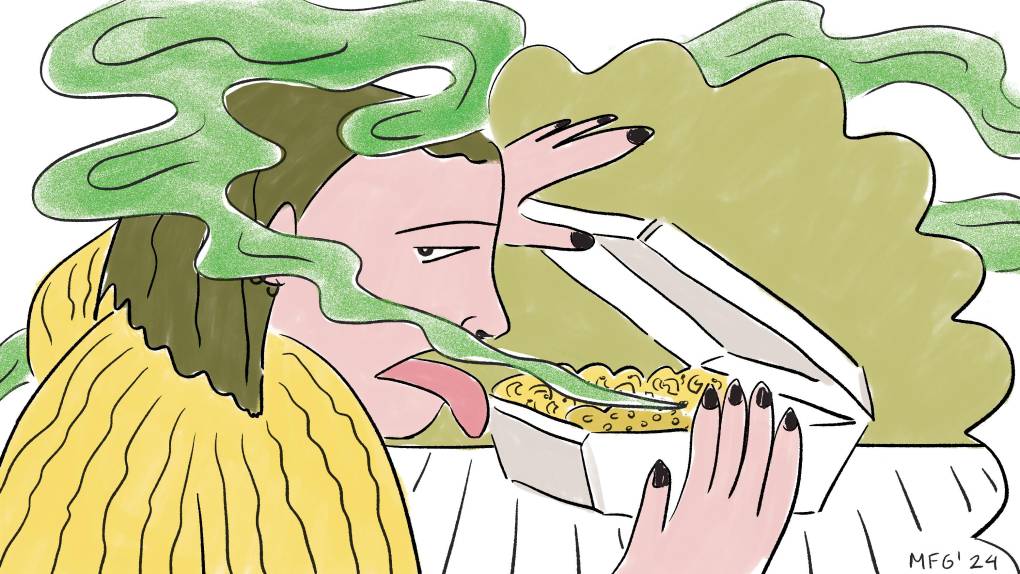
"title": "Still want to eat that week-old casserole? You actually can! Check out our handy guide.",
"publishDate": 1731706803,
"status": "inherit",
"parent": 13968191,
"modified": 1731707518,
"caption": "Still want to eat that week-old casserole? You actually can! Check out our handy guide.",
"credit": "Malaka Gharib/NPR",
"altTag": "An illustration of a person opening a box of food and sticking their tongue out as a green mist emanates from the food.",
"description": null,
"imgSizes": {
"medium": {
"file": "https://cdn.kqed.org/wp-content/uploads/sites/2/2024/11/food3-800x450.jpeg",
"width": 800,
"height": 450,
"mimeType": "image/jpeg"
},
"large": {
"file": "https://cdn.kqed.org/wp-content/uploads/sites/2/2024/11/food3-1020x574.jpeg",
"width": 1020,
"height": 574,
"mimeType": "image/jpeg"
},
"thumbnail": {
"file": "https://cdn.kqed.org/wp-content/uploads/sites/2/2024/11/food3-160x90.jpeg",
"width": 160,
"height": 90,
"mimeType": "image/jpeg"
},
"medium_large": {
"file": "https://cdn.kqed.org/wp-content/uploads/sites/2/2024/11/food3-768x432.jpeg",
"width": 768,
"height": 432,
"mimeType": "image/jpeg"
},
"1536x1536": {
"file": "https://cdn.kqed.org/wp-content/uploads/sites/2/2024/11/food3-1536x864.jpeg",
"width": 1536,
"height": 864,
"mimeType": "image/jpeg"
},
"2048x2048": {
"file": "https://cdn.kqed.org/wp-content/uploads/sites/2/2024/11/food3-2048x1152.jpeg",
"width": 2048,
"height": 1152,
"mimeType": "image/jpeg"
},
"post-thumbnail": {
"file": "https://cdn.kqed.org/wp-content/uploads/sites/2/2024/11/food3-672x372.jpeg",
"width": 672,
"height": 372,
"mimeType": "image/jpeg"
},
"twentyfourteen-full-width": {
"file": "https://cdn.kqed.org/wp-content/uploads/sites/2/2024/11/food3-1038x576.jpeg",
"width": 1038,
"height": 576,
"mimeType": "image/jpeg"
},
"full-width": {
"file": "https://cdn.kqed.org/wp-content/uploads/sites/2/2024/11/food3-1920x1080.jpeg",
"width": 1920,
"height": 1080,
"mimeType": "image/jpeg"
},
"kqedFullSize": {
"file": "https://cdn.kqed.org/wp-content/uploads/sites/2/2024/11/food3-scaled.jpeg",
"width": 2560,
"height": 1440
}
},
"isLoading": false,
"fetchFailed": false
},
"arts_13968102": {
"type": "attachments",
"id": "arts_13968102",
"meta": {
"index": "attachments_1716263798",
"site": "arts",
"id": "13968102",
"found": true
},
"title": "Lola Petticrew as Dolours Price.",
"publishDate": 1731610529,
"status": "inherit",
"parent": 13968075,
"modified": 1731610563,
"caption": "Lola Petticrew as Dolours Price.",
"credit": "Rob Youngston/FX",
"altTag": "A white woman dressed as a nun points a gun at a bank teller's window.",
"description": null,
"imgSizes": {
"medium": {
"file": "https://cdn.kqed.org/wp-content/uploads/sites/2/2024/11/say-nothing-800x490.png",
"width": 800,
"height": 490,
"mimeType": "image/png"
},
"large": {
"file": "https://cdn.kqed.org/wp-content/uploads/sites/2/2024/11/say-nothing-1020x625.png",
"width": 1020,
"height": 625,
"mimeType": "image/png"
},
"thumbnail": {
"file": "https://cdn.kqed.org/wp-content/uploads/sites/2/2024/11/say-nothing-160x98.png",
"width": 160,
"height": 98,
"mimeType": "image/png"
},
"medium_large": {
"file": "https://cdn.kqed.org/wp-content/uploads/sites/2/2024/11/say-nothing-768x471.png",
"width": 768,
"height": 471,
"mimeType": "image/png"
},
"1536x1536": {
"file": "https://cdn.kqed.org/wp-content/uploads/sites/2/2024/11/say-nothing-1536x942.png",
"width": 1536,
"height": 942,
"mimeType": "image/png"
},
"post-thumbnail": {
"file": "https://cdn.kqed.org/wp-content/uploads/sites/2/2024/11/say-nothing-672x372.png",
"width": 672,
"height": 372,
"mimeType": "image/png"
},
"twentyfourteen-full-width": {
"file": "https://cdn.kqed.org/wp-content/uploads/sites/2/2024/11/say-nothing-1038x576.png",
"width": 1038,
"height": 576,
"mimeType": "image/png"
},
"full-width": {
"file": "https://cdn.kqed.org/wp-content/uploads/sites/2/2024/11/say-nothing-1920x1177.png",
"width": 1920,
"height": 1177,
"mimeType": "image/png"
},
"kqedFullSize": {
"file": "https://cdn.kqed.org/wp-content/uploads/sites/2/2024/11/say-nothing.png",
"width": 2000,
"height": 1226
}
},
"isLoading": false,
"fetchFailed": false
},
"arts_13968014": {
"type": "attachments",
"id": "arts_13968014",
"meta": {
"index": "attachments_1716263798",
"site": "arts",
"id": "13968014",
"found": true
},
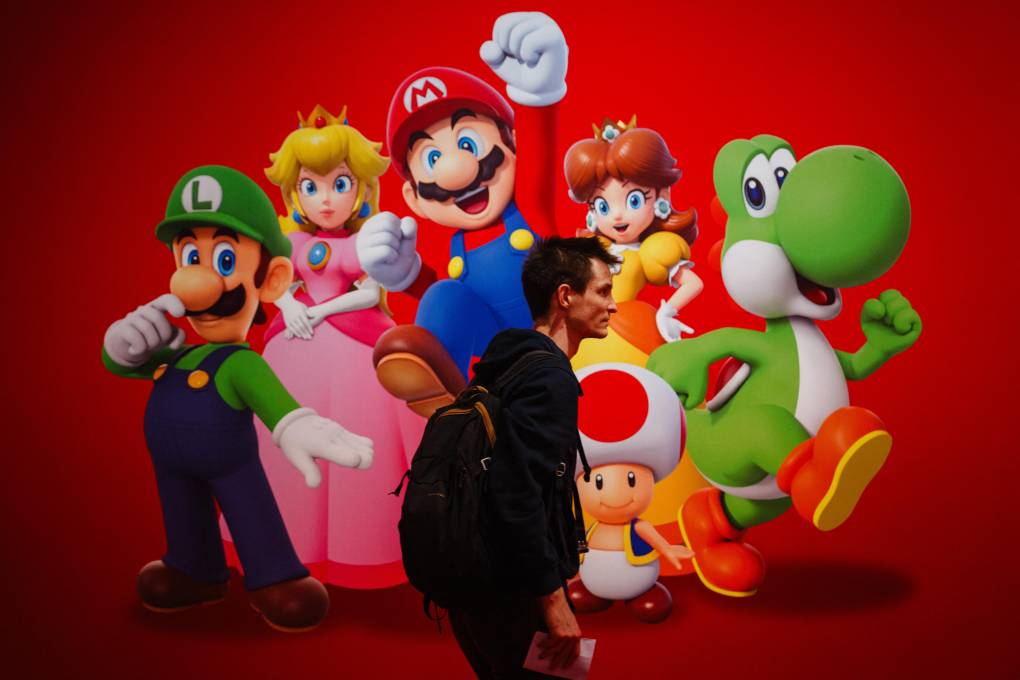
"title": "Nintendo's new app speaks to the unique history and appeal of its music.",
"publishDate": 1731523881,
"status": "inherit",
"parent": 13968013,
"modified": 1731524139,
"caption": "Nintendo's new app speaks to the unique history and appeal of its music.",
"credit": "Dimitar Dilkoff/Getty Images",
"altTag": "A man walks past a Super Mario video game poster, featuring multiple characters.",
"description": null,
"imgSizes": {
"medium": {
"file": "https://cdn.kqed.org/wp-content/uploads/sites/2/2024/11/gettyimages-2179548277-800x533.jpeg",
"width": 800,
"height": 533,
"mimeType": "image/jpeg"
},
"large": {
"file": "https://cdn.kqed.org/wp-content/uploads/sites/2/2024/11/gettyimages-2179548277-1020x680.jpeg",
"width": 1020,
"height": 680,
"mimeType": "image/jpeg"
},
"thumbnail": {
"file": "https://cdn.kqed.org/wp-content/uploads/sites/2/2024/11/gettyimages-2179548277-160x107.jpeg",
"width": 160,
"height": 107,
"mimeType": "image/jpeg"
},
"medium_large": {
"file": "https://cdn.kqed.org/wp-content/uploads/sites/2/2024/11/gettyimages-2179548277-768x512.jpeg",
"width": 768,
"height": 512,
"mimeType": "image/jpeg"
},
"1536x1536": {
"file": "https://cdn.kqed.org/wp-content/uploads/sites/2/2024/11/gettyimages-2179548277-1536x1024.jpeg",
"width": 1536,
"height": 1024,
"mimeType": "image/jpeg"
},
"2048x2048": {
"file": "https://cdn.kqed.org/wp-content/uploads/sites/2/2024/11/gettyimages-2179548277-2048x1365.jpeg",
"width": 2048,
"height": 1365,
"mimeType": "image/jpeg"
},
"post-thumbnail": {
"file": "https://cdn.kqed.org/wp-content/uploads/sites/2/2024/11/gettyimages-2179548277-672x372.jpeg",
"width": 672,
"height": 372,
"mimeType": "image/jpeg"
},
"twentyfourteen-full-width": {
"file": "https://cdn.kqed.org/wp-content/uploads/sites/2/2024/11/gettyimages-2179548277-1038x576.jpeg",
"width": 1038,
"height": 576,
"mimeType": "image/jpeg"
},
"full-width": {
"file": "https://cdn.kqed.org/wp-content/uploads/sites/2/2024/11/gettyimages-2179548277-1920x1280.jpeg",
"width": 1920,
"height": 1280,
"mimeType": "image/jpeg"
},
"kqedFullSize": {
"file": "https://cdn.kqed.org/wp-content/uploads/sites/2/2024/11/gettyimages-2179548277-scaled.jpeg",
"width": 2560,
"height": 1707
}
},
"isLoading": false,
"fetchFailed": false
},
"arts_13967910": {
"type": "attachments",
"id": "arts_13967910",
"meta": {
"index": "attachments_1716263798",
"site": "arts",
"id": "13967910",
"found": true
},
"title": "LaRussell shouted out spots all over the Bay during his joyous Tiny Desk rendition of ‘GIVE ME A BEAT!’",
"publishDate": 1731093303,
"status": "inherit",
"parent": 13967904,
"modified": 1731093476,
"caption": "LaRussell shouted out spots all over the Bay during his joyous Tiny Desk rendition of ‘GIVE ME A BEAT!’",
"credit": "NPR",
"altTag": "A smiling Black man wearing a red racing jacket and yellow and black beanie. Behind him are tightly packed book shelves and another man.",
"description": null,
"imgSizes": {
"medium": {
"file": "https://cdn.kqed.org/wp-content/uploads/sites/2/2024/11/larussell-800x467.png",
"width": 800,
"height": 467,
"mimeType": "image/png"
},
"large": {
"file": "https://cdn.kqed.org/wp-content/uploads/sites/2/2024/11/larussell-1020x595.png",
"width": 1020,
"height": 595,
"mimeType": "image/png"
},
"thumbnail": {
"file": "https://cdn.kqed.org/wp-content/uploads/sites/2/2024/11/larussell-160x93.png",
"width": 160,
"height": 93,
"mimeType": "image/png"
},
"medium_large": {
"file": "https://cdn.kqed.org/wp-content/uploads/sites/2/2024/11/larussell-768x448.png",
"width": 768,
"height": 448,
"mimeType": "image/png"
},
"1536x1536": {
"file": "https://cdn.kqed.org/wp-content/uploads/sites/2/2024/11/larussell-1536x896.png",
"width": 1536,
"height": 896,
"mimeType": "image/png"
},
"post-thumbnail": {
"file": "https://cdn.kqed.org/wp-content/uploads/sites/2/2024/11/larussell-672x372.png",
"width": 672,
"height": 372,
"mimeType": "image/png"
},
"twentyfourteen-full-width": {
"file": "https://cdn.kqed.org/wp-content/uploads/sites/2/2024/11/larussell-1038x576.png",
"width": 1038,
"height": 576,
"mimeType": "image/png"
},
"full-width": {
"file": "https://cdn.kqed.org/wp-content/uploads/sites/2/2024/11/larussell-1920x1120.png",
"width": 1920,
"height": 1120,
"mimeType": "image/png"
},
"kqedFullSize": {
"file": "https://cdn.kqed.org/wp-content/uploads/sites/2/2024/11/larussell.png",
"width": 2000,
"height": 1167
}
},
"isLoading": false,
"fetchFailed": false
},
"arts_13967892": {
"type": "attachments",
"id": "arts_13967892",
"meta": {
"index": "attachments_1716263798",
"site": "arts",
"id": "13967892",
"found": true
},
"title": "Nicholas Hoult (front row, center) plays Justin Kemp in ‘Juror #2.’",
"publishDate": 1731088841,
"status": "inherit",
"parent": 13967891,
"modified": 1731090134,
"caption": "Nicholas Hoult (front row, center) plays Justin Kemp in ‘Juror #2.’",
"credit": "Warner Bros.",
"altTag": "Jurors sit in two rows inside an old fashioned courtroom.",
"description": null,
"imgSizes": {
"medium": {
"file": "https://cdn.kqed.org/wp-content/uploads/sites/2/2024/11/rev-1-jr2-06412r-1-high-res-jpeg-800x450.jpeg",
"width": 800,
"height": 450,
"mimeType": "image/jpeg"
},
"large": {
"file": "https://cdn.kqed.org/wp-content/uploads/sites/2/2024/11/rev-1-jr2-06412r-1-high-res-jpeg-1020x573.jpeg",
"width": 1020,
"height": 573,
"mimeType": "image/jpeg"
},
"thumbnail": {
"file": "https://cdn.kqed.org/wp-content/uploads/sites/2/2024/11/rev-1-jr2-06412r-1-high-res-jpeg-160x90.jpeg",
"width": 160,
"height": 90,
"mimeType": "image/jpeg"
},
"medium_large": {
"file": "https://cdn.kqed.org/wp-content/uploads/sites/2/2024/11/rev-1-jr2-06412r-1-high-res-jpeg-768x432.jpeg",
"width": 768,
"height": 432,
"mimeType": "image/jpeg"
},
"1536x1536": {
"file": "https://cdn.kqed.org/wp-content/uploads/sites/2/2024/11/rev-1-jr2-06412r-1-high-res-jpeg-1536x864.jpeg",
"width": 1536,
"height": 864,
"mimeType": "image/jpeg"
},
"2048x2048": {
"file": "https://cdn.kqed.org/wp-content/uploads/sites/2/2024/11/rev-1-jr2-06412r-1-high-res-jpeg-2048x1151.jpeg",
"width": 2048,
"height": 1151,
"mimeType": "image/jpeg"
},
"post-thumbnail": {
"file": "https://cdn.kqed.org/wp-content/uploads/sites/2/2024/11/rev-1-jr2-06412r-1-high-res-jpeg-672x372.jpeg",
"width": 672,
"height": 372,
"mimeType": "image/jpeg"
},
"twentyfourteen-full-width": {
"file": "https://cdn.kqed.org/wp-content/uploads/sites/2/2024/11/rev-1-jr2-06412r-1-high-res-jpeg-1038x576.jpeg",
"width": 1038,
"height": 576,
"mimeType": "image/jpeg"
},
"full-width": {
"file": "https://cdn.kqed.org/wp-content/uploads/sites/2/2024/11/rev-1-jr2-06412r-1-high-res-jpeg-1920x1079.jpeg",
"width": 1920,
"height": 1079,
"mimeType": "image/jpeg"
},
"kqedFullSize": {
"file": "https://cdn.kqed.org/wp-content/uploads/sites/2/2024/11/rev-1-jr2-06412r-1-high-res-jpeg-scaled.jpeg",
"width": 2560,
"height": 1439
}
},
"isLoading": false,
"fetchFailed": false
},
"arts_13967837": {
"type": "attachments",
"id": "arts_13967837",
"meta": {
"index": "attachments_1716263798",
"site": "arts",
"id": "13967837",
"found": true
},
"title": "‘Vanishing Treasures: A Bestiary of Extraordinary Endangered Creatures’ by Katherine Rundell.",
"publishDate": 1731003891,
"status": "inherit",
"parent": 13967831,
"modified": 1731003946,
"caption": "‘Vanishing Treasures: A Bestiary of Extraordinary Endangered Creatures’ by Katherine Rundell.",
"credit": "Penguin Random House",
"altTag": "A teal book cover featuring an image of a wombat.",
"description": null,
"imgSizes": {
"medium": {
"file": "https://cdn.kqed.org/wp-content/uploads/sites/2/2024/11/wombat-800x503.png",
"width": 800,
"height": 503,
"mimeType": "image/png"
},
"large": {
"file": "https://cdn.kqed.org/wp-content/uploads/sites/2/2024/11/wombat-1020x642.png",
"width": 1020,
"height": 642,
"mimeType": "image/png"
},
"thumbnail": {
"file": "https://cdn.kqed.org/wp-content/uploads/sites/2/2024/11/wombat-160x101.png",
"width": 160,
"height": 101,
"mimeType": "image/png"
},
"medium_large": {
"file": "https://cdn.kqed.org/wp-content/uploads/sites/2/2024/11/wombat-768x483.png",
"width": 768,
"height": 483,
"mimeType": "image/png"
},
"1536x1536": {
"file": "https://cdn.kqed.org/wp-content/uploads/sites/2/2024/11/wombat-1536x966.png",
"width": 1536,
"height": 966,
"mimeType": "image/png"
},
"post-thumbnail": {
"file": "https://cdn.kqed.org/wp-content/uploads/sites/2/2024/11/wombat-672x372.png",
"width": 672,
"height": 372,
"mimeType": "image/png"
},
"twentyfourteen-full-width": {
"file": "https://cdn.kqed.org/wp-content/uploads/sites/2/2024/11/wombat-1038x576.png",
"width": 1038,
"height": 576,
"mimeType": "image/png"
},
"full-width": {
"file": "https://cdn.kqed.org/wp-content/uploads/sites/2/2024/11/wombat-1920x1208.png",
"width": 1920,
"height": 1208,
"mimeType": "image/png"
},
"kqedFullSize": {
"file": "https://cdn.kqed.org/wp-content/uploads/sites/2/2024/11/wombat.png",
"width": 2000,
"height": 1258
}
},
"isLoading": false,
"fetchFailed": false
},
"arts_13967717": {
"type": "attachments",
"id": "arts_13967717",
"meta": {
"index": "attachments_1716263798",
"site": "arts",
"id": "13967717",
"found": true
},
"title": "American composer Terry Riley performs in London in 2018. His groundbreaking work ‘In C’ helped launch the musical movement called minimalism 60 years ago.",
"publishDate": 1730832859,
"status": "inherit",
"parent": 13967712,
"modified": 1730832944,
"caption": "American composer Terry Riley performs in London in 2018. His groundbreaking work ‘In C’ helped launch the musical movement called minimalism 60 years ago.",
"credit": "Robin Little/Getty Images",
"altTag": null,
"description": null,
"imgSizes": {
"medium": {
"file": "https://cdn.kqed.org/wp-content/uploads/sites/2/2024/11/in-c-800x479.png",
"width": 800,
"height": 479,
"mimeType": "image/png"
},
"large": {
"file": "https://cdn.kqed.org/wp-content/uploads/sites/2/2024/11/in-c-1020x610.png",
"width": 1020,
"height": 610,
"mimeType": "image/png"
},
"thumbnail": {
"file": "https://cdn.kqed.org/wp-content/uploads/sites/2/2024/11/in-c-160x96.png",
"width": 160,
"height": 96,
"mimeType": "image/png"
},
"medium_large": {
"file": "https://cdn.kqed.org/wp-content/uploads/sites/2/2024/11/in-c-768x460.png",
"width": 768,
"height": 460,
"mimeType": "image/png"
},
"1536x1536": {
"file": "https://cdn.kqed.org/wp-content/uploads/sites/2/2024/11/in-c-1536x919.png",
"width": 1536,
"height": 919,
"mimeType": "image/png"
},
"post-thumbnail": {
"file": "https://cdn.kqed.org/wp-content/uploads/sites/2/2024/11/in-c-672x372.png",
"width": 672,
"height": 372,
"mimeType": "image/png"
},
"twentyfourteen-full-width": {
"file": "https://cdn.kqed.org/wp-content/uploads/sites/2/2024/11/in-c-1038x576.png",
"width": 1038,
"height": 576,
"mimeType": "image/png"
},
"full-width": {
"file": "https://cdn.kqed.org/wp-content/uploads/sites/2/2024/11/in-c-1920x1149.png",
"width": 1920,
"height": 1149,
"mimeType": "image/png"
},
"kqedFullSize": {
"file": "https://cdn.kqed.org/wp-content/uploads/sites/2/2024/11/in-c.png",
"width": 2000,
"height": 1197
}
},
"isLoading": false,
"fetchFailed": false
},
"arts_13967598": {
"type": "attachments",
"id": "arts_13967598",
"meta": {
"index": "attachments_1716263798",
"site": "arts",
"id": "13967598",
"found": true
},
"title": "Keri Russell and Rufus Sewell as Kate and Hal Wyler.",
"publishDate": 1730485350,
"status": "inherit",
"parent": 13967594,
"modified": 1730485469,
"caption": "Keri Russell and Rufus Sewell as Kate and Hal Wyler.",
"credit": "Netflix",
"altTag": "A white woman and white man stand in a grand room decorated patriotically, staring upwards and looking perplexed.",
"description": null,
"imgSizes": {
"medium": {
"file": "https://cdn.kqed.org/wp-content/uploads/sites/2/2024/11/dip-800x493.png",
"width": 800,
"height": 493,
"mimeType": "image/png"
},
"large": {
"file": "https://cdn.kqed.org/wp-content/uploads/sites/2/2024/11/dip-1020x628.png",
"width": 1020,
"height": 628,
"mimeType": "image/png"
},
"thumbnail": {
"file": "https://cdn.kqed.org/wp-content/uploads/sites/2/2024/11/dip-160x99.png",
"width": 160,
"height": 99,
"mimeType": "image/png"
},
"medium_large": {
"file": "https://cdn.kqed.org/wp-content/uploads/sites/2/2024/11/dip-768x473.png",
"width": 768,
"height": 473,
"mimeType": "image/png"
},
"1536x1536": {
"file": "https://cdn.kqed.org/wp-content/uploads/sites/2/2024/11/dip-1536x946.png",
"width": 1536,
"height": 946,
"mimeType": "image/png"
},
"post-thumbnail": {
"file": "https://cdn.kqed.org/wp-content/uploads/sites/2/2024/11/dip-672x372.png",
"width": 672,
"height": 372,
"mimeType": "image/png"
},
"twentyfourteen-full-width": {
"file": "https://cdn.kqed.org/wp-content/uploads/sites/2/2024/11/dip-1038x576.png",
"width": 1038,
"height": 576,
"mimeType": "image/png"
},
"full-width": {
"file": "https://cdn.kqed.org/wp-content/uploads/sites/2/2024/11/dip-1920x1183.png",
"width": 1920,
"height": 1183,
"mimeType": "image/png"
},
"kqedFullSize": {
"file": "https://cdn.kqed.org/wp-content/uploads/sites/2/2024/11/dip.png",
"width": 2000,
"height": 1232
}
},
"isLoading": false,
"fetchFailed": false
},
"arts_13967024": {
"type": "attachments",
"id": "arts_13967024",
"meta": {
"index": "attachments_1716263798",
"site": "arts",
"id": "13967024",
"found": true
},
"title": "‘Blood Test’ by Charles Baxter.",
"publishDate": 1729620387,
"status": "inherit",
"parent": 13967017,
"modified": 1729620441,
"caption": "‘Blood Test’ by Charles Baxter.",
"credit": "Pantheon",
"altTag": null,
"description": null,
"imgSizes": {
"medium": {
"file": "https://cdn.kqed.org/wp-content/uploads/sites/2/2024/10/blood-800x476.png",
"width": 800,
"height": 476,
"mimeType": "image/png"
},
"large": {
"file": "https://cdn.kqed.org/wp-content/uploads/sites/2/2024/10/blood-1020x607.png",
"width": 1020,
"height": 607,
"mimeType": "image/png"
},
"thumbnail": {
"file": "https://cdn.kqed.org/wp-content/uploads/sites/2/2024/10/blood-160x95.png",
"width": 160,
"height": 95,
"mimeType": "image/png"
},
"medium_large": {
"file": "https://cdn.kqed.org/wp-content/uploads/sites/2/2024/10/blood-768x457.png",
"width": 768,
"height": 457,
"mimeType": "image/png"
},
"1536x1536": {
"file": "https://cdn.kqed.org/wp-content/uploads/sites/2/2024/10/blood-1536x914.png",
"width": 1536,
"height": 914,
"mimeType": "image/png"
},
"post-thumbnail": {
"file": "https://cdn.kqed.org/wp-content/uploads/sites/2/2024/10/blood-672x372.png",
"width": 672,
"height": 372,
"mimeType": "image/png"
},
"twentyfourteen-full-width": {
"file": "https://cdn.kqed.org/wp-content/uploads/sites/2/2024/10/blood-1038x576.png",
"width": 1038,
"height": 576,
"mimeType": "image/png"
},
"full-width": {
"file": "https://cdn.kqed.org/wp-content/uploads/sites/2/2024/10/blood-1920x1142.png",
"width": 1920,
"height": 1142,
"mimeType": "image/png"
},
"kqedFullSize": {
"file": "https://cdn.kqed.org/wp-content/uploads/sites/2/2024/10/blood.png",
"width": 2000,
"height": 1190
}
},
"isLoading": false,
"fetchFailed": false
},
"arts_13966795": {
"type": "attachments",
"id": "arts_13966795",
"meta": {
"index": "attachments_1716263798",
"site": "arts",
"id": "13966795",
"found": true
},
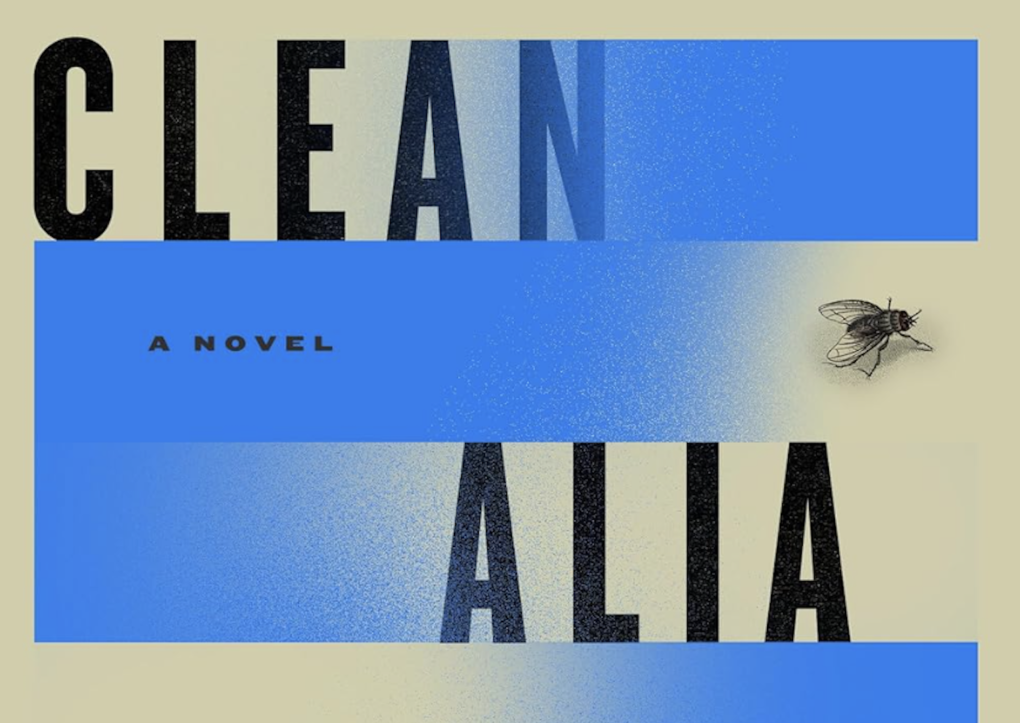
"title": "‘Clean’ by Alia Trabucco Zerán.",
"publishDate": 1729206137,
"status": "inherit",
"parent": 13966790,
"modified": 1729206180,
"caption": "‘Clean’ by Alia Trabucco Zerán.",
"credit": "Riverhead Books",
"altTag": "A book cover featuring a fly.",
"description": null,
"imgSizes": {
"medium": {
"file": "https://cdn.kqed.org/wp-content/uploads/sites/2/2024/10/clean-1-800x567.png",
"width": 800,
"height": 567,
"mimeType": "image/png"
},
"large": {
"file": "https://cdn.kqed.org/wp-content/uploads/sites/2/2024/10/clean-1-1020x723.png",
"width": 1020,
"height": 723,
"mimeType": "image/png"
},
"thumbnail": {
"file": "https://cdn.kqed.org/wp-content/uploads/sites/2/2024/10/clean-1-160x113.png",
"width": 160,
"height": 113,
"mimeType": "image/png"
},
"medium_large": {
"file": "https://cdn.kqed.org/wp-content/uploads/sites/2/2024/10/clean-1-768x544.png",
"width": 768,
"height": 544,
"mimeType": "image/png"
},
"1536x1536": {
"file": "https://cdn.kqed.org/wp-content/uploads/sites/2/2024/10/clean-1-1536x1088.png",
"width": 1536,
"height": 1088,
"mimeType": "image/png"
},
"post-thumbnail": {
"file": "https://cdn.kqed.org/wp-content/uploads/sites/2/2024/10/clean-1-672x372.png",
"width": 672,
"height": 372,
"mimeType": "image/png"
},
"twentyfourteen-full-width": {
"file": "https://cdn.kqed.org/wp-content/uploads/sites/2/2024/10/clean-1-1038x576.png",
"width": 1038,
"height": 576,
"mimeType": "image/png"
},
"full-width": {
"file": "https://cdn.kqed.org/wp-content/uploads/sites/2/2024/10/clean-1-1920x1360.png",
"width": 1920,
"height": 1360,
"mimeType": "image/png"
},
"kqedFullSize": {
"file": "https://cdn.kqed.org/wp-content/uploads/sites/2/2024/10/clean-1.png",
"width": 2000,
"height": 1417
}
},
"isLoading": false,
"fetchFailed": false
},
"arts_13966535": {
"type": "attachments",
"id": "arts_13966535",
"meta": {
"index": "attachments_1716263798",
"site": "arts",
"id": "13966535",
"found": true
},
"title": "‘Shred Sisters’ by Betsy Lerner.",
"publishDate": 1728925509,
"status": "inherit",
"parent": 13966531,
"modified": 1728925540,
"caption": "‘Shred Sisters’ by Betsy Lerner.",
"credit": "Grove Press",
"altTag": null,
"description": null,
"imgSizes": {
"medium": {
"file": "https://cdn.kqed.org/wp-content/uploads/sites/2/2024/10/shred-crop-800x575.png",
"width": 800,
"height": 575,
"mimeType": "image/png"
},
"large": {
"file": "https://cdn.kqed.org/wp-content/uploads/sites/2/2024/10/shred-crop-1020x733.png",
"width": 1020,
"height": 733,
"mimeType": "image/png"
},
"thumbnail": {
"file": "https://cdn.kqed.org/wp-content/uploads/sites/2/2024/10/shred-crop-160x115.png",
"width": 160,
"height": 115,
"mimeType": "image/png"
},
"medium_large": {
"file": "https://cdn.kqed.org/wp-content/uploads/sites/2/2024/10/shred-crop-768x552.png",
"width": 768,
"height": 552,
"mimeType": "image/png"
},
"1536x1536": {
"file": "https://cdn.kqed.org/wp-content/uploads/sites/2/2024/10/shred-crop-1536x1104.png",
"width": 1536,
"height": 1104,
"mimeType": "image/png"
},
"post-thumbnail": {
"file": "https://cdn.kqed.org/wp-content/uploads/sites/2/2024/10/shred-crop-672x372.png",
"width": 672,
"height": 372,
"mimeType": "image/png"
},
"twentyfourteen-full-width": {
"file": "https://cdn.kqed.org/wp-content/uploads/sites/2/2024/10/shred-crop-1038x576.png",
"width": 1038,
"height": 576,
"mimeType": "image/png"
},
"full-width": {
"file": "https://cdn.kqed.org/wp-content/uploads/sites/2/2024/10/shred-crop-1920x1380.png",
"width": 1920,
"height": 1380,
"mimeType": "image/png"
},
"kqedFullSize": {
"file": "https://cdn.kqed.org/wp-content/uploads/sites/2/2024/10/shred-crop.png",
"width": 2000,
"height": 1438
}
},
"isLoading": false,
"fetchFailed": false
},
"arts_13966527": {
"type": "attachments",
"id": "arts_13966527",
"meta": {
"index": "attachments_1716263798",
"site": "arts",
"id": "13966527",
"found": true
},
"title": "Sheila E. performing songs from her new album, ‘Bailar.’",
"publishDate": 1728922732,
"status": "inherit",
"parent": 13966525,
"modified": 1738609236,
"caption": "Sheila E. performed songs from her new album, ‘Bailar.’",
"credit": "NPR Tiny Desk",
"altTag": "A Black woman with long flowing hair sings into a microphone, surrounded by musicians.",
"description": null,
"imgSizes": {
"medium": {
"file": "https://cdn.kqed.org/wp-content/uploads/sites/2/2024/10/sheila-800x483.png",
"width": 800,
"height": 483,
"mimeType": "image/png"
},
"large": {
"file": "https://cdn.kqed.org/wp-content/uploads/sites/2/2024/10/sheila-1020x616.png",
"width": 1020,
"height": 616,
"mimeType": "image/png"
},
"thumbnail": {
"file": "https://cdn.kqed.org/wp-content/uploads/sites/2/2024/10/sheila-160x97.png",
"width": 160,
"height": 97,
"mimeType": "image/png"
},
"medium_large": {
"file": "https://cdn.kqed.org/wp-content/uploads/sites/2/2024/10/sheila-768x463.png",
"width": 768,
"height": 463,
"mimeType": "image/png"
},
"1536x1536": {
"file": "https://cdn.kqed.org/wp-content/uploads/sites/2/2024/10/sheila-1536x927.png",
"width": 1536,
"height": 927,
"mimeType": "image/png"
},
"post-thumbnail": {
"file": "https://cdn.kqed.org/wp-content/uploads/sites/2/2024/10/sheila-672x372.png",
"width": 672,
"height": 372,
"mimeType": "image/png"
},
"twentyfourteen-full-width": {
"file": "https://cdn.kqed.org/wp-content/uploads/sites/2/2024/10/sheila-1038x576.png",
"width": 1038,
"height": 576,
"mimeType": "image/png"
},
"full-width": {
"file": "https://cdn.kqed.org/wp-content/uploads/sites/2/2024/10/sheila-1920x1159.png",
"width": 1920,
"height": 1159,
"mimeType": "image/png"
},
"kqedFullSize": {
"file": "https://cdn.kqed.org/wp-content/uploads/sites/2/2024/10/sheila.png",
"width": 2000,
"height": 1207
}
},
"isLoading": false,
"fetchFailed": false
}
},
"audioPlayerReducer": {
"postId": "stream_live",
"isPaused": true,
"isPlaying": false,
"pfsActive": false,
"pledgeModalIsOpen": true,
"playerDrawerIsOpen": false,
"liveAudioPlayStartedAt": 0,
"liveAudioPlayContext": ""
},
"authorsReducer": {
"byline_arts_13968191": {
"type": "authors",
"id": "byline_arts_13968191",
"meta": {
"override": true
},
"slug": "byline_arts_13968191",
"name": "Andee Tagle, NPR",
"isLoading": false
},
"byline_arts_13968075": {
"type": "authors",
"id": "byline_arts_13968075",
"meta": {
"override": true
},
"slug": "byline_arts_13968075",
"name": "Linda Holmes, NPR",
"isLoading": false
},
"byline_arts_13968019": {
"type": "authors",
"id": "byline_arts_13968019",
"meta": {
"override": true
},
"slug": "byline_arts_13968019",
"name": "Vincent Acovino, NPR",
"isLoading": false
},
"byline_arts_13967904": {
"type": "authors",
"id": "byline_arts_13967904",
"meta": {
"override": true
},
"slug": "byline_arts_13967904",
"name": "Alanté Serene, NPR",
"isLoading": false
},
"byline_arts_13967891": {
"type": "authors",
"id": "byline_arts_13967891",
"meta": {
"override": true
},
"slug": "byline_arts_13967891",
"name": "Justin Chang, NPR",
"isLoading": false
},
"byline_arts_13967831": {
"type": "authors",
"id": "byline_arts_13967831",
"meta": {
"override": true
},
"slug": "byline_arts_13967831",
"name": "Maureen Corrigan, NPR",
"isLoading": false
},
"byline_arts_13967712": {
"type": "authors",
"id": "byline_arts_13967712",
"meta": {
"override": true
},
"slug": "byline_arts_13967712",
"name": "Tom Huizenga, NPR",
"isLoading": false
},
"byline_arts_13967594": {
"type": "authors",
"id": "byline_arts_13967594",
"meta": {
"override": true
},
"slug": "byline_arts_13967594",
"name": "Eric Deggans, NPR",
"isLoading": false
},
"byline_arts_13967017": {
"type": "authors",
"id": "byline_arts_13967017",
"meta": {
"override": true
},
"slug": "byline_arts_13967017",
"name": "Maureen Corrigan, NPR",
"isLoading": false
},
"byline_arts_13966790": {
"type": "authors",
"id": "byline_arts_13966790",
"meta": {
"override": true
},
"slug": "byline_arts_13966790",
"name": "Maureen Corrigan, NPR",
"isLoading": false
},
"byline_arts_13966531": {
"type": "authors",
"id": "byline_arts_13966531",
"meta": {
"override": true
},
"slug": "byline_arts_13966531",
"name": "Maureen Corrigan",
"isLoading": false
},
"byline_arts_13966525": {
"type": "authors",
"id": "byline_arts_13966525",
"meta": {
"override": true
},
"slug": "byline_arts_13966525",
"name": "Felix Contreras",
"isLoading": false
}
},
"pagesReducer": {
"arts_affiliate_npr": {
"type": "terms",
"id": "arts_137",
"meta": {
"index": "terms_1716263798",
"site": "arts",
"id": "137",
"score": 14.257292
},
"featImg": "https://ww2.kqed.org/app/uploads/sites/2/2014/04/logo-npr-lg1.png",
"name": "NPR",
"description": null,
"taxonomy": "affiliate",
"headData": {
"twImgId": null,
"twTitle": null,
"ogTitle": null,
"ogImgId": null,
"twDescription": null,
"description": null,
"title": "NPR Archives | KQED Arts",
"ogDescription": null
},
"ttid": 138,
"slug": "npr",
"isLoading": false,
"title": "NPR",
"pageMeta": {
"site": "arts",
"WpPageTemplate": "page-topic-editorial",
"currentPage": 21
},
"blocks": [
{
"blockName": "kqed/post-list",
"attrs": {
"layout": "cardArticle2",
"query": "posts/arts?affiliate=npr",
"seeMore": false,
"paginated": true,
"page": 21
}
},
{
"blockName": "kqed/ad"
}
]
}
},
"pfsSessionReducer": {},
"postsReducer": {
"stream_live": {
"type": "live",
"id": "stream_live",
"audioUrl": "https://streams.kqed.org/kqedradio",
"title": "Live Stream",
"excerpt": "Live Stream information currently unavailable.",
"link": "/radio",
"featImg": "",
"label": {
"name": "KQED Live",
"link": "/"
}
},
"stream_kqedNewscast": {
"type": "posts",
"id": "stream_kqedNewscast",
"audioUrl": "https://www.kqed.org/.stream/anon/radio/RDnews/newscast.mp3?_=1",
"title": "KQED Newscast",
"featImg": "",
"label": {
"name": "88.5 FM",
"link": "/"
}
},
"arts_13968191": {
"type": "posts",
"id": "arts_13968191",
"meta": {
"index": "posts_1716263798",
"site": "arts",
"id": "13968191",
"score": null,
"sort": [
1731708069000
]
},
"guestAuthors": [],
"slug": "food-safety-illustrated-reheating-food-five-second-rule-sad-pizza",
"title": "Is the Five-Second Rule OK? Honest Questions About Food Safety, Illustrated",
"publishDate": 1731708069,
"format": "standard",
"headTitle": "Is the Five-Second Rule OK? Honest Questions About Food Safety, Illustrated | KQED",
"labelTerm": {},
"content": "\u003cp>With all the cooking, feasting and leftover-keeping that comes with \u003ca href=\"https://www.kqed.org/arts/tag/holidays\">the holidays\u003c/a>, it can be hard to know how to keep food safe.\u003c/p>\n\u003cp>[aside postid='arts_13967120']Sometimes we just do what our families did growing up (like storing rice in the rice cooker all day). Sometimes we follow what feels like common sense (if it looks and smells alright, it should be OK to eat, right?). But experts urge a little more caution.\u003c/p>\n\u003cp>\u003ca href=\"https://savvyfs.com/meet-francine/\">\u003cu>Francine Shaw\u003c/u>\u003c/a>, a food safety specialist, and \u003ca href=\"https://www.fda.gov/about-fda/fda-organization/namandje-bumpus\">\u003cu>Namandjé Bumpus\u003c/u>\u003c/a>, principal deputy commissioner at the Food and Drug Administration, answer six honest questions about food prep and safe food handling. If you want to avoid giving your guests (and yourself) food poisoning this season, follow their advice.\u003c/p>\n\u003cfigure class=\"wp-block-image size-large\">\u003cimg decoding=\"async\" src=\"https://npr.brightspotcdn.com/dims3/default/strip/false/crop/2500x3125+0+0/resize/1200/quality/75/format/jpeg/?url=http%3A%2F%2Fnpr-brightspot.s3.amazonaws.com%2F70%2F12%2F81d8c7a2454c85f386519a00828a%2Ffood-1.jpg\">\u003cfigcaption>\u003ccite> (Malaka Gharib/NPR)\u003c/cite>\u003c/figcaption>\u003c/figure>\n\u003cfigure class=\"wp-block-image size-large\">\u003cimg decoding=\"async\" src=\"https://npr.brightspotcdn.com/dims3/default/strip/false/crop/2500x3125+0+0/resize/1200/quality/75/format/jpeg/?url=http%3A%2F%2Fnpr-brightspot.s3.amazonaws.com%2Fa8%2F0c%2F6ab780a84b569e110aaf2f140501%2Ffood-2.jpg\">\u003cfigcaption>\u003ccite> (Malaka Gharib/NPR)\u003c/cite>\u003c/figcaption>\u003c/figure>\n\u003cfigure class=\"wp-block-image size-large\">\u003cimg decoding=\"async\" src=\"https://npr.brightspotcdn.com/dims3/default/strip/false/crop/2500x3125+0+0/resize/1200/quality/75/format/jpeg/?url=http%3A%2F%2Fnpr-brightspot.s3.amazonaws.com%2F88%2F26%2F0f03c019407dbb919614d273cf18%2Ffood-3.jpg\">\u003cfigcaption>\u003ccite> (Malaka Gharib/NPR)\u003c/cite>\u003c/figcaption>\u003c/figure>\n\u003cfigure class=\"wp-block-image size-large\">\u003cimg decoding=\"async\" src=\"https://npr.brightspotcdn.com/dims3/default/strip/false/crop/2500x3125+0+0/resize/1200/quality/75/format/jpeg/?url=http%3A%2F%2Fnpr-brightspot.s3.amazonaws.com%2F6e%2F1e%2F99c241ca4470a4bb4f4e34a8bc6d%2Ffood-4.jpg\">\u003cfigcaption>\u003ccite> (Malaka Gharib/NPR)\u003c/cite>\u003c/figcaption>\u003c/figure>\n\u003cfigure class=\"wp-block-image size-large\">\u003cimg decoding=\"async\" src=\"https://npr.brightspotcdn.com/dims3/default/strip/false/crop/2500x3125+0+0/resize/1200/quality/75/format/jpeg/?url=http%3A%2F%2Fnpr-brightspot.s3.amazonaws.com%2Faa%2Fb6%2F854572d54248b9ce2e49b546a2ea%2Ffood-5.jpg\">\u003cfigcaption>\u003ccite> (Malaka Gharib/NPR)\u003c/cite>\u003c/figcaption>\u003c/figure>\n\u003cfigure class=\"wp-block-image size-large\">\u003cimg decoding=\"async\" src=\"https://npr.brightspotcdn.com/dims3/default/strip/false/crop/2500x3125+0+0/resize/1200/quality/75/format/jpeg/?url=http%3A%2F%2Fnpr-brightspot.s3.amazonaws.com%2F3d%2F8d%2F495f05e246dba22cc5b14c3f2a86%2Ffood-6.jpg\">\u003cfigcaption>\u003ccite> (Malaka Gharib/NPR)\u003c/cite>\u003c/figcaption>\u003c/figure>\n\u003chr>\n\u003cp>\u003cem>\u003ca href=\"http://malakagharib.com\">Malaka Gharib\u003c/a> is a Filipino Egyptian American journalist and cartoonist. She is the author of the graphic memoirs ‘I Was Their American Dream’ and ‘It Won’t Always Be Like This.’ \u003c/em>\u003c/p>\n\u003cp>\u003cem>The comic was illustrated and written by Malaka Gharib and reported by Andee Tagle. The editor is Becky Harlan. Leave Life Kit a voicemail at \u003c/em>\u003ca href=\"tel:2022169823\">\u003cem>202-216-9823\u003c/em>\u003c/a>\u003cem>, or email them at: \u003c/em>\u003ca href=\"mailto:LifeKit@npr.org\">\u003cem>LifeKit@npr.org\u003c/em>\u003c/a>\u003cem>.\u003c/em>\u003c/p>\n\u003cp>[ad fullwidth]\u003c/p>\n\u003cp>\u003c/p>\n\u003cp>\u003cem>Listen to Life Kit on\u003c/em>\u003ca href=\"http://n.pr/3LdRb0X\">\u003cem> Apple Podcasts\u003c/em>\u003c/a>\u003cem> and\u003c/em>\u003ca href=\"http://n.pr/3K3xVln\">\u003cem> Spotify\u003c/em>\u003c/a>\u003cem>, or sign up for the\u003c/em>\u003ca href=\"http://n.pr/3xN1tB9\">\u003cem> newsletter\u003c/em>\u003c/a>\u003cem>.\u003c/em>\u003c/p>\n\n",
"blocks": [],
"excerpt": "Am I going to get explosive diarrhea if I keep reheating the same leftovers? A refresher on food safety ahead of the holidays.",
"status": "publish",
"parent": 0,
"modified": 1731708069,
"stats": {
"hasAudio": false,
"hasVideo": false,
"hasChartOrMap": false,
"iframeSrcs": [],
"hasGoogleForm": false,
"hasGallery": false,
"hasHearkenModule": false,
"hasPolis": false,
"paragraphCount": 8,
"wordCount": 232
},
"headData": {
"title": "Questions About Food Safety, Entertainingly Illustrated | KQED",
"description": "Am I going to get explosive diarrhea if I keep reheating the same leftovers? A refresher on food safety ahead of the holidays.",
"ogTitle": "Is the Five-Second Rule OK? Honest Questions About Food Safety, Illustrated",
"ogDescription": "",
"ogImgId": "",
"twTitle": "Is the Five-Second Rule OK? Honest Questions About Food Safety, Illustrated",
"twDescription": "",
"twImgId": "",
"socialTitle": "Questions About Food Safety, Entertainingly Illustrated%%page%% %%sep%% KQED",
"schema": {
"@context": "https://schema.org",
"@type": "Article",
"headline": "Is the Five-Second Rule OK? Honest Questions About Food Safety, Illustrated",
"datePublished": "2024-11-15T14:01:09-08:00",
"dateModified": "2024-11-15T14:01:09-08:00",
"image": "https://cdn.kqed.org/wp-content/uploads/2020/02/KQED-OG-Image@1x.png"
}
},
"source": "Food",
"sourceUrl": "https://www.kqed.org/food",
"sticky": false,
"nprByline": "Andee Tagle, NPR",
"nprStoryId": "g-s1-34156",
"nprHtmlLink": "https://www.npr.org/2024/11/15/g-s1-34156/dont-give-your-family-food-poisoning-this-holiday-season-follow-this-illustrated-guide",
"nprRetrievedStory": "1",
"nprPubDate": "2024-11-15T05:00:00-05:00",
"nprStoryDate": "2024-11-15T05:00:00-05:00",
"nprLastModifiedDate": "2024-11-15T09:34:44.621-05:00",
"nprAudio": "https://traffic.megaphone.fm/NPR8665750703.mp3",
"templateType": "standard",
"featuredImageType": "standard",
"excludeFromSiteSearch": "Include",
"showOnAuthorArchivePages": "No",
"articleAge": "0",
"path": "/arts/13968191/food-safety-illustrated-reheating-food-five-second-rule-sad-pizza",
"audioUrl": "https://traffic.megaphone.fm/NPR8665750703.mp3",
"audioTrackLength": null,
"parsedContent": [
{
"type": "contentString",
"content": "\u003cdiv class=\"post-body\">\u003cp>\u003cp>With all the cooking, feasting and leftover-keeping that comes with \u003ca href=\"https://www.kqed.org/arts/tag/holidays\">the holidays\u003c/a>, it can be hard to know how to keep food safe.\u003c/p>\n\u003cp>\u003c/p>\u003c/div>",
"attributes": {
"named": {},
"numeric": []
}
},
{
"type": "component",
"content": "",
"name": "aside",
"attributes": {
"named": {
"postid": "arts_13967120",
"label": ""
},
"numeric": []
}
},
{
"type": "contentString",
"content": "\u003cdiv class=\"post-body\">\u003cp>Sometimes we just do what our families did growing up (like storing rice in the rice cooker all day). Sometimes we follow what feels like common sense (if it looks and smells alright, it should be OK to eat, right?). But experts urge a little more caution.\u003c/p>\n\u003cp>\u003ca href=\"https://savvyfs.com/meet-francine/\">\u003cu>Francine Shaw\u003c/u>\u003c/a>, a food safety specialist, and \u003ca href=\"https://www.fda.gov/about-fda/fda-organization/namandje-bumpus\">\u003cu>Namandjé Bumpus\u003c/u>\u003c/a>, principal deputy commissioner at the Food and Drug Administration, answer six honest questions about food prep and safe food handling. If you want to avoid giving your guests (and yourself) food poisoning this season, follow their advice.\u003c/p>\n\u003cfigure class=\"wp-block-image size-large\">\u003cimg decoding=\"async\" src=\"https://npr.brightspotcdn.com/dims3/default/strip/false/crop/2500x3125+0+0/resize/1200/quality/75/format/jpeg/?url=http%3A%2F%2Fnpr-brightspot.s3.amazonaws.com%2F70%2F12%2F81d8c7a2454c85f386519a00828a%2Ffood-1.jpg\">\u003cfigcaption>\u003ccite> (Malaka Gharib/NPR)\u003c/cite>\u003c/figcaption>\u003c/figure>\n\u003cfigure class=\"wp-block-image size-large\">\u003cimg decoding=\"async\" src=\"https://npr.brightspotcdn.com/dims3/default/strip/false/crop/2500x3125+0+0/resize/1200/quality/75/format/jpeg/?url=http%3A%2F%2Fnpr-brightspot.s3.amazonaws.com%2Fa8%2F0c%2F6ab780a84b569e110aaf2f140501%2Ffood-2.jpg\">\u003cfigcaption>\u003ccite> (Malaka Gharib/NPR)\u003c/cite>\u003c/figcaption>\u003c/figure>\n\u003cfigure class=\"wp-block-image size-large\">\u003cimg decoding=\"async\" src=\"https://npr.brightspotcdn.com/dims3/default/strip/false/crop/2500x3125+0+0/resize/1200/quality/75/format/jpeg/?url=http%3A%2F%2Fnpr-brightspot.s3.amazonaws.com%2F88%2F26%2F0f03c019407dbb919614d273cf18%2Ffood-3.jpg\">\u003cfigcaption>\u003ccite> (Malaka Gharib/NPR)\u003c/cite>\u003c/figcaption>\u003c/figure>\n\u003cfigure class=\"wp-block-image size-large\">\u003cimg decoding=\"async\" src=\"https://npr.brightspotcdn.com/dims3/default/strip/false/crop/2500x3125+0+0/resize/1200/quality/75/format/jpeg/?url=http%3A%2F%2Fnpr-brightspot.s3.amazonaws.com%2F6e%2F1e%2F99c241ca4470a4bb4f4e34a8bc6d%2Ffood-4.jpg\">\u003cfigcaption>\u003ccite> (Malaka Gharib/NPR)\u003c/cite>\u003c/figcaption>\u003c/figure>\n\u003cfigure class=\"wp-block-image size-large\">\u003cimg decoding=\"async\" src=\"https://npr.brightspotcdn.com/dims3/default/strip/false/crop/2500x3125+0+0/resize/1200/quality/75/format/jpeg/?url=http%3A%2F%2Fnpr-brightspot.s3.amazonaws.com%2Faa%2Fb6%2F854572d54248b9ce2e49b546a2ea%2Ffood-5.jpg\">\u003cfigcaption>\u003ccite> (Malaka Gharib/NPR)\u003c/cite>\u003c/figcaption>\u003c/figure>\n\u003cfigure class=\"wp-block-image size-large\">\u003cimg decoding=\"async\" src=\"https://npr.brightspotcdn.com/dims3/default/strip/false/crop/2500x3125+0+0/resize/1200/quality/75/format/jpeg/?url=http%3A%2F%2Fnpr-brightspot.s3.amazonaws.com%2F3d%2F8d%2F495f05e246dba22cc5b14c3f2a86%2Ffood-6.jpg\">\u003cfigcaption>\u003ccite> (Malaka Gharib/NPR)\u003c/cite>\u003c/figcaption>\u003c/figure>\n\u003chr>\n\u003cp>\u003cem>\u003ca href=\"http://malakagharib.com\">Malaka Gharib\u003c/a> is a Filipino Egyptian American journalist and cartoonist. She is the author of the graphic memoirs ‘I Was Their American Dream’ and ‘It Won’t Always Be Like This.’ \u003c/em>\u003c/p>\n\u003cp>\u003cem>The comic was illustrated and written by Malaka Gharib and reported by Andee Tagle. The editor is Becky Harlan. Leave Life Kit a voicemail at \u003c/em>\u003ca href=\"tel:2022169823\">\u003cem>202-216-9823\u003c/em>\u003c/a>\u003cem>, or email them at: \u003c/em>\u003ca href=\"mailto:LifeKit@npr.org\">\u003cem>LifeKit@npr.org\u003c/em>\u003c/a>\u003cem>.\u003c/em>\u003c/p>\n\u003cp>\u003c/p>\u003c/div>",
"attributes": {
"named": {},
"numeric": []
}
},
{
"type": "component",
"content": "",
"name": "ad",
"attributes": {
"named": {
"label": "fullwidth"
},
"numeric": [
"fullwidth"
]
}
},
{
"type": "contentString",
"content": "\u003cdiv class=\"post-body\">\u003cp>\u003c/p>\n\u003cp>\u003c/p>\n\u003cp>\u003cem>Listen to Life Kit on\u003c/em>\u003ca href=\"http://n.pr/3LdRb0X\">\u003cem> Apple Podcasts\u003c/em>\u003c/a>\u003cem> and\u003c/em>\u003ca href=\"http://n.pr/3K3xVln\">\u003cem> Spotify\u003c/em>\u003c/a>\u003cem>, or sign up for the\u003c/em>\u003ca href=\"http://n.pr/3xN1tB9\">\u003cem> newsletter\u003c/em>\u003c/a>\u003cem>.\u003c/em>\u003c/p>\n\n\u003c/div>\u003c/p>",
"attributes": {
"named": {},
"numeric": []
}
}
],
"link": "/arts/13968191/food-safety-illustrated-reheating-food-five-second-rule-sad-pizza",
"authors": [
"byline_arts_13968191"
],
"categories": [
"arts_1",
"arts_12276"
],
"tags": [
"arts_1297"
],
"affiliates": [
"arts_137"
],
"featImg": "arts_13968192",
"label": "source_arts_13968191"
},
"arts_13968075": {
"type": "posts",
"id": "arts_13968075",
"meta": {
"index": "posts_1716263798",
"site": "arts",
"id": "13968075",
"score": null,
"sort": [
1731610718000
]
},
"guestAuthors": [],
"slug": "say-nothing-fx-tv-review-patrick-radden-keefe-irish-republican-army",
"title": "FX’s ‘Say Nothing’ Adaptation Is a Haunting Recollection of the Irish Republican Army",
"publishDate": 1731610718,
"format": "standard",
"headTitle": "FX’s ‘Say Nothing’ Adaptation Is a Haunting Recollection of the Irish Republican Army | KQED",
"labelTerm": {
"term": 140,
"site": "arts"
},
"content": "\u003cp>Patrick Radden Keefe’s book \u003cem>Say Nothing\u003c/em>, a history of The Troubles in Northern Ireland, is heavy in a few ways. On top of its subject matter, it’s more than 500 pages long — though a quarter of that is notes, a proportion that reflects both the depth of Keefe’s research and the sprawl of the story.\u003c/p>\n\u003cp>The 2018 book begins with the abduction and murder of Jean McConville, a widowed mother of ten who was taken from her home in 1972 by operatives of the Irish Republican Army and never seen alive again. It follows several historical figures through decades of The Troubles: Gerry Adams, a radical who became a politician (who insists to this day that he was never part of the IRA); Brendan Hughes, an IRA member nicknamed The Dark; and many participants in IRA operations, some of whom spent long periods in jail. Some died on hunger strikes.\u003c/p>\n\u003cp>[aside postid='arts_13940076']But Keefe’s most compelling character is the woman who appears with her face half-hidden on the book cover: Dolours Price, who began working with the IRA as a teenager, and who eventually spent years in jail for a series of car bombings in London. And it is Dolours who centers the new FX series that tries to wrestle this perhaps unadaptable book into a nine-episode scripted series.\u003c/p>\n\u003cp>Played as a young woman by Lola Petticrew and as an older one by Maxine Peake, Dolours is raised to be a radical alongside her sister, Marian (Hazel Doupe). Their aunt has already given her hands and eyes to the cause as a bomb-maker, and while the girls start out in nonviolent protest, they soon join the ranks of those whose commitment to the cause of removing the British from Northern Ireland includes using bombs and guns. And that doesn’t extend only to the use of violence against British soldiers and police; it includes attacks on Belfast Catholics who are believed to be traitors or informants. And eventually, as the series tells it, Dolours comes up with the idea to set off the bombs in London that sent the sisters to prison. (According to the book, it was more complicated than that.)\u003c/p>\n\u003cp>https://www.youtube.com/watch?v=FhxvEJV9xos\u003c/p>\n\u003ch3>The challenge of distilling history in a scripted series\u003c/h3>\n\u003cp>As a show, \u003cem>Say Nothing\u003c/em> is well-executed and features excellent performances (Peake’s is perhaps the strongest). Yet the series can’t be expected to do the same work as the book — a scripted show is not a history lesson. There is a patience and thoroughness to Keefe’s explanation of the underlying dynamics that led to the Troubles that the series cannot match. Decades (and more) of history can’t be easily condensed into a scene or an image. So what comes through more clearly are the things that \u003cem>do \u003c/em>translate well to dramatization.\u003c/p>\n\u003cp>[ad fullwidth]\u003c/p>\n\u003cp>Indeed, in early episodes, \u003cem>Say Nothing\u003c/em> often feels like a caper movie, following Dolours and Marian and their compatriots on missions where they prove they are up to the same jobs that young men they know can do. Those missions turn grim when Dolours begins to drive initially unsuspecting men — some of them people she knows well — to the places where they will be killed by their allies for their believed transgressions. Creator Josh Zetumer has said that one of the things he wanted the series to capture is that radicalism can be romantic and exciting for young people, and \u003cem>Say Nothing\u003c/em> certainly does that.\u003c/p>\n\u003cp>The difficulty is that Dolours’ time as an operative, when she still sees the conflict and her work for the IRA as quite simple, are the least emotionally rich part of the story. But they occupy a great deal of the on-screen real estate across these nine episodes.. For instance: Dolours and Marian’s harrowing hunger strike is one episode out of nine in the show. But it’s one chapter out of 30 in the book.\u003c/p>\n\u003cfigure id=\"attachment_13968086\" class=\"wp-caption aligncenter\" style=\"max-width: 2000px\">\u003cimg loading=\"lazy\" decoding=\"async\" class=\"size-full wp-image-13968086\" src=\"https://cdn.kqed.org/wp-content/uploads/sites/2/2024/11/gerry.png\" alt=\"A white man with dark hair and beard stands with arms folded in front of 1970s-era wallpaper.\" width=\"2000\" height=\"1333\" srcset=\"https://cdn.kqed.org/wp-content/uploads/sites/2/2024/11/gerry.png 2000w, https://cdn.kqed.org/wp-content/uploads/sites/2/2024/11/gerry-800x533.png 800w, https://cdn.kqed.org/wp-content/uploads/sites/2/2024/11/gerry-1020x680.png 1020w, https://cdn.kqed.org/wp-content/uploads/sites/2/2024/11/gerry-160x107.png 160w, https://cdn.kqed.org/wp-content/uploads/sites/2/2024/11/gerry-768x512.png 768w, https://cdn.kqed.org/wp-content/uploads/sites/2/2024/11/gerry-1536x1024.png 1536w, https://cdn.kqed.org/wp-content/uploads/sites/2/2024/11/gerry-1920x1280.png 1920w\" sizes=\"(max-width: 2000px) 100vw, 2000px\">\u003cfigcaption class=\"wp-caption-text\">Josh Finan as Gerry Adams. \u003ccite>(Rob Youngston/FX)\u003c/cite>\u003c/figcaption>\u003c/figure>\n\u003cp>Necessarily, when some things take up more space, others will take up less. There is limited attention until late in the series to the McConvilles, who spent the decades after their mother’s death dealing with her absence. Other than Brendan Hughes and Gerry Adams, there’s little about other IRA members (or alleged members), particularly Bobby Sands, an important figure in the book who died while on a hunger strike in prison.\u003c/p>\n\u003ch3>Reckoning with the past\u003c/h3>\n\u003cp>[aside postid='arts_13891175']The book is less about recounting actions than it is about contextualizing choices and consequences, and so perhaps it’s unsurprising that the series is at its best when it does the same. The last two episodes, the most successful ones, are focused on two stories. One is Dolours’ struggle, as an older woman, with her past actions (though she remains a staunch believer in her cause itself). It is only when she’s older, and when she feels that the revolution she hoped to be part of has largely failed, that Dolours can reckon with her own actions — including her role in the murder of Jean McConville. The show is not meant to be a condemnation of Dolours’ radical youth, but only a presentation of it as a choice made out of desperation with outcomes she could not fully anticipate.\u003c/p>\n\u003cp>The other story is about the agony of the McConville children, who are now adults, who long for the barest peace they hope to find in properly burying their mother’s body. This is where the thesis of the book comes through best: This conflict was devastating and intolerable, and for many people, it never ended. People do awful things in war, they take orders, they commit and do not look back. But that doesn’t mean that, many years later, they are not haunted. And the twin hauntings of Dolours Price and Helen McConville, who was 15 when her mother died, are the most tragic and piercing chapters of this story.\u003c/p>\n\u003cfigure id=\"attachment_13968085\" class=\"wp-caption aligncenter\" style=\"max-width: 2000px\">\u003cimg loading=\"lazy\" decoding=\"async\" class=\"size-full wp-image-13968085\" src=\"https://cdn.kqed.org/wp-content/uploads/sites/2/2024/11/delours.png\" alt=\"A red headed woman rests her head on her left hand while reclining on a couch. She looks concerned.\" width=\"2000\" height=\"1324\" srcset=\"https://cdn.kqed.org/wp-content/uploads/sites/2/2024/11/delours.png 2000w, https://cdn.kqed.org/wp-content/uploads/sites/2/2024/11/delours-800x530.png 800w, https://cdn.kqed.org/wp-content/uploads/sites/2/2024/11/delours-1020x675.png 1020w, https://cdn.kqed.org/wp-content/uploads/sites/2/2024/11/delours-160x106.png 160w, https://cdn.kqed.org/wp-content/uploads/sites/2/2024/11/delours-768x508.png 768w, https://cdn.kqed.org/wp-content/uploads/sites/2/2024/11/delours-1536x1017.png 1536w, https://cdn.kqed.org/wp-content/uploads/sites/2/2024/11/delours-1920x1271.png 1920w\" sizes=\"(max-width: 2000px) 100vw, 2000px\">\u003cfigcaption class=\"wp-caption-text\">Maxine Peake as older Dolours Price. \u003ccite>(Rob Youngston/FX)\u003c/cite>\u003c/figcaption>\u003c/figure>\n\u003cp>One of the primary reasons this series exists — and one of the reasons Keefe’s book exists — is that Dolours chose to participate in a Boston College oral history project that interviewed people about The Troubles with the promise that nothing they said would be revealed until after they were dead. As both book and series tell it, she did this to face her demons. She did it to share the truth.\u003c/p>\n\u003cp>[aside postid='arts_13967594']But she also did it because she was bitterly angry at Gerry Adams — for claiming never to have been part of the IRA, for enriching himself through politics, for refusing to accept his part of the responsibility for anything, and for, as she saw it, for capitulating to the British during the peace process that made him famous in a new and “respectable” way.\u003c/p>\n\u003cp>It is in telling the story of this older Dolours, who is proud, stubborn and defiant as well as conflicted about her legacy, where \u003cem>Say Nothing\u003c/em> is most effective. While it may fall short as a history of the conflict, as a biography of one woman, it leaves a powerful impression.\u003c/p>\n\u003chr>\n\u003cp>[ad floatright]\u003c/p>\n\u003cp>\u003cem>All episodes of ‘Say Nothing’ are available to stream on Hulu, starting Nov. 14, 2024.\u003c/em>\u003c/p>\n\n",
"blocks": [],
"excerpt": "A new nine-part TV series adapts Patrick Radden Keefe's 2018 bestseller about Northern Ireland’s Troubles. ",
"status": "publish",
"parent": 0,
"modified": 1731618739,
"stats": {
"hasAudio": false,
"hasVideo": true,
"hasChartOrMap": false,
"iframeSrcs": [],
"hasGoogleForm": false,
"hasGallery": false,
"hasHearkenModule": false,
"hasPolis": false,
"paragraphCount": 16,
"wordCount": 1257
},
"headData": {
"title": "TV Review: ‘Say Nothing’ Chronicles IRA Rage and Regrets | KQED",
"description": "A new nine-part TV series adapts Patrick Radden Keefe's 2018 bestseller about Northern Ireland’s Troubles. ",
"ogTitle": "FX’s ‘Say Nothing’ Adaptation Is a Haunting Chronicle of the Irish Republican Army",
"ogDescription": "",
"ogImgId": "",
"twTitle": "FX’s ‘Say Nothing’ Adaptation Is a Haunting Chronicle of the Irish Republican Army",
"twDescription": "",
"twImgId": "",
"socialTitle": "TV Review: ‘Say Nothing’ Chronicles IRA Rage and Regrets %%page%% %%sep%% KQED",
"schema": {
"@context": "https://schema.org",
"@type": "Article",
"headline": "FX’s ‘Say Nothing’ Adaptation Is a Haunting Recollection of the Irish Republican Army",
"datePublished": "2024-11-14T10:58:38-08:00",
"dateModified": "2024-11-14T13:12:19-08:00",
"image": "https://cdn.kqed.org/wp-content/uploads/2020/02/KQED-OG-Image@1x.png"
}
},
"sticky": false,
"nprByline": "Linda Holmes, NPR",
"nprStoryId": "nx-s1-5188604",
"nprHtmlLink": "https://www.npr.org/2024/11/13/nx-s1-5188604/say-nothing-tv-adaptation-fx-ireland-the-troubles",
"nprRetrievedStory": "1",
"nprPubDate": "2024-11-14T07:00:00-05:00",
"nprStoryDate": "2024-11-14T07:00:00-05:00",
"nprLastModifiedDate": "2024-11-14T07:00:10.199-05:00",
"templateType": "standard",
"featuredImageType": "standard",
"excludeFromSiteSearch": "Include",
"showOnAuthorArchivePages": "No",
"articleAge": "0",
"path": "/arts/13968075/say-nothing-fx-tv-review-patrick-radden-keefe-irish-republican-army",
"audioTrackLength": null,
"parsedContent": [
{
"type": "contentString",
"content": "\u003cdiv class=\"post-body\">\u003cp>\u003cp>Patrick Radden Keefe’s book \u003cem>Say Nothing\u003c/em>, a history of The Troubles in Northern Ireland, is heavy in a few ways. On top of its subject matter, it’s more than 500 pages long — though a quarter of that is notes, a proportion that reflects both the depth of Keefe’s research and the sprawl of the story.\u003c/p>\n\u003cp>The 2018 book begins with the abduction and murder of Jean McConville, a widowed mother of ten who was taken from her home in 1972 by operatives of the Irish Republican Army and never seen alive again. It follows several historical figures through decades of The Troubles: Gerry Adams, a radical who became a politician (who insists to this day that he was never part of the IRA); Brendan Hughes, an IRA member nicknamed The Dark; and many participants in IRA operations, some of whom spent long periods in jail. Some died on hunger strikes.\u003c/p>\n\u003cp>\u003c/p>\u003c/div>",
"attributes": {
"named": {},
"numeric": []
}
},
{
"type": "component",
"content": "",
"name": "aside",
"attributes": {
"named": {
"postid": "arts_13940076",
"label": ""
},
"numeric": []
}
},
{
"type": "contentString",
"content": "\u003cdiv class=\"post-body\">\u003cp>But Keefe’s most compelling character is the woman who appears with her face half-hidden on the book cover: Dolours Price, who began working with the IRA as a teenager, and who eventually spent years in jail for a series of car bombings in London. And it is Dolours who centers the new FX series that tries to wrestle this perhaps unadaptable book into a nine-episode scripted series.\u003c/p>\n\u003cp>Played as a young woman by Lola Petticrew and as an older one by Maxine Peake, Dolours is raised to be a radical alongside her sister, Marian (Hazel Doupe). Their aunt has already given her hands and eyes to the cause as a bomb-maker, and while the girls start out in nonviolent protest, they soon join the ranks of those whose commitment to the cause of removing the British from Northern Ireland includes using bombs and guns. And that doesn’t extend only to the use of violence against British soldiers and police; it includes attacks on Belfast Catholics who are believed to be traitors or informants. And eventually, as the series tells it, Dolours comes up with the idea to set off the bombs in London that sent the sisters to prison. (According to the book, it was more complicated than that.)\u003c/p>\u003c/p>\u003cp>\u003cspan class='utils-parseShortcode-shortcodes-__youtubeShortcode__embedYoutube'>\n \u003cspan class='utils-parseShortcode-shortcodes-__youtubeShortcode__embedYoutubeInside'>\n \u003ciframe\n loading='lazy'\n class='utils-parseShortcode-shortcodes-__youtubeShortcode__youtubePlayer'\n type='text/html'\n src='//www.youtube.com/embed/FhxvEJV9xos'\n title='//www.youtube.com/embed/FhxvEJV9xos'\n allowfullscreen='true'\n style='border:0;'>\u003c/iframe>\n \u003c/span>\n \u003c/span>\u003c/p>\u003cp>\u003ch3>The challenge of distilling history in a scripted series\u003c/h3>\n\u003cp>As a show, \u003cem>Say Nothing\u003c/em> is well-executed and features excellent performances (Peake’s is perhaps the strongest). Yet the series can’t be expected to do the same work as the book — a scripted show is not a history lesson. There is a patience and thoroughness to Keefe’s explanation of the underlying dynamics that led to the Troubles that the series cannot match. Decades (and more) of history can’t be easily condensed into a scene or an image. So what comes through more clearly are the things that \u003cem>do \u003c/em>translate well to dramatization.\u003c/p>\n\u003cp>\u003c/p>\u003c/div>",
"attributes": {
"named": {},
"numeric": []
}
},
{
"type": "component",
"content": "",
"name": "ad",
"attributes": {
"named": {
"label": "fullwidth"
},
"numeric": [
"fullwidth"
]
}
},
{
"type": "contentString",
"content": "\u003cdiv class=\"post-body\">\u003cp>\u003c/p>\n\u003cp>Indeed, in early episodes, \u003cem>Say Nothing\u003c/em> often feels like a caper movie, following Dolours and Marian and their compatriots on missions where they prove they are up to the same jobs that young men they know can do. Those missions turn grim when Dolours begins to drive initially unsuspecting men — some of them people she knows well — to the places where they will be killed by their allies for their believed transgressions. Creator Josh Zetumer has said that one of the things he wanted the series to capture is that radicalism can be romantic and exciting for young people, and \u003cem>Say Nothing\u003c/em> certainly does that.\u003c/p>\n\u003cp>The difficulty is that Dolours’ time as an operative, when she still sees the conflict and her work for the IRA as quite simple, are the least emotionally rich part of the story. But they occupy a great deal of the on-screen real estate across these nine episodes.. For instance: Dolours and Marian’s harrowing hunger strike is one episode out of nine in the show. But it’s one chapter out of 30 in the book.\u003c/p>\n\u003cfigure id=\"attachment_13968086\" class=\"wp-caption aligncenter\" style=\"max-width: 2000px\">\u003cimg loading=\"lazy\" decoding=\"async\" class=\"size-full wp-image-13968086\" src=\"https://cdn.kqed.org/wp-content/uploads/sites/2/2024/11/gerry.png\" alt=\"A white man with dark hair and beard stands with arms folded in front of 1970s-era wallpaper.\" width=\"2000\" height=\"1333\" srcset=\"https://cdn.kqed.org/wp-content/uploads/sites/2/2024/11/gerry.png 2000w, https://cdn.kqed.org/wp-content/uploads/sites/2/2024/11/gerry-800x533.png 800w, https://cdn.kqed.org/wp-content/uploads/sites/2/2024/11/gerry-1020x680.png 1020w, https://cdn.kqed.org/wp-content/uploads/sites/2/2024/11/gerry-160x107.png 160w, https://cdn.kqed.org/wp-content/uploads/sites/2/2024/11/gerry-768x512.png 768w, https://cdn.kqed.org/wp-content/uploads/sites/2/2024/11/gerry-1536x1024.png 1536w, https://cdn.kqed.org/wp-content/uploads/sites/2/2024/11/gerry-1920x1280.png 1920w\" sizes=\"(max-width: 2000px) 100vw, 2000px\">\u003cfigcaption class=\"wp-caption-text\">Josh Finan as Gerry Adams. \u003ccite>(Rob Youngston/FX)\u003c/cite>\u003c/figcaption>\u003c/figure>\n\u003cp>Necessarily, when some things take up more space, others will take up less. There is limited attention until late in the series to the McConvilles, who spent the decades after their mother’s death dealing with her absence. Other than Brendan Hughes and Gerry Adams, there’s little about other IRA members (or alleged members), particularly Bobby Sands, an important figure in the book who died while on a hunger strike in prison.\u003c/p>\n\u003ch3>Reckoning with the past\u003c/h3>\n\u003cp>\u003c/p>\u003c/div>",
"attributes": {
"named": {},
"numeric": []
}
},
{
"type": "component",
"content": "",
"name": "aside",
"attributes": {
"named": {
"postid": "arts_13891175",
"label": ""
},
"numeric": []
}
},
{
"type": "contentString",
"content": "\u003cdiv class=\"post-body\">\u003cp>The book is less about recounting actions than it is about contextualizing choices and consequences, and so perhaps it’s unsurprising that the series is at its best when it does the same. The last two episodes, the most successful ones, are focused on two stories. One is Dolours’ struggle, as an older woman, with her past actions (though she remains a staunch believer in her cause itself). It is only when she’s older, and when she feels that the revolution she hoped to be part of has largely failed, that Dolours can reckon with her own actions — including her role in the murder of Jean McConville. The show is not meant to be a condemnation of Dolours’ radical youth, but only a presentation of it as a choice made out of desperation with outcomes she could not fully anticipate.\u003c/p>\n\u003cp>The other story is about the agony of the McConville children, who are now adults, who long for the barest peace they hope to find in properly burying their mother’s body. This is where the thesis of the book comes through best: This conflict was devastating and intolerable, and for many people, it never ended. People do awful things in war, they take orders, they commit and do not look back. But that doesn’t mean that, many years later, they are not haunted. And the twin hauntings of Dolours Price and Helen McConville, who was 15 when her mother died, are the most tragic and piercing chapters of this story.\u003c/p>\n\u003cfigure id=\"attachment_13968085\" class=\"wp-caption aligncenter\" style=\"max-width: 2000px\">\u003cimg loading=\"lazy\" decoding=\"async\" class=\"size-full wp-image-13968085\" src=\"https://cdn.kqed.org/wp-content/uploads/sites/2/2024/11/delours.png\" alt=\"A red headed woman rests her head on her left hand while reclining on a couch. She looks concerned.\" width=\"2000\" height=\"1324\" srcset=\"https://cdn.kqed.org/wp-content/uploads/sites/2/2024/11/delours.png 2000w, https://cdn.kqed.org/wp-content/uploads/sites/2/2024/11/delours-800x530.png 800w, https://cdn.kqed.org/wp-content/uploads/sites/2/2024/11/delours-1020x675.png 1020w, https://cdn.kqed.org/wp-content/uploads/sites/2/2024/11/delours-160x106.png 160w, https://cdn.kqed.org/wp-content/uploads/sites/2/2024/11/delours-768x508.png 768w, https://cdn.kqed.org/wp-content/uploads/sites/2/2024/11/delours-1536x1017.png 1536w, https://cdn.kqed.org/wp-content/uploads/sites/2/2024/11/delours-1920x1271.png 1920w\" sizes=\"(max-width: 2000px) 100vw, 2000px\">\u003cfigcaption class=\"wp-caption-text\">Maxine Peake as older Dolours Price. \u003ccite>(Rob Youngston/FX)\u003c/cite>\u003c/figcaption>\u003c/figure>\n\u003cp>One of the primary reasons this series exists — and one of the reasons Keefe’s book exists — is that Dolours chose to participate in a Boston College oral history project that interviewed people about The Troubles with the promise that nothing they said would be revealed until after they were dead. As both book and series tell it, she did this to face her demons. She did it to share the truth.\u003c/p>\n\u003cp>\u003c/p>\u003c/div>",
"attributes": {
"named": {},
"numeric": []
}
},
{
"type": "component",
"content": "",
"name": "aside",
"attributes": {
"named": {
"postid": "arts_13967594",
"label": ""
},
"numeric": []
}
},
{
"type": "contentString",
"content": "\u003cdiv class=\"post-body\">\u003cp>But she also did it because she was bitterly angry at Gerry Adams — for claiming never to have been part of the IRA, for enriching himself through politics, for refusing to accept his part of the responsibility for anything, and for, as she saw it, for capitulating to the British during the peace process that made him famous in a new and “respectable” way.\u003c/p>\n\u003cp>It is in telling the story of this older Dolours, who is proud, stubborn and defiant as well as conflicted about her legacy, where \u003cem>Say Nothing\u003c/em> is most effective. While it may fall short as a history of the conflict, as a biography of one woman, it leaves a powerful impression.\u003c/p>\n\u003chr>\n\u003cp>\u003c/p>\u003c/div>",
"attributes": {
"named": {},
"numeric": []
}
},
{
"type": "component",
"content": "",
"name": "ad",
"attributes": {
"named": {
"label": "floatright"
},
"numeric": [
"floatright"
]
}
},
{
"type": "contentString",
"content": "\u003cdiv class=\"post-body\">\u003cp>\u003c/p>\n\u003cp>\u003cem>All episodes of ‘Say Nothing’ are available to stream on Hulu, starting Nov. 14, 2024.\u003c/em>\u003c/p>\n\n\u003c/div>\u003c/p>",
"attributes": {
"named": {},
"numeric": []
}
}
],
"link": "/arts/13968075/say-nothing-fx-tv-review-patrick-radden-keefe-irish-republican-army",
"authors": [
"byline_arts_13968075"
],
"programs": [
"arts_140"
],
"categories": [
"arts_1",
"arts_75",
"arts_22313",
"arts_990"
],
"tags": [
"arts_8237",
"arts_13193",
"arts_21768",
"arts_769",
"arts_585"
],
"affiliates": [
"arts_137"
],
"featImg": "arts_13968102",
"label": "arts_140"
},
"arts_13968019": {
"type": "posts",
"id": "arts_13968019",
"meta": {
"index": "posts_1716263798",
"site": "arts",
"id": "13968019",
"score": null,
"sort": [
1731535209000
]
},
"guestAuthors": [],
"slug": "nintendo-music-app-video-game-playlists-soundtracks-mario",
"title": "Love Video Game Soundtracks? Nintendo Just Launched a Music App",
"publishDate": 1731535209,
"format": "standard",
"headTitle": "Love Video Game Soundtracks? Nintendo Just Launched a Music App | KQED",
"labelTerm": {
"term": 137,
"site": "arts"
},
"content": "\u003cp>A new music streaming app has entered the market.\u003c/p>\n\u003cp>It’s called Nintendo Music — and on it, you can listen to dozens of hours of music from games like \u003cem>Mario\u003c/em>, \u003cem>Zelda\u003c/em> and \u003cem>Donkey Kong\u003c/em>.\u003c/p>\n\u003cp>The app has had more than a million downloads since it launched on Oct. 30.\u003c/p>\n\u003cp>The early success, and the enthusiasm it’s received from fans, speaks to the unique history and appeal of Nintendo’s music.\u003c/p>\n\u003ch2>Nintendo: a melodic history\u003c/h2>\n\u003cp>Ben Kidd analyzes video game music on his YouTube channel, 8-bit Music Theory, with videos like “Why Animal Crossing Music Sounds Nostalgic” and “Why Does Mario Music Sound ‘Fun’?”\u003c/p>\n\u003cp>[ad fullwidth]\u003c/p>\n\u003cp>https://www.youtube.com/watch?v=vVwEeiyPfFg\u003c/p>\n\u003cp>Kidd says the popularity of his videos speaks to how much people care about video game music. But he says there’s also a number of things about Nintendo music specifically that resonates with people.\u003c/p>\n\u003cp>“I think the strength of Nintendo’s music really has to do with the strength of their early composers,” he says.\u003c/p>\n\u003cp>[aside postid='arts_13826120']Composers like Koji Kondo, who helped pioneer video game music and crafted the ear-worming melodies you find in games like Super Mario Bros. or The Legend of Zelda.\u003c/p>\n\u003cp>Over the years, these same melodies have been remixed and re-interpreted across new games, creating a sense of nostalgia for players.\u003c/p>\n\u003cp>“It’s a bit of a chicken and egg situation,” Kidd says. “The melodies are so strong, that they’re easy to reuse, and very effective to reuse. And the more you reuse them across games, the stronger they get.”\u003c/p>\n\u003cp>Kidd also says that throughout the years, Nintendo has positioned its new, young composers to work alongside veterans of the industry. He points to composer Toru Minegishi, who contributed tracks to \u003cem>The Legend of Zelda: Majora’s Mask\u003c/em> alongside Koji Kondo in 2000, and then served as lead composer for \u003cem>The Legend Of Zelda: Twilight Princess\u003c/em> in 2006.\u003c/p>\n\u003cp>https://youtu.be/WXJiltJDlq4?si=hxeviNFmNYlzGyKa\u003c/p>\n\u003ch2>The broad appeal of video game music\u003c/h2>\n\u003cp>The Nintendo Music app owes its early success to more than just Nintendo music itself.\u003c/p>\n\u003cp>For years, people have been listening to video game music on other platforms, like YouTube. Playlists are all over the site, often organized around different tasks or feelings, like sleeping or studying.\u003c/p>\n\u003cp>[aside postid='arts_13952796']“Video game music is often designed to fill a background space without taking too much of the listener’s attention away,” says Harvey Jones, a musician who makes music inspired by video games under the moniker Pizza Hotline.\u003c/p>\n\u003cp>Jones is also part of the community on YouTube that shares and archives video game music.\u003c/p>\n\u003cp>“Around 2022, I began digging deep into ’90s and naughties video game soundtracks from consoles like the N64, the GameCube, the PS1 and the Dreamcast, and I found so many hidden bangers,” he says.\u003c/p>\n\u003cp>https://youtu.be/pgdwbJ9XIzk?si=4qZF30kJ7f-NLBvM\u003c/p>\n\u003cp>Video game playlists like this can garner millions of views. Jones says he sees Nintendo responding to this kind of demand.\u003c/p>\n\u003cp>“They’ve legitimized the video game music listening experience with this app,” he says.\u003c/p>\n\u003cp>Still, the app has garnered some criticisms. Kidd says one is that composers are not credited.\u003c/p>\n\u003cp>[aside postid='arts_13940293']“It would be nicer for them, I think, if people associated these soundtracks they love with the people who wrote them, rather than just the company they work for,” he says.\u003c/p>\n\u003cp>It’s the kind of information that he argues would also be useful for users of the app. In the same way a jazz fan might recognize the stylistic differences between John Coltrane or Hank Mobley, Kidd argues close listeners could draw their own observations about various Nintendo composers.\u003c/p>\n\u003cp>NPR reached out to Nintendo for comment about whether this feature would make its way onto the app, and has not yet received a response.\u003c/p>\n\u003cp>\u003c/p>\n\u003cp>The company has already added additional music to the app since its launch, including songs from the \u003cem>Donkey Kong Country 2\u003c/em> soundtrack.\u003c/p>\n\n",
"blocks": [],
"excerpt": "The Nintendo Music app lets you listen to dozens of hours of music from games like ‘Mario,’ ‘Zelda’ and ‘Donkey Kong.’",
"status": "publish",
"parent": 0,
"modified": 1731536050,
"stats": {
"hasAudio": false,
"hasVideo": true,
"hasChartOrMap": false,
"iframeSrcs": [],
"hasGoogleForm": false,
"hasGallery": false,
"hasHearkenModule": false,
"hasPolis": false,
"paragraphCount": 25,
"wordCount": 694
},
"headData": {
"title": "Nintendo Music Is a New App for Gaming Soundtrack Lovers | KQED",
"description": "The Nintendo Music app lets you listen to dozens of hours of music from games like ‘Mario,’ ‘Zelda’ and ‘Donkey Kong.’",
"ogTitle": "Love Video Game Soundtracks? Nintendo Just Launched a Music App",
"ogDescription": "",
"ogImgId": "",
"twTitle": "Love Video Game Soundtracks? Nintendo Just Launched a Music App",
"twDescription": "",
"twImgId": "",
"socialTitle": "Nintendo Music Is a New App for Gaming Soundtrack Lovers%%page%% %%sep%% KQED",
"schema": {
"@context": "https://schema.org",
"@type": "Article",
"headline": "Love Video Game Soundtracks? Nintendo Just Launched a Music App",
"datePublished": "2024-11-13T14:00:09-08:00",
"dateModified": "2024-11-13T14:14:10-08:00",
"image": "https://cdn.kqed.org/wp-content/uploads/2020/02/KQED-OG-Image@1x.png"
}
},
"sticky": false,
"nprByline": "Vincent Acovino, NPR",
"nprStoryId": "kqed-13968019",
"templateType": "standard",
"featuredImageType": "standard",
"excludeFromSiteSearch": "Include",
"showOnAuthorArchivePages": "No",
"articleAge": "0",
"path": "/arts/13968019/nintendo-music-app-video-game-playlists-soundtracks-mario",
"audioTrackLength": null,
"parsedContent": [
{
"type": "contentString",
"content": "\u003cdiv class=\"post-body\">\u003cp>\u003cp>A new music streaming app has entered the market.\u003c/p>\n\u003cp>It’s called Nintendo Music — and on it, you can listen to dozens of hours of music from games like \u003cem>Mario\u003c/em>, \u003cem>Zelda\u003c/em> and \u003cem>Donkey Kong\u003c/em>.\u003c/p>\n\u003cp>The app has had more than a million downloads since it launched on Oct. 30.\u003c/p>\n\u003cp>The early success, and the enthusiasm it’s received from fans, speaks to the unique history and appeal of Nintendo’s music.\u003c/p>\n\u003ch2>Nintendo: a melodic history\u003c/h2>\n\u003cp>Ben Kidd analyzes video game music on his YouTube channel, 8-bit Music Theory, with videos like “Why Animal Crossing Music Sounds Nostalgic” and “Why Does Mario Music Sound ‘Fun’?”\u003c/p>\n\u003cp>\u003c/p>\u003c/div>",
"attributes": {
"named": {},
"numeric": []
}
},
{
"type": "component",
"content": "",
"name": "ad",
"attributes": {
"named": {
"label": "fullwidth"
},
"numeric": [
"fullwidth"
]
}
},
{
"type": "contentString",
"content": "\u003cdiv class=\"post-body\">\u003cp>\u003c/p>\u003c/p>\u003cp>\u003cspan class='utils-parseShortcode-shortcodes-__youtubeShortcode__embedYoutube'>\n \u003cspan class='utils-parseShortcode-shortcodes-__youtubeShortcode__embedYoutubeInside'>\n \u003ciframe\n loading='lazy'\n class='utils-parseShortcode-shortcodes-__youtubeShortcode__youtubePlayer'\n type='text/html'\n src='//www.youtube.com/embed/vVwEeiyPfFg'\n title='//www.youtube.com/embed/vVwEeiyPfFg'\n allowfullscreen='true'\n style='border:0;'>\u003c/iframe>\n \u003c/span>\n \u003c/span>\u003c/p>\u003cp>\u003cp>Kidd says the popularity of his videos speaks to how much people care about video game music. But he says there’s also a number of things about Nintendo music specifically that resonates with people.\u003c/p>\n\u003cp>“I think the strength of Nintendo’s music really has to do with the strength of their early composers,” he says.\u003c/p>\n\u003cp>\u003c/p>\u003c/div>",
"attributes": {
"named": {},
"numeric": []
}
},
{
"type": "component",
"content": "",
"name": "aside",
"attributes": {
"named": {
"postid": "arts_13826120",
"label": ""
},
"numeric": []
}
},
{
"type": "contentString",
"content": "\u003cdiv class=\"post-body\">\u003cp>Composers like Koji Kondo, who helped pioneer video game music and crafted the ear-worming melodies you find in games like Super Mario Bros. or The Legend of Zelda.\u003c/p>\n\u003cp>Over the years, these same melodies have been remixed and re-interpreted across new games, creating a sense of nostalgia for players.\u003c/p>\n\u003cp>“It’s a bit of a chicken and egg situation,” Kidd says. “The melodies are so strong, that they’re easy to reuse, and very effective to reuse. And the more you reuse them across games, the stronger they get.”\u003c/p>\n\u003cp>Kidd also says that throughout the years, Nintendo has positioned its new, young composers to work alongside veterans of the industry. He points to composer Toru Minegishi, who contributed tracks to \u003cem>The Legend of Zelda: Majora’s Mask\u003c/em> alongside Koji Kondo in 2000, and then served as lead composer for \u003cem>The Legend Of Zelda: Twilight Princess\u003c/em> in 2006.\u003c/p>\u003c/p>\u003cp>\u003cspan class='utils-parseShortcode-shortcodes-__youtubeShortcode__embedYoutube'>\n \u003cspan class='utils-parseShortcode-shortcodes-__youtubeShortcode__embedYoutubeInside'>\n \u003ciframe\n loading='lazy'\n class='utils-parseShortcode-shortcodes-__youtubeShortcode__youtubePlayer'\n type='text/html'\n src='//www.youtube.com/embed/WXJiltJDlq4'\n title='//www.youtube.com/embed/WXJiltJDlq4'\n allowfullscreen='true'\n style='border:0;'>\u003c/iframe>\n \u003c/span>\n \u003c/span>\u003c/p>\u003cp>\u003ch2>The broad appeal of video game music\u003c/h2>\n\u003cp>The Nintendo Music app owes its early success to more than just Nintendo music itself.\u003c/p>\n\u003cp>For years, people have been listening to video game music on other platforms, like YouTube. Playlists are all over the site, often organized around different tasks or feelings, like sleeping or studying.\u003c/p>\n\u003cp>\u003c/p>\u003c/div>",
"attributes": {
"named": {},
"numeric": []
}
},
{
"type": "component",
"content": "",
"name": "aside",
"attributes": {
"named": {
"postid": "arts_13952796",
"label": ""
},
"numeric": []
}
},
{
"type": "contentString",
"content": "\u003cdiv class=\"post-body\">\u003cp>“Video game music is often designed to fill a background space without taking too much of the listener’s attention away,” says Harvey Jones, a musician who makes music inspired by video games under the moniker Pizza Hotline.\u003c/p>\n\u003cp>Jones is also part of the community on YouTube that shares and archives video game music.\u003c/p>\n\u003cp>“Around 2022, I began digging deep into ’90s and naughties video game soundtracks from consoles like the N64, the GameCube, the PS1 and the Dreamcast, and I found so many hidden bangers,” he says.\u003c/p>\u003c/p>\u003cp>\u003cspan class='utils-parseShortcode-shortcodes-__youtubeShortcode__embedYoutube'>\n \u003cspan class='utils-parseShortcode-shortcodes-__youtubeShortcode__embedYoutubeInside'>\n \u003ciframe\n loading='lazy'\n class='utils-parseShortcode-shortcodes-__youtubeShortcode__youtubePlayer'\n type='text/html'\n src='//www.youtube.com/embed/pgdwbJ9XIzk'\n title='//www.youtube.com/embed/pgdwbJ9XIzk'\n allowfullscreen='true'\n style='border:0;'>\u003c/iframe>\n \u003c/span>\n \u003c/span>\u003c/p>\u003cp>\u003cp>Video game playlists like this can garner millions of views. Jones says he sees Nintendo responding to this kind of demand.\u003c/p>\n\u003cp>“They’ve legitimized the video game music listening experience with this app,” he says.\u003c/p>\n\u003cp>Still, the app has garnered some criticisms. Kidd says one is that composers are not credited.\u003c/p>\n\u003cp>\u003c/p>\u003c/div>",
"attributes": {
"named": {},
"numeric": []
}
},
{
"type": "component",
"content": "",
"name": "aside",
"attributes": {
"named": {
"postid": "arts_13940293",
"label": ""
},
"numeric": []
}
},
{
"type": "contentString",
"content": "\u003cdiv class=\"post-body\">\u003cp>“It would be nicer for them, I think, if people associated these soundtracks they love with the people who wrote them, rather than just the company they work for,” he says.\u003c/p>\n\u003cp>It’s the kind of information that he argues would also be useful for users of the app. In the same way a jazz fan might recognize the stylistic differences between John Coltrane or Hank Mobley, Kidd argues close listeners could draw their own observations about various Nintendo composers.\u003c/p>\n\u003cp>NPR reached out to Nintendo for comment about whether this feature would make its way onto the app, and has not yet received a response.\u003c/p>\n\u003cp>\u003c/p>\n\u003cp>The company has already added additional music to the app since its launch, including songs from the \u003cem>Donkey Kong Country 2\u003c/em> soundtrack.\u003c/p>\n\n\u003c/div>\u003c/p>",
"attributes": {
"named": {},
"numeric": []
}
}
],
"link": "/arts/13968019/nintendo-music-app-video-game-playlists-soundtracks-mario",
"authors": [
"byline_arts_13968019"
],
"categories": [
"arts_1",
"arts_69",
"arts_75"
],
"tags": [
"arts_5132",
"arts_1771",
"arts_4149"
],
"affiliates": [
"arts_137"
],
"featImg": "arts_13968014",
"label": "arts_137"
},
"arts_13967904": {
"type": "posts",
"id": "arts_13967904",
"meta": {
"index": "posts_1716263798",
"site": "arts",
"id": "13967904",
"score": null,
"sort": [
1731093729000
]
},
"guestAuthors": [],
"slug": "watch-larussell-pay-tribute-to-the-bay-during-his-tiny-desk-concert",
"title": "Watch LaRussell Pay Tribute to the Bay During His Tiny Desk Concert",
"publishDate": 1731093729,
"format": "standard",
"headTitle": "Watch LaRussell Pay Tribute to the Bay During His Tiny Desk Concert | KQED",
"labelTerm": {
"term": 137,
"site": "arts"
},
"content": "\u003cp>A few years ago my dad mentioned an up-and-coming artist by the name of LaRussell. “No, seriously,” he said. “This dude is \u003cem>different! \u003c/em>You gotta check him out.” So I gave him a listen and I’ve been a fan ever since.\u003c/p>\n\u003cp>[aside postid='arts_13966525']Vallejo’s LaRussell has infiltrated the hip-hop industry in a way so many artists only dream of doing. Determined to stay “majorly independent,” the rapper built his own musical infrastructure right in his Bay Area home. LaRussell’s popular “Backyard Residency” concerts are quite literally held in his backyard, and the artist and his homies bring his backyard vibes to the Tiny Desk for what feels like a party with your most fun friends.\u003c/p>\n\u003cp>LaRussell makes sure to please both day one fans and new listeners with a jam-packed setlist that melds some of his best tracks together. He smiles and dances his way through a high-energy performance that solidifies his spot as one of the most memorable Tiny Desk Concerts I’ve attended thus far.\u003c/p>\n\u003cp>https://www.youtube.com/watch?v=w40XbPyotj8\u003c/p>\n\u003cp>\u003cstrong>SET LIST\u003c/strong>\u003c/p>\n\u003cul>\n\u003cli>“Glory”/“Do That Lil Dance You Be Doing”\u003c/li>\n\u003cli>“GIVE ME A BEAT!”\u003c/li>\n\u003cli>“Caught Up in My Head”\u003c/li>\n\u003cli>“Hood Cry”/“Perfect”\u003c/li>\n\u003cli>“10s, 20s, 50s, 100s”/“Test Ya Nuts”/“Once Upon a Time”/“WHAT WE DOIN!?”\u003c/li>\n\u003cli>“When I Come Home”/“GT Coupe”\u003c/li>\n\u003c/ul>\n\u003cp>\u003cstrong>MUSICIANS\u003c/strong>\u003c/p>\n\u003cul>\n\u003cli>LaRussell: vocals\u003c/li>\n\u003cli>Hokage Simon: piano, keys\u003c/li>\n\u003cli>ClayDough: keys\u003c/li>\n\u003cli>MadeByHarry: guitar\u003c/li>\n\u003cli>Michael Prince: violin\u003c/li>\n\u003cli>Tione: saxophone\u003c/li>\n\u003cli>Jimmy Toor: flute\u003c/li>\n\u003cli>Shante: vocals\u003c/li>\n\u003cli>Malachi: vocals\u003c/li>\n\u003cli>Tietta: vocals\u003c/li>\n\u003cli>Splash: vocals\u003c/li>\n\u003c/ul>\n\u003cp>\u003cstrong>TINY DESK TEAM\u003c/strong>\u003c/p>\n\u003cul>\n\u003cli>Producer: Alanté Serene\u003c/li>\n\u003cli>Director/Editor: Joshua Bryant\u003c/li>\n\u003cli>Audio Technical Director: Josh Newell\u003c/li>\n\u003cli>Host/Series Producer: Bobby Carter\u003c/li>\n\u003cli>Videographers: Joshua Bryant, Kara Frame, Estefania Mitre, Michael Zamora\u003c/li>\n\u003cli>Audio Engineer: Tiffany Viera Castro\u003c/li>\n\u003cli>Production Assistant: Ashley Pointer\u003c/li>\n\u003cli>Tiny Desk Team: Hazel Chills, Maia Stern\u003c/li>\n\u003cli>Executive Producer: Suraya Mohamed\u003c/li>\n\u003cli>Series Creators: Bob Boilen, Stephen Thompson\u003c/li>\n\u003cli>VP, Visuals and Music: Keith Jenkins\u003c/li>\n\u003c/ul>\n\u003cp>[ad fullwidth]\u003c/p>\u003cp>\u003c/p>\n",
"blocks": [],
"excerpt": "\"I think I'm the first person to smeeze on Tiny Desk.\" The Vallejo rapper energized NPR with his famous backyard vibes.",
"status": "publish",
"parent": 0,
"modified": 1731093783,
"stats": {
"hasAudio": false,
"hasVideo": true,
"hasChartOrMap": false,
"iframeSrcs": [],
"hasGoogleForm": false,
"hasGallery": false,
"hasHearkenModule": false,
"hasPolis": false,
"paragraphCount": 8,
"wordCount": 352
},
"headData": {
"title": "Watch Vallejo Rapper LaRussell Energize NPR’s Tiny Desk | KQED",
"description": ""I think I'm the first person to smeeze on Tiny Desk." The Vallejo rapper energized NPR with his famous backyard vibes.",
"ogTitle": "Watch LaRussell Pay Tribute to the Bay During His Tiny Desk Concert",
"ogDescription": "",
"ogImgId": "",
"twTitle": "Watch LaRussell Pay Tribute to the Bay During His Tiny Desk Concert",
"twDescription": "",
"twImgId": "",
"socialTitle": "Watch Vallejo Rapper LaRussell Energize NPR’s Tiny Desk%%page%% %%sep%% KQED",
"schema": {
"@context": "https://schema.org",
"@type": "Article",
"headline": "Watch LaRussell Pay Tribute to the Bay During His Tiny Desk Concert",
"datePublished": "2024-11-08T11:22:09-08:00",
"dateModified": "2024-11-08T11:23:03-08:00",
"image": "https://cdn.kqed.org/wp-content/uploads/2020/02/KQED-OG-Image@1x.png"
}
},
"sticky": false,
"nprByline": "Alanté Serene, NPR",
"nprStoryId": "g-s1-33273",
"nprHtmlLink": "https://www.npr.org/2024/11/08/g-s1-33273/larussell-tiny-desk-concert",
"nprRetrievedStory": "1",
"nprPubDate": "2024-11-08T05:00:00-05:00",
"nprStoryDate": "2024-11-08T05:00:00-05:00",
"nprLastModifiedDate": "2024-11-08T08:54:42.087-05:00",
"templateType": "standard",
"featuredImageType": "standard",
"excludeFromSiteSearch": "Include",
"showOnAuthorArchivePages": "No",
"articleAge": "0",
"path": "/arts/13967904/watch-larussell-pay-tribute-to-the-bay-during-his-tiny-desk-concert",
"audioTrackLength": null,
"parsedContent": [
{
"type": "contentString",
"content": "\u003cdiv class=\"post-body\">\u003cp>\u003cp>A few years ago my dad mentioned an up-and-coming artist by the name of LaRussell. “No, seriously,” he said. “This dude is \u003cem>different! \u003c/em>You gotta check him out.” So I gave him a listen and I’ve been a fan ever since.\u003c/p>\n\u003cp>\u003c/p>\u003c/div>",
"attributes": {
"named": {},
"numeric": []
}
},
{
"type": "component",
"content": "",
"name": "aside",
"attributes": {
"named": {
"postid": "arts_13966525",
"label": ""
},
"numeric": []
}
},
{
"type": "contentString",
"content": "\u003cdiv class=\"post-body\">\u003cp>Vallejo’s LaRussell has infiltrated the hip-hop industry in a way so many artists only dream of doing. Determined to stay “majorly independent,” the rapper built his own musical infrastructure right in his Bay Area home. LaRussell’s popular “Backyard Residency” concerts are quite literally held in his backyard, and the artist and his homies bring his backyard vibes to the Tiny Desk for what feels like a party with your most fun friends.\u003c/p>\n\u003cp>LaRussell makes sure to please both day one fans and new listeners with a jam-packed setlist that melds some of his best tracks together. He smiles and dances his way through a high-energy performance that solidifies his spot as one of the most memorable Tiny Desk Concerts I’ve attended thus far.\u003c/p>\u003c/p>\u003cp>\u003cspan class='utils-parseShortcode-shortcodes-__youtubeShortcode__embedYoutube'>\n \u003cspan class='utils-parseShortcode-shortcodes-__youtubeShortcode__embedYoutubeInside'>\n \u003ciframe\n loading='lazy'\n class='utils-parseShortcode-shortcodes-__youtubeShortcode__youtubePlayer'\n type='text/html'\n src='//www.youtube.com/embed/w40XbPyotj8'\n title='//www.youtube.com/embed/w40XbPyotj8'\n allowfullscreen='true'\n style='border:0;'>\u003c/iframe>\n \u003c/span>\n \u003c/span>\u003c/p>\u003cp>\u003cp>\u003cstrong>SET LIST\u003c/strong>\u003c/p>\n\u003cul>\n\u003cli>“Glory”/“Do That Lil Dance You Be Doing”\u003c/li>\n\u003cli>“GIVE ME A BEAT!”\u003c/li>\n\u003cli>“Caught Up in My Head”\u003c/li>\n\u003cli>“Hood Cry”/“Perfect”\u003c/li>\n\u003cli>“10s, 20s, 50s, 100s”/“Test Ya Nuts”/“Once Upon a Time”/“WHAT WE DOIN!?”\u003c/li>\n\u003cli>“When I Come Home”/“GT Coupe”\u003c/li>\n\u003c/ul>\n\u003cp>\u003cstrong>MUSICIANS\u003c/strong>\u003c/p>\n\u003cul>\n\u003cli>LaRussell: vocals\u003c/li>\n\u003cli>Hokage Simon: piano, keys\u003c/li>\n\u003cli>ClayDough: keys\u003c/li>\n\u003cli>MadeByHarry: guitar\u003c/li>\n\u003cli>Michael Prince: violin\u003c/li>\n\u003cli>Tione: saxophone\u003c/li>\n\u003cli>Jimmy Toor: flute\u003c/li>\n\u003cli>Shante: vocals\u003c/li>\n\u003cli>Malachi: vocals\u003c/li>\n\u003cli>Tietta: vocals\u003c/li>\n\u003cli>Splash: vocals\u003c/li>\n\u003c/ul>\n\u003cp>\u003cstrong>TINY DESK TEAM\u003c/strong>\u003c/p>\n\u003cul>\n\u003cli>Producer: Alanté Serene\u003c/li>\n\u003cli>Director/Editor: Joshua Bryant\u003c/li>\n\u003cli>Audio Technical Director: Josh Newell\u003c/li>\n\u003cli>Host/Series Producer: Bobby Carter\u003c/li>\n\u003cli>Videographers: Joshua Bryant, Kara Frame, Estefania Mitre, Michael Zamora\u003c/li>\n\u003cli>Audio Engineer: Tiffany Viera Castro\u003c/li>\n\u003cli>Production Assistant: Ashley Pointer\u003c/li>\n\u003cli>Tiny Desk Team: Hazel Chills, Maia Stern\u003c/li>\n\u003cli>Executive Producer: Suraya Mohamed\u003c/li>\n\u003cli>Series Creators: Bob Boilen, Stephen Thompson\u003c/li>\n\u003cli>VP, Visuals and Music: Keith Jenkins\u003c/li>\n\u003c/ul>\n\u003cp>\u003c/p>\u003c/div>",
"attributes": {
"named": {},
"numeric": []
}
},
{
"type": "component",
"content": "",
"name": "ad",
"attributes": {
"named": {
"label": "fullwidth"
},
"numeric": [
"fullwidth"
]
}
},
{
"type": "contentString",
"content": "\u003cdiv class=\"post-body\">\u003cp>\u003c/p>\u003cp>\u003c/p>\n\u003c/div>\u003c/p>",
"attributes": {
"named": {},
"numeric": []
}
}
],
"link": "/arts/13967904/watch-larussell-pay-tribute-to-the-bay-during-his-tiny-desk-concert",
"authors": [
"byline_arts_13967904"
],
"categories": [
"arts_1",
"arts_69",
"arts_75"
],
"tags": [
"arts_8505",
"arts_6554",
"arts_4271",
"arts_3800"
],
"affiliates": [
"arts_137"
],
"featImg": "arts_13967910",
"label": "arts_137"
},
"arts_13967891": {
"type": "posts",
"id": "arts_13967891",
"meta": {
"index": "posts_1716263798",
"site": "arts",
"id": "13967891",
"score": null,
"sort": [
1731090386000
]
},
"guestAuthors": [],
"slug": "juror-2-movie-review-legal-thriller-clint-eastwood-nicholas-hoult",
"title": "‘Juror #2’ Is a Thorny Legal Thriller — and Possibly Clint Eastwood’s Last Film",
"publishDate": 1731090386,
"format": "standard",
"headTitle": "‘Juror #2’ Is a Thorny Legal Thriller — and Possibly Clint Eastwood’s Last Film | KQED",
"labelTerm": {
"term": 140,
"site": "arts"
},
"content": "\u003cp>Last week, Warner Bros. opened \u003cem>Juror #2 \u003c/em>in limited release, with minimal fanfare, and no plans to report the film’s domestic box office. It’s not the typical treatment for a Clint Eastwood movie, especially one that some think might be the \u003cem>last \u003c/em>Clint Eastwood movie. I hope they’re wrong.\u003c/p>\n\u003cp>Either way, the fact that Eastwood’s longtime studio would bury his latest speaks to the various crises that have befallen the industry in general and Warner Bros. in particular. At 94, Eastwood seems ever more like an anomaly in American filmmaking: a Hollywood legend with nothing left to prove, still cranking out his unfussy, mid-budget dramas for a grown-up audience that the major studios have all but abandoned.\u003c/p>\n\u003cp>[aside postid='arts_13967805']\u003cem>Juror #2\u003c/em> is actually one of his better-directed efforts of late, certainly compared with recent disappointments like \u003cem>Cry Macho\u003c/em> and \u003ca href=\"https://video.kqed.org/video/clint-eastwood-for-the-mule-ejnwjt/\">\u003cem>The Mule\u003c/em>\u003c/a>. There’s a little old-school \u003ca href=\"https://www.kqed.org/arts/13966911/john-grisham-dan-slepian-books-wrongfully-convicted-us-prison-injustice-sing-sing\">John Grisham\u003c/a> in this movie’s legal-thriller DNA, even though it features an original screenplay, by Jonathan Abrams.\u003c/p>\n\u003cp>Nicholas Hoult stars as Justin Kemp, a Georgia-based magazine writer who’s expecting a baby with his wife, played by Zoey Deutch. It’s a high-risk pregnancy, and so the timing isn’t ideal when Justin gets selected as a juror in a major murder trial.\u003c/p>\n\u003cp>The defendant, James Sythe, stands accused of killing his girlfriend, Kendall Carter, after the two had a heated argument in a bar one night. As the facts of the case emerge, Justin, who is recovering from alcoholism, realizes that he was at that same bar on the very night in question — and that he hit something he had assumed was a deer while driving home.\u003c/p>\n\u003cp>[ad fullwidth]\u003c/p>\n\u003cp>Suddenly alarmed that he could be more involved in Kendall’s death than he thought, Justin seeks advice from his AA sponsor, Larry, who also happens to be a lawyer. Larry, played by Kiefer Sutherland, advises Justin to keep quiet, lest he face serious prison time. But Justin, worried that his silence could send an innocent man to prison, tries to plead Sythe’s case during deliberations, which quickly turn contentious.\u003c/p>\n\u003cp>https://www.youtube.com/watch?v=viA35xH5KO8\u003c/p>\n\u003cp>There’s a creakiness to the writing here; the bickering sounds forced, and some of the jurors veer toward cultural stereotypes. But others are more sharply drawn: \u003ca href=\"https://www.kqed.org/arts/10144000/bang-the-drum-ever-faster-in-the-different-sports-arena-of-whiplash\">J.K. Simmons\u003c/a> brings his hard-nosed intelligence to the role of one of Justin’s few allies, while Cedric Yarbrough finds the simmering tension in every line as a juror convinced of the defendant’s guilt.\u003c/p>\n\u003cp>It all plays like a barbed riff on \u003cem>12 Angry Men\u003c/em>, where one man seeks to sway his fellow jurors, not to bring about justice so much as assuage his own conscience. But Justin isn’t the only character held up for moral scrutiny. The courtroom’s most compelling figure is the prosecutor, Faith, played with terrific nuance by \u003ca href=\"https://www.kqed.org/arts/13834624/with-cunning-casting-hereditary-dials-up-the-horror\">Toni Collette\u003c/a>. Faith does her job with skill, integrity and a great deal of ambition; she’s running for district attorney, and she knows that securing a conviction could help her chances.\u003c/p>\n\u003cp>[aside postid='arts_13967869']Collette and Hoult played a mother and son in the 2002 comedy \u003cem>About a Boy\u003c/em>. And while the actors don’t share too much screen time in \u003cem>Juror #2\u003c/em>, beyond one doozy of a late scene, it’s still a pleasure to see them reunited more than 20 years later. Hoult is especially strong as a man wrestling quietly with past demons and present dilemmas, and whose response is to rationalize like crazy. After all, maybe Sythe, a man known for his rough past, really did kill his girlfriend. And even if he didn’t, how can Justin turn himself in, just as he and his wife are about to start a family?\u003c/p>\n\u003cp>Eastwood may take his characters to task, but he also sees the bigger picture. He’s long had a skeptical view of institutions and their failings, whether it’s a corrupt police force in \u003ca href=\"https://www.kqed.org/arts/23586/changeling\">\u003cem>Changeling\u003c/em>\u003c/a> or the manipulations of the media in movies like \u003cem>Sully\u003c/em> and \u003cem>Richard Jewell\u003c/em>\u003cem>.\u003c/em> In \u003cem>Juror #2\u003c/em>, he takes measured aim at the American justice system, from the dogged attorneys muddling their way through the evidence to the exhausted jurors who just want to deliver a quick verdict to the procedural fault lines and blind spots that can make the truth seem so elusive.\u003c/p>\n\u003cp>It’s a thorny, thoughtful film, and I wish its own studio had more confidence in it. If Eastwood does make another one, I wouldn’t mind seeing him take on another broken American system rife with cynicism, self-interest and compromise — and that, of course, is Hollywood itself.\u003c/p>\n\u003chr>\n\u003cp>\u003c/p>\n\u003cp>\u003cem>‘Juror #2’ is out, nationwide, now.\u003c/em>\u003c/p>\n\n",
"blocks": [],
"excerpt": "Eastwood takes aim at the American justice system in a film that centers on a murder trial and a juror who may be involved.",
"status": "publish",
"parent": 0,
"modified": 1731090386,
"stats": {
"hasAudio": false,
"hasVideo": true,
"hasChartOrMap": false,
"iframeSrcs": [],
"hasGoogleForm": false,
"hasGallery": false,
"hasHearkenModule": false,
"hasPolis": false,
"paragraphCount": 14,
"wordCount": 819
},
"headData": {
"title": "Movie Review: Clint Eastwood’s ‘Juror #2’ | KQED",
"description": "Eastwood takes aim at the American justice system in a film that centers on a murder trial and a juror who may be involved.",
"ogTitle": "‘Juror #2’ Is a Thorny Legal Thriller — and Possibly Clint Eastwood’s Last Film",
"ogDescription": "",
"ogImgId": "",
"twTitle": "‘Juror #2’ Is a Thorny Legal Thriller — and Possibly Clint Eastwood’s Last Film",
"twDescription": "",
"twImgId": "",
"socialTitle": "Movie Review: Clint Eastwood’s ‘Juror #2’%%page%% %%sep%% KQED",
"schema": {
"@context": "https://schema.org",
"@type": "Article",
"headline": "‘Juror #2’ Is a Thorny Legal Thriller — and Possibly Clint Eastwood’s Last Film",
"datePublished": "2024-11-08T10:26:26-08:00",
"dateModified": "2024-11-08T10:26:26-08:00",
"image": "https://cdn.kqed.org/wp-content/uploads/2020/02/KQED-OG-Image@1x.png"
}
},
"sticky": false,
"nprByline": "Justin Chang, NPR",
"nprStoryId": "nx-s1-5178053",
"nprHtmlLink": "https://www.npr.org/2024/11/08/nx-s1-5178053/clint-eastwood-juror-2-review",
"nprRetrievedStory": "1",
"nprPubDate": "2024-11-08T11:17:34.338-05:00",
"nprStoryDate": "2024-11-08T11:17:34.338-05:00",
"nprLastModifiedDate": "2024-11-08T11:17:34.338-05:00",
"templateType": "standard",
"featuredImageType": "standard",
"excludeFromSiteSearch": "Include",
"showOnAuthorArchivePages": "No",
"articleAge": "0",
"path": "/arts/13967891/juror-2-movie-review-legal-thriller-clint-eastwood-nicholas-hoult",
"audioTrackLength": null,
"parsedContent": [
{
"type": "contentString",
"content": "\u003cdiv class=\"post-body\">\u003cp>\u003cp>Last week, Warner Bros. opened \u003cem>Juror #2 \u003c/em>in limited release, with minimal fanfare, and no plans to report the film’s domestic box office. It’s not the typical treatment for a Clint Eastwood movie, especially one that some think might be the \u003cem>last \u003c/em>Clint Eastwood movie. I hope they’re wrong.\u003c/p>\n\u003cp>Either way, the fact that Eastwood’s longtime studio would bury his latest speaks to the various crises that have befallen the industry in general and Warner Bros. in particular. At 94, Eastwood seems ever more like an anomaly in American filmmaking: a Hollywood legend with nothing left to prove, still cranking out his unfussy, mid-budget dramas for a grown-up audience that the major studios have all but abandoned.\u003c/p>\n\u003cp>\u003c/p>\u003c/div>",
"attributes": {
"named": {},
"numeric": []
}
},
{
"type": "component",
"content": "",
"name": "aside",
"attributes": {
"named": {
"postid": "arts_13967805",
"label": ""
},
"numeric": []
}
},
{
"type": "contentString",
"content": "\u003cdiv class=\"post-body\">\u003cp>\u003cem>Juror #2\u003c/em> is actually one of his better-directed efforts of late, certainly compared with recent disappointments like \u003cem>Cry Macho\u003c/em> and \u003ca href=\"https://video.kqed.org/video/clint-eastwood-for-the-mule-ejnwjt/\">\u003cem>The Mule\u003c/em>\u003c/a>. There’s a little old-school \u003ca href=\"https://www.kqed.org/arts/13966911/john-grisham-dan-slepian-books-wrongfully-convicted-us-prison-injustice-sing-sing\">John Grisham\u003c/a> in this movie’s legal-thriller DNA, even though it features an original screenplay, by Jonathan Abrams.\u003c/p>\n\u003cp>Nicholas Hoult stars as Justin Kemp, a Georgia-based magazine writer who’s expecting a baby with his wife, played by Zoey Deutch. It’s a high-risk pregnancy, and so the timing isn’t ideal when Justin gets selected as a juror in a major murder trial.\u003c/p>\n\u003cp>The defendant, James Sythe, stands accused of killing his girlfriend, Kendall Carter, after the two had a heated argument in a bar one night. As the facts of the case emerge, Justin, who is recovering from alcoholism, realizes that he was at that same bar on the very night in question — and that he hit something he had assumed was a deer while driving home.\u003c/p>\n\u003cp>\u003c/p>\u003c/div>",
"attributes": {
"named": {},
"numeric": []
}
},
{
"type": "component",
"content": "",
"name": "ad",
"attributes": {
"named": {
"label": "fullwidth"
},
"numeric": [
"fullwidth"
]
}
},
{
"type": "contentString",
"content": "\u003cdiv class=\"post-body\">\u003cp>\u003c/p>\n\u003cp>Suddenly alarmed that he could be more involved in Kendall’s death than he thought, Justin seeks advice from his AA sponsor, Larry, who also happens to be a lawyer. Larry, played by Kiefer Sutherland, advises Justin to keep quiet, lest he face serious prison time. But Justin, worried that his silence could send an innocent man to prison, tries to plead Sythe’s case during deliberations, which quickly turn contentious.\u003c/p>\u003c/p>\u003cp>\u003cspan class='utils-parseShortcode-shortcodes-__youtubeShortcode__embedYoutube'>\n \u003cspan class='utils-parseShortcode-shortcodes-__youtubeShortcode__embedYoutubeInside'>\n \u003ciframe\n loading='lazy'\n class='utils-parseShortcode-shortcodes-__youtubeShortcode__youtubePlayer'\n type='text/html'\n src='//www.youtube.com/embed/viA35xH5KO8'\n title='//www.youtube.com/embed/viA35xH5KO8'\n allowfullscreen='true'\n style='border:0;'>\u003c/iframe>\n \u003c/span>\n \u003c/span>\u003c/p>\u003cp>\u003cp>There’s a creakiness to the writing here; the bickering sounds forced, and some of the jurors veer toward cultural stereotypes. But others are more sharply drawn: \u003ca href=\"https://www.kqed.org/arts/10144000/bang-the-drum-ever-faster-in-the-different-sports-arena-of-whiplash\">J.K. Simmons\u003c/a> brings his hard-nosed intelligence to the role of one of Justin’s few allies, while Cedric Yarbrough finds the simmering tension in every line as a juror convinced of the defendant’s guilt.\u003c/p>\n\u003cp>It all plays like a barbed riff on \u003cem>12 Angry Men\u003c/em>, where one man seeks to sway his fellow jurors, not to bring about justice so much as assuage his own conscience. But Justin isn’t the only character held up for moral scrutiny. The courtroom’s most compelling figure is the prosecutor, Faith, played with terrific nuance by \u003ca href=\"https://www.kqed.org/arts/13834624/with-cunning-casting-hereditary-dials-up-the-horror\">Toni Collette\u003c/a>. Faith does her job with skill, integrity and a great deal of ambition; she’s running for district attorney, and she knows that securing a conviction could help her chances.\u003c/p>\n\u003cp>\u003c/p>\u003c/div>",
"attributes": {
"named": {},
"numeric": []
}
},
{
"type": "component",
"content": "",
"name": "aside",
"attributes": {
"named": {
"postid": "arts_13967869",
"label": ""
},
"numeric": []
}
},
{
"type": "contentString",
"content": "\u003cdiv class=\"post-body\">\u003cp>Collette and Hoult played a mother and son in the 2002 comedy \u003cem>About a Boy\u003c/em>. And while the actors don’t share too much screen time in \u003cem>Juror #2\u003c/em>, beyond one doozy of a late scene, it’s still a pleasure to see them reunited more than 20 years later. Hoult is especially strong as a man wrestling quietly with past demons and present dilemmas, and whose response is to rationalize like crazy. After all, maybe Sythe, a man known for his rough past, really did kill his girlfriend. And even if he didn’t, how can Justin turn himself in, just as he and his wife are about to start a family?\u003c/p>\n\u003cp>Eastwood may take his characters to task, but he also sees the bigger picture. He’s long had a skeptical view of institutions and their failings, whether it’s a corrupt police force in \u003ca href=\"https://www.kqed.org/arts/23586/changeling\">\u003cem>Changeling\u003c/em>\u003c/a> or the manipulations of the media in movies like \u003cem>Sully\u003c/em> and \u003cem>Richard Jewell\u003c/em>\u003cem>.\u003c/em> In \u003cem>Juror #2\u003c/em>, he takes measured aim at the American justice system, from the dogged attorneys muddling their way through the evidence to the exhausted jurors who just want to deliver a quick verdict to the procedural fault lines and blind spots that can make the truth seem so elusive.\u003c/p>\n\u003cp>It’s a thorny, thoughtful film, and I wish its own studio had more confidence in it. If Eastwood does make another one, I wouldn’t mind seeing him take on another broken American system rife with cynicism, self-interest and compromise — and that, of course, is Hollywood itself.\u003c/p>\n\u003chr>\n\u003cp>\u003c/p>\n\u003cp>\u003cem>‘Juror #2’ is out, nationwide, now.\u003c/em>\u003c/p>\n\n\u003c/div>\u003c/p>",
"attributes": {
"named": {},
"numeric": []
}
}
],
"link": "/arts/13967891/juror-2-movie-review-legal-thriller-clint-eastwood-nicholas-hoult",
"authors": [
"byline_arts_13967891"
],
"programs": [
"arts_140"
],
"categories": [
"arts_1",
"arts_74",
"arts_75",
"arts_22313"
],
"tags": [
"arts_8905",
"arts_769",
"arts_585"
],
"affiliates": [
"arts_137"
],
"featImg": "arts_13967892",
"label": "arts_140"
},
"arts_13967831": {
"type": "posts",
"id": "arts_13967831",
"meta": {
"index": "posts_1716263798",
"site": "arts",
"id": "13967831",
"score": null,
"sort": [
1731004374000
]
},
"guestAuthors": [],
"slug": "need-a-break-marvel-at-the-vanishing-treasures-of-the-natural-world",
"title": "Need a Break? Marvel at the ‘Vanishing Treasures’ of the Natural World",
"publishDate": 1731004374,
"format": "aside",
"headTitle": "Need a Break? Marvel at the ‘Vanishing Treasures’ of the Natural World | KQED",
"labelTerm": {
"term": 140,
"site": "arts"
},
"content": "\u003cp>\u003cimg loading=\"lazy\" decoding=\"async\" class=\"size-full wp-image-13967832\" style=\"font-weight: bold;background-color: transparent;color: #767676\" src=\"https://cdn.kqed.org/wp-content/uploads/sites/2/2024/11/9780385550826.jpeg\" alt=\"A teal book cover featuring an image of a wombat.\" width=\"1650\" height=\"2475\" srcset=\"https://cdn.kqed.org/wp-content/uploads/sites/2/2024/11/9780385550826.jpeg 1650w, https://cdn.kqed.org/wp-content/uploads/sites/2/2024/11/9780385550826-800x1200.jpeg 800w, https://cdn.kqed.org/wp-content/uploads/sites/2/2024/11/9780385550826-1020x1530.jpeg 1020w, https://cdn.kqed.org/wp-content/uploads/sites/2/2024/11/9780385550826-160x240.jpeg 160w, https://cdn.kqed.org/wp-content/uploads/sites/2/2024/11/9780385550826-768x1152.jpeg 768w, https://cdn.kqed.org/wp-content/uploads/sites/2/2024/11/9780385550826-1024x1536.jpeg 1024w, https://cdn.kqed.org/wp-content/uploads/sites/2/2024/11/9780385550826-1365x2048.jpeg 1365w\" sizes=\"auto, (max-width: 1650px) 100vw, 1650px\">\u003c/p>\n\u003cp>‘Vanishing Treasures: A Bestiary of Extraordinary Endangered Creatures’ by Katherine Rundell.If, you, too, have been intensely concentrating on the presidential election, you may be ready for a shift of focus. \u003cem>Vanishing Treasures\u003c/em>, an extraordinary book by Katherine Rundell (originally published under the title \u003cem>The Golden Mole\u003c/em> in the UK) lifts readers out of the here and now and invites us to train our eyes on wider horizons.\u003c/p>\n\u003cp>Rundell is a publishing phenom. Her 2013 middle-grade children’s book \u003cem>Rooftoppers \u003c/em>drew inspiration from her own adventures as an undergraduate at Oxford, where she climbed brick walls and scaled drainpipes to take in the views of that “city of dreaming spires” from on high. More recently, Rundell has written \u003cem>Super-Infinite\u003c/em>, an acclaimed biography of the metaphysical poet John Donne, as well as a bestselling fantasy novel, called \u003cem>Impossible Creatures\u003c/em>.\u003c/p>\n\u003cp>[aside postid='arts_13967439']In short, Rundell is something of a Renaissance woman who writes with the elegance and erudition that distinguished that era. \u003cem>Vanishing Treasures\u003c/em> is a bestiary, a collection of creatures, both odd and mundane — all of whom are more astonishing than you might expect; all of whom, as Rundell tells us are “endangered or [contain] a subspecies that is endangered — because there is almost no creature on the planet, now, for which that is not the case.”\u003c/p>\n\u003cp>Rundell begins her book with an epigraph from an author whose reputation is itself approaching extinction: the British essayist and mystery writer, G.K. Chesterton: “The world will never starve for want of wonders; but only for want of wonder.”\u003c/p>\n\u003cp>[ad fullwidth]\u003c/p>\n\u003cp>What follows are 23 very short essays on creatures ranging from the wombat to the spider; the raccoon to the tuna. For anyone whose capacity for wonder could use a jumpstart, Rundell’s essays are essential reading. Listen, for instance, to these sentences from the opening paragraph of her essay on the swift — a common creature so named because it’s the fastest bird in flight:\u003c/p>\n\u003cblockquote>\n\u003cdiv>\n\u003cp>The swift is sky-suited like no other bird. Weighing less than a hen’s egg, with wings like a scythe and a tail like a fork, it eats and sleeps on the wing. … [Swifts] mate in brief mid-sky collisions, the only birds to do so, and to wash they hunt down clouds and fly through gentle rain, slowly, wings outstretched.\u003c/p>\n\u003c/div>\n\u003c/blockquote>\n\u003cp>As you can hear, Rundell’s essays are no mere Wikipedia entries about the natural world; rather, they’re deeply-felt, lyrical, often witty, and occasionally grisly evocations of the living marvels she’s surveying. Her essay on “The Hermit Crab,” for instance, begins with a jolt: “It was, perhaps, a hermit crab that ate Amelia Earhart.”\u003c/p>\n\u003cp>Rundell goes on to explain: It seems that the uninhabited island in the Western Pacific where \u003ca href=\"https://www.npr.org/2024/01/29/1227574179/amelia-earharts-lost-plane-howland-island\">Earhart’s plane\u003c/a> may have gone down and where 13 (but, only 13) human bones were discovered that matched Earhart’s size is to this day also “home to a colony of coconut hermit crabs: the world’s largest land crab. … The oldest [crabs] live to more than a hundred, and grow to be up to 40 inches across: too large to fit in a bathtub, exactly the right size for a nightmare.”\u003c/p>\n\u003cp>[aside postid='arts_13967643']The interconnectedness, both savage and beautiful, of the animal and human world is the message thrumming through these essays. Earhart’s possible fate notwithstanding, it’s, of course, nonhuman creatures who suffer most from their contact with us. “The greatest lie that humans ever told is that the Earth is ours, and at our disposal. … We must cease from telling that lie because the world is so rare, and so wildly fine.”\u003c/p>\n\u003cp>\u003c/p>\n\u003cp>\u003cem>Vanishing Treasures\u003c/em> makes readers see, \u003cem>really see\u003c/em>, some of the miraculous creatures we still share this fragile world with. Like any wise environmentalist, Rundell also leavens terror with possibility. I leave you, then, with Rundell’s tribute to the Greenland shark, “the planet’s oldest vertebrate”; an animal who can live over 500 years. Rundell says:\u003c/p>\n\u003cblockquote>\n\u003cdiv>\n\u003cp>… I find the very idea of them hopeful. They will see us pass through whichever spinning chaos we may currently be living through, … and they will live through the currently unimagined things that will come after that: the transformations, revelations, the possible liberations. That is their beauty and it’s breathtaking: they go on. These slow, odorous, half-blind creatures are perhaps the closest thing to eternal this planet has to offer.\u003c/p>\n\u003c/div>\n\u003c/blockquote>\n\u003cdiv>\n\u003chr>\n\u003cp>\u003cem>‘Vanishing Treasures: A Bestiary of Extraordinary Endangered Creatures’ by Katherine Rundell is out on Nov. 12, via Doubleday.\u003c/em>\u003c/p>\n\u003c/div>\n\n",
"blocks": [],
"excerpt": "Katherine Rundell's new book of short, deeply-felt essays is essential reading for anyone whose wonder could use a jumpstart. ",
"status": "publish",
"parent": 0,
"modified": 1741715467,
"stats": {
"hasAudio": false,
"hasVideo": false,
"hasChartOrMap": false,
"iframeSrcs": [],
"hasGoogleForm": false,
"hasGallery": false,
"hasHearkenModule": false,
"hasPolis": false,
"paragraphCount": 15,
"wordCount": 799
},
"headData": {
"title": "Book Review: ‘Vanishing Treasures’ by Katherine Rundell | KQED",
"description": "Katherine Rundell's new book of short, deeply-felt essays is essential reading for anyone whose wonder could use a jumpstart. ",
"ogTitle": "Need a Break? Marvel at the ‘Vanishing Treasures’ of the Natural World",
"ogDescription": "",
"ogImgId": "",
"twTitle": "Need a Break? Marvel at the ‘Vanishing Treasures’ of the Natural World",
"twDescription": "",
"twImgId": "",
"socialTitle": "Book Review: ‘Vanishing Treasures’ by Katherine Rundell %%page%% %%sep%% KQED",
"schema": {
"@context": "https://schema.org",
"@type": "Article",
"headline": "Need a Break? Marvel at the ‘Vanishing Treasures’ of the Natural World",
"datePublished": "2024-11-07T10:32:54-08:00",
"dateModified": "2025-03-11T10:51:07-07:00",
"image": "https://cdn.kqed.org/wp-content/uploads/2020/02/KQED-OG-Image@1x.png"
}
},
"sticky": false,
"nprByline": "Maureen Corrigan, NPR",
"nprStoryId": "nx-s1-5178051",
"nprHtmlLink": "https://www.npr.org/2024/11/07/nx-s1-5178051/vanishing-treasures-review-katherine-rundell",
"nprRetrievedStory": "1",
"nprPubDate": "2024-11-07T11:56:29.217-05:00",
"nprStoryDate": "2024-11-07T11:56:29.217-05:00",
"nprLastModifiedDate": "2024-11-07T11:56:29.217-05:00",
"templateType": "standard",
"featuredImageType": "standard",
"excludeFromSiteSearch": "Include",
"showOnAuthorArchivePages": "No",
"articleAge": "0",
"path": "/arts/13967831/need-a-break-marvel-at-the-vanishing-treasures-of-the-natural-world",
"audioTrackLength": null,
"parsedContent": [
{
"type": "contentString",
"content": "\u003cdiv class=\"post-body\">\u003cp>\u003cp>\u003cimg loading=\"lazy\" decoding=\"async\" class=\"size-full wp-image-13967832\" style=\"font-weight: bold;background-color: transparent;color: #767676\" src=\"https://cdn.kqed.org/wp-content/uploads/sites/2/2024/11/9780385550826.jpeg\" alt=\"A teal book cover featuring an image of a wombat.\" width=\"1650\" height=\"2475\" srcset=\"https://cdn.kqed.org/wp-content/uploads/sites/2/2024/11/9780385550826.jpeg 1650w, https://cdn.kqed.org/wp-content/uploads/sites/2/2024/11/9780385550826-800x1200.jpeg 800w, https://cdn.kqed.org/wp-content/uploads/sites/2/2024/11/9780385550826-1020x1530.jpeg 1020w, https://cdn.kqed.org/wp-content/uploads/sites/2/2024/11/9780385550826-160x240.jpeg 160w, https://cdn.kqed.org/wp-content/uploads/sites/2/2024/11/9780385550826-768x1152.jpeg 768w, https://cdn.kqed.org/wp-content/uploads/sites/2/2024/11/9780385550826-1024x1536.jpeg 1024w, https://cdn.kqed.org/wp-content/uploads/sites/2/2024/11/9780385550826-1365x2048.jpeg 1365w\" sizes=\"auto, (max-width: 1650px) 100vw, 1650px\">\u003c/p>\n\u003cp>‘Vanishing Treasures: A Bestiary of Extraordinary Endangered Creatures’ by Katherine Rundell.If, you, too, have been intensely concentrating on the presidential election, you may be ready for a shift of focus. \u003cem>Vanishing Treasures\u003c/em>, an extraordinary book by Katherine Rundell (originally published under the title \u003cem>The Golden Mole\u003c/em> in the UK) lifts readers out of the here and now and invites us to train our eyes on wider horizons.\u003c/p>\n\u003cp>Rundell is a publishing phenom. Her 2013 middle-grade children’s book \u003cem>Rooftoppers \u003c/em>drew inspiration from her own adventures as an undergraduate at Oxford, where she climbed brick walls and scaled drainpipes to take in the views of that “city of dreaming spires” from on high. More recently, Rundell has written \u003cem>Super-Infinite\u003c/em>, an acclaimed biography of the metaphysical poet John Donne, as well as a bestselling fantasy novel, called \u003cem>Impossible Creatures\u003c/em>.\u003c/p>\n\u003cp>\u003c/p>\u003c/div>",
"attributes": {
"named": {},
"numeric": []
}
},
{
"type": "component",
"content": "",
"name": "aside",
"attributes": {
"named": {
"postid": "arts_13967439",
"label": ""
},
"numeric": []
}
},
{
"type": "contentString",
"content": "\u003cdiv class=\"post-body\">\u003cp>In short, Rundell is something of a Renaissance woman who writes with the elegance and erudition that distinguished that era. \u003cem>Vanishing Treasures\u003c/em> is a bestiary, a collection of creatures, both odd and mundane — all of whom are more astonishing than you might expect; all of whom, as Rundell tells us are “endangered or [contain] a subspecies that is endangered — because there is almost no creature on the planet, now, for which that is not the case.”\u003c/p>\n\u003cp>Rundell begins her book with an epigraph from an author whose reputation is itself approaching extinction: the British essayist and mystery writer, G.K. Chesterton: “The world will never starve for want of wonders; but only for want of wonder.”\u003c/p>\n\u003cp>\u003c/p>\u003c/div>",
"attributes": {
"named": {},
"numeric": []
}
},
{
"type": "component",
"content": "",
"name": "ad",
"attributes": {
"named": {
"label": "fullwidth"
},
"numeric": [
"fullwidth"
]
}
},
{
"type": "contentString",
"content": "\u003cdiv class=\"post-body\">\u003cp>\u003c/p>\n\u003cp>What follows are 23 very short essays on creatures ranging from the wombat to the spider; the raccoon to the tuna. For anyone whose capacity for wonder could use a jumpstart, Rundell’s essays are essential reading. Listen, for instance, to these sentences from the opening paragraph of her essay on the swift — a common creature so named because it’s the fastest bird in flight:\u003c/p>\n\u003cblockquote>\n\u003cdiv>\n\u003cp>The swift is sky-suited like no other bird. Weighing less than a hen’s egg, with wings like a scythe and a tail like a fork, it eats and sleeps on the wing. … [Swifts] mate in brief mid-sky collisions, the only birds to do so, and to wash they hunt down clouds and fly through gentle rain, slowly, wings outstretched.\u003c/p>\n\u003c/div>\n\u003c/blockquote>\n\u003cp>As you can hear, Rundell’s essays are no mere Wikipedia entries about the natural world; rather, they’re deeply-felt, lyrical, often witty, and occasionally grisly evocations of the living marvels she’s surveying. Her essay on “The Hermit Crab,” for instance, begins with a jolt: “It was, perhaps, a hermit crab that ate Amelia Earhart.”\u003c/p>\n\u003cp>Rundell goes on to explain: It seems that the uninhabited island in the Western Pacific where \u003ca href=\"https://www.npr.org/2024/01/29/1227574179/amelia-earharts-lost-plane-howland-island\">Earhart’s plane\u003c/a> may have gone down and where 13 (but, only 13) human bones were discovered that matched Earhart’s size is to this day also “home to a colony of coconut hermit crabs: the world’s largest land crab. … The oldest [crabs] live to more than a hundred, and grow to be up to 40 inches across: too large to fit in a bathtub, exactly the right size for a nightmare.”\u003c/p>\n\u003cp>\u003c/p>\u003c/div>",
"attributes": {
"named": {},
"numeric": []
}
},
{
"type": "component",
"content": "",
"name": "aside",
"attributes": {
"named": {
"postid": "arts_13967643",
"label": ""
},
"numeric": []
}
},
{
"type": "contentString",
"content": "\u003cdiv class=\"post-body\">\u003cp>The interconnectedness, both savage and beautiful, of the animal and human world is the message thrumming through these essays. Earhart’s possible fate notwithstanding, it’s, of course, nonhuman creatures who suffer most from their contact with us. “The greatest lie that humans ever told is that the Earth is ours, and at our disposal. … We must cease from telling that lie because the world is so rare, and so wildly fine.”\u003c/p>\n\u003cp>\u003c/p>\n\u003cp>\u003cem>Vanishing Treasures\u003c/em> makes readers see, \u003cem>really see\u003c/em>, some of the miraculous creatures we still share this fragile world with. Like any wise environmentalist, Rundell also leavens terror with possibility. I leave you, then, with Rundell’s tribute to the Greenland shark, “the planet’s oldest vertebrate”; an animal who can live over 500 years. Rundell says:\u003c/p>\n\u003cblockquote>\n\u003cdiv>\n\u003cp>… I find the very idea of them hopeful. They will see us pass through whichever spinning chaos we may currently be living through, … and they will live through the currently unimagined things that will come after that: the transformations, revelations, the possible liberations. That is their beauty and it’s breathtaking: they go on. These slow, odorous, half-blind creatures are perhaps the closest thing to eternal this planet has to offer.\u003c/p>\n\u003c/div>\n\u003c/blockquote>\n\u003cdiv>\n\u003chr>\n\u003cp>\u003cem>‘Vanishing Treasures: A Bestiary of Extraordinary Endangered Creatures’ by Katherine Rundell is out on Nov. 12, via Doubleday.\u003c/em>\u003c/p>\n\u003c/div>\n\n\u003c/div>\u003c/p>",
"attributes": {
"named": {},
"numeric": []
}
}
],
"link": "/arts/13967831/need-a-break-marvel-at-the-vanishing-treasures-of-the-natural-world",
"authors": [
"byline_arts_13967831"
],
"programs": [
"arts_140"
],
"categories": [
"arts_1",
"arts_73",
"arts_22351",
"arts_22313"
],
"tags": [
"arts_9124",
"arts_2832",
"arts_22296",
"arts_769",
"arts_585"
],
"affiliates": [
"arts_137"
],
"featImg": "arts_13967837",
"label": "arts_140"
},
"arts_13967712": {
"type": "posts",
"id": "arts_13967712",
"meta": {
"index": "posts_1716263798",
"site": "arts",
"id": "13967712",
"score": null,
"sort": [
1730833415000
]
},
"guestAuthors": [],
"slug": "in-c-terry-riley-minimalism-music-history-maya-beiser",
"title": "‘In C’ Forever: The Eternal Evolution of Terry Riley’s Minimalist Masterpiece",
"publishDate": 1730833415,
"format": "standard",
"headTitle": "‘In C’ Forever: The Eternal Evolution of Terry Riley’s Minimalist Masterpiece | KQED",
"labelTerm": {
"term": 137,
"site": "arts"
},
"content": "\u003cp>Inspiration can spark in the most mundane circumstances. In 1964, a young composer named Terry Riley was on his way to work — playing ragtime piano at San Francisco’s Gold Street Saloon — when he had a light bulb moment that would alter the American musical landscape. A tiny, hiccuping, 2-note seed unexpectedly came to him.\u003c/p>\n\u003cp>“I was riding to work on the bus when I heard this first line come into my consciousness like somebody was playing it to me,” Riley recalls. “And I got quite excited, so as soon as I got off work that night, I went home and wrote down the first line.”\u003c/p>\n\u003cp>https://www.youtube.com/watch?v=qzmi7Wm10Y0\u003c/p>\n\u003cp>That seed blossomed into \u003cem>In C\u003c/em>, a piece which essentially launched the musical movement later known as minimalism.\u003c/p>\n\u003cp>In the early ’60s, Riley was among a cohort of free-thinking West Coast musicians experimenting with music, especially tape loops, and psychedelic drugs. The rest of \u003cem>In C\u003c/em> came to him quickly, but even after he had gathered all the musical ingredients, the piece wasn’t quite ready for prime time.\u003c/p>\n\u003cp>[ad fullwidth]\u003c/p>\n\u003cp>“When we first started rehearsing it, nobody, including me, knew how to play it,” Riley says. “I had a kind of idea of how it should sound, but to rehearse it and actually turn it into music took a bit of doing.”\u003c/p>\n\u003cp>It took some doing because one of the things that makes \u003cem>In C\u003c/em> innovative is that it carries so few guidelines. And that’s the idea — the composer gives up control to the performers. The score is just a single page containing 53 short musical “riffs” that any number of musicians can play in order, but at their discretion. Every performance, by design, will sound completely different.\u003c/p>\n\u003cp>[aside postid='arts_13967652']One challenge the players faced in those early rehearsals was the lack of a solid pulse, a kind of click track to keep the players together. Enter Steve Reich. He was among the musicians who helped Riley introduce the piece, along with other soon-to-be-legendary composers Morton Subotnick and Pauline Oliveros.\u003c/p>\n\u003cp>William Robin, a University of Maryland music professor, has written about the history of the music in his book \u003cem>On Minimalism — Documenting a Musical Movement\u003c/em>, co-authored with Kerry O’Brien. He believes Reich’s contribution to \u003cem>In C\u003c/em> can’t be overstated. “Reich makes a simple but profound suggestion: What if a pianist simply plays two Cs high on the keyboard in octaves to start the piece and go continuously throughout?” Robin notes. “Basically it functions as a human metronome.” That pulse, he adds, is fundamental to the sound of \u003cem>In C\u003c/em>, giving it an infectious groove.\u003c/p>\n\u003cfigure id=\"attachment_13967715\" class=\"wp-caption aligncenter\" style=\"max-width: 2000px\">\u003cimg loading=\"lazy\" decoding=\"async\" class=\"size-full wp-image-13967715\" src=\"https://cdn.kqed.org/wp-content/uploads/sites/2/2024/11/riley.png\" alt=\"A young man in a shirt and vest plays a piano inside a bar.\" width=\"2000\" height=\"1488\" srcset=\"https://cdn.kqed.org/wp-content/uploads/sites/2/2024/11/riley.png 2000w, https://cdn.kqed.org/wp-content/uploads/sites/2/2024/11/riley-800x595.png 800w, https://cdn.kqed.org/wp-content/uploads/sites/2/2024/11/riley-1020x759.png 1020w, https://cdn.kqed.org/wp-content/uploads/sites/2/2024/11/riley-160x119.png 160w, https://cdn.kqed.org/wp-content/uploads/sites/2/2024/11/riley-768x571.png 768w, https://cdn.kqed.org/wp-content/uploads/sites/2/2024/11/riley-1536x1143.png 1536w, https://cdn.kqed.org/wp-content/uploads/sites/2/2024/11/riley-1920x1428.png 1920w\" sizes=\"(max-width: 2000px) 100vw, 2000px\">\u003cfigcaption class=\"wp-caption-text\">Terry Riley in 1961 at San Francisco’s Gold Street Saloon, where he played ragtime piano. Three years later, on a bus ride to the Saloon, he first formed the idea for ‘In C.’ \u003ccite>(Terry Riley Archives)\u003c/cite>\u003c/figcaption>\u003c/figure>\n\u003cp>Finally, on Nov. 4, 1964, Riley and his group of like-minded musicians debuted \u003cem>In C\u003c/em> at San Francisco’s Tape Music Center, a haven of electronic and new music. Four days later, the headline for a review of the concert in the \u003cem>San Francisco Chronicle\u003c/em> read: “Music Like none Other on Earth.” The reviewer, Alfred Frankenstein, ended by declaring \u003cem>In C\u003c/em> “the evening’s masterpiece.”\u003c/p>\n\u003cp>Cellist Maya Beiser agrees. She first heard \u003cem>In C\u003c/em> as a 17-year-old high schooler who stumbled across the LP in a record shop. “I immediately felt that it was such a genius thing, akin to E=mc\u003csup>2\u003c/sup>,” she says. “The idea of an open score was just so beautiful and revolutionary. I was blown away by that simple idea and by the notion of freedom that it presented.”\u003c/p>\n\u003cp>[aside postid='arts_13967625']Beiser released her own unique version of \u003cem>In C\u003c/em> earlier this year. Her experiment began as an off-the-cuff gift for Riley, then after his blessing, it blossomed into a recording.\u003c/p>\n\u003cp>Appropriate to Riley’s improvisatory way of thinking, Beiser and her recording engineer began with a mostly blank slate, just Riley’s spartan score. “We started to kind of loop all those melodic modules and I literally found my way into it as I was going because I deliberately didn’t want to decide anything,” she recalls. Armed with just her cello, a looping machine and a pair of percussionists, Beiser emphasizes the deep, sometimes headbanging, grooves inherent in the music.\u003c/p>\n\u003cp>“She broke it down into sections and integrated each section very distinctly,” Riley says. “Something I hadn’t thought of doing myself. There’s always somebody finding new ways to use these materials.” In Beiser’s rendition, there’s a grungy section with whiffs of Led Zeppelin’s “Kashmir,” a vocal passage interlacing her voice and cello in a nod to the medieval hocket style of singing, and plenty of lovely droning with the low C string of Beiser’s processed cello ricocheting off the drummers.\u003c/p>\n\u003cp>https://www.youtube.com/watch?v=kMXABhDw5zw\u003c/p>\n\u003cfigure class=\"wp-block-embed is-type-video\">\u003c/figure>\n\u003cp>Unlike Beiser’s mostly solo approach, \u003cem>In C\u003c/em> is usually played by at least a dozen or more musicians, which emphasizes its communal powers. “One of the things that \u003cem>In C\u003c/em> has done over the years, has helped to connect people of different backgrounds,” Riley says.\u003c/p>\n\u003cp>That connection mushroomed in 1968, when Riley recorded \u003cem>In C\u003c/em> for Columbia Records. Suddenly, this strange new music was catapulted directly into the mainstream, while taking aim at the new, youthful counterculture. \u003cem>In C\u003c/em> was on the map, with an album that actually \u003cem>contained\u003c/em> a map to the piece itself.\u003c/p>\n\u003cp>“This was an incredibly popular recording,” Robin says. “It stayed in Columbia’s catalog, unlike plenty of other avant-garde records. And one of the cool things is that it actually prints the full score for the piece on the sleeve of the record. So they were empowering people, potentially, to actually organize their own performances of this piece.”\u003c/p>\n\u003cp>This was at a time, Robin points out, “when a lot of American composition is extremely inaccessible in terms of the musical language — composers writing highly atonal, cerebral scientific music.” \u003cem>In C\u003c/em>, in its singular way, thumbed its nose at the academy.\u003c/p>\n\u003cp>[aside postid='arts_13967509']“Terry just came into it from a completely different place,” Beiser notes. “Because he studied in India, he was influenced by Indian classical music, by African music, by all these other non-Western traditions, and of course, free jazz improvisation.”\u003c/p>\n\u003cp>Improvisation is at the heart of much of Riley’s music. And one way in which \u003cem>In C\u003c/em> takes a page from Indian classical music is that within strict parameters there’s room for the player to make their own decisions.\u003c/p>\n\u003cp>“What makes \u003cem>In C\u003c/em> such a landmark work is that it is kind of right at the center of pushing the boundaries of what music could be,” Robin says, “while also having this incredibly rich and attractive soundscape that’s groovy in a way that pop music was groovy in the mid-’60s.”\u003c/p>\n\u003cp>\u003cem>In C\u003c/em> has been groovy enough to attract a surprisingly wide array of musicians. A brief survey of recordings includes: an\u003ca href=\"https://www.youtube.com/watch?v=YGCp4PPaRSg&t=181s\"> orchestra of Chinese instruments\u003c/a> from Shanghai,\u003ca href=\"https://www.youtube.com/watch?v=iDd9WY9ddDs\"> musicians\u003c/a> from West Africa, a Swiss\u003ca href=\"https://www.youtube.com/watch?v=fQpHLbDI-b4&list=PLOpS8ze-MAmFecrwk9N0szxKWr4A5O0rS&index=8\"> industrial band\u003c/a>,\u003ca href=\"https://www.youtube.com/watch?v=gO5xa01tfV8\"> Indian musicians\u003c/a> from Brooklyn, Japanese\u003ca href=\"https://www.youtube.com/watch?v=fH0ml4yp-Rs\"> acid rock\u003c/a>, a group of\u003ca href=\"https://www.youtube.com/watch?v=Z7FmozBZBG8\"> 10 harpists\u003c/a> in Holland and an orchestra of\u003ca href=\"https://www.youtube.com/watch?v=LmttdbOW3Ys\"> electric guitars\u003c/a>.\u003c/p>\n\u003cp>https://www.youtube.com/watch?v=LmttdbOW3Ys\u003c/p>\n\u003cp>Riley’s piece also works perfectly in amateur settings. With his students, Robin organizes annual performances of \u003cem>In C\u003c/em>. “It is just one of those joyful experiences as a musician,” he says. “The nature of the music — it is at once fully notated, but it has the sound, the ethos, of this kind of communal jam session, where musicians are repeating these little riffs over and over and over again.” At Robin’s most recent performance in May, bassoon, tuba and piano traded riffs with banjo, vibraphones and Robin’s own alto sax, amid a wash of another dozen players.\u003c/p>\n\u003cp>Even at the beginning, Riley understood how \u003cem>In C\u003c/em> was influential. “Other composers were taking an interest in what I was doing,” he remembers. “So I knew that it was going to have some significance.”\u003c/p>\n\u003cp>[aside postid='arts_13967351']It turned out to be game-changing. Both Philip Glass and Steve Reich quickly embraced Riley’s evolving repetition. It’s hard to imagine minimalist classics like Glass’\u003ca href=\"https://www.youtube.com/watch?v=pRerJeYmUgY\"> \u003cem>Einstein on the Beach\u003c/em>\u003c/a> from 1976, or Reich’s\u003ca href=\"https://www.youtube.com/watch?v=3ou9J844io0\"> \u003cem>Music for 18 Musicians\u003c/em>\u003c/a>, completed that same year, without \u003cem>In C\u003c/em>. And today, the music is all around us, from Taylor Swift’s song “\u003ca href=\"https://www.youtube.com/watch?v=HpxX4ZE4KWE\">Peace\u003c/a>,” with its copycat Riley pulse, to music for television, film and\u003ca href=\"https://www.youtube.com/watch?v=JAFIWlEUXoQ\"> commercials\u003c/a>.\u003c/p>\n\u003cp>While we’re not living in the same counterculture-fueled moment as Riley was when he wrote his most famous piece, there is a strong appetite today for ambient and electronic music you can bliss out to, and for performances of \u003cem>In C\u003c/em> itself. “People want to go hear an hour of transcendent music,” Robin suggests. “And it’s a tribute to this lightning rod moment for Riley, where he put it all down to the endurance of minimalism as an artistic movement that’s been so profoundly influential on popular culture.”\u003c/p>\n\u003cp>At 89, Riley still composes every day, with a view of Mount Fuji from his home in Japan. And he doesn’t mind looking back to that bus ride so long ago, and the spark of inspiration that helped ignite a musical movement with a piece of music that, after 60 years, continues to fascinate new audiences and evolve in the hands of anyone who plays it.\u003c/p>\n\u003cp>[ad floatright]\u003c/p>\n\u003cp>“\u003cem>In C\u003c/em> is like one of your children,” he says with a wry chuckle. “They went out, became famous, did some good things, met some other people. And turned out to be something different than you imagined at the beginning.”\u003c/p>\n\n",
"blocks": [],
"excerpt": "Riley’s piece premiered 60 years ago, leaves many decisions up to the performers and helped launch the minimalism movement.",
"status": "publish",
"parent": 0,
"modified": 1730833415,
"stats": {
"hasAudio": false,
"hasVideo": true,
"hasChartOrMap": false,
"iframeSrcs": [],
"hasGoogleForm": false,
"hasGallery": false,
"hasHearkenModule": false,
"hasPolis": false,
"paragraphCount": 29,
"wordCount": 1749
},
"headData": {
"title": "The History of Terry Riley’s Minimalist Masterpiece, ‘In C’ | KQED",
"description": "Riley’s piece premiered 60 years ago, leaves many decisions up to the performers and helped launch the minimalism movement.",
"ogTitle": "‘In C’ Forever: The Eternal Evolution of Terry Riley’s Minimalist Masterpiece",
"ogDescription": "",
"ogImgId": "",
"twTitle": "‘In C’ Forever: The Eternal Evolution of Terry Riley’s Minimalist Masterpiece",
"twDescription": "",
"twImgId": "",
"socialTitle": "The History of Terry Riley’s Minimalist Masterpiece, ‘In C’%%page%% %%sep%% KQED",
"schema": {
"@context": "https://schema.org",
"@type": "Article",
"headline": "‘In C’ Forever: The Eternal Evolution of Terry Riley’s Minimalist Masterpiece",
"datePublished": "2024-11-05T11:03:35-08:00",
"dateModified": "2024-11-05T11:03:35-08:00",
"image": "https://cdn.kqed.org/wp-content/uploads/2020/02/KQED-OG-Image@1x.png"
}
},
"sticky": false,
"nprByline": "Tom Huizenga, NPR",
"nprStoryId": "nx-s1-4886709",
"nprHtmlLink": "https://www.npr.org/2024/11/03/nx-s1-4886709/in-c-forever-the-eternal-evolution-of-terry-rileys-minimalist-masterpiece",
"nprRetrievedStory": "1",
"nprPubDate": "2024-11-03T05:00:00-05:00",
"nprStoryDate": "2024-11-03T05:00:00-05:00",
"nprLastModifiedDate": "2024-11-03T17:00:32.803-05:00",
"nprAudio": "https://ondemand.npr.org/anon.npr-mp3/npr/wesun/2024/11/20241103_wesun_in_c_forever_the_eternal_evolution_of_terry_riley_s_minimalist_masterpiece.mp3?size=4971251&d=310666&e=nx-s1-4886709",
"templateType": "standard",
"featuredImageType": "standard",
"excludeFromSiteSearch": "Include",
"showOnAuthorArchivePages": "No",
"articleAge": "0",
"path": "/arts/13967712/in-c-terry-riley-minimalism-music-history-maya-beiser",
"audioUrl": "https://ondemand.npr.org/anon.npr-mp3/npr/wesun/2024/11/20241103_wesun_in_c_forever_the_eternal_evolution_of_terry_riley_s_minimalist_masterpiece.mp3?size=4971251&d=310666&e=nx-s1-4886709",
"audioTrackLength": null,
"parsedContent": [
{
"type": "contentString",
"content": "\u003cdiv class=\"post-body\">\u003cp>\u003cp>Inspiration can spark in the most mundane circumstances. In 1964, a young composer named Terry Riley was on his way to work — playing ragtime piano at San Francisco’s Gold Street Saloon — when he had a light bulb moment that would alter the American musical landscape. A tiny, hiccuping, 2-note seed unexpectedly came to him.\u003c/p>\n\u003cp>“I was riding to work on the bus when I heard this first line come into my consciousness like somebody was playing it to me,” Riley recalls. “And I got quite excited, so as soon as I got off work that night, I went home and wrote down the first line.”\u003c/p>\u003c/p>\u003cp>\u003cspan class='utils-parseShortcode-shortcodes-__youtubeShortcode__embedYoutube'>\n \u003cspan class='utils-parseShortcode-shortcodes-__youtubeShortcode__embedYoutubeInside'>\n \u003ciframe\n loading='lazy'\n class='utils-parseShortcode-shortcodes-__youtubeShortcode__youtubePlayer'\n type='text/html'\n src='//www.youtube.com/embed/qzmi7Wm10Y0'\n title='//www.youtube.com/embed/qzmi7Wm10Y0'\n allowfullscreen='true'\n style='border:0;'>\u003c/iframe>\n \u003c/span>\n \u003c/span>\u003c/p>\u003cp>\u003cp>That seed blossomed into \u003cem>In C\u003c/em>, a piece which essentially launched the musical movement later known as minimalism.\u003c/p>\n\u003cp>In the early ’60s, Riley was among a cohort of free-thinking West Coast musicians experimenting with music, especially tape loops, and psychedelic drugs. The rest of \u003cem>In C\u003c/em> came to him quickly, but even after he had gathered all the musical ingredients, the piece wasn’t quite ready for prime time.\u003c/p>\n\u003cp>\u003c/p>\u003c/div>",
"attributes": {
"named": {},
"numeric": []
}
},
{
"type": "component",
"content": "",
"name": "ad",
"attributes": {
"named": {
"label": "fullwidth"
},
"numeric": [
"fullwidth"
]
}
},
{
"type": "contentString",
"content": "\u003cdiv class=\"post-body\">\u003cp>\u003c/p>\n\u003cp>“When we first started rehearsing it, nobody, including me, knew how to play it,” Riley says. “I had a kind of idea of how it should sound, but to rehearse it and actually turn it into music took a bit of doing.”\u003c/p>\n\u003cp>It took some doing because one of the things that makes \u003cem>In C\u003c/em> innovative is that it carries so few guidelines. And that’s the idea — the composer gives up control to the performers. The score is just a single page containing 53 short musical “riffs” that any number of musicians can play in order, but at their discretion. Every performance, by design, will sound completely different.\u003c/p>\n\u003cp>\u003c/p>\u003c/div>",
"attributes": {
"named": {},
"numeric": []
}
},
{
"type": "component",
"content": "",
"name": "aside",
"attributes": {
"named": {
"postid": "arts_13967652",
"label": ""
},
"numeric": []
}
},
{
"type": "contentString",
"content": "\u003cdiv class=\"post-body\">\u003cp>One challenge the players faced in those early rehearsals was the lack of a solid pulse, a kind of click track to keep the players together. Enter Steve Reich. He was among the musicians who helped Riley introduce the piece, along with other soon-to-be-legendary composers Morton Subotnick and Pauline Oliveros.\u003c/p>\n\u003cp>William Robin, a University of Maryland music professor, has written about the history of the music in his book \u003cem>On Minimalism — Documenting a Musical Movement\u003c/em>, co-authored with Kerry O’Brien. He believes Reich’s contribution to \u003cem>In C\u003c/em> can’t be overstated. “Reich makes a simple but profound suggestion: What if a pianist simply plays two Cs high on the keyboard in octaves to start the piece and go continuously throughout?” Robin notes. “Basically it functions as a human metronome.” That pulse, he adds, is fundamental to the sound of \u003cem>In C\u003c/em>, giving it an infectious groove.\u003c/p>\n\u003cfigure id=\"attachment_13967715\" class=\"wp-caption aligncenter\" style=\"max-width: 2000px\">\u003cimg loading=\"lazy\" decoding=\"async\" class=\"size-full wp-image-13967715\" src=\"https://cdn.kqed.org/wp-content/uploads/sites/2/2024/11/riley.png\" alt=\"A young man in a shirt and vest plays a piano inside a bar.\" width=\"2000\" height=\"1488\" srcset=\"https://cdn.kqed.org/wp-content/uploads/sites/2/2024/11/riley.png 2000w, https://cdn.kqed.org/wp-content/uploads/sites/2/2024/11/riley-800x595.png 800w, https://cdn.kqed.org/wp-content/uploads/sites/2/2024/11/riley-1020x759.png 1020w, https://cdn.kqed.org/wp-content/uploads/sites/2/2024/11/riley-160x119.png 160w, https://cdn.kqed.org/wp-content/uploads/sites/2/2024/11/riley-768x571.png 768w, https://cdn.kqed.org/wp-content/uploads/sites/2/2024/11/riley-1536x1143.png 1536w, https://cdn.kqed.org/wp-content/uploads/sites/2/2024/11/riley-1920x1428.png 1920w\" sizes=\"(max-width: 2000px) 100vw, 2000px\">\u003cfigcaption class=\"wp-caption-text\">Terry Riley in 1961 at San Francisco’s Gold Street Saloon, where he played ragtime piano. Three years later, on a bus ride to the Saloon, he first formed the idea for ‘In C.’ \u003ccite>(Terry Riley Archives)\u003c/cite>\u003c/figcaption>\u003c/figure>\n\u003cp>Finally, on Nov. 4, 1964, Riley and his group of like-minded musicians debuted \u003cem>In C\u003c/em> at San Francisco’s Tape Music Center, a haven of electronic and new music. Four days later, the headline for a review of the concert in the \u003cem>San Francisco Chronicle\u003c/em> read: “Music Like none Other on Earth.” The reviewer, Alfred Frankenstein, ended by declaring \u003cem>In C\u003c/em> “the evening’s masterpiece.”\u003c/p>\n\u003cp>Cellist Maya Beiser agrees. She first heard \u003cem>In C\u003c/em> as a 17-year-old high schooler who stumbled across the LP in a record shop. “I immediately felt that it was such a genius thing, akin to E=mc\u003csup>2\u003c/sup>,” she says. “The idea of an open score was just so beautiful and revolutionary. I was blown away by that simple idea and by the notion of freedom that it presented.”\u003c/p>\n\u003cp>\u003c/p>\u003c/div>",
"attributes": {
"named": {},
"numeric": []
}
},
{
"type": "component",
"content": "",
"name": "aside",
"attributes": {
"named": {
"postid": "arts_13967625",
"label": ""
},
"numeric": []
}
},
{
"type": "contentString",
"content": "\u003cdiv class=\"post-body\">\u003cp>Beiser released her own unique version of \u003cem>In C\u003c/em> earlier this year. Her experiment began as an off-the-cuff gift for Riley, then after his blessing, it blossomed into a recording.\u003c/p>\n\u003cp>Appropriate to Riley’s improvisatory way of thinking, Beiser and her recording engineer began with a mostly blank slate, just Riley’s spartan score. “We started to kind of loop all those melodic modules and I literally found my way into it as I was going because I deliberately didn’t want to decide anything,” she recalls. Armed with just her cello, a looping machine and a pair of percussionists, Beiser emphasizes the deep, sometimes headbanging, grooves inherent in the music.\u003c/p>\n\u003cp>“She broke it down into sections and integrated each section very distinctly,” Riley says. “Something I hadn’t thought of doing myself. There’s always somebody finding new ways to use these materials.” In Beiser’s rendition, there’s a grungy section with whiffs of Led Zeppelin’s “Kashmir,” a vocal passage interlacing her voice and cello in a nod to the medieval hocket style of singing, and plenty of lovely droning with the low C string of Beiser’s processed cello ricocheting off the drummers.\u003c/p>\u003c/p>\u003cp>\u003cspan class='utils-parseShortcode-shortcodes-__youtubeShortcode__embedYoutube'>\n \u003cspan class='utils-parseShortcode-shortcodes-__youtubeShortcode__embedYoutubeInside'>\n \u003ciframe\n loading='lazy'\n class='utils-parseShortcode-shortcodes-__youtubeShortcode__youtubePlayer'\n type='text/html'\n src='//www.youtube.com/embed/kMXABhDw5zw'\n title='//www.youtube.com/embed/kMXABhDw5zw'\n allowfullscreen='true'\n style='border:0;'>\u003c/iframe>\n \u003c/span>\n \u003c/span>\u003c/p>\u003cp>\u003cfigure class=\"wp-block-embed is-type-video\">\u003c/figure>\n\u003cp>Unlike Beiser’s mostly solo approach, \u003cem>In C\u003c/em> is usually played by at least a dozen or more musicians, which emphasizes its communal powers. “One of the things that \u003cem>In C\u003c/em> has done over the years, has helped to connect people of different backgrounds,” Riley says.\u003c/p>\n\u003cp>That connection mushroomed in 1968, when Riley recorded \u003cem>In C\u003c/em> for Columbia Records. Suddenly, this strange new music was catapulted directly into the mainstream, while taking aim at the new, youthful counterculture. \u003cem>In C\u003c/em> was on the map, with an album that actually \u003cem>contained\u003c/em> a map to the piece itself.\u003c/p>\n\u003cp>“This was an incredibly popular recording,” Robin says. “It stayed in Columbia’s catalog, unlike plenty of other avant-garde records. And one of the cool things is that it actually prints the full score for the piece on the sleeve of the record. So they were empowering people, potentially, to actually organize their own performances of this piece.”\u003c/p>\n\u003cp>This was at a time, Robin points out, “when a lot of American composition is extremely inaccessible in terms of the musical language — composers writing highly atonal, cerebral scientific music.” \u003cem>In C\u003c/em>, in its singular way, thumbed its nose at the academy.\u003c/p>\n\u003cp>\u003c/p>\u003c/div>",
"attributes": {
"named": {},
"numeric": []
}
},
{
"type": "component",
"content": "",
"name": "aside",
"attributes": {
"named": {
"postid": "arts_13967509",
"label": ""
},
"numeric": []
}
},
{
"type": "contentString",
"content": "\u003cdiv class=\"post-body\">\u003cp>“Terry just came into it from a completely different place,” Beiser notes. “Because he studied in India, he was influenced by Indian classical music, by African music, by all these other non-Western traditions, and of course, free jazz improvisation.”\u003c/p>\n\u003cp>Improvisation is at the heart of much of Riley’s music. And one way in which \u003cem>In C\u003c/em> takes a page from Indian classical music is that within strict parameters there’s room for the player to make their own decisions.\u003c/p>\n\u003cp>“What makes \u003cem>In C\u003c/em> such a landmark work is that it is kind of right at the center of pushing the boundaries of what music could be,” Robin says, “while also having this incredibly rich and attractive soundscape that’s groovy in a way that pop music was groovy in the mid-’60s.”\u003c/p>\n\u003cp>\u003cem>In C\u003c/em> has been groovy enough to attract a surprisingly wide array of musicians. A brief survey of recordings includes: an\u003ca href=\"https://www.youtube.com/watch?v=YGCp4PPaRSg&t=181s\"> orchestra of Chinese instruments\u003c/a> from Shanghai,\u003ca href=\"https://www.youtube.com/watch?v=iDd9WY9ddDs\"> musicians\u003c/a> from West Africa, a Swiss\u003ca href=\"https://www.youtube.com/watch?v=fQpHLbDI-b4&list=PLOpS8ze-MAmFecrwk9N0szxKWr4A5O0rS&index=8\"> industrial band\u003c/a>,\u003ca href=\"https://www.youtube.com/watch?v=gO5xa01tfV8\"> Indian musicians\u003c/a> from Brooklyn, Japanese\u003ca href=\"https://www.youtube.com/watch?v=fH0ml4yp-Rs\"> acid rock\u003c/a>, a group of\u003ca href=\"https://www.youtube.com/watch?v=Z7FmozBZBG8\"> 10 harpists\u003c/a> in Holland and an orchestra of\u003ca href=\"https://www.youtube.com/watch?v=LmttdbOW3Ys\"> electric guitars\u003c/a>.\u003c/p>\u003c/p>\u003cp>\u003cspan class='utils-parseShortcode-shortcodes-__youtubeShortcode__embedYoutube'>\n \u003cspan class='utils-parseShortcode-shortcodes-__youtubeShortcode__embedYoutubeInside'>\n \u003ciframe\n loading='lazy'\n class='utils-parseShortcode-shortcodes-__youtubeShortcode__youtubePlayer'\n type='text/html'\n src='//www.youtube.com/embed/LmttdbOW3Ys'\n title='//www.youtube.com/embed/LmttdbOW3Ys'\n allowfullscreen='true'\n style='border:0;'>\u003c/iframe>\n \u003c/span>\n \u003c/span>\u003c/p>\u003cp>\u003cp>Riley’s piece also works perfectly in amateur settings. With his students, Robin organizes annual performances of \u003cem>In C\u003c/em>. “It is just one of those joyful experiences as a musician,” he says. “The nature of the music — it is at once fully notated, but it has the sound, the ethos, of this kind of communal jam session, where musicians are repeating these little riffs over and over and over again.” At Robin’s most recent performance in May, bassoon, tuba and piano traded riffs with banjo, vibraphones and Robin’s own alto sax, amid a wash of another dozen players.\u003c/p>\n\u003cp>Even at the beginning, Riley understood how \u003cem>In C\u003c/em> was influential. “Other composers were taking an interest in what I was doing,” he remembers. “So I knew that it was going to have some significance.”\u003c/p>\n\u003cp>\u003c/p>\u003c/div>",
"attributes": {
"named": {},
"numeric": []
}
},
{
"type": "component",
"content": "",
"name": "aside",
"attributes": {
"named": {
"postid": "arts_13967351",
"label": ""
},
"numeric": []
}
},
{
"type": "contentString",
"content": "\u003cdiv class=\"post-body\">\u003cp>It turned out to be game-changing. Both Philip Glass and Steve Reich quickly embraced Riley’s evolving repetition. It’s hard to imagine minimalist classics like Glass’\u003ca href=\"https://www.youtube.com/watch?v=pRerJeYmUgY\"> \u003cem>Einstein on the Beach\u003c/em>\u003c/a> from 1976, or Reich’s\u003ca href=\"https://www.youtube.com/watch?v=3ou9J844io0\"> \u003cem>Music for 18 Musicians\u003c/em>\u003c/a>, completed that same year, without \u003cem>In C\u003c/em>. And today, the music is all around us, from Taylor Swift’s song “\u003ca href=\"https://www.youtube.com/watch?v=HpxX4ZE4KWE\">Peace\u003c/a>,” with its copycat Riley pulse, to music for television, film and\u003ca href=\"https://www.youtube.com/watch?v=JAFIWlEUXoQ\"> commercials\u003c/a>.\u003c/p>\n\u003cp>While we’re not living in the same counterculture-fueled moment as Riley was when he wrote his most famous piece, there is a strong appetite today for ambient and electronic music you can bliss out to, and for performances of \u003cem>In C\u003c/em> itself. “People want to go hear an hour of transcendent music,” Robin suggests. “And it’s a tribute to this lightning rod moment for Riley, where he put it all down to the endurance of minimalism as an artistic movement that’s been so profoundly influential on popular culture.”\u003c/p>\n\u003cp>At 89, Riley still composes every day, with a view of Mount Fuji from his home in Japan. And he doesn’t mind looking back to that bus ride so long ago, and the spark of inspiration that helped ignite a musical movement with a piece of music that, after 60 years, continues to fascinate new audiences and evolve in the hands of anyone who plays it.\u003c/p>\n\u003cp>\u003c/p>\u003c/div>",
"attributes": {
"named": {},
"numeric": []
}
},
{
"type": "component",
"content": "",
"name": "ad",
"attributes": {
"named": {
"label": "floatright"
},
"numeric": [
"floatright"
]
}
},
{
"type": "contentString",
"content": "\u003cdiv class=\"post-body\">\u003cp>\u003c/p>\n\u003cp>“\u003cem>In C\u003c/em> is like one of your children,” he says with a wry chuckle. “They went out, became famous, did some good things, met some other people. And turned out to be something different than you imagined at the beginning.”\u003c/p>\n\n\u003c/div>\u003c/p>",
"attributes": {
"named": {},
"numeric": []
}
}
],
"link": "/arts/13967712/in-c-terry-riley-minimalism-music-history-maya-beiser",
"authors": [
"byline_arts_13967712"
],
"categories": [
"arts_1",
"arts_7862",
"arts_69",
"arts_75"
],
"affiliates": [
"arts_137"
],
"featImg": "arts_13967717",
"label": "arts_137"
},
"arts_13967594": {
"type": "posts",
"id": "arts_13967594",
"meta": {
"index": "posts_1716263798",
"site": "arts",
"id": "13967594",
"score": null,
"sort": [
1730486077000
]
},
"guestAuthors": [
{
"ID": "13818263",
"displayName": "Eric Deggans",
"firstName": "Eric",
"lastName": "Deggans",
"userLogin": "eric-deggans",
"userEmail": "",
"linkedAccount": "",
"website": "https://www.npr.org/people/243254424/eric-deggans",
"description": "",
"userNicename": "eric-deggans",
"type": "guest-author",
"nickname": ""
}
],
"slug": "the-diplomat-season-2-review-netflix-keri-russell",
"title": "Keri Russell Returns as ‘The Diplomat,’ Which Is Just as Savvy in Season 2",
"publishDate": 1730486077,
"format": "standard",
"headTitle": "Keri Russell Returns as ‘The Diplomat,’ Which Is Just as Savvy in Season 2 | KQED",
"labelTerm": {
"term": 140,
"site": "arts"
},
"content": "\u003cp>At a time when it seems political rhetoric couldn’t get more bitter or outrageous, it’s easy to see the world’s leaders and the people who support them in the worst possible light.\u003c/p>\n\u003cp>[aside postid='arts_13966481']But Netflix’s \u003cem>The Diplomat\u003c/em> offers a different vision of politics: one where sharp staffers are often the backseat drivers in government, and many of those involved are truly interested in improving lives — even when they do awful things along the way.\u003c/p>\n\u003cp>That’s the universe Netflix’s series thrives in, where \u003cem>The Americans\u003c/em> alum Keri Russell plays a hard-nosed, practical mid-level diplomat suddenly elevated to serve as ambassador to Britain, amid plans to groom her to become America’s next vice president.\u003c/p>\n\u003ch3>Starting season two with a bang\u003c/h3>\n\u003cp>As the show’s second season kicks off, Russell’s Ambassador Kate Wyler is dealing with the aftermath of a cliffhanger that ended the first season. Her husband — former ambassador Hal Wyler — along with her deputy, Stuart Hayford and another aide were caught in the blast of a car bomb while trying to meet with an official from the British government.\u003c/p>\n\u003cp>The official may have had information about who really initiated a deadly attack against a British aircraft carrier from the first season. But instead of learning more, Kate’s husband and two members of her staff were caught in another attack.\u003c/p>\n\u003cp>[ad fullwidth]\u003c/p>\n\u003cp>While British and American officials scamper to figure out exactly what happened, we see \u003cem>The Diplomat \u003c/em>ride a delicious, compelling line between serving up hefty slices of political drama and revealing the mournful humanity of co-workers trying to recover from a massively traumatic event.\u003c/p>\n\u003cp>Every performance here is golden. Rory Kinnear is particularly excellent as an egotistical blowhard of a British Prime minister, Nicol Trowbridge. Ali Ahn, currently earning raves for her performance as a witch on Disney+’s \u003cem>Agatha All Along\u003c/em>, shines here as CIA station chief Eidra Park — trying to offer savvy, effective support to Kate while not-so-secretly fretting about Kate’s deputy Stuart, with whom she had a relationship.\u003c/p>\n\u003cp>Rufus Sewell is magnetic as Kate’s husband Hal; she suspects he sees her ascension to vice president as his best route back to power, but he insists otherwise, testing their relationship. David Gyasi plays U.K. foreign secretary Austin Dennison as a precise-yet-passionate power player, focused on doing the right thing for Britain, even as he grows closer to Kate and her marriage frays.\u003c/p>\n\u003cp>https://www.youtube.com/watch?v=J49VymjKJ8w\u003c/p>\n\u003cp>But it’s not until \u003cem>West Wing\u003c/em> alum Allison Janney arrives as current Vice President Grace Penn that we see the show’s drama really come alive. As a brilliant vice president who may be forced to step down because of a financial scandal involving her husband, Penn excels at maneuvering others into doing what she wants while leaving them convinced it was all their idea.\u003c/p>\n\u003cp>Some may have been concerned that Janney is playing a souped-up version of her \u003cem>West Wing \u003c/em>character, White House staffer C.J. Cregg. But ultimately, they don’t have much in common beyond a habit of speaking directly and a predilection for pantsuits.\u003c/p>\n\u003cfigure id=\"attachment_13967597\" class=\"wp-caption aligncenter\" style=\"max-width: 2000px\">\u003cimg loading=\"lazy\" decoding=\"async\" class=\"size-full wp-image-13967597\" src=\"https://cdn.kqed.org/wp-content/uploads/sites/2/2024/11/aj.png\" alt=\"A middle aged woman with a blond bob stands, arms crossed, in front of a stately home. She is wearing a dark red pantsuit.\" width=\"2000\" height=\"1351\" srcset=\"https://cdn.kqed.org/wp-content/uploads/sites/2/2024/11/aj.png 2000w, https://cdn.kqed.org/wp-content/uploads/sites/2/2024/11/aj-800x540.png 800w, https://cdn.kqed.org/wp-content/uploads/sites/2/2024/11/aj-1020x689.png 1020w, https://cdn.kqed.org/wp-content/uploads/sites/2/2024/11/aj-160x108.png 160w, https://cdn.kqed.org/wp-content/uploads/sites/2/2024/11/aj-768x519.png 768w, https://cdn.kqed.org/wp-content/uploads/sites/2/2024/11/aj-1536x1038.png 1536w, https://cdn.kqed.org/wp-content/uploads/sites/2/2024/11/aj-1920x1297.png 1920w\" sizes=\"(max-width: 2000px) 100vw, 2000px\">\u003cfigcaption class=\"wp-caption-text\">Allison Janney as Vice President Grace Penn. \u003ccite>(Alex Bailey/Netflix)\u003c/cite>\u003c/figcaption>\u003c/figure>\n\u003ch3>A show centered on smart women leading\u003c/h3>\n\u003cp>What both of Janney’s characters do have in common, however, is that they are accomplished, effective women — making a difference in environments where their talents and achievements are often underestimated or overlooked.\u003c/p>\n\u003cp>Indeed, several storylines in \u003cem>The Diplomat \u003c/em>revolve around smart women deftly guiding powerful men into making better decisions than they could manage on their own. These men aren’t complete idiots, but also are not as smart as they believe — especially Trowbridge, a vociferous bully who leans heavily on several sharp-thinking women, including his wife.\u003c/p>\n\u003cp>[aside postid='arts_13965841']In a particularly pointed exchange, as Hal notes all the humiliating reasons why Penn should accept her fate and resign without damaging the president’s agenda, Kate responds with a telling line. “What do you think my husband would do if it was him?” she says to Penn. “Would he quit?”\u003c/p>\n\u003cp>The answer — that Hal naturally assumes the benefits he brings would outweigh any political cost — neatly outlines the specter of sexism which hangs over \u003cem>The Diplomat\u003c/em>. In a world free from that particular “ism,” you get the sense these women would actually occupy the seats of power, instead of acting as backseat drivers for the men who do.\u003c/p>\n\u003ch3>Complicated plots that pay off\u003c/h3>\n\u003cp>Compelling as all of this is, the plot gets even more complicated in the second season, as Kate and her team begin to sort what really happened in both the warship attack and the car bomb. New viewers trying to jump into the series now could be thoroughly confused — best to make sure you know the events of the first season before joining in for the second.\u003c/p>\n\u003cp>But once acclimated, you can sit back and enjoy a story set in a political universe where expertise is valued, competition plays out like a protracted, 3D chess game and several staffers caught in the middle truly believe in the possibility of using their offices to make life better for everyone.\u003c/p>\n\u003cp>Who knew a visceral, fast-paced series about a global political conspiracy could also — thanks to the terrible state of our real-world political clashes — feel like something of a fantasy?\u003c/p>\n\u003chr>\n\u003cp>\u003c/p>\n\u003cp>\u003cem>Season 2 of ‘The Diplomat’ is streaming now on Netflix.\u003c/em>\u003c/p>\n\n",
"blocks": [],
"excerpt": "Netflix’s ‘The Diplomat’ rides a compelling line between serving up hefty slices of political and emotional drama.",
"status": "publish",
"parent": 0,
"modified": 1730486077,
"stats": {
"hasAudio": false,
"hasVideo": true,
"hasChartOrMap": false,
"iframeSrcs": [],
"hasGoogleForm": false,
"hasGallery": false,
"hasHearkenModule": false,
"hasPolis": false,
"paragraphCount": 20,
"wordCount": 952
},
"headData": {
"title": "‘The Diplomat’ Season 2 Review: Smart and Savvy as Ever | KQED",
"description": "Netflix’s ‘The Diplomat’ rides a compelling line between serving up hefty slices of political and emotional drama.",
"ogTitle": "Keri Russell Returns as ‘The Diplomat,’ Which Is Just as Savvy in Season 2",
"ogDescription": "",
"ogImgId": "",
"twTitle": "Keri Russell Returns as ‘The Diplomat,’ Which Is Just as Savvy in Season 2",
"twDescription": "",
"twImgId": "",
"socialTitle": "‘The Diplomat’ Season 2 Review: Smart and Savvy as Ever %%page%% %%sep%% KQED",
"schema": {
"@context": "https://schema.org",
"@type": "Article",
"headline": "Keri Russell Returns as ‘The Diplomat,’ Which Is Just as Savvy in Season 2",
"datePublished": "2024-11-01T11:34:37-07:00",
"dateModified": "2024-11-01T11:34:37-07:00",
"image": "https://cdn.kqed.org/wp-content/uploads/2020/02/KQED-OG-Image@1x.png"
}
},
"sticky": false,
"nprByline": "Eric Deggans, NPR",
"nprStoryId": "nx-s1-5168409",
"nprHtmlLink": "https://www.npr.org/2024/10/30/nx-s1-5168409/netflix-the-diplomat-season-2-review",
"nprRetrievedStory": "1",
"nprPubDate": "2024-10-31T07:01:00-04:00",
"nprStoryDate": "2024-10-31T07:01:00-04:00",
"nprLastModifiedDate": "2024-10-31T21:56:01.959-04:00",
"nprAudio": "https://ondemand.npr.org/anon.npr-mp3/npr/atc/2024/10/20241031_atc_review_the_diplomat.mp3?size=3615809&d=225949&e=nx-s1-5168409",
"templateType": "standard",
"featuredImageType": "standard",
"excludeFromSiteSearch": "Include",
"showOnAuthorArchivePages": "No",
"articleAge": "0",
"path": "/arts/13967594/the-diplomat-season-2-review-netflix-keri-russell",
"audioUrl": "https://ondemand.npr.org/anon.npr-mp3/npr/atc/2024/10/20241031_atc_review_the_diplomat.mp3?size=3615809&d=225949&e=nx-s1-5168409",
"audioTrackLength": null,
"parsedContent": [
{
"type": "contentString",
"content": "\u003cdiv class=\"post-body\">\u003cp>\u003cp>At a time when it seems political rhetoric couldn’t get more bitter or outrageous, it’s easy to see the world’s leaders and the people who support them in the worst possible light.\u003c/p>\n\u003cp>\u003c/p>\u003c/div>",
"attributes": {
"named": {},
"numeric": []
}
},
{
"type": "component",
"content": "",
"name": "aside",
"attributes": {
"named": {
"postid": "arts_13966481",
"label": ""
},
"numeric": []
}
},
{
"type": "contentString",
"content": "\u003cdiv class=\"post-body\">\u003cp>But Netflix’s \u003cem>The Diplomat\u003c/em> offers a different vision of politics: one where sharp staffers are often the backseat drivers in government, and many of those involved are truly interested in improving lives — even when they do awful things along the way.\u003c/p>\n\u003cp>That’s the universe Netflix’s series thrives in, where \u003cem>The Americans\u003c/em> alum Keri Russell plays a hard-nosed, practical mid-level diplomat suddenly elevated to serve as ambassador to Britain, amid plans to groom her to become America’s next vice president.\u003c/p>\n\u003ch3>Starting season two with a bang\u003c/h3>\n\u003cp>As the show’s second season kicks off, Russell’s Ambassador Kate Wyler is dealing with the aftermath of a cliffhanger that ended the first season. Her husband — former ambassador Hal Wyler — along with her deputy, Stuart Hayford and another aide were caught in the blast of a car bomb while trying to meet with an official from the British government.\u003c/p>\n\u003cp>The official may have had information about who really initiated a deadly attack against a British aircraft carrier from the first season. But instead of learning more, Kate’s husband and two members of her staff were caught in another attack.\u003c/p>\n\u003cp>\u003c/p>\u003c/div>",
"attributes": {
"named": {},
"numeric": []
}
},
{
"type": "component",
"content": "",
"name": "ad",
"attributes": {
"named": {
"label": "fullwidth"
},
"numeric": [
"fullwidth"
]
}
},
{
"type": "contentString",
"content": "\u003cdiv class=\"post-body\">\u003cp>\u003c/p>\n\u003cp>While British and American officials scamper to figure out exactly what happened, we see \u003cem>The Diplomat \u003c/em>ride a delicious, compelling line between serving up hefty slices of political drama and revealing the mournful humanity of co-workers trying to recover from a massively traumatic event.\u003c/p>\n\u003cp>Every performance here is golden. Rory Kinnear is particularly excellent as an egotistical blowhard of a British Prime minister, Nicol Trowbridge. Ali Ahn, currently earning raves for her performance as a witch on Disney+’s \u003cem>Agatha All Along\u003c/em>, shines here as CIA station chief Eidra Park — trying to offer savvy, effective support to Kate while not-so-secretly fretting about Kate’s deputy Stuart, with whom she had a relationship.\u003c/p>\n\u003cp>Rufus Sewell is magnetic as Kate’s husband Hal; she suspects he sees her ascension to vice president as his best route back to power, but he insists otherwise, testing their relationship. David Gyasi plays U.K. foreign secretary Austin Dennison as a precise-yet-passionate power player, focused on doing the right thing for Britain, even as he grows closer to Kate and her marriage frays.\u003c/p>\u003c/p>\u003cp>\u003cspan class='utils-parseShortcode-shortcodes-__youtubeShortcode__embedYoutube'>\n \u003cspan class='utils-parseShortcode-shortcodes-__youtubeShortcode__embedYoutubeInside'>\n \u003ciframe\n loading='lazy'\n class='utils-parseShortcode-shortcodes-__youtubeShortcode__youtubePlayer'\n type='text/html'\n src='//www.youtube.com/embed/J49VymjKJ8w'\n title='//www.youtube.com/embed/J49VymjKJ8w'\n allowfullscreen='true'\n style='border:0;'>\u003c/iframe>\n \u003c/span>\n \u003c/span>\u003c/p>\u003cp>\u003cp>But it’s not until \u003cem>West Wing\u003c/em> alum Allison Janney arrives as current Vice President Grace Penn that we see the show’s drama really come alive. As a brilliant vice president who may be forced to step down because of a financial scandal involving her husband, Penn excels at maneuvering others into doing what she wants while leaving them convinced it was all their idea.\u003c/p>\n\u003cp>Some may have been concerned that Janney is playing a souped-up version of her \u003cem>West Wing \u003c/em>character, White House staffer C.J. Cregg. But ultimately, they don’t have much in common beyond a habit of speaking directly and a predilection for pantsuits.\u003c/p>\n\u003cfigure id=\"attachment_13967597\" class=\"wp-caption aligncenter\" style=\"max-width: 2000px\">\u003cimg loading=\"lazy\" decoding=\"async\" class=\"size-full wp-image-13967597\" src=\"https://cdn.kqed.org/wp-content/uploads/sites/2/2024/11/aj.png\" alt=\"A middle aged woman with a blond bob stands, arms crossed, in front of a stately home. She is wearing a dark red pantsuit.\" width=\"2000\" height=\"1351\" srcset=\"https://cdn.kqed.org/wp-content/uploads/sites/2/2024/11/aj.png 2000w, https://cdn.kqed.org/wp-content/uploads/sites/2/2024/11/aj-800x540.png 800w, https://cdn.kqed.org/wp-content/uploads/sites/2/2024/11/aj-1020x689.png 1020w, https://cdn.kqed.org/wp-content/uploads/sites/2/2024/11/aj-160x108.png 160w, https://cdn.kqed.org/wp-content/uploads/sites/2/2024/11/aj-768x519.png 768w, https://cdn.kqed.org/wp-content/uploads/sites/2/2024/11/aj-1536x1038.png 1536w, https://cdn.kqed.org/wp-content/uploads/sites/2/2024/11/aj-1920x1297.png 1920w\" sizes=\"(max-width: 2000px) 100vw, 2000px\">\u003cfigcaption class=\"wp-caption-text\">Allison Janney as Vice President Grace Penn. \u003ccite>(Alex Bailey/Netflix)\u003c/cite>\u003c/figcaption>\u003c/figure>\n\u003ch3>A show centered on smart women leading\u003c/h3>\n\u003cp>What both of Janney’s characters do have in common, however, is that they are accomplished, effective women — making a difference in environments where their talents and achievements are often underestimated or overlooked.\u003c/p>\n\u003cp>Indeed, several storylines in \u003cem>The Diplomat \u003c/em>revolve around smart women deftly guiding powerful men into making better decisions than they could manage on their own. These men aren’t complete idiots, but also are not as smart as they believe — especially Trowbridge, a vociferous bully who leans heavily on several sharp-thinking women, including his wife.\u003c/p>\n\u003cp>\u003c/p>\u003c/div>",
"attributes": {
"named": {},
"numeric": []
}
},
{
"type": "component",
"content": "",
"name": "aside",
"attributes": {
"named": {
"postid": "arts_13965841",
"label": ""
},
"numeric": []
}
},
{
"type": "contentString",
"content": "\u003cdiv class=\"post-body\">\u003cp>In a particularly pointed exchange, as Hal notes all the humiliating reasons why Penn should accept her fate and resign without damaging the president’s agenda, Kate responds with a telling line. “What do you think my husband would do if it was him?” she says to Penn. “Would he quit?”\u003c/p>\n\u003cp>The answer — that Hal naturally assumes the benefits he brings would outweigh any political cost — neatly outlines the specter of sexism which hangs over \u003cem>The Diplomat\u003c/em>. In a world free from that particular “ism,” you get the sense these women would actually occupy the seats of power, instead of acting as backseat drivers for the men who do.\u003c/p>\n\u003ch3>Complicated plots that pay off\u003c/h3>\n\u003cp>Compelling as all of this is, the plot gets even more complicated in the second season, as Kate and her team begin to sort what really happened in both the warship attack and the car bomb. New viewers trying to jump into the series now could be thoroughly confused — best to make sure you know the events of the first season before joining in for the second.\u003c/p>\n\u003cp>But once acclimated, you can sit back and enjoy a story set in a political universe where expertise is valued, competition plays out like a protracted, 3D chess game and several staffers caught in the middle truly believe in the possibility of using their offices to make life better for everyone.\u003c/p>\n\u003cp>Who knew a visceral, fast-paced series about a global political conspiracy could also — thanks to the terrible state of our real-world political clashes — feel like something of a fantasy?\u003c/p>\n\u003chr>\n\u003cp>\u003c/p>\n\u003cp>\u003cem>Season 2 of ‘The Diplomat’ is streaming now on Netflix.\u003c/em>\u003c/p>\n\n\u003c/div>\u003c/p>",
"attributes": {
"named": {},
"numeric": []
}
}
],
"link": "/arts/13967594/the-diplomat-season-2-review-netflix-keri-russell",
"authors": [
"byline_arts_13967594"
],
"programs": [
"arts_140"
],
"categories": [
"arts_1",
"arts_75",
"arts_22313",
"arts_990"
],
"tags": [
"arts_8905",
"arts_3324",
"arts_769",
"arts_585"
],
"affiliates": [
"arts_137"
],
"featImg": "arts_13967598",
"label": "arts_140"
},
"arts_13967017": {
"type": "posts",
"id": "arts_13967017",
"meta": {
"index": "posts_1716263798",
"site": "arts",
"id": "13967017",
"score": null,
"sort": [
1729620773000
]
},
"guestAuthors": [],
"slug": "blood-test-by-charles-baxter-book-review-satire-pantheon",
"title": "What if a ‘Blood Test’ Predicted You’d Commit Murder?",
"publishDate": 1729620773,
"format": "aside",
"headTitle": "What if a ‘Blood Test’ Predicted You’d Commit Murder? | KQED",
"labelTerm": {
"term": 140,
"site": "arts"
},
"content": "\u003cfigure id=\"attachment_13967018\" class=\"wp-caption aligncenter\" style=\"max-width: 1324px\">\u003cimg loading=\"lazy\" decoding=\"async\" class=\"size-full wp-image-13967018\" src=\"https://cdn.kqed.org/wp-content/uploads/sites/2/2024/10/9780593700853-e1729620182658.jpeg\" alt=\"A book cover featuring a painting of a rodent inside a crystal ball. \" width=\"1324\" height=\"2000\">\u003cfigcaption class=\"wp-caption-text\">‘Blood Test’ by Charles Baxter. \u003ccite>(Pantheon)\u003c/cite>\u003c/figcaption>\u003c/figure>\n\u003cp>It’s a challenging time for social satire: For one thing, the country sometimes seems as divided by what it finds funny as it is by politics. But \u003cem>Blood Test, \u003c/em>a new novel by Charles Baxter, perhaps spans divisions because it draws upon a tried-and-true comic predicament: namely, the little guy who’s forced to punch above his weight with a larger entity.\u003c/p>\n\u003cp>[aside postid='arts_13966951']That entity might be industry — as in Charlie Chaplin’s masterpiece \u003cem>Modern Times\u003c/em>; or government and law-enforcement agencies — as in Jess Walter’s superb 2005 novel \u003ca href=\"https://www.npr.org/2006/06/23/5459182/excerpt-citizen-vince\">\u003cem>Citizen Vince\u003c/em>\u003c/a>, about an ex-con determined to exercise his right to vote for the first time. In \u003cem>Blood Test\u003c/em>, the entity is the pharmaceutical industry.\u003c/p>\n\u003cp>The Everyman hero of this tale is a middle-age, divorced father of two named Brock Hobson, who sells insurance for a living in Ohio. One day, Brock makes an appointment at the local medical clinic to have a pain checked out. Here’s Brock’s description of the clinic and his fellow patients, a thumbnail description of a lot of places in America:\u003c/p>\n\u003cblockquote>\n\u003cdiv>\n\u003cp>The [parking] spaces [outside the clinic] are usually filled. We have a lot of near-dead people in these parts. You can see them staggering in, breathing hard, young and old, propped up by their canes or walkers … It’s probably the postindustrial air we breathe here, or maybe the nitrate-scented water we drink out of the tap. Could be herbicides we spray on everything or the fact that a third of the town has a drinking problem, and another third is on meth and/or Oxy. You fall down here in Kingsboro, Ohio, you’re in good company. It’s a grand party of the infirm down there on the ground.\u003c/p>\n\u003c/div>\n\u003c/blockquote>\n\u003cp>The doctor who briskly assesses Brock’s pain as stress-related also susses out that he has the money to purchase a product a medical start-up company is offering: It’s a blood test that can not only predict health problems down the road, but also behaviors, like say, romantic entanglements or promotions.\u003c/p>\n\u003cp>[aside postid='arts_13966911']Brock impulsively signs up for the test which also requires answering a questionnaire with queries such as: “WHAT IS YOUR PREFERRED METHOD FOR OPENING TIN CANS?” and “IF YOU FOUND OUT THAT GOD DOES NOT LIKE YOU HOW WOULD YOU FIX THE PROBLEM?” Eventually the results come back, predicting that mild-mannered Brock will “embark on a major crime wave”; indeed, it’s likely he’s going to commit a murder.\u003c/p>\n\u003cp>[ad fullwidth]\u003c/p>\n\u003cp>What ensues is a screwball adventure (and I do mean “screwball” — there’s even a banana peel joke here!) in which Brock tries to outrun his homicidal fate and assert his individual free will.\u003c/p>\n\u003cp>If he is predestined to murder somebody, however, the most likely candidate would be Burt Kindlov — his ex-wife’s boyfriend. Burt is a handsome bully, deeply immersed in a Dianetics-type lifestyle practice. He’s also shamed Brock’s depressed teenage son for being gay. Brock deftly encapsulates his nemesis’ personality this way:\u003c/p>\n\u003cblockquote>\n\u003cdiv>\n\u003cp>Burt has an imperturbable ignorance about the world and what people are really like. If you were to ask him where Italy is located on the globe, he wouldn’t know but would despise you for asking.\u003c/p>\n\u003c/div>\n\u003c/blockquote>\n\u003cp>Humor, as we know, often arises from pain. Going back as far as his 2000 novel \u003cem>The Feast of Love\u003c/em>, which was nominated for a National Book Award, Baxter has wielded wit and satire to entertain \u003cem>and\u003c/em> to illuminate harder truths about the world his characters inhabit. Brock’s smalltown Ohio is a place where the most flourishing business, besides the medical clinic, is Famous Discount store, where customers can browse discount DVDs with titles like \u003cem>His Holiness Pope Robot\u003c/em> and buy off-brand diet cola that “tastes like fizzy sugared cat food.”\u003c/p>\n\u003cp>[aside postid='arts_13966822']For sure, it can be a “zany” place where people find themselves drawn to certainty through sketchy blood tests and lifestyle practices; but, as Brock says, “[I]f you don’t like zany you probably shouldn’t live in America. You can always go to somewhere like Switzerland.” In \u003cem>Blood Test,\u003c/em> Baxter invites us to laugh at this all-American zaniness and to acknowledge some of the pain that fuels it.\u003c/p>\n\u003chr>\n\u003cp>\u003c/p>\n\u003cp>\u003cem>‘Blood Test’ by Charles Baxter is out now, via Pantheon.\u003c/em>\u003c/p>\n\n",
"blocks": [],
"excerpt": "In Charles Baxter's new novel, a small-town salesman buys a blood test that can predict romances, promotions and much more.",
"status": "publish",
"parent": 0,
"modified": 1729620773,
"stats": {
"hasAudio": false,
"hasVideo": false,
"hasChartOrMap": false,
"iframeSrcs": [],
"hasGoogleForm": false,
"hasGallery": false,
"hasHearkenModule": false,
"hasPolis": false,
"paragraphCount": 14,
"wordCount": 781
},
"headData": {
"title": "Book Review: ‘Blood Test’ by Charles Baxter | KQED",
"description": "In Charles Baxter's new novel, a small-town salesman buys a blood test that can predict romances, promotions and much more.",
"ogTitle": "What if a ‘Blood Test’ Predicted You’d Commit Murder?",
"ogDescription": "",
"ogImgId": "",
"twTitle": "What if a ‘Blood Test’ Predicted You’d Commit Murder?",
"twDescription": "",
"twImgId": "",
"socialTitle": "Book Review: ‘Blood Test’ by Charles Baxter %%page%% %%sep%% KQED",
"schema": {
"@context": "https://schema.org",
"@type": "Article",
"headline": "What if a ‘Blood Test’ Predicted You’d Commit Murder?",
"datePublished": "2024-10-22T11:12:53-07:00",
"dateModified": "2024-10-22T11:12:53-07:00",
"image": "https://cdn.kqed.org/wp-content/uploads/2020/02/KQED-OG-Image@1x.png"
}
},
"sticky": false,
"nprByline": "Maureen Corrigan, NPR",
"nprStoryId": "nx-s1-5160638",
"nprHtmlLink": "https://www.npr.org/2024/10/22/nx-s1-5160638/blood-test-review-charles-baxter",
"nprRetrievedStory": "1",
"nprPubDate": "2024-10-22T11:30:28.584-04:00",
"nprStoryDate": "2024-10-22T11:30:28.584-04:00",
"nprLastModifiedDate": "2024-10-22T11:30:28.584-04:00",
"templateType": "standard",
"featuredImageType": "standard",
"excludeFromSiteSearch": "Include",
"showOnAuthorArchivePages": "No",
"articleAge": "0",
"path": "/arts/13967017/blood-test-by-charles-baxter-book-review-satire-pantheon",
"audioTrackLength": null,
"parsedContent": [
{
"type": "contentString",
"content": "\u003cdiv class=\"post-body\">\u003cp>\u003cfigure id=\"attachment_13967018\" class=\"wp-caption aligncenter\" style=\"max-width: 1324px\">\u003cimg loading=\"lazy\" decoding=\"async\" class=\"size-full wp-image-13967018\" src=\"https://cdn.kqed.org/wp-content/uploads/sites/2/2024/10/9780593700853-e1729620182658.jpeg\" alt=\"A book cover featuring a painting of a rodent inside a crystal ball. \" width=\"1324\" height=\"2000\">\u003cfigcaption class=\"wp-caption-text\">‘Blood Test’ by Charles Baxter. \u003ccite>(Pantheon)\u003c/cite>\u003c/figcaption>\u003c/figure>\n\u003cp>It’s a challenging time for social satire: For one thing, the country sometimes seems as divided by what it finds funny as it is by politics. But \u003cem>Blood Test, \u003c/em>a new novel by Charles Baxter, perhaps spans divisions because it draws upon a tried-and-true comic predicament: namely, the little guy who’s forced to punch above his weight with a larger entity.\u003c/p>\n\u003cp>\u003c/p>\u003c/div>",
"attributes": {
"named": {},
"numeric": []
}
},
{
"type": "component",
"content": "",
"name": "aside",
"attributes": {
"named": {
"postid": "arts_13966951",
"label": ""
},
"numeric": []
}
},
{
"type": "contentString",
"content": "\u003cdiv class=\"post-body\">\u003cp>That entity might be industry — as in Charlie Chaplin’s masterpiece \u003cem>Modern Times\u003c/em>; or government and law-enforcement agencies — as in Jess Walter’s superb 2005 novel \u003ca href=\"https://www.npr.org/2006/06/23/5459182/excerpt-citizen-vince\">\u003cem>Citizen Vince\u003c/em>\u003c/a>, about an ex-con determined to exercise his right to vote for the first time. In \u003cem>Blood Test\u003c/em>, the entity is the pharmaceutical industry.\u003c/p>\n\u003cp>The Everyman hero of this tale is a middle-age, divorced father of two named Brock Hobson, who sells insurance for a living in Ohio. One day, Brock makes an appointment at the local medical clinic to have a pain checked out. Here’s Brock’s description of the clinic and his fellow patients, a thumbnail description of a lot of places in America:\u003c/p>\n\u003cblockquote>\n\u003cdiv>\n\u003cp>The [parking] spaces [outside the clinic] are usually filled. We have a lot of near-dead people in these parts. You can see them staggering in, breathing hard, young and old, propped up by their canes or walkers … It’s probably the postindustrial air we breathe here, or maybe the nitrate-scented water we drink out of the tap. Could be herbicides we spray on everything or the fact that a third of the town has a drinking problem, and another third is on meth and/or Oxy. You fall down here in Kingsboro, Ohio, you’re in good company. It’s a grand party of the infirm down there on the ground.\u003c/p>\n\u003c/div>\n\u003c/blockquote>\n\u003cp>The doctor who briskly assesses Brock’s pain as stress-related also susses out that he has the money to purchase a product a medical start-up company is offering: It’s a blood test that can not only predict health problems down the road, but also behaviors, like say, romantic entanglements or promotions.\u003c/p>\n\u003cp>\u003c/p>\u003c/div>",
"attributes": {
"named": {},
"numeric": []
}
},
{
"type": "component",
"content": "",
"name": "aside",
"attributes": {
"named": {
"postid": "arts_13966911",
"label": ""
},
"numeric": []
}
},
{
"type": "contentString",
"content": "\u003cdiv class=\"post-body\">\u003cp>Brock impulsively signs up for the test which also requires answering a questionnaire with queries such as: “WHAT IS YOUR PREFERRED METHOD FOR OPENING TIN CANS?” and “IF YOU FOUND OUT THAT GOD DOES NOT LIKE YOU HOW WOULD YOU FIX THE PROBLEM?” Eventually the results come back, predicting that mild-mannered Brock will “embark on a major crime wave”; indeed, it’s likely he’s going to commit a murder.\u003c/p>\n\u003cp>\u003c/p>\u003c/div>",
"attributes": {
"named": {},
"numeric": []
}
},
{
"type": "component",
"content": "",
"name": "ad",
"attributes": {
"named": {
"label": "fullwidth"
},
"numeric": [
"fullwidth"
]
}
},
{
"type": "contentString",
"content": "\u003cdiv class=\"post-body\">\u003cp>\u003c/p>\n\u003cp>What ensues is a screwball adventure (and I do mean “screwball” — there’s even a banana peel joke here!) in which Brock tries to outrun his homicidal fate and assert his individual free will.\u003c/p>\n\u003cp>If he is predestined to murder somebody, however, the most likely candidate would be Burt Kindlov — his ex-wife’s boyfriend. Burt is a handsome bully, deeply immersed in a Dianetics-type lifestyle practice. He’s also shamed Brock’s depressed teenage son for being gay. Brock deftly encapsulates his nemesis’ personality this way:\u003c/p>\n\u003cblockquote>\n\u003cdiv>\n\u003cp>Burt has an imperturbable ignorance about the world and what people are really like. If you were to ask him where Italy is located on the globe, he wouldn’t know but would despise you for asking.\u003c/p>\n\u003c/div>\n\u003c/blockquote>\n\u003cp>Humor, as we know, often arises from pain. Going back as far as his 2000 novel \u003cem>The Feast of Love\u003c/em>, which was nominated for a National Book Award, Baxter has wielded wit and satire to entertain \u003cem>and\u003c/em> to illuminate harder truths about the world his characters inhabit. Brock’s smalltown Ohio is a place where the most flourishing business, besides the medical clinic, is Famous Discount store, where customers can browse discount DVDs with titles like \u003cem>His Holiness Pope Robot\u003c/em> and buy off-brand diet cola that “tastes like fizzy sugared cat food.”\u003c/p>\n\u003cp>\u003c/p>\u003c/div>",
"attributes": {
"named": {},
"numeric": []
}
},
{
"type": "component",
"content": "",
"name": "aside",
"attributes": {
"named": {
"postid": "arts_13966822",
"label": ""
},
"numeric": []
}
},
{
"type": "contentString",
"content": "\u003cdiv class=\"post-body\">\u003cp>For sure, it can be a “zany” place where people find themselves drawn to certainty through sketchy blood tests and lifestyle practices; but, as Brock says, “[I]f you don’t like zany you probably shouldn’t live in America. You can always go to somewhere like Switzerland.” In \u003cem>Blood Test,\u003c/em> Baxter invites us to laugh at this all-American zaniness and to acknowledge some of the pain that fuels it.\u003c/p>\n\u003chr>\n\u003cp>\u003c/p>\n\u003cp>\u003cem>‘Blood Test’ by Charles Baxter is out now, via Pantheon.\u003c/em>\u003c/p>\n\n\u003c/div>\u003c/p>",
"attributes": {
"named": {},
"numeric": []
}
}
],
"link": "/arts/13967017/blood-test-by-charles-baxter-book-review-satire-pantheon",
"authors": [
"byline_arts_13967017"
],
"programs": [
"arts_140"
],
"categories": [
"arts_1",
"arts_73",
"arts_22313"
],
"tags": [
"arts_5221",
"arts_769",
"arts_585"
],
"affiliates": [
"arts_137"
],
"featImg": "arts_13967024",
"label": "arts_140"
},
"arts_13966790": {
"type": "posts",
"id": "arts_13966790",
"meta": {
"index": "posts_1716263798",
"site": "arts",
"id": "13966790",
"score": null,
"sort": [
1729206287000
]
},
"guestAuthors": [],
"slug": "a-maid-is-suspected-of-killing-a-child-in-clean-a-novel-about-class-and-power",
"title": "A Maid Is Suspected of Killing a Child in ‘Clean,’ a Novel About Class and Power",
"publishDate": 1729206287,
"format": "aside",
"headTitle": "A Maid Is Suspected of Killing a Child in ‘Clean,’ a Novel About Class and Power | KQED",
"labelTerm": {
"term": 140,
"site": "arts"
},
"content": "\u003cfigure id=\"attachment_13966794\" class=\"wp-caption aligncenter\" style=\"max-width: 1369px\">\u003cimg loading=\"lazy\" decoding=\"async\" class=\"size-full wp-image-13966794\" src=\"https://cdn.kqed.org/wp-content/uploads/sites/2/2024/10/clean.png\" alt=\"A book cover featuring a fly.\" width=\"1369\" height=\"2000\" srcset=\"https://cdn.kqed.org/wp-content/uploads/sites/2/2024/10/clean.png 1369w, https://cdn.kqed.org/wp-content/uploads/sites/2/2024/10/clean-800x1169.png 800w, https://cdn.kqed.org/wp-content/uploads/sites/2/2024/10/clean-1020x1490.png 1020w, https://cdn.kqed.org/wp-content/uploads/sites/2/2024/10/clean-160x234.png 160w, https://cdn.kqed.org/wp-content/uploads/sites/2/2024/10/clean-768x1122.png 768w, https://cdn.kqed.org/wp-content/uploads/sites/2/2024/10/clean-1051x1536.png 1051w\" sizes=\"(max-width: 1369px) 100vw, 1369px\">\u003cfigcaption class=\"wp-caption-text\">‘Clean’ by Alia Trabucco Zerán. \u003ccite>(Riverhead Books)\u003c/cite>\u003c/figcaption>\u003c/figure>\n\u003cp>A woman named Estela García sits alone in an interrogation cell and begins talking to the police she assumes are listening in from another room. She’s 40 years old, born to a single mother in the Chilean countryside.\u003c/p>\n\u003cp>Seven years earlier, Estela traveled to the city of Santiago in search of work and was hired by a wealthy couple to be their “housemaid” and nanny to their soon-to-be born daughter, Julia. That daughter, now 7, has just been found dead in the family’s swimming pool. Whether the cause of her death will be deemed an accident, suicide, or foul play we don’t know; but, if it’s the latter, Estela is the chief suspect.\u003c/p>\n\u003cp>[aside postid='arts_13966651']We readers learn almost all of this information in the first pages of \u003cem>Clean, \u003c/em>a slim, extraordinary novel by Chilean author, Alia Trabucco Zerán, translated into English by Sophie Hughes. But, here’s something we never learn: what Estela looks like.\u003c/p>\n\u003cp>I’ve sat still in Estela’s company for hours, raptly reading her story and hearing her voice; yet, it wasn’t until I began describing the premise of this novel that I realized I have no idea of Estela’s appearance beyond the general categories of gender and age.\u003c/p>\n\u003cp>Through the brilliance of her writing, Zerán lulls readers into the same haughty blindness as Estela’s employers. To the señor, a doctor, and the señora, who works for some kind of corporation, invisible Estela simply\u003cem> is\u003c/em> what she \u003cem>does\u003c/em> for them: “making the bed, airing the rooms, scrubbing the vomit out of the rug,” cooking and serving their meals; bleaching the sweat and dirt out of their clothes; and attending to their surly child, who, even as a baby, had to be coaxed to eat.\u003c/p>\n\u003cp>[ad fullwidth]\u003c/p>\n\u003cp>In its narrative structure \u003cem>Clean\u003c/em> may sound like a suspense story, but it’s really a memoir-in-miniature narrated by Estela — a sharp woman who’s had to funnel her life into the rooms of her employers’ house. “Claustrophobia” would have been a good alternative title for this novel, which is set almost exclusively in interior spaces.\u003c/p>\n\u003cp>Why stay inside with Estela, you may ask? The answer is her voice. Listen to this passage, where Estela in her cell answers the question she assumes is on the minds of her unseen inquisitors, as well as us readers:\u003c/p>\n\u003cblockquote>\n\u003cdiv>\n\u003cp>By now you’re probably wondering why I stayed. … My answer is the following: Why do you stay in your jobs? In your poky offices, in the factories and the shops on the other side of this wall?\u003c/p>\n\u003cp>I never stopped believing I would leave that house, but routine is treacherous; the repetition of the same rituals — open your eyes, close them, chew, swallow, brush your hair, brush your teeth — each one an attempt to gain mastery over time. A month, a week, the length and breadth of a life.\u003c/p>\n\u003c/div>\n\u003c/blockquote>\n\u003cp>There are so many sentences in this closely-observed novel where an image or comment suddenly swerves matters from the mundane to the revelatory: For instance, when Estela, in answer to an ad, first shows up at her employers’ address, the señora, then pregnant, looks her “up and down,” while the señor doesn’t even make eye contact: “He was texting on his phone [Estela recalls] and, without even glancing up, pointed at the kitchen door.”\u003c/p>\n\u003cp>When Julia, as a 2-year-old, begins to bite her nails so compulsively her cuticles bleed, Estela comments:\u003c/p>\n\u003cblockquote>\n\u003cdiv>\n\u003cp>I kept thinking about the girl, … about her chubby, idle hands, always ready to pop those nails into her mouth, for them to be destroyed by her teeth. I never bit my nails. My mama didn’t either. I suppose for that you’d need to have your hands free.\u003c/p>\n\u003c/div>\n\u003c/blockquote>\n\u003cp>[aside postid='arts_13966531']Through the years, tensions within and beyond the house escalate as protests against income inequality rock the city. Even Estela’s own behavior becomes less tamped down. For instance, she illicitly cares for a street dog in the laundry room of the house — an assertion of autonomy that, in a roundabout way, leads to that prison cell.\u003c/p>\n\u003cp>\u003cem>Clean\u003c/em> is an intense novel about class and power and the kind of deep down rot that lingers, despite the most vigorous scrubbing.\u003c/p>\n\u003chr>\n\u003cp>\u003c/p>\n\u003cp>\u003cem>‘Clean’ by Alia Trabucco Zerán is out now via Riverhead Books.\u003c/em>\u003c/p>\n\n",
"blocks": [],
"excerpt": "Chilean author Alia Trabucco Zerán has written an intense novel about the kind of deep down rot that lingers, despite the most vigorous scrubbing.",
"status": "publish",
"parent": 0,
"modified": 1729627719,
"stats": {
"hasAudio": false,
"hasVideo": false,
"hasChartOrMap": false,
"iframeSrcs": [],
"hasGoogleForm": false,
"hasGallery": false,
"hasHearkenModule": false,
"hasPolis": false,
"paragraphCount": 17,
"wordCount": 792
},
"headData": {
"title": "Book Review: ‘Clean’ by Alia Trabucco Zerán | KQED",
"description": "Chilean author Alia Trabucco Zerán has written an intense novel about the kind of deep down rot that lingers, despite the most vigorous scrubbing.",
"ogTitle": "A Maid Is Suspected of Killing a Child in ‘Clean,’ a Novel About Class and Power",
"ogDescription": "",
"ogImgId": "",
"twTitle": "A Maid Is Suspected of Killing a Child in ‘Clean,’ a Novel About Class and Power",
"twDescription": "",
"twImgId": "",
"socialTitle": "Book Review: ‘Clean’ by Alia Trabucco Zerán%%page%% %%sep%% KQED",
"schema": {
"@context": "https://schema.org",
"@type": "Article",
"headline": "A Maid Is Suspected of Killing a Child in ‘Clean,’ a Novel About Class and Power",
"datePublished": "2024-10-17T16:04:47-07:00",
"dateModified": "2024-10-22T13:08:39-07:00",
"image": "https://cdn.kqed.org/wp-content/uploads/2020/02/KQED-OG-Image@1x.png"
}
},
"sticky": false,
"nprByline": "Maureen Corrigan, NPR",
"nprStoryId": "nx-s1-5154143",
"nprHtmlLink": "https://www.npr.org/2024/10/17/nx-s1-5154143/clean-alia-trabucco-zeran-review",
"nprRetrievedStory": "1",
"nprPubDate": "2024-10-17T12:53:46.553-04:00",
"nprStoryDate": "2024-10-17T12:53:46.553-04:00",
"nprLastModifiedDate": "2024-10-17T16:30:10.117-04:00",
"nprAudio": "https://ondemand.npr.org/anon.npr-mp3/npr/fa/2024/10/20241017_fa_16b23712-80cf-4b9b-94e6-e1a79663377c.mp3?d=424832&e=nx-s1-5154143",
"templateType": "standard",
"featuredImageType": "standard",
"excludeFromSiteSearch": "Include",
"showOnAuthorArchivePages": "No",
"articleAge": "0",
"path": "/arts/13966790/a-maid-is-suspected-of-killing-a-child-in-clean-a-novel-about-class-and-power",
"audioUrl": "https://ondemand.npr.org/anon.npr-mp3/npr/fa/2024/10/20241017_fa_16b23712-80cf-4b9b-94e6-e1a79663377c.mp3?d=424832&e=nx-s1-5154143",
"audioTrackLength": null,
"parsedContent": [
{
"type": "contentString",
"content": "\u003cdiv class=\"post-body\">\u003cp>\u003cfigure id=\"attachment_13966794\" class=\"wp-caption aligncenter\" style=\"max-width: 1369px\">\u003cimg loading=\"lazy\" decoding=\"async\" class=\"size-full wp-image-13966794\" src=\"https://cdn.kqed.org/wp-content/uploads/sites/2/2024/10/clean.png\" alt=\"A book cover featuring a fly.\" width=\"1369\" height=\"2000\" srcset=\"https://cdn.kqed.org/wp-content/uploads/sites/2/2024/10/clean.png 1369w, https://cdn.kqed.org/wp-content/uploads/sites/2/2024/10/clean-800x1169.png 800w, https://cdn.kqed.org/wp-content/uploads/sites/2/2024/10/clean-1020x1490.png 1020w, https://cdn.kqed.org/wp-content/uploads/sites/2/2024/10/clean-160x234.png 160w, https://cdn.kqed.org/wp-content/uploads/sites/2/2024/10/clean-768x1122.png 768w, https://cdn.kqed.org/wp-content/uploads/sites/2/2024/10/clean-1051x1536.png 1051w\" sizes=\"(max-width: 1369px) 100vw, 1369px\">\u003cfigcaption class=\"wp-caption-text\">‘Clean’ by Alia Trabucco Zerán. \u003ccite>(Riverhead Books)\u003c/cite>\u003c/figcaption>\u003c/figure>\n\u003cp>A woman named Estela García sits alone in an interrogation cell and begins talking to the police she assumes are listening in from another room. She’s 40 years old, born to a single mother in the Chilean countryside.\u003c/p>\n\u003cp>Seven years earlier, Estela traveled to the city of Santiago in search of work and was hired by a wealthy couple to be their “housemaid” and nanny to their soon-to-be born daughter, Julia. That daughter, now 7, has just been found dead in the family’s swimming pool. Whether the cause of her death will be deemed an accident, suicide, or foul play we don’t know; but, if it’s the latter, Estela is the chief suspect.\u003c/p>\n\u003cp>\u003c/p>\u003c/div>",
"attributes": {
"named": {},
"numeric": []
}
},
{
"type": "component",
"content": "",
"name": "aside",
"attributes": {
"named": {
"postid": "arts_13966651",
"label": ""
},
"numeric": []
}
},
{
"type": "contentString",
"content": "\u003cdiv class=\"post-body\">\u003cp>We readers learn almost all of this information in the first pages of \u003cem>Clean, \u003c/em>a slim, extraordinary novel by Chilean author, Alia Trabucco Zerán, translated into English by Sophie Hughes. But, here’s something we never learn: what Estela looks like.\u003c/p>\n\u003cp>I’ve sat still in Estela’s company for hours, raptly reading her story and hearing her voice; yet, it wasn’t until I began describing the premise of this novel that I realized I have no idea of Estela’s appearance beyond the general categories of gender and age.\u003c/p>\n\u003cp>Through the brilliance of her writing, Zerán lulls readers into the same haughty blindness as Estela’s employers. To the señor, a doctor, and the señora, who works for some kind of corporation, invisible Estela simply\u003cem> is\u003c/em> what she \u003cem>does\u003c/em> for them: “making the bed, airing the rooms, scrubbing the vomit out of the rug,” cooking and serving their meals; bleaching the sweat and dirt out of their clothes; and attending to their surly child, who, even as a baby, had to be coaxed to eat.\u003c/p>\n\u003cp>\u003c/p>\u003c/div>",
"attributes": {
"named": {},
"numeric": []
}
},
{
"type": "component",
"content": "",
"name": "ad",
"attributes": {
"named": {
"label": "fullwidth"
},
"numeric": [
"fullwidth"
]
}
},
{
"type": "contentString",
"content": "\u003cdiv class=\"post-body\">\u003cp>\u003c/p>\n\u003cp>In its narrative structure \u003cem>Clean\u003c/em> may sound like a suspense story, but it’s really a memoir-in-miniature narrated by Estela — a sharp woman who’s had to funnel her life into the rooms of her employers’ house. “Claustrophobia” would have been a good alternative title for this novel, which is set almost exclusively in interior spaces.\u003c/p>\n\u003cp>Why stay inside with Estela, you may ask? The answer is her voice. Listen to this passage, where Estela in her cell answers the question she assumes is on the minds of her unseen inquisitors, as well as us readers:\u003c/p>\n\u003cblockquote>\n\u003cdiv>\n\u003cp>By now you’re probably wondering why I stayed. … My answer is the following: Why do you stay in your jobs? In your poky offices, in the factories and the shops on the other side of this wall?\u003c/p>\n\u003cp>I never stopped believing I would leave that house, but routine is treacherous; the repetition of the same rituals — open your eyes, close them, chew, swallow, brush your hair, brush your teeth — each one an attempt to gain mastery over time. A month, a week, the length and breadth of a life.\u003c/p>\n\u003c/div>\n\u003c/blockquote>\n\u003cp>There are so many sentences in this closely-observed novel where an image or comment suddenly swerves matters from the mundane to the revelatory: For instance, when Estela, in answer to an ad, first shows up at her employers’ address, the señora, then pregnant, looks her “up and down,” while the señor doesn’t even make eye contact: “He was texting on his phone [Estela recalls] and, without even glancing up, pointed at the kitchen door.”\u003c/p>\n\u003cp>When Julia, as a 2-year-old, begins to bite her nails so compulsively her cuticles bleed, Estela comments:\u003c/p>\n\u003cblockquote>\n\u003cdiv>\n\u003cp>I kept thinking about the girl, … about her chubby, idle hands, always ready to pop those nails into her mouth, for them to be destroyed by her teeth. I never bit my nails. My mama didn’t either. I suppose for that you’d need to have your hands free.\u003c/p>\n\u003c/div>\n\u003c/blockquote>\n\u003cp>\u003c/p>\u003c/div>",
"attributes": {
"named": {},
"numeric": []
}
},
{
"type": "component",
"content": "",
"name": "aside",
"attributes": {
"named": {
"postid": "arts_13966531",
"label": ""
},
"numeric": []
}
},
{
"type": "contentString",
"content": "\u003cdiv class=\"post-body\">\u003cp>Through the years, tensions within and beyond the house escalate as protests against income inequality rock the city. Even Estela’s own behavior becomes less tamped down. For instance, she illicitly cares for a street dog in the laundry room of the house — an assertion of autonomy that, in a roundabout way, leads to that prison cell.\u003c/p>\n\u003cp>\u003cem>Clean\u003c/em> is an intense novel about class and power and the kind of deep down rot that lingers, despite the most vigorous scrubbing.\u003c/p>\n\u003chr>\n\u003cp>\u003c/p>\n\u003cp>\u003cem>‘Clean’ by Alia Trabucco Zerán is out now via Riverhead Books.\u003c/em>\u003c/p>\n\n\u003c/div>\u003c/p>",
"attributes": {
"named": {},
"numeric": []
}
}
],
"link": "/arts/13966790/a-maid-is-suspected-of-killing-a-child-in-clean-a-novel-about-class-and-power",
"authors": [
"byline_arts_13966790"
],
"programs": [
"arts_140"
],
"categories": [
"arts_1",
"arts_73",
"arts_22313"
],
"tags": [
"arts_5221",
"arts_769",
"arts_585"
],
"affiliates": [
"arts_137"
],
"featImg": "arts_13966795",
"label": "arts_140"
},
"arts_13966531": {
"type": "posts",
"id": "arts_13966531",
"meta": {
"index": "posts_1716263798",
"site": "arts",
"id": "13966531",
"score": null,
"sort": [
1728926042000
]
},
"guestAuthors": [],
"slug": "book-review-shred-sisters-betsy-lerner-debut-novel-grove-press-fiction",
"title": "Modest Moments Become Revelatory in the Wry and Incisive ‘Shred Sisters’",
"publishDate": 1728926042,
"format": "aside",
"headTitle": "Modest Moments Become Revelatory in the Wry and Incisive ‘Shred Sisters’ | KQED",
"labelTerm": {
"term": 140,
"site": "arts"
},
"content": "\u003cfigure id=\"attachment_13966534\" class=\"wp-caption aligncenter\" style=\"max-width: 1364px\">\u003cimg loading=\"lazy\" decoding=\"async\" class=\"size-full wp-image-13966534\" src=\"https://cdn.kqed.org/wp-content/uploads/sites/2/2024/10/shred-sisters.png\" alt=\"A book cover featuring an abstract illustration of two women's heads and shoulders directly next to each other.\" width=\"1364\" height=\"2000\" srcset=\"https://cdn.kqed.org/wp-content/uploads/sites/2/2024/10/shred-sisters.png 1364w, https://cdn.kqed.org/wp-content/uploads/sites/2/2024/10/shred-sisters-800x1173.png 800w, https://cdn.kqed.org/wp-content/uploads/sites/2/2024/10/shred-sisters-1020x1496.png 1020w, https://cdn.kqed.org/wp-content/uploads/sites/2/2024/10/shred-sisters-160x235.png 160w, https://cdn.kqed.org/wp-content/uploads/sites/2/2024/10/shred-sisters-768x1126.png 768w, https://cdn.kqed.org/wp-content/uploads/sites/2/2024/10/shred-sisters-1048x1536.png 1048w\" sizes=\"(max-width: 1364px) 100vw, 1364px\">\u003cfigcaption class=\"wp-caption-text\">‘Shred Sisters’ by Betsy Lerner. \u003ccite>(Grove Press)\u003c/cite>\u003c/figcaption>\u003c/figure>\n\u003cp>I was in the mood for a novel about family relationships, something \u003ca href=\"https://www.kqed.org/forum/903191000/cheever-a-life\">Cheever\u003c/a>-esque. Maybe, I thought, a sharp, contained work of fiction would be a temporary antidote to a world that feels out of control.\u003c/p>\n\u003cp>Because I admired Betsy Lerner’s 2016 memoir \u003ca href=\"https://www.npr.org/2016/04/28/476012418/mother-and-daughter-come-together-at-the-card-table-in-the-bridge-ladies\">\u003cem>The Bridge\u003c/em> \u003cem>Ladies\u003c/em>\u003c/a>, I thought her new debut novel \u003cem>Shred Sisters\u003c/em> might just be the right choice. Turns out, I landed on a good book for the wrong reasons.\u003c/p>\n\u003cp>[aside postid='arts_13966245']\u003cem>Shred Sisters\u003c/em> is, indeed, incisive and wry; but, given its central subject — an upper-middle-class, Jewish, suburban family all-but-capsized by the mental illness of one of its members — this novel is anything but contained and controlled.\u003c/p>\n\u003cp>\u003cem>Shred Sisters\u003c/em> spans the 1970s through the 1990s and focuses intensely on the relationship between the two Shred sisters who live with their parents in New Haven, Conn. Amy, the younger sister, is our narrator: She’s small, shy, a scrupulous obeyer of rules. One of her favorite games as a kid is one she calls “Movies” where she “scatter[s] garbage on the floor and sweep[s] it up” — like a theater usher.\u003c/p>\n\u003cp>Older sister Olivia, known as “Ollie,” is the star of the family: She’s beautiful, charismatic and — as becomes increasingly clear during her teenage years — she struggles with mental illness. Here are snippets from the opening of the novel, which takes place when Amy is 10 and Ollie is 14. Amy recalls that:\u003c/p>\n\u003cblockquote>\n\u003cdiv>\n\u003cp>By the time [Dad] reached Ollie, she was soaked in blood.\u003c/p>\n\u003cp>Ollie had dared me to jump on the couch with her. Using the thick cushions as a trampoline, she made a swishing sound as she jumped, touching the ceiling and dunking an imaginary basketball. Only when she took a jump shot from the side, not realizing the power in her legs, she crashed into the picture window behind the couch. For a second there was silence, then the window splintered into a web of shards that rained down on my sister …\u003c/p>\n\u003cp>Later [Ollie] joked that she looked like a giant tampon …\u003c/p>\n\u003c/div>\n\u003c/blockquote>\n\u003cp>That opening gives fair warning of the erratic periods of chaos and exhaustion that will define the Shred family’s life for decades — especially as Ollie begins stealing things, raging and disappearing. She’s eventually sent to a psychiatric hospital that Amy and her parents tactfully refer to as “The Place.”\u003c/p>\n\u003cp>[ad fullwidth]\u003c/p>\n\u003cp>One of the aspects of coping with mental illness that Lerner vividly captures is the limits of 1970s and ’80s psychiatry to treat what Amy later speculates is bipolar disorder. The Shred parents never get a diagnosis for Ollie; Amy, left on her own, reads popular books of the era to try to grasp what’s going on: “They all had a girl on the cover [Amy tells us], brunette and brooding. \u003cem>Go Ask Alice\u003c/em> … \u003cem>The Bell Jar\u003c/em>. None of the girls reminded me of Ollie.”\u003c/p>\n\u003cp>[aside postid='arts_13966297']After two years, Ollie is discharged, unchanged, and disappears for even longer stretches. Drained of energy for each other, the Shred parents, Amy says, “split slowly, like the subterranean forces that pulled apart the jagged coasts of South America and Africa.”\u003c/p>\n\u003cp>As she did in \u003cem>The Bridge Ladies\u003c/em>, Lerner elevates what may sound like yet another pop saga of endurance, measured recovery and forgiveness into a closely observed story that’s ragged and wry. The final two-thirds of this novel focus on Amy herself — the usher in the shadows who’s spent decades powerlessly observing and cleaning up after this family movie.\u003c/p>\n\u003cp>Change, as we know, is hard; but, there’s a moment where the adult Amy, who’s been demoralized by loneliness and career failure, spontaneously walks into a hair salon. She’s pulled in by a sign that reads: “\u003cem>Never give up on your hair.”\u003c/em>\u003c/p>\n\u003cp>These are the kind of revelatory ordinary human moments Lerner captures with precision. As an affirmation, “\u003cem>Never give up on your hair\u003c/em>” turns out to be a more modest way to declare, “I will survive.”\u003c/p>\n\u003chr>\n\u003cp>\u003c/p>\n\u003cp>\u003cem>‘Shred Sisters’ by Betsy Lerner is out now, via Grove Press.\u003c/em>\u003c/p>\n\n",
"blocks": [],
"excerpt": "Betsy Lerner’s debut novel weaves together the ordinary and the erratic to tell the story of a middle-class Jewish family.",
"status": "publish",
"parent": 0,
"modified": 1728926042,
"stats": {
"hasAudio": false,
"hasVideo": false,
"hasChartOrMap": false,
"iframeSrcs": [],
"hasGoogleForm": false,
"hasGallery": false,
"hasHearkenModule": false,
"hasPolis": false,
"paragraphCount": 17,
"wordCount": 733
},
"headData": {
"title": "Book Review: ‘Shred Sisters’ by Betsy Lerner | KQED",
"description": "Betsy Lerner’s debut novel weaves together the ordinary and the erratic to tell the story of a middle-class Jewish family.",
"ogTitle": "Modest Moments Become Revelatory in the Wry and Incisive ‘Shred Sisters’",
"ogDescription": "",
"ogImgId": "",
"twTitle": "Modest Moments Become Revelatory in the Wry and Incisive ‘Shred Sisters’",
"twDescription": "",
"twImgId": "",
"socialTitle": "Book Review: ‘Shred Sisters’ by Betsy Lerner%%page%% %%sep%% KQED",
"schema": {
"@context": "https://schema.org",
"@type": "Article",
"headline": "Modest Moments Become Revelatory in the Wry and Incisive ‘Shred Sisters’",
"datePublished": "2024-10-14T10:14:02-07:00",
"dateModified": "2024-10-14T10:14:02-07:00",
"image": "https://cdn.kqed.org/wp-content/uploads/2020/02/KQED-OG-Image@1x.png"
}
},
"sticky": false,
"nprByline": "Maureen Corrigan",
"nprStoryId": "nx-s1-5144230",
"nprHtmlLink": "https://www.npr.org/2024/10/14/nx-s1-5144230/shred-sisters-review-betsy-lerner",
"nprRetrievedStory": "1",
"nprPubDate": "2024-10-14T05:00:00-04:00",
"nprStoryDate": "2024-10-14T05:00:00-04:00",
"nprLastModifiedDate": "2024-10-14T10:17:36.406-04:00",
"templateType": "standard",
"featuredImageType": "standard",
"excludeFromSiteSearch": "Include",
"showOnAuthorArchivePages": "No",
"articleAge": "0",
"path": "/arts/13966531/book-review-shred-sisters-betsy-lerner-debut-novel-grove-press-fiction",
"audioTrackLength": null,
"parsedContent": [
{
"type": "contentString",
"content": "\u003cdiv class=\"post-body\">\u003cp>\u003cfigure id=\"attachment_13966534\" class=\"wp-caption aligncenter\" style=\"max-width: 1364px\">\u003cimg loading=\"lazy\" decoding=\"async\" class=\"size-full wp-image-13966534\" src=\"https://cdn.kqed.org/wp-content/uploads/sites/2/2024/10/shred-sisters.png\" alt=\"A book cover featuring an abstract illustration of two women's heads and shoulders directly next to each other.\" width=\"1364\" height=\"2000\" srcset=\"https://cdn.kqed.org/wp-content/uploads/sites/2/2024/10/shred-sisters.png 1364w, https://cdn.kqed.org/wp-content/uploads/sites/2/2024/10/shred-sisters-800x1173.png 800w, https://cdn.kqed.org/wp-content/uploads/sites/2/2024/10/shred-sisters-1020x1496.png 1020w, https://cdn.kqed.org/wp-content/uploads/sites/2/2024/10/shred-sisters-160x235.png 160w, https://cdn.kqed.org/wp-content/uploads/sites/2/2024/10/shred-sisters-768x1126.png 768w, https://cdn.kqed.org/wp-content/uploads/sites/2/2024/10/shred-sisters-1048x1536.png 1048w\" sizes=\"(max-width: 1364px) 100vw, 1364px\">\u003cfigcaption class=\"wp-caption-text\">‘Shred Sisters’ by Betsy Lerner. \u003ccite>(Grove Press)\u003c/cite>\u003c/figcaption>\u003c/figure>\n\u003cp>I was in the mood for a novel about family relationships, something \u003ca href=\"https://www.kqed.org/forum/903191000/cheever-a-life\">Cheever\u003c/a>-esque. Maybe, I thought, a sharp, contained work of fiction would be a temporary antidote to a world that feels out of control.\u003c/p>\n\u003cp>Because I admired Betsy Lerner’s 2016 memoir \u003ca href=\"https://www.npr.org/2016/04/28/476012418/mother-and-daughter-come-together-at-the-card-table-in-the-bridge-ladies\">\u003cem>The Bridge\u003c/em> \u003cem>Ladies\u003c/em>\u003c/a>, I thought her new debut novel \u003cem>Shred Sisters\u003c/em> might just be the right choice. Turns out, I landed on a good book for the wrong reasons.\u003c/p>\n\u003cp>\u003c/p>\u003c/div>",
"attributes": {
"named": {},
"numeric": []
}
},
{
"type": "component",
"content": "",
"name": "aside",
"attributes": {
"named": {
"postid": "arts_13966245",
"label": ""
},
"numeric": []
}
},
{
"type": "contentString",
"content": "\u003cdiv class=\"post-body\">\u003cp>\u003cem>Shred Sisters\u003c/em> is, indeed, incisive and wry; but, given its central subject — an upper-middle-class, Jewish, suburban family all-but-capsized by the mental illness of one of its members — this novel is anything but contained and controlled.\u003c/p>\n\u003cp>\u003cem>Shred Sisters\u003c/em> spans the 1970s through the 1990s and focuses intensely on the relationship between the two Shred sisters who live with their parents in New Haven, Conn. Amy, the younger sister, is our narrator: She’s small, shy, a scrupulous obeyer of rules. One of her favorite games as a kid is one she calls “Movies” where she “scatter[s] garbage on the floor and sweep[s] it up” — like a theater usher.\u003c/p>\n\u003cp>Older sister Olivia, known as “Ollie,” is the star of the family: She’s beautiful, charismatic and — as becomes increasingly clear during her teenage years — she struggles with mental illness. Here are snippets from the opening of the novel, which takes place when Amy is 10 and Ollie is 14. Amy recalls that:\u003c/p>\n\u003cblockquote>\n\u003cdiv>\n\u003cp>By the time [Dad] reached Ollie, she was soaked in blood.\u003c/p>\n\u003cp>Ollie had dared me to jump on the couch with her. Using the thick cushions as a trampoline, she made a swishing sound as she jumped, touching the ceiling and dunking an imaginary basketball. Only when she took a jump shot from the side, not realizing the power in her legs, she crashed into the picture window behind the couch. For a second there was silence, then the window splintered into a web of shards that rained down on my sister …\u003c/p>\n\u003cp>Later [Ollie] joked that she looked like a giant tampon …\u003c/p>\n\u003c/div>\n\u003c/blockquote>\n\u003cp>That opening gives fair warning of the erratic periods of chaos and exhaustion that will define the Shred family’s life for decades — especially as Ollie begins stealing things, raging and disappearing. She’s eventually sent to a psychiatric hospital that Amy and her parents tactfully refer to as “The Place.”\u003c/p>\n\u003cp>\u003c/p>\u003c/div>",
"attributes": {
"named": {},
"numeric": []
}
},
{
"type": "component",
"content": "",
"name": "ad",
"attributes": {
"named": {
"label": "fullwidth"
},
"numeric": [
"fullwidth"
]
}
},
{
"type": "contentString",
"content": "\u003cdiv class=\"post-body\">\u003cp>\u003c/p>\n\u003cp>One of the aspects of coping with mental illness that Lerner vividly captures is the limits of 1970s and ’80s psychiatry to treat what Amy later speculates is bipolar disorder. The Shred parents never get a diagnosis for Ollie; Amy, left on her own, reads popular books of the era to try to grasp what’s going on: “They all had a girl on the cover [Amy tells us], brunette and brooding. \u003cem>Go Ask Alice\u003c/em> … \u003cem>The Bell Jar\u003c/em>. None of the girls reminded me of Ollie.”\u003c/p>\n\u003cp>\u003c/p>\u003c/div>",
"attributes": {
"named": {},
"numeric": []
}
},
{
"type": "component",
"content": "",
"name": "aside",
"attributes": {
"named": {
"postid": "arts_13966297",
"label": ""
},
"numeric": []
}
},
{
"type": "contentString",
"content": "\u003cdiv class=\"post-body\">\u003cp>After two years, Ollie is discharged, unchanged, and disappears for even longer stretches. Drained of energy for each other, the Shred parents, Amy says, “split slowly, like the subterranean forces that pulled apart the jagged coasts of South America and Africa.”\u003c/p>\n\u003cp>As she did in \u003cem>The Bridge Ladies\u003c/em>, Lerner elevates what may sound like yet another pop saga of endurance, measured recovery and forgiveness into a closely observed story that’s ragged and wry. The final two-thirds of this novel focus on Amy herself — the usher in the shadows who’s spent decades powerlessly observing and cleaning up after this family movie.\u003c/p>\n\u003cp>Change, as we know, is hard; but, there’s a moment where the adult Amy, who’s been demoralized by loneliness and career failure, spontaneously walks into a hair salon. She’s pulled in by a sign that reads: “\u003cem>Never give up on your hair.”\u003c/em>\u003c/p>\n\u003cp>These are the kind of revelatory ordinary human moments Lerner captures with precision. As an affirmation, “\u003cem>Never give up on your hair\u003c/em>” turns out to be a more modest way to declare, “I will survive.”\u003c/p>\n\u003chr>\n\u003cp>\u003c/p>\n\u003cp>\u003cem>‘Shred Sisters’ by Betsy Lerner is out now, via Grove Press.\u003c/em>\u003c/p>\n\n\u003c/div>\u003c/p>",
"attributes": {
"named": {},
"numeric": []
}
}
],
"link": "/arts/13966531/book-review-shred-sisters-betsy-lerner-debut-novel-grove-press-fiction",
"authors": [
"byline_arts_13966531"
],
"programs": [
"arts_140"
],
"categories": [
"arts_1",
"arts_73",
"arts_75",
"arts_22313"
],
"tags": [
"arts_5221",
"arts_769",
"arts_585"
],
"affiliates": [
"arts_137"
],
"featImg": "arts_13966535",
"label": "arts_140"
},
"arts_13966525": {
"type": "posts",
"id": "arts_13966525",
"meta": {
"index": "posts_1716263798",
"site": "arts",
"id": "13966525",
"score": null,
"sort": [
1728923153000
]
},
"guestAuthors": [],
"slug": "sheila-e-tiny-desk-concert-npr-bailar",
"title": "Watch Sheila E. Seamlessly Blend Salsa, Jazz and Funk Behind NPR’s Tiny Desk",
"publishDate": 1728923153,
"format": "standard",
"headTitle": "Watch Sheila E. Seamlessly Blend Salsa, Jazz and Funk Behind NPR’s Tiny Desk | KQED",
"labelTerm": {
"term": 137,
"site": "arts"
},
"content": "\u003cfigure class=\"wp-block-embed is-type-video\">\u003c/figure>\n\u003cp>\u003cem>This Sept. 15 to Oct. 15, NPR Music celebrates artists from all corners of Latinidad with an ‘El Tiny’ takeover.\u003c/em>\u003c/p>\n\u003cp>\u003ca href=\"https://video.kqed.org/video/sheila-e-performs-glamorous-life/\">Sheila E.\u003c/a> is a portrait of motion.\u003c/p>\n\u003cp>Not just the movement of her body as one of the world’s most recognized drummers, but also as a versatile musician who glides easily from genre to genre with the ease of a master. For her time behind the Desk, she assembled a team of musicians to play tracks from her first ever salsa album \u003cem>Bailar\u003c/em>.\u003c/p>\n\u003cp>From the first notes of “Rumba Percussion Jam,” Sheila E.’s bona-fides performing true \u003cem>rumbera \u003c/em>(traditional Afro-Cuban drumming and singing) are on full display with her conga chops. The entire set is a reflection of her long standing ability to meld Afro-Caribbean, jazz and funk into a danceable celebration that caps off with shots of tequila for her final track “Playa Tequila.”\u003c/p>\n\u003cp>Any amount of time spent with Sheila E. is a reminder that high caliber musicianship is always first and goes down easier when presented with the joyous energy of an icon.\u003c/p>\n\u003cp>[ad fullwidth]\u003c/p>\n\u003cp>https://www.youtube.com/watch?v=GjZ2XqYzPTI\u003c/p>\n\u003cp>\u003cstrong>SET LIST\u003c/strong>\u003c/p>\n\u003cul>\n\u003cli>“Rumba Percussion Jam”\u003c/li>\n\u003cli>“Mi Amor”\u003c/li>\n\u003cli>“The Way That You Do”\u003c/li>\n\u003cli>“Possibilities”\u003c/li>\n\u003cli>“Playa Tequila”\u003c/li>\n\u003c/ul>\n\u003cp>\u003cstrong>MUSICIANS\u003c/strong>\u003c/p>\n\u003cul>\n\u003cli>Sheila Escovedo: lead vocals, percussion\u003c/li>\n\u003cli>Raymond McKinley: bass, tour management, production management\u003c/li>\n\u003cli>Myke Davison: guitar\u003c/li>\n\u003cli>Bertron Curtis: keys\u003c/li>\n\u003cli>Rose Ann Dimalanta: keys\u003c/li>\n\u003cli>Daniel Rodriguez: drums\u003c/li>\n\u003cli>Fausto Cuevas: percussion\u003c/li>\n\u003cli>Johny Ayquipa: trumpet\u003c/li>\n\u003cli>Percy Recavarren: trombone\u003c/li>\n\u003cli>Lynn Mabry: vocals\u003c/li>\n\u003cli>Rebecca Jade: vocals\u003c/li>\n\u003cli>Debi Nova: vocals\u003c/li>\n\u003cli>Jean Rodriguez: vocals\u003c/li>\n\u003c/ul>\n\u003cp>\u003c/p>\n\u003cp>\u003cstrong>TINY DESK TEAM\u003c/strong>\u003c/p>\n\u003cul>\n\u003cli>Producer: Felix Contreras\u003c/li>\n\u003cli>Director/Editor: Maia Stern\u003c/li>\n\u003cli>Audio Technical Director: Josephine Nyounai\u003c/li>\n\u003cli>Host/Series Producer: Bobby Carter\u003c/li>\n\u003cli>Videographers: Maia Stern, Joshua Bryant, Kara Frame, Alanté Serene\u003c/li>\n\u003cli>Audio Engineer: Ted Mebane\u003c/li>\n\u003cli>Production Assistant: Ashley Pointer\u003c/li>\n\u003cli>Photographer: Michael Zamora\u003c/li>\n\u003cli>Tiny Desk Team: Hazel Cills, Josh Newell\u003c/li>\n\u003cli>Executive Producer: Suraya Mohamed\u003c/li>\n\u003cli>Series Creators: Bob Boilen, Stephen Thompson\u003c/li>\n\u003cli>VP, Visuals and Music: Keith Jenkins\u003c/li>\n\u003c/ul>\n\n",
"blocks": [],
"excerpt": "The Oakland legend — and one of the world’s most recognized drummers — glides easily from genre to genre.",
"status": "publish",
"parent": 0,
"modified": 1728923153,
"stats": {
"hasAudio": false,
"hasVideo": true,
"hasChartOrMap": false,
"iframeSrcs": [],
"hasGoogleForm": false,
"hasGallery": false,
"hasHearkenModule": false,
"hasPolis": false,
"paragraphCount": 10,
"wordCount": 333
},
"headData": {
"title": "Watch: Sheila E.’s Tiny Desk Concert | KQED",
"description": "The Oakland legend — and one of the world’s most recognized drummers — glides easily from genre to genre.",
"ogTitle": "Watch Sheila E. Seamlessly Blend Salsa, Jazz and Funk Behind NPR’s Tiny Desk",
"ogDescription": "",
"ogImgId": "",
"twTitle": "Watch Sheila E. Seamlessly Blend Salsa, Jazz and Funk Behind NPR’s Tiny Desk",
"twDescription": "",
"twImgId": "",
"socialTitle": "Watch: Sheila E.’s Tiny Desk Concert%%page%% %%sep%% KQED",
"schema": {
"@context": "https://schema.org",
"@type": "Article",
"headline": "Watch Sheila E. Seamlessly Blend Salsa, Jazz and Funk Behind NPR’s Tiny Desk",
"datePublished": "2024-10-14T09:25:53-07:00",
"dateModified": "2024-10-14T09:25:53-07:00",
"image": "https://cdn.kqed.org/wp-content/uploads/2020/02/KQED-OG-Image@1x.png"
}
},
"sticky": false,
"nprByline": "Felix Contreras",
"nprStoryId": "g-s1-22384",
"nprHtmlLink": "https://www.npr.org/2024/10/10/g-s1-22384/sheila-e-tiny-desk-concert",
"nprRetrievedStory": "1",
"nprPubDate": "2024-10-11T12:00:00-04:00",
"nprStoryDate": "2024-10-11T12:00:00-04:00",
"nprLastModifiedDate": "2024-10-11T12:00:28.587-04:00",
"templateType": "standard",
"featuredImageType": "standard",
"excludeFromSiteSearch": "Include",
"showOnAuthorArchivePages": "No",
"articleAge": "0",
"path": "/arts/13966525/sheila-e-tiny-desk-concert-npr-bailar",
"audioTrackLength": null,
"parsedContent": [
{
"type": "contentString",
"content": "\u003cdiv class=\"post-body\">\u003cp>\u003cfigure class=\"wp-block-embed is-type-video\">\u003c/figure>\n\u003cp>\u003cem>This Sept. 15 to Oct. 15, NPR Music celebrates artists from all corners of Latinidad with an ‘El Tiny’ takeover.\u003c/em>\u003c/p>\n\u003cp>\u003ca href=\"https://video.kqed.org/video/sheila-e-performs-glamorous-life/\">Sheila E.\u003c/a> is a portrait of motion.\u003c/p>\n\u003cp>Not just the movement of her body as one of the world’s most recognized drummers, but also as a versatile musician who glides easily from genre to genre with the ease of a master. For her time behind the Desk, she assembled a team of musicians to play tracks from her first ever salsa album \u003cem>Bailar\u003c/em>.\u003c/p>\n\u003cp>From the first notes of “Rumba Percussion Jam,” Sheila E.’s bona-fides performing true \u003cem>rumbera \u003c/em>(traditional Afro-Cuban drumming and singing) are on full display with her conga chops. The entire set is a reflection of her long standing ability to meld Afro-Caribbean, jazz and funk into a danceable celebration that caps off with shots of tequila for her final track “Playa Tequila.”\u003c/p>\n\u003cp>Any amount of time spent with Sheila E. is a reminder that high caliber musicianship is always first and goes down easier when presented with the joyous energy of an icon.\u003c/p>\n\u003cp>\u003c/p>\u003c/div>",
"attributes": {
"named": {},
"numeric": []
}
},
{
"type": "component",
"content": "",
"name": "ad",
"attributes": {
"named": {
"label": "fullwidth"
},
"numeric": [
"fullwidth"
]
}
},
{
"type": "contentString",
"content": "\u003cdiv class=\"post-body\">\u003cp>\u003c/p>\u003c/p>\u003cp>\u003cspan class='utils-parseShortcode-shortcodes-__youtubeShortcode__embedYoutube'>\n \u003cspan class='utils-parseShortcode-shortcodes-__youtubeShortcode__embedYoutubeInside'>\n \u003ciframe\n loading='lazy'\n class='utils-parseShortcode-shortcodes-__youtubeShortcode__youtubePlayer'\n type='text/html'\n src='//www.youtube.com/embed/GjZ2XqYzPTI'\n title='//www.youtube.com/embed/GjZ2XqYzPTI'\n allowfullscreen='true'\n style='border:0;'>\u003c/iframe>\n \u003c/span>\n \u003c/span>\u003c/p>\u003cp>\u003cp>\u003cstrong>SET LIST\u003c/strong>\u003c/p>\n\u003cul>\n\u003cli>“Rumba Percussion Jam”\u003c/li>\n\u003cli>“Mi Amor”\u003c/li>\n\u003cli>“The Way That You Do”\u003c/li>\n\u003cli>“Possibilities”\u003c/li>\n\u003cli>“Playa Tequila”\u003c/li>\n\u003c/ul>\n\u003cp>\u003cstrong>MUSICIANS\u003c/strong>\u003c/p>\n\u003cul>\n\u003cli>Sheila Escovedo: lead vocals, percussion\u003c/li>\n\u003cli>Raymond McKinley: bass, tour management, production management\u003c/li>\n\u003cli>Myke Davison: guitar\u003c/li>\n\u003cli>Bertron Curtis: keys\u003c/li>\n\u003cli>Rose Ann Dimalanta: keys\u003c/li>\n\u003cli>Daniel Rodriguez: drums\u003c/li>\n\u003cli>Fausto Cuevas: percussion\u003c/li>\n\u003cli>Johny Ayquipa: trumpet\u003c/li>\n\u003cli>Percy Recavarren: trombone\u003c/li>\n\u003cli>Lynn Mabry: vocals\u003c/li>\n\u003cli>Rebecca Jade: vocals\u003c/li>\n\u003cli>Debi Nova: vocals\u003c/li>\n\u003cli>Jean Rodriguez: vocals\u003c/li>\n\u003c/ul>\n\u003cp>\u003c/p>\n\u003cp>\u003cstrong>TINY DESK TEAM\u003c/strong>\u003c/p>\n\u003cul>\n\u003cli>Producer: Felix Contreras\u003c/li>\n\u003cli>Director/Editor: Maia Stern\u003c/li>\n\u003cli>Audio Technical Director: Josephine Nyounai\u003c/li>\n\u003cli>Host/Series Producer: Bobby Carter\u003c/li>\n\u003cli>Videographers: Maia Stern, Joshua Bryant, Kara Frame, Alanté Serene\u003c/li>\n\u003cli>Audio Engineer: Ted Mebane\u003c/li>\n\u003cli>Production Assistant: Ashley Pointer\u003c/li>\n\u003cli>Photographer: Michael Zamora\u003c/li>\n\u003cli>Tiny Desk Team: Hazel Cills, Josh Newell\u003c/li>\n\u003cli>Executive Producer: Suraya Mohamed\u003c/li>\n\u003cli>Series Creators: Bob Boilen, Stephen Thompson\u003c/li>\n\u003cli>VP, Visuals and Music: Keith Jenkins\u003c/li>\n\u003c/ul>\n\n\u003c/div>\u003c/p>",
"attributes": {
"named": {},
"numeric": []
}
}
],
"link": "/arts/13966525/sheila-e-tiny-desk-concert-npr-bailar",
"authors": [
"byline_arts_13966525"
],
"categories": [
"arts_1",
"arts_69",
"arts_75"
],
"tags": [
"arts_4271"
],
"affiliates": [
"arts_137"
],
"featImg": "arts_13966527",
"label": "arts_137"
}
},
"podcastsReducer": {
"isFetching": false,
"fetchFailed": false,
"hasFetched": false,
"podcasts": {}
},
"radioProgramsReducer": {
"isFetching": false,
"fetchFailed": false,
"hasFetched": false,
"radioPrograms": {}
},
"radioSearchSegmentsReducer": {},
"programsReducer": {
"all-things-considered": {
"id": "all-things-considered",
"title": "All Things Considered",
"info": "Every weekday, \u003cem>All Things Considered\u003c/em> hosts Robert Siegel, Audie Cornish, Ari Shapiro, and Kelly McEvers present the program's trademark mix of news, interviews, commentaries, reviews, and offbeat features. Michel Martin hosts on the weekends.",
"airtime": "MON-FRI 1pm-2pm, 4:30pm-6:30pm\u003cbr />SAT-SUN 5pm-6pm",
"imageSrc": "https://cdn.kqed.org/wp-content/uploads/2024/04/All-Things-Considered-Podcast-Tile-360x360-1.jpg",
"officialWebsiteLink": "https://www.npr.org/programs/all-things-considered/",
"meta": {
"site": "news",
"source": "npr"
},
"link": "/radio/program/all-things-considered"
},
"american-suburb-podcast": {
"id": "american-suburb-podcast",
"title": "American Suburb: The Podcast",
"tagline": "The flip side of gentrification, told through one town",
"info": "Gentrification is changing cities across America, forcing people from neighborhoods they have long called home. Call them the displaced. Now those priced out of the Bay Area are looking for a better life in an unlikely place. American Suburb follows this migration to one California town along the Delta, 45 miles from San Francisco. But is this once sleepy suburb ready for them?",
"imageSrc": "https://cdn.kqed.org/wp-content/uploads/2024/04/American-Suburb-Podcast-Tile-703x703-1.jpg",
"officialWebsiteLink": "/news/series/american-suburb-podcast",
"meta": {
"site": "news",
"source": "kqed",
"order": 19
},
"link": "/news/series/american-suburb-podcast/",
"subscribe": {
"npr": "https://rpb3r.app.goo.gl/RBrW",
"apple": "https://itunes.apple.com/WebObjects/MZStore.woa/wa/viewPodcast?mt=2&id=1287748328",
"tuneIn": "https://tunein.com/radio/American-Suburb-p1086805/",
"rss": "https://ww2.kqed.org/news/series/american-suburb-podcast/feed/podcast",
"google": "https://podcasts.google.com/feed/aHR0cHM6Ly9mZWVkcy5tZWdhcGhvbmUuZm0vS1FJTkMzMDExODgxNjA5"
}
},
"baycurious": {
"id": "baycurious",
"title": "Bay Curious",
"tagline": "Exploring the Bay Area, one question at a time",
"info": "KQED’s new podcast, Bay Curious, gets to the bottom of the mysteries — both profound and peculiar — that give the Bay Area its unique identity. And we’ll do it with your help! You ask the questions. You decide what Bay Curious investigates. And you join us on the journey to find the answers.",
"imageSrc": "https://cdn.kqed.org/wp-content/uploads/2024/04/Bay-Curious-Podcast-Tile-703x703-1.jpg",
"imageAlt": "KQED Bay Curious",
"officialWebsiteLink": "/news/series/baycurious",
"meta": {
"site": "news",
"source": "kqed",
"order": 3
},
"link": "/podcasts/baycurious",
"subscribe": {
"apple": "https://podcasts.apple.com/us/podcast/bay-curious/id1172473406",
"npr": "https://www.npr.org/podcasts/500557090/bay-curious",
"rss": "https://ww2.kqed.org/news/category/bay-curious-podcast/feed/podcast",
"amazon": "https://music.amazon.com/podcasts/9a90d476-aa04-455d-9a4c-0871ed6216d4/bay-curious",
"stitcher": "https://www.stitcher.com/podcast/kqed/bay-curious",
"spotify": "https://open.spotify.com/show/6O76IdmhixfijmhTZLIJ8k"
}
},
"bbc-world-service": {
"id": "bbc-world-service",
"title": "BBC World Service",
"info": "The day's top stories from BBC News compiled twice daily in the week, once at weekends.",
"airtime": "MON-FRI 9pm-10pm, TUE-FRI 1am-2am",
"imageSrc": "https://cdn.kqed.org/wp-content/uploads/2024/04/BBC-World-Service-Podcast-Tile-360x360-1.jpg",
"officialWebsiteLink": "https://www.bbc.co.uk/sounds/play/live:bbc_world_service",
"meta": {
"site": "news",
"source": "BBC World Service"
},
"link": "/radio/program/bbc-world-service",
"subscribe": {
"apple": "https://itunes.apple.com/us/podcast/global-news-podcast/id135067274?mt=2",
"tuneIn": "https://tunein.com/radio/BBC-World-Service-p455581/",
"rss": "https://podcasts.files.bbci.co.uk/p02nq0gn.rss"
}
},
"californiareport": {
"id": "californiareport",
"title": "The California Report",
"tagline": "California, day by day",
"info": "KQED’s statewide radio news program providing daily coverage of issues, trends and public policy decisions.",
"imageSrc": "https://cdn.kqed.org/wp-content/uploads/2024/04/The-California-Report-Podcast-Tile-703x703-1.jpg",
"imageAlt": "KQED The California Report",
"officialWebsiteLink": "/californiareport",
"meta": {
"site": "news",
"source": "kqed",
"order": 8
},
"link": "/californiareport",
"subscribe": {
"apple": "https://podcasts.apple.com/us/podcast/kqeds-the-california-report/id79681292",
"amazon": "https://music.amazon.com/podcasts/26099305-72af-4542-9dde-ac1807fe36d5/kqed-s-the-california-report",
"npr": "https://www.npr.org/podcasts/432285393/the-california-report",
"stitcher": "https://www.stitcher.com/podcast/kqedfm-kqeds-the-california-report-podcast-8838",
"rss": "https://ww2.kqed.org/news/tag/tcram/feed/podcast"
}
},
"californiareportmagazine": {
"id": "californiareportmagazine",
"title": "The California Report Magazine",
"tagline": "Your state, your stories",
"info": "Every week, The California Report Magazine takes you on a road trip for the ears: to visit the places and meet the people who make California unique. The in-depth storytelling podcast from the California Report.",
"airtime": "FRI 4:30pm-5pm, 6:30pm-7pm, 11pm-11:30pm",
"imageSrc": "https://cdn.kqed.org/wp-content/uploads/2024/04/The-California-Report-Magazine-Podcast-Tile-703x703-1.jpg",
"imageAlt": "KQED The California Report Magazine",
"officialWebsiteLink": "/californiareportmagazine",
"meta": {
"site": "news",
"source": "kqed",
"order": 10
},
"link": "/californiareportmagazine",
"subscribe": {
"apple": "https://podcasts.apple.com/us/podcast/the-california-report-magazine/id1314750545",
"google": "https://podcasts.google.com/feed/aHR0cHM6Ly9mZWVkcy5tZWdhcGhvbmUuZm0vS1FJTkM3NjkwNjk1OTAz",
"npr": "https://www.npr.org/podcasts/564733126/the-california-report-magazine",
"stitcher": "https://www.stitcher.com/podcast/kqed/the-california-report-magazine",
"rss": "https://ww2.kqed.org/news/tag/tcrmag/feed/podcast"
}
},
"city-arts": {
"id": "city-arts",
"title": "City Arts & Lectures",
"info": "A one-hour radio program to hear celebrated writers, artists and thinkers address contemporary ideas and values, often discussing the creative process. Please note: tapes or transcripts are not available",
"imageSrc": "https://ww2.kqed.org/radio/wp-content/uploads/sites/50/2018/05/cityartsandlecture-300x300.jpg",
"officialWebsiteLink": "https://www.cityarts.net/",
"airtime": "SUN 1pm-2pm, TUE 10pm, WED 1am",
"meta": {
"site": "news",
"source": "City Arts & Lectures"
},
"link": "https://www.cityarts.net",
"subscribe": {
"tuneIn": "https://tunein.com/radio/City-Arts-and-Lectures-p692/",
"rss": "https://www.cityarts.net/feed/"
}
},
"closealltabs": {
"id": "closealltabs",
"title": "Close All Tabs",
"tagline": "Your irreverent guide to the trends redefining our world",
"info": "Close All Tabs breaks down how digital culture shapes our world through thoughtful insights and irreverent humor.",
"imageSrc": "https://cdn.kqed.org/wp-content/uploads/2025/02/CAT_2_Tile-scaled.jpg",
"imageAlt": "KQED Close All Tabs",
"officialWebsiteLink": "/podcasts/closealltabs",
"meta": {
"site": "news",
"source": "kqed",
"order": 1
},
"link": "/podcasts/closealltabs",
"subscribe": {
"apple": "https://podcasts.apple.com/us/podcast/close-all-tabs/id214663465",
"rss": "https://feeds.megaphone.fm/KQINC6993880386",
"amazon": "https://music.amazon.com/podcasts/92d9d4ac-67a3-4eed-b10a-fb45d45b1ef2/close-all-tabs",
"spotify": "https://open.spotify.com/show/6LAJFHnGK1pYXYzv6SIol6?si=deb0cae19813417c"
}
},
"code-switch-life-kit": {
"id": "code-switch-life-kit",
"title": "Code Switch / Life Kit",
"info": "\u003cem>Code Switch\u003c/em>, which listeners will hear in the first part of the hour, has fearless and much-needed conversations about race. Hosted by journalists of color, the show tackles the subject of race head-on, exploring how it impacts every part of society — from politics and pop culture to history, sports and more.\u003cbr />\u003cbr />\u003cem>Life Kit\u003c/em>, which will be in the second part of the hour, guides you through spaces and feelings no one prepares you for — from finances to mental health, from workplace microaggressions to imposter syndrome, from relationships to parenting. The show features experts with real world experience and shares their knowledge. Because everyone needs a little help being human.\u003cbr />\u003cbr />\u003ca href=\"https://www.npr.org/podcasts/510312/codeswitch\">\u003cem>Code Switch\u003c/em> offical site and podcast\u003c/a>\u003cbr />\u003ca href=\"https://www.npr.org/lifekit\">\u003cem>Life Kit\u003c/em> offical site and podcast\u003c/a>\u003cbr />",
"airtime": "SUN 9pm-10pm",
"imageSrc": "https://cdn.kqed.org/wp-content/uploads/2024/04/Code-Switch-Life-Kit-Podcast-Tile-360x360-1.jpg",
"meta": {
"site": "radio",
"source": "npr"
},
"link": "/radio/program/code-switch-life-kit",
"subscribe": {
"apple": "https://podcasts.apple.com/podcast/1112190608?mt=2&at=11l79Y&ct=nprdirectory",
"google": "https://podcasts.google.com/feed/aHR0cHM6Ly93d3cubnByLm9yZy9yc3MvcG9kY2FzdC5waHA_aWQ9NTEwMzEy",
"spotify": "https://open.spotify.com/show/3bExJ9JQpkwNhoHvaIIuyV",
"rss": "https://feeds.npr.org/510312/podcast.xml"
}
},
"commonwealth-club": {
"id": "commonwealth-club",
"title": "Commonwealth Club of California Podcast",
"info": "The Commonwealth Club of California is the nation's oldest and largest public affairs forum. As a non-partisan forum, The Club brings to the public airwaves diverse viewpoints on important topics. The Club's weekly radio broadcast - the oldest in the U.S., dating back to 1924 - is carried across the nation on public radio stations and is now podcasting. Our website archive features audio of our recent programs, as well as selected speeches from our long and distinguished history. This podcast feed is usually updated twice a week and is always un-edited.",
"airtime": "THU 10pm, FRI 1am",
"imageSrc": "https://cdn.kqed.org/wp-content/uploads/2024/04/Commonwealth-Club-Podcast-Tile-360x360-1.jpg",
"officialWebsiteLink": "https://www.commonwealthclub.org/podcasts",
"meta": {
"site": "news",
"source": "Commonwealth Club of California"
},
"link": "/radio/program/commonwealth-club",
"subscribe": {
"apple": "https://itunes.apple.com/us/podcast/commonwealth-club-of-california-podcast/id976334034?mt=2",
"google": "https://podcasts.google.com/feed/aHR0cDovL3d3dy5jb21tb253ZWFsdGhjbHViLm9yZy9hdWRpby9wb2RjYXN0L3dlZWtseS54bWw",
"tuneIn": "https://tunein.com/radio/Commonwealth-Club-of-California-p1060/"
}
},
"forum": {
"id": "forum",
"title": "Forum",
"tagline": "The conversation starts here",
"info": "KQED’s live call-in program discussing local, state, national and international issues, as well as in-depth interviews.",
"airtime": "MON-FRI 9am-11am, 10pm-11pm",
"imageSrc": "https://cdn.kqed.org/wp-content/uploads/2024/04/Forum-Podcast-Tile-703x703-1.jpg",
"imageAlt": "KQED Forum with Mina Kim and Alexis Madrigal",
"officialWebsiteLink": "/forum",
"meta": {
"site": "news",
"source": "kqed",
"order": 9
},
"link": "/forum",
"subscribe": {
"apple": "https://podcasts.apple.com/us/podcast/kqeds-forum/id73329719",
"google": "https://podcasts.google.com/feed/aHR0cHM6Ly9mZWVkcy5tZWdhcGhvbmUuZm0vS1FJTkM5NTU3MzgxNjMz",
"npr": "https://www.npr.org/podcasts/432307980/forum",
"stitcher": "https://www.stitcher.com/podcast/kqedfm-kqeds-forum-podcast",
"rss": "https://feeds.megaphone.fm/KQINC9557381633"
}
},
"freakonomics-radio": {
"id": "freakonomics-radio",
"title": "Freakonomics Radio",
"info": "Freakonomics Radio is a one-hour award-winning podcast and public-radio project hosted by Stephen Dubner, with co-author Steve Levitt as a regular guest. It is produced in partnership with WNYC.",
"imageSrc": "https://ww2.kqed.org/news/wp-content/uploads/sites/10/2018/05/freakonomicsRadio.png",
"officialWebsiteLink": "http://freakonomics.com/",
"airtime": "SUN 1am-2am, SAT 3pm-4pm",
"meta": {
"site": "radio",
"source": "WNYC"
},
"link": "/radio/program/freakonomics-radio",
"subscribe": {
"npr": "https://rpb3r.app.goo.gl/4s8b",
"apple": "https://itunes.apple.com/us/podcast/freakonomics-radio/id354668519",
"tuneIn": "https://tunein.com/podcasts/WNYC-Podcasts/Freakonomics-Radio-p272293/",
"rss": "https://feeds.feedburner.com/freakonomicsradio"
}
},
"fresh-air": {
"id": "fresh-air",
"title": "Fresh Air",
"info": "Hosted by Terry Gross, \u003cem>Fresh Air from WHYY\u003c/em> is the Peabody Award-winning weekday magazine of contemporary arts and issues. One of public radio's most popular programs, Fresh Air features intimate conversations with today's biggest luminaries.",
"airtime": "MON-FRI 7pm-8pm",
"imageSrc": "https://cdn.kqed.org/wp-content/uploads/2024/04/Fresh-Air-Podcast-Tile-360x360-1.jpg",
"officialWebsiteLink": "https://www.npr.org/programs/fresh-air/",
"meta": {
"site": "radio",
"source": "npr"
},
"link": "/radio/program/fresh-air",
"subscribe": {
"npr": "https://rpb3r.app.goo.gl/4s8b",
"apple": "https://itunes.apple.com/WebObjects/MZStore.woa/wa/viewPodcast?s=143441&mt=2&id=214089682&at=11l79Y&ct=nprdirectory",
"tuneIn": "https://tunein.com/radio/Fresh-Air-p17/",
"rss": "https://feeds.npr.org/381444908/podcast.xml"
}
},
"here-and-now": {
"id": "here-and-now",
"title": "Here & Now",
"info": "A live production of NPR and WBUR Boston, in collaboration with stations across the country, Here & Now reflects the fluid world of news as it's happening in the middle of the day, with timely, in-depth news, interviews and conversation. Hosted by Robin Young, Jeremy Hobson and Tonya Mosley.",
"airtime": "MON-THU 11am-12pm",
"imageSrc": "https://cdn.kqed.org/wp-content/uploads/2024/04/Here-And-Now-Podcast-Tile-360x360-1.jpg",
"officialWebsiteLink": "http://www.wbur.org/hereandnow",
"meta": {
"site": "news",
"source": "npr"
},
"link": "/radio/program/here-and-now",
"subsdcribe": {
"apple": "https://itunes.apple.com/WebObjects/MZStore.woa/wa/viewPodcast?mt=2&id=426698661",
"tuneIn": "https://tunein.com/radio/Here--Now-p211/",
"rss": "https://feeds.npr.org/510051/podcast.xml"
}
},
"hidden-brain": {
"id": "hidden-brain",
"title": "Hidden Brain",
"info": "Shankar Vedantam uses science and storytelling to reveal the unconscious patterns that drive human behavior, shape our choices and direct our relationships.",
"imageSrc": "https://ww2.kqed.org/radio/wp-content/uploads/sites/50/2018/05/hiddenbrain.jpg",
"officialWebsiteLink": "https://www.npr.org/series/423302056/hidden-brain",
"airtime": "SUN 7pm-8pm",
"meta": {
"site": "news",
"source": "NPR"
},
"link": "/radio/program/hidden-brain",
"subscribe": {
"apple": "https://itunes.apple.com/us/podcast/hidden-brain/id1028908750?mt=2",
"tuneIn": "https://tunein.com/podcasts/Science-Podcasts/Hidden-Brain-p787503/",
"rss": "https://feeds.npr.org/510308/podcast.xml"
}
},
"how-i-built-this": {
"id": "how-i-built-this",
"title": "How I Built This with Guy Raz",
"info": "Guy Raz dives into the stories behind some of the world's best known companies. How I Built This weaves a narrative journey about innovators, entrepreneurs and idealists—and the movements they built.",
"imageSrc": "https://ww2.kqed.org/news/wp-content/uploads/sites/10/2018/05/howIBuiltThis.png",
"officialWebsiteLink": "https://www.npr.org/podcasts/510313/how-i-built-this",
"airtime": "SUN 7:30pm-8pm",
"meta": {
"site": "news",
"source": "npr"
},
"link": "/radio/program/how-i-built-this",
"subscribe": {
"npr": "https://rpb3r.app.goo.gl/3zxy",
"apple": "https://itunes.apple.com/us/podcast/how-i-built-this-with-guy-raz/id1150510297?mt=2",
"tuneIn": "https://tunein.com/podcasts/Arts--Culture-Podcasts/How-I-Built-This-p910896/",
"rss": "https://feeds.npr.org/510313/podcast.xml"
}
},
"hyphenacion": {
"id": "hyphenacion",
"title": "Hyphenación",
"tagline": "Where conversation and cultura meet",
"info": "What kind of no sabo word is Hyphenación? For us, it’s about living within a hyphenation. Like being a third-gen Mexican-American from the Texas border now living that Bay Area Chicano life. Like Xorje! Each week we bring together a couple of hyphenated Latinos to talk all about personal life choices: family, careers, relationships, belonging … everything is on the table. ",
"imageSrc": "https://cdn.kqed.org/wp-content/uploads/2025/03/Hyphenacion_FinalAssets_PodcastTile.png",
"imageAlt": "KQED Hyphenación",
"officialWebsiteLink": "/podcasts/hyphenacion",
"meta": {
"site": "news",
"source": "kqed",
"order": 15
},
"link": "/podcasts/hyphenacion",
"subscribe": {
"apple": "https://podcasts.apple.com/us/podcast/hyphenaci%C3%B3n/id1191591838",
"spotify": "https://open.spotify.com/show/2p3Fifq96nw9BPcmFdIq0o?si=39209f7b25774f38",
"youtube": "https://www.youtube.com/c/kqedarts",
"amazon": "https://music.amazon.com/podcasts/6c3dd23c-93fb-4aab-97ba-1725fa6315f1/hyphenaci%C3%B3n",
"rss": "https://feeds.megaphone.fm/KQINC2275451163"
}
},
"jerrybrown": {
"id": "jerrybrown",
"title": "The Political Mind of Jerry Brown",
"tagline": "Lessons from a lifetime in politics",
"info": "The Political Mind of Jerry Brown brings listeners the wisdom of the former Governor, Mayor, and presidential candidate. Scott Shafer interviewed Brown for more than 40 hours, covering the former governor's life and half-century in the political game – and Brown has some lessons he'd like to share. ",
"imageSrc": "https://cdn.kqed.org/wp-content/uploads/2024/04/The-Political-Mind-of-Jerry-Brown-Podcast-Tile-703x703-1.jpg",
"imageAlt": "KQED The Political Mind of Jerry Brown",
"officialWebsiteLink": "/podcasts/jerrybrown",
"meta": {
"site": "news",
"source": "kqed",
"order": 18
},
"link": "/podcasts/jerrybrown",
"subscribe": {
"npr": "https://www.npr.org/podcasts/790253322/the-political-mind-of-jerry-brown",
"apple": "https://itunes.apple.com/us/podcast/id1492194549",
"rss": "https://ww2.kqed.org/news/series/jerrybrown/feed/podcast/",
"tuneIn": "http://tun.in/pjGcK",
"stitcher": "https://www.stitcher.com/podcast/kqed/the-political-mind-of-jerry-brown",
"spotify": "https://open.spotify.com/show/54C1dmuyFyKMFttY6X2j6r?si=K8SgRCoISNK6ZbjpXrX5-w",
"amazon": "https://music.amazon.com/podcasts/44420f75-3b0e-4301-ab3b-16da6b09e543/the-political-mind-of-jerry-brown"
}
},
"latino-usa": {
"id": "latino-usa",
"title": "Latino USA",
"airtime": "MON 1am-2am, SUN 6pm-7pm",
"info": "Latino USA, the radio journal of news and culture, is the only national, English-language radio program produced from a Latino perspective.",
"imageSrc": "https://ww2.kqed.org/radio/wp-content/uploads/sites/50/2018/04/latinoUsa.jpg",
"officialWebsiteLink": "http://latinousa.org/",
"meta": {
"site": "news",
"source": "npr"
},
"link": "/radio/program/latino-usa",
"subscribe": {
"npr": "https://rpb3r.app.goo.gl/xtTd",
"apple": "https://itunes.apple.com/WebObjects/MZStore.woa/wa/viewPodcast?s=143441&mt=2&id=79681317&at=11l79Y&ct=nprdirectory",
"tuneIn": "https://tunein.com/radio/Latino-USA-p621/",
"rss": "https://feeds.npr.org/510016/podcast.xml"
}
},
"marketplace": {
"id": "marketplace",
"title": "Marketplace",
"info": "Our flagship program, helmed by Kai Ryssdal, examines what the day in money delivered, through stories, conversations, newsworthy numbers and more. Updated Monday through Friday at about 3:30 p.m. PT.",
"airtime": "MON-FRI 4pm-4:30pm, MON-WED 6:30pm-7pm",
"imageSrc": "https://cdn.kqed.org/wp-content/uploads/2024/04/Marketplace-Podcast-Tile-360x360-1.jpg",
"officialWebsiteLink": "https://www.marketplace.org/",
"meta": {
"site": "news",
"source": "American Public Media"
},
"link": "/radio/program/marketplace",
"subscribe": {
"apple": "https://itunes.apple.com/WebObjects/MZStore.woa/wa/viewPodcast?s=143441&mt=2&id=201853034&at=11l79Y&ct=nprdirectory",
"tuneIn": "https://tunein.com/radio/APM-Marketplace-p88/",
"rss": "https://feeds.publicradio.org/public_feeds/marketplace-pm/rss/rss"
}
},
"masters-of-scale": {
"id": "masters-of-scale",
"title": "Masters of Scale",
"info": "Masters of Scale is an original podcast in which LinkedIn co-founder and Greylock Partner Reid Hoffman sets out to describe and prove theories that explain how great entrepreneurs take their companies from zero to a gazillion in ingenious fashion.",
"airtime": "Every other Wednesday June 12 through October 16 at 8pm (repeats Thursdays at 2am)",
"imageSrc": "https://cdn.kqed.org/wp-content/uploads/2024/04/Masters-of-Scale-Podcast-Tile-360x360-1.jpg",
"officialWebsiteLink": "https://mastersofscale.com/",
"meta": {
"site": "radio",
"source": "WaitWhat"
},
"link": "/radio/program/masters-of-scale",
"subscribe": {
"apple": "http://mastersofscale.app.link/",
"rss": "https://rss.art19.com/masters-of-scale"
}
},
"mindshift": {
"id": "mindshift",
"title": "MindShift",
"tagline": "A podcast about the future of learning and how we raise our kids",
"info": "The MindShift podcast explores the innovations in education that are shaping how kids learn. Hosts Ki Sung and Katrina Schwartz introduce listeners to educators, researchers, parents and students who are developing effective ways to improve how kids learn. We cover topics like how fed-up administrators are developing surprising tactics to deal with classroom disruptions; how listening to podcasts are helping kids develop reading skills; the consequences of overparenting; and why interdisciplinary learning can engage students on all ends of the traditional achievement spectrum. This podcast is part of the MindShift education site, a division of KQED News. KQED is an NPR/PBS member station based in San Francisco. You can also visit the MindShift website for episodes and supplemental blog posts or tweet us \u003ca href=\"https://twitter.com/MindShiftKQED\">@MindShiftKQED\u003c/a> or visit us at \u003ca href=\"/mindshift\">MindShift.KQED.org\u003c/a>",
"imageSrc": "https://cdn.kqed.org/wp-content/uploads/2024/04/Mindshift-Podcast-Tile-703x703-1.jpg",
"imageAlt": "KQED MindShift: How We Will Learn",
"officialWebsiteLink": "/mindshift/",
"meta": {
"site": "news",
"source": "kqed",
"order": 12
},
"link": "/podcasts/mindshift",
"subscribe": {
"apple": "https://podcasts.apple.com/us/podcast/mindshift-podcast/id1078765985",
"google": "https://podcasts.google.com/feed/aHR0cHM6Ly9mZWVkcy5tZWdhcGhvbmUuZm0vS1FJTkM1NzY0NjAwNDI5",
"npr": "https://www.npr.org/podcasts/464615685/mind-shift-podcast",
"stitcher": "https://www.stitcher.com/podcast/kqed/stories-teachers-share",
"spotify": "https://open.spotify.com/show/0MxSpNYZKNprFLCl7eEtyx"
}
},
"morning-edition": {
"id": "morning-edition",
"title": "Morning Edition",
"info": "\u003cem>Morning Edition\u003c/em> takes listeners around the country and the world with multi-faceted stories and commentaries every weekday. Hosts Steve Inskeep, David Greene and Rachel Martin bring you the latest breaking news and features to prepare you for the day.",
"airtime": "MON-FRI 3am-9am",
"imageSrc": "https://cdn.kqed.org/wp-content/uploads/2024/04/Morning-Edition-Podcast-Tile-360x360-1.jpg",
"officialWebsiteLink": "https://www.npr.org/programs/morning-edition/",
"meta": {
"site": "news",
"source": "npr"
},
"link": "/radio/program/morning-edition"
},
"onourwatch": {
"id": "onourwatch",
"title": "On Our Watch",
"tagline": "Deeply-reported investigative journalism",
"info": "For decades, the process for how police police themselves has been inconsistent – if not opaque. In some states, like California, these proceedings were completely hidden. After a new police transparency law unsealed scores of internal affairs files, our reporters set out to examine these cases and the shadow world of police discipline. On Our Watch brings listeners into the rooms where officers are questioned and witnesses are interrogated to find out who this system is really protecting. Is it the officers, or the public they've sworn to serve?",
"imageSrc": "https://cdn.kqed.org/wp-content/uploads/2024/04/On-Our-Watch-Podcast-Tile-703x703-1.jpg",
"imageAlt": "On Our Watch from NPR and KQED",
"officialWebsiteLink": "/podcasts/onourwatch",
"meta": {
"site": "news",
"source": "kqed",
"order": 11
},
"link": "/podcasts/onourwatch",
"subscribe": {
"apple": "https://podcasts.apple.com/podcast/id1567098962",
"google": "https://podcasts.google.com/feed/aHR0cHM6Ly9mZWVkcy5ucHIub3JnLzUxMDM2MC9wb2RjYXN0LnhtbD9zYz1nb29nbGVwb2RjYXN0cw",
"npr": "https://rpb3r.app.goo.gl/onourwatch",
"spotify": "https://open.spotify.com/show/0OLWoyizopu6tY1XiuX70x",
"tuneIn": "https://tunein.com/radio/On-Our-Watch-p1436229/",
"stitcher": "https://www.stitcher.com/show/on-our-watch",
"rss": "https://feeds.npr.org/510360/podcast.xml"
}
},
"on-the-media": {
"id": "on-the-media",
"title": "On The Media",
"info": "Our weekly podcast explores how the media 'sausage' is made, casts an incisive eye on fluctuations in the marketplace of ideas, and examines threats to the freedom of information and expression in America and abroad. For one hour a week, the show tries to lift the veil from the process of \"making media,\" especially news media, because it's through that lens that we see the world and the world sees us",
"airtime": "SUN 2pm-3pm, MON 12am-1am",
"imageSrc": "https://ww2.kqed.org/radio/wp-content/uploads/sites/50/2018/04/onTheMedia.png",
"officialWebsiteLink": "https://www.wnycstudios.org/shows/otm",
"meta": {
"site": "news",
"source": "wnyc"
},
"link": "/radio/program/on-the-media",
"subscribe": {
"apple": "https://itunes.apple.com/us/podcast/on-the-media/id73330715?mt=2",
"tuneIn": "https://tunein.com/radio/On-the-Media-p69/",
"rss": "http://feeds.wnyc.org/onthemedia"
}
},
"pbs-newshour": {
"id": "pbs-newshour",
"title": "PBS NewsHour",
"info": "Analysis, background reports and updates from the PBS NewsHour putting today's news in context.",
"airtime": "MON-FRI 3pm-4pm",
"imageSrc": "https://cdn.kqed.org/wp-content/uploads/2024/04/PBS-News-Hour-Podcast-Tile-360x360-1.jpg",
"officialWebsiteLink": "https://www.pbs.org/newshour/",
"meta": {
"site": "news",
"source": "pbs"
},
"link": "/radio/program/pbs-newshour",
"subscribe": {
"apple": "https://itunes.apple.com/us/podcast/pbs-newshour-full-show/id394432287?mt=2",
"tuneIn": "https://tunein.com/radio/PBS-NewsHour---Full-Show-p425698/",
"rss": "https://www.pbs.org/newshour/feeds/rss/podcasts/show"
}
},
"perspectives": {
"id": "perspectives",
"title": "Perspectives",
"tagline": "KQED's series of daily listener commentaries since 1991",
"info": "KQED's series of daily listener commentaries since 1991.",
"imageSrc": "https://cdn.kqed.org/wp-content/uploads/2025/01/Perspectives_Tile_Final.jpg",
"imageAlt": "KQED Perspectives",
"officialWebsiteLink": "/perspectives/",
"meta": {
"site": "radio",
"source": "kqed",
"order": 14
},
"link": "/perspectives",
"subscribe": {
"apple": "https://podcasts.apple.com/us/podcast/id73801135",
"npr": "https://www.npr.org/podcasts/432309616/perspectives",
"rss": "https://ww2.kqed.org/perspectives/category/perspectives/feed/",
"google": "https://podcasts.google.com/feed/aHR0cHM6Ly93dzIua3FlZC5vcmcvcGVyc3BlY3RpdmVzL2NhdGVnb3J5L3BlcnNwZWN0aXZlcy9mZWVkLw"
}
},
"planet-money": {
"id": "planet-money",
"title": "Planet Money",
"info": "The economy explained. Imagine you could call up a friend and say, Meet me at the bar and tell me what's going on with the economy. Now imagine that's actually a fun evening.",
"airtime": "SUN 3pm-4pm",
"imageSrc": "https://ww2.kqed.org/radio/wp-content/uploads/sites/50/2018/04/planetmoney.jpg",
"officialWebsiteLink": "https://www.npr.org/sections/money/",
"meta": {
"site": "news",
"source": "npr"
},
"link": "/radio/program/planet-money",
"subscribe": {
"npr": "https://rpb3r.app.goo.gl/M4f5",
"apple": "https://itunes.apple.com/us/podcast/planet-money/id290783428?mt=2",
"tuneIn": "https://tunein.com/podcasts/Business--Economics-Podcasts/Planet-Money-p164680/",
"rss": "https://feeds.npr.org/510289/podcast.xml"
}
},
"politicalbreakdown": {
"id": "politicalbreakdown",
"title": "Political Breakdown",
"tagline": "Politics from a personal perspective",
"info": "Political Breakdown is a new series that explores the political intersection of California and the nation. Each week hosts Scott Shafer and Marisa Lagos are joined with a new special guest to unpack politics -- with personality — and offer an insider’s glimpse at how politics happens.",
"airtime": "THU 6:30pm-7pm",
"imageSrc": "https://cdn.kqed.org/wp-content/uploads/2024/04/Political-Breakdown-2024-Podcast-Tile-703x703-1.jpg",
"imageAlt": "KQED Political Breakdown",
"officialWebsiteLink": "/podcasts/politicalbreakdown",
"meta": {
"site": "radio",
"source": "kqed",
"order": 5
},
"link": "/podcasts/politicalbreakdown",
"subscribe": {
"apple": "https://podcasts.apple.com/us/podcast/political-breakdown/id1327641087",
"amazon": "https://music.amazon.com/podcasts/e0c2d153-ad36-4c8d-901d-f1da6a724824/political-breakdown",
"npr": "https://www.npr.org/podcasts/572155894/political-breakdown",
"stitcher": "https://www.stitcher.com/podcast/kqed/political-breakdown",
"spotify": "https://open.spotify.com/show/07RVyIjIdk2WDuVehvBMoN",
"rss": "https://ww2.kqed.org/news/tag/political-breakdown/feed/podcast"
}
},
"possible": {
"id": "possible",
"title": "Possible",
"info": "Possible is hosted by entrepreneur Reid Hoffman and writer Aria Finger. Together in Possible, Hoffman and Finger lead enlightening discussions about building a brighter collective future. The show features interviews with visionary guests like Trevor Noah, Sam Altman and Janette Sadik-Khan. Possible paints an optimistic portrait of the world we can create through science, policy, business, art and our shared humanity. It asks: What if everything goes right for once? How can we get there? Each episode also includes a short fiction story generated by advanced AI GPT-4, serving as a thought-provoking springboard to speculate how humanity could leverage technology for good.",
"airtime": "SUN 2pm",
"imageSrc": "https://cdn.kqed.org/wp-content/uploads/2024/04/Possible-Podcast-Tile-360x360-1.jpg",
"officialWebsiteLink": "https://www.possible.fm/",
"meta": {
"site": "news",
"source": "Possible"
},
"link": "/radio/program/possible",
"subscribe": {
"apple": "https://podcasts.apple.com/us/podcast/possible/id1677184070",
"spotify": "https://open.spotify.com/show/730YpdUSNlMyPQwNnyjp4k"
}
},
"pri-the-world": {
"id": "pri-the-world",
"title": "PRI's The World: Latest Edition",
"info": "Each weekday, host Marco Werman and his team of producers bring you the world's most interesting stories in an hour of radio that reminds us just how small our planet really is.",
"airtime": "MON-FRI 2pm-3pm",
"imageSrc": "https://cdn.kqed.org/wp-content/uploads/2024/04/The-World-Podcast-Tile-360x360-1.jpg",
"officialWebsiteLink": "https://www.pri.org/programs/the-world",
"meta": {
"site": "news",
"source": "PRI"
},
"link": "/radio/program/pri-the-world",
"subscribe": {
"apple": "https://itunes.apple.com/us/podcast/pris-the-world-latest-edition/id278196007?mt=2",
"tuneIn": "https://tunein.com/podcasts/News--Politics-Podcasts/PRIs-The-World-p24/",
"rss": "http://feeds.feedburner.com/pri/theworld"
}
},
"radiolab": {
"id": "radiolab",
"title": "Radiolab",
"info": "A two-time Peabody Award-winner, Radiolab is an investigation told through sounds and stories, and centered around one big idea. In the Radiolab world, information sounds like music and science and culture collide. Hosted by Jad Abumrad and Robert Krulwich, the show is designed for listeners who demand skepticism, but appreciate wonder. WNYC Studios is the producer of other leading podcasts including Freakonomics Radio, Death, Sex & Money, On the Media and many more.",
"airtime": "SUN 12am-1am, SAT 2pm-3pm",
"imageSrc": "https://ww2.kqed.org/radio/wp-content/uploads/sites/50/2018/04/radiolab1400.png",
"officialWebsiteLink": "https://www.wnycstudios.org/shows/radiolab/",
"meta": {
"site": "science",
"source": "WNYC"
},
"link": "/radio/program/radiolab",
"subscribe": {
"apple": "https://itunes.apple.com/us/podcast/radiolab/id152249110?mt=2",
"tuneIn": "https://tunein.com/radio/RadioLab-p68032/",
"rss": "https://feeds.wnyc.org/radiolab"
}
},
"reveal": {
"id": "reveal",
"title": "Reveal",
"info": "Created by The Center for Investigative Reporting and PRX, Reveal is public radios first one-hour weekly radio show and podcast dedicated to investigative reporting. Credible, fact based and without a partisan agenda, Reveal combines the power and artistry of driveway moment storytelling with data-rich reporting on critically important issues. The result is stories that inform and inspire, arming our listeners with information to right injustices, hold the powerful accountable and improve lives.Reveal is hosted by Al Letson and showcases the award-winning work of CIR and newsrooms large and small across the nation. In a radio and podcast market crowded with choices, Reveal focuses on important and often surprising stories that illuminate the world for our listeners.",
"airtime": "SAT 4pm-5pm",
"imageSrc": "https://ww2.kqed.org/radio/wp-content/uploads/sites/50/2018/04/reveal300px.png",
"officialWebsiteLink": "https://www.revealnews.org/episodes/",
"meta": {
"site": "news",
"source": "npr"
},
"link": "/radio/program/reveal",
"subscribe": {
"apple": "https://itunes.apple.com/us/podcast/reveal/id886009669",
"tuneIn": "https://tunein.com/radio/Reveal-p679597/",
"rss": "http://feeds.revealradio.org/revealpodcast"
}
},
"rightnowish": {
"id": "rightnowish",
"title": "Rightnowish",
"tagline": "Art is where you find it",
"info": "Rightnowish digs into life in the Bay Area right now… ish. Journalist Pendarvis Harshaw takes us to galleries painted on the sides of liquor stores in West Oakland. We'll dance in warehouses in the Bayview, make smoothies with kids in South Berkeley, and listen to classical music in a 1984 Cutlass Supreme in Richmond. Every week, Pen talks to movers and shakers about how the Bay Area shapes what they create, and how they shape the place we call home.",
"imageSrc": "https://cdn.kqed.org/wp-content/uploads/2024/04/Rightnowish-Podcast-Tile-500x500-1.jpg",
"imageAlt": "KQED Rightnowish with Pendarvis Harshaw",
"officialWebsiteLink": "/podcasts/rightnowish",
"meta": {
"site": "arts",
"source": "kqed",
"order": 16
},
"link": "/podcasts/rightnowish",
"subscribe": {
"npr": "https://www.npr.org/podcasts/721590300/rightnowish",
"rss": "https://ww2.kqed.org/arts/programs/rightnowish/feed/podcast",
"apple": "https://podcasts.apple.com/us/podcast/rightnowish/id1482187648",
"stitcher": "https://www.stitcher.com/podcast/kqed/rightnowish",
"google": "https://podcasts.google.com/feed/aHR0cHM6Ly9mZWVkcy5tZWdhcGhvbmUuZm0vS1FJTkMxMjU5MTY3NDc4",
"spotify": "https://open.spotify.com/show/7kEJuafTzTVan7B78ttz1I"
}
},
"science-friday": {
"id": "science-friday",
"title": "Science Friday",
"info": "Science Friday is a weekly science talk show, broadcast live over public radio stations nationwide. Each week, the show focuses on science topics that are in the news and tries to bring an educated, balanced discussion to bear on the scientific issues at hand. Panels of expert guests join host Ira Flatow, a veteran science journalist, to discuss science and to take questions from listeners during the call-in portion of the program.",
"airtime": "FRI 11am-1pm",
"imageSrc": "https://cdn.kqed.org/wp-content/uploads/2024/04/Science-Friday-Podcast-Tile-360x360-1.jpg",
"officialWebsiteLink": "https://www.wnycstudios.org/shows/science-friday",
"meta": {
"site": "news",
"source": "npr"
},
"link": "/radio/program/science-friday",
"subscribe": {
"apple": "https://itunes.apple.com/WebObjects/MZStore.woa/wa/viewPodcast?s=143441&mt=2&id=73329284&at=11l79Y&ct=nprdirectory",
"tuneIn": "https://tunein.com/radio/Science-Friday-p394/",
"rss": "http://feeds.wnyc.org/science-friday"
}
},
"snap-judgment": {
"id": "snap-judgment",
"title": "Snap Judgment",
"tagline": "Real stories with killer beats",
"info": "The Snap Judgment radio show and podcast mixes real stories with killer beats to produce cinematic, dramatic radio. Snap's musical brand of storytelling dares listeners to see the world through the eyes of another. This is storytelling... with a BEAT!! Snap first aired on public radio stations nationwide in July 2010. Today, Snap Judgment airs on over 450 public radio stations and is brought to the airwaves by KQED & PRX.",
"airtime": "SAT 1pm-2pm, 9pm-10pm",
"imageSrc": "https://cdn.kqed.org/wp-content/uploads/2024/05/Snap-Judgment-Podcast-Tile-703x703-1.jpg",
"imageAlt": "KQED Snap Judgment",
"officialWebsiteLink": "https://snapjudgment.org",
"meta": {
"site": "arts",
"source": "kqed",
"order": 4
},
"link": "https://snapjudgment.org",
"subscribe": {
"apple": "https://podcasts.apple.com/us/podcast/snap-judgment/id283657561",
"npr": "https://www.npr.org/podcasts/449018144/snap-judgment",
"stitcher": "https://www.pandora.com/podcast/snap-judgment/PC:241?source=stitcher-sunset",
"spotify": "https://open.spotify.com/show/3Cct7ZWmxHNAtLgBTqjC5v",
"rss": "https://snap.feed.snapjudgment.org/"
}
},
"soldout": {
"id": "soldout",
"title": "SOLD OUT: Rethinking Housing in America",
"tagline": "A new future for housing",
"info": "Sold Out: Rethinking Housing in America",
"imageSrc": "https://cdn.kqed.org/wp-content/uploads/2024/04/Sold-Out-Podcast-Tile-703x703-1.jpg",
"imageAlt": "KQED Sold Out: Rethinking Housing in America",
"officialWebsiteLink": "/podcasts/soldout",
"meta": {
"site": "news",
"source": "kqed",
"order": 13
},
"link": "/podcasts/soldout",
"subscribe": {
"npr": "https://www.npr.org/podcasts/911586047/s-o-l-d-o-u-t-a-new-future-for-housing",
"apple": "https://podcasts.apple.com/us/podcast/introducing-sold-out-rethinking-housing-in-america/id1531354937",
"rss": "https://feeds.megaphone.fm/soldout",
"spotify": "https://open.spotify.com/show/38dTBSk2ISFoPiyYNoKn1X",
"stitcher": "https://www.stitcher.com/podcast/kqed/sold-out-rethinking-housing-in-america",
"tunein": "https://tunein.com/radio/SOLD-OUT-Rethinking-Housing-in-America-p1365871/"
}
},
"spooked": {
"id": "spooked",
"title": "Spooked",
"tagline": "True-life supernatural stories",
"info": "",
"imageSrc": "https://cdn.kqed.org/wp-content/uploads/2024/10/Spooked-Podcast-Tile-703x703-1.jpg",
"imageAlt": "KQED Spooked",
"officialWebsiteLink": "https://spookedpodcast.org/",
"meta": {
"site": "news",
"source": "kqed",
"order": 7
},
"link": "https://spookedpodcast.org/",
"subscribe": {
"apple": "https://podcasts.apple.com/us/podcast/spooked/id1279361017",
"npr": "https://www.npr.org/podcasts/549547848/snap-judgment-presents-spooked",
"spotify": "https://open.spotify.com/show/76571Rfl3m7PLJQZKQIGCT",
"rss": "https://feeds.simplecast.com/TBotaapn"
}
},
"tech-nation": {
"id": "tech-nation",
"title": "Tech Nation Radio Podcast",
"info": "Tech Nation is a weekly public radio program, hosted by Dr. Moira Gunn. Founded in 1993, it has grown from a simple interview show to a multi-faceted production, featuring conversations with noted technology and science leaders, and a weekly science and technology-related commentary.",
"airtime": "FRI 10pm",
"imageSrc": "https://cdn.kqed.org/wp-content/uploads/2024/04/Tech-Nation-Radio-Podcast-Tile-360x360-1.jpg",
"officialWebsiteLink": "http://technation.podomatic.com/",
"meta": {
"site": "science",
"source": "Tech Nation Media"
},
"link": "/radio/program/tech-nation",
"subscribe": {
"rss": "https://technation.podomatic.com/rss2.xml"
}
},
"ted-radio-hour": {
"id": "ted-radio-hour",
"title": "TED Radio Hour",
"info": "The TED Radio Hour is a journey through fascinating ideas, astonishing inventions, fresh approaches to old problems, and new ways to think and create.",
"airtime": "SUN 3pm-4pm, SAT 10pm-11pm",
"imageSrc": "https://ww2.kqed.org/radio/wp-content/uploads/sites/50/2018/04/tedRadioHour.jpg",
"officialWebsiteLink": "https://www.npr.org/programs/ted-radio-hour/?showDate=2018-06-22",
"meta": {
"site": "news",
"source": "npr"
},
"link": "/radio/program/ted-radio-hour",
"subscribe": {
"npr": "https://rpb3r.app.goo.gl/8vsS",
"apple": "https://itunes.apple.com/WebObjects/MZStore.woa/wa/viewPodcast?s=143441&mt=2&id=523121474&at=11l79Y&ct=nprdirectory",
"tuneIn": "https://tunein.com/radio/TED-Radio-Hour-p418021/",
"rss": "https://feeds.npr.org/510298/podcast.xml"
}
},
"thebay": {
"id": "thebay",
"title": "The Bay",
"tagline": "Local news to keep you rooted",
"info": "Host Devin Katayama walks you through the biggest story of the day with reporters and newsmakers.",
"imageSrc": "https://cdn.kqed.org/wp-content/uploads/2024/04/The-Bay-Podcast-Tile-703x703-1.jpg",
"imageAlt": "KQED The Bay",
"officialWebsiteLink": "/podcasts/thebay",
"meta": {
"site": "radio",
"source": "kqed",
"order": 2
},
"link": "/podcasts/thebay",
"subscribe": {
"apple": "https://podcasts.apple.com/us/podcast/the-bay/id1350043452",
"amazon": "https://music.amazon.com/podcasts/d800ea4c-7a2c-42f2-b861-edaf78a5db0b/the-bay",
"npr": "https://www.npr.org/podcasts/586725995/the-bay",
"stitcher": "https://www.stitcher.com/podcast/kqed/the-bay",
"spotify": "https://open.spotify.com/show/4BIKBKIujizLHlIlBNaAqQ",
"rss": "https://feeds.megaphone.fm/KQINC8259786327"
}
},
"thelatest": {
"id": "thelatest",
"title": "The Latest",
"tagline": "Trusted local news in real time",
"info": "",
"imageSrc": "https://cdn.kqed.org/wp-content/uploads/2025/05/The-Latest-2025-Podcast-Tile-703x703-1.jpg",
"imageAlt": "KQED The Latest",
"officialWebsiteLink": "/thelatest",
"meta": {
"site": "news",
"source": "kqed",
"order": 6
},
"link": "/thelatest",
"subscribe": {
"apple": "https://podcasts.apple.com/us/podcast/the-latest-from-kqed/id1197721799",
"npr": "https://www.npr.org/podcasts/1257949365/the-latest-from-k-q-e-d",
"spotify": "https://open.spotify.com/show/5KIIXMgM9GTi5AepwOYvIZ?si=bd3053fec7244dba",
"rss": "https://feeds.megaphone.fm/KQINC9137121918"
}
},
"theleap": {
"id": "theleap",
"title": "The Leap",
"tagline": "What if you closed your eyes, and jumped?",
"info": "Stories about people making dramatic, risky changes, told by award-winning public radio reporter Judy Campbell.",
"imageSrc": "https://cdn.kqed.org/wp-content/uploads/2024/04/The-Leap-Podcast-Tile-703x703-1.jpg",
"imageAlt": "KQED The Leap",
"officialWebsiteLink": "/podcasts/theleap",
"meta": {
"site": "news",
"source": "kqed",
"order": 17
},
"link": "/podcasts/theleap",
"subscribe": {
"apple": "https://podcasts.apple.com/us/podcast/the-leap/id1046668171",
"npr": "https://www.npr.org/podcasts/447248267/the-leap",
"stitcher": "https://www.stitcher.com/podcast/kqed/the-leap",
"spotify": "https://open.spotify.com/show/3sSlVHHzU0ytLwuGs1SD1U",
"rss": "https://ww2.kqed.org/news/programs/the-leap/feed/podcast"
}
},
"the-moth-radio-hour": {
"id": "the-moth-radio-hour",
"title": "The Moth Radio Hour",
"info": "Since its launch in 1997, The Moth has presented thousands of true stories, told live and without notes, to standing-room-only crowds worldwide. Moth storytellers stand alone, under a spotlight, with only a microphone and a roomful of strangers. The storyteller and the audience embark on a high-wire act of shared experience which is both terrifying and exhilarating. Since 2008, The Moth podcast has featured many of our favorite stories told live on Moth stages around the country. For information on all of our programs and live events, visit themoth.org.",
"airtime": "SAT 8pm-9pm and SUN 11am-12pm",
"imageSrc": "https://ww2.kqed.org/radio/wp-content/uploads/sites/50/2018/04/theMoth.jpg",
"officialWebsiteLink": "https://themoth.org/",
"meta": {
"site": "arts",
"source": "prx"
},
"link": "/radio/program/the-moth-radio-hour",
"subscribe": {
"apple": "https://itunes.apple.com/us/podcast/the-moth-podcast/id275699983?mt=2",
"tuneIn": "https://tunein.com/radio/The-Moth-p273888/",
"rss": "http://feeds.themoth.org/themothpodcast"
}
},
"the-new-yorker-radio-hour": {
"id": "the-new-yorker-radio-hour",
"title": "The New Yorker Radio Hour",
"info": "The New Yorker Radio Hour is a weekly program presented by the magazine's editor, David Remnick, and produced by WNYC Studios and The New Yorker. Each episode features a diverse mix of interviews, profiles, storytelling, and an occasional burst of humor inspired by the magazine, and shaped by its writers, artists, and editors. This isn't a radio version of a magazine, but something all its own, reflecting the rich possibilities of audio storytelling and conversation. Theme music for the show was composed and performed by Merrill Garbus of tUnE-YArDs.",
"airtime": "SAT 10am-11am",
"imageSrc": "https://cdn.kqed.org/wp-content/uploads/2024/04/The-New-Yorker-Podcast-Tile-360x360-1.jpg",
"officialWebsiteLink": "https://www.wnycstudios.org/shows/tnyradiohour",
"meta": {
"site": "arts",
"source": "WNYC"
},
"link": "/radio/program/the-new-yorker-radio-hour",
"subscribe": {
"apple": "https://itunes.apple.com/us/podcast/id1050430296",
"tuneIn": "https://tunein.com/podcasts/WNYC-Podcasts/New-Yorker-Radio-Hour-p803804/",
"rss": "https://feeds.feedburner.com/newyorkerradiohour"
}
},
"the-sam-sanders-show": {
"id": "the-sam-sanders-show",
"title": "The Sam Sanders Show",
"info": "One of public radio's most dynamic voices, Sam Sanders helped launch The NPR Politics Podcast and hosted NPR's hit show It's Been A Minute. Now, the award-winning host returns with something brand new, The Sam Sanders Show. Every week, Sam Sanders and friends dig into the culture that shapes our lives: what's driving the biggest trends, how artists really think, and even the memes you can't stop scrolling past. Sam is beloved for his way of unpacking the world and bringing you up close to fresh currents and engaging conversations. The Sam Sanders Show is smart, funny and always a good time.",
"airtime": "FRI 12-1pm AND SAT 11am-12pm",
"imageSrc": "https://cdn.kqed.org/wp-content/uploads/2025/11/The-Sam-Sanders-Show-Podcast-Tile-400x400-1.jpg",
"officialWebsiteLink": "https://www.kcrw.com/shows/the-sam-sanders-show/latest",
"meta": {
"site": "arts",
"source": "KCRW"
},
"link": "https://www.kcrw.com/shows/the-sam-sanders-show/latest",
"subscribe": {
"rss": "https://feed.cdnstream1.com/zjb/feed/download/ac/28/59/ac28594c-e1d0-4231-8728-61865cdc80e8.xml"
}
},
"the-splendid-table": {
"id": "the-splendid-table",
"title": "The Splendid Table",
"info": "\u003cem>The Splendid Table\u003c/em> hosts our nation's conversations about cooking, sustainability and food culture.",
"imageSrc": "https://cdn.kqed.org/wp-content/uploads/2024/04/The-Splendid-Table-Podcast-Tile-360x360-1.jpg",
"officialWebsiteLink": "https://www.splendidtable.org/",
"airtime": "SUN 10-11 pm",
"meta": {
"site": "radio",
"source": "npr"
},
"link": "/radio/program/the-splendid-table"
},
"this-american-life": {
"id": "this-american-life",
"title": "This American Life",
"info": "This American Life is a weekly public radio show, heard by 2.2 million people on more than 500 stations. Another 2.5 million people download the weekly podcast. It is hosted by Ira Glass, produced in collaboration with Chicago Public Media, delivered to stations by PRX The Public Radio Exchange, and has won all of the major broadcasting awards.",
"airtime": "SAT 12pm-1pm, 7pm-8pm",
"imageSrc": "https://ww2.kqed.org/radio/wp-content/uploads/sites/50/2018/04/thisAmericanLife.png",
"officialWebsiteLink": "https://www.thisamericanlife.org/",
"meta": {
"site": "news",
"source": "wbez"
},
"link": "/radio/program/this-american-life",
"subscribe": {
"apple": "https://itunes.apple.com/WebObjects/MZStore.woa/wa/viewPodcast?s=143441&mt=2&id=201671138&at=11l79Y&ct=nprdirectory",
"rss": "https://www.thisamericanlife.org/podcast/rss.xml"
}
},
"tinydeskradio": {
"id": "tinydeskradio",
"title": "Tiny Desk Radio",
"info": "We're bringing the best of Tiny Desk to the airwaves, only on public radio.",
"airtime": "SUN 8pm and SAT 9pm",
"imageSrc": "https://cdn.kqed.org/wp-content/uploads/2025/04/300x300-For-Member-Station-Logo-Tiny-Desk-Radio-@2x.png",
"officialWebsiteLink": "https://www.npr.org/series/g-s1-52030/tiny-desk-radio",
"meta": {
"site": "news",
"source": "npr"
},
"link": "/radio/program/tinydeskradio",
"subscribe": {
"rss": "https://feeds.npr.org/g-s1-52030/rss.xml"
}
},
"wait-wait-dont-tell-me": {
"id": "wait-wait-dont-tell-me",
"title": "Wait Wait... Don't Tell Me!",
"info": "Peter Sagal and Bill Kurtis host the weekly NPR News quiz show alongside some of the best and brightest news and entertainment personalities.",
"airtime": "SUN 10am-11am, SAT 11am-12pm, SAT 6pm-7pm",
"imageSrc": "https://cdn.kqed.org/wp-content/uploads/2024/04/Wait-Wait-Podcast-Tile-300x300-1.jpg",
"officialWebsiteLink": "https://www.npr.org/programs/wait-wait-dont-tell-me/",
"meta": {
"site": "news",
"source": "npr"
},
"link": "/radio/program/wait-wait-dont-tell-me",
"subscribe": {
"npr": "https://rpb3r.app.goo.gl/Xogv",
"apple": "https://itunes.apple.com/WebObjects/MZStore.woa/wa/viewPodcast?s=143441&mt=2&id=121493804&at=11l79Y&ct=nprdirectory",
"tuneIn": "https://tunein.com/radio/Wait-Wait-Dont-Tell-Me-p46/",
"rss": "https://feeds.npr.org/344098539/podcast.xml"
}
},
"weekend-edition-saturday": {
"id": "weekend-edition-saturday",
"title": "Weekend Edition Saturday",
"info": "Weekend Edition Saturday wraps up the week's news and offers a mix of analysis and features on a wide range of topics, including arts, sports, entertainment, and human interest stories. The two-hour program is hosted by NPR's Peabody Award-winning Scott Simon.",
"airtime": "SAT 5am-10am",
"imageSrc": "https://cdn.kqed.org/wp-content/uploads/2024/04/Weekend-Edition-Podcast-Tile-360x360-1.jpg",
"officialWebsiteLink": "https://www.npr.org/programs/weekend-edition-saturday/",
"meta": {
"site": "news",
"source": "npr"
},
"link": "/radio/program/weekend-edition-saturday"
},
"weekend-edition-sunday": {
"id": "weekend-edition-sunday",
"title": "Weekend Edition Sunday",
"info": "Weekend Edition Sunday features interviews with newsmakers, artists, scientists, politicians, musicians, writers, theologians and historians. The program has covered news events from Nelson Mandela's 1990 release from a South African prison to the capture of Saddam Hussein.",
"airtime": "SUN 5am-10am",
"imageSrc": "https://cdn.kqed.org/wp-content/uploads/2024/04/Weekend-Edition-Podcast-Tile-360x360-1.jpg",
"officialWebsiteLink": "https://www.npr.org/programs/weekend-edition-sunday/",
"meta": {
"site": "news",
"source": "npr"
},
"link": "/radio/program/weekend-edition-sunday"
}
},
"racesReducer": {},
"racesGenElectionReducer": {},
"racesGenElection2026Reducer": {},
"racesGenElection2026PresidentialReducer": {},
"radioSchedulesReducer": {},
"listsReducer": {
"posts/arts?affiliate=npr": {
"isFetching": false,
"latestQuery": {
"from": 240,
"size": 12
},
"vitalsOnly": false,
"totalRequested": 12,
"isLoading": false,
"isLoadingMore": true,
"total": {
"value": 2513,
"relation": "eq"
},
"items": [
"arts_13968191",
"arts_13968075",
"arts_13968019",
"arts_13967904",
"arts_13967891",
"arts_13967831",
"arts_13967712",
"arts_13967594",
"arts_13967017",
"arts_13966790",
"arts_13966531",
"arts_13966525"
],
"complete": true
}
},
"recallGuideReducer": {
"intros": {},
"policy": {},
"candidates": {}
},
"savedArticleReducer": {
"articles": [],
"status": {}
},
"newslettersReducer": {
"isFetching": false,
"fetchFailed": false,
"hasFetched": false,
"newsletters": {},
"isSubscribing": false,
"isUnsubscribing": false,
"subscribedNewsletters": {}
},
"termsReducer": {
"about": {
"name": "About",
"type": "terms",
"id": "about",
"slug": "about",
"link": "/about",
"taxonomy": "site"
},
"arts": {
"name": "Arts & Culture",
"grouping": [
"arts",
"pop",
"trulyca"
],
"description": "KQED Arts provides daily in-depth coverage of the Bay Area's music, art, film, performing arts, literature and arts news, as well as cultural commentary and criticism.",
"type": "terms",
"id": "arts",
"slug": "arts",
"link": "/arts",
"taxonomy": "site"
},
"artschool": {
"name": "Art School",
"parent": "arts",
"type": "terms",
"id": "artschool",
"slug": "artschool",
"link": "/artschool",
"taxonomy": "site"
},
"bayareabites": {
"name": "KQED food",
"grouping": [
"food",
"bayareabites",
"checkplease"
],
"parent": "food",
"type": "terms",
"id": "bayareabites",
"slug": "bayareabites",
"link": "/food",
"taxonomy": "site"
},
"bayareahiphop": {
"name": "Bay Area Hiphop",
"type": "terms",
"id": "bayareahiphop",
"slug": "bayareahiphop",
"link": "/bayareahiphop",
"taxonomy": "site"
},
"campaign21": {
"name": "Campaign 21",
"type": "terms",
"id": "campaign21",
"slug": "campaign21",
"link": "/campaign21",
"taxonomy": "site"
},
"careers": {
"name": "Careers",
"type": "terms",
"id": "careers",
"slug": "careers",
"link": "/careers",
"taxonomy": "site"
},
"checkplease": {
"name": "KQED food",
"grouping": [
"food",
"bayareabites",
"checkplease"
],
"parent": "food",
"type": "terms",
"id": "checkplease",
"slug": "checkplease",
"link": "/food",
"taxonomy": "site"
},
"education": {
"name": "Education",
"grouping": [
"education"
],
"type": "terms",
"id": "education",
"slug": "education",
"link": "/education",
"taxonomy": "site"
},
"elections": {
"name": "Elections",
"type": "terms",
"id": "elections",
"slug": "elections",
"link": "/elections",
"taxonomy": "site"
},
"events": {
"name": "Events",
"type": "terms",
"id": "events",
"slug": "events",
"link": "/events",
"taxonomy": "site"
},
"event": {
"name": "Event",
"alias": "events",
"type": "terms",
"id": "event",
"slug": "event",
"link": "/event",
"taxonomy": "site"
},
"filmschoolshorts": {
"name": "Film School Shorts",
"type": "terms",
"id": "filmschoolshorts",
"slug": "filmschoolshorts",
"link": "/filmschoolshorts",
"taxonomy": "site"
},
"food": {
"name": "KQED food",
"grouping": [
"food",
"bayareabites",
"checkplease"
],
"type": "terms",
"id": "food",
"slug": "food",
"link": "/food",
"taxonomy": "site"
},
"forum": {
"name": "Forum",
"relatedContentQuery": "posts/forum?",
"parent": "news",
"type": "terms",
"id": "forum",
"slug": "forum",
"link": "/forum",
"taxonomy": "site"
},
"futureofyou": {
"name": "Future of You",
"grouping": [
"science",
"futureofyou"
],
"parent": "science",
"type": "terms",
"id": "futureofyou",
"slug": "futureofyou",
"link": "/futureofyou",
"taxonomy": "site"
},
"jpepinheart": {
"name": "KQED food",
"relatedContentQuery": "posts/food,bayareabites,checkplease",
"parent": "food",
"type": "terms",
"id": "jpepinheart",
"slug": "jpepinheart",
"link": "/food",
"taxonomy": "site"
},
"liveblog": {
"name": "Live Blog",
"type": "terms",
"id": "liveblog",
"slug": "liveblog",
"link": "/liveblog",
"taxonomy": "site"
},
"livetv": {
"name": "Live TV",
"parent": "tv",
"type": "terms",
"id": "livetv",
"slug": "livetv",
"link": "/livetv",
"taxonomy": "site"
},
"lowdown": {
"name": "The Lowdown",
"relatedContentQuery": "posts/lowdown?",
"parent": "news",
"type": "terms",
"id": "lowdown",
"slug": "lowdown",
"link": "/lowdown",
"taxonomy": "site"
},
"mindshift": {
"name": "Mindshift",
"parent": "news",
"description": "MindShift explores the future of education by highlighting the innovative – and sometimes counterintuitive – ways educators and parents are helping all children succeed.",
"type": "terms",
"id": "mindshift",
"slug": "mindshift",
"link": "/mindshift",
"taxonomy": "site"
},
"news": {
"name": "News",
"grouping": [
"news",
"forum"
],
"type": "terms",
"id": "news",
"slug": "news",
"link": "/news",
"taxonomy": "site"
},
"newsletters": {
"name": "newsletters",
"type": "terms",
"id": "newsletters",
"slug": "newsletters",
"link": "/newsletters",
"taxonomy": "site"
},
"perspectives": {
"name": "Perspectives",
"parent": "radio",
"type": "terms",
"id": "perspectives",
"slug": "perspectives",
"link": "/perspectives",
"taxonomy": "site"
},
"podcasts": {
"name": "Podcasts",
"type": "terms",
"id": "podcasts",
"slug": "podcasts",
"link": "/podcasts",
"taxonomy": "site"
},
"pop": {
"name": "Pop",
"parent": "arts",
"type": "terms",
"id": "pop",
"slug": "pop",
"link": "/pop",
"taxonomy": "site"
},
"pressroom": {
"name": "Pressroom",
"type": "terms",
"id": "pressroom",
"slug": "pressroom",
"link": "/pressroom",
"taxonomy": "site"
},
"quest": {
"name": "Quest",
"parent": "science",
"type": "terms",
"id": "quest",
"slug": "quest",
"link": "/quest",
"taxonomy": "site"
},
"radio": {
"name": "Radio",
"grouping": [
"forum",
"perspectives"
],
"description": "Listen to KQED Public Radio – home of Forum and The California Report – on 88.5 FM in San Francisco, 89.3 FM in Sacramento, 88.3 FM in Santa Rosa and 88.1 FM in Martinez.",
"type": "terms",
"id": "radio",
"slug": "radio",
"link": "/radio",
"taxonomy": "site"
},
"root": {
"name": "KQED",
"image": "https://ww2.kqed.org/app/uploads/2020/02/KQED-OG-Image@1x.png",
"imageWidth": 1200,
"imageHeight": 630,
"headData": {
"title": "KQED | News, Radio, Podcasts, TV | Public Media for Northern California",
"description": "KQED provides public radio, television, and independent reporting on issues that matter to the Bay Area. We’re the NPR and PBS member station for Northern California."
},
"type": "terms",
"id": "root",
"slug": "root",
"link": "/root",
"taxonomy": "site"
},
"science": {
"name": "Science",
"grouping": [
"science",
"futureofyou"
],
"description": "KQED Science brings you award-winning science and environment coverage from the Bay Area and beyond.",
"type": "terms",
"id": "science",
"slug": "science",
"link": "/science",
"taxonomy": "site"
},
"stateofhealth": {
"name": "State of Health",
"parent": "science",
"type": "terms",
"id": "stateofhealth",
"slug": "stateofhealth",
"link": "/stateofhealth",
"taxonomy": "site"
},
"support": {
"name": "Support",
"type": "terms",
"id": "support",
"slug": "support",
"link": "/support",
"taxonomy": "site"
},
"thedolist": {
"name": "The Do List",
"parent": "arts",
"type": "terms",
"id": "thedolist",
"slug": "thedolist",
"link": "/thedolist",
"taxonomy": "site"
},
"trulyca": {
"name": "Truly CA",
"grouping": [
"arts",
"pop",
"trulyca"
],
"parent": "arts",
"type": "terms",
"id": "trulyca",
"slug": "trulyca",
"link": "/trulyca",
"taxonomy": "site"
},
"tv": {
"name": "TV",
"type": "terms",
"id": "tv",
"slug": "tv",
"link": "/tv",
"taxonomy": "site"
},
"voterguide": {
"name": "Voter Guide",
"parent": "elections",
"alias": "elections",
"type": "terms",
"id": "voterguide",
"slug": "voterguide",
"link": "/voterguide",
"taxonomy": "site"
},
"guiaelectoral": {
"name": "Guia Electoral",
"parent": "elections",
"alias": "elections",
"type": "terms",
"id": "guiaelectoral",
"slug": "guiaelectoral",
"link": "/guiaelectoral",
"taxonomy": "site"
},
"arts_affiliate_npr": {
"isLoading": true
},
"arts_137": {
"type": "terms",
"id": "arts_137",
"meta": {
"index": "terms_1716263798",
"site": "arts",
"id": "137",
"found": true
},
"relationships": {},
"featImg": "https://ww2.kqed.org/app/uploads/sites/2/2014/04/logo-npr-lg1.png",
"name": "NPR",
"description": null,
"taxonomy": "affiliate",
"headData": {
"twImgId": null,
"twTitle": null,
"ogTitle": null,
"ogImgId": null,
"twDescription": null,
"description": null,
"title": "NPR Archives | KQED Arts",
"ogDescription": null
},
"ttid": 138,
"slug": "npr",
"isLoading": false,
"link": "/arts/affiliate/npr"
},
"source_arts_13968191": {
"type": "terms",
"id": "source_arts_13968191",
"meta": {
"override": true
},
"name": "Food",
"link": "https://www.kqed.org/food",
"isLoading": false
},
"arts_1": {
"type": "terms",
"id": "arts_1",
"meta": {
"index": "terms_1716263798",
"site": "arts",
"id": "1",
"found": true
},
"relationships": {},
"featImg": null,
"name": "Arts",
"description": null,
"taxonomy": "category",
"headData": {
"twImgId": null,
"twTitle": null,
"ogTitle": null,
"ogImgId": null,
"twDescription": null,
"description": null,
"title": "Arts Archives | KQED Arts",
"ogDescription": null
},
"ttid": 1,
"slug": "arts",
"isLoading": false,
"link": "/arts/category/arts"
},
"arts_12276": {
"type": "terms",
"id": "arts_12276",
"meta": {
"index": "terms_1716263798",
"site": "arts",
"id": "12276",
"found": true
},
"relationships": {},
"featImg": null,
"name": "Food",
"description": null,
"taxonomy": "category",
"headData": {
"twImgId": null,
"twTitle": null,
"ogTitle": null,
"ogImgId": null,
"twDescription": null,
"description": "Explore the Bay Area culinary scene through KQED's food stories, recipes, dining experiences, and stories from the diverse tastemakers that define the Bay's cuisines.",
"title": "Bay Area Food Archives, Articles, News, and Reviews | KQED",
"ogDescription": null
},
"ttid": 12288,
"slug": "food",
"isLoading": false,
"link": "/arts/category/food"
},
"arts_1297": {
"type": "terms",
"id": "arts_1297",
"meta": {
"index": "terms_1716263798",
"site": "arts",
"id": "1297",
"found": true
},
"relationships": {},
"featImg": null,
"name": "food",
"description": null,
"taxonomy": "tag",
"headData": {
"twImgId": null,
"twTitle": null,
"ogTitle": null,
"ogImgId": null,
"twDescription": null,
"description": null,
"title": "food Archives | KQED Arts",
"ogDescription": null
},
"ttid": 1309,
"slug": "food",
"isLoading": false,
"link": "/arts/tag/food"
},
"arts_21866": {
"type": "terms",
"id": "arts_21866",
"meta": {
"index": "terms_1716263798",
"site": "arts",
"id": "21866",
"found": true
},
"relationships": {},
"featImg": null,
"name": "Arts and Culture",
"description": null,
"taxonomy": "interest",
"headData": {
"twImgId": null,
"twTitle": null,
"ogTitle": null,
"ogImgId": null,
"twDescription": null,
"description": null,
"title": "Arts and Culture Archives | KQED Arts",
"ogDescription": null
},
"ttid": 21878,
"slug": "arts-and-culture",
"isLoading": false,
"link": "/arts/interest/arts-and-culture"
},
"arts_21879": {
"type": "terms",
"id": "arts_21879",
"meta": {
"index": "terms_1716263798",
"site": "arts",
"id": "21879",
"found": true
},
"relationships": {},
"featImg": null,
"name": "Entertainment",
"description": null,
"taxonomy": "interest",
"headData": {
"twImgId": null,
"twTitle": null,
"ogTitle": null,
"ogImgId": null,
"twDescription": null,
"description": null,
"title": "Entertainment Archives | KQED Arts",
"ogDescription": null
},
"ttid": 21891,
"slug": "entertainment",
"isLoading": false,
"link": "/arts/interest/entertainment"
},
"arts_21865": {
"type": "terms",
"id": "arts_21865",
"meta": {
"index": "terms_1716263798",
"site": "arts",
"id": "21865",
"found": true
},
"relationships": {},
"featImg": null,
"name": "Food and Drink",
"description": null,
"taxonomy": "interest",
"headData": {
"twImgId": null,
"twTitle": null,
"ogTitle": null,
"ogImgId": null,
"twDescription": null,
"description": null,
"title": "Food and Drink Archives | KQED Arts",
"ogDescription": null
},
"ttid": 21877,
"slug": "food-and-drink",
"isLoading": false,
"link": "/arts/interest/food-and-drink"
},
"arts_21877": {
"type": "terms",
"id": "arts_21877",
"meta": {
"index": "terms_1716263798",
"site": "arts",
"id": "21877",
"found": true
},
"relationships": {},
"featImg": null,
"name": "Health",
"description": null,
"taxonomy": "interest",
"headData": {
"twImgId": null,
"twTitle": null,
"ogTitle": null,
"ogImgId": null,
"twDescription": null,
"description": null,
"title": "Health Archives | KQED Arts",
"ogDescription": null
},
"ttid": 21889,
"slug": "health",
"isLoading": false,
"link": "/arts/interest/health"
},
"arts_140": {
"type": "terms",
"id": "arts_140",
"meta": {
"index": "terms_1716263798",
"site": "arts",
"id": "140",
"found": true
},
"relationships": {},
"name": "The Do List",
"slug": "the-do-list",
"taxonomy": "program",
"description": null,
"featImg": "https://cdn.kqed.org/wp-content/uploads/sites/2/2015/11/The-Do-LIst-logo-2014-horizontal-015.png",
"headData": {
"title": "The Do List Archives | KQED Arts",
"description": null,
"ogTitle": null,
"ogDescription": null,
"ogImgId": null,
"twTitle": null,
"twDescription": null,
"twImgId": null
},
"ttid": 141,
"isLoading": false,
"link": "/arts/program/the-do-list"
},
"arts_75": {
"type": "terms",
"id": "arts_75",
"meta": {
"index": "terms_1716263798",
"site": "arts",
"id": "75",
"found": true
},
"relationships": {},
"featImg": null,
"name": "Pop Culture",
"description": null,
"taxonomy": "category",
"headData": {
"twImgId": null,
"twTitle": null,
"ogTitle": null,
"ogImgId": null,
"twDescription": null,
"description": null,
"title": "Pop Culture Archives | KQED Arts",
"ogDescription": null
},
"ttid": 76,
"slug": "popculture",
"isLoading": false,
"link": "/arts/category/popculture"
},
"arts_22313": {
"type": "terms",
"id": "arts_22313",
"meta": {
"index": "terms_1716263798",
"site": "arts",
"id": "22313",
"found": true
},
"relationships": {},
"name": "The Do List",
"slug": "the-do-list",
"taxonomy": "category",
"description": null,
"featImg": null,
"headData": {
"title": "The Do List | KQED Arts",
"description": null,
"ogTitle": null,
"ogDescription": null,
"ogImgId": null,
"twTitle": null,
"twDescription": null,
"twImgId": null
},
"ttid": 22325,
"isLoading": false,
"link": "/arts/category/the-do-list"
},
"arts_990": {
"type": "terms",
"id": "arts_990",
"meta": {
"index": "terms_1716263798",
"site": "arts",
"id": "990",
"found": true
},
"relationships": {},
"featImg": null,
"name": "TV",
"description": null,
"taxonomy": "category",
"headData": {
"twImgId": null,
"twTitle": null,
"ogTitle": null,
"ogImgId": null,
"twDescription": null,
"description": null,
"title": "TV Archives | KQED Arts",
"ogDescription": null
},
"ttid": 1008,
"slug": "tv",
"isLoading": false,
"link": "/arts/category/tv"
},
"arts_8237": {
"type": "terms",
"id": "arts_8237",
"meta": {
"index": "terms_1716263798",
"site": "arts",
"id": "8237",
"found": true
},
"relationships": {},
"featImg": null,
"name": "FX",
"description": null,
"taxonomy": "tag",
"headData": {
"twImgId": null,
"twTitle": null,
"ogTitle": null,
"ogImgId": null,
"twDescription": null,
"description": null,
"title": "FX Archives | KQED Arts",
"ogDescription": null
},
"ttid": 8249,
"slug": "fx",
"isLoading": false,
"link": "/arts/tag/fx"
},
"arts_13193": {
"type": "terms",
"id": "arts_13193",
"meta": {
"index": "terms_1716263798",
"site": "arts",
"id": "13193",
"found": true
},
"relationships": {},
"featImg": null,
"name": "IRA",
"description": null,
"taxonomy": "tag",
"headData": {
"twImgId": null,
"twTitle": null,
"ogTitle": null,
"ogImgId": null,
"twDescription": null,
"description": null,
"title": "IRA Archives | KQED Arts",
"ogDescription": null
},
"ttid": 13205,
"slug": "ira",
"isLoading": false,
"link": "/arts/tag/ira"
},
"arts_21768": {
"type": "terms",
"id": "arts_21768",
"meta": {
"index": "terms_1716263798",
"site": "arts",
"id": "21768",
"found": true
},
"relationships": {},
"featImg": null,
"name": "ireland",
"description": null,
"taxonomy": "tag",
"headData": {
"twImgId": null,
"twTitle": null,
"ogTitle": null,
"ogImgId": null,
"twDescription": null,
"description": null,
"title": "ireland Archives | KQED Arts",
"ogDescription": null
},
"ttid": 21780,
"slug": "ireland",
"isLoading": false,
"link": "/arts/tag/ireland"
},
"arts_769": {
"type": "terms",
"id": "arts_769",
"meta": {
"index": "terms_1716263798",
"site": "arts",
"id": "769",
"found": true
},
"relationships": {},
"featImg": null,
"name": "review",
"description": null,
"taxonomy": "tag",
"headData": {
"twImgId": null,
"twTitle": null,
"ogTitle": null,
"ogImgId": null,
"twDescription": null,
"description": null,
"title": "review Archives | KQED Arts",
"ogDescription": null
},
"ttid": 787,
"slug": "review",
"isLoading": false,
"link": "/arts/tag/review"
},
"arts_585": {
"type": "terms",
"id": "arts_585",
"meta": {
"index": "terms_1716263798",
"site": "arts",
"id": "585",
"found": true
},
"relationships": {},
"featImg": null,
"name": "thedolist",
"description": null,
"taxonomy": "tag",
"headData": {
"twImgId": null,
"twTitle": null,
"ogTitle": null,
"ogImgId": null,
"twDescription": null,
"description": null,
"title": "thedolist Archives | KQED Arts",
"ogDescription": null
},
"ttid": 590,
"slug": "thedolist",
"isLoading": false,
"link": "/arts/tag/thedolist"
},
"arts_69": {
"type": "terms",
"id": "arts_69",
"meta": {
"index": "terms_1716263798",
"site": "arts",
"id": "69",
"found": true
},
"relationships": {},
"featImg": null,
"name": "Music",
"description": null,
"taxonomy": "category",
"headData": {
"twImgId": null,
"twTitle": null,
"ogTitle": null,
"ogImgId": null,
"twDescription": null,
"description": null,
"title": "Music Archives | KQED Arts",
"ogDescription": null
},
"ttid": 70,
"slug": "music",
"isLoading": false,
"link": "/arts/category/music"
},
"arts_5132": {
"type": "terms",
"id": "arts_5132",
"meta": {
"index": "terms_1716263798",
"site": "arts",
"id": "5132",
"found": true
},
"relationships": {},
"featImg": null,
"name": "gaming",
"description": null,
"taxonomy": "tag",
"headData": {
"twImgId": null,
"twTitle": null,
"ogTitle": null,
"ogImgId": null,
"twDescription": null,
"description": null,
"title": "gaming Archives | KQED Arts",
"ogDescription": null
},
"ttid": 5144,
"slug": "gaming",
"isLoading": false,
"link": "/arts/tag/gaming"
},
"arts_1771": {
"type": "terms",
"id": "arts_1771",
"meta": {
"index": "terms_1716263798",
"site": "arts",
"id": "1771",
"found": true
},
"relationships": {},
"featImg": null,
"name": "soundtracks",
"description": null,
"taxonomy": "tag",
"headData": {
"twImgId": null,
"twTitle": null,
"ogTitle": null,
"ogImgId": null,
"twDescription": null,
"description": null,
"title": "soundtracks Archives | KQED Arts",
"ogDescription": null
},
"ttid": 1783,
"slug": "soundtracks",
"isLoading": false,
"link": "/arts/tag/soundtracks"
},
"arts_4149": {
"type": "terms",
"id": "arts_4149",
"meta": {
"index": "terms_1716263798",
"site": "arts",
"id": "4149",
"found": true
},
"relationships": {},
"featImg": null,
"name": "video games",
"description": null,
"taxonomy": "tag",
"headData": {
"twImgId": null,
"twTitle": null,
"ogTitle": null,
"ogImgId": null,
"twDescription": null,
"description": null,
"title": "video games Archives | KQED Arts",
"ogDescription": null
},
"ttid": 4161,
"slug": "video-games",
"isLoading": false,
"link": "/arts/tag/video-games"
},
"arts_8505": {
"type": "terms",
"id": "arts_8505",
"meta": {
"index": "terms_1716263798",
"site": "arts",
"id": "8505",
"found": true
},
"relationships": {},
"featImg": null,
"name": "bay area hip-hop",
"description": null,
"taxonomy": "tag",
"headData": {
"twImgId": null,
"twTitle": null,
"ogTitle": null,
"ogImgId": null,
"twDescription": null,
"description": null,
"title": "bay area hip-hop Archives | KQED Arts",
"ogDescription": null
},
"ttid": 8517,
"slug": "bay-area-hip-hop",
"isLoading": false,
"link": "/arts/tag/bay-area-hip-hop"
},
"arts_6554": {
"type": "terms",
"id": "arts_6554",
"meta": {
"index": "terms_1716263798",
"site": "arts",
"id": "6554",
"found": true
},
"relationships": {},
"featImg": null,
"name": "tiny desk",
"description": null,
"taxonomy": "tag",
"headData": {
"twImgId": null,
"twTitle": null,
"ogTitle": null,
"ogImgId": null,
"twDescription": null,
"description": null,
"title": "tiny desk Archives | KQED Arts",
"ogDescription": null
},
"ttid": 6566,
"slug": "tiny-desk",
"isLoading": false,
"link": "/arts/tag/tiny-desk"
},
"arts_4271": {
"type": "terms",
"id": "arts_4271",
"meta": {
"index": "terms_1716263798",
"site": "arts",
"id": "4271",
"found": true
},
"relationships": {},
"featImg": null,
"name": "tiny desk concert",
"description": null,
"taxonomy": "tag",
"headData": {
"twImgId": null,
"twTitle": null,
"ogTitle": null,
"ogImgId": null,
"twDescription": null,
"description": null,
"title": "tiny desk concert Archives | KQED Arts",
"ogDescription": null
},
"ttid": 4283,
"slug": "tiny-desk-concert",
"isLoading": false,
"link": "/arts/tag/tiny-desk-concert"
},
"arts_3800": {
"type": "terms",
"id": "arts_3800",
"meta": {
"index": "terms_1716263798",
"site": "arts",
"id": "3800",
"found": true
},
"relationships": {},
"featImg": null,
"name": "vallejo",
"description": null,
"taxonomy": "tag",
"headData": {
"twImgId": null,
"twTitle": null,
"ogTitle": null,
"ogImgId": null,
"twDescription": null,
"description": null,
"title": "vallejo Archives | KQED Arts",
"ogDescription": null
},
"ttid": 3812,
"slug": "vallejo",
"isLoading": false,
"link": "/arts/tag/vallejo"
},
"arts_21868": {
"type": "terms",
"id": "arts_21868",
"meta": {
"index": "terms_1716263798",
"site": "arts",
"id": "21868",
"found": true
},
"relationships": {},
"featImg": null,
"name": "California",
"description": null,
"taxonomy": "interest",
"headData": {
"twImgId": null,
"twTitle": null,
"ogTitle": null,
"ogImgId": null,
"twDescription": null,
"description": null,
"title": "California Archives | KQED Arts",
"ogDescription": null
},
"ttid": 21880,
"slug": "california",
"isLoading": false,
"link": "/arts/interest/california"
},
"arts_21873": {
"type": "terms",
"id": "arts_21873",
"meta": {
"index": "terms_1716263798",
"site": "arts",
"id": "21873",
"found": true
},
"relationships": {},
"featImg": null,
"name": "North Bay",
"description": null,
"taxonomy": "interest",
"headData": {
"twImgId": null,
"twTitle": null,
"ogTitle": null,
"ogImgId": null,
"twDescription": null,
"description": null,
"title": "North Bay Archives | KQED Arts",
"ogDescription": null
},
"ttid": 21885,
"slug": "north-bay",
"isLoading": false,
"link": "/arts/interest/north-bay"
},
"arts_74": {
"type": "terms",
"id": "arts_74",
"meta": {
"index": "terms_1716263798",
"site": "arts",
"id": "74",
"found": true
},
"relationships": {},
"featImg": null,
"name": "Movies",
"description": null,
"taxonomy": "category",
"headData": {
"twImgId": null,
"twTitle": null,
"ogTitle": null,
"ogImgId": null,
"twDescription": null,
"description": null,
"title": "Movies Archives | KQED Arts",
"ogDescription": null
},
"ttid": 75,
"slug": "movies",
"isLoading": false,
"link": "/arts/category/movies"
},
"arts_8905": {
"type": "terms",
"id": "arts_8905",
"meta": {
"index": "terms_1716263798",
"site": "arts",
"id": "8905",
"found": true
},
"relationships": {},
"featImg": null,
"name": "drama",
"description": null,
"taxonomy": "tag",
"headData": {
"twImgId": null,
"twTitle": null,
"ogTitle": null,
"ogImgId": null,
"twDescription": null,
"description": null,
"title": "drama Archives | KQED Arts",
"ogDescription": null
},
"ttid": 8917,
"slug": "drama",
"isLoading": false,
"link": "/arts/tag/drama"
},
"arts_73": {
"type": "terms",
"id": "arts_73",
"meta": {
"index": "terms_1716263798",
"site": "arts",
"id": "73",
"found": true
},
"relationships": {},
"featImg": null,
"name": "Books",
"description": null,
"taxonomy": "category",
"headData": {
"twImgId": null,
"twTitle": null,
"ogTitle": null,
"ogImgId": null,
"twDescription": null,
"description": null,
"title": "Books Archives | KQED Arts",
"ogDescription": null
},
"ttid": 74,
"slug": "literature",
"isLoading": false,
"link": "/arts/category/literature"
},
"arts_22351": {
"type": "terms",
"id": "arts_22351",
"meta": {
"index": "terms_1716263798",
"site": "arts",
"id": "22351",
"found": true
},
"relationships": {},
"name": "Climate",
"slug": "climate",
"taxonomy": "category",
"description": null,
"featImg": null,
"headData": {
"title": "Climate | KQED Arts",
"description": null,
"ogTitle": null,
"ogDescription": null,
"ogImgId": null,
"twTitle": null,
"twDescription": null,
"twImgId": null
},
"ttid": 22363,
"isLoading": false,
"link": "/arts/category/climate"
},
"arts_9124": {
"type": "terms",
"id": "arts_9124",
"meta": {
"index": "terms_1716263798",
"site": "arts",
"id": "9124",
"found": true
},
"relationships": {},
"name": "Animals",
"slug": "animals",
"taxonomy": "tag",
"description": null,
"featImg": null,
"headData": {
"title": "Animals | KQED Arts",
"description": null,
"ogTitle": null,
"ogDescription": null,
"ogImgId": null,
"twTitle": null,
"twDescription": null,
"twImgId": null
},
"ttid": 9136,
"isLoading": false,
"link": "/arts/tag/animals"
},
"arts_2832": {
"type": "terms",
"id": "arts_2832",
"meta": {
"index": "terms_1716263798",
"site": "arts",
"id": "2832",
"found": true
},
"relationships": {},
"featImg": null,
"name": "nature",
"description": null,
"taxonomy": "tag",
"headData": {
"twImgId": null,
"twTitle": null,
"ogTitle": null,
"ogImgId": null,
"twDescription": null,
"description": null,
"title": "nature Archives | KQED Arts",
"ogDescription": null
},
"ttid": 2844,
"slug": "nature",
"isLoading": false,
"link": "/arts/tag/nature"
},
"arts_22296": {
"type": "terms",
"id": "arts_22296",
"meta": {
"index": "terms_1716263798",
"site": "arts",
"id": "22296",
"found": true
},
"relationships": {},
"name": "nonfiction",
"slug": "nonfiction",
"taxonomy": "tag",
"description": null,
"featImg": null,
"headData": {
"title": "nonfiction | KQED Arts",
"description": null,
"ogTitle": null,
"ogDescription": null,
"ogImgId": null,
"twTitle": null,
"twDescription": null,
"twImgId": null
},
"ttid": 22308,
"isLoading": false,
"link": "/arts/tag/nonfiction"
},
"arts_21880": {
"type": "terms",
"id": "arts_21880",
"meta": {
"index": "terms_1716263798",
"site": "arts",
"id": "21880",
"found": true
},
"relationships": {},
"featImg": null,
"name": "Climate",
"description": null,
"taxonomy": "interest",
"headData": {
"twImgId": null,
"twTitle": null,
"ogTitle": null,
"ogImgId": null,
"twDescription": null,
"description": null,
"title": "Climate Archives | KQED Arts",
"ogDescription": null
},
"ttid": 21892,
"slug": "climate",
"isLoading": false,
"link": "/arts/interest/climate"
},
"arts_7862": {
"type": "terms",
"id": "arts_7862",
"meta": {
"index": "terms_1716263798",
"site": "arts",
"id": "7862",
"found": true
},
"relationships": {},
"featImg": null,
"name": "History",
"description": null,
"taxonomy": "category",
"headData": {
"twImgId": null,
"twTitle": null,
"ogTitle": null,
"ogImgId": null,
"twDescription": null,
"description": null,
"title": "History Archives | KQED Arts",
"ogDescription": null
},
"ttid": 7874,
"slug": "history",
"isLoading": false,
"link": "/arts/category/history"
},
"arts_21859": {
"type": "terms",
"id": "arts_21859",
"meta": {
"index": "terms_1716263798",
"site": "arts",
"id": "21859",
"found": true
},
"relationships": {},
"featImg": null,
"name": "San Francisco",
"description": null,
"taxonomy": "interest",
"headData": {
"twImgId": null,
"twTitle": null,
"ogTitle": null,
"ogImgId": null,
"twDescription": null,
"description": null,
"title": "San Francisco Archives | KQED Arts",
"ogDescription": null
},
"ttid": 21871,
"slug": "san-francisco",
"isLoading": false,
"link": "/arts/interest/san-francisco"
},
"arts_3324": {
"type": "terms",
"id": "arts_3324",
"meta": {
"index": "terms_1716263798",
"site": "arts",
"id": "3324",
"found": true
},
"relationships": {},
"featImg": null,
"name": "Netflix",
"description": null,
"taxonomy": "tag",
"headData": {
"twImgId": null,
"twTitle": null,
"ogTitle": null,
"ogImgId": null,
"twDescription": null,
"description": null,
"title": "Netflix Archives | KQED Arts",
"ogDescription": null
},
"ttid": 3336,
"slug": "netflix",
"isLoading": false,
"link": "/arts/tag/netflix"
},
"arts_5221": {
"type": "terms",
"id": "arts_5221",
"meta": {
"index": "terms_1716263798",
"site": "arts",
"id": "5221",
"found": true
},
"relationships": {},
"featImg": null,
"name": "fiction",
"description": null,
"taxonomy": "tag",
"headData": {
"twImgId": null,
"twTitle": null,
"ogTitle": null,
"ogImgId": null,
"twDescription": null,
"description": null,
"title": "fiction Archives | KQED Arts",
"ogDescription": null
},
"ttid": 5233,
"slug": "fiction",
"isLoading": false,
"link": "/arts/tag/fiction"
}
},
"userPermissionsReducer": {
"wpLoggedIn": false
},
"eventsReducer": {},
"fssReducer": {},
"tvDailyScheduleReducer": {},
"tvWeeklyScheduleReducer": {},
"tvPrimetimeScheduleReducer": {},
"tvMonthlyScheduleReducer": {},
"userAccountReducer": {
"user": {
"email": null,
"emailStatus": "EMAIL_UNVALIDATED",
"loggedStatus": "LOGGED_OUT",
"loggingChecked": false,
"articles": [],
"firstName": null,
"lastName": null,
"phoneNumber": null,
"fetchingMembership": false,
"membershipError": false,
"memberships": [
{
"id": null,
"startDate": null,
"firstName": null,
"lastName": null,
"familyNumber": null,
"memberNumber": null,
"memberSince": null,
"expirationDate": null,
"pfsEligible": false,
"isSustaining": false,
"membershipLevel": "Prospect",
"membershipStatus": "Non Member",
"lastGiftDate": null,
"renewalDate": null,
"lastDonationAmount": null
}
]
},
"authModal": {
"isOpen": false,
"view": "LANDING_VIEW"
},
"error": null
},
"youthMediaReducer": {},
"checkPleaseReducer": {
"filterData": {
"region": {
"key": "Restaurant Region",
"filters": [
"Any Region"
]
},
"cuisine": {
"key": "Restaurant Cuisine",
"filters": [
"Any Cuisine"
]
}
},
"restaurantDataById": {},
"restaurantIdsSorted": [],
"error": null
},
"userAgentReducer": {
"userAgent": "Mozilla/5.0 AppleWebKit/537.36 (KHTML, like Gecko; compatible; ClaudeBot/1.0; +claudebot@anthropic.com)",
"isBot": true
},
"requestOutcomesReducer": {
"notFound": []
}
}