In a Disconnected World, ‘Finding Your People’ Is More Important Than Ever
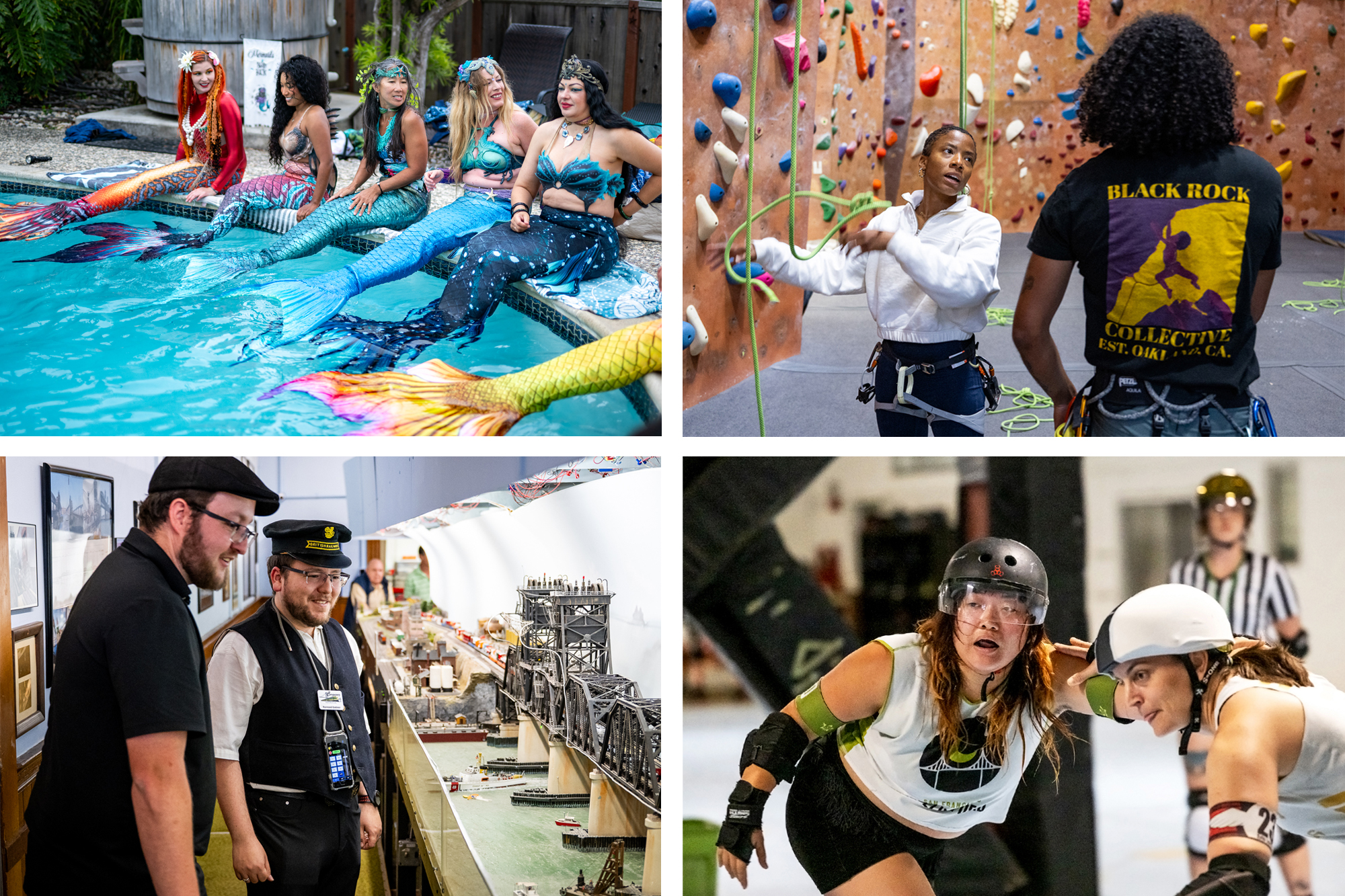
Stories from KQED Arts & Culture’s Finding Your People publish every Monday and Wednesday in August.
During the pandemic, I experienced a wakeup call: Throughout my 20s, my concurrent overachiever and party-girl tendencies filled my life with nothing but work and going out.
My work as a journalist comes with a deep sense of purpose, but at that time it started to feel more like an identity than a job, eclipsing other parts of myself. Doomscrolling the news tanked my mental health. Lockdowns meant I could no longer see friends and acquaintances in the nightlife scene, and I recognized an emptiness that my younger self once filled with playing guitar, roller skating and other activities that brought me joy and allowed me to bond with others.
Over the next several years, my quest to build a stronger sense of self led me to new hobbies and tons of interesting people. I took up surfing, which introduced me to an incredible Queer Surf group that cares deeply about the environment and each other. There’s no official membership — just spontaneous ocean playdates set up in a Signal chat. This year, I also joined Her DJ Club, a class and community of female and nonbinary DJs who practice together and motivate each other to get better at the craft.
In addition to being fun, hobbies are gateways to finding a greater sense of belonging and fulfillment, which is vital to our individual and collective well-being. Thousands of years of evolution have wired us for connection, and maintaining healthy social ties is a top indicator of not just longevity, but a better quality of life.
Yet the collective vibes of American social life are off. The former U.S. Surgeon General declared social isolation a public health crisis in 2023. Parents and pundits alike have dedicated countless hours to parsing the male loneliness epidemic and why Gen Z is having less sex than previous generations. In the Bay Area and across the country, small music venues and D.I.Y. art spaces are struggling to stay open because they’re not competing with just each other, but the couch.
Tech companies, many of which are headquartered here, are making it easier than ever to order in, scroll, disassociate and avoid interacting with fellow humans face-to-face. People are turning to AI chatbots for advice and companionship, and sometimes even falling in love with them. But AI’s sycophantic affirmation of users’ feelings and actions deprives them of the opportunity to learn how to navigate challenging social situations, including the ability to feel empathy and listen to opposing perspectives.
We’re already seeing the effects of all this disconnection. Bigoted politicians, hate groups and “manosphere” misogynists are preying on and profiting from our frayed social fabric, and the rest of us are paying the price.
Every time I get depressed about this state of the world, an outing with friends, enjoying an activity we all love, allows me to find an inner sense of calm. Tapping into a sense of play — another vital component of mental health — lets me feel present in the moment rather than overwhelmed by a constant flood of information. When trying something new, the feeling of moving past initial awkwardness and into ease leads to a deep sense of personal satisfaction. And serendipitous conversations with cool new people remind me that the world is full of limitless possibilities.
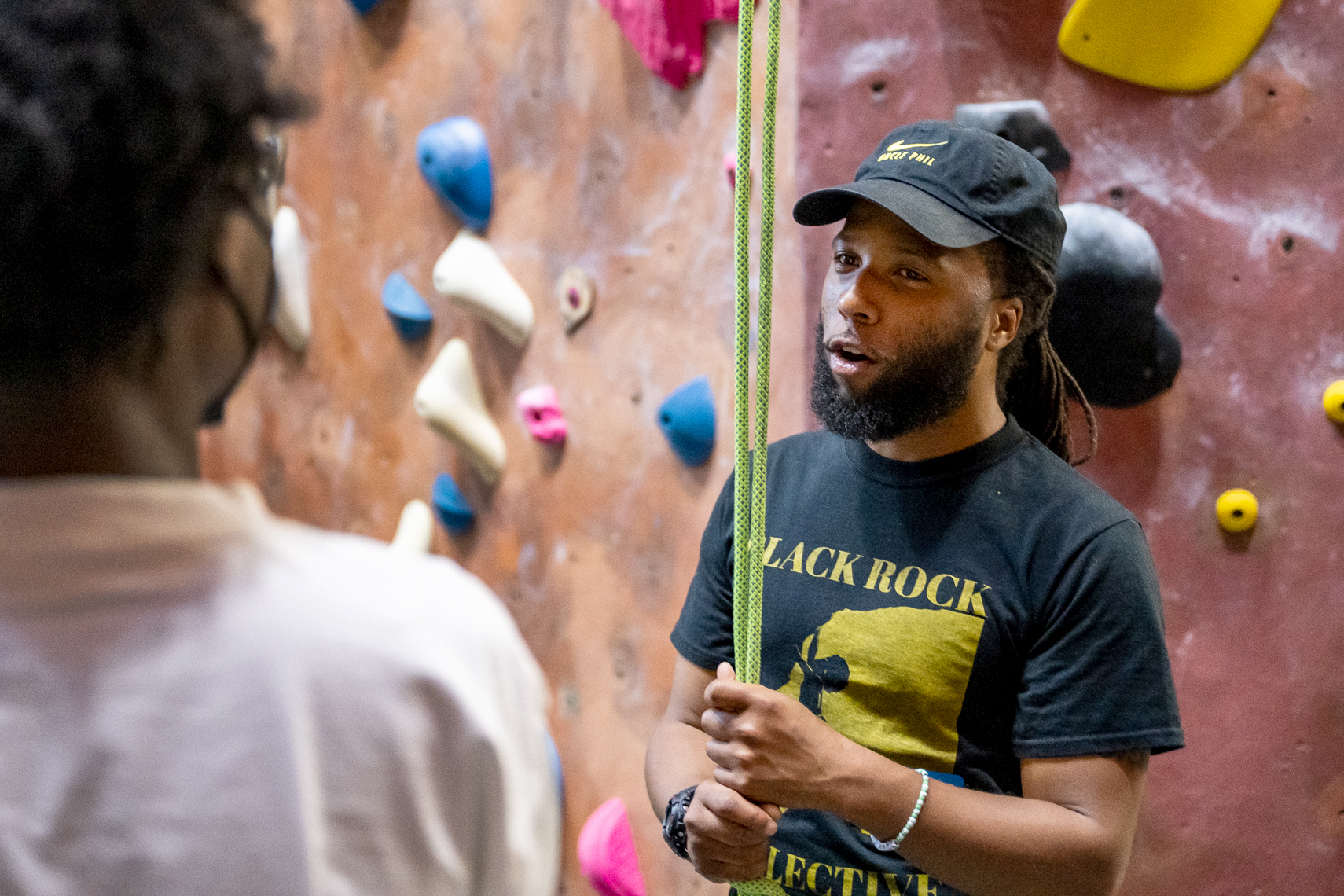
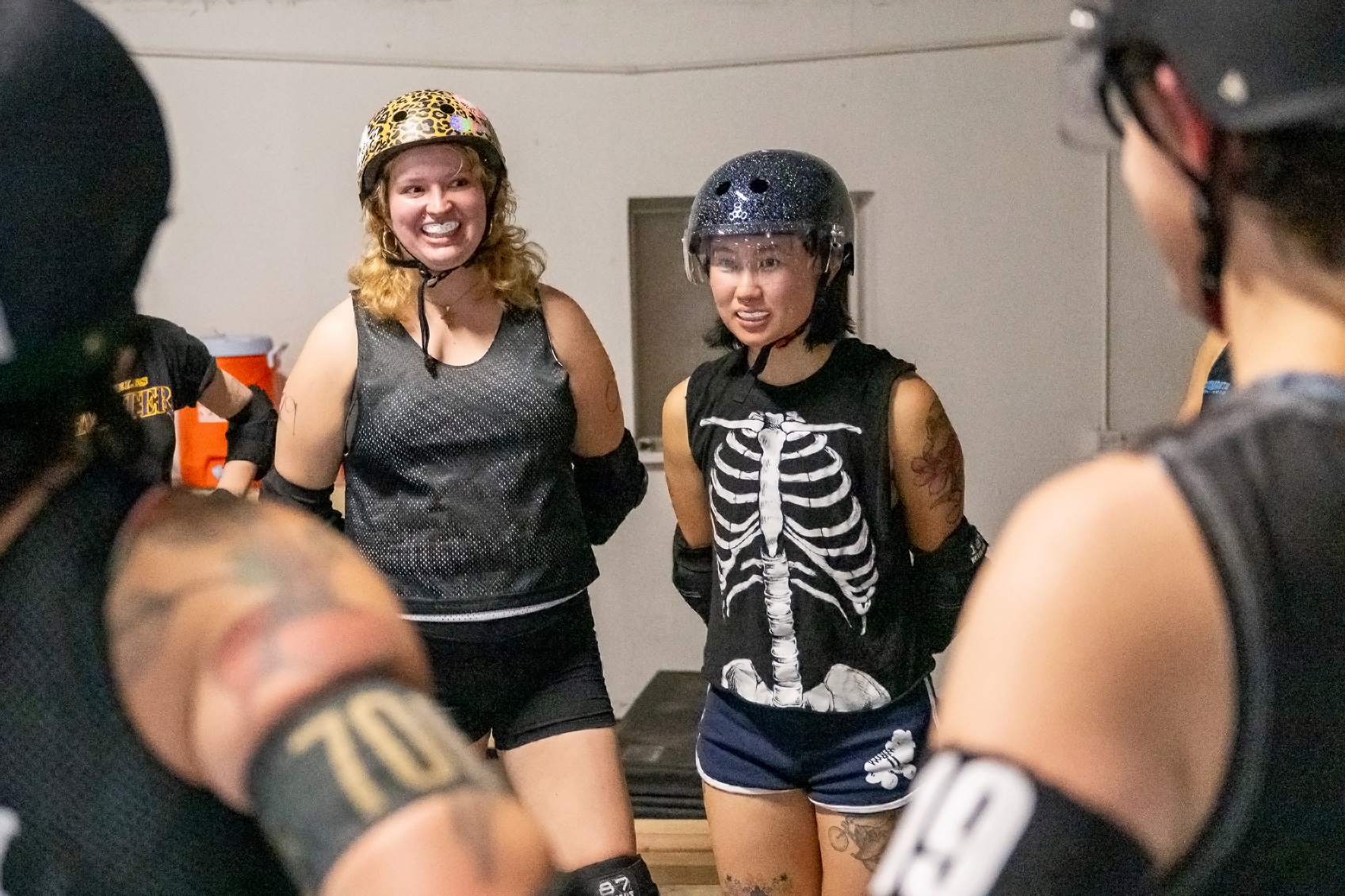
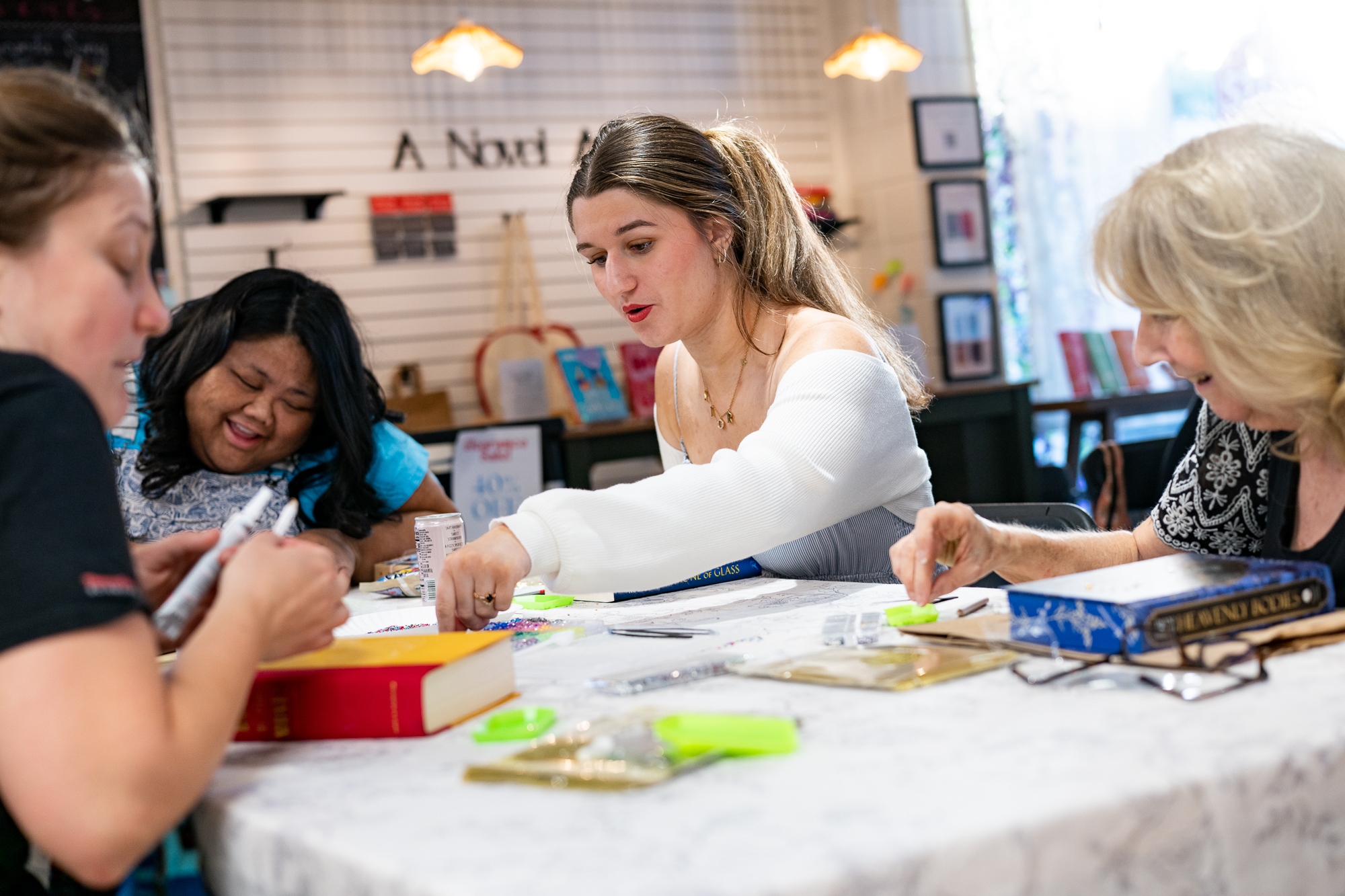
To help restore our sense of faith in humanity, the KQED Arts & Culture team and photographer Beth LaBerge spent the past several weeks hanging out with quirky hobbyists and passionate aficionados of different persuasions. Whether going to the pool with professional mermaids or rock climbing with a crew that strives to make their sport more inclusive, we met dozens of warm, open people who facilitate spaces where others can connect.
Over the next four weeks, our new series, Finding Your People, invites you to get to know eight different meetup groups, collectives and subcultures where Bay Area locals are making friends through shared passions. They’re cognizant of our state of social disconnection, and taking it upon themselves to change it. And they’re having a great time doing it. We hope it inspires you to do the same.