window.__IS_SSR__=true
window.__INITIAL_STATE__={
"attachmentsReducer": {
"audio_0": {
"type": "attachments",
"id": "audio_0",
"imgSizes": {
"kqedFullSize": {
"file": "https://ww2.kqed.org/news/wp-content/themes/KQED-unified/img/audio_bgs/background0.jpg"
}
}
},
"audio_1": {
"type": "attachments",
"id": "audio_1",
"imgSizes": {
"kqedFullSize": {
"file": "https://ww2.kqed.org/news/wp-content/themes/KQED-unified/img/audio_bgs/background1.jpg"
}
}
},
"audio_2": {
"type": "attachments",
"id": "audio_2",
"imgSizes": {
"kqedFullSize": {
"file": "https://ww2.kqed.org/news/wp-content/themes/KQED-unified/img/audio_bgs/background2.jpg"
}
}
},
"audio_3": {
"type": "attachments",
"id": "audio_3",
"imgSizes": {
"kqedFullSize": {
"file": "https://ww2.kqed.org/news/wp-content/themes/KQED-unified/img/audio_bgs/background3.jpg"
}
}
},
"audio_4": {
"type": "attachments",
"id": "audio_4",
"imgSizes": {
"kqedFullSize": {
"file": "https://ww2.kqed.org/news/wp-content/themes/KQED-unified/img/audio_bgs/background4.jpg"
}
}
},
"placeholder": {
"type": "attachments",
"id": "placeholder",
"imgSizes": {
"thumbnail": {
"file": "https://cdn.kqed.org/wp-content/uploads/2024/12/KQED-Default-Image-816638274-2000x1333-1-160x107.jpg",
"width": 160,
"height": 107,
"mimeType": "image/jpeg"
},
"medium": {
"file": "https://cdn.kqed.org/wp-content/uploads/2024/12/KQED-Default-Image-816638274-2000x1333-1-800x533.jpg",
"width": 800,
"height": 533,
"mimeType": "image/jpeg"
},
"medium_large": {
"file": "https://cdn.kqed.org/wp-content/uploads/2024/12/KQED-Default-Image-816638274-2000x1333-1-768x512.jpg",
"width": 768,
"height": 512,
"mimeType": "image/jpeg"
},
"large": {
"file": "https://cdn.kqed.org/wp-content/uploads/2024/12/KQED-Default-Image-816638274-2000x1333-1-1020x680.jpg",
"width": 1020,
"height": 680,
"mimeType": "image/jpeg"
},
"1536x1536": {
"file": "https://cdn.kqed.org/wp-content/uploads/2024/12/KQED-Default-Image-816638274-2000x1333-1-1536x1024.jpg",
"width": 1536,
"height": 1024,
"mimeType": "image/jpeg"
},
"fd-lrg": {
"file": "https://cdn.kqed.org/wp-content/uploads/2024/12/KQED-Default-Image-816638274-2000x1333-1-1536x1024.jpg",
"width": 1536,
"height": 1024,
"mimeType": "image/jpeg"
},
"fd-med": {
"file": "https://cdn.kqed.org/wp-content/uploads/2024/12/KQED-Default-Image-816638274-2000x1333-1-1020x680.jpg",
"width": 1020,
"height": 680,
"mimeType": "image/jpeg"
},
"fd-sm": {
"file": "https://cdn.kqed.org/wp-content/uploads/2024/12/KQED-Default-Image-816638274-2000x1333-1-800x533.jpg",
"width": 800,
"height": 533,
"mimeType": "image/jpeg"
},
"post-thumbnail": {
"file": "https://cdn.kqed.org/wp-content/uploads/2024/12/KQED-Default-Image-816638274-2000x1333-1-672x372.jpg",
"width": 672,
"height": 372,
"mimeType": "image/jpeg"
},
"twentyfourteen-full-width": {
"file": "https://cdn.kqed.org/wp-content/uploads/2024/12/KQED-Default-Image-816638274-2000x1333-1-1038x576.jpg",
"width": 1038,
"height": 576,
"mimeType": "image/jpeg"
},
"xxsmall": {
"file": "https://cdn.kqed.org/wp-content/uploads/2024/12/KQED-Default-Image-816638274-2000x1333-1-160x107.jpg",
"width": 160,
"height": 107,
"mimeType": "image/jpeg"
},
"xsmall": {
"file": "https://cdn.kqed.org/wp-content/uploads/2024/12/KQED-Default-Image-816638274-2000x1333-1-672x372.jpg",
"width": 672,
"height": 372,
"mimeType": "image/jpeg"
},
"small": {
"file": "https://cdn.kqed.org/wp-content/uploads/2024/12/KQED-Default-Image-816638274-2000x1333-1-672x372.jpg",
"width": 672,
"height": 372,
"mimeType": "image/jpeg"
},
"xlarge": {
"file": "https://cdn.kqed.org/wp-content/uploads/2024/12/KQED-Default-Image-816638274-2000x1333-1-1020x680.jpg",
"width": 1020,
"height": 680,
"mimeType": "image/jpeg"
},
"full-width": {
"file": "https://cdn.kqed.org/wp-content/uploads/2024/12/KQED-Default-Image-816638274-2000x1333-1-1920x1280.jpg",
"width": 1920,
"height": 1280,
"mimeType": "image/jpeg"
},
"guest-author-32": {
"file": "https://cdn.kqed.org/wp-content/uploads/2025/01/KQED-Default-Image-816638274-1333x1333-1-160x160.jpg",
"width": 32,
"height": 32,
"mimeType": "image/jpeg"
},
"guest-author-50": {
"file": "https://cdn.kqed.org/wp-content/uploads/2025/01/KQED-Default-Image-816638274-1333x1333-1-160x160.jpg",
"width": 50,
"height": 50,
"mimeType": "image/jpeg"
},
"guest-author-64": {
"file": "https://cdn.kqed.org/wp-content/uploads/2025/01/KQED-Default-Image-816638274-1333x1333-1-160x160.jpg",
"width": 64,
"height": 64,
"mimeType": "image/jpeg"
},
"guest-author-96": {
"file": "https://cdn.kqed.org/wp-content/uploads/2025/01/KQED-Default-Image-816638274-1333x1333-1-160x160.jpg",
"width": 96,
"height": 96,
"mimeType": "image/jpeg"
},
"guest-author-128": {
"file": "https://cdn.kqed.org/wp-content/uploads/2025/01/KQED-Default-Image-816638274-1333x1333-1-160x160.jpg",
"width": 128,
"height": 128,
"mimeType": "image/jpeg"
},
"detail": {
"file": "https://cdn.kqed.org/wp-content/uploads/2025/01/KQED-Default-Image-816638274-1333x1333-1-160x160.jpg",
"width": 160,
"height": 160,
"mimeType": "image/jpeg"
},
"kqedFullSize": {
"file": "https://cdn.kqed.org/wp-content/uploads/2024/12/KQED-Default-Image-816638274-2000x1333-1.jpg",
"width": 2000,
"height": 1333
}
}
},
"stateofhealth_23293": {
"type": "attachments",
"id": "stateofhealth_23293",
"meta": {
"index": "attachments_1716263798",
"site": "stateofhealth",
"id": "23293",
"found": true
},
"parent": 23291,
"imgSizes": {
"twentyfourteen-full-width": {
"file": "https://ww2.kqed.org/app/uploads/sites/27/2014/12/481872851-e1420054138323-1038x576.jpg",
"width": 1038,
"mimeType": "image/jpeg",
"height": 576
},
"thumbnail": {
"file": "https://ww2.kqed.org/app/uploads/sites/27/2014/12/481872851-e1420054138323-400x266.jpg",
"width": 400,
"mimeType": "image/jpeg",
"height": 266
},
"fd-sm": {
"file": "https://ww2.kqed.org/app/uploads/sites/27/2014/12/481872851-e1420054138323-320x213.jpg",
"width": 320,
"mimeType": "image/jpeg",
"height": 213
},
"post-thumbnail": {
"file": "https://ww2.kqed.org/app/uploads/sites/27/2014/12/481872851-e1420054138323-672x372.jpg",
"width": 672,
"mimeType": "image/jpeg",
"height": 372
},
"kqedFullSize": {
"file": "https://ww2.kqed.org/app/uploads/sites/27/2014/12/481872851-e1420054138323.jpg",
"width": 1440,
"height": 958
},
"large": {
"file": "https://ww2.kqed.org/app/uploads/sites/27/2014/12/481872851-e1420054138323-1440x958.jpg",
"width": 1440,
"mimeType": "image/jpeg",
"height": 958
},
"guest-author-96": {
"file": "https://ww2.kqed.org/app/uploads/sites/27/2014/12/481872851-e1420054138323-96x96.jpg",
"width": 96,
"mimeType": "image/jpeg",
"height": 96
},
"medium": {
"file": "https://ww2.kqed.org/app/uploads/sites/27/2014/12/481872851-e1420054138323-800x532.jpg",
"width": 800,
"mimeType": "image/jpeg",
"height": 532
},
"guest-author-64": {
"file": "https://ww2.kqed.org/app/uploads/sites/27/2014/12/481872851-e1420054138323-64x64.jpg",
"width": 64,
"mimeType": "image/jpeg",
"height": 64
},
"guest-author-32": {
"file": "https://ww2.kqed.org/app/uploads/sites/27/2014/12/481872851-e1420054138323-32x32.jpg",
"width": 32,
"mimeType": "image/jpeg",
"height": 32
},
"fd-lrg": {
"file": "https://ww2.kqed.org/app/uploads/sites/27/2014/12/481872851-e1420054138323-1180x785.jpg",
"width": 1180,
"mimeType": "image/jpeg",
"height": 785
},
"fd-med": {
"file": "https://ww2.kqed.org/app/uploads/sites/27/2014/12/481872851-e1420054138323-768x511.jpg",
"width": 768,
"mimeType": "image/jpeg",
"height": 511
},
"detail": {
"file": "https://ww2.kqed.org/app/uploads/sites/27/2014/12/481872851-e1420054138323-75x75.jpg",
"width": 75,
"mimeType": "image/jpeg",
"height": 75
},
"guest-author-128": {
"file": "https://ww2.kqed.org/app/uploads/sites/27/2014/12/481872851-e1420054138323-128x128.jpg",
"width": 128,
"mimeType": "image/jpeg",
"height": 128
}
},
"publishDate": 1420054119,
"modified": 1434990734,
"caption": "Barack Obama speaks about the Affordable Care Act with Vice President Joe Biden in the Rose Garden at the White House on April 1, 2014. ",
"description": "US President Barack Obama speaks about the Affordable Care Act, also known as Obamacare, with Vice President Joe Biden in the Rose Garden at the White House in Washington on April 1, 2014. Hundreds of thousands of Americans rushed to buy Obama's new health insurance plans on March 31, prompting a victory lap from a White House that paid a steep political price for its greatest achievement. (Photo credit should read NICHOLAS KAMM/AFP/Getty Images)",
"title": "US-POLITICS-HEALTH-OBAMA",
"credit": "Nicholas Kamm/AFP/Getty Images",
"status": "inherit",
"isLoading": false,
"fetchFailed": false
},
"stateofhealth_23131": {
"type": "attachments",
"id": "stateofhealth_23131",
"meta": {
"index": "attachments_1716263798",
"site": "stateofhealth",
"id": "23131",
"found": true
},
"parent": 23112,
"imgSizes": {
"twentyfourteen-full-width": {
"file": "https://ww2.kqed.org/app/uploads/sites/27/2014/12/1214-Denniealone-p-1-1038x576.png",
"width": 1038,
"mimeType": "image/png",
"height": 576
},
"thumbnail": {
"file": "https://ww2.kqed.org/app/uploads/sites/27/2014/12/1214-Denniealone-p-1-400x300.png",
"width": 400,
"mimeType": "image/png",
"height": 300
},
"fd-sm": {
"file": "https://ww2.kqed.org/app/uploads/sites/27/2014/12/1214-Denniealone-p-1-320x240.png",
"width": 320,
"mimeType": "image/png",
"height": 240
},
"post-thumbnail": {
"file": "https://ww2.kqed.org/app/uploads/sites/27/2014/12/1214-Denniealone-p-1-672x372.png",
"width": 672,
"mimeType": "image/png",
"height": 372
},
"kqedFullSize": {
"file": "https://ww2.kqed.org/app/uploads/sites/27/2014/12/1214-Denniealone-p-1.png",
"width": 1440,
"height": 1080
},
"large": {
"file": "https://ww2.kqed.org/app/uploads/sites/27/2014/12/1214-Denniealone-p-1-1440x1080.png",
"width": 1440,
"mimeType": "image/png",
"height": 1080
},
"guest-author-96": {
"file": "https://ww2.kqed.org/app/uploads/sites/27/2014/12/1214-Denniealone-p-1-96x96.png",
"width": 96,
"mimeType": "image/png",
"height": 96
},
"medium": {
"file": "https://ww2.kqed.org/app/uploads/sites/27/2014/12/1214-Denniealone-p-1-800x600.png",
"width": 800,
"mimeType": "image/png",
"height": 600
},
"guest-author-64": {
"file": "https://ww2.kqed.org/app/uploads/sites/27/2014/12/1214-Denniealone-p-1-64x64.png",
"width": 64,
"mimeType": "image/png",
"height": 64
},
"guest-author-32": {
"file": "https://ww2.kqed.org/app/uploads/sites/27/2014/12/1214-Denniealone-p-1-32x32.png",
"width": 32,
"mimeType": "image/png",
"height": 32
},
"fd-lrg": {
"file": "https://ww2.kqed.org/app/uploads/sites/27/2014/12/1214-Denniealone-p-1-1180x885.png",
"width": 1180,
"mimeType": "image/png",
"height": 885
},
"fd-med": {
"file": "https://ww2.kqed.org/app/uploads/sites/27/2014/12/1214-Denniealone-p-1-768x576.png",
"width": 768,
"mimeType": "image/png",
"height": 576
},
"detail": {
"file": "https://ww2.kqed.org/app/uploads/sites/27/2014/12/1214-Denniealone-p-1-75x75.png",
"width": 75,
"mimeType": "image/png",
"height": 75
},
"guest-author-128": {
"file": "https://ww2.kqed.org/app/uploads/sites/27/2014/12/1214-Denniealone-p-1-128x128.png",
"width": 128,
"mimeType": "image/png",
"height": 128
}
},
"publishDate": 1419035950,
"modified": 1419036034,
"caption": "Dennie Wright has a pile of medical bills for services his health insurance might not cover because it's out-of-state routine care. (Pauline Bartolone/Capital Public Radio)",
"description": "Dennie Wright has a pile of medical bills for services his health insurance might not cover because it's out-of-state routine care. (Pauline Bartolone/Capital Public Radio)",
"title": "1214-Denniealone-p-1",
"credit": null,
"status": "inherit",
"isLoading": false,
"fetchFailed": false
},
"stateofhealth_23132": {
"type": "attachments",
"id": "stateofhealth_23132",
"meta": {
"index": "attachments_1716263798",
"site": "stateofhealth",
"id": "23132",
"found": true
},
"parent": 23112,
"imgSizes": {
"twentyfourteen-full-width": {
"file": "https://ww2.kqed.org/app/uploads/sites/27/2014/12/1215-felkers-1-1038x576.png",
"width": 1038,
"mimeType": "image/png",
"height": 576
},
"thumbnail": {
"file": "https://ww2.kqed.org/app/uploads/sites/27/2014/12/1215-felkers-1-400x300.png",
"width": 400,
"mimeType": "image/png",
"height": 300
},
"fd-sm": {
"file": "https://ww2.kqed.org/app/uploads/sites/27/2014/12/1215-felkers-1-320x240.png",
"width": 320,
"mimeType": "image/png",
"height": 240
},
"post-thumbnail": {
"file": "https://ww2.kqed.org/app/uploads/sites/27/2014/12/1215-felkers-1-672x372.png",
"width": 672,
"mimeType": "image/png",
"height": 372
},
"kqedFullSize": {
"file": "https://ww2.kqed.org/app/uploads/sites/27/2014/12/1215-felkers-1.png",
"width": 1440,
"height": 1080
},
"large": {
"file": "https://ww2.kqed.org/app/uploads/sites/27/2014/12/1215-felkers-1-1440x1080.png",
"width": 1440,
"mimeType": "image/png",
"height": 1080
},
"guest-author-96": {
"file": "https://ww2.kqed.org/app/uploads/sites/27/2014/12/1215-felkers-1-96x96.png",
"width": 96,
"mimeType": "image/png",
"height": 96
},
"medium": {
"file": "https://ww2.kqed.org/app/uploads/sites/27/2014/12/1215-felkers-1-800x600.png",
"width": 800,
"mimeType": "image/png",
"height": 600
},
"guest-author-64": {
"file": "https://ww2.kqed.org/app/uploads/sites/27/2014/12/1215-felkers-1-64x64.png",
"width": 64,
"mimeType": "image/png",
"height": 64
},
"guest-author-32": {
"file": "https://ww2.kqed.org/app/uploads/sites/27/2014/12/1215-felkers-1-32x32.png",
"width": 32,
"mimeType": "image/png",
"height": 32
},
"fd-lrg": {
"file": "https://ww2.kqed.org/app/uploads/sites/27/2014/12/1215-felkers-1-1180x885.png",
"width": 1180,
"mimeType": "image/png",
"height": 885
},
"fd-med": {
"file": "https://ww2.kqed.org/app/uploads/sites/27/2014/12/1215-felkers-1-768x576.png",
"width": 768,
"mimeType": "image/png",
"height": 576
},
"detail": {
"file": "https://ww2.kqed.org/app/uploads/sites/27/2014/12/1215-felkers-1-75x75.png",
"width": 75,
"mimeType": "image/png",
"height": 75
},
"guest-author-128": {
"file": "https://ww2.kqed.org/app/uploads/sites/27/2014/12/1215-felkers-1-128x128.png",
"width": 128,
"mimeType": "image/png",
"height": 128
}
},
"publishDate": 1419036053,
"modified": 1419036095,
"caption": "Stacey and Kory Felker in their Quincy, California home. The Felkers live near the California-Nevada border, and recently learned that their individual insurance does not cover routine out-of-state care. (Pauline Bartolone/Capital Public Radio)",
"description": "Stacey and Kory Felker in their Quincy, California home. The Felkers live near the California-Nevada border, and recently learned that their individual insurance does not cover routine out-of-state care. (Pauline Bartolone/Capital Public Radio)",
"title": "1215-felkers-1",
"credit": null,
"status": "inherit",
"isLoading": false,
"fetchFailed": false
},
"stateofhealth_23201": {
"type": "attachments",
"id": "stateofhealth_23201",
"meta": {
"index": "attachments_1716263798",
"site": "stateofhealth",
"id": "23201",
"found": true
},
"parent": 23160,
"imgSizes": {
"twentyfourteen-full-width": {
"file": "https://ww2.kqed.org/app/uploads/sites/27/2014/12/IMG_20141222_100752613_HDR-e1419354747460-1038x576.jpg",
"width": 1038,
"mimeType": "image/jpeg",
"height": 576
},
"thumbnail": {
"file": "https://ww2.kqed.org/app/uploads/sites/27/2014/12/IMG_20141222_100752613_HDR-e1419354747460-400x225.jpg",
"width": 400,
"mimeType": "image/jpeg",
"height": 225
},
"fd-sm": {
"file": "https://ww2.kqed.org/app/uploads/sites/27/2014/12/IMG_20141222_100752613_HDR-e1419354747460-320x180.jpg",
"width": 320,
"mimeType": "image/jpeg",
"height": 180
},
"post-thumbnail": {
"file": "https://ww2.kqed.org/app/uploads/sites/27/2014/12/IMG_20141222_100752613_HDR-e1419354747460-672x372.jpg",
"width": 672,
"mimeType": "image/jpeg",
"height": 372
},
"kqedFullSize": {
"file": "https://ww2.kqed.org/app/uploads/sites/27/2014/12/IMG_20141222_100752613_HDR-e1419354747460.jpg",
"width": 1441,
"height": 811
},
"large": {
"file": "https://ww2.kqed.org/app/uploads/sites/27/2014/12/IMG_20141222_100752613_HDR-e1419354747460-1440x810.jpg",
"width": 1440,
"mimeType": "image/jpeg",
"height": 810
},
"guest-author-96": {
"file": "https://ww2.kqed.org/app/uploads/sites/27/2014/12/IMG_20141222_100752613_HDR-e1419354747460-96x96.jpg",
"width": 96,
"mimeType": "image/jpeg",
"height": 96
},
"medium": {
"file": "https://ww2.kqed.org/app/uploads/sites/27/2014/12/IMG_20141222_100752613_HDR-e1419354747460-800x450.jpg",
"width": 800,
"mimeType": "image/jpeg",
"height": 450
},
"guest-author-64": {
"file": "https://ww2.kqed.org/app/uploads/sites/27/2014/12/IMG_20141222_100752613_HDR-e1419354747460-64x64.jpg",
"width": 64,
"mimeType": "image/jpeg",
"height": 64
},
"guest-author-32": {
"file": "https://ww2.kqed.org/app/uploads/sites/27/2014/12/IMG_20141222_100752613_HDR-e1419354747460-32x32.jpg",
"width": 32,
"mimeType": "image/jpeg",
"height": 32
},
"fd-lrg": {
"file": "https://ww2.kqed.org/app/uploads/sites/27/2014/12/IMG_20141222_100752613_HDR-e1419354747460-1180x664.jpg",
"width": 1180,
"mimeType": "image/jpeg",
"height": 664
},
"fd-med": {
"file": "https://ww2.kqed.org/app/uploads/sites/27/2014/12/IMG_20141222_100752613_HDR-e1419354747460-768x432.jpg",
"width": 768,
"mimeType": "image/jpeg",
"height": 432
},
"detail": {
"file": "https://ww2.kqed.org/app/uploads/sites/27/2014/12/IMG_20141222_100752613_HDR-e1419354747460-75x75.jpg",
"width": 75,
"mimeType": "image/jpeg",
"height": 75
},
"guest-author-128": {
"file": "https://ww2.kqed.org/app/uploads/sites/27/2014/12/IMG_20141222_100752613_HDR-e1419354747460-128x128.jpg",
"width": 128,
"mimeType": "image/jpeg",
"height": 128
}
},
"publishDate": 1419354736,
"modified": 1419354778,
"caption": "Sign outside a health insurance agency which seeks to lure customers on their way to the Sunvalley mall in Concord. (Marc Protenic/Health Markets)",
"description": "Sign outside a health insurance agency which seeks to lure customers on their way to the Sunvalley mall in Concord. (Marc Protenic/Health Markets)\nSign outside a health insurance agency which seeks to lure customers on their way to the Sunvalley mall in Concord. (Marc Protenic/Health Markets)",
"title": "IMG_20141222_100752613_HDR",
"credit": null,
"status": "inherit",
"isLoading": false,
"fetchFailed": false
},
"stateofhealth_23105": {
"type": "attachments",
"id": "stateofhealth_23105",
"meta": {
"index": "attachments_1716263798",
"site": "stateofhealth",
"id": "23105",
"found": true
},
"parent": 23509,
"imgSizes": {
"twentyfourteen-full-width": {
"file": "https://ww2.kqed.org/app/uploads/sites/27/2014/12/coveredcaliforniashot-1038x576.jpg",
"width": 1038,
"mimeType": "image/jpeg",
"height": 576
},
"thumbnail": {
"file": "https://ww2.kqed.org/app/uploads/sites/27/2014/12/coveredcaliforniashot-400x246.jpg",
"width": 400,
"mimeType": "image/jpeg",
"height": 246
},
"fd-sm": {
"file": "https://ww2.kqed.org/app/uploads/sites/27/2014/12/coveredcaliforniashot-320x196.jpg",
"width": 320,
"mimeType": "image/jpeg",
"height": 196
},
"post-thumbnail": {
"file": "https://ww2.kqed.org/app/uploads/sites/27/2014/12/coveredcaliforniashot-672x372.jpg",
"width": 672,
"mimeType": "image/jpeg",
"height": 372
},
"kqedFullSize": {
"file": "https://ww2.kqed.org/app/uploads/sites/27/2014/12/coveredcaliforniashot.jpg",
"width": 1440,
"height": 884
},
"large": {
"file": "https://ww2.kqed.org/app/uploads/sites/27/2014/12/coveredcaliforniashot-1440x884.jpg",
"width": 1440,
"mimeType": "image/jpeg",
"height": 884
},
"guest-author-96": {
"file": "https://ww2.kqed.org/app/uploads/sites/27/2014/12/coveredcaliforniashot-96x96.jpg",
"width": 96,
"mimeType": "image/jpeg",
"height": 96
},
"medium": {
"file": "https://ww2.kqed.org/app/uploads/sites/27/2014/12/coveredcaliforniashot-800x491.jpg",
"width": 800,
"mimeType": "image/jpeg",
"height": 491
},
"guest-author-64": {
"file": "https://ww2.kqed.org/app/uploads/sites/27/2014/12/coveredcaliforniashot-64x64.jpg",
"width": 64,
"mimeType": "image/jpeg",
"height": 64
},
"guest-author-32": {
"file": "https://ww2.kqed.org/app/uploads/sites/27/2014/12/coveredcaliforniashot-32x32.jpg",
"width": 32,
"mimeType": "image/jpeg",
"height": 32
},
"fd-lrg": {
"file": "https://ww2.kqed.org/app/uploads/sites/27/2014/12/coveredcaliforniashot-1180x724.jpg",
"width": 1180,
"mimeType": "image/jpeg",
"height": 724
},
"fd-med": {
"file": "https://ww2.kqed.org/app/uploads/sites/27/2014/12/coveredcaliforniashot-768x471.jpg",
"width": 768,
"mimeType": "image/jpeg",
"height": 471
},
"detail": {
"file": "https://ww2.kqed.org/app/uploads/sites/27/2014/12/coveredcaliforniashot-75x75.jpg",
"width": 75,
"mimeType": "image/jpeg",
"height": 75
},
"guest-author-128": {
"file": "https://ww2.kqed.org/app/uploads/sites/27/2014/12/coveredcaliforniashot-128x128.jpg",
"width": 128,
"mimeType": "image/jpeg",
"height": 128
}
},
"publishDate": 1419015871,
"modified": 1421381413,
"caption": "Screenshot from the Covered California website. ",
"description": "Covered California",
"title": "coveredcaliforniashot",
"credit": null,
"status": "inherit",
"isLoading": false,
"fetchFailed": false
},
"stateofhealth_16359": {
"type": "attachments",
"id": "stateofhealth_16359",
"meta": {
"index": "attachments_1716263798",
"site": "stateofhealth",
"id": "16359",
"found": true
},
"parent": 16349,
"imgSizes": {
"thumbnail": {
"file": "https://ww2.kqed.org/app/uploads/sites/27/2013/11/PEterLeeCROP-e1386913666627-400x290.jpg",
"width": 400,
"mimeType": "image/jpeg",
"height": 290
},
"fd-sm": {
"file": "https://ww2.kqed.org/app/uploads/sites/27/2013/11/PEterLeeCROP-e1386913666627-320x232.jpg",
"width": 320,
"mimeType": "image/jpeg",
"height": 232
},
"post-thumbnail": {
"file": "https://ww2.kqed.org/app/uploads/sites/27/2013/11/PEterLeeCROP-e1386913666627-640x372.jpg",
"width": 640,
"mimeType": "image/jpeg",
"height": 372
},
"kqedFullSize": {
"file": "https://ww2.kqed.org/app/uploads/sites/27/2013/11/PEterLeeCROP-e1386913666627.jpg",
"width": 640,
"height": 464
},
"guest-author-96": {
"file": "https://ww2.kqed.org/app/uploads/sites/27/2013/11/PEterLeeCROP-e1386913666627-96x96.jpg",
"width": 96,
"mimeType": "image/jpeg",
"height": 96
},
"guest-author-64": {
"file": "https://ww2.kqed.org/app/uploads/sites/27/2013/11/PEterLeeCROP-e1386913666627-64x64.jpg",
"width": 64,
"mimeType": "image/jpeg",
"height": 64
},
"detail": {
"file": "https://ww2.kqed.org/app/uploads/sites/27/2013/11/PEterLeeCROP-e1386913666627-75x75.jpg",
"width": 75,
"mimeType": "image/jpeg",
"height": 75
},
"guest-author-32": {
"file": "https://ww2.kqed.org/app/uploads/sites/27/2013/11/PEterLeeCROP-e1386913666627-32x32.jpg",
"width": 32,
"mimeType": "image/jpeg",
"height": 32
},
"guest-author-128": {
"file": "https://ww2.kqed.org/app/uploads/sites/27/2013/11/PEterLeeCROP-e1386913666627-128x128.jpg",
"width": 128,
"mimeType": "image/jpeg",
"height": 128
}
},
"publishDate": 1385148399,
"modified": 1385148399,
"caption": "Peter Lee, seen here in a 2012 photo, is the executive director of Covered California and testified Thursday before the joint legislative committee on health.",
"description": null,
"title": "PEterLeeCROP",
"credit": null,
"status": "inherit",
"isLoading": false,
"fetchFailed": false
},
"stateofhealth_22964": {
"type": "attachments",
"id": "stateofhealth_22964",
"meta": {
"index": "attachments_1716263798",
"site": "stateofhealth",
"id": "22964",
"found": true
},
"parent": 22960,
"imgSizes": {
"twentyfourteen-full-width": {
"file": "https://ww2.kqed.org/app/uploads/sites/27/2014/12/Screen-Shot-2014-12-15-at-10.31.49-AM1-e1418668396774-1038x576.png",
"width": 1038,
"mimeType": "image/png",
"height": 576
},
"thumbnail": {
"file": "https://ww2.kqed.org/app/uploads/sites/27/2014/12/Screen-Shot-2014-12-15-at-10.31.49-AM1-e1418668396774-400x202.png",
"width": 400,
"mimeType": "image/png",
"height": 202
},
"fd-sm": {
"file": "https://ww2.kqed.org/app/uploads/sites/27/2014/12/Screen-Shot-2014-12-15-at-10.31.49-AM1-e1418668396774-320x162.png",
"width": 320,
"mimeType": "image/png",
"height": 162
},
"post-thumbnail": {
"file": "https://ww2.kqed.org/app/uploads/sites/27/2014/12/Screen-Shot-2014-12-15-at-10.31.49-AM1-e1418668396774-672x372.png",
"width": 672,
"mimeType": "image/png",
"height": 372
},
"kqedFullSize": {
"file": "https://ww2.kqed.org/app/uploads/sites/27/2014/12/Screen-Shot-2014-12-15-at-10.31.49-AM1-e1418668396774.png",
"width": 1440,
"height": 728
},
"large": {
"file": "https://ww2.kqed.org/app/uploads/sites/27/2014/12/Screen-Shot-2014-12-15-at-10.31.49-AM1-e1418668396774-1440x728.png",
"width": 1440,
"mimeType": "image/png",
"height": 728
},
"guest-author-96": {
"file": "https://ww2.kqed.org/app/uploads/sites/27/2014/12/Screen-Shot-2014-12-15-at-10.31.49-AM1-e1418668396774-96x96.png",
"width": 96,
"mimeType": "image/png",
"height": 96
},
"medium": {
"file": "https://ww2.kqed.org/app/uploads/sites/27/2014/12/Screen-Shot-2014-12-15-at-10.31.49-AM1-e1418668396774-800x404.png",
"width": 800,
"mimeType": "image/png",
"height": 404
},
"guest-author-64": {
"file": "https://ww2.kqed.org/app/uploads/sites/27/2014/12/Screen-Shot-2014-12-15-at-10.31.49-AM1-e1418668396774-64x64.png",
"width": 64,
"mimeType": "image/png",
"height": 64
},
"guest-author-32": {
"file": "https://ww2.kqed.org/app/uploads/sites/27/2014/12/Screen-Shot-2014-12-15-at-10.31.49-AM1-e1418668396774-32x32.png",
"width": 32,
"mimeType": "image/png",
"height": 32
},
"fd-lrg": {
"file": "https://ww2.kqed.org/app/uploads/sites/27/2014/12/Screen-Shot-2014-12-15-at-10.31.49-AM1-e1418668396774-1180x597.png",
"width": 1180,
"mimeType": "image/png",
"height": 597
},
"fd-med": {
"file": "https://ww2.kqed.org/app/uploads/sites/27/2014/12/Screen-Shot-2014-12-15-at-10.31.49-AM1-e1418668396774-768x388.png",
"width": 768,
"mimeType": "image/png",
"height": 388
},
"detail": {
"file": "https://ww2.kqed.org/app/uploads/sites/27/2014/12/Screen-Shot-2014-12-15-at-10.31.49-AM1-e1418668396774-75x75.png",
"width": 75,
"mimeType": "image/png",
"height": 75
},
"guest-author-128": {
"file": "https://ww2.kqed.org/app/uploads/sites/27/2014/12/Screen-Shot-2014-12-15-at-10.31.49-AM1-e1418668396774-128x128.png",
"width": 128,
"mimeType": "image/png",
"height": 128
}
},
"publishDate": 1418668381,
"modified": 1418668381,
"caption": null,
"description": null,
"title": "Screen Shot 2014-12-15 at 10.31.49 AM",
"credit": null,
"status": "inherit",
"isLoading": false,
"fetchFailed": false
},
"stateofhealth_19598": {
"type": "attachments",
"id": "stateofhealth_19598",
"meta": {
"index": "attachments_1716263798",
"site": "stateofhealth",
"id": "19598",
"found": true
},
"parent": 19594,
"imgSizes": {
"twentyfourteen-full-width": {
"file": "https://ww2.kqed.org/app/uploads/sites/27/2014/06/187909352-e1418272295704-1038x576.jpg",
"width": 1038,
"mimeType": "image/jpeg",
"height": 576
},
"thumbnail": {
"file": "https://ww2.kqed.org/app/uploads/sites/27/2014/06/187909352-e1418272295704-400x267.jpg",
"width": 400,
"mimeType": "image/jpeg",
"height": 267
},
"fd-sm": {
"file": "https://ww2.kqed.org/app/uploads/sites/27/2014/06/187909352-e1418272295704-320x213.jpg",
"width": 320,
"mimeType": "image/jpeg",
"height": 213
},
"post-thumbnail": {
"file": "https://ww2.kqed.org/app/uploads/sites/27/2014/06/187909352-e1418272295704-672x372.jpg",
"width": 672,
"mimeType": "image/jpeg",
"height": 372
},
"kqedFullSize": {
"file": "https://ww2.kqed.org/app/uploads/sites/27/2014/06/187909352-e1418272295704.jpg",
"width": 1440,
"height": 960
},
"large": {
"file": "https://ww2.kqed.org/app/uploads/sites/27/2014/06/187909352-e1418272295704-1440x960.jpg",
"width": 1440,
"mimeType": "image/jpeg",
"height": 960
},
"guest-author-96": {
"file": "https://ww2.kqed.org/app/uploads/sites/27/2014/06/187909352-e1418272295704-96x96.jpg",
"width": 96,
"mimeType": "image/jpeg",
"height": 96
},
"medium": {
"file": "https://ww2.kqed.org/app/uploads/sites/27/2014/06/187909352-e1418272295704-800x533.jpg",
"width": 800,
"mimeType": "image/jpeg",
"height": 533
},
"guest-author-64": {
"file": "https://ww2.kqed.org/app/uploads/sites/27/2014/06/187909352-e1418272295704-64x64.jpg",
"width": 64,
"mimeType": "image/jpeg",
"height": 64
},
"guest-author-32": {
"file": "https://ww2.kqed.org/app/uploads/sites/27/2014/06/187909352-e1418272295704-32x32.jpg",
"width": 32,
"mimeType": "image/jpeg",
"height": 32
},
"fd-lrg": {
"file": "https://ww2.kqed.org/app/uploads/sites/27/2014/06/187909352-e1418272295704-1180x787.jpg",
"width": 1180,
"mimeType": "image/jpeg",
"height": 787
},
"fd-med": {
"file": "https://ww2.kqed.org/app/uploads/sites/27/2014/06/187909352-e1418272295704-768x512.jpg",
"width": 768,
"mimeType": "image/jpeg",
"height": 512
},
"detail": {
"file": "https://ww2.kqed.org/app/uploads/sites/27/2014/06/187909352-e1418272295704-75x75.jpg",
"width": 75,
"mimeType": "image/jpeg",
"height": 75
},
"guest-author-128": {
"file": "https://ww2.kqed.org/app/uploads/sites/27/2014/06/187909352-e1418272295704-128x128.jpg",
"width": 128,
"mimeType": "image/jpeg",
"height": 128
}
},
"publishDate": 1403138880,
"modified": 1493396219,
"caption": "Covered California executive director Peter Lee. (Max Whittaker/Getty Images)",
"description": null,
"title": "California Releases Health Care Enrollment Numbers For Month Of October",
"credit": null,
"status": "inherit",
"isLoading": false,
"fetchFailed": false
},
"stateofhealth_22851": {
"type": "attachments",
"id": "stateofhealth_22851",
"meta": {
"index": "attachments_1716263798",
"site": "stateofhealth",
"id": "22851",
"found": true
},
"parent": 22825,
"imgSizes": {
"twentyfourteen-full-width": {
"file": "https://ww2.kqed.org/app/uploads/sites/27/2014/12/Screen-Shot-2014-12-08-at-6.09.28-AM-1038x576.png",
"width": 1038,
"mimeType": "image/png",
"height": 576
},
"thumbnail": {
"file": "https://ww2.kqed.org/app/uploads/sites/27/2014/12/Screen-Shot-2014-12-08-at-6.09.28-AM-400x384.png",
"width": 400,
"mimeType": "image/png",
"height": 384
},
"fd-sm": {
"file": "https://ww2.kqed.org/app/uploads/sites/27/2014/12/Screen-Shot-2014-12-08-at-6.09.28-AM-320x308.png",
"width": 320,
"mimeType": "image/png",
"height": 308
},
"post-thumbnail": {
"file": "https://ww2.kqed.org/app/uploads/sites/27/2014/12/Screen-Shot-2014-12-08-at-6.09.28-AM-672x372.png",
"width": 672,
"mimeType": "image/png",
"height": 372
},
"kqedFullSize": {
"file": "https://ww2.kqed.org/app/uploads/sites/27/2014/12/Screen-Shot-2014-12-08-at-6.09.28-AM.png",
"width": 1186,
"height": 1140
},
"guest-author-96": {
"file": "https://ww2.kqed.org/app/uploads/sites/27/2014/12/Screen-Shot-2014-12-08-at-6.09.28-AM-96x96.png",
"width": 96,
"mimeType": "image/png",
"height": 96
},
"medium": {
"file": "https://ww2.kqed.org/app/uploads/sites/27/2014/12/Screen-Shot-2014-12-08-at-6.09.28-AM-800x769.png",
"width": 800,
"mimeType": "image/png",
"height": 769
},
"guest-author-64": {
"file": "https://ww2.kqed.org/app/uploads/sites/27/2014/12/Screen-Shot-2014-12-08-at-6.09.28-AM-64x64.png",
"width": 64,
"mimeType": "image/png",
"height": 64
},
"guest-author-32": {
"file": "https://ww2.kqed.org/app/uploads/sites/27/2014/12/Screen-Shot-2014-12-08-at-6.09.28-AM-32x32.png",
"width": 32,
"mimeType": "image/png",
"height": 32
},
"fd-lrg": {
"file": "https://ww2.kqed.org/app/uploads/sites/27/2014/12/Screen-Shot-2014-12-08-at-6.09.28-AM-1180x1134.png",
"width": 1180,
"mimeType": "image/png",
"height": 1134
},
"fd-med": {
"file": "https://ww2.kqed.org/app/uploads/sites/27/2014/12/Screen-Shot-2014-12-08-at-6.09.28-AM-768x738.png",
"width": 768,
"mimeType": "image/png",
"height": 738
},
"detail": {
"file": "https://ww2.kqed.org/app/uploads/sites/27/2014/12/Screen-Shot-2014-12-08-at-6.09.28-AM-75x75.png",
"width": 75,
"mimeType": "image/png",
"height": 75
},
"guest-author-128": {
"file": "https://ww2.kqed.org/app/uploads/sites/27/2014/12/Screen-Shot-2014-12-08-at-6.09.28-AM-128x128.png",
"width": 128,
"mimeType": "image/png",
"height": 128
}
},
"publishDate": 1418047834,
"modified": 1418047834,
"caption": null,
"description": null,
"title": "Screen Shot 2014-12-08 at 6.09.28 AM",
"credit": null,
"status": "inherit",
"isLoading": false,
"fetchFailed": false
},
"stateofhealth_22845": {
"type": "attachments",
"id": "stateofhealth_22845",
"meta": {
"index": "attachments_1716263798",
"site": "stateofhealth",
"id": "22845",
"found": true
},
"parent": 22841,
"imgSizes": {
"twentyfourteen-full-width": {
"file": "https://ww2.kqed.org/app/uploads/sites/27/2014/12/Gail-Fulbeck-profile-pic-e1417914725396-1038x576.jpg",
"width": 1038,
"mimeType": "image/jpeg",
"height": 576
},
"thumbnail": {
"file": "https://ww2.kqed.org/app/uploads/sites/27/2014/12/Gail-Fulbeck-profile-pic-e1417914725396-400x300.jpg",
"width": 400,
"mimeType": "image/jpeg",
"height": 300
},
"fd-sm": {
"file": "https://ww2.kqed.org/app/uploads/sites/27/2014/12/Gail-Fulbeck-profile-pic-e1417914725396-320x240.jpg",
"width": 320,
"mimeType": "image/jpeg",
"height": 240
},
"post-thumbnail": {
"file": "https://ww2.kqed.org/app/uploads/sites/27/2014/12/Gail-Fulbeck-profile-pic-e1417914725396-672x372.jpg",
"width": 672,
"mimeType": "image/jpeg",
"height": 372
},
"kqedFullSize": {
"file": "https://ww2.kqed.org/app/uploads/sites/27/2014/12/Gail-Fulbeck-profile-pic-e1417914725396.jpg",
"width": 1440,
"height": 1080
},
"large": {
"file": "https://ww2.kqed.org/app/uploads/sites/27/2014/12/Gail-Fulbeck-profile-pic-e1417914725396-1440x1080.jpg",
"width": 1440,
"mimeType": "image/jpeg",
"height": 1080
},
"guest-author-96": {
"file": "https://ww2.kqed.org/app/uploads/sites/27/2014/12/Gail-Fulbeck-profile-pic-e1417914725396-96x96.jpg",
"width": 96,
"mimeType": "image/jpeg",
"height": 96
},
"medium": {
"file": "https://ww2.kqed.org/app/uploads/sites/27/2014/12/Gail-Fulbeck-profile-pic-e1417914725396-800x600.jpg",
"width": 800,
"mimeType": "image/jpeg",
"height": 600
},
"guest-author-64": {
"file": "https://ww2.kqed.org/app/uploads/sites/27/2014/12/Gail-Fulbeck-profile-pic-e1417914725396-64x64.jpg",
"width": 64,
"mimeType": "image/jpeg",
"height": 64
},
"guest-author-32": {
"file": "https://ww2.kqed.org/app/uploads/sites/27/2014/12/Gail-Fulbeck-profile-pic-e1417914725396-32x32.jpg",
"width": 32,
"mimeType": "image/jpeg",
"height": 32
},
"fd-lrg": {
"file": "https://ww2.kqed.org/app/uploads/sites/27/2014/12/Gail-Fulbeck-profile-pic-e1417914725396-1180x885.jpg",
"width": 1180,
"mimeType": "image/jpeg",
"height": 885
},
"fd-med": {
"file": "https://ww2.kqed.org/app/uploads/sites/27/2014/12/Gail-Fulbeck-profile-pic-e1417914725396-768x576.jpg",
"width": 768,
"mimeType": "image/jpeg",
"height": 576
},
"detail": {
"file": "https://ww2.kqed.org/app/uploads/sites/27/2014/12/Gail-Fulbeck-profile-pic-e1417914725396-75x75.jpg",
"width": 75,
"mimeType": "image/jpeg",
"height": 75
},
"guest-author-128": {
"file": "https://ww2.kqed.org/app/uploads/sites/27/2014/12/Gail-Fulbeck-profile-pic-e1417914725396-128x128.jpg",
"width": 128,
"mimeType": "image/jpeg",
"height": 128
}
},
"publishDate": 1417914707,
"modified": 1417915045,
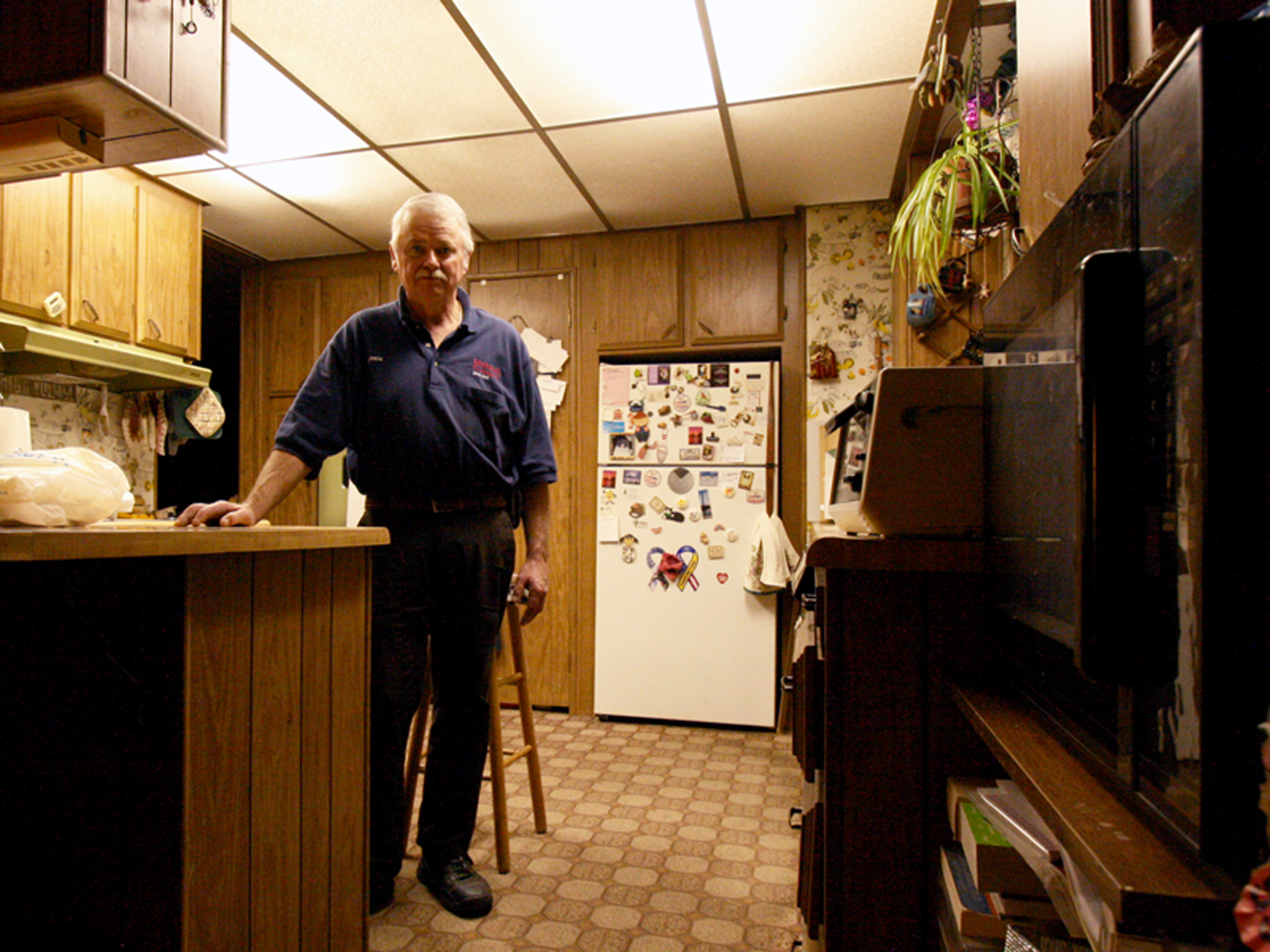
"caption": "Gail Fulbeck and her husband paid $2,500 a month for health insurance in 2013. This year, they signed up for a Covered California plan and pay $165. (Lauren Whaley/Center for Health Reporting)",
"description": "Gail Fulbeck, 64, paid $2,555 a month for health coverage for herself and her husband before enrolling in Covered California. She now pays about $165 per month for what she says is equivalent coverage. (Lauren M. Whaley/CHCF Center for Health Reporting)",
"title": "Gail Fulbeck profile pic",
"credit": null,
"status": "inherit",
"isLoading": false,
"fetchFailed": false
},
"stateofhealth_22350": {
"type": "attachments",
"id": "stateofhealth_22350",
"meta": {
"index": "attachments_1716263798",
"site": "stateofhealth",
"id": "22350",
"found": true
},
"parent": 22342,
"imgSizes": {
"thumbnail": {
"file": "https://ww2.kqed.org/app/uploads/sites/27/2014/11/5161_transform-400x225.jpg",
"width": 400,
"mimeType": "image/jpeg",
"height": 225
},
"fd-sm": {
"file": "https://ww2.kqed.org/app/uploads/sites/27/2014/11/5161_transform-320x180.jpg",
"width": 320,
"mimeType": "image/jpeg",
"height": 180
},
"kqedFullSize": {
"file": "https://ww2.kqed.org/app/uploads/sites/27/2014/11/5161_transform.jpg",
"width": 640,
"height": 360
},
"guest-author-96": {
"file": "https://ww2.kqed.org/app/uploads/sites/27/2014/11/5161_transform-96x96.jpg",
"width": 96,
"mimeType": "image/jpeg",
"height": 96
},
"guest-author-64": {
"file": "https://ww2.kqed.org/app/uploads/sites/27/2014/11/5161_transform-64x64.jpg",
"width": 64,
"mimeType": "image/jpeg",
"height": 64
},
"detail": {
"file": "https://ww2.kqed.org/app/uploads/sites/27/2014/11/5161_transform-75x75.jpg",
"width": 75,
"mimeType": "image/jpeg",
"height": 75
},
"guest-author-32": {
"file": "https://ww2.kqed.org/app/uploads/sites/27/2014/11/5161_transform-32x32.jpg",
"width": 32,
"mimeType": "image/jpeg",
"height": 32
},
"guest-author-128": {
"file": "https://ww2.kqed.org/app/uploads/sites/27/2014/11/5161_transform-128x128.jpg",
"width": 128,
"mimeType": "image/jpeg",
"height": 128
}
},
"publishDate": 1415066011,
"modified": 1415066011,
"caption": "The law would require health insurers to publicly disclose and justify their rates. (Getty Images)",
"description": "The law would require health insurers to publicly disclose and justify their rates. (Getty Images)",
"title": "5161_transform",
"credit": null,
"status": "inherit",
"isLoading": false,
"fetchFailed": false
}
},
"audioPlayerReducer": {
"postId": "stream_live",
"isPaused": true,
"isPlaying": false,
"pfsActive": false,
"pledgeModalIsOpen": true,
"playerDrawerIsOpen": false,
"liveAudioPlayStartedAt": 0,
"liveAudioPlayContext": ""
},
"authorsReducer": {
"lisaaliferis": {
"type": "authors",
"id": "240",
"meta": {
"index": "authors_1716337520",
"id": "240",
"found": true
},
"name": "Lisa Aliferis",
"firstName": "Lisa",
"lastName": "Aliferis",
"slug": "lisaaliferis",
"email": "laliferis@kqed.org",
"display_author_email": false,
"staff_mastheads": [],
"title": "KQED Contributor",
"bio": "Lisa Aliferis is the founding editor of KQED's \u003cem>State of Health\u003c/em> blog. Since 2011, she's been writing and editing stories for the site. Before taking up blogging, she toiled for many years (more than we can count) producing health stories for television, including\u003cem> Dateline NBC\u003c/em> and San Francisco's CBS affiliate, KPIX-TV. She also wrote up a \u003ca title=\"http://www.kqed.org/news/health/obamacare/obamacare-guide.jsp\" href=\"http://www.kqed.org/news/health/obamacare/obamacare-guide.jsp\">handy guide to the Affordable Care Act\u003c/a>, especially for Californians. Her work has been honored for many awards. Most recently she was a finalist for \"Best Topical Reporting\" from the Online News Association. You can follow her on Twitter: \u003ca title=\"https://twitter.com/laliferis\" href=\"https://twitter.com/laliferis\">@laliferis\u003c/a>",
"avatar": "https://secure.gravatar.com/avatar/86c339d5cdcb0dcd2b6cf5d7c3f5886b?s=600&d=mm&r=g",
"twitter": "laliferis",
"facebook": null,
"instagram": null,
"linkedin": null,
"sites": [
{
"site": "news",
"roles": [
"subscriber"
]
},
{
"site": "futureofyou",
"roles": [
"subscriber"
]
},
{
"site": "stateofhealth",
"roles": [
"subscriber"
]
},
{
"site": "science",
"roles": [
"subscriber"
]
},
{
"site": "food",
"roles": []
}
],
"headData": {
"title": "Lisa Aliferis | KQED",
"description": "KQED Contributor",
"ogImgSrc": "https://secure.gravatar.com/avatar/86c339d5cdcb0dcd2b6cf5d7c3f5886b?s=600&d=mm&r=g",
"twImgSrc": "https://secure.gravatar.com/avatar/86c339d5cdcb0dcd2b6cf5d7c3f5886b?s=600&d=mm&r=g"
},
"isLoading": false,
"link": "/author/lisaaliferis"
},
"adembosky": {
"type": "authors",
"id": "3205",
"meta": {
"index": "authors_1716337520",
"id": "3205",
"found": true
},
"name": "April Dembosky",
"firstName": "April",
"lastName": "Dembosky",
"slug": "adembosky",
"email": "adembosky@kqed.org",
"display_author_email": false,
"staff_mastheads": [
"news",
"science"
],
"title": "KQED Health Correspondent",
"bio": "April Dembosky is the health correspondent for KQED News and a regular contributor to NPR. She specializes in covering altered states of mind, from postpartum depression to methamphetamine-induced psychosis to the insanity defense. Her investigative series on insurance companies sidestepping mental health laws won multiple awards, including first place in beat reporting from the national Association of Health Care Journalists. She is the recipient of numerous other prizes and fellowships, including a national Edward R. Murrow award for investigative reporting, a Society of Professional Journalists award for long-form storytelling, and a Carter Center Fellowship for Mental Health Journalism.\r\n\r\nDembosky reported and produced \u003cem>Soundtrack of Silence\u003c/em>, an audio documentary about music and memory that is currently being made into a feature film by Paramount Pictures.\r\n\r\nBefore joining KQED in 2013, Dembosky covered technology and Silicon Valley for \u003cem>The Financial Times of London,\u003c/em> and contributed business and arts stories to \u003cem>Marketplace \u003c/em>and \u003cem>The New York Times.\u003c/em> She got her undergraduate degree in philosophy from Smith College and her master's in journalism from the University of California, Berkeley. She is a classically trained violinist and proud alum of the first symphony orchestra at Burning Man.",
"avatar": "https://secure.gravatar.com/avatar/d6593cd737b732102fe0b6250b5351c2d3bc9b2987566514aa3c9a106494d684?s=600&d=blank&r=g",
"twitter": "adembosky",
"bluesky": null,
"facebook": null,
"instagram": null,
"linkedin": null,
"sites": [
{
"site": "arts",
"roles": [
"author"
]
},
{
"site": "news",
"roles": [
"editor"
]
},
{
"site": "futureofyou",
"roles": [
"author"
]
},
{
"site": "stateofhealth",
"roles": [
"editor"
]
},
{
"site": "science",
"roles": [
"editor"
]
},
{
"site": "forum",
"roles": [
"editor"
]
}
],
"headData": {
"title": "April Dembosky | KQED",
"description": "KQED Health Correspondent",
"ogImgSrc": "https://secure.gravatar.com/avatar/d6593cd737b732102fe0b6250b5351c2d3bc9b2987566514aa3c9a106494d684?s=600&d=blank&r=g",
"twImgSrc": "https://secure.gravatar.com/avatar/d6593cd737b732102fe0b6250b5351c2d3bc9b2987566514aa3c9a106494d684?s=600&d=blank&r=g"
},
"isLoading": false,
"link": "/author/adembosky"
},
"state-of-health": {
"type": "authors",
"id": "8344",
"meta": {
"index": "authors_1716337520",
"id": "8344",
"found": true
},
"name": "State of Health",
"firstName": "State of Health",
"lastName": null,
"slug": "state-of-health",
"email": "stateofhealth@kqed.org",
"display_author_email": false,
"staff_mastheads": [],
"title": null,
"bio": null,
"avatar": "https://secure.gravatar.com/avatar/66de4bf6d331fa7402bba1ffe8135e17?s=600&d=blank&r=g",
"twitter": null,
"facebook": null,
"instagram": null,
"linkedin": null,
"sites": [
{
"site": "arts",
"roles": [
"author"
]
},
{
"site": "stateofhealth",
"roles": [
"editor"
]
}
],
"headData": {
"title": "State of Health | KQED",
"description": null,
"ogImgSrc": "https://secure.gravatar.com/avatar/66de4bf6d331fa7402bba1ffe8135e17?s=600&d=blank&r=g",
"twImgSrc": "https://secure.gravatar.com/avatar/66de4bf6d331fa7402bba1ffe8135e17?s=600&d=blank&r=g"
},
"isLoading": false,
"link": "/author/state-of-health"
}
},
"pagesReducer": {
"stateofhealth_category_reform": {
"type": "terms",
"id": "stateofhealth_15",
"meta": {
"index": "terms_1716263798",
"site": "stateofhealth",
"id": "15",
"score": 13.558132
},
"featImg": null,
"name": "Obamacare",
"description": "The Affordable Care Act celebrates its seventh birthday this year. California has embraced the law, but will it survive a new Congress and President? \r\n",
"taxonomy": "category",
"headData": {
"twImgId": null,
"twTitle": null,
"ogTitle": null,
"ogImgId": null,
"twDescription": null,
"description": "The Affordable Care Act celebrates its seventh birthday this year. California has embraced the law, but will it survive a new Congress and President?",
"title": "Obamacare Archives | KQED Arts",
"ogDescription": null
},
"ttid": 15,
"slug": "reform",
"isLoading": false,
"title": "Obamacare",
"pageMeta": {
"site": "stateofhealth",
"WpPageTemplate": "page-topic-editorial",
"currentPage": 12
},
"blocks": [
{
"blockName": "kqed/company-paragraph",
"content": "The Affordable Care Act celebrates its seventh birthday this year. California has embraced the law, but will it survive a new Congress and President? \r\n"
},
{
"blockName": "kqed/post-list",
"attrs": {
"layout": "cardArticle2",
"query": "posts/stateofhealth?category=reform",
"seeMore": false,
"paginated": true,
"page": 12
}
},
{
"blockName": "kqed/ad"
}
]
}
},
"pfsSessionReducer": {},
"postsReducer": {
"stream_live": {
"type": "live",
"id": "stream_live",
"audioUrl": "https://hls.kqed.org/hls/kqed_app/playlist.m3u8",
"title": "Live Stream",
"excerpt": "Live Stream information currently unavailable.",
"link": "/radio",
"featImg": "",
"label": {
"name": "KQED Live",
"link": "/"
}
},
"stream_kqedNewscast": {
"type": "posts",
"id": "stream_kqedNewscast",
"audioUrl": "https://www.kqed.org/.stream/anon/radio/RDnews/newscast.mp3?_=1",
"title": "KQED Newscast",
"featImg": "",
"label": {
"name": "88.5 FM",
"link": "/"
}
},
"stateofhealth_23291": {
"type": "posts",
"id": "stateofhealth_23291",
"meta": {
"index": "posts_1716263798",
"site": "stateofhealth",
"id": "23291",
"score": null,
"sort": [
1420054579000
]
},
"parent": 0,
"labelTerm": {
"site": "stateofhealth"
},
"blocks": [],
"publishDate": 1420054579,
"format": "aside",
"disqusTitle": "Top 5 Stories on State of Health in 2014",
"title": "Top 5 Stories on State of Health in 2014",
"headTitle": "State of Health | KQED News",
"content": "\u003cfigure id=\"attachment_23293\" class=\"wp-caption aligncenter\" style=\"max-width: 640px\">\u003ca href=\"http://ww2.kqed.org/stateofhealth/wp-content/uploads/sites/27/2014/12/481872851-e1420054138323.jpg\">\u003cimg class=\"size-large wp-image-23293\" title=\"\" src=\"http://ww2.kqed.org/stateofhealth/wp-content/uploads/sites/27/2014/12/481872851-640x425.jpg\" alt=\"President Obama took a victory lap on Apr. 1 as the first open enrollment of the Affordable Care Act came to a close and millions had signed up. A story about the ACA was in State of Health's top five posts this year. (Nicholas Kamm/AFP/Getty Images)\" width=\"640\" height=\"425\">\u003c/a>\u003cfigcaption class=\"wp-caption-text\">President Obama took a victory lap on Apr. 1 as the first open enrollment of the Affordable Care Act came to a close and millions had signed up. A story about the ACA was in State of Health's top five posts this year. (Nicholas Kamm/AFP/Getty Images) \u003ccite>(Nicholas Kamm/AFP/Getty Images)\u003c/cite>\u003c/figcaption>\u003c/figure>\n\u003cp>It's been a big year in health: the launch of the Affordable Care Act, an ongoing Ebola epidemic and the first soda tax in the country, passed by Berkeley voters.\u003c/p>\n\u003cp>Here on State of Health, all those stories got plenty of attention from you, the readers. But the Top 5 might surprise you. We crunched the numbers and here are the posts that netted the most views this year.\u003c/p>\n\u003cp>1) \u003ca title=\"http://ww2.kqed.org/stateofhealth/2014/02/03/what-philip-seymour-hoffmans-death-sadly-teaches-us-about-addiction/\" href=\"http://ww2.kqed.org/stateofhealth/2014/02/03/what-philip-seymour-hoffmans-death-sadly-teaches-us-about-addiction/\" target=\"_blank\">What Philip Seymour Hoffman's Tragic Death Teaches Us About Addiction\u003c/a>\u003c/p>\n\u003cfigure id=\"attachment_17429\" class=\"wp-caption aligncenter\" style=\"max-width: 640px\">\u003ca href=\"http://ww2.kqed.org/stateofhealth/wp-content/uploads/sites/27/2014/02/RS8528_450461661-hpf.jpg\">\u003cimg class=\"size-full wp-image-17429\" title=\"\" src=\"http://ww2.kqed.org/stateofhealth/wp-content/uploads/sites/27/2014/02/RS8528_450461661-hpf.jpg\" alt=\"Philip Seymour Hoffman arrives for the Los Angeles premiere of 'The Hunger Games: Catching Fire' in Los Angeles, California, last November. Robyn Beck/AFP/Getty Images)\" width=\"640\" height=\"431\" srcset=\"https://ww2.kqed.org/app/uploads/sites/27/2014/02/RS8528_450461661-hpf.jpg 640w, https://ww2.kqed.org/app/uploads/sites/27/2014/02/RS8528_450461661-hpf-400x269.jpg 400w, https://ww2.kqed.org/app/uploads/sites/27/2014/02/RS8528_450461661-hpf-320x216.jpg 320w\" sizes=\"(max-width: 640px) 100vw, 640px\">\u003c/a>\u003cfigcaption class=\"wp-caption-text\">Philip Seymour Hoffman arrives for the Los Angeles premiere of 'The Hunger Games: Catching Fire' in Los Angeles, California, last November. Robyn Beck/AFP/Getty Images)\u003c/figcaption>\u003c/figure>\n\u003cp>We all know the sad details. In February, Philip Seymour Hoffman died of a drug overdose. He had been an addict as a young man, but given up drugs and alcohol at 22. His relapse cost him his life. But what troubled me most after his death were the heartless social media attacks about his \"selfishness\" and \"poor choices.\"\u003c!--more-->\u003c/p>\n\u003cp>Everyone weighed in after Hoffman's death, so I wrote a short post about the disease of addiction. “Diabetes is a disease of the pancreas. Addiction is a disease of the brain,” Dr. David Smith, founder of the Haight-Ashbury Free Clinic told me.\u003c/p>\n\u003cp>[ad fullwidth]\u003c/p>\n\u003cp>If you don’t think addiction is a disease, he added, “then take a laxative, sit on the toilet and try not to have a bowel movement.” Yes, a simplistic analogy, he said, “but effective.”\u003c/p>\n\u003cp>The short post went viral and became the most read State of Health post this year. It also generated scores of comments, many from family members of addicts.\u003c/p>\n\u003cp>2) \u003ca title=\"http://ww2.kqed.org/stateofhealth/2014/08/26/earthquake-safety-stand-in-a-doorway/\" href=\"http://ww2.kqed.org/stateofhealth/2014/08/26/earthquake-safety-stand-in-a-doorway/\" target=\"_blank\">Earthquake Safety: Stand In A Doorway?\u003c/a>\u003c/p>\n\u003cfigure id=\"attachment_21034\" class=\"wp-caption aligncenter\" style=\"max-width: 640px\">\u003ca href=\"http://ww2.kqed.org/stateofhealth/wp-content/uploads/sites/27/2014/08/454076420-e1420055410857.jpg\">\u003cimg class=\"size-large wp-image-21034\" title=\"\" src=\"http://ww2.kqed.org/stateofhealth/wp-content/uploads/sites/27/2014/08/454076420-640x476.jpg\" alt=\"Police officers in Napa prop up a fallen door in front of a damaged building following Sunday's earthquake there. (Justin Sullivan/Getty Images)\" width=\"640\" height=\"476\">\u003c/a>\u003cfigcaption class=\"wp-caption-text\">Police officers in Napa prop up a fallen door in front of a damaged building following Sunday's earthquake there. (Justin Sullivan/Getty Images)\u003c/figcaption>\u003c/figure>\n\u003cp>Early Sunday morning on Aug. 24, a magnitude 6.0\u003ca title=\"http://ww2.kqed.org/stateofhealth/wp-admin/post-new.php\" href=\"http://ww2.kqed.org/stateofhealth/wp-admin/post-new.php\" target=\"_blank\"> earthquake rolled through the Bay Area\u003c/a>. The epicenter was south of Napa, and damage in that city was extensive.\u003c/p>\n\u003cp>A couple days after the quake, I became troubled when several of my colleagues mentioned \"standing in a doorway\" was a safe thing to do in an earthquake.\u003c/p>\n\u003cp>I knew this was wrong. Really wrong. In all likelihood, the idea of the doorway being safe in a quake goes back to the 19th century, when homes were built of adobe. Adobe crumbles in an earthquake and the only thing left standing would be the wood-framing of the doorway.\u003c/p>\n\u003cp>Not many people live in adobe homes these days. Instead, experts say to drop, cover and hold on.\u003c/p>\n\u003cp>3) \u003ca title=\"http://ww2.kqed.org/stateofhealth/2014/09/11/vaccine-opt-out-rate-doubled-in-7-years-look-up-your-school-online/\" href=\"http://ww2.kqed.org/stateofhealth/2014/09/11/vaccine-opt-out-rate-doubled-in-7-years-look-up-your-school-online/\" target=\"_blank\">Vaccine Opt-Out Rate Doubled in 7 Years; Look Up Your School Online\u003c/a>\u003c/p>\n\u003cfigure id=\"attachment_5990\" class=\"wp-caption aligncenter\" style=\"max-width: 620px\">\u003ca href=\"http://ww2.kqed.org/stateofhealth/wp-content/uploads/sites/27/2012/05/Vaccination-Large-Jeff-J-Mitchell-Getty-e1411754682989.jpg\">\u003cimg class=\"size-large wp-image-5990\" title=\"\" src=\"http://ww2.kqed.org/stateofhealth/wp-content/uploads/sites/27/2012/05/Vaccination-Large-Jeff-J-Mitchell-Getty-620x398.jpg\" alt=\"(Jeff J. Mitchell: Getty Images)\" width=\"620\" height=\"398\">\u003c/a>\u003cfigcaption class=\"wp-caption-text\">(Jeff J. Mitchell: Getty Images)\u003c/figcaption>\u003c/figure>\n\u003cp>The rate of parents choosing not to vaccinate their children doubled over seven years. Olivia Allen-Price used \u003ca title=\"http://ww2.kqed.org/stateofhealth/2014/09/11/our-vaccine-database-methodology/\" href=\"http://ww2.kqed.org/stateofhealth/2014/09/11/our-vaccine-database-methodology/\" target=\"_blank\">seven years of state data \u003c/a>of vaccine rates at 8,220 public, private and parochial schools statewide to create an easy look-up tool where parents could see what the opt-out rate is at their own school. We followed up with\u003ca title=\"http://ww2.kqed.org/stateofhealth/2014/09/26/vaccine-opt-out-rate-at-sons-school-is-32-percent-should-i-freak-out/\" href=\"http://ww2.kqed.org/stateofhealth/2014/09/26/vaccine-opt-out-rate-at-sons-school-is-32-percent-should-i-freak-out/\" target=\"_blank\"> a story about a parent \u003c/a>who wondered, \"Should I freak out?\" when he discovered the opt-out rate at his son's school was 32 percent.\u003c/p>\n\u003cp>4) \u003ca title=\"http://ww2.kqed.org/stateofhealth/2013/10/09/for-legal-immigrants-obamacare-has-options-for-aging-parents/\" href=\"http://ww2.kqed.org/stateofhealth/2013/10/09/for-legal-immigrants-obamacare-has-options-for-aging-parents/\" target=\"_blank\">For Legal Immigrants, Obamacare Has Options for Aging Parents\u003c/a>\u003c/p>\n\u003cfigure id=\"attachment_15577\" class=\"wp-caption aligncenter\" style=\"max-width: 640px\">\u003ca href=\"http://ww2.kqed.org/stateofhealth/wp-content/uploads/sites/27/2013/10/172615408-e1387329913378.jpg\">\u003cimg class=\"size-full wp-image-15577\" title=\"\" src=\"http://ww2.kqed.org/stateofhealth/wp-content/uploads/sites/27/2013/10/172615408-e1387329913378.jpg\" alt=\"A view of the the Statue of Liberty. (Timothy Clary/AFP/Getty Images)\" width=\"640\" height=\"472\" srcset=\"https://ww2.kqed.org/app/uploads/sites/27/2013/10/172615408-e1387329913378.jpg 640w, https://ww2.kqed.org/app/uploads/sites/27/2013/10/172615408-e1387329913378-400x295.jpg 400w, https://ww2.kqed.org/app/uploads/sites/27/2013/10/172615408-e1387329913378-320x236.jpg 320w\" sizes=\"(max-width: 640px) 100vw, 640px\">\u003c/a>\u003cfigcaption class=\"wp-caption-text\">A view of the the Statue of Liberty. (Timothy Clary/AFP/Getty Images)\u003c/figcaption>\u003c/figure>\n\u003cp>Of all the stories about the Affordable Care Act we have written (and there have been \u003ca title=\"http://ww2.kqed.org/stateofhealth/category/reform/\" href=\"http://ww2.kqed.org/stateofhealth/category/reform/\" target=\"_blank\">a lot of them\u003c/a>), this one -- about options for aging parents of legal immigrants -- got the most traffic. Why? Because before Obamacare, newly-arrived aging immigrants had few health insurance options. They were not eligible for Medicare, and because of the existence of Medicare, there was virtually no insurance market for people over 65. Under the ACA, lawfully present immigrants are eligible to apply for insurance on the Obamacare exchanges, including Covered California.\u003c/p>\n\u003cp>KQED's \u003ca title=\"http://www.kqed.org/news/health/obamacare/obamacare-guide.jsp\" href=\"http://www.kqed.org/news/health/obamacare/obamacare-guide.jsp\" target=\"_blank\">Obamacare Guide\u003c/a>, while not technically a post on State of Health was produced by the State of Health team, and it continues to get the most views of any of our Obamacare coverage.\u003c/p>\n\u003cp>5)\u003ca title=\"http://ww2.kqed.org/stateofhealth/2014/06/23/share-your-bill-make-health-costs-transparent-in-california/\" href=\"http://ww2.kqed.org/stateofhealth/2014/06/23/share-your-bill-make-health-costs-transparent-in-california/\" target=\"_blank\"> PriceCheck Project: Creating A Database of Real Health Care Costs\u003c/a>\u003c/p>\n\u003cfigure id=\"attachment_19667\" class=\"wp-caption aligncenter\" style=\"max-width: 640px\">\u003ca href=\"http://ww2.kqed.org/stateofhealth/wp-content/uploads/sites/27/2014/06/RS10943_Facebook_Final-hpf.jpg\">\u003cimg class=\"size-full wp-image-19667\" title=\"\" src=\"http://ww2.kqed.org/stateofhealth/wp-content/uploads/sites/27/2014/06/RS10943_Facebook_Final-hpf.jpg\" alt=\"(Illustration: Andy Warner)\" width=\"640\" height=\"206\" srcset=\"https://ww2.kqed.org/app/uploads/sites/27/2014/06/RS10943_Facebook_Final-hpf.jpg 640w, https://ww2.kqed.org/app/uploads/sites/27/2014/06/RS10943_Facebook_Final-hpf-400x129.jpg 400w, https://ww2.kqed.org/app/uploads/sites/27/2014/06/RS10943_Facebook_Final-hpf-320x103.jpg 320w\" sizes=\"(max-width: 640px) 100vw, 640px\">\u003c/a>\u003cfigcaption class=\"wp-caption-text\">(Illustration: Andy Warner)\u003c/figcaption>\u003c/figure>\n\u003cp>Health care costs are notoriously opaque and wildly variable. So, we teamed up with LA's KPCC, and ClearHealthCosts.com, a New York City start-up, to launch PriceCheck, a crowdsourced database of health care costs. We launched in June and held our breath. Would you, our audience, share your prices? Yes, hundreds of you did. Thousands more searched our database looking for real prices. We'll be back in 2015 with more \u003ca title=\"http://pricecheck-healthcosts.tumblr.com\" href=\"http://pricecheck-healthcosts.tumblr.com\" target=\"_blank\">PriceCheck stories\u003c/a>. But for now, thank you for making this project such a success.\u003c/p>\n\u003cp>\u003c/p>\n\u003cp>We appreciate your being part of the State of Health community, and we look forward to sharing more health stories with you in 2015!\u003c/p>\n\n",
"disqusIdentifier": "23291 http://blogs.kqed.org/stateofhealth/?p=23291",
"disqusUrl": "https://ww2.kqed.org/stateofhealth/2014/12/31/top-5-stories-on-state-of-health-in-2014/",
"stats": {
"hasVideo": false,
"hasChartOrMap": false,
"hasAudio": false,
"hasPolis": false,
"wordCount": 873,
"hasGoogleForm": false,
"hasGallery": false,
"hasHearkenModule": false,
"iframeSrcs": [],
"paragraphCount": 22
},
"modified": 1420139994,
"excerpt": "Yes, the launch of the Affordable Care Act was the biggest health story overall, but which individual posts did you read the most?",
"headData": {
"twImgId": "",
"twTitle": "",
"ogTitle": "",
"ogImgId": "",
"twDescription": "",
"description": "Yes, the launch of the Affordable Care Act was the biggest health story overall, but which individual posts did you read the most?",
"title": "Top 5 Stories on State of Health in 2014 | KQED",
"ogDescription": "",
"schema": {
"@context": "https://schema.org",
"@type": "Article",
"headline": "Top 5 Stories on State of Health in 2014",
"datePublished": "2014-12-31T11:36:19-08:00",
"dateModified": "2015-01-01T11:19:54-08:00",
"image": "https://cdn.kqed.org/wp-content/uploads/2020/02/KQED-OG-Image@1x.png"
}
},
"guestAuthors": [],
"slug": "top-5-stories-on-state-of-health-in-2014",
"status": "publish",
"path": "/stateofhealth/23291/top-5-stories-on-state-of-health-in-2014",
"audioTrackLength": null,
"parsedContent": [
{
"type": "contentString",
"content": "\u003cdiv class=\"post-body\">\u003cp>\u003cfigure id=\"attachment_23293\" class=\"wp-caption aligncenter\" style=\"max-width: 640px\">\u003ca href=\"http://ww2.kqed.org/stateofhealth/wp-content/uploads/sites/27/2014/12/481872851-e1420054138323.jpg\">\u003cimg class=\"size-large wp-image-23293\" title=\"\" src=\"http://ww2.kqed.org/stateofhealth/wp-content/uploads/sites/27/2014/12/481872851-640x425.jpg\" alt=\"President Obama took a victory lap on Apr. 1 as the first open enrollment of the Affordable Care Act came to a close and millions had signed up. A story about the ACA was in State of Health's top five posts this year. (Nicholas Kamm/AFP/Getty Images)\" width=\"640\" height=\"425\">\u003c/a>\u003cfigcaption class=\"wp-caption-text\">President Obama took a victory lap on Apr. 1 as the first open enrollment of the Affordable Care Act came to a close and millions had signed up. A story about the ACA was in State of Health's top five posts this year. (Nicholas Kamm/AFP/Getty Images) \u003ccite>(Nicholas Kamm/AFP/Getty Images)\u003c/cite>\u003c/figcaption>\u003c/figure>\n\u003cp>It's been a big year in health: the launch of the Affordable Care Act, an ongoing Ebola epidemic and the first soda tax in the country, passed by Berkeley voters.\u003c/p>\n\u003cp>Here on State of Health, all those stories got plenty of attention from you, the readers. But the Top 5 might surprise you. We crunched the numbers and here are the posts that netted the most views this year.\u003c/p>\n\u003cp>1) \u003ca title=\"http://ww2.kqed.org/stateofhealth/2014/02/03/what-philip-seymour-hoffmans-death-sadly-teaches-us-about-addiction/\" href=\"http://ww2.kqed.org/stateofhealth/2014/02/03/what-philip-seymour-hoffmans-death-sadly-teaches-us-about-addiction/\" target=\"_blank\">What Philip Seymour Hoffman's Tragic Death Teaches Us About Addiction\u003c/a>\u003c/p>\n\u003cfigure id=\"attachment_17429\" class=\"wp-caption aligncenter\" style=\"max-width: 640px\">\u003ca href=\"http://ww2.kqed.org/stateofhealth/wp-content/uploads/sites/27/2014/02/RS8528_450461661-hpf.jpg\">\u003cimg class=\"size-full wp-image-17429\" title=\"\" src=\"http://ww2.kqed.org/stateofhealth/wp-content/uploads/sites/27/2014/02/RS8528_450461661-hpf.jpg\" alt=\"Philip Seymour Hoffman arrives for the Los Angeles premiere of 'The Hunger Games: Catching Fire' in Los Angeles, California, last November. Robyn Beck/AFP/Getty Images)\" width=\"640\" height=\"431\" srcset=\"https://ww2.kqed.org/app/uploads/sites/27/2014/02/RS8528_450461661-hpf.jpg 640w, https://ww2.kqed.org/app/uploads/sites/27/2014/02/RS8528_450461661-hpf-400x269.jpg 400w, https://ww2.kqed.org/app/uploads/sites/27/2014/02/RS8528_450461661-hpf-320x216.jpg 320w\" sizes=\"(max-width: 640px) 100vw, 640px\">\u003c/a>\u003cfigcaption class=\"wp-caption-text\">Philip Seymour Hoffman arrives for the Los Angeles premiere of 'The Hunger Games: Catching Fire' in Los Angeles, California, last November. Robyn Beck/AFP/Getty Images)\u003c/figcaption>\u003c/figure>\n\u003cp>We all know the sad details. In February, Philip Seymour Hoffman died of a drug overdose. He had been an addict as a young man, but given up drugs and alcohol at 22. His relapse cost him his life. But what troubled me most after his death were the heartless social media attacks about his \"selfishness\" and \"poor choices.\"\u003c!--more-->\u003c/p>\n\u003cp>Everyone weighed in after Hoffman's death, so I wrote a short post about the disease of addiction. “Diabetes is a disease of the pancreas. Addiction is a disease of the brain,” Dr. David Smith, founder of the Haight-Ashbury Free Clinic told me.\u003c/p>\n\u003cp>\u003c/p>\u003c/div>",
"attributes": {
"named": {},
"numeric": []
}
},
{
"type": "component",
"content": "",
"name": "ad",
"attributes": {
"named": {
"label": "fullwidth"
},
"numeric": [
"fullwidth"
]
}
},
{
"type": "contentString",
"content": "\u003cdiv class=\"post-body\">\u003cp>\u003c/p>\n\u003cp>If you don’t think addiction is a disease, he added, “then take a laxative, sit on the toilet and try not to have a bowel movement.” Yes, a simplistic analogy, he said, “but effective.”\u003c/p>\n\u003cp>The short post went viral and became the most read State of Health post this year. It also generated scores of comments, many from family members of addicts.\u003c/p>\n\u003cp>2) \u003ca title=\"http://ww2.kqed.org/stateofhealth/2014/08/26/earthquake-safety-stand-in-a-doorway/\" href=\"http://ww2.kqed.org/stateofhealth/2014/08/26/earthquake-safety-stand-in-a-doorway/\" target=\"_blank\">Earthquake Safety: Stand In A Doorway?\u003c/a>\u003c/p>\n\u003cfigure id=\"attachment_21034\" class=\"wp-caption aligncenter\" style=\"max-width: 640px\">\u003ca href=\"http://ww2.kqed.org/stateofhealth/wp-content/uploads/sites/27/2014/08/454076420-e1420055410857.jpg\">\u003cimg class=\"size-large wp-image-21034\" title=\"\" src=\"http://ww2.kqed.org/stateofhealth/wp-content/uploads/sites/27/2014/08/454076420-640x476.jpg\" alt=\"Police officers in Napa prop up a fallen door in front of a damaged building following Sunday's earthquake there. (Justin Sullivan/Getty Images)\" width=\"640\" height=\"476\">\u003c/a>\u003cfigcaption class=\"wp-caption-text\">Police officers in Napa prop up a fallen door in front of a damaged building following Sunday's earthquake there. (Justin Sullivan/Getty Images)\u003c/figcaption>\u003c/figure>\n\u003cp>Early Sunday morning on Aug. 24, a magnitude 6.0\u003ca title=\"http://ww2.kqed.org/stateofhealth/wp-admin/post-new.php\" href=\"http://ww2.kqed.org/stateofhealth/wp-admin/post-new.php\" target=\"_blank\"> earthquake rolled through the Bay Area\u003c/a>. The epicenter was south of Napa, and damage in that city was extensive.\u003c/p>\n\u003cp>A couple days after the quake, I became troubled when several of my colleagues mentioned \"standing in a doorway\" was a safe thing to do in an earthquake.\u003c/p>\n\u003cp>I knew this was wrong. Really wrong. In all likelihood, the idea of the doorway being safe in a quake goes back to the 19th century, when homes were built of adobe. Adobe crumbles in an earthquake and the only thing left standing would be the wood-framing of the doorway.\u003c/p>\n\u003cp>Not many people live in adobe homes these days. Instead, experts say to drop, cover and hold on.\u003c/p>\n\u003cp>3) \u003ca title=\"http://ww2.kqed.org/stateofhealth/2014/09/11/vaccine-opt-out-rate-doubled-in-7-years-look-up-your-school-online/\" href=\"http://ww2.kqed.org/stateofhealth/2014/09/11/vaccine-opt-out-rate-doubled-in-7-years-look-up-your-school-online/\" target=\"_blank\">Vaccine Opt-Out Rate Doubled in 7 Years; Look Up Your School Online\u003c/a>\u003c/p>\n\u003cfigure id=\"attachment_5990\" class=\"wp-caption aligncenter\" style=\"max-width: 620px\">\u003ca href=\"http://ww2.kqed.org/stateofhealth/wp-content/uploads/sites/27/2012/05/Vaccination-Large-Jeff-J-Mitchell-Getty-e1411754682989.jpg\">\u003cimg class=\"size-large wp-image-5990\" title=\"\" src=\"http://ww2.kqed.org/stateofhealth/wp-content/uploads/sites/27/2012/05/Vaccination-Large-Jeff-J-Mitchell-Getty-620x398.jpg\" alt=\"(Jeff J. Mitchell: Getty Images)\" width=\"620\" height=\"398\">\u003c/a>\u003cfigcaption class=\"wp-caption-text\">(Jeff J. Mitchell: Getty Images)\u003c/figcaption>\u003c/figure>\n\u003cp>The rate of parents choosing not to vaccinate their children doubled over seven years. Olivia Allen-Price used \u003ca title=\"http://ww2.kqed.org/stateofhealth/2014/09/11/our-vaccine-database-methodology/\" href=\"http://ww2.kqed.org/stateofhealth/2014/09/11/our-vaccine-database-methodology/\" target=\"_blank\">seven years of state data \u003c/a>of vaccine rates at 8,220 public, private and parochial schools statewide to create an easy look-up tool where parents could see what the opt-out rate is at their own school. We followed up with\u003ca title=\"http://ww2.kqed.org/stateofhealth/2014/09/26/vaccine-opt-out-rate-at-sons-school-is-32-percent-should-i-freak-out/\" href=\"http://ww2.kqed.org/stateofhealth/2014/09/26/vaccine-opt-out-rate-at-sons-school-is-32-percent-should-i-freak-out/\" target=\"_blank\"> a story about a parent \u003c/a>who wondered, \"Should I freak out?\" when he discovered the opt-out rate at his son's school was 32 percent.\u003c/p>\n\u003cp>4) \u003ca title=\"http://ww2.kqed.org/stateofhealth/2013/10/09/for-legal-immigrants-obamacare-has-options-for-aging-parents/\" href=\"http://ww2.kqed.org/stateofhealth/2013/10/09/for-legal-immigrants-obamacare-has-options-for-aging-parents/\" target=\"_blank\">For Legal Immigrants, Obamacare Has Options for Aging Parents\u003c/a>\u003c/p>\n\u003cfigure id=\"attachment_15577\" class=\"wp-caption aligncenter\" style=\"max-width: 640px\">\u003ca href=\"http://ww2.kqed.org/stateofhealth/wp-content/uploads/sites/27/2013/10/172615408-e1387329913378.jpg\">\u003cimg class=\"size-full wp-image-15577\" title=\"\" src=\"http://ww2.kqed.org/stateofhealth/wp-content/uploads/sites/27/2013/10/172615408-e1387329913378.jpg\" alt=\"A view of the the Statue of Liberty. (Timothy Clary/AFP/Getty Images)\" width=\"640\" height=\"472\" srcset=\"https://ww2.kqed.org/app/uploads/sites/27/2013/10/172615408-e1387329913378.jpg 640w, https://ww2.kqed.org/app/uploads/sites/27/2013/10/172615408-e1387329913378-400x295.jpg 400w, https://ww2.kqed.org/app/uploads/sites/27/2013/10/172615408-e1387329913378-320x236.jpg 320w\" sizes=\"(max-width: 640px) 100vw, 640px\">\u003c/a>\u003cfigcaption class=\"wp-caption-text\">A view of the the Statue of Liberty. (Timothy Clary/AFP/Getty Images)\u003c/figcaption>\u003c/figure>\n\u003cp>Of all the stories about the Affordable Care Act we have written (and there have been \u003ca title=\"http://ww2.kqed.org/stateofhealth/category/reform/\" href=\"http://ww2.kqed.org/stateofhealth/category/reform/\" target=\"_blank\">a lot of them\u003c/a>), this one -- about options for aging parents of legal immigrants -- got the most traffic. Why? Because before Obamacare, newly-arrived aging immigrants had few health insurance options. They were not eligible for Medicare, and because of the existence of Medicare, there was virtually no insurance market for people over 65. Under the ACA, lawfully present immigrants are eligible to apply for insurance on the Obamacare exchanges, including Covered California.\u003c/p>\n\u003cp>KQED's \u003ca title=\"http://www.kqed.org/news/health/obamacare/obamacare-guide.jsp\" href=\"http://www.kqed.org/news/health/obamacare/obamacare-guide.jsp\" target=\"_blank\">Obamacare Guide\u003c/a>, while not technically a post on State of Health was produced by the State of Health team, and it continues to get the most views of any of our Obamacare coverage.\u003c/p>\n\u003cp>5)\u003ca title=\"http://ww2.kqed.org/stateofhealth/2014/06/23/share-your-bill-make-health-costs-transparent-in-california/\" href=\"http://ww2.kqed.org/stateofhealth/2014/06/23/share-your-bill-make-health-costs-transparent-in-california/\" target=\"_blank\"> PriceCheck Project: Creating A Database of Real Health Care Costs\u003c/a>\u003c/p>\n\u003cfigure id=\"attachment_19667\" class=\"wp-caption aligncenter\" style=\"max-width: 640px\">\u003ca href=\"http://ww2.kqed.org/stateofhealth/wp-content/uploads/sites/27/2014/06/RS10943_Facebook_Final-hpf.jpg\">\u003cimg class=\"size-full wp-image-19667\" title=\"\" src=\"http://ww2.kqed.org/stateofhealth/wp-content/uploads/sites/27/2014/06/RS10943_Facebook_Final-hpf.jpg\" alt=\"(Illustration: Andy Warner)\" width=\"640\" height=\"206\" srcset=\"https://ww2.kqed.org/app/uploads/sites/27/2014/06/RS10943_Facebook_Final-hpf.jpg 640w, https://ww2.kqed.org/app/uploads/sites/27/2014/06/RS10943_Facebook_Final-hpf-400x129.jpg 400w, https://ww2.kqed.org/app/uploads/sites/27/2014/06/RS10943_Facebook_Final-hpf-320x103.jpg 320w\" sizes=\"(max-width: 640px) 100vw, 640px\">\u003c/a>\u003cfigcaption class=\"wp-caption-text\">(Illustration: Andy Warner)\u003c/figcaption>\u003c/figure>\n\u003cp>Health care costs are notoriously opaque and wildly variable. So, we teamed up with LA's KPCC, and ClearHealthCosts.com, a New York City start-up, to launch PriceCheck, a crowdsourced database of health care costs. We launched in June and held our breath. Would you, our audience, share your prices? Yes, hundreds of you did. Thousands more searched our database looking for real prices. We'll be back in 2015 with more \u003ca title=\"http://pricecheck-healthcosts.tumblr.com\" href=\"http://pricecheck-healthcosts.tumblr.com\" target=\"_blank\">PriceCheck stories\u003c/a>. But for now, thank you for making this project such a success.\u003c/p>\n\u003cp>\u003c/p>\n\u003cp>We appreciate your being part of the State of Health community, and we look forward to sharing more health stories with you in 2015!\u003c/p>\n\n\u003c/div>\u003c/p>",
"attributes": {
"named": {},
"numeric": []
}
}
],
"link": "/stateofhealth/23291/top-5-stories-on-state-of-health-in-2014",
"authors": [
"240"
],
"categories": [
"stateofhealth_12",
"stateofhealth_15",
"stateofhealth_14"
],
"featImg": "stateofhealth_23293",
"label": "stateofhealth"
},
"stateofhealth_23107": {
"type": "posts",
"id": "stateofhealth_23107",
"meta": {
"index": "posts_1716263798",
"site": "stateofhealth",
"id": "23107",
"score": null,
"sort": [
1419965616000
]
},
"parent": 0,
"labelTerm": {
"site": "stateofhealth"
},
"blocks": [],
"publishDate": 1419965616,
"format": "aside",
"disqusTitle": "In Far-Northern California, People Have Just One Health Insurance Choice",
"title": "In Far-Northern California, People Have Just One Health Insurance Choice",
"headTitle": "State of Health | KQED News",
"content": "\u003cfigure id=\"attachment_23131\" class=\"wp-caption aligncenter\" style=\"max-width: 640px\">\u003ca href=\"http://ww2.kqed.org/stateofhealth/wp-content/uploads/sites/27/2014/12/1214-Denniealone-p-1.png\">\u003cimg class=\"size-large wp-image-23131\" title=\"\" src=\"http://ww2.kqed.org/stateofhealth/wp-content/uploads/sites/27/2014/12/1214-Denniealone-p-1-640x480.png\" alt=\"Dennie Wright has a pile of medical bills for services his health insurance might not cover because it's out-of-state routine care. (Pauline Bartolone/Capital Public Radio)\" width=\"640\" height=\"480\">\u003c/a>\u003cfigcaption class=\"wp-caption-text\">Dennie Wright has a pile of medical bills for services his health insurance might not cover because it's out-of-state routine care. (Pauline Bartolone/Capital Public Radio)\u003c/figcaption>\u003c/figure>\n\u003cp>\u003cstrong>By Pauline Bartolone,\u003c/strong>\u003ca title=\"http://www.capradio.org/tags/Few-And-Far-Between\" href=\"http://www.capradio.org/tags/Few-And-Far-Between\" target=\"_blank\"> Capital Public Radio\u003c/a>\u003c/p>\n\u003cp>Dennie Wright lives in Indian Valley, a tiny alpine community at the northern end of the Sierra, 80 miles east of Chico and close to the Nevada state border.\u003c/p>\n\u003cp>“We’re back in the back country you might say. But it is a beautiful place to live, and that’s why we choose to live here,” says Wright.\u003c/p>\n\u003cp>Wright works in a grocery store as a meat cutter, and lives in a modest home overlooking a green pasture.\u003c/p>\n\u003cp>His zip code is one where \u003ca title=\"http://www.capradio.org/articles/2014/12/17/after-blue-shield-pulls-out-of-zip-codes,-consumers-see-limited-insurance-options/\" href=\"http://www.capradio.org/articles/2014/12/17/after-blue-shield-pulls-out-of-zip-codes,-consumers-see-limited-insurance-options/\" target=\"_blank\">Blue Shield stopped selling individual policies\u003c/a> this year. Wright’s insurance agent told him he had only one insurance choice through the Covered California exchange.\u003c!--more-->\u003c/p>\n\u003cp>[ad fullwidth]\u003c/p>\n\u003cp>“That was new to us, you know, Covered California. Anthem Blue Cross was the insurance carrier,\" Wright said. He signed up, and three months later suffered a heart attack.\u003c/p>\n\u003cp>It was a rough year for Wright overall. First it was the heart attack, then he was assaulted at work, and there were more heart-related emergencies. More than once, he was flown across the state line to Reno for care.\u003c/p>\n\u003cp>Like other people in this remote area, Wright learned that Anthem Blue Cross only covers out-of-state care for emergencies. For routine care, people need to select a doctor in California. But Wright says travel to doctors in California, even though it is in his own state, is not as safe or convenient as going to Reno. Now, Wright and his wife, Kathy, have piles of medical bills and insurance denial letters.\u003c/p>\n\u003cp>Wright continues to see the Nevada doctors who put a defibrillator in his chest. State workers' compensation and Anthem Blue Cross will pay for some of the bills, but the Wrights don’t know if everything will be covered.\u003c/p>\n\u003cp>“One of the things they don’t want you to do is get stressed out,\" says Dennie Wright. \"When you look at a bill like that, thinking it might not be covered, there’s nothing much more stressful than that.”\u003c/p>\n\u003cp>\u003cstrong>Rural Northern California Insurance Problems Pre-Date the Affordable Care Act\u003c/strong>\u003c/p>\n\u003cp>There are other options for Wright, but not through Covered California. Wright made too much money to qualify for a subsidy, so he could have picked a plan outside the Covered California exchange. But his insurance agent didn’t know that was an option. For people who depend on the subsidy to afford health insurance, Anthem was the only choice through Covered California.\u003c/p>\n\u003cp>Covered California executive director Peter Lee offered a different impression of choices in the marketplace last July.\u003c/p>\n\u003cp>“In every corner of the state, consumers will have at least two plans to choose from, and in most areas, where most of the Californians live, they can choose between five or six plans,” said Lee during an event to announce the marketplace's 2015 plans and premium rates.\u003c/p>\n\u003cp>But information released for a Covered California board meeting this month shows that 22 counties in Northern California have areas where there is only one choice of insurer.\u003c/p>\n\u003cp>Lee says now the exchange is working to increase the range of choices in places where there are none. But he says the situation pre-dated the exchange.\u003c/p>\n\u003cp>\"The challenges of northern, rural counties have been there for a long time and are still a challenge that we’re trying to address head-on,\" says Lee.\u003c/p>\n\u003cp>Lee said the exchange is encouraging existing plans to expand to areas where there are enough doctors. And it’s looking to bring in new carriers in 2016.\u003c/p>\n\u003cp>\"We aren’t the solution to all the problems that have always been there in terms of challenges in rural communities, and that’s something we’re certainly looking at how to improve access and choice,\" says Lee.\u003c/p>\n\u003cp>Health consumer advocates agree that Covered California can have a powerful role in shaping insurance options. Still, Anthony Wright, executive director of Health Access says increasing choice in rural areas is not simple.\u003c/p>\n\u003cp>\"Some of this is a combination of putting pressure on the insurers, and some of this is trying to do work to actually increase the number of providers on the ground in these areas, whether through more training, incentives to be in some of these more rural areas,\" says Wright.\u003c/p>\n\u003cp>Wright says more insurers in the marketplace makes it more likely that people can get the care they need.\u003c/p>\n\u003cp>“This is one of the reasons why we advocated for a public option, a public plan. Just like yes, you have UPS and FedEx, but you also have the United States Postal Service that goes everywhere and provides some guaranteed service to everybody,\" he says.\u003c/p>\n\u003cp>\"At one level, we’re trying to make a functioning market, but it still means that consumers are at the mercy of the market.”\u003c/p>\n\u003cp>\u003c/p>\n\u003cp>This year, people who want more choice than what Covered California offers, must venture into the broader health insurance market if they can afford it.\u003c/p>\n\n",
"disqusIdentifier": "23107 http://blogs.kqed.org/stateofhealth/?p=23107",
"disqusUrl": "https://ww2.kqed.org/stateofhealth/2014/12/30/in-far-northern-california-people-have-just-one-health-insurance-choice/",
"stats": {
"hasVideo": false,
"hasChartOrMap": false,
"hasAudio": false,
"hasPolis": false,
"wordCount": 878,
"hasGoogleForm": false,
"hasGallery": false,
"hasHearkenModule": false,
"iframeSrcs": [],
"paragraphCount": 27
},
"modified": 1419899940,
"excerpt": "Covered California announced in July that every region in the state had a least 2 health insurance choices. Then Blue Shield pulled out.",
"headData": {
"twImgId": "",
"twTitle": "",
"ogTitle": "",
"ogImgId": "",
"twDescription": "",
"description": "Covered California announced in July that every region in the state had a least 2 health insurance choices. Then Blue Shield pulled out.",
"title": "In Far-Northern California, People Have Just One Health Insurance Choice | KQED",
"ogDescription": "",
"schema": {
"@context": "https://schema.org",
"@type": "Article",
"headline": "In Far-Northern California, People Have Just One Health Insurance Choice",
"datePublished": "2014-12-30T10:53:36-08:00",
"dateModified": "2014-12-29T16:39:00-08:00",
"image": "https://cdn.kqed.org/wp-content/uploads/2020/02/KQED-OG-Image@1x.png"
}
},
"guestAuthors": [],
"slug": "in-far-northern-california-people-have-just-one-health-insurance-choice",
"status": "publish",
"path": "/stateofhealth/23107/in-far-northern-california-people-have-just-one-health-insurance-choice",
"audioTrackLength": null,
"parsedContent": [
{
"type": "contentString",
"content": "\u003cdiv class=\"post-body\">\u003cp>\u003cfigure id=\"attachment_23131\" class=\"wp-caption aligncenter\" style=\"max-width: 640px\">\u003ca href=\"http://ww2.kqed.org/stateofhealth/wp-content/uploads/sites/27/2014/12/1214-Denniealone-p-1.png\">\u003cimg class=\"size-large wp-image-23131\" title=\"\" src=\"http://ww2.kqed.org/stateofhealth/wp-content/uploads/sites/27/2014/12/1214-Denniealone-p-1-640x480.png\" alt=\"Dennie Wright has a pile of medical bills for services his health insurance might not cover because it's out-of-state routine care. (Pauline Bartolone/Capital Public Radio)\" width=\"640\" height=\"480\">\u003c/a>\u003cfigcaption class=\"wp-caption-text\">Dennie Wright has a pile of medical bills for services his health insurance might not cover because it's out-of-state routine care. (Pauline Bartolone/Capital Public Radio)\u003c/figcaption>\u003c/figure>\n\u003cp>\u003cstrong>By Pauline Bartolone,\u003c/strong>\u003ca title=\"http://www.capradio.org/tags/Few-And-Far-Between\" href=\"http://www.capradio.org/tags/Few-And-Far-Between\" target=\"_blank\"> Capital Public Radio\u003c/a>\u003c/p>\n\u003cp>Dennie Wright lives in Indian Valley, a tiny alpine community at the northern end of the Sierra, 80 miles east of Chico and close to the Nevada state border.\u003c/p>\n\u003cp>“We’re back in the back country you might say. But it is a beautiful place to live, and that’s why we choose to live here,” says Wright.\u003c/p>\n\u003cp>Wright works in a grocery store as a meat cutter, and lives in a modest home overlooking a green pasture.\u003c/p>\n\u003cp>His zip code is one where \u003ca title=\"http://www.capradio.org/articles/2014/12/17/after-blue-shield-pulls-out-of-zip-codes,-consumers-see-limited-insurance-options/\" href=\"http://www.capradio.org/articles/2014/12/17/after-blue-shield-pulls-out-of-zip-codes,-consumers-see-limited-insurance-options/\" target=\"_blank\">Blue Shield stopped selling individual policies\u003c/a> this year. Wright’s insurance agent told him he had only one insurance choice through the Covered California exchange.\u003c!--more-->\u003c/p>\n\u003cp>\u003c/p>\u003c/div>",
"attributes": {
"named": {},
"numeric": []
}
},
{
"type": "component",
"content": "",
"name": "ad",
"attributes": {
"named": {
"label": "fullwidth"
},
"numeric": [
"fullwidth"
]
}
},
{
"type": "contentString",
"content": "\u003cdiv class=\"post-body\">\u003cp>\u003c/p>\n\u003cp>“That was new to us, you know, Covered California. Anthem Blue Cross was the insurance carrier,\" Wright said. He signed up, and three months later suffered a heart attack.\u003c/p>\n\u003cp>It was a rough year for Wright overall. First it was the heart attack, then he was assaulted at work, and there were more heart-related emergencies. More than once, he was flown across the state line to Reno for care.\u003c/p>\n\u003cp>Like other people in this remote area, Wright learned that Anthem Blue Cross only covers out-of-state care for emergencies. For routine care, people need to select a doctor in California. But Wright says travel to doctors in California, even though it is in his own state, is not as safe or convenient as going to Reno. Now, Wright and his wife, Kathy, have piles of medical bills and insurance denial letters.\u003c/p>\n\u003cp>Wright continues to see the Nevada doctors who put a defibrillator in his chest. State workers' compensation and Anthem Blue Cross will pay for some of the bills, but the Wrights don’t know if everything will be covered.\u003c/p>\n\u003cp>“One of the things they don’t want you to do is get stressed out,\" says Dennie Wright. \"When you look at a bill like that, thinking it might not be covered, there’s nothing much more stressful than that.”\u003c/p>\n\u003cp>\u003cstrong>Rural Northern California Insurance Problems Pre-Date the Affordable Care Act\u003c/strong>\u003c/p>\n\u003cp>There are other options for Wright, but not through Covered California. Wright made too much money to qualify for a subsidy, so he could have picked a plan outside the Covered California exchange. But his insurance agent didn’t know that was an option. For people who depend on the subsidy to afford health insurance, Anthem was the only choice through Covered California.\u003c/p>\n\u003cp>Covered California executive director Peter Lee offered a different impression of choices in the marketplace last July.\u003c/p>\n\u003cp>“In every corner of the state, consumers will have at least two plans to choose from, and in most areas, where most of the Californians live, they can choose between five or six plans,” said Lee during an event to announce the marketplace's 2015 plans and premium rates.\u003c/p>\n\u003cp>But information released for a Covered California board meeting this month shows that 22 counties in Northern California have areas where there is only one choice of insurer.\u003c/p>\n\u003cp>Lee says now the exchange is working to increase the range of choices in places where there are none. But he says the situation pre-dated the exchange.\u003c/p>\n\u003cp>\"The challenges of northern, rural counties have been there for a long time and are still a challenge that we’re trying to address head-on,\" says Lee.\u003c/p>\n\u003cp>Lee said the exchange is encouraging existing plans to expand to areas where there are enough doctors. And it’s looking to bring in new carriers in 2016.\u003c/p>\n\u003cp>\"We aren’t the solution to all the problems that have always been there in terms of challenges in rural communities, and that’s something we’re certainly looking at how to improve access and choice,\" says Lee.\u003c/p>\n\u003cp>Health consumer advocates agree that Covered California can have a powerful role in shaping insurance options. Still, Anthony Wright, executive director of Health Access says increasing choice in rural areas is not simple.\u003c/p>\n\u003cp>\"Some of this is a combination of putting pressure on the insurers, and some of this is trying to do work to actually increase the number of providers on the ground in these areas, whether through more training, incentives to be in some of these more rural areas,\" says Wright.\u003c/p>\n\u003cp>Wright says more insurers in the marketplace makes it more likely that people can get the care they need.\u003c/p>\n\u003cp>“This is one of the reasons why we advocated for a public option, a public plan. Just like yes, you have UPS and FedEx, but you also have the United States Postal Service that goes everywhere and provides some guaranteed service to everybody,\" he says.\u003c/p>\n\u003cp>\"At one level, we’re trying to make a functioning market, but it still means that consumers are at the mercy of the market.”\u003c/p>\n\u003cp>\u003c/p>\n\u003cp>This year, people who want more choice than what Covered California offers, must venture into the broader health insurance market if they can afford it.\u003c/p>\n\n\u003c/div>\u003c/p>",
"attributes": {
"named": {},
"numeric": []
}
}
],
"link": "/stateofhealth/23107/in-far-northern-california-people-have-just-one-health-insurance-choice",
"authors": [
"8344"
],
"categories": [
"stateofhealth_15"
],
"tags": [
"stateofhealth_116",
"stateofhealth_368"
],
"featImg": "stateofhealth_23131",
"label": "stateofhealth"
},
"stateofhealth_23112": {
"type": "posts",
"id": "stateofhealth_23112",
"meta": {
"index": "posts_1716263798",
"site": "stateofhealth",
"id": "23112",
"score": null,
"sort": [
1419872842000
]
},
"parent": 0,
"labelTerm": {
"site": "stateofhealth"
},
"blocks": [],
"publishDate": 1419872842,
"format": "aside",
"disqusTitle": "On California's State Borders, People Struggle with Health Insurance Restrictions",
"title": "On California's State Borders, People Struggle with Health Insurance Restrictions",
"headTitle": "State of Health | KQED News",
"content": "\u003cfigure id=\"attachment_23132\" class=\"wp-caption aligncenter\" style=\"max-width: 640px\">\u003ca href=\"http://ww2.kqed.org/stateofhealth/wp-content/uploads/sites/27/2014/12/1215-felkers-1.png\">\u003cimg class=\"size-large wp-image-23132\" title=\"\" src=\"http://ww2.kqed.org/stateofhealth/wp-content/uploads/sites/27/2014/12/1215-felkers-1-640x480.png\" alt=\"Stacey and Kory Felker in their Quincy, California home. The Felkers live near the California-Nevada border, and recently learned that their individual insurance does not cover routine out-of-state care. (Pauline Bartolone/Capital Public Radio)\" width=\"640\" height=\"480\">\u003c/a>\u003cfigcaption class=\"wp-caption-text\">Stacey and Kory Felker in their home in Quincy, Calif. The Felkers live near the Nevada border and recently learned that their individual insurance does not cover routine out-of-state care. (Pauline Bartolone/Capital Public Radio)\u003c/figcaption>\u003c/figure>\n\u003cp>\u003cstrong>By Pauline Bartolone,\u003c/strong>\u003ca title=\"http://www.capradio.org/tags/Few-And-Far-Between\" href=\"http://www.capradio.org/tags/Few-And-Far-Between\" target=\"_blank\"> Capital Public Radio\u003c/a>\u003c/p>\n\u003cp>For some people living along California's state border, the closest or most convenient care is often out of reach.\u003c/p>\n\u003cp>Kory and Stacey Felker experienced this problem for the first time this year, after they signed up for individual insurance with Anthem Blue Cross.\u003c/p>\n\u003cp>The Felkers live in Quincy with their two kids. The small community rests in an alpine valley at 3,500 feet in the Sierra Nevada mountains, a couple of hours northwest of Lake Tahoe.\u003c/p>\n\u003cp>\"Reno is the closest city,\" says Stacey Felker. \"That’s where we’ve always gone for health care.\"\u003c!--more-->\u003c/p>\n\u003cp>[ad fullwidth]\u003c/p>\n\u003cp>Reno may be the closest, but it's still 80 miles away. The nearest California city, Chico, is about as many miles away, but requires a longer, more dangerous drive down a windy canyon road. Chico is also smaller than Reno, and its major hospital has more limited facilities.\u003c/p>\n\u003cp>Early this year, Kory Felker's health took a scary turn. He has Crohn’s Disease, an inflammatory disease of the intestinal tract, and it led to a perforated bowel. Felker was initially treated at the local hospital, but when his condition became more grave, the hospital called his wife.\u003c/p>\n\u003cp>“They said, 'He’s having trouble breathing. He’s pretty much collapsed on the floor. Flight care - which is the helicopter - is on its way.'\" Stacey Felker remembers.\u003c/p>\n\u003cp>The local hospital sent Kory Felker to Reno for surgery. Then, the Felkers found out their Anthem Blue Cross plan didn’t cover routine out-of-state care. Under the Felkers' policy, Anthem did cover emergencies, but non-emergency care must be provided within state borders.\u003c/p>\n\u003cp>The Felkers could see this would be a problem for Kory's post-operative care. Stacey called Anthem and was told that the nearest provider was in Auburn, about three hours away from their home.\u003c/p>\n\u003cp>\"Kory’s just gotten out of surgery. I’m pregnant. We have two little kids,\" Stacey said about the circumstances in which they were faced with that travel prospect.\u003c/p>\n\u003cp>The Felkers now face a tangle of high medical bills, some which may be covered, some perhaps not. Meantime, they started getting care in a California valley town, which is a a longer, more dangerous drive than Reno.\u003c/p>\n\u003cp>“We pay a lot of money for our health insurance, and to be so restricted, I feel like it’s just not fair,\" Stacey Felker says.\u003c/p>\n\u003cp>\u003cstrong>Thousands of Border Residents Face New Out-of-State Insurance Obstacles\u003c/strong>\u003c/p>\n\u003cp>At least 9,600 Northern Californians who live in counties bordering other states have policies through Covered California that don’t cover routine out-of-state care. For many of them, going to Nevada or Oregon may be the closest or most convenient care.\u003c/p>\n\u003cp>Anthem Blue Cross stopped covering out-of-state care for its individual policy-holders effective this year. The company declined an interview, but sent a written statement about the coverage change in their individual market plans.\u003c/p>\n\u003cfigure id=\"attachment_23232\" class=\"wp-caption alignright\" style=\"max-width: 300px\">\u003ca href=\"http://ww2.kqed.org/stateofhealth/wp-content/uploads/sites/27/2014/12/Screen-Shot-2014-12-23-at-3.13.23-PM.png\">\u003cimg class=\"size-medium wp-image-23232\" title=\"\" src=\"http://ww2.kqed.org/stateofhealth/wp-content/uploads/sites/27/2014/12/Screen-Shot-2014-12-23-at-3.13.23-PM-300x223.png\" alt=\"About 1,000 people live in the town of Quincy. (Pauline Bartolone, Capital Public Radio)\" width=\"300\" height=\"223\">\u003c/a>\u003cfigcaption class=\"wp-caption-text\">About 1,000 people live in the town of Quincy. (Pauline Bartolone, Capital Public Radio)\u003c/figcaption>\u003c/figure>\n\u003cp>\"These are California plans for California residents with California providers,\" wrote Anthem spokesman Darrel Ng. \"Anthem’s policies fully comply with state law and our contract with Covered California.”\u003c/p>\n\u003cp>Anthem does offer the out-of-state coverage benefit for people who have policies in Anthem's small group plans.\u003c/p>\n\u003cp>Anthem Blue Cross has over 90 percent of the Covered California market in far-Northern California -- which includes the region from Mendocino across to Nevada County, and stretches north to the Oregon state line.\u003c/p>\n\u003cp>Blue Shield of California also sells health insurance in the region, and, like Anthem Blue Cross, its plans restrict non-emergency care to within the state. Blue Shield's plans in other regions of California do cover out-of-state care.\u003c/p>\n\u003cp>The coverage restrictions are the same for people who bought on or off the exchange, who bought with or without a subsidy.\u003c/p>\n\u003cp>\u003cstrong>Out-of-State Restrictions Part of Limited Provider Network Trend under ACA\u003c/strong>\u003c/p>\n\u003cp>Dylan Roby at UCLA's School of Public Health, says it's fairly new that individual policyholders have trouble with out-of-state care.\u003c/p>\n\u003cp>He says before the Affordable Care Act, some plans offered broad choice in doctors, but they controlled cost in other ways, such as refusing to insure sick people. But Roby says consumer protections under the new health law have limited the ways insurers can cut spending.\u003c/p>\n\u003cp>“You saw plans having to figure out how to make money in the new world, where benefits were fairly fixed,\" Roby says, \"they couldn’t have really high deductibles anymore, they couldn’t have annual benefit limits.\"\u003c/p>\n\u003cp>Roby says patients encounter limitations in doctor choice now because insurers are using provider payments as a budget-saving tool.\u003c/p>\n\u003cp>\"They basically just negotiated contract with lower-cost providers, and so we’ve seen quite a few where the coverage is no longer as portable as it used to be,\" he says.\u003c/p>\n\u003cp>\u003cstrong>Out-of-State Coverage Restrictions Felt by Physicians\u003c/strong>\u003c/p>\n\u003cp>The new out-of-state restrictions change the way doctors practice, too. Just 25 miles from the Nevada state line, Dr. Dennie Chez has an urgent care practice in Truckee. He says when a patient needed specialty care, he sent them over the border, to Nevada.\u003c/p>\n\u003cp>“Reno is what we call downhill,\" says Chez. \"You don’t have to go over a summit in the winter.\"\u003c/p>\n\u003cp>Bot now, Nevada doctors aren’t accepting some insurance plans. Chez must send his patients up to four times as far away for care, and he must form new relationships with specialists.\u003c/p>\n\u003cp>“I just don’t understand why one state would accept insurance and another state wouldn’t accept insurance,\" says Chez. \"I mean insurance should be insurance. I thought it was all backed by Obamacare which is a national program.\"\u003c/p>\n\u003cp>The Affordable Care Act may be a national law, but insurance is regulated at the state level.\u003c/p>\n\u003cp>Nevada’s individual plan holders don’t have the same problems crossing state lines, according to Nevada's Division of Insurance.\u003c/p>\n\u003cp>[ad floatright]\u003c/p>\n\u003cp>There is at least one other option for Northern Californians who want coverage across state lines using an individual policy -- Assurant Health. But it’s not available through Covered California, meaning people who want the plan would not have access to subsidies.\u003c/p>\n\n",
"disqusIdentifier": "23112 http://blogs.kqed.org/stateofhealth/?p=23112",
"disqusUrl": "https://ww2.kqed.org/stateofhealth/2014/12/29/on-californias-state-borders-people-struggle-with-health-insurance-restrictions/",
"stats": {
"hasVideo": false,
"hasChartOrMap": false,
"hasAudio": false,
"hasPolis": false,
"wordCount": 1122,
"hasGoogleForm": false,
"hasGallery": false,
"hasHearkenModule": false,
"iframeSrcs": [],
"paragraphCount": 37
},
"modified": 1419899866,
"excerpt": "Even if care in Reno or Oregon is closer, policies often don't cover out-of-state care. ",
"headData": {
"twImgId": "",
"twTitle": "",
"ogTitle": "",
"ogImgId": "",
"twDescription": "",
"description": "Even if care in Reno or Oregon is closer, policies often don't cover out-of-state care. ",
"title": "On California's State Borders, People Struggle with Health Insurance Restrictions | KQED",
"ogDescription": "",
"schema": {
"@context": "https://schema.org",
"@type": "Article",
"headline": "On California's State Borders, People Struggle with Health Insurance Restrictions",
"datePublished": "2014-12-29T09:07:22-08:00",
"dateModified": "2014-12-29T16:37:46-08:00",
"image": "https://cdn.kqed.org/wp-content/uploads/2020/02/KQED-OG-Image@1x.png"
}
},
"guestAuthors": [],
"slug": "on-californias-state-borders-people-struggle-with-health-insurance-restrictions",
"status": "publish",
"path": "/stateofhealth/23112/on-californias-state-borders-people-struggle-with-health-insurance-restrictions",
"audioTrackLength": null,
"parsedContent": [
{
"type": "contentString",
"content": "\u003cdiv class=\"post-body\">\u003cp>\u003cfigure id=\"attachment_23132\" class=\"wp-caption aligncenter\" style=\"max-width: 640px\">\u003ca href=\"http://ww2.kqed.org/stateofhealth/wp-content/uploads/sites/27/2014/12/1215-felkers-1.png\">\u003cimg class=\"size-large wp-image-23132\" title=\"\" src=\"http://ww2.kqed.org/stateofhealth/wp-content/uploads/sites/27/2014/12/1215-felkers-1-640x480.png\" alt=\"Stacey and Kory Felker in their Quincy, California home. The Felkers live near the California-Nevada border, and recently learned that their individual insurance does not cover routine out-of-state care. (Pauline Bartolone/Capital Public Radio)\" width=\"640\" height=\"480\">\u003c/a>\u003cfigcaption class=\"wp-caption-text\">Stacey and Kory Felker in their home in Quincy, Calif. The Felkers live near the Nevada border and recently learned that their individual insurance does not cover routine out-of-state care. (Pauline Bartolone/Capital Public Radio)\u003c/figcaption>\u003c/figure>\n\u003cp>\u003cstrong>By Pauline Bartolone,\u003c/strong>\u003ca title=\"http://www.capradio.org/tags/Few-And-Far-Between\" href=\"http://www.capradio.org/tags/Few-And-Far-Between\" target=\"_blank\"> Capital Public Radio\u003c/a>\u003c/p>\n\u003cp>For some people living along California's state border, the closest or most convenient care is often out of reach.\u003c/p>\n\u003cp>Kory and Stacey Felker experienced this problem for the first time this year, after they signed up for individual insurance with Anthem Blue Cross.\u003c/p>\n\u003cp>The Felkers live in Quincy with their two kids. The small community rests in an alpine valley at 3,500 feet in the Sierra Nevada mountains, a couple of hours northwest of Lake Tahoe.\u003c/p>\n\u003cp>\"Reno is the closest city,\" says Stacey Felker. \"That’s where we’ve always gone for health care.\"\u003c!--more-->\u003c/p>\n\u003cp>\u003c/p>\u003c/div>",
"attributes": {
"named": {},
"numeric": []
}
},
{
"type": "component",
"content": "",
"name": "ad",
"attributes": {
"named": {
"label": "fullwidth"
},
"numeric": [
"fullwidth"
]
}
},
{
"type": "contentString",
"content": "\u003cdiv class=\"post-body\">\u003cp>\u003c/p>\n\u003cp>Reno may be the closest, but it's still 80 miles away. The nearest California city, Chico, is about as many miles away, but requires a longer, more dangerous drive down a windy canyon road. Chico is also smaller than Reno, and its major hospital has more limited facilities.\u003c/p>\n\u003cp>Early this year, Kory Felker's health took a scary turn. He has Crohn’s Disease, an inflammatory disease of the intestinal tract, and it led to a perforated bowel. Felker was initially treated at the local hospital, but when his condition became more grave, the hospital called his wife.\u003c/p>\n\u003cp>“They said, 'He’s having trouble breathing. He’s pretty much collapsed on the floor. Flight care - which is the helicopter - is on its way.'\" Stacey Felker remembers.\u003c/p>\n\u003cp>The local hospital sent Kory Felker to Reno for surgery. Then, the Felkers found out their Anthem Blue Cross plan didn’t cover routine out-of-state care. Under the Felkers' policy, Anthem did cover emergencies, but non-emergency care must be provided within state borders.\u003c/p>\n\u003cp>The Felkers could see this would be a problem for Kory's post-operative care. Stacey called Anthem and was told that the nearest provider was in Auburn, about three hours away from their home.\u003c/p>\n\u003cp>\"Kory’s just gotten out of surgery. I’m pregnant. We have two little kids,\" Stacey said about the circumstances in which they were faced with that travel prospect.\u003c/p>\n\u003cp>The Felkers now face a tangle of high medical bills, some which may be covered, some perhaps not. Meantime, they started getting care in a California valley town, which is a a longer, more dangerous drive than Reno.\u003c/p>\n\u003cp>“We pay a lot of money for our health insurance, and to be so restricted, I feel like it’s just not fair,\" Stacey Felker says.\u003c/p>\n\u003cp>\u003cstrong>Thousands of Border Residents Face New Out-of-State Insurance Obstacles\u003c/strong>\u003c/p>\n\u003cp>At least 9,600 Northern Californians who live in counties bordering other states have policies through Covered California that don’t cover routine out-of-state care. For many of them, going to Nevada or Oregon may be the closest or most convenient care.\u003c/p>\n\u003cp>Anthem Blue Cross stopped covering out-of-state care for its individual policy-holders effective this year. The company declined an interview, but sent a written statement about the coverage change in their individual market plans.\u003c/p>\n\u003cfigure id=\"attachment_23232\" class=\"wp-caption alignright\" style=\"max-width: 300px\">\u003ca href=\"http://ww2.kqed.org/stateofhealth/wp-content/uploads/sites/27/2014/12/Screen-Shot-2014-12-23-at-3.13.23-PM.png\">\u003cimg class=\"size-medium wp-image-23232\" title=\"\" src=\"http://ww2.kqed.org/stateofhealth/wp-content/uploads/sites/27/2014/12/Screen-Shot-2014-12-23-at-3.13.23-PM-300x223.png\" alt=\"About 1,000 people live in the town of Quincy. (Pauline Bartolone, Capital Public Radio)\" width=\"300\" height=\"223\">\u003c/a>\u003cfigcaption class=\"wp-caption-text\">About 1,000 people live in the town of Quincy. (Pauline Bartolone, Capital Public Radio)\u003c/figcaption>\u003c/figure>\n\u003cp>\"These are California plans for California residents with California providers,\" wrote Anthem spokesman Darrel Ng. \"Anthem’s policies fully comply with state law and our contract with Covered California.”\u003c/p>\n\u003cp>Anthem does offer the out-of-state coverage benefit for people who have policies in Anthem's small group plans.\u003c/p>\n\u003cp>Anthem Blue Cross has over 90 percent of the Covered California market in far-Northern California -- which includes the region from Mendocino across to Nevada County, and stretches north to the Oregon state line.\u003c/p>\n\u003cp>Blue Shield of California also sells health insurance in the region, and, like Anthem Blue Cross, its plans restrict non-emergency care to within the state. Blue Shield's plans in other regions of California do cover out-of-state care.\u003c/p>\n\u003cp>The coverage restrictions are the same for people who bought on or off the exchange, who bought with or without a subsidy.\u003c/p>\n\u003cp>\u003cstrong>Out-of-State Restrictions Part of Limited Provider Network Trend under ACA\u003c/strong>\u003c/p>\n\u003cp>Dylan Roby at UCLA's School of Public Health, says it's fairly new that individual policyholders have trouble with out-of-state care.\u003c/p>\n\u003cp>He says before the Affordable Care Act, some plans offered broad choice in doctors, but they controlled cost in other ways, such as refusing to insure sick people. But Roby says consumer protections under the new health law have limited the ways insurers can cut spending.\u003c/p>\n\u003cp>“You saw plans having to figure out how to make money in the new world, where benefits were fairly fixed,\" Roby says, \"they couldn’t have really high deductibles anymore, they couldn’t have annual benefit limits.\"\u003c/p>\n\u003cp>Roby says patients encounter limitations in doctor choice now because insurers are using provider payments as a budget-saving tool.\u003c/p>\n\u003cp>\"They basically just negotiated contract with lower-cost providers, and so we’ve seen quite a few where the coverage is no longer as portable as it used to be,\" he says.\u003c/p>\n\u003cp>\u003cstrong>Out-of-State Coverage Restrictions Felt by Physicians\u003c/strong>\u003c/p>\n\u003cp>The new out-of-state restrictions change the way doctors practice, too. Just 25 miles from the Nevada state line, Dr. Dennie Chez has an urgent care practice in Truckee. He says when a patient needed specialty care, he sent them over the border, to Nevada.\u003c/p>\n\u003cp>“Reno is what we call downhill,\" says Chez. \"You don’t have to go over a summit in the winter.\"\u003c/p>\n\u003cp>Bot now, Nevada doctors aren’t accepting some insurance plans. Chez must send his patients up to four times as far away for care, and he must form new relationships with specialists.\u003c/p>\n\u003cp>“I just don’t understand why one state would accept insurance and another state wouldn’t accept insurance,\" says Chez. \"I mean insurance should be insurance. I thought it was all backed by Obamacare which is a national program.\"\u003c/p>\n\u003cp>The Affordable Care Act may be a national law, but insurance is regulated at the state level.\u003c/p>\n\u003cp>Nevada’s individual plan holders don’t have the same problems crossing state lines, according to Nevada's Division of Insurance.\u003c/p>\n\u003cp>\u003c/p>\u003c/div>",
"attributes": {
"named": {},
"numeric": []
}
},
{
"type": "component",
"content": "",
"name": "ad",
"attributes": {
"named": {
"label": "floatright"
},
"numeric": [
"floatright"
]
}
},
{
"type": "contentString",
"content": "\u003cdiv class=\"post-body\">\u003cp>\u003c/p>\n\u003cp>There is at least one other option for Northern Californians who want coverage across state lines using an individual policy -- Assurant Health. But it’s not available through Covered California, meaning people who want the plan would not have access to subsidies.\u003c/p>\n\n\u003c/div>\u003c/p>",
"attributes": {
"named": {},
"numeric": []
}
}
],
"link": "/stateofhealth/23112/on-californias-state-borders-people-struggle-with-health-insurance-restrictions",
"authors": [
"8344"
],
"categories": [
"stateofhealth_15"
],
"tags": [
"stateofhealth_368"
],
"featImg": "stateofhealth_23132",
"label": "stateofhealth"
},
"stateofhealth_23160": {
"type": "posts",
"id": "stateofhealth_23160",
"meta": {
"index": "posts_1716263798",
"site": "stateofhealth",
"id": "23160",
"score": null,
"sort": [
1419322283000
]
},
"parent": 0,
"labelTerm": {
"site": "stateofhealth"
},
"blocks": [],
"publishDate": 1419322283,
"format": "aside",
"disqusTitle": "Covered California Now At A Mall Near You",
"title": "Covered California Now At A Mall Near You",
"headTitle": "State of Health | KQED News",
"content": "\u003cfigure id=\"attachment_23201\" class=\"wp-caption aligncenter\" style=\"max-width: 640px\">\u003ca href=\"http://ww2.kqed.org/stateofhealth/wp-content/uploads/sites/27/2014/12/IMG_20141222_100752613_HDR-e1419354747460.jpg\">\u003cimg class=\"size-large wp-image-23201\" title=\"\" src=\"http://ww2.kqed.org/stateofhealth/wp-content/uploads/sites/27/2014/12/IMG_20141222_100752613_HDR-640x360.jpg\" alt=\"Sign outside a health insurance agency which seeks to lure customers on their way to the Sunvalley mall in Concord. (Marc Protenic/Health Markets)\" width=\"640\" height=\"360\">\u003c/a>\u003cfigcaption class=\"wp-caption-text\">Health Markets Insurance opened this storefront near the Sunvalley shopping center in Concord to capitalize on shoppers en route to the mall. (Marc Protenic/Health Markets)\u003c/figcaption>\u003c/figure>\n\u003cp>\u003cstrong>By April Dembosky\u003c/strong>\u003c/p>\n\u003cp>While shoppers flock to the malls to pick up the last neckties and Transformers on their Christmas lists, Covered California is trying to pitch them on an unconventional gift this holiday season: health insurance.\u003c/p>\n\u003caside class=\"pullquote alignleft\">People headed to the mall for Christmas shopping see Covered California storefronts and think, \"Oh my God, I have to do that.\"\u003c/aside>\n\u003cp>The state’s health insurance marketplace supported the development of more than \u003ca title=\"www.coveredca.com/get-help/local/storefronts/\" href=\"http://www.coveredca.com/get-help/local/storefronts/\" target=\"_blank\">200 new storefronts\u003c/a> at or near shopping centers across the state this year, each tasked with explaining the ins and outs of different health plans to holiday, and everyday, shoppers.\u003c/p>\n\u003cp>“Especially during this time of year, malls have incredible foot traffic,” says James Scullary, a Covered California spokesperson. “You may have someone who is running an errand or picking someone up who passes one of these facilities, and it passes in their mind: this is something they need to take care of.”\u003c!--more-->\u003c/p>\n\u003cp>Covered California’s efforts are echoed across the country. The federal government has forged a partnership with Westfield Shopping Centers to set up kiosks in malls where people can talk to an enrollment counselor, in between visits to Macy’s and Toys R Us. Officials have even suggested health insurance could make a nice gift, especially for young adults who will soon age-out of their parents' plan.\u003c/p>\n\u003cp>[ad fullwidth]\u003c/p>\n\u003cp>It's a new concept for many holiday shoppers.\u003c/p>\n\u003cp>“Health insurance? That’s weird,” says Irvin Barboza, who recently took his three kids to get their picture taken with Santa Claus at the Sunvalley Shopping Center in Concord, 30 miles east of San Francisco. “But I mean, I guess it’s a good pitch. While everyone’s shopping, might as well shop for health insurance, right?”\u003c/p>\n\u003cp>\u003ciframe width=\"100%\" height=\"166\" scrolling=\"no\" frameborder=\"no\" src=\"https://w.soundcloud.com/player/?url=https%3A//api.soundcloud.com/tracks/182886446&color=ff5500&auto_play=false&hide_related=false&show_comments=true&show_user=true&show_reposts=false\">\u003c/iframe>Agents with Health Markets insurance sales opened a storefront just down the block from the mall a couple months ago, in time for the holiday shopping season. They planted several Covered California signs on the lawn to catch people driving by. About half their customers are walk-ins.\u003c/p>\n\u003cp>“A lot of them are going to the mall to buy Christmas presents, and, they see the sign and go, ‘Oh my God, I have to do that,’” says Marc Protenic, head of sales.\u003c/p>\n\u003cp>He says this is a lesson learned from last year. Covered California pushed people to sign up online or over the phone. But it turned out many people preferred to get in-person help.\u003c/p>\n\u003cp>“What we discovered was that storefront was better,” Protenic says.\u003c/p>\n\u003cp>Covered California also realized that people often had several interactions with an agent, or visited the website several times, before they finally signed up, says James Scullary.\u003c/p>\n\u003cp>“People wanted and needed several touch points before they would make a decision and pick a plan,” he says, adding that establishing more storefronts was one way of creating more opportunities for this. “Being in the community, where people work or where they shop. It’s just being where people are.”\u003c/p>\n\u003cp>\u003c/p>\n\u003cp>Many of the storefronts will close when the open enrollment period ends Feb. 15, Scullary says. But some, like the Health Markets shop near the Concord mall, plan to stay open year-round to help people with other insurance questions that arise in the off season.\u003c/p>\n\n",
"disqusIdentifier": "23160 http://blogs.kqed.org/stateofhealth/?p=23160",
"disqusUrl": "https://ww2.kqed.org/stateofhealth/2014/12/23/would-you-like-health-insurance-with-that/",
"stats": {
"hasVideo": false,
"hasChartOrMap": true,
"hasAudio": true,
"hasPolis": false,
"wordCount": 593,
"hasGoogleForm": false,
"hasGallery": false,
"hasHearkenModule": false,
"iframeSrcs": [
"https://w.soundcloud.com/player/"
],
"paragraphCount": 16
},
"modified": 1419375003,
"excerpt": "Storefronts near malls are netting customers who still have \"sign up for health insurance\" on their list.",
"headData": {
"twImgId": "",
"twTitle": "",
"ogTitle": "",
"ogImgId": "",
"twDescription": "",
"description": "Storefronts near malls are netting customers who still have "sign up for health insurance" on their list.",
"title": "Covered California Now At A Mall Near You | KQED",
"ogDescription": "",
"schema": {
"@context": "https://schema.org",
"@type": "Article",
"headline": "Covered California Now At A Mall Near You",
"datePublished": "2014-12-23T00:11:23-08:00",
"dateModified": "2014-12-23T14:50:03-08:00",
"image": "https://cdn.kqed.org/wp-content/uploads/2020/02/KQED-OG-Image@1x.png"
}
},
"guestAuthors": [],
"slug": "would-you-like-health-insurance-with-that",
"status": "publish",
"path": "/stateofhealth/23160/would-you-like-health-insurance-with-that",
"audioTrackLength": null,
"parsedContent": [
{
"type": "contentString",
"content": "\u003cdiv class=\"post-body\">\u003cp>\u003cfigure id=\"attachment_23201\" class=\"wp-caption aligncenter\" style=\"max-width: 640px\">\u003ca href=\"http://ww2.kqed.org/stateofhealth/wp-content/uploads/sites/27/2014/12/IMG_20141222_100752613_HDR-e1419354747460.jpg\">\u003cimg class=\"size-large wp-image-23201\" title=\"\" src=\"http://ww2.kqed.org/stateofhealth/wp-content/uploads/sites/27/2014/12/IMG_20141222_100752613_HDR-640x360.jpg\" alt=\"Sign outside a health insurance agency which seeks to lure customers on their way to the Sunvalley mall in Concord. (Marc Protenic/Health Markets)\" width=\"640\" height=\"360\">\u003c/a>\u003cfigcaption class=\"wp-caption-text\">Health Markets Insurance opened this storefront near the Sunvalley shopping center in Concord to capitalize on shoppers en route to the mall. (Marc Protenic/Health Markets)\u003c/figcaption>\u003c/figure>\n\u003cp>\u003cstrong>By April Dembosky\u003c/strong>\u003c/p>\n\u003cp>While shoppers flock to the malls to pick up the last neckties and Transformers on their Christmas lists, Covered California is trying to pitch them on an unconventional gift this holiday season: health insurance.\u003c/p>\n\u003caside class=\"pullquote alignleft\">People headed to the mall for Christmas shopping see Covered California storefronts and think, \"Oh my God, I have to do that.\"\u003c/aside>\n\u003cp>The state’s health insurance marketplace supported the development of more than \u003ca title=\"www.coveredca.com/get-help/local/storefronts/\" href=\"http://www.coveredca.com/get-help/local/storefronts/\" target=\"_blank\">200 new storefronts\u003c/a> at or near shopping centers across the state this year, each tasked with explaining the ins and outs of different health plans to holiday, and everyday, shoppers.\u003c/p>\n\u003cp>“Especially during this time of year, malls have incredible foot traffic,” says James Scullary, a Covered California spokesperson. “You may have someone who is running an errand or picking someone up who passes one of these facilities, and it passes in their mind: this is something they need to take care of.”\u003c!--more-->\u003c/p>\n\u003cp>Covered California’s efforts are echoed across the country. The federal government has forged a partnership with Westfield Shopping Centers to set up kiosks in malls where people can talk to an enrollment counselor, in between visits to Macy’s and Toys R Us. Officials have even suggested health insurance could make a nice gift, especially for young adults who will soon age-out of their parents' plan.\u003c/p>\n\u003cp>\u003c/p>\u003c/div>",
"attributes": {
"named": {},
"numeric": []
}
},
{
"type": "component",
"content": "",
"name": "ad",
"attributes": {
"named": {
"label": "fullwidth"
},
"numeric": [
"fullwidth"
]
}
},
{
"type": "contentString",
"content": "\u003cdiv class=\"post-body\">\u003cp>\u003c/p>\n\u003cp>It's a new concept for many holiday shoppers.\u003c/p>\n\u003cp>“Health insurance? That’s weird,” says Irvin Barboza, who recently took his three kids to get their picture taken with Santa Claus at the Sunvalley Shopping Center in Concord, 30 miles east of San Francisco. “But I mean, I guess it’s a good pitch. While everyone’s shopping, might as well shop for health insurance, right?”\u003c/p>\n\u003cp>\u003ciframe width=\"100%\" height=\"166\" scrolling=\"no\" frameborder=\"no\" src=\"https://w.soundcloud.com/player/?url=https%3A//api.soundcloud.com/tracks/182886446&color=ff5500&auto_play=false&hide_related=false&show_comments=true&show_user=true&show_reposts=false\">\u003c/iframe>Agents with Health Markets insurance sales opened a storefront just down the block from the mall a couple months ago, in time for the holiday shopping season. They planted several Covered California signs on the lawn to catch people driving by. About half their customers are walk-ins.\u003c/p>\n\u003cp>“A lot of them are going to the mall to buy Christmas presents, and, they see the sign and go, ‘Oh my God, I have to do that,’” says Marc Protenic, head of sales.\u003c/p>\n\u003cp>He says this is a lesson learned from last year. Covered California pushed people to sign up online or over the phone. But it turned out many people preferred to get in-person help.\u003c/p>\n\u003cp>“What we discovered was that storefront was better,” Protenic says.\u003c/p>\n\u003cp>Covered California also realized that people often had several interactions with an agent, or visited the website several times, before they finally signed up, says James Scullary.\u003c/p>\n\u003cp>“People wanted and needed several touch points before they would make a decision and pick a plan,” he says, adding that establishing more storefronts was one way of creating more opportunities for this. “Being in the community, where people work or where they shop. It’s just being where people are.”\u003c/p>\n\u003cp>\u003c/p>\n\u003cp>Many of the storefronts will close when the open enrollment period ends Feb. 15, Scullary says. But some, like the Health Markets shop near the Concord mall, plan to stay open year-round to help people with other insurance questions that arise in the off season.\u003c/p>\n\n\u003c/div>\u003c/p>",
"attributes": {
"named": {},
"numeric": []
}
}
],
"link": "/stateofhealth/23160/would-you-like-health-insurance-with-that",
"authors": [
"8344"
],
"categories": [
"stateofhealth_15"
],
"tags": [
"stateofhealth_368"
],
"featImg": "stateofhealth_23201",
"label": "stateofhealth"
},
"stateofhealth_23143": {
"type": "posts",
"id": "stateofhealth_23143",
"meta": {
"index": "posts_1716263798",
"site": "stateofhealth",
"id": "23143",
"score": null,
"sort": [
1419262282000
]
},
"parent": 0,
"labelTerm": {
"site": "stateofhealth"
},
"blocks": [],
"publishDate": 1419262282,
"format": "aside",
"disqusTitle": "Looking Ahead -- and Back -- at Obamacare in California",
"title": "Looking Ahead -- and Back -- at Obamacare in California",
"headTitle": "State of Health | KQED News",
"content": "\u003cp>The second year of open enrollment for Covered California, the state's health insurance marketplace, is underway. Scott Shafer of\u003ca title=\"http://www.kqed.org/tv/programs/newsroom/watch/archive/288192\" href=\"http://www.kqed.org/tv/programs/newsroom/watch/archive/288192\" target=\"_blank\"> KQED's Newsroom,\u003c/a> spoke with State of Health editor Lisa Aliferis about how enrollment is going this year, including an upcoming Supreme Court challenge. They also looked back at the historic rollout of the Affordable Care Act.\u003c/p>\n\u003cp>[youtube http://www.youtube.com/watch?v=a_mh8fDhIYE&w=560&h=315]\u003c/p>\n\u003cp>\u003c!--more-->\u003c/p>\n\u003cp>\u003cem>Here's an edited transcript of their discussion: \u003c/em>\u003c/p>\n\u003cp>\u003cstrong>Scott Shafer:\u003c/strong> We’re a month into this open enrollment period. How’s it going here in California?\u003c/p>\n\u003cp>[ad fullwidth]\u003c/p>\n\u003cp>\u003cstrong>Lisa Aliferis: \u003c/strong>There were \u003ca title=\"http://ww2.kqed.org/stateofhealth/2014/12/17/covered-california-sign-ups-continue-at-strong-pace/\" href=\"http://ww2.kqed.org/stateofhealth/2014/12/17/covered-california-sign-ups-continue-at-strong-pace/\" target=\"_blank\">144,000 new enrollees\u003c/a> in the first month of open enrollment that ended Monday (Dec. 15). Covered California has a goal of adding 500,000 people by Feb. 15, when open enrollment ends. This is in addition to renewing their current 1.2 million members.\u003c/p>\n\u003cp>\u003cstrong>Shafer:\u003c/strong> The renewal deadline is Sunday (Dec. 21) at midnight. What happens to those who miss that deadline?\u003c/p>\n\u003cp>\u003cstrong>Aliferis: \u003c/strong>If people miss the deadline, Covered California says they can reapply anytime until Feb. 15. The agency says they will release information on how many people renewed in January.\u003c/p>\n\u003cp>\u003cstrong>Shafer: \u003c/strong>It’s seems like yesterday that the launch of Obamacare was such a disaster. That overshadowed California’s effort. But looking back, remind us how that first year went.\u003c/p>\n\u003cp>\u003cstrong>Aliferis:\u003c/strong> Covered California worked remarkably well in comparison to healthcaregov. Yes, there were problems, but nothing like on the national scale.\u003c/p>\n\u003cp>Remember that Cov CA had sought to enroll 560,000 people. That was their conservative goal before open enrollment started in October, 2013. The agency ultimately more than doubled that number in enrollment.\u003c/p>\n\u003cp>But there were also challenges. Initially Covered California had very low enrollment from Latinos, who pre-ACA made up 60 percent of the uninsured. The agency was \u003ca title=\"http://ww2.kqed.org/stateofhealth/2014/02/17/missteps-in-covered-californias-marketing-campaign-to-latinos/\" href=\"http://ww2.kqed.org/stateofhealth/2014/02/17/missteps-in-covered-californias-marketing-campaign-to-latinos/\" target=\"_blank\">broadly criticized in January\u003c/a>, then changed course and ended up with solid enrollment. Covered California says it is doing even more outreach to Latinos this year.\u003c/p>\n\u003cp>There continue to be problems around the so-called \"\u003ca title=\"http://ww2.kqed.org/stateofhealth/2013/12/10/some-covered-california-plans-narrow-your-choice-of-doctors-hospitals/\" href=\"http://ww2.kqed.org/stateofhealth/2013/12/10/some-covered-california-plans-narrow-your-choice-of-doctors-hospitals/\" target=\"_blank\">narrow networks\u003c/a>.\" Insurers negotiate lower rates with doctors in exchange for delivering higher volume. Insurers say that's what helps keep premiums low. The problem is that plenty of consumers signed up believing their own doctors to be in network, but then it turned out they weren't.\u003c/p>\n\u003cp>The Department of Managed Health Care investigated numerous consumer complaints and in November ruled that two major insurers, Blue Shield and Anthem Blue Cross, both \u003ca title=\"http://www.mercurynews.com/health/ci_26965329/two-covered-california-health-insurance-plans-misled-consumers\" href=\"http://www.mercurynews.com/health/ci_26965329/two-covered-california-health-insurance-plans-misled-consumers\" target=\"_blank\">violated state law\u003c/a> because they listed doctors in their network, when they really weren't.\u003c/p>\n\u003cp>A new state law requires the Department of Managed Heatlh Care to more closely monitor the Covered California networks.\u003c/p>\n\u003cp>\u003cstrong>Shafer:\u003c/strong> The U.S. Supreme Court has agreed to hear another case challenging the Affordable Care Act. What exactly is the basis for this case, and what’s at stake in the outcome?\u003c/p>\n\u003cp>\u003cstrong>Aliferis: \u003c/strong>The case, King v. Burwell, challenges the very heart of the Affordable Care Act -- that is, the subsidies that help millions of people nationwide and in California afford their premiums.\u003c/p>\n\u003cp>\u003ca title=\"http://www.mercurynews.com/health/ci_26965329/two-covered-california-health-insurance-plans-misled-consumers\" href=\"http://www.mercurynews.com/health/ci_26965329/two-covered-california-health-insurance-plans-misled-consumers\" target=\"_blank\">At issue is a phrase in the law\u003c/a> that says the subsidies are only available in exchanges run by a state. Supporters of ACA say it was not Congress' intent to exclude people in the three-dozen states that are using the federally-run marketplace healthcare.gov from subsidies.\u003c/p>\n\u003cp>If the Supreme Court decides that the letter of the law stands, millions of people in those three dozen states would lose their subsidies. They would no longer be subject to the individual mandate, since they would not have access to affordable health insurance. Most experts say that the ACA would be completely destabilized.\u003c/p>\n\u003cp>Under such a Supreme Court decision, Californians would still, under the law, be eligible for subsides, but if the whole Act falls apart, it doesn't make much difference.\u003c/p>\n\u003cp>Some experts do believe that if the Supreme Court rules to exclude people in healthcare.gov states from subsidies, that Congress will not let the Affordable Care Act collapse, that Congress would fix it. I'll leave it to viewers to decide if that's going to happen under a Republican controlled House and Senate in Washington.\u003c/p>\n\u003cp>\u003cstrong>Shafer:\u003c/strong> Last time Chief Justice John Roberts was the surprise swing vote in a 5-4 decision mostly upholding the ACA. There's a lot riding on a court that’s often hostile to the Administration.\u003c/p>\n\u003cp>Undocumented immigrants are explicitly banned from getting health coverage through the ACA. But here in California, a bill called “Health For All” would extend coverage to them. How would that work?\u003c/p>\n\u003cp>\u003cstrong>Aliferis:\u003c/strong> \"\u003ca title=\"http://ww2.kqed.org/stateofhealth/2014/12/01/senator-to-re-introduce-health-insurance-bill-for-undocumented-immigrants/\" href=\"http://ww2.kqed.org/stateofhealth/2014/12/01/senator-to-re-introduce-health-insurance-bill-for-undocumented-immigrants/\" target=\"_blank\">Health for All\u003c/a>\" would do two things. It would expand Medi-Cal to undocumented immigrants who qualify by income. It would also create a \"mirror\" exchange – a separate health insurance marketplace with subsidies available – for undocumented immigrants.\u003c/p>\n\u003cp>\u003c/p>\n\u003cp>This would be expensive and the bill died last year when no funding stream was identified. I'm told there's a lot of support among the legislative leadership for this bill, and that they will be talking about ideas for funding come January.\u003c/p>\n\n",
"disqusIdentifier": "23143 http://blogs.kqed.org/stateofhealth/?p=23143",
"disqusUrl": "https://ww2.kqed.org/stateofhealth/2014/12/22/looking-ahead-and-back-at-obamacare-in-california/",
"stats": {
"hasVideo": true,
"hasChartOrMap": false,
"hasAudio": false,
"hasPolis": false,
"wordCount": 871,
"hasGoogleForm": false,
"hasGallery": false,
"hasHearkenModule": false,
"iframeSrcs": [],
"paragraphCount": 27
},
"modified": 1419280774,
"excerpt": "How did the first year of Obamacare go in California? And what's on tap in 2015?",
"headData": {
"twImgId": "",
"twTitle": "",
"ogTitle": "",
"ogImgId": "",
"twDescription": "",
"description": "How did the first year of Obamacare go in California? And what's on tap in 2015?",
"title": "Looking Ahead -- and Back -- at Obamacare in California | KQED",
"ogDescription": "",
"schema": {
"@context": "https://schema.org",
"@type": "Article",
"headline": "Looking Ahead -- and Back -- at Obamacare in California",
"datePublished": "2014-12-22T07:31:22-08:00",
"dateModified": "2014-12-22T12:39:34-08:00",
"image": "https://cdn.kqed.org/wp-content/uploads/2020/02/KQED-OG-Image@1x.png"
}
},
"guestAuthors": [],
"slug": "looking-ahead-and-back-at-obamacare-in-california",
"status": "publish",
"path": "/stateofhealth/23143/looking-ahead-and-back-at-obamacare-in-california",
"audioTrackLength": null,
"parsedContent": [
{
"type": "contentString",
"content": "\u003cdiv class=\"post-body\">\u003cp>\u003cp>The second year of open enrollment for Covered California, the state's health insurance marketplace, is underway. Scott Shafer of\u003ca title=\"http://www.kqed.org/tv/programs/newsroom/watch/archive/288192\" href=\"http://www.kqed.org/tv/programs/newsroom/watch/archive/288192\" target=\"_blank\"> KQED's Newsroom,\u003c/a> spoke with State of Health editor Lisa Aliferis about how enrollment is going this year, including an upcoming Supreme Court challenge. They also looked back at the historic rollout of the Affordable Care Act.\u003c/p>\n\u003cp>\u003c/p>\u003cp>\u003cspan class='utils-parseShortcode-shortcodes-__youtubeShortcode__embedYoutube'>\n \u003cspan class='utils-parseShortcode-shortcodes-__youtubeShortcode__embedYoutubeInside'>\n \u003ciframe\n loading='lazy'\n class='utils-parseShortcode-shortcodes-__youtubeShortcode__youtubePlayer'\n type='text/html'\n src='//www.youtube.com/embed/a_mh8fDhIYE'\n title='//www.youtube.com/embed/a_mh8fDhIYE'\n allowfullscreen='true'\n style='border:0;'>\u003c/iframe>\n \u003c/span>\n \u003c/span>\u003c/p>\u003cp>\u003c/p>\n\u003cp>\u003c!--more-->\u003c/p>\n\u003cp>\u003cem>Here's an edited transcript of their discussion: \u003c/em>\u003c/p>\n\u003cp>\u003cstrong>Scott Shafer:\u003c/strong> We’re a month into this open enrollment period. How’s it going here in California?\u003c/p>\n\u003cp>\u003c/p>\u003c/div>",
"attributes": {
"named": {},
"numeric": []
}
},
{
"type": "component",
"content": "",
"name": "ad",
"attributes": {
"named": {
"label": "fullwidth"
},
"numeric": [
"fullwidth"
]
}
},
{
"type": "contentString",
"content": "\u003cdiv class=\"post-body\">\u003cp>\u003c/p>\n\u003cp>\u003cstrong>Lisa Aliferis: \u003c/strong>There were \u003ca title=\"http://ww2.kqed.org/stateofhealth/2014/12/17/covered-california-sign-ups-continue-at-strong-pace/\" href=\"http://ww2.kqed.org/stateofhealth/2014/12/17/covered-california-sign-ups-continue-at-strong-pace/\" target=\"_blank\">144,000 new enrollees\u003c/a> in the first month of open enrollment that ended Monday (Dec. 15). Covered California has a goal of adding 500,000 people by Feb. 15, when open enrollment ends. This is in addition to renewing their current 1.2 million members.\u003c/p>\n\u003cp>\u003cstrong>Shafer:\u003c/strong> The renewal deadline is Sunday (Dec. 21) at midnight. What happens to those who miss that deadline?\u003c/p>\n\u003cp>\u003cstrong>Aliferis: \u003c/strong>If people miss the deadline, Covered California says they can reapply anytime until Feb. 15. The agency says they will release information on how many people renewed in January.\u003c/p>\n\u003cp>\u003cstrong>Shafer: \u003c/strong>It’s seems like yesterday that the launch of Obamacare was such a disaster. That overshadowed California’s effort. But looking back, remind us how that first year went.\u003c/p>\n\u003cp>\u003cstrong>Aliferis:\u003c/strong> Covered California worked remarkably well in comparison to healthcaregov. Yes, there were problems, but nothing like on the national scale.\u003c/p>\n\u003cp>Remember that Cov CA had sought to enroll 560,000 people. That was their conservative goal before open enrollment started in October, 2013. The agency ultimately more than doubled that number in enrollment.\u003c/p>\n\u003cp>But there were also challenges. Initially Covered California had very low enrollment from Latinos, who pre-ACA made up 60 percent of the uninsured. The agency was \u003ca title=\"http://ww2.kqed.org/stateofhealth/2014/02/17/missteps-in-covered-californias-marketing-campaign-to-latinos/\" href=\"http://ww2.kqed.org/stateofhealth/2014/02/17/missteps-in-covered-californias-marketing-campaign-to-latinos/\" target=\"_blank\">broadly criticized in January\u003c/a>, then changed course and ended up with solid enrollment. Covered California says it is doing even more outreach to Latinos this year.\u003c/p>\n\u003cp>There continue to be problems around the so-called \"\u003ca title=\"http://ww2.kqed.org/stateofhealth/2013/12/10/some-covered-california-plans-narrow-your-choice-of-doctors-hospitals/\" href=\"http://ww2.kqed.org/stateofhealth/2013/12/10/some-covered-california-plans-narrow-your-choice-of-doctors-hospitals/\" target=\"_blank\">narrow networks\u003c/a>.\" Insurers negotiate lower rates with doctors in exchange for delivering higher volume. Insurers say that's what helps keep premiums low. The problem is that plenty of consumers signed up believing their own doctors to be in network, but then it turned out they weren't.\u003c/p>\n\u003cp>The Department of Managed Health Care investigated numerous consumer complaints and in November ruled that two major insurers, Blue Shield and Anthem Blue Cross, both \u003ca title=\"http://www.mercurynews.com/health/ci_26965329/two-covered-california-health-insurance-plans-misled-consumers\" href=\"http://www.mercurynews.com/health/ci_26965329/two-covered-california-health-insurance-plans-misled-consumers\" target=\"_blank\">violated state law\u003c/a> because they listed doctors in their network, when they really weren't.\u003c/p>\n\u003cp>A new state law requires the Department of Managed Heatlh Care to more closely monitor the Covered California networks.\u003c/p>\n\u003cp>\u003cstrong>Shafer:\u003c/strong> The U.S. Supreme Court has agreed to hear another case challenging the Affordable Care Act. What exactly is the basis for this case, and what’s at stake in the outcome?\u003c/p>\n\u003cp>\u003cstrong>Aliferis: \u003c/strong>The case, King v. Burwell, challenges the very heart of the Affordable Care Act -- that is, the subsidies that help millions of people nationwide and in California afford their premiums.\u003c/p>\n\u003cp>\u003ca title=\"http://www.mercurynews.com/health/ci_26965329/two-covered-california-health-insurance-plans-misled-consumers\" href=\"http://www.mercurynews.com/health/ci_26965329/two-covered-california-health-insurance-plans-misled-consumers\" target=\"_blank\">At issue is a phrase in the law\u003c/a> that says the subsidies are only available in exchanges run by a state. Supporters of ACA say it was not Congress' intent to exclude people in the three-dozen states that are using the federally-run marketplace healthcare.gov from subsidies.\u003c/p>\n\u003cp>If the Supreme Court decides that the letter of the law stands, millions of people in those three dozen states would lose their subsidies. They would no longer be subject to the individual mandate, since they would not have access to affordable health insurance. Most experts say that the ACA would be completely destabilized.\u003c/p>\n\u003cp>Under such a Supreme Court decision, Californians would still, under the law, be eligible for subsides, but if the whole Act falls apart, it doesn't make much difference.\u003c/p>\n\u003cp>Some experts do believe that if the Supreme Court rules to exclude people in healthcare.gov states from subsidies, that Congress will not let the Affordable Care Act collapse, that Congress would fix it. I'll leave it to viewers to decide if that's going to happen under a Republican controlled House and Senate in Washington.\u003c/p>\n\u003cp>\u003cstrong>Shafer:\u003c/strong> Last time Chief Justice John Roberts was the surprise swing vote in a 5-4 decision mostly upholding the ACA. There's a lot riding on a court that’s often hostile to the Administration.\u003c/p>\n\u003cp>Undocumented immigrants are explicitly banned from getting health coverage through the ACA. But here in California, a bill called “Health For All” would extend coverage to them. How would that work?\u003c/p>\n\u003cp>\u003cstrong>Aliferis:\u003c/strong> \"\u003ca title=\"http://ww2.kqed.org/stateofhealth/2014/12/01/senator-to-re-introduce-health-insurance-bill-for-undocumented-immigrants/\" href=\"http://ww2.kqed.org/stateofhealth/2014/12/01/senator-to-re-introduce-health-insurance-bill-for-undocumented-immigrants/\" target=\"_blank\">Health for All\u003c/a>\" would do two things. It would expand Medi-Cal to undocumented immigrants who qualify by income. It would also create a \"mirror\" exchange – a separate health insurance marketplace with subsidies available – for undocumented immigrants.\u003c/p>\n\u003cp>\u003c/p>\n\u003cp>This would be expensive and the bill died last year when no funding stream was identified. I'm told there's a lot of support among the legislative leadership for this bill, and that they will be talking about ideas for funding come January.\u003c/p>\n\n\u003c/div>\u003c/p>",
"attributes": {
"named": {},
"numeric": []
}
}
],
"link": "/stateofhealth/23143/looking-ahead-and-back-at-obamacare-in-california",
"authors": [
"8344"
],
"categories": [
"stateofhealth_15"
],
"tags": [
"stateofhealth_368",
"stateofhealth_222"
],
"featImg": "stateofhealth_23105",
"label": "stateofhealth"
},
"stateofhealth_23055": {
"type": "posts",
"id": "stateofhealth_23055",
"meta": {
"index": "posts_1716263798",
"site": "stateofhealth",
"id": "23055",
"score": null,
"sort": [
1418858983000
]
},
"parent": 0,
"labelTerm": {
"site": "stateofhealth"
},
"blocks": [],
"publishDate": 1418858983,
"format": "aside",
"disqusTitle": "Covered California Sign Ups Continue at Strong Pace",
"title": "Covered California Sign Ups Continue at Strong Pace",
"headTitle": "State of Health | KQED News",
"content": "\u003cfigure id=\"attachment_16356\" class=\"wp-caption aligncenter\" style=\"max-width: 640px\">\u003ca href=\"http://ww2.kqed.org/stateofhealth/wp-content/uploads/sites/27/2013/11/187909355-e1385142271347.jpg\">\u003cimg class=\"size-large wp-image-16356\" title=\"\" src=\"http://ww2.kqed.org/stateofhealth/wp-content/uploads/sites/27/2013/11/187909355-640x426.jpg\" alt=\"Peter Lee, executive director of Covered California. (Max Whitaker/Getty Images)\" width=\"640\" height=\"426\">\u003c/a>\u003cfigcaption class=\"wp-caption-text\">Peter Lee, executive director of Covered California. (Max Whitaker/Getty Images) \u003ccite>(Max Whitaker/Getty Images)\u003c/cite>\u003c/figcaption>\u003c/figure>\n\u003cp>Just over 144,000 new people signed up for health insurance on the Covered California marketplace during the first month of open enrollment, officials said Wednesday.\u003c/p>\n\u003cp>Peter Lee, executive director of Covered California, noted that the state is now one-third of the way through open enrollment, which ends Feb. 15. At the same point last year, 110,000 people had picked a plan.\u003c/p>\n\u003cp>Lee said enrollment was going \"remarkably smoothly\" so far, although there have been \"some small glitches along the way.\"\u003c/p>\n\u003cp>Covered California is targeting 1.7 million enrollees for 2015, including renewing 1.2 million current customers and netting half a million new people.\u003c!--more-->\u003c/p>\n\u003cp>In addition to those who have picked a plan, another 448,000 people have completed applications and break down into several groups:\u003c/p>\n\u003cul>\n\u003cli>216,000: newly-enrolled in Medi-Cal, the state's health insurance program for people who are low income\u003c/li>\n\u003cli>75,000: likely eligible for Medi-Cal\u003c/li>\n\u003cli>157,000: completed Covered California applications, but have not yet selected a plan\u003c/li>\n\u003c/ul>\n\u003cp>“Those numbers are incredibly strong and give us a lot of confidence we’ll meet our goal at end of the open enrollment period,\" Lee said.\u003c/p>\n\u003cp>[ad fullwidth]\u003c/p>\n\u003cp>Those who have been deemed eligible for Covered California have until Sunday to pick a plan for coverage that will start Jan. 1. Lee said that more people are seeking help this year than last -- 70 percent of people signing up either worked with an insurance broker, a certified counselor or from the help line.\u003c/p>\n\u003cp>The extension offered to people who started the enrollment process by Monday was given not because of any technical problems on the site, Lee said, but because \"insurance is confusing. We want to give people the opportunity to address their questions in person or on the phone and get signed up.\"\u003c/p>\n\u003cp>Covered California believes that many of the remaining uninsured today have been uninsured for two or more years -- or never had health insurance at all. \"These individuals, we believe, need help,\" in enrolling, Lee said.\u003c/p>\n\u003cp>The number of insurance agents licensed to sell Covered California products is almost double the number last year -- 14,500 vs. 7,700. There are also 6,300 certified enrollment counselors available to help consumers. Counties have 22,000 eligibility workers statewide.\u003c/p>\n\u003cp>The announcement only deals with new enrollees. Covered California expects to have information about the 1.2 million current customers and their renewal patterns sometime in January, although Lee said they did not yet have a date. People who currently have a Covered California plan should either renew or switch plans by Sunday, Lee said. But if they let their coverage lapse, they can re-enroll in a plan by Feb. 15.\u003c/p>\n\u003cp>\u003c/p>\n\u003cp>No demographic information is yet available for the new enrollees, although Lee said he is \"optimistic\" about efforts to enroll Latinos. He stressed that any immigration information needed to verify lawful presence in the United States is \"safe, secure and confidential\" and will not be shared with immigration authorities.\u003c/p>\n\n",
"disqusIdentifier": "23055 http://blogs.kqed.org/stateofhealth/?p=23055",
"disqusUrl": "https://ww2.kqed.org/stateofhealth/2014/12/17/covered-california-sign-ups-continue-at-strong-pace/",
"stats": {
"hasVideo": false,
"hasChartOrMap": false,
"hasAudio": false,
"hasPolis": false,
"wordCount": 517,
"hasGoogleForm": false,
"hasGallery": false,
"hasHearkenModule": false,
"iframeSrcs": [],
"paragraphCount": 14
},
"modified": 1418874482,
"excerpt": "144,000 people have signed up for a plan in the first month, more than in the first two months last year.",
"headData": {
"twImgId": "",
"twTitle": "",
"ogTitle": "",
"ogImgId": "",
"twDescription": "",
"description": "144,000 people have signed up for a plan in the first month, more than in the first two months last year.",
"title": "Covered California Sign Ups Continue at Strong Pace | KQED",
"ogDescription": "",
"schema": {
"@context": "https://schema.org",
"@type": "Article",
"headline": "Covered California Sign Ups Continue at Strong Pace",
"datePublished": "2014-12-17T15:29:43-08:00",
"dateModified": "2014-12-17T19:48:02-08:00",
"image": "https://cdn.kqed.org/wp-content/uploads/2020/02/KQED-OG-Image@1x.png"
}
},
"guestAuthors": [],
"slug": "covered-california-sign-ups-continue-at-strong-pace",
"status": "publish",
"path": "/stateofhealth/23055/covered-california-sign-ups-continue-at-strong-pace",
"audioTrackLength": null,
"parsedContent": [
{
"type": "contentString",
"content": "\u003cdiv class=\"post-body\">\u003cp>\u003cfigure id=\"attachment_16356\" class=\"wp-caption aligncenter\" style=\"max-width: 640px\">\u003ca href=\"http://ww2.kqed.org/stateofhealth/wp-content/uploads/sites/27/2013/11/187909355-e1385142271347.jpg\">\u003cimg class=\"size-large wp-image-16356\" title=\"\" src=\"http://ww2.kqed.org/stateofhealth/wp-content/uploads/sites/27/2013/11/187909355-640x426.jpg\" alt=\"Peter Lee, executive director of Covered California. (Max Whitaker/Getty Images)\" width=\"640\" height=\"426\">\u003c/a>\u003cfigcaption class=\"wp-caption-text\">Peter Lee, executive director of Covered California. (Max Whitaker/Getty Images) \u003ccite>(Max Whitaker/Getty Images)\u003c/cite>\u003c/figcaption>\u003c/figure>\n\u003cp>Just over 144,000 new people signed up for health insurance on the Covered California marketplace during the first month of open enrollment, officials said Wednesday.\u003c/p>\n\u003cp>Peter Lee, executive director of Covered California, noted that the state is now one-third of the way through open enrollment, which ends Feb. 15. At the same point last year, 110,000 people had picked a plan.\u003c/p>\n\u003cp>Lee said enrollment was going \"remarkably smoothly\" so far, although there have been \"some small glitches along the way.\"\u003c/p>\n\u003cp>Covered California is targeting 1.7 million enrollees for 2015, including renewing 1.2 million current customers and netting half a million new people.\u003c!--more-->\u003c/p>\n\u003cp>In addition to those who have picked a plan, another 448,000 people have completed applications and break down into several groups:\u003c/p>\n\u003cul>\n\u003cli>216,000: newly-enrolled in Medi-Cal, the state's health insurance program for people who are low income\u003c/li>\n\u003cli>75,000: likely eligible for Medi-Cal\u003c/li>\n\u003cli>157,000: completed Covered California applications, but have not yet selected a plan\u003c/li>\n\u003c/ul>\n\u003cp>“Those numbers are incredibly strong and give us a lot of confidence we’ll meet our goal at end of the open enrollment period,\" Lee said.\u003c/p>\n\u003cp>\u003c/p>\u003c/div>",
"attributes": {
"named": {},
"numeric": []
}
},
{
"type": "component",
"content": "",
"name": "ad",
"attributes": {
"named": {
"label": "fullwidth"
},
"numeric": [
"fullwidth"
]
}
},
{
"type": "contentString",
"content": "\u003cdiv class=\"post-body\">\u003cp>\u003c/p>\n\u003cp>Those who have been deemed eligible for Covered California have until Sunday to pick a plan for coverage that will start Jan. 1. Lee said that more people are seeking help this year than last -- 70 percent of people signing up either worked with an insurance broker, a certified counselor or from the help line.\u003c/p>\n\u003cp>The extension offered to people who started the enrollment process by Monday was given not because of any technical problems on the site, Lee said, but because \"insurance is confusing. We want to give people the opportunity to address their questions in person or on the phone and get signed up.\"\u003c/p>\n\u003cp>Covered California believes that many of the remaining uninsured today have been uninsured for two or more years -- or never had health insurance at all. \"These individuals, we believe, need help,\" in enrolling, Lee said.\u003c/p>\n\u003cp>The number of insurance agents licensed to sell Covered California products is almost double the number last year -- 14,500 vs. 7,700. There are also 6,300 certified enrollment counselors available to help consumers. Counties have 22,000 eligibility workers statewide.\u003c/p>\n\u003cp>The announcement only deals with new enrollees. Covered California expects to have information about the 1.2 million current customers and their renewal patterns sometime in January, although Lee said they did not yet have a date. People who currently have a Covered California plan should either renew or switch plans by Sunday, Lee said. But if they let their coverage lapse, they can re-enroll in a plan by Feb. 15.\u003c/p>\n\u003cp>\u003c/p>\n\u003cp>No demographic information is yet available for the new enrollees, although Lee said he is \"optimistic\" about efforts to enroll Latinos. He stressed that any immigration information needed to verify lawful presence in the United States is \"safe, secure and confidential\" and will not be shared with immigration authorities.\u003c/p>\n\n\u003c/div>\u003c/p>",
"attributes": {
"named": {},
"numeric": []
}
}
],
"link": "/stateofhealth/23055/covered-california-sign-ups-continue-at-strong-pace",
"authors": [
"240"
],
"categories": [
"stateofhealth_15"
],
"tags": [
"stateofhealth_368"
],
"featImg": "stateofhealth_16359",
"label": "stateofhealth"
},
"stateofhealth_22960": {
"type": "posts",
"id": "stateofhealth_22960",
"meta": {
"index": "posts_1716263798",
"site": "stateofhealth",
"id": "22960",
"score": null,
"sort": [
1418669867000
]
},
"parent": 0,
"labelTerm": {
"site": "stateofhealth"
},
"blocks": [],
"publishDate": 1418669867,
"format": "aside",
"disqusTitle": "Tough Sell Getting Students Interested in Health Insurance",
"title": "Tough Sell Getting Students Interested in Health Insurance",
"headTitle": "State of Health | KQED News",
"content": "\u003cfigure id=\"attachment_22964\" class=\"wp-caption alignnone\" style=\"max-width: 640px\">\u003ca href=\"http://ww2.kqed.org/stateofhealth/wp-content/uploads/sites/27/2014/12/Screen-Shot-2014-12-15-at-10.31.49-AM1-e1418668396774.png\">\u003cimg class=\"wp-image-22964 size-large\" src=\"http://ww2.kqed.org/stateofhealth/wp-content/uploads/sites/27/2014/12/Screen-Shot-2014-12-15-at-10.31.49-AM1-640x323.png\" alt=\"Screen Shot 2014-12-15 at 10.31.49 AM\" width=\"640\" height=\"323\">\u003c/a>\u003cfigcaption class=\"wp-caption-text\">Just three people attended a presentation on Covered California held recently at San Diego State University. (Nicholas McVicker/KPBS)\u003c/figcaption>\u003c/figure>\n\u003cp>\u003cstrong>By Kenny Goldberg,\u003c/strong> \u003ca title=\"http://www.kpbs.org/news/2014/dec/02/san-diego-state-pushes-covered-california/\" href=\"http://www.kpbs.org/news/2014/dec/02/san-diego-state-pushes-covered-california/\" target=\"_blank\">KPBS\u003c/a>\u003c/p>\n\u003cp>At a recent Covered California forum at San Diego State University, you could have heard a pin drop. There were only three students in the audience.\u003c/p>\n\u003caside class=\"pullquote alignleft\">“I don’t think they realize that you’re healthy until you’re not. And that’s not the time to get coverage,\" Jan Spencley, San Diegans for Healthcare Coverage. \u003c/aside>\n\u003cp>Still, presenter Jan Spencley went through her entire PowerPoint routine.\u003c/p>\n\u003cp>Spencley directs the non-profit San Diegans for Healthcare Coverage. She told the students that without health insurance, one accident could saddle them with tens of thousands of dollars in medical bills.\u003c/p>\n\u003cp>And that would ruin their credit.\u003c/p>\n\u003cp>[ad fullwidth]\u003c/p>\n\u003cp>“You don’t get a phone on your own, you don’t get an apartment on your own, you don’t buy a car on your own if your credit’s messed up,” she told the students.\u003c!--more-->\u003c/p>\n\u003cp>Encouraging healthy young adults to buy health insurance is essential to the success of the Affordable Care Act. That's because, on average, the premiums older adults pay don’t fully cover all of their medical expenses.\u003c/p>\n\u003cp>On the other hand, the premiums that young adults pay tend to more than cover their expenses. For the system to work, more young adults need to be enrolled. But for many of them, like graduate student Charlie Griggs, who attended the presentation, health insurance just isn't a top priority.\u003c/p>\n\u003cp>“I mean, school’s a pretty big responsibility,\" Griggs explained. \"And moving from doing homework to trying to take care of the health insurance, well, it’s easy to put that on the back burner.”\u003c/p>\n\u003cp>\u003ciframe width=\"100%\" height=\"166\" scrolling=\"no\" frameborder=\"no\" src=\"https://w.soundcloud.com/player/?url=https%3A//api.soundcloud.com/tracks/181620462&color=ff5500&auto_play=false&hide_related=false&show_comments=true&show_user=true&show_reposts=false\">\u003c/iframe>\u003c/p>\n\u003cp>Spencley said students are a tough sell. They think they’re invincible.\u003c/p>\n\u003cp>“And I don’t think they realize that you’re healthy until you’re not. And that’s not the time to get coverage,\" Spencely said. \"Or if you have any kind of an active lifestyle, including getting up and walking across the street, riding your bike, riding your skateboard, surfing, going up and down stairs, something can happen.”\u003c/p>\n\u003cp>Students in the Cal State system are not required to have health insurance. But at San Diego State, students must pay a health fee of $175 per semester.\u003c/p>\n\u003cp>That gives them access to a full array of primary care services at the student health center, including radiology and prescription drugs, all at little or no cost.\u003c/p>\n\u003cp>But SDSU social worker Irma Murphy said there’s a catch: the center is not open around the clock.\u003c/p>\n\u003cp>\"So they’re not going to be able to see someone if they’re sick in the middle of night,\" Murphy explained. \"They’ll have to go to an off-campus urgent care center, or emergency, and we don’t offer that. We don’t have urgent care, either.”\u003c/p>\n\u003cp>If they're not insured, students would then have to pay for that care.\u003c/p>\n\u003cp>In Covered California’s first year of operation, more than 400,000 people ages 18 to 34 bought an insurance plan. Young adults represented 29 percent of all enrollees.\u003c/p>\n\u003cp>Enrollment of young adults exceeded projections. And health exchange officials want to keep that kind of mix going.\u003c/p>\n\u003cp>\u003cstrong>Trolling for Students\u003c/strong>\u003c/p>\n\u003cp>Near the SDSU Student Union building, Brittnie Bloom handed out information about Covered California.\u003c/p>\n\u003cp>Thanks to a Covered California grant, campus coordinators like Bloom are on site at 12 of the largest Cal State schools.\u003c/p>\n\u003cp>Bloom said it’s hard for students to see the value of buying insurance.\u003c/p>\n\u003cp>“Especially when you are young, and think that you can rule the world, and nothing will happen,\" Bloom said.\u003c/p>\n\u003cp>Bloom and her fellow coordinator, Kim Benzie, make presentations all over campus.\u003c/p>\n\u003cp>But they don’t usually draw much of a crowd. Still, if only one person shows up, they’ll go through their spiel.\u003c/p>\n\u003cp>They also pitch Covered California in classrooms, where they’re guaranteed to have at least a few students in the audience.\u003c/p>\n\u003cp>Bloom likes to mention the cost of monthly premiums.\u003c/p>\n\u003cp>“So how much is it?\" she asked the class. \"Depending on your income, depending on the plan you would like, it can be as low as $26, which is less expensive than many of our cellphone bills; a hot date to the movies.”\u003c/p>\n\u003cp>This presentation at a Chicano studies class hit home. By the end, seven students said they wanted information about signing up.\u003c/p>\n\u003cp>\u003c/p>\n\u003cp>Cal State officials estimate that 10 percent of its students have no health insurance.\u003c/p>\n\n",
"disqusIdentifier": "22960 http://blogs.kqed.org/stateofhealth/?p=22960",
"disqusUrl": "https://ww2.kqed.org/stateofhealth/2014/12/15/tough-sell-getting-students-interested-in-health-insurance/",
"stats": {
"hasVideo": false,
"hasChartOrMap": true,
"hasAudio": true,
"hasPolis": false,
"wordCount": 798,
"hasGoogleForm": false,
"hasGallery": false,
"hasHearkenModule": false,
"iframeSrcs": [
"https://w.soundcloud.com/player/"
],
"paragraphCount": 33
},
"modified": 1418749071,
"excerpt": "Outreach groups fight students' sense of invincibility, lack of perceived need for health insurance. ",
"headData": {
"twImgId": "",
"twTitle": "",
"ogTitle": "",
"ogImgId": "",
"twDescription": "",
"description": "Outreach groups fight students' sense of invincibility, lack of perceived need for health insurance. ",
"title": "Tough Sell Getting Students Interested in Health Insurance | KQED",
"ogDescription": "",
"schema": {
"@context": "https://schema.org",
"@type": "Article",
"headline": "Tough Sell Getting Students Interested in Health Insurance",
"datePublished": "2014-12-15T10:57:47-08:00",
"dateModified": "2014-12-16T08:57:51-08:00",
"image": "https://cdn.kqed.org/wp-content/uploads/2020/02/KQED-OG-Image@1x.png"
}
},
"guestAuthors": [],
"slug": "tough-sell-getting-students-interested-in-health-insurance",
"status": "publish",
"path": "/stateofhealth/22960/tough-sell-getting-students-interested-in-health-insurance",
"audioTrackLength": null,
"parsedContent": [
{
"type": "contentString",
"content": "\u003cdiv class=\"post-body\">\u003cp>\u003cfigure id=\"attachment_22964\" class=\"wp-caption alignnone\" style=\"max-width: 640px\">\u003ca href=\"http://ww2.kqed.org/stateofhealth/wp-content/uploads/sites/27/2014/12/Screen-Shot-2014-12-15-at-10.31.49-AM1-e1418668396774.png\">\u003cimg class=\"wp-image-22964 size-large\" src=\"http://ww2.kqed.org/stateofhealth/wp-content/uploads/sites/27/2014/12/Screen-Shot-2014-12-15-at-10.31.49-AM1-640x323.png\" alt=\"Screen Shot 2014-12-15 at 10.31.49 AM\" width=\"640\" height=\"323\">\u003c/a>\u003cfigcaption class=\"wp-caption-text\">Just three people attended a presentation on Covered California held recently at San Diego State University. (Nicholas McVicker/KPBS)\u003c/figcaption>\u003c/figure>\n\u003cp>\u003cstrong>By Kenny Goldberg,\u003c/strong> \u003ca title=\"http://www.kpbs.org/news/2014/dec/02/san-diego-state-pushes-covered-california/\" href=\"http://www.kpbs.org/news/2014/dec/02/san-diego-state-pushes-covered-california/\" target=\"_blank\">KPBS\u003c/a>\u003c/p>\n\u003cp>At a recent Covered California forum at San Diego State University, you could have heard a pin drop. There were only three students in the audience.\u003c/p>\n\u003caside class=\"pullquote alignleft\">“I don’t think they realize that you’re healthy until you’re not. And that’s not the time to get coverage,\" Jan Spencley, San Diegans for Healthcare Coverage. \u003c/aside>\n\u003cp>Still, presenter Jan Spencley went through her entire PowerPoint routine.\u003c/p>\n\u003cp>Spencley directs the non-profit San Diegans for Healthcare Coverage. She told the students that without health insurance, one accident could saddle them with tens of thousands of dollars in medical bills.\u003c/p>\n\u003cp>And that would ruin their credit.\u003c/p>\n\u003cp>\u003c/p>\u003c/div>",
"attributes": {
"named": {},
"numeric": []
}
},
{
"type": "component",
"content": "",
"name": "ad",
"attributes": {
"named": {
"label": "fullwidth"
},
"numeric": [
"fullwidth"
]
}
},
{
"type": "contentString",
"content": "\u003cdiv class=\"post-body\">\u003cp>\u003c/p>\n\u003cp>“You don’t get a phone on your own, you don’t get an apartment on your own, you don’t buy a car on your own if your credit’s messed up,” she told the students.\u003c!--more-->\u003c/p>\n\u003cp>Encouraging healthy young adults to buy health insurance is essential to the success of the Affordable Care Act. That's because, on average, the premiums older adults pay don’t fully cover all of their medical expenses.\u003c/p>\n\u003cp>On the other hand, the premiums that young adults pay tend to more than cover their expenses. For the system to work, more young adults need to be enrolled. But for many of them, like graduate student Charlie Griggs, who attended the presentation, health insurance just isn't a top priority.\u003c/p>\n\u003cp>“I mean, school’s a pretty big responsibility,\" Griggs explained. \"And moving from doing homework to trying to take care of the health insurance, well, it’s easy to put that on the back burner.”\u003c/p>\n\u003cp>\u003ciframe width=\"100%\" height=\"166\" scrolling=\"no\" frameborder=\"no\" src=\"https://w.soundcloud.com/player/?url=https%3A//api.soundcloud.com/tracks/181620462&color=ff5500&auto_play=false&hide_related=false&show_comments=true&show_user=true&show_reposts=false\">\u003c/iframe>\u003c/p>\n\u003cp>Spencley said students are a tough sell. They think they’re invincible.\u003c/p>\n\u003cp>“And I don’t think they realize that you’re healthy until you’re not. And that’s not the time to get coverage,\" Spencely said. \"Or if you have any kind of an active lifestyle, including getting up and walking across the street, riding your bike, riding your skateboard, surfing, going up and down stairs, something can happen.”\u003c/p>\n\u003cp>Students in the Cal State system are not required to have health insurance. But at San Diego State, students must pay a health fee of $175 per semester.\u003c/p>\n\u003cp>That gives them access to a full array of primary care services at the student health center, including radiology and prescription drugs, all at little or no cost.\u003c/p>\n\u003cp>But SDSU social worker Irma Murphy said there’s a catch: the center is not open around the clock.\u003c/p>\n\u003cp>\"So they’re not going to be able to see someone if they’re sick in the middle of night,\" Murphy explained. \"They’ll have to go to an off-campus urgent care center, or emergency, and we don’t offer that. We don’t have urgent care, either.”\u003c/p>\n\u003cp>If they're not insured, students would then have to pay for that care.\u003c/p>\n\u003cp>In Covered California’s first year of operation, more than 400,000 people ages 18 to 34 bought an insurance plan. Young adults represented 29 percent of all enrollees.\u003c/p>\n\u003cp>Enrollment of young adults exceeded projections. And health exchange officials want to keep that kind of mix going.\u003c/p>\n\u003cp>\u003cstrong>Trolling for Students\u003c/strong>\u003c/p>\n\u003cp>Near the SDSU Student Union building, Brittnie Bloom handed out information about Covered California.\u003c/p>\n\u003cp>Thanks to a Covered California grant, campus coordinators like Bloom are on site at 12 of the largest Cal State schools.\u003c/p>\n\u003cp>Bloom said it’s hard for students to see the value of buying insurance.\u003c/p>\n\u003cp>“Especially when you are young, and think that you can rule the world, and nothing will happen,\" Bloom said.\u003c/p>\n\u003cp>Bloom and her fellow coordinator, Kim Benzie, make presentations all over campus.\u003c/p>\n\u003cp>But they don’t usually draw much of a crowd. Still, if only one person shows up, they’ll go through their spiel.\u003c/p>\n\u003cp>They also pitch Covered California in classrooms, where they’re guaranteed to have at least a few students in the audience.\u003c/p>\n\u003cp>Bloom likes to mention the cost of monthly premiums.\u003c/p>\n\u003cp>“So how much is it?\" she asked the class. \"Depending on your income, depending on the plan you would like, it can be as low as $26, which is less expensive than many of our cellphone bills; a hot date to the movies.”\u003c/p>\n\u003cp>This presentation at a Chicano studies class hit home. By the end, seven students said they wanted information about signing up.\u003c/p>\n\u003cp>\u003c/p>\n\u003cp>Cal State officials estimate that 10 percent of its students have no health insurance.\u003c/p>\n\n\u003c/div>\u003c/p>",
"attributes": {
"named": {},
"numeric": []
}
}
],
"link": "/stateofhealth/22960/tough-sell-getting-students-interested-in-health-insurance",
"authors": [
"8344"
],
"categories": [
"stateofhealth_15"
],
"tags": [
"stateofhealth_368"
],
"featImg": "stateofhealth_22964",
"label": "stateofhealth"
},
"stateofhealth_22932": {
"type": "posts",
"id": "stateofhealth_22932",
"meta": {
"index": "posts_1716263798",
"site": "stateofhealth",
"id": "22932",
"score": null,
"sort": [
1418272659000
]
},
"parent": 0,
"labelTerm": {
"site": "stateofhealth"
},
"blocks": [],
"publishDate": 1418272659,
"format": "aside",
"disqusTitle": "Covered California Enrollment 'Very Strong' So Far",
"title": "Covered California Enrollment 'Very Strong' So Far",
"headTitle": "State of Health | KQED News",
"content": "\u003cfigure id=\"attachment_19598\" class=\"wp-caption aligncenter\" style=\"max-width: 640px\">\u003ca href=\"http://ww2.kqed.org/stateofhealth/wp-content/uploads/sites/27/2014/06/187909352-e1418272295704.jpg\">\u003cimg class=\"size-large wp-image-19598\" title=\"\" src=\"http://ww2.kqed.org/stateofhealth/wp-content/uploads/sites/27/2014/06/187909352-640x426.jpg\" alt=\"Covered California executive director Peter Lee. (Max Whittaker/Getty Images)\" width=\"640\" height=\"426\">\u003c/a>\u003cfigcaption class=\"wp-caption-text\">Covered California executive director Peter Lee. (Max Whittaker/Getty Images)\u003c/figcaption>\u003c/figure>\n\u003cp>More than 290,000 people have signed up on Covered California, the state's health insurance marketplace, officials announced Wednesday. That number includes both people who qualify for private health insurance on the exchange or Medi-Cal.\u003c/p>\n\u003caside class=\"pullquote alignleft\">People need to sign up by Dec. 15 for coverage that starts Jan. 1.\u003c/aside>\n\u003cp>Open enrollment started Nov. 15. Of the 130,000 people who have qualified for Covered California, nearly 50,000 of them have both completed the application and selected a plan. That compares to about 30,000 people who selected a plan during the first month of open enrollment last year.\u003c/p>\n\u003cp>In a press call, Peter Lee, executive director of Covered California, called that pace \"very strong.\" People have until Monday to sign up for coverage that will start Jan. 1. \"We expect that the next few days and this weekend, we'll see continued and even growing interest in enrollment,\" Lee said.\u003c!--more-->\u003c/p>\n\u003cp>Covered California is running \u003ca title=\"http://www.coveredca.com/get-help/local/events/\" href=\"http://www.coveredca.com/get-help/local/events/\" target=\"_blank\">40 enrollment events\u003c/a> across the state between Wednesday and Monday, Lee said. Many of the events are in both English and Spanish.\u003c/p>\n\u003cp>Lee stressed that the numbers reported Wednesday are new enrollment. Open enrollment runs until Feb. 15.\u003c/p>\n\u003cp>[ad fullwidth]\u003c/p>\n\u003cp>These new enrollees are counted separately from people who signed up last year, and need to renew their policy. For those people to continue their insurance, Lee said that they need to simply pay their bill this month, and they will be automatically renewed. People who want to switch plans need to do so by Monday.\u003c/p>\n\u003cp>\u003cstrong>Medi-Cal Enrollments\u003c/strong>\u003c/p>\n\u003cp>Just over 160,000 of the 290,000 people who have signed up on the Covered California site so far qualify for Medi-Cal, the state's health insurance program for people who are low income.\u003c/p>\n\u003cp>Last year, two million new people enrolled in Medi-Cal, as part of the expanded eligibility under the Affordable Care Act. But the state's Department of Health Care Services, which oversees the program, came under withering criticism when it was unable to process applications in a timely fashion. By July, \u003ca title=\"http://ww2.kqed.org/stateofhealth/2014/07/03/nearly-a-million-people-backlogged-in-medi-cal-expansion/\" href=\"http://ww2.kqed.org/stateofhealth/2014/07/03/nearly-a-million-people-backlogged-in-medi-cal-expansion/\" target=\"_blank\">900,000 applications\u003c/a> were backlogged.\u003c/p>\n\u003caside class=\"pullquote alignright\">Check out \u003ca title=\"http://www.kqed.org/news/health/obamacare/obamacare-guide.jsp\" href=\"http://www.kqed.org/news/health/obamacare/obamacare-guide.jsp\" target=\"_blank\">KQED's Obamacare Guide\u003c/a>, just for Californians. \u003c/aside>\n\u003cp>Toby Douglas, director of the department, said that changes have been made in the online sign up and that applicants' information is \"being reviewed electronically.\" He said that 75 percent of new applicants had already been approved for coverage and were \"immediately enrolled into Medi-Cal.\"\u003c/p>\n\u003cp>Meanwhile, last year's backlog was cut to \u003ca title=\"http://ww2.kqed.org/stateofhealth/2014/09/24/medi-cal-backlog-will-be-down-significantly-in-six-weeks/\" href=\"http://ww2.kqed.org/stateofhealth/2014/09/24/medi-cal-backlog-will-be-down-significantly-in-six-weeks/\" target=\"_blank\">250,000 by September\u003c/a>. In Wednesday's call, Douglas said that the pending cases are under 100,000 now. \"We are getting close to getting the number down to zero,\" he said, and expects to be \"reporting soon\" on the backlog.\u003c/p>\n\u003cp>Douglas was optimistic that a backlog would not grow anew this year. \"We strongly believe we will be able to keep these pending cases down as we got into 2015,\" he said.\u003c/p>\n\u003cp>Last year about 1.4 million people signed up for health insurance on Covered California by the end of open enrollment. About 1.2 million people who signed up last year are still in the program. Those people must renew by Dec. 15 to avoid an interruption in their coverage. Lee said he would report in January about renewal numbers.\u003c/p>\n\u003cp>\u003c/p>\n\u003cp>Covered California has said it seeks to enroll \u003ca title=\"http://ww2.kqed.org/stateofhealth/2014/09/15/covered-california-launches-2015-outreach-campaign/\" href=\"http://ww2.kqed.org/stateofhealth/2014/09/15/covered-california-launches-2015-outreach-campaign/\" target=\"_blank\">an additional 500,000 people\u003c/a> by the end of open enrollment on Feb.15, bringing total Covered California enrollment to 1.7 million.\u003c/p>\n\n",
"disqusIdentifier": "22932 http://blogs.kqed.org/stateofhealth/?p=22932",
"disqusUrl": "https://ww2.kqed.org/stateofhealth/2014/12/10/covered-california-enrollment-very-strong-so-far/",
"stats": {
"hasVideo": false,
"hasChartOrMap": false,
"hasAudio": false,
"hasPolis": false,
"wordCount": 594,
"hasGoogleForm": false,
"hasGallery": false,
"hasHearkenModule": false,
"iframeSrcs": [],
"paragraphCount": 16
},
"modified": 1418327286,
"excerpt": "In open enrollment's first 19 days, 290,000 have signed up, compared to 177,000 in first month last year.",
"headData": {
"twImgId": "",
"twTitle": "",
"ogTitle": "",
"ogImgId": "",
"twDescription": "",
"description": "In open enrollment's first 19 days, 290,000 have signed up, compared to 177,000 in first month last year.",
"title": "Covered California Enrollment 'Very Strong' So Far | KQED",
"ogDescription": "",
"schema": {
"@context": "https://schema.org",
"@type": "Article",
"headline": "Covered California Enrollment 'Very Strong' So Far",
"datePublished": "2014-12-10T20:37:39-08:00",
"dateModified": "2014-12-11T11:48:06-08:00",
"image": "https://cdn.kqed.org/wp-content/uploads/2020/02/KQED-OG-Image@1x.png"
}
},
"guestAuthors": [],
"slug": "covered-california-enrollment-very-strong-so-far",
"status": "publish",
"path": "/stateofhealth/22932/covered-california-enrollment-very-strong-so-far",
"audioTrackLength": null,
"parsedContent": [
{
"type": "contentString",
"content": "\u003cdiv class=\"post-body\">\u003cp>\u003cfigure id=\"attachment_19598\" class=\"wp-caption aligncenter\" style=\"max-width: 640px\">\u003ca href=\"http://ww2.kqed.org/stateofhealth/wp-content/uploads/sites/27/2014/06/187909352-e1418272295704.jpg\">\u003cimg class=\"size-large wp-image-19598\" title=\"\" src=\"http://ww2.kqed.org/stateofhealth/wp-content/uploads/sites/27/2014/06/187909352-640x426.jpg\" alt=\"Covered California executive director Peter Lee. (Max Whittaker/Getty Images)\" width=\"640\" height=\"426\">\u003c/a>\u003cfigcaption class=\"wp-caption-text\">Covered California executive director Peter Lee. (Max Whittaker/Getty Images)\u003c/figcaption>\u003c/figure>\n\u003cp>More than 290,000 people have signed up on Covered California, the state's health insurance marketplace, officials announced Wednesday. That number includes both people who qualify for private health insurance on the exchange or Medi-Cal.\u003c/p>\n\u003caside class=\"pullquote alignleft\">People need to sign up by Dec. 15 for coverage that starts Jan. 1.\u003c/aside>\n\u003cp>Open enrollment started Nov. 15. Of the 130,000 people who have qualified for Covered California, nearly 50,000 of them have both completed the application and selected a plan. That compares to about 30,000 people who selected a plan during the first month of open enrollment last year.\u003c/p>\n\u003cp>In a press call, Peter Lee, executive director of Covered California, called that pace \"very strong.\" People have until Monday to sign up for coverage that will start Jan. 1. \"We expect that the next few days and this weekend, we'll see continued and even growing interest in enrollment,\" Lee said.\u003c!--more-->\u003c/p>\n\u003cp>Covered California is running \u003ca title=\"http://www.coveredca.com/get-help/local/events/\" href=\"http://www.coveredca.com/get-help/local/events/\" target=\"_blank\">40 enrollment events\u003c/a> across the state between Wednesday and Monday, Lee said. Many of the events are in both English and Spanish.\u003c/p>\n\u003cp>Lee stressed that the numbers reported Wednesday are new enrollment. Open enrollment runs until Feb. 15.\u003c/p>\n\u003cp>\u003c/p>\u003c/div>",
"attributes": {
"named": {},
"numeric": []
}
},
{
"type": "component",
"content": "",
"name": "ad",
"attributes": {
"named": {
"label": "fullwidth"
},
"numeric": [
"fullwidth"
]
}
},
{
"type": "contentString",
"content": "\u003cdiv class=\"post-body\">\u003cp>\u003c/p>\n\u003cp>These new enrollees are counted separately from people who signed up last year, and need to renew their policy. For those people to continue their insurance, Lee said that they need to simply pay their bill this month, and they will be automatically renewed. People who want to switch plans need to do so by Monday.\u003c/p>\n\u003cp>\u003cstrong>Medi-Cal Enrollments\u003c/strong>\u003c/p>\n\u003cp>Just over 160,000 of the 290,000 people who have signed up on the Covered California site so far qualify for Medi-Cal, the state's health insurance program for people who are low income.\u003c/p>\n\u003cp>Last year, two million new people enrolled in Medi-Cal, as part of the expanded eligibility under the Affordable Care Act. But the state's Department of Health Care Services, which oversees the program, came under withering criticism when it was unable to process applications in a timely fashion. By July, \u003ca title=\"http://ww2.kqed.org/stateofhealth/2014/07/03/nearly-a-million-people-backlogged-in-medi-cal-expansion/\" href=\"http://ww2.kqed.org/stateofhealth/2014/07/03/nearly-a-million-people-backlogged-in-medi-cal-expansion/\" target=\"_blank\">900,000 applications\u003c/a> were backlogged.\u003c/p>\n\u003caside class=\"pullquote alignright\">Check out \u003ca title=\"http://www.kqed.org/news/health/obamacare/obamacare-guide.jsp\" href=\"http://www.kqed.org/news/health/obamacare/obamacare-guide.jsp\" target=\"_blank\">KQED's Obamacare Guide\u003c/a>, just for Californians. \u003c/aside>\n\u003cp>Toby Douglas, director of the department, said that changes have been made in the online sign up and that applicants' information is \"being reviewed electronically.\" He said that 75 percent of new applicants had already been approved for coverage and were \"immediately enrolled into Medi-Cal.\"\u003c/p>\n\u003cp>Meanwhile, last year's backlog was cut to \u003ca title=\"http://ww2.kqed.org/stateofhealth/2014/09/24/medi-cal-backlog-will-be-down-significantly-in-six-weeks/\" href=\"http://ww2.kqed.org/stateofhealth/2014/09/24/medi-cal-backlog-will-be-down-significantly-in-six-weeks/\" target=\"_blank\">250,000 by September\u003c/a>. In Wednesday's call, Douglas said that the pending cases are under 100,000 now. \"We are getting close to getting the number down to zero,\" he said, and expects to be \"reporting soon\" on the backlog.\u003c/p>\n\u003cp>Douglas was optimistic that a backlog would not grow anew this year. \"We strongly believe we will be able to keep these pending cases down as we got into 2015,\" he said.\u003c/p>\n\u003cp>Last year about 1.4 million people signed up for health insurance on Covered California by the end of open enrollment. About 1.2 million people who signed up last year are still in the program. Those people must renew by Dec. 15 to avoid an interruption in their coverage. Lee said he would report in January about renewal numbers.\u003c/p>\n\u003cp>\u003c/p>\n\u003cp>Covered California has said it seeks to enroll \u003ca title=\"http://ww2.kqed.org/stateofhealth/2014/09/15/covered-california-launches-2015-outreach-campaign/\" href=\"http://ww2.kqed.org/stateofhealth/2014/09/15/covered-california-launches-2015-outreach-campaign/\" target=\"_blank\">an additional 500,000 people\u003c/a> by the end of open enrollment on Feb.15, bringing total Covered California enrollment to 1.7 million.\u003c/p>\n\n\u003c/div>\u003c/p>",
"attributes": {
"named": {},
"numeric": []
}
}
],
"link": "/stateofhealth/22932/covered-california-enrollment-very-strong-so-far",
"authors": [
"240"
],
"categories": [
"stateofhealth_15"
],
"tags": [
"stateofhealth_368",
"stateofhealth_99"
],
"featImg": "stateofhealth_19598",
"label": "stateofhealth"
},
"stateofhealth_22825": {
"type": "posts",
"id": "stateofhealth_22825",
"meta": {
"index": "posts_1716263798",
"site": "stateofhealth",
"id": "22825",
"score": null,
"sort": [
1417940153000
]
},
"parent": 0,
"labelTerm": {
"site": "stateofhealth"
},
"blocks": [],
"publishDate": 1417940153,
"format": "aside",
"disqusTitle": "Map: See How Obamacare Transformed Health Insurance Coverage in California",
"title": "Map: See How Obamacare Transformed Health Insurance Coverage in California",
"headTitle": "State of Health | KQED News",
"content": "\u003cp>\u003cstrong>By Ronald Campbell,\u003c/strong> \u003ca title=\"http://centerforhealthreporting.org\" href=\"http://centerforhealthreporting.org\" target=\"_blank\">CHCF Center for Health Reporting\u003c/a>\u003c/p>\n\u003cp>In 2013, 6.6 million Californians lacked health insurance.\u003c/p>\n\u003cp>Then came the rollout of the Affordable Care Act. By April of this year, Covered California, the\u003cbr>\nstate’s health insurance marketplace, had enrolled 1.4 million people, although not all of them were previously uninsured. Today 1.12 million remain enrolled. An additional 2.5 million people enrolled through July in Medi-Cal, the state’s health plan for the poor.\u003c/p>\n\u003cp>In the map, click on a county to see the pre-ACA uninsured rate -- and the number of people who signed up for Covered California or Medi-Cal. The Census Bureau will have data on 2014 total insurance coverage in September 2015.\u003c/p>\n\u003cp>\u003ciframe src=\"https://8699a95eb41162fd3df59cc7778e8670522eafe5.googledrive.com/host/0B_5N0oG9W_MFQ3FVNnlydXM4SWM\" width=\"610\" height=\"610\" frameborder=\"0\" scrolling=\"no\">More text HERE\u003cbr>\n\u003c/iframe>\u003c/p>\n\u003cp>[ad fullwidth]\u003c/p>\u003cp>\u003c/p>\n",
"disqusIdentifier": "22825 http://blogs.kqed.org/stateofhealth/?p=22825",
"disqusUrl": "https://ww2.kqed.org/stateofhealth/2014/12/07/map-see-how-obamacare-transformed-health-insurance-coverage-in-california/",
"stats": {
"hasVideo": false,
"hasChartOrMap": true,
"hasAudio": false,
"hasPolis": false,
"wordCount": 128,
"hasGoogleForm": false,
"hasGallery": false,
"hasHearkenModule": false,
"iframeSrcs": [
"https://8699a95eb41162fd3df59cc7778e8670522eafe5.googledrive.com/host/0B_5N0oG9W_MFQ3FVNnlydXM4SWM"
],
"paragraphCount": 7
},
"modified": 1418067729,
"excerpt": "Look up your own county and see how many people signed up for Medi-Cal or Covered California.",
"headData": {
"twImgId": "",
"twTitle": "",
"ogTitle": "",
"ogImgId": "",
"twDescription": "",
"description": "Look up your own county and see how many people signed up for Medi-Cal or Covered California.",
"title": "Map: See How Obamacare Transformed Health Insurance Coverage in California | KQED",
"ogDescription": "",
"schema": {
"@context": "https://schema.org",
"@type": "Article",
"headline": "Map: See How Obamacare Transformed Health Insurance Coverage in California",
"datePublished": "2014-12-07T00:15:53-08:00",
"dateModified": "2014-12-08T11:42:09-08:00",
"image": "https://cdn.kqed.org/wp-content/uploads/2020/02/KQED-OG-Image@1x.png"
}
},
"guestAuthors": [],
"slug": "map-see-how-obamacare-transformed-health-insurance-coverage-in-california",
"status": "publish",
"path": "/stateofhealth/22825/map-see-how-obamacare-transformed-health-insurance-coverage-in-california",
"audioTrackLength": null,
"parsedContent": [
{
"type": "contentString",
"content": "\u003cdiv class=\"post-body\">\u003cp>\u003cp>\u003cstrong>By Ronald Campbell,\u003c/strong> \u003ca title=\"http://centerforhealthreporting.org\" href=\"http://centerforhealthreporting.org\" target=\"_blank\">CHCF Center for Health Reporting\u003c/a>\u003c/p>\n\u003cp>In 2013, 6.6 million Californians lacked health insurance.\u003c/p>\n\u003cp>Then came the rollout of the Affordable Care Act. By April of this year, Covered California, the\u003cbr>\nstate’s health insurance marketplace, had enrolled 1.4 million people, although not all of them were previously uninsured. Today 1.12 million remain enrolled. An additional 2.5 million people enrolled through July in Medi-Cal, the state’s health plan for the poor.\u003c/p>\n\u003cp>In the map, click on a county to see the pre-ACA uninsured rate -- and the number of people who signed up for Covered California or Medi-Cal. The Census Bureau will have data on 2014 total insurance coverage in September 2015.\u003c/p>\n\u003cp>\u003ciframe src=\"https://8699a95eb41162fd3df59cc7778e8670522eafe5.googledrive.com/host/0B_5N0oG9W_MFQ3FVNnlydXM4SWM\" width=\"610\" height=\"610\" frameborder=\"0\" scrolling=\"no\">More text HERE\u003cbr>\n\u003c/iframe>\u003c/p>\n\u003cp>\u003c/p>\u003c/div>",
"attributes": {
"named": {},
"numeric": []
}
},
{
"type": "component",
"content": "",
"name": "ad",
"attributes": {
"named": {
"label": "fullwidth"
},
"numeric": [
"fullwidth"
]
}
},
{
"type": "contentString",
"content": "\u003cdiv class=\"post-body\">\u003cp>\u003c/p>\u003cp>\u003c/p>\n\u003c/div>\u003c/p>",
"attributes": {
"named": {},
"numeric": []
}
}
],
"link": "/stateofhealth/22825/map-see-how-obamacare-transformed-health-insurance-coverage-in-california",
"authors": [
"8344"
],
"categories": [
"stateofhealth_15"
],
"tags": [
"stateofhealth_368",
"stateofhealth_99"
],
"featImg": "stateofhealth_22851",
"label": "stateofhealth"
},
"stateofhealth_22841": {
"type": "posts",
"id": "stateofhealth_22841",
"meta": {
"index": "posts_1716263798",
"site": "stateofhealth",
"id": "22841",
"score": null,
"sort": [
1417939350000
]
},
"parent": 0,
"labelTerm": {
"site": "stateofhealth"
},
"blocks": [],
"publishDate": 1417939350,
"format": "aside",
"disqusTitle": "Health Reform in California: A State of Accelerating Change",
"title": "Health Reform in California: A State of Accelerating Change",
"headTitle": "State of Health | KQED News",
"content": "\u003cfigure id=\"attachment_22845\" class=\"wp-caption aligncenter\" style=\"max-width: 640px\">\u003ca href=\"http://ww2.kqed.org/stateofhealth/wp-content/uploads/sites/27/2014/12/Gail-Fulbeck-profile-pic-e1417914725396.jpg\">\u003cimg class=\"size-large wp-image-22845\" title=\"\" src=\"http://ww2.kqed.org/stateofhealth/wp-content/uploads/sites/27/2014/12/Gail-Fulbeck-profile-pic-640x480.jpg\" alt=\"Gail Fulbeck and her husband paid $2,500 a month for health insurance in 2013. This year, they signed up for a Covered California plan and pay $165. (Lauren Whaley/Center for Health Reporting)\" width=\"640\" height=\"480\">\u003c/a>\u003cfigcaption class=\"wp-caption-text\">Gail Fulbeck and her husband paid $2,500 a month for health insurance in 2013. This year, they signed up for a Covered California plan and pay $165. (Lauren Whaley/Center for Health Reporting)\u003c/figcaption>\u003c/figure>\n\u003cp>\u003cstrong>By Deborah Schoch and Lauren M. Whaley, CHCF Center for Health Reporting\u003c/strong>\u003c/p>\n\u003cp>Gail Fulbeck, 64, relies on her body for work. She hauls soda, energy drinks, snacks and water to the 23 vending machines she owns around downtown Sacramento.\u003c/p>\n\u003cp>The physical demands of her job, coupled with her husband’s history of migraines and bad knees, make health insurance essential.\u003c/p>\n\u003cp>Last year, Fulbeck and her husband paid a monthly insurance premium of $2,555.\u003c/p>\n\u003cp>Starting Jan. 1 of this year, the couple’s premium for a nearly identical plan totaled $165. It was, she said, almost unbelievable.\u003c!--more-->\u003c/p>\n\u003cp>[ad fullwidth]\u003c/p>\n\u003cp>Fulbeck is a standout beneficiary of the 2010 federal Affordable Care Act (ACA). It slashed her costs with income tax credits, and by setting up a competition for her premiums among insurers through Covered California, the state’s new insurance marketplace.\u003c/p>\n\u003cp>While few Californians have seen their finances improve so sharply--some saw their premiums increase--Fulbeck’s example is a window on the ACA’s dramatic effects in the state.\u003c/p>\n\u003cp>Much of the current focus is on consumers scrambling to choose plans for the marketplace’s second year. But the more profound story of health reform in California is one of accelerating change, with both ominous and hopeful aspects.\u003c/p>\n\u003cp>California leads the nation in embracing the ACA. It enrolled more people than any other state this year, approximately 3.6 million, driving down the state’s uninsured rate from 17 percent to 11 percent.\u003c/p>\n\u003cp>Covered California expects to enroll another 500,000 people by the time the new signup period ends Feb. 15. Enrollment in Medi-Cal, the state and federal insurance system for the poor, continues to expand. Almost a third of the state's population is now covered by Medi-Cal.\u003c/p>\n\u003cp>Getting access to care is another story. Not everyone can see a doctor they want, or when they want one. The problems are most evident in Medi-Cal, where non-emergency waiting times can exceed three months, and where hundreds of thousands of enrollees were ensnared in a backlog that is shrinking but remains a serious problem.\u003c/p>\n\u003cp>As the ACA’s cost-cutting formulas kick in, insurers and government are pressuring providers more than ever to save money. Consumers may be benefitting—the average Covered California premium increase next year is 4.2%, compared to some earlier double-digit increases in private insurance.\u003c/p>\n\u003cp>Patients face fewer choices for specialists and drugs, but better care for chronic conditions such as high blood pressure, diabetes and asthma.\u003c/p>\n\u003cp>Many critics of the ACA—who have long opposed the subsidies and regulatory aspects of the law—hope that it can still be derailed. They are counting on a new Republican majority in the Senate, and on legal challenges, especially a case before the U.S. Supreme Court questioning the legality of subsidies in federally run insurance exchanges.\u003c/p>\n\u003cp>But California operates its own exchange, so the impact here of a decision aimed at exchanges elsewhere is murky. And President Obama has vowed to veto any changes that he believes will undermine his signature domestic initiative.\u003c/p>\n\u003cp>\u003cstrong>CALIFORNIA’S ACA DYNAMIC\u003c/strong>\u003c/p>\n\u003cp>California got a jumpstart as the first state in the nation to adopt legislation creating its own exchange. It fast became a leader in expanding Medi-Cal, traditionally a plan for adults with children and pregnant women. It now offers coverage for adults without children and young adults.\u003c/p>\n\u003cp>It is trying to control costs by pushing all Medi-Cal recipients into managed care plans, which are paid a fixed amount to handle each patient. Similarly, private insurers have set up pared-down lists of doctors and hospitals that agree to take on many more patients for less money per patient or procedure.\u003c/p>\n\u003cp>Those limited lists tripped up many consumers last year.\u003c/p>\n\u003cp>When Fulbeck went on the Covered California website last fall, she picked a Blue Shield option that listed her primary care doctor at UC Davis as a network physician.\u003c/p>\n\u003cp>[contextly_sidebar id=\"78QPbKIFhyFmoT4NyCLC94SvihIc6nyj\"]\u003c/p>\n\u003cp>That turned out not to be the case. Blue Shield refused to pay for her annual check-up in January. Months later, after talking to Fulbeck, the insurer relented, but warned that she could no longer see her primary doctor and expect Blue Shield to cover her costs.\u003c/p>\n\u003cp>Challenges remain in the current signup period said Garry Maisel, chief executive of Western Health Advantage, one of 10 health plans on the Covered California exchange.\u003c/p>\n\u003cp>“Covered California can’t tell you who’s in which network,” he said. “Many plans either can’t or don’t want to tell you who is in their network.”\u003c/p>\n\u003cp>Diana Dooley, secretary of the state’s Health and Human Services Agency, said the state continues to make fixes even as it grapples with the massive wave of 2014 enrollees.\u003c/p>\n\u003cp>“We are in the position of dancing as fast as we can to catch up and accommodate this,” she said. “We’re going to have to work through this, and we are.”\u003c/p>\n\u003cp>Insurance companies may be the big winners. They not only got thousands of new customers--many spurred by the income tax credits that subsidize nearly nine out of 10 Covered California policies—they also will split an estimated $1 billion nationwide from the government to help insure sicker, riskier patients.\u003c/p>\n\u003cp>\u003cstrong>A NEW HEALTH SYSTEM\u003c/strong>\u003c/p>\n\u003cp>Health reform is rearranging the main players of the state’s health system as if they were puzzle pieces – insurers, hospitals, doctors’ groups – to create ever-larger clusters intended to serve more people for less money.\u003c/p>\n\u003cp>For patients, the days of going to a small doctors’ practice, and counting on a small to medium sized local hospital, are fading.\u003c/p>\n\u003cp>That trend began years ago, but the ACA kicked it into high gear.\u003c/p>\n\u003cp>It speeded up the growth of accountable care organizations, or ACOs. Doctors and hospitals work together to gather large groups of patients and emphasize cheaper preventive care over pricey specialists and emergency rooms.\u003c/p>\n\u003cp>Formerly competing hospitals are creating new alliances, such as the St. Joseph-Hoag Health network in Orange County, which is creating its own ACO with CHOC Children's hospital. Tiny Fallbrook Hospital in San Diego County is now outpatient-only after forging pacts with two nearby hospital systems.\u003c/p>\n\u003cp>The pressure extends to community clinics and health centers, long the mainstay for uninsured and Medi-Cal patients. Under the ACA, so-called federally funded clinics have received billions nationwide, while some smaller community and free clinics are being forced to close or merge to survive.\u003c/p>\n\u003cp>Clinics, along with emergency rooms, will remain hubs of care for more than 1 million undocumented immigrants who are uninsured and currently banned from the ACA. Immigrant advocates hope that President Obama’s recent deportation stay might lead to Medi-Cal access for some of them.\u003c/p>\n\u003cp>In the end, California’s health care system with all its networks and cost sharing is looking more and more like Kaiser Permanente, the giant Oakland-based managed care system.\u003c/p>\n\u003cp>That’s no surprise. Kaiser served as a blueprint for the ACA, and proved long ago that its emphasis on networks and preventive care can control costs.\u003c/p>\n\u003cp>Back at her home in Shingle Springs, Fulbeck is planning to go on Medicare later next year. But she and her 63-year-old husband still need insurance to start 2015. She decided to change plans to one that covers her long time primary care doctor.\u003c/p>\n\u003cp>They will lose their tax credit next year because their income has gone up, so the overall impact is a big jump in their premium, from $165 to $1,214.\u003c/p>\n\u003cp>Yet they will still pay less than half what they did in 2013.\u003c/p>\n\u003cp>“Not everybody is as lucky as I was,” said Fulbeck, who is still thinking about where she might spend her savings from this year.\u003c/p>\n\u003cp>[ad floatright]\u003c/p>\n\u003cp>Schoch and Whaley are reporters for the California HealthCare Foundation Center for Health Reporting at USC’s Annenberg School for Communication and Journalism. Center writers Emily Bazar, Ronald Campbell and John Gonzales contributed to this report.\u003c/p>\n\n",
"disqusIdentifier": "22841 http://blogs.kqed.org/stateofhealth/?p=22841",
"disqusUrl": "https://ww2.kqed.org/stateofhealth/2014/12/07/health-reform-in-california-a-state-of-accelerating-change/",
"stats": {
"hasVideo": false,
"hasChartOrMap": false,
"hasAudio": false,
"hasPolis": false,
"wordCount": 1405,
"hasGoogleForm": false,
"hasGallery": false,
"hasHearkenModule": false,
"iframeSrcs": [],
"paragraphCount": 44
},
"modified": 1418083580,
"excerpt": "Some 3.6 million Californians enrolled in health insurance under the ACA, but challenges persist, particularly in access to specialists and prescription drug coverage.",
"headData": {
"twImgId": "",
"twTitle": "",
"ogTitle": "",
"ogImgId": "",
"twDescription": "",
"description": "Some 3.6 million Californians enrolled in health insurance under the ACA, but challenges persist, particularly in access to specialists and prescription drug coverage.",
"title": "Health Reform in California: A State of Accelerating Change | KQED",
"ogDescription": "",
"schema": {
"@context": "https://schema.org",
"@type": "Article",
"headline": "Health Reform in California: A State of Accelerating Change",
"datePublished": "2014-12-07T00:02:30-08:00",
"dateModified": "2014-12-08T16:06:20-08:00",
"image": "https://cdn.kqed.org/wp-content/uploads/2020/02/KQED-OG-Image@1x.png"
}
},
"guestAuthors": [],
"slug": "health-reform-in-california-a-state-of-accelerating-change",
"status": "publish",
"path": "/stateofhealth/22841/health-reform-in-california-a-state-of-accelerating-change",
"audioTrackLength": null,
"parsedContent": [
{
"type": "contentString",
"content": "\u003cdiv class=\"post-body\">\u003cp>\u003cfigure id=\"attachment_22845\" class=\"wp-caption aligncenter\" style=\"max-width: 640px\">\u003ca href=\"http://ww2.kqed.org/stateofhealth/wp-content/uploads/sites/27/2014/12/Gail-Fulbeck-profile-pic-e1417914725396.jpg\">\u003cimg class=\"size-large wp-image-22845\" title=\"\" src=\"http://ww2.kqed.org/stateofhealth/wp-content/uploads/sites/27/2014/12/Gail-Fulbeck-profile-pic-640x480.jpg\" alt=\"Gail Fulbeck and her husband paid $2,500 a month for health insurance in 2013. This year, they signed up for a Covered California plan and pay $165. (Lauren Whaley/Center for Health Reporting)\" width=\"640\" height=\"480\">\u003c/a>\u003cfigcaption class=\"wp-caption-text\">Gail Fulbeck and her husband paid $2,500 a month for health insurance in 2013. This year, they signed up for a Covered California plan and pay $165. (Lauren Whaley/Center for Health Reporting)\u003c/figcaption>\u003c/figure>\n\u003cp>\u003cstrong>By Deborah Schoch and Lauren M. Whaley, CHCF Center for Health Reporting\u003c/strong>\u003c/p>\n\u003cp>Gail Fulbeck, 64, relies on her body for work. She hauls soda, energy drinks, snacks and water to the 23 vending machines she owns around downtown Sacramento.\u003c/p>\n\u003cp>The physical demands of her job, coupled with her husband’s history of migraines and bad knees, make health insurance essential.\u003c/p>\n\u003cp>Last year, Fulbeck and her husband paid a monthly insurance premium of $2,555.\u003c/p>\n\u003cp>Starting Jan. 1 of this year, the couple’s premium for a nearly identical plan totaled $165. It was, she said, almost unbelievable.\u003c!--more-->\u003c/p>\n\u003cp>\u003c/p>\u003c/div>",
"attributes": {
"named": {},
"numeric": []
}
},
{
"type": "component",
"content": "",
"name": "ad",
"attributes": {
"named": {
"label": "fullwidth"
},
"numeric": [
"fullwidth"
]
}
},
{
"type": "contentString",
"content": "\u003cdiv class=\"post-body\">\u003cp>\u003c/p>\n\u003cp>Fulbeck is a standout beneficiary of the 2010 federal Affordable Care Act (ACA). It slashed her costs with income tax credits, and by setting up a competition for her premiums among insurers through Covered California, the state’s new insurance marketplace.\u003c/p>\n\u003cp>While few Californians have seen their finances improve so sharply--some saw their premiums increase--Fulbeck’s example is a window on the ACA’s dramatic effects in the state.\u003c/p>\n\u003cp>Much of the current focus is on consumers scrambling to choose plans for the marketplace’s second year. But the more profound story of health reform in California is one of accelerating change, with both ominous and hopeful aspects.\u003c/p>\n\u003cp>California leads the nation in embracing the ACA. It enrolled more people than any other state this year, approximately 3.6 million, driving down the state’s uninsured rate from 17 percent to 11 percent.\u003c/p>\n\u003cp>Covered California expects to enroll another 500,000 people by the time the new signup period ends Feb. 15. Enrollment in Medi-Cal, the state and federal insurance system for the poor, continues to expand. Almost a third of the state's population is now covered by Medi-Cal.\u003c/p>\n\u003cp>Getting access to care is another story. Not everyone can see a doctor they want, or when they want one. The problems are most evident in Medi-Cal, where non-emergency waiting times can exceed three months, and where hundreds of thousands of enrollees were ensnared in a backlog that is shrinking but remains a serious problem.\u003c/p>\n\u003cp>As the ACA’s cost-cutting formulas kick in, insurers and government are pressuring providers more than ever to save money. Consumers may be benefitting—the average Covered California premium increase next year is 4.2%, compared to some earlier double-digit increases in private insurance.\u003c/p>\n\u003cp>Patients face fewer choices for specialists and drugs, but better care for chronic conditions such as high blood pressure, diabetes and asthma.\u003c/p>\n\u003cp>Many critics of the ACA—who have long opposed the subsidies and regulatory aspects of the law—hope that it can still be derailed. They are counting on a new Republican majority in the Senate, and on legal challenges, especially a case before the U.S. Supreme Court questioning the legality of subsidies in federally run insurance exchanges.\u003c/p>\n\u003cp>But California operates its own exchange, so the impact here of a decision aimed at exchanges elsewhere is murky. And President Obama has vowed to veto any changes that he believes will undermine his signature domestic initiative.\u003c/p>\n\u003cp>\u003cstrong>CALIFORNIA’S ACA DYNAMIC\u003c/strong>\u003c/p>\n\u003cp>California got a jumpstart as the first state in the nation to adopt legislation creating its own exchange. It fast became a leader in expanding Medi-Cal, traditionally a plan for adults with children and pregnant women. It now offers coverage for adults without children and young adults.\u003c/p>\n\u003cp>It is trying to control costs by pushing all Medi-Cal recipients into managed care plans, which are paid a fixed amount to handle each patient. Similarly, private insurers have set up pared-down lists of doctors and hospitals that agree to take on many more patients for less money per patient or procedure.\u003c/p>\n\u003cp>Those limited lists tripped up many consumers last year.\u003c/p>\n\u003cp>When Fulbeck went on the Covered California website last fall, she picked a Blue Shield option that listed her primary care doctor at UC Davis as a network physician.\u003c/p>\n\u003cp>\u003c/p>\u003cp>\u003c/p>\u003cp>\u003c/p>\n\u003cp>That turned out not to be the case. Blue Shield refused to pay for her annual check-up in January. Months later, after talking to Fulbeck, the insurer relented, but warned that she could no longer see her primary doctor and expect Blue Shield to cover her costs.\u003c/p>\n\u003cp>Challenges remain in the current signup period said Garry Maisel, chief executive of Western Health Advantage, one of 10 health plans on the Covered California exchange.\u003c/p>\n\u003cp>“Covered California can’t tell you who’s in which network,” he said. “Many plans either can’t or don’t want to tell you who is in their network.”\u003c/p>\n\u003cp>Diana Dooley, secretary of the state’s Health and Human Services Agency, said the state continues to make fixes even as it grapples with the massive wave of 2014 enrollees.\u003c/p>\n\u003cp>“We are in the position of dancing as fast as we can to catch up and accommodate this,” she said. “We’re going to have to work through this, and we are.”\u003c/p>\n\u003cp>Insurance companies may be the big winners. They not only got thousands of new customers--many spurred by the income tax credits that subsidize nearly nine out of 10 Covered California policies—they also will split an estimated $1 billion nationwide from the government to help insure sicker, riskier patients.\u003c/p>\n\u003cp>\u003cstrong>A NEW HEALTH SYSTEM\u003c/strong>\u003c/p>\n\u003cp>Health reform is rearranging the main players of the state’s health system as if they were puzzle pieces – insurers, hospitals, doctors’ groups – to create ever-larger clusters intended to serve more people for less money.\u003c/p>\n\u003cp>For patients, the days of going to a small doctors’ practice, and counting on a small to medium sized local hospital, are fading.\u003c/p>\n\u003cp>That trend began years ago, but the ACA kicked it into high gear.\u003c/p>\n\u003cp>It speeded up the growth of accountable care organizations, or ACOs. Doctors and hospitals work together to gather large groups of patients and emphasize cheaper preventive care over pricey specialists and emergency rooms.\u003c/p>\n\u003cp>Formerly competing hospitals are creating new alliances, such as the St. Joseph-Hoag Health network in Orange County, which is creating its own ACO with CHOC Children's hospital. Tiny Fallbrook Hospital in San Diego County is now outpatient-only after forging pacts with two nearby hospital systems.\u003c/p>\n\u003cp>The pressure extends to community clinics and health centers, long the mainstay for uninsured and Medi-Cal patients. Under the ACA, so-called federally funded clinics have received billions nationwide, while some smaller community and free clinics are being forced to close or merge to survive.\u003c/p>\n\u003cp>Clinics, along with emergency rooms, will remain hubs of care for more than 1 million undocumented immigrants who are uninsured and currently banned from the ACA. Immigrant advocates hope that President Obama’s recent deportation stay might lead to Medi-Cal access for some of them.\u003c/p>\n\u003cp>In the end, California’s health care system with all its networks and cost sharing is looking more and more like Kaiser Permanente, the giant Oakland-based managed care system.\u003c/p>\n\u003cp>That’s no surprise. Kaiser served as a blueprint for the ACA, and proved long ago that its emphasis on networks and preventive care can control costs.\u003c/p>\n\u003cp>Back at her home in Shingle Springs, Fulbeck is planning to go on Medicare later next year. But she and her 63-year-old husband still need insurance to start 2015. She decided to change plans to one that covers her long time primary care doctor.\u003c/p>\n\u003cp>They will lose their tax credit next year because their income has gone up, so the overall impact is a big jump in their premium, from $165 to $1,214.\u003c/p>\n\u003cp>Yet they will still pay less than half what they did in 2013.\u003c/p>\n\u003cp>“Not everybody is as lucky as I was,” said Fulbeck, who is still thinking about where she might spend her savings from this year.\u003c/p>\n\u003cp>\u003c/p>\u003c/div>",
"attributes": {
"named": {},
"numeric": []
}
},
{
"type": "component",
"content": "",
"name": "ad",
"attributes": {
"named": {
"label": "floatright"
},
"numeric": [
"floatright"
]
}
},
{
"type": "contentString",
"content": "\u003cdiv class=\"post-body\">\u003cp>\u003c/p>\n\u003cp>Schoch and Whaley are reporters for the California HealthCare Foundation Center for Health Reporting at USC’s Annenberg School for Communication and Journalism. Center writers Emily Bazar, Ronald Campbell and John Gonzales contributed to this report.\u003c/p>\n\n\u003c/div>\u003c/p>",
"attributes": {
"named": {},
"numeric": []
}
}
],
"link": "/stateofhealth/22841/health-reform-in-california-a-state-of-accelerating-change",
"authors": [
"8344"
],
"categories": [
"stateofhealth_15"
],
"tags": [
"stateofhealth_368",
"stateofhealth_99"
],
"featImg": "stateofhealth_22845",
"label": "stateofhealth"
},
"stateofhealth_22342": {
"type": "posts",
"id": "stateofhealth_22342",
"meta": {
"index": "posts_1716263798",
"site": "stateofhealth",
"id": "22342",
"score": null,
"sort": [
1415177237000
]
},
"parent": 0,
"labelTerm": {
"site": "stateofhealth"
},
"blocks": [],
"publishDate": 1415177237,
"format": "aside",
"disqusTitle": "Prop. 45 Defeated by Health Insurance Industry",
"title": "Prop. 45 Defeated by Health Insurance Industry",
"headTitle": "State of Health | KQED News",
"content": "\u003cfigure id=\"attachment_22350\" class=\"wp-caption aligncenter\" style=\"max-width: 640px\">\u003ca href=\"http://ww2.kqed.org/stateofhealth/wp-content/uploads/sites/27/2014/11/5161_transform.jpg\">\u003cimg class=\"size-full wp-image-22350\" title=\"\" src=\"http://ww2.kqed.org/stateofhealth/wp-content/uploads/sites/27/2014/11/5161_transform.jpg\" alt=\"The law would require health insurers to publicly disclose and justify their rates. (Getty Images)\" width=\"640\" height=\"360\" srcset=\"https://ww2.kqed.org/app/uploads/sites/27/2014/11/5161_transform.jpg 640w, https://ww2.kqed.org/app/uploads/sites/27/2014/11/5161_transform-400x225.jpg 400w, https://ww2.kqed.org/app/uploads/sites/27/2014/11/5161_transform-320x180.jpg 320w\" sizes=\"(max-width: 640px) 100vw, 640px\">\u003c/a>\u003cfigcaption class=\"wp-caption-text\">The law would require health insurers to publicly disclose and justify their rates. (Getty Images)\u003c/figcaption>\u003c/figure>\n\u003cp>\u003cstrong>Update, 12:30 a.m.\u003c/strong>\u003cbr>\nAt first glance, Proposition 45 seemed like a no-brainer for consumers. The measure would have given the state’s insurance commissioner the authority to reject excessive rate hikes in health insurance sold on the individual and small-business markets.\u003c/p>\n\u003cp>Consumers who had seen their premiums go up by double digits year after year clung to Prop. 45 as the savior.\u003c/p>\n\u003cp>“I felt like a frog in hot water that got hotter and hotter until it was boiling,” says Josh Libresco, a market researcher who has bought health insurance for his family on the individual market for 20 years.\u003c/p>\n\u003cp>\u003c!--more-->But consumer voices like this were overwhelmed in the conversation around Prop. 45 by health insurance companies, including Kaiser and Blue Cross Blue Shield, which raised $43.6 million to defeat the measure. The proponents raised just $2.5 million.\u003c/p>\n\u003cp>“Health insurance companies have a tremendous economic stake in the outcome,” says Daniel G. Newman, president and co-founder of MapLight, a nonpartisan research organization that tracks the influence of money on politics. “There’s also billions of dollars at stake for health care consumers, but consumers don’t have millions collectively to put in favor of a ballot measure.”\u003c/p>\n\u003cp>[ad fullwidth]\u003c/p>\n\u003cp>The No side was further bolstered by \u003ca href=\"http://ww2.kqed.org/stateofhealth/2014/07/02/fight-continues-over-ballot-measure-to-control-health-insurance-premiums/\" target=\"_blank\">concerns raised by Covered California\u003c/a>, the state agency tasked with implementing the Affordable Care Act in California. Board members and staff discussed various complications that could arise from Prop. 45 and complicate Covered California’s ability to carry out its mission, pitting the agency against the current commissioner, Dave Jones, in \u003ca href=\"http://ww2.kqed.org/stateofhealth/tag/proposition-45/\" target=\"_blank\">an unusual dispute between allies\u003c/a>.\u003c/p>\n\u003cp>The agency negotiates rates with insurers directly, and feared that a challenge to those rates under Prop. 45 could undo that work, delay final rates beyond federal deadlines or even cause insurers to withdraw plans from the state marketplace.\u003c/p>\n\u003cp>Insurance companies made Covered California an unlikely bedfellow, weaving its concerns into the industry’s ad campaign and urging people to vote no on Prop. 45 to \"protect the Affordable Care Act.\"\u003c/p>\n\u003cp>The influence of that campaign appears to have worked with voters. A poll from the middle of the summer showed 69 percent of likely voters favored Prop. 45 and giving the commissioner more power to control health insurance rates.\u003c/p>\n\u003cp>\u003c/p>\n\u003cp>By election night, that support slipped to just about 40 percent.\u003c/p>\n\n",
"disqusIdentifier": "22342 http://blogs.kqed.org/stateofhealth/?p=22342",
"disqusUrl": "https://ww2.kqed.org/stateofhealth/2014/11/05/prop-45-attacked-by-health-insurance-industry/",
"stats": {
"hasVideo": false,
"hasChartOrMap": false,
"hasAudio": false,
"hasPolis": false,
"wordCount": 416,
"hasGoogleForm": false,
"hasGallery": false,
"hasHearkenModule": false,
"iframeSrcs": [],
"paragraphCount": 12
},
"modified": 1415177426,
"excerpt": "Initiative would give state’s elected insurance commissioner more power over health insurance plans.",
"headData": {
"twImgId": "",
"twTitle": "",
"ogTitle": "",
"ogImgId": "",
"twDescription": "",
"description": "Initiative would give state’s elected insurance commissioner more power over health insurance plans.",
"title": "Prop. 45 Defeated by Health Insurance Industry | KQED",
"ogDescription": "",
"schema": {
"@context": "https://schema.org",
"@type": "Article",
"headline": "Prop. 45 Defeated by Health Insurance Industry",
"datePublished": "2014-11-05T00:47:17-08:00",
"dateModified": "2014-11-05T00:50:26-08:00",
"image": "https://cdn.kqed.org/wp-content/uploads/2020/02/KQED-OG-Image@1x.png"
}
},
"guestAuthors": [],
"slug": "prop-45-attacked-by-health-insurance-industry",
"status": "publish",
"path": "/stateofhealth/22342/prop-45-attacked-by-health-insurance-industry",
"audioTrackLength": null,
"parsedContent": [
{
"type": "contentString",
"content": "\u003cdiv class=\"post-body\">\u003cp>\u003cfigure id=\"attachment_22350\" class=\"wp-caption aligncenter\" style=\"max-width: 640px\">\u003ca href=\"http://ww2.kqed.org/stateofhealth/wp-content/uploads/sites/27/2014/11/5161_transform.jpg\">\u003cimg class=\"size-full wp-image-22350\" title=\"\" src=\"http://ww2.kqed.org/stateofhealth/wp-content/uploads/sites/27/2014/11/5161_transform.jpg\" alt=\"The law would require health insurers to publicly disclose and justify their rates. (Getty Images)\" width=\"640\" height=\"360\" srcset=\"https://ww2.kqed.org/app/uploads/sites/27/2014/11/5161_transform.jpg 640w, https://ww2.kqed.org/app/uploads/sites/27/2014/11/5161_transform-400x225.jpg 400w, https://ww2.kqed.org/app/uploads/sites/27/2014/11/5161_transform-320x180.jpg 320w\" sizes=\"(max-width: 640px) 100vw, 640px\">\u003c/a>\u003cfigcaption class=\"wp-caption-text\">The law would require health insurers to publicly disclose and justify their rates. (Getty Images)\u003c/figcaption>\u003c/figure>\n\u003cp>\u003cstrong>Update, 12:30 a.m.\u003c/strong>\u003cbr>\nAt first glance, Proposition 45 seemed like a no-brainer for consumers. The measure would have given the state’s insurance commissioner the authority to reject excessive rate hikes in health insurance sold on the individual and small-business markets.\u003c/p>\n\u003cp>Consumers who had seen their premiums go up by double digits year after year clung to Prop. 45 as the savior.\u003c/p>\n\u003cp>“I felt like a frog in hot water that got hotter and hotter until it was boiling,” says Josh Libresco, a market researcher who has bought health insurance for his family on the individual market for 20 years.\u003c/p>\n\u003cp>\u003c!--more-->But consumer voices like this were overwhelmed in the conversation around Prop. 45 by health insurance companies, including Kaiser and Blue Cross Blue Shield, which raised $43.6 million to defeat the measure. The proponents raised just $2.5 million.\u003c/p>\n\u003cp>“Health insurance companies have a tremendous economic stake in the outcome,” says Daniel G. Newman, president and co-founder of MapLight, a nonpartisan research organization that tracks the influence of money on politics. “There’s also billions of dollars at stake for health care consumers, but consumers don’t have millions collectively to put in favor of a ballot measure.”\u003c/p>\n\u003cp>\u003c/p>\u003c/div>",
"attributes": {
"named": {},
"numeric": []
}
},
{
"type": "component",
"content": "",
"name": "ad",
"attributes": {
"named": {
"label": "fullwidth"
},
"numeric": [
"fullwidth"
]
}
},
{
"type": "contentString",
"content": "\u003cdiv class=\"post-body\">\u003cp>\u003c/p>\n\u003cp>The No side was further bolstered by \u003ca href=\"http://ww2.kqed.org/stateofhealth/2014/07/02/fight-continues-over-ballot-measure-to-control-health-insurance-premiums/\" target=\"_blank\">concerns raised by Covered California\u003c/a>, the state agency tasked with implementing the Affordable Care Act in California. Board members and staff discussed various complications that could arise from Prop. 45 and complicate Covered California’s ability to carry out its mission, pitting the agency against the current commissioner, Dave Jones, in \u003ca href=\"http://ww2.kqed.org/stateofhealth/tag/proposition-45/\" target=\"_blank\">an unusual dispute between allies\u003c/a>.\u003c/p>\n\u003cp>The agency negotiates rates with insurers directly, and feared that a challenge to those rates under Prop. 45 could undo that work, delay final rates beyond federal deadlines or even cause insurers to withdraw plans from the state marketplace.\u003c/p>\n\u003cp>Insurance companies made Covered California an unlikely bedfellow, weaving its concerns into the industry’s ad campaign and urging people to vote no on Prop. 45 to \"protect the Affordable Care Act.\"\u003c/p>\n\u003cp>The influence of that campaign appears to have worked with voters. A poll from the middle of the summer showed 69 percent of likely voters favored Prop. 45 and giving the commissioner more power to control health insurance rates.\u003c/p>\n\u003cp>\u003c/p>\n\u003cp>By election night, that support slipped to just about 40 percent.\u003c/p>\n\n\u003c/div>\u003c/p>",
"attributes": {
"named": {},
"numeric": []
}
}
],
"link": "/stateofhealth/22342/prop-45-attacked-by-health-insurance-industry",
"authors": [
"3205"
],
"categories": [
"stateofhealth_15",
"stateofhealth_14"
],
"tags": [
"stateofhealth_808"
],
"featImg": "stateofhealth_22350",
"label": "stateofhealth"
},
"stateofhealth_22315": {
"type": "posts",
"id": "stateofhealth_22315",
"meta": {
"index": "posts_1716263798",
"site": "stateofhealth",
"id": "22315",
"score": null,
"sort": [
1415039004000
]
},
"parent": 0,
"labelTerm": {
"site": "stateofhealth"
},
"blocks": [],
"publishDate": 1415039004,
"format": "aside",
"disqusTitle": "For Families with Mixed-Immigration Status: Some Insured, Some Not",
"title": "For Families with Mixed-Immigration Status: Some Insured, Some Not",
"headTitle": "State of Health | KQED News",
"content": "\u003cfigure id=\"attachment_22318\" class=\"wp-caption aligncenter\" style=\"max-width: 640px\">\u003ca href=\"http://ww2.kqed.org/stateofhealth/wp-content/uploads/sites/27/2014/11/Bravo-1-e1415038250334.jpg\">\u003cimg class=\"size-large wp-image-22318\" title=\"\" src=\"http://ww2.kqed.org/stateofhealth/wp-content/uploads/sites/27/2014/11/Bravo-1-640x427.jpg\" alt=\"Jessica Bravo, 19, of Costa Mesa was granted DACA (Deferred Action for Childhood Arrivals) status, but didn’t know she could also qualify for Medi-Cal. (Heidi de Marco/Kaiser Health News).\" width=\"640\" height=\"427\">\u003c/a>\u003cfigcaption class=\"wp-caption-text\">Jessica Bravo, 19, of Costa Mesa was granted DACA (Deferred Action for Childhood Arrivals) status, but didn’t know she could also qualify for Medi-Cal. (Heidi de Marco/Kaiser Health News).\u003c/figcaption>\u003c/figure>\n\u003cp>\u003cstrong>By Heidi de Marco\u003c/strong>, \u003ca title=\"http://kaiserhealthnews.org/news/for-families-with-mixed-immigration-status-health-insurance-can-be-puzzling/\" href=\"http://kaiserhealthnews.org/news/for-families-with-mixed-immigration-status-health-insurance-can-be-puzzling/\" target=\"_blank\">Kaiser Health News\u003c/a>\u003c/p>\n\u003cp>Jessica Bravo walks house-to-house in the piercing Southern California heat. Over and over, at doorsteps around Orange County, she asks the same question: “Are you insured?”\u003c/p>\n\u003cp>Getting an answer isn’t always easy. Doors slam in her face. She gets shooed from porches. And sometimes people cut her off mid-spiel.\u003c/p>\n\u003cp>Bravo is a paid health outreach worker for the Orange County Congregation Community Organization, a faith-based nonprofit. Her job is to inform people about getting health insurance under the nation’s landmark health law, the Affordable Care Act.\u003c/p>\n\u003cp>“A lot of people don’t know about this new law … this opportunity for health insurance,” said Bravo, a 19-year old Costa Mesa resident.\u003c!--more-->\u003c/p>\n\u003cp>[ad fullwidth]\u003c/p>\n\u003cp>Until a few months ago, Bravo didn’t actually know coverage was an opportunity for her, as well.\u003c/p>\n\u003cp>She is an undocumented immigrant from Mexico. Most people without papers can’t get health insurance under the ACA. But last year, Bravo and her 21-year-old brother Daniel qualified for the Deferred Action for Childhood Arrivals (DACA) program -– a 2012 initiative that grants temporary legal status to certain undocumented immigrants who were brought to the United States as children.\u003c/p>\n\u003cp>The law applies to people who came to the U.S. before turning 16, are in school or a high school graduate and are now under the age of 33.\u003c/p>\n\u003cp>They can obtain a work permit, a driver’s license, a Social Security number, a two-year reprieve from deportation and — as Bravo now realizes — the opportunity to get health insurance through Medi-Cal, California’s insurance program for poor and disabled people. Only a few other states offer similar options.\u003c/p>\n\u003cp>Now studying politics and ethnic studies full time at Golden West College in Huntington Beach, Bravo can’t work as much as she used to. Her monthly income of $960 likely would make her eligible for Medi-Cal.\u003c/p>\n\u003cp>Figuring out her options under the law was especially difficult for Bravo, whose family is of “mixed status.” That is, some have federal authorization to be in this country and others don’t. While anyone can buy insurance privately, people without legal status are not allowed to buy insurance on the exchange or participate in most government program such as Medicare, non-emergency Medicaid or the Children’s Health Insurance Program.\u003c/p>\n\u003cp>Her parents are in the country without permission, as is her older brother Luis, 22, who did not qualify for DACA. Her other brother Daniel, 21, was granted DACA status and qualifies for the same benefits she does. And her brother Alex, 11, is a U.S.-born citizen, covered through California Kids –- a nonprofit health insurance plan.\u003c/p>\n\u003cp>\u003cstrong>‘Stuck In The Middle’\u003c/strong>\u003c/p>\n\u003cp>The family’s history is complicated. After several failed visa attempts, her father Enrique Bravo crossed the border illegally in 1996. His wife, Virginia, tried to cross by hiding in a car but was caught by border patrol agents. Desperate to join her husband, she tried again and made it across six months later. Three-year-old Jessica and her older brothers later crossed with legal-resident relatives in a car.\u003c/p>\n\u003cp>“I’m 100 percent Mexican…but all my memories growing up are from the United States,” said Jessica. “It’s like I’m stuck in the middle…I’m neither from here or there.”\u003c/p>\n\u003cfigure id=\"attachment_22319\" class=\"wp-caption alignright\" style=\"max-width: 380px\">\u003ca href=\"http://ww2.kqed.org/stateofhealth/wp-content/uploads/sites/27/2014/11/Bravos-e1415038674805.jpg\">\u003cimg class=\"size-full wp-image-22319\" title=\"\" src=\"http://ww2.kqed.org/stateofhealth/wp-content/uploads/sites/27/2014/11/Bravos-e1415038674805.jpg\" alt=\"Photos of the Bravo family, Enrique, his wife, Virginia, and their children Jessica, Daniel and Luis, taken in 2001, five years after arriving in the United States (Photos Courtesy of the Bravo Family).\" width=\"380\" height=\"777\" srcset=\"https://ww2.kqed.org/app/uploads/sites/27/2014/11/Bravos-e1415038674805.jpg 380w, https://ww2.kqed.org/app/uploads/sites/27/2014/11/Bravos-e1415038674805-320x654.jpg 320w\" sizes=\"(max-width: 380px) 100vw, 380px\">\u003c/a>\u003cfigcaption class=\"wp-caption-text\">Photos of the Bravo family, Enrique, his wife, Virginia, and their children Jessica, Daniel and Luis, taken in 2001, five years after arriving in the United States (Photos Courtesy of the Bravo Family).\u003c/figcaption>\u003c/figure>\n\u003cp>As the older children grew up, getting health care proved dicey. The family tried to stay below the radar. This meant visiting the doctor only when absolutely necessary -- and always paying cash.\u003c/p>\n\u003cp>They were, like many immigrants, fearful of exposing the family’s unauthorized status and risking deportation, for themselves and their children.\u003c/p>\n\u003cp>Eventually Enrique, an electrician, found a job that offered health insurance, and for several years the family was insured. But he got laid off in 2006. From then on, they were forced to rely on local community clinics that provide care on a sliding pay scale.\u003c/p>\n\u003cp>“I remember my parents telling me that I was no longer going to be insured under their plan,” said Jessica. “I just tried to eat healthy.”\u003c/p>\n\u003cp>Her biggest concern now, she says, is that one of the others will get sick and the family won’t be able to pay for care.\u003c/p>\n\u003cp>“Even though that fear is gone for me, it’s still very real for my family,” said Bravo, who is in the process of renewing her DACA status for another two years.\u003c/p>\n\u003cp>“It’s difficult to grasp that I have this privilege, yet my parents who worked twice as hard, don’t have anything.”\u003c/p>\n\u003cp>Recent events have compounded the family’s worries.\u003c/p>\n\u003cp>Jessica’s brother Luis was recently detained by agents from Immigration and Customs Enforcement as a result of a tip arising from a prior conviction for driving under the influence. It’s unclear what will happen until the immigration court hears his case and decides whether he can remain in the U.S.\u003c/p>\n\u003cp>“It all seems like a dream…it happened so fast,” said Jessica. “We’re doing everything we can to stop his deportation.”\u003c/p>\n\u003cp>\u003cstrong>One Fall Can Change Everything\u003c/strong>\u003c/p>\n\u003cp>Weeks ago, Jessica’s mother Virginia stumbled and fell to the ground in front of their Costa Mesa apartment, spilling the milk she’d just bought. The 48-year-old former hairstylist hurt her arm, but despite feeling a sharp pain she won’t be visiting the emergency room.\u003c/p>\n\u003cp>“We can’t afford it,” Virginia Bravo said. The mother of four has been unemployed for over a year and is more concerned about stocking the empty refrigerator than seeking treatment.\u003c/p>\n\u003cp>She knows all too well that without insurance an unexpected injury could leave them bankrupt.\u003c/p>\n\u003cp>Last year, Enrique had to be rushed to the emergency room. He woke up in the middle of the night with extreme paranoia, unable to catch his breath, and feeling numb.\u003c/p>\n\u003cp>He was having a panic attack. The bill for the two-hour hospital stay was about $6,000. Already struggling financially, the family had to find a way to pay cash.\u003c/p>\n\u003cp>“At first I refused to go to the hospital,” he said. “I knew it would be expensive.”\u003c/p>\n\u003cp>The 44-year-old says he struggles to earn at least $2,250 each month as a self-employed electrician –- the exact amount he needs to pay rent.\u003c/p>\n\u003cp>Any extra money is used to buy food and pay bills. Saving for an emergency is impossible, the family members said.\u003c/p>\n\u003cp>“We’re poor, but rich in health and family unity,” Virginia Bravo said.\u003c/p>\n\u003cp>Living in a mixed-status family has been challenging, but it has also brought them closer, she said. The whole family has been involved in campaigning for immigration reform and hopes the ACA will eventually include coverage for undocumented immigrants.\u003c/p>\n\u003cp>“People don’t know what we had to go through to get here,” said Virginia. “We made it across … we’re the lucky ones.”\u003c/p>\n\u003cp>[ad floatright]\u003c/p>\n\u003cp>“We don’t want anything for free,” she said. “If we had an opportunity to buy health insurance, we would find a way to pay for it.”\u003c/p>\n\n",
"disqusIdentifier": "22315 http://blogs.kqed.org/stateofhealth/?p=22315",
"disqusUrl": "https://ww2.kqed.org/stateofhealth/2014/11/03/for-families-with-mixed-immigration-status-some-insured-some-not/",
"stats": {
"hasVideo": false,
"hasChartOrMap": false,
"hasAudio": false,
"hasPolis": false,
"wordCount": 1332,
"hasGoogleForm": false,
"hasGallery": false,
"hasHearkenModule": false,
"iframeSrcs": [],
"paragraphCount": 40
},
"modified": 1415039004,
"excerpt": "Three of four siblings qualify for health insurance benefits, but their parents and an older brother do not.",
"headData": {
"twImgId": "",
"twTitle": "",
"ogTitle": "",
"ogImgId": "",
"twDescription": "",
"description": "Three of four siblings qualify for health insurance benefits, but their parents and an older brother do not.",
"title": "For Families with Mixed-Immigration Status: Some Insured, Some Not | KQED",
"ogDescription": "",
"schema": {
"@context": "https://schema.org",
"@type": "Article",
"headline": "For Families with Mixed-Immigration Status: Some Insured, Some Not",
"datePublished": "2014-11-03T10:23:24-08:00",
"dateModified": "2014-11-03T10:23:24-08:00",
"image": "https://cdn.kqed.org/wp-content/uploads/2020/02/KQED-OG-Image@1x.png"
}
},
"guestAuthors": [],
"slug": "for-families-with-mixed-immigration-status-some-insured-some-not",
"status": "publish",
"path": "/stateofhealth/22315/for-families-with-mixed-immigration-status-some-insured-some-not",
"audioTrackLength": null,
"parsedContent": [
{
"type": "contentString",
"content": "\u003cdiv class=\"post-body\">\u003cp>\u003cfigure id=\"attachment_22318\" class=\"wp-caption aligncenter\" style=\"max-width: 640px\">\u003ca href=\"http://ww2.kqed.org/stateofhealth/wp-content/uploads/sites/27/2014/11/Bravo-1-e1415038250334.jpg\">\u003cimg class=\"size-large wp-image-22318\" title=\"\" src=\"http://ww2.kqed.org/stateofhealth/wp-content/uploads/sites/27/2014/11/Bravo-1-640x427.jpg\" alt=\"Jessica Bravo, 19, of Costa Mesa was granted DACA (Deferred Action for Childhood Arrivals) status, but didn’t know she could also qualify for Medi-Cal. (Heidi de Marco/Kaiser Health News).\" width=\"640\" height=\"427\">\u003c/a>\u003cfigcaption class=\"wp-caption-text\">Jessica Bravo, 19, of Costa Mesa was granted DACA (Deferred Action for Childhood Arrivals) status, but didn’t know she could also qualify for Medi-Cal. (Heidi de Marco/Kaiser Health News).\u003c/figcaption>\u003c/figure>\n\u003cp>\u003cstrong>By Heidi de Marco\u003c/strong>, \u003ca title=\"http://kaiserhealthnews.org/news/for-families-with-mixed-immigration-status-health-insurance-can-be-puzzling/\" href=\"http://kaiserhealthnews.org/news/for-families-with-mixed-immigration-status-health-insurance-can-be-puzzling/\" target=\"_blank\">Kaiser Health News\u003c/a>\u003c/p>\n\u003cp>Jessica Bravo walks house-to-house in the piercing Southern California heat. Over and over, at doorsteps around Orange County, she asks the same question: “Are you insured?”\u003c/p>\n\u003cp>Getting an answer isn’t always easy. Doors slam in her face. She gets shooed from porches. And sometimes people cut her off mid-spiel.\u003c/p>\n\u003cp>Bravo is a paid health outreach worker for the Orange County Congregation Community Organization, a faith-based nonprofit. Her job is to inform people about getting health insurance under the nation’s landmark health law, the Affordable Care Act.\u003c/p>\n\u003cp>“A lot of people don’t know about this new law … this opportunity for health insurance,” said Bravo, a 19-year old Costa Mesa resident.\u003c!--more-->\u003c/p>\n\u003cp>\u003c/p>\u003c/div>",
"attributes": {
"named": {},
"numeric": []
}
},
{
"type": "component",
"content": "",
"name": "ad",
"attributes": {
"named": {
"label": "fullwidth"
},
"numeric": [
"fullwidth"
]
}
},
{
"type": "contentString",
"content": "\u003cdiv class=\"post-body\">\u003cp>\u003c/p>\n\u003cp>Until a few months ago, Bravo didn’t actually know coverage was an opportunity for her, as well.\u003c/p>\n\u003cp>She is an undocumented immigrant from Mexico. Most people without papers can’t get health insurance under the ACA. But last year, Bravo and her 21-year-old brother Daniel qualified for the Deferred Action for Childhood Arrivals (DACA) program -– a 2012 initiative that grants temporary legal status to certain undocumented immigrants who were brought to the United States as children.\u003c/p>\n\u003cp>The law applies to people who came to the U.S. before turning 16, are in school or a high school graduate and are now under the age of 33.\u003c/p>\n\u003cp>They can obtain a work permit, a driver’s license, a Social Security number, a two-year reprieve from deportation and — as Bravo now realizes — the opportunity to get health insurance through Medi-Cal, California’s insurance program for poor and disabled people. Only a few other states offer similar options.\u003c/p>\n\u003cp>Now studying politics and ethnic studies full time at Golden West College in Huntington Beach, Bravo can’t work as much as she used to. Her monthly income of $960 likely would make her eligible for Medi-Cal.\u003c/p>\n\u003cp>Figuring out her options under the law was especially difficult for Bravo, whose family is of “mixed status.” That is, some have federal authorization to be in this country and others don’t. While anyone can buy insurance privately, people without legal status are not allowed to buy insurance on the exchange or participate in most government program such as Medicare, non-emergency Medicaid or the Children’s Health Insurance Program.\u003c/p>\n\u003cp>Her parents are in the country without permission, as is her older brother Luis, 22, who did not qualify for DACA. Her other brother Daniel, 21, was granted DACA status and qualifies for the same benefits she does. And her brother Alex, 11, is a U.S.-born citizen, covered through California Kids –- a nonprofit health insurance plan.\u003c/p>\n\u003cp>\u003cstrong>‘Stuck In The Middle’\u003c/strong>\u003c/p>\n\u003cp>The family’s history is complicated. After several failed visa attempts, her father Enrique Bravo crossed the border illegally in 1996. His wife, Virginia, tried to cross by hiding in a car but was caught by border patrol agents. Desperate to join her husband, she tried again and made it across six months later. Three-year-old Jessica and her older brothers later crossed with legal-resident relatives in a car.\u003c/p>\n\u003cp>“I’m 100 percent Mexican…but all my memories growing up are from the United States,” said Jessica. “It’s like I’m stuck in the middle…I’m neither from here or there.”\u003c/p>\n\u003cfigure id=\"attachment_22319\" class=\"wp-caption alignright\" style=\"max-width: 380px\">\u003ca href=\"http://ww2.kqed.org/stateofhealth/wp-content/uploads/sites/27/2014/11/Bravos-e1415038674805.jpg\">\u003cimg class=\"size-full wp-image-22319\" title=\"\" src=\"http://ww2.kqed.org/stateofhealth/wp-content/uploads/sites/27/2014/11/Bravos-e1415038674805.jpg\" alt=\"Photos of the Bravo family, Enrique, his wife, Virginia, and their children Jessica, Daniel and Luis, taken in 2001, five years after arriving in the United States (Photos Courtesy of the Bravo Family).\" width=\"380\" height=\"777\" srcset=\"https://ww2.kqed.org/app/uploads/sites/27/2014/11/Bravos-e1415038674805.jpg 380w, https://ww2.kqed.org/app/uploads/sites/27/2014/11/Bravos-e1415038674805-320x654.jpg 320w\" sizes=\"(max-width: 380px) 100vw, 380px\">\u003c/a>\u003cfigcaption class=\"wp-caption-text\">Photos of the Bravo family, Enrique, his wife, Virginia, and their children Jessica, Daniel and Luis, taken in 2001, five years after arriving in the United States (Photos Courtesy of the Bravo Family).\u003c/figcaption>\u003c/figure>\n\u003cp>As the older children grew up, getting health care proved dicey. The family tried to stay below the radar. This meant visiting the doctor only when absolutely necessary -- and always paying cash.\u003c/p>\n\u003cp>They were, like many immigrants, fearful of exposing the family’s unauthorized status and risking deportation, for themselves and their children.\u003c/p>\n\u003cp>Eventually Enrique, an electrician, found a job that offered health insurance, and for several years the family was insured. But he got laid off in 2006. From then on, they were forced to rely on local community clinics that provide care on a sliding pay scale.\u003c/p>\n\u003cp>“I remember my parents telling me that I was no longer going to be insured under their plan,” said Jessica. “I just tried to eat healthy.”\u003c/p>\n\u003cp>Her biggest concern now, she says, is that one of the others will get sick and the family won’t be able to pay for care.\u003c/p>\n\u003cp>“Even though that fear is gone for me, it’s still very real for my family,” said Bravo, who is in the process of renewing her DACA status for another two years.\u003c/p>\n\u003cp>“It’s difficult to grasp that I have this privilege, yet my parents who worked twice as hard, don’t have anything.”\u003c/p>\n\u003cp>Recent events have compounded the family’s worries.\u003c/p>\n\u003cp>Jessica’s brother Luis was recently detained by agents from Immigration and Customs Enforcement as a result of a tip arising from a prior conviction for driving under the influence. It’s unclear what will happen until the immigration court hears his case and decides whether he can remain in the U.S.\u003c/p>\n\u003cp>“It all seems like a dream…it happened so fast,” said Jessica. “We’re doing everything we can to stop his deportation.”\u003c/p>\n\u003cp>\u003cstrong>One Fall Can Change Everything\u003c/strong>\u003c/p>\n\u003cp>Weeks ago, Jessica’s mother Virginia stumbled and fell to the ground in front of their Costa Mesa apartment, spilling the milk she’d just bought. The 48-year-old former hairstylist hurt her arm, but despite feeling a sharp pain she won’t be visiting the emergency room.\u003c/p>\n\u003cp>“We can’t afford it,” Virginia Bravo said. The mother of four has been unemployed for over a year and is more concerned about stocking the empty refrigerator than seeking treatment.\u003c/p>\n\u003cp>She knows all too well that without insurance an unexpected injury could leave them bankrupt.\u003c/p>\n\u003cp>Last year, Enrique had to be rushed to the emergency room. He woke up in the middle of the night with extreme paranoia, unable to catch his breath, and feeling numb.\u003c/p>\n\u003cp>He was having a panic attack. The bill for the two-hour hospital stay was about $6,000. Already struggling financially, the family had to find a way to pay cash.\u003c/p>\n\u003cp>“At first I refused to go to the hospital,” he said. “I knew it would be expensive.”\u003c/p>\n\u003cp>The 44-year-old says he struggles to earn at least $2,250 each month as a self-employed electrician –- the exact amount he needs to pay rent.\u003c/p>\n\u003cp>Any extra money is used to buy food and pay bills. Saving for an emergency is impossible, the family members said.\u003c/p>\n\u003cp>“We’re poor, but rich in health and family unity,” Virginia Bravo said.\u003c/p>\n\u003cp>Living in a mixed-status family has been challenging, but it has also brought them closer, she said. The whole family has been involved in campaigning for immigration reform and hopes the ACA will eventually include coverage for undocumented immigrants.\u003c/p>\n\u003cp>“People don’t know what we had to go through to get here,” said Virginia. “We made it across … we’re the lucky ones.”\u003c/p>\n\u003cp>\u003c/p>\u003c/div>",
"attributes": {
"named": {},
"numeric": []
}
},
{
"type": "component",
"content": "",
"name": "ad",
"attributes": {
"named": {
"label": "floatright"
},
"numeric": [
"floatright"
]
}
},
{
"type": "contentString",
"content": "\u003cdiv class=\"post-body\">\u003cp>\u003c/p>\n\u003cp>“We don’t want anything for free,” she said. “If we had an opportunity to buy health insurance, we would find a way to pay for it.”\u003c/p>\n\n\u003c/div>\u003c/p>",
"attributes": {
"named": {},
"numeric": []
}
}
],
"link": "/stateofhealth/22315/for-families-with-mixed-immigration-status-some-insured-some-not",
"authors": [
"8344"
],
"categories": [
"stateofhealth_11",
"stateofhealth_15"
],
"tags": [
"stateofhealth_407"
],
"label": "stateofhealth"
}
},
"podcastsReducer": {
"isFetching": false,
"fetchFailed": false,
"hasFetched": false,
"podcasts": {}
},
"radioProgramsReducer": {
"isFetching": false,
"fetchFailed": false,
"hasFetched": false,
"radioPrograms": {}
},
"radioSearchSegmentsReducer": {},
"programsReducer": {
"all-things-considered": {
"id": "all-things-considered",
"title": "All Things Considered",
"info": "Every weekday, \u003cem>All Things Considered\u003c/em> hosts Robert Siegel, Audie Cornish, Ari Shapiro, and Kelly McEvers present the program's trademark mix of news, interviews, commentaries, reviews, and offbeat features. Michel Martin hosts on the weekends.",
"airtime": "MON-FRI 1pm-2pm, 4:30pm-6:30pm\u003cbr />SAT-SUN 5pm-6pm",
"imageSrc": "https://cdn.kqed.org/wp-content/uploads/2024/04/All-Things-Considered-Podcast-Tile-360x360-1.jpg",
"officialWebsiteLink": "https://www.npr.org/programs/all-things-considered/",
"meta": {
"site": "news",
"source": "npr"
},
"link": "/radio/program/all-things-considered"
},
"american-suburb-podcast": {
"id": "american-suburb-podcast",
"title": "American Suburb: The Podcast",
"tagline": "The flip side of gentrification, told through one town",
"info": "Gentrification is changing cities across America, forcing people from neighborhoods they have long called home. Call them the displaced. Now those priced out of the Bay Area are looking for a better life in an unlikely place. American Suburb follows this migration to one California town along the Delta, 45 miles from San Francisco. But is this once sleepy suburb ready for them?",
"imageSrc": "https://cdn.kqed.org/wp-content/uploads/2024/04/American-Suburb-Podcast-Tile-703x703-1.jpg",
"officialWebsiteLink": "/news/series/american-suburb-podcast",
"meta": {
"site": "news",
"source": "kqed",
"order": 19
},
"link": "/news/series/american-suburb-podcast/",
"subscribe": {
"npr": "https://rpb3r.app.goo.gl/RBrW",
"apple": "https://itunes.apple.com/WebObjects/MZStore.woa/wa/viewPodcast?mt=2&id=1287748328",
"tuneIn": "https://tunein.com/radio/American-Suburb-p1086805/",
"rss": "https://ww2.kqed.org/news/series/american-suburb-podcast/feed/podcast",
"google": "https://podcasts.google.com/feed/aHR0cHM6Ly9mZWVkcy5tZWdhcGhvbmUuZm0vS1FJTkMzMDExODgxNjA5"
}
},
"baycurious": {
"id": "baycurious",
"title": "Bay Curious",
"tagline": "Exploring the Bay Area, one question at a time",
"info": "KQED’s new podcast, Bay Curious, gets to the bottom of the mysteries — both profound and peculiar — that give the Bay Area its unique identity. And we’ll do it with your help! You ask the questions. You decide what Bay Curious investigates. And you join us on the journey to find the answers.",
"imageSrc": "https://cdn.kqed.org/wp-content/uploads/2024/04/Bay-Curious-Podcast-Tile-703x703-1.jpg",
"imageAlt": "KQED Bay Curious",
"officialWebsiteLink": "/news/series/baycurious",
"meta": {
"site": "news",
"source": "kqed",
"order": 3
},
"link": "/podcasts/baycurious",
"subscribe": {
"apple": "https://podcasts.apple.com/us/podcast/bay-curious/id1172473406",
"npr": "https://www.npr.org/podcasts/500557090/bay-curious",
"rss": "https://ww2.kqed.org/news/category/bay-curious-podcast/feed/podcast",
"amazon": "https://music.amazon.com/podcasts/9a90d476-aa04-455d-9a4c-0871ed6216d4/bay-curious",
"stitcher": "https://www.stitcher.com/podcast/kqed/bay-curious",
"spotify": "https://open.spotify.com/show/6O76IdmhixfijmhTZLIJ8k"
}
},
"bbc-world-service": {
"id": "bbc-world-service",
"title": "BBC World Service",
"info": "The day's top stories from BBC News compiled twice daily in the week, once at weekends.",
"airtime": "MON-FRI 9pm-10pm, TUE-FRI 1am-2am",
"imageSrc": "https://cdn.kqed.org/wp-content/uploads/2024/04/BBC-World-Service-Podcast-Tile-360x360-1.jpg",
"officialWebsiteLink": "https://www.bbc.co.uk/sounds/play/live:bbc_world_service",
"meta": {
"site": "news",
"source": "BBC World Service"
},
"link": "/radio/program/bbc-world-service",
"subscribe": {
"apple": "https://itunes.apple.com/us/podcast/global-news-podcast/id135067274?mt=2",
"tuneIn": "https://tunein.com/radio/BBC-World-Service-p455581/",
"rss": "https://podcasts.files.bbci.co.uk/p02nq0gn.rss"
}
},
"californiareport": {
"id": "californiareport",
"title": "The California Report",
"tagline": "California, day by day",
"info": "KQED’s statewide radio news program providing daily coverage of issues, trends and public policy decisions.",
"imageSrc": "https://cdn.kqed.org/wp-content/uploads/2024/04/The-California-Report-Podcast-Tile-703x703-1.jpg",
"imageAlt": "KQED The California Report",
"officialWebsiteLink": "/californiareport",
"meta": {
"site": "news",
"source": "kqed",
"order": 8
},
"link": "/californiareport",
"subscribe": {
"apple": "https://podcasts.apple.com/us/podcast/kqeds-the-california-report/id79681292",
"amazon": "https://music.amazon.com/podcasts/26099305-72af-4542-9dde-ac1807fe36d5/kqed-s-the-california-report",
"npr": "https://www.npr.org/podcasts/432285393/the-california-report",
"stitcher": "https://www.stitcher.com/podcast/kqedfm-kqeds-the-california-report-podcast-8838",
"rss": "https://ww2.kqed.org/news/tag/tcram/feed/podcast"
}
},
"californiareportmagazine": {
"id": "californiareportmagazine",
"title": "The California Report Magazine",
"tagline": "Your state, your stories",
"info": "Every week, The California Report Magazine takes you on a road trip for the ears: to visit the places and meet the people who make California unique. The in-depth storytelling podcast from the California Report.",
"airtime": "FRI 4:30pm-5pm, 6:30pm-7pm, 11pm-11:30pm",
"imageSrc": "https://cdn.kqed.org/wp-content/uploads/2024/04/The-California-Report-Magazine-Podcast-Tile-703x703-1.jpg",
"imageAlt": "KQED The California Report Magazine",
"officialWebsiteLink": "/californiareportmagazine",
"meta": {
"site": "news",
"source": "kqed",
"order": 10
},
"link": "/californiareportmagazine",
"subscribe": {
"apple": "https://podcasts.apple.com/us/podcast/the-california-report-magazine/id1314750545",
"google": "https://podcasts.google.com/feed/aHR0cHM6Ly9mZWVkcy5tZWdhcGhvbmUuZm0vS1FJTkM3NjkwNjk1OTAz",
"npr": "https://www.npr.org/podcasts/564733126/the-california-report-magazine",
"stitcher": "https://www.stitcher.com/podcast/kqed/the-california-report-magazine",
"rss": "https://ww2.kqed.org/news/tag/tcrmag/feed/podcast"
}
},
"city-arts": {
"id": "city-arts",
"title": "City Arts & Lectures",
"info": "A one-hour radio program to hear celebrated writers, artists and thinkers address contemporary ideas and values, often discussing the creative process. Please note: tapes or transcripts are not available",
"imageSrc": "https://ww2.kqed.org/radio/wp-content/uploads/sites/50/2018/05/cityartsandlecture-300x300.jpg",
"officialWebsiteLink": "https://www.cityarts.net/",
"airtime": "SUN 1pm-2pm, TUE 10pm, WED 1am",
"meta": {
"site": "news",
"source": "City Arts & Lectures"
},
"link": "https://www.cityarts.net",
"subscribe": {
"tuneIn": "https://tunein.com/radio/City-Arts-and-Lectures-p692/",
"rss": "https://www.cityarts.net/feed/"
}
},
"closealltabs": {
"id": "closealltabs",
"title": "Close All Tabs",
"tagline": "Your irreverent guide to the trends redefining our world",
"info": "Close All Tabs breaks down how digital culture shapes our world through thoughtful insights and irreverent humor.",
"imageSrc": "https://cdn.kqed.org/wp-content/uploads/2025/02/CAT_2_Tile-scaled.jpg",
"imageAlt": "KQED Close All Tabs",
"officialWebsiteLink": "/podcasts/closealltabs",
"meta": {
"site": "news",
"source": "kqed",
"order": 1
},
"link": "/podcasts/closealltabs",
"subscribe": {
"apple": "https://podcasts.apple.com/us/podcast/close-all-tabs/id214663465",
"rss": "https://feeds.megaphone.fm/KQINC6993880386",
"amazon": "https://music.amazon.com/podcasts/92d9d4ac-67a3-4eed-b10a-fb45d45b1ef2/close-all-tabs",
"spotify": "https://open.spotify.com/show/6LAJFHnGK1pYXYzv6SIol6?si=deb0cae19813417c"
}
},
"code-switch-life-kit": {
"id": "code-switch-life-kit",
"title": "Code Switch / Life Kit",
"info": "\u003cem>Code Switch\u003c/em>, which listeners will hear in the first part of the hour, has fearless and much-needed conversations about race. Hosted by journalists of color, the show tackles the subject of race head-on, exploring how it impacts every part of society — from politics and pop culture to history, sports and more.\u003cbr />\u003cbr />\u003cem>Life Kit\u003c/em>, which will be in the second part of the hour, guides you through spaces and feelings no one prepares you for — from finances to mental health, from workplace microaggressions to imposter syndrome, from relationships to parenting. The show features experts with real world experience and shares their knowledge. Because everyone needs a little help being human.\u003cbr />\u003cbr />\u003ca href=\"https://www.npr.org/podcasts/510312/codeswitch\">\u003cem>Code Switch\u003c/em> offical site and podcast\u003c/a>\u003cbr />\u003ca href=\"https://www.npr.org/lifekit\">\u003cem>Life Kit\u003c/em> offical site and podcast\u003c/a>\u003cbr />",
"airtime": "SUN 9pm-10pm",
"imageSrc": "https://cdn.kqed.org/wp-content/uploads/2024/04/Code-Switch-Life-Kit-Podcast-Tile-360x360-1.jpg",
"meta": {
"site": "radio",
"source": "npr"
},
"link": "/radio/program/code-switch-life-kit",
"subscribe": {
"apple": "https://podcasts.apple.com/podcast/1112190608?mt=2&at=11l79Y&ct=nprdirectory",
"google": "https://podcasts.google.com/feed/aHR0cHM6Ly93d3cubnByLm9yZy9yc3MvcG9kY2FzdC5waHA_aWQ9NTEwMzEy",
"spotify": "https://open.spotify.com/show/3bExJ9JQpkwNhoHvaIIuyV",
"rss": "https://feeds.npr.org/510312/podcast.xml"
}
},
"commonwealth-club": {
"id": "commonwealth-club",
"title": "Commonwealth Club of California Podcast",
"info": "The Commonwealth Club of California is the nation's oldest and largest public affairs forum. As a non-partisan forum, The Club brings to the public airwaves diverse viewpoints on important topics. The Club's weekly radio broadcast - the oldest in the U.S., dating back to 1924 - is carried across the nation on public radio stations and is now podcasting. Our website archive features audio of our recent programs, as well as selected speeches from our long and distinguished history. This podcast feed is usually updated twice a week and is always un-edited.",
"airtime": "THU 10pm, FRI 1am",
"imageSrc": "https://cdn.kqed.org/wp-content/uploads/2024/04/Commonwealth-Club-Podcast-Tile-360x360-1.jpg",
"officialWebsiteLink": "https://www.commonwealthclub.org/podcasts",
"meta": {
"site": "news",
"source": "Commonwealth Club of California"
},
"link": "/radio/program/commonwealth-club",
"subscribe": {
"apple": "https://itunes.apple.com/us/podcast/commonwealth-club-of-california-podcast/id976334034?mt=2",
"google": "https://podcasts.google.com/feed/aHR0cDovL3d3dy5jb21tb253ZWFsdGhjbHViLm9yZy9hdWRpby9wb2RjYXN0L3dlZWtseS54bWw",
"tuneIn": "https://tunein.com/radio/Commonwealth-Club-of-California-p1060/"
}
},
"forum": {
"id": "forum",
"title": "Forum",
"tagline": "The conversation starts here",
"info": "KQED’s live call-in program discussing local, state, national and international issues, as well as in-depth interviews.",
"airtime": "MON-FRI 9am-11am, 10pm-11pm",
"imageSrc": "https://cdn.kqed.org/wp-content/uploads/2024/04/Forum-Podcast-Tile-703x703-1.jpg",
"imageAlt": "KQED Forum with Mina Kim and Alexis Madrigal",
"officialWebsiteLink": "/forum",
"meta": {
"site": "news",
"source": "kqed",
"order": 9
},
"link": "/forum",
"subscribe": {
"apple": "https://podcasts.apple.com/us/podcast/kqeds-forum/id73329719",
"google": "https://podcasts.google.com/feed/aHR0cHM6Ly9mZWVkcy5tZWdhcGhvbmUuZm0vS1FJTkM5NTU3MzgxNjMz",
"npr": "https://www.npr.org/podcasts/432307980/forum",
"stitcher": "https://www.stitcher.com/podcast/kqedfm-kqeds-forum-podcast",
"rss": "https://feeds.megaphone.fm/KQINC9557381633"
}
},
"freakonomics-radio": {
"id": "freakonomics-radio",
"title": "Freakonomics Radio",
"info": "Freakonomics Radio is a one-hour award-winning podcast and public-radio project hosted by Stephen Dubner, with co-author Steve Levitt as a regular guest. It is produced in partnership with WNYC.",
"imageSrc": "https://ww2.kqed.org/news/wp-content/uploads/sites/10/2018/05/freakonomicsRadio.png",
"officialWebsiteLink": "http://freakonomics.com/",
"airtime": "SUN 1am-2am, SAT 3pm-4pm",
"meta": {
"site": "radio",
"source": "WNYC"
},
"link": "/radio/program/freakonomics-radio",
"subscribe": {
"npr": "https://rpb3r.app.goo.gl/4s8b",
"apple": "https://itunes.apple.com/us/podcast/freakonomics-radio/id354668519",
"tuneIn": "https://tunein.com/podcasts/WNYC-Podcasts/Freakonomics-Radio-p272293/",
"rss": "https://feeds.feedburner.com/freakonomicsradio"
}
},
"fresh-air": {
"id": "fresh-air",
"title": "Fresh Air",
"info": "Hosted by Terry Gross, \u003cem>Fresh Air from WHYY\u003c/em> is the Peabody Award-winning weekday magazine of contemporary arts and issues. One of public radio's most popular programs, Fresh Air features intimate conversations with today's biggest luminaries.",
"airtime": "MON-FRI 7pm-8pm",
"imageSrc": "https://cdn.kqed.org/wp-content/uploads/2024/04/Fresh-Air-Podcast-Tile-360x360-1.jpg",
"officialWebsiteLink": "https://www.npr.org/programs/fresh-air/",
"meta": {
"site": "radio",
"source": "npr"
},
"link": "/radio/program/fresh-air",
"subscribe": {
"npr": "https://rpb3r.app.goo.gl/4s8b",
"apple": "https://itunes.apple.com/WebObjects/MZStore.woa/wa/viewPodcast?s=143441&mt=2&id=214089682&at=11l79Y&ct=nprdirectory",
"tuneIn": "https://tunein.com/radio/Fresh-Air-p17/",
"rss": "https://feeds.npr.org/381444908/podcast.xml"
}
},
"here-and-now": {
"id": "here-and-now",
"title": "Here & Now",
"info": "A live production of NPR and WBUR Boston, in collaboration with stations across the country, Here & Now reflects the fluid world of news as it's happening in the middle of the day, with timely, in-depth news, interviews and conversation. Hosted by Robin Young, Jeremy Hobson and Tonya Mosley.",
"airtime": "MON-THU 11am-12pm",
"imageSrc": "https://cdn.kqed.org/wp-content/uploads/2024/04/Here-And-Now-Podcast-Tile-360x360-1.jpg",
"officialWebsiteLink": "http://www.wbur.org/hereandnow",
"meta": {
"site": "news",
"source": "npr"
},
"link": "/radio/program/here-and-now",
"subsdcribe": {
"apple": "https://itunes.apple.com/WebObjects/MZStore.woa/wa/viewPodcast?mt=2&id=426698661",
"tuneIn": "https://tunein.com/radio/Here--Now-p211/",
"rss": "https://feeds.npr.org/510051/podcast.xml"
}
},
"hidden-brain": {
"id": "hidden-brain",
"title": "Hidden Brain",
"info": "Shankar Vedantam uses science and storytelling to reveal the unconscious patterns that drive human behavior, shape our choices and direct our relationships.",
"imageSrc": "https://ww2.kqed.org/radio/wp-content/uploads/sites/50/2018/05/hiddenbrain.jpg",
"officialWebsiteLink": "https://www.npr.org/series/423302056/hidden-brain",
"airtime": "SUN 7pm-8pm",
"meta": {
"site": "news",
"source": "NPR"
},
"link": "/radio/program/hidden-brain",
"subscribe": {
"apple": "https://itunes.apple.com/us/podcast/hidden-brain/id1028908750?mt=2",
"tuneIn": "https://tunein.com/podcasts/Science-Podcasts/Hidden-Brain-p787503/",
"rss": "https://feeds.npr.org/510308/podcast.xml"
}
},
"how-i-built-this": {
"id": "how-i-built-this",
"title": "How I Built This with Guy Raz",
"info": "Guy Raz dives into the stories behind some of the world's best known companies. How I Built This weaves a narrative journey about innovators, entrepreneurs and idealists—and the movements they built.",
"imageSrc": "https://ww2.kqed.org/news/wp-content/uploads/sites/10/2018/05/howIBuiltThis.png",
"officialWebsiteLink": "https://www.npr.org/podcasts/510313/how-i-built-this",
"airtime": "SUN 7:30pm-8pm",
"meta": {
"site": "news",
"source": "npr"
},
"link": "/radio/program/how-i-built-this",
"subscribe": {
"npr": "https://rpb3r.app.goo.gl/3zxy",
"apple": "https://itunes.apple.com/us/podcast/how-i-built-this-with-guy-raz/id1150510297?mt=2",
"tuneIn": "https://tunein.com/podcasts/Arts--Culture-Podcasts/How-I-Built-This-p910896/",
"rss": "https://feeds.npr.org/510313/podcast.xml"
}
},
"hyphenacion": {
"id": "hyphenacion",
"title": "Hyphenación",
"tagline": "Where conversation and cultura meet",
"info": "What kind of no sabo word is Hyphenación? For us, it’s about living within a hyphenation. Like being a third-gen Mexican-American from the Texas border now living that Bay Area Chicano life. Like Xorje! Each week we bring together a couple of hyphenated Latinos to talk all about personal life choices: family, careers, relationships, belonging … everything is on the table. ",
"imageSrc": "https://cdn.kqed.org/wp-content/uploads/2025/03/Hyphenacion_FinalAssets_PodcastTile.png",
"imageAlt": "KQED Hyphenación",
"officialWebsiteLink": "/podcasts/hyphenacion",
"meta": {
"site": "news",
"source": "kqed",
"order": 15
},
"link": "/podcasts/hyphenacion",
"subscribe": {
"apple": "https://podcasts.apple.com/us/podcast/hyphenaci%C3%B3n/id1191591838",
"spotify": "https://open.spotify.com/show/2p3Fifq96nw9BPcmFdIq0o?si=39209f7b25774f38",
"youtube": "https://www.youtube.com/c/kqedarts",
"amazon": "https://music.amazon.com/podcasts/6c3dd23c-93fb-4aab-97ba-1725fa6315f1/hyphenaci%C3%B3n",
"rss": "https://feeds.megaphone.fm/KQINC2275451163"
}
},
"jerrybrown": {
"id": "jerrybrown",
"title": "The Political Mind of Jerry Brown",
"tagline": "Lessons from a lifetime in politics",
"info": "The Political Mind of Jerry Brown brings listeners the wisdom of the former Governor, Mayor, and presidential candidate. Scott Shafer interviewed Brown for more than 40 hours, covering the former governor's life and half-century in the political game – and Brown has some lessons he'd like to share. ",
"imageSrc": "https://cdn.kqed.org/wp-content/uploads/2024/04/The-Political-Mind-of-Jerry-Brown-Podcast-Tile-703x703-1.jpg",
"imageAlt": "KQED The Political Mind of Jerry Brown",
"officialWebsiteLink": "/podcasts/jerrybrown",
"meta": {
"site": "news",
"source": "kqed",
"order": 18
},
"link": "/podcasts/jerrybrown",
"subscribe": {
"npr": "https://www.npr.org/podcasts/790253322/the-political-mind-of-jerry-brown",
"apple": "https://itunes.apple.com/us/podcast/id1492194549",
"rss": "https://ww2.kqed.org/news/series/jerrybrown/feed/podcast/",
"tuneIn": "http://tun.in/pjGcK",
"stitcher": "https://www.stitcher.com/podcast/kqed/the-political-mind-of-jerry-brown",
"spotify": "https://open.spotify.com/show/54C1dmuyFyKMFttY6X2j6r?si=K8SgRCoISNK6ZbjpXrX5-w",
"amazon": "https://music.amazon.com/podcasts/44420f75-3b0e-4301-ab3b-16da6b09e543/the-political-mind-of-jerry-brown"
}
},
"latino-usa": {
"id": "latino-usa",
"title": "Latino USA",
"airtime": "MON 1am-2am, SUN 6pm-7pm",
"info": "Latino USA, the radio journal of news and culture, is the only national, English-language radio program produced from a Latino perspective.",
"imageSrc": "https://ww2.kqed.org/radio/wp-content/uploads/sites/50/2018/04/latinoUsa.jpg",
"officialWebsiteLink": "http://latinousa.org/",
"meta": {
"site": "news",
"source": "npr"
},
"link": "/radio/program/latino-usa",
"subscribe": {
"npr": "https://rpb3r.app.goo.gl/xtTd",
"apple": "https://itunes.apple.com/WebObjects/MZStore.woa/wa/viewPodcast?s=143441&mt=2&id=79681317&at=11l79Y&ct=nprdirectory",
"tuneIn": "https://tunein.com/radio/Latino-USA-p621/",
"rss": "https://feeds.npr.org/510016/podcast.xml"
}
},
"marketplace": {
"id": "marketplace",
"title": "Marketplace",
"info": "Our flagship program, helmed by Kai Ryssdal, examines what the day in money delivered, through stories, conversations, newsworthy numbers and more. Updated Monday through Friday at about 3:30 p.m. PT.",
"airtime": "MON-FRI 4pm-4:30pm, MON-WED 6:30pm-7pm",
"imageSrc": "https://cdn.kqed.org/wp-content/uploads/2024/04/Marketplace-Podcast-Tile-360x360-1.jpg",
"officialWebsiteLink": "https://www.marketplace.org/",
"meta": {
"site": "news",
"source": "American Public Media"
},
"link": "/radio/program/marketplace",
"subscribe": {
"apple": "https://itunes.apple.com/WebObjects/MZStore.woa/wa/viewPodcast?s=143441&mt=2&id=201853034&at=11l79Y&ct=nprdirectory",
"tuneIn": "https://tunein.com/radio/APM-Marketplace-p88/",
"rss": "https://feeds.publicradio.org/public_feeds/marketplace-pm/rss/rss"
}
},
"masters-of-scale": {
"id": "masters-of-scale",
"title": "Masters of Scale",
"info": "Masters of Scale is an original podcast in which LinkedIn co-founder and Greylock Partner Reid Hoffman sets out to describe and prove theories that explain how great entrepreneurs take their companies from zero to a gazillion in ingenious fashion.",
"airtime": "Every other Wednesday June 12 through October 16 at 8pm (repeats Thursdays at 2am)",
"imageSrc": "https://cdn.kqed.org/wp-content/uploads/2024/04/Masters-of-Scale-Podcast-Tile-360x360-1.jpg",
"officialWebsiteLink": "https://mastersofscale.com/",
"meta": {
"site": "radio",
"source": "WaitWhat"
},
"link": "/radio/program/masters-of-scale",
"subscribe": {
"apple": "http://mastersofscale.app.link/",
"rss": "https://rss.art19.com/masters-of-scale"
}
},
"mindshift": {
"id": "mindshift",
"title": "MindShift",
"tagline": "A podcast about the future of learning and how we raise our kids",
"info": "The MindShift podcast explores the innovations in education that are shaping how kids learn. Hosts Ki Sung and Katrina Schwartz introduce listeners to educators, researchers, parents and students who are developing effective ways to improve how kids learn. We cover topics like how fed-up administrators are developing surprising tactics to deal with classroom disruptions; how listening to podcasts are helping kids develop reading skills; the consequences of overparenting; and why interdisciplinary learning can engage students on all ends of the traditional achievement spectrum. This podcast is part of the MindShift education site, a division of KQED News. KQED is an NPR/PBS member station based in San Francisco. You can also visit the MindShift website for episodes and supplemental blog posts or tweet us \u003ca href=\"https://twitter.com/MindShiftKQED\">@MindShiftKQED\u003c/a> or visit us at \u003ca href=\"/mindshift\">MindShift.KQED.org\u003c/a>",
"imageSrc": "https://cdn.kqed.org/wp-content/uploads/2024/04/Mindshift-Podcast-Tile-703x703-1.jpg",
"imageAlt": "KQED MindShift: How We Will Learn",
"officialWebsiteLink": "/mindshift/",
"meta": {
"site": "news",
"source": "kqed",
"order": 12
},
"link": "/podcasts/mindshift",
"subscribe": {
"apple": "https://podcasts.apple.com/us/podcast/mindshift-podcast/id1078765985",
"google": "https://podcasts.google.com/feed/aHR0cHM6Ly9mZWVkcy5tZWdhcGhvbmUuZm0vS1FJTkM1NzY0NjAwNDI5",
"npr": "https://www.npr.org/podcasts/464615685/mind-shift-podcast",
"stitcher": "https://www.stitcher.com/podcast/kqed/stories-teachers-share",
"spotify": "https://open.spotify.com/show/0MxSpNYZKNprFLCl7eEtyx"
}
},
"morning-edition": {
"id": "morning-edition",
"title": "Morning Edition",
"info": "\u003cem>Morning Edition\u003c/em> takes listeners around the country and the world with multi-faceted stories and commentaries every weekday. Hosts Steve Inskeep, David Greene and Rachel Martin bring you the latest breaking news and features to prepare you for the day.",
"airtime": "MON-FRI 3am-9am",
"imageSrc": "https://cdn.kqed.org/wp-content/uploads/2024/04/Morning-Edition-Podcast-Tile-360x360-1.jpg",
"officialWebsiteLink": "https://www.npr.org/programs/morning-edition/",
"meta": {
"site": "news",
"source": "npr"
},
"link": "/radio/program/morning-edition"
},
"onourwatch": {
"id": "onourwatch",
"title": "On Our Watch",
"tagline": "Deeply-reported investigative journalism",
"info": "For decades, the process for how police police themselves has been inconsistent – if not opaque. In some states, like California, these proceedings were completely hidden. After a new police transparency law unsealed scores of internal affairs files, our reporters set out to examine these cases and the shadow world of police discipline. On Our Watch brings listeners into the rooms where officers are questioned and witnesses are interrogated to find out who this system is really protecting. Is it the officers, or the public they've sworn to serve?",
"imageSrc": "https://cdn.kqed.org/wp-content/uploads/2024/04/On-Our-Watch-Podcast-Tile-703x703-1.jpg",
"imageAlt": "On Our Watch from NPR and KQED",
"officialWebsiteLink": "/podcasts/onourwatch",
"meta": {
"site": "news",
"source": "kqed",
"order": 11
},
"link": "/podcasts/onourwatch",
"subscribe": {
"apple": "https://podcasts.apple.com/podcast/id1567098962",
"google": "https://podcasts.google.com/feed/aHR0cHM6Ly9mZWVkcy5ucHIub3JnLzUxMDM2MC9wb2RjYXN0LnhtbD9zYz1nb29nbGVwb2RjYXN0cw",
"npr": "https://rpb3r.app.goo.gl/onourwatch",
"spotify": "https://open.spotify.com/show/0OLWoyizopu6tY1XiuX70x",
"tuneIn": "https://tunein.com/radio/On-Our-Watch-p1436229/",
"stitcher": "https://www.stitcher.com/show/on-our-watch",
"rss": "https://feeds.npr.org/510360/podcast.xml"
}
},
"on-the-media": {
"id": "on-the-media",
"title": "On The Media",
"info": "Our weekly podcast explores how the media 'sausage' is made, casts an incisive eye on fluctuations in the marketplace of ideas, and examines threats to the freedom of information and expression in America and abroad. For one hour a week, the show tries to lift the veil from the process of \"making media,\" especially news media, because it's through that lens that we see the world and the world sees us",
"airtime": "SUN 2pm-3pm, MON 12am-1am",
"imageSrc": "https://ww2.kqed.org/radio/wp-content/uploads/sites/50/2018/04/onTheMedia.png",
"officialWebsiteLink": "https://www.wnycstudios.org/shows/otm",
"meta": {
"site": "news",
"source": "wnyc"
},
"link": "/radio/program/on-the-media",
"subscribe": {
"apple": "https://itunes.apple.com/us/podcast/on-the-media/id73330715?mt=2",
"tuneIn": "https://tunein.com/radio/On-the-Media-p69/",
"rss": "http://feeds.wnyc.org/onthemedia"
}
},
"pbs-newshour": {
"id": "pbs-newshour",
"title": "PBS NewsHour",
"info": "Analysis, background reports and updates from the PBS NewsHour putting today's news in context.",
"airtime": "MON-FRI 3pm-4pm",
"imageSrc": "https://cdn.kqed.org/wp-content/uploads/2024/04/PBS-News-Hour-Podcast-Tile-360x360-1.jpg",
"officialWebsiteLink": "https://www.pbs.org/newshour/",
"meta": {
"site": "news",
"source": "pbs"
},
"link": "/radio/program/pbs-newshour",
"subscribe": {
"apple": "https://itunes.apple.com/us/podcast/pbs-newshour-full-show/id394432287?mt=2",
"tuneIn": "https://tunein.com/radio/PBS-NewsHour---Full-Show-p425698/",
"rss": "https://www.pbs.org/newshour/feeds/rss/podcasts/show"
}
},
"perspectives": {
"id": "perspectives",
"title": "Perspectives",
"tagline": "KQED's series of daily listener commentaries since 1991",
"info": "KQED's series of daily listener commentaries since 1991.",
"imageSrc": "https://cdn.kqed.org/wp-content/uploads/2025/01/Perspectives_Tile_Final.jpg",
"imageAlt": "KQED Perspectives",
"officialWebsiteLink": "/perspectives/",
"meta": {
"site": "radio",
"source": "kqed",
"order": 14
},
"link": "/perspectives",
"subscribe": {
"apple": "https://podcasts.apple.com/us/podcast/id73801135",
"npr": "https://www.npr.org/podcasts/432309616/perspectives",
"rss": "https://ww2.kqed.org/perspectives/category/perspectives/feed/",
"google": "https://podcasts.google.com/feed/aHR0cHM6Ly93dzIua3FlZC5vcmcvcGVyc3BlY3RpdmVzL2NhdGVnb3J5L3BlcnNwZWN0aXZlcy9mZWVkLw"
}
},
"planet-money": {
"id": "planet-money",
"title": "Planet Money",
"info": "The economy explained. Imagine you could call up a friend and say, Meet me at the bar and tell me what's going on with the economy. Now imagine that's actually a fun evening.",
"airtime": "SUN 3pm-4pm",
"imageSrc": "https://ww2.kqed.org/radio/wp-content/uploads/sites/50/2018/04/planetmoney.jpg",
"officialWebsiteLink": "https://www.npr.org/sections/money/",
"meta": {
"site": "news",
"source": "npr"
},
"link": "/radio/program/planet-money",
"subscribe": {
"npr": "https://rpb3r.app.goo.gl/M4f5",
"apple": "https://itunes.apple.com/us/podcast/planet-money/id290783428?mt=2",
"tuneIn": "https://tunein.com/podcasts/Business--Economics-Podcasts/Planet-Money-p164680/",
"rss": "https://feeds.npr.org/510289/podcast.xml"
}
},
"politicalbreakdown": {
"id": "politicalbreakdown",
"title": "Political Breakdown",
"tagline": "Politics from a personal perspective",
"info": "Political Breakdown is a new series that explores the political intersection of California and the nation. Each week hosts Scott Shafer and Marisa Lagos are joined with a new special guest to unpack politics -- with personality — and offer an insider’s glimpse at how politics happens.",
"airtime": "THU 6:30pm-7pm",
"imageSrc": "https://cdn.kqed.org/wp-content/uploads/2024/04/Political-Breakdown-2024-Podcast-Tile-703x703-1.jpg",
"imageAlt": "KQED Political Breakdown",
"officialWebsiteLink": "/podcasts/politicalbreakdown",
"meta": {
"site": "radio",
"source": "kqed",
"order": 5
},
"link": "/podcasts/politicalbreakdown",
"subscribe": {
"apple": "https://podcasts.apple.com/us/podcast/political-breakdown/id1327641087",
"amazon": "https://music.amazon.com/podcasts/e0c2d153-ad36-4c8d-901d-f1da6a724824/political-breakdown",
"npr": "https://www.npr.org/podcasts/572155894/political-breakdown",
"stitcher": "https://www.stitcher.com/podcast/kqed/political-breakdown",
"spotify": "https://open.spotify.com/show/07RVyIjIdk2WDuVehvBMoN",
"rss": "https://ww2.kqed.org/news/tag/political-breakdown/feed/podcast"
}
},
"possible": {
"id": "possible",
"title": "Possible",
"info": "Possible is hosted by entrepreneur Reid Hoffman and writer Aria Finger. Together in Possible, Hoffman and Finger lead enlightening discussions about building a brighter collective future. The show features interviews with visionary guests like Trevor Noah, Sam Altman and Janette Sadik-Khan. Possible paints an optimistic portrait of the world we can create through science, policy, business, art and our shared humanity. It asks: What if everything goes right for once? How can we get there? Each episode also includes a short fiction story generated by advanced AI GPT-4, serving as a thought-provoking springboard to speculate how humanity could leverage technology for good.",
"airtime": "SUN 2pm",
"imageSrc": "https://cdn.kqed.org/wp-content/uploads/2024/04/Possible-Podcast-Tile-360x360-1.jpg",
"officialWebsiteLink": "https://www.possible.fm/",
"meta": {
"site": "news",
"source": "Possible"
},
"link": "/radio/program/possible",
"subscribe": {
"apple": "https://podcasts.apple.com/us/podcast/possible/id1677184070",
"spotify": "https://open.spotify.com/show/730YpdUSNlMyPQwNnyjp4k"
}
},
"pri-the-world": {
"id": "pri-the-world",
"title": "PRI's The World: Latest Edition",
"info": "Each weekday, host Marco Werman and his team of producers bring you the world's most interesting stories in an hour of radio that reminds us just how small our planet really is.",
"airtime": "MON-FRI 2pm-3pm",
"imageSrc": "https://cdn.kqed.org/wp-content/uploads/2024/04/The-World-Podcast-Tile-360x360-1.jpg",
"officialWebsiteLink": "https://www.pri.org/programs/the-world",
"meta": {
"site": "news",
"source": "PRI"
},
"link": "/radio/program/pri-the-world",
"subscribe": {
"apple": "https://itunes.apple.com/us/podcast/pris-the-world-latest-edition/id278196007?mt=2",
"tuneIn": "https://tunein.com/podcasts/News--Politics-Podcasts/PRIs-The-World-p24/",
"rss": "http://feeds.feedburner.com/pri/theworld"
}
},
"radiolab": {
"id": "radiolab",
"title": "Radiolab",
"info": "A two-time Peabody Award-winner, Radiolab is an investigation told through sounds and stories, and centered around one big idea. In the Radiolab world, information sounds like music and science and culture collide. Hosted by Jad Abumrad and Robert Krulwich, the show is designed for listeners who demand skepticism, but appreciate wonder. WNYC Studios is the producer of other leading podcasts including Freakonomics Radio, Death, Sex & Money, On the Media and many more.",
"airtime": "SUN 12am-1am, SAT 2pm-3pm",
"imageSrc": "https://ww2.kqed.org/radio/wp-content/uploads/sites/50/2018/04/radiolab1400.png",
"officialWebsiteLink": "https://www.wnycstudios.org/shows/radiolab/",
"meta": {
"site": "science",
"source": "WNYC"
},
"link": "/radio/program/radiolab",
"subscribe": {
"apple": "https://itunes.apple.com/us/podcast/radiolab/id152249110?mt=2",
"tuneIn": "https://tunein.com/radio/RadioLab-p68032/",
"rss": "https://feeds.wnyc.org/radiolab"
}
},
"reveal": {
"id": "reveal",
"title": "Reveal",
"info": "Created by The Center for Investigative Reporting and PRX, Reveal is public radios first one-hour weekly radio show and podcast dedicated to investigative reporting. Credible, fact based and without a partisan agenda, Reveal combines the power and artistry of driveway moment storytelling with data-rich reporting on critically important issues. The result is stories that inform and inspire, arming our listeners with information to right injustices, hold the powerful accountable and improve lives.Reveal is hosted by Al Letson and showcases the award-winning work of CIR and newsrooms large and small across the nation. In a radio and podcast market crowded with choices, Reveal focuses on important and often surprising stories that illuminate the world for our listeners.",
"airtime": "SAT 4pm-5pm",
"imageSrc": "https://ww2.kqed.org/radio/wp-content/uploads/sites/50/2018/04/reveal300px.png",
"officialWebsiteLink": "https://www.revealnews.org/episodes/",
"meta": {
"site": "news",
"source": "npr"
},
"link": "/radio/program/reveal",
"subscribe": {
"apple": "https://itunes.apple.com/us/podcast/reveal/id886009669",
"tuneIn": "https://tunein.com/radio/Reveal-p679597/",
"rss": "http://feeds.revealradio.org/revealpodcast"
}
},
"rightnowish": {
"id": "rightnowish",
"title": "Rightnowish",
"tagline": "Art is where you find it",
"info": "Rightnowish digs into life in the Bay Area right now… ish. Journalist Pendarvis Harshaw takes us to galleries painted on the sides of liquor stores in West Oakland. We'll dance in warehouses in the Bayview, make smoothies with kids in South Berkeley, and listen to classical music in a 1984 Cutlass Supreme in Richmond. Every week, Pen talks to movers and shakers about how the Bay Area shapes what they create, and how they shape the place we call home.",
"imageSrc": "https://cdn.kqed.org/wp-content/uploads/2024/04/Rightnowish-Podcast-Tile-500x500-1.jpg",
"imageAlt": "KQED Rightnowish with Pendarvis Harshaw",
"officialWebsiteLink": "/podcasts/rightnowish",
"meta": {
"site": "arts",
"source": "kqed",
"order": 16
},
"link": "/podcasts/rightnowish",
"subscribe": {
"npr": "https://www.npr.org/podcasts/721590300/rightnowish",
"rss": "https://ww2.kqed.org/arts/programs/rightnowish/feed/podcast",
"apple": "https://podcasts.apple.com/us/podcast/rightnowish/id1482187648",
"stitcher": "https://www.stitcher.com/podcast/kqed/rightnowish",
"google": "https://podcasts.google.com/feed/aHR0cHM6Ly9mZWVkcy5tZWdhcGhvbmUuZm0vS1FJTkMxMjU5MTY3NDc4",
"spotify": "https://open.spotify.com/show/7kEJuafTzTVan7B78ttz1I"
}
},
"science-friday": {
"id": "science-friday",
"title": "Science Friday",
"info": "Science Friday is a weekly science talk show, broadcast live over public radio stations nationwide. Each week, the show focuses on science topics that are in the news and tries to bring an educated, balanced discussion to bear on the scientific issues at hand. Panels of expert guests join host Ira Flatow, a veteran science journalist, to discuss science and to take questions from listeners during the call-in portion of the program.",
"airtime": "FRI 11am-1pm",
"imageSrc": "https://cdn.kqed.org/wp-content/uploads/2024/04/Science-Friday-Podcast-Tile-360x360-1.jpg",
"officialWebsiteLink": "https://www.wnycstudios.org/shows/science-friday",
"meta": {
"site": "news",
"source": "npr"
},
"link": "/radio/program/science-friday",
"subscribe": {
"apple": "https://itunes.apple.com/WebObjects/MZStore.woa/wa/viewPodcast?s=143441&mt=2&id=73329284&at=11l79Y&ct=nprdirectory",
"tuneIn": "https://tunein.com/radio/Science-Friday-p394/",
"rss": "http://feeds.wnyc.org/science-friday"
}
},
"snap-judgment": {
"id": "snap-judgment",
"title": "Snap Judgment",
"tagline": "Real stories with killer beats",
"info": "The Snap Judgment radio show and podcast mixes real stories with killer beats to produce cinematic, dramatic radio. Snap's musical brand of storytelling dares listeners to see the world through the eyes of another. This is storytelling... with a BEAT!! Snap first aired on public radio stations nationwide in July 2010. Today, Snap Judgment airs on over 450 public radio stations and is brought to the airwaves by KQED & PRX.",
"airtime": "SAT 1pm-2pm, 9pm-10pm",
"imageSrc": "https://cdn.kqed.org/wp-content/uploads/2024/05/Snap-Judgment-Podcast-Tile-703x703-1.jpg",
"imageAlt": "KQED Snap Judgment",
"officialWebsiteLink": "https://snapjudgment.org",
"meta": {
"site": "arts",
"source": "kqed",
"order": 4
},
"link": "https://snapjudgment.org",
"subscribe": {
"apple": "https://podcasts.apple.com/us/podcast/snap-judgment/id283657561",
"npr": "https://www.npr.org/podcasts/449018144/snap-judgment",
"stitcher": "https://www.pandora.com/podcast/snap-judgment/PC:241?source=stitcher-sunset",
"spotify": "https://open.spotify.com/show/3Cct7ZWmxHNAtLgBTqjC5v",
"rss": "https://snap.feed.snapjudgment.org/"
}
},
"soldout": {
"id": "soldout",
"title": "SOLD OUT: Rethinking Housing in America",
"tagline": "A new future for housing",
"info": "Sold Out: Rethinking Housing in America",
"imageSrc": "https://cdn.kqed.org/wp-content/uploads/2024/04/Sold-Out-Podcast-Tile-703x703-1.jpg",
"imageAlt": "KQED Sold Out: Rethinking Housing in America",
"officialWebsiteLink": "/podcasts/soldout",
"meta": {
"site": "news",
"source": "kqed",
"order": 13
},
"link": "/podcasts/soldout",
"subscribe": {
"npr": "https://www.npr.org/podcasts/911586047/s-o-l-d-o-u-t-a-new-future-for-housing",
"apple": "https://podcasts.apple.com/us/podcast/introducing-sold-out-rethinking-housing-in-america/id1531354937",
"rss": "https://feeds.megaphone.fm/soldout",
"spotify": "https://open.spotify.com/show/38dTBSk2ISFoPiyYNoKn1X",
"stitcher": "https://www.stitcher.com/podcast/kqed/sold-out-rethinking-housing-in-america",
"tunein": "https://tunein.com/radio/SOLD-OUT-Rethinking-Housing-in-America-p1365871/"
}
},
"spooked": {
"id": "spooked",
"title": "Spooked",
"tagline": "True-life supernatural stories",
"info": "",
"imageSrc": "https://cdn.kqed.org/wp-content/uploads/2024/10/Spooked-Podcast-Tile-703x703-1.jpg",
"imageAlt": "KQED Spooked",
"officialWebsiteLink": "https://spookedpodcast.org/",
"meta": {
"site": "news",
"source": "kqed",
"order": 7
},
"link": "https://spookedpodcast.org/",
"subscribe": {
"apple": "https://podcasts.apple.com/us/podcast/spooked/id1279361017",
"npr": "https://www.npr.org/podcasts/549547848/snap-judgment-presents-spooked",
"spotify": "https://open.spotify.com/show/76571Rfl3m7PLJQZKQIGCT",
"rss": "https://feeds.simplecast.com/TBotaapn"
}
},
"tech-nation": {
"id": "tech-nation",
"title": "Tech Nation Radio Podcast",
"info": "Tech Nation is a weekly public radio program, hosted by Dr. Moira Gunn. Founded in 1993, it has grown from a simple interview show to a multi-faceted production, featuring conversations with noted technology and science leaders, and a weekly science and technology-related commentary.",
"airtime": "FRI 10pm",
"imageSrc": "https://cdn.kqed.org/wp-content/uploads/2024/04/Tech-Nation-Radio-Podcast-Tile-360x360-1.jpg",
"officialWebsiteLink": "http://technation.podomatic.com/",
"meta": {
"site": "science",
"source": "Tech Nation Media"
},
"link": "/radio/program/tech-nation",
"subscribe": {
"rss": "https://technation.podomatic.com/rss2.xml"
}
},
"ted-radio-hour": {
"id": "ted-radio-hour",
"title": "TED Radio Hour",
"info": "The TED Radio Hour is a journey through fascinating ideas, astonishing inventions, fresh approaches to old problems, and new ways to think and create.",
"airtime": "SUN 3pm-4pm, SAT 10pm-11pm",
"imageSrc": "https://ww2.kqed.org/radio/wp-content/uploads/sites/50/2018/04/tedRadioHour.jpg",
"officialWebsiteLink": "https://www.npr.org/programs/ted-radio-hour/?showDate=2018-06-22",
"meta": {
"site": "news",
"source": "npr"
},
"link": "/radio/program/ted-radio-hour",
"subscribe": {
"npr": "https://rpb3r.app.goo.gl/8vsS",
"apple": "https://itunes.apple.com/WebObjects/MZStore.woa/wa/viewPodcast?s=143441&mt=2&id=523121474&at=11l79Y&ct=nprdirectory",
"tuneIn": "https://tunein.com/radio/TED-Radio-Hour-p418021/",
"rss": "https://feeds.npr.org/510298/podcast.xml"
}
},
"thebay": {
"id": "thebay",
"title": "The Bay",
"tagline": "Local news to keep you rooted",
"info": "Host Devin Katayama walks you through the biggest story of the day with reporters and newsmakers.",
"imageSrc": "https://cdn.kqed.org/wp-content/uploads/2024/04/The-Bay-Podcast-Tile-703x703-1.jpg",
"imageAlt": "KQED The Bay",
"officialWebsiteLink": "/podcasts/thebay",
"meta": {
"site": "radio",
"source": "kqed",
"order": 2
},
"link": "/podcasts/thebay",
"subscribe": {
"apple": "https://podcasts.apple.com/us/podcast/the-bay/id1350043452",
"amazon": "https://music.amazon.com/podcasts/d800ea4c-7a2c-42f2-b861-edaf78a5db0b/the-bay",
"npr": "https://www.npr.org/podcasts/586725995/the-bay",
"stitcher": "https://www.stitcher.com/podcast/kqed/the-bay",
"spotify": "https://open.spotify.com/show/4BIKBKIujizLHlIlBNaAqQ",
"rss": "https://feeds.megaphone.fm/KQINC8259786327"
}
},
"thelatest": {
"id": "thelatest",
"title": "The Latest",
"tagline": "Trusted local news in real time",
"info": "",
"imageSrc": "https://cdn.kqed.org/wp-content/uploads/2025/05/The-Latest-2025-Podcast-Tile-703x703-1.jpg",
"imageAlt": "KQED The Latest",
"officialWebsiteLink": "/thelatest",
"meta": {
"site": "news",
"source": "kqed",
"order": 6
},
"link": "/thelatest",
"subscribe": {
"apple": "https://podcasts.apple.com/us/podcast/the-latest-from-kqed/id1197721799",
"npr": "https://www.npr.org/podcasts/1257949365/the-latest-from-k-q-e-d",
"spotify": "https://open.spotify.com/show/5KIIXMgM9GTi5AepwOYvIZ?si=bd3053fec7244dba",
"rss": "https://feeds.megaphone.fm/KQINC9137121918"
}
},
"theleap": {
"id": "theleap",
"title": "The Leap",
"tagline": "What if you closed your eyes, and jumped?",
"info": "Stories about people making dramatic, risky changes, told by award-winning public radio reporter Judy Campbell.",
"imageSrc": "https://cdn.kqed.org/wp-content/uploads/2024/04/The-Leap-Podcast-Tile-703x703-1.jpg",
"imageAlt": "KQED The Leap",
"officialWebsiteLink": "/podcasts/theleap",
"meta": {
"site": "news",
"source": "kqed",
"order": 17
},
"link": "/podcasts/theleap",
"subscribe": {
"apple": "https://podcasts.apple.com/us/podcast/the-leap/id1046668171",
"npr": "https://www.npr.org/podcasts/447248267/the-leap",
"stitcher": "https://www.stitcher.com/podcast/kqed/the-leap",
"spotify": "https://open.spotify.com/show/3sSlVHHzU0ytLwuGs1SD1U",
"rss": "https://ww2.kqed.org/news/programs/the-leap/feed/podcast"
}
},
"the-moth-radio-hour": {
"id": "the-moth-radio-hour",
"title": "The Moth Radio Hour",
"info": "Since its launch in 1997, The Moth has presented thousands of true stories, told live and without notes, to standing-room-only crowds worldwide. Moth storytellers stand alone, under a spotlight, with only a microphone and a roomful of strangers. The storyteller and the audience embark on a high-wire act of shared experience which is both terrifying and exhilarating. Since 2008, The Moth podcast has featured many of our favorite stories told live on Moth stages around the country. For information on all of our programs and live events, visit themoth.org.",
"airtime": "SAT 8pm-9pm and SUN 11am-12pm",
"imageSrc": "https://ww2.kqed.org/radio/wp-content/uploads/sites/50/2018/04/theMoth.jpg",
"officialWebsiteLink": "https://themoth.org/",
"meta": {
"site": "arts",
"source": "prx"
},
"link": "/radio/program/the-moth-radio-hour",
"subscribe": {
"apple": "https://itunes.apple.com/us/podcast/the-moth-podcast/id275699983?mt=2",
"tuneIn": "https://tunein.com/radio/The-Moth-p273888/",
"rss": "http://feeds.themoth.org/themothpodcast"
}
},
"the-new-yorker-radio-hour": {
"id": "the-new-yorker-radio-hour",
"title": "The New Yorker Radio Hour",
"info": "The New Yorker Radio Hour is a weekly program presented by the magazine's editor, David Remnick, and produced by WNYC Studios and The New Yorker. Each episode features a diverse mix of interviews, profiles, storytelling, and an occasional burst of humor inspired by the magazine, and shaped by its writers, artists, and editors. This isn't a radio version of a magazine, but something all its own, reflecting the rich possibilities of audio storytelling and conversation. Theme music for the show was composed and performed by Merrill Garbus of tUnE-YArDs.",
"airtime": "SAT 10am-11am",
"imageSrc": "https://cdn.kqed.org/wp-content/uploads/2024/04/The-New-Yorker-Podcast-Tile-360x360-1.jpg",
"officialWebsiteLink": "https://www.wnycstudios.org/shows/tnyradiohour",
"meta": {
"site": "arts",
"source": "WNYC"
},
"link": "/radio/program/the-new-yorker-radio-hour",
"subscribe": {
"apple": "https://itunes.apple.com/us/podcast/id1050430296",
"tuneIn": "https://tunein.com/podcasts/WNYC-Podcasts/New-Yorker-Radio-Hour-p803804/",
"rss": "https://feeds.feedburner.com/newyorkerradiohour"
}
},
"the-sam-sanders-show": {
"id": "the-sam-sanders-show",
"title": "The Sam Sanders Show",
"info": "One of public radio's most dynamic voices, Sam Sanders helped launch The NPR Politics Podcast and hosted NPR's hit show It's Been A Minute. Now, the award-winning host returns with something brand new, The Sam Sanders Show. Every week, Sam Sanders and friends dig into the culture that shapes our lives: what's driving the biggest trends, how artists really think, and even the memes you can't stop scrolling past. Sam is beloved for his way of unpacking the world and bringing you up close to fresh currents and engaging conversations. The Sam Sanders Show is smart, funny and always a good time.",
"airtime": "FRI 12-1pm AND SAT 11am-12pm",
"imageSrc": "https://cdn.kqed.org/wp-content/uploads/2025/11/The-Sam-Sanders-Show-Podcast-Tile-400x400-1.jpg",
"officialWebsiteLink": "https://www.kcrw.com/shows/the-sam-sanders-show/latest",
"meta": {
"site": "arts",
"source": "KCRW"
},
"link": "https://www.kcrw.com/shows/the-sam-sanders-show/latest",
"subscribe": {
"rss": "https://feed.cdnstream1.com/zjb/feed/download/ac/28/59/ac28594c-e1d0-4231-8728-61865cdc80e8.xml"
}
},
"the-splendid-table": {
"id": "the-splendid-table",
"title": "The Splendid Table",
"info": "\u003cem>The Splendid Table\u003c/em> hosts our nation's conversations about cooking, sustainability and food culture.",
"imageSrc": "https://cdn.kqed.org/wp-content/uploads/2024/04/The-Splendid-Table-Podcast-Tile-360x360-1.jpg",
"officialWebsiteLink": "https://www.splendidtable.org/",
"airtime": "SUN 10-11 pm",
"meta": {
"site": "radio",
"source": "npr"
},
"link": "/radio/program/the-splendid-table"
},
"this-american-life": {
"id": "this-american-life",
"title": "This American Life",
"info": "This American Life is a weekly public radio show, heard by 2.2 million people on more than 500 stations. Another 2.5 million people download the weekly podcast. It is hosted by Ira Glass, produced in collaboration with Chicago Public Media, delivered to stations by PRX The Public Radio Exchange, and has won all of the major broadcasting awards.",
"airtime": "SAT 12pm-1pm, 7pm-8pm",
"imageSrc": "https://ww2.kqed.org/radio/wp-content/uploads/sites/50/2018/04/thisAmericanLife.png",
"officialWebsiteLink": "https://www.thisamericanlife.org/",
"meta": {
"site": "news",
"source": "wbez"
},
"link": "/radio/program/this-american-life",
"subscribe": {
"apple": "https://itunes.apple.com/WebObjects/MZStore.woa/wa/viewPodcast?s=143441&mt=2&id=201671138&at=11l79Y&ct=nprdirectory",
"rss": "https://www.thisamericanlife.org/podcast/rss.xml"
}
},
"tinydeskradio": {
"id": "tinydeskradio",
"title": "Tiny Desk Radio",
"info": "We're bringing the best of Tiny Desk to the airwaves, only on public radio.",
"airtime": "SUN 8pm and SAT 9pm",
"imageSrc": "https://cdn.kqed.org/wp-content/uploads/2025/04/300x300-For-Member-Station-Logo-Tiny-Desk-Radio-@2x.png",
"officialWebsiteLink": "https://www.npr.org/series/g-s1-52030/tiny-desk-radio",
"meta": {
"site": "news",
"source": "npr"
},
"link": "/radio/program/tinydeskradio",
"subscribe": {
"rss": "https://feeds.npr.org/g-s1-52030/rss.xml"
}
},
"wait-wait-dont-tell-me": {
"id": "wait-wait-dont-tell-me",
"title": "Wait Wait... Don't Tell Me!",
"info": "Peter Sagal and Bill Kurtis host the weekly NPR News quiz show alongside some of the best and brightest news and entertainment personalities.",
"airtime": "SUN 10am-11am, SAT 11am-12pm, SAT 6pm-7pm",
"imageSrc": "https://cdn.kqed.org/wp-content/uploads/2024/04/Wait-Wait-Podcast-Tile-300x300-1.jpg",
"officialWebsiteLink": "https://www.npr.org/programs/wait-wait-dont-tell-me/",
"meta": {
"site": "news",
"source": "npr"
},
"link": "/radio/program/wait-wait-dont-tell-me",
"subscribe": {
"npr": "https://rpb3r.app.goo.gl/Xogv",
"apple": "https://itunes.apple.com/WebObjects/MZStore.woa/wa/viewPodcast?s=143441&mt=2&id=121493804&at=11l79Y&ct=nprdirectory",
"tuneIn": "https://tunein.com/radio/Wait-Wait-Dont-Tell-Me-p46/",
"rss": "https://feeds.npr.org/344098539/podcast.xml"
}
},
"weekend-edition-saturday": {
"id": "weekend-edition-saturday",
"title": "Weekend Edition Saturday",
"info": "Weekend Edition Saturday wraps up the week's news and offers a mix of analysis and features on a wide range of topics, including arts, sports, entertainment, and human interest stories. The two-hour program is hosted by NPR's Peabody Award-winning Scott Simon.",
"airtime": "SAT 5am-10am",
"imageSrc": "https://cdn.kqed.org/wp-content/uploads/2024/04/Weekend-Edition-Podcast-Tile-360x360-1.jpg",
"officialWebsiteLink": "https://www.npr.org/programs/weekend-edition-saturday/",
"meta": {
"site": "news",
"source": "npr"
},
"link": "/radio/program/weekend-edition-saturday"
},
"weekend-edition-sunday": {
"id": "weekend-edition-sunday",
"title": "Weekend Edition Sunday",
"info": "Weekend Edition Sunday features interviews with newsmakers, artists, scientists, politicians, musicians, writers, theologians and historians. The program has covered news events from Nelson Mandela's 1990 release from a South African prison to the capture of Saddam Hussein.",
"airtime": "SUN 5am-10am",
"imageSrc": "https://cdn.kqed.org/wp-content/uploads/2024/04/Weekend-Edition-Podcast-Tile-360x360-1.jpg",
"officialWebsiteLink": "https://www.npr.org/programs/weekend-edition-sunday/",
"meta": {
"site": "news",
"source": "npr"
},
"link": "/radio/program/weekend-edition-sunday"
}
},
"racesReducer": {},
"racesGenElectionReducer": {},
"racesGenElection2026Reducer": {},
"racesGeneralEl2026Reducer": {},
"radioSchedulesReducer": {},
"listsReducer": {
"posts/stateofhealth?category=reform": {
"isFetching": false,
"latestQuery": {
"from": 132,
"size": 12
},
"vitalsOnly": false,
"totalRequested": 12,
"isLoading": false,
"isLoadingMore": true,
"total": {
"value": 450,
"relation": "eq"
},
"items": [
"stateofhealth_23291",
"stateofhealth_23107",
"stateofhealth_23112",
"stateofhealth_23160",
"stateofhealth_23143",
"stateofhealth_23055",
"stateofhealth_22960",
"stateofhealth_22932",
"stateofhealth_22825",
"stateofhealth_22841",
"stateofhealth_22342",
"stateofhealth_22315"
],
"complete": true
}
},
"recallGuideReducer": {
"intros": {},
"policy": {},
"candidates": {}
},
"savedArticleReducer": {
"articles": [],
"status": {}
},
"newslettersReducer": {
"isFetching": false,
"fetchFailed": false,
"hasFetched": false,
"newsletters": {},
"isSubscribing": false,
"isUnsubscribing": false,
"subscribedNewsletters": {}
},
"termsReducer": {
"about": {
"name": "About",
"type": "terms",
"id": "about",
"slug": "about",
"link": "/about",
"taxonomy": "site"
},
"arts": {
"name": "Arts & Culture",
"grouping": [
"arts",
"pop",
"trulyca"
],
"description": "KQED Arts provides daily in-depth coverage of the Bay Area's music, art, film, performing arts, literature and arts news, as well as cultural commentary and criticism.",
"type": "terms",
"id": "arts",
"slug": "arts",
"link": "/arts",
"taxonomy": "site"
},
"artschool": {
"name": "Art School",
"parent": "arts",
"type": "terms",
"id": "artschool",
"slug": "artschool",
"link": "/artschool",
"taxonomy": "site"
},
"bayareabites": {
"name": "KQED food",
"grouping": [
"food",
"bayareabites",
"checkplease"
],
"parent": "food",
"type": "terms",
"id": "bayareabites",
"slug": "bayareabites",
"link": "/food",
"taxonomy": "site"
},
"bayareahiphop": {
"name": "Bay Area Hiphop",
"type": "terms",
"id": "bayareahiphop",
"slug": "bayareahiphop",
"link": "/bayareahiphop",
"taxonomy": "site"
},
"campaign21": {
"name": "Campaign 21",
"type": "terms",
"id": "campaign21",
"slug": "campaign21",
"link": "/campaign21",
"taxonomy": "site"
},
"careers": {
"name": "Careers",
"type": "terms",
"id": "careers",
"slug": "careers",
"link": "/careers",
"taxonomy": "site"
},
"checkplease": {
"name": "KQED food",
"grouping": [
"food",
"bayareabites",
"checkplease"
],
"parent": "food",
"type": "terms",
"id": "checkplease",
"slug": "checkplease",
"link": "/food",
"taxonomy": "site"
},
"education": {
"name": "Education",
"grouping": [
"education"
],
"type": "terms",
"id": "education",
"slug": "education",
"link": "/education",
"taxonomy": "site"
},
"elections": {
"name": "Elections",
"type": "terms",
"id": "elections",
"slug": "elections",
"link": "/elections",
"taxonomy": "site"
},
"events": {
"name": "Events",
"type": "terms",
"id": "events",
"slug": "events",
"link": "/events",
"taxonomy": "site"
},
"event": {
"name": "Event",
"alias": "events",
"type": "terms",
"id": "event",
"slug": "event",
"link": "/event",
"taxonomy": "site"
},
"filmschoolshorts": {
"name": "Film School Shorts",
"type": "terms",
"id": "filmschoolshorts",
"slug": "filmschoolshorts",
"link": "/filmschoolshorts",
"taxonomy": "site"
},
"food": {
"name": "KQED food",
"grouping": [
"food",
"bayareabites",
"checkplease"
],
"type": "terms",
"id": "food",
"slug": "food",
"link": "/food",
"taxonomy": "site"
},
"forum": {
"name": "Forum",
"relatedContentQuery": "posts/forum?",
"parent": "news",
"type": "terms",
"id": "forum",
"slug": "forum",
"link": "/forum",
"taxonomy": "site"
},
"futureofyou": {
"name": "Future of You",
"grouping": [
"science",
"futureofyou"
],
"parent": "science",
"type": "terms",
"id": "futureofyou",
"slug": "futureofyou",
"link": "/futureofyou",
"taxonomy": "site"
},
"jpepinheart": {
"name": "KQED food",
"relatedContentQuery": "posts/food,bayareabites,checkplease",
"parent": "food",
"type": "terms",
"id": "jpepinheart",
"slug": "jpepinheart",
"link": "/food",
"taxonomy": "site"
},
"liveblog": {
"name": "Live Blog",
"type": "terms",
"id": "liveblog",
"slug": "liveblog",
"link": "/liveblog",
"taxonomy": "site"
},
"livetv": {
"name": "Live TV",
"parent": "tv",
"type": "terms",
"id": "livetv",
"slug": "livetv",
"link": "/livetv",
"taxonomy": "site"
},
"lowdown": {
"name": "The Lowdown",
"relatedContentQuery": "posts/lowdown?",
"parent": "news",
"type": "terms",
"id": "lowdown",
"slug": "lowdown",
"link": "/lowdown",
"taxonomy": "site"
},
"mindshift": {
"name": "Mindshift",
"parent": "news",
"description": "MindShift explores the future of education by highlighting the innovative – and sometimes counterintuitive – ways educators and parents are helping all children succeed.",
"type": "terms",
"id": "mindshift",
"slug": "mindshift",
"link": "/mindshift",
"taxonomy": "site"
},
"news": {
"name": "News",
"grouping": [
"news",
"forum"
],
"type": "terms",
"id": "news",
"slug": "news",
"link": "/news",
"taxonomy": "site"
},
"newsletters": {
"name": "newsletters",
"type": "terms",
"id": "newsletters",
"slug": "newsletters",
"link": "/newsletters",
"taxonomy": "site"
},
"perspectives": {
"name": "Perspectives",
"parent": "radio",
"type": "terms",
"id": "perspectives",
"slug": "perspectives",
"link": "/perspectives",
"taxonomy": "site"
},
"podcasts": {
"name": "Podcasts",
"type": "terms",
"id": "podcasts",
"slug": "podcasts",
"link": "/podcasts",
"taxonomy": "site"
},
"pop": {
"name": "Pop",
"parent": "arts",
"type": "terms",
"id": "pop",
"slug": "pop",
"link": "/pop",
"taxonomy": "site"
},
"pressroom": {
"name": "Pressroom",
"type": "terms",
"id": "pressroom",
"slug": "pressroom",
"link": "/pressroom",
"taxonomy": "site"
},
"quest": {
"name": "Quest",
"parent": "science",
"type": "terms",
"id": "quest",
"slug": "quest",
"link": "/quest",
"taxonomy": "site"
},
"radio": {
"name": "Radio",
"grouping": [
"forum",
"perspectives"
],
"description": "Listen to KQED Public Radio – home of Forum and The California Report – on 88.5 FM in San Francisco, 89.3 FM in Sacramento, 88.3 FM in Santa Rosa and 88.1 FM in Martinez.",
"type": "terms",
"id": "radio",
"slug": "radio",
"link": "/radio",
"taxonomy": "site"
},
"root": {
"name": "KQED",
"image": "https://ww2.kqed.org/app/uploads/2020/02/KQED-OG-Image@1x.png",
"imageWidth": 1200,
"imageHeight": 630,
"headData": {
"title": "KQED | News, Radio, Podcasts, TV | Public Media for Northern California",
"description": "KQED provides public radio, television, and independent reporting on issues that matter to the Bay Area. We’re the NPR and PBS member station for Northern California."
},
"type": "terms",
"id": "root",
"slug": "root",
"link": "/root",
"taxonomy": "site"
},
"science": {
"name": "Science",
"grouping": [
"science",
"futureofyou"
],
"description": "KQED Science brings you award-winning science and environment coverage from the Bay Area and beyond.",
"type": "terms",
"id": "science",
"slug": "science",
"link": "/science",
"taxonomy": "site"
},
"stateofhealth": {
"name": "State of Health",
"parent": "science",
"type": "terms",
"id": "stateofhealth",
"slug": "stateofhealth",
"link": "/stateofhealth",
"taxonomy": "site"
},
"support": {
"name": "Support",
"type": "terms",
"id": "support",
"slug": "support",
"link": "/support",
"taxonomy": "site"
},
"thedolist": {
"name": "The Do List",
"parent": "arts",
"type": "terms",
"id": "thedolist",
"slug": "thedolist",
"link": "/thedolist",
"taxonomy": "site"
},
"trulyca": {
"name": "Truly CA",
"grouping": [
"arts",
"pop",
"trulyca"
],
"parent": "arts",
"type": "terms",
"id": "trulyca",
"slug": "trulyca",
"link": "/trulyca",
"taxonomy": "site"
},
"tv": {
"name": "TV",
"type": "terms",
"id": "tv",
"slug": "tv",
"link": "/tv",
"taxonomy": "site"
},
"voterguide": {
"name": "Voter Guide",
"parent": "elections",
"alias": "elections",
"type": "terms",
"id": "voterguide",
"slug": "voterguide",
"link": "/voterguide",
"taxonomy": "site"
},
"guiaelectoral": {
"name": "Guia Electoral",
"parent": "elections",
"alias": "elections",
"type": "terms",
"id": "guiaelectoral",
"slug": "guiaelectoral",
"link": "/guiaelectoral",
"taxonomy": "site"
},
"stateofhealth_category_reform": {
"isLoading": true
},
"stateofhealth_15": {
"type": "terms",
"id": "stateofhealth_15",
"meta": {
"index": "terms_1716263798",
"site": "stateofhealth",
"id": "15",
"found": true
},
"relationships": {},
"featImg": null,
"name": "Obamacare",
"description": "The Affordable Care Act celebrates its seventh birthday this year. California has embraced the law, but will it survive a new Congress and President? \r\n",
"taxonomy": "category",
"headData": {
"twImgId": null,
"twTitle": null,
"ogTitle": null,
"ogImgId": null,
"twDescription": null,
"description": "The Affordable Care Act celebrates its seventh birthday this year. California has embraced the law, but will it survive a new Congress and President?",
"title": "Obamacare Archives | KQED Arts",
"ogDescription": null
},
"ttid": 15,
"slug": "reform",
"isLoading": false,
"link": "/stateofhealth/category/reform"
},
"stateofhealth_12": {
"type": "terms",
"id": "stateofhealth_12",
"meta": {
"index": "terms_1716263798",
"site": "stateofhealth",
"id": "12",
"found": true
},
"relationships": {},
"featImg": null,
"name": "Living Healthy",
"description": "Health is about much more than medicine. We show you what's new to help you attain and maintain a healthy life",
"taxonomy": "category",
"headData": {
"twImgId": null,
"twTitle": null,
"ogTitle": null,
"ogImgId": null,
"twDescription": null,
"description": "Health is about much more than medicine. We show you what's new to help you attain and maintain a healthy life",
"title": "Living Healthy Archives | KQED Arts",
"ogDescription": null
},
"ttid": 12,
"slug": "living-healthy",
"isLoading": false,
"link": "/stateofhealth/category/living-healthy"
},
"stateofhealth_14": {
"type": "terms",
"id": "stateofhealth_14",
"meta": {
"index": "terms_1716263798",
"site": "stateofhealth",
"id": "14",
"found": true
},
"relationships": {},
"featImg": null,
"name": "Policy",
"description": "Actions by people in power – lawmakers, regulators and the like – can make a difference to your health, for better or for worse. We keep you informed",
"taxonomy": "category",
"headData": {
"twImgId": null,
"twTitle": null,
"ogTitle": null,
"ogImgId": null,
"twDescription": null,
"description": "Actions by people in power – lawmakers, regulators and the like – can make a difference to your health, for better or for worse. We keep you informed",
"title": "Policy Archives | KQED Arts",
"ogDescription": null
},
"ttid": 14,
"slug": "policy",
"isLoading": false,
"link": "/stateofhealth/category/policy"
},
"stateofhealth_116": {
"type": "terms",
"id": "stateofhealth_116",
"meta": {
"index": "terms_1716263798",
"site": "stateofhealth",
"id": "116",
"found": true
},
"relationships": {},
"featImg": null,
"name": "Anthem Blue Cross",
"description": null,
"taxonomy": "tag",
"headData": {
"twImgId": null,
"twTitle": null,
"ogTitle": null,
"ogImgId": null,
"twDescription": null,
"description": null,
"title": "Anthem Blue Cross Archives | KQED Arts",
"ogDescription": null
},
"ttid": 116,
"slug": "anthem-blue-cross",
"isLoading": false,
"link": "/stateofhealth/tag/anthem-blue-cross"
},
"stateofhealth_368": {
"type": "terms",
"id": "stateofhealth_368",
"meta": {
"index": "terms_1716263798",
"site": "stateofhealth",
"id": "368",
"found": true
},
"relationships": {},
"featImg": null,
"name": "Covered California",
"description": null,
"taxonomy": "tag",
"headData": {
"twImgId": null,
"twTitle": null,
"ogTitle": null,
"ogImgId": null,
"twDescription": null,
"description": null,
"title": "Covered California Archives | KQED Arts",
"ogDescription": null
},
"ttid": 369,
"slug": "covered-california",
"isLoading": false,
"link": "/stateofhealth/tag/covered-california"
},
"stateofhealth_222": {
"type": "terms",
"id": "stateofhealth_222",
"meta": {
"index": "terms_1716263798",
"site": "stateofhealth",
"id": "222",
"found": true
},
"relationships": {},
"featImg": null,
"name": "Health Care and the Supreme Court",
"description": null,
"taxonomy": "tag",
"headData": {
"twImgId": null,
"twTitle": null,
"ogTitle": null,
"ogImgId": null,
"twDescription": null,
"description": null,
"title": "Health Care and the Supreme Court Archives | KQED Arts",
"ogDescription": null
},
"ttid": 222,
"slug": "healthcareandthesupremecourt",
"isLoading": false,
"link": "/stateofhealth/tag/healthcareandthesupremecourt"
},
"stateofhealth_99": {
"type": "terms",
"id": "stateofhealth_99",
"meta": {
"index": "terms_1716263798",
"site": "stateofhealth",
"id": "99",
"found": true
},
"relationships": {},
"featImg": null,
"name": "Medi-Cal",
"description": null,
"taxonomy": "tag",
"headData": {
"twImgId": null,
"twTitle": null,
"ogTitle": null,
"ogImgId": null,
"twDescription": null,
"description": null,
"title": "Medi-Cal Archives | KQED Arts",
"ogDescription": null
},
"ttid": 99,
"slug": "medi-cal",
"isLoading": false,
"link": "/stateofhealth/tag/medi-cal"
},
"stateofhealth_808": {
"type": "terms",
"id": "stateofhealth_808",
"meta": {
"index": "terms_1716263798",
"site": "stateofhealth",
"id": "808",
"found": true
},
"relationships": {},
"featImg": null,
"name": "Proposition 45",
"description": null,
"taxonomy": "tag",
"headData": {
"twImgId": null,
"twTitle": null,
"ogTitle": null,
"ogImgId": null,
"twDescription": null,
"description": null,
"title": "Proposition 45 Archives | KQED Arts",
"ogDescription": null
},
"ttid": 811,
"slug": "proposition-45",
"isLoading": false,
"link": "/stateofhealth/tag/proposition-45"
},
"stateofhealth_11": {
"type": "terms",
"id": "stateofhealth_11",
"meta": {
"index": "terms_1716263798",
"site": "stateofhealth",
"id": "11",
"found": true
},
"relationships": {},
"featImg": null,
"name": "Community Health",
"description": "\r\n\r\nFrom rural California to urban neighborhoods, where you live affects your health",
"taxonomy": "category",
"headData": {
"twImgId": null,
"twTitle": null,
"ogTitle": null,
"ogImgId": null,
"twDescription": null,
"description": "From rural California to urban neighborhoods, where you live affects your health",
"title": "Community Health Archives | KQED Arts",
"ogDescription": null
},
"ttid": 11,
"slug": "place-matters",
"isLoading": false,
"link": "/stateofhealth/category/place-matters"
},
"stateofhealth_407": {
"type": "terms",
"id": "stateofhealth_407",
"meta": {
"index": "terms_1716263798",
"site": "stateofhealth",
"id": "407",
"found": true
},
"relationships": {},
"featImg": null,
"name": "Immigrant Health",
"description": null,
"taxonomy": "tag",
"headData": {
"twImgId": null,
"twTitle": null,
"ogTitle": null,
"ogImgId": null,
"twDescription": null,
"description": null,
"title": "Immigrant Health Archives | KQED Arts",
"ogDescription": null
},
"ttid": 408,
"slug": "immigrant-health",
"isLoading": false,
"link": "/stateofhealth/tag/immigrant-health"
}
},
"userPermissionsReducer": {
"wpLoggedIn": false
},
"eventsReducer": {},
"fssReducer": {},
"tvDailyScheduleReducer": {},
"tvWeeklyScheduleReducer": {},
"tvPrimetimeScheduleReducer": {},
"tvMonthlyScheduleReducer": {},
"userAccountReducer": {
"user": {
"email": null,
"emailStatus": "EMAIL_UNVALIDATED",
"loggedStatus": "LOGGED_OUT",
"loggingChecked": false,
"articles": [],
"firstName": null,
"lastName": null,
"phoneNumber": null,
"fetchingMembership": false,
"membershipError": false,
"memberships": [
{
"id": null,
"startDate": null,
"firstName": null,
"lastName": null,
"familyNumber": null,
"memberNumber": null,
"memberSince": null,
"expirationDate": null,
"pfsEligible": false,
"isSustaining": false,
"membershipLevel": "Prospect",
"membershipStatus": "Non Member",
"lastGiftDate": null,
"renewalDate": null,
"lastDonationAmount": null
}
]
},
"authModal": {
"isOpen": false,
"view": "LANDING_VIEW"
},
"error": null
},
"youthMediaReducer": {},
"checkPleaseReducer": {
"filterData": {
"region": {
"key": "Restaurant Region",
"filters": [
"Any Region"
]
},
"cuisine": {
"key": "Restaurant Cuisine",
"filters": [
"Any Cuisine"
]
}
},
"restaurantDataById": {},
"restaurantIdsSorted": [],
"error": null
},
"userAgentReducer": {
"userAgent": "Mozilla/5.0 AppleWebKit/537.36 (KHTML, like Gecko; compatible; ClaudeBot/1.0; +claudebot@anthropic.com)",
"isBot": true
},
"requestOutcomesReducer": {
"notFound": []
},
"navPromosReducer": {
"isFetching": false,
"fetchFailed": false,
"hasFetched": true,
"promos": {
"news": {
"name": "2026 Voter Guide",
"link": "/voterguide",
"imageURL": "https://cdn.kqed.org/wp-content/uploads/2026/10/Nav-News-Nov2026ElectionCoverage@2x-7bd4aad4.png",
"description": "Get informed in minutes with our Voter Guide for California’s November 3 election."
},
"podcasts-radio": {},
"video-tv": {},
"events": {},
"support": {}
}
}
}